
We had only been home for a couple of days following our trip to Renmark for the 2023 VKFF National Get-Together, and it was time for Marija and I to hit the road once again. This time our destination was Murrayville in Victoria for 5 nights to coincide with the Keith Roget Memorial National Parks Award Weekend.
We left home (Thursday 9th November 2023) bright and early. Our first stop was the Strathalbyn bakery for a coffee and a bacon & egg roll.
We then headed southeast on the Dukes Highway and then east on the Mallee Highway. Our first stop was at the little town of Peake to stretch our legs. Whilst there we decided to do a quick silo activation of the Peake silo for the Silos On The Air (SiOTA) program.
Peake is located about 146 km southeast of the city of Adelaide
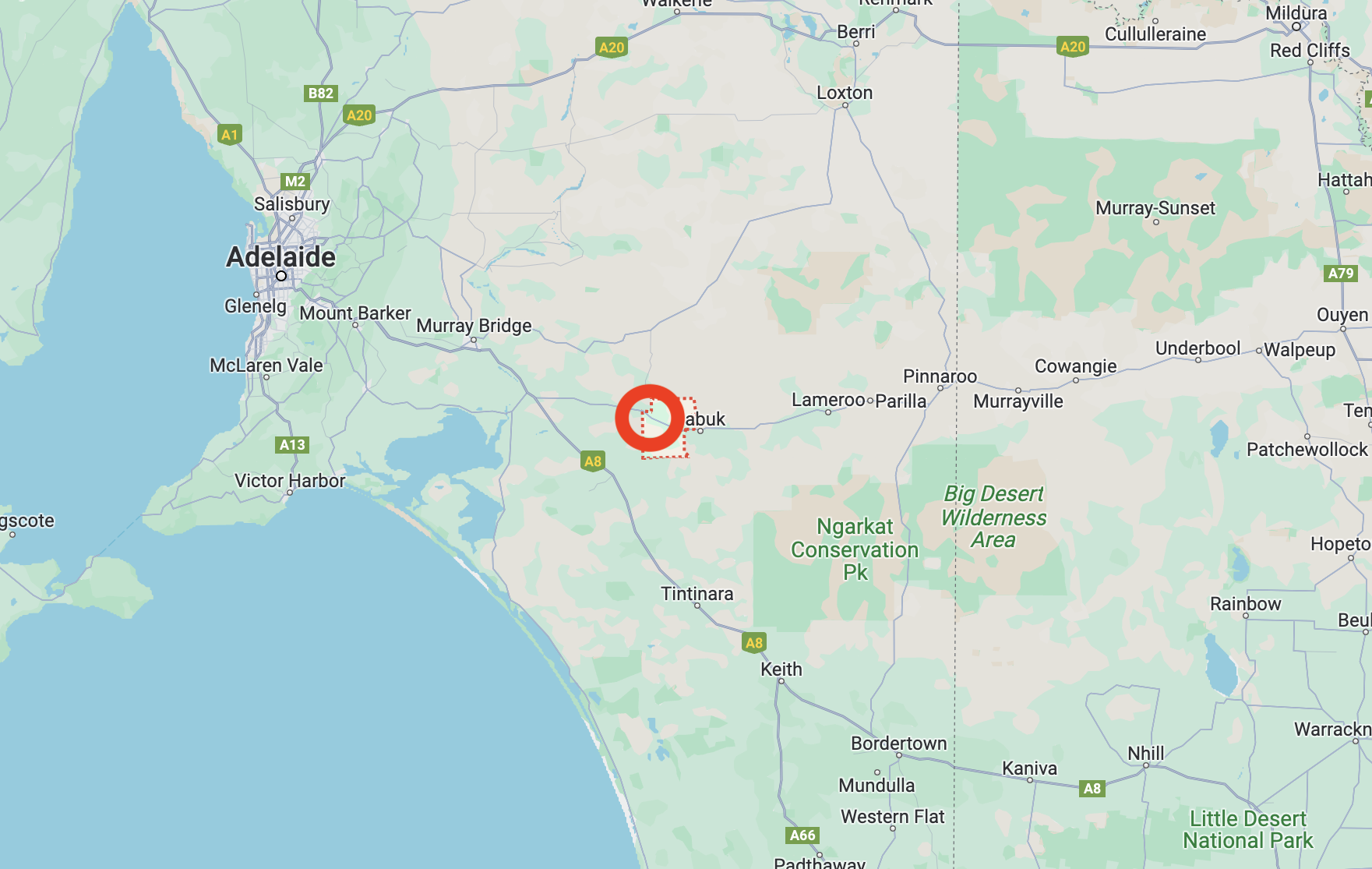
The town of Peake was surveyed in May 1907 and was proclaimed on the 8th day of August 1907. The District Council of Peake was proclaimed in 1911, and properties were assessed and rates levied from 1912.
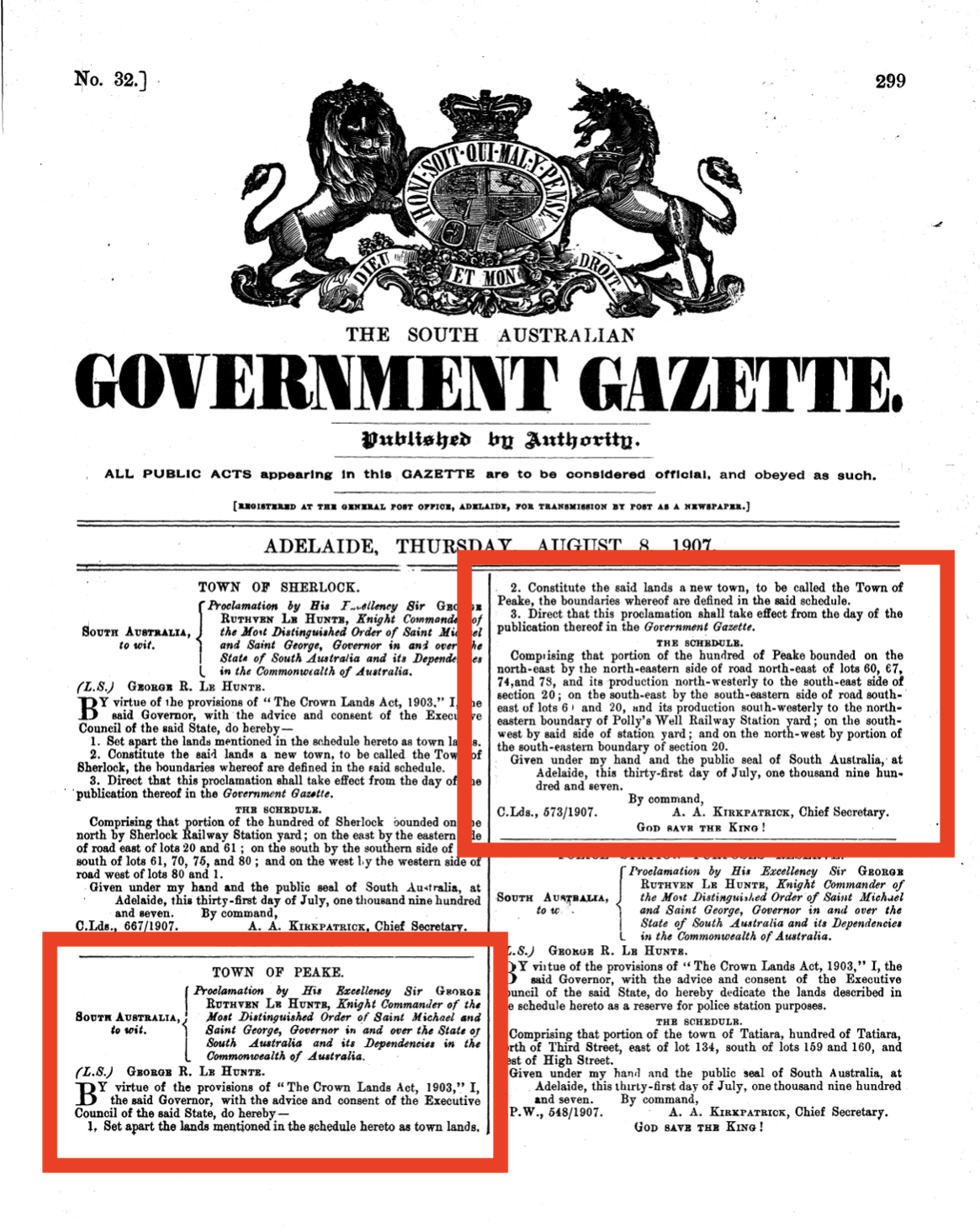
Above:- The South Australian Government Gazette re the proclamation of the town of Peake. Image c/o Wikipedia.
The town’s name was derived from the cadastral unit of the Hundred of Peake which in turn is named in honour of Archibald Henry Peake (b. 1859. d. 1920), an Australian politician who was the Premier of South Australia on three occasions (1909-1910; 1912-1915; and 1917-1920).
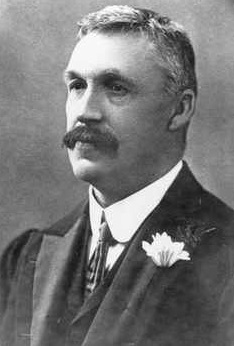
Above:- Archibald Peake. Image c/o Wikipedia.
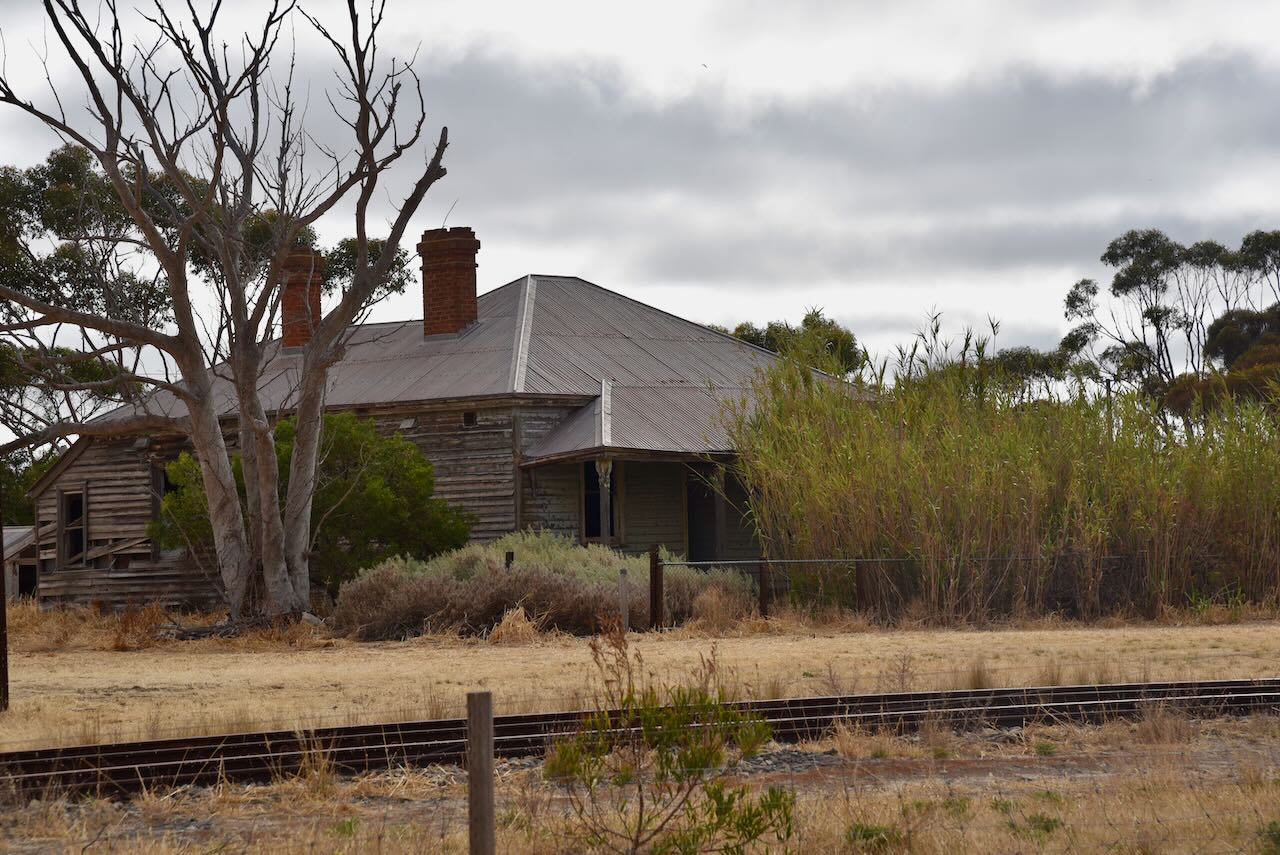
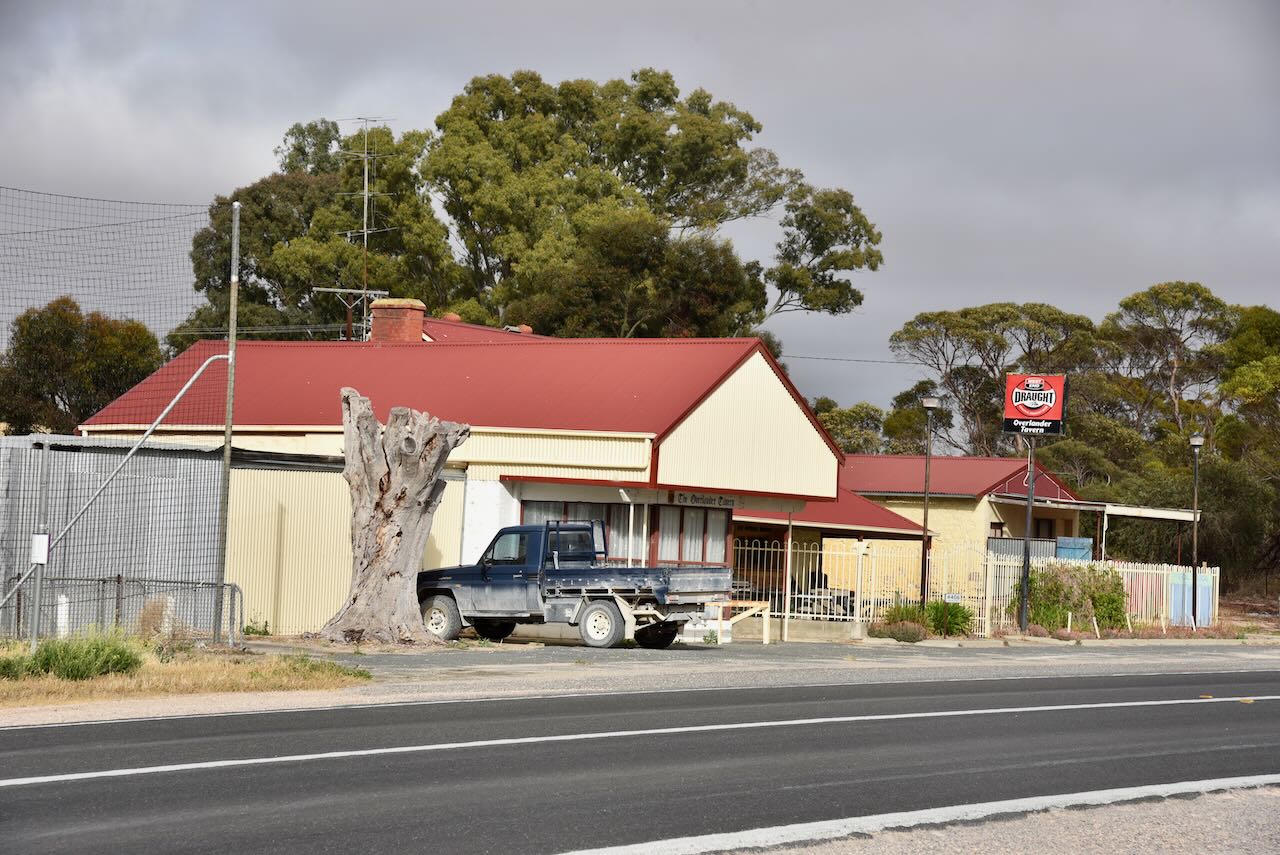
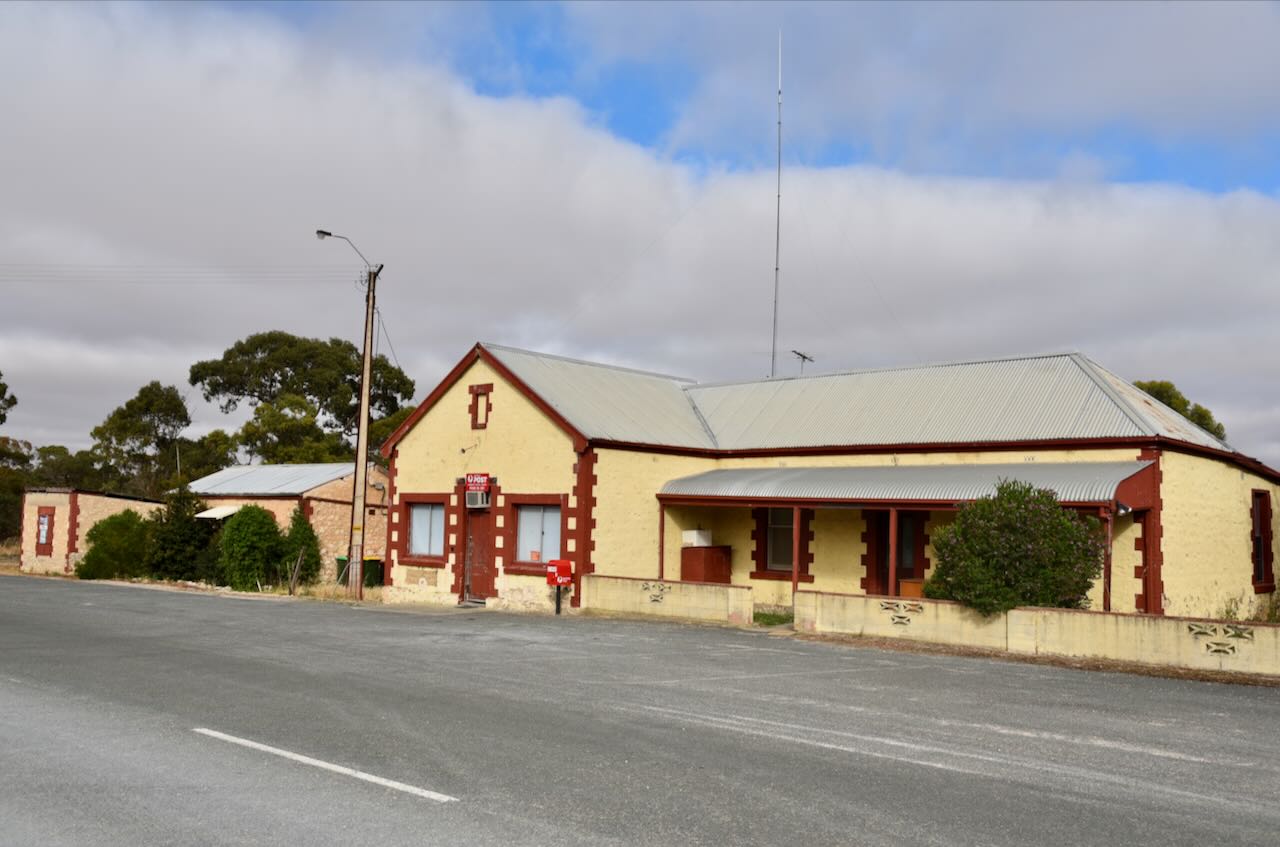
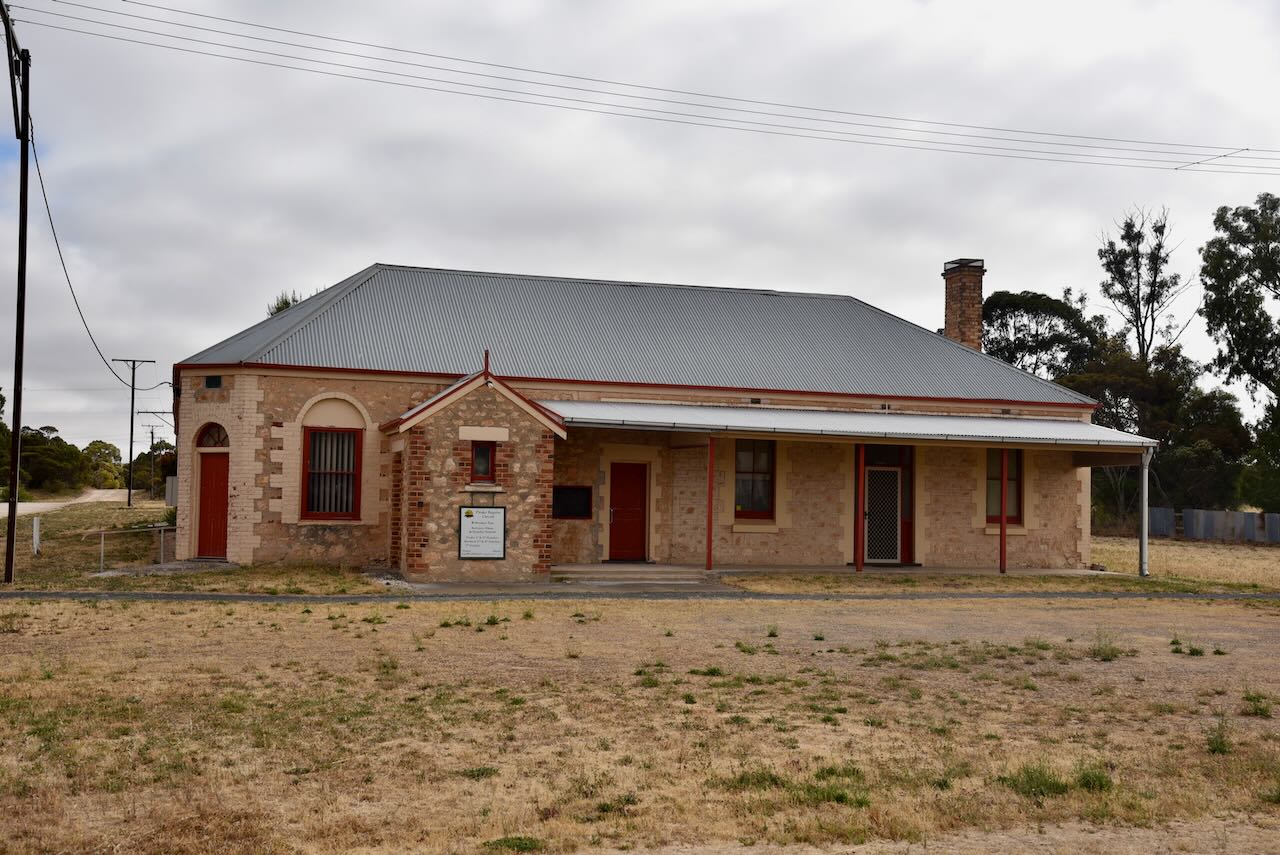
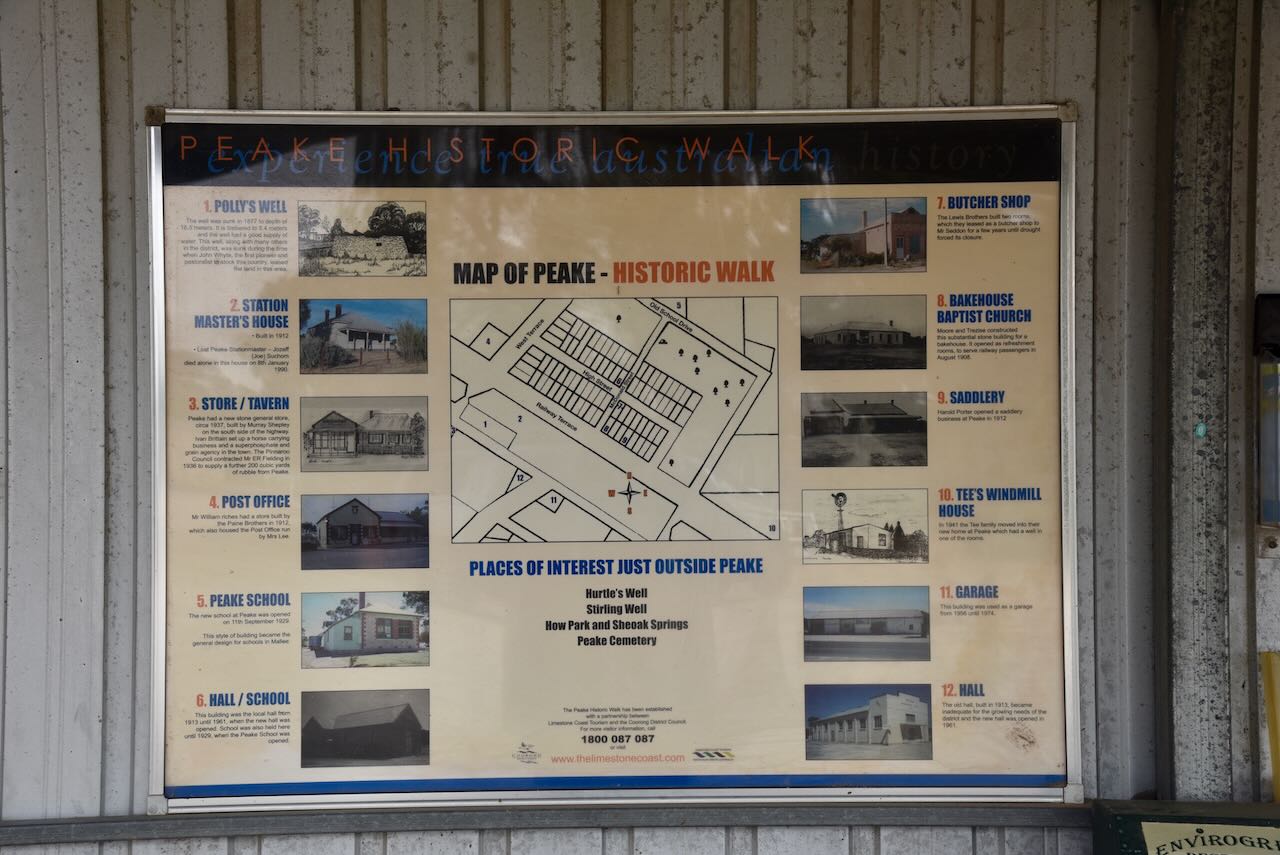
There are several historic buildings in the town and a historic walk can be undertaken. Details of the walk can be obtained from the information board at the visitor rest stop.
Some of the buildings to view are the old Station Masters built in 1912, the Peake store built in 1937, the Post Office built in 1912, the Bakehourse/church built in 1908, the Peake School built in 1929, the Butcher shop built in the early 1900s, the Saddlery built in 1912, and the old town Garage which was used from 1956 to 1974.


At the rest stop, there is the War Memorial and Lone Pine, remembering those from Peake who lost their lives serving their country. The pine was planted at Peake on the 25th day of April 2009 having been propagated from a pine tree at the War Memorial in Canberra. That particular tree can follow its origins back to Gallipoli, Turkey. The ridges at Gallipoli were once covered with Aleppo Pines. However, these were cut down to line over trenches. Just one solitary pine remained. Lance Corporal B.J. Smith of the 3rd Battalion sent several pine cones back to Australia. Thirteen years later, two seedlings were grown, one of which was planted at the Canberra War Memorial.
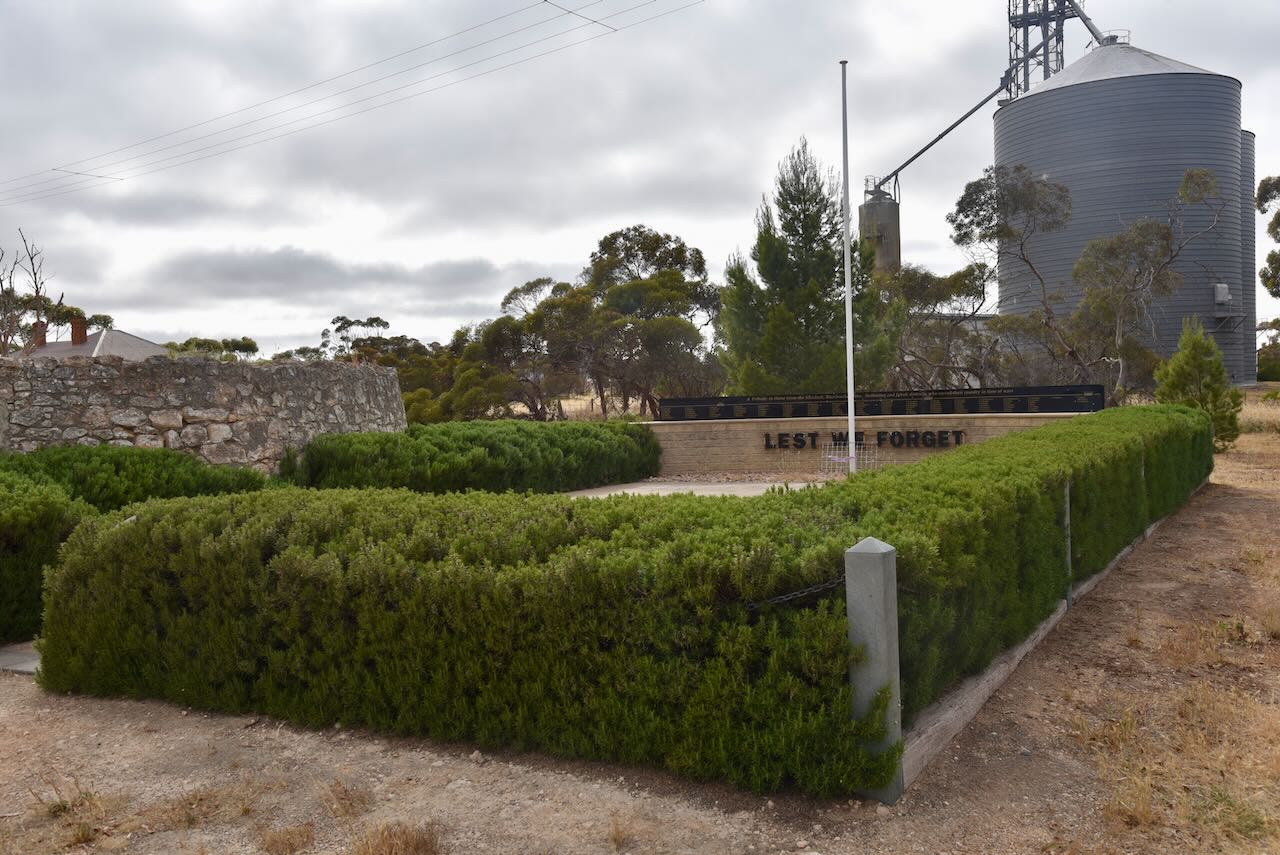
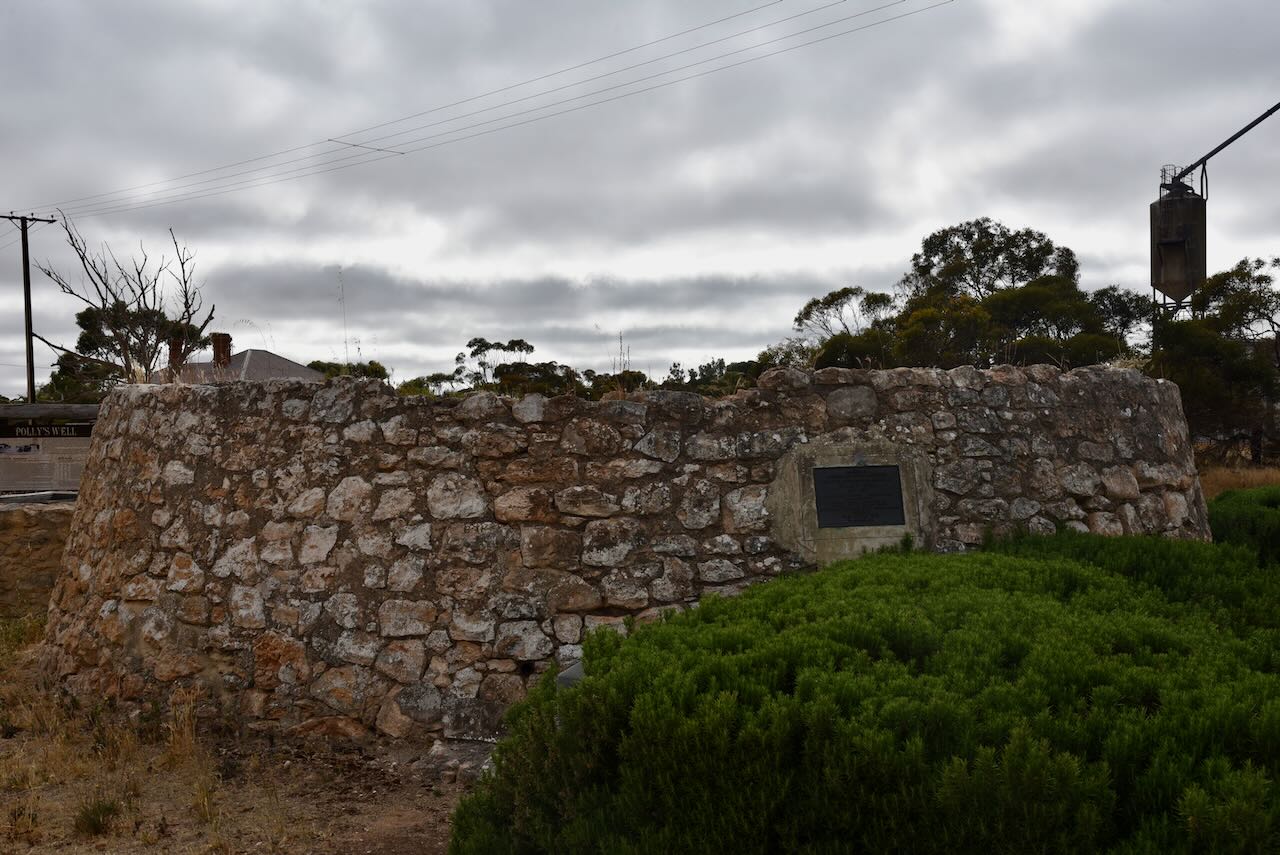
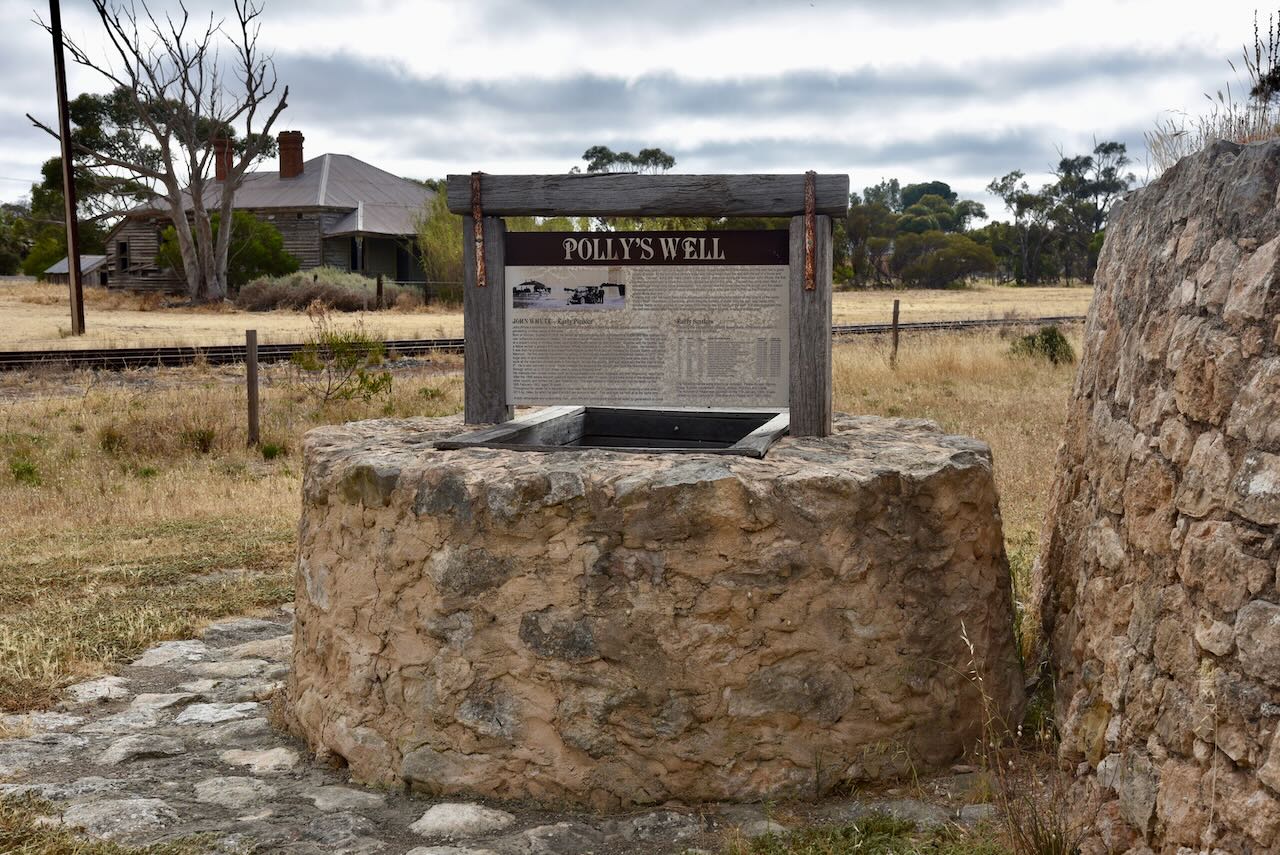
One of the stops on the historic walk is Polly’s Well. This is located at the visitor rest stop.
It was sunk by John Whyte, the first pastoralist and pioneer to stock the surrounding countryside.
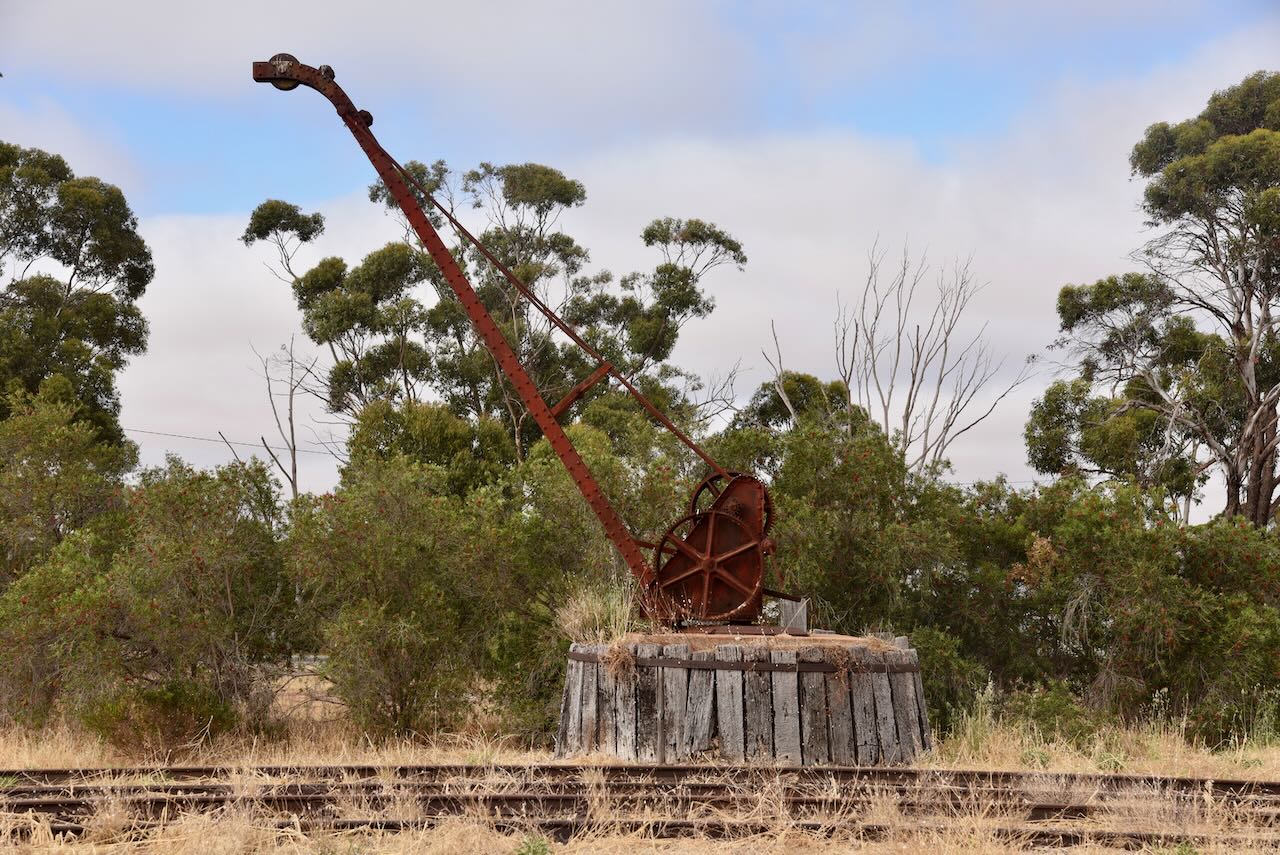
In 1877 the well was sunk to a depth of 16.5 metres. The well is timbered to 8.4 metres and in its day had a good supply of water. Water was drawn from the well with the assistance of a horse and buckets. Early settlers depended highly on the well as it would take eight days to travel by bullock wagon from Tailem Bend to Pinnaroo. Water was also taken on here for the steam trains when they commenced operation in the area.


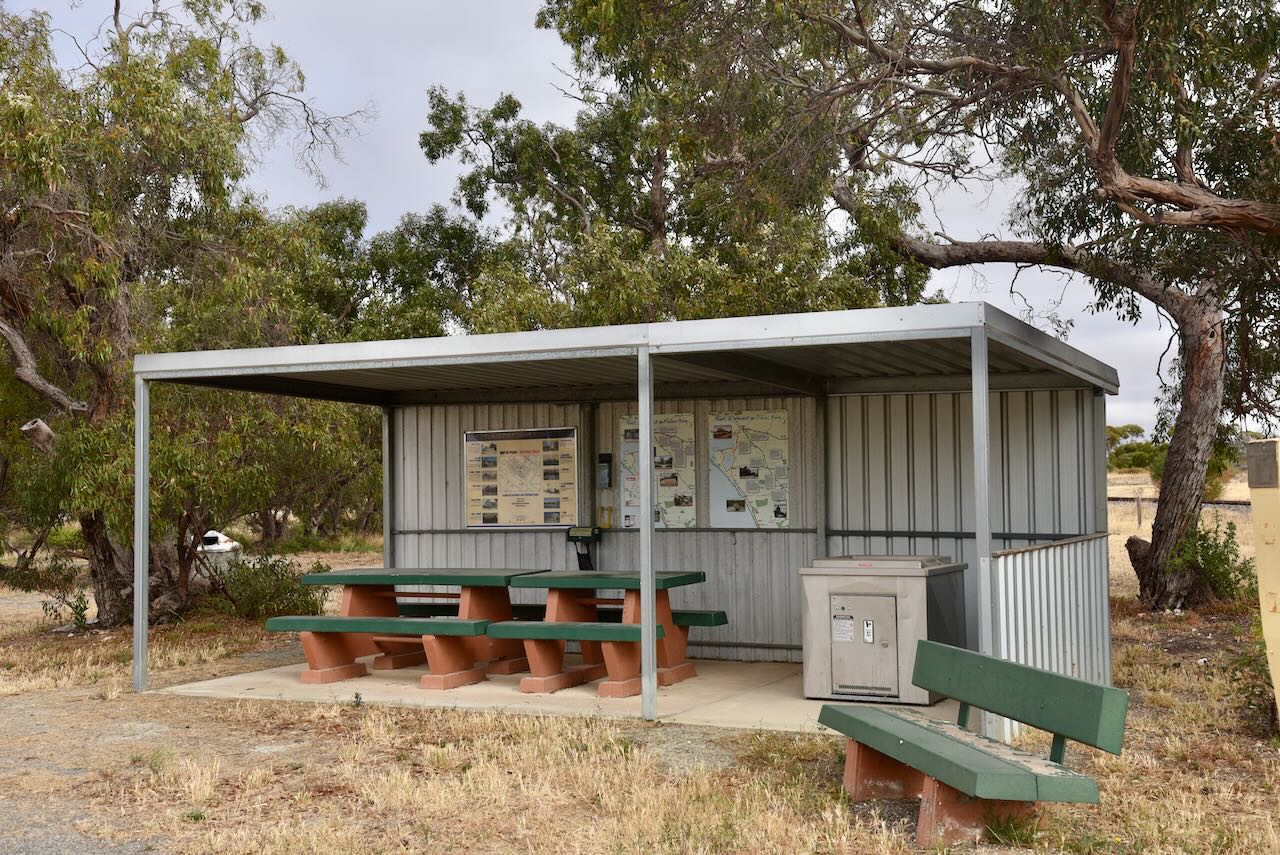
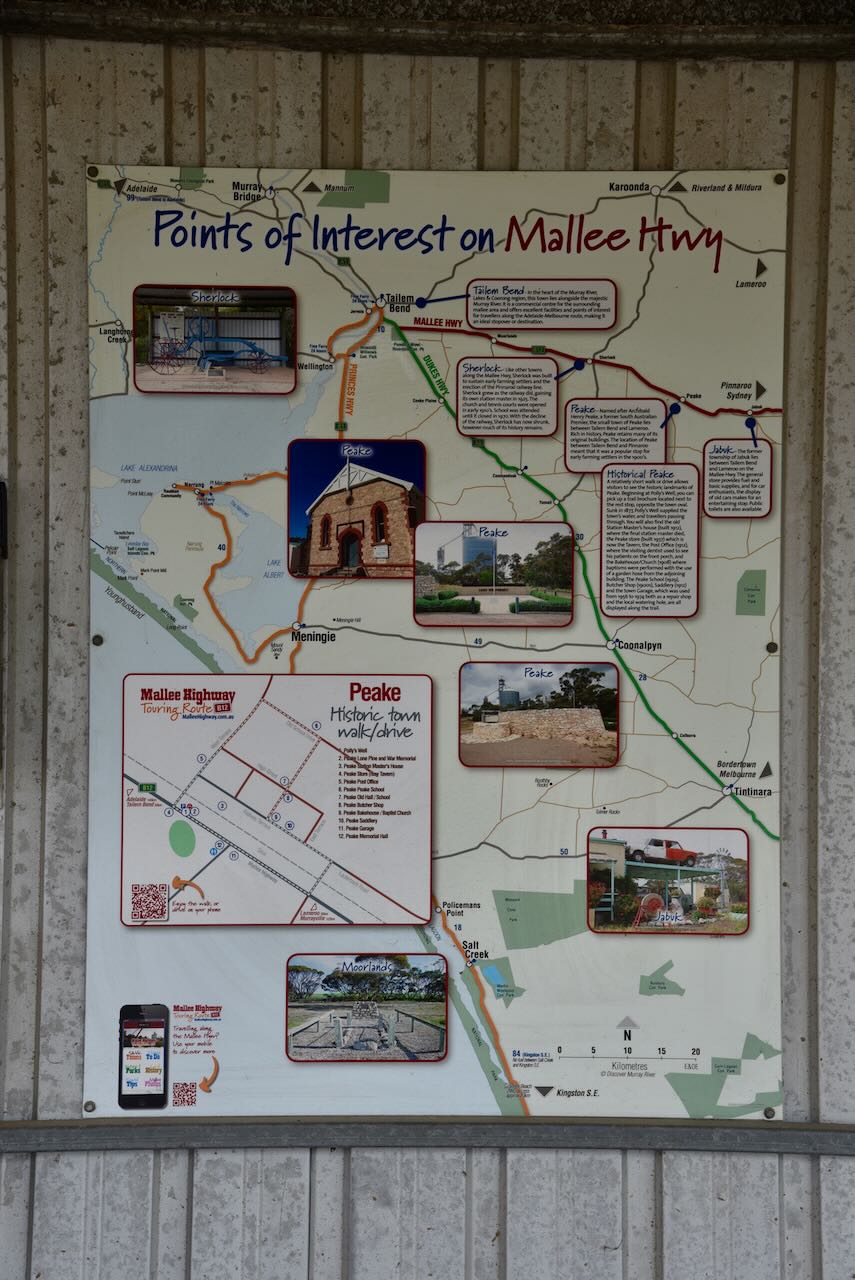
At the visitor rest stop there are a number of information boards detailing the Peake historic walk and points of interest along the Mallee Highway.
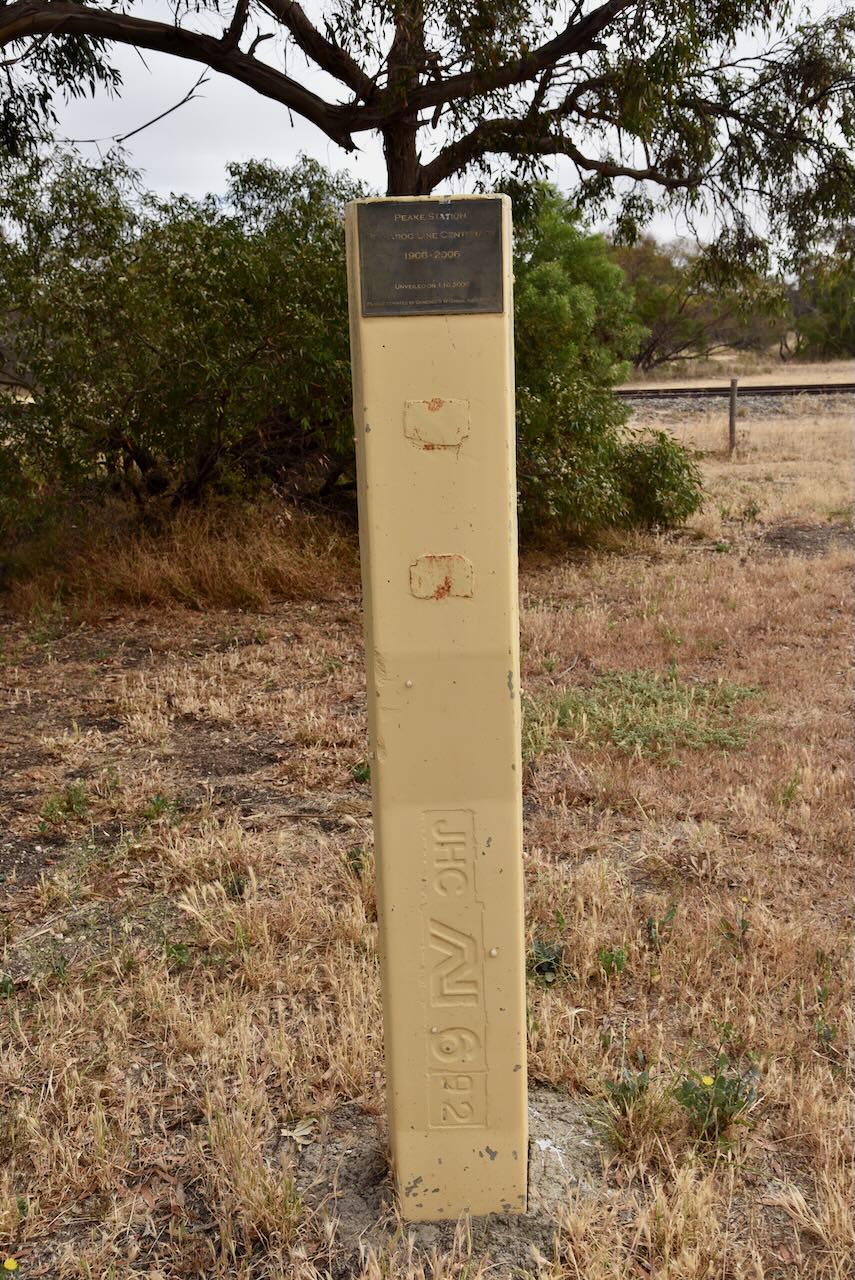
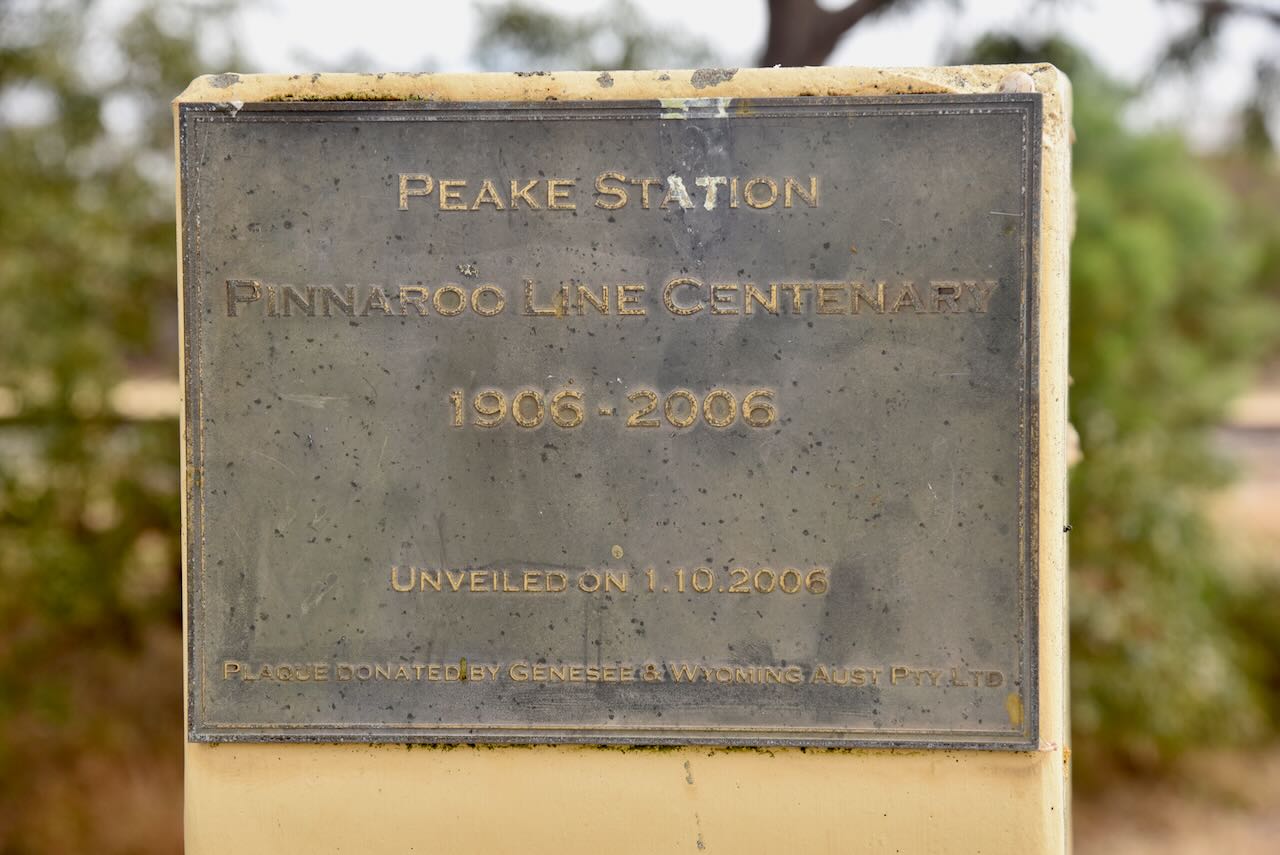
You can also find a monument for the Centenary of the Pinnaroo Line (1906-2006). The line opened from Tailem Bend to Pinnaroo on the 14th day of September 1906, and on the 29th July 1915 it extended over the border into Victoria. The line closed in July 2015. It was at this time that Viterra announced that no more grain would be carried by rail after 31st day of July 2015. The 2015 harvest would be entirely transported by road. As the South Australian line closed, the Victorian government was upgrading part of its end of the line for regional freight.
The silos at Peake are both concrete and iron and are operated by Viterra. They are located in between Mallee Highway and Railway Terrace.
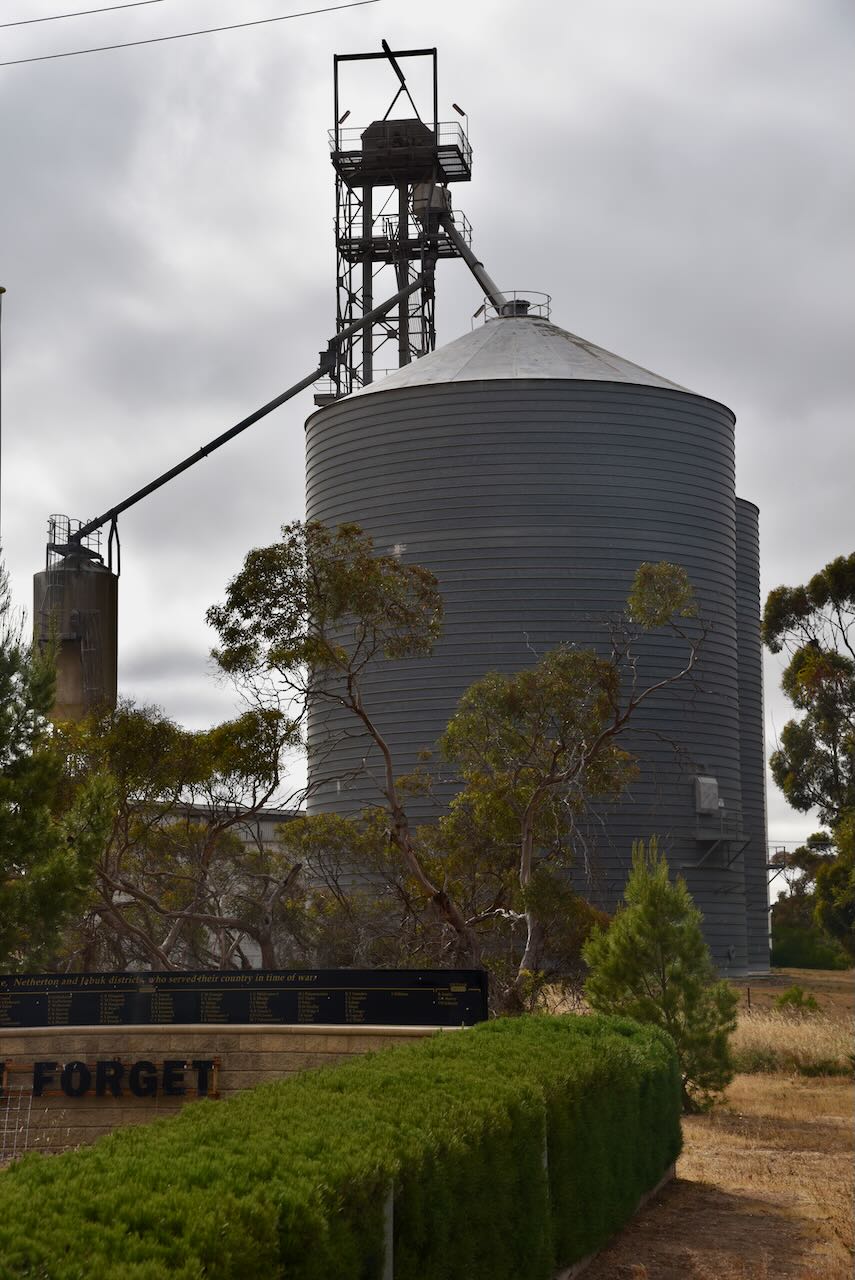

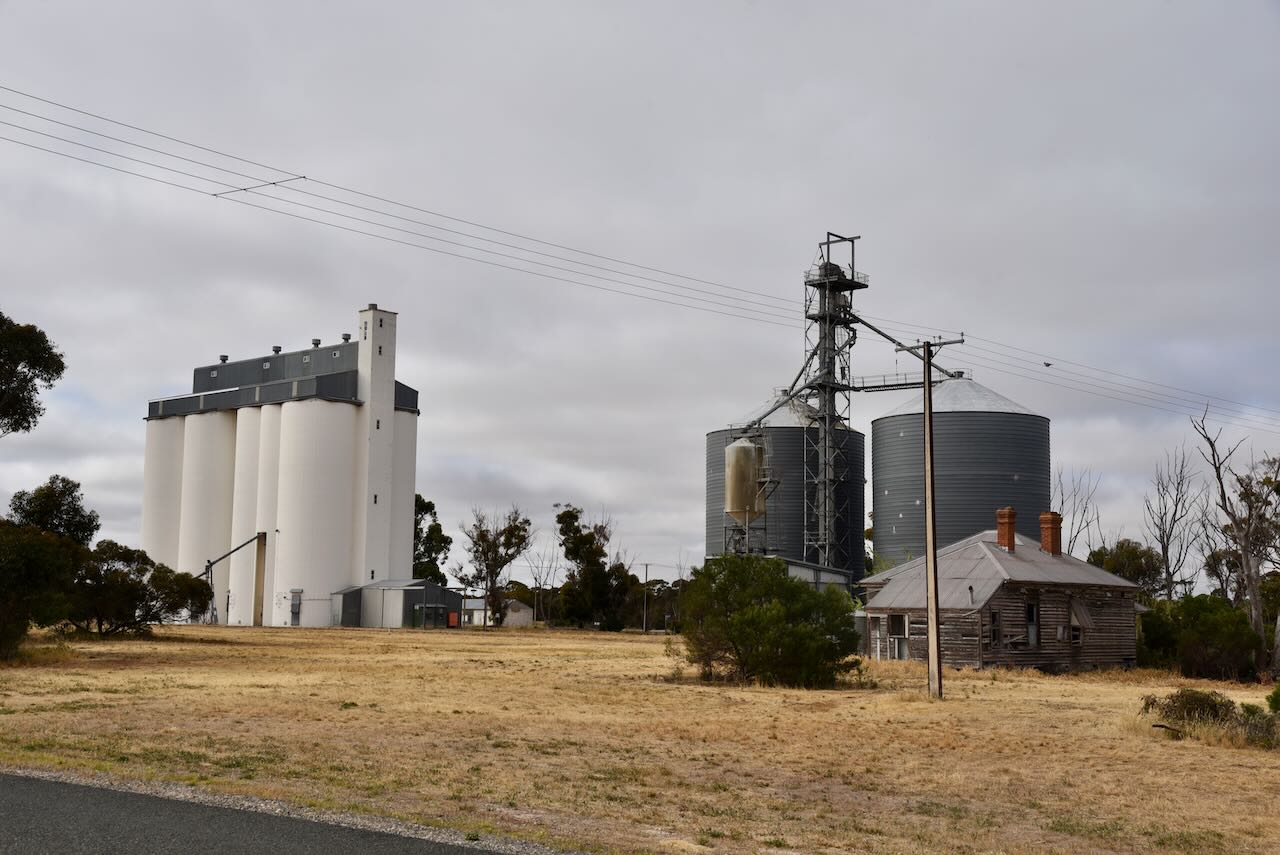

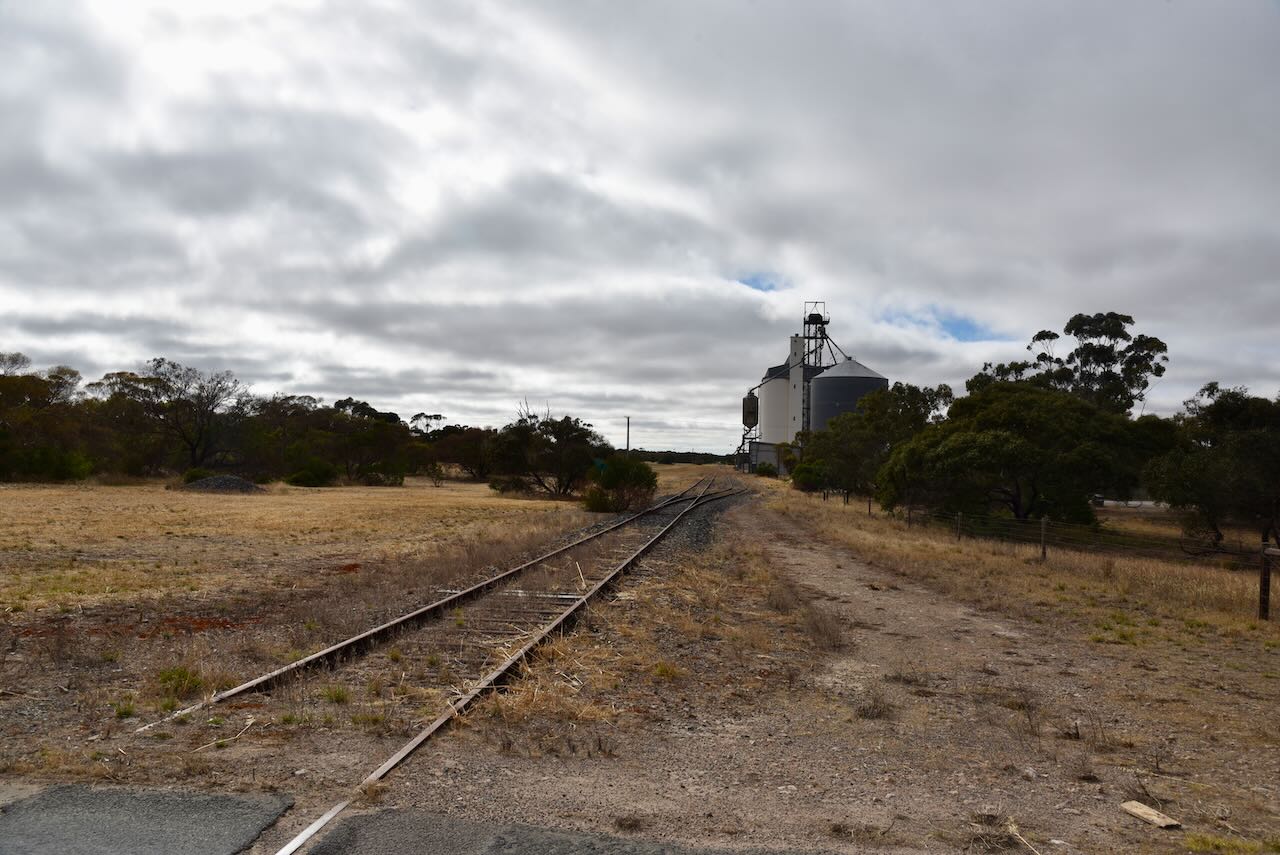
We parked in the visitor rest stop and operated from the vehicle for this activation. We ran the Icom IC7000, 100 watts, and the Codan 9350 antenna with the 1/5 metre stainless steel whip.

Marija worked the following stations on 40m SSB:-
- VK2IO/p (Ouyen I244 Bushland Reserve VKFF-4208 & Ouyen silo VK-OYN3)
- VK3PF
- VK3QH
- VK5IS
- VK5HAA
- VK3DAC
I worked the following stations on 40m SSB:-
- VK2IO/p (Ouyen I244 Bushland Reserve VKFF-4208 & Ouyen silo VK-OYN3)
- VK3PF
- VK3QH
- VK5IS
- VK5HAA
- VK3DAC
References.
- Discover Murray Mallee, 2023, <http://www.murrayriver.com.au/peake/>, viewed 21st December 2023.
- Wikipedia, 2023, <https://en.wikipedia.org/wiki/Peake,_South_Australia>, viewed 21st December 2023.
- Wikipedia, 2023, <https://en.wikipedia.org/wiki/Pinnaroo_railway_line,_South_Australia>, viewed 21st December 2023.
 VK5PAS