
It was now Saturday 11th November 2023 and the very special day, Remembrance Day, and also the Keith Roget Memorial National Parks Award (KRMNPA) activation weekend.
Remembrance Day, also known as Poppy Day, is commemorated in Commonwealth countries and some non-Commonwealth Countries to recall the end of the First World War hostilities. Hostilities ceased ‘at the 11th hour of the 11th day of the 11th month” of 1918.
Every November, the KRMNPA holds a special activation weekend. Marija and I try to take part each year as activators. This year we had planned on activating the Murray Sunset National Park on Saturday and the Wyperfeld National Park on Sunday. However, there was a total fire ban in place on Saturday for the Mallee region of Victoria. This meant no park activations for our region of Victoria. So we had to change our plans. We decided to head over the border into South Australia to activate some parks where there was no fire ban in place.

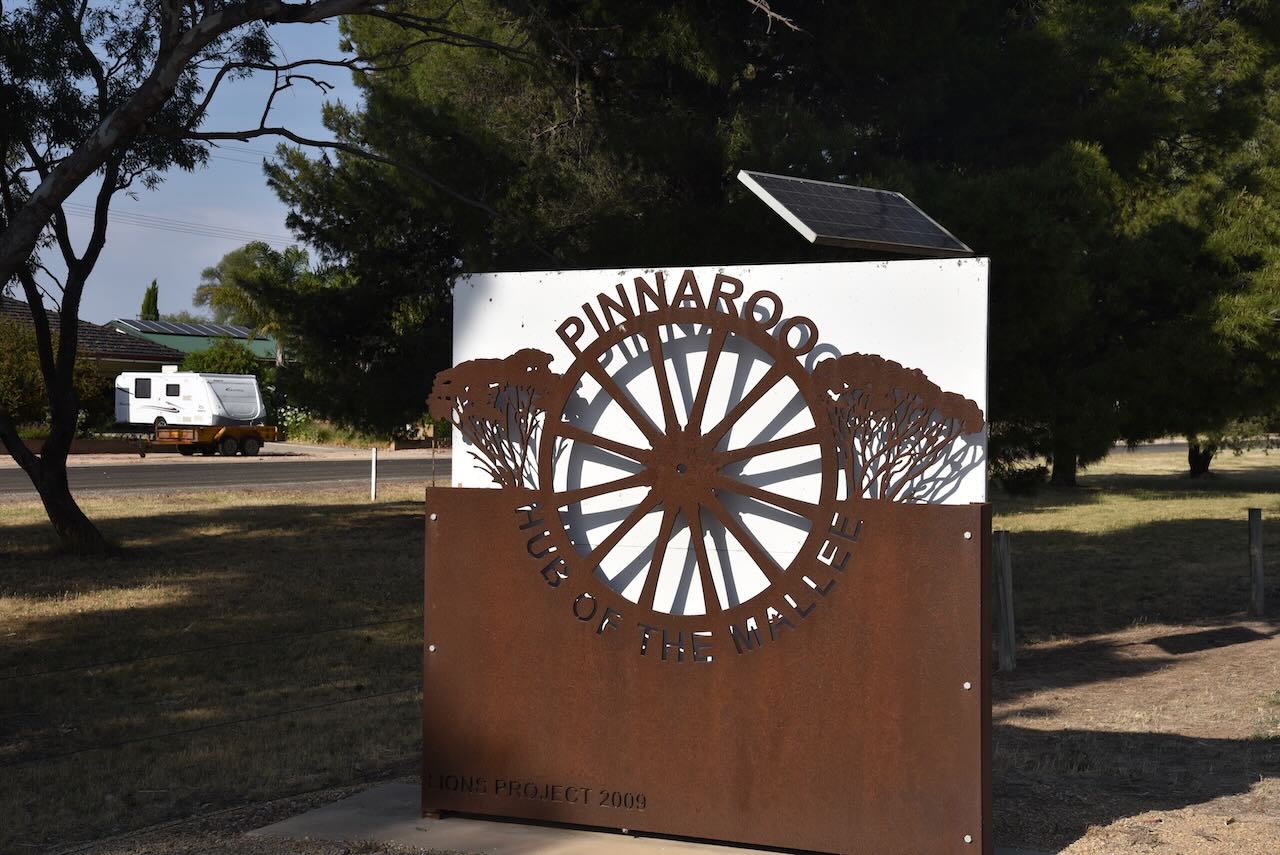
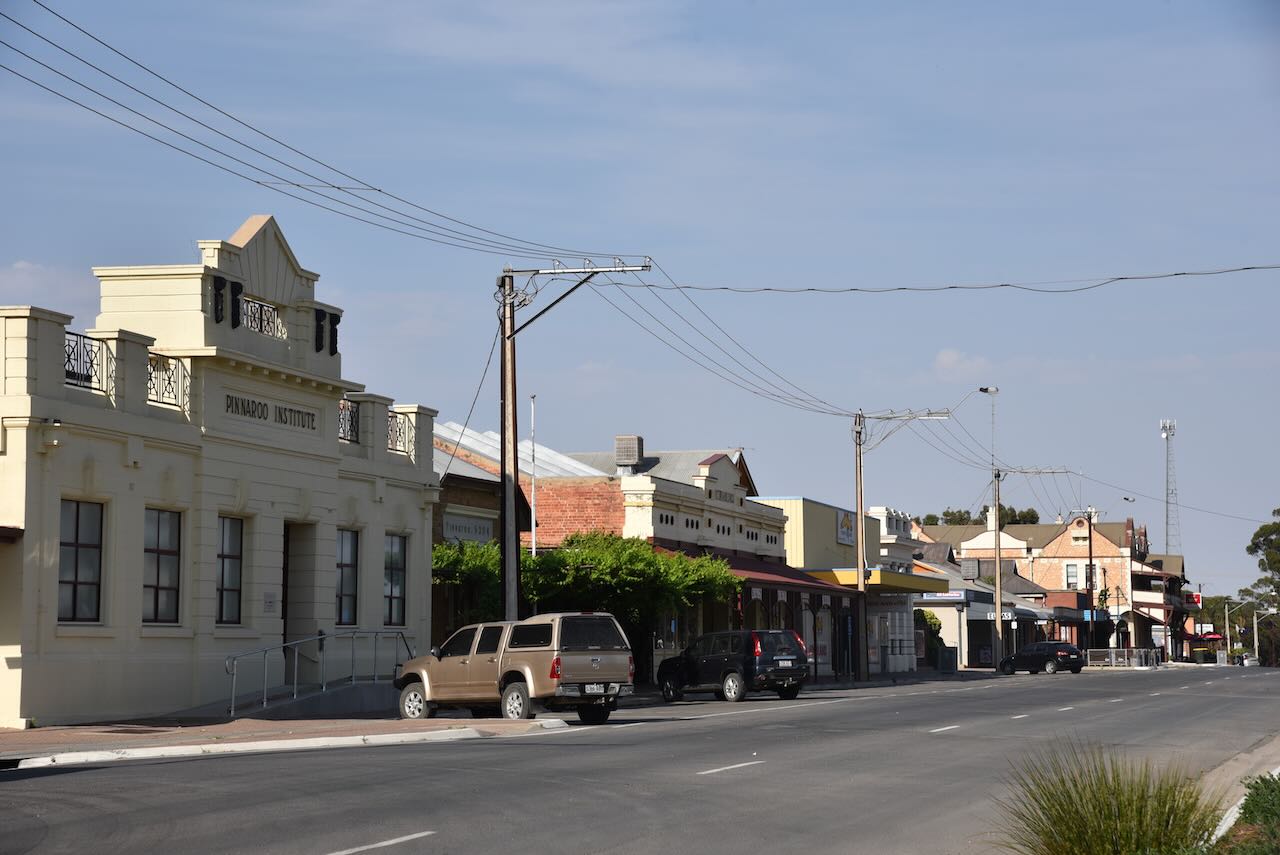
We drove over the South Australia/Victoria border and into the little town of Pinnaroo where we got some breakfast from the local bakery.
Pinnaroo is about 243 km east of Adelaide. The town’s name is derived from an aboriginal word for “big man”.


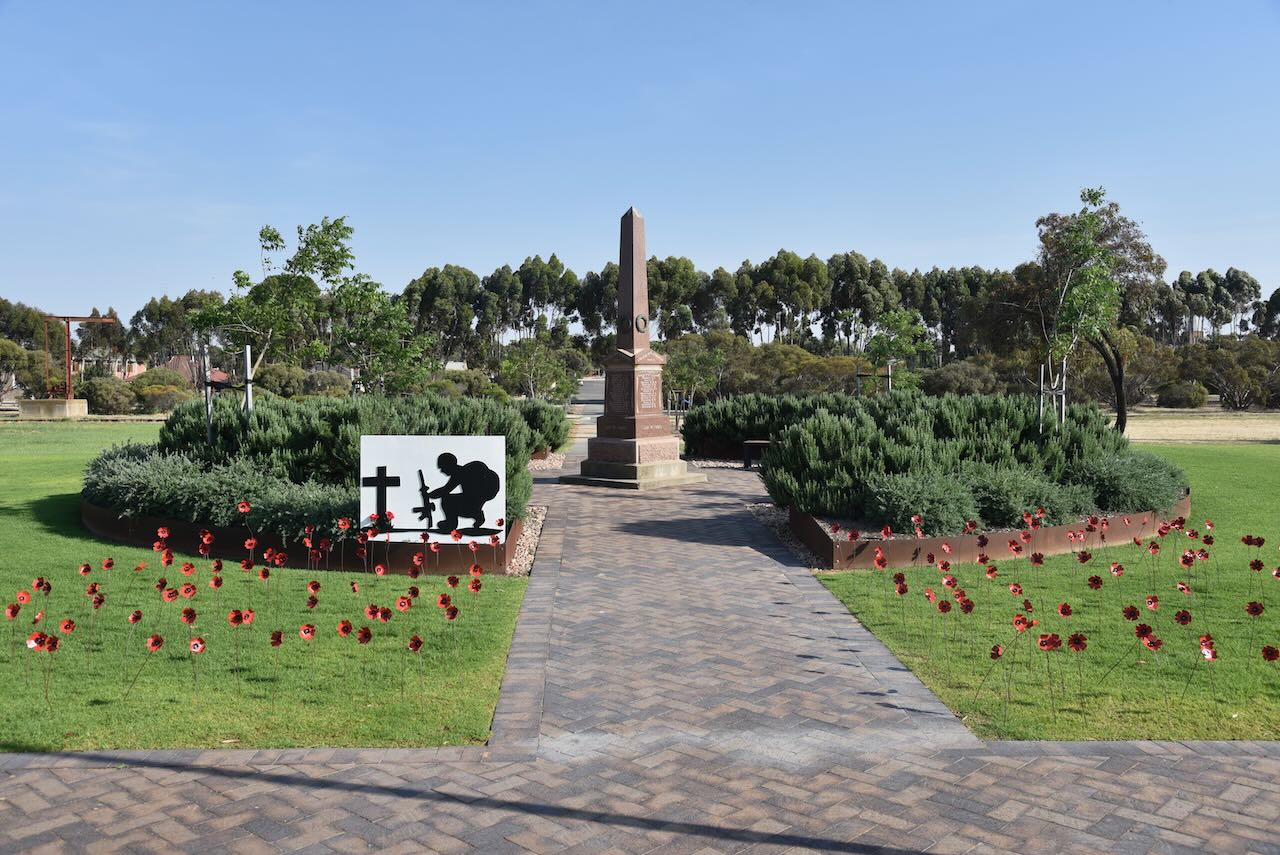
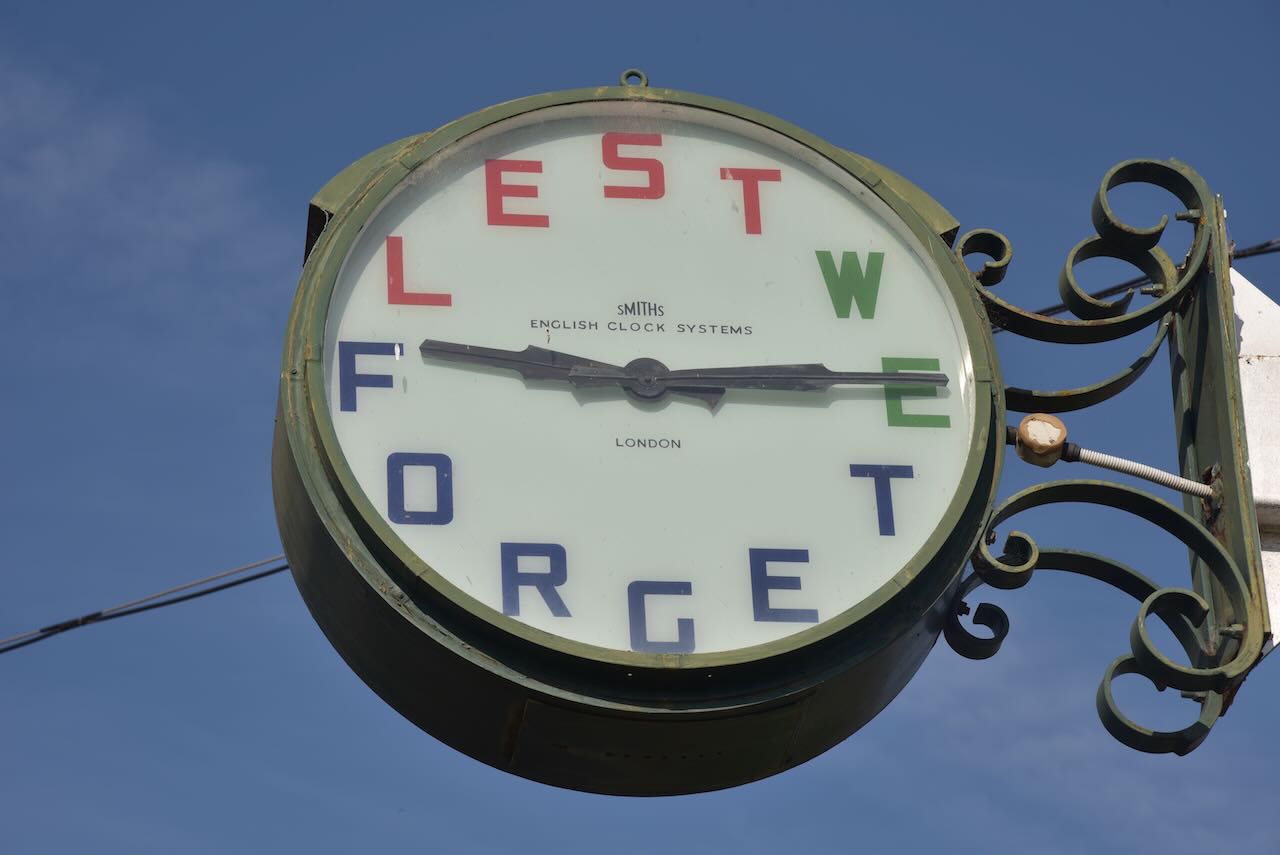
At it was Remembrance Day, Pinnaroo’s War Memorial was set up with poppies for the 1.00 a.m. commemorate ceremony.

Following breakfast we headed out to the Ngarkat Conservation Park VKFF-0829.

Above:- Map showing the location of the Ngarkat Conservation Park. Map c/o Google Maps.
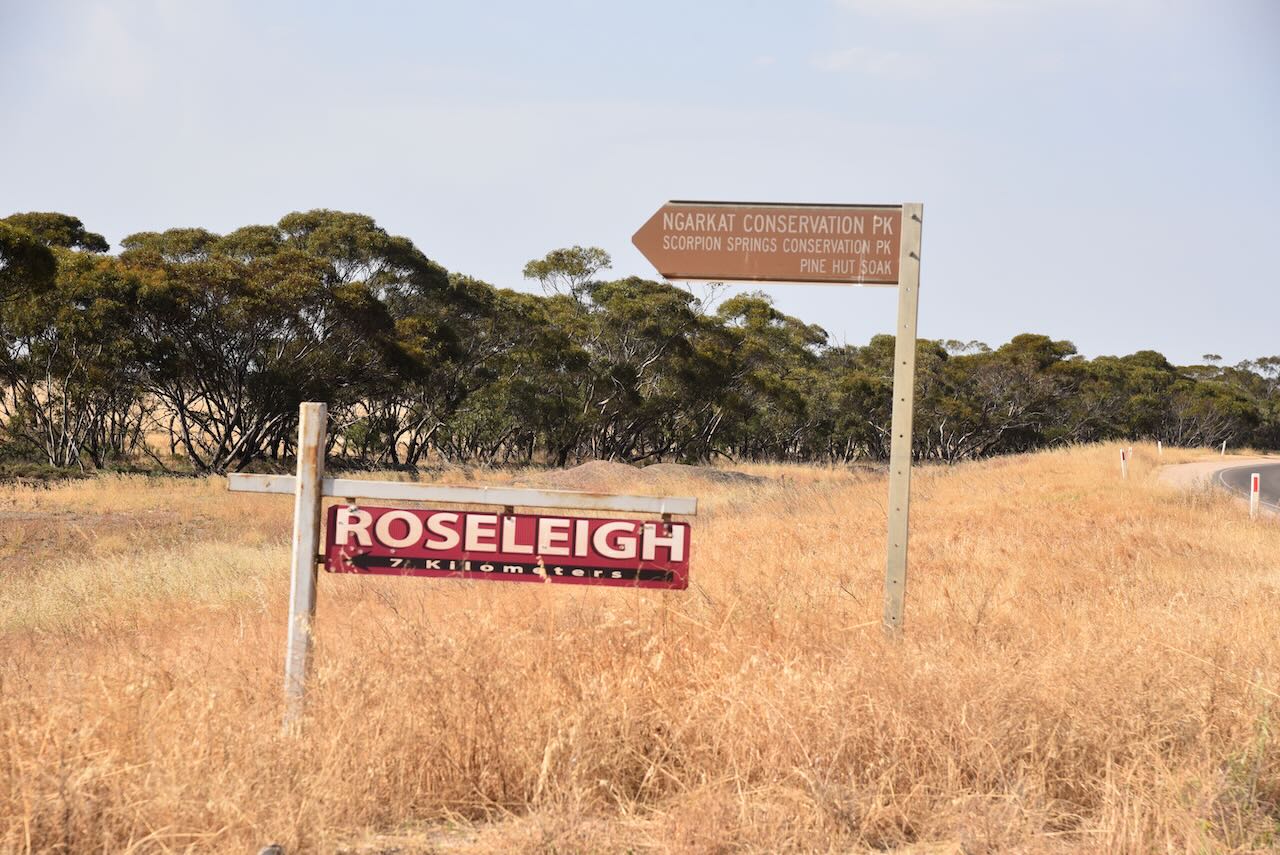
The turn off the Mallee Highway onto Rosy Pine Road to the park is well signposted, although inaccurate as it records Scorpion Springs Conservation Park (see below).
After travelling about 12 km along the dirt on Rosy Pine Road we reached the northern section of Ngarkat Conservation Park. We paid the $13.00 vehicle entry fee to the park at this location.

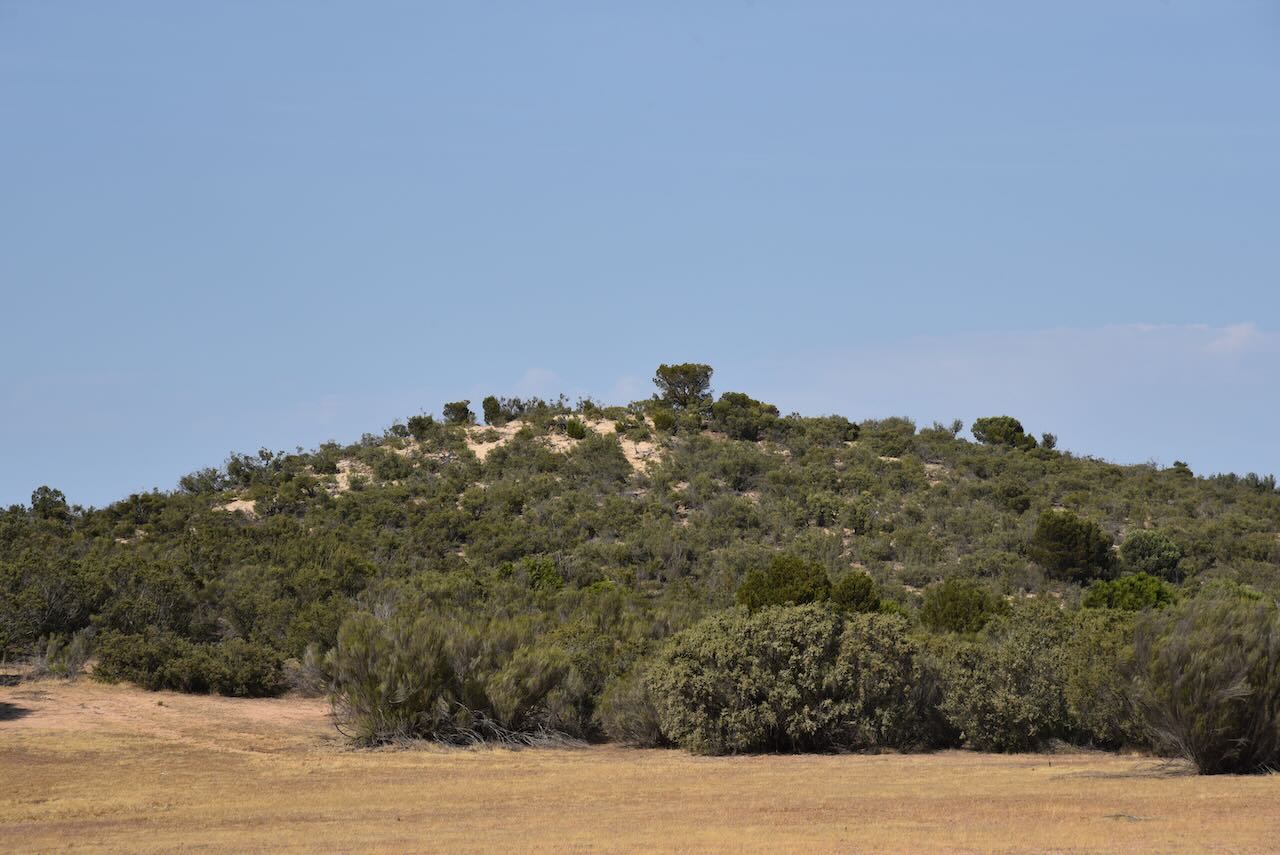
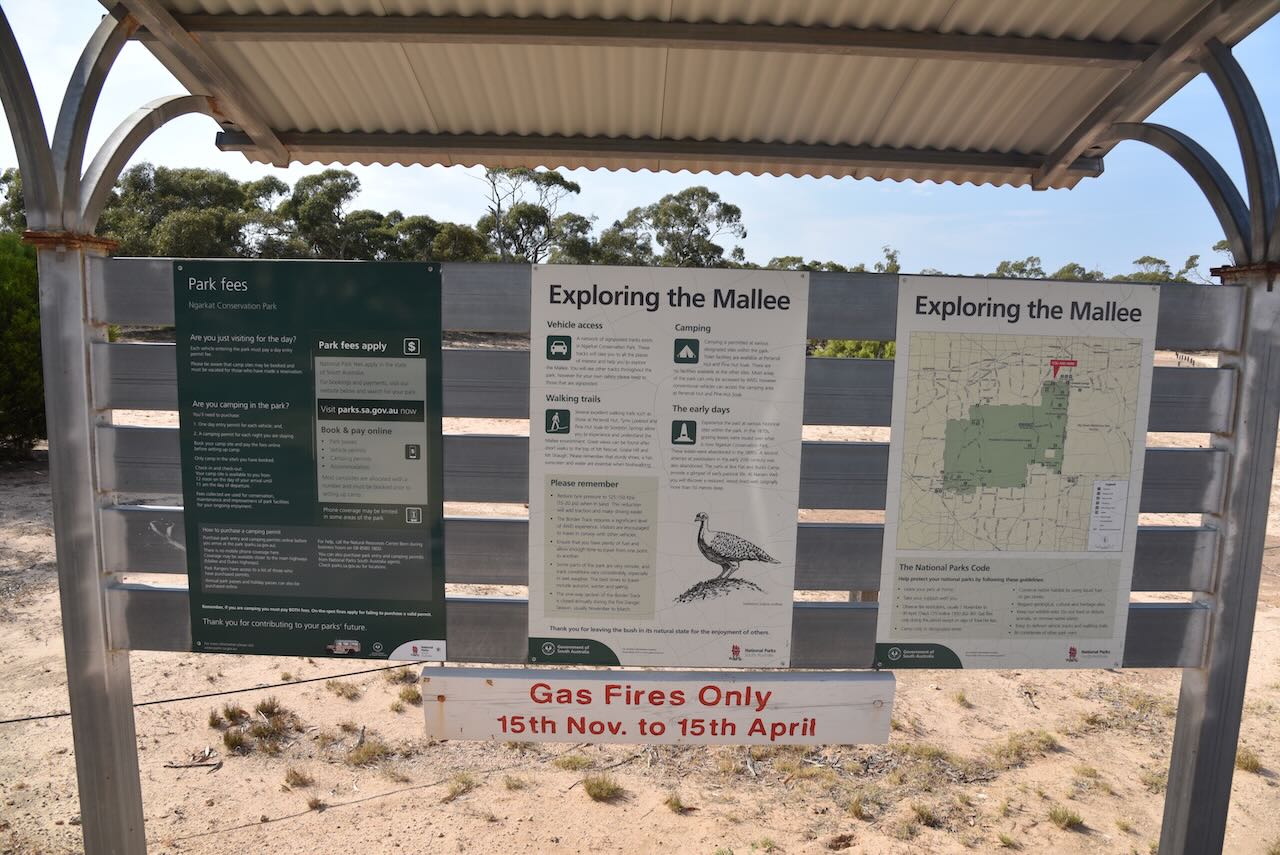
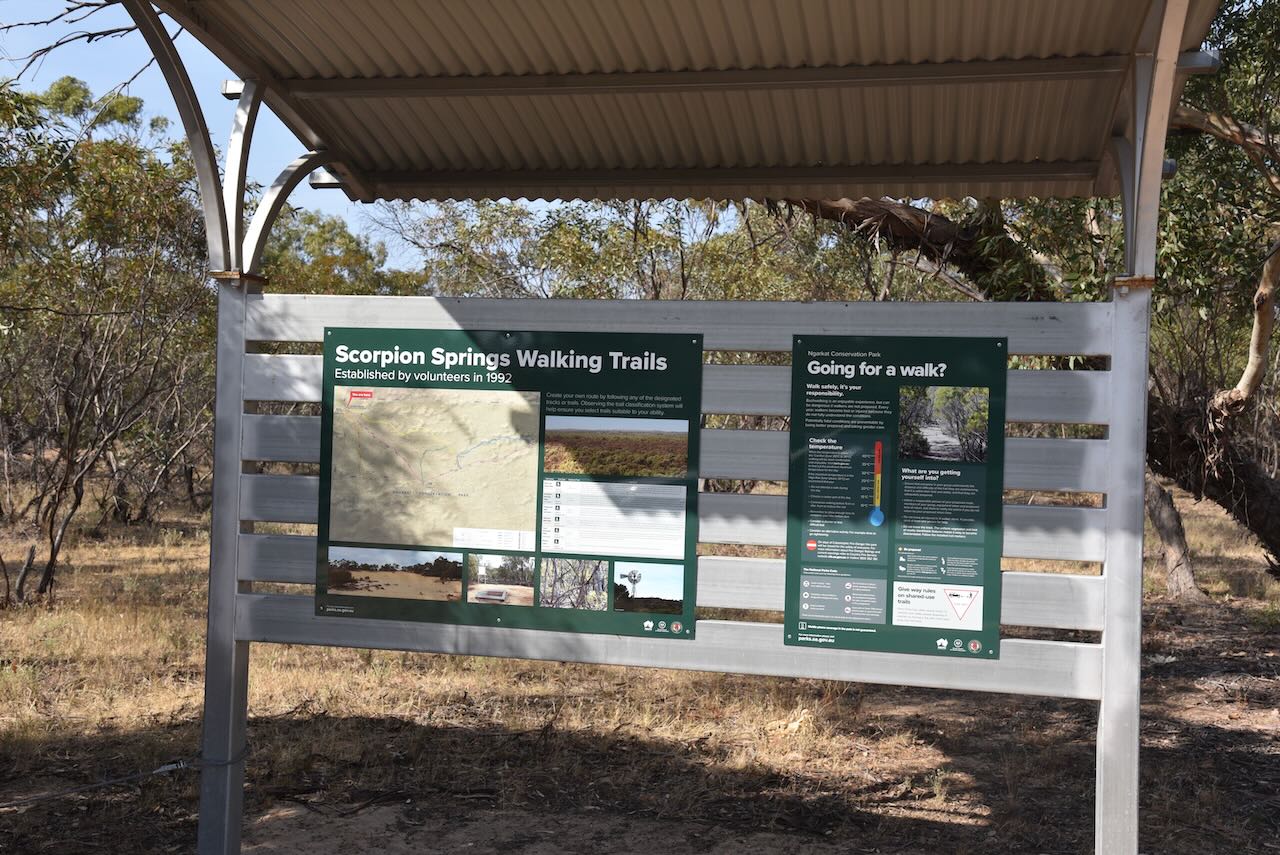
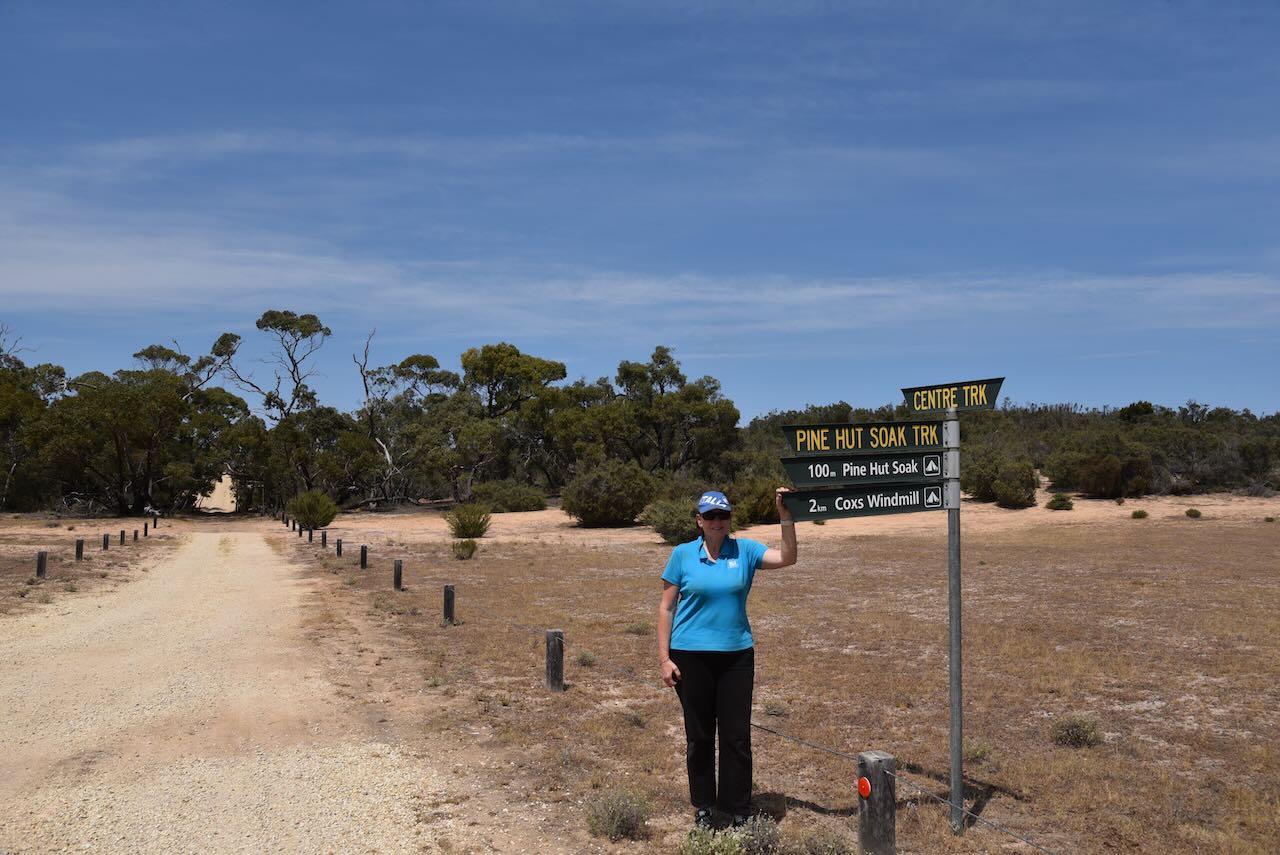
The Ngarkat Conservation Park is about 2,666.23 km2 in size and was established on the 13th day of September 1979 to conserve the mallee habitat of the 90 Mile Desert.

Above:- The gazettal of the park in the SA Gazette, Sep 13 1979. Image c/o Wikipedia.
A significant portion of the Ninety Mile Desert was transformed into productive farmland now known as Coonalpyn Downs, by the field experiments of Dr. David Riceman of the CSIRO between 1944-1950.
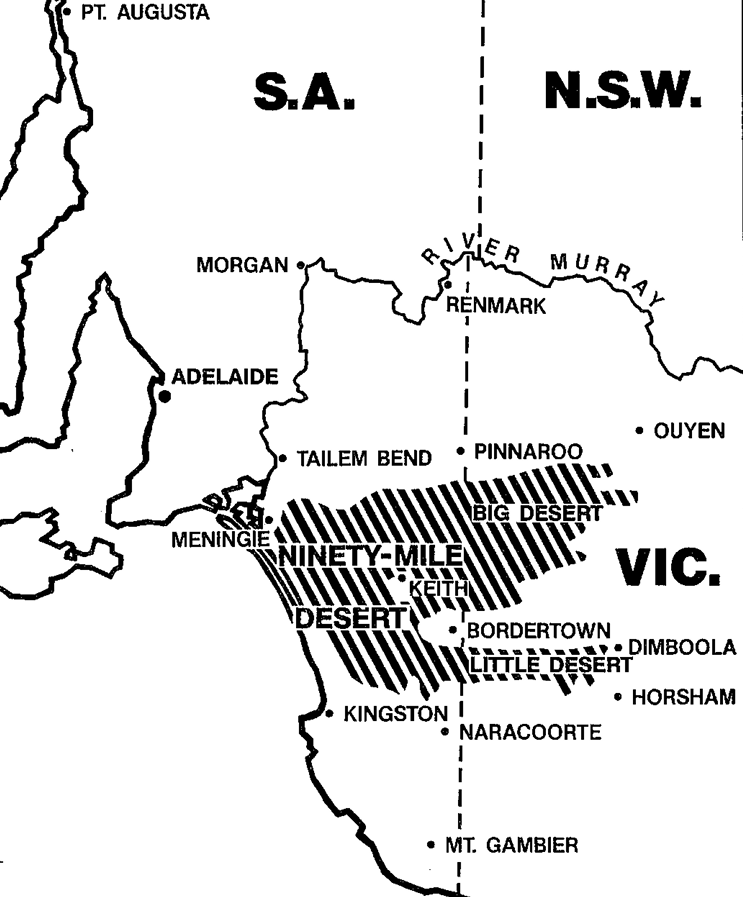
Above:- Map showing the location of the Ninety Mile Desert.
Prior to this, the area had been very remote and dangerous. This is highlighted in the article below which relates to Mr. A.J. Ratten who became bogged in the Ninety Mile Desert in 1924. The article states:
“To travel by motor car outback after nightfall even over some of the best known bush tracks is considered by experienced motorists a risky undertaking and needs a driver of strong mentality…..Mr. E.J. Ratten, who is well known in city commercial circles, decided to take the risk of night travelling and it nearly cost him his life.”
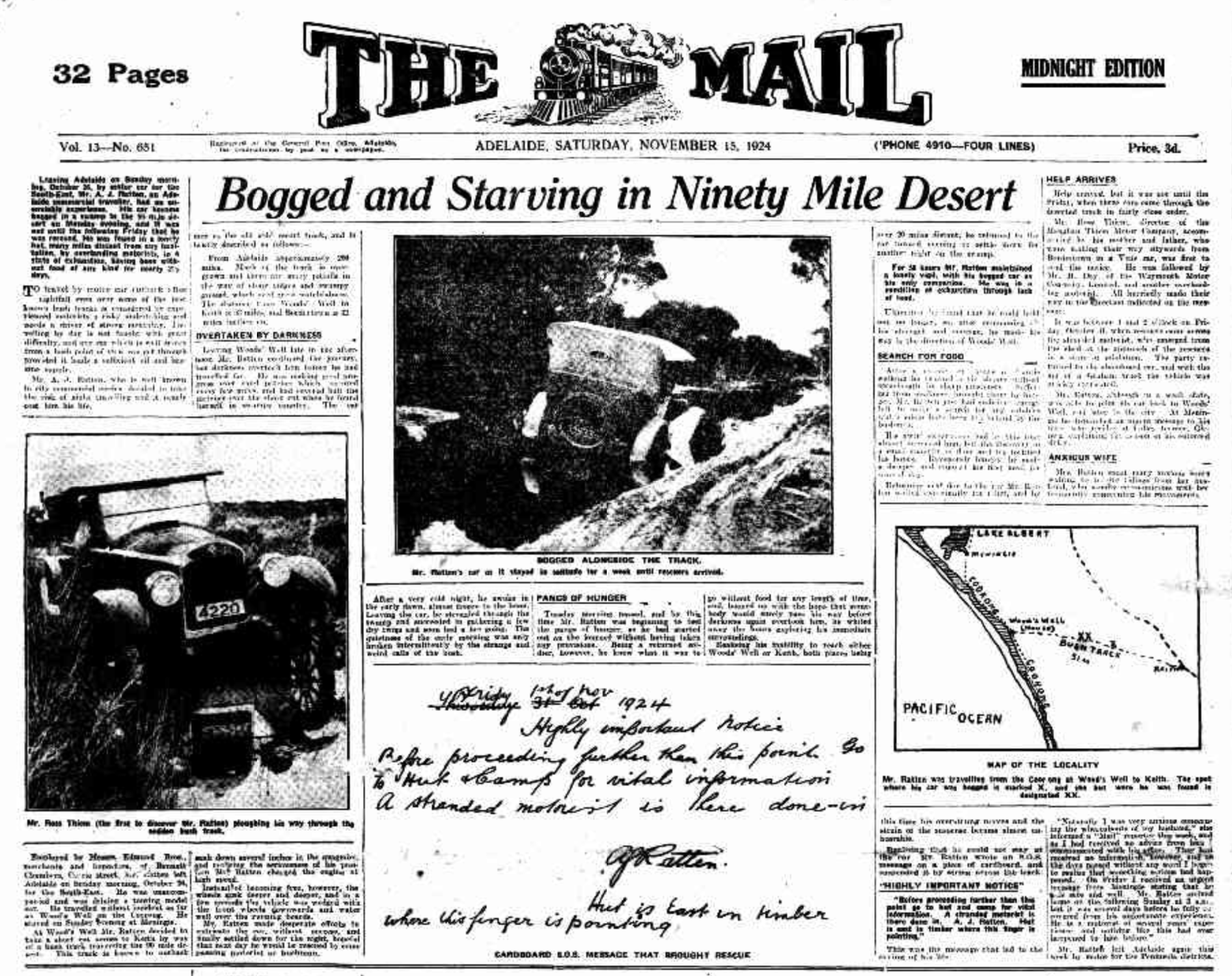
Above:- Article from The Mail, Adelaide, Sat 15 Nov 1924. Image c/o Trove.
The eastern boundary of Ngarkat Conservation Park adjoins the Victorian State border and Big Desert Wilderness Area.

Above:- The Ngarkat Conservation Park, bordering the Victorian State border. Image c/o Google Earth.
The park takes its name from the Ngarkat aboriginal people who inhabited the Mallee region of South Australia and Victoria. They occupied an area of about 22,600 km2 from south as far as Tintinarra and east of the Murray River to Tatura. Sadly even before direct contact between the European settlers and the aboriginals, European diseases including Smallpox and influenza spread down the Murray River causing significant loss of aboriginal life. By the time that Europeans arrived the Ngarkat people were in decline and soon disappeared rapidly. Today there are no known descendants of the original Ngarkat people.
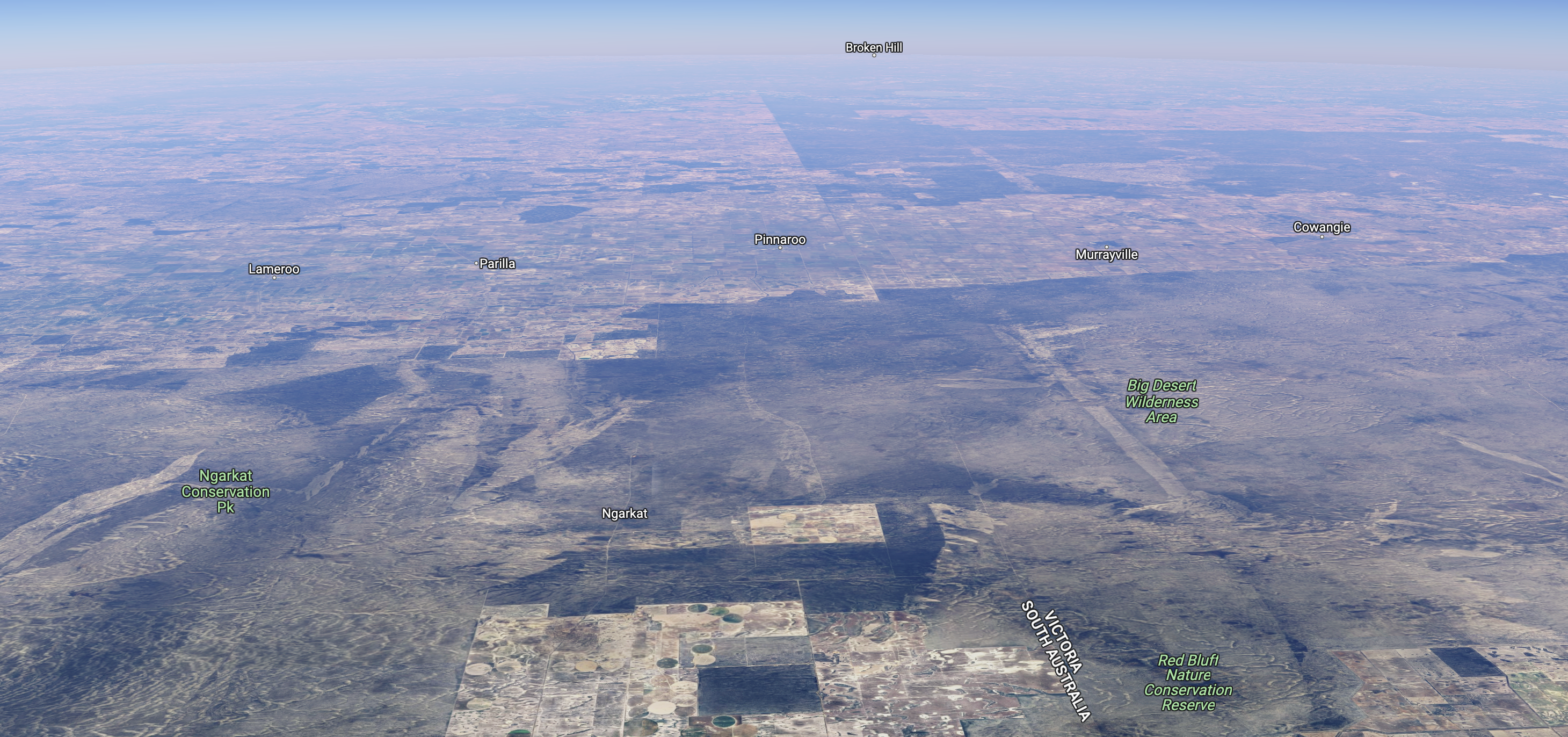
Above: An aerial view of Ngarkat CP, looking north. Image c/o Google Maps.
On the 27th day of May 2004, three Conservation Parks that adjoined the Ngarkat Conservation Park were abolished and incorporated into the Ngarkat Conservation Park:
- Scorpion Springs Conservation Park (30,422 hectares)
- Mount Rescue Conservation Park (28,339 hectares)
- Mount Shaugh Conservation Park (3,474 hectares)
Scorpion Springs Conservation Park was formerly known as the Scorpion Well National Park. The park was established on the 9th day of July 1970. It was reproclaimed as the Conservation Park on the 27th day of April 1972. Its name is derived from ‘Scorpion Soakage’, also known as ‘Scorpion Spring’, a water source used by the Ngarkat aboriginal people.
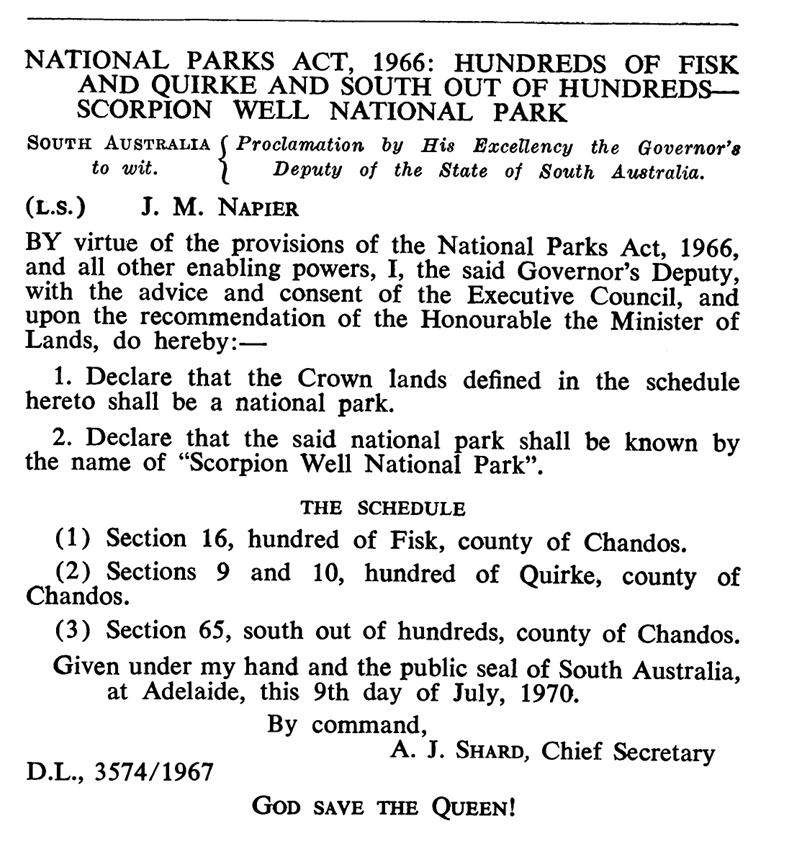
Above:- Declaration of Scorpion Well National Park, SA Govt Gazette, 9 July 1970.
The Mount Rescue Conservation Park was formerly known as the Mount Rescue National Park. It was gazetted on the 9th day of November 1967. Its name was derived from Mount Rescue, a 129 metre hill, located immediately to the east of the park.
The Mount Shaugh Conservation Park was established on the 25th day of November 1971 and was originally known as the Mount Shaugh National Park. It was reconstituted as a Conservation park on the 27th day of Aprul 1972. The park’s name was derived from Mount Shaugh, a hill with a height of 182 metres.
The park contains a wide variety of native animals, birds and reptiles. This includes the nationally vulnerable Malleefowl and the Mallee Emu Wren. Western Grey kangaroos, Common Dunnarts, Short-beaked echidnas, and Mitchell’s Hopping Mouse can be found in the park.

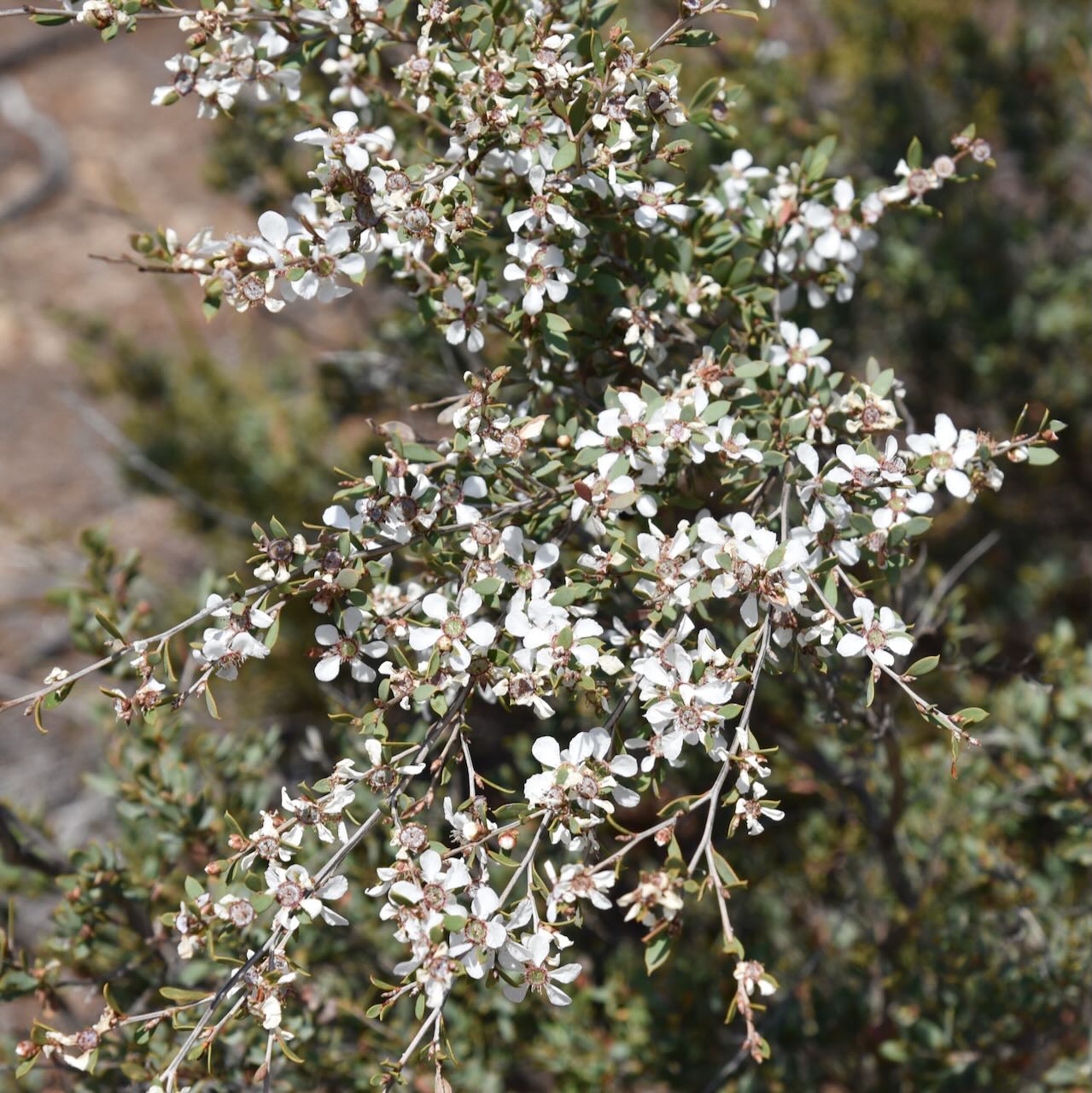
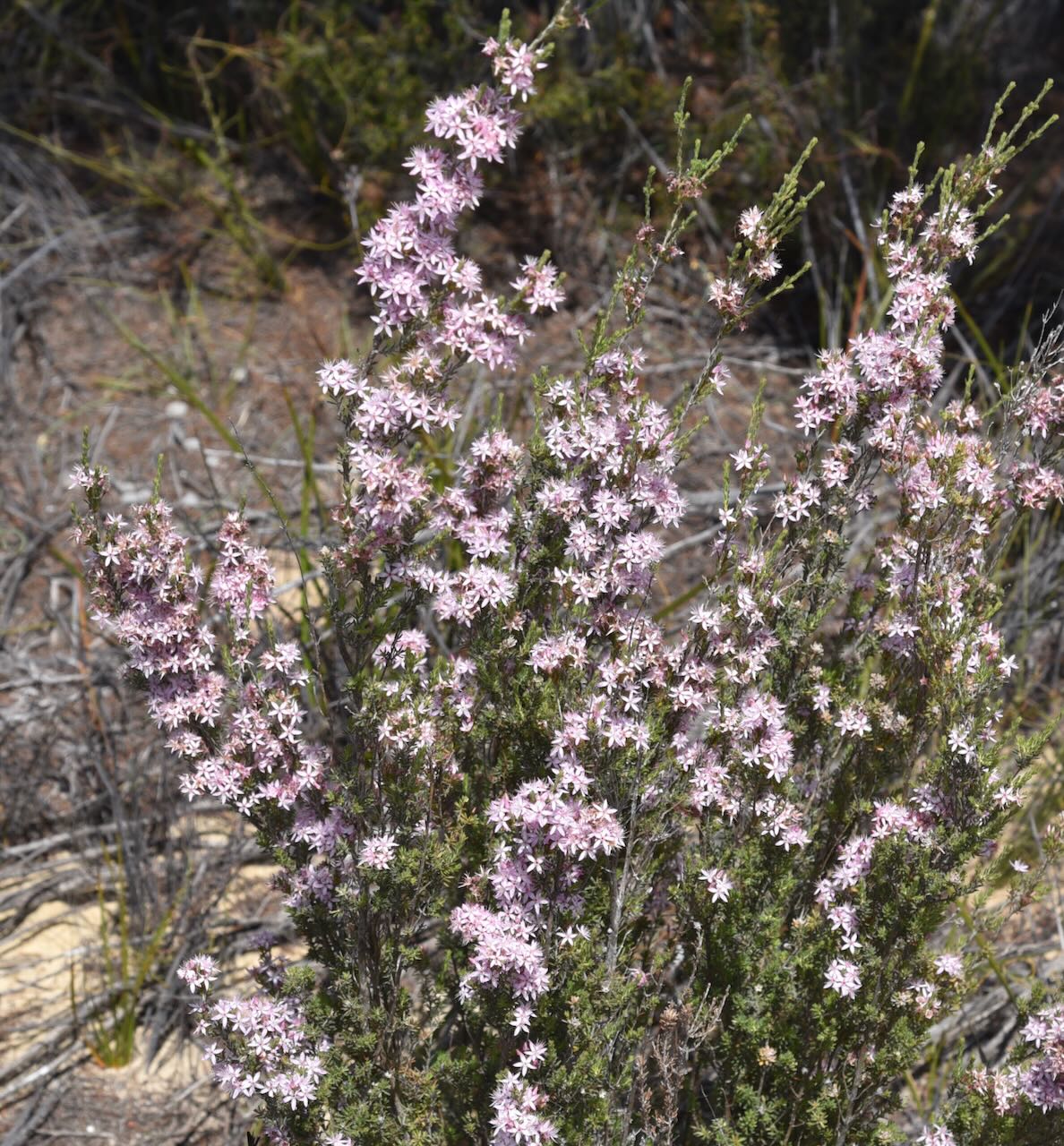
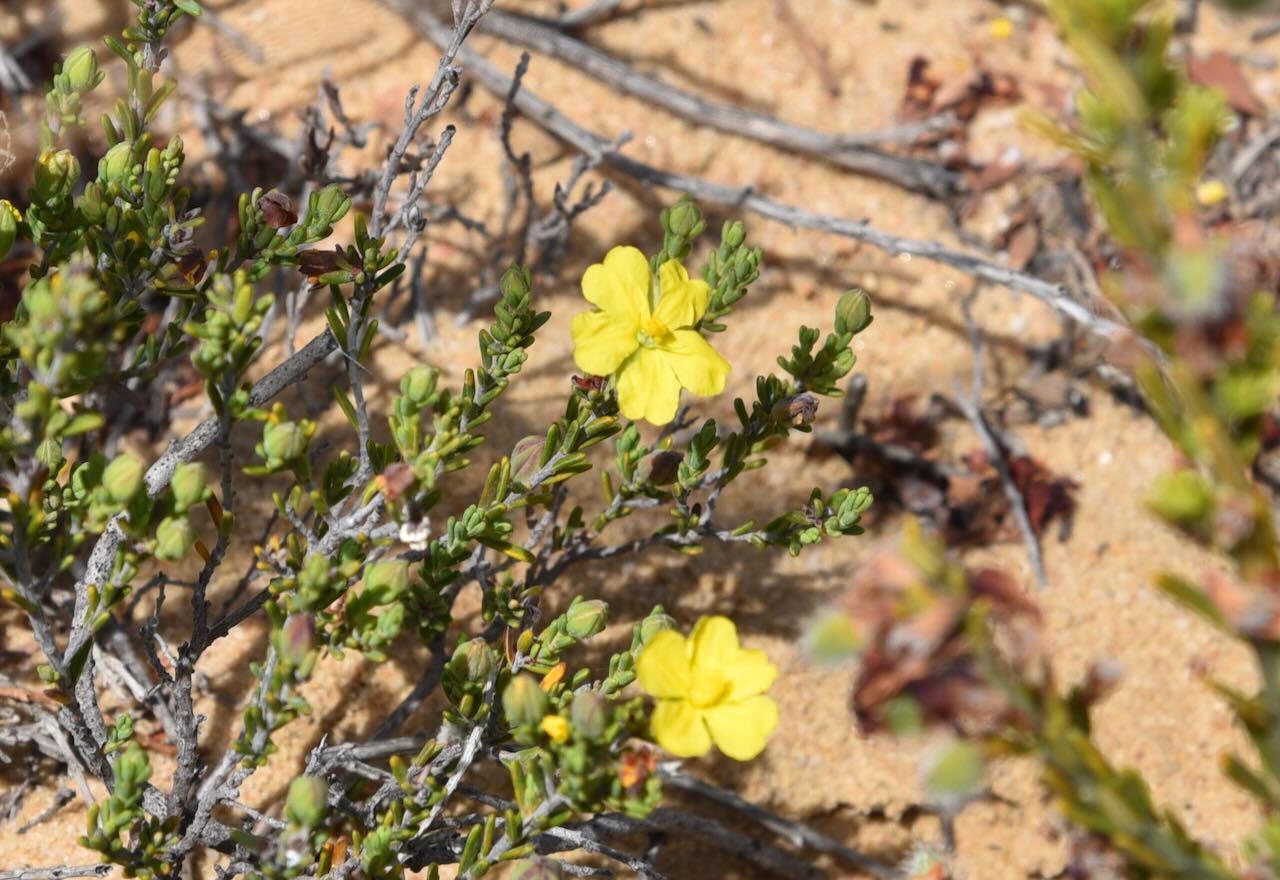
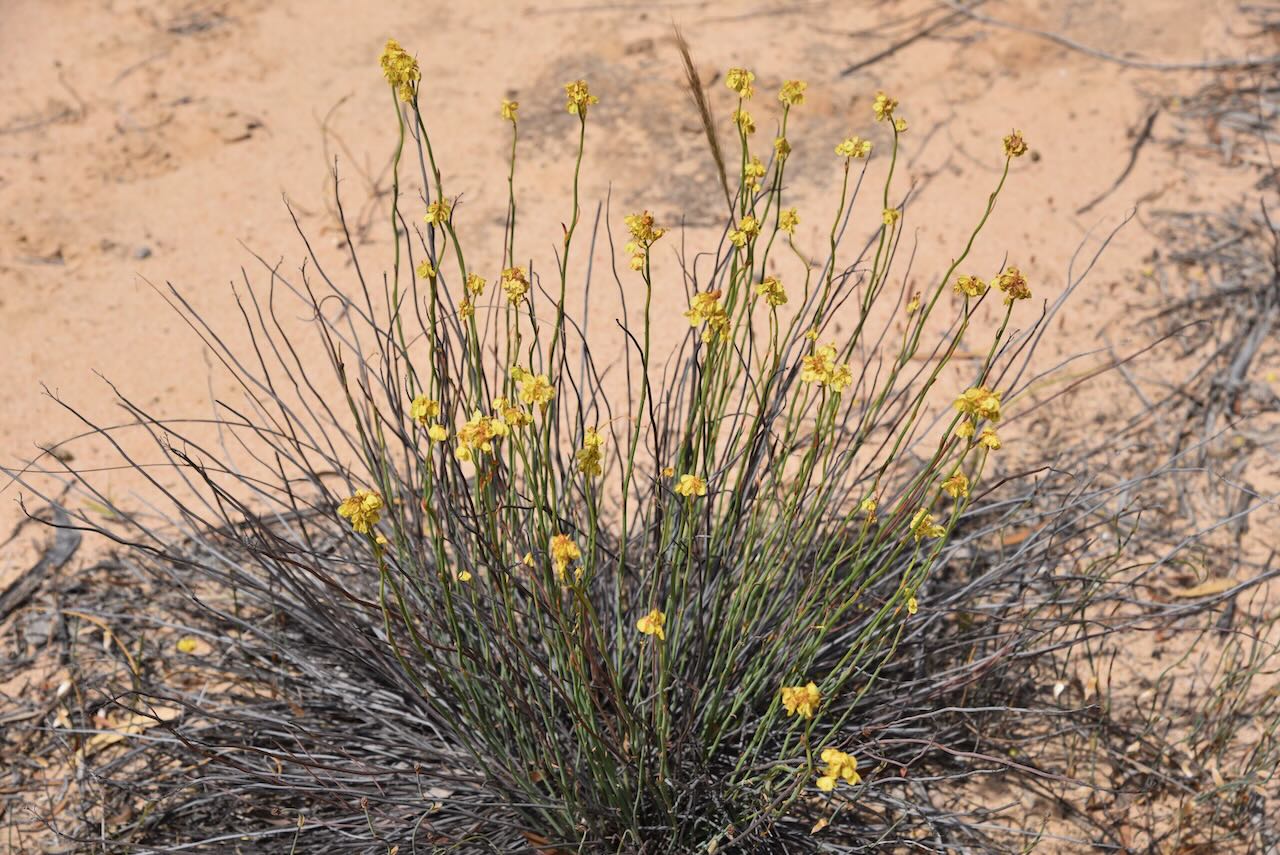
It is believed that explorer Edward John Eyre (b. 1815. d. 1901) was the first European to visit the area now known as Ngarkat, in April 1838.
Eyre recorded that to the European settlers, the area was “barren and worthless” but “to the native the most valuable and productive for here the wallabie, the opossum, the kangaroo rat, the bandicoot, the liepoa [mallee fowl], snakes lizards iguana and many other animals, reptiles, birds etc abound”.
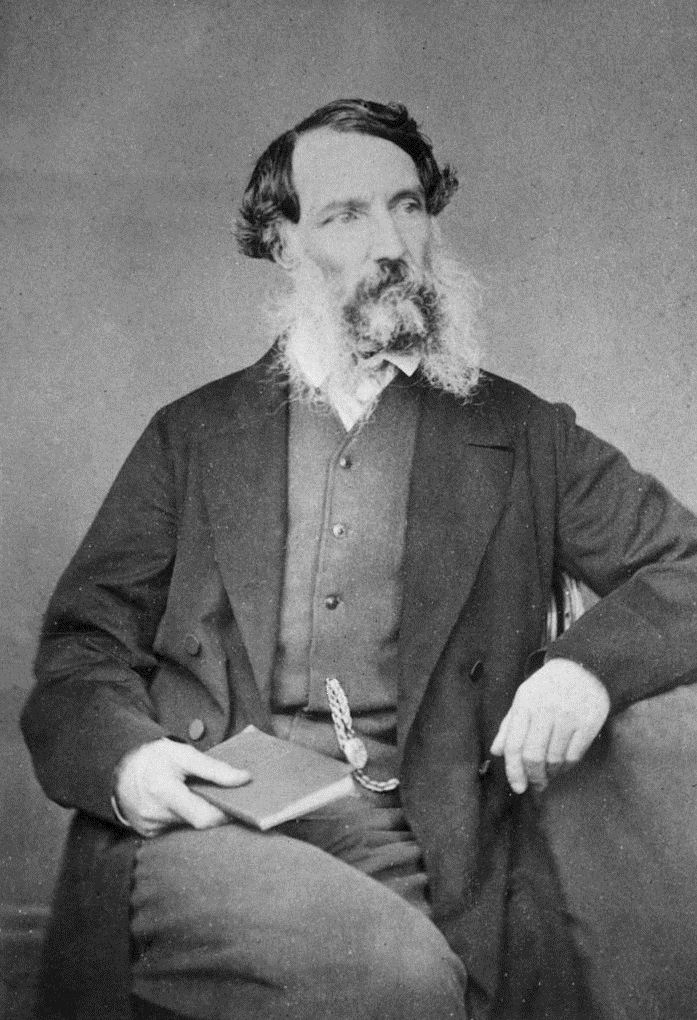
Above:- Edward John Eyre. Image c/o Wikipedia.
In the summer of 1888, a 16 year old John Shaw Nielson ( b. 1872. d. 1942) and his father were building the border fence at the South Australia/Victoria border when their water supplies ran out. Nielso is known as one of Australia’s finest lyric poets. For two days they travelled the area with their horses and cart looking for water and came across Scorpion Springs. Nielson recaled drinking fourteen pannikins of water and that the horses ‘licked out the dishes like dogs.’
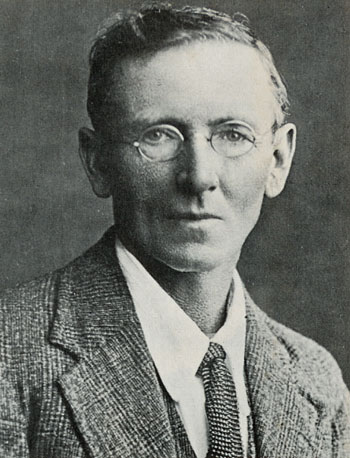
Above:- John Shaw Nielson. Image c/o Wikipedia.
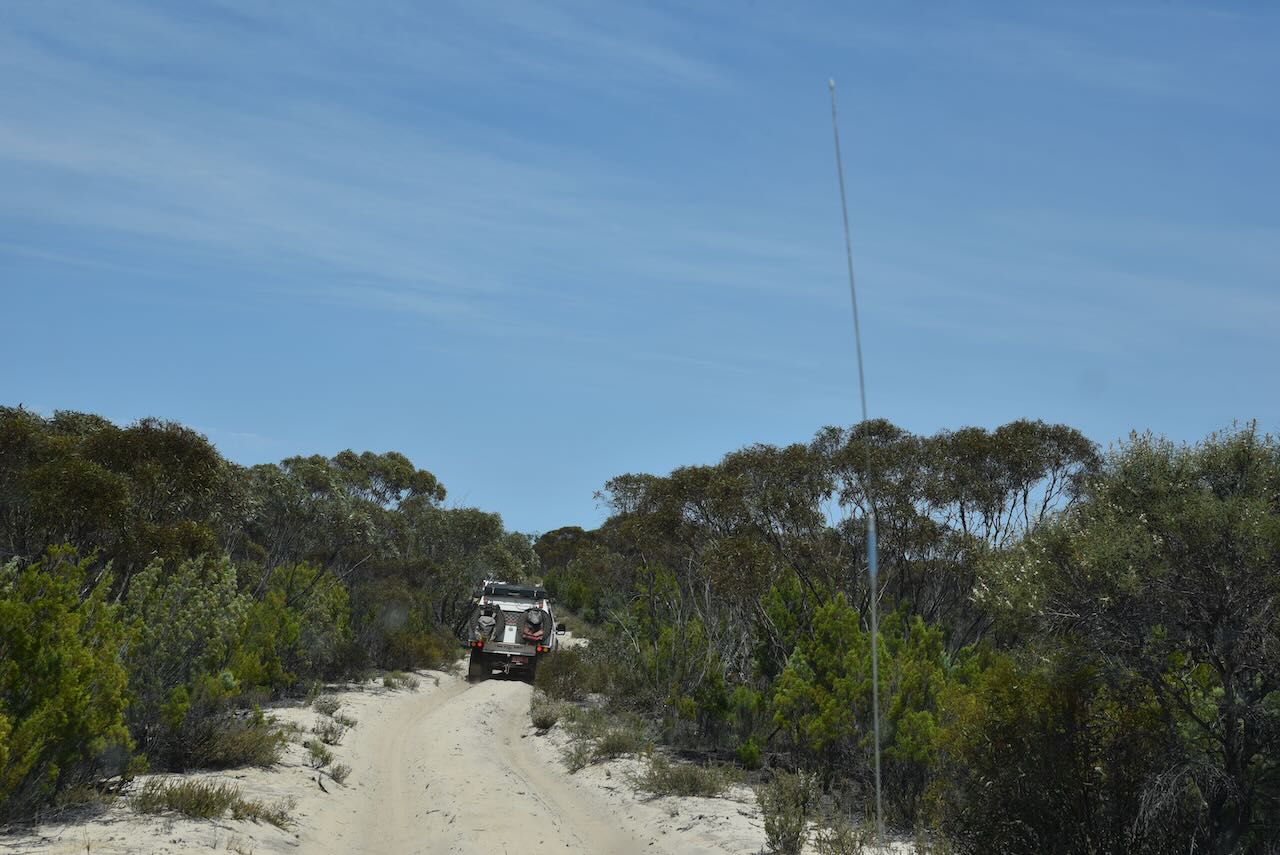
We drove along Pine Hut Soak Track and then along Nanams Well Track, until we reached Scorpion Springs. The track was very sandy and boggy in parts, but for the most part there were no difficulties with the Toyota Hi Lux. Except for a last sandy hill before entering the Scorpion Springs campground area.

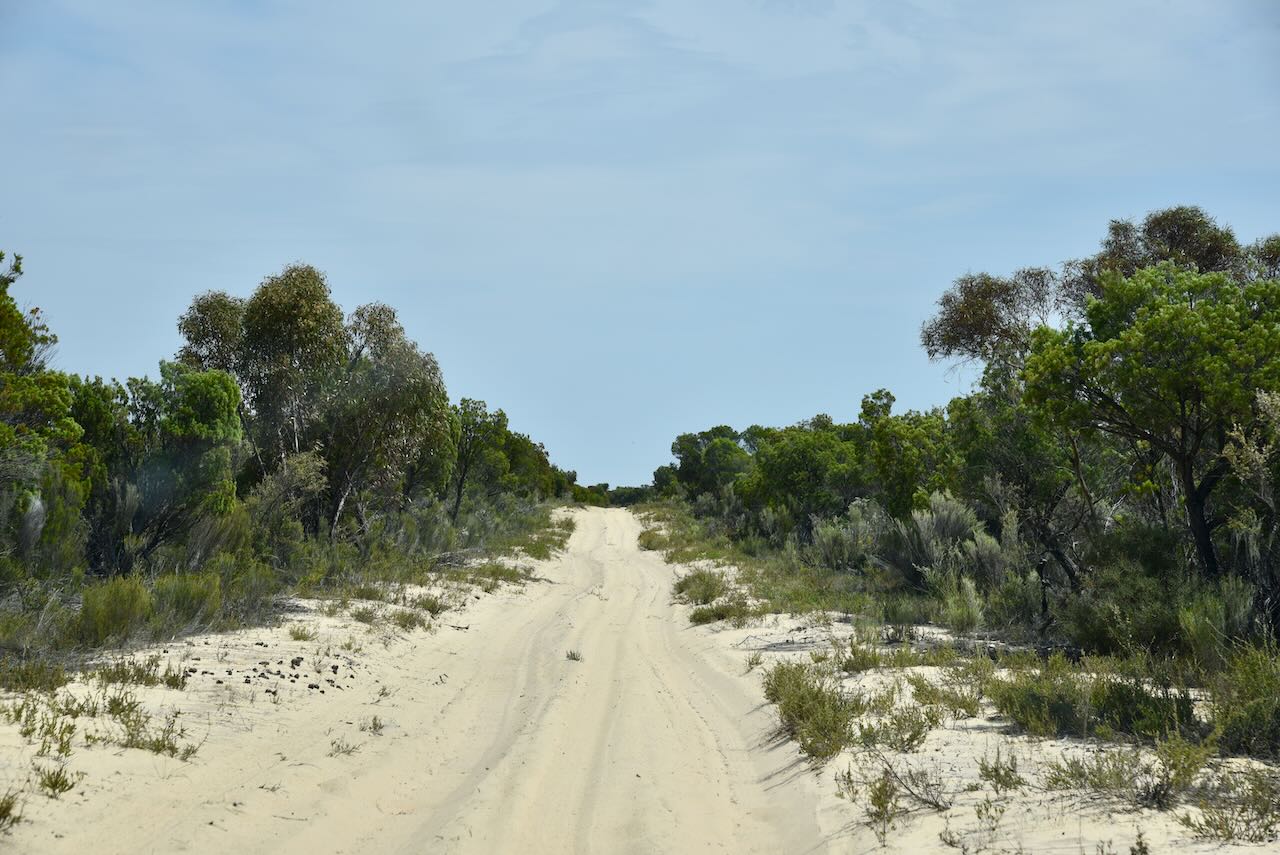
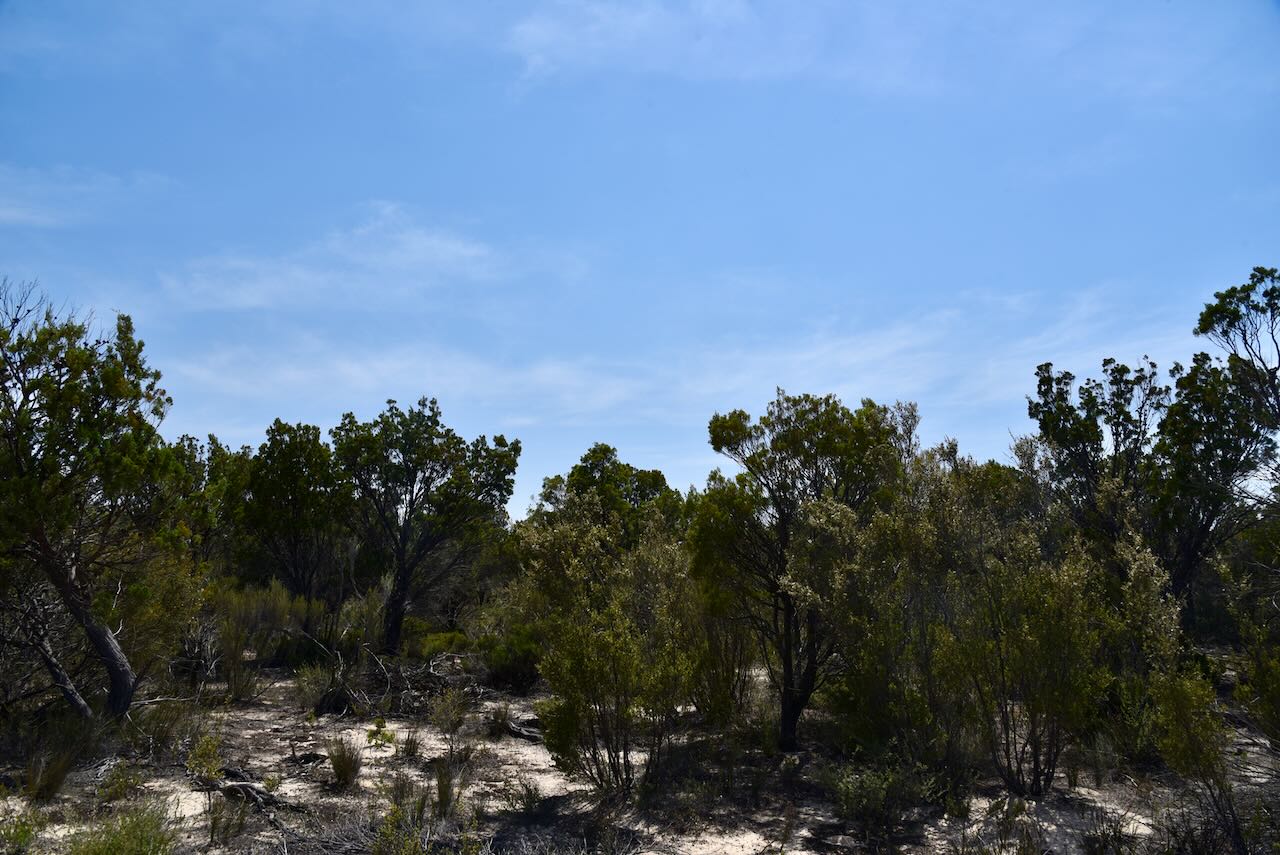
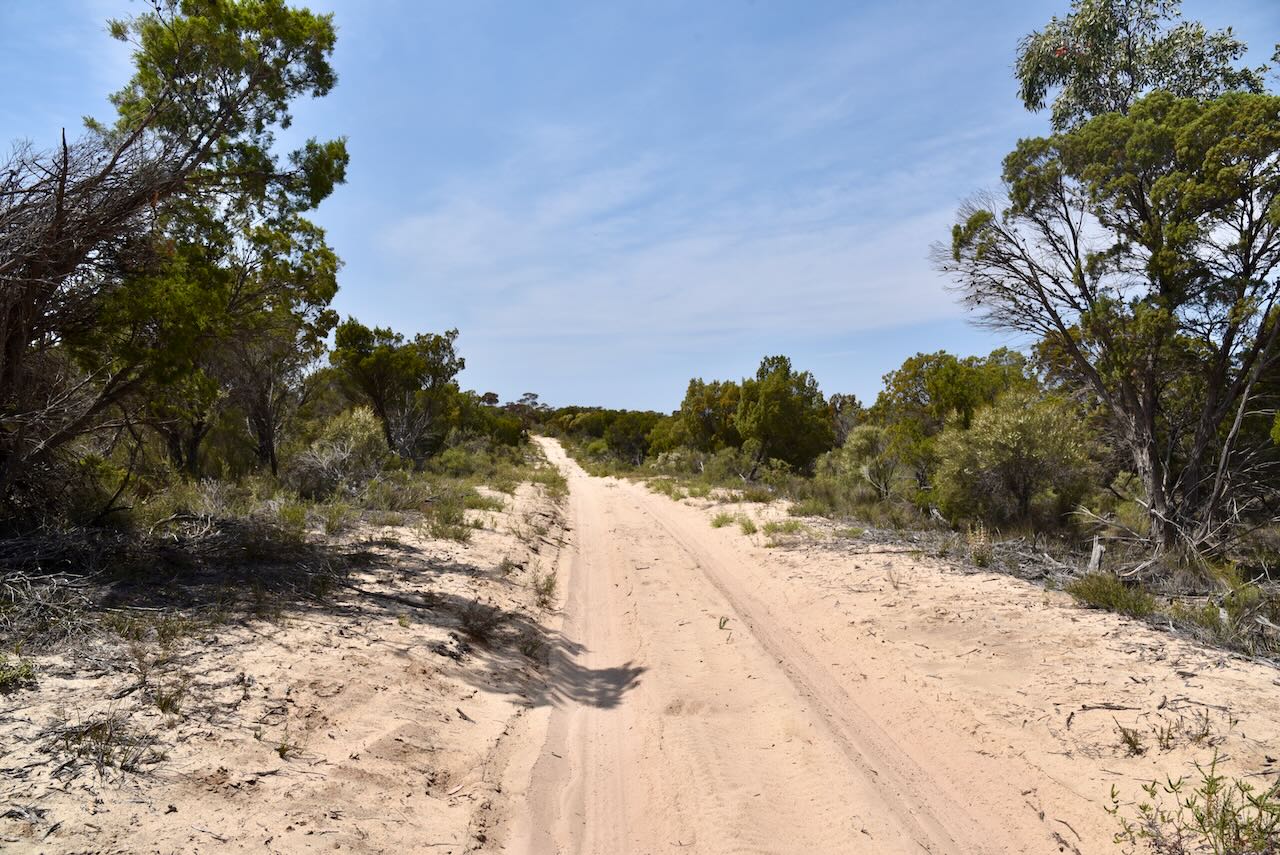
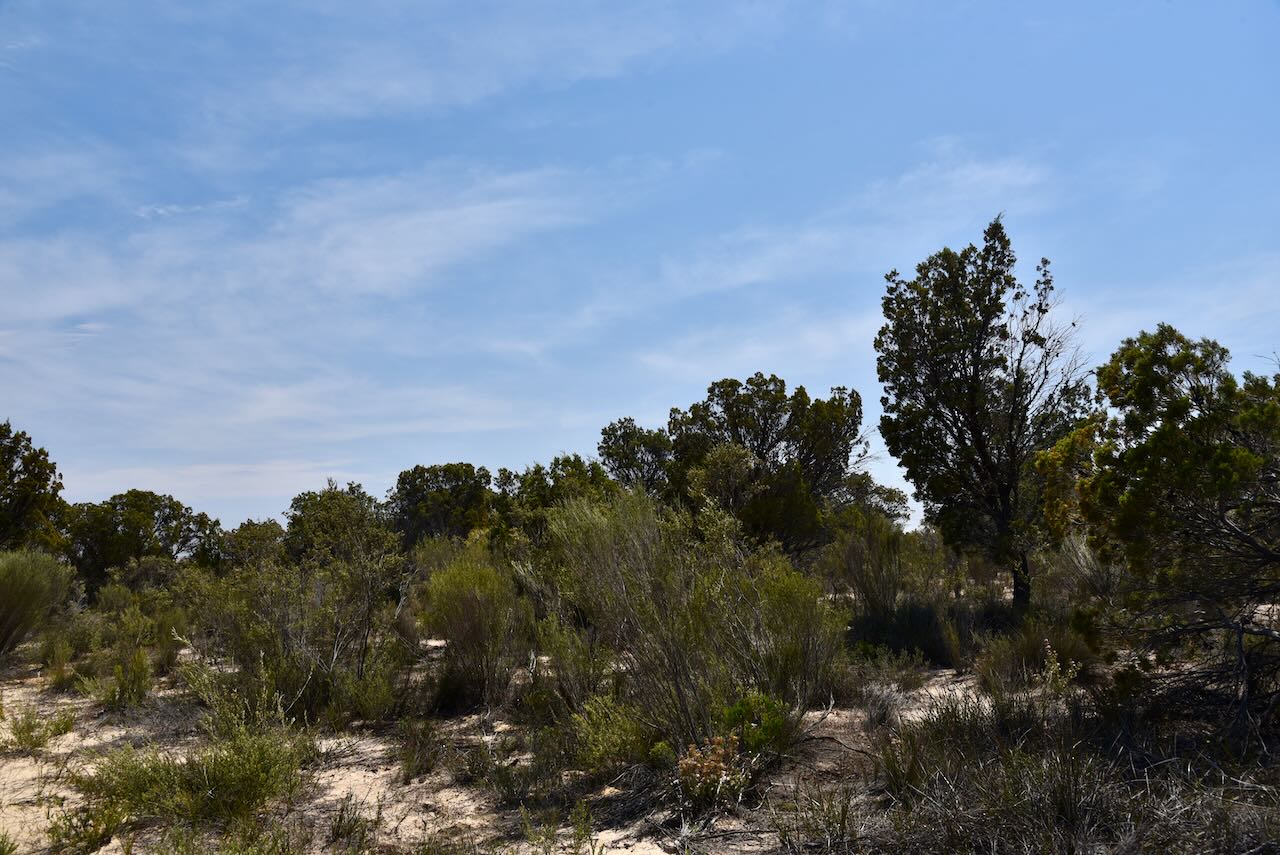
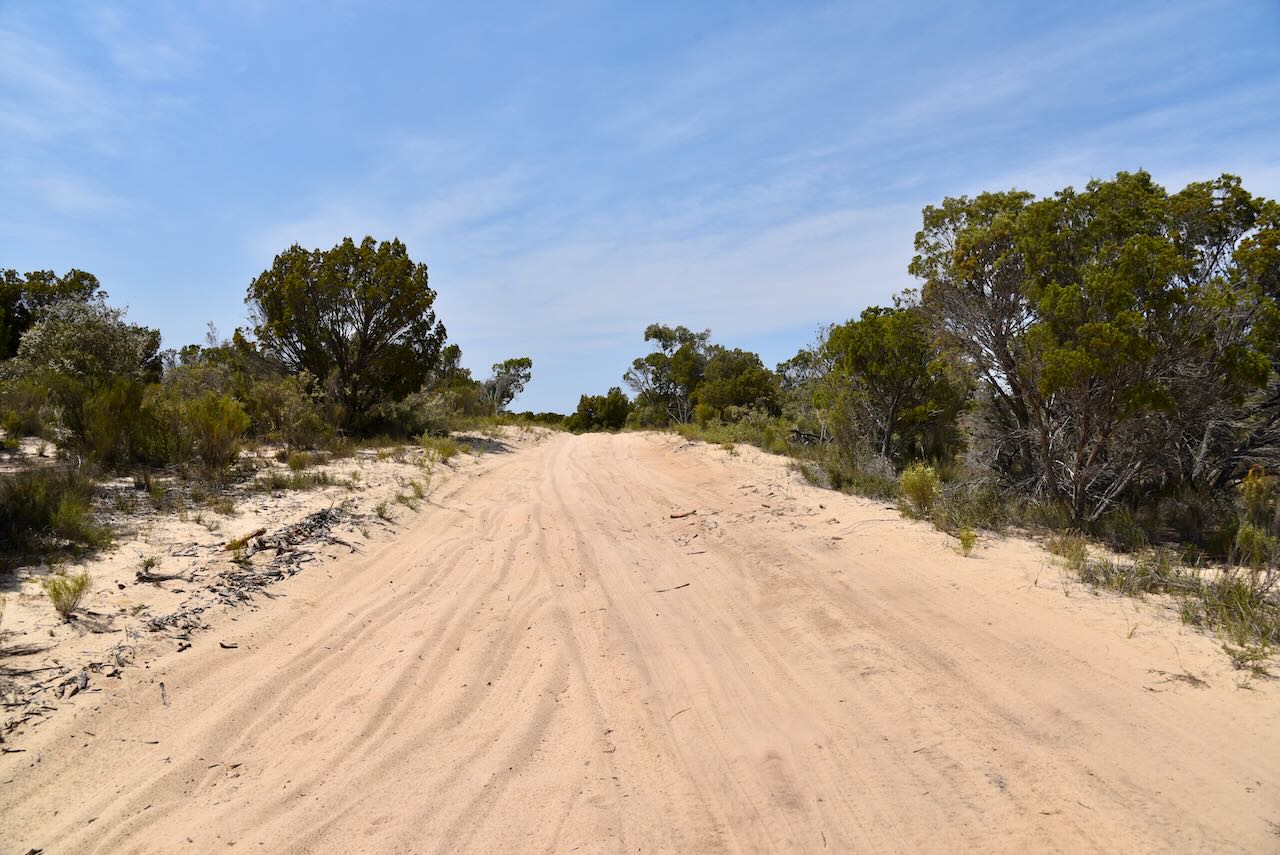
We set up in the Scorpion Springs car park area. We ran the Yaesu FT857, 40 watts, and the 20/40/80m linked dipole for this activation.
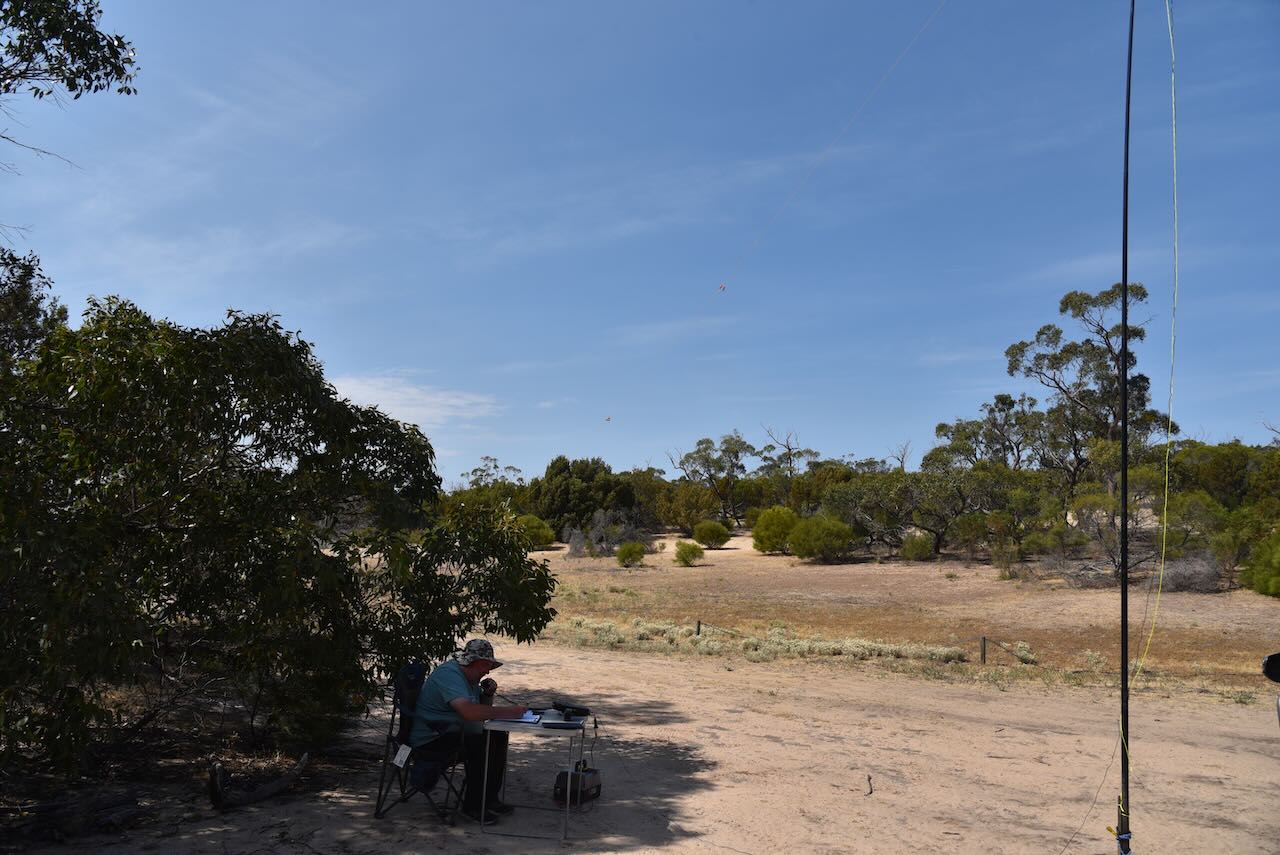
Marija worked the following stations on 40m SSB:-
- VK3PF
- VK3VIN
- VK2EXA
- VK5IS
- VK5ST
- VK3DAC
- VK3CLD
- VK2YAK
- VK4YAK
- VK1AO
- VK2MET
- VK7AMP
- VK1AD
- VK1NAM
- VK5DW
- VK3PWG/p (Budj Bim National Park VKFF-0345)
- VK3WI
- VK3VTH
- VK3XV
- VK2IO/p (Wyperfeld National Park VKFF-0549)
Marija worked the following stations on 40m SSB after the UTC rollover:-
- VK2IO/p (Wyperfeld National Park VKFF-0549)VK7XX
- VK3TUN/p (Wannon Flora Reserve VKFF-2476)
I worked the following stations on 40m SSB before the UTC rollover:-
- VK3PF
- VK3VIN
- VK2EXA
- VK5IS
- VK5ST
- VK3DAC
- VK3CLD
- VK2YAK
- VK4YAK
- VK1AO
- VK2MET
- VK7AMP
- VK1AD
- VK1NAM
- VK5DW
- VK3PWG/p (Budj Bim National Park VKFF-0345)
- VK3CEO
- VK3APJ
- VK1CHW
- VK3YV
- VK3WI
- VK3VTH
- VK3XV
- VK3KTT
- VK3MEG
- VK5FANA
- VK5KLV
- VK2IO/p (Wyperfeld National Park VKFF-0549)
- VK7XX
- VK2HHA
- VK5TN
- VK3SQ
- VK2BD
- VK2CDB
- VK3MTT
- VK3TUN/p (Wannon Flora Reserve VKFF-2476)
- VK5GY
- VK3BBB
- VK2CCP
- VK3GJG
- VK5DU
- VK2KYO
- VK3ZSC
- VK1AAF
- VK2HAK
I worked the following stations on 40m SSB after the UTC rollover:-
- VK3SQ
- VK2BD
- VK3CLD
- VK3ZSC
- VK1CHW
- VK1AD
- VK1NAM
- VK3PF
- VK5FANA
- VK5DW
- VK2KYO
- VK2IO/p (Wyperfeld National Park VKFF-0549)
- VK3TUN/p (Wannon Flora Reserve VKFF-2476)
I worked the following stations on 40m AM:-
- VK3SQ
- VK2BD
I worked the following stations on 40m FM:-
- VK3SQ
- VK2BD
I worked the following stations on 20m SSB:-
- VK7XX
- VK4EW
Whilst we were activating, a group of three 4WD’s came though. One almost became bogged in the spot that we experienced some issues. They returned a short time later and we decied to pack up and follow them back in the event that we experienced any difficulties.
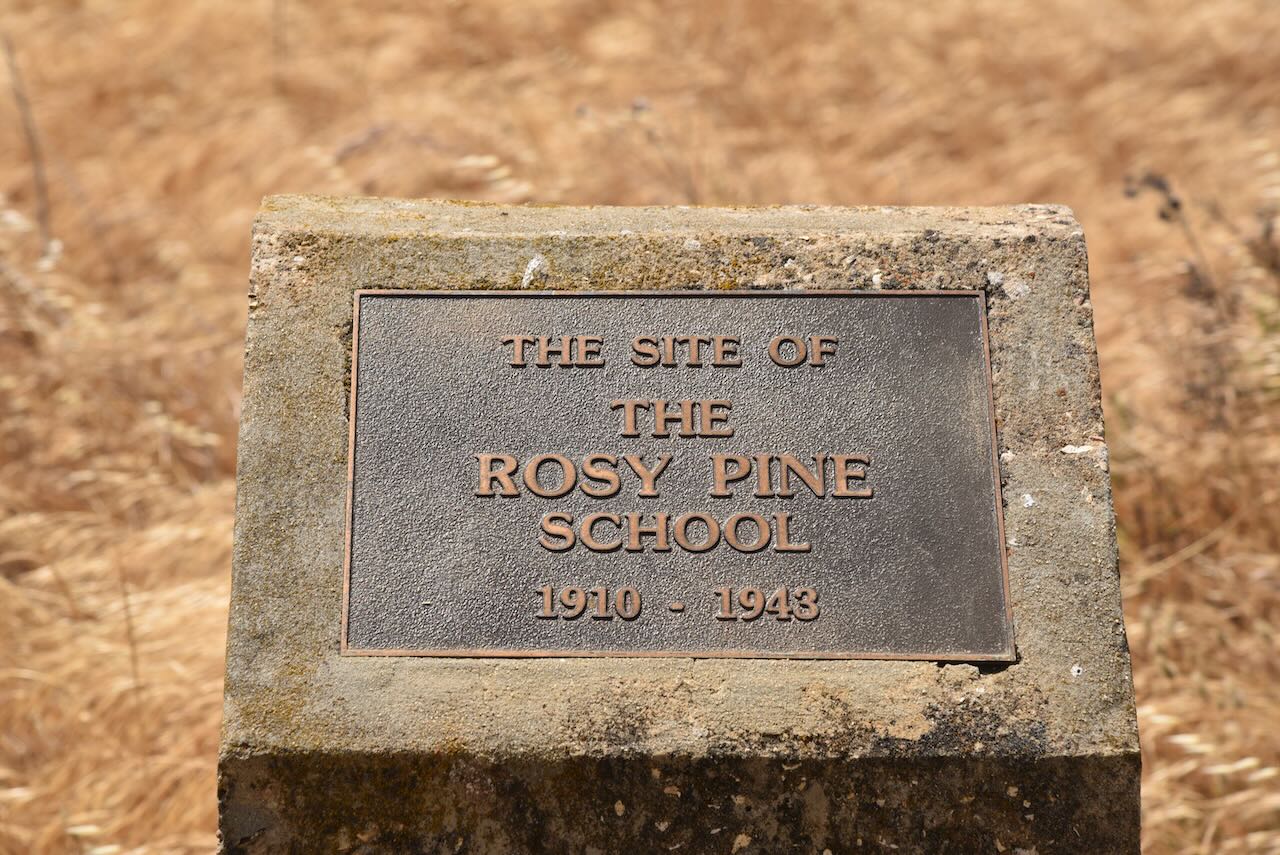
After the activation, we stopped to have a look at the memorial plaque for the Rosy Pine School. The school, along with a number of other outlying schools from the town of Pinnaroo, closed in 1943. Students from these outlying areas were then required to travel to Pinnaroo by bus. Today there is nothing left of the school other than the memorial plaque.

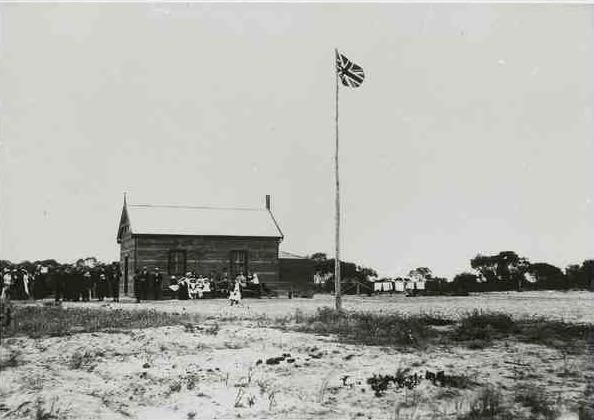
Above:- The Rosy Pine school, c. 1916. Image courtesy of State Library SA.
We then headed to the Peebinga Conservation Park.
References.
- Department for Environment and Heritage, 2004, Ngarkat Complex of Conservation Parks Management Plan.
- Department of Primary Industries and Regions, 2023, <https://www.pir.sa.gov.au/__data/assets/pdf_file/0010/368767/DESERT_CONQUEST_-_NS_Tiver_1986.pdf>, viewed 5th January 2023.
- Foulkes, J, Gillen, J, 2000, A Biological Survey of the Murray Mallee South Australia
- Wikipedia, 2023, <https://en.wikipedia.org/wiki/Remembrance_Day>, viewed 5th January 2023.
- Wikipedia, 2023, <https://en.wikipedia.org/wiki/Pinnaroo,_South_Australia>, viewed 5th January 2023.
- Wikipedia, 2023, <https://en.wikipedia.org/wiki/Ngarkat_Conservation_Park>, viewed 5th January 2023.
- Wikipedia, 2023, <https://en.wikipedia.org/wiki/Ngarkat>, viewed 5th January 2023.
- Wikipedia, 2023, <https://en.wikipedia.org/wiki/Shaw_Neilson>, viewed 5th January 2023.
- Wikipedia, 2023, <https://en.wikipedia.org/wiki/Mount_Rescue_Conservation_Park>, viewed 5th January 2023.
- Wikipedia, 2023, <https://en.wikipedia.org/wiki/Scorpion_Springs_Conservation_Park>, viewed 5th January 2023.
- Wikipedia, 2023, <https://en.wikipedia.org/wiki/Mount_Shaugh_Conservation_Park>, viewed 5th January 2023.
 VK5PAS