
After leaving Minyip (17th November 2023), Marija and I headed to our next Silos On The Air (SiOTA) activation, the Sheep Hills silo VK-SHS3.
Sheep Hills is located about 16 km south of the town of Warracknabeal in western Victoria.
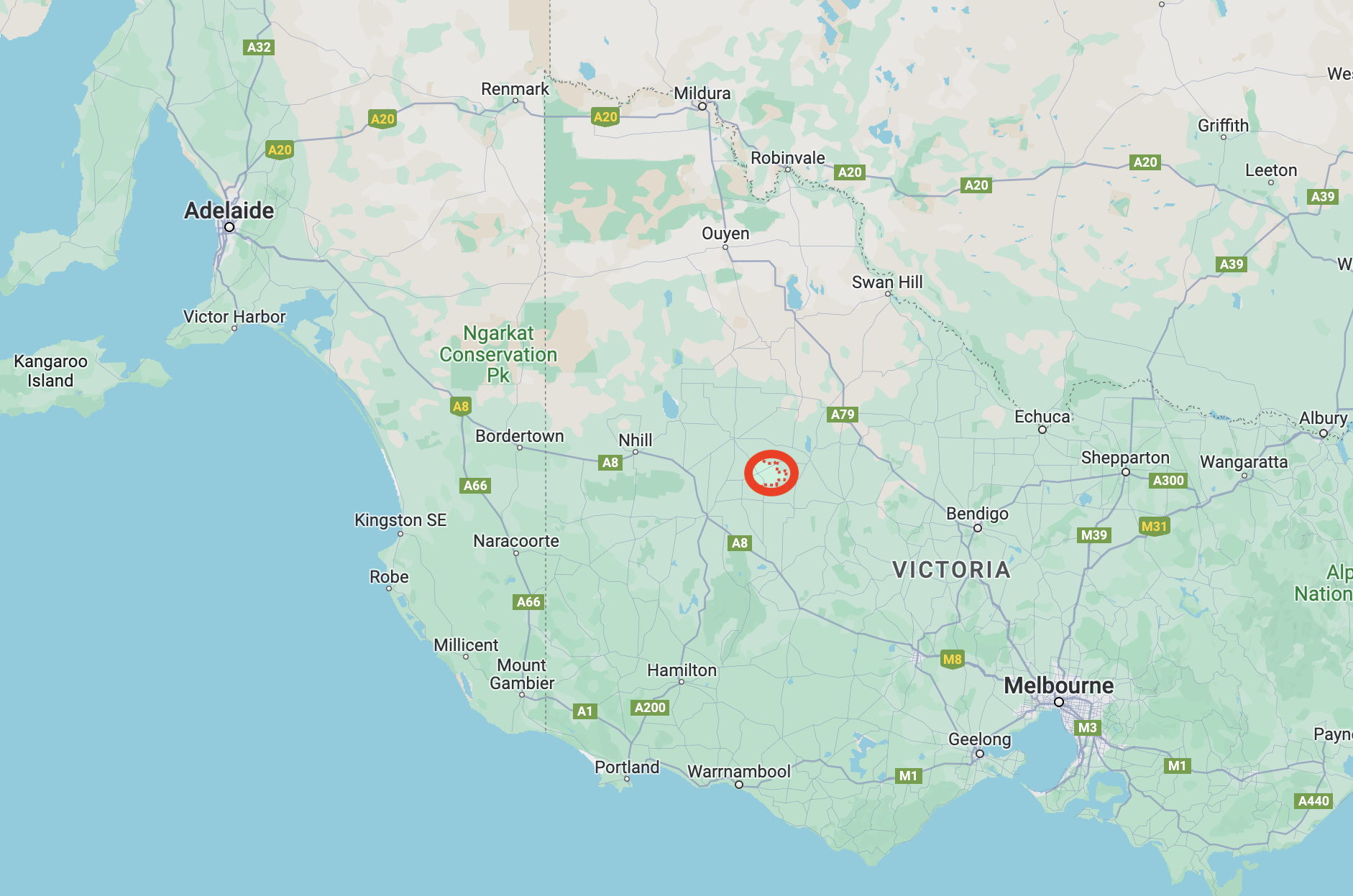
Above:- Map showing the location of Sheep Hills. Map c/o Google Maps.
The original inhabitants of the Sheep Hills district were the Wotjobaluk aboriginal people. They occupied about 12,00 square kilometres, inclusive of the Wimmera River, Outlet Creek, and Lakes Hindmarsh and Albacutya. Their southern border included Dimboola, Kaniva and Servicetown. To the west their land reached Yanac and to the east as far as Warracknabeal and Lake Korong. Their northern borders reached Pine Plains.
The district of Sheep Hills takes its name from the Sheep Hills pastoral run of 1847, owned by Archibald McMillan (b. 1789. d. 1863). McMillan was born in Sadell, Skipness, Argyll, Scotland in 1789. He emigrated to Australia in October 1839 aboard the David Clarke.

Above:- Archibald McMillan. Image c/o Shirley Robinson Family Tree, http://www.ancestry.com.au
In 1860 a homestead was built on the property by George McMillan. It was called Kingungwell and is reported to have been named after Aungwill, the ‘king’ of the local aboriginal people. (Historical Rat Bag 2024) The Sheep Hills Homestead cost 25,000 pounds to build, a substantial amount of money for the mid-1800s. All of the bricks were constructed on-site and laid by John Candy. The homestead had two custom-built Italian marble fireplaces which cost 70 pounds each. (AusTech Forums 2024)

Above:- The Sheep Hills Homestead. Photo c/o Austech Forums
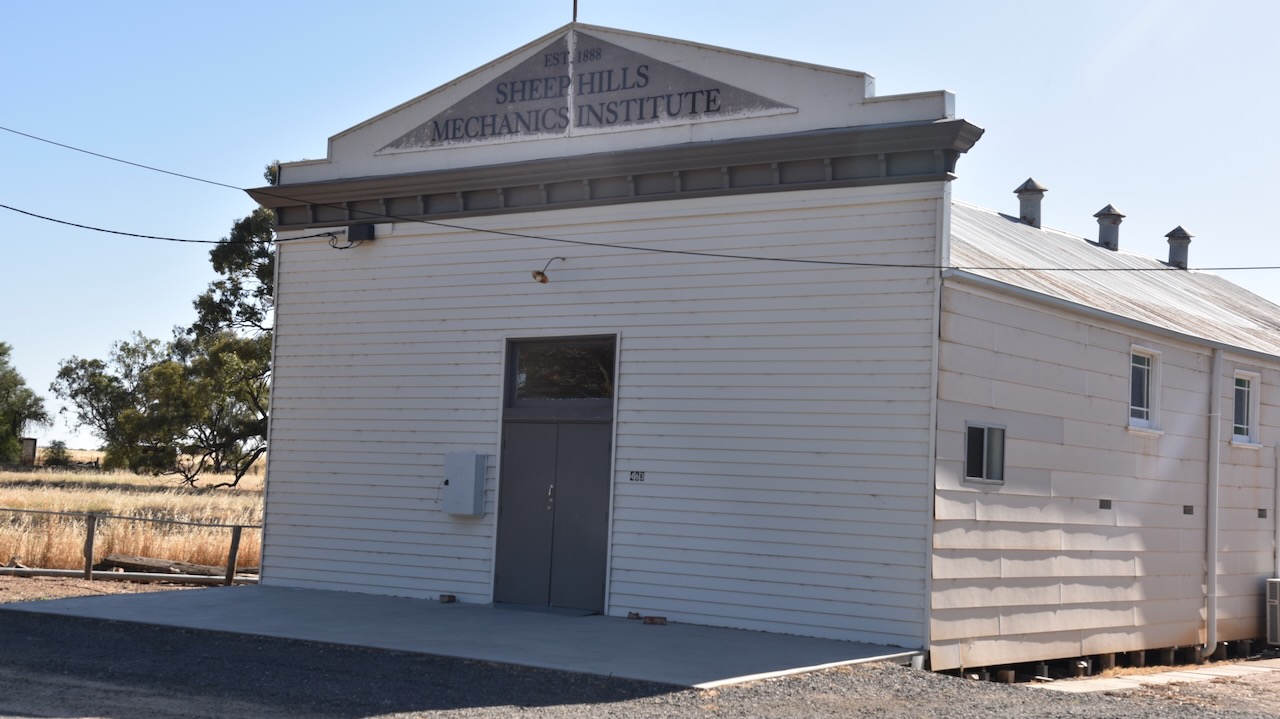
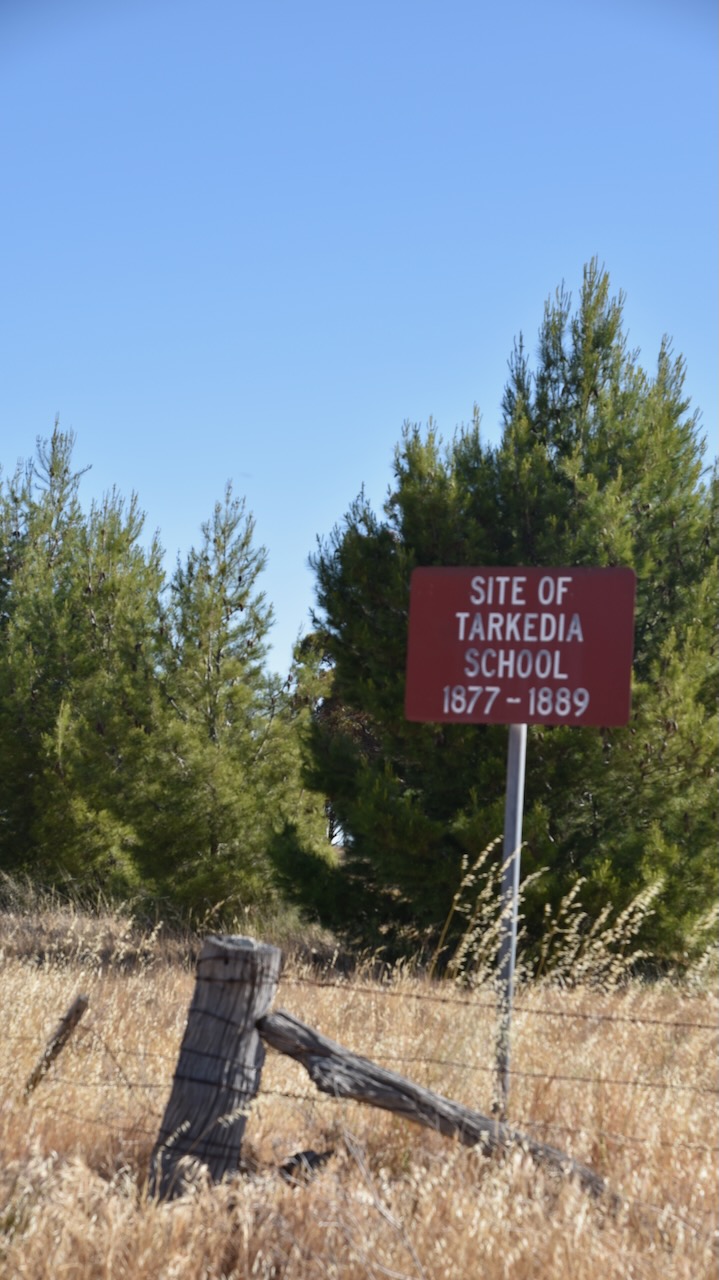
During the mid-1870s farm allotments were taken up in the district. Many of the settlers were from the Kingdom of Prussia and were of Lutheran faith. The area was known as Bangerang, the name of the Lutheran school which was established in 1875. It was also known as Tarkedia, the name of a State School that was opened in 1877. In 1886 the railway from Minyip to Warracknabeal was extended. The settlement which grew at the railway siding was named Sheep Hills. In 1888 a mechanics institute was opened, and in following years the town had a hotel and several stores. (Aussie Towns 2024) (Visit Wimmera 2024)
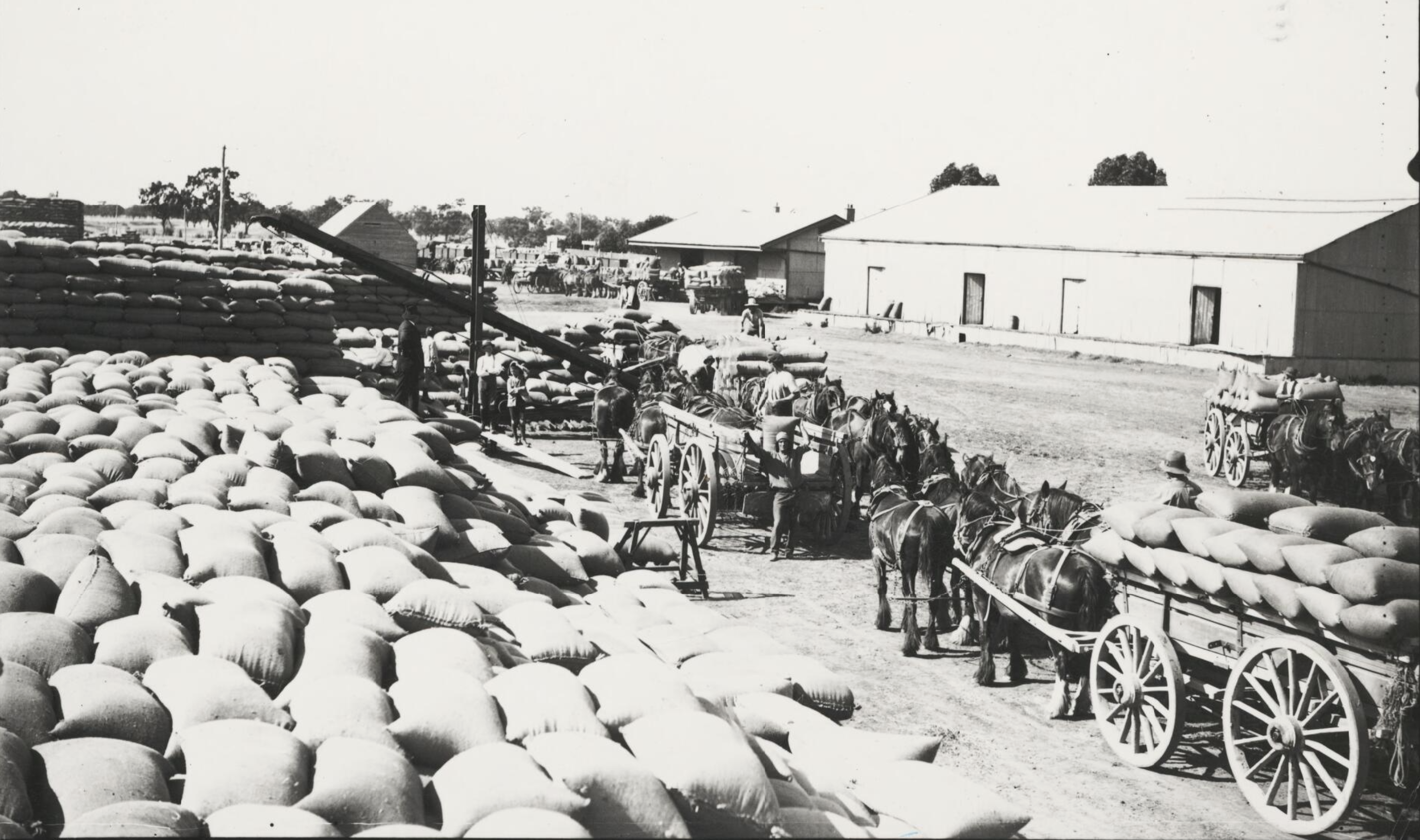
Above:- Bags of wheat being brought to the railway siding at Sheep Hills, c. 1928. Image c/o National Library.
In 1903 Sheep Hills had a population of 350 people. (Aussie Towns 2024) The Australian Handbook of 1903 described Sheep Hills as follows:

One of the old historic buildings to be found at Sheep Hills is the old Commercial Hotel. The hotel was constructed in 1884 and was first known as Jenkins Hotel. From 1903 the hotel was known as the Railway Hotel. From 1915 it was known as the Commercial Hotel. (Victorian Collections 2024)
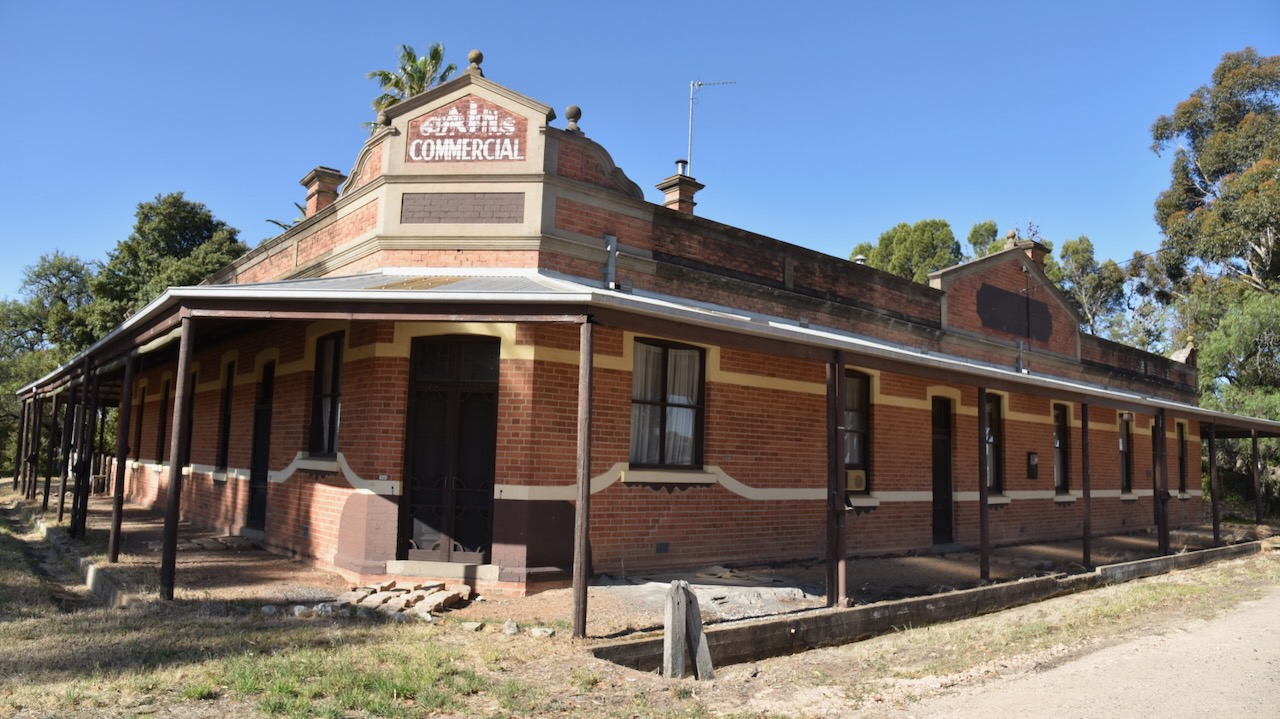
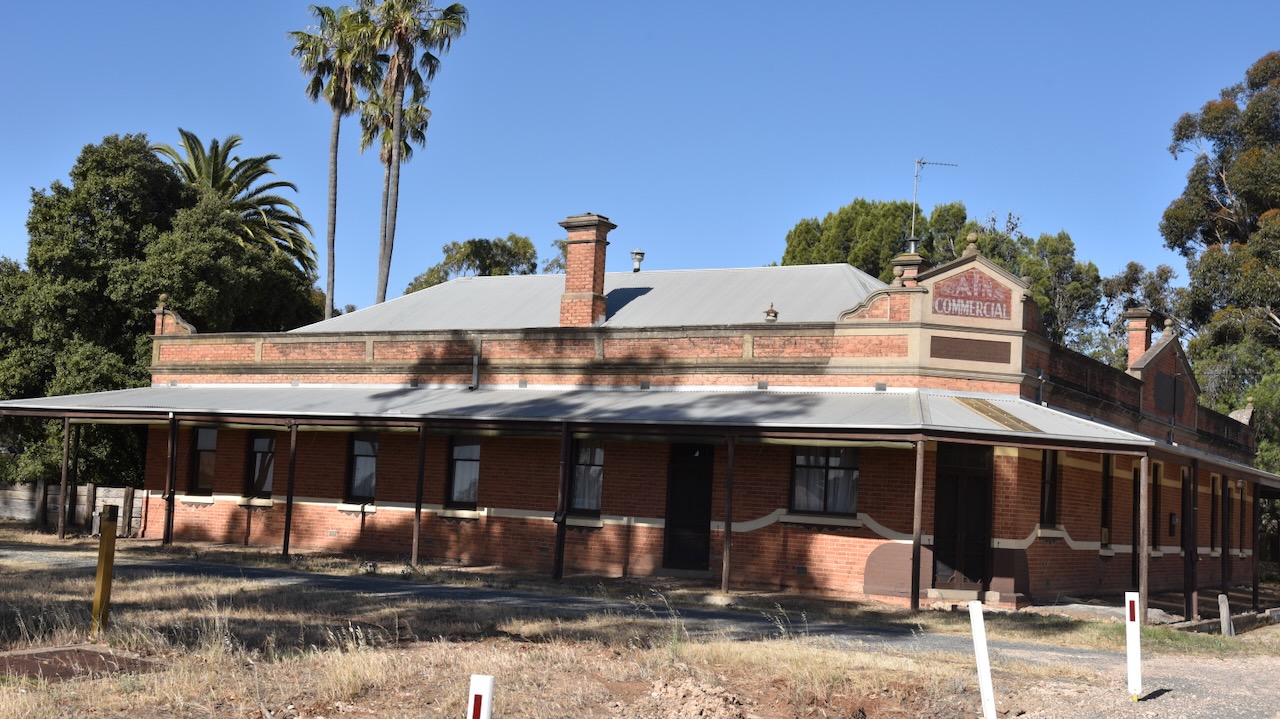
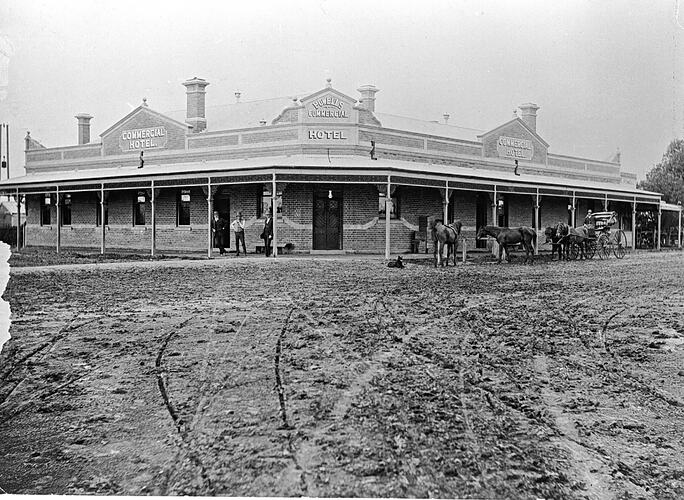
Above:- the Commercial Hotel, c. 1920. Image c/o Museums Victoria.
Today not much remains at Sheep Hills. Once horse-drawn and rail transport was replaced by road transport, Sheep Hills gradually declined. Sadly, in 1953, the Sheep Hills homestead which was built in 1866, was demolished. The school closed in 1985. The Anglican church building was moved to Halls Gap in 1970. (Victorian Places 2024)

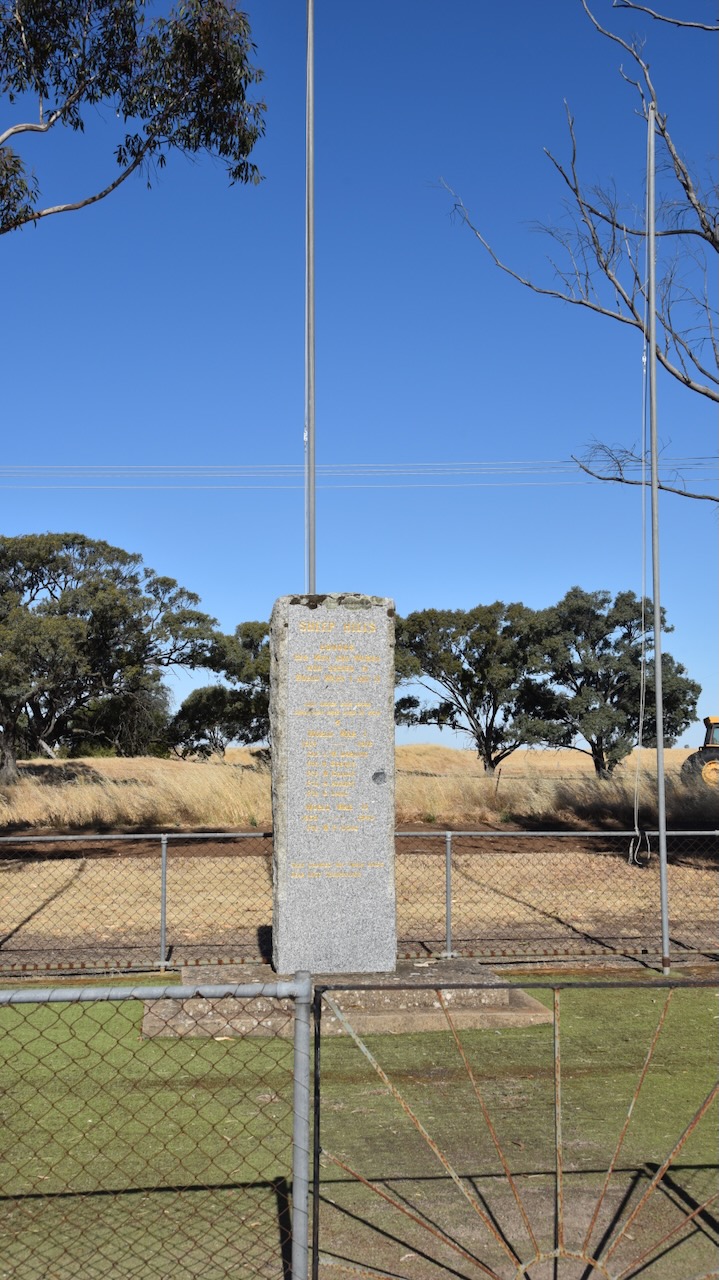
Sheep Hills has a monument for those from the district who served during WWI and WWII. You can also view the old Mechanics Institute built in 1888. There is also a sign at the site of the old Takerdia school that operated from 1877 until 1889.
Construction on the silos at Sheep Hills commenced in 1939. They were opened in 1940. (Aussie Towns 2024)
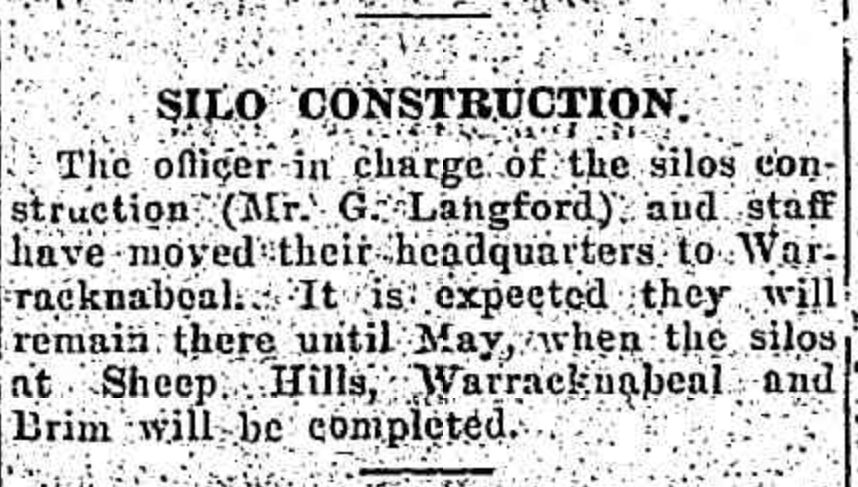
Above:- Article from The Horsham Times, Tues 9 Jan 1940. Image c/o Trove.
The Grain Corp bulk grain silos at Sheep Hills were closed in 2003. (Victorian Places 2024).
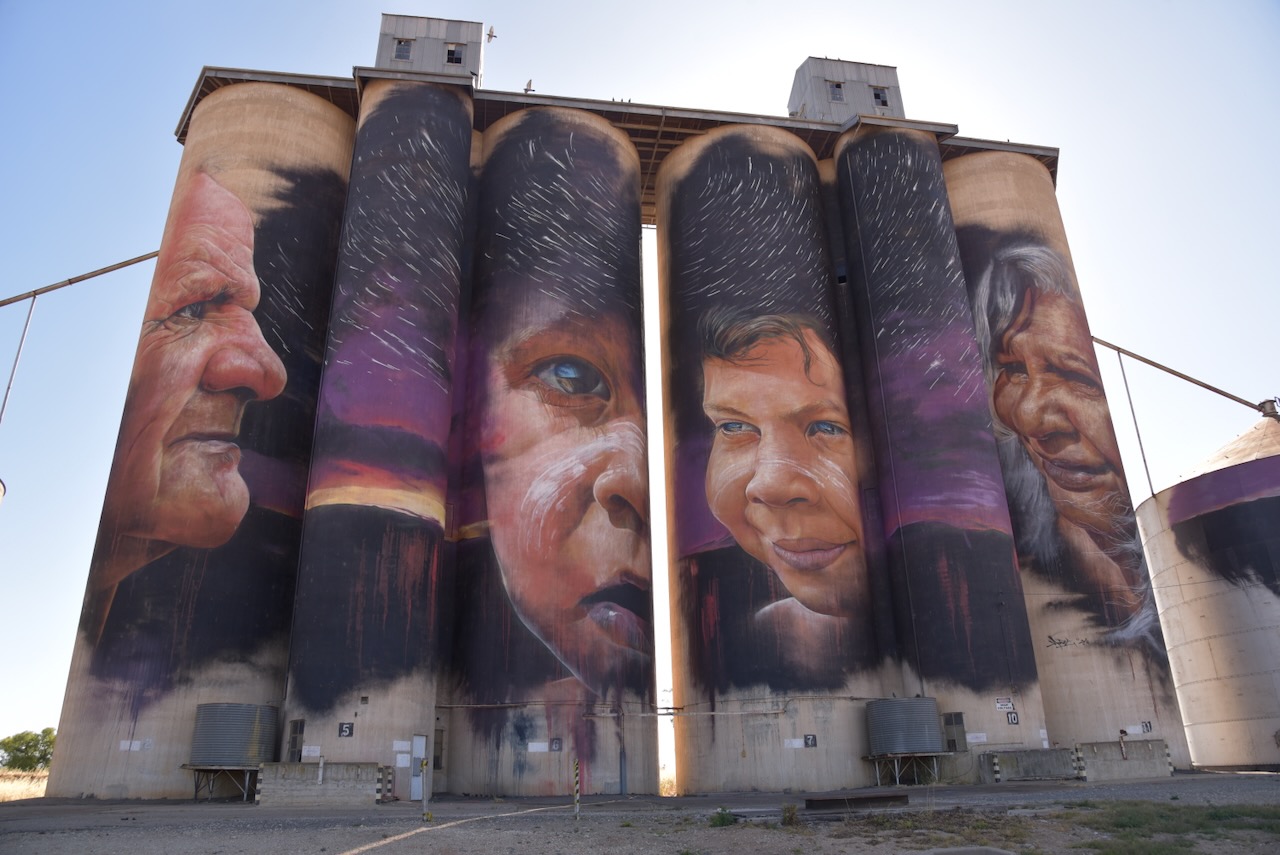
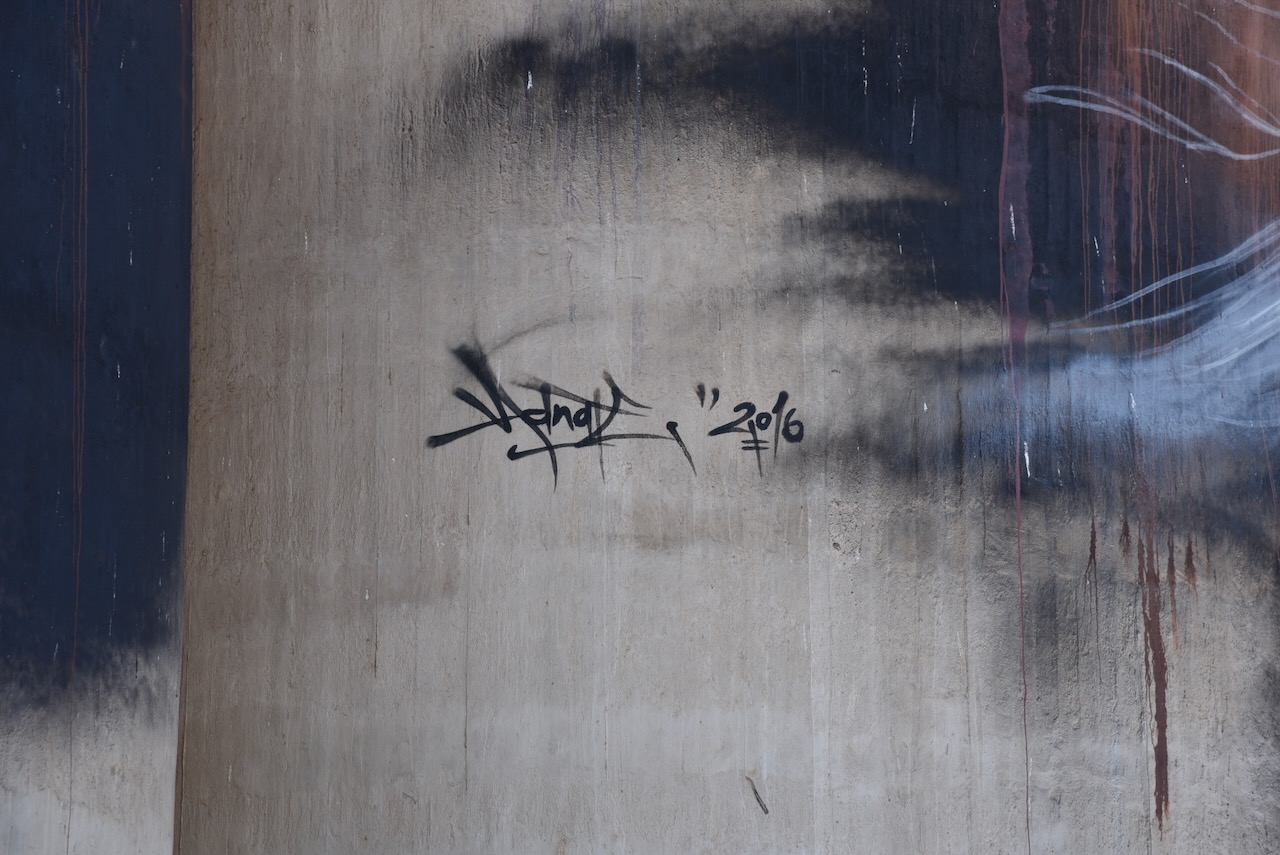
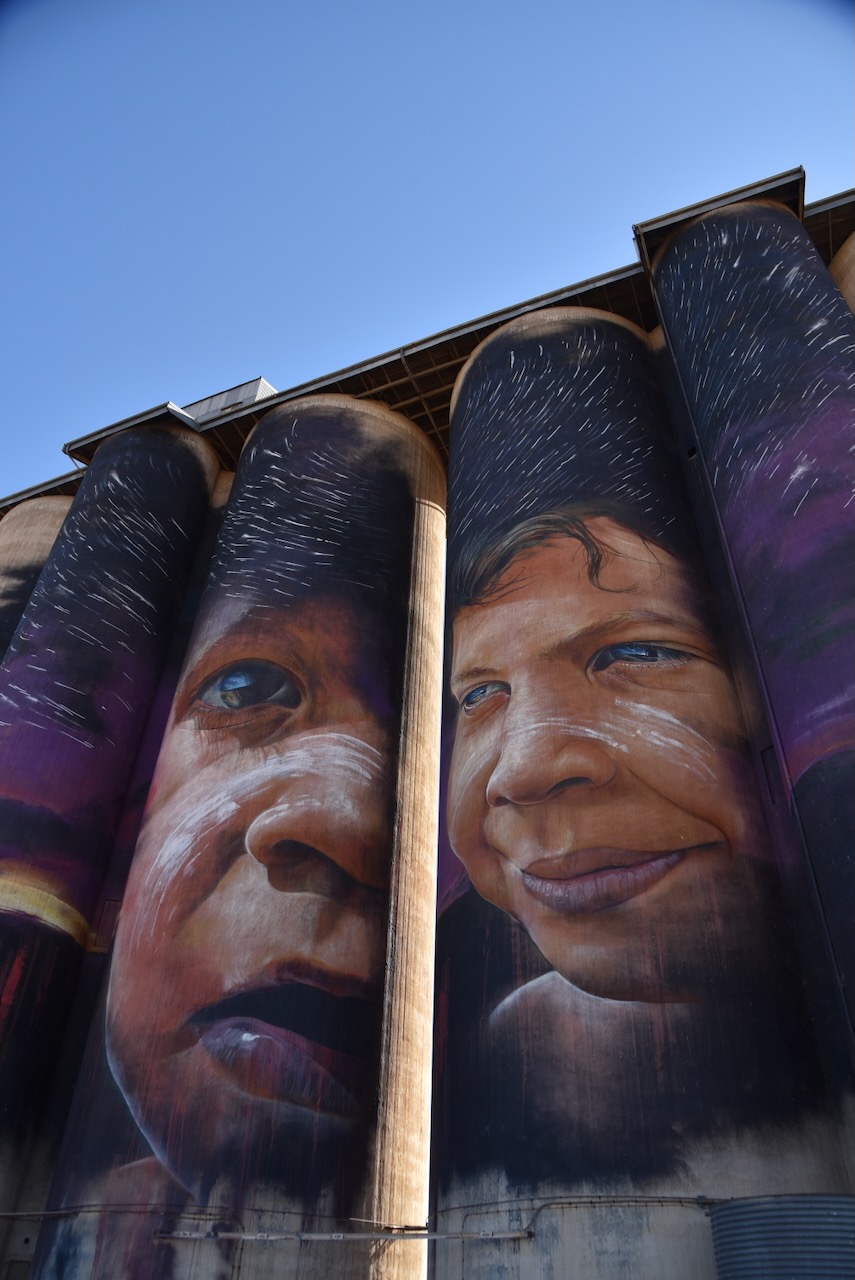
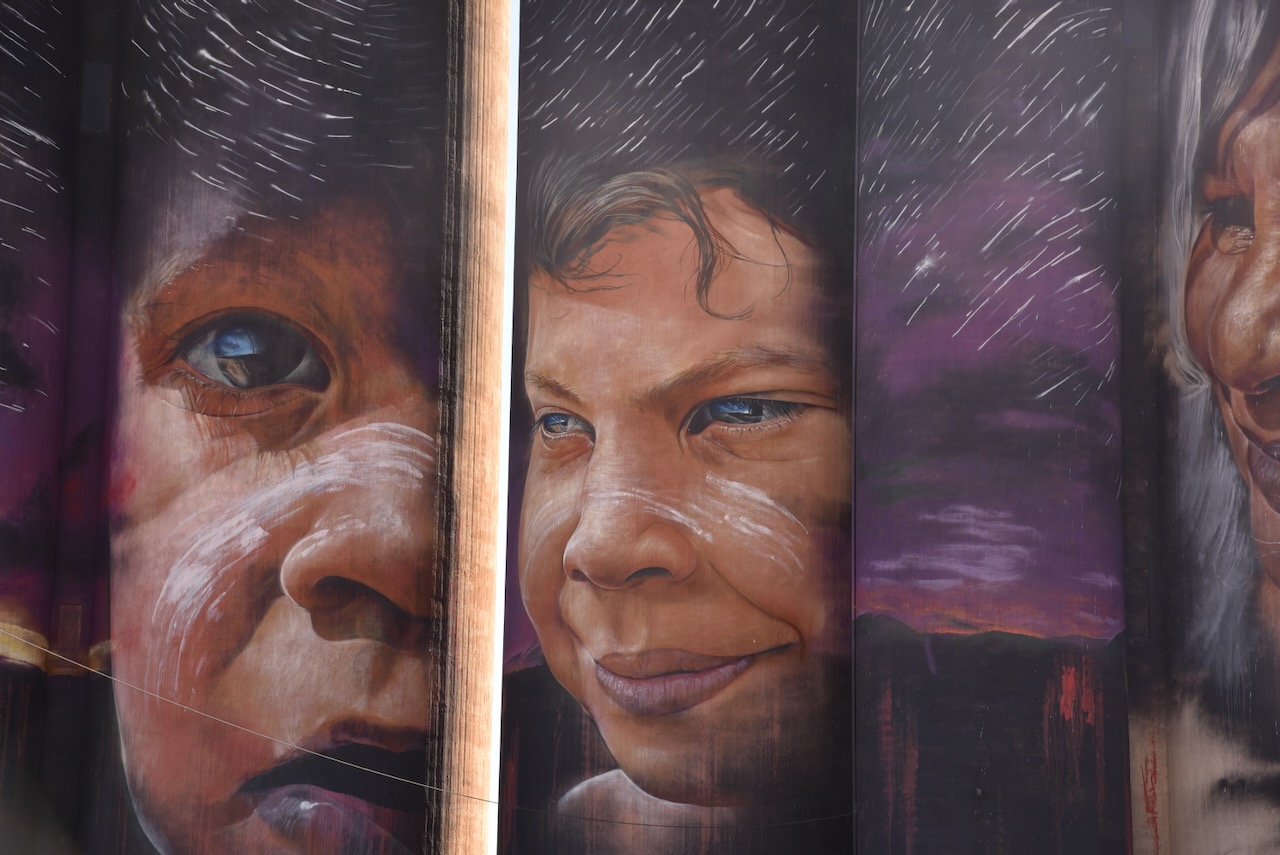
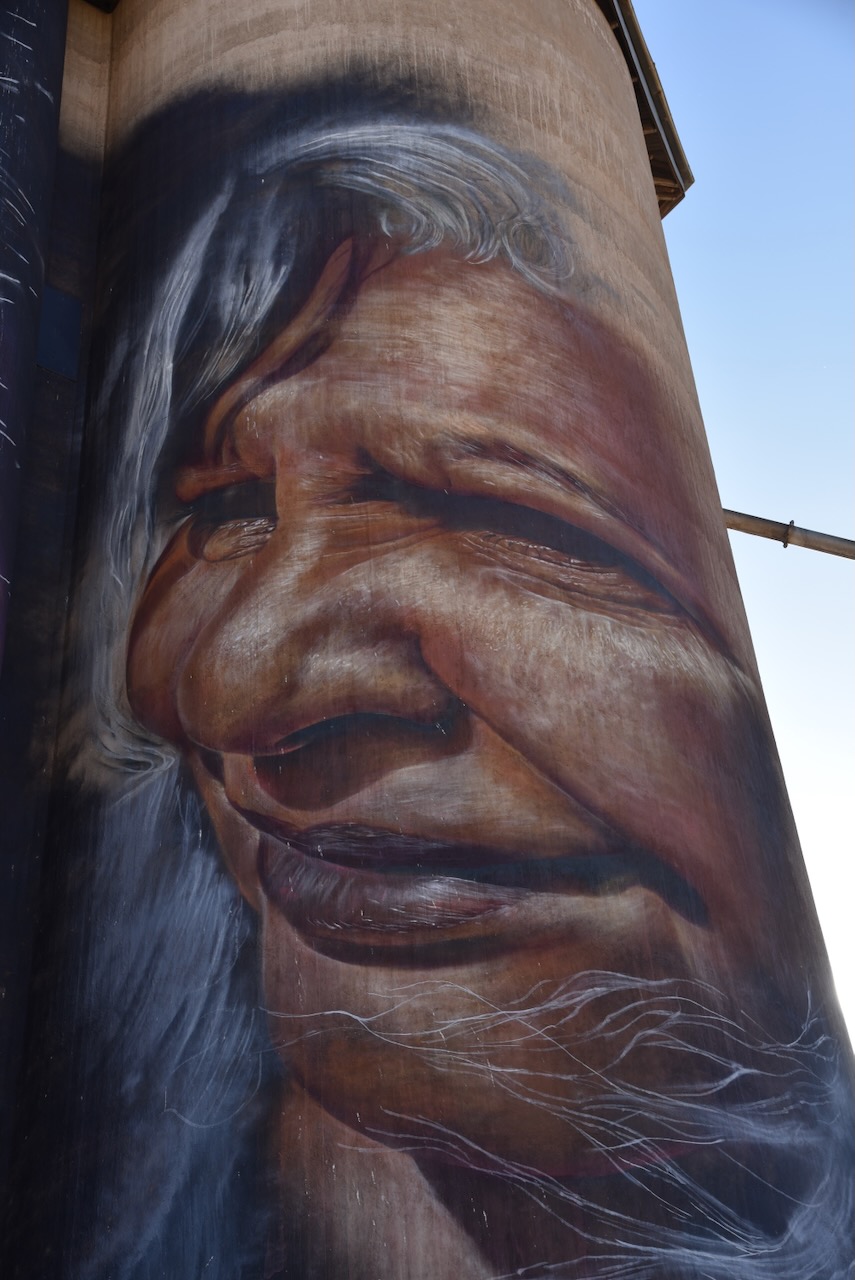
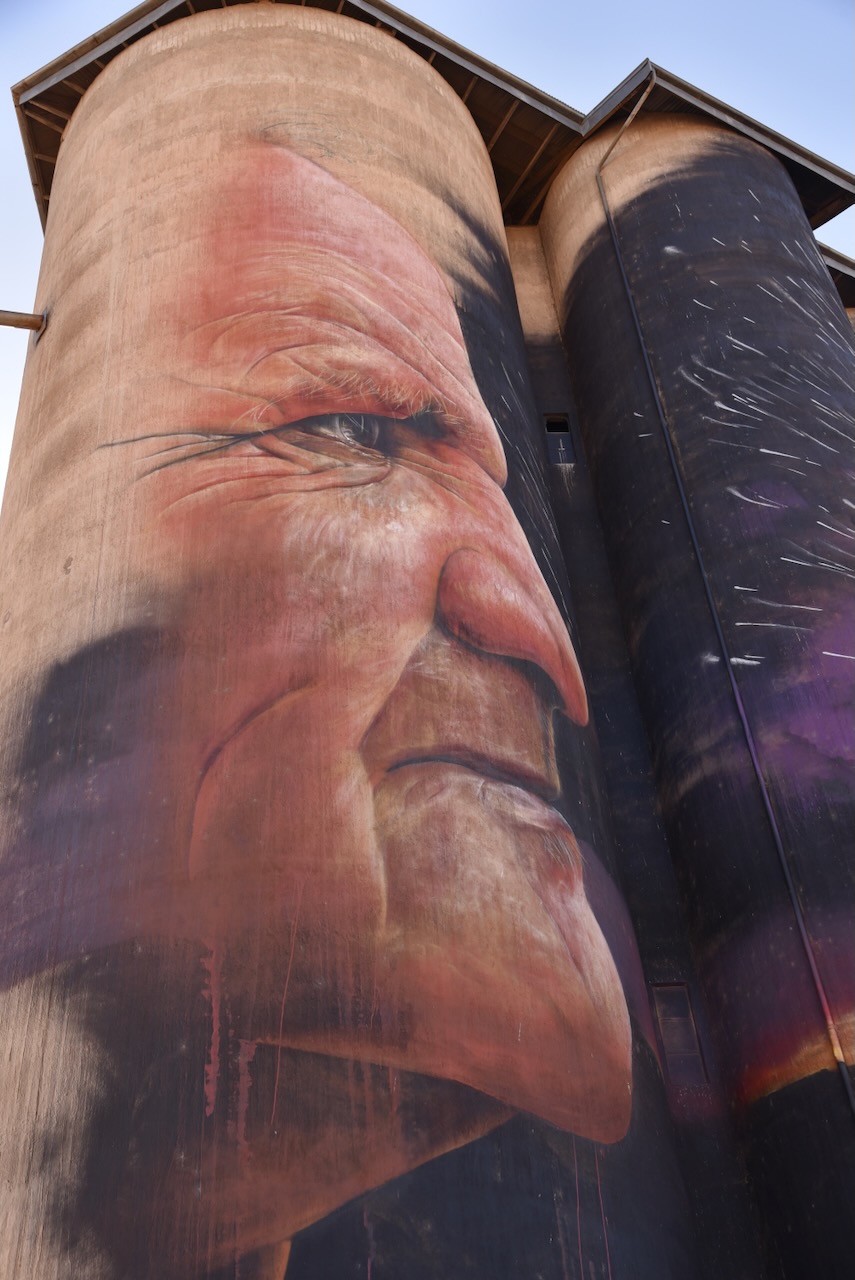
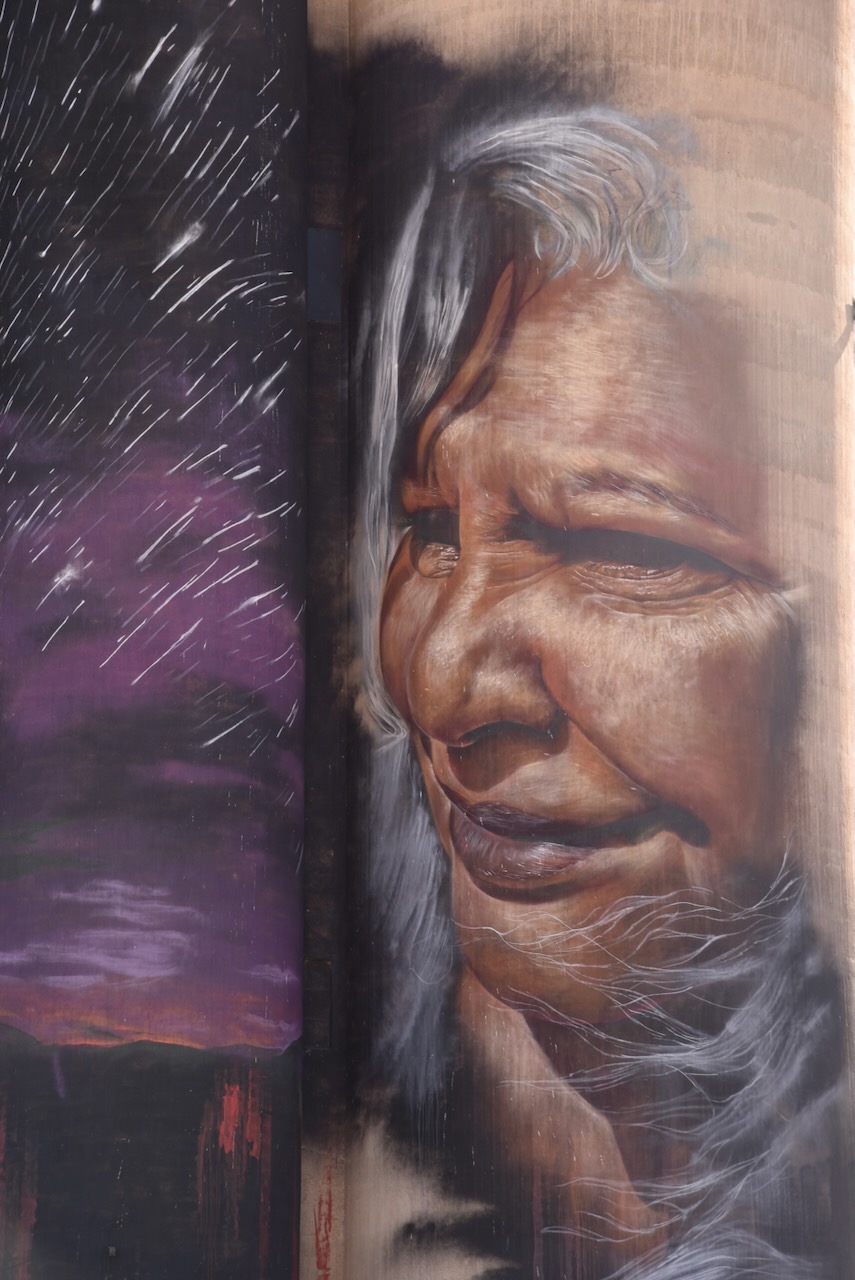
The Sheep Hill silos are reputed to be the most colourful piece of silo art on the Silo Art Trail in the Wimmera Mallee. (Aussie Towns 2024). They were the fifth silos to be included in the Australian SIlo Art Trail, and they were the third in the Wimmera Mallee region of Victoria. Melbourne-based artist Adnate completed the silo art at Sheep Hills over a four-week period in 2016. The silo art features a Wergaia Elder Uncle Ron Marks, a Wotjobaluk Elder Aunty Regina Hood, and two young children. (Silo Art Trail 2024)
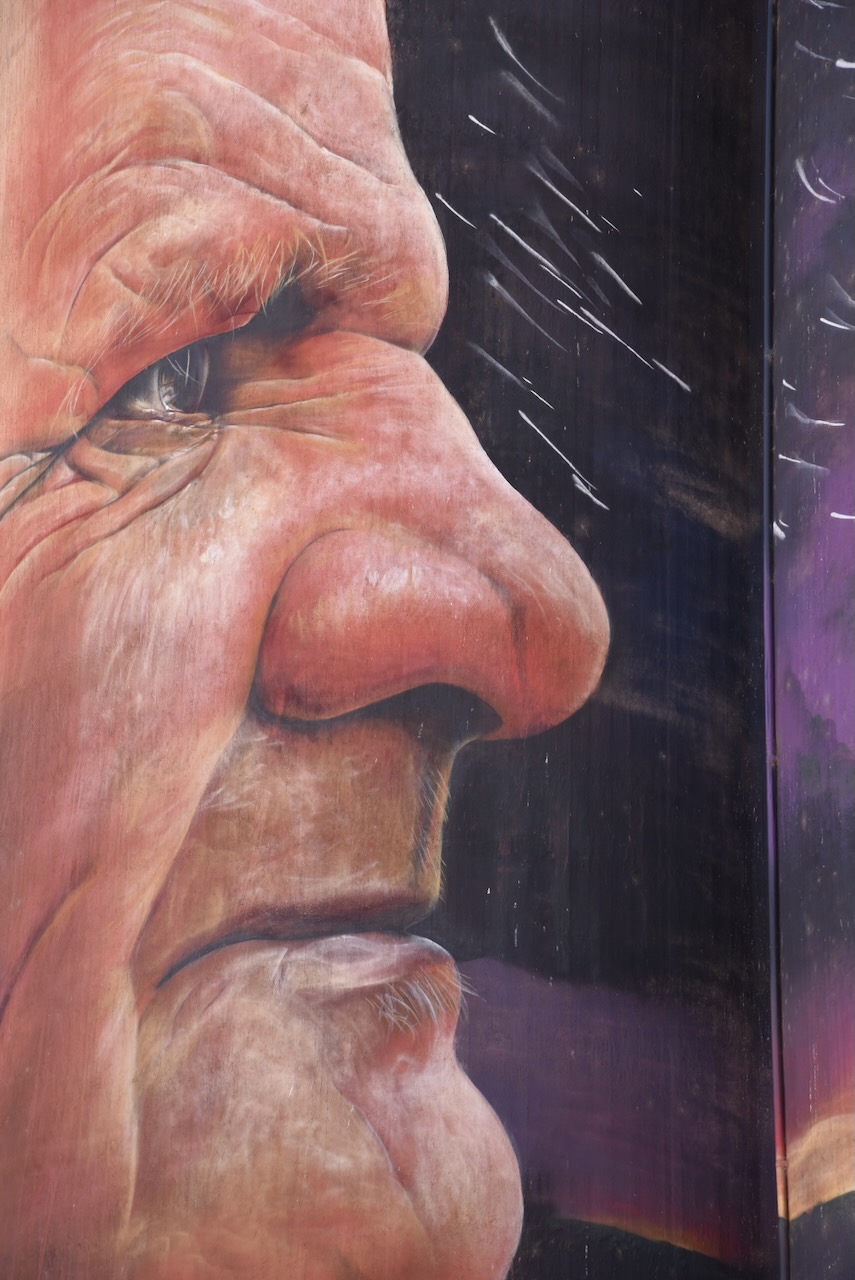
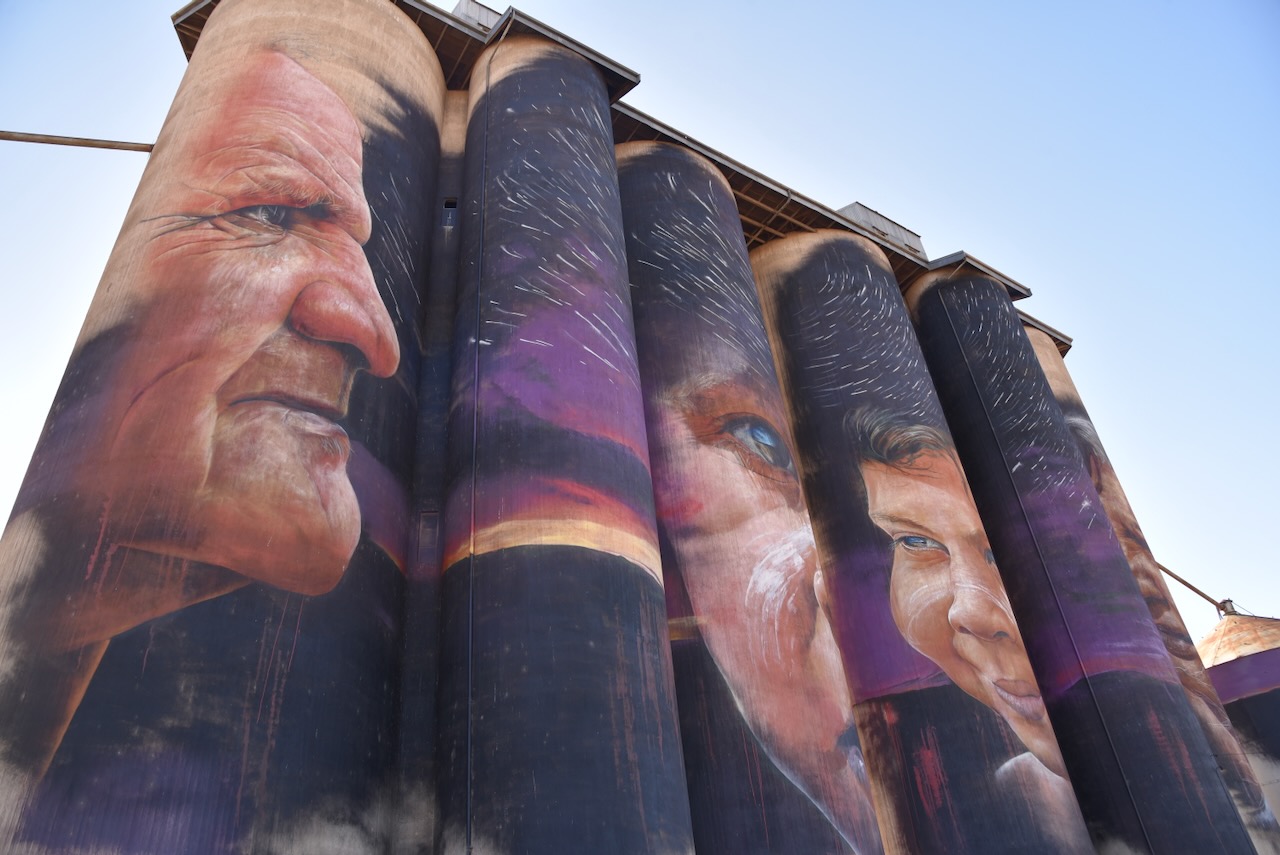
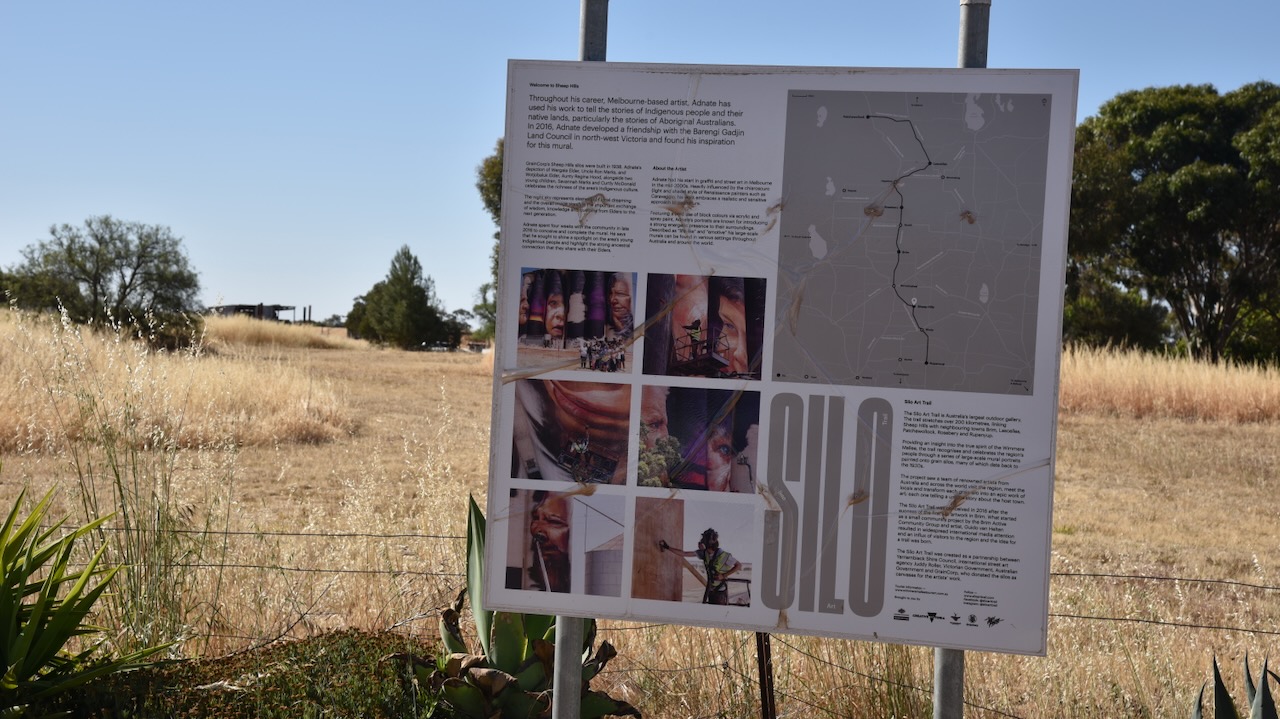
Below is a great video about the Sheep Hills silo.
Marija and I operated from the silo car park. We ran the Icom IC-7000, 100 watts, and the Codan 9350 with the 1.5-metre stainless steel whip.

Above:- The activation zone at the Sheep Hills silo. Image c/o SiOTA website.
Marija worked the following stations on 40m SSB:-
- VK5WY/m
- VK3BWS
- VK4NH
- VK4DXA
- VK1AO
- VK2MET
Marija worked the following stations on 20m SSB:-
- VK4NH
- VK4DXA
I worked the following stations on 40m SSB:-
- VK5WY/m
- VK3BWS
- VK4NH
- VK4DXA
- VK1AO
- VK2MET
- VK3PF
- VK1CHW
I worked the following stations on 20m SSB:-
- VK4NH
- VK4DXA
After leaving Sheep Hills Marija and I headed to Rupanyep. Along the way we observed many farmers out in their fields with their harvesters at work.

References.
- Austech – Australian Technology Discussion Forum. (n.d.). Historic photos of Melbourne, Victoria, Bellarine and Mornington Peninsula and more – Page 9. [online] Available at: https://www.austech.info/showthread.php/98004-Historic-photos-of-Melbourne-Victoria-Bellarine-and-Mornington-Peninsula-and-more/page9 [Accessed 13 Feb. 2024].
- Aussie Towns. (n.d.). Sheep Hills, VIC. [online] Available at: https://www.aussietowns.com.au/town/sheep-hills-vic [Accessed 13 Feb. 2024].
- Historical Ragbag. (2022). Rural Victoria. [online] Available at: https://historicalragbag.com/tag/rural-victoria/ [Accessed 13 Feb. 2024].
- Tindale, Norman Barnett (1974). “Wotjobaluk (VIC)”. Aboriginal Tribes of Australia: Their Terrain, Environmental Controls, Distribution, Limits, and Proper Names. Australian National University Press.
- Trove. (n.d.). The Horsham Times (Vic. : 1882 – 1954) – 9 Jan 1940 – p2. [online] Available at: https://trove.nla.gov.au/newspaper/page/7176248?searchTerm=sheep%20hills%20silo [Accessed 13 Feb. 2024].
- Victorian Collections. (n.d.). Photograph, Clare Gervasoni, Commercial Hotel, Sheep Hills, 2017, 08/10/2017. [online] Available at: https://victoriancollections.net.au/items/64afd7d1b721f73a0ad902eb [Accessed 13 Feb. 2024].
- visitwimmeramallee.com.au. (2022). Sheep Hills – Visit Wimmera Mallee. [online] Available at: https://visitwimmeramallee.com.au/discover-the-region/eastern-wimmera-mallee/sheep-hills/ [Accessed 13 Feb. 2024].
- WIMMERA STATION OWNERS. (1926). Horsham Times. [online] 27 Aug. Available at: https://trove.nla.gov.au/newspaper/article/73013965 [Accessed 13 Feb. 2024].
- http://www.victorianplaces.com.au. (n.d.). Sheep Hills | Victorian Places. [online] Available at: https://www.victorianplaces.com.au/sheep-hills [Accessed 13 Feb. 2024].
- http://www.australiansiloarttrail.com. (n.d.). Sheep Hills Silo Art. [online] Available at: https://www.australiansiloarttrail.com/sheep-hills. [Accessed 13 Feb. 2024].

 VK5PAS