
After leaving the Taradale Nature Conservation Reserve on Saturday 25th November 2023, Marija and I headed to the Rotary Castlemaine Truck Show at Campbells Creek. This annual family-friendly event celebrates the trucking industry’s important contribution and raises funds for the community. Being a truck enthusiast since I was a child, this was a brilliant event to attend. Plenty of ‘big rigs’ were on display, including great food and live entertainment.
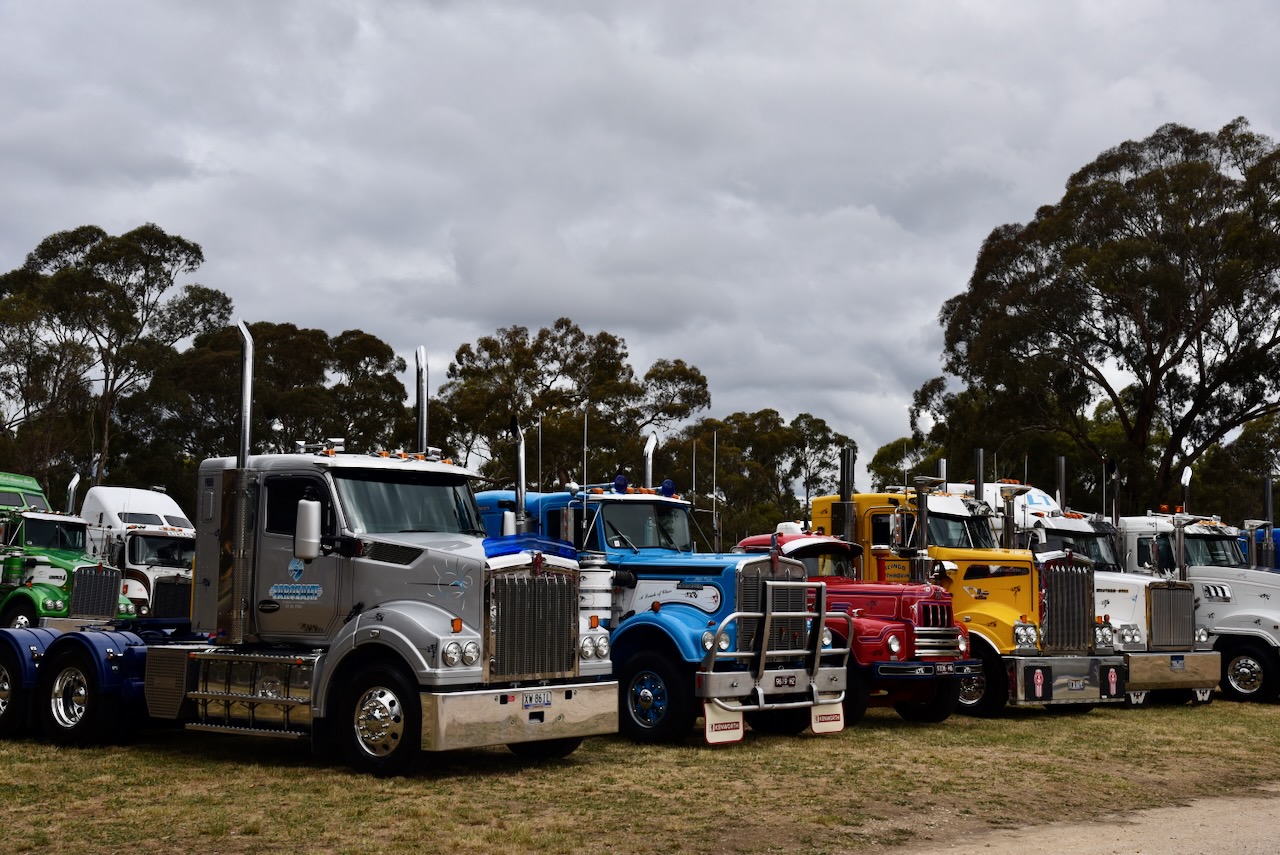

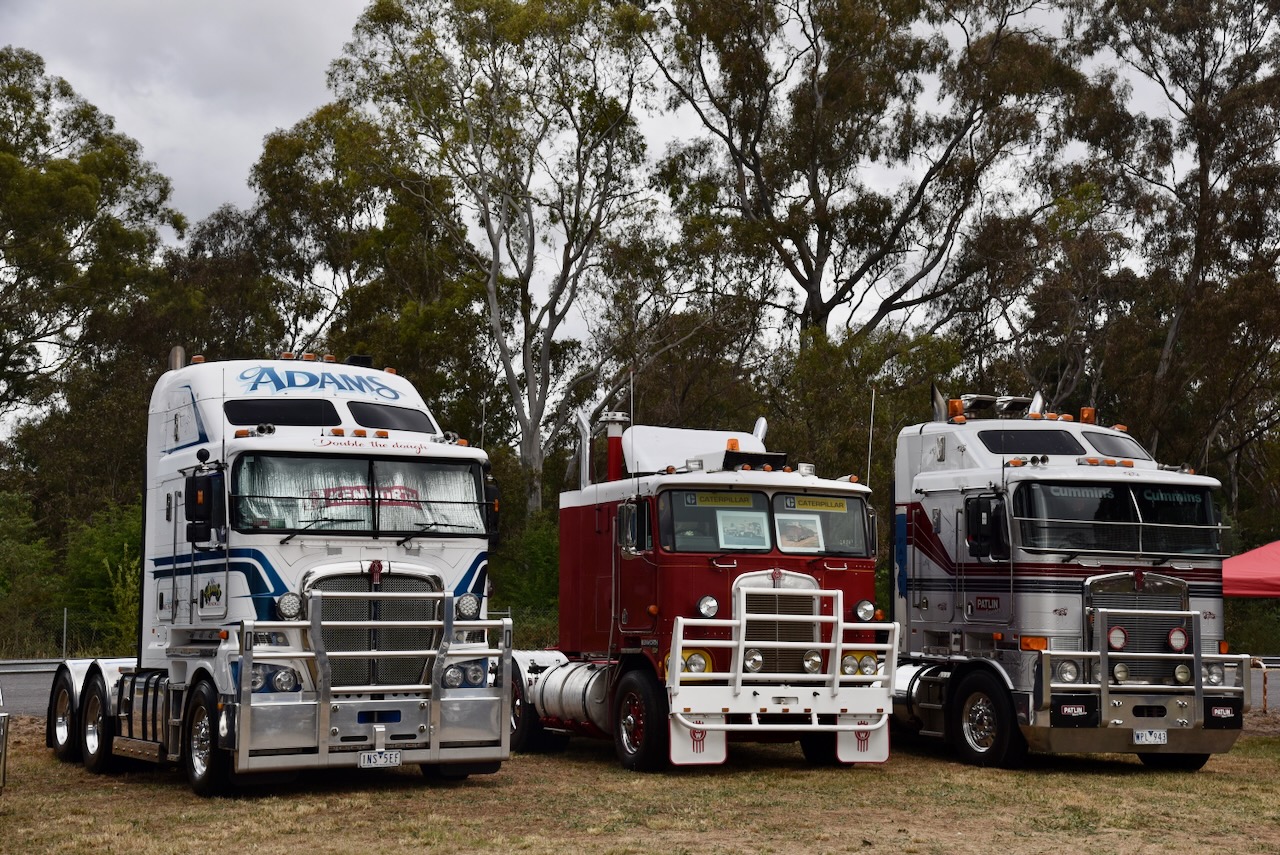
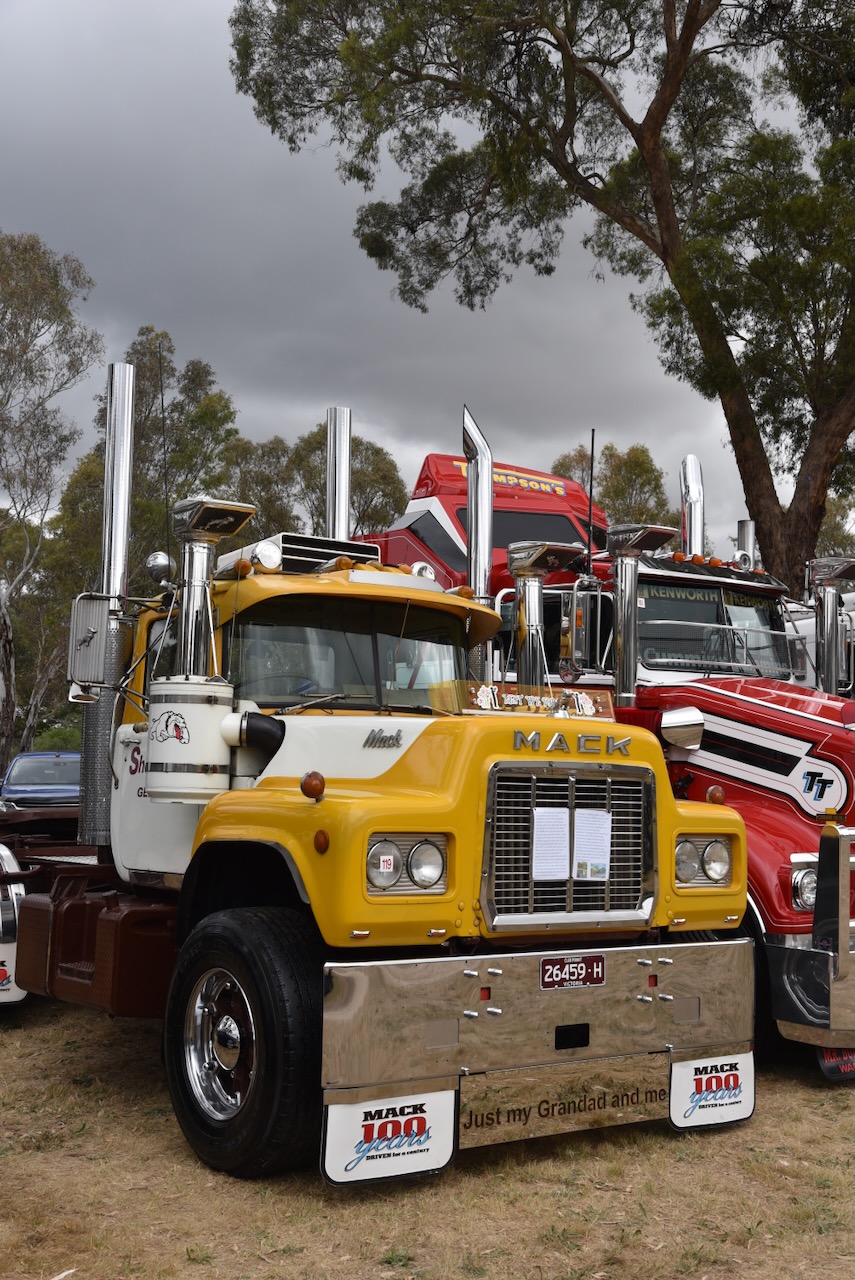
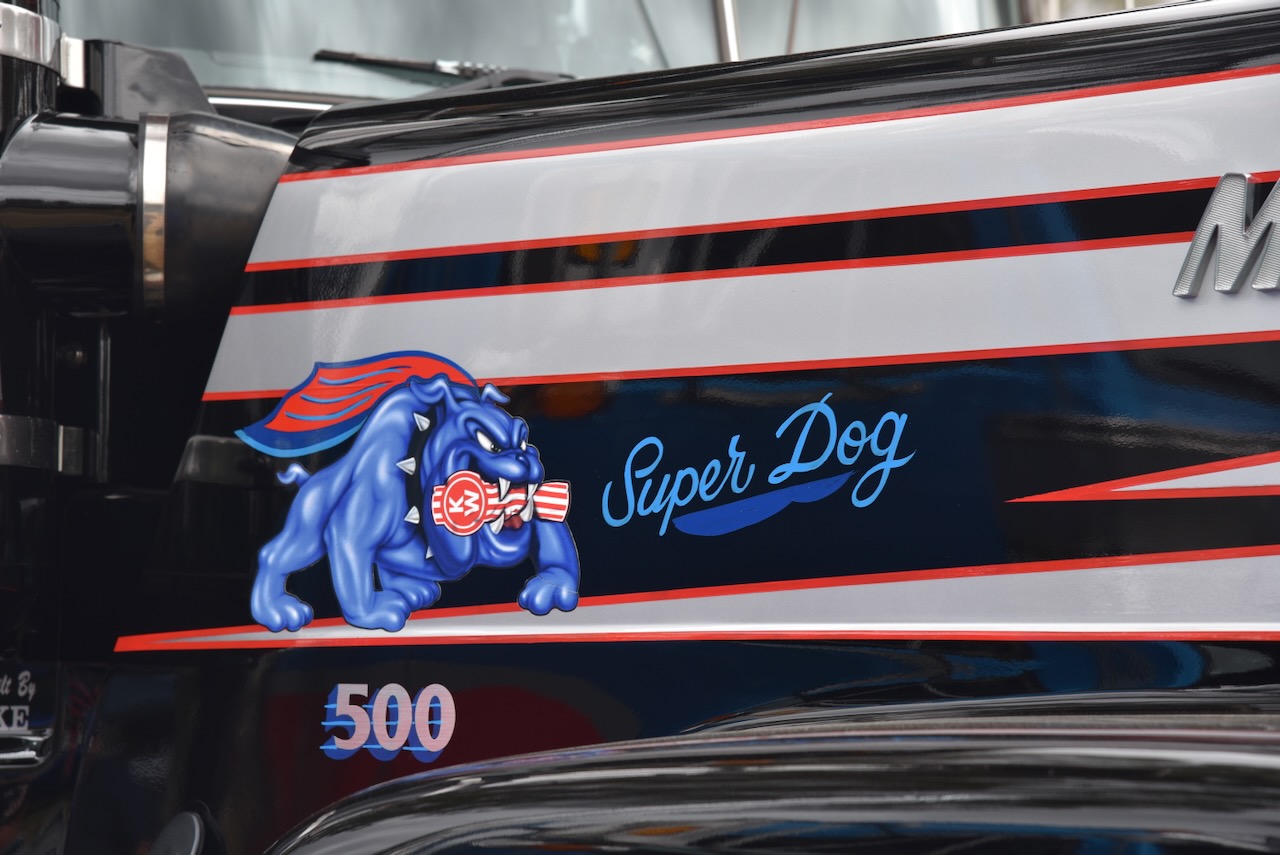

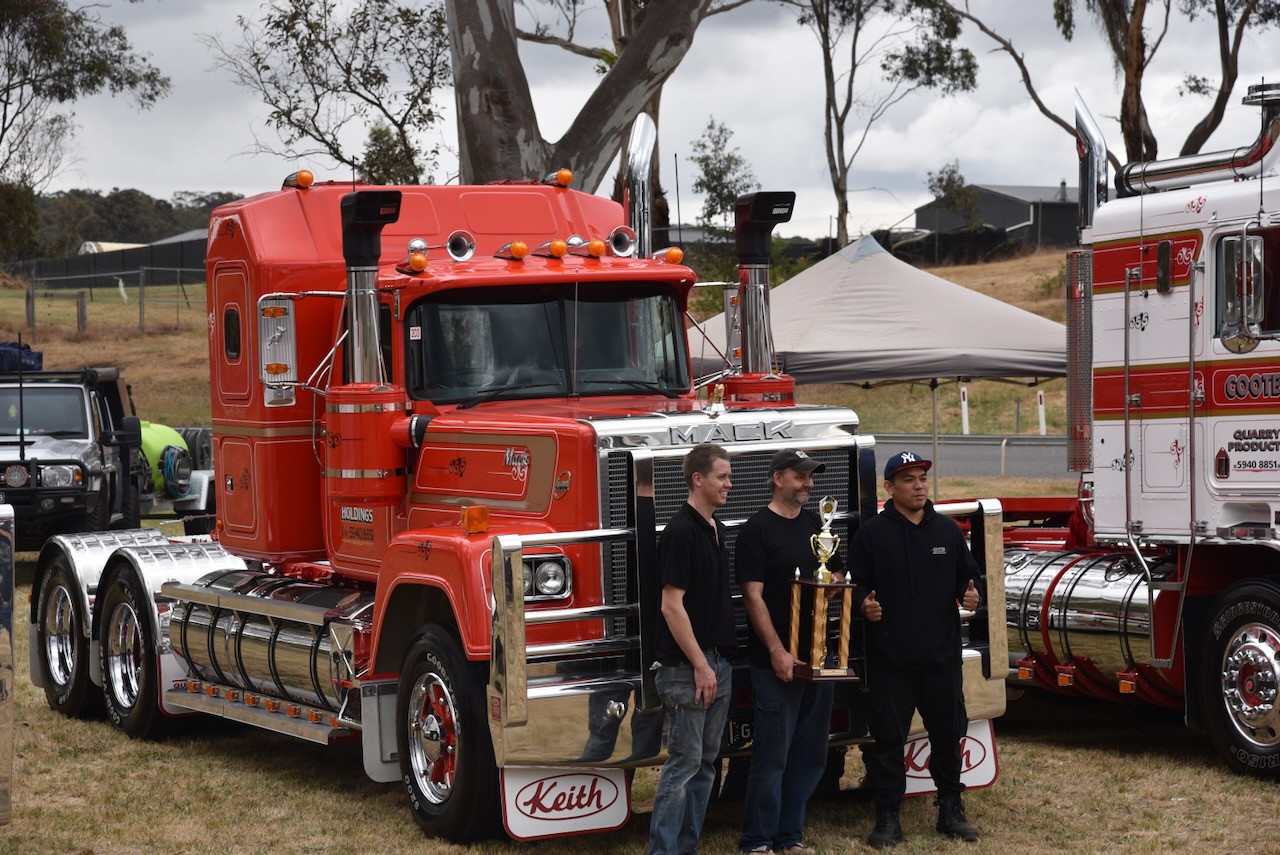


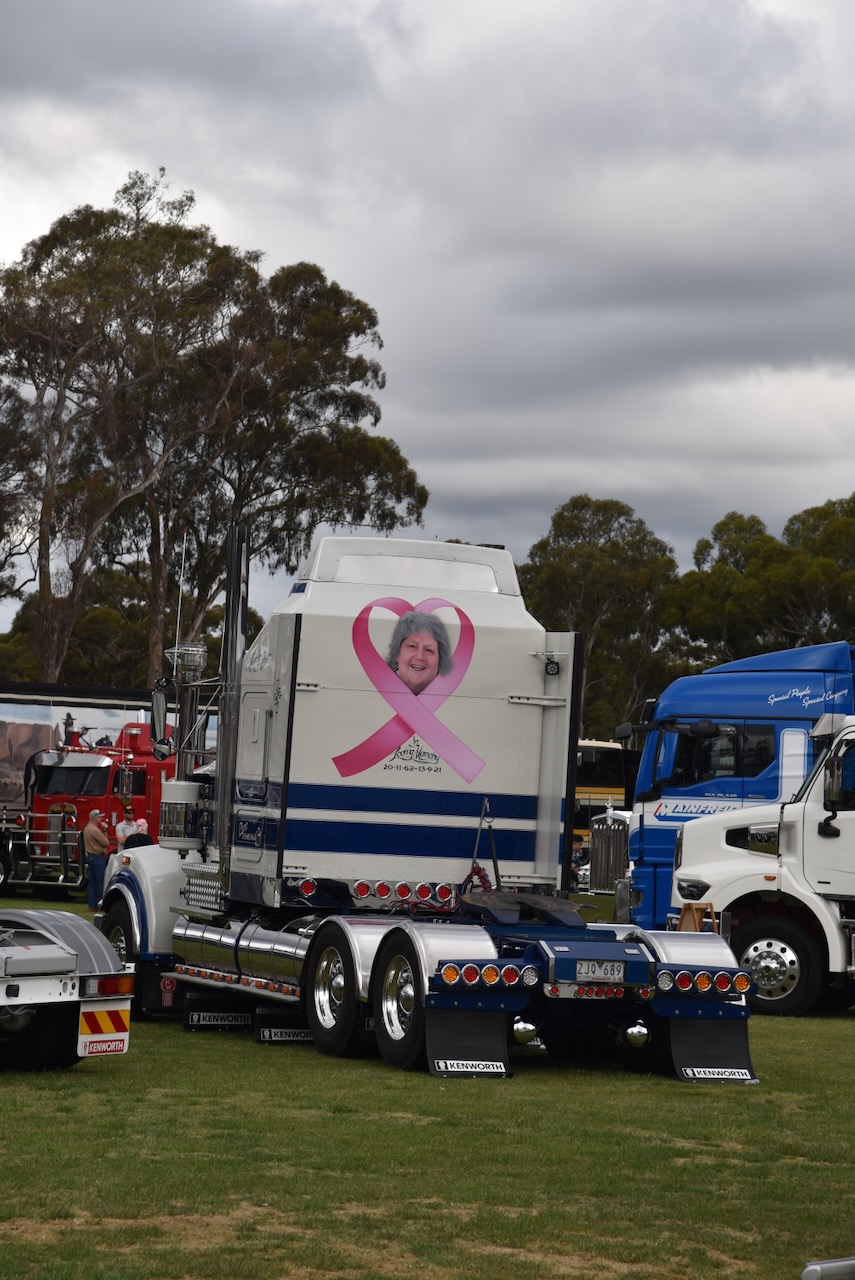


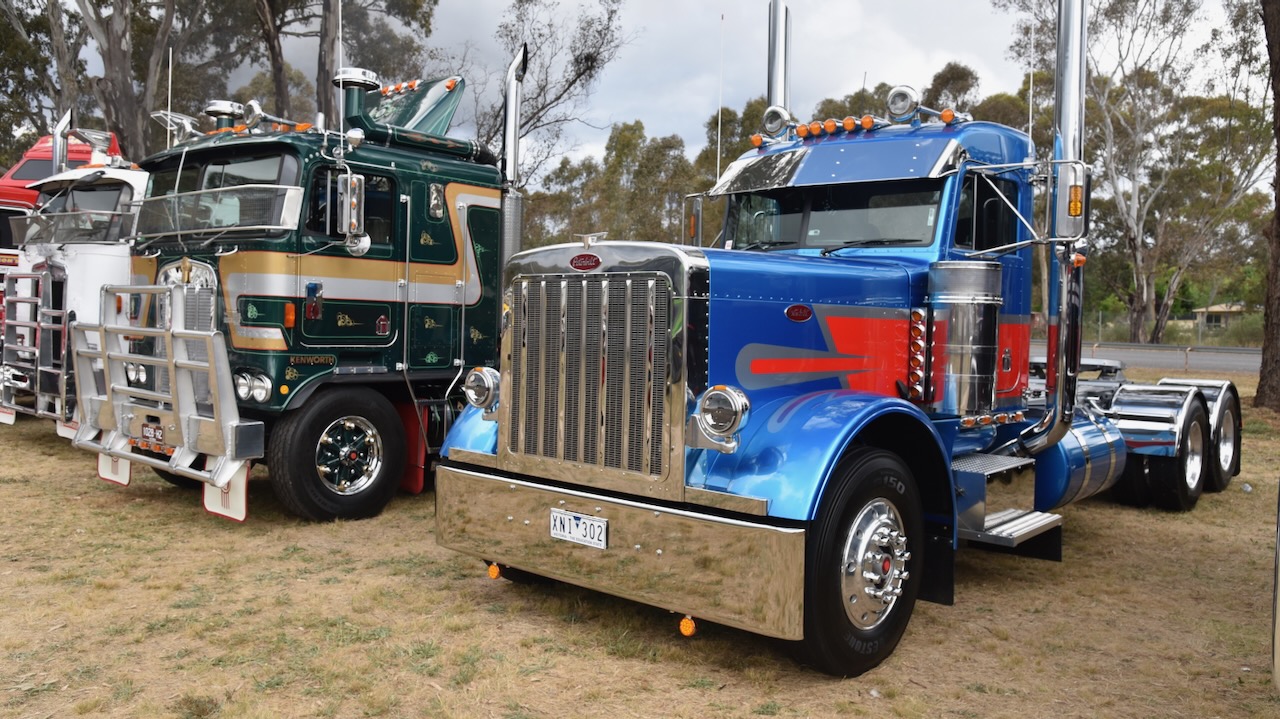
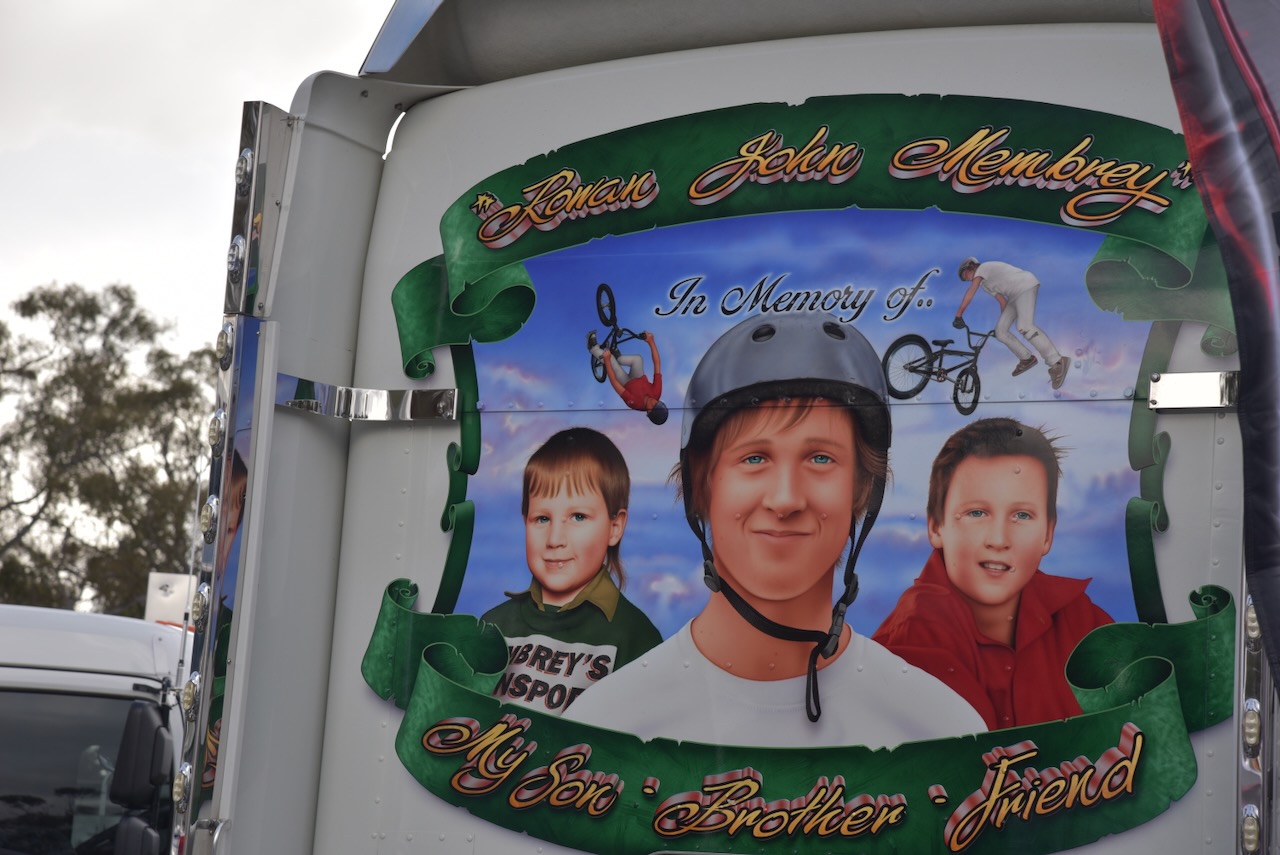
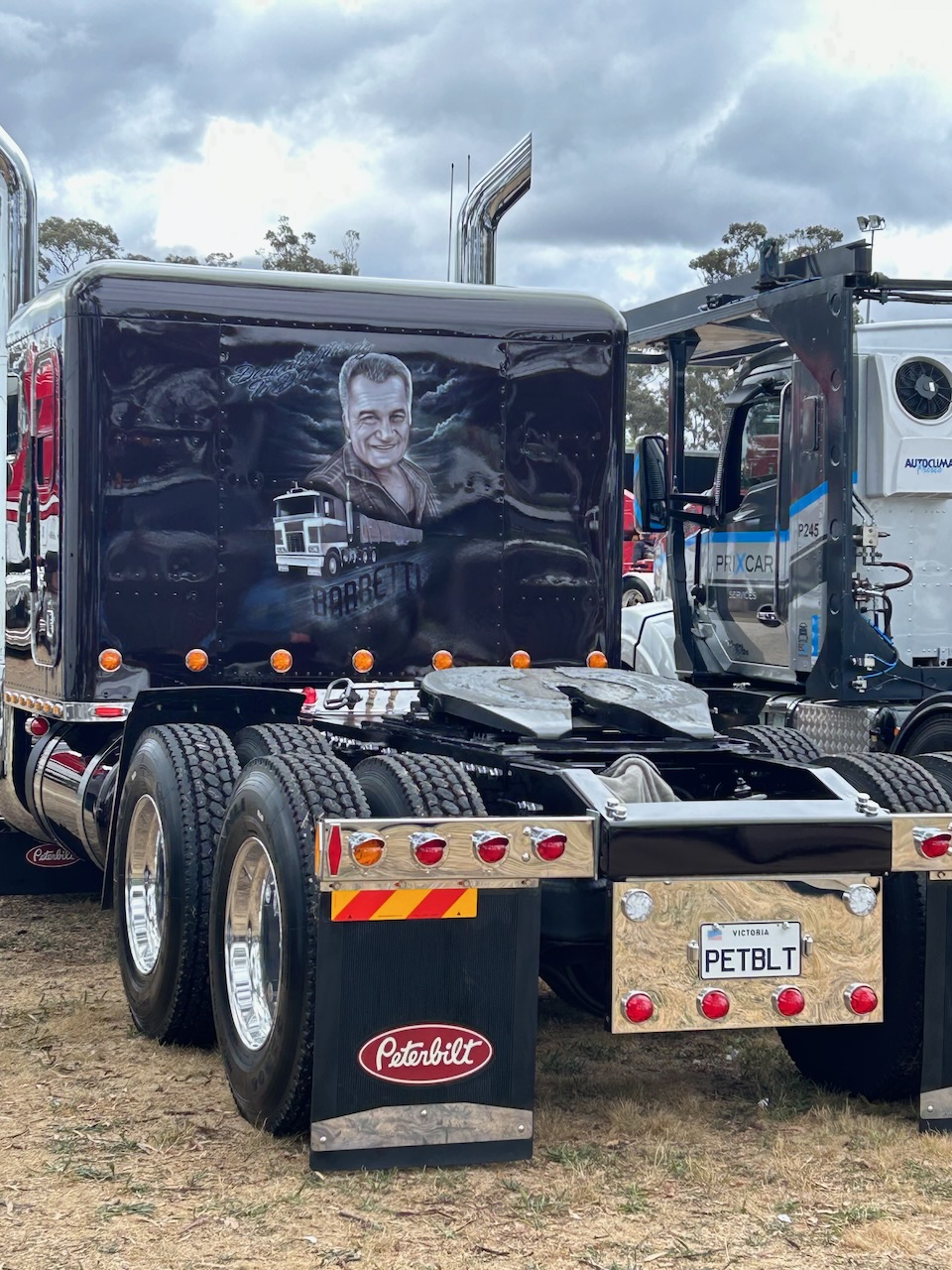
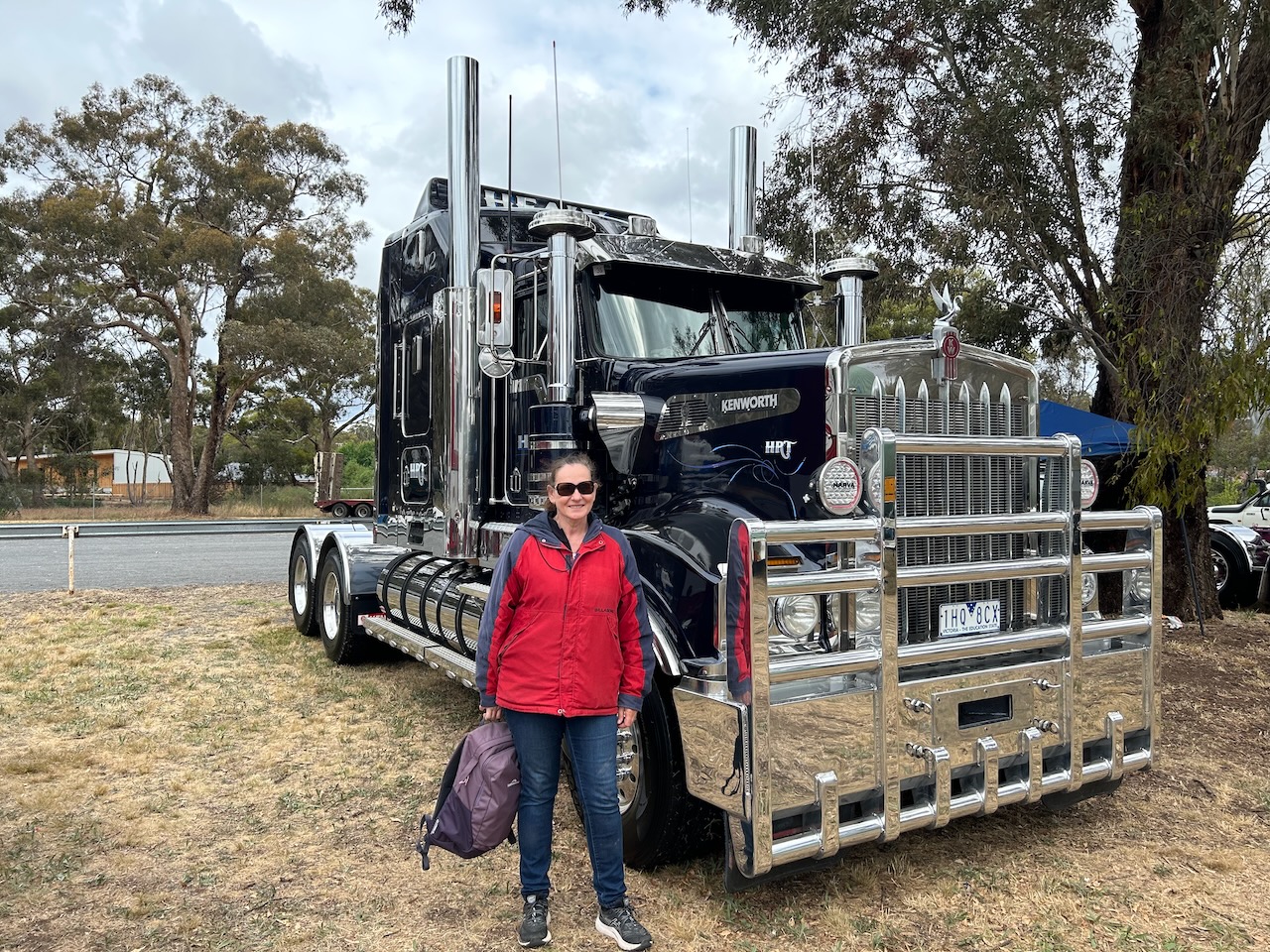
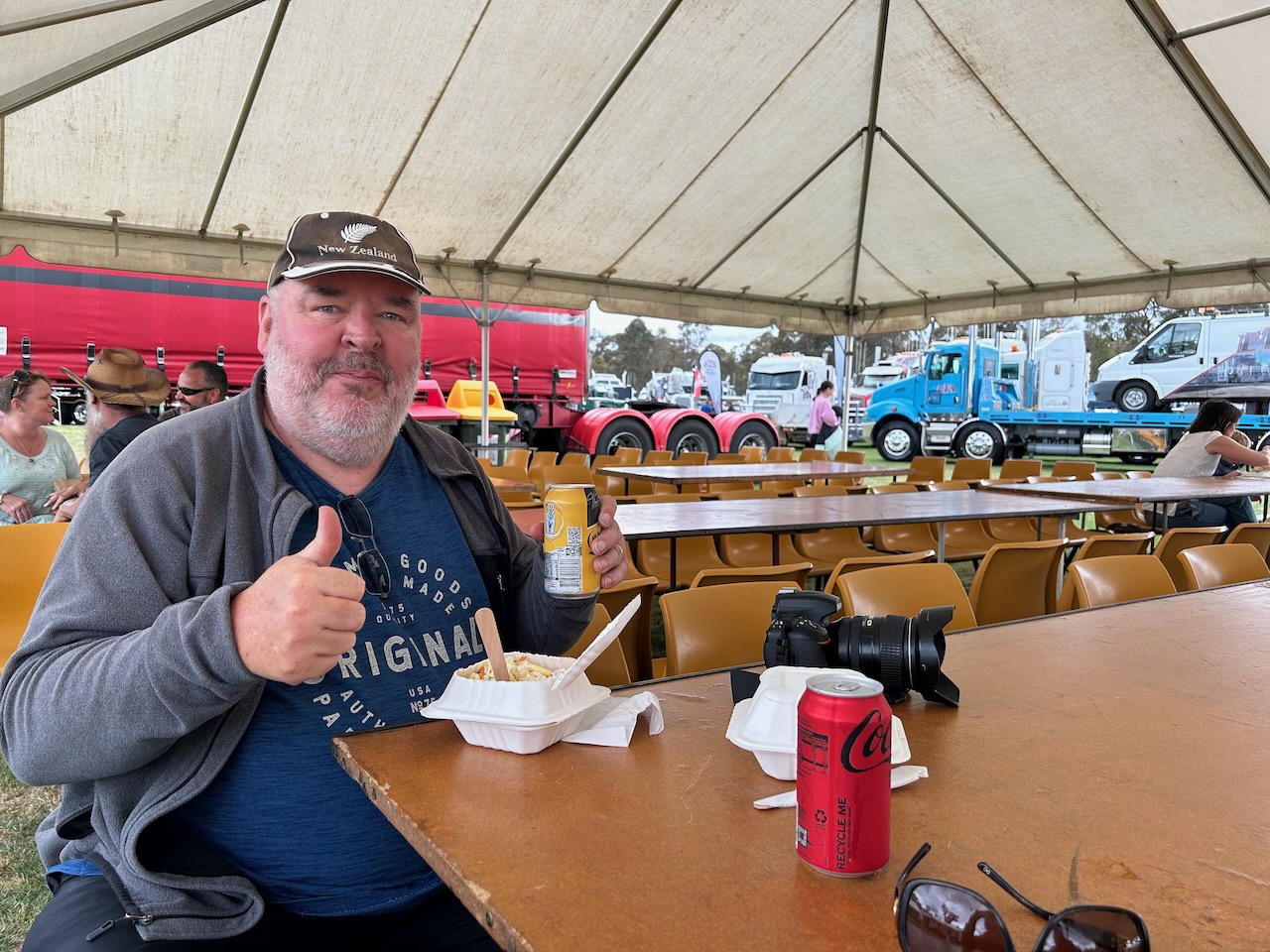

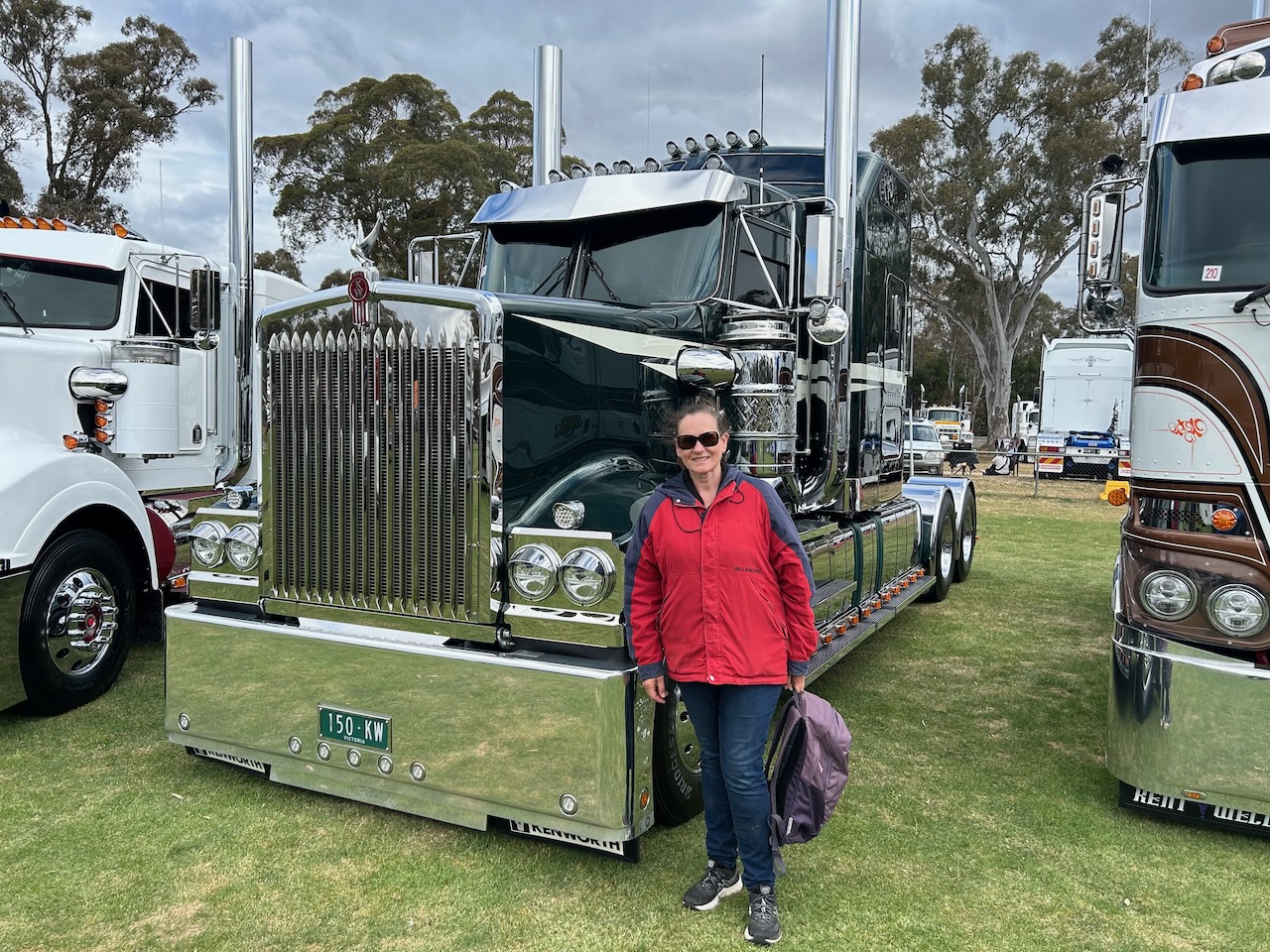
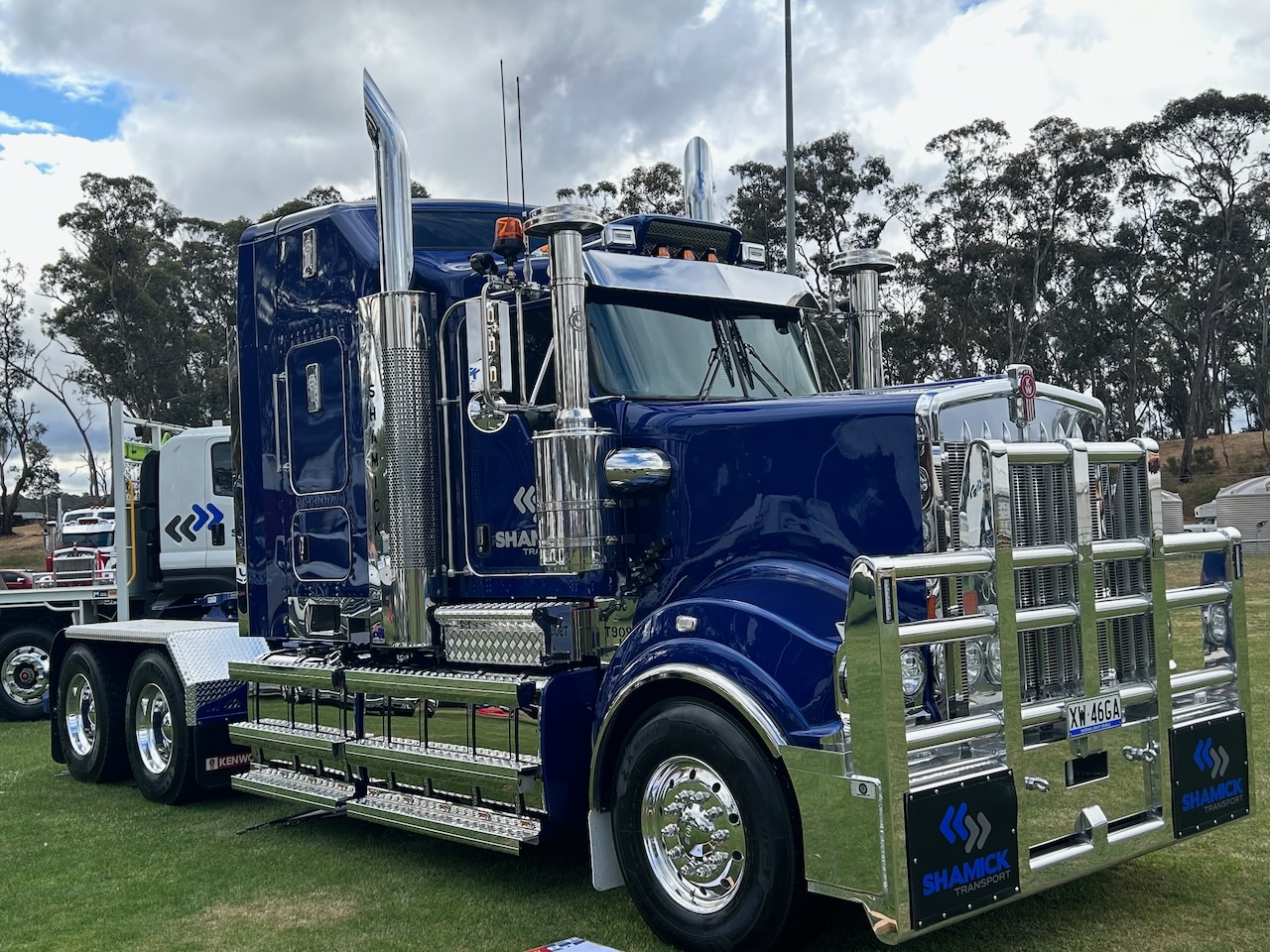
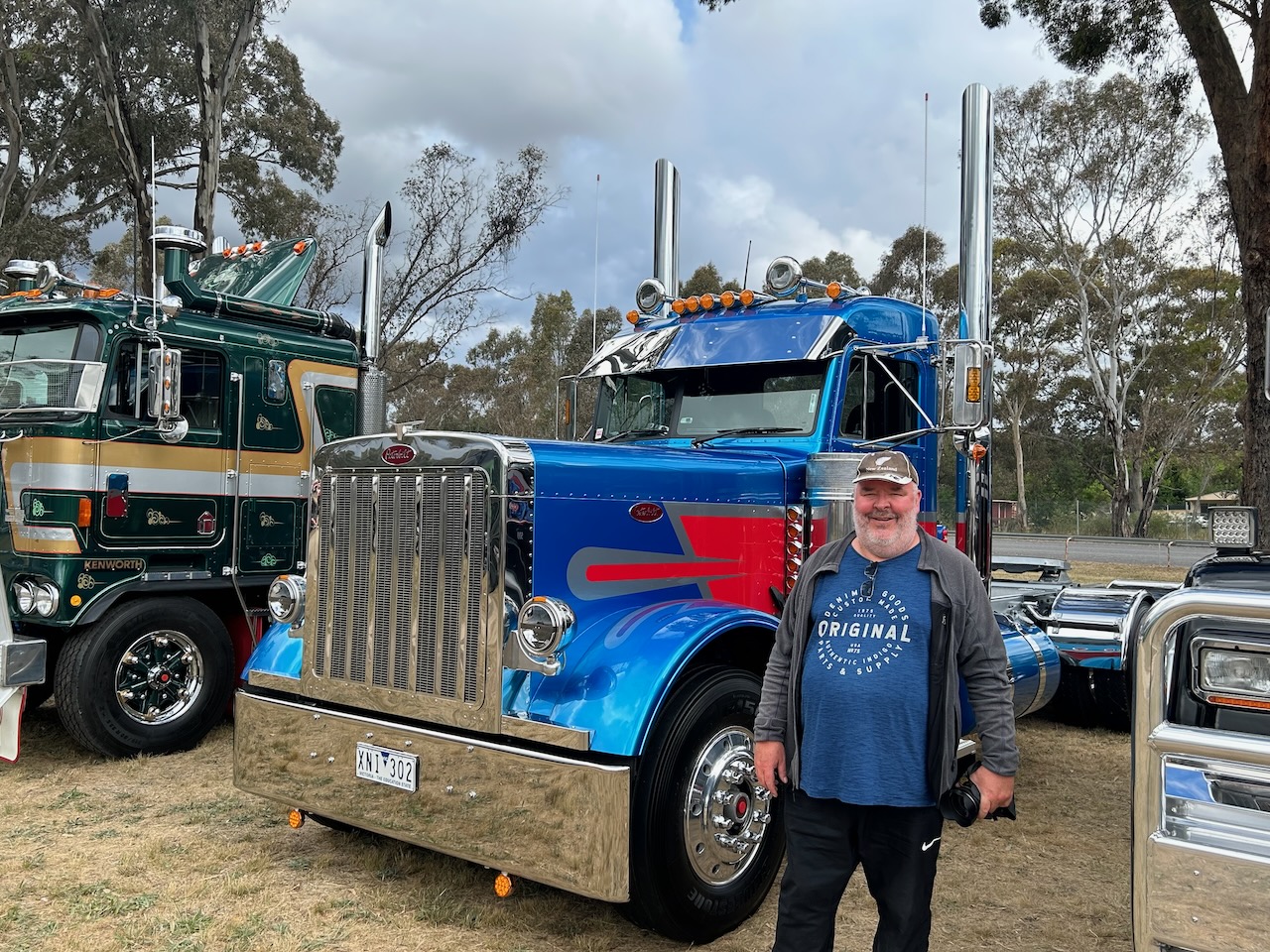

Although the truck show is called the Castlemaine Truck Show, it is actually held at Campbells Creek, about 4km south of Castlemaine.
Campbells Creek was named in honour of pastoralist and politician, William Campbell. He was born on the 17th day of July 1810 in Perthshire, Scotland, and emigrated to Australia in 1838. He took up the Tourello pastoral run near Clunes. In 1850 Campbell discovered gold on the adjoining property owned by his brother-in-law Donald Cameron. He showed the gold to Cameron and they made a decision not to make the find public as they feared a gold rush would impact their pastoral activities. Campbell was subsequently issued with a reward as Victoria’s first gold discovery. Campbell did not announce the discovery until July 1851 and made a claim to being the ‘First Discover of Gold in Victoria.’ A select committee of the Legislative Council of 1853-54 voted him a £1000 reward. However, he was paid less than half that amount and gave it all to the men who had helped in his discovery. He also donated a substantial amount of the money to several hospitals and asylums. (Victorian Places 2024)
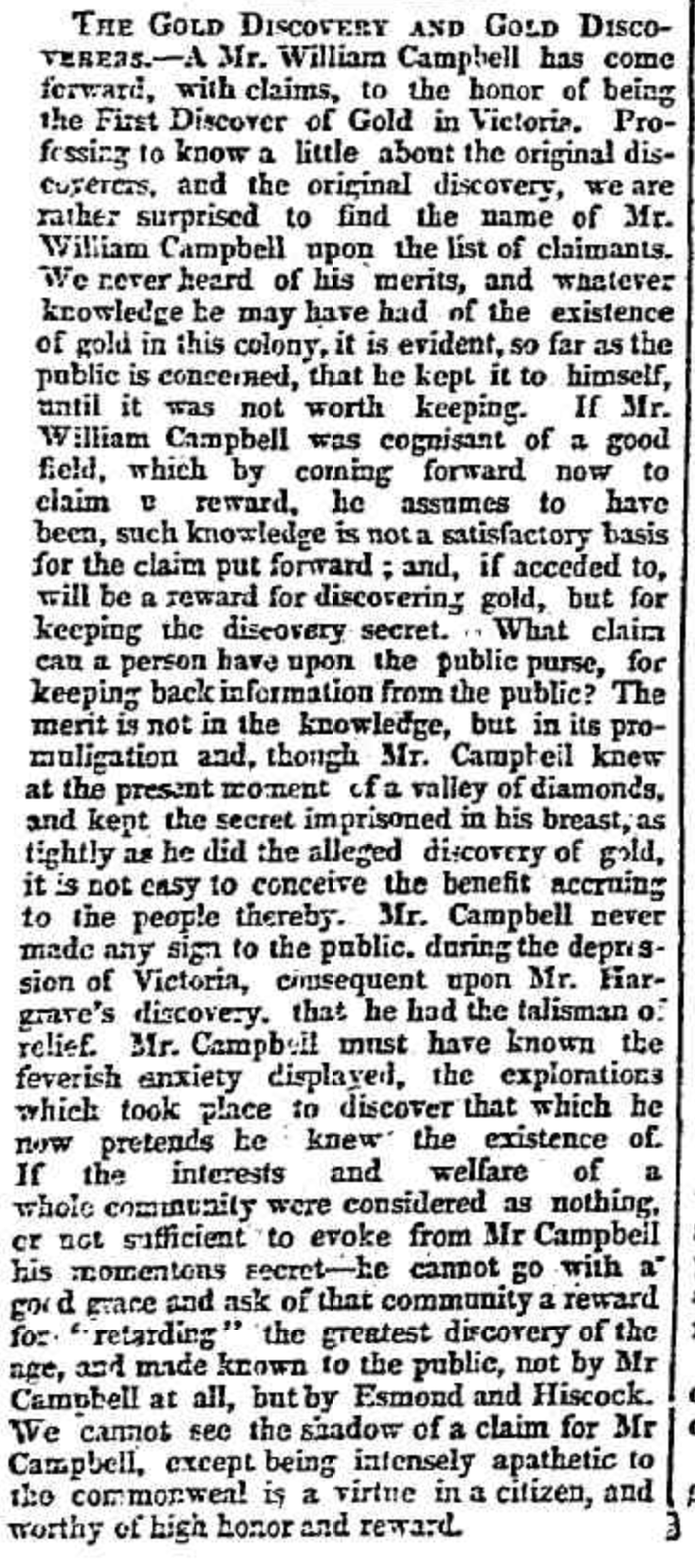
Above:- Article from the Geelong Advertiser, Thu 20 Oct 1853. Image c/o Trove.
In 1851 gold was discovered at Campbells Creek, part of the Castlemaine-Mount Alexander goldfields. In 1857 Campbell Creek’s official population was 2,459, however, it is believed this is underestimated by at least 500 male Chinese diggers. (eGold 2015) (Victorian Places 2024)
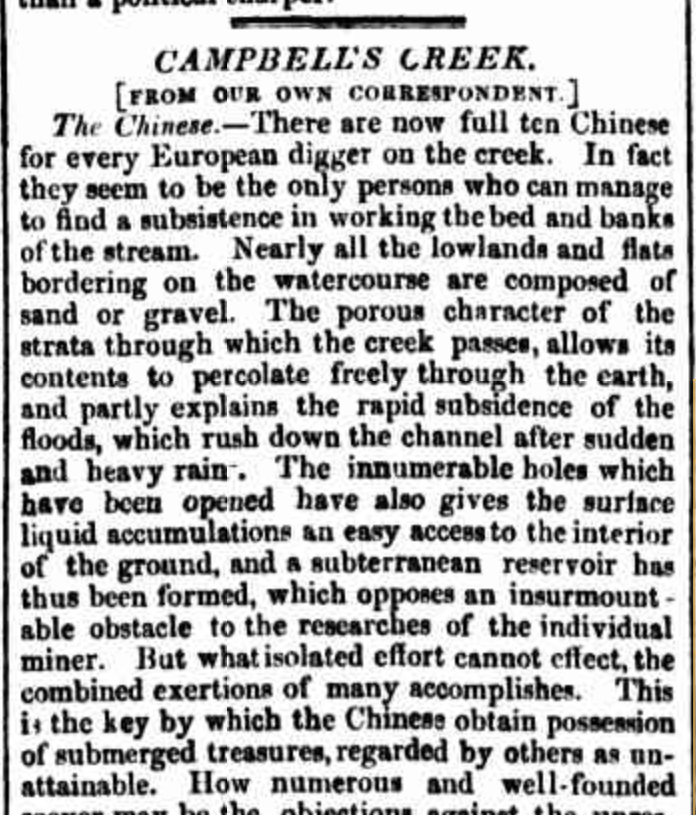
Above: Part of an article from the Mount Alexander Mail, Fri 21 Jul 1857. Image c/o Trove.
In 1854 a school was opened at Campbells Creek, followed by Wesleyan and Primitive Methodist churches in 1856. Several hotels were opened at Campbells Creek including the Five Flags Hotel built in 1855. The hotel opened on Friday the 1st day of June 1855. (Victorian Places 2024)
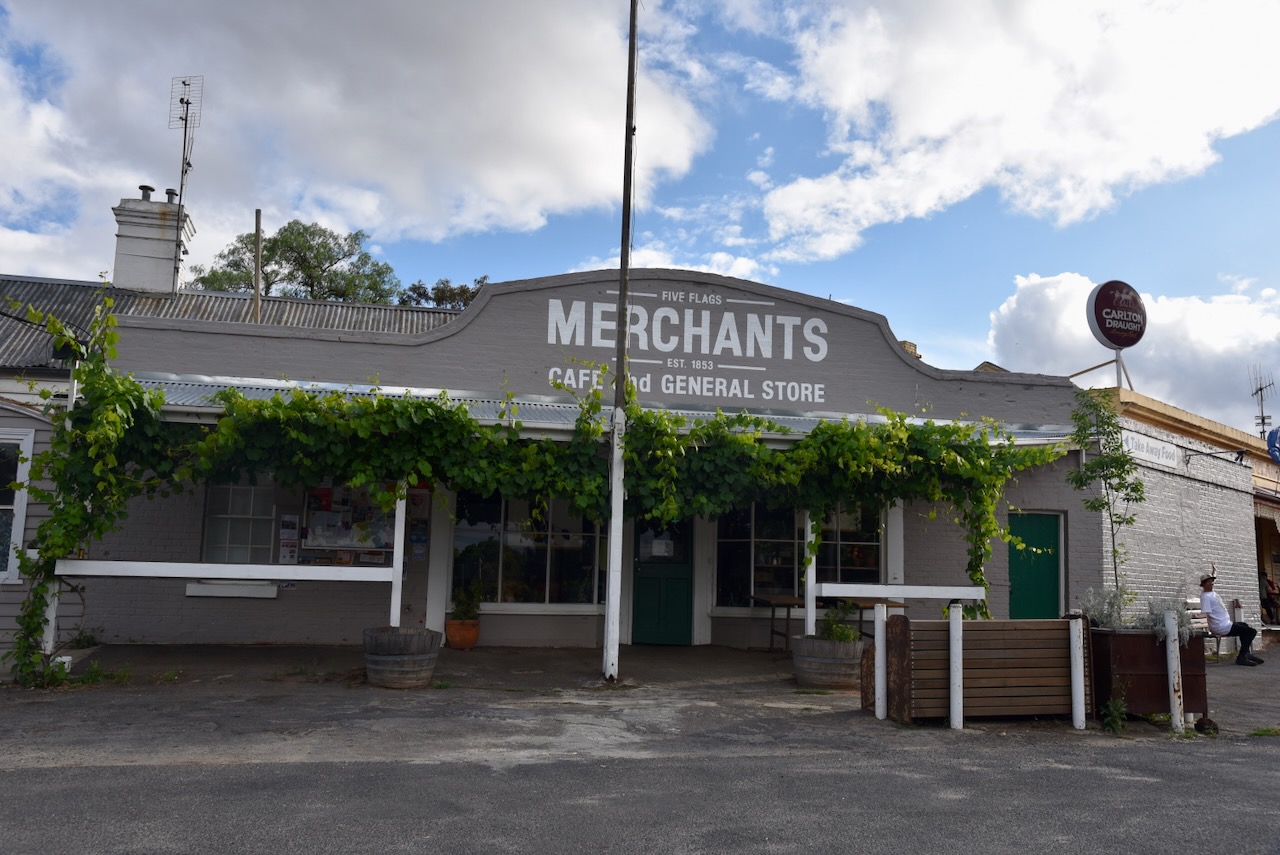
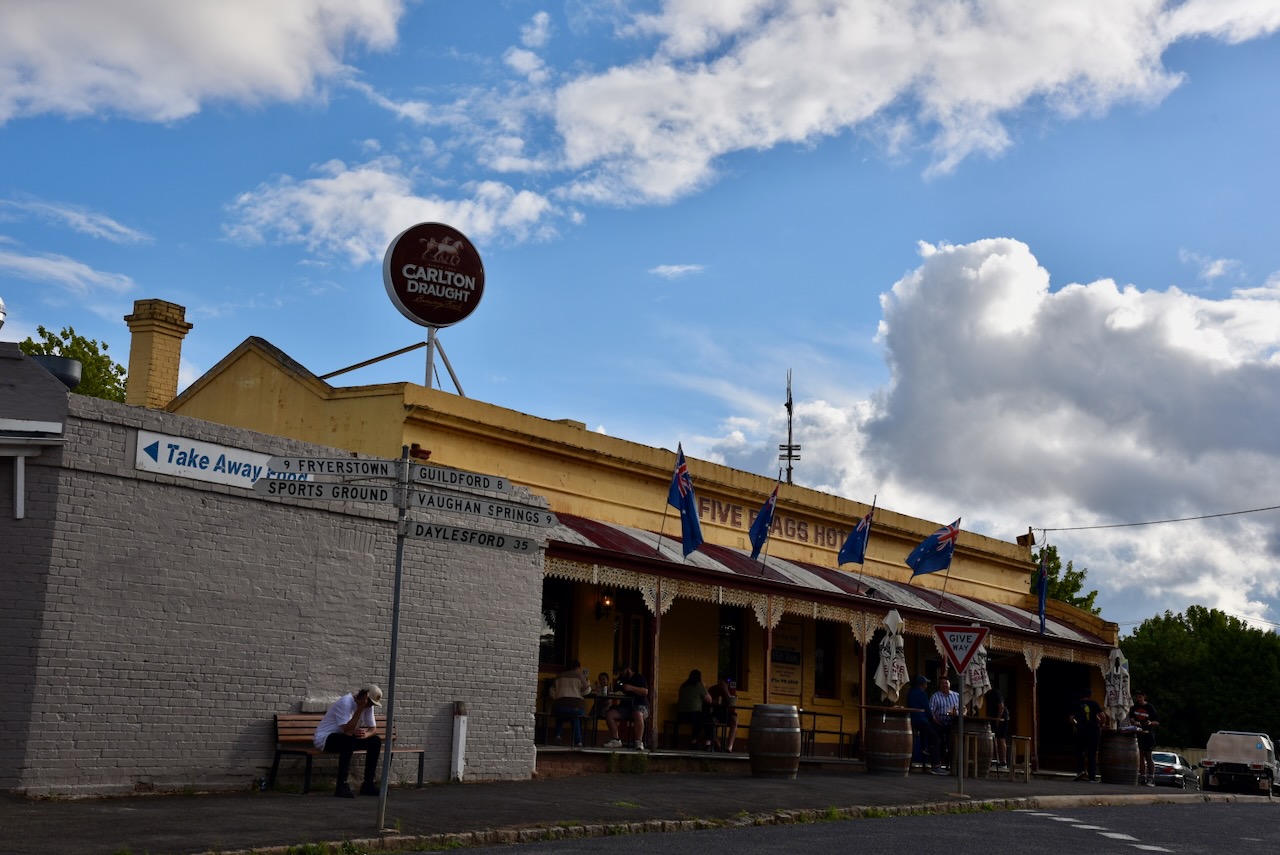
On the 26th day of Australia 1875, a fire swept through Campbells Creek. It destroyed the Chinese camp, however the Five Flags Hotel was saved.

Above:- Article from the Weekly TImes, Melbourne, Sat 23 Jan 1875. Image c/o Trove.
We then stopped in at the Castlemaine cemetery and fortunately checked out as well. This historic cemetery was established in 1852 and contains a wealth of history. The original cemetery was located in Templeton Street and was established in 1851. However, after 13 months of operation, the current cemetery site was established. (Castlemaine Cemetery 2024)
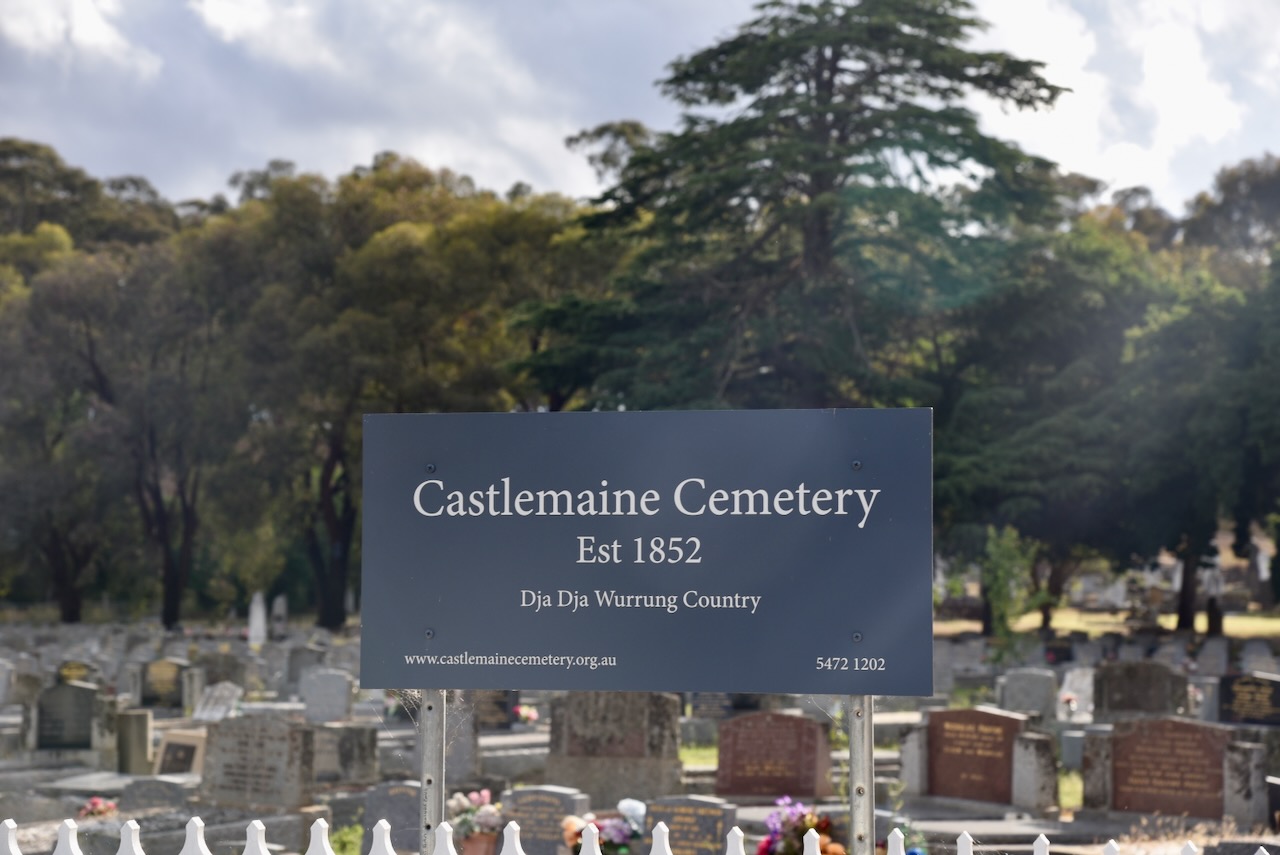

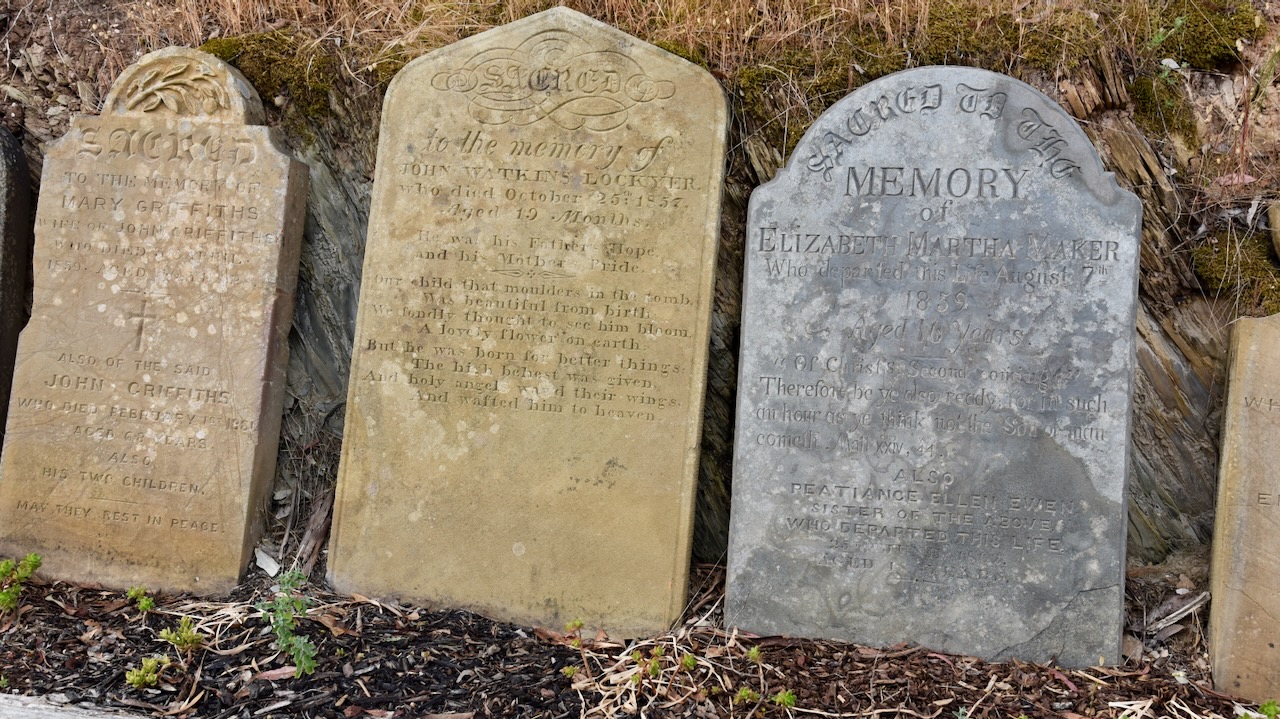


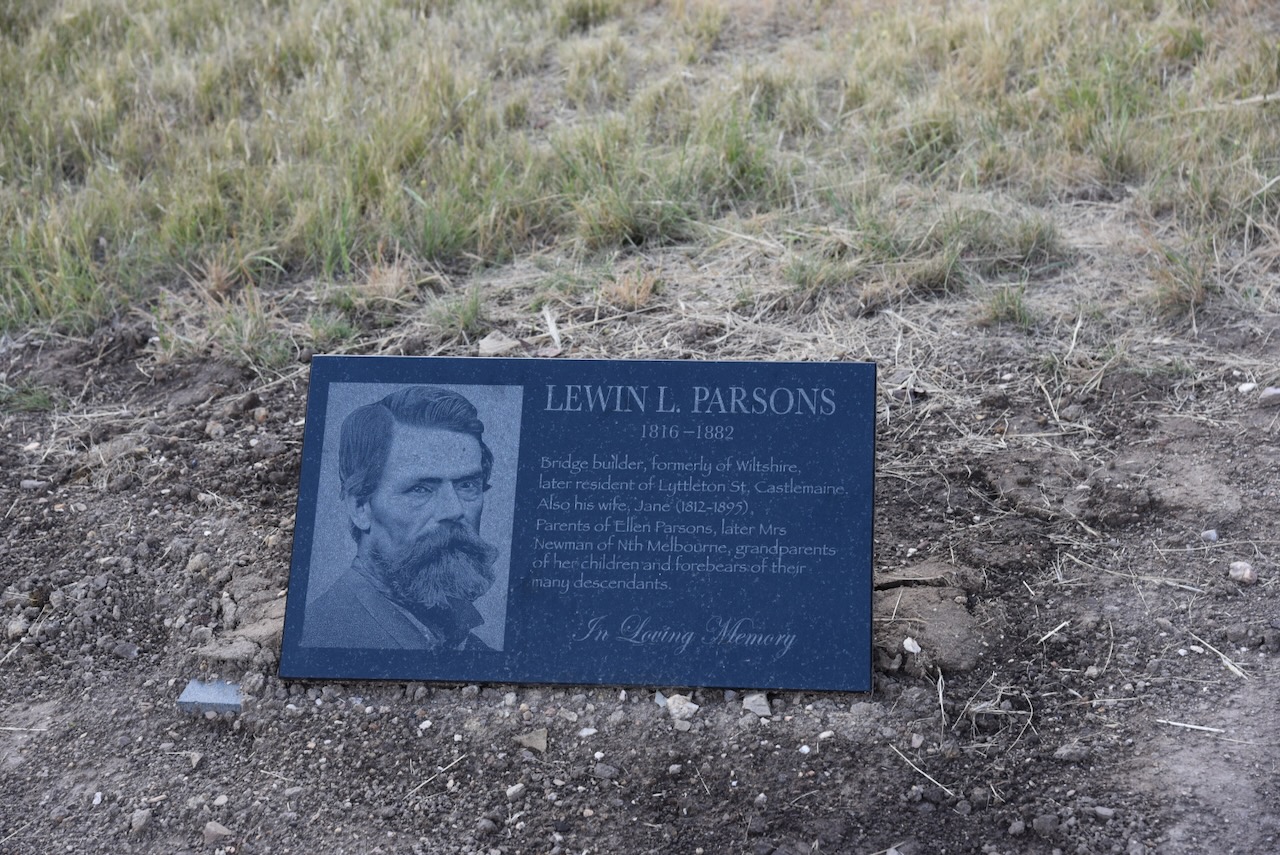
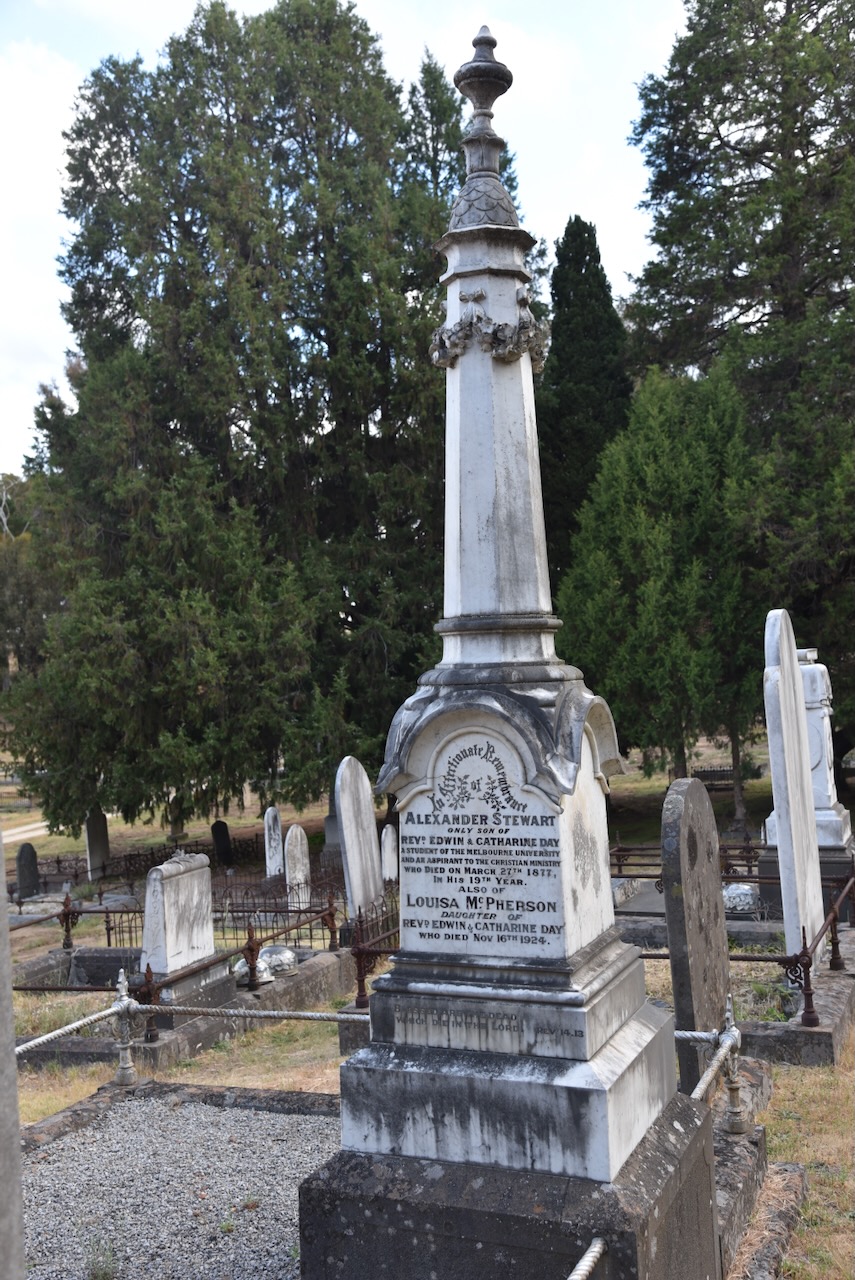
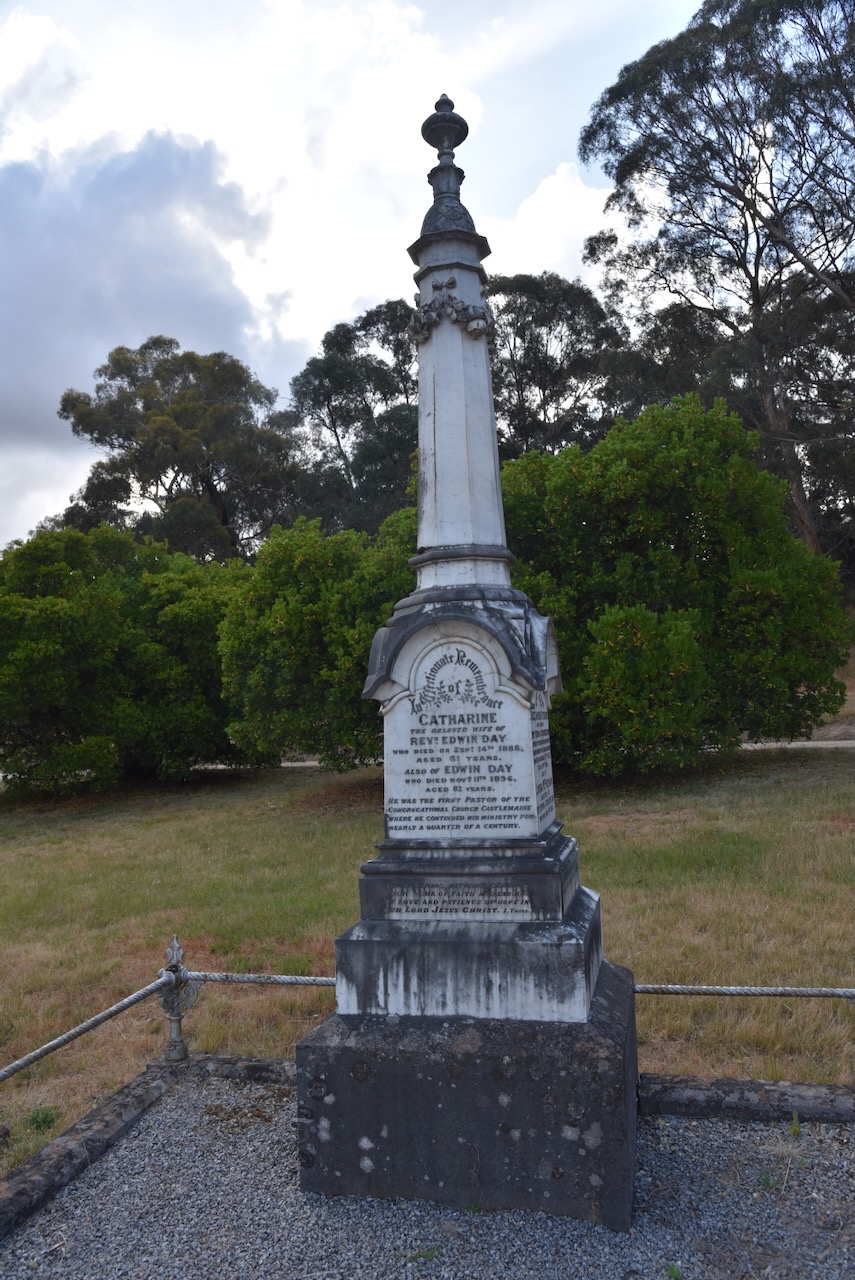

The Castlemaine cemetery contains a large number of Chinese headstones and a Funerary Tower where offerings were burnt for the departed.
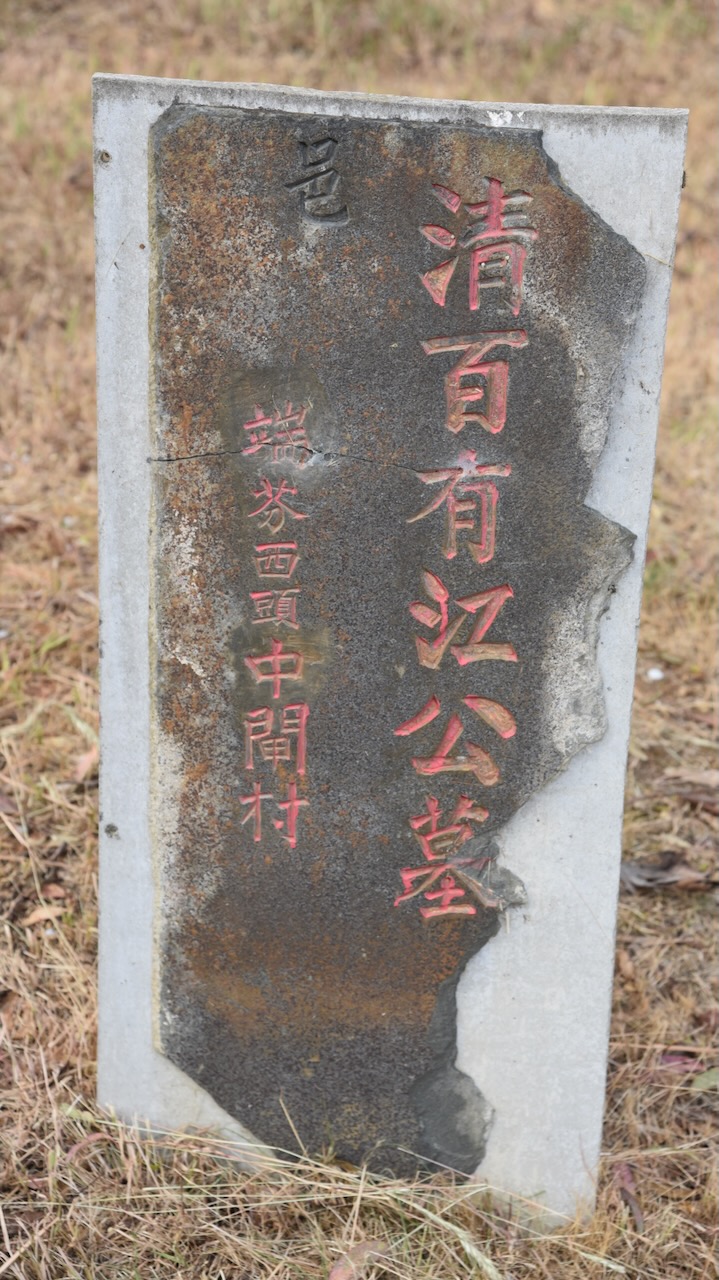


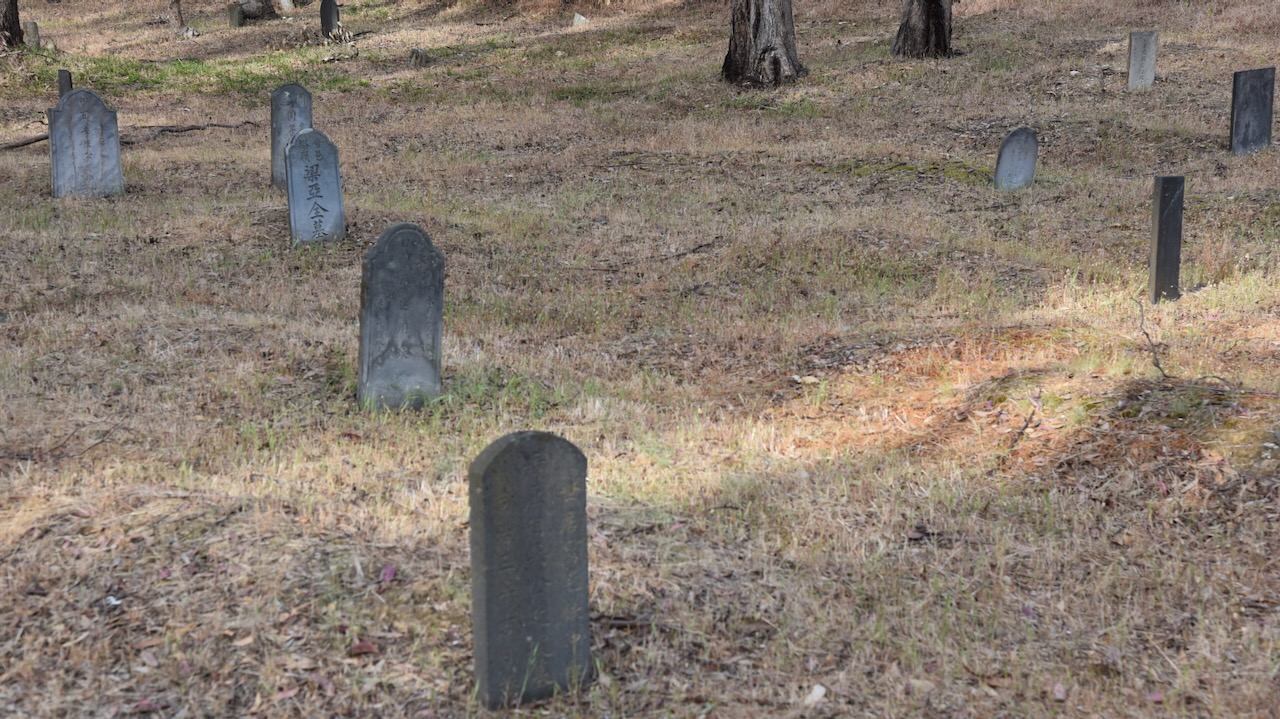
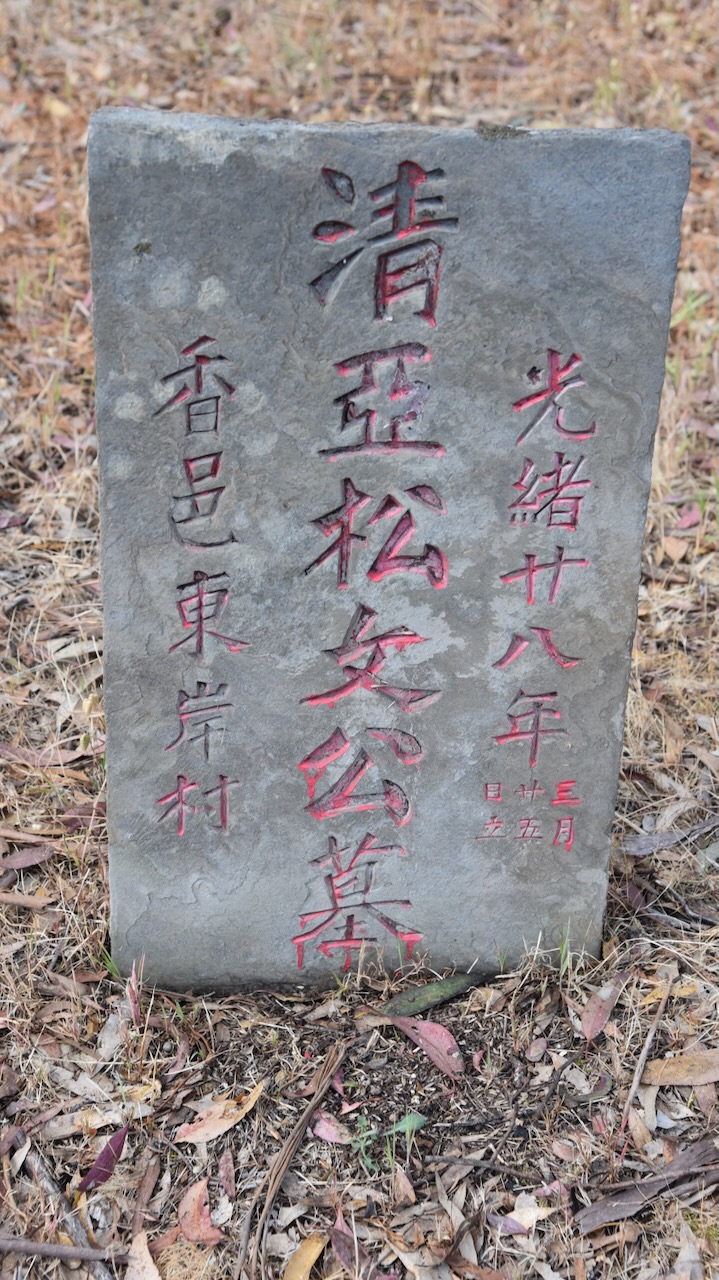


You could easily spend half a day wandering around the cemetery reading the many historic headstones that tell stories about life in Castlemaine during the 1800s.
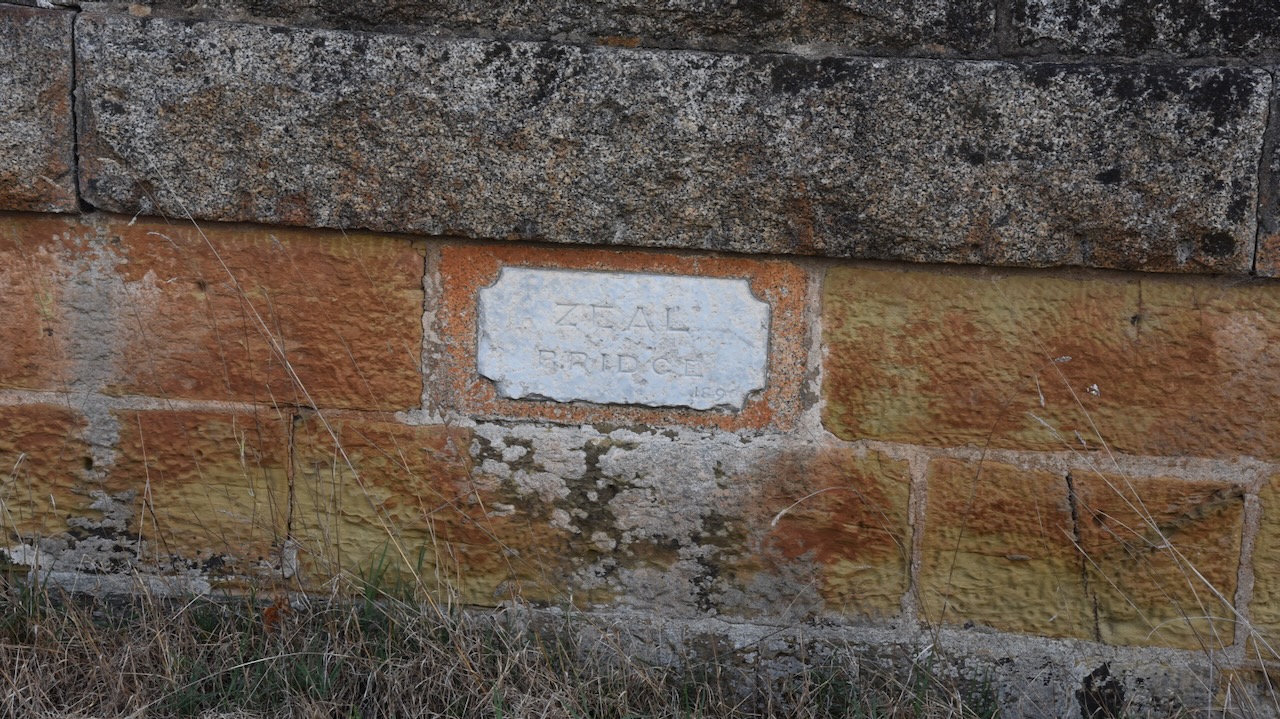
Lewin L. Parsons was born in 1816 in Wiltshire England and died in 1882. He was a bridge builder and resident of Castlemaine.
Edwin Day was born in 1814 and died in 1896. He was the first Pastor of the Congregational Church Castlemaine where he continued his ministry for nearly 25 years.
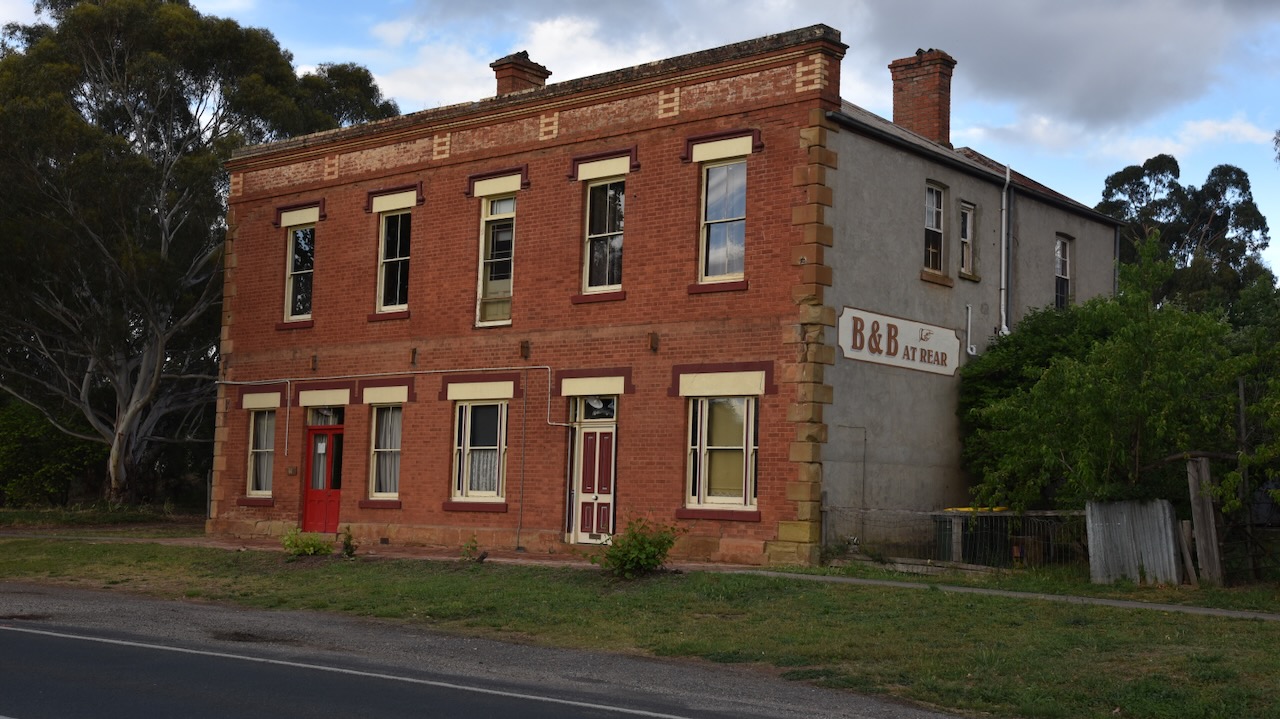
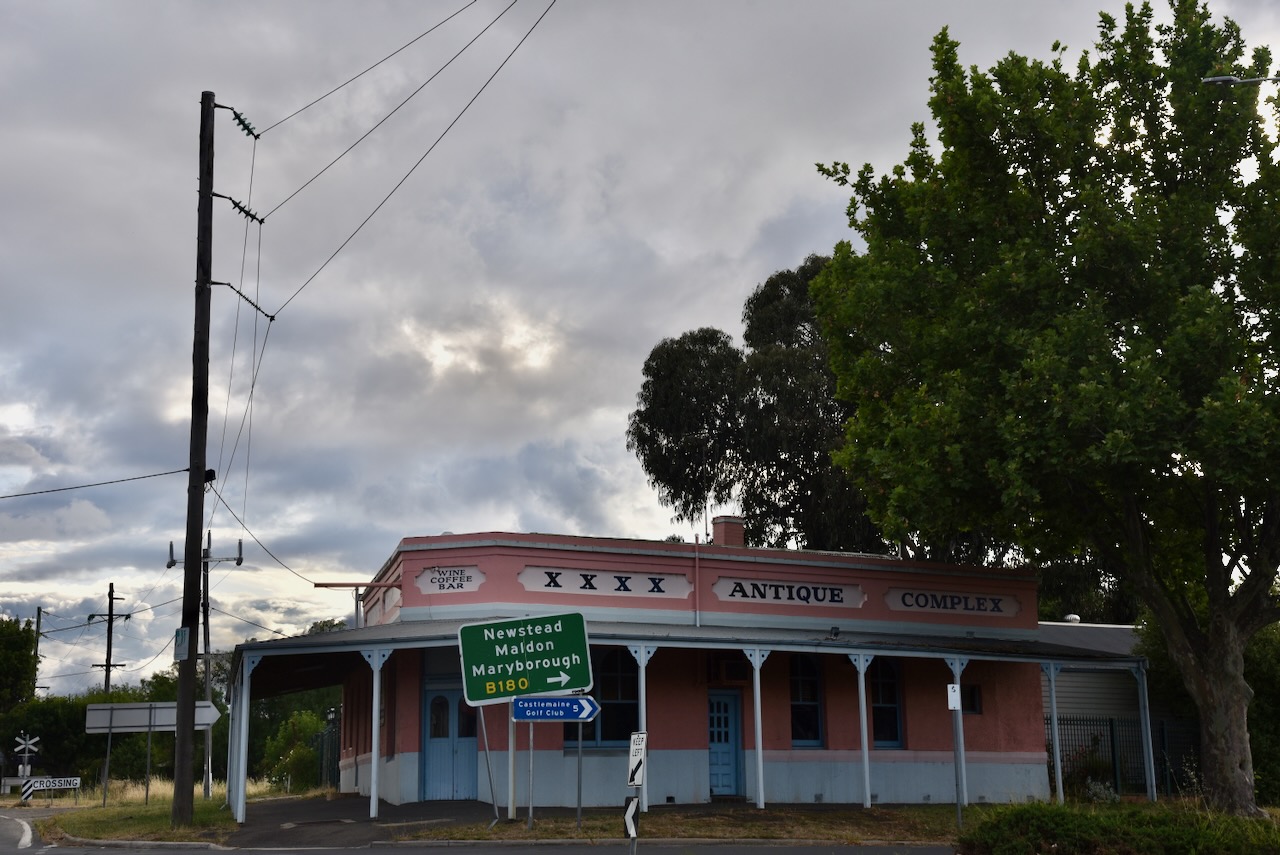
We then drove through Castlemaine quickly, on our way to the Pennyweight Flat cemetery. As we drove through the town we admired several of the historic buildings.



The Pennyweight Flat cemetery was established during the early years of the Mt Alexander gold rush. The cemetery takes its name from the pennyweight, a very small measure of gold. About 200 burials took place between 1852 and 1857. A shortage of water, contaminated water, poor diet and frequent accidents took a heavy toll on those who were living at the gold diggings. Many of these were children, although the cemetery contains the graves of both European and Chinese miners. Many of the graves are simple and consist of built-up loose rock. Many of those buried here were uncoffined and buried in shallow graves. (Heritage Council Victoria 2024)


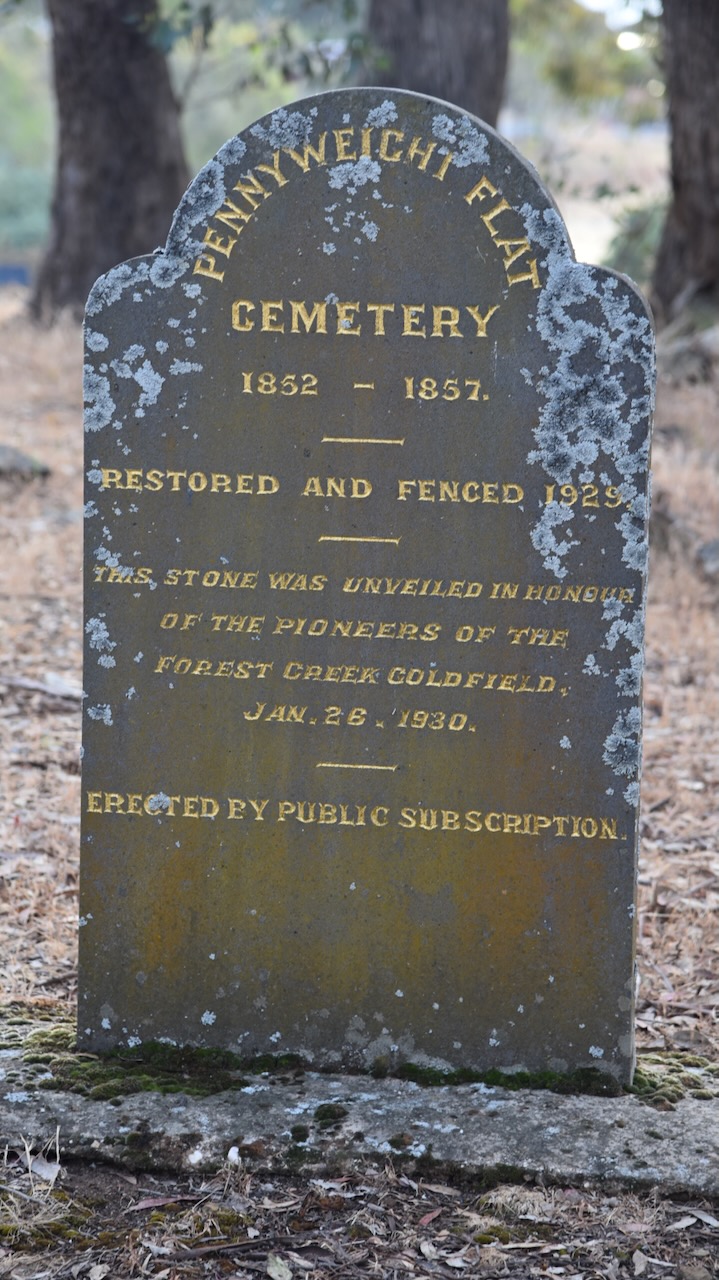


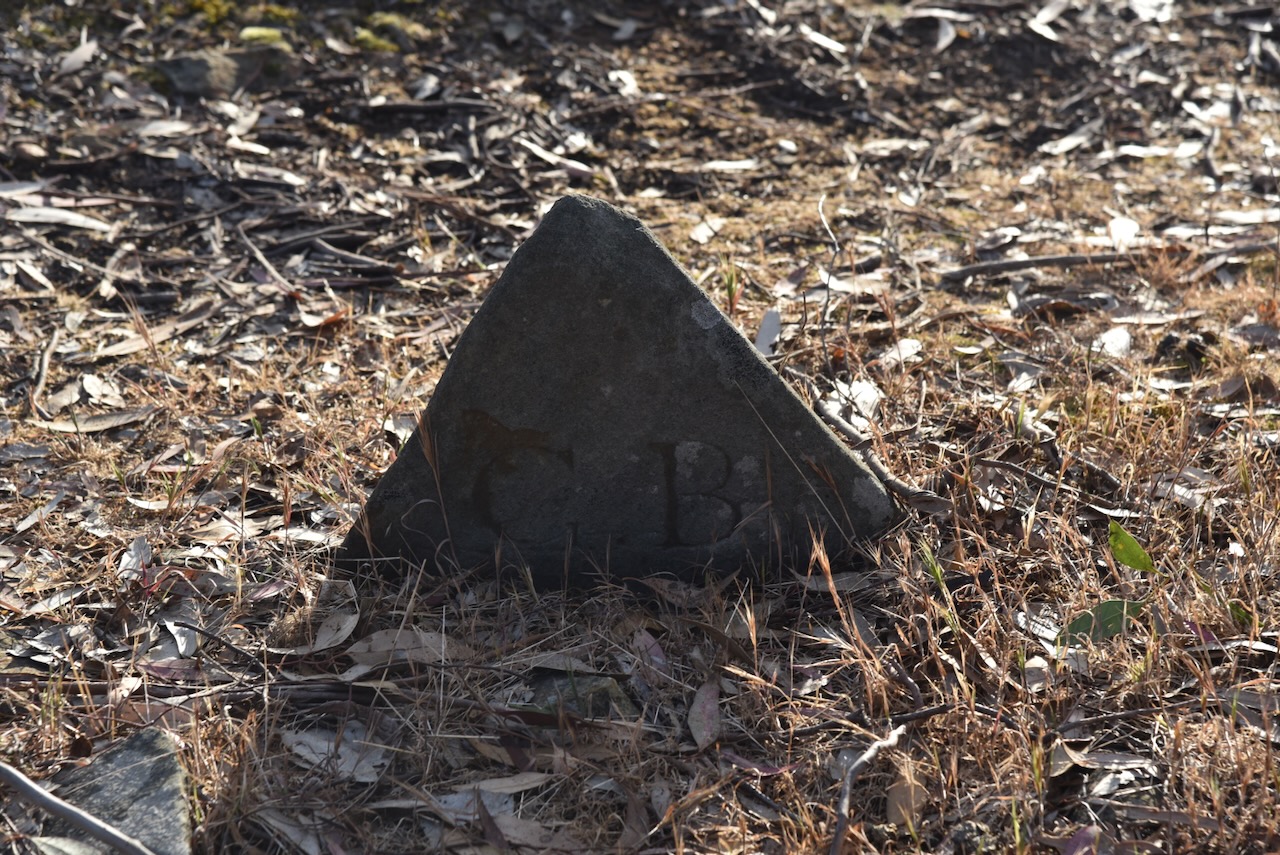

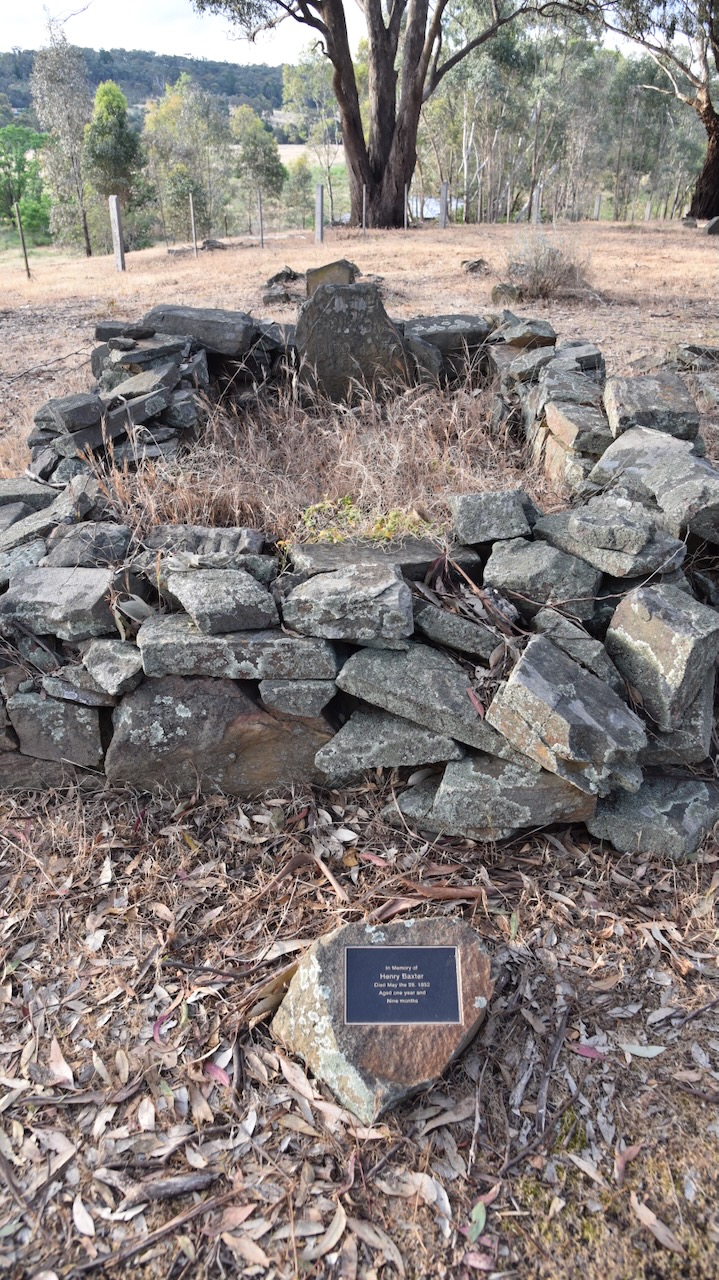

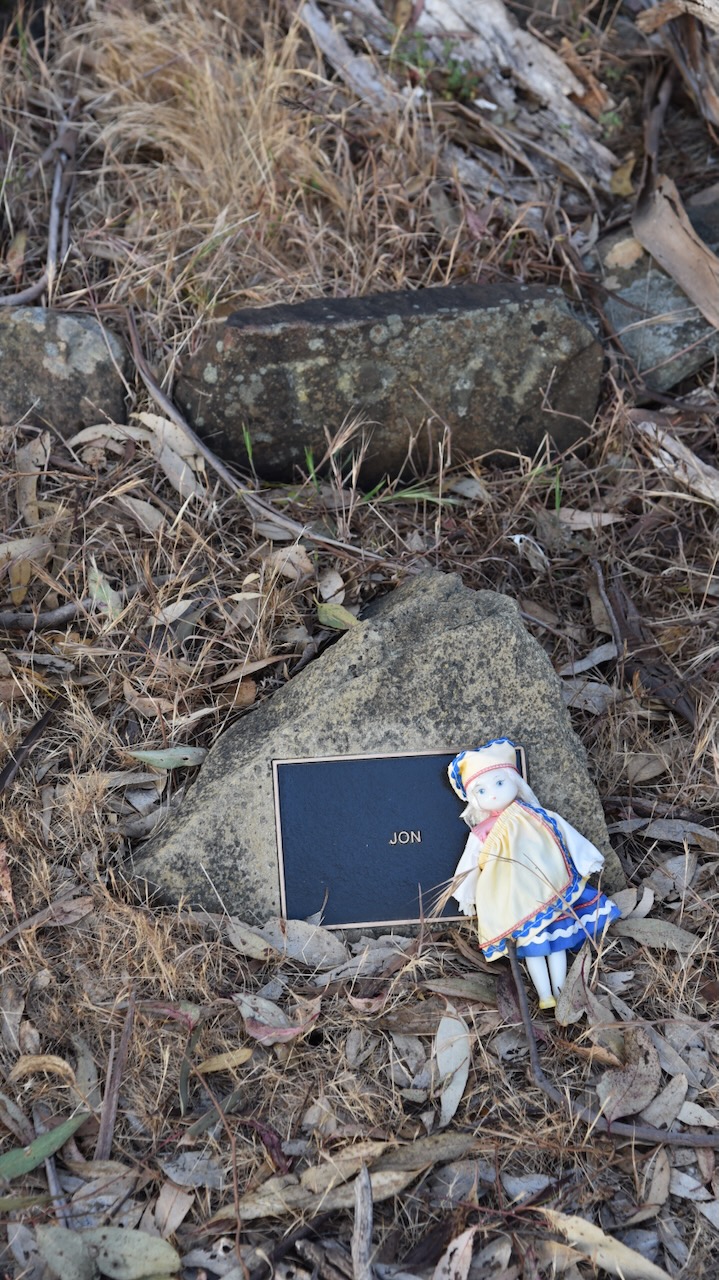


We then visited the Forest Creek Historic Gold Diggings site. Unfortunately, the information boards were undergoing maintenance/replacement during our visit.


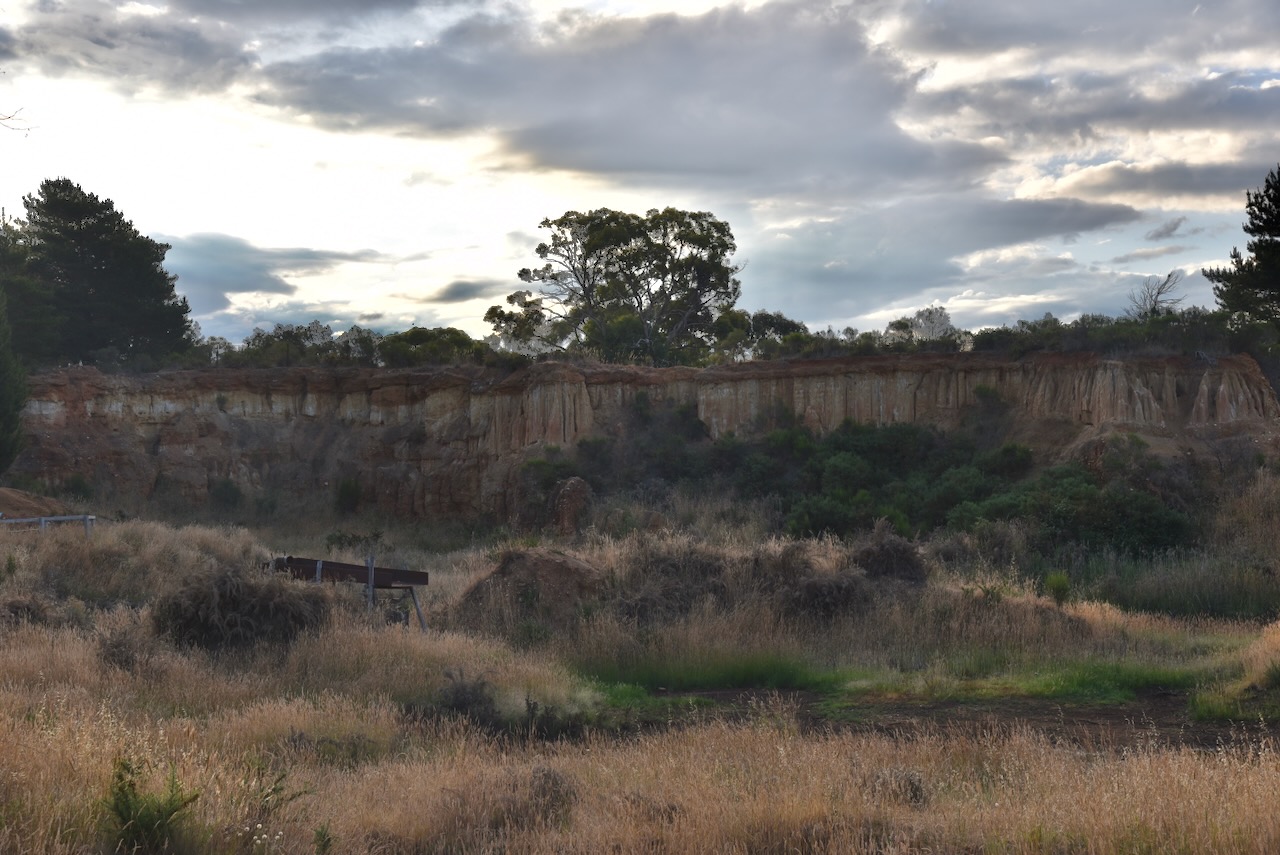


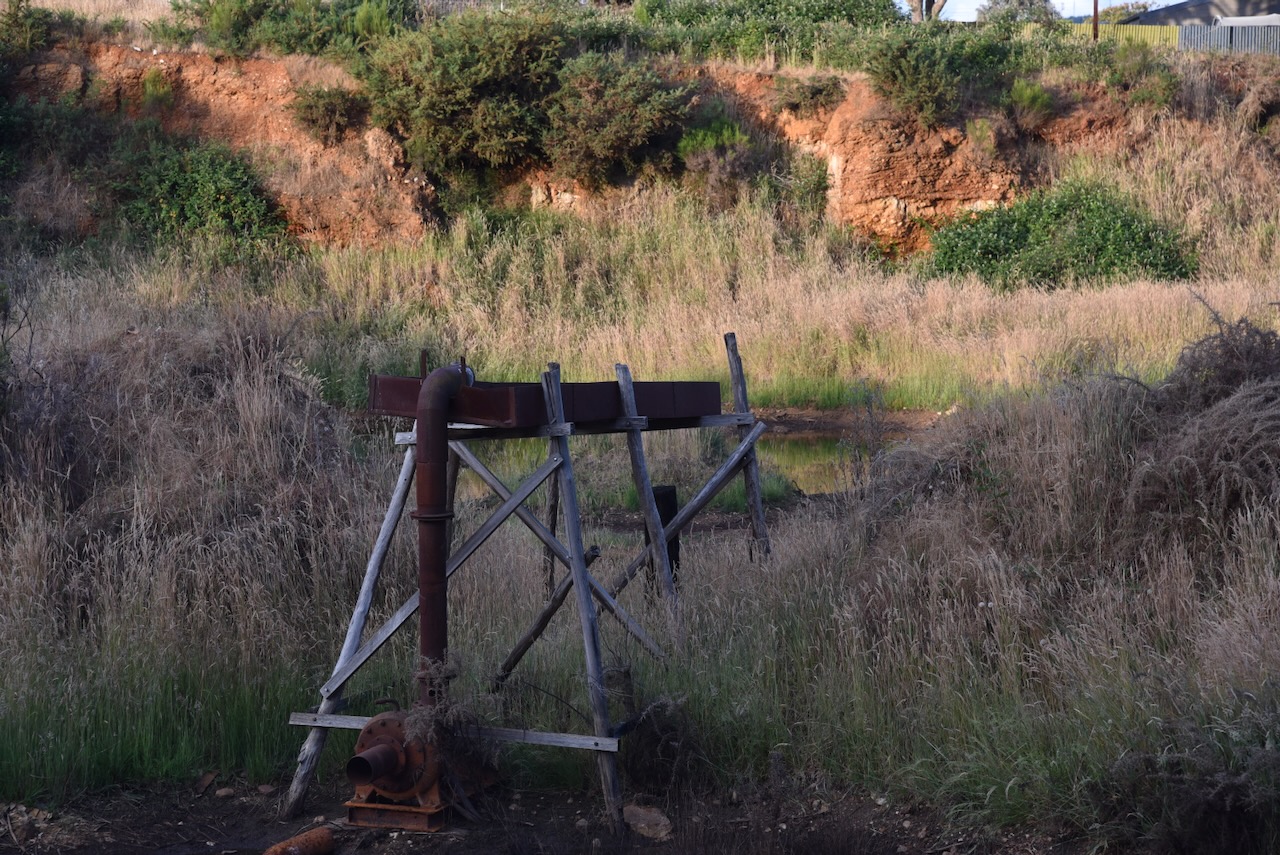

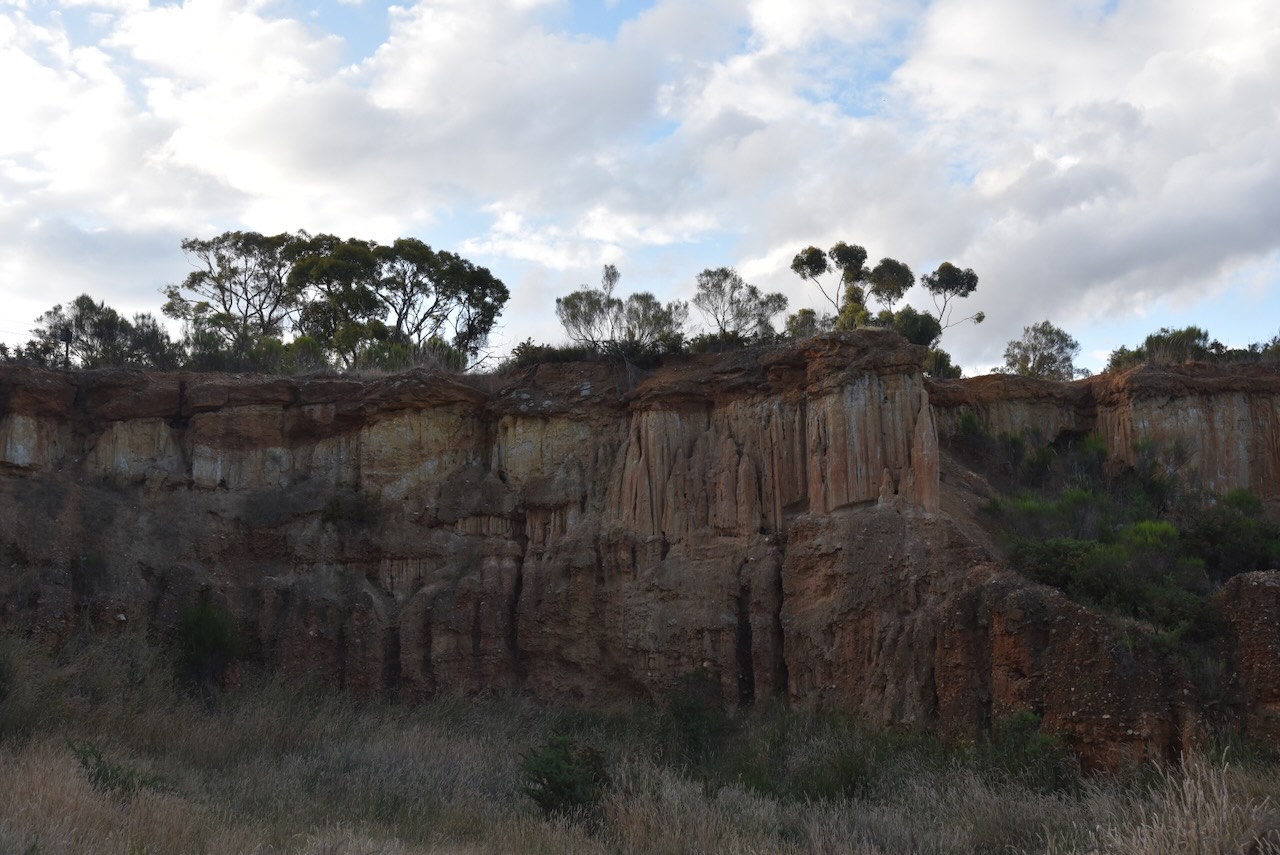


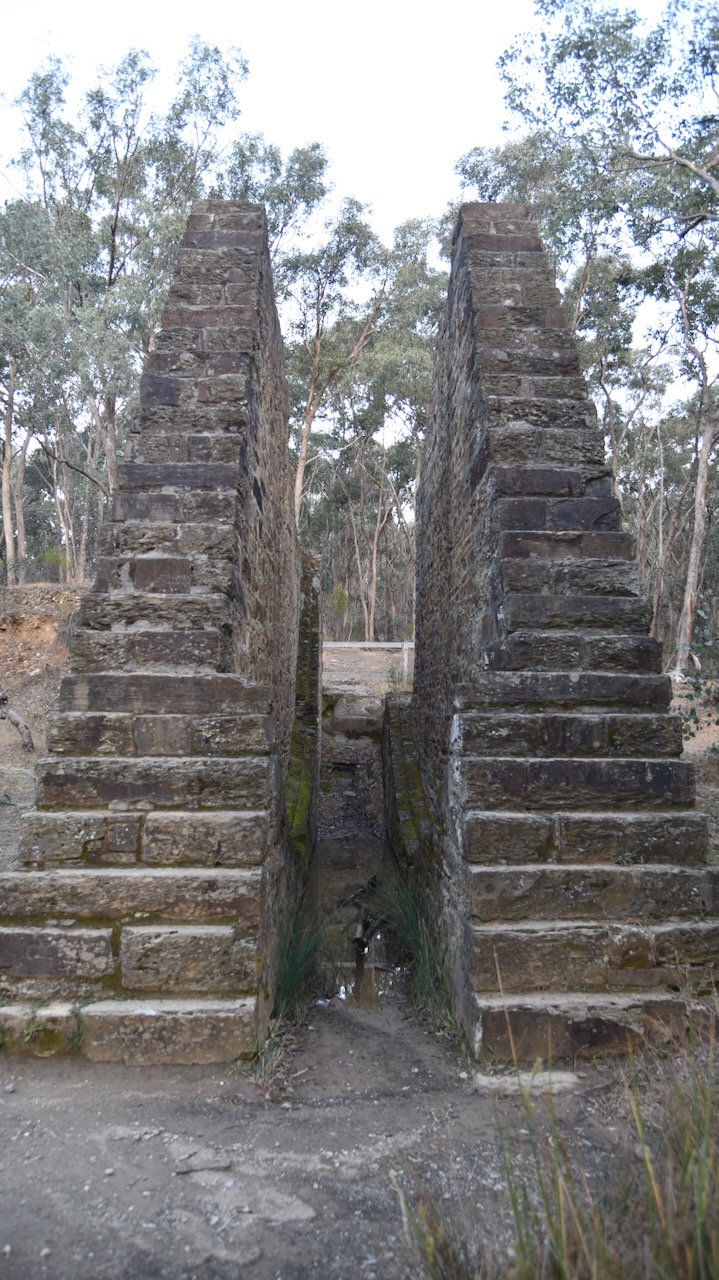
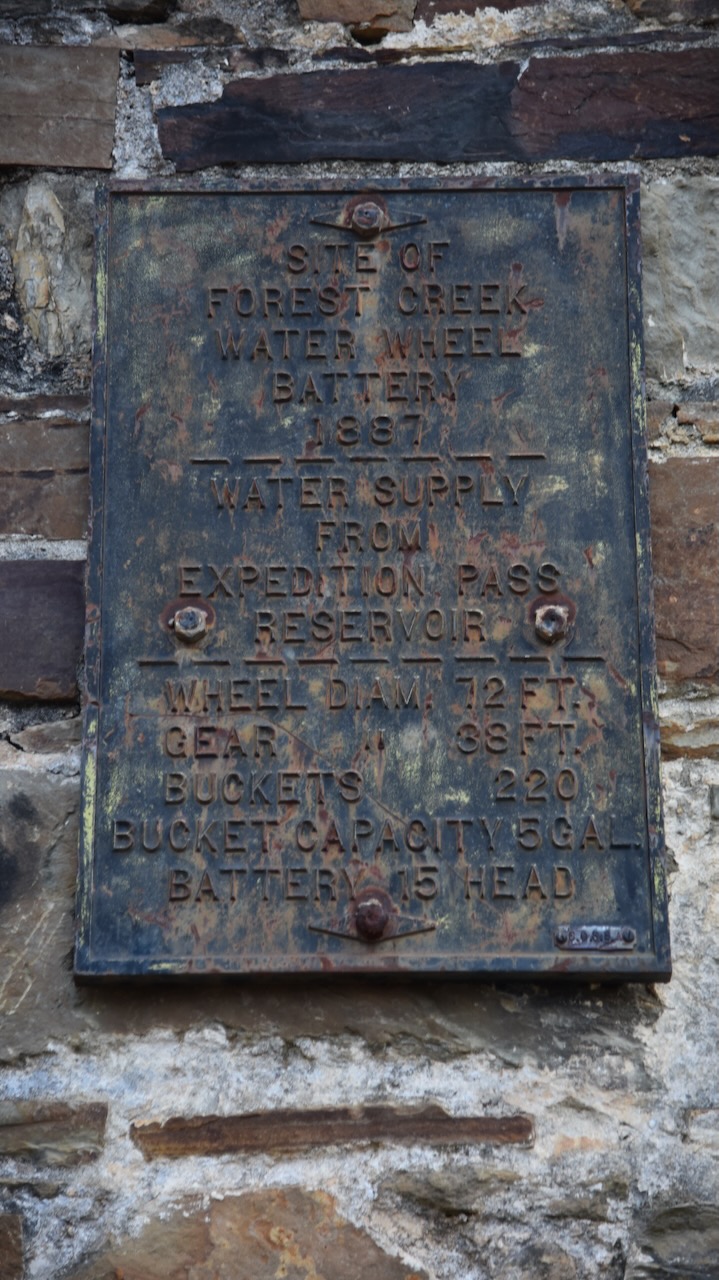
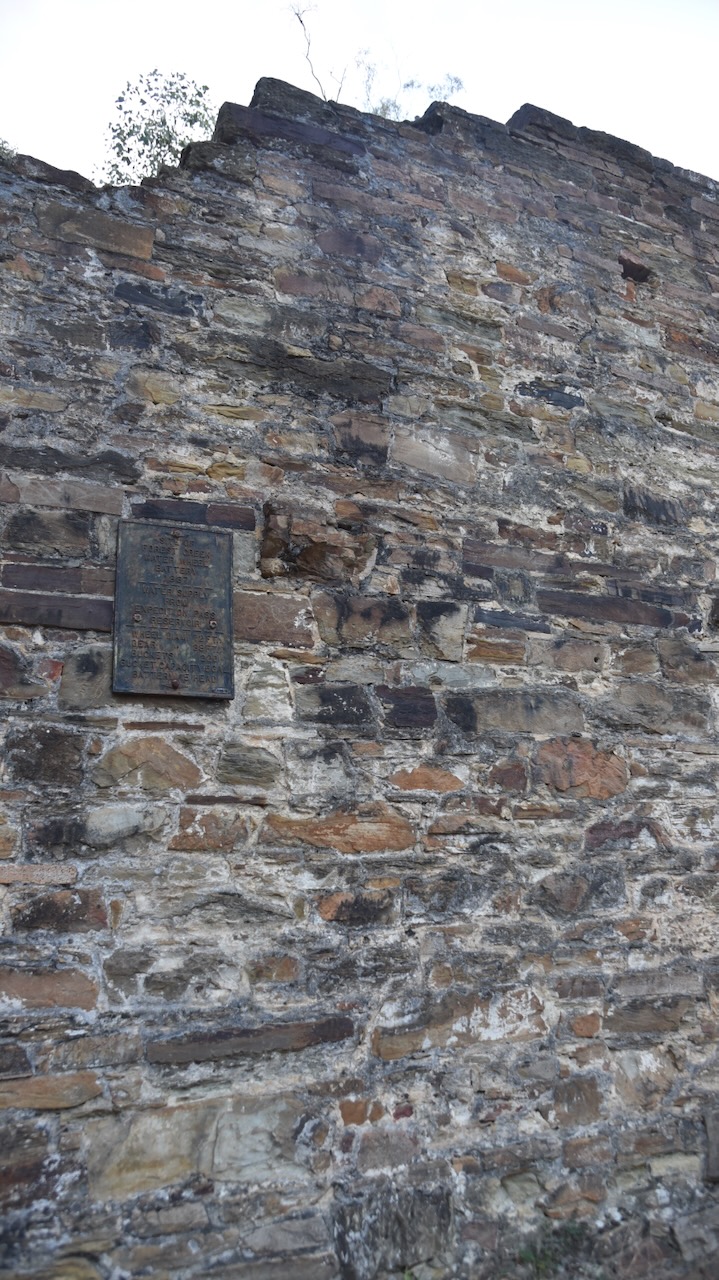
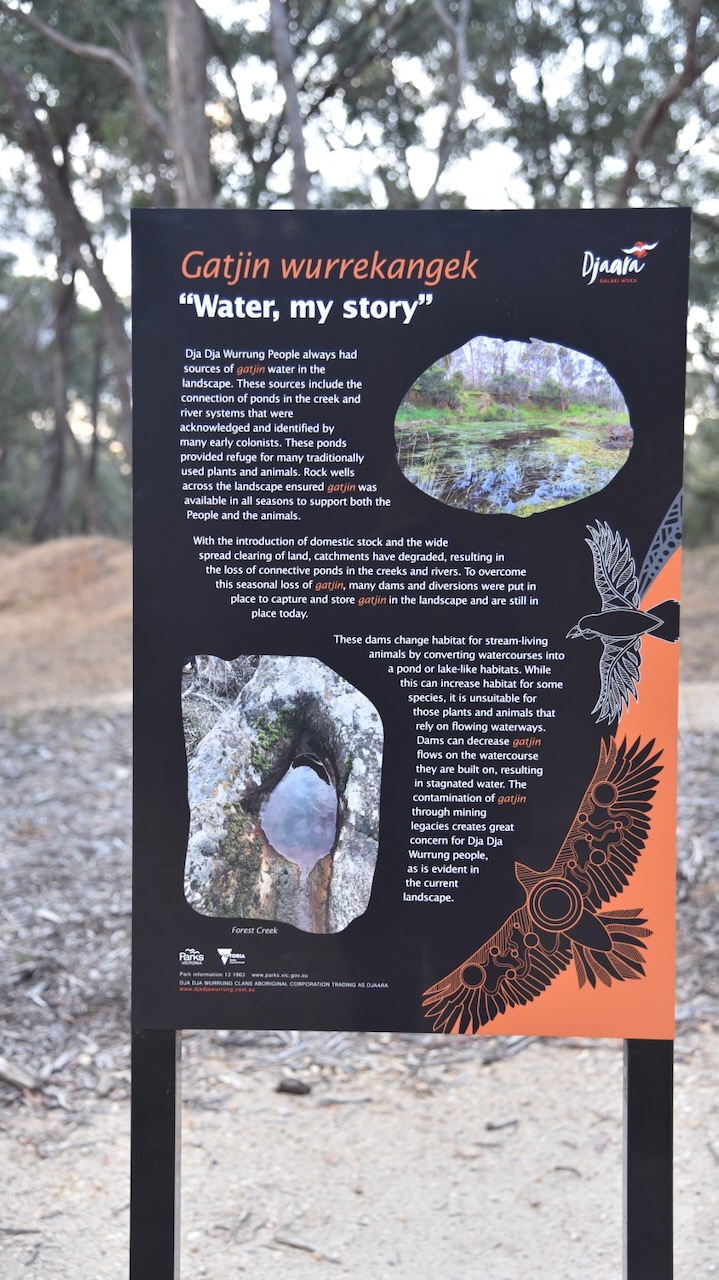
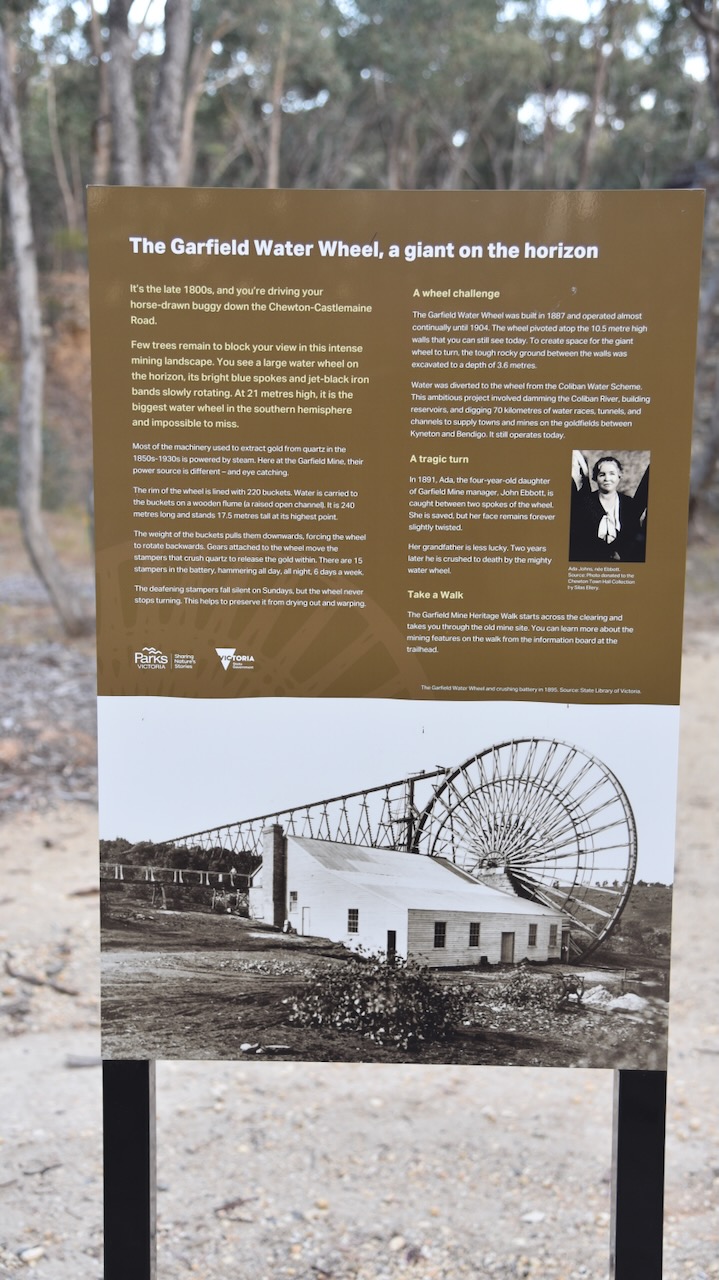
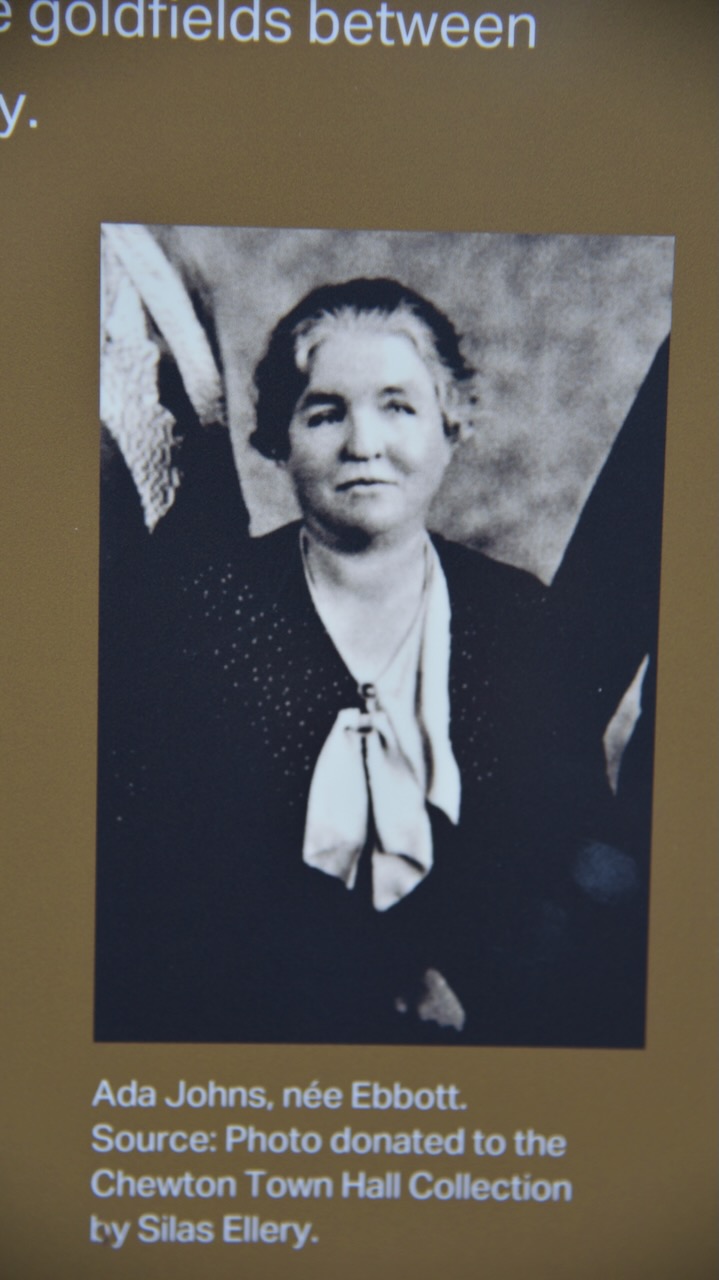
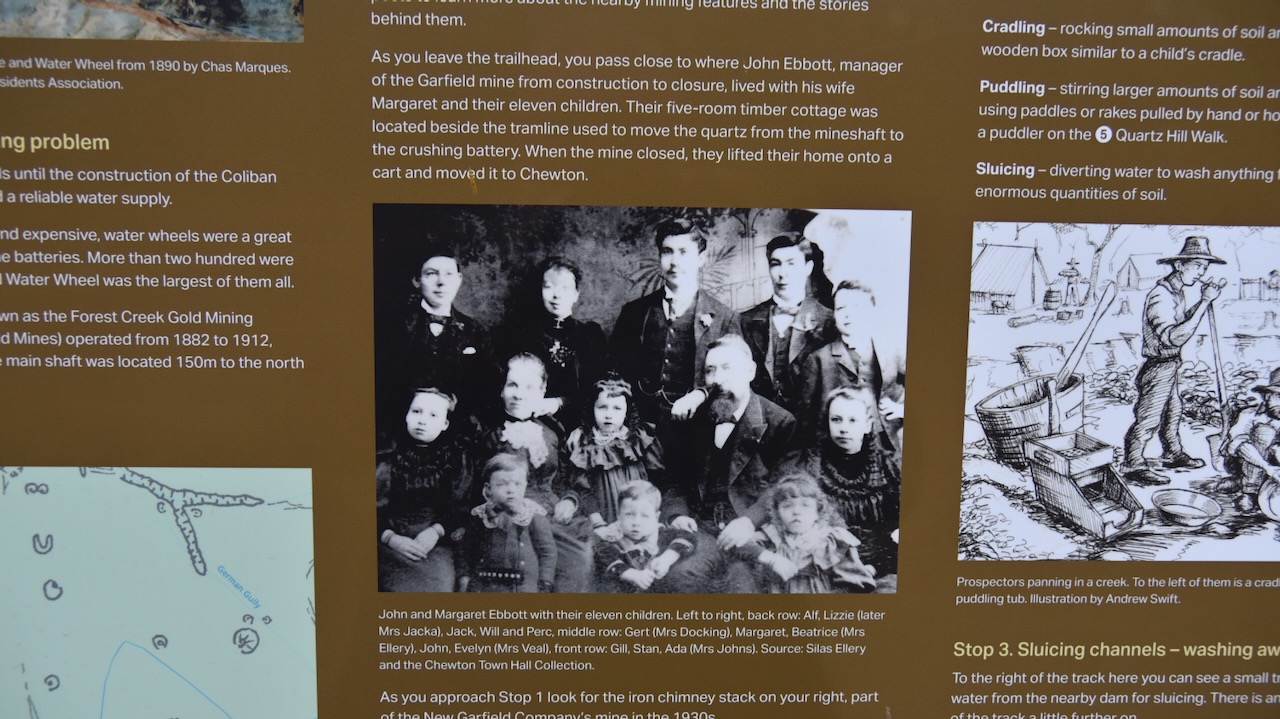
Our next stop was the Garfield Water Wheel at Chewton. The water wheel is believed tot the largest in the southern hemisphere, the wheel having a diameter of 22 metres. It was in operation between 1887 and 1903 to power the stamp battery for the mine. (Gold Fields Guide 2024)






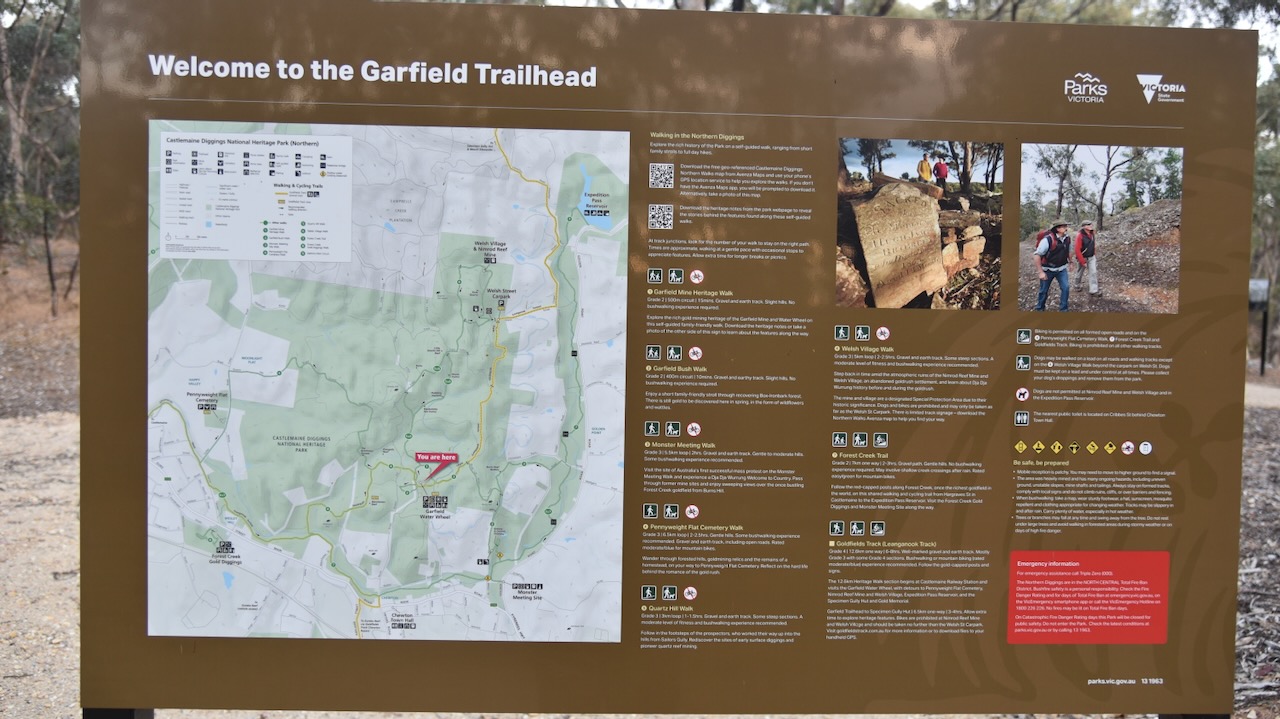

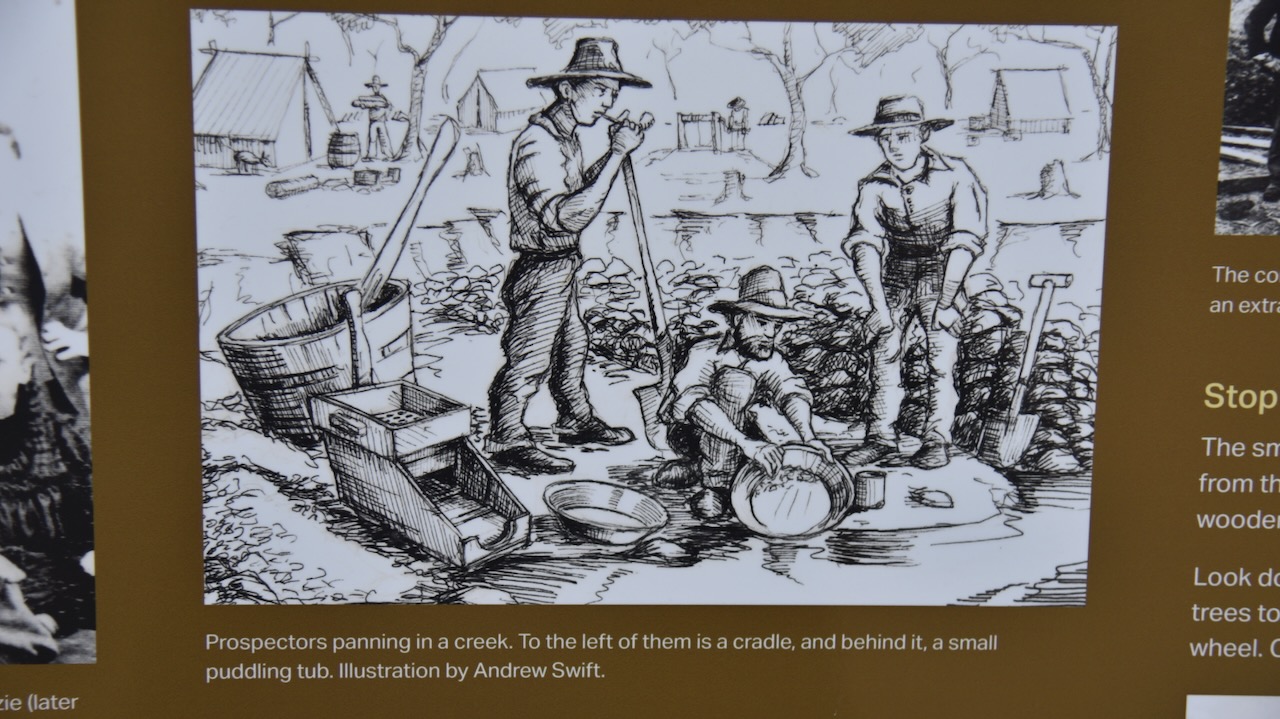

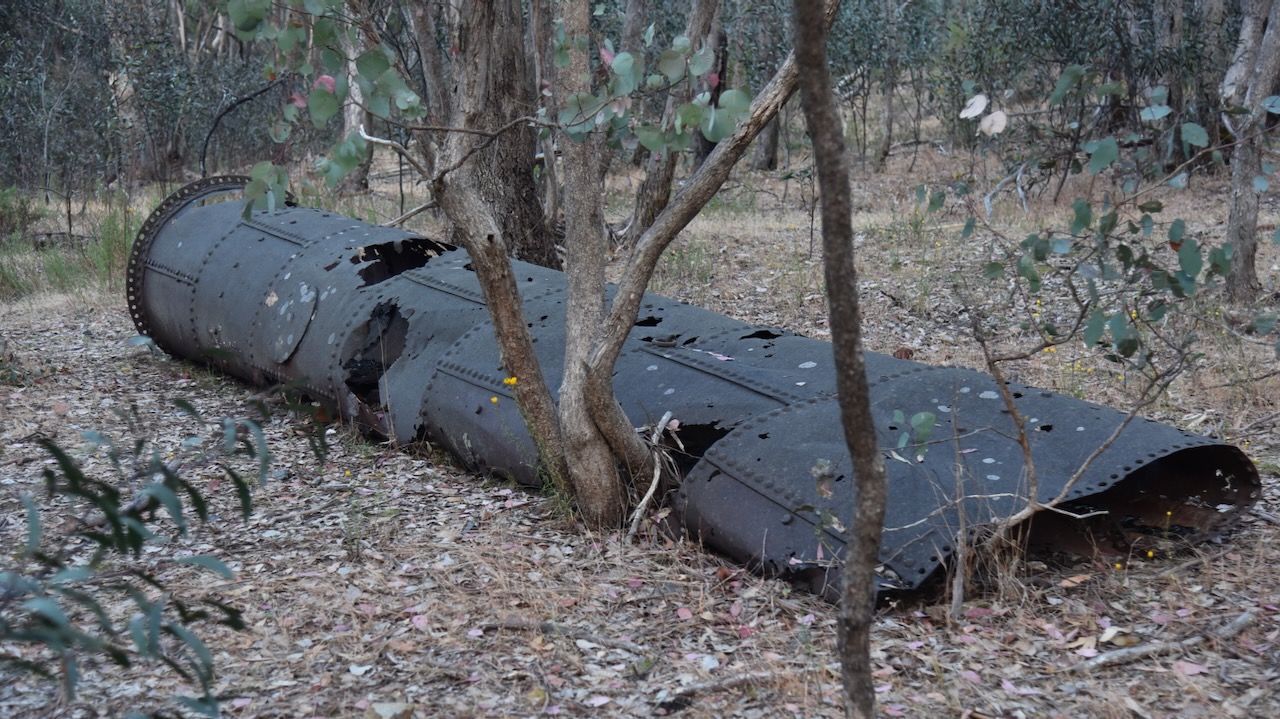
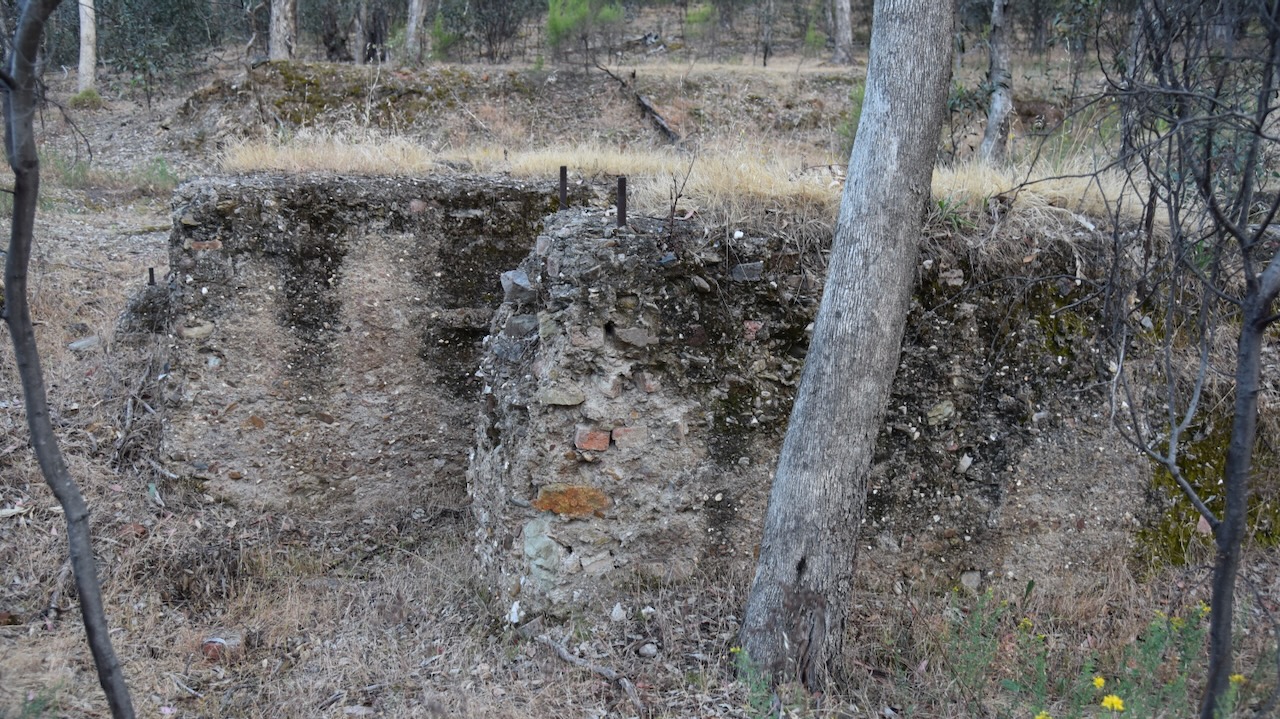
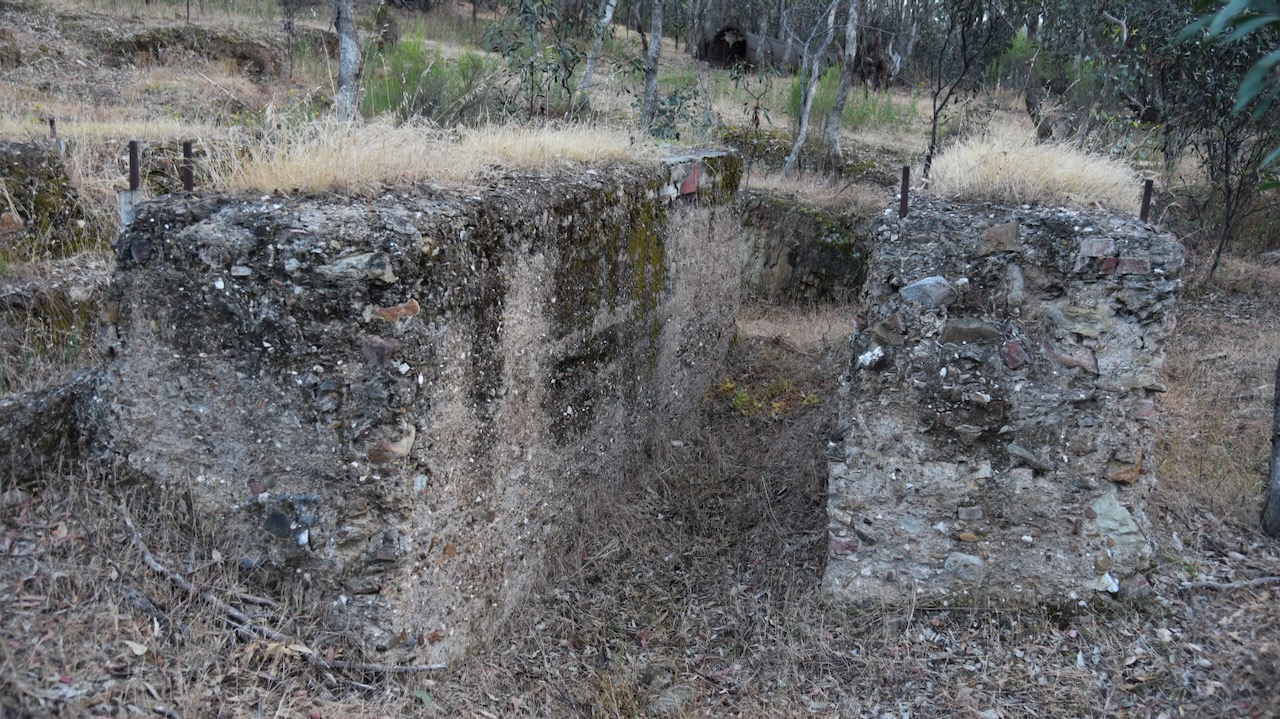
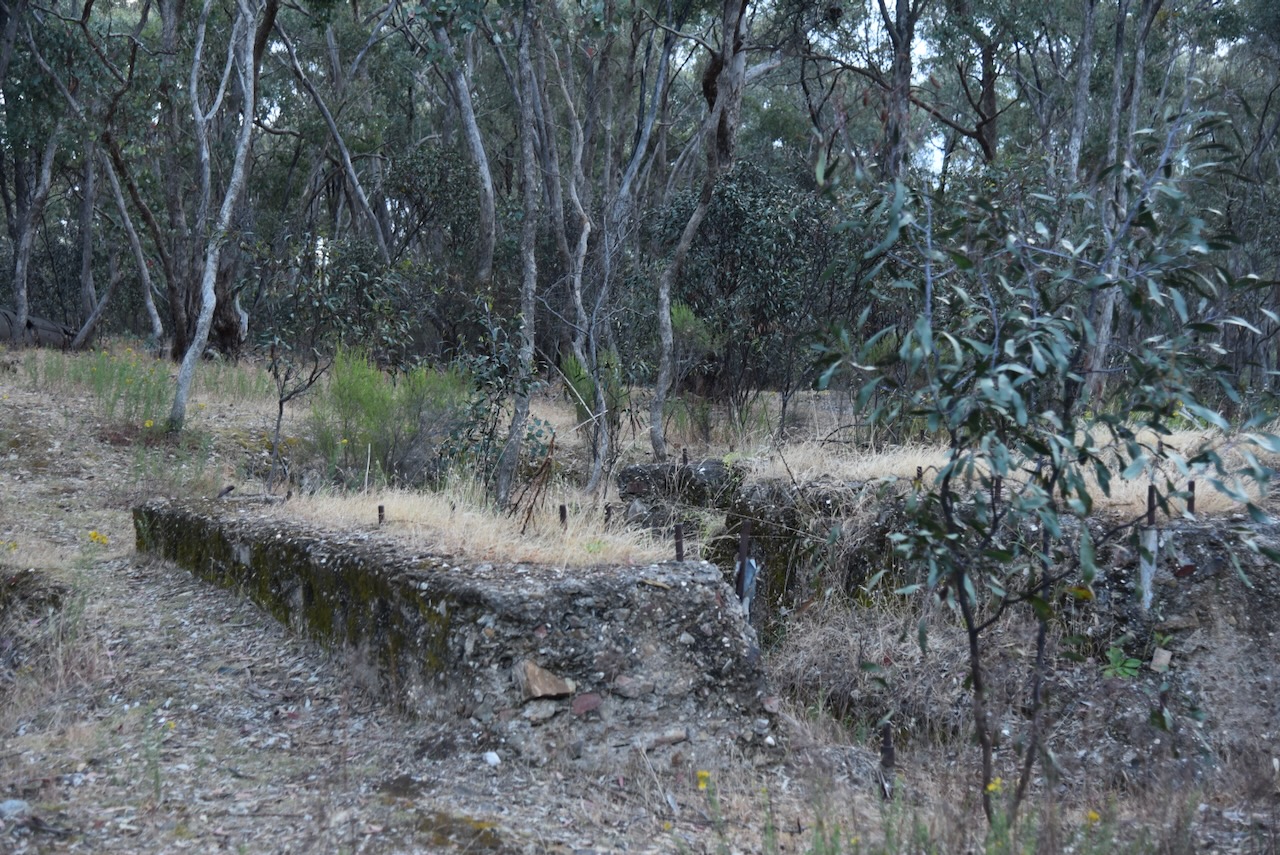


It was then off to the Monster Meeting Site. No, not ghoulish monsters, but the site where thousands of miners gathered to protest the prospecting price.


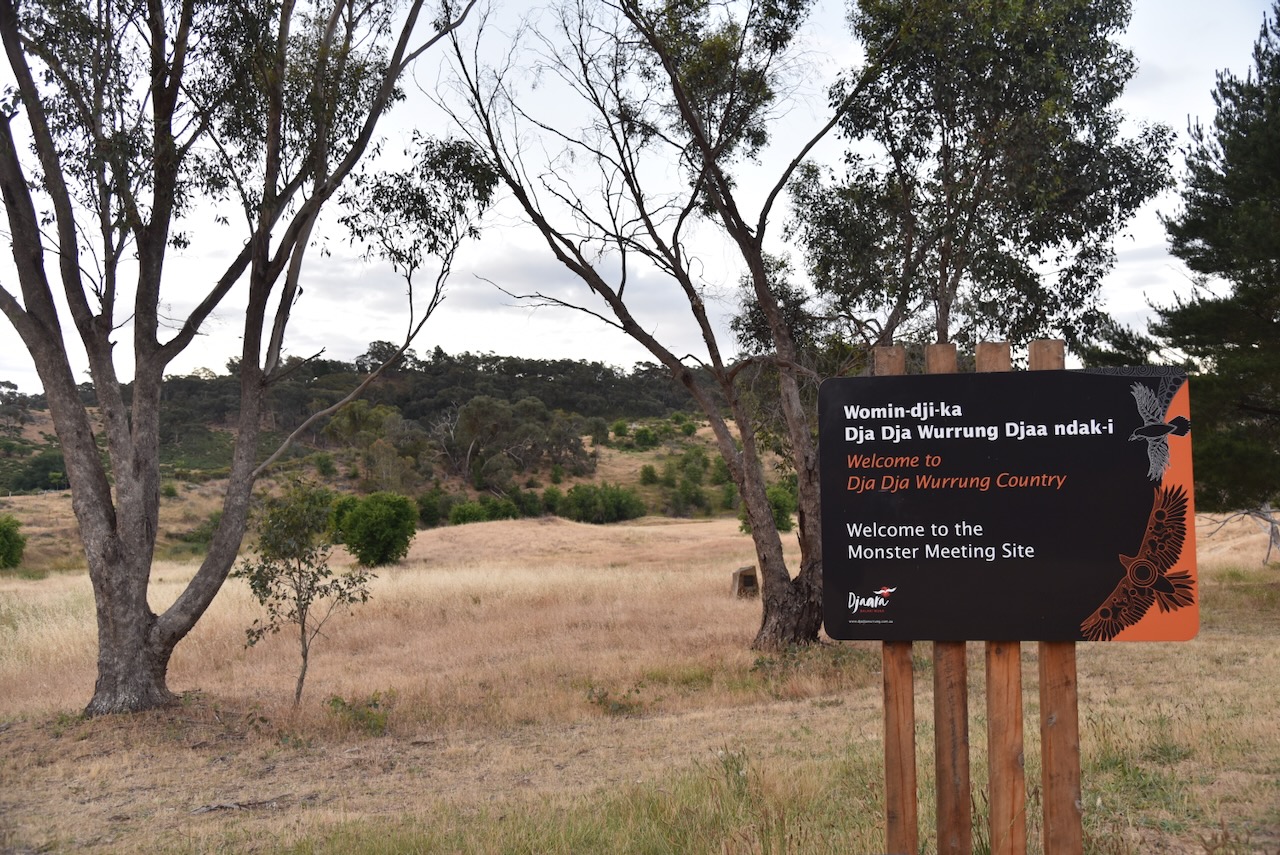

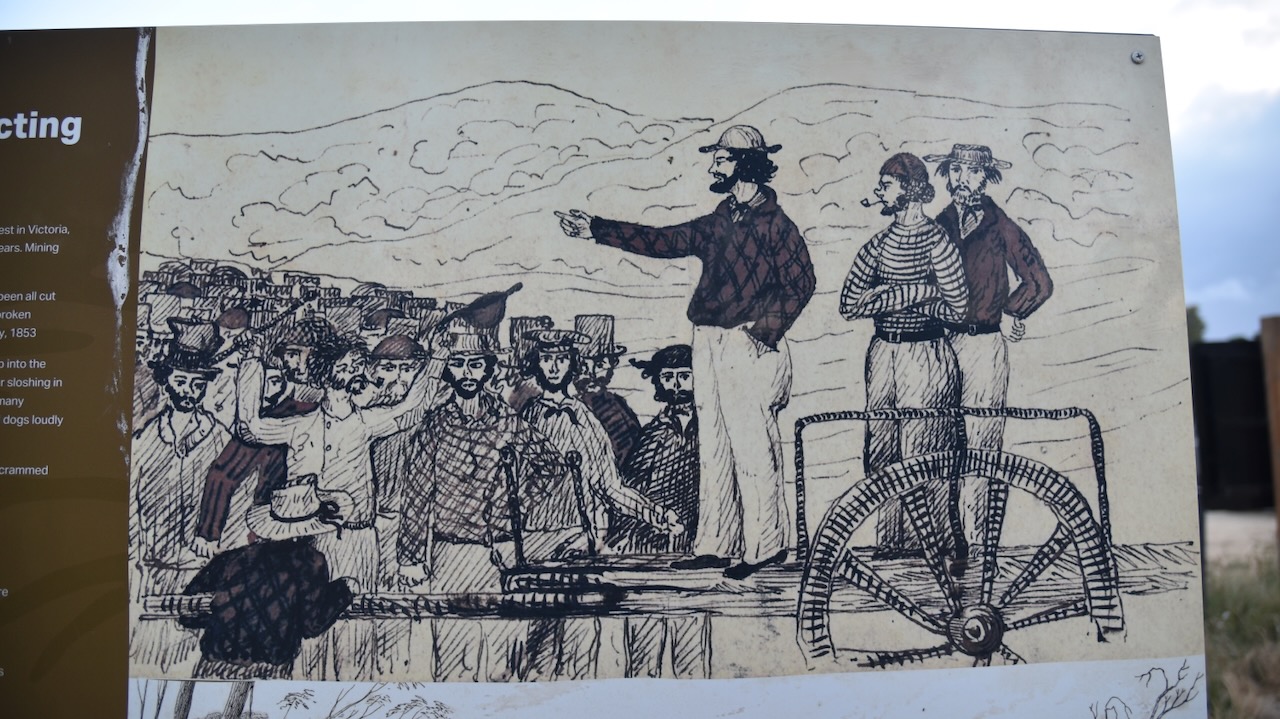

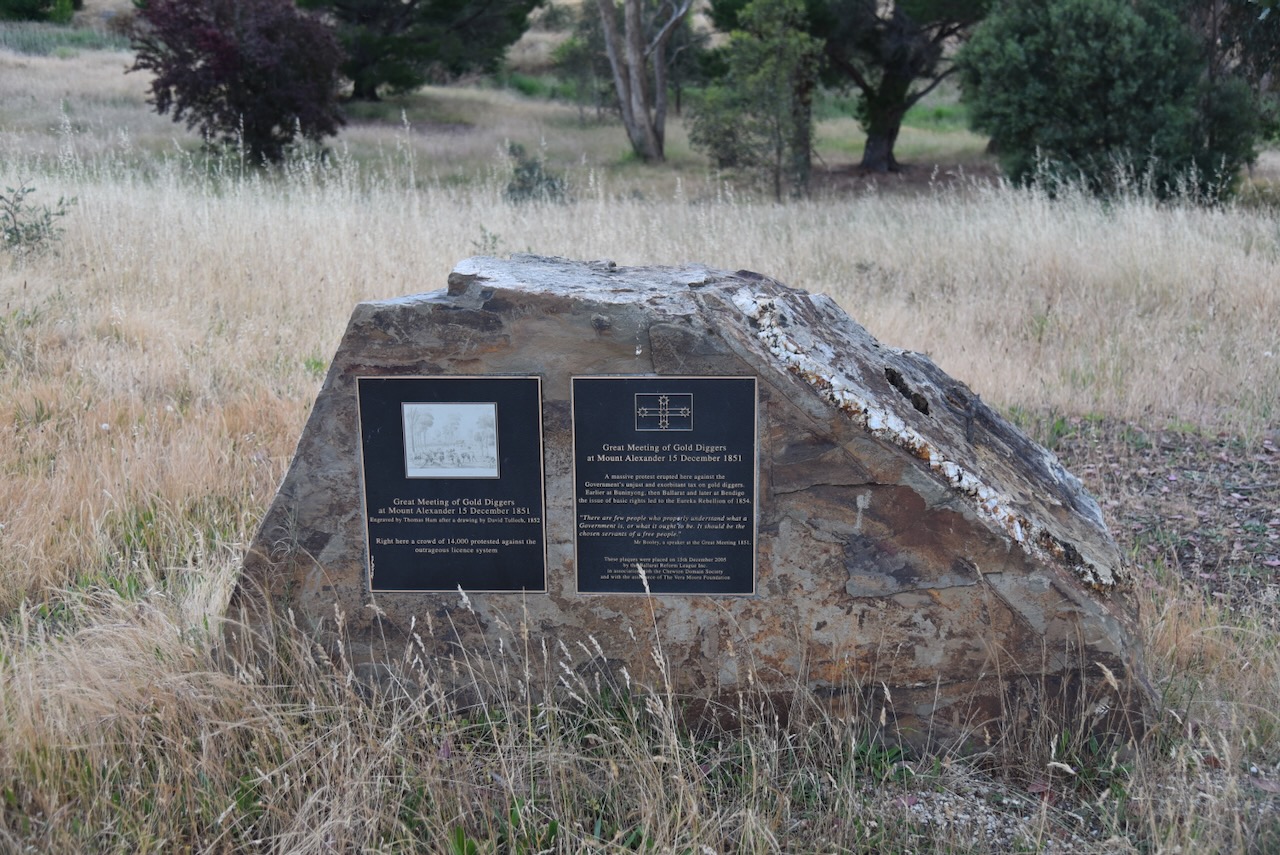

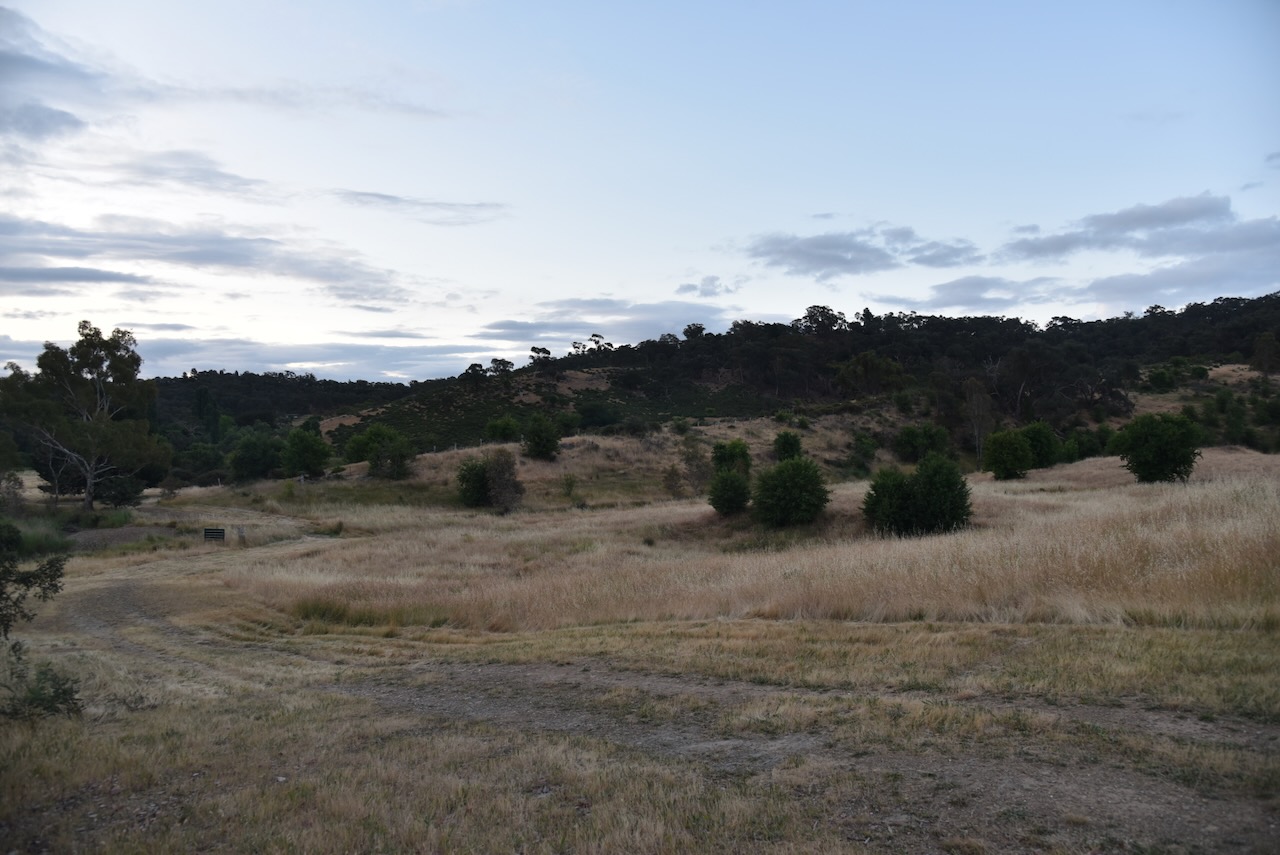
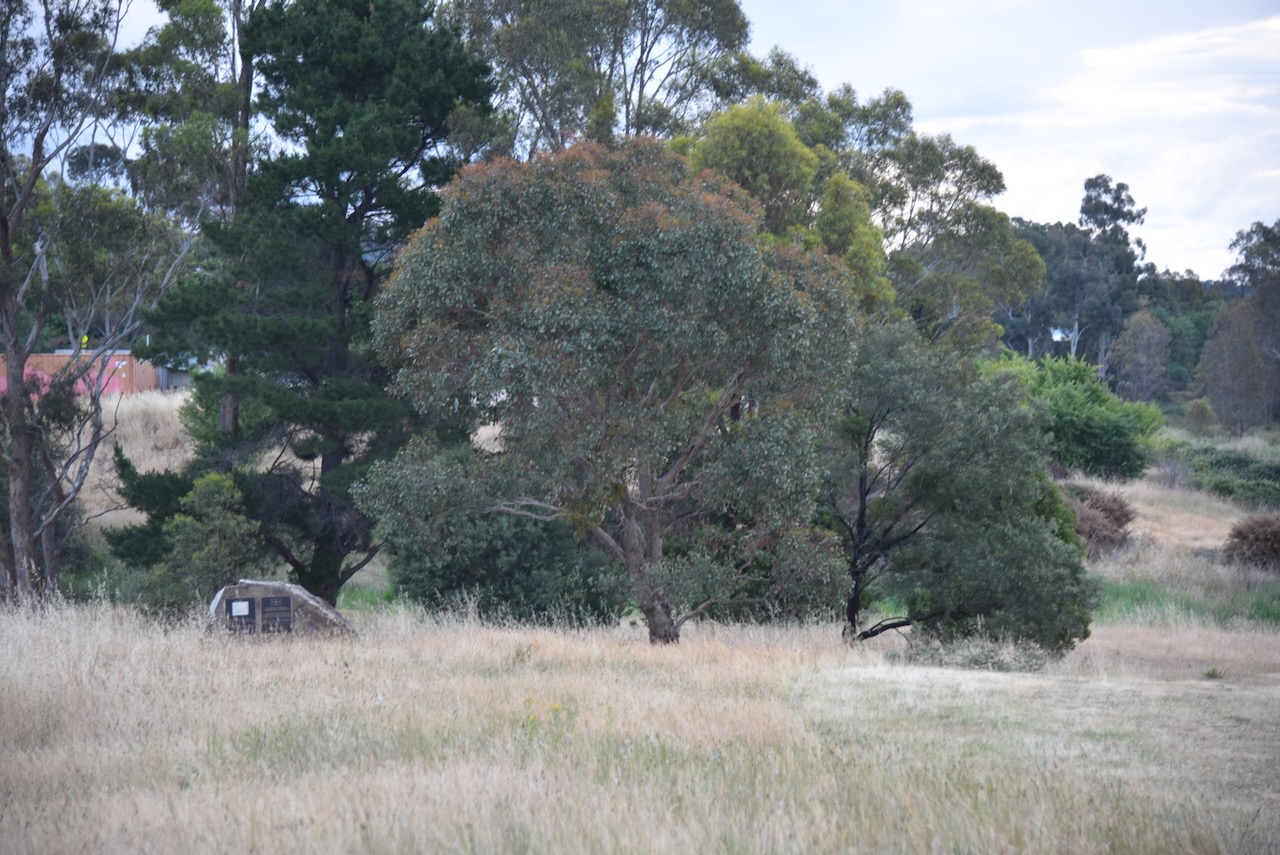
Below is a short video on the Forest Creek Monster Meeting.
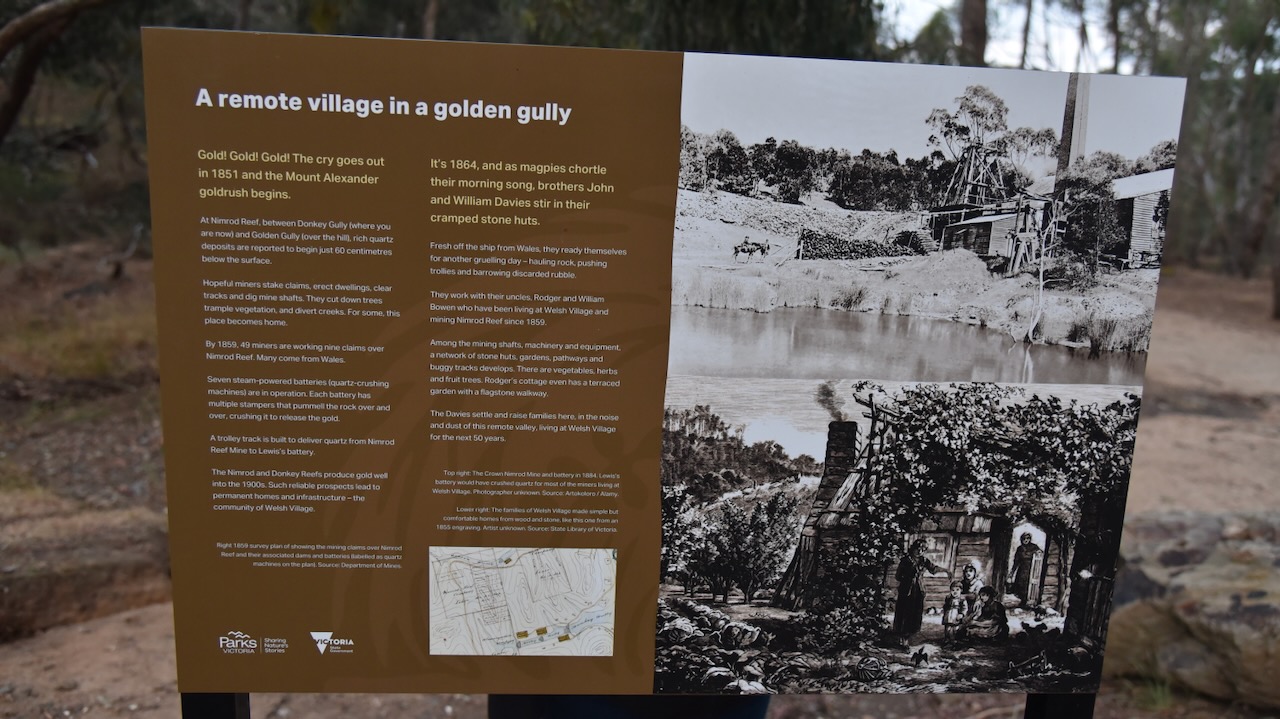
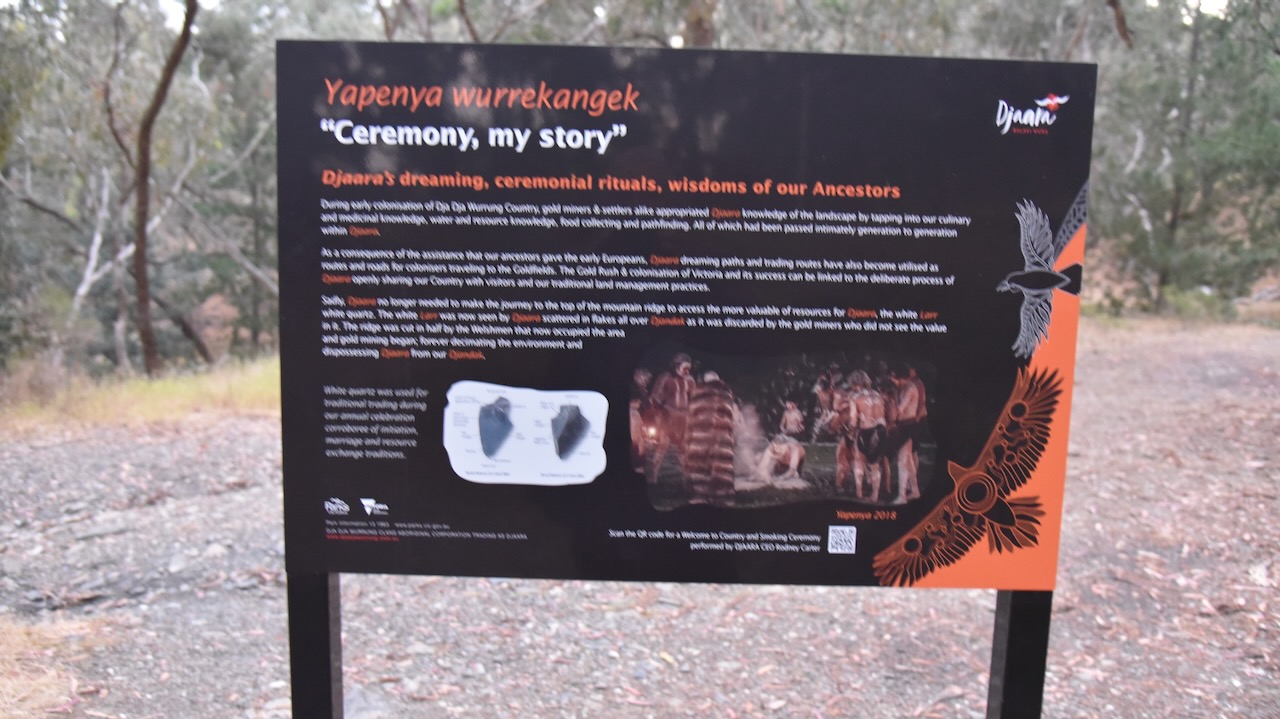
Our next stop was the Nimrod Reef Mine and Welsh Village. By 1859, 49 miners were working 9 claims over Nimrod Reef. Many of these miners had come from Wales. Welsh Village was established. Seven steam-powered batteries were in operation. Each battery had multiple stampers that pummelled the rock over and over, causing it to release the gold. A trolley track was built to deliver quartz from Nimrod Reef Mine to Lewis’ battery. The Nimrod and Donkey Reefs produced gold well into the 1900s.






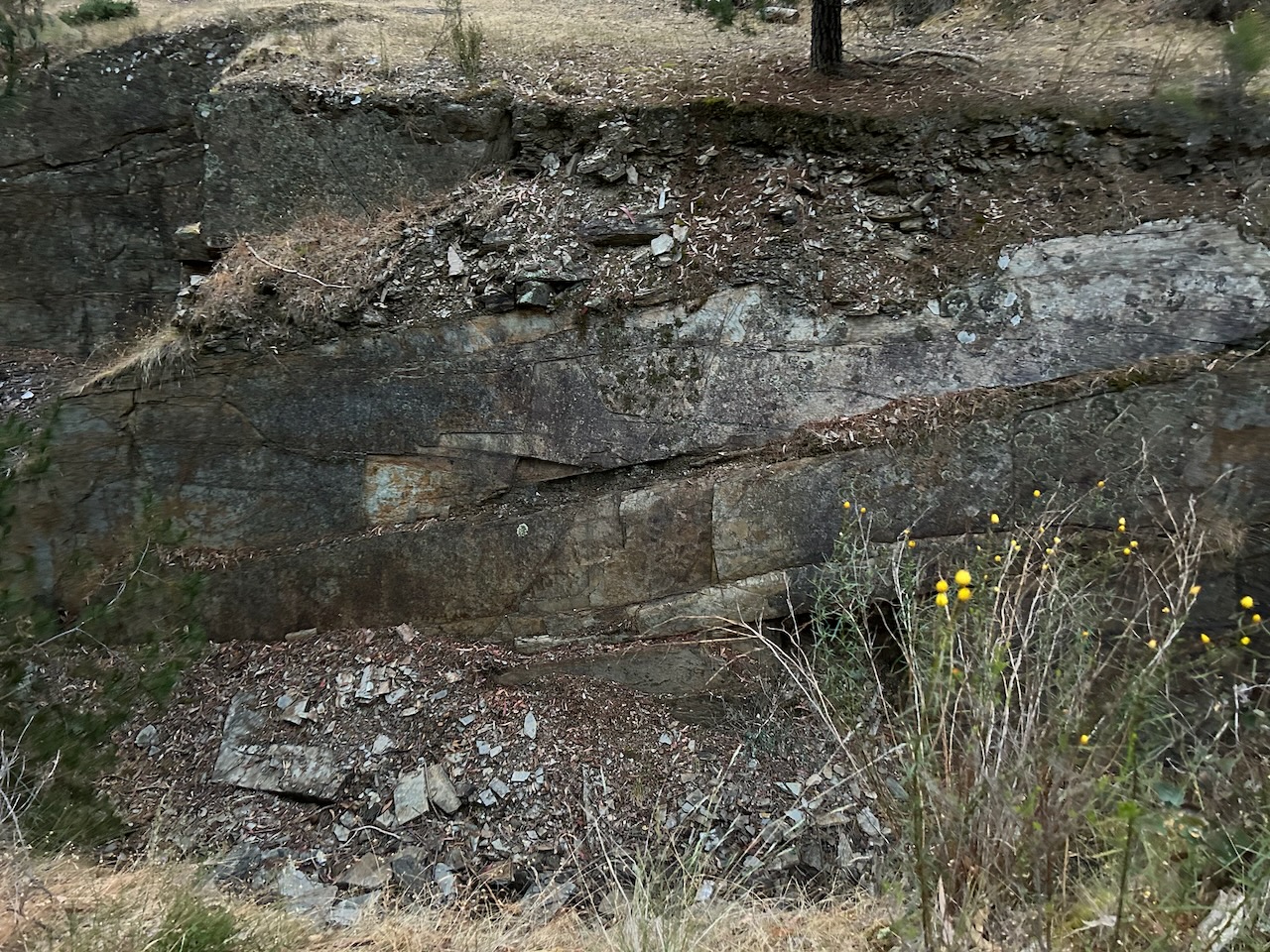

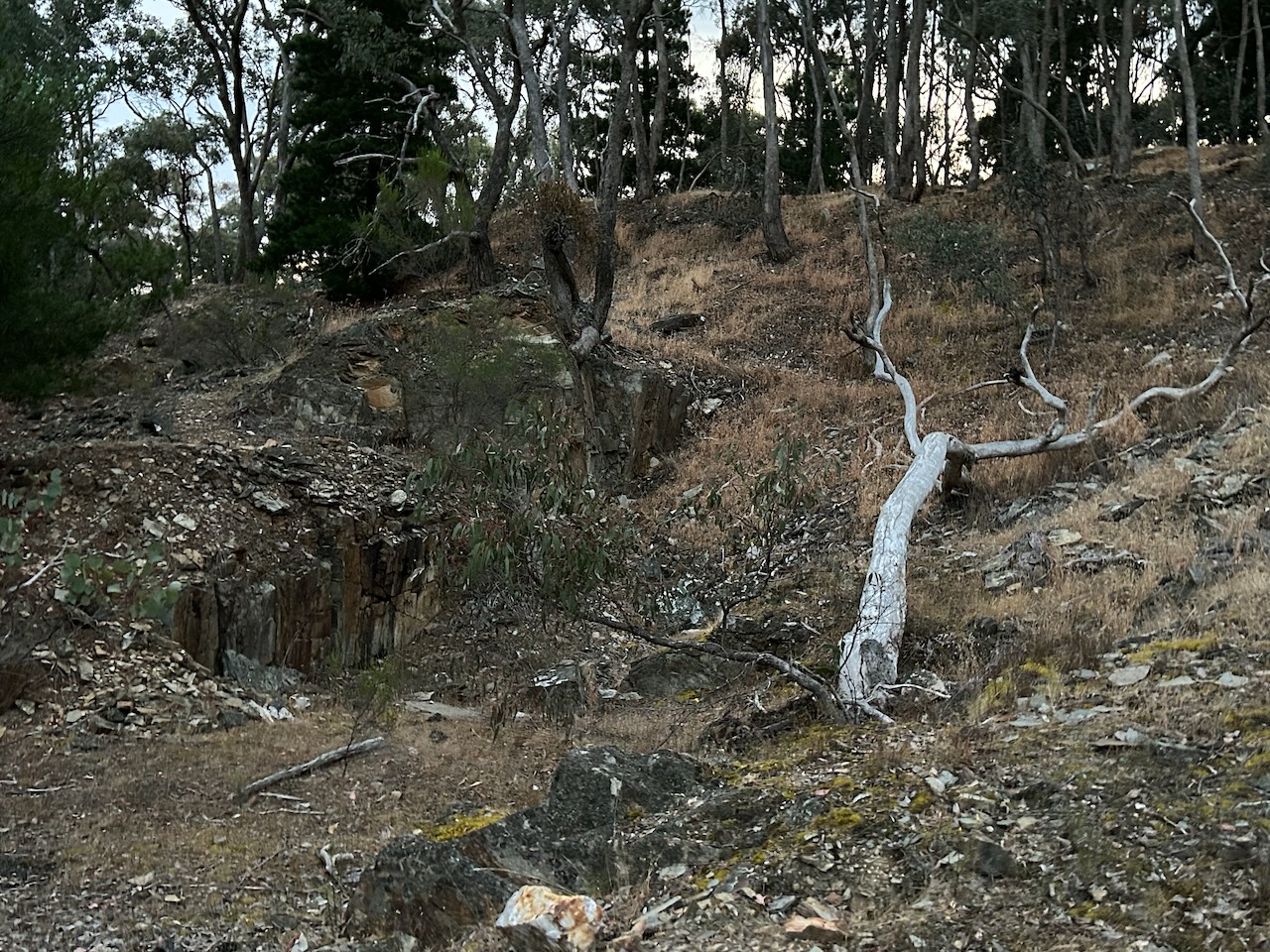
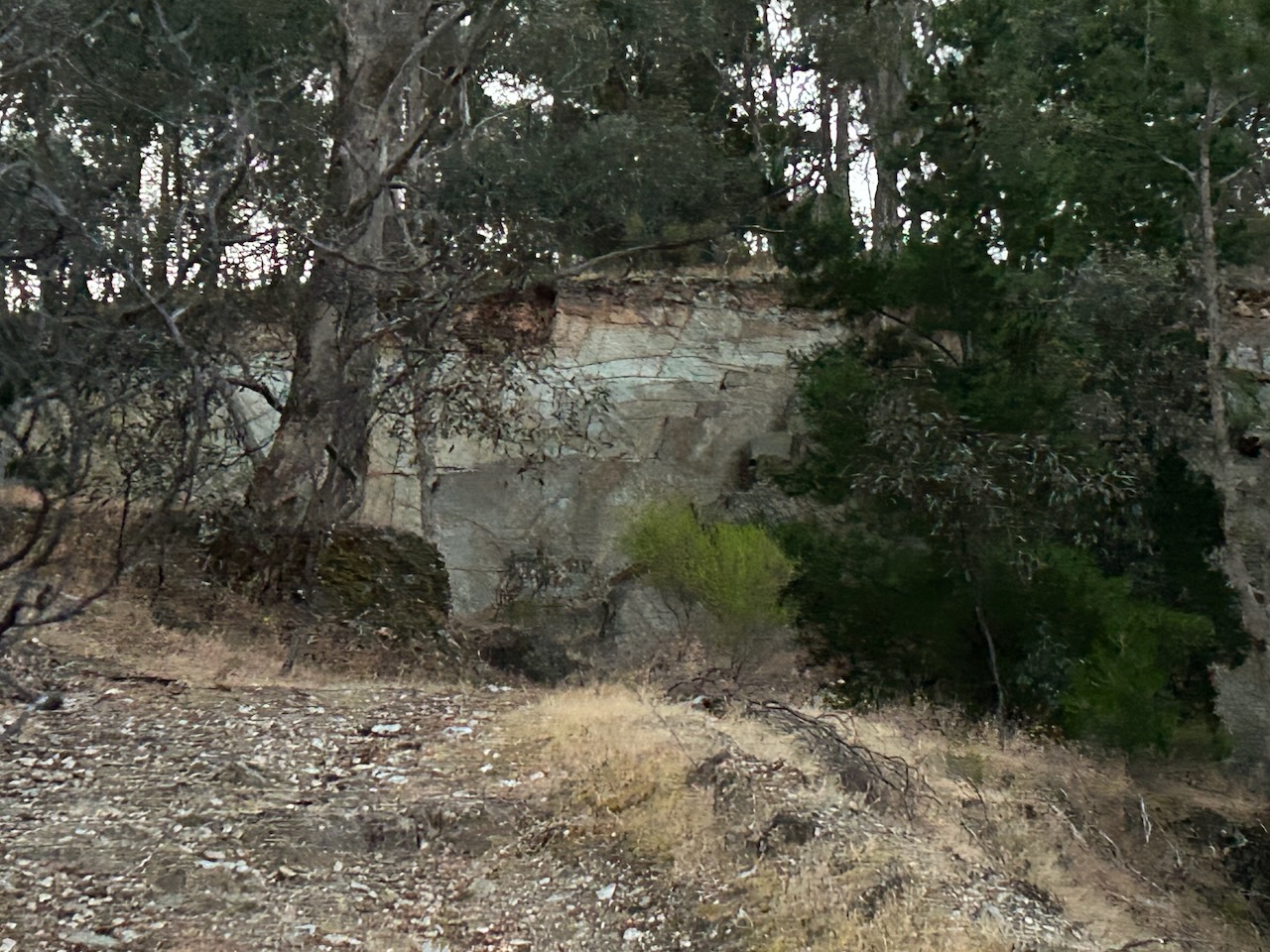

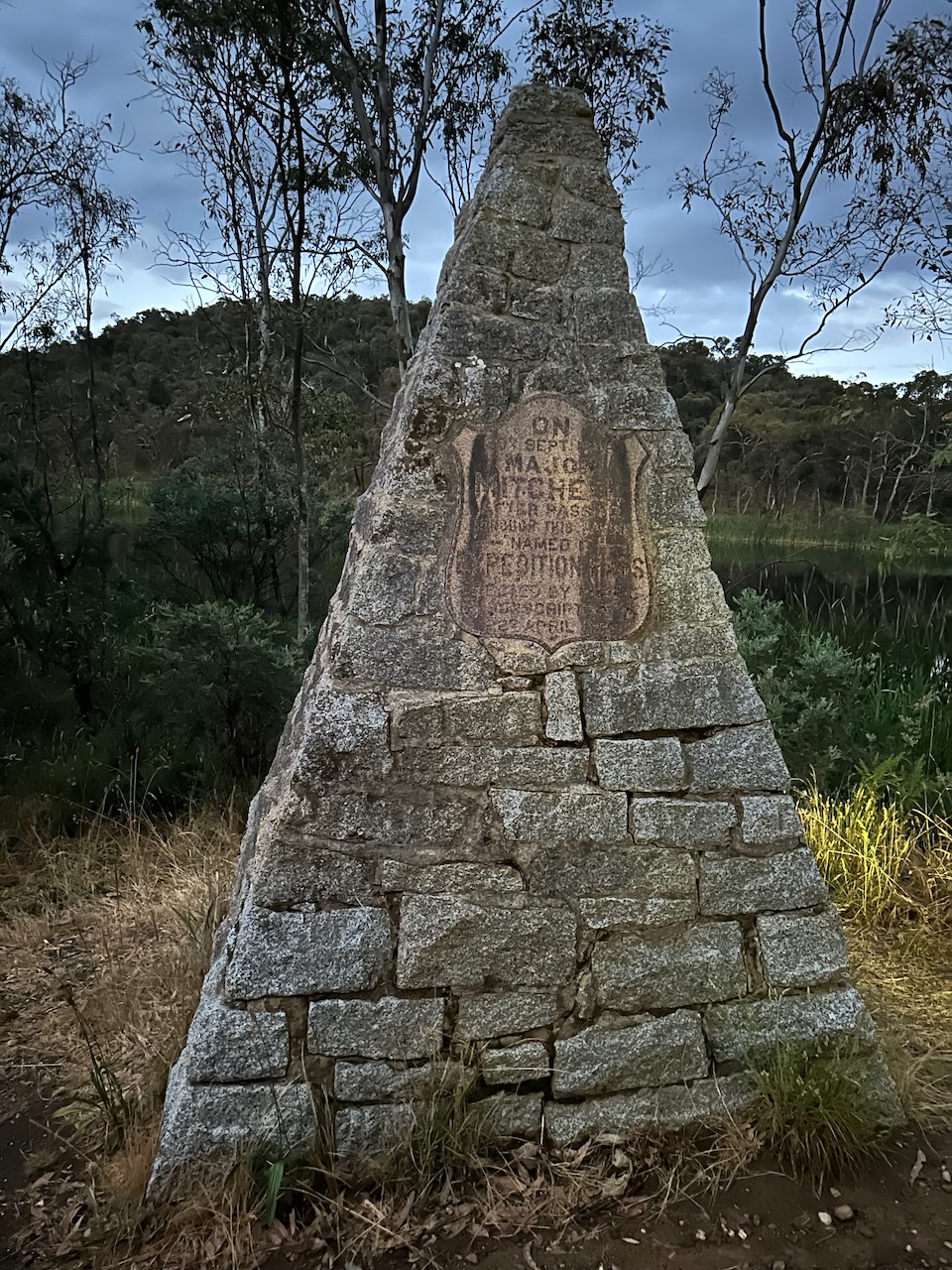
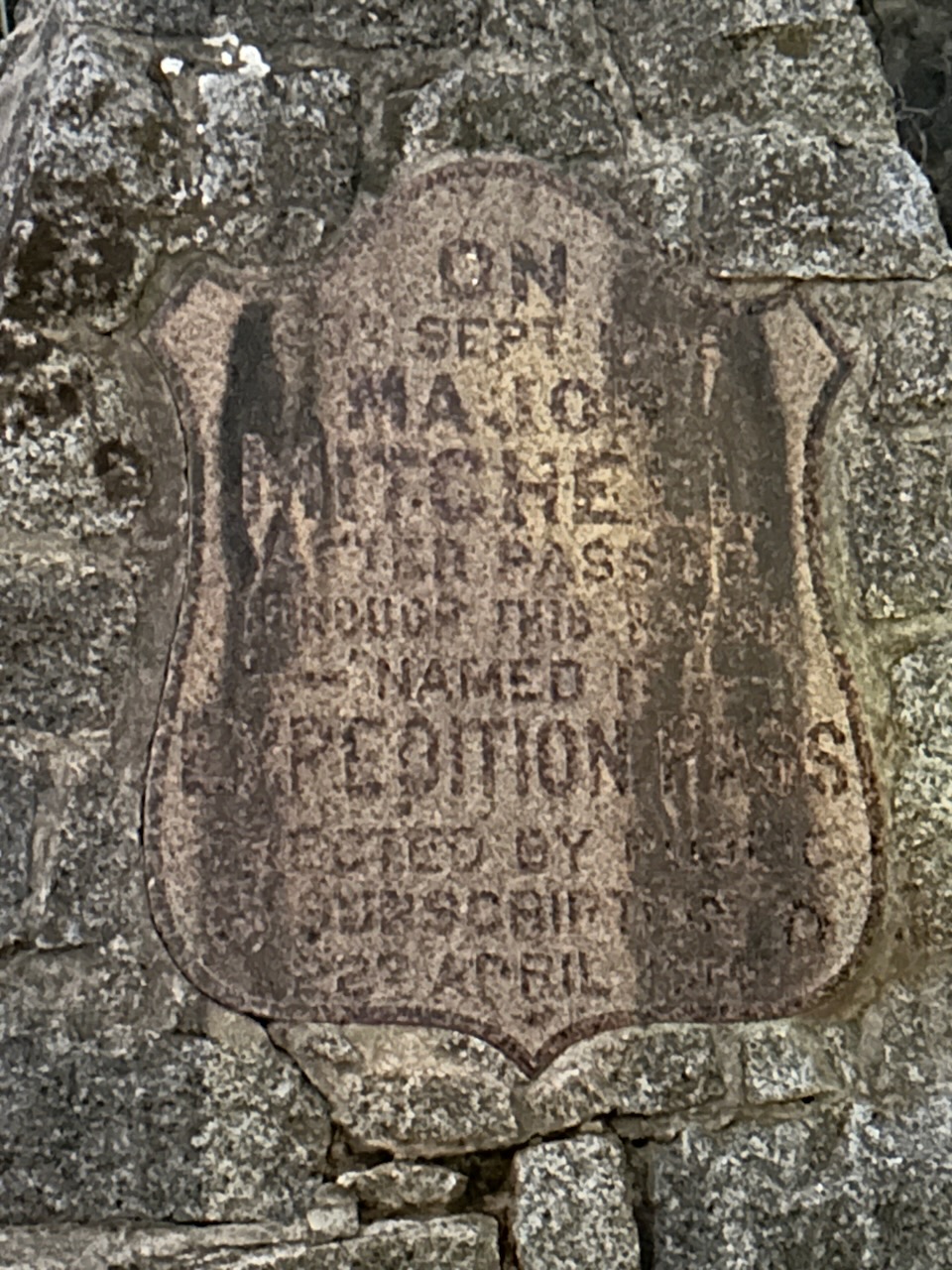
Our last stop before our final park activation of the day was the Major Thomas Mitchell memorial at Golden Point Road, Expedition Pass. It commemorates the explorer Mitchell who passed through Expedition Pass in 1836. The memorial was unveiled in April 1914 and was attended by a large gathering of residents and school children of Chewton, Sutton Grange and nearby areas. Several dignitaries were also present. (Monument Australia 2024)
Our final activation for Saturday 25th November 2023, was the Fryers Ridge Nature Conservation Reserve VKFF-2091. It was totally dark by the time we reached the park, so we did not get to experience the park.

The reserve is about 2,142 hectares in size and was established on the 20th day of March 1979. (CAPAD 2022)
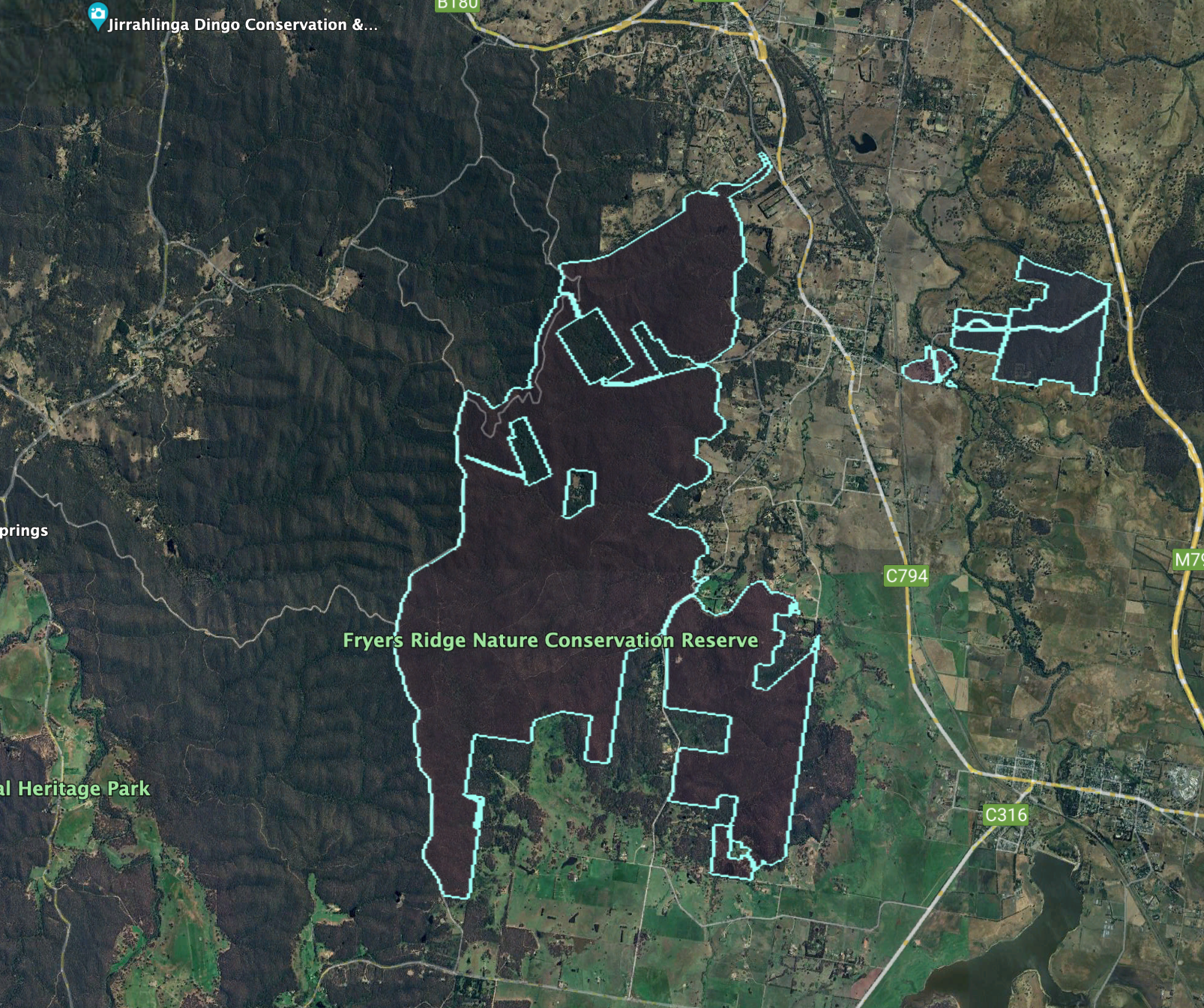
Above:- An aerial view of the Fryers Ridge NCR. Image c/o Google Earth.
It was getting quite late, so this was a quick activation from the vehicle. We ran the Icom IC7000, 100 watts, and the Codan 930 antenna with the 1.5 metre stainless steel whip. I used the special call of VI10VKFF. Unfortunately, we experienced the Over the Horizon Radar on 80m.
Marija worked the following stations on 40m SSB:-
- VK1AO
- VK2MET
- VK2EG
- VK5LA
- VK5KAW
Marija worked the following stations on 40m AM:-
- VK5LA
- VK5KAW
- VK3APJ
- VK3PF
- VK3KAI
I worked the following stations on 40m SSB:-
- VK1AO
- VK2MET
- VK2EG
- VK5LA
- VK5KAW
- VK4NH
- VK4DXA
- VK3SO
- VK3APJ
- VK3ZGA
- VK3PF
- VK3KAI
- VK3UAO
- KD1CT
- VK5GY
- VK3CA
- VK4GTX
I worked the following stations on 40m AM:-
- VK5LA
- VK5KAW
- VK3APJ
- VK3PF
- VK3KAI
- VK3CA
- VK2EG
I worked the following stations on 80m SSB:-
- VK3CA
- VK3PF
- VK3KAI
- VK5FANA
I worked the following station on 80m AM:-
- VK3CA
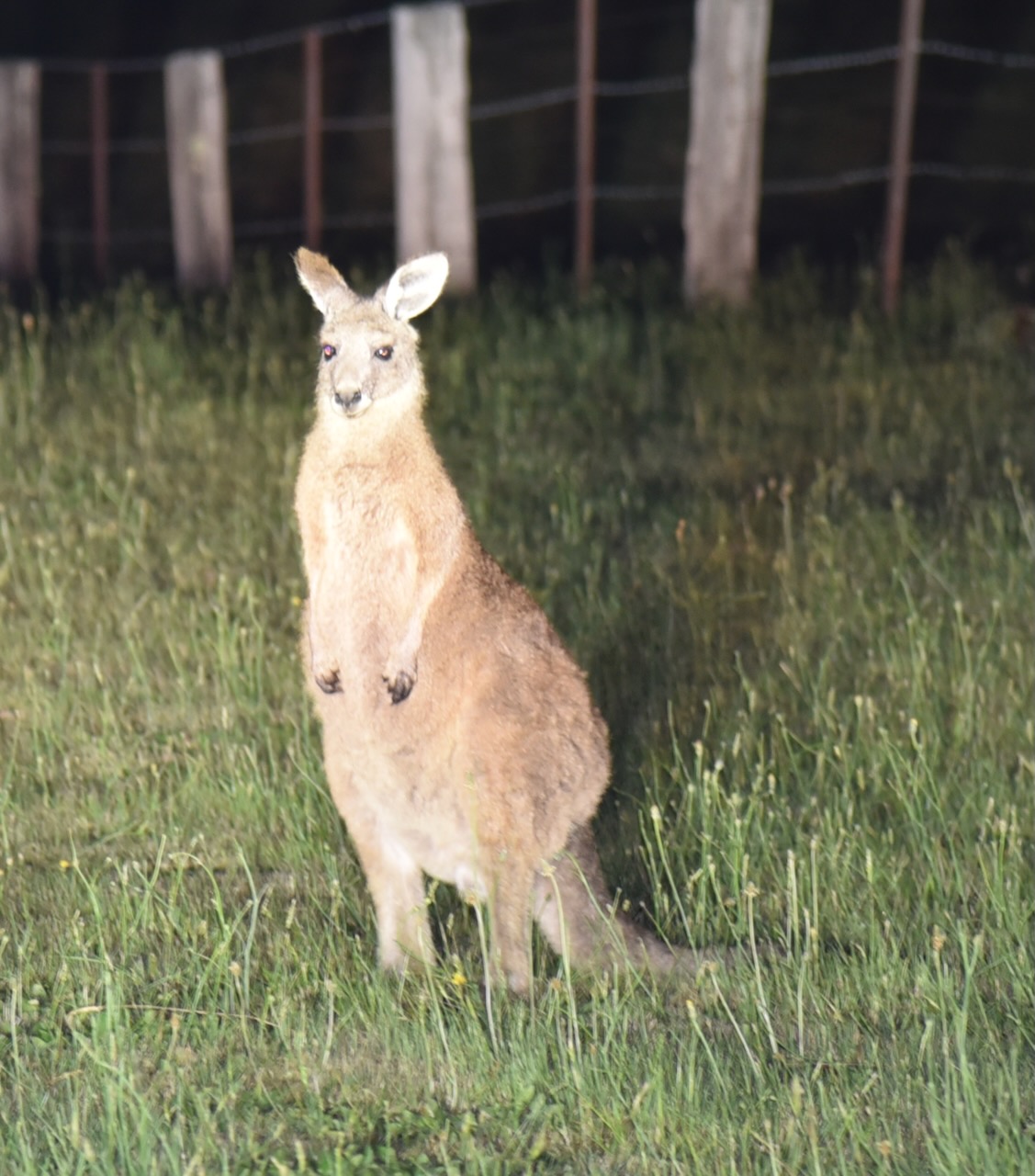
We headed back to our accommodation at Sandon. It was slow going as there were plenty of kangaroos on the roads.
References.
- Cultural Heritage Unit, D. of H. (n.d.). Campbells Creek, VIC – Place – Electronic Encyclopedia of Gold in Australia. [online] http://www.egold.net.au. Available at: https://www.egold.net.au/biogs/EG00263b.htm [Accessed 4 Apr. 2024].
- HISTORICAL CASTLEMAINE CEMETERY. (n.d.). HISTORICAL CASTLEMAINE CEMETERY. [online] Available at: https://www.castlemainecemetery.org.au/ [Accessed 4 Apr. 2024].
- https. (n.d.). Garfield Water Wheel. [online] Available at: https://www.goldfieldsguide.com.au/explore-location/368/garfield-water-wheel/ [Accessed 4 Apr. 2024].
- monumentaustralia.org.au. (n.d.). Major Thomas Mitchell | Monument Australia. [online] Available at: https://monumentaustralia.org.au/themes/people/exploration/display/30737-major-thomas-mitchell- [Accessed 4 Apr. 2024].
- Strahan, F. (n.d.). William Campbell (1810–1896). [online] Australian Dictionary of Biography. Available at: https://adb.anu.edu.au/biography/campbell-william-3158 [Accessed 4 Apr. 2024].
- Vic.gov.au. (2024). Available at: http://vhd.heritage.vic.gov.au/search/nattrust_result_detail/71726 [Accessed 4 Apr. 2024].
- www.victorianplaces.com.au. (n.d.). Campbells Creek | Victorian Places. [online] Available at: https://www.victorianplaces.com.au/campbells-creek [Accessed 4 Apr. 2024].
 VK5PAS