
Our first activation for Monday 27th November 2023 was the Castlemaine H80 Bushland Reserve VKFF-4283. The reserve is located on the southwestern edge of Castlemaine and about 125km northwest of Melbourne.
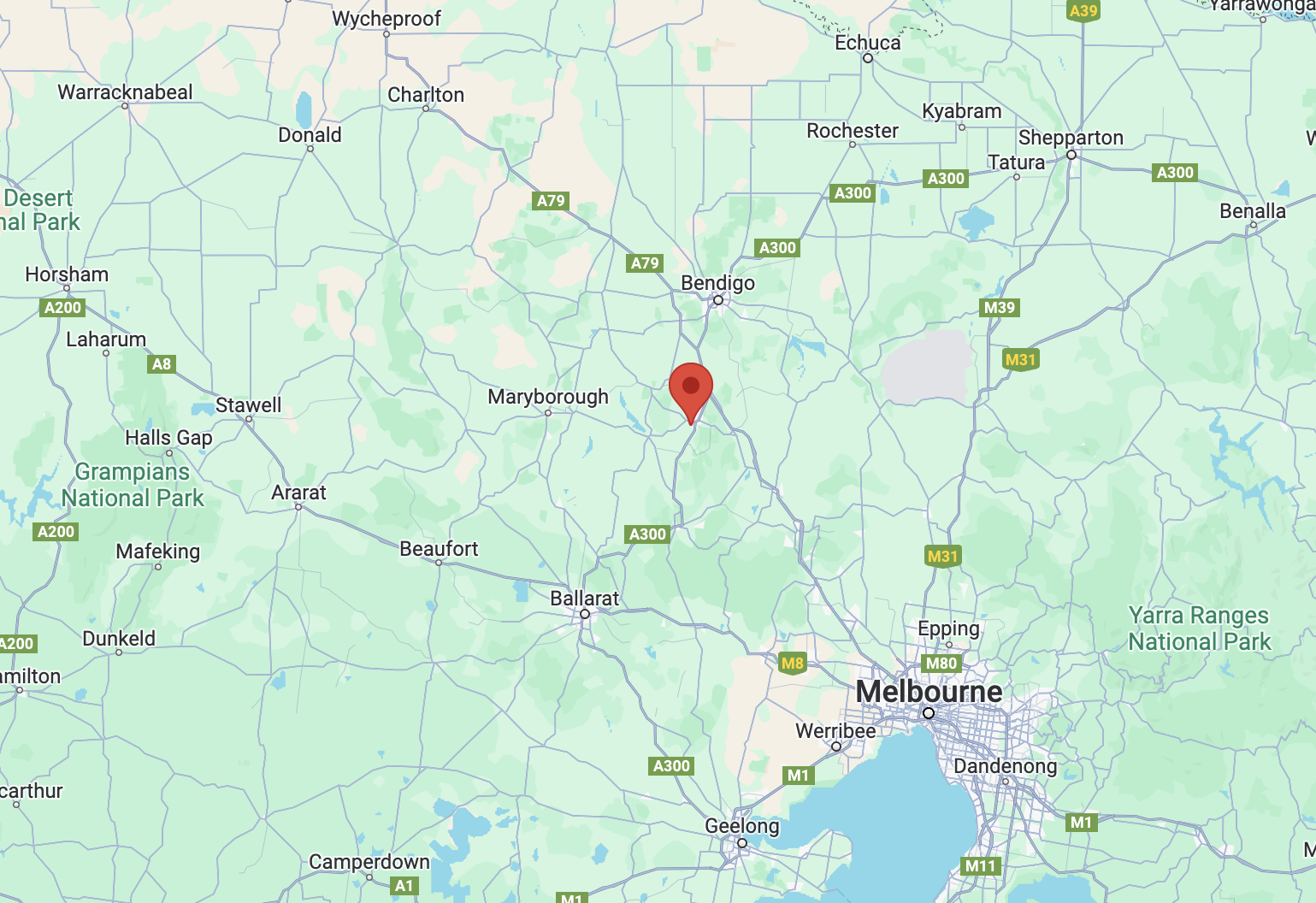
Above:- Map showing the location of the Castlemaine H80 Bushland Reserve. Map c/o Google Maps.
The original inhabitants of the Castlemaine district were the Dja Dja Wurrung aboriginal people. The first European to pass through the area was Major Thomas Mitchell in 1836 during his Australia Felix expedition. This was followed by pastoral settlement from about 1837. (Victorian Places 2024)
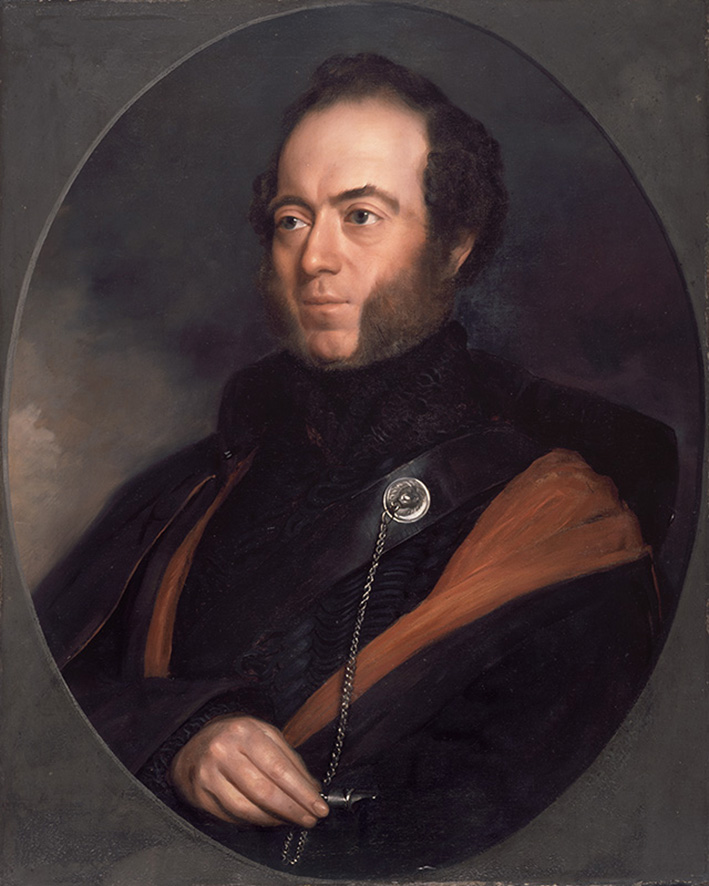
Above:- Major Thomas Mitchell. Image c/o Wikipedia.
The Castlemaine district was originally called Forest Creek where a rich alluvial goldfield was discovered in September 1851 at Specimen Gully. By the end of 1851 there were about 8,000 hopeful diggers working the gold fields around Castlemaine. In 1852 the town of Castlemaine was surveyed. It was named in honour of William Handcock (b. 1761. d. 1839), 1st Viscount Castlemaine in Ireland by Goldfields Commissioner Captain W. Wright who was Handcock’s cousin. (Victorian Places 2024)
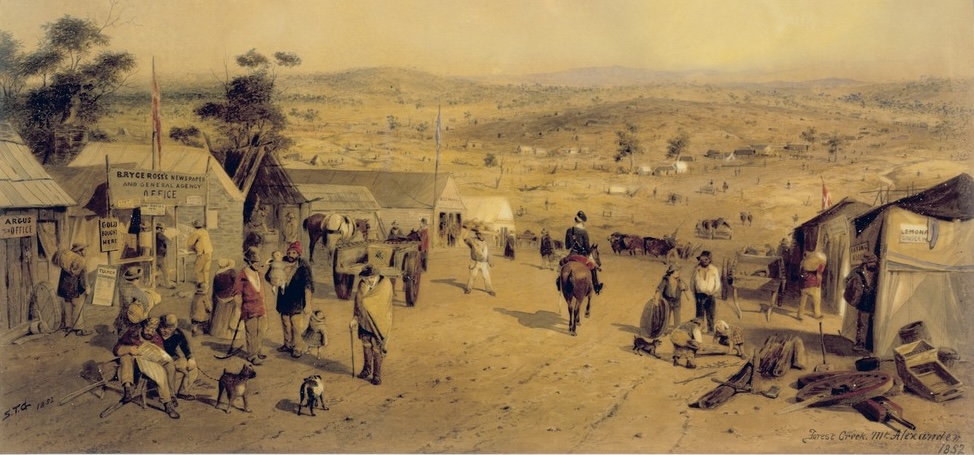
Above:- Forest Creek 1852. Image c/o Wikipedia.
By March 1852 there were about 25,000 people at the Forest Creek diggings. The first land sales occurred in 1853. Castlemaine was proclaimed a municipal district on the 24th day of April 1855 and on the 2nd day of October 1863 it was proclaimed a borough. (Victorian Places 2024)
The Castlemaine H80 Bushland Reserve is located on the southwest fringe of Castlemaine amongst houses and industry.
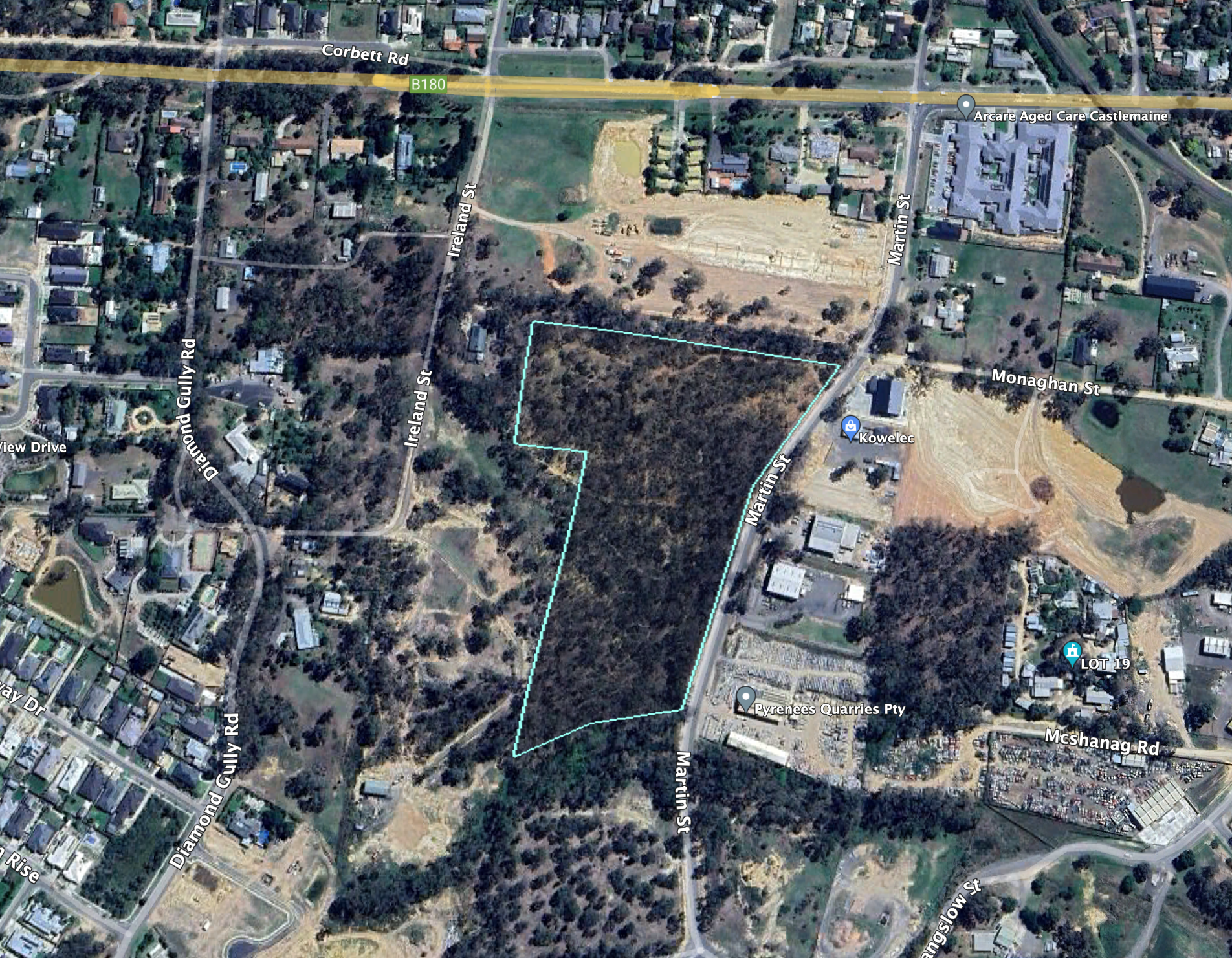
Above:- An aerial view of the Castlemaine H80 Bushland Reserve. Image c/o Google Earth.
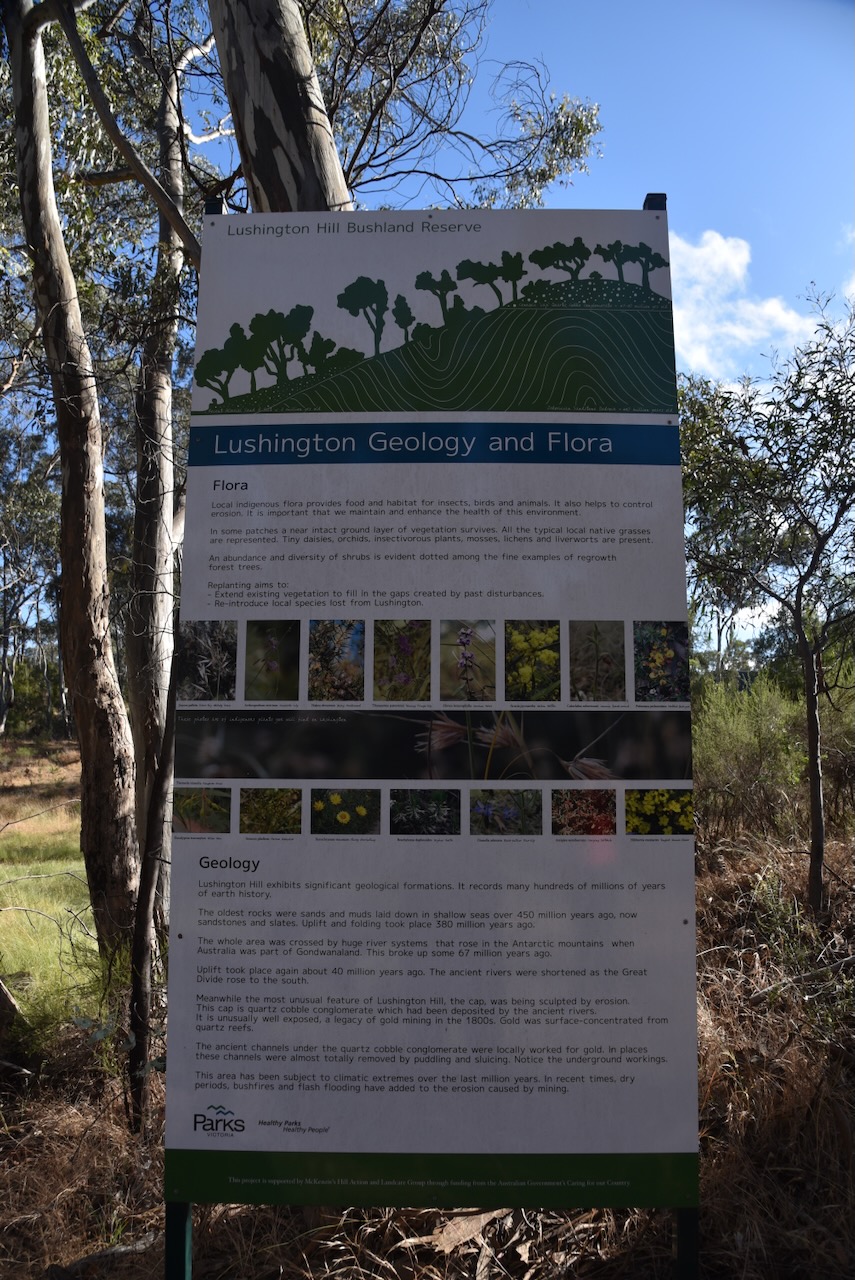
The reserve is also known as Lushington Hill and the Lushington Bushland Reserve. It is a small pocket of native bushland that contains a quartz cobble conglomerate with evidence of an ancient river system that flowed about 40 million years ago. The reserve is about 5 hectares in size and was established on the 26th day of February 2002. (CAPAD 2022)
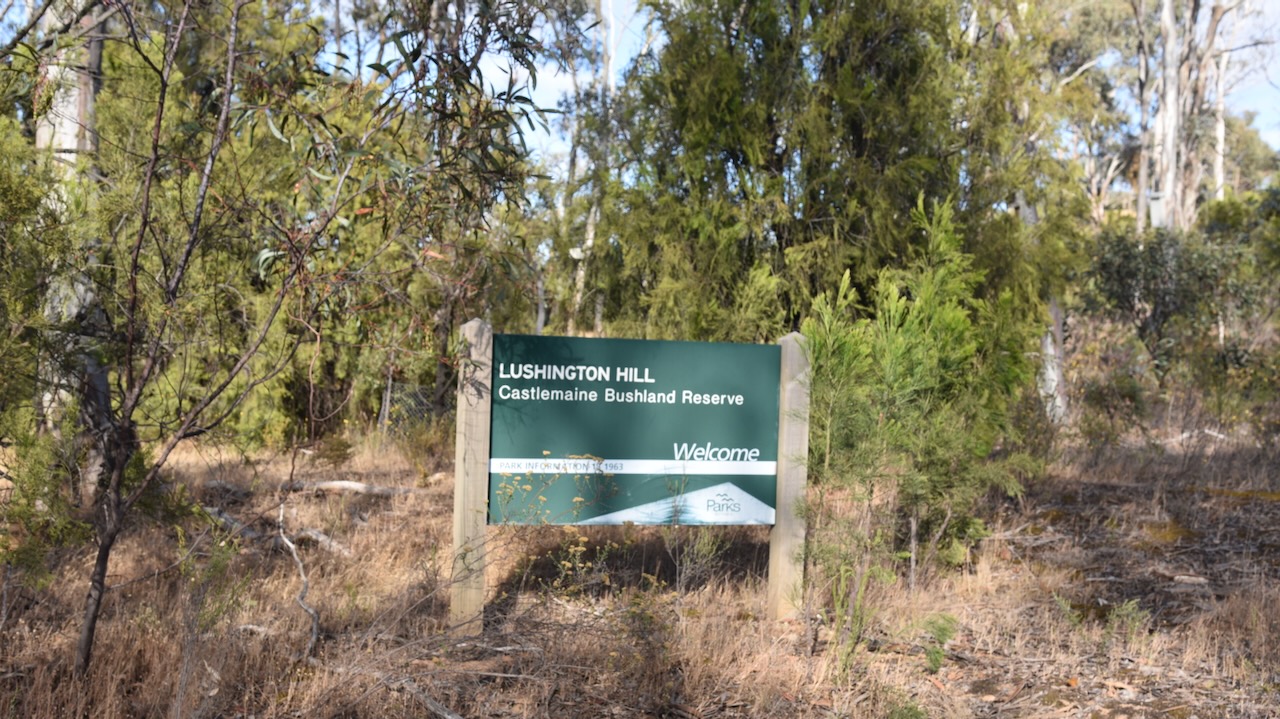
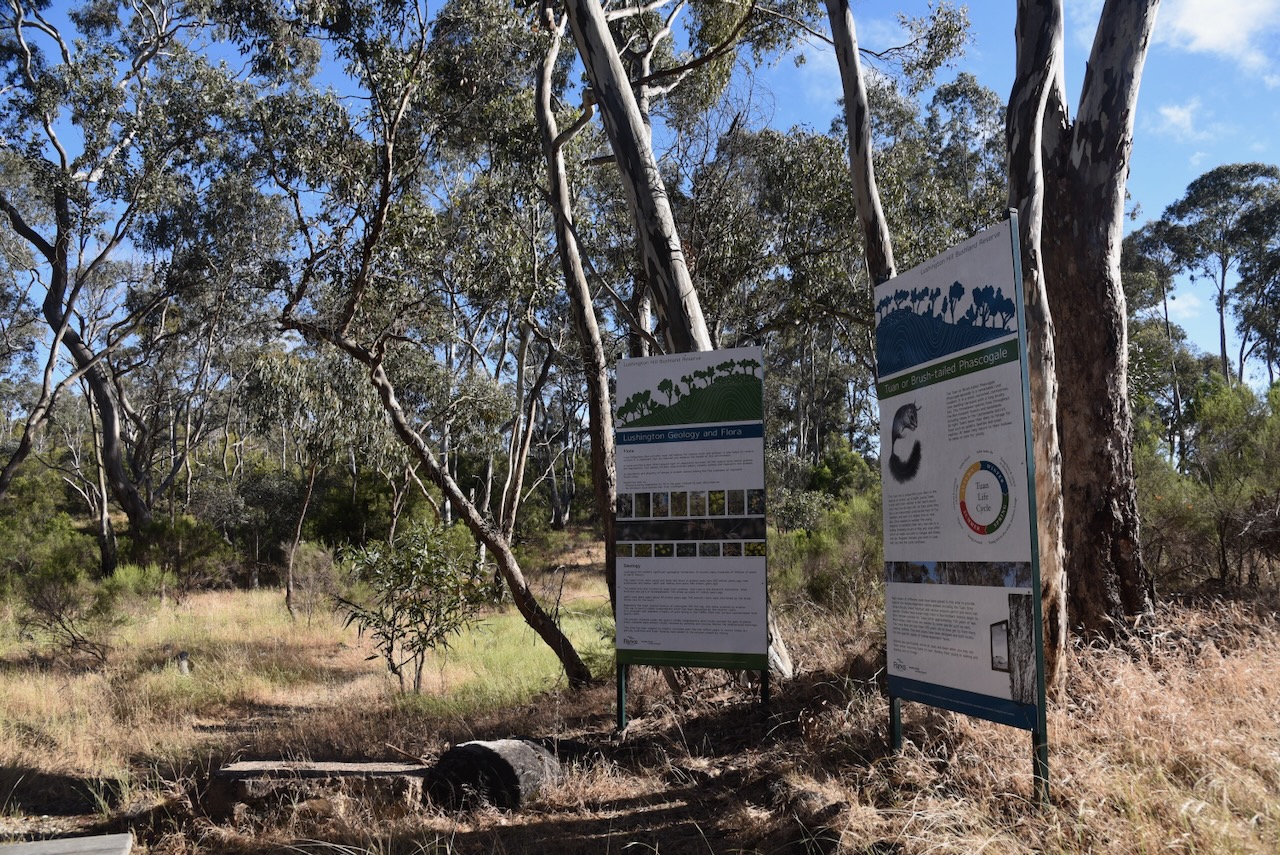
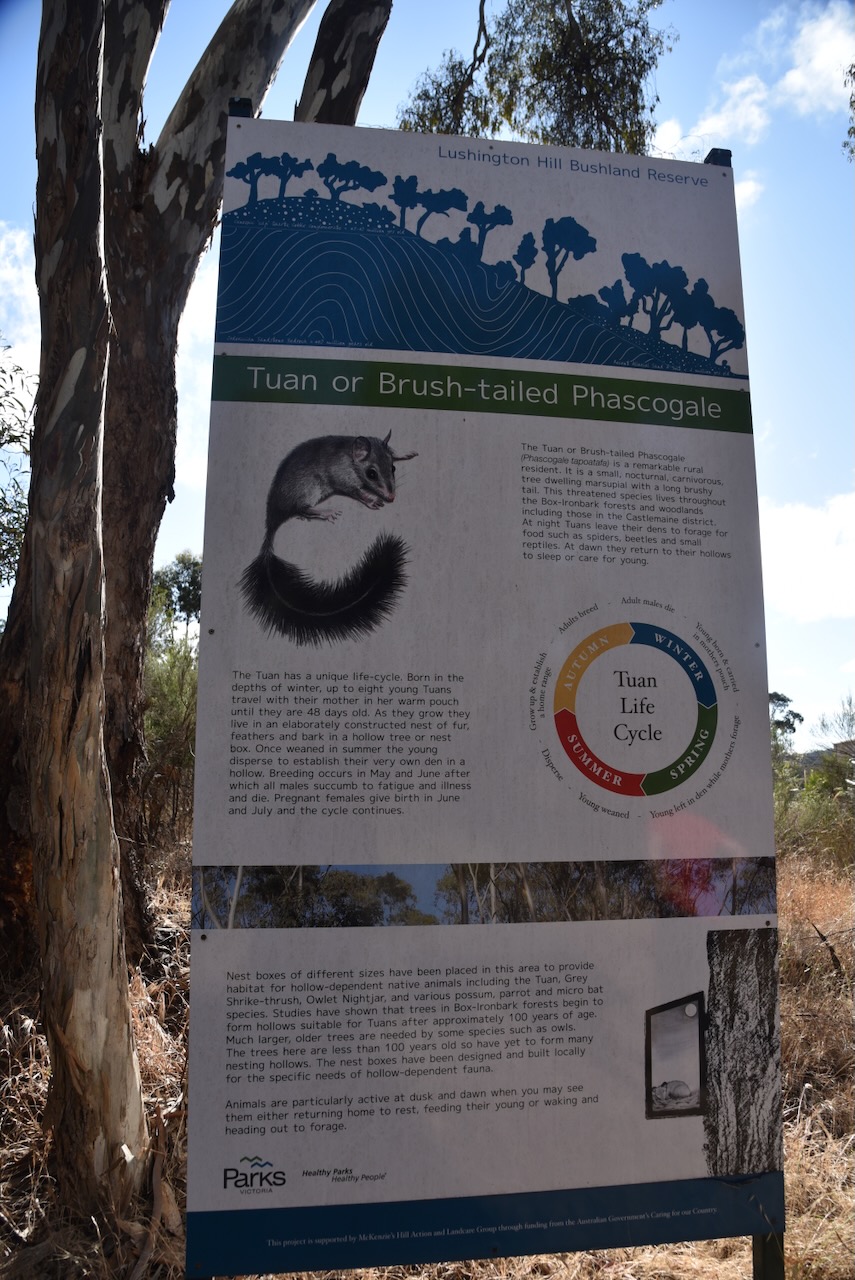
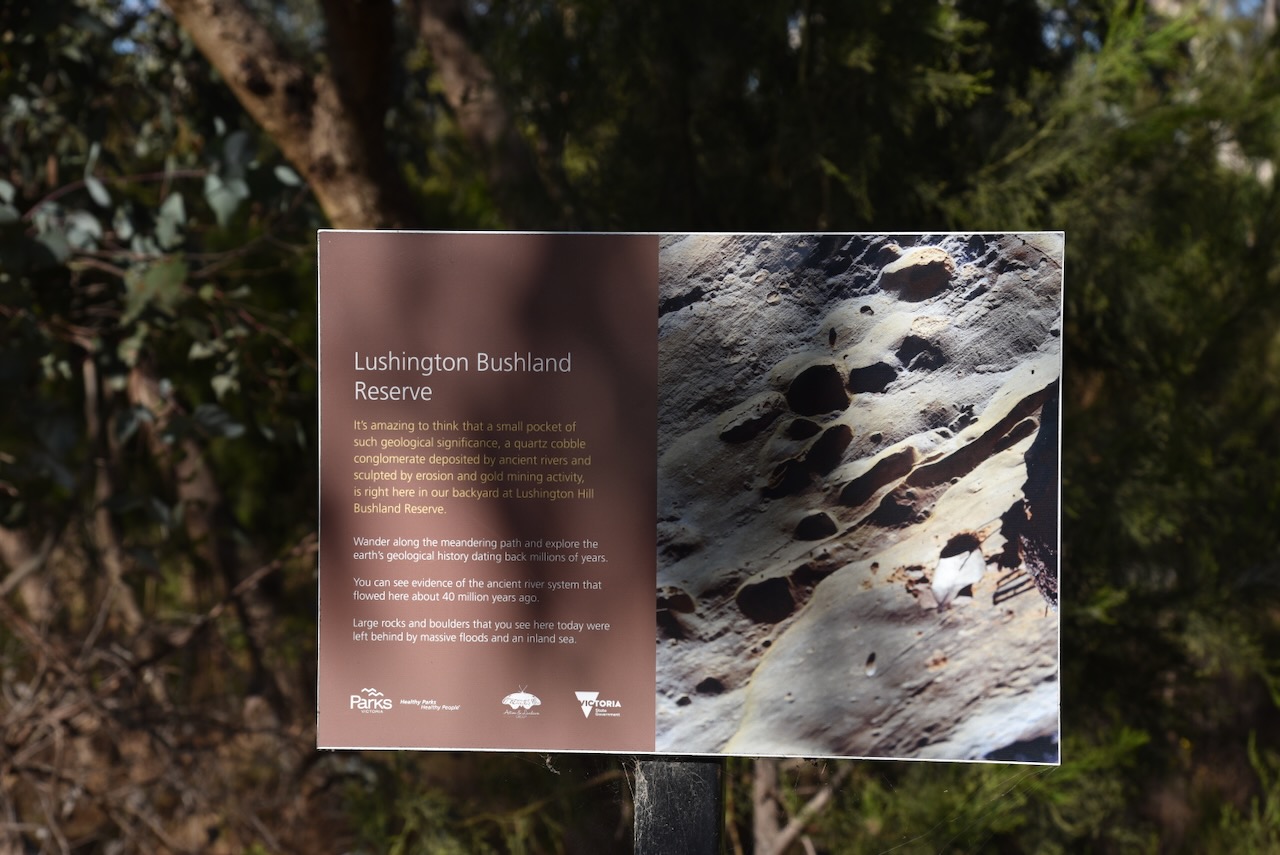
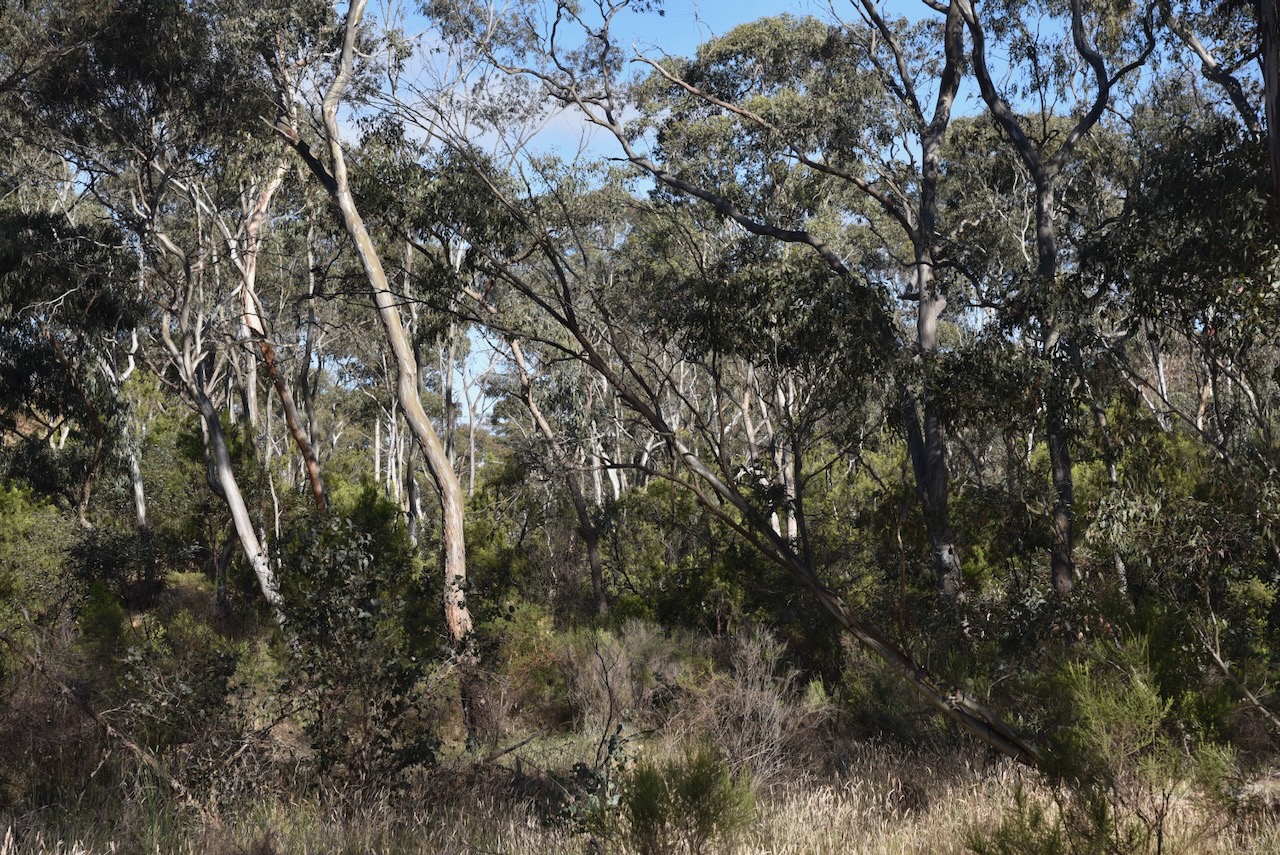
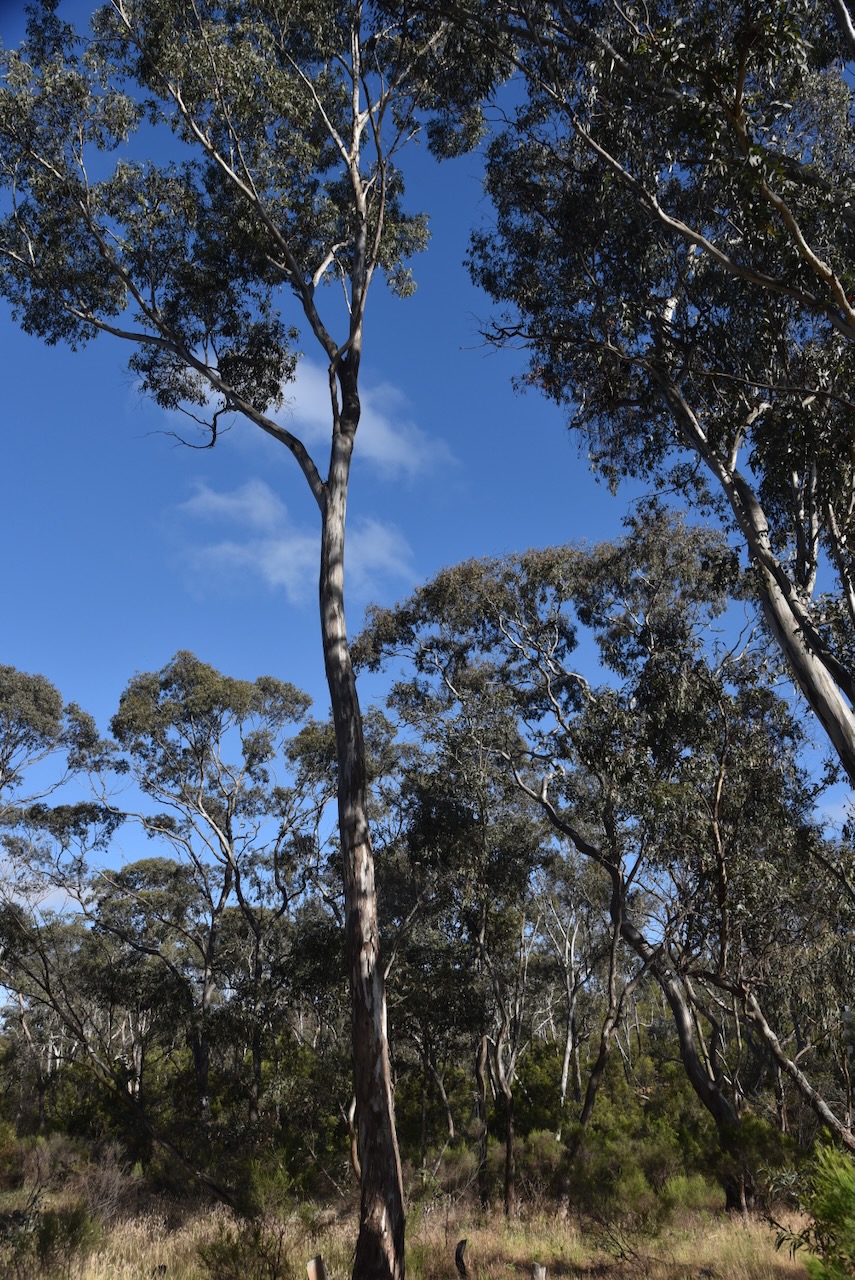
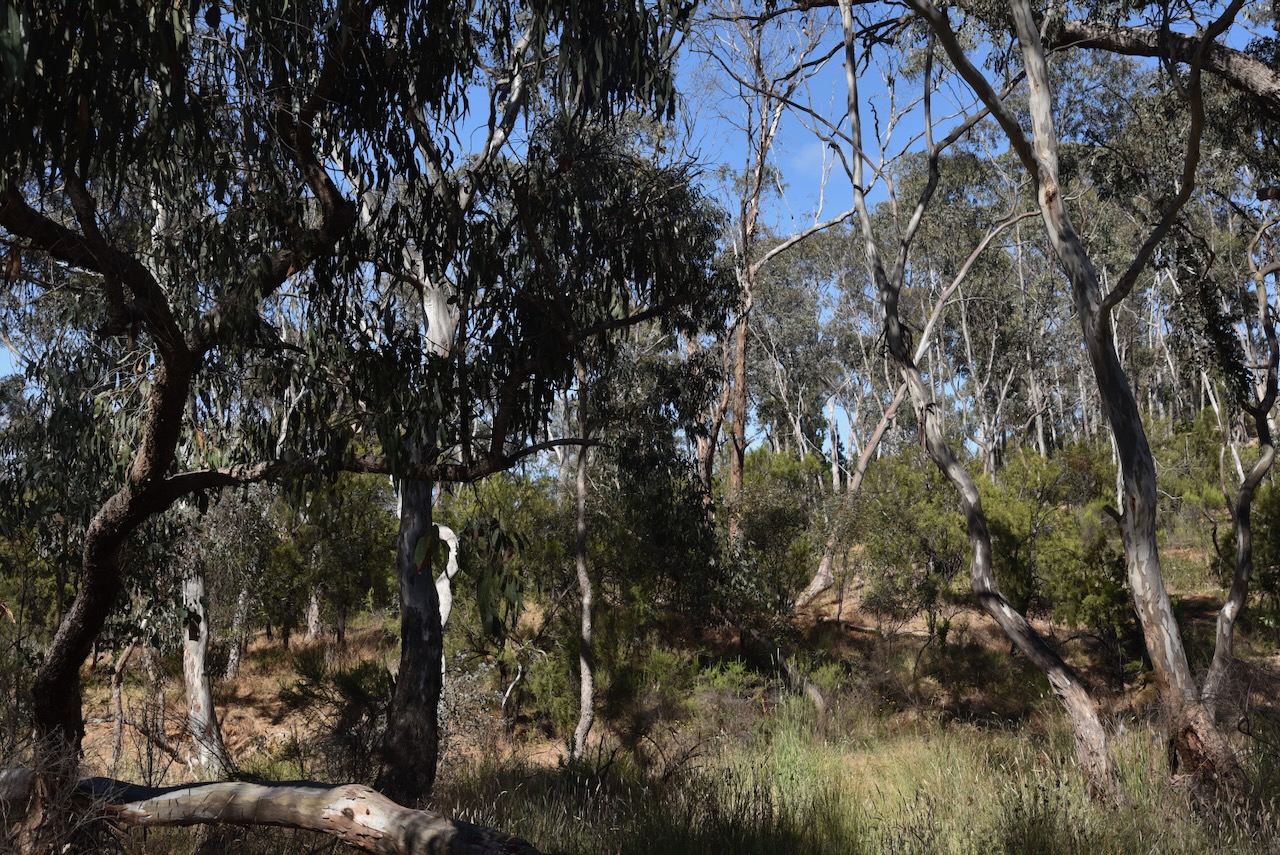
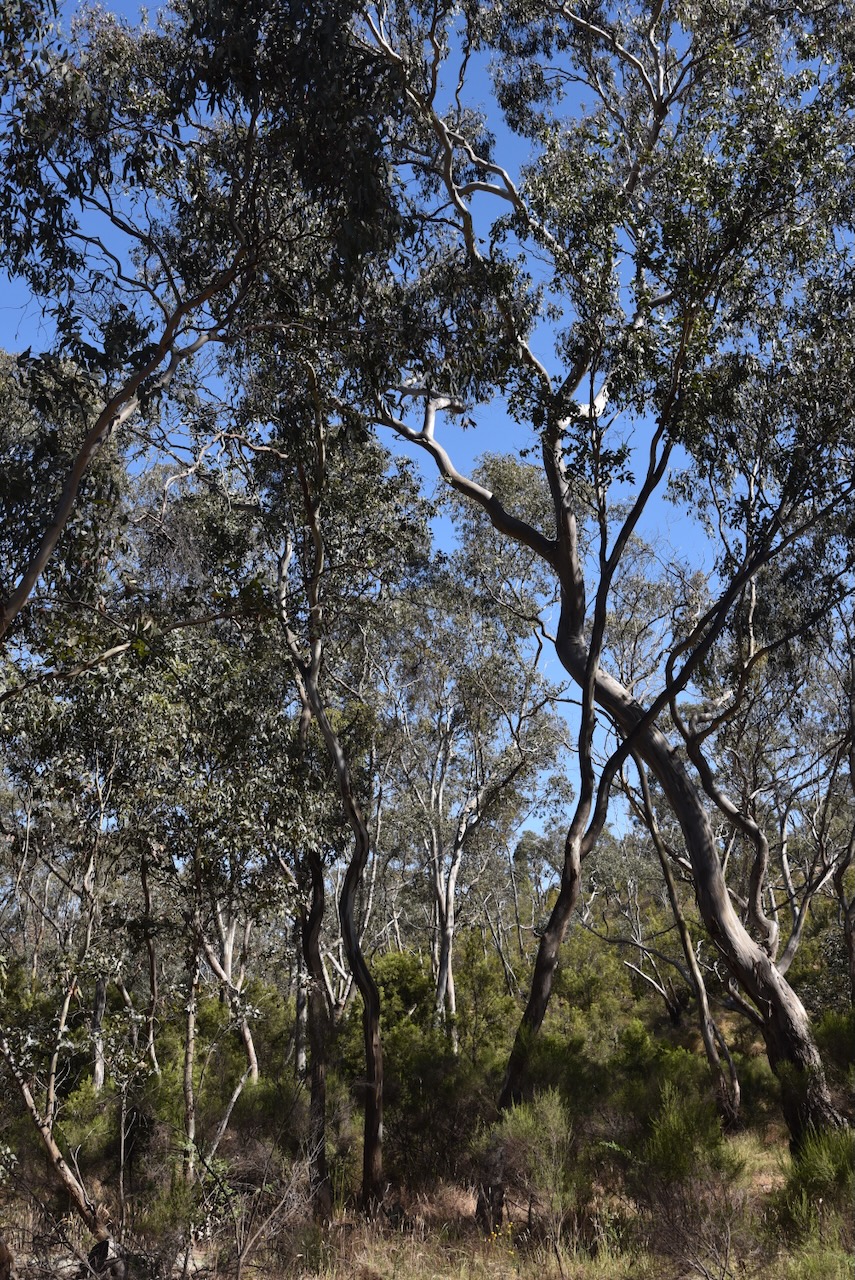
The threatened Brush Tailed Phascogale (or Tuan) can be located in the reserve. It is a small nocturnal carnivorous tree-dwelling marsupial.
We parked on Martin Street and set up at a wooden table and bench in the park. As this was such a built-up area we were a bit concerned about the noise. We did experience strength 5 noise at times on 40m but often the noise floor would drop right down. There was strength 6 noise on the 80m band.
We ran the Yaesu FT857, 40 watts, and the 20/40/80m linked dipole. I used the special call of VI10VKFF.
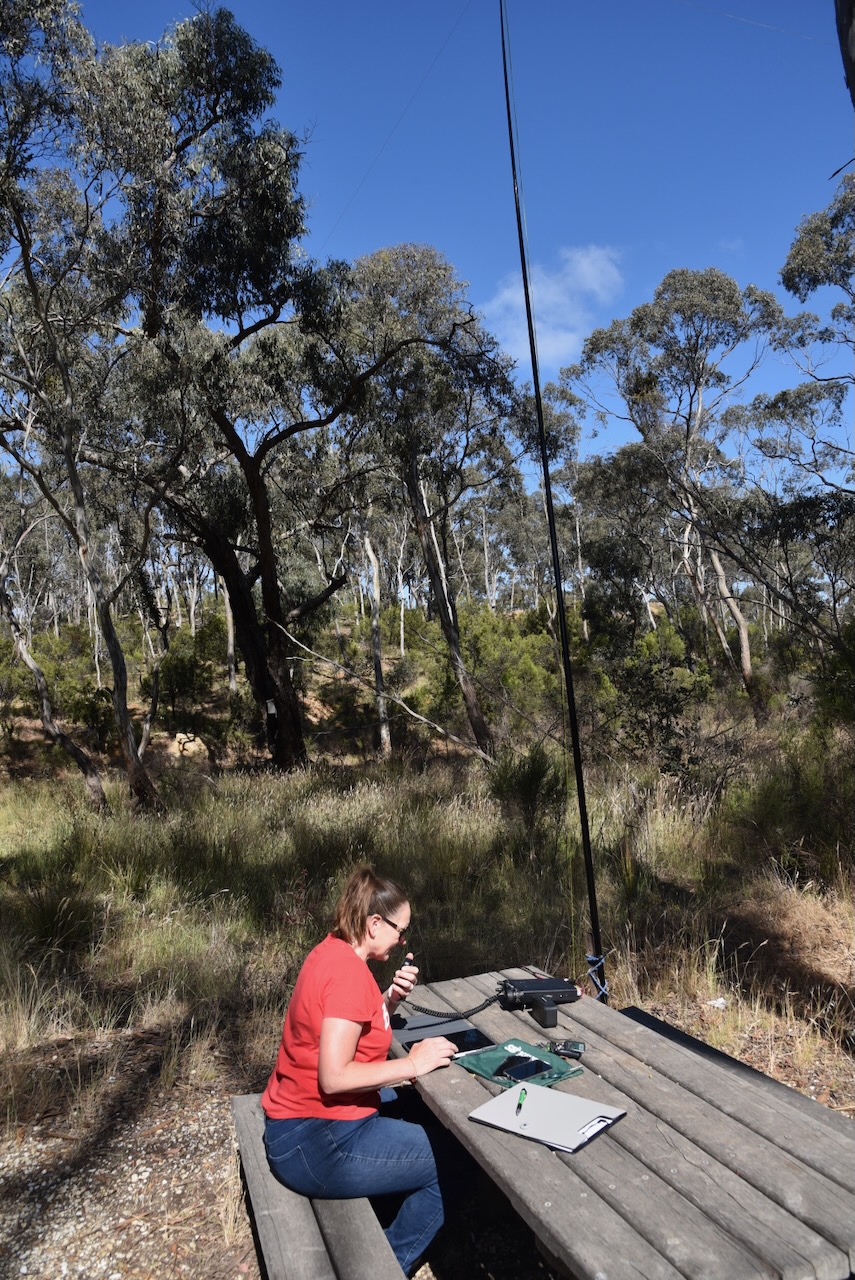
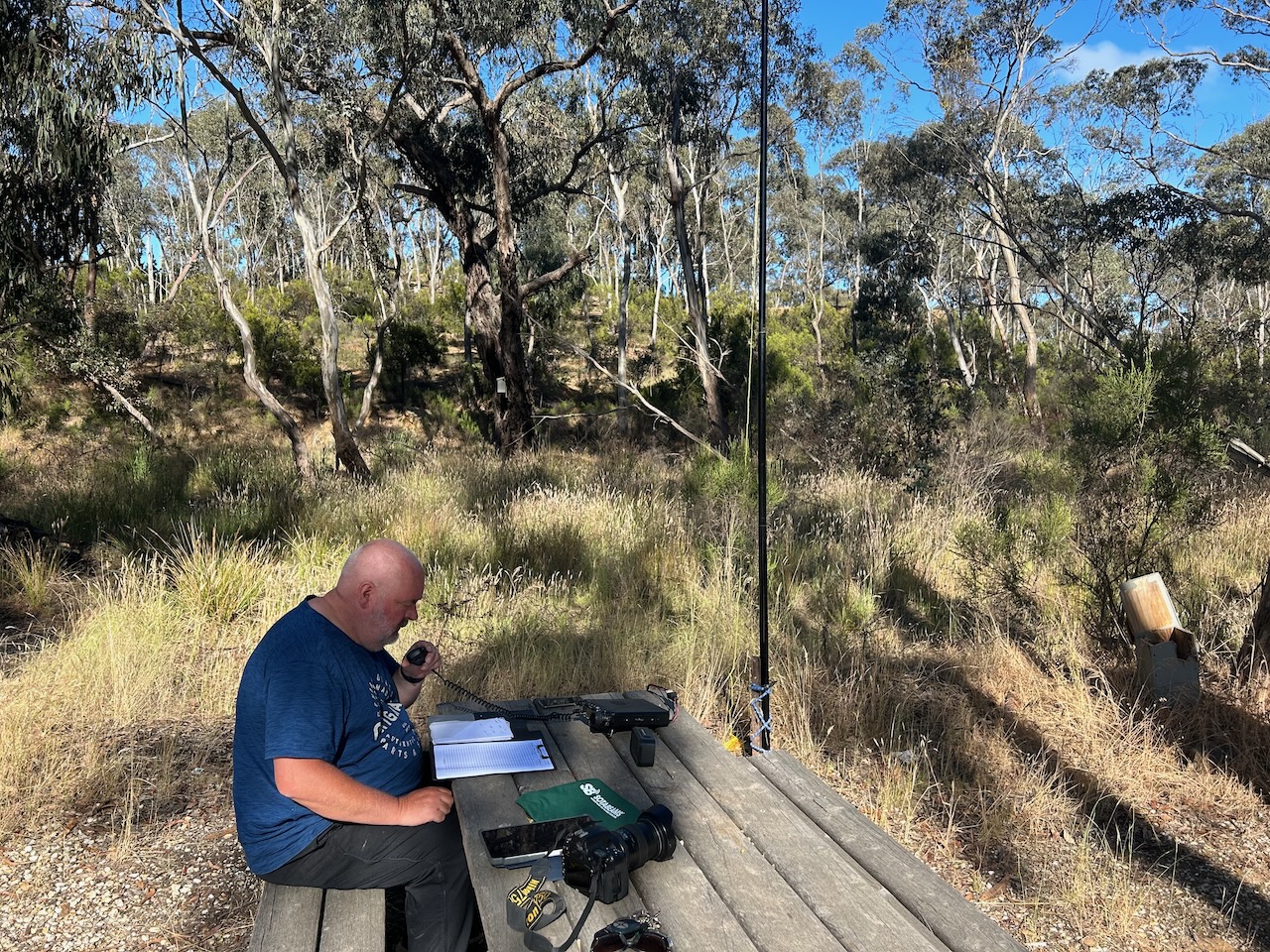
Marija worked the following stations on 40m SSB:-
- VK3PF
- VK3KAI
- VK3VIN
- VK2EXA
- VK3LOC
- VK3SQ
- VK2BD
Marija worked the following stations on 40m AM:-
- VK3PF
- VK3KAI
- VK3SQ
- VK2BD
I worked the following stations on 40m SSB:-
- VK3PF
- VK3KAI
- VK3VIN
- VK2EXA
- VK3LOC
- VK3SQ
- VK2BD
- VK3CLD
- VK3CEO
- VK3EJ
- VK3SO
- VK2RK
- VK2ACR
- VK3UAO
- VK7PSJ
- VK7AN
- VK3MTT
- VK1AAF
- VK7AAE
- VK5AAF
- VK4NH
- VK4DXA
- VK1CT
I worked the following stations on 40m AM:-
- VK3PF
- VK3KAI
- VK3SQ
- VK2BD
- VK2UAO
- VK2RK
- VK2ACR
- VK3NRB
I worked the following stations on 40m FM:-
- VK2RK
- VK2ACR
- VK3PF
- VK3KAI
- VK3NRB
I worked the following stations on 20m SSB:-
- VK1AO
- VK2MET
- ZL3MR
I worked the following stations on 80m SSB:-
- VK3PF
- VK3KAI
- VK3DAC
- VK4FE/3
- VK3MCK
References.
- Dcceew.gov.au. (2023). Collaborative Australian Protected Areas Database (CAPAD) 2022 – DCCEEW. [online] Available at: https://www.dcceew.gov.au/environment/land/nrs/science/capad/2022 [Accessed 6 Apr. 2024].
- http://www.victorianplaces.com.au. (n.d.). Castlemaine | Victorian Places. [online] Available at: https://www.victorianplaces.com.au/castlemaine [Accessed 6 Apr. 2024].
 VK5PAS