Dublin silo VK-DBN5

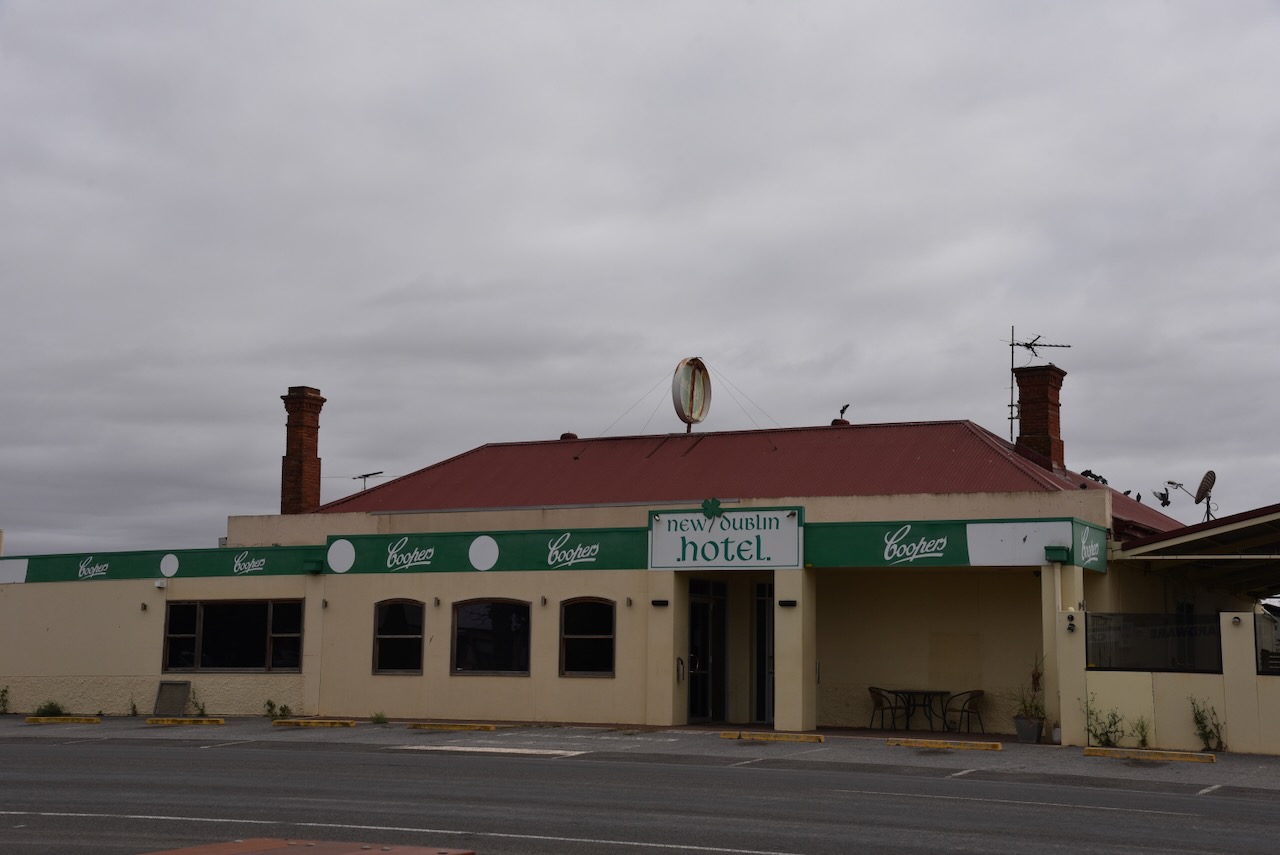
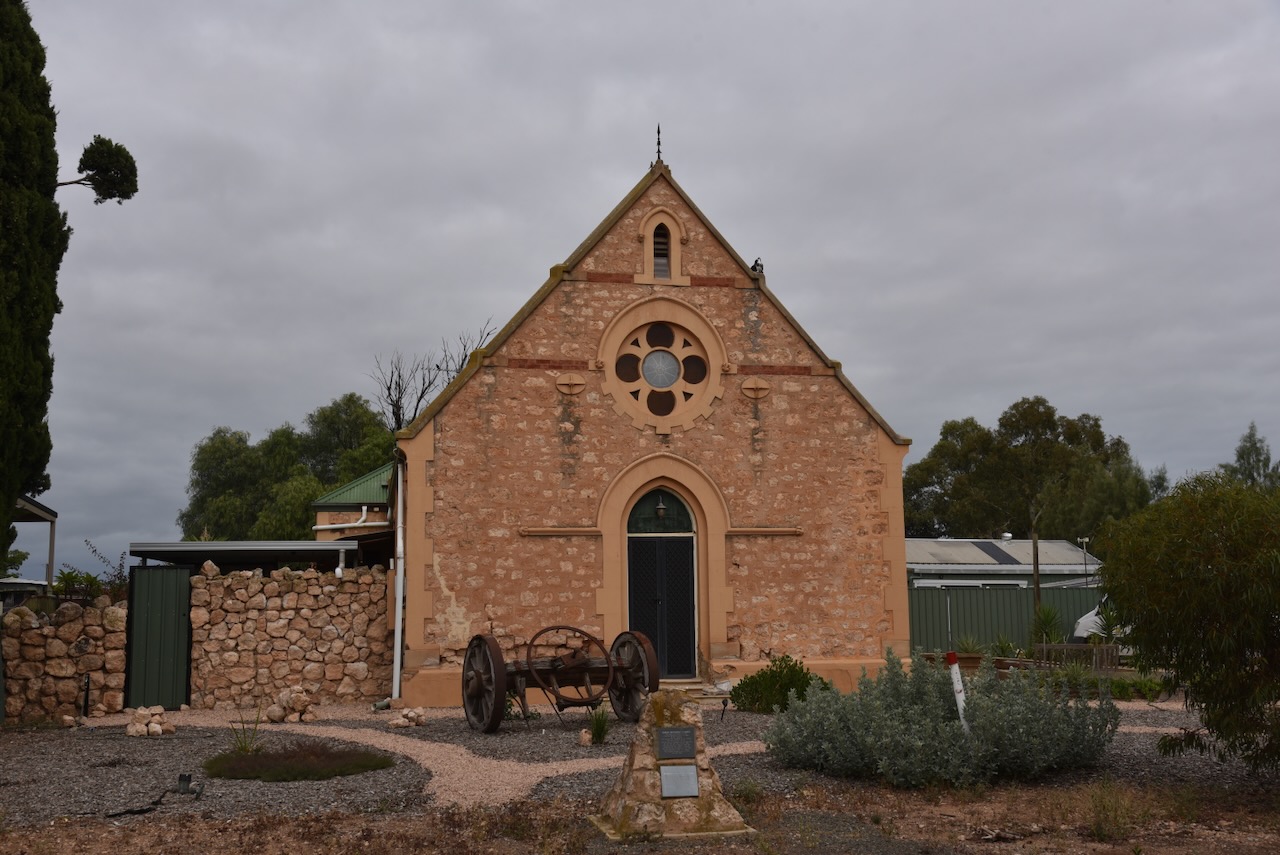
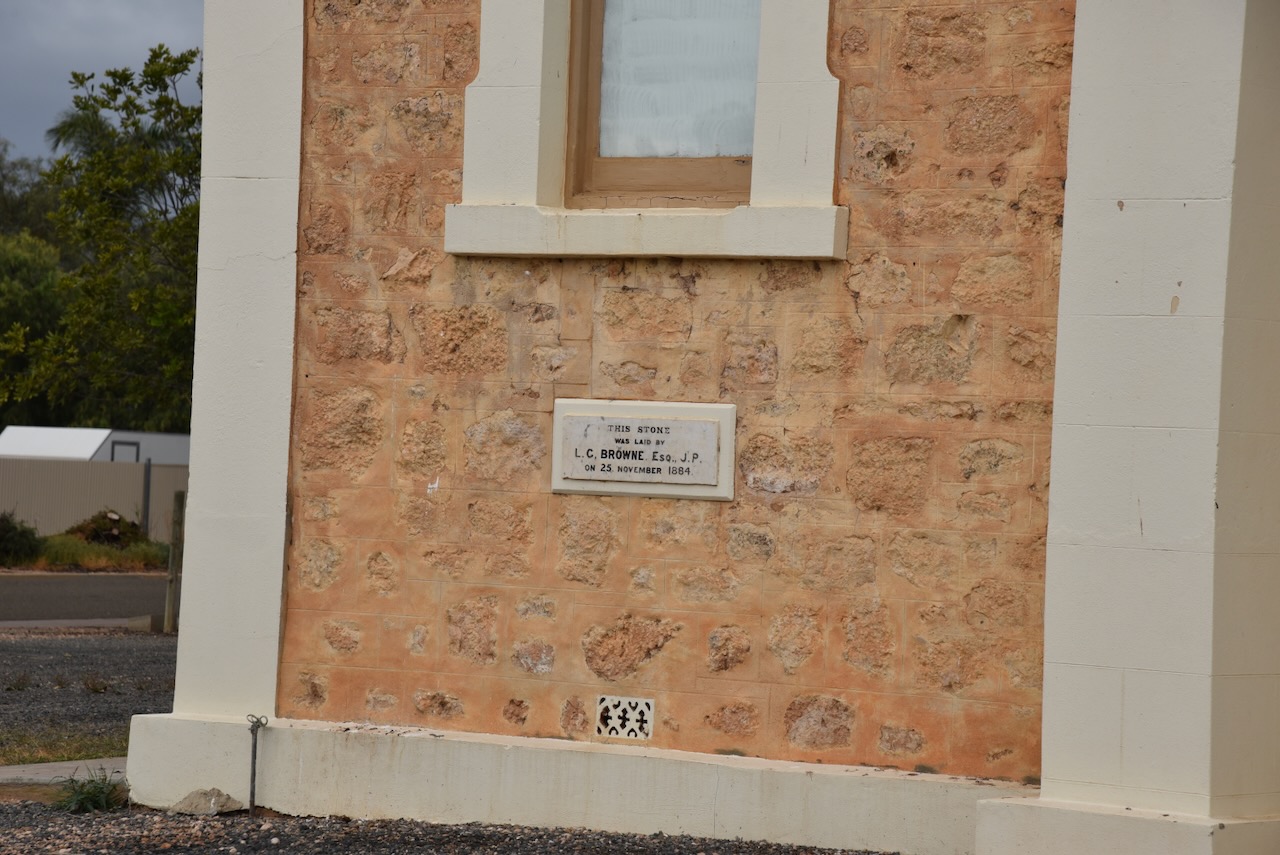
My first activation on Wednesday 10th April 2024 for the Eyre Peninsula trip was the Dublin silo VK-DN5, for the Silos On The Air (SiOTA) program. Dublin is about 65 km north of the city of Adelaide.
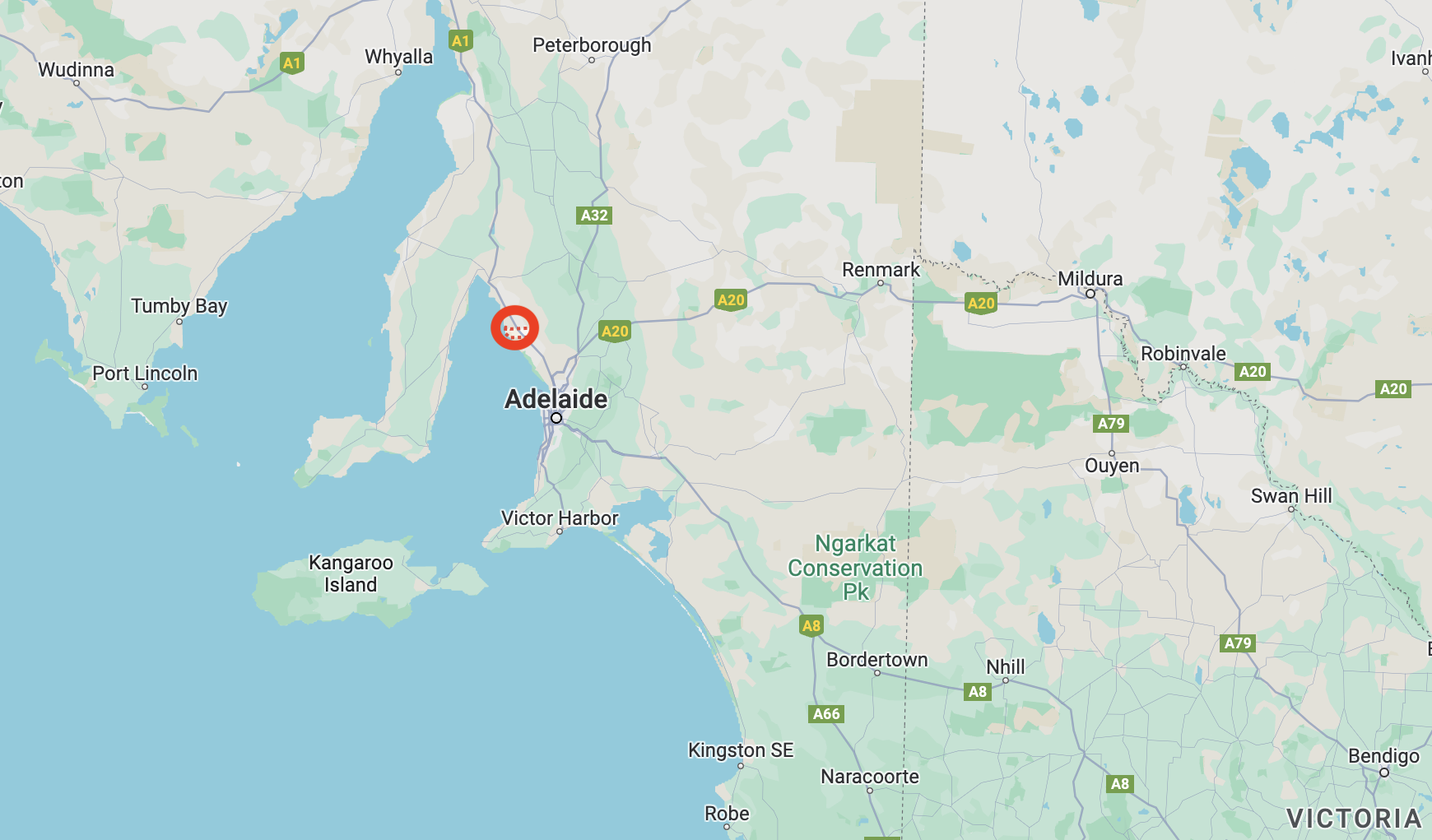
Above:- Map showing the location of Dublin, South Australia. Map c/o Google Maps.

Dublin lies in the cadastral Hundred of Dublin which was named in 1856 by Governor Richard MacDonnell in honour of his birthplace of Dublin in Ireland. It was officially proclaimed on the 22nd day of May 1856 and covered an area of 91,520 acres. (Cockburn 1990) (Dublin History Group 2012)

Above:- Sir Richard Graves MacDonnell. Image c/o Wikipedia.

The first known landowners in the Hundred of Dublin were Messes Grant and Butler, who in 1851, secured a 14-year lease in lieu of an occupation licence. In 1873 the township of Dublin was surveyed and on the 13th day of April 1876, the township was gazetted. The town plan was based on the principles used by Colonel William Light in the planning of the city of Adelaide. Other early settlers at Dublin included Thomas Stephenson in 1866, Charles Burney Young in 1873, William and Jonathon Porter in 1874, and Robert Dawson and William Camens in 1876. (Dublin History Group 2012)

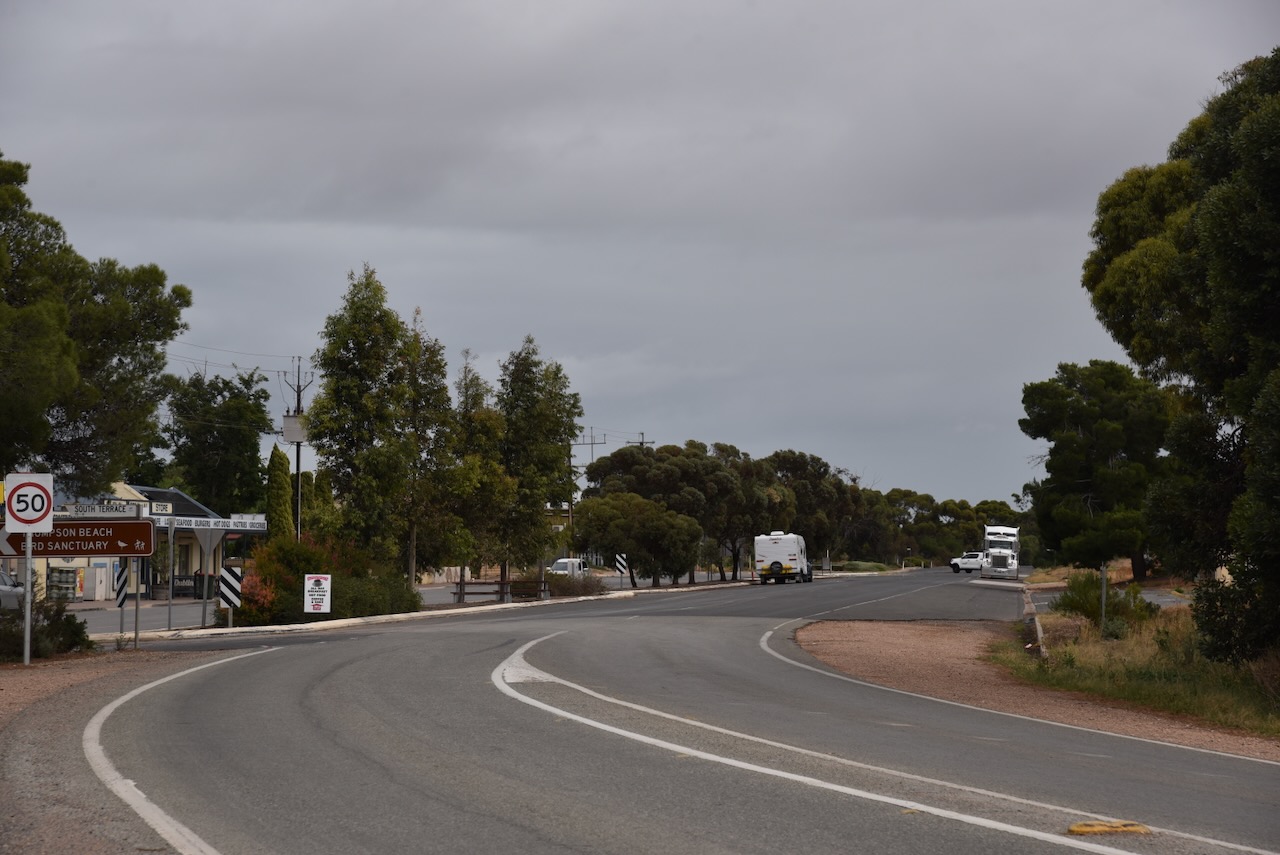
The Dublin silos are part of Dublin Clean Grain, a leading grain cleaning service north of Adelaide. The Dublin silo complex has a 780 tonne silo storage capacity feeding directly to a Cimbria 108 sieve cleaner and two Cimbria gravity tables. There are six 130 tonne silos. Grains that are cleaned at the complex include wheat, lentils, beans, barley, canola, and peas. (Dublin Clean Grain 2024)

I parked on Carslake Road and operated from the 4WD, running the Icom IC-7000, 100 watts, and the Codan 8350 antenna with the 1.5 metre stainless steel whip.

I worked the following stations on 40m SSB:-

  1. VK2EXA
  2. VK3APJ
  3. VK5AAF
  4. VK5NM/p
  5. VK7ZA
  6. VK3PF/m

I worked the following station on 20m SSB:-

  1. VK5IS

References.

  1. Dublin Clean Grain. (n.d.). Dublin Clean Grain. [online] Available at: https://dublincleangrain.com.au/ [Accessed 9 May 2024].
  2. ‌www.dublinhistorygroup.com.au. (n.d.). dublin. [online] Available at: https://www.dublinhistorygroup.com.au/page/dublin.htm [Accessed 9 May 2024].‌

Mount George Conservation Park VKFF-0784

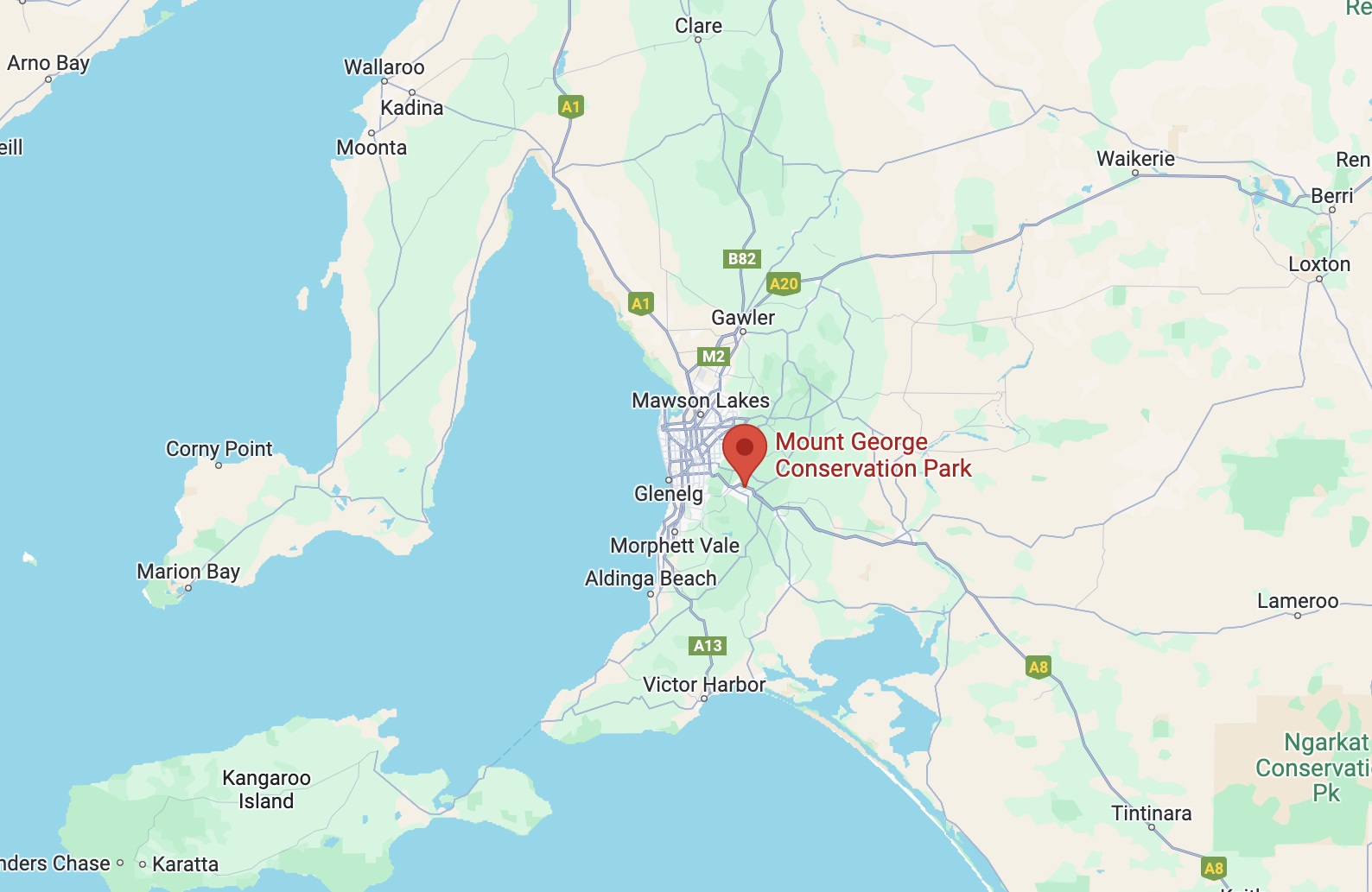
On Wednesday 13th March 2024, I headed over to the Mount George Conservation Park VKFF-0784, at Bridgewater. It was our monthly meeting of the Strathalbyn Amateur Radio Group.

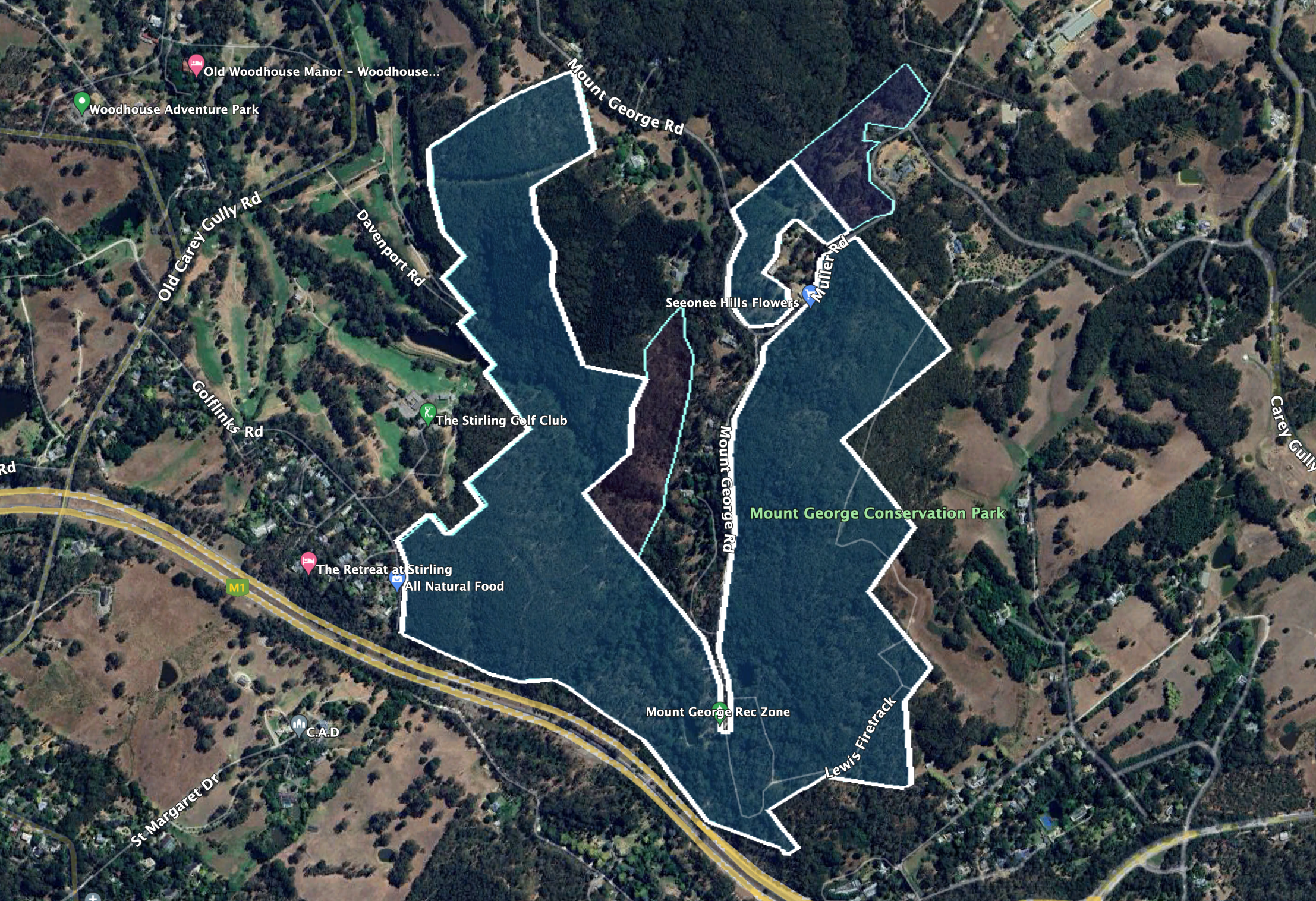
Above:- Map showing the location of the Mount George Conservation Park. Map c/o Google Maps.

Many people travelling along the busy South Eastern Freeway probably wouldn’t even know this park exists. The Mount George Conservation Park is located just on the northern side of the Freeway between Stirling and Bridgewater.

Above:- An aerial view of the Mount George CP. Image c/o Google Earth.

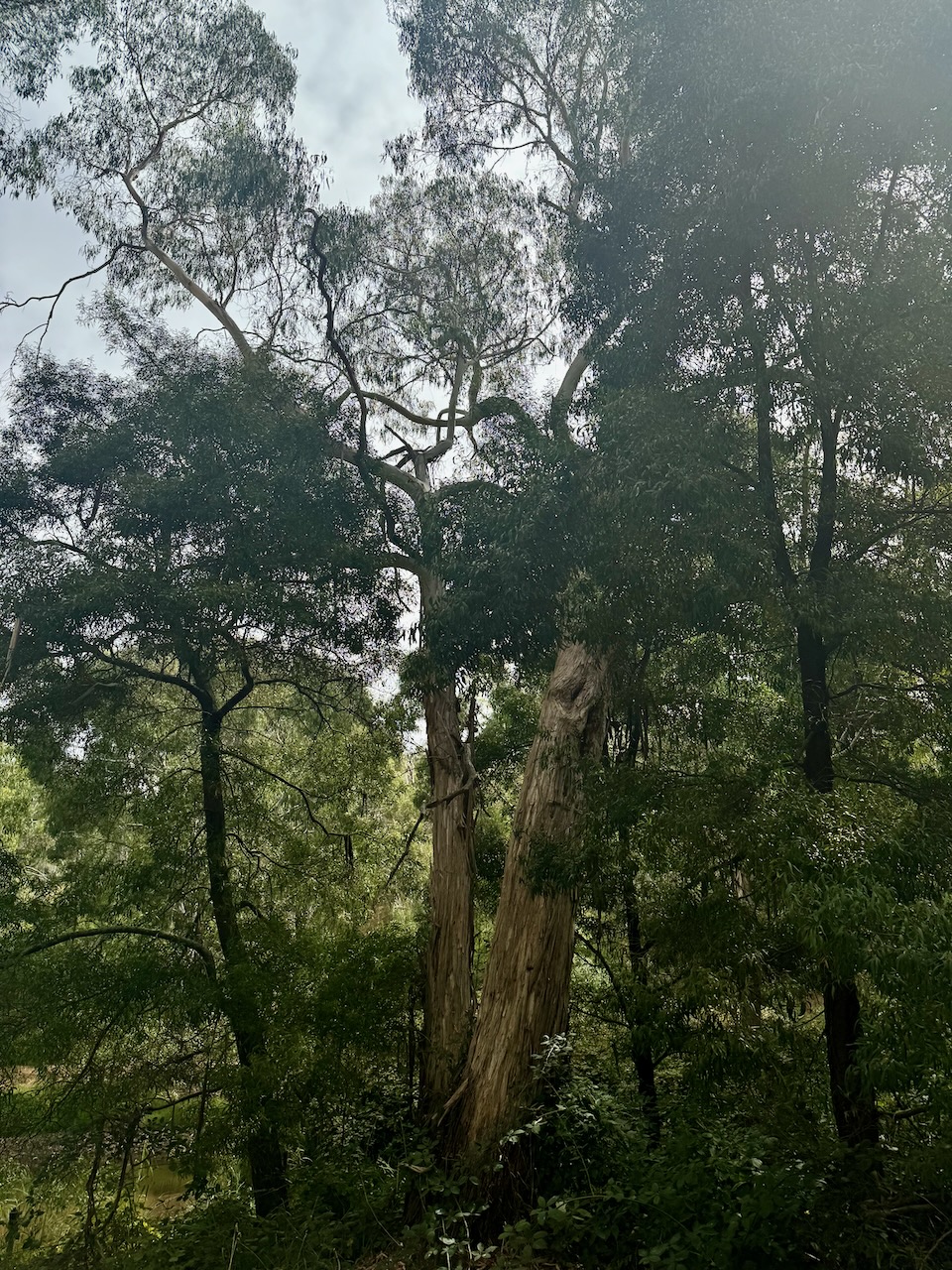
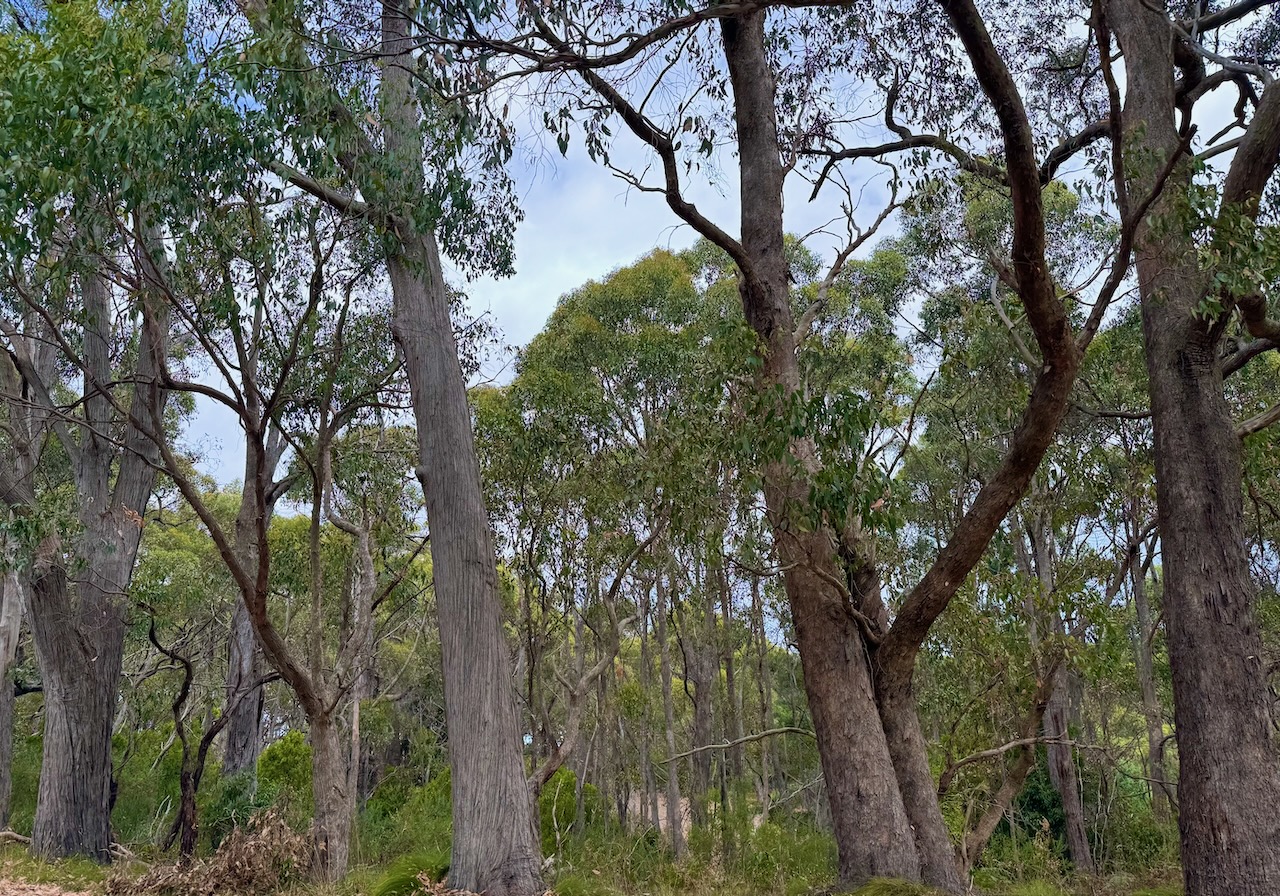
The park is about 85 hectares in size and was proclaimed on the 7th day of November 1996. On the 16th day of October 2003, an additional 18 hectares was added to the park. The park predominantly consists of messmate stringybark open forest. Other native vegetation in the park includes brown stringybark, mountain gum, and rough-barked manna gum. The understorey consists of sedges, grasses, herbs, and ferns. (Birds SA 2024)

The Mount George summit, 520 metres, is located within the park.  Sadly it does not have the required prominence for the Summits on the Air (SOTA) program.

A total of 45 native bird species have been recorded in the park including Adelaide Rosella. White-throated Treecreeper, Superb Fairywren, Crescent Honeyeater, WHite-browned Scrubwren, Brown Thornbill, Striated Thornbill, Grey Faintail, and Silvereye. (Birds SA 2024)

During the 1840s much of the land in the area of the park was cleared by European settlers for farming and market gardens. (Parks SA 2024)

The park contains several walking trails. A section of the Heysen Trail also passes through the park. (Parks SA 2024)

Two Heritage agreements border the Mount George Conservation Park: Unnamed (No.HA856) and Unnamed (No.HA1609). (CAPAD 2022)

Above:- An aerial view of the park looking north. Image c/o Google Maps.

Those in attendance were Peter VK5PET, Robbie VK5MRS, and Bill VK5WMK.

I set up my portable station comprising the Yaesu FT857, 40 watts, and a 20/40/80m linked dipole, inverted v, supported by a 7-metre squid pole.

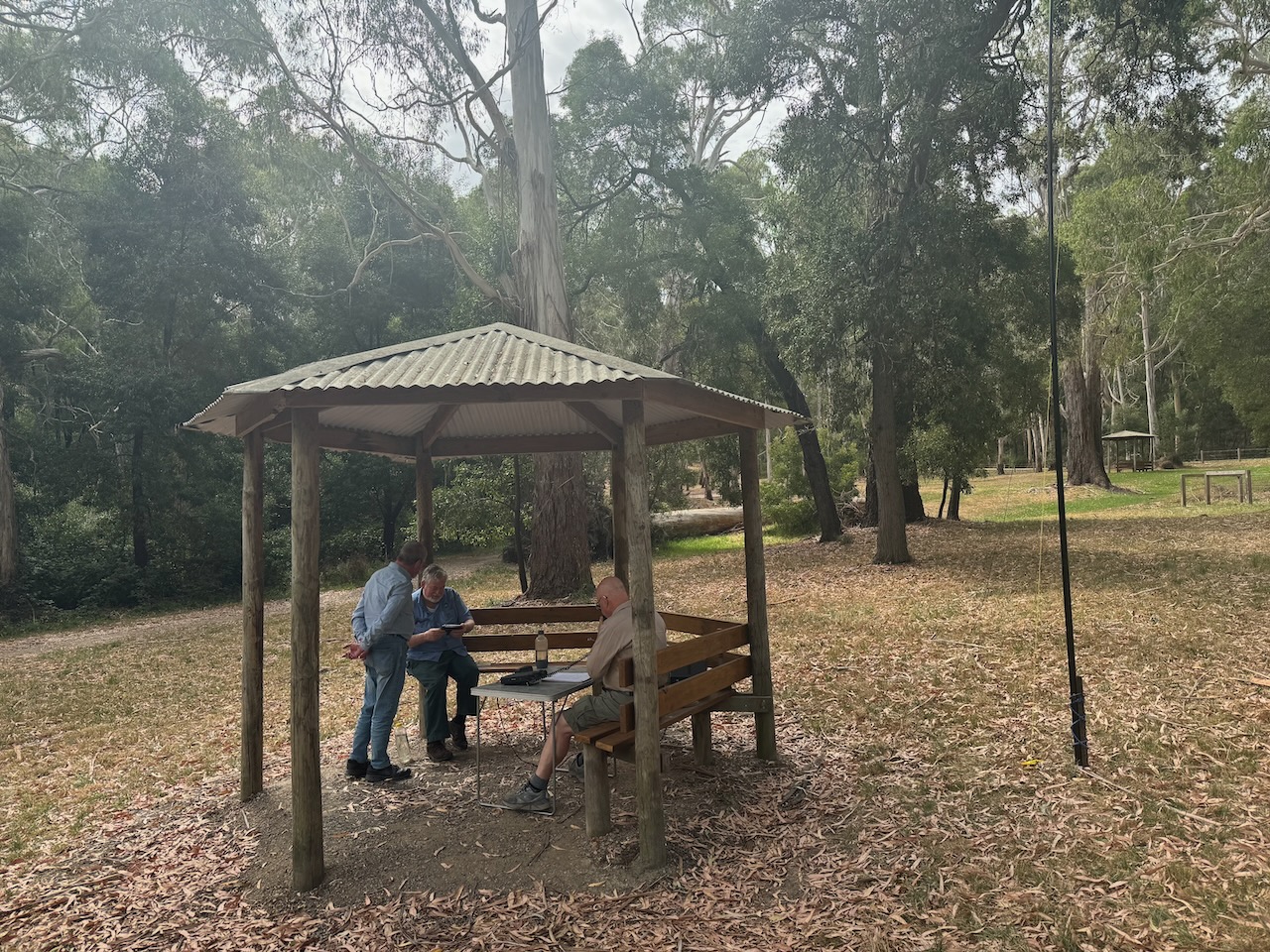
We operated from a shelter in the park.

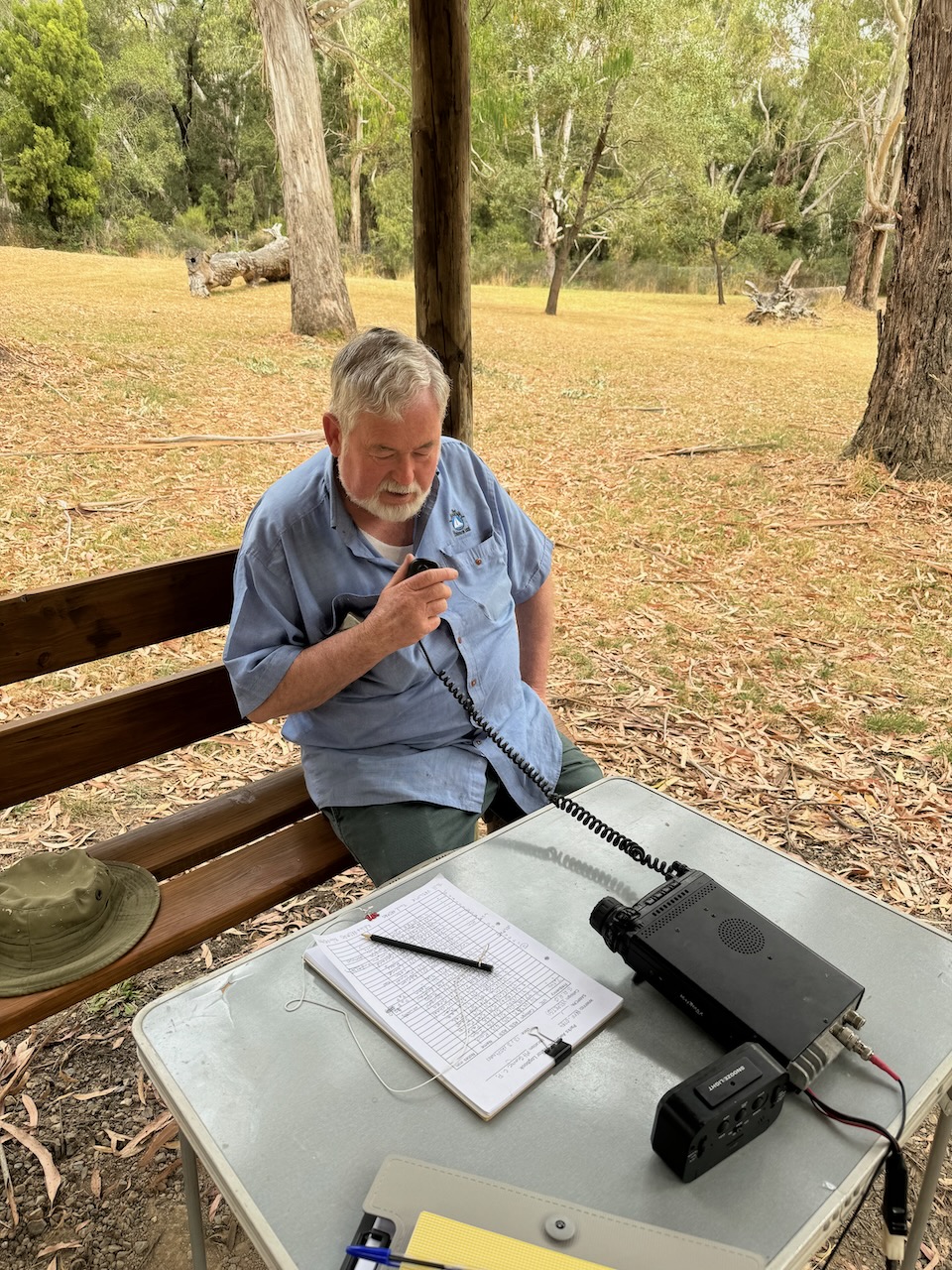
Above:- Our operating spot for the afternoon.

Peter VK5PET who has previously activated several parks kicked off the afternoon and soon had a steady flow of callers.

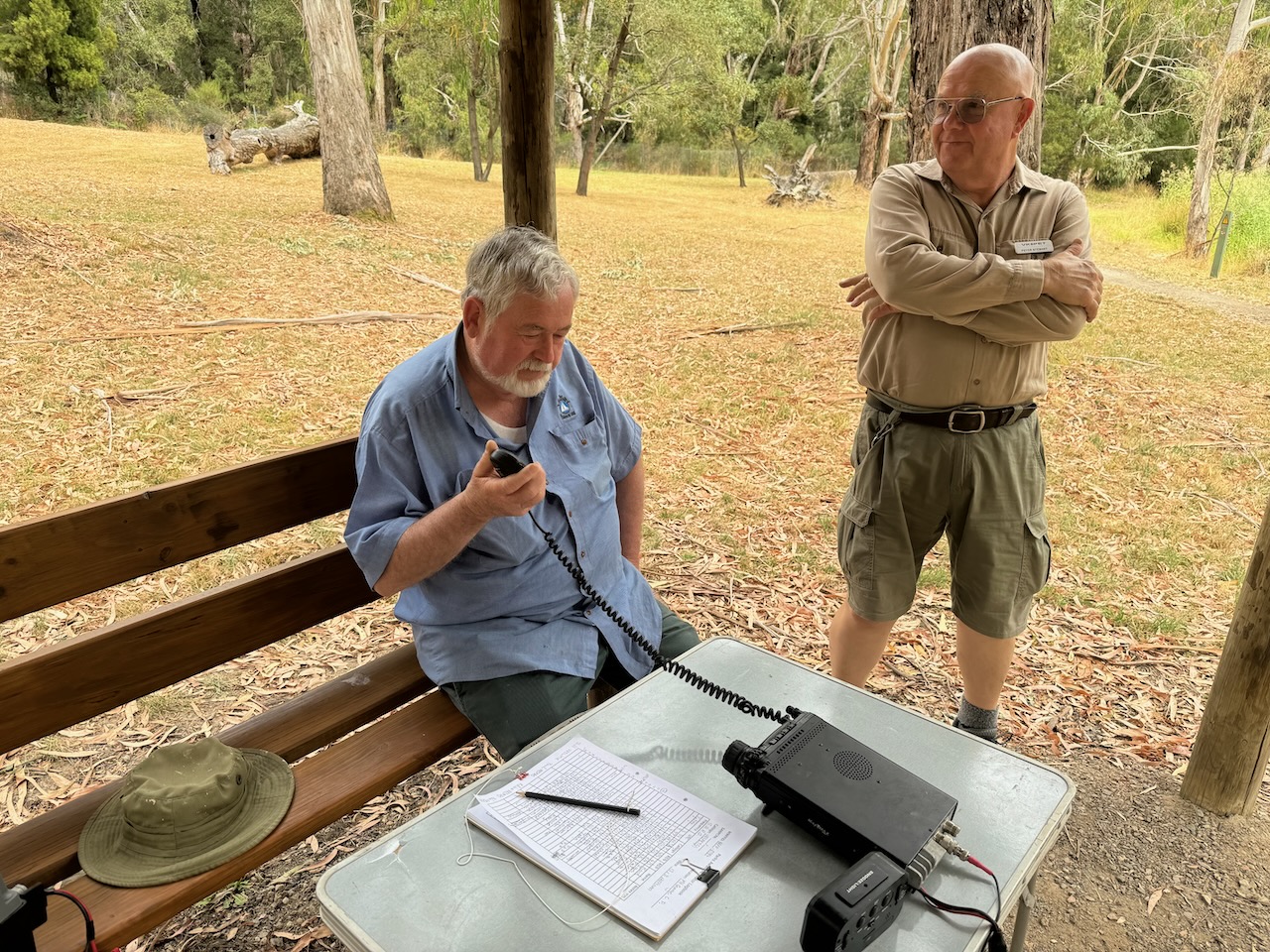
Above:- Peter VK5PET with the mic, being watched by Bill VK5WMK.

Peter filled his log while the rest of us kicked back, had a few laughs, and tried to solve the world’s problems.

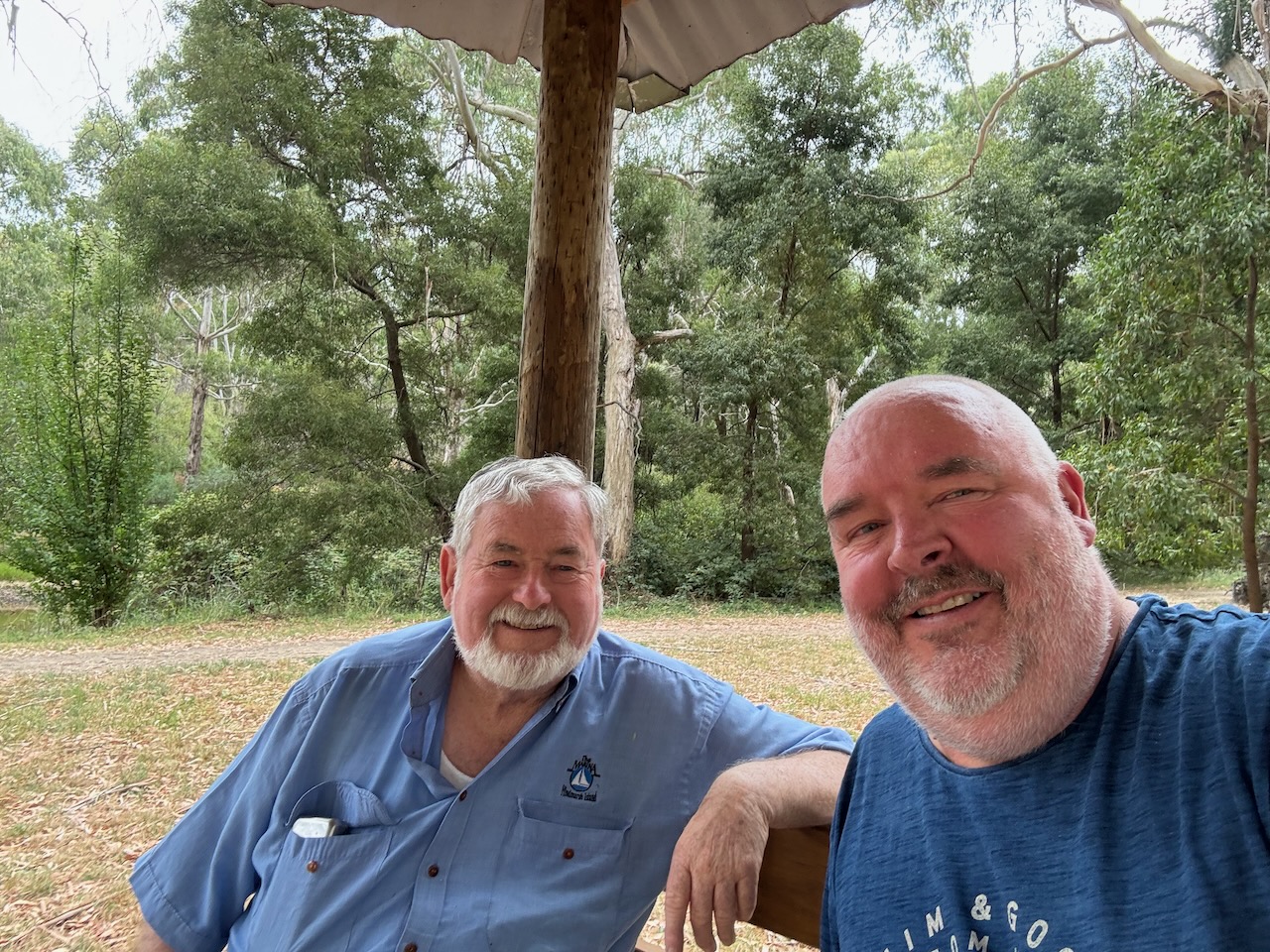
Above:- Myself with Robbie VK5MRS.

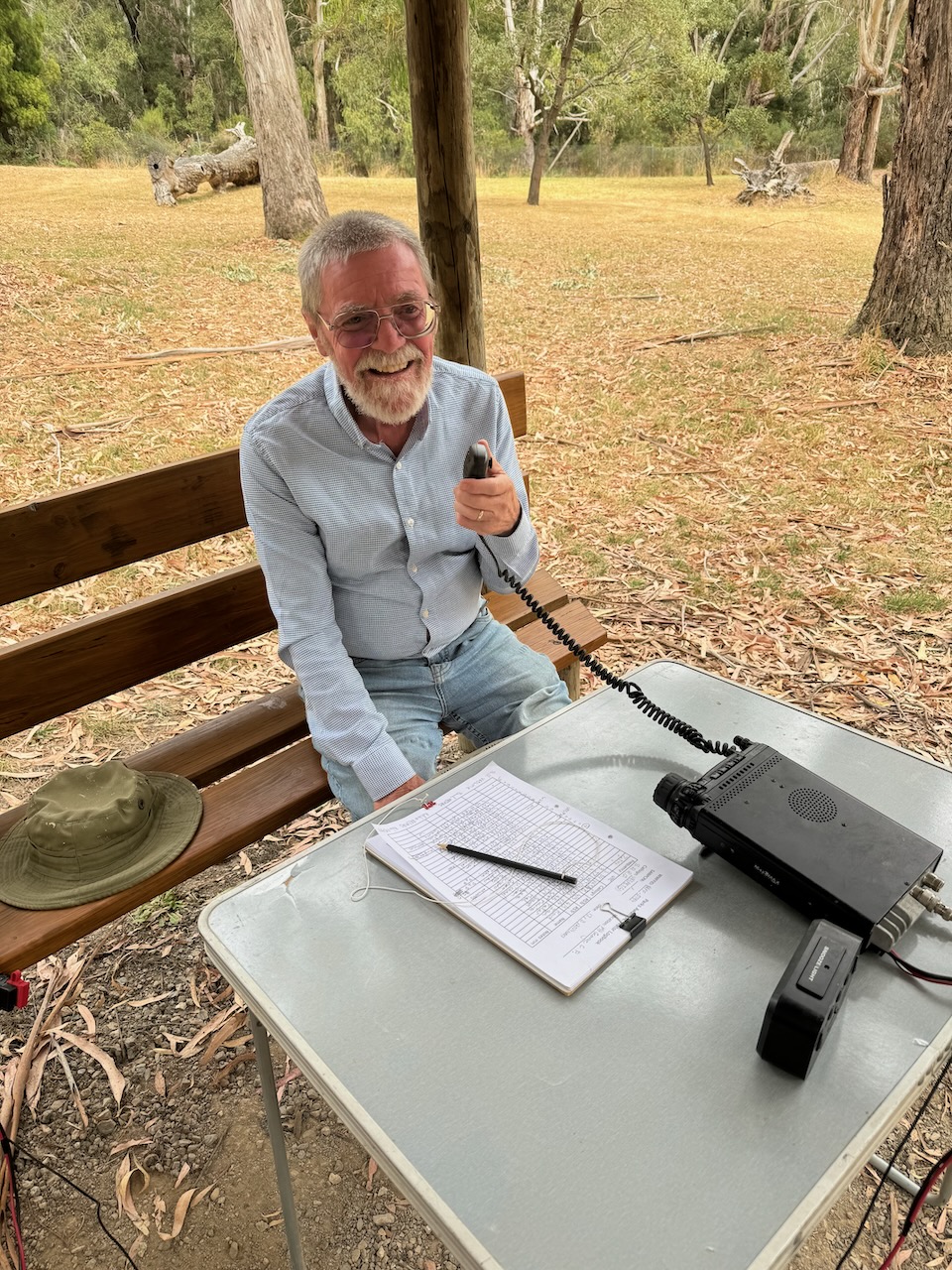
With some encouragement, Robbie and Bill then got on the air and made a handful of contacts each.

Above:- Robbie and Bill on air making some contacts.

I had previously activated and qualified this park several times, so I was not overly fussed about getting on air myself. It was all about showing Robbie and Bill the portable set-up.

It was a very enjoyable afternoon, and I am pleased to say that Robbie has since gone out and purchased a squid pole for portable operation. It was nice to get a couple of Park to Park contacts in the log with John VK4MUD. It was also very nice to get a bit of DX in the log – TK5AE in Corsica.

I worked the following stations on 40m SSB:-

  1. VK4MUD/p (Ravensbourne Nature Refuge VKFF-4010)
  2. VK3AXH
  3. VK5PZ
  4. VK5GY
  5. VK5MAZ
  6. VK5KVA
  7. VK3VIN
  8. VK5FANA
  9. VK3PWG
  10. VK3APT

I worked the following stations on 20m SSB:-

  1. VK4NH
  2. VK4DXA
  3. VK4MUD/p (Ravensbourne Nature Refuge VKFF-4010)
  4. VK7EE
  5. VK1AO
  6. VK2MET
  7. ZL3MR
  8. TK5AE
  9. VK7XX

References.

  1. Anon, (n.d.). Mount George Conservation Park – Birds SA. [online] Available at: https://birdssa.asn.au/location/mount-george-conservation-park/ [Accessed 9 May 2024].‌
  2. Dcceew.gov.au. (2023). Collaborative Australian Protected Areas Database (CAPAD) 2022 – DCCEEW. [online] Available at: https://www.dcceew.gov.au/environment/land/nrs/science/capad/2022 [Accessed 9 May 2024].‌
  3. National Parks and Wildlife Service South Australia. (n.d.). Mount George Conservation Park. [online] Available at: https://www.parks.sa.gov.au/parks/mount-george-conservation-park [Accessed 9 May 2024]‌