It was now Tuesday afternoon 23rd April 2024 and I had activated three parks for the day. I wanted to have a look at the Dutton Bay Woolshed so I headed to Mount Dutton Bay.
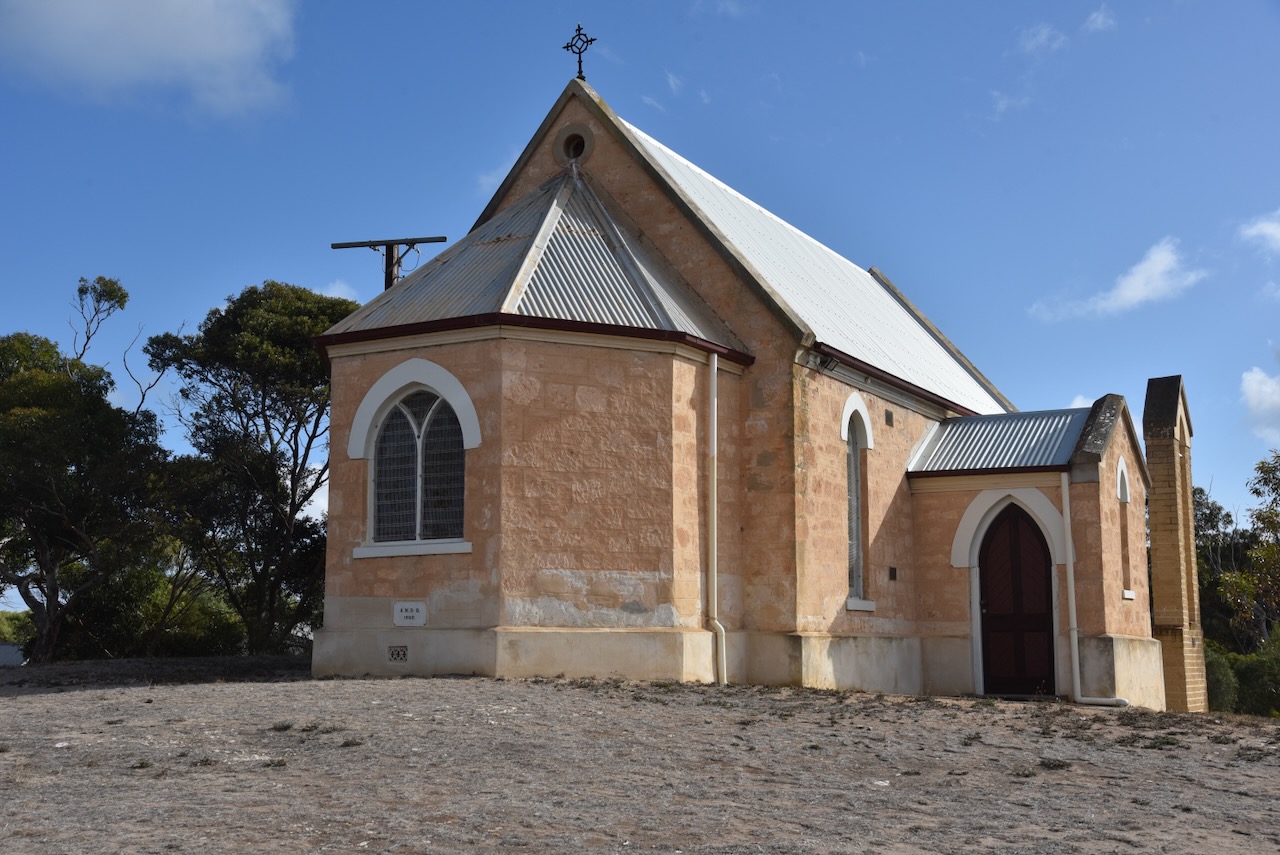
My first stop along the way was the St Matthias Anglican Church on Farm Beach Road, Wangarry. The foundation stone was laid in 1900. The church was used as a school from 1901-1919. (Churches Australia 2024)
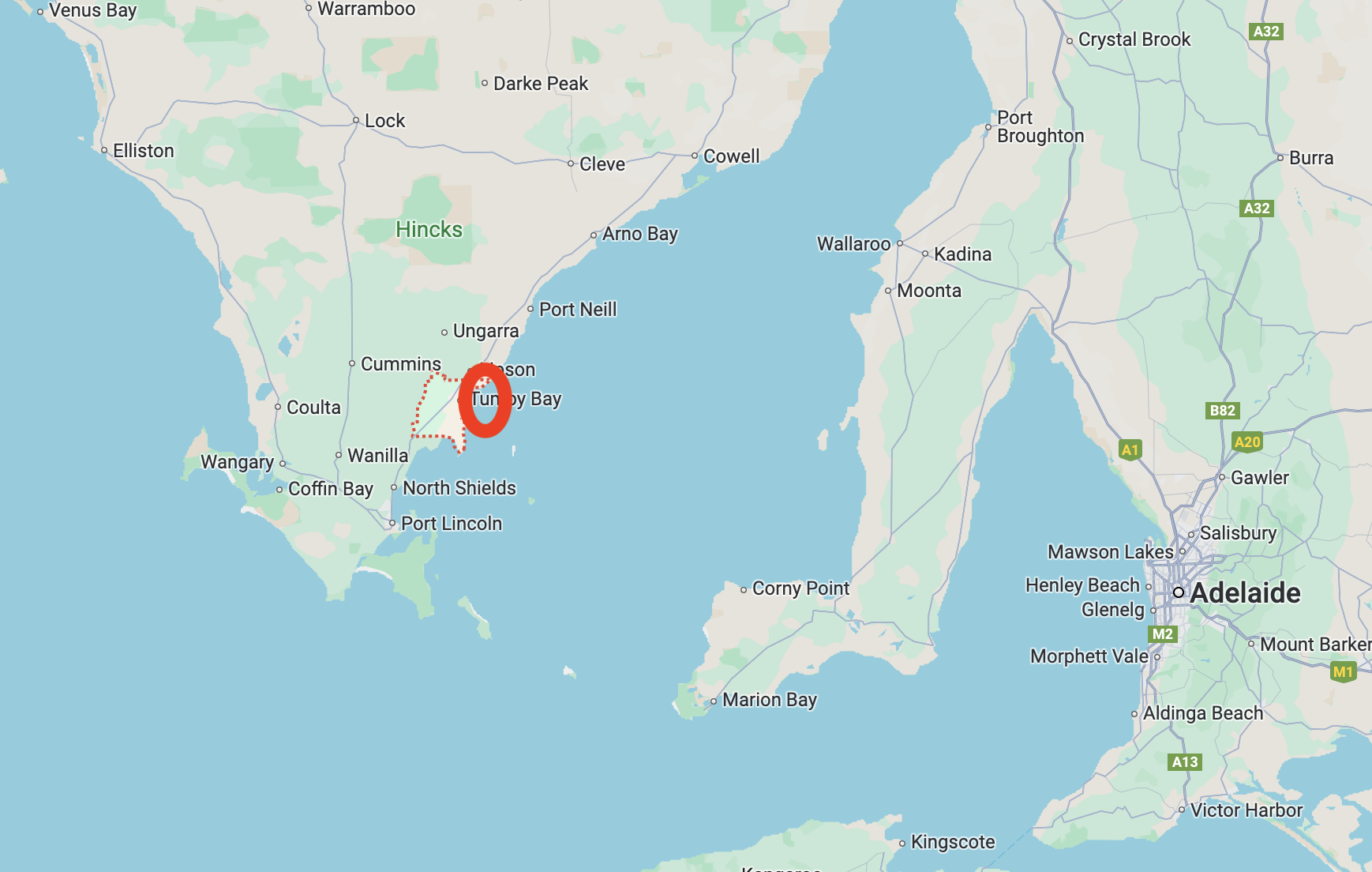
I then drove into the little town of Mount Dutton Bay which takes its name from the body of water known as Mount Dutton Bay. It in turn was named after Charles Christian Dutton, a South Australian pastoralist.
Dutton was born in Middlesex England in February 1812 and emigrated to Australia in 1833. He initially ran a store in New South Wales with his brother Henry Pelerim Dutton. In March 1838 he arrived in South Australia. He was appointed clerk of the Supreme Court and in May 1838 became a Sheriff. (ancestry.com.au) (Pastoral Pioneers 1925) (Wikipedia 2024)
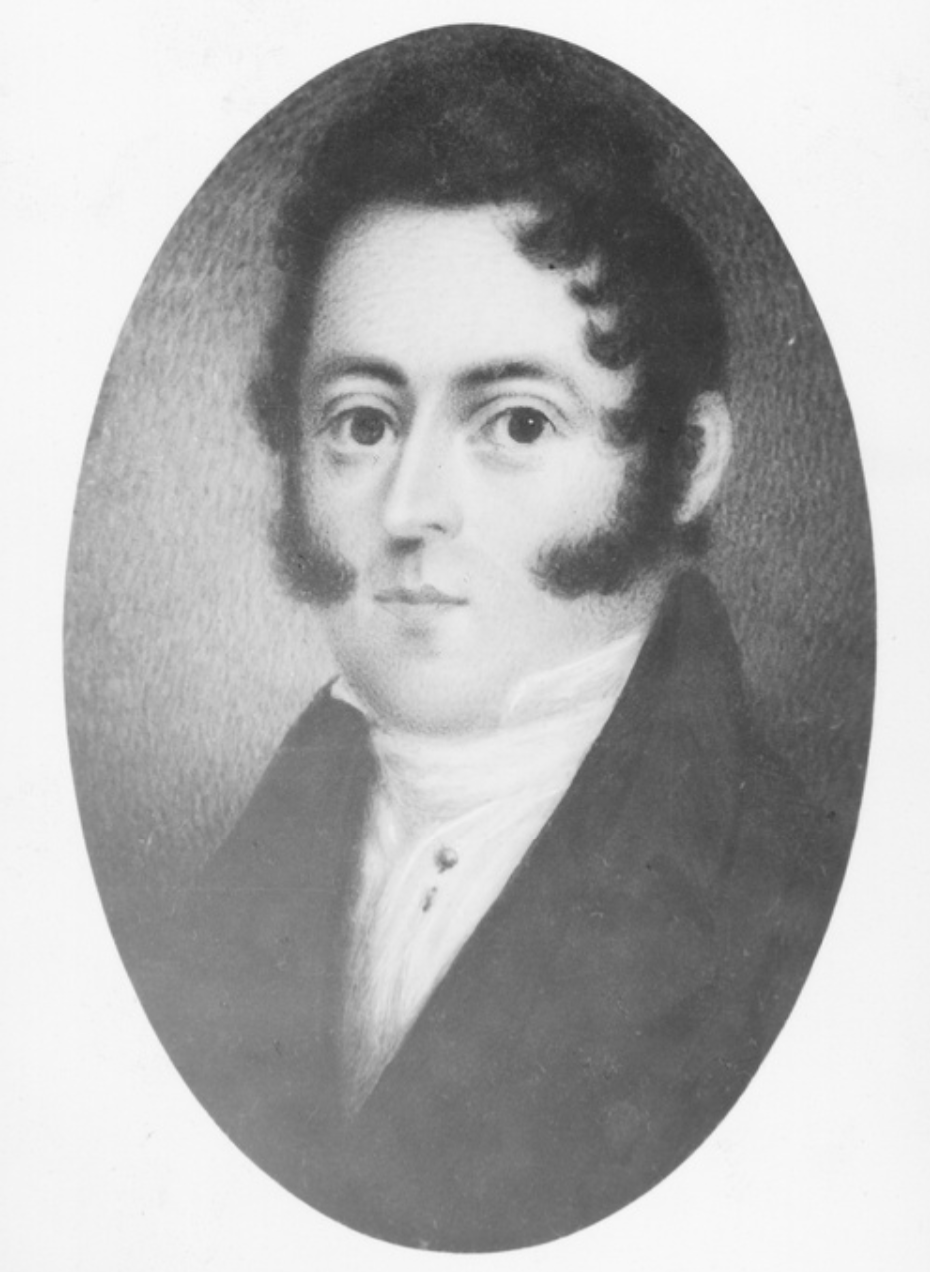
In March and early April 1839, Dutton together with Captain Hawson, and Messrs. Mitchell, R. Stevens, Dennis, Thos Wybell, Thos Harrison and T. Hawson explored the country between Port Lincoln and Coffin Bay and then on to Mount Gawler. (Pastoral Pioneers 1925)
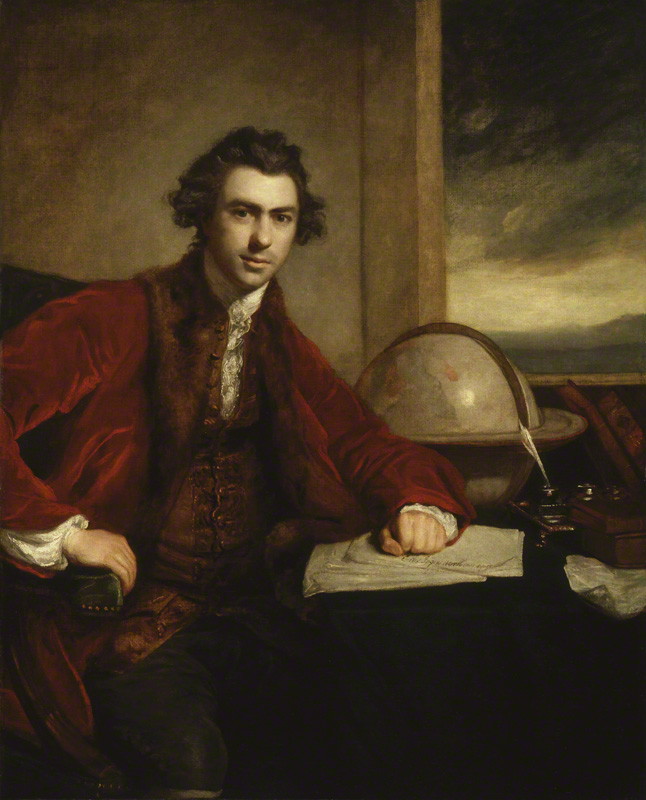
Above:- Henry Hawson. Image c/o State Library SA.
Dutton wrote:
“I certainly never saw finer agricultural land in New Holland. The undulating hills, which bound the valleys, covered with a light soil, shaded with gum and sheoak trees, are peculiarly adapted for sheep runs, and, as wool always partakes of the nature of the soil over which it runs, a fine bright description of the staple may be grown here partaking of the Saxon character and certainly equal to the Bathurst and Argyle wool. Any quantity of cattle would find excellent feed in the valleys and water in abundance…” (Pastoral Pioneers 1925)
Following his expedition, Dutton established a cattle station called ‘Pillawarta’ near Port Lincoln. However, local aboriginal people were undertaking violent raids on the pastoralists in the district. As a result, Governor George Grey despatched Lieutenant Hugonin, one sergeant, one corporal, and sixteen privates from the 16th Regiment to Port Lincoln for the purpose of protecting the settlers. By early 1842 he decided to abandon the property due to fears of the local aboriginal people who were undertaking raids. (Pastoral Pioneers 1925)
Above:- Governor Grey. Image c/o Wikipedia.
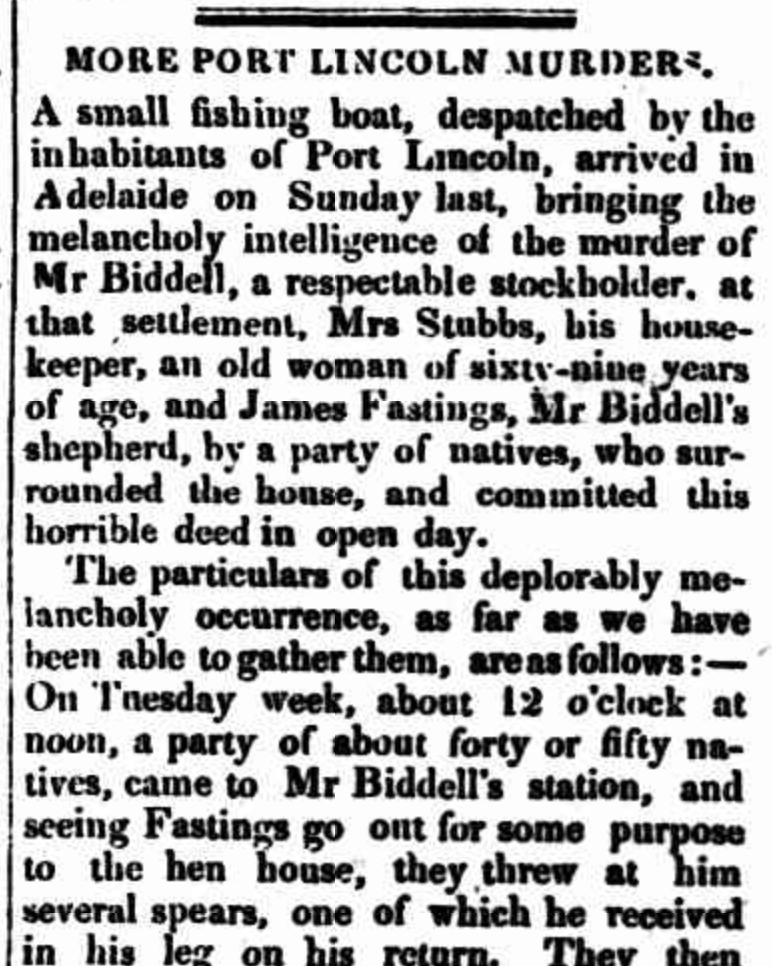
There had been ongoing violence in the Port Lincoln district. In April 1842 Mr Rolles Biddell, his housekeeper Mrs. Elizabeth Stubbs, and his shepherd James Fastings were murdered by local aboriginal people.
Above:- part of an article from the South Australian, Tue 12 Apr 1842. Image c/o Trove.
Dutton took his wife and family back to Adelaide. He then arranged for a team to drive his cattle overland to safety near Adelaide. Whilst away, three soldiers were placed in charge at Pillaworta. Despite this, local aboriginal people attacked the station. (Pastoral Pioneers 1925)
James McLean of the Mounted Police Force and a Sherrif’s Officer wrote of his experiences. He stated:-
“A few mornings after this we were surprised to see the three soldiers we left in charge of the stores at Pillawarta, one without his boots, the other two bare-headed, having been attacked by the natives, when they ran for it like good soldiers!”
When next visited, it was found that Pillawarta had been plundered of all of its stores. McLean and a team of police and soldiers under the command of Alexander Tolmer commenced a search and soon found trails from sacks of wheat that had been stolen. They came across a camp where they discovered goods stolen from Dutton’s cattle station and also property belonging to Biddell and Stubbs. One man was apprehended by Lieutenant Hugonin. (Recollections of Old Colonists)
Dutton’s the team consisted of Graham, Cox, Haldane, Brown. On the 20th day of June 1842, they set out from Pillaworrta with 250 cattle towards present day Port Augusta. Their equipment for this arudous journey consisted of two horses, a team of six bullocks, tea and sugar, and some wheat with a hand mill to grind it. They were accompanied on the first day by Lieutenant Hugonin of the 96th Regiment of Foot and a detachment of soldiers as an armed escort. and were never seen again. It is believed they were murdered by Barngarla aboriginal people near current-day Whyalla. (Pastoral Pioneers 1925)
When Dutton’s party did not arrive in Adelaide as expected, Governor Grey ordered for a search party to be despatched. Police Inspector Alexander Tolmer was in charge search, with Corporals McLean, Rose, McMahon, Spencer, Brooks, Look, and Barber. A party of four young pastoralists, Charles Hawker, his brother James Hawker, William Peters, and James Baker also joined. (Recollections of Old Colonists)
Above:- Alexander Tolmer. Image c/o Wikipedia.
During the search, displeasure grew between the members of the search party. The four young men did not like taking orders from Tolmer. It was reported that they would not sit at the same campfire with Tolmer. As a result, Tolmer and his men returned to Adelaide. (Recollections of Old Colonists)
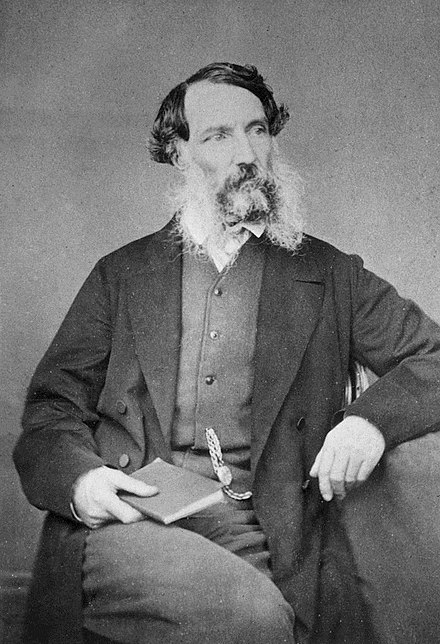
Governor Grey ordered Tolmer to return to the search, but this time under the command of Edward John Eyre, supported by Deputy Surveyor Thomas Burr. No trace was found by the search party of Dutton and his party. However, some tracks of the men were located, along with some of their belongings. (Recollections of Old Colonists)
Above:- Edward John Eyre. Image c/o Wikipedia.
One of the five men had kept a journal and from this journal, it appears that Dutton and Cox rose ahead of the group and on one evening discovered a group of Aboriginal women. Dutton and Cox were keen to find out if there was a nearby water supply, however most of the aboriginal women fled into the scrub. One however was held by the wrists by Dutton and she let out a cry. A number of aboriginal males then appeared and Dutton and Cox were ‘waddied’. Haldane then approached the site and met the same fate. (Pastoral Pioneers 1925)
Following the disappearance of Dutton, retribution killings were undertaken by soldiers of aboriginal people in retribution.
Twenty years after Dutton and his team went missing, a riding whip and human bones believed to be that of Dutton were located close to the southern edge of Lake Torrens close to what is called Dutton’s Bluff. (Pastoral Pioneers 1925)
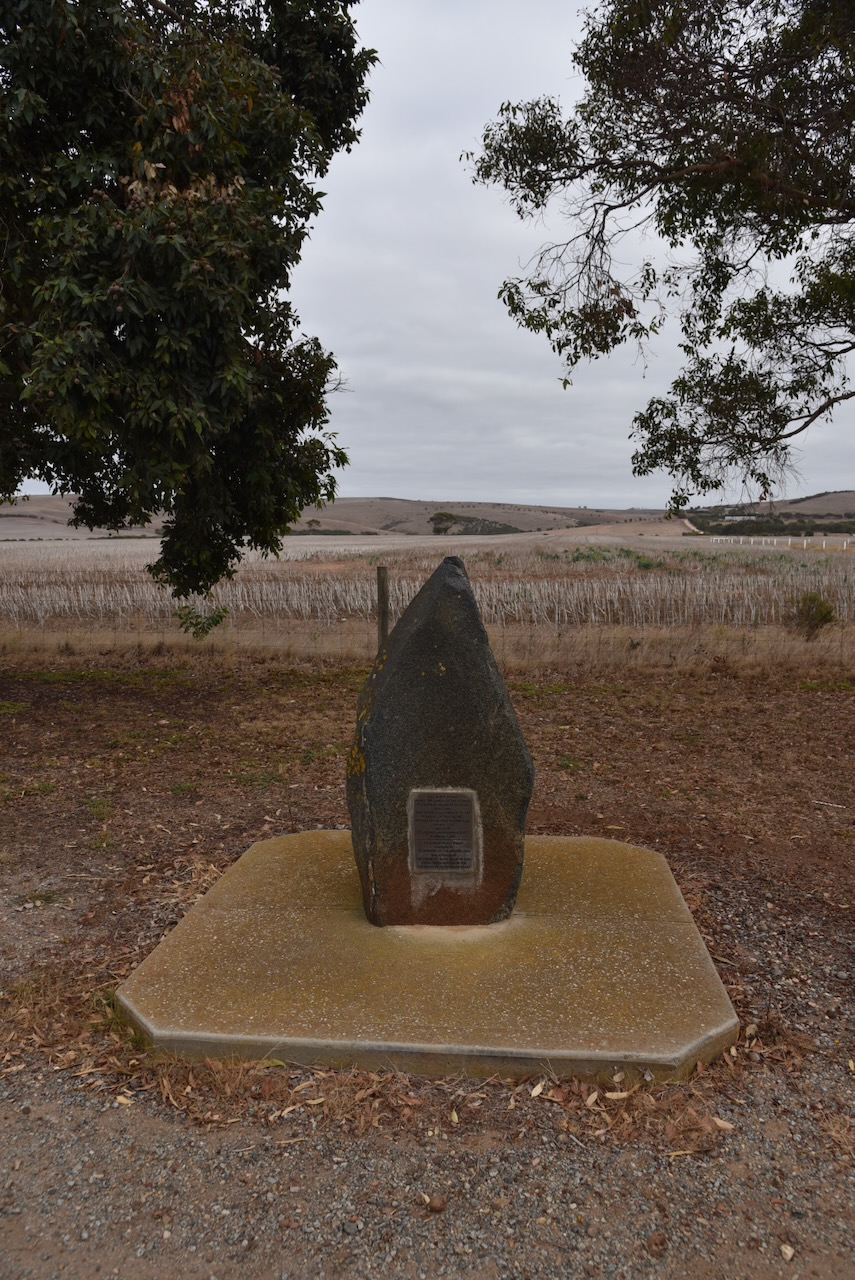
One of the remaining historic buildings in Mount Dutton Bay is the former Methodist church built c. 1890s.
Sadly, I found the woolshed closed despite the website stating that it would be on.
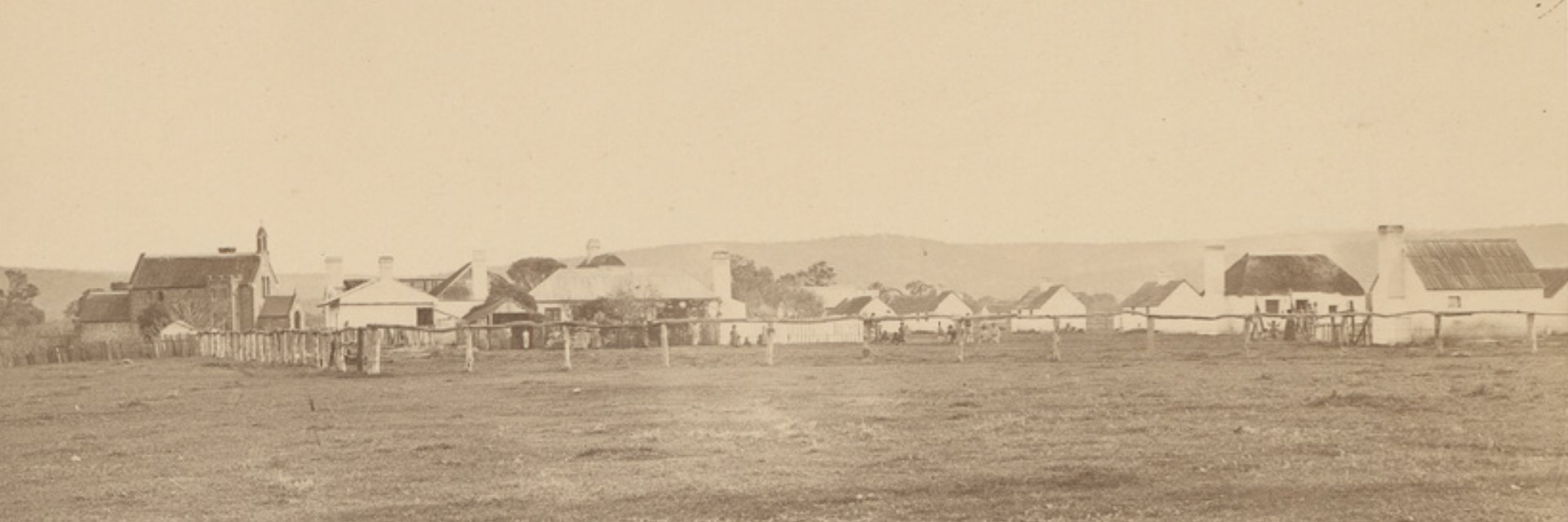
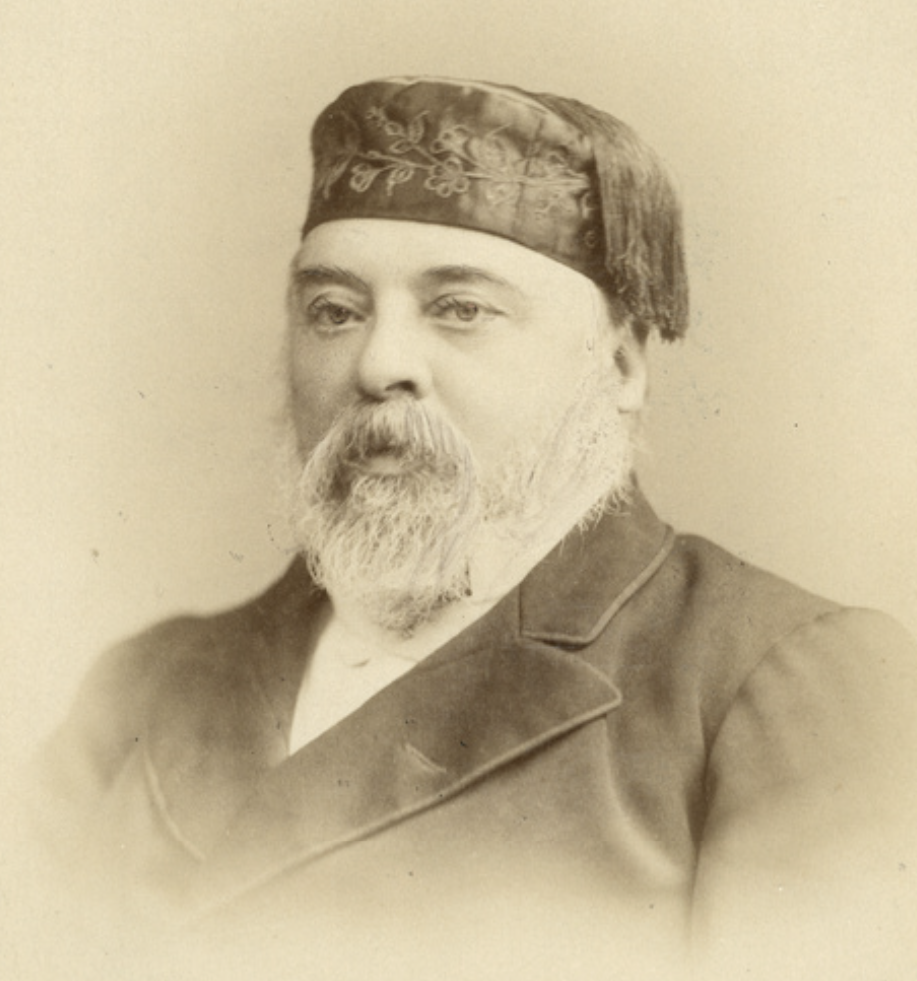
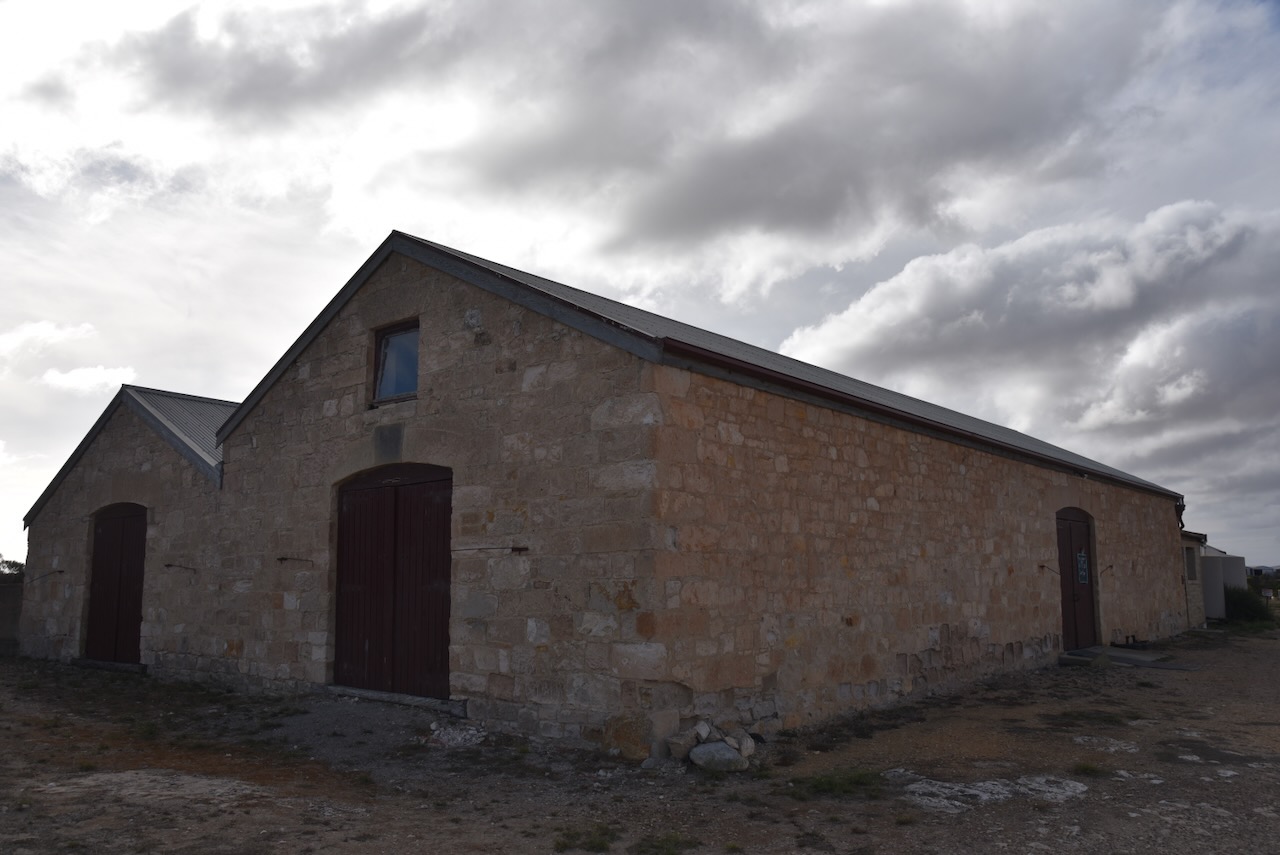
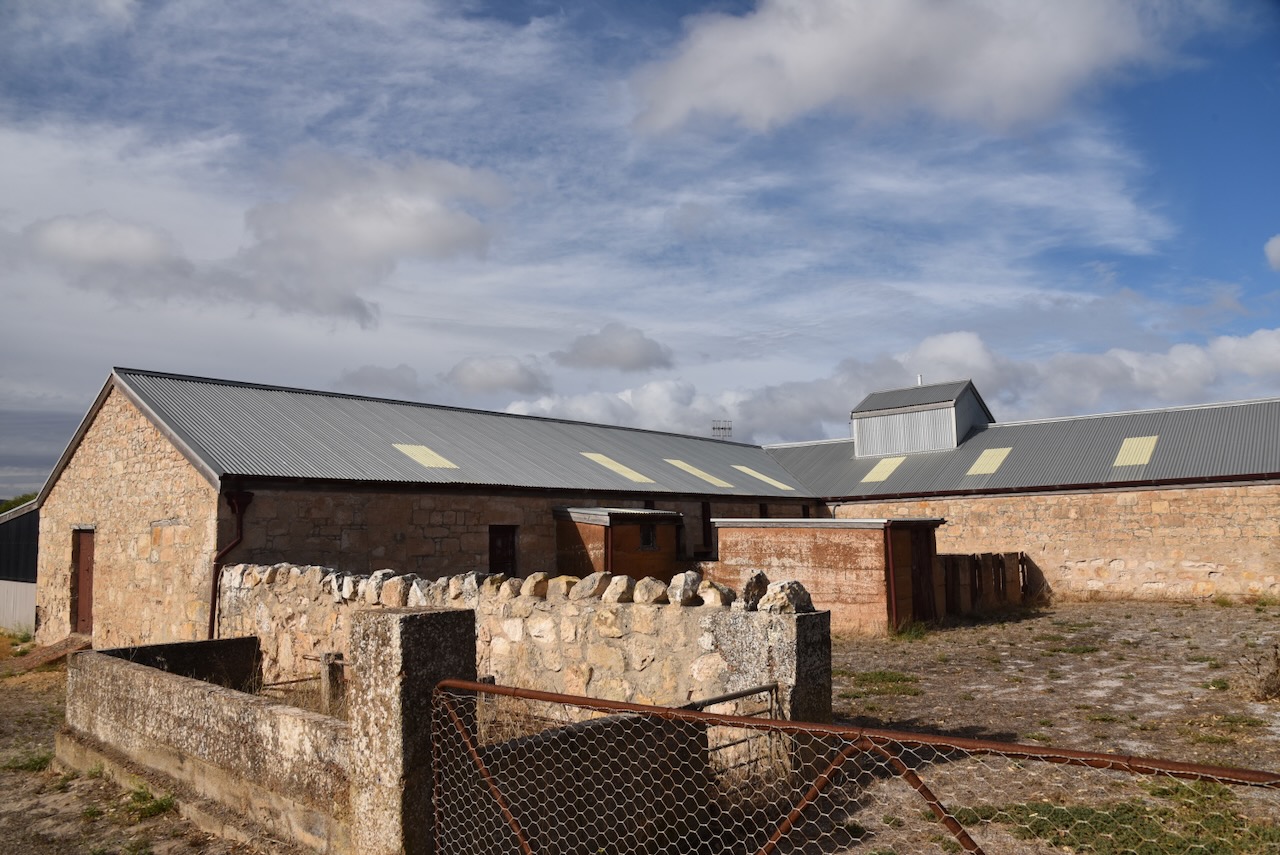
The Mount Dutton woolshed was built by pioneer pastoralist Price Maurice in 1875 to service his extensive holdings. The timber trusses used to build the woolshed were transported from Oregon in the United States of America. The stone used was found on site and also around the district of Wangary. (Dutton Bay Woolshed 2024)
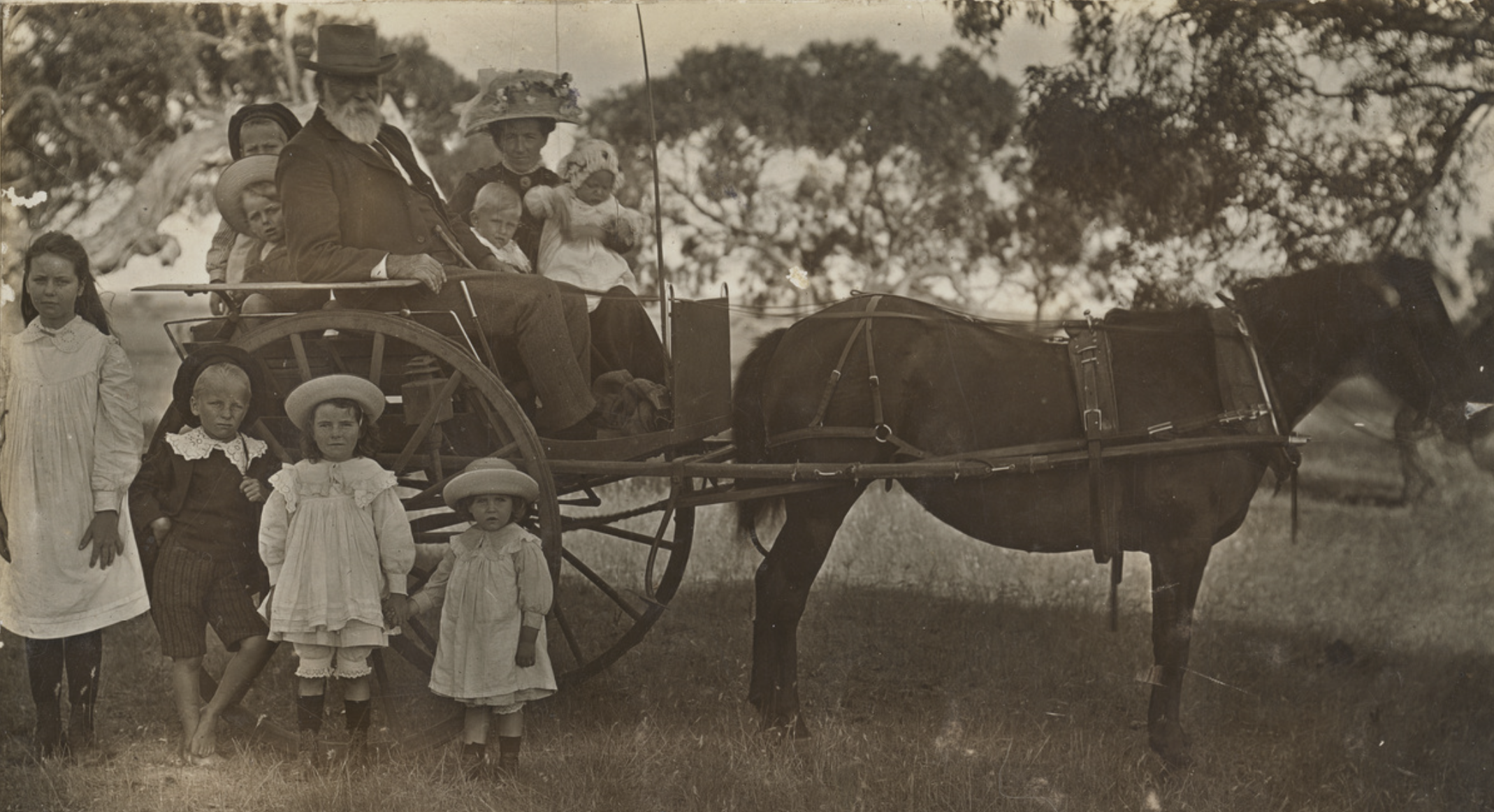
Above:- Price Maurice. Image c/o State Library SA.
In its peak during the 1890s, over 20,000 sheep were short within the shed with up to 100,00 fleeces being baled and loaded onto sketches at the adjacent jetty. The Price Maurice Run stretched from Mount Dutton Bay to as far as Lake Newland Station north of Elliston. The woolshed ceased operations as a shearing shed during the 1970s. The woolshed was almost demolished during the 1980s, but fortunately was placed under Syate Heritage Listing in 1984, along with the hetty. (Dutton Bay Woolshed 2024)
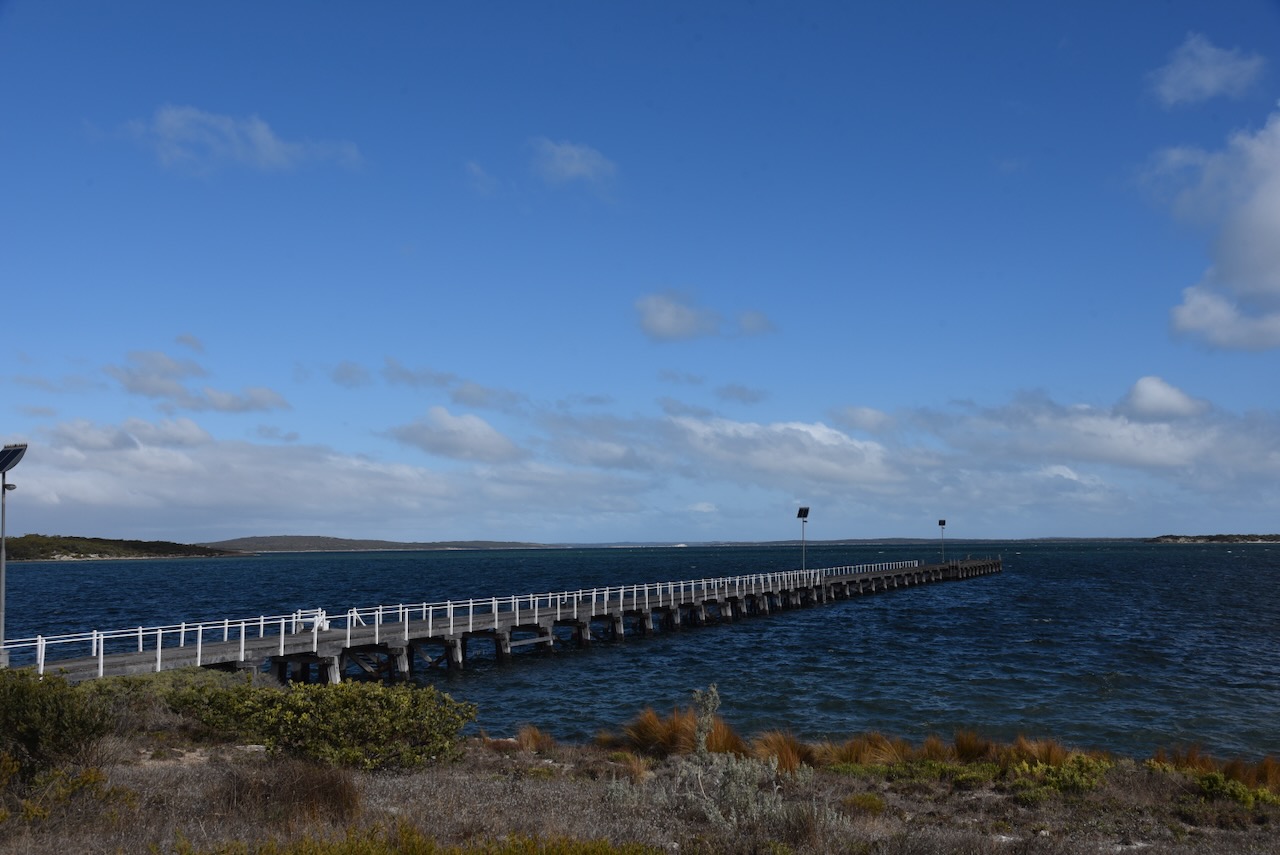
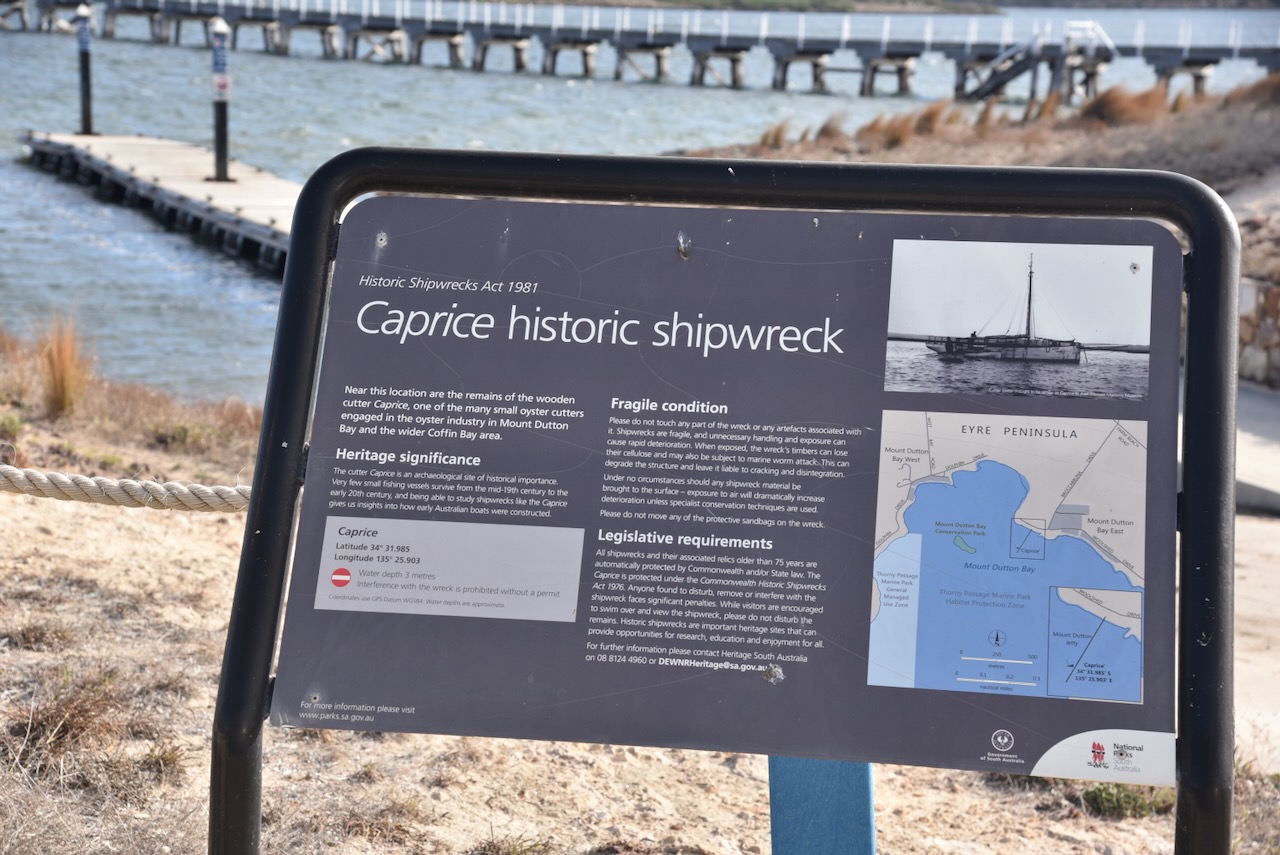
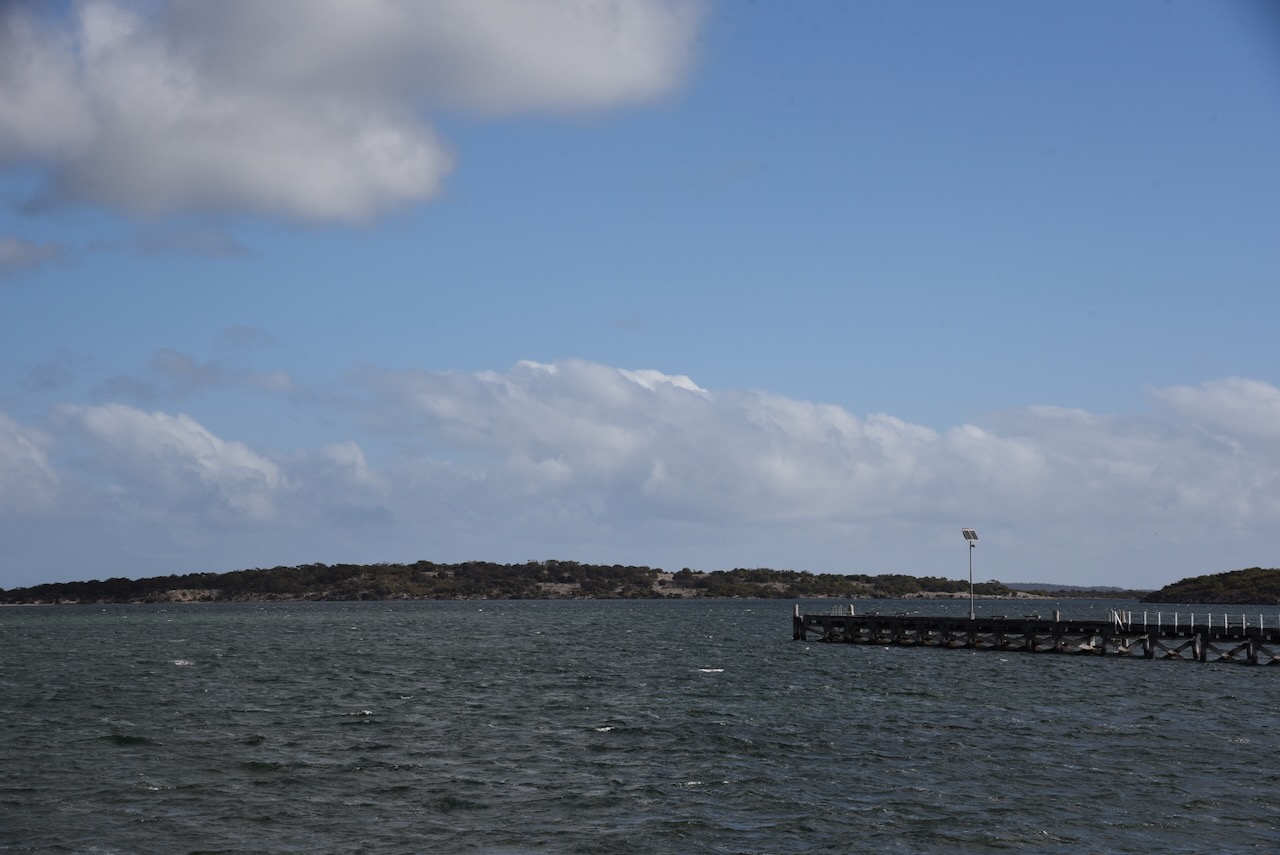
The Dutton Bay jetty was originally only one-third of its present length and was built to service the woolshed opposite. It was extended to 680 feet in 1910. Flat-bottomed sketches exported wool and grain and imported flour, sugar, tea and tobacco from ports such as Port Adelaide and Melbourne.
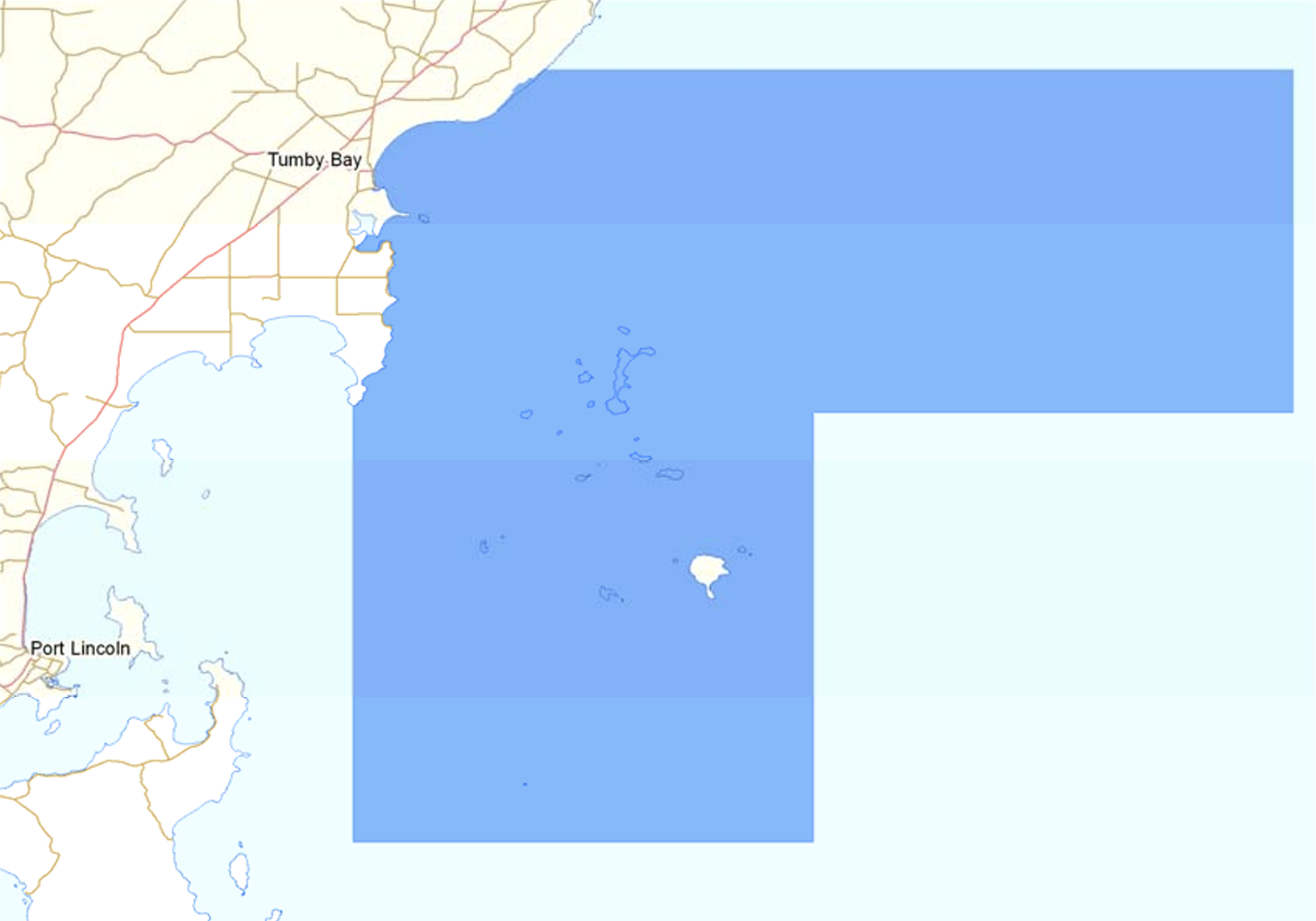
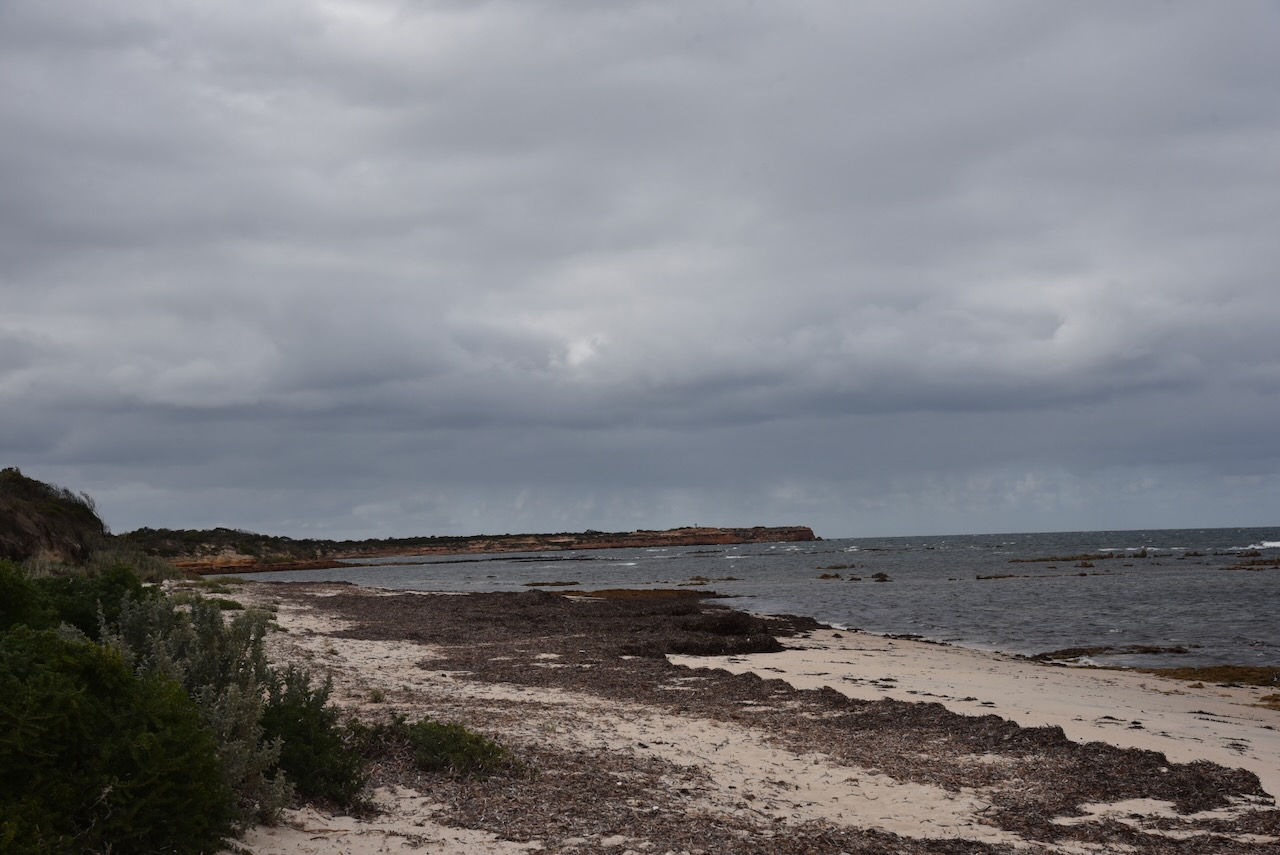
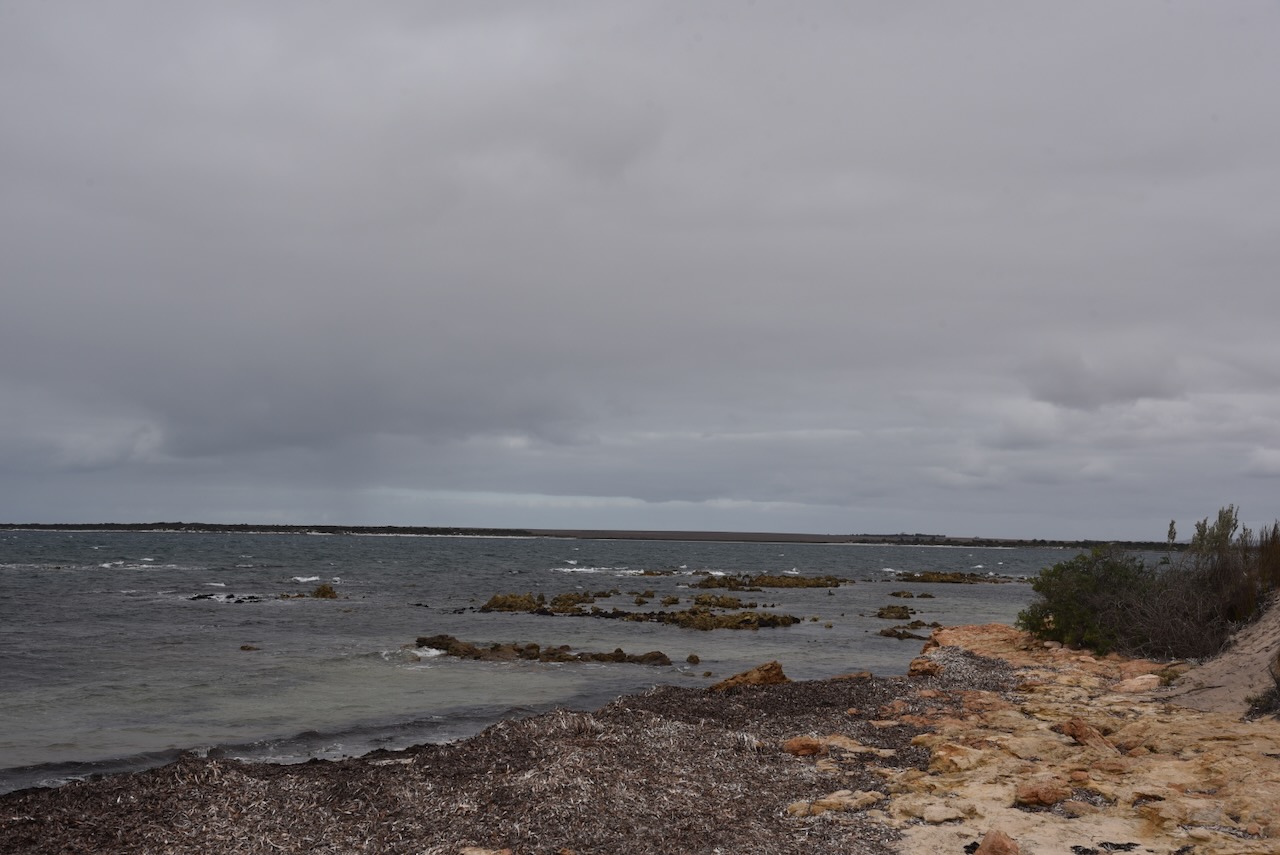
Feeling a little dejected that the woolshed was closed, I decided to activate the Thorny Passage Marine Park once again. I operated from the vehicle, running the Icom IC-7000, 100 watts, and the Codan 9350 with the 1.5- metre stainless steel whip.
I logged 67 contacts, all on 20m SSB, including quite a bit of DX.
I worked the following stations on 20m SSB:-
- VK4TM
- VK5QA/m
- VK4NH
- VK4DXA
- VK4VCO
- VK3ACZ
- VK4GRZ
- VK2COS/p
- VK3SX
- G1SDK
- VK2HDT
- ZLK2GLG
- VK4JT
- VK3RH
- VK3IDM
- VK4EMP
- VK4TI
- VK3PF/p (VKFF-3759 & Silo VK-TNR3)
- VK2USH
- M1TES/m
- UT5PI
- OH1XT
- OH1MM
- Vk3PWG
- I4RHP
- ZL1TM
- OH6GAZ
- IK1GPG
- ON3YB
- DL2ND
- VK2IO
- OM5TX
- F1EMX
- EA3MP
- VK4FW
- VK8MM
- VK3CLD
- M7CBI
- I5JMZ
- OH5EP
- EA5UJ
- OZ7P
- HB9EFJ
- YL2BJ
- ON6ZV
- HB9RL
- DK3DUA
- HB9WFF
- IW2NXI
- PA5WK
- RA1QGN
- VK2ZRD
- MM0KTC
- IW2BNA
- VK4HNS
- VK3DL
- DM3KP
- SP8KP
- DL1EBR
- SQ9CWO
- EB3AM
- IZ4EFP
- IZ8EFD
- DK4RM
- IW1GGR
- ON4VT
- VK4MUD
Later that evening I headed to a great mate’s house at Port Lincoln and had a BBQ.
References.
- Ancestry.com.au. (2016). Ancestry® | Genealogy, Family Trees & Family History Records. [online] Available at: https://www.ancestry.com.au/. [Accessed 12 Aug. 2024].
- Cockburn, R, 1925, Pastoral Pioneers of South Australia.
- Design, U.W. (n.d.). Home | Churches Australia. [online] http://www.churchesaustralia.org. Available at: https://www.churchesaustralia.org/. [Accessed 12 Aug. 2024].
- Dutton (2024). Dutton Bay Woolshed – Woolshed History. [online] Duttonbay.com. Available at: https://www.duttonbay.com/woolshed-museum/woolshed-history [Accessed 12 Aug. 2024].
- Wikipedia Contributors (2024). Charles Christian Dutton. [online] Wikipedia. Available at: https://en.wikipedia.org/wiki/Charles_Christian_Dutton [Accessed 12 Aug. 2024].




















 VK5PAS