
It was now Friday 26th April 2024, and time for me to head home. I had enjoyed a magnificent 2 weeks away including the DXpedition to Flinders Island as VK5FIL. I had really enjoyed my time in Cowell, and before leaving I planned on activating the Cowell silo and have a quick look around the town.
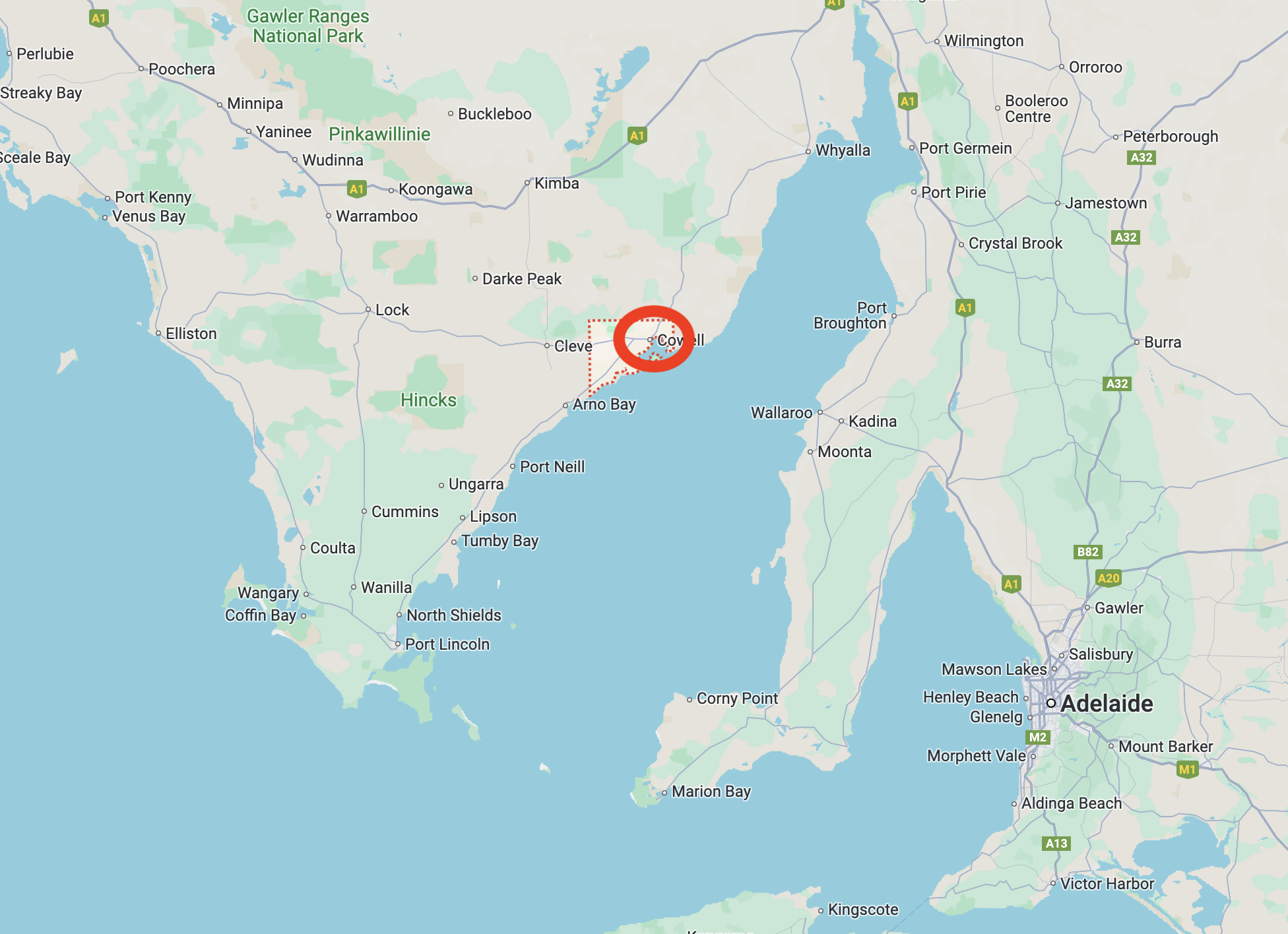
Above:- Map showing the location of Cowell, South Australia. Map c/o Google Maps.
Prior to European settlement, the land around Cowell was the traditional home of the Narangga aboriginal people. (Aussie Towns 2024)
The first European to sight Franklin Harbour was explorer and navigator Captain Matthew Flinders. He mistook the harbour as a large lagoon and decided it was not worth naming.

Above:- Matthew Flinders. Image c/o Wikipedia.
Franklin Harbour was named in 1840 by Governor Gawler in honour of Sir John Franklin, the Governor of Tasmania and famous Arctic explorer. As it so happens, Franklin was a midshipman on Flinder’s vessel the Investigator, when he unwittingly mistook the harbour as a lagoon in 1802. (Aussie Towns 2024)
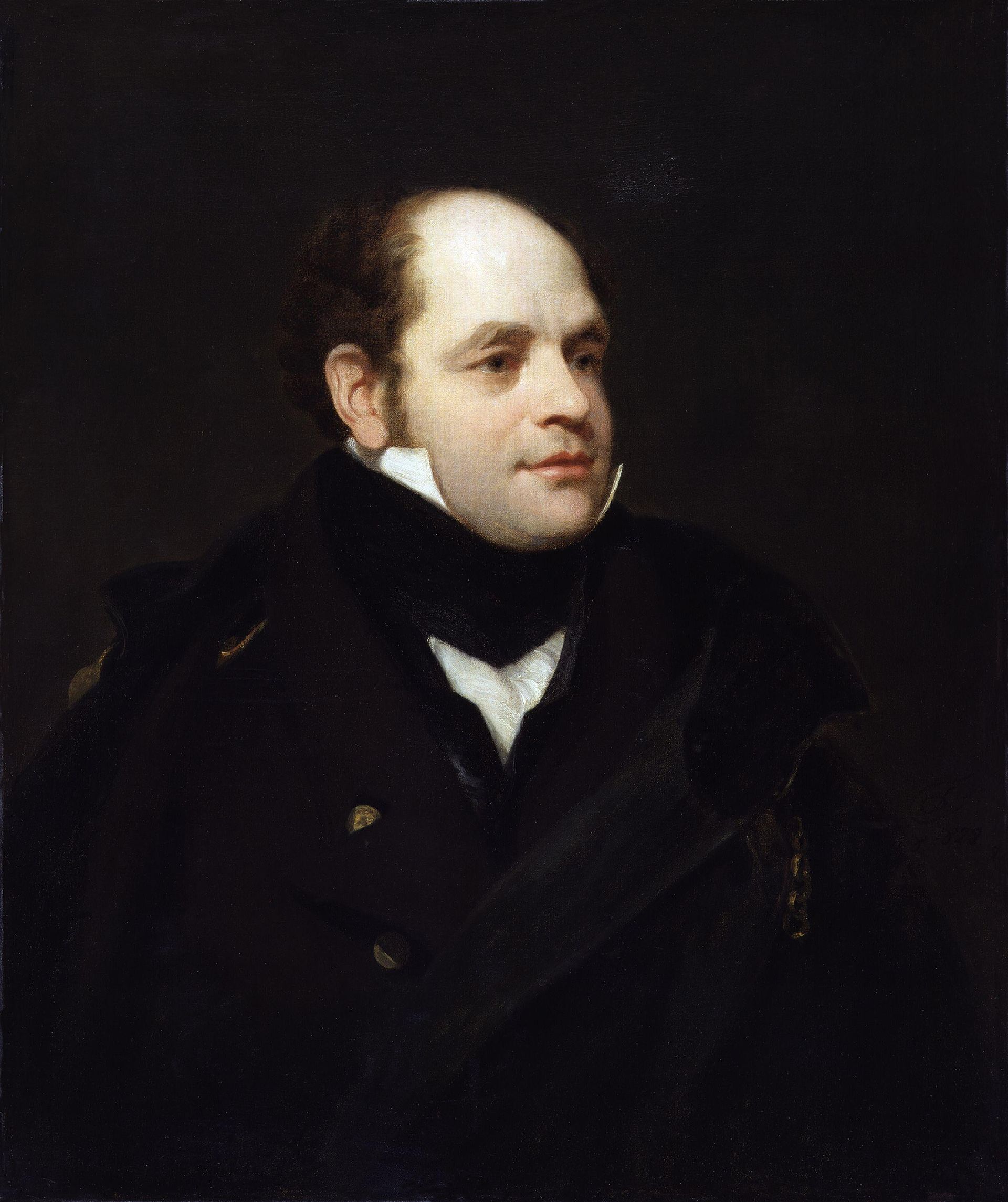
Above:- John Franklin. Image c/o Wikipedia.
European settlement of the Cowell district commenced in 1853 when the McKechnie brothers took up land. Franklin Harbour became a place where ships were loaded for the export of wheat and wool. As a result, a small settlement commenced. (Wikipedia 2024)
The town of Cowell was surveyed in July 1880 and was proclaimed on the 28th day of October 1880. It was named by Governor Jervois in honour of Sir John Clayton Cowell, PC, KCB, Master of the Household of Queen Victoria, Lieut-Governor of Windsor Castle and member of Governor Jervois’ corps, the Royal Engineers. (Place Names 2012) (Wikipedia 2024)
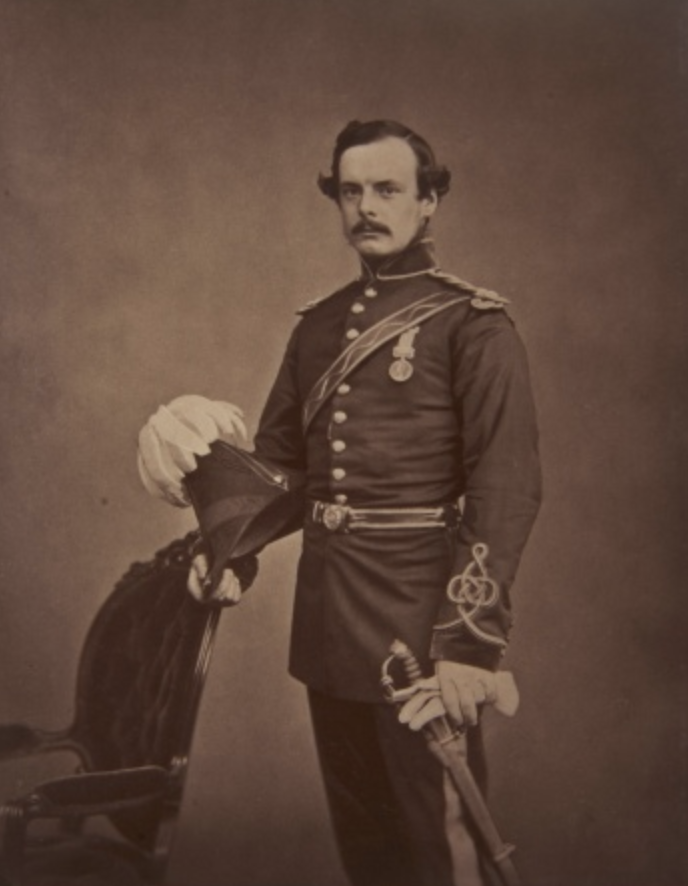
Above:- Sir John Clayton Cowell. Image c/o Find a Grave
The Cowell Post office opened in 1882. In 1892 the Cowell School opened. (Aussie Towns 2024)
Several historic buildings remain in Cowell. They include the Franklin Harbour Hotel. In 188, the single storey was constructed. Mr. Edward Speed purchased the Hotel in 1897 and a second storey was completed in 1907. Some of the first church services were held in the Hotel prior to the establishment of a church. (Walking SA 2024)

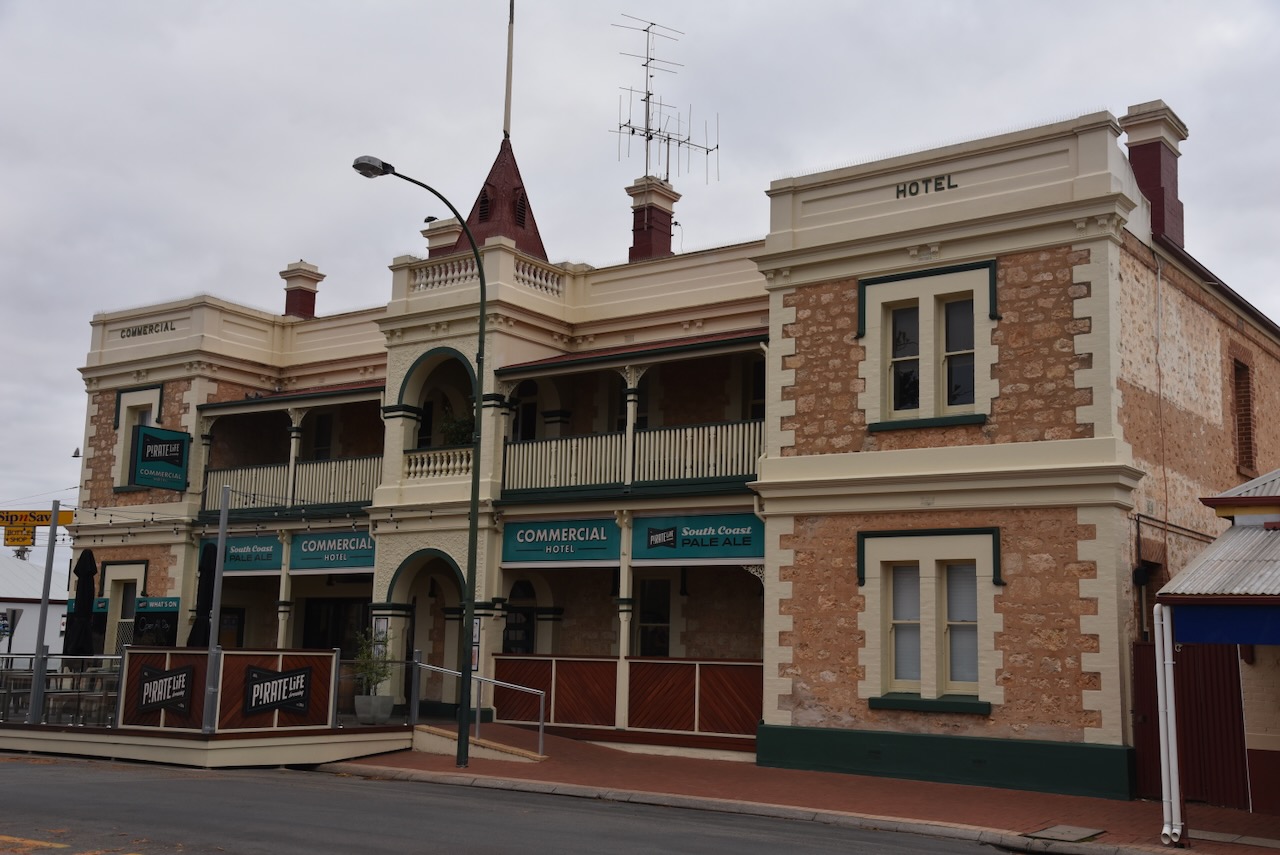
The Commercial Hotel was built in 1910 by Edward Speed in 1910. He was also the owner of the Franklin Harbour Hotel, but with the expansion of the town, he saw the need for a second hotel. (Walking SA 2024)
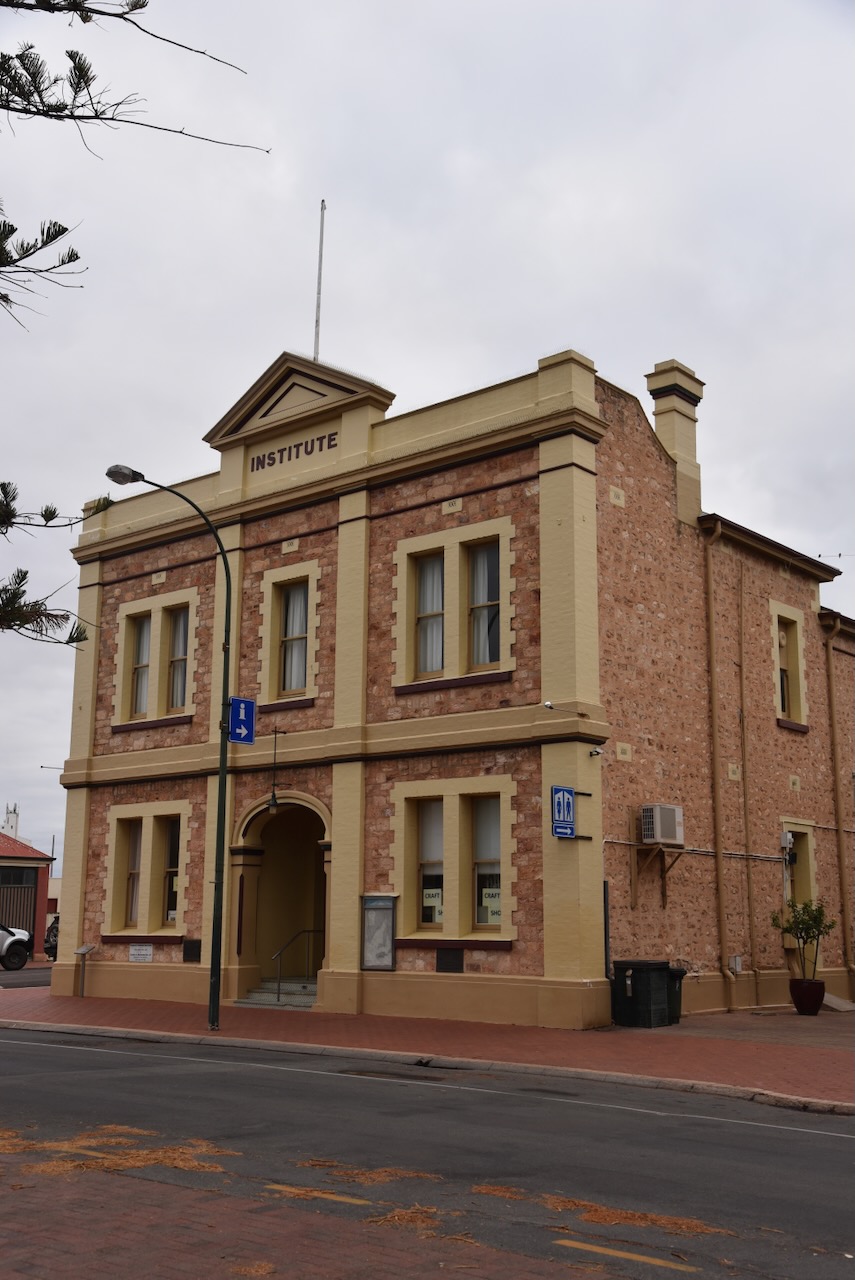
The Institute building was completed by December 1893. It has been used as a Council Office, Court Office, Social Functions, Theatrical/Musical Performances, and Sunday School & Church Services. In 1911 a second storey was added. (Walking SA 2024)
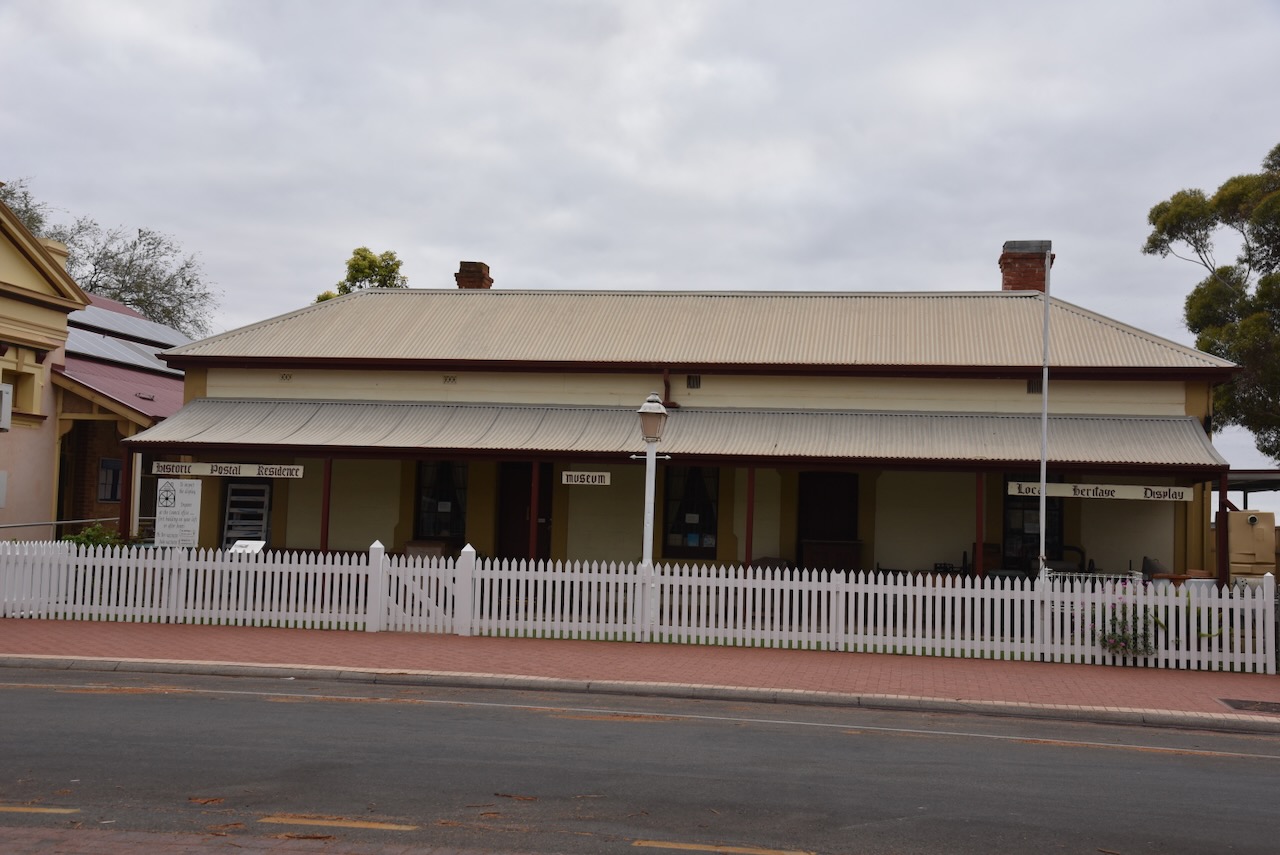
The old Post & Telegraph Office and Post Master’s residence was constructed in 1888. It now functions as a museum. (Walking SA 2024)
The District Council of Franklin Harbour Council Chambers were built in 1912 as a National Bank. By 1928 it was used by the Commercial Bank. In 1941 the CWA Rest Rooms utilised the building. In 1985 it was purchased by the Council and used as a Council Chambers. (Walking SA 2024)

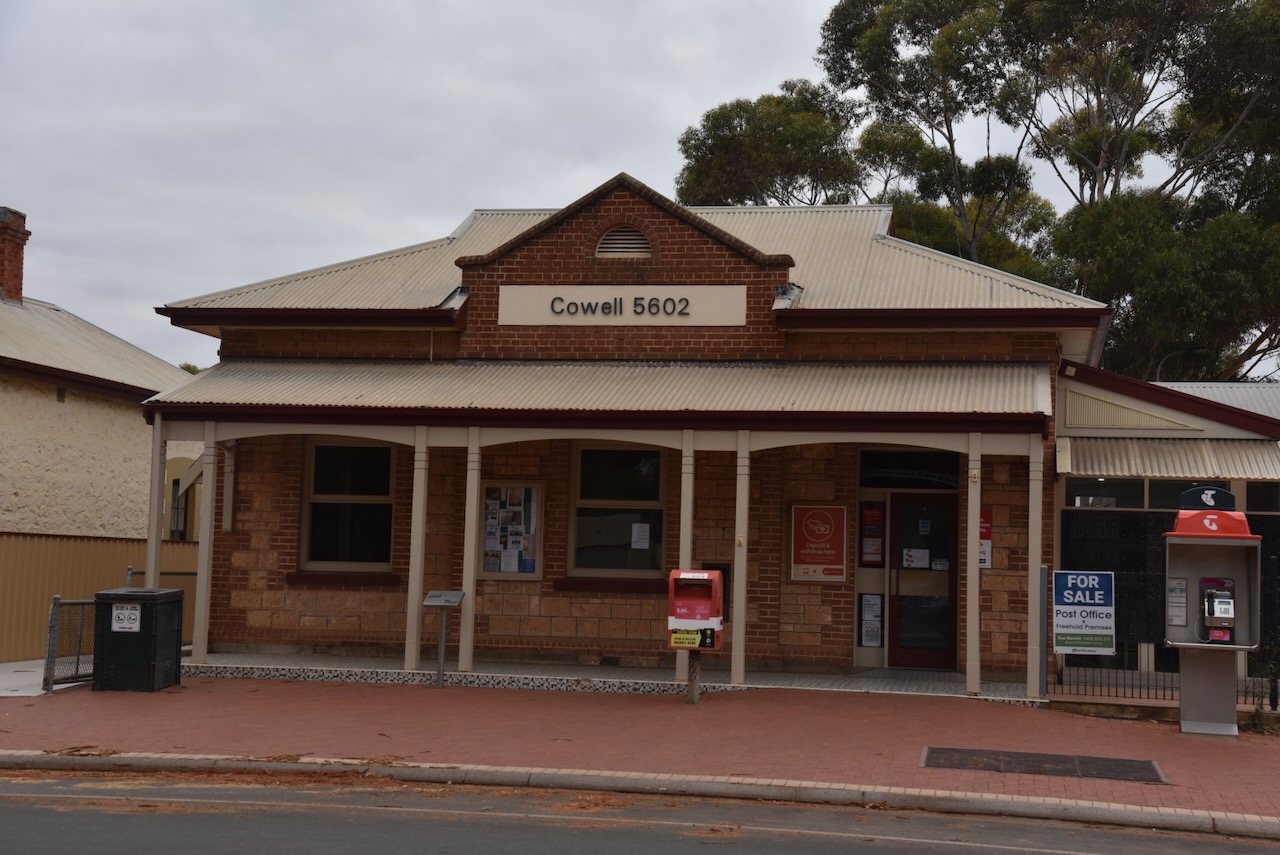
The Cowell Post office building was built in 1910. In 1922 a telephone exchange was introduced with 5 subscribers, progressing to 200 lines, manually operated in 1967. At this time 10 staff were employed at the Post Office until 1979 when the exchange became automatic. (Walking SA 2024)
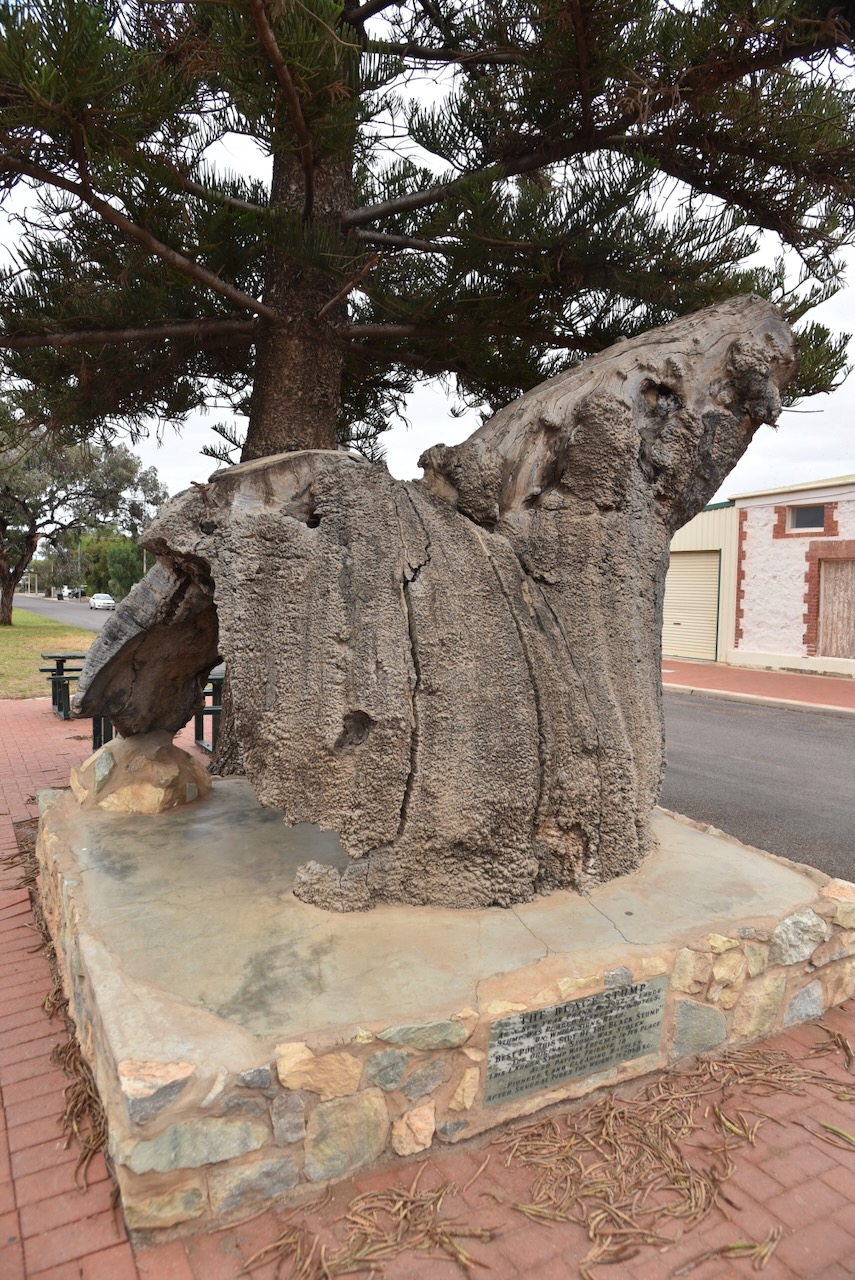
On the corner of Main Street and High Street, you can find ‘The Black Stump’. As a New Year prank in 1972, a large stump was placed between two hotels on which signs read ‘Best pub this side of the black stump’. The original stump was stolen. Also paying tribute to the pioneer land clearing battles after several fires.” (Aussie Towns 2024)

Below is a short video on Cowell.
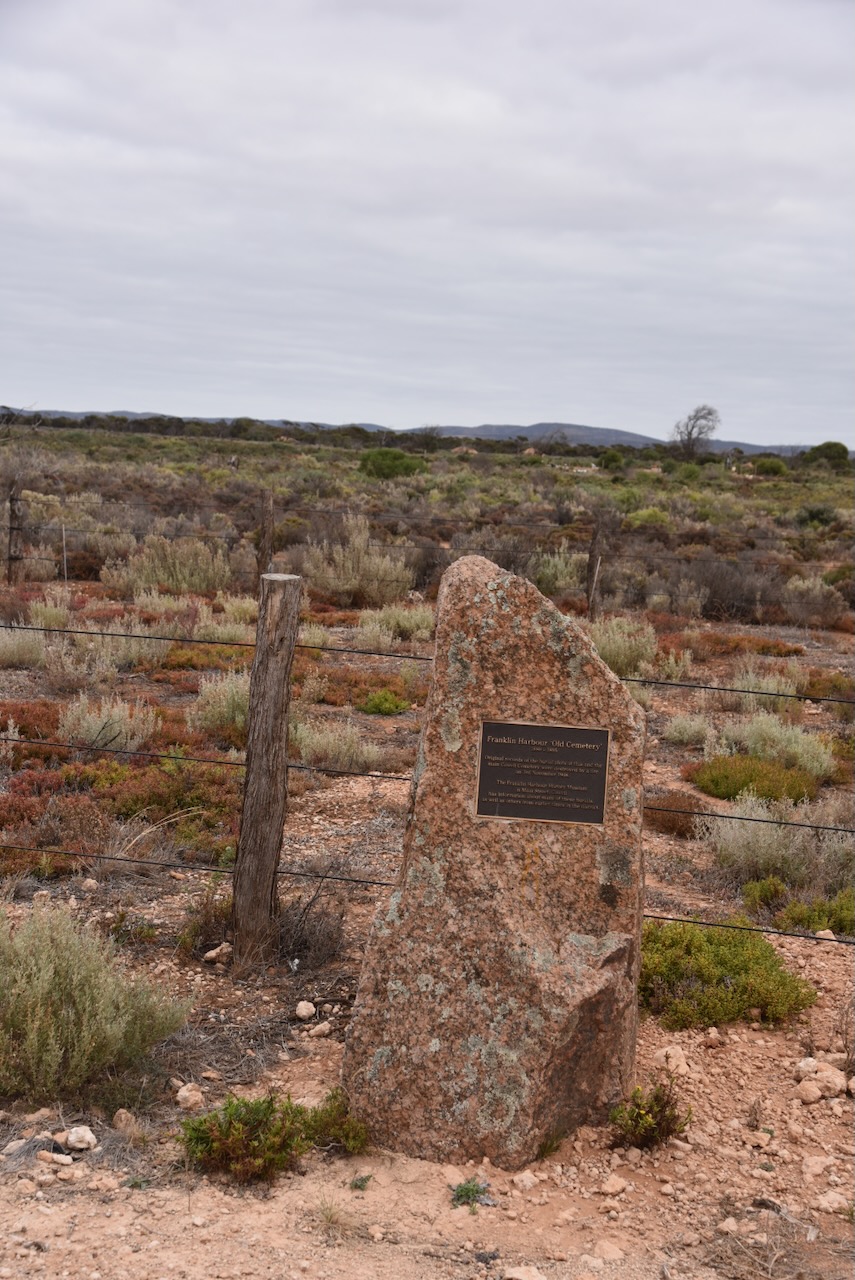
I then visited the old Cowell Cemetery on Beach Road. It was in use from 1880 to 1895. Sadly the burial records were destroyed in a fire in 1908.


Initial impressions from the road of the Cowell silos are just a plain set of silos. The first silos here in Cowell were built in 1961. (Walking SA 2024)
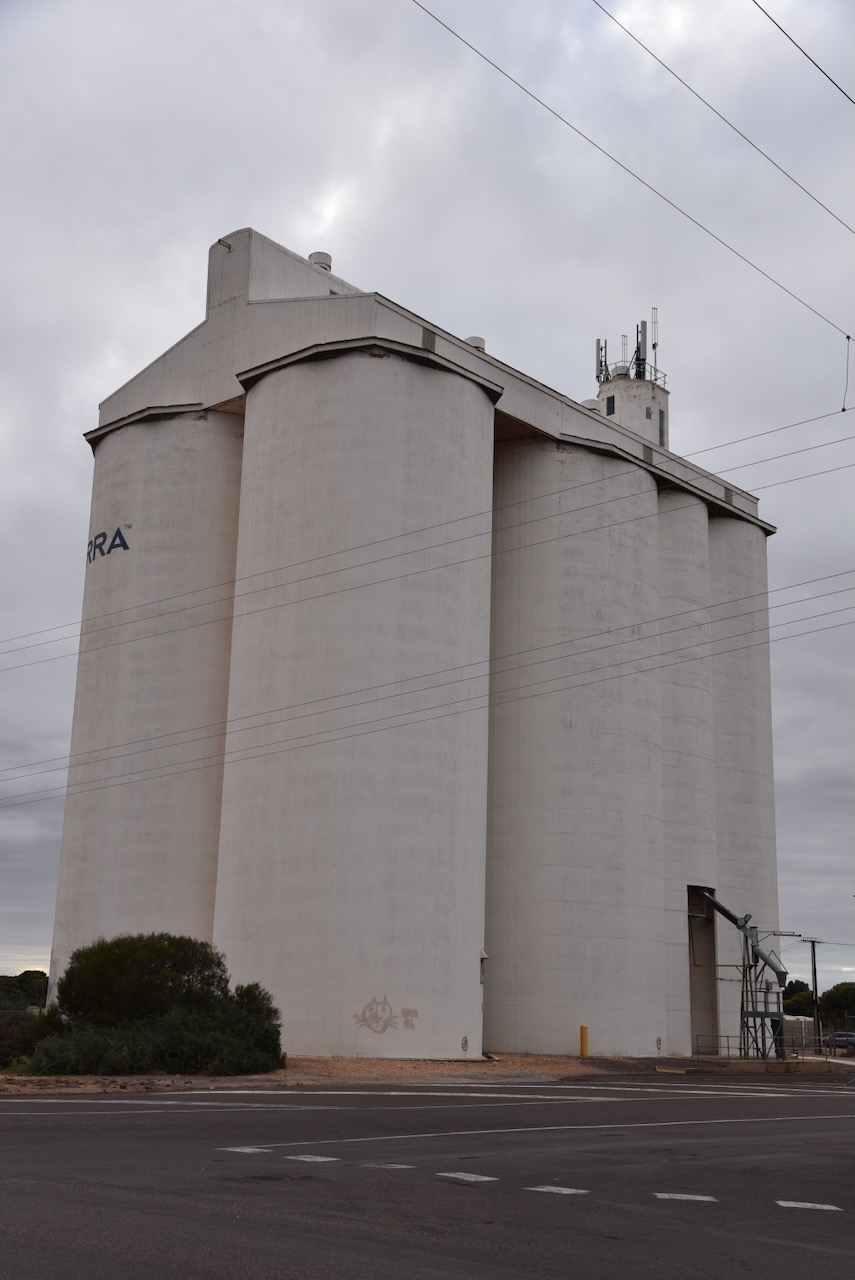
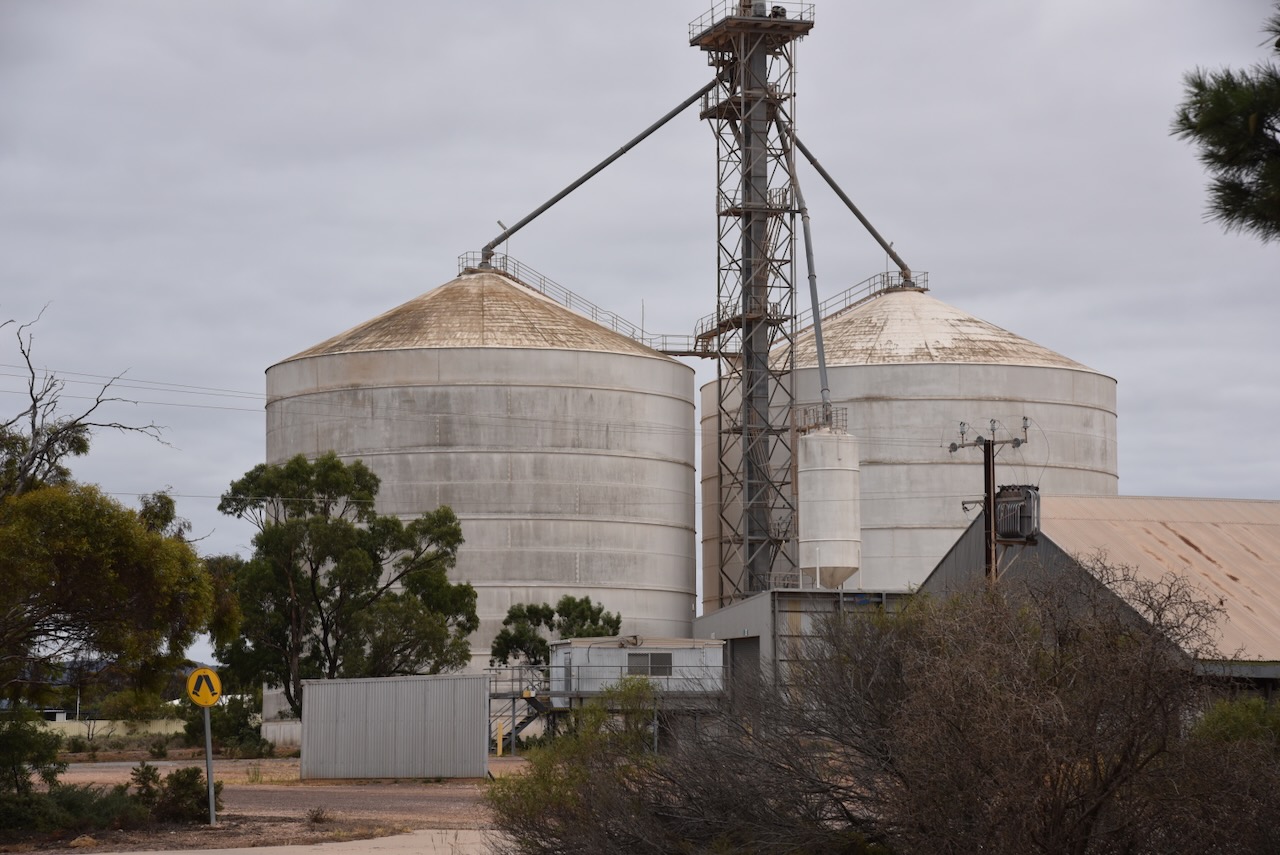

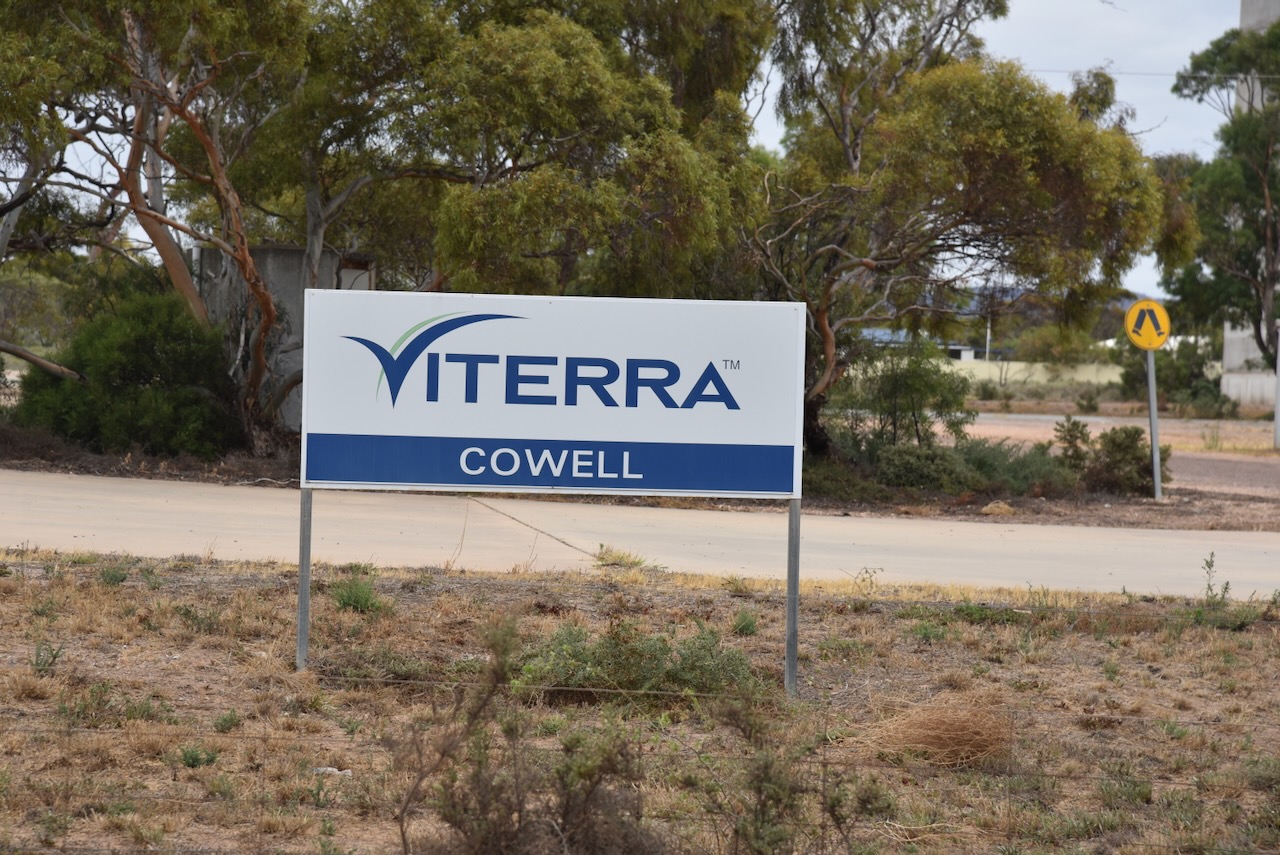
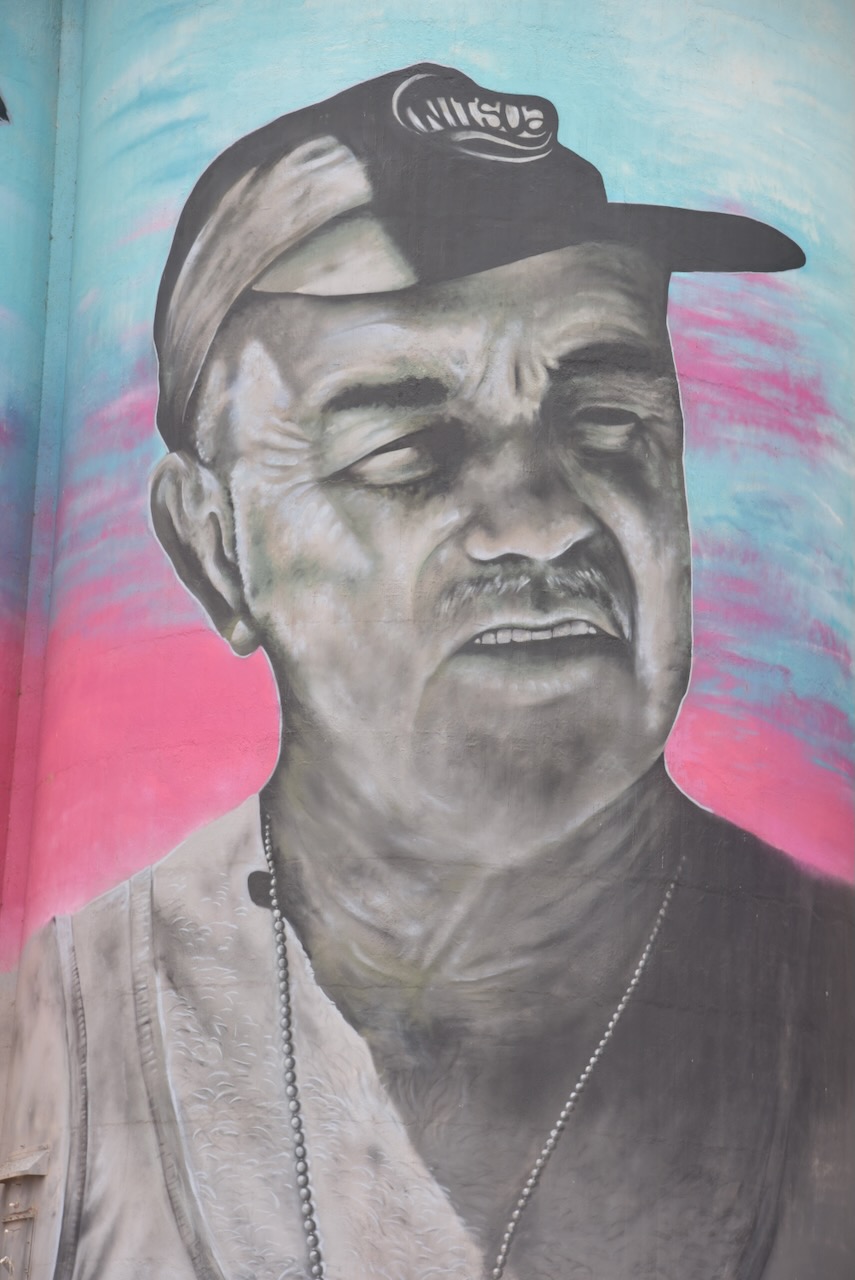
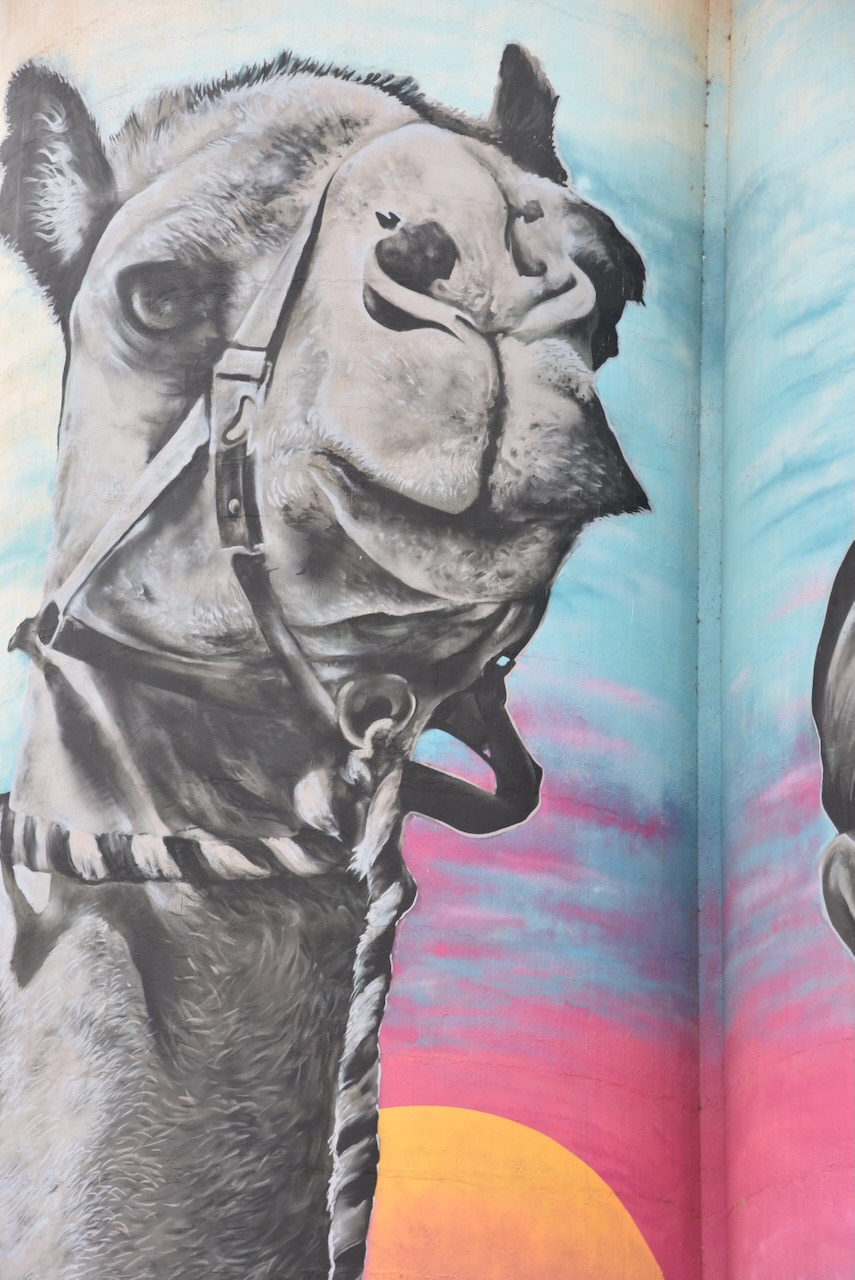
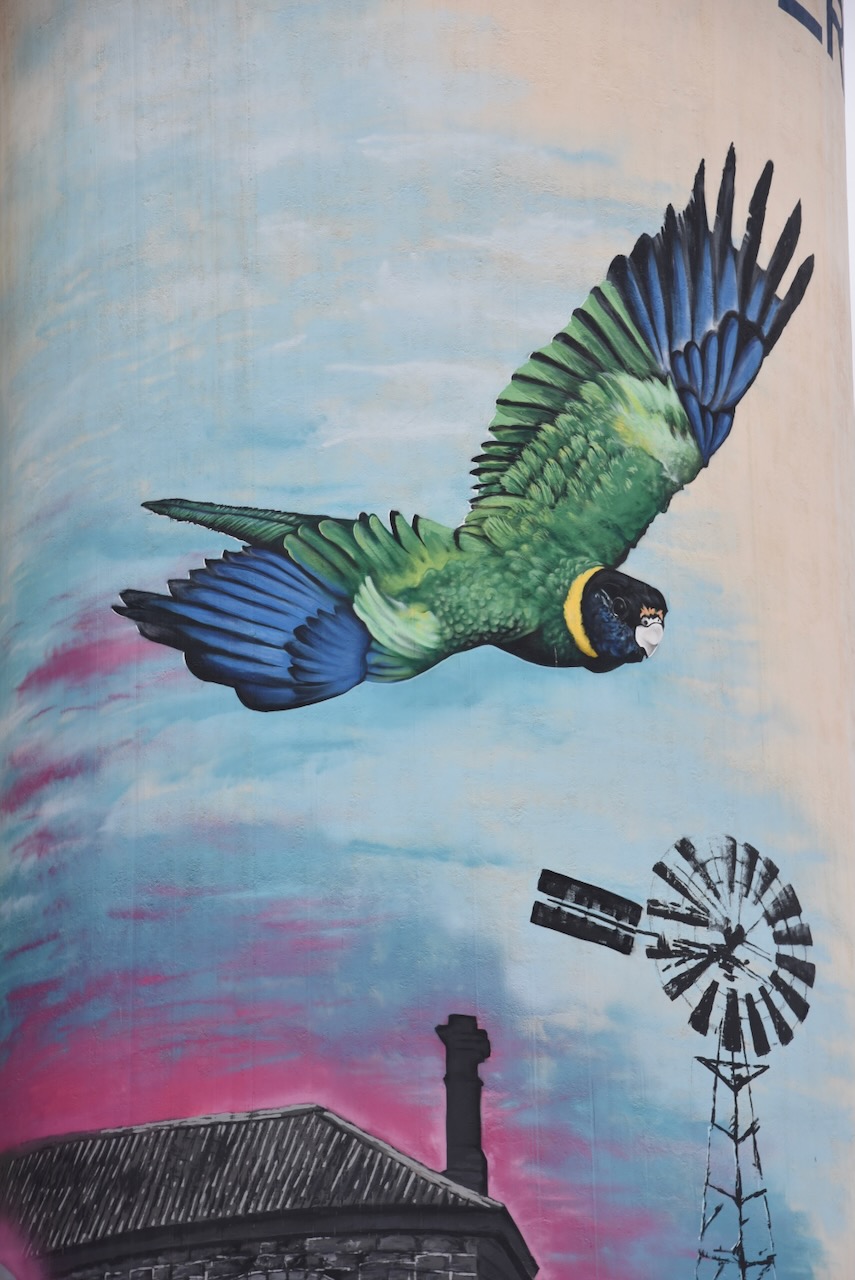
The Cowell silos were completed in September 2019 and are the work of artist Austin ‘! N I T S U A’ Moncrieff. He was assisted by Micheal ‘Schmick’ Motteran-Smith. The main feature of the silo art is that of local Cowell identity Lionel Deer and his camel Diamantina. He has been bringing his camels to the Cowell Christmas pageant for over 30 years. The mural also features a Port Lincoln Parrot and a farmhouse ruin. (Aust SIlo Art 2024)

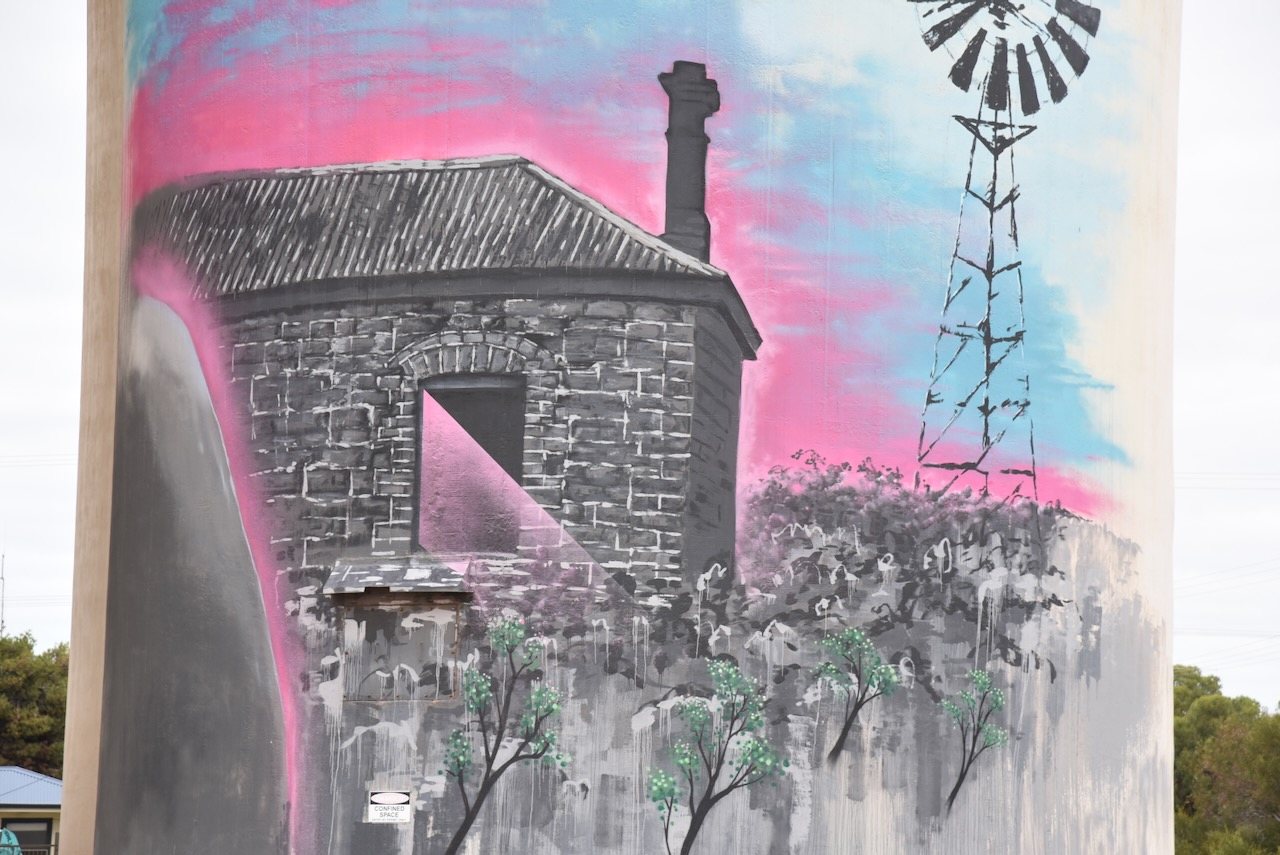
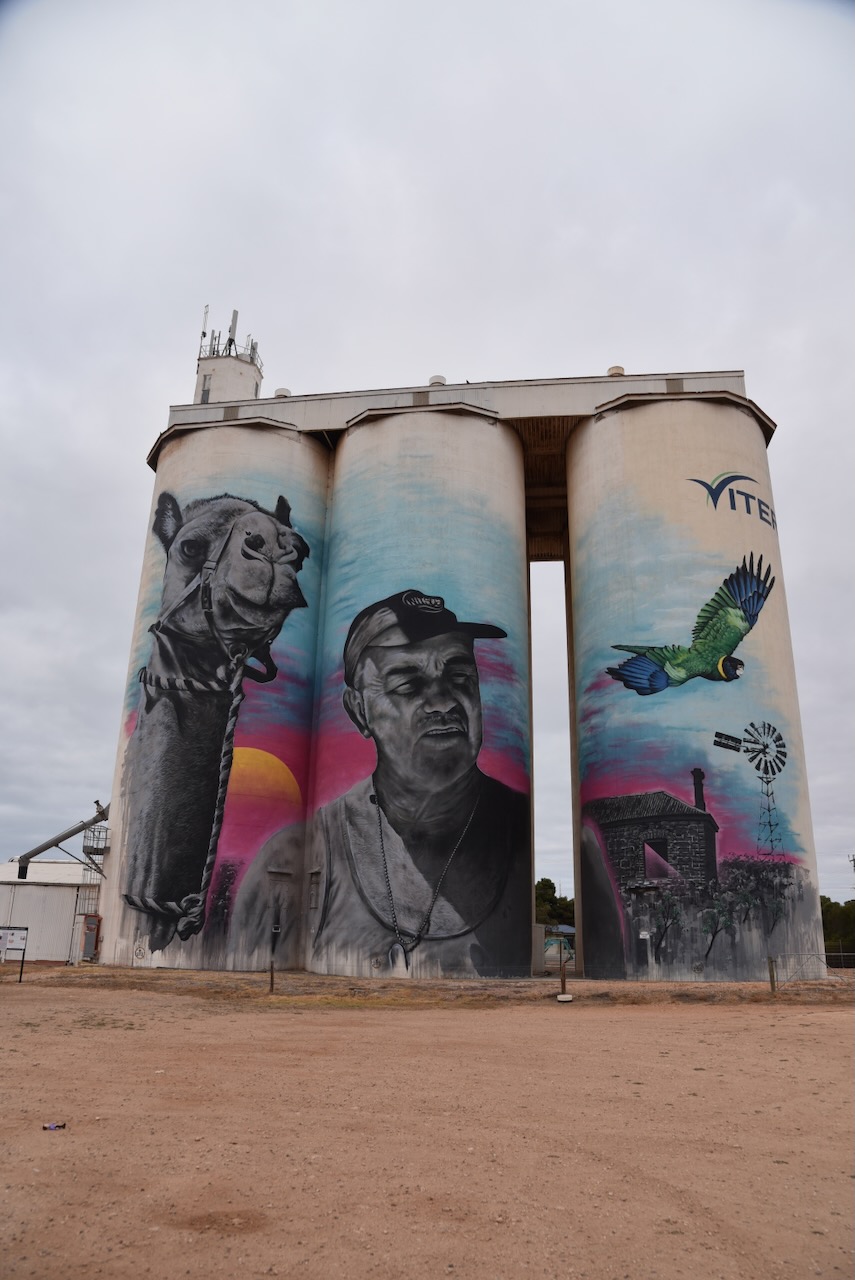

Below is some drone footage from YouTube of the silo.
I worked the following stations on 40m SSB:-
- VK5MAZ
- VK2VW
- VK2HFI
- VK2AKA
- VK2BUG
- VK3CJN
- VK4NH
- VK4DXA
- VK3CEO
- VK3WSG
- VK3VIN
- VK3PF
- VK3NBL
I worked the following stations on 20m SSB:-
- VK7XX
- VK5MAZ
- VK1AO
- VK2MET
- VK3PF
- VK3CJN
- VK3QHU
- VK7MD/m
- VK2IO
- VK2VW
- VK2HFI
- VK2AKA
- VK2BUG
- VK3CEO
- VK3QH
- VK4NH
- VK4DXA
- ZL1HIM
- VK3FWR
- VK3MAP
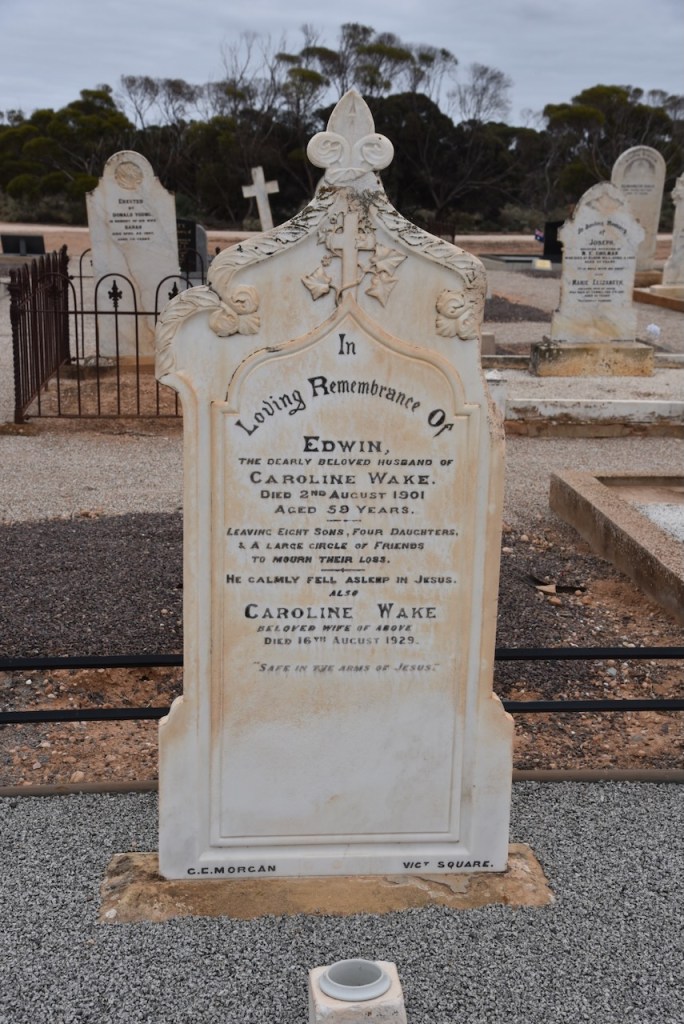
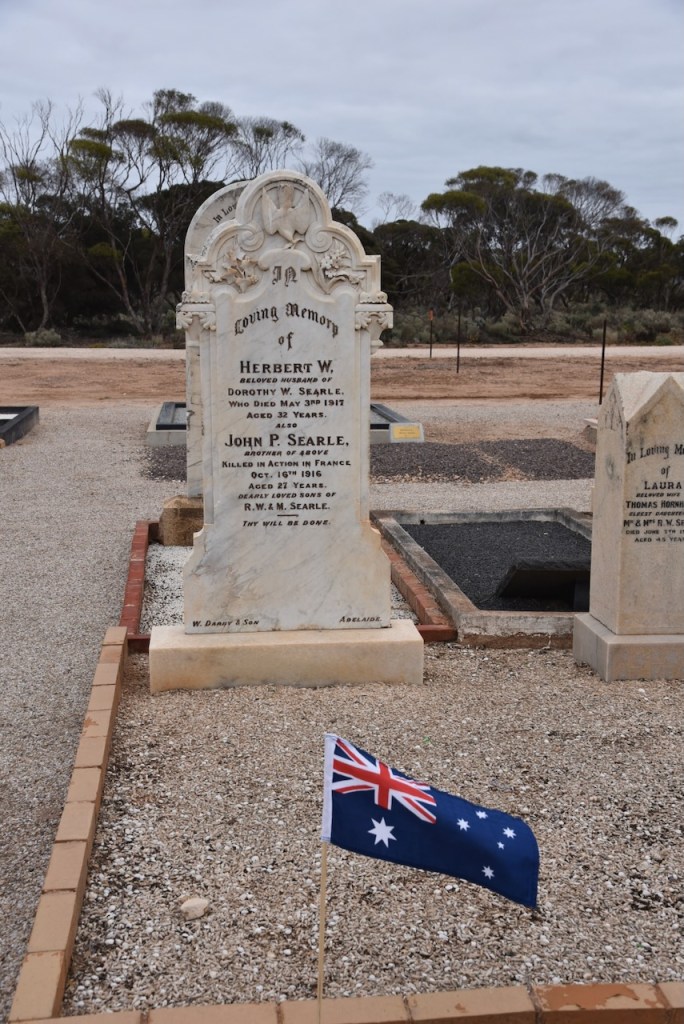
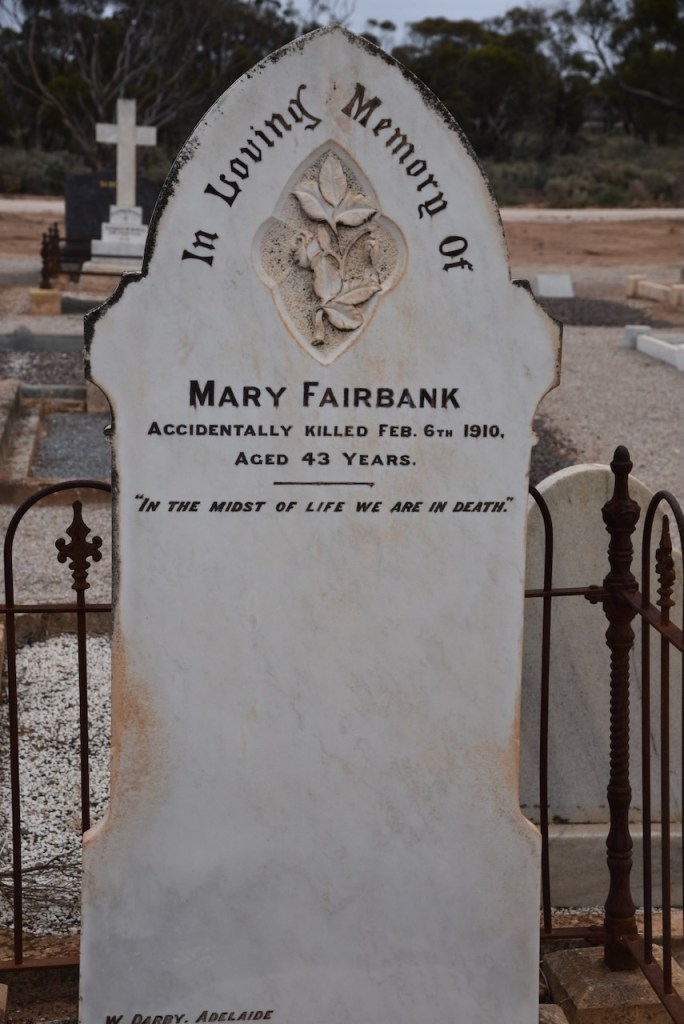
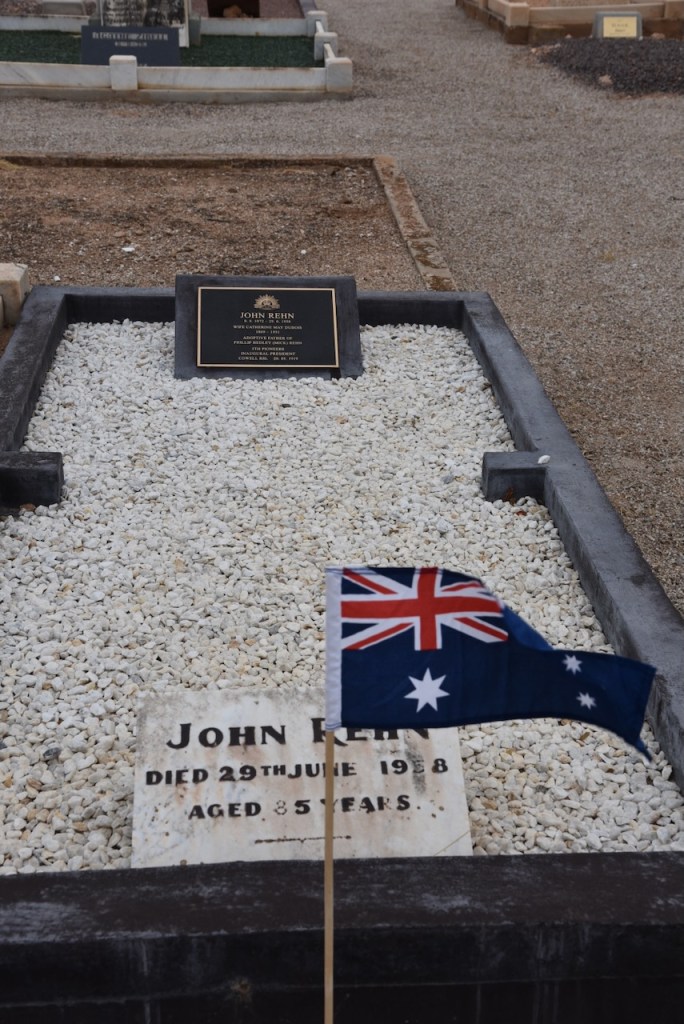
Following my activation of the silo, I paid a quick visit to the Cowell Cemetery. As it was the day after ANZAC Day, numerous burial plots and headstones had the Australian flag flying. It was a reminder of the impact that wars have had on little towns like Cowell.
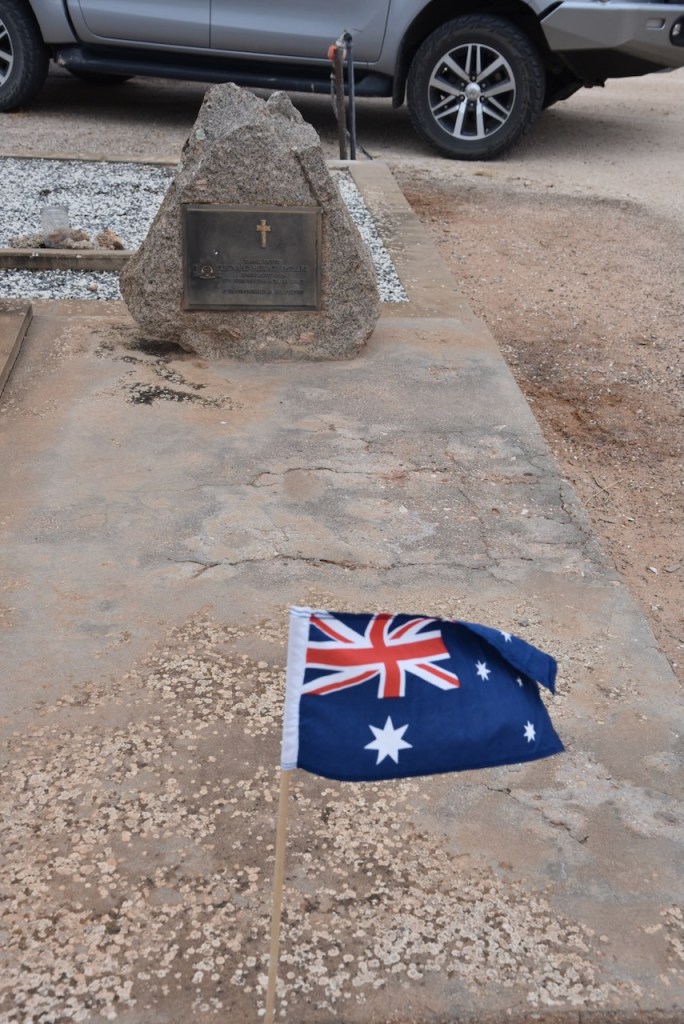
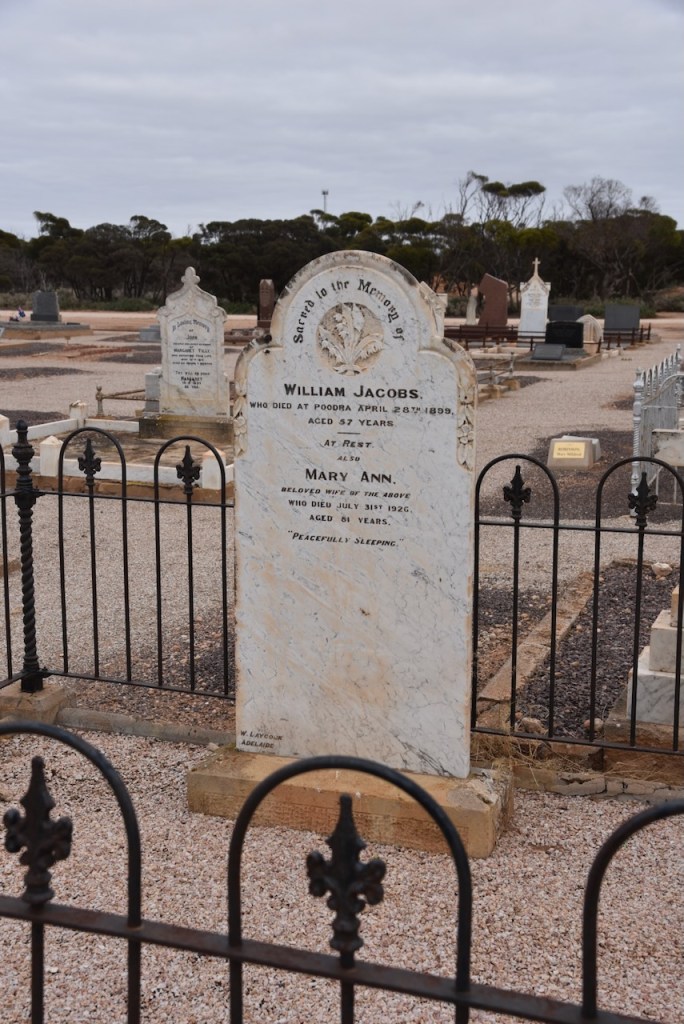
References.
- Australiansiloarttrail.com. (2024). Cowell Silo Art. [online] Available at: https://www.australiansiloarttrail.com/cowell [Accessed 15 Aug. 2024].
- published.collections.slsa.sa.gov.au. (n.d.). A Compendium of the Place Names of South Australia. [online] Available at: https://published.collections.slsa.sa.gov.au/placenamesofsouthaustralia/. [Accessed 15 Aug. 2024]
- Walking SA. (2018). Cowell Township Historical Walk | Eyre Peninsula | Walking SA. [online] Available at: https://www.walkingsa.org.au/walk/find-a-place-to-walk/cowell-township-historical-walk/ [Accessed 15 Aug. 2024].
- Wikipedia. (2023). Cowell. [online] Available at: https://en.wikipedia.org/wiki/Cowell. [Accessed 15 Aug. 2024]
 VK5PAS