
On 22nd May 2024, I took a drive up to Eudunda in the Mid-North region of South Australia to collect a radio I had purchased in an auction. During my journey, I activated a couple of silos and a park.
The first activation of the day was the Kapunda silo VK-KPA5. Kapunda is about 84 km north of Adelaide.
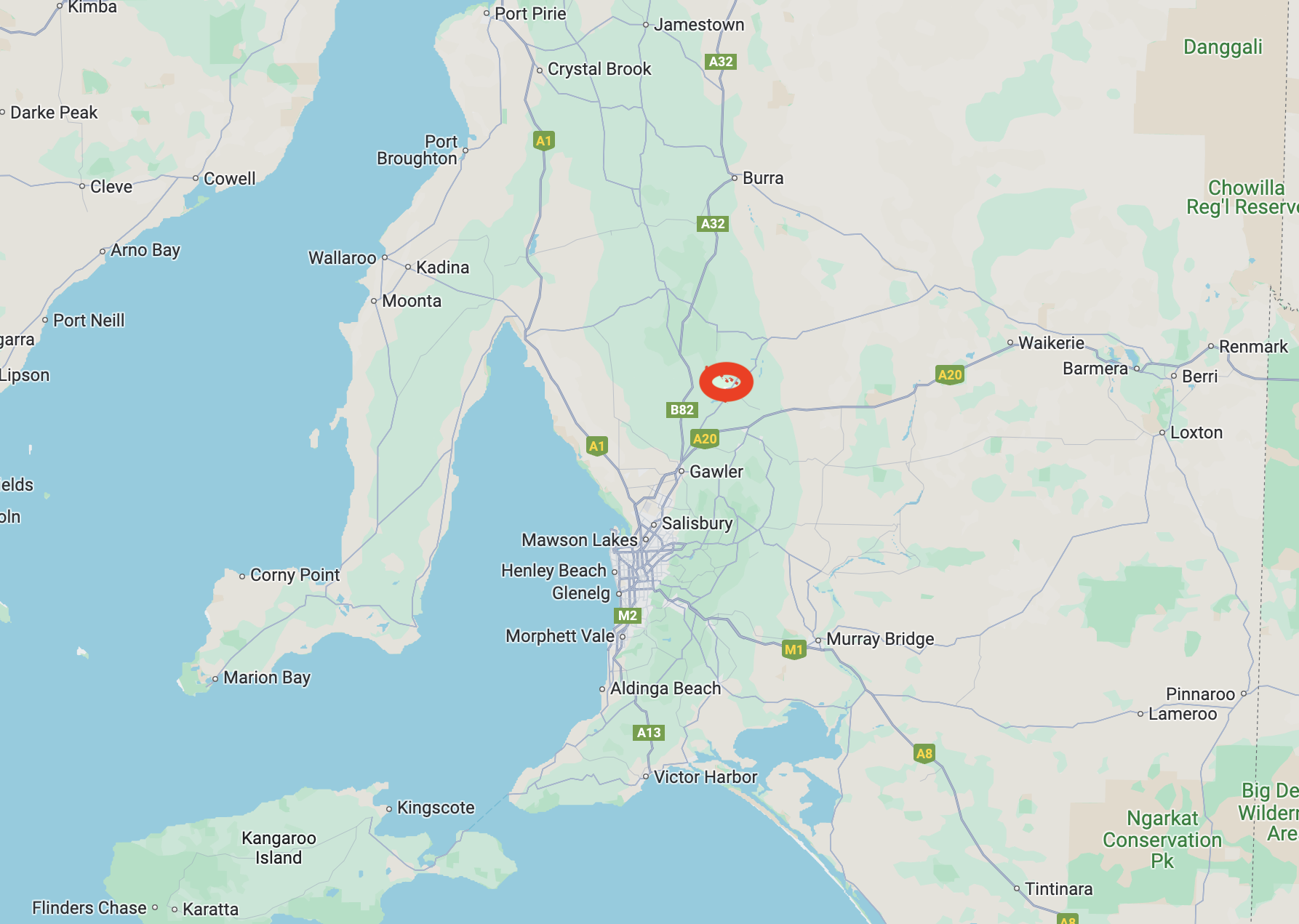
Above:- Map showing the location of Kapunda, South Australia. Map c/o Google Maps.
My first stop after leaving home was the old railway bridge over the Light River, just south of Kapunda.

The Light River, also known as the River Light, is a seasonal and significant river that rises on the northern slopes of the Mount Lofty Ranges below Wallaroo and flows south and then westerly until reaching its mouth and entering the Gulf St Vincent. The river is named in honour of Colonel William Light (b. 1786. d. 1839), best known for being the designer of the city of Adelaide. (Wikipedia 2024)

Above:- Colonel WIlliam Light. Image c/o Wikipedia.
The railway was constructed in 1860 to service the copper mine at Kapunda. It was known as the Morgan Railway line or North-West Bend Railway. The first section of the line opened from Gawler on the 13th day of August 1860. It was extended to Morgan on the 23rd day of September 1878. The Eudunda to Morgan section was closed in 1969. The Kapunda to Eudunda section was closed in 1994. (Wikipedia 2024)
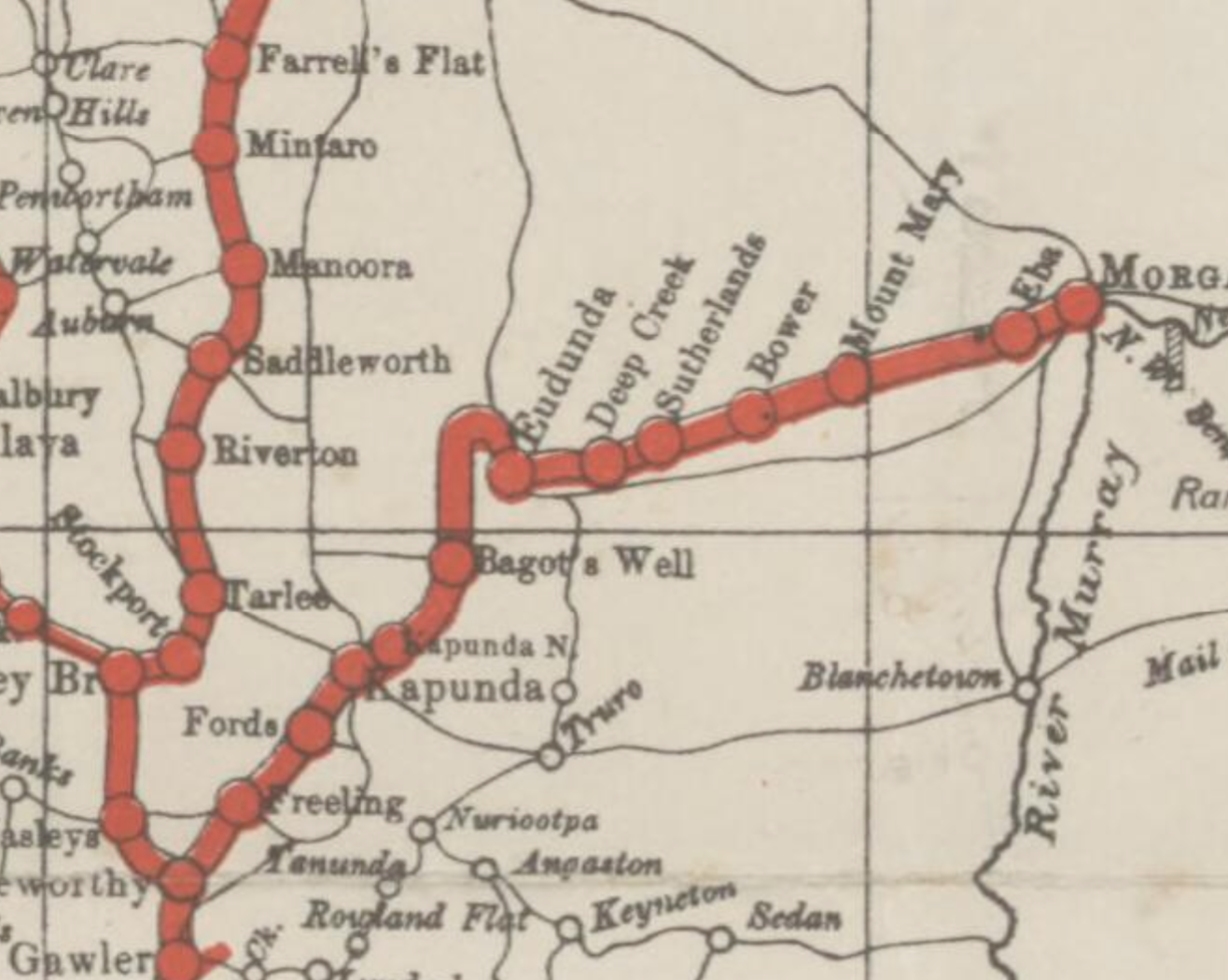
Above:- The Morgan Railway. Image c/o Trove
The town of Kapunda was established following the discovery of copper in 1842. Francis Dutton and Charles Bagot ran sheep in the area and found copper ore outcrops in 1842. They purchased 80 acres around the outcrop and commenced mining in early 1844. (Wikipedia 2024)
Copper was mined at Kapunda until 1879. Marble was also mined in the area. Marble from the Kapunda quarries was used to face Parliament House in Adelaide, and the pedestal of the statue of Venus on North Terrace, Adelaide is made of Sicilian and Kapunda marble. (Wikipedia 2024)
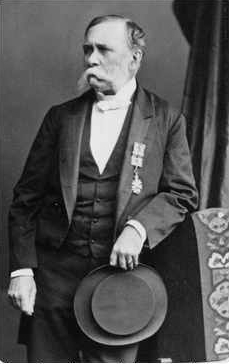
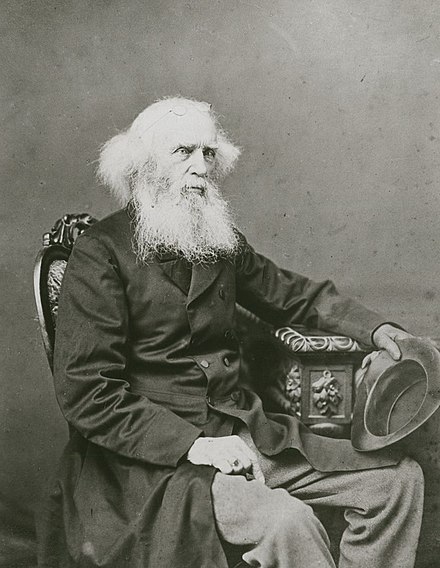
Above:- Francis Dutton (left) and Charles Bagot (right). Images c/o Wikipedia.
The miners at Kapunda were typically from Cornwall England. The labourers were Irish while the smelter specialists were Welsh. Those engaged in trade and agriculture in Kapunda were Scottish and English. German farmers were already in the district. (Wikipedia 2024)
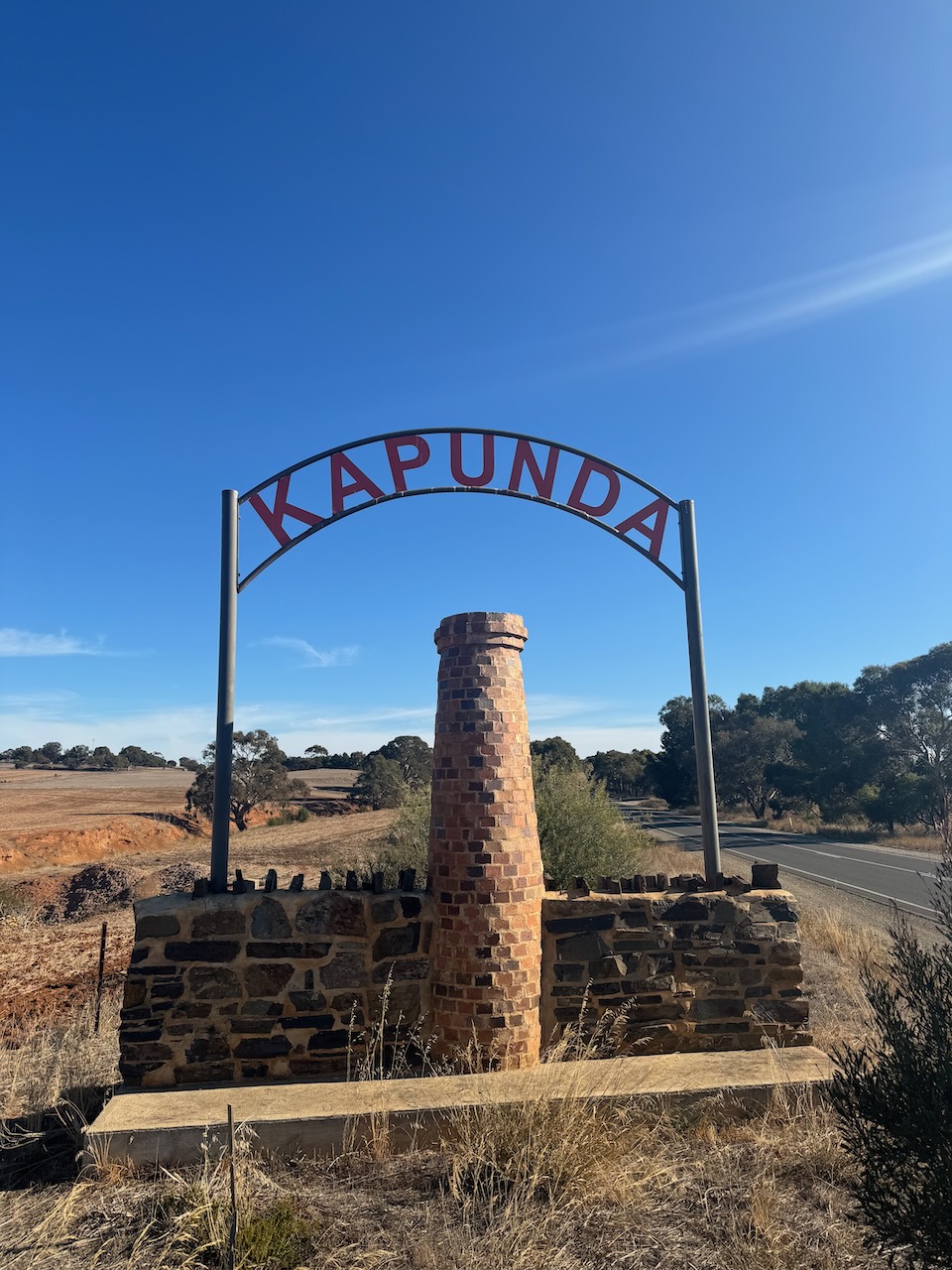
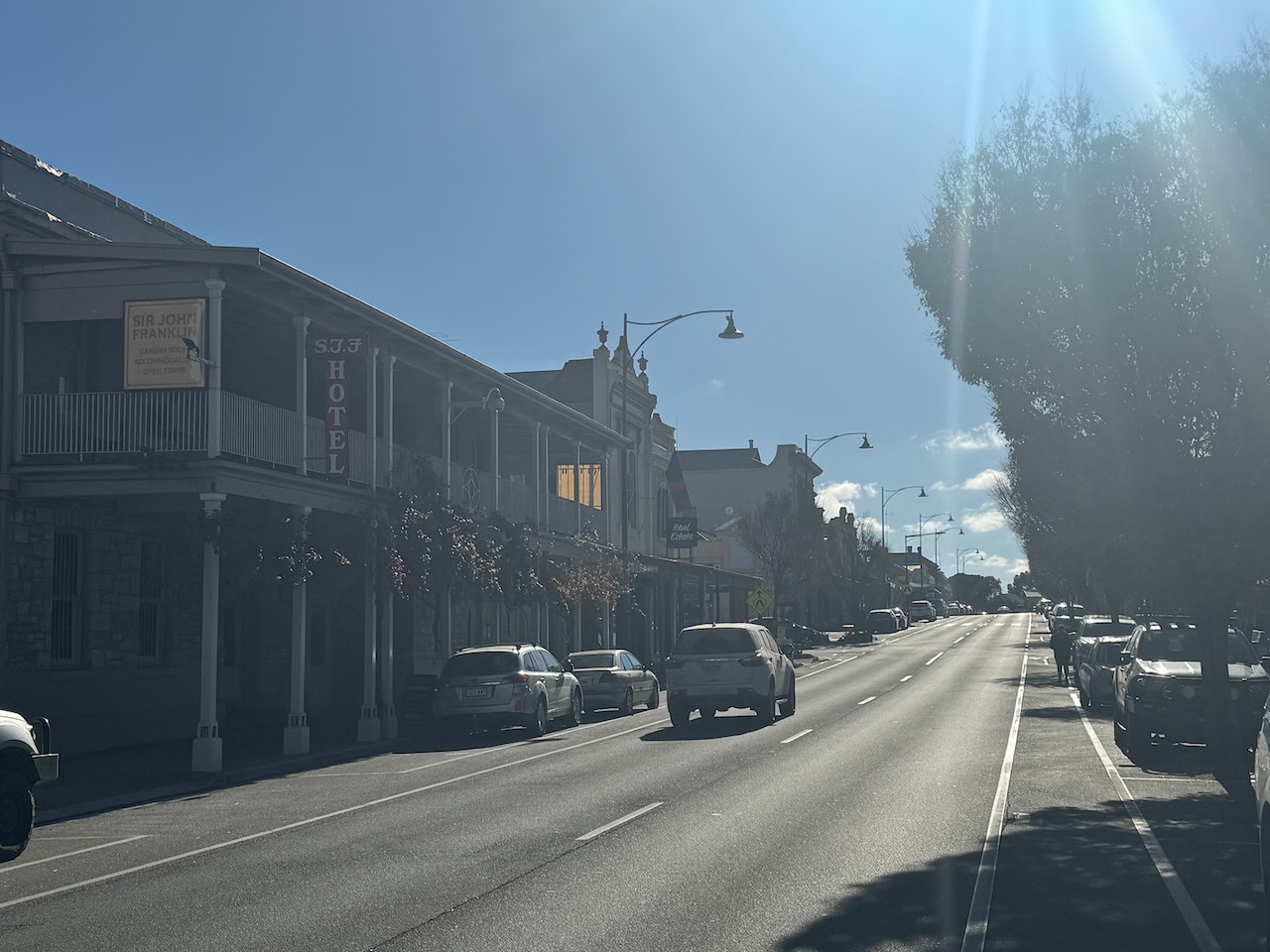
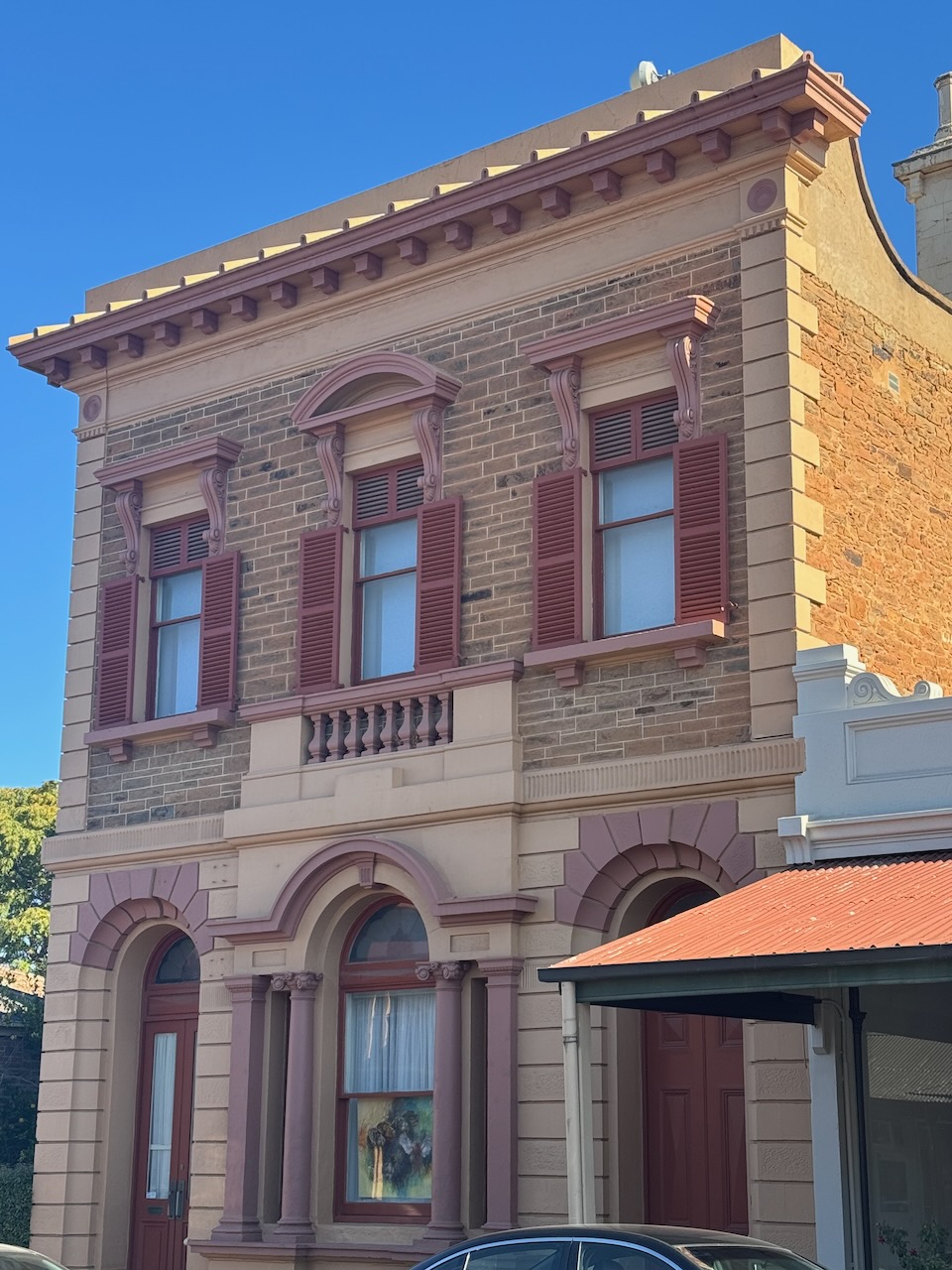
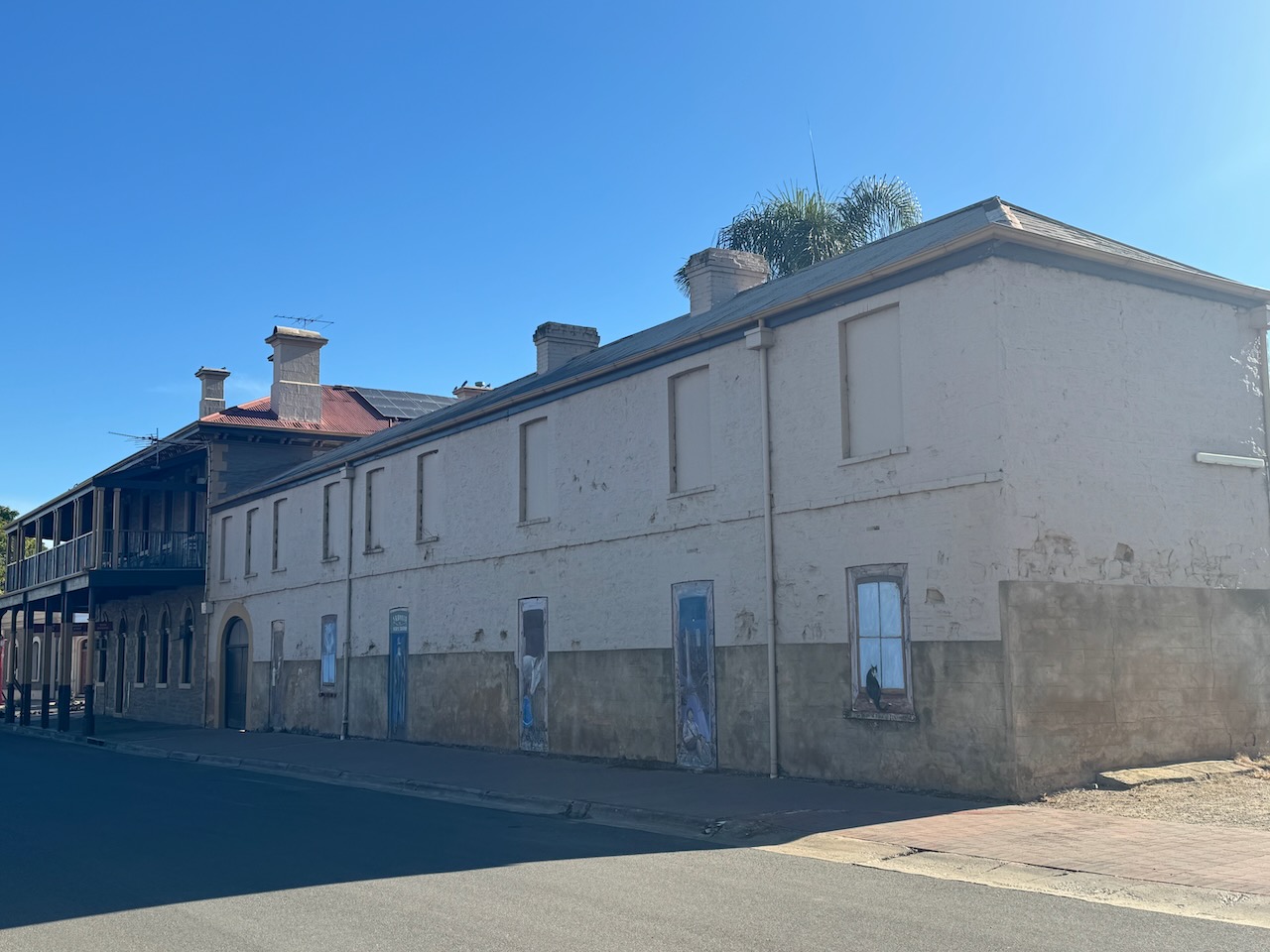
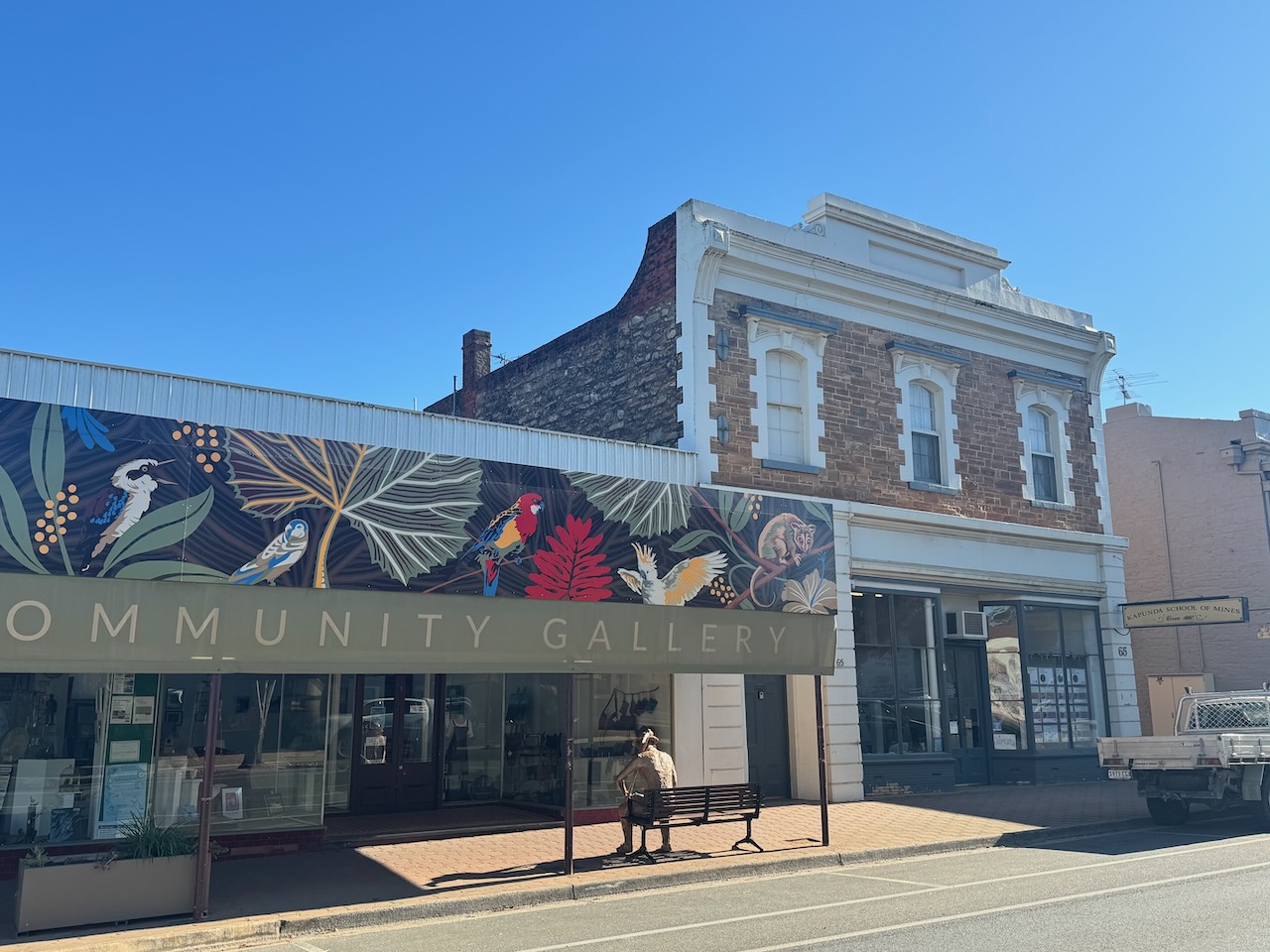
Kapunda has numerous historic buildings. The first building I found was on the edge of the town. It is the old Lion Coffee Grocery store constructed in 1854 by David & James Fowler. What an amazing story is that of these two brothers from Scotland. (Flickr 2024)

James Alexander Fowler was born in 1831 in Fife, Scotland. He emigrated to South Australia with his sister Margaret aboard the Anna Maria in 1850. He opened a grocery store in Rundle Street Adelaide He was joined by his elder brother David who arrived in South Australia in 1854 aboard the Fop Smit. David was born in January 1827 in Fife Scotland. They traded under the name D. & J. Fowler.
In February 1858, James died after a long battle with illness. He was just 27 years old.
Another brother, George Swan Fowler emigrated in 1860 and became a partner in the business.
In 1868 they purchased premises in King William Street Adelaide and by 1865 they had opened a branch office in London. By 1873 they had acquired premises at Port Adelaide. Branches were opened in Fremantle, Broken Hill, and Kalgoorlie. They acquired a dealership for Shell products and set up a shipping agency. (Wikipedia 2024)

Above:- The Lions building in King William Street during the early 1960s. Image c/o State Library SA.
In 1881 David died. This left George as the senior partner in the business.
In c. 1882 they contracted farmers in the south-east of South Australia to grow chicory. This was used to make “Lion” brand coffee and chicory essence.
The brothers built the “Paou Chung Factory” on King William Road. By 1883 their “Paou Chung” brand was the first packaged tea marketed in South Australia.
They took over Barnfield & Turner’s “London Condiment Company” at Maylands and H. B. Hanton’s in Fullarton and remanded it the “Lion Preserving Company”. The brothers expanded their range of canned fruits, jams and pickles. A new factory for “Lion” canned fruit was set up at Nuriootpa. They took over the factory of Henry Harford in Mill Street, Adelaide, and this became the Lion Confectionery Works.
In 1895 they took control of the bankrupt Adelaide Milling Company’s flour mill, the Adelaide Bottle Company in 1912, and the Robur Tea Company in 1928. (Wikipedia 2024)
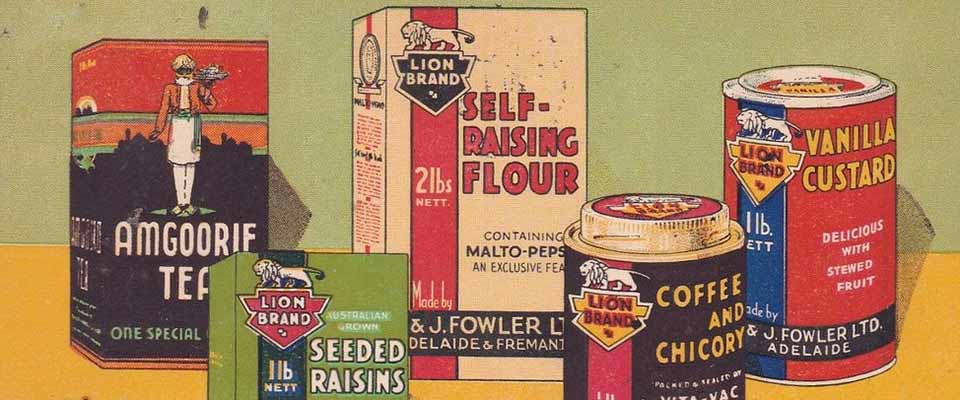
In 1899 D & J Fowler was converted to a limited liability company, with 2,000 shares being allocated to the firm’s employees, held by three trustees.
In 1907 a new building in North Terrace Adelaide was acquired called the ‘Lion Factory’. This is where their ‘Lion’ brand of self-raising flour and other goods were packaged. It is now known as the Lions Art Centre.

Above:- The Lions Factory in the 1960s/ Image c/o State Library SA.
Southern Farmers Ltd took over the company in 1982-1983.
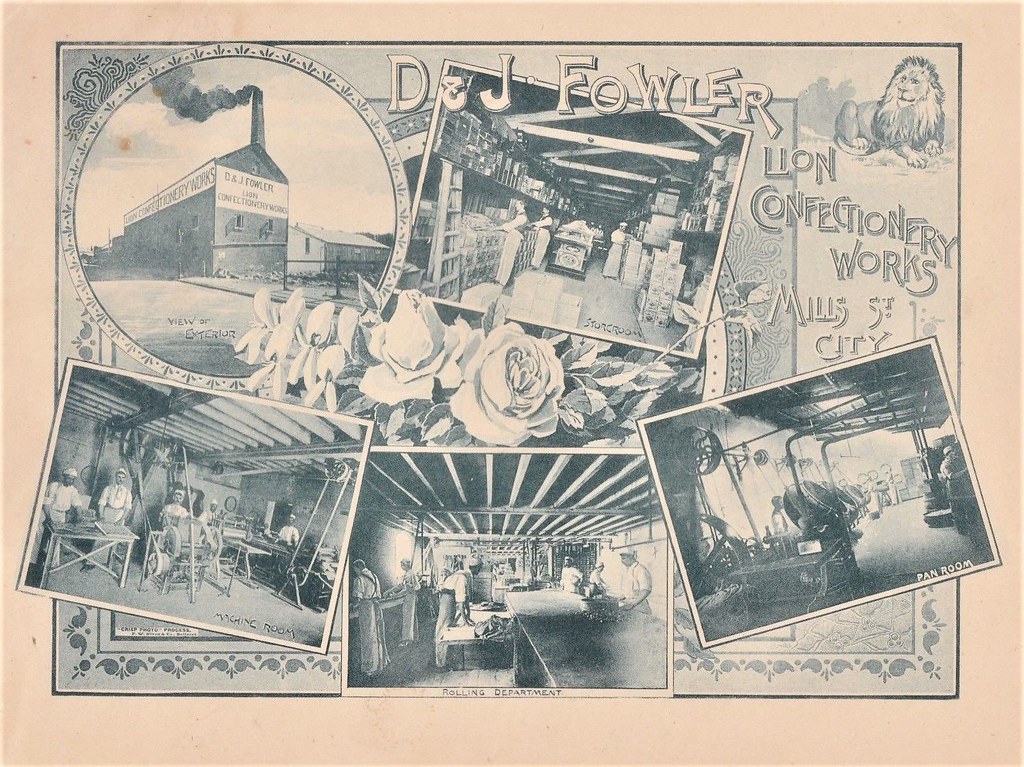
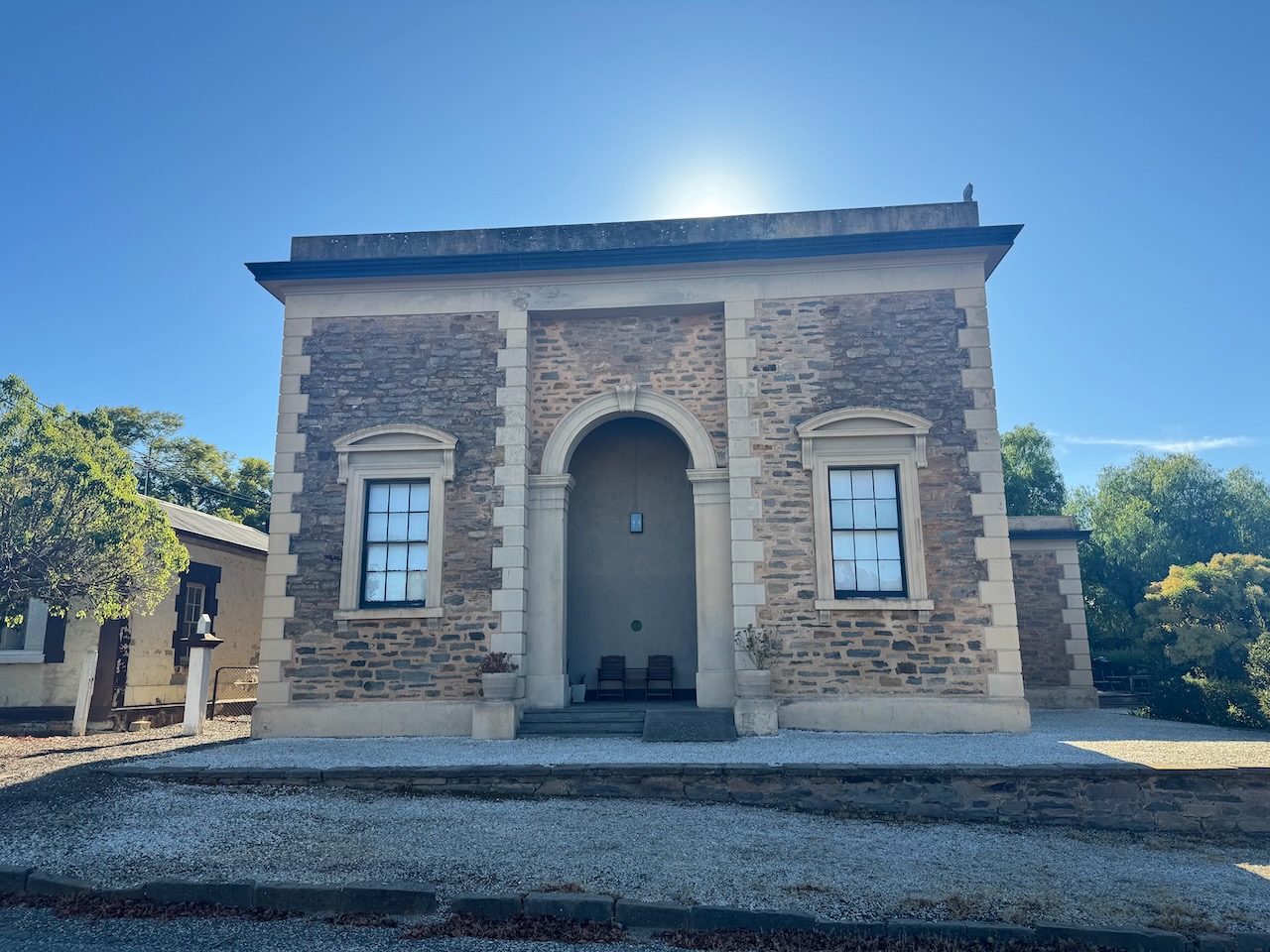
The old Kapunda Court House was built in 1866.
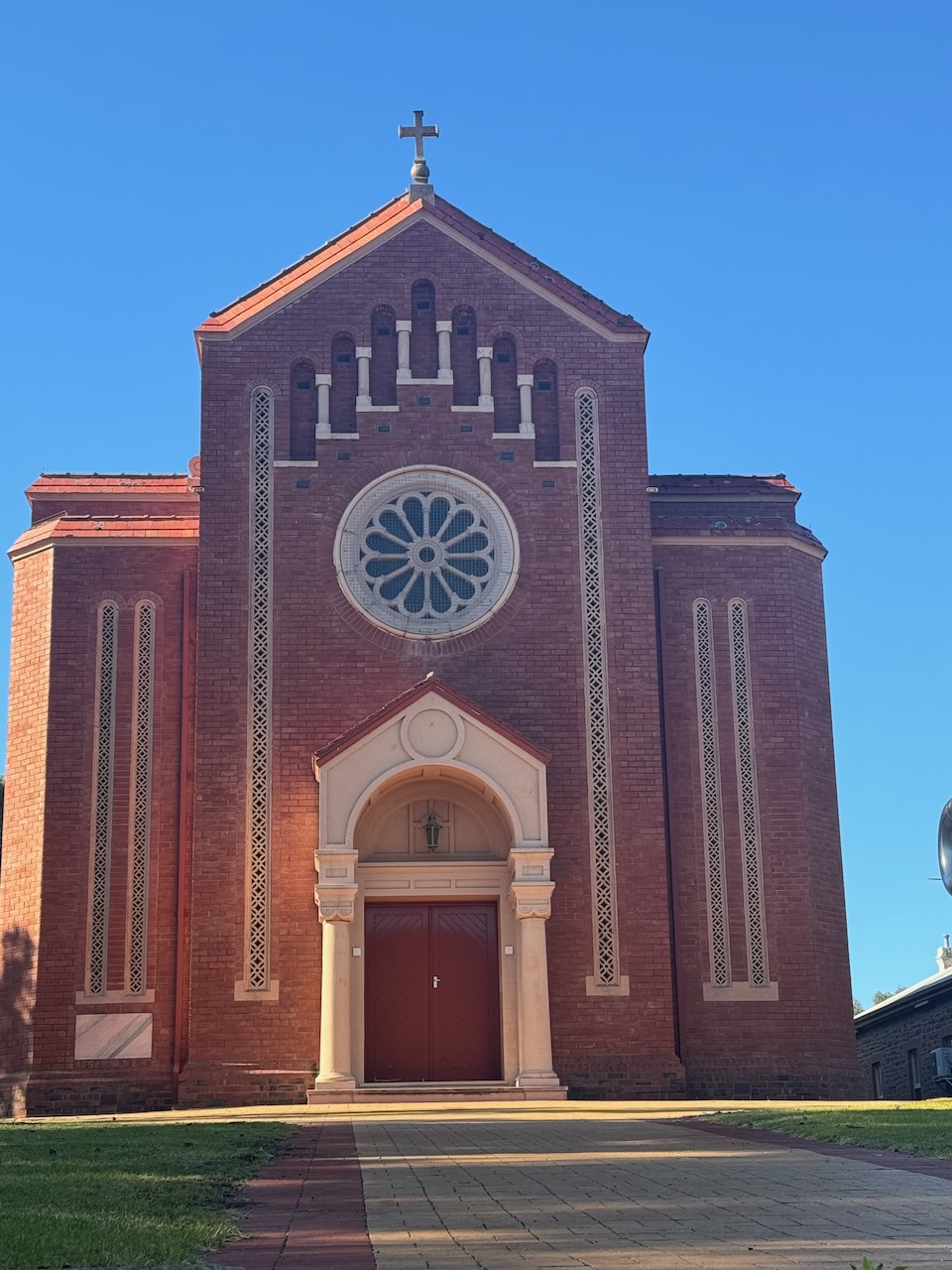
St Roses Catholic Church, a more recent building, was built in 1938.
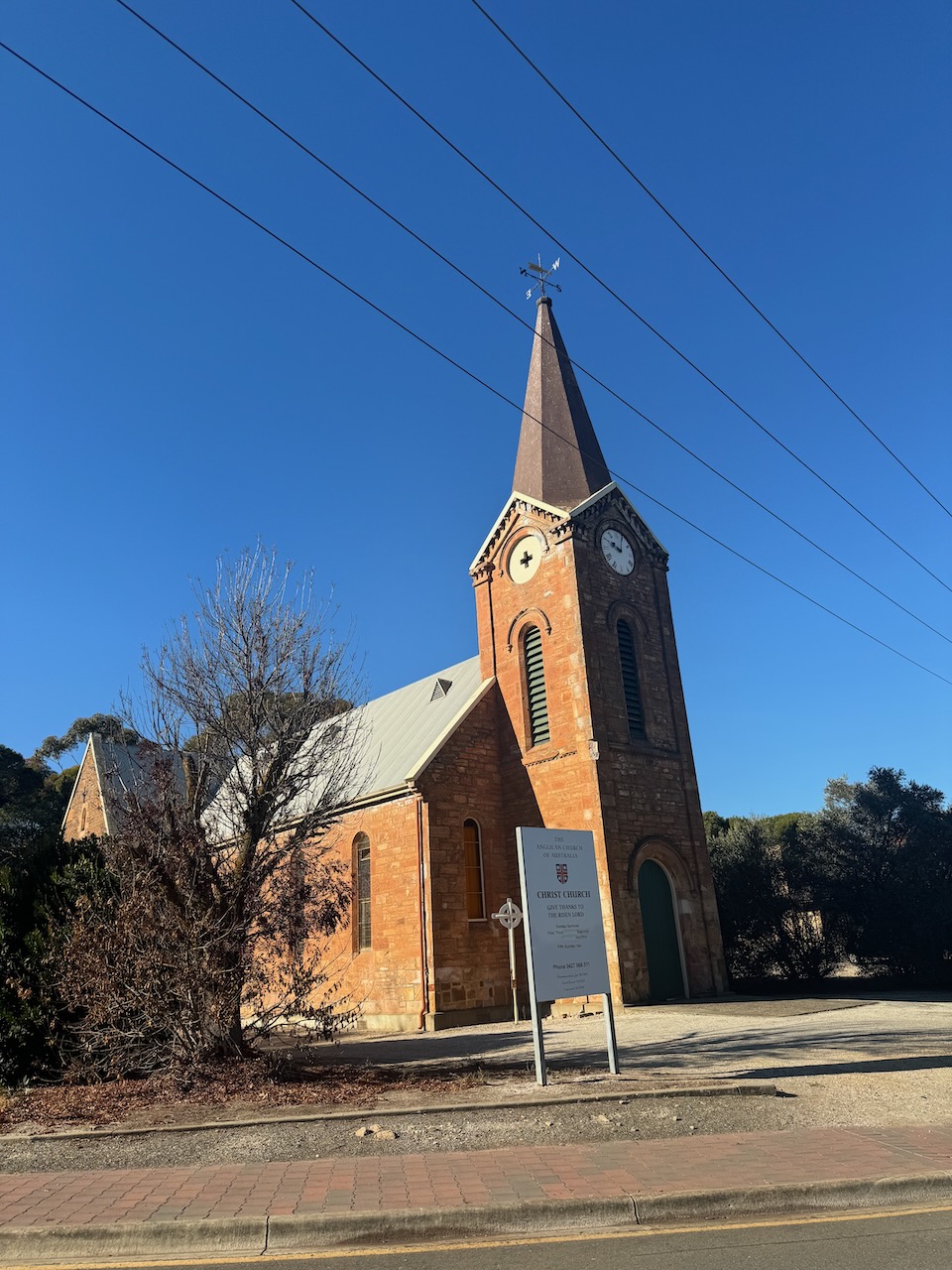
Kapunda Christ Church was built in 1856.
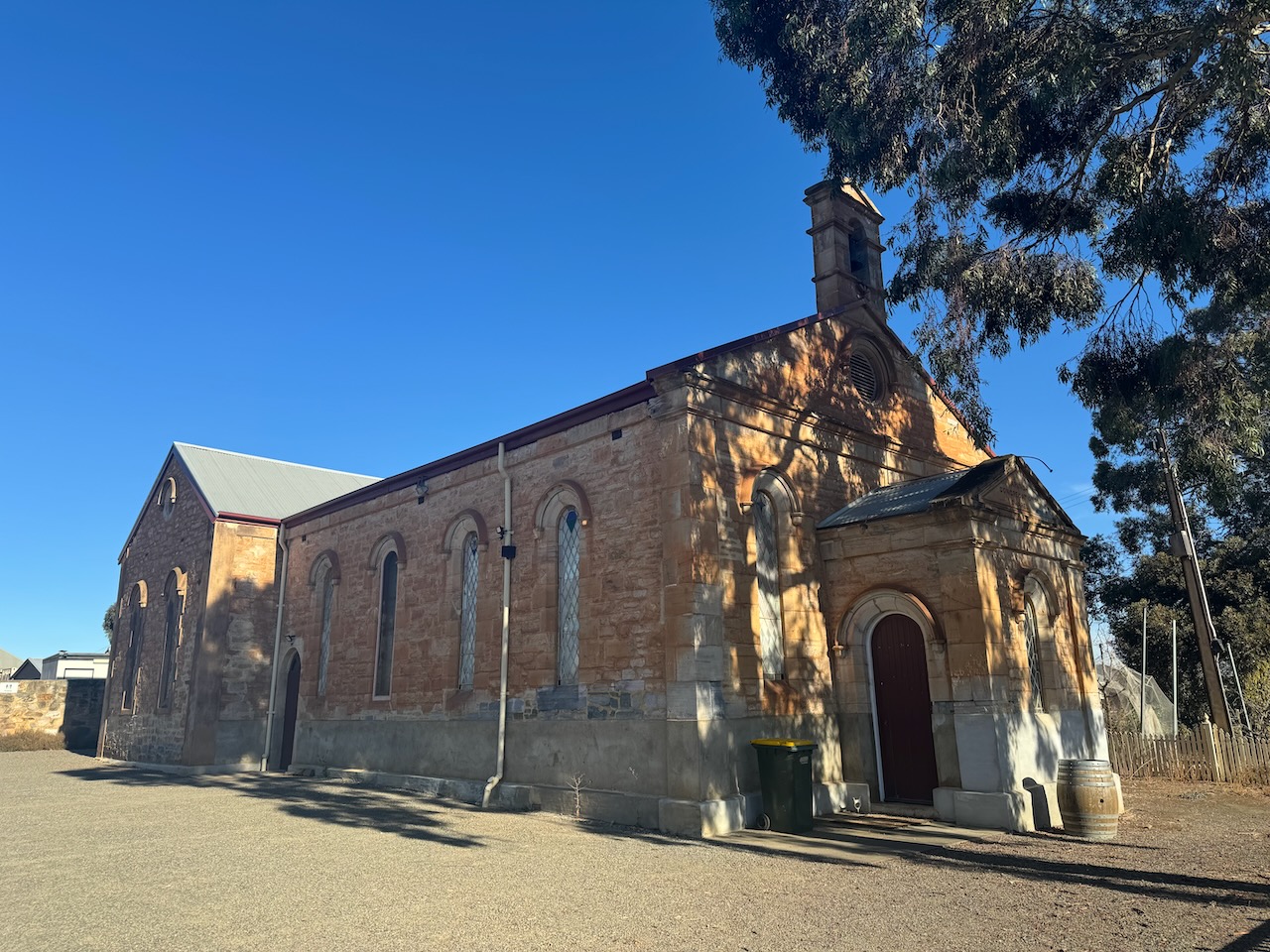
The Congregational Church was built in 1858.
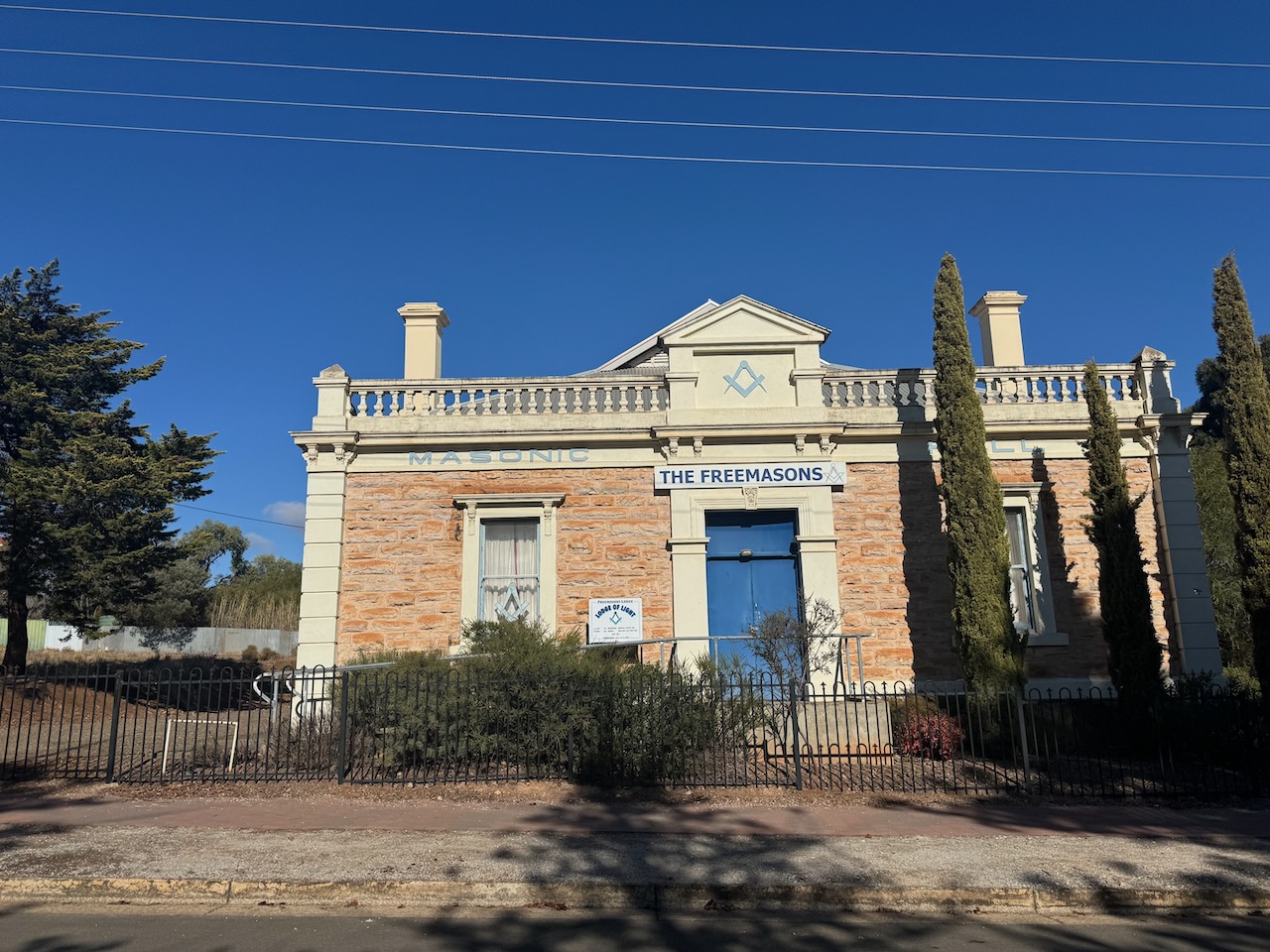
The Kapunda Masonic Hall, now the Freemasons, was built in 1860.
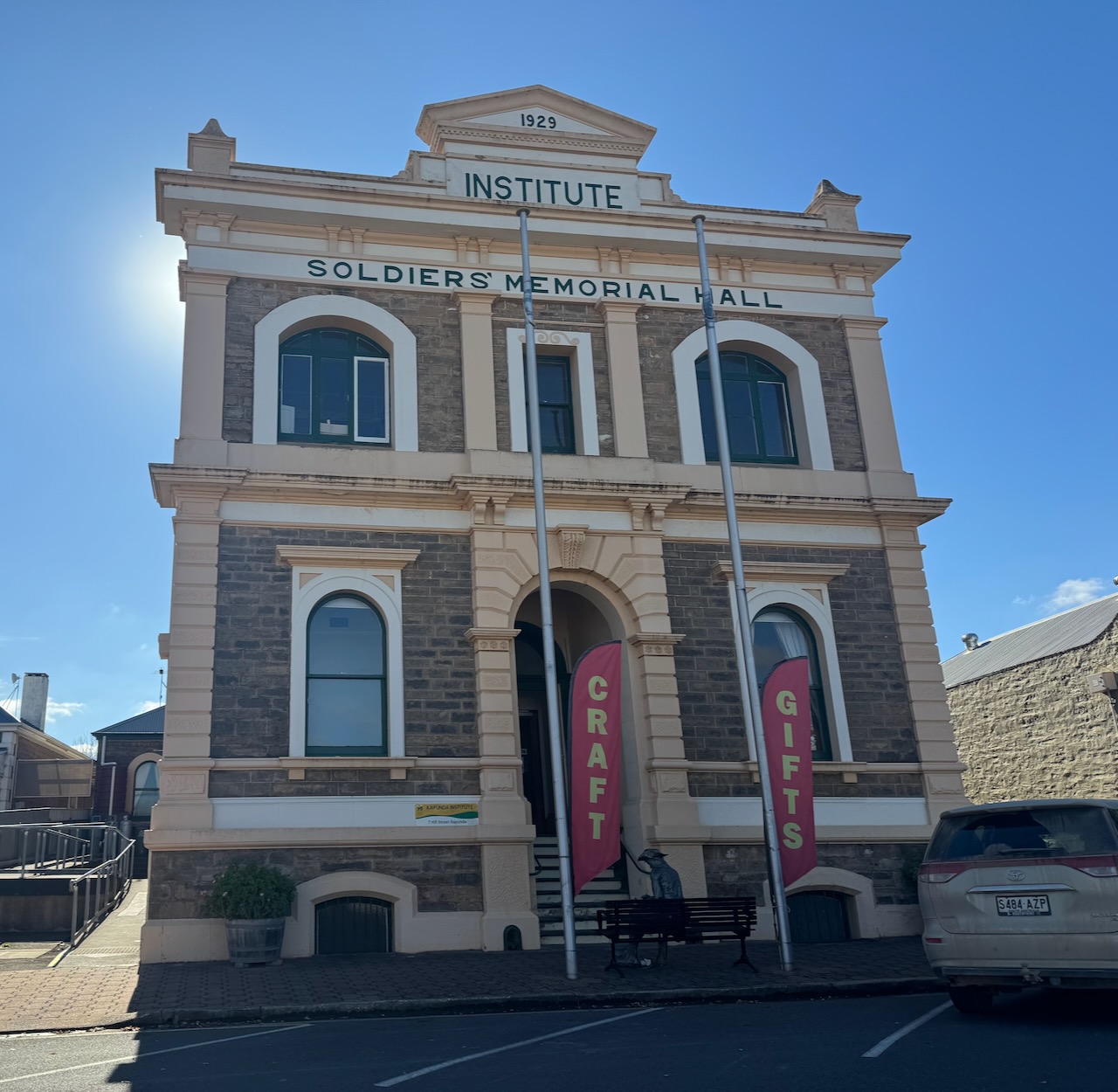
The foundation stone for the Kapunda Institute and Soldiers Memorial Hall was laid on the 12th day of October 1870 by John Hart. It was opened on the 12th day of July 1871. (Flickr 2024)
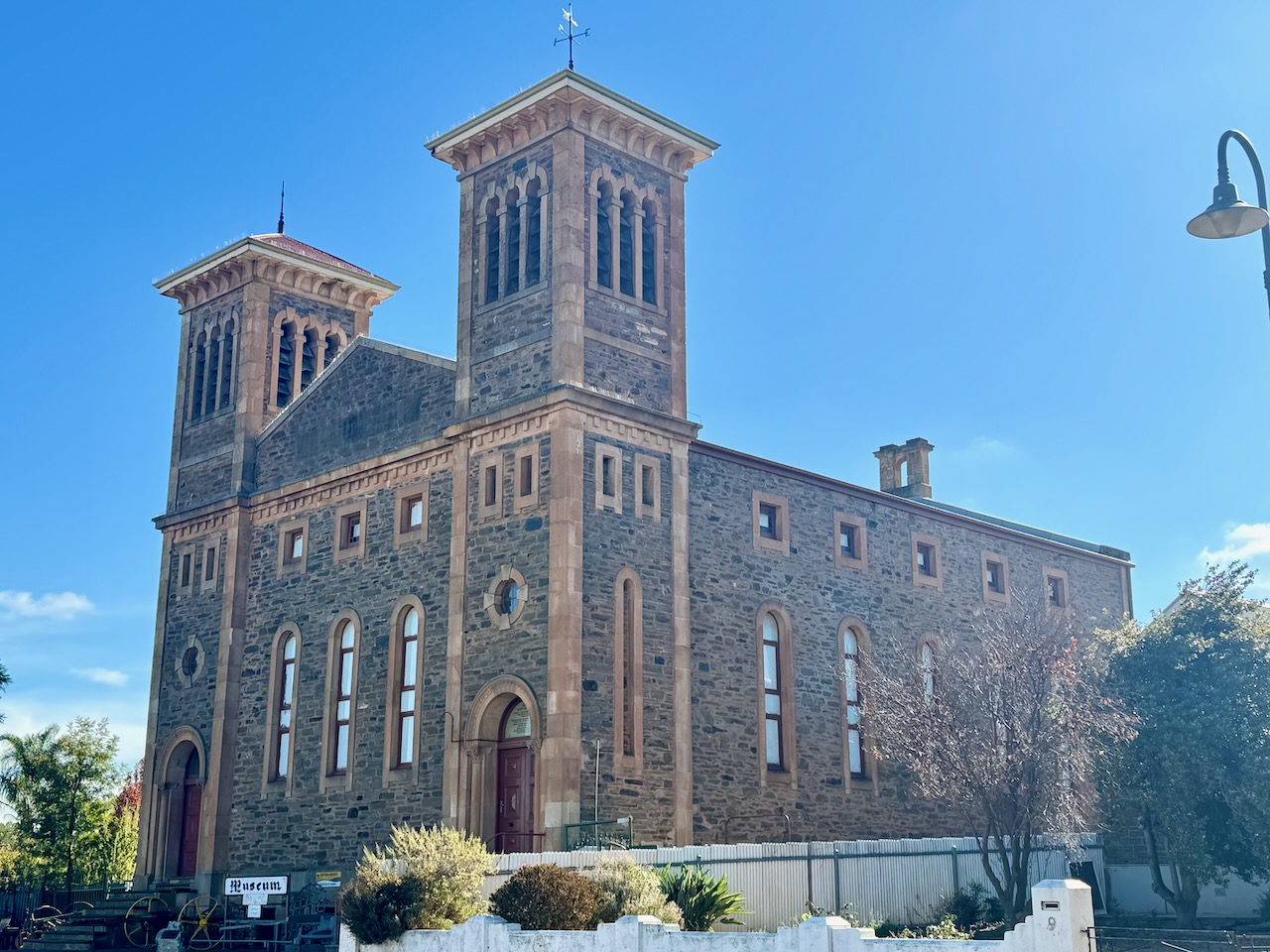
The Kapunda Museum is housed in the Baptist Church built in 1866. It was used as a Technical School from 1948 until the late 1960s. (History Network 2024)
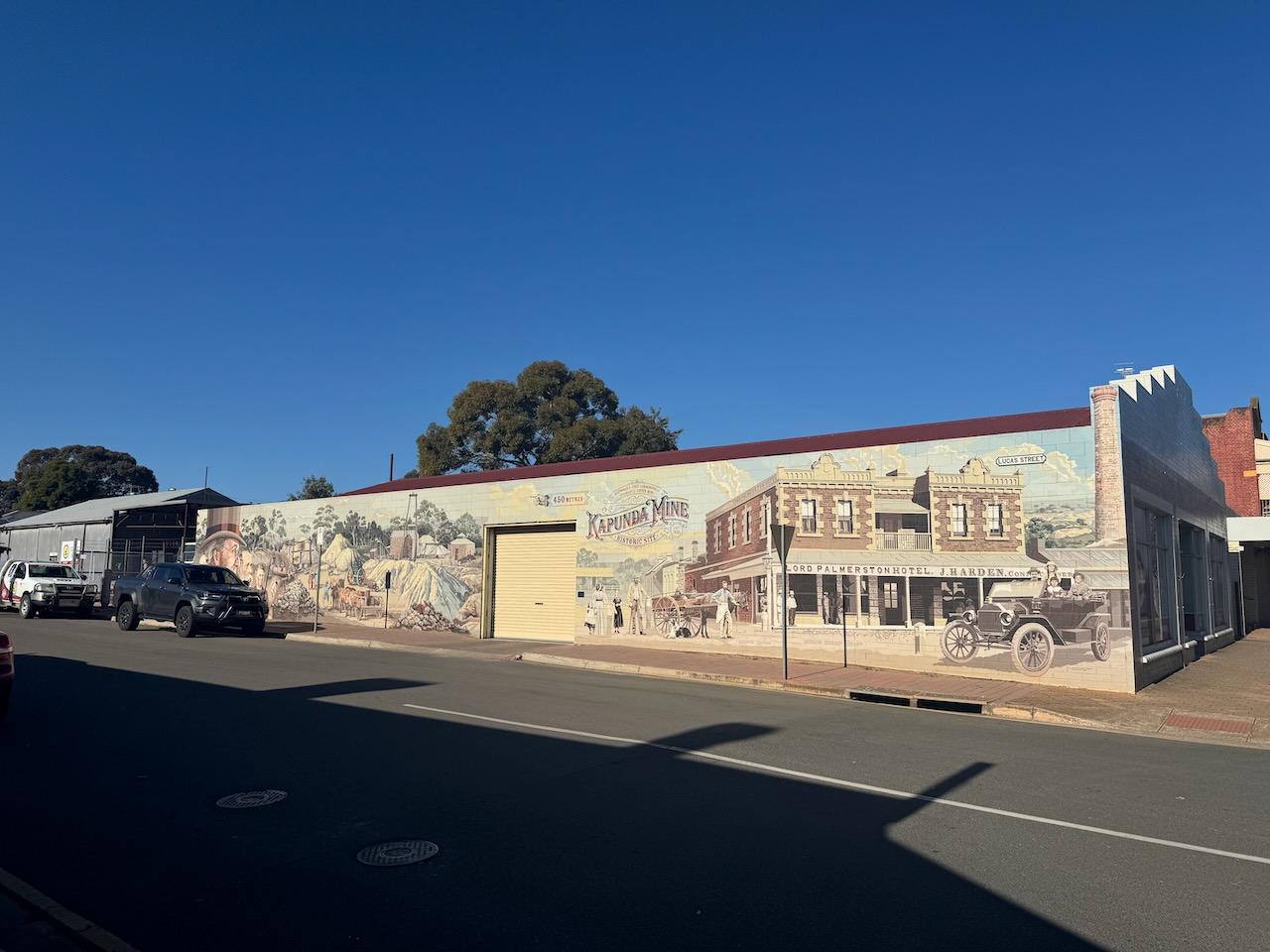
Another interesting feature in the town is the Kapunda Mural Trail. In 2016 a Committee was formed with a view to creating wall murals around Kapunda. More information can be found on the Kapunda Mural Town website.
I last activated the Kapunda silos in May 2023. The silo is located in Hancock Road.
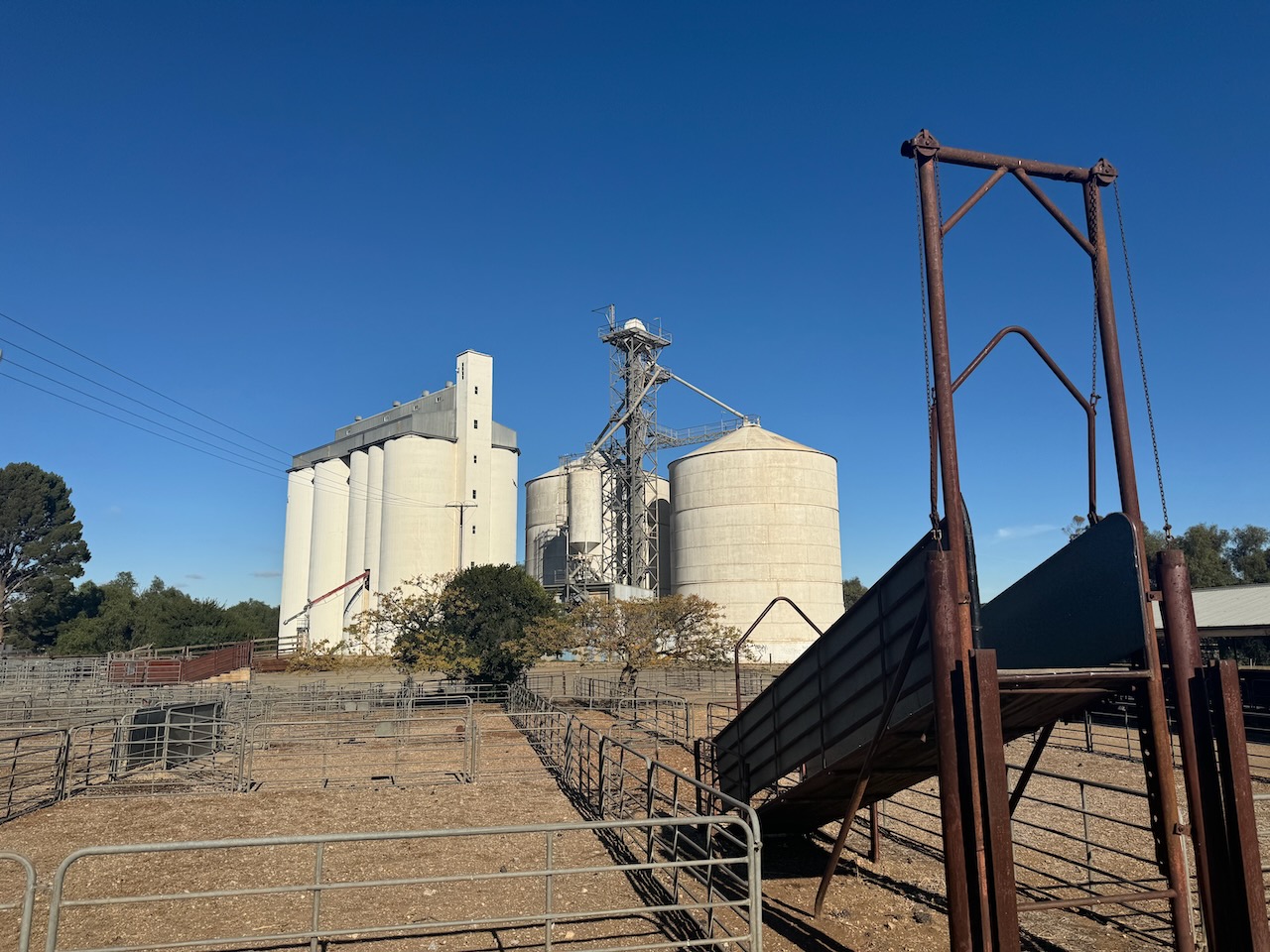
I parked on Hancock Road, a little north of the silo. I operated from the 4Wd, running the Icom IC-7000, 100 watts, and the Codan 9350 antenna with the 1.5-metre stainless steel whip.
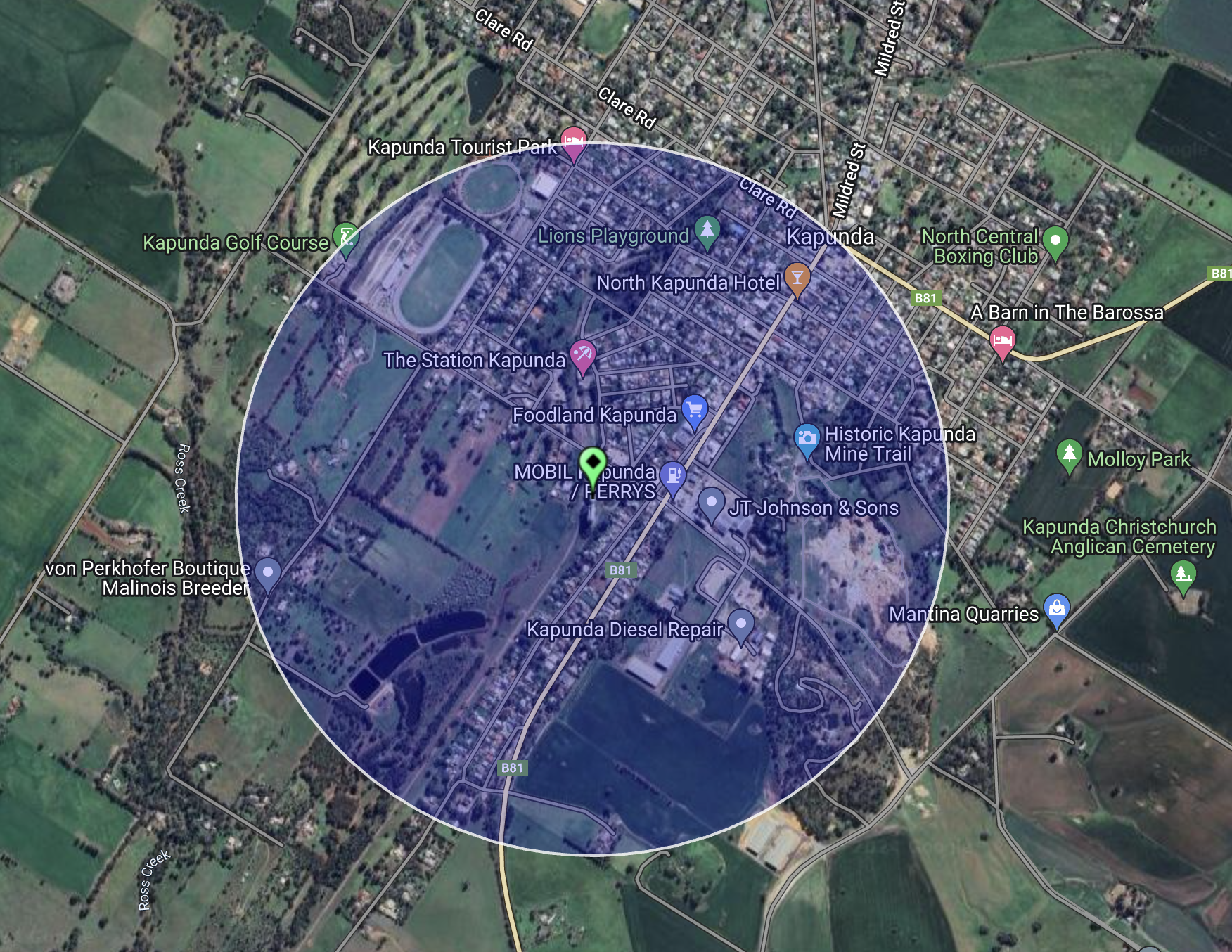
Above:- The activation zone of the Kapunda silo. Image c/o SiOTA website.
I worked the following stations on 40m SSB:-
- VK5GY
- VK3PF
- VK3KAI
- VK3WSG
- VK5KVA
- VK2VH
- VK4AAC
- VK3EJS
I worked the following stations on 20m SSB:-
- VK3PF
- VK3EJS
- VK4KLA
References.
- Flickr. (2024). Lion Coffee Grocery Store. [online] Available at: https://www.flickr.com/photos/macr237/34996164383 [Accessed 16 Aug. 2024].
- Flickr. (2024). Kapunda Institute & Memorial Hall. [online] Available at: https://www.flickr.com/photos/31967465@N04/52915431229/ [Accessed 16 Aug. 2024].
- Sa.gov.au. (2018). Kapunda Museum – South Australian History Network. [online] Available at: https://explore.history.sa.gov.au/organisation/kapunda-museum/ [Accessed 16 Aug. 2024].
- Wikipedia Contributors (2023). Light River (South Australia). [online] Wikipedia. Available at: https://en.wikipedia.org/wiki/Light_River_(South_Australia) [Accessed 16 Aug. 2024].
- Wikipedia Contributors (2024). Morgan railway line. [online] Wikipedia. Available at: https://en.wikipedia.org/wiki/Morgan_railway_line [Accessed 16 Aug. 2024].
- Wikipedia Contributors (2024). Kapunda. [online] Wikipedia. Available at: https://en.wikipedia.org/wiki/Kapunda [Accessed 16 Aug. 2024].
-
 VK5PAS