
Every year on the 1st day of September, National Wattle Day is celebrated in Australia. This is the start of the Australian spring season. It is a time when several Acacia species, commonly called Wattle, are in flower.
The first National Wattle Day was held in 1992. Prior to this, Wattle Day was celebrated on different days by each of the Australian States and Territories. (Wattle Assoc 2024)
In 1899 the ‘Wattle Club’ was formed in Victoria. It was the initiative of Archibald James Campbell who was a leading ornithologist and field naturalist. He had a particular passion for Australian wattles. For many years the Wattle Club would organise outings on the 1st day of September. (Wikipedia 2024)

Above:- Archibald Campbell. Image c/o Wikipedia.
In September 1908, Campbell delivered a speech and made the very first suggestion of a dedicated Wattle Day in Australia. (Wikipedia 2024)
In September 1909, the Wattle Day League was formed in Sydney. Joseph Henry Maiden, the Director of the Sydney Botanic Gardens was the President. The purpose of the Wattle Day League was to present to the various Australian state governments, the need for a national Wattle Day. In 1910 the League agreed on the 1st day of September and there were celebrations on three Australian States including South Australia. (Wikipedia 2024)
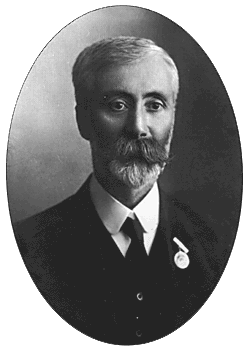
Above:- Joseph Henry Maiden. Image c/o Wikipedia
During the 1980s there was a campaign led by Maria Hitchcock for National Wattle Day. She is known as the ‘Wattle Lady’. She was successful in 1988 for having the Golden Wattle Acacia pycnantha gazetted as Australia’s National Floral Emblem in 1988 and the introduction of National Wattle Day in 1992. (Authors Agent 2024)
On 23 June 1992, Governor-General Bill Hayden declared that “1 September in each year shall be observed as ‘National Wattle Day’ throughout Australia and in the external Territories of Australia”. (ANBG 2024)
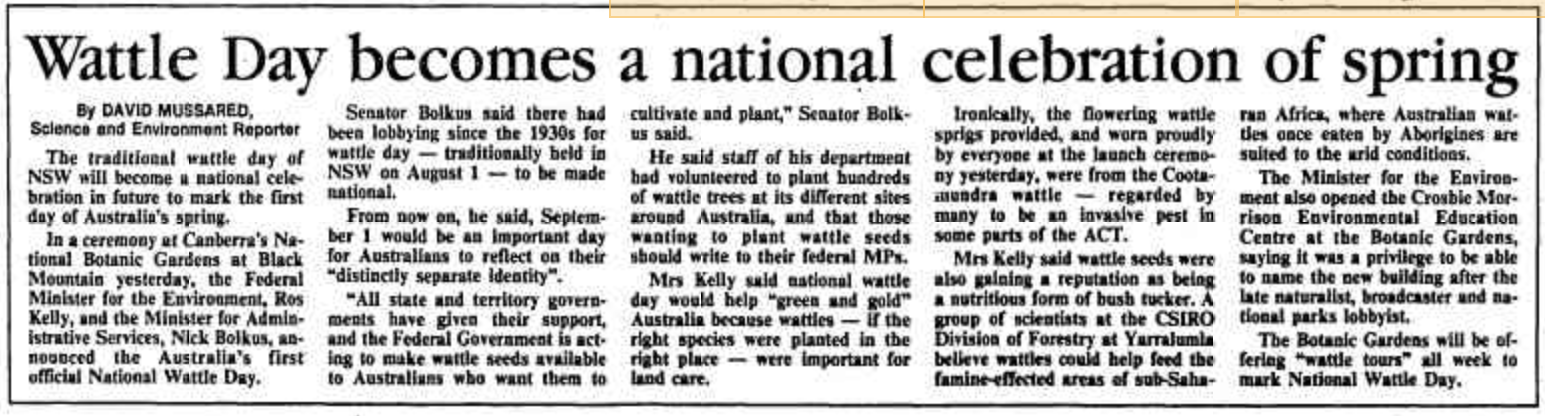
Above:- Article from The Canberra Times, Wed 2 Sept 1992. Image c/o Trove.
The Wattle Association Inc. website states that we celebrate National Wattle Day for the following reasons:-
- National Wattle Day includes everyone
- Golden Wattle (Acacia pycnantha) is our national floral emblem. It is a symbol that comes directly from our land;
- Golden Wattle is a unifying symbol of Australia and Australians. There is no other symbol that says so much about what it takes to survive and thrive in this ancient land;
- Wattles are Australian with great diversity (more than 1,075 described Acacia species) and resilience like our people;
- Wattle welcomes the spring, and is among the first plants to regenerate after fire, reminding us of the importance of renewal as it paints our national colours across our landscapes; and
- All wattles remind us of Australia and Australians. (Wattle Assoc 2024)
Below is an interview that appeared on ABC Radio about 6 years ago about Wattle Day.
Marija VK5MAZ and I headed to Lenger Reserve VKFF-4039 which is located about 17 km north of Mannum in the Murray Mallee region of South Australia.

Above:- Map showing the location of Lenger Reserve. Map c/o Google Maps.
Along the way, we stopped off to look at the monument for Mobilong West State School, located at the intersection of Pallamana Road, Reedy Creek Road, and Wagenknecht Road, Pallamana.
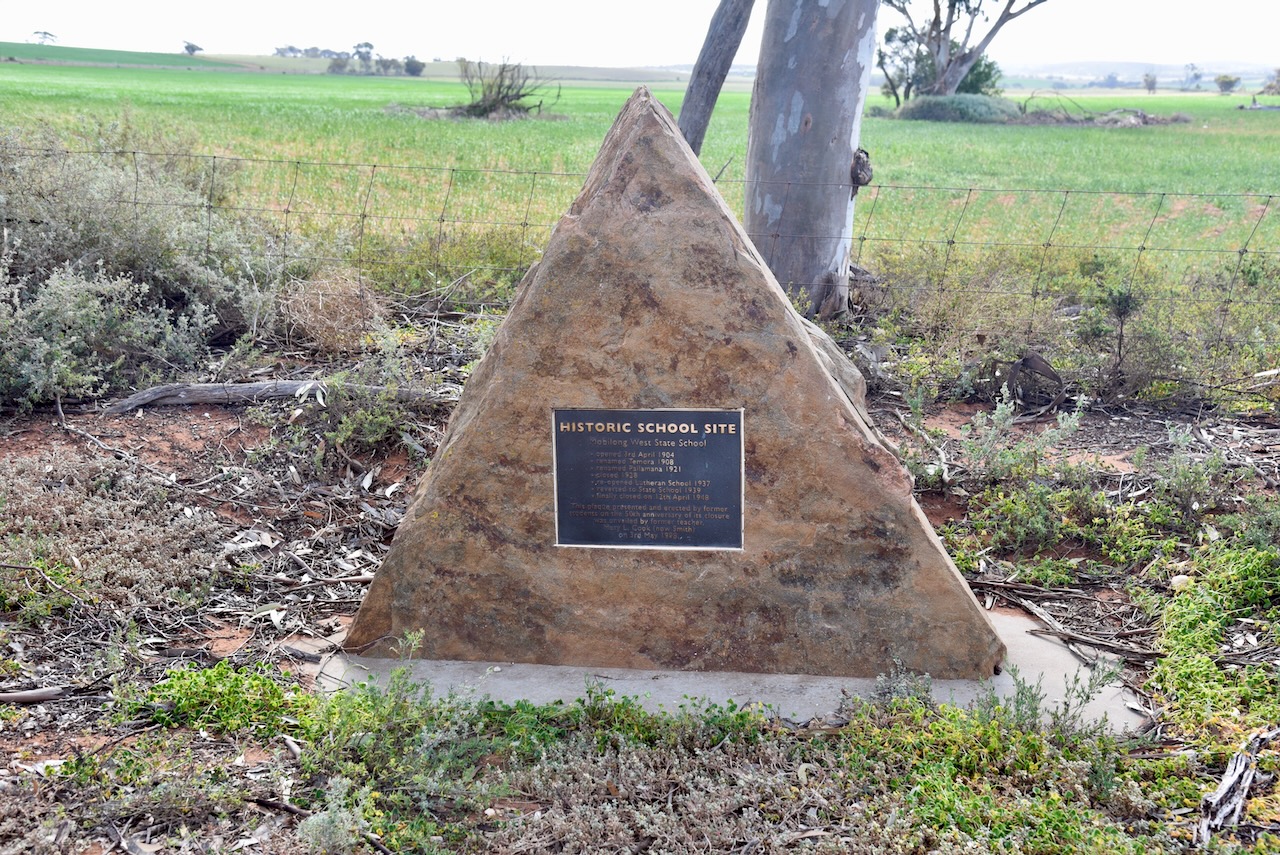

The school opened on the 3rd day of April 1904. It was renamed Temora in 1908. In 1921 it was renamed Pallamana. The school closed in 1928. In 1937 it was reopened as a Lutheran school. Just 2 years later in 1939, it reverted to a State School. It finally closed on the 12th day of April 1948.
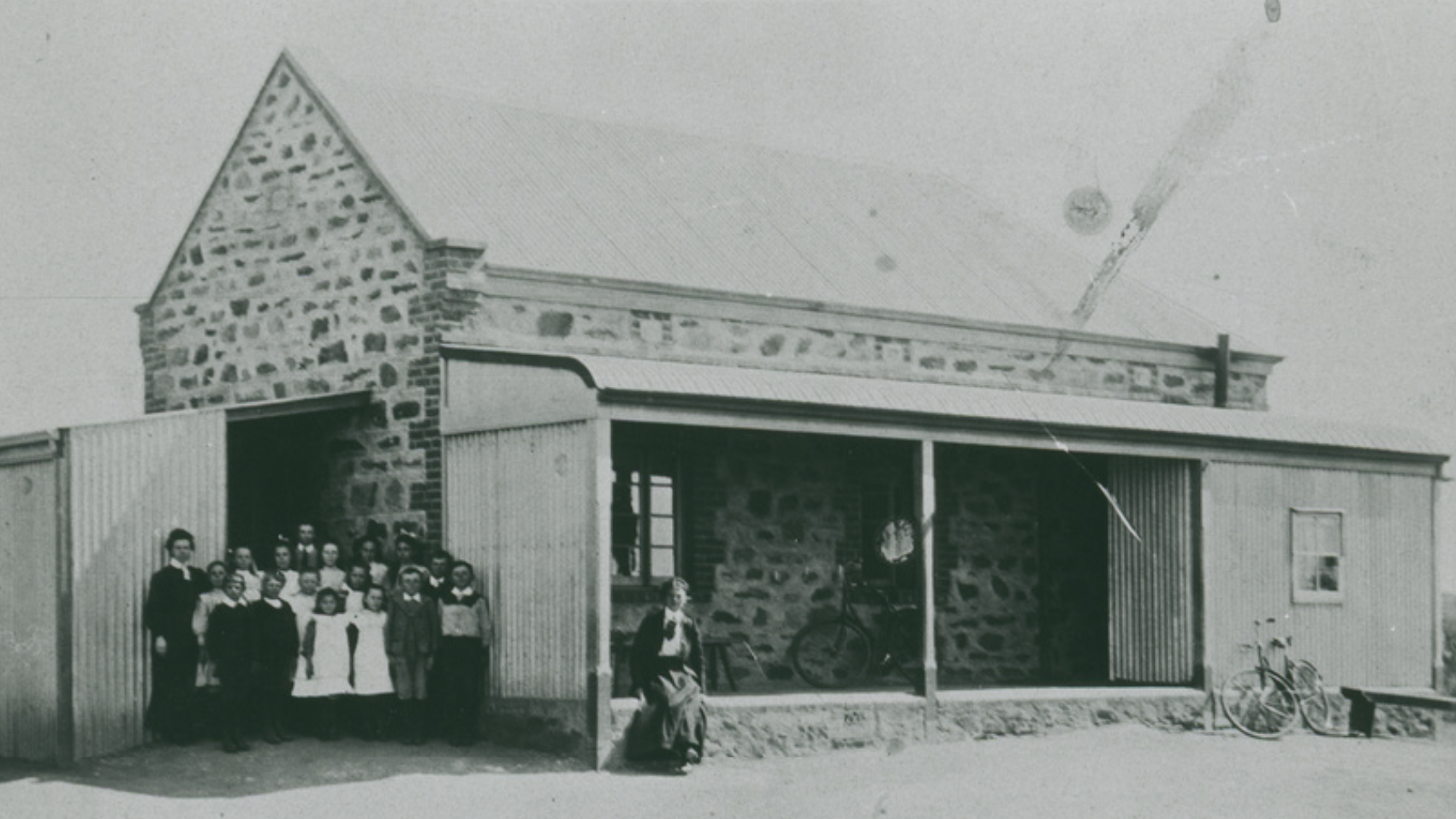
Above:- The Pallamana School, early 1900s. Image c/o State Library South Australia.
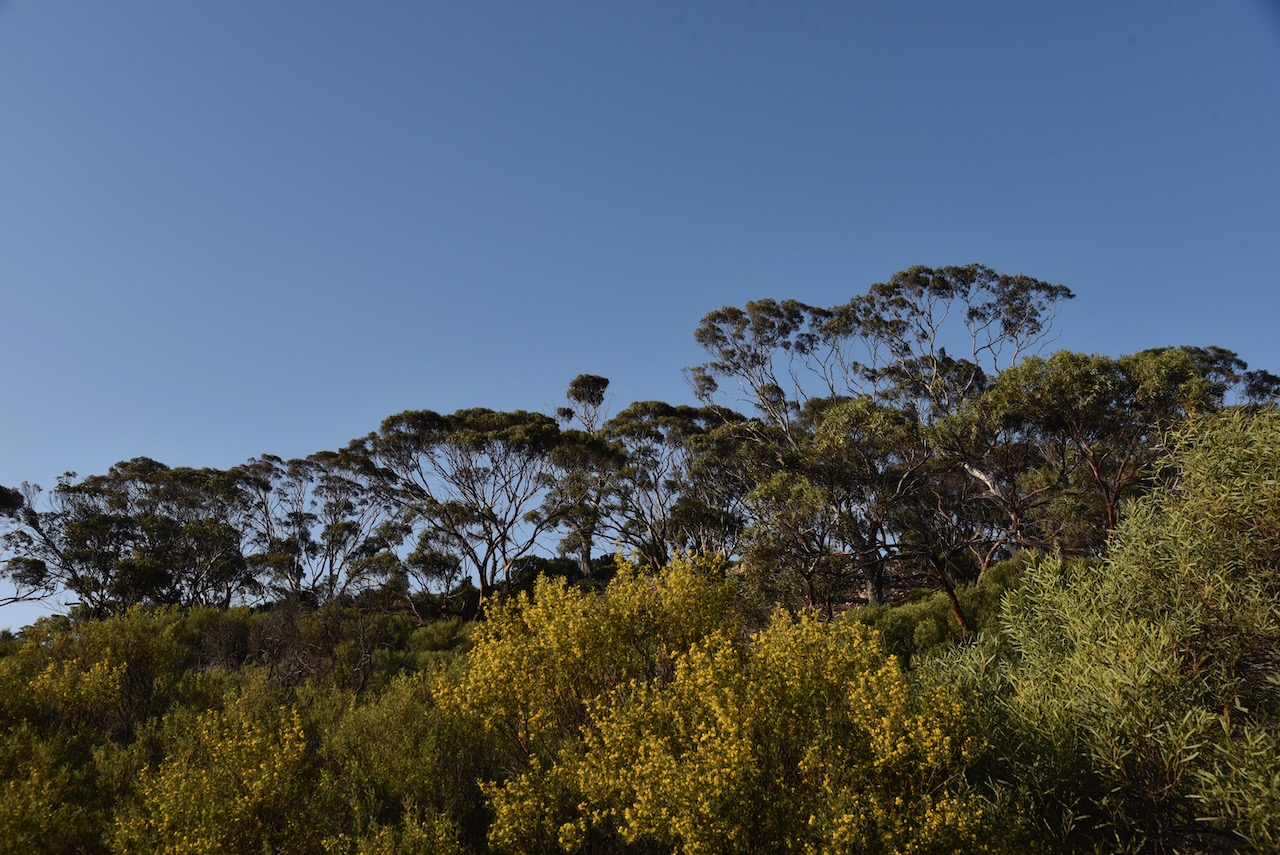
As we approached the park, the surrounding countryside became quite spectacular, compared to the cleared farming land that we had experienced earlier in the trip. It is about a 100km drive to the park from our home on the Fleurieu Peninsula, south of Adelaide.
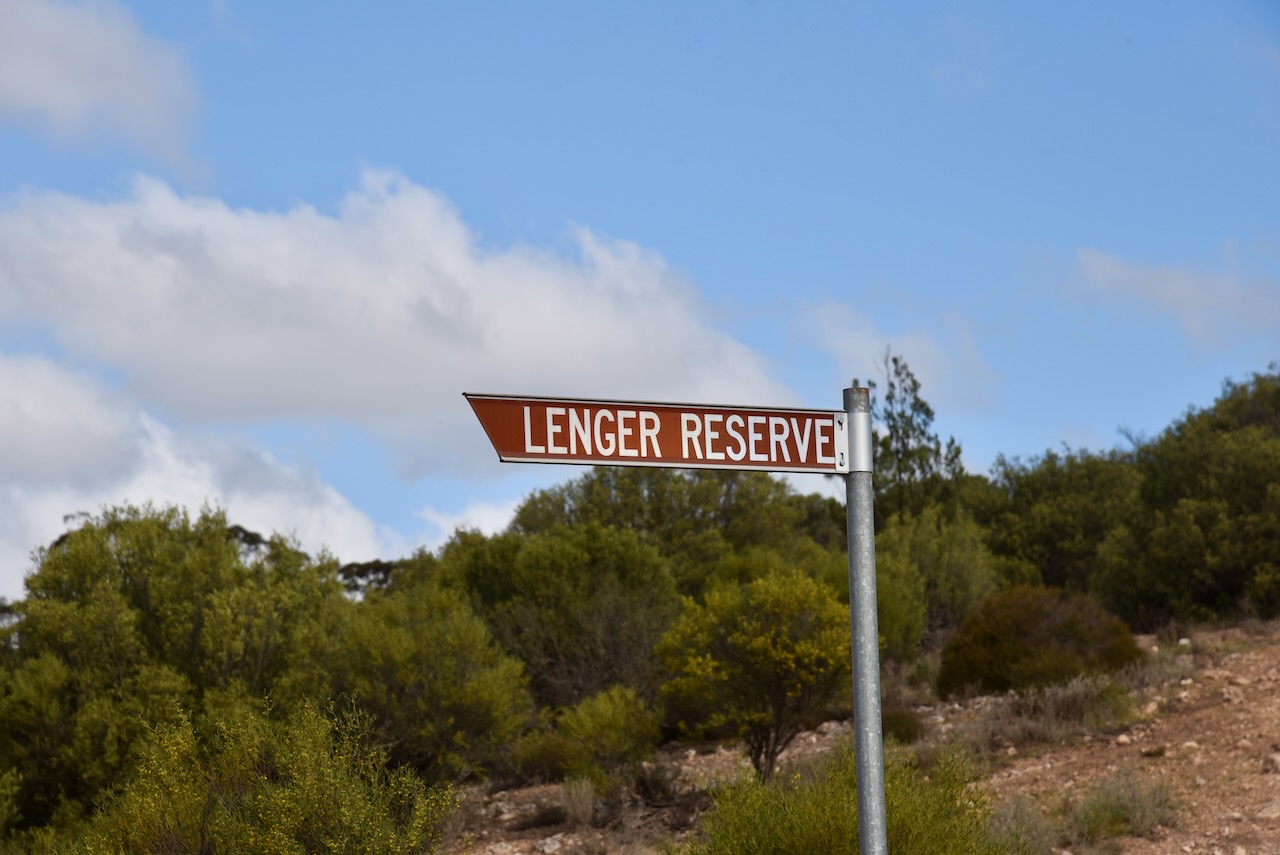
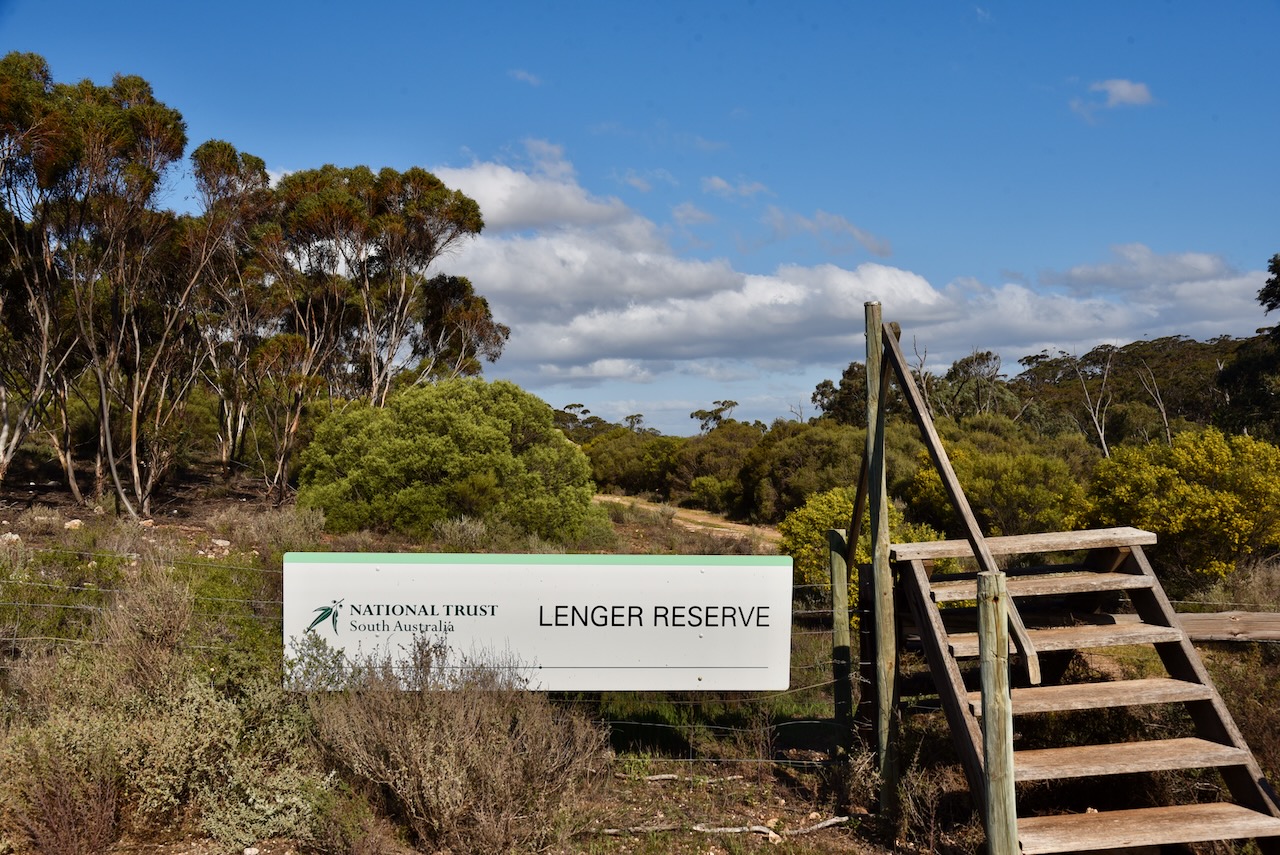
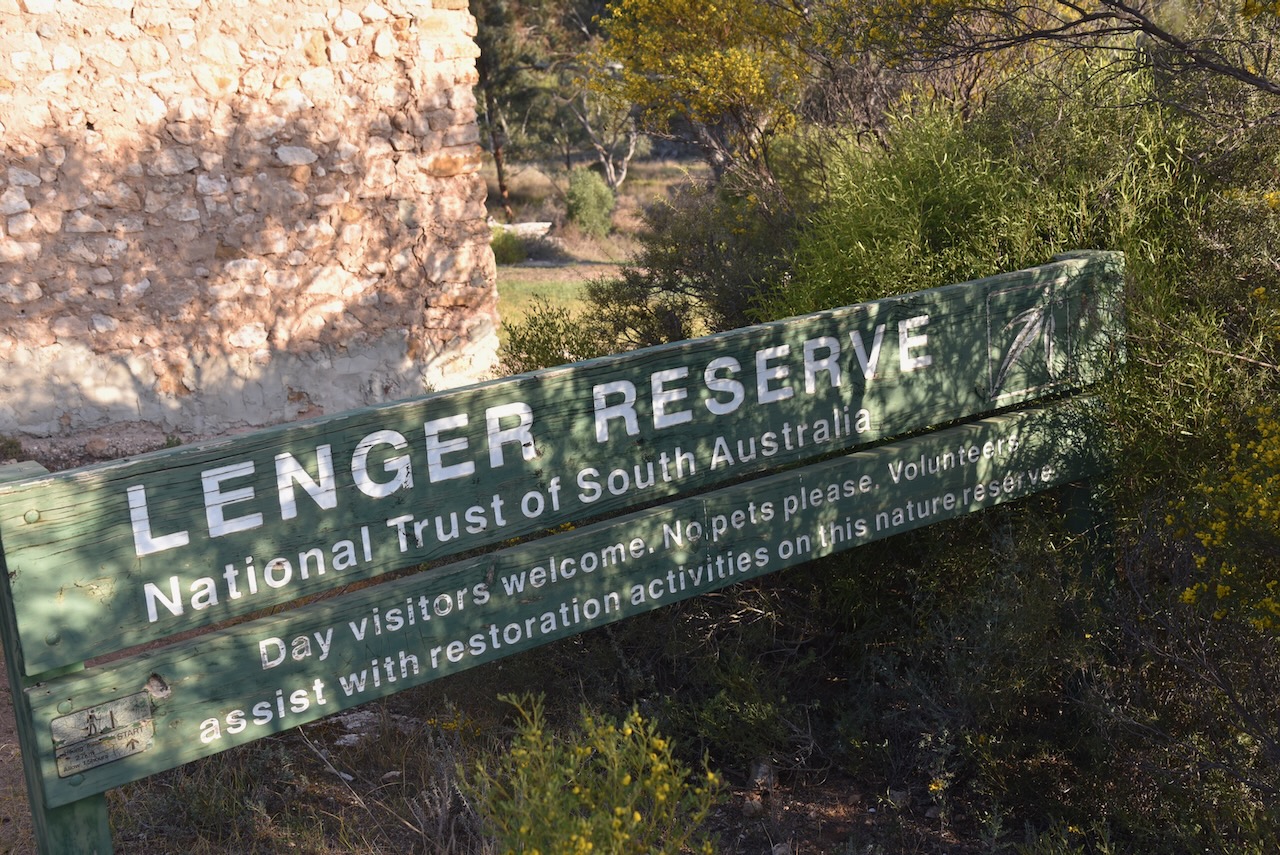
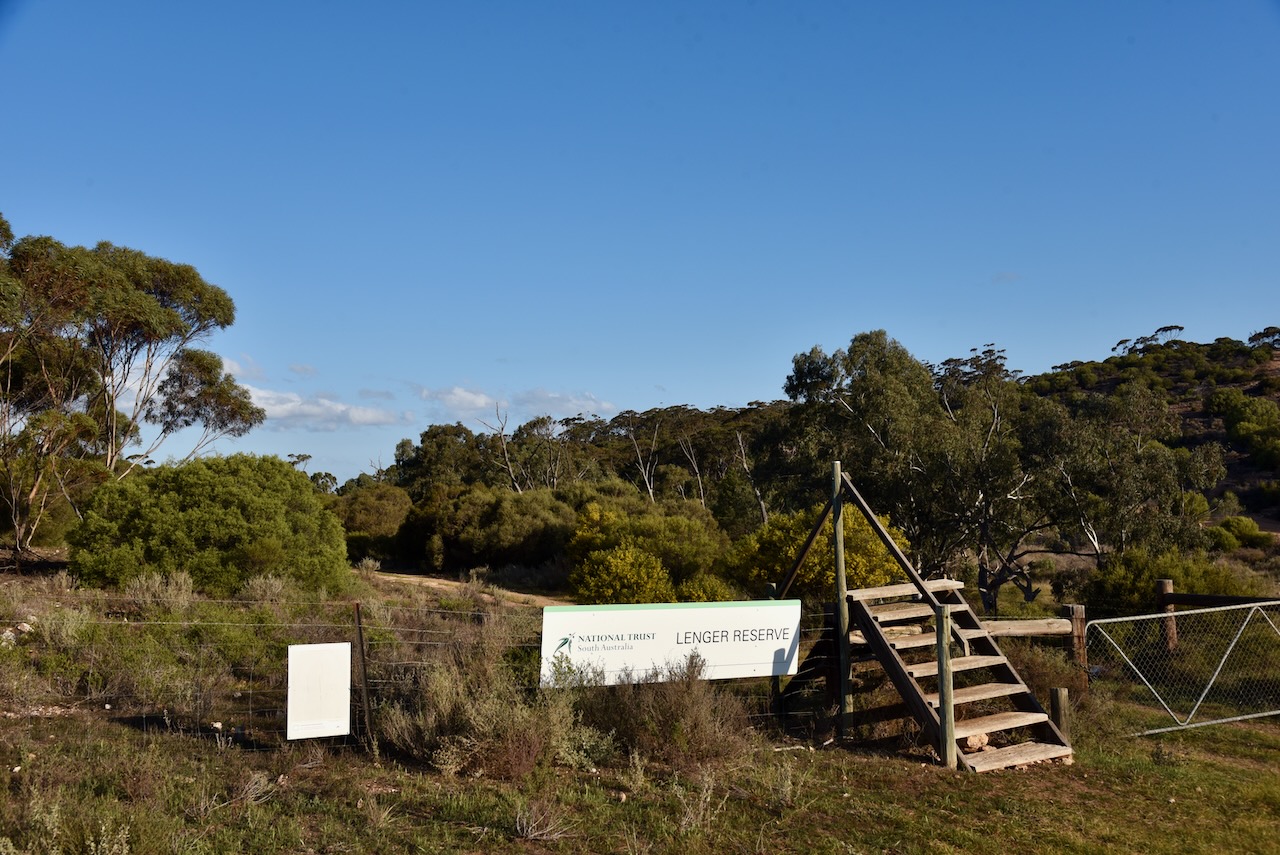
What we did find was the park was well-signposted. There wasn’t just one sign, there was a number, that directed you towards Lenger Reserve.
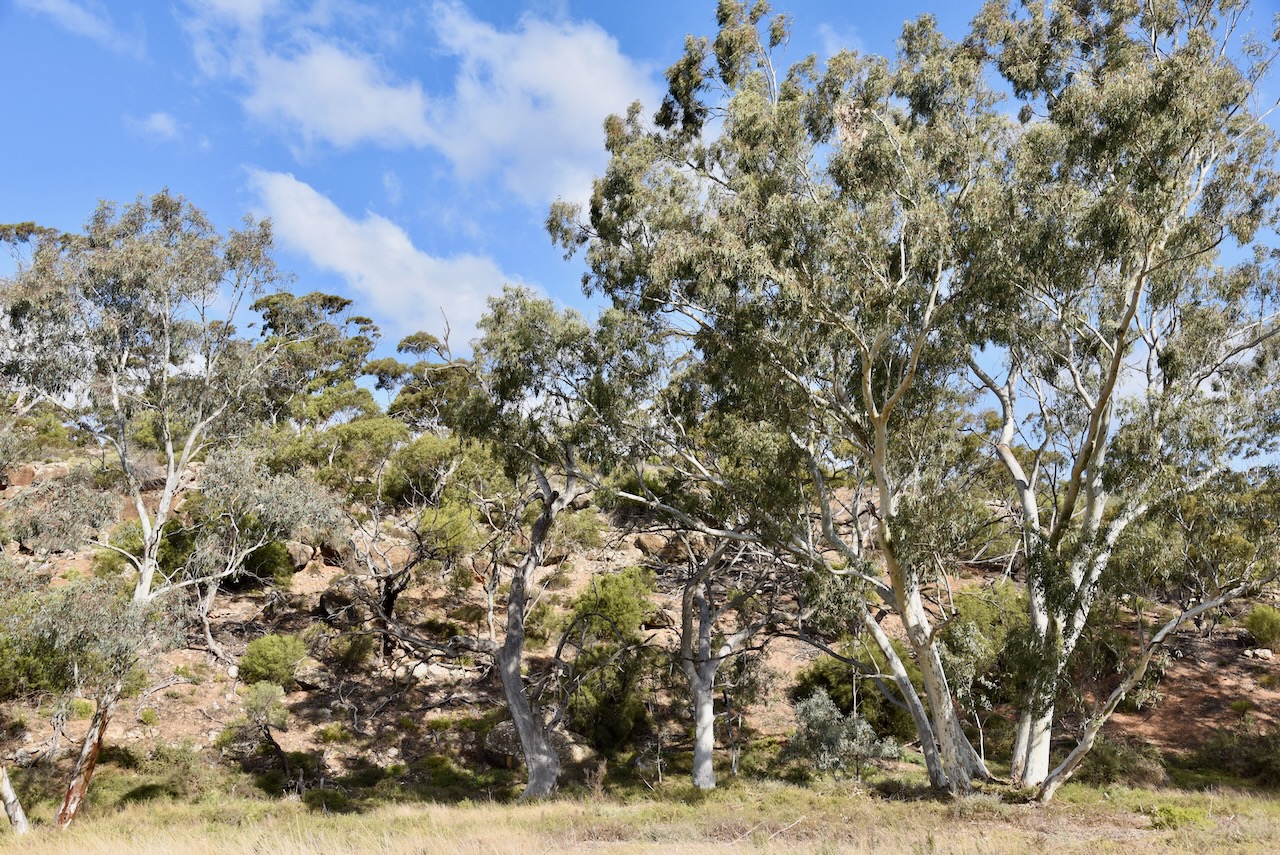
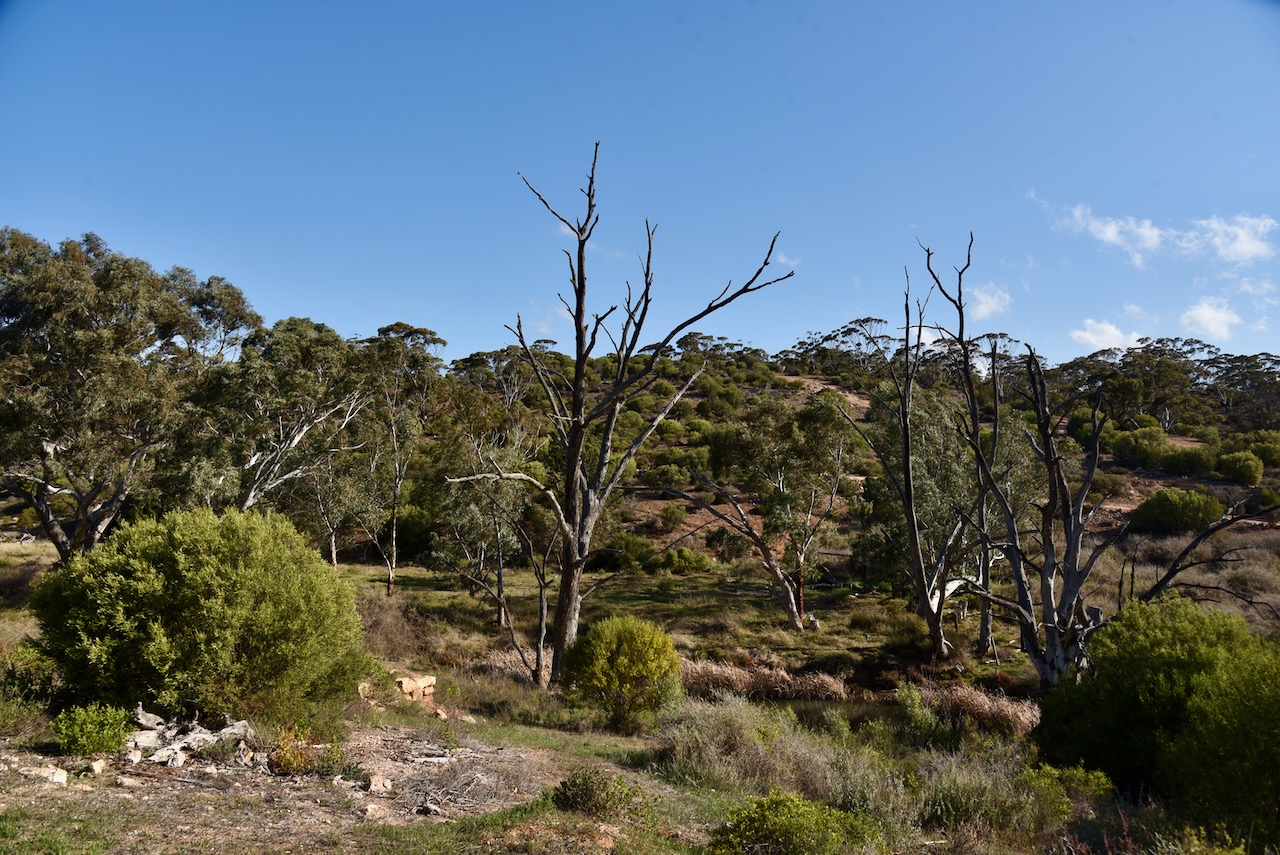
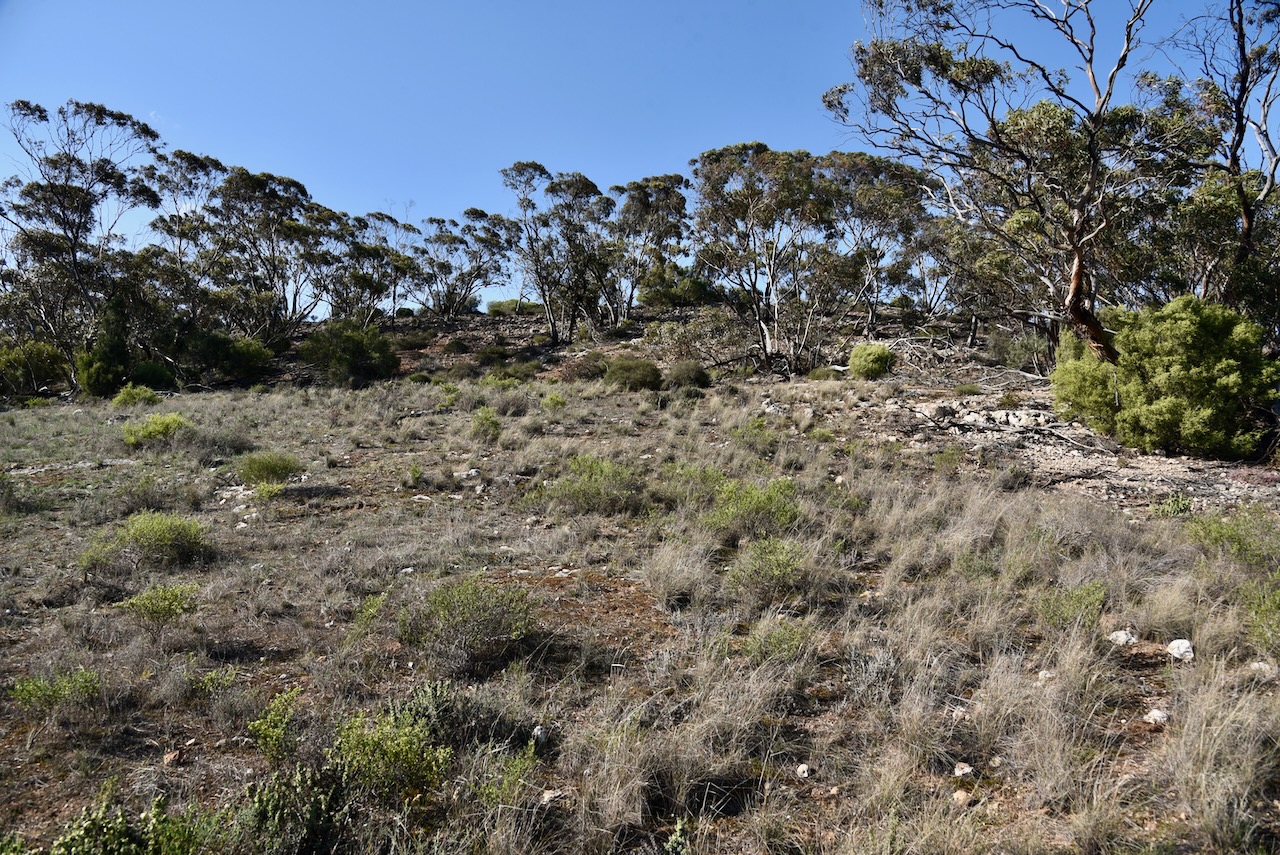
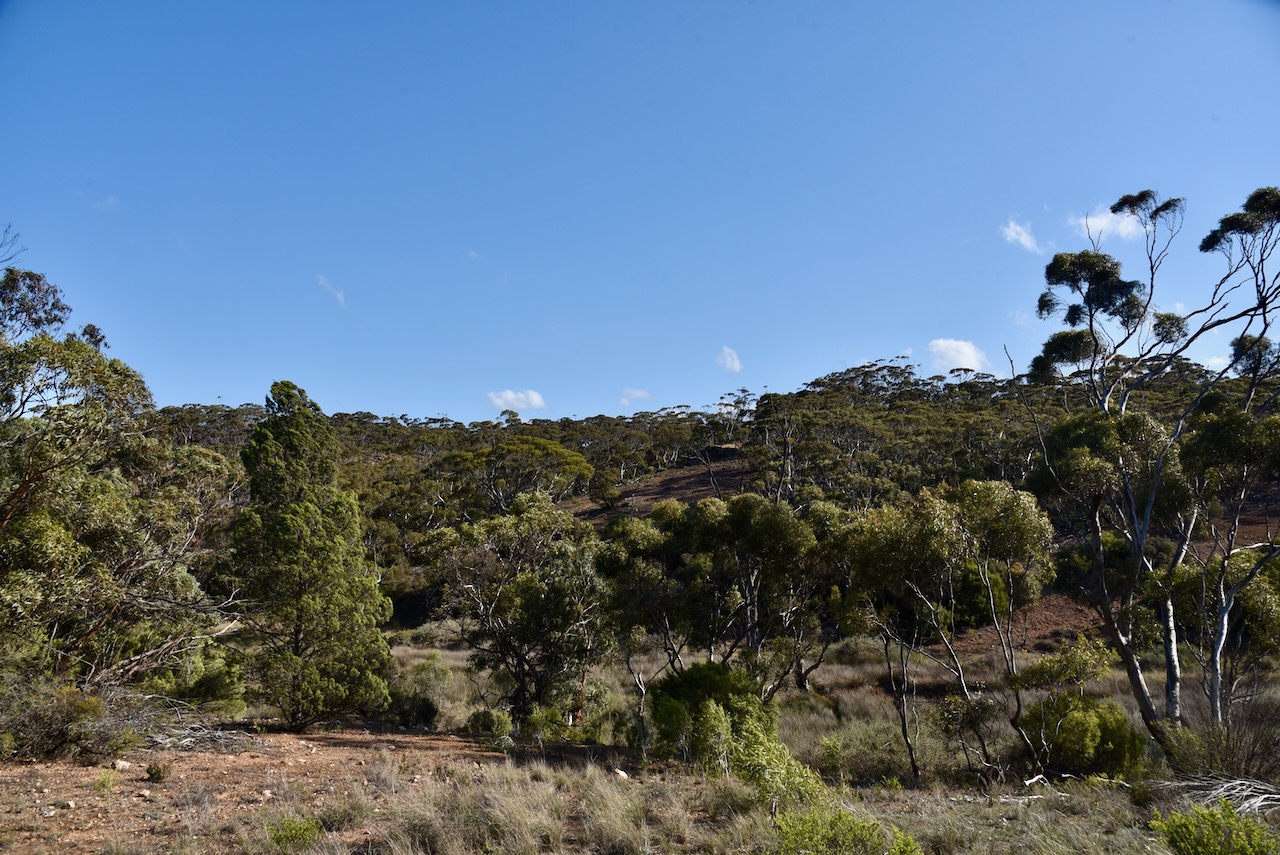
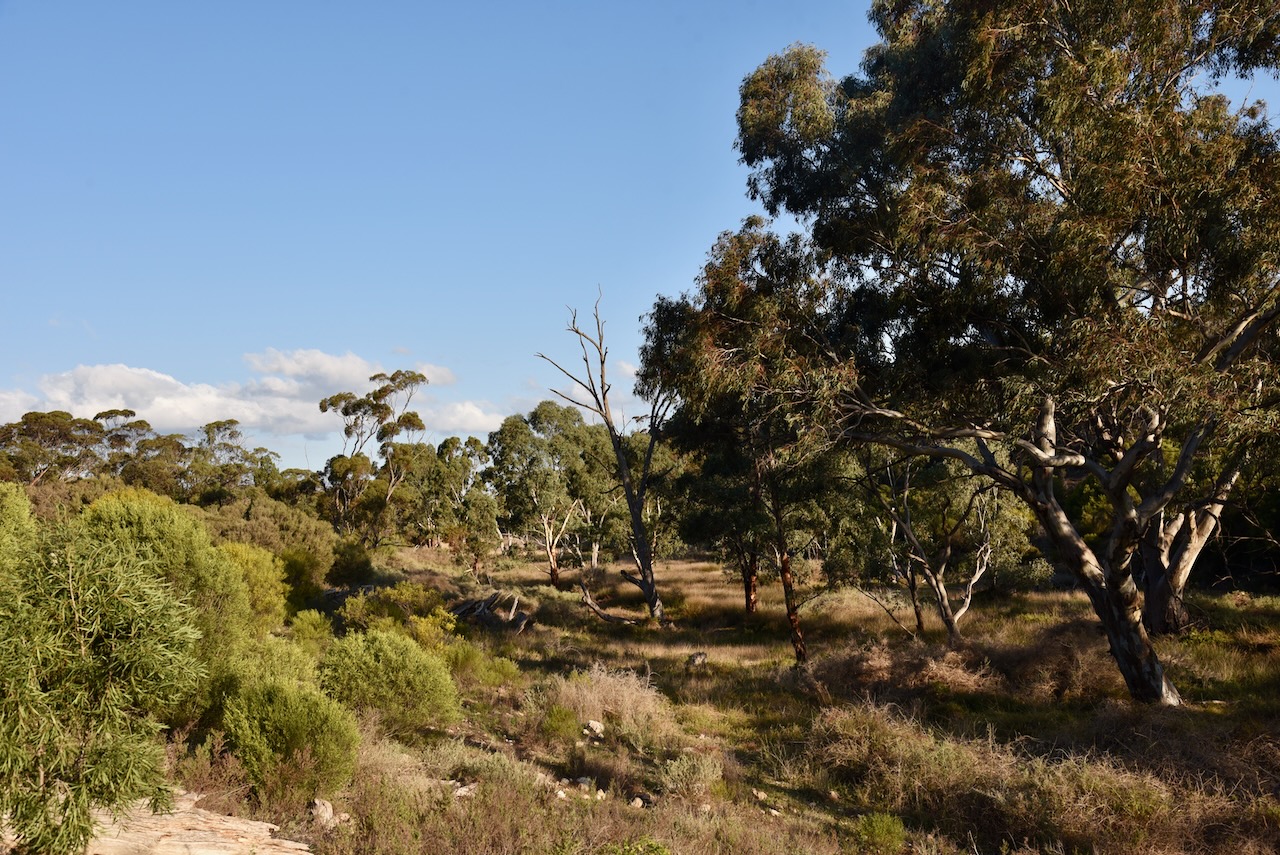
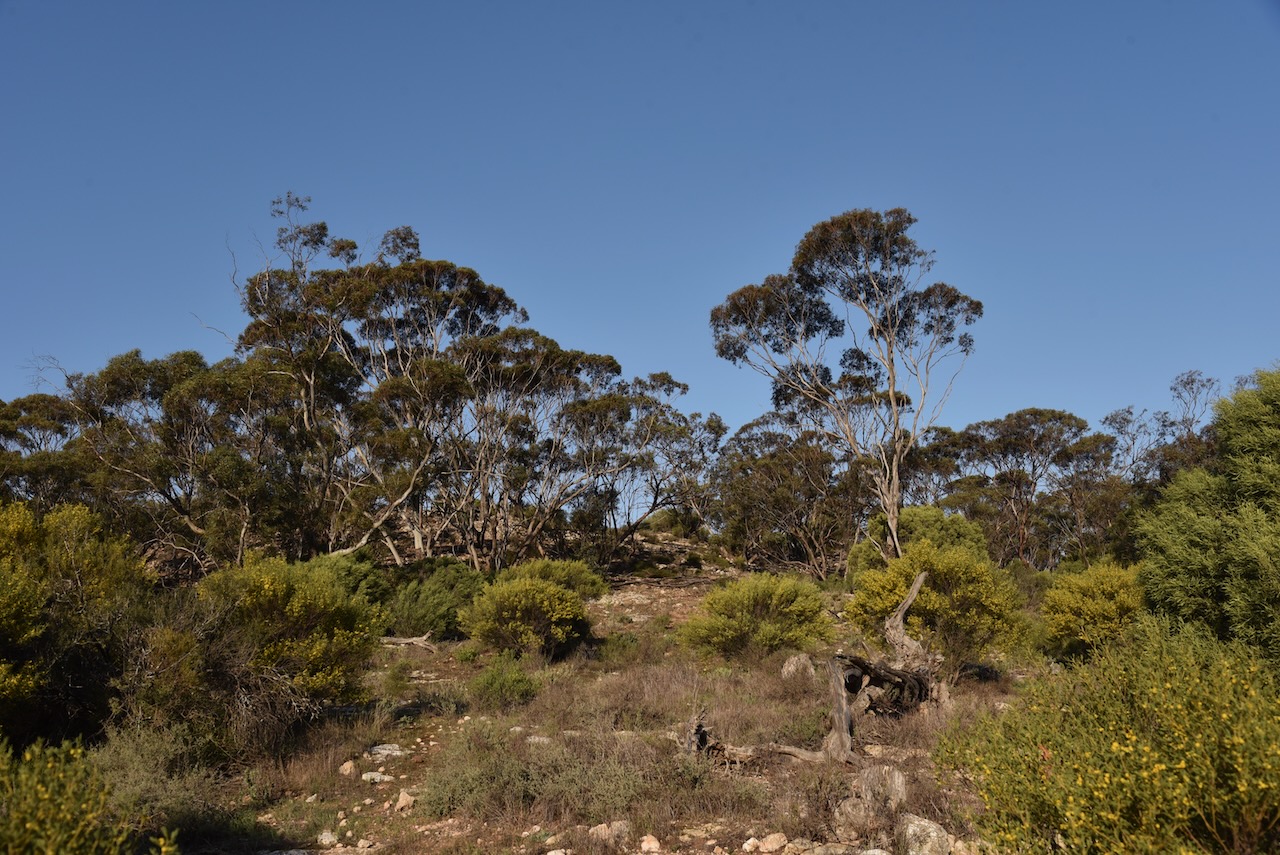
Lenger Reserve is located at 884 Springs Road, Mannum. It is owned by the National Trust of SOuth Australia. The reserve is about 95 hectares and contains steep limestone/calcrete hills that follow Saunders Creek. The creek has cut a narrow valley through the plain. There are several permanent spring-fed waterholes. The reserve also contains majestic River Red Gums. (National Trust 2024)
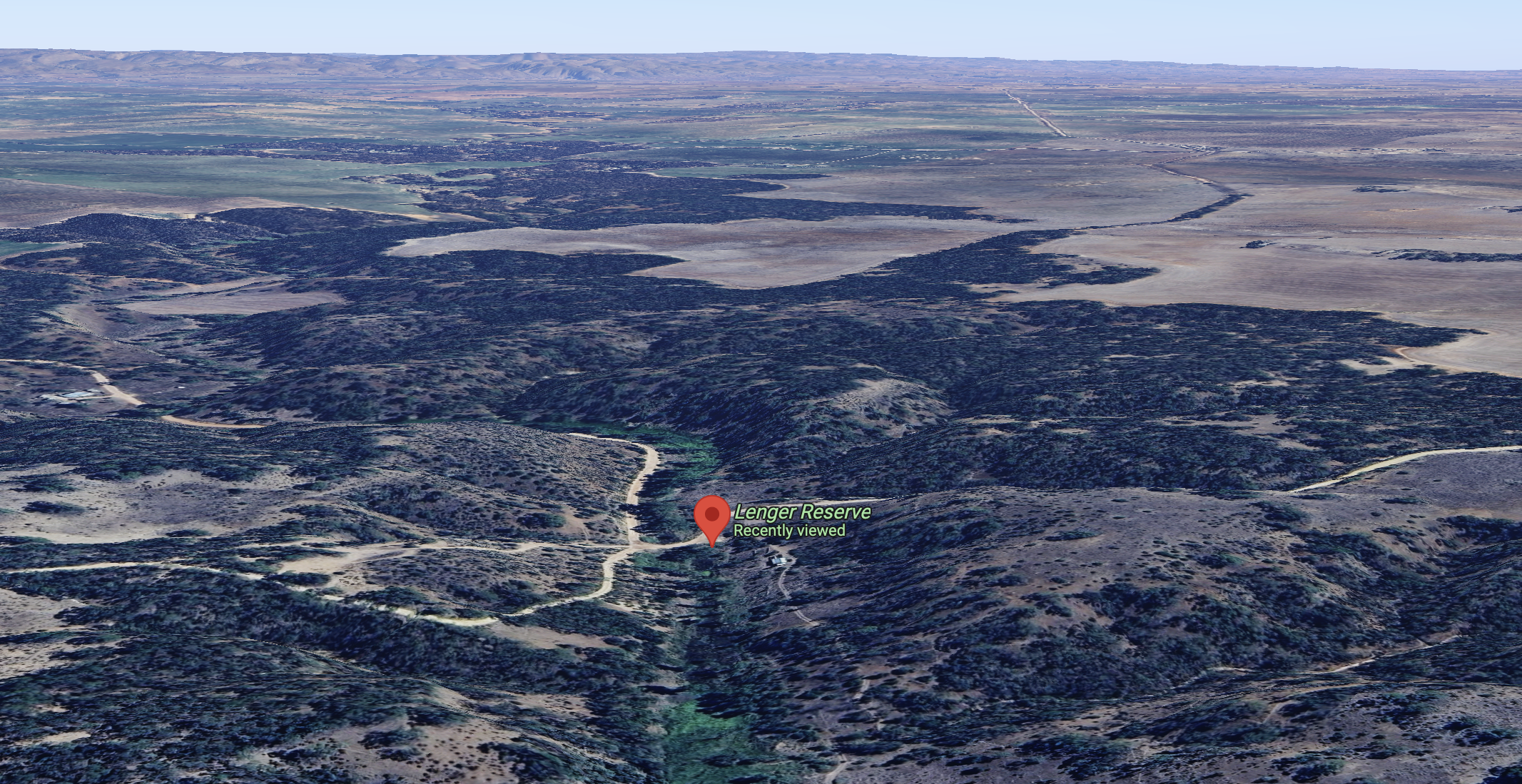
Above:- An aerial view of Lenger Reserve. Image c/o Google Maps.
Rudolph Gustav Lenger gifted the reserve to the National Trust of South Australia in 1978 to be used as a bird sanctuary. (National Trust 2024)
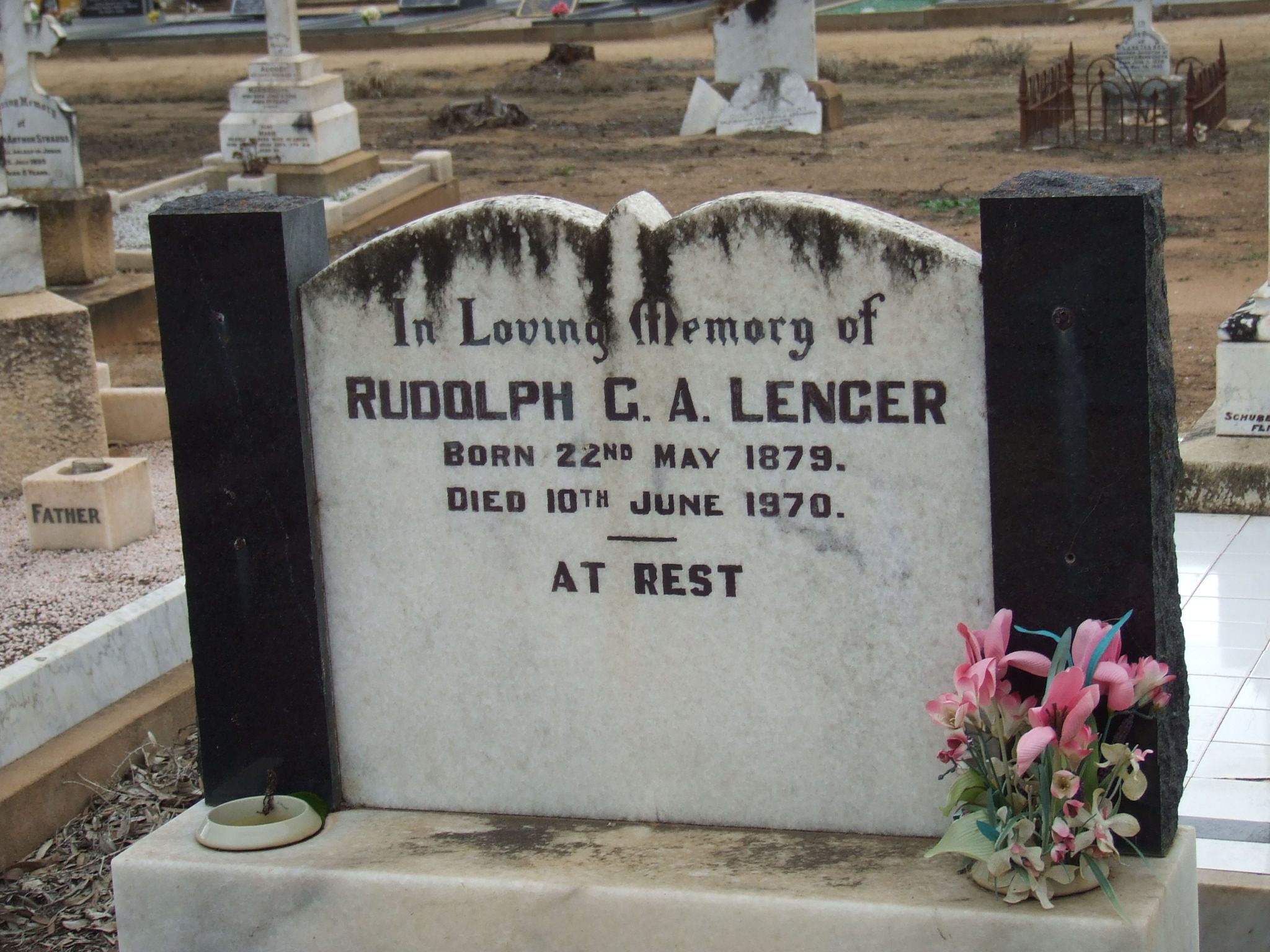
Rudolph Gustav Albert Lenger was born on the 22nd day of May 1879 in Finniss, South Australia. His parents were Albert Gustav Lenger and Emma Augusta Louise Lenger nee Heidrich. His parents had arrived in South Australia in 1857 aboard the Heinrich from the Kingdom of Prussia. Rudolph was their tenth and final child. (ancestry.com.au)
Rudolph was a farmer at Mannum. He died on the 10th day of June 1970 at Norwood, South Australia. He is buried at the Mannum District Cemetery. (ancestry.com.au) (Find a Grave 2024)
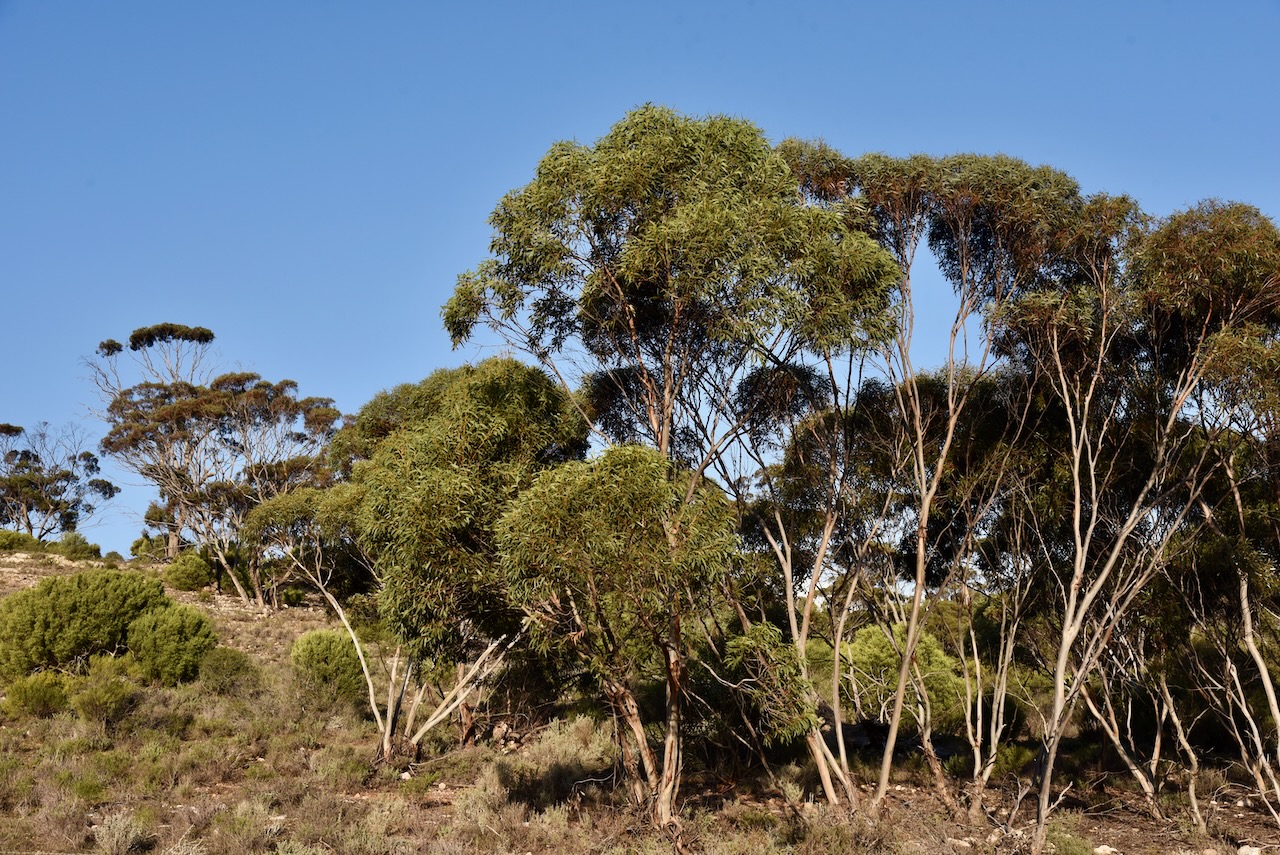
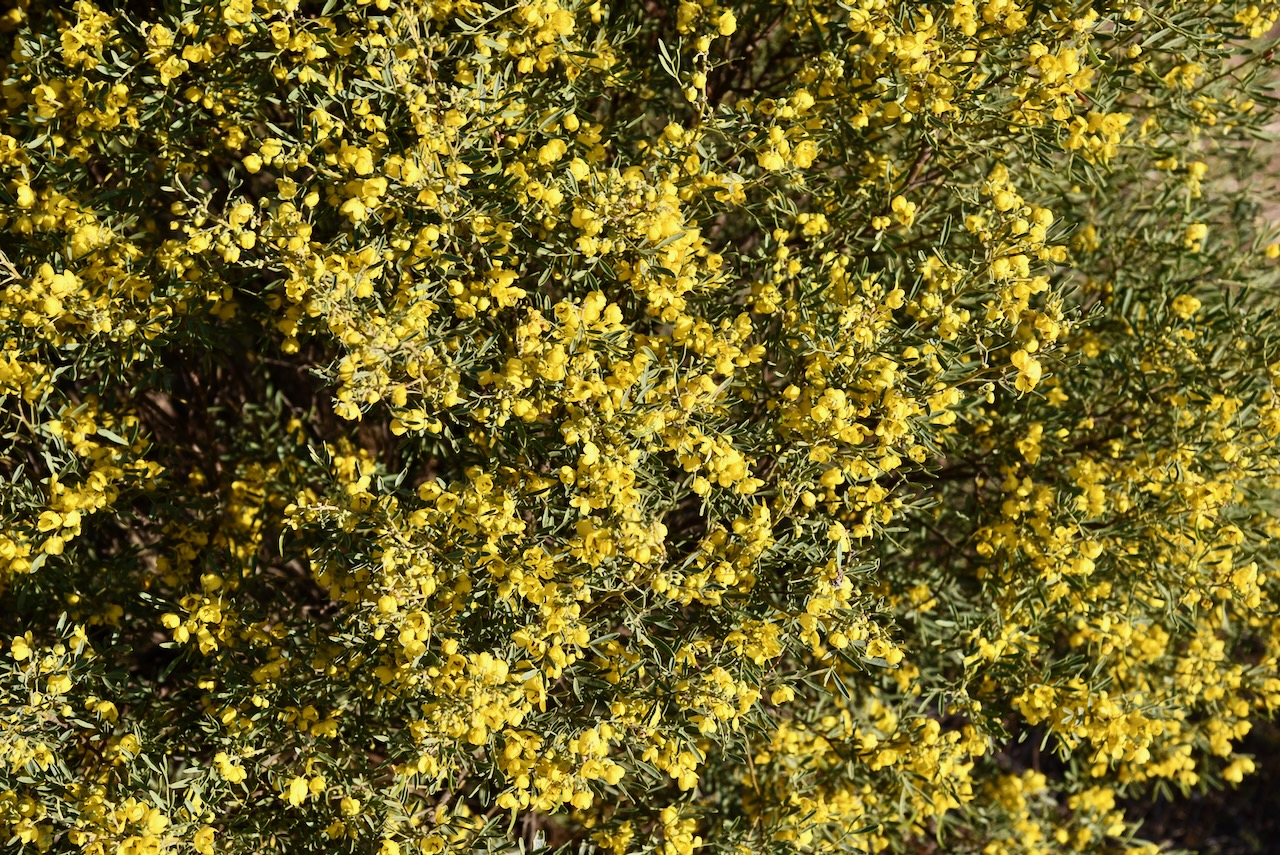
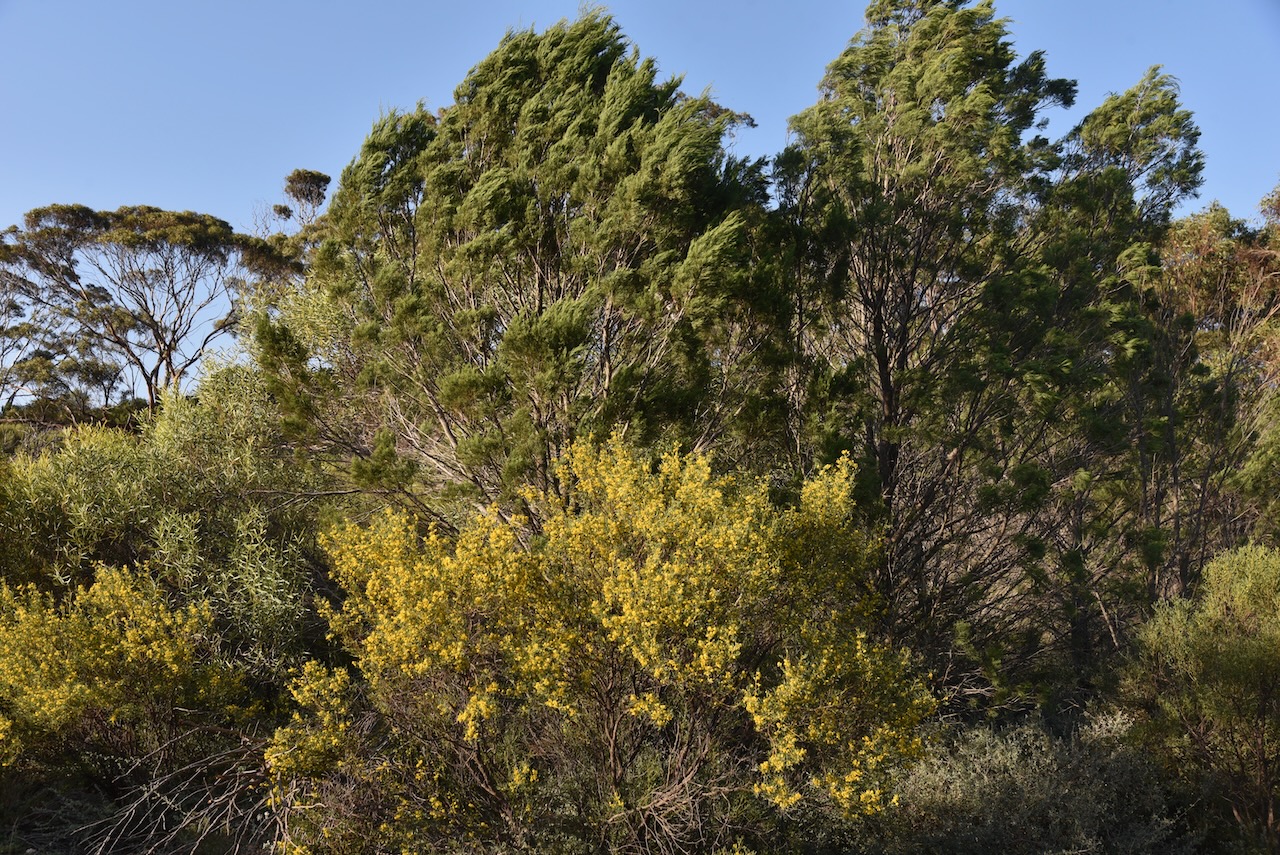
The vegetation in Lenger Reserve is predominantly mallee with shrub and chenopod understoreys. By 1992 an extensive plant list had been undertaken by botanists. Today, about 208 indigenous flora species have been identified in the reserve. Of those, 26 are of particular conservation significance including the nationally significant Rohrlach’s bluebush. (National Trust 2010) (National Trust 2024)
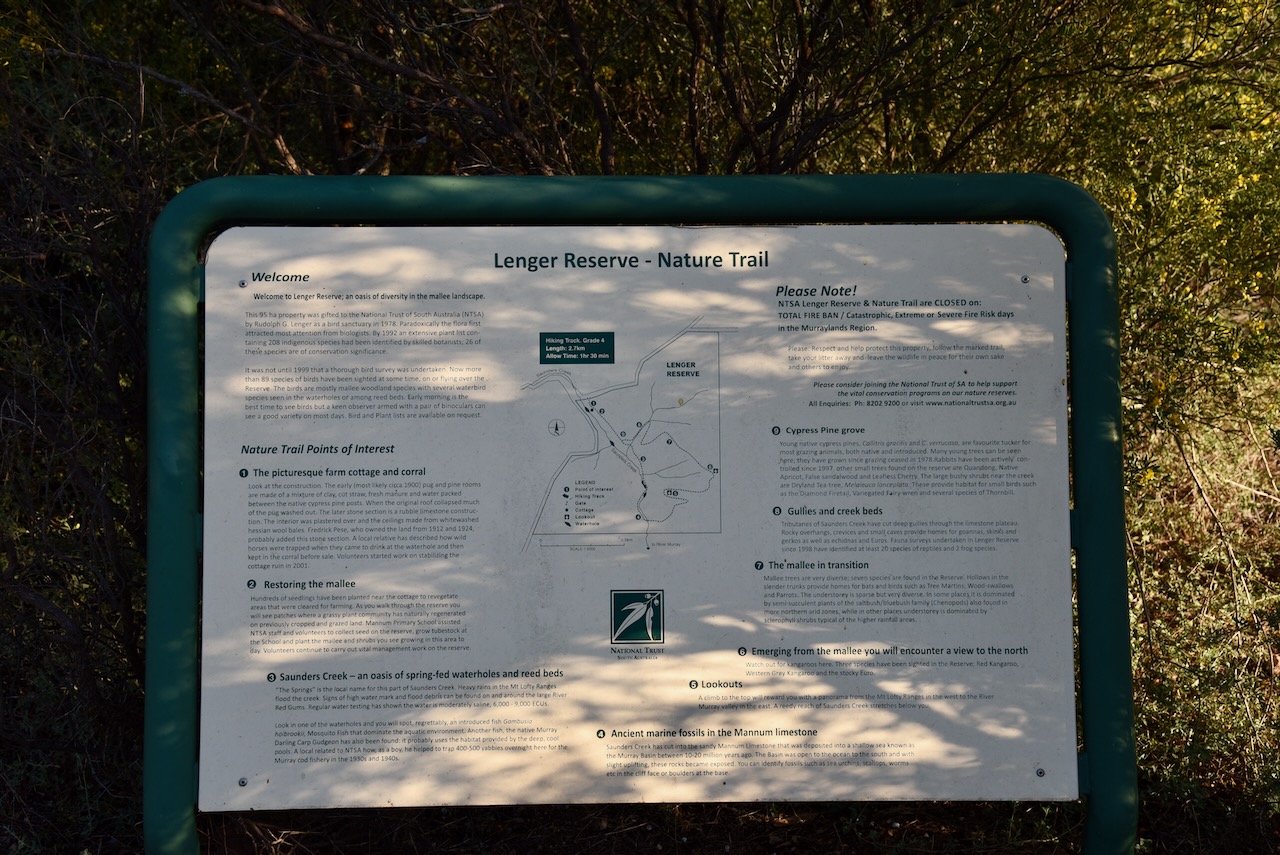
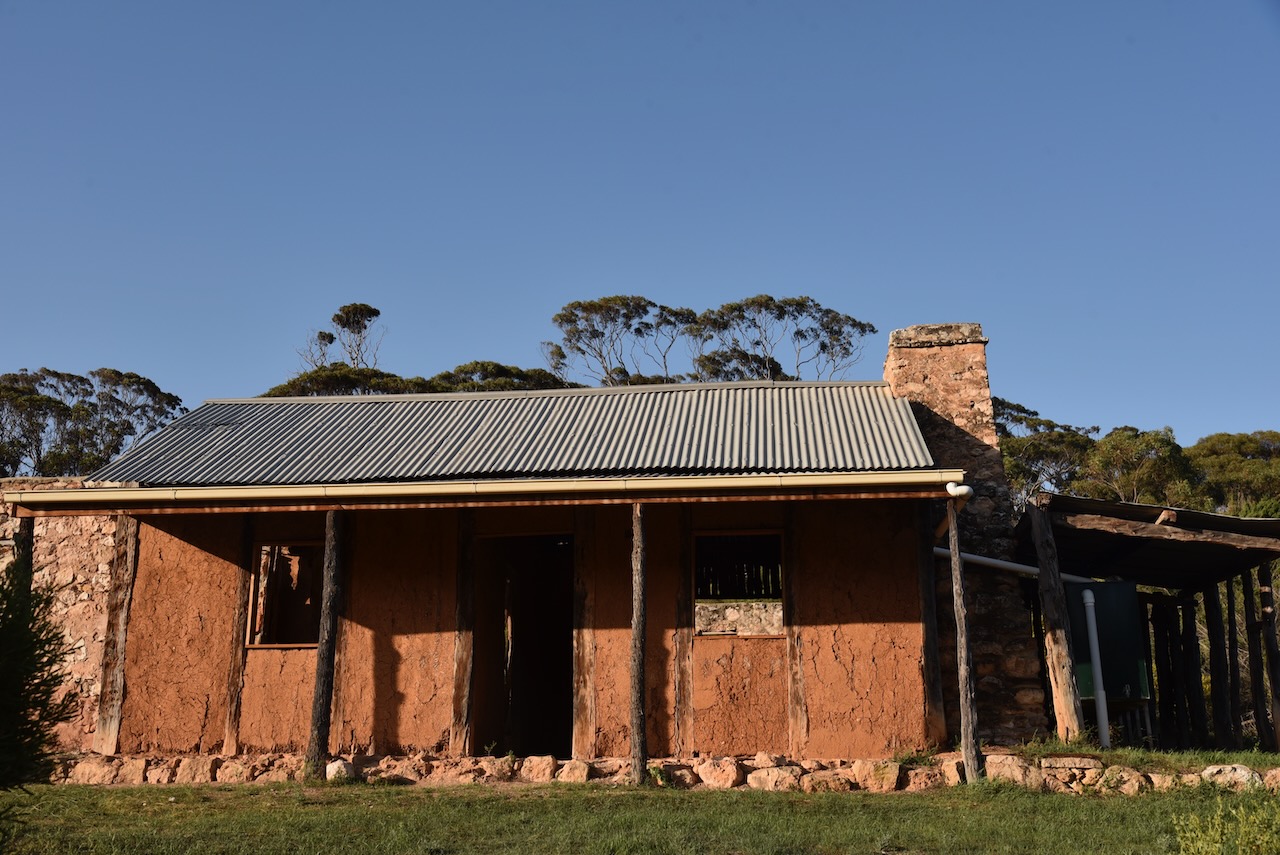
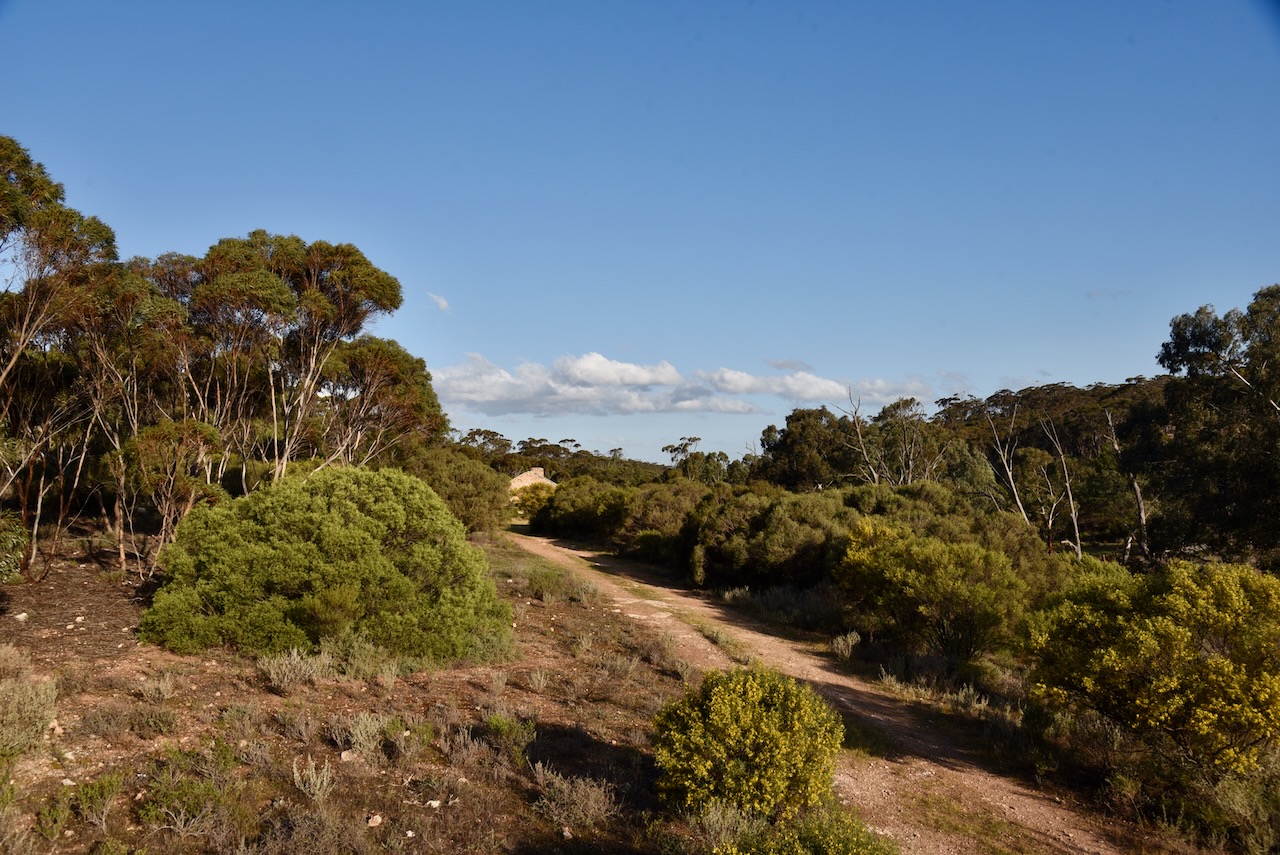
The reserve contains a c. 1900 pug and pine and stone cottage. The rooms are constructed of a mixture of clay, cut straw, fresh manure and water that are packed between the native cypress pine posts. In 2001 volunteers commenced work on establishing and renovating the cottage ruin. (National Trust 2010)
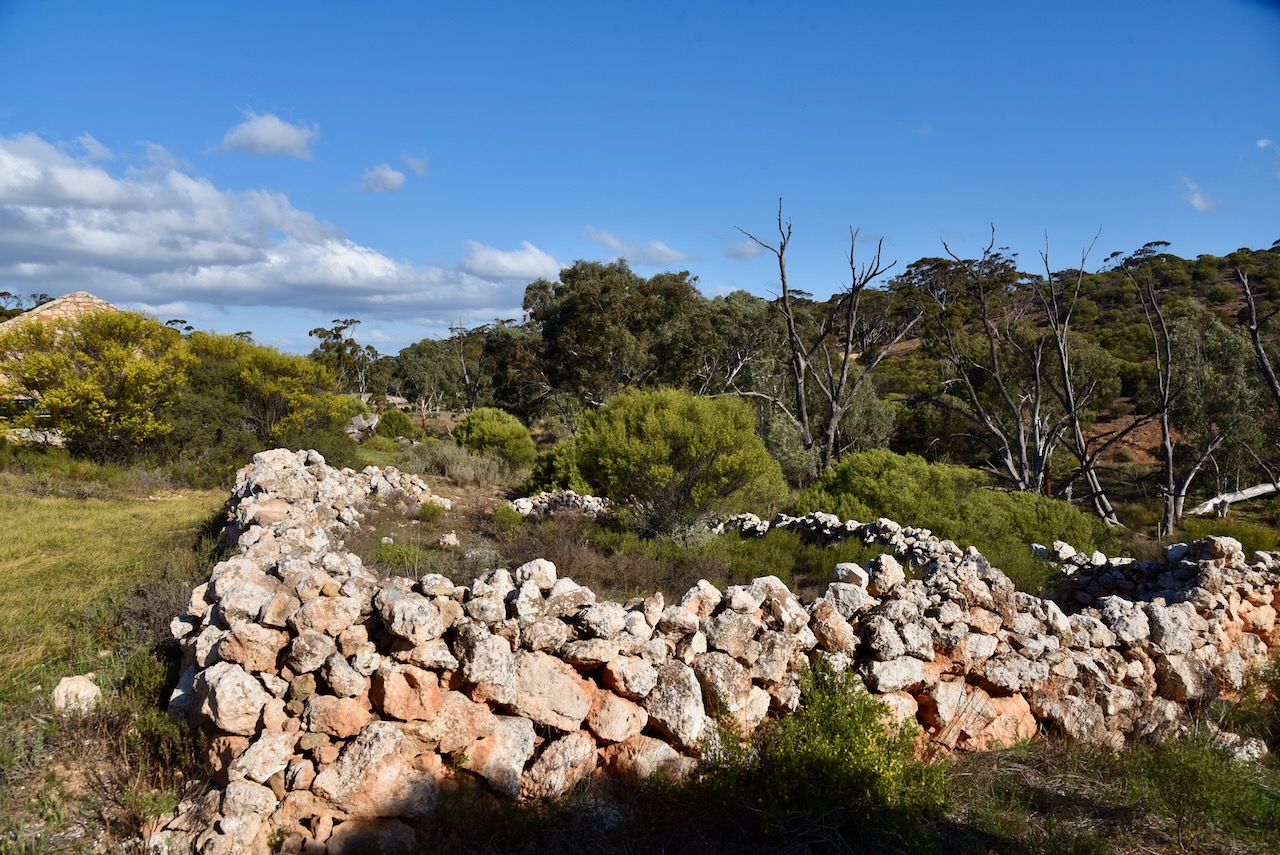
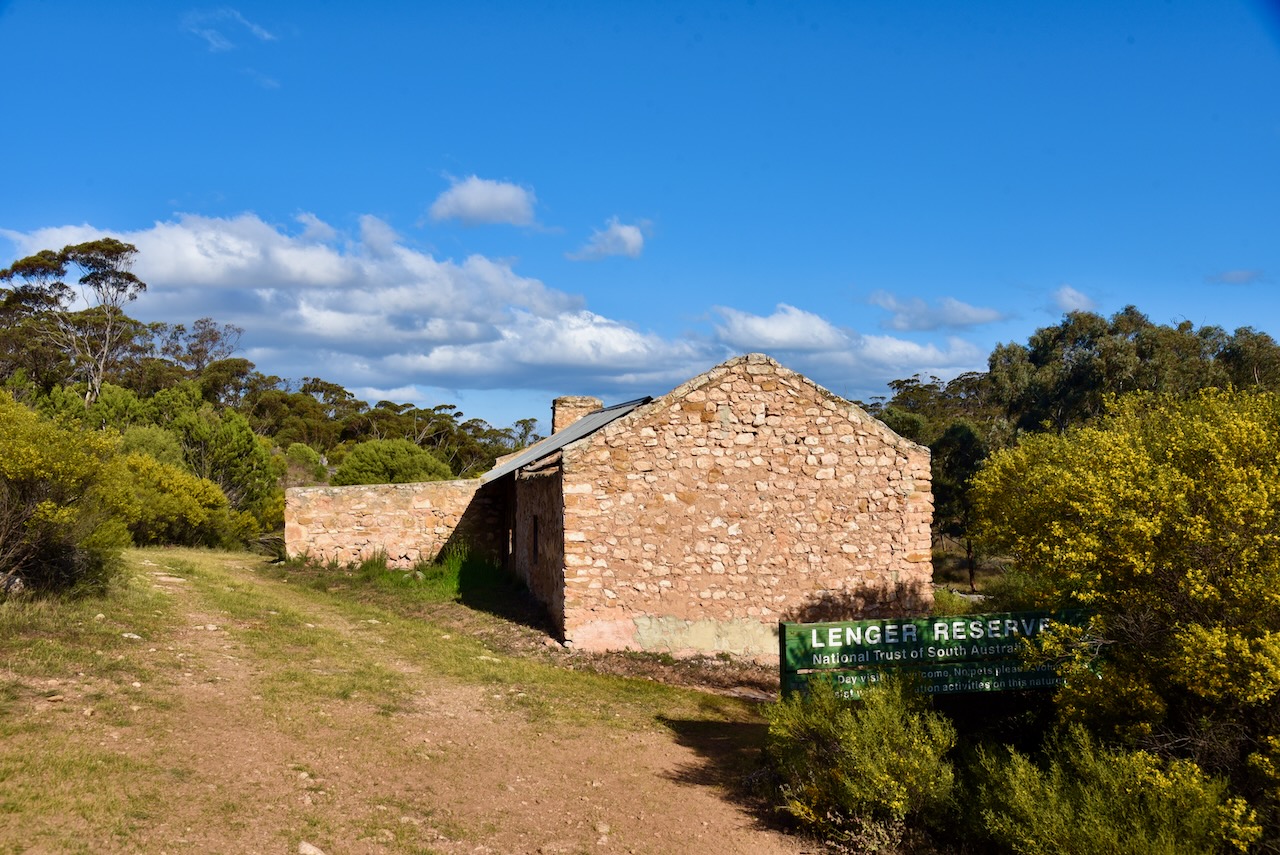
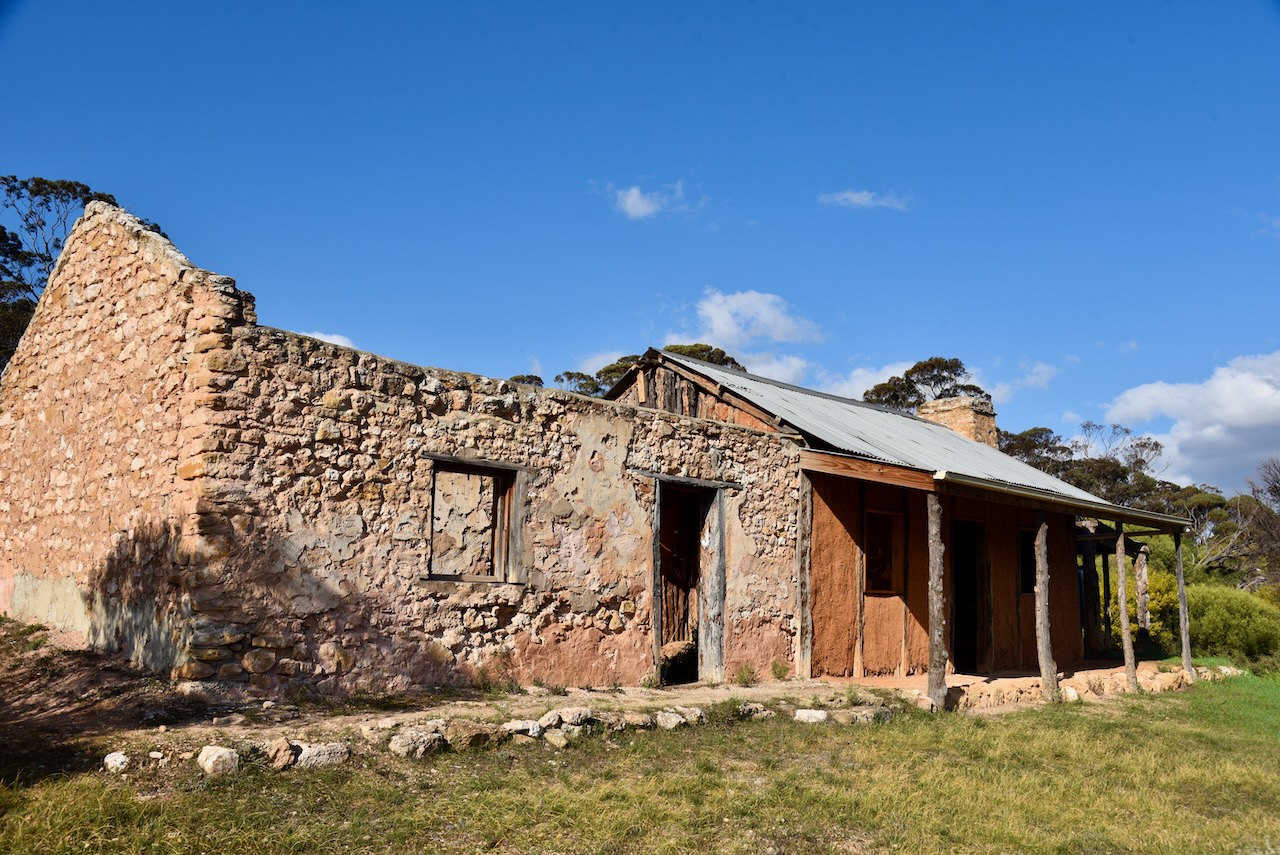
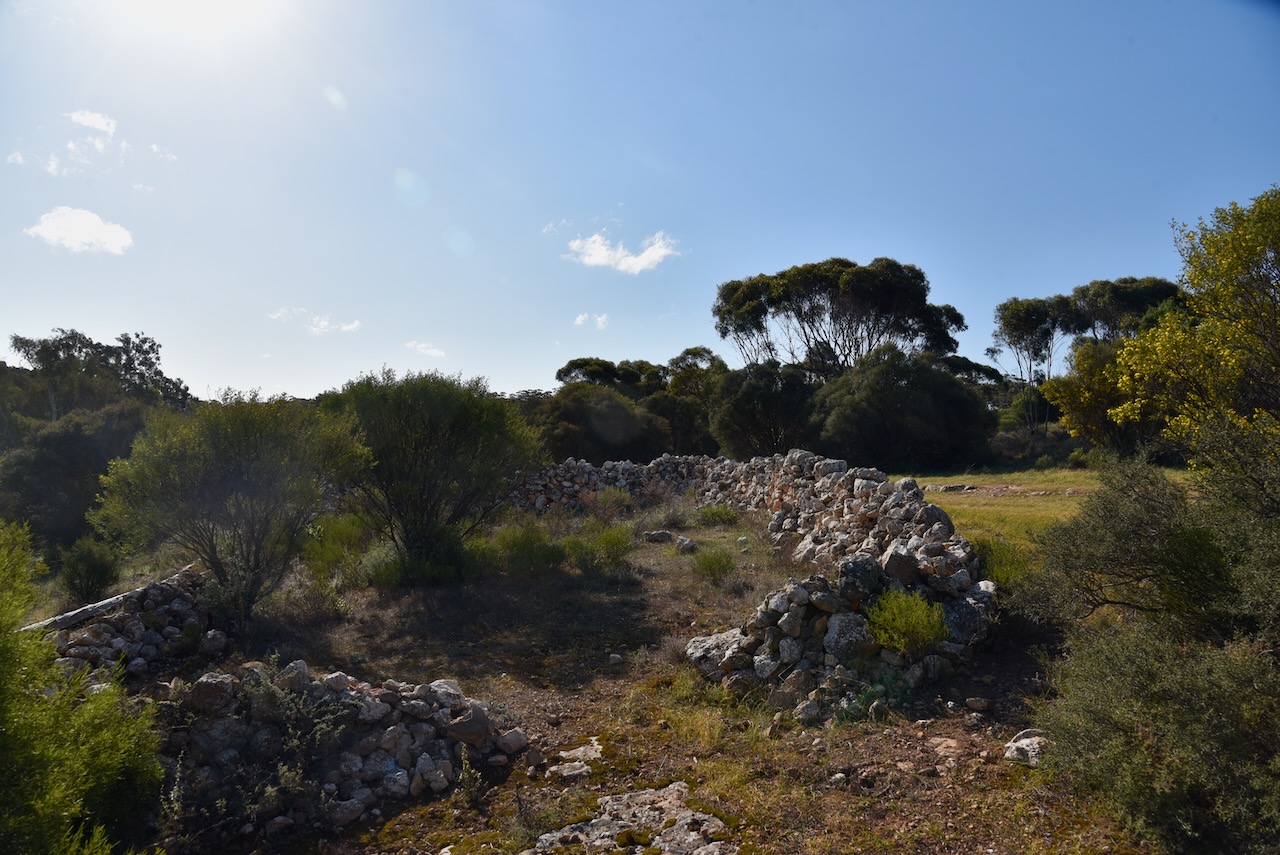
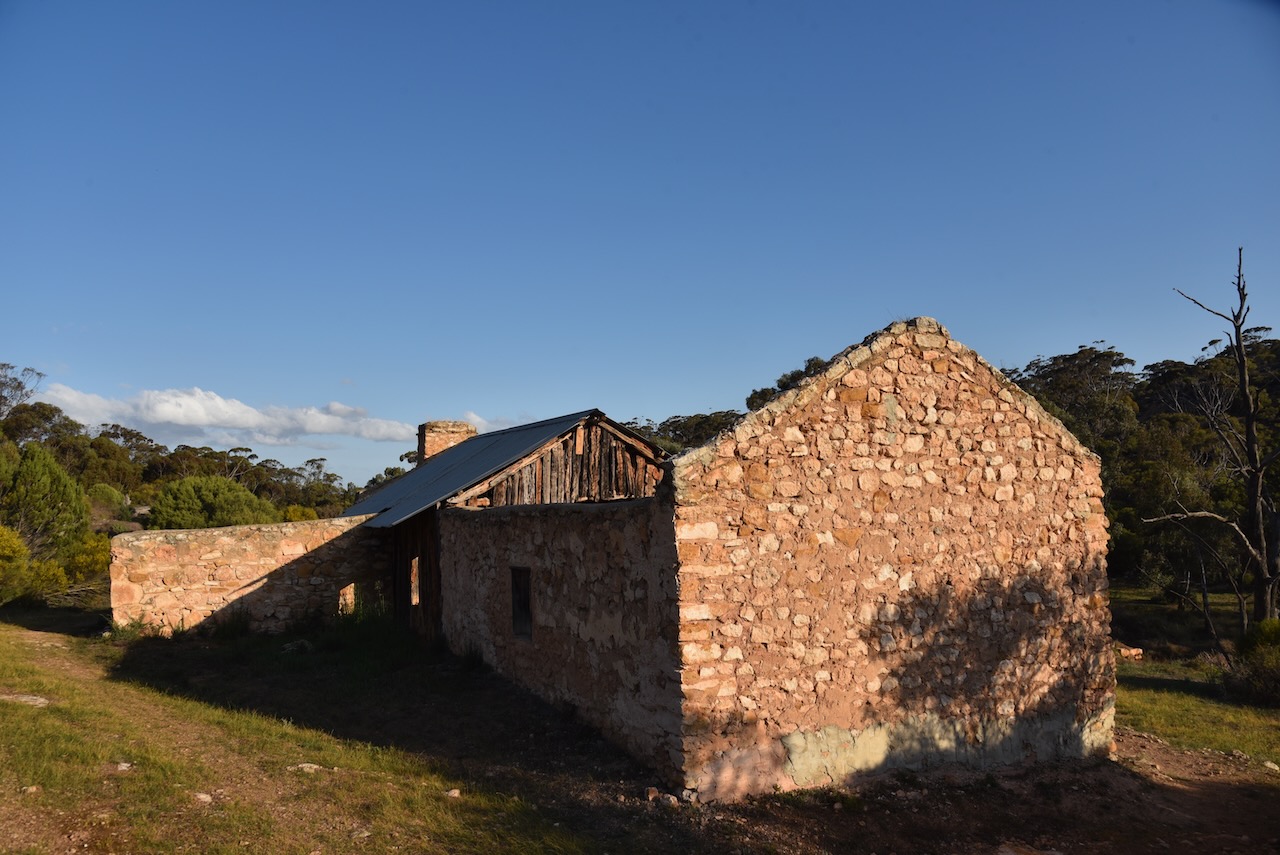
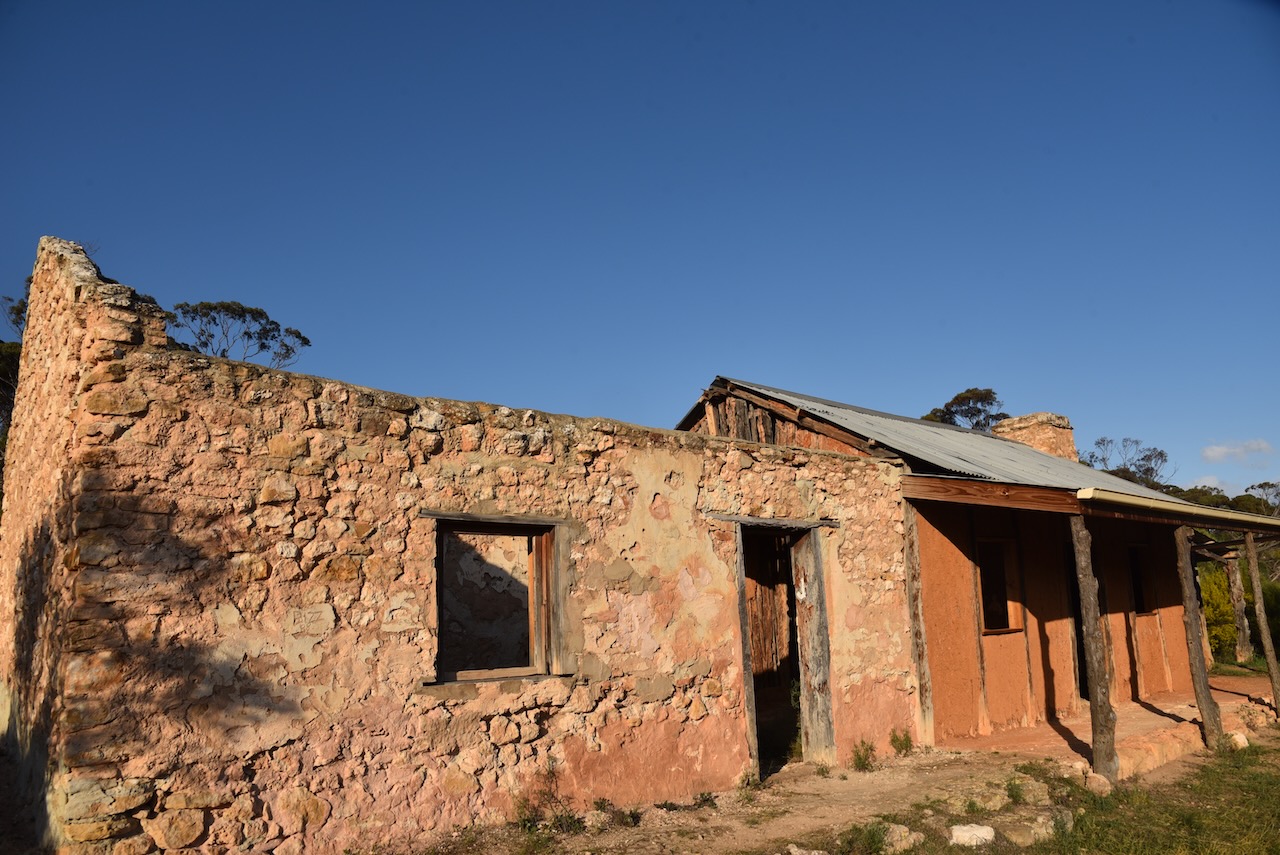
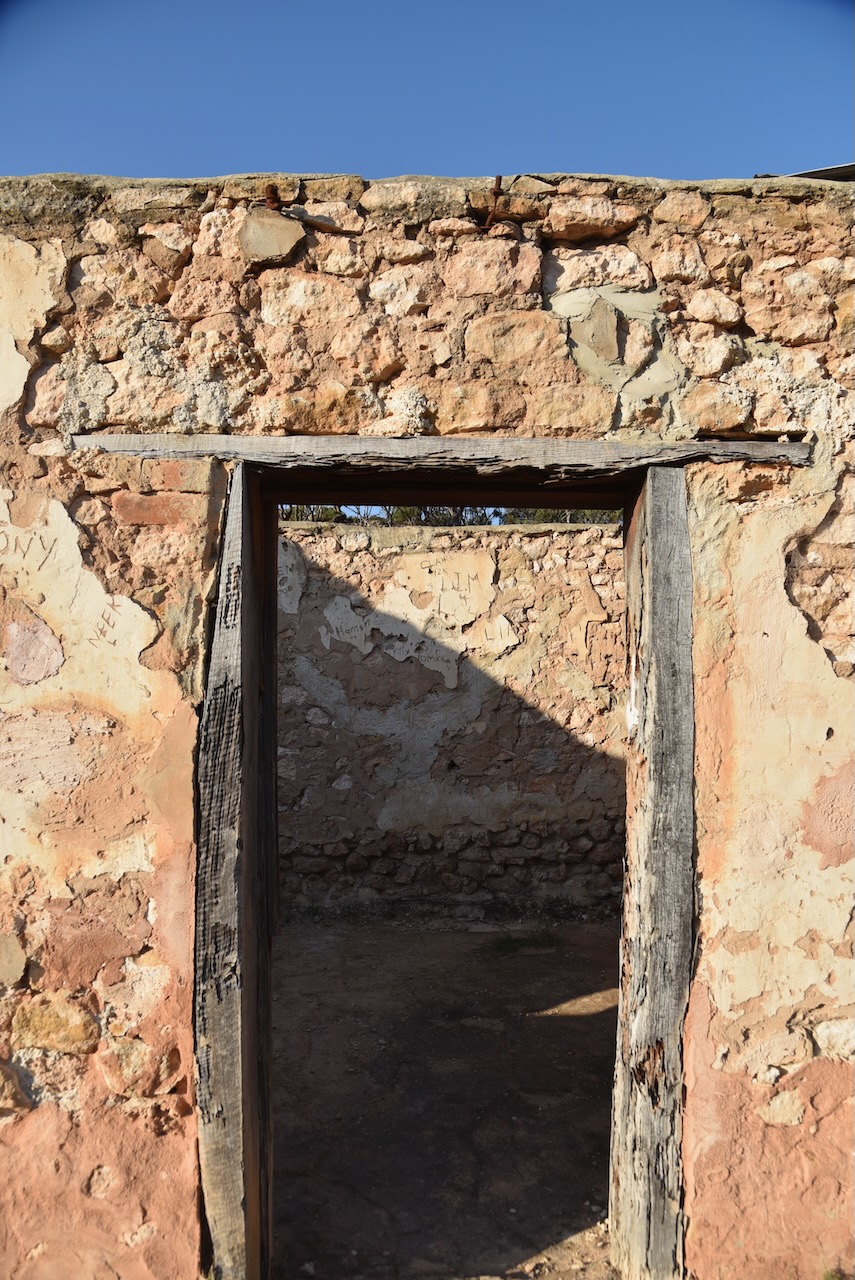
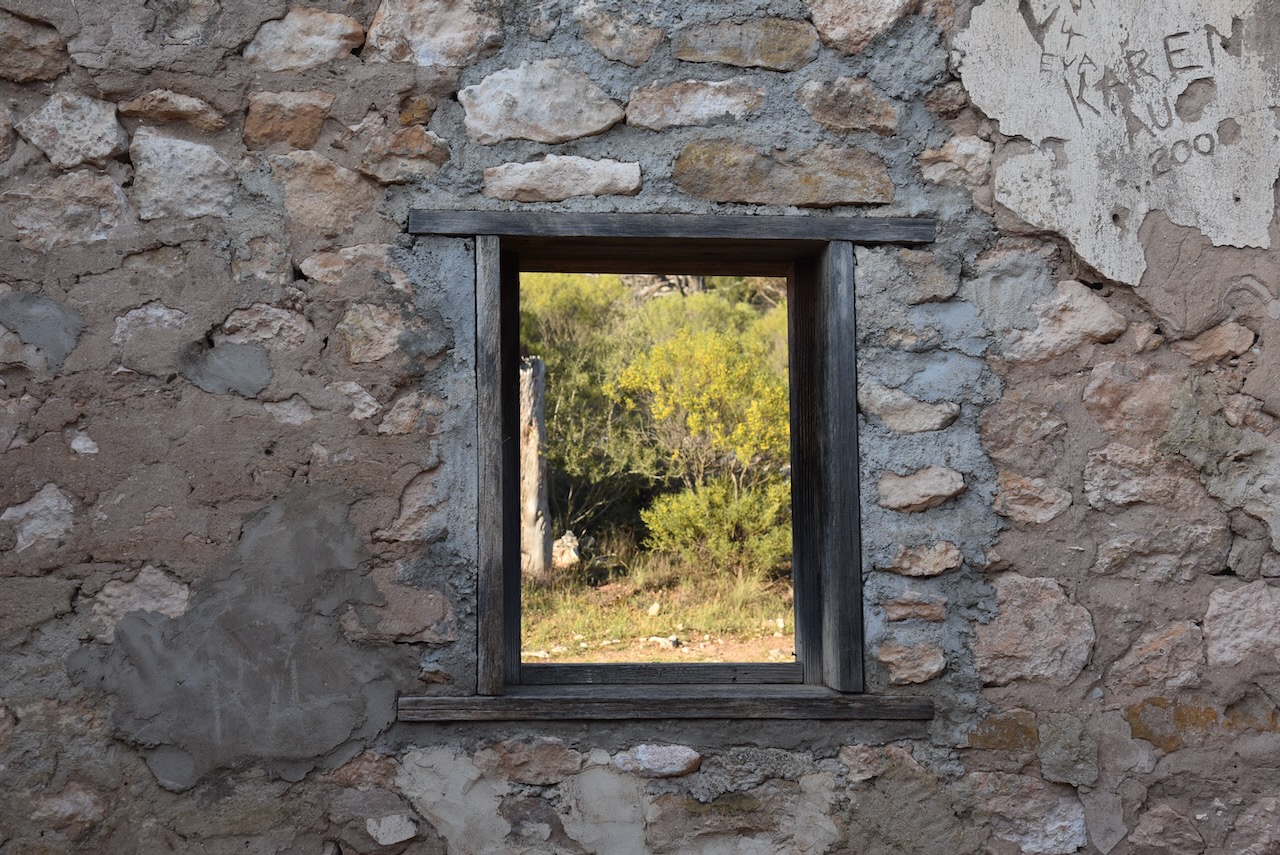

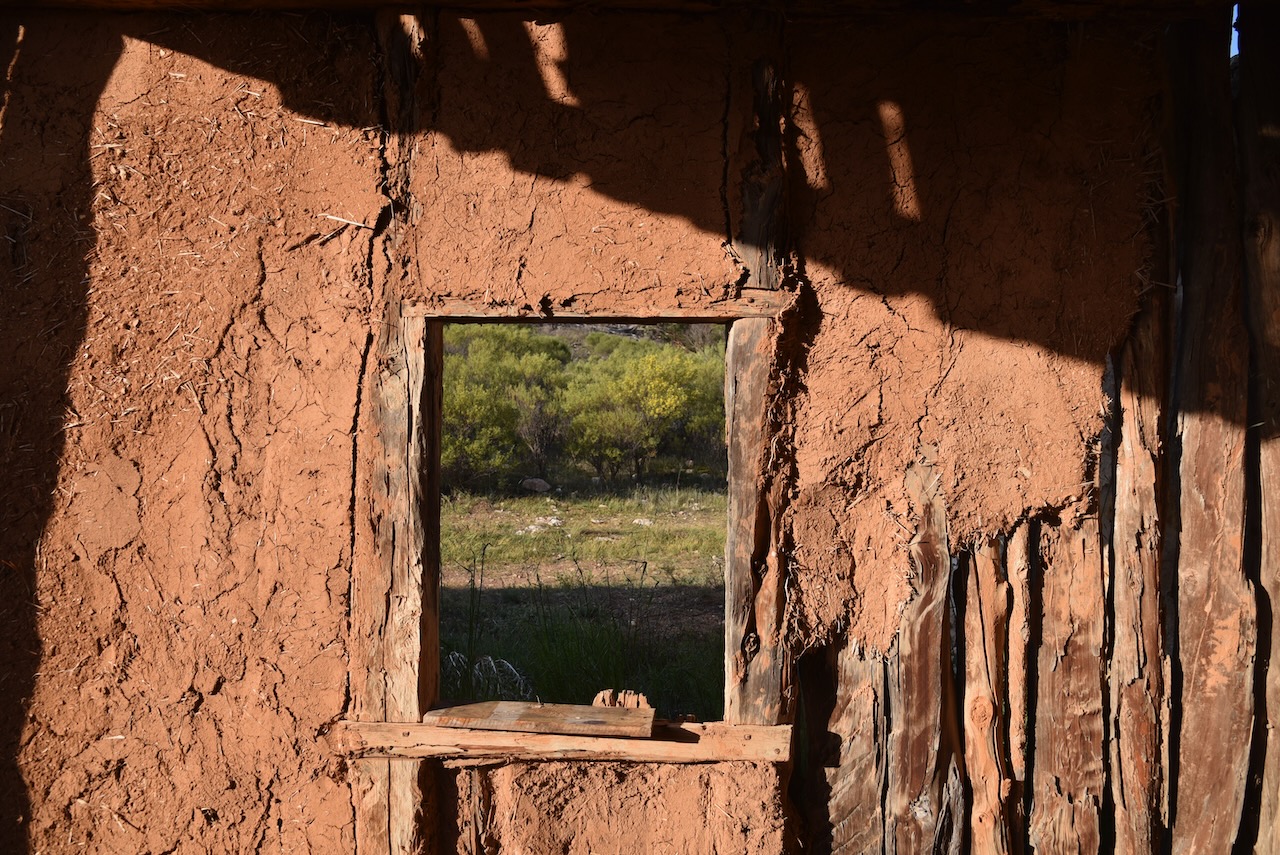
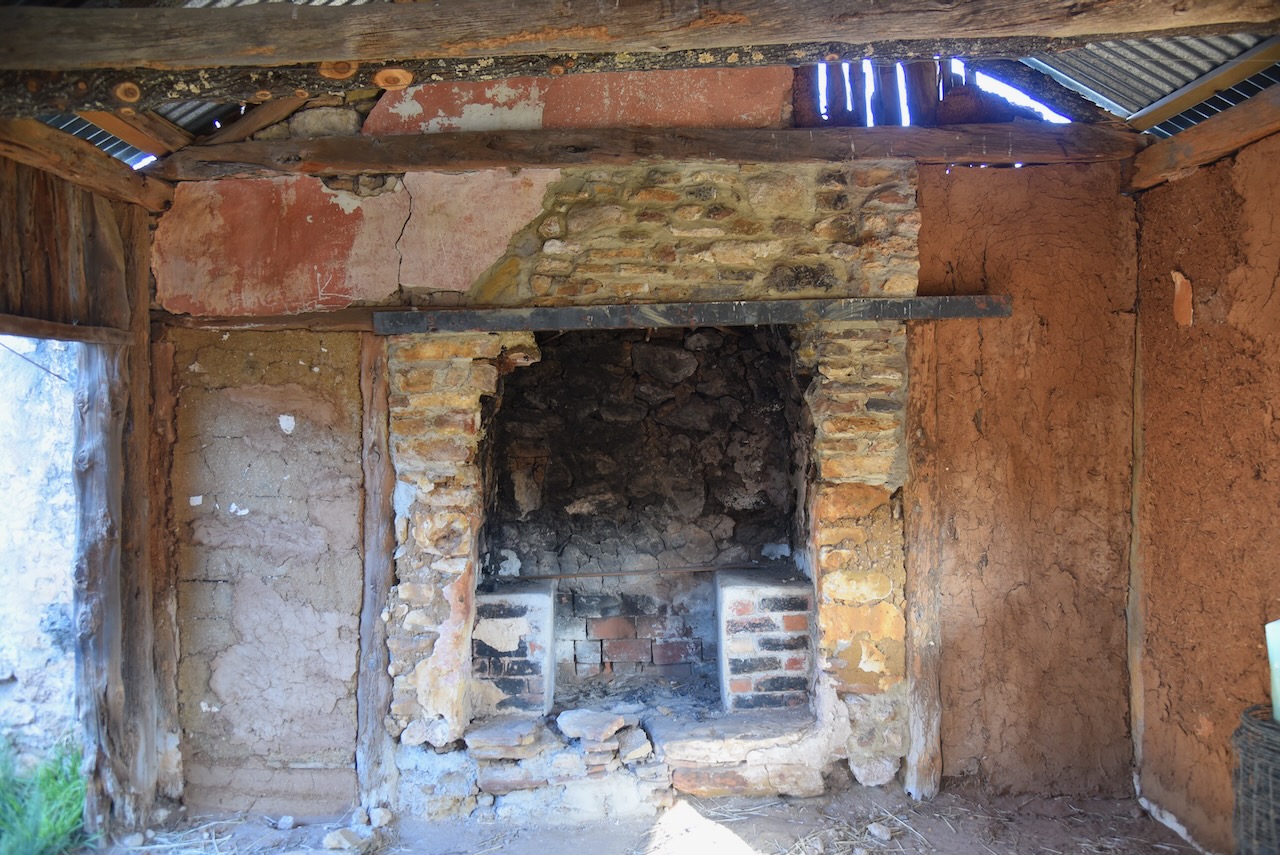

Between 1912 to 1924, the land was owned by Fredrick Pese. It is believed that he added the stone section of the cottage. William Fredrick Theordor Pese was born in 1876 at Birdwood, South Australia. His grandparents had emigrated to Australia from the Kingdom of Prussia. He died in 1947 at Mannum, South Australia, aged 47 years. (ancestry.com.au) (National Trust 2010)
It was not until 1999 that a thorough bird survey was undertaken in the reserve. Birds SA have recorded 100 native birds in the reserve, and 9 have conservation status at the state or regional level. Common species of bird found in the reserve include Brown Treecreeper, Spiny-cheeked Honeyeater, Weebill, White-browed Babbler, Grey Shrike-thrush, White-browed Babbler (Birds SA 2024) (National Trust 2010) (National Trust 2024)
Lenger Reserve was previously cleared and cropped by farmers and used for grazing. Grassland species are regenerating in these areas. Volunteers have also stabilised the cottage, repaired fencing, cleared rubbish, established a hiking track and prepared an information brochure. (National Trust 2024)
Marija and I set up just inside the gate. We ran the Yaesu FT857, 40 watts, and the 20/40/80m linked dipole.
I worked the following stations on 40m SSB:-
- VK3VIN
- VK3HJW
- VK5KLD
- VK5LA
- VK5KAW
- VK3APJ
- VK3DCQ
- VK2EG/P (Glenrock State Conservation Area VKFF-1319)
- VK3PF/P (Traralgon South Flora Reserve VKFF-2465)
- VK5CZ
- VK2SLB
- VK2BRN
- VK2KBT
- VK3KRL
- VK3CJN
- VK3QHU
- VK2VW
- VK2HFI
- VK2AKA
- VK2BUG
- VK3CEO
- VK7HAM
- VK5HW
- VK2YK/P (Belair National Park VKFF-0022)
- VK3YV
- VK4SUN
- VK3BBB/m
- VK2CCP/m
- VK3MGM
- VK5MSA
- VK4NH
- VK4DXA
- F5PYI
- VK1DI/p (The Pinnacle Nature Reserve VKFF-0862)
- VK2IO/p (Pitt Town Nature Reserve VKFF-1984)
- VK2GEZ/p (Pitt Town Nature Reserve VKFF-1984)
- VK3ACZ
- VK3WRD
- VK2EXA
- VK3SG
- VK5GY
- VK1CHW
- VK1RF
- VK2MK
- VK4CEE
- VK4CZ
- VK7PJM
- VK2EBN
- VK4HBT
- VK4DNO
- VK2XD
- VK3MCA
- VK5HMB
- VK3ALF
- VK3IFR
I worked the following station on 40m AM:-
- VK3CJN
I worked the following stations on 20m SSB:-
- VK2EG/P (Glenrock State Conservation Area VKFF-1319)
- F5PYI
- VK1ARQ
- VK5QA/4
- VK3CLD/4
- VK2IO/P (Pitt Town Nature Reserve VKFF-1984)
- VK6DS/P (Westralia Conservation Park VKFF-1442)
- VK3YV
- ZL1HIM
- IK4IDF
- KG5CIK
- VK1RF
- VK2MK
- VK4CEE
- VK7AAE
- OH1CM
- VK4SMA
- OH1MM
- VK4NH
- VK4DXA
- VK2JLS
- OH1XT
- VK6NU
References.
- Anbg.gov.au. (2024). Floral Emblems – Australian Plant Information. [online] Available at: https://www.anbg.gov.au/emblems/wattle.day.gaz.html [Accessed 14 Dec. 2024].
- Birdssa.asn.au. (2017). Lenger Reserve, Mannum – Birds SA. [online] Available at: https://birdssa.asn.au/location/lenger-reserve-mannum/ [Accessed 13 Dec. 2024].
- Findagrave.com. (2019). Rudolph Gustave Albert Lenger (1879-1970) – Find… [online] Available at: https://www.findagrave.com/memorial/202505276/rudolph-gustave_albert-lenger [Accessed 13 Dec. 2024].
- National Trust of South Australia, 2010, Lenger Reserve
- National Trust. (2024). Lenger Reserve – National Trust. [online] Available at: https://www.nationaltrust.org.au/places/lenger-reserve/ [Accessed 13 Dec. 2024].
- Theauthorsagent.com.au. (2021). The Authors’ Agent. [online] Available at: http://theauthorsagent.com.au/index.php?page=clients&author=MariaHitchcock [Accessed 14 Dec. 2024].
- Wattle Day. (2024). About National Wattle Day – Wattle Day. [online] Available at: https://wattleday.asn.au/about-national-wattle-day/ [Accessed 13 Dec. 2024].
- Wikipedia. (2024). Wattle Day. [online] Available at: https://en.wikipedia.org/wiki/Wattle_Day. [Accessed 13 Dec. 2024].
 VK5PAS