
On Wednesday, 30th October 2024, Marija and I left the Waanyarra Nature Conservation Reserve and headed towards our next activation.
We stopped briefly at Natte Yallock, a small town on the Avoca River, about 200 km northwest of Melbourne. It was named in the 1840s after Nettylloc pastoral run, which was taken up in 1841. It is taken from the Aboriginal words nattai and yalloc, both meaning water. Land in the area was taken up for farm selections in the 1860s. The village sprang up as it was located at a ford across the Avoca River. By 1862, Natte Yallock had two hotels and a school. By 1864, a bridge had been constructed on the Avoca River. In 1868, a Wesleyan chapel was built, which was utilised as a school, replacing the leaky timber slab school structure. (Victorianplaces.com.au, 2015)
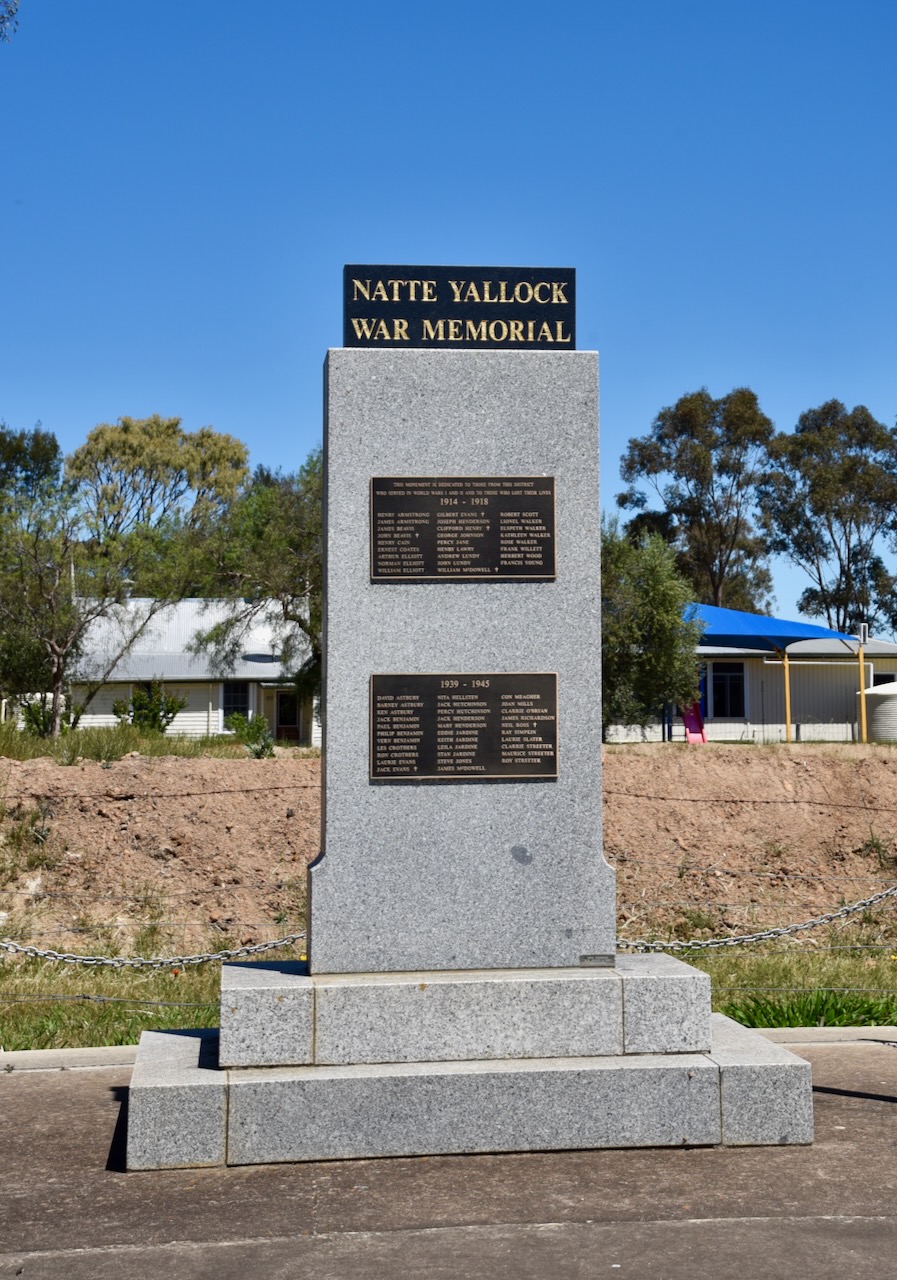
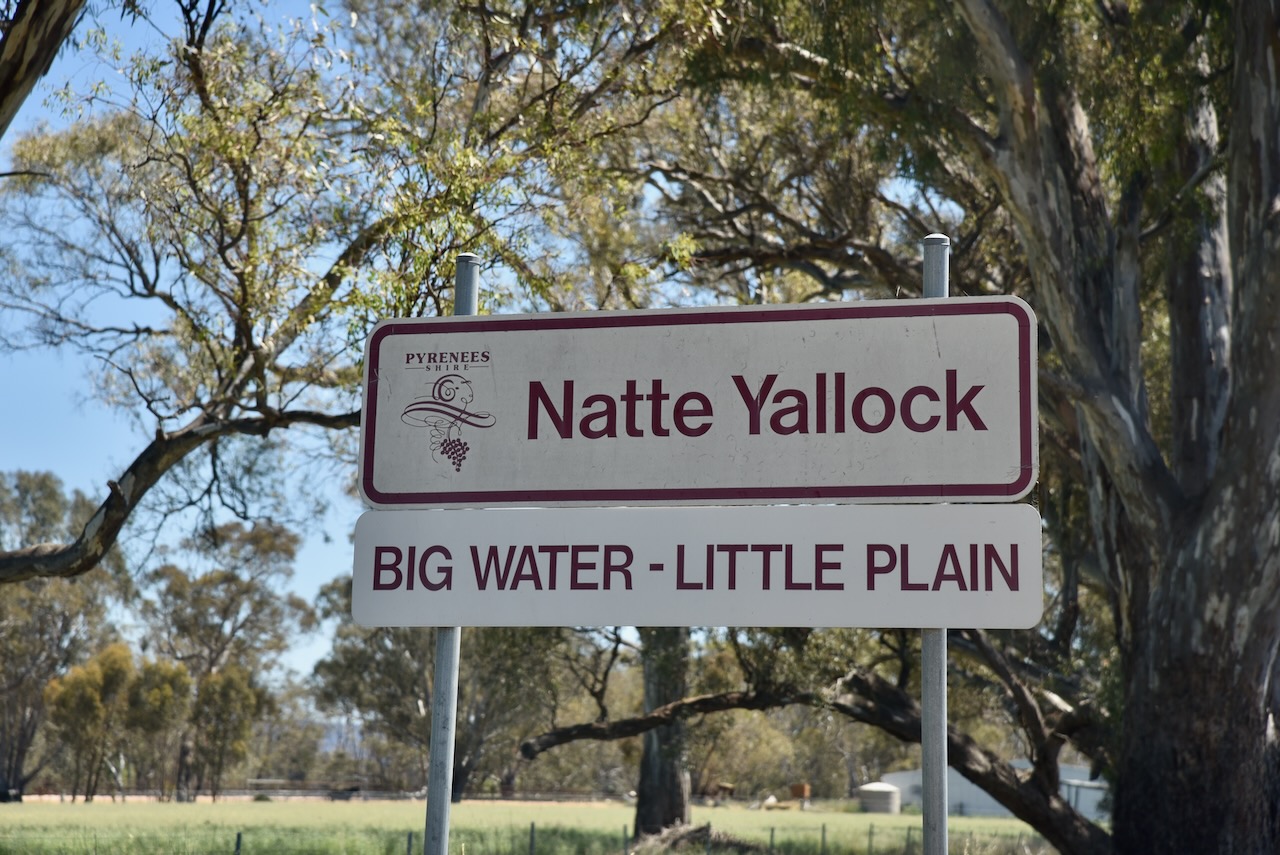
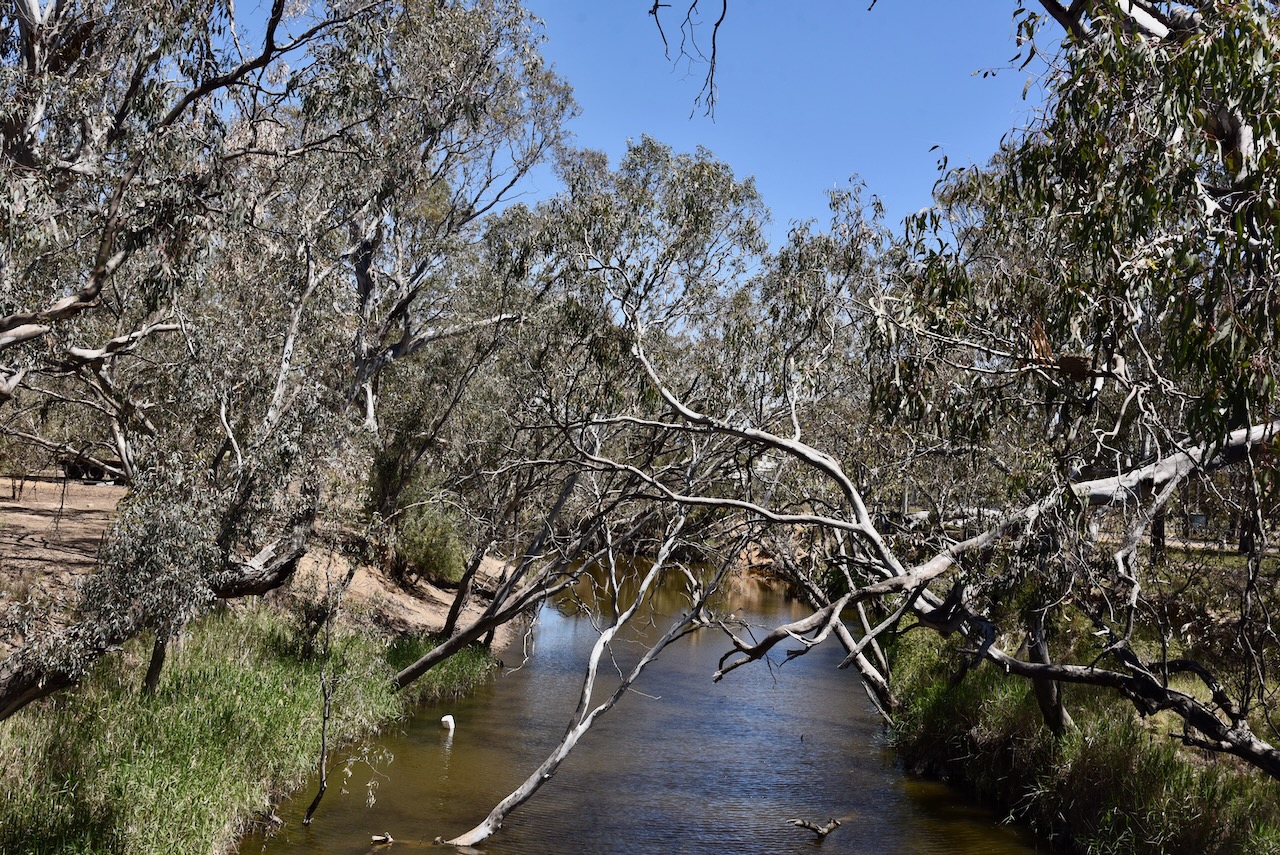
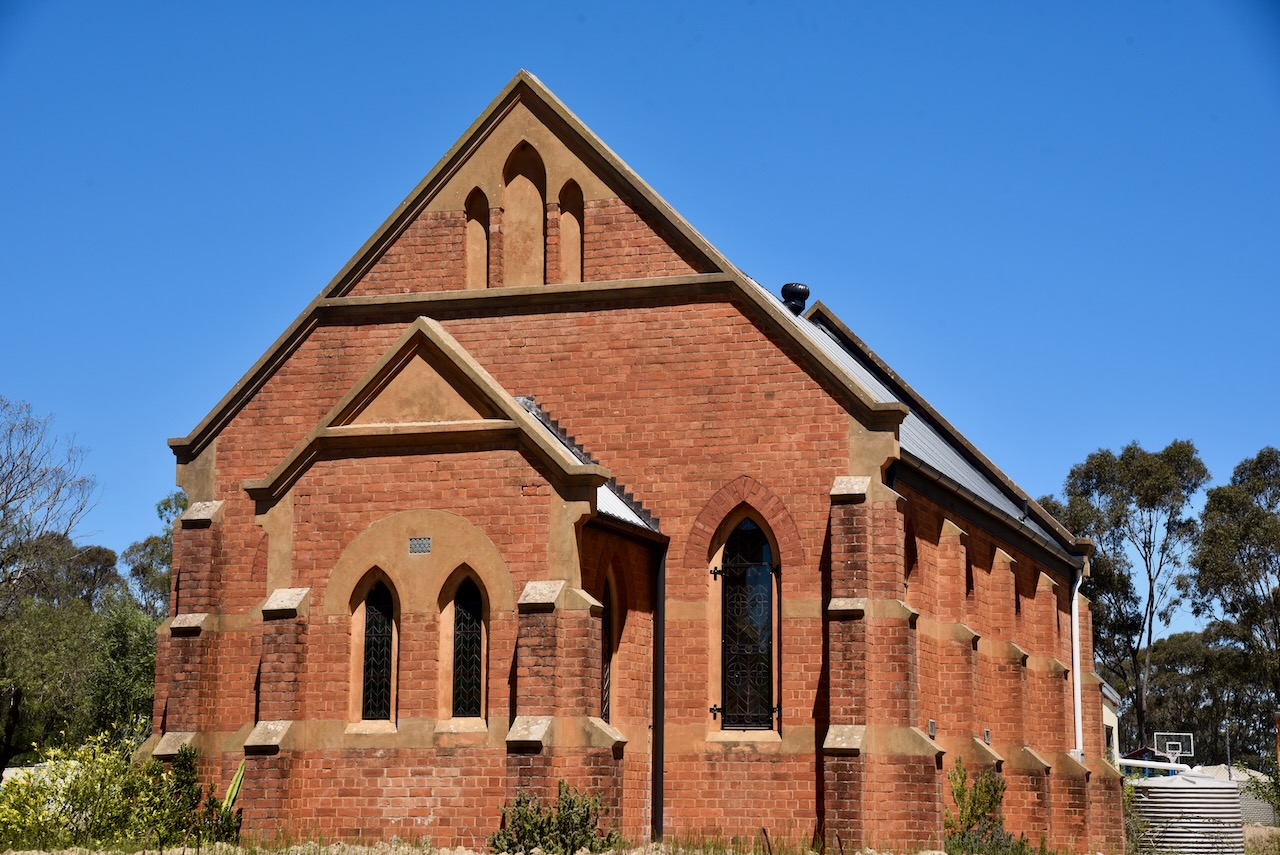
We left Natte Yallock and continued on towards Edenhope. There were some nice views of Kara Kara National Park along the way.
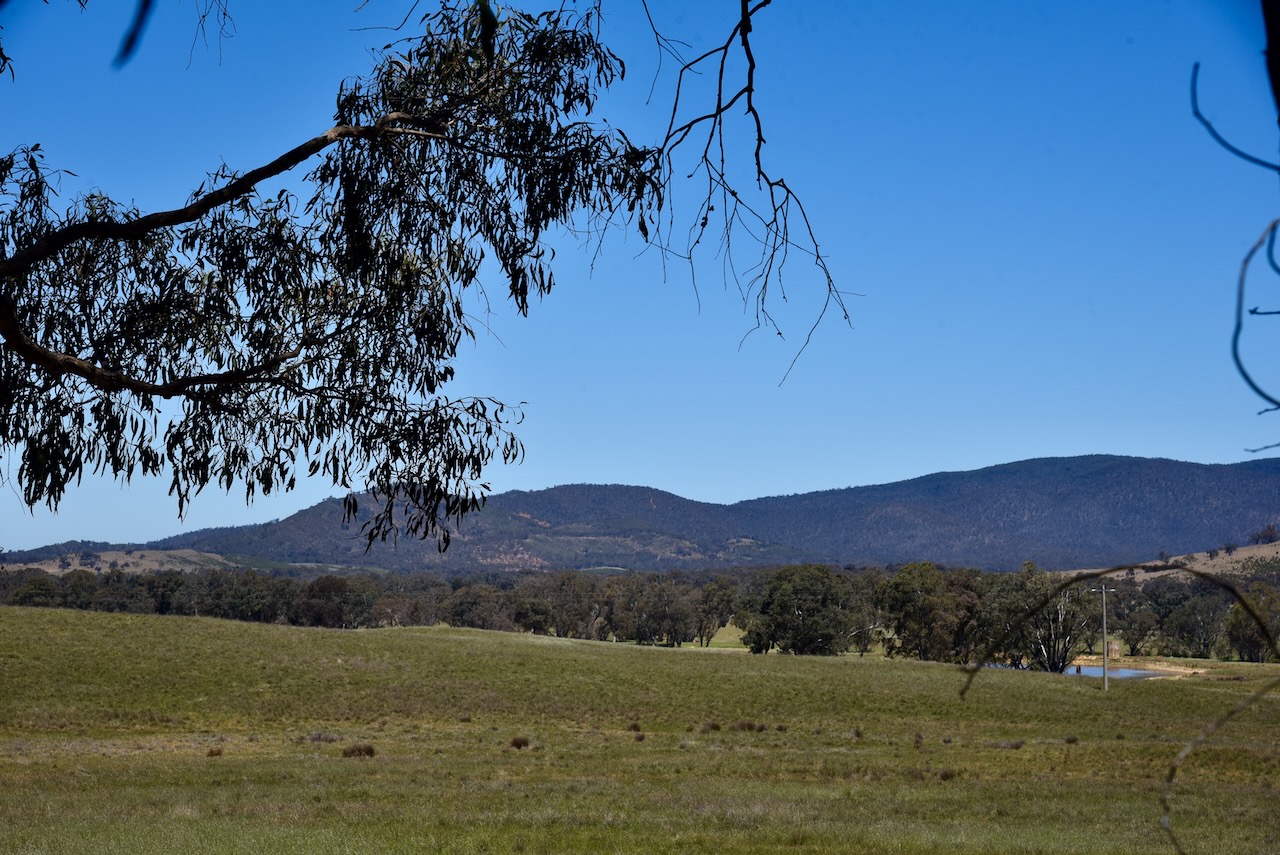
Our next stop was the little town of Moonambel, located south of the Kara Kara National Park, in the Pyrenees region of Victoria.
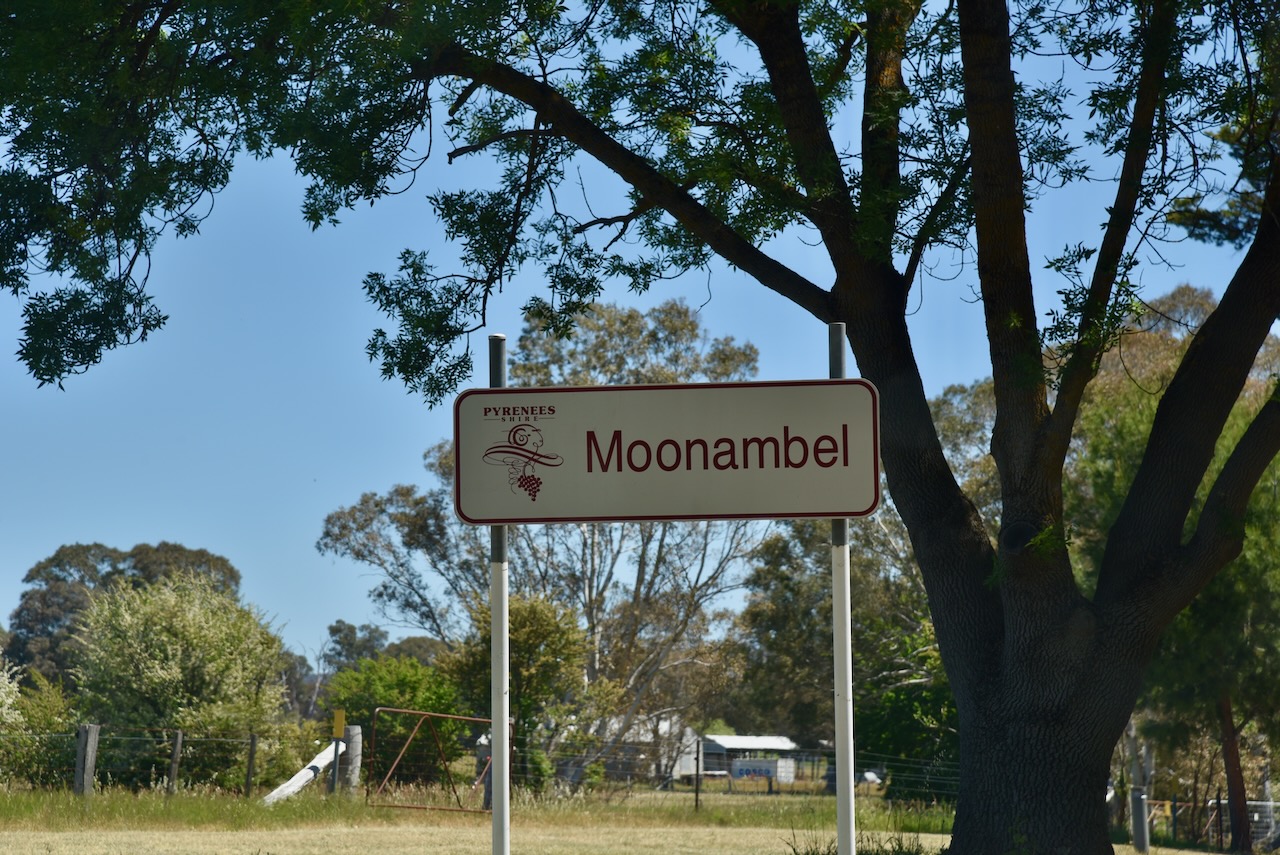
The site of Moonambel was part of the Mountain Creek pastoral run, established by Colin McKinnon in the 1850s, which was 80,000 acres in size and had 16,000 sheep. (Avoca Heritage 1995)(Trove 2025)
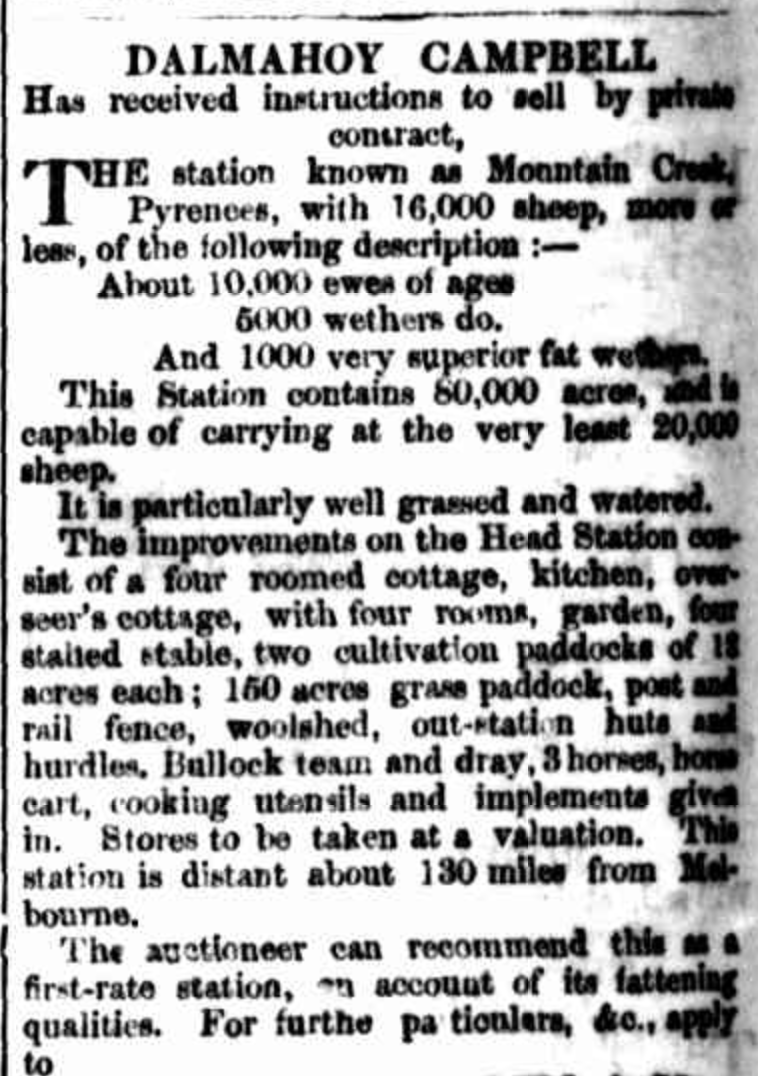
Above:- Article re the sale of Mountain Creek station, from The Argus, Fri 8 Apr 1853. Image c/o Trove.
The creek valley was used from about 1852 as a gold escort route between the Victorian goldfields and Adelaide. Gold was discovered in the Moonambel district in late 1860, and the settlement was originally known as Mountain Creek. By December 1860, it was estimated that there were between 10,000 to 12,000 miners on the goldfield. (Avoca Heritage 1995) (Victorianplaces.com.au, 2015)
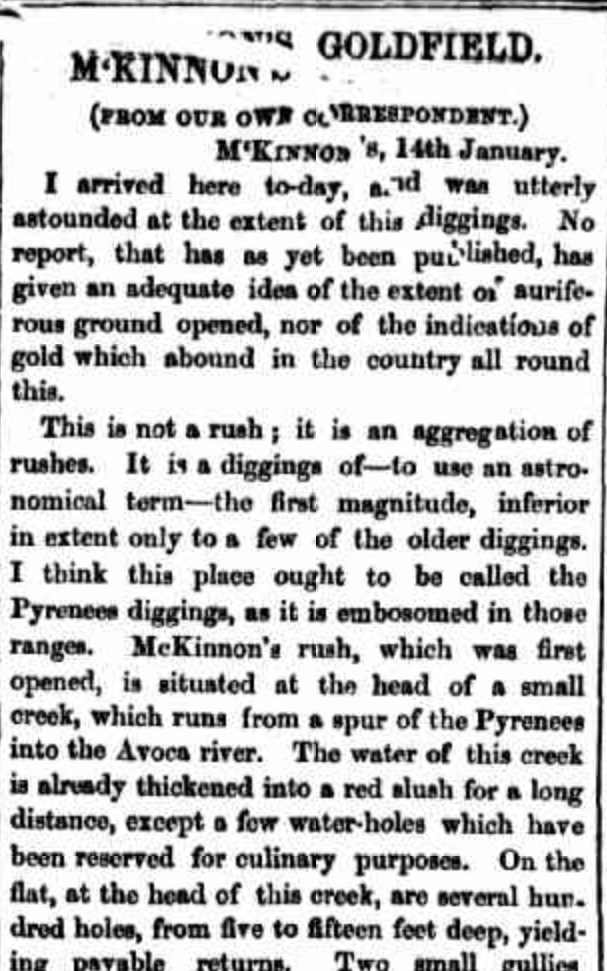
Above:- part of an article from The Herald, Fri 18 Jan 1861. Image c/o Trove
By December 1860, the town had been surveyed and there were several substantial buildings being built. By May 1861, the township that had developed on the Mountain Creek diggings was named Moonambel and town allotments were offered for sale at Moonambel. (Avoca Heritage 1995)
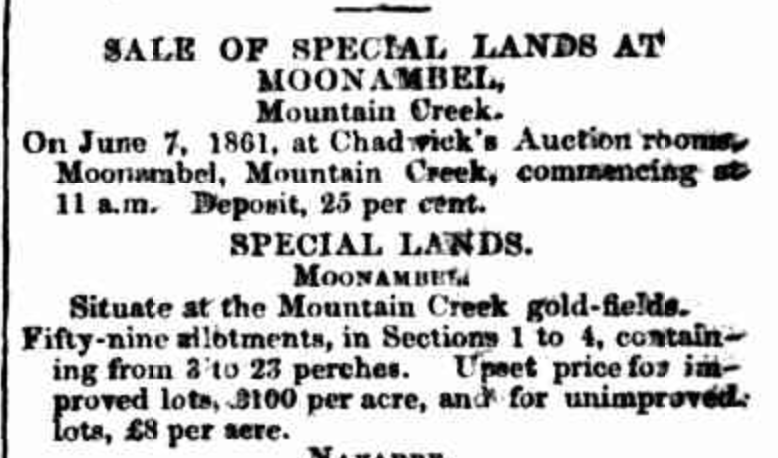
Above:- Advertisement from The Age, Fri 24 May 1861. Image c/o Trove
In October 1861, Moonambel was proclaimed as a municipality. It is believed that Moonambel is an Aboriginal word meaning ‘hollow in the hills’. In 1864, it was united with the Avoca Shire. By 1861, an Anglican school had opened, and this was replaced by a brick government building in 1875. In its early days, Moonambel had several hotels, but this was reduced to one, the Commercial Hotel, which was built in 1861. In 1871 Moonambel’s population was 280 people. (Avoca Heritage 1995) (Victorianplaces.com.au, 2015)
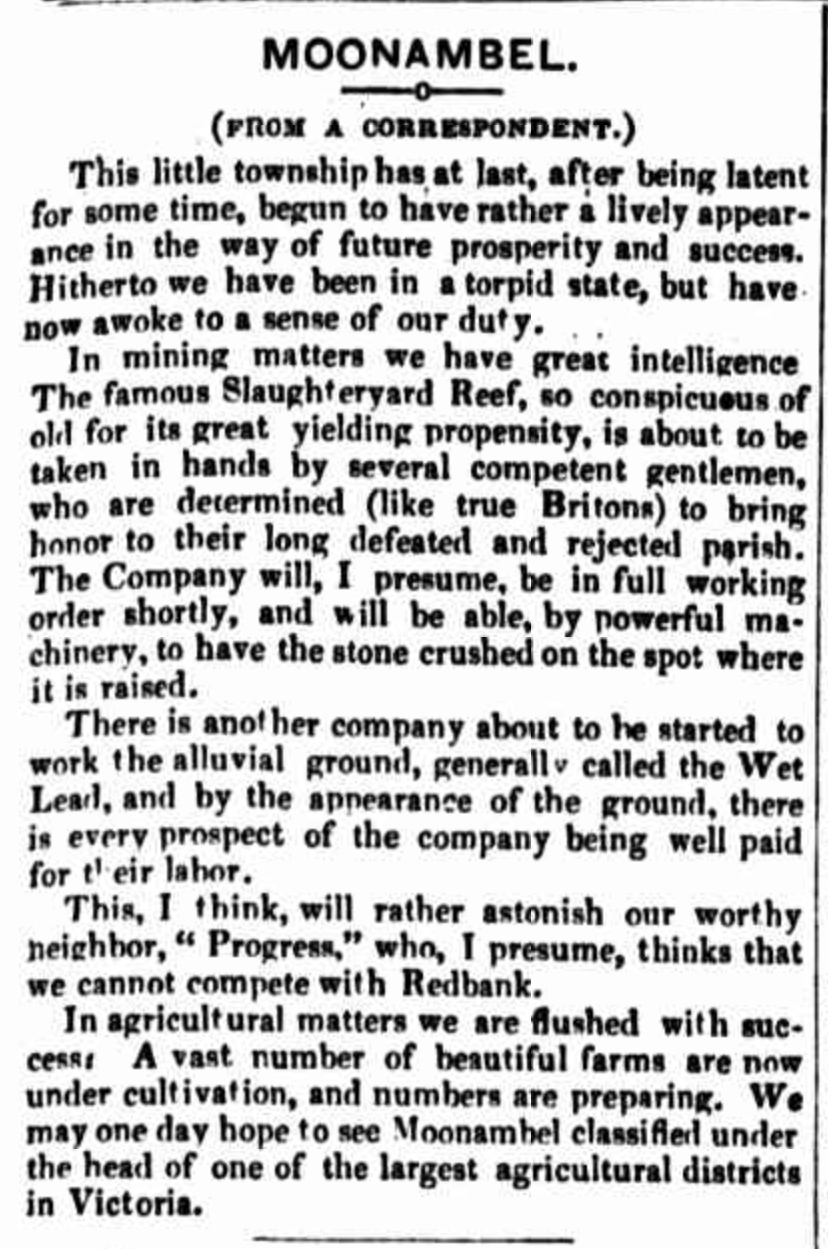
Above:- An article from The Avoca Mail, Sat 1 Jul 1865. Image co Trove
Moonamble has a magnificent heritage walk, with the many historic buildings featuring information boards detailing the history of the building.
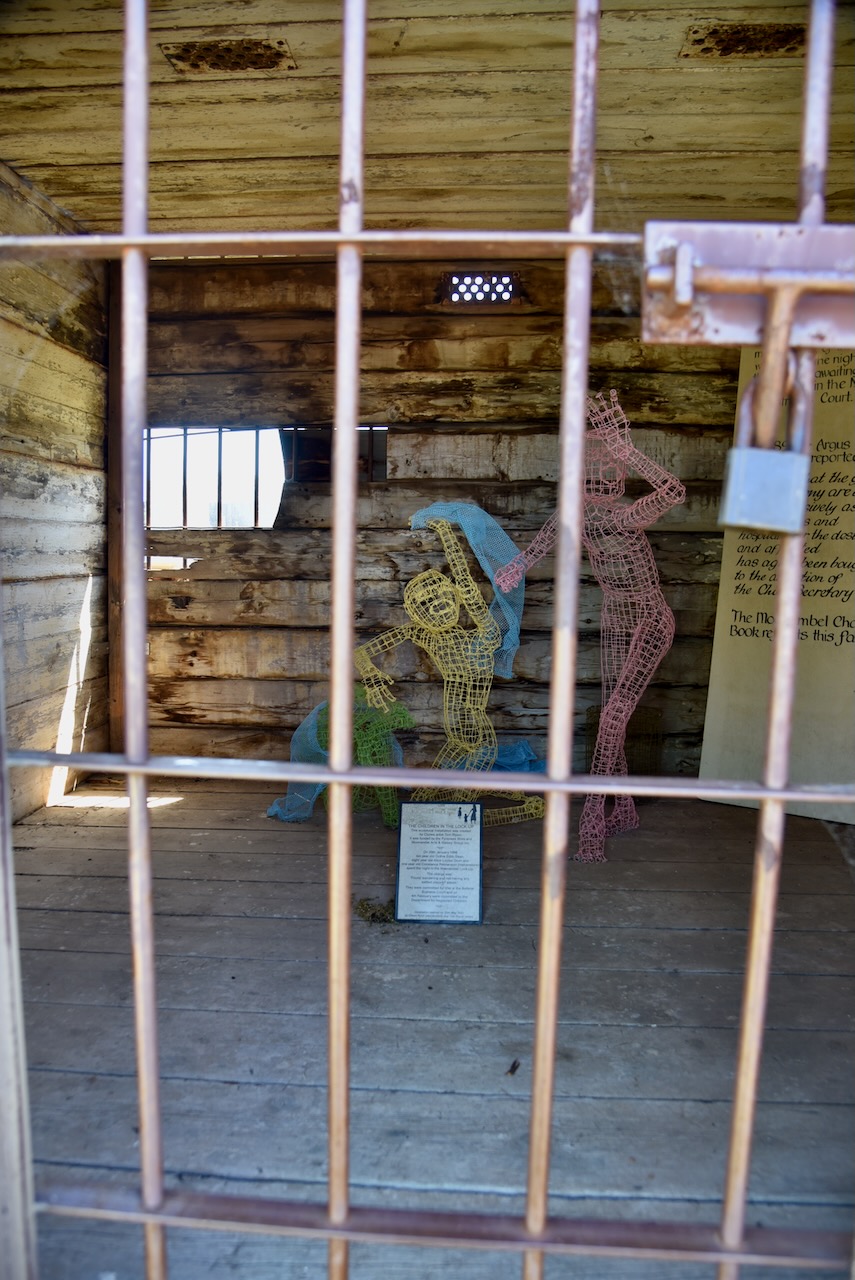
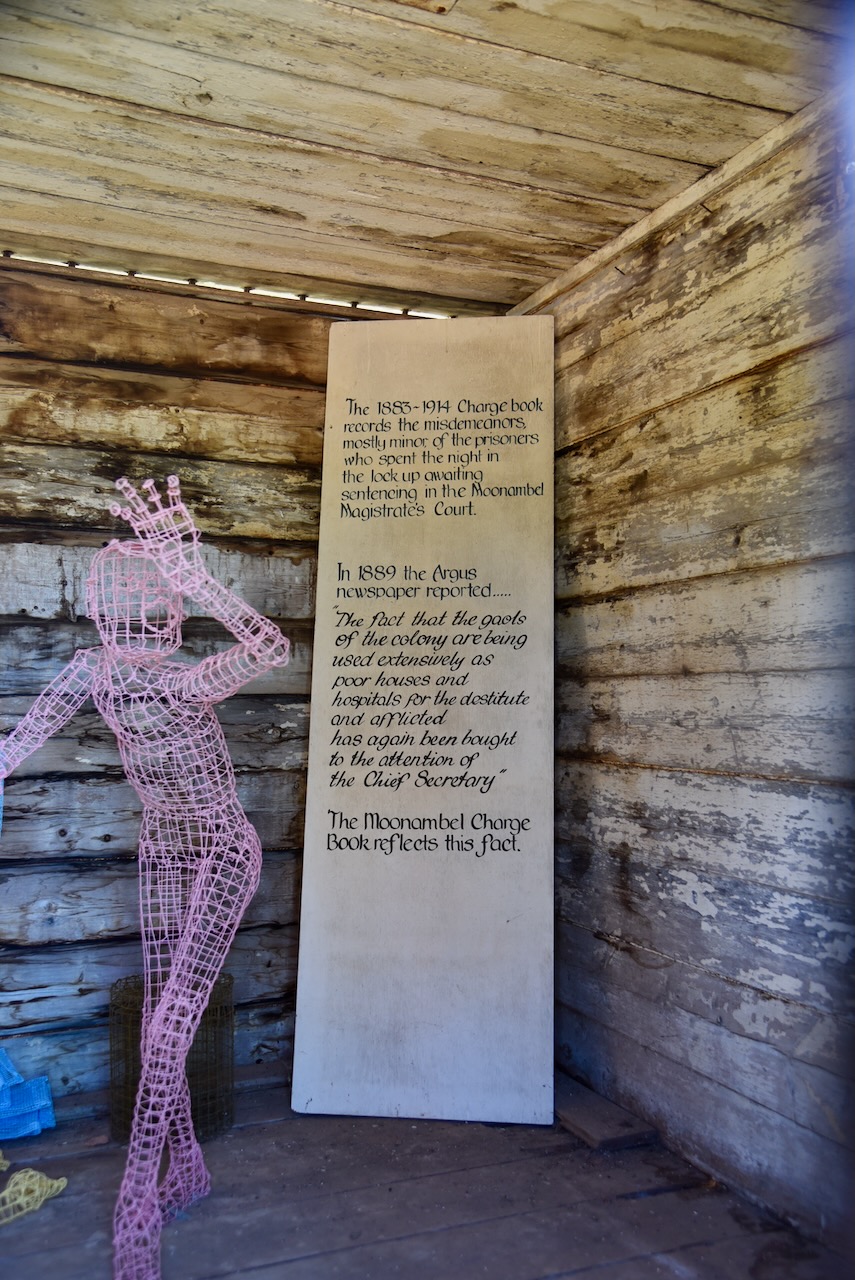
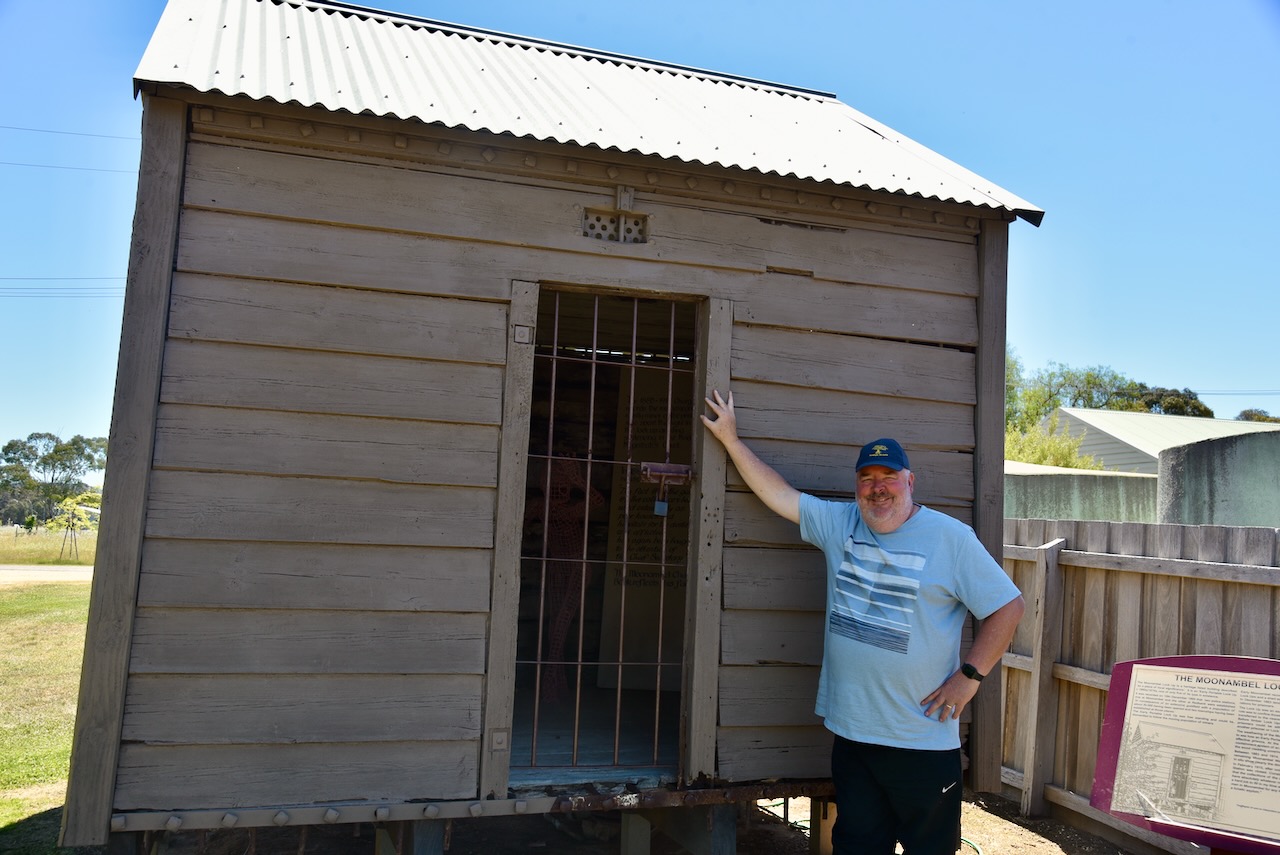
One of the interesting structures is the Moonambel Lock-up, which was one of two lock-ups that were brought to Moonambel during the 1860s gold rush. There are only five examples of this type of early portable lock-up in Victoria.
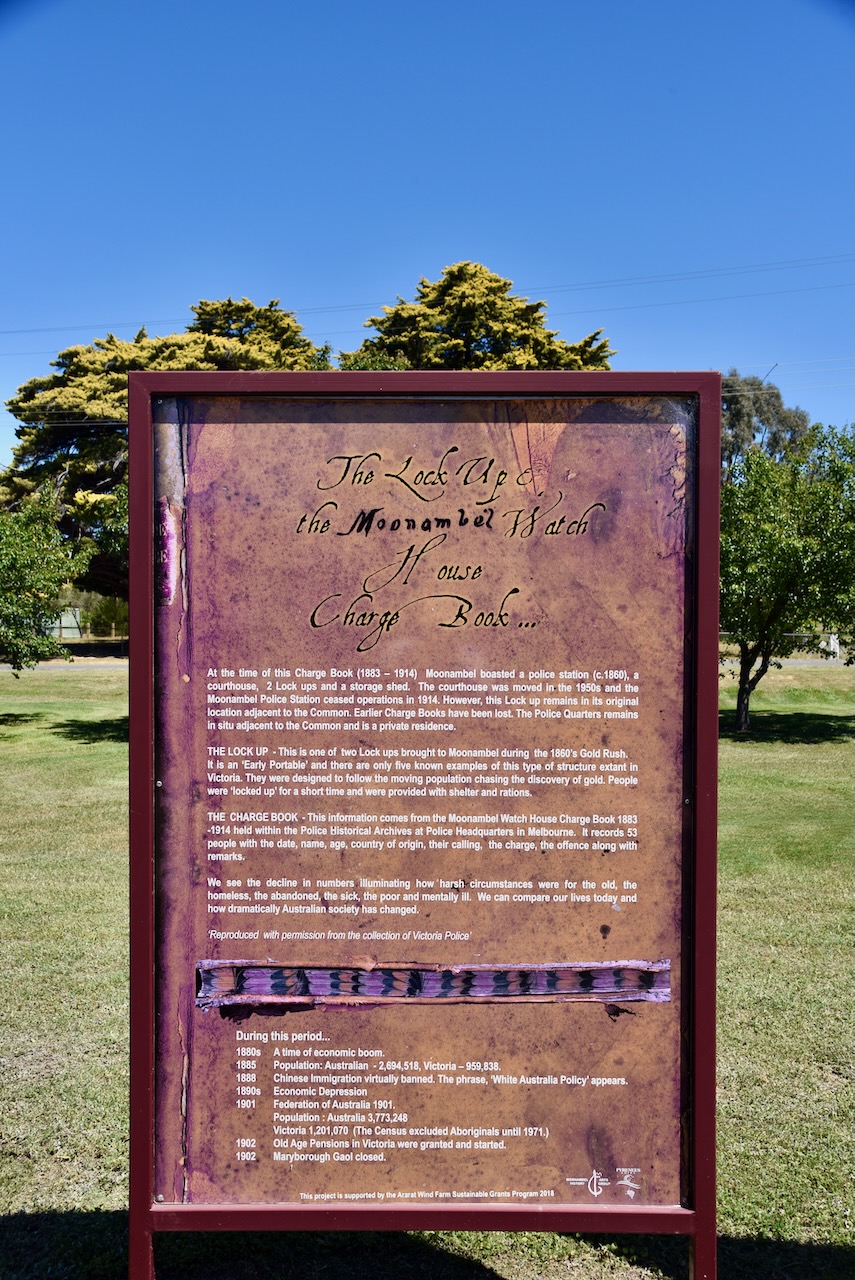
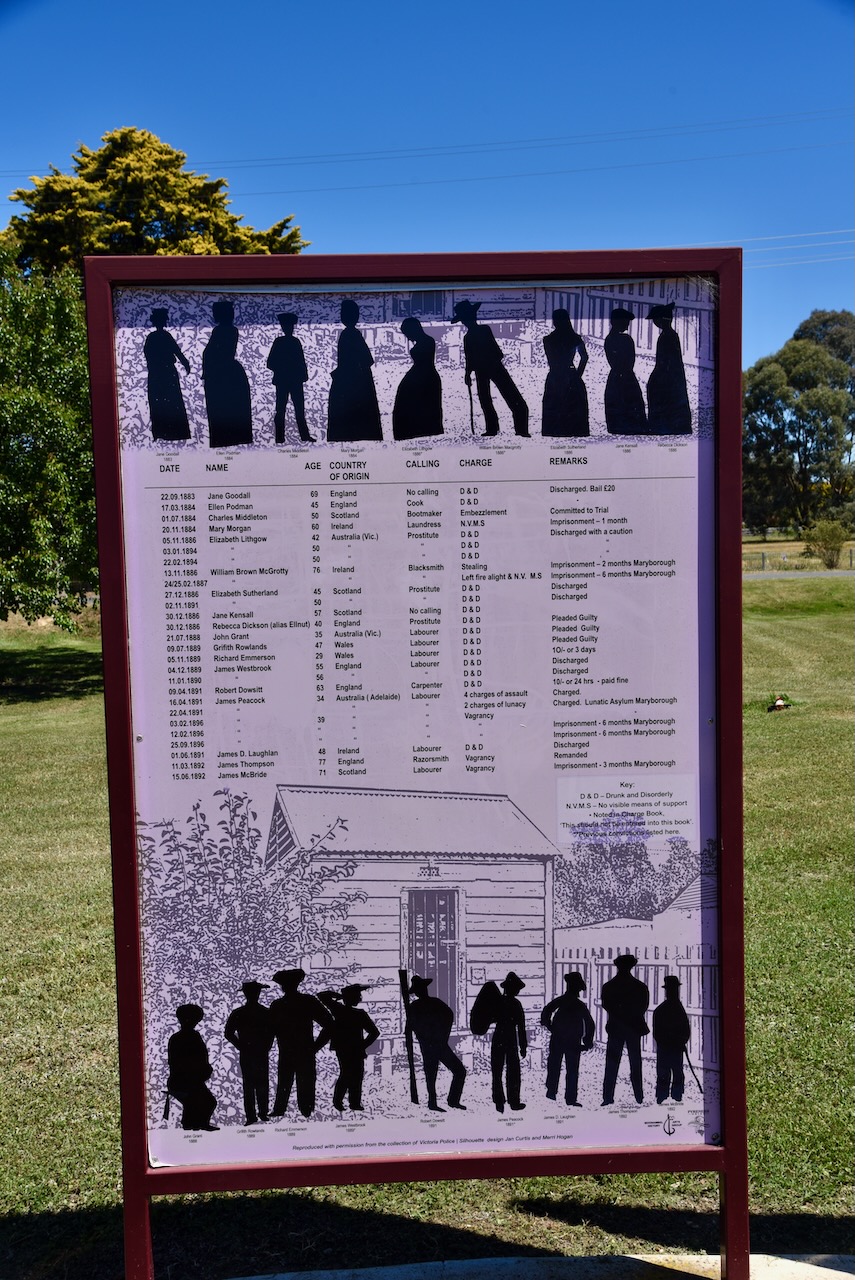
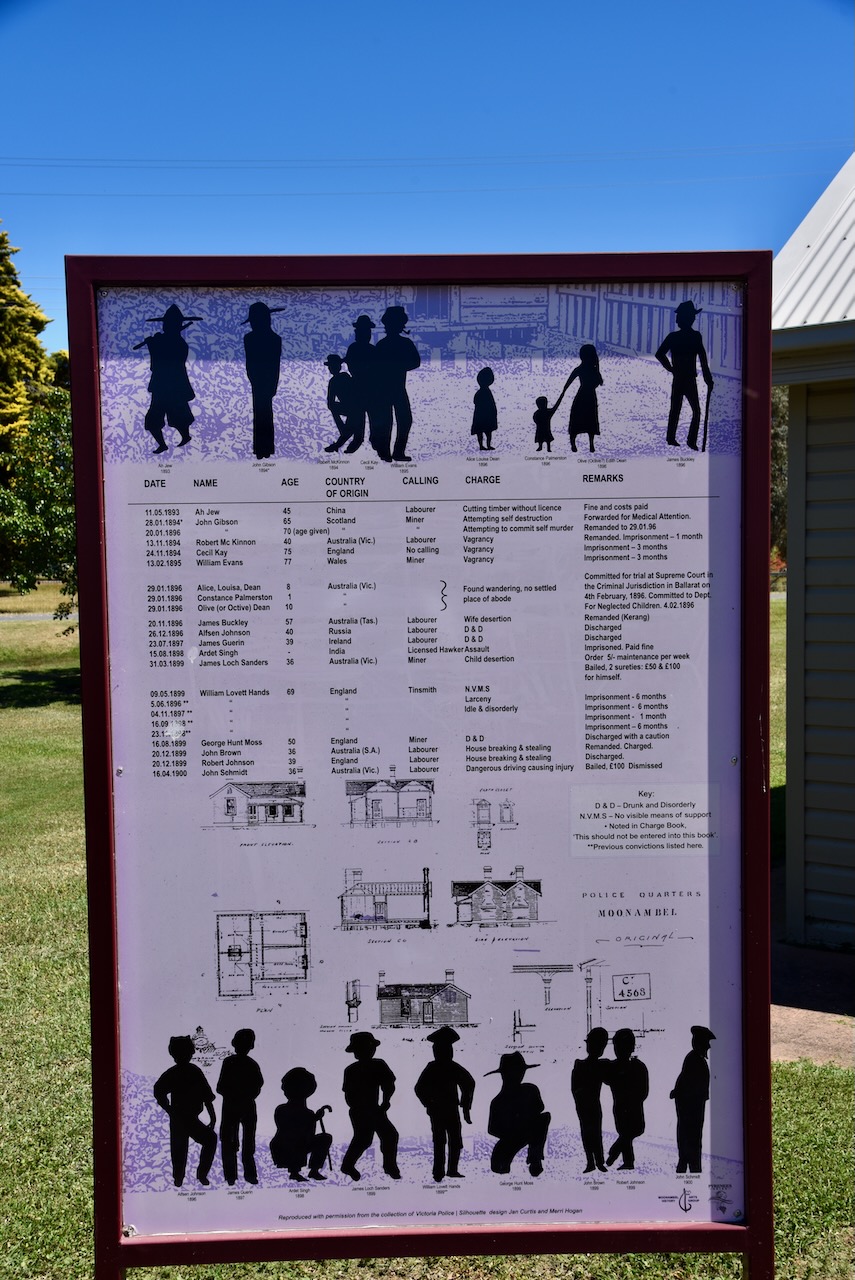
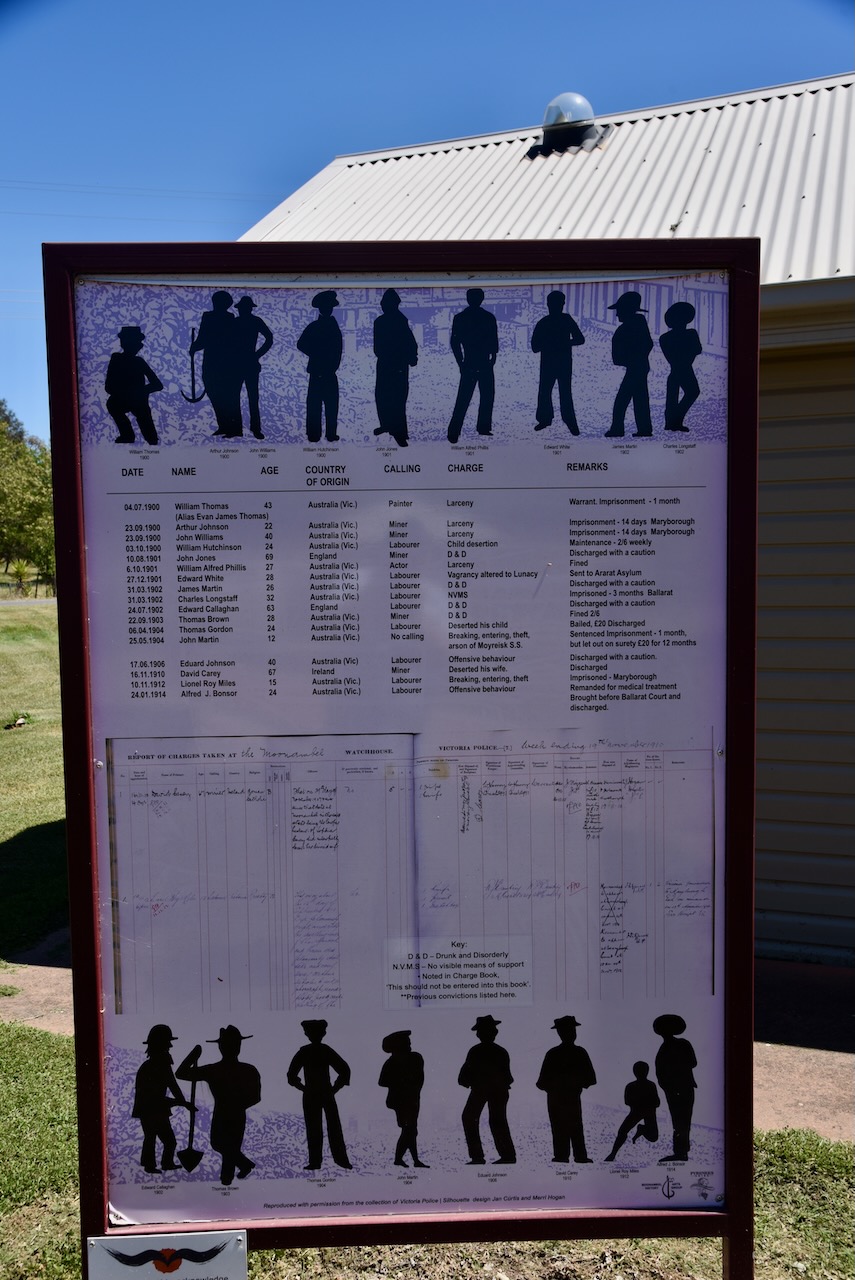
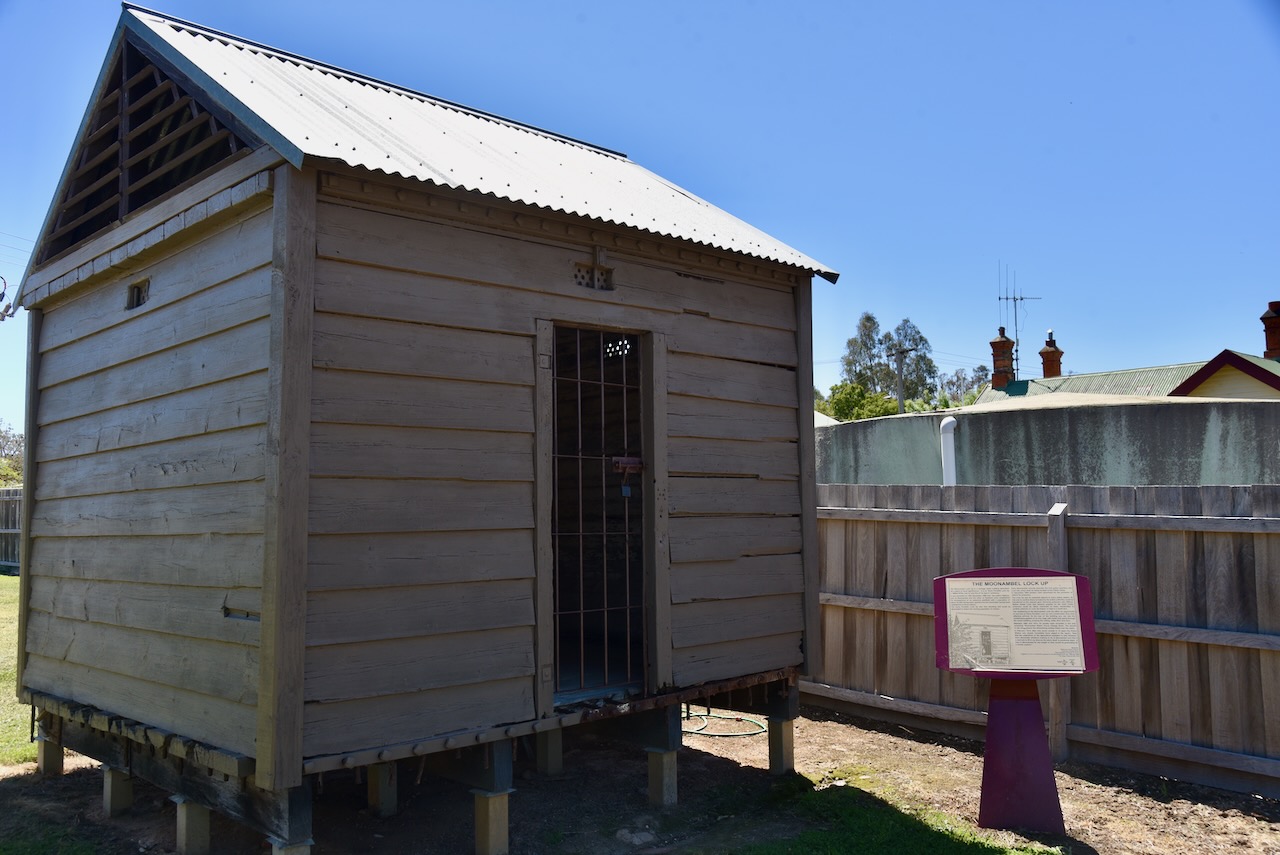
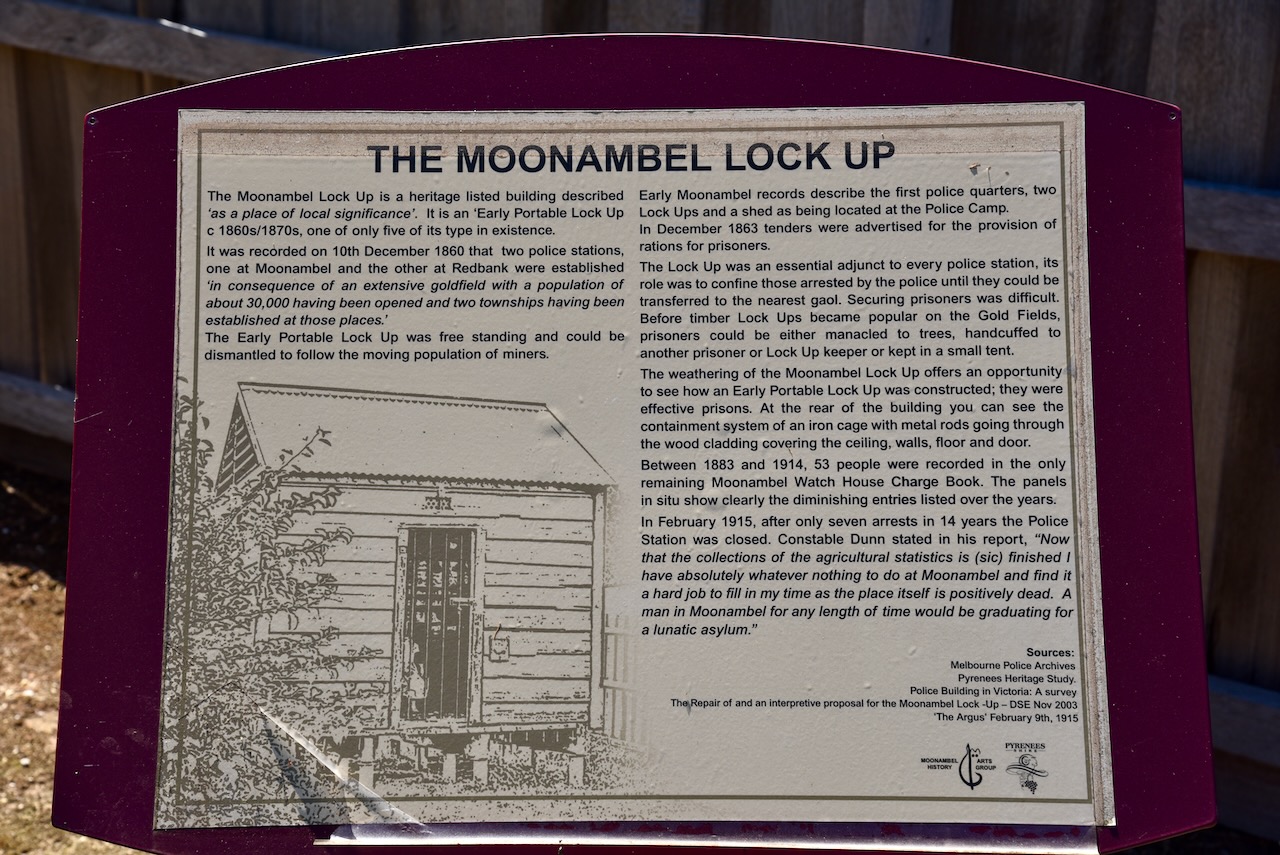
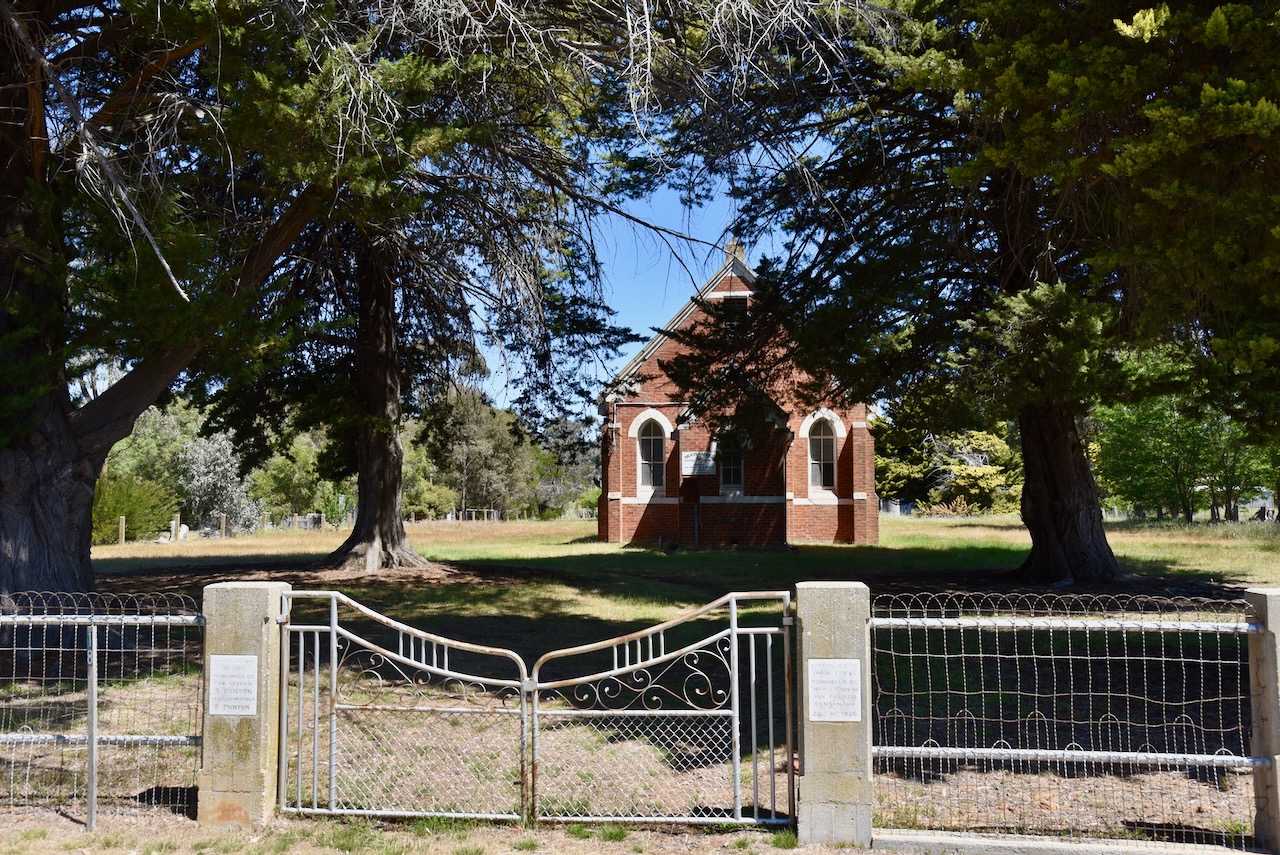
Moonambel contains the Uniting Church, St Paul’s Church of England, built in 1861, and St John the Baptist Catholic Church, built in 1884.
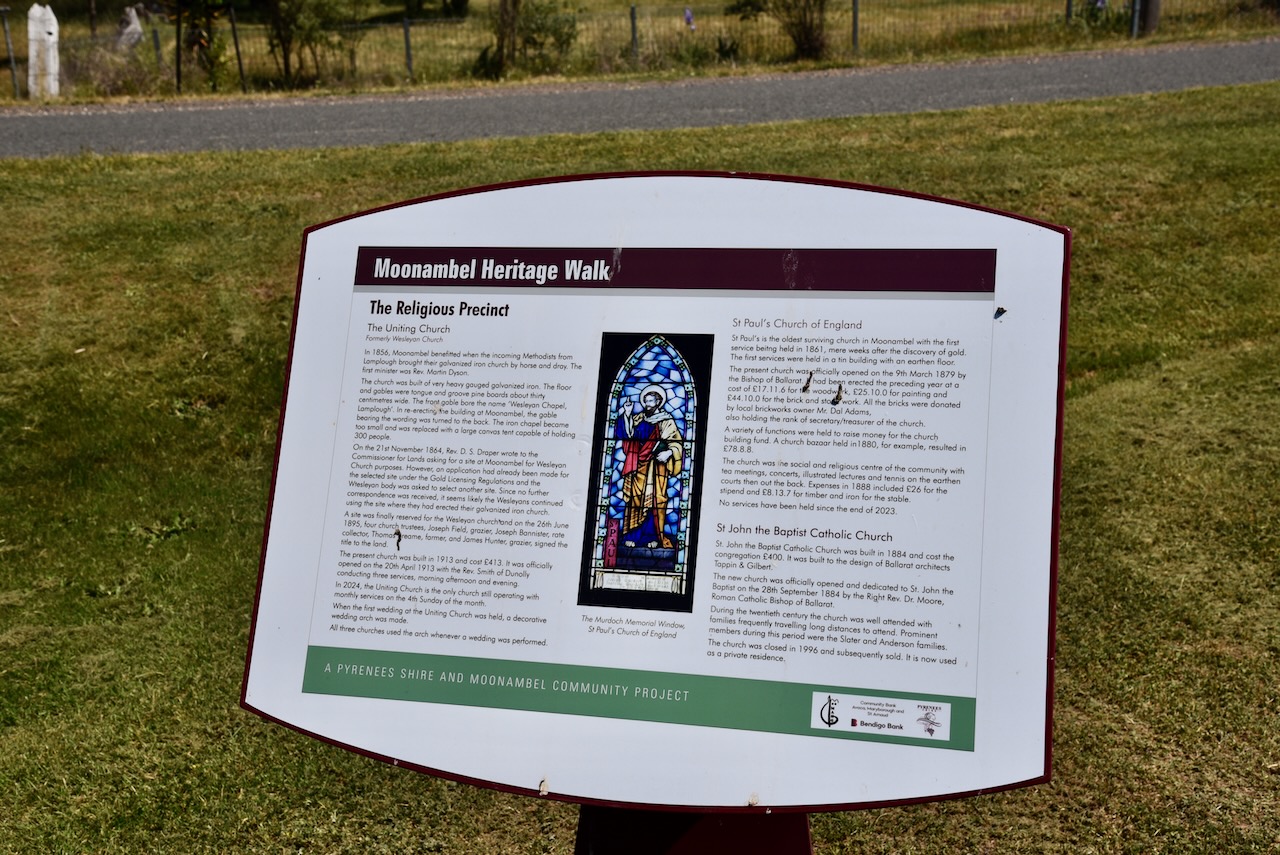
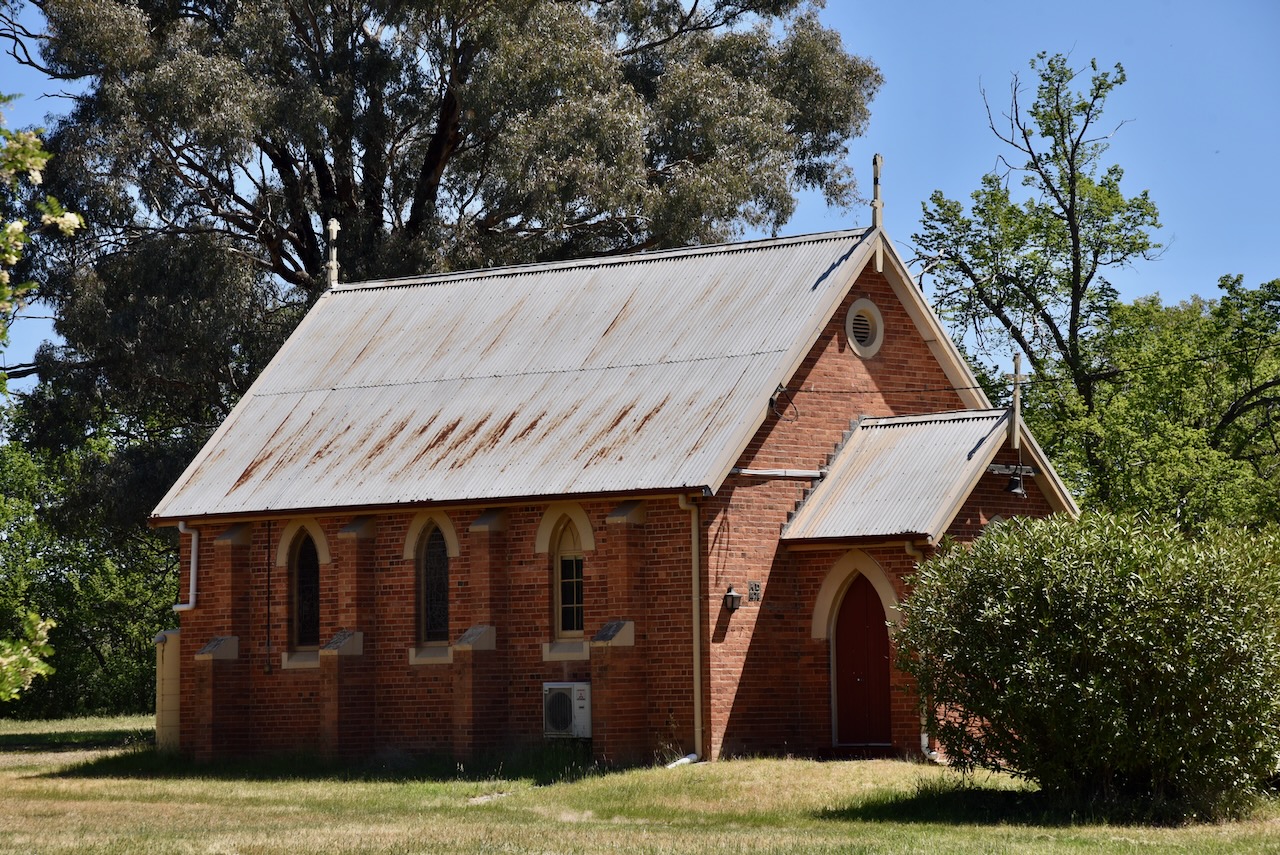
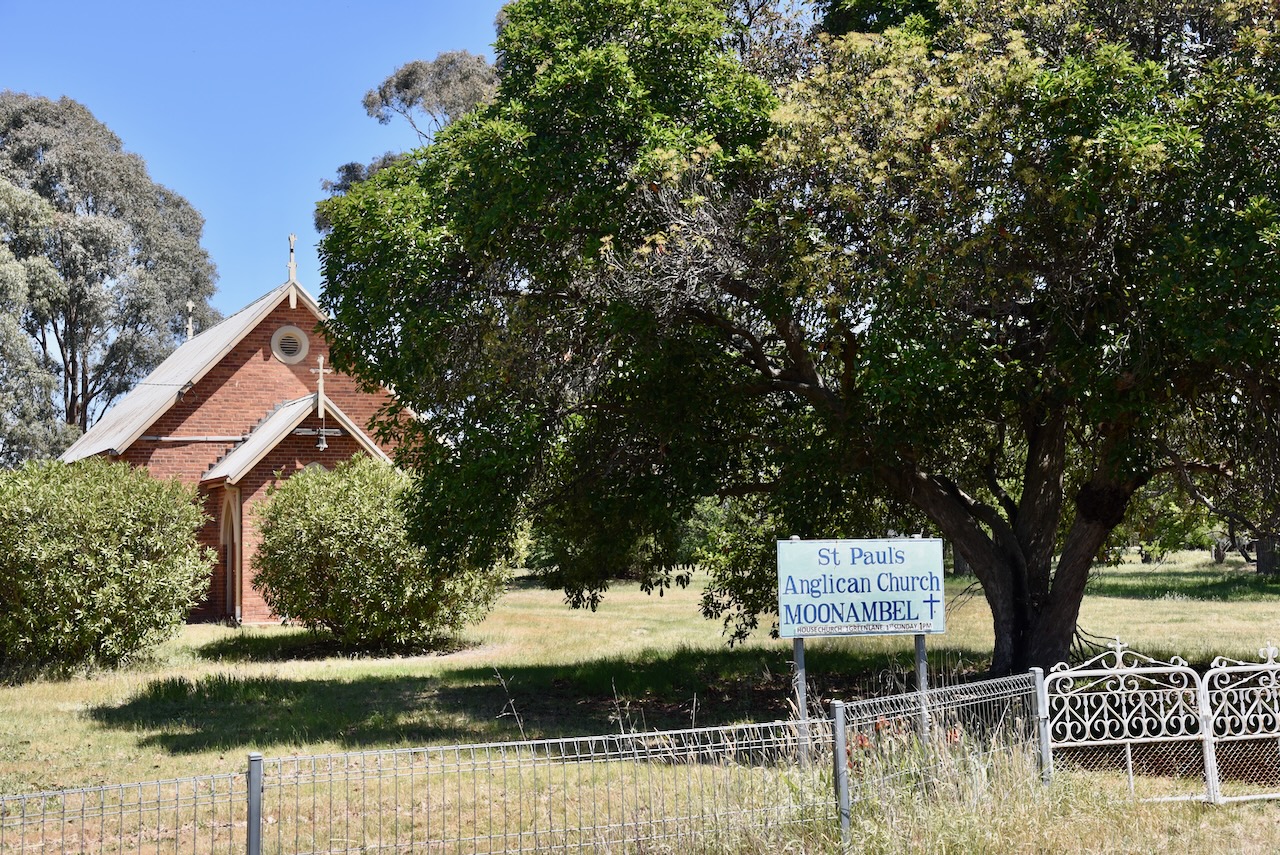
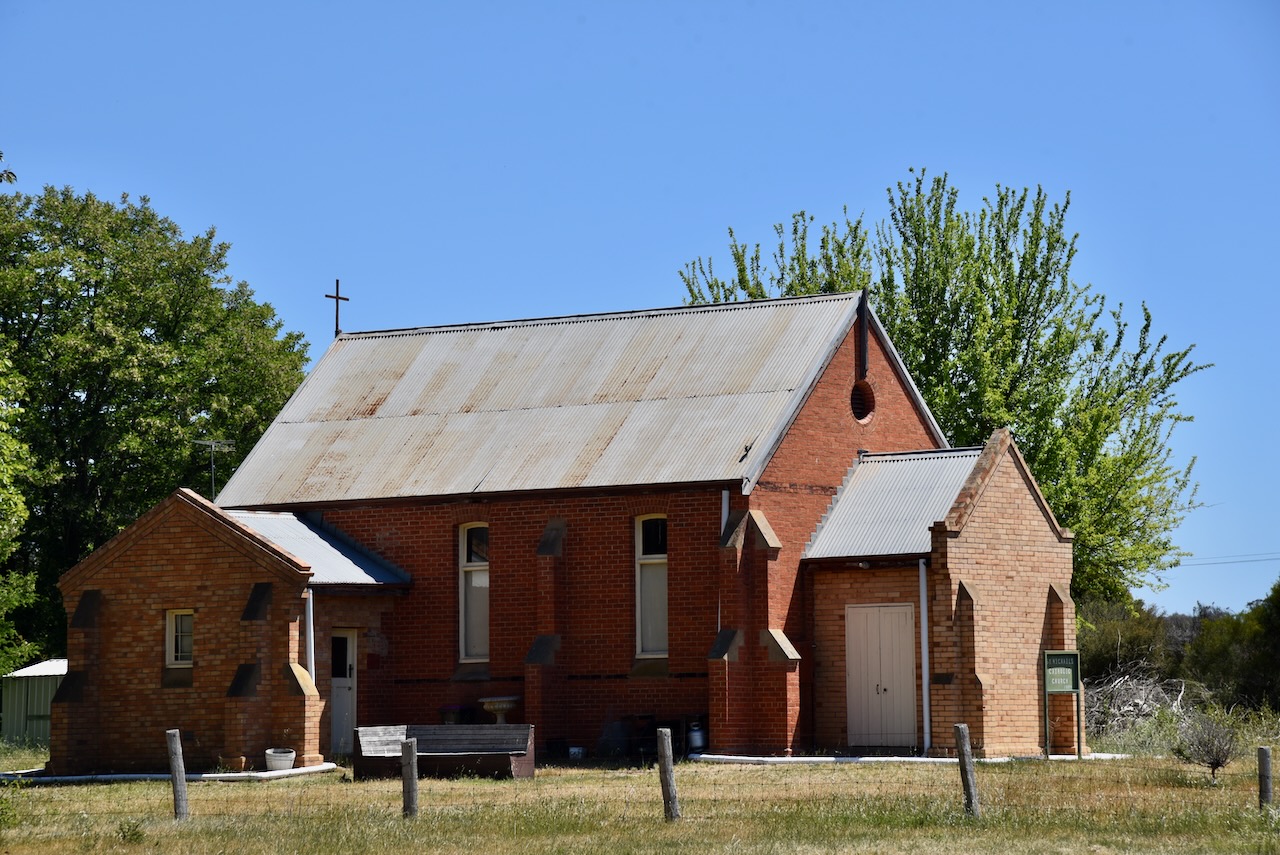
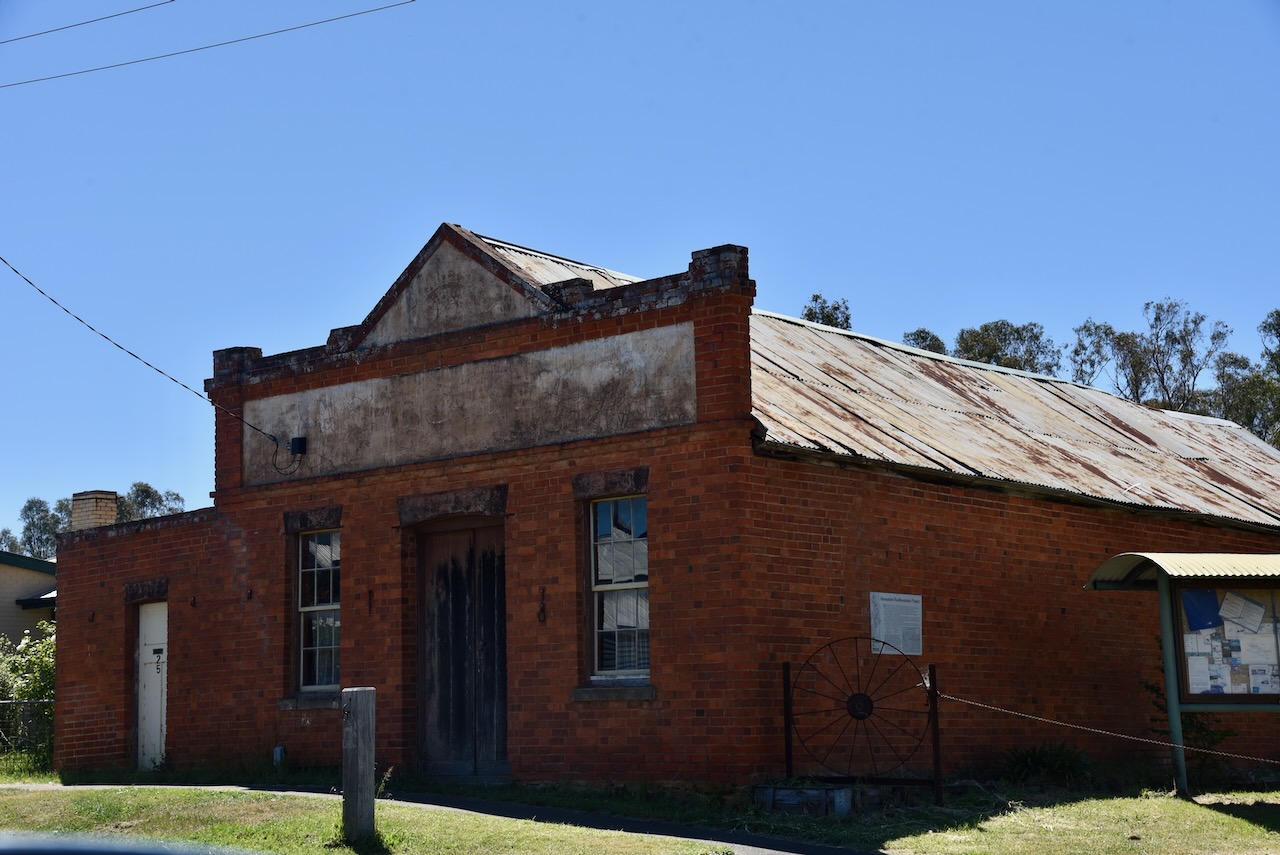
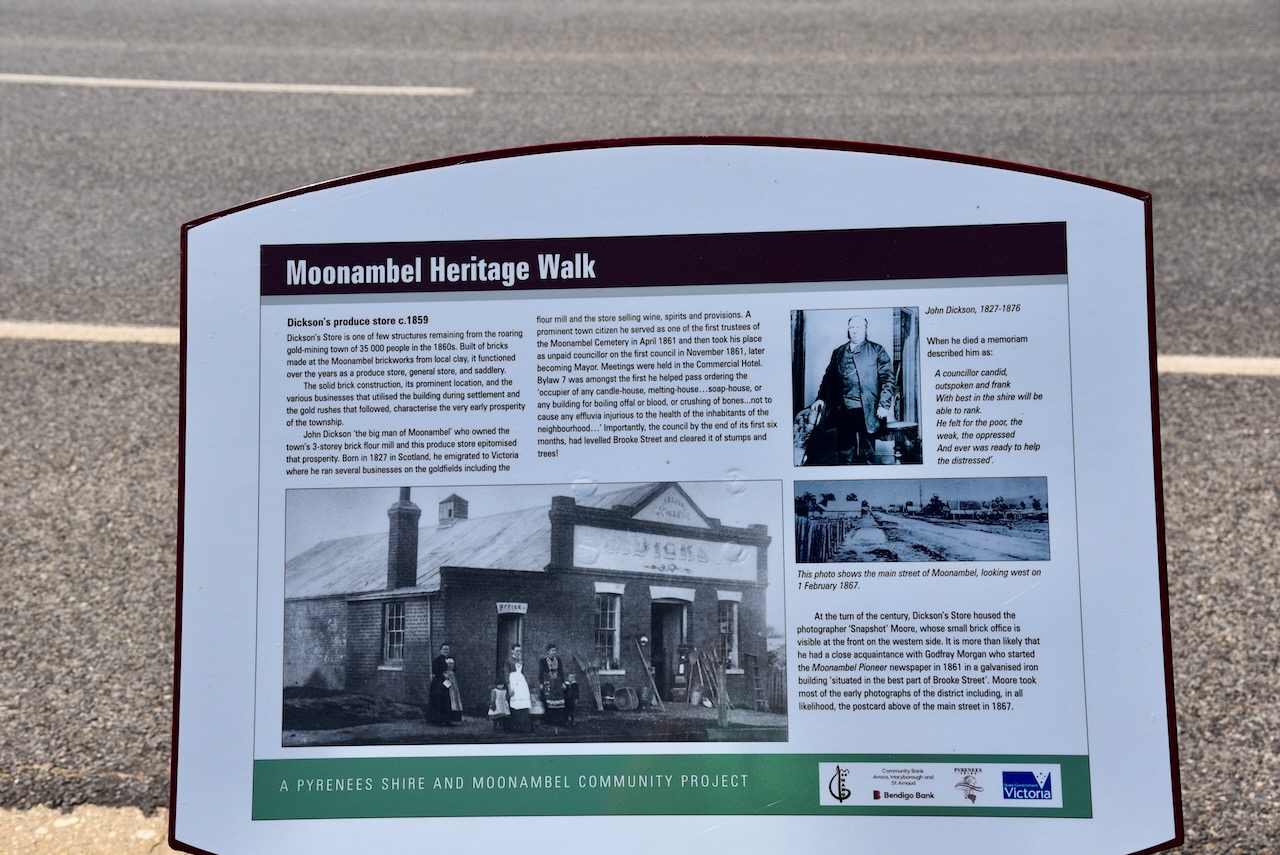
Another building of note is Dickson’s produce store, which was built in 1859.
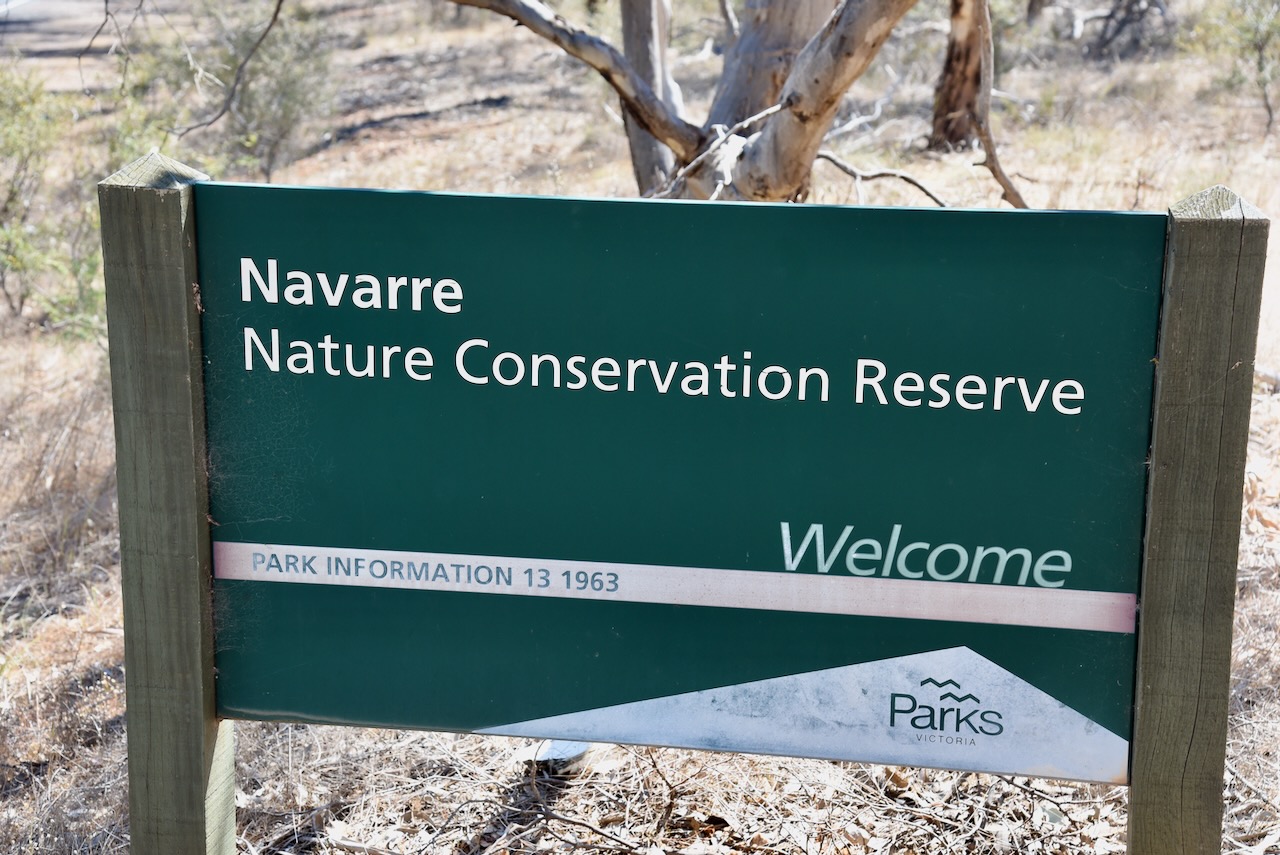
We continued west to our next park activation, the Navarre Nature Conservation Reserve VKFF-2164. The park is located about 232 km northwest of Melbourne, between Stawell and St Arnaud
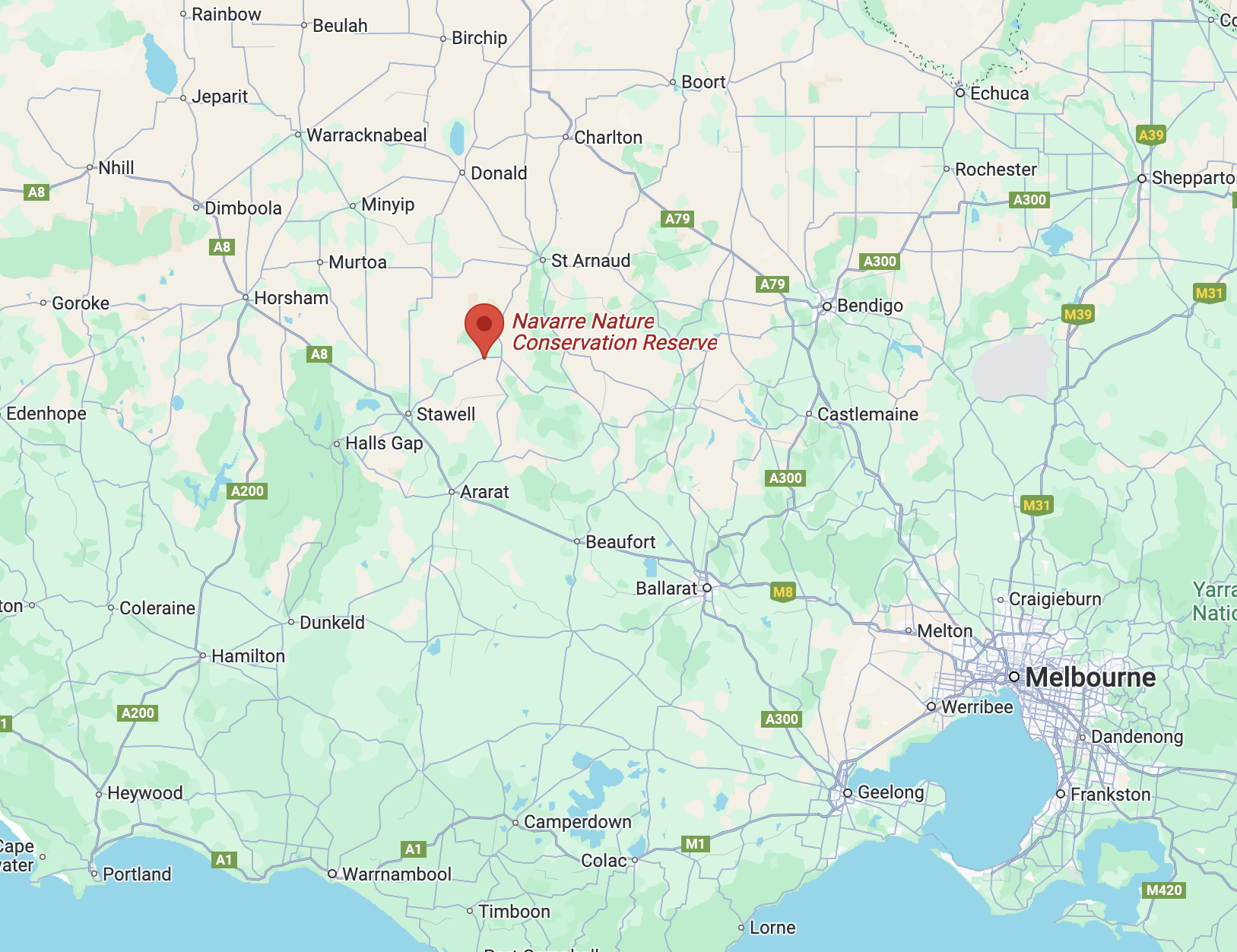
Above:- Map showing the location of the Navarre Nature Conservation Reserve.
The reserve is located on the corner of Callawadda-Navarre Road and Stawell-Avoca Road.
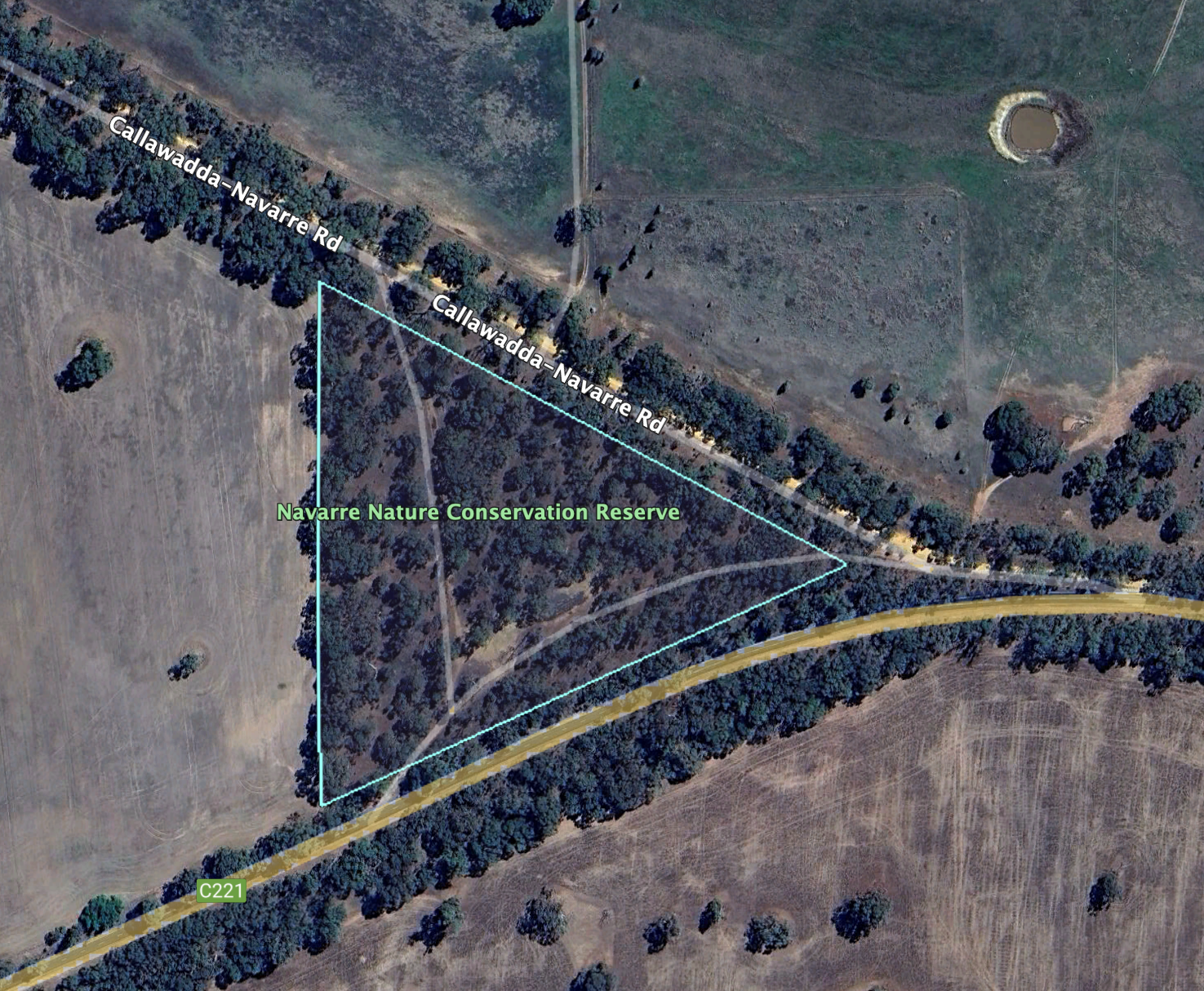
Above:- An aerial view of the Navarre Nature Conservation Reserve. Image c/o Google Earth.
The Navarre area was part of the Decameron station in the 1840s, owned by James Allan Cameron. Navarre commenced as the site of an inn, which was established by Robert Beazley in 1848 alongside a stock route that was located on the boundary between Decameron run and Woodlands run. In 1850, a second inn was established by Robert Beazley. (Blake 1978) (Filmballarathepburnandbeyond.com.au, 2025)
Gold was discovered at Mount Alexander in 1851, and this saw the two inns become a popular stopping point for the gold miners on their way to the diggings. In 1855, the town was surveyed. Navarre takes its name from the ancient Spanish kingdom in the Pyrenees Mountains. The Navarre Post Office opened in February 1856. On the 13th day of September 1861, the town was officially proclaimed. By 1868, the town had a store, a post office and a school. (Blake 1978) (Filmballarathepburnandbeyond.com.au, 2025)
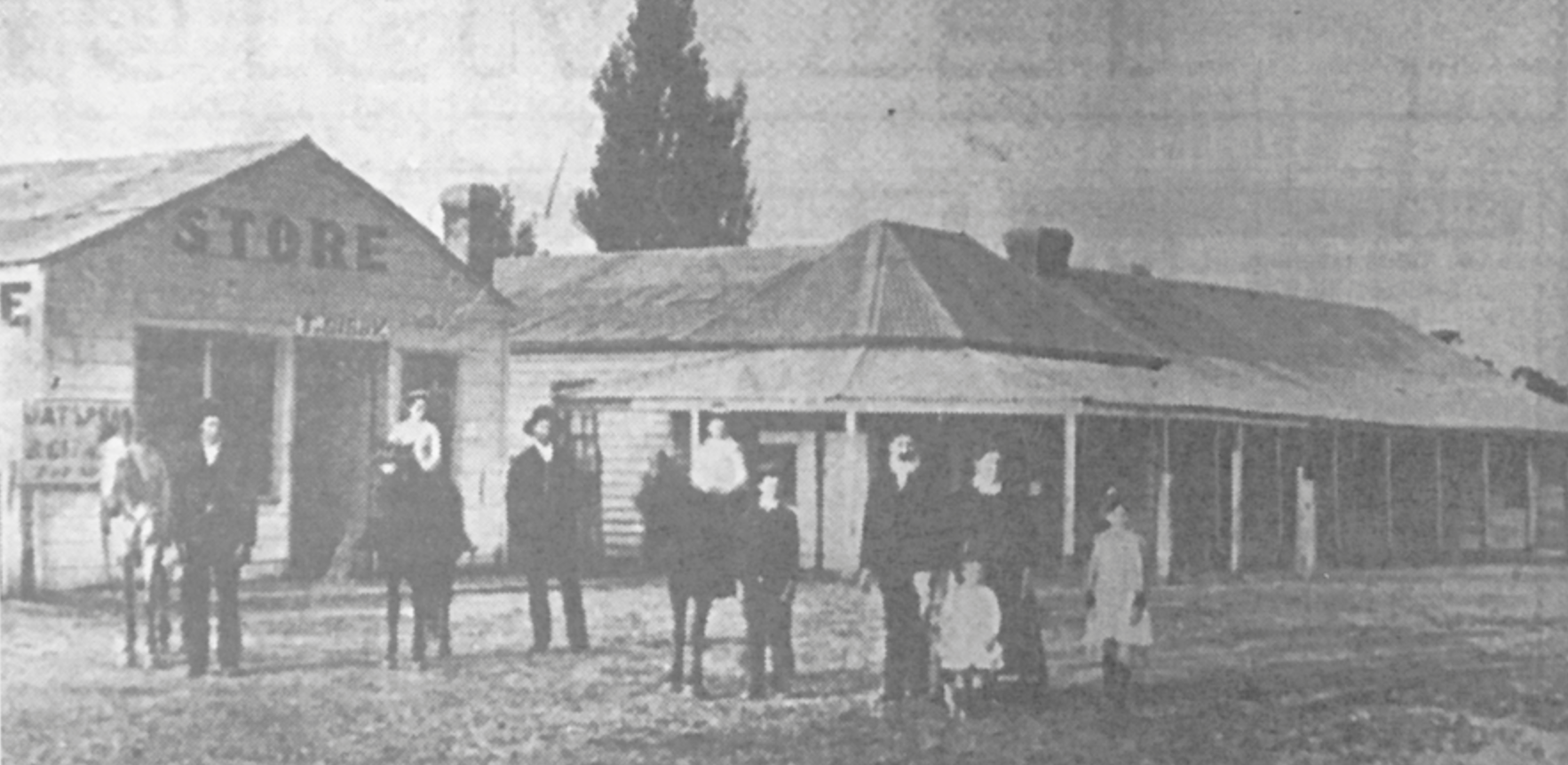
Above:- the old Navarre Inn and general store. Image c/o Victorian Collections.
The reserve is about 4 hectares in size and was established on the 26th day of February 2002. (CAPAD 2022)
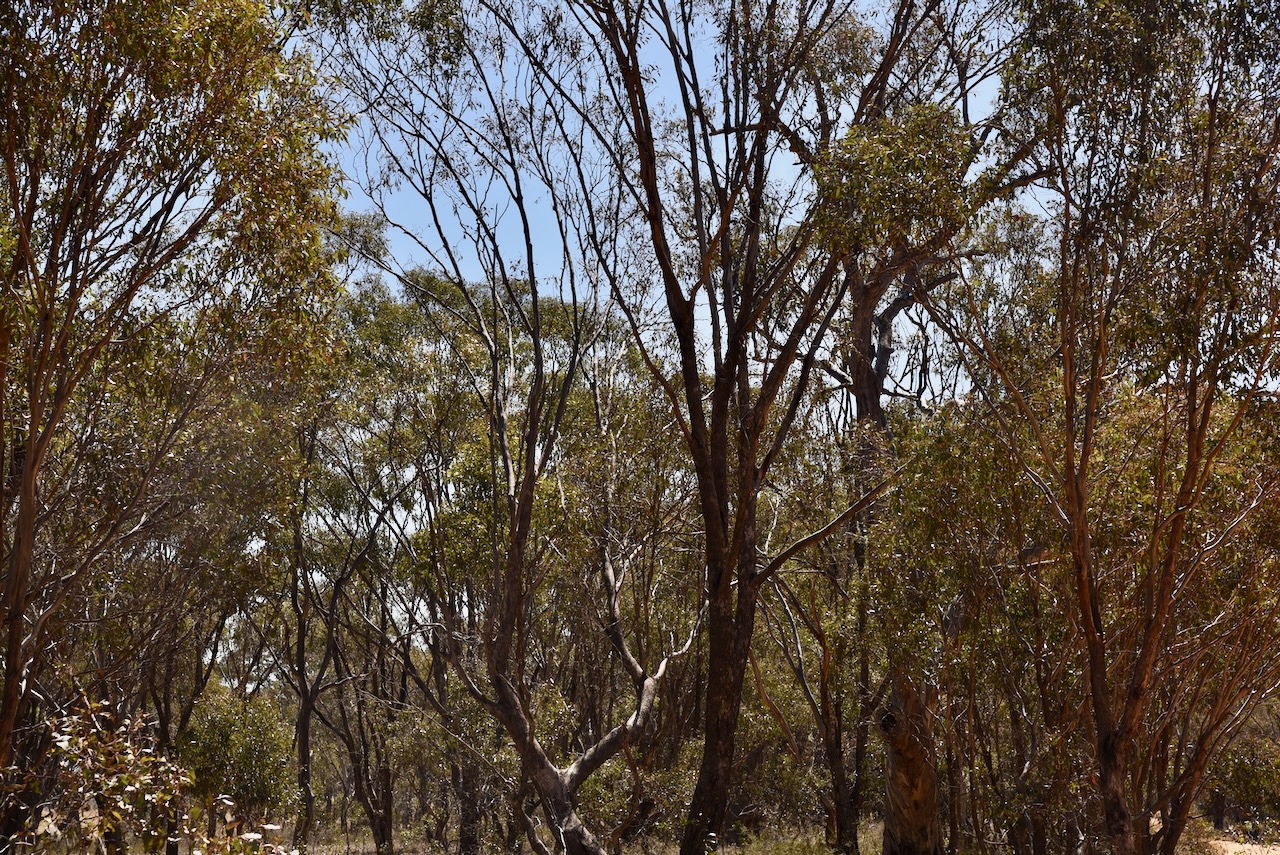
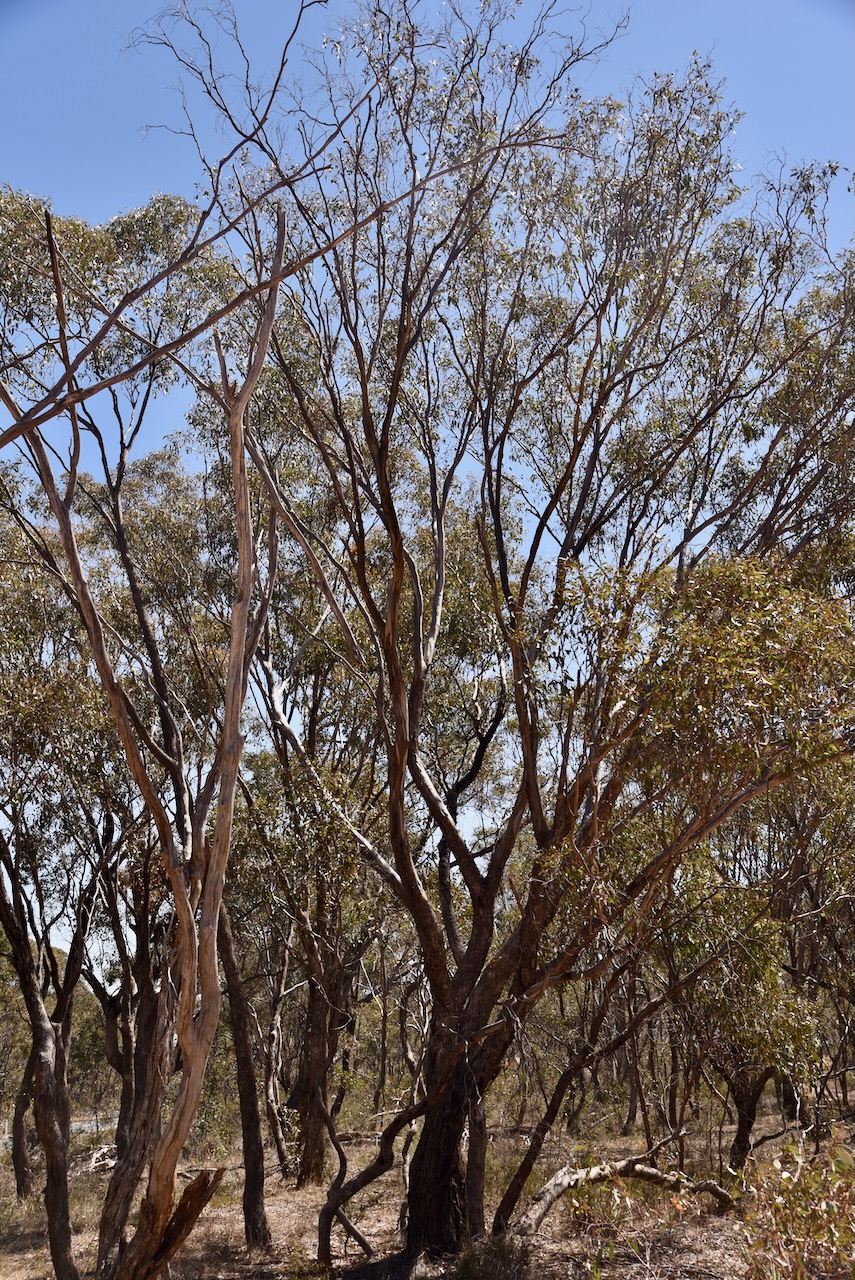
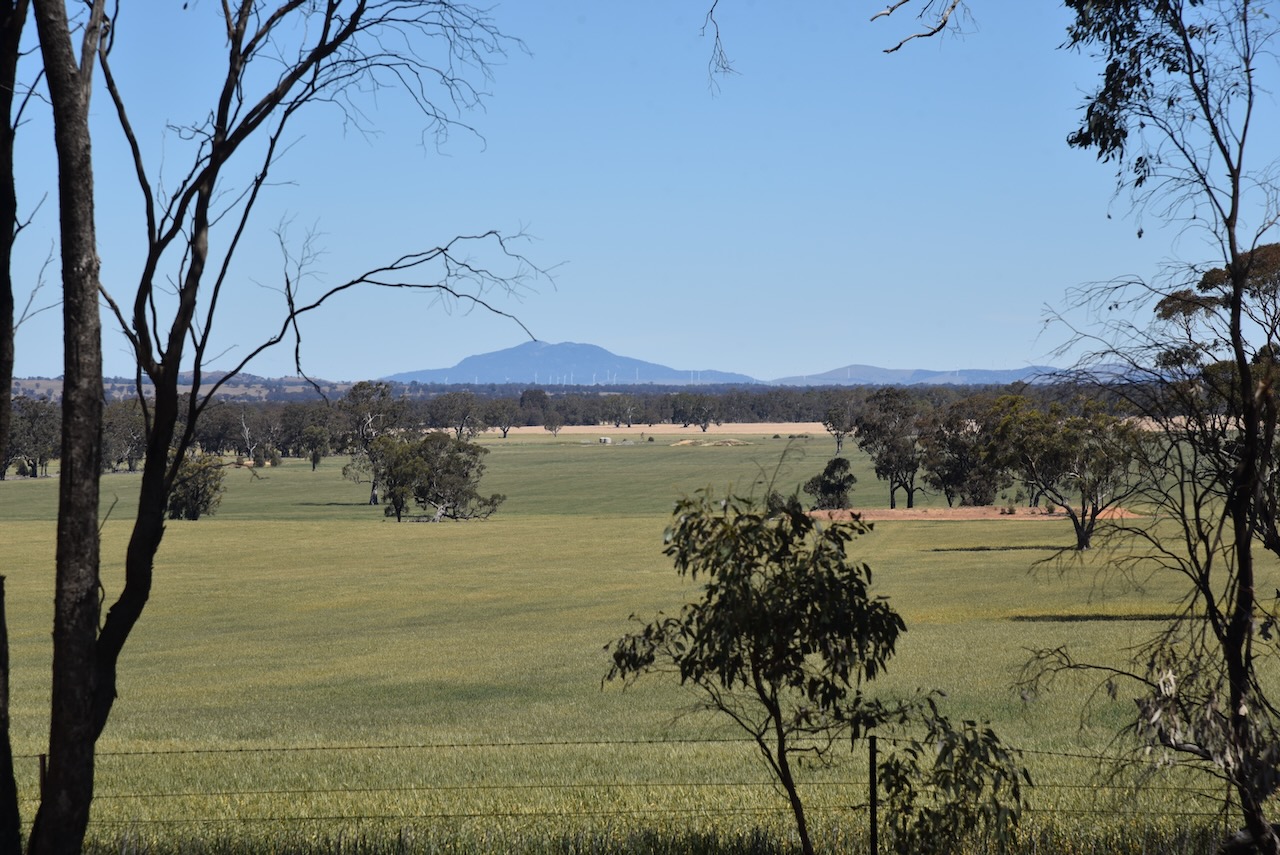
There were some nice views of the Kara Kara National Park and the Grampians National Park from Navarre.
Marija worked the following stations:-
- VK3PF
- VK3KAI
- VK2IO/M
- VK2GEZ/M
- VK1AD
- VK1NAM
- VK2HRX/P (SOTA VK2/ IL-002)
- VK5CZ
- VK3BEL
- VK3WSG
- VK3CEO
- VK1DA/P (SOTA VK3/ VC-040 & VKFF-0972)
I worked the following stations on 40m SSB:-
- VK3PF
- VK3KAI
- VK2IO/M
- VK2GEZ/M
- VK1AD
- VK1NAM
- VK2HRX/P (SOTA VK2/ IL-002)
- VK5CZ
- VK3BEL
- VK3WSG
- VK3CEO
- VK1DA/P (SOTA VK3/ VC-040 & VKFF-0972)
I worked the following stations on 20m SSB:-
- VK4EMP
- VK4TI
- VK4GKO
- VK1AO
- VK2MET
- VK2VW
- VK2HFI
- VK2AKA
- VK2BUG
- KG5CIK
References.
- Filmballarathepburnandbeyond.com.au. (2025). Available at: http://www.filmballarathepburnandbeyond.com.au [Accessed 26 May 2025].
- Trove. (2025). The Argus (Melbourne, Vic. : 1848 – 1957) – 8 Apr 1853 – p8. [online] Available at: https://trove.nla.gov.au/newspaper/page/508809?searchTerm=mountain%20creek [Accessed 26 May 2025].
- Victorianplaces.com.au. (2015). Moonambel | Victorian Places. [online] Available at: https://www.victorianplaces.com.au/moonambel [Accessed 26 May 2025].
- Victorianplaces.com.au. (2015). Natte Yallock | Victorian Places. [online] Available at: https://www.victorianplaces.com.au/natte-yallock [Accessed 26 May 2025].
 VK5PAS