Here is a selection of some of the QSL cards recently received for VK5MAZ and VK5PAS.
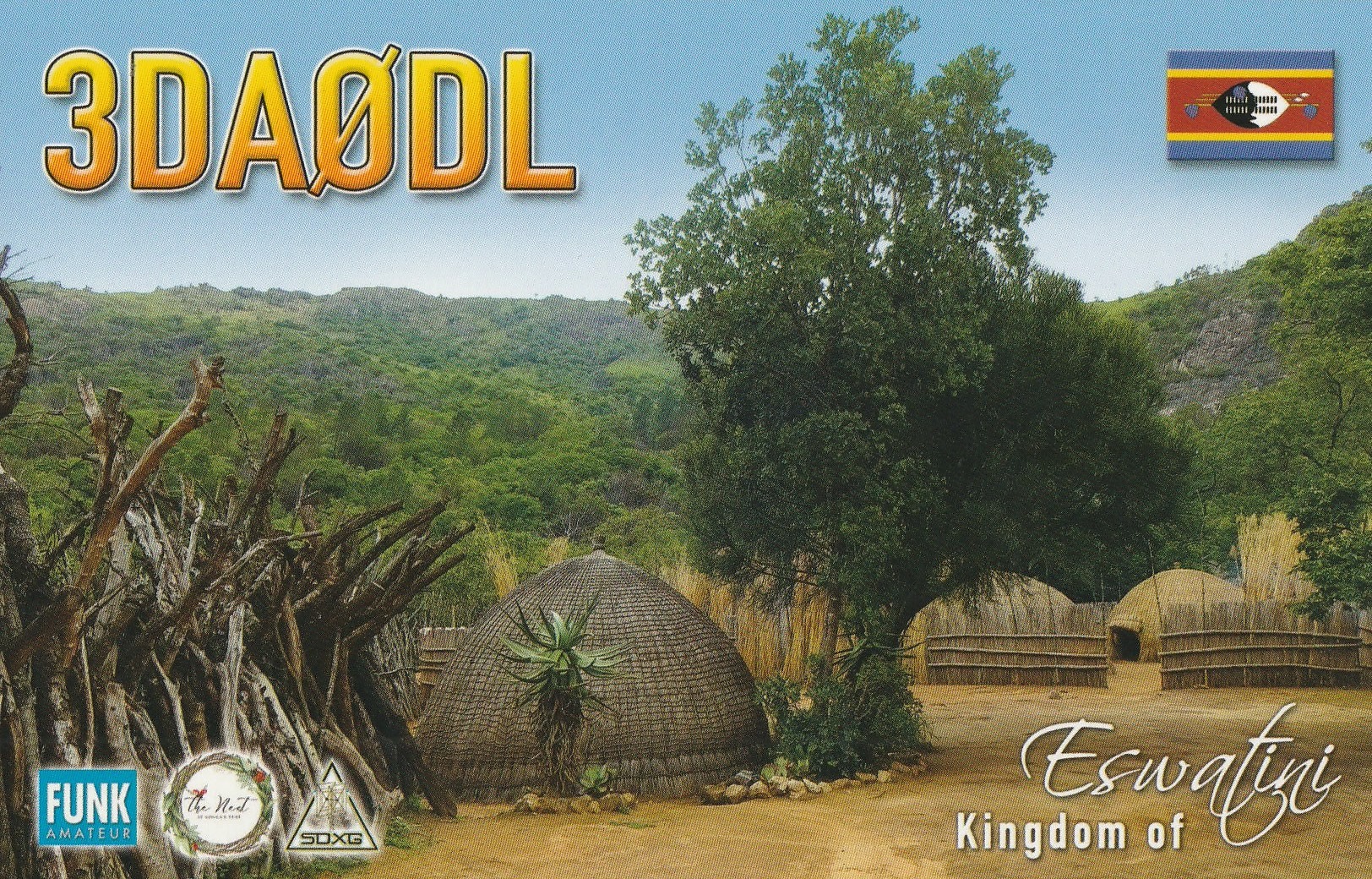
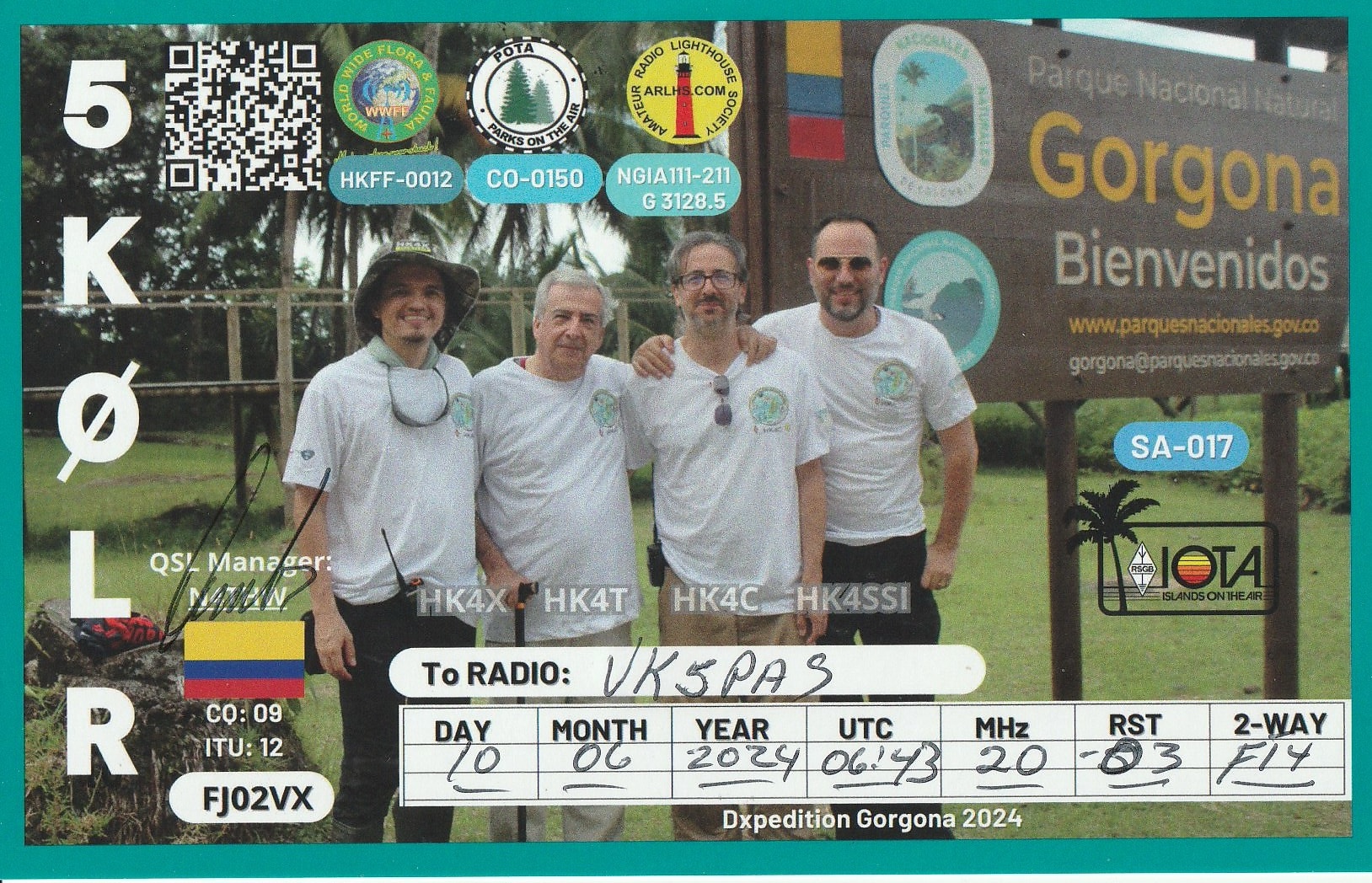

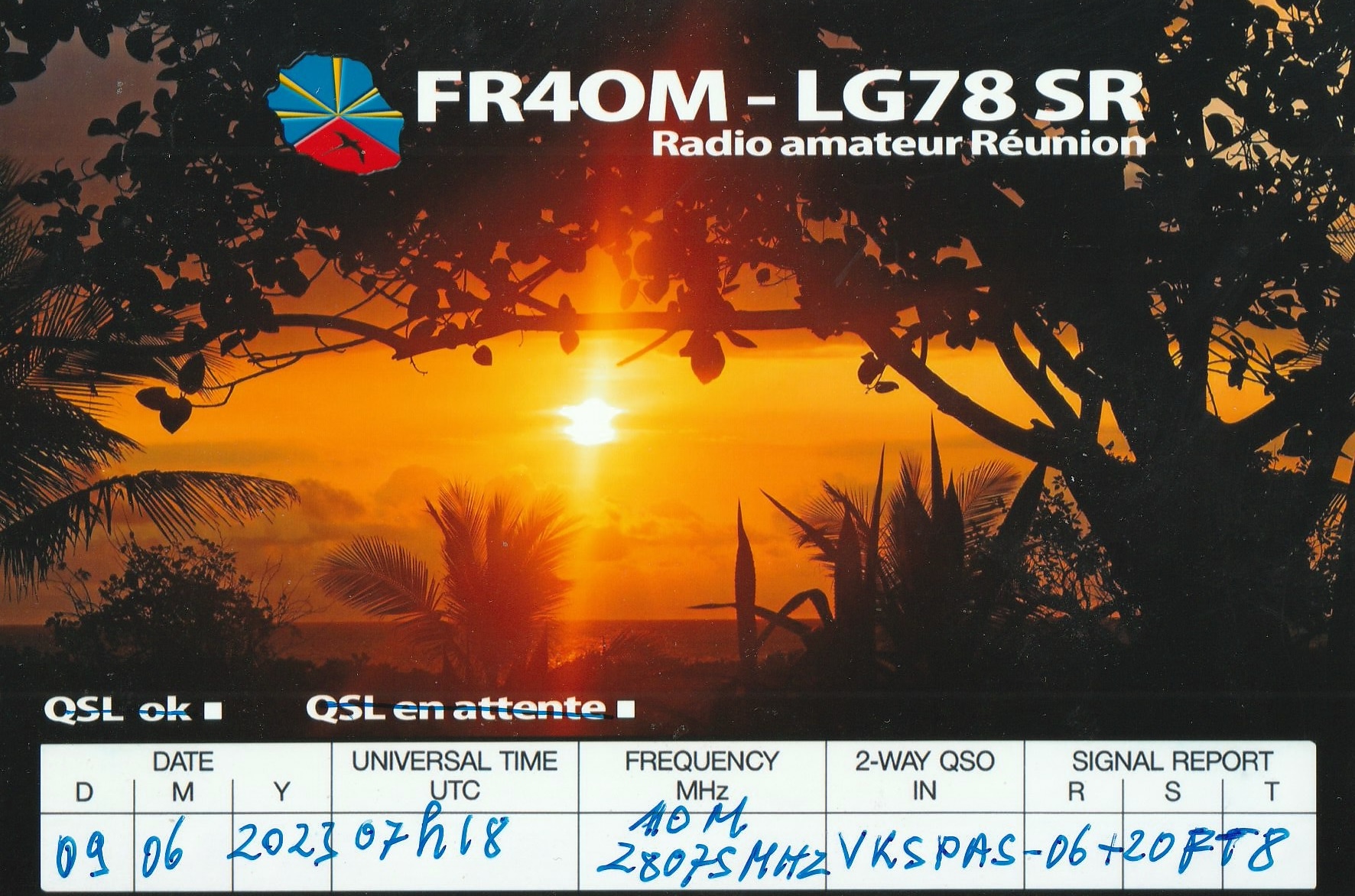

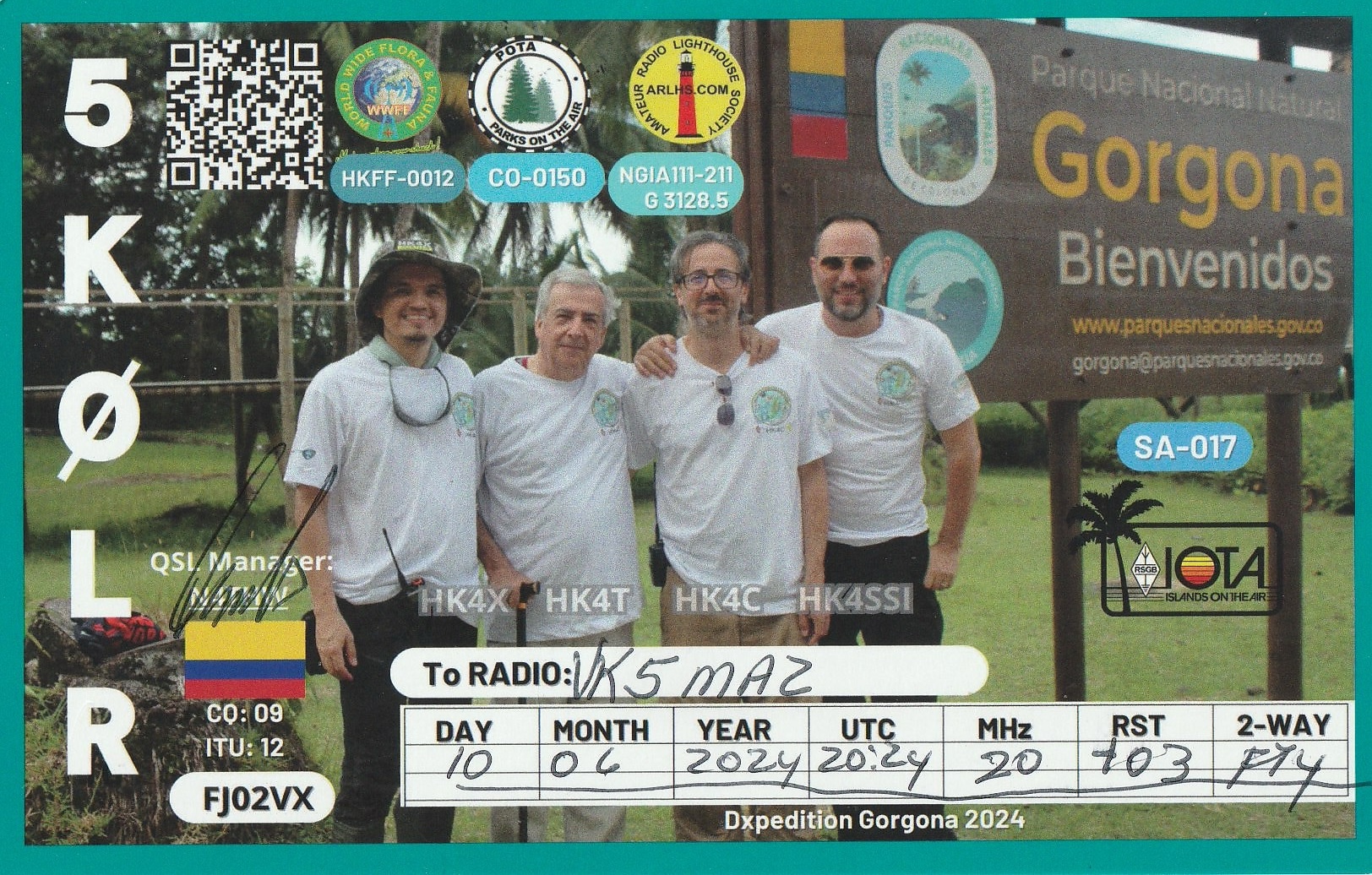


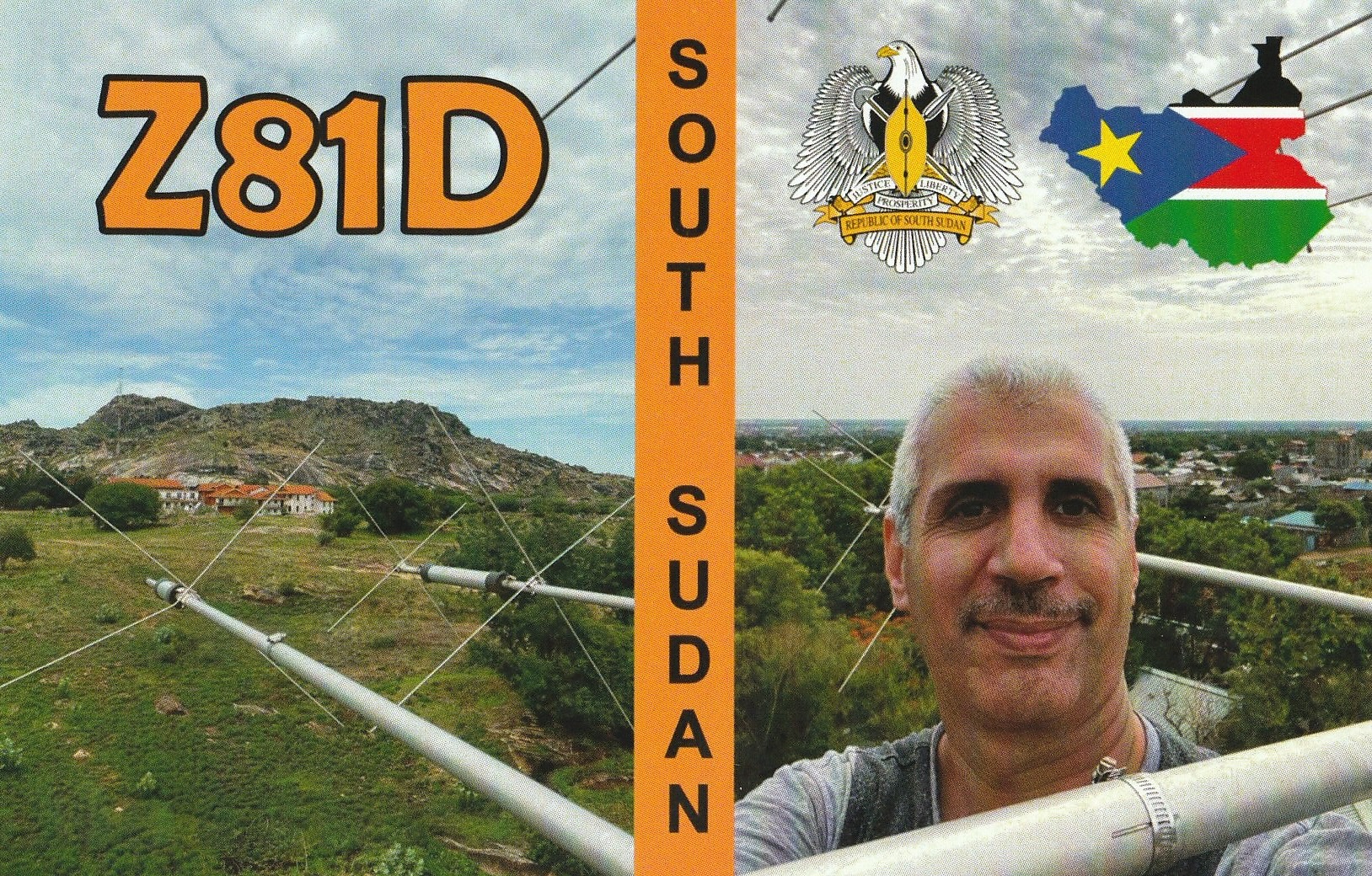
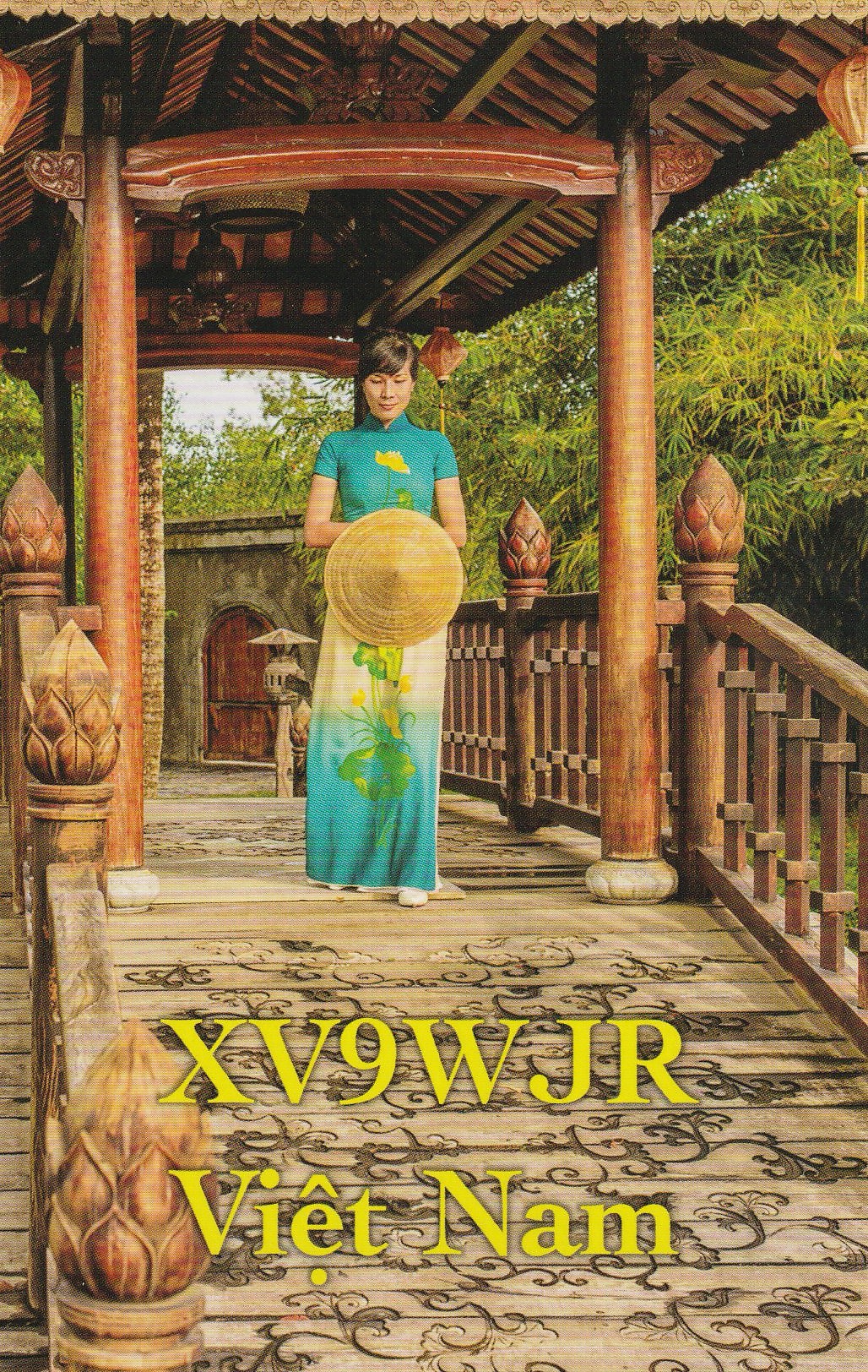

Here is a selection of some of the QSL cards recently received for VK5MAZ and VK5PAS.
Here is a selection of the latest QSL cards received for VK5MAZ and VK5PAS.


Our next park for Tuesday, 29th October 2024, was the Strathfieldsaye I159 Bushland Reserve VKFF-5875. The reserve is located about 10 km east of Bendigo in central Victoria.
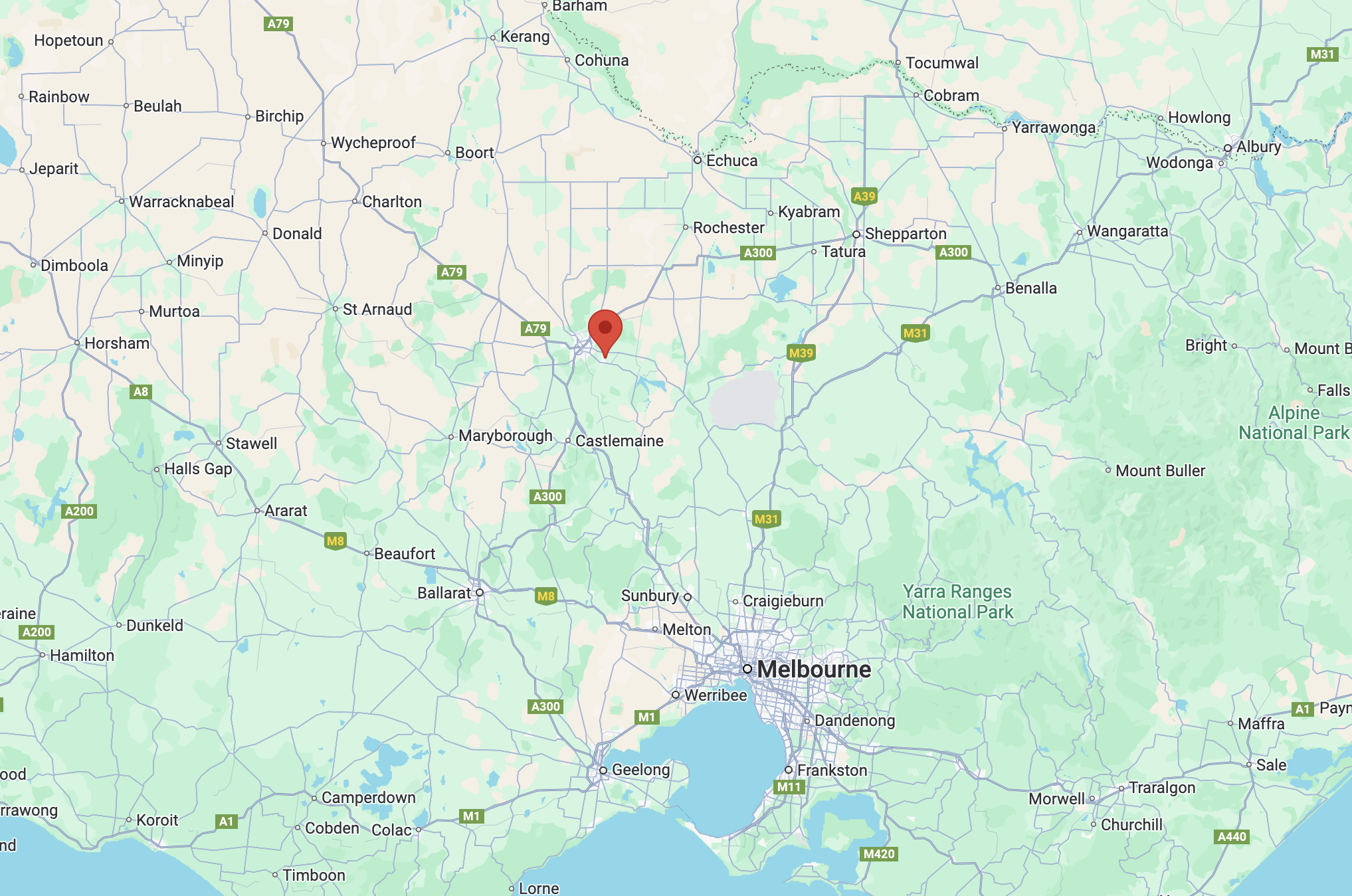
Above:- Map showing the location of the Strathfieldsaye I159 Bushland Reserve. Map c/o Google Maps.
It is believed that Strathfieldsaye was named after the Hampshire estate awarded to the Duke of Wellington in 1817. Strathfield means ‘field near street’ and saye means ‘small island’. (Blake 1978) (Victorianplaces.com.au, 2015)
The Shire Hall was built in 1869 alongside the Duke of Wellington Hotel. The town is located on Sheepwash Creek, and this land was found very suitable for dairying, fruit and vegetable growing. There were also several vineyards in the district. In 1871, Strathfieldsaye’s population was 26 people. In 1873, a school was opened in the Shire Hall, with a permanent school building constructed two years later in 1875. By 1888, the railway had reached Strathfieldsaye from Bendigo. (Victorianplaces.com.au, 2015) (Wikipedia Contributors, 2019)
The reserve is located on the southern side of Somerset Park Road. Google Maps shows the park, also called Turner’s Bushland Reserve and Somerset Park Reserve.

Above:- An aerial view of the Strathfieldsaye I159 Bushland Reserve. Image c/o Google Earth.
The reserve is about 24 hectares in size and was established on the 24th day of August 1982. (CAPAD 2022)


We ran the Yaesu FT857, 40 watts, and the 20/40/80m linked dipole for this activation.
Marija worked the following stations on 40m SSB:-
I worked the following stations on 40m SSB:-
I worked the following stations on 40m AM:-
References.
Our next activation for Tuesday, 29th October 2024, was the Junortoun Bushland Reserve VKFF-5182. The park is located about 8 km east of Bendigo.

Before European occupation, the Junortoun district was home to the Dja Dja Wurrung Aboriginal people.
In February 1855, Charles Boyle acquired allotments in section 15 of Strathfieldsaye parish. His property was called Homebush. (Tripod.com, 2025)
The settlement was centred around Homebush Estate, a property of about 2,000 acres owned by the Lazarus family, which extended along the valley of Splitters Creek. The homestead was situated about 5 1/2 miles from Bendigo on the current McIvor Highway. (Junortoun Community Action Group, 2018) (Tripod.com, 2025) (Victorianplaces.com.au, 2015)
There were two hotels in the district, the Homebush Hotel and the Farmers Arms Hotel, built in 1896. The Farmers Arms Hotel was destroyed by fire in February 2009. (Tripod.com, 2025) (Victorianplaces.com.au, 2015)
Up until the early 1970s, the homestead was the receiving Post Office for the district. During the early 1900s, there were several complaints regarding mail being redirected to Homebush in New South Wales. This resulted in the Postal Authorities deeming that a name change was necessary. (Tripod.com, 2025)
Meetings of local residents subsequently took place, and name suggestions were proposed. The owner of Homebush, Mr. Samuel Lazarus, proposed that the name be ‘Junor’ after his wife Mary’s maiden name. However, the authorities declined this name because it was too similar to Junee in New South Wales. (Tripod.com, 2025)

Above:- Mary Isabella Lazarus, nee Junor. Image c/o ancestry.com.au
The suffix of ‘toun’ was subsequently added to ‘Junor’, and this was submitted and accepted as the new name. (Junortoun Community Action Group, 2018)

Above:- Article from The Bendigo Independent, Tue 28 Nov 1916. Image c/o Trove.
The reserve is located on the southern side of McIvor Highway at the junction with Wilkie Road.

When we arrived at the park, this is what we were faced with. Power lines were running through a very heavily wooded park. We were really concerned that there would be significant noise in this park.

The Junorton Bushland Reserve is about 2 hectares in size and was established on the 3rd day of August 2006. (CAPAD 2022)


For this activation, we ran the Yaesu FT857, 40 watts, and the 20/40/80m linked dipole. Fortunately, the 40m band had only a crackly noise floor of strength 2.
Marija worked the following stations on 40m SSB:-
I worked the following stations on 40m SSB:-
I worked the following stations on 20m SSB:-
References.
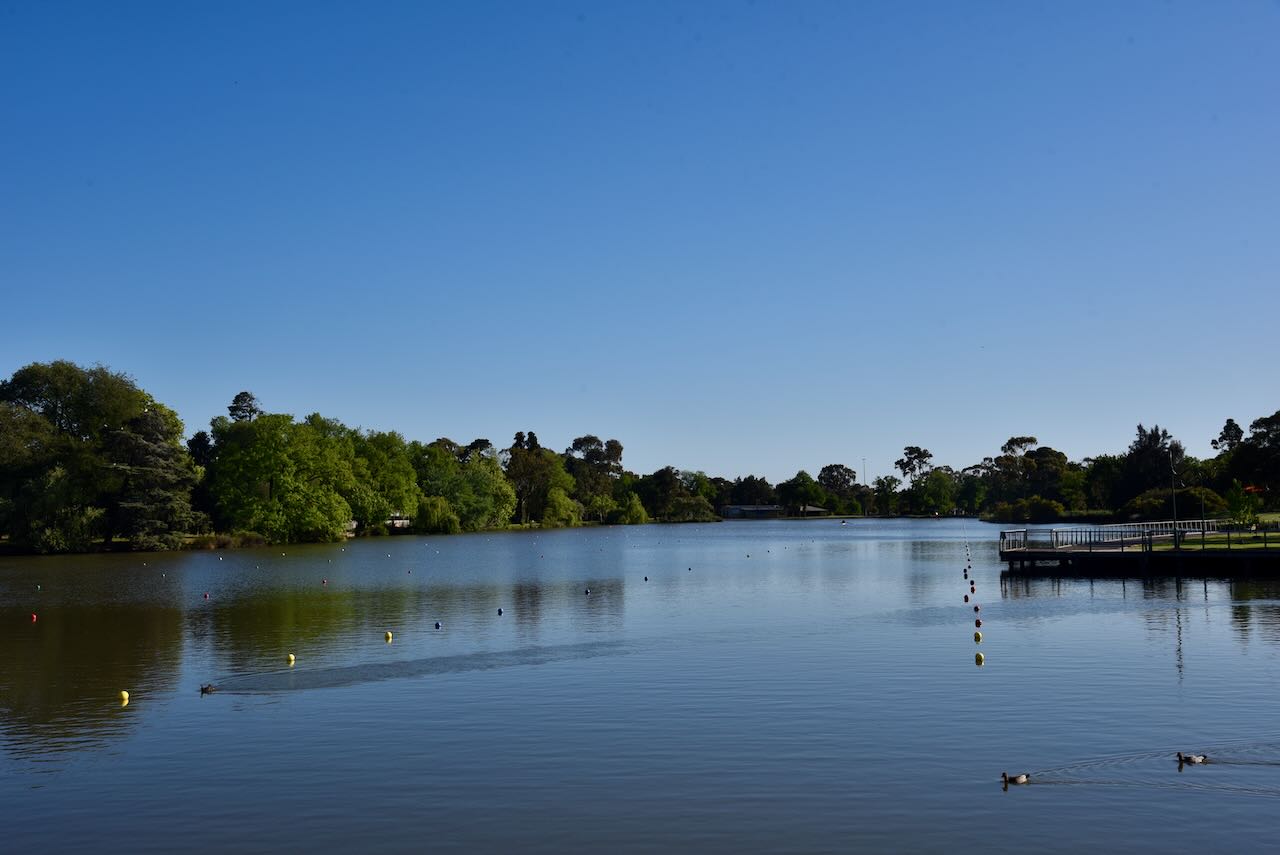
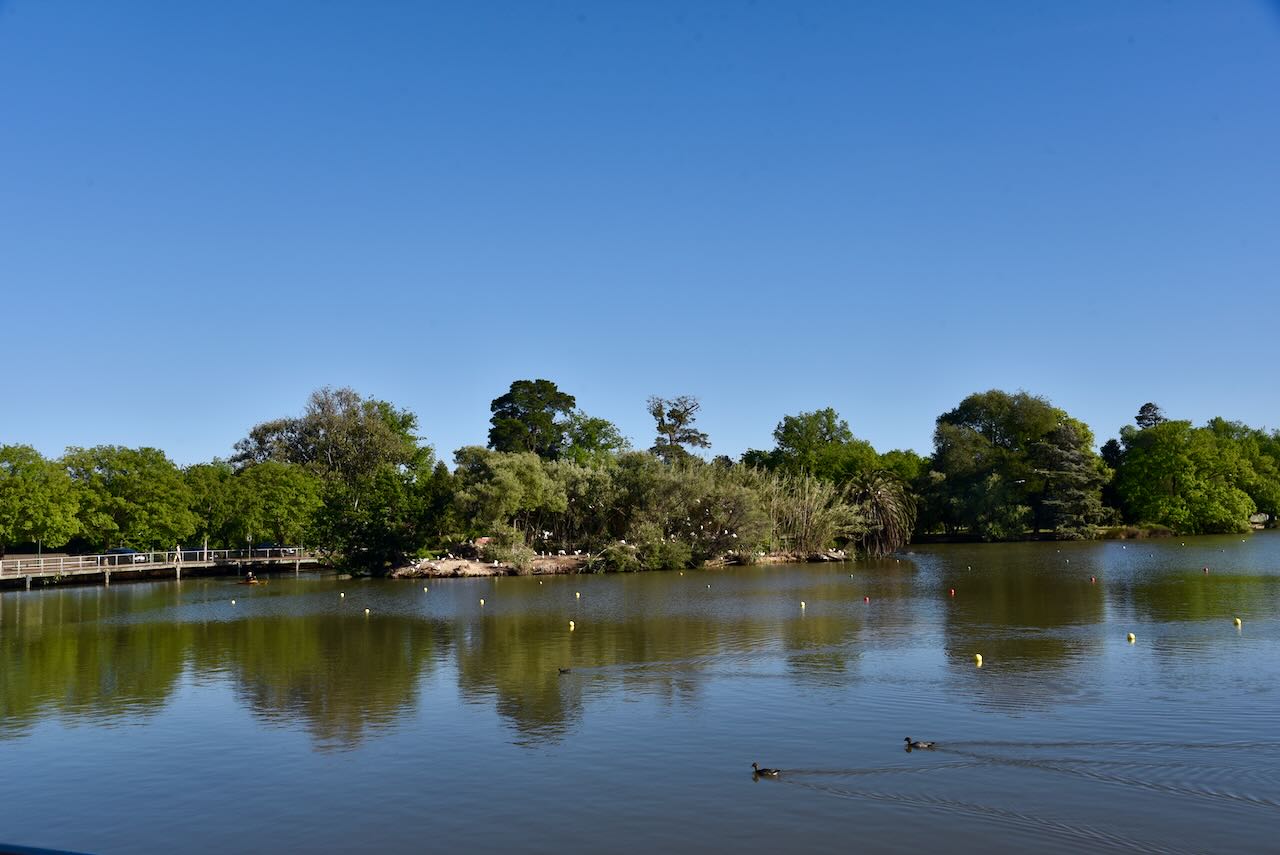
It was now Tuesday, 29th October 2024. Marija and I headed out for breakfast at the Whitby cafe in Bendigo, on the shore of Lake Weerona. It was a beautiful morning and a very nice meal.
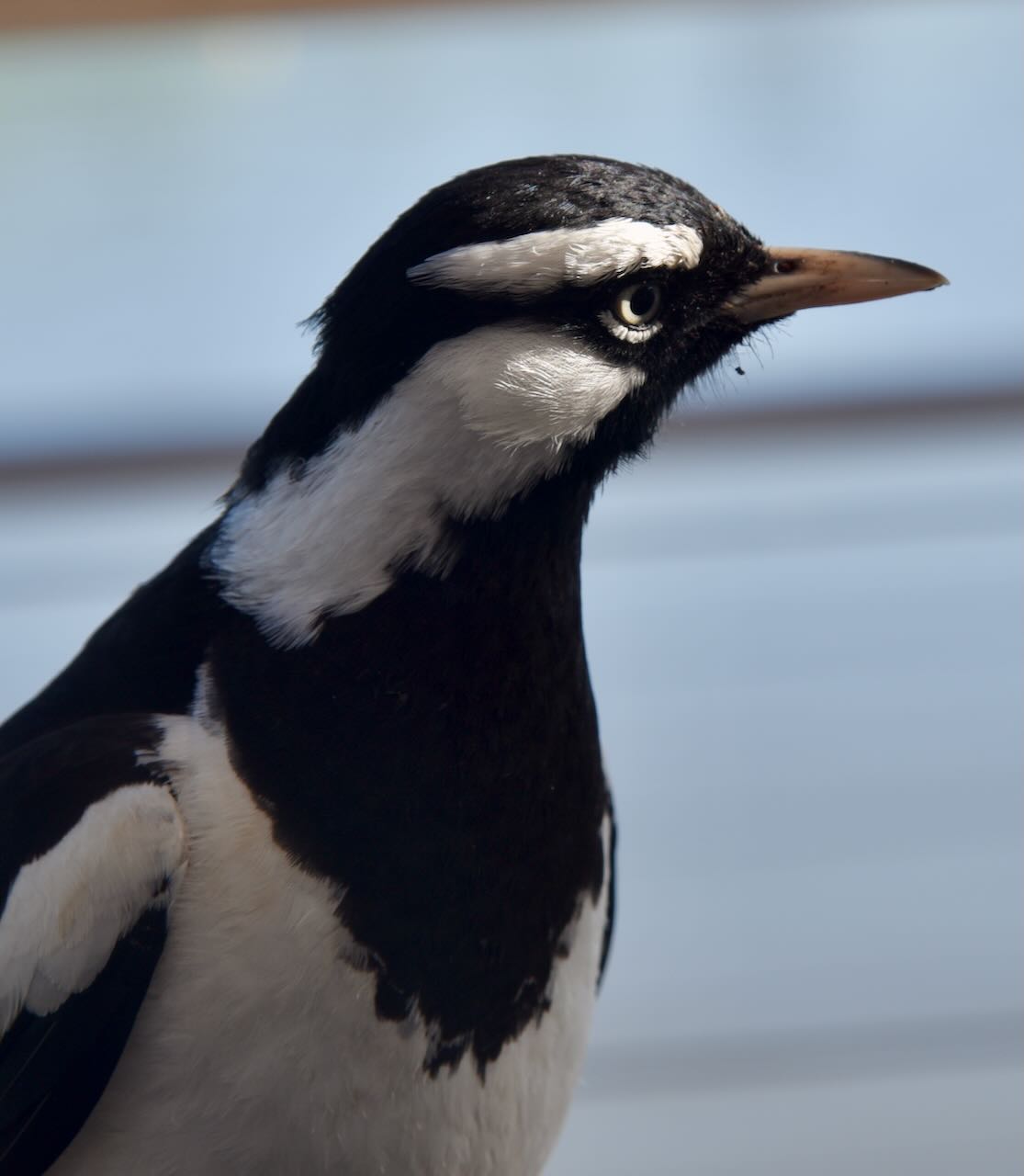
During our breakfast, we had this little visitor keen on some of our leftovers, a Piping Shrike, the bird which features on South Australia’s state badge.
Following breakfast, Marija and I headed to the Tramways Museum at Bendigo. We had been here previously on a prior visit to Bendigo, but enjoyed it so much that we decided to visit once again.
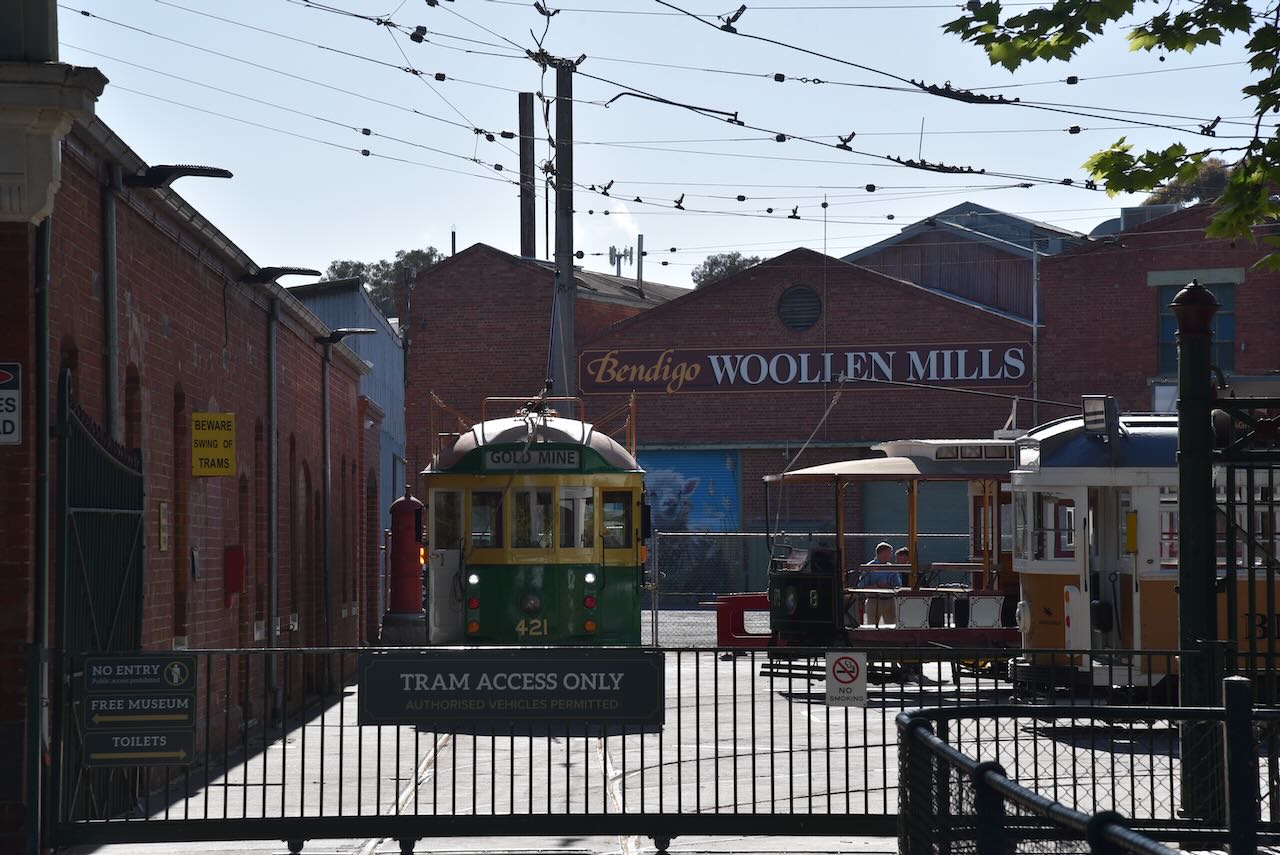
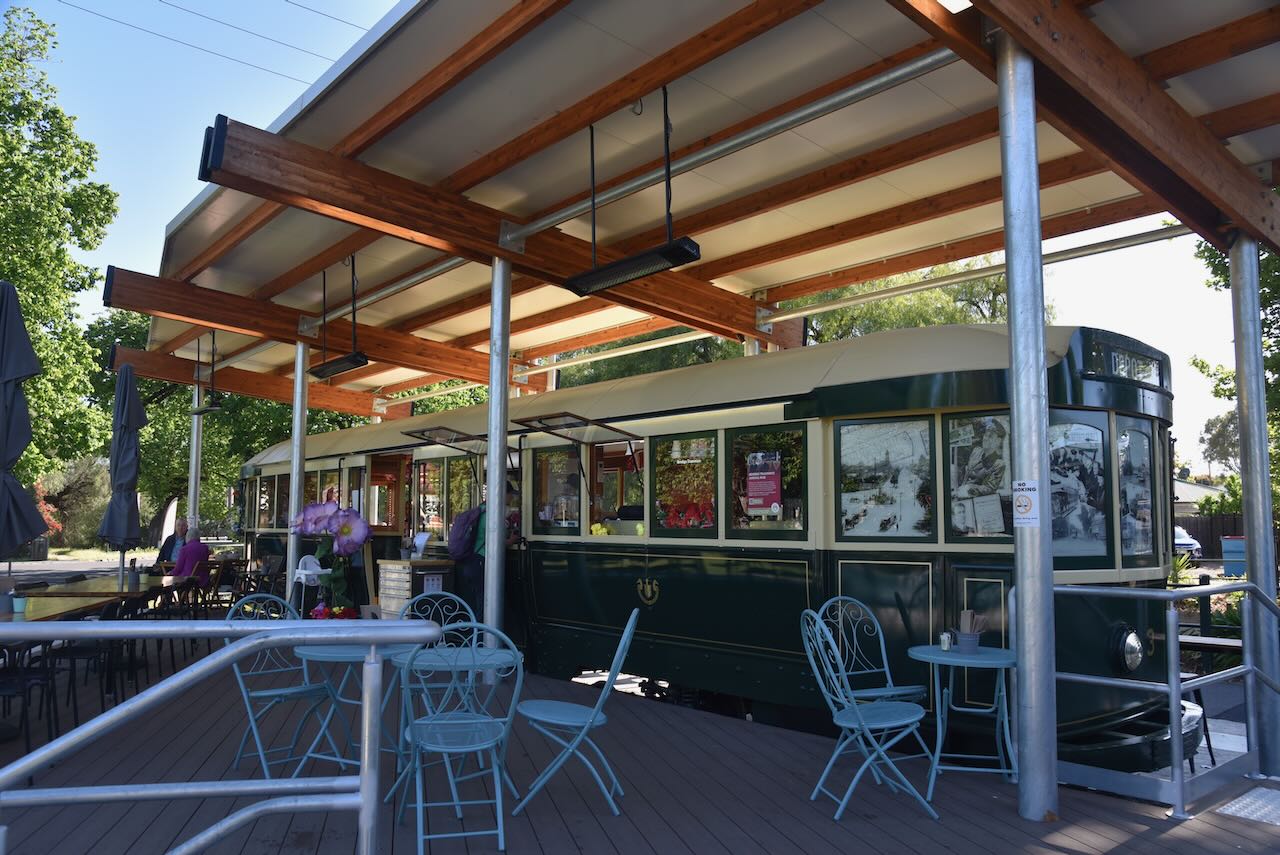
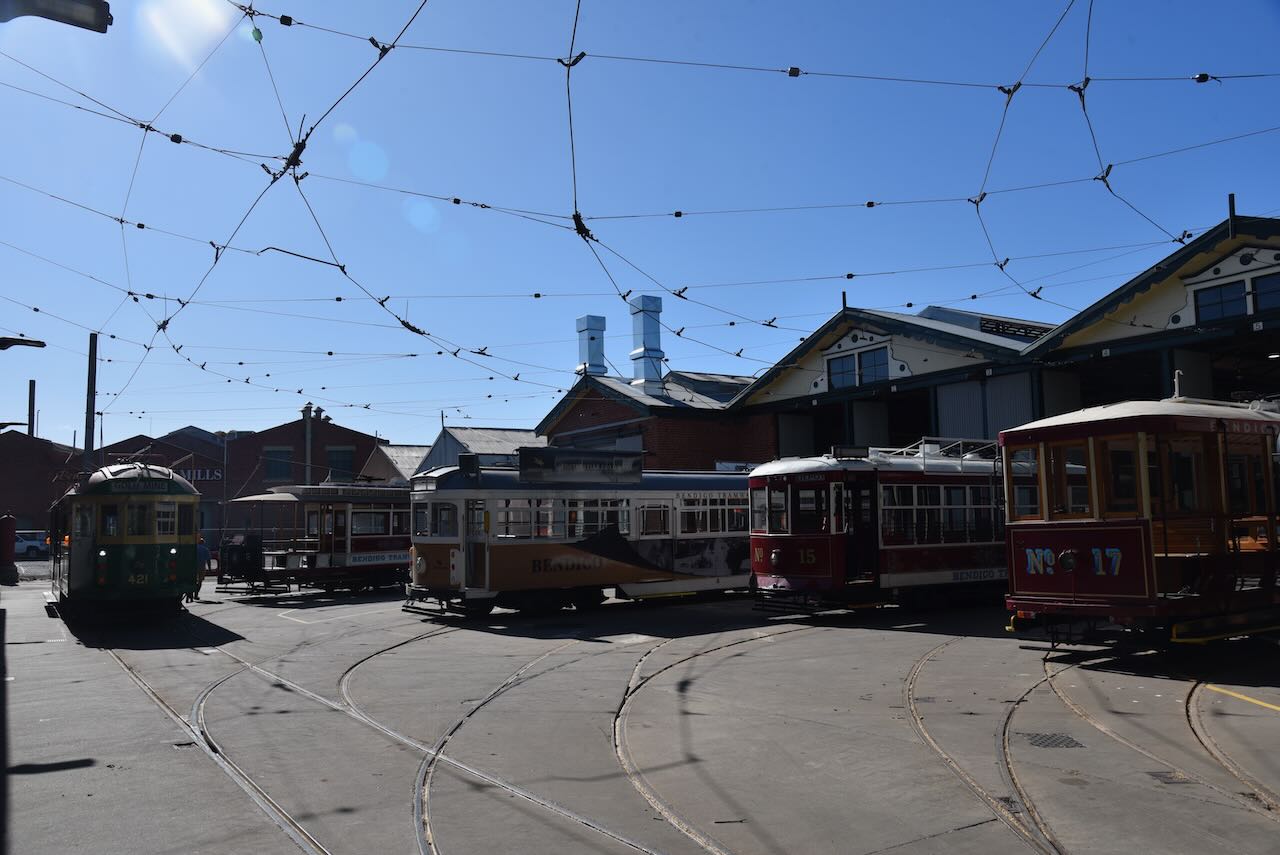
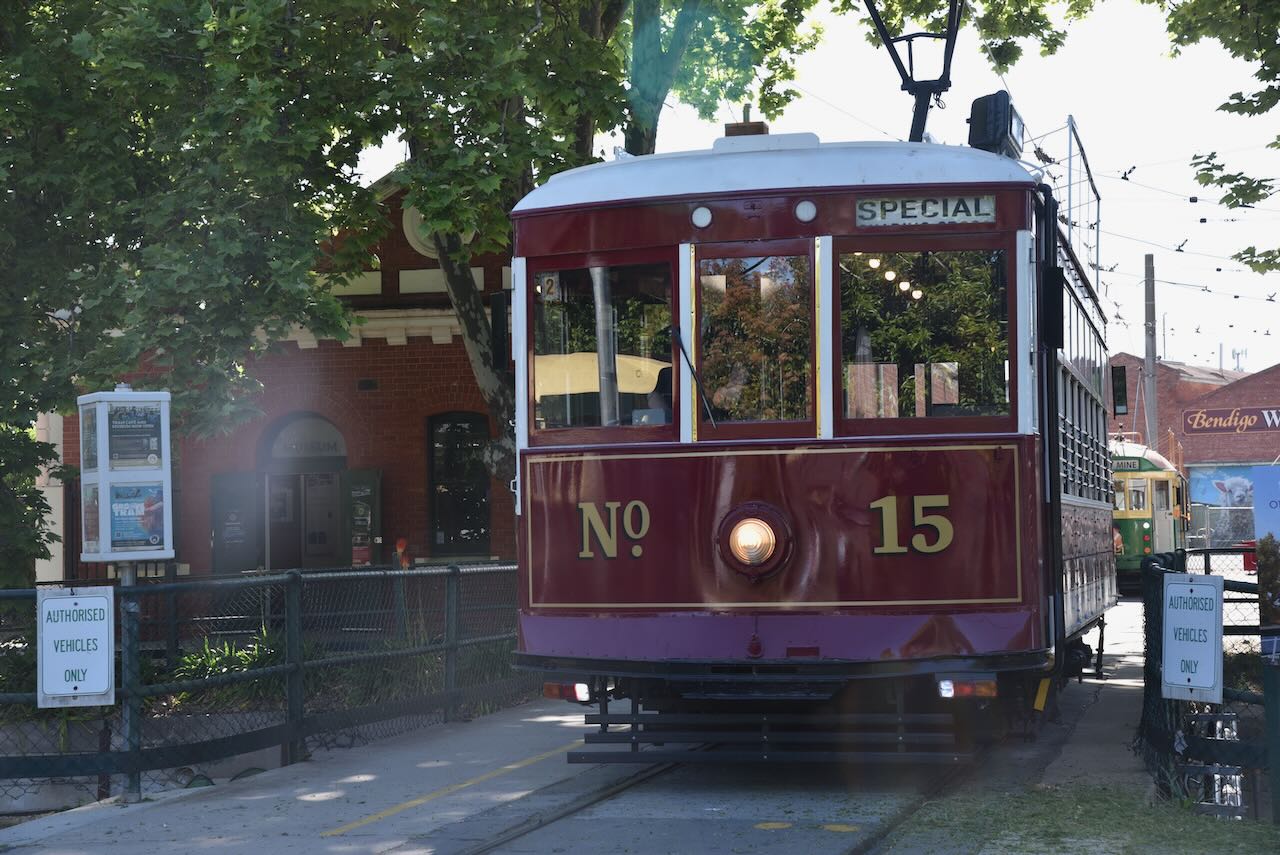
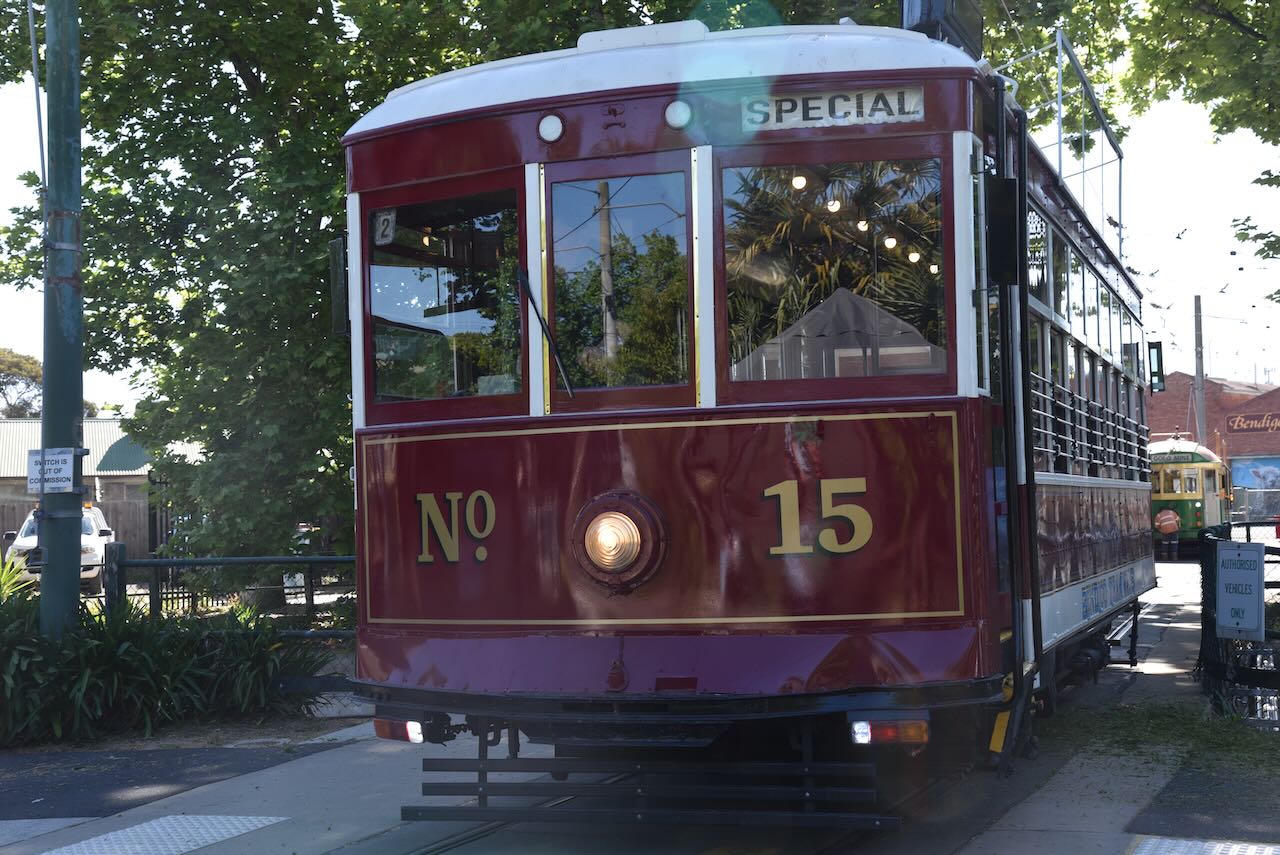
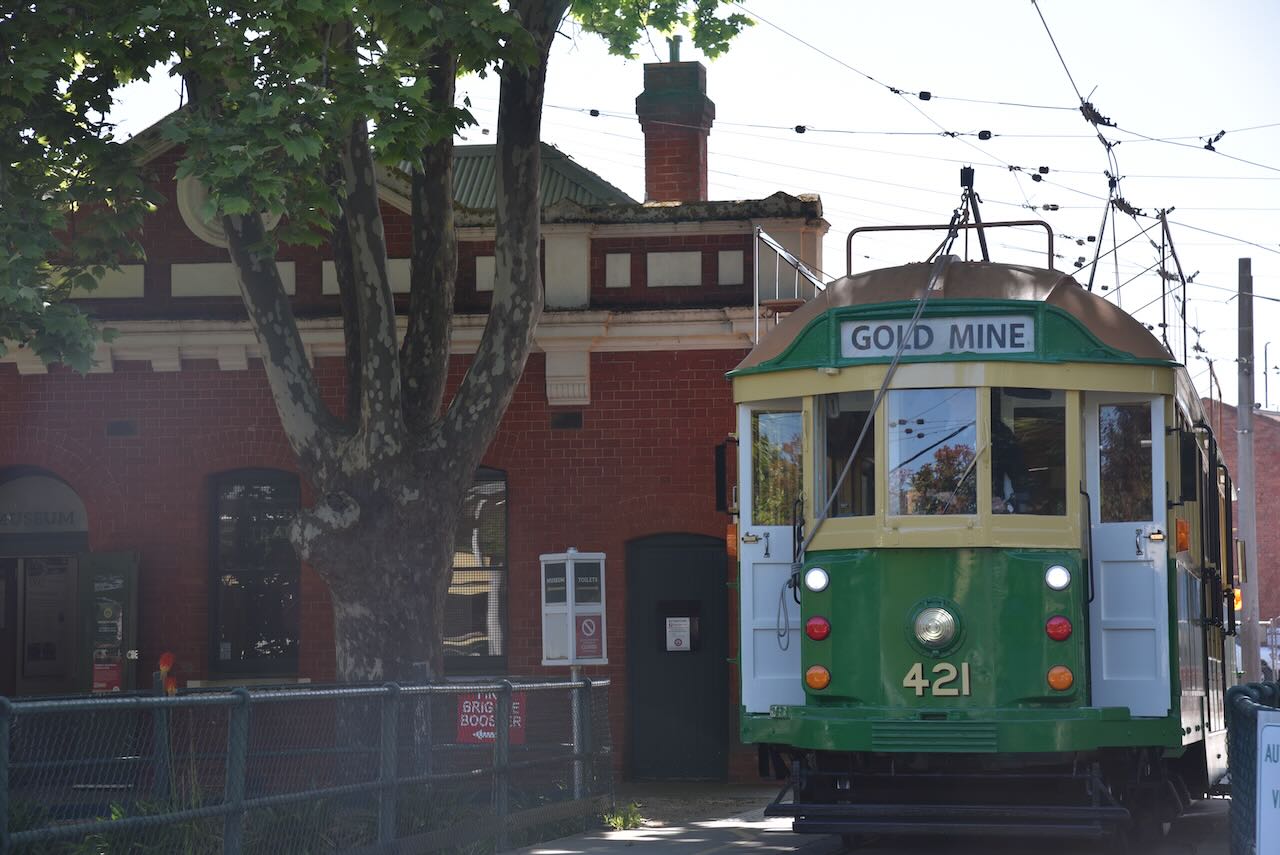
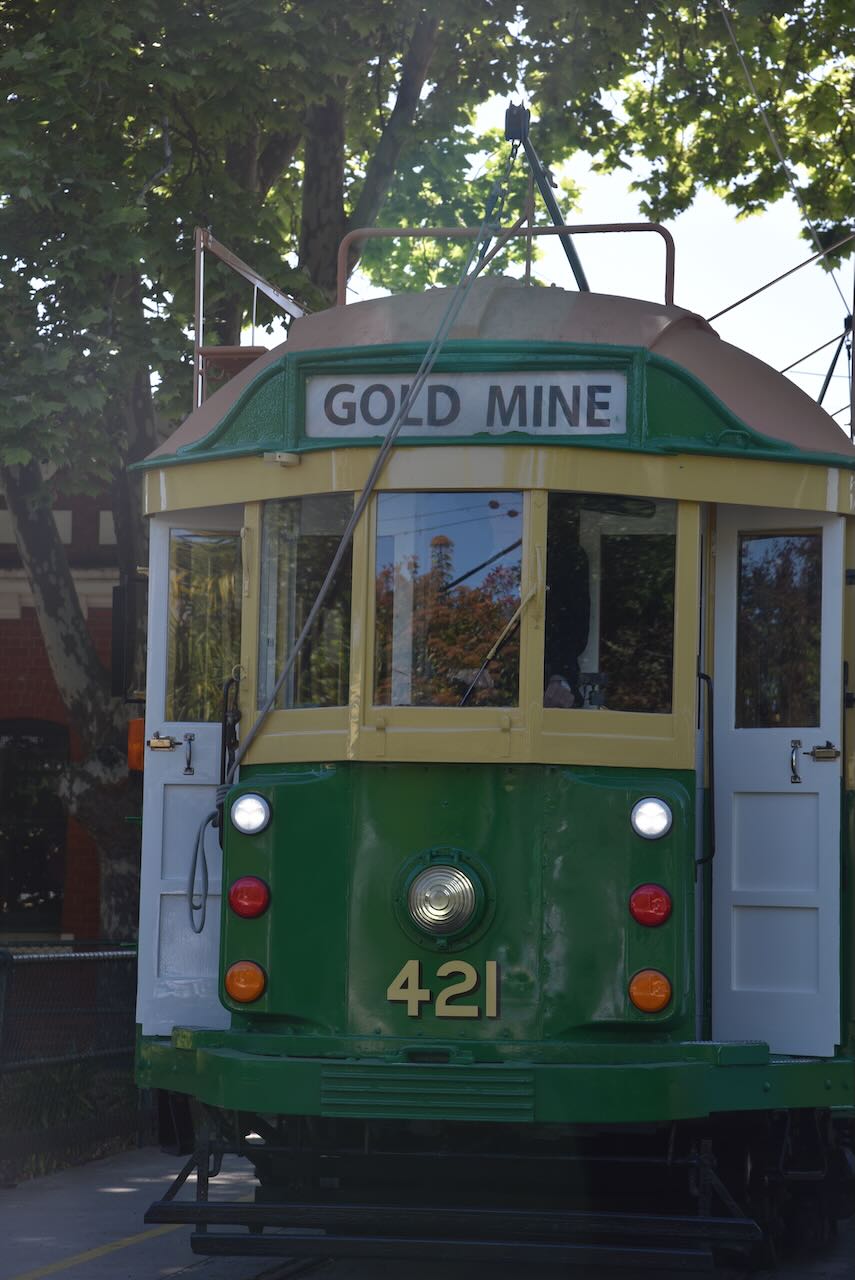
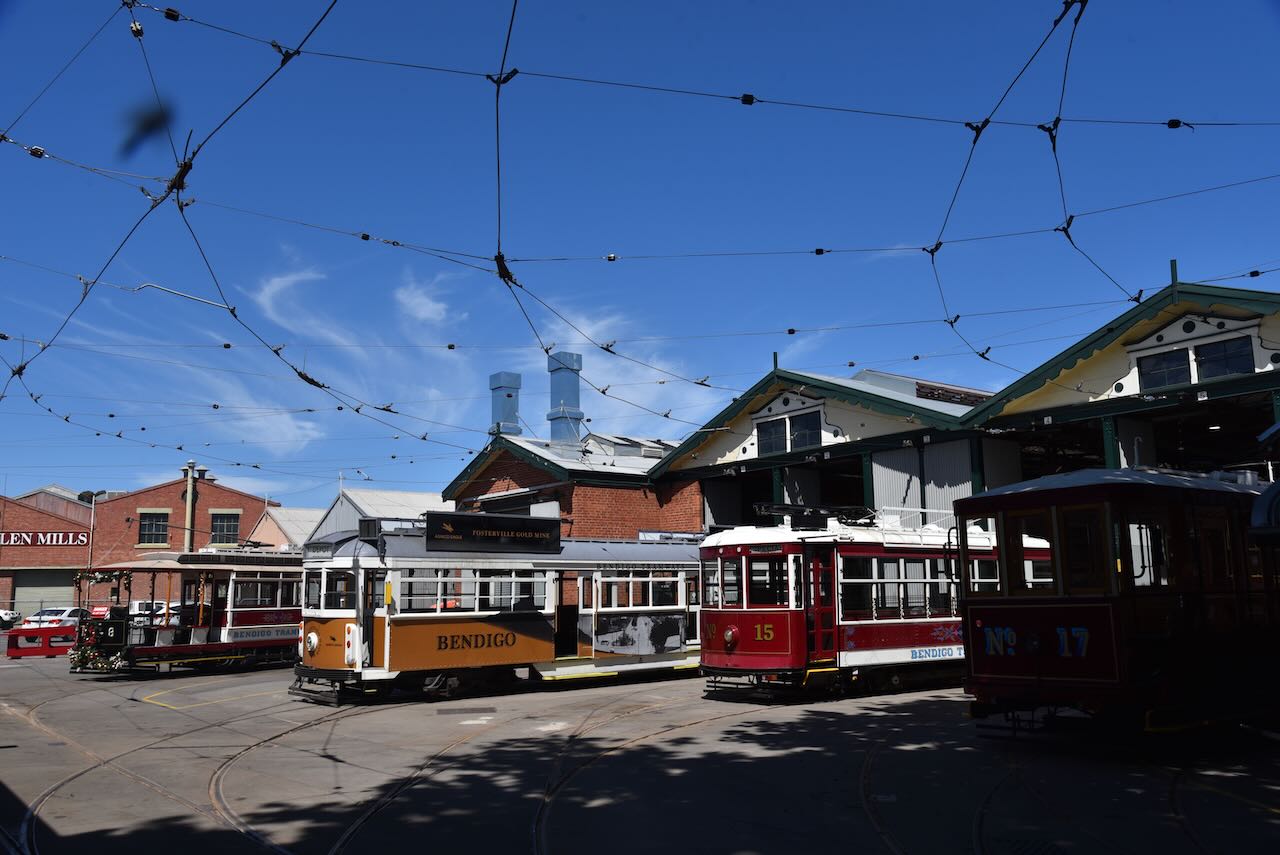
The tram museum display is located in the old Electric Supply Company of Victoria Limited building, that was opened in 1901.
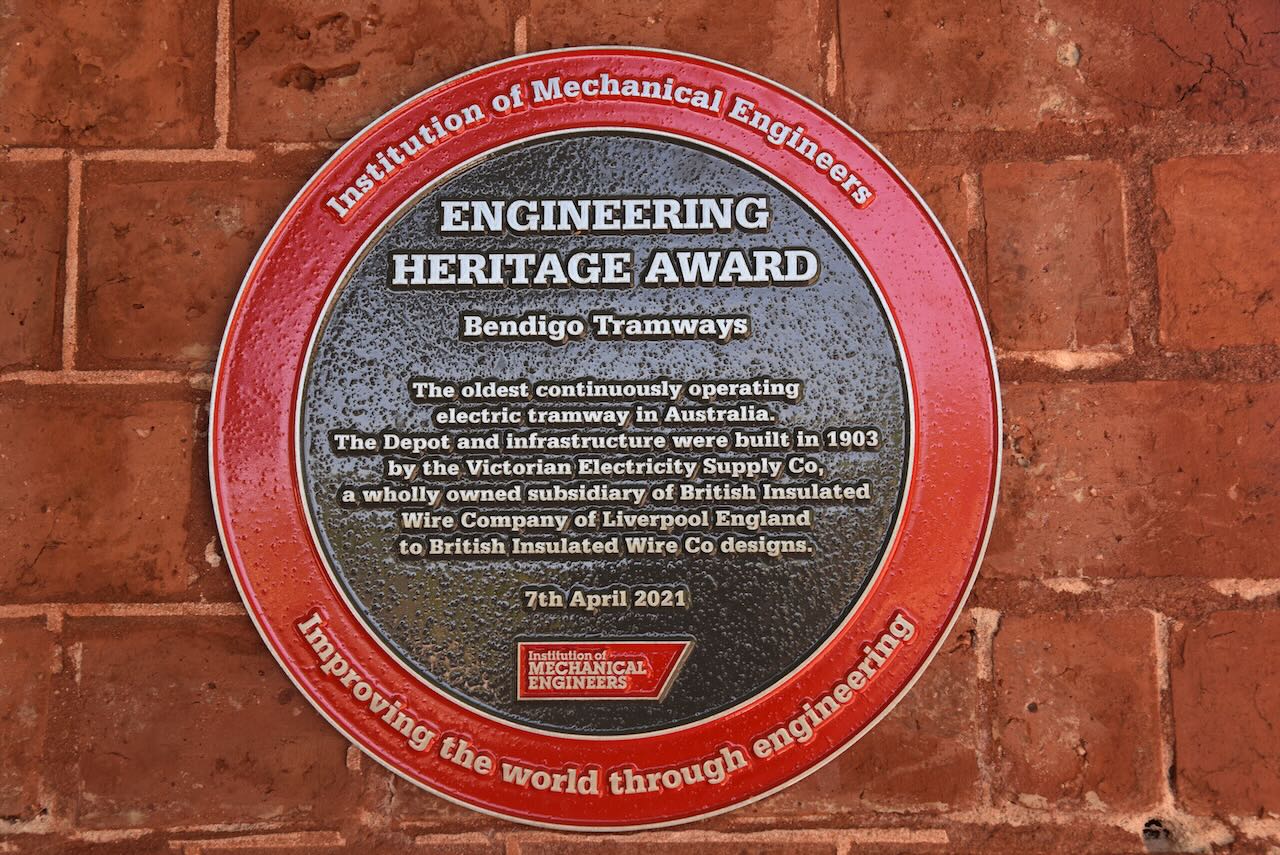
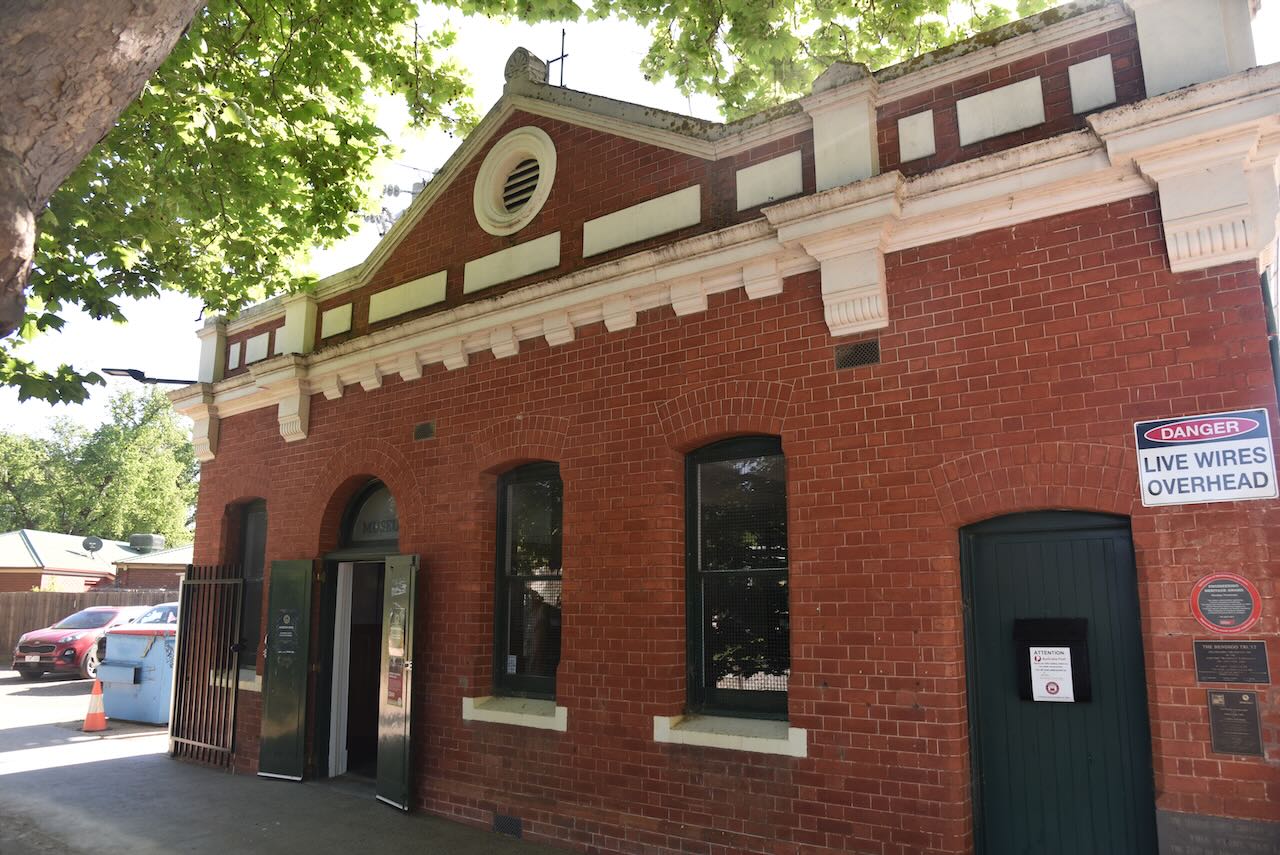
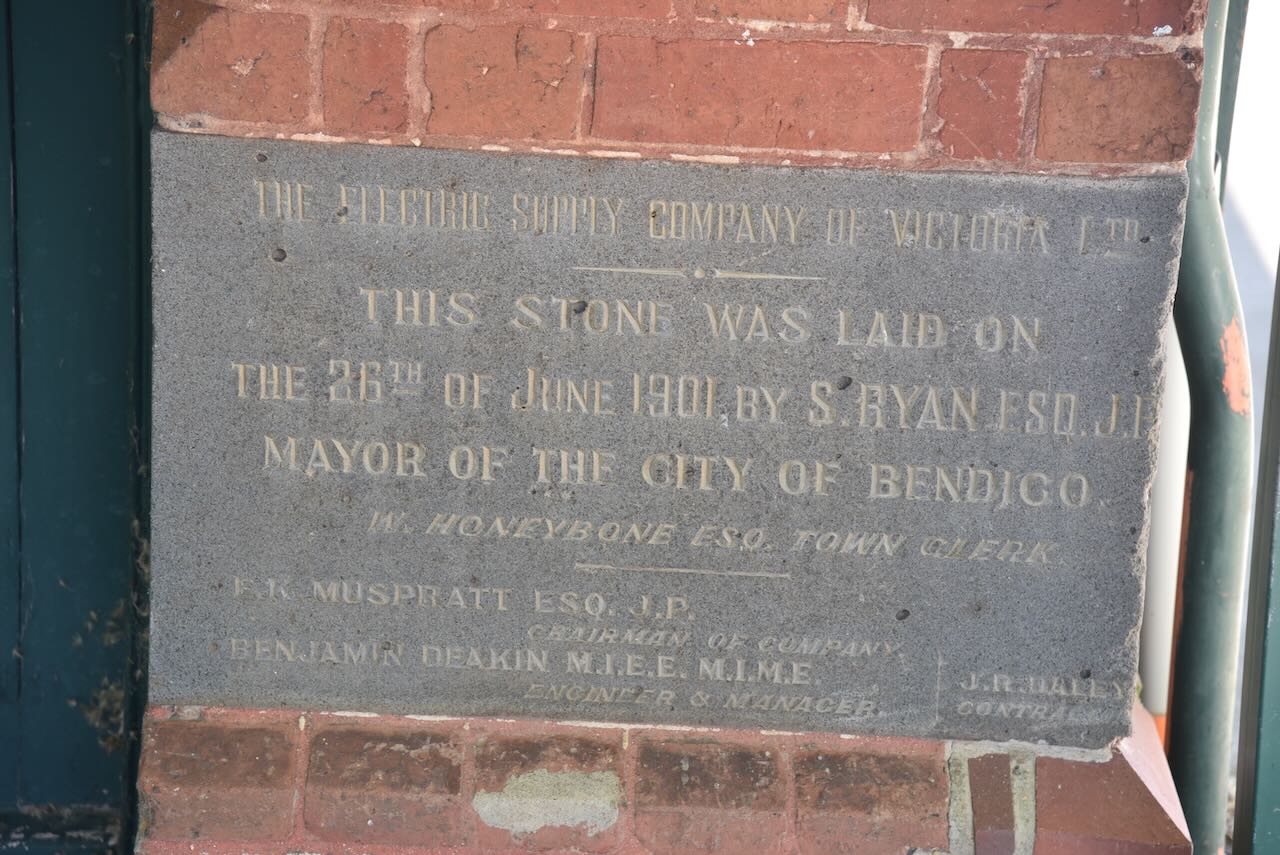
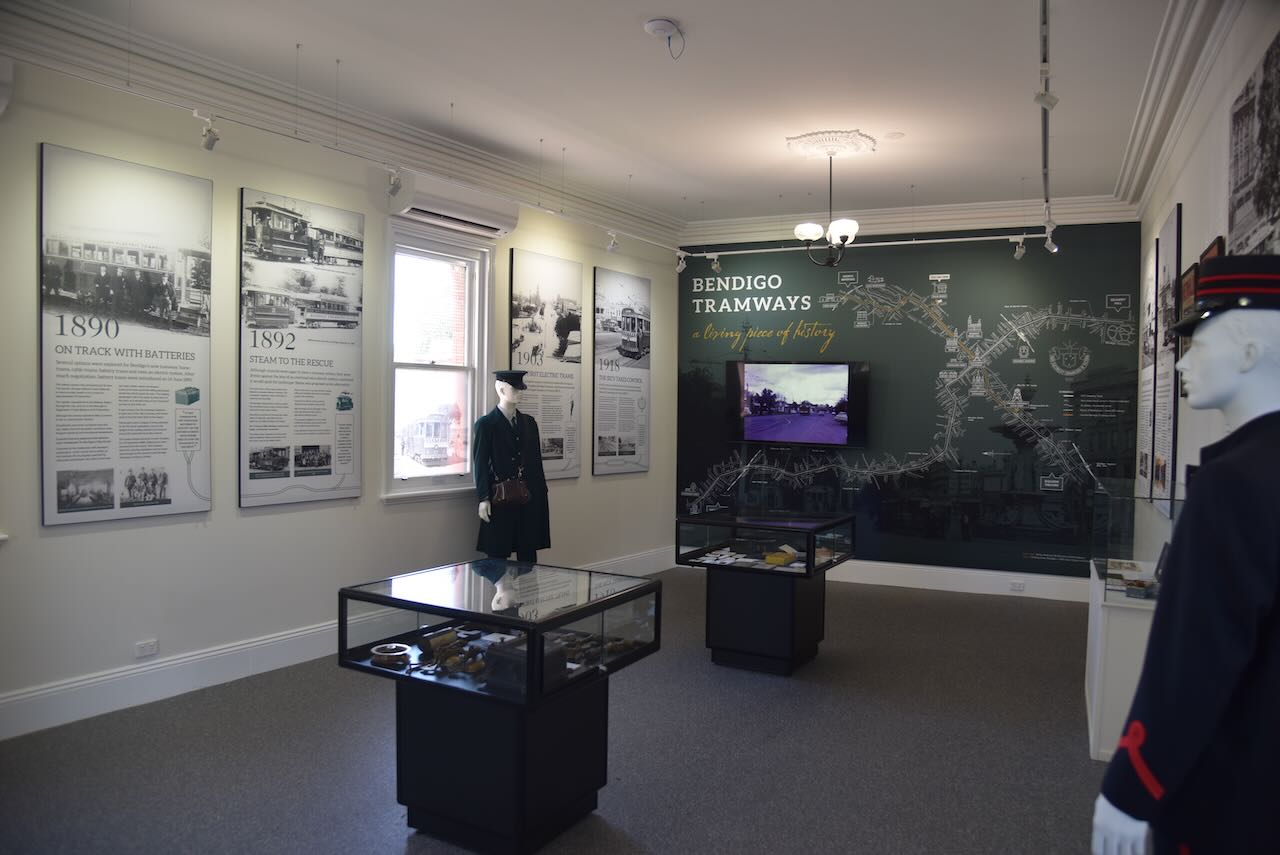
The display features a fascinating look at the 130-year tramway history of Bendigo.
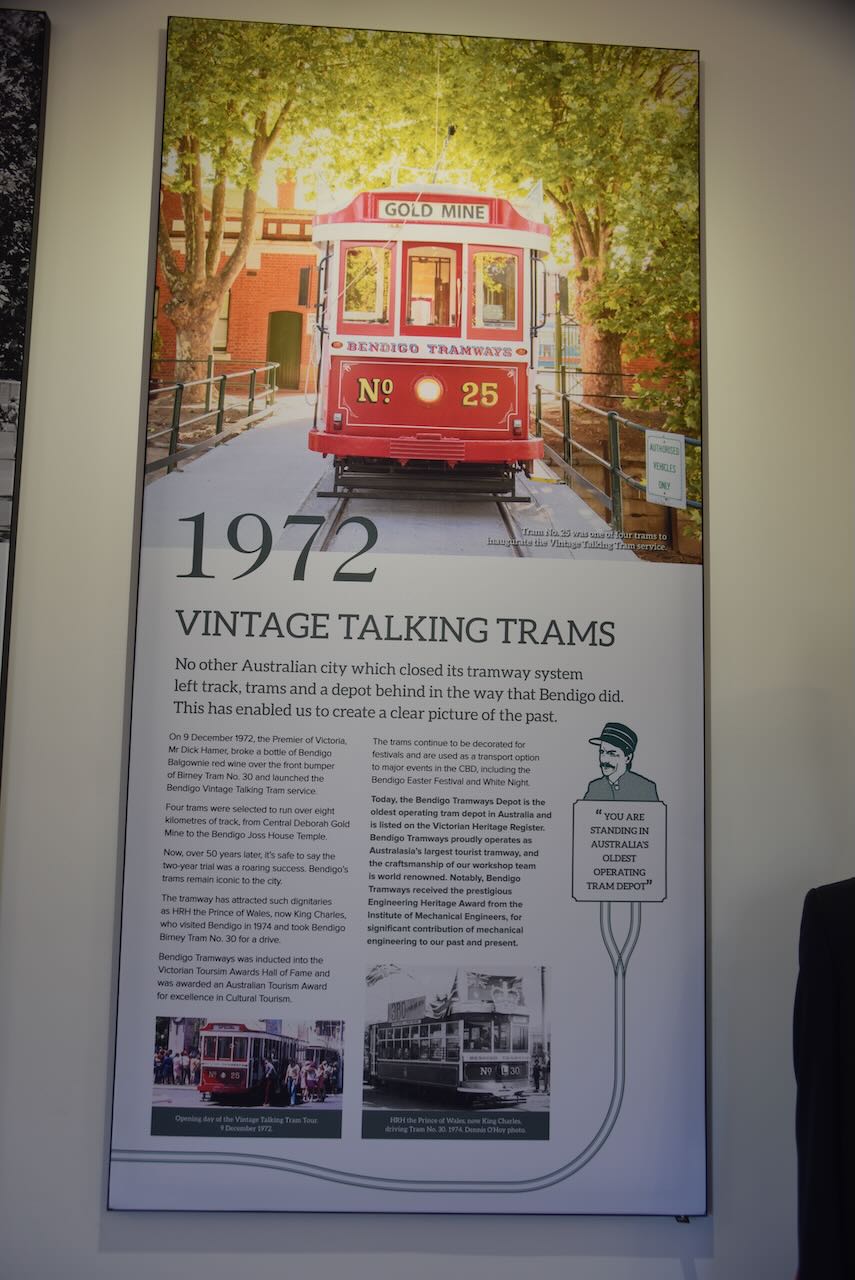
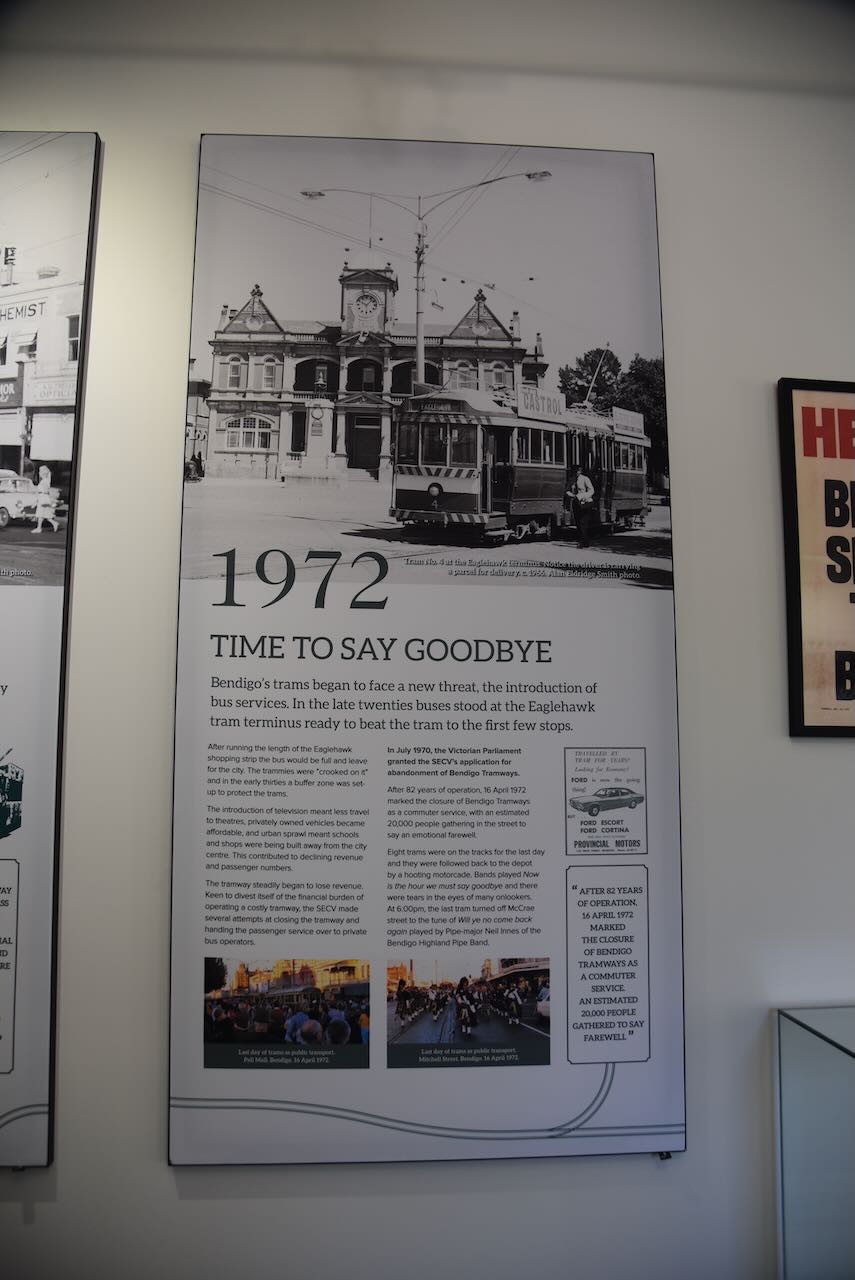
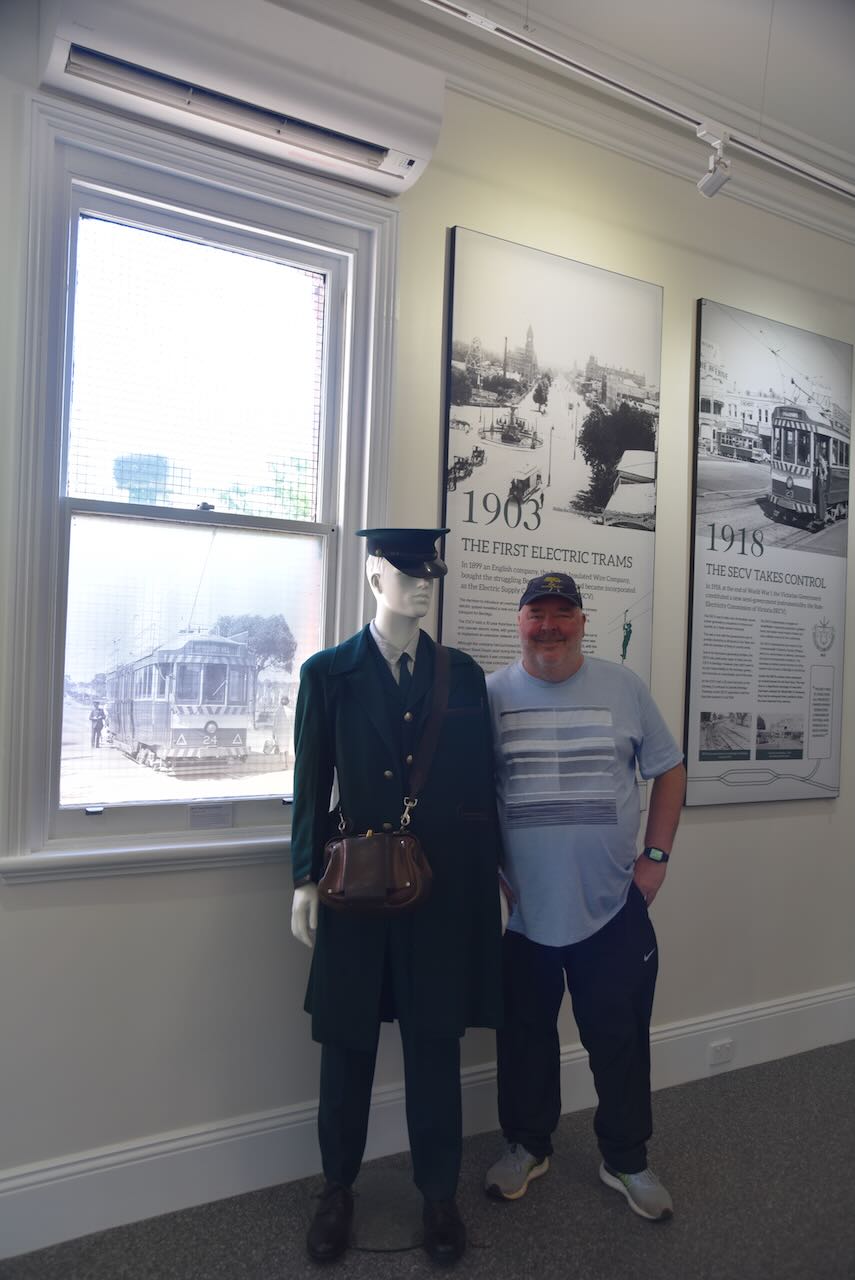
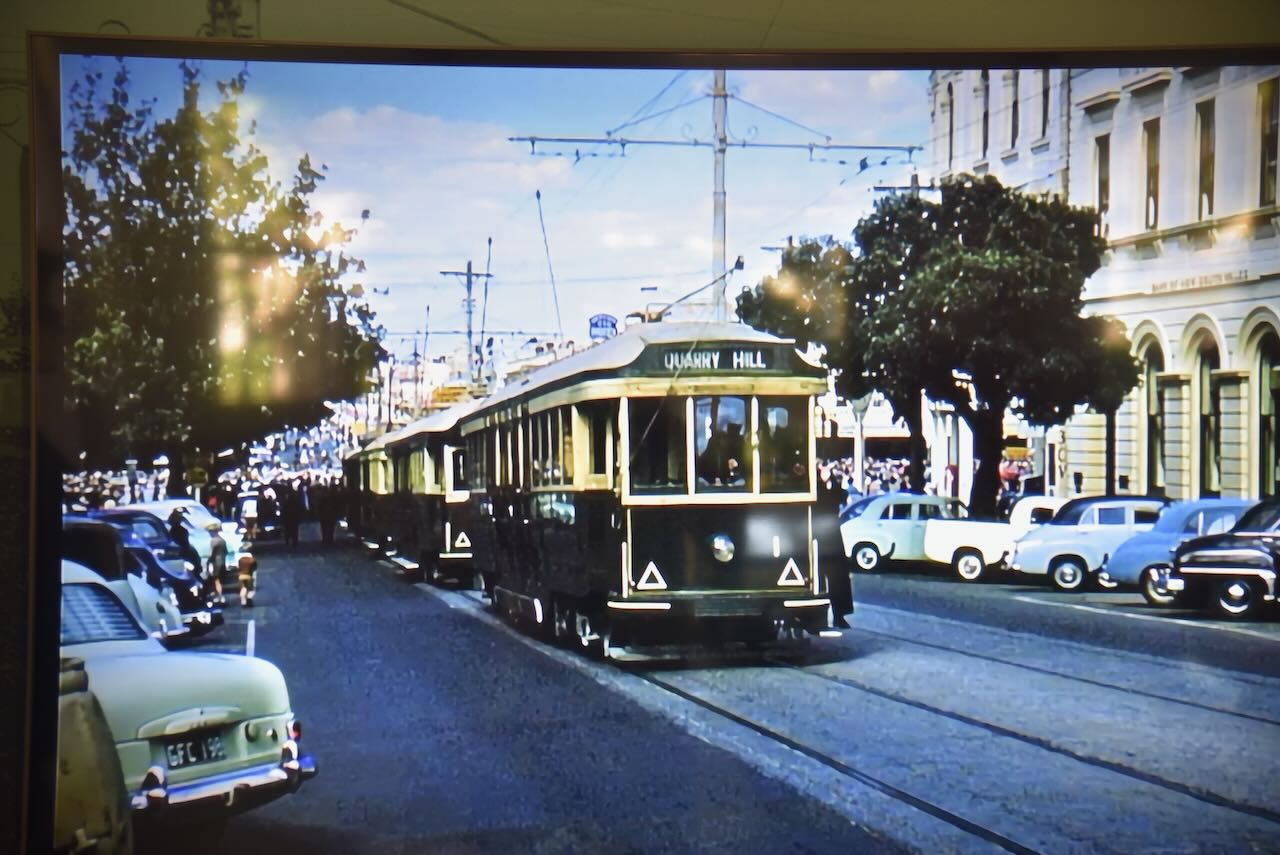
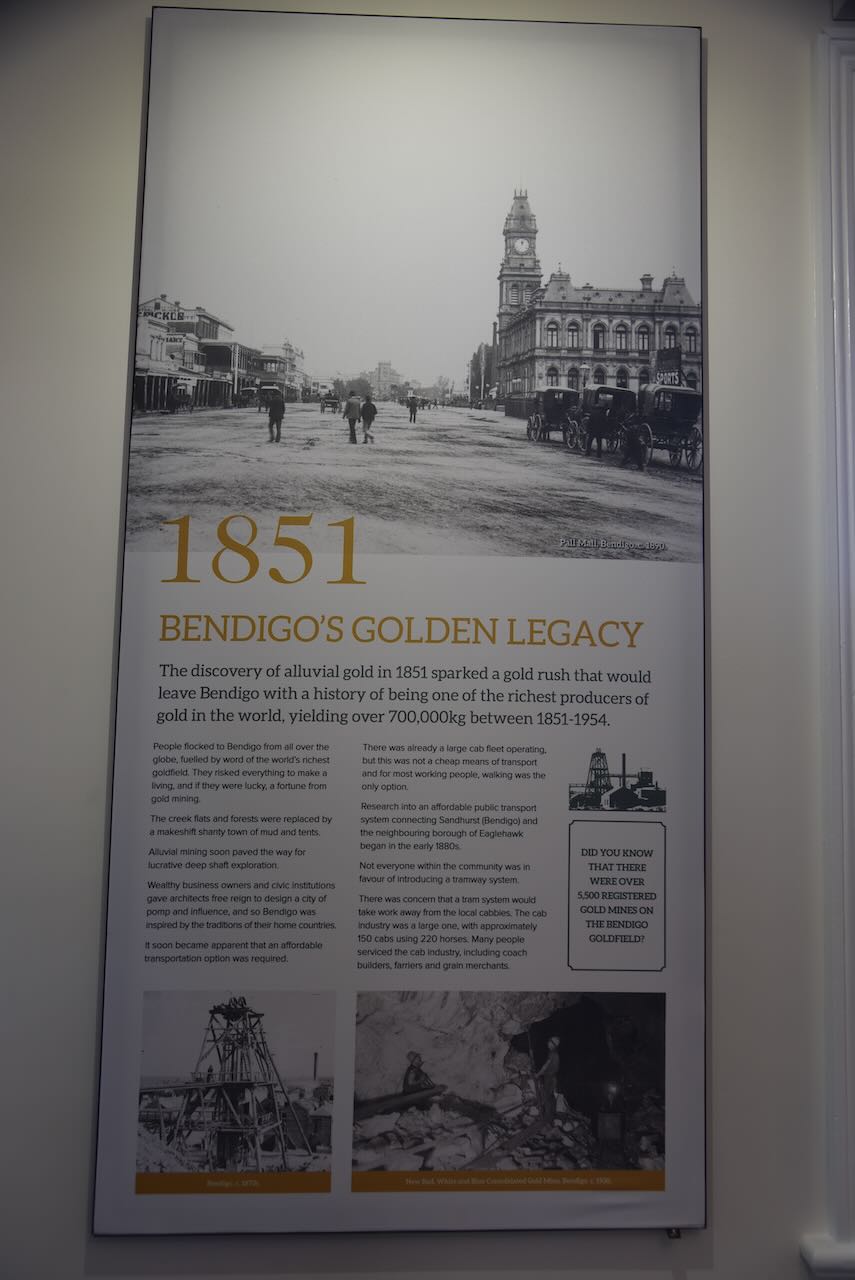
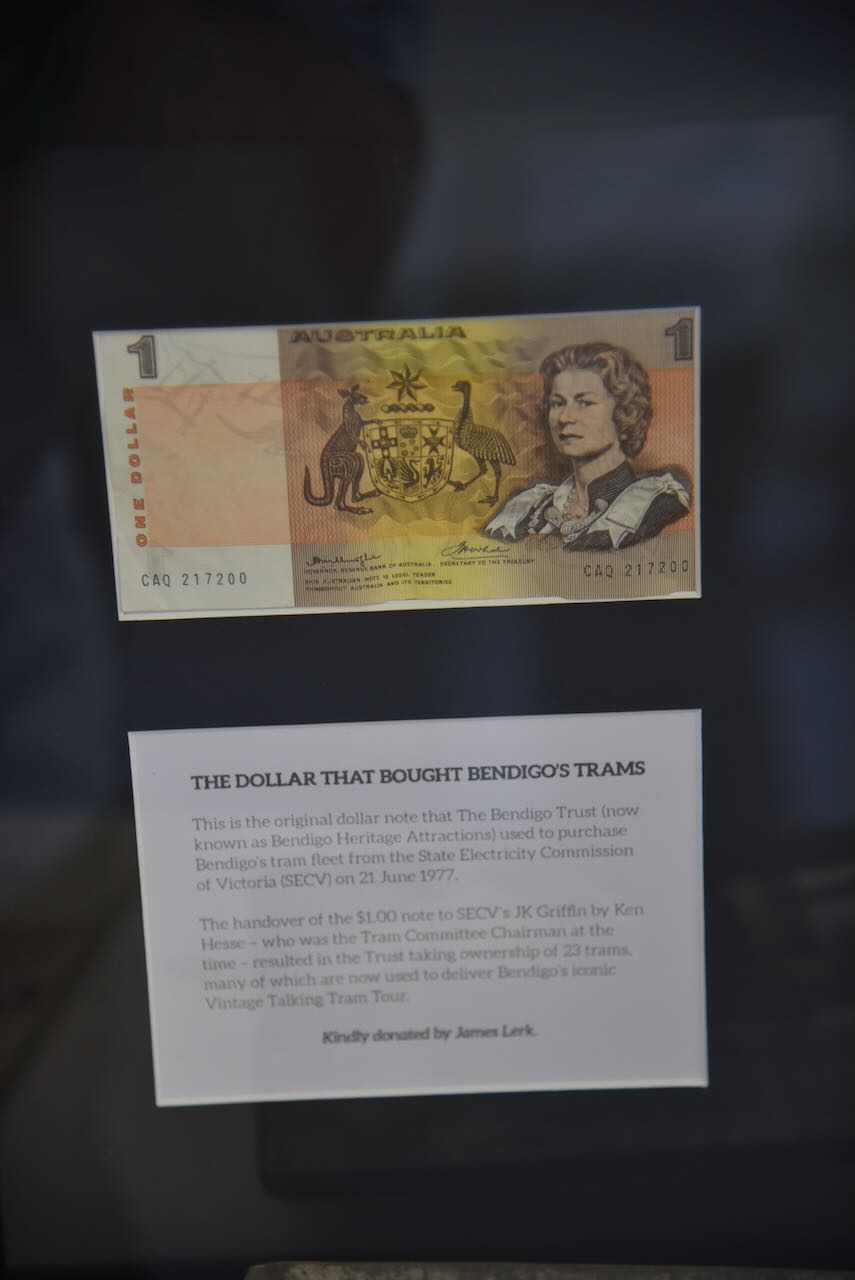
One of the interesting items in the museum is the original dollar note that the Bendigo Trust used to purchase Bendigo’s tram fleet from the State Electricity Commission of Victoria in 1977.
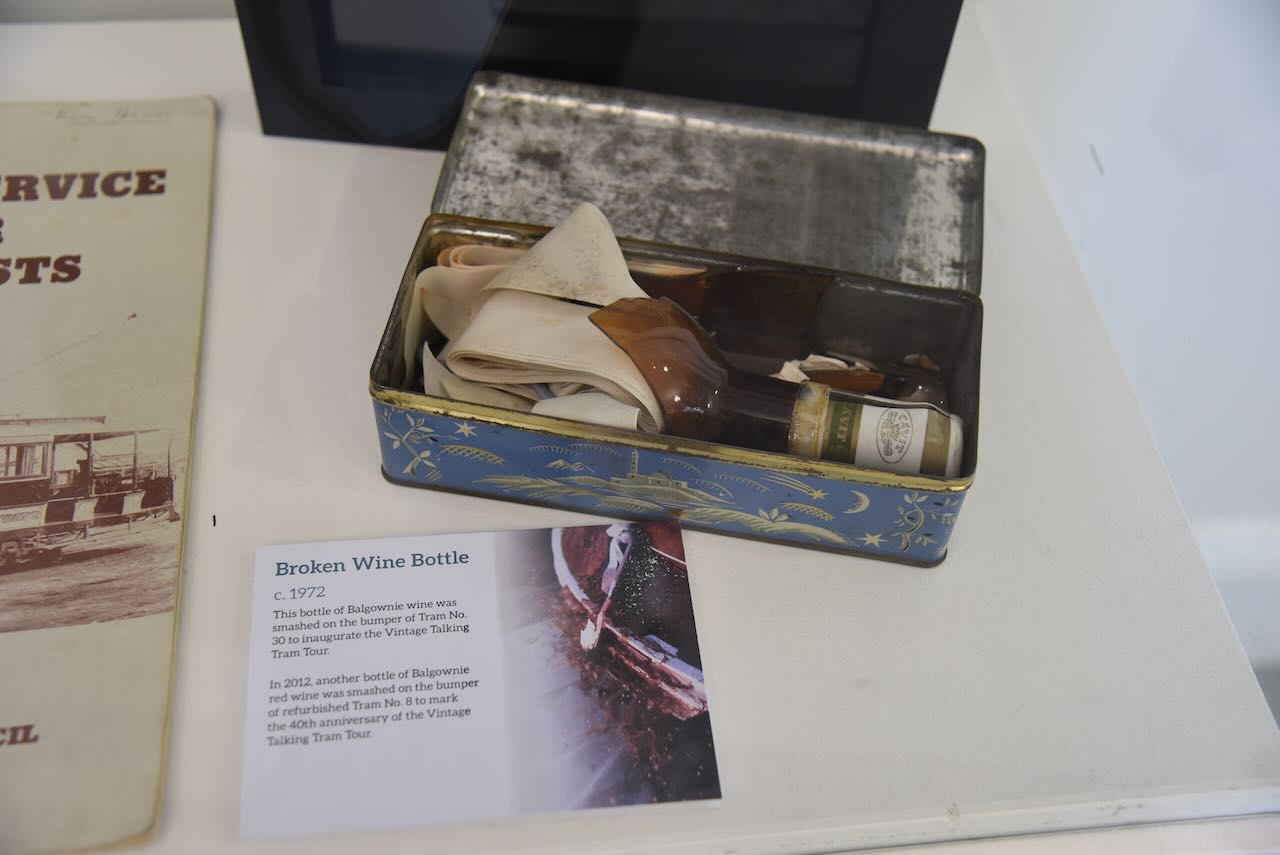
Another interesting item is a broken bottle of Balgownie wine that was smashed on the bumper of Tram No. 30 to inaugurate the Vintage Talking Tram tour.
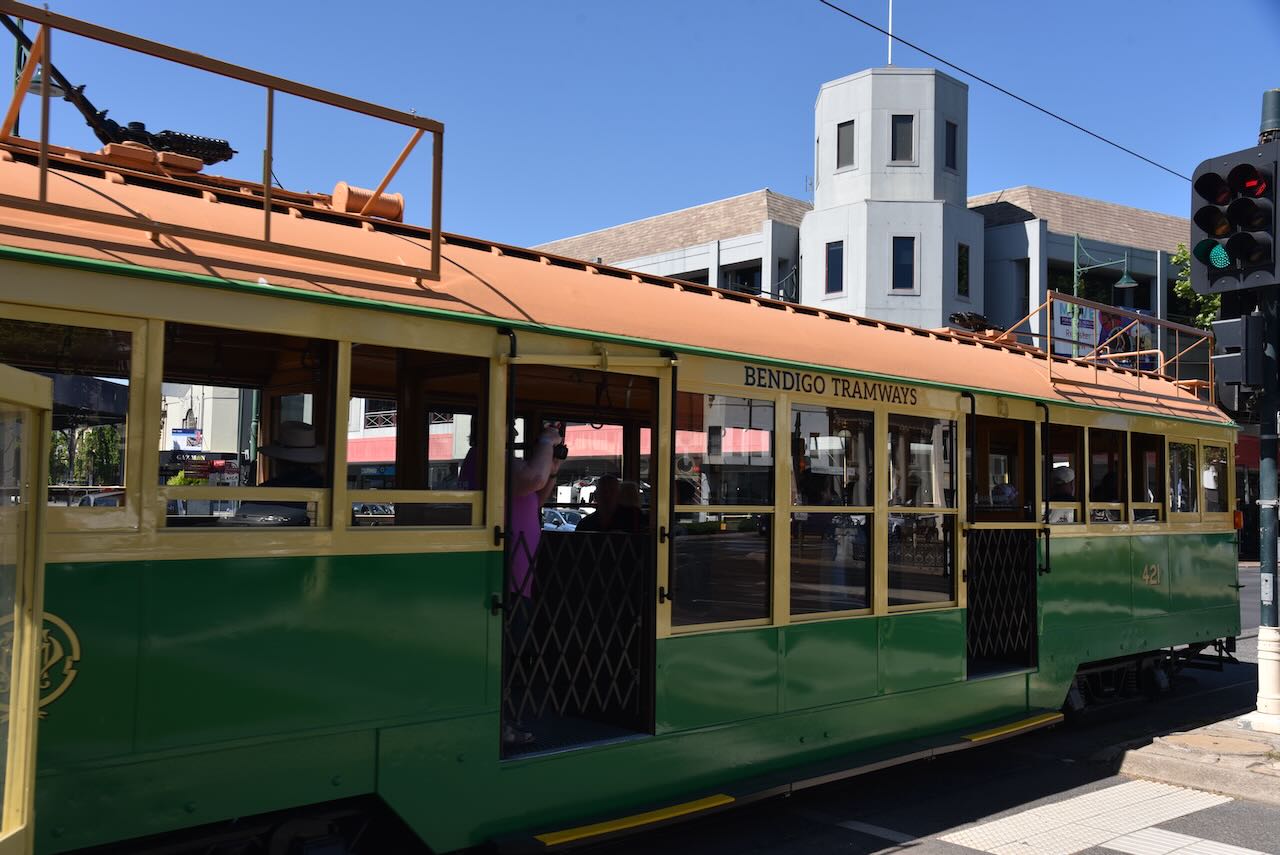
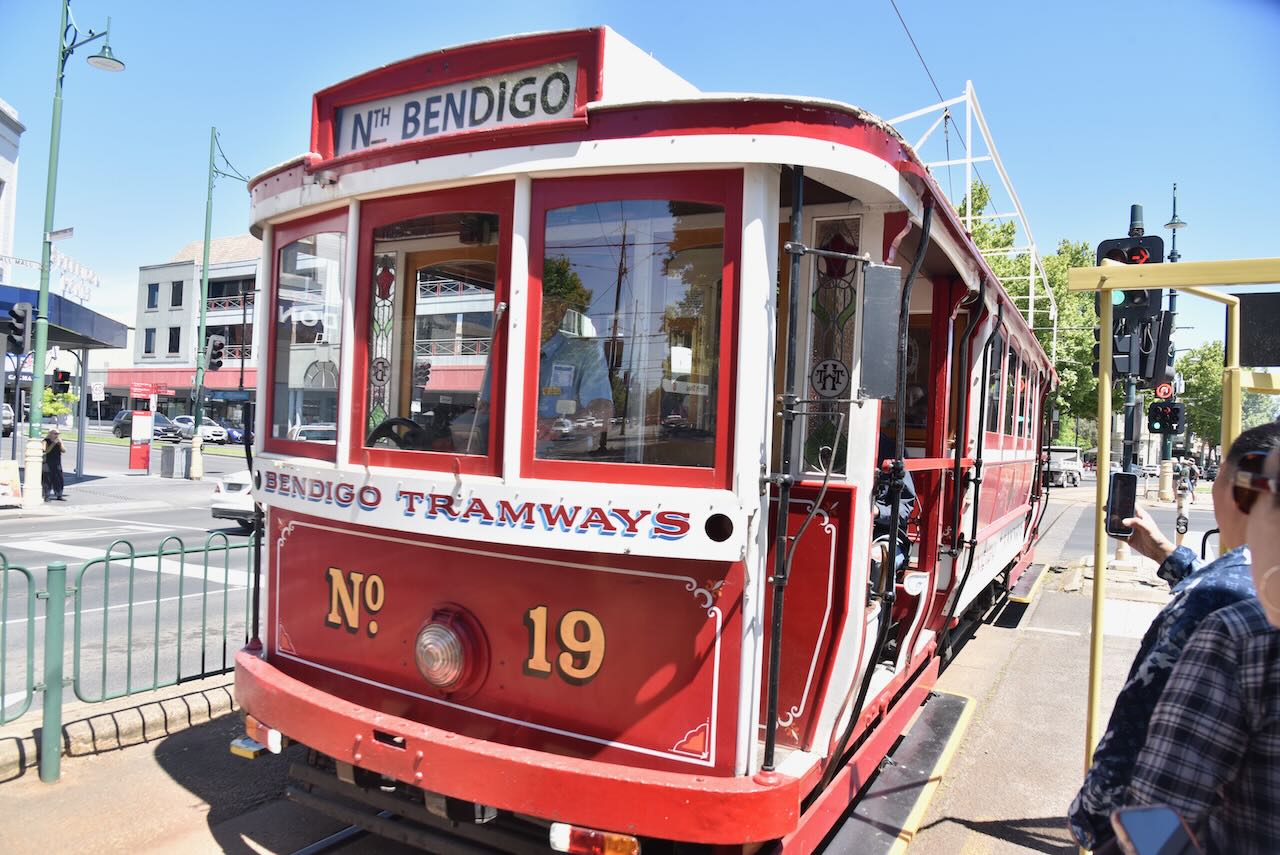
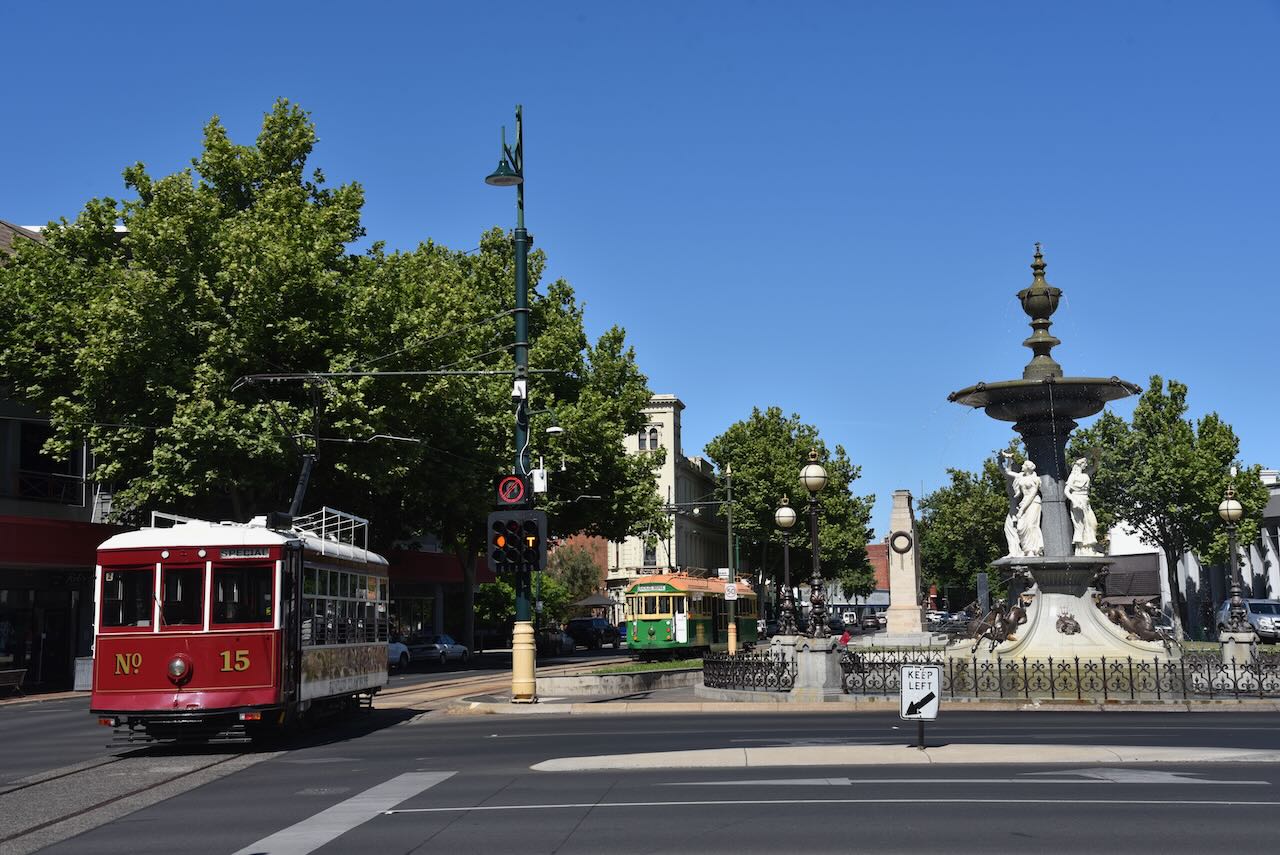
After spending some time in the museum, Marija and I boarded one of the vintage talking trams that took us around Bendigo, stopping at many of Bendigo’s attractions.

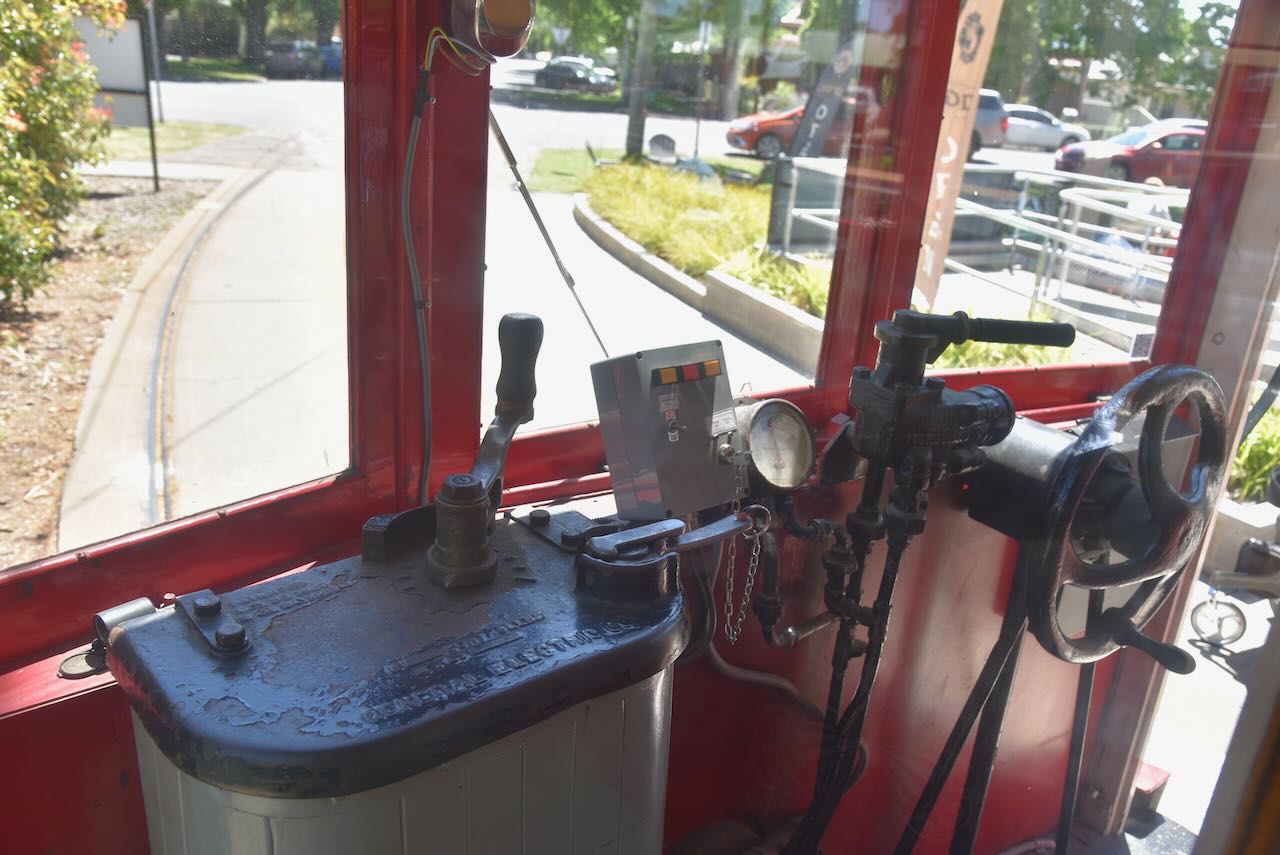
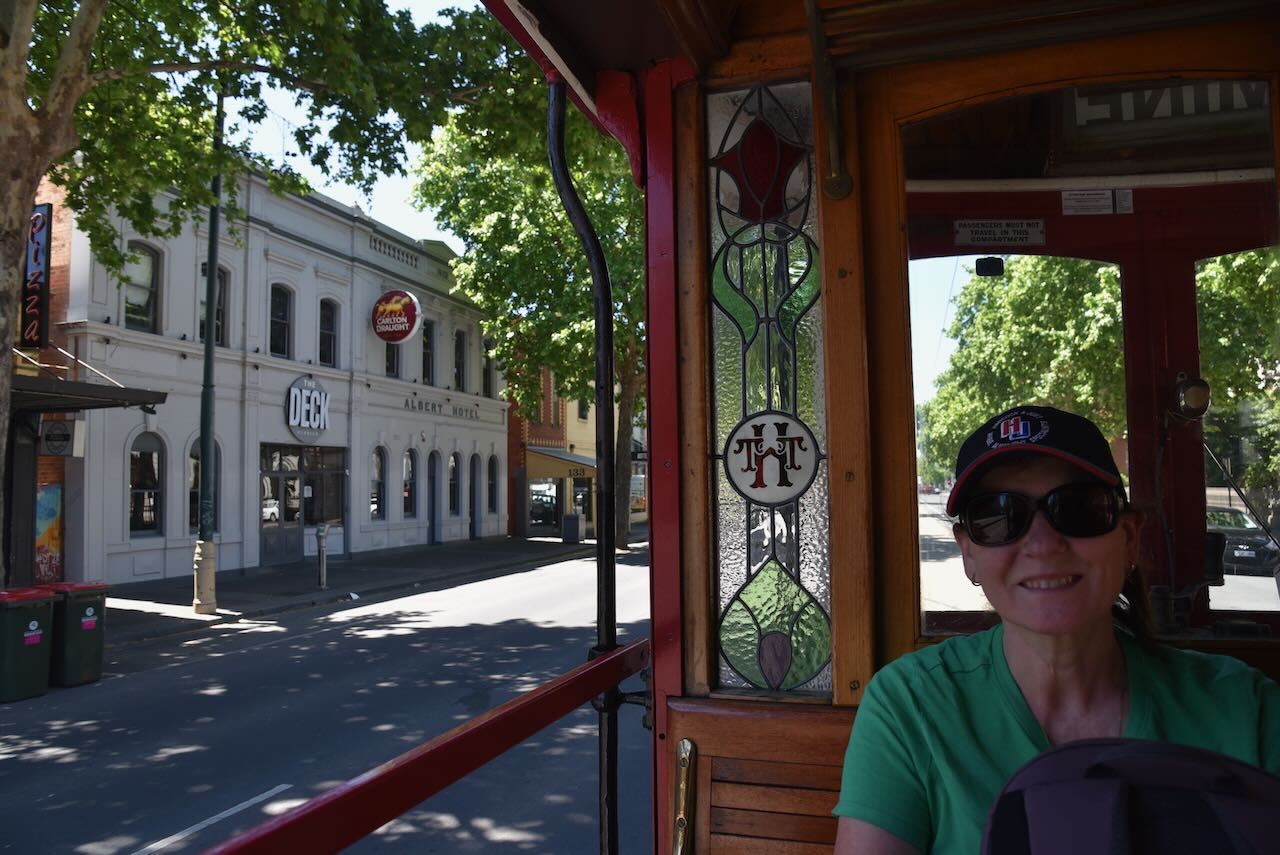
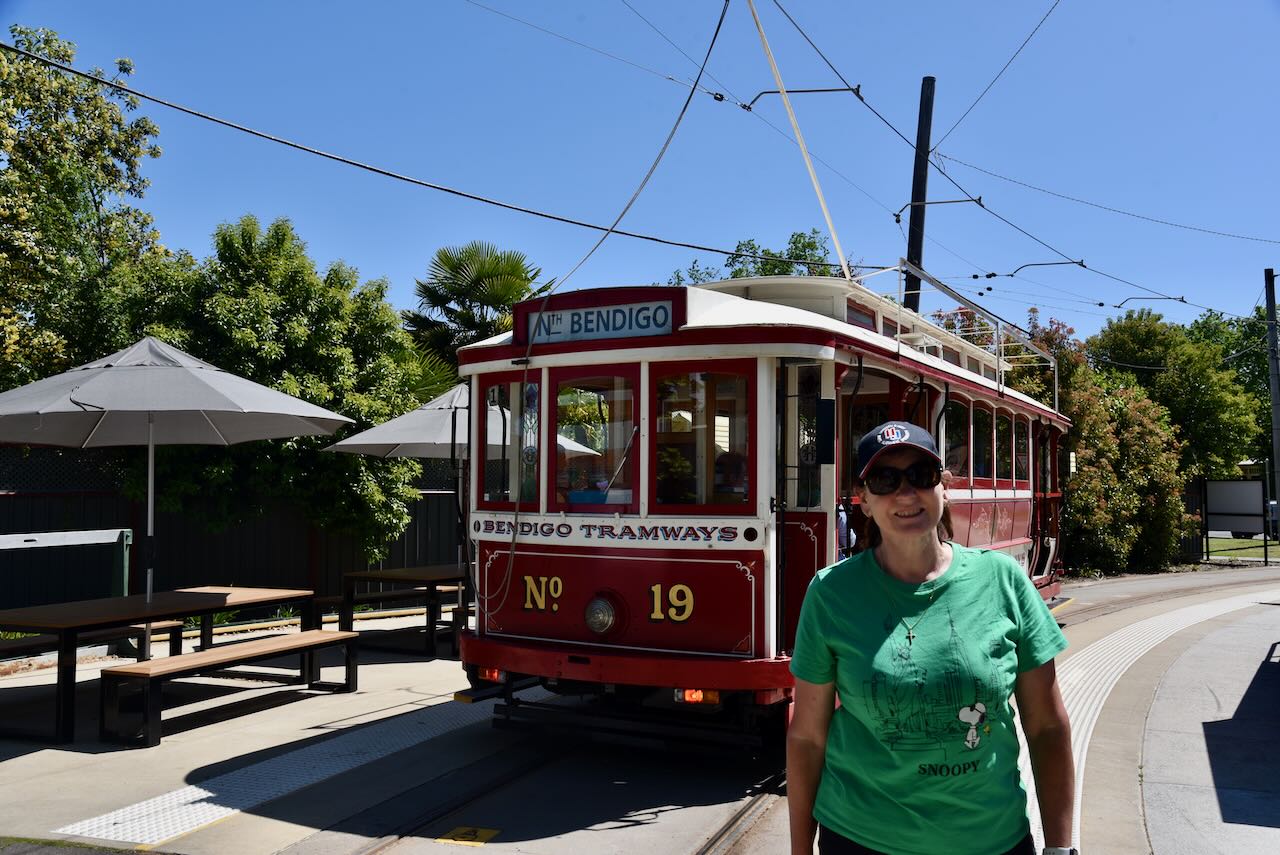
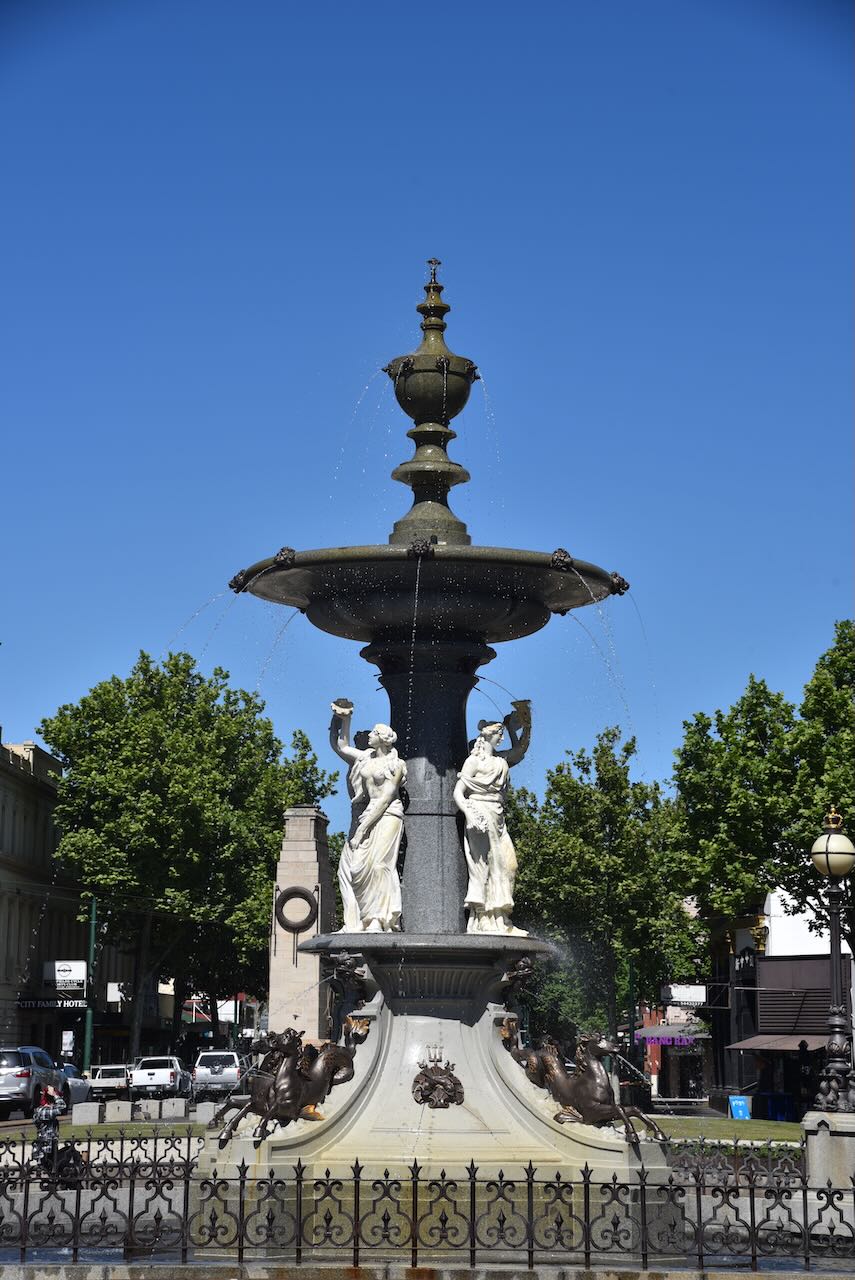
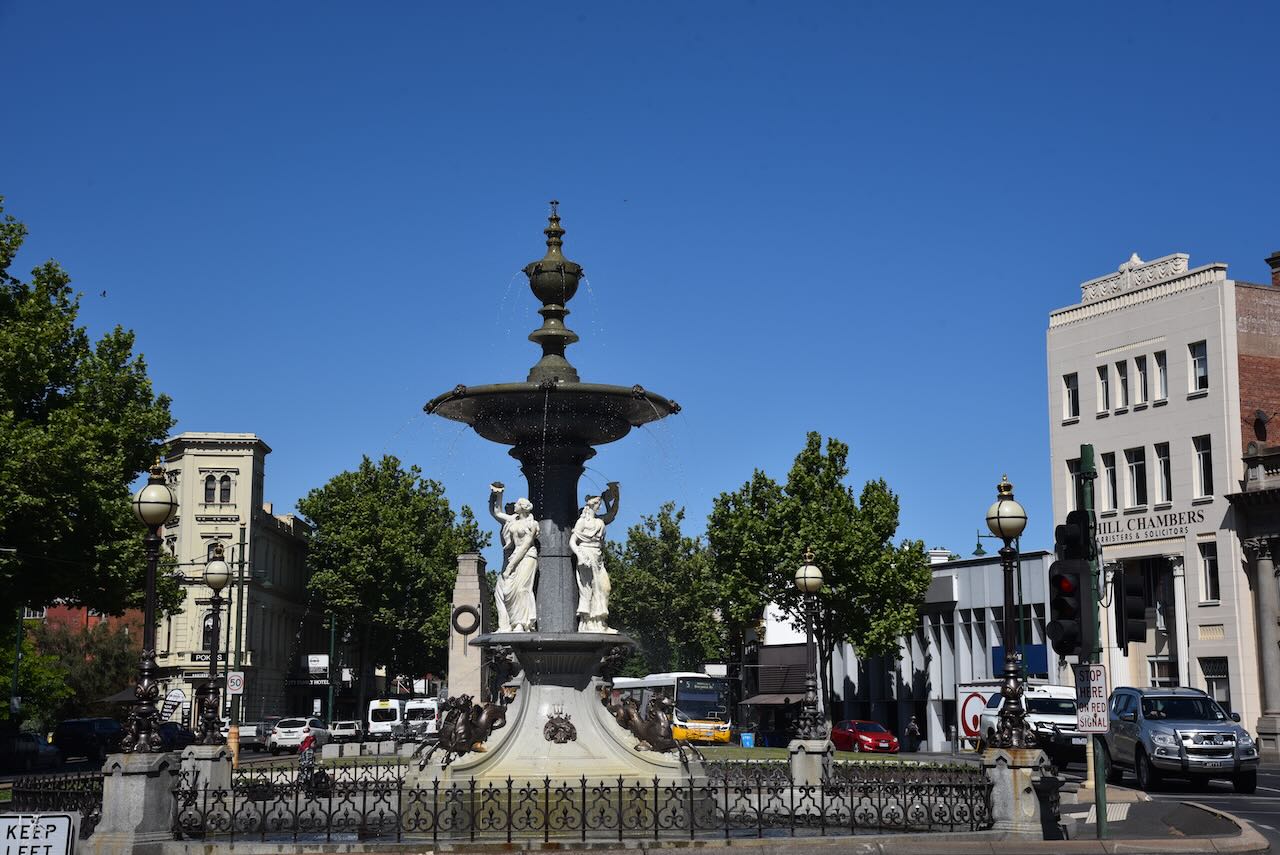
One of the premier locations in Bendigo is Charing Cross at the corner of Midland Highway, View Street and Mitchell Street. This is the location of the Alexandra Fountain. Charing Cross is named for Charing Cross in England.

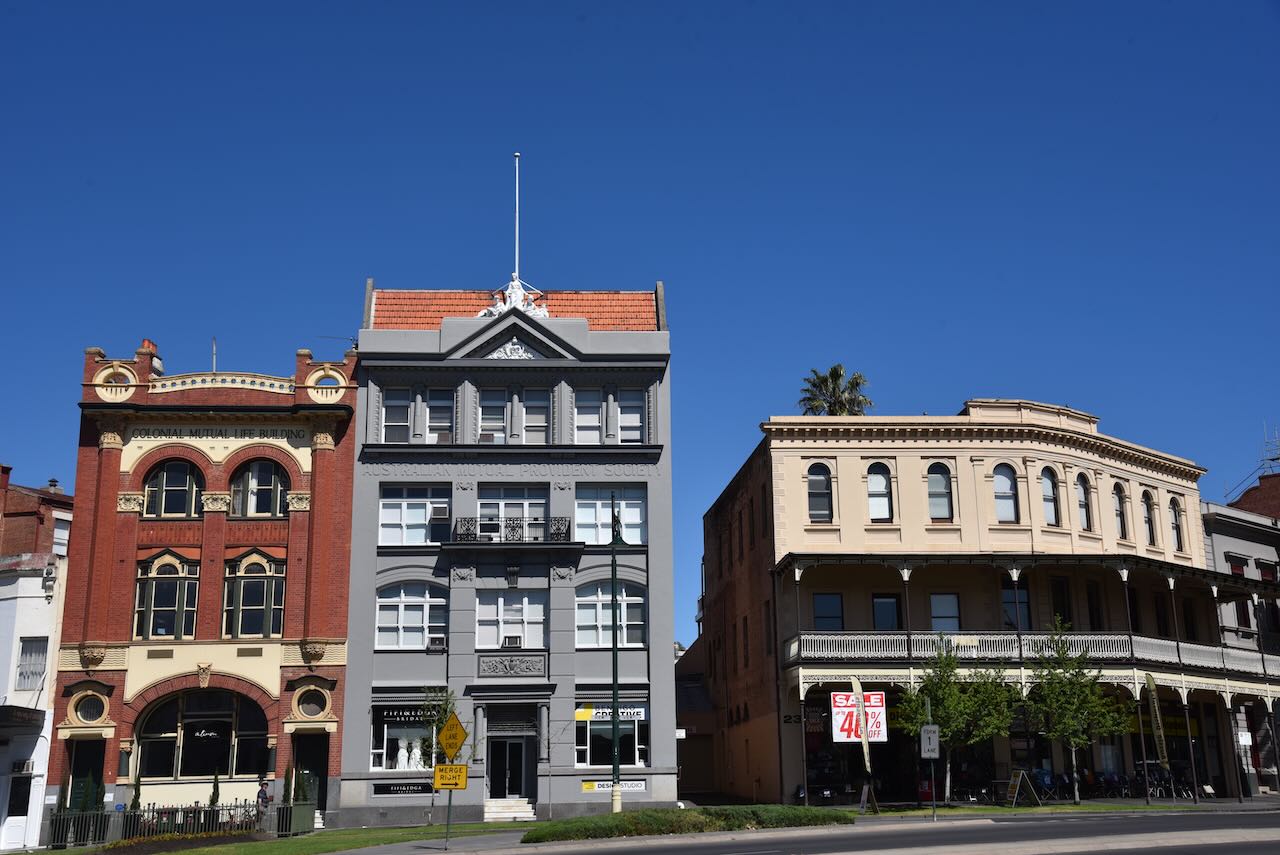
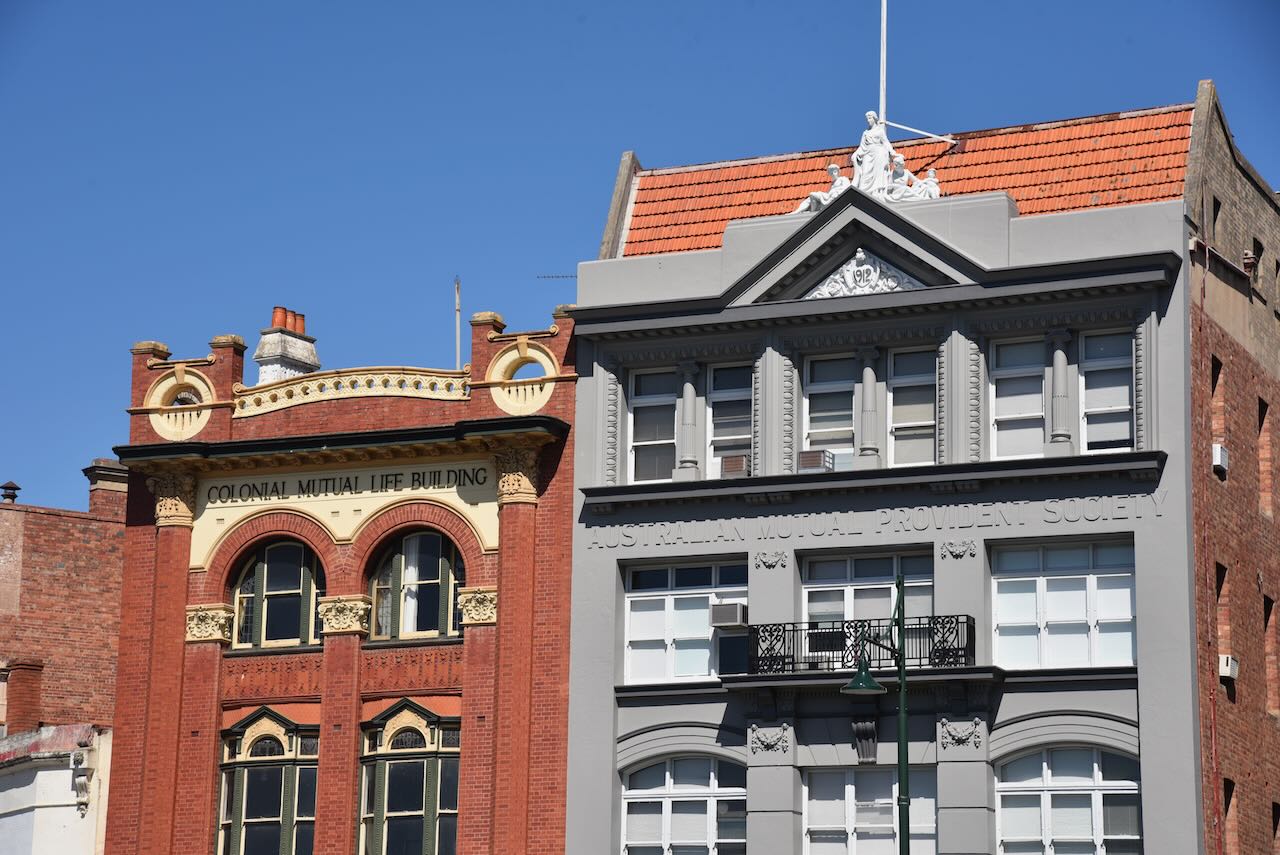
There are dozens of historical and impressive buildings in Bendigo. This includes the old Colonial Mutual Life building and the Australian Mutual Provident Society building.
The Colonial Life building was constructed in 1908 as the Royal Bank. It was designed by local architects William Beebe and George Garvin. It is one of the finest and most intact Art Nouveau-designed commercial buildings in Bendigo. (Heritage Vic 2017)
The Australian Mutual Provident Society was established in 1849 as a non-profit life insurance company and mutual society. The Bendigo building was built in 1913. (Anu.edu.au, 2020) (Trove 2019)
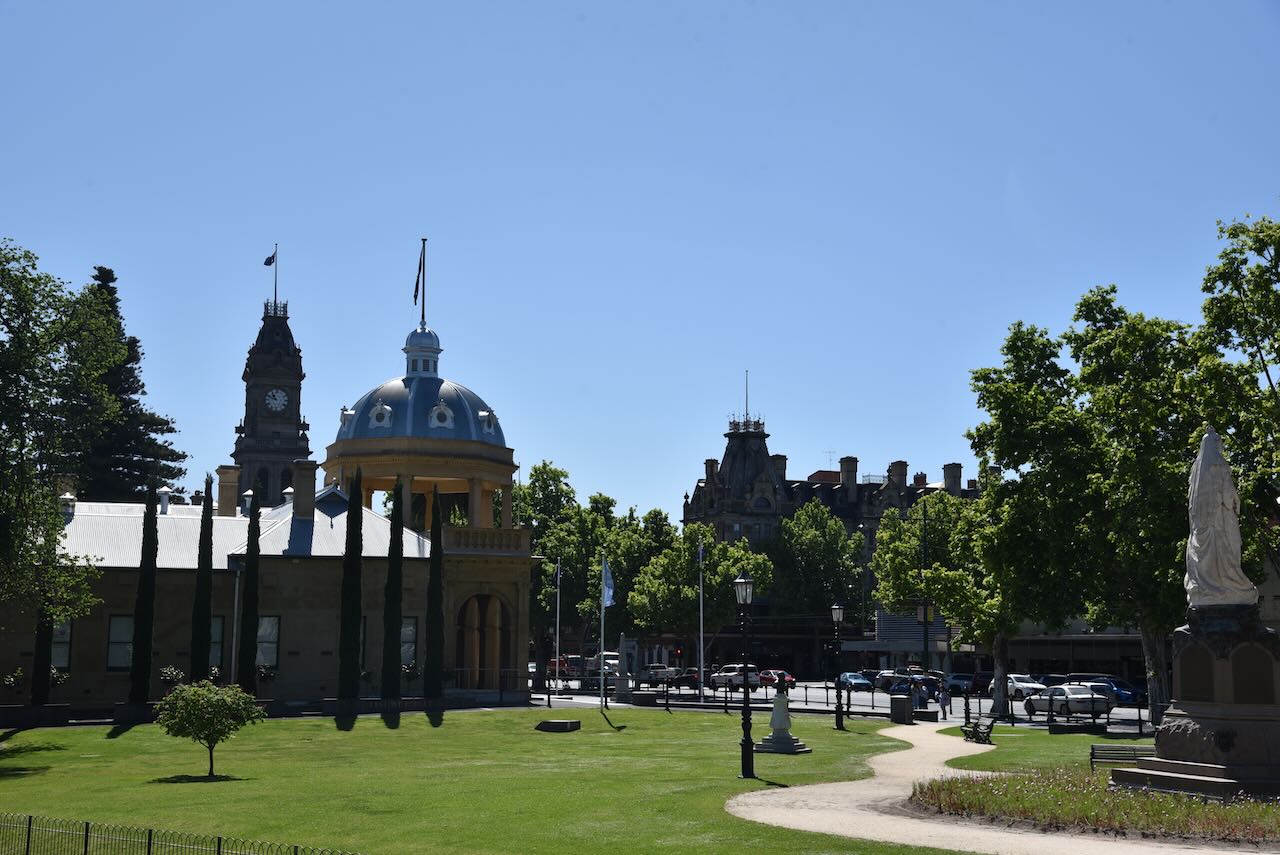
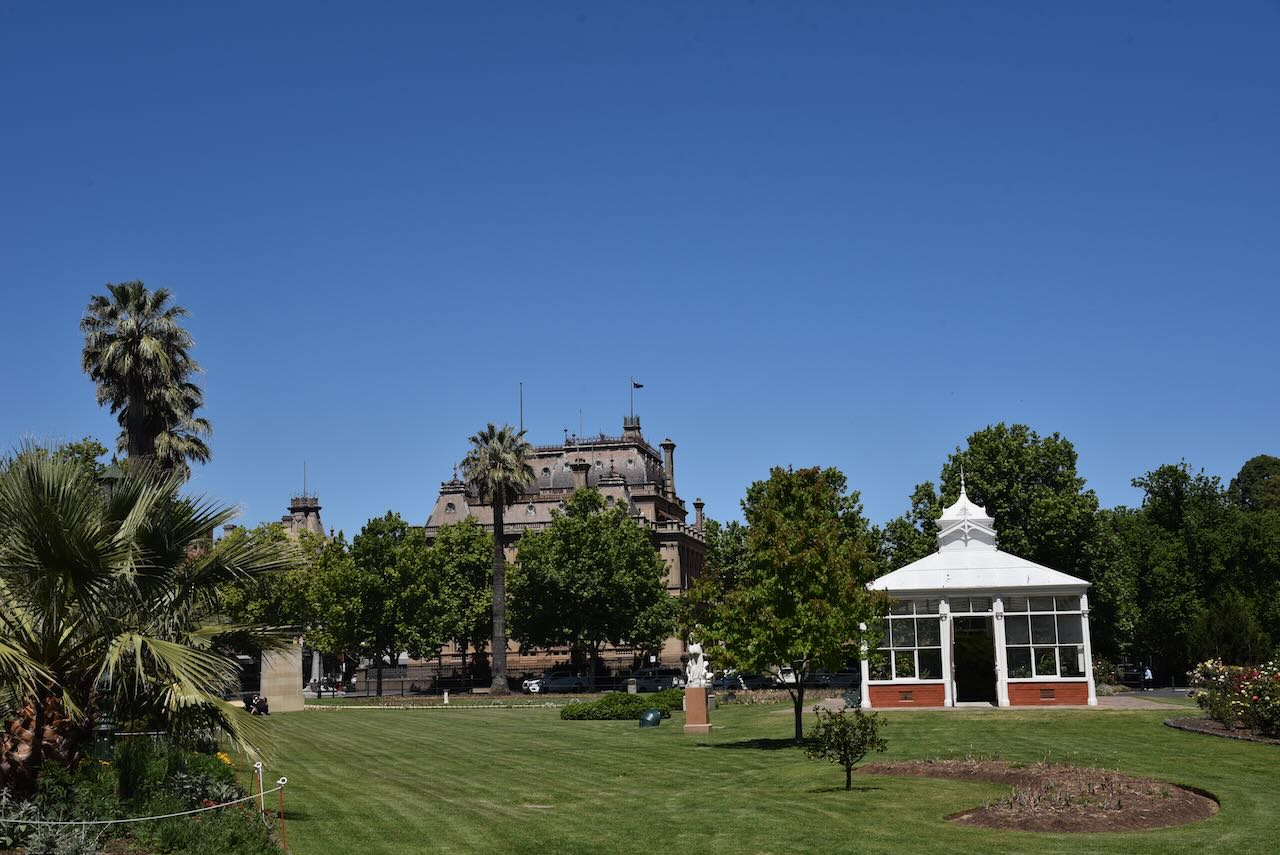
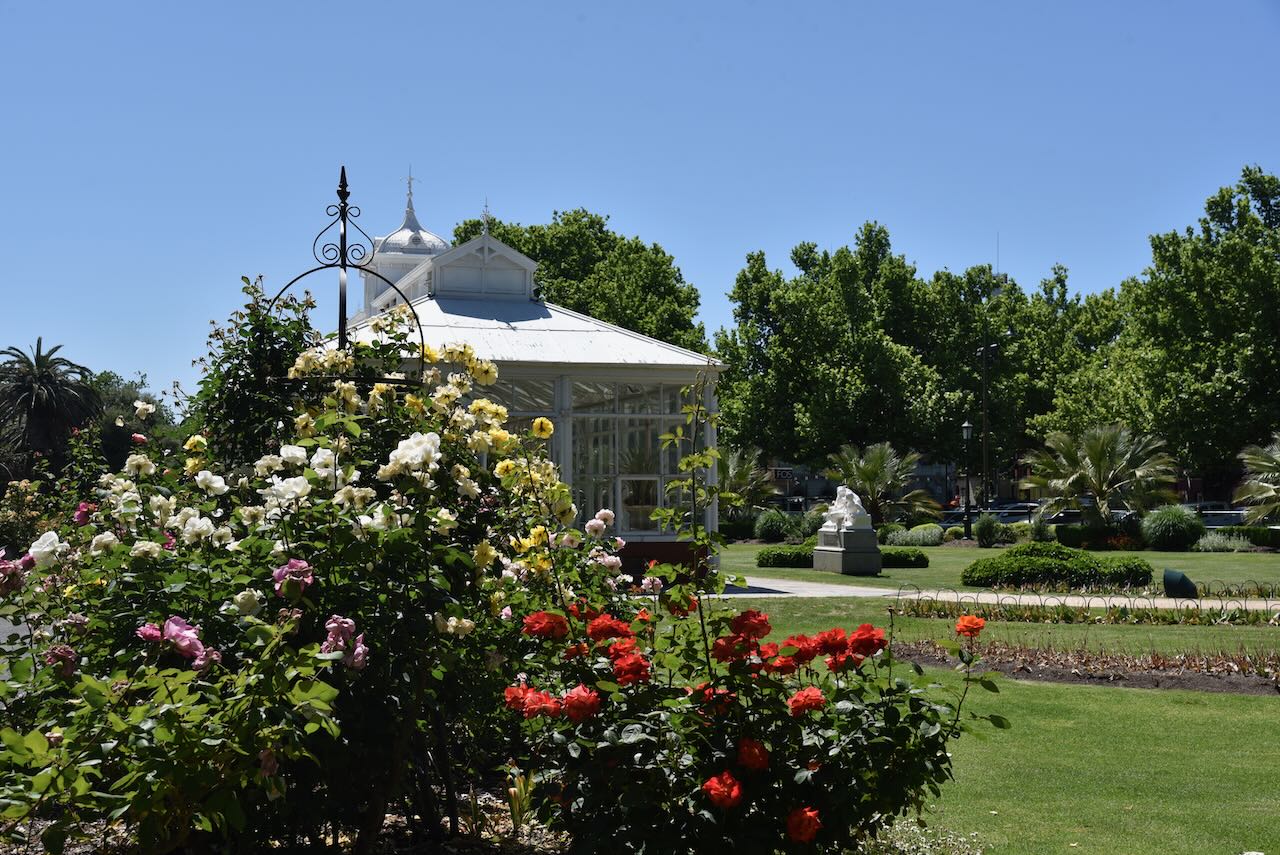
Below is a view across Rosalind Park and the Conservatory Gardens.
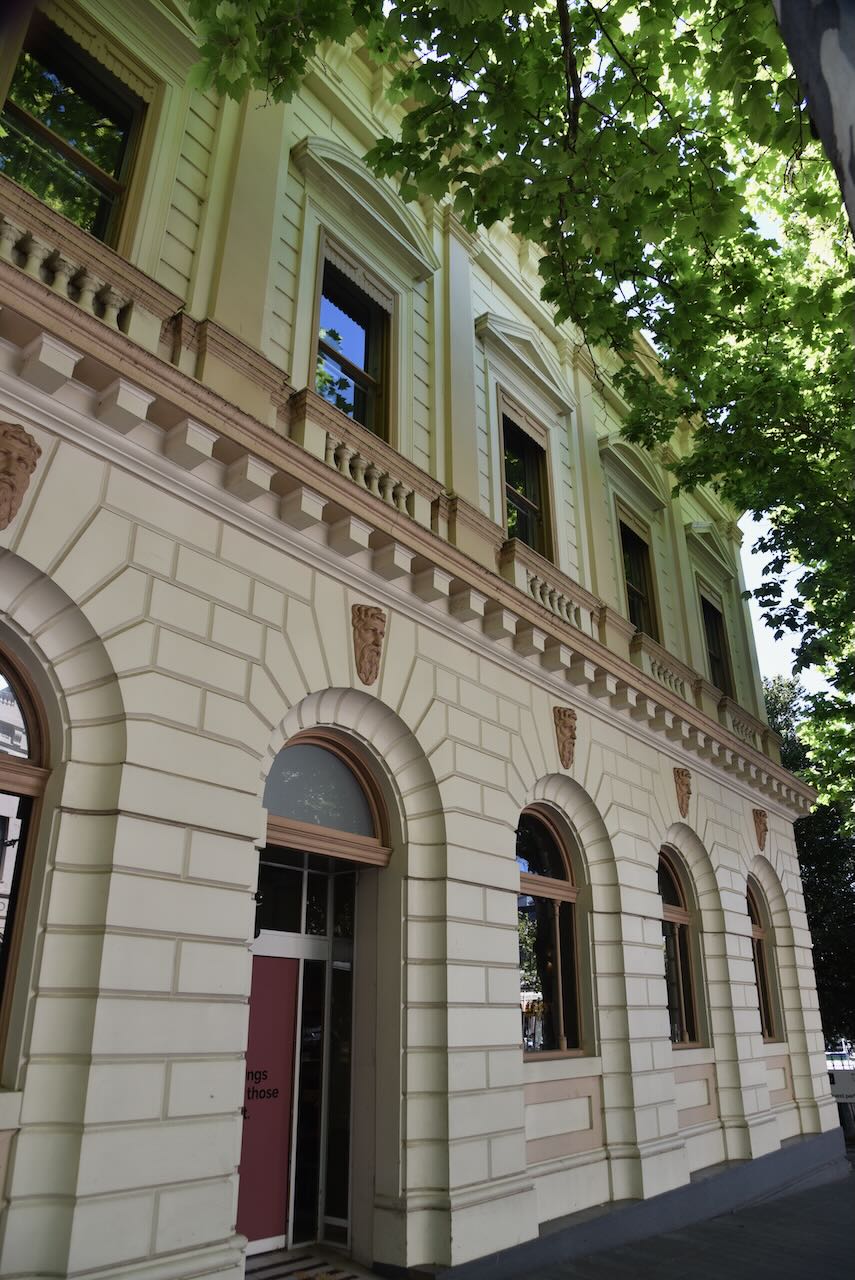
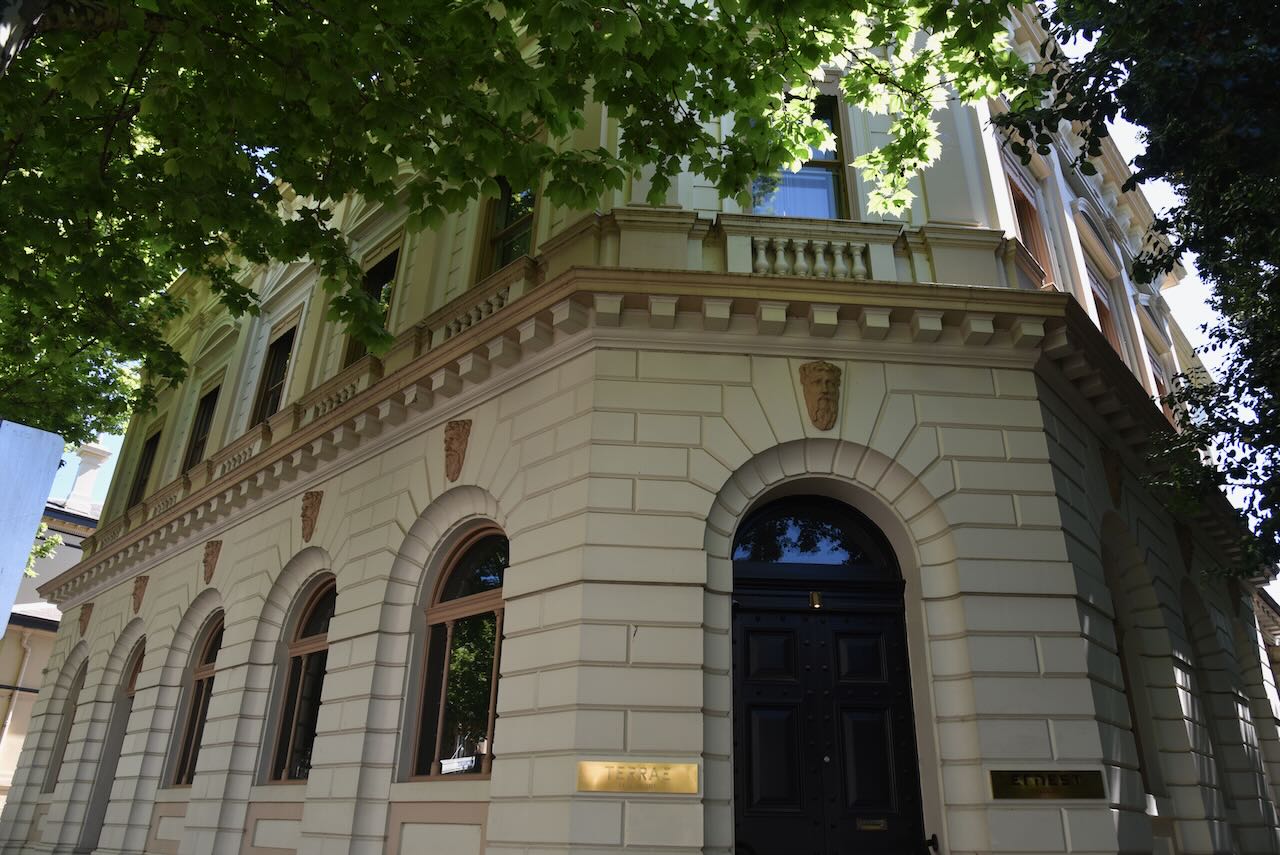
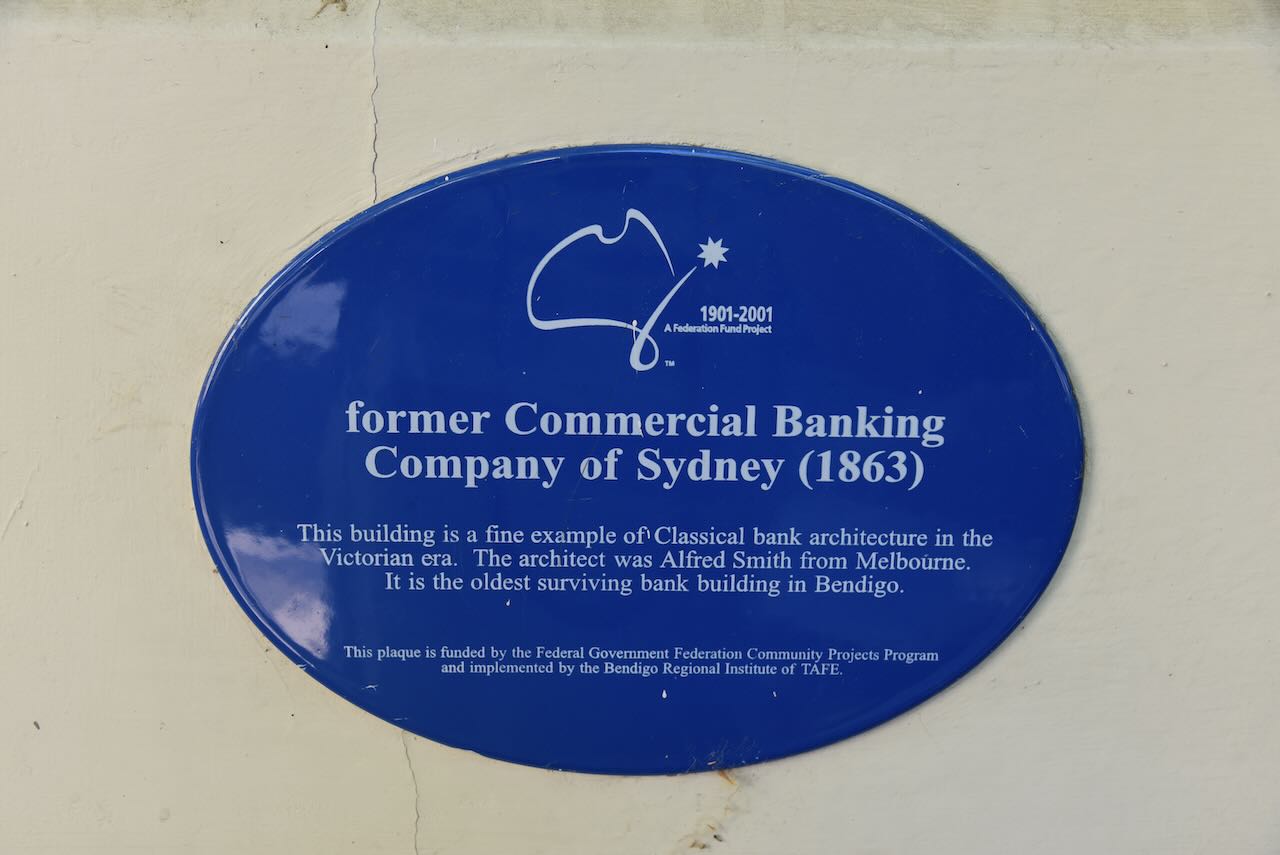
The former Commercial Banking Company of Sydney building was constructed in 1863. It is a fine example of classical bank architecture from the Victorian era. It is the oldest surviving bank building in Bendigo.
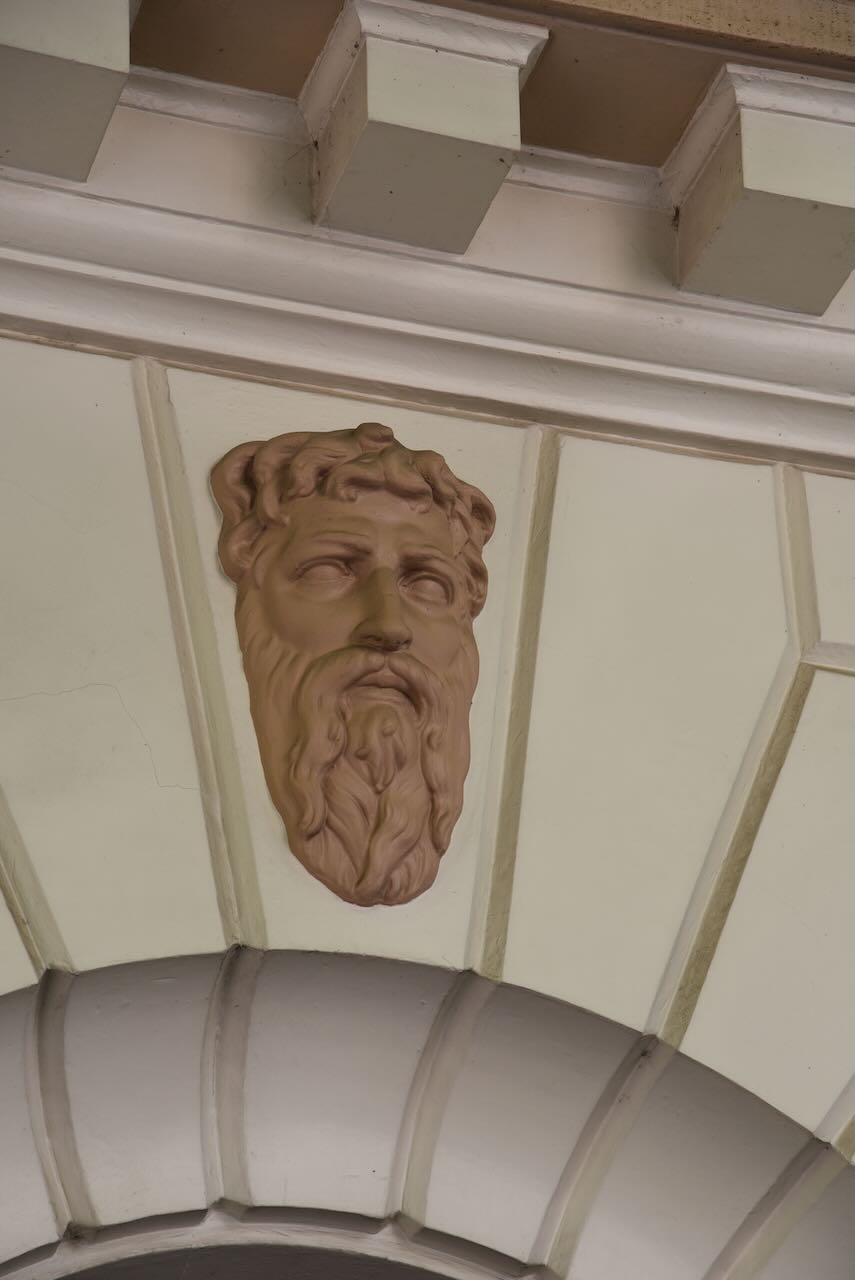
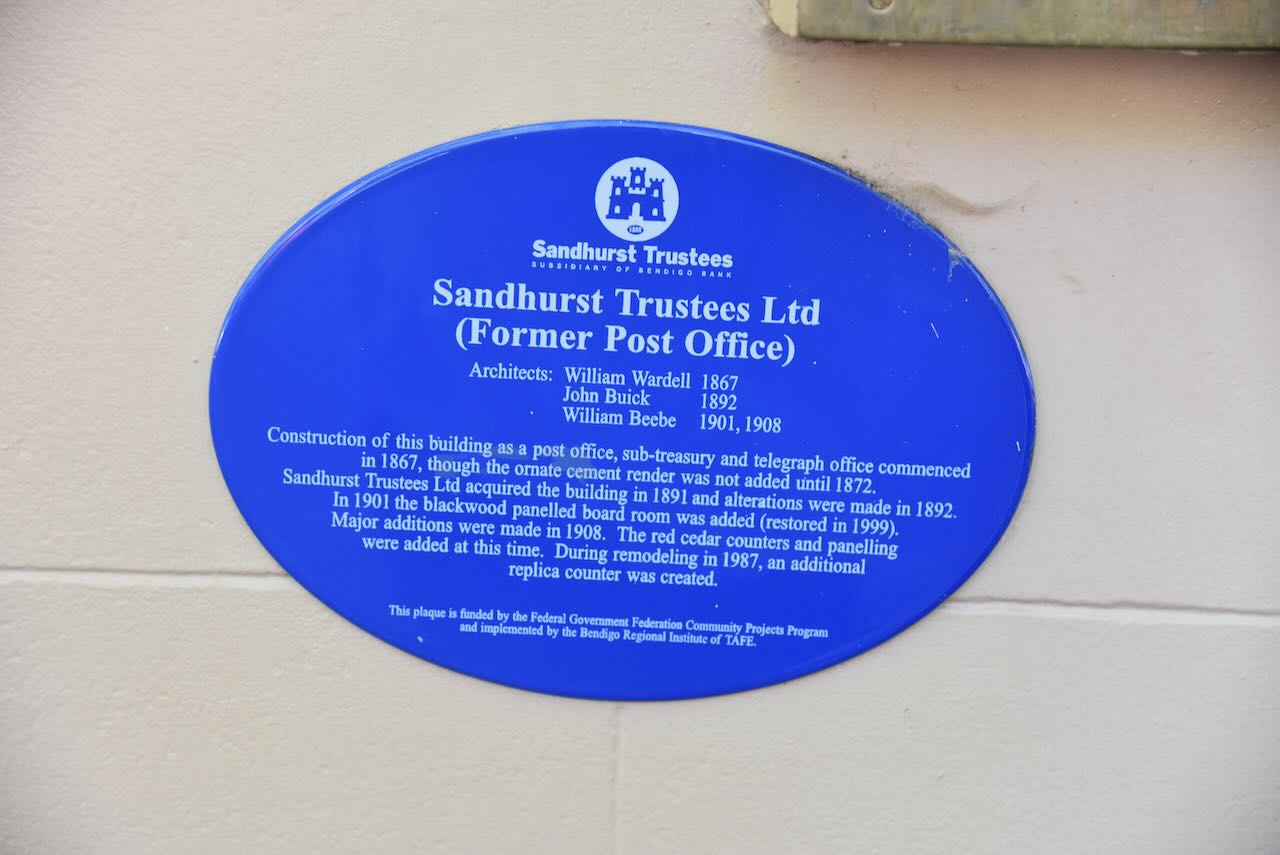
The construction of the former Post Office, sub-treasury and telegraph office commenced in 1867.
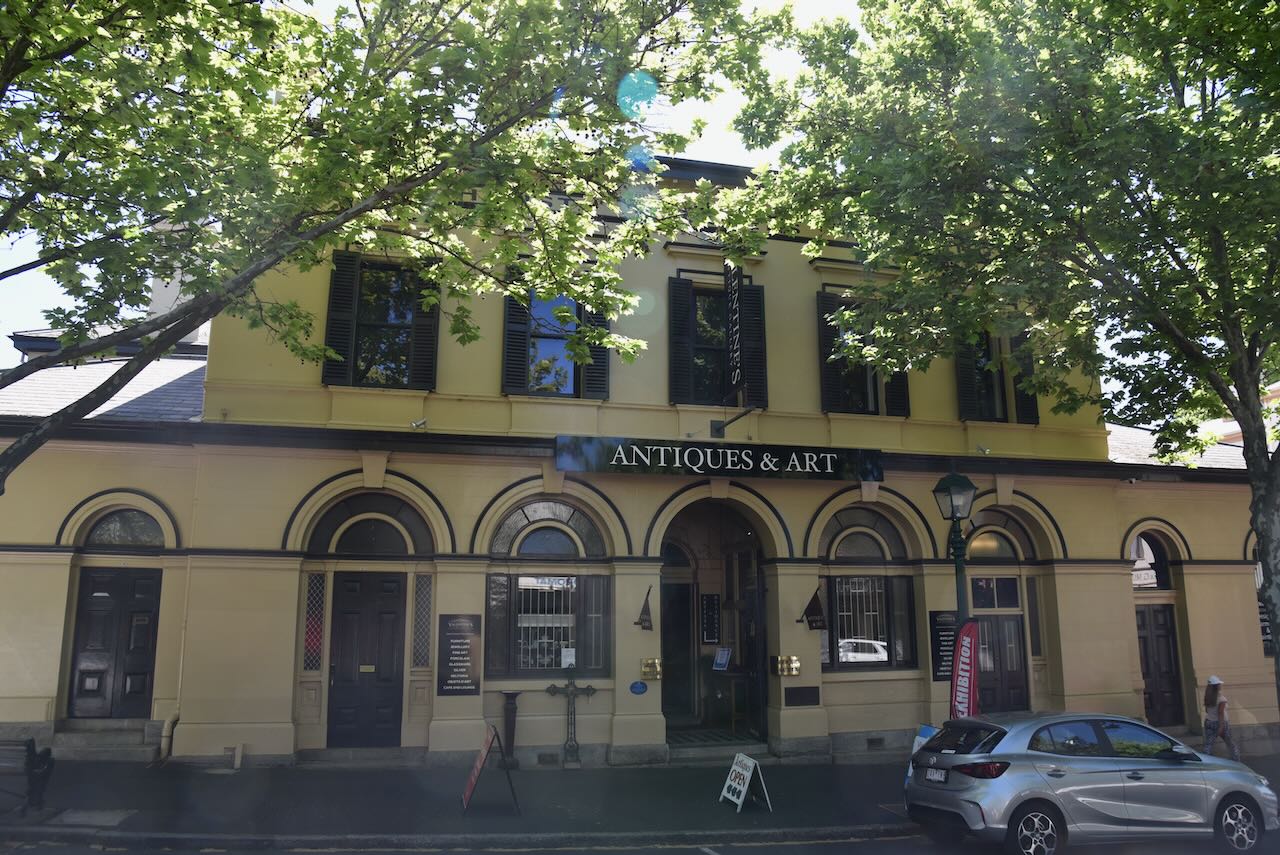
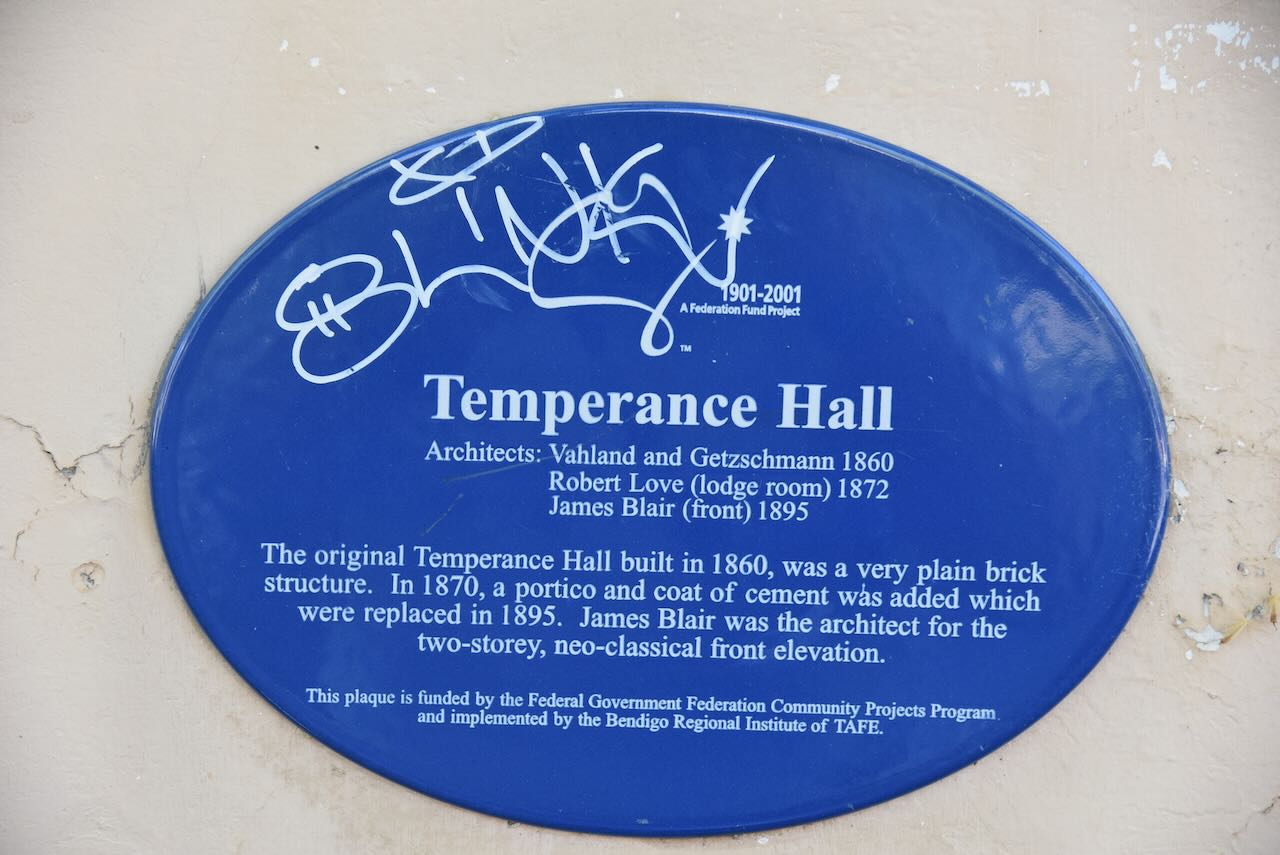
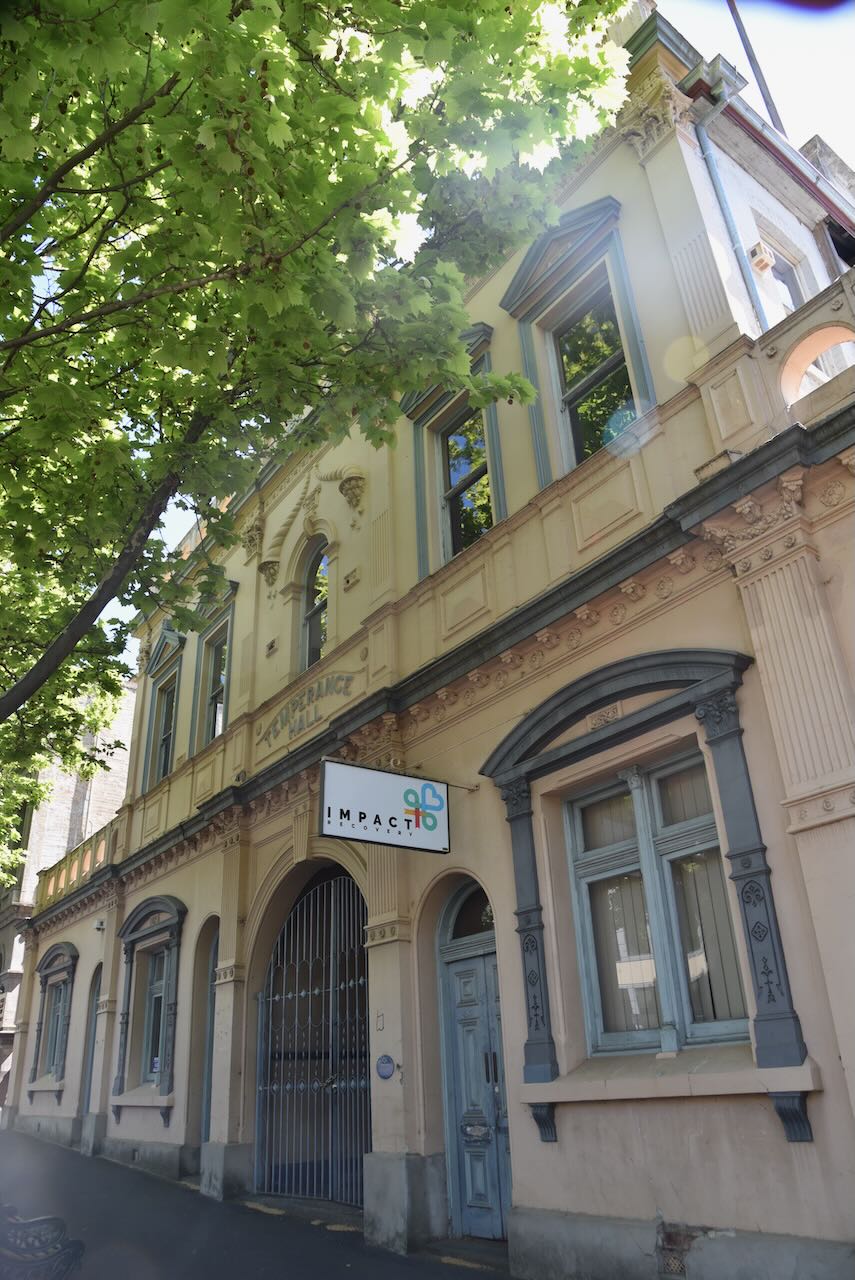
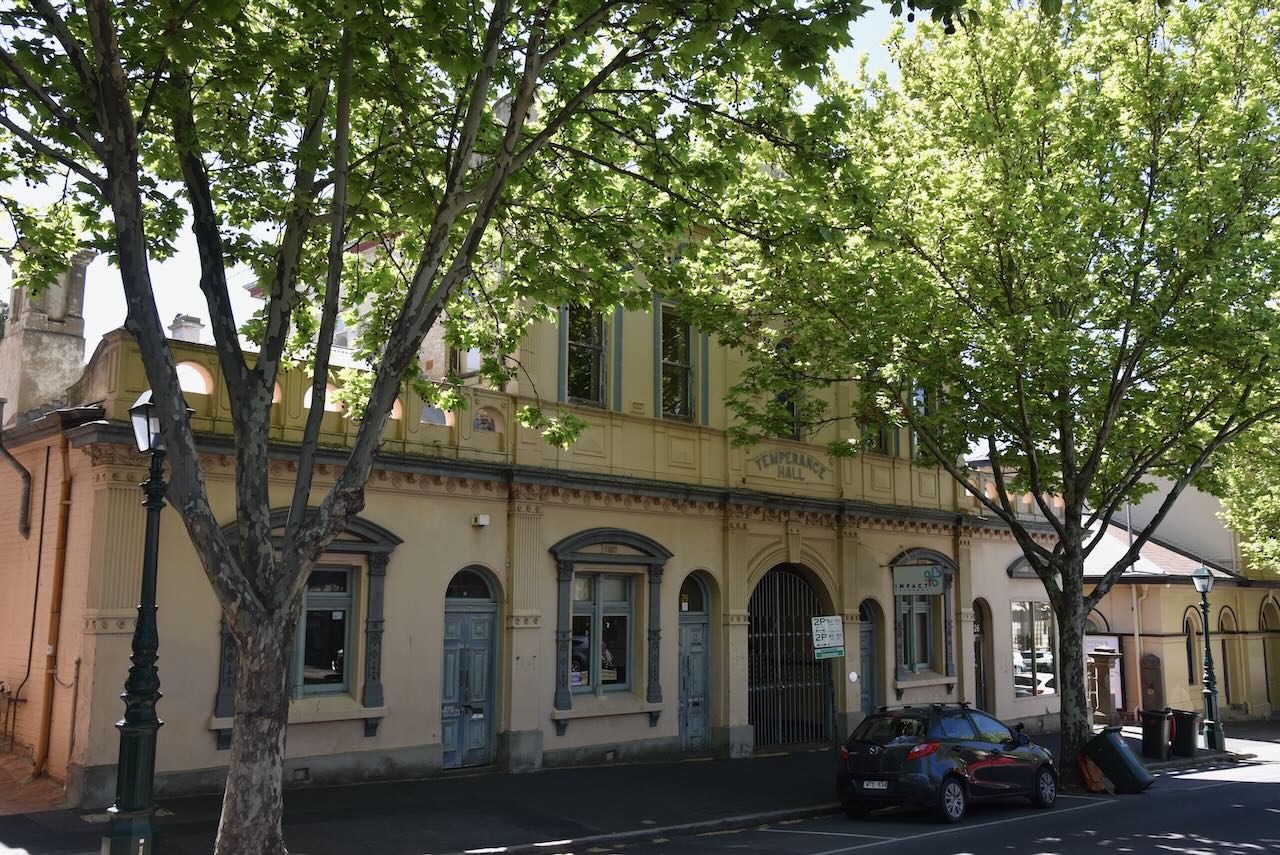
The original Temperance Hall was built in 1860 and was a very plain brick structure. In 1870, a portico and coat of cement were added, which were replaced in 1895.
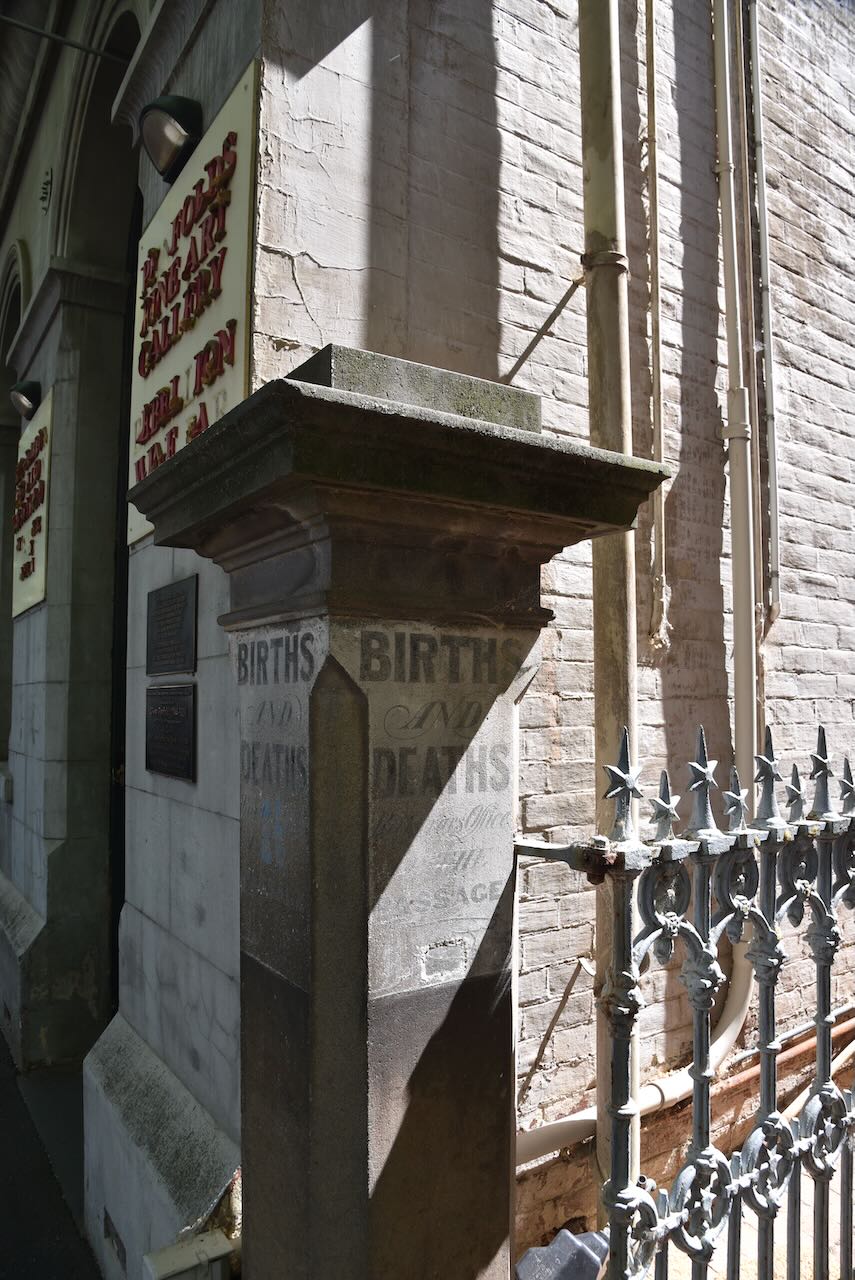
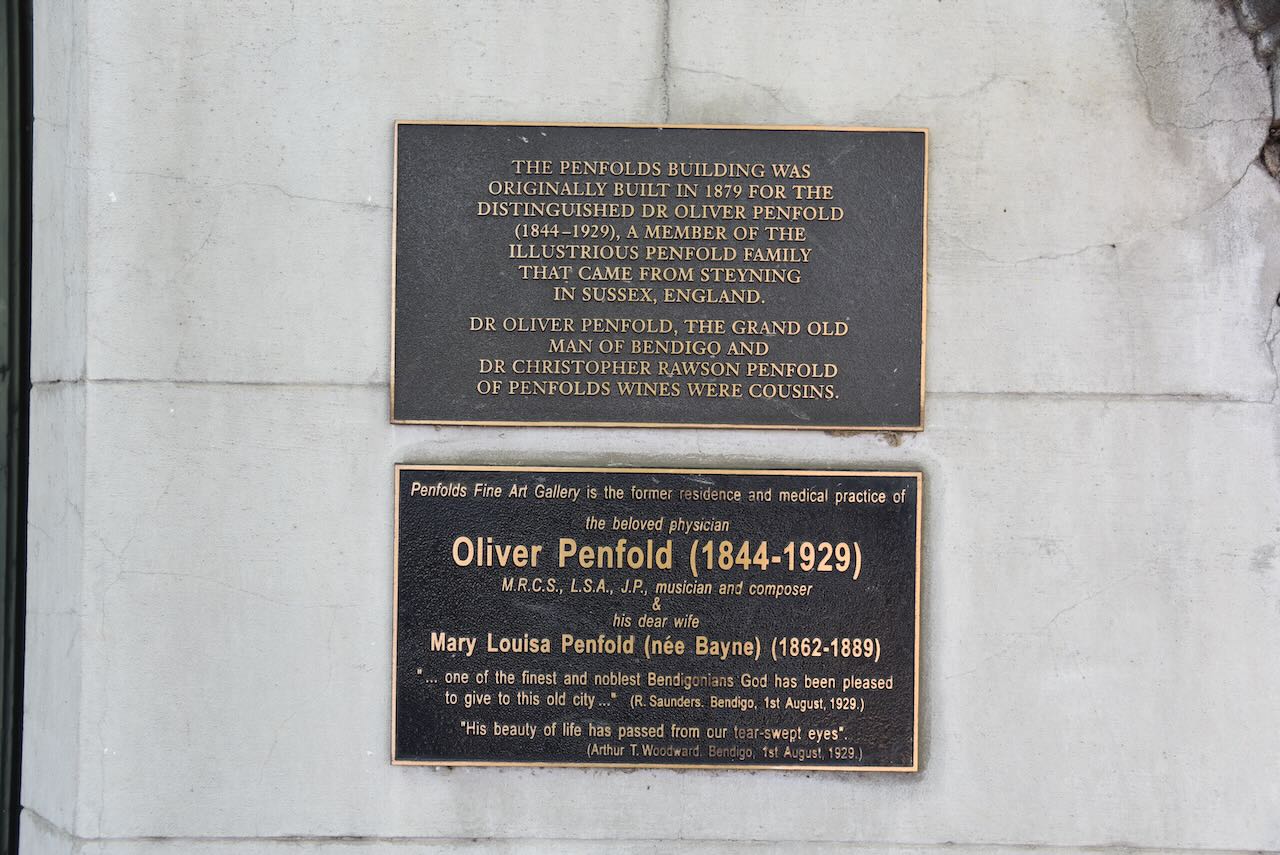
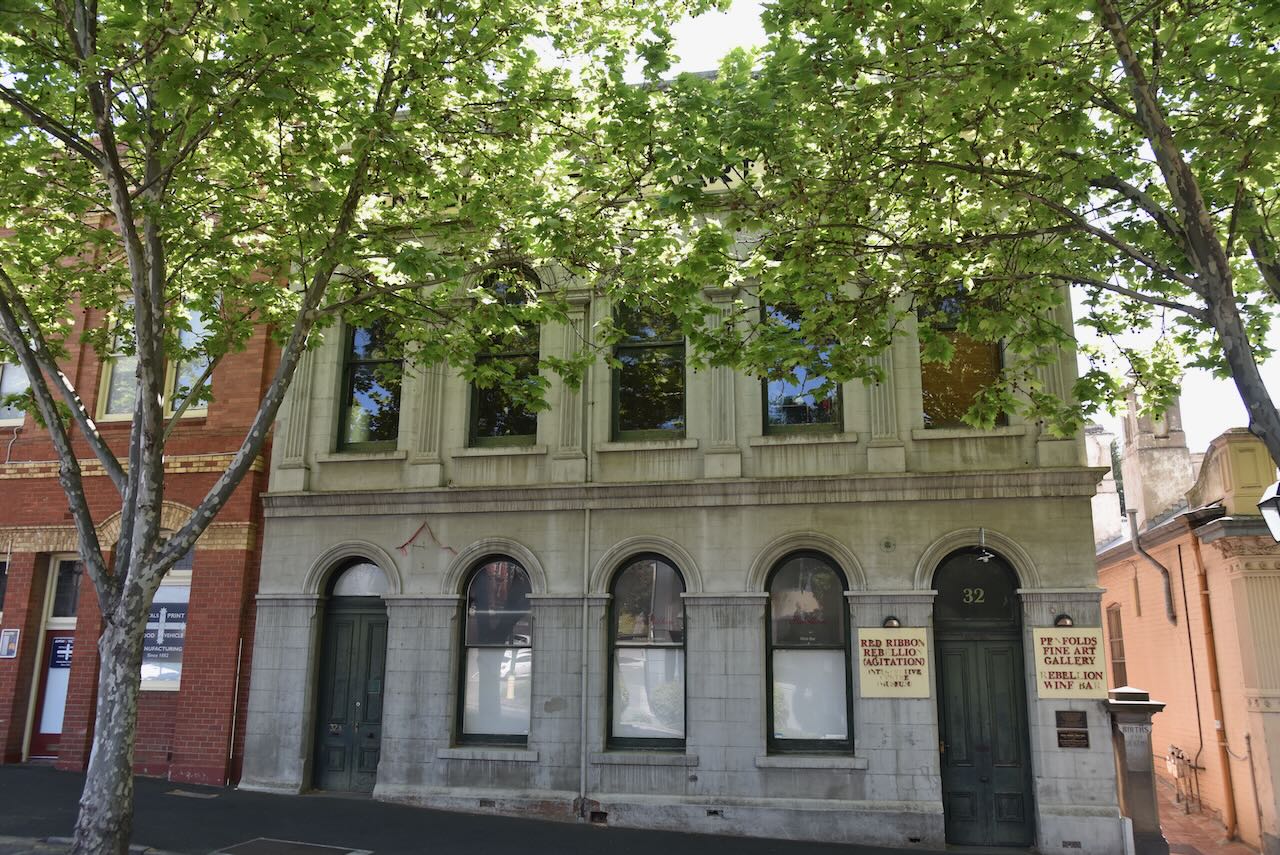
The Penfolds building was originally built in 1879 for the distinguished Dr Oliver Penfold, a member of the illustrious Penfold family from Steyning in Sussex, England. Dr. Oliver Penfold, the grand old man of Bendigo and Dr. Christopher Rawson Penforld of Penfold Wines were cousins.
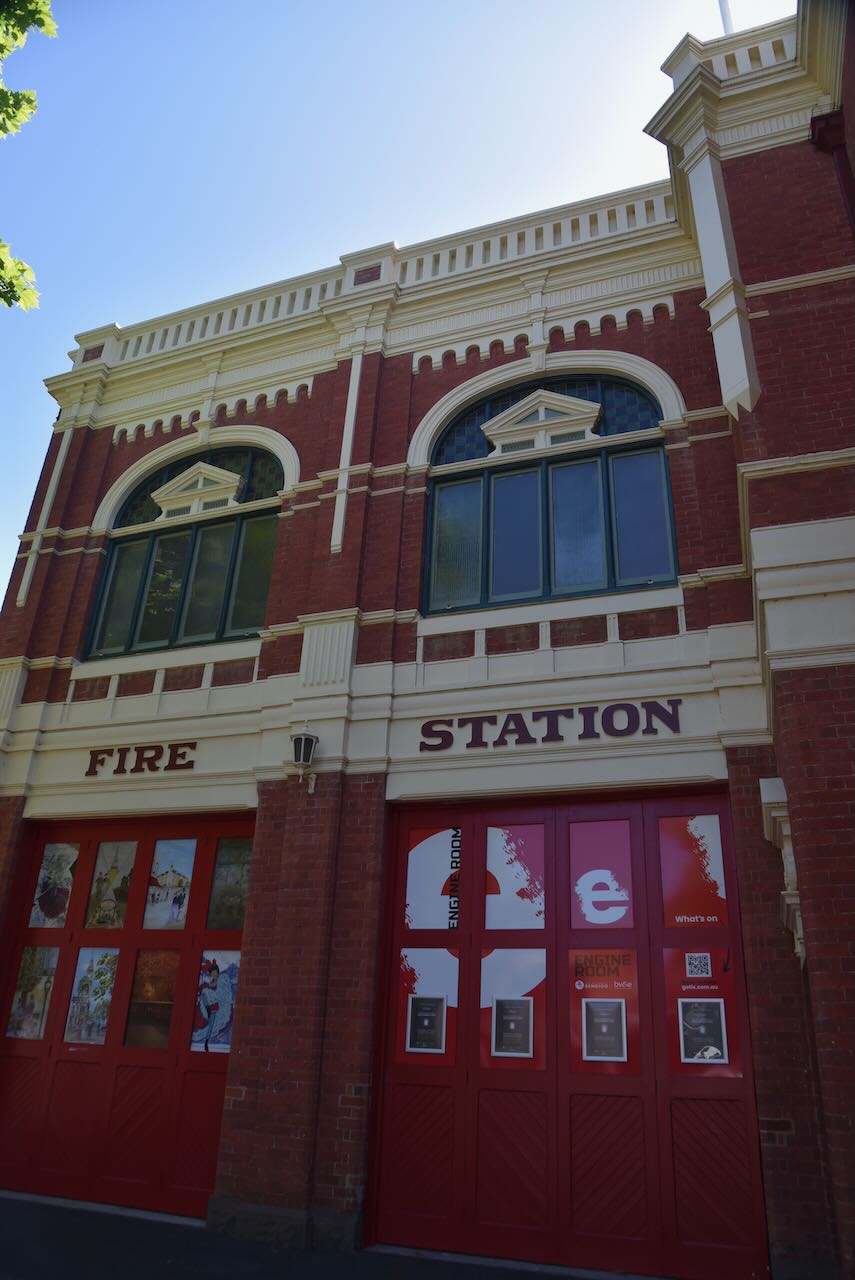
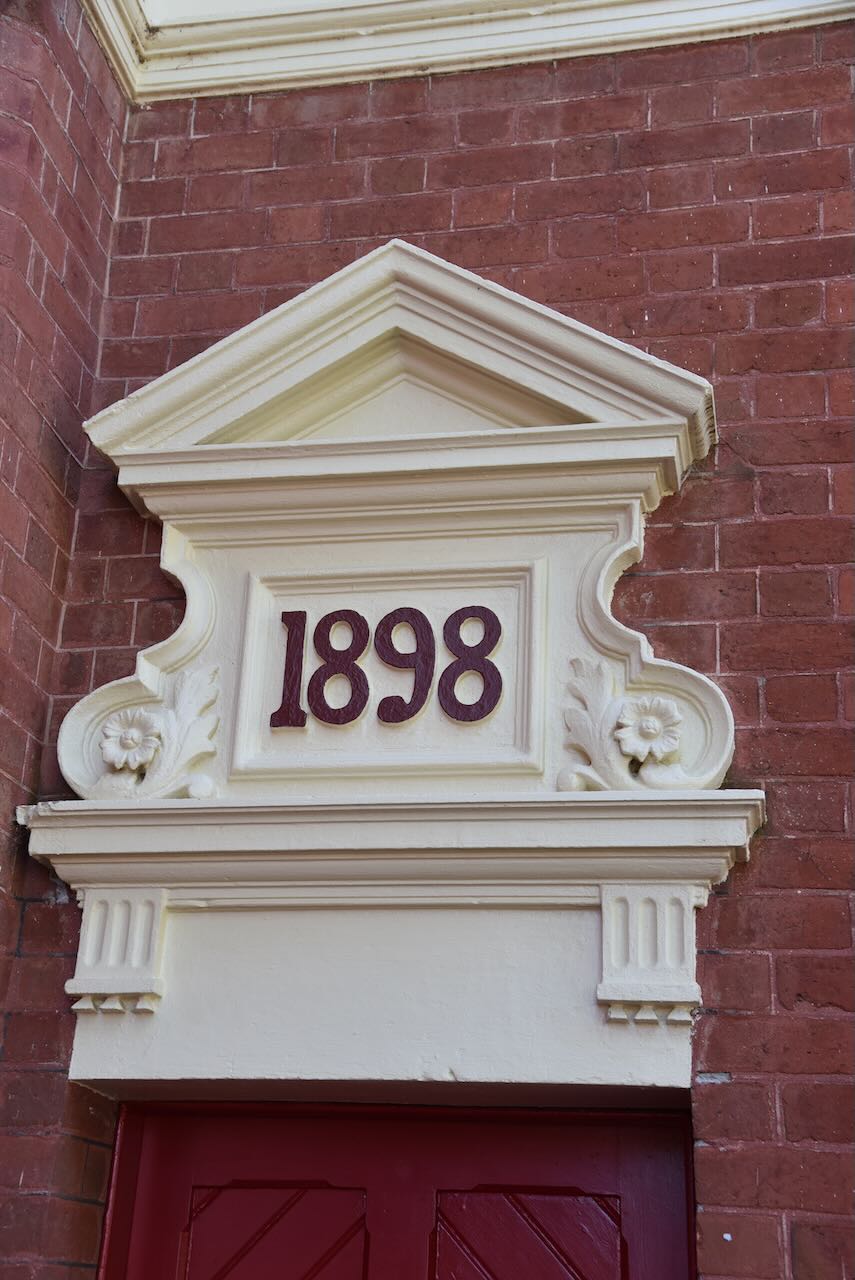
The Former Bendigo Fire Station was built in 1898 to the design of prominent local architect William Beebe. It was constructed to house accommodation for the fire brigade as well as a residence. (Heritage Vic 2017)
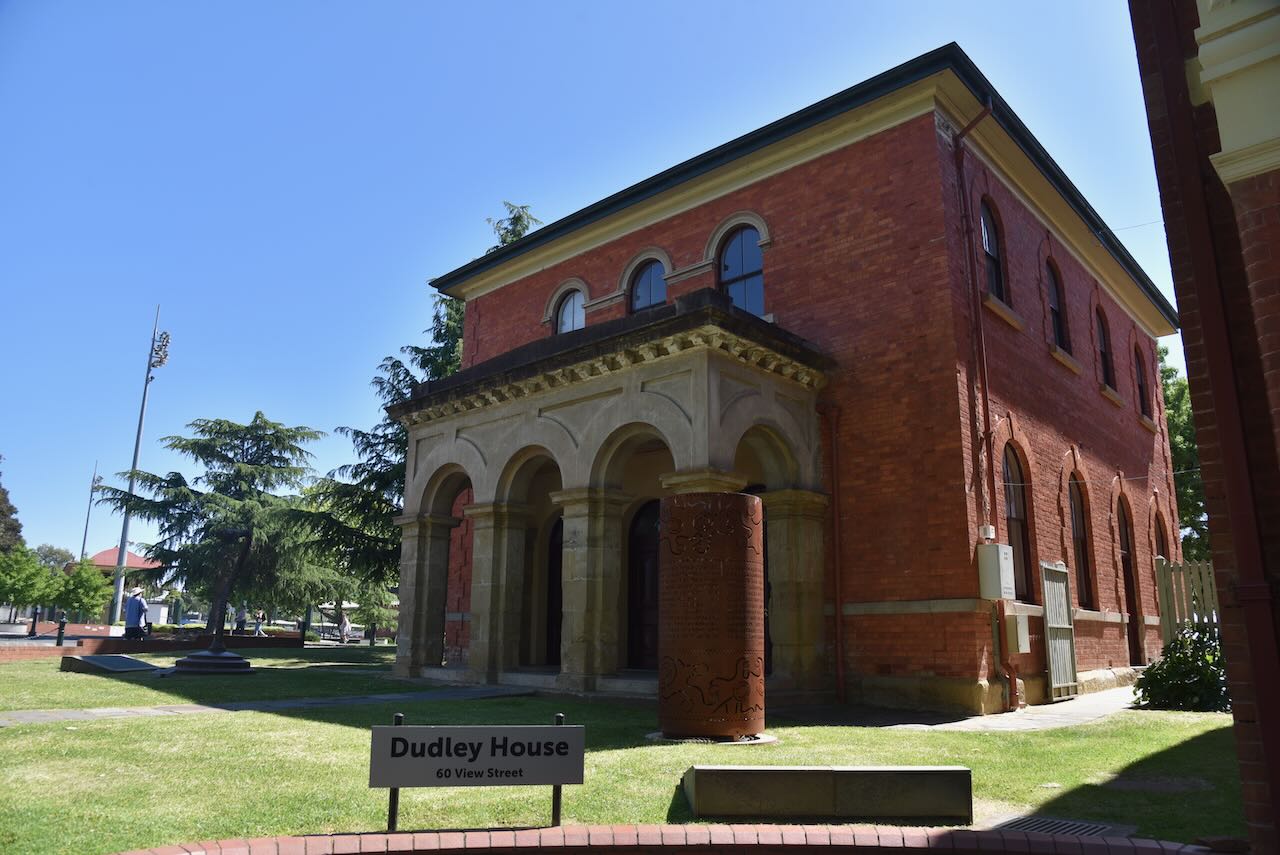
Dudley House was constructed in 1858-59 and was one of the first government offices erected in Bendigo’s Camp Hill area following the discovery of gold in 1851. It was constructed for the public works department and was used as the residence and office for Bendigo’s first surveyor, Richard Larritt. It is one of the earliest and most intact buildings in Bendigo from the 1850s. (Heritage Vic 2017)
The Capital Theatre was originally constructed as the Sandhurst Masonic Hall in 1873. It features a 480-seat theatre. (Wikipedia 2025)
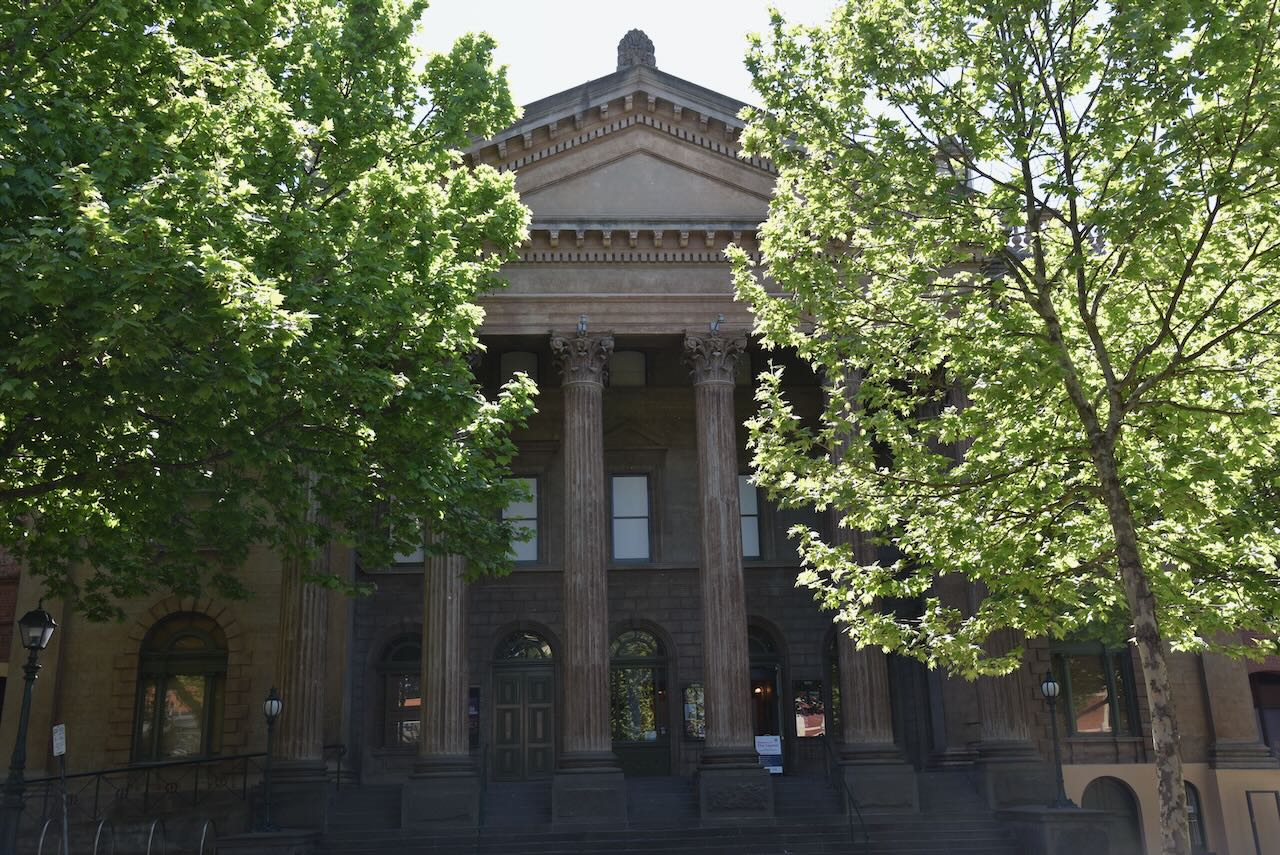
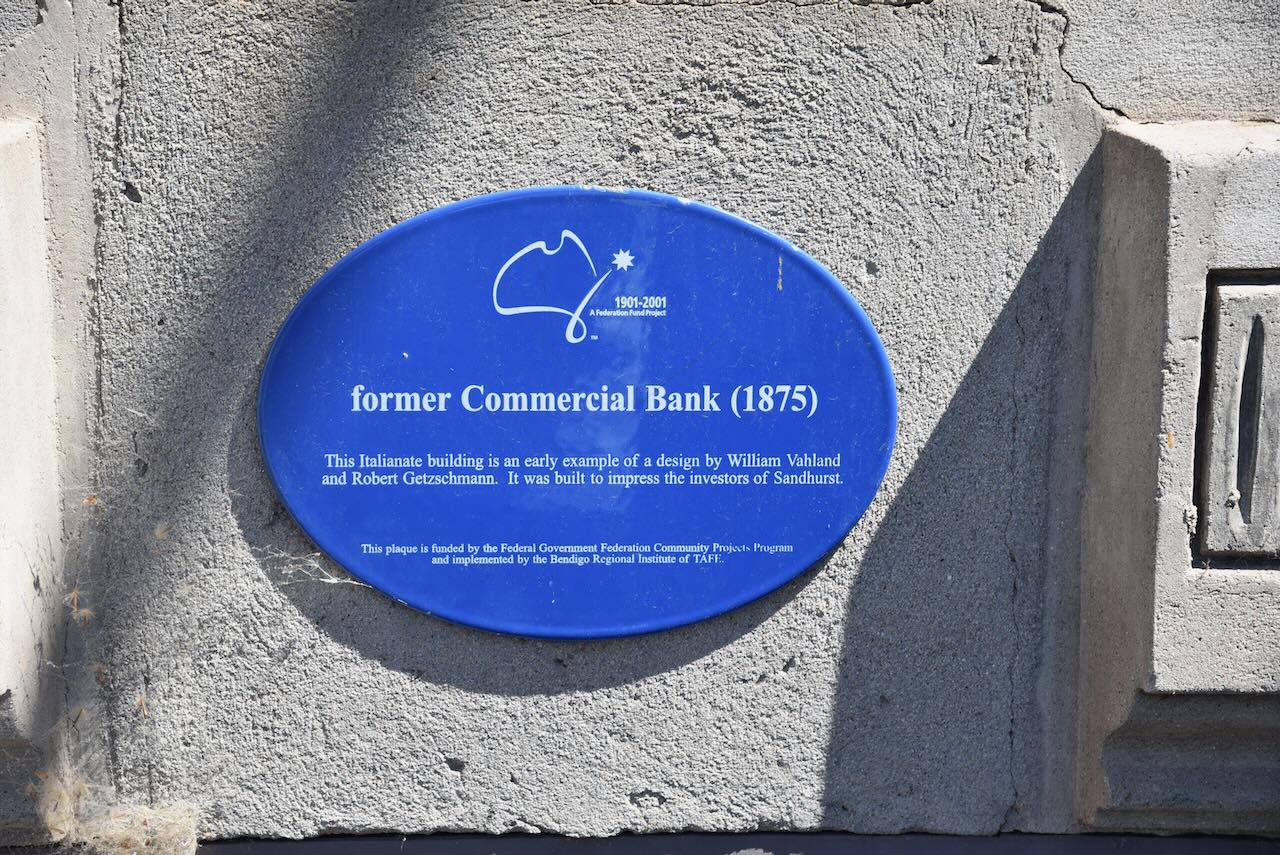
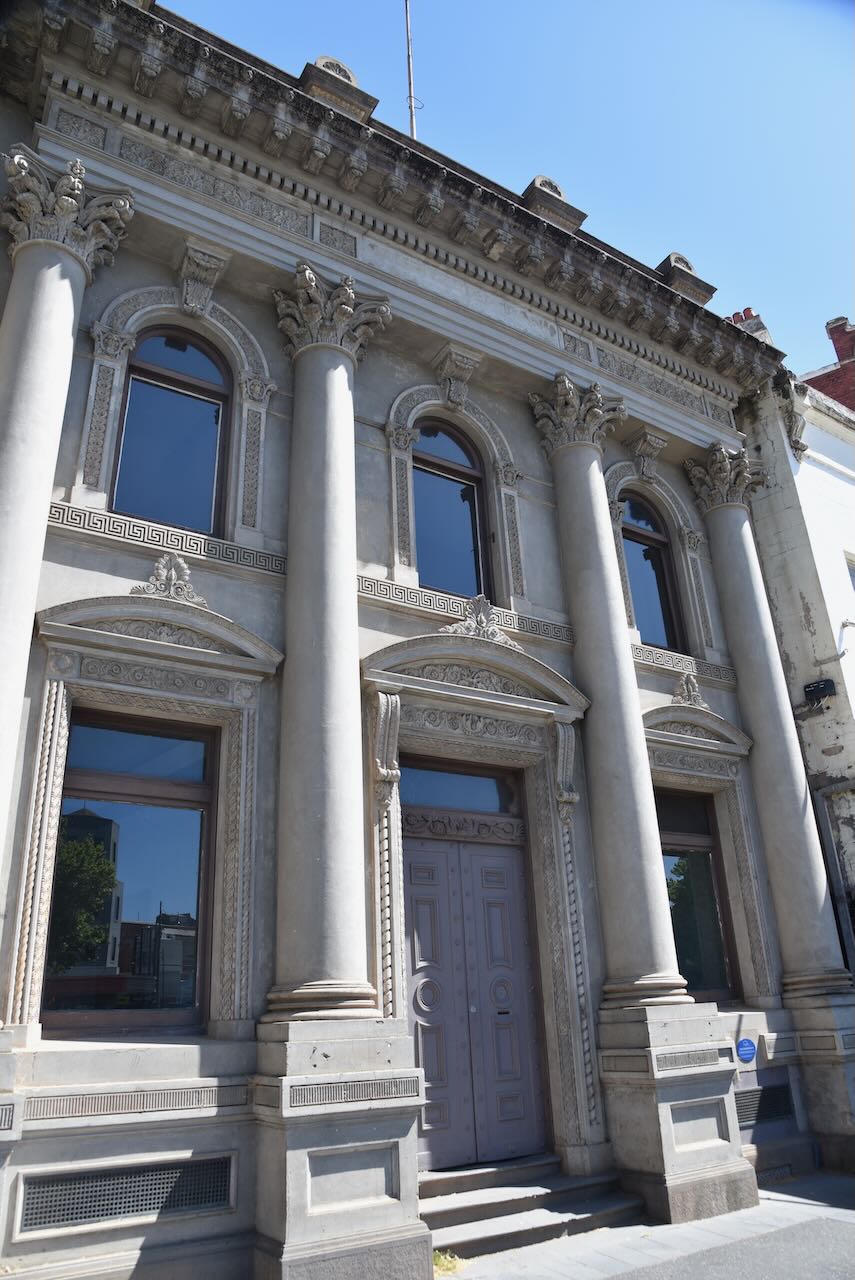
The former Commercial Bank building was built in 1875. It is an early example of a design by William Vahland and Robert Getzschmann that was built to impress the investors of Sandhurst.
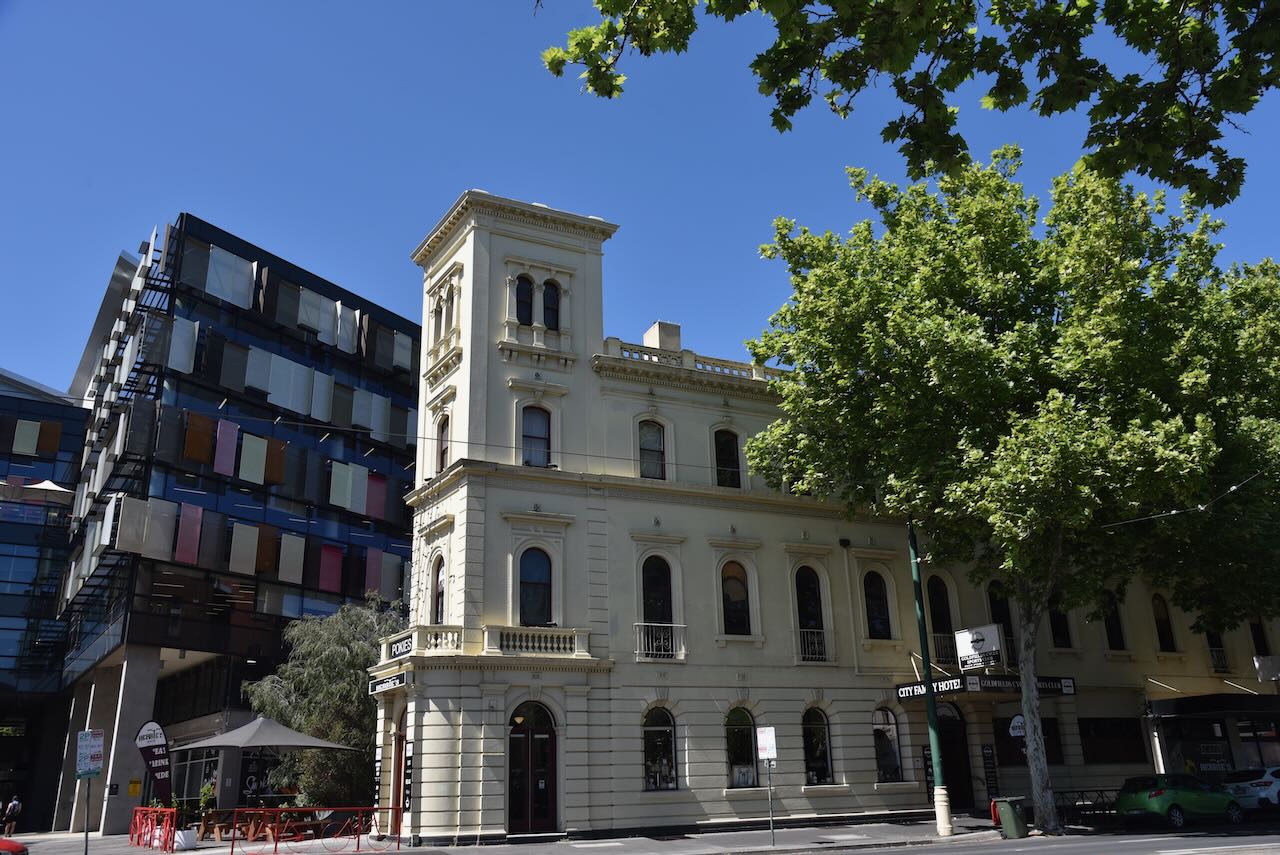
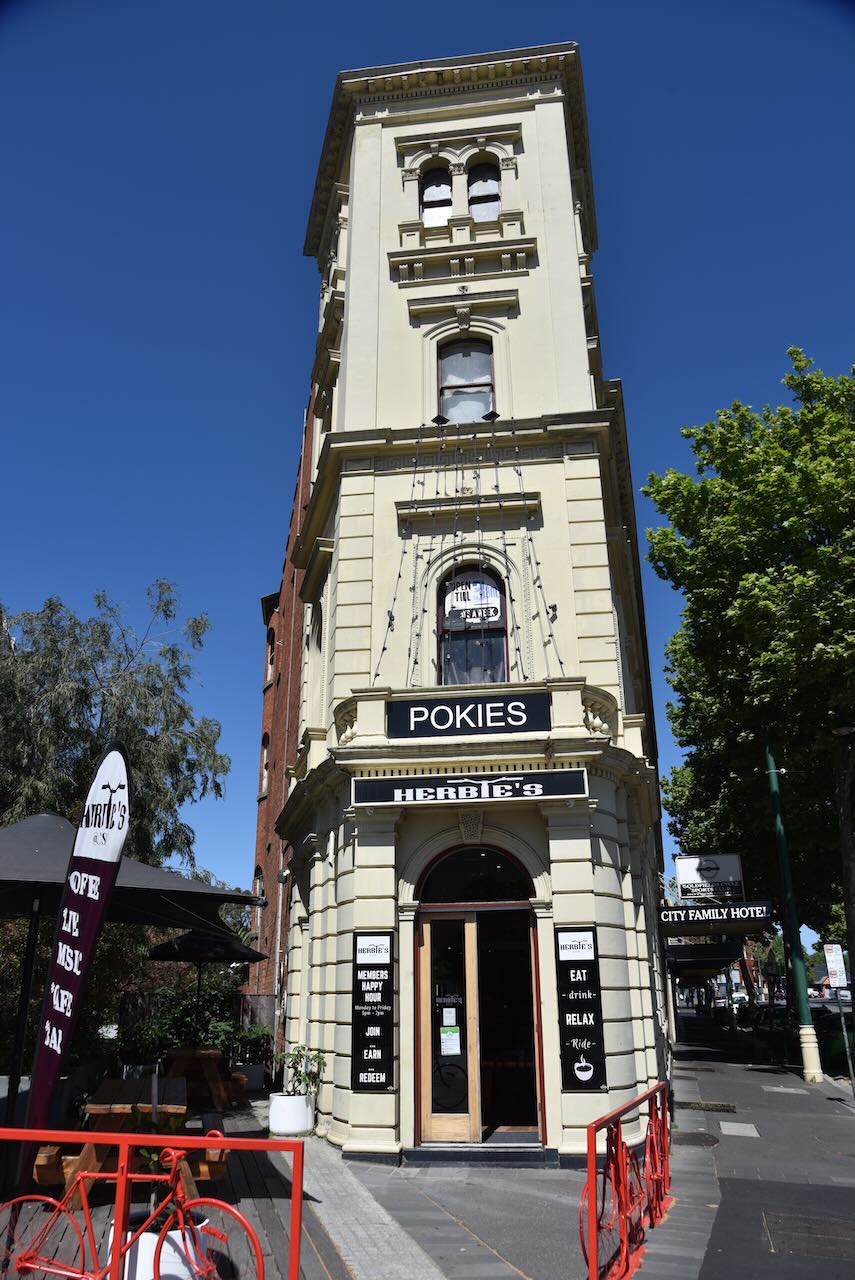
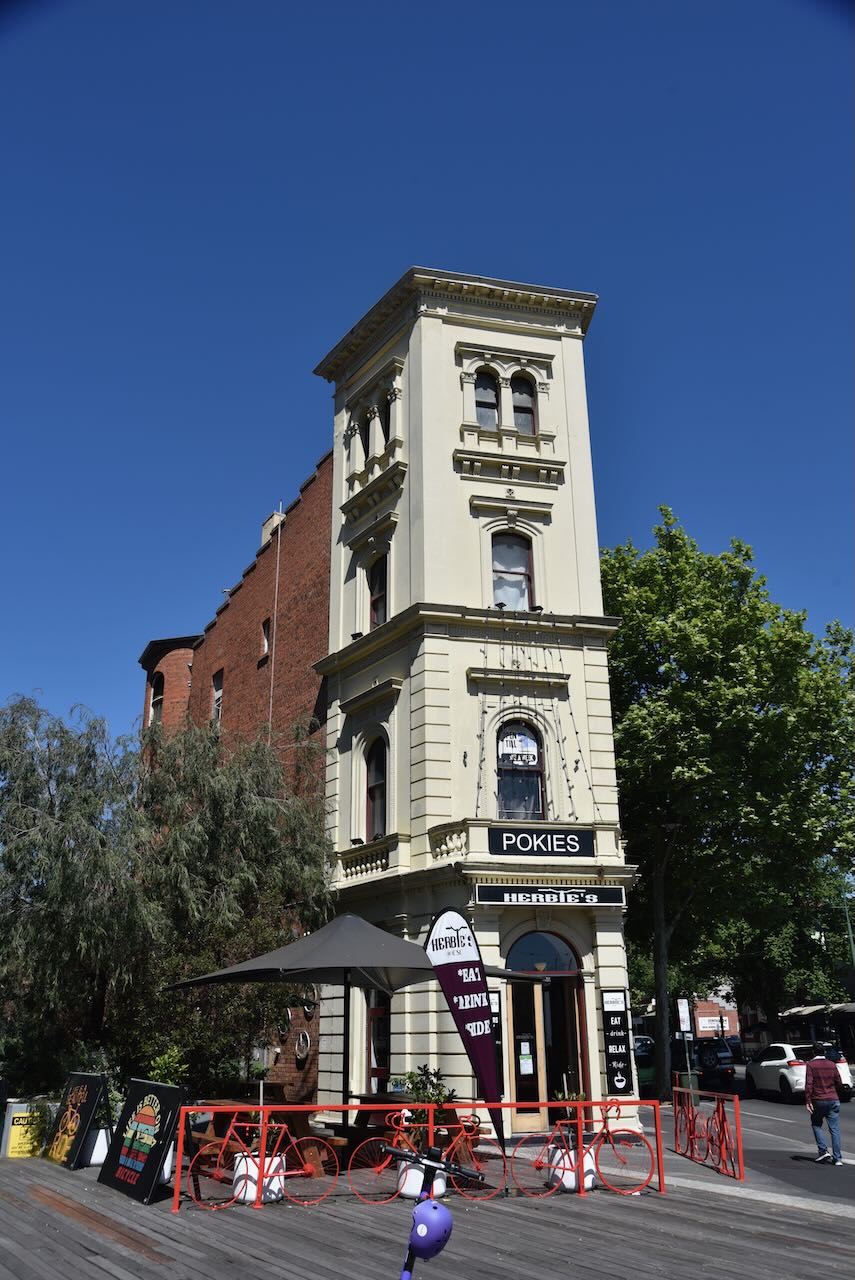
The former City Family Hotel was built in 1872. It was designed by well well-known architect William Vahland.
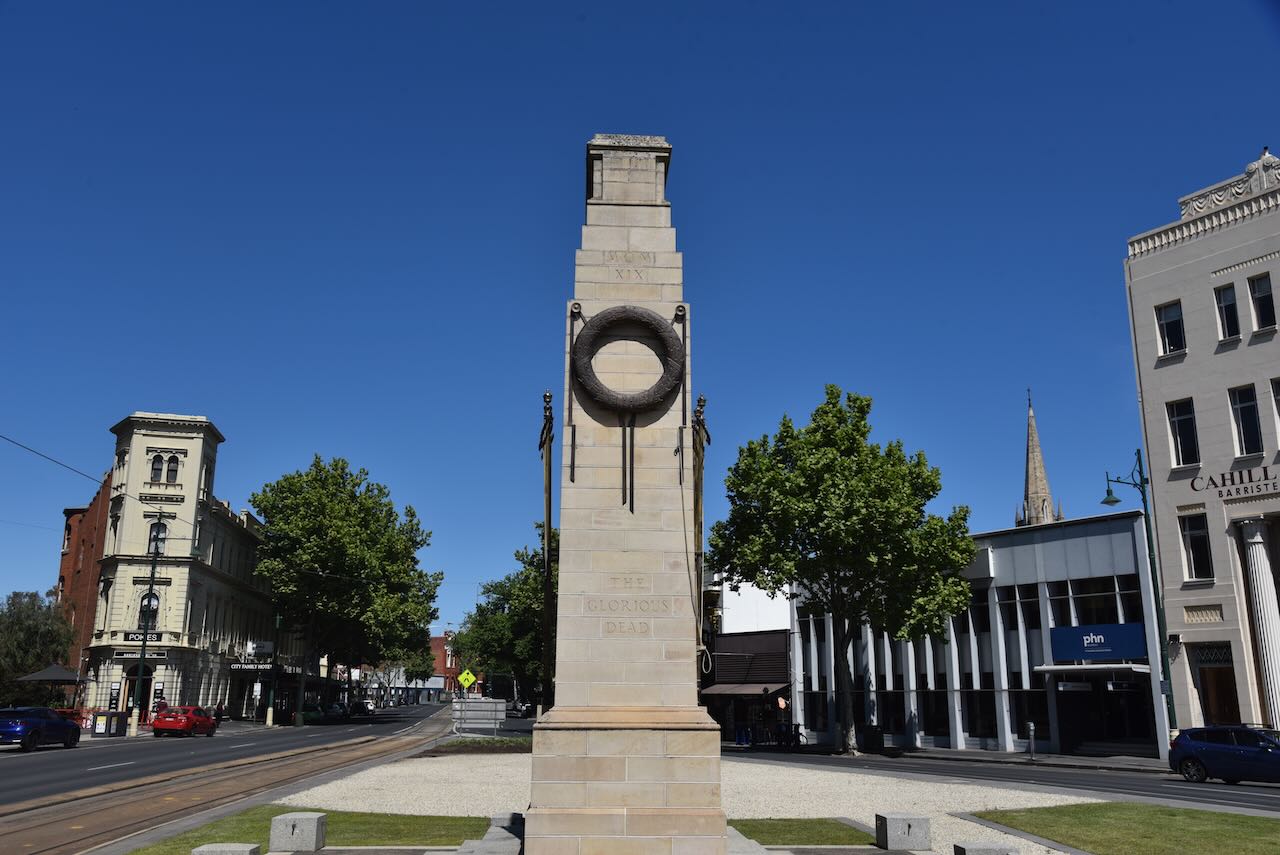
The Bendigo Cenotaph, located in Charing Cross, is a small replica of the Shrine in Whitehall, London, England, and it commemorates those who have served in the various conflicts in which Australia has been involved. (Monument Australia 2025)
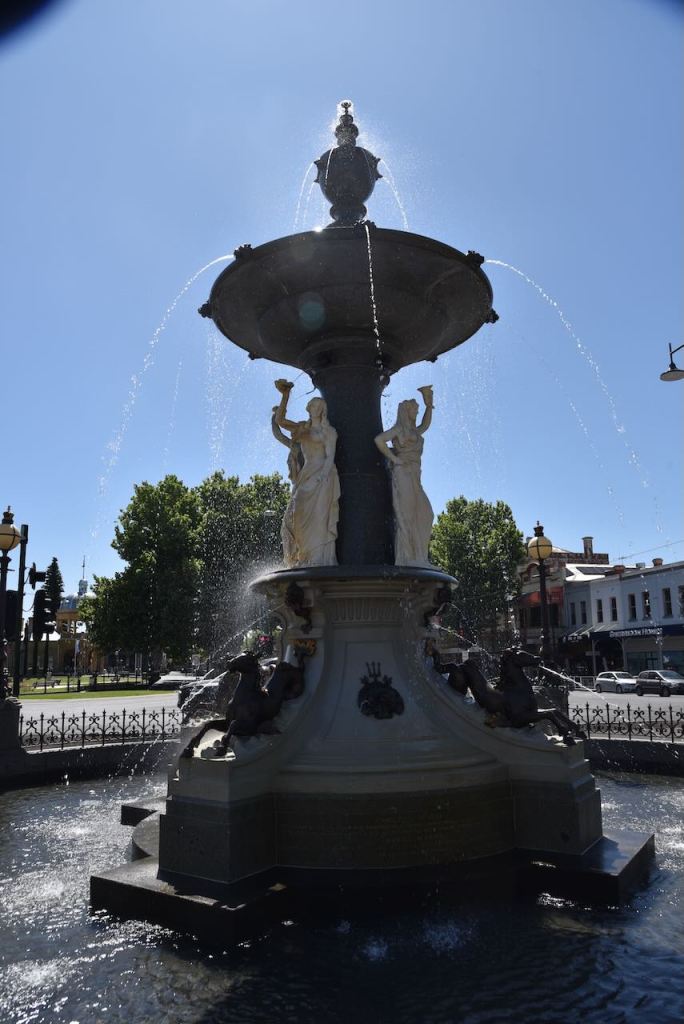
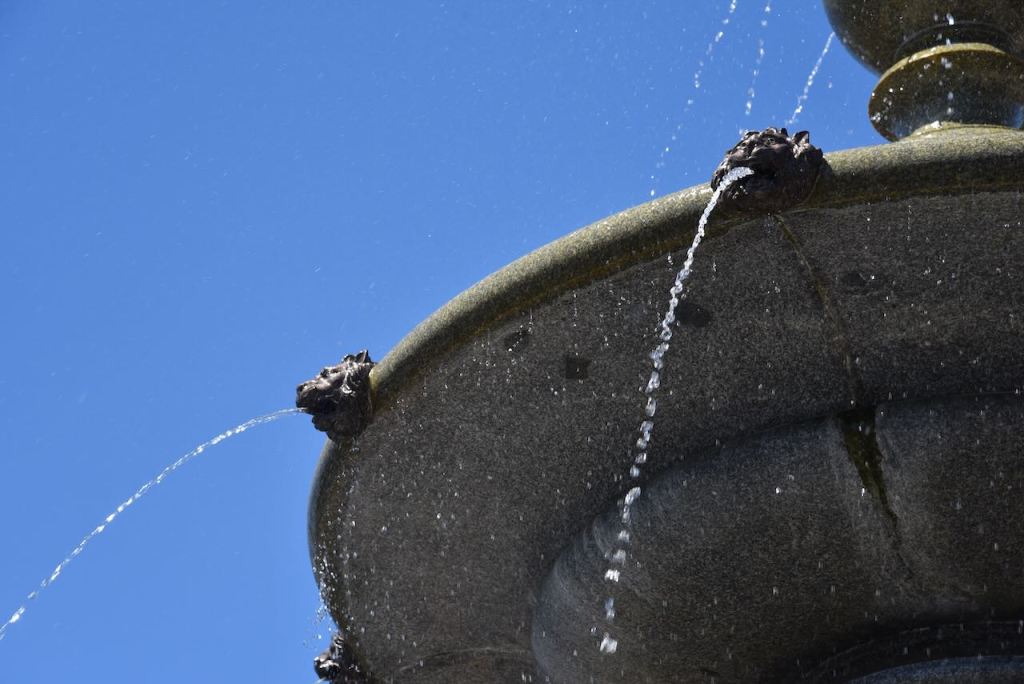
The Alexandra Fountain, located in Charing Cross, Bendigo, was designed by local architect William Vahland. It takes its name from Alexandra, Princess of Wales. Her sons, Princes Albert and George, attended the opening ceremony of the fountain in 1881. (Heritage Vic 2017)
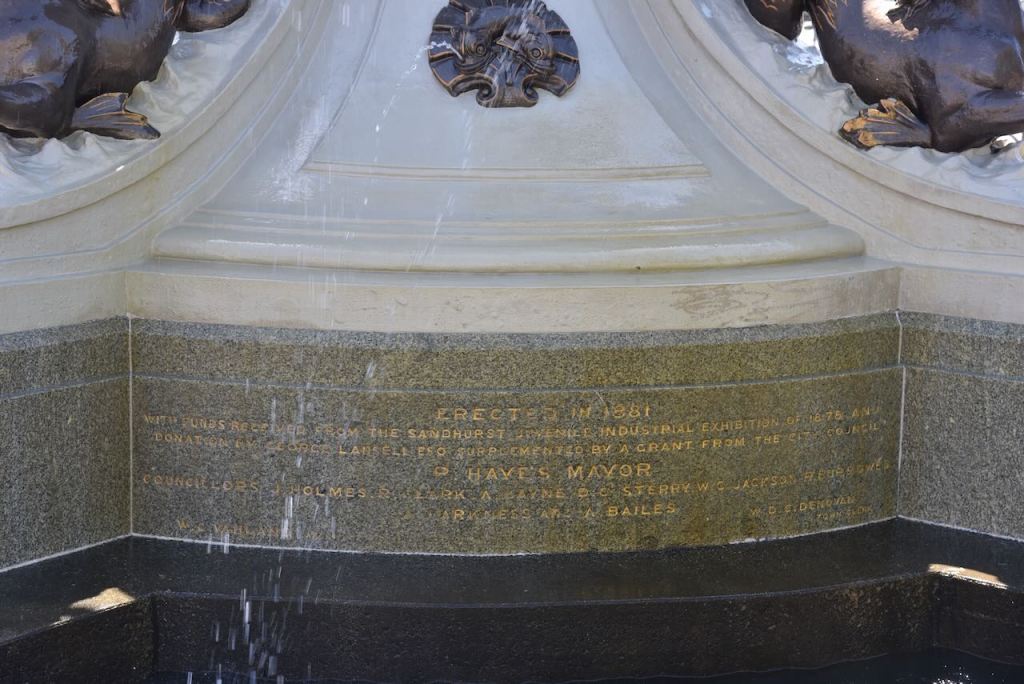
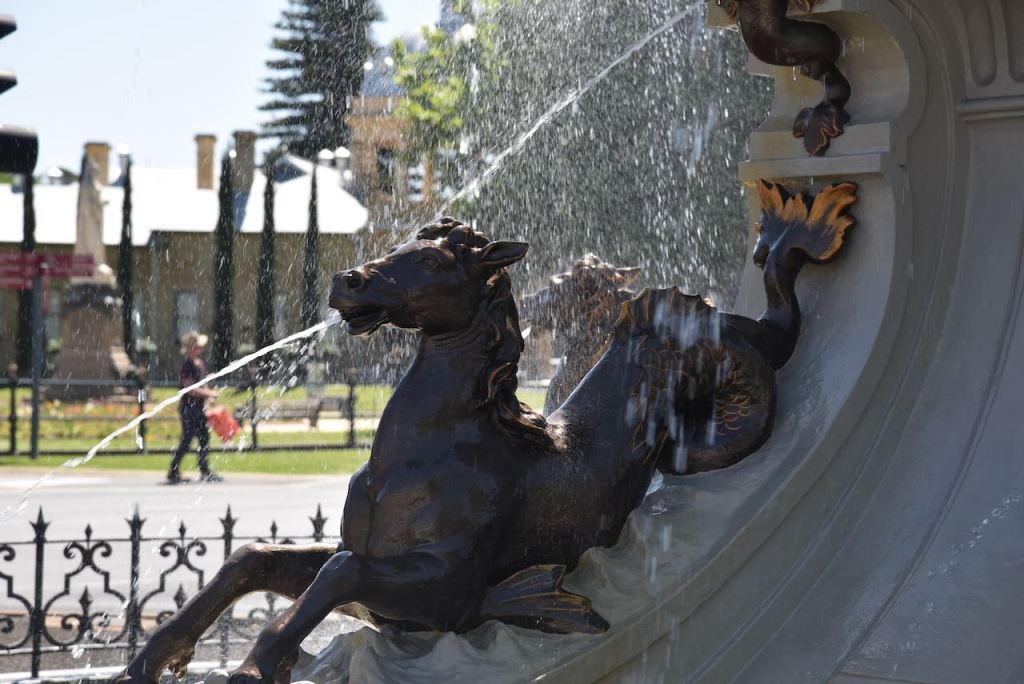
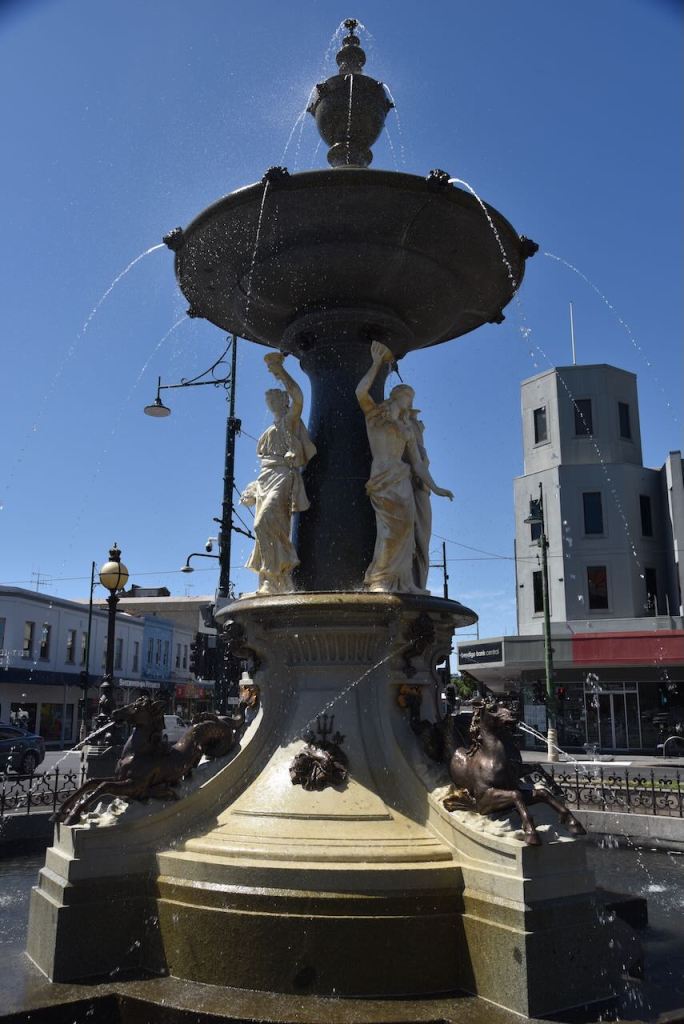
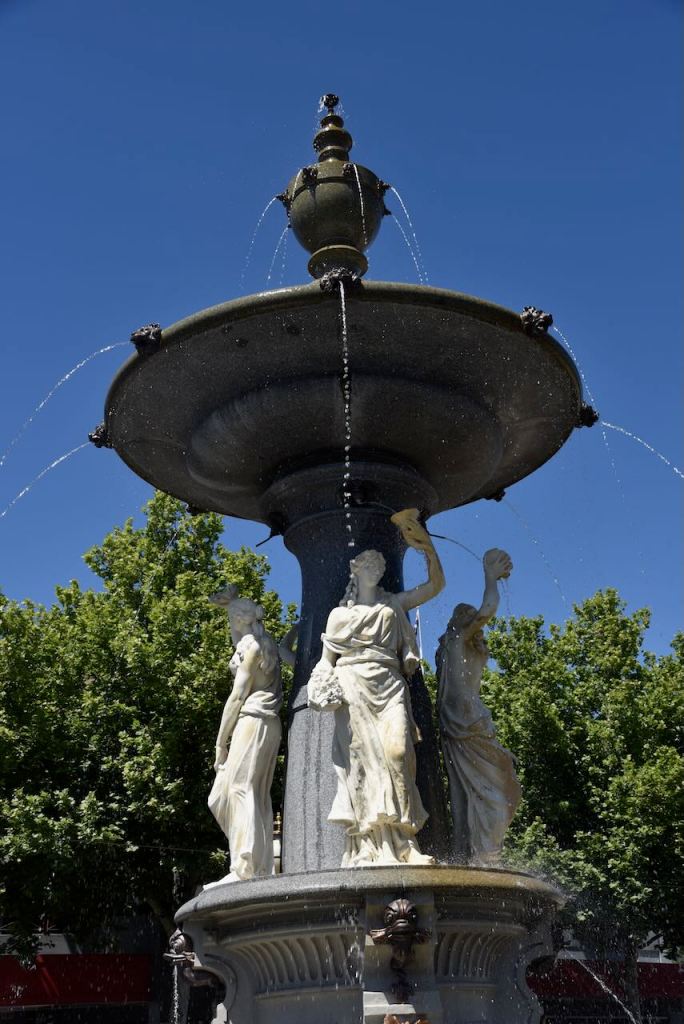
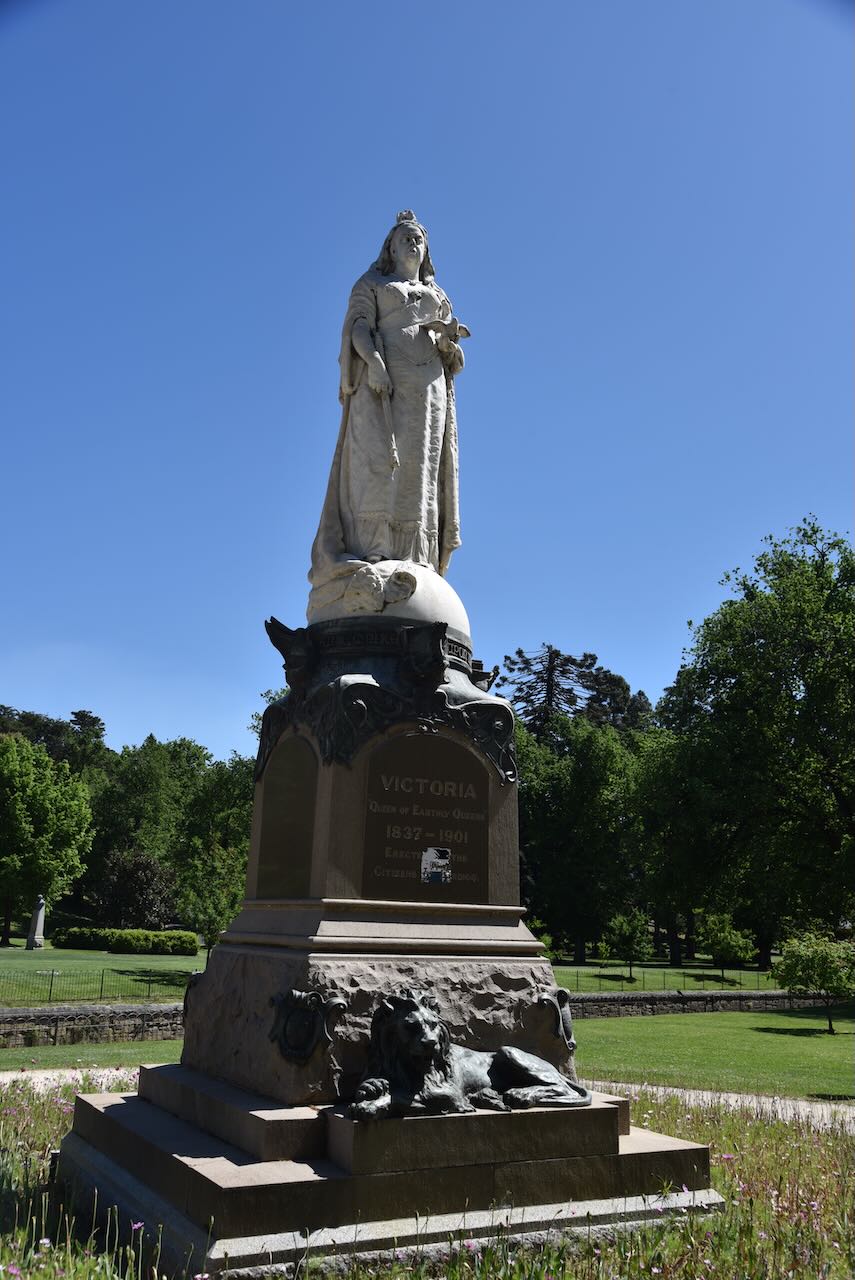
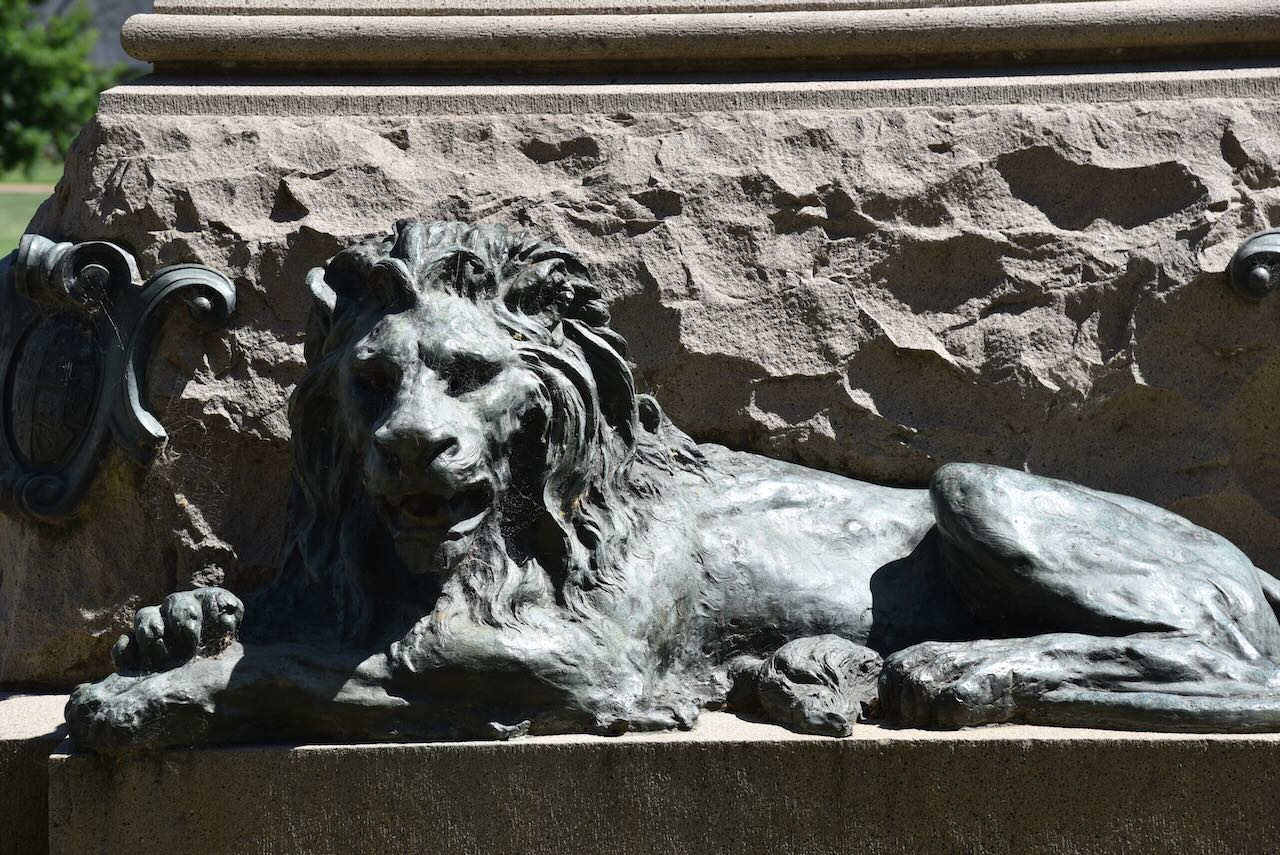
On Pall Mall is a statue of Queen Victoria. The statue was erected to commemorate Queen Victoria and is a twice-life-size marble statue on a 5-metre-high stone pedestal. (Monument Australia 2025)

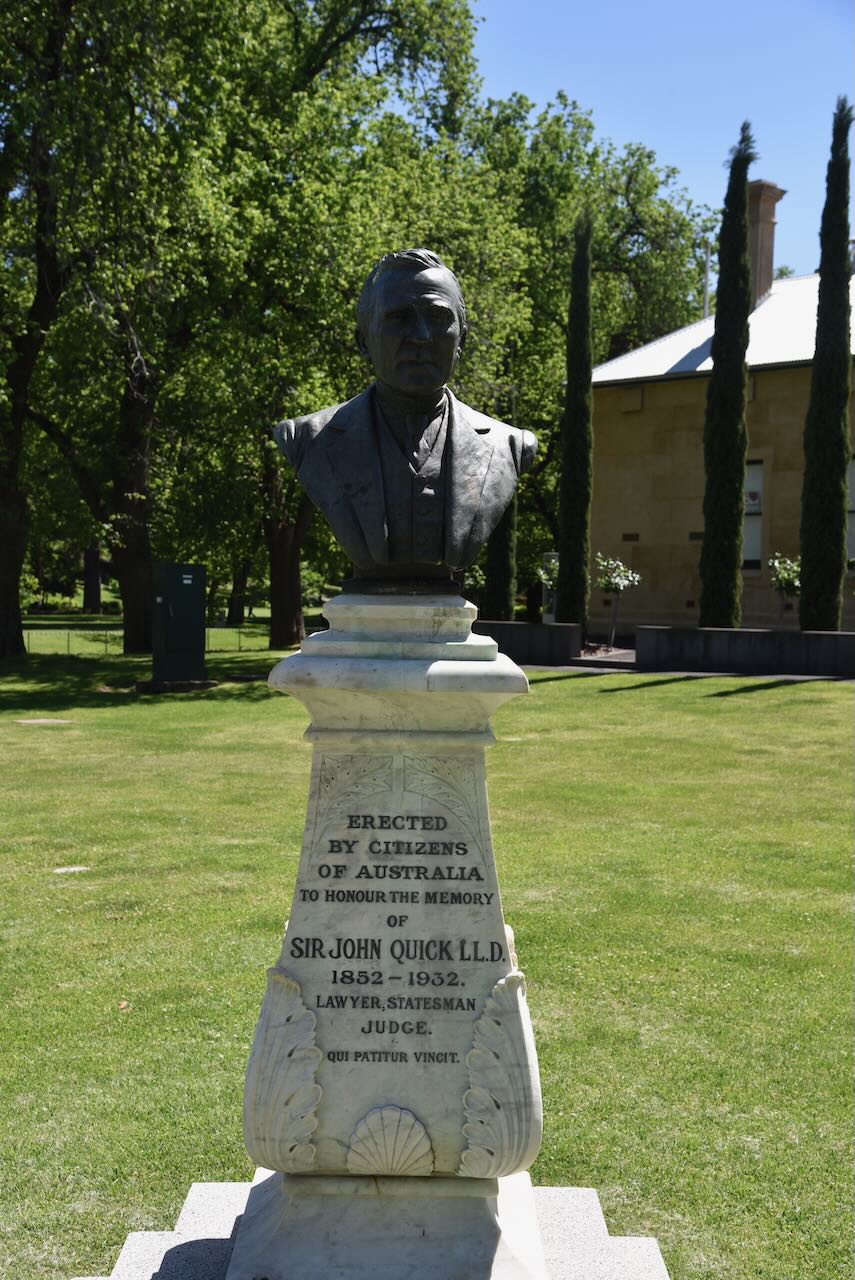
Also on Pall Mall is a bust that commemorates lawyer and statesman Sir John Quick. He was an Australian politician, author, and the federal Member of Parliament for Bendigo and one of the authors of the Australian Constitution. (Monument Australia 2025)
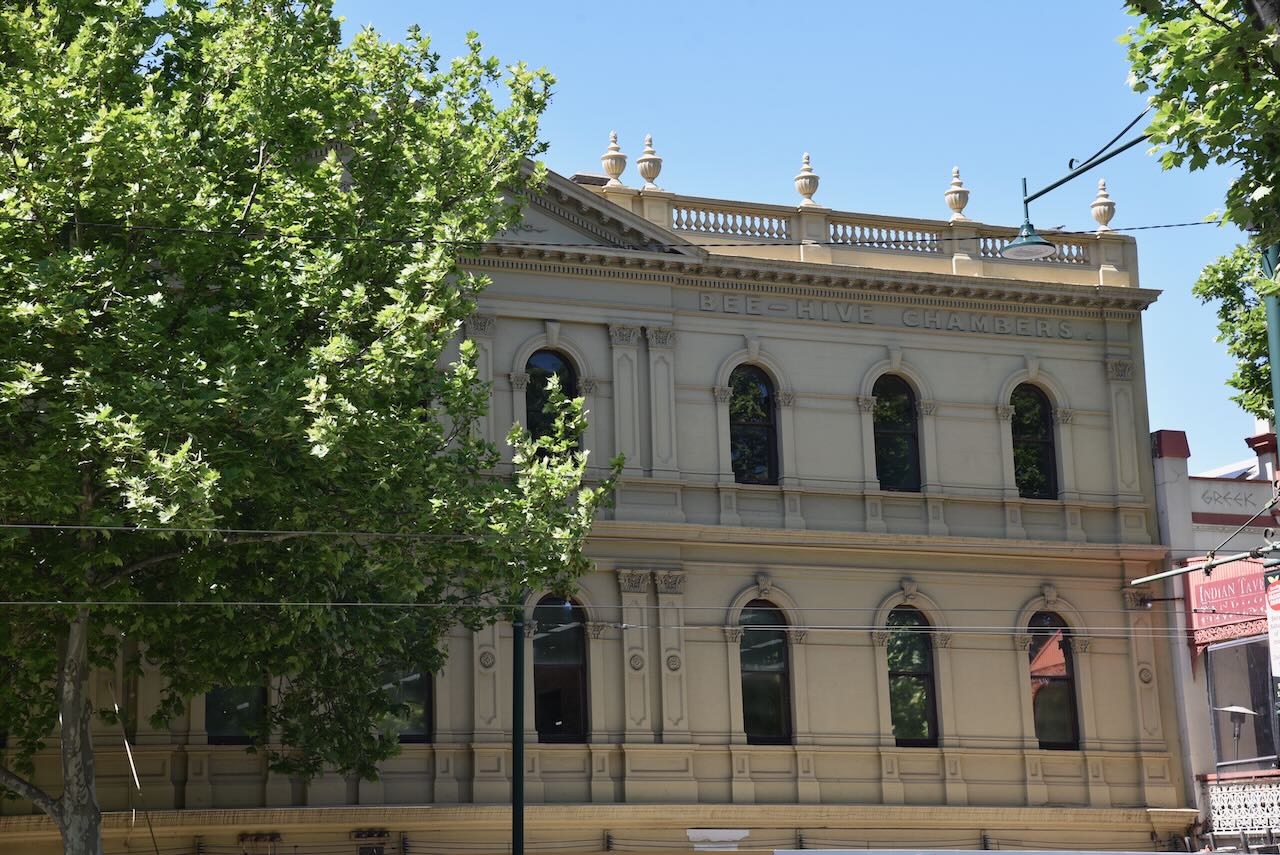
The Beehive Building was designed by architect Charles Webb and was constructed in 1871. It was formerly the Bendigo Mining Exchange. (Heritage Vic 2017)
We then visited the Bendigo War Memorial in Pall Mall.
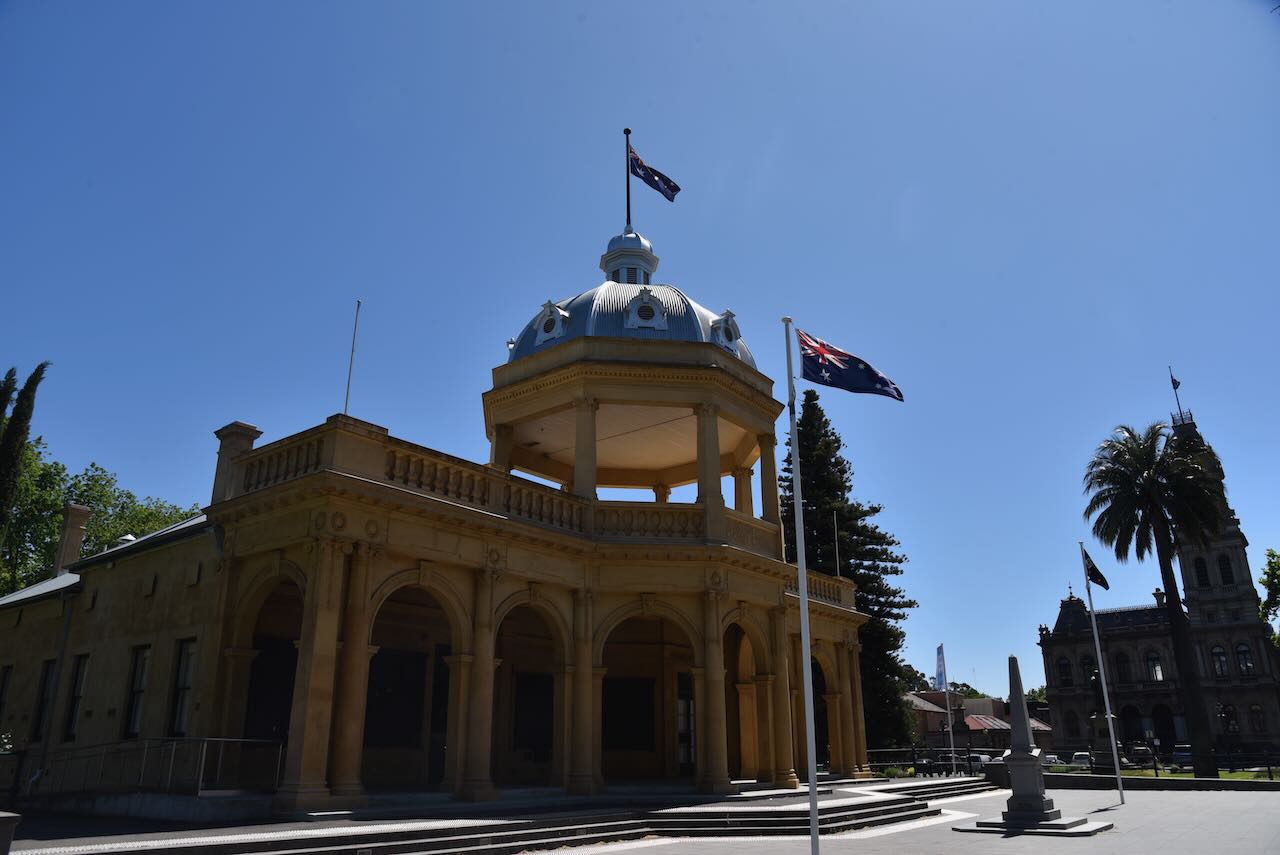
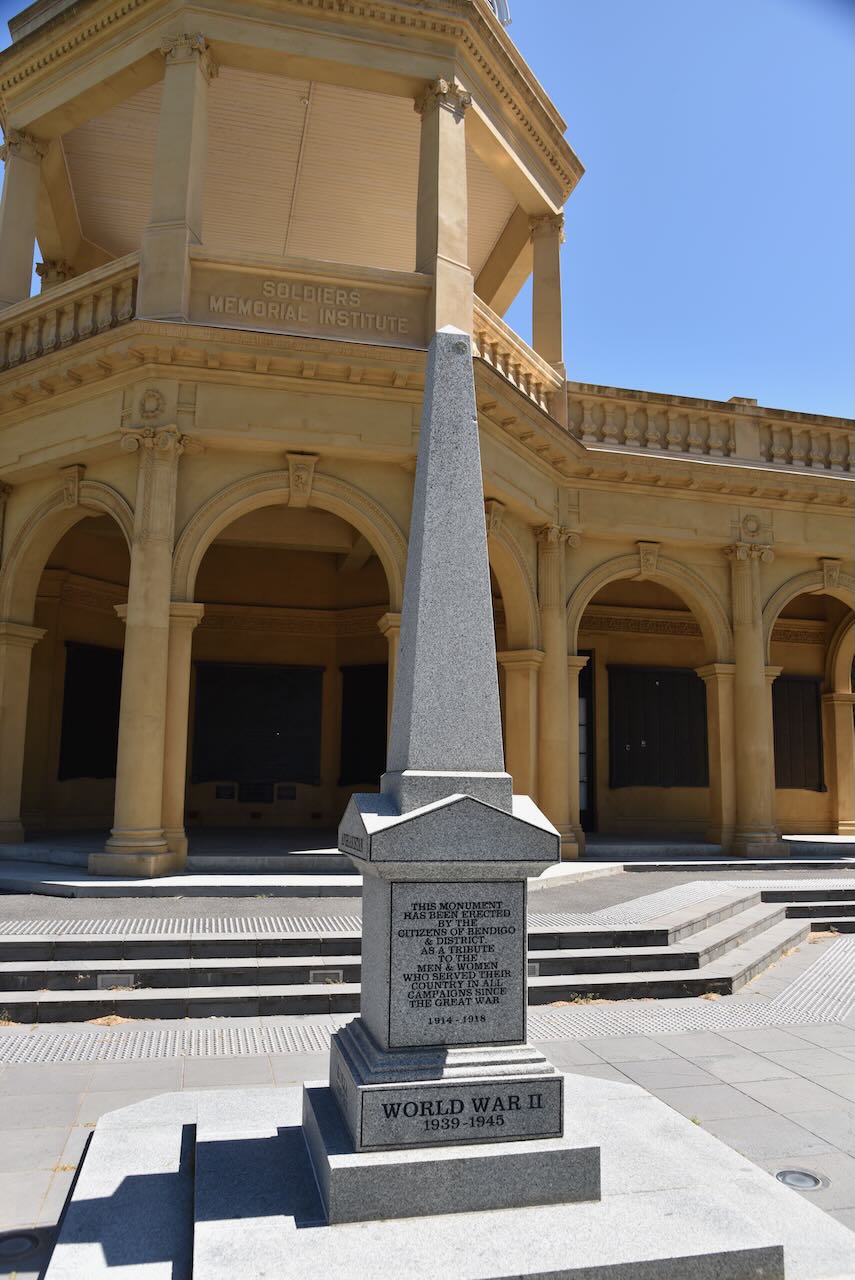
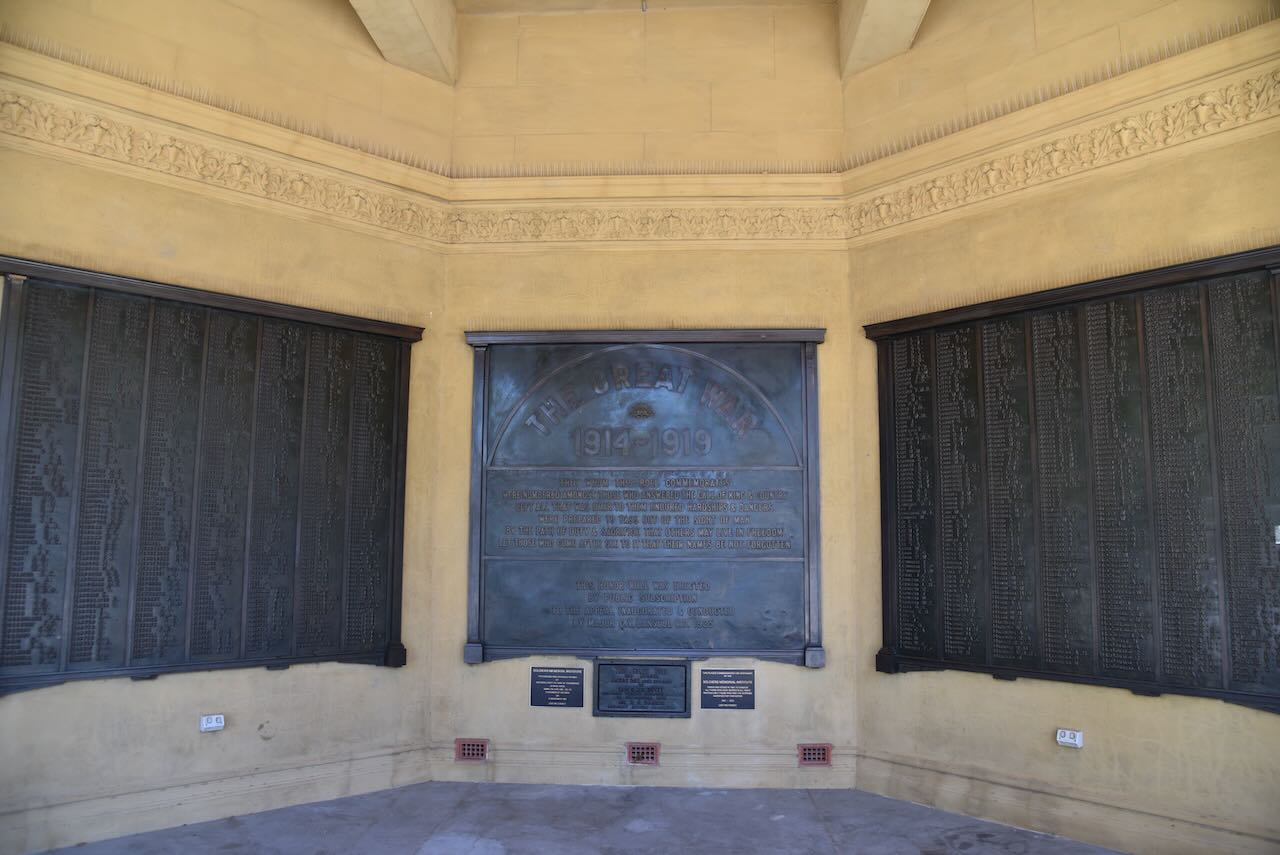
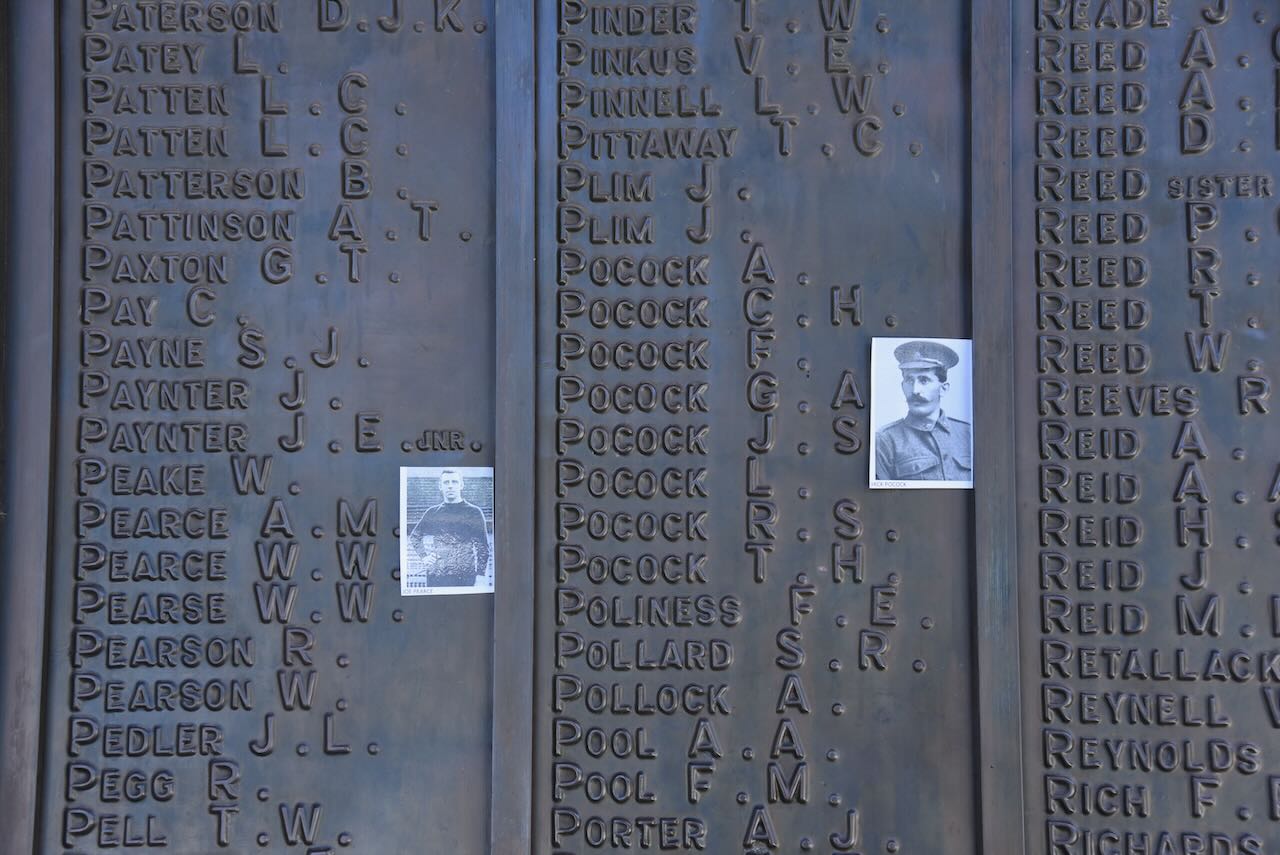
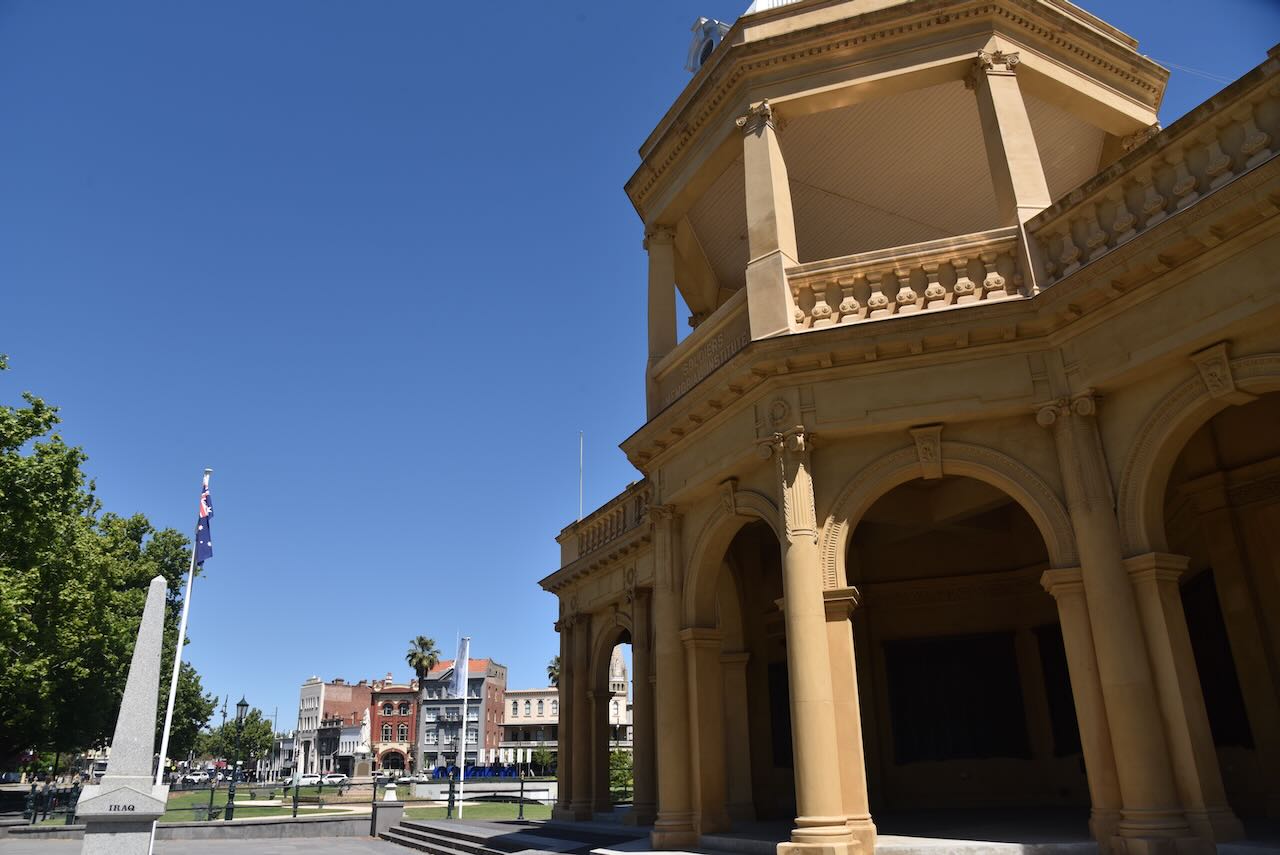
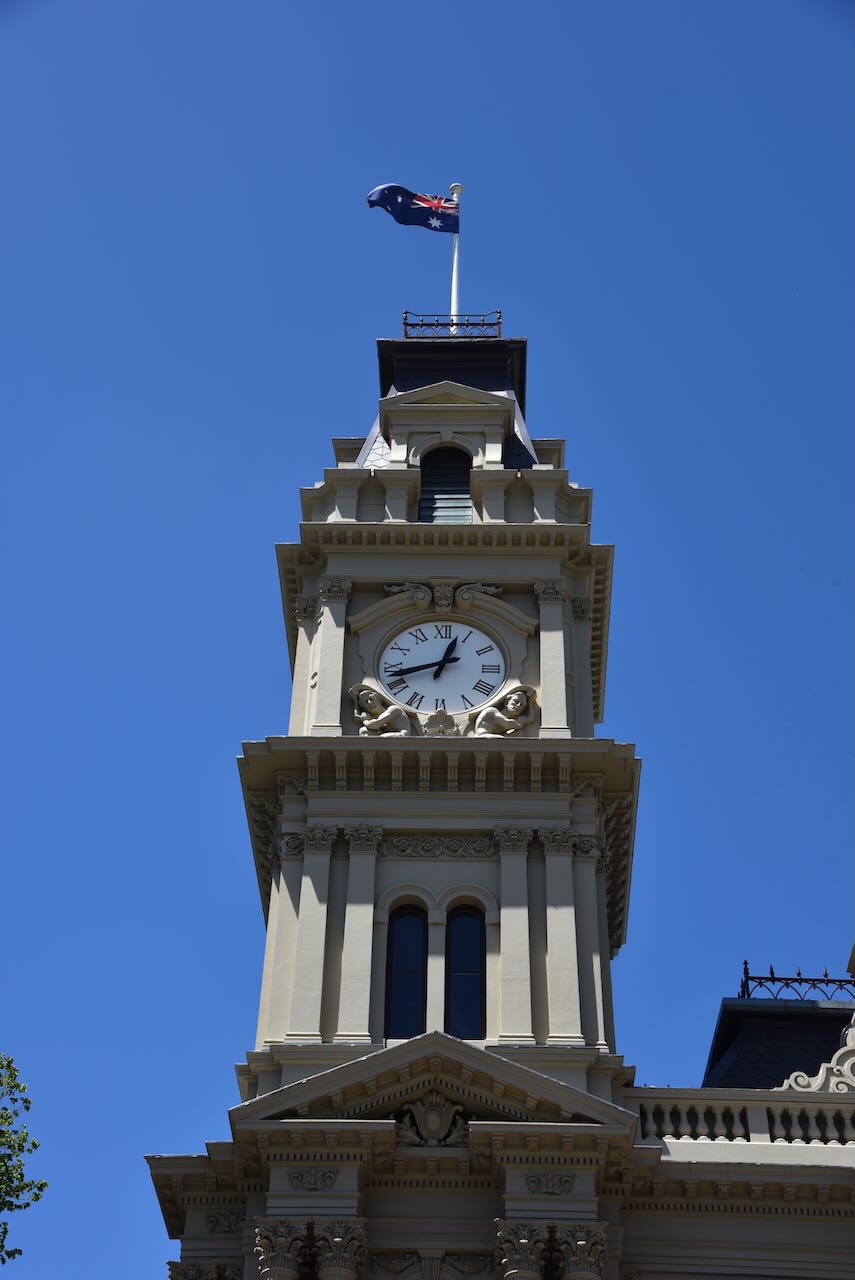
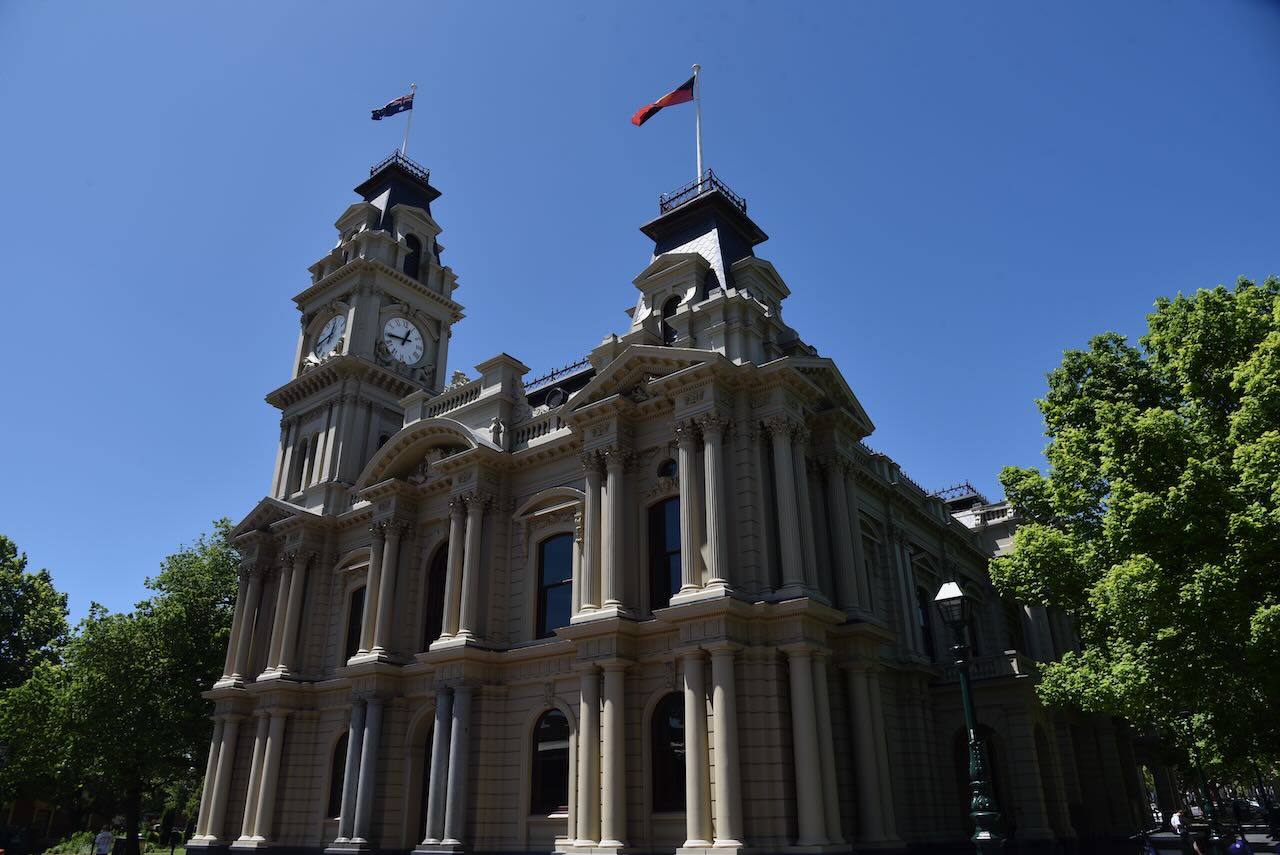
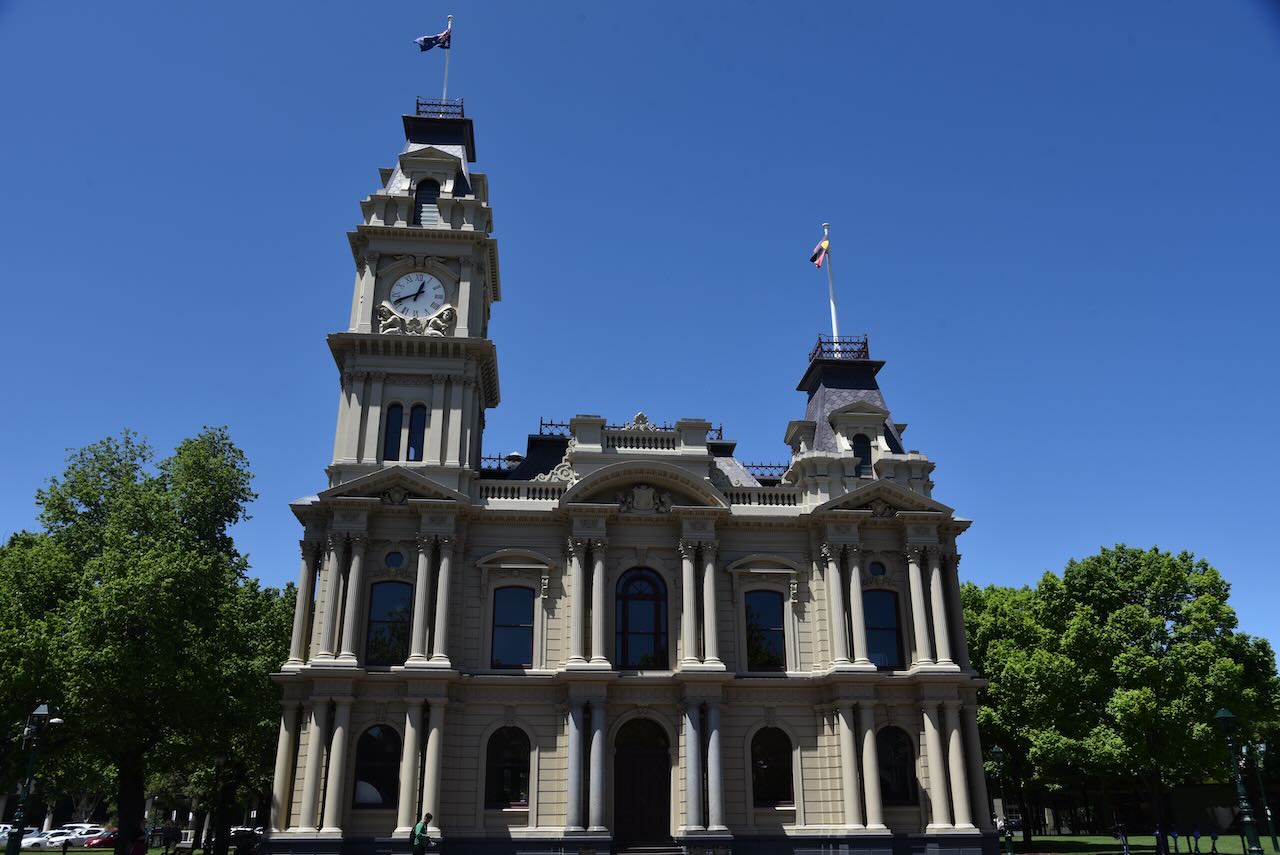
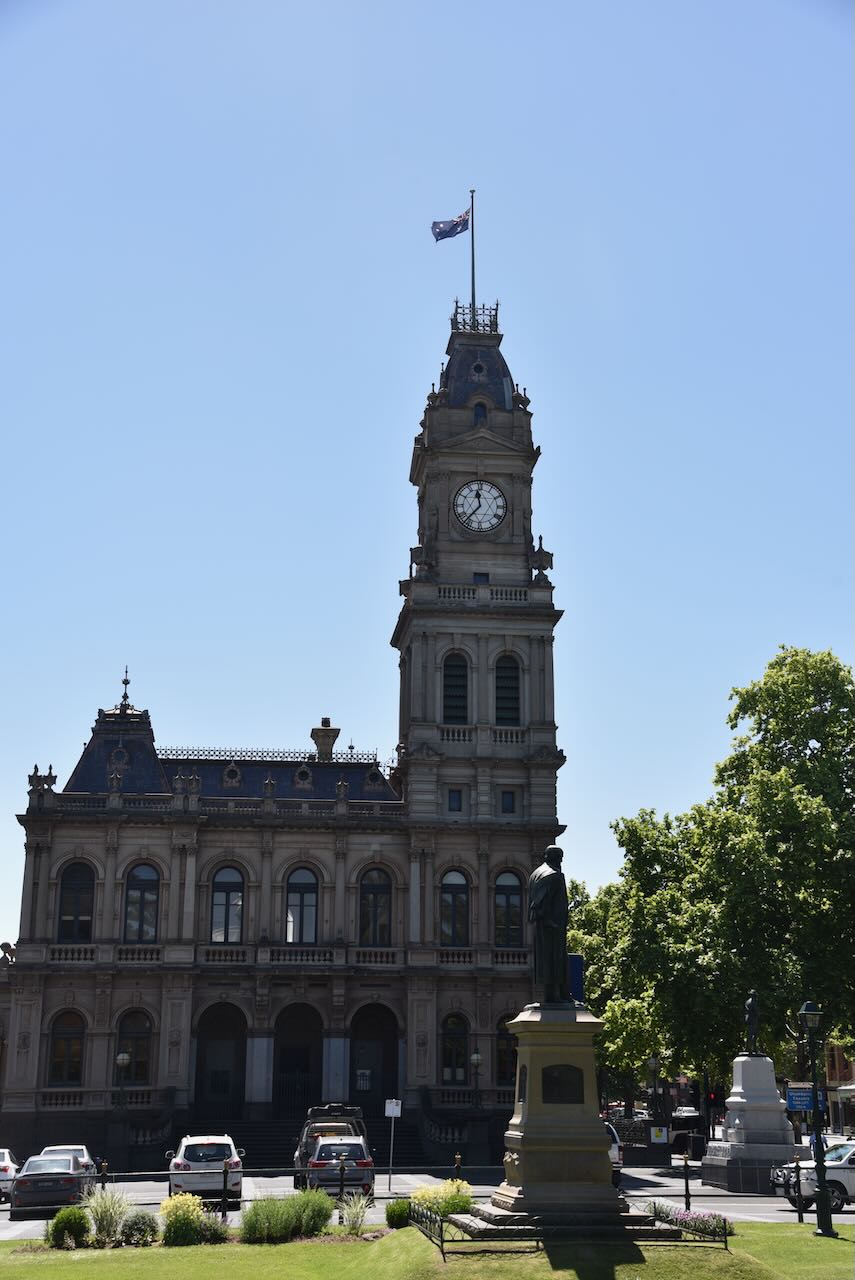
The Bendigo Town Hall was built in 1859 and extended over three phases. Its original 1859 design was that of George Avery Fletcher and was a simple two-storey building. (Heritage Vic 2017)
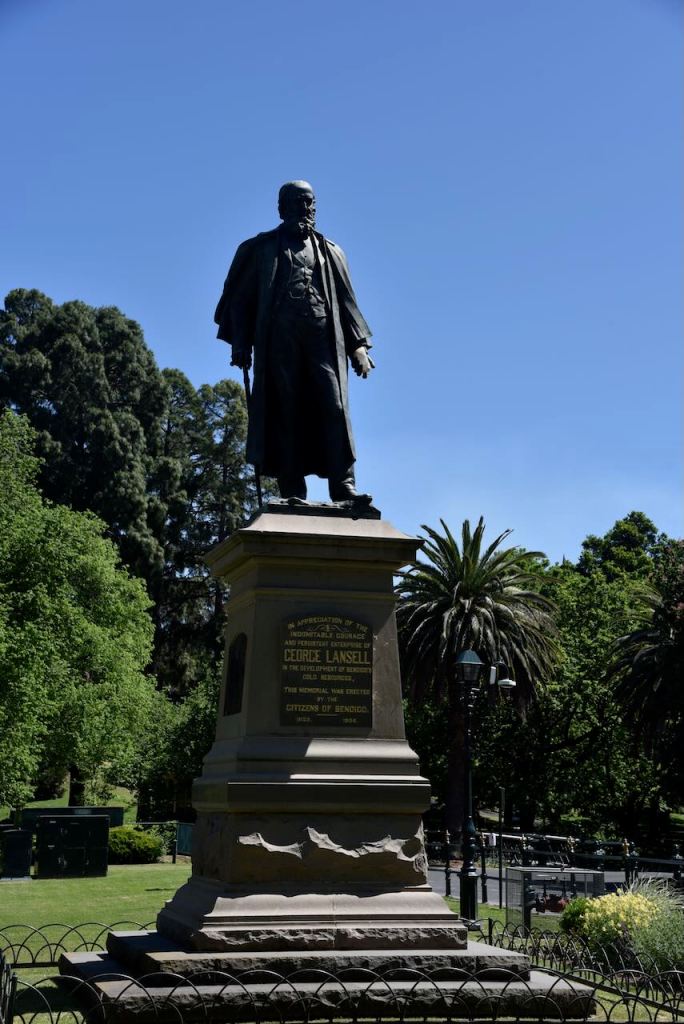
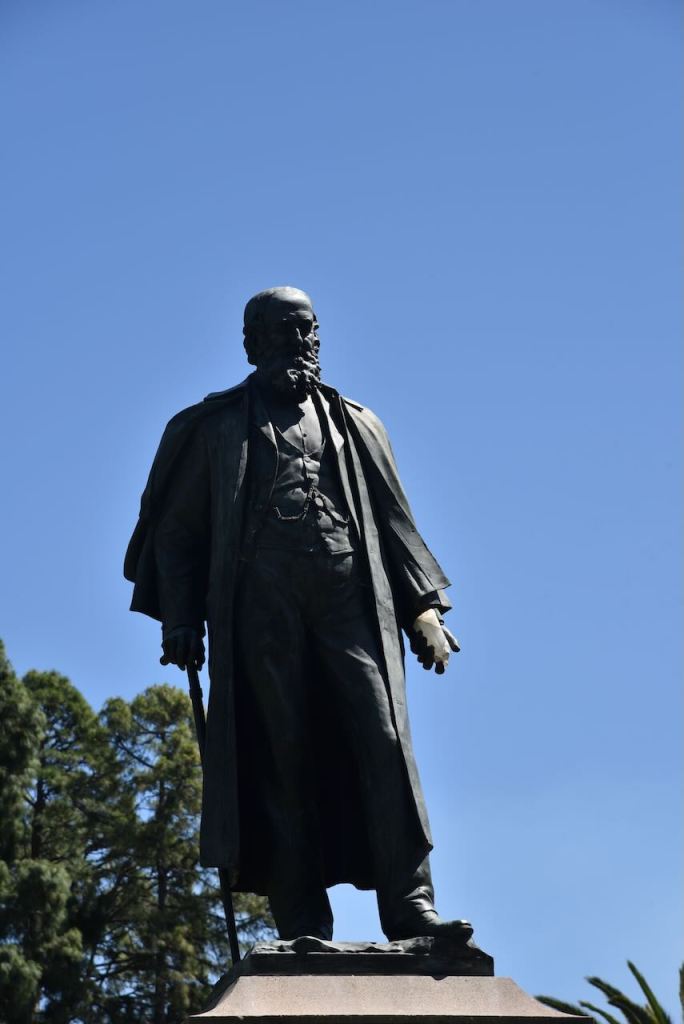
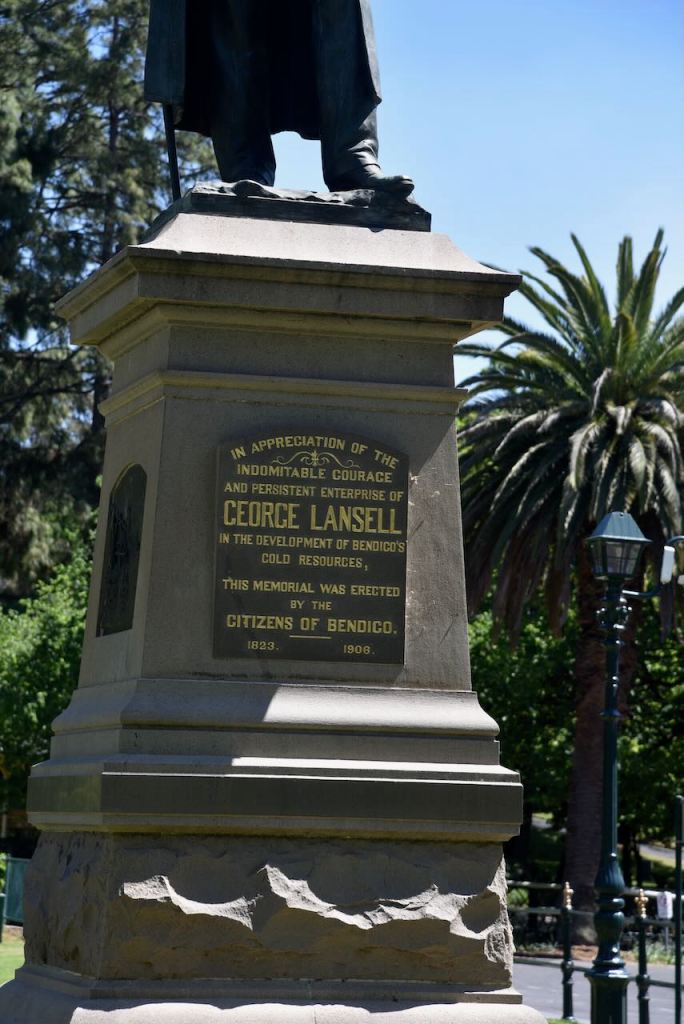
George Lansell was an English-born Australian politician and was the chairman of a large number of media and other companies in Victoria. He was born in 1823 in Margate, England, and arrived in Australia in 1853. He initially opened a butchery, soap and candle factory and a tallow chandler’s business. He soon became interested in deep reef mining and was known as the ‘Quartz King’ in Bendigo. (Monument Australia 2025)
The impressive Hotel Shamrock is one of Bendigo’s major landmarks and was the venue for our Friday evening meal for the 2024 VKFF National Get Together.
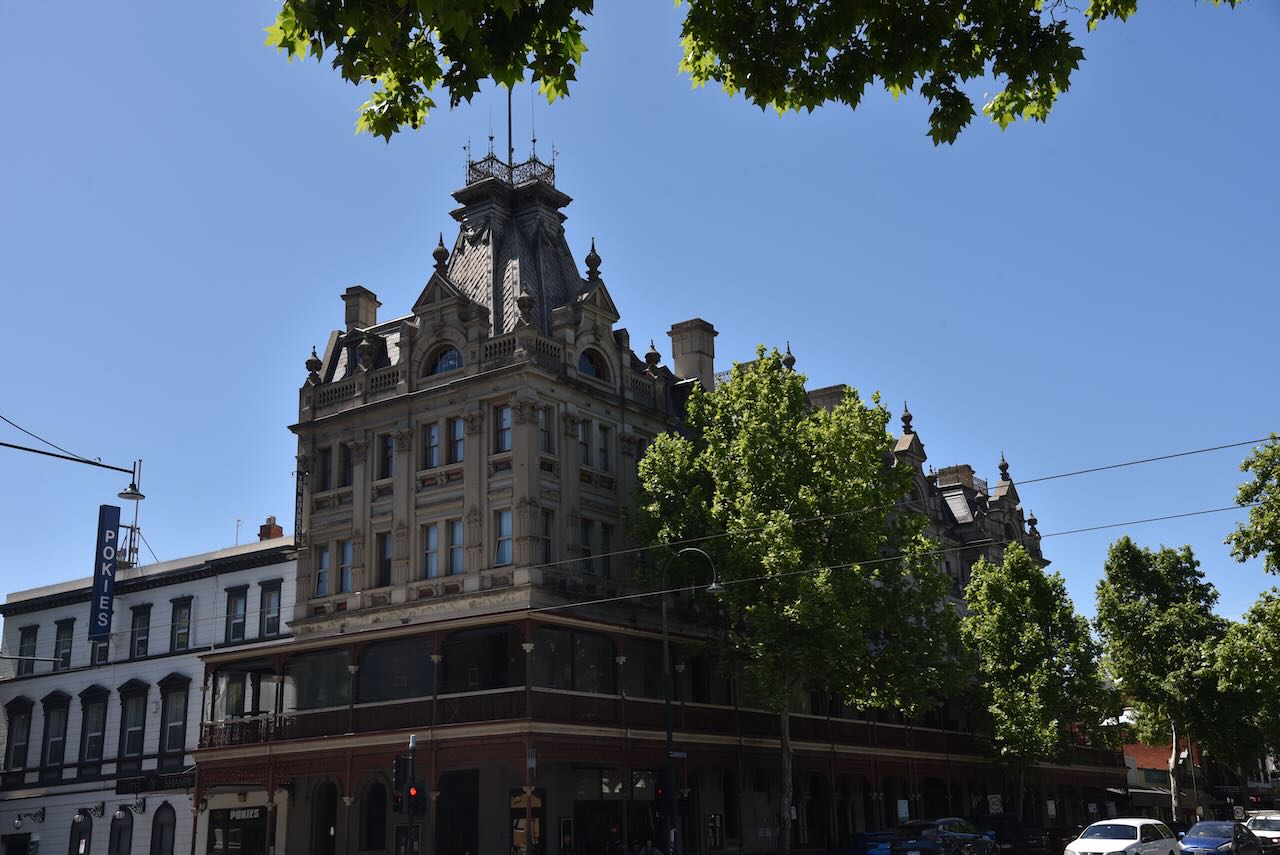
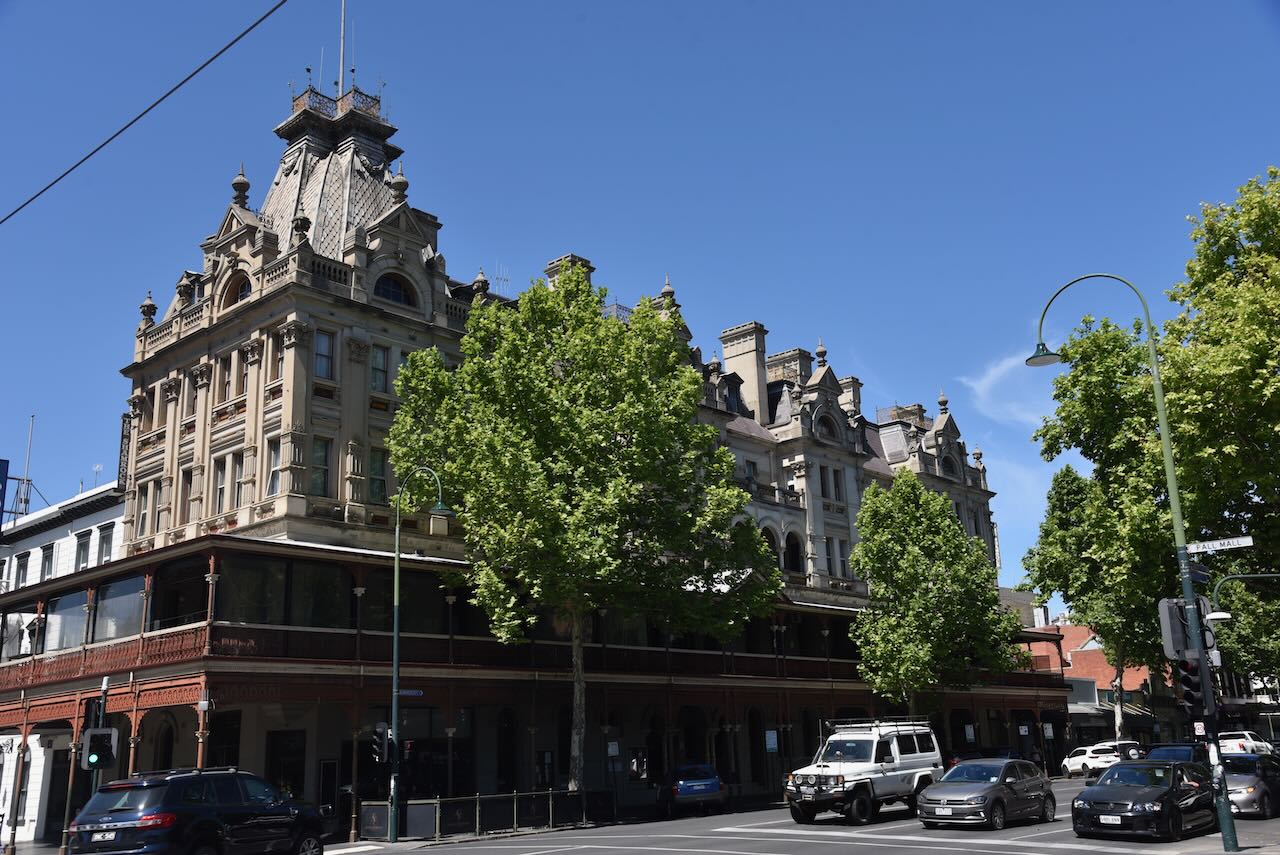
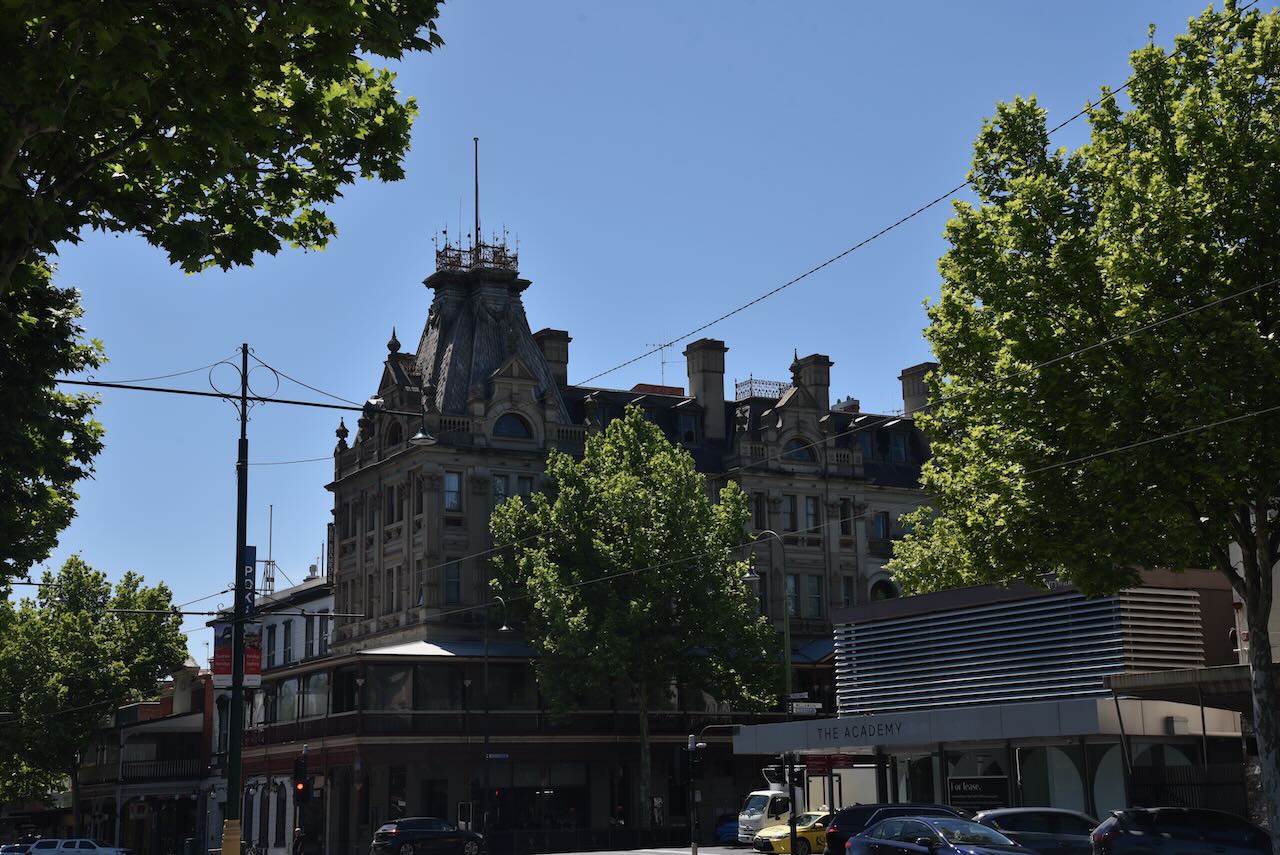
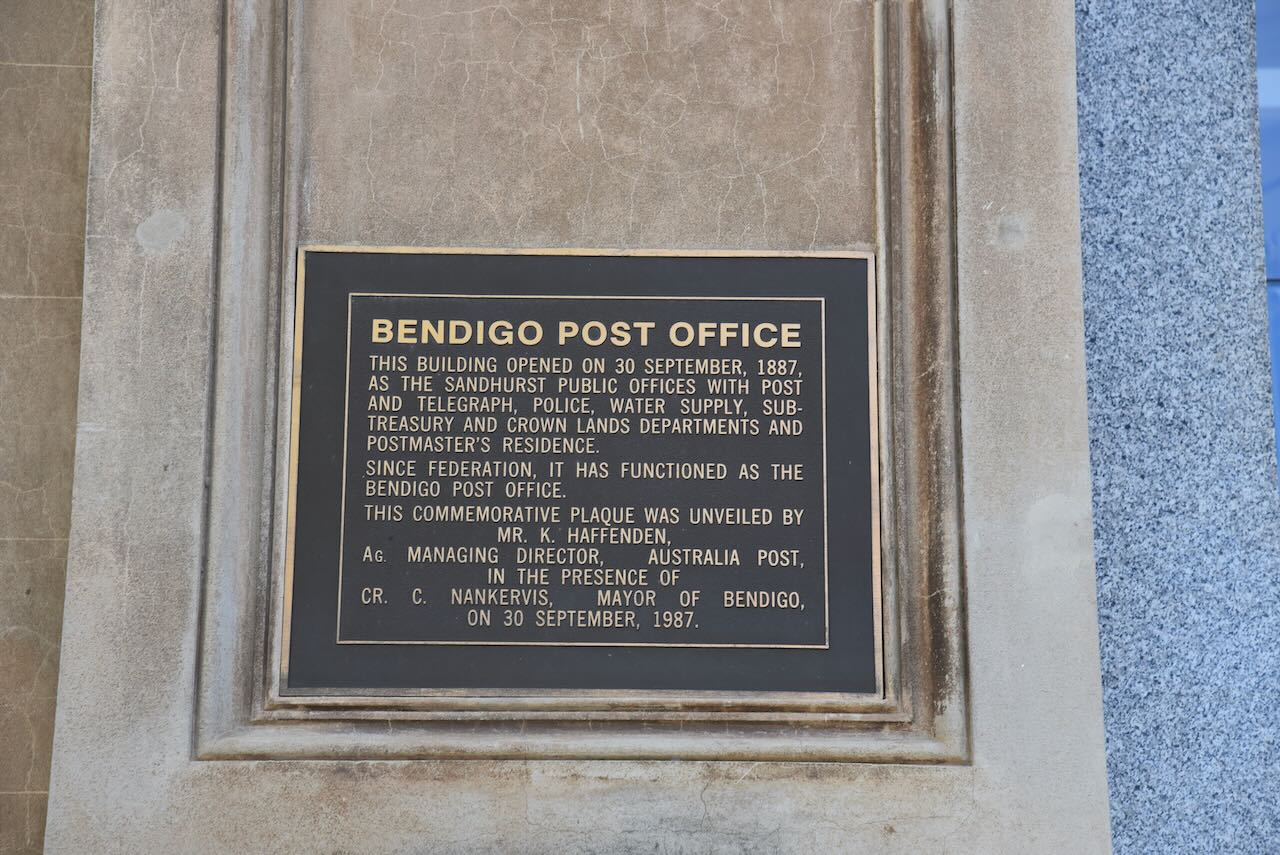
The Bendigo Post Office building was opened on the 30th day of September 1887, as the Sandhurst Public Offices with Post and Telegraph, Police, Water Supply, Sub Treasury and Crown Lands Departments and Postmaster’s residence.
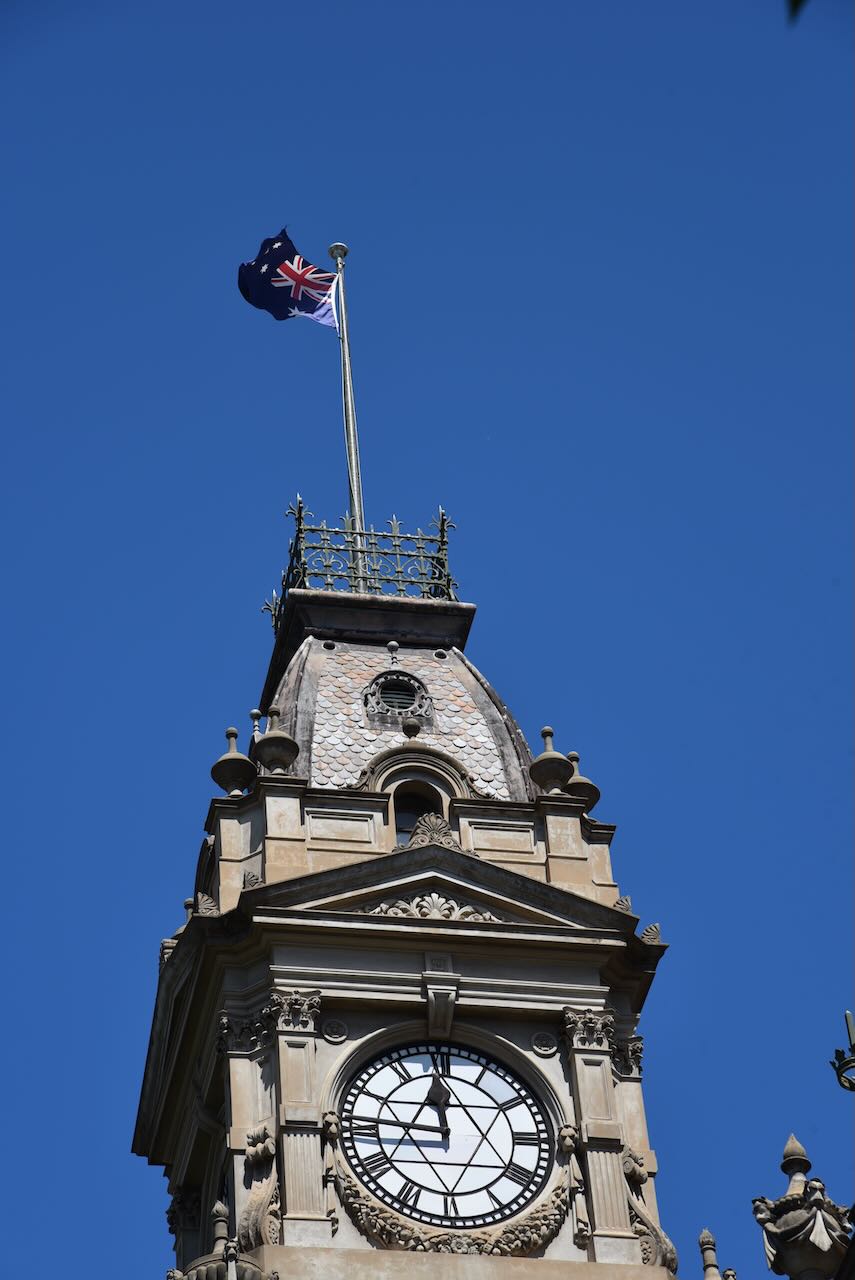
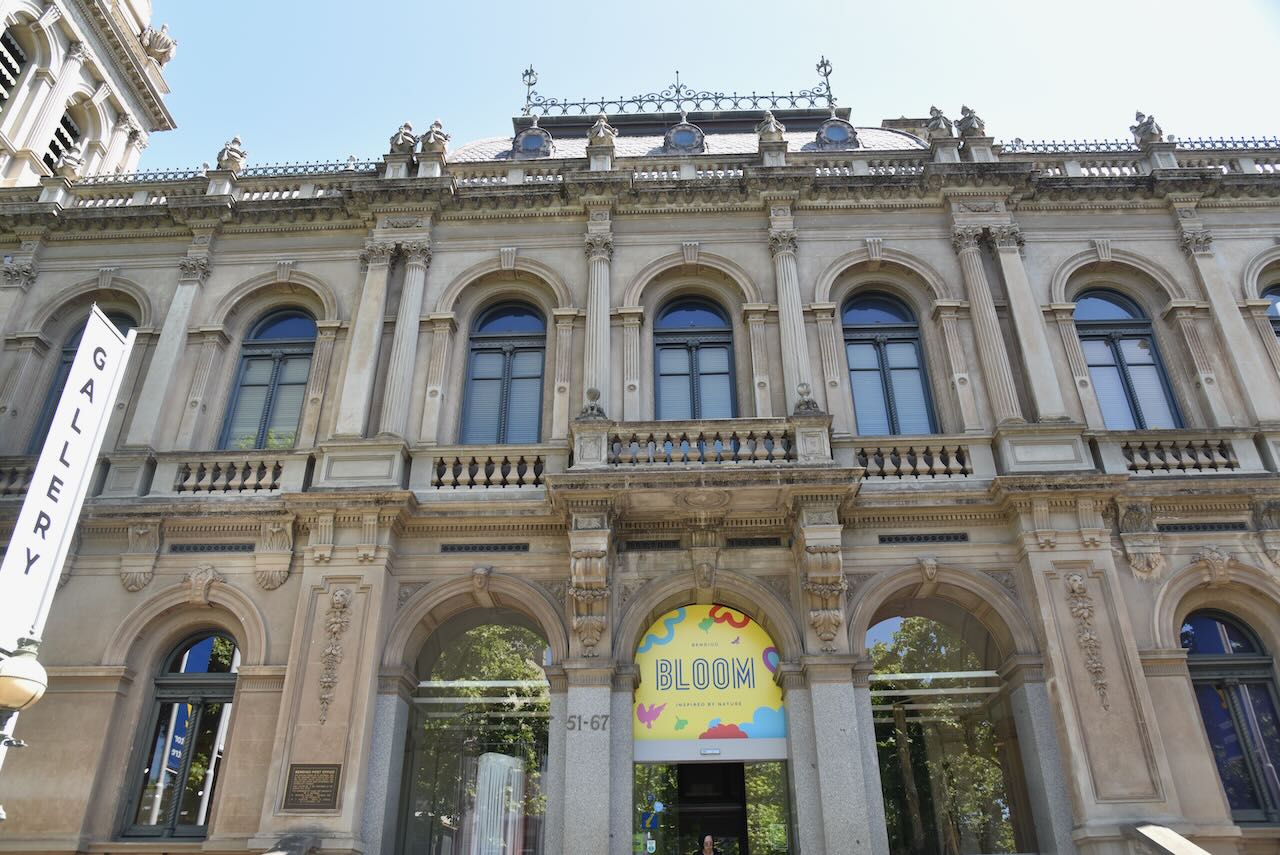

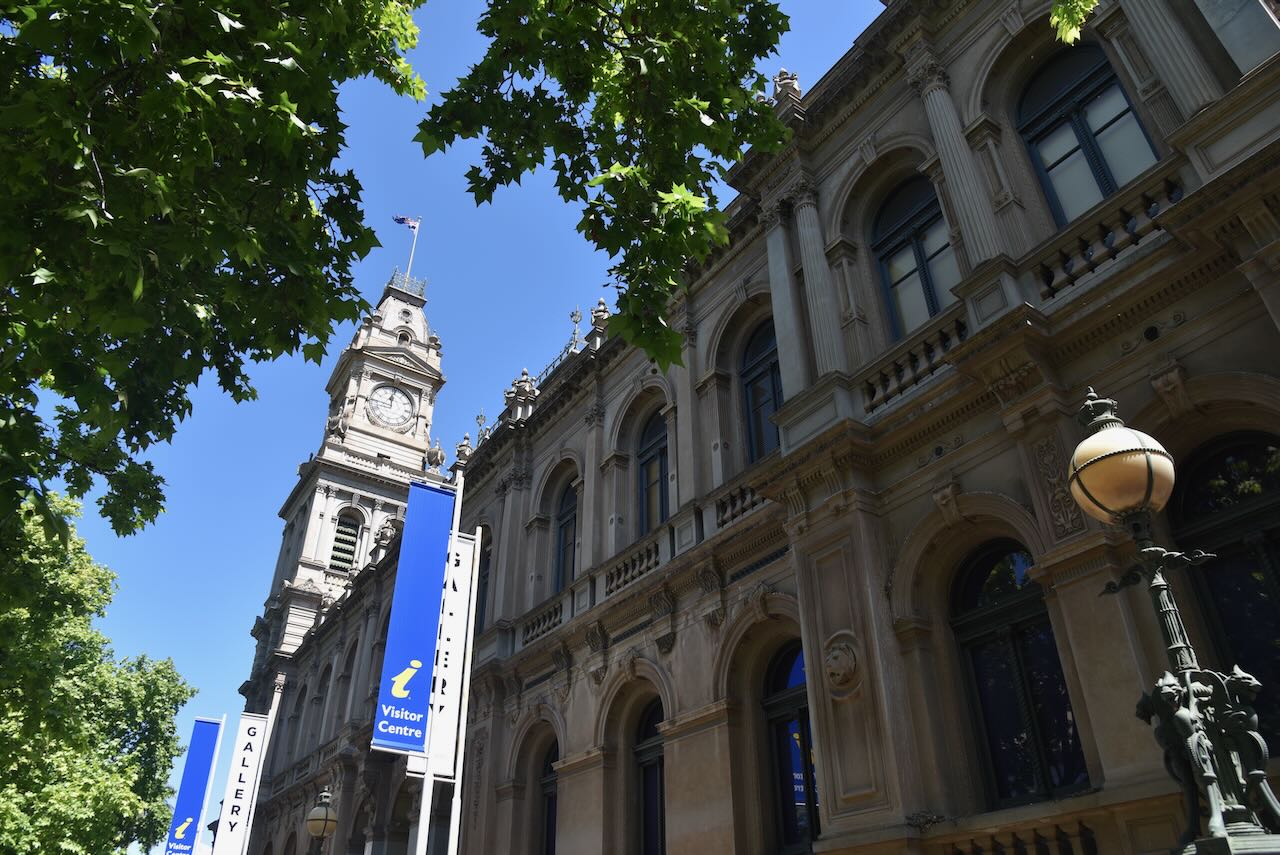
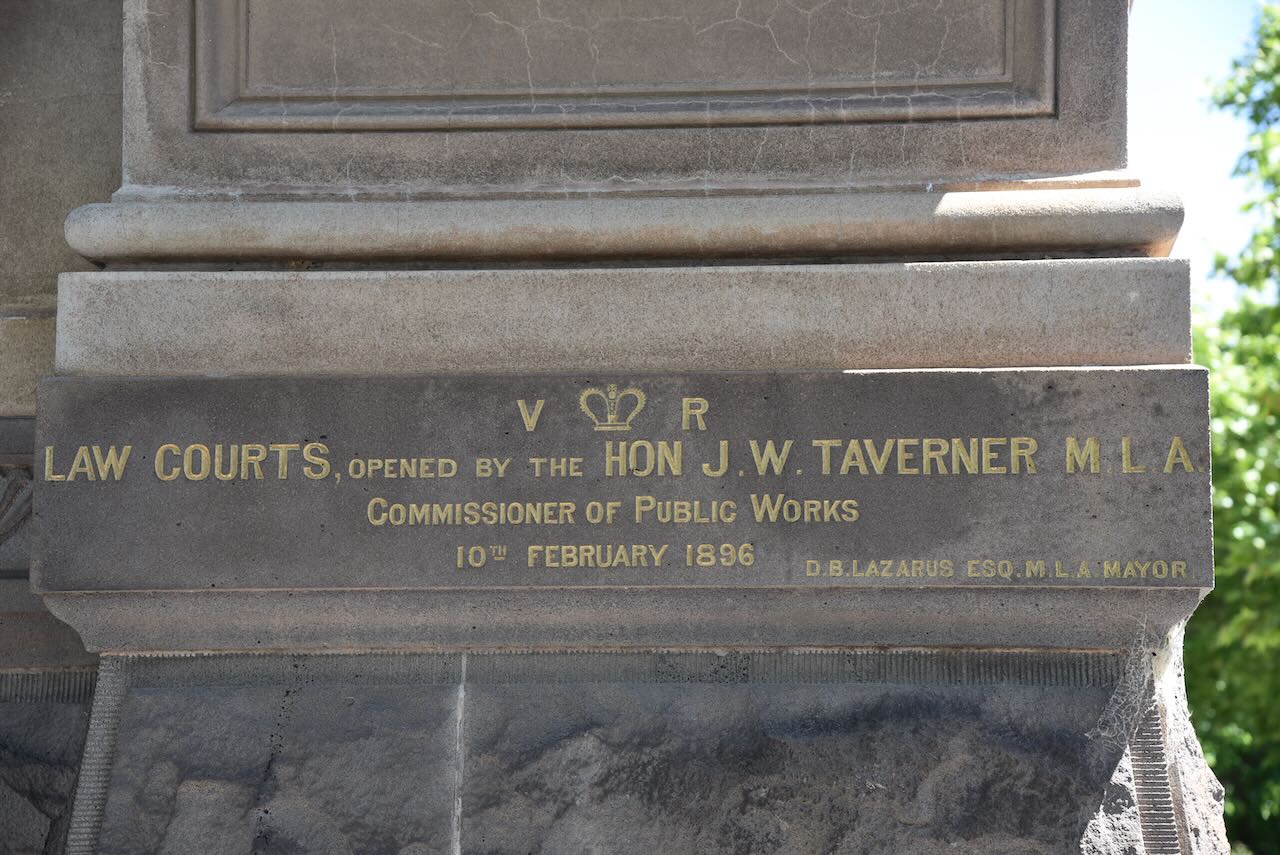
The old Supreme Court building was constructed in 1896.
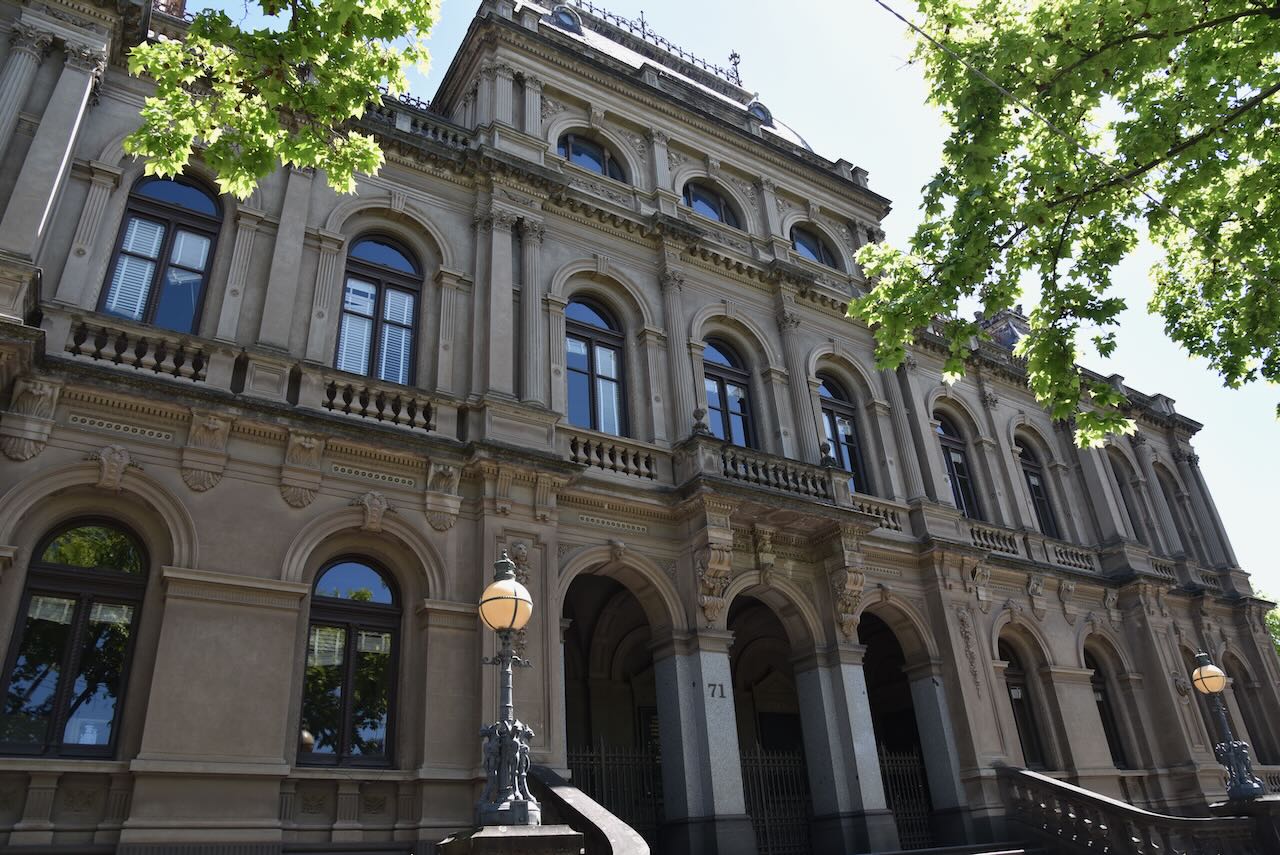
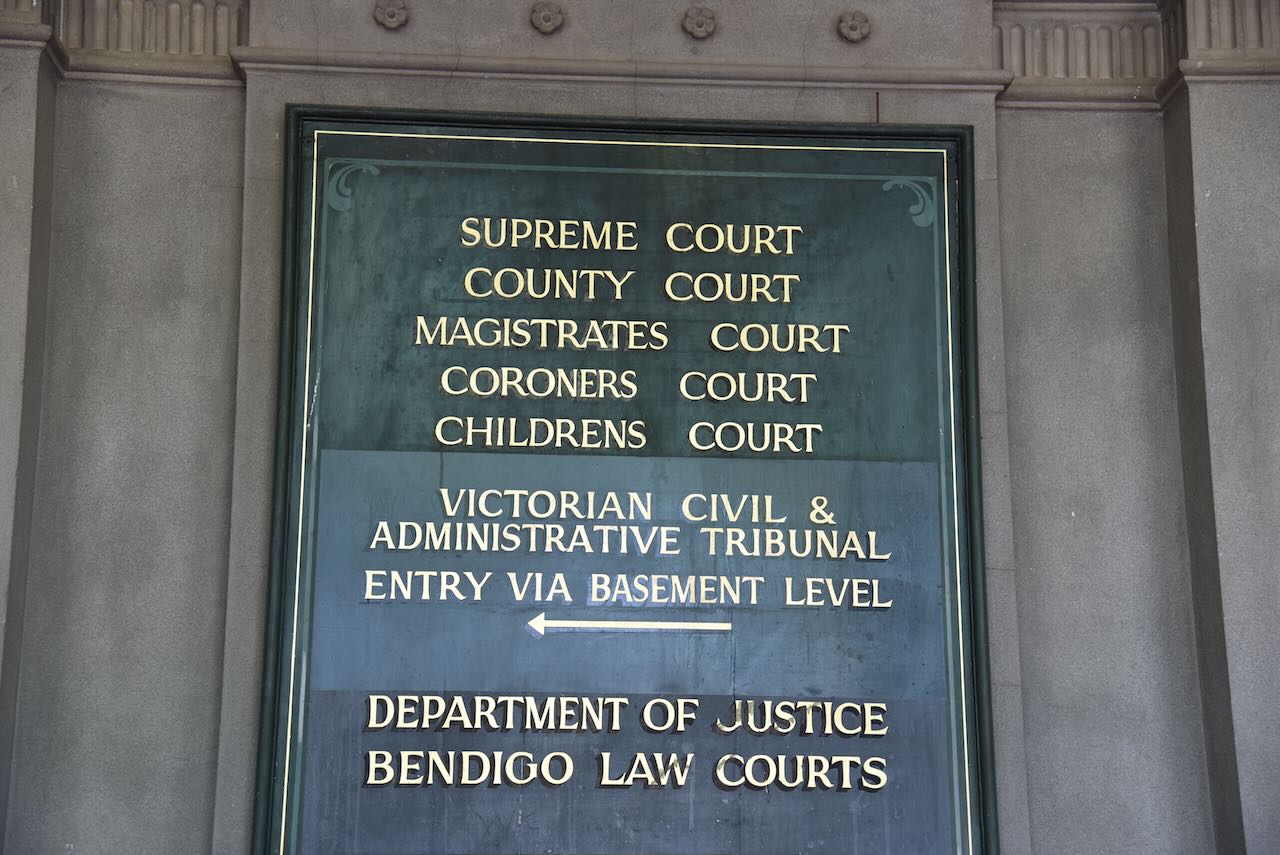
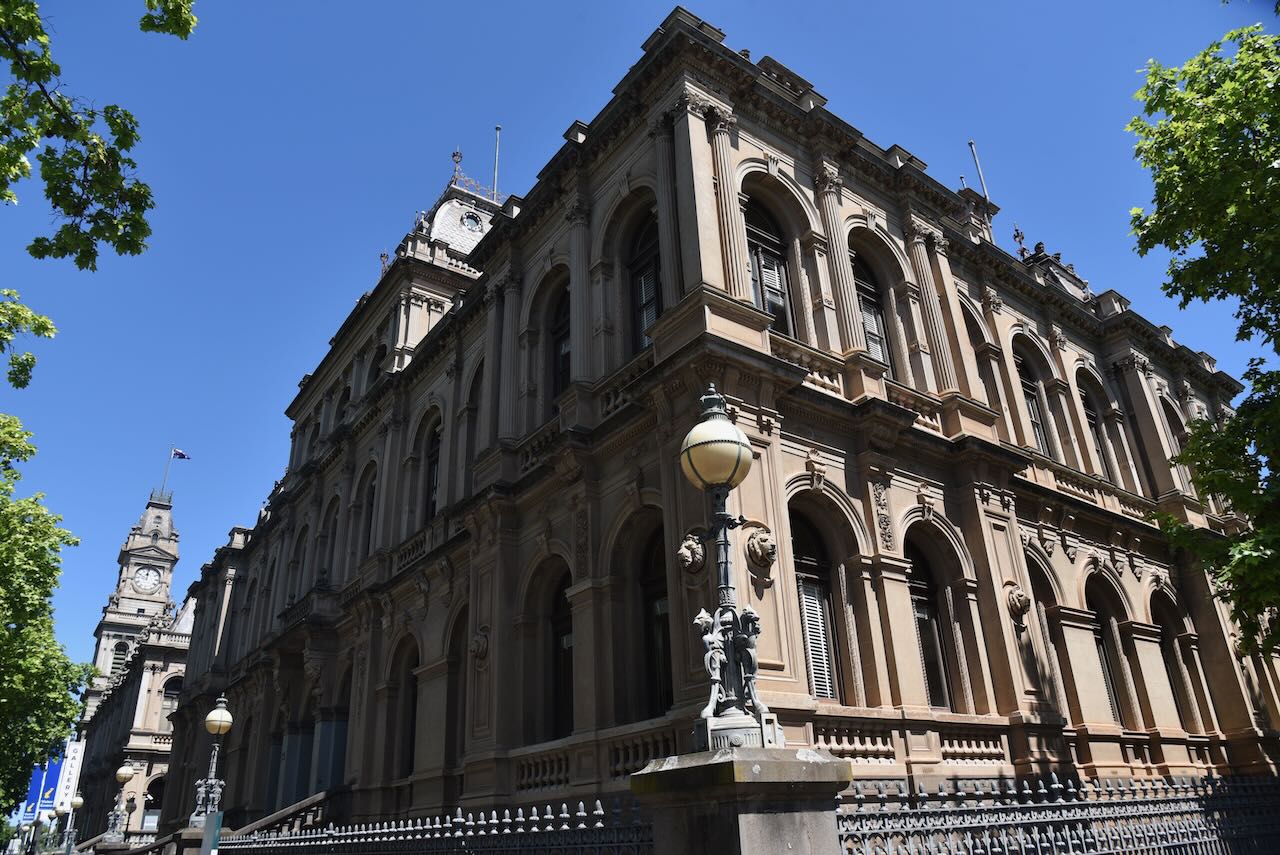
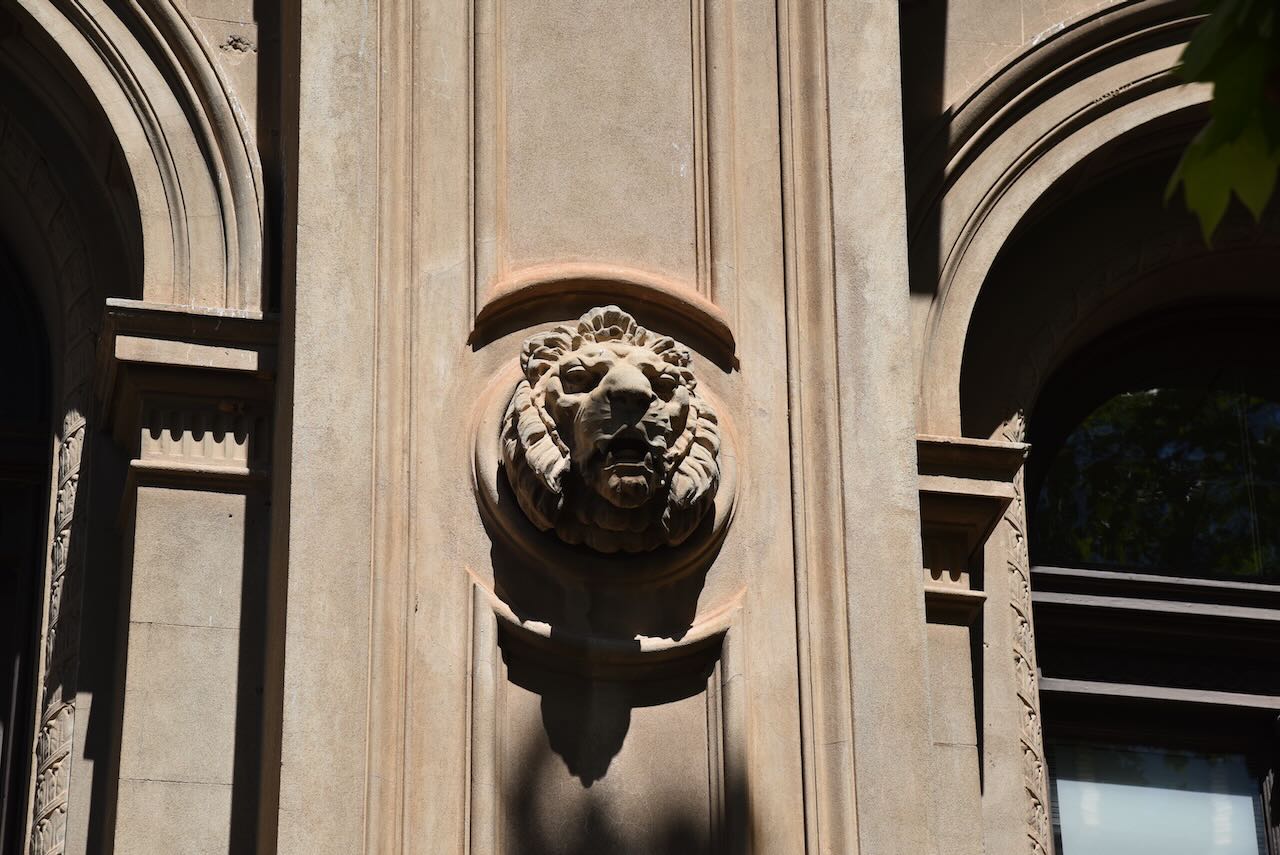
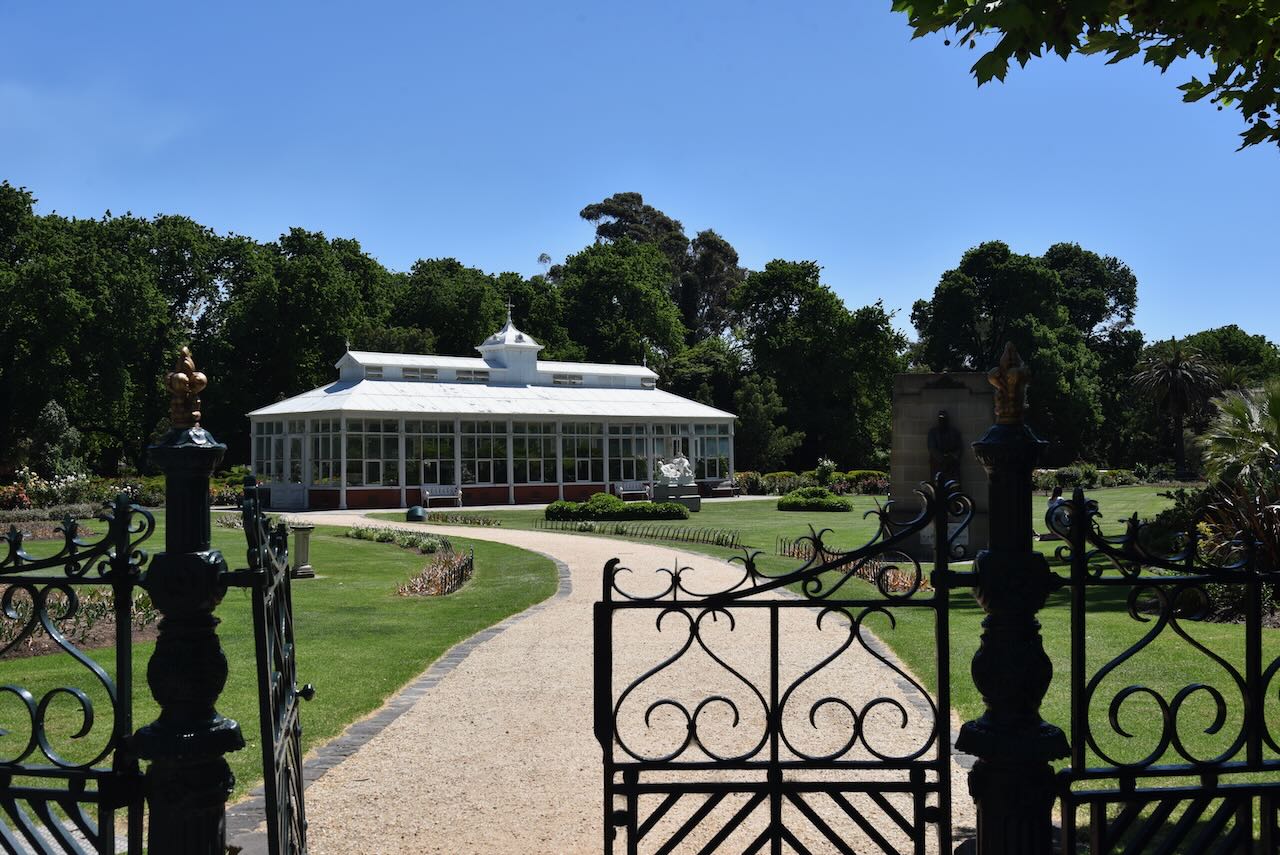
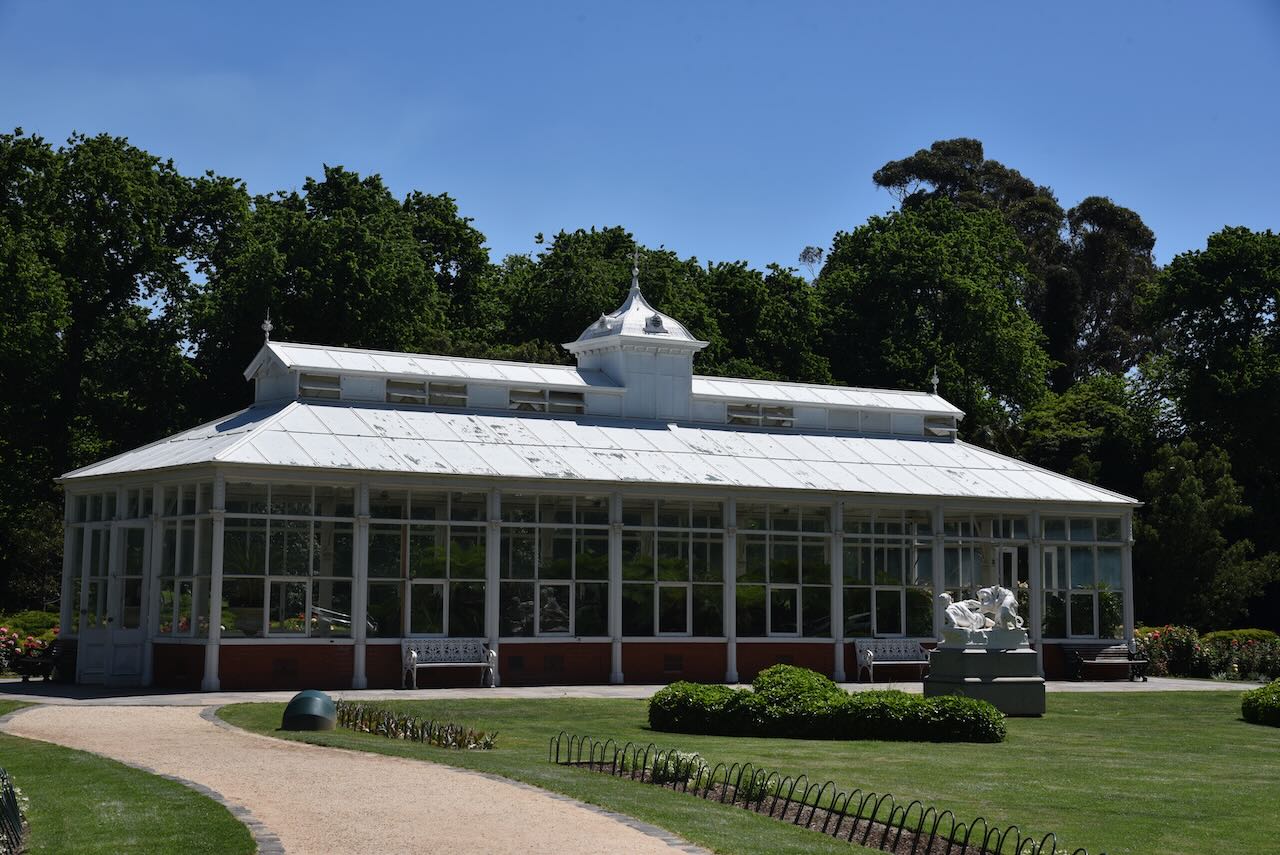
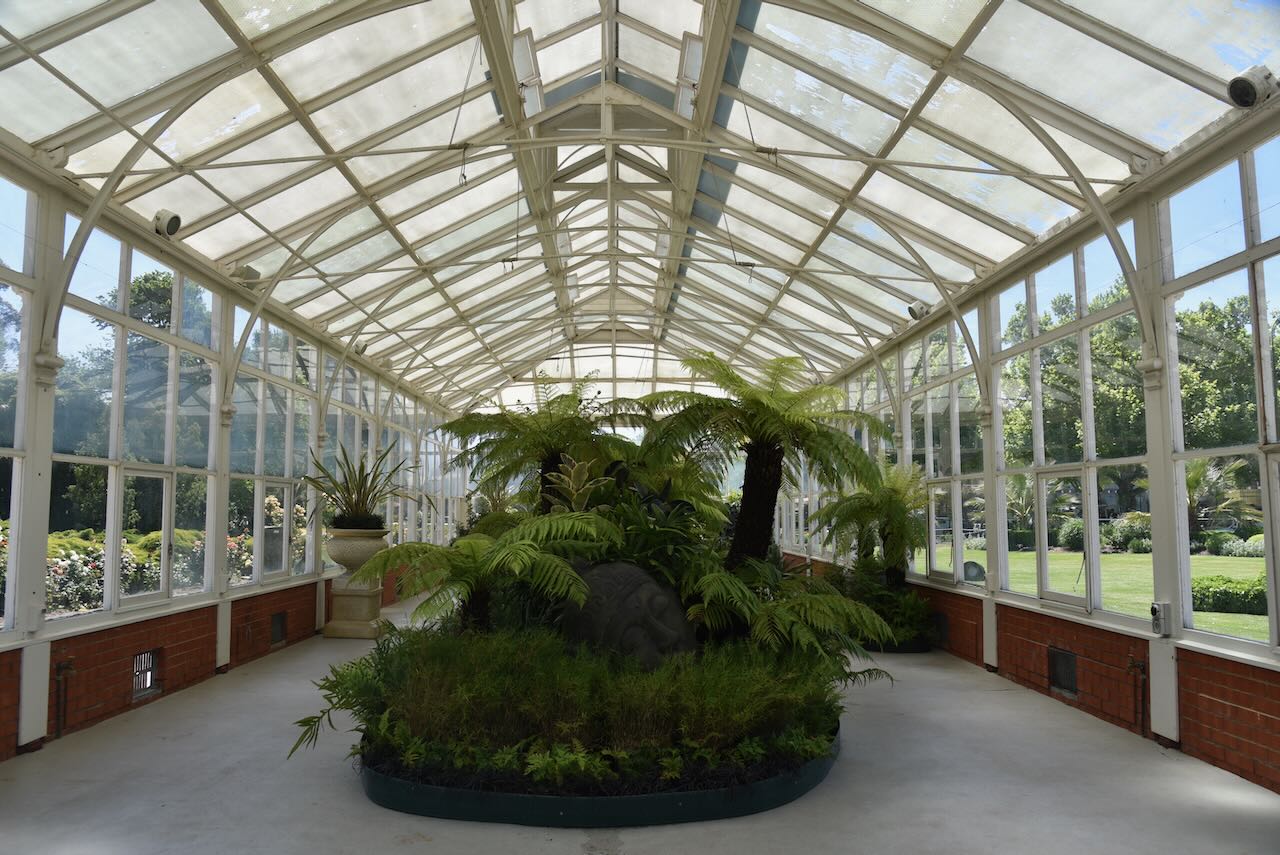
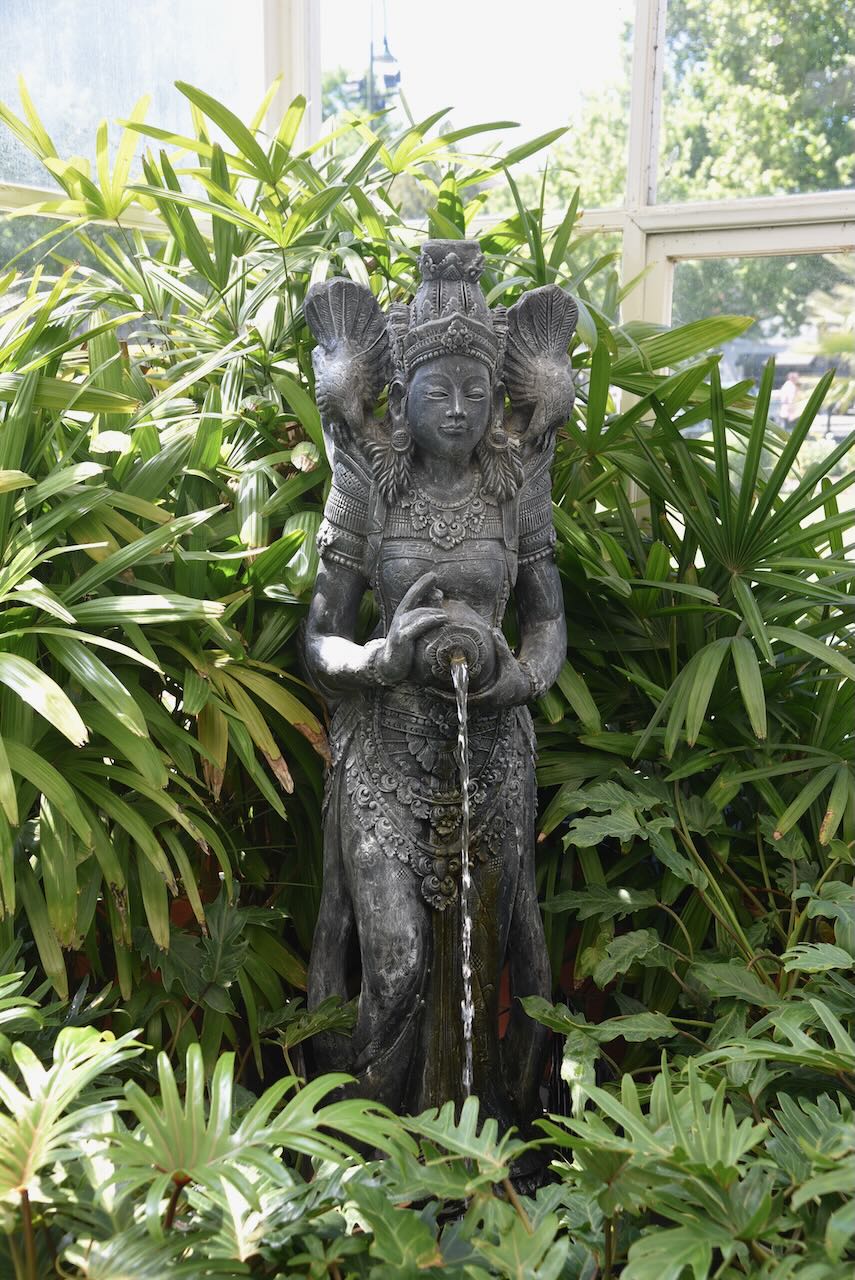
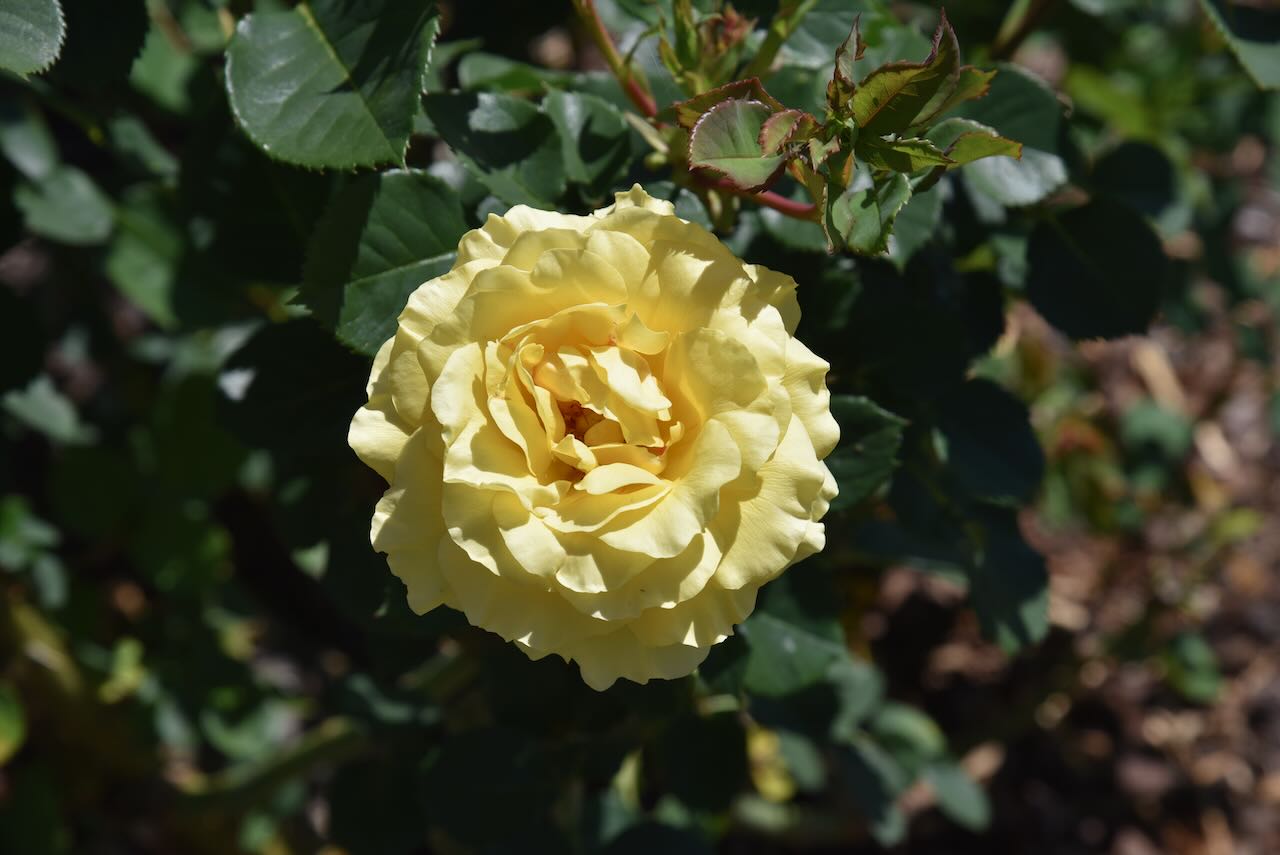
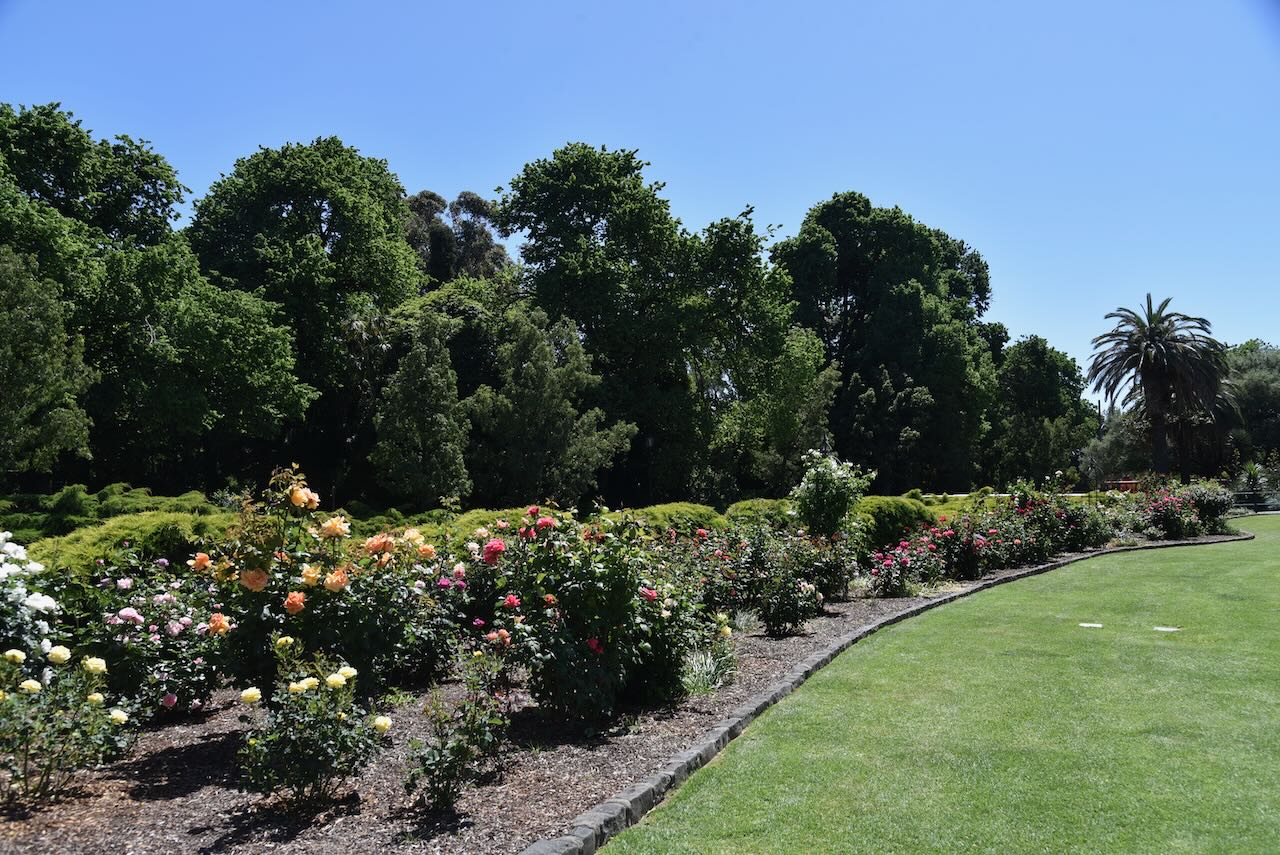
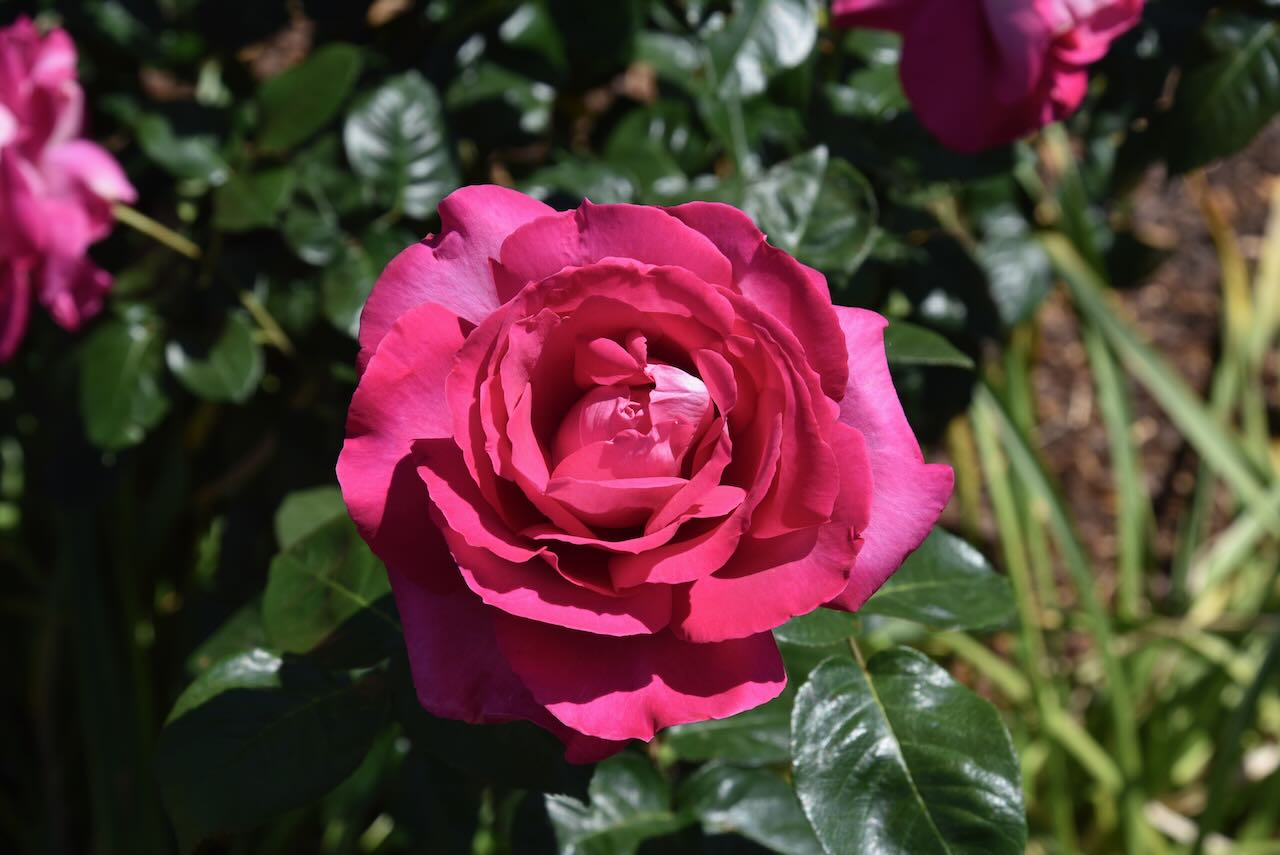
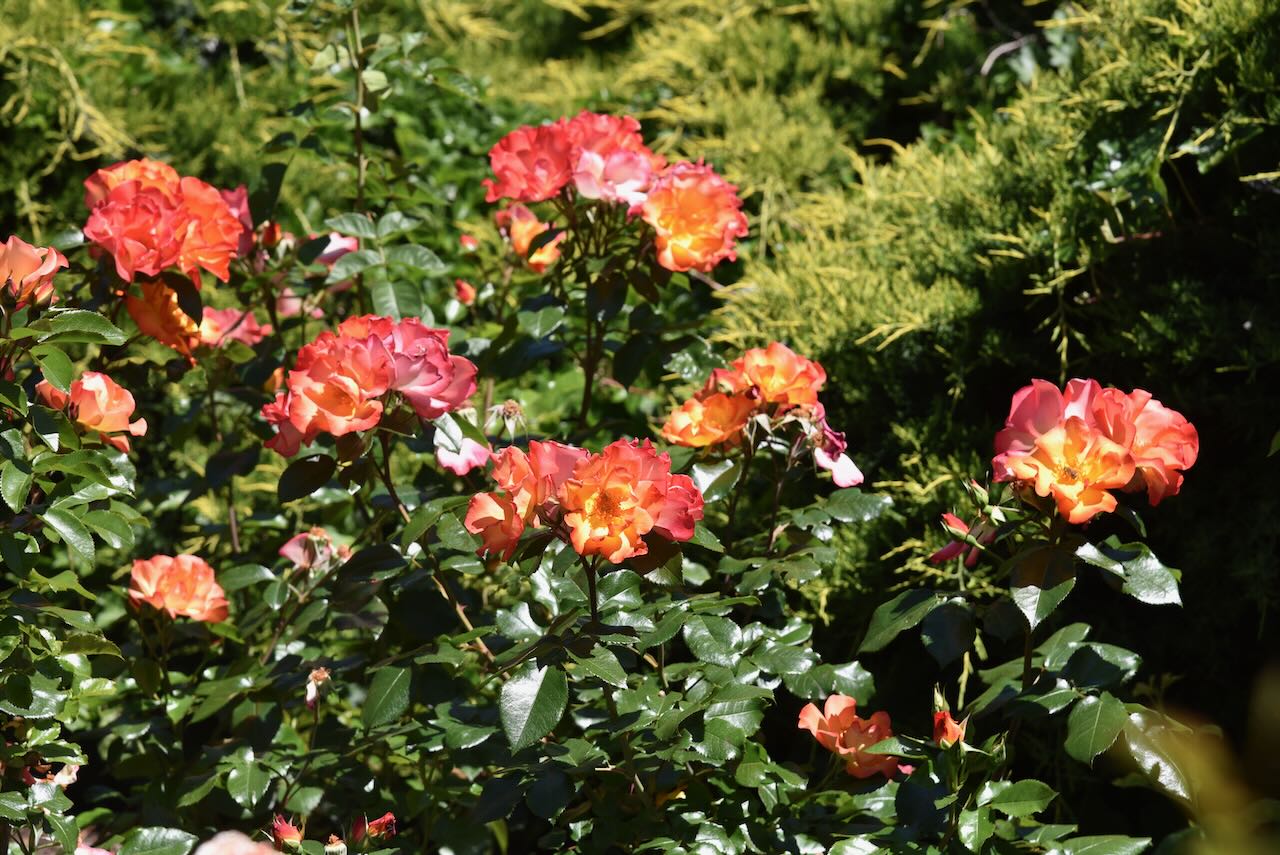
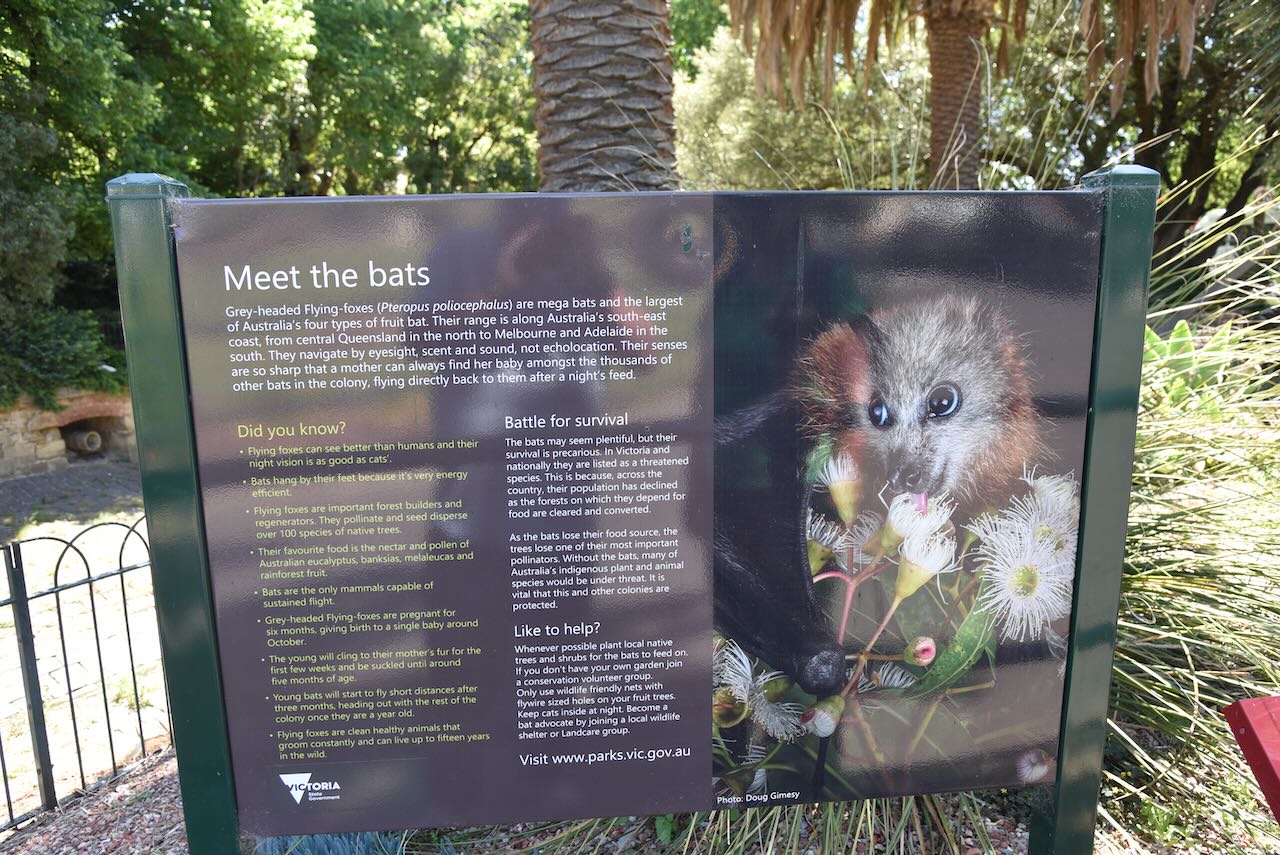
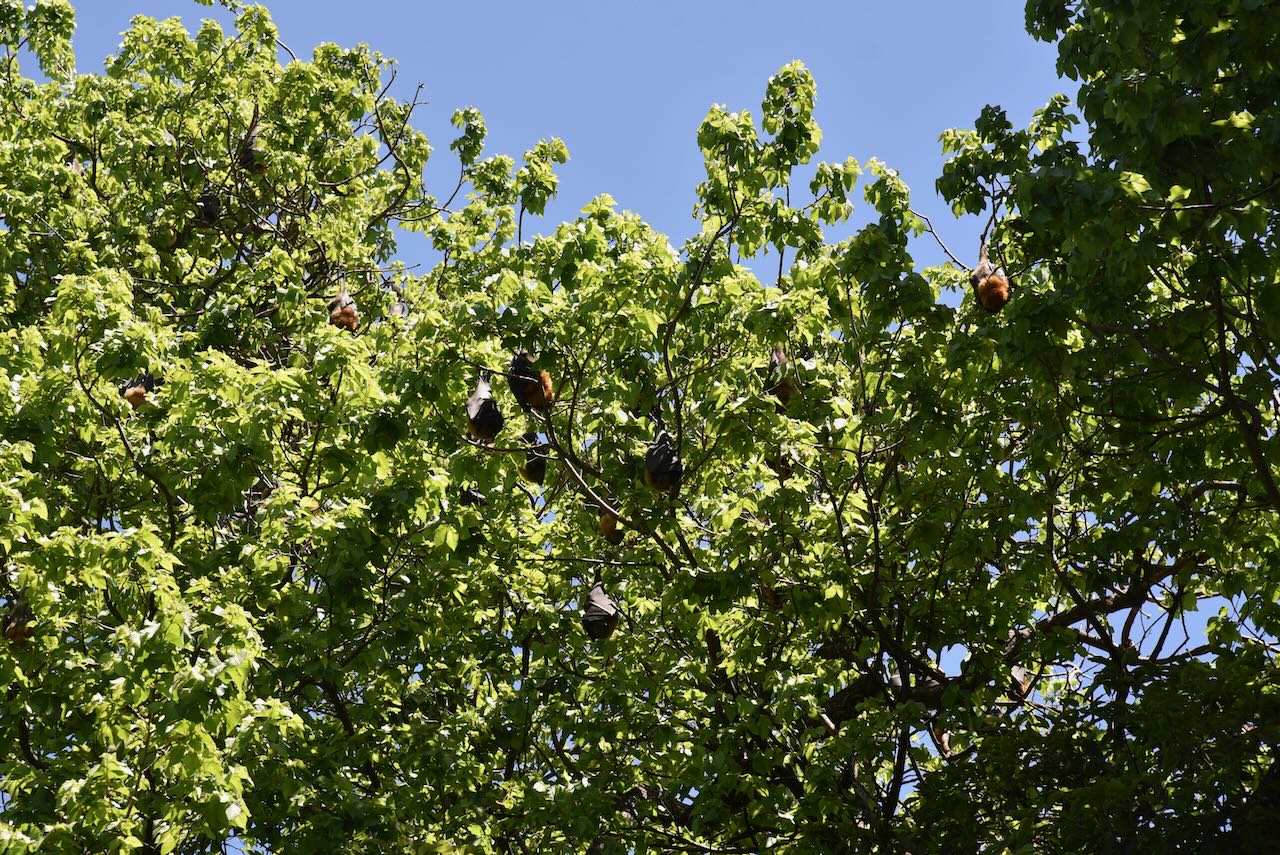
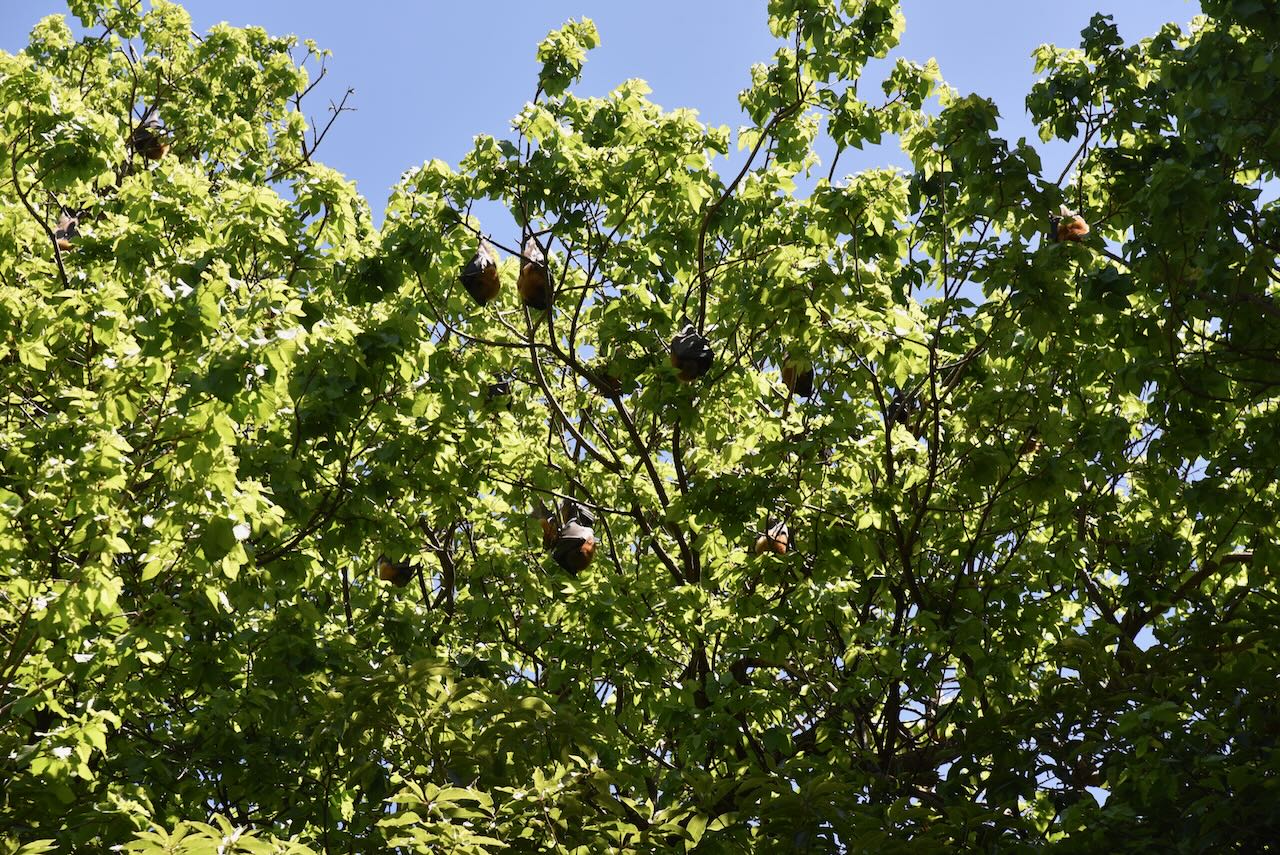
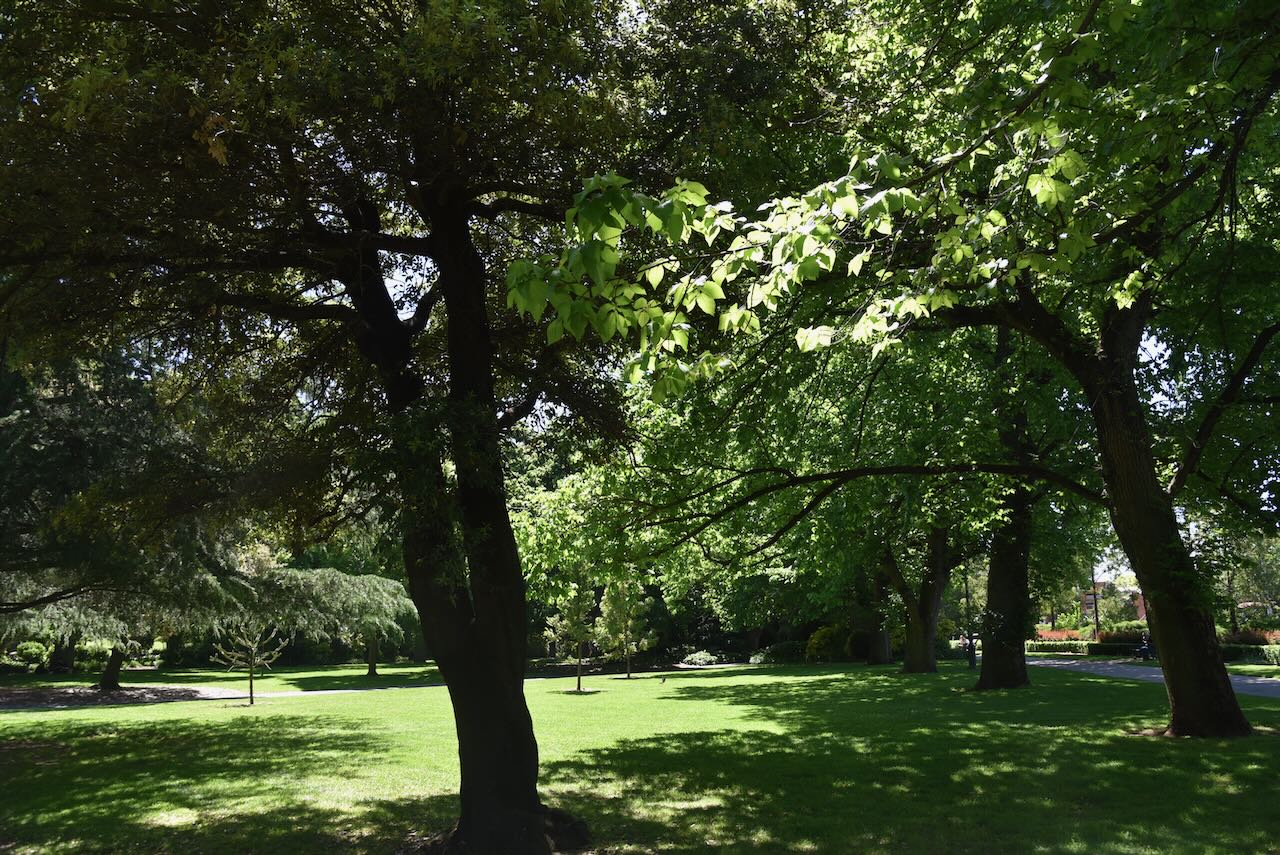
Marija and I then spent an hour or so strolling around the Bendigo Botanic Gardens. They are one of regional Victoria’s earliest botanic gardens, and were established in 1857. (www.bendigo.vic.gov.au, n.d.)
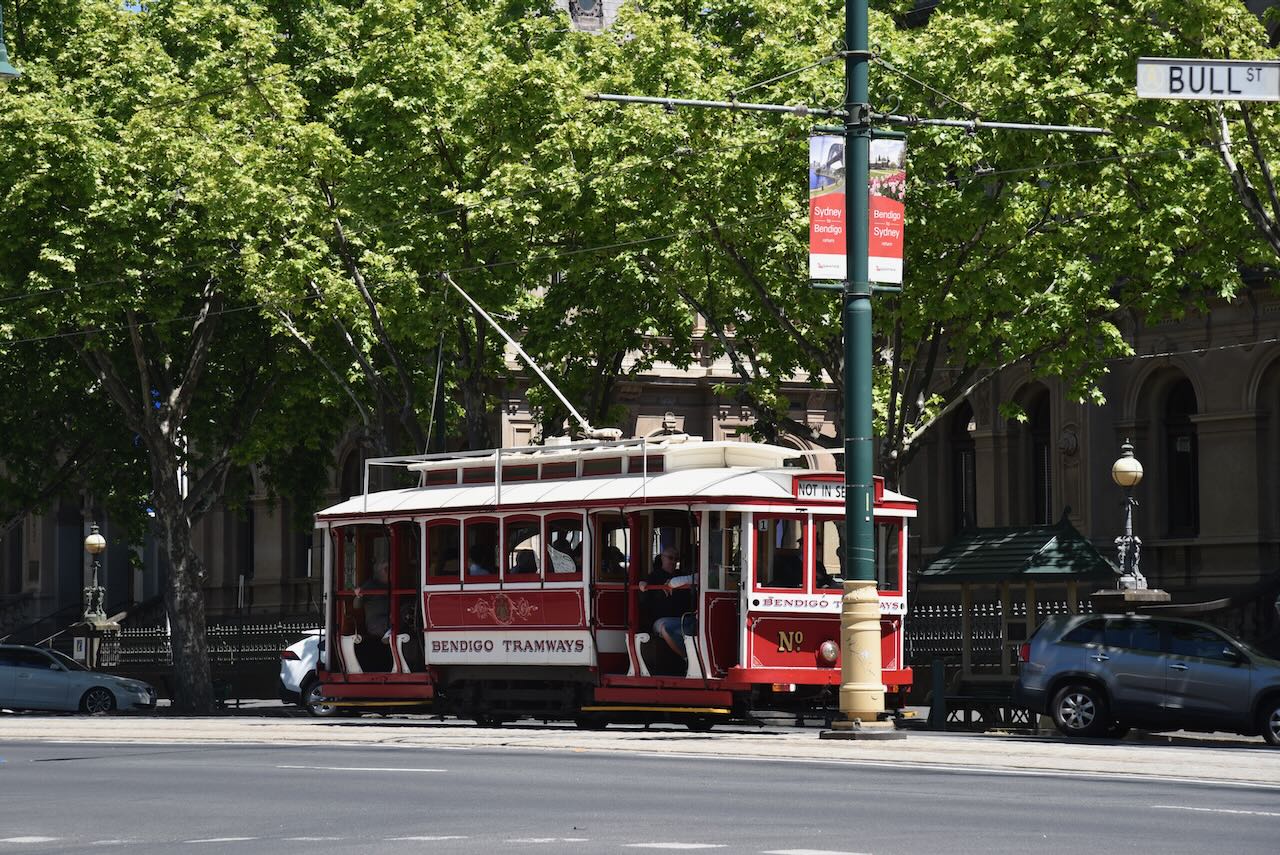
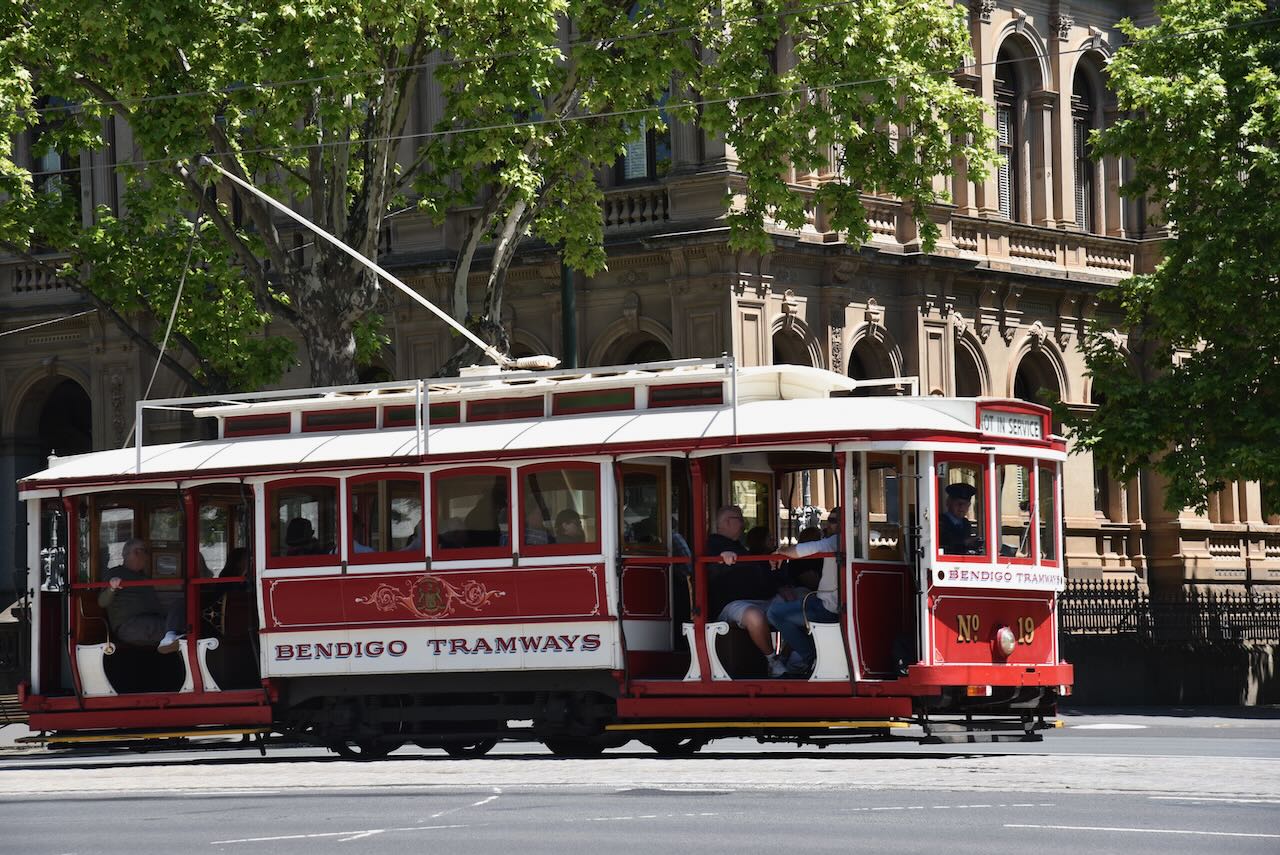
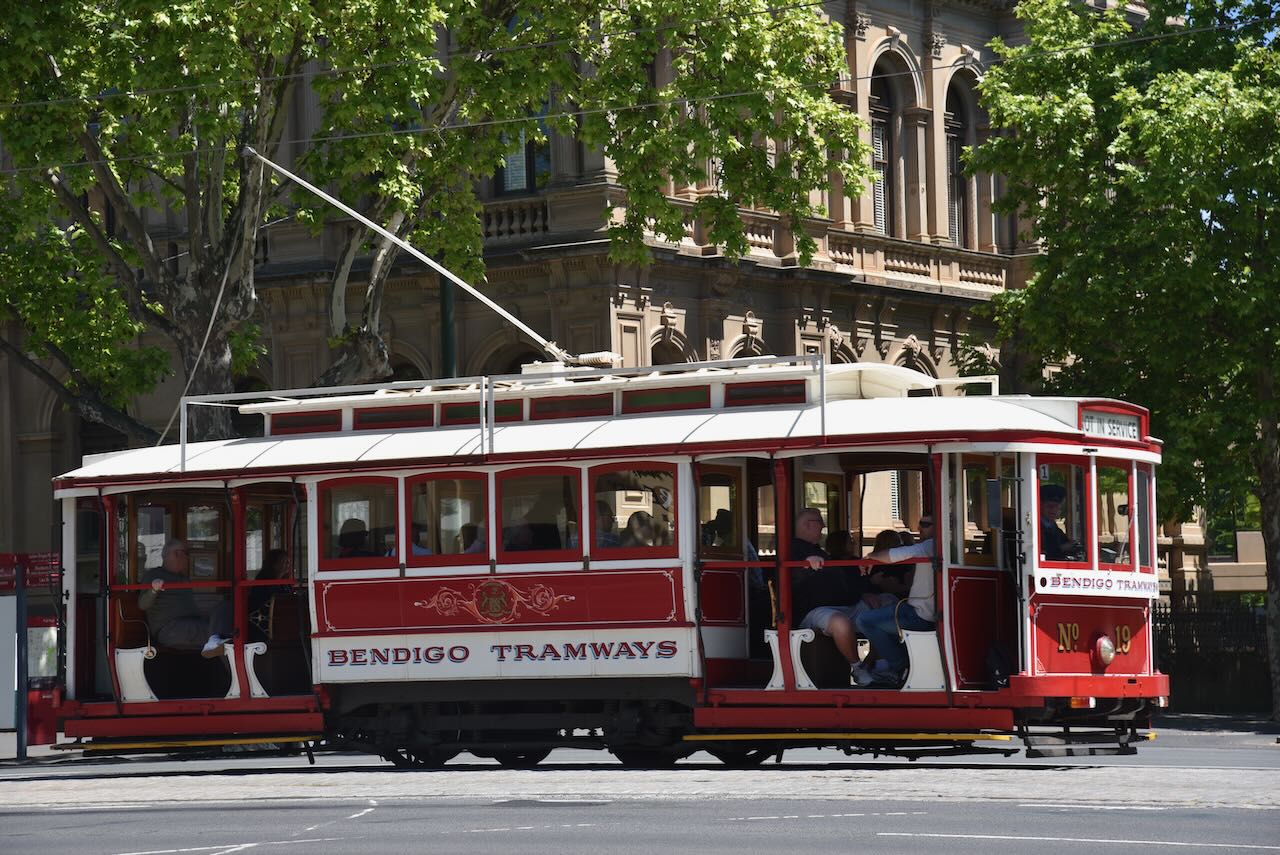
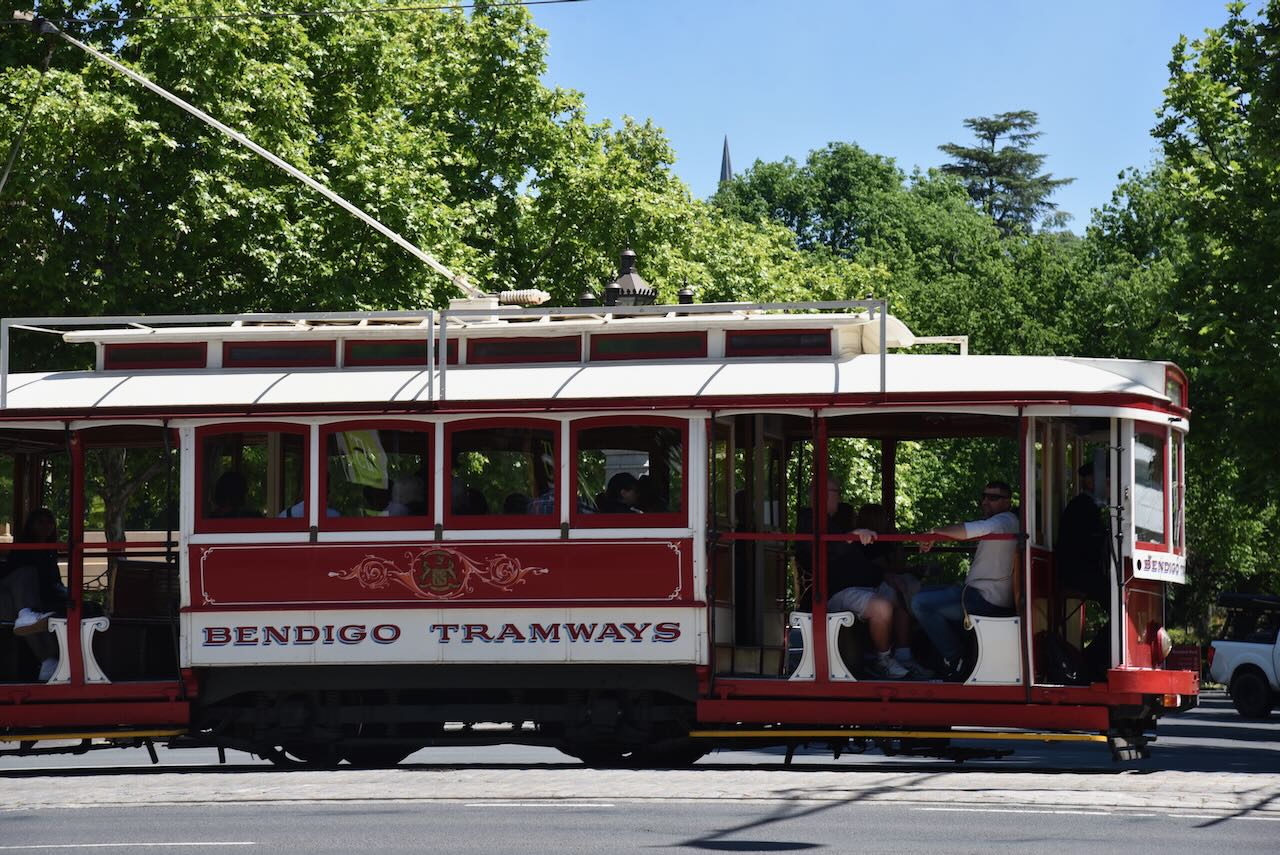
Whilst walking around Bendigo, the historic Bendigo Tramways tourist trams passed by regularly.
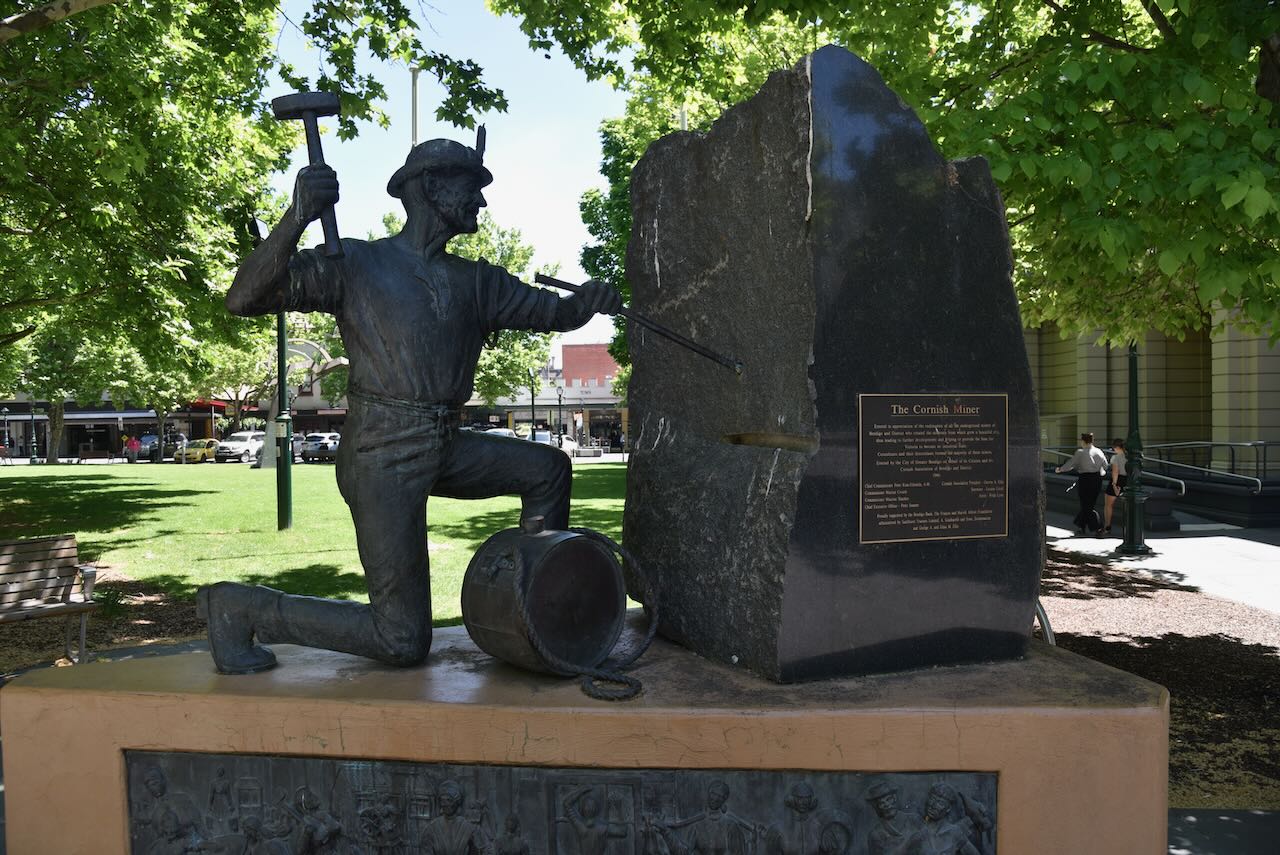
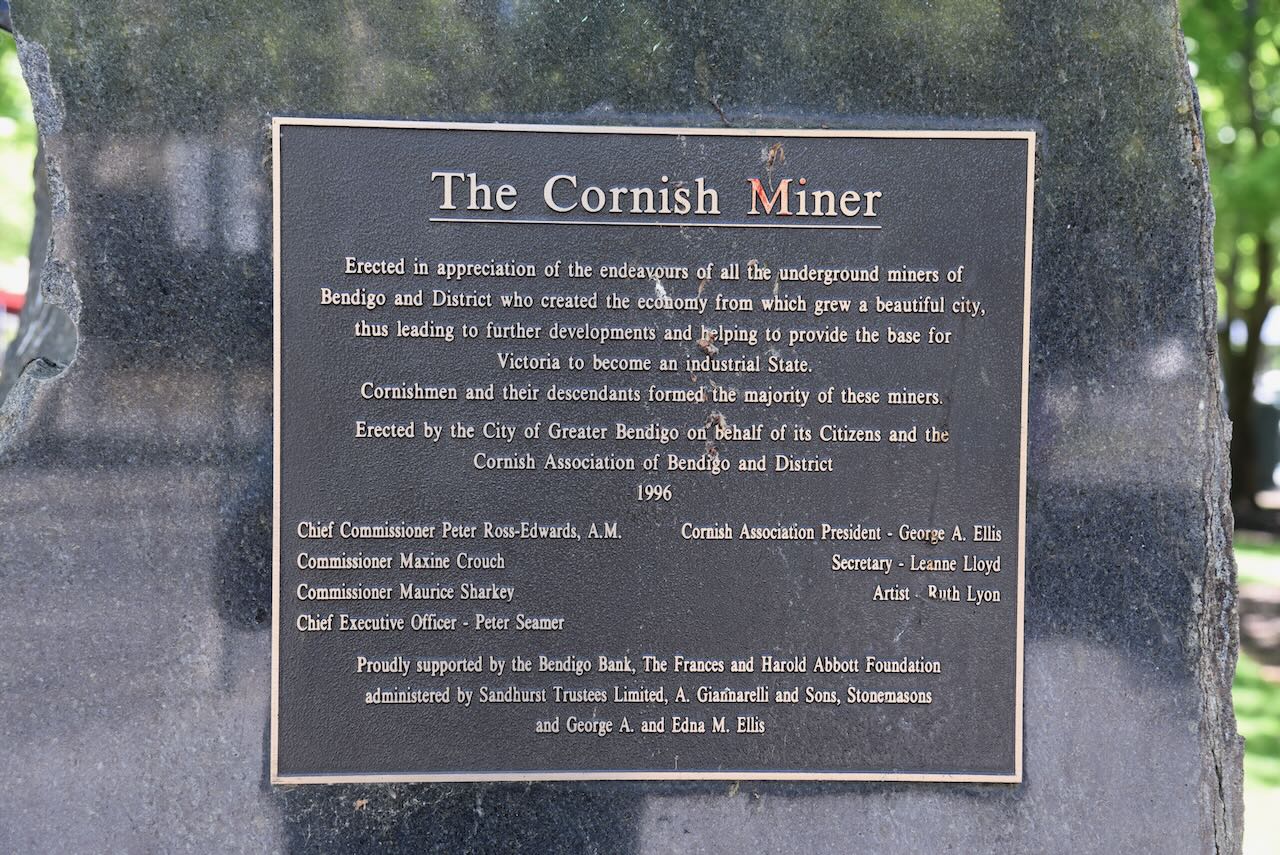
The Cornish Miner monument commemorates the efforts of all the underground miners of Bendigo and District. The majority of these miners were Cornishmen. (Monument Australia 2025)
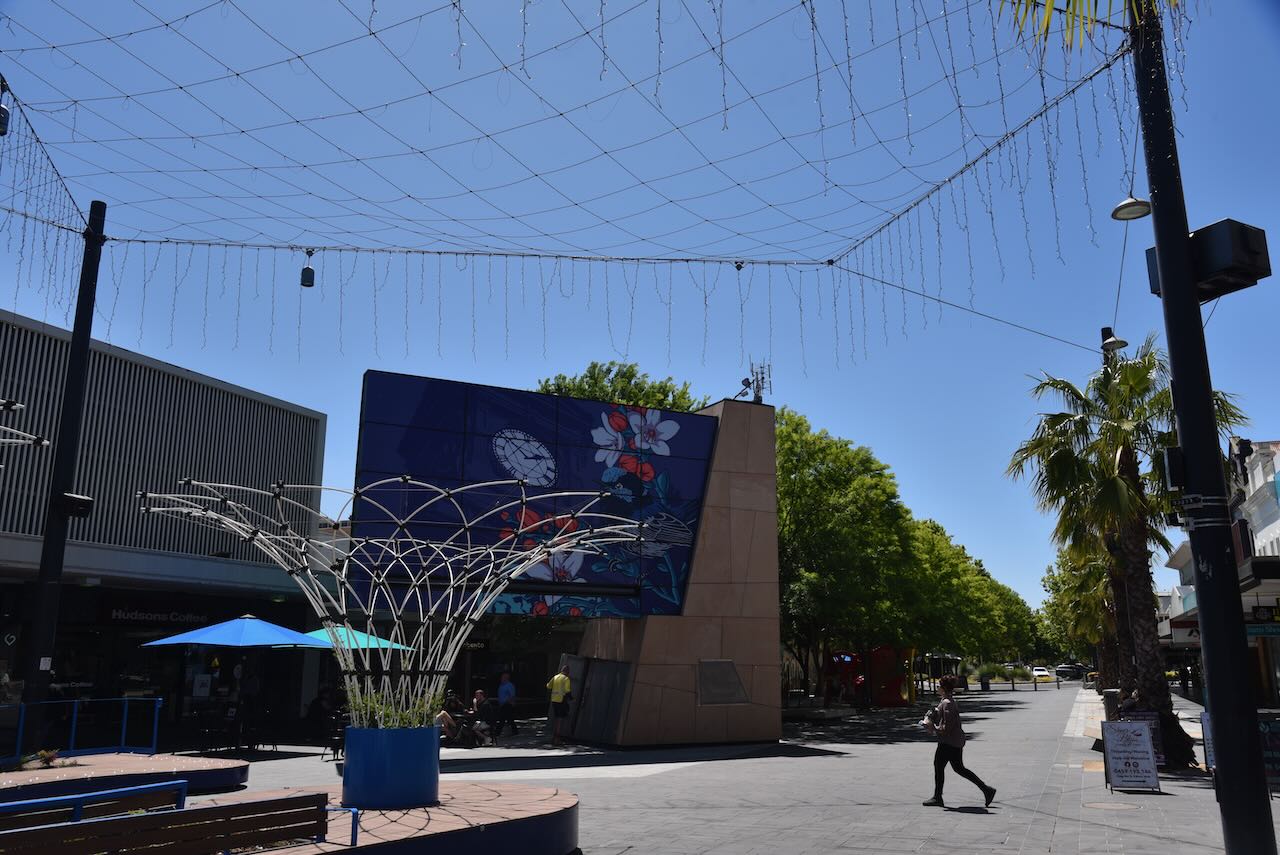
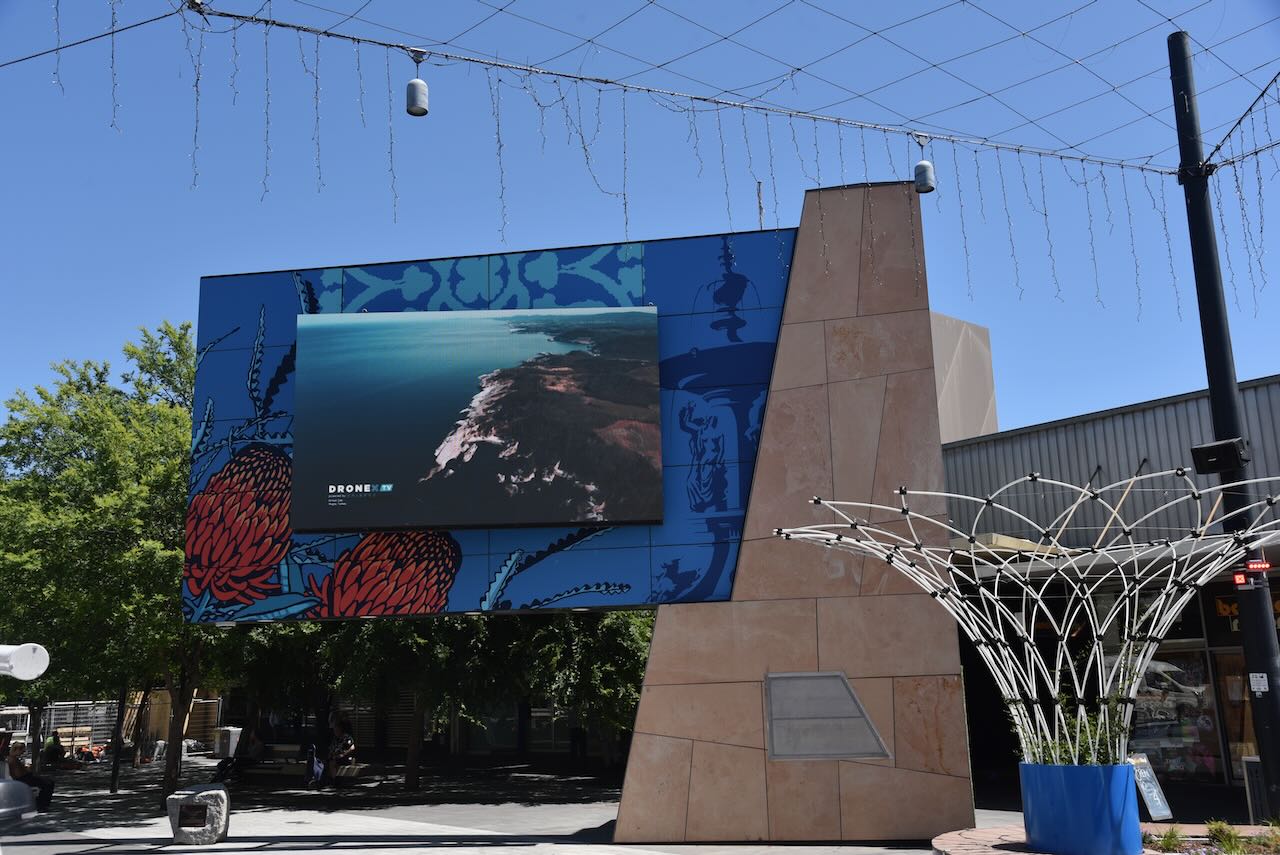
Below are some photographs of Hargraeves Mall.
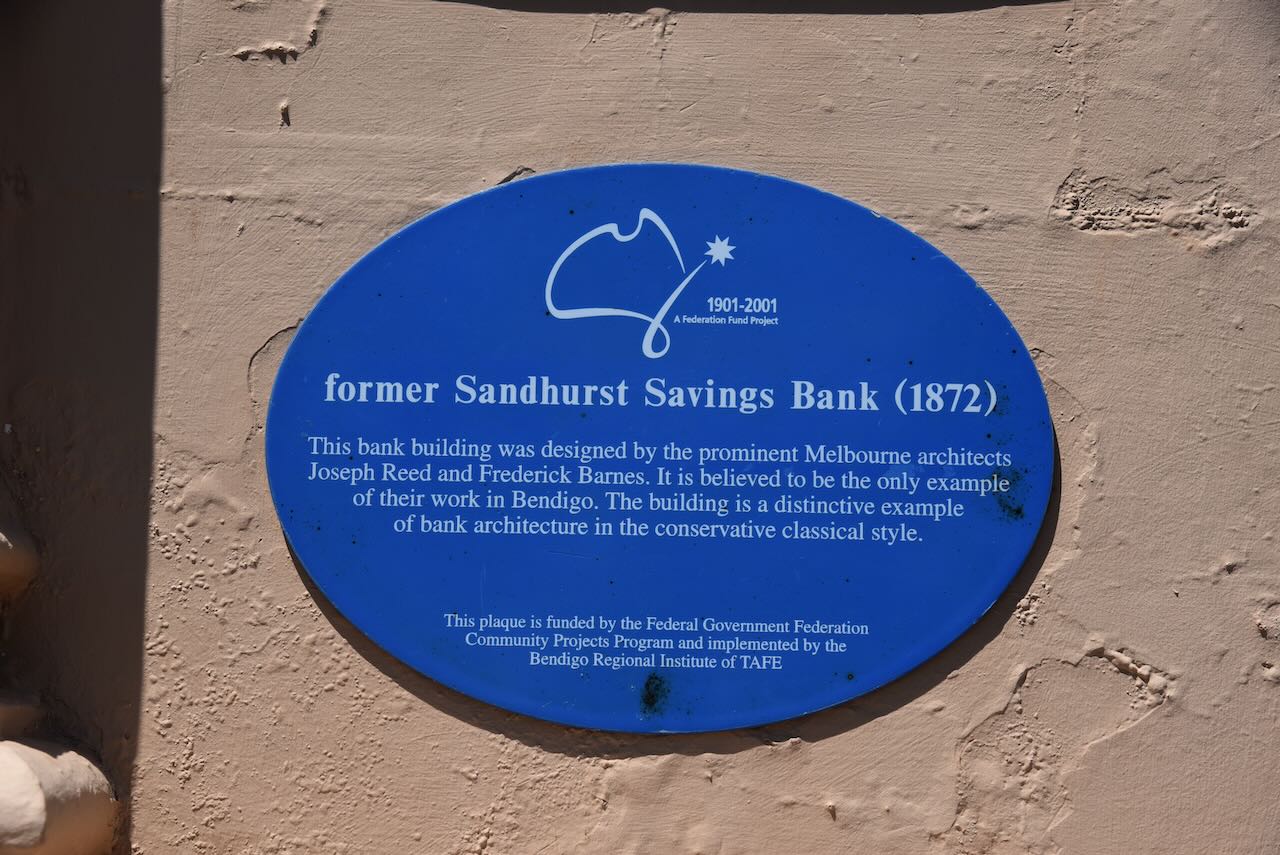
The former Sandhurst Savings Bank was built in 1872 and was designed by the prominent Melbourne architects Joseph Reed and Frederick Barnes. This building is believed to be the only example of their work in Bendigo.
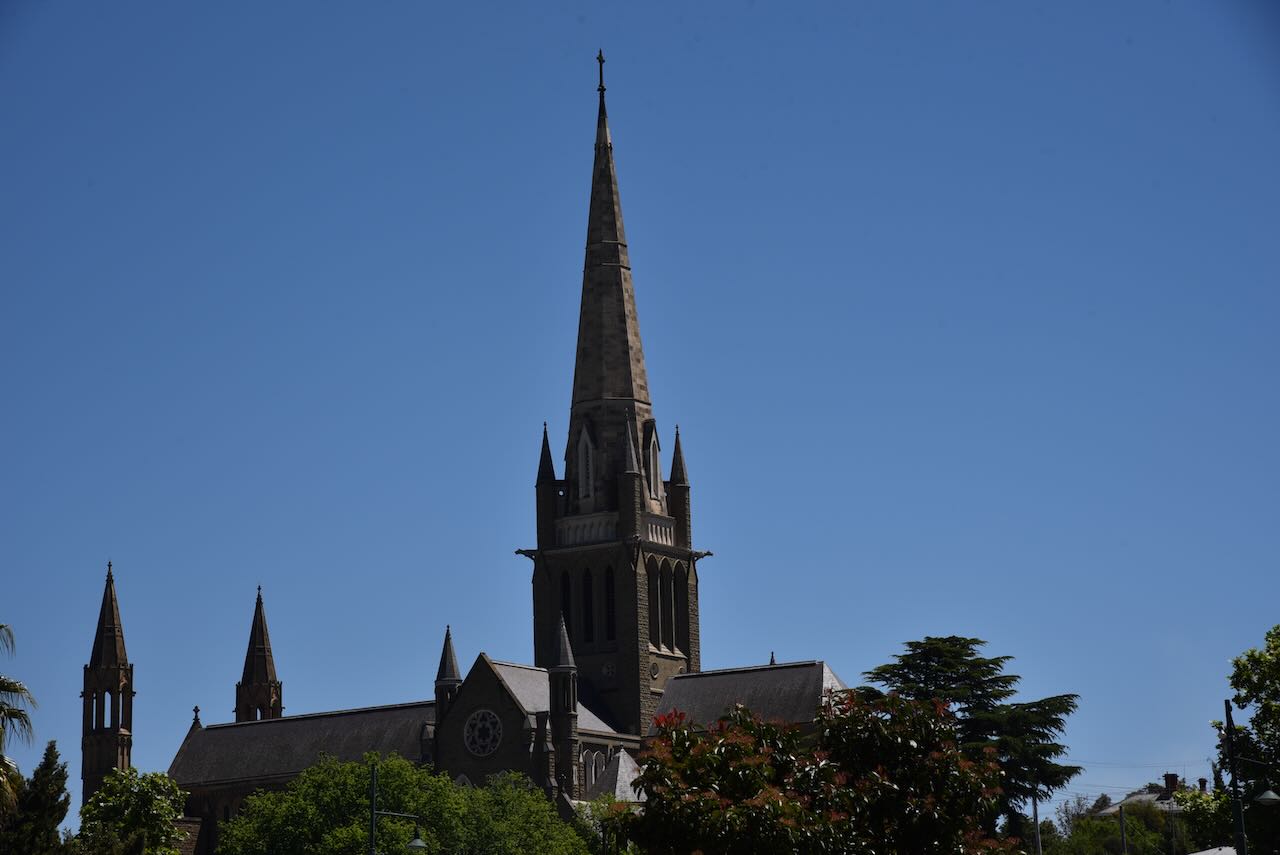
Off in the distance, we could see the impressive Sacred Heart Cathedral.
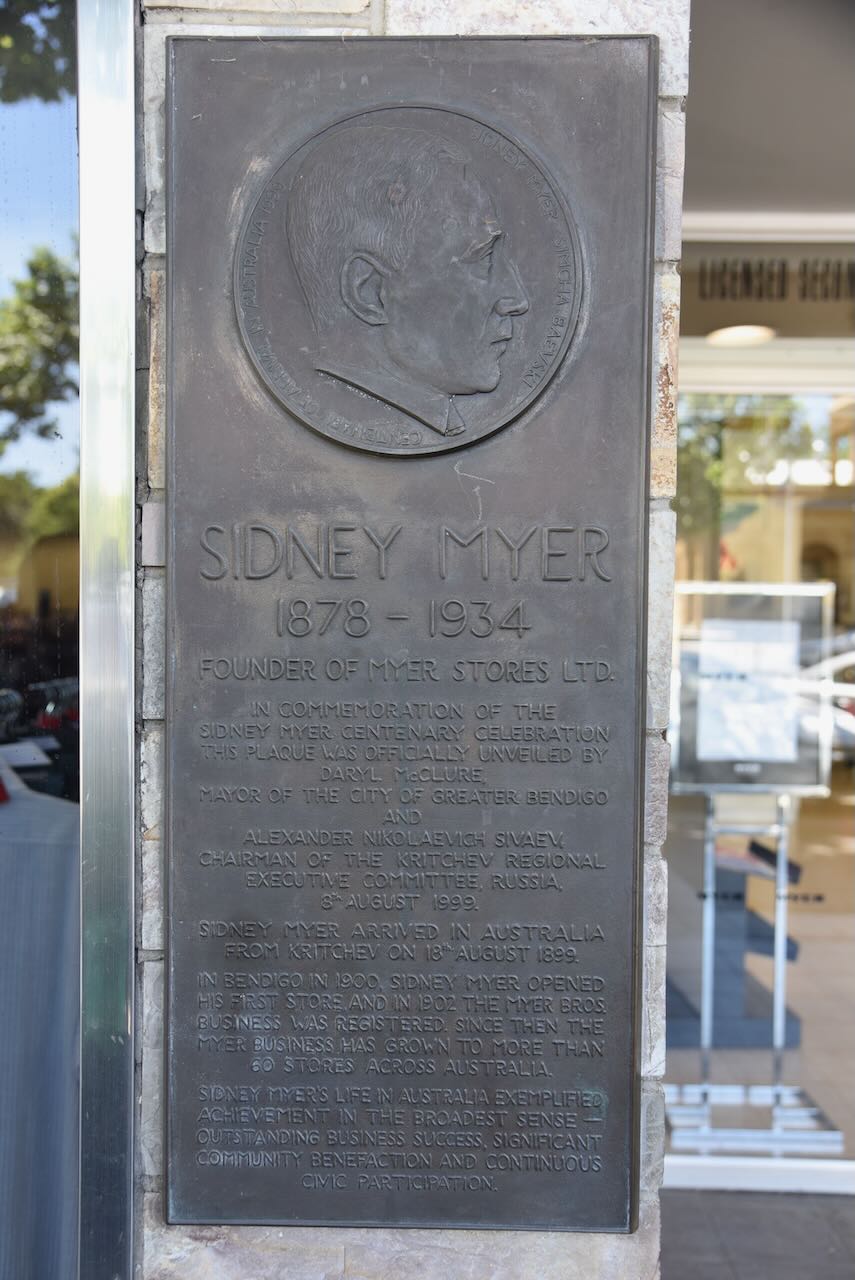
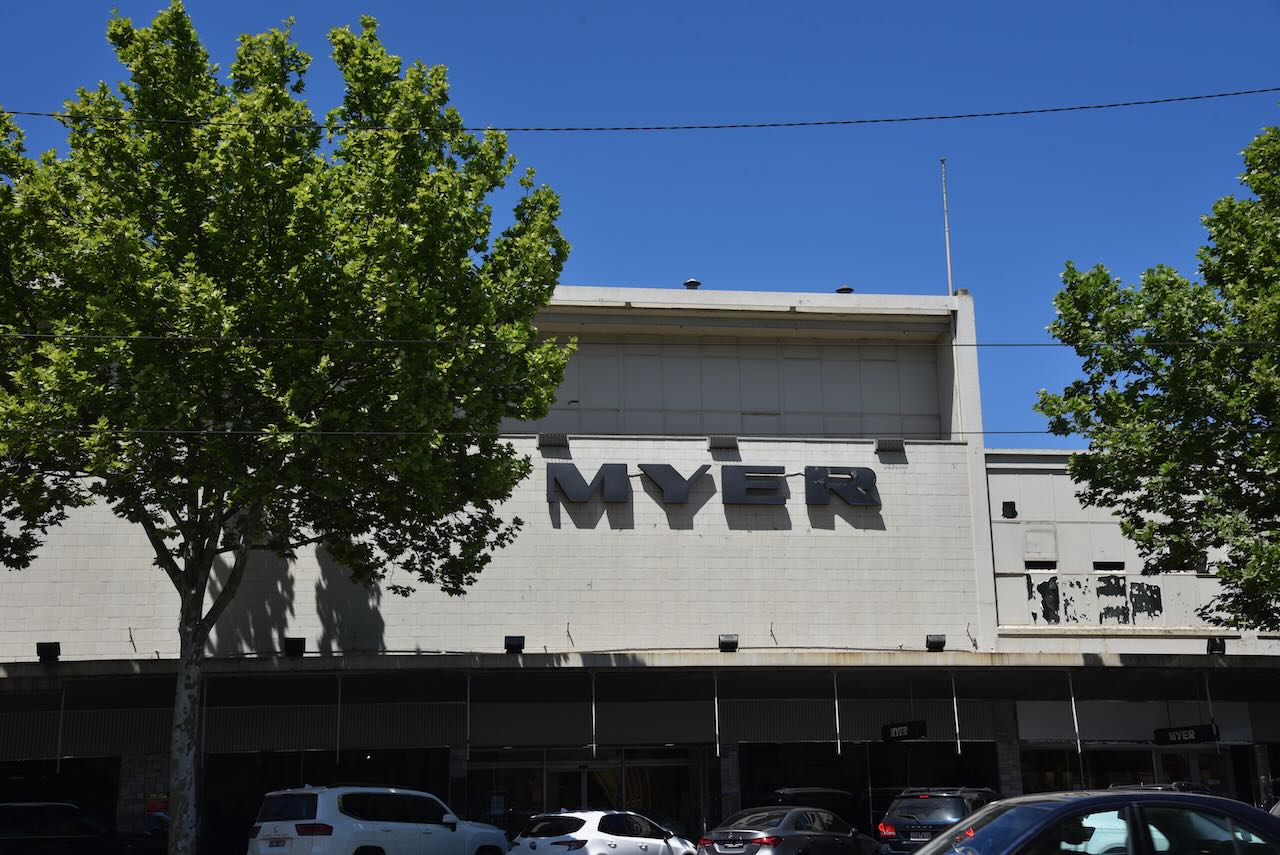
Our next stop was the Myer building. It was in 1909 in Bendigo that Sidney Myer opened his first store. His business, the Myer Bros, grew to more than 60 stores across Australia.
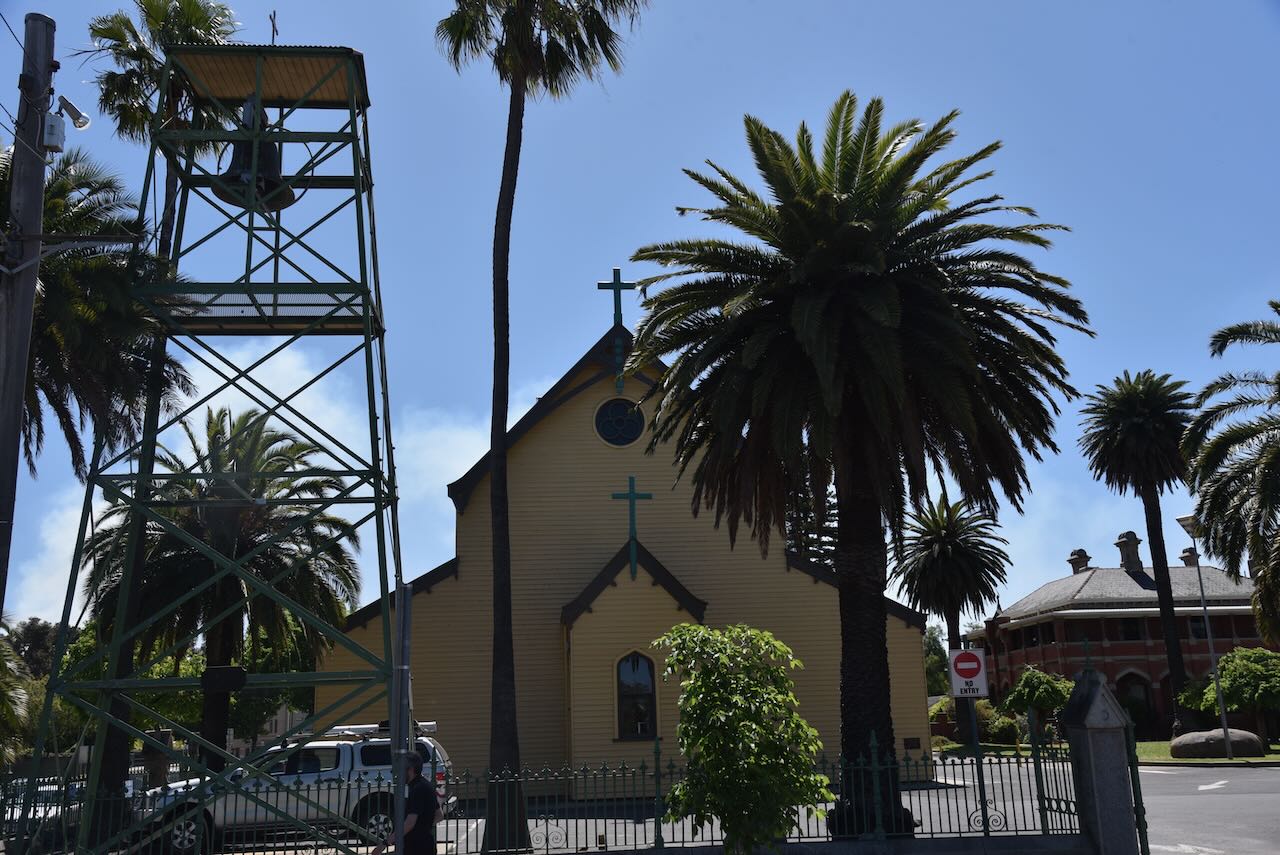
St Killiams is the largest wooden church in Australia and was blessed on the 1st day of July 1888. (www.ohta.org.au, n.d.)
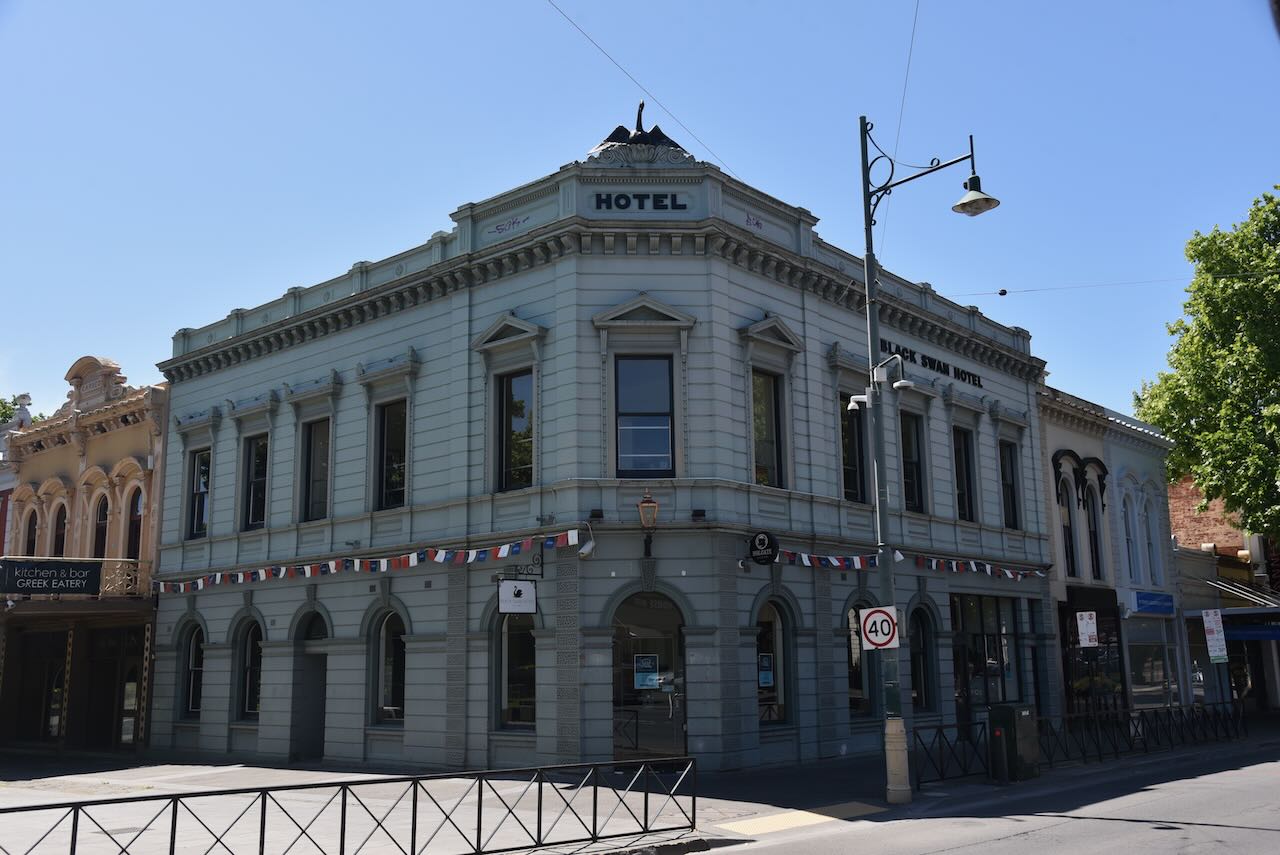
The Black Swan Hotel held Bendigo’s first official liquor licence in 1873. (Black, 2025)
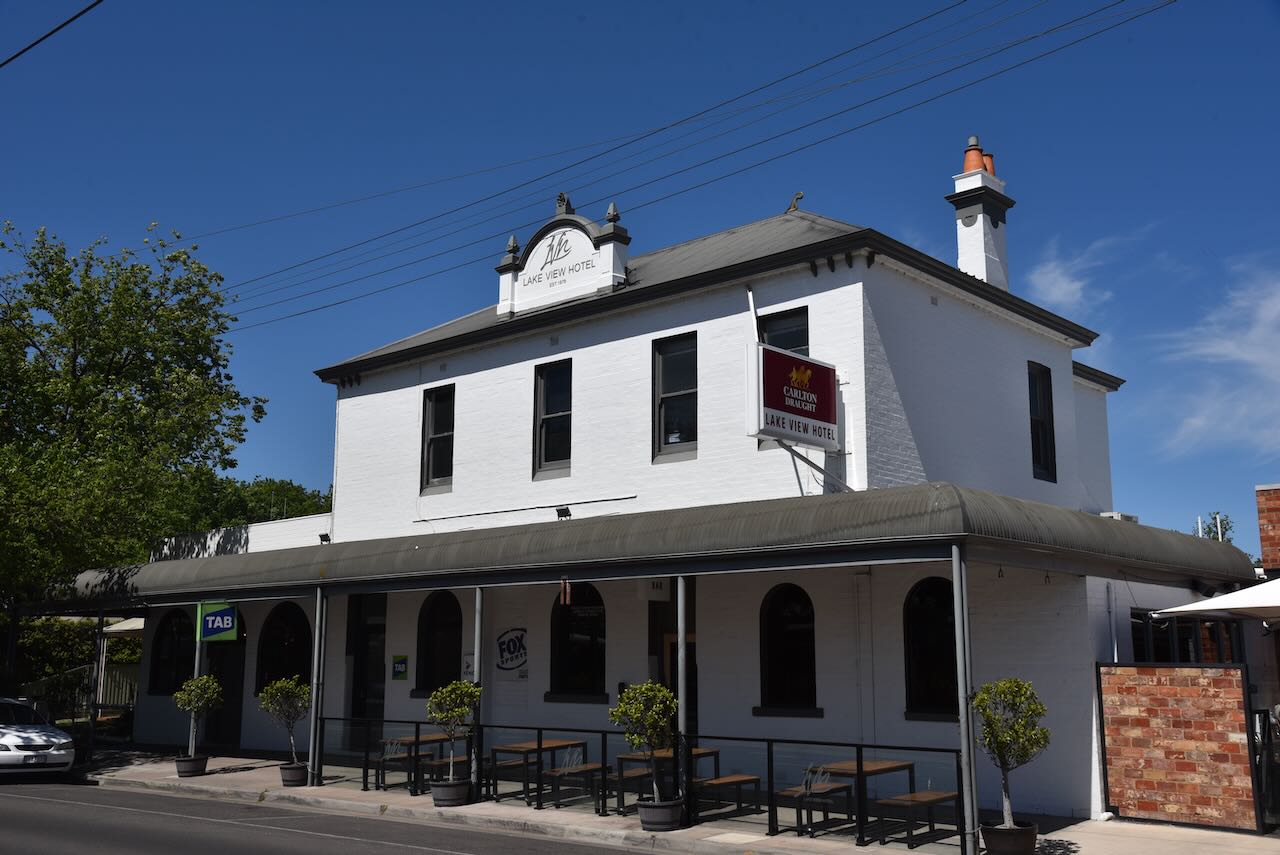
The Lake View Hotel was opened in 1878.
After a great morning and early afternoon of exploring Bendigo, Marija and I headed to our first activation for the day, the Bendigo Regional Park VKFF-0960 and the East Bendigo silo VK-ESO3.
The silos are located in Victa Road.
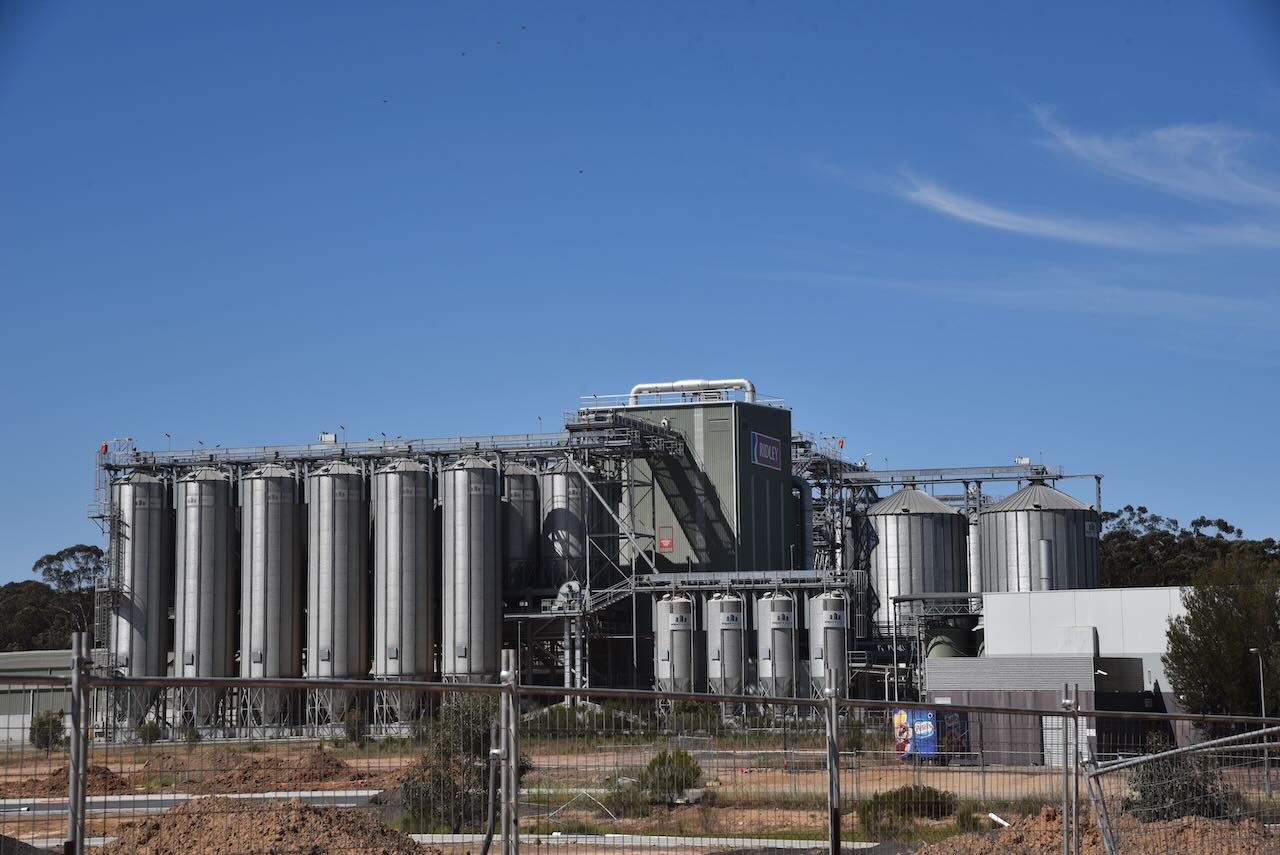
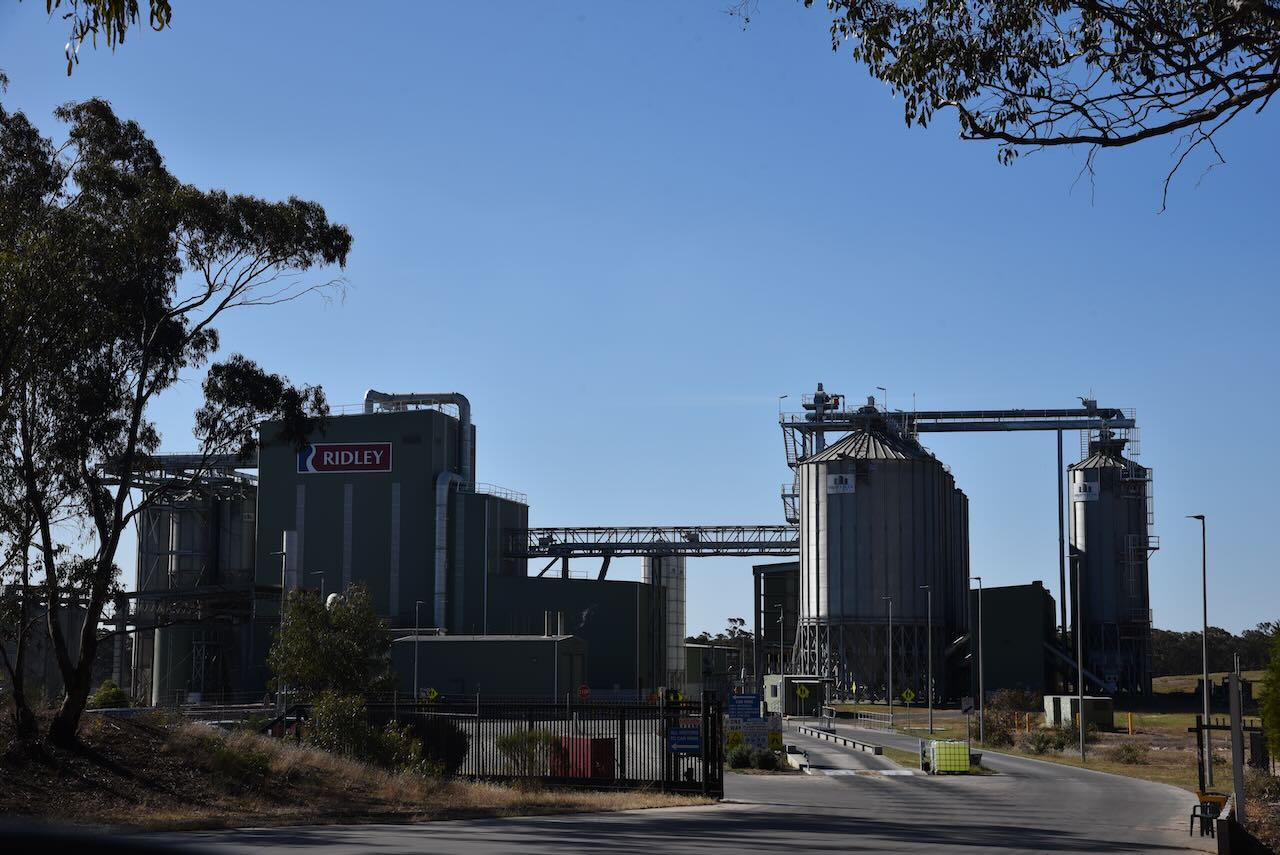
We accessed the park via Victa Road, so that we were in the activation zone of the silo.
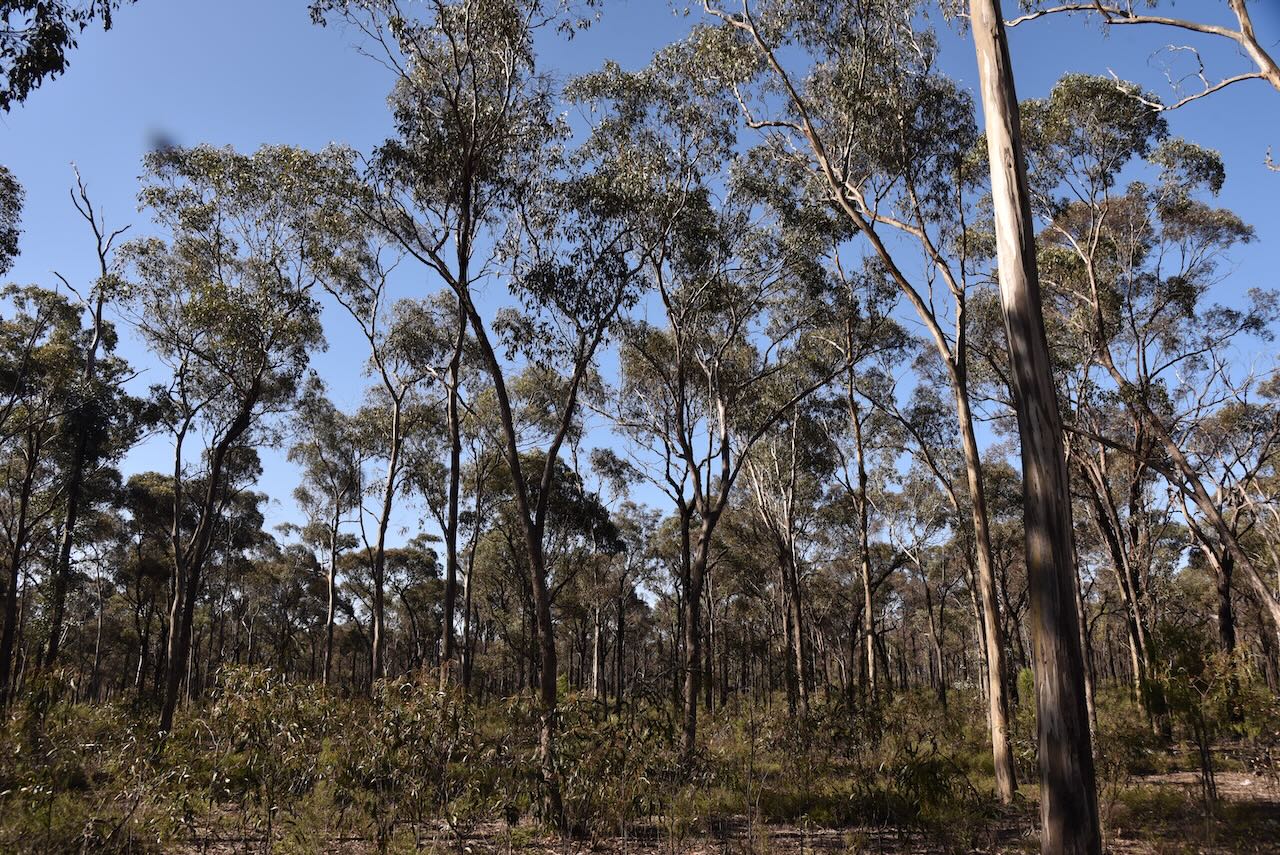
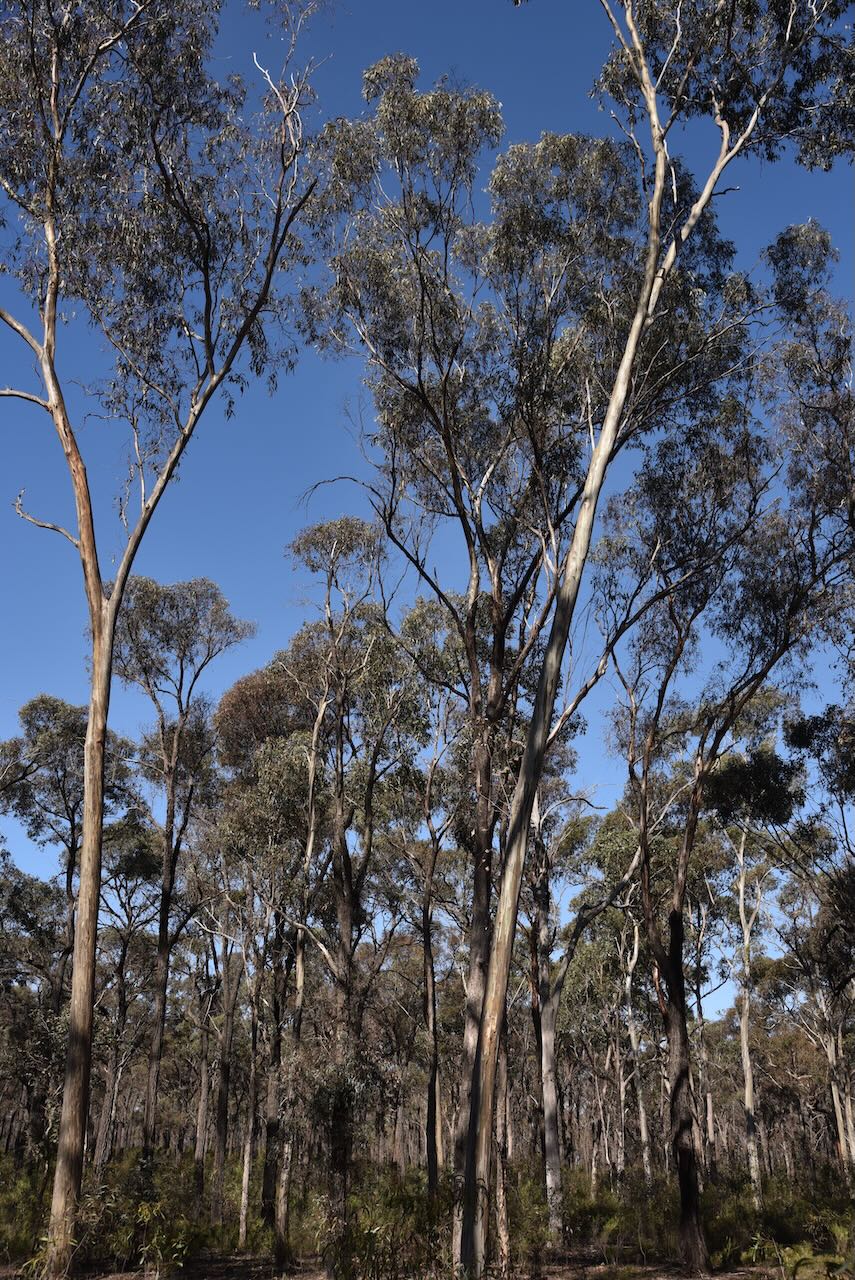
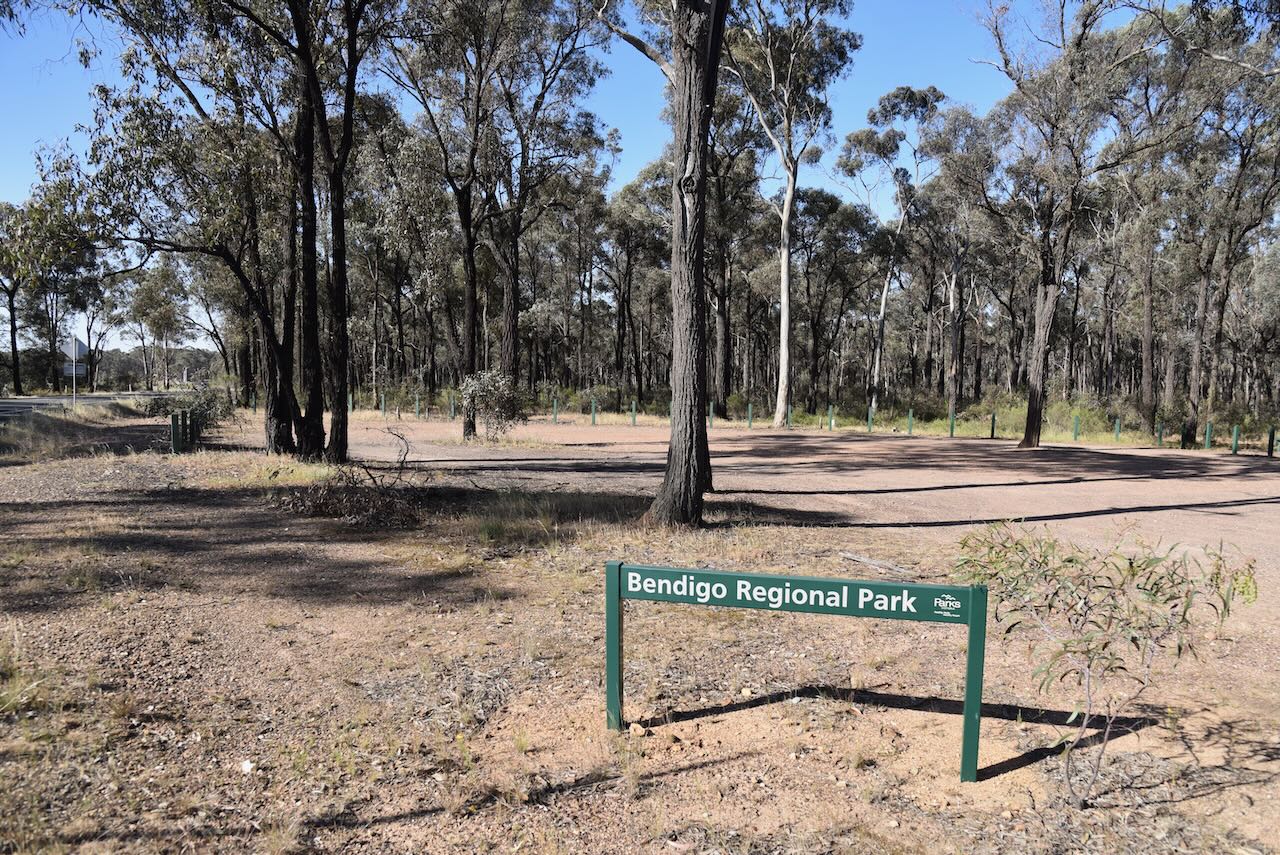
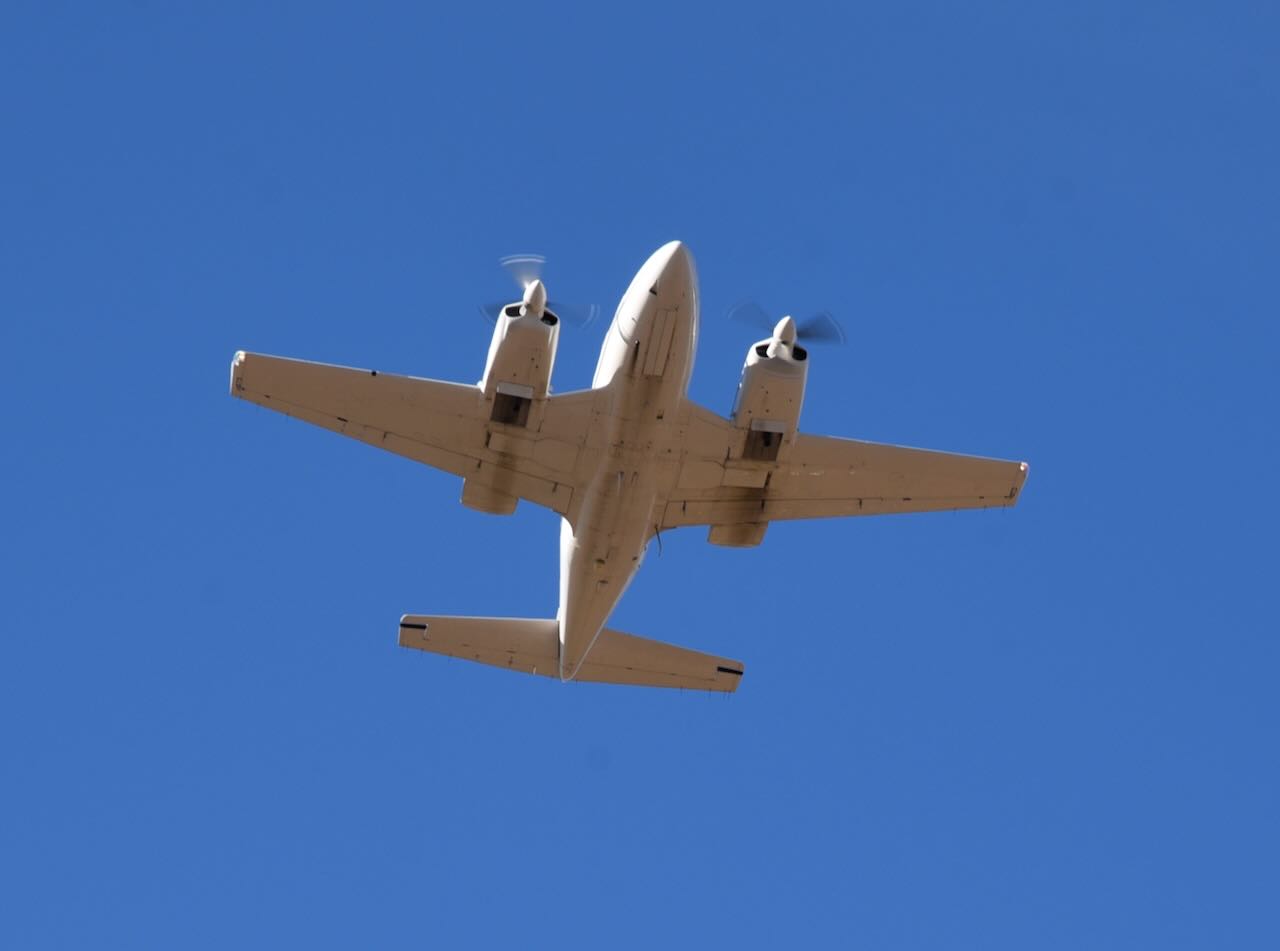
We ran the Yaesu FT857, 40 watts, and the 20/40/80m linked dipole. As we were close to the Bendigo airport, we had a lot of aircraft flying above us during the activation.
Marija worked the following stations on 40m SSB:-
I worked the following stations on 40m SSB:-
I worked the following stations on 20m SSB:-
References.
Amateur Radio, Short Wave Listening, travel and history
Amateur radio experiences with VK1DA
Brisbane - Australia
german amateur radio station
Summits On The Air
SOTA on the peaks, wilderness QRP and some bushwalking
A fine WordPress.com site
Amateur Radio Adventures
Summits on the Ai
Amateur radio station from Belgium
Radio craft, homebrew, QRP/SOTA, AM
Ego loqui ad viros super montes
My adventures with Amateur Radio and Geocaching!
The rantings of VK2GAZ on his SOTA experiences in Australia
A survivor, with minor cuts and abrasions.
The Art and Craft of Blogging
The latest news on WordPress.com and the WordPress community.
Blog of Justin Giles-Clark VK7TW's SOTA and amateur radio adventures.
Occasional SOTA & Microwave operation
 VK5PAS