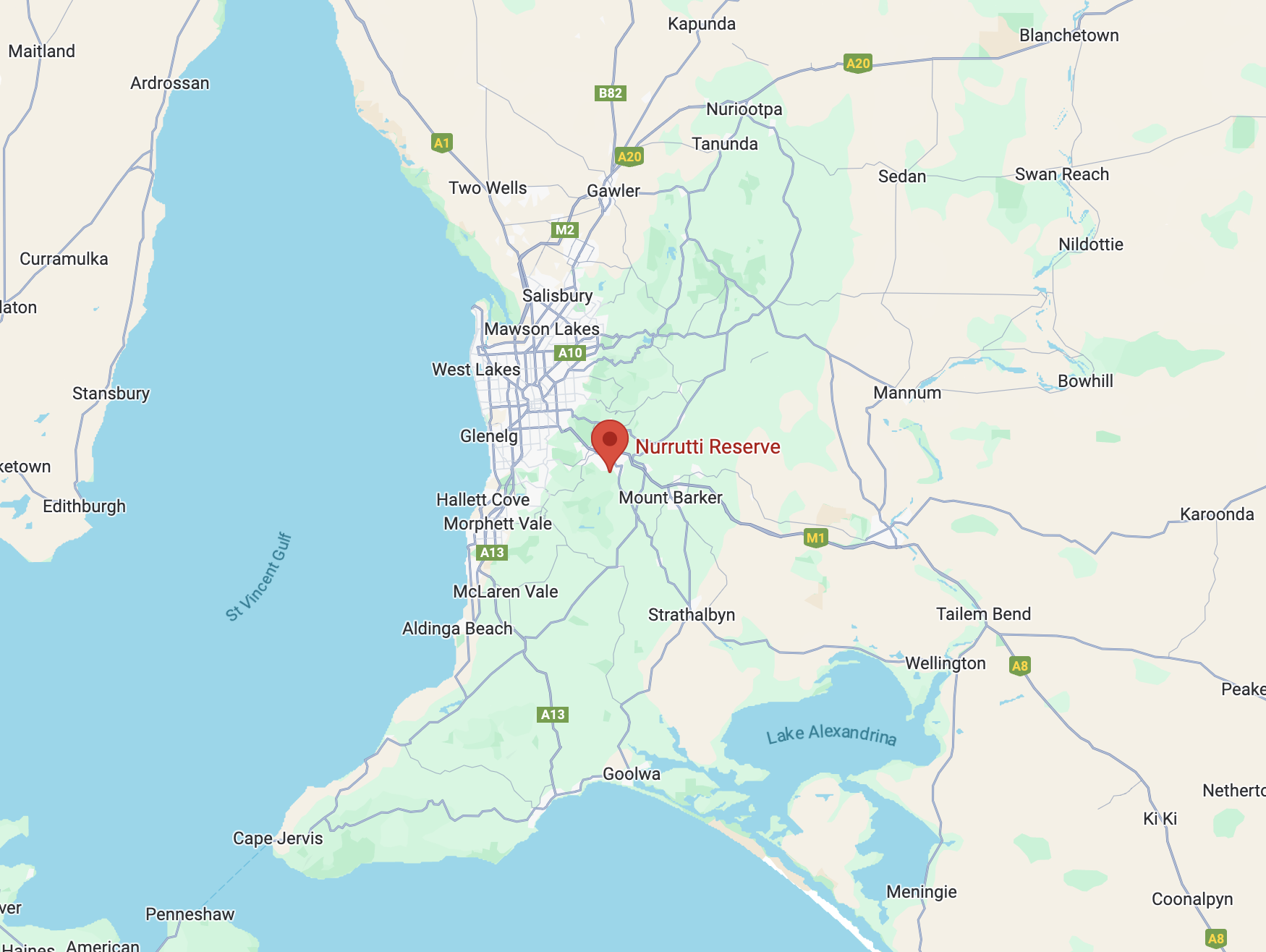
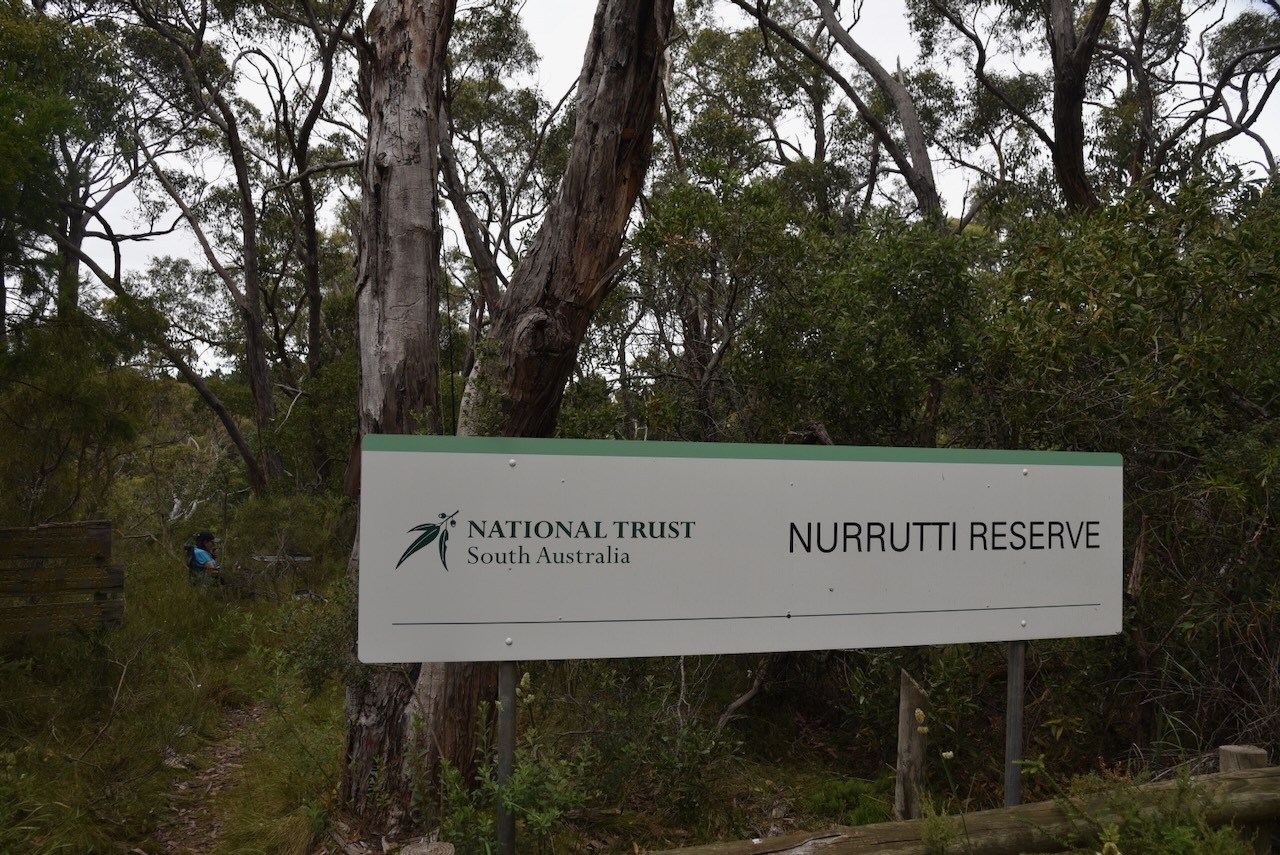
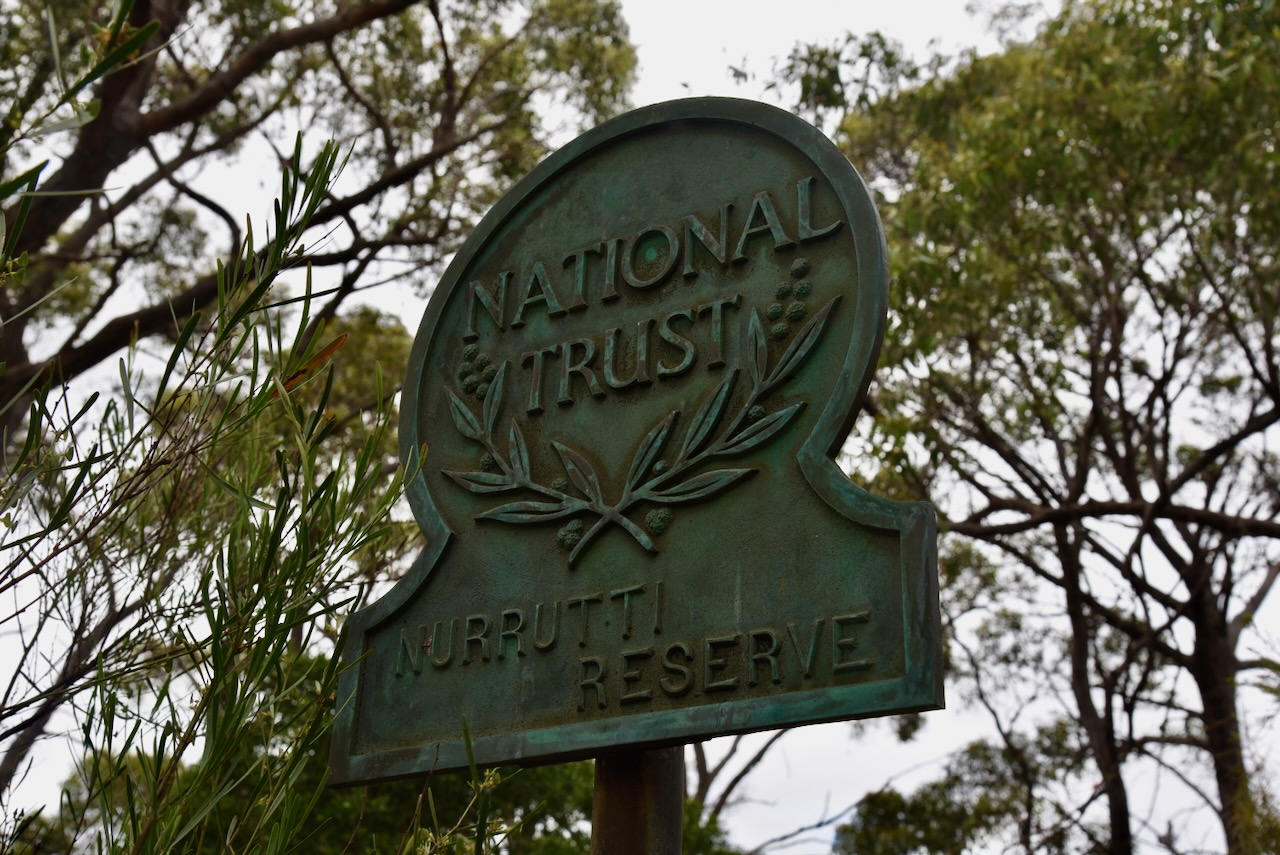
Our first park for Sunday 24th November 2024, and day two of the 2024 VKFF Activation Weekend, was the Nurrutti Reserve VKFF-4049. The park is located about 21 km southeast of the city of Adelaide, in the Mount Lofty Ranges ‘Adelaide Hills’.
Above:- Map showing the location of the Nurrutti Reserve. Map c/o Google Maps.
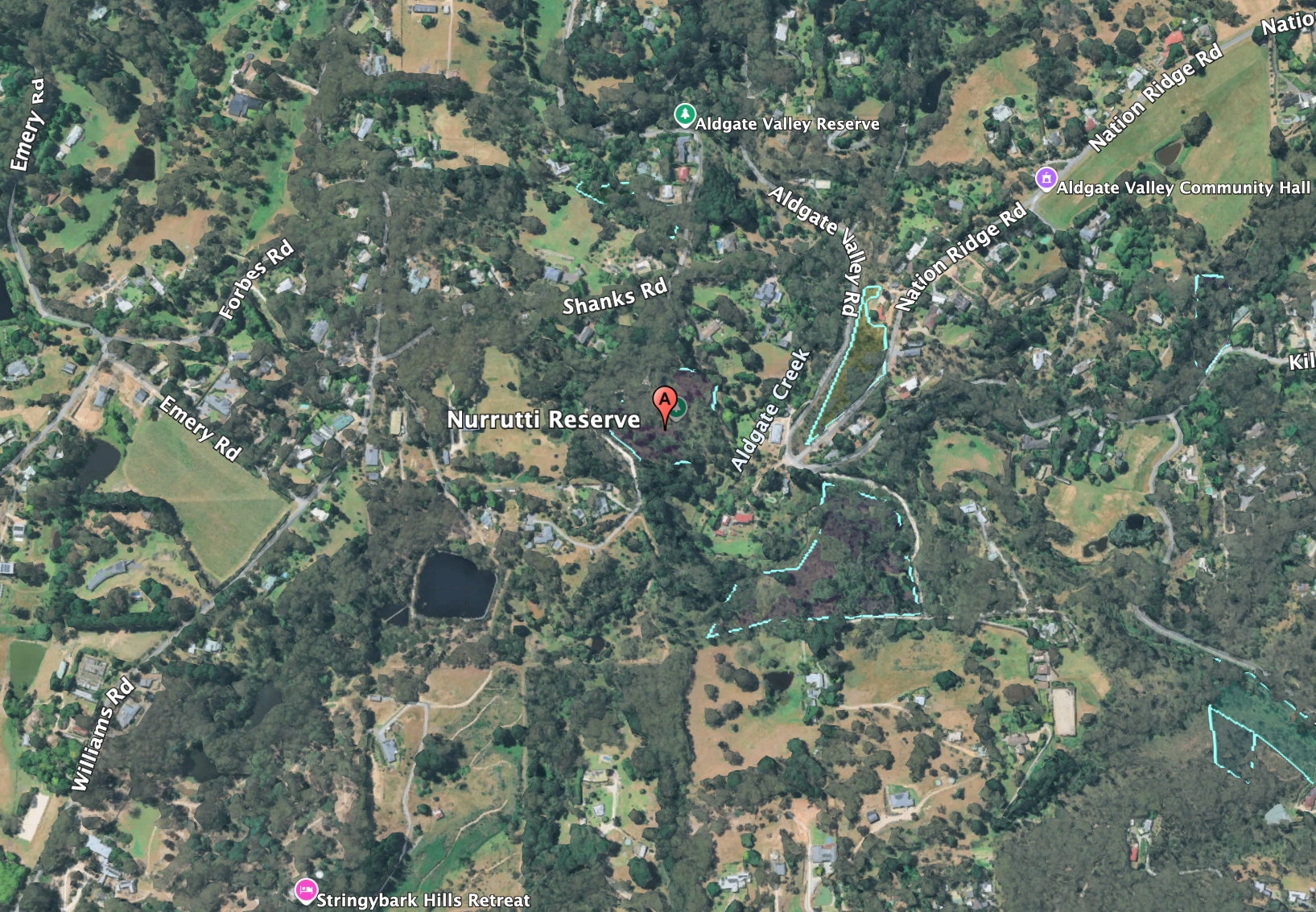
The reserve is located at the end of Kyle Road, Mylor.
Above:- An aerial view of the Nurrutti Reserve. Image c/o Google Earth.
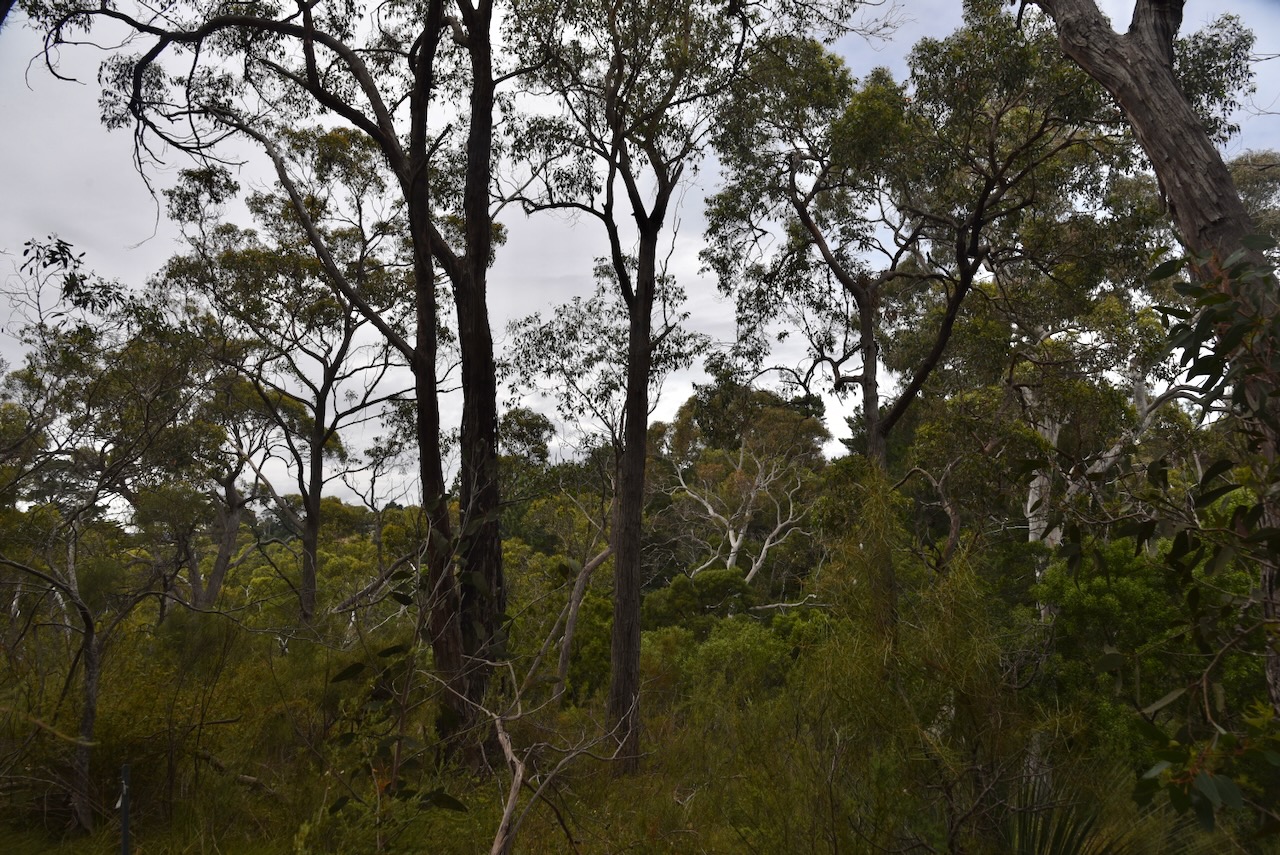
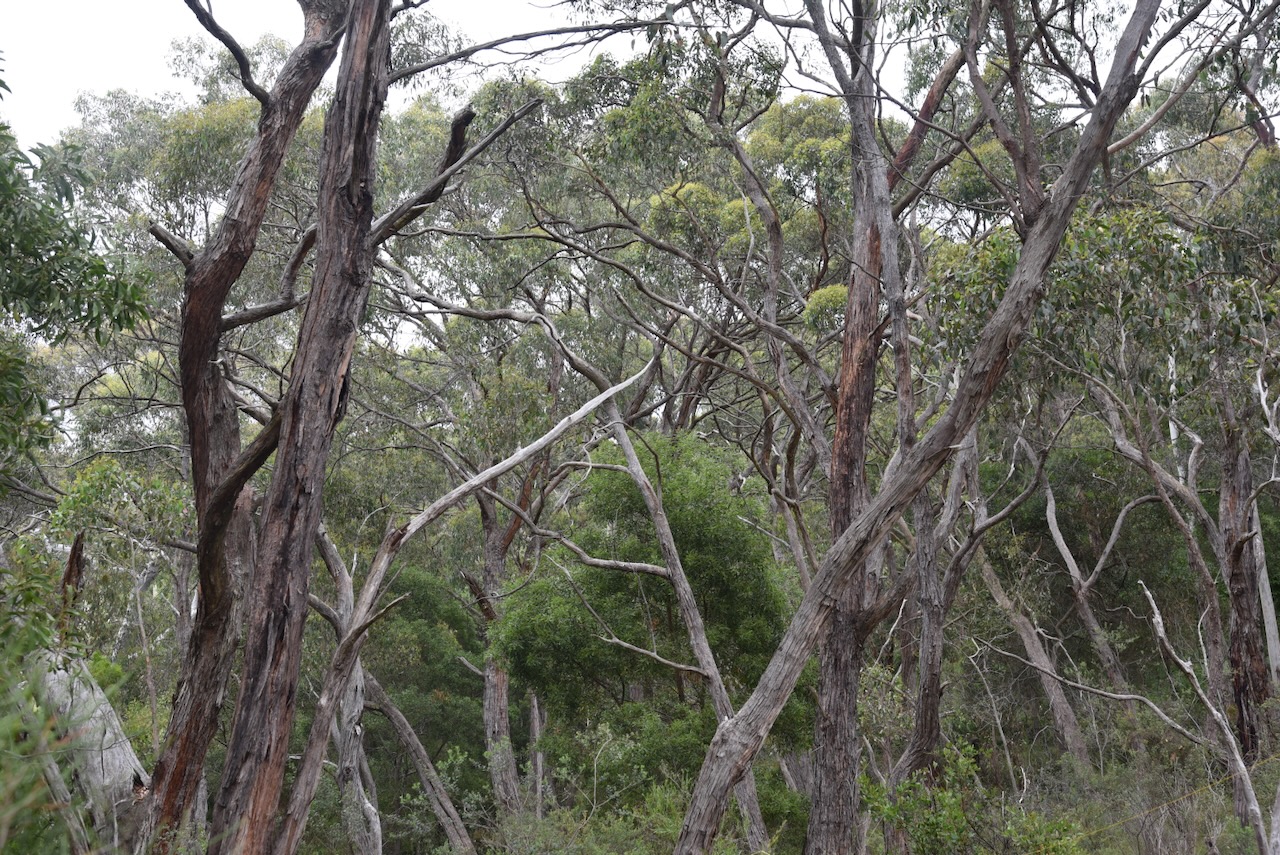
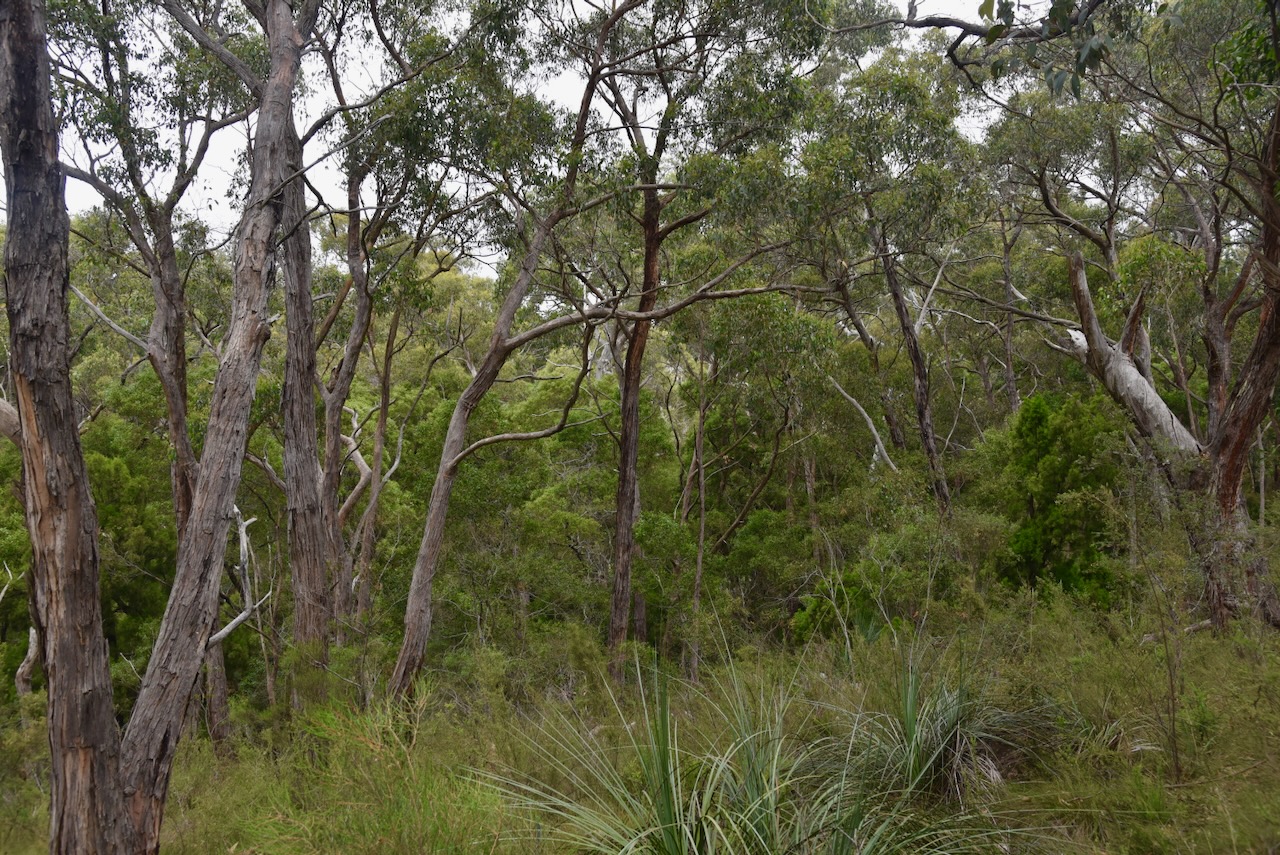
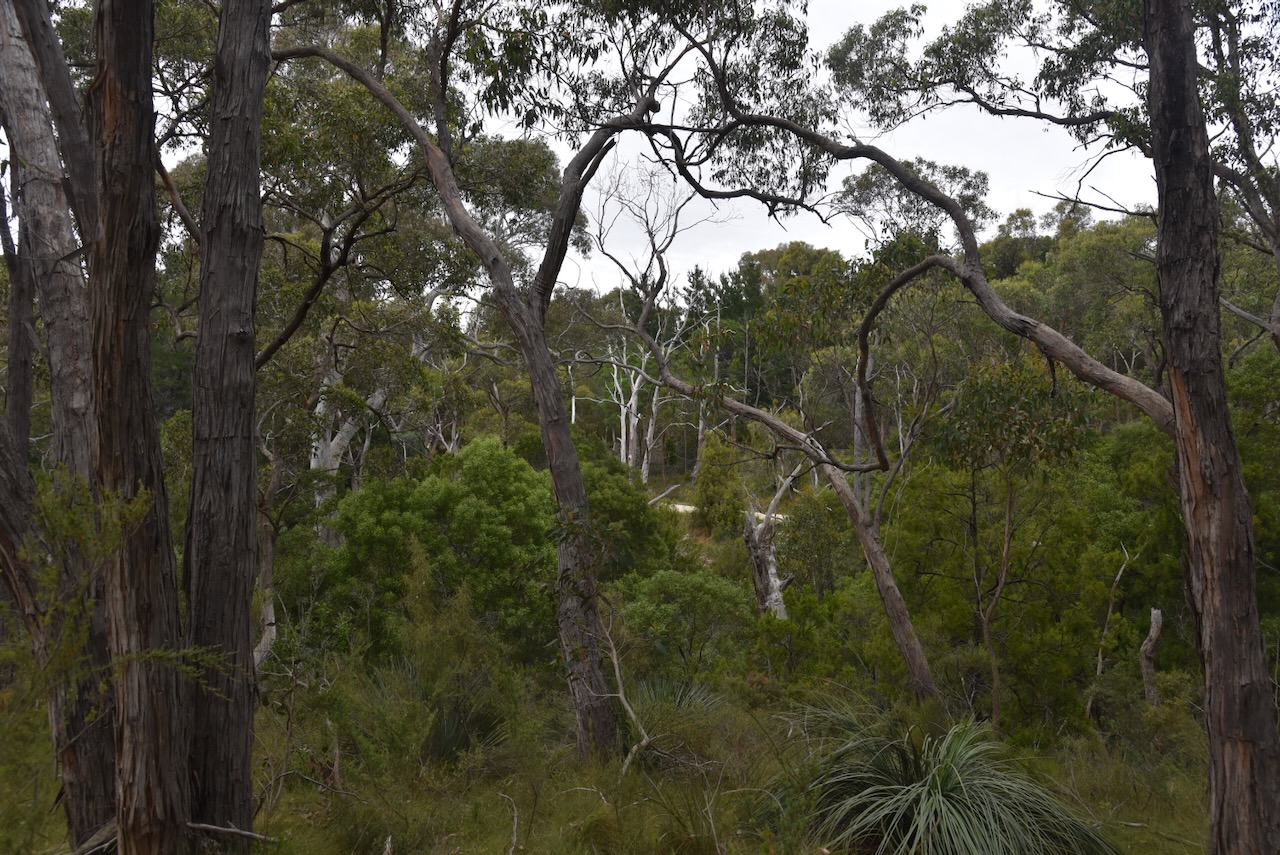
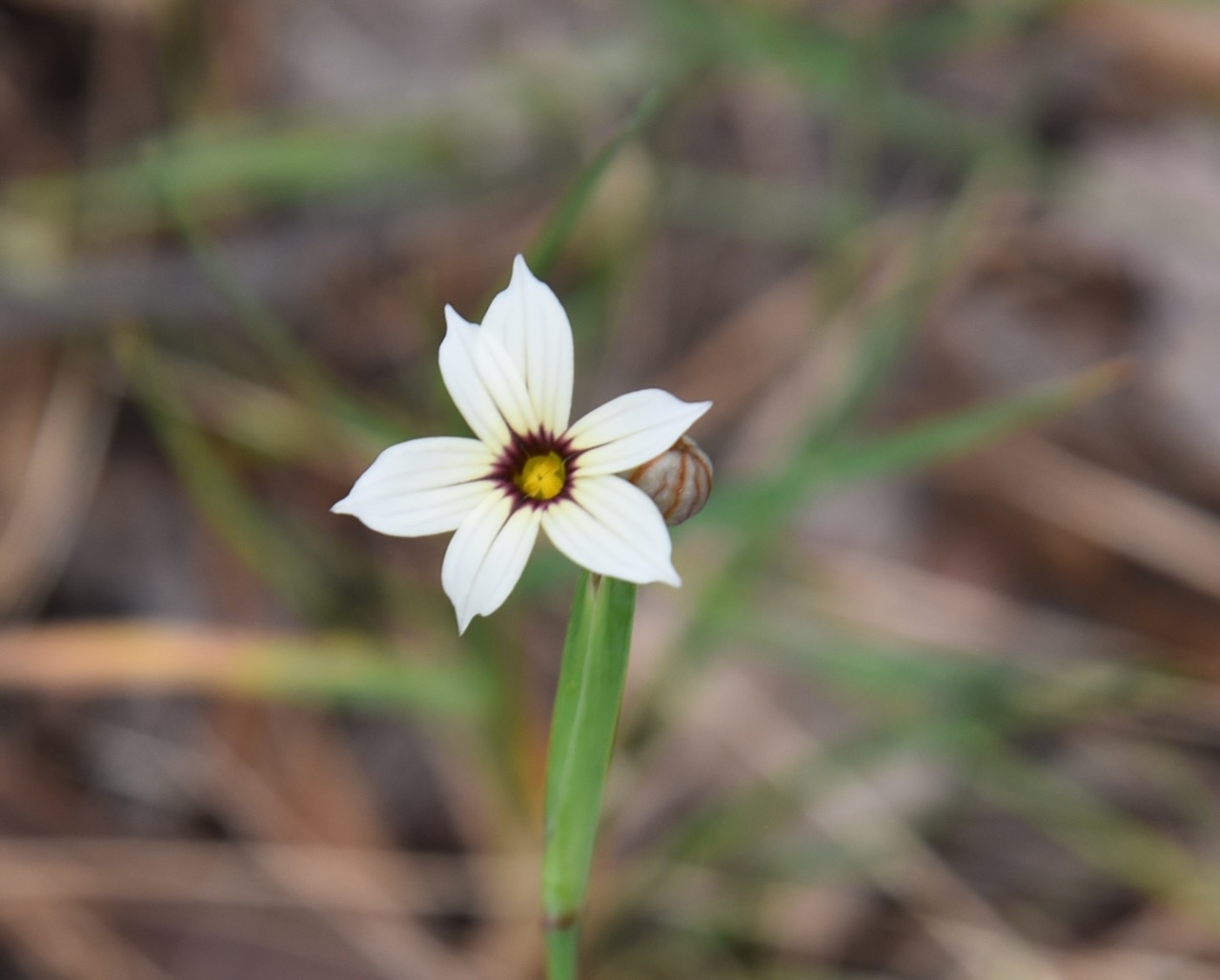
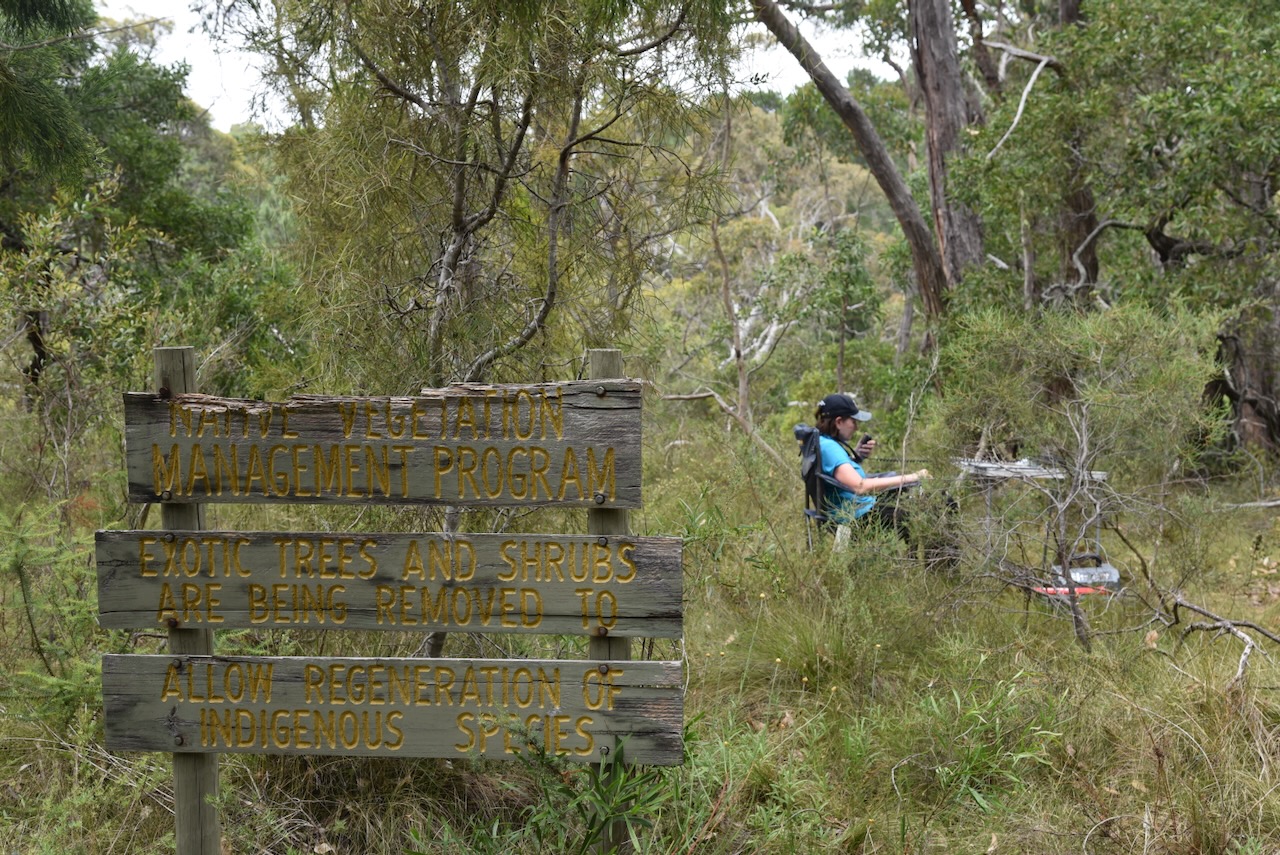
Nurrutti Reserve is a small reserve, comprising about 1.4 hectares of mixed Stringybark open forest on the banks of Aldgate Creek, which is part of the Onkaparinga catchment. More than 125 native plant species have been recorded in the park. This includes 16 species which are of State or Regional significance. (National Trust, 2025)
Nurrutti Reserve was gifted to the National Trust in 1964 by Miss Joyce Gibson. (National Trust, 2025)
“Nurrutti” is derived from the indigenous Kaurna language and means “spell” or “enchantment”. (Weekendnotes.com 2018)
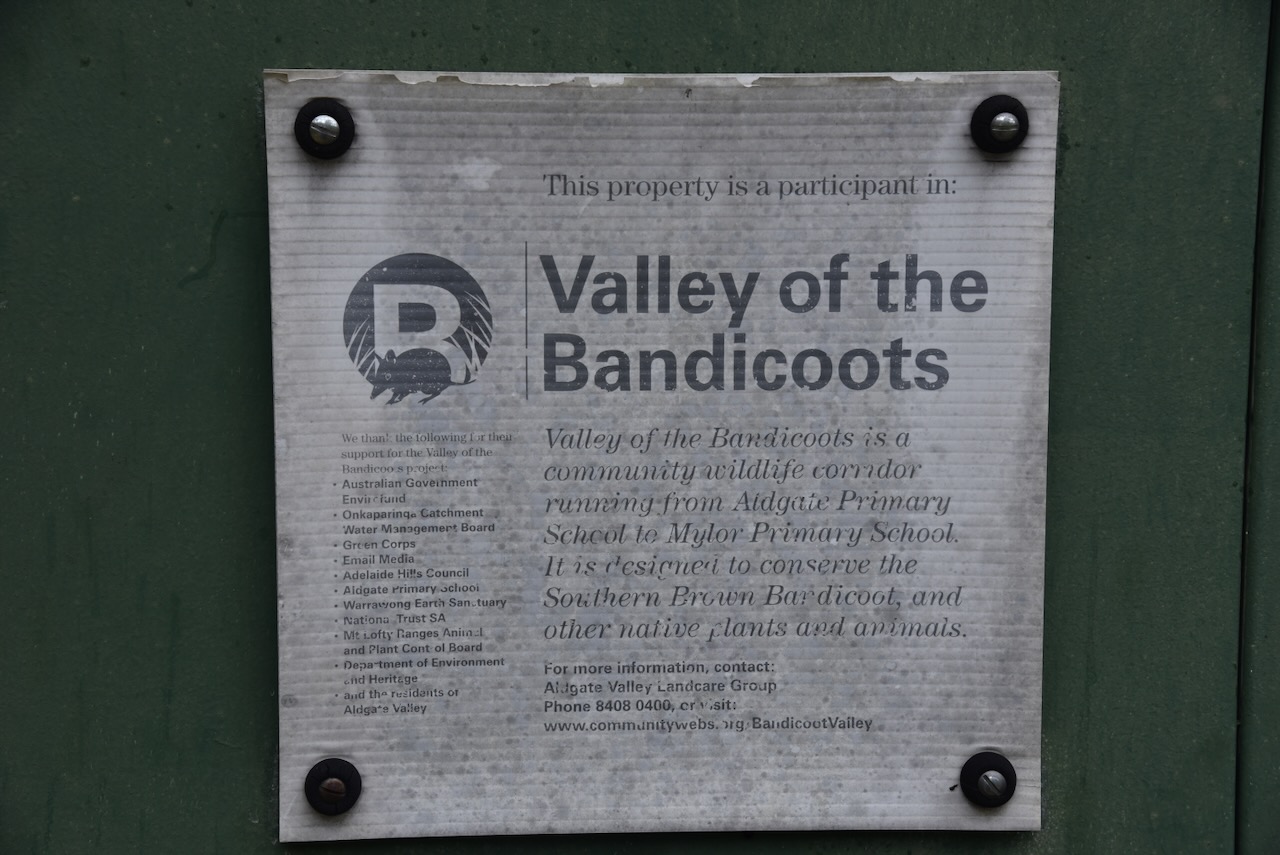
Nurrutti Reserve is part of the “Valley of the Bandicoots”. This is a project of the Aldgate Valley Landcare Group to help conserve an area of suitable habitat for the Southern Brown Bandicoot. (National Trust, 2025)
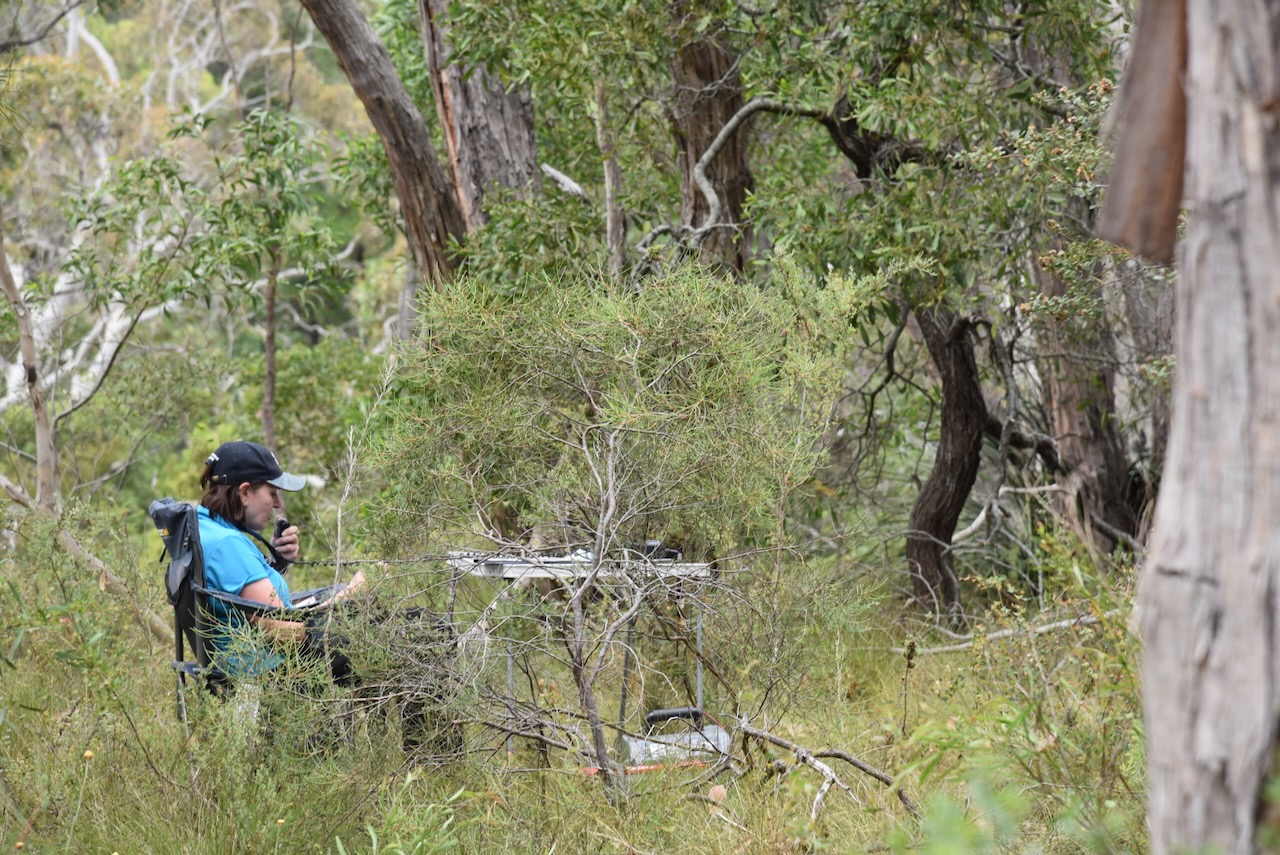
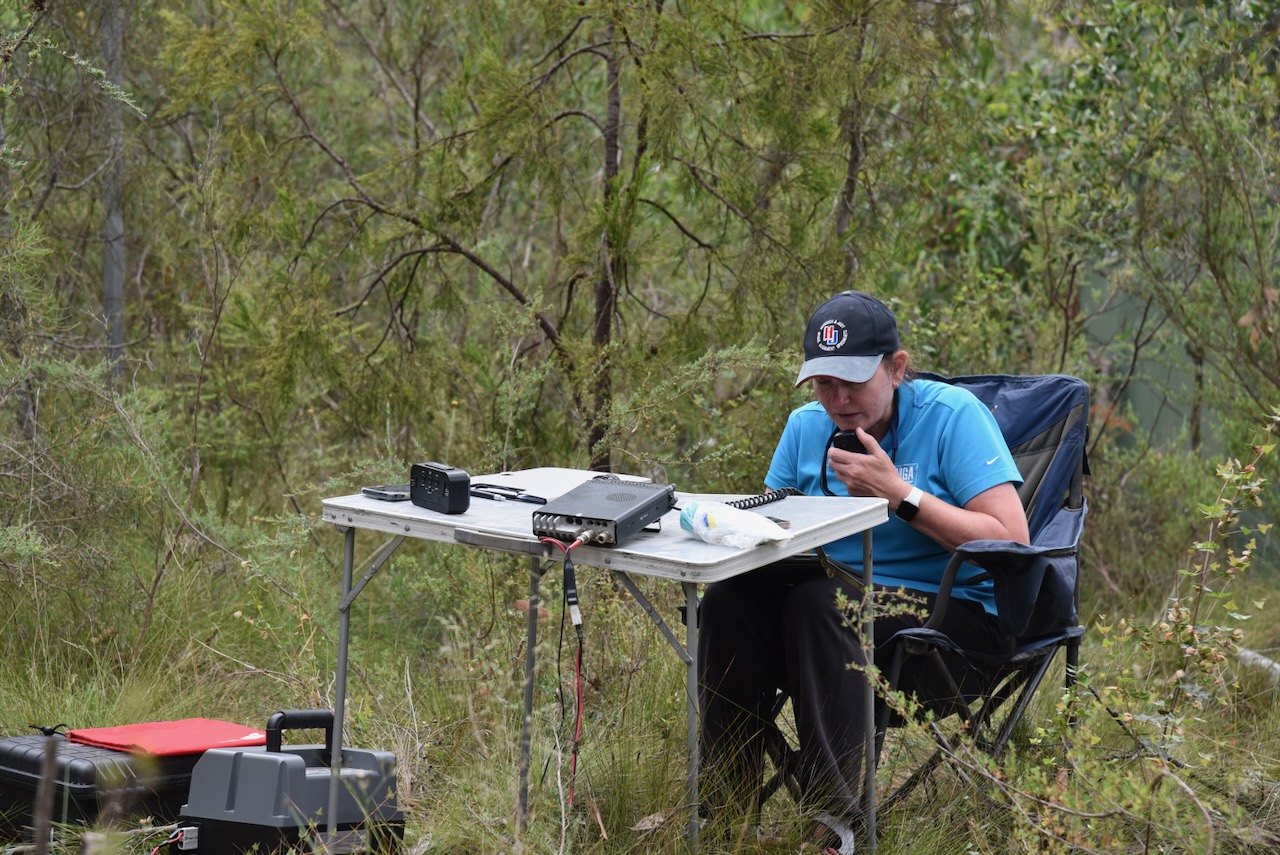
This was quite a difficult park to activate due to the thick scrub. We ran the Yaesu FT857, 40 watts, and the 20/40/80m linked dipole.
Marija worked the following stations on 40m SSB before the UTC rollover:-
VK2IO/P (VKFF-1809)
VK2GEZ/P (VKFF-1809)
VK3IFR
VK3TKU
VK3PF/P (VKFF-6086)
VK3GJG/P (VKFF-2339)
VK3WSG
VK5IC
VK5AAF
VK3BEL
VK3SPG
VK3UAO
VK5DM
VK2PKT/P (VKFF-0204)
VK2VW
VK2HFI
VK2AKA
VK2BUG
VK5FANA
VK3OAK/P (VKFF-6045)
VK5IS
VK3ZK/P (VKFF-2431)
VK5HS/P (VKFF-0831)
Marija worked the following stations on 40m SSB after the UTC rollover:-
VK5HS/P (VKFF-0831)
VK5LA
VK5KAW
VK3GJG/P (VKFF-2339)
VK2KPP
VK7LTD/P (VKFF-2929)
VK7AMP/P (VKFF-2929)
VK2EXA
VK3CEO
VK3SPG
VK3PF/P (VKFF-6086)
VK3HBG
VK3OAK/P (VKFF-6045)
VK3GUM/P (VKFF-6045)
VK7XX
VK3BEL
VK3PWG
VK5ZL
VK2IO/P (VKFF-1809)
VK2GEZ/P (VKFF-1809)
VK5DLZ
VK1RF/P (VKFF-0847)
VK3VIN
VK5DW
Marija worked the following stations on 20m SSB:-
VK4MGL/P (VKFF-0300)
VK7LTD/ P(VKFF-2929)
VK5MK/P (VKFF-1707)
VK2IO/P (VKFF-1809)
VK2GEZ/P (VKFF-1809)
VK3MCA/P (VKFF-3877)
I worked the following stations on 40m SSB before the UTC rollover:-
VK2IO/P (VKFF-1809)
VK2GEZ/P (VKFF-1809)
VK3IFR
VK3TKU
VK3PF/P (VKFF-6086)
VK3GJG/P (VKFF-2339)
VK3WSG
VK5IC
VK5AAF
VK3BEL
VK3SPG
VK3UAO
VK5DM
VK2PKT/P (VKFF-0204)
VK2VW
VK2HFI
VK2AKA
VK2BUG
VK5FANA
VK3OAK/P (VKFF-6045)
VK5IS
VK3ZK/P (VKFF-2431)
VK5HS/P (VKFF-0831)
I worked the following stations on 40m SSB after the UTC rollover:-
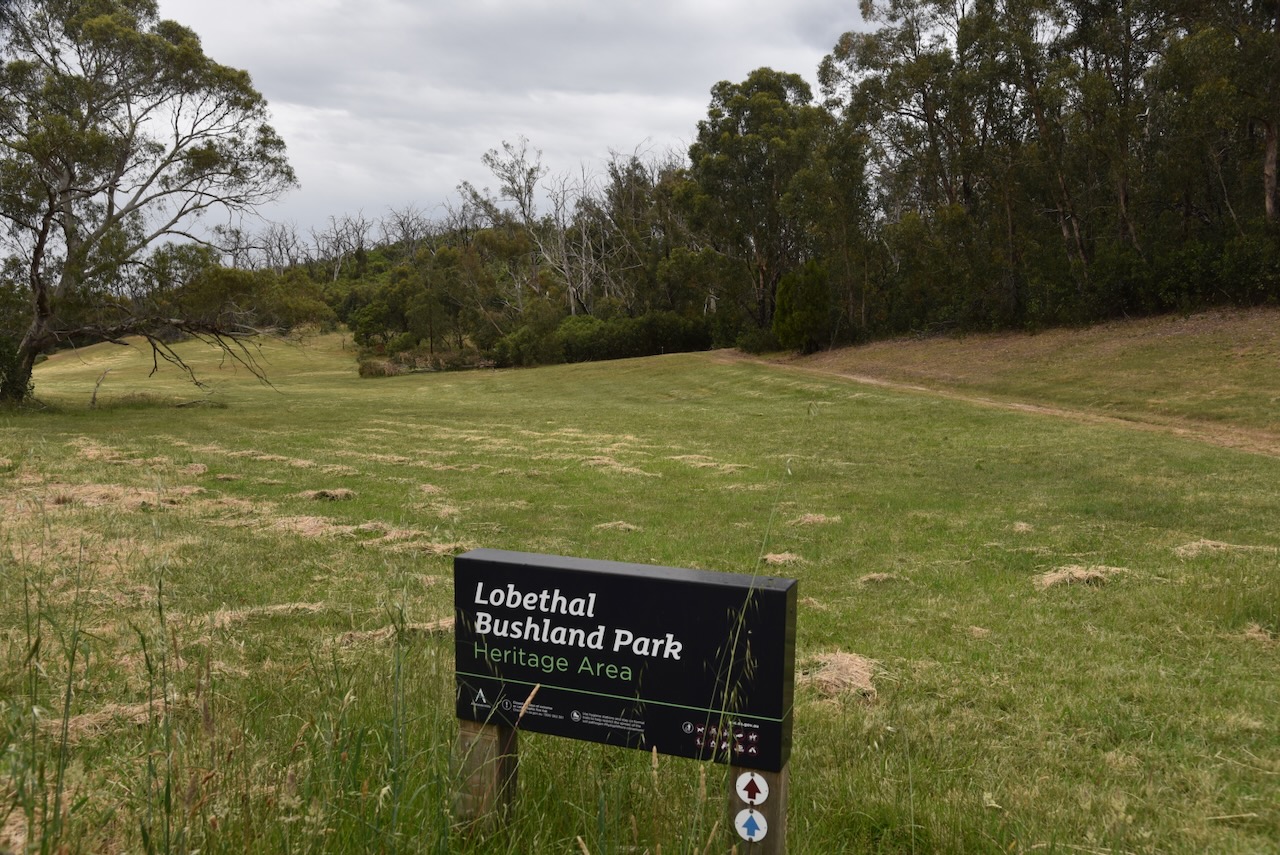
Our final activation for Saturday 23rd November 2024, was the Lobethal Bushland Park VKFF-4041. The park is located about 42 km (by road) east of Adelaide, in the Mount Lofty Ranges ‘Adelaide Hills’.
Above:- Map showing the location of the Lobethal Bushland Park. Map c/o Gogole Maps.
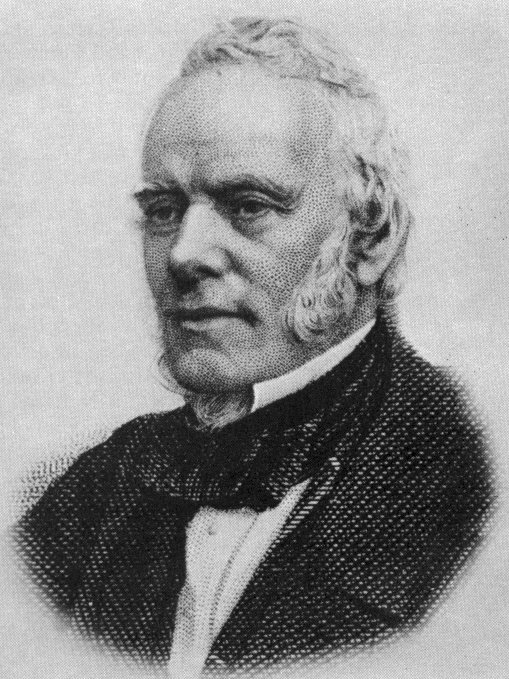
George Fife Angas was born in 1789 in England. He became a businessman and banker and played a significant role in the establishment of the Province of South Australia. He was the founder of the South Australian Company. In 1836, Angas met with Pastor August Ludwig Kavel, the Pastor in Klepsk (Klemzig) in Prussia in an attempt to promote emigration to South Australia. (Wikipedia)
Above:- George Fife Angas. Image c/ Wikipedia
Kavel and his Lutheran congregation were facing religious persecution by King Frederick William III. From 1807 he had made the decision to unite the Reformed “Calvanist” church with the Protestant Lutherans, which was against the wish of Kavel and his people. Many had already emigrated to the United States of America and Canada due to the persecution of the Lutherans. They were banned to use the word Lutheran, confiscated church property and fined congregations. By the 1830s Lutherans were being imprisoned for their faith. (Aussie Towns, 2019)
Above:- Pastor Augustus Kavel. Image c/o State Library South Australia.
Initially the Colonization Commission and the South Australia Company refused to assist with the migration of the Lutherans. As a result, Angas personally advanced about £8000 to the Lutherans to assist them in their migration to the colony of South Australia. (Australian Dictionary of Biography, n.d.)
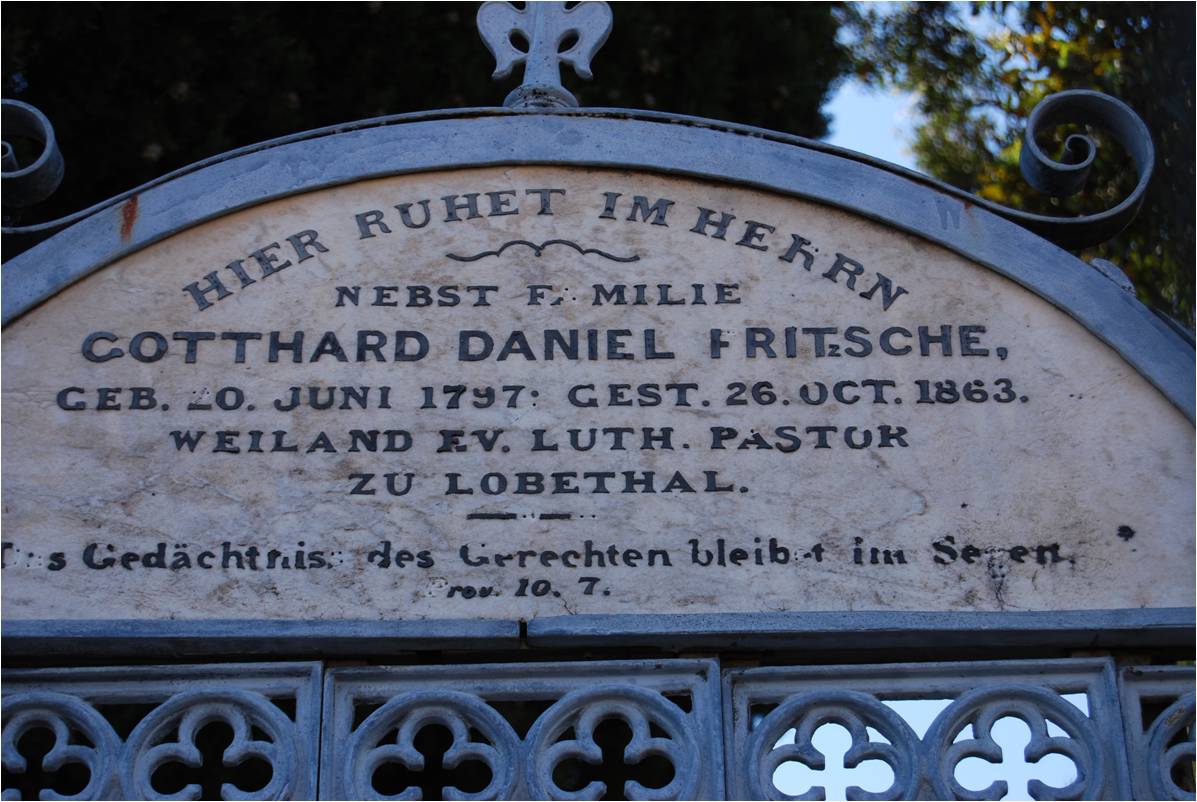
The first Prussian settlers arrived in South Australia in November 1838. Those who settled at Lobethal arrived in 1841, with the majority arriving aboard the Skjold with their pastor Gotthard Daniel Fritzsche. Their journey to Australia took 18 weeks and included 44 deaths aboard the ship. This group were initially welcomed by the other Lutherans at Klemzig and Hahndorf. (Aussie Towns 2019)
They were soon informed of good land in the upper region of the Onkaparinga River. In 1842, a total of 18 Prussian families made their way to the Onkaparinga River. On the 4th day of May 1842, Pastor Gotthard Daniel Fritzsche held an open air service of thanksgiving, duiring which he read out the following verse from the Bible:
“And on the fourth day they assembled themselves in Lobethal; for there they blessed the Lord. Therefore the name of the same place was called Lobethal unto this day.”
Pastor Fritzsche named the new settlement, Lobethal, meaning Valley of Praise. (Germanaustralia.com, 2025)
Above:- The headstone of Gotthard Fritzsche. Image c/o Sarah Lieschke, Lobethal (Süd-Australien), Wikipedia
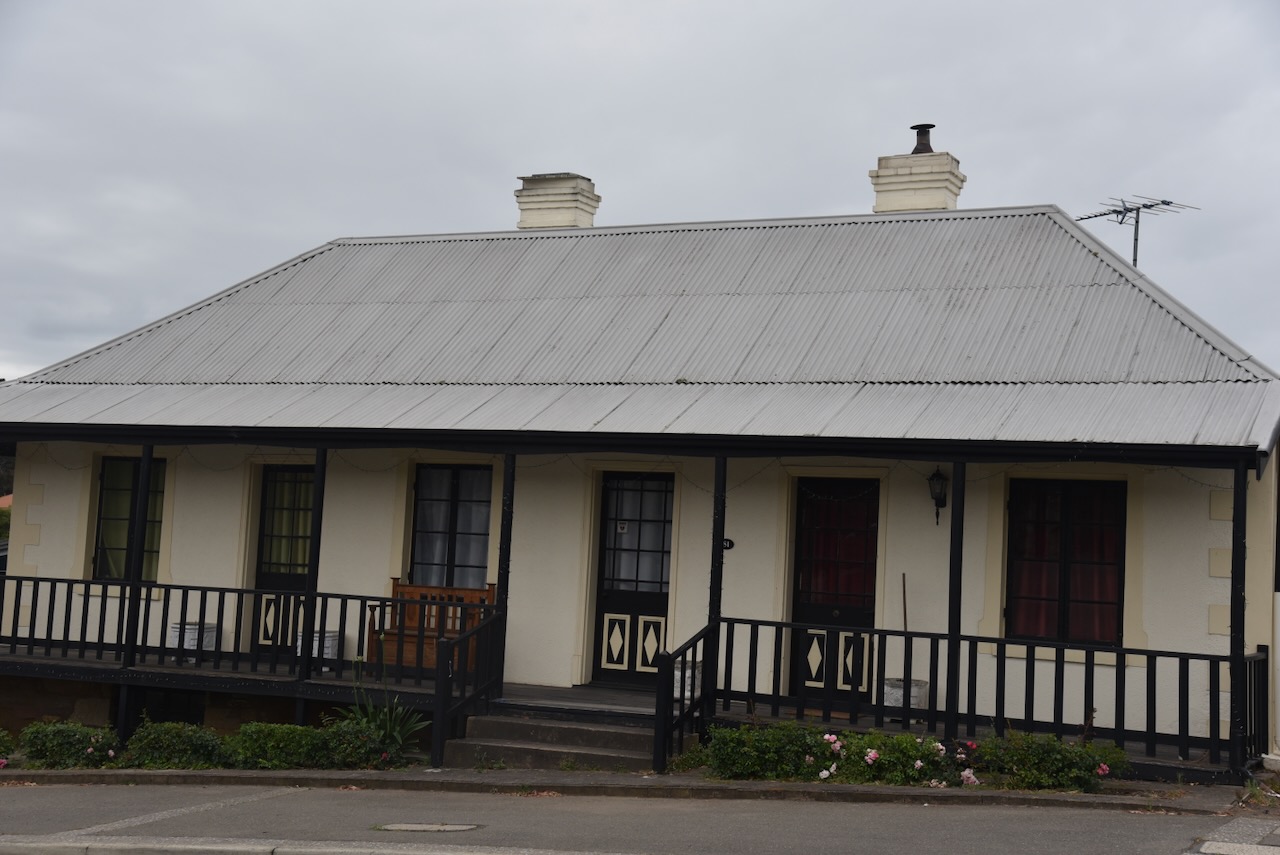
The village of Lobethal was built in typical Silesian Hufendorf style with the settler’s cottages arranged in a line along the main street of Lobethal. Each family had a long narrow strip of land that was used for growing crops, which stretched from the front of the block to the rear where there was a village common that all villagers had access to, including their stock.
The oldest Lutheran church in Australia, St John’s Lutheran Church was built in Hahndorf in 1845. In 1850, a brewery was established by F.W. Kleinschmidt.
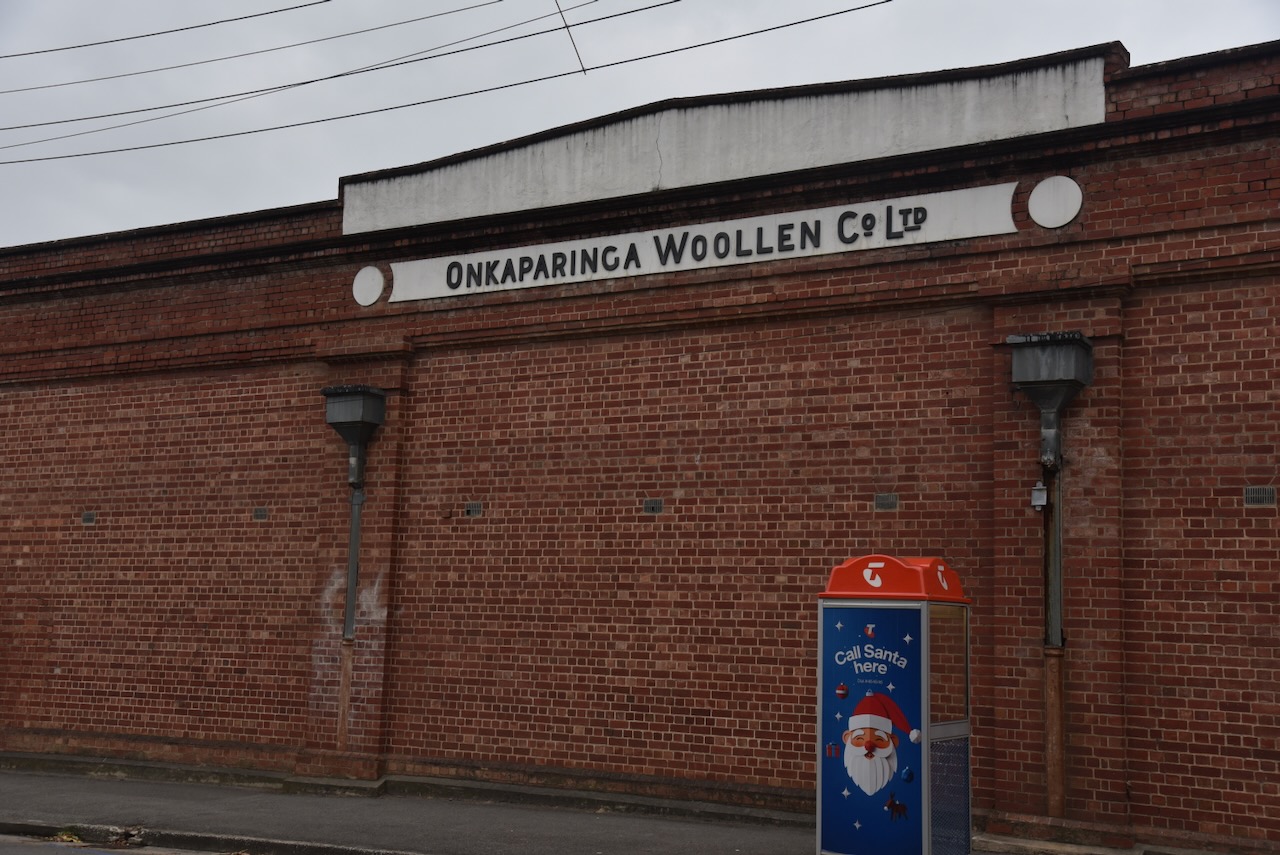
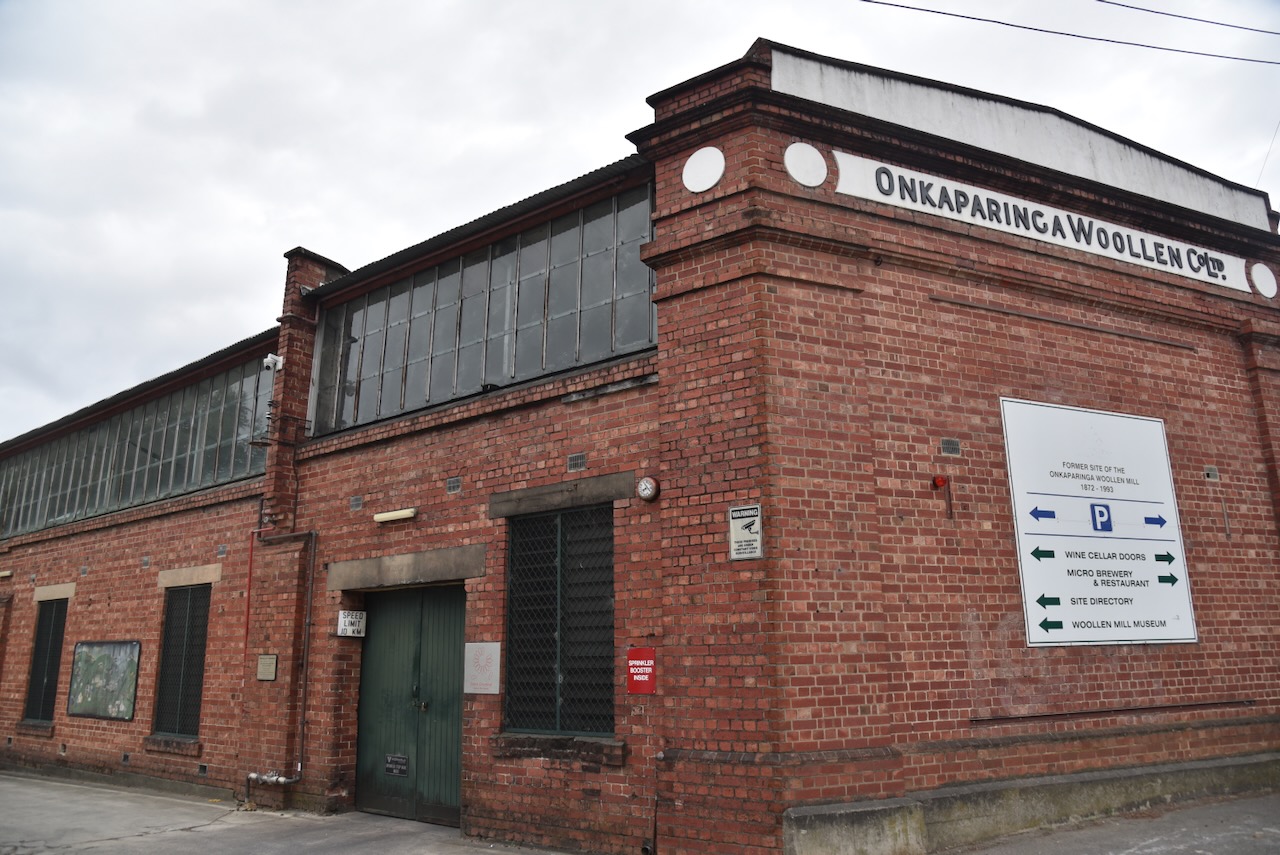
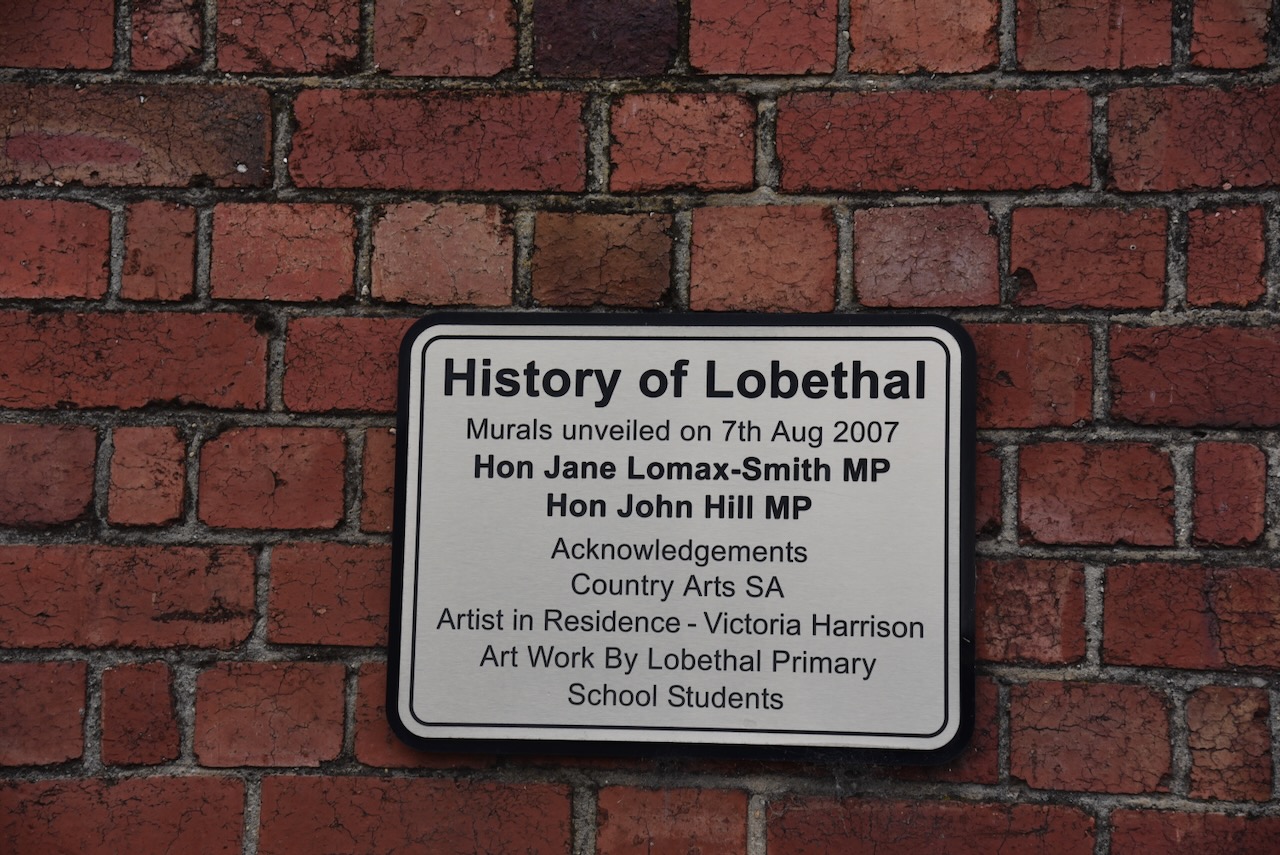
The old Onkaparinga Woolen Company buildings can be found on the corner of Woodside Road and Lobethal Road. The mill commenced in 1872 when two brothers established the Lobethal Tweed Facotry. In 1928 the mill became the Onkaparinga Woollen Mill Company. Other than their famous blankets, the company also produced car upholstery, army uniforms and airline blankets. The mill closed in 1993. It is said that at one time, almost every Australian household had an Onkaparinga blanket in the home. I certainly remember our family having these blankets in our home. (Fabrik, 2020) (Woollen, 2025)
Lobethal is also famous for the Lights of Lobethal, the largest community Christmas light display in the southern hemisphere.
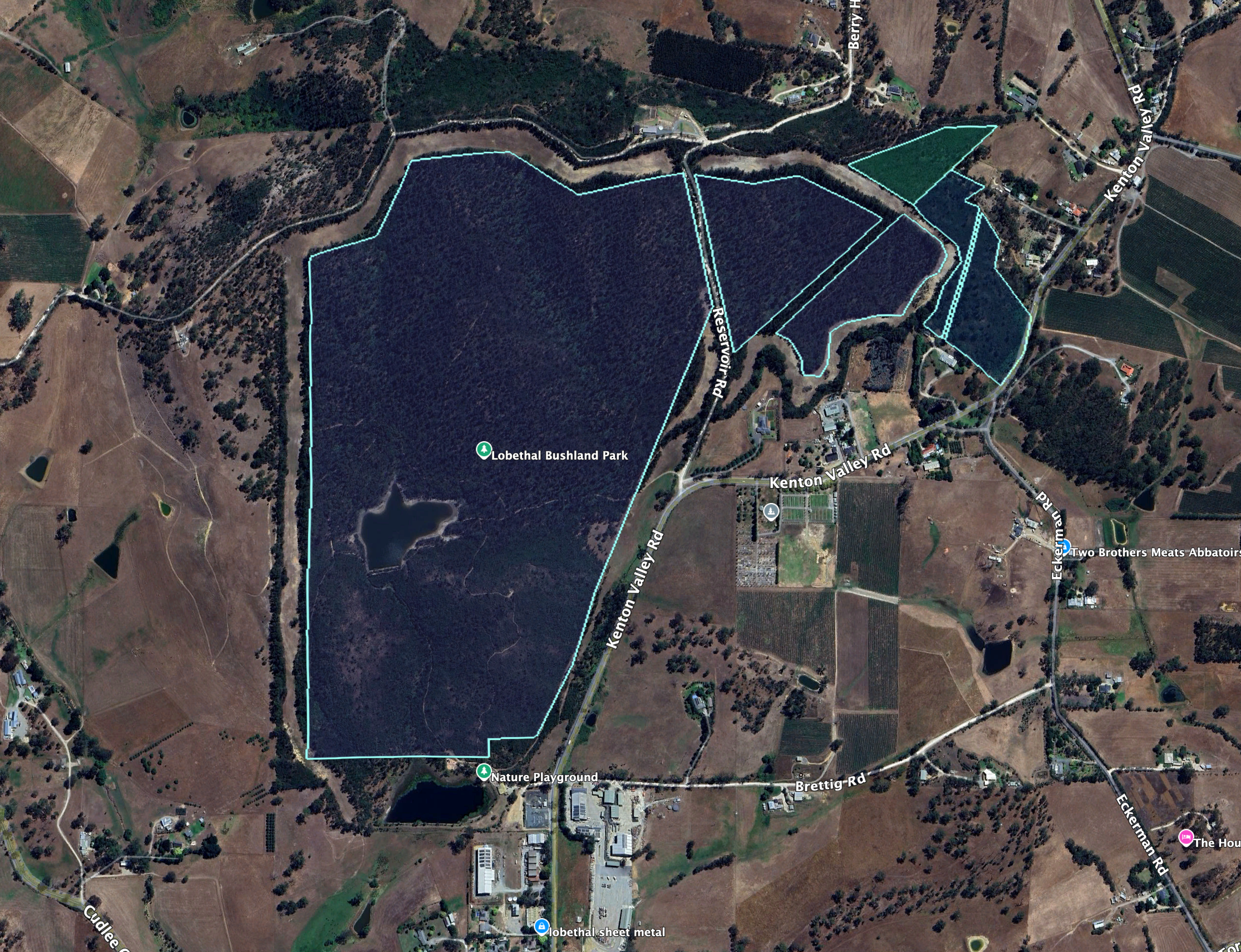
The Lobethal Bushland Park is located on the northern side of the township of Lobethal, on the western side of Kenton Valley Road.
Above:- An aerial view of the Lobethal Bushland Park. Image c/o Google Earth.
The land on which the park stands was mined for 120 years, while the two reservoirs in the park were constructed to supply water to the Onkaparinga Woollen Mill and the township of Lobethal. Logging was also undertaken during the First World War and for the construction of wharves in Murray Bridge and Morgan. (Community Engagement Hub, 2019)
During the early 1980’s the land was sold to the local Council. In 1986, the Onkaparinga St John Bushland Park was opened by the South Australian Governor, Sir Donald Dunstan, with support from St John Ambulance. (Community Engagement Hub, 2019)
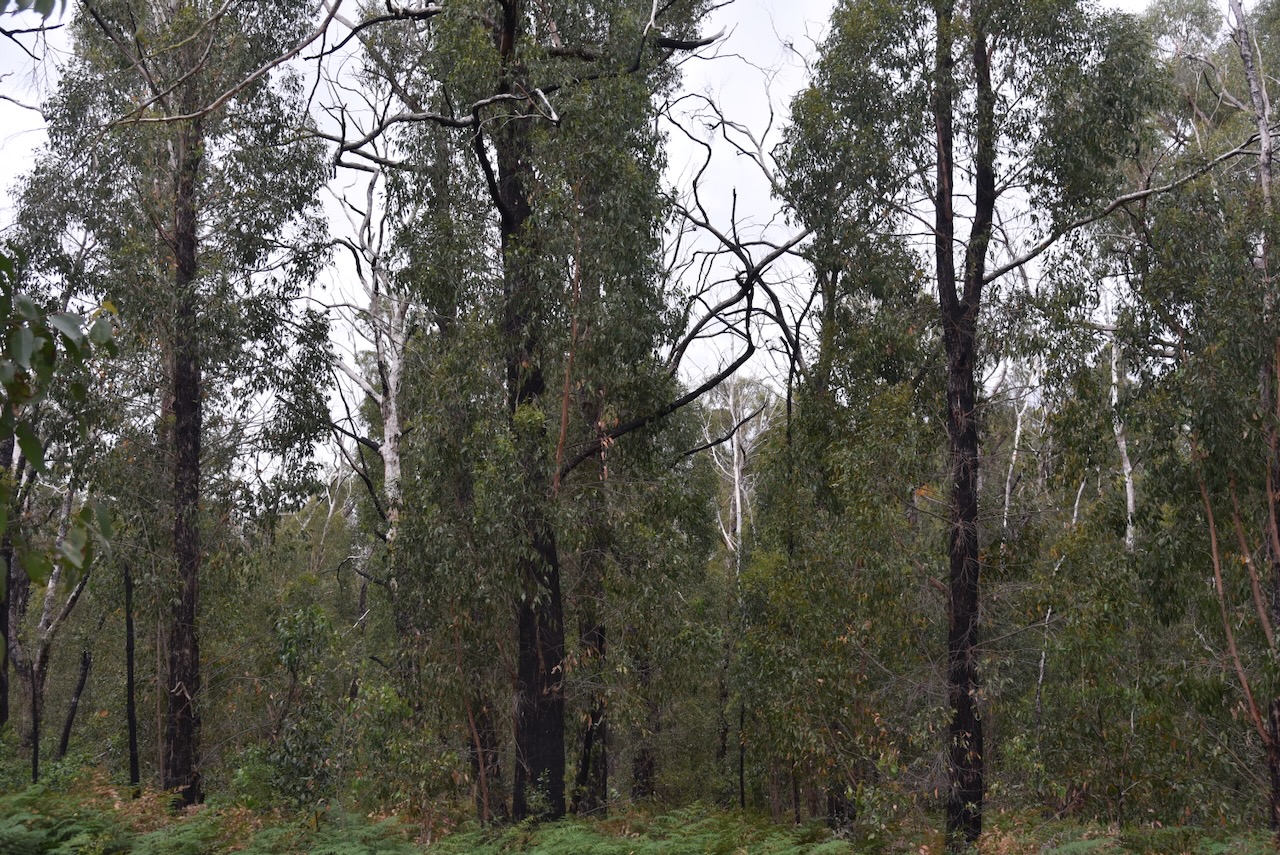
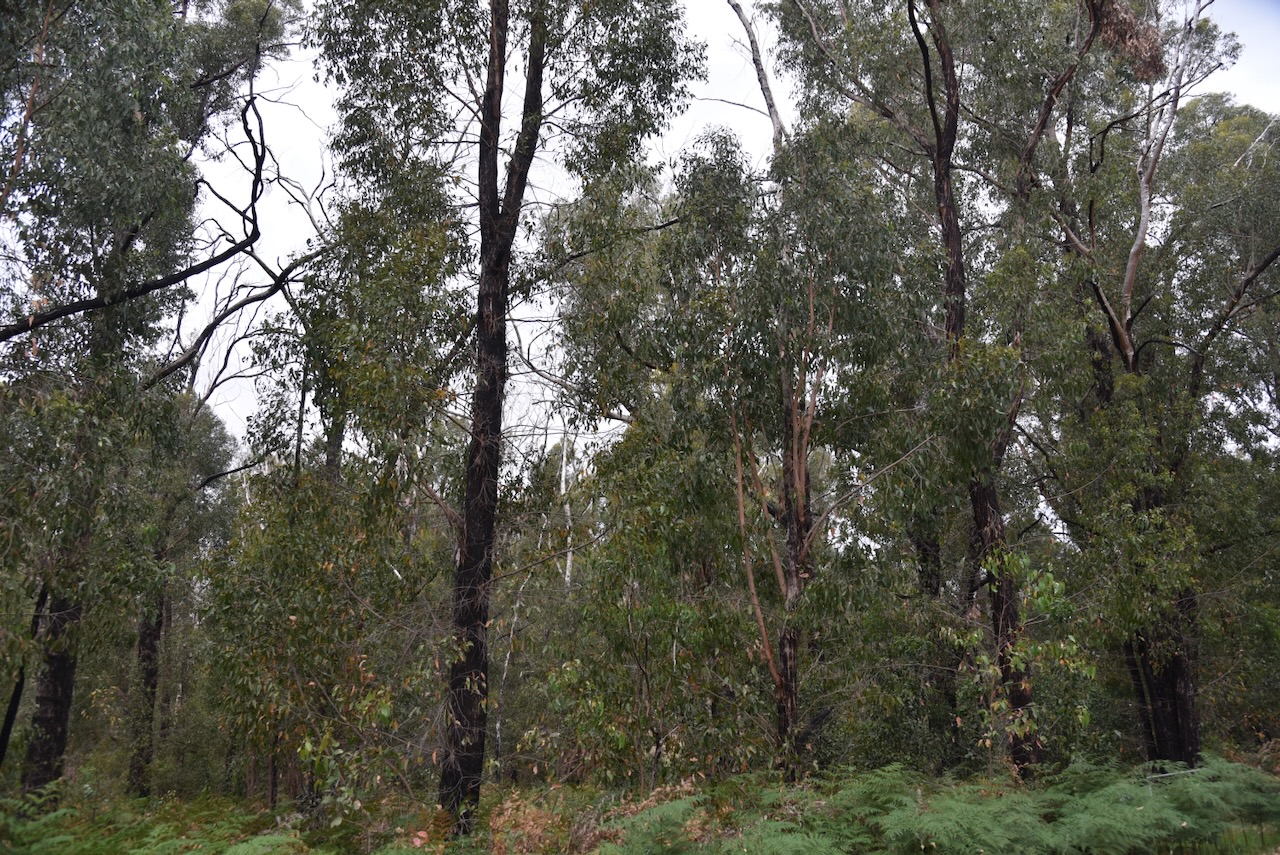
The park was severely impacted by the Cudlee Creek bushfire in 2019. A total of 85 homes were lost in the fire which burnt about 23,295 hectares. One person was killed.
The park is about 83 hectares in size. (CAPAD 2022)
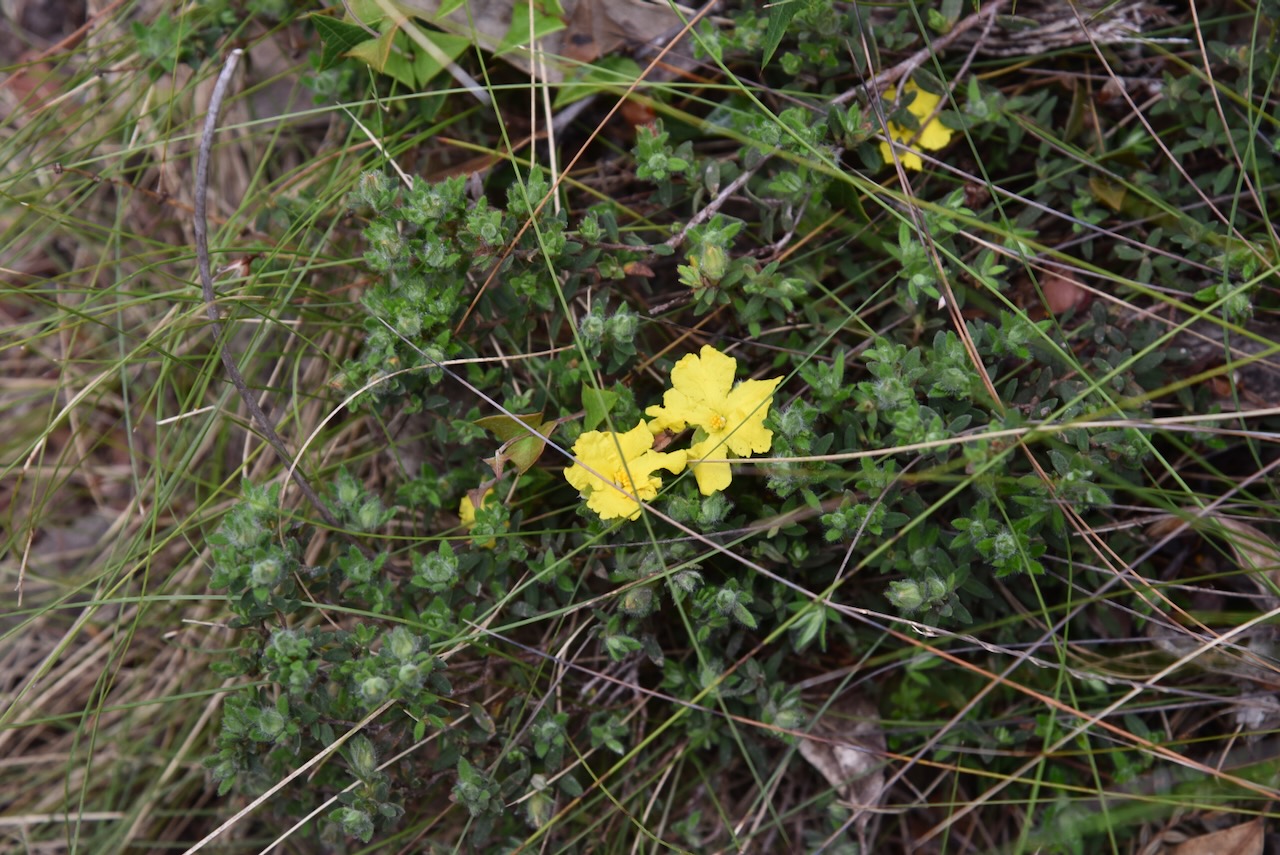
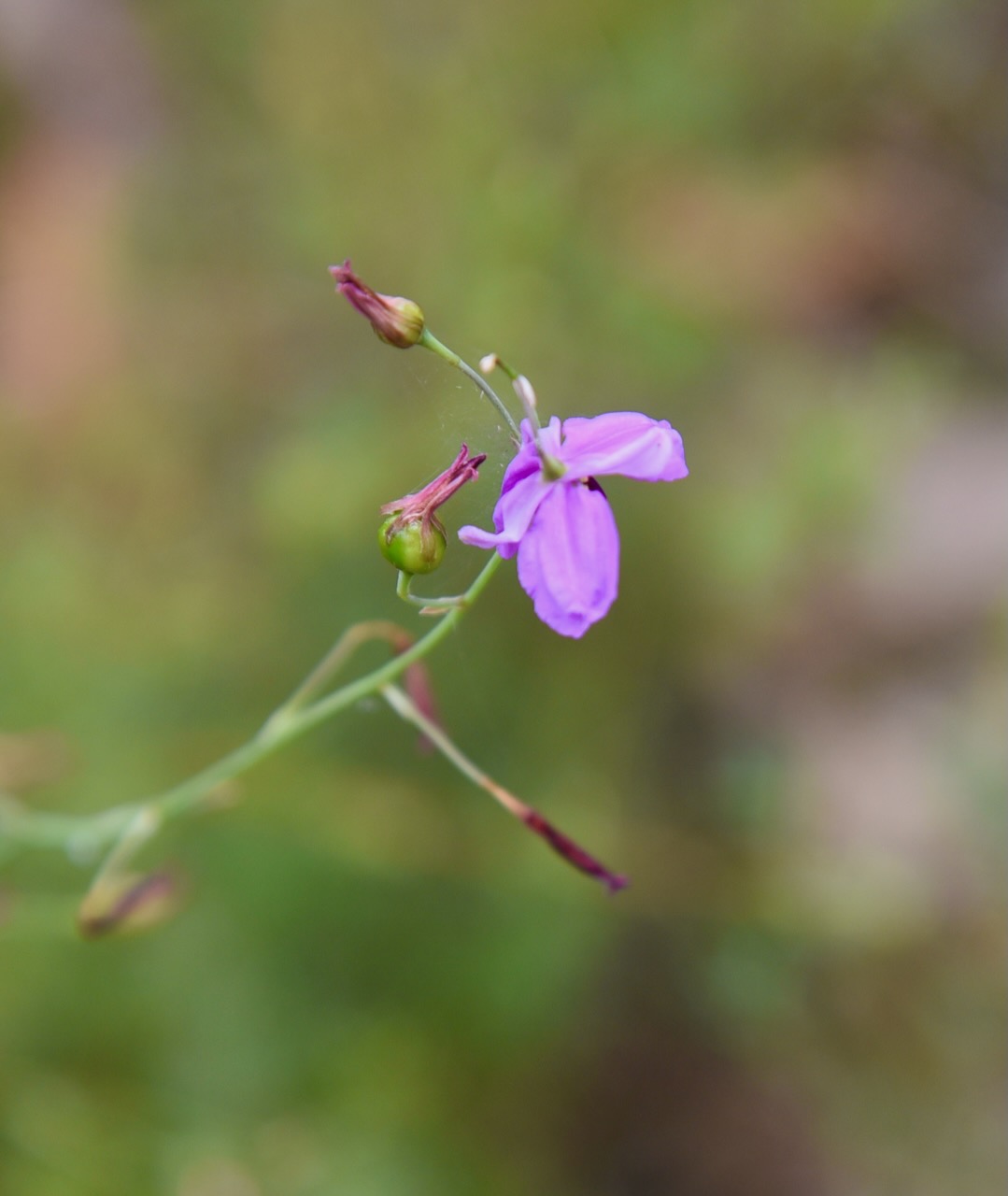
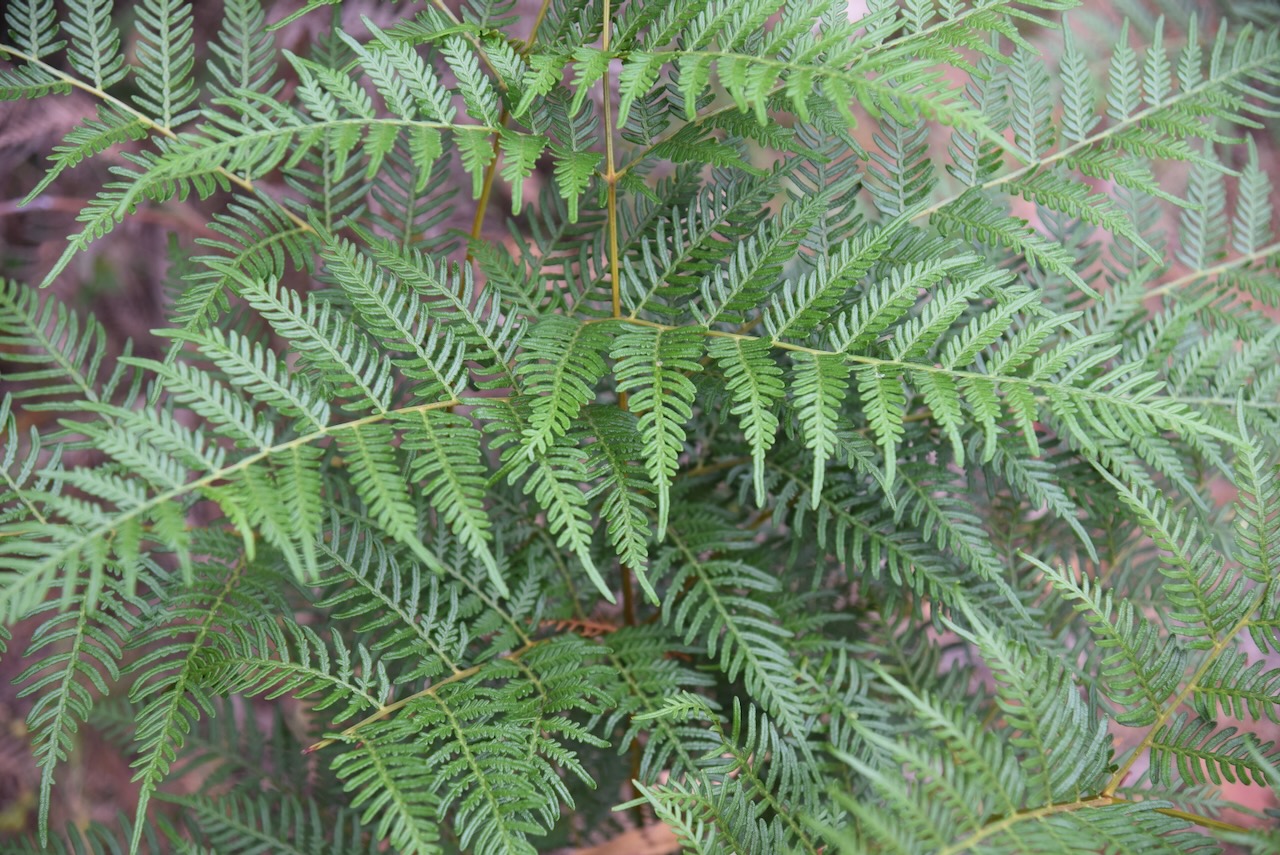
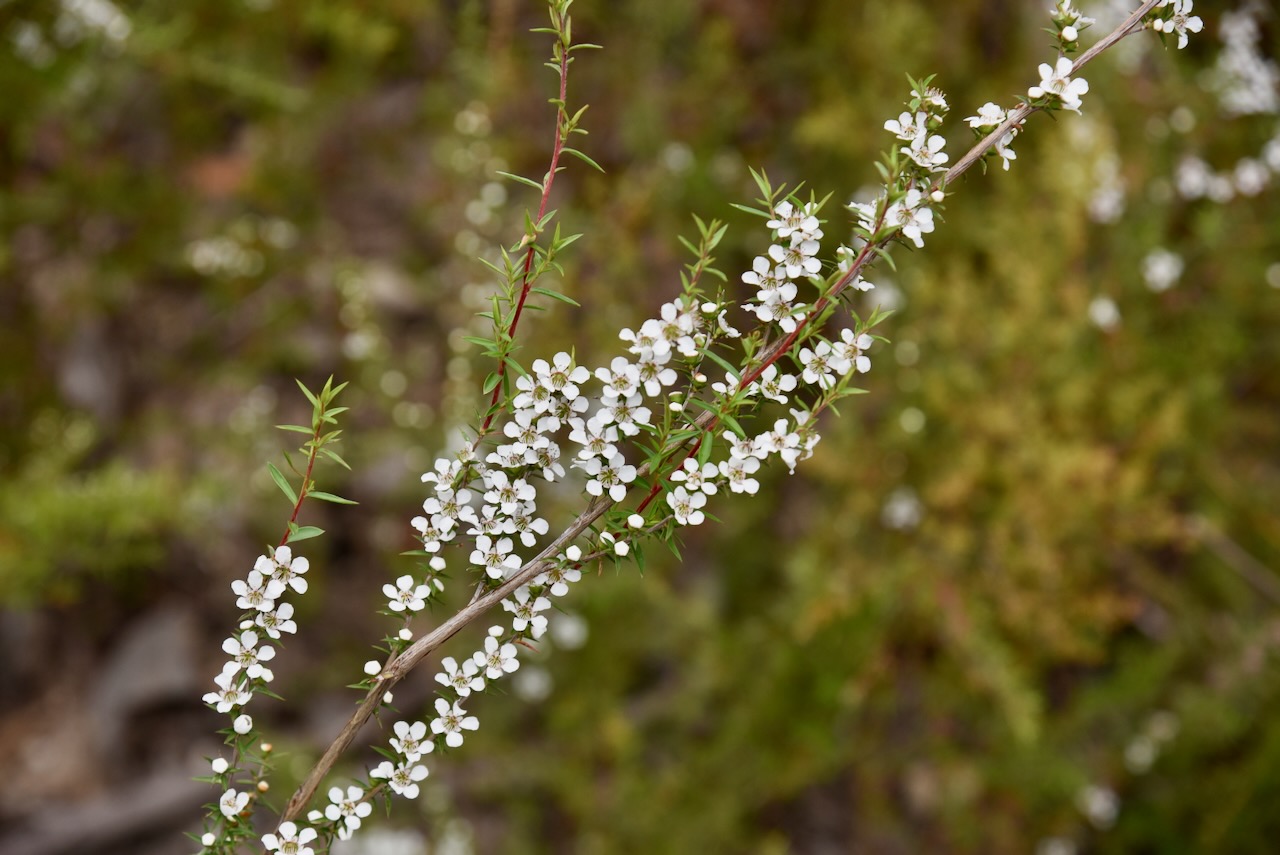
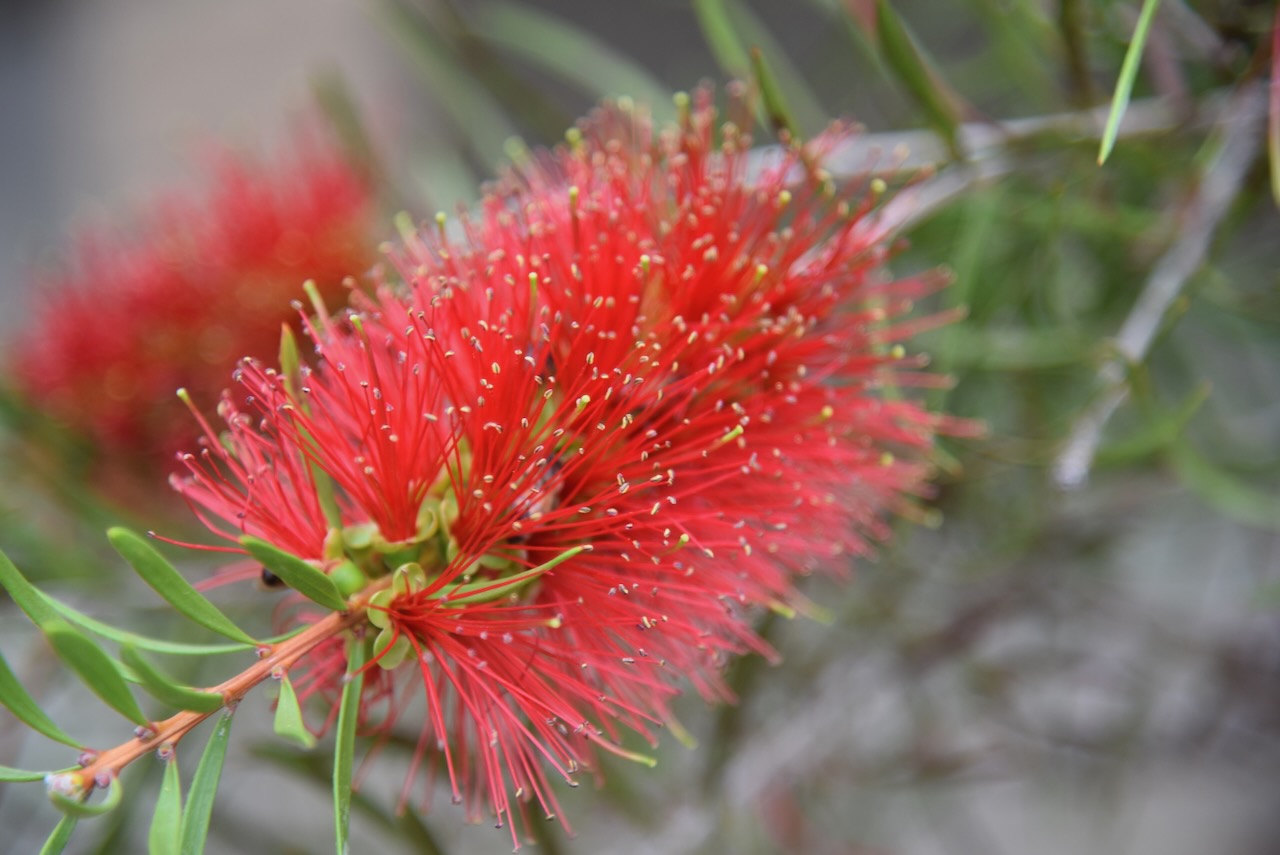
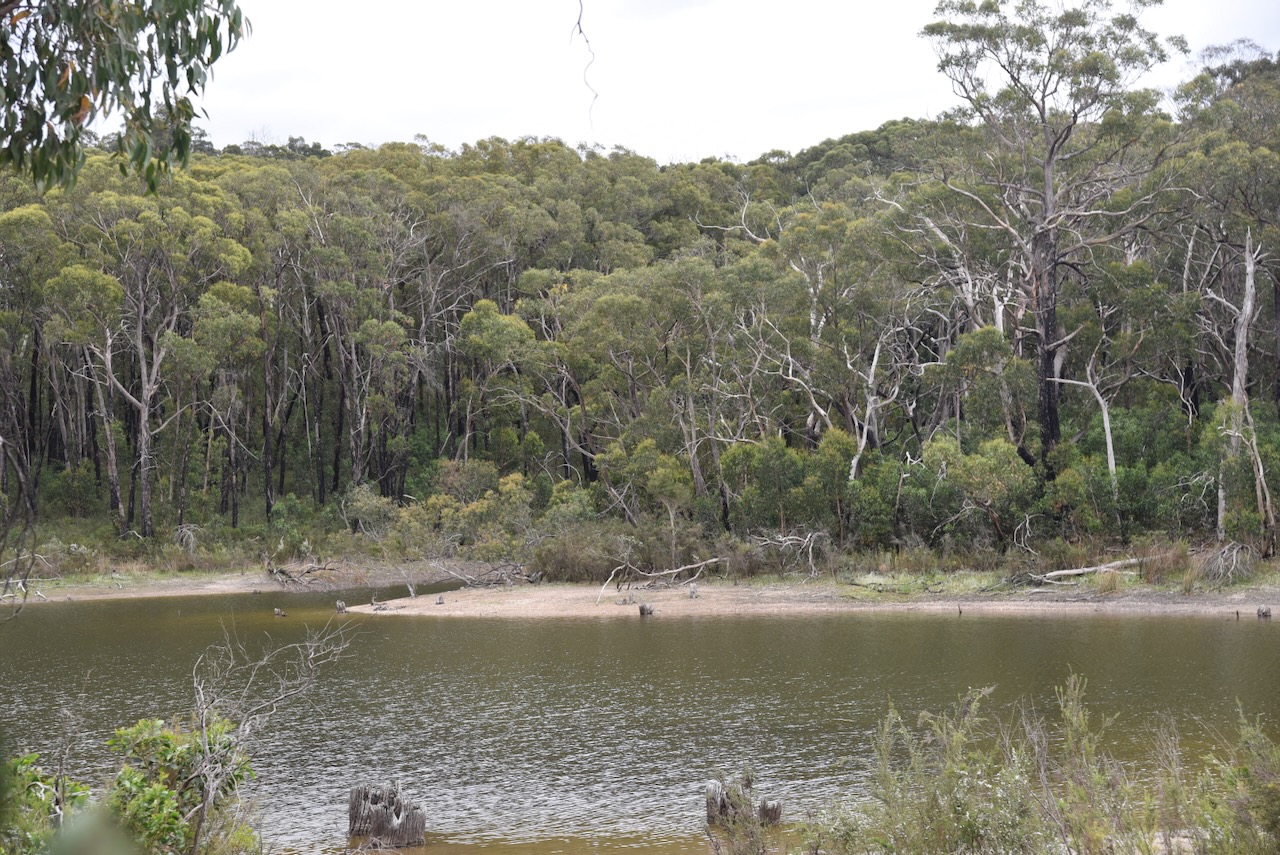
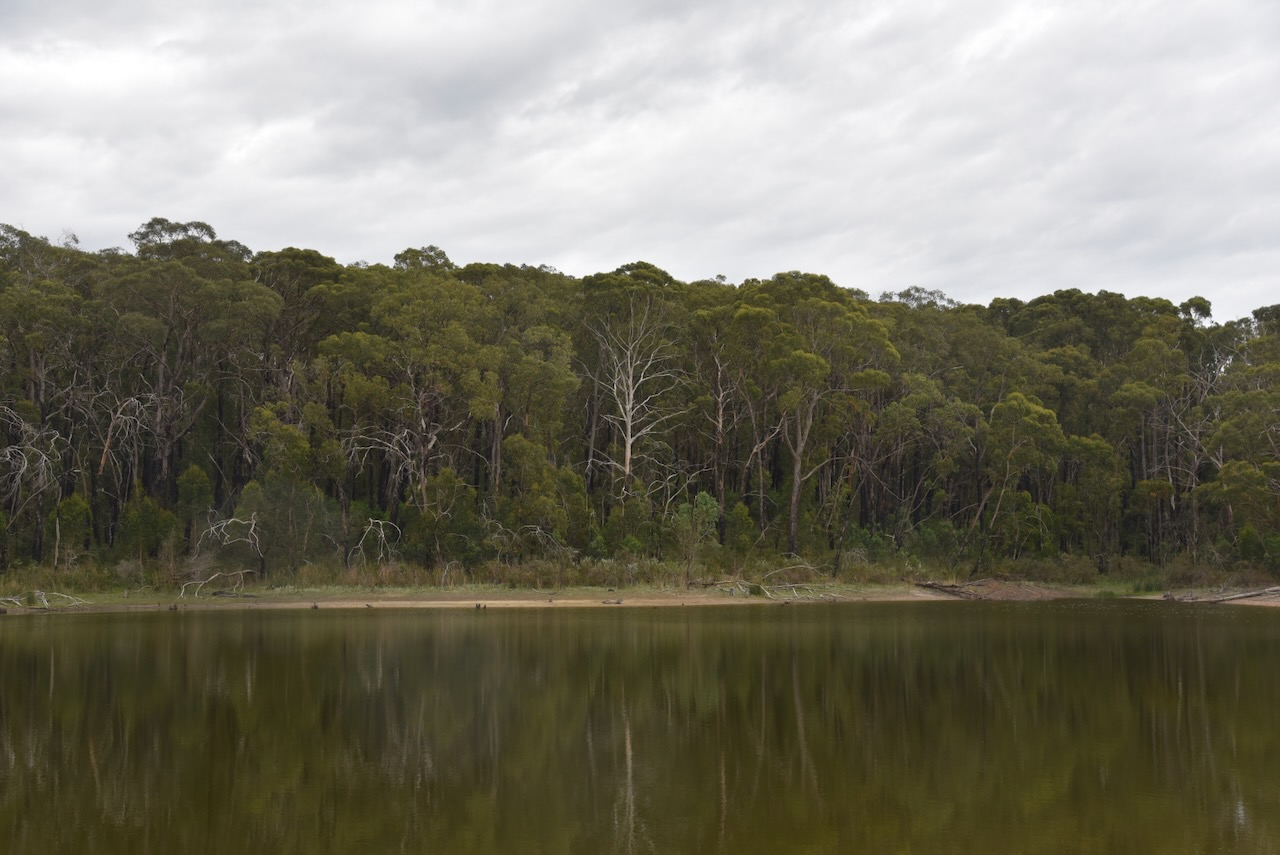
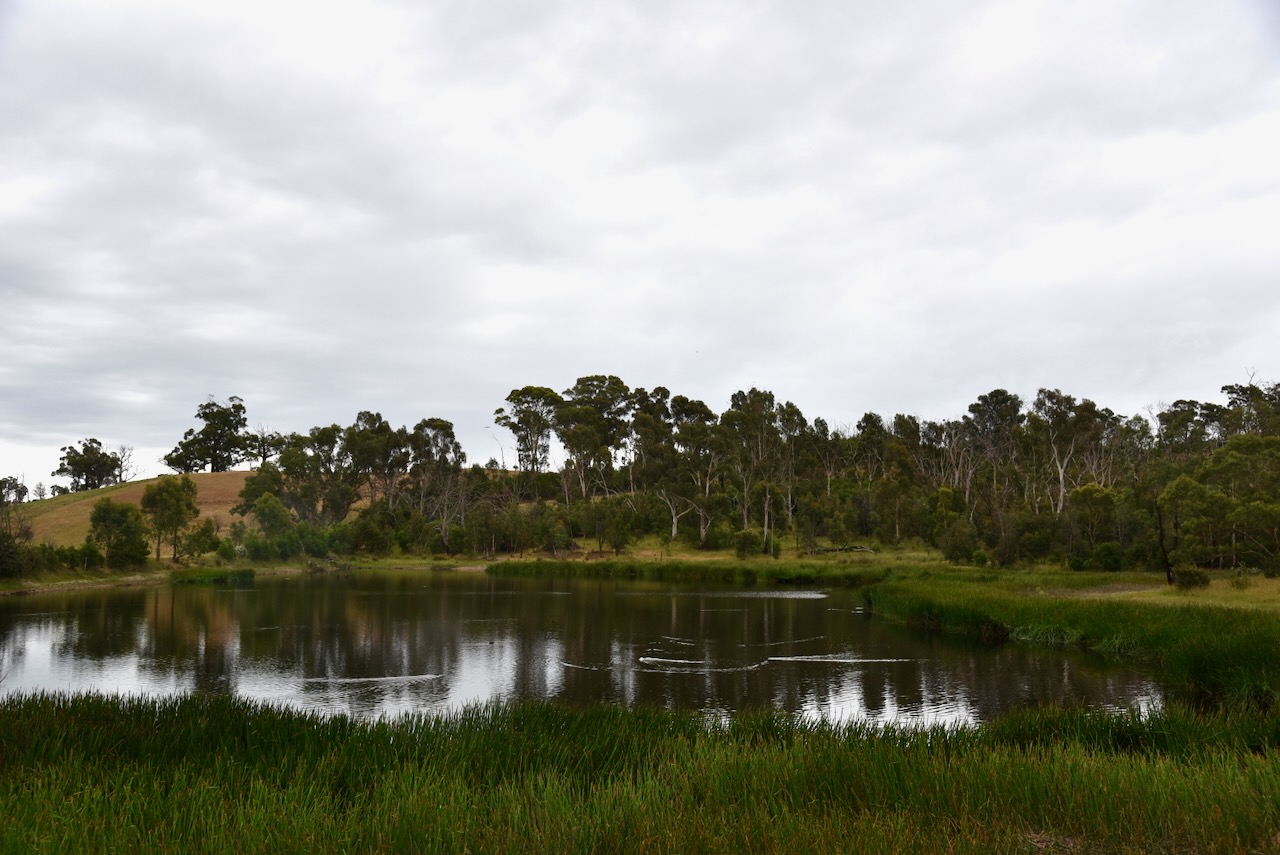
Although still showing the effects of the recent bushfire, there were lots of native plants in flower during our visit.
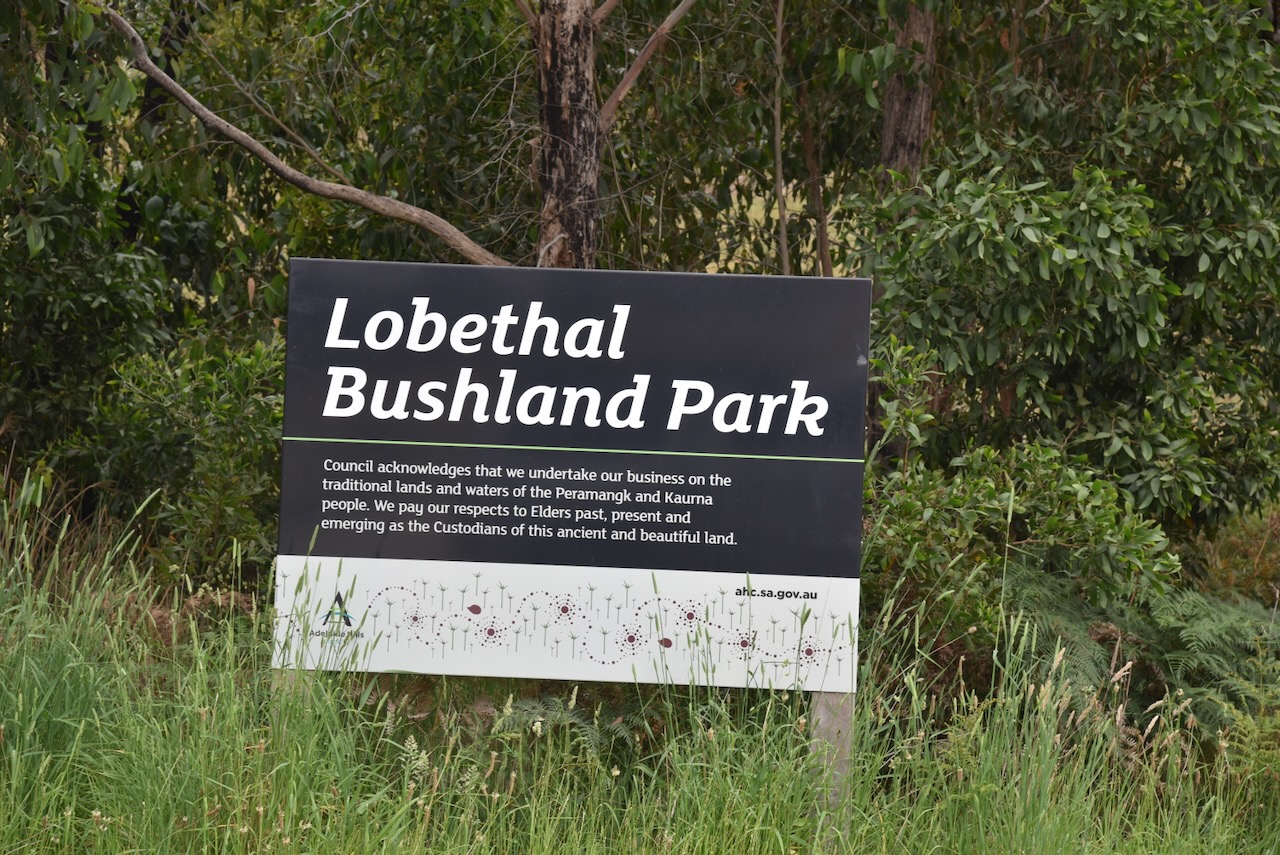
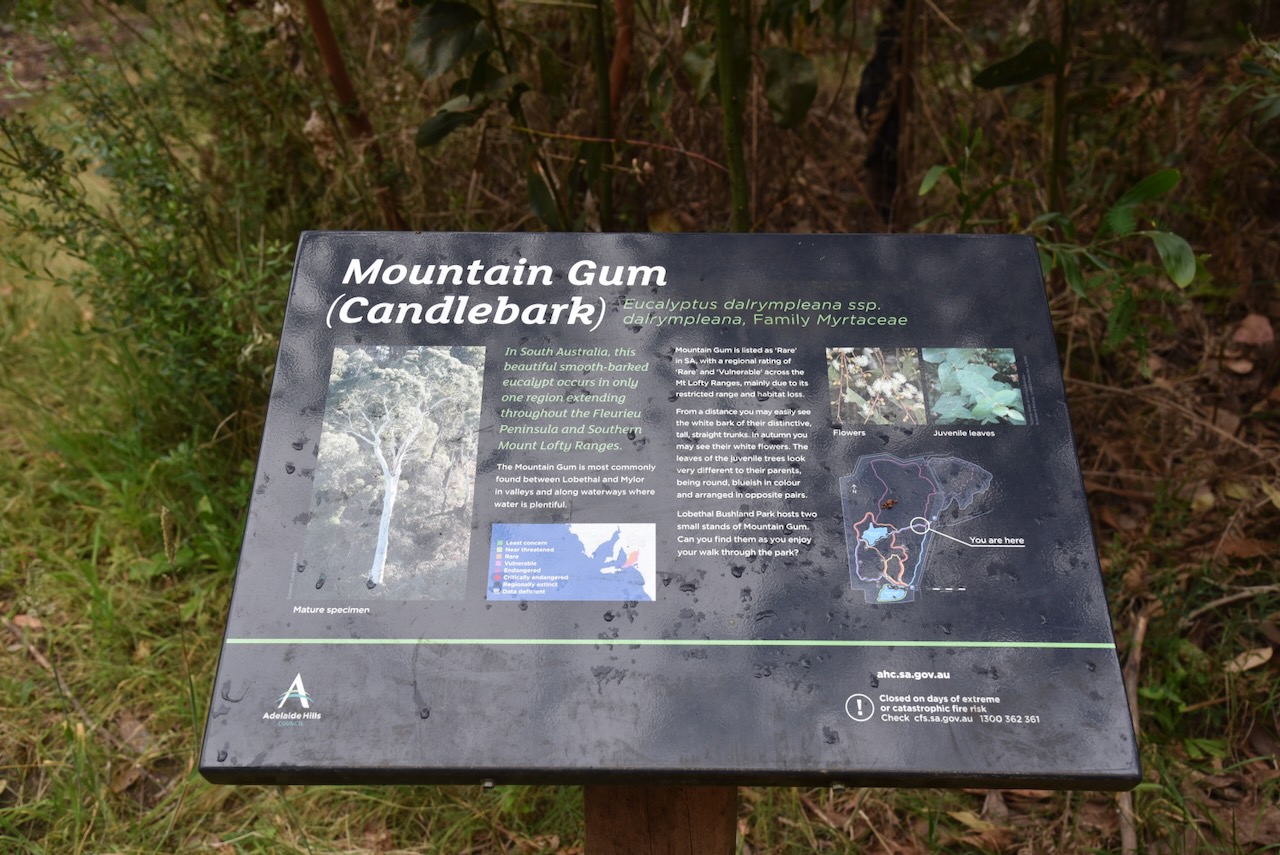
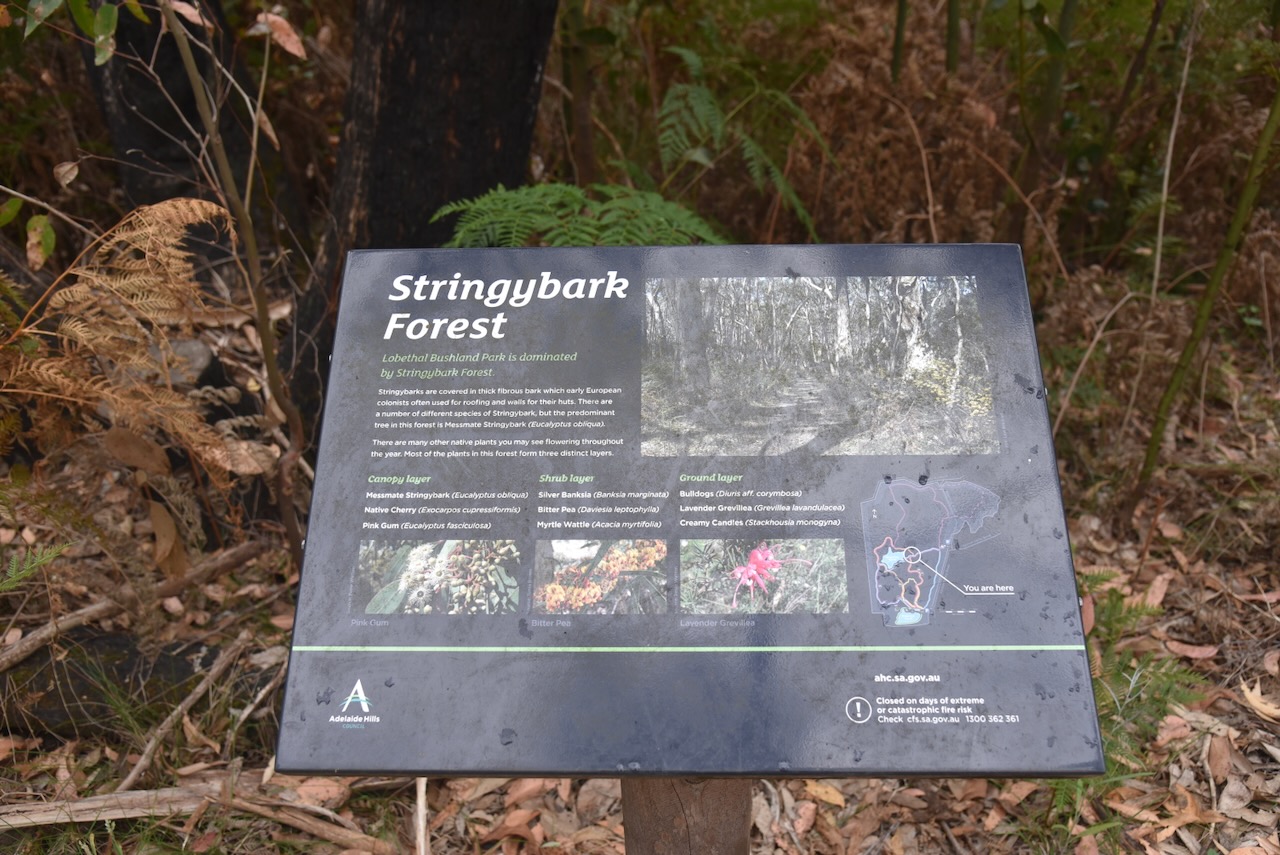
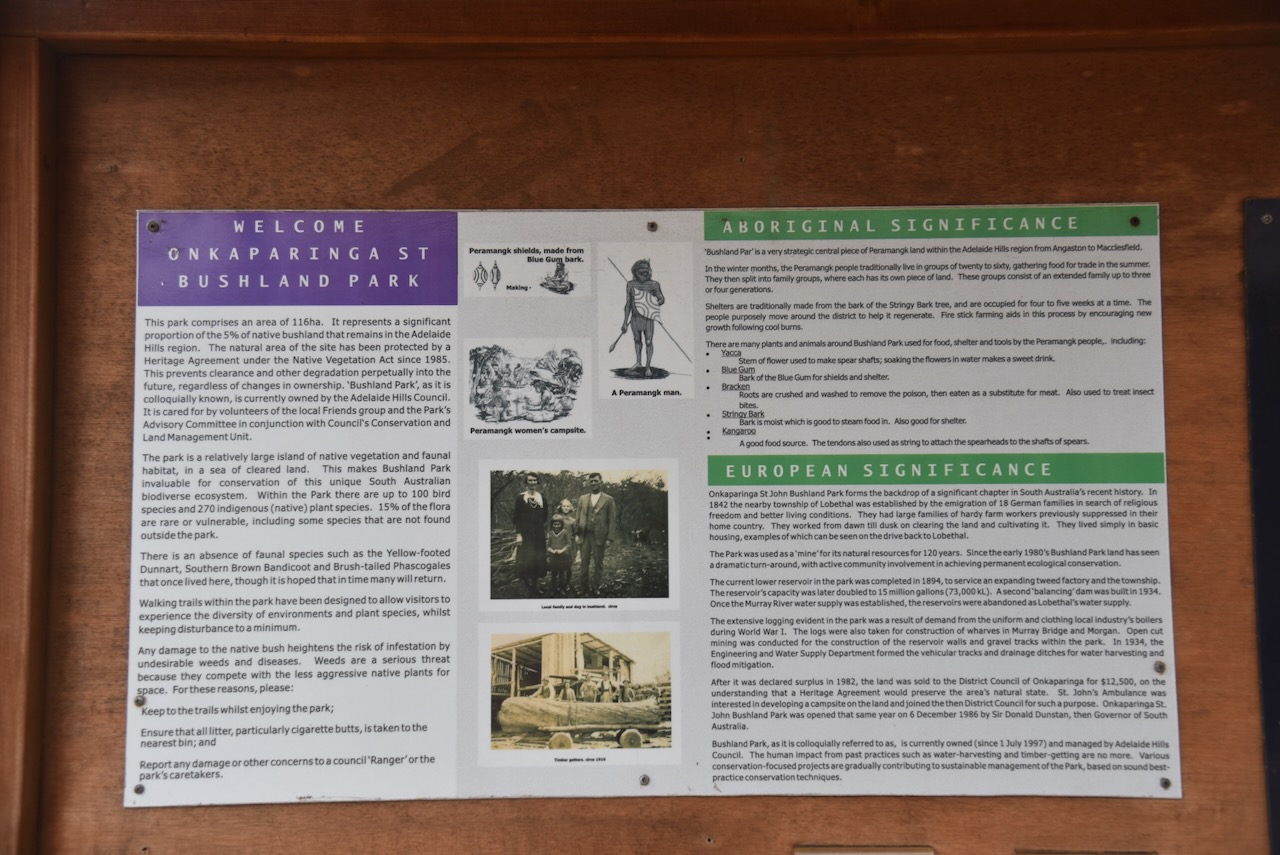
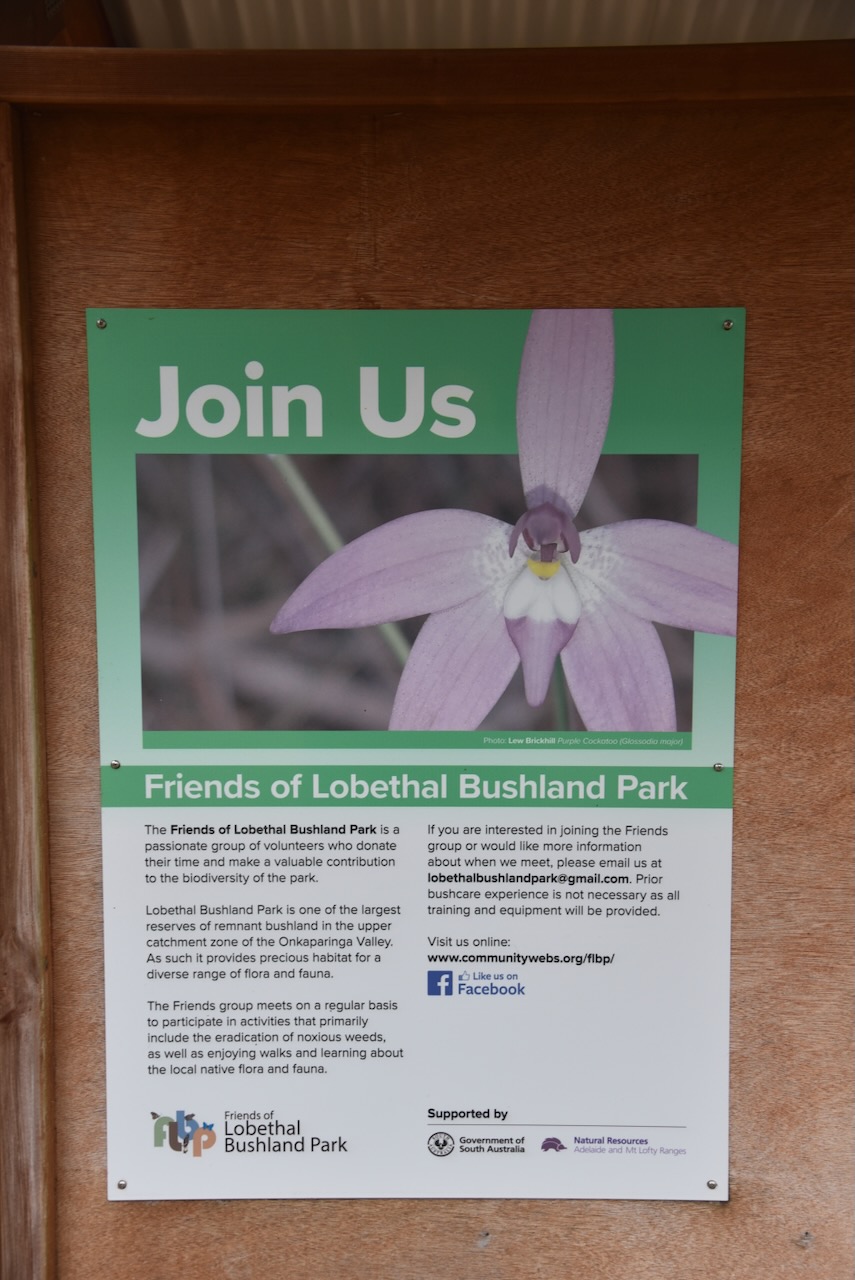
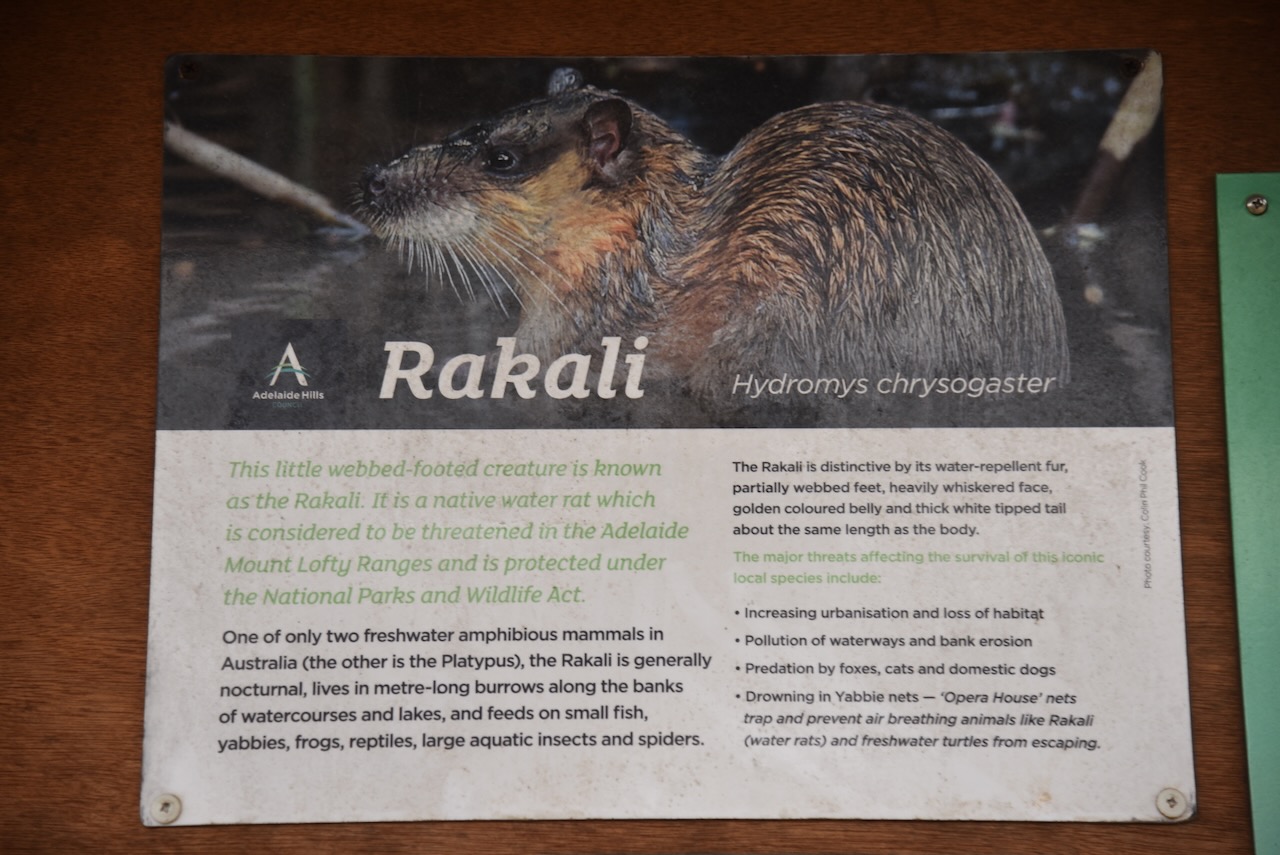
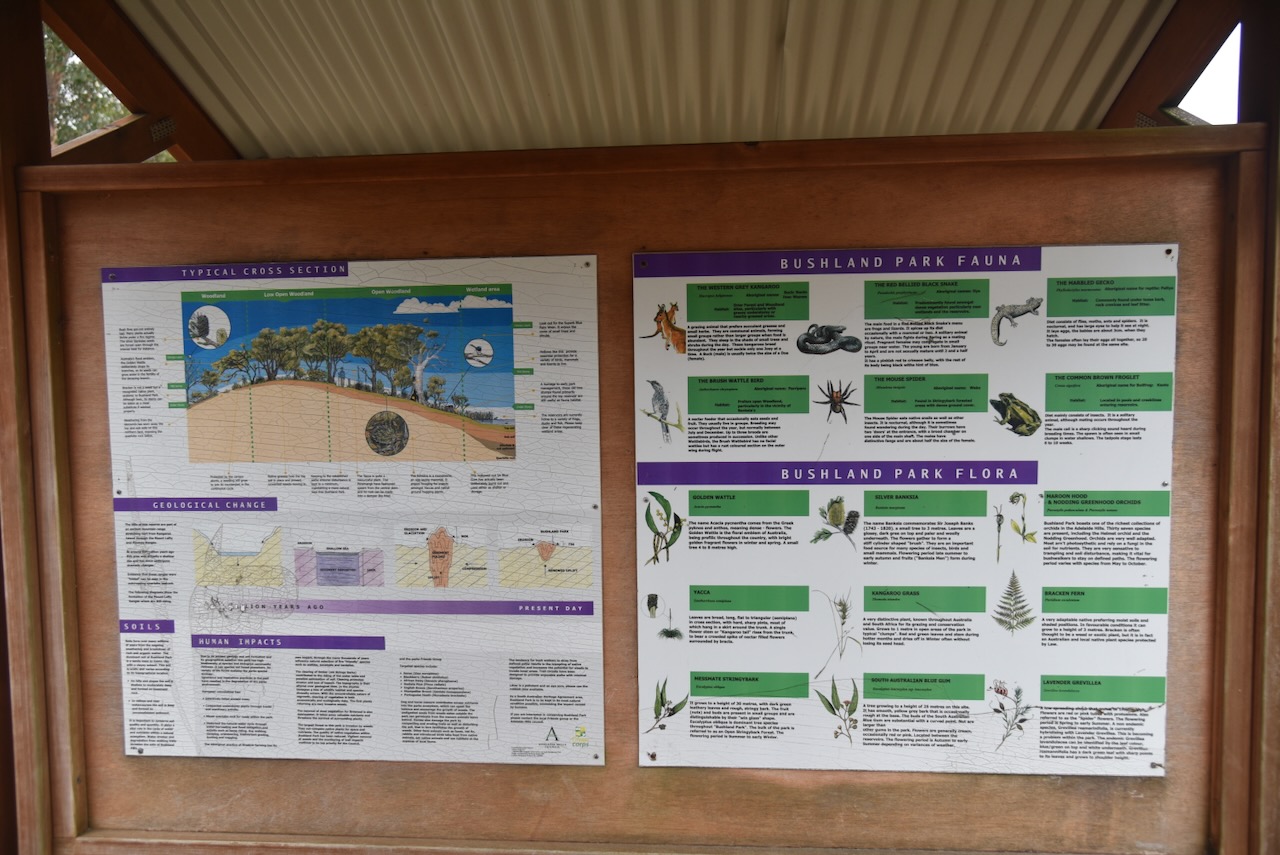
There are numerous interpretive signs in the park explaining some of the vegetation located in the park.
Marija and I visited both reservoirs that are located in the park.
There are several information signs in the park detailing interesting information about the park.
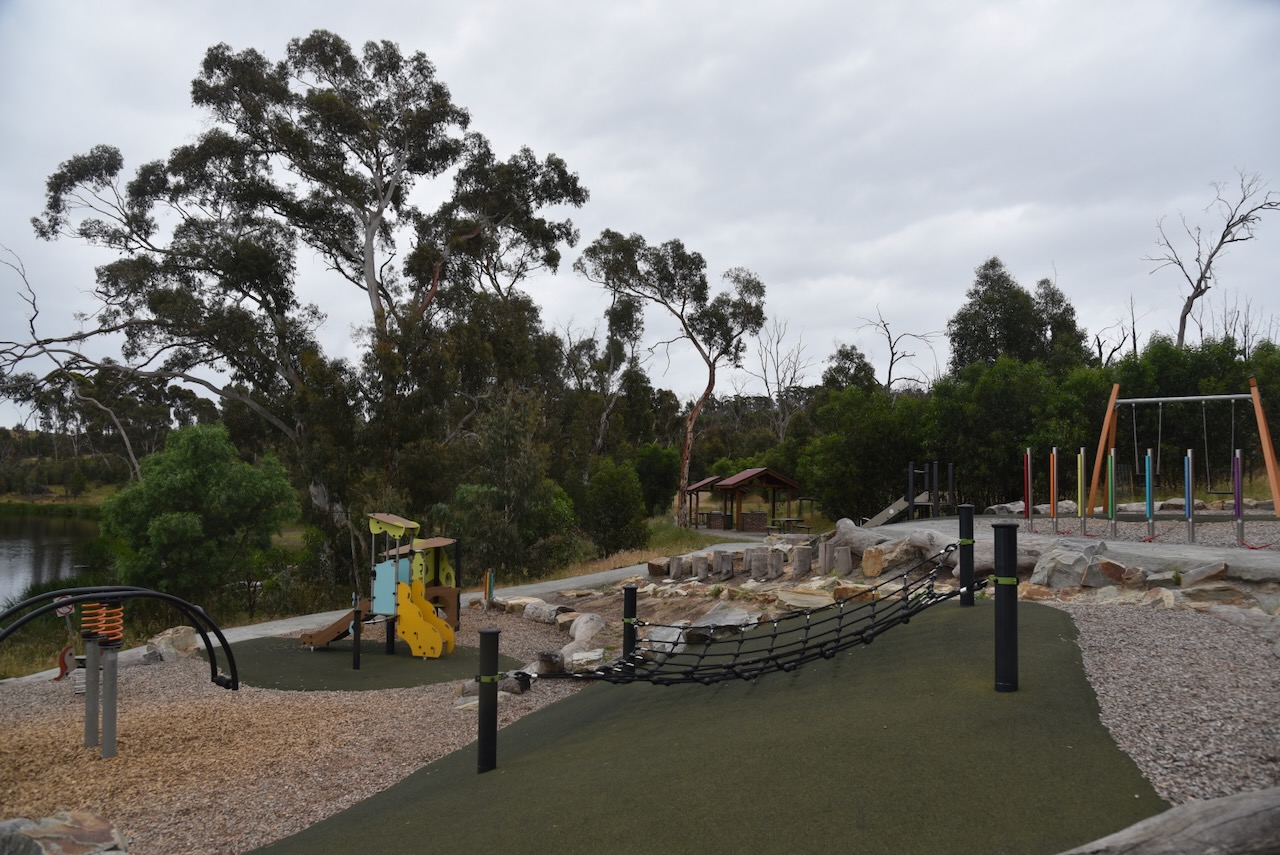
In the southern section of the park there is a children’s playground.
We ran the Yaesu FT857, 40 watts, and the 20/40/80m linked dipole.
Woollen, O. (2025). Onkaparinga Woollen Mill Museum Inc. – The Mill. [online] Millheritage.com.au. Available at: https://www.millheritage.com.au/the-mill [Accessed 12 Jun. 2025].







 VK5PAS