At about 0831 UTC on Thursday, 31st July 2025, I tuned in to CHU time signal station, CANADA, transmitting on 7850 kHz.
CHU is the call sign of a shortwave time signal radio station operated by the Institute for National Measurement Standards of the National Research Council, in Ottawa, Ontario, Canada. (Wikipedia 2023)
Three frequencies are used: 3330, 7850, and 14670 kHz.
The station commenced in 1923 with a callsign of 9CC and was used on an experimental basis until 1928. In January 1929, regular daytime transmissions commenced under the callsign of VE9OB on 7353 kHz. At the end of 1929, continuous transmissions commenced on the 90m band. The station’s callsign was changed to CHU in 1938. (Wikipedia 2023)
At about 0745 UTC on Thursday, 31st July 2025, I tuned in to the Rescue Coordination Centre Australia (RCC), transmitting on 16420 kHz.
The RCC is based in Canberra, ACT and is a 24-hour operation which is responsible for coordinating all maritime and aviation Search and Rescue operations spanning the Indian, Pacific and Southern Oceans.
Below is a short video of my reception of RCC Australia.
At about 0720 UTC on Thursday, 31st July 2025, I tuned in to New Zealand VOLMET, transmitting on 13282 kHz.
VOLMET, derived from the French words vol (flight) and météo (weather), is a worldwide system that broadcasts weather information to aircraft in flight.
Below is a short video of my reception of New Zealand VOLMET.
At about 0716 UTC on Thursday 31st July 2025, I tuned in to Hong Kong VOLMET, transmitting on 13282 kHz.
VOLMET, derived from the French words vol (flight) and météo (weather), is a worldwide system that broadcasts weather information to aircraft in flight.
Below is a short video of my reception of Hong Kong VOLMET.
At about 0711 UTC on Thursday 31st July 2025, I tuned in to Shannon VOLMET, Ireland, transmitting on 13264 kHz.
VOLMET, derived from the French words vol (flight) and météo (weather), is a worldwide system that broadcasts weather information to aircraft in flight.
Below is a short video of my reception of Shannon VOLMET.
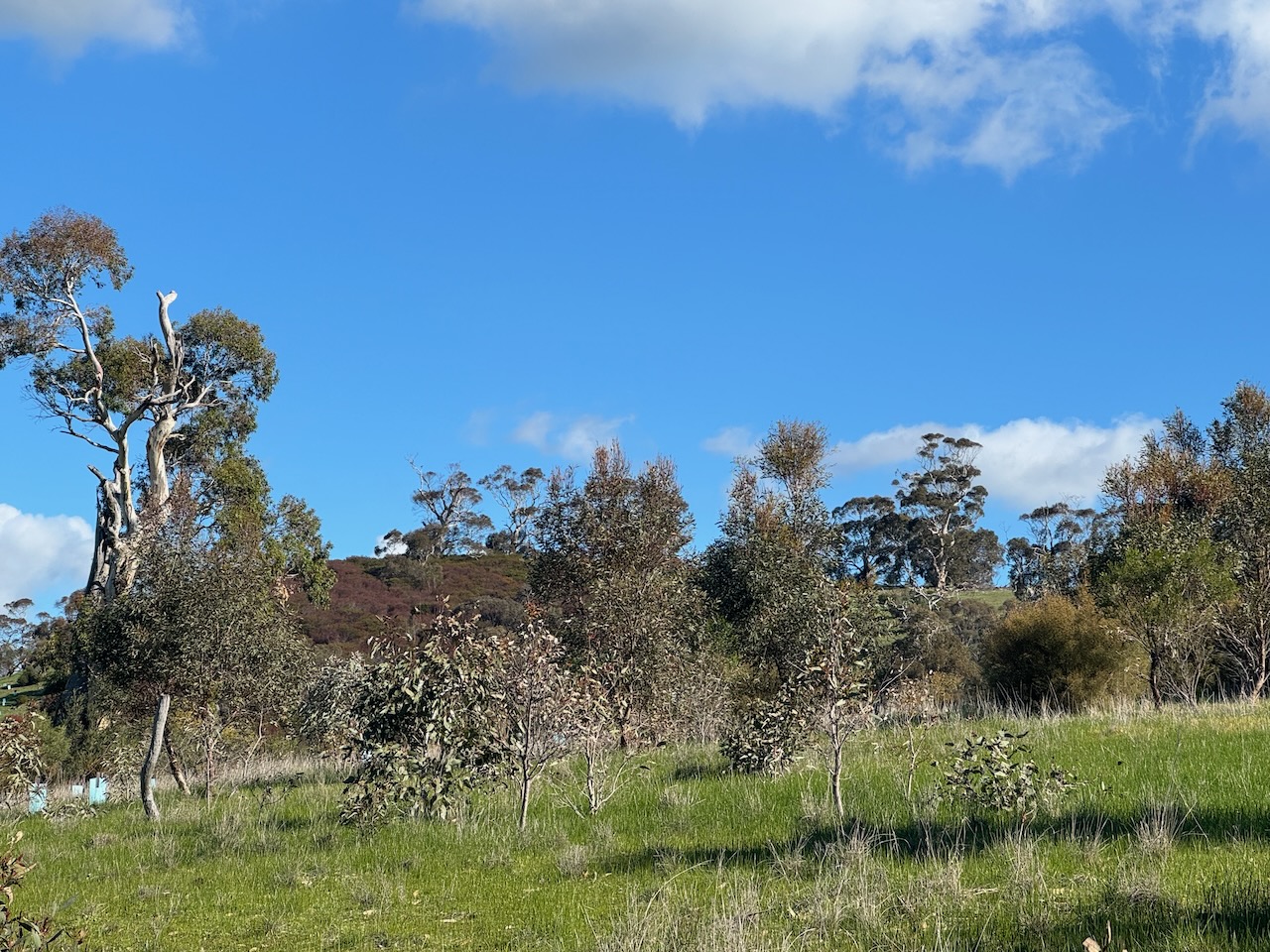
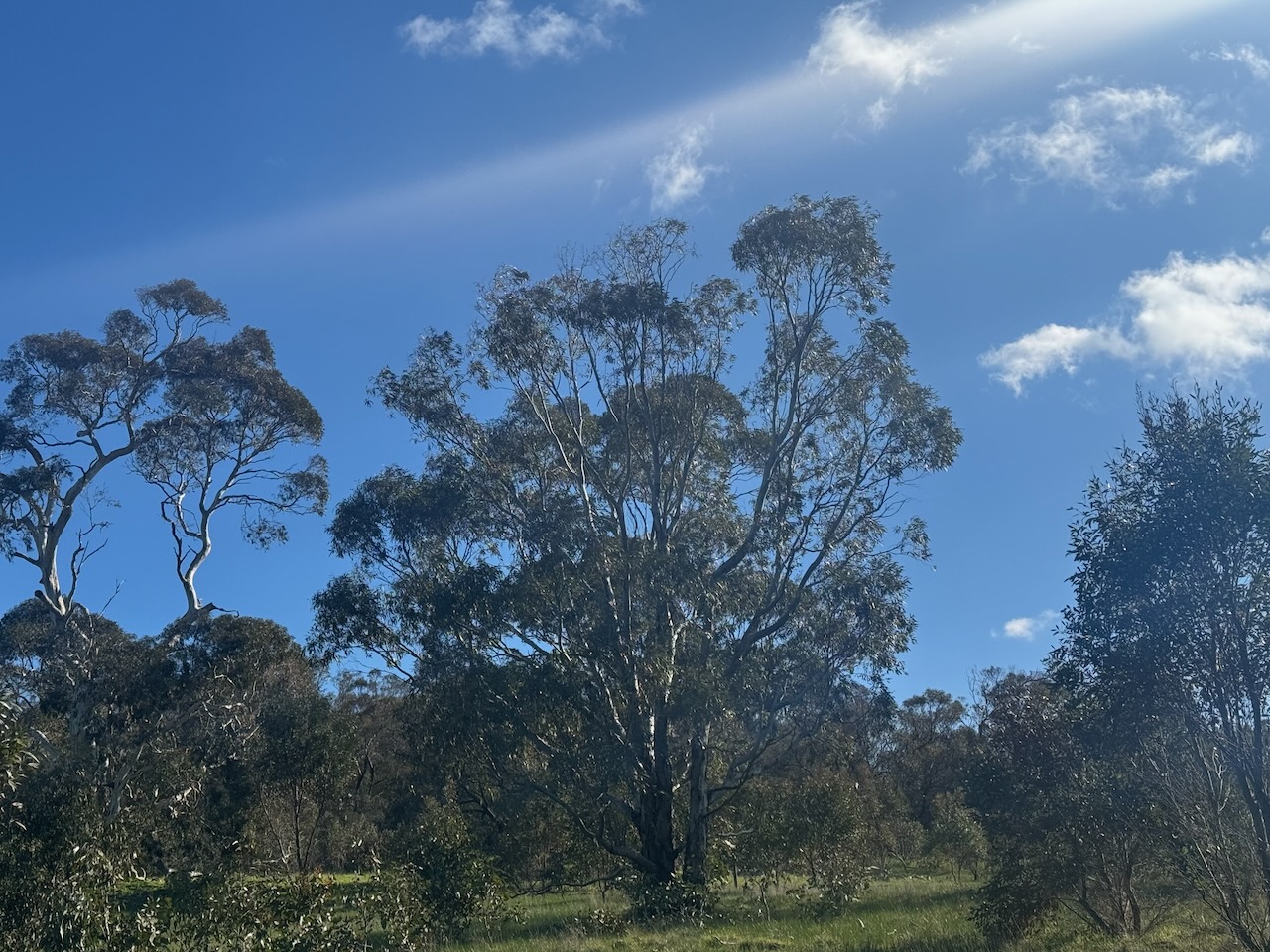
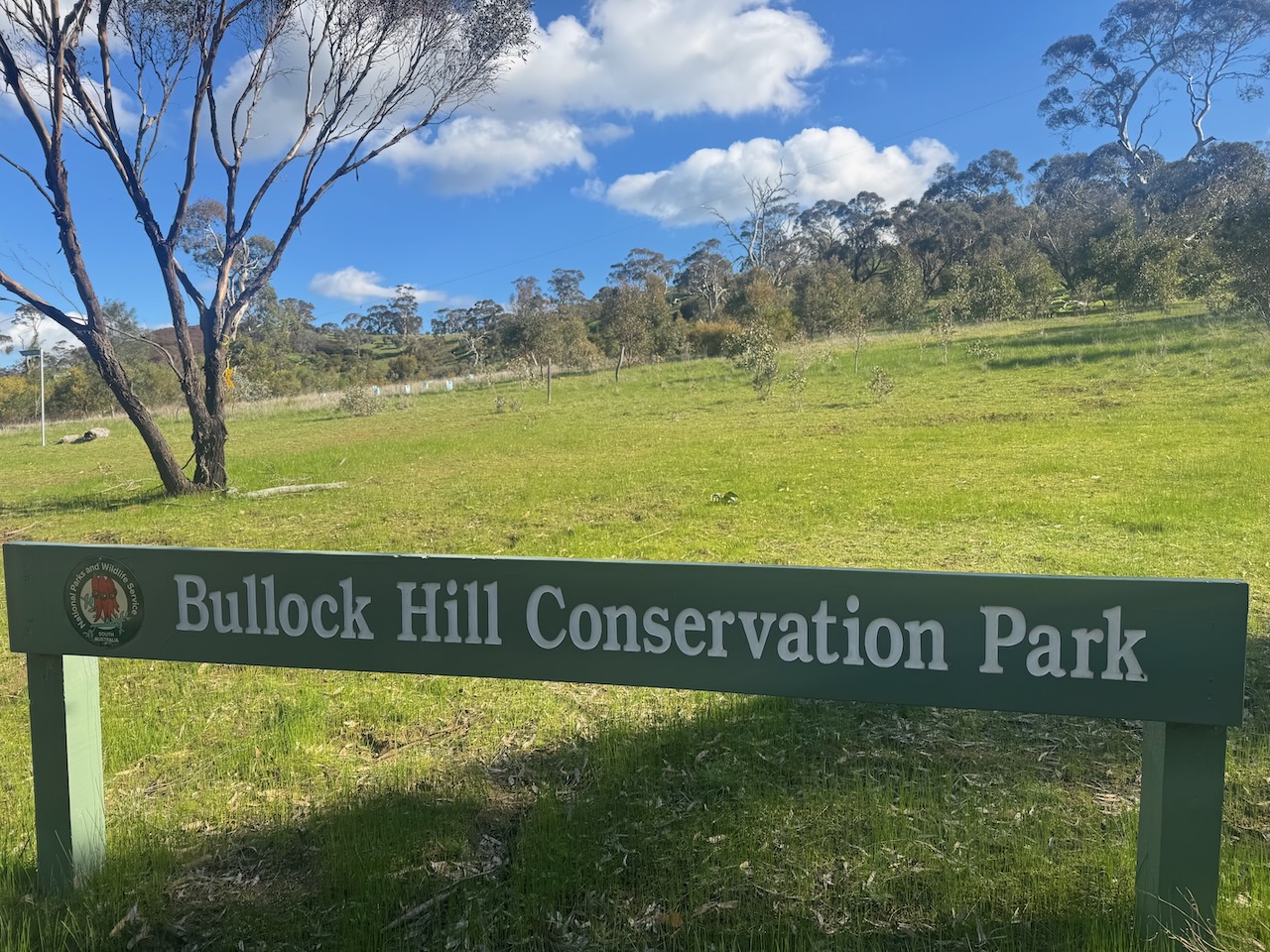
On Thursday, 31st July 2025, Marija VK5MAZ and I headed out to activate the Bullock Hill Conservation Park VKFF-0873 for World Ranger Day.
Above: Map showing the location of the Bullock Hill Conservation Park. Map c/o Google Maps.
The Bullock Hill Conservation Park is only a few km from our home QTH on the Fleurieu Peninsula. We have activated the park several times previously.
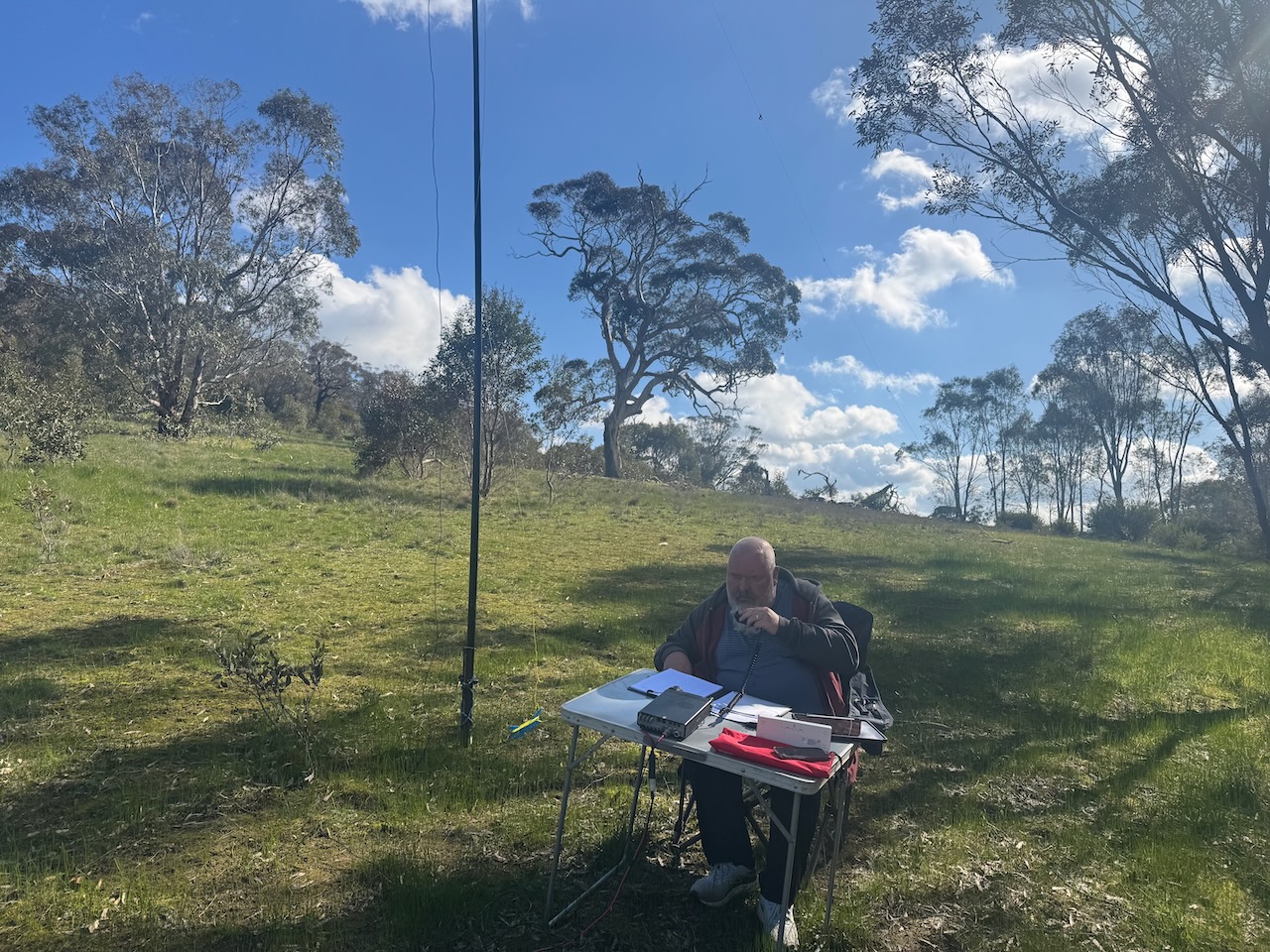
We set up in our normal spot, off Wattle Flat Road. We ran the Yaesu FT857, 40 watts, and the 20/40/80m linked dipole. Marija stayed with me for about 20 minutes and qualified the park for VKFF before heading back home.
Marija worked the following stations on 40m SSB:-
VK3WSG
VK3ARM/M
VK3VIN
VK3PF/P (VKFF-5790)
VK3KAI/P (VKFF-5790)
VK1AO/P (VKFF-1391)
VK2MET/P (VKFF-1391)
VK3APJ/P (VKFF-4696)
VK2DHN
VK5FANA
VK5LA
I worked the following stations on 40m SSB:-
VK3WSG
VK3ARM/M
VK3VIN
VK3PF/P (VKFF-5790)
VK3KAI/P (VKFF-5790)
VK1AO/P (VKFF-1391)
VK2MET/P (VKFF-1391)
VK3APJ/P (VKFF-4696)
VK2DHN
VK5FANA
VK5LA
VK5KAW
VK2TLQ
VK3DCQ
VK5NM
VK3LK
VK3CEO
VK1AD
VK1NAM
VK5DOC
VK5LRB
VK3MRT
VK2HAK
VK2PKT
VK2KFT
VK3SMW
VK5PE/M
VK2EXA
VK3BEL
VK3BEB
VK5VK
VK5MAZ
VK7ACE
VK2LEE
VK3GCD
VK3SQ
VK3JT
VK2BD
VK5WU
VK3PAH
VK2VW
VK2HFI
VK2AKA
VK2BUG
VK5CZ/P (VKFF-4055)
VK5XE/P (VKFF-4055)
VK3ZSC
VK3CLD
VK2DBF
VK5QA
VK5GY/P (VKFF-3189)
VK3GV
VK3TDK/P (VKFF-2152)
VK2IO/P (VKFF-0444)
VK2GEZ/P (VKFF-0444)
VK5WE
VK3CJN
VK3QHU
VK3APJ/P (VKFF-4697)
VK3AOB
VK2TM
VK3ZMD
VK4EW
VK2XGB/P (VKFF-1361)
I worked the following stations on 20m SSB:-
VK5MAZ
SP8DR
KG5CIK
VK2IO/P (VKFF-0444)
VK2GEZ/P (VKFF-0444)
VK7XX
VK7AAE
VK2SOL
VK2VW
VK2HFI
VK2AKA
VK2BUG
VK7HBR
VK4MGL
KB5RZZ
VK5CZ/P (VKFF-4055)
VK5XE/P (VKFF-4055)
VK4NH
VK4DXA
VK2MG
ZL3MR
VK4EW
VK3PF/P (VKFF-5790)
VK3APJ/P (VKFF-1361)
F5PYI
ZL1TM
VK2XGB/P (VKFF-1361)
VK2LEE
VK2ETI
VK2AIT
VK2AIQ
VK2AIX
HB9EFJ
VK2MI
IU5PTB
DL1EJA
ON4ANT
PD3AL
F1EMX
ON9AT
F6HQP
HA5AQ
SQ9CWO
ZL1HIM
SP7MW
SQ2LKY
IZ1GDB
F4GYM
UA1OLM
OM5TX
M7CBI
F5IDJ
9A2KI
OP7M
F4GYG
HB9WT
IK3HMB
VK4HNS
VK6DU
DL7HU
DK9HN
EA5EBT
DL1YEQ
S58AL
G1KCE
F6KBK
F4IOS
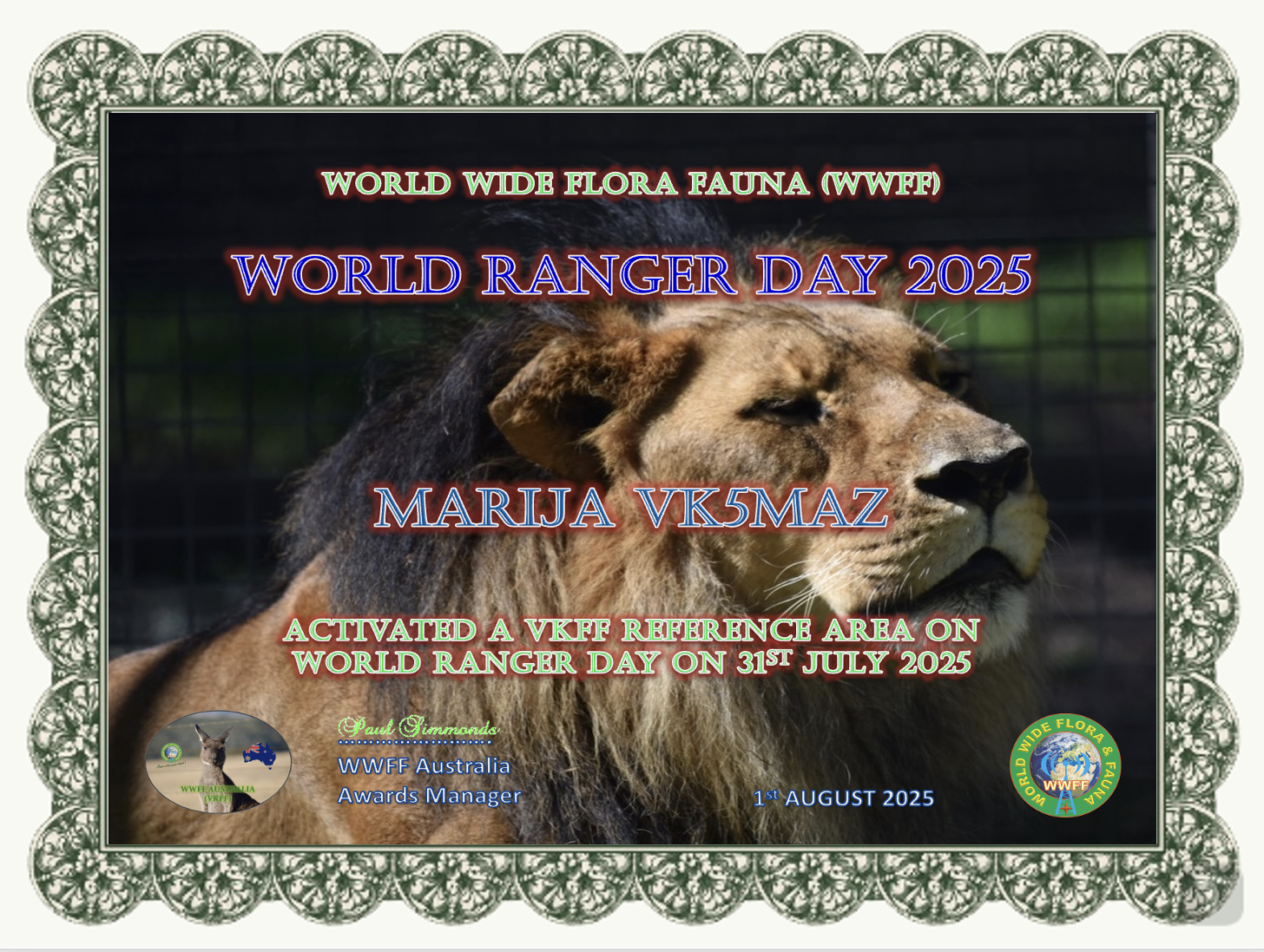
As a result of us activating the park on World Ranger Day, we each received a special certificate.
References.
Wikipedia Contributors (2021). Bullock Hill Conservation Park. Wikipedia.
At about 1206 UTC on Sunday, 27th day of July 2025, I tuned in to the Voice of Korea, Democratic People’s Republic of Korea (North Korea), broadcasting on 11735 kHz in the Korean language.
The broadcast was coming from the 200 kW transmitter in Kujang, NORTH KOREA. The program consisted of commentary and music.
Above: Map showing the location of Kujang, North Korea. Map c/o Google Maps.
The overall reception of the Voice of Korea was good.
S
I
N
P
O
4
4
4
4
4
My equipment:-
Realistic DX-302
Alpha Delta DX sloper antenna
Below is a short video showing my reception of the Voice of Korea.
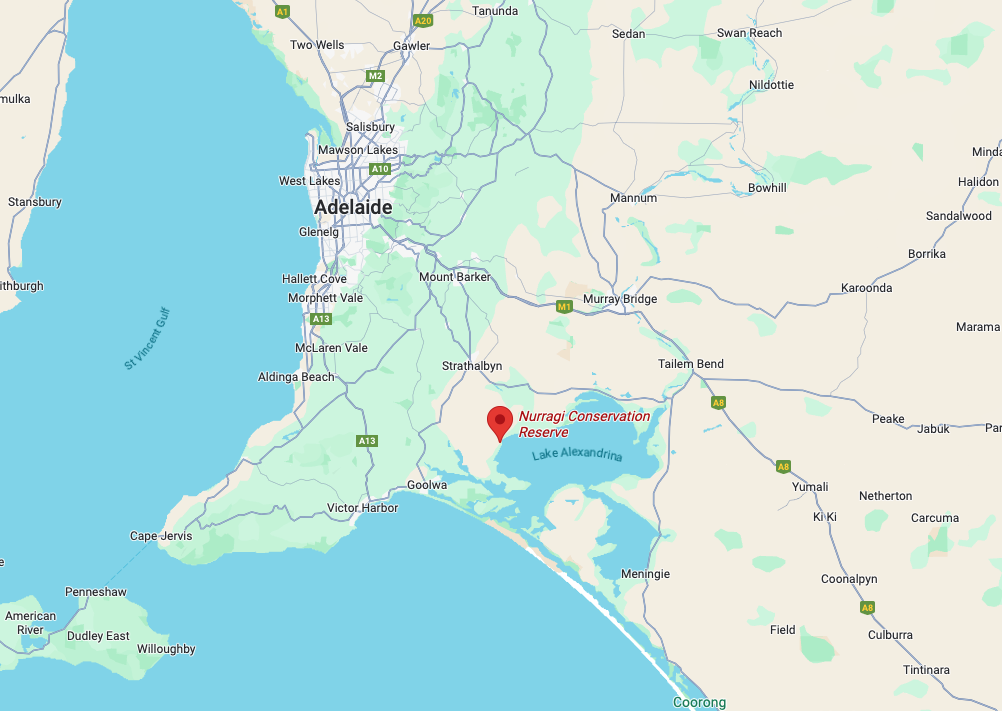
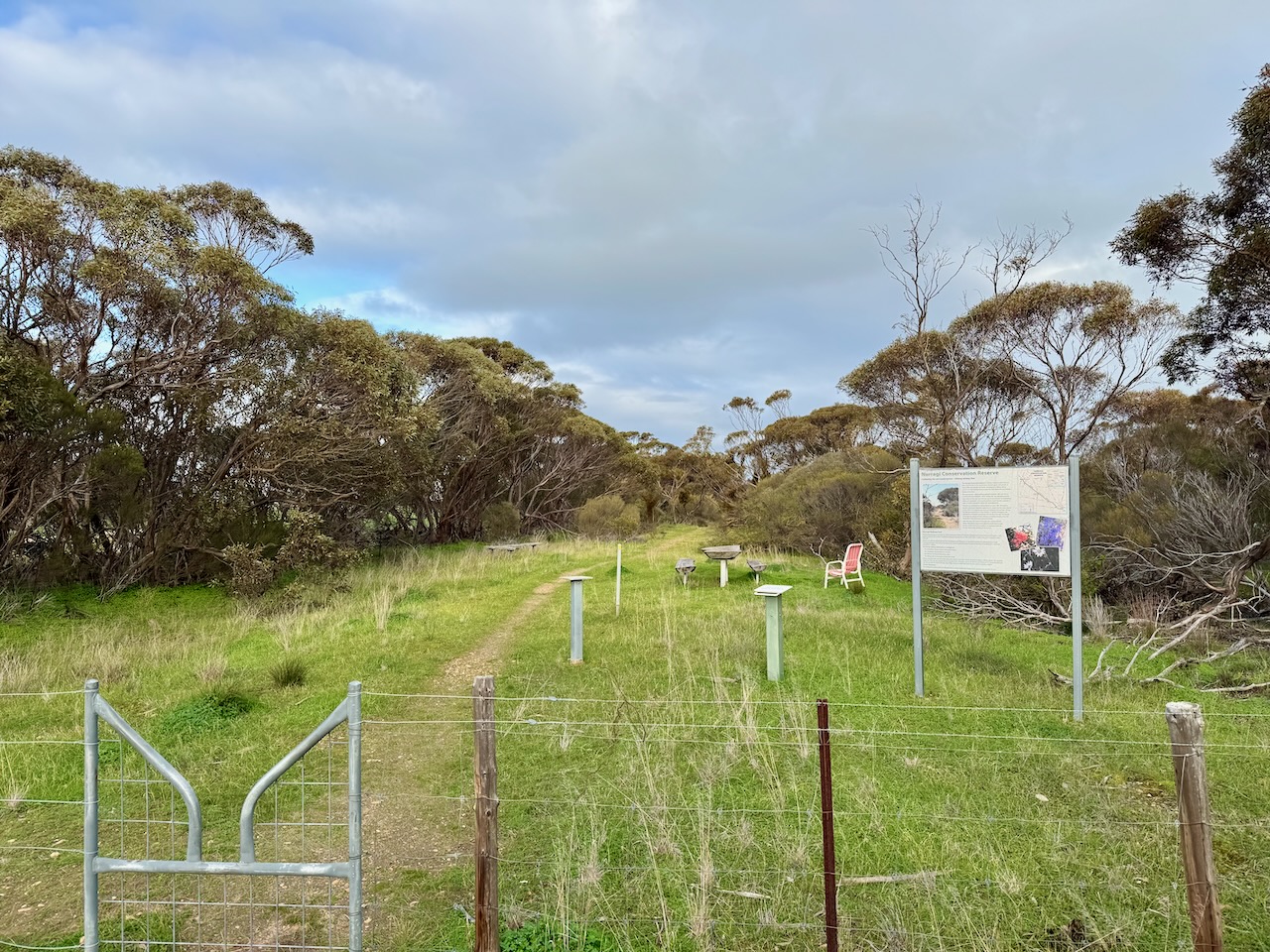
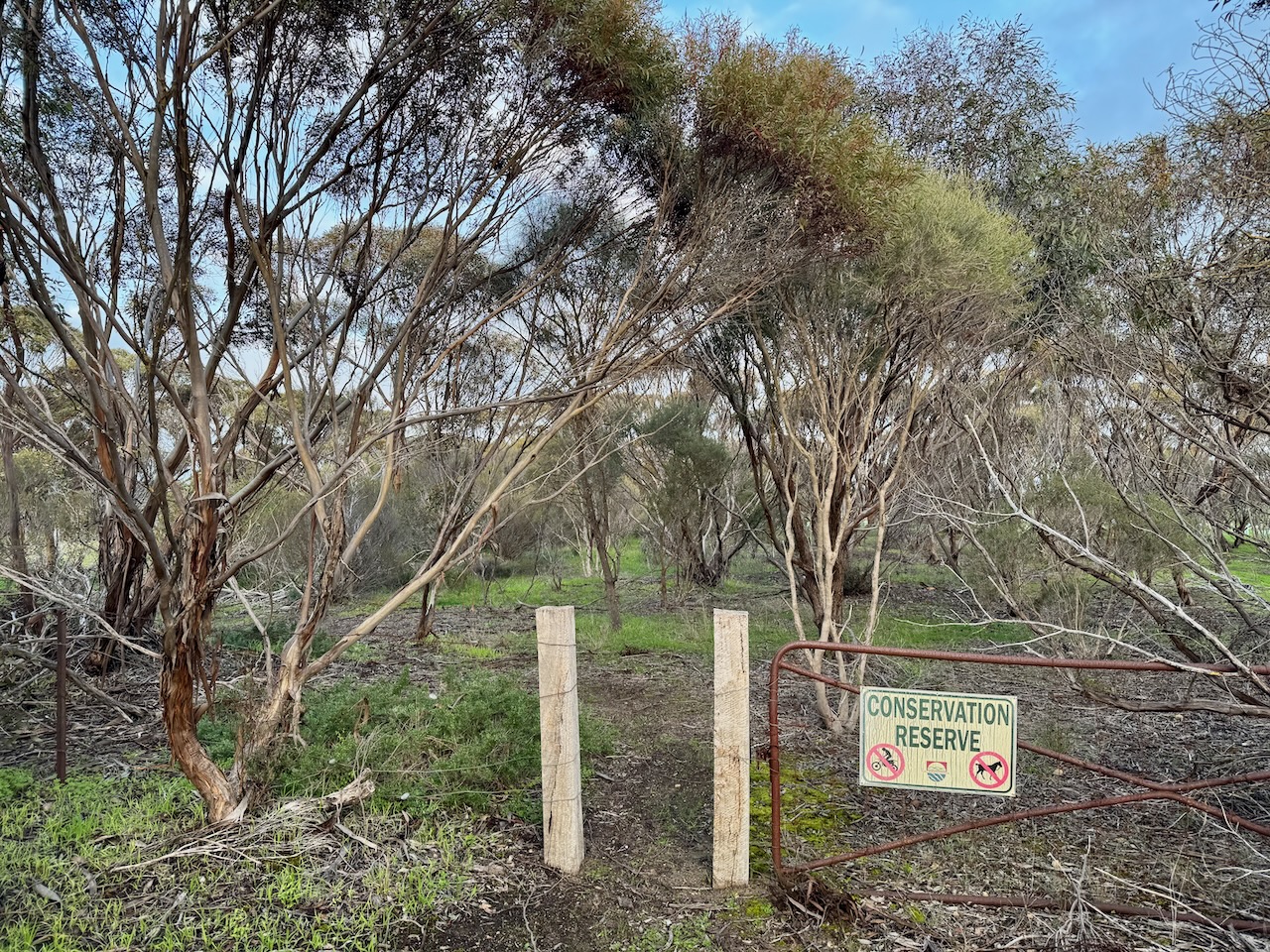
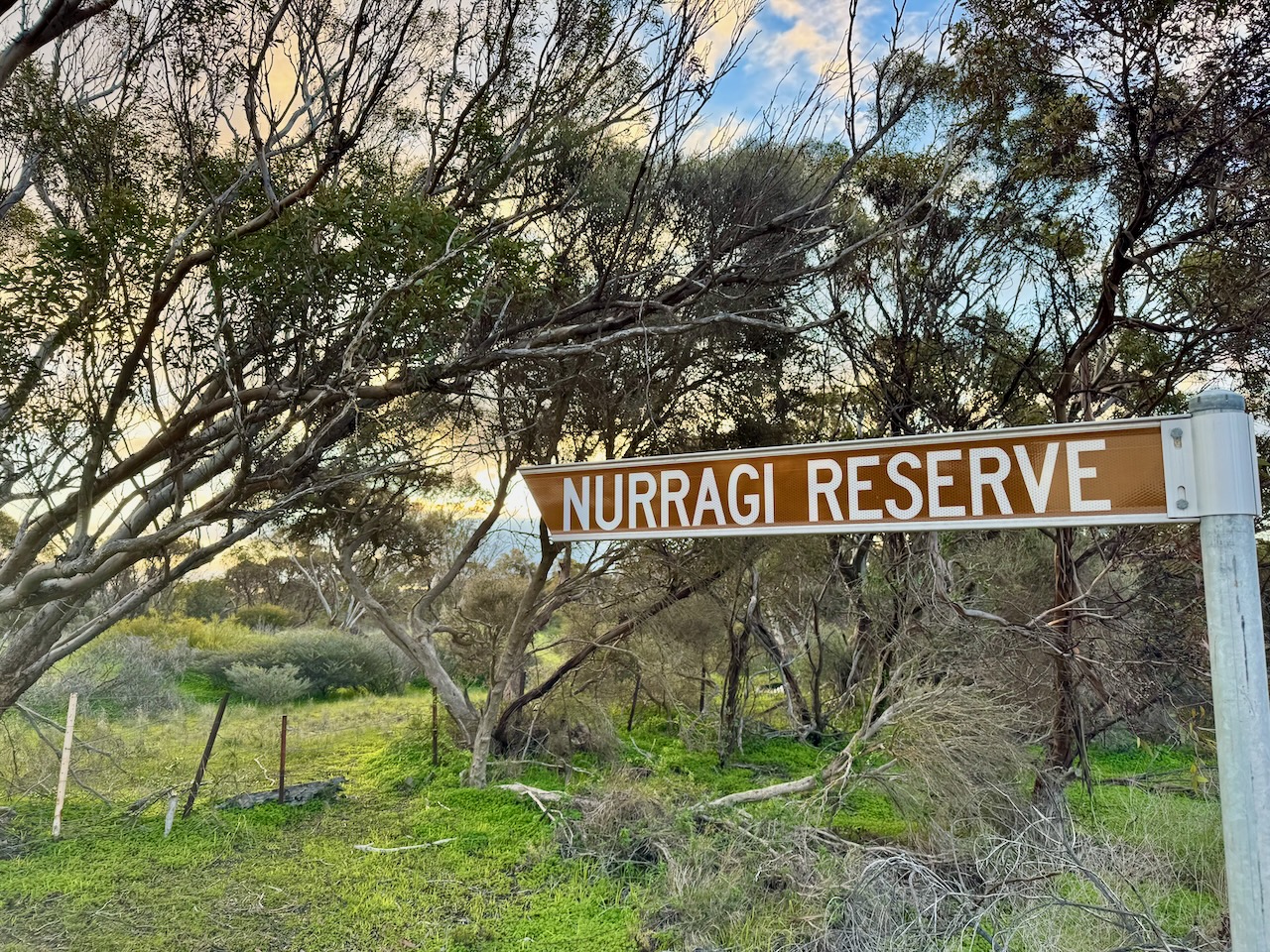
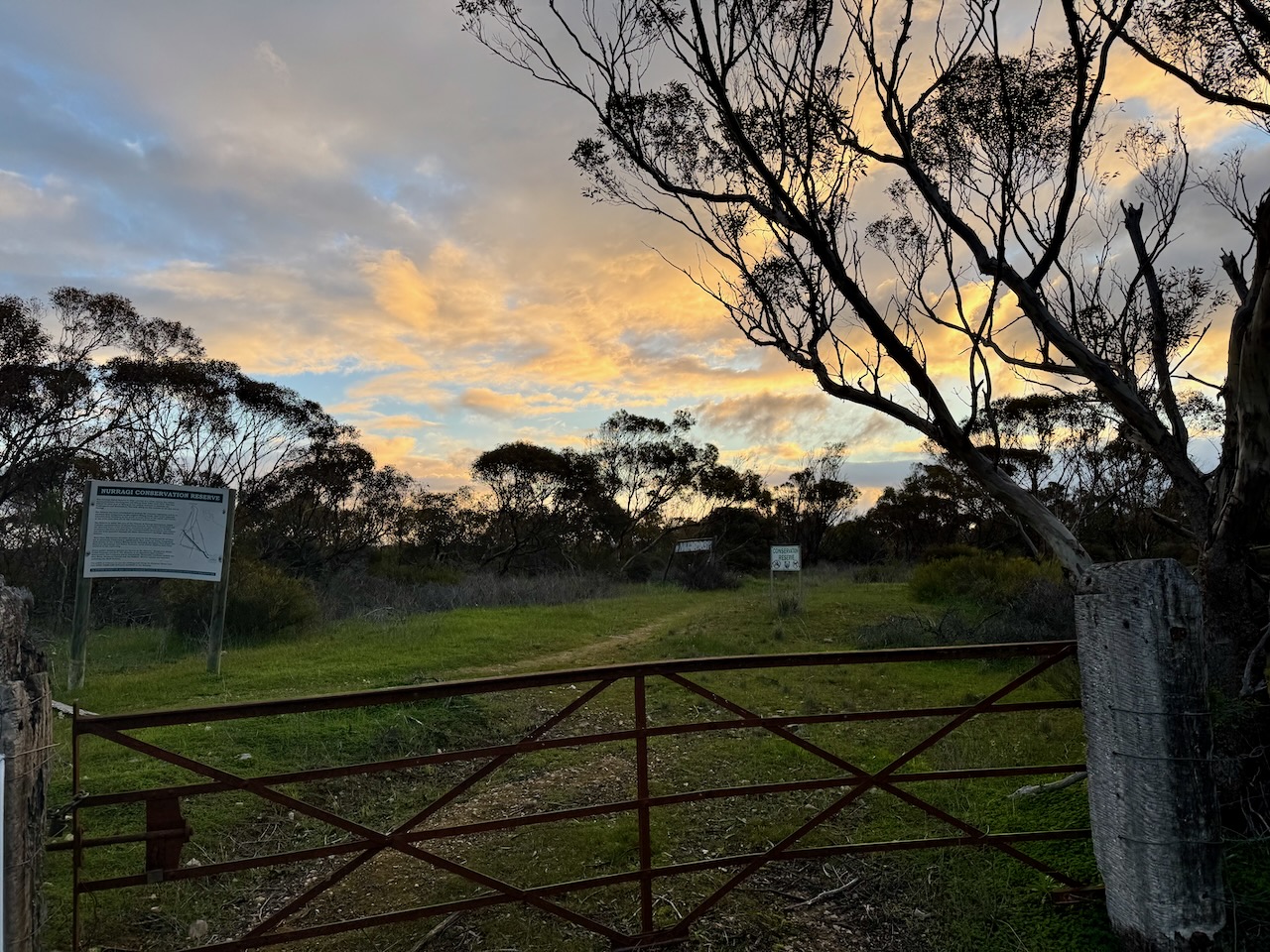
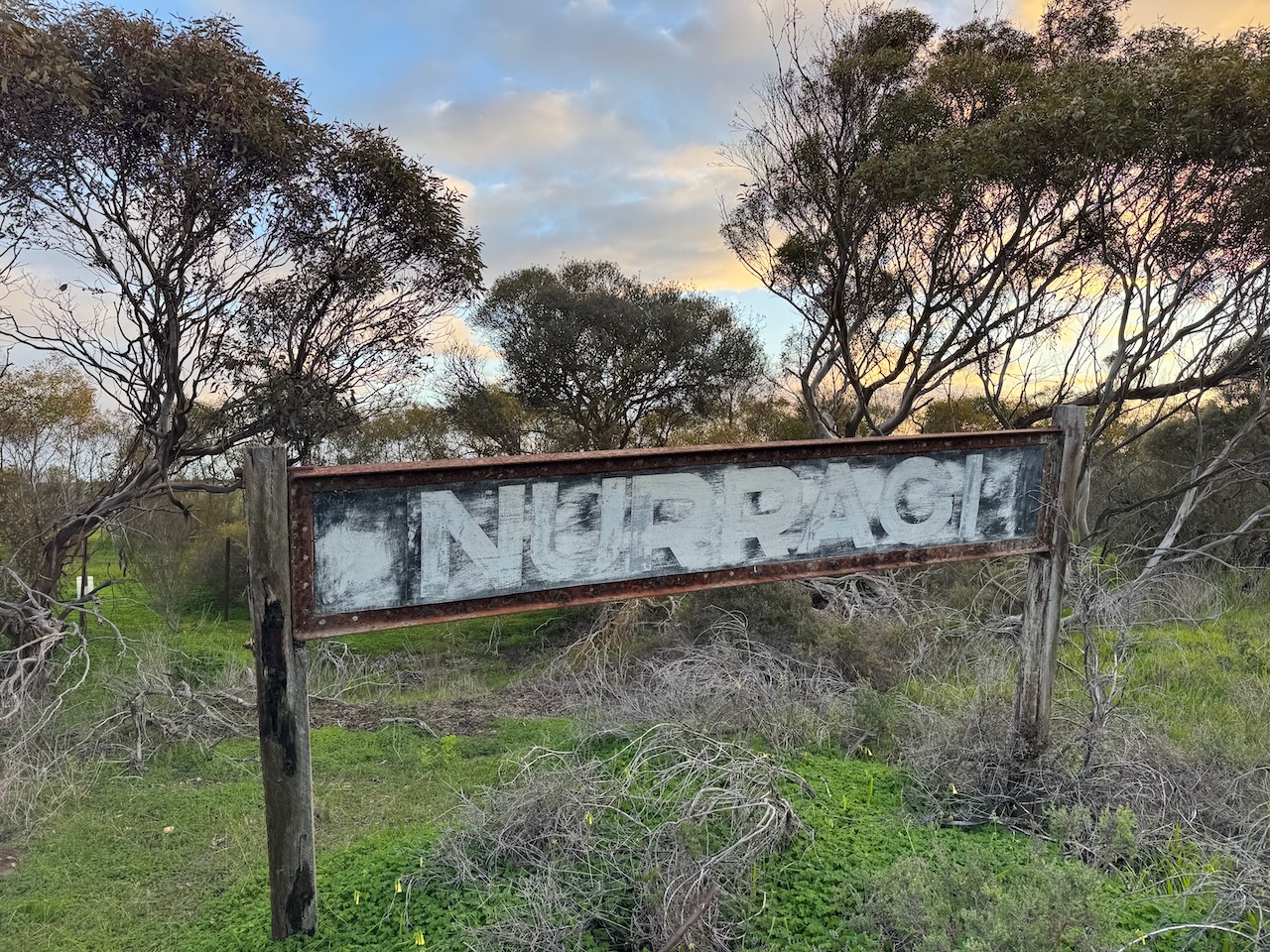
On Sunday, 27th July 2025, Marija VK5MAZ and I headed out to activate the Nurragi Conservation Reserve VKFF-2247 for National Tree Day.
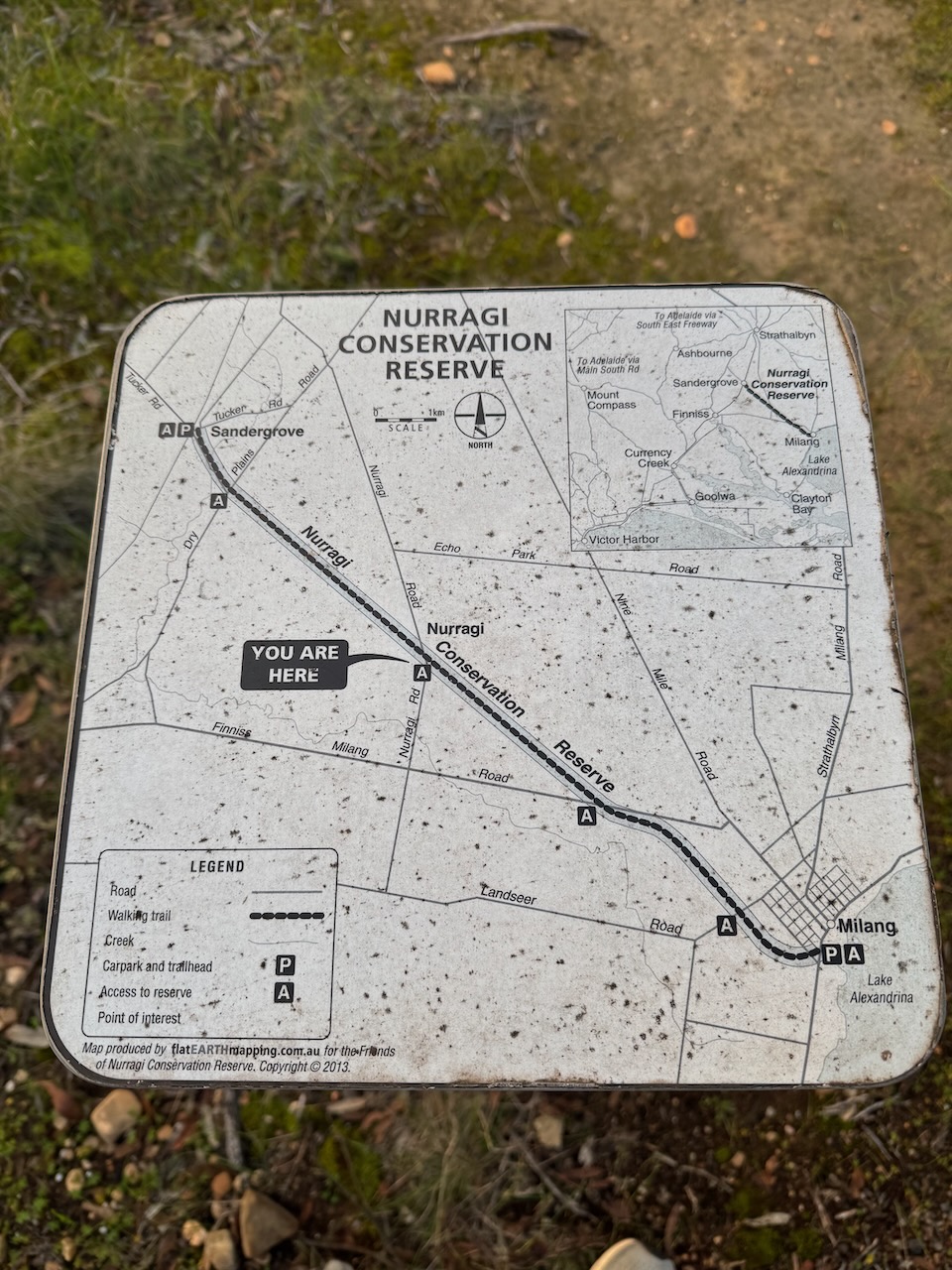
Above:- Map showing the location of the Nurragi Conservation Reserve. Map c/o Google Maps.
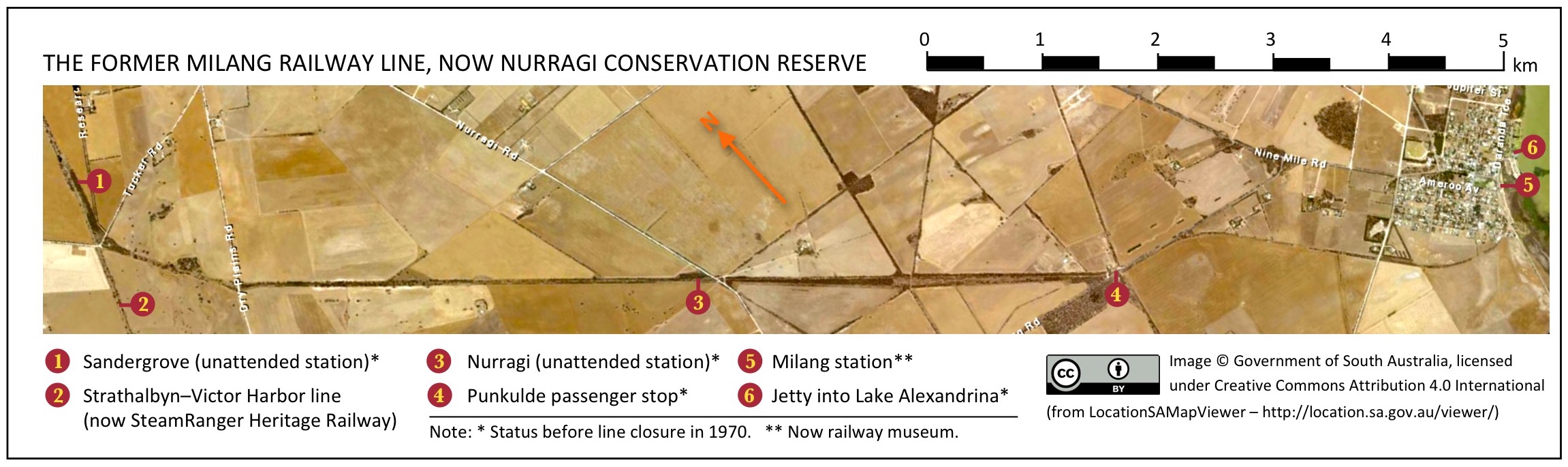
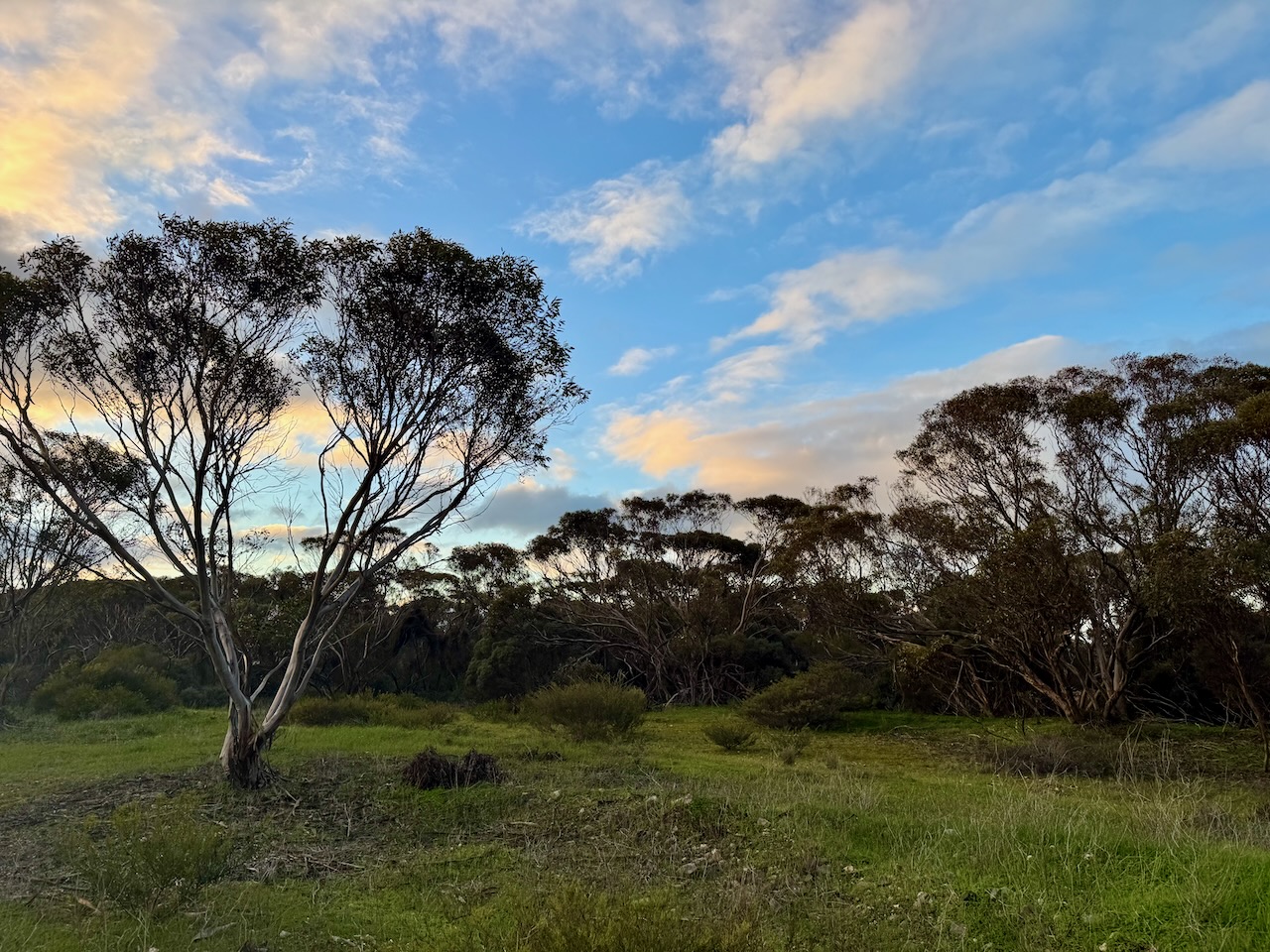
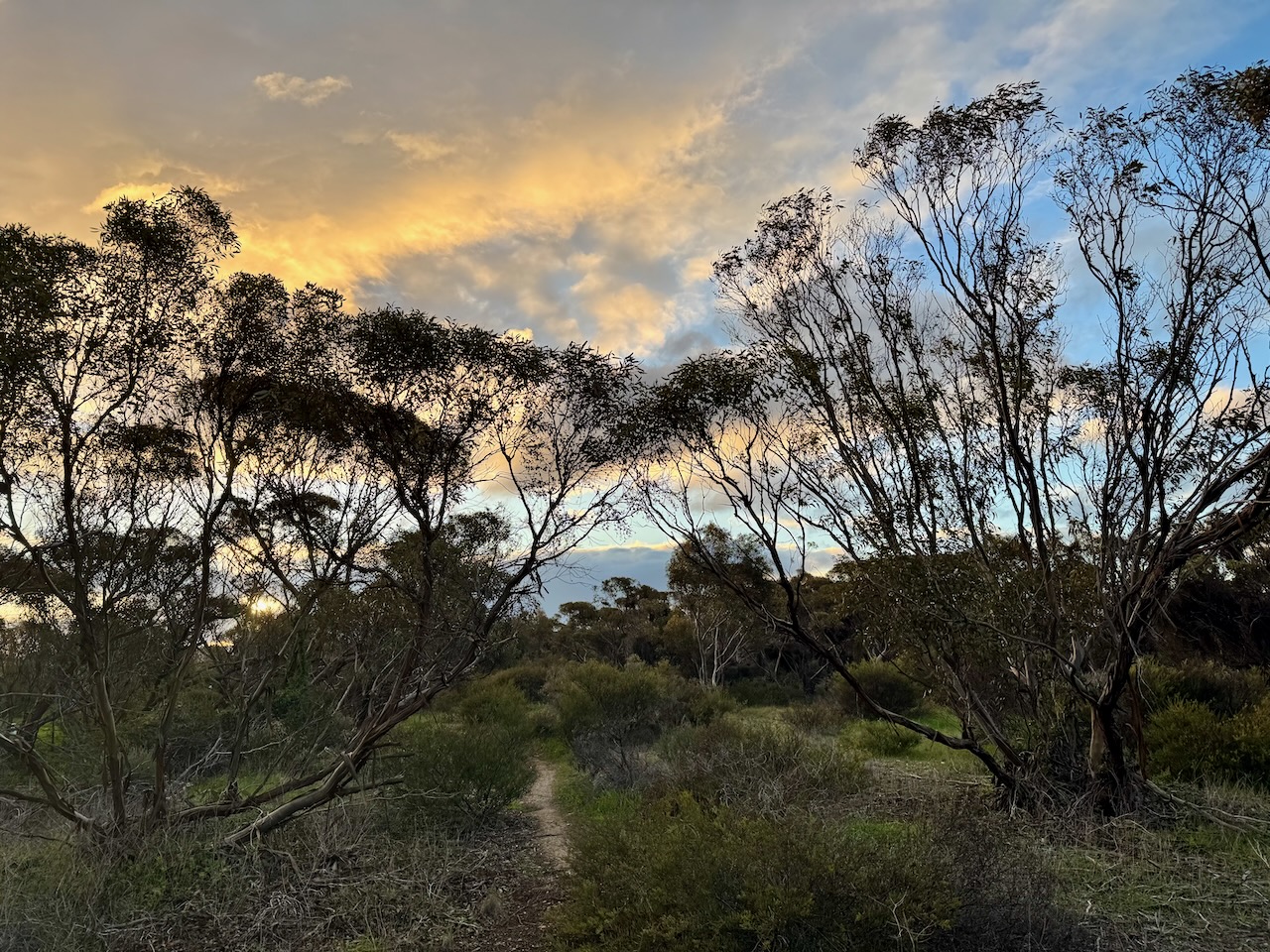
The Nurragi Conservation Reserve is the former Milang railway branch line. It is protected by a native vegetation heritage agreement was was declared in 1991. Nurragi is an Aboriginal word meaning scrub. The reserve preserves a corridor of native scrub in a region where more than 98% of the land has been cleared. (Wikipedia 2025)
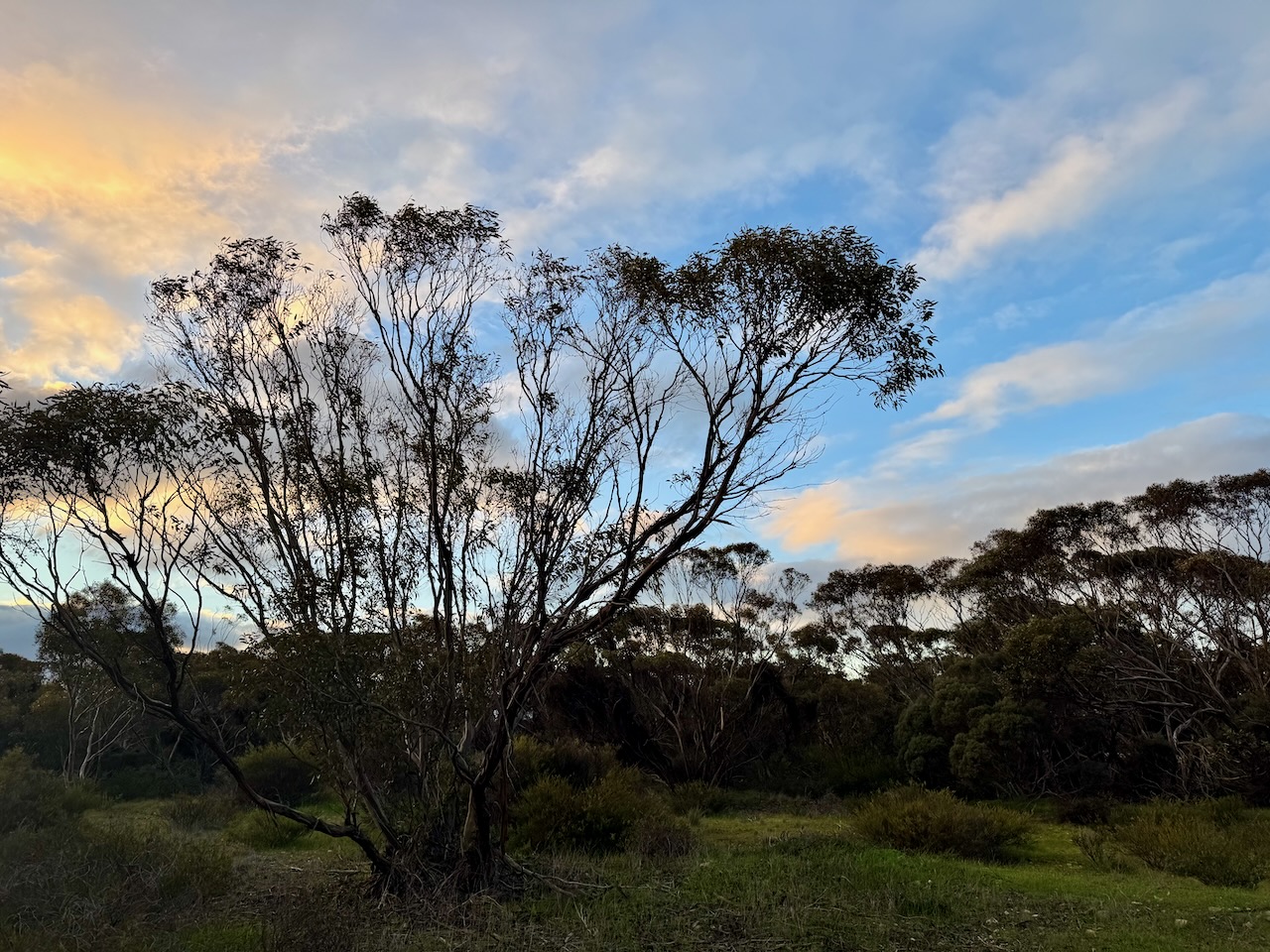
Above: The Nurragi Conservation Reserve. Image c.o Wikipedia.
More than 300 native plant species have been recorded in the reserve. A total of 50 of those are of particular conservation significance. The Friends of Nurragi Association and local primary school children have been responsible for significant planting in the reserve of native flora to the Milang Scrub. This includes Aboriginal food plants such as muntries, quandongs and native currants. (Wikipedia 2025)
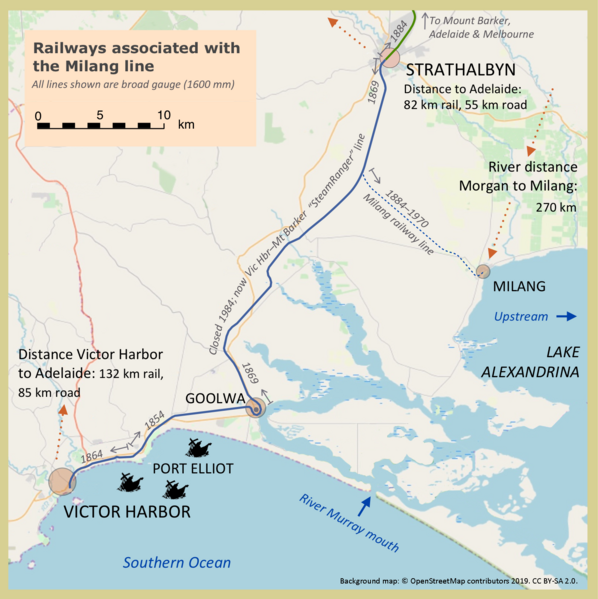
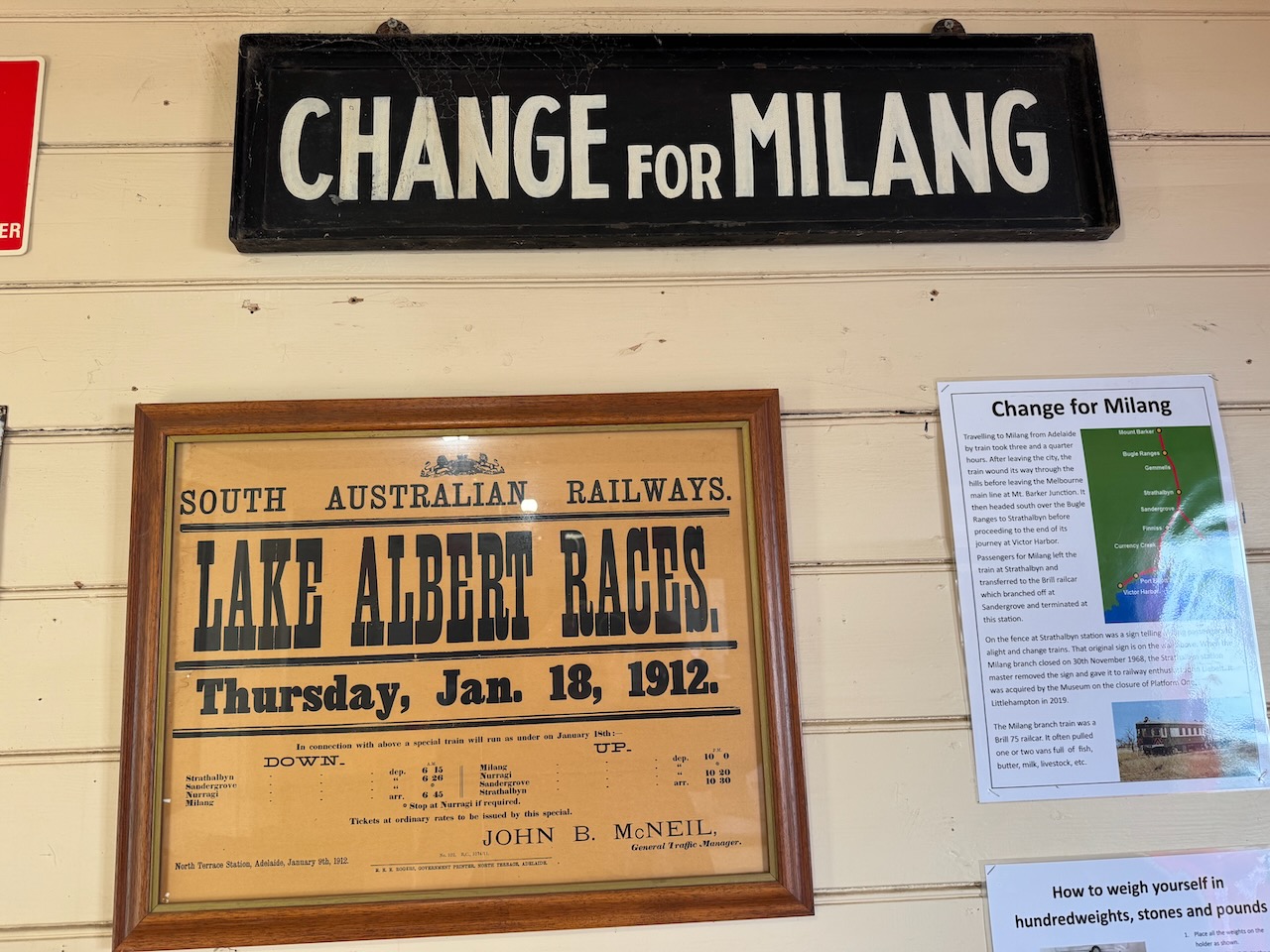
The Milang railway line was a branch line of the main Victor Habror railway line. The Milang line branched off at Sandergrove, about 9 km south of Strathalbyn. The line proceeded from there in a southeast direction for about 13.1 km to the riverport of Milang, located on Lake Alexandrina. The Milang line was opened on the 17th day of December 1884 and was closed on the 17th day of June 1970. (Wikipedia 2025)
Above: Railway lines associated with the Milang line. Image c/o Wikipedia.
By 1880, a Select Committee was appointed by the South Australian parliament to investigate the building of a connecting line from Strathalbyn to the main Adelaide-Melbourne line, which at that time was under construction. One of the committee members was Mr. Albert Henry Landseeer. He was a prominent and highly respected Member of Parliament and had founded Milang in 1856. (Wikipedia 2025)
Landseer had businesses in the Milang area, including flour milling, ownership of river steamers and barges, wool warehousing and a paddle steamer agent. Landseer ensured that the committee heard evidence supporting a branch line to Milang. (Milang 2025) (Wikipedia 2025)
Above: Albert Henry Landseer. Image c/o Wikipedia
In November 1881, assent was granted to an Act – short title The Mount Barker and Strathalbyn Railway Act,which authorised a link to Mount Barker and also the branch line from Sandergrove to Milang that Landseer had been seeking. (Milang 2025) Wikipedia 2025)
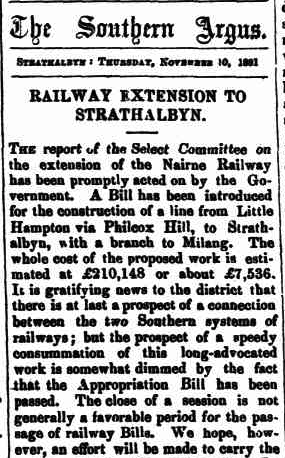
The Southern Argus newspaper reported:
“The country around Milang-what is known as the Murray scrub-is exceedingly well adapted for the growth of wheat, and it has moreover an advantage which the north has not – a regular rainfall. The branch to Milang will certainly help the development of this valuable country.” (Trove 2025)
Above: Part of an article from the Southern Argus, Thu 10 Nov 1881. Image c/o Trove
In April 1882, tenders were called for the building of the line. Walker and Swann were awarded the contract for both of the lines, and official contract papers were signed in June 1882. The contract price was £143,678 for the main line (20 per cent lower than the survey estimate of £155,000) and £25,600 for the branch line. (Milang 2025) (Wikipedia 2025)
In November 1883, a total of 500 men commenced building the main line from Mount Barker junction via Philcox Hill to Strathalbyn. It was completed in September 1884. The first load of wool was consigned from Mr A. McFarlane’s property at Milang to A.H. Landseer’s store at Port Adelaide. (Wikipedia 2025)
Above: Article from the South Australian Register, Tue 16 Sept 1884. Image c/o Trove.
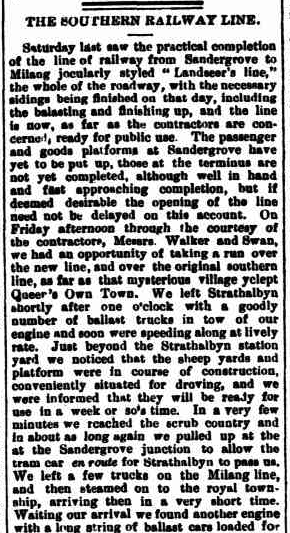
By late August 1884, the railway workforce transferred en masse to the Milang branch, on which earthworks had been completed. All that was required was the laying of the rails and steel sleepers, and the laying of ballast. Three months later, the branch line opened on the 17th day of December 1884. There was no official ceremony; however, the public was given free rides with the permission of the Commissioner of Public Works. A special train was organised by the line’s engineer, Mr. J. Reed, and this brought invited guests from Strathalbyn, stopping almost halfway between Sandergrove and Milang for a picnic in the scrub. This was followed by entertainment at Milang’s Institute Hall. When the line was opened, the Southern Argus newspaper referred to the line as ‘Landseer’s line.’ (Milang 2025) (Wikipedia 2025)
Above:- Article from the Southern Argus, Thu 4 Dec 1884. Image c/o Trove
The facilities on the branch line to Milang were minimal. At Sandergrove junction, there was a platform and a small shed. At the intermediate station Nurragi, there was a very short platform and a passing loop about 70 metres long. At Punkulde, there was a passenger stopping point where the Finniss to Milang road crossed the line. (Milang 2025) (Wikipedia 2025)
Above: The port of Milang, c. 1900. Image c/o Wikipedia.
In the early years of the Milang branch line, there was a steady flow of wool and supplies up and down the Murray River. By 1929, road transportation was deregulated, and traffic along the branch line declined. By 1931, the South Australian Railways was asked by the Transport Control Board to provide a report on the estimated savings to be made by the closure of unprofitable railway lines. This included the Milang line, however, closure was averted. (Wikipedia 2025)
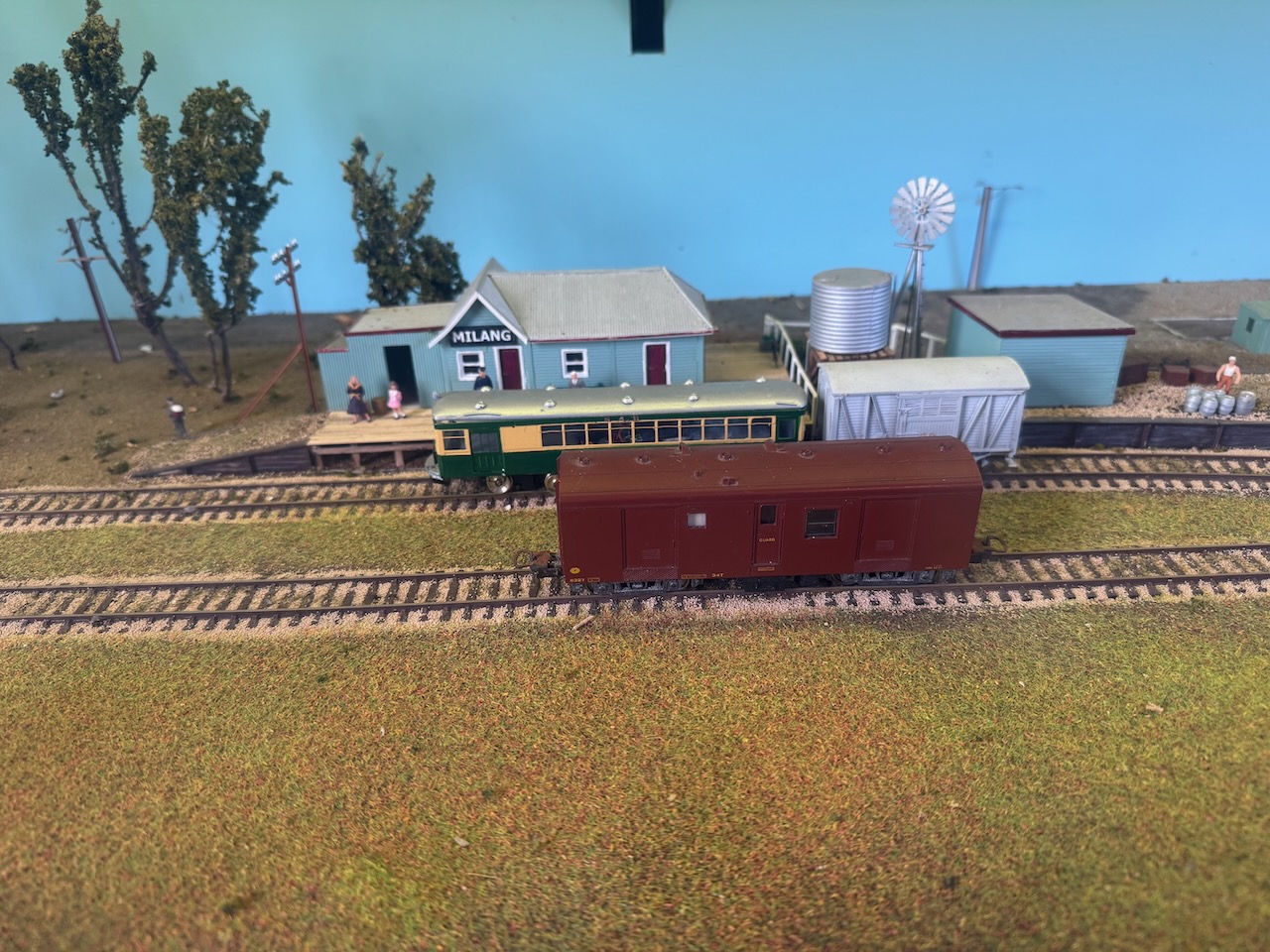
A mixture of steam-hauled freight and passenger trains operated on the line from Strathalbyn until 1925. At that time, a new Brill Model 55 railcar commenced running daily between Adelaide and Milang. A goods train also worked the line several times from Strathalbyn. By the late 1930s, a larger Brill Model 75 railcar worked along the line, along with a weekly locomotive-hauled train. (Milang 2025) (Wikipedia 2025)
Above: A model 75 railcar on the Milang line near Nurragi. Image c/o Phillip G. Curnow, Wikipedia
In May 1968, it was announced that railway passenger services would be cancelled, expected to save the State Government $1,000,000 per year. This included a cancellation of the Adelaide to Victor Harbor line and the Milang line. The Government quoted official figures that both lines carried 23 passengers per train, mainly at weekends. There was a call for protests following this announcement. The last timetabled passenger service was run on the 30th day of November 1968. (Milang 2025) (Trove 2025) (Wikipedia 2025)
Above: Article from the Victor Harbour Times, Fri 10 May 1968. Image c/o Trove.
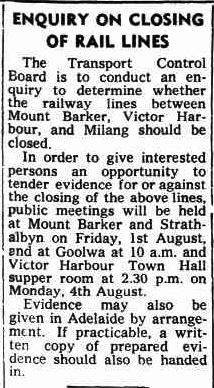
In 1969, an enquiry was conducted by the Transport Control Board, and this recommended the closure of the lines south of Strathalbyn. Public meetings were held to hear evidence from interested persons. This was followed by a recommendation by the Parliamentary Standing Committee that an attempt be made to reinvigorate freight traffic in preference to the closure of the main Victor Harbor railway line. (Trove 2025) (Wikipedia 2025)
Above: Article from the Victor Harbour Times, Fri 25 Jul 1969. Image c/o Wikipedia
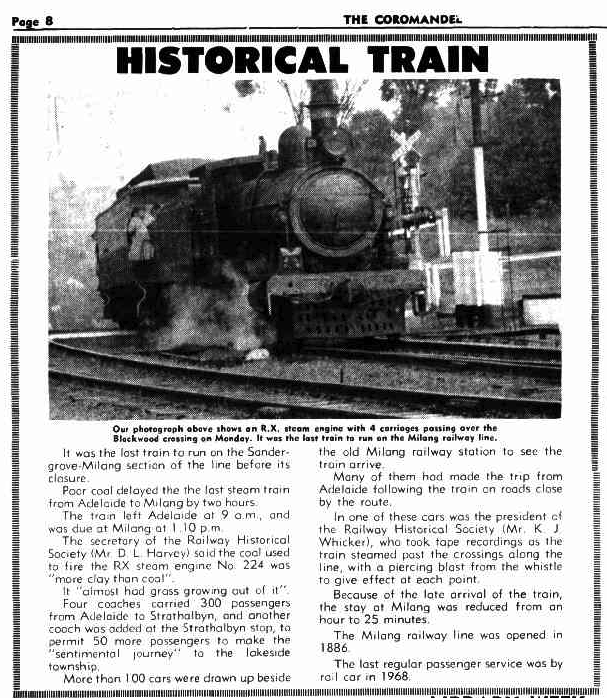
In June 1970, a special train was chartered to travel on the Sanderston to Milang line. Four coaches travelled from Adelaide to Strathalbyn with 300 passengers, with a further coach added at Strathalbyn to permit 50 more passengers. Over 100 cars were at the Milang railway station to see the train arrive. Mr. J.J. Whicker, the President of the Railway Historical Society, was one of the passengers. (Trove)(Wikipedia 2025)
Above: Article from The Coromandel, Thu 18 Jun 1970. Image c/o Trove
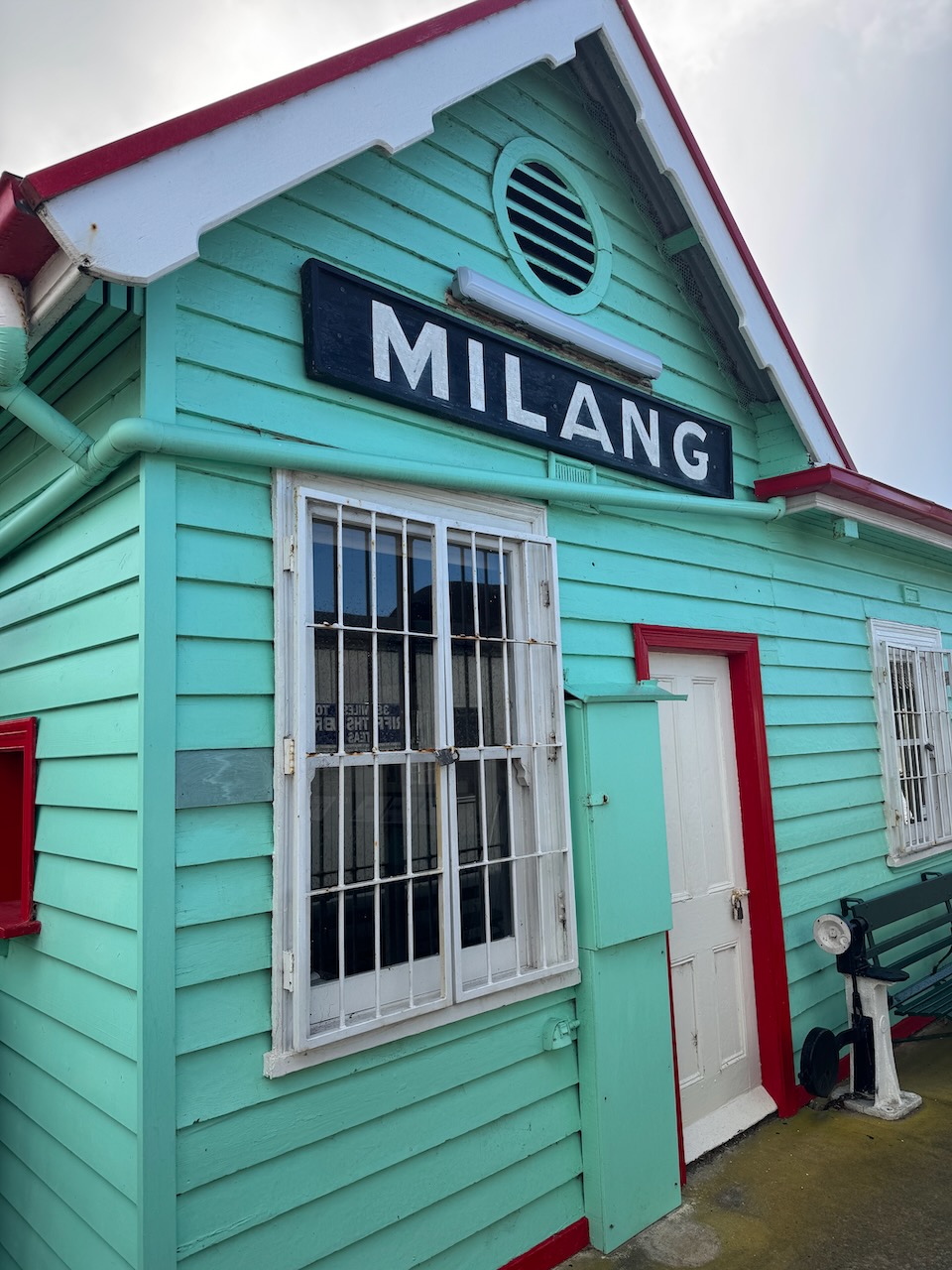
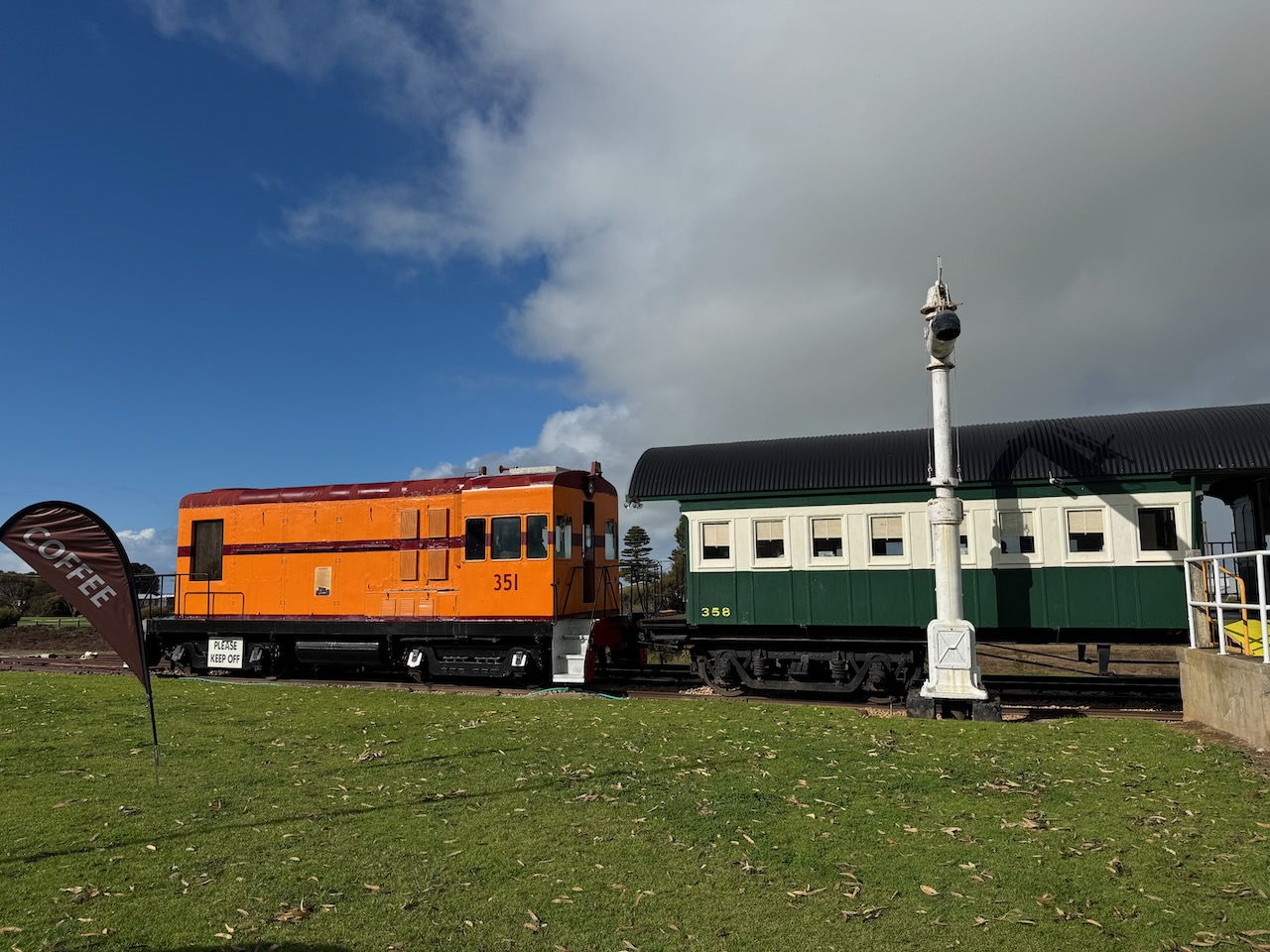
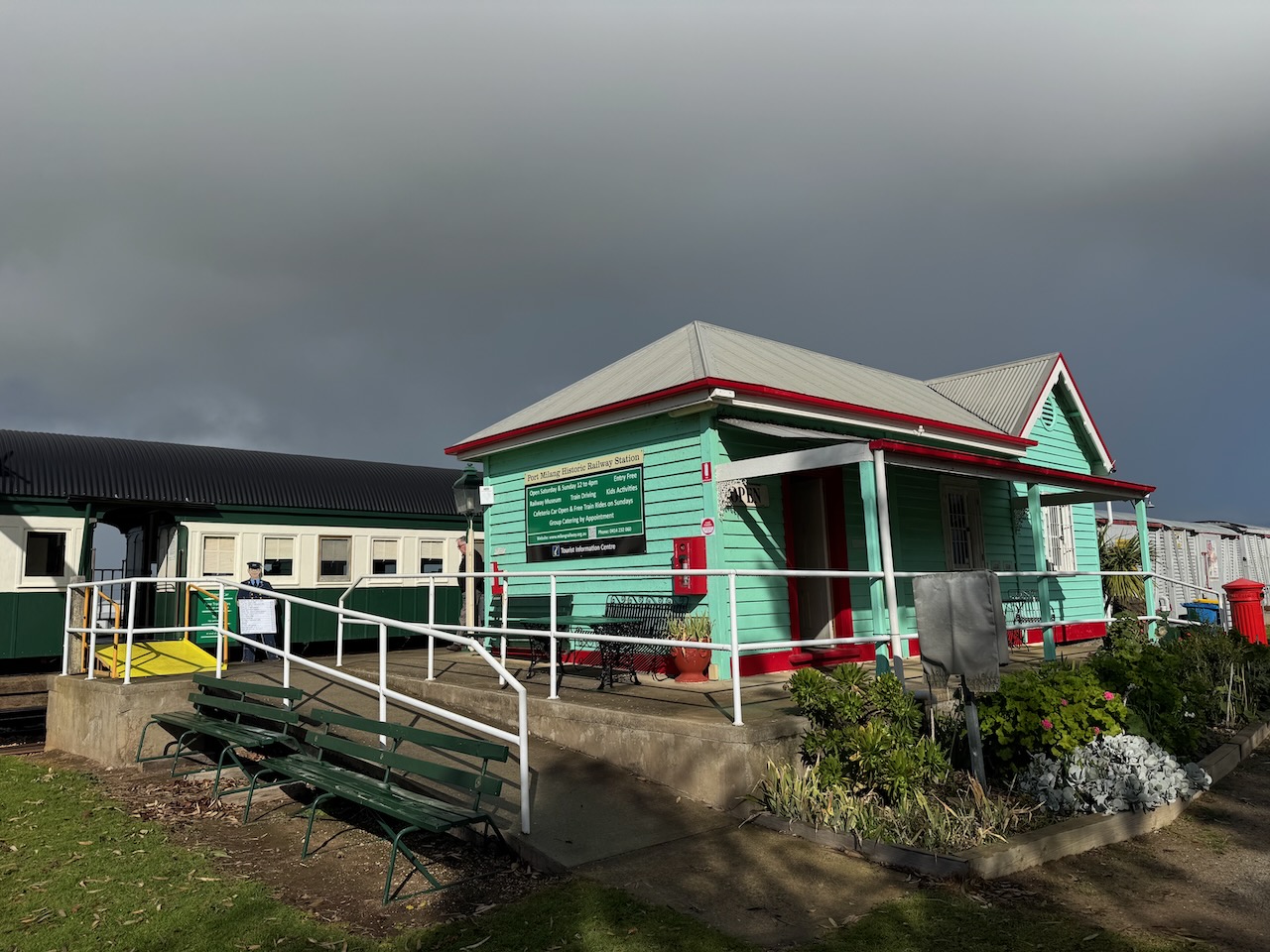
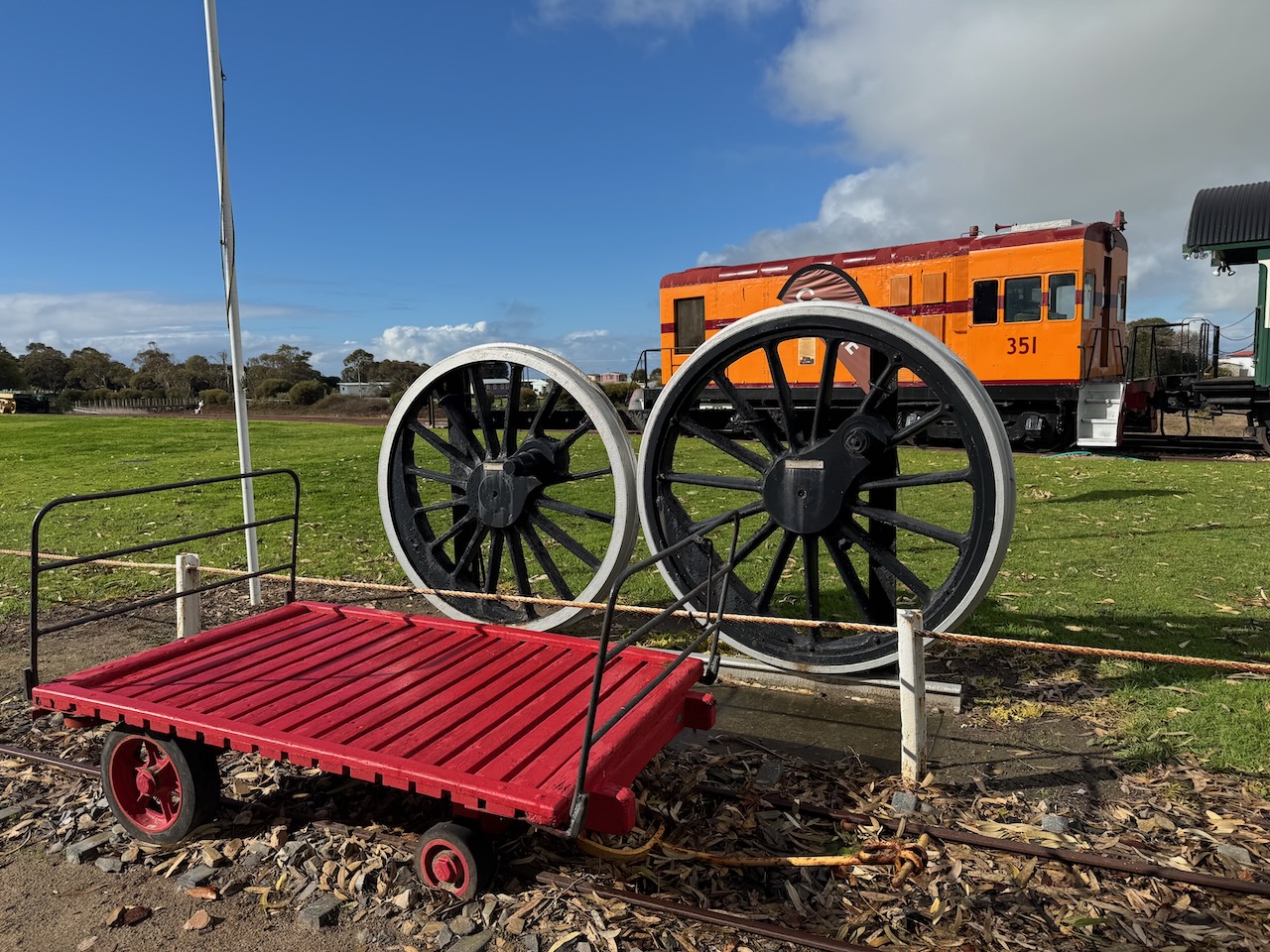
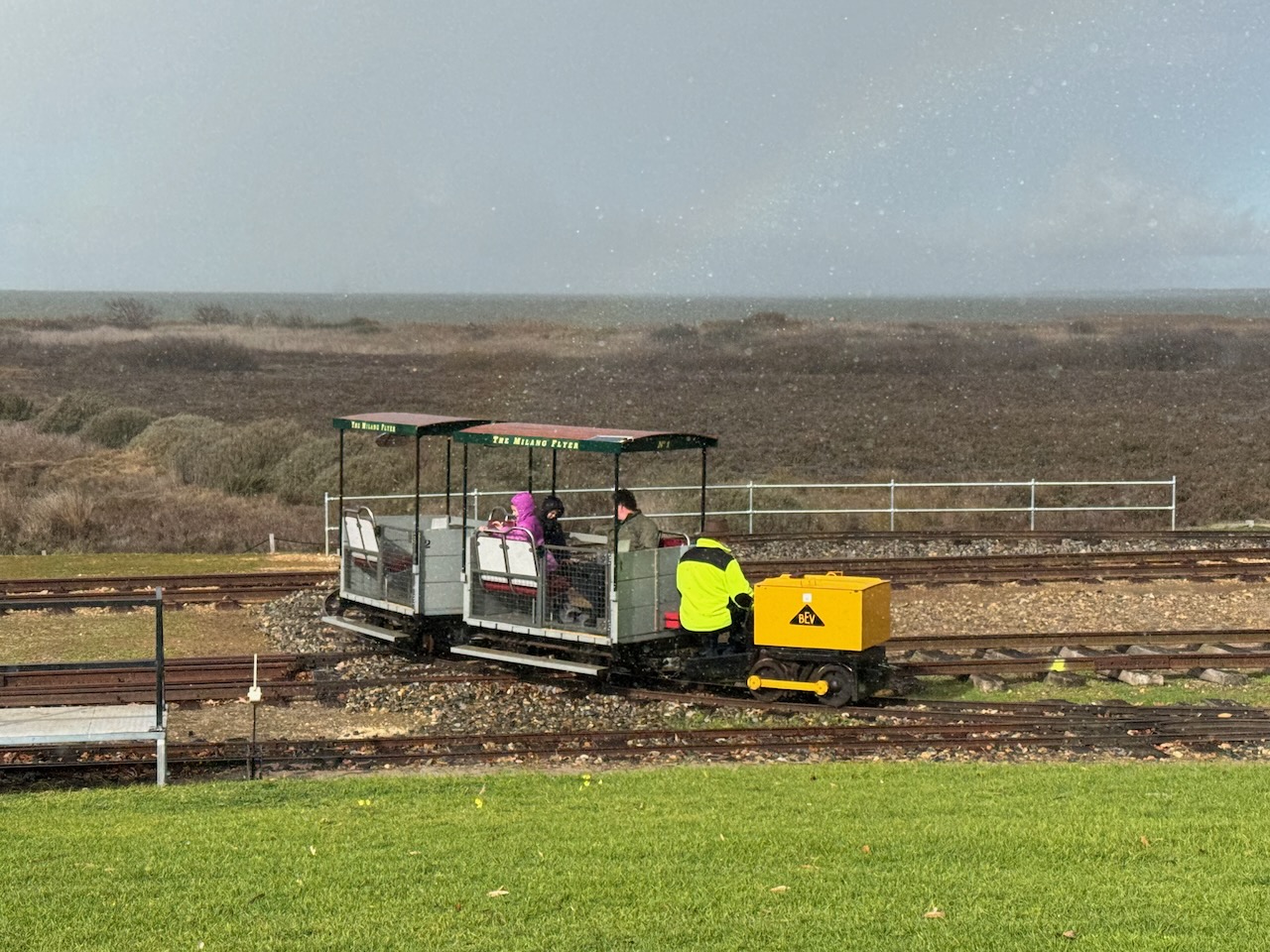
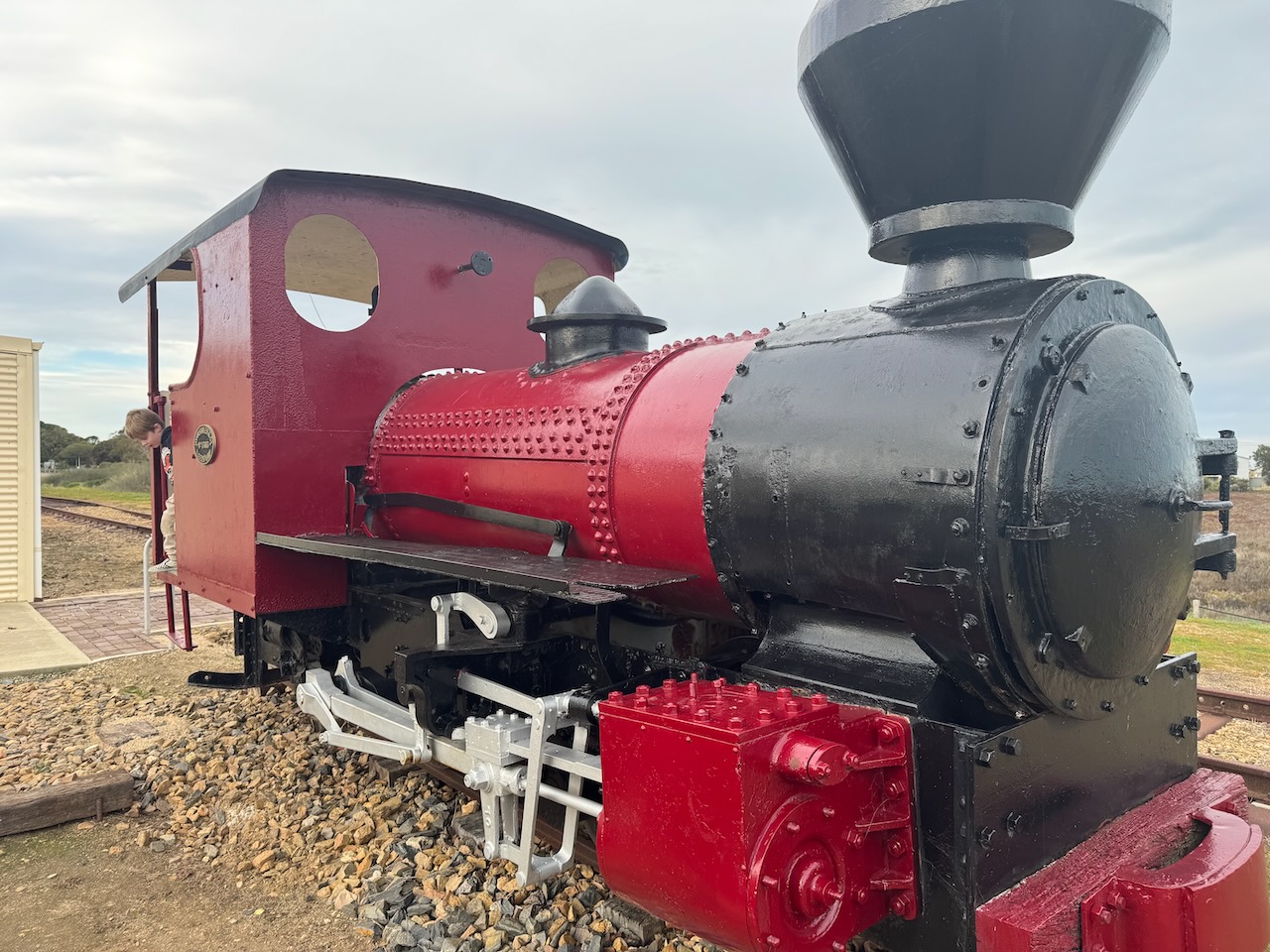
In October 1992, the Port Milang Historic Railway Museum was officially opened by Dame Roma Mitchell, the Governor of South Australia. Marija and I have visited this little museum several times and highly recommend a visit if you are in Milang. (Milang 2025)
Below is an excellent video on the Sandergrove to Milang Railway Line.
All up, Marija and I made a total of 182 QSOs on 40m SSB and 20m SSB.
Marija worked the following stations on 40m SSB:-
VK3BEL
VK3BEB
VK2YK
VK5GA
VK4DNO
VK3DNO
VK3AMO
VK3PF/P (VKFF-0764)
VK3KAI/P (VKFF-0764)
VK2EXA
VK3CLD
VK5QA
VK2DBF
VK5DW
VK5CZ/P (VKFF-0816)
VK1AO/P (VKFF-1994)
VK2MET/P (VKFF-1994)
VK1DI/4 (VKFF-1632)
VK7MAT/P (VKFF-1156)
VK2IO/P (VKFF-2784)
VK2GEZ/P (VKFF-2784)
VK5LA/P (VKFF-0372)
VK5KAW/P (VKFF-0372)
VK2HAK
VK4SMA
VK3SQ
VK2BD
VK3JT
VK3ZK
VK5WU
VK5KPR
VK3KRL
VK4HNS
VK3ALF
VK5DOC
VK2YI
VK2LEE
VK3VIN
VK5FANA
VK2TMN
VK3AEI
VK3TDK
VK2LQ
VK3GJG
VK3GCD
VK3ARK
VK7PJM
VK4JST
VK4BWL
VK3ACZ
VK7AAE
VK3EJ
Marija worked the following stations on 20m SSB:-
VK2IO/P (VKFF-2784)
VK2GEZ/P (VKFF-2784)
VK1AO/P (VKFF-1994)
VK2MET/P (VKFF-1994)
VK3PF/P (VKFF-0764)
I worked the following stations on 40m SSB:-
VK3BEL
VK3BEB
VK2YK
VK5GA
VK4DNO
VK3DNO
VK3AMO
VK3PF/P (VKFF-0764)
VK3KAI/P (VKFF-0764)
VK2EXA
VK3CLD
VK5QA
VK2DBF
VK5DW
VK5MSA
VK2ETI/P (VKFF-3226)
VK2AIT/P (VKFF-3226)
VK2AIQ/P (VKFF-3226)
VK5CZ/P (VKFF-0816)
VK3MGM/M
VK2EIS
VK3OAK/P
VK3APJ
VK5MK
VK3CEO
VK5AYL
VK3TDX
VK3WSG
VK3CJN
VK3QHU
VK2PKT
VK2KFT
VK1AO/P (VKFF-1994)
VK2MET/P (VKFF-1994)
VK1DI/4 (VKFF-1632)
VK3GRK
VK7MAT/P (VKFF-1156)
VK2VW
VK2HFI
VK2AKA
VK2BUG
VK4EW
VK7PJM
VK2IO/P (VKFF-2784)
VK2GEZ/P (VKFF-2784)
VK7AN
VK3BBB
VK2CCP
VK3ENI
VK1JIM
VK2TER
VK2BM
VK2QRP
VK2MOP
VK3MCK
VK3MTT
VK5WU
VK3AEI
VK3TDK
VK5FANA
VK5WMT
VK4WTN
VK3KRL
VK3VIN
VK3SQ
VK2BD
VK3JT
VK3BRT
VK4EMP
VK4TI
VK4GKO
VK5DOC
VK7DW
VK5KPR
VK5LA/P (VKFF-0372)
VK5KAW/P (VKFF-0372)
VK5IS
VK3NP
VK2HAK
VK2SGH
I worked the following stations on 20m SSB:-
VK3CEO
ZL2BB
ZL1POTA
EC4AT/M
VK6JK
VK6LK
VK6FRS
VK6LMK
KG5CIK
EA3MP
VK7AAE
VK4HNS
VK2MG
VK4NH
VK4DXA
OH1MM
EB3AM
W0XXT
VK4CZ
F5PYI
VK4EEW
VK4SMA
VK2IO/P (VKFF-2784)
VK2GEZ/P (VKFF-2784)
VK1AO/P (VKFF-1994)
VK2MET/P (VKFF-1994)
VK6NU
VK4EMP
VK4TI
VK4GKO
VK3RH
KH6KW
VK4JT
F/VK6CB
VK2TM
VK4FOX
DK7LJ
XL3MR
VK3AUX
VK3PF/P (VKFF-0764)
EA5JMN
F4GYG
G3SVD
2E0YEH
F8ATM
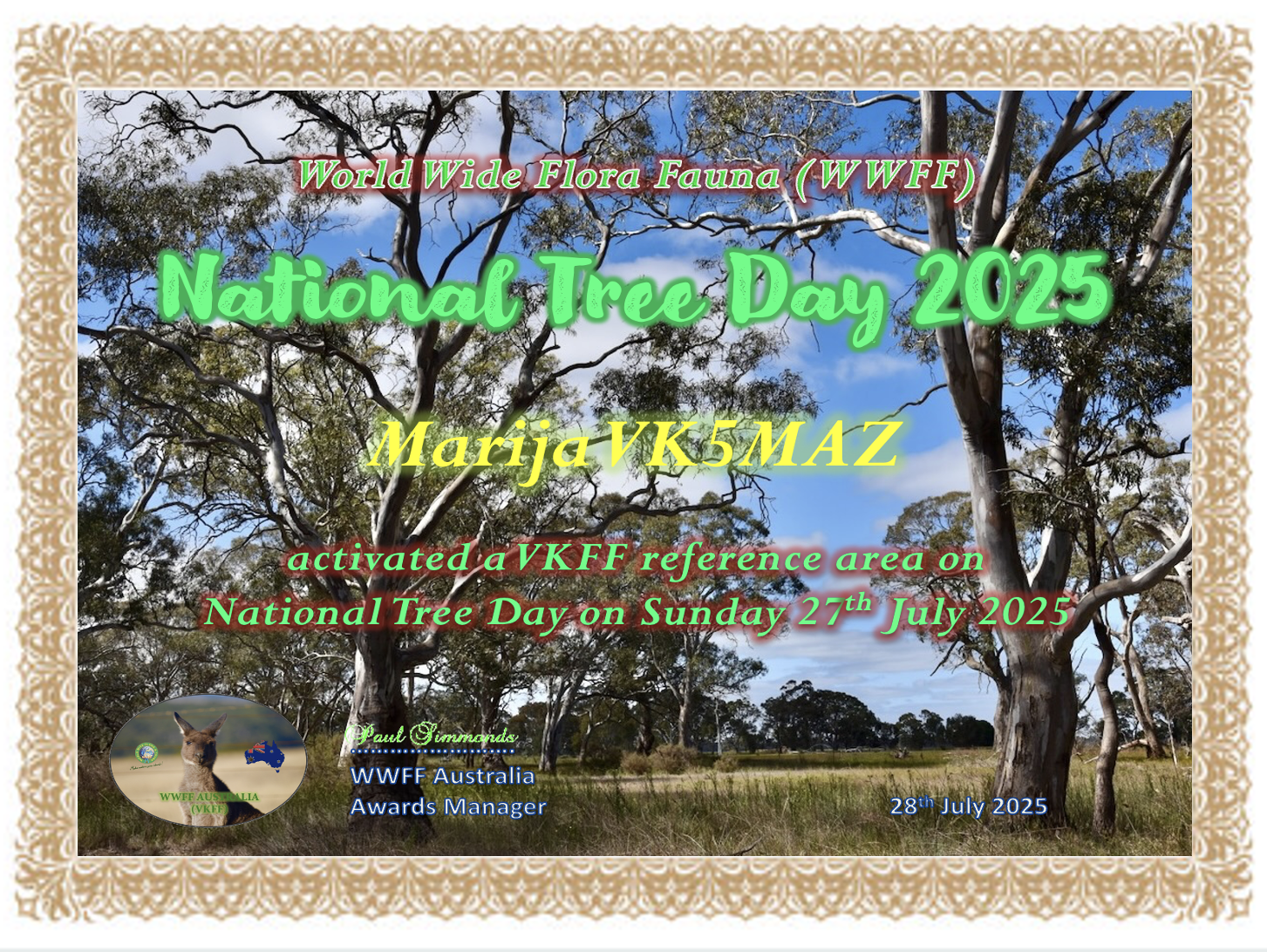
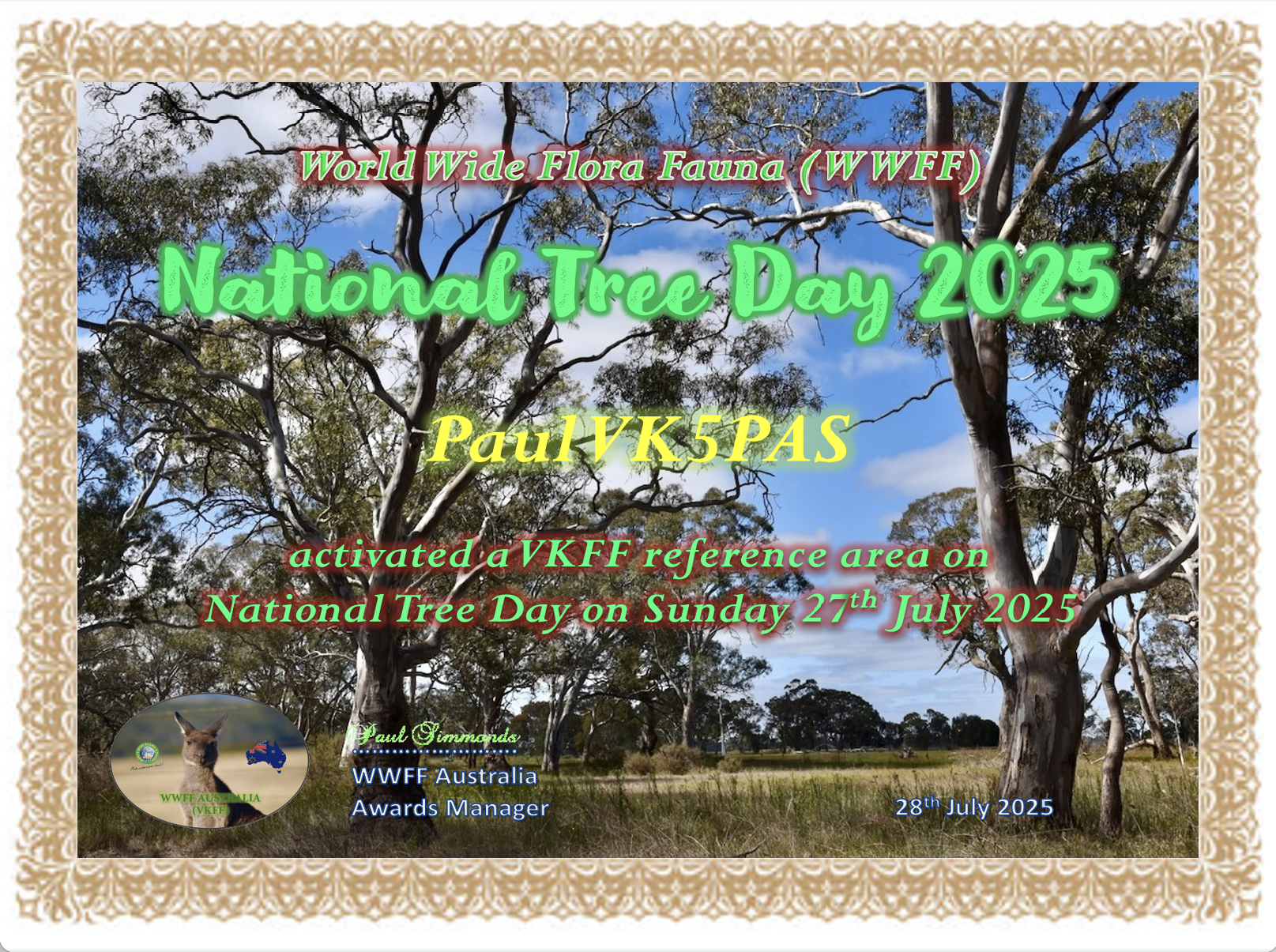
For taking part in National Tree Day, Marija and I each received a special certificate.









 VK5PAS