
On Wednesday, 13 August 2025, the Strathalbyn Amateur Radio Group visited the Steamranger Depot at Mount Barker for our monthly gathering.
The Steamranger Heritage Railway operates heritage steam and diesel-hauled tourist trains between Mount Barker and Victor Harbor.
The Steamranger Heritage Railway is an 82 km long broad gauge tourist railway which was formerly the Victor Harbor railway line of the South Australian Railways (SAR). The line branched from the Adelaide to Melbourne line at Mount Barker junction. (Wikipedia 2025)
The first railway to be constructed in South Australia was the 11 km line from Goolwa to Port Elliott. It was completed in 1854. The line was then extended to Victor Harbor in 1864, and in 1869, the line was extended northwards to Strathalbyn. The line from Adelaide reached Strathalbyn in 1884.
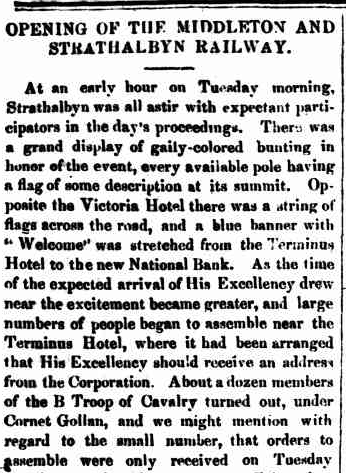
Above: part of an article from the Southern Argus, Sat 27 Feb 1869. Image c/o Trove
Below is an excellent video on the history of the Victor Harbor line.
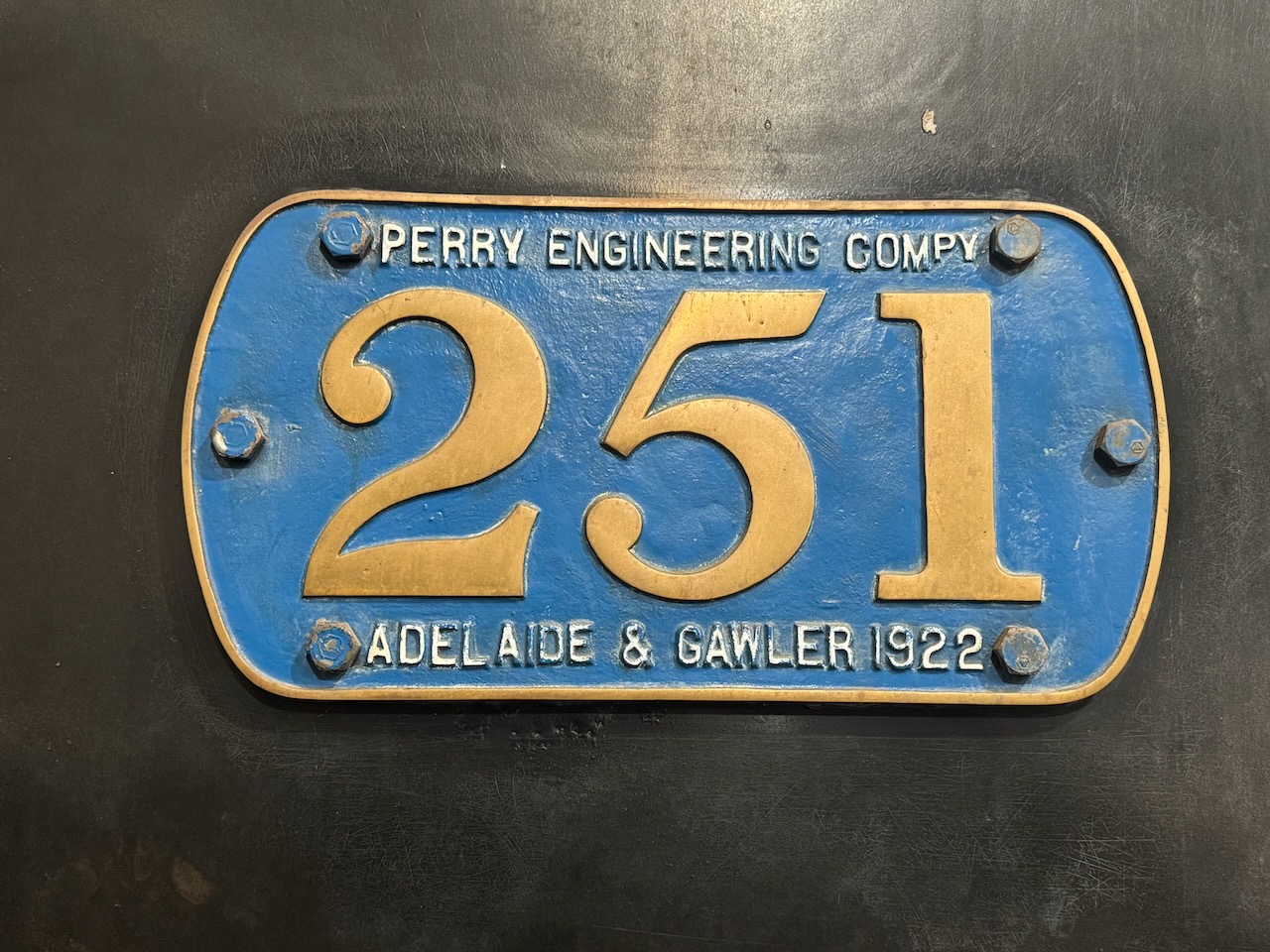
One of the trains is a South Australian Railways F class no. 251. This particular engine resonated with me, as it was built by Perry Engineering of Mile End. I did a major assignment on Perry Engineering whilst I was in High School and received an A+.
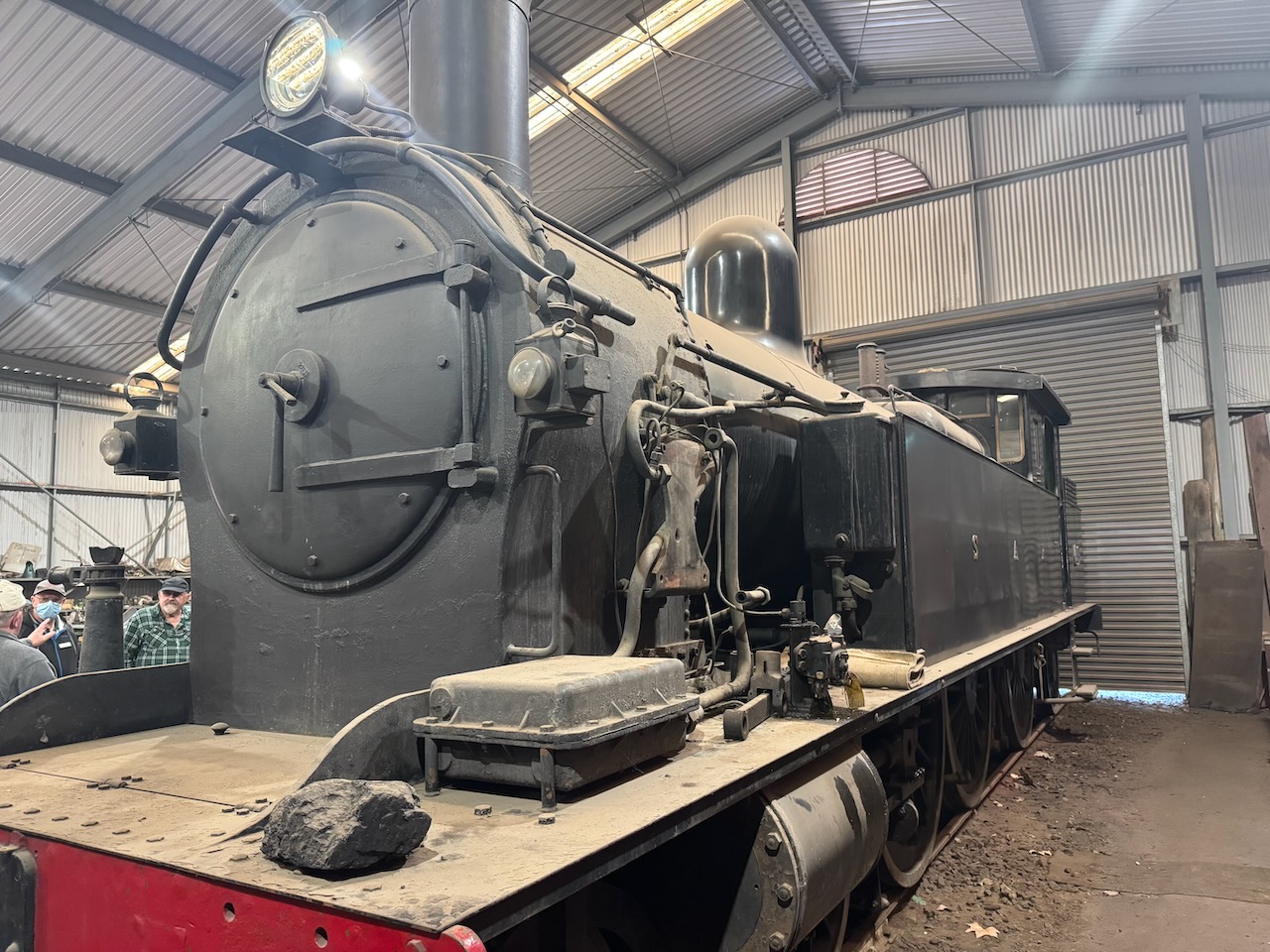
The F class steam locomotive hauled most of Adelaide’s suburban passenger trains from 1902, when it was introduced. A total of 43 were produced, with 21 being built at Islington Workshops, 12 at James Martin & Co, and 10 at Perry Engineering. (Wikipedia 2025)
Steamranger’s F class no. 251 entered service in 1922 and was condemned in July 1962 by the South Australian Railways, having travelled 877,000 miles in service. (Australiansteam.com 2025)
Perry Engineering was the business of Samuel ‘Sam’ Perry. He was born in 1864 in Shropshire, England. Early on, he became associated with the iron and steel industry, obtaining an apprenticeship with the Coalbrookdale Company. At age 22, he emigrated to South Australia in 1887. He married Mary Jane ‘Polly’ Rofe in 1894. Perry died in 1930 aged 65 years, and is buried at the Payneham Cemetery, South Australia. (Trove 2025)
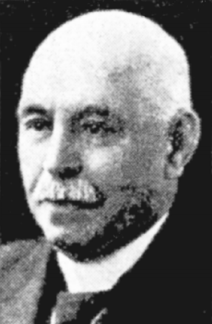
Above: Samuel Perry. Image c/o Chronicle, Adelaide, Thu 27 Mar 1930 (Trove).
The following was reported in his obituary in the Chronicle in 1930:
“The death of Mr. Samuel Perry which occurred at Ru Rua Hospital at the age of 65, removes from South Australia business and manufacturing circles another of those sturdy men who by sheer strength of will and force of character have climbed from the botom rung of the ladder to a position of prominence, in which the respect and esteem of a large number of fellow citizens have been won.” (Trove 2025)
Perry Engineering can trace its history back to 1899 when Samuel Perry purchased the Tubal Cain Ironworks on Hindley Street. Perry also had a property on North Terrace where he established a bridge and girder factory. In c. 1911, he purchased land at Mile End and established a factory there, which by 1916 was known as Perry Engineering. (Trove 2025)
In 1915, Perry purchased the James Martin & Co. Phoenix Foundry works in Gawler, where locomotives had been produced. (Trove 2025)
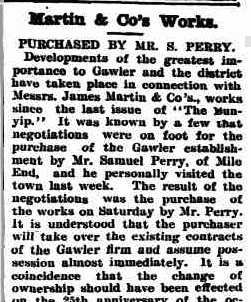
Above: part of an article from the Bunyip, Gawler, Fri 16 Apr 1915. Image c/o Trove.
The Perry Engineering site at Mile End covered an area of 15 acres. (Trove 2025)
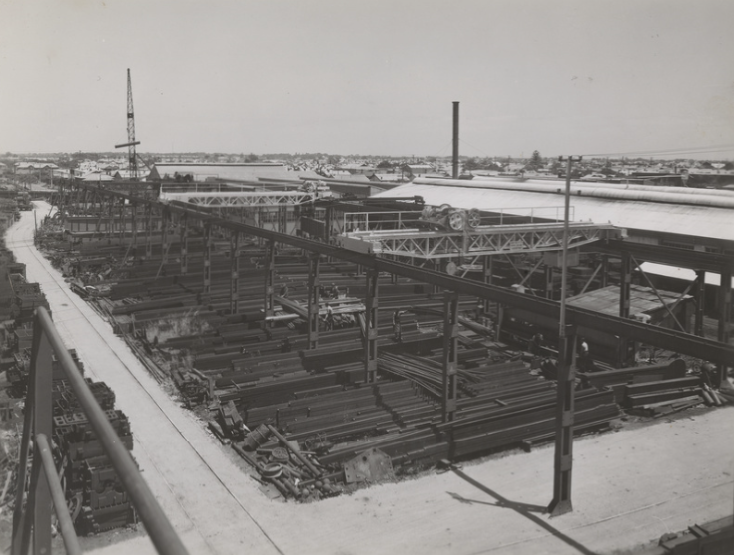
Above: the steel yards at Perry Engineering, c. 1925. Image c/o State Library South Australia [B 14460]
Perry Engineering constructed locomotives for the Commonwealth Railways, South Australian Railways and Tasmanian Government Railways. The company also built locomotives for Queensland sugar cane line operators and for the Victorian State Rivers & Water Supply Commission to use on the construction of the Hume Weir. (Wikipedia 2025)
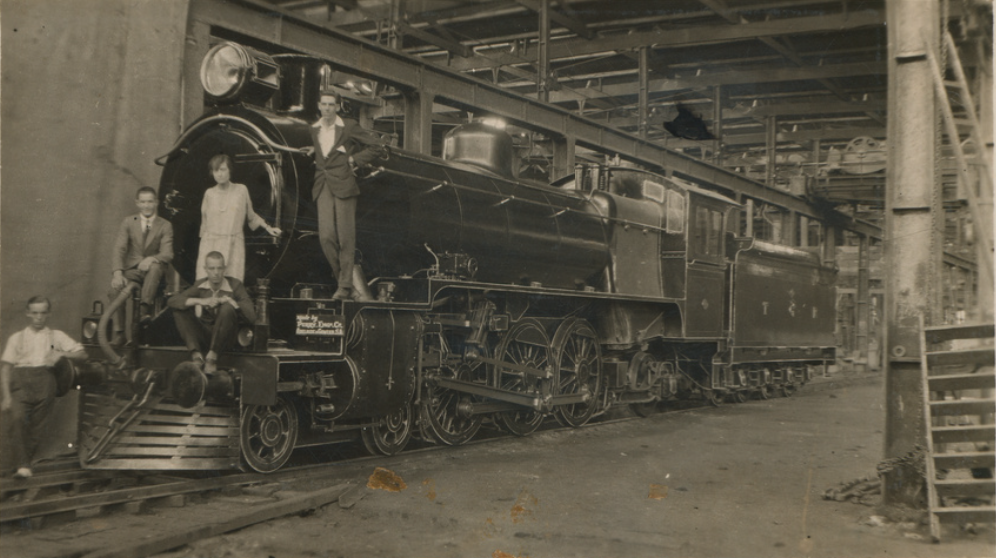
Above: A steam locomotive built by Perry Engineering. Image c/o State Library South Australia [B 14460]
During the Second World War, the majority of the factory was converted to manufacture munitions and other defence equipment, including the Ferret Scout Car. By the 1950s, Perry Engineering was manufacturing mechanical presses for Chrysler, Ford, and Holden. (Wikipedia 2025)
The Perry Engineering Mile End workshop closed in 1969. In 2001, the majority of the buildings on the old site were demolished to make way for the construction of the Mile End Homemaker Centre. (Wikipedia 2025)
The other place where trains were once produced also fascinates me. As a child, I would travel past there on a regular basis with my parents, and I always sat up in the car to take notice of what was going on there. Where am I talking about? The Islington Railway workshops in the western suburbs of Adelaide.
The workshops are still in operation today, but are a shadow of their former self. They were established in the early 1880s and were well known for their construction and maintenance of locomotives, carriages and wagons. (Wikipedia 2025)
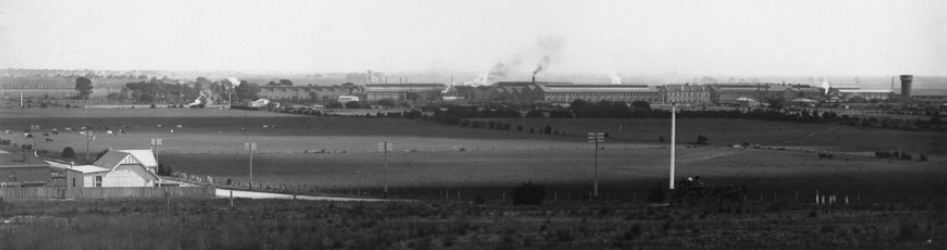
Above: Islington Railway Workshops. c. 1927. Image c/o State Library South Australia [B 4403]
The South Australian Railways workshops were originally located at the Adelaide Railway Station on North Terrace and were moved to Islington due to insufficient space.
The Islington Railway Workshops constructed several locomotives used by the South Australian Railways, including R class steam locomotives, T class steam locomotives, 620 class steam locomotives, Redhen railcars, and Brill railcars. (Wikipedia 2025)
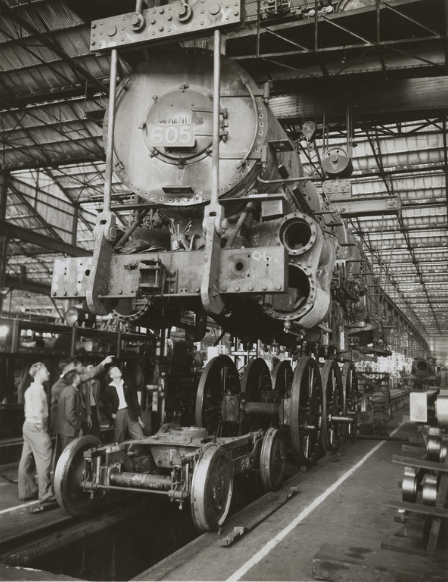
Above: A 600 class locomotive at Isington, c. 1933. Image c/o State Library South Australia [PRG 341/66/1]
Steamranger has some R-class locomotives and Red Hens.

Above: R class, no. 224 at Steamranger.
From about 2014, much of the Islington Railway workshop land was redeveloped into the Churchill Shopping Centre, including a Coles Superstore. Fortunately, several of the historic buildings at Islington have been retained and are on the South Australian State Heritage List. This includes the chief mechanical engineer’s office, built in 1891, the apprentice school, built in 1882, and the foundry, built in 1892. (Adelaide AZ 2025)
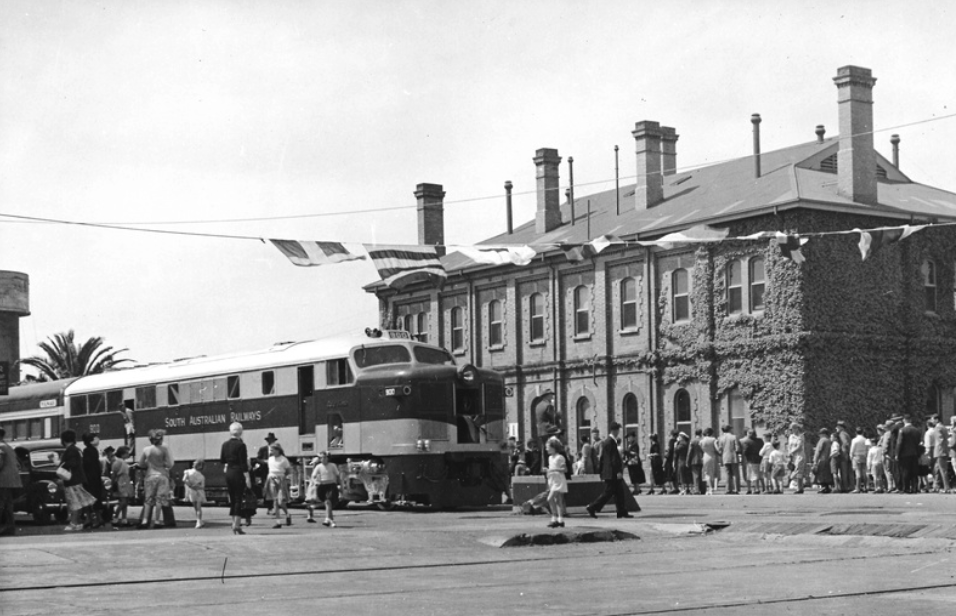
A diesel locomotive at Islington, c. 1951. Image c/o State Library South Australia [B 58892/280]
This post has prompted me to head down to Islington in the next few weeks to photograph some of the old surviving buildings.
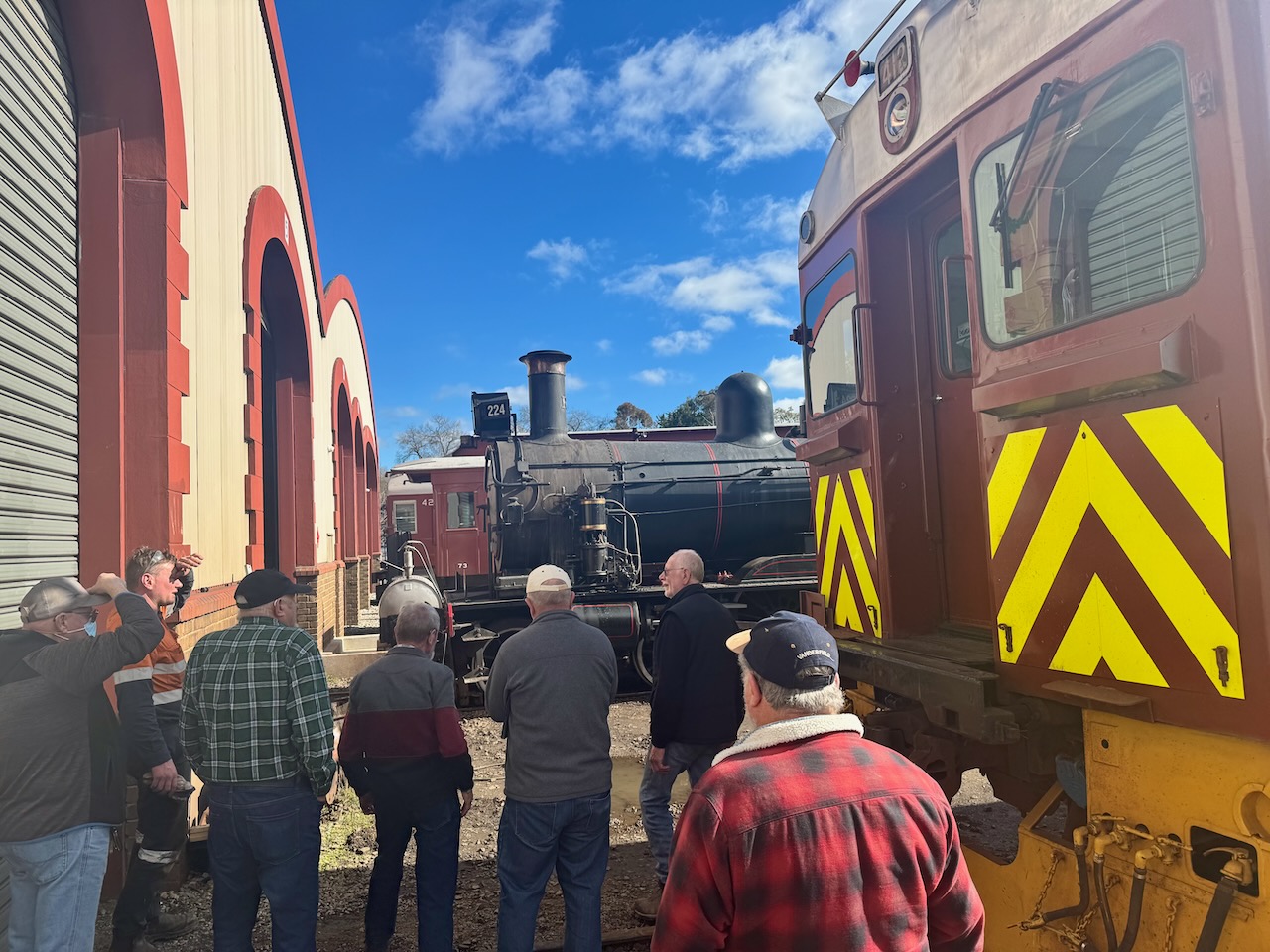
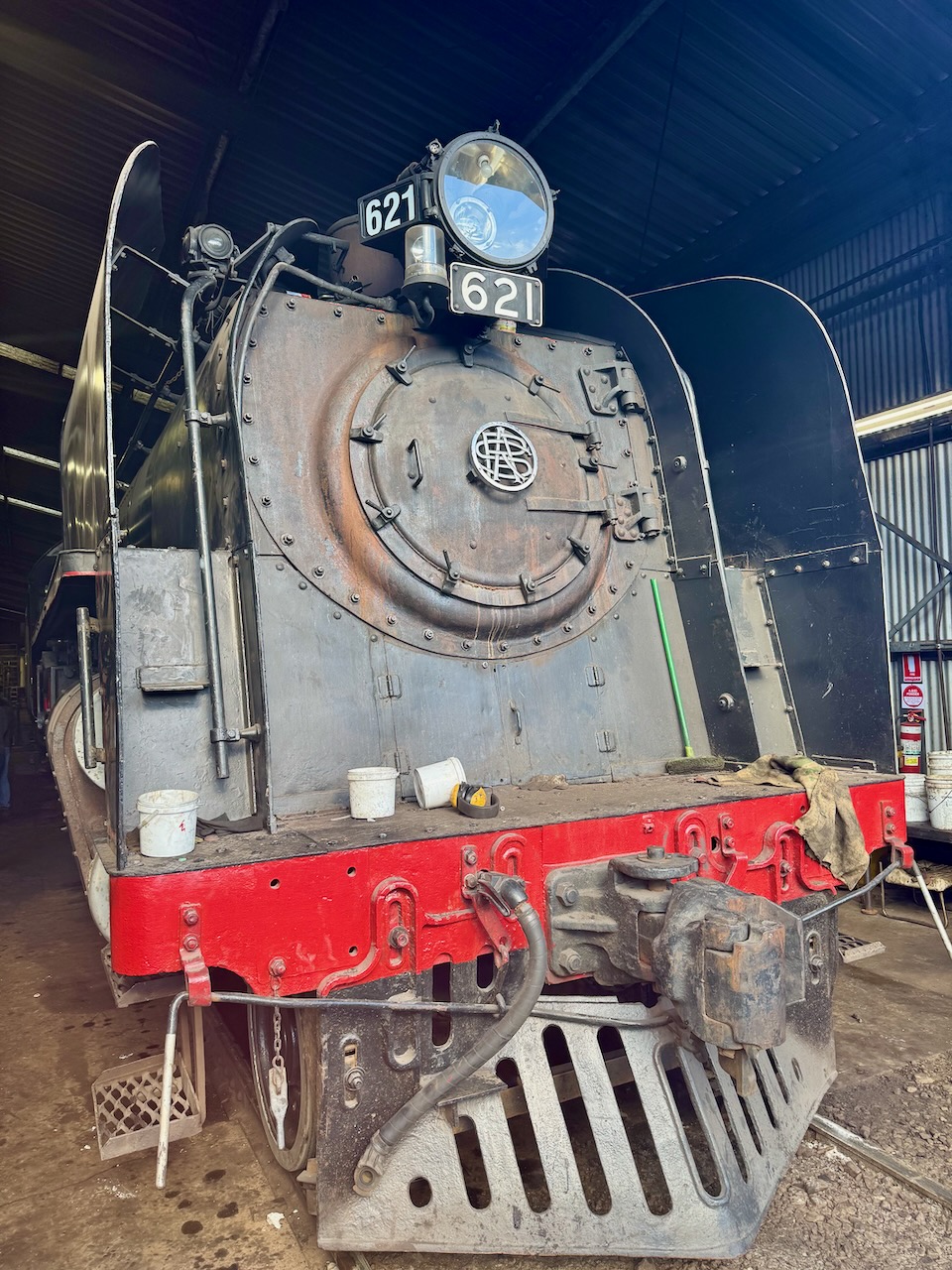
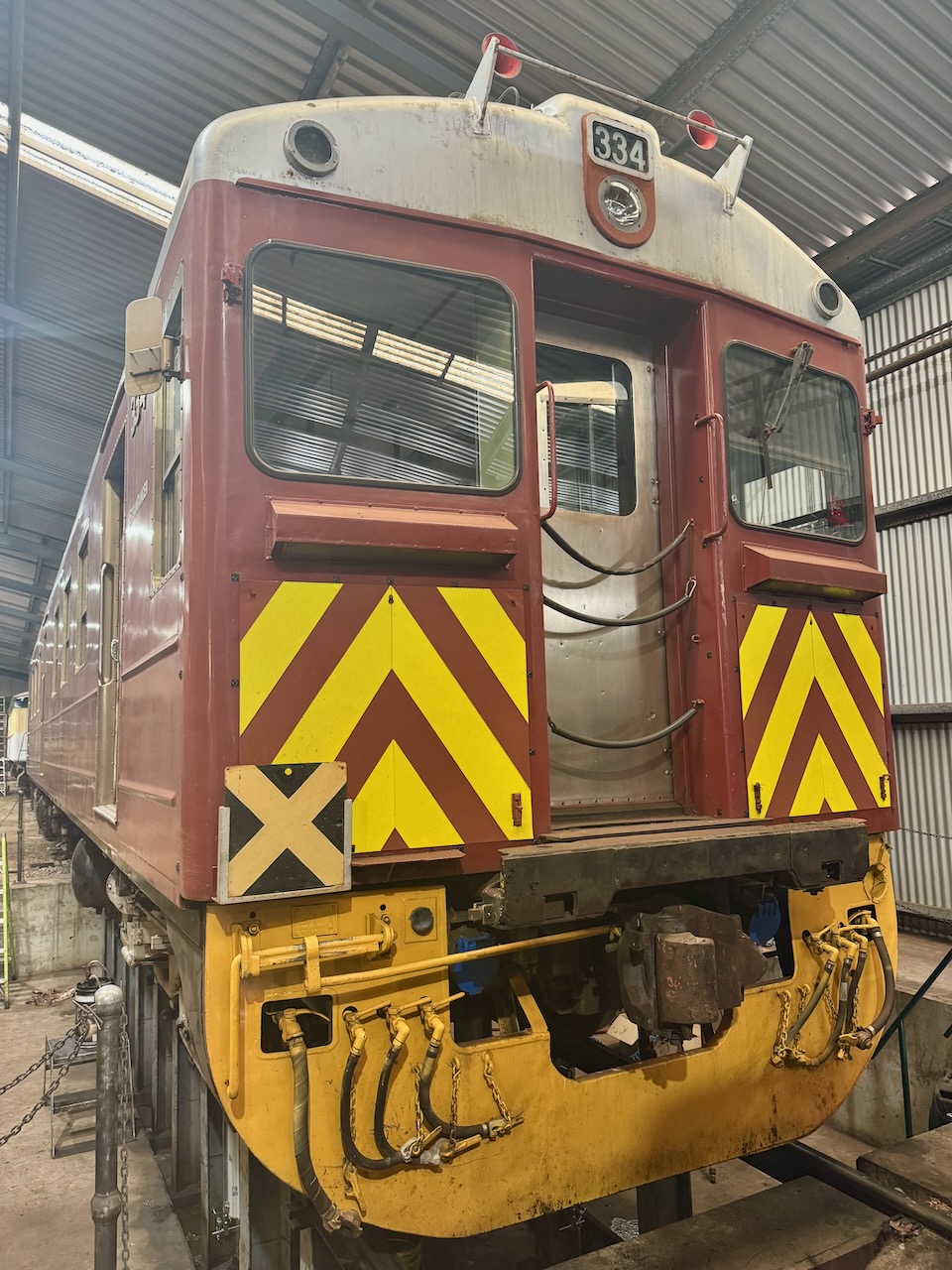
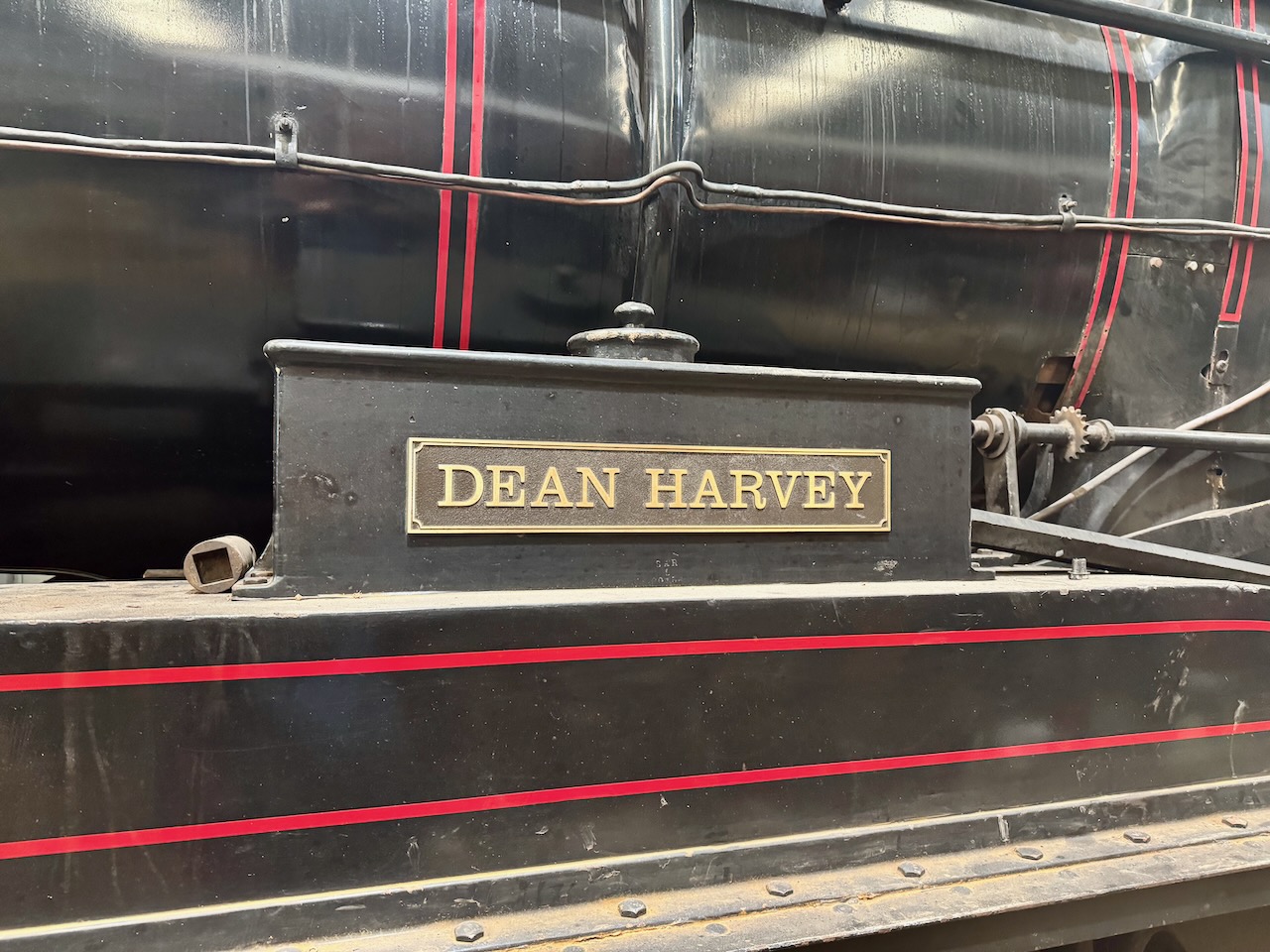
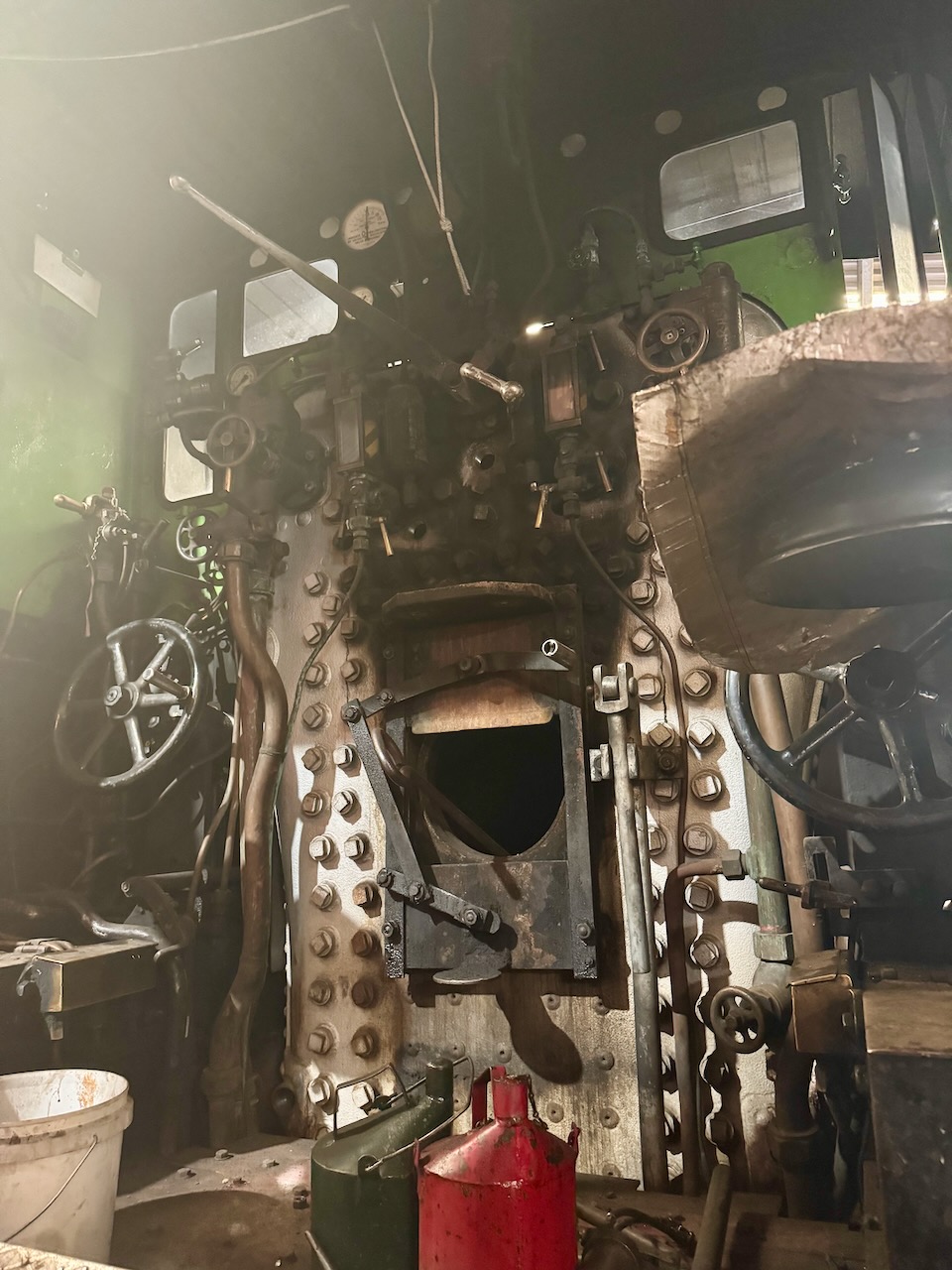
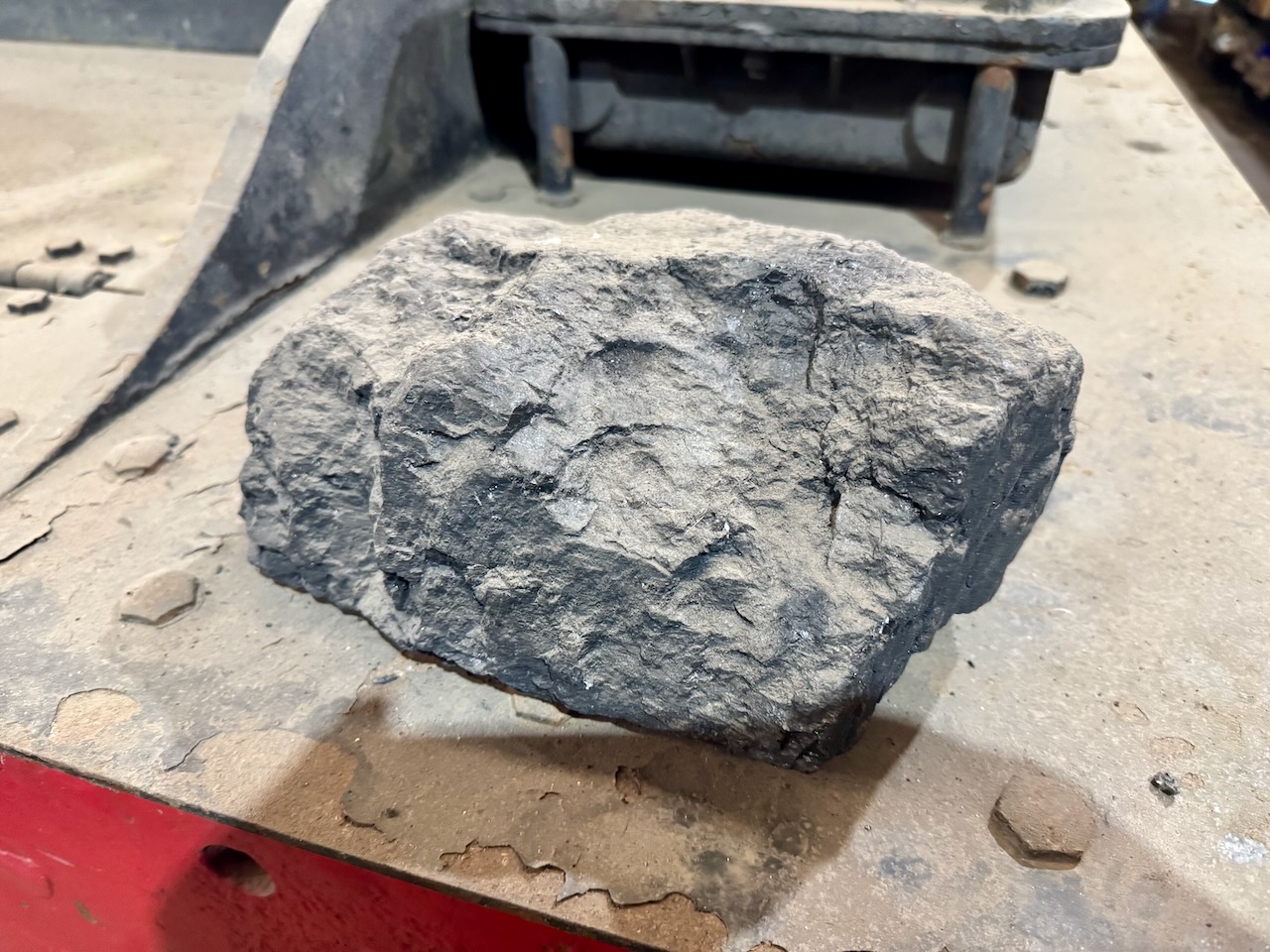
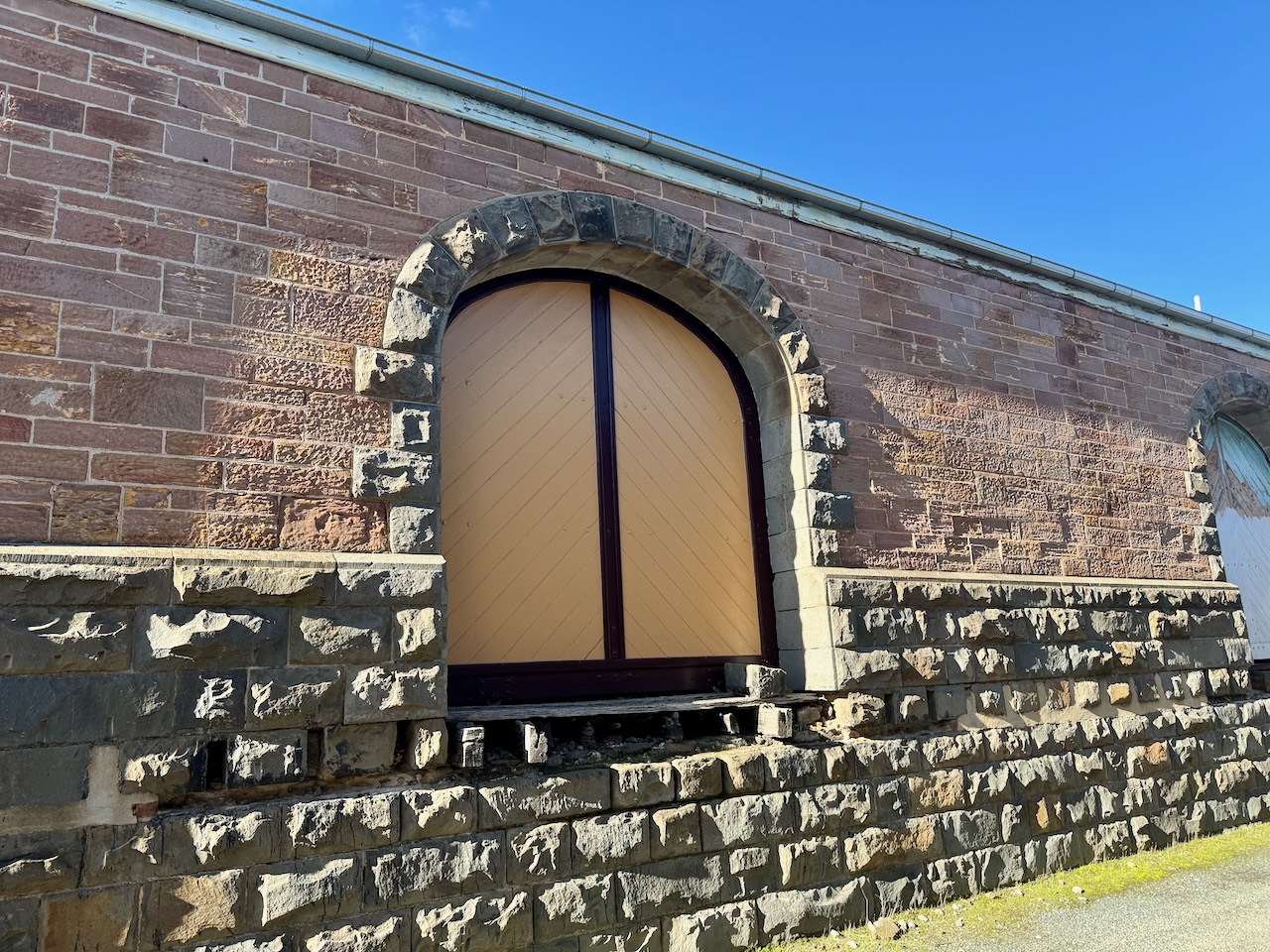
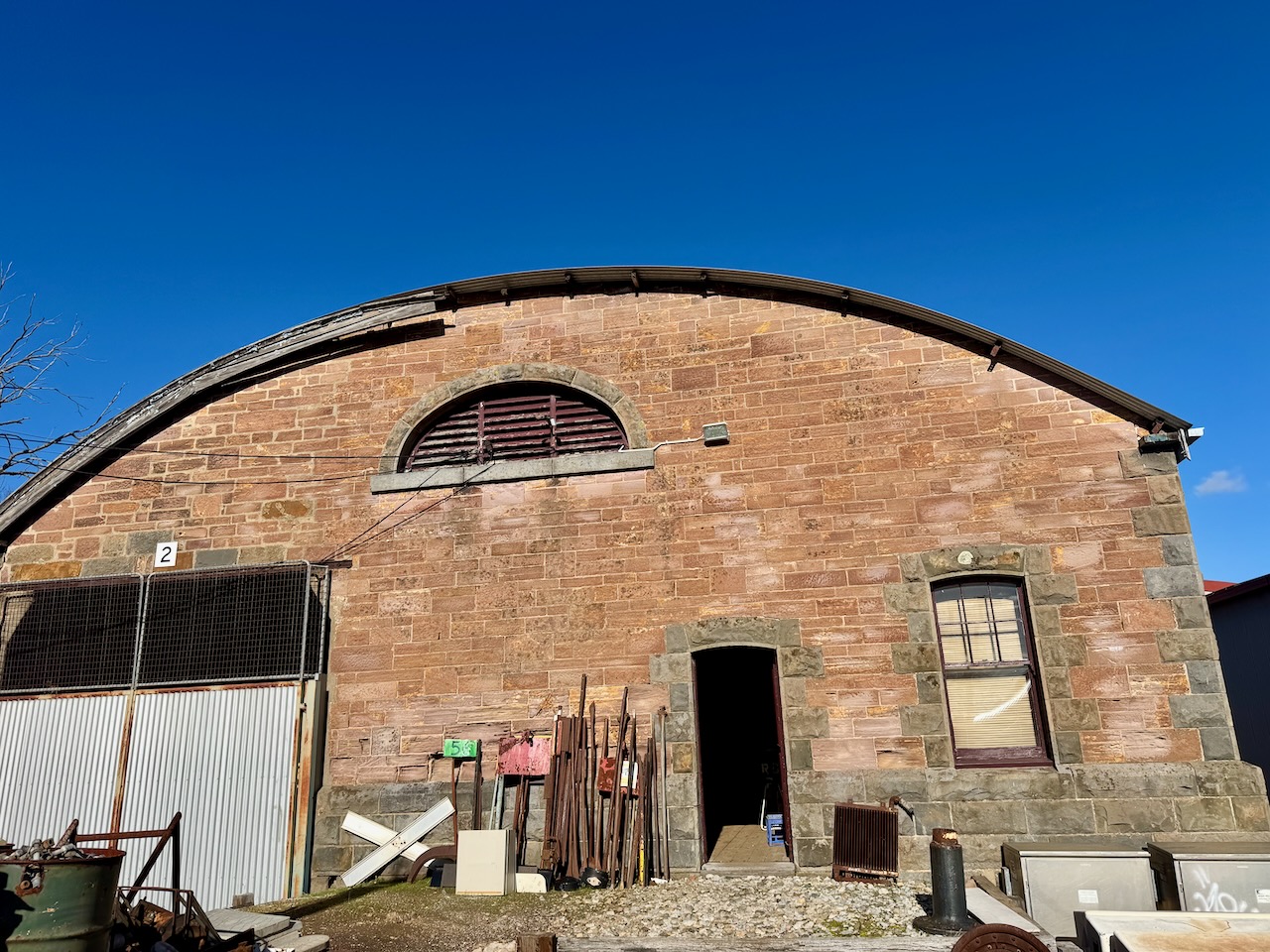
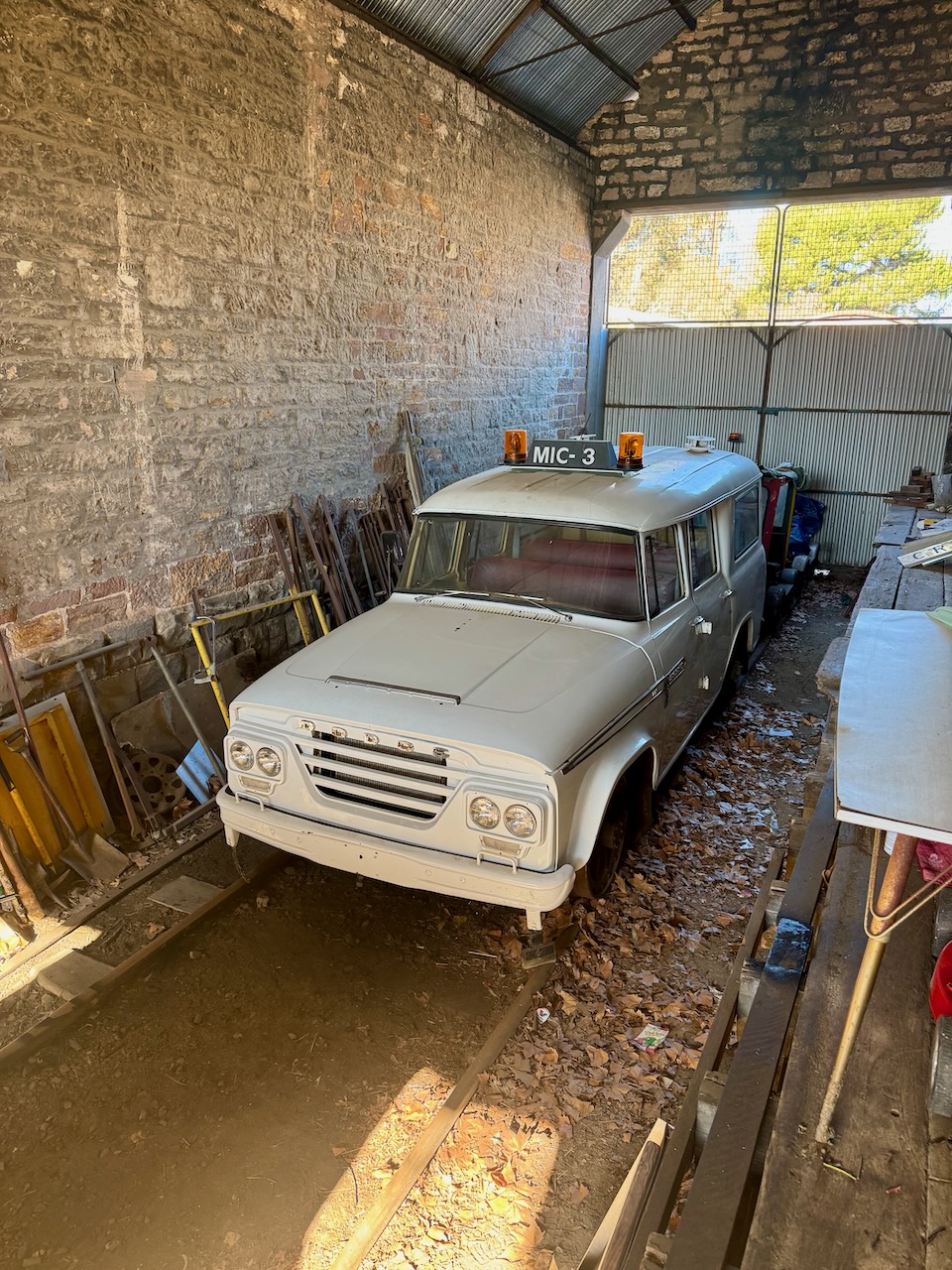
Below are some photos from our visit to Steamranger. Thanks to Peter VK5PET for organising the day.








References.
- Adelaide AZ. (2025). Heritage listings and Jack Watkins Reserve remember Islington workshops community in Adelaide’s northwest | Adelaide AZ. [online] Available at: https://adelaideaz.com/articles/islington-rail-workshops-community-in-adelaide-s-northwest-remembered-by-heritage-listings-and-jack-watkins-reserve [Accessed 15 Aug. 2025].
- Australiansteam.com. (2025). Preserved Steam Locomotives Down Under – F251. [online] Available at: http://www.australiansteam.com/F251.htm [Accessed 15 Aug. 2025].
- SteamRanger Heritage Railway. (2023). Welcome to South Australia’s SteamRanger Heritage Railway. [online] Available at: https://www.steamrangerheritagerailway.org/. [Accessed 15 Aug. 2025].
- Trove. (2025). Obituary. – MR. S. PERRY PROMINENT IRON MASTER – Chronicle (Adelaide, SA : 1895 – 1954) – 27 Mar 1930. [online] Available at: https://trove.nla.gov.au/newspaper/article/90103723?searchTerm=samuel%20perry [Accessed 15 Aug. 2025].
- Wikipedia. (2023). Islington Railway Workshops. [online] Available at: https://en.wikipedia.org/wiki/Islington_Railway_Workshops. [Accessed 15 Aug. 2025].
- Wikipedia Contributors (2025). SteamRanger Heritage Railway. Wikipedia.
 VK5PAS