
Our next activation for Thursday, 23rd October 2025, was the Junee silo VK-JNE2, for the Silos On The Air (SiOTA) program.
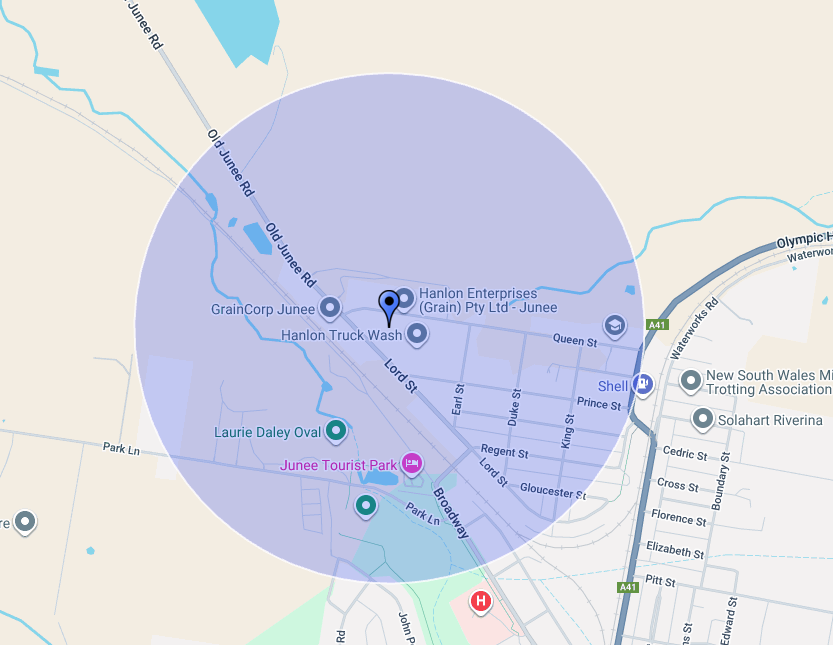
Junee is located in the Riverina region of New South Wales, about 432 km southwest of the city of Sydney.
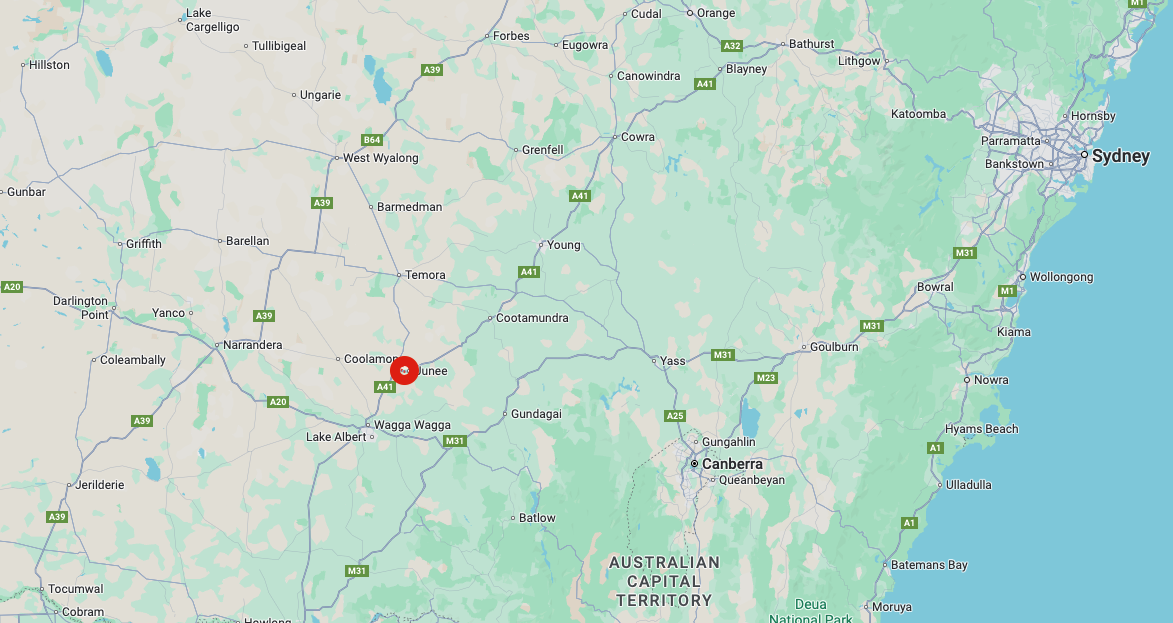
Above: Map showing the location of Junee, NSW. Map c/o Google Maps
The exact origin of the name Junee is unknown. Some suggest that it derives from the Aboriginal word Jewnee, which means ‘speak to me’. Another theory is that it originates from the Aboriginal word Choo-nee, meaning ‘frog.’ (Trove 2025) (Trove 2026)
The traditional people of the Junee district are the Wiradjuri Aboriginal people. One of the first Europeans to settle in the district was Leopold Fabius Dietegan Fane De Salis. He was born in April 1816 in Florence, Italy. He arrived in Sydney in 1840 aboard the Royal George. He acquired Darbalara station on the Murrumbidgee, where he built a public house and a station store. In 1844, he married Charlotte MacDonald. In that same year, he became a Magistrate. In 1845, he established the Jewnee pastoral run, which he held for a period of 3 years before several other squatters held the licence. Thomas Hammond and Richard Gwynne purchased the licence in 1857. In 1864, he was elected to the Legislative Assembly for Queanbeyan. In 1874, he was appointed to the Legislative Council. He died in 1898. (Anu.edu.au, 1972) (Elder 2025)
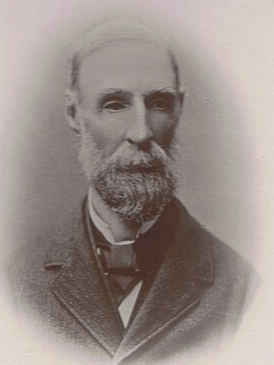
Above: Leopold De Salis. Image c/o Wikipedia
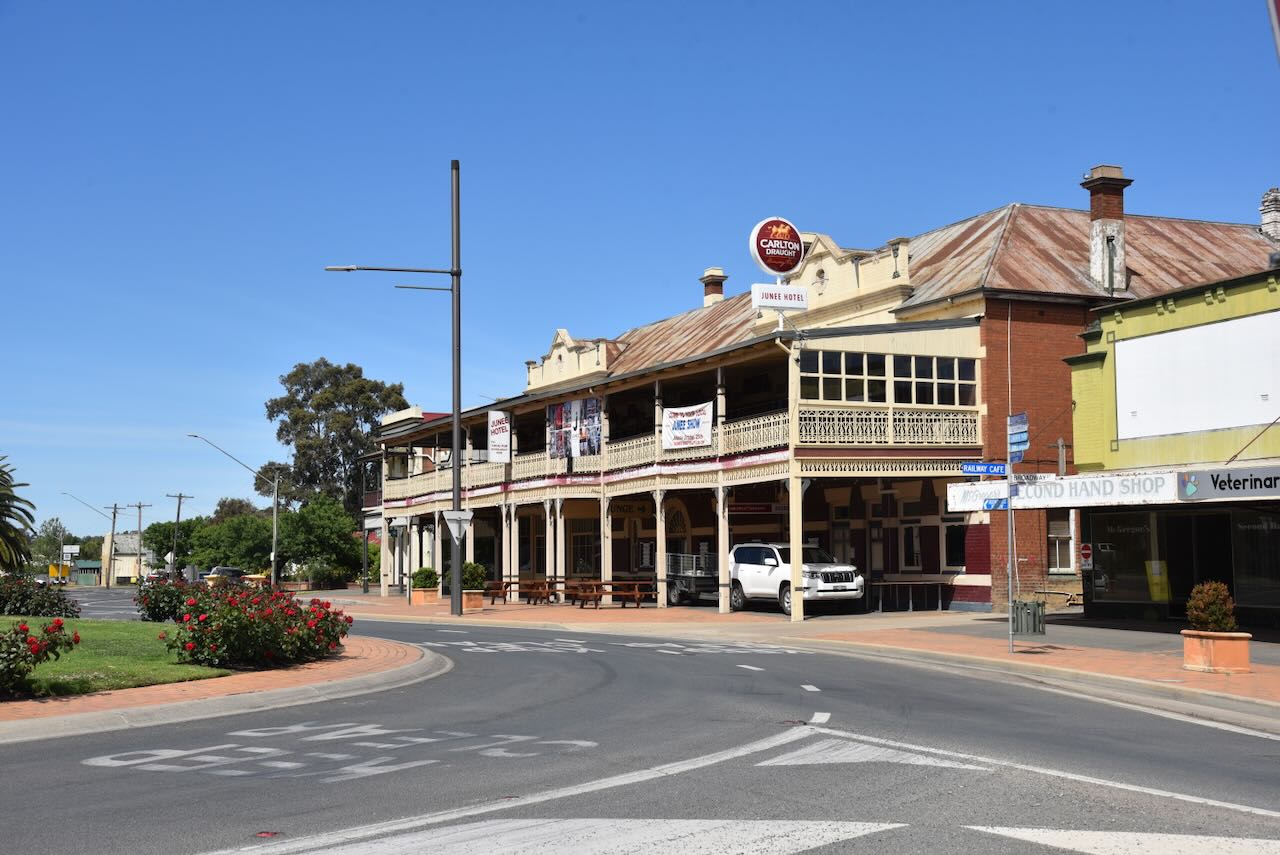
In 1861, the Jewnee Hotel was opened by James Harris. It was a stagecoach stop for people travelling between Temora, Wagga Wagga, and Cootamundra. (Elder 2025) (Junee Council 2021)
In 1862, a Post Office opened in the hotel. At this time, the population of Jewnee was just 12 people. (Elder 2025) (Junee Council 2021)
On the 28th day of April 1863, the village of Jewnee was gazetted. (Elder 2025) (Trove 2026)
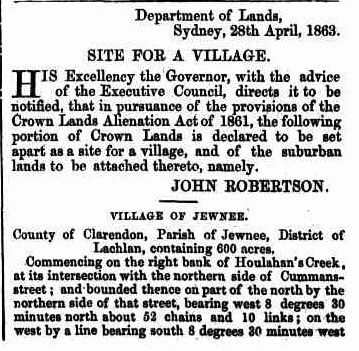
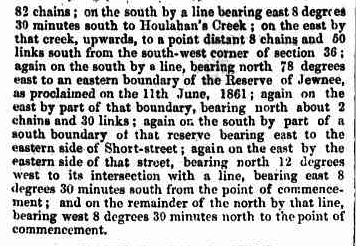
Above: NSW Govt Gazette, Tue 28 Apr 1863. Image c/o Trove
At this time, there was a significant amount of bushranger activity in the district. This included the Gardiner-Hall, who roamed the central west of the Colony of New South Wales during the 1860s. The gang was named after their leaders, Frank Gardiner and Ben Hall. The gang included John Gilbert, John Vane, John O’Meally, and Michael Burke. (Wikipedia 2025)
John Gilbert was born in c. 1842 in Hamilton, Canada West. He arrived in Australia in 1852. He joined the Ben Hall Gang and was shot dead by police in May 1865, aged just 23 years. (Wikipedia 2025)
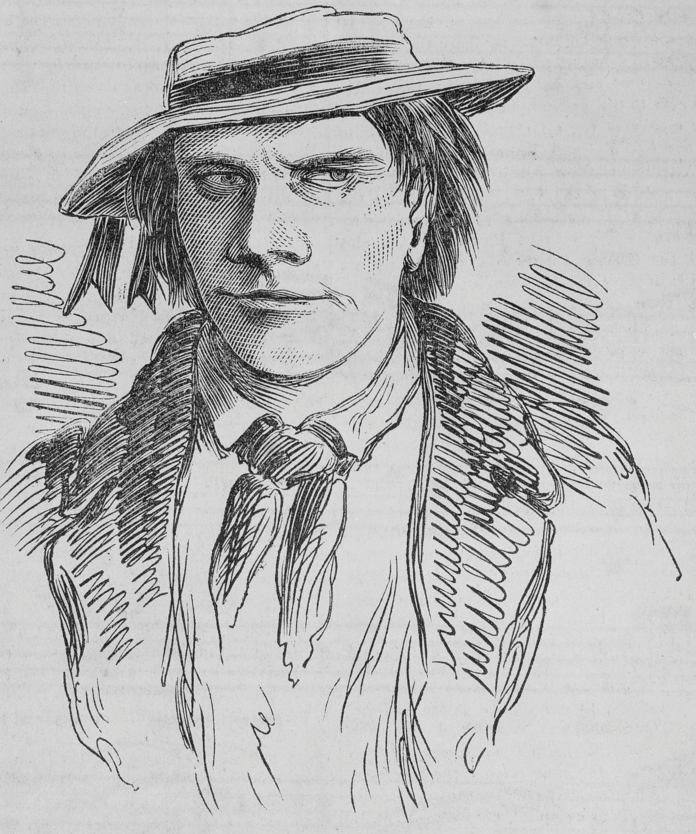
Above: John Gilbert. Image c/o Wikipedia
John Vane was born in 1842 in Jerry’s Plains, New South Wales. He was a childhood friend of the bushranger Michael Burke. Vane’s first armed robbery was committed in 1863. He died in 1906 in Cowra Hospital. (Wikipedia 2025)
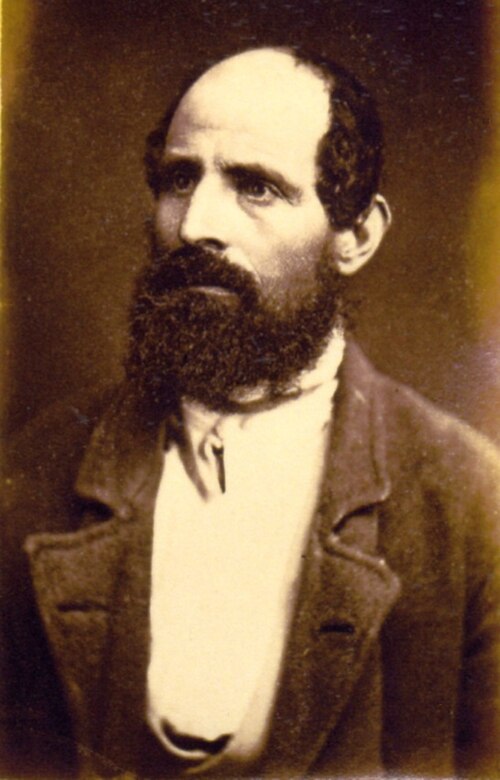
Above: John Vane, c. 1880. Image c/o WIkipedia
John ‘Jack’ O’Meally was born in June 1840 at Cunningham Creek, New South Wales. He was considered to be the most violent and hot-headed of the Gardiner-Hall gang. He was shot and killed in November 1863. (Wikipedia 2025)
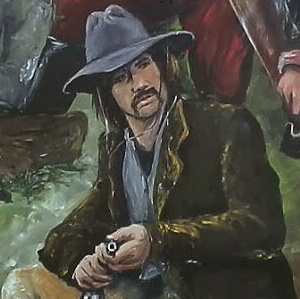
Michael Burke was born in 1843 at Fell Timber Creek, New South Wales. In October 1864, he took part in an assault on the residence of a Gold Commissioner at Dunn’s Plains. He sustained a gunshot wound during the incident and announced he would not be taken alive. He then shot himself in the head with his revolver. (Wikipedia 2025)

Above: Michael Burke. Image c/o Wikipedia
On the 8th day of July 1863, John Gilbert and John O’Meally committed a robbery on the public house & store at Junee. Whilst armed with firearms, they robbed the store of goods and money of about £50. (Trove 2025)
On the 27th day of August 1863, John Gilbert, John Vane, and another male committed a raid on Hammond’s store, while O’Meally and Burke robbed William’s Hotel. Upon leaving Junee, the gang stole two of Hammond’s horses, five packhorses and goods and cash to the value of £250. (Elder 2025) (A Guide to Australian Bushranging, 2019)
At Hammond’s store, the family were at dinner when the three bushrangers struck. They were recognised as Gilbert, Vane, and possibly Gardiner. Gilbert was described as being the ‘mouthpiece’ while the other two ransacked the rooms, taking outfits of wearing apparel, a watch, jewellery, and gunpowder. They also demanded Hammond’s horses. (Trove 2026)
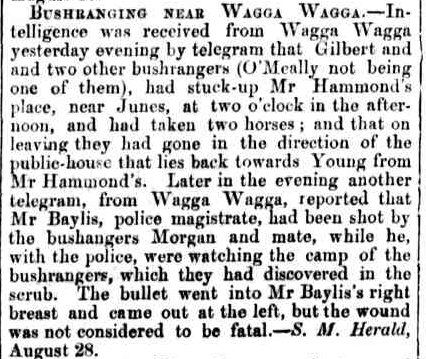
Above: article from the Mount Alexander Mail, Tue 8 Sept 1863. Image c/o Trove
In 1867, Robert Cotterell @ Bluecap and his gang robbed a hotel in Jewnee. Cotterell was born in 1847 in Sydney. He commenced bushranging in 1867 and led a gang responsible for numerous robberies throughout the Riverina region of New South Wales. Cotterell suffered from the condition of ophthalmia, an inflammation of the eyes that made him sensitive to light. He wore a piece of cloth to protect his eyes from sunlight, and as a result, he was given the alias of Bluecap. (Wikipedia 2025)
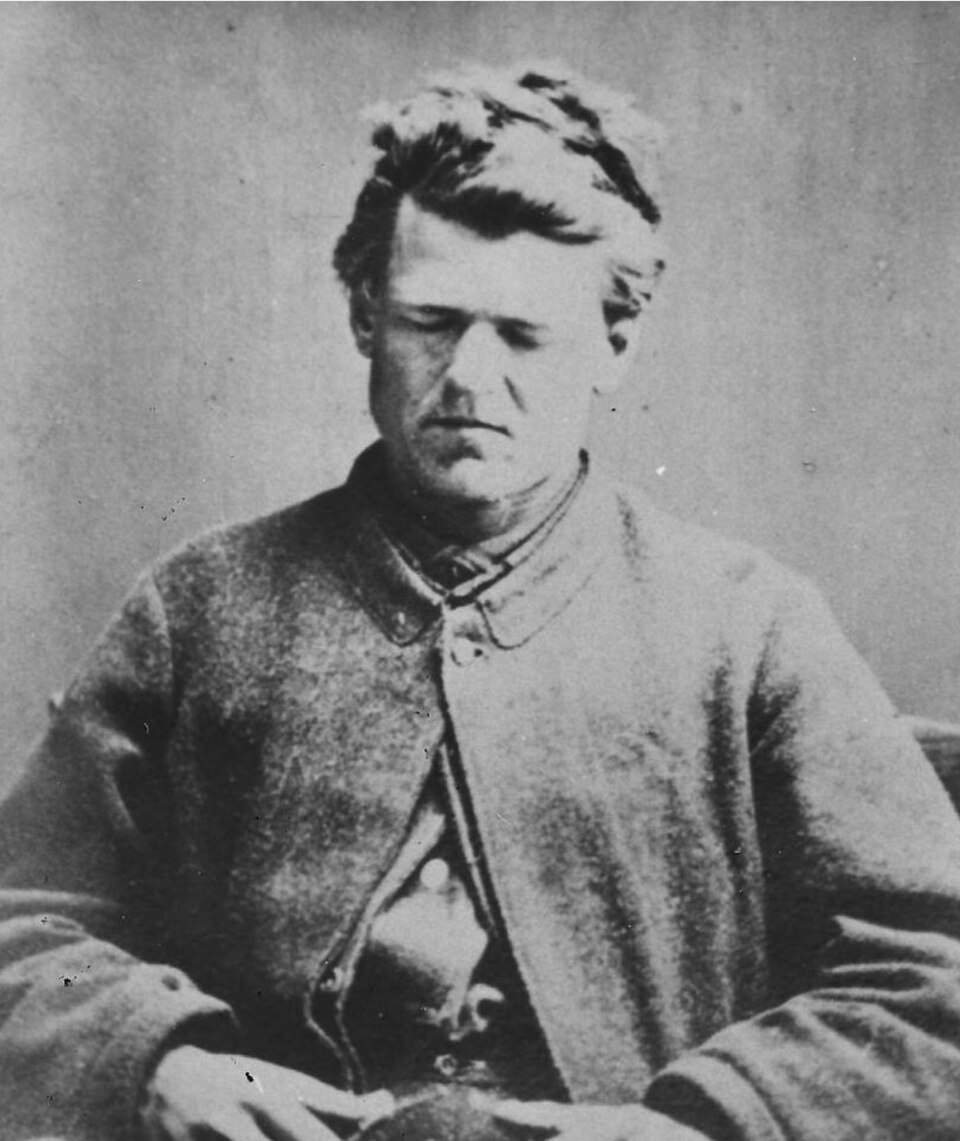
Above: Robert Cotterell @ Bluecap. Image c/o WIkipedia
By 1876, when the branch railway line reached Hay, the town of Jewnee moved to the south around the north of the Railway Station. The population of Jewnee was 20 people. However, over 200 people resided in the surrounding district. (Junee Council 2021)
By the 1880s, Jewnee had a hotel, a store, a provisional school with over thirty pupils, a private school, two churches and a post office. By 1890, the town had a butcher and a blacksmith. (Junee Council 2021)
The bushranger, Captain Moonlite and other well-known bushrangers often stopped over at the Jewnee Hotel. (Junee Council 2021)
In October 1885, the village was renamed Old Junee. (Junee Council 2021)
The Junee silos are located at the end of Lord Street on the northwestern side of Junee. It is operated by GrainCorp, which is Australia’s largest grain storage and handling company. One of its largest sites is Junee, where there is a capacity of 3000,000 tonnes of grain. The facility also receives wheat, barley and canola from local growers. (Facebook 2026)
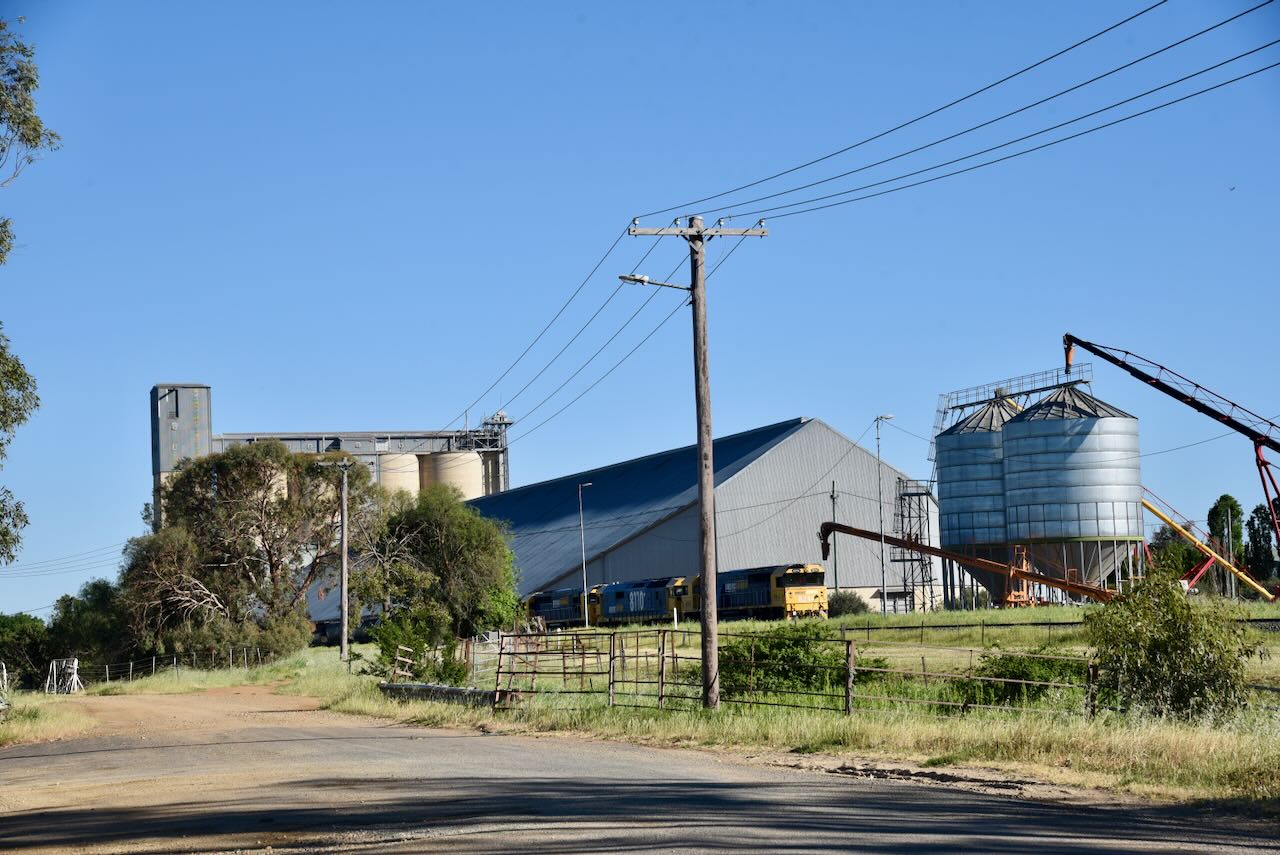
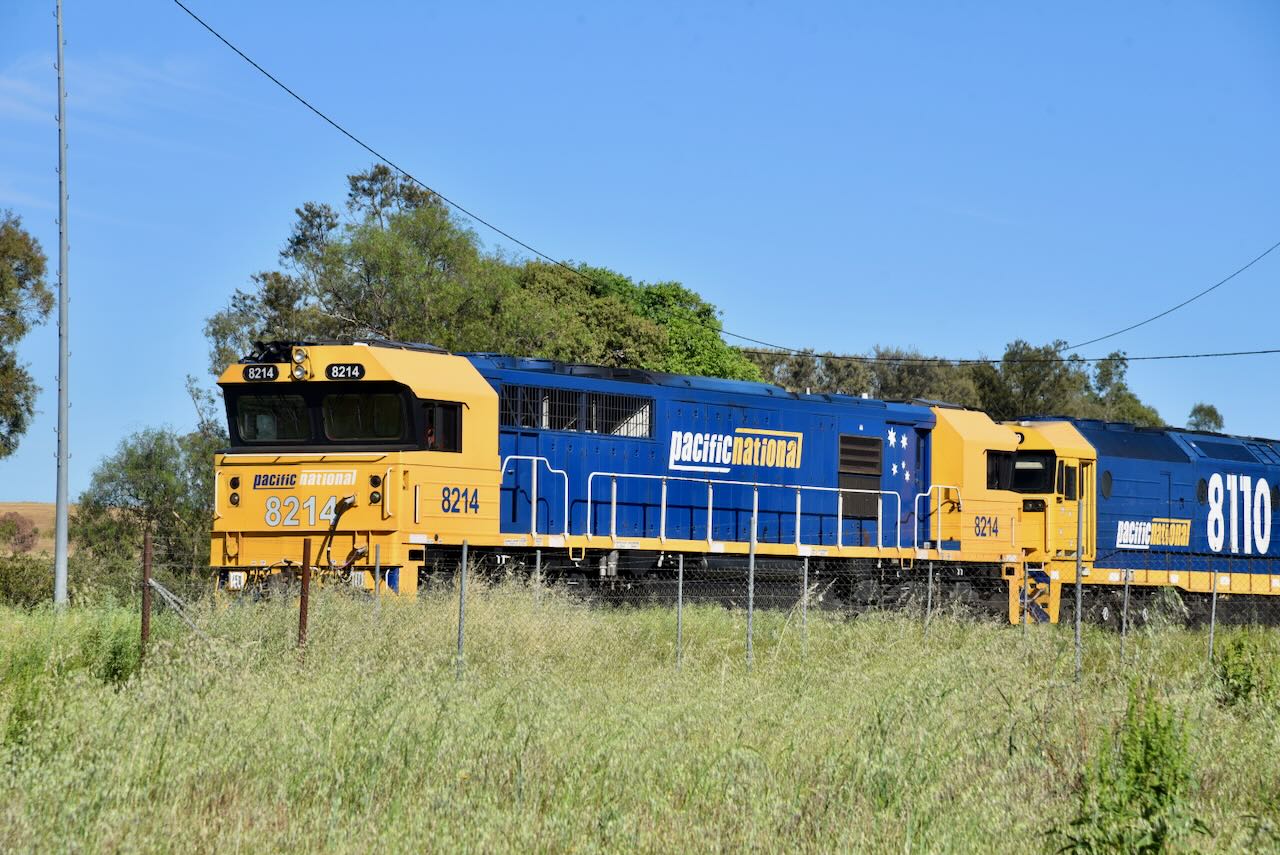
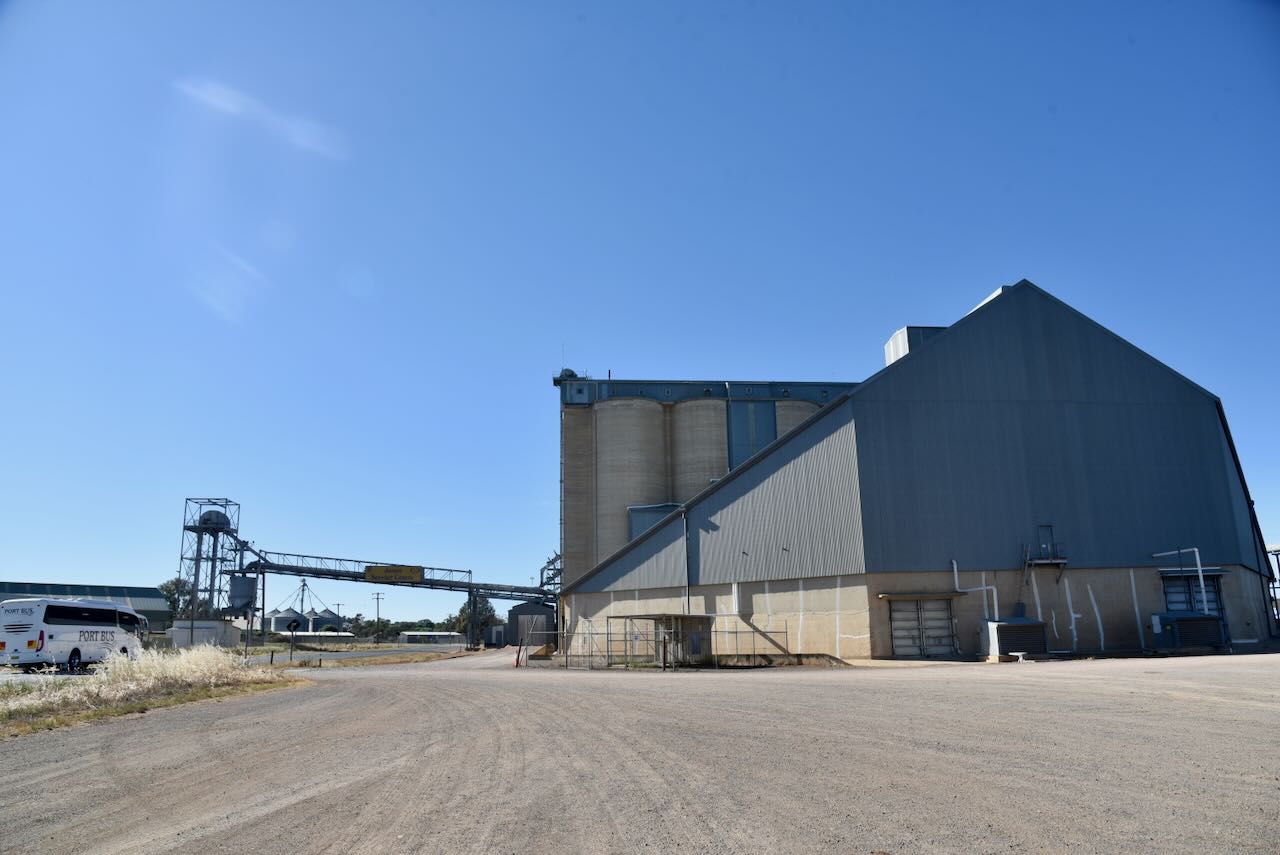
Marija and I parked at Loftus Oval on Sunnyside Road and operated from the 4WD, running the Icom IC-7000, 100 watts, and the Codan 9350 antenna with the 1.5 metre stainless steel whip.
Above: the activation zone at the Junee silos. Image c/o SiOTA website
Marija worked the following stations on 40m SSB:-
- VK1AO
- VK2MET
- VK1CHW
- VK2CHW
- VK3CLD
- VK5QA
- VK2DBF
- VK2IO
- VK2LEE
I worked the following stations on 40m SSB:-
- VK1AO
- VK2MET
- VK1CHW
- VK2CHW
- VK3CLD
- VK5QA
- VK2DBF
- VK2IO
- VK2LEE
- VK6ASK/M
- VK3PF/M
- VK2VW
- VK2HFI
- VK2AKA
- VK2BUG
- VK3CEO
- VK3VIN
- VK5NJ
- VK3TBS
- VK2HBG/M
- VK2HLM
- VK5GY
- VK2BR
- VK3WSG
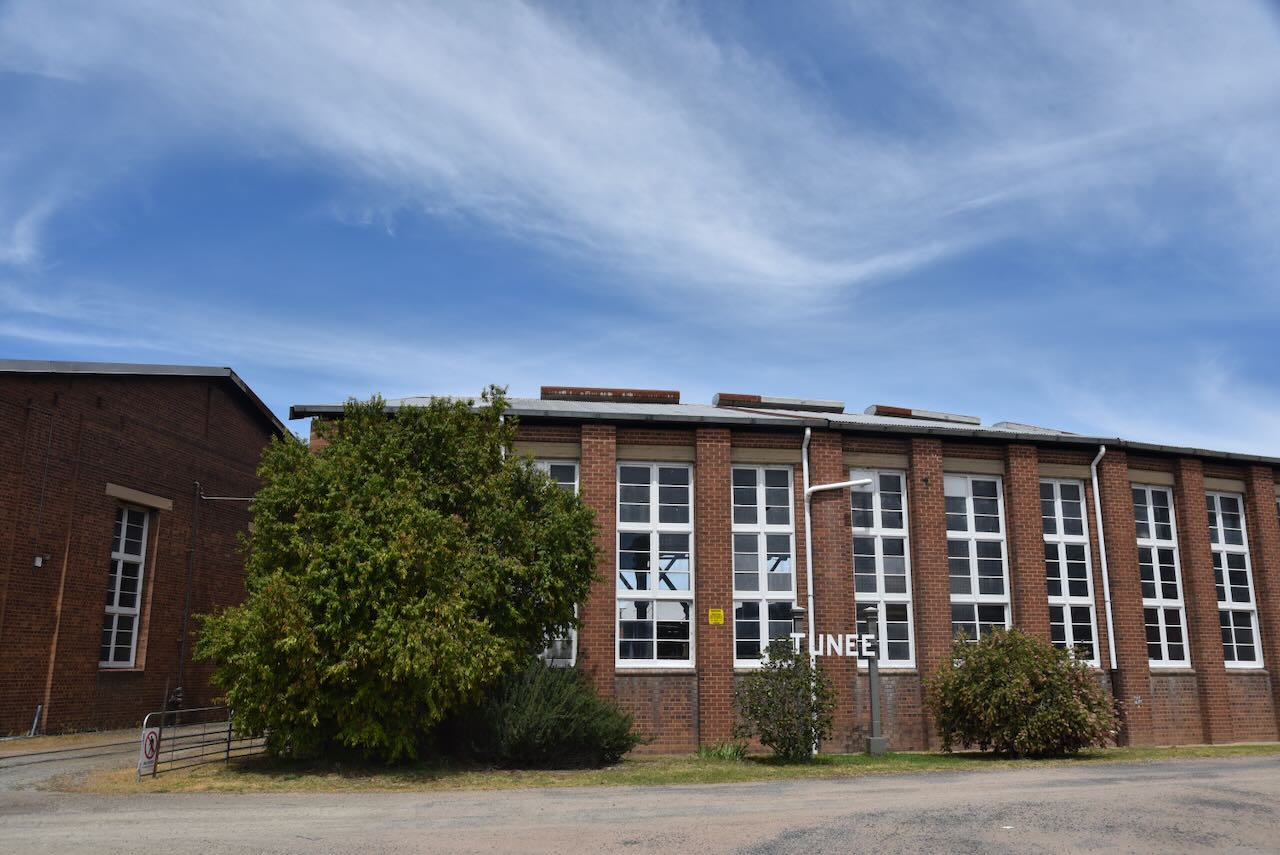
Following our silo activation, Marija and I visited the Junee Licorice & Chocolate Factory. Marija is a huge fan of licorice. The factory is located in the old Junee flour mill, which was built in 1934.
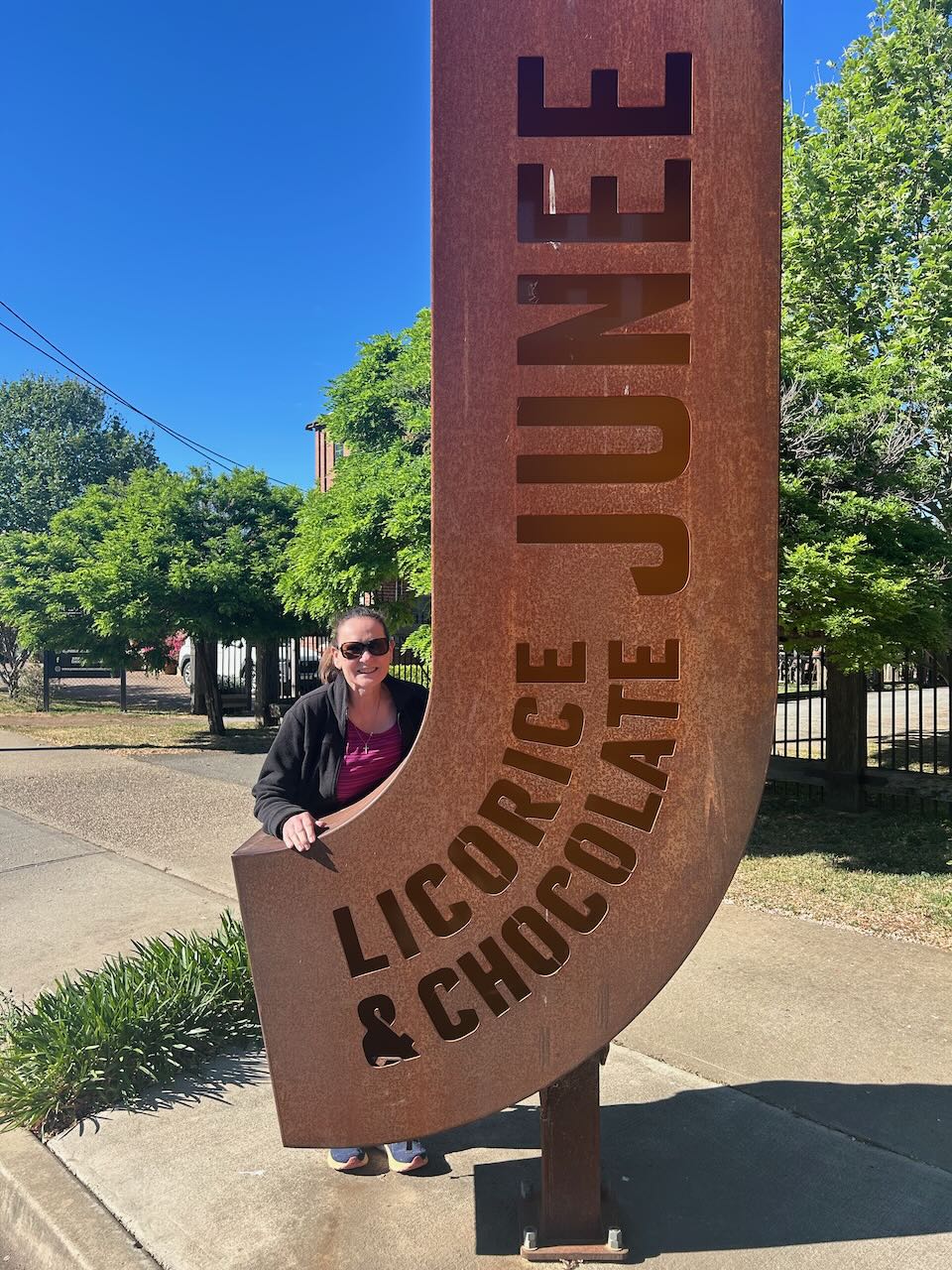
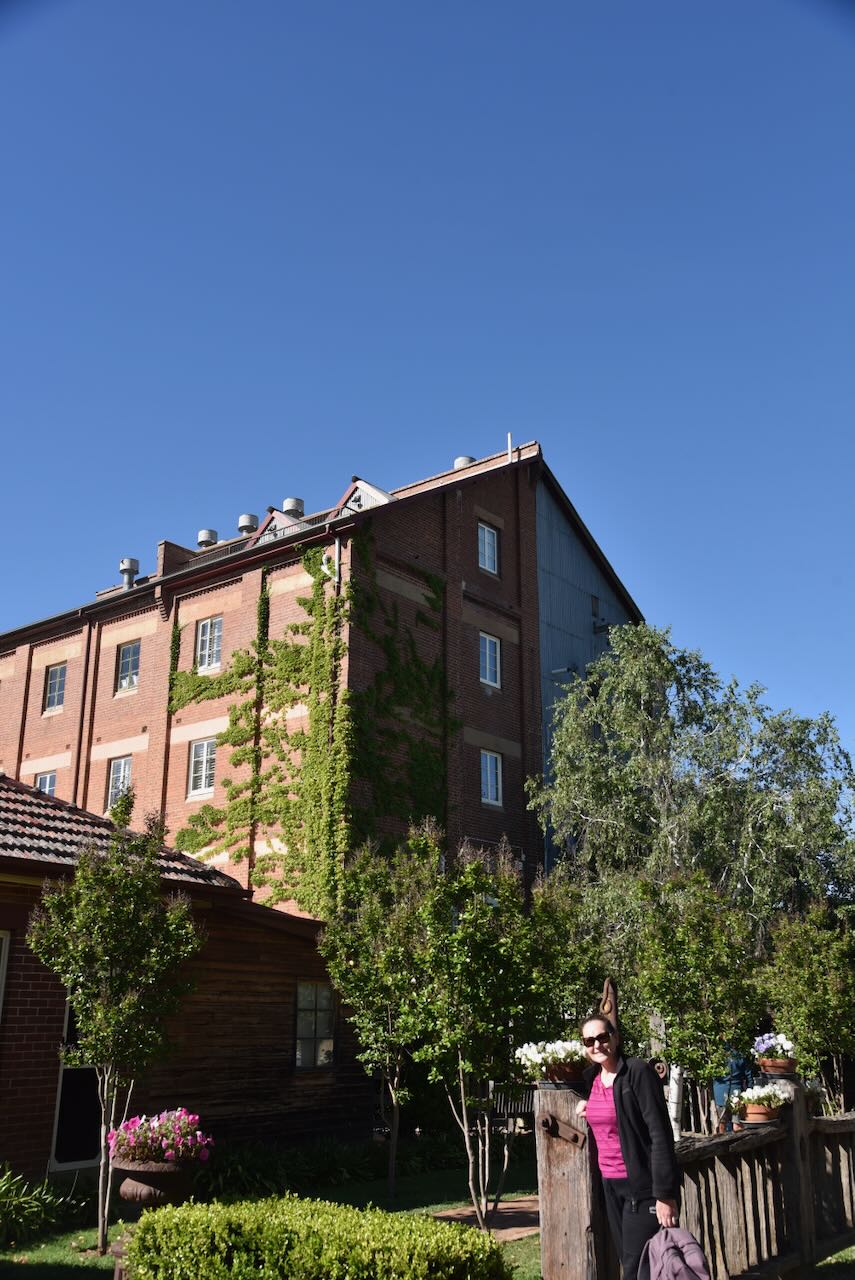
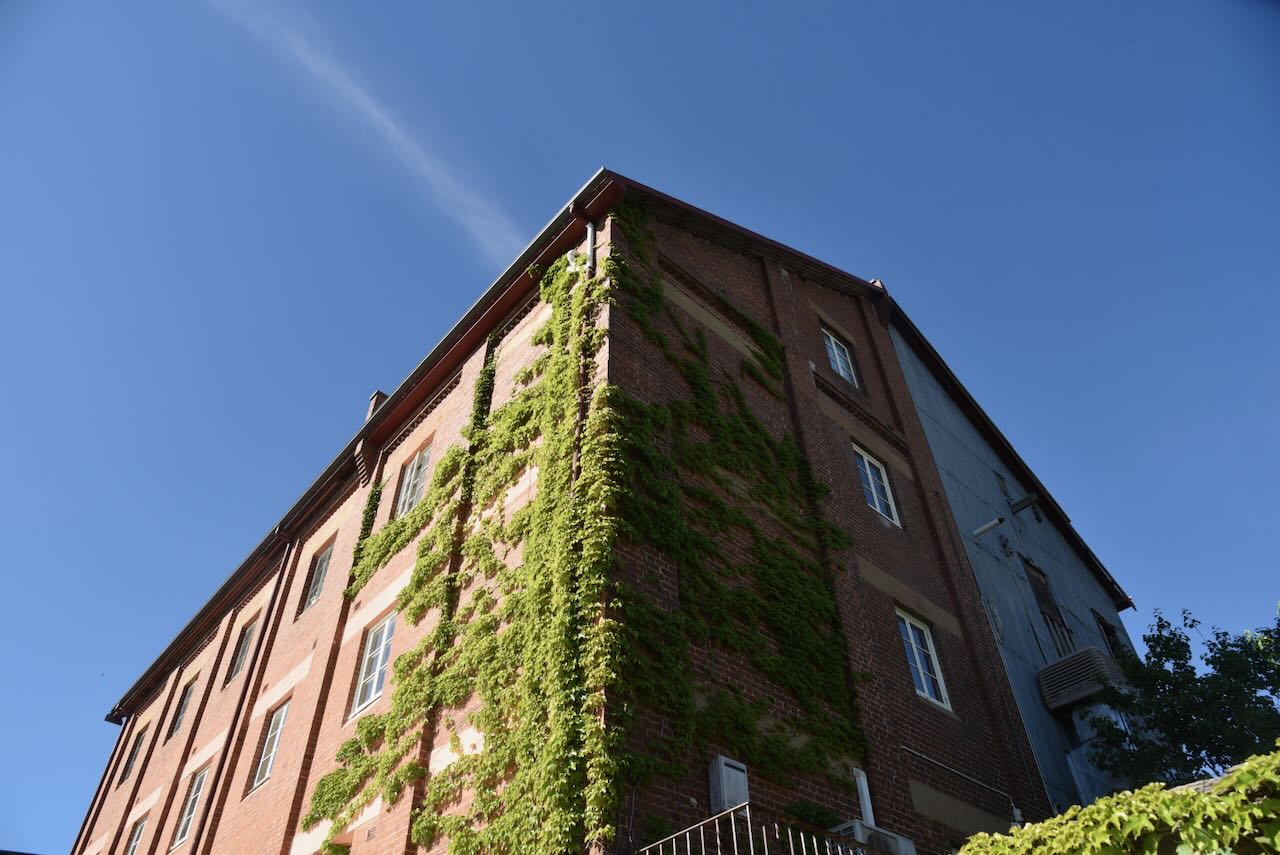
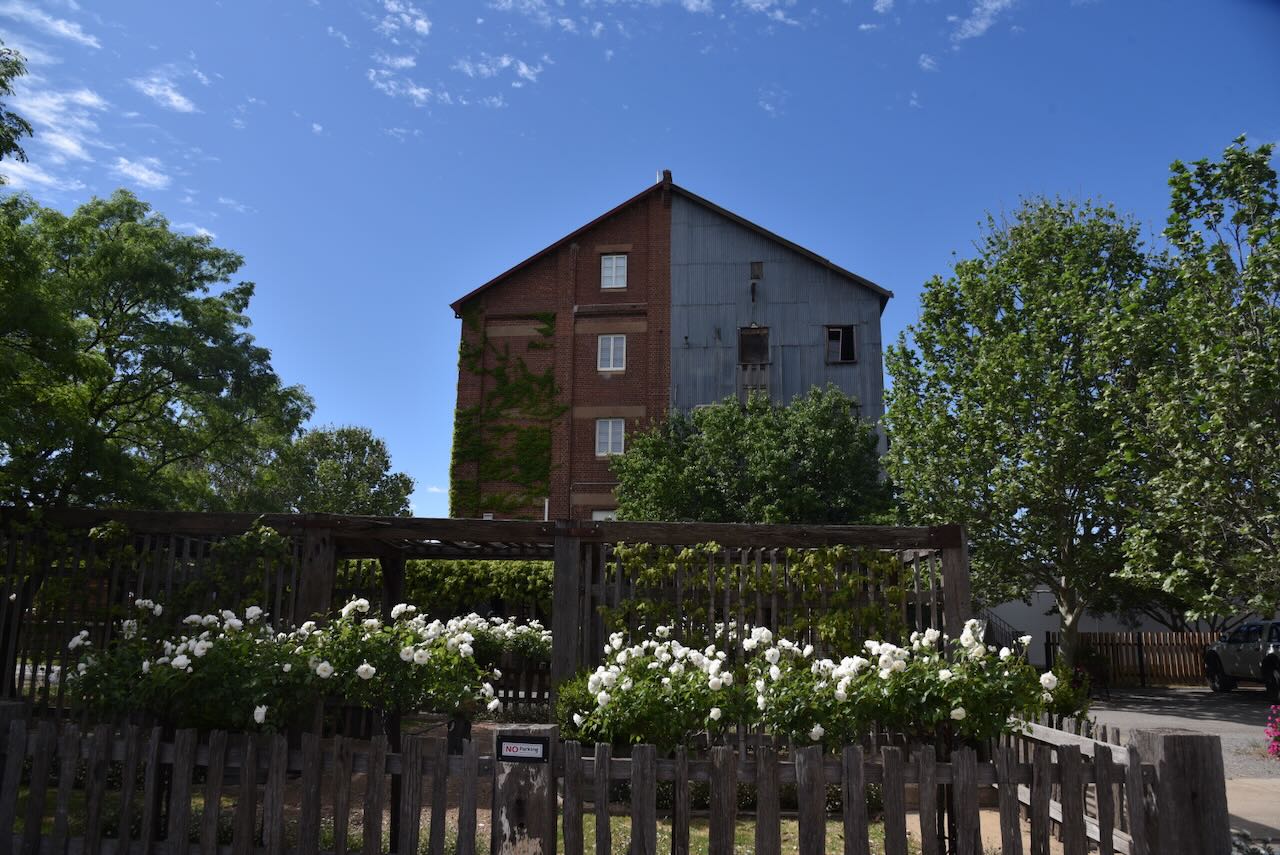
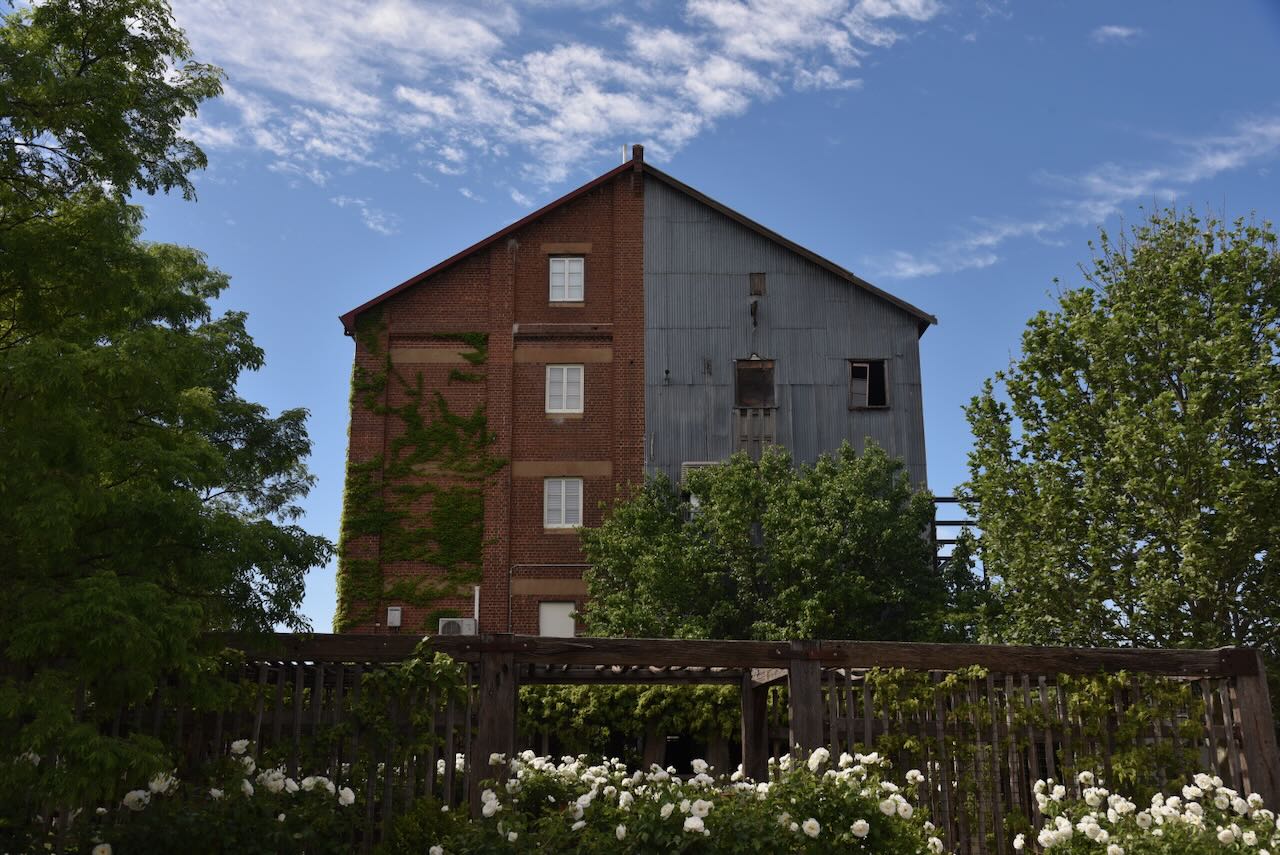
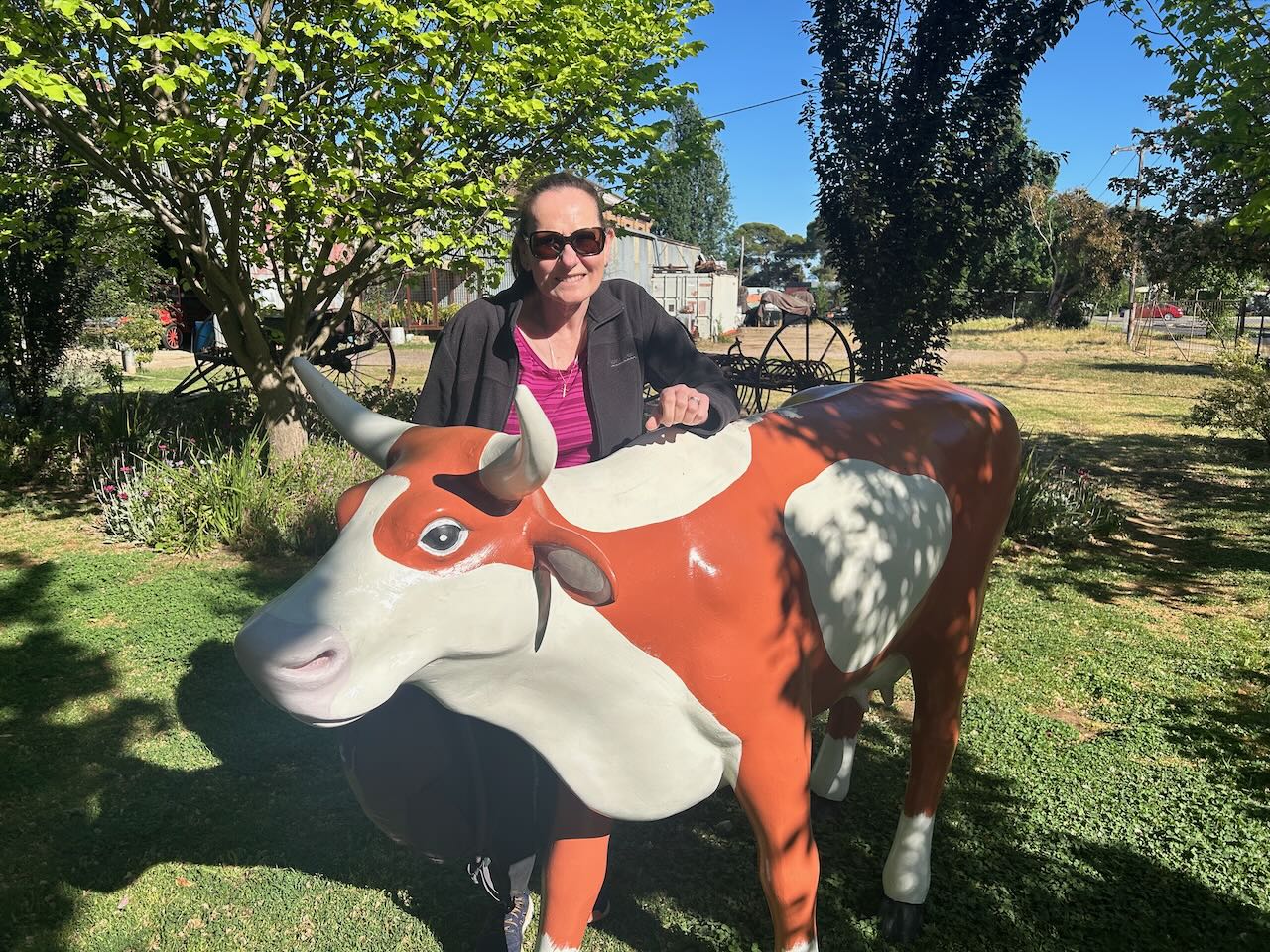
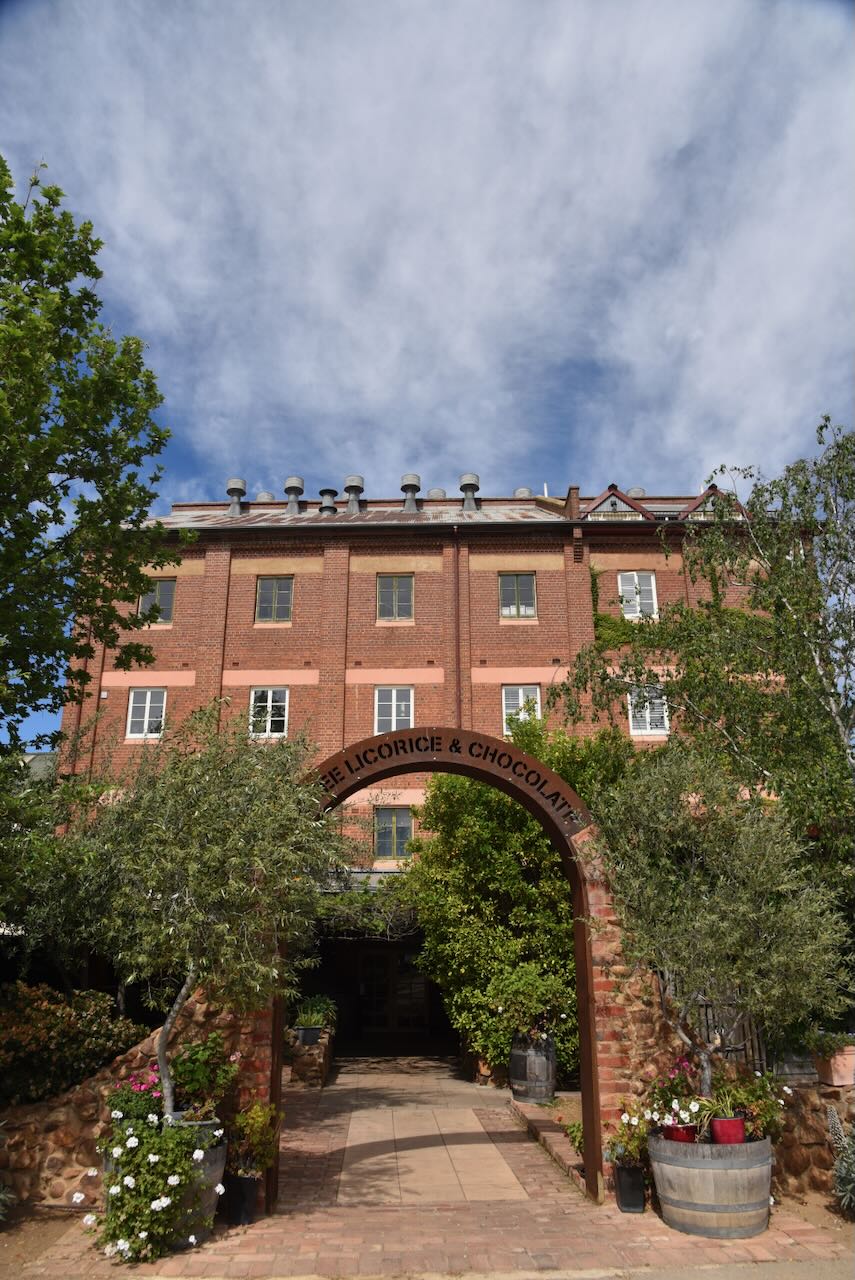
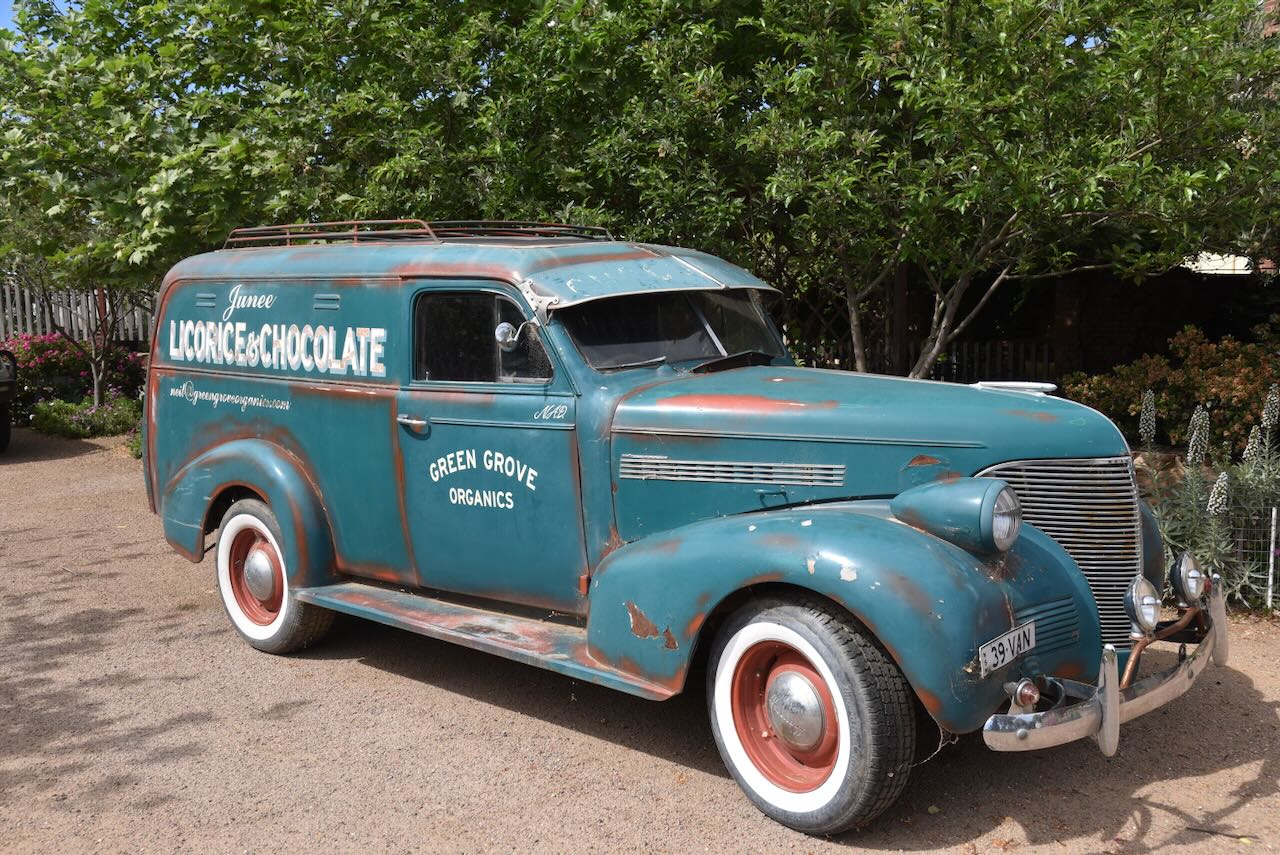
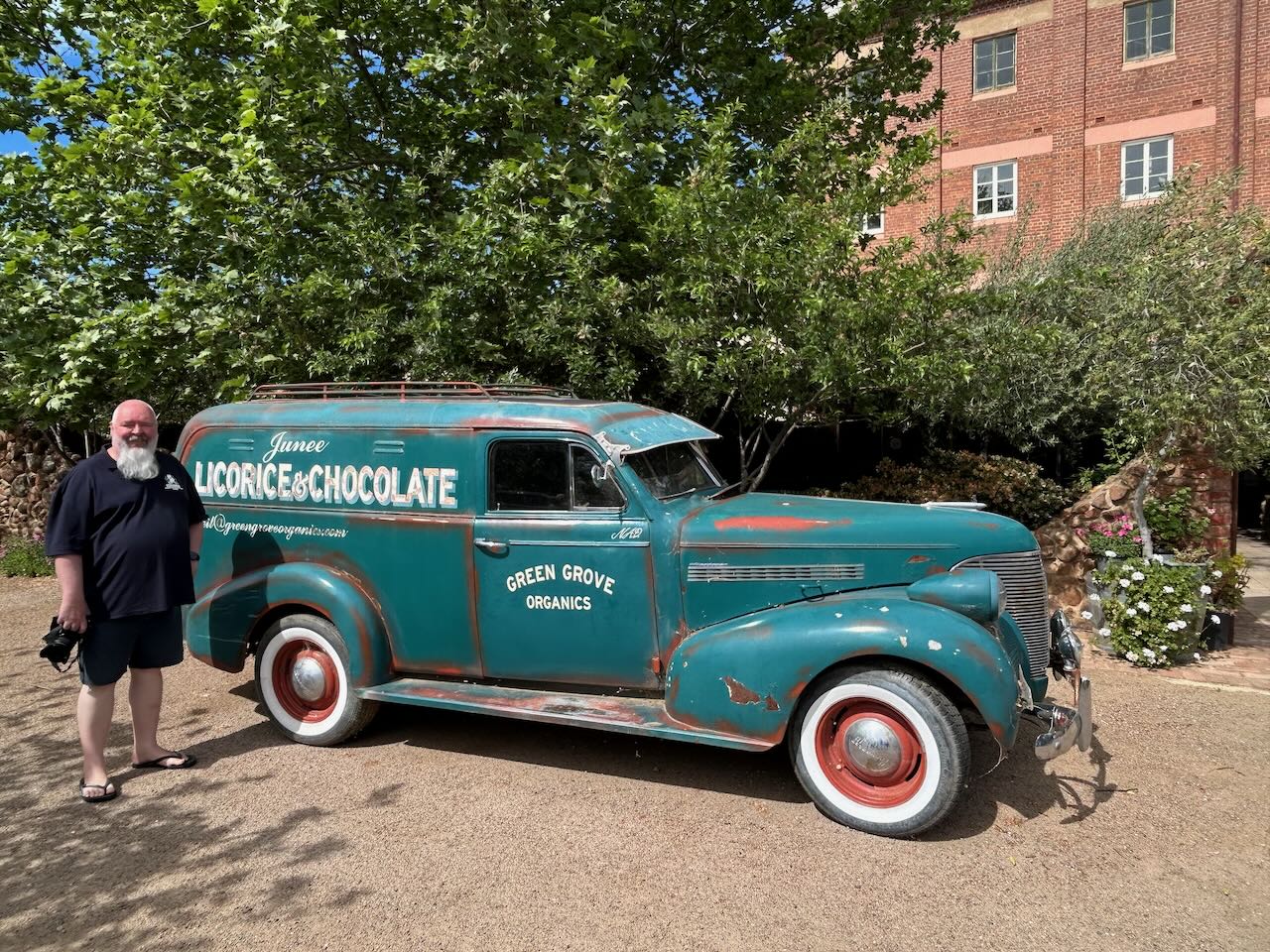
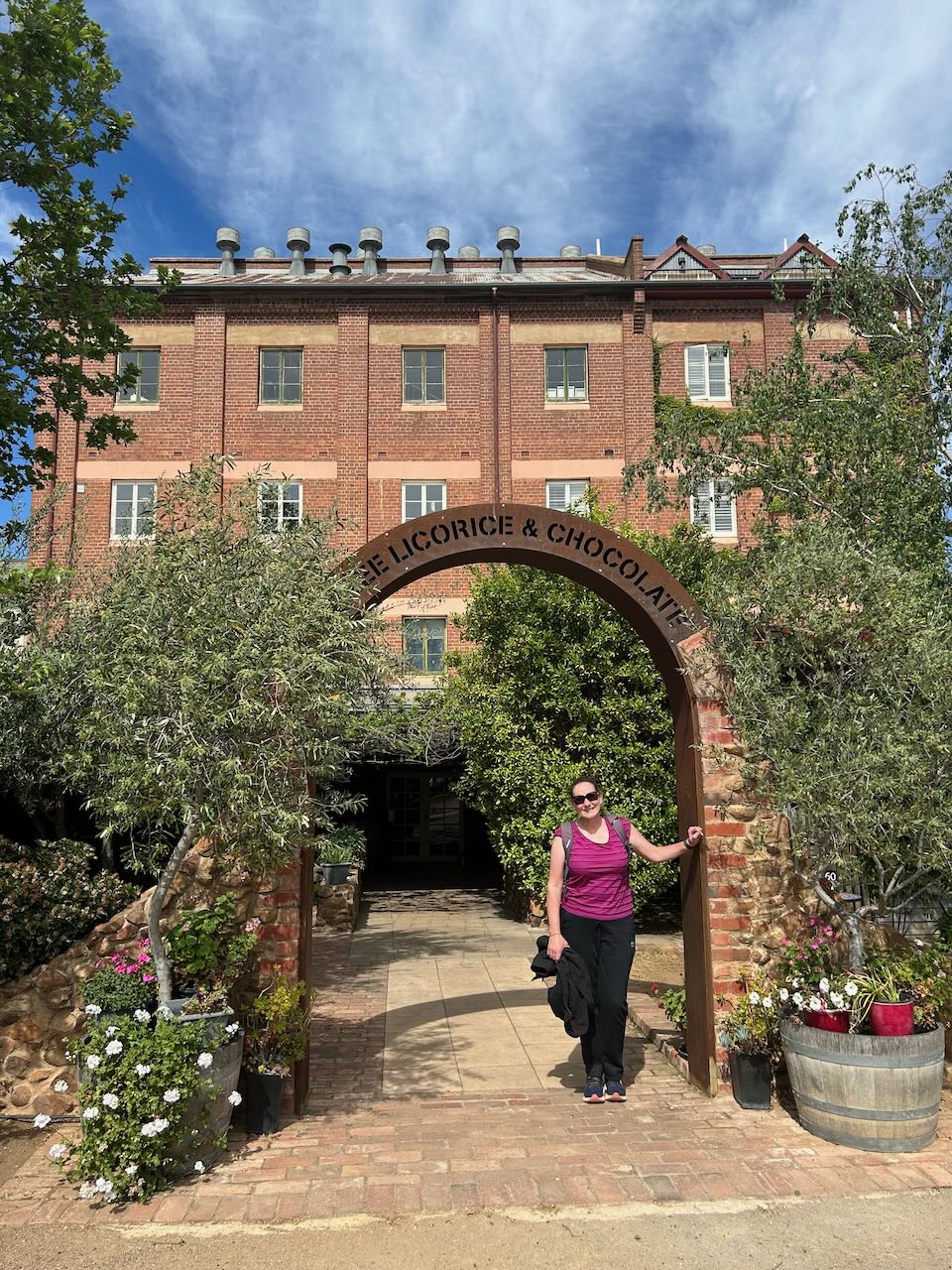
This is definitely somewhere that you need to visit if you are in Junee.

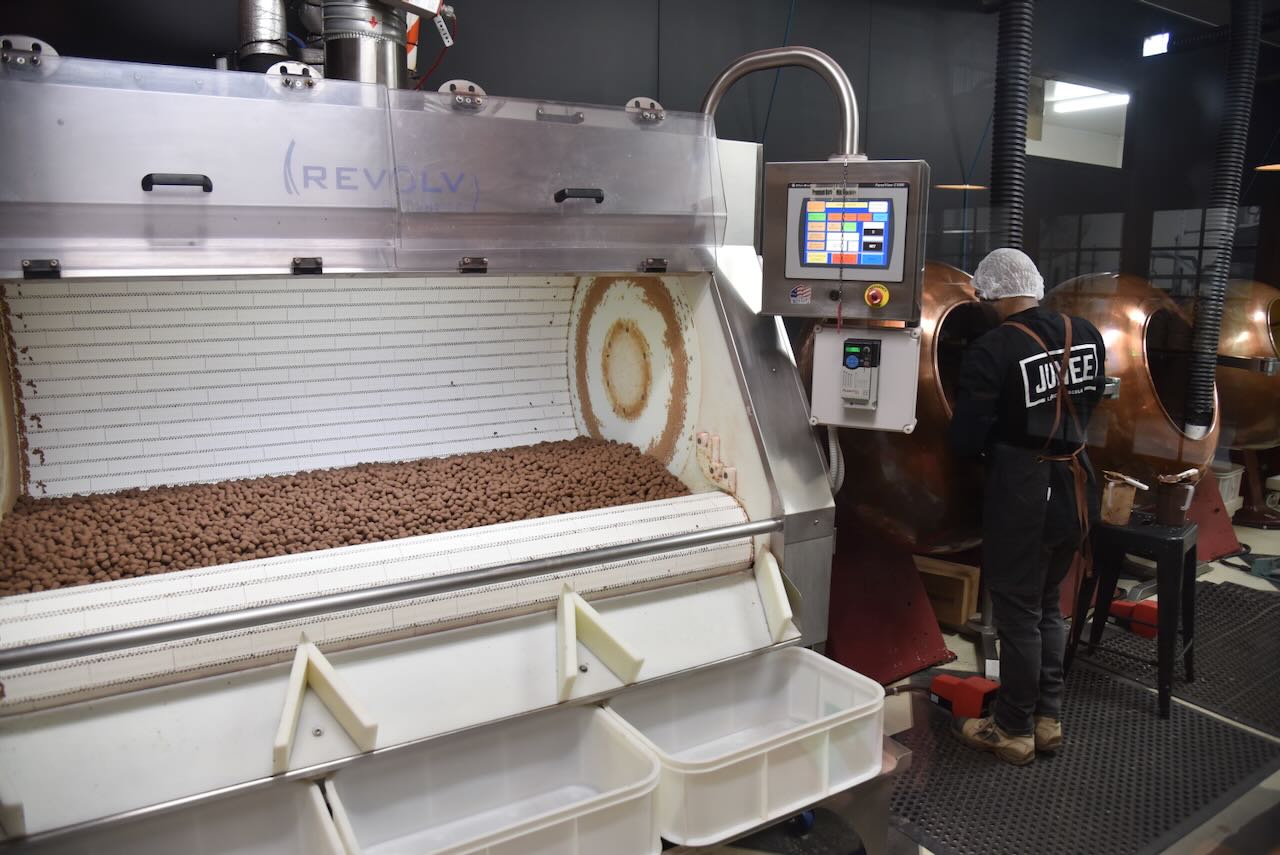
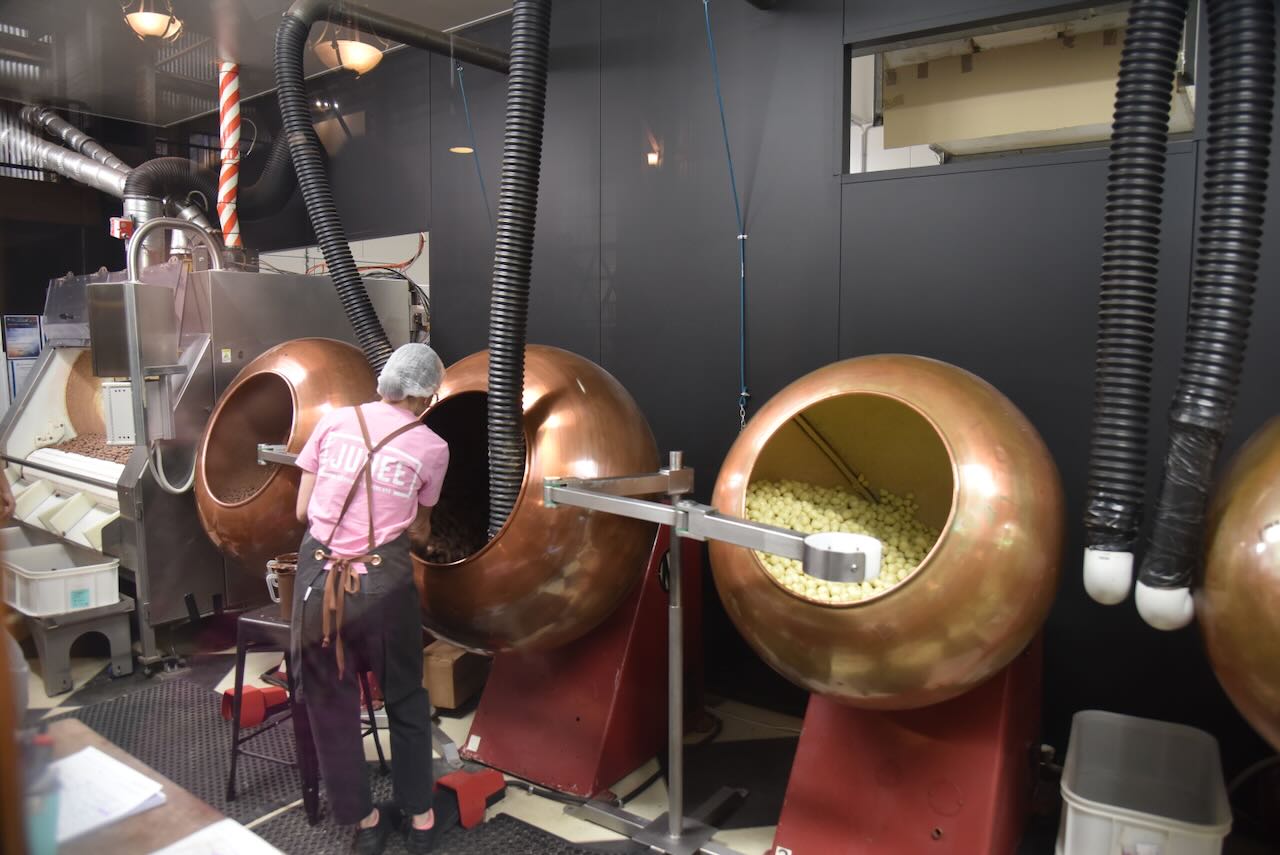
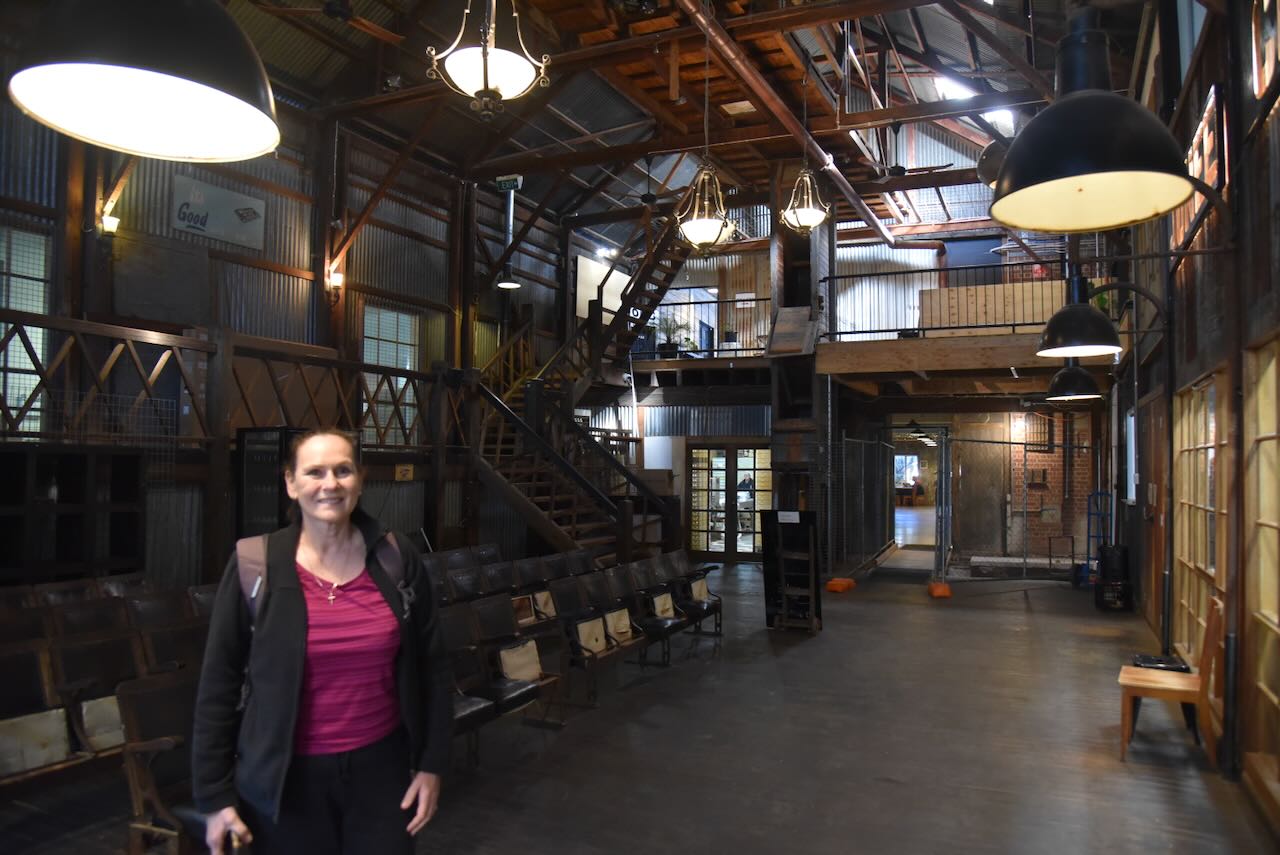
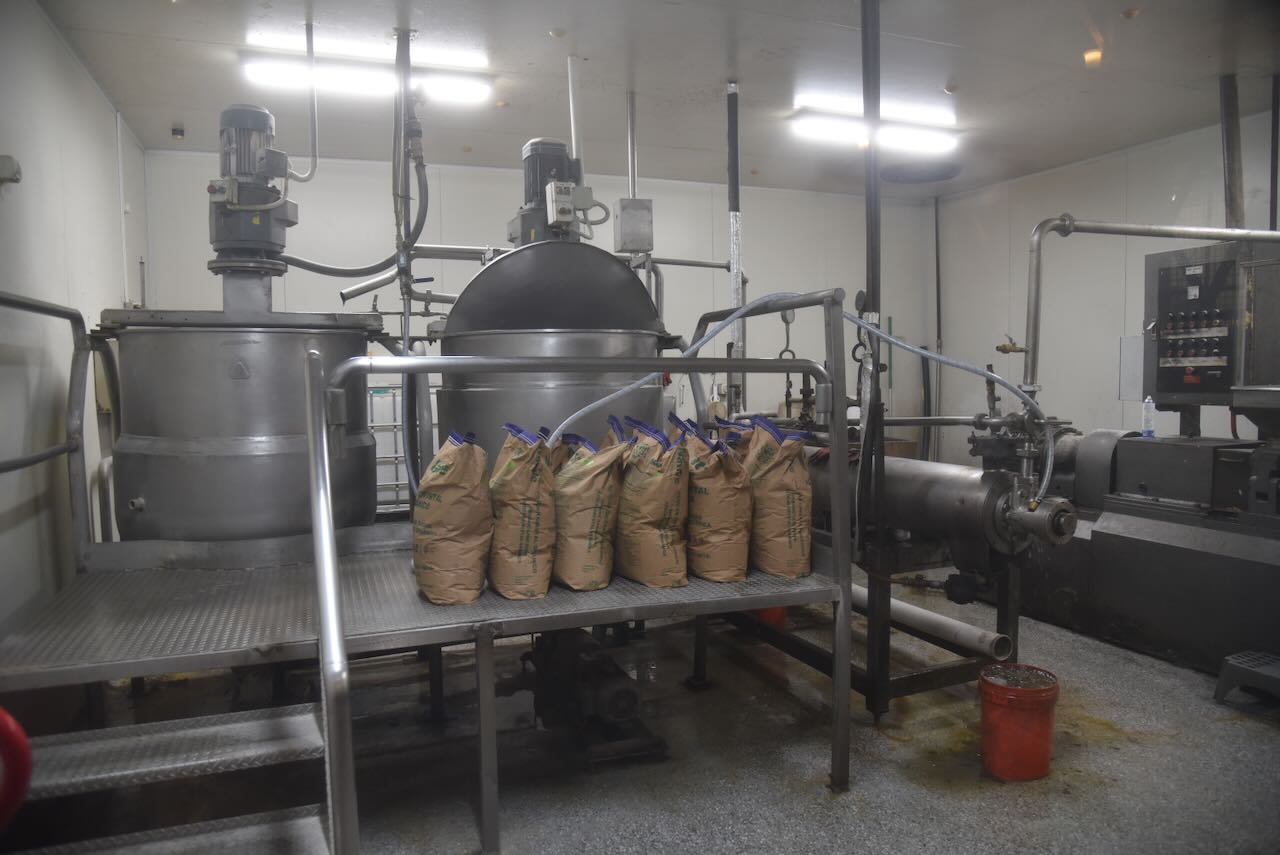
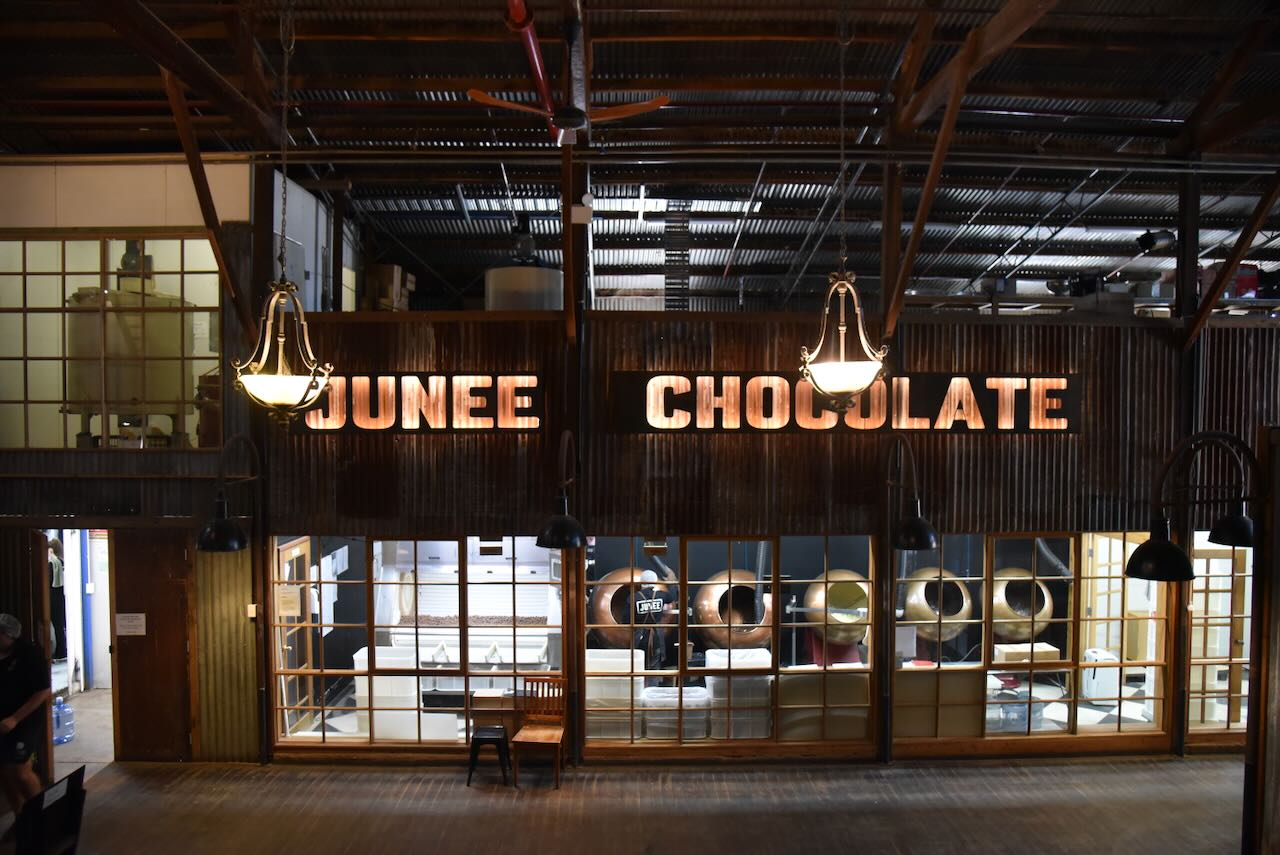
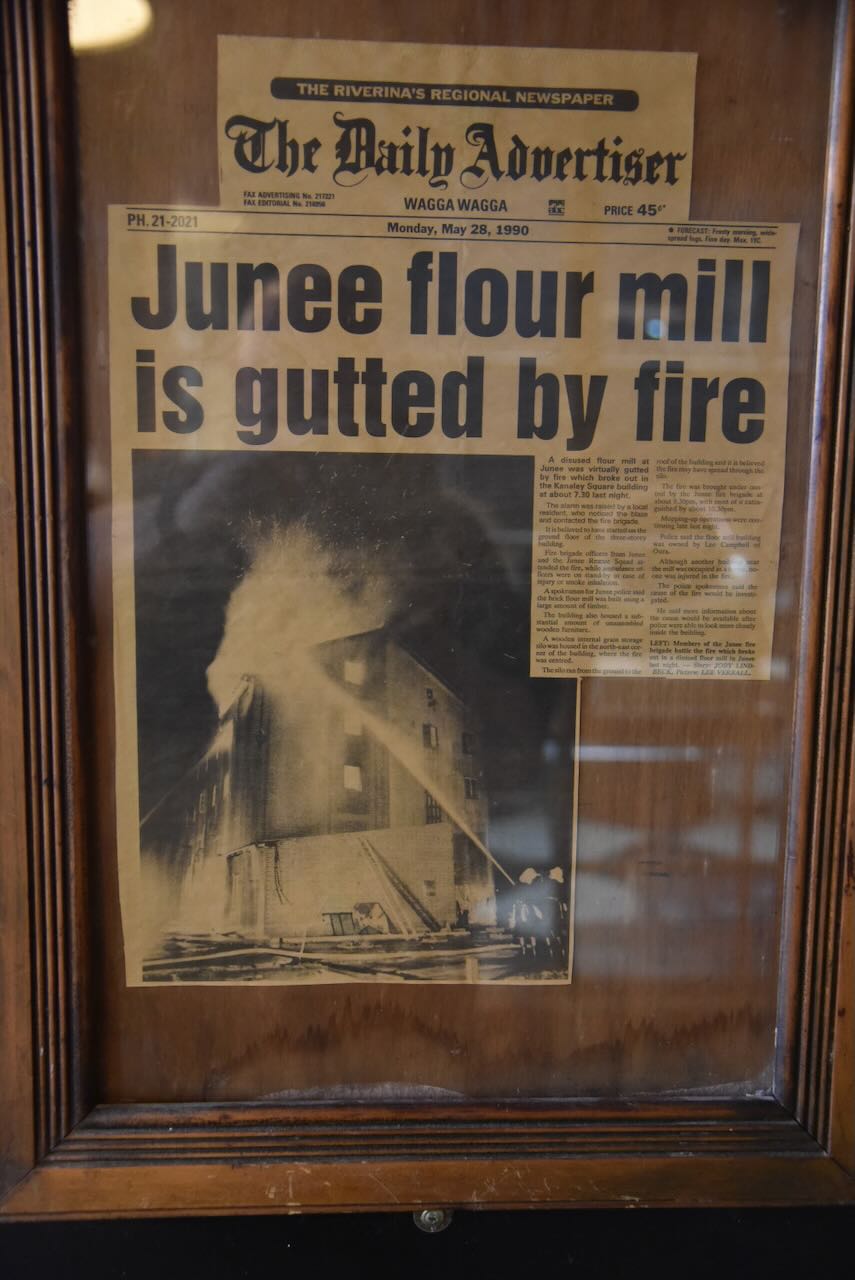
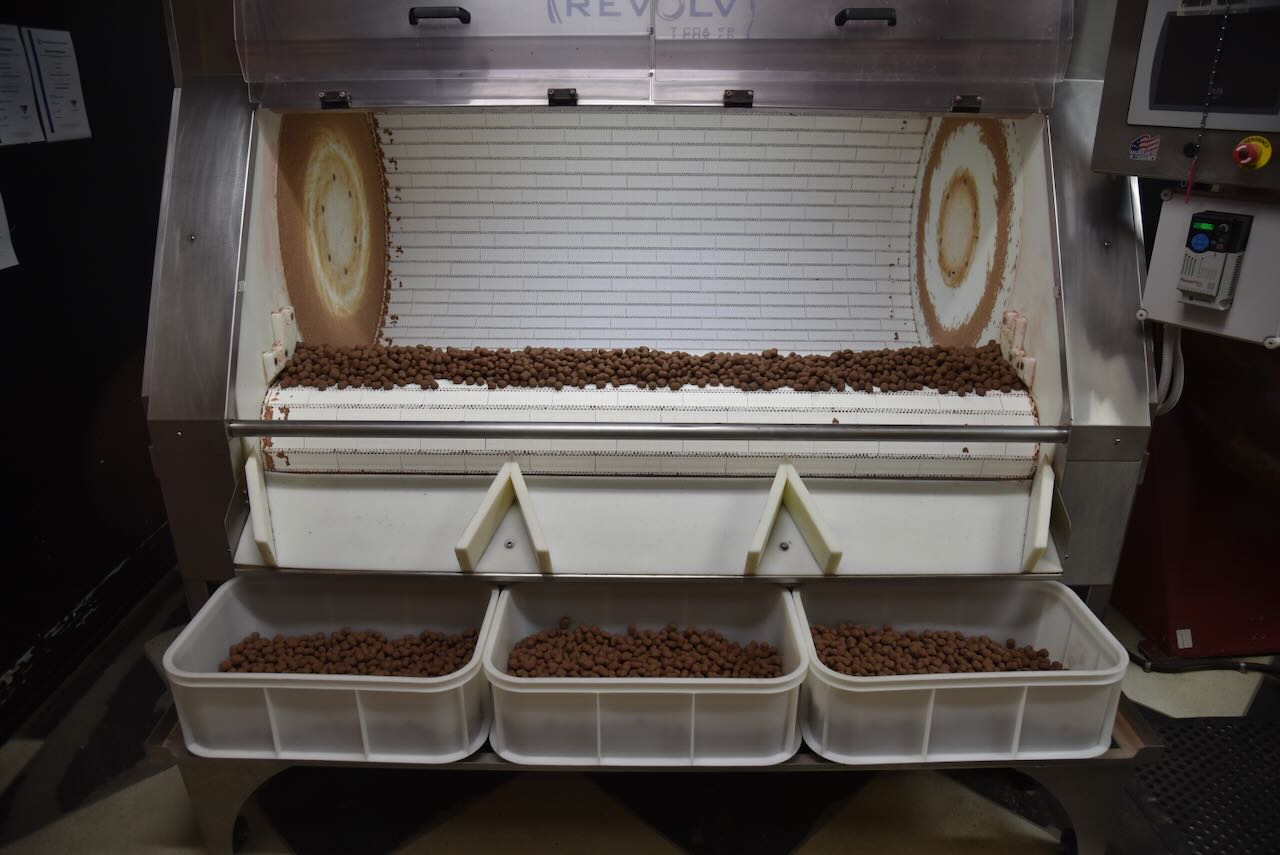
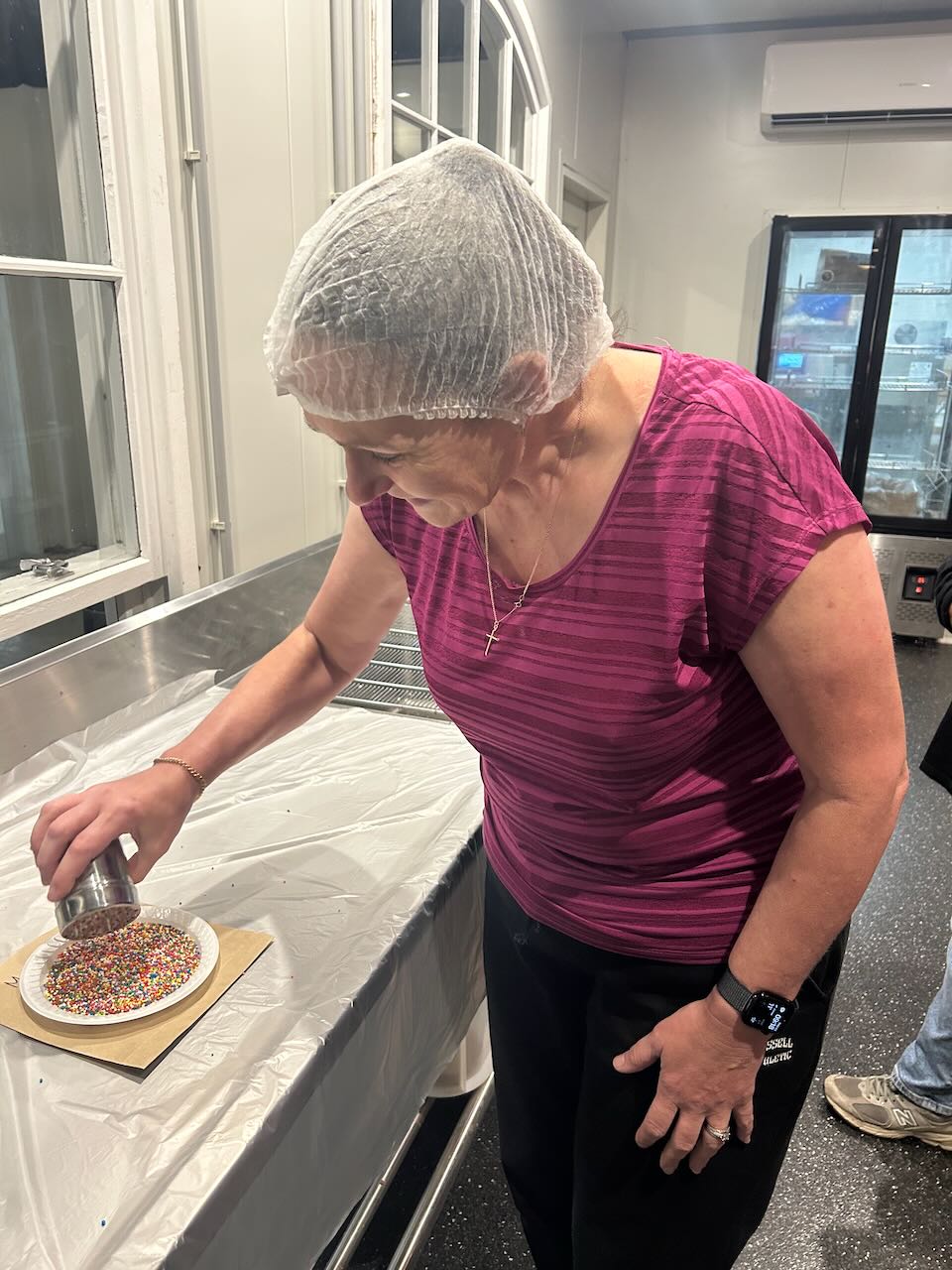
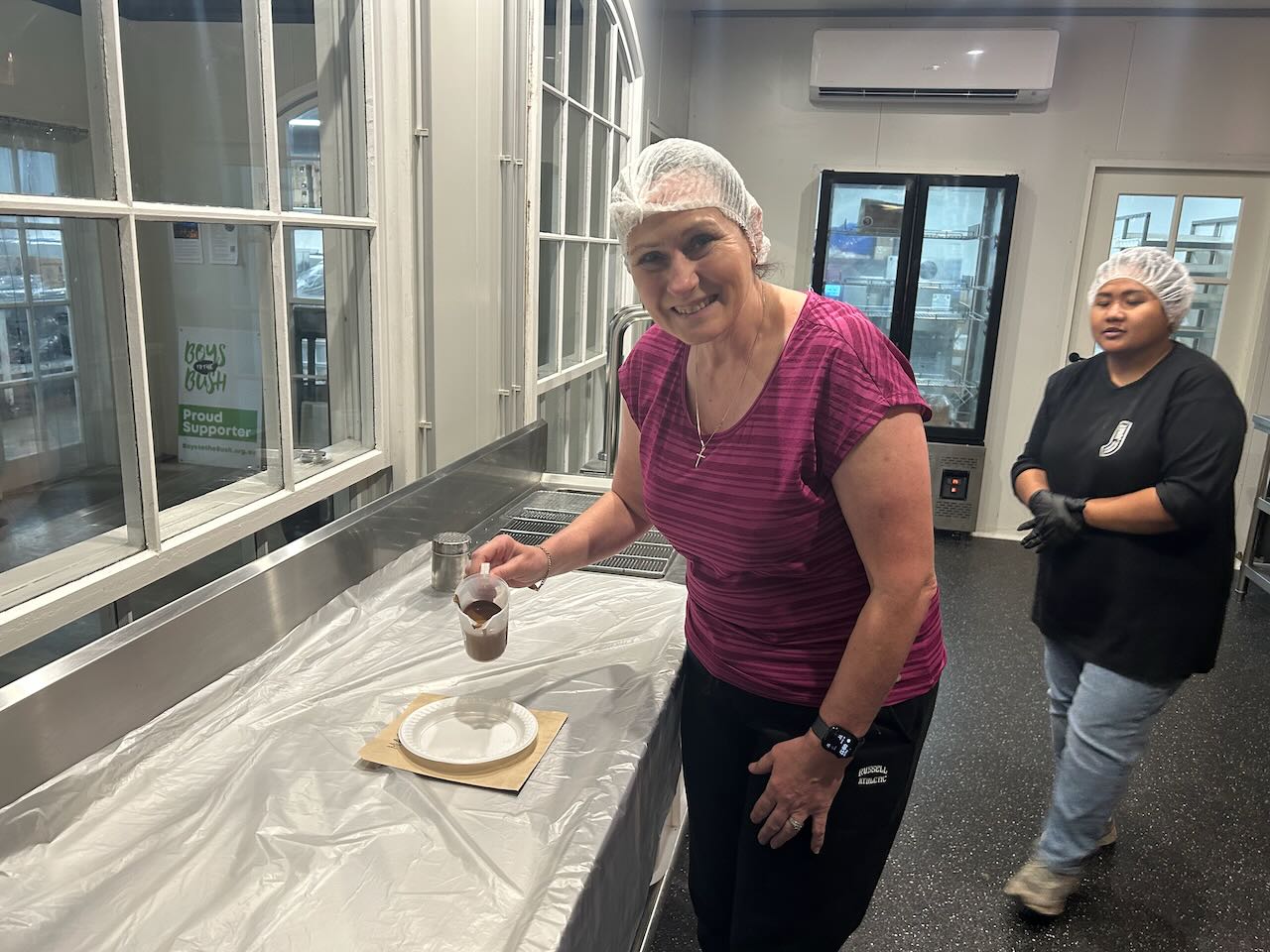
Marija even got to make her own spinkle biscuit for our grandchildren.
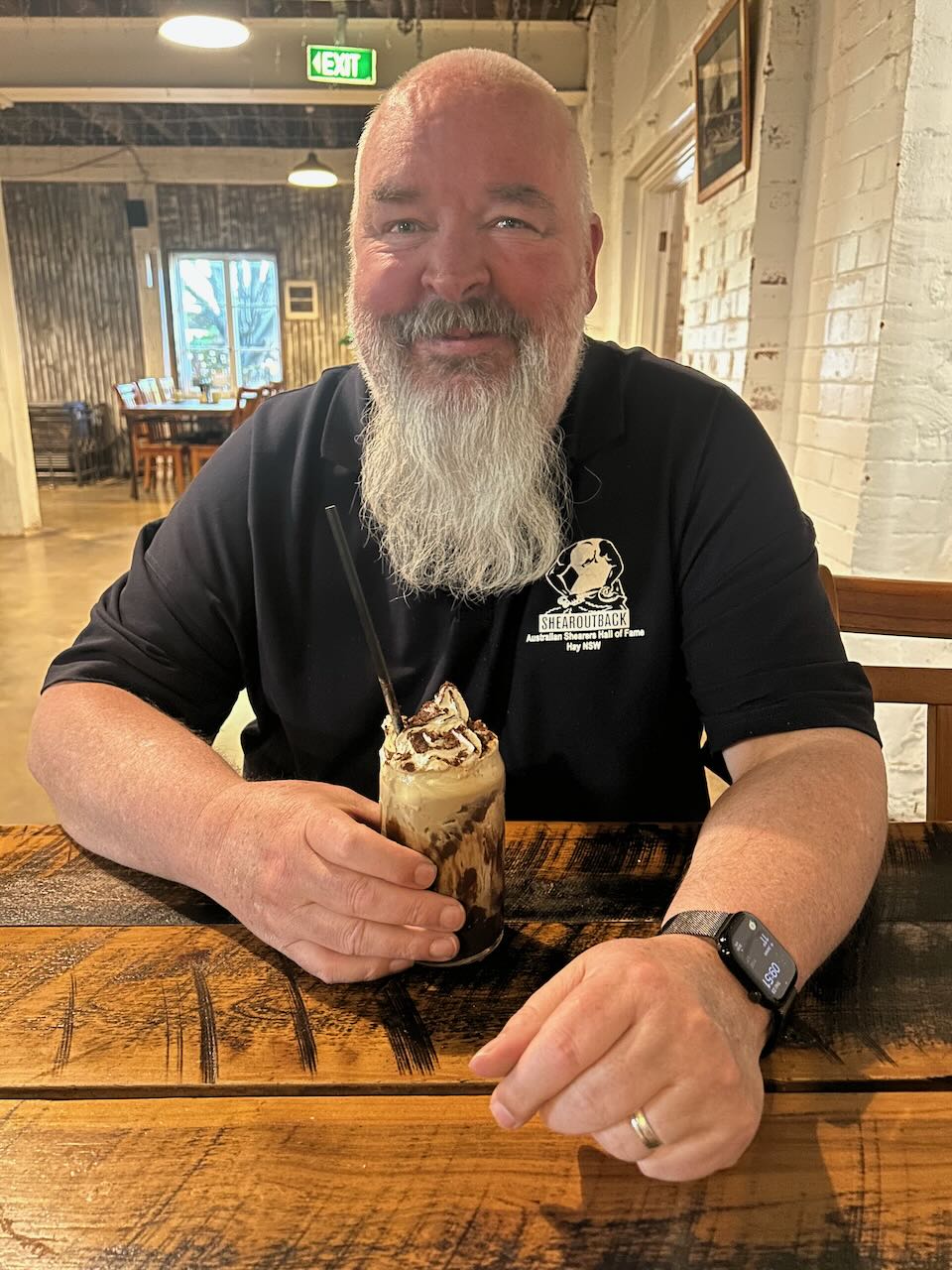
And of course, I got to indulge in a chocolate thickshake in the cafe.
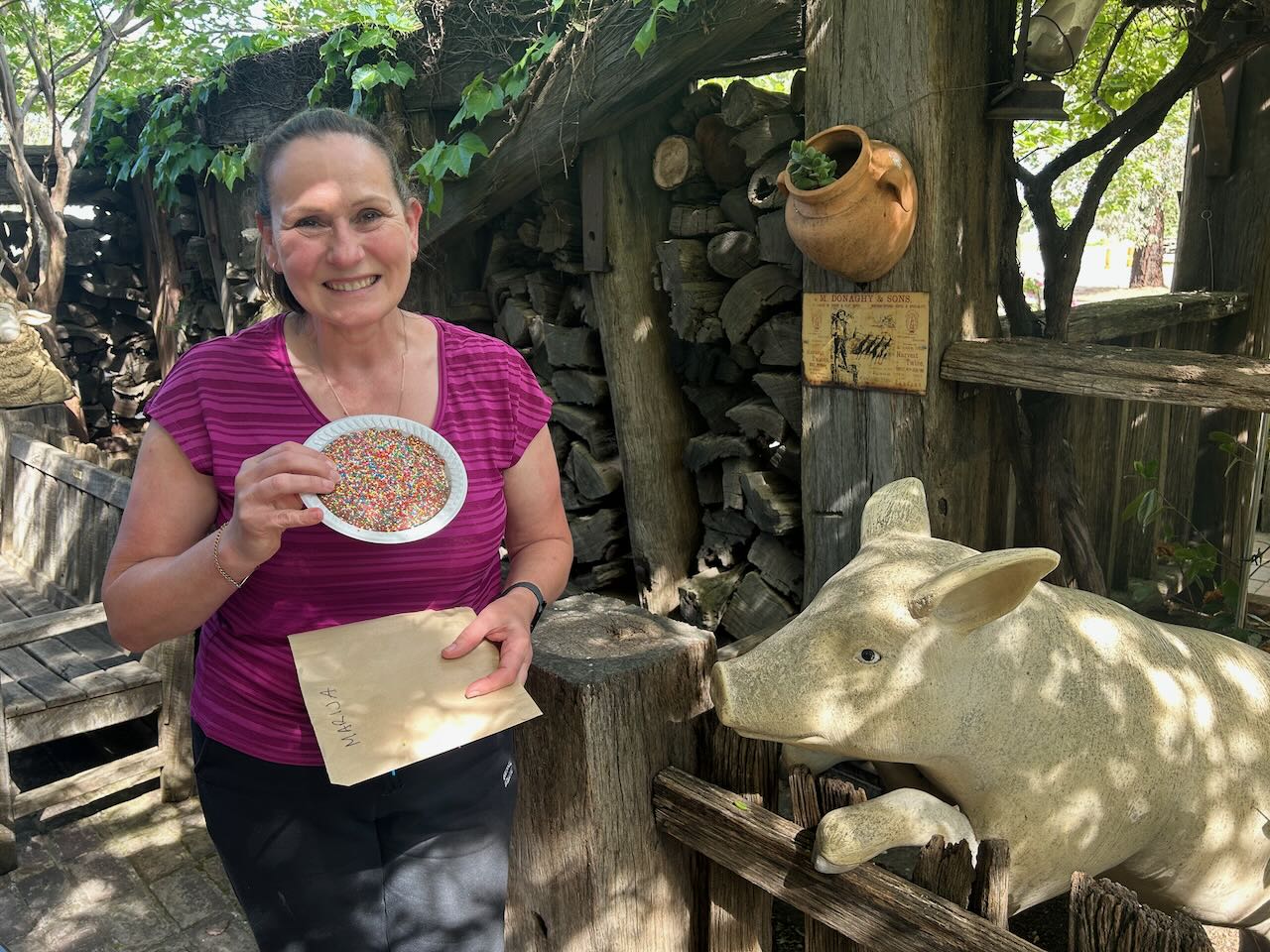
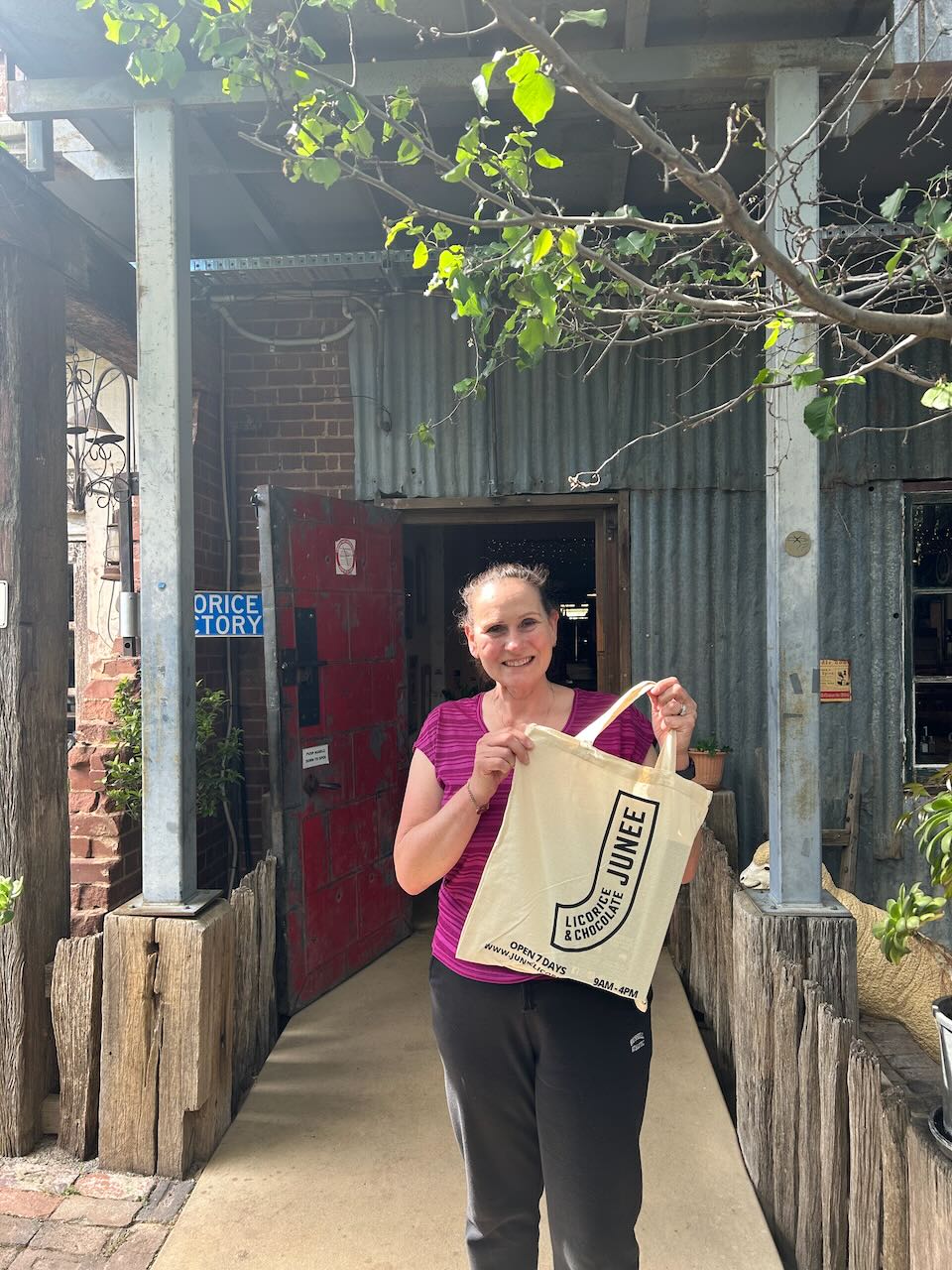
We left with a bag of goodies, including Marija’s very own spinkle biscuit.
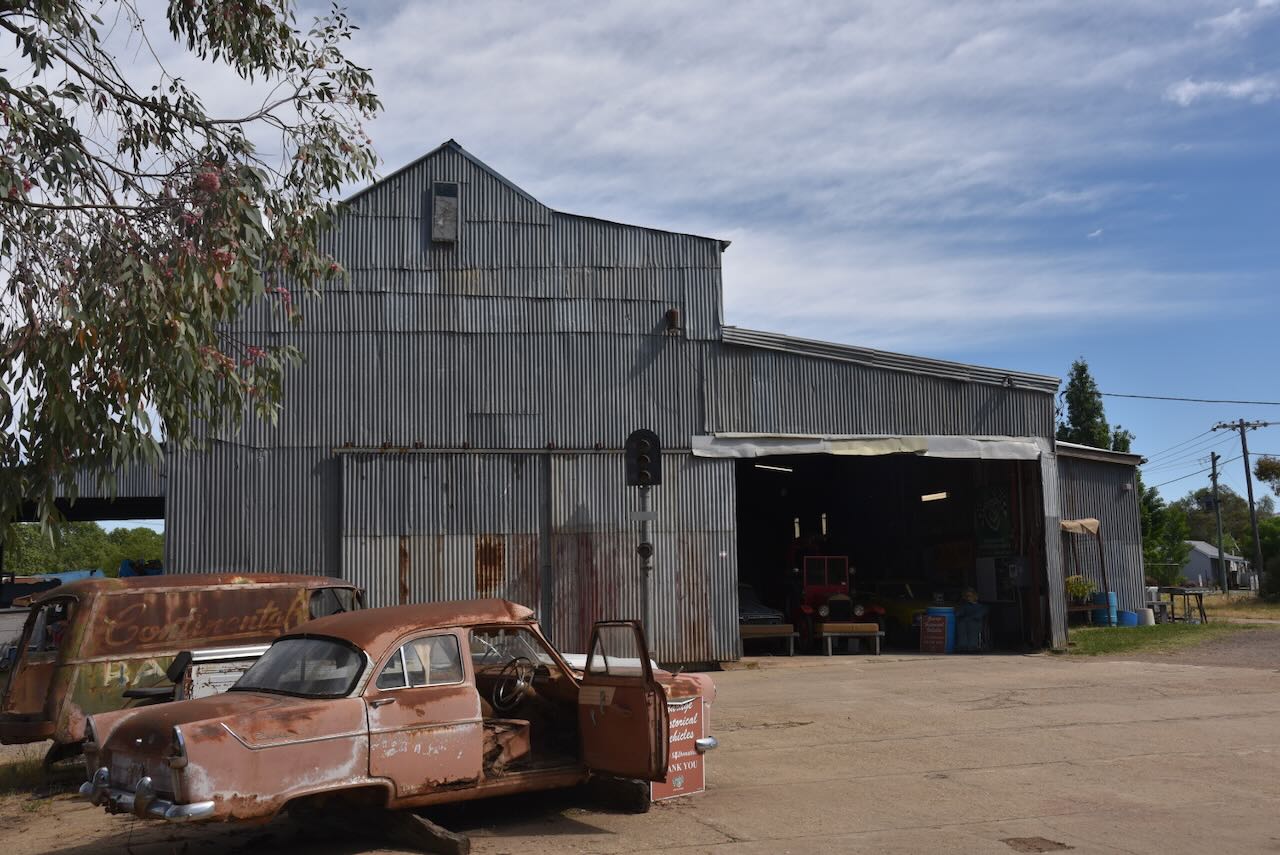
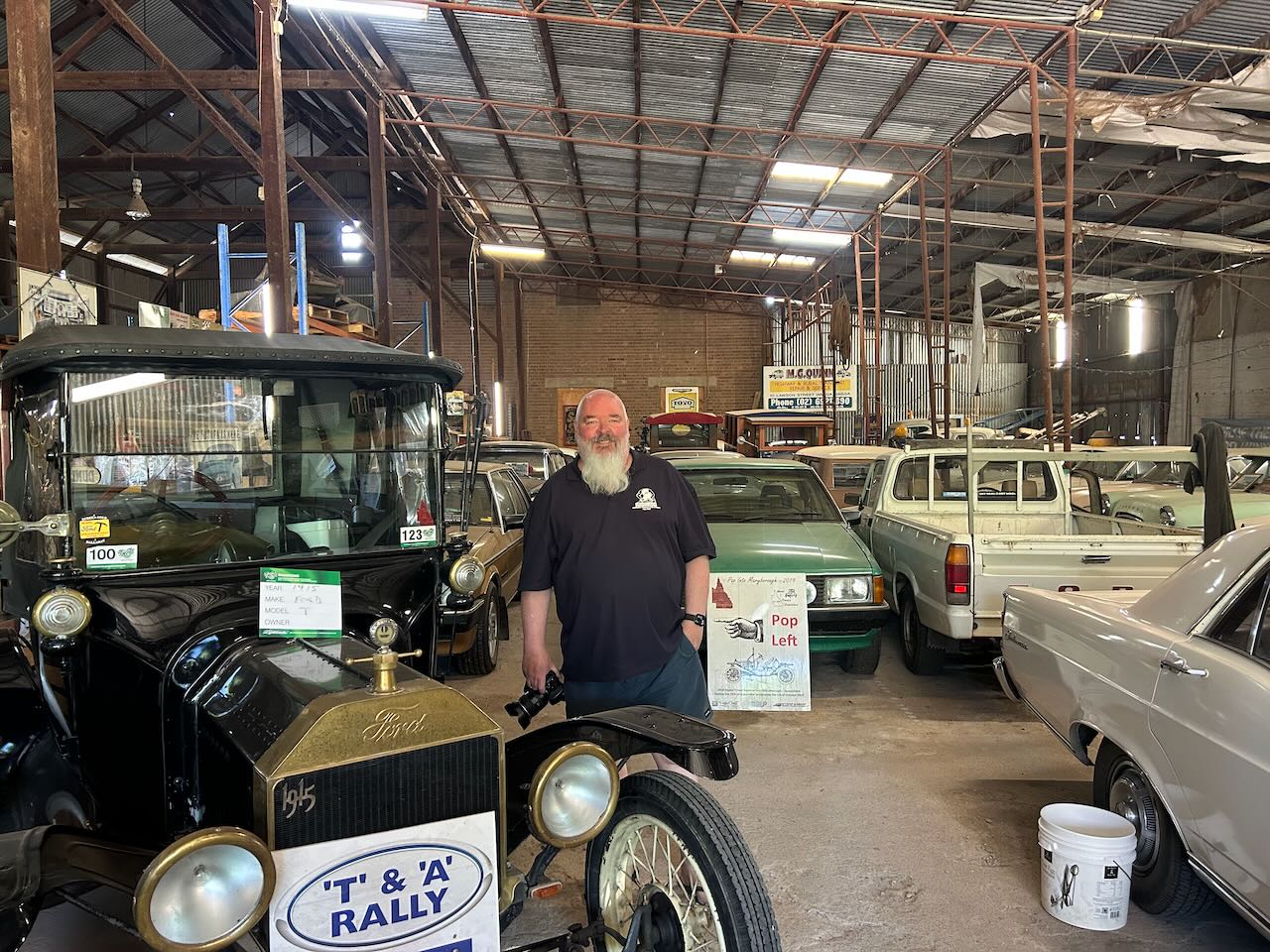
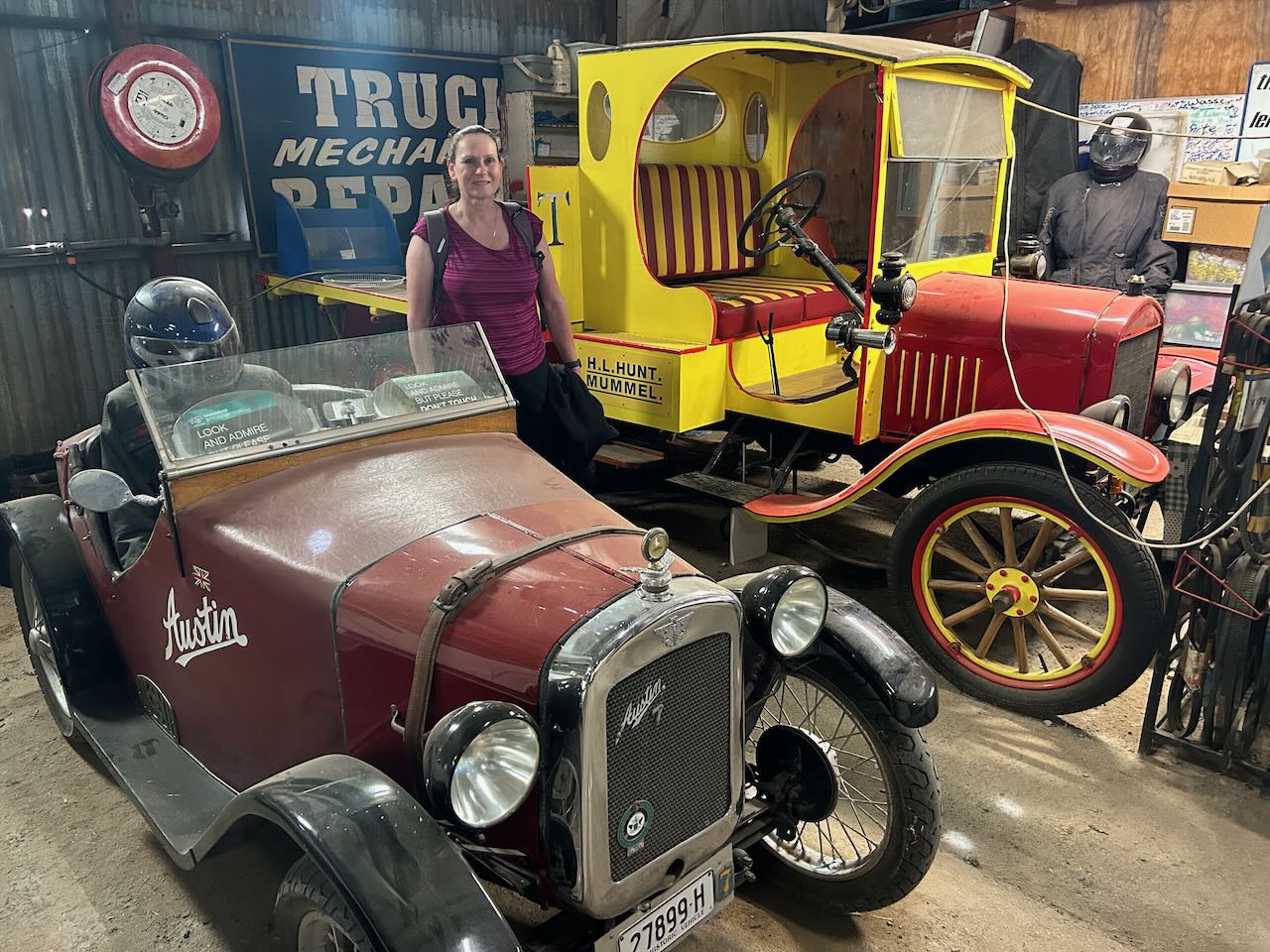
Next to the Licorice & Chocolate factory is the GasWorks Garage Museum. Looks are deceptive. From the outside, this museum does not look like much, but if you are a car buff like me, it is well worth stepping inside.
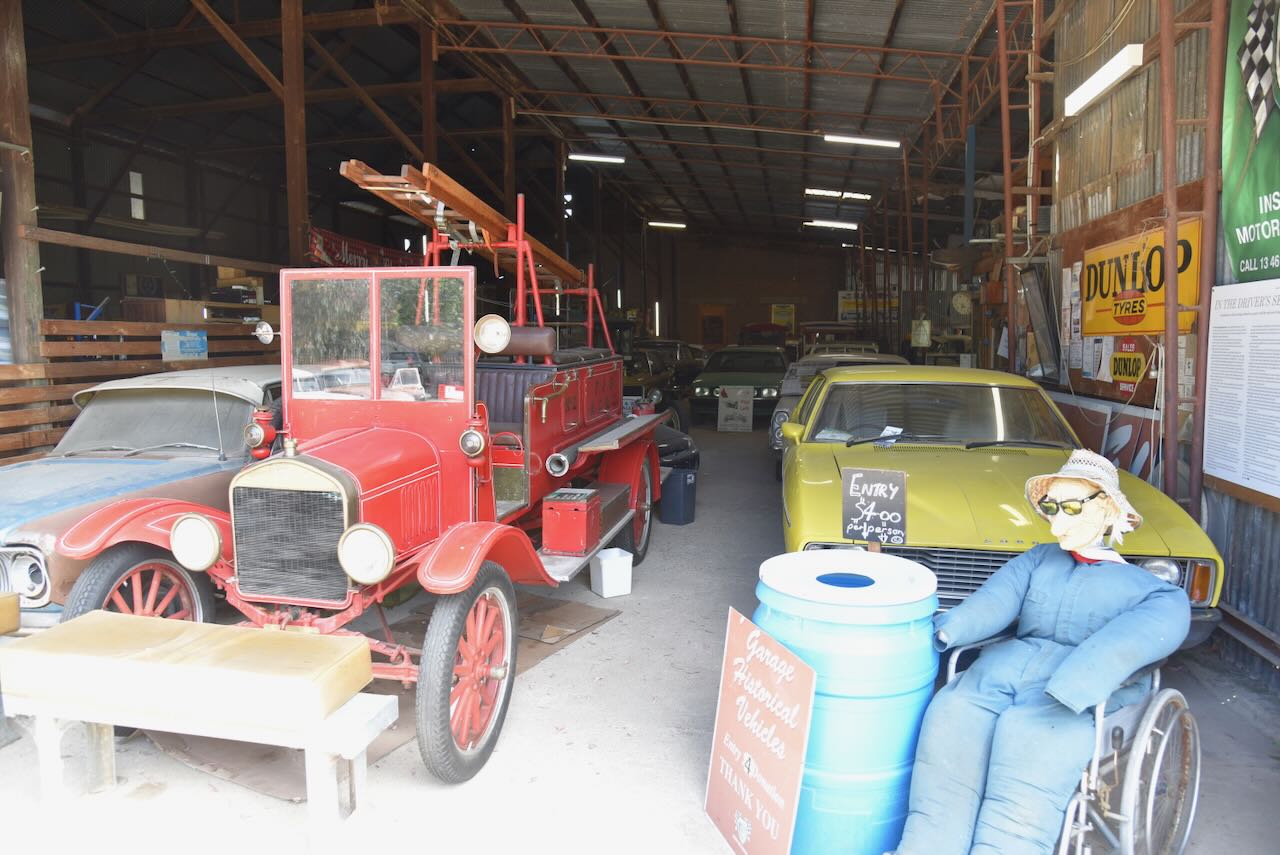
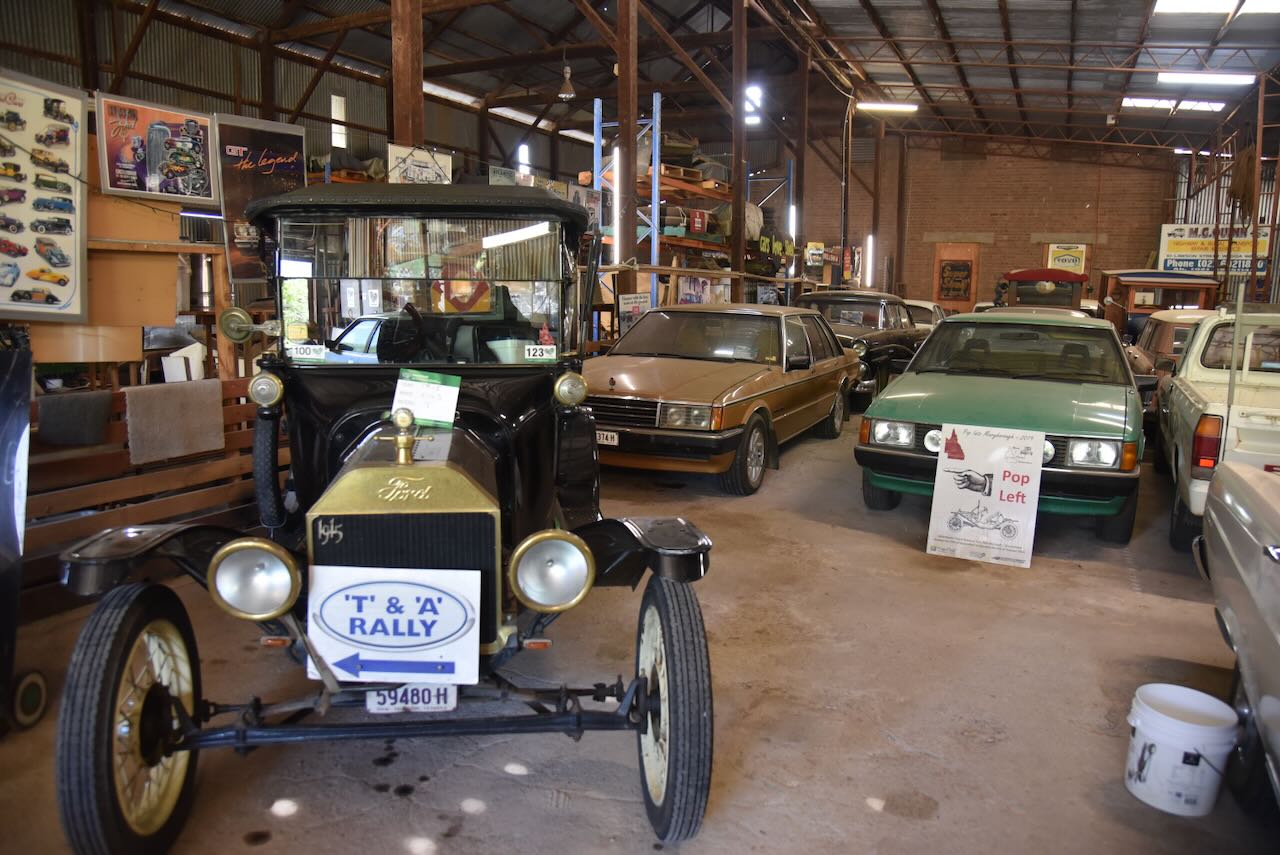
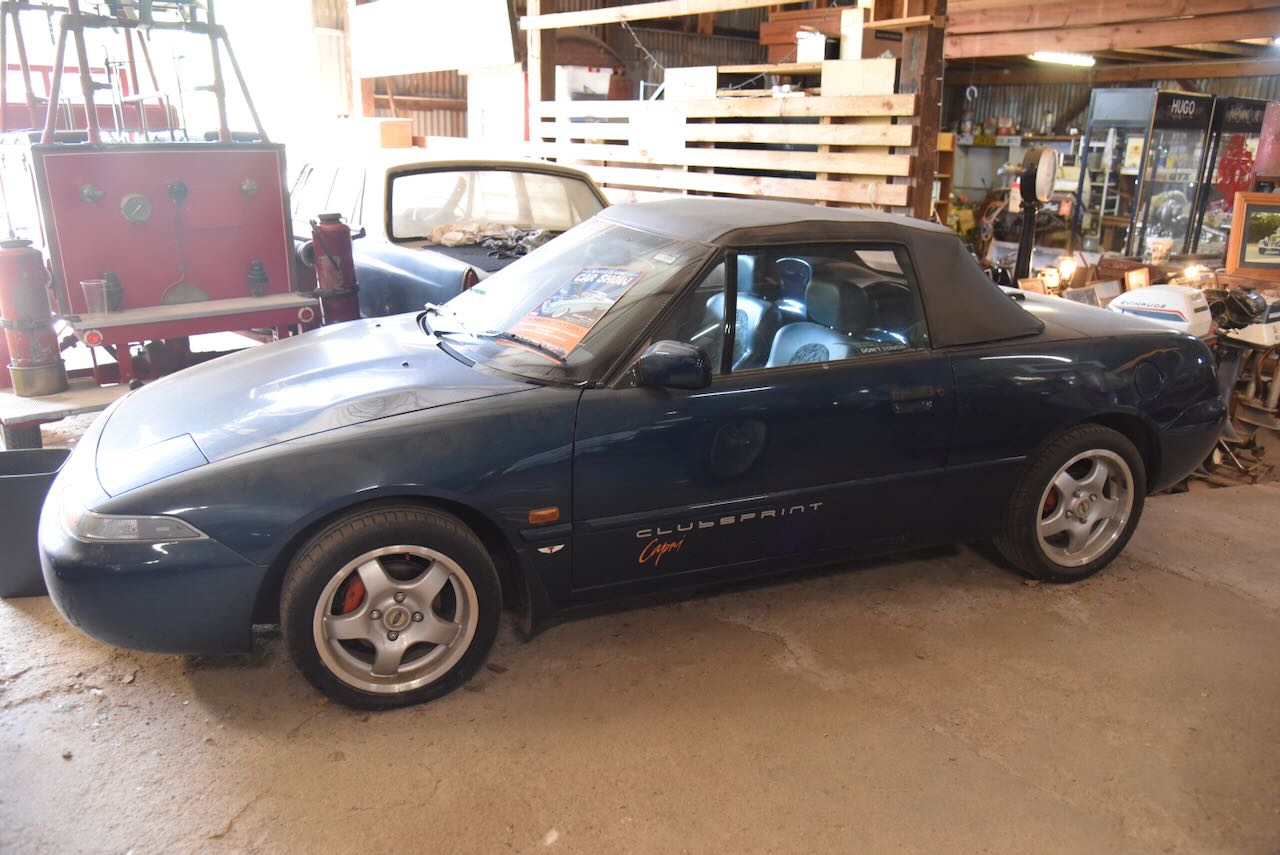
The museum contains an impressive collection of motor vehicles.
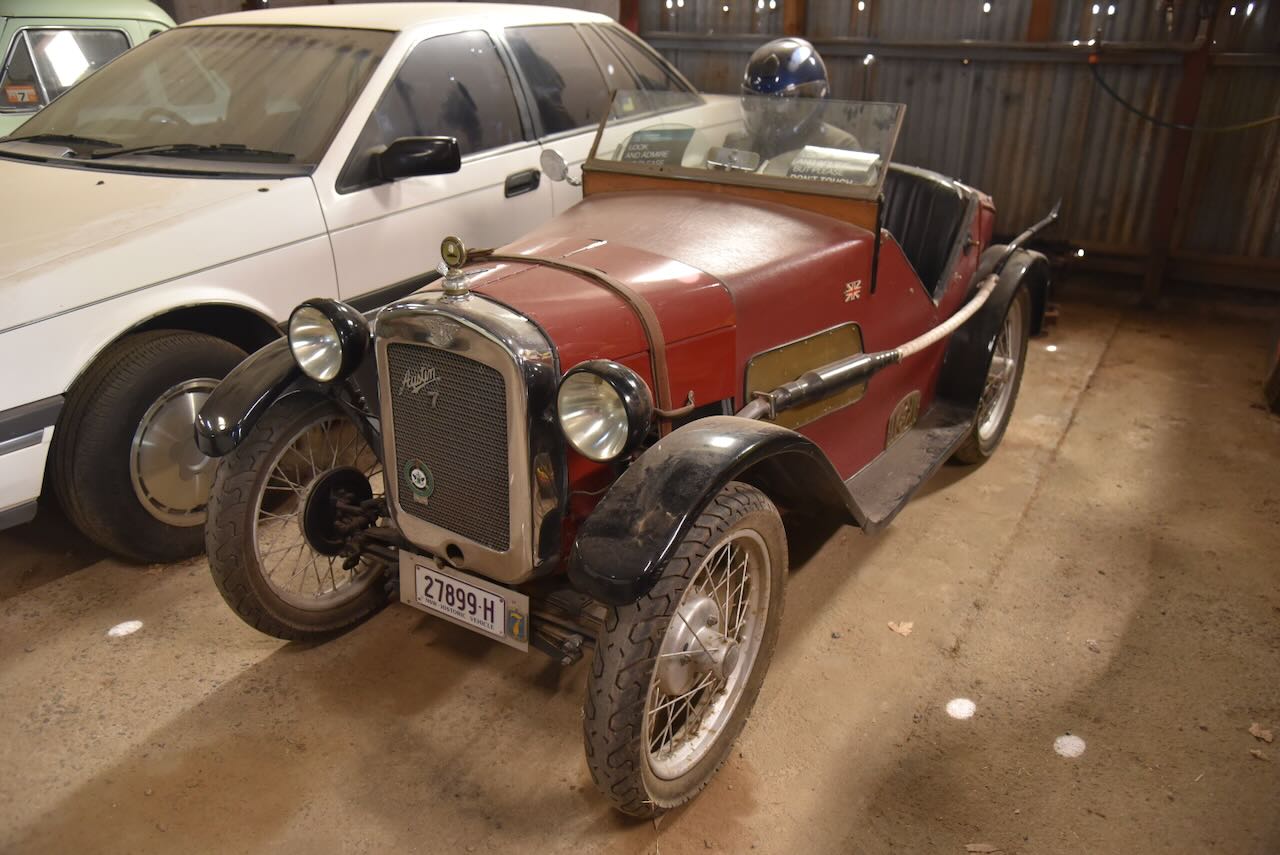
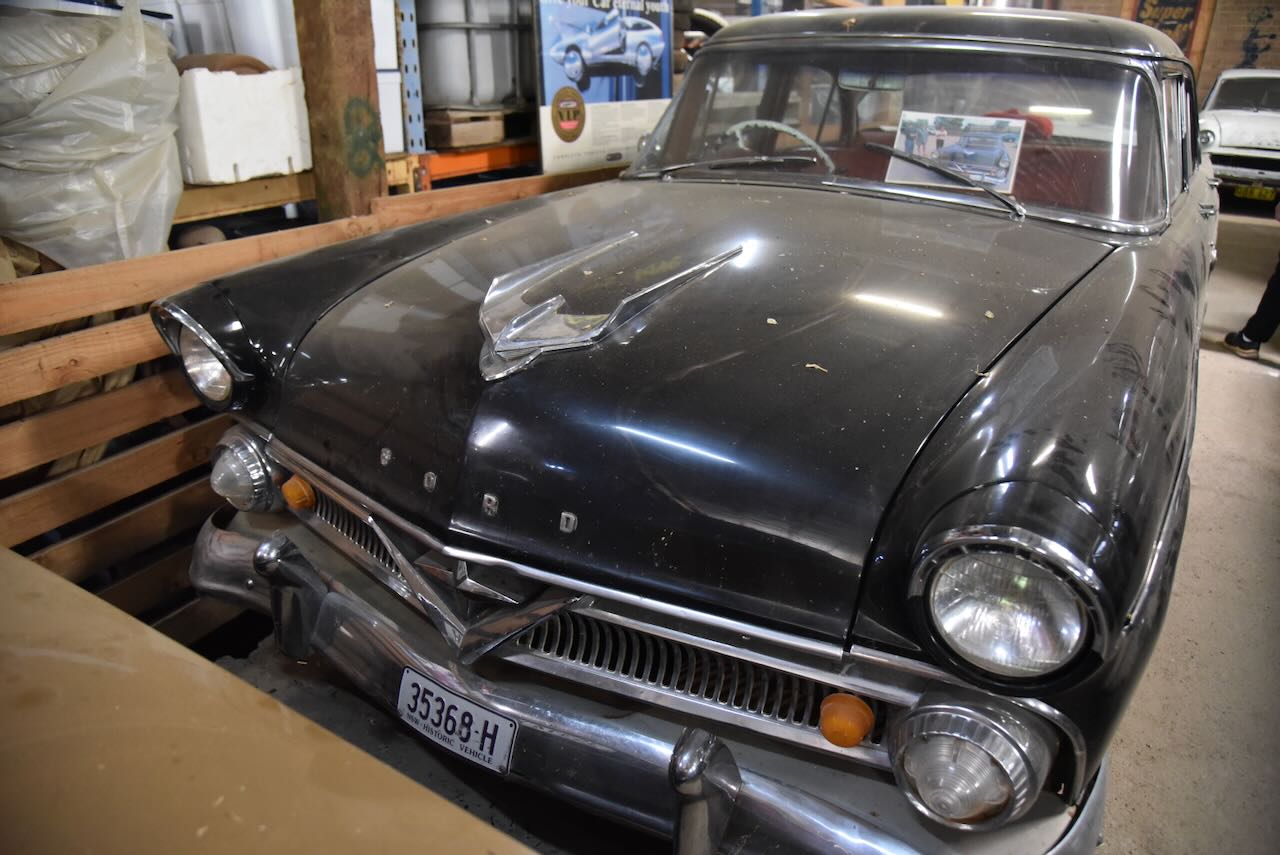
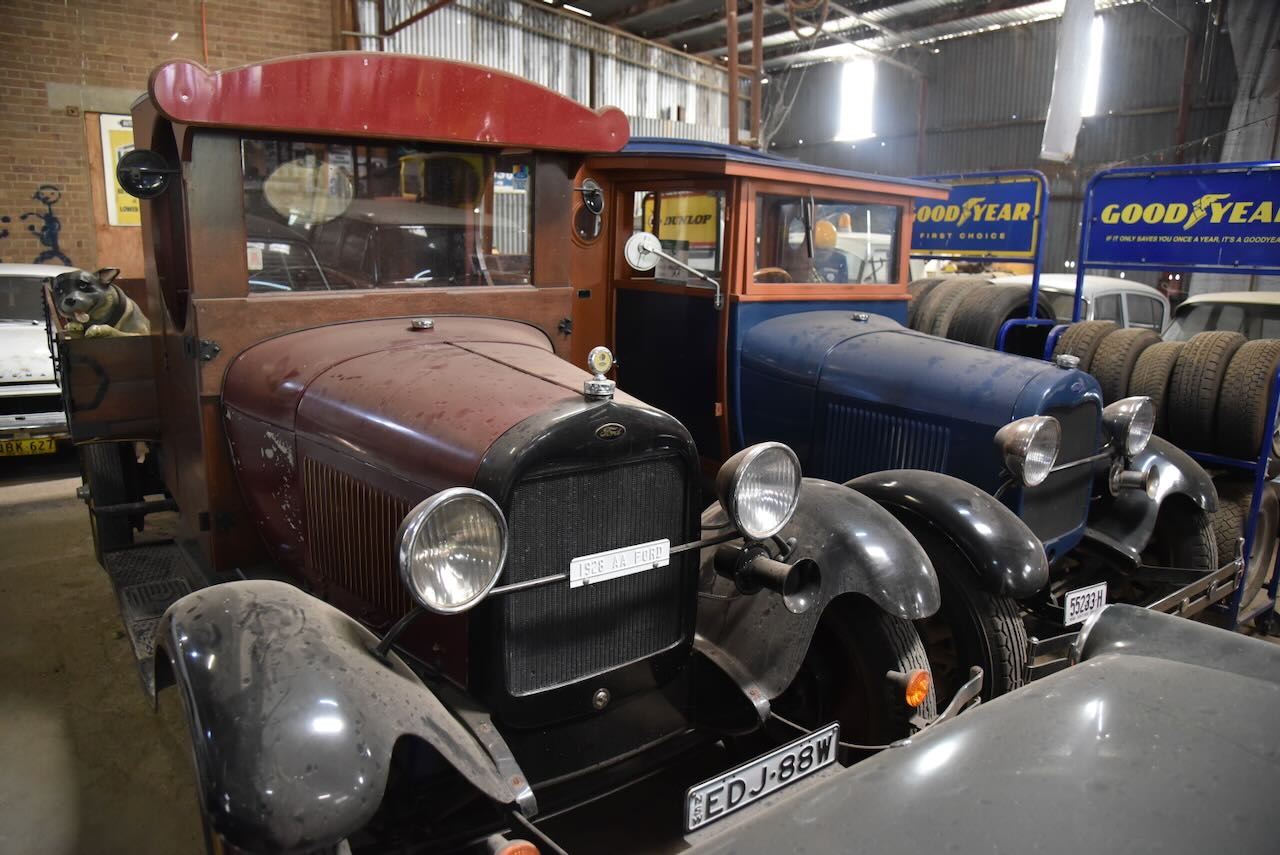

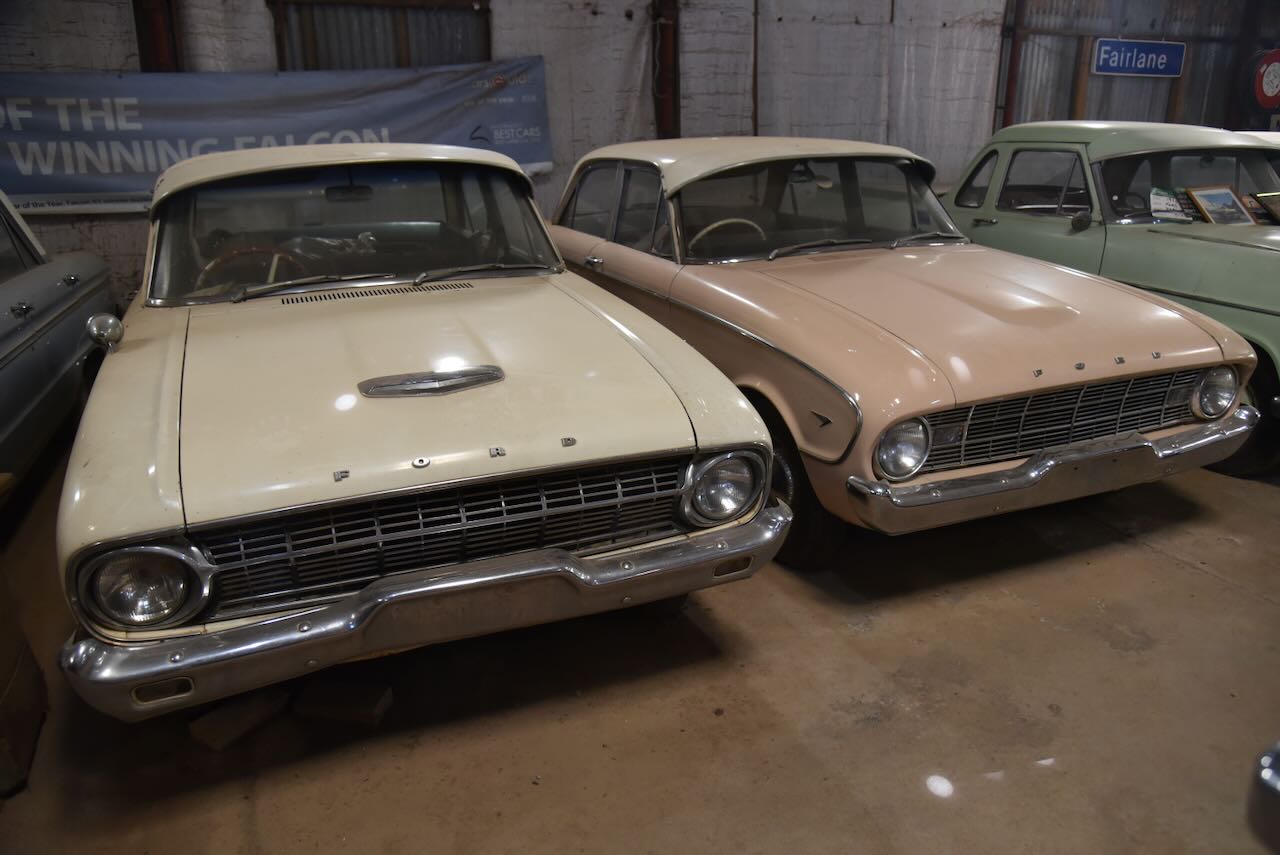

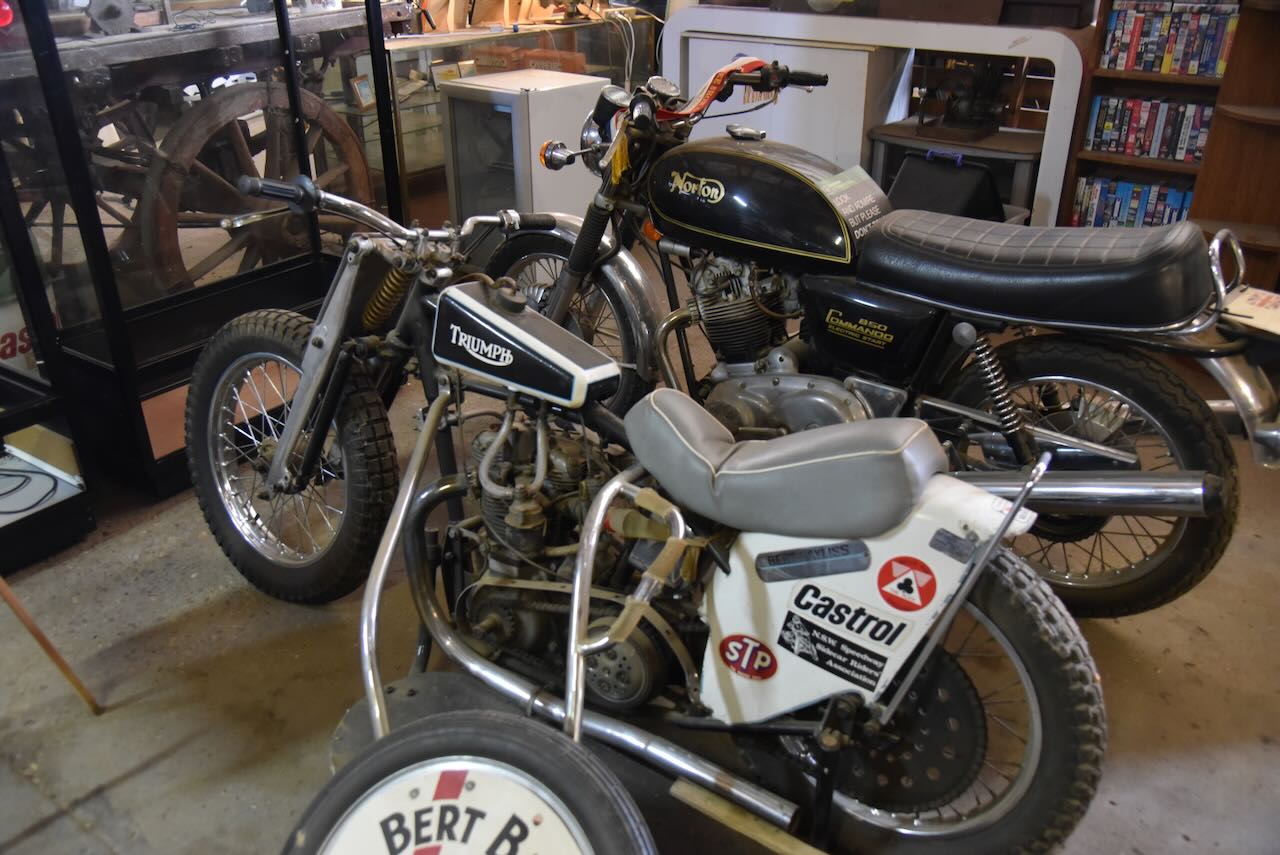

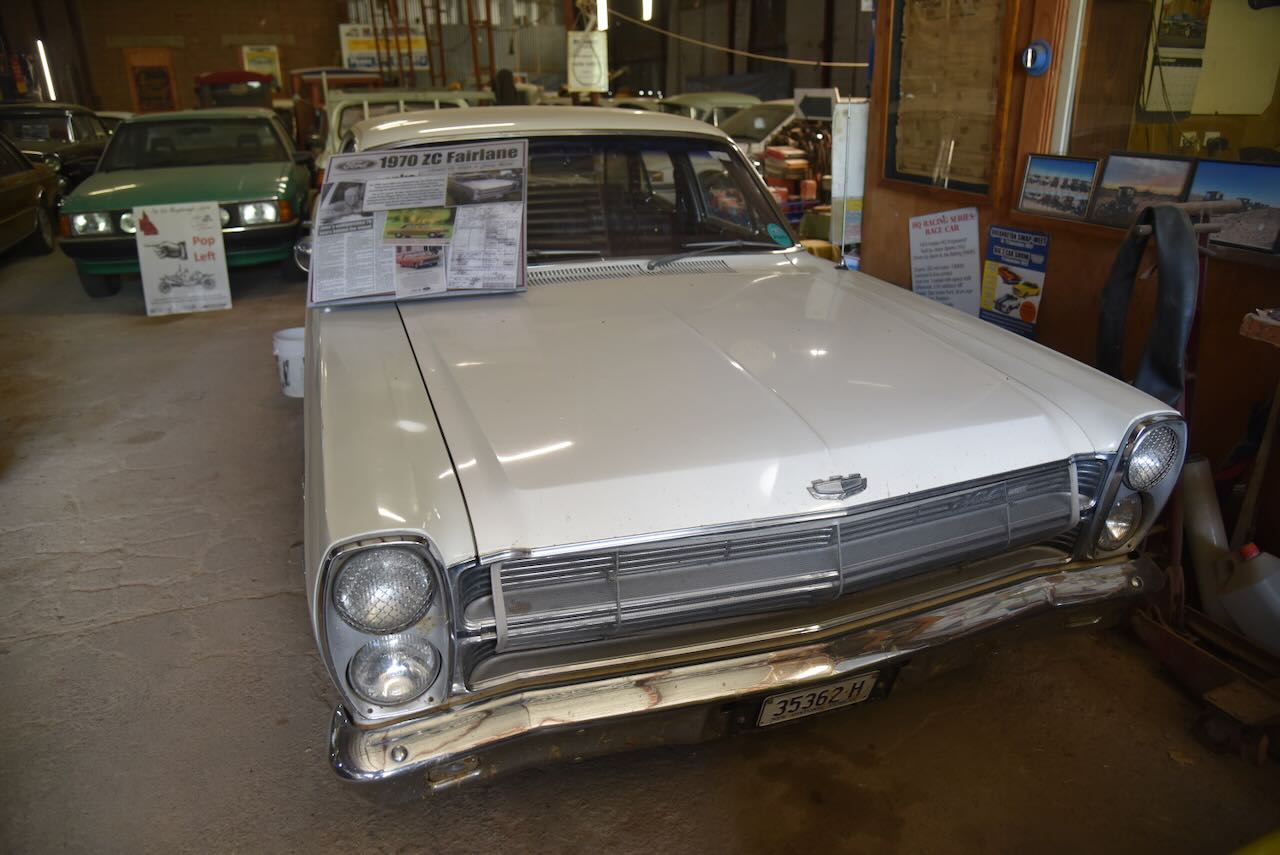
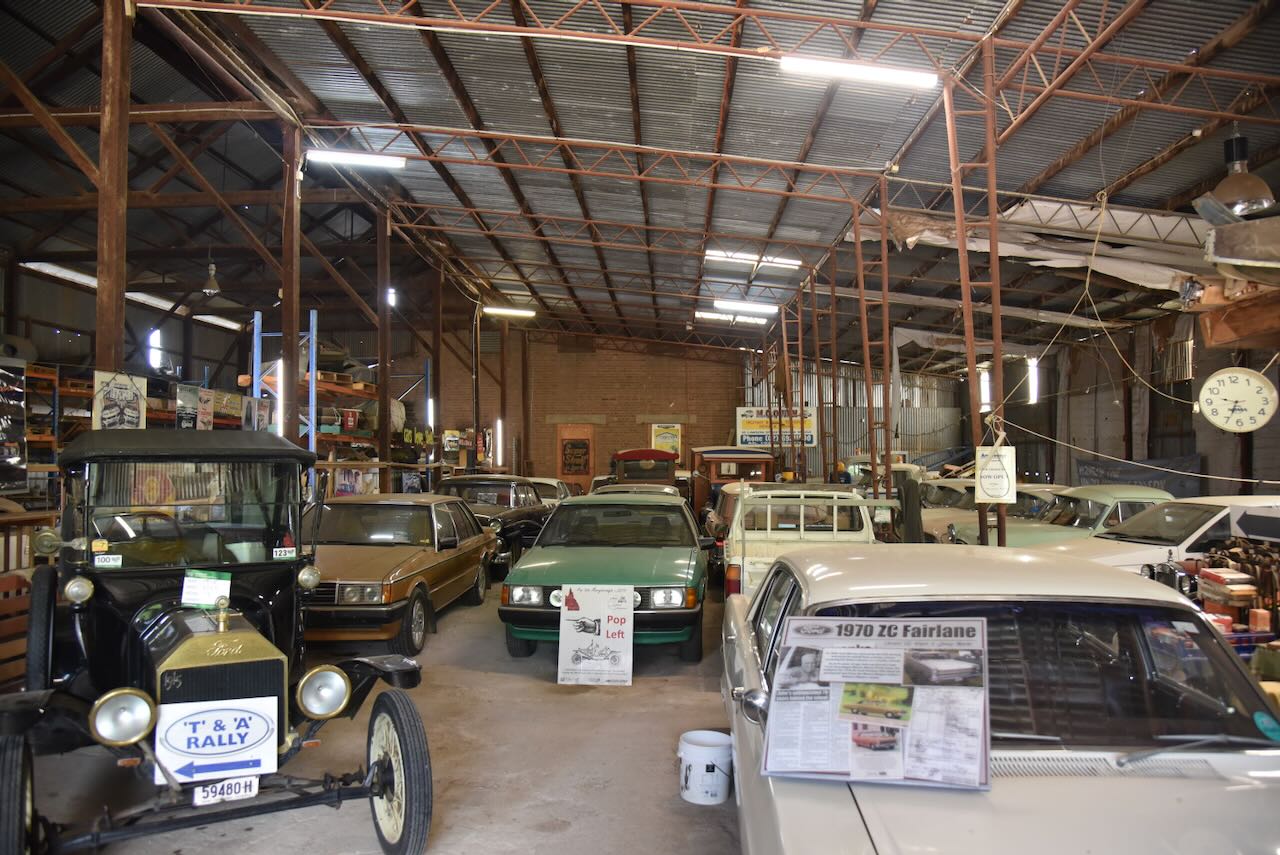
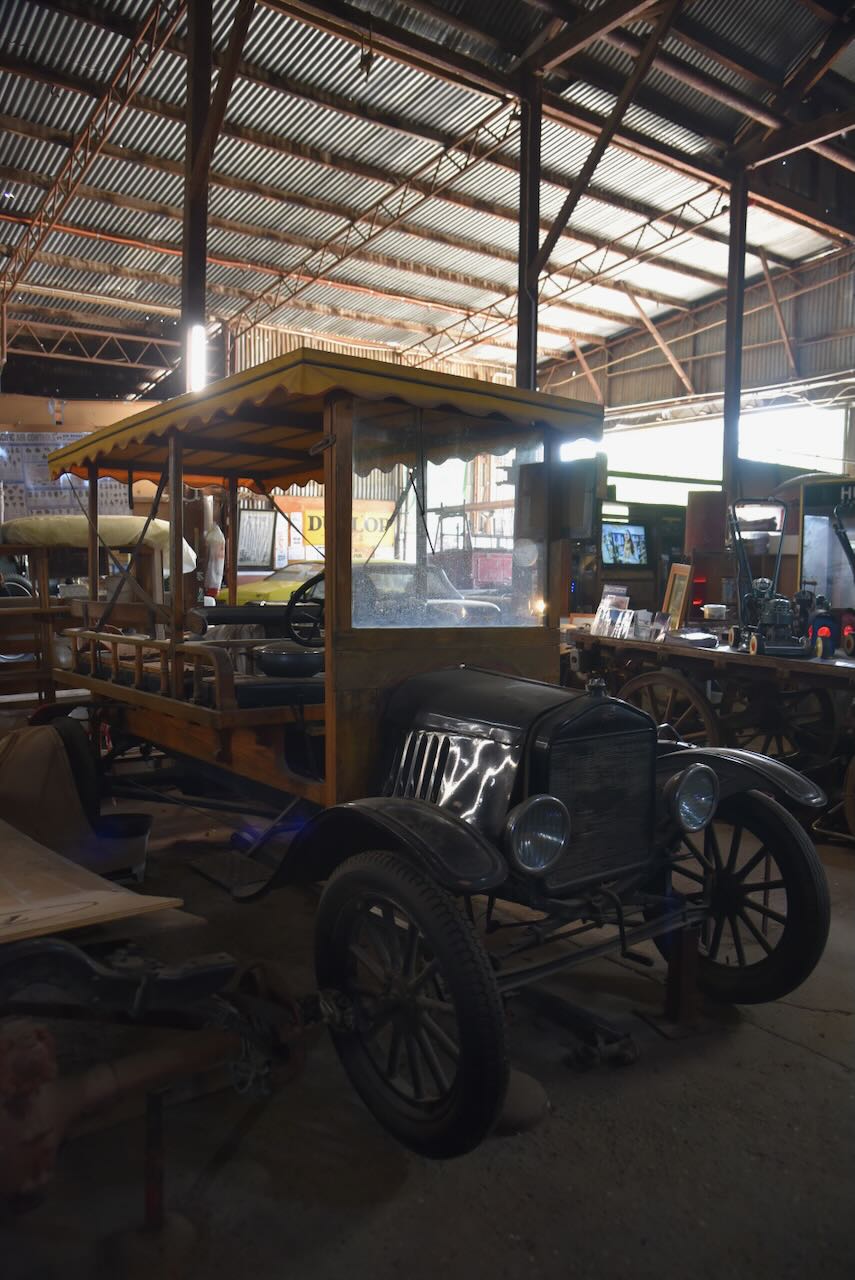
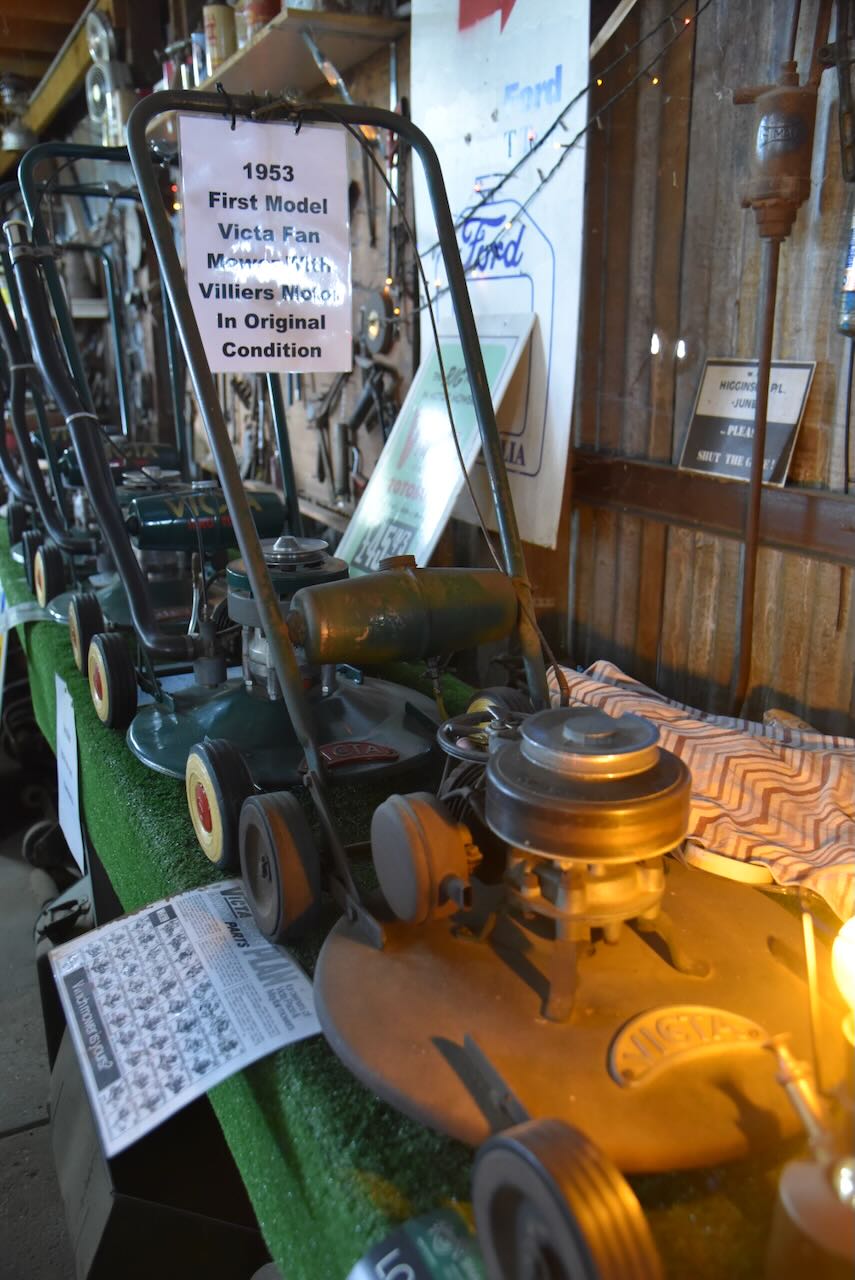
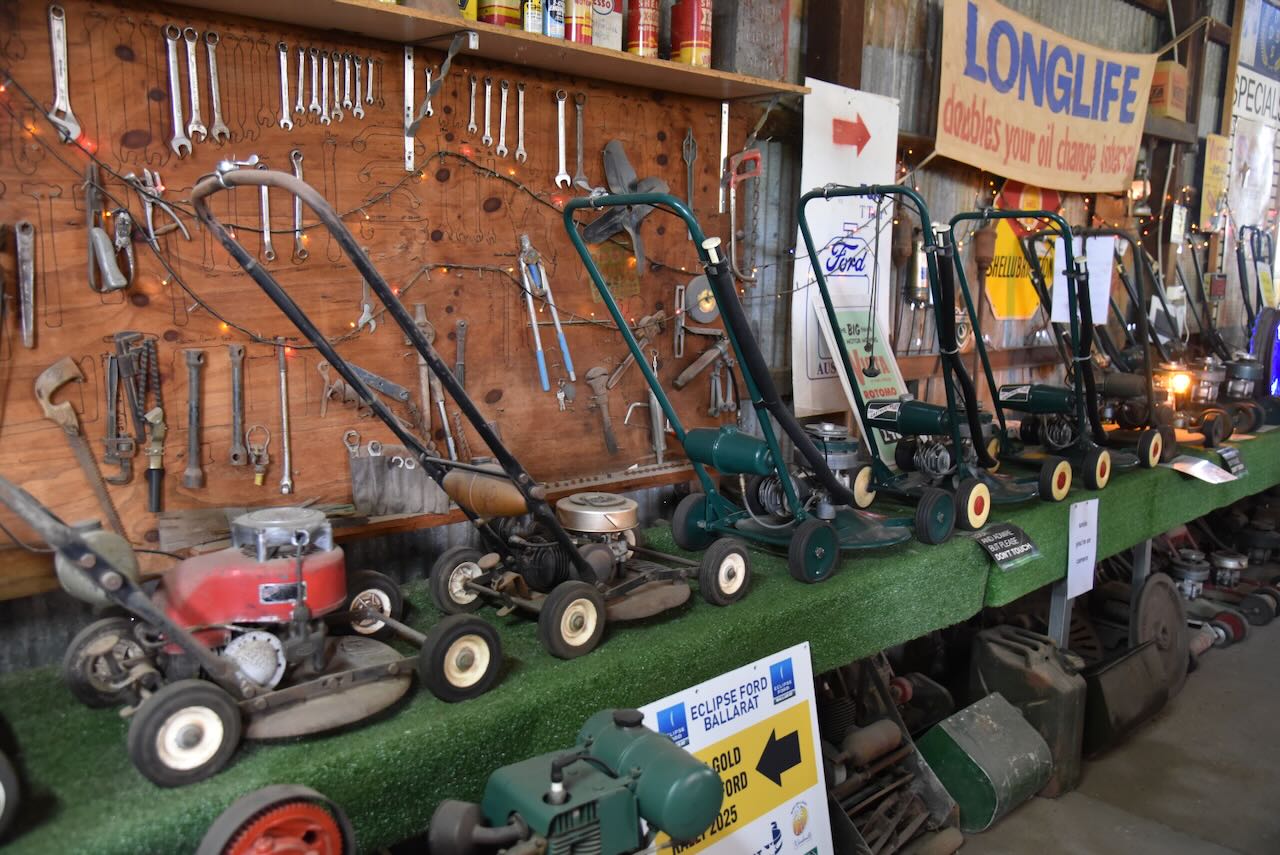
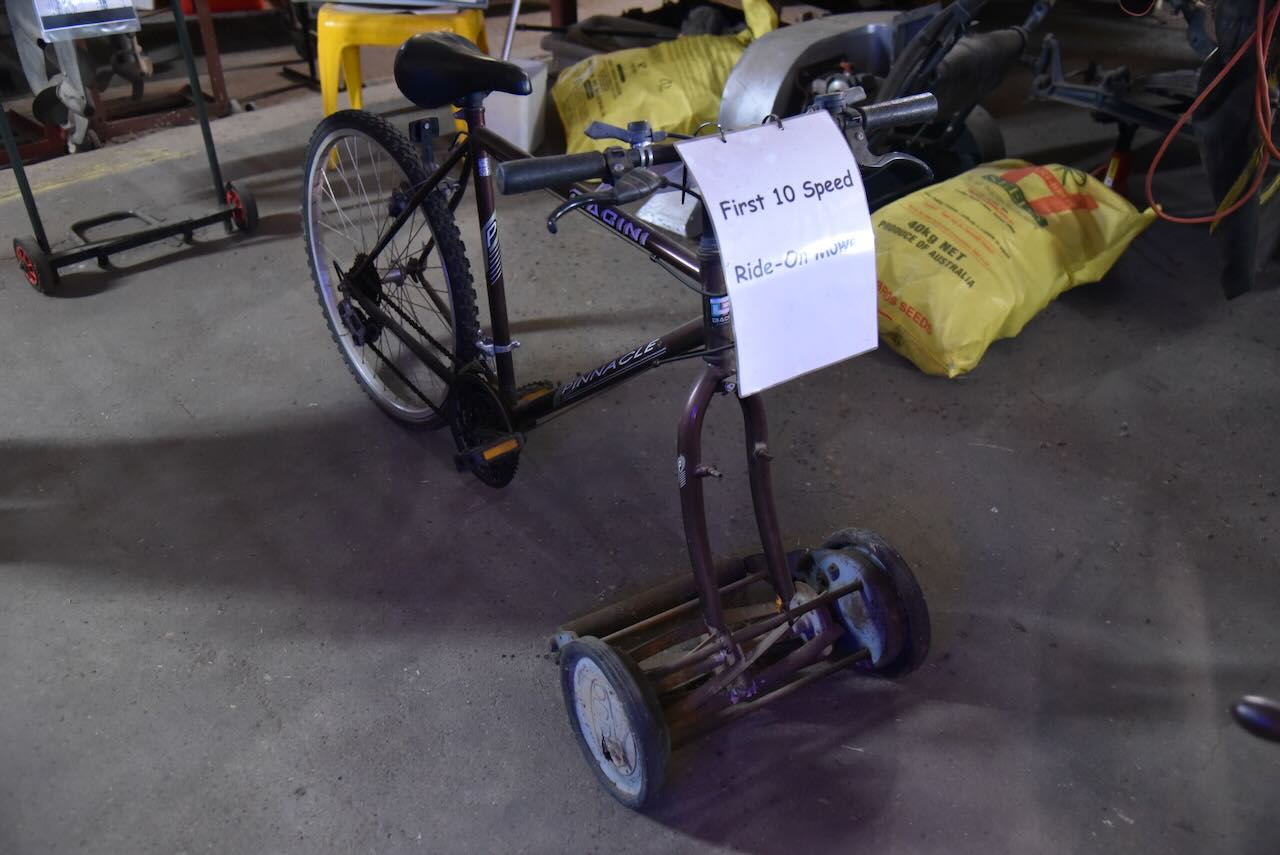
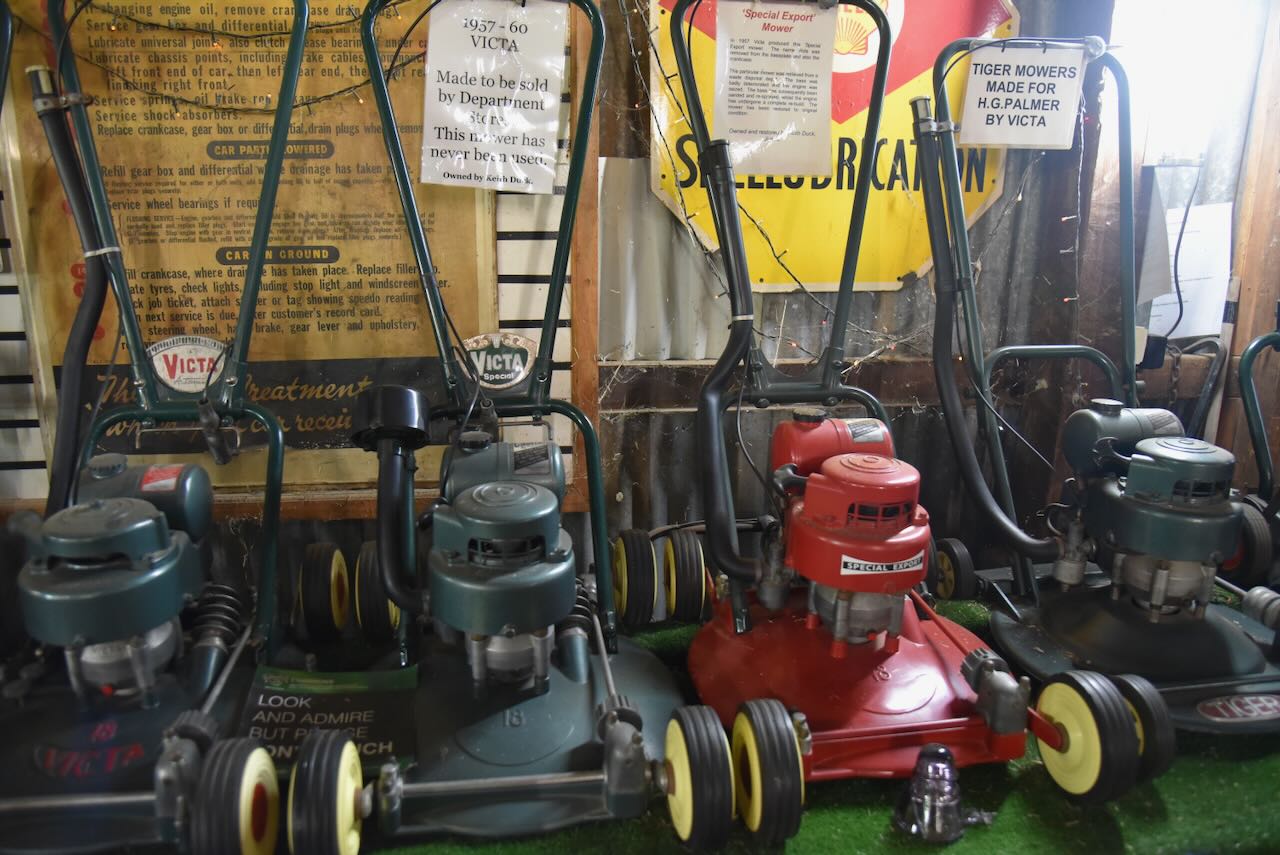
And a collection of old lawnmowers.
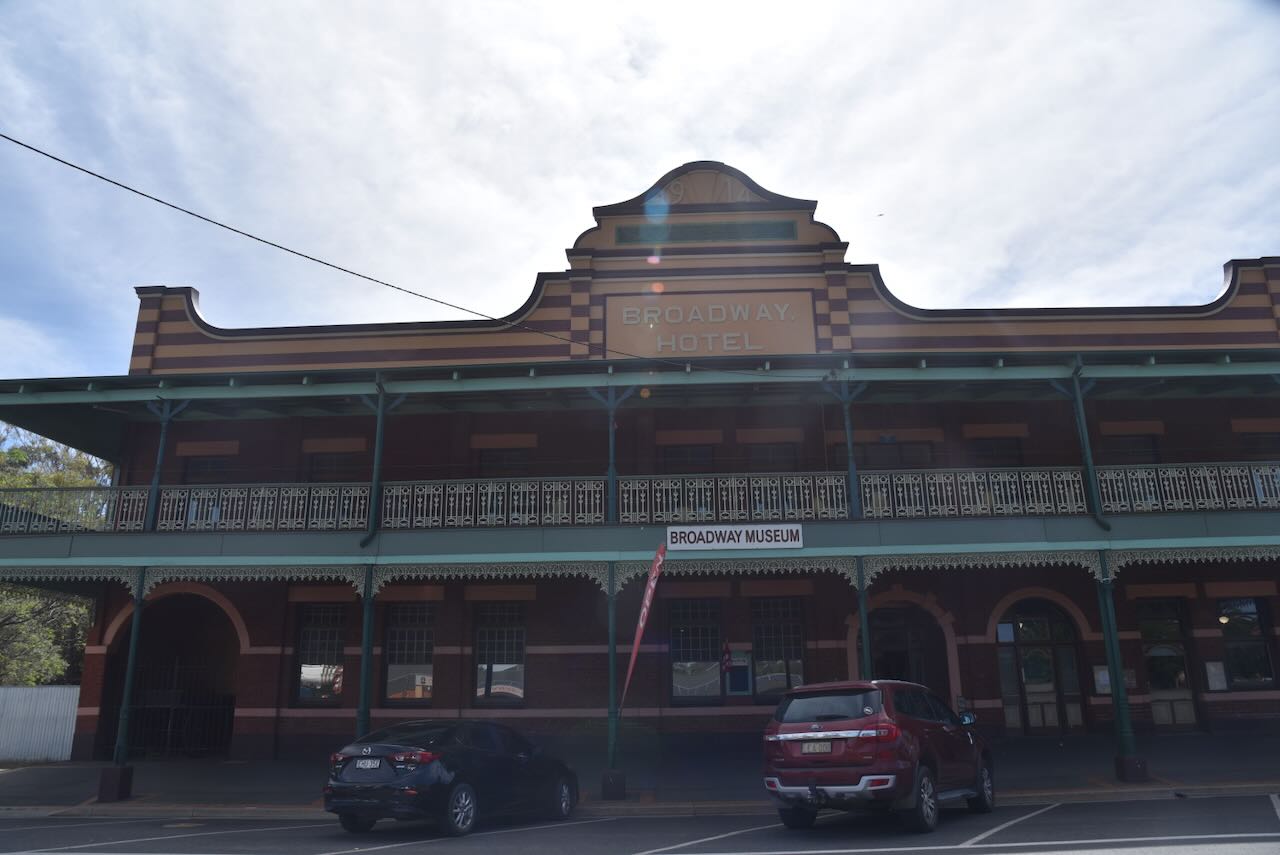
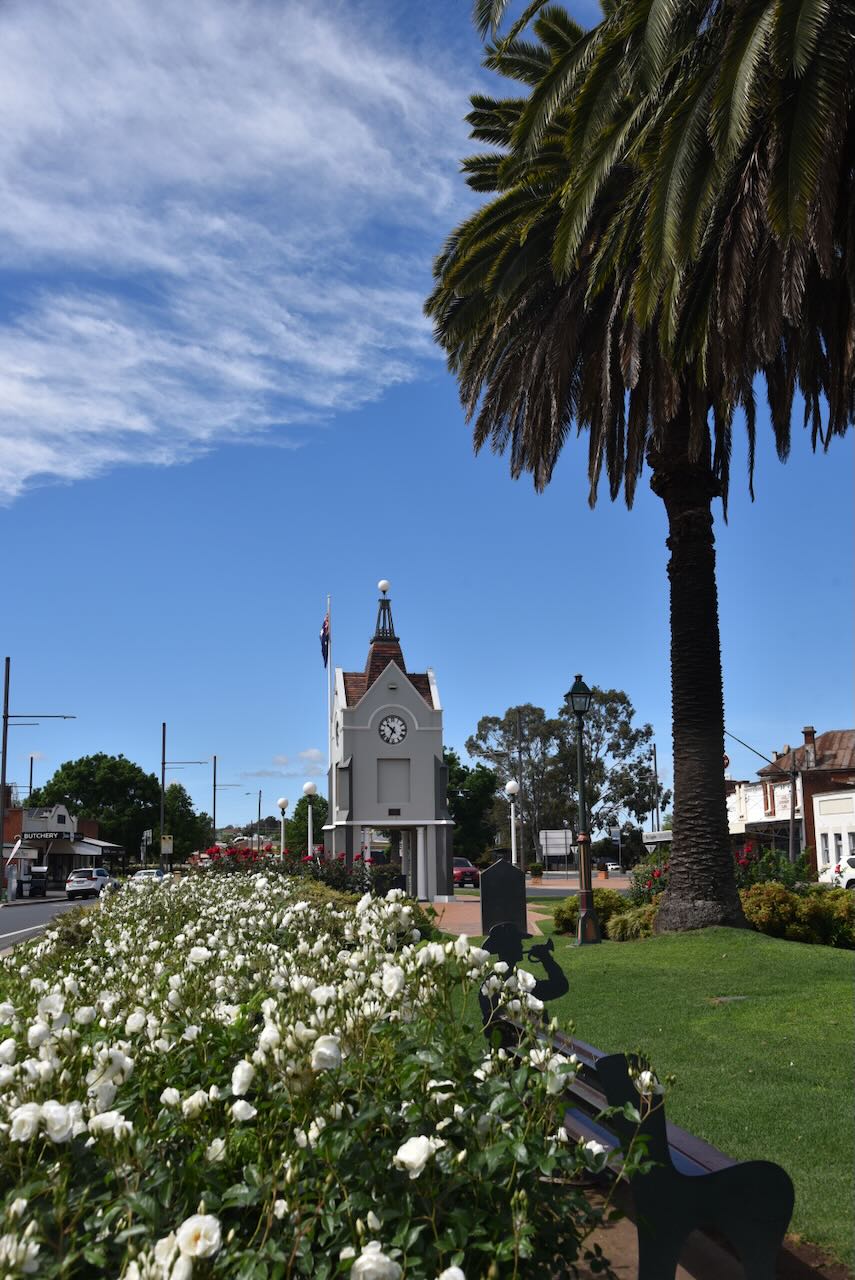
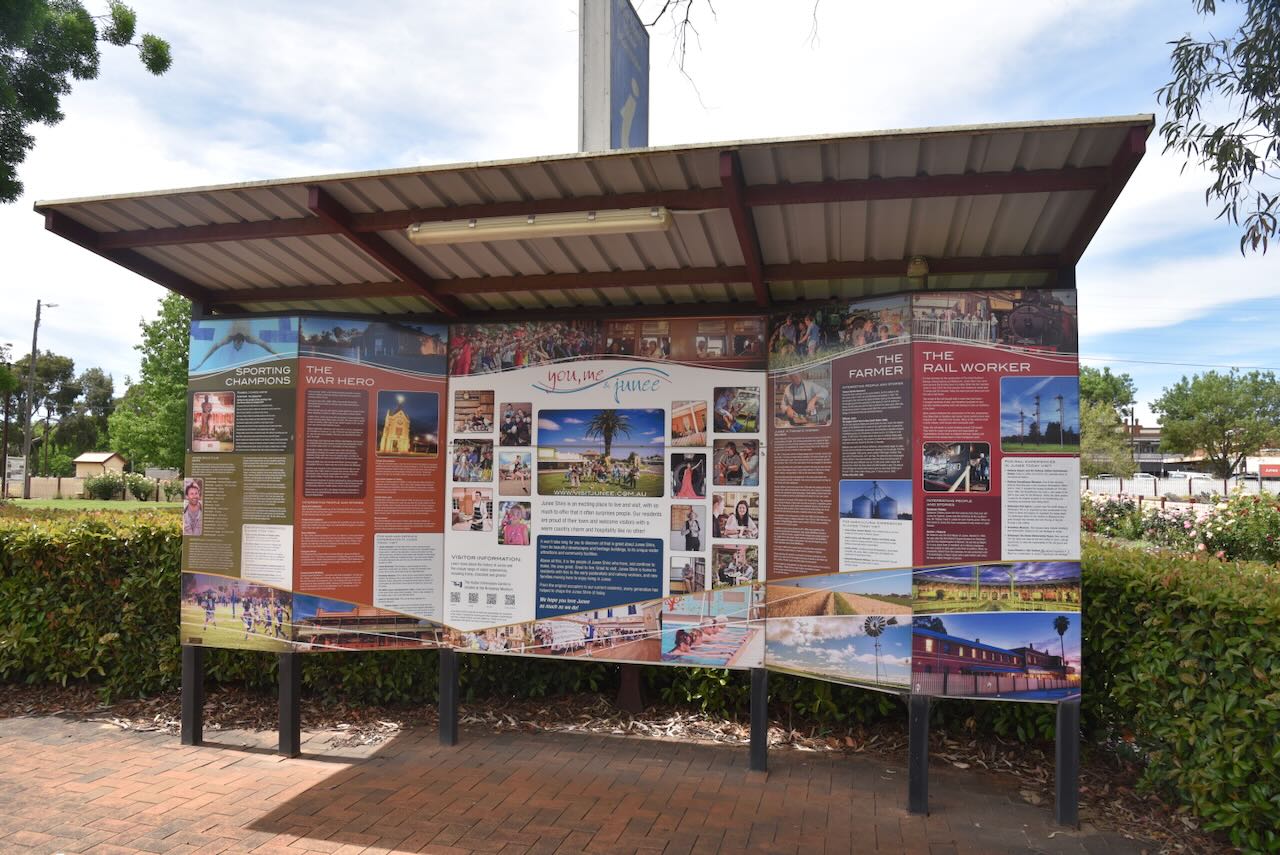
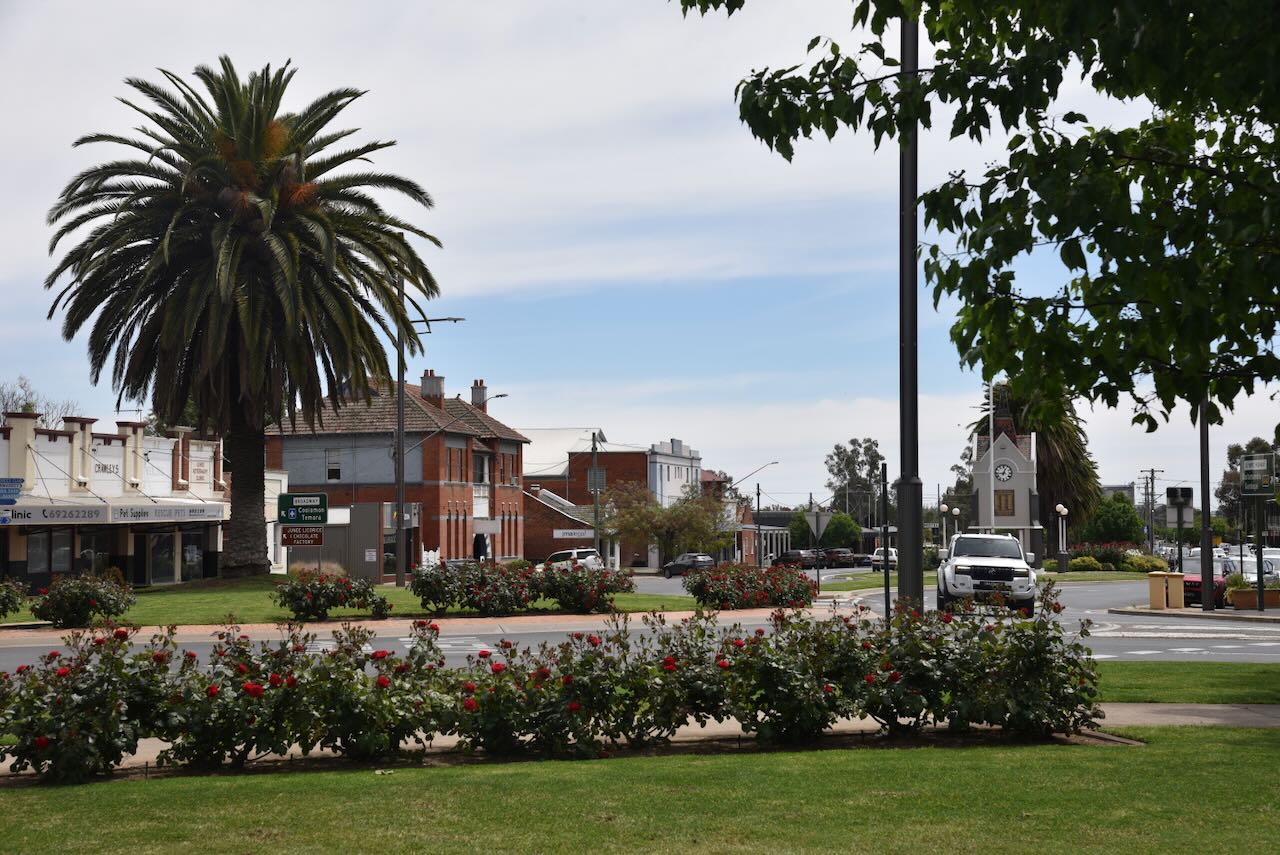
Marija and I then headed to the main street of Junee for a look at some of the several historic buildings.
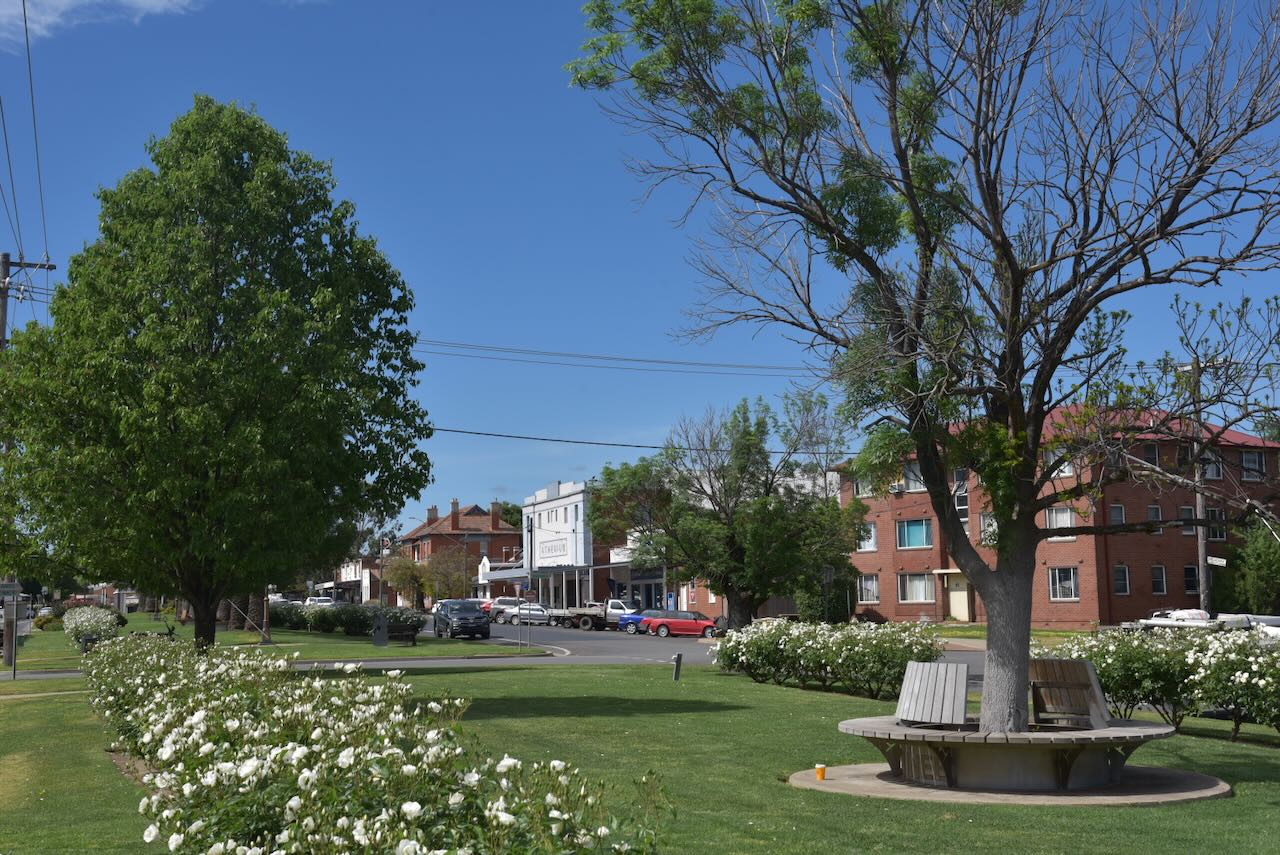
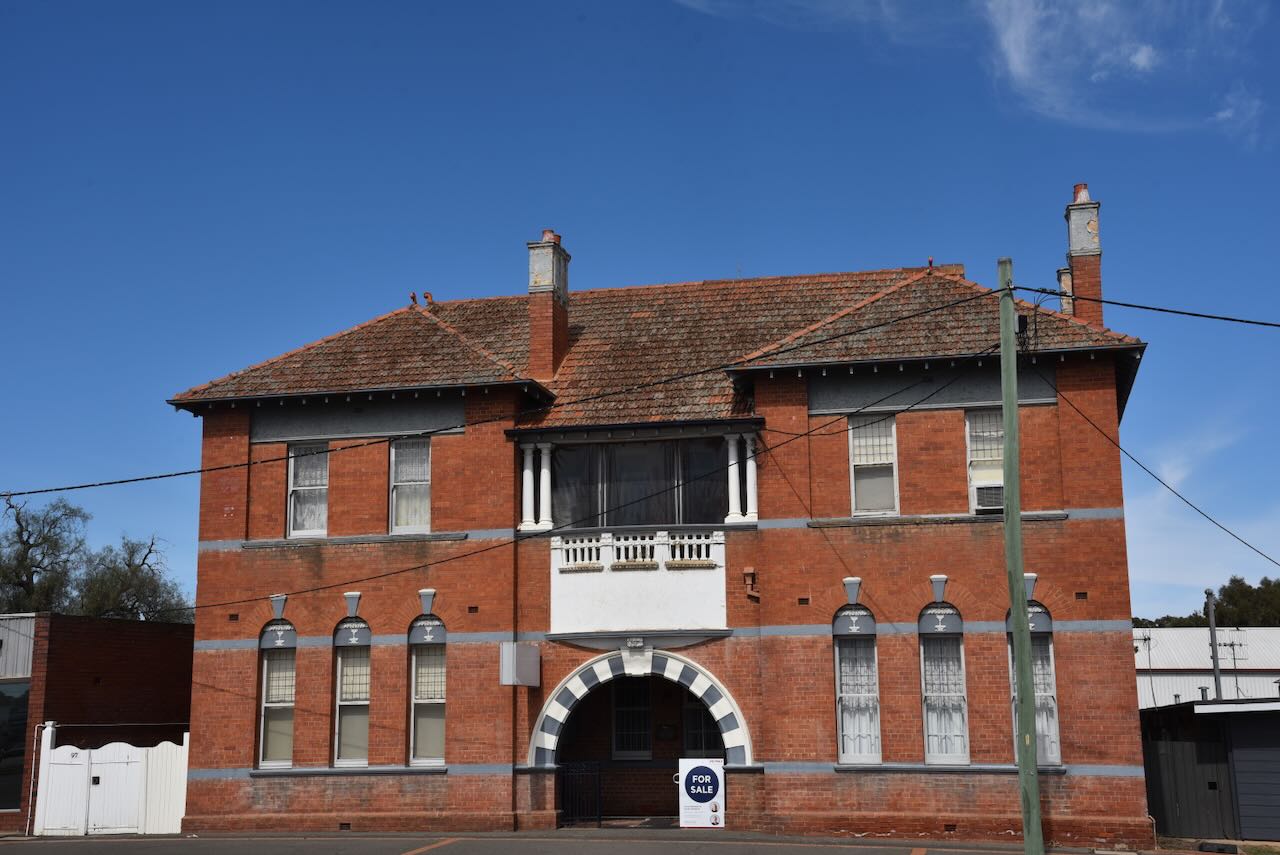


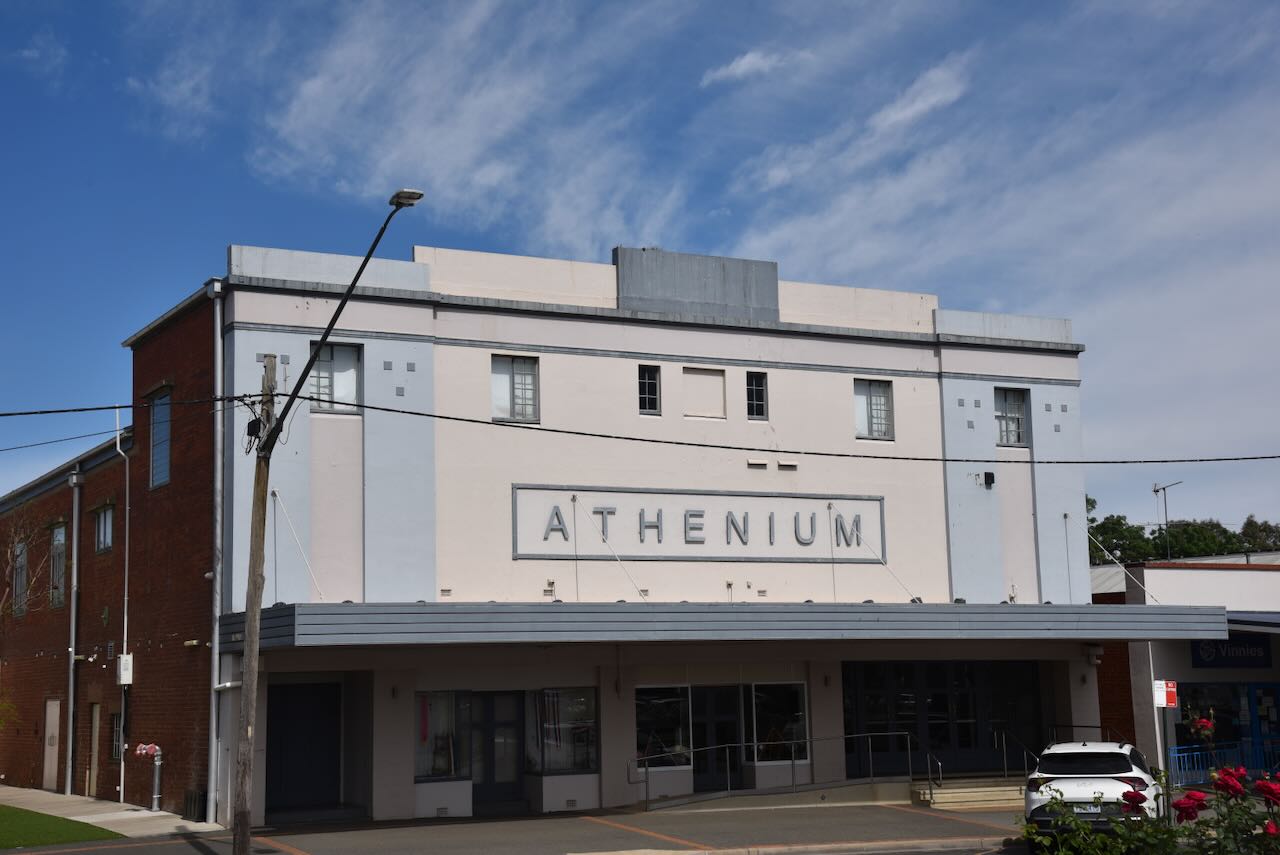
The Athenium Theatres was built in 1929 by J. Nyssen and was designed by Kaberry and Chared, an Australian architectural firm who were well known for designing theatres, picture theatres and town halls. In 2004, it was added to the New South Wales State Heritage Register. (Wikipedia 2025)
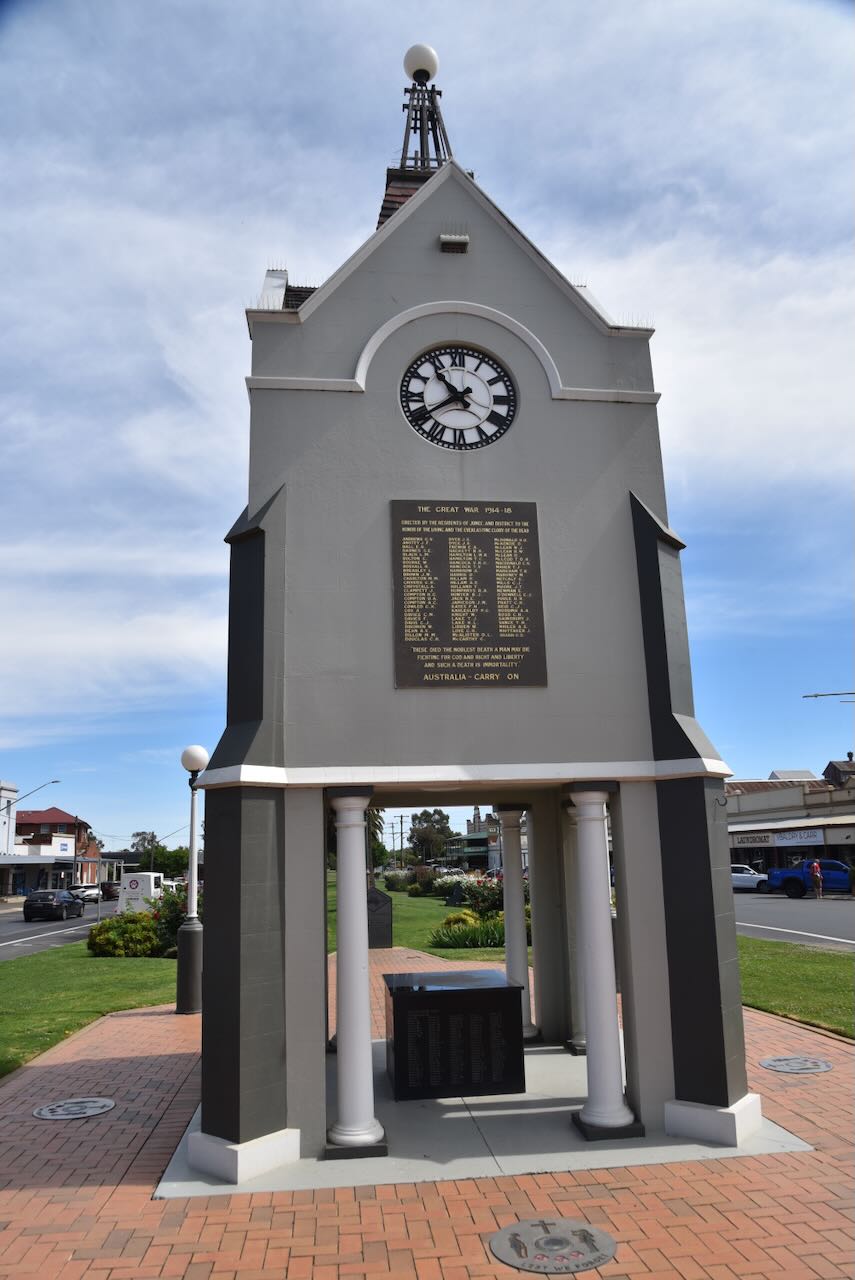
The Junee War Memorial Clock Tower was unveiled on Empire Day on the 24th day of May 1928. It honours those who fell during the First World War. (Nsw.gov.au 2020)
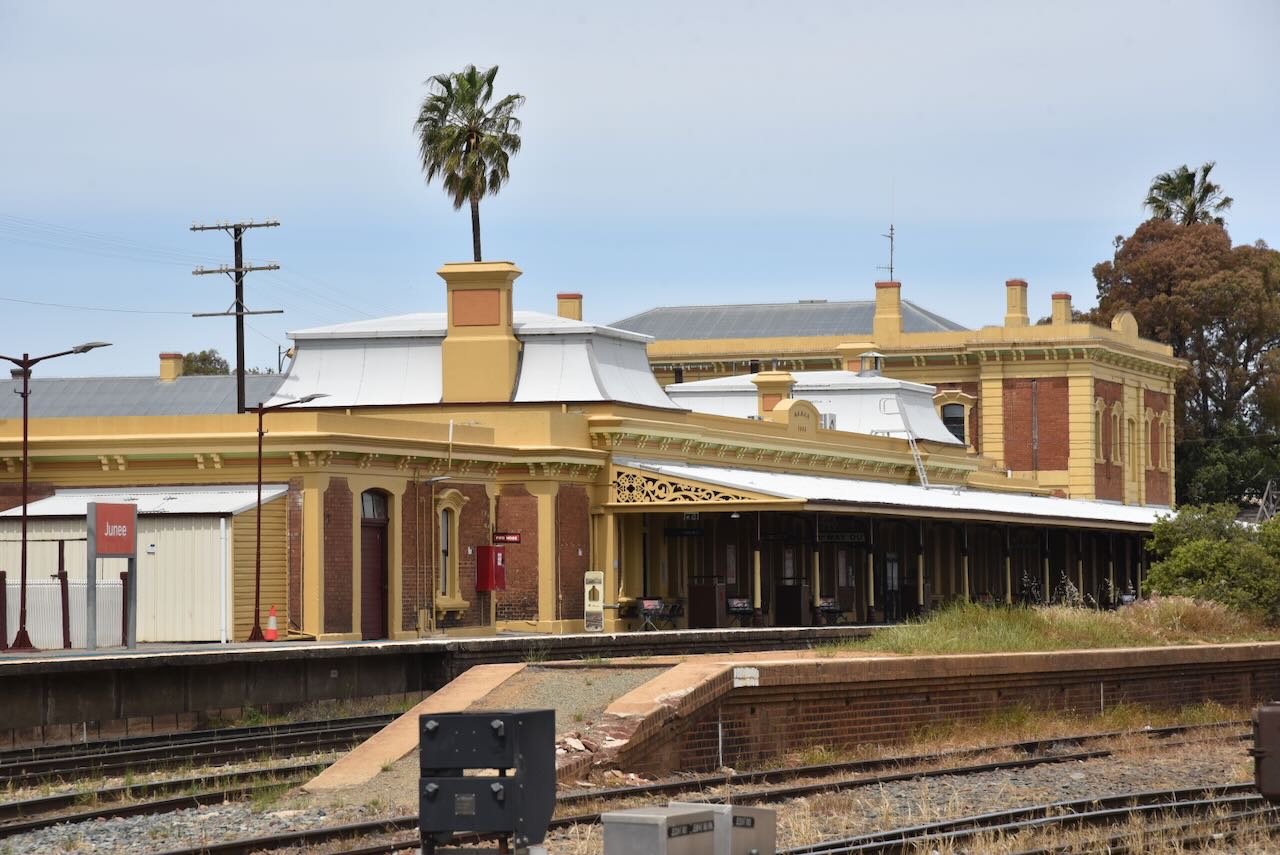
The Junee Railway Station opened on the 6th day of July 1878. In 1999, it was added to the New South Wales State Heritage Register. (Wikipedia 2026)
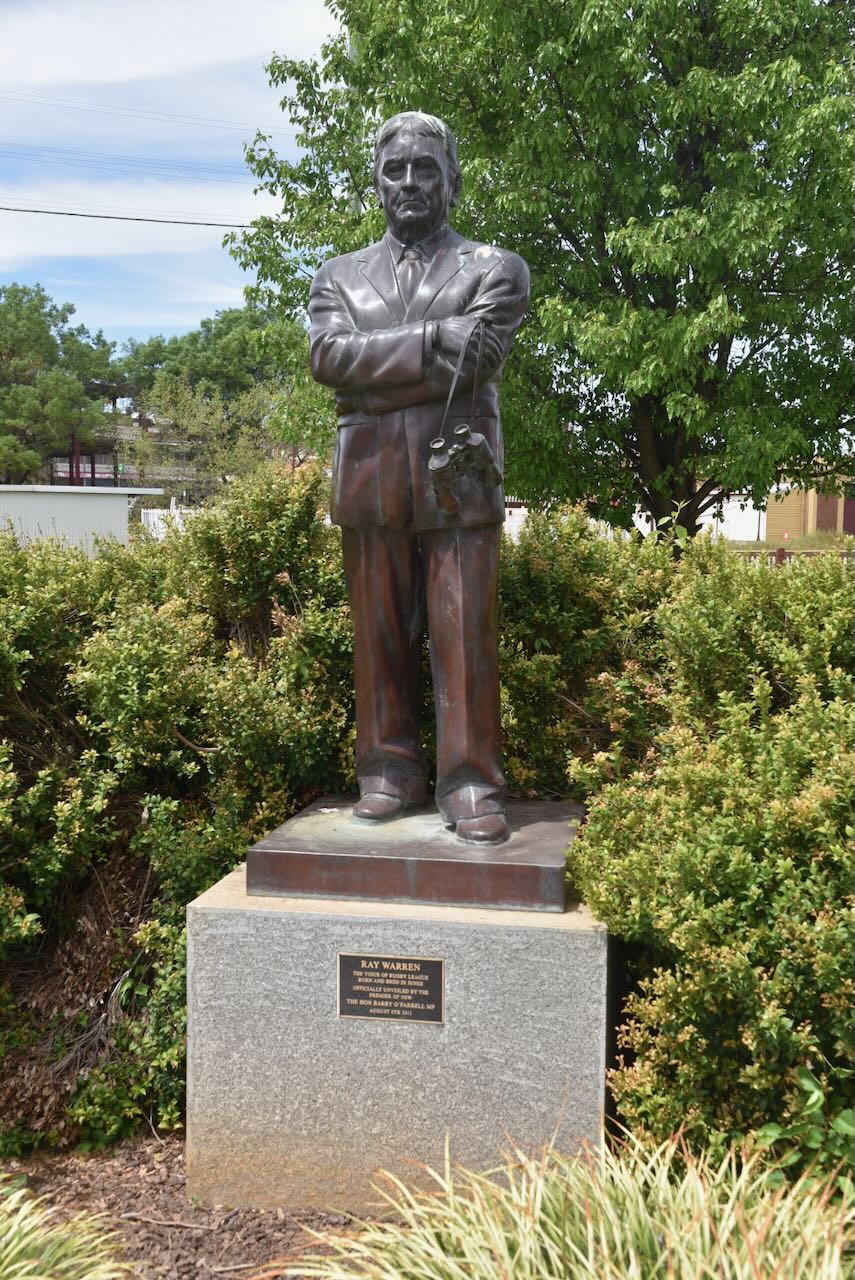
In Dobyn Park at Junee, you can also find a statue to commemorate sports commentator Ray ‘Rabbits’ Warren, who was born in Junee. (UBC Web Design 2026)
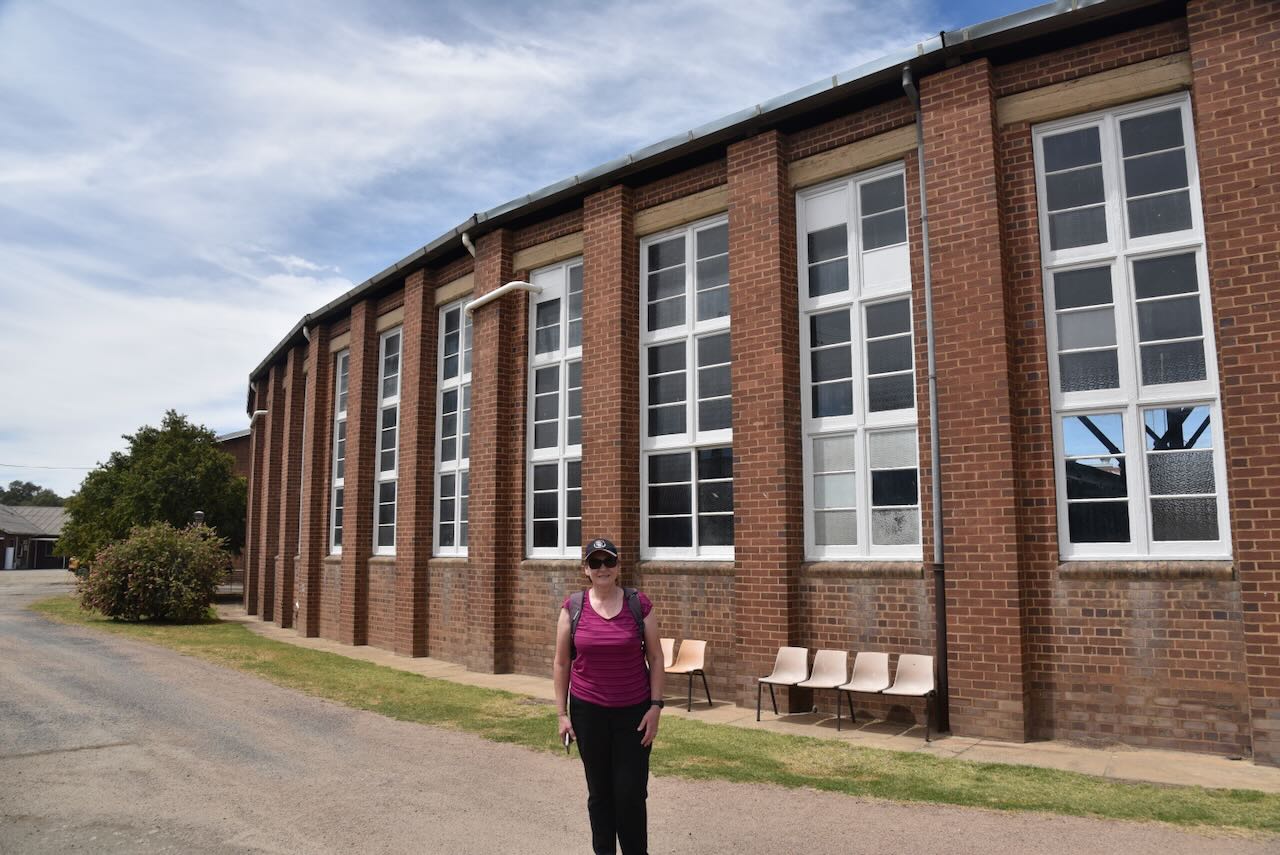
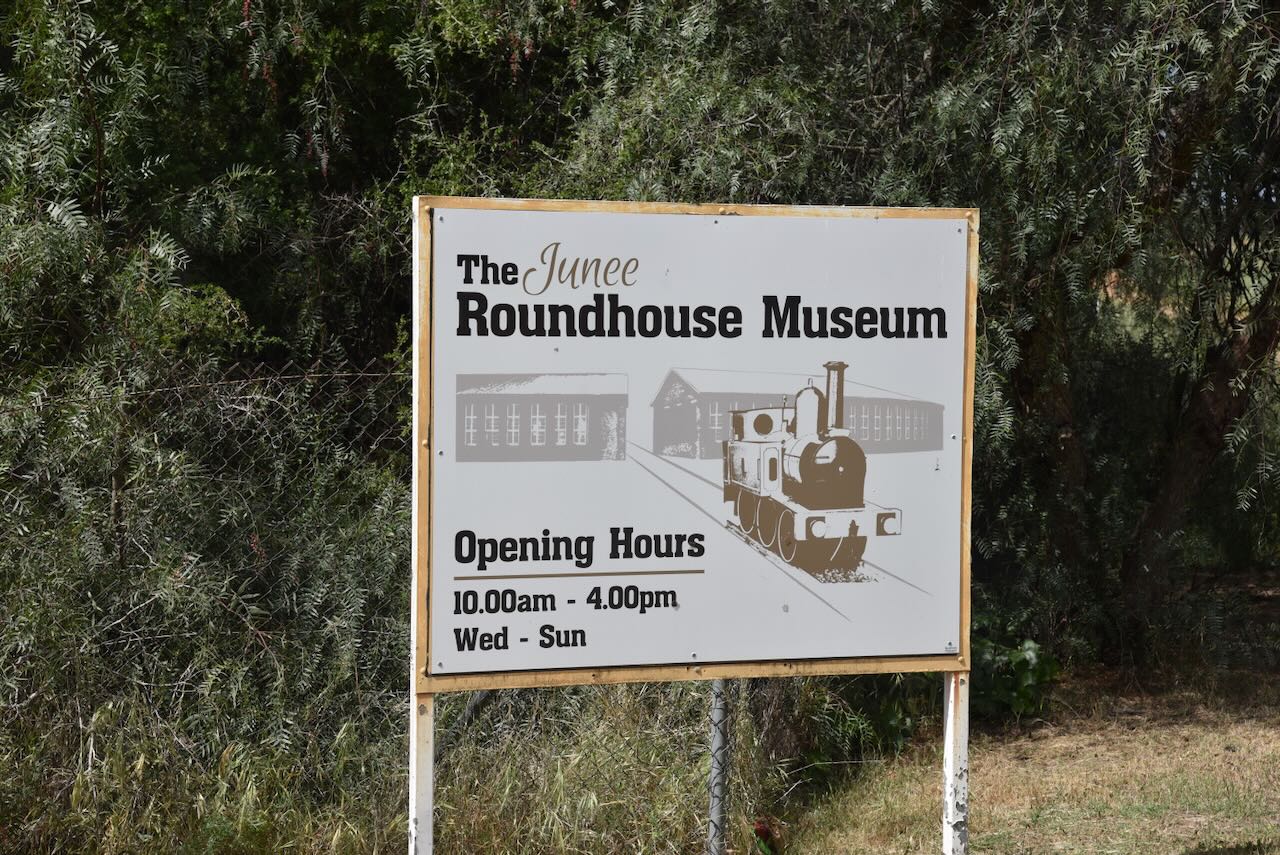
Our next stop was the Junee Roundhouse Museum.
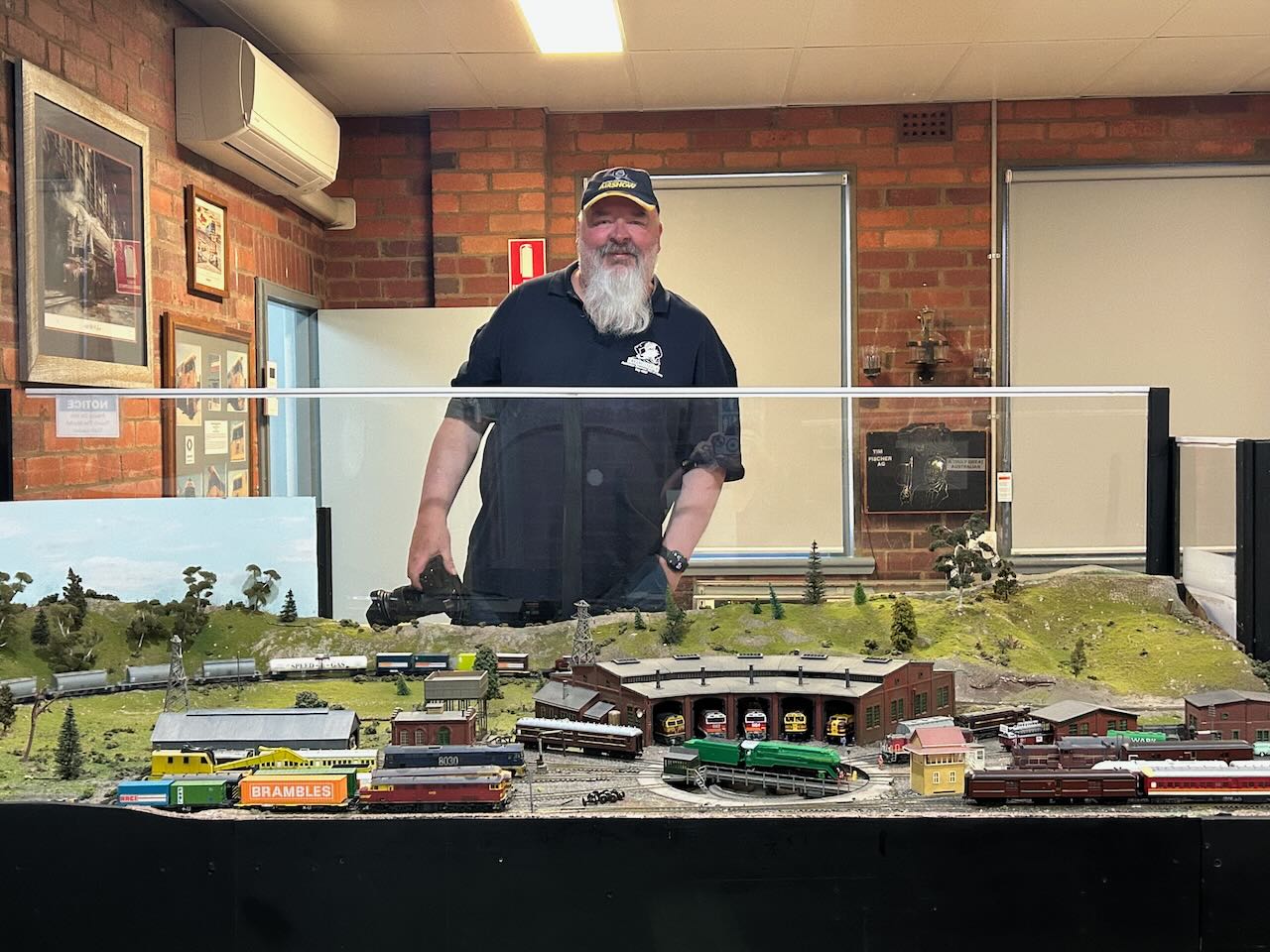
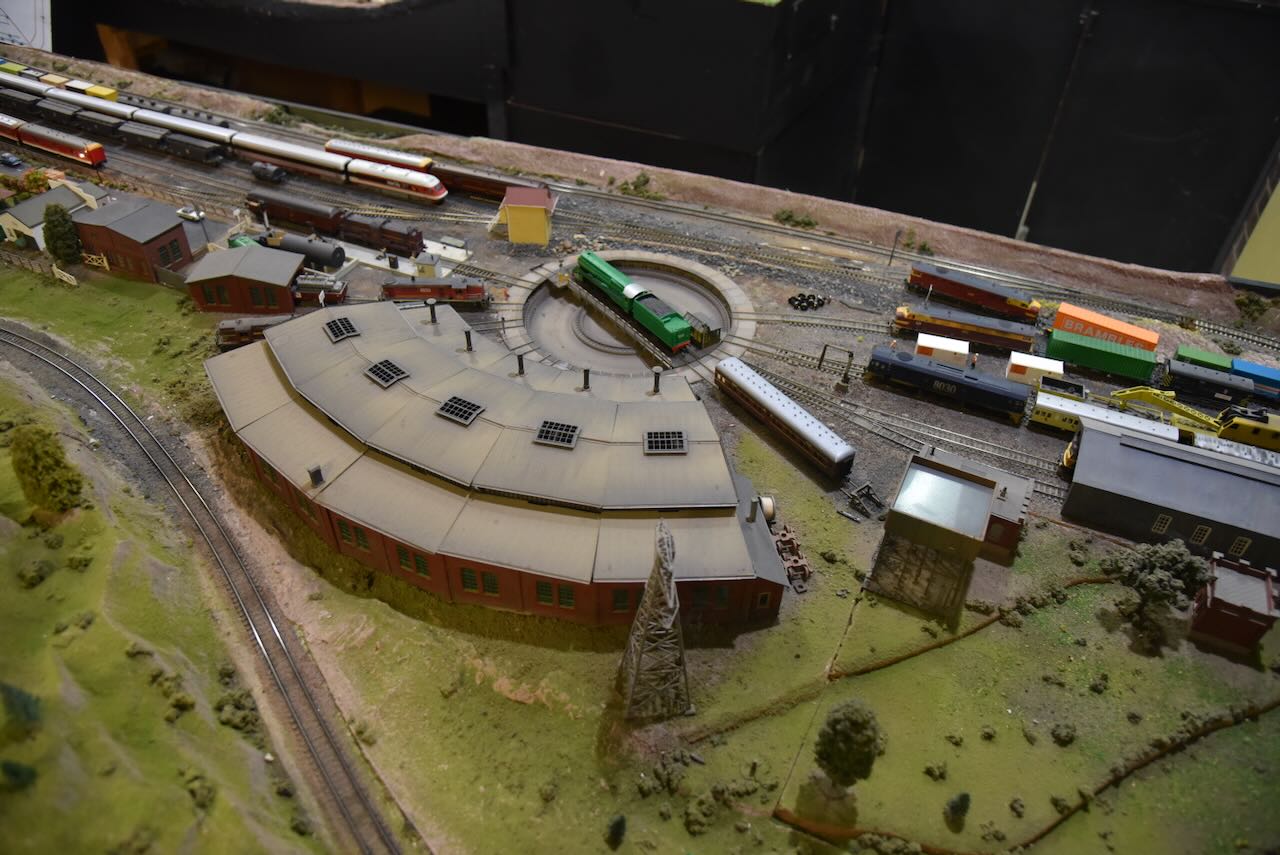
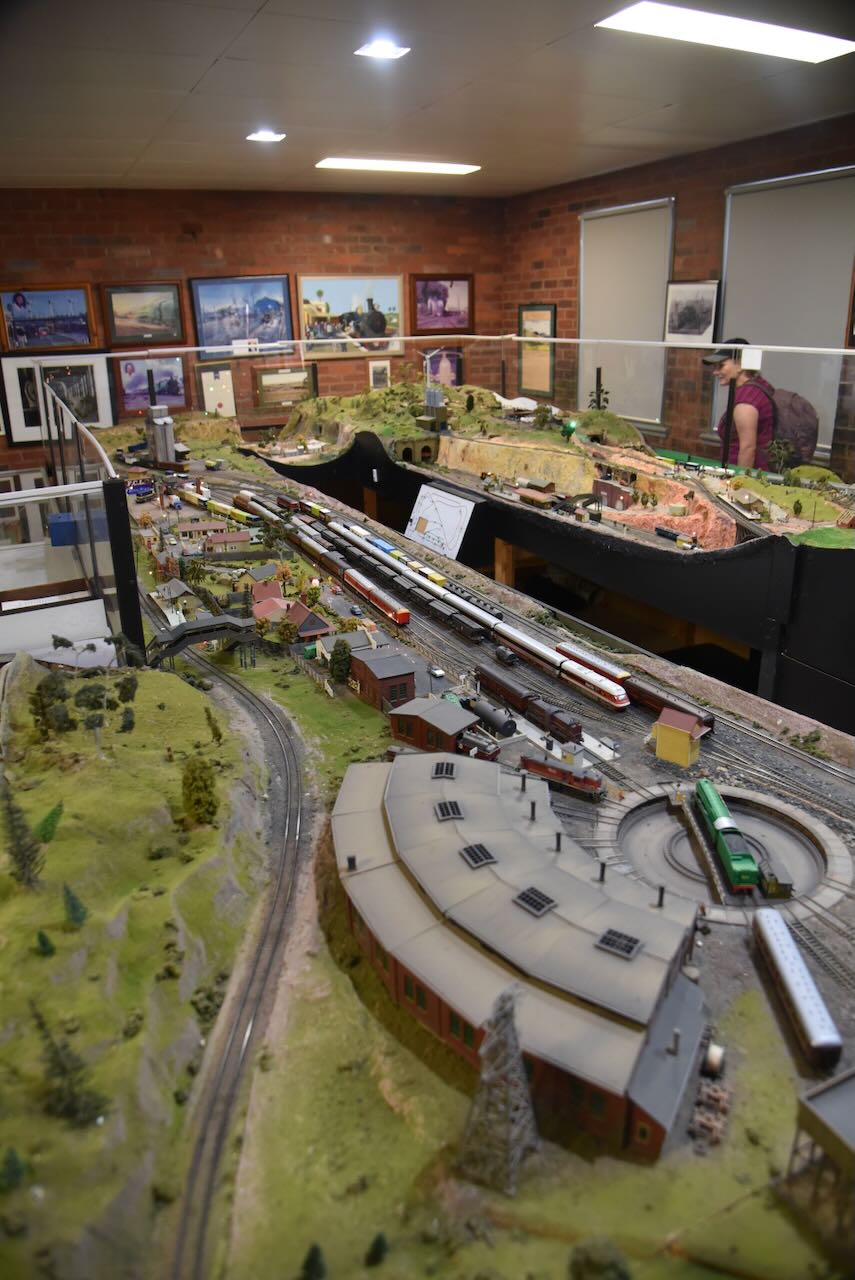
Inside the museum, you will find an extremely impressive model train display. The model railway was initially built by Mr Greg Gibson, who was the Australian High Commissioner to Malta. He was also a well-known jazz musician. Greg died in 1998, and following his death, the model railway was donated to the Roundhouse Museum. Since then, museum volunteers have extended the model. (The Junee Roundhouse Museum n.d.)

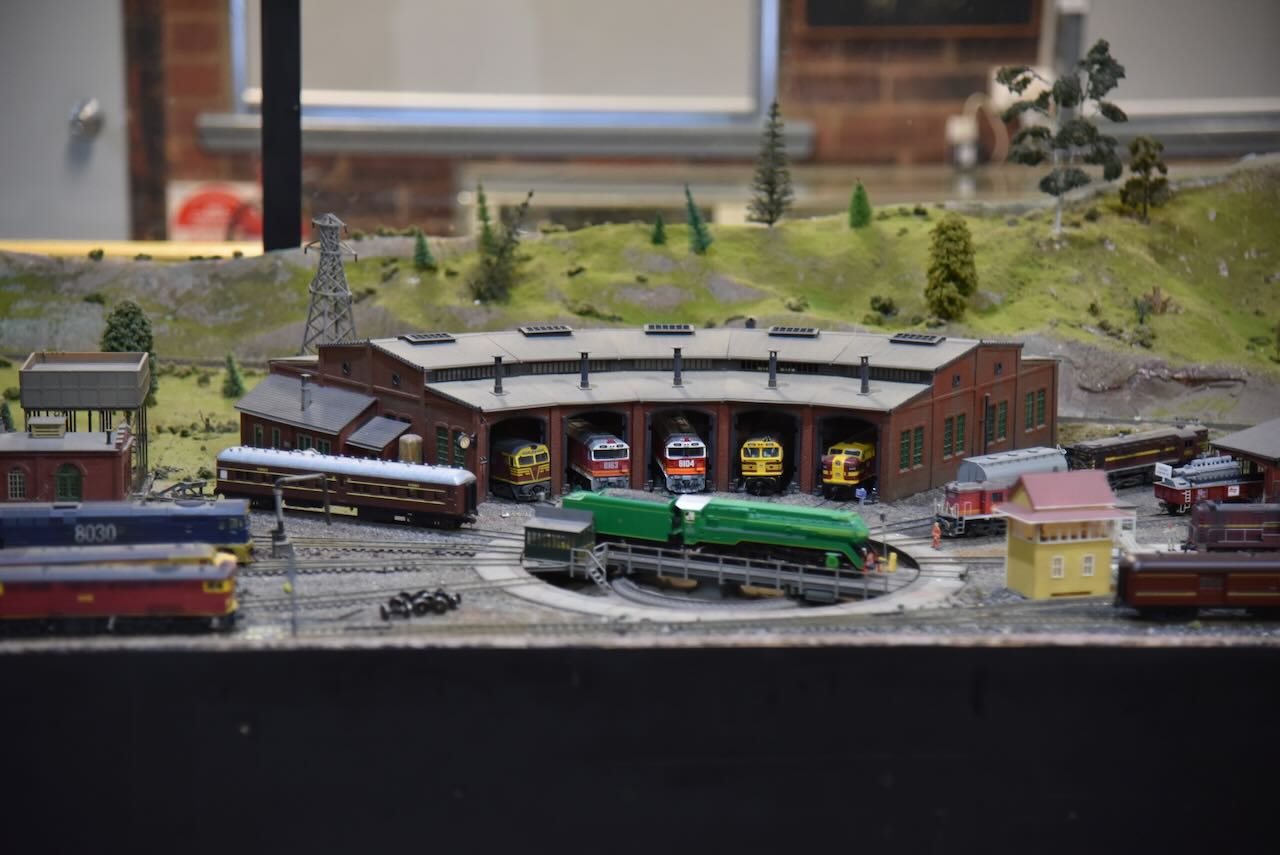
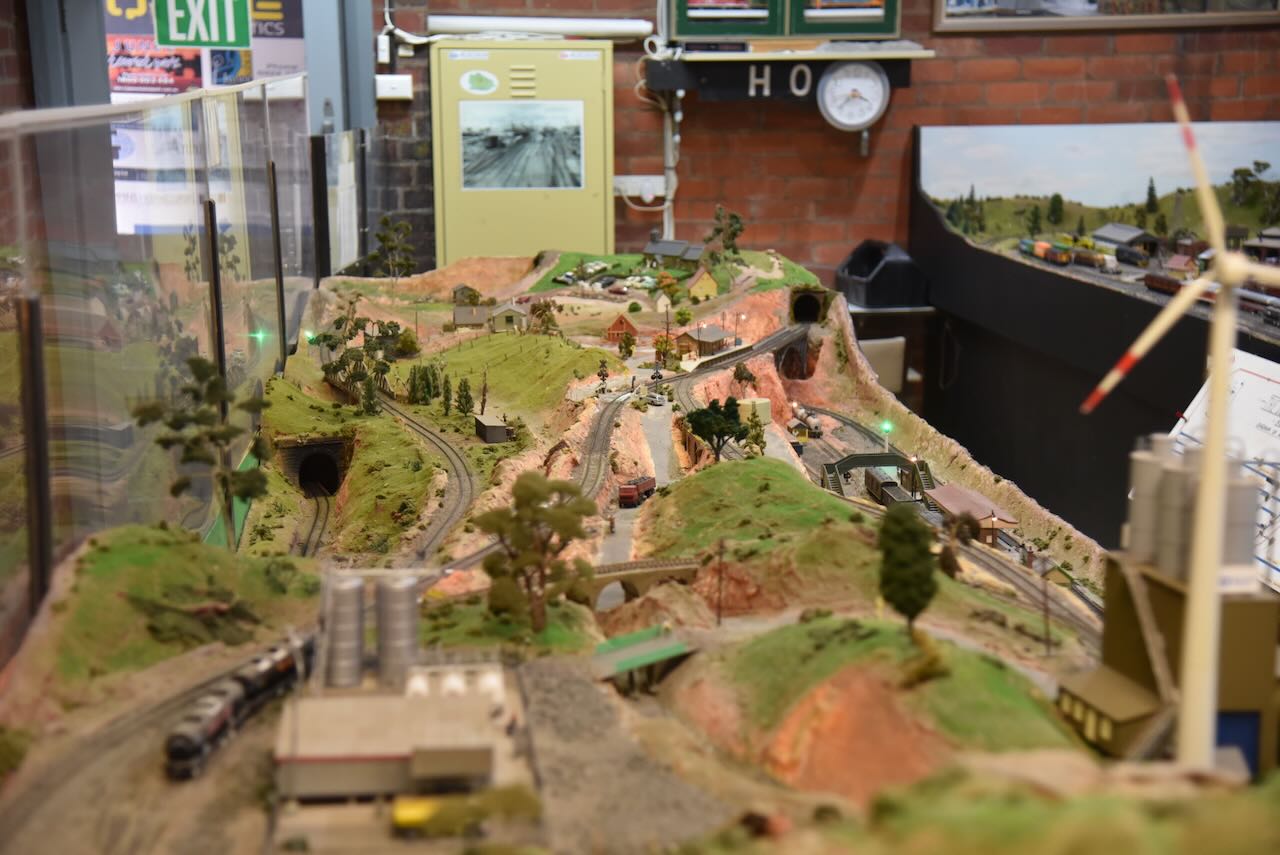
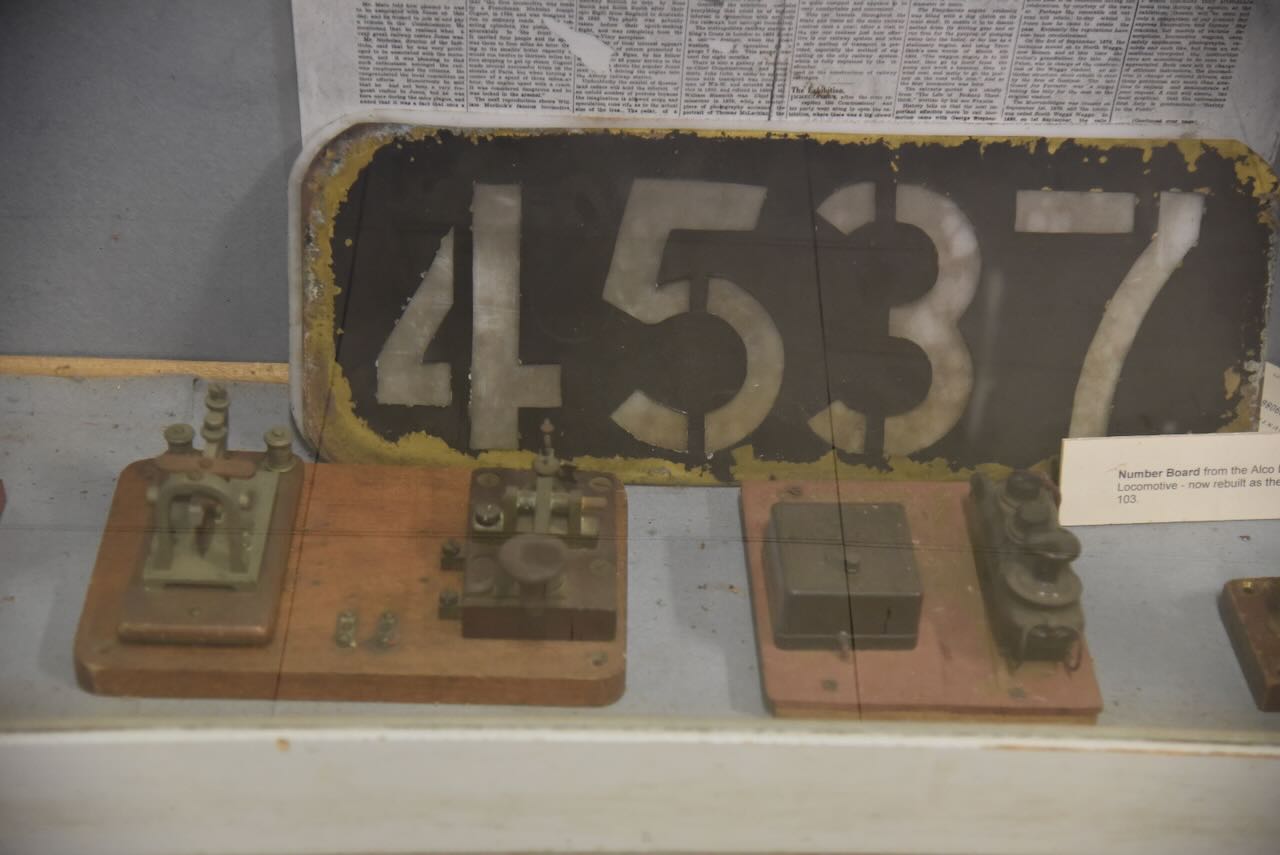
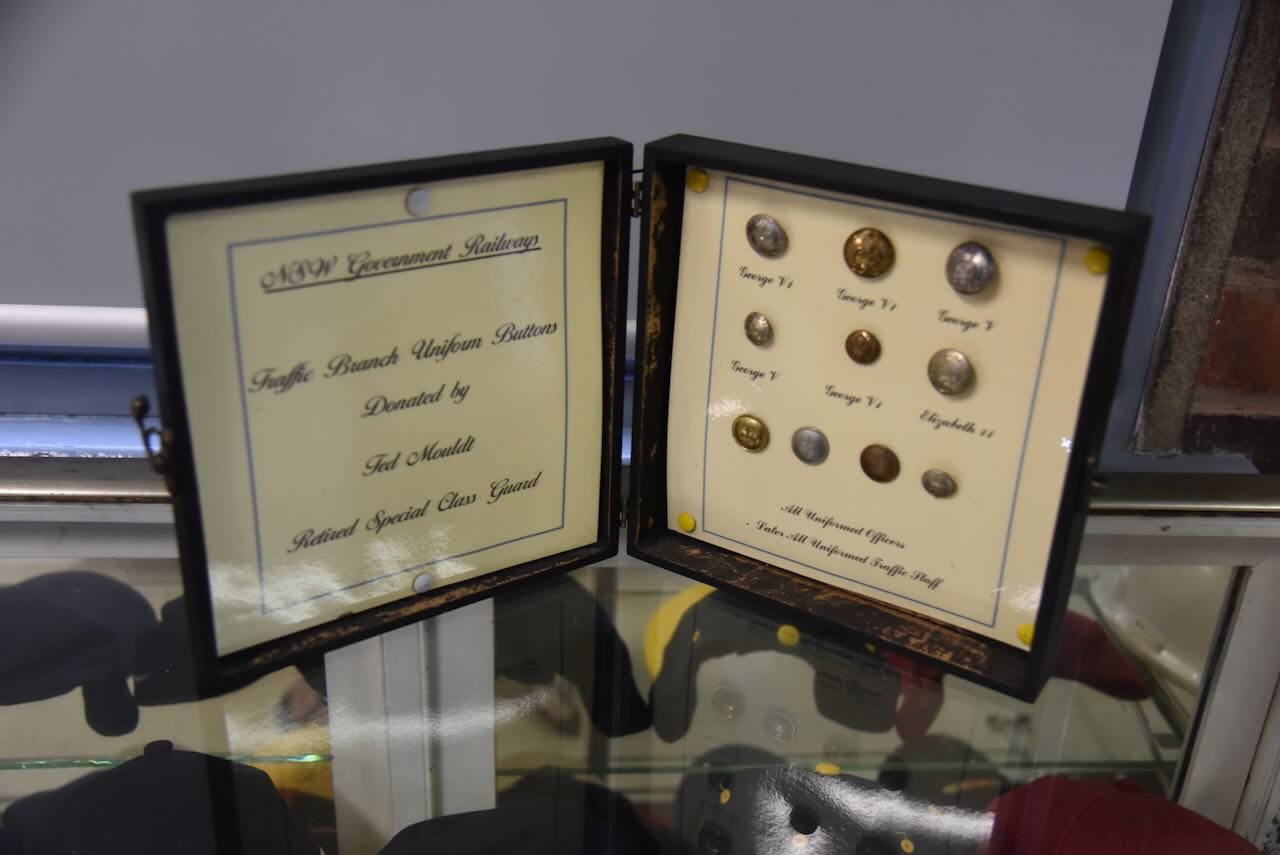
The museum also houses a large variety of railway memorabilia.
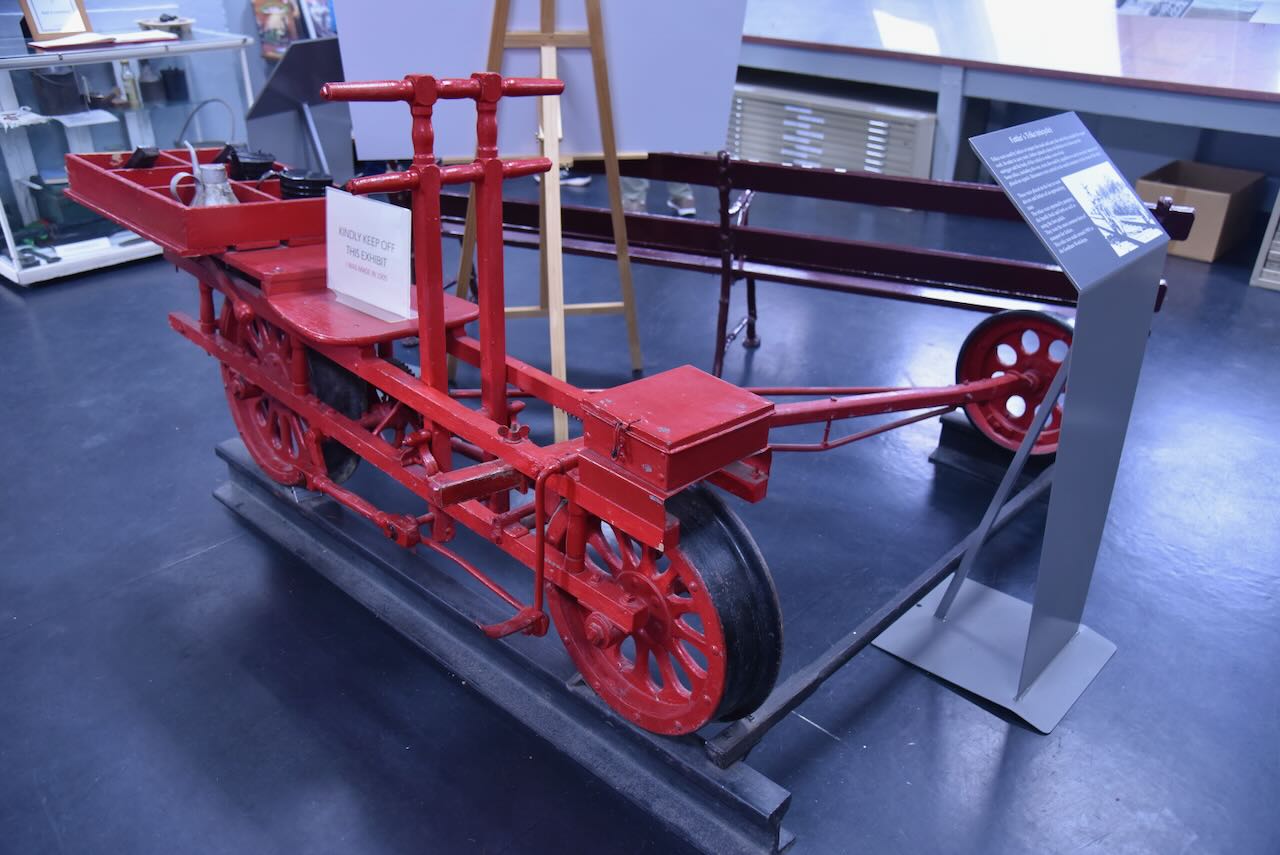
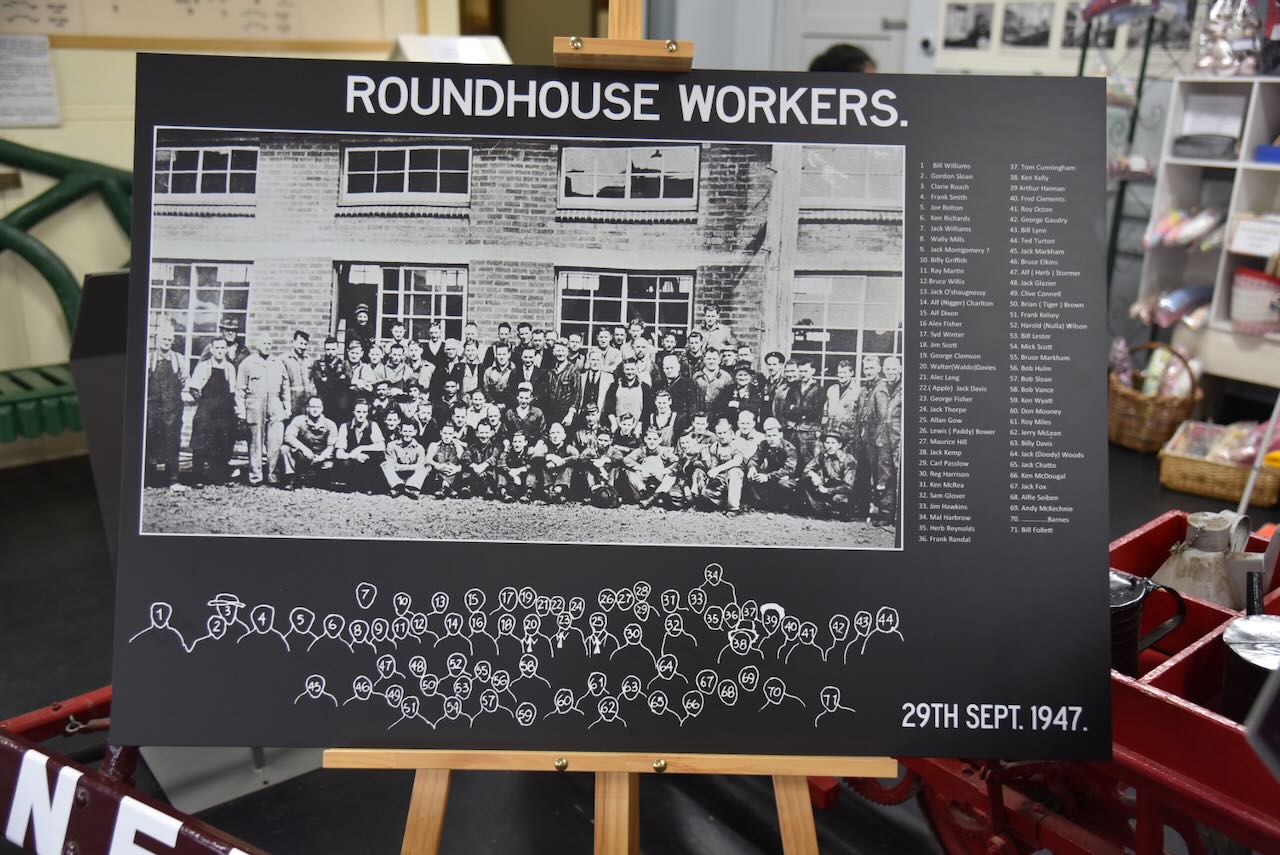
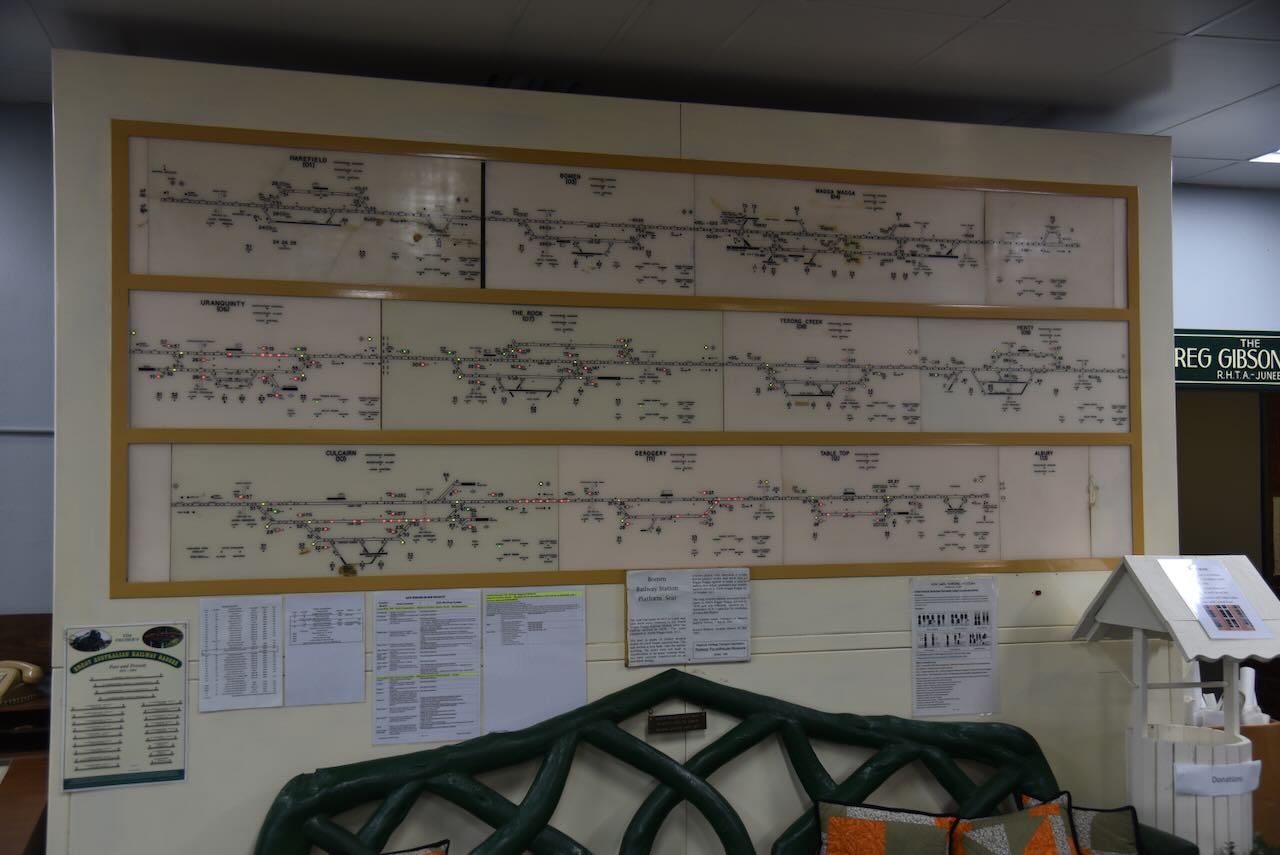
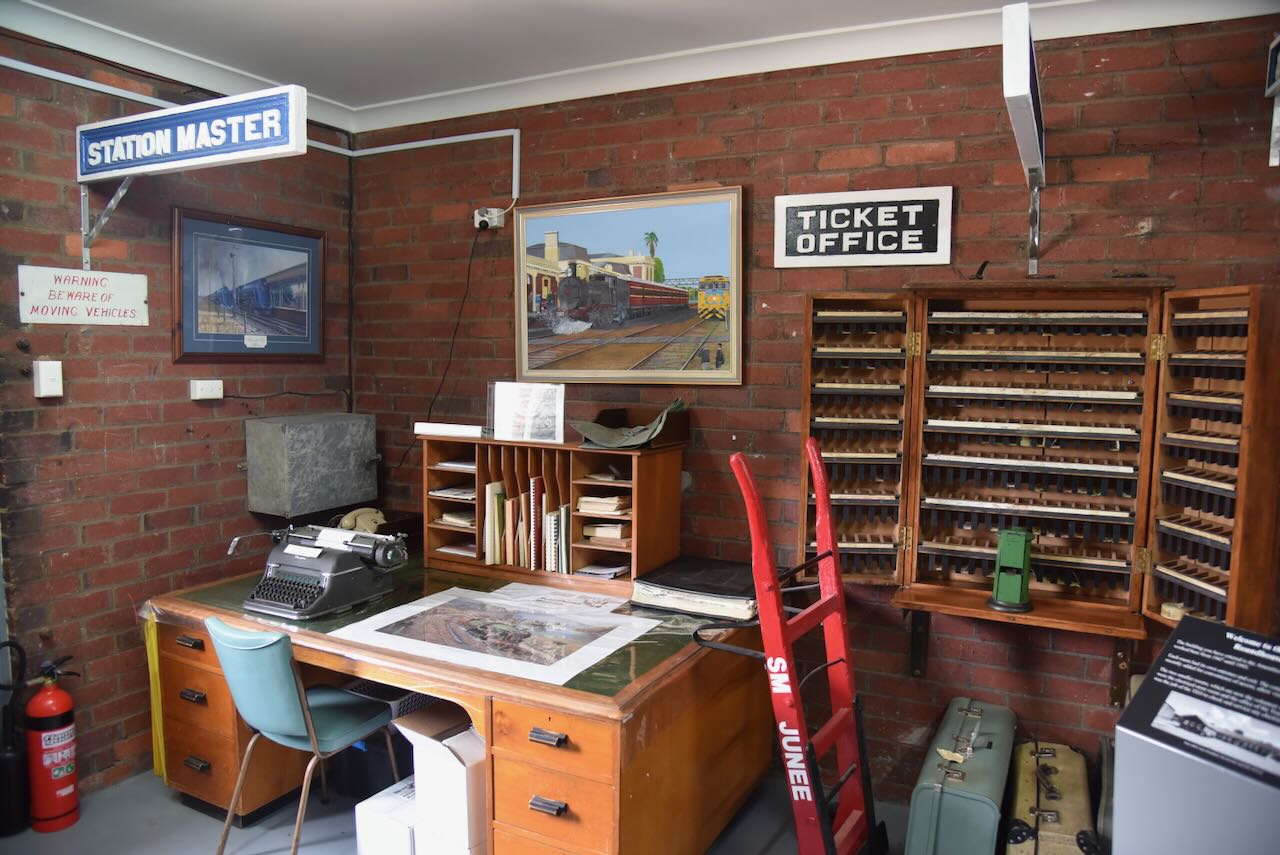
And of course, outside is the 100-foot Junee turntable. (The Junee Roundhouse Museum n.d.)

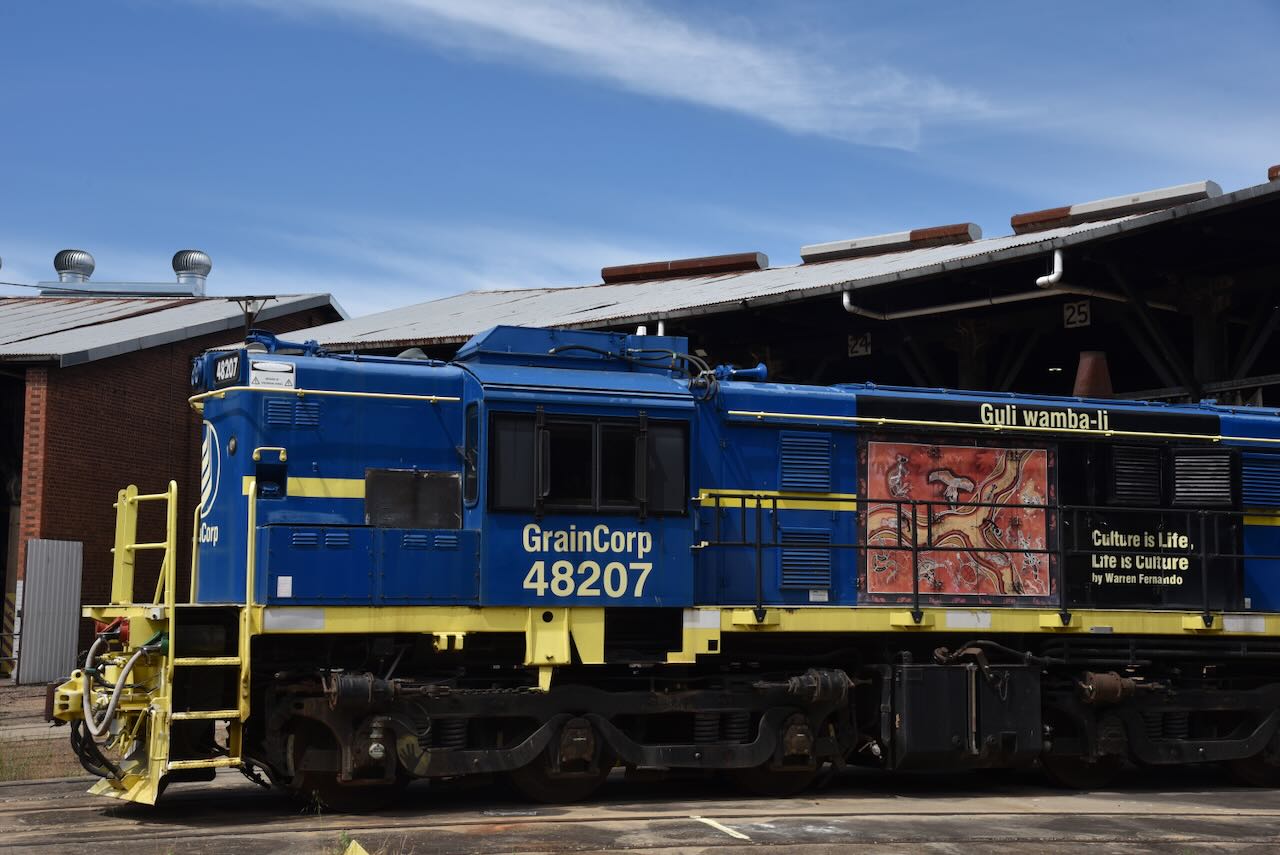
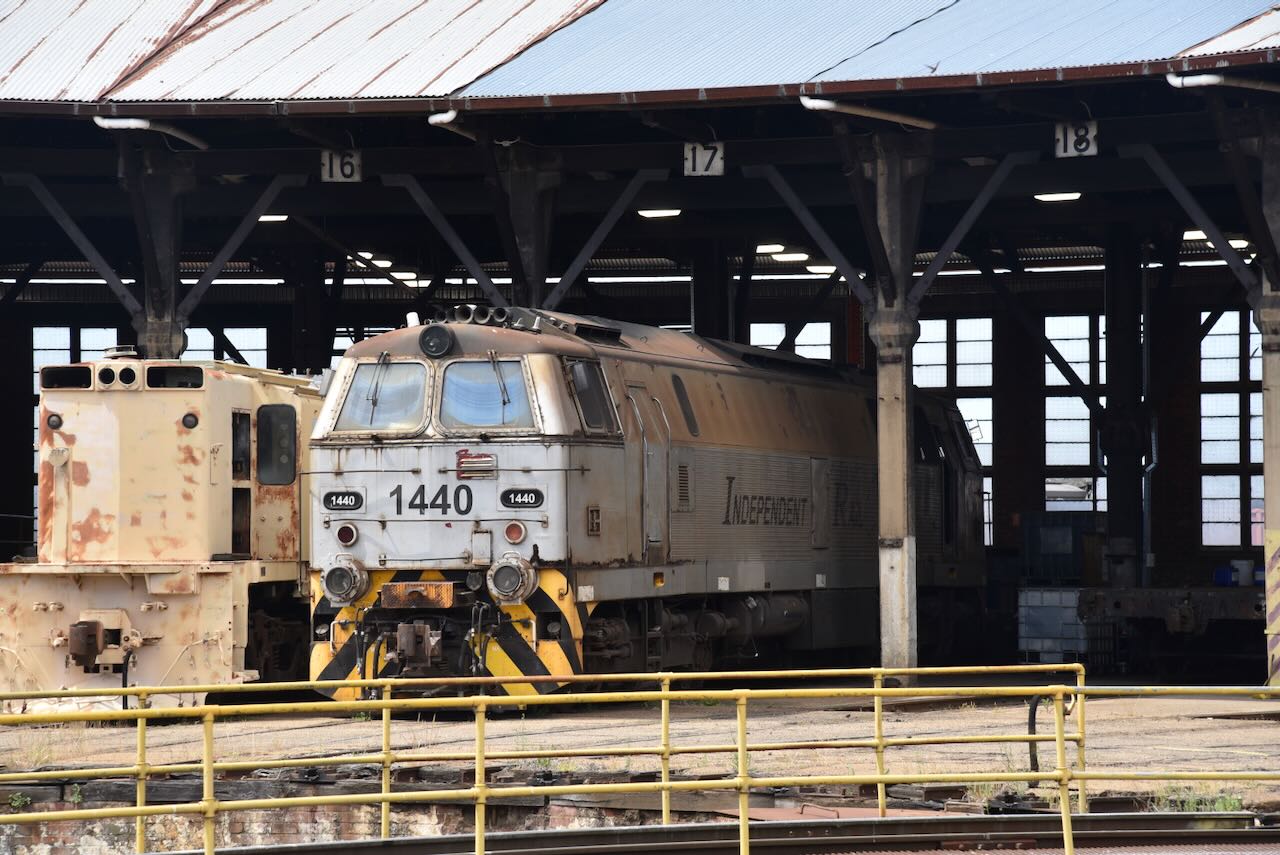
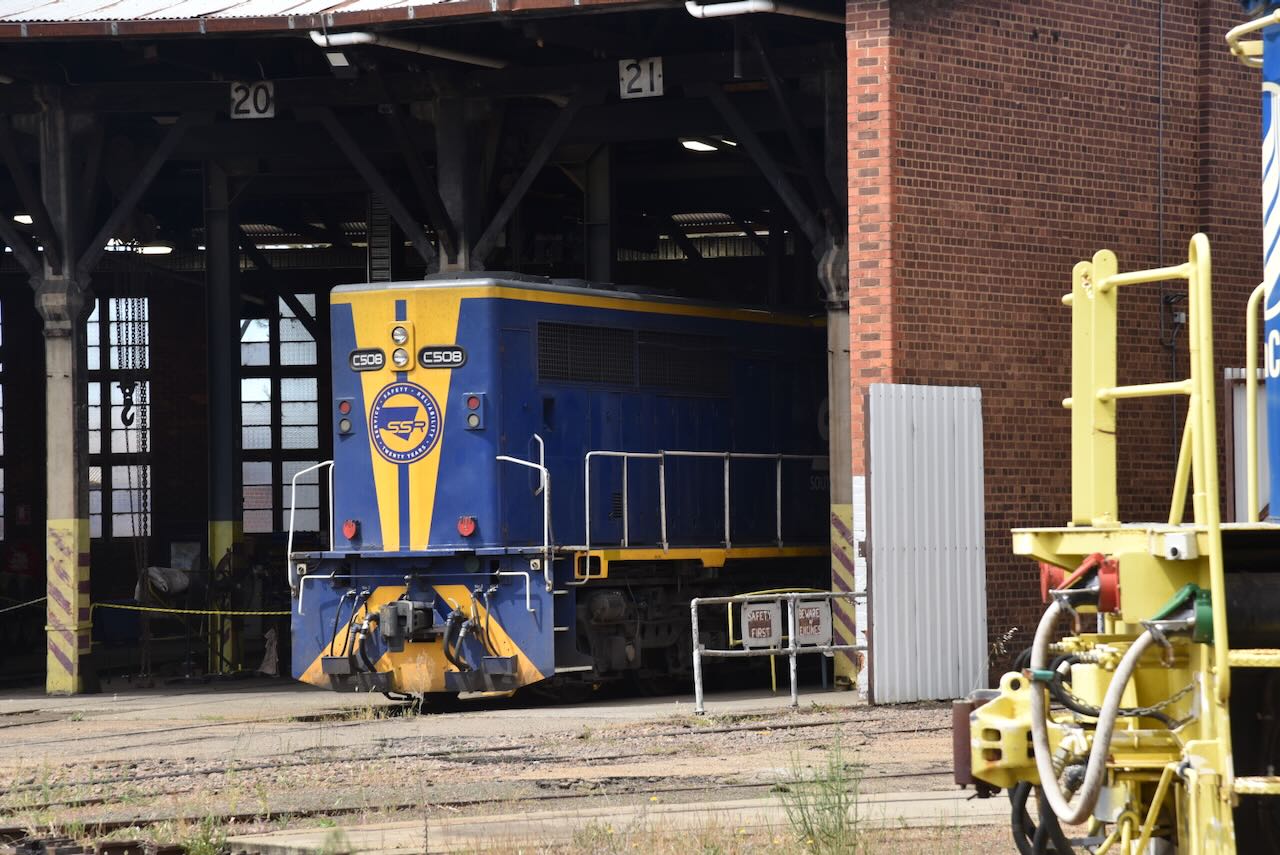
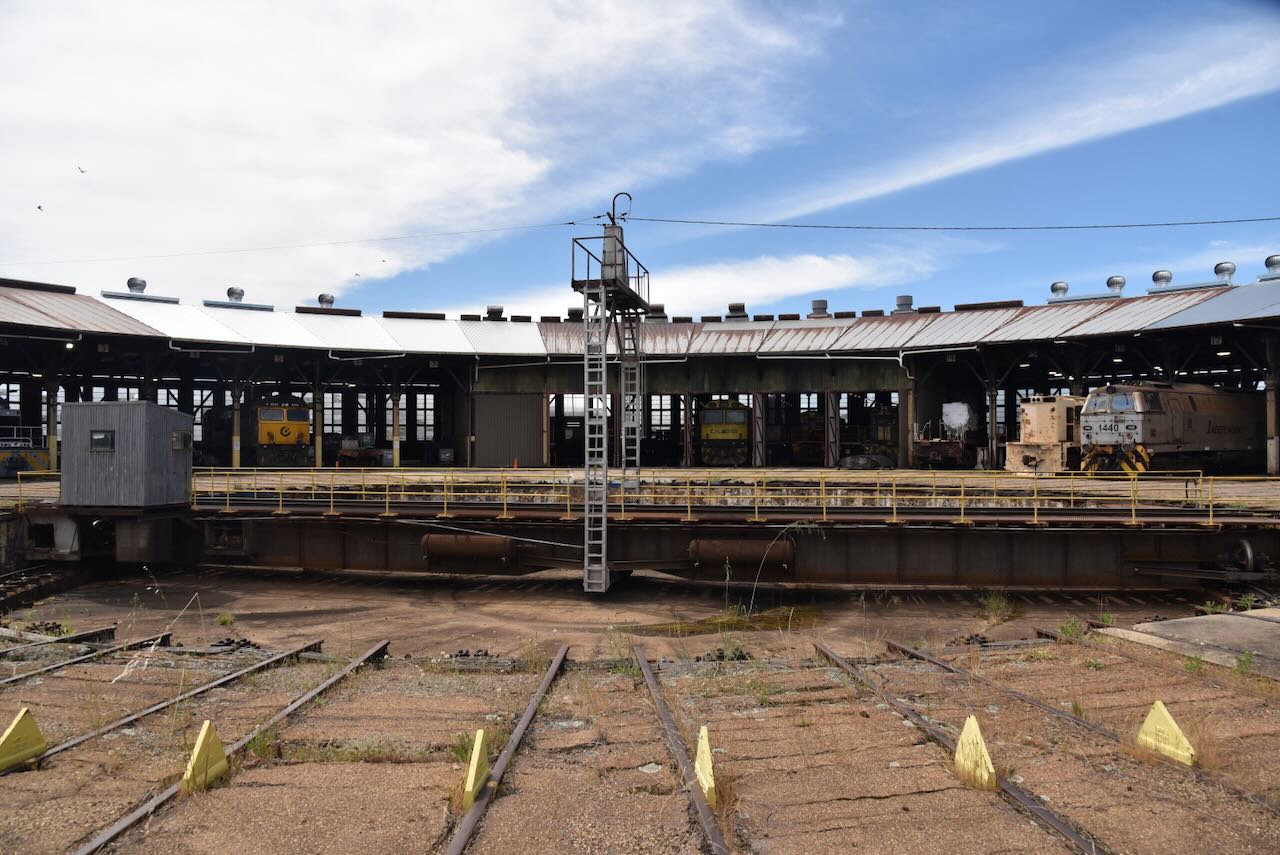
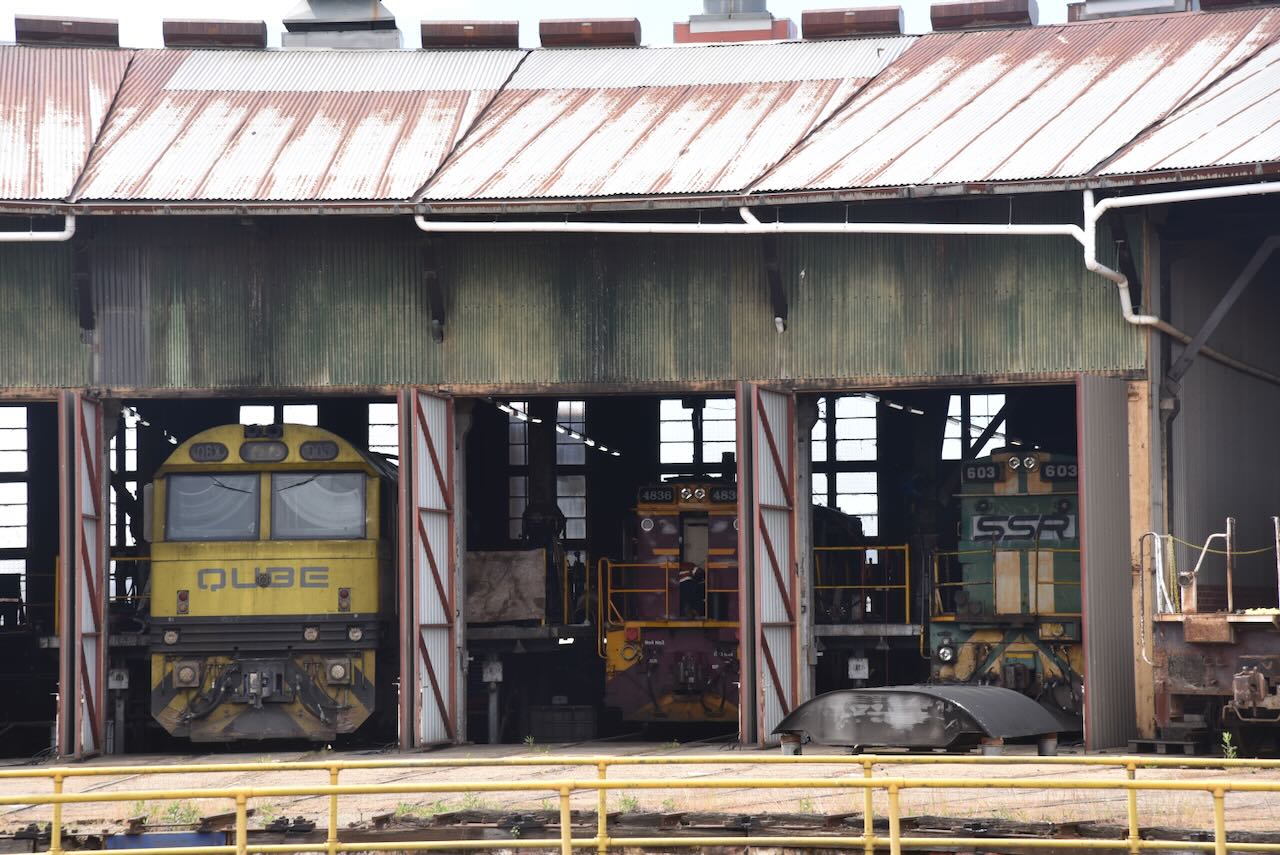
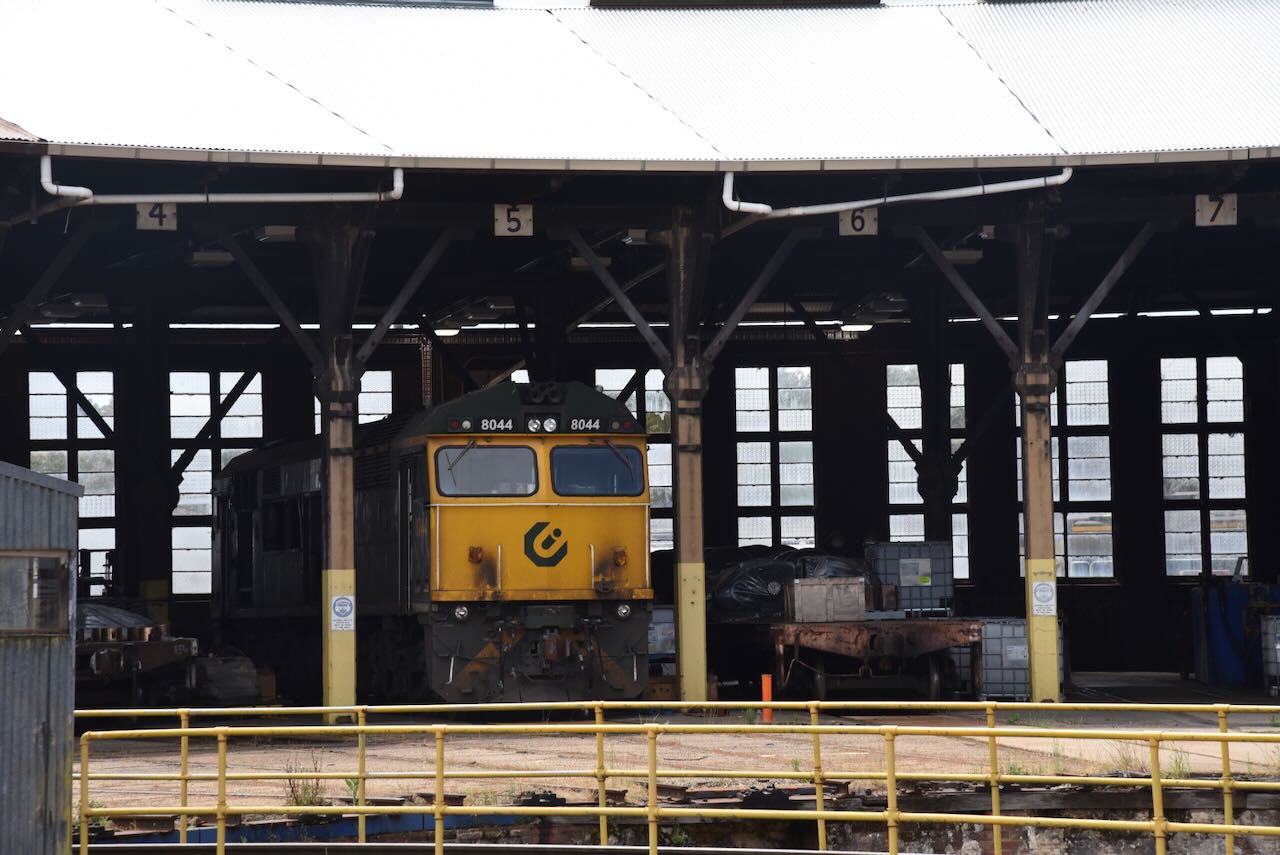
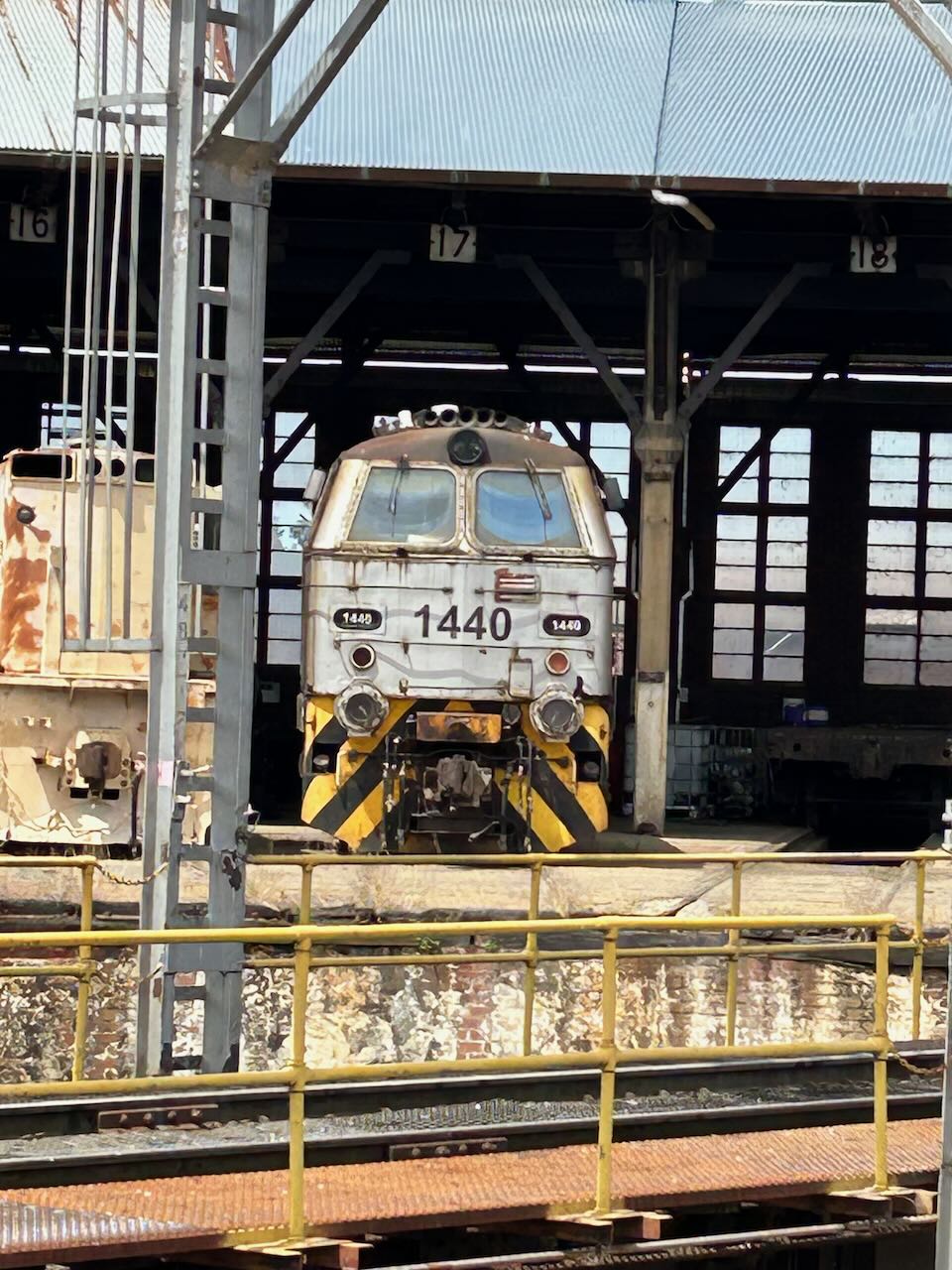
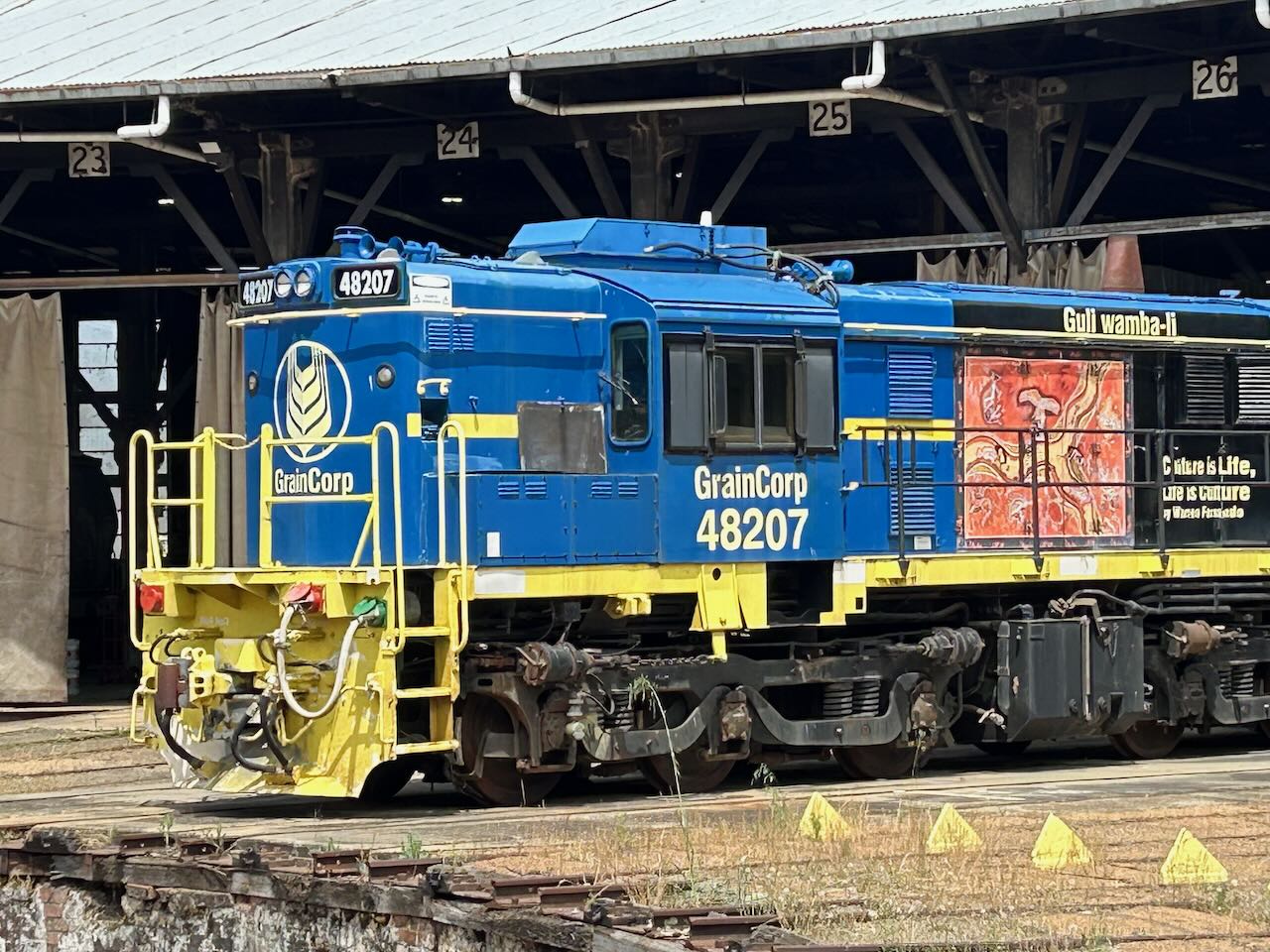
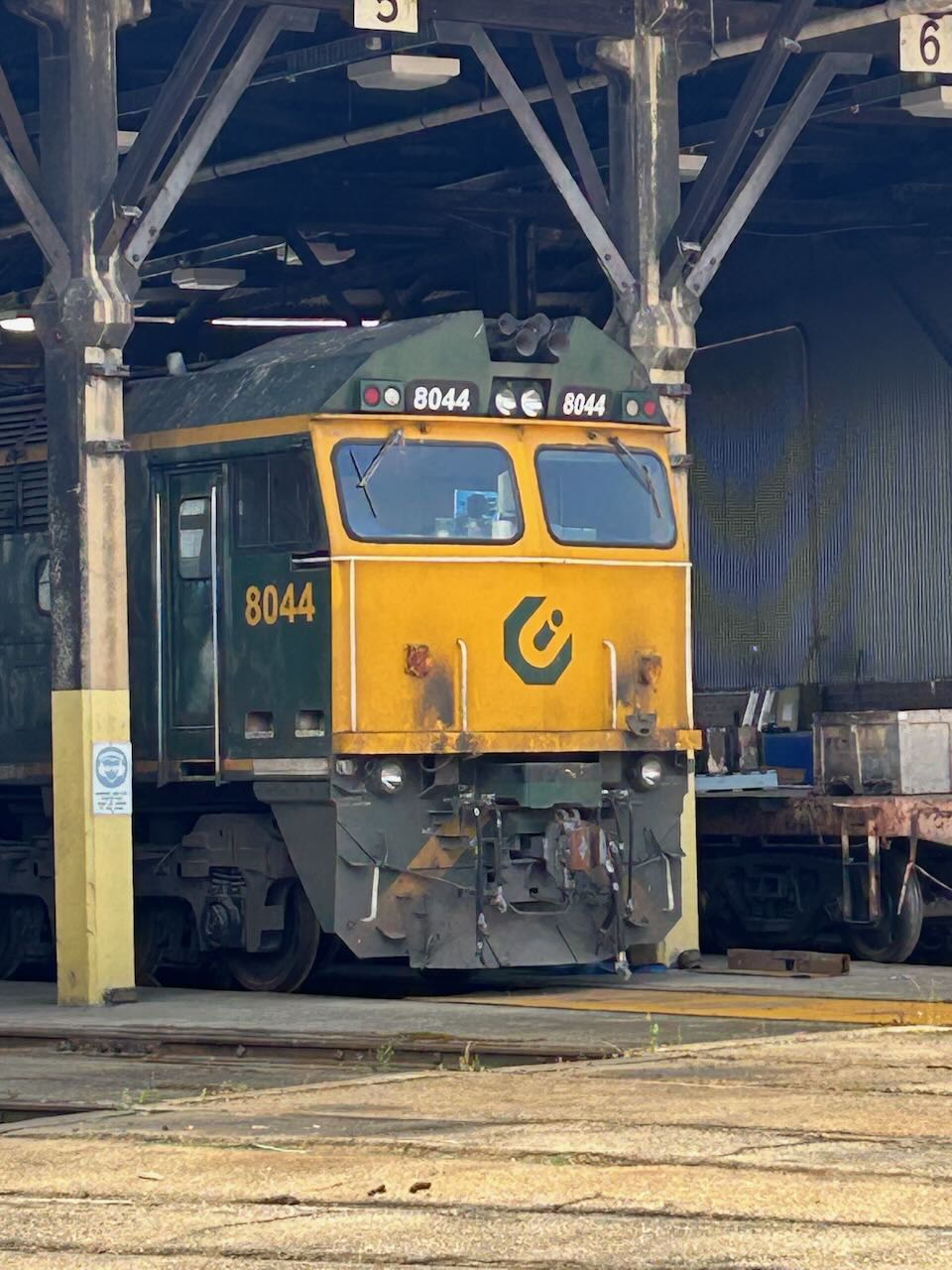
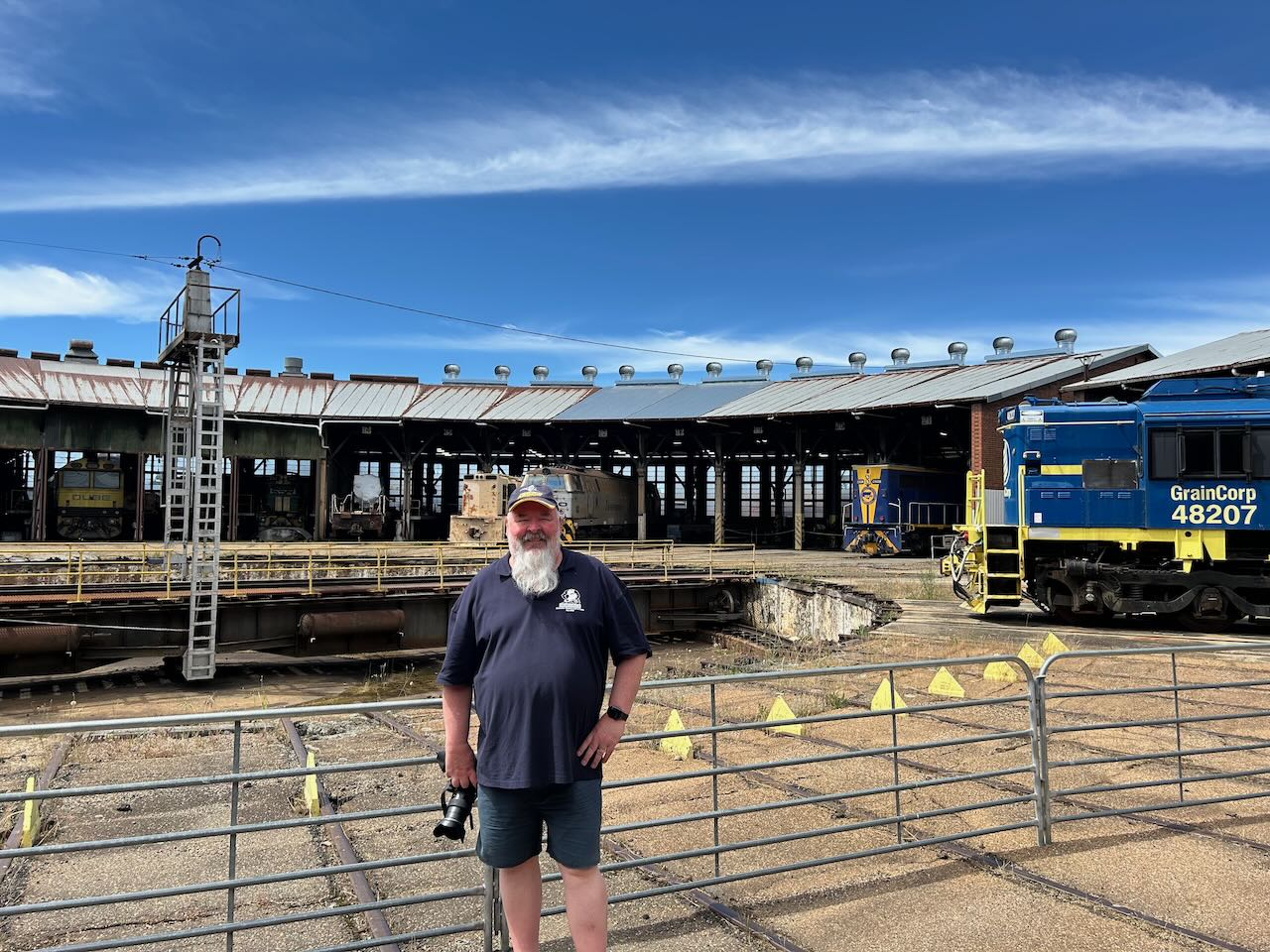
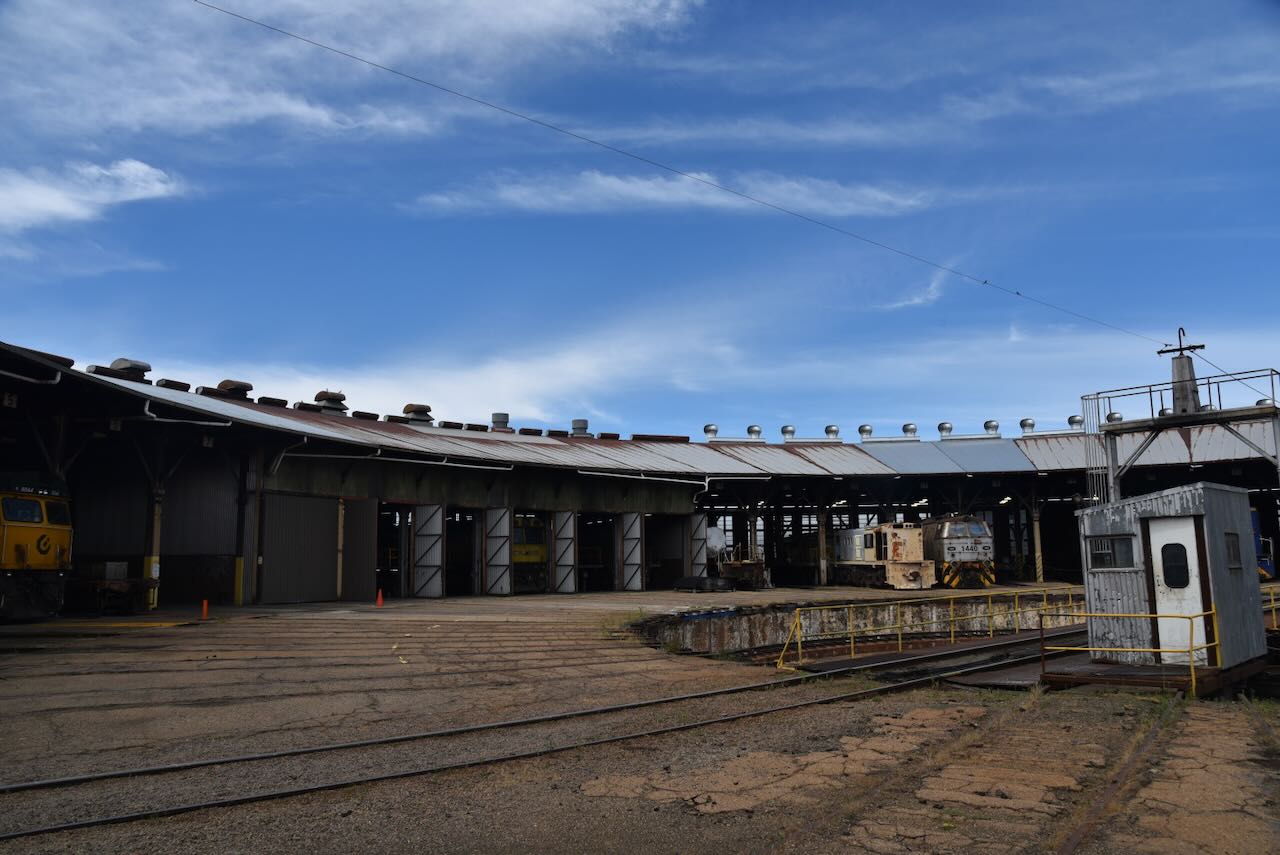
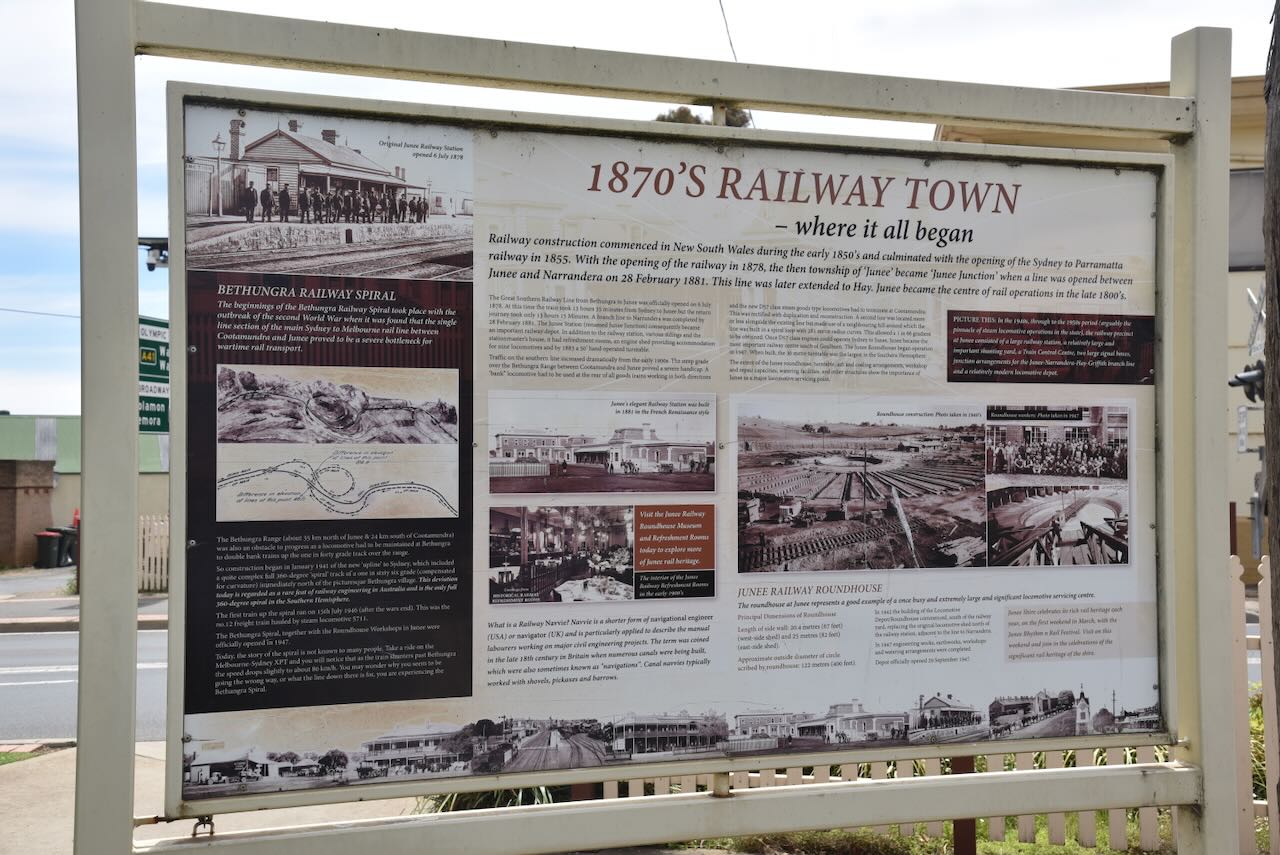
The Junee Roundhouse was opened in 1947, and at the time was the largest in the Southern Hemisphere. Construction commenced in 1943. It features 42 repair bays and is still operational. (The Junee Roundhouse Museum n.d.)
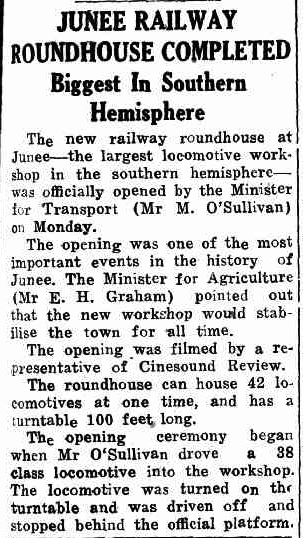
Above: Article from The Gundagai Independent, Wed 1 Oct 1947. Image c/o Trove
Also outside is the very impressive collection of trains.
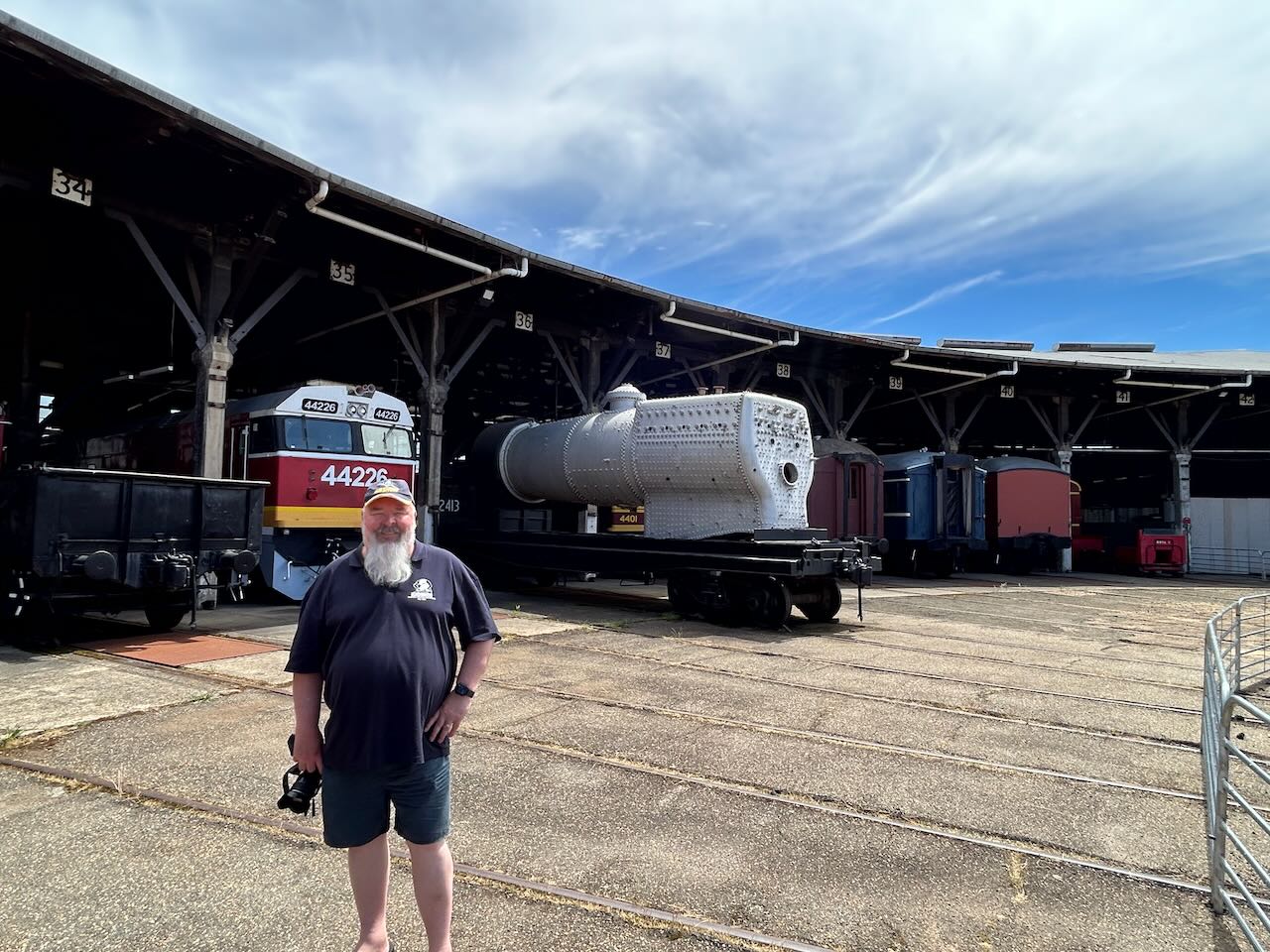
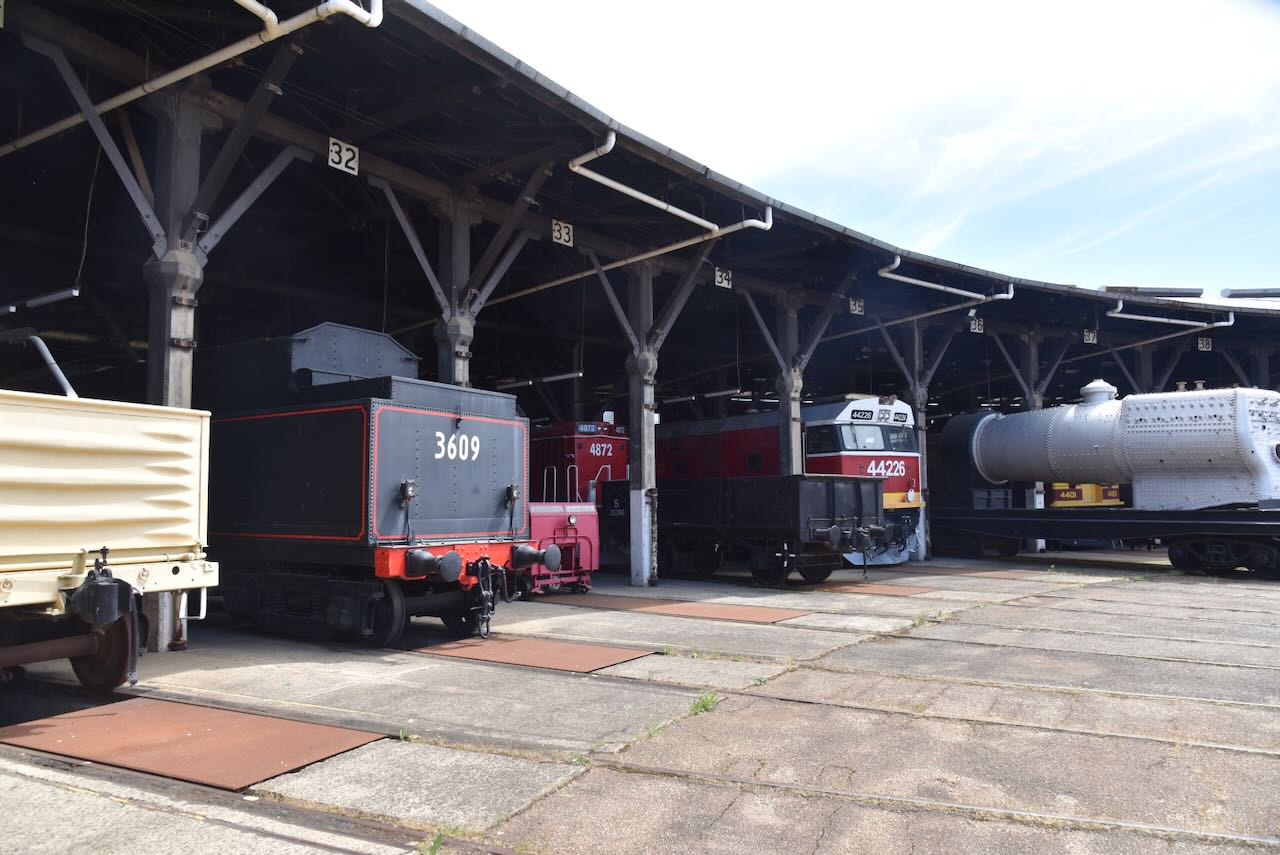
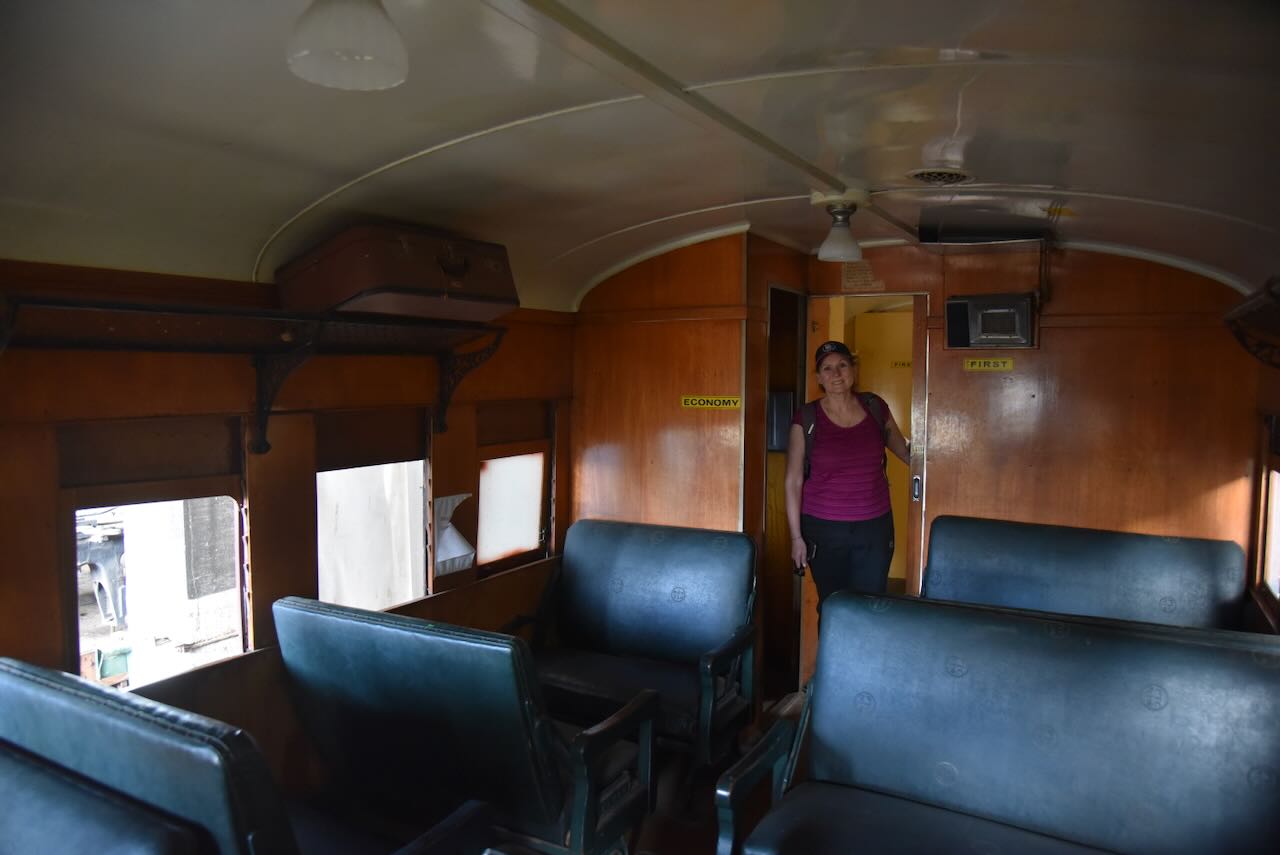
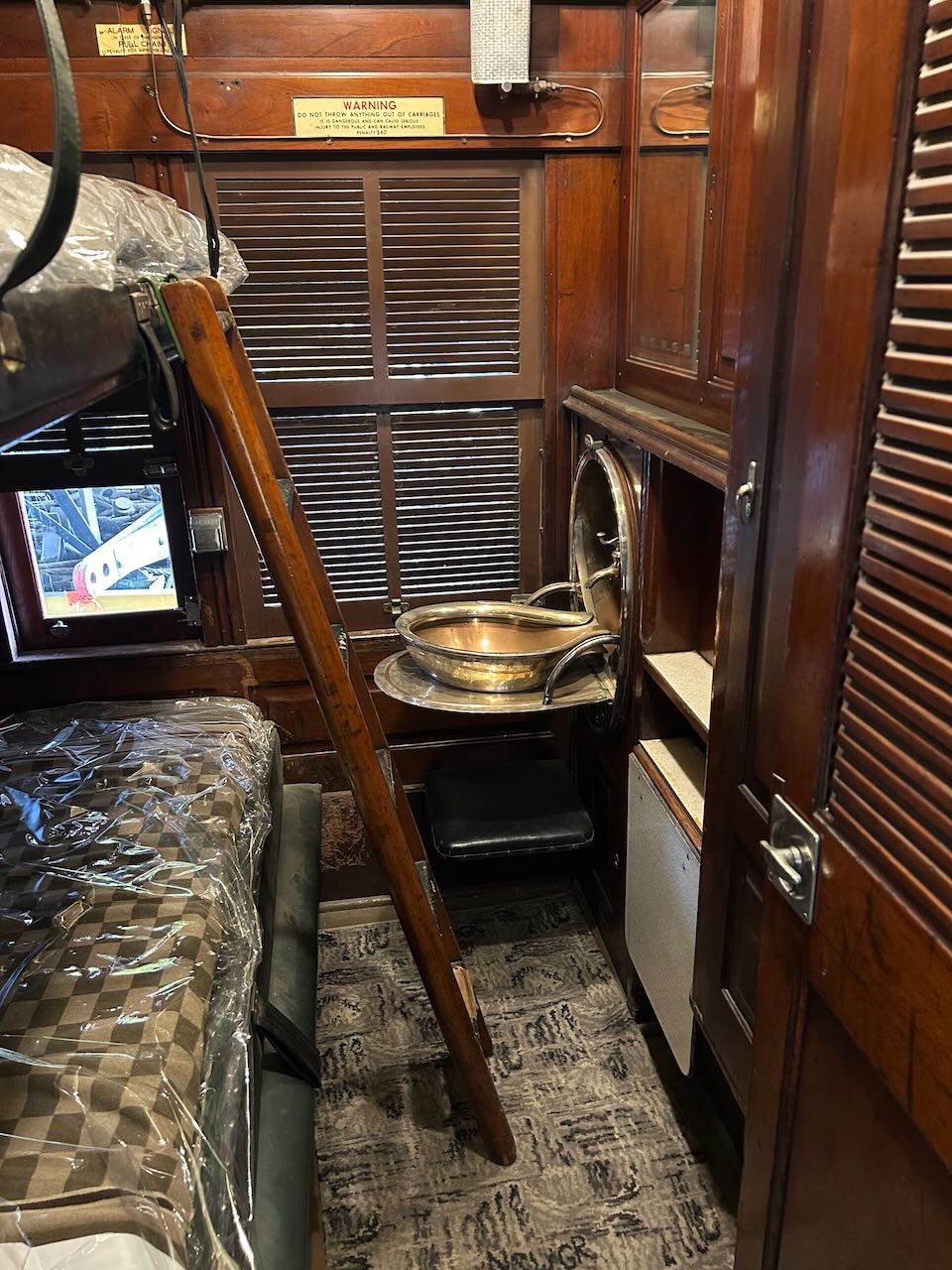
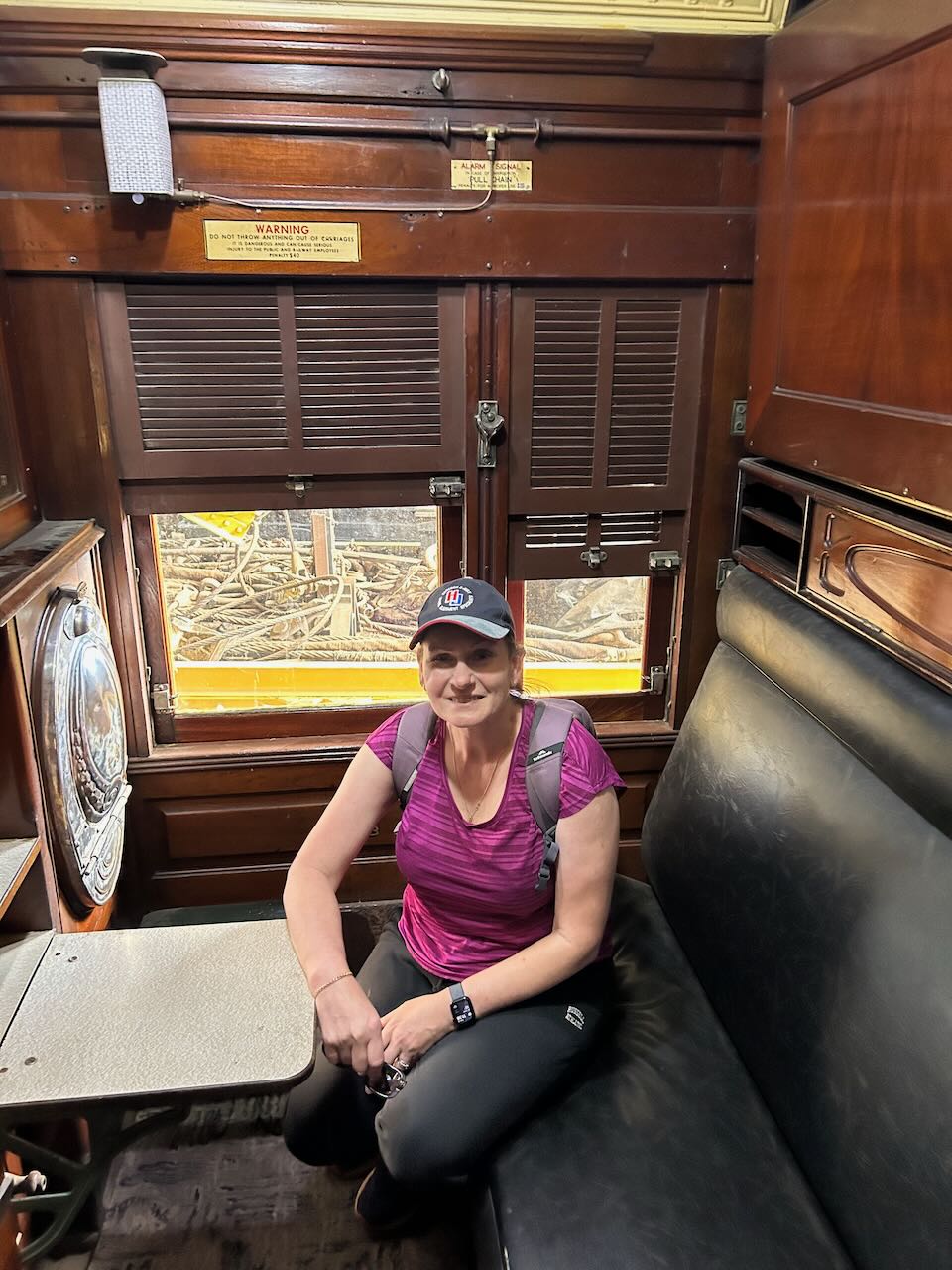
You can board several of the old trains and carriages and step back in time.
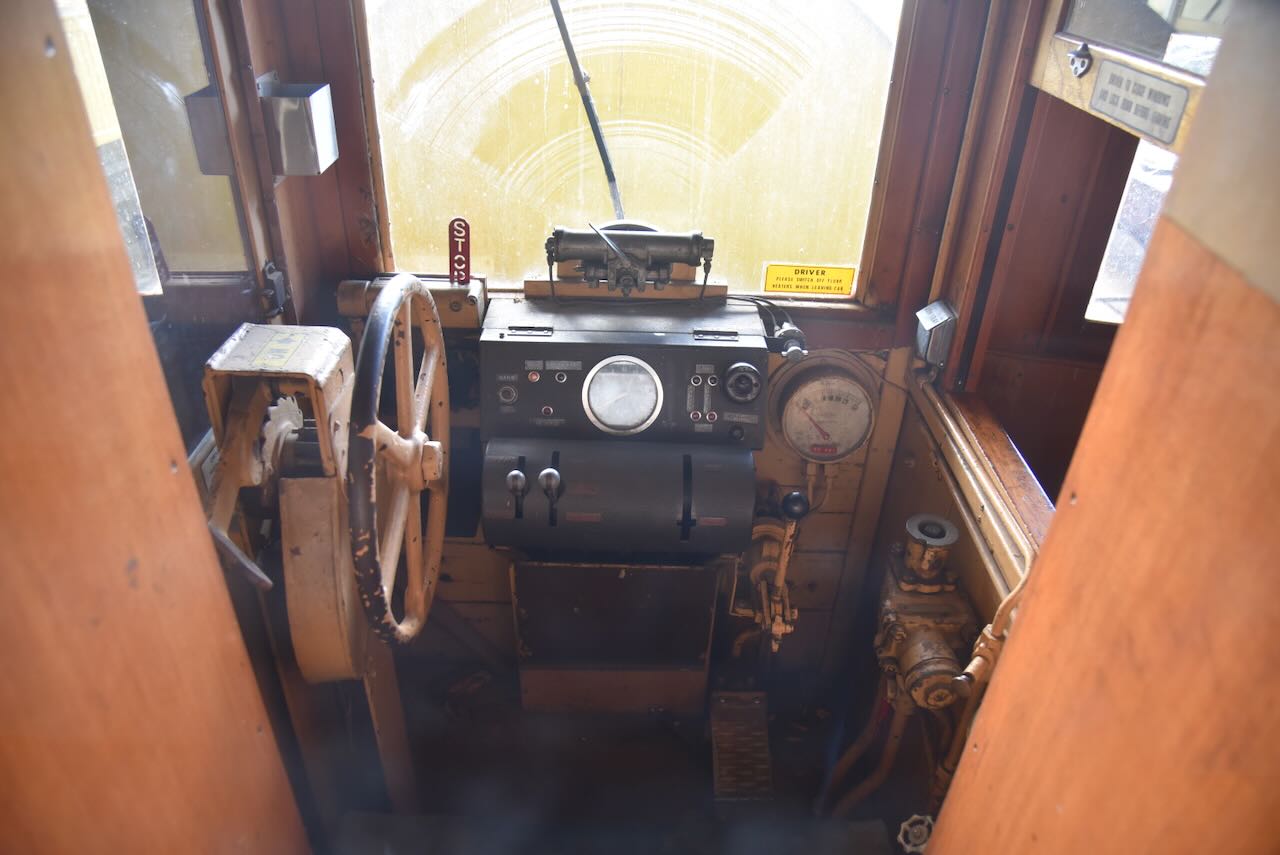
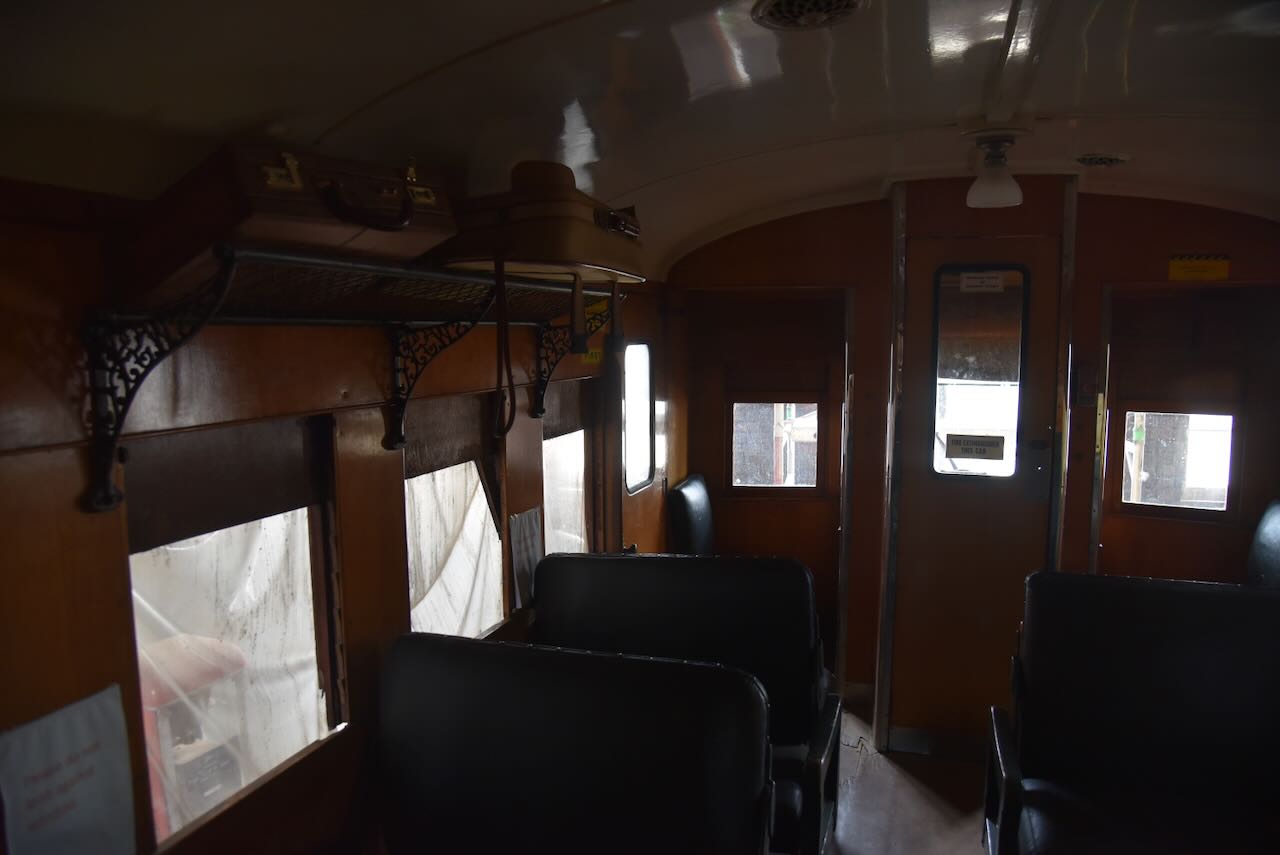
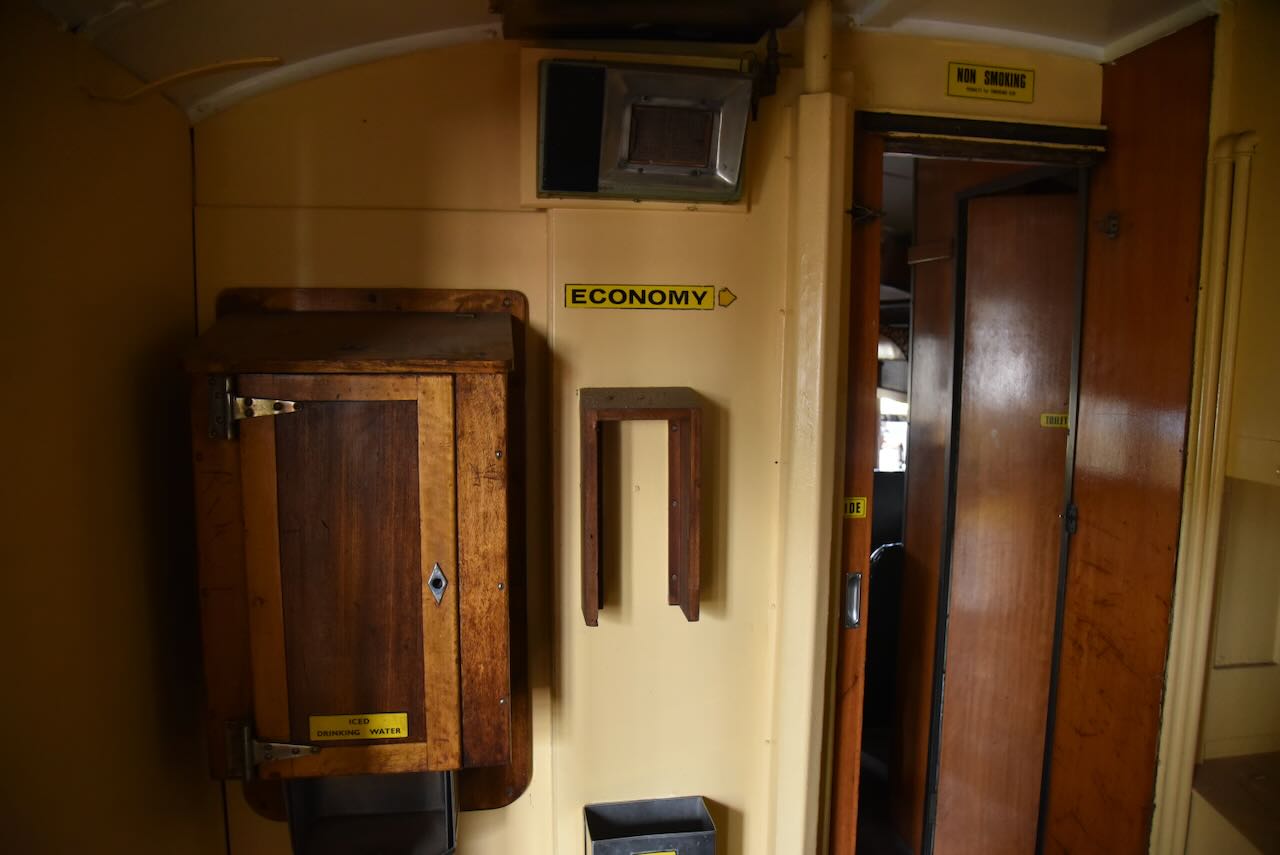
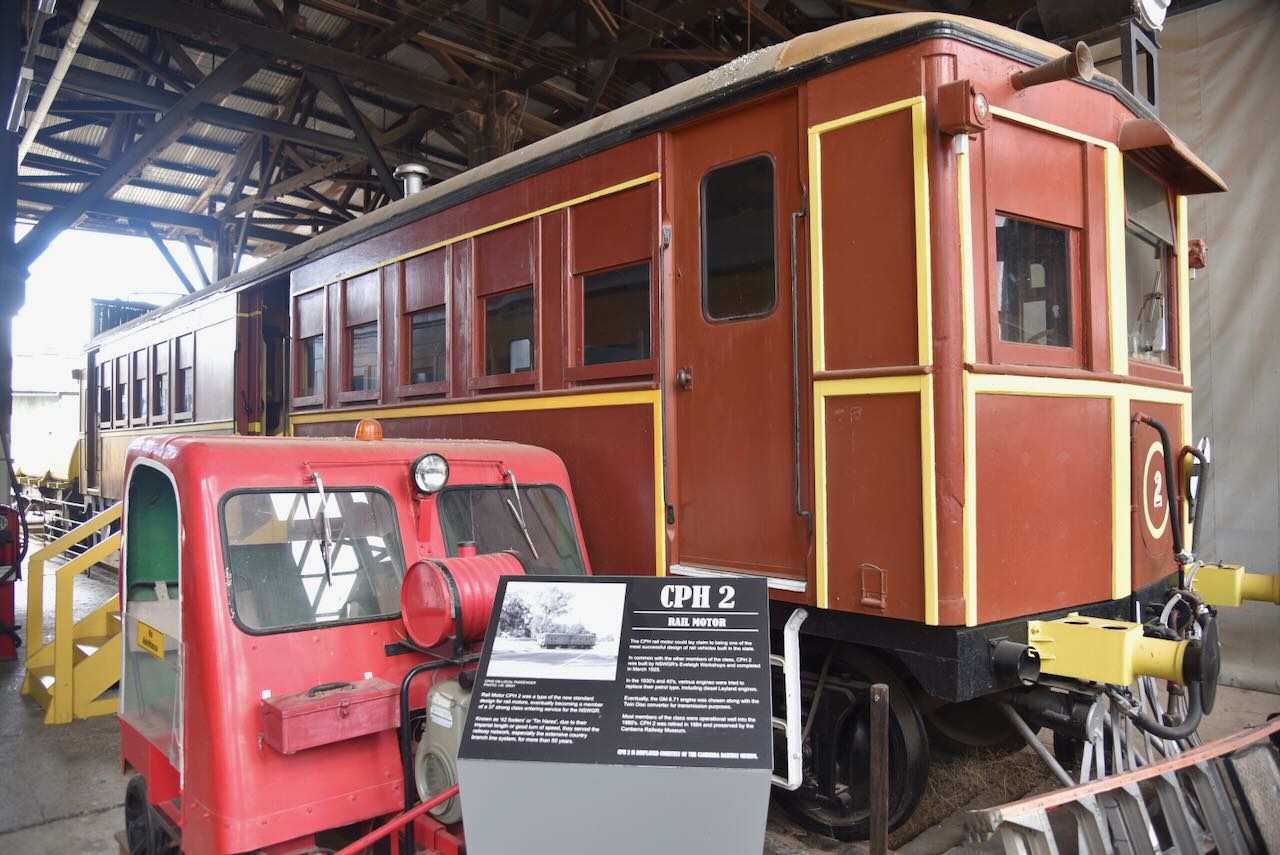
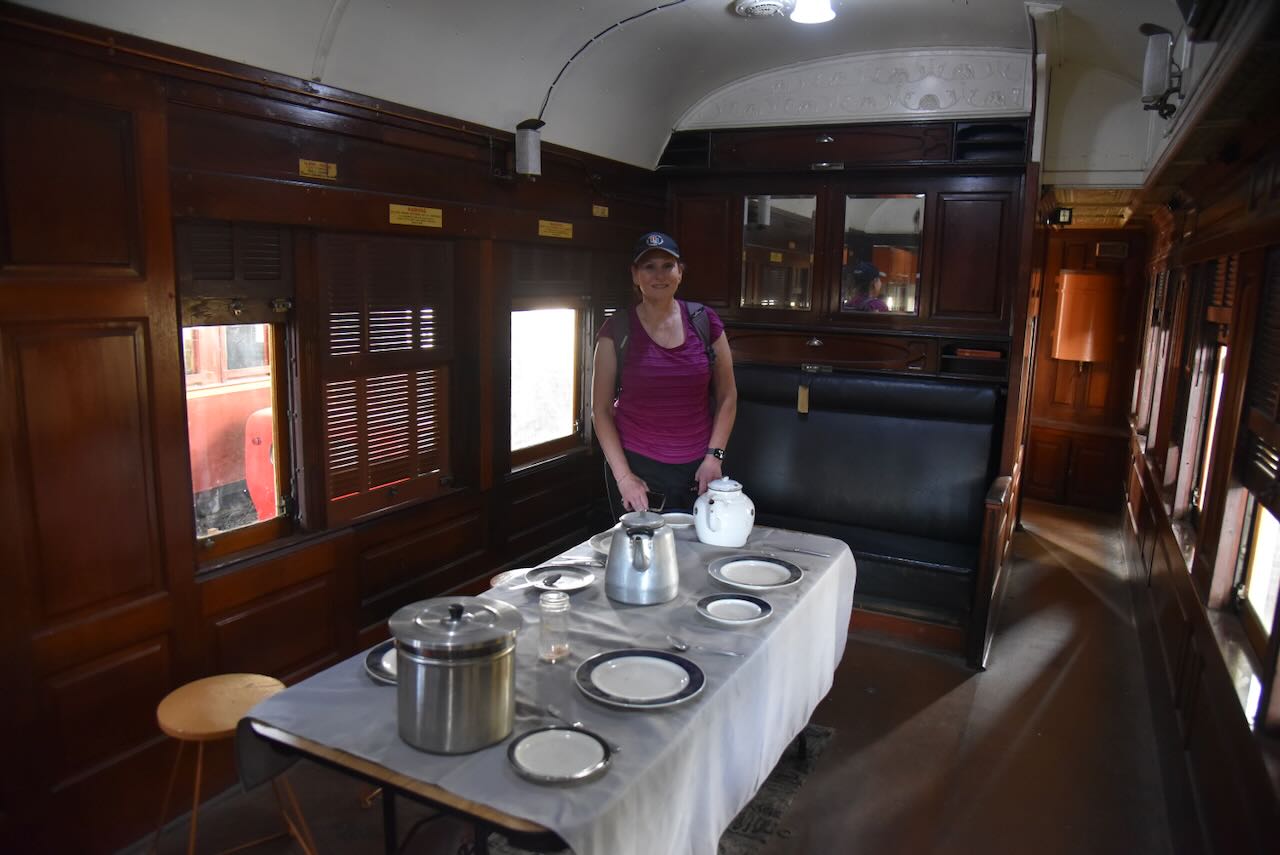


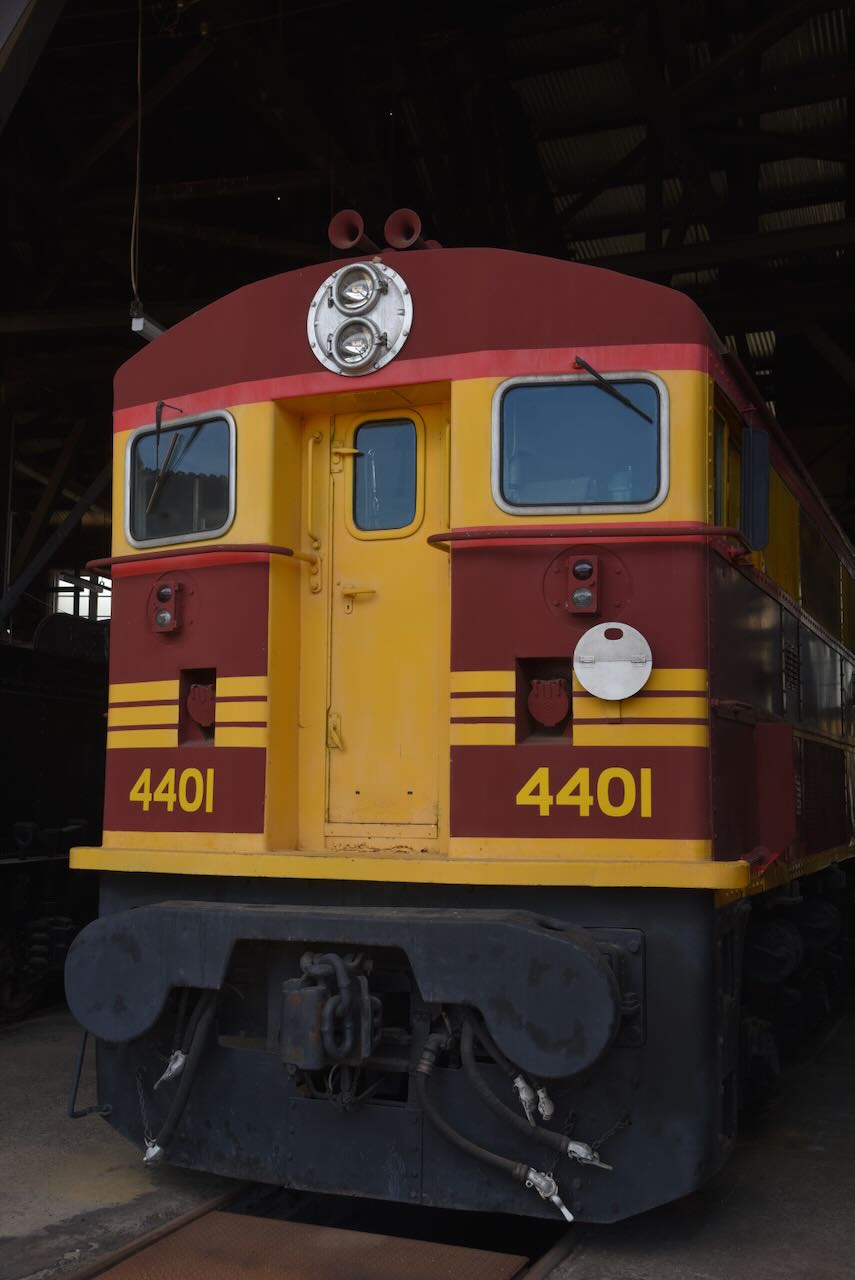
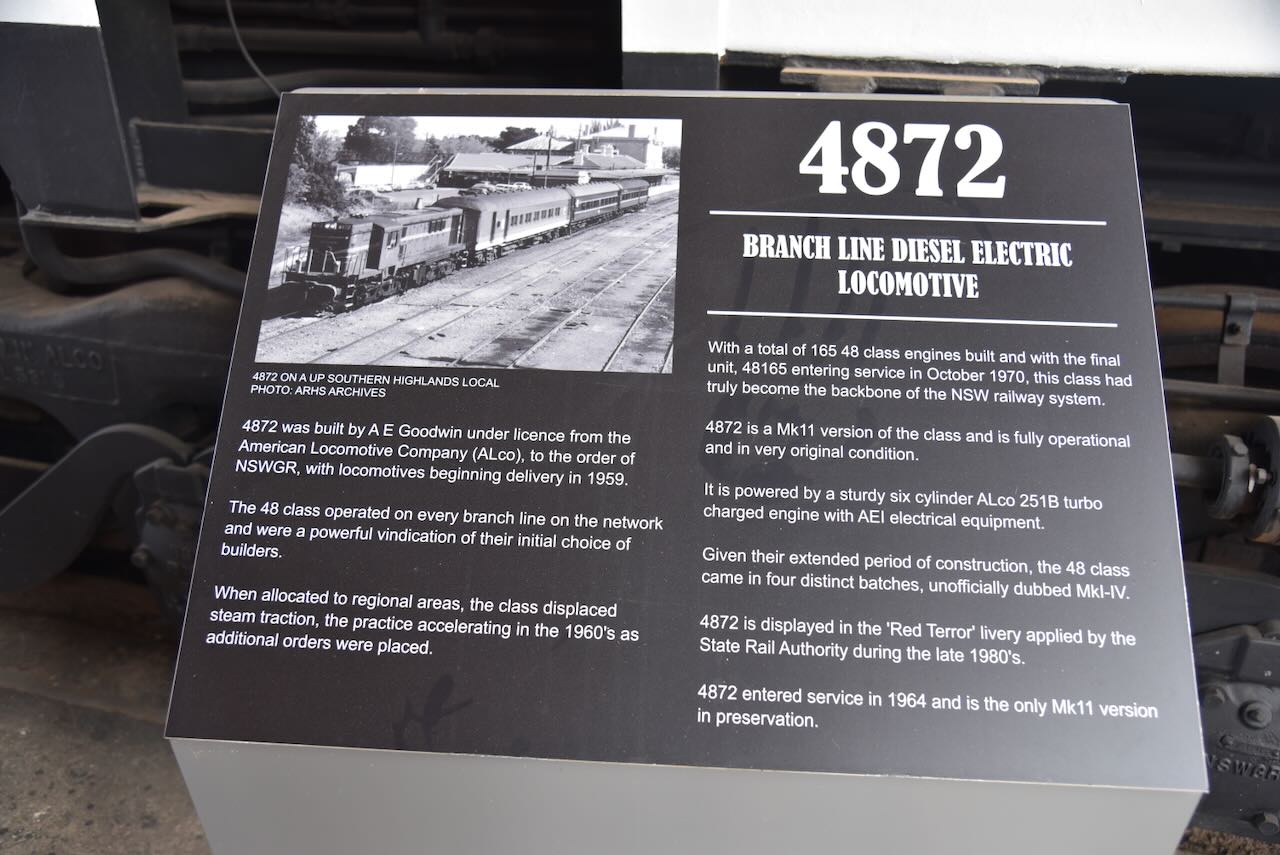
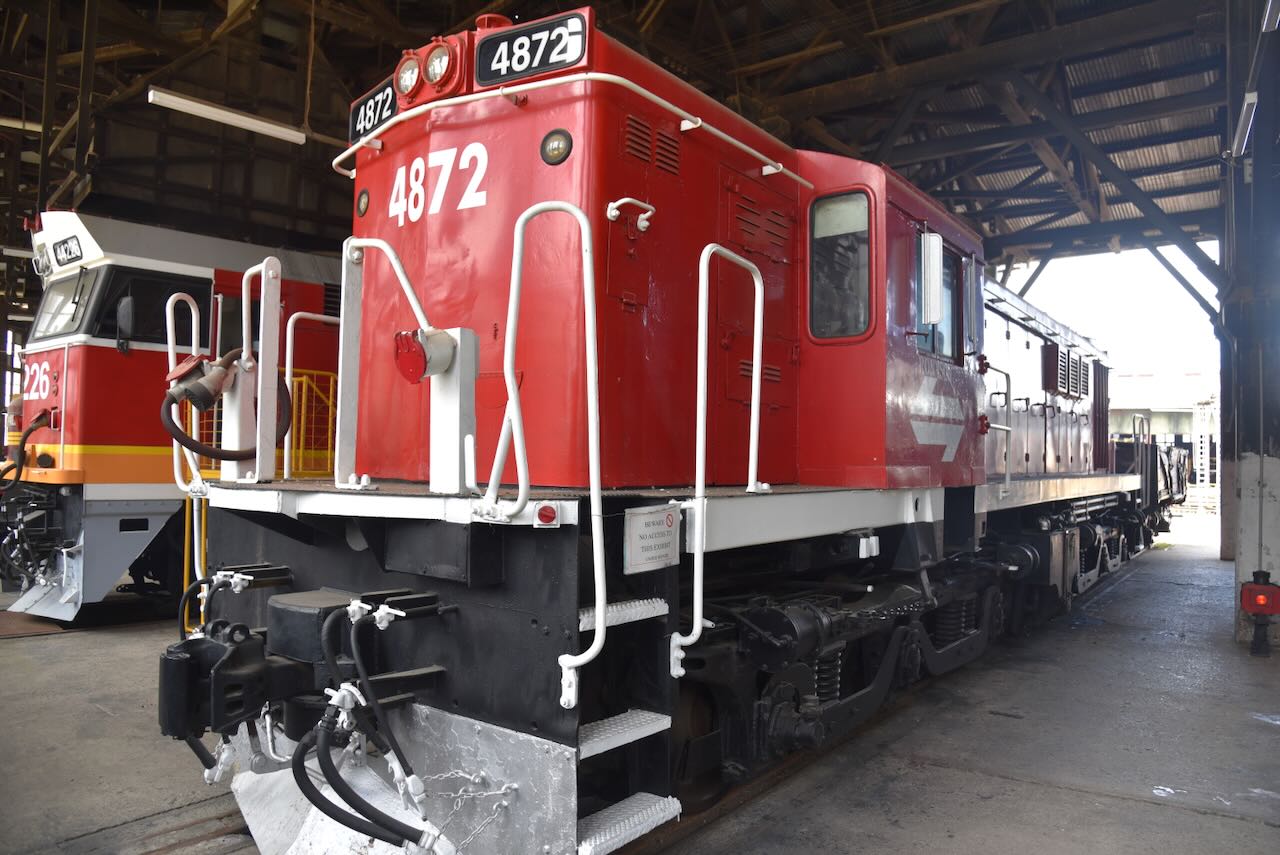
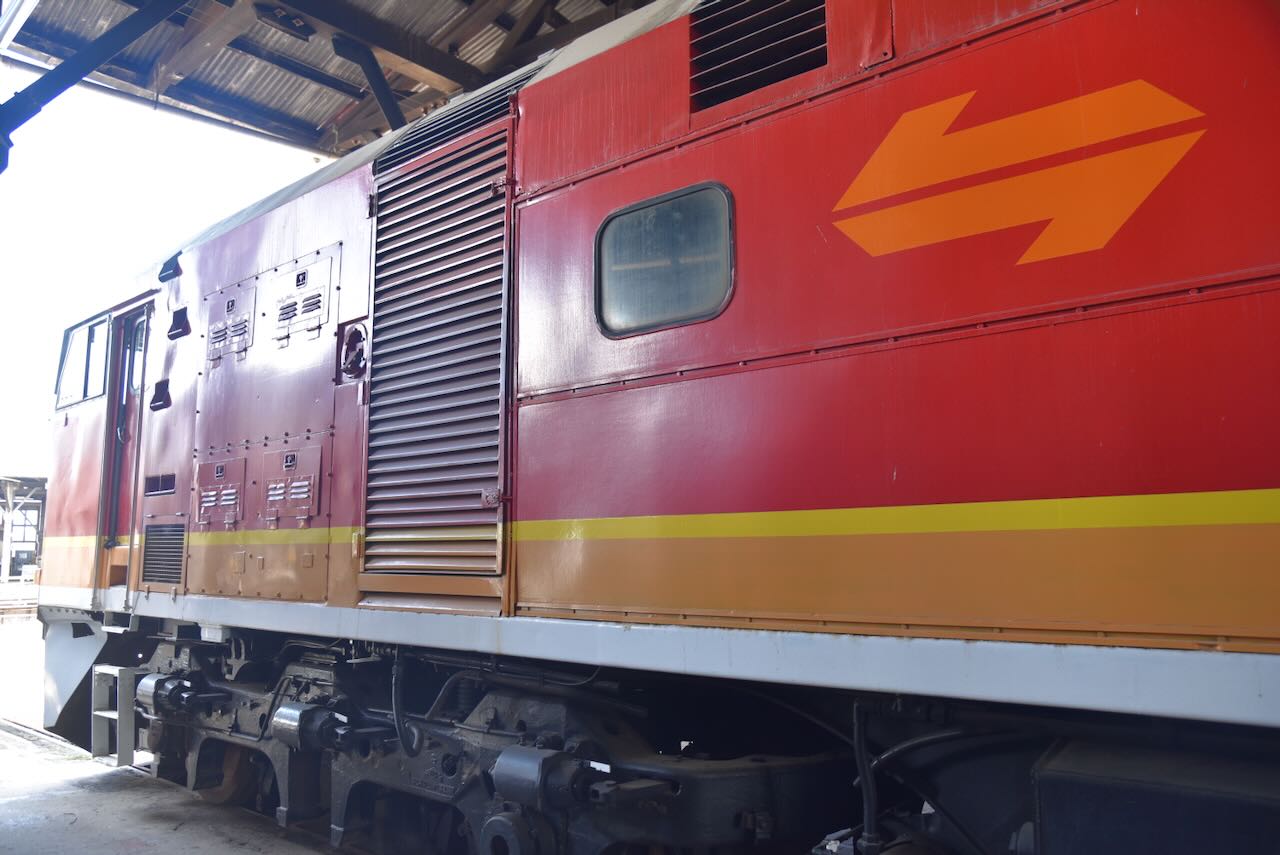
Branch Line diesel electric locomotive 4872 was built by A.E. Goodwin under licence from the American Locomotive Company. It was delivered in 1959. Locomotive 4872 entered service in 1964 and is displayed in the ‘Red Terror’ livery applied by the State Rail Authority during the late 1980s.
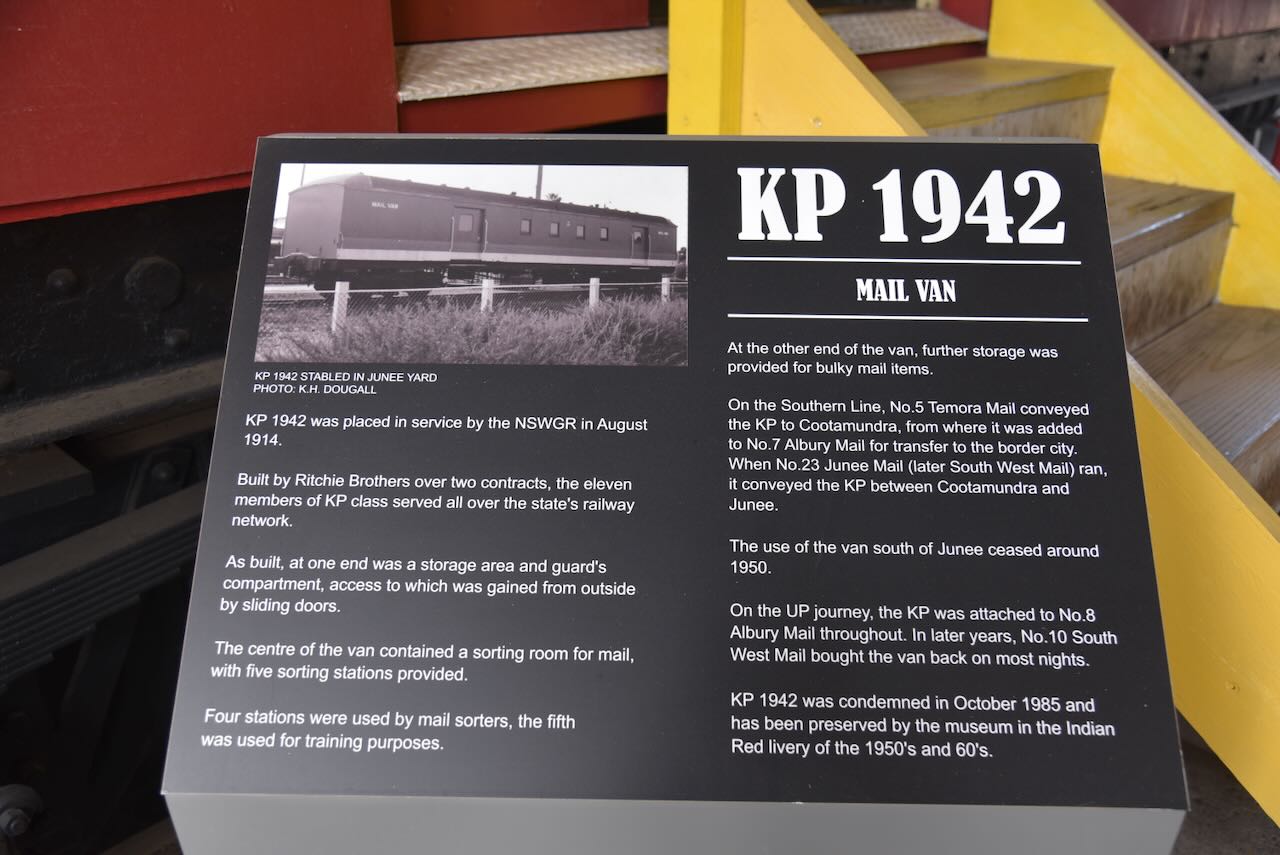
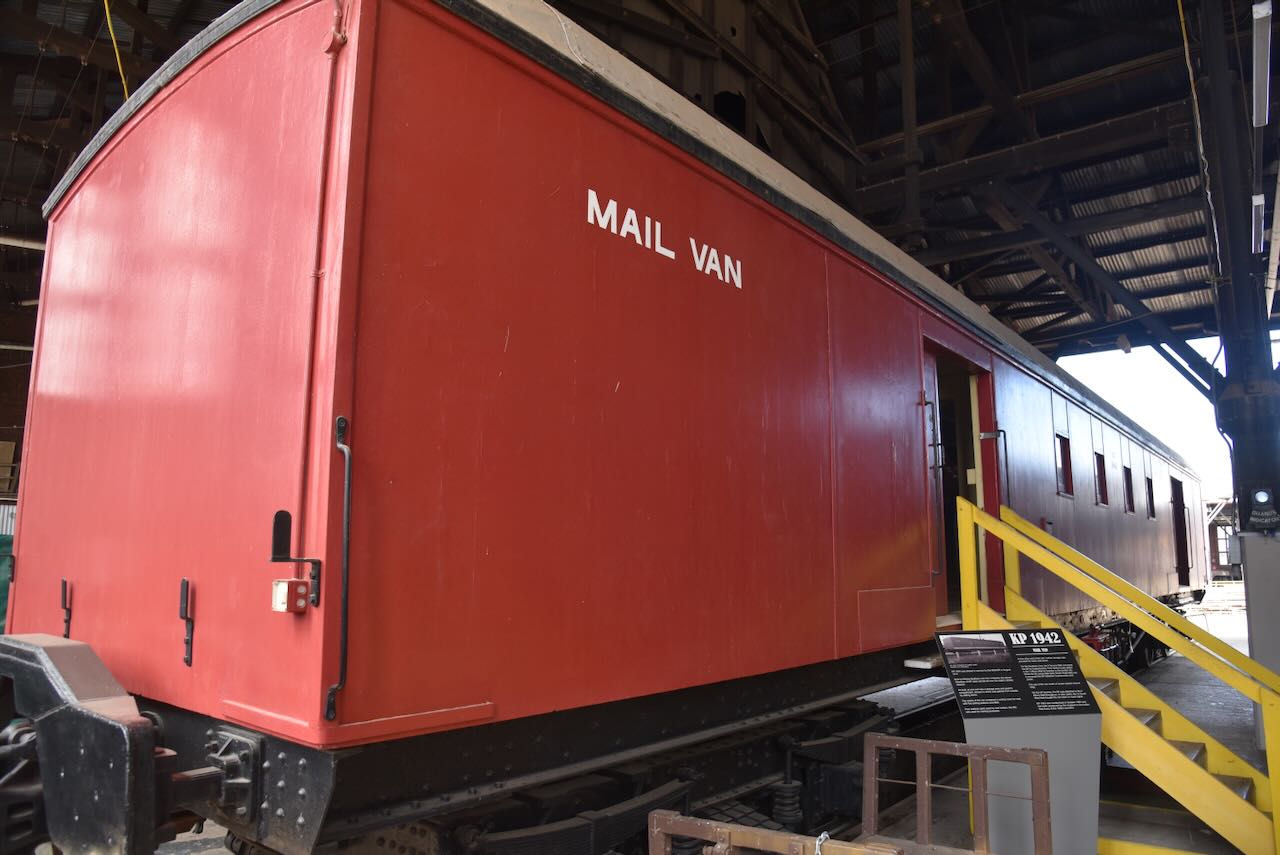
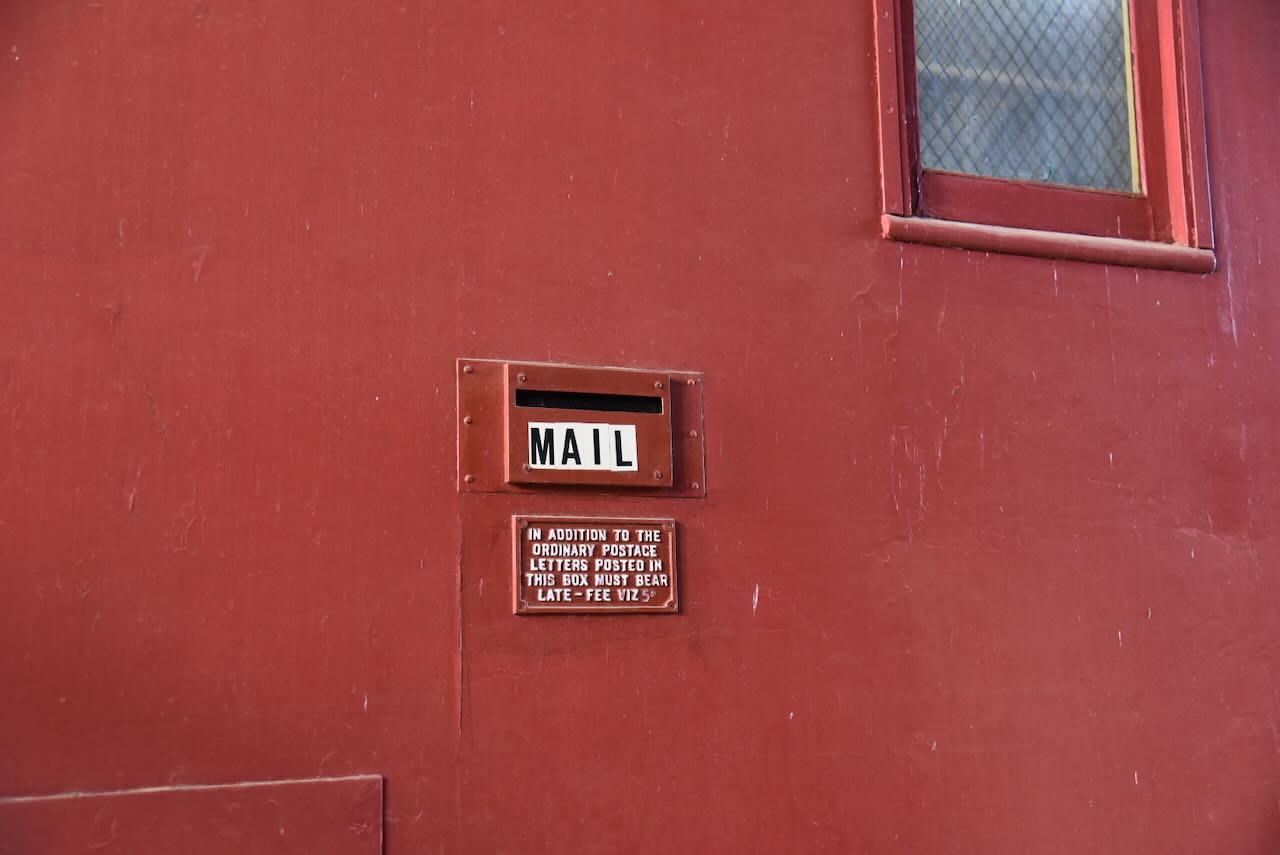
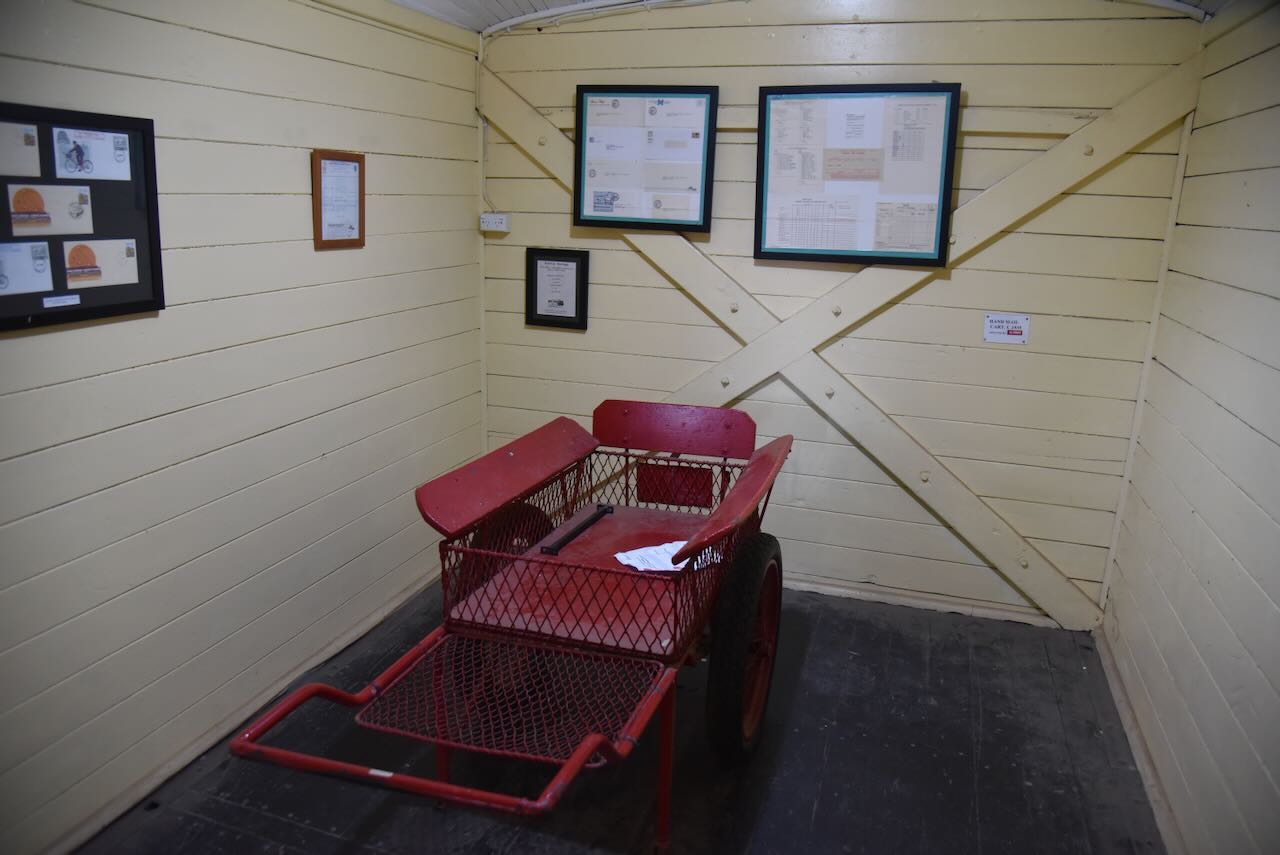
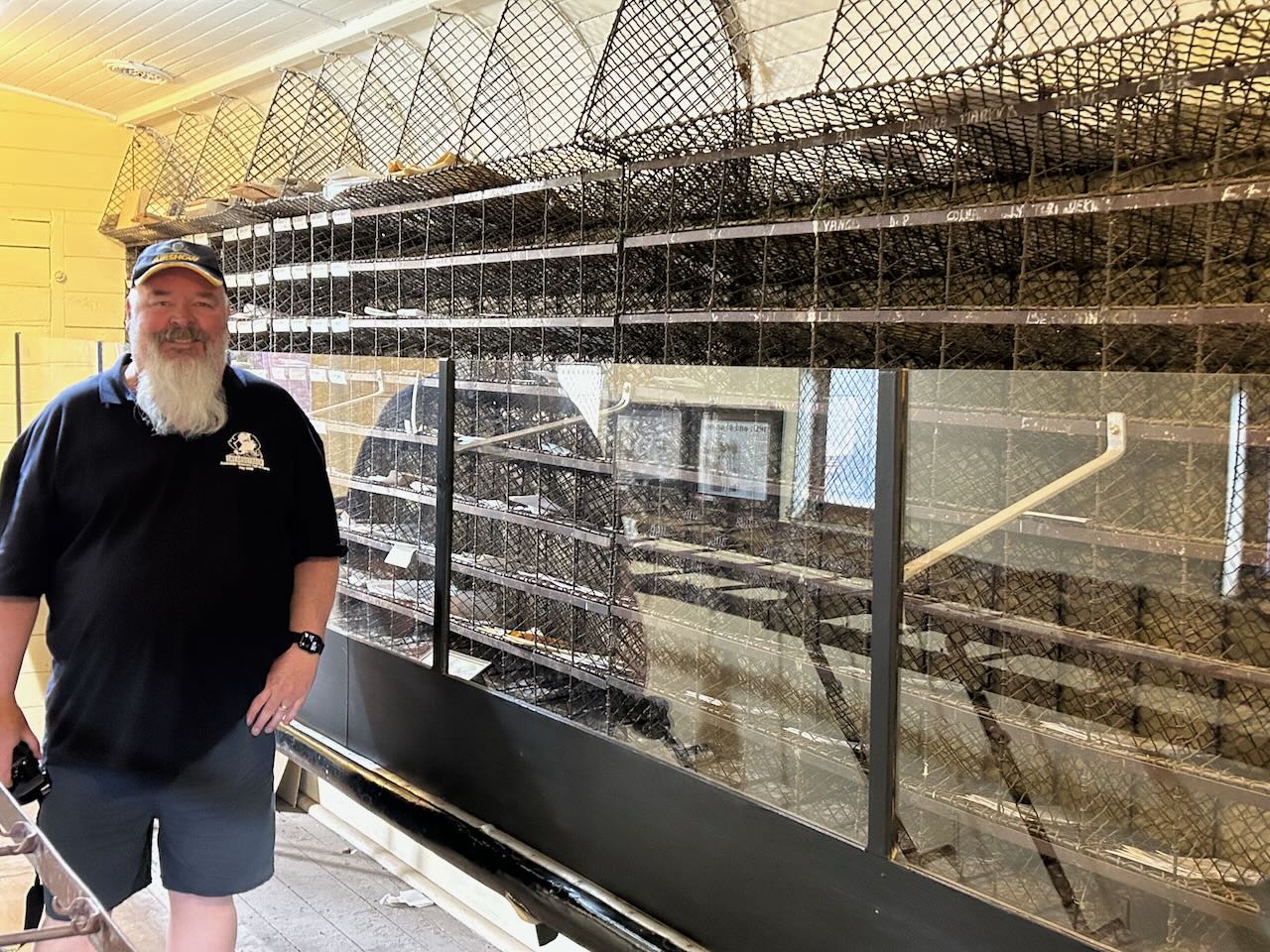
One of the very interesting trains on display is Mail Van KP 1942. It was placed in service in August 1914.

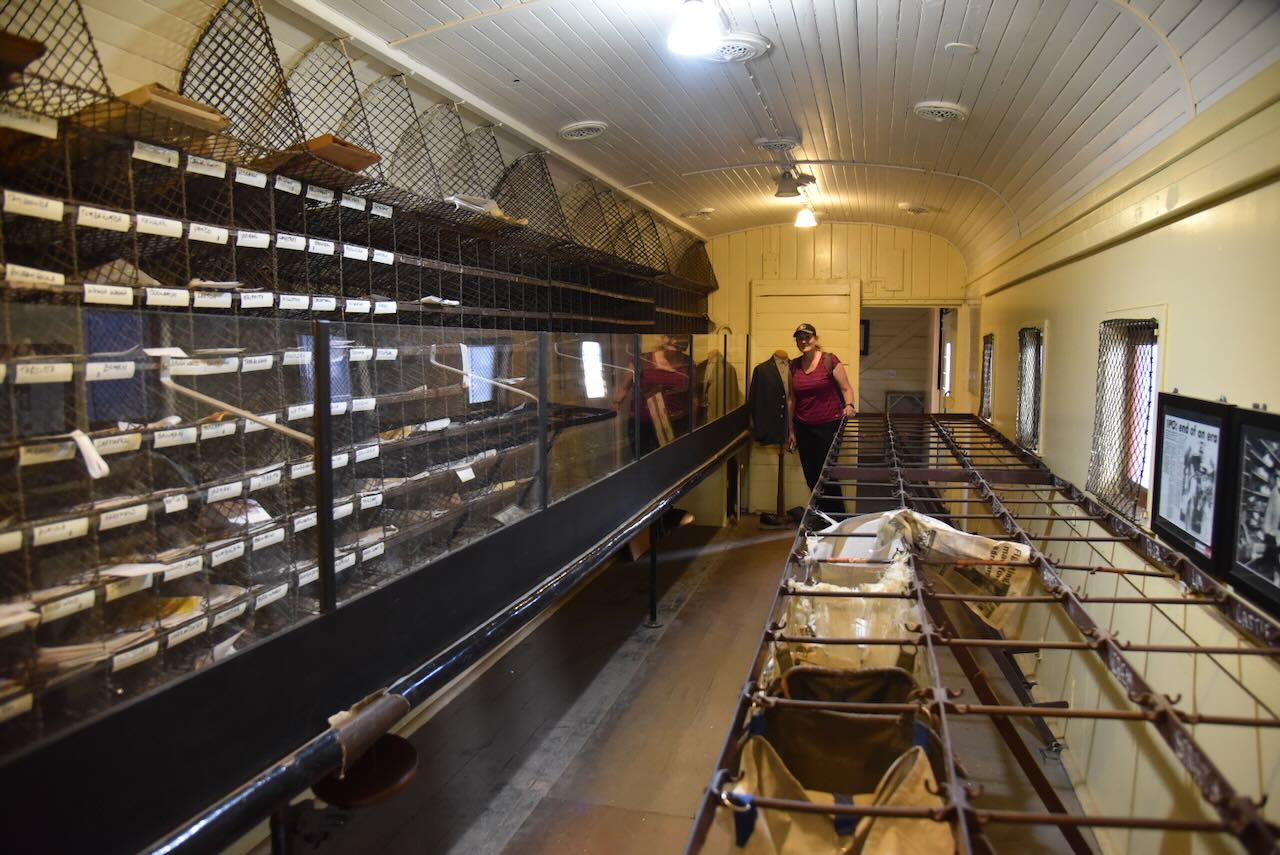
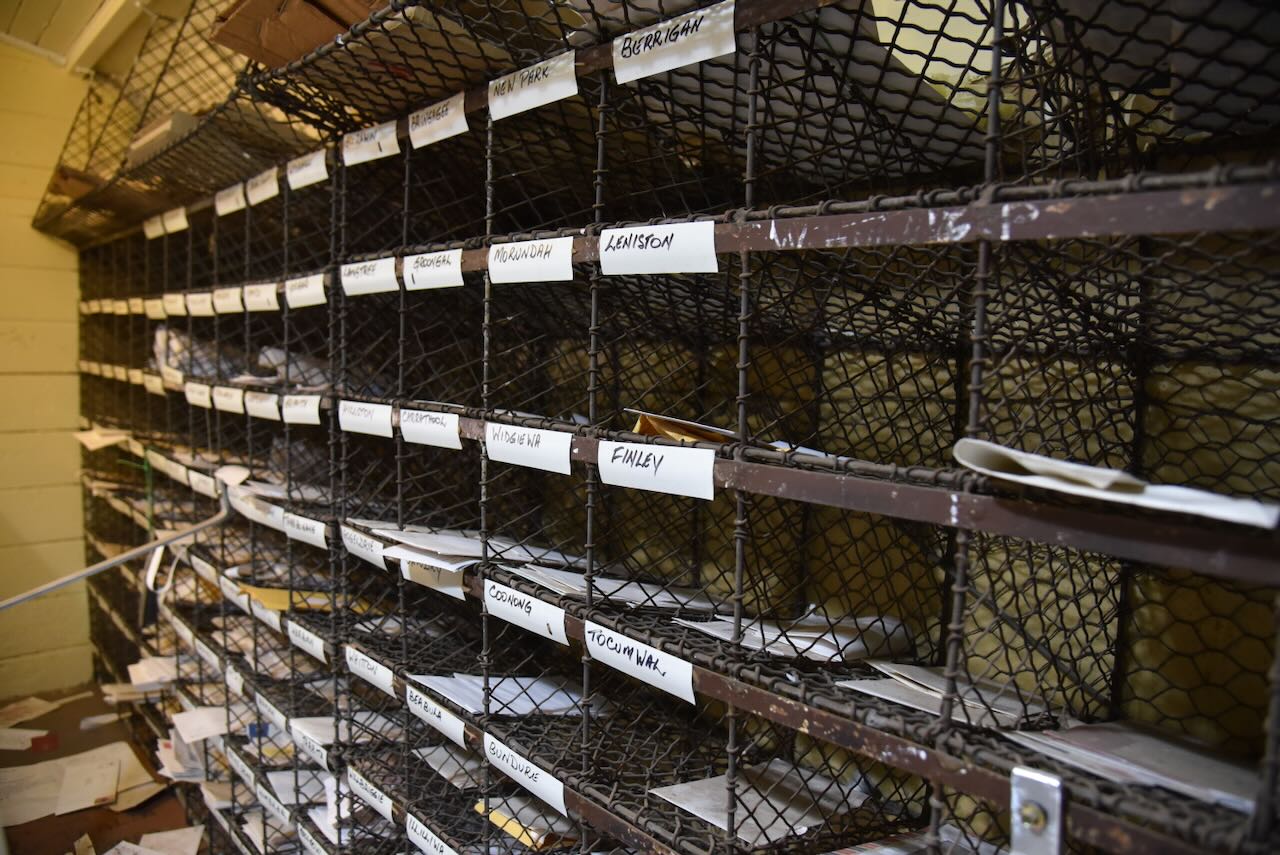
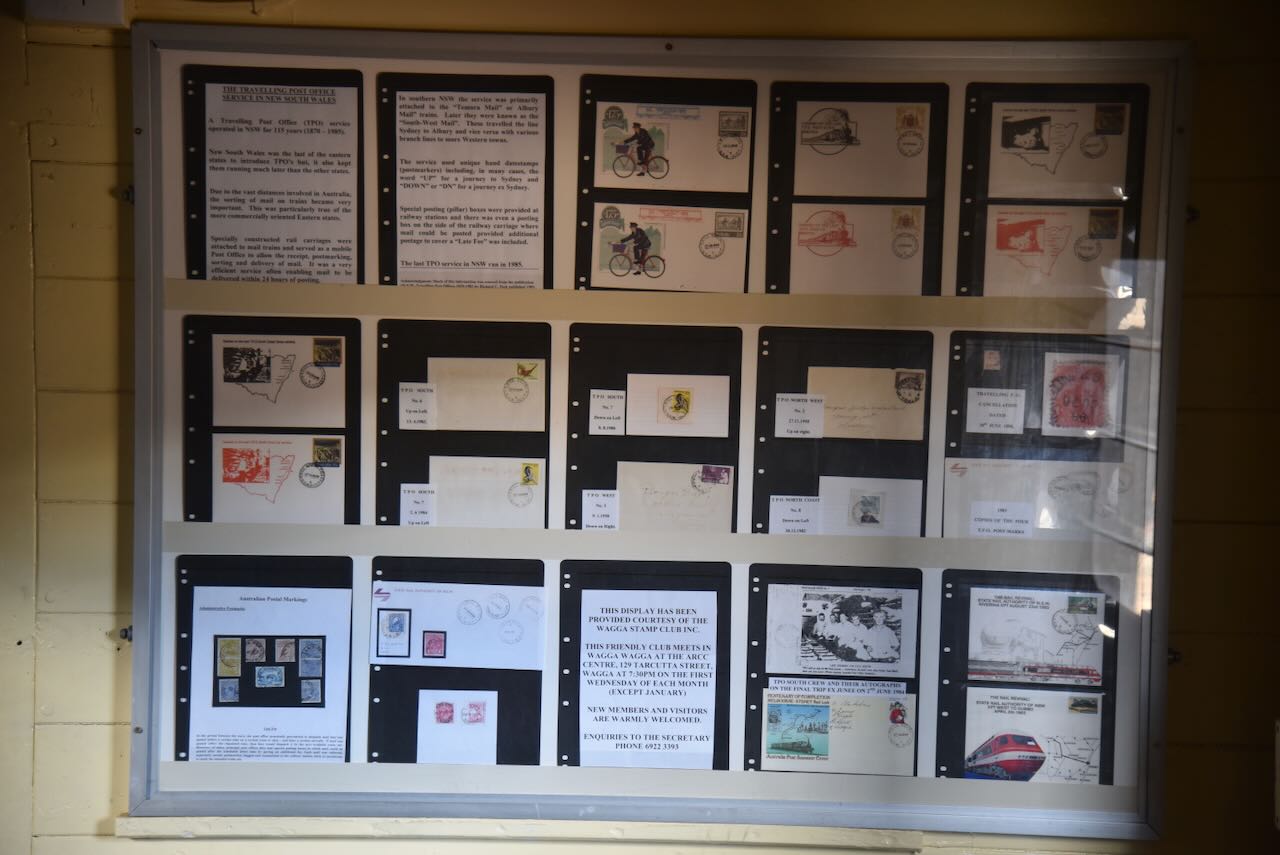
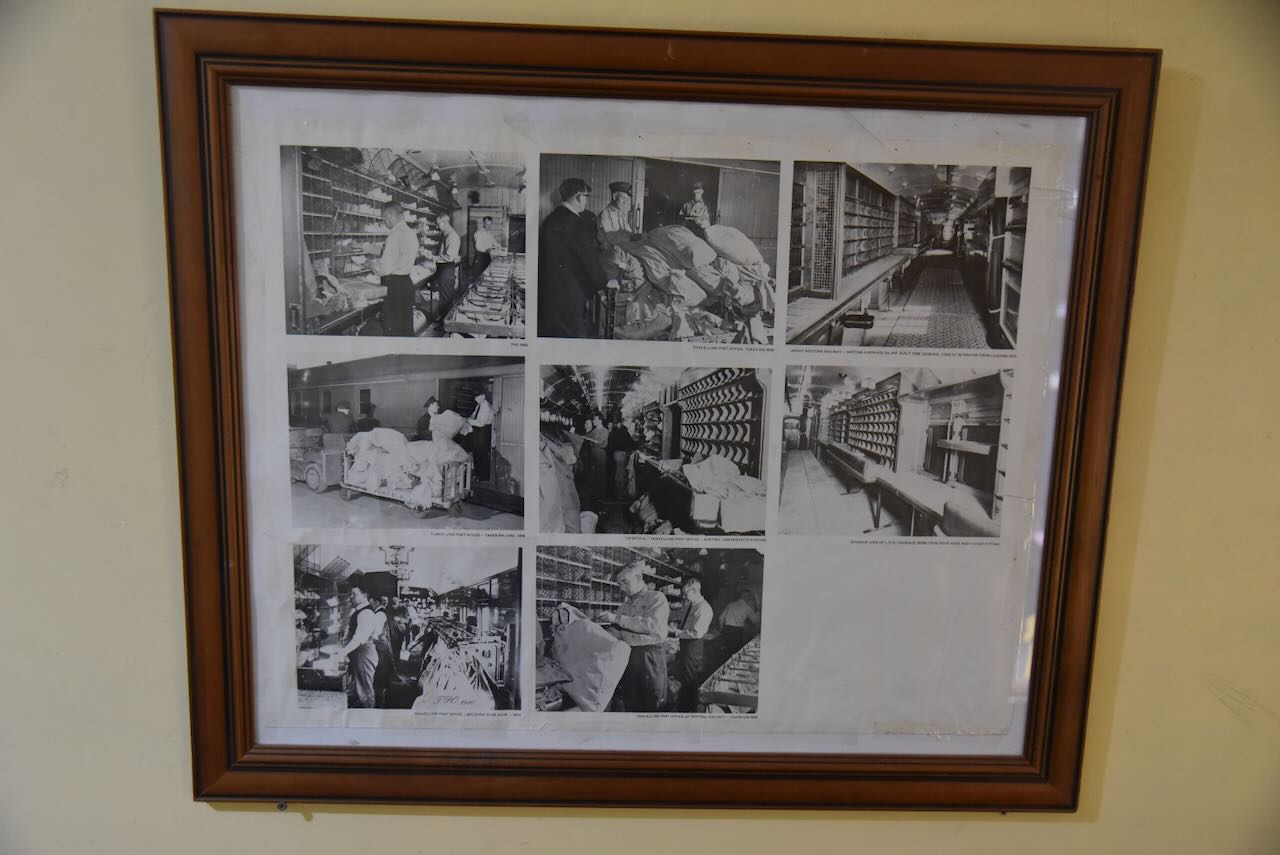
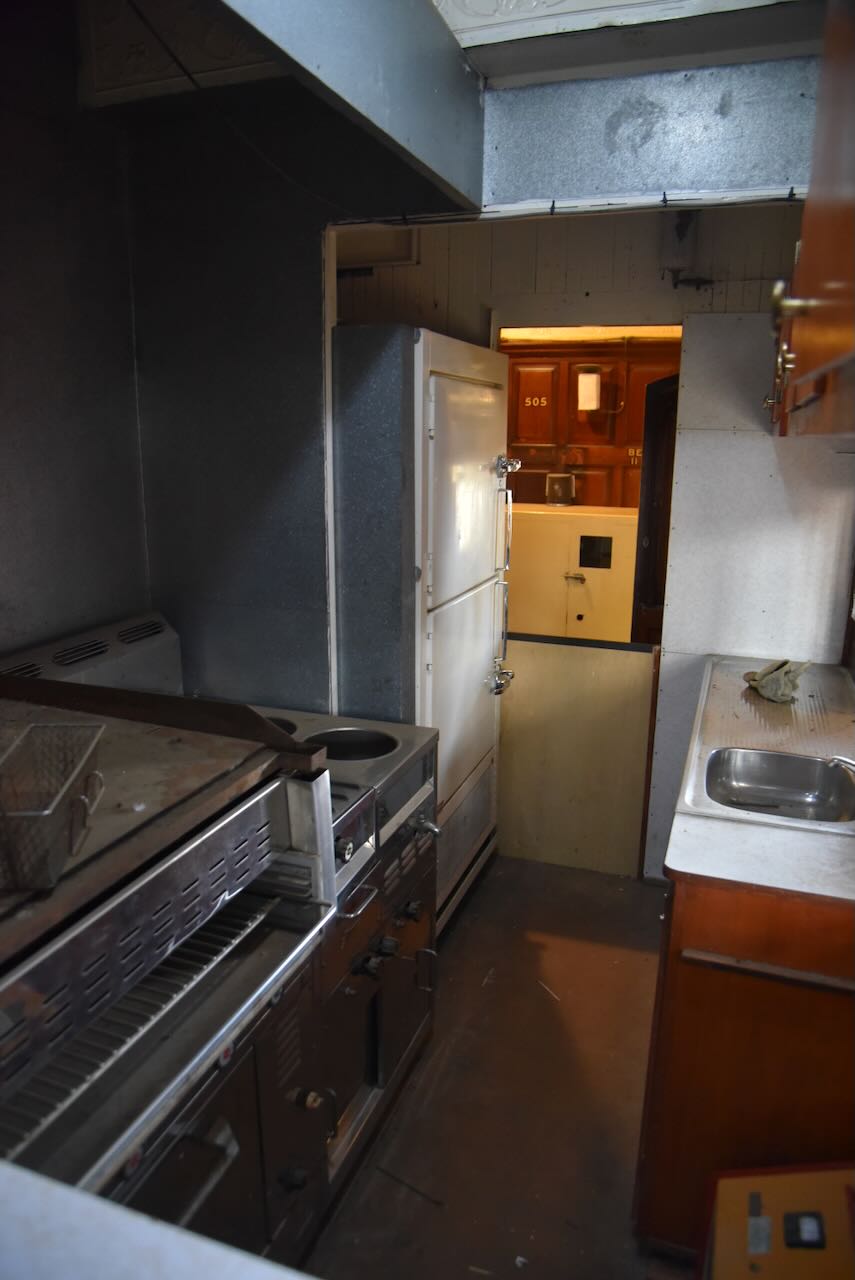
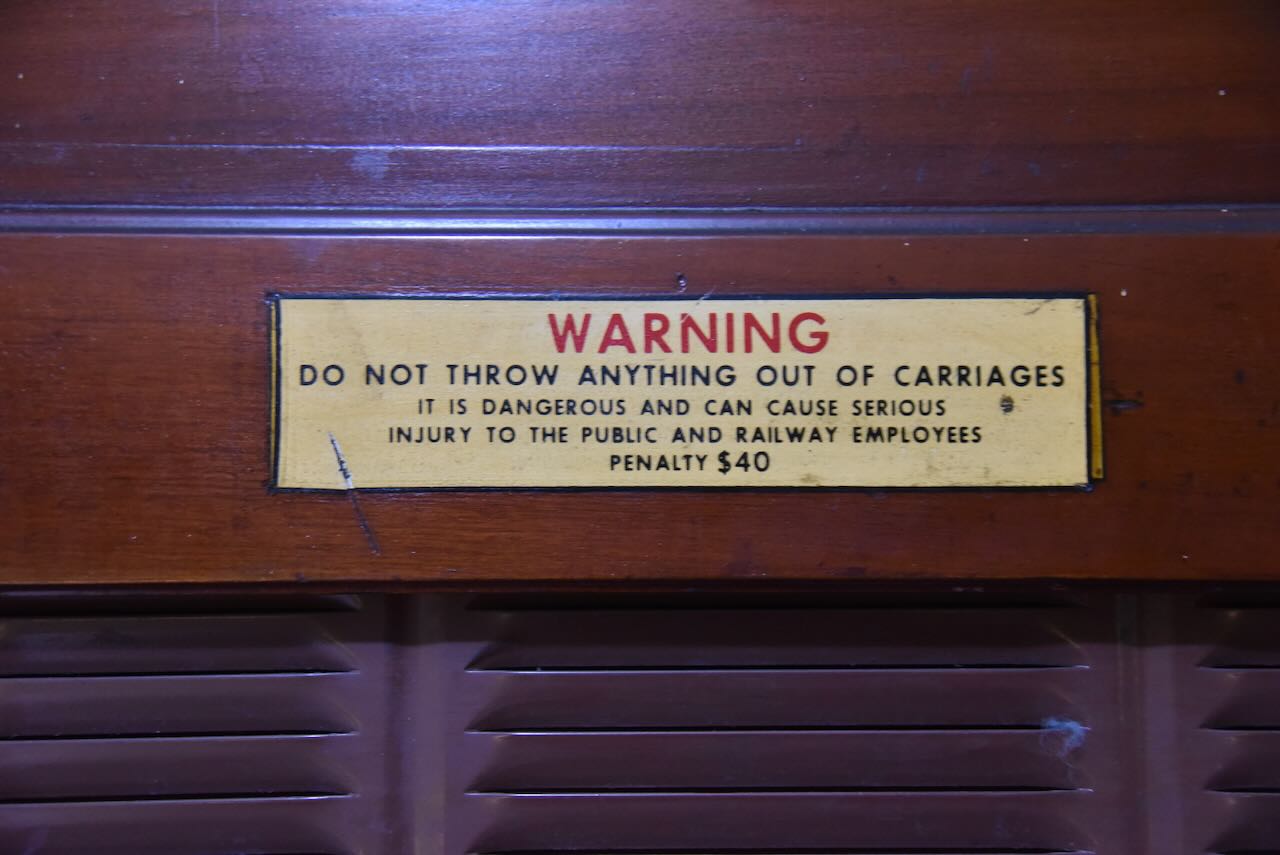
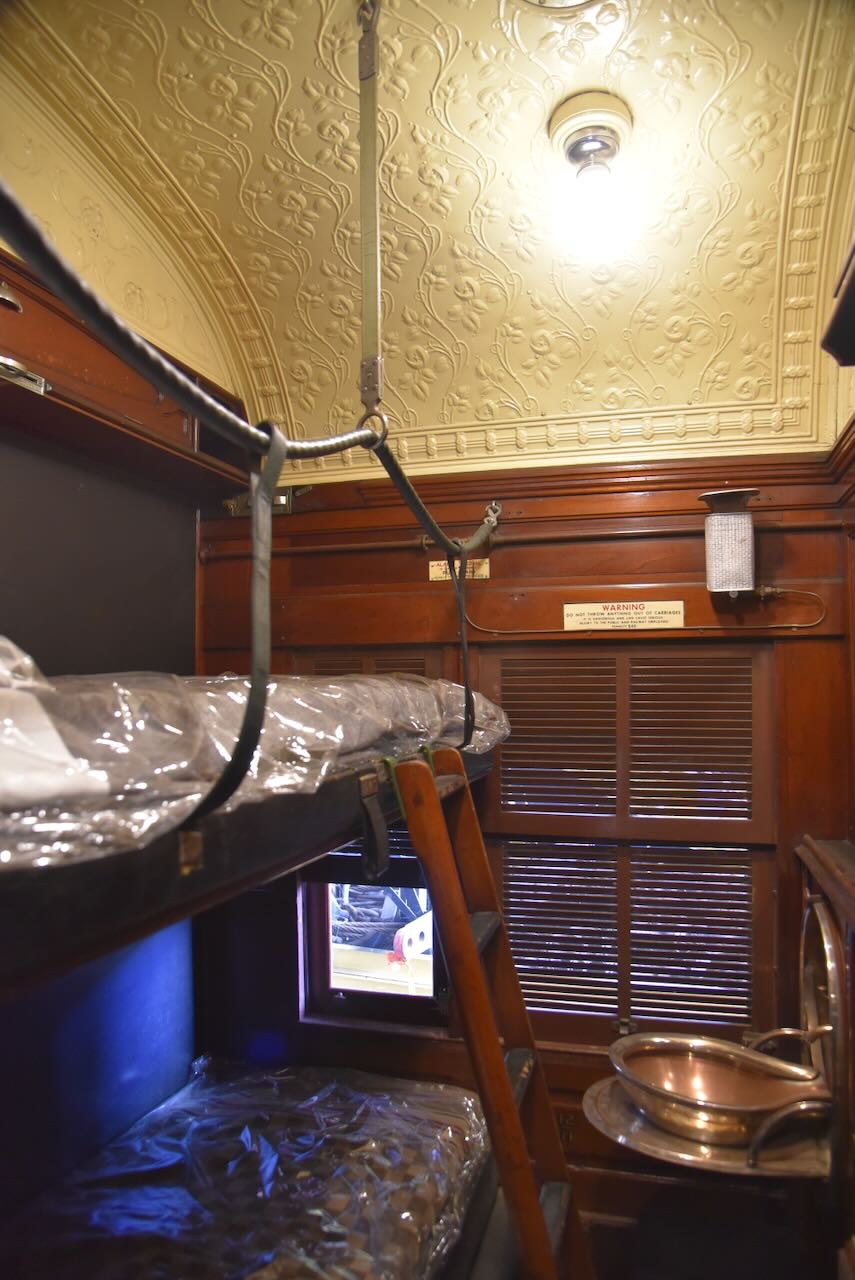
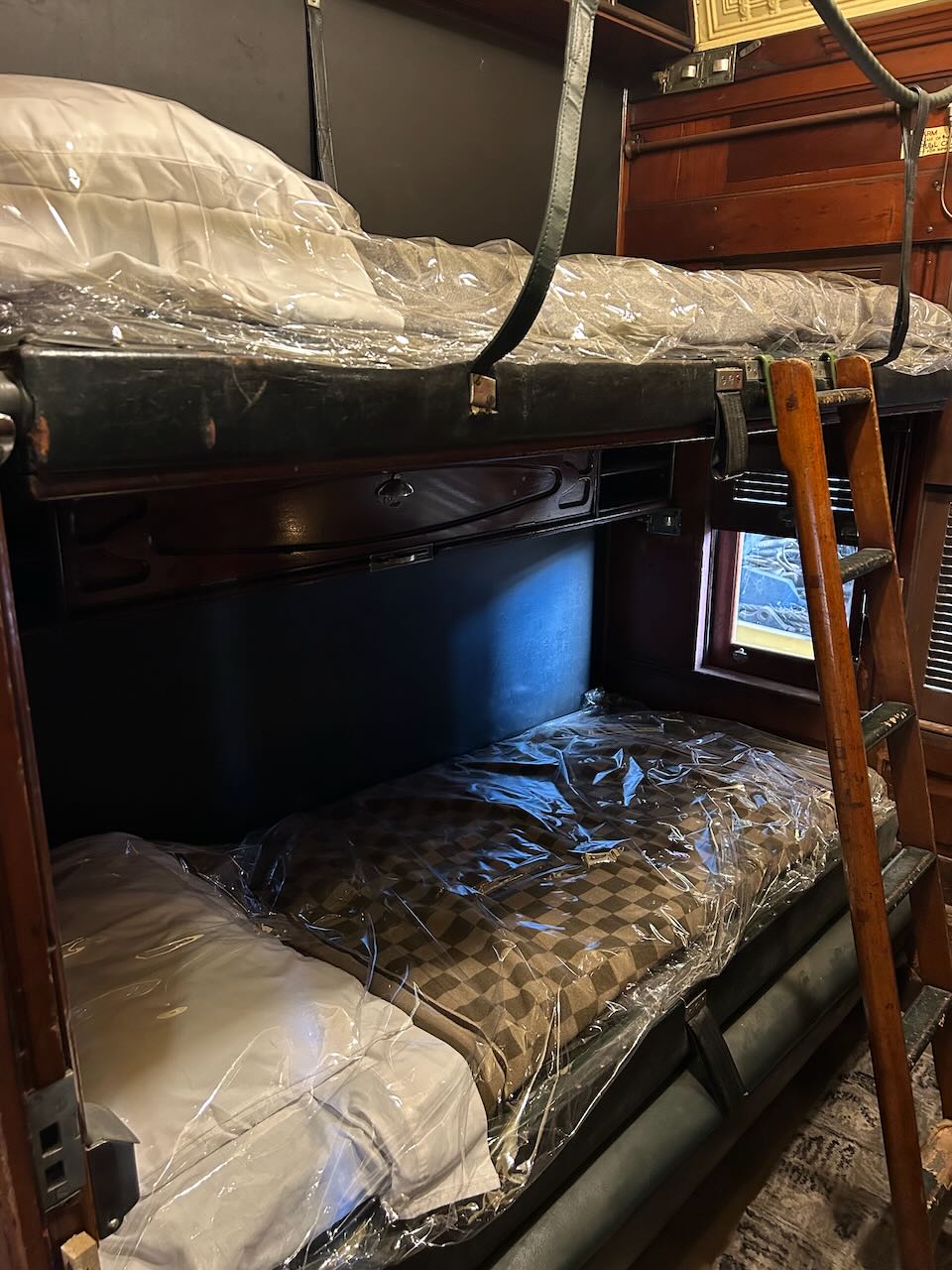
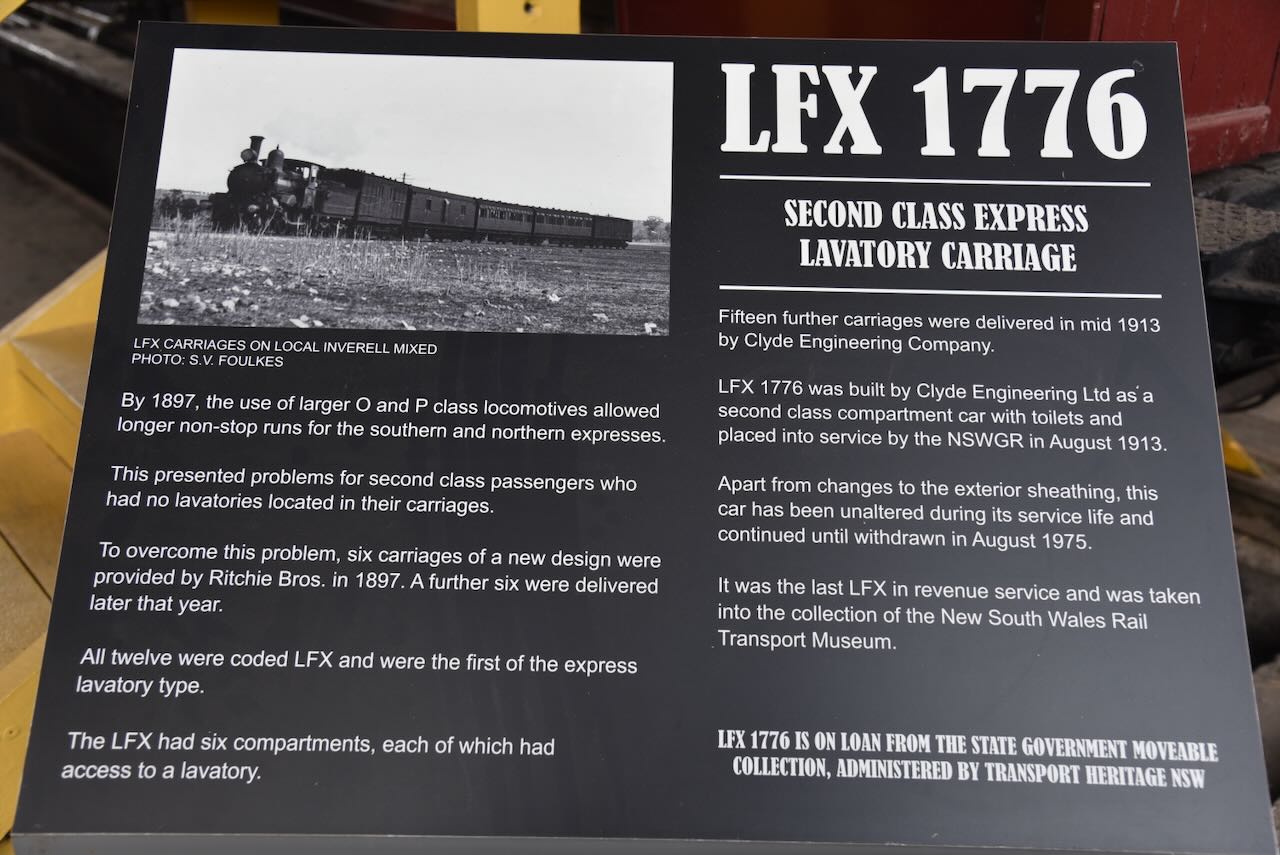
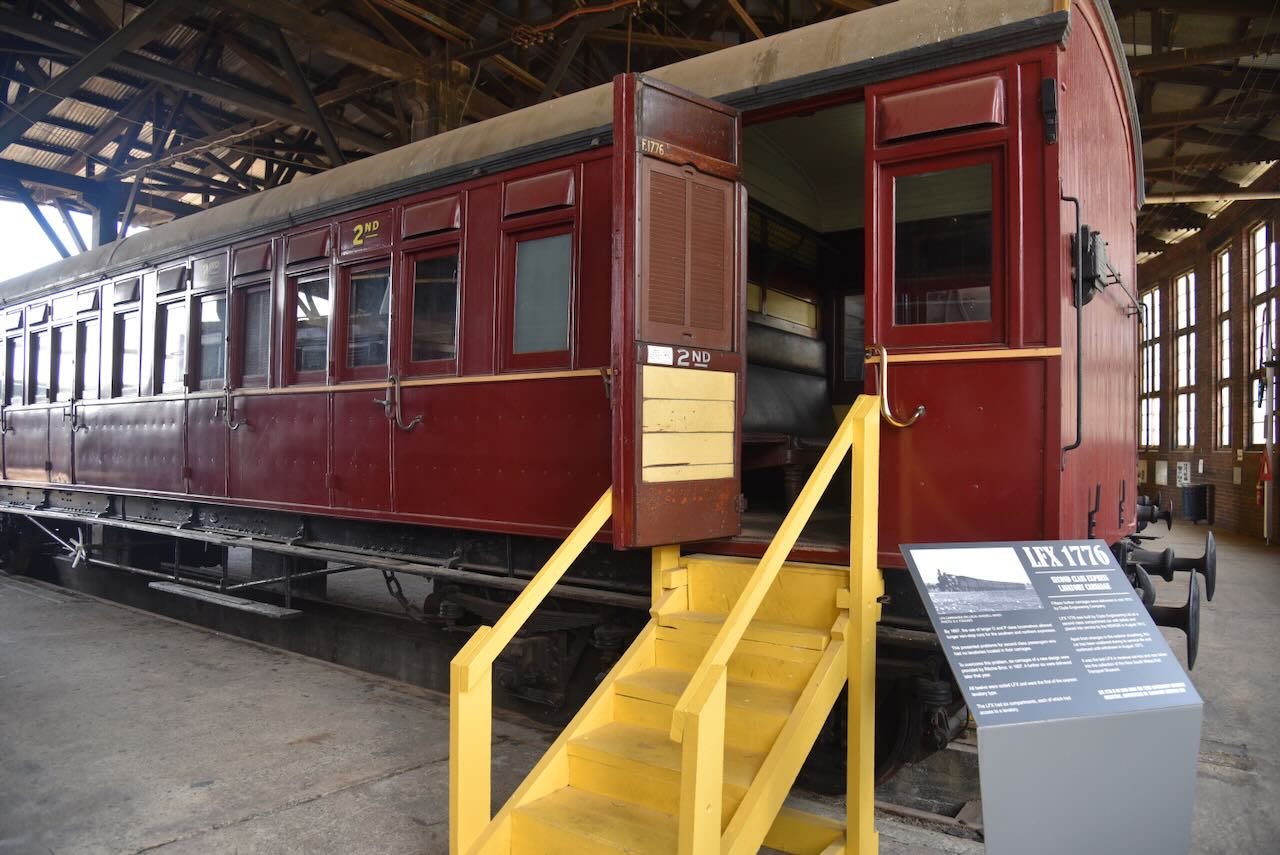
The LFX 1776 Second Class Express Lavatory Carriage was built by Clyde Engineering Ltd in 1913. It had six compartments, each of which had access to a lavatory.
Mainline Diesel Electric Locomotive 44666 is painted in the ‘Candy’ livery as it was when operating out of the Junee depot during the 1980s. The 442 class were built from 1971 to replace the 40 class locomotives that dated from 1951. They were known as ‘Jumbo’ to enginemen, as they were constructed at the samw time as the 747 jumbo jets.


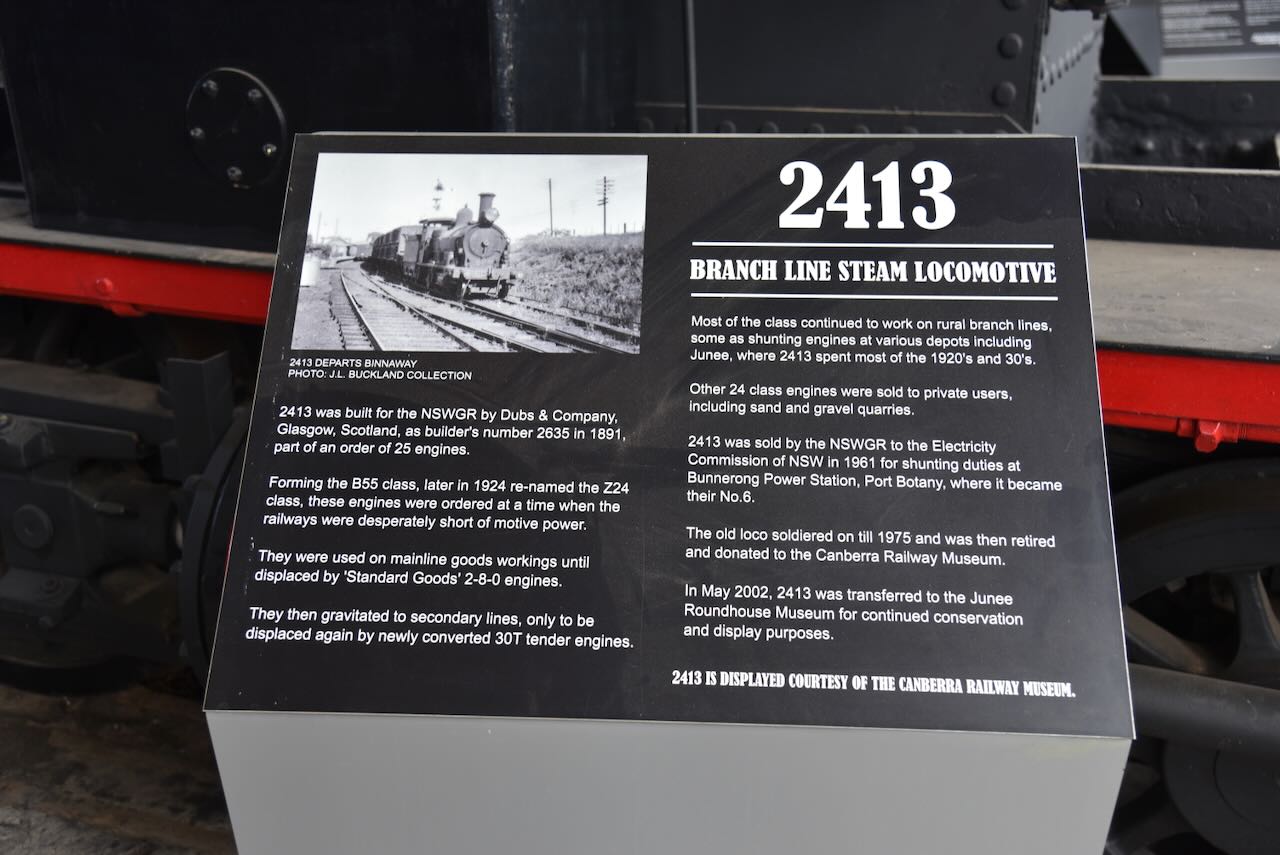
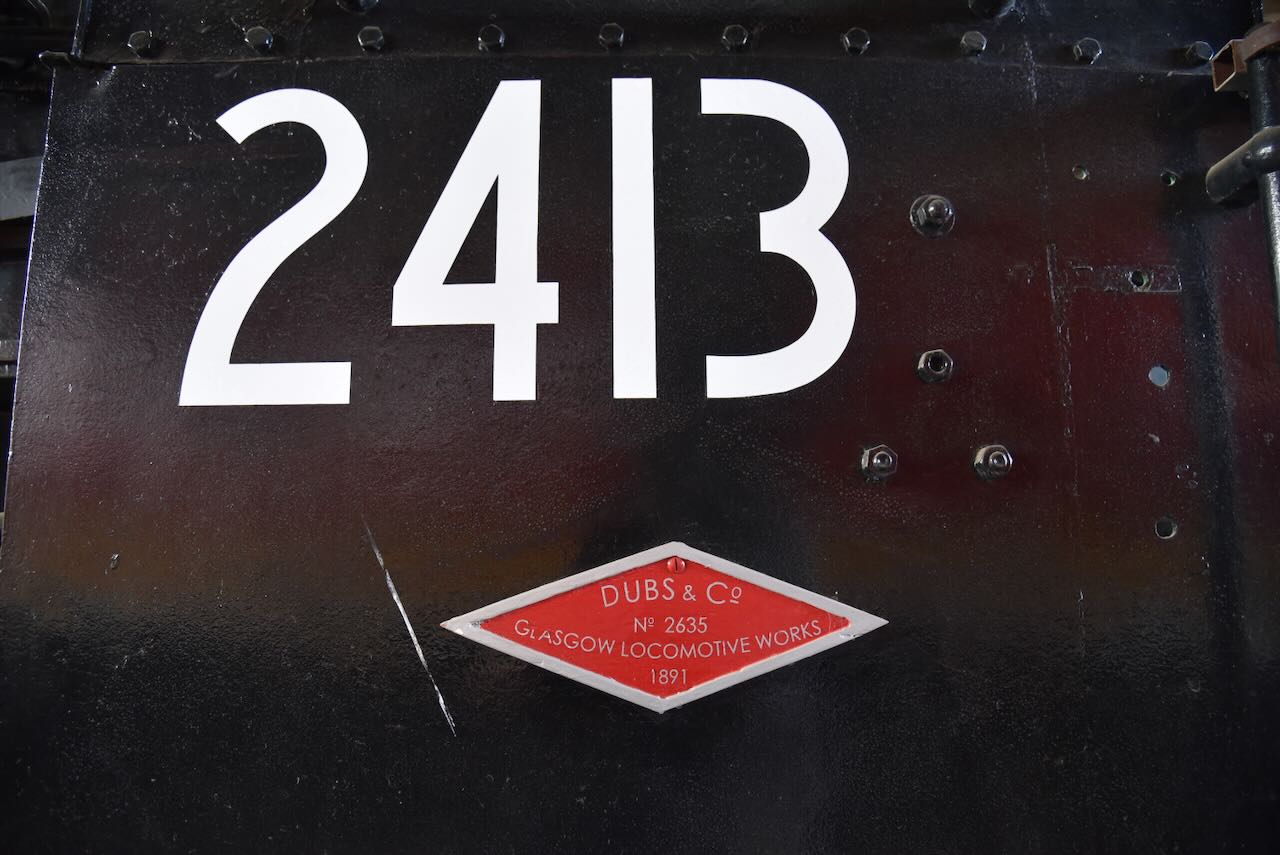
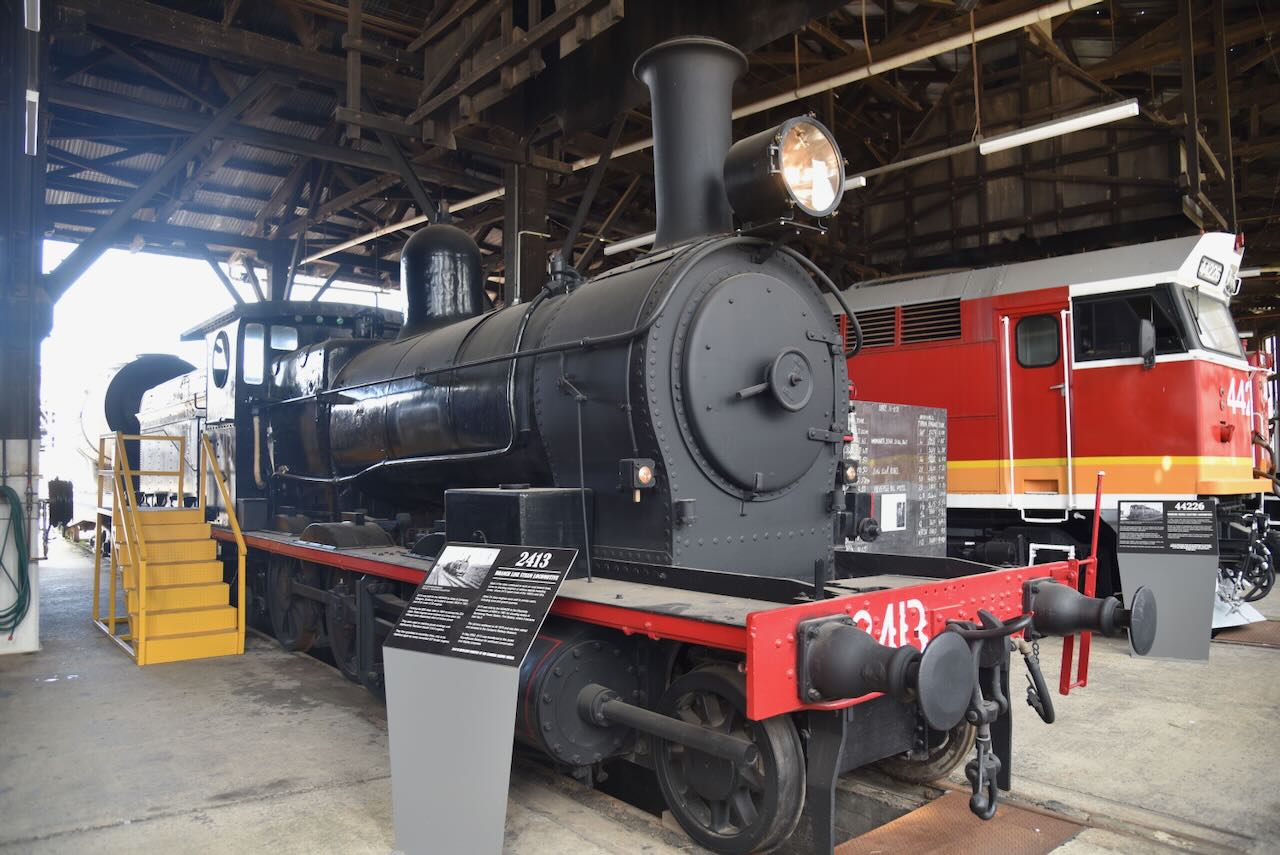
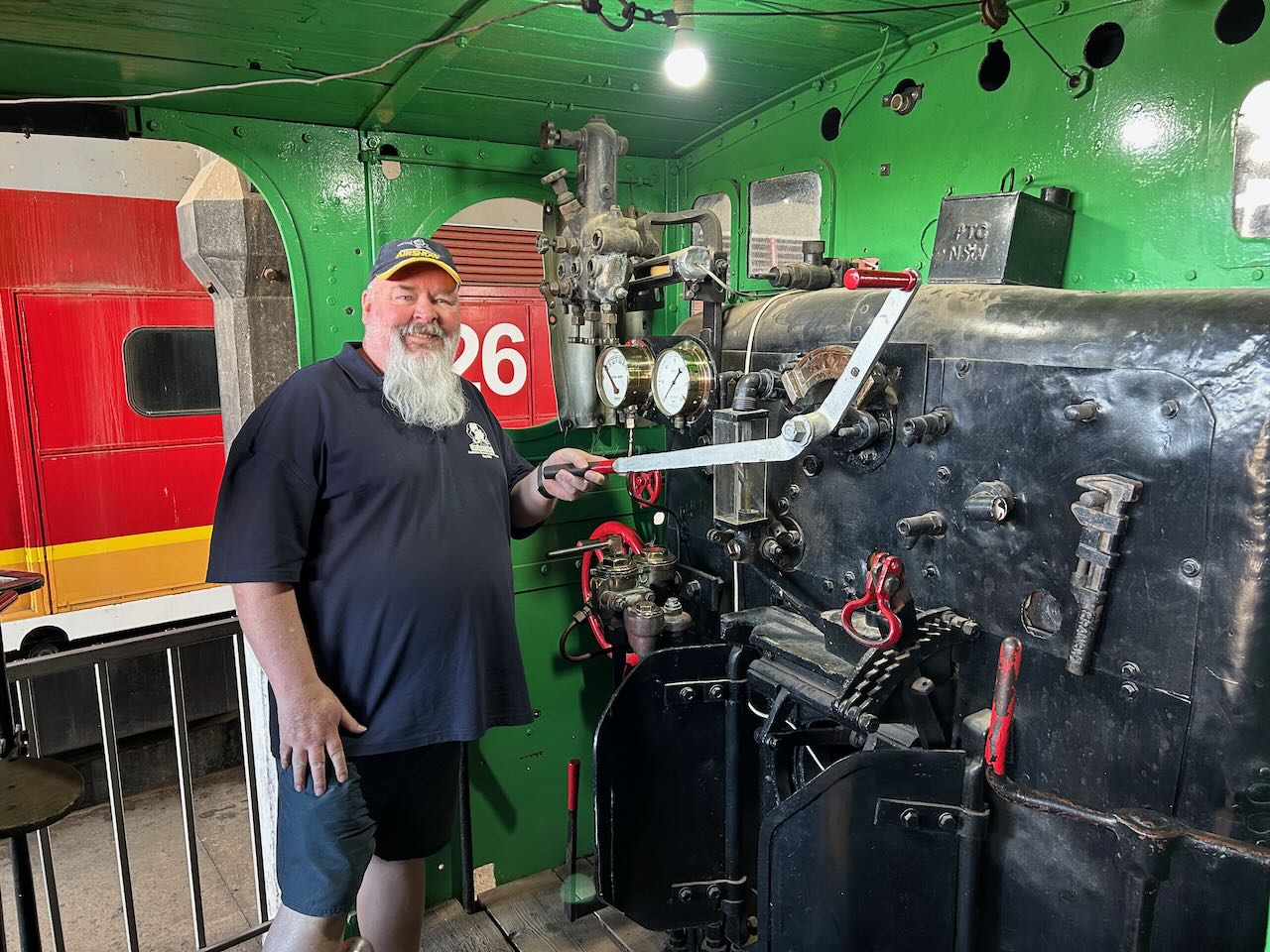
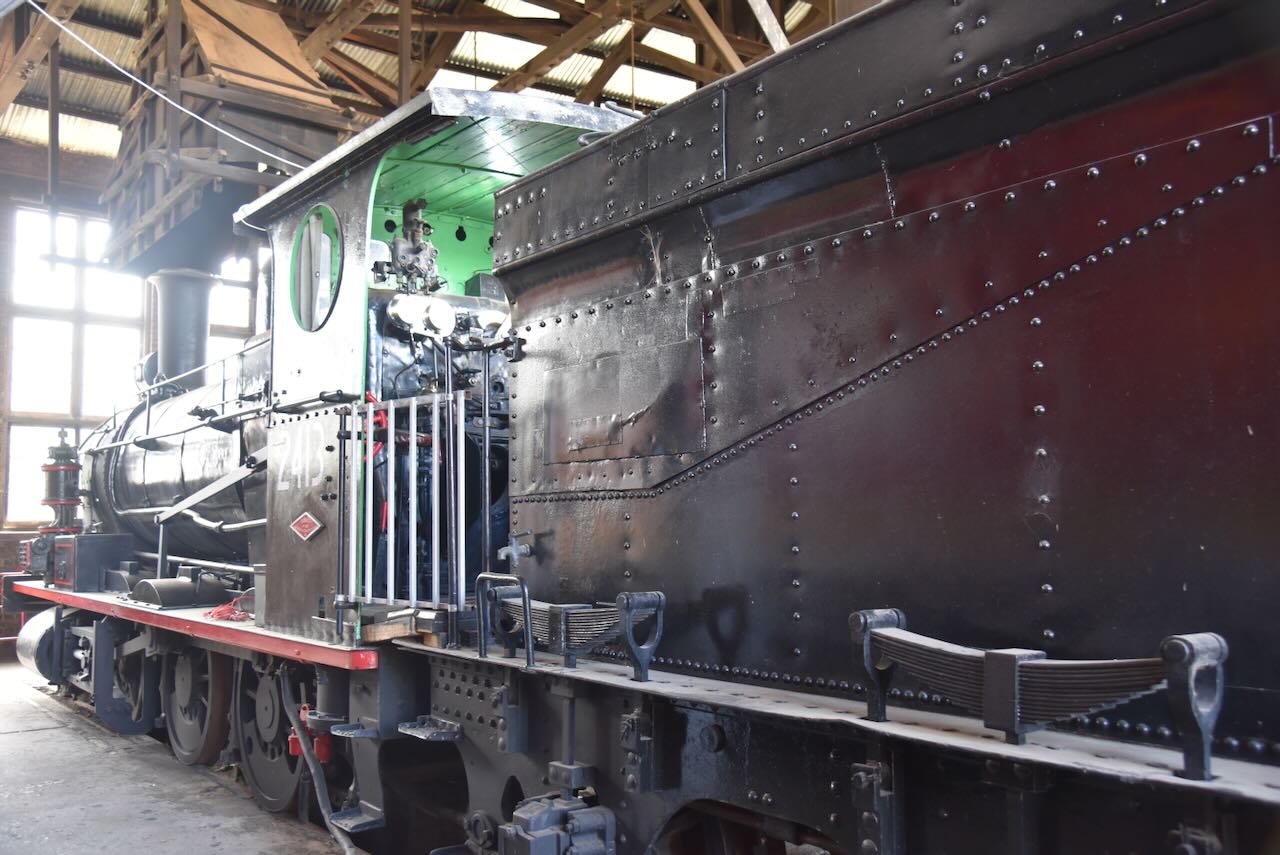
Steam Locomotive 2413 was built for the NSWGR by Dubs & Company, Glasgow, Scotland, in 1891. They were used on mainline goods workings until displaced by ‘Standard Goods’ 2-8-0 engines. This particular locomotive was used right up until 1975 for shunting duties at Bunnerong Power Station at Port Botany.
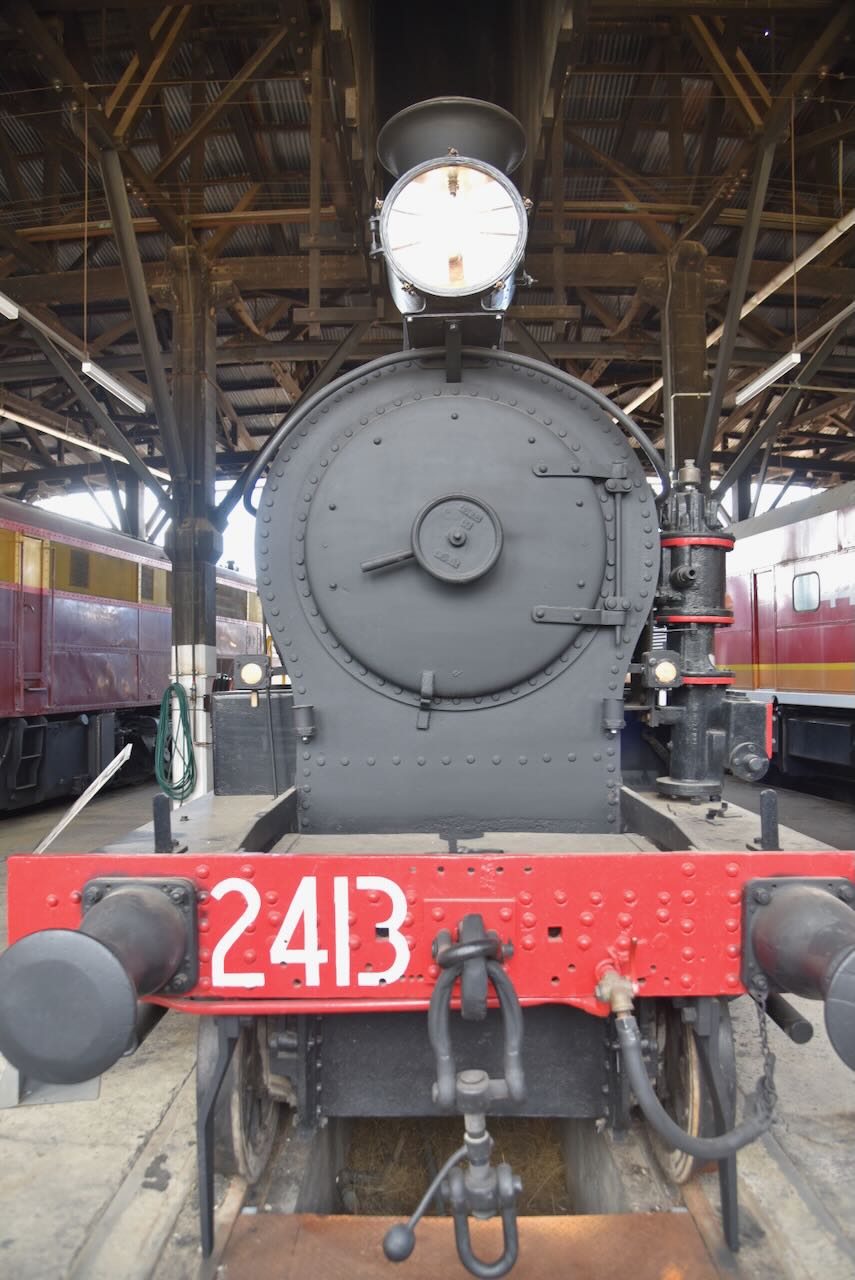

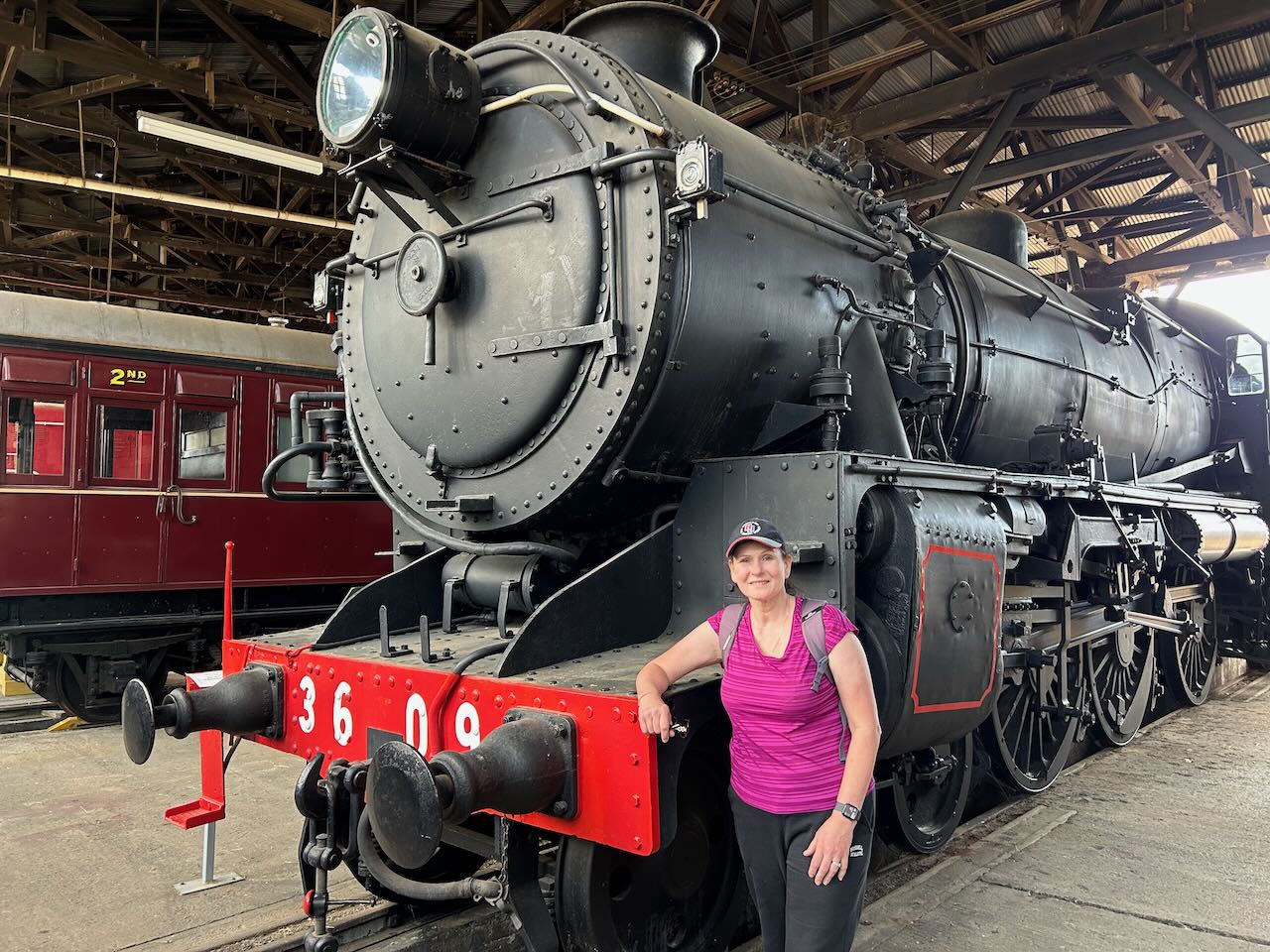
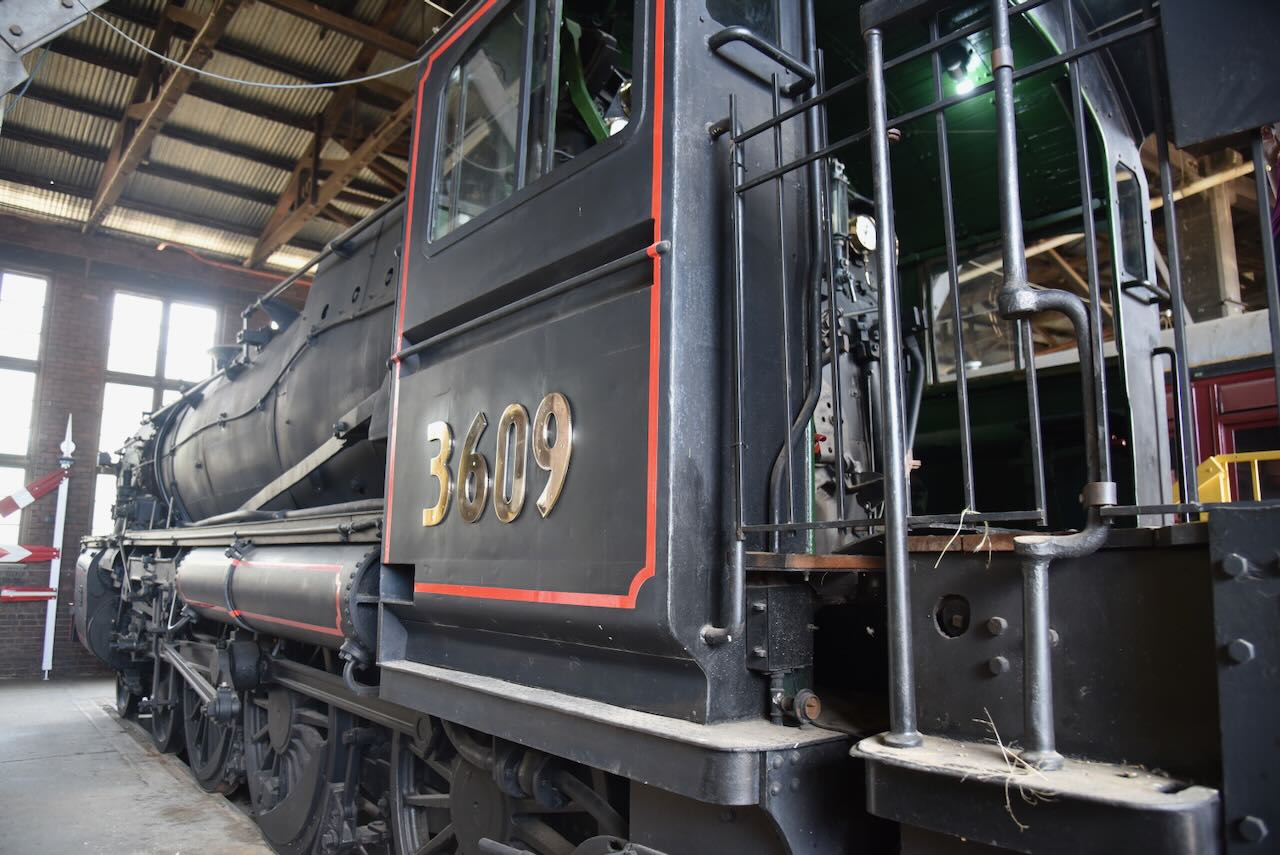
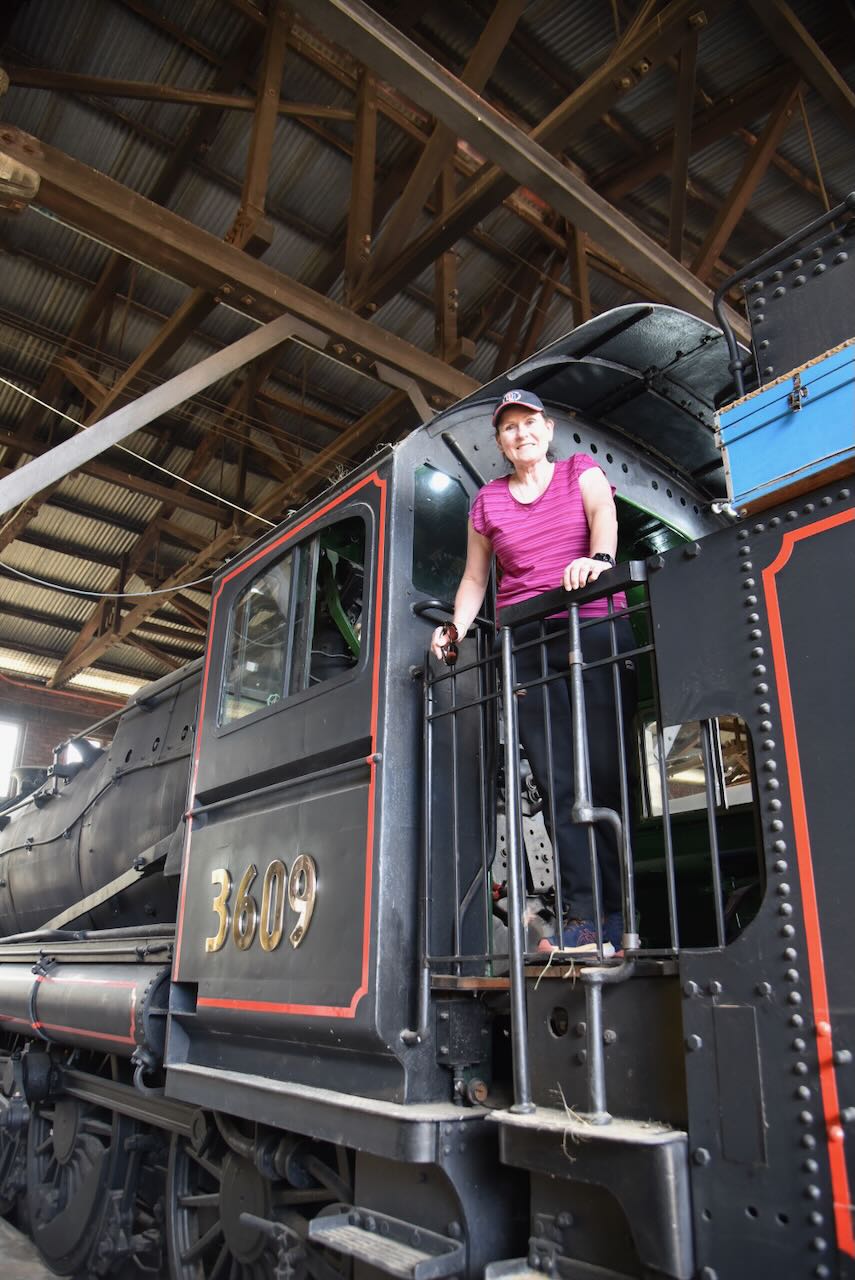
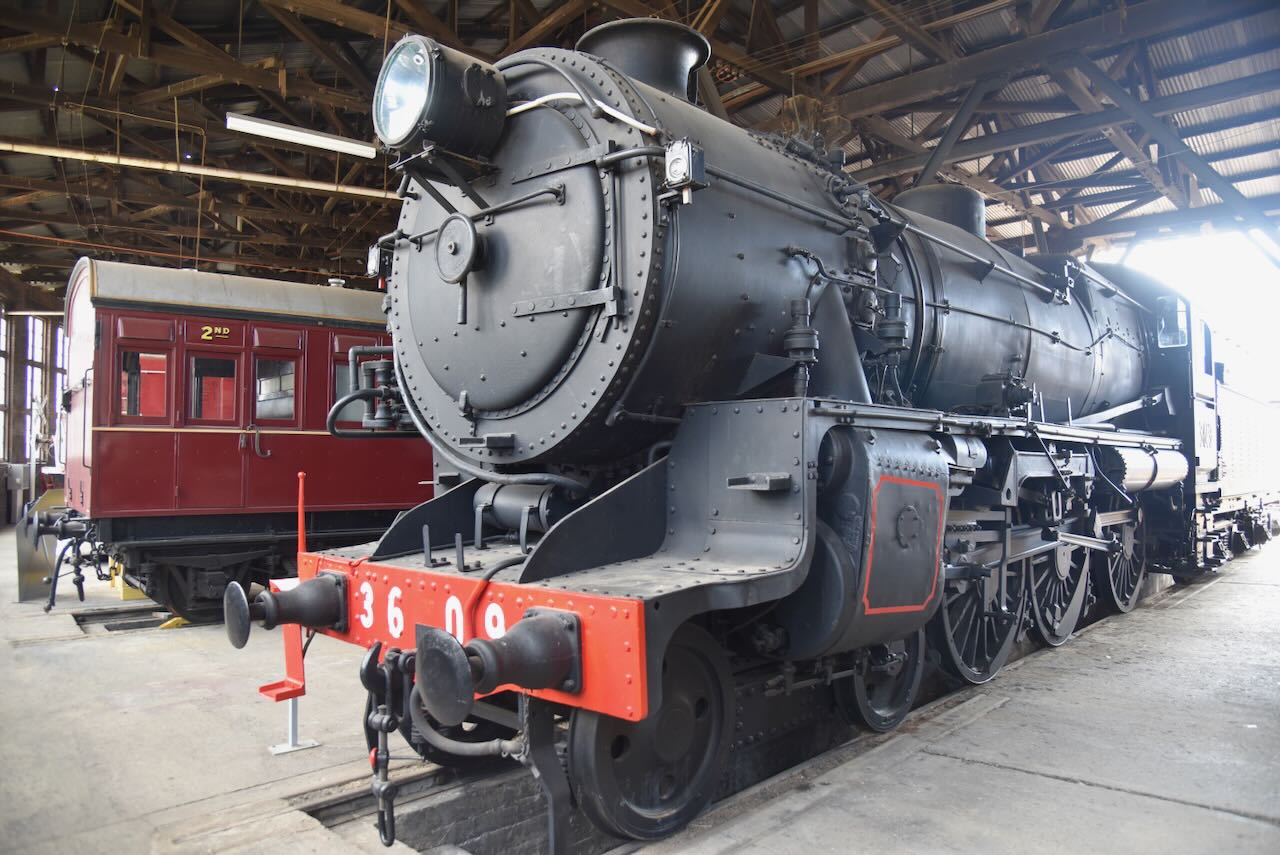
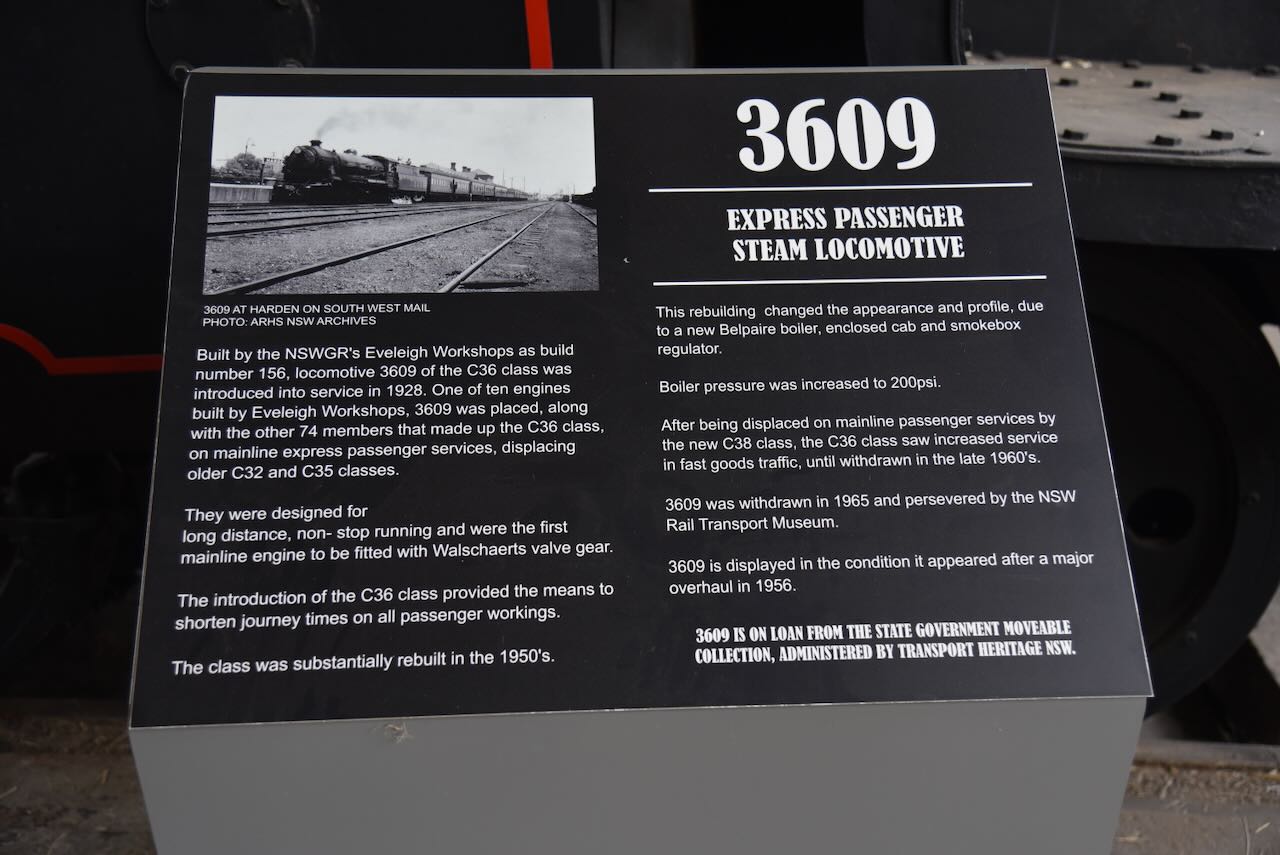
Locomotive 3609 is a C36 class that was introduced into service in 1928. It was built by the NSWGR’s Eveleigh Workshops. It was withdrawn from service in 1965.
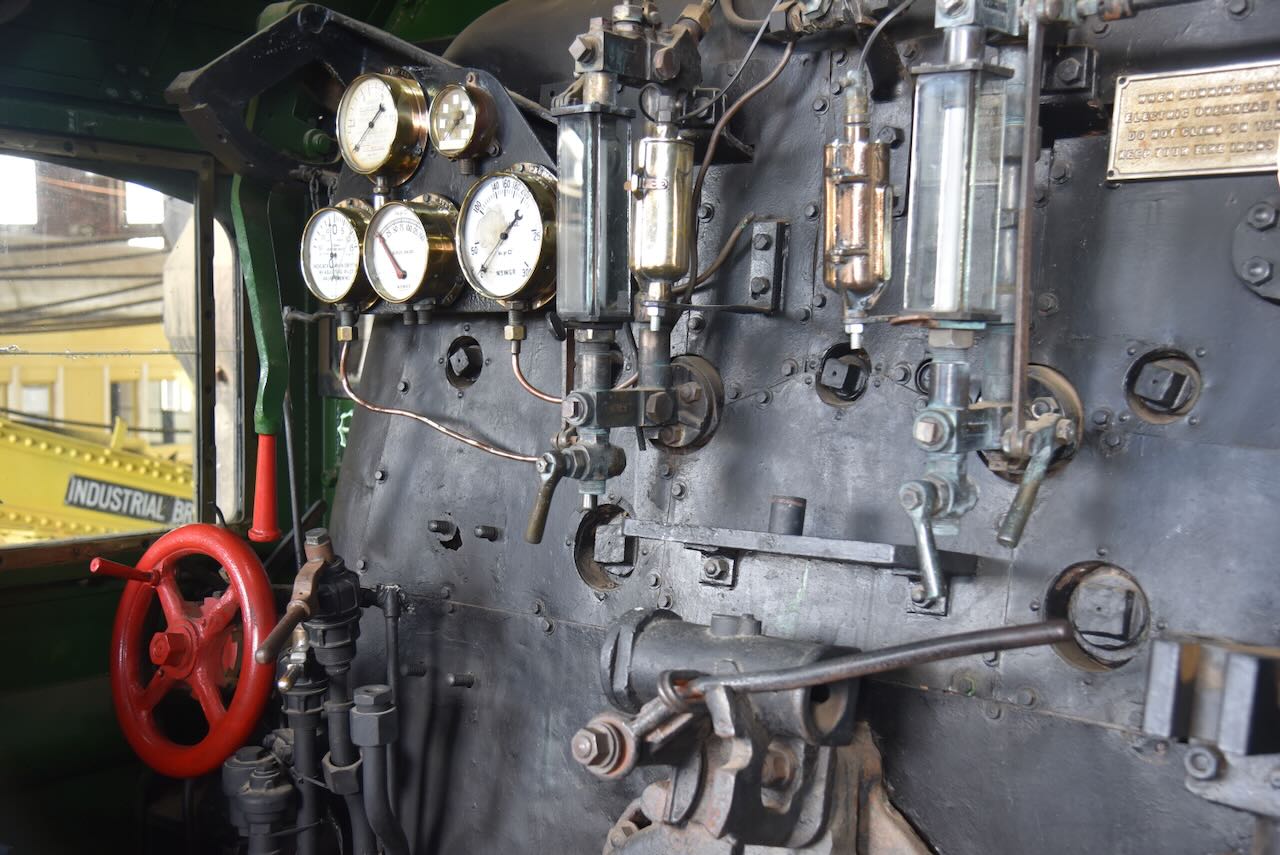
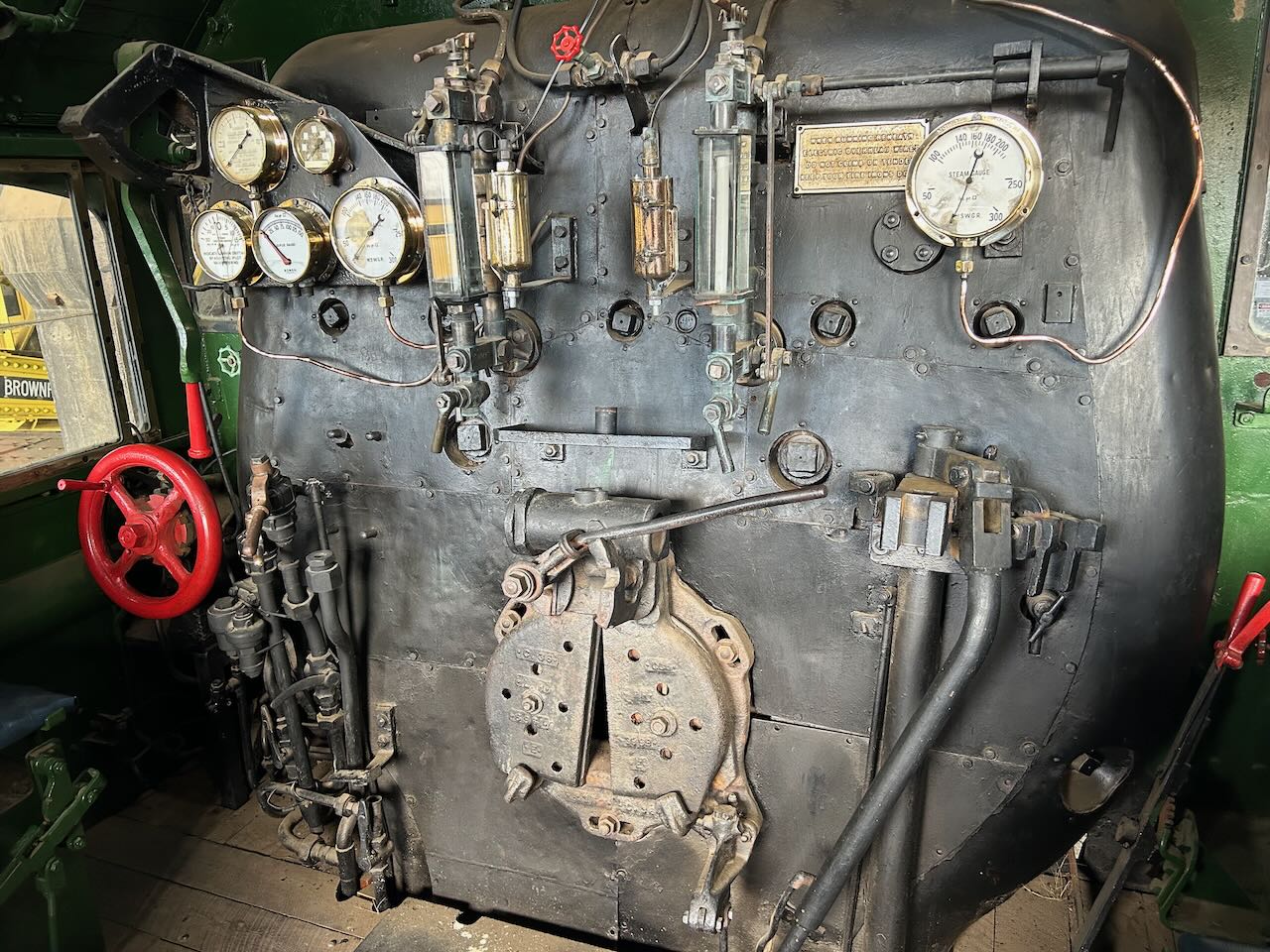
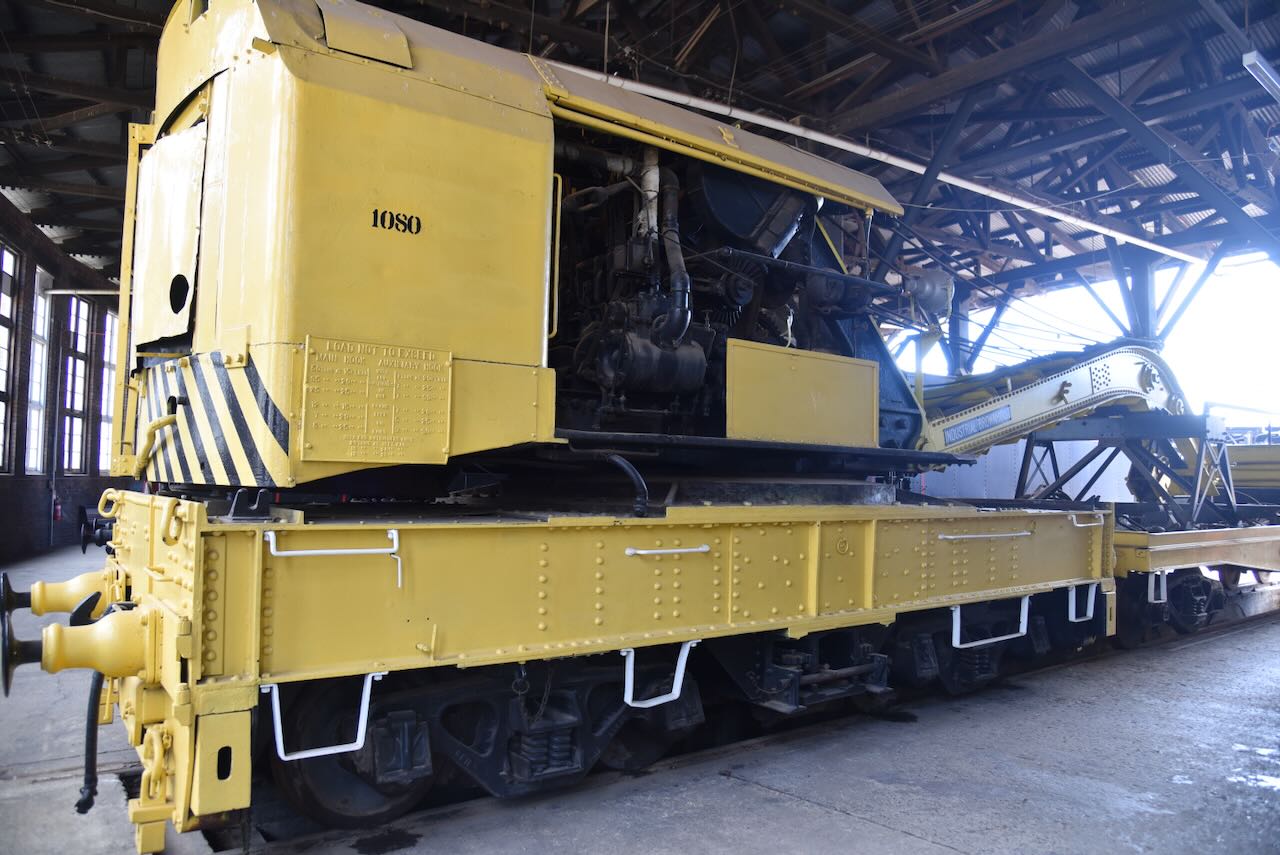
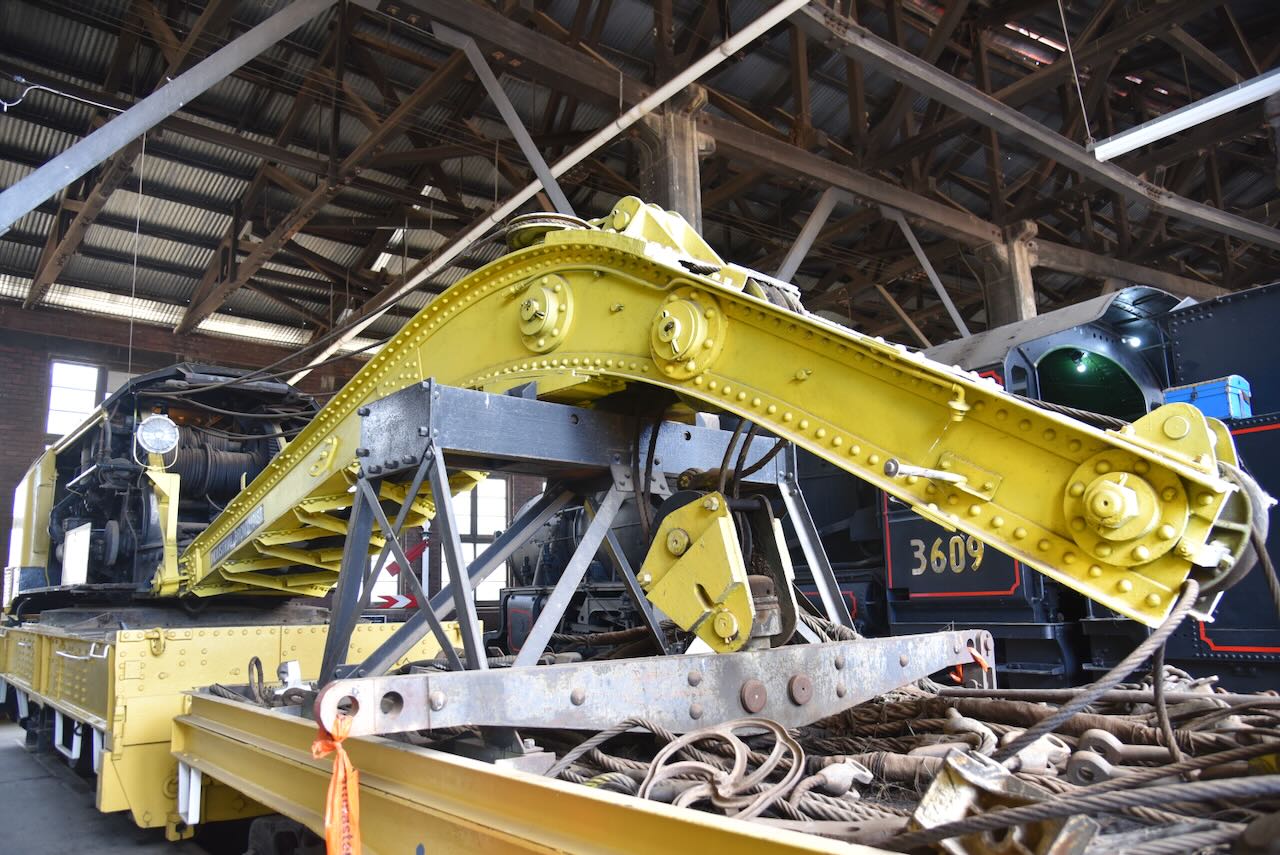
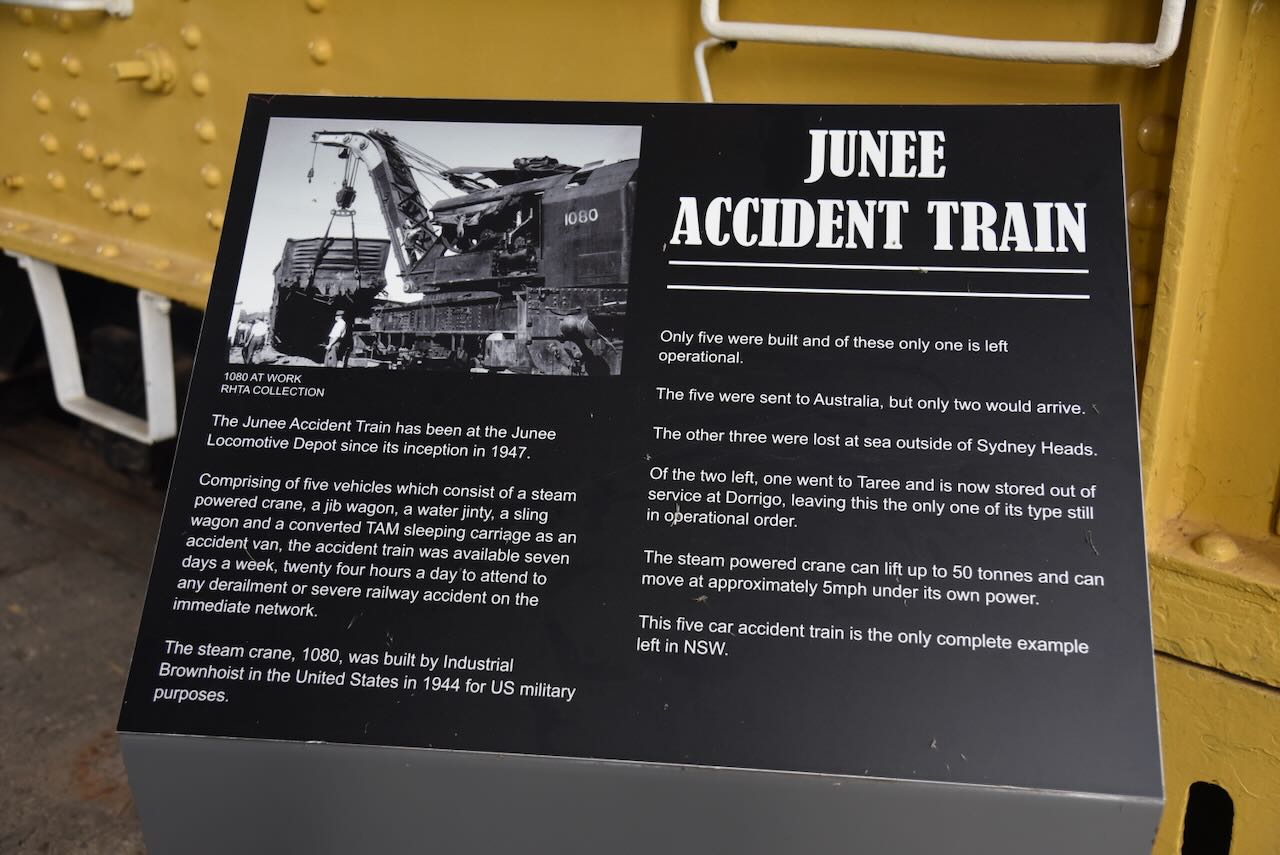
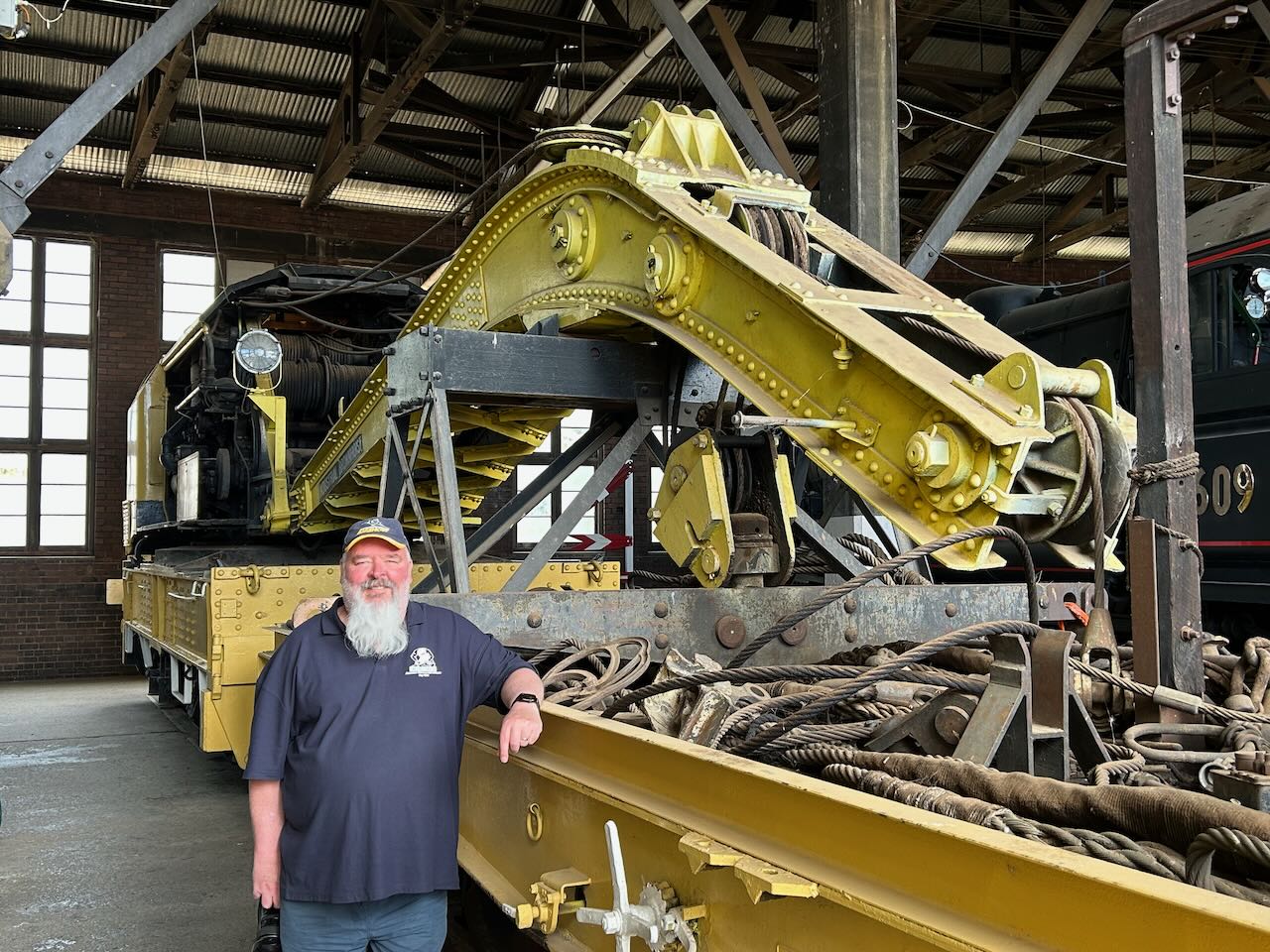
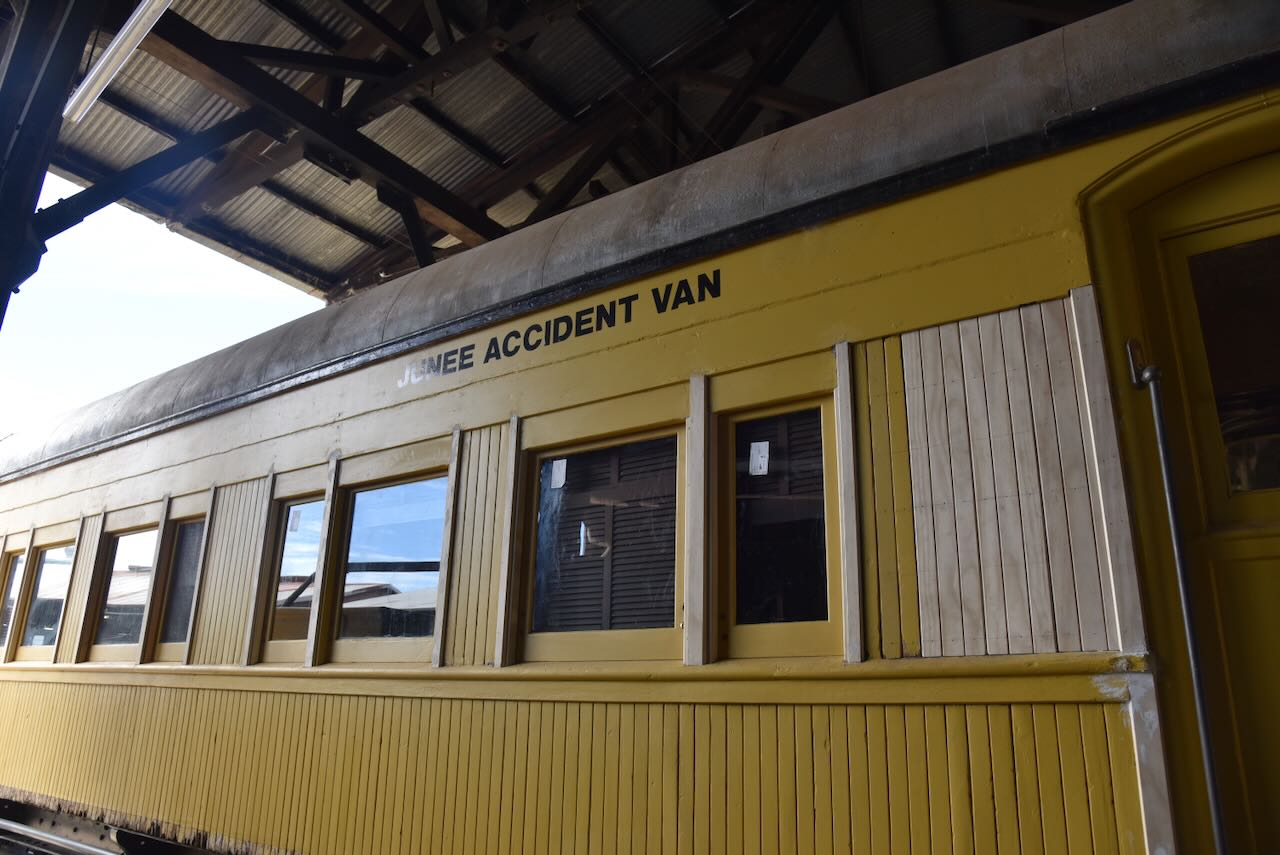
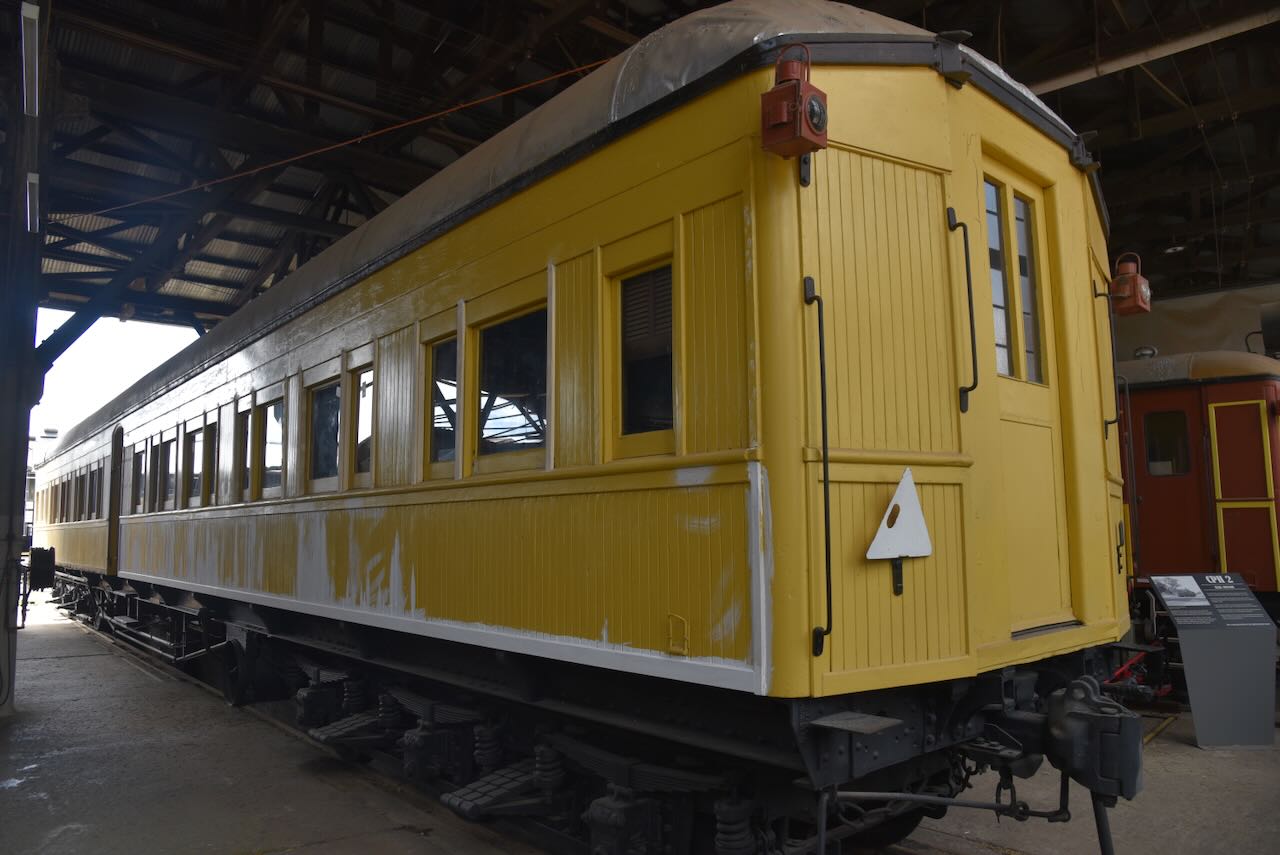
The Junee Accident Train has been at the Junee depot since its opening in 1947. It comprises five vehicles: a steam-powered crane, a jib wagon, a watery jinty, a sling wagon, and a converted TAM sleeping carriage as an accident van. The accident train was available 24/7 to attend to any derailment or railway accident. The steam crane is one of only five that were built, and of those, only this one at Junee is operational.
After an incredibly interesting visit to the Junee Roundhouse Museum, it was time for us to head off and activate another silo.
References.
- A Guide to Australian Bushranging. (2019). Johnny Gilbert: An Overview. [online] Available at: https://aguidetoaustralianbushranging.wordpress.com/2019/08/14/johnny-gilbert-an-overview/ [Accessed 13 Jan. 2026].
- Anu.edu.au. (1972). de Salis, Leopold Fabius (1816–1898). [online] Available at: https://adb.anu.edu.au/biography/de-salis-leopold-fabius-3402 [Accessed 12 Jan. 2026].
- Elder, B. (2025). A complete guide to Warrnambool, VIC. [online] Australian Geographic. Available at: https://www.australiangeographic.com.au/news/2025/05/a-complete-guide-to-junee-nsw/ [Accessed 13 Jan. 2026].
- Facebook.com. (2026). Michael McCormack MP. [online] Available at: https://www.facebook.com/MichaelMcCormackMP/posts/with-its-roots-going-back-more-than-100-years-graincorp-is-australias-largest-gr/1230750091754561/ [Accessed 13 Jan. 2026].
- Junee Council, 2021, Old Junee Village Improvement PLan
- Nsw.gov.au. (2020). Junee War Memorial Clock Tower | NSW War Memorials Register. [online] Available at: https://www.warmemorialsregister.nsw.gov.au/content/junee-cenotaph [Accessed 13 Jan. 2026].
- The Junee Roundhouse Museum. (n.d.). The Junee Roundhouse Museum. [online] Available at: https://roundhousemuseum.com.au/. [Accessed 13 Jan. 2026]
- Trove. (2025). PLACE NAMES – The Romance of Australian – The Australian Women’s Weekly (1933 – 1982) – 13 May 1964. [online] Available at: https://trove.nla.gov.au/newspaper/article/55185386. [Accessed 13 Jan. 2026]
- Trove. (2026). Village of .Junee – ORIGINALLY PART OF JUNEE RUN – Daily Advertiser (Wagga Wagga, NSW : 1911 – 1954) – 28 Sept 1936. [online] Available at: https://trove.nla.gov.au/newspaper/article/144622102 [Accessed 13 Jan. 2026].
- UBC Web Design (2026). Ray Warren | Monument Australia. [online] Monumentaustralia.org. Available at: https://www.monumentaustralia.org/themes/people/sport/display/95386-ray-warren [Accessed 13 Jan. 2026].
- Wikipedia Contributors (2025). Bluecap (bushranger). Wikipedia.
- Wikipedia Contributors (2025). Gardiner–Hall gang. Wikipedia.
- Wikipedia Contributors (2025). John Gilbert (bushranger). Wikipedia.
- Wikipedia Contributors (2024). Michael Burke (bushranger). Wikipedia.
- Wikipedia Contributors (2025). Athenium Theatre. Wikipedia.
- Wikipedia Contributors (2026). Junee railway station. Wikipedia.
 VK5PAS