
After leaving the Ulandra Nature Reserve on Thursday, 23rd October 2025, Marija and I drove towards Cootamundra. Our intention was to visit the Bradman Museum at Cootamundra.
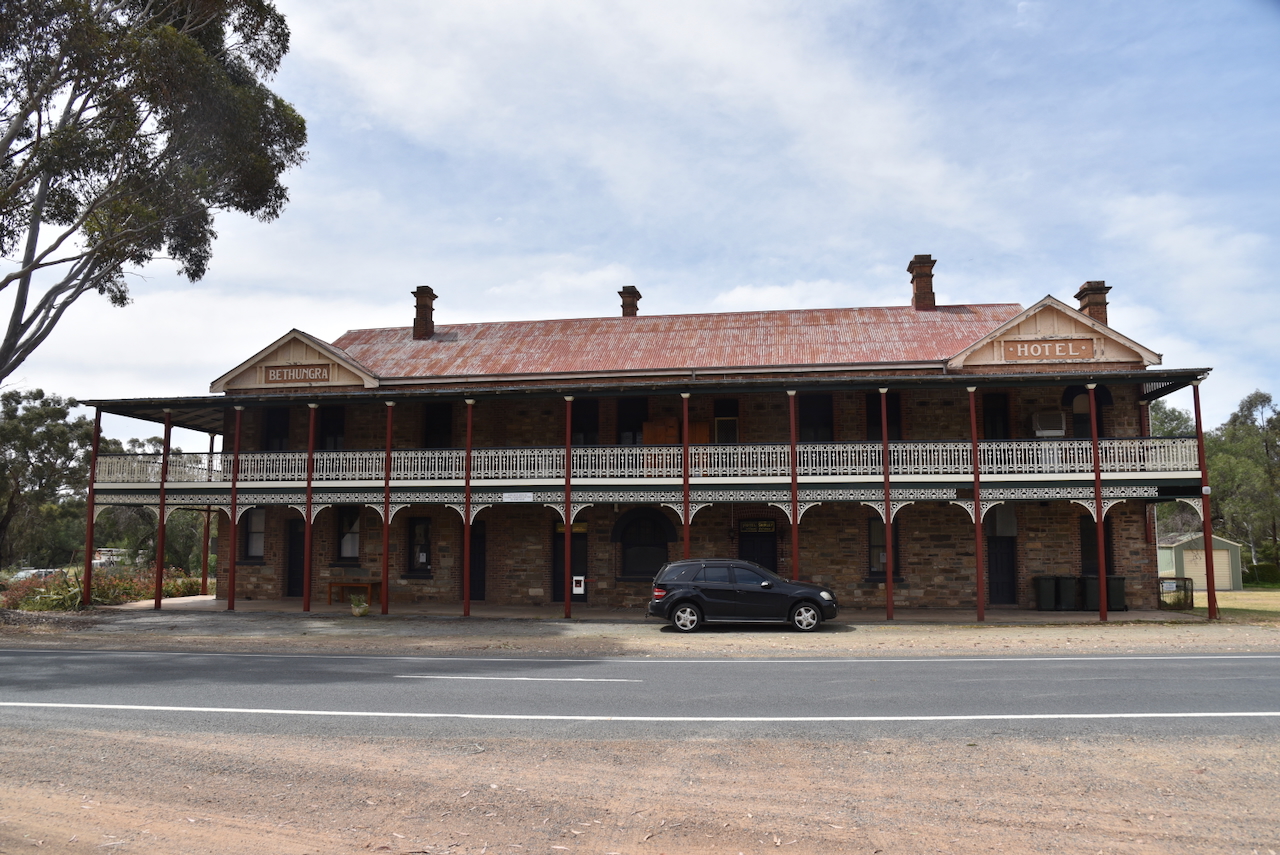
Along the way, we stopped to admire the old Bethungra Hotel, which was established in 1886. The hotel was used as a Cobb & Co. changing station. In 1999, the hotel was closed. (Chirp 2026)
Cootamundra, known as Coota, is located in the Riverina region of New South Wales, about 379 km southwest of the city of Sydney.
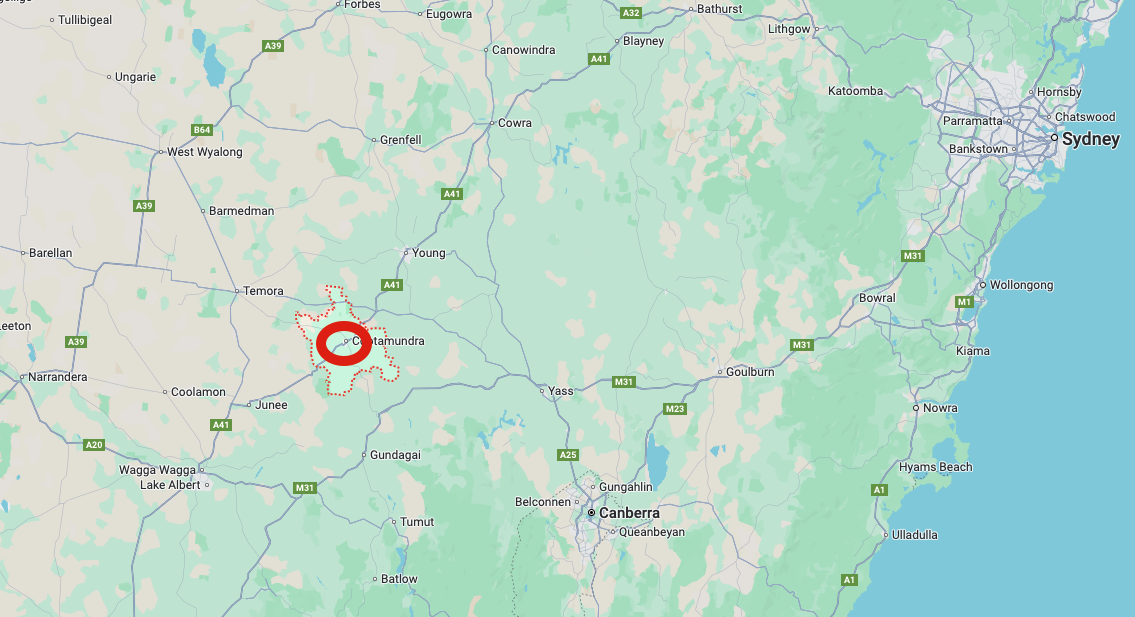
Above: Map showing the location of Cootamundra, NSW. Map c/o Google Maps
In 1837, John Hurley and Patrick Fennell were licensed to graze stock on Coramundra Run. (Wikipedia 2021) (Wikipedia 2025)
John Hurley was born in 1796 in Limerick, Ireland. In October 1823, he was convicted of insurrection and sentenced to 7 years’ transportation to Australia. He arrived in Sydney in 1824, and by 1830, he was freed from servitude. By 1837, he had purchased his first pastoral lease. By 1849, he had acquired 40,000 acres at Houlahan’s Creek and 50,000 acres known as the Coramundra Run. (Rutledge 1972)
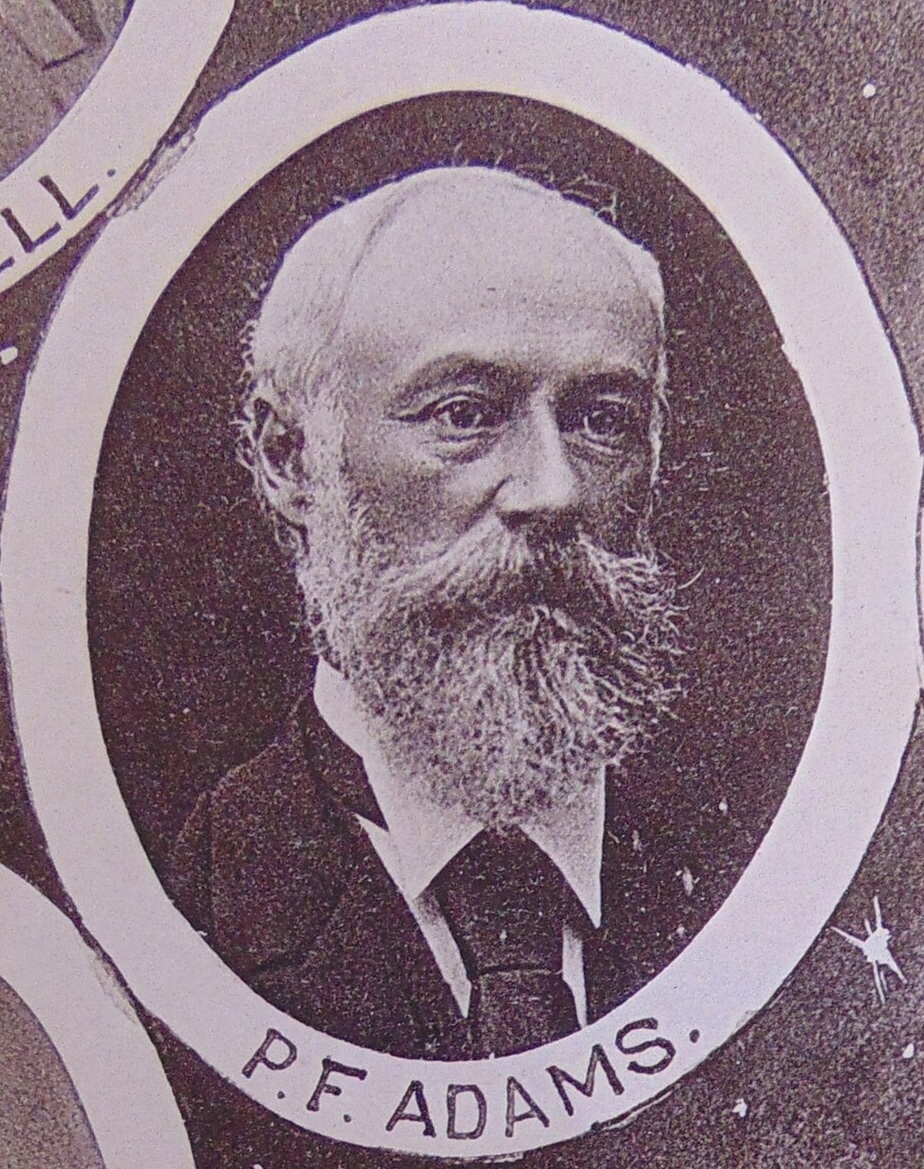
In 1860, Surveyor Philip Francis Adams drew up plans of the village of Cootamundry. The name is derived from an Aboriginal word meaning ‘place below’ or ‘low-lying.’ (Trove 2026)
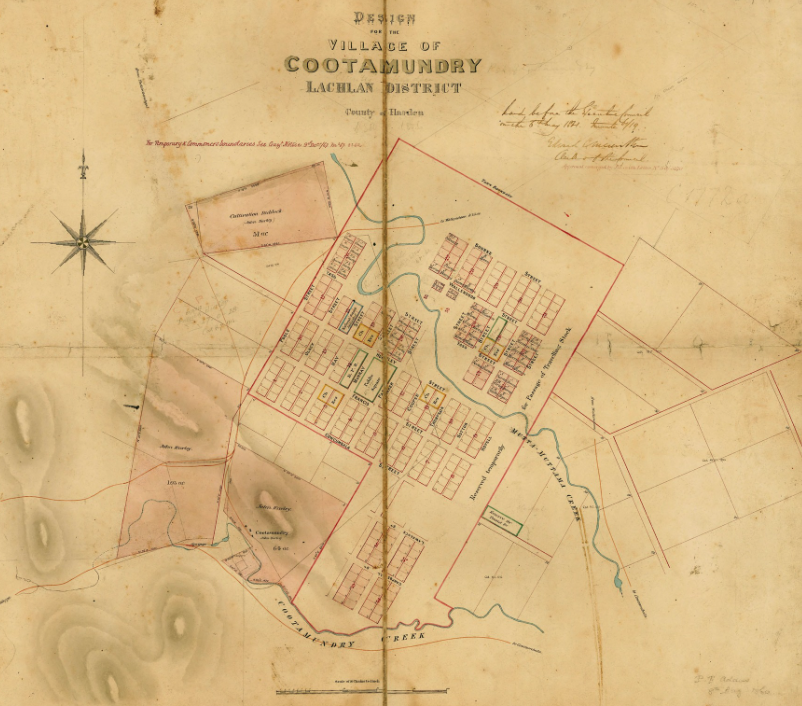
Above: design of the village of Cootamundry. Image c/o Trove
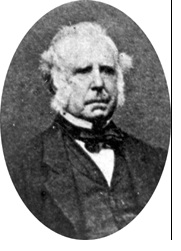
Philip Francis Adams was born in 1828 in Suffolk, England. He initially emigrated to Canada and then to the United States of America, where he worked as a surveyor. In 1854, he emigrated to Australia, where he was appointed the District Surveyor for Maitland. In 1864, he was appointed Deputy Surveyor General, and in 1868, he became the Surveyor General. Adams was one of the official observers of the transit of the planet Venus in 1874 in the Blue Mountains and on Lord Howe Island in 1882. Following retirement, he established a successful vineyard near Liverpool, NSW. He died in Sydney in June 1901, aged 73. (McIntyre, 1969)
The township of Cootamundry was gazetted on the 9th day of August 1861. Cootamundry was described as “…..situated on the road from Wagga Wagga to Yass, on Mutta Muttama Creek, in the County of Harden, Lachlan District, about fifteen miles north-west of Gundagai, and ten miles south-west of Murrimboola”. (Trove 2026)
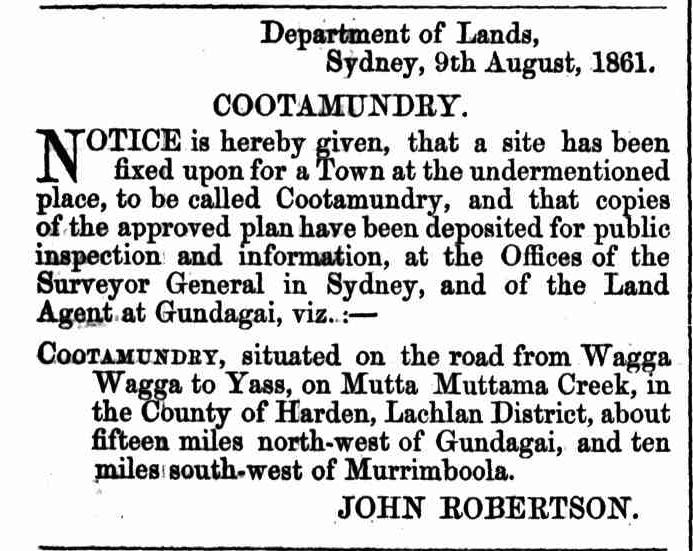
Above: from the NSW Govt Gazette, Tue 13 Aug 1861. Image c/o Trove
In early 1862, the first settlers purchased their lots. The town was established due to those attracted by the gold rush activity of the 1860s at the nearby Muttama goldfields. Muttama is about 24 km south of Cootamundra and is an Aboriginal word meaning ‘like it’ or ‘take it’. (Wikipedia 2021) (Wikipedia 2025)
By 1879, Cootamundra had several stores, business premises, hotels, churches, a courthouse, police barracks and private residences. The Cootamundra Herald in 1879 described Cootamundra as follows:
“Cootamundra is really a natty little town, one of the best places in the colony, sheltering a real go-ahead die-hard community. who deserve great credit for the energy and determination with which they drive their town along.” (Trove 2026)
In 1952, it was decided that the town would solely be known as Cootamundra. Mr Hawkins, the Minister for Lands, made the decision to change the official spelling of Cootamundry to Cootamundra, a spelling adopted as far back as 1885. (Trove 2026)
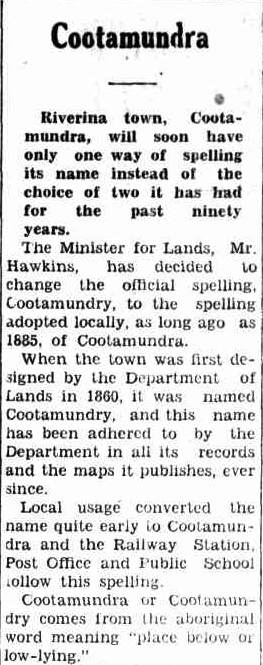
Above: part of an article from The Western Herald, Bourke, Fri 16 May 1952. Image c/o Trove
Bradman’s Birthplace Museum is located at 87 Adams Street, Cootamundra. (Service 2023)
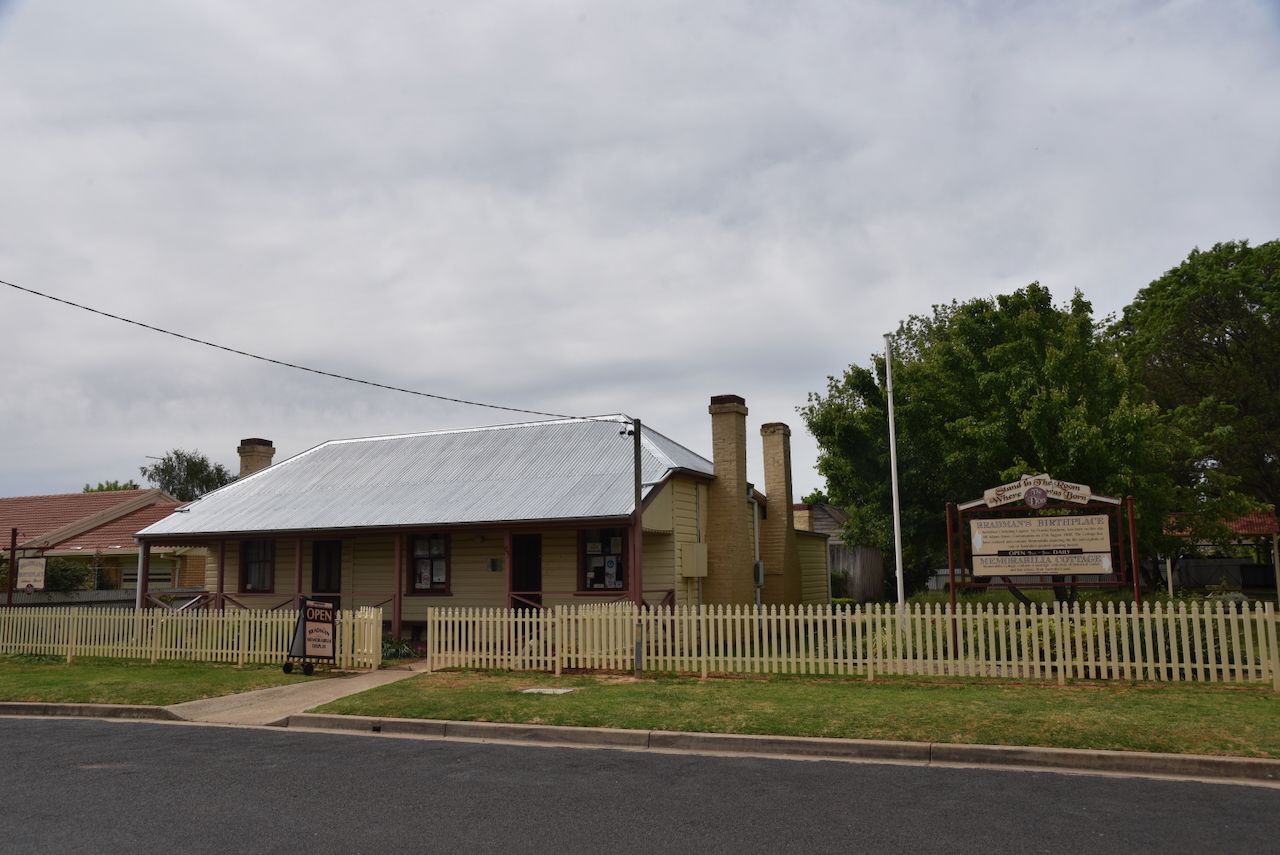
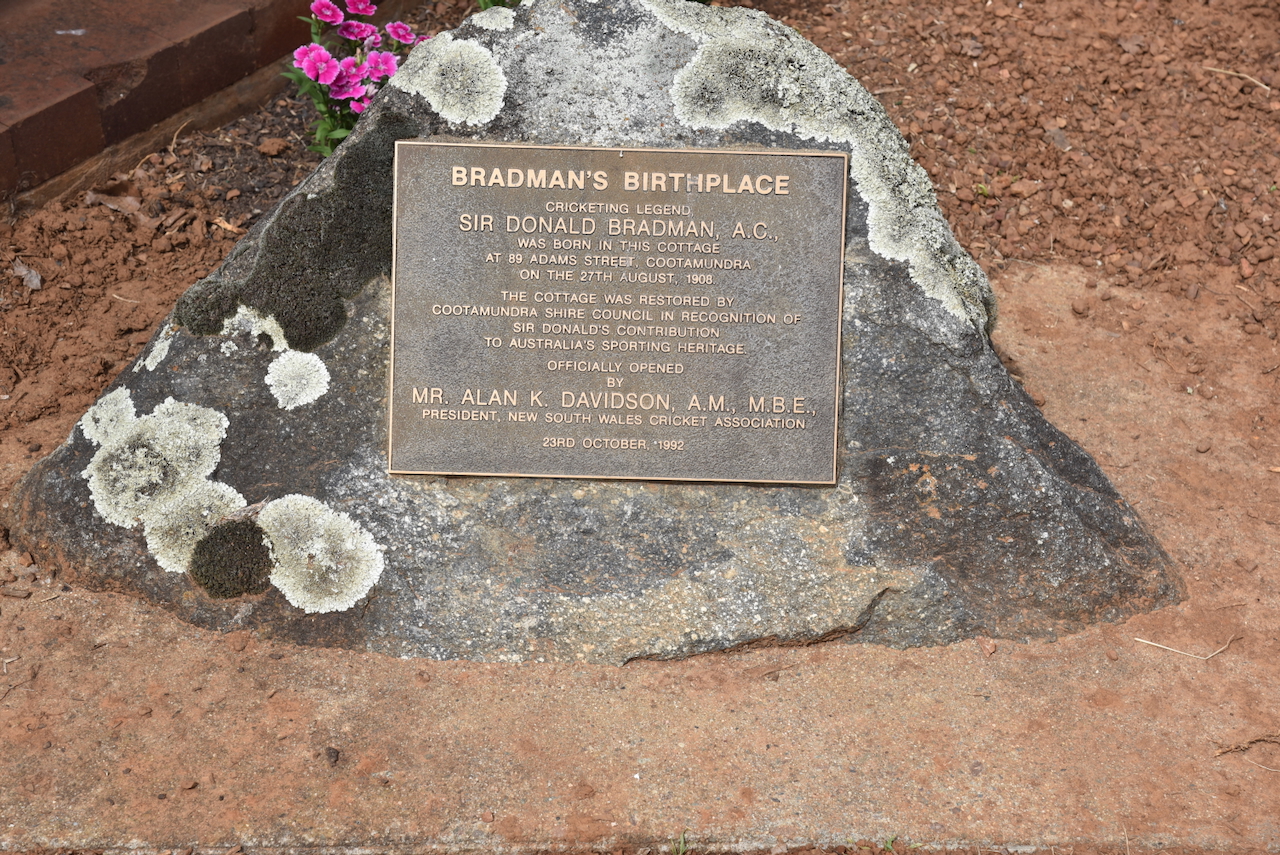
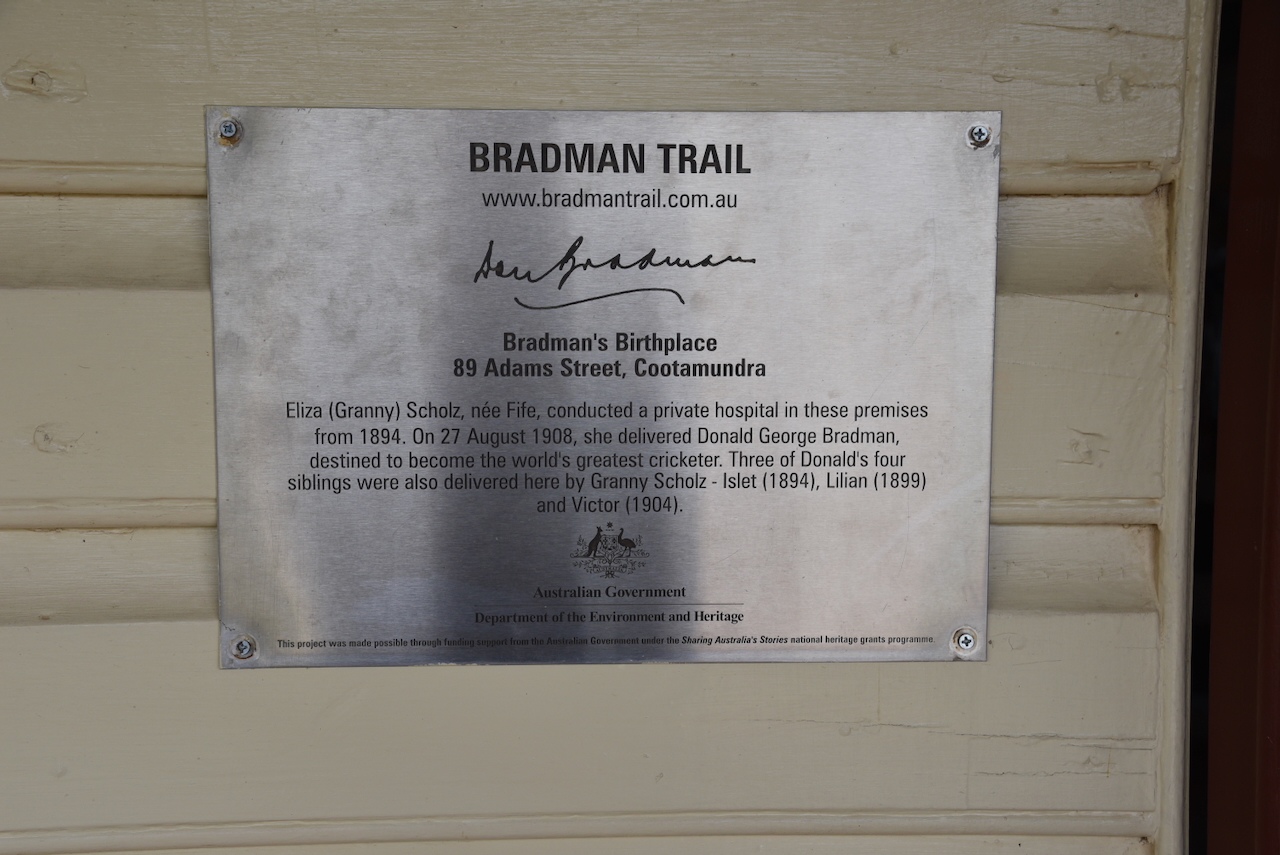
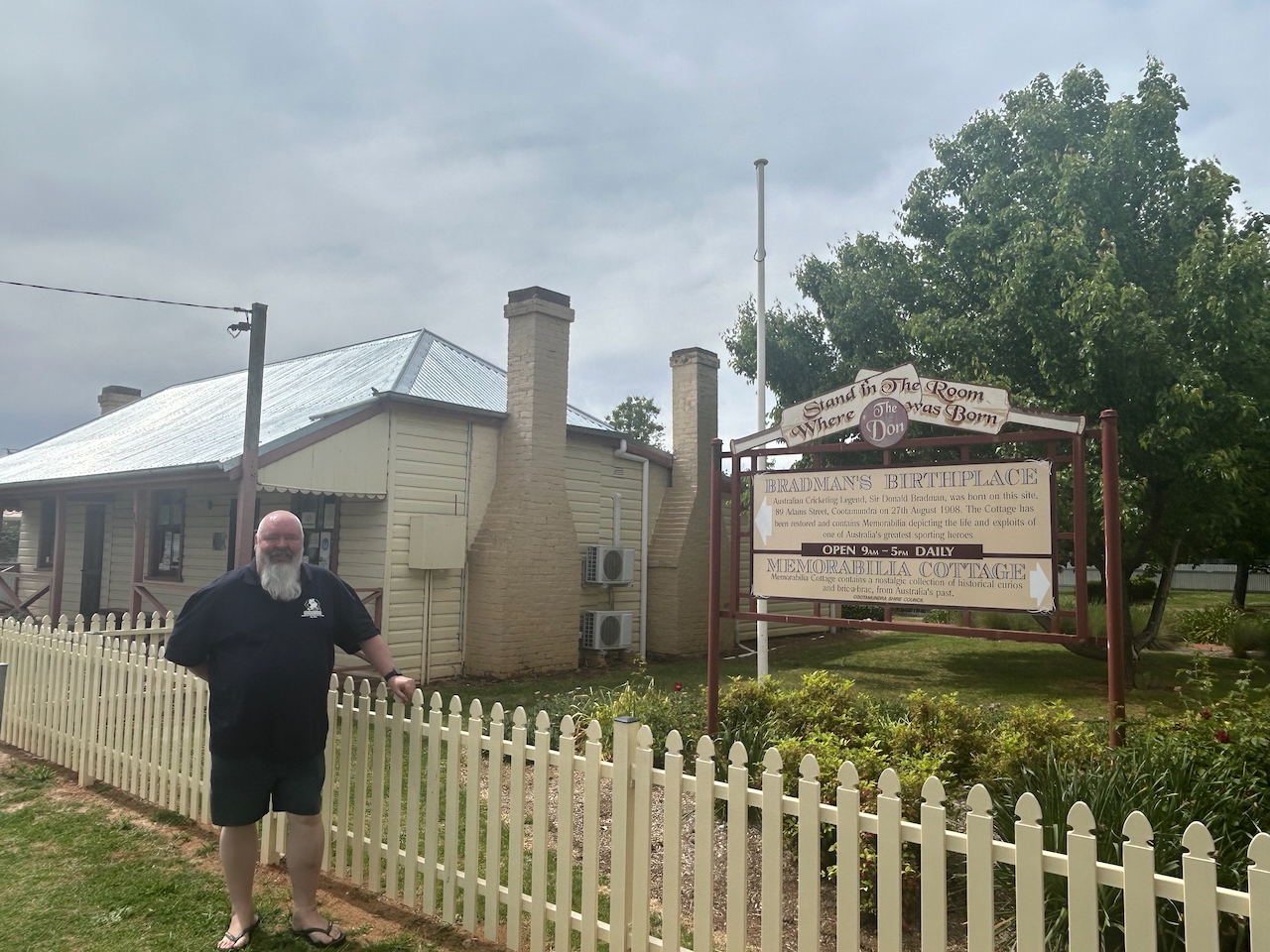
Eliza Ellen ‘Granny’ Fife was born in September 1846 at Drumcullion, Northern Ireland. She arrived in Sydney in November 1865 aboard the Africana. In June 1890, she married John Ergott Scholz, who was a farm labourer at Cootamundra. (ancestry 2016) (Trove 2026)
Eliza was a midwife and ran a small hospital called Irena, contained in a small wooden cottage. On the 27th day of August 1908, at Irena, she delivered a young baby named Donald George Bradman, who would become Australia’s most famous cricket player. (Trove 2026) (Wikitree 2025)
Each birthday, Eliza would receive a telegram of congratulations from Bradman. Eliza died in August 1939, at Cootamundra. She was 92 years old. (Trove 2026)
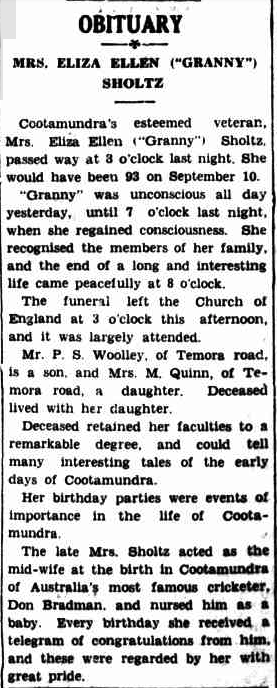
Above: article from the Cootamundra Herald, Thu 3 Aug 1939. Image c/o Trove
Sir Donald George Bradman, known as ‘The Don’, is widely acknowledged as the greatest batsman of all time in the sport of cricket. Hits Test batting average was 99.94. He died in February 2001 at Kensington Park, South Australia, aged 92 years of age. (Wikipedia 2019)
The museum features a magnificent collection of Bradman memorabilia. This includes a cricket bat signed by Bradman and English bowler Harold Larwood from the 1932-33 Test Series known as the ‘Bodyline Series.’ (Service 2023)
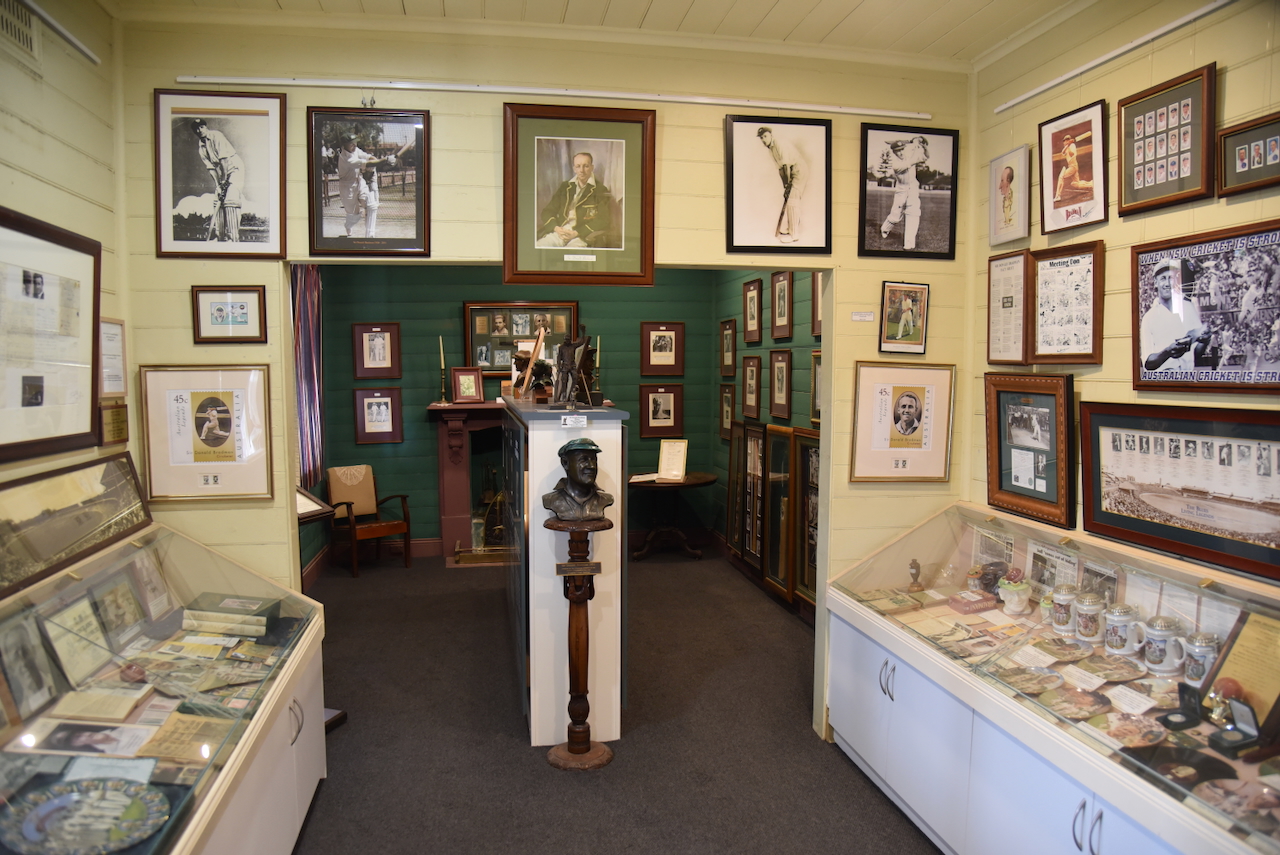
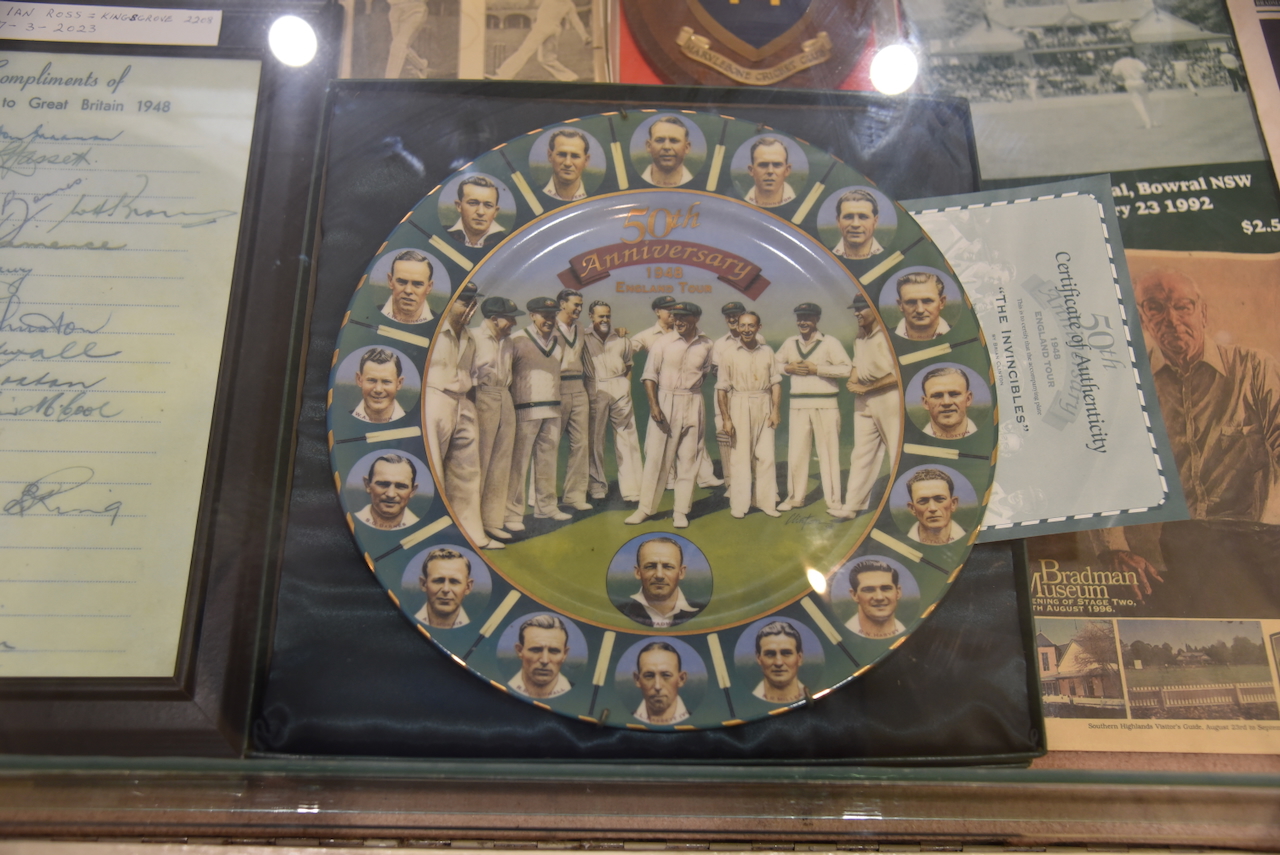
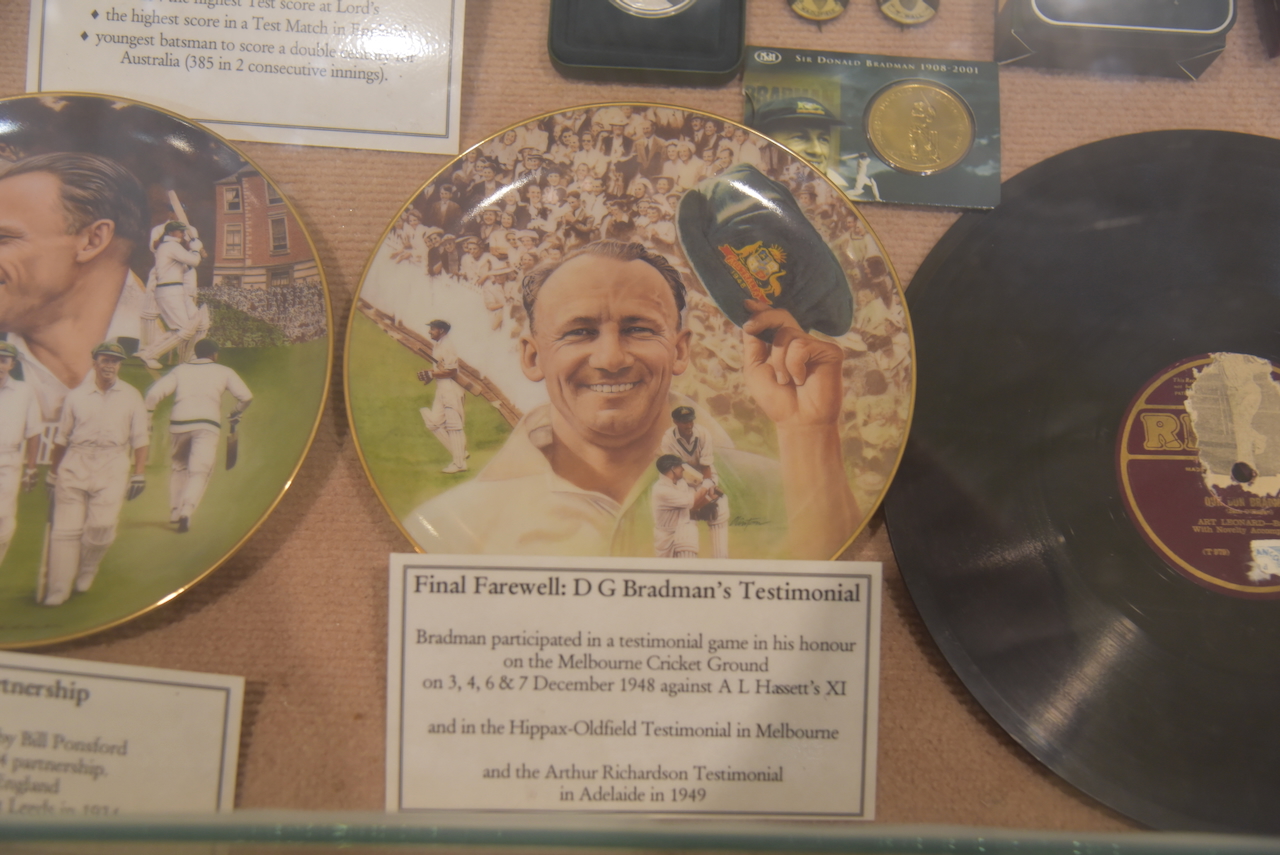
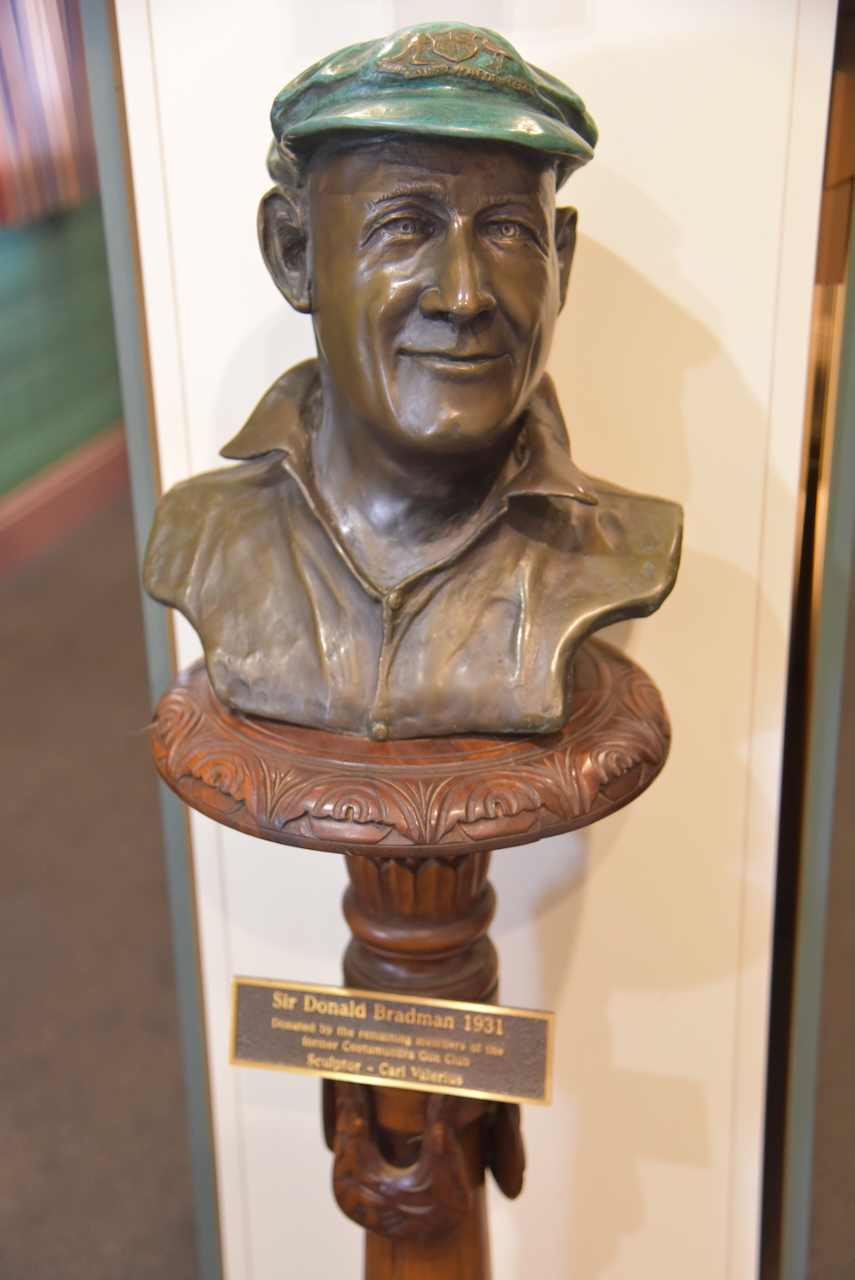
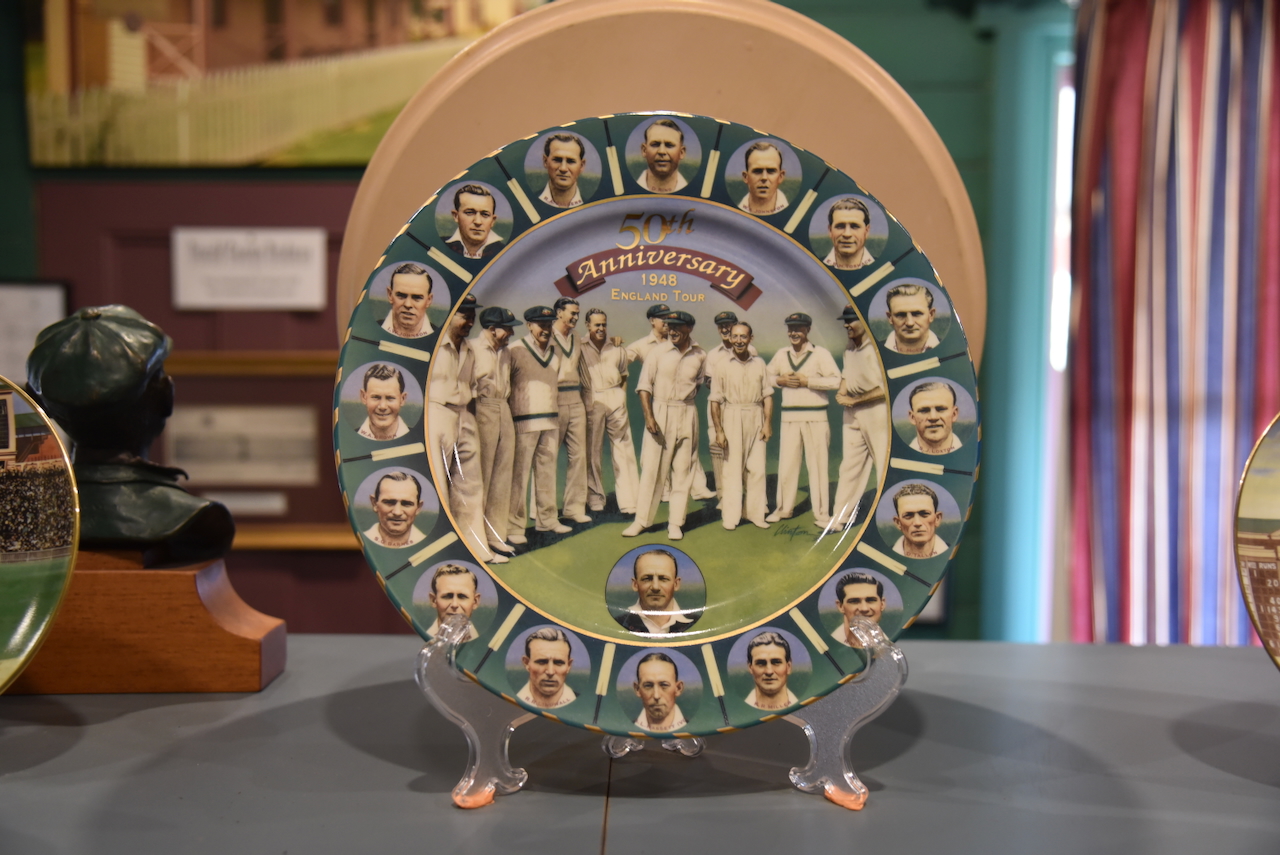
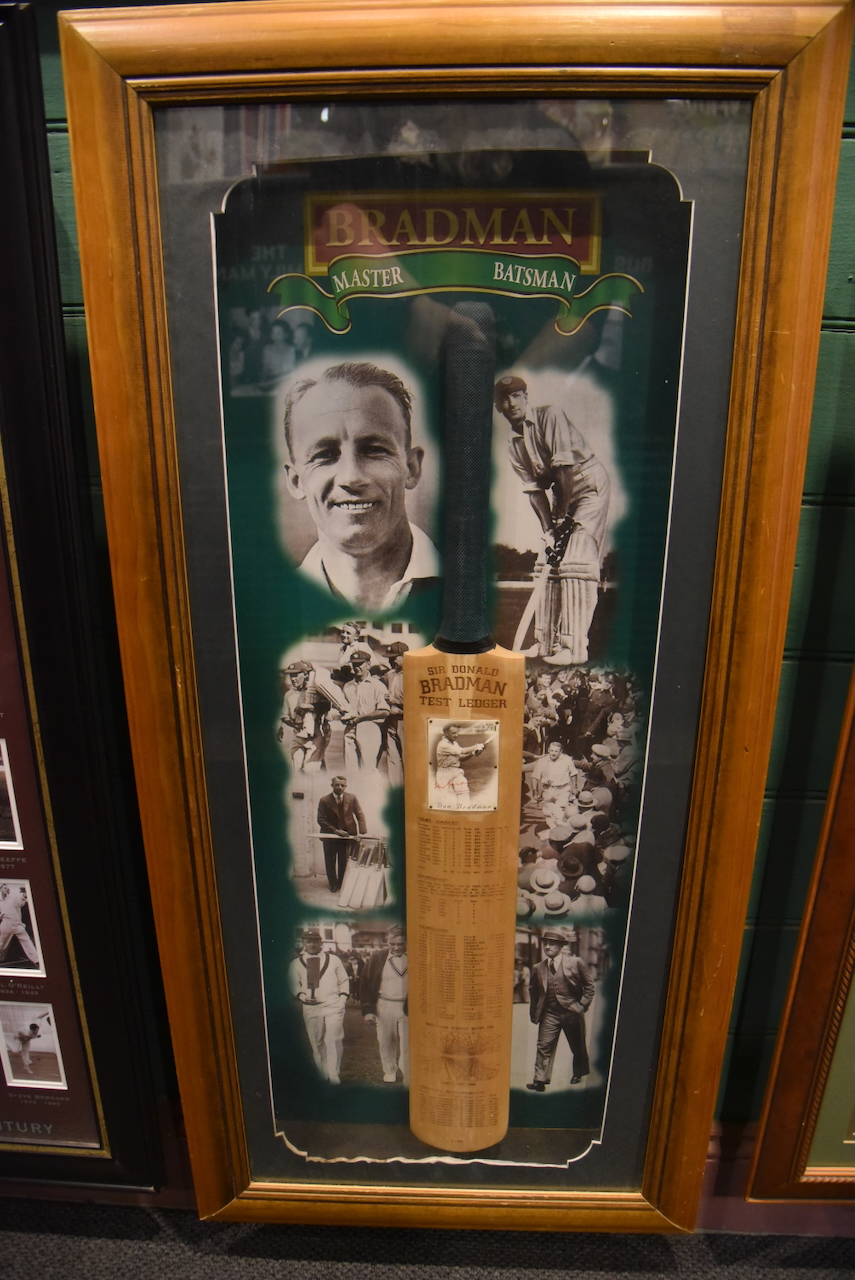
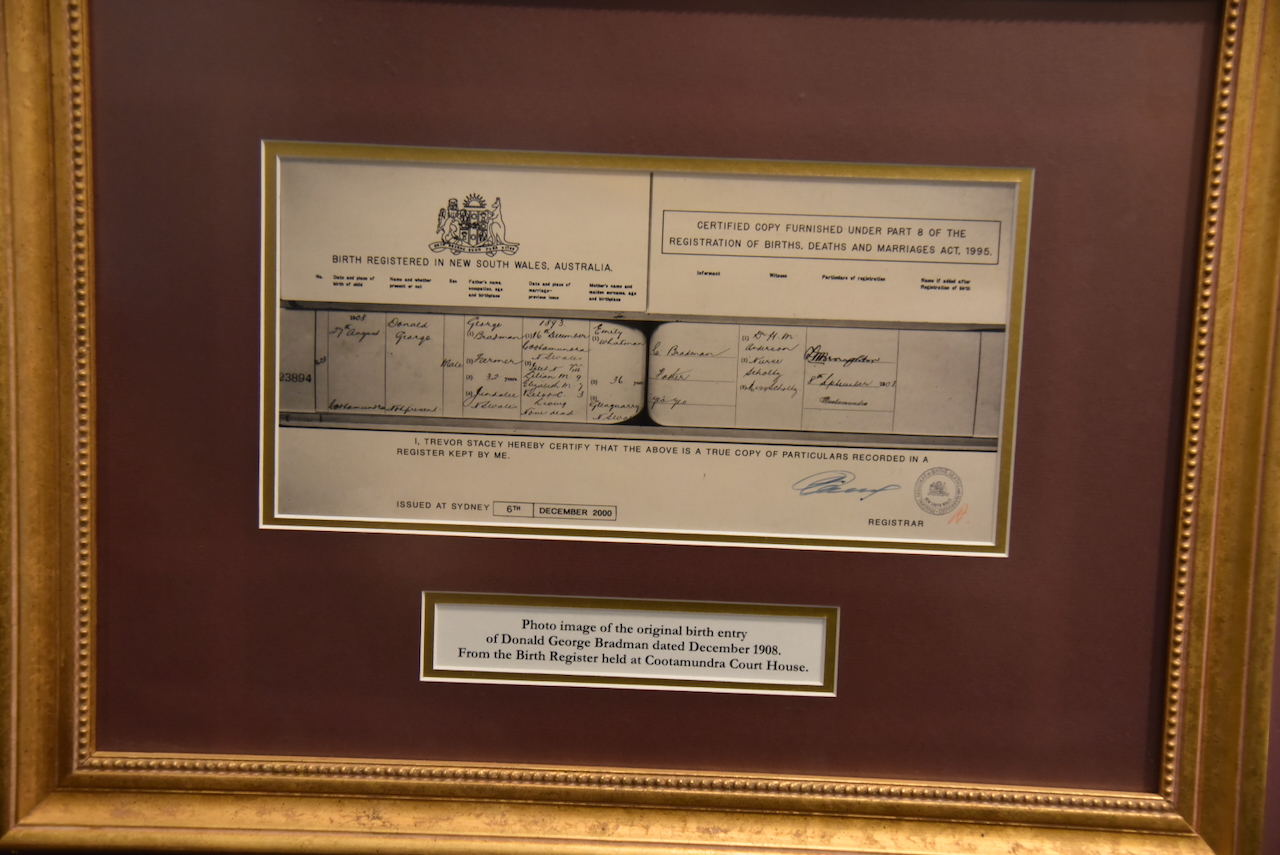
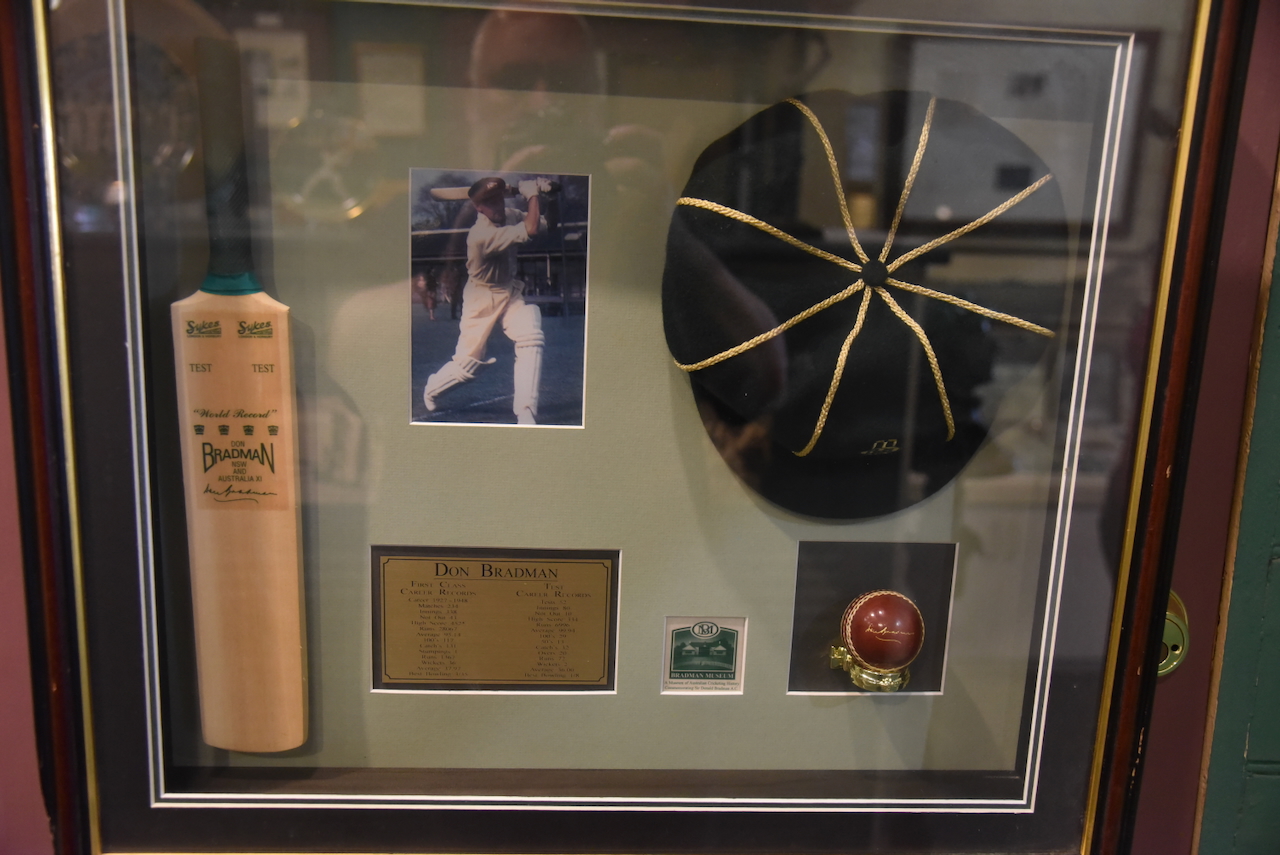
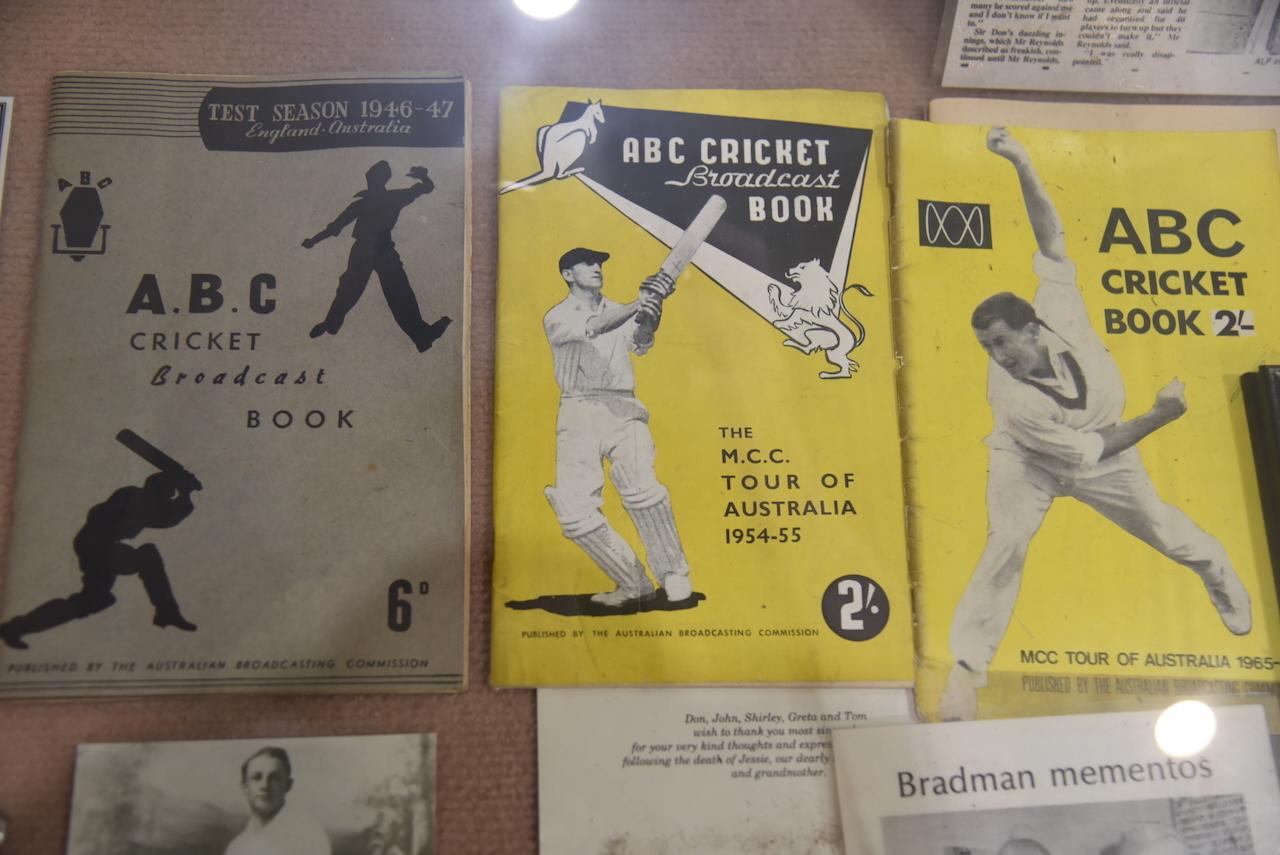
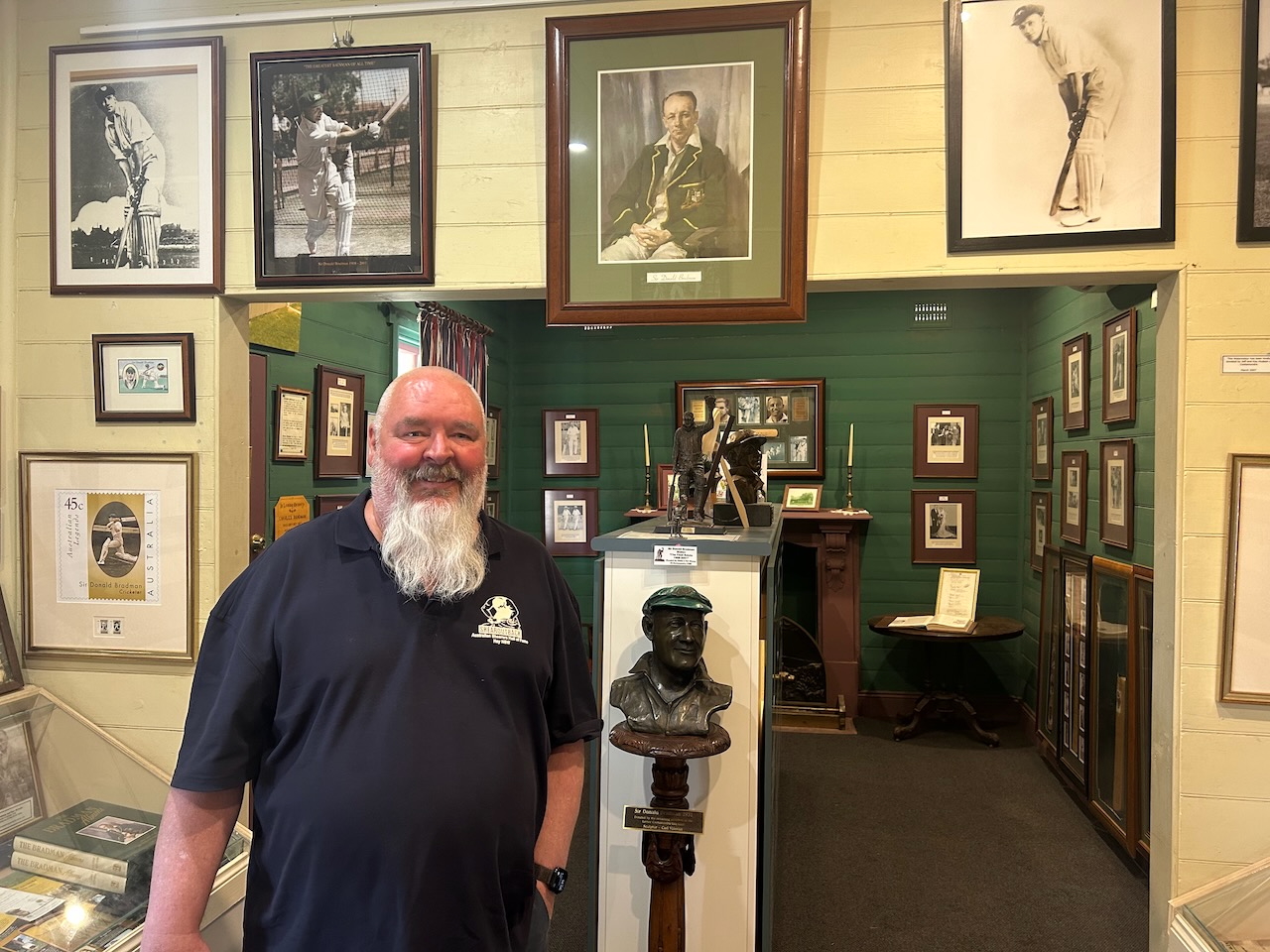
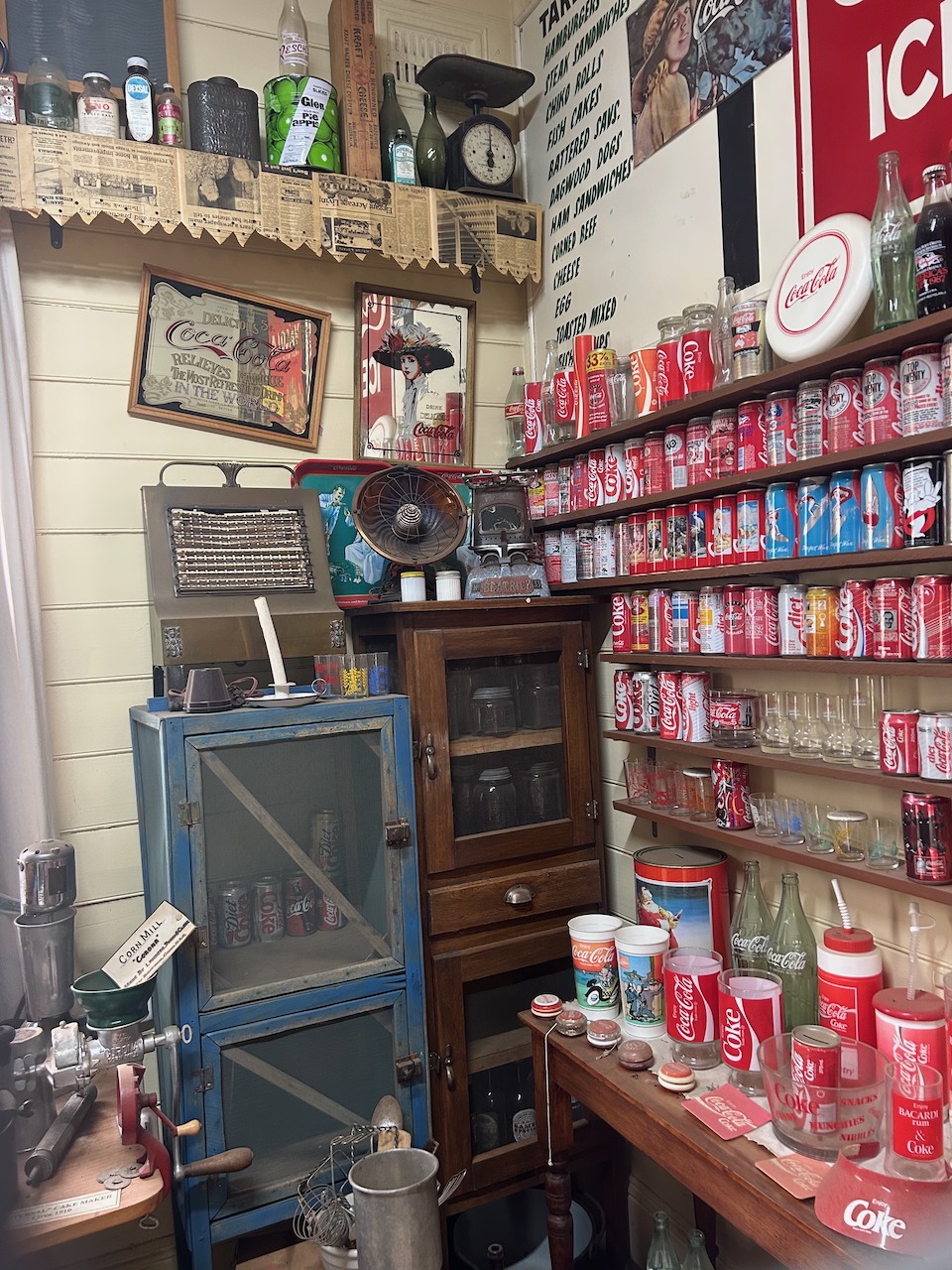
At the rear of the Bradman cottage is the Memorabilia Cottage. It features a magnificent collection of Australian memorabilia, curios and bric-a-brac from the era of Don Bradman’s birth. (Service 2023)
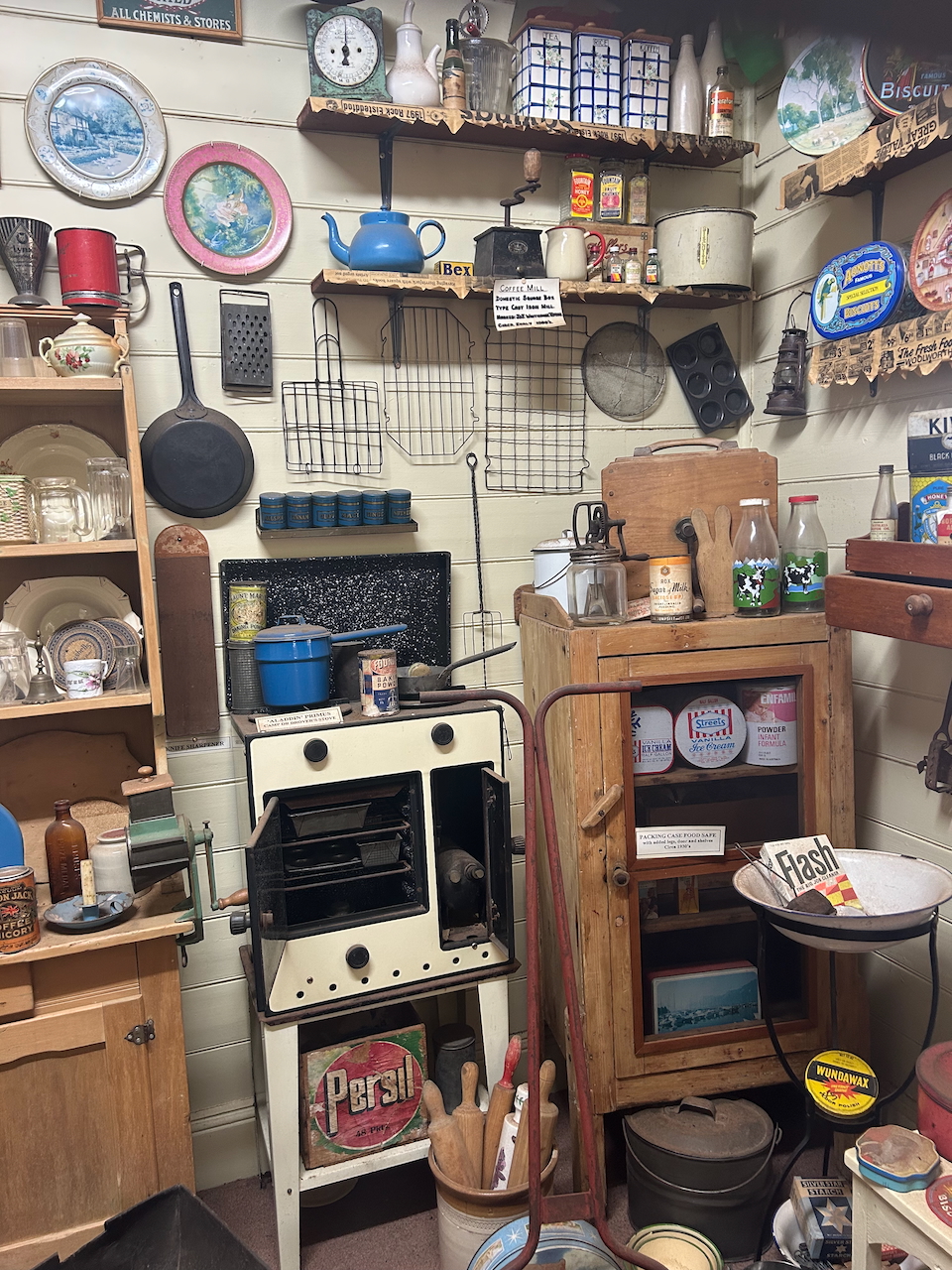
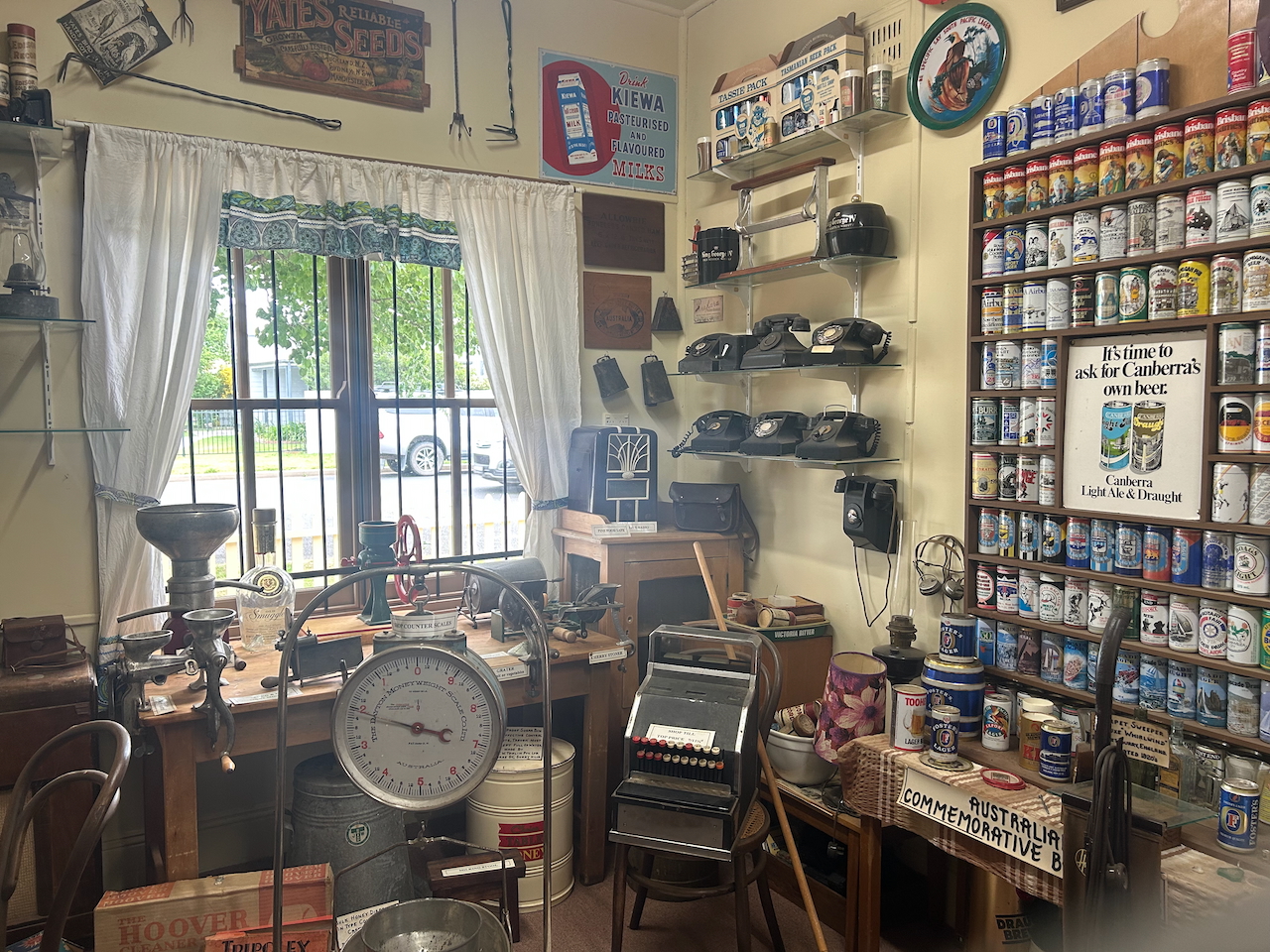
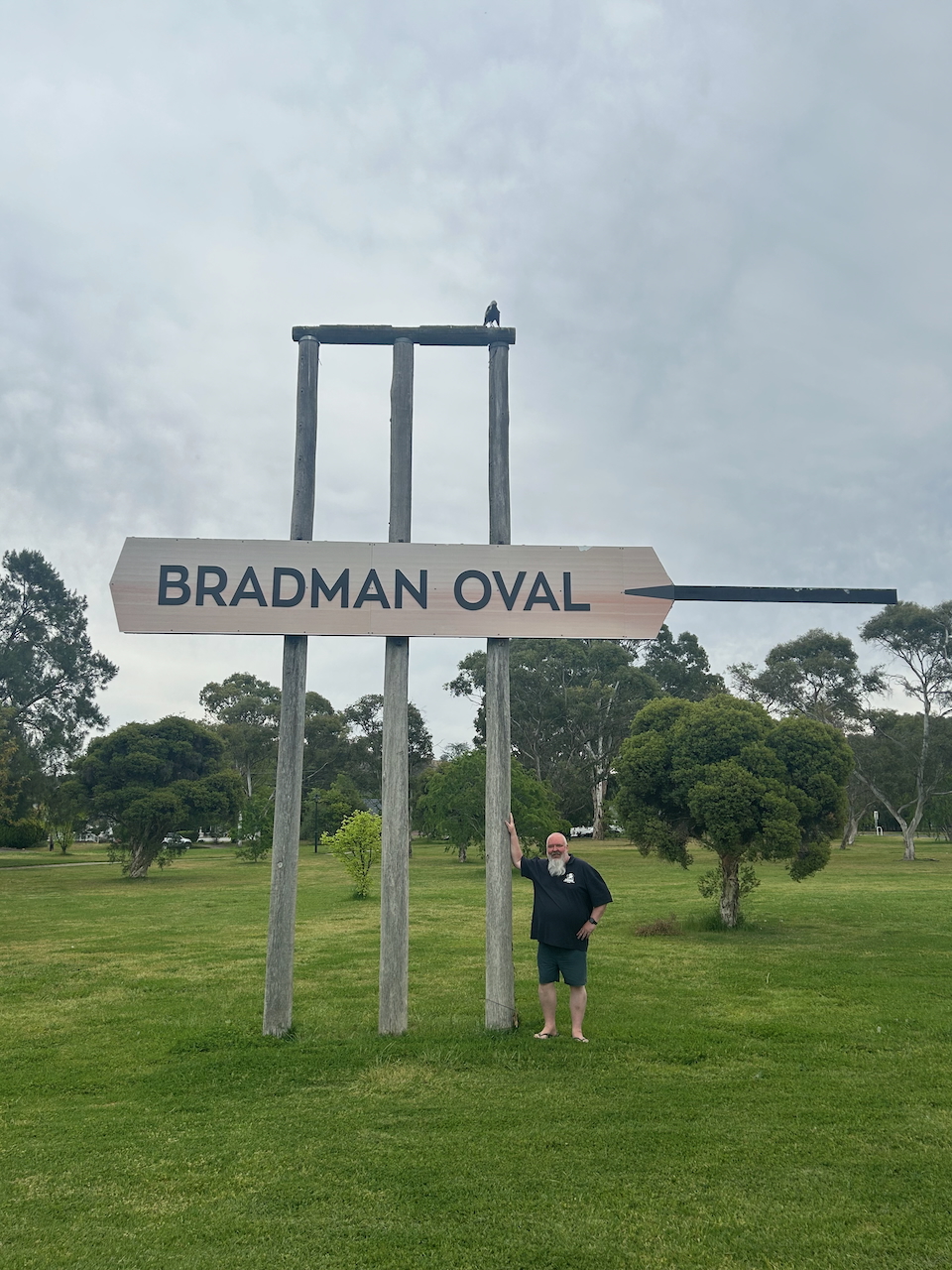
After a very interesting visit to the Bradman museum, Marija and I headed to the Bradman Oval at Cootamundra to view “The Big Stumps.” The stumps stand eight metres tall.
We then headed to the Cootamunda South silo VK-CTN2 for an activation for the Silos On The Air (SiOTA) program. There are two sets of silos at Cootamundra, but we were running very short of time, so we only had the opportunity of activating one of the two.
The Cootamundra South silos are located on the southern side of the Olympic Highway, between the highway and the railway line.
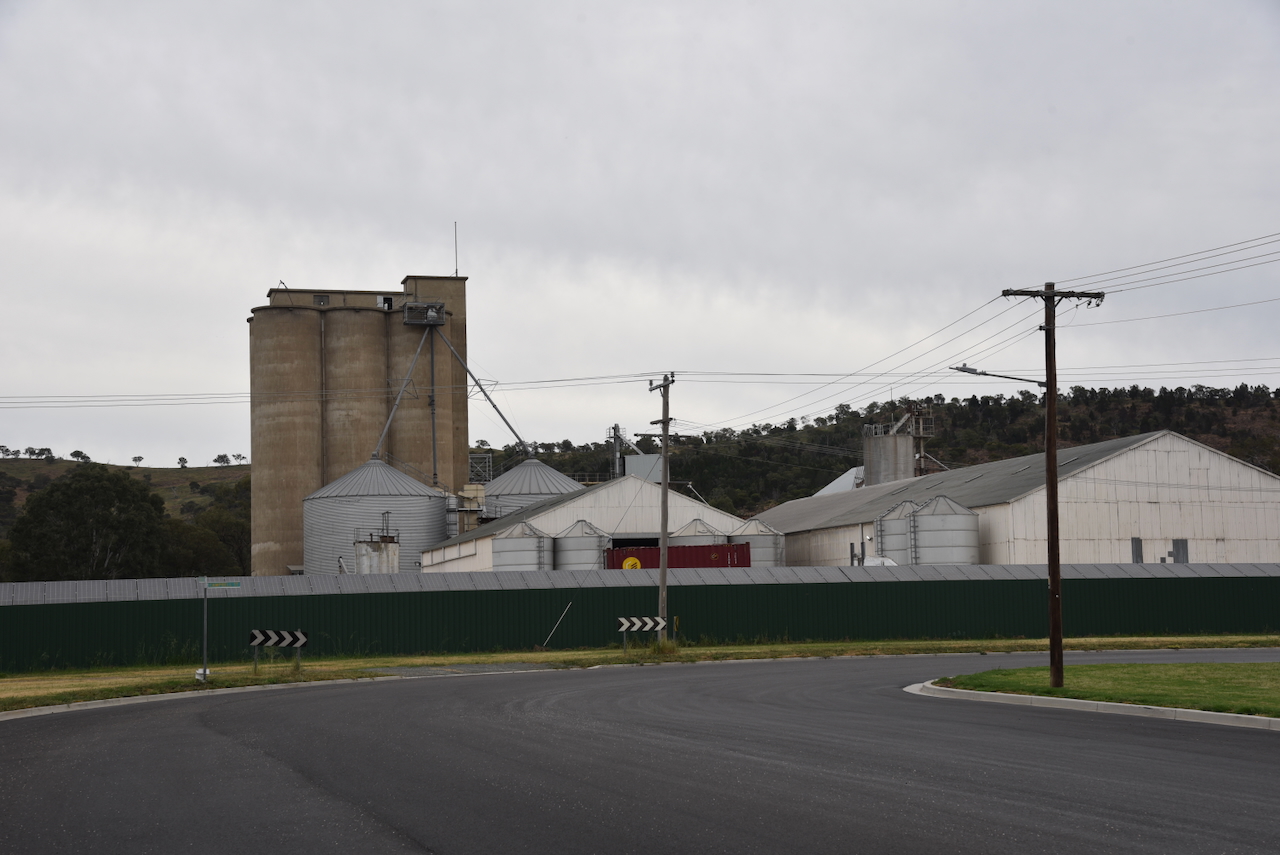
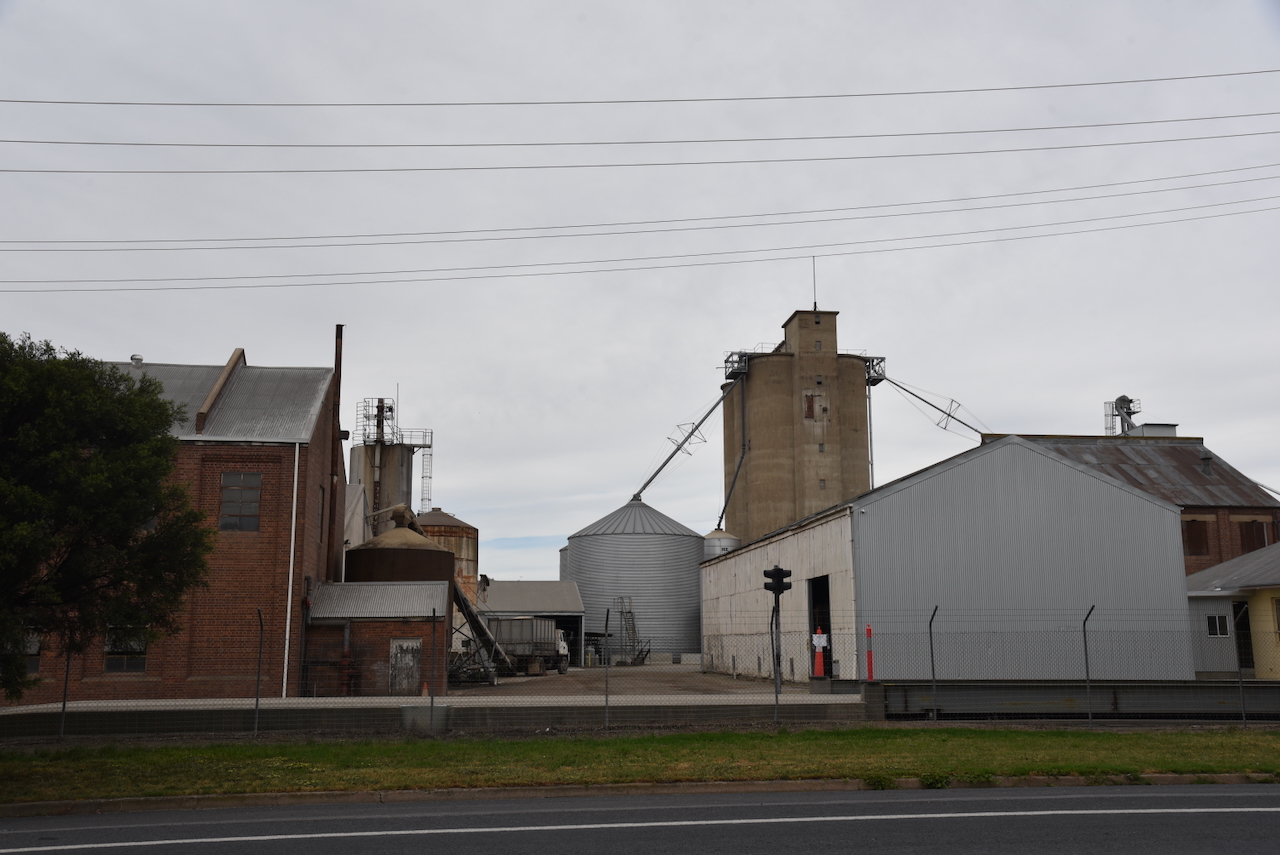
They are located on the site of the historic mill site now run by the Conqueror Milling Company. The mill was built in 1875.
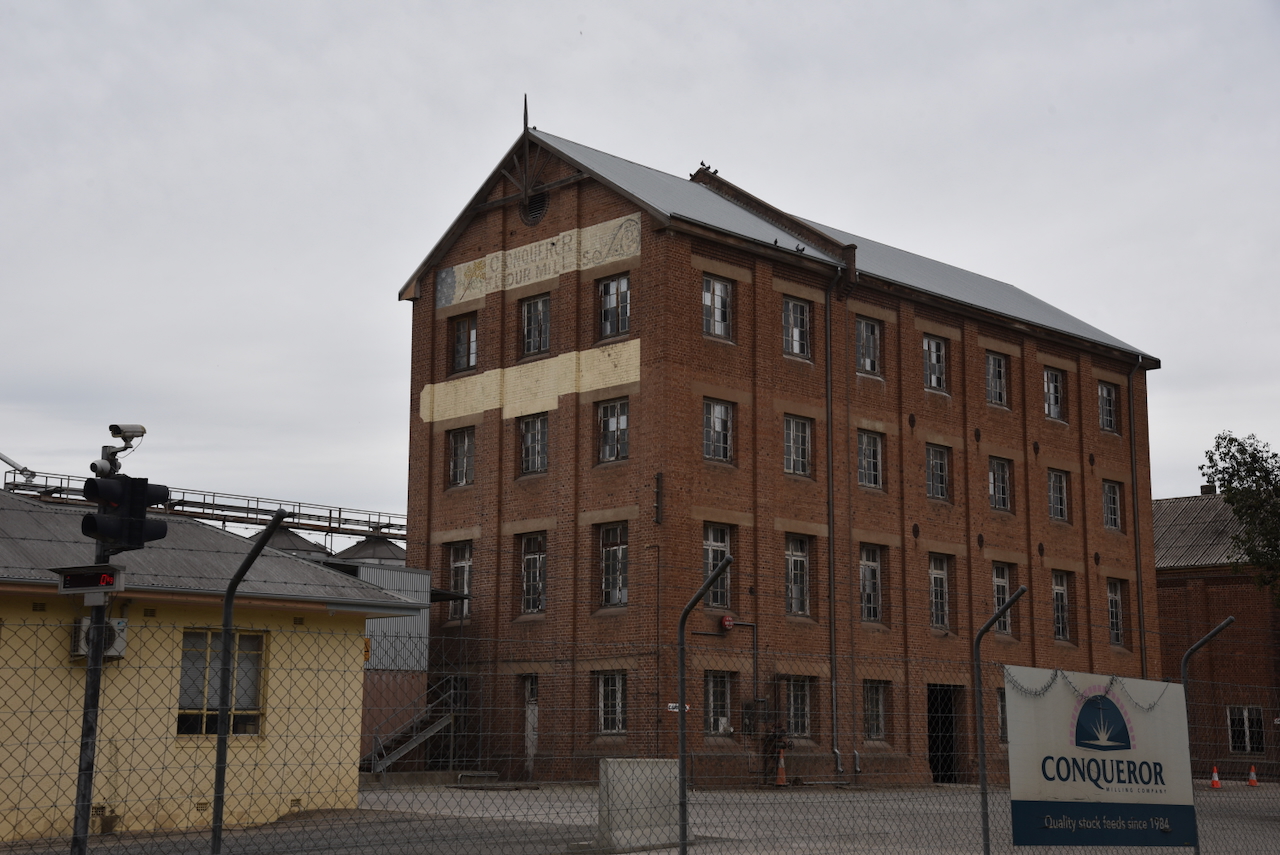
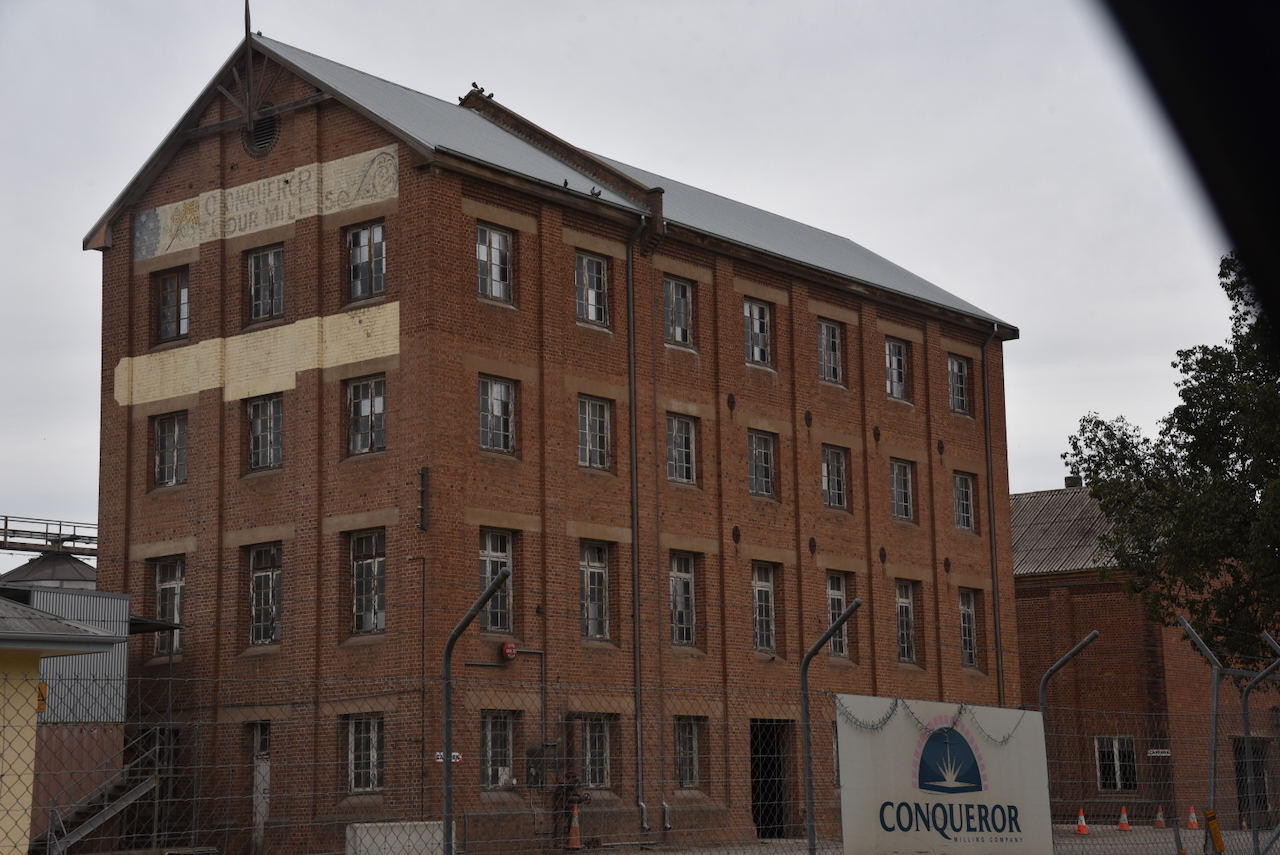
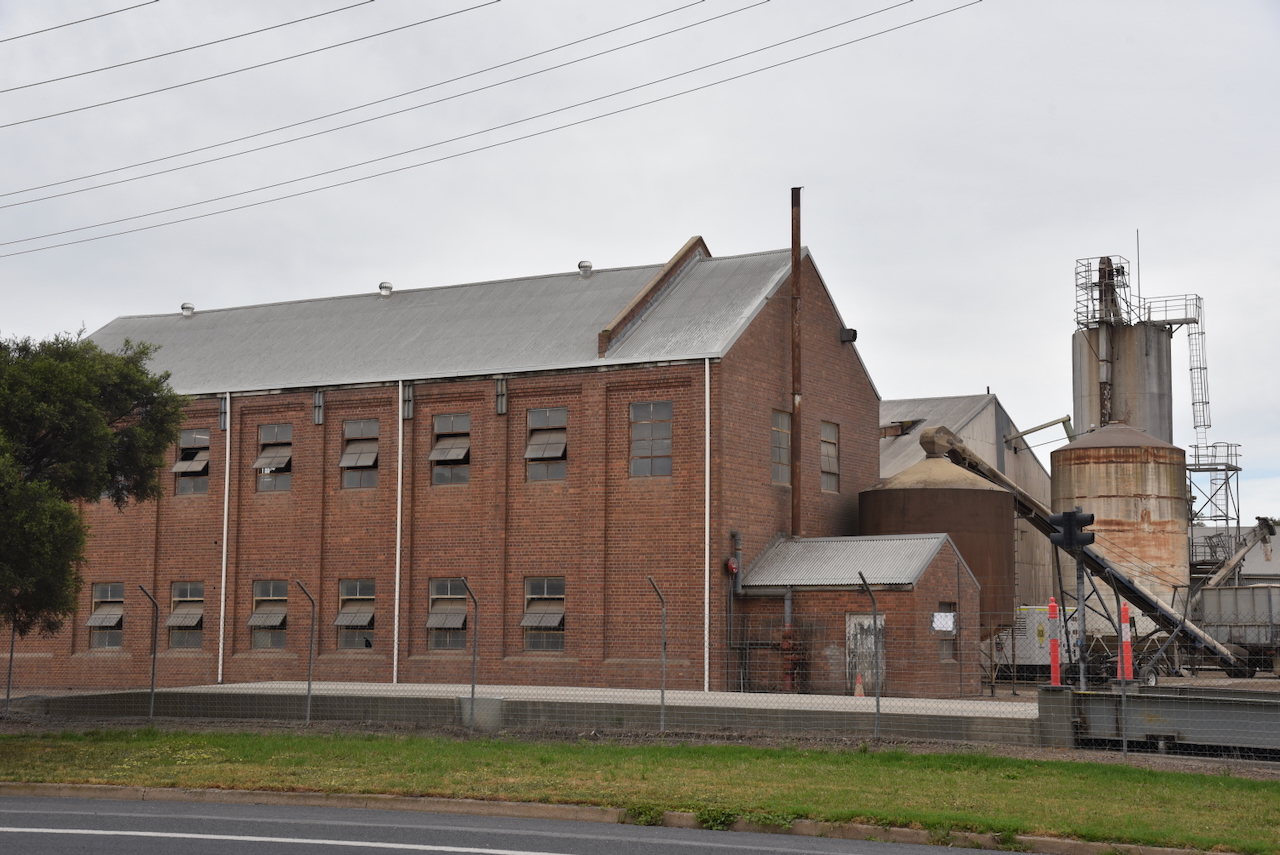
Marija and I parked in Hovell Street and operated from the 4WD, running the Icom IC-7000, 100 watts, and the Codan 9350 antenna with the 1.5 metres stainless steel whip.
Unfortunately, the other silo is just outside the activation zone. And I mean ‘just outside’.
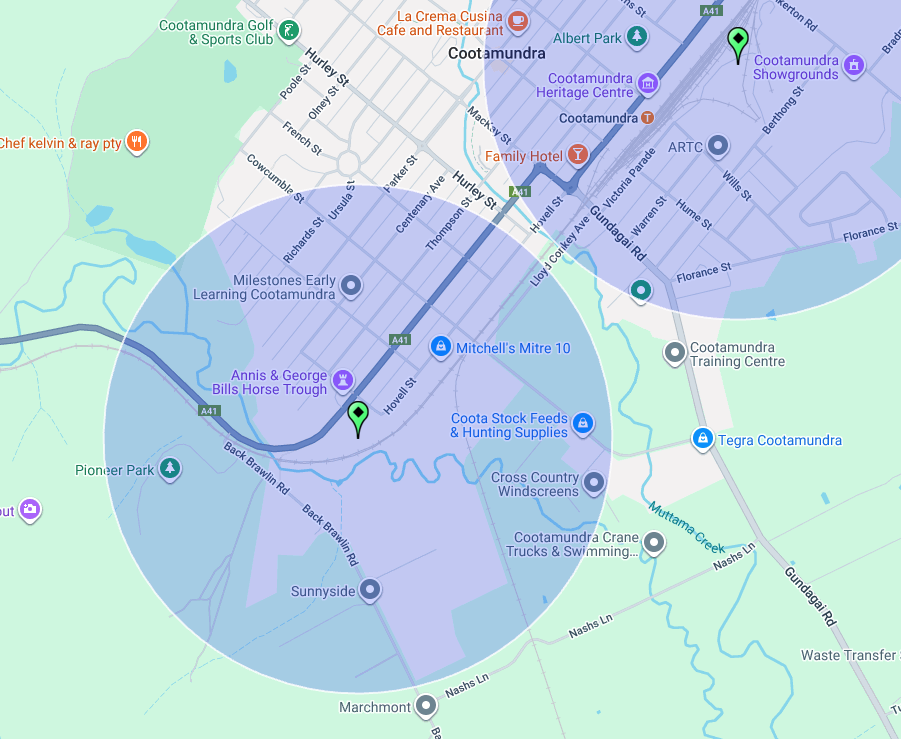
Above: the activation zone at the Cootamunda South silo. Image c/o SiOTA website
Marija worked the following stations on 40m SSB:-
- VK3PF/p (VKFF-4428)
- VK3CLD
- VK5QA
- VK2DBF
- VK1AO
- VK2MET
- VK3WSG
I worked the following stations on 40m SSB:-
- VK3PF/p (VKFF-4428)
- VK3CLD
- VK5QA
- VK2DBF
- VK1AO
- VK2MET
- VK3WSG
- VK3AUN
- VK3BWS
- VK3HJW
- VK3NCR
- VK2LEE
- VK3EJ
- VK5AYL
- VK3FS
- VK3ATT
After leaving Cootamundra, Marija and I continued along the Olympic Highway to the town of Wallendbeen and then east on Burley Griffin Way until we reached the town of Harden-Murrumburrah.
The town contains several historic buildings.

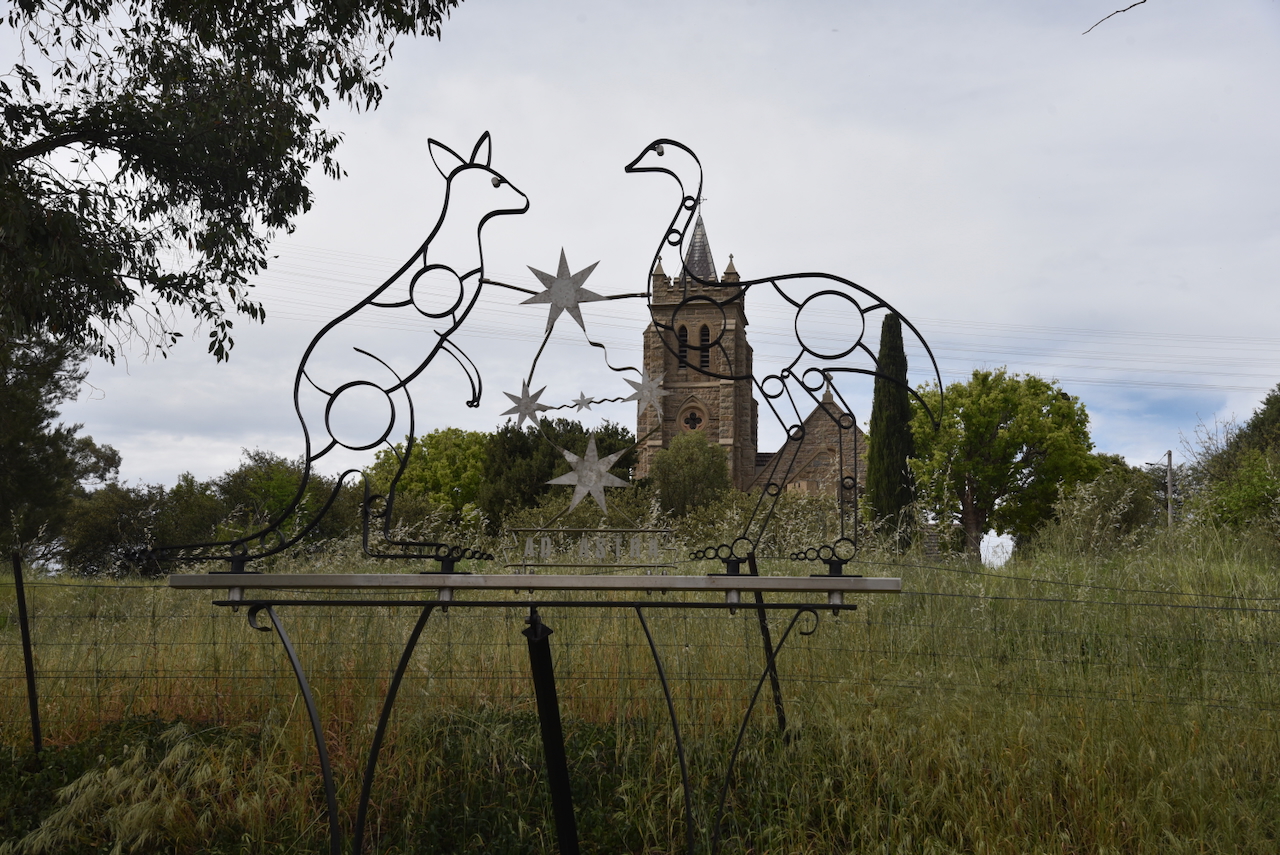
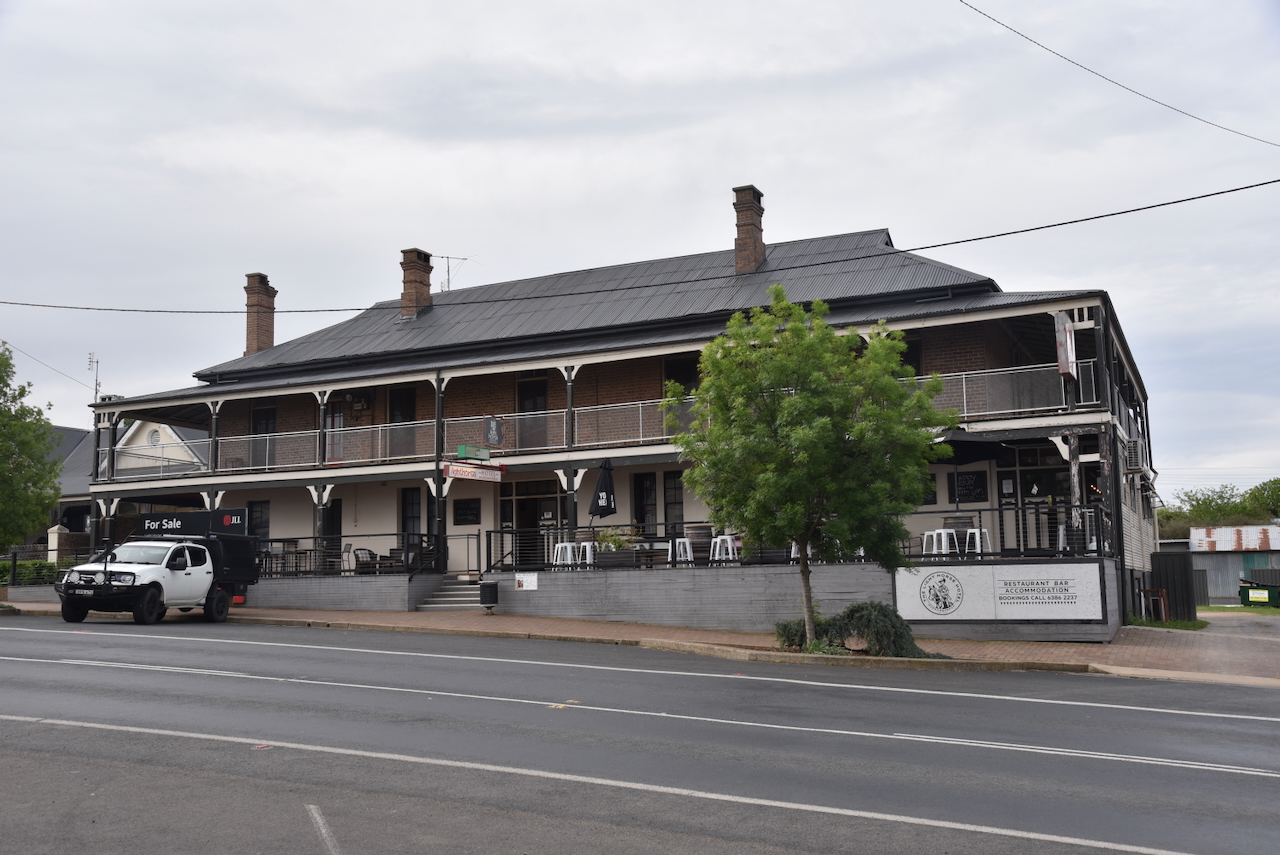
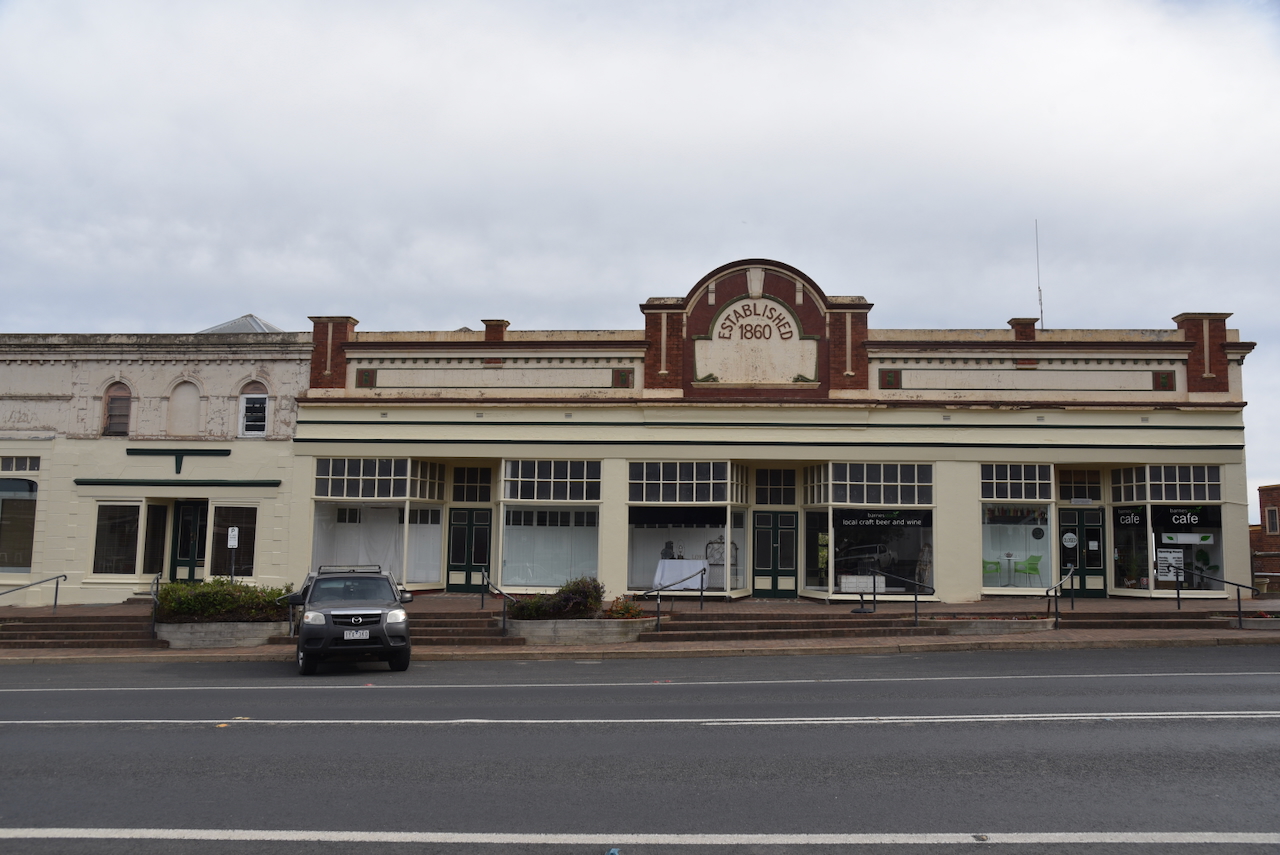
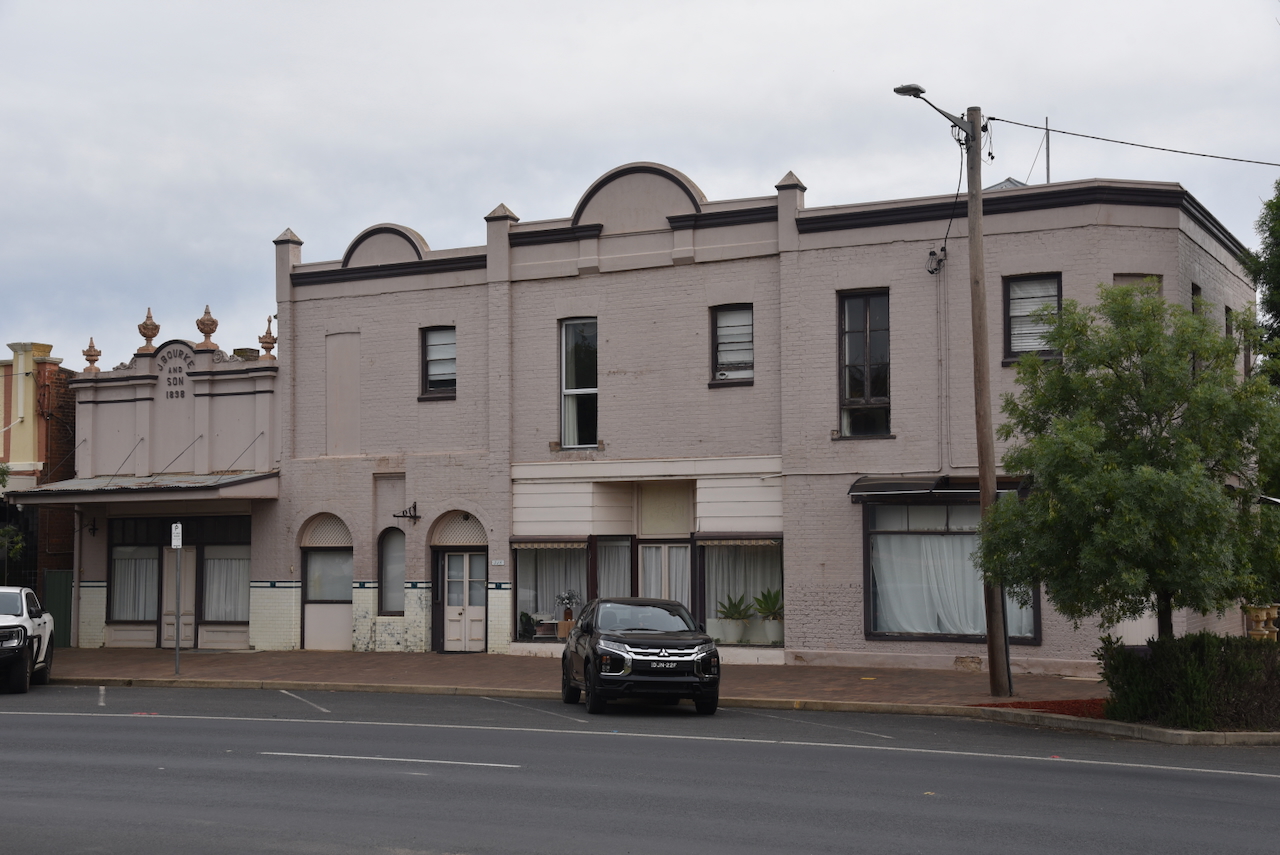
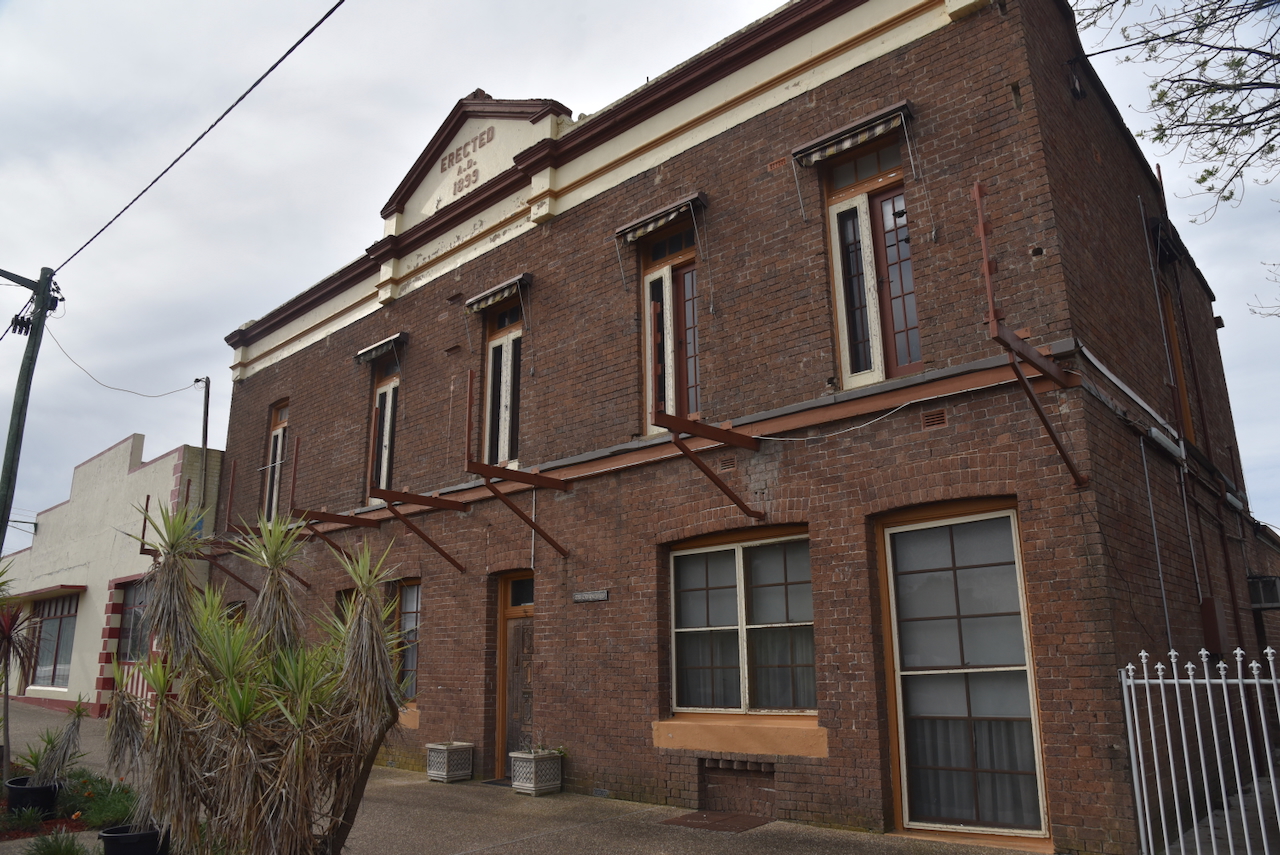
The former Exchange Hotel was built in 1899.
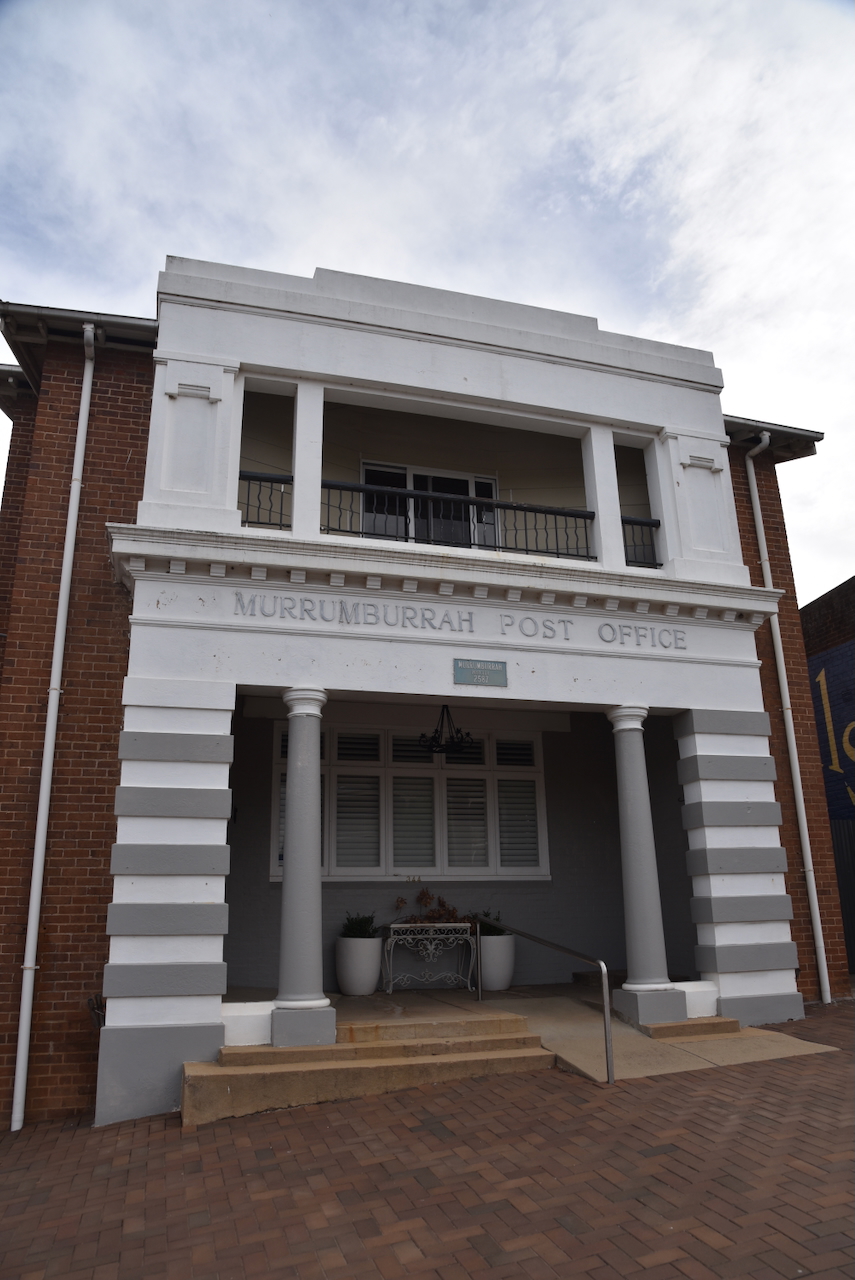
The Murrumburrah Post Office was built in 1905.
In the main street, you can find an information board on an incident which occurred in August 1863.
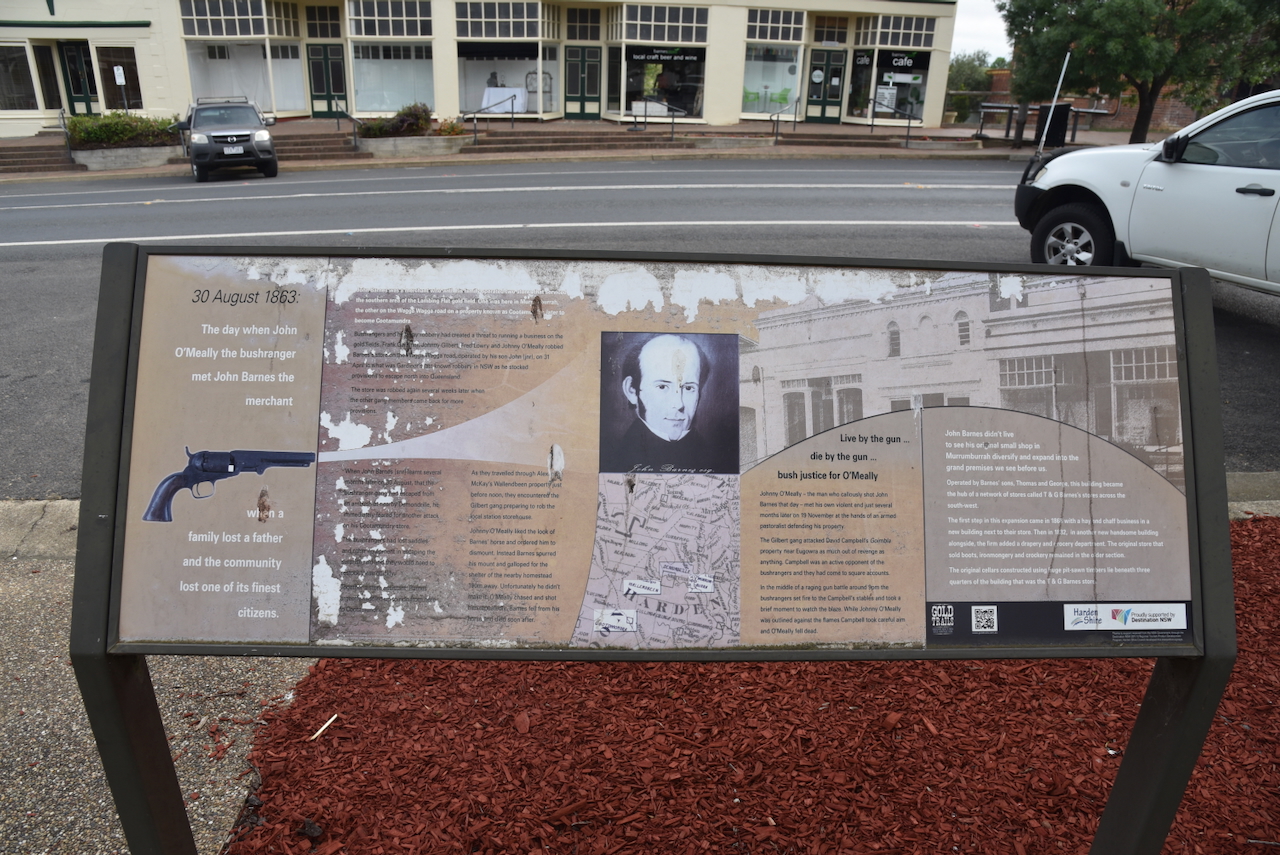
John Barnes was born in June 1812 in Bedfordshire, England. He emigrated to Australia in 1841 aboard the Abbortsford with his wife and family. Barnes was a merchant who owned two stores. One at Murrumburrah and the other on the Wagga Wagga Road on the Cootamundry Run. On the 31st day of April 1863, bushrangers Frank Gardiner, John Gilbert, Fred Lowry and John O’Meally robbed the store at Cootamundry. Several weeks later, the store was robbed again. (ancestry 2016)
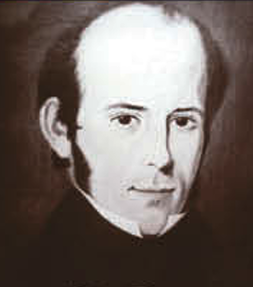
Above: John Barnes.
Barnes became aware of the robberies, and upon learning that the bushrangers had escaped from an ambush on 30th August 1863, he feared that there would be another attack on his store. A police officer was shot and wounded during that incident. Barnes then saddled up and rode towards Cootamundry. At Wallendbeen, he encountered the Gilbert gang, who were preparing to rob the local station storehouse.
O’Meally ordered Barnes to dismount from his horse, as he liked the look of the horse. Rather than obeying the order, Barnes spurred his mount and galloped for the protection of the nearby homestead. Sadly, he did not make it. O’Meally chased Barnes and shot him several times.
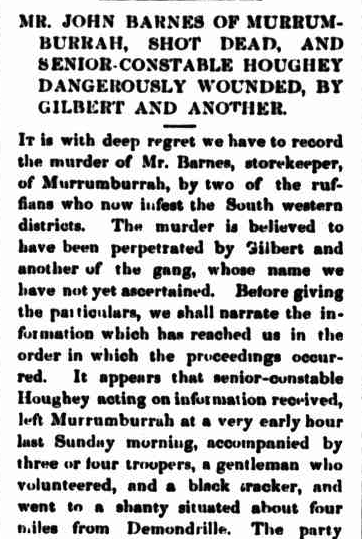
Above: part of an article from The Golden Age, Thu 10 Sept 1863. Image c/o Trove
Barnes was originally buried at Yass, but was later reinterred in the family vault at the Cootamundra cemetery. (ancestry 2016)
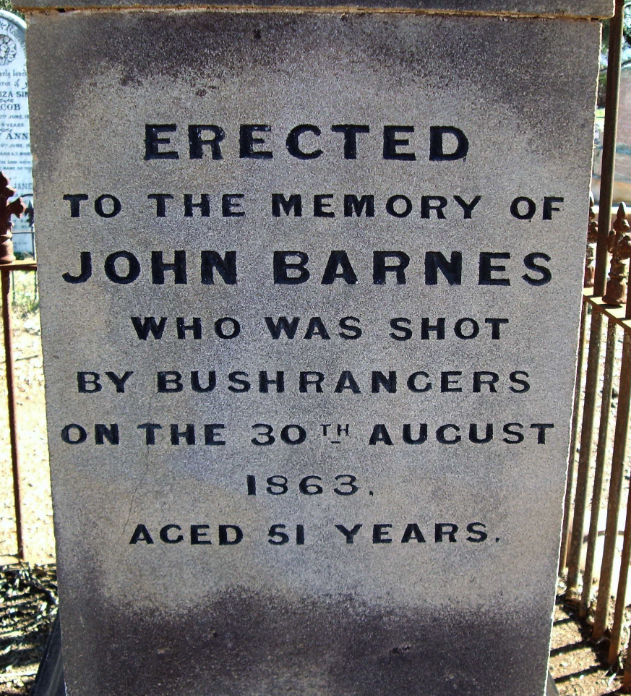
Above: the headstone of John Barnes. Image c/o ancestry.com.au
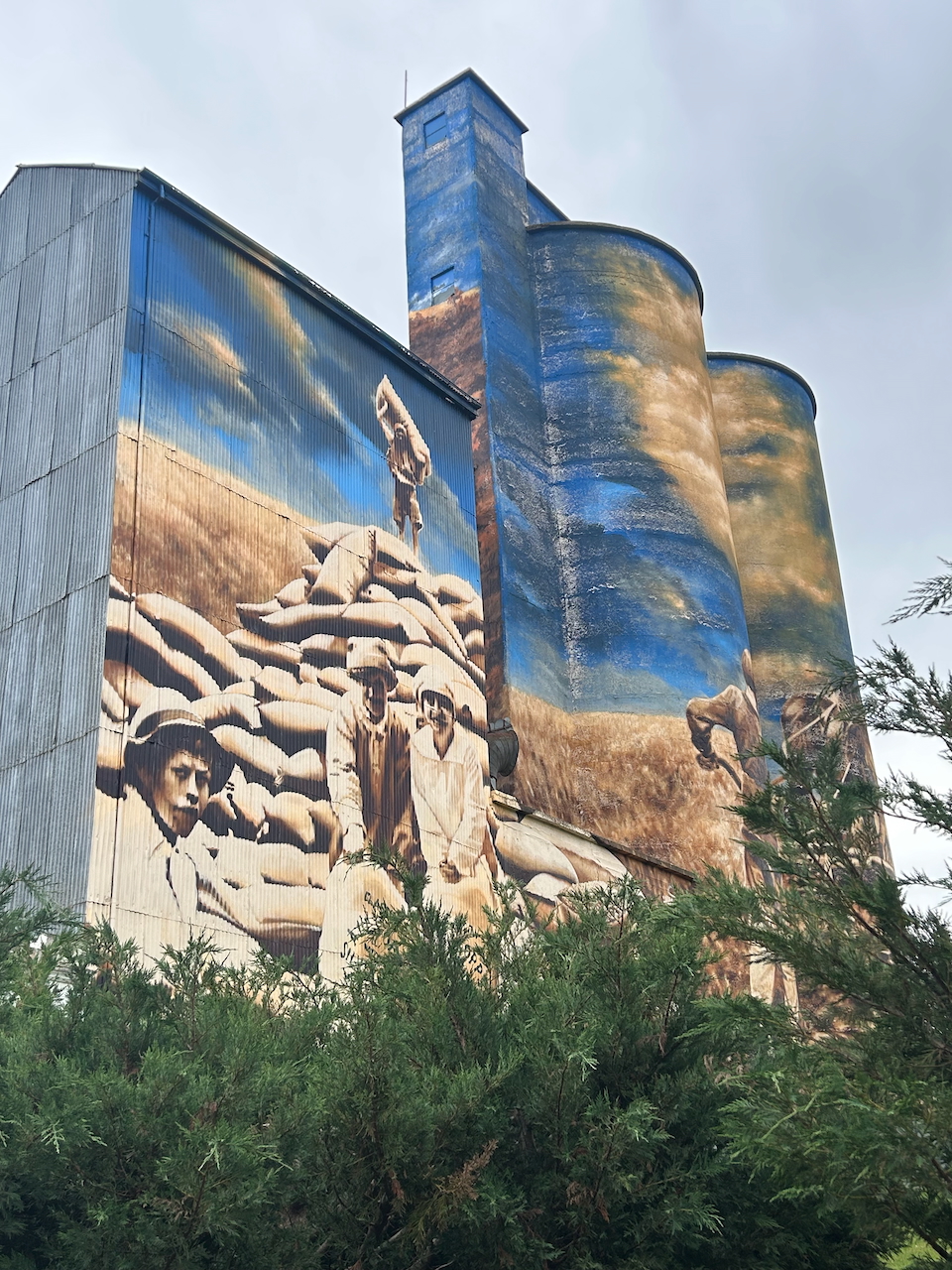
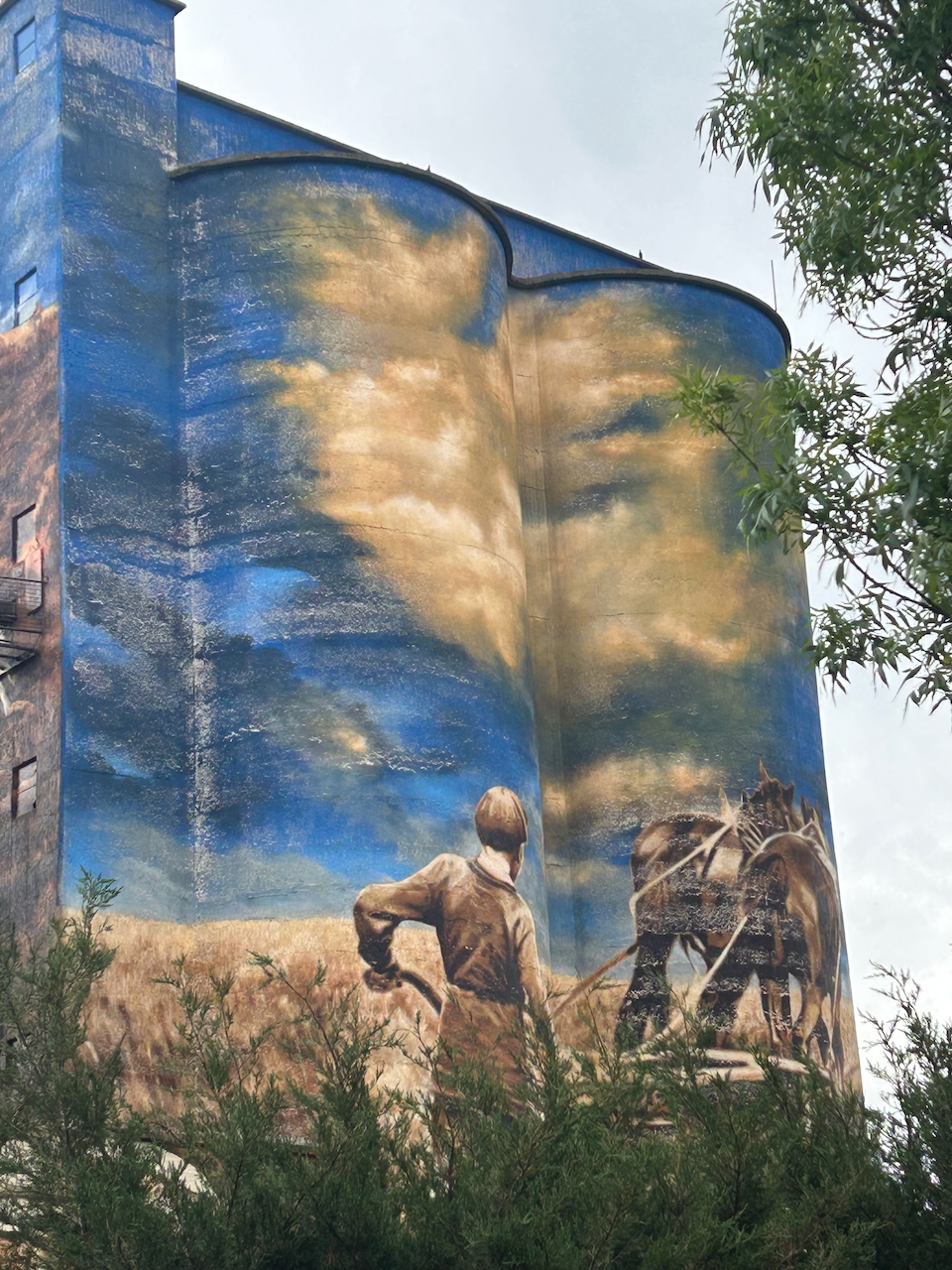
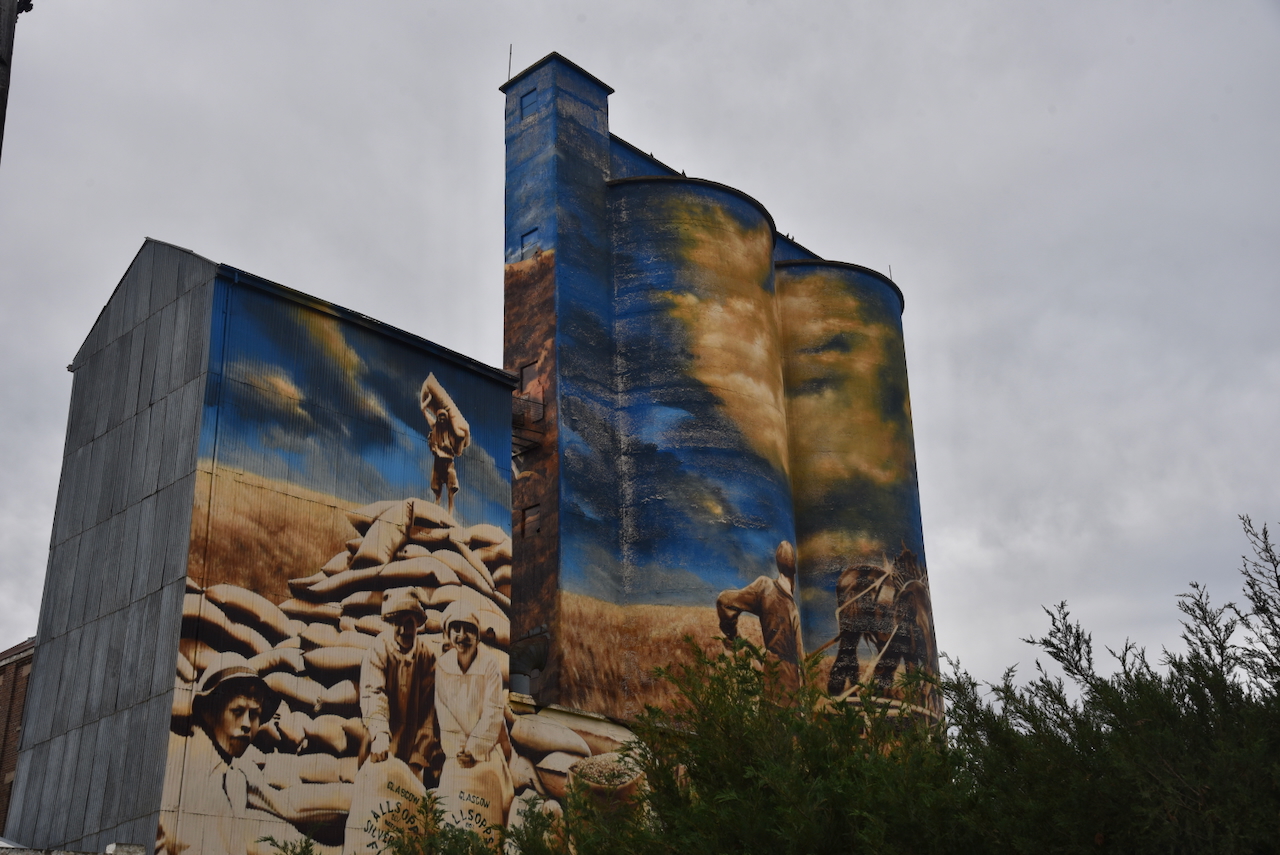
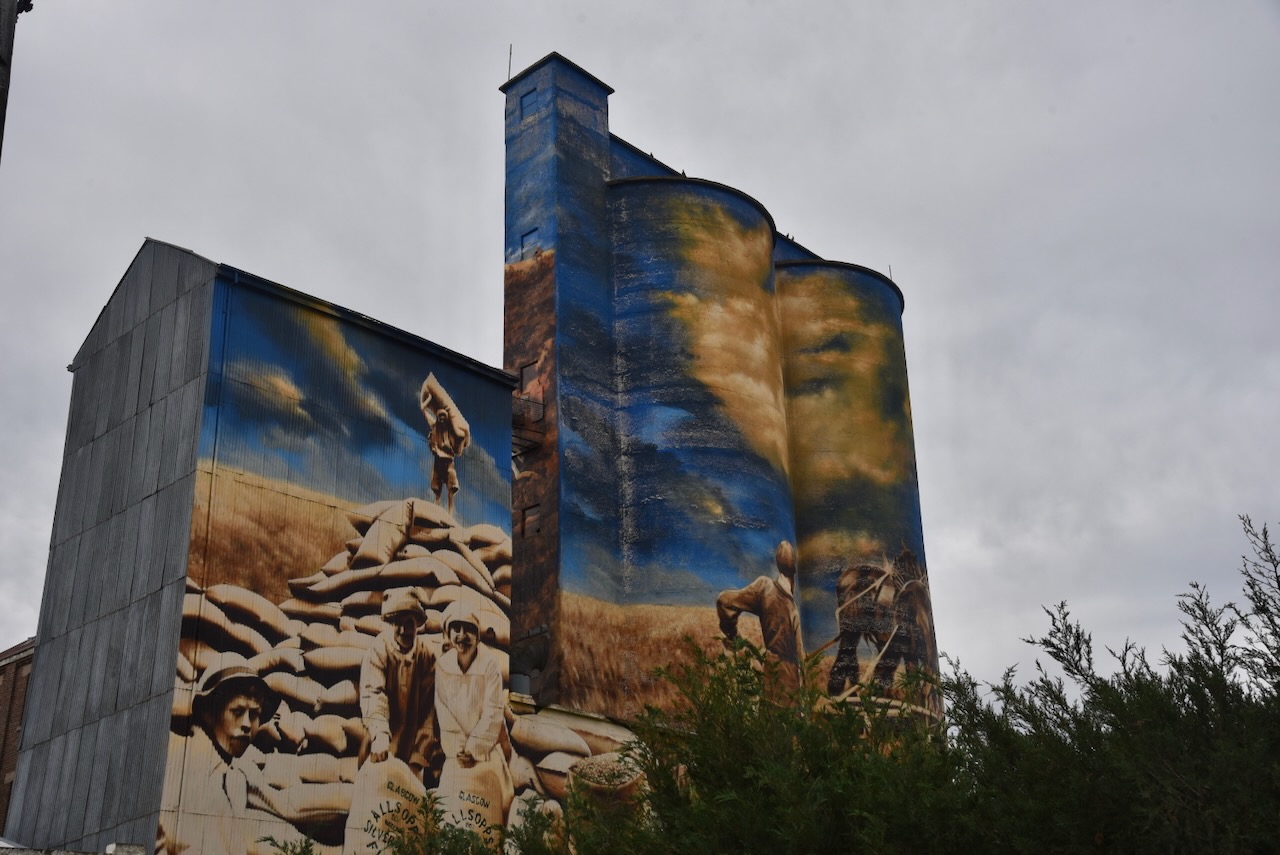
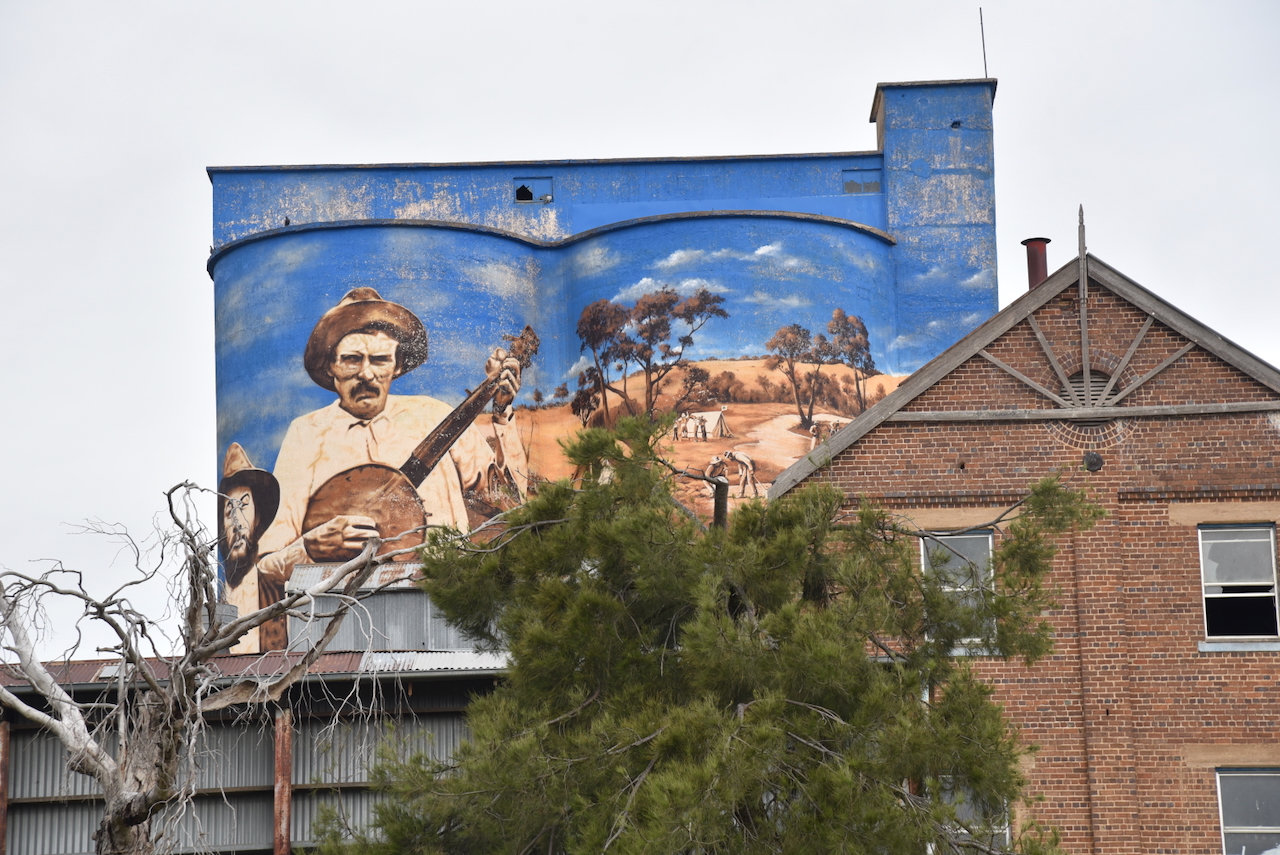
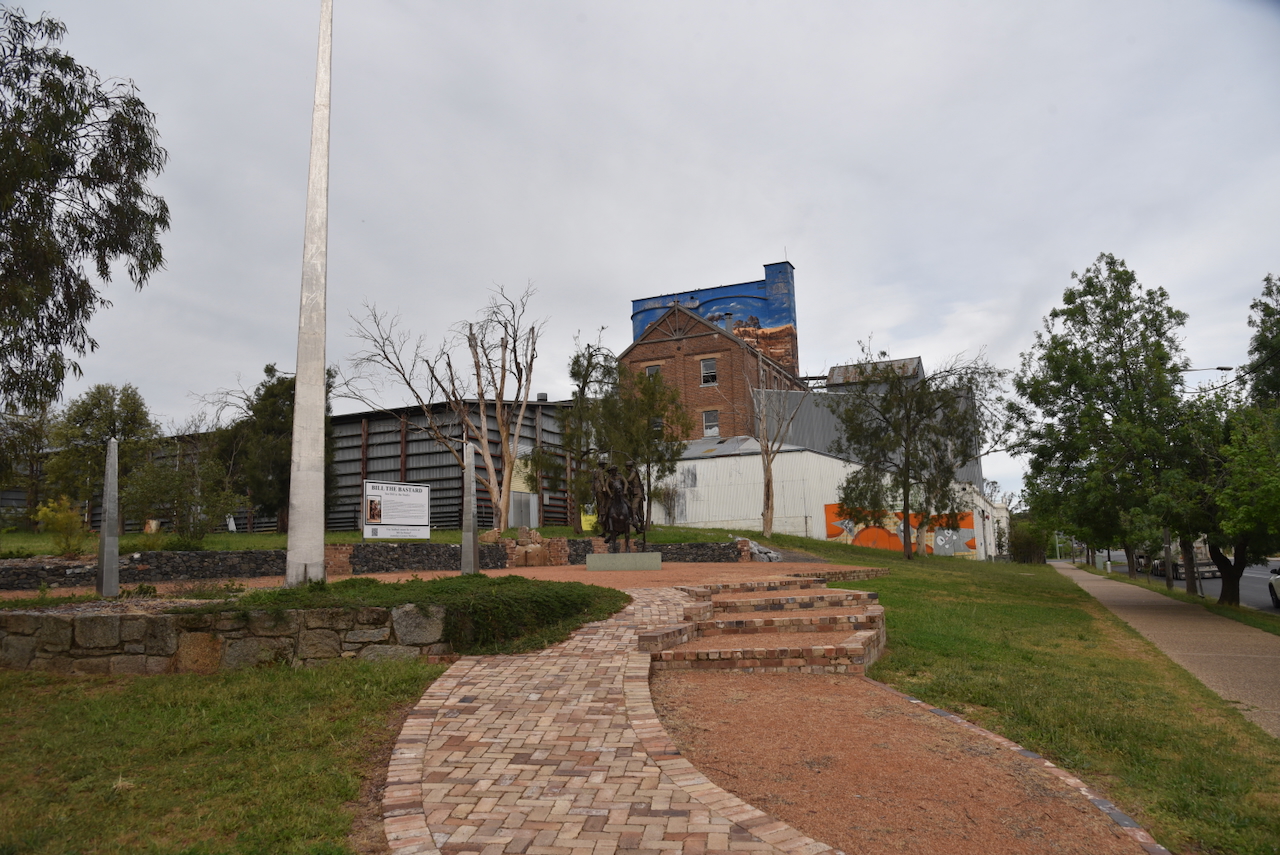
Murrumburrah has a silo that qualifies for the SiOTA program, but we just did not have enough time to activate it. We did, however, admire the magnificent silo art that it features. The art is the work of Melbourne-based Mongolian street artist Heesco Khosnaran. He commenced the silo art in January 2021 and completed the work at the end of February 2021. The artwork features rural life in Australia in the late 1800s and early 1900s. (Australiansiloarttrail.com, 2020)
Below is a video on the Murrumburrah silo
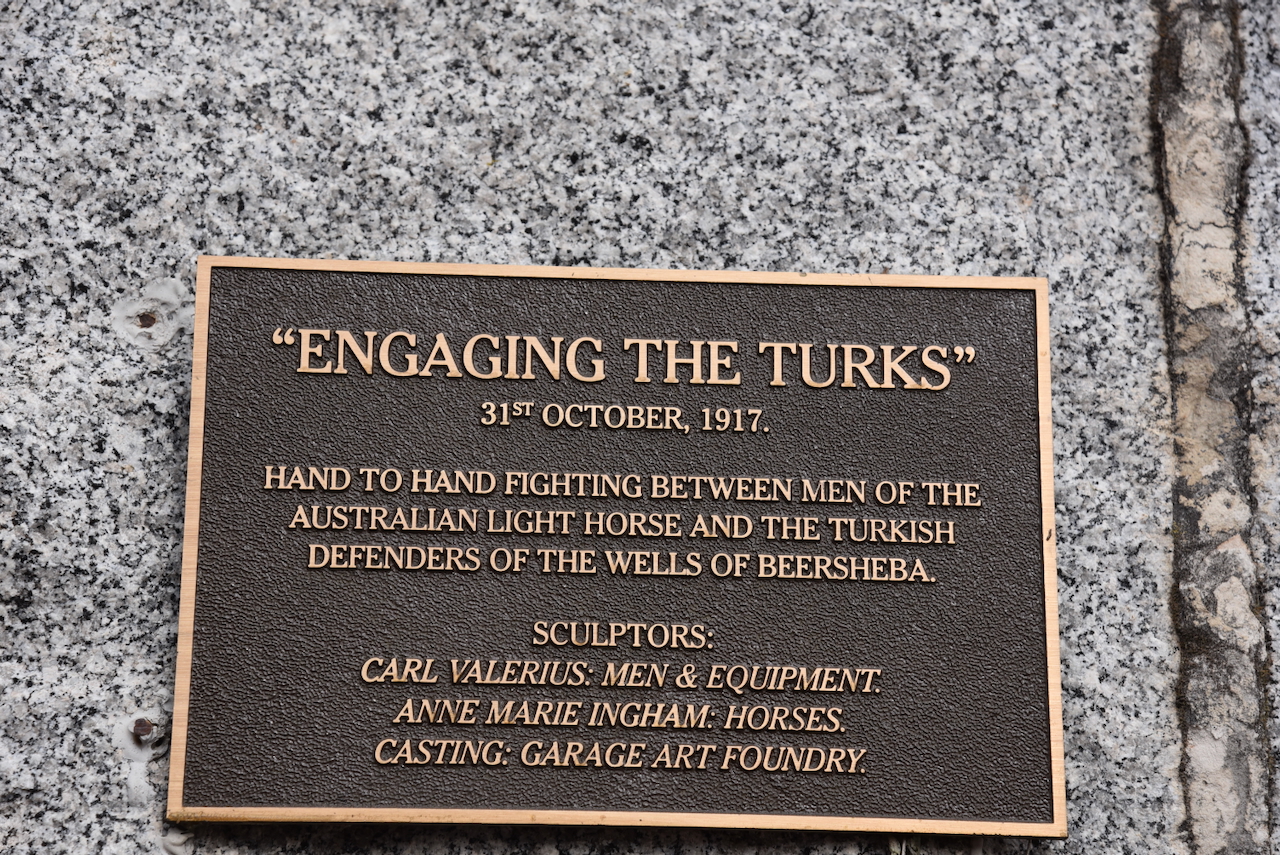
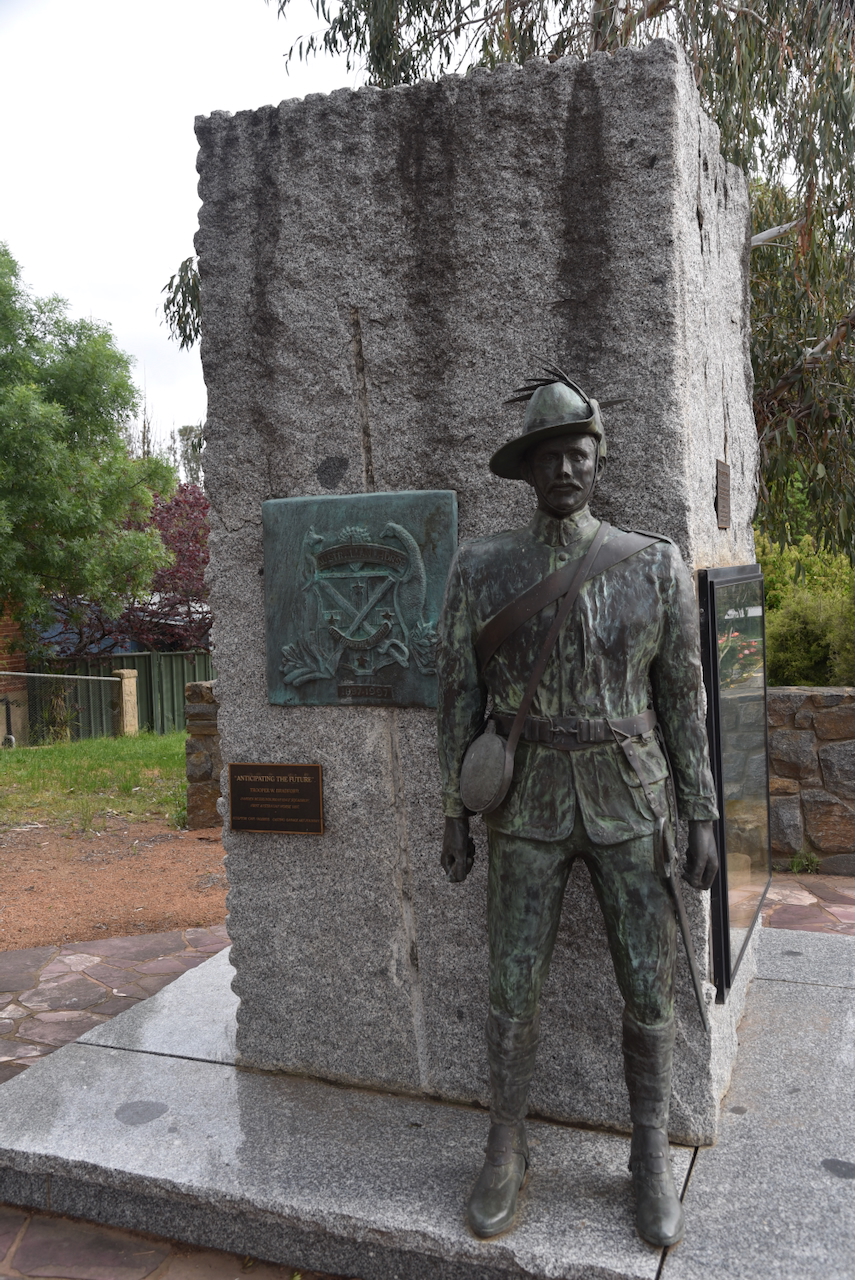
In the main street is a statue of Major-General James Alexander Kenneth Mackay C.B., O.B.E., V.D., F.R.G.S. He created the First Australian Light Horse troop. (Office 2019)
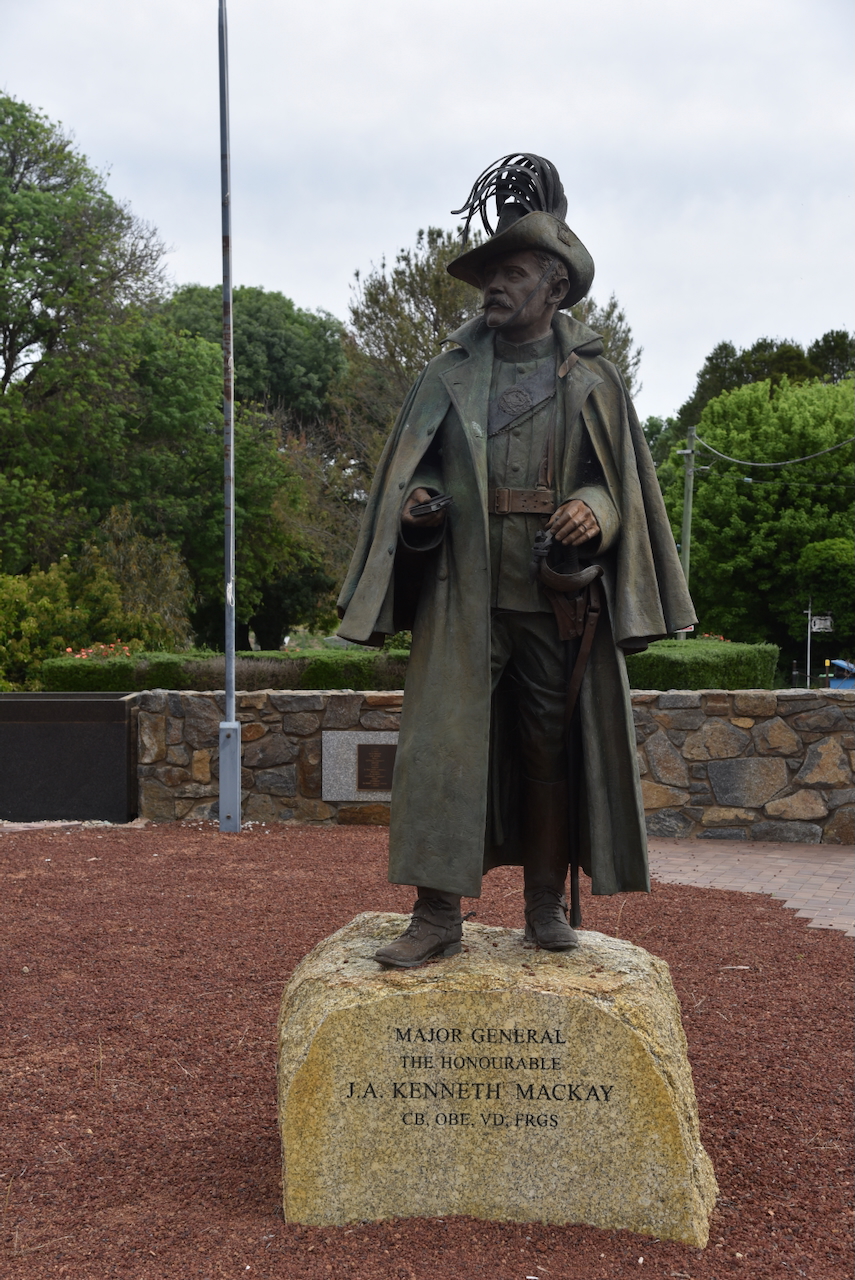
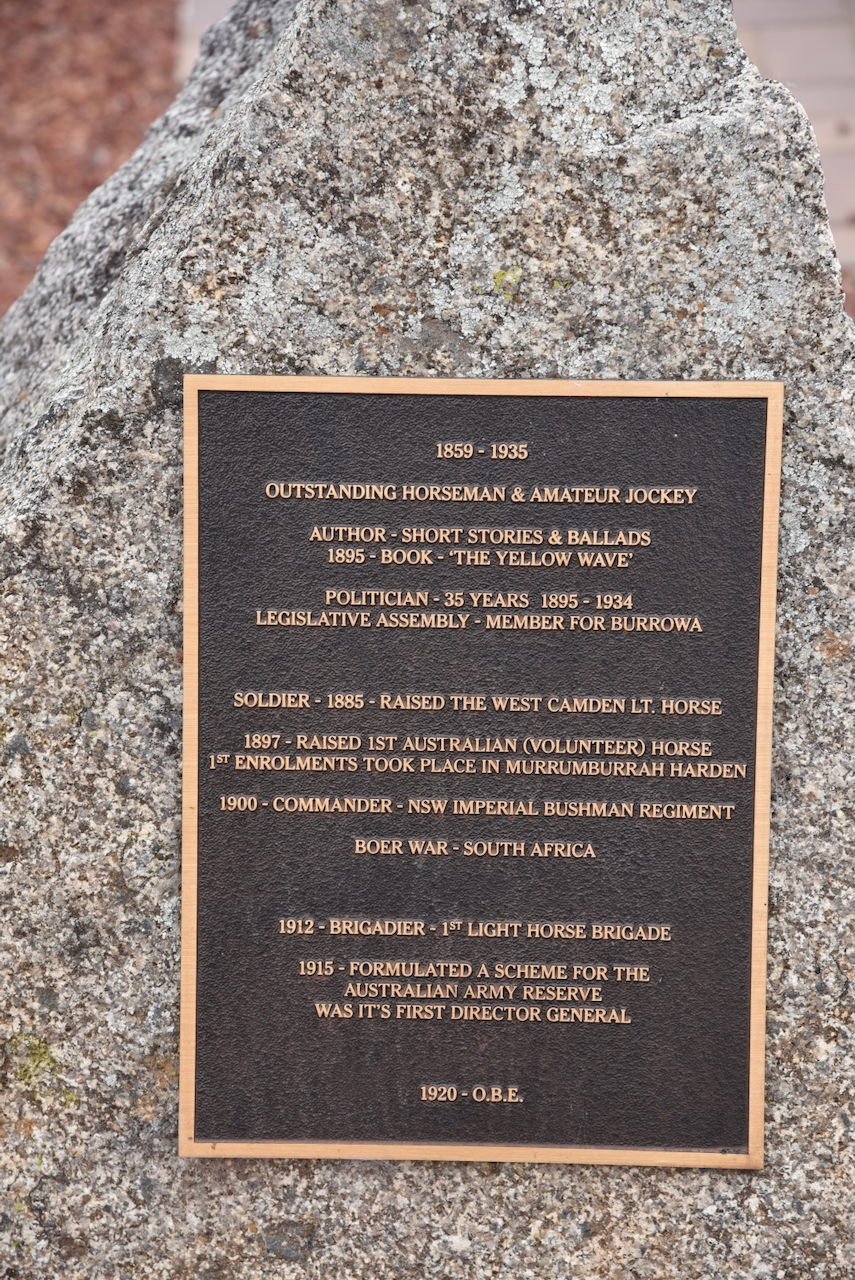
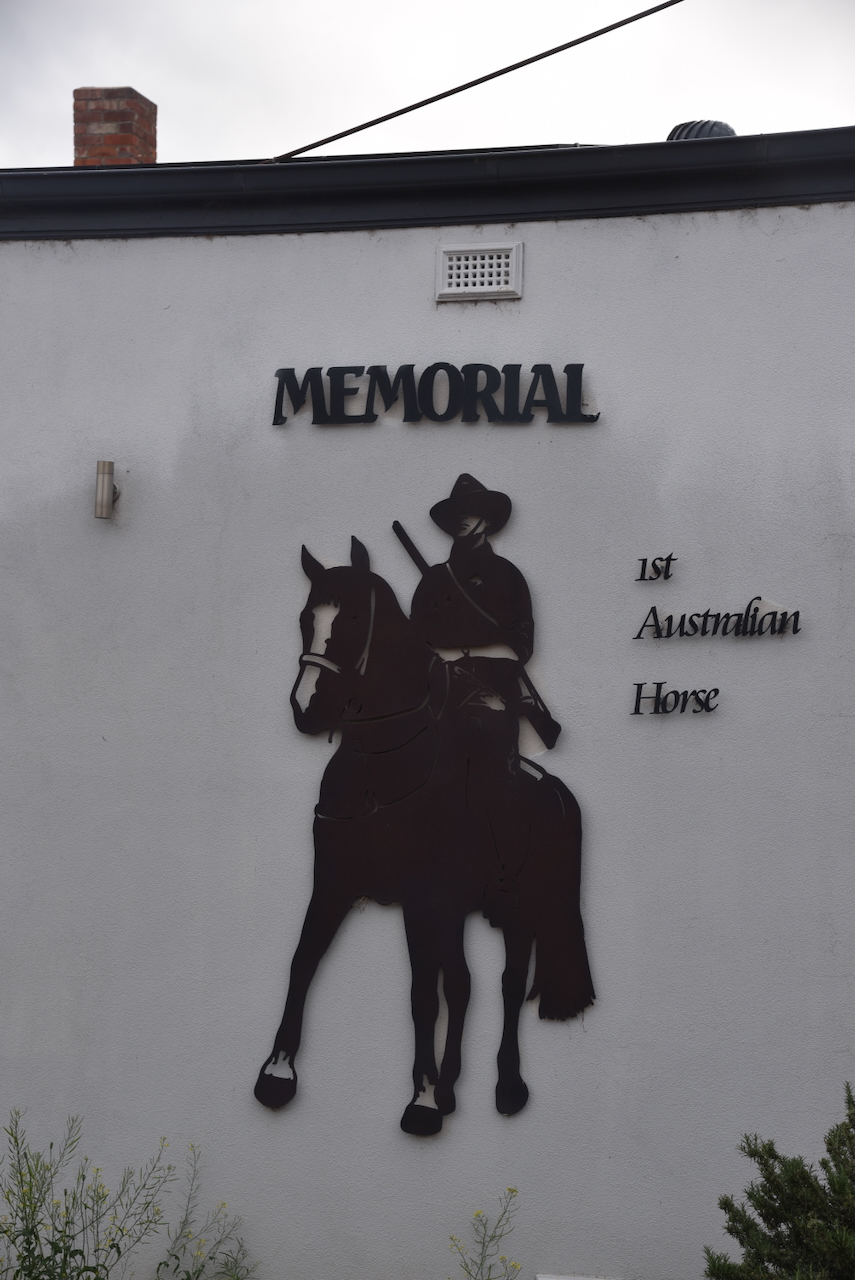
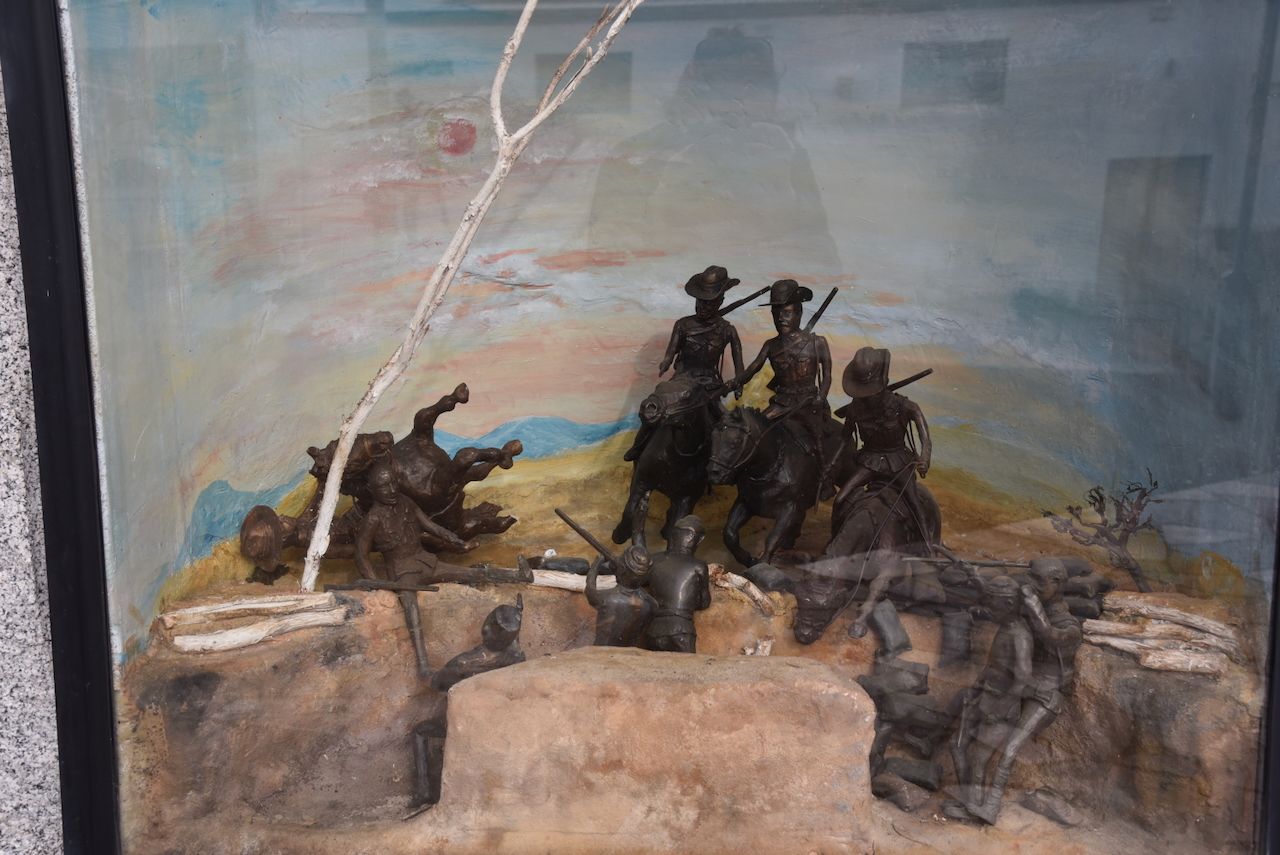
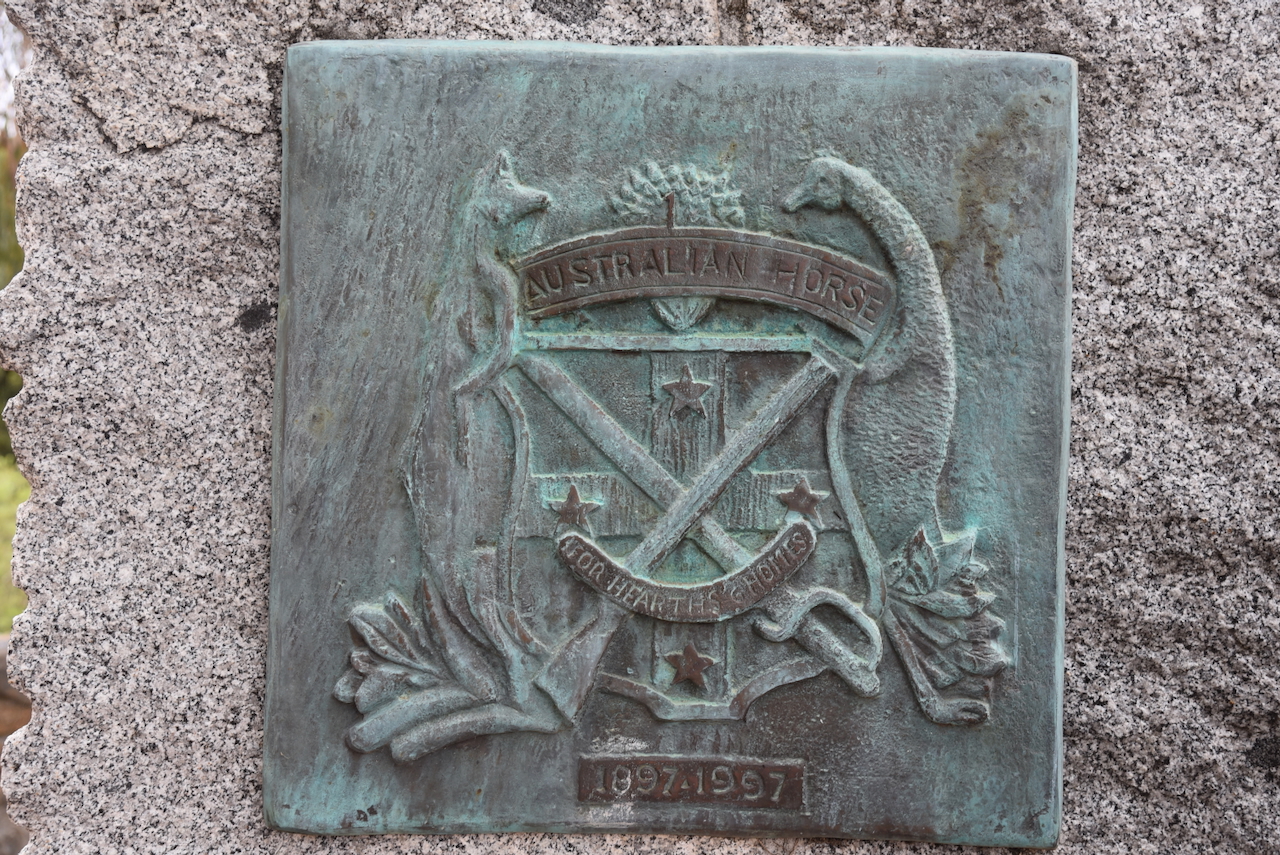
The Light Horse Memorial commemorates the birthplace of the First Australian Light Horse at Murrumburrah in 1897.

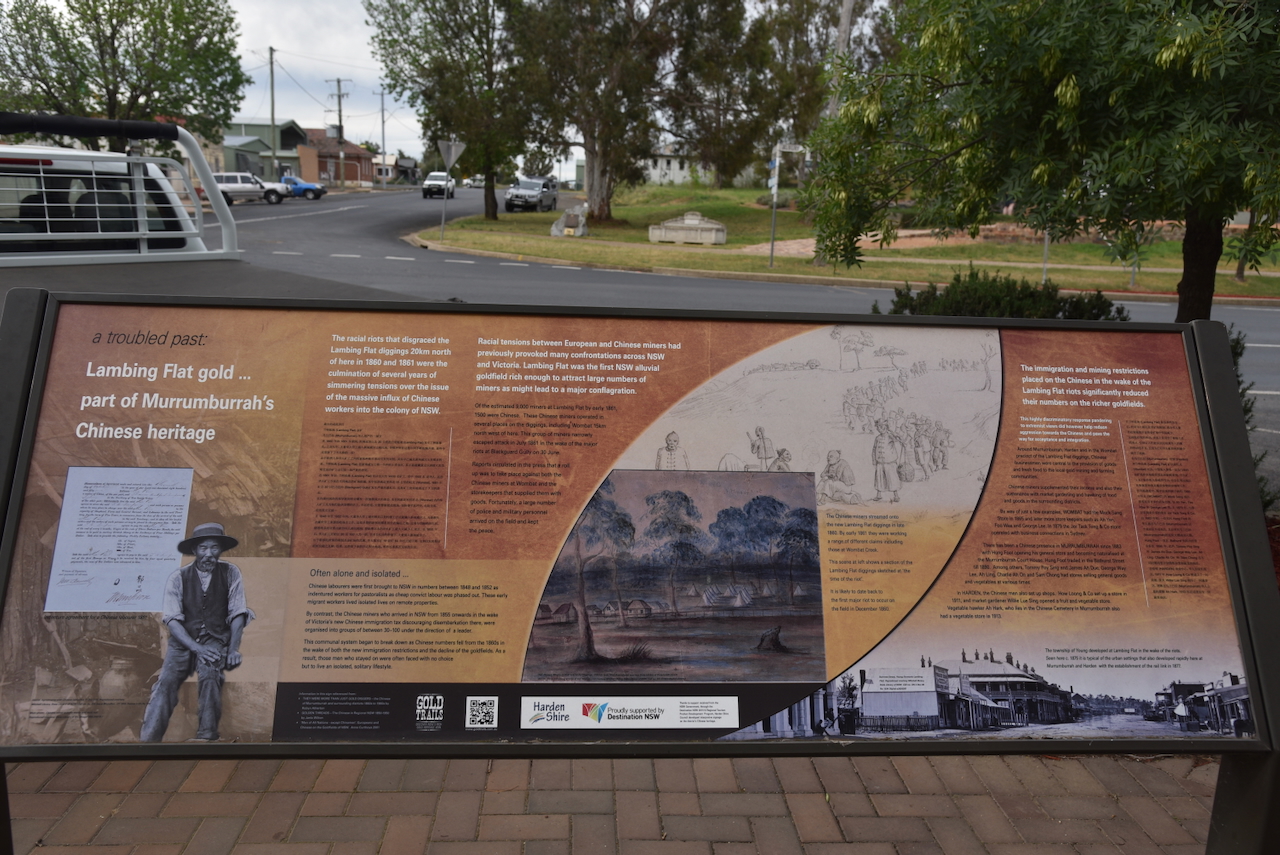
There is also an excellent information board on the Lambing Flat goldfields, about 20 km north. Lambing Flat was the scene of a series of violent anti-Chinese demonstrations that took place in the early 1860s.
Below is a video on the Lambing Flat Riots.
Harden is home to the life-size sculpture of Australia’s best-known war horse, ‘Bill the Bastard’. Bill was a 730 kg chestnut stallion, one of 130,000 Australian horses that served during the First World War. However, Bill was no average horse. He was described as having the lungs and heart of an elephant.

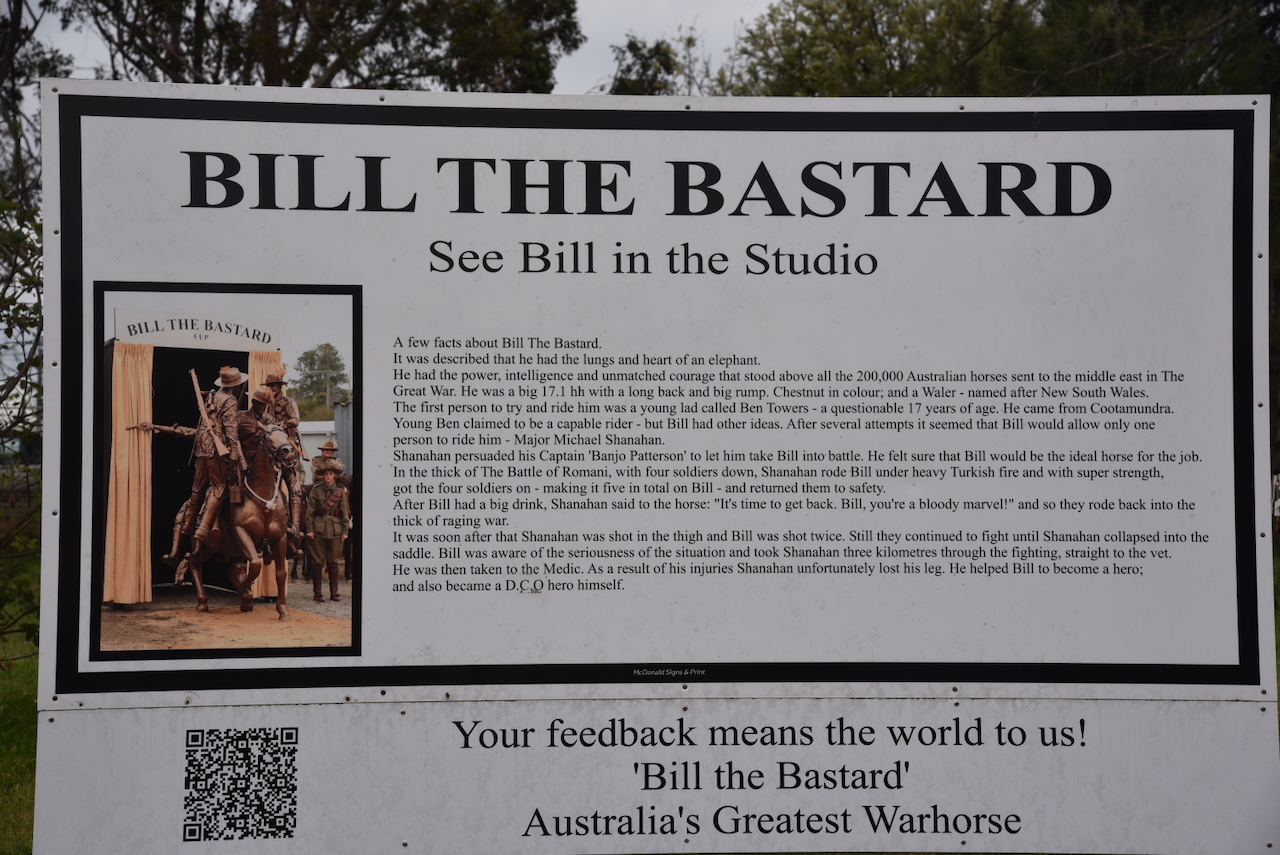
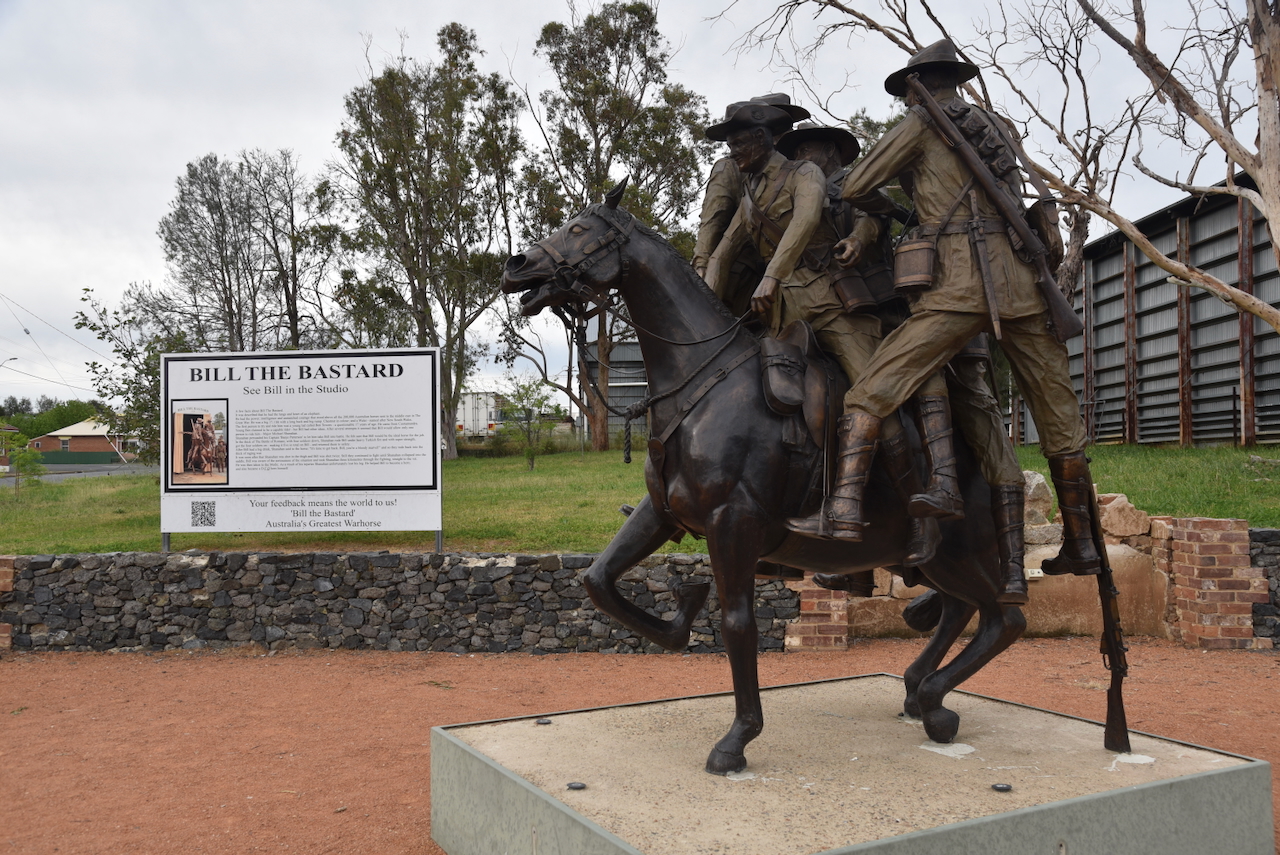
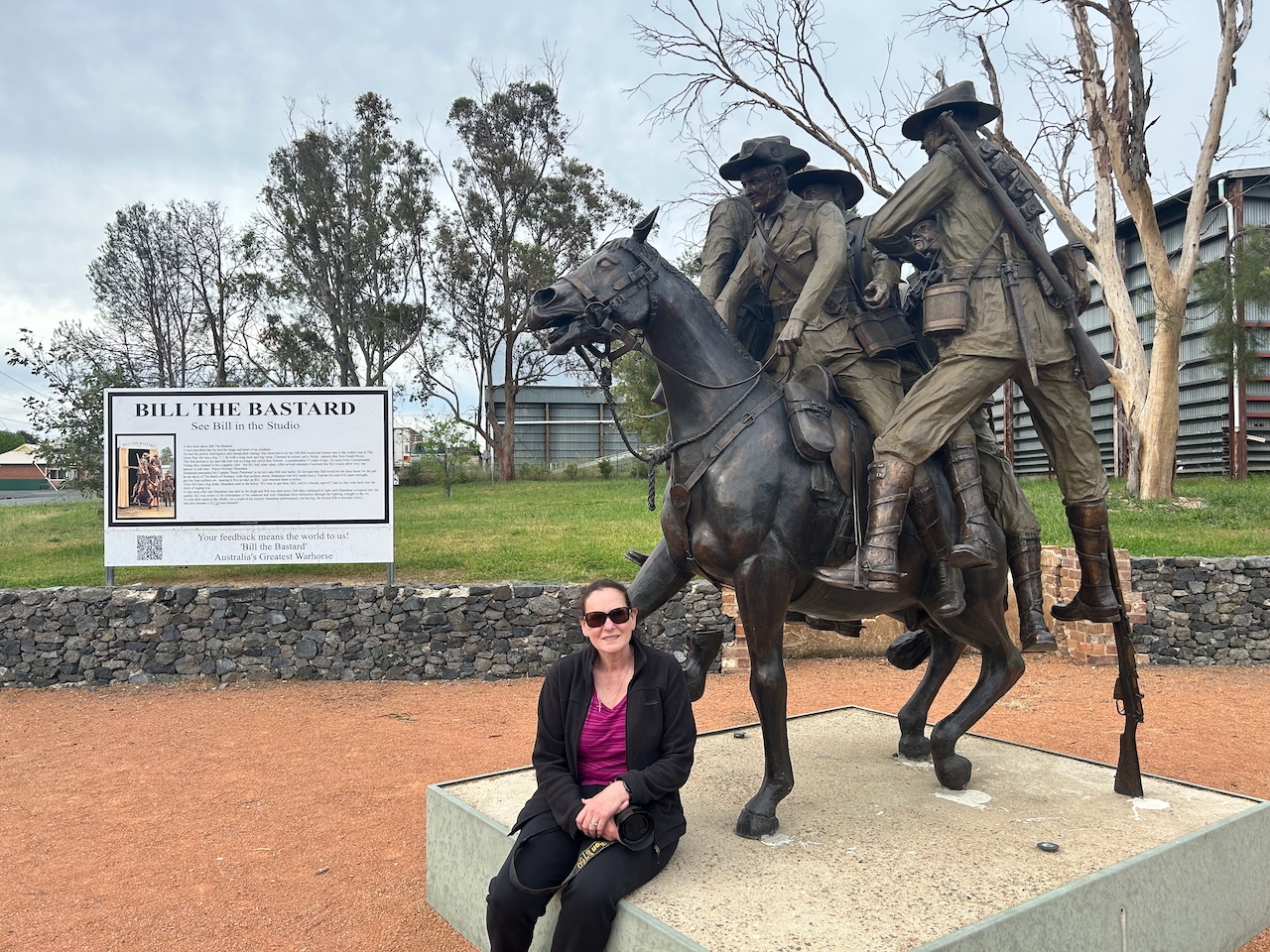
Below is an excellent video on Bill the Bastard.
And of course, Harden has a Bill’s horse trough. For more information on the interesting background of Bill’s horse troughs, please have a look at my previous post:

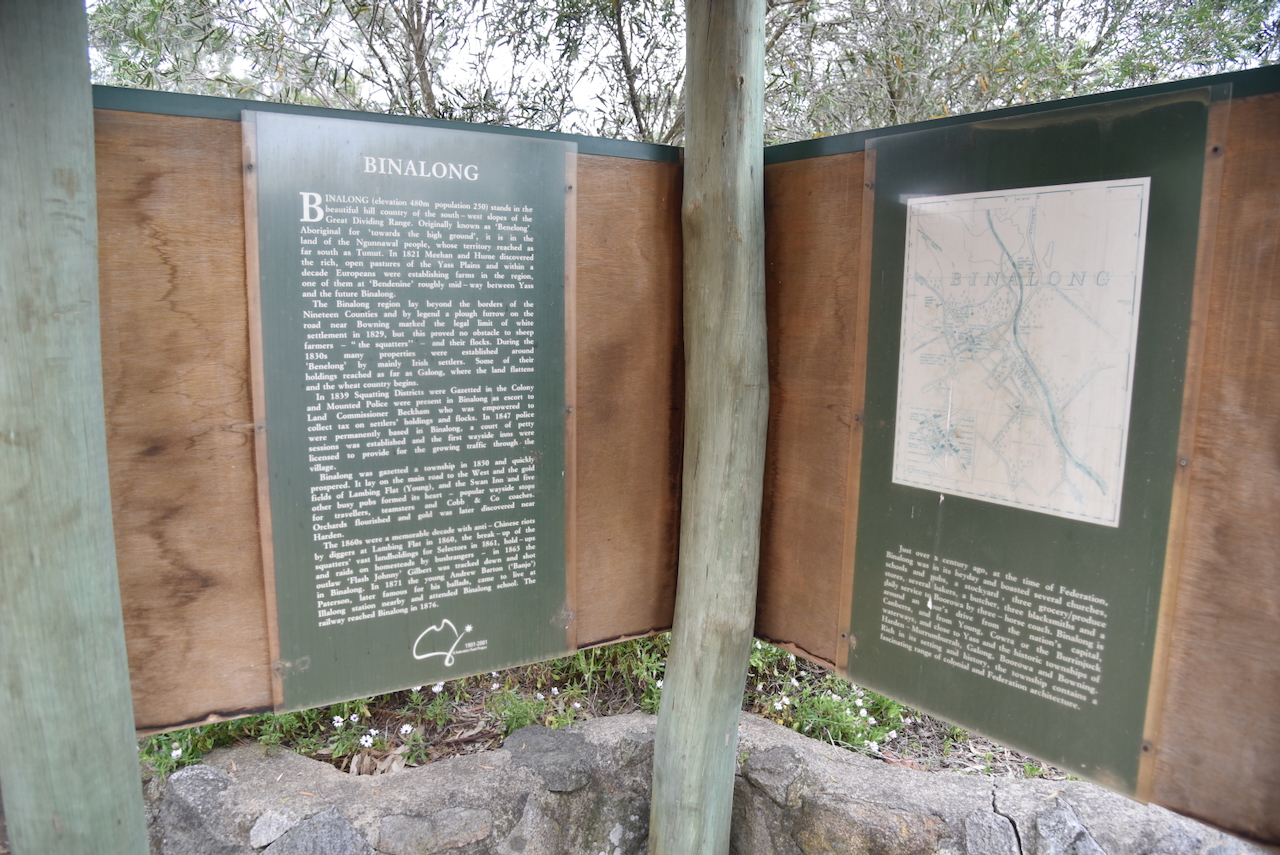
We continued on to Binalong, a small village about 37 km northwest of Yass. It is believed the name is derived from an Aboriginal word meaning ‘under the hills’, ‘surrounded by hills’ or ‘towards a high place.’ (Wikipedia 2025)
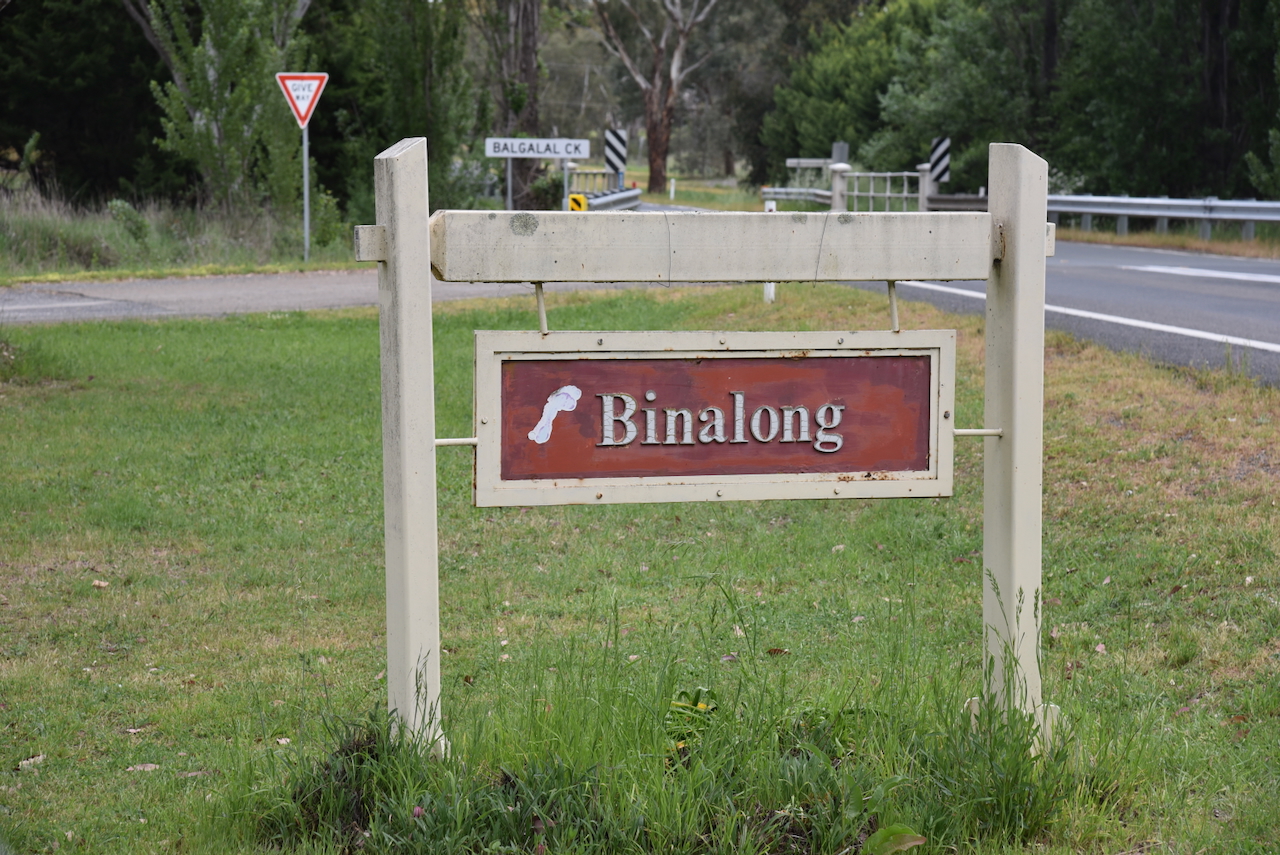
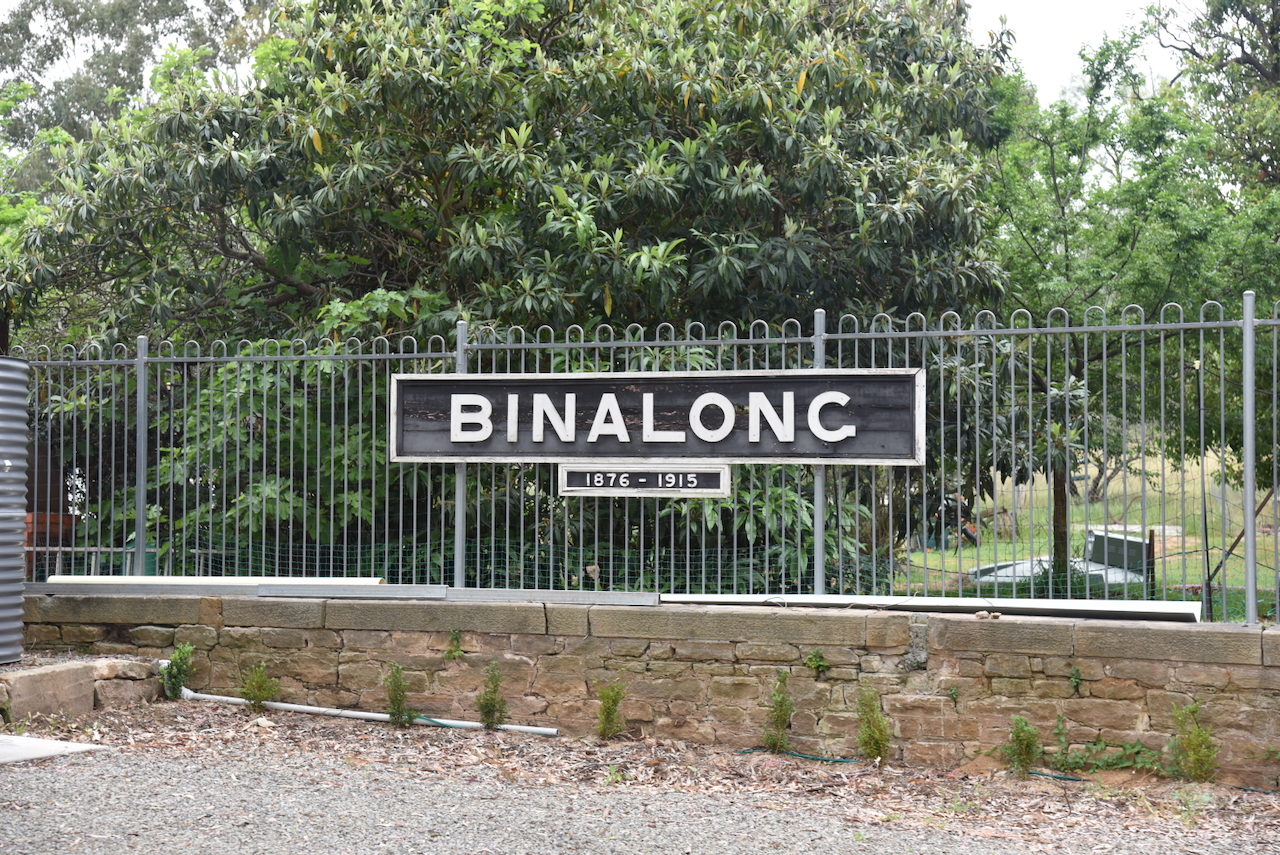
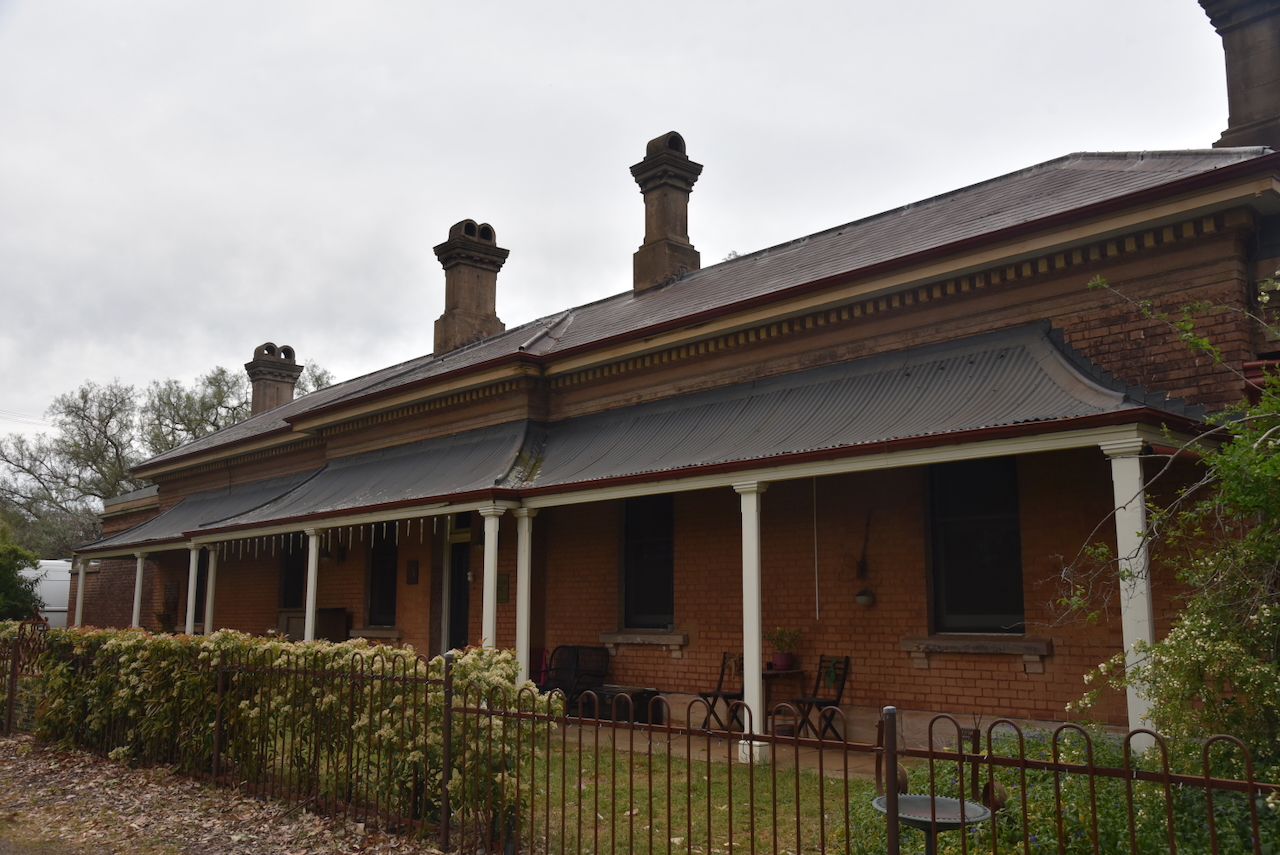
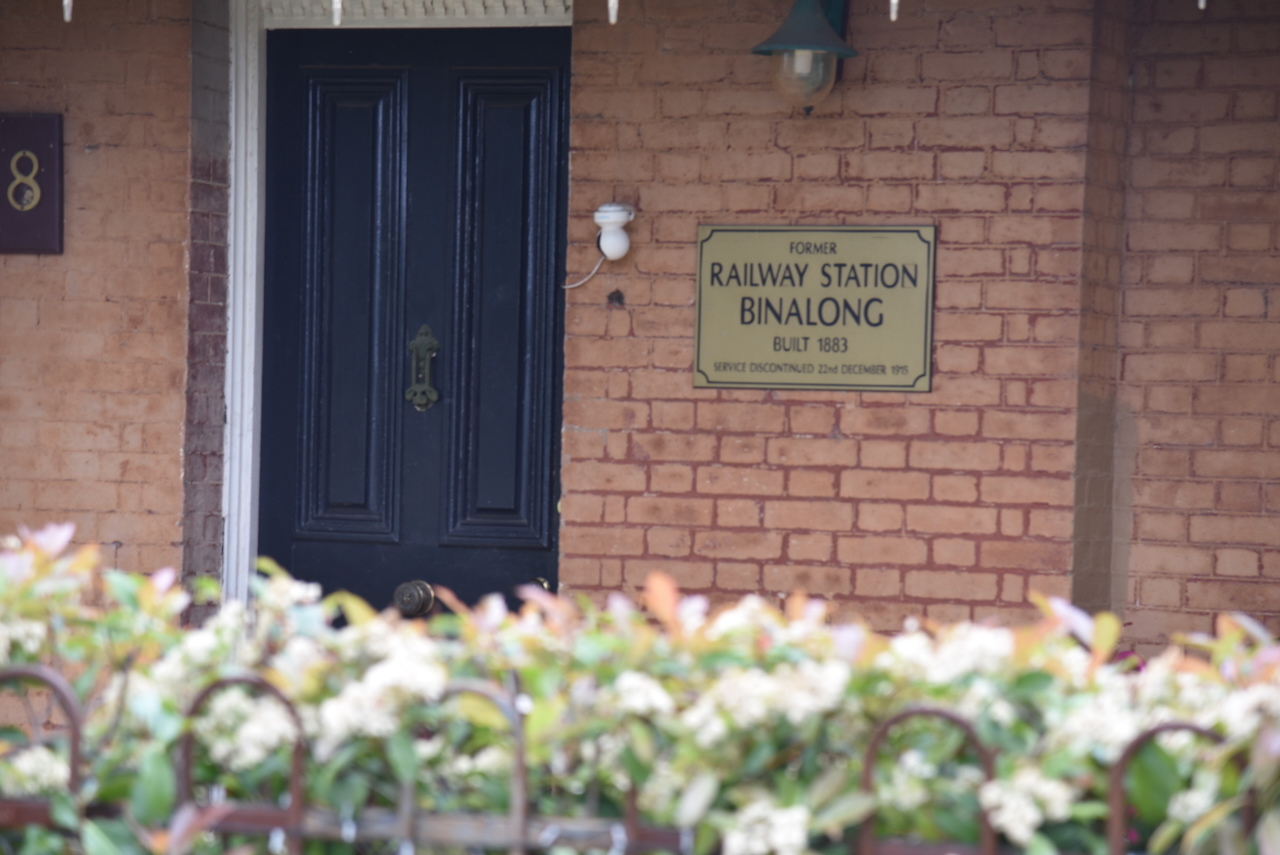
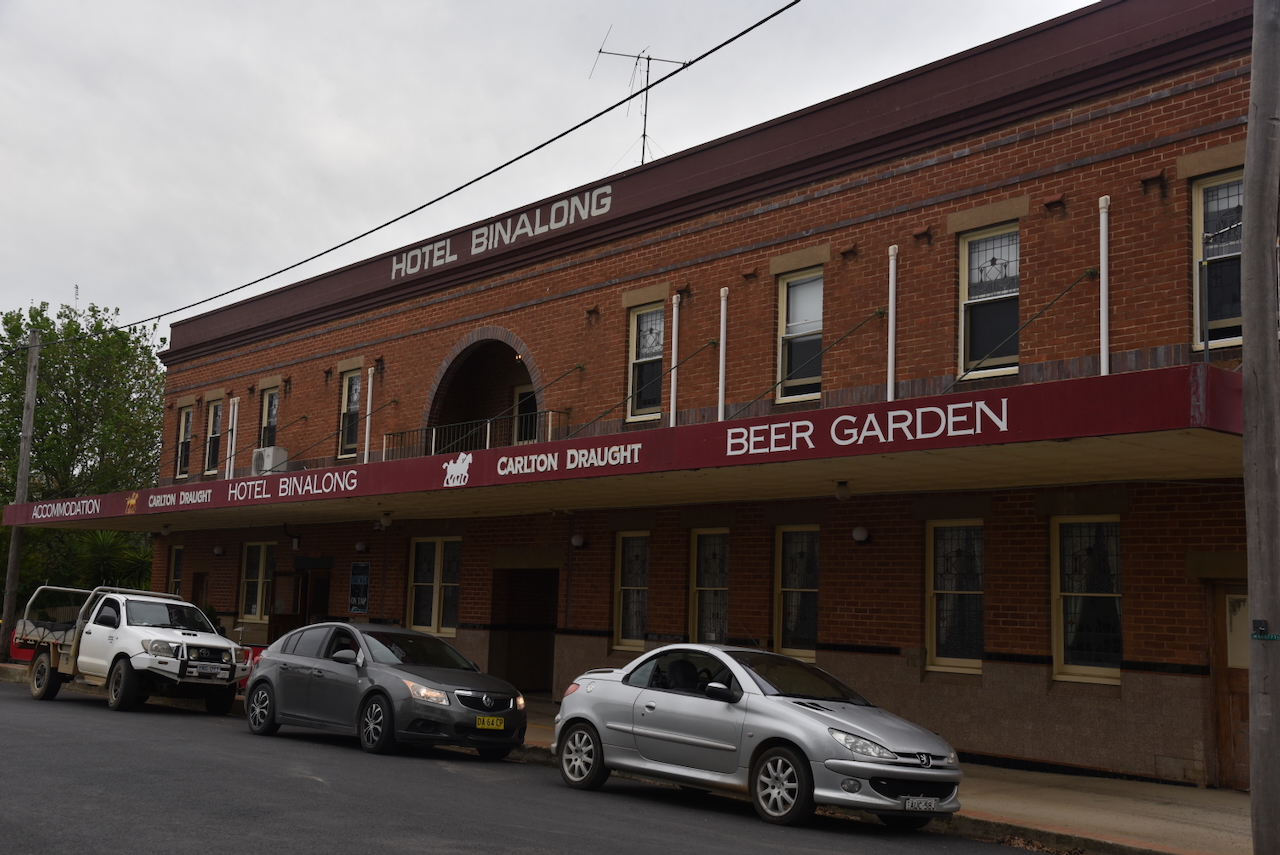
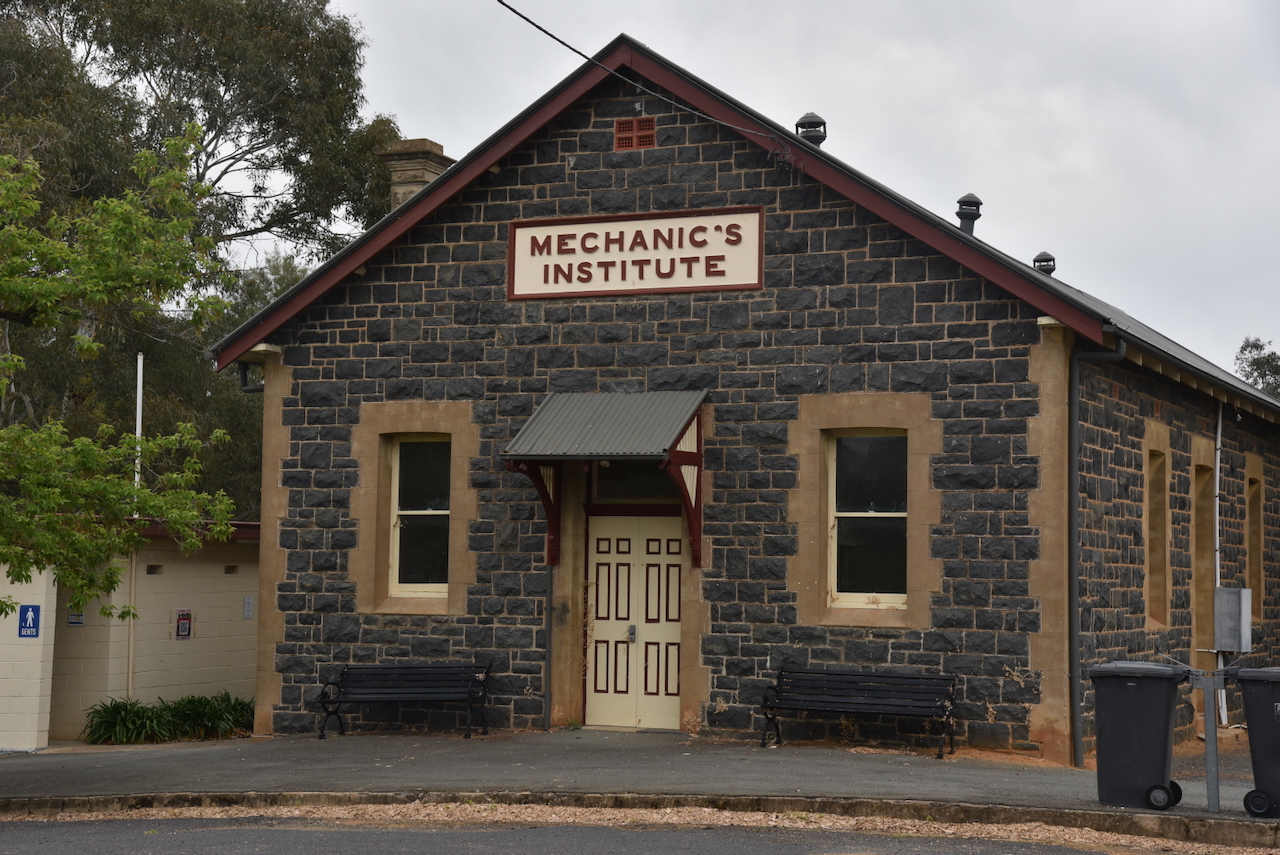
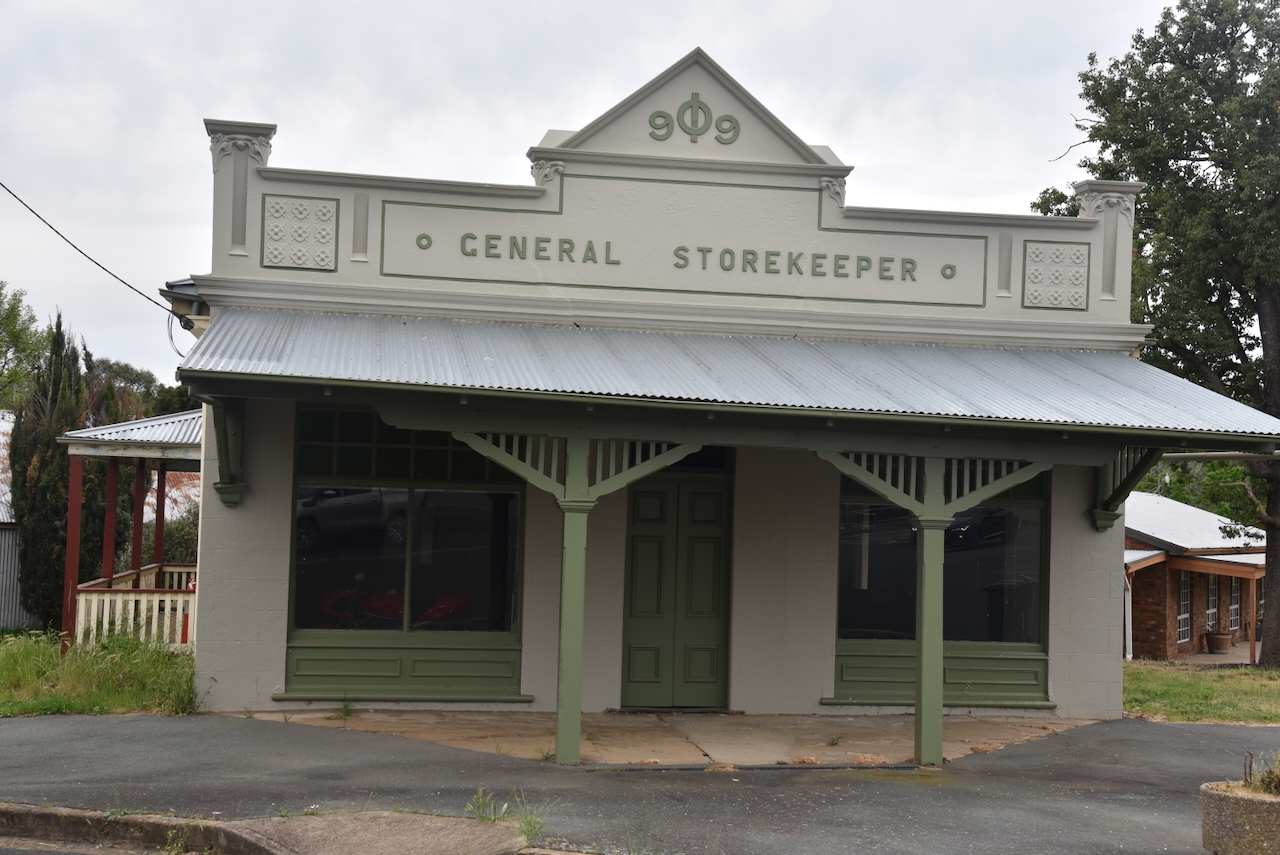
On the outskirts of Bingalong, on the western side of Burley Griffin Way, you can find the grave of the bushranger John Gilbert.
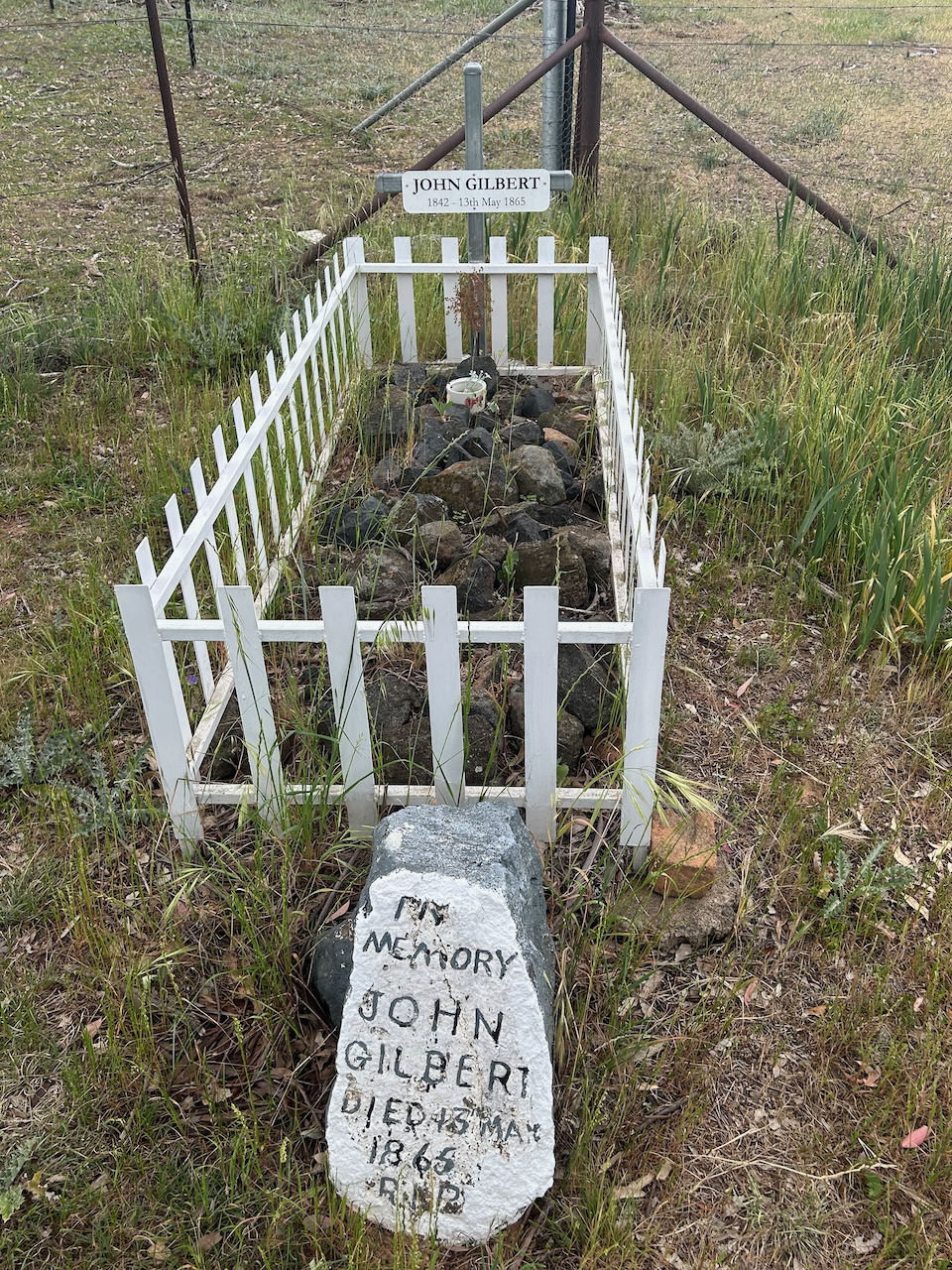
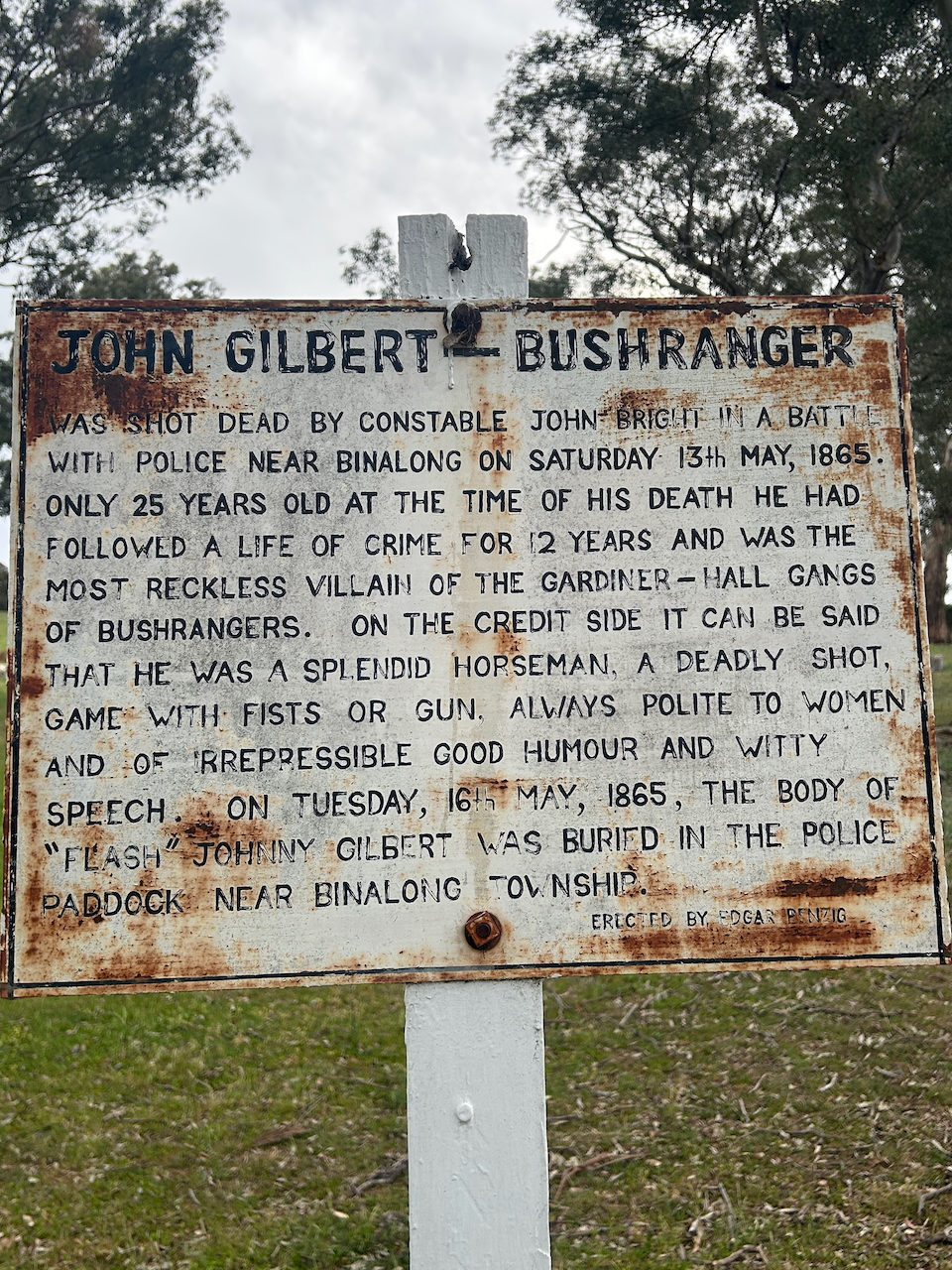
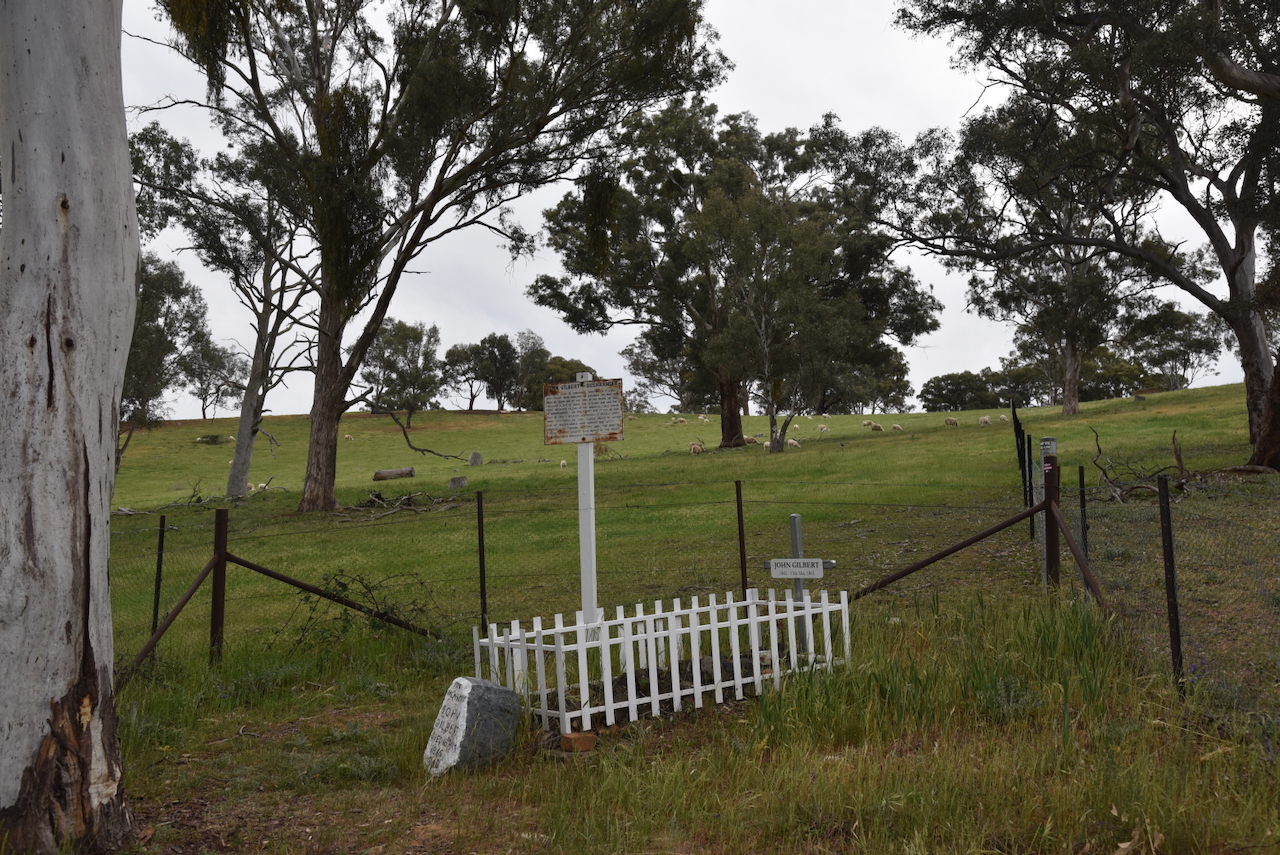
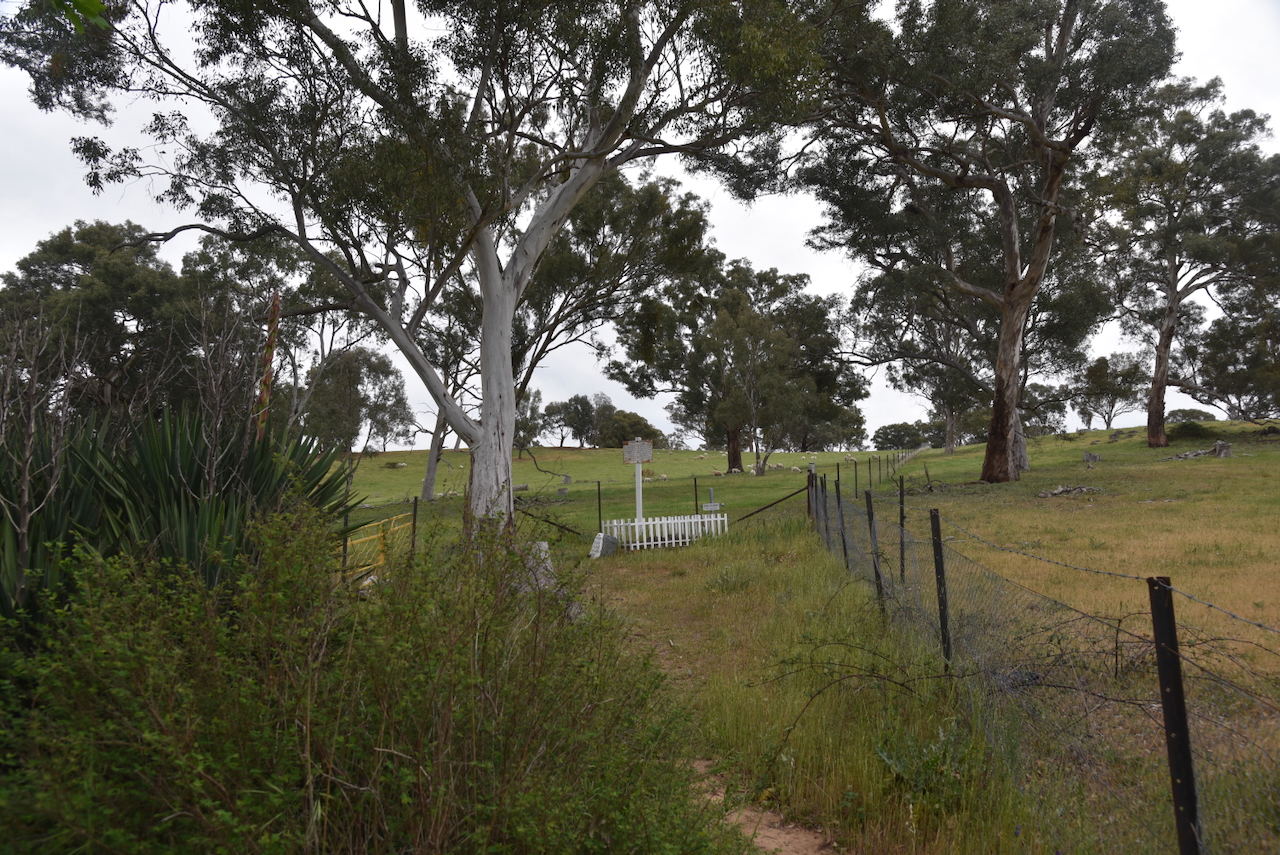
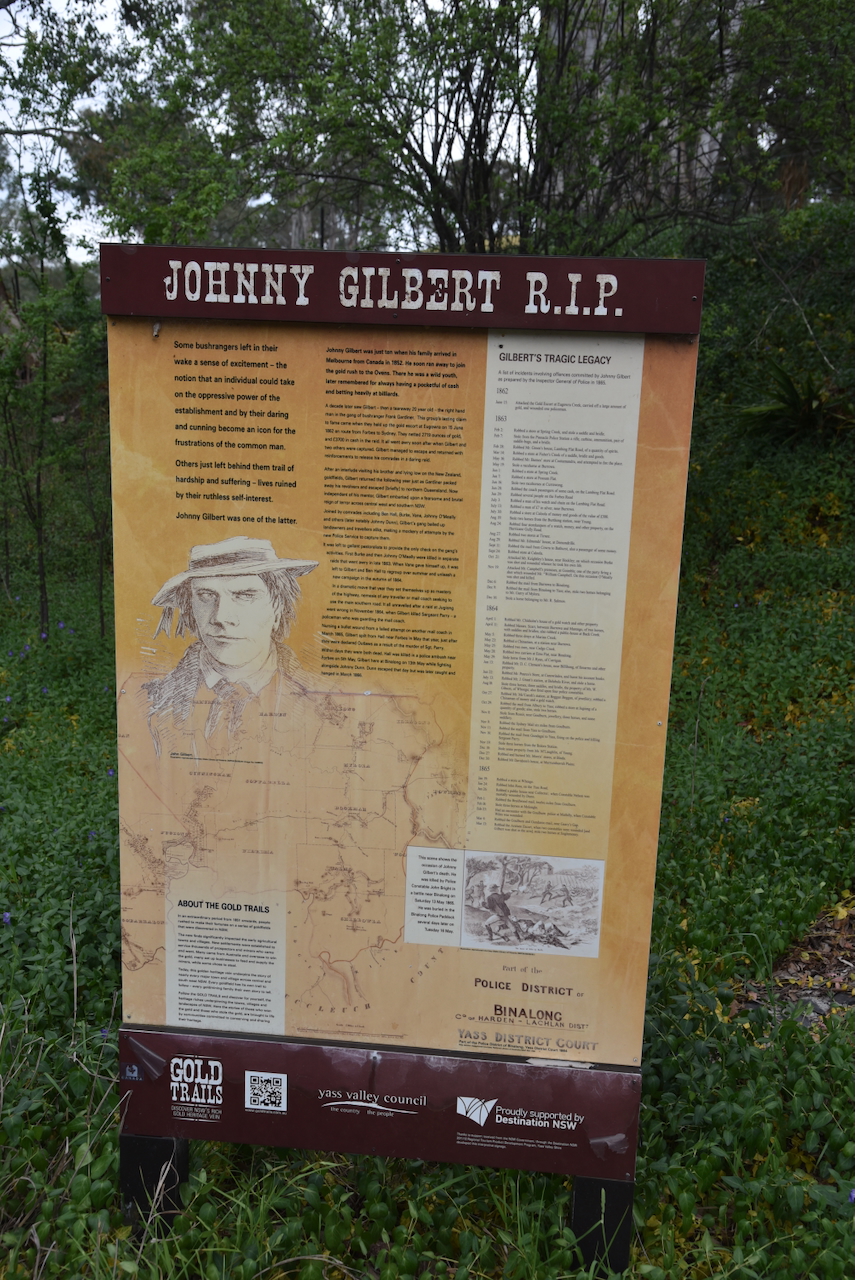
Gilbert was born in c. 1842 in Canada. He was shot dead by police on the 13th day of May 1865, aged just 23 years. (Wikipedia 2025)
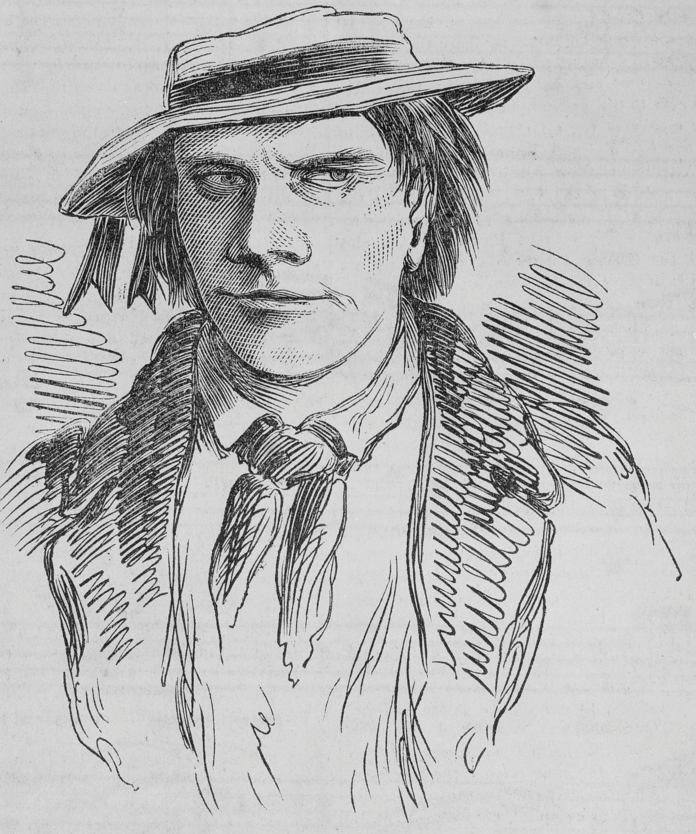
Above: John Gilbert. Image c/o WIkipedia
I wrote a little about Gilbert in a previous post about Junee:
Below is an excellent video on the life of John Gilbert.
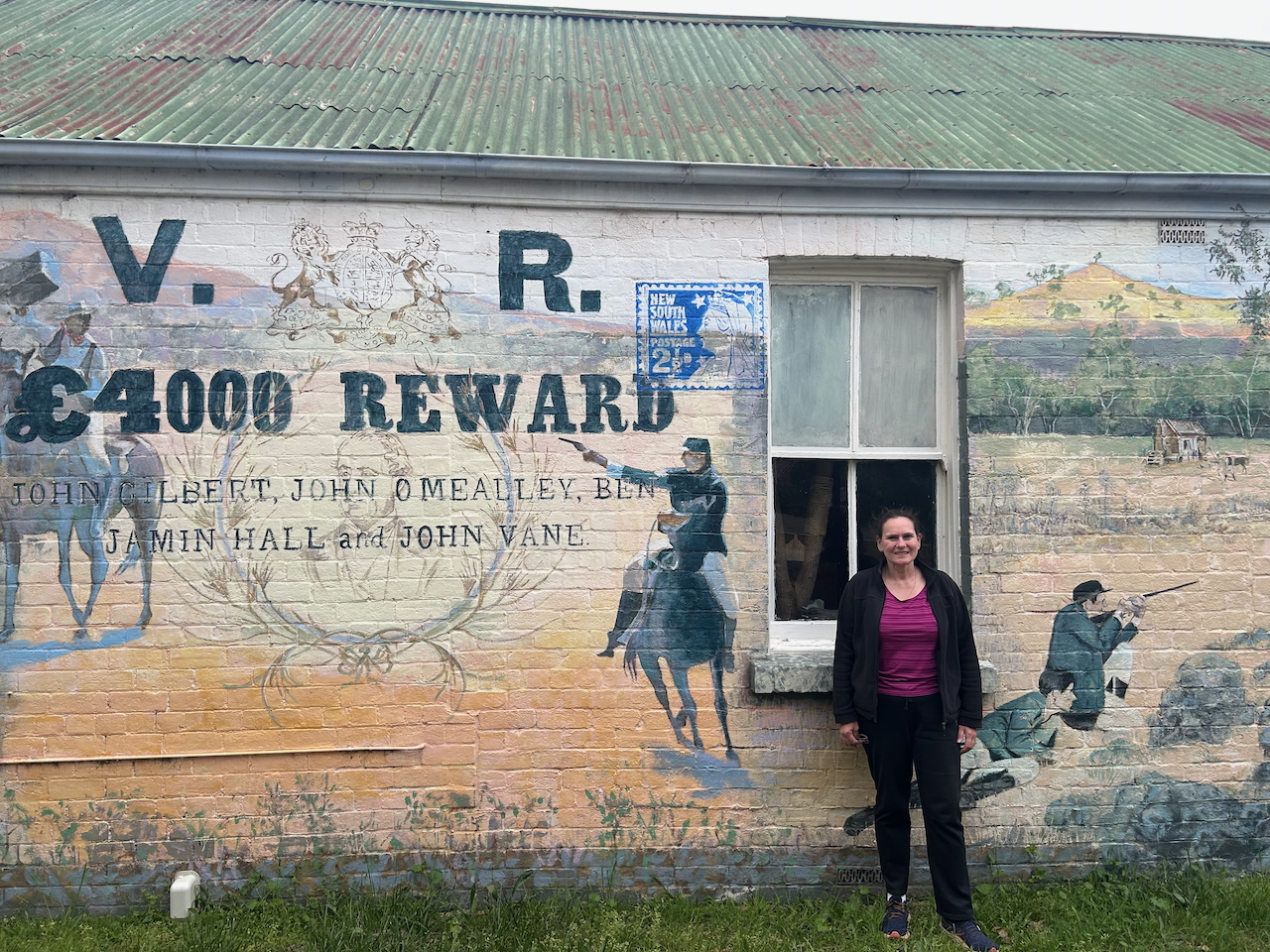
On the side of the old Produce Store in Binalong is an excellent mural on the shooting of John Gilbert.
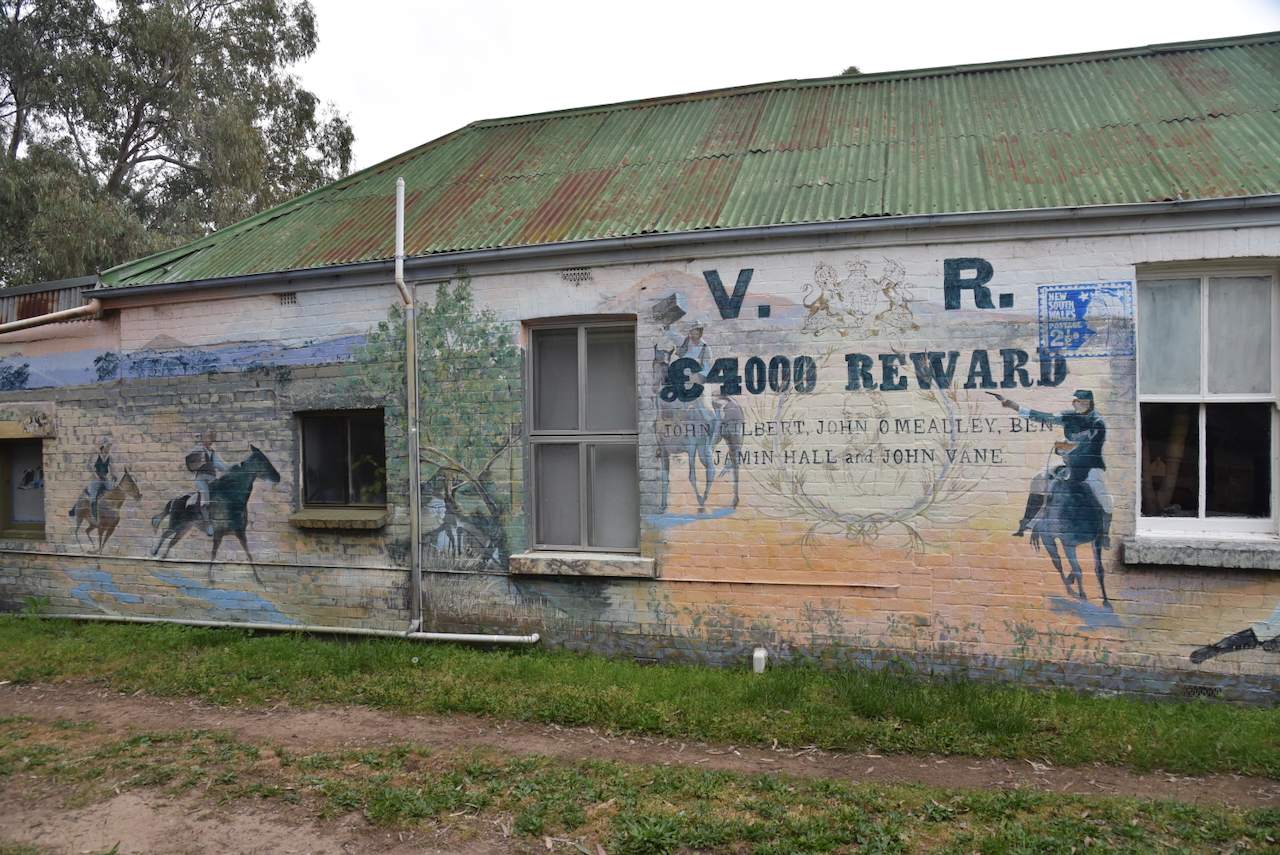
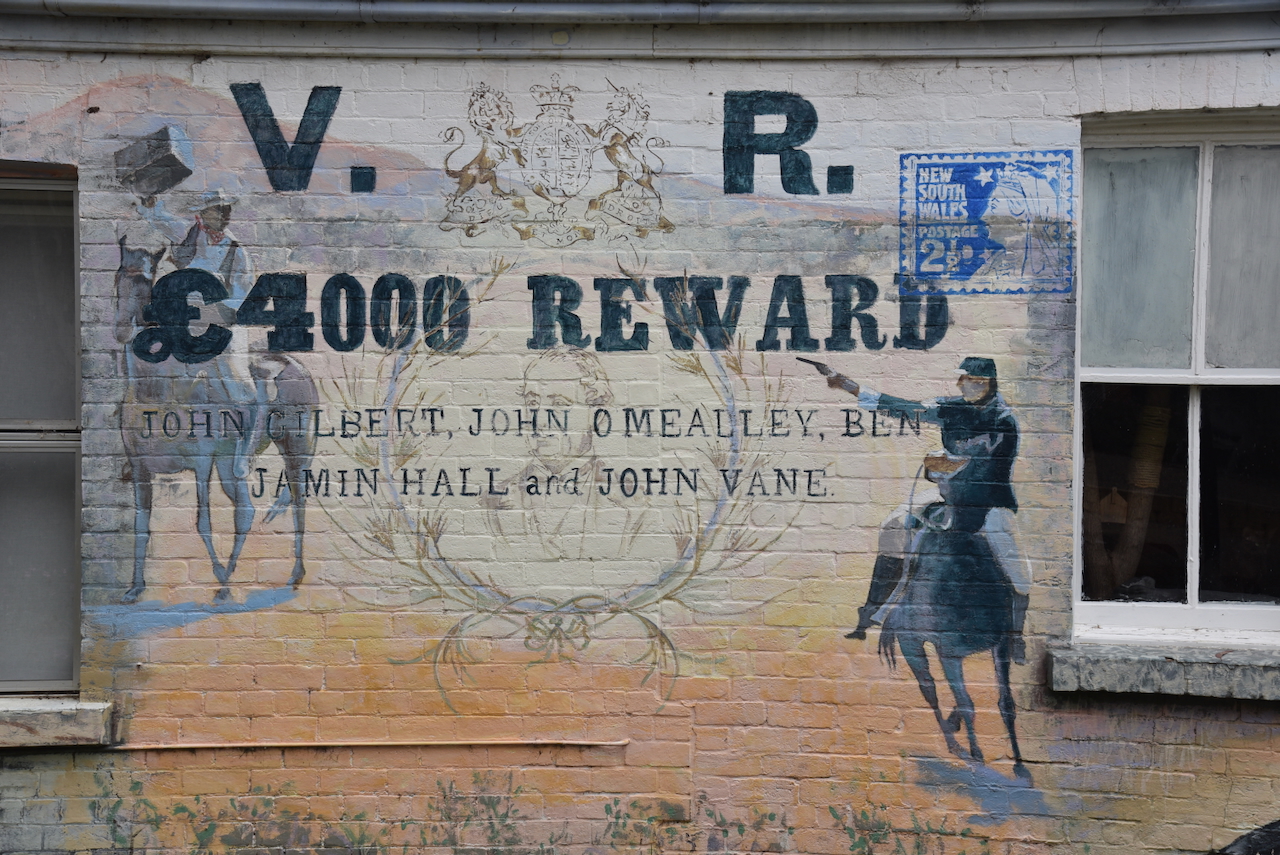
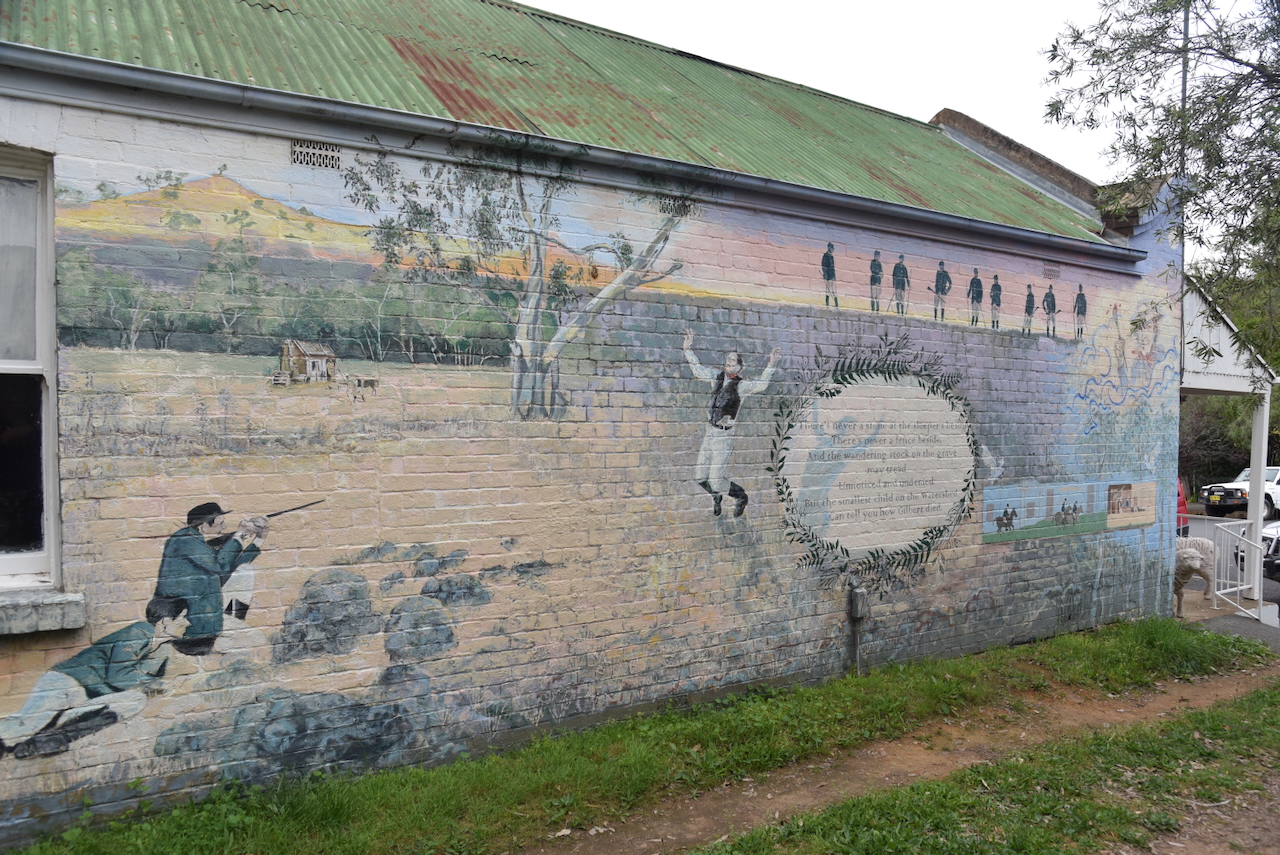
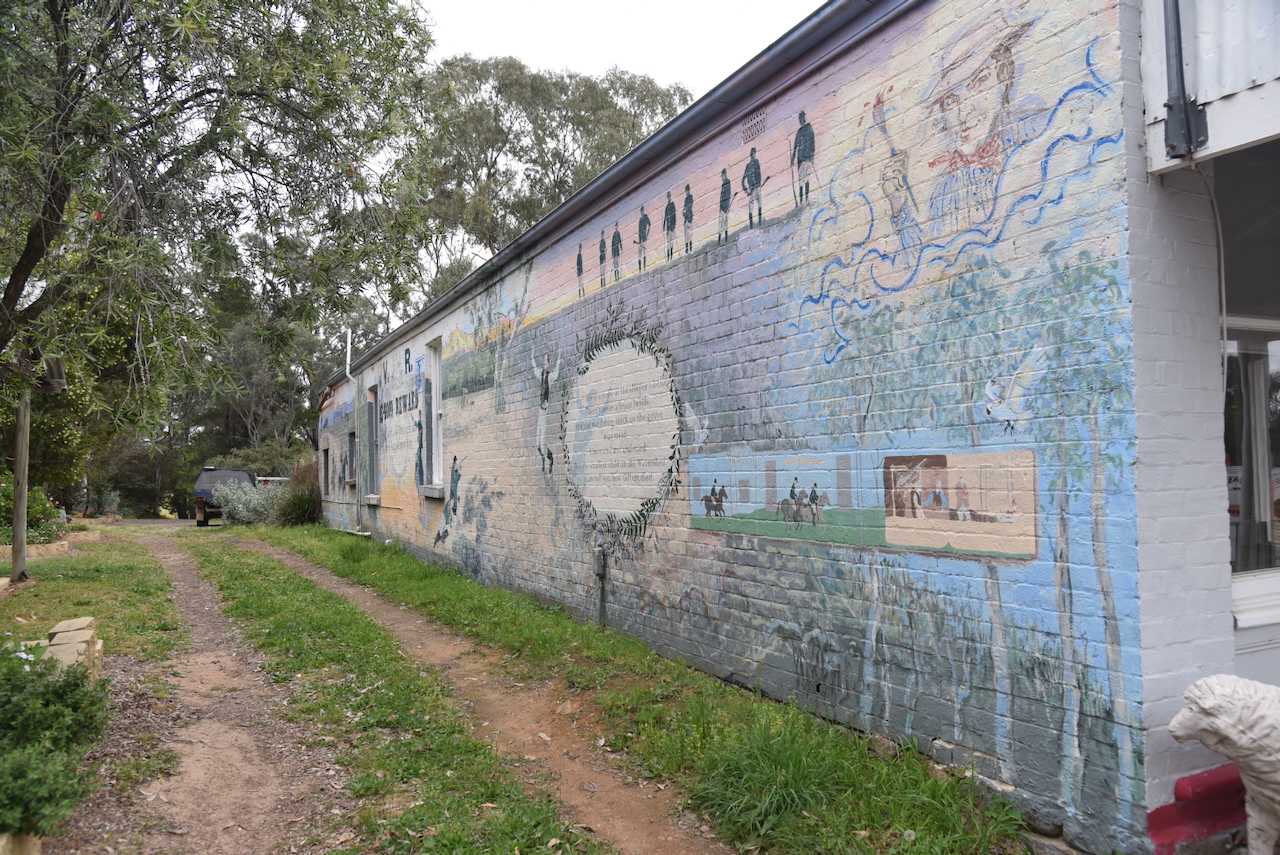
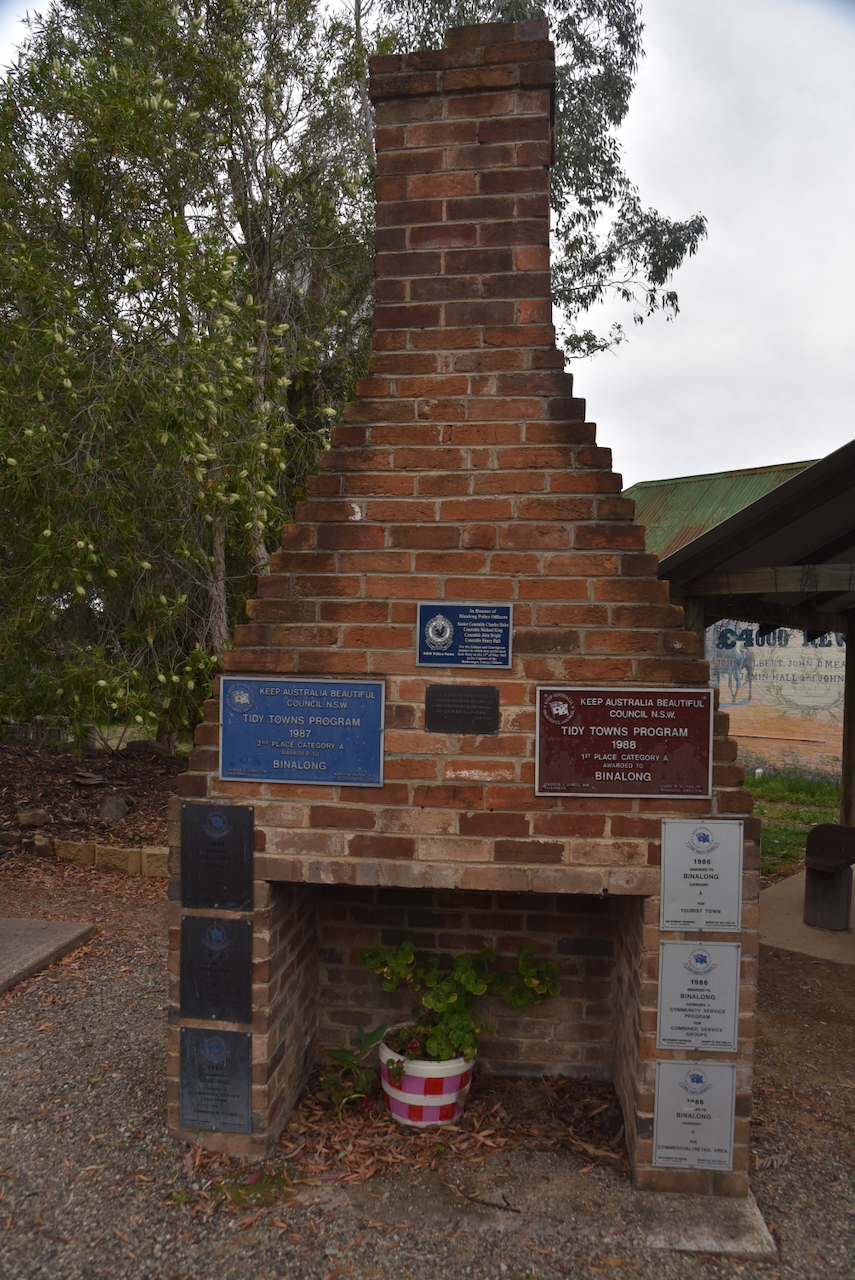
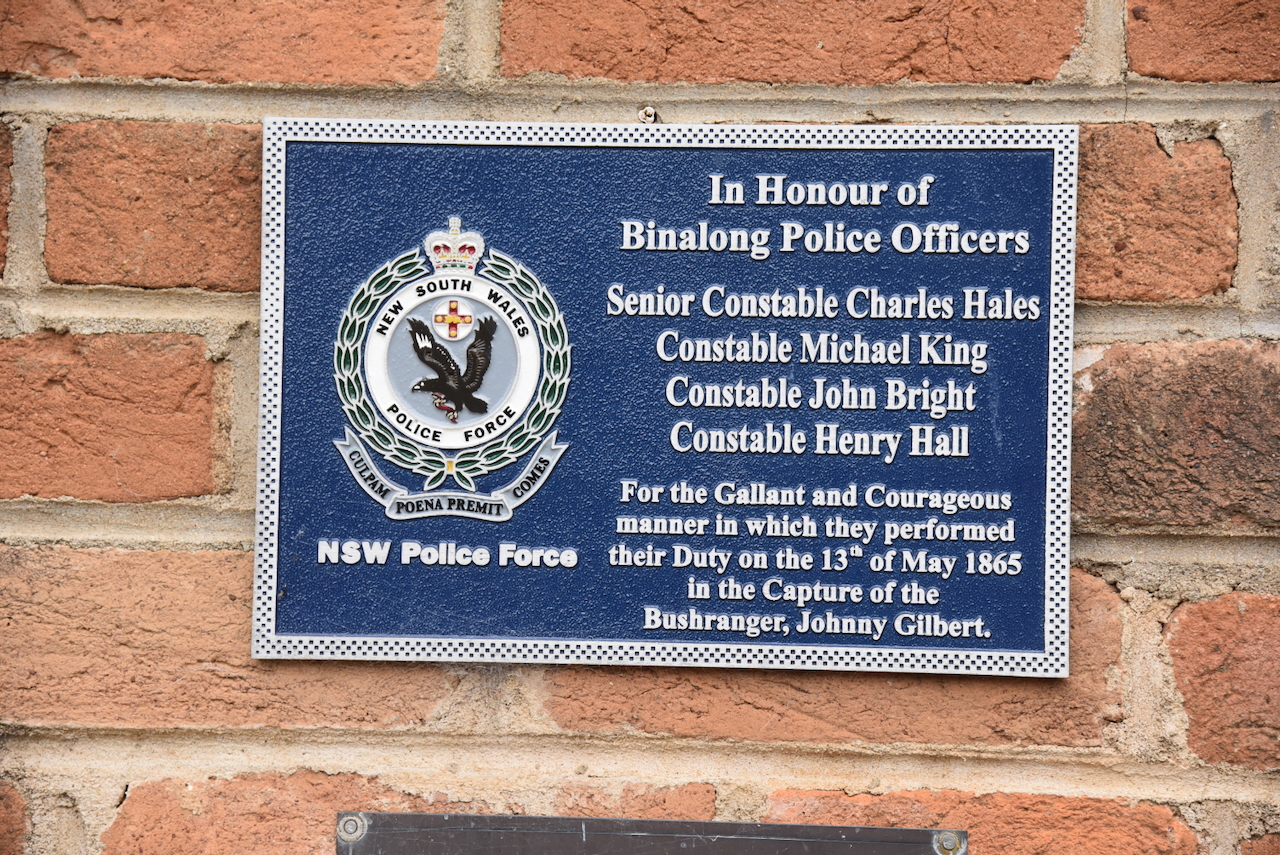
There is also a monument in honour of Senior Constable Charles Hales, Constable Michael King, Constable John Bright, and Constable Henry Hall, for the gallant and courageous manner in which they performed their duty on the 13th day of May 1865 in the capture of Gilbert.
There is also a bust of the Australian poet, Banjo Patterson, who spent part of his childhood at nearby Yass. Patterson drew inspiration from the rural life of the area and the bushranger John Gilbert.
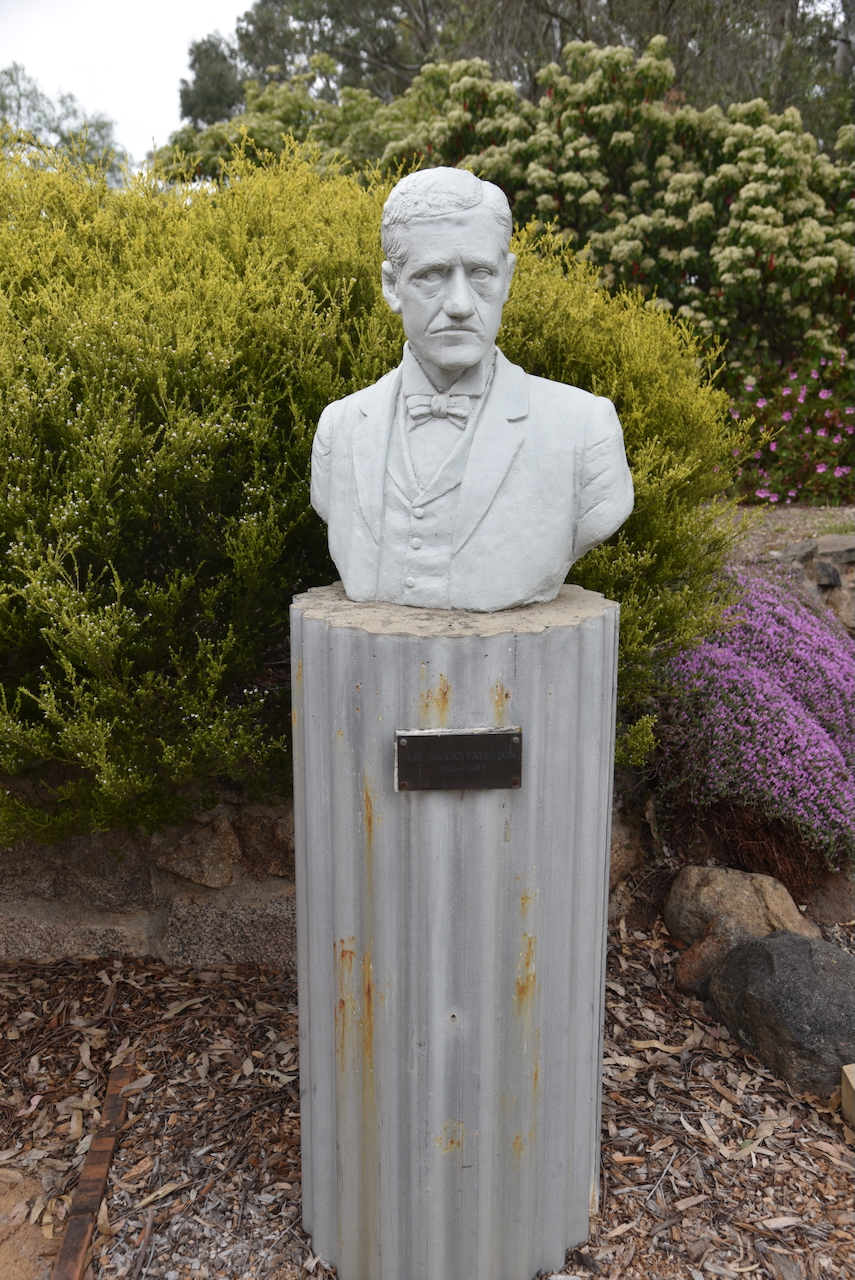
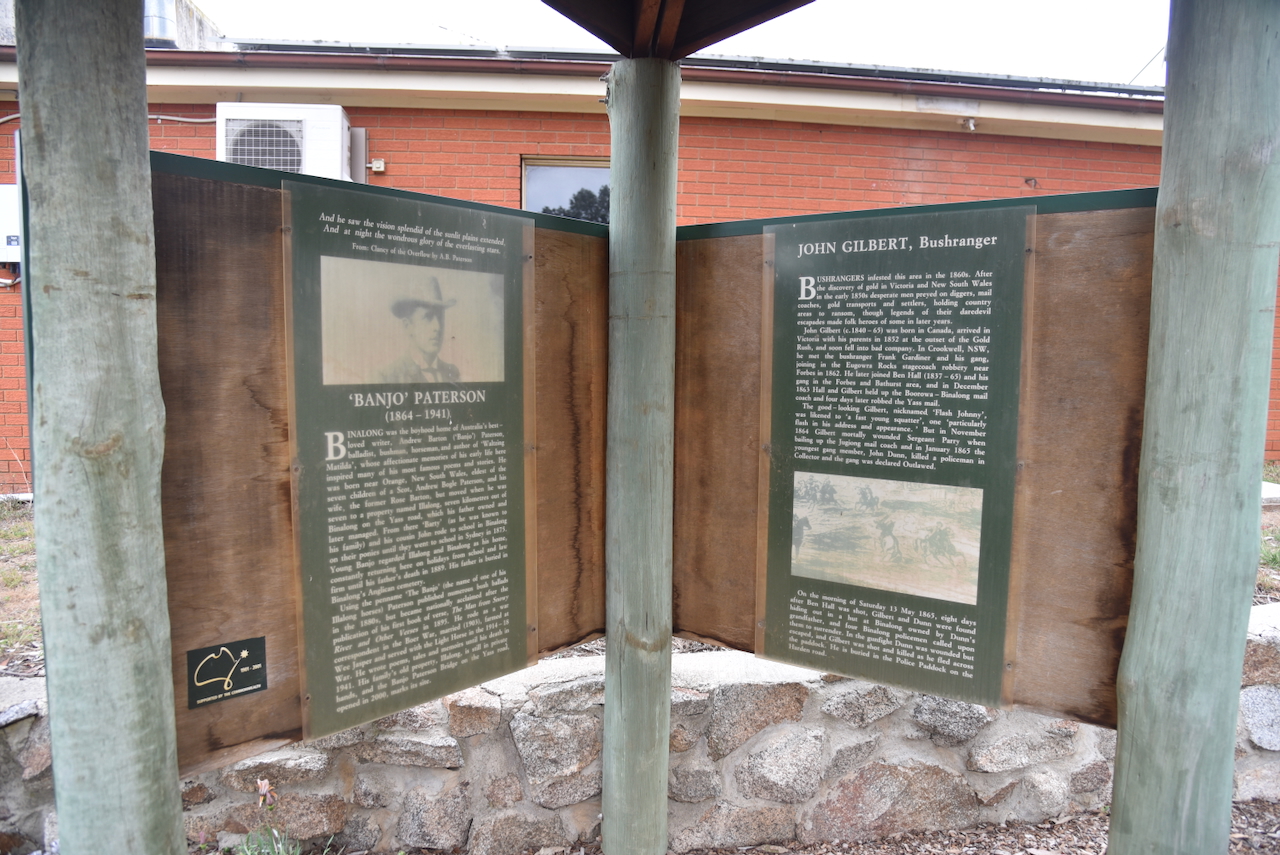
Patterson wrote a poem about Gilbert. Part of it reads:
But Gilbert walked from the open door
In a confident style and rash;
He heard at his side the rifles roar,
And he heard the bullets crash.
But he laughed as he lifted his pistol-hand,
And he fired at the rifle-flash.
Then out of the shadows the troopers aimed
At his voice and the pistol sound,
With rifle flashes the darkness flamed,
He staggered and spun around,
And they riddled his body with rifle balls
As it lay on the blood-soaked ground.
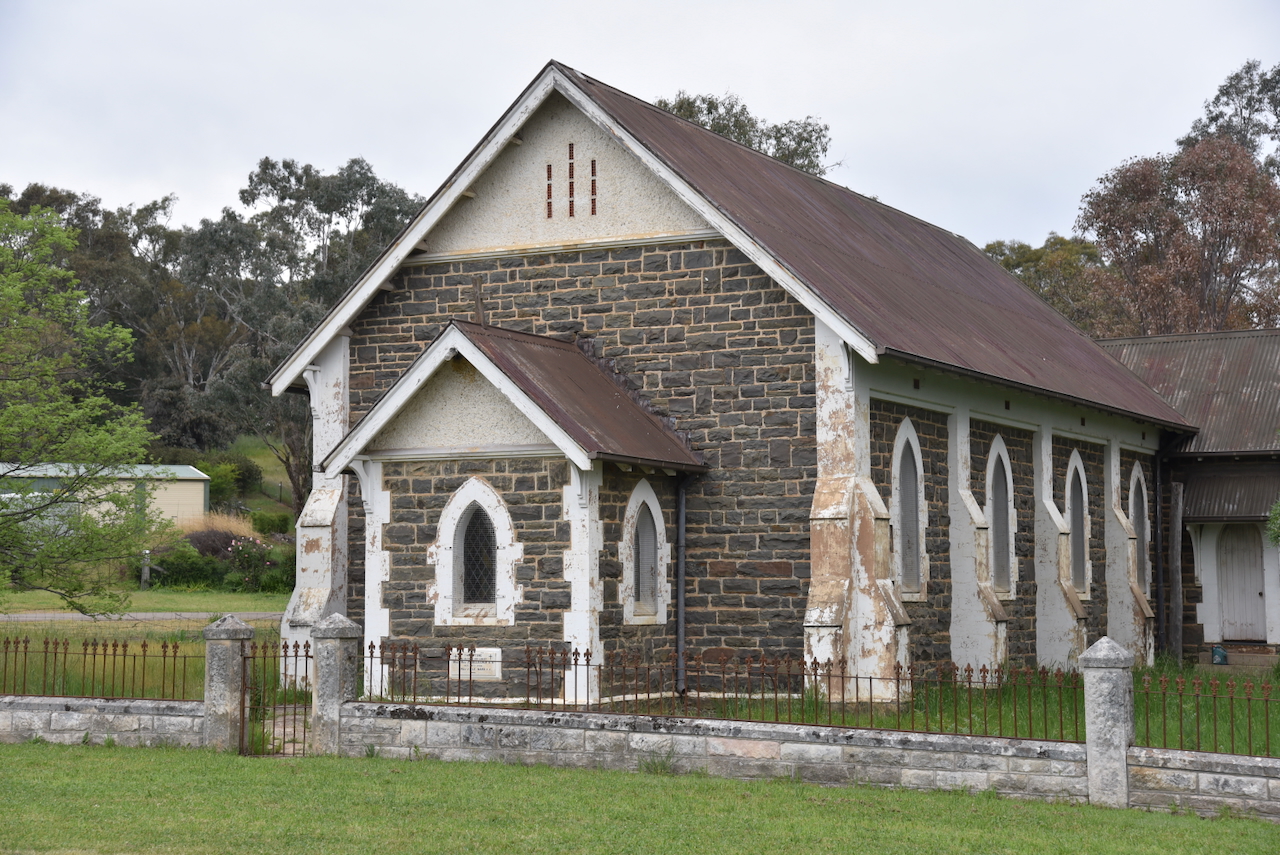
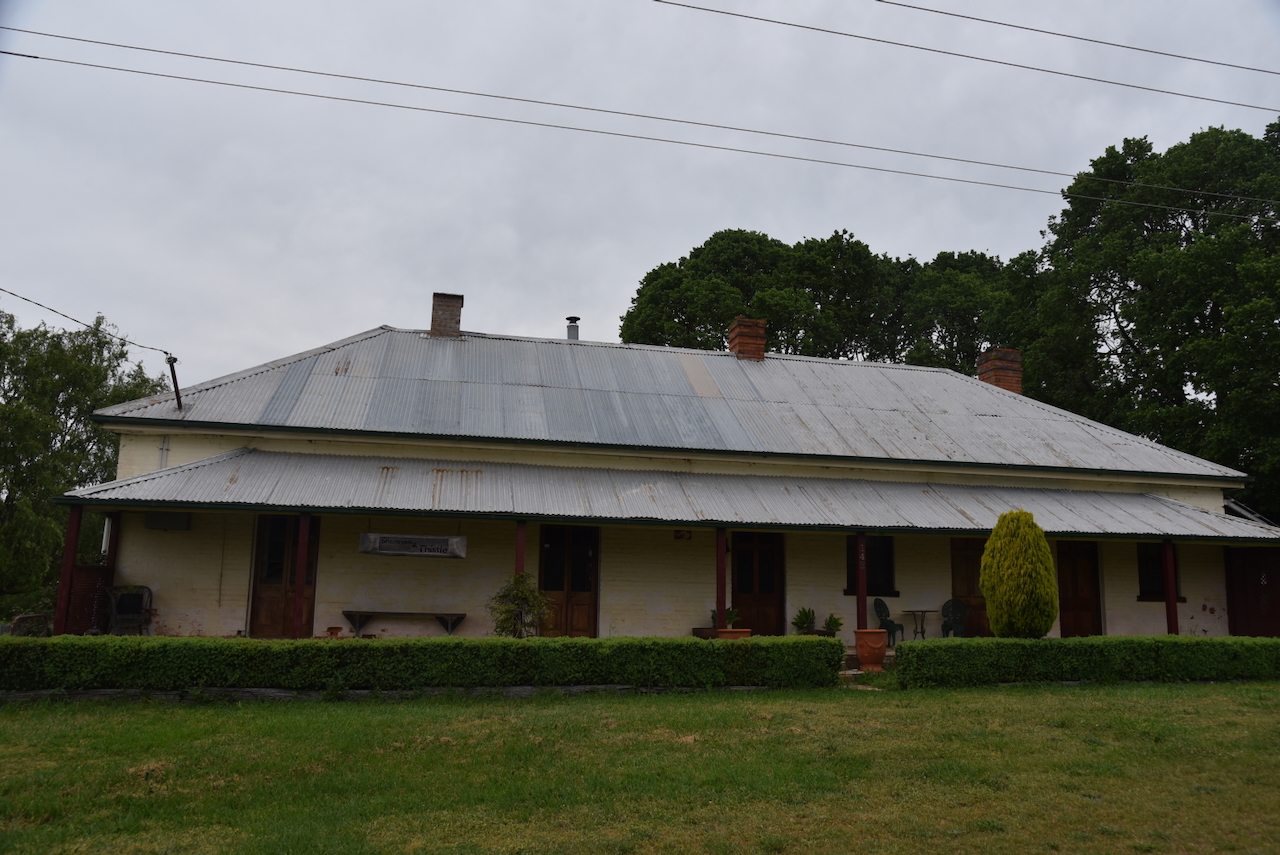
We continued on to the town of Bowning, about 14 km west of Yass. Bowning is believed to be an Aboriginal word meaning ‘big hill’. The explorers Hume and Hovell mentioned Bowning Hill in their journal of 1824. Bowning is one of the earliest settlements in the district. There are a number of historic buildings in Bowning, including the former Shamrock and Thistle Hotel. (Wikipedia 2025)
Marija and I then continued on to Canberra, where we booked into our accommodation, the Ibis Styles Canberra.
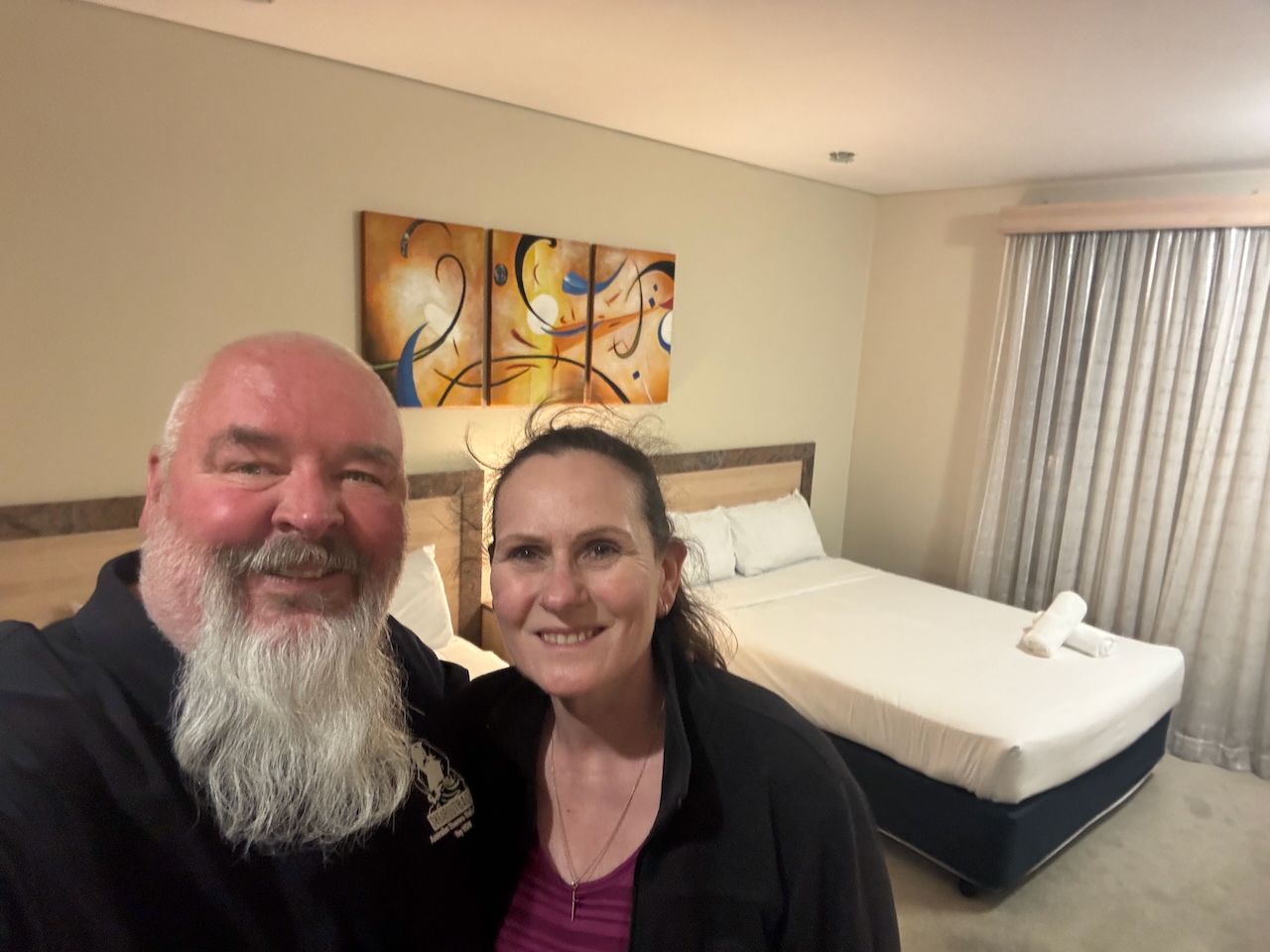
It had been a long day. But after freshening up, we headed off for dinner and then back to the motel room to finalise some issues for the 2025 VKFF National Get Together.
References.
- ancestry (2016). Ancestry® | Genealogy, Family Trees & Family History Records. [online] Ancestry.com.au. Available at: https://www.ancestry.com.au/. [Accessed 16 Jan. 2026]
- Australiansiloarttrail.com. (2020). \r\n \n Murrumburrah Silo Art\n \r\n. [online] Available at: https://www.australiansiloarttrail.com/murrumburrah [Accessed 17 Jan. 2026].
- Chirp Internet (2026). Former Hotel Shirley in Bethungra < New South Wales | Gday Pubs – Enjoy our Great Australian Pubs. [online] Gdaypubs.com.au. Available at: https://www.gdaypubs.com.au/NSW/bethungra/51160/former-hotel-shirley.html [Accessed 16 Jan. 2026].
- Hilltops Region – Young, Jugiong, Boorowa, Harden. (2026). Bill the Bastard- Australia’s Greatest Warhorse – Hilltops Region – Young, Jugiong, Boorowa, Harden. [online] Available at: https://visithilltopsregion.com.au/see-do/local-attractions/historical-sites-and-heritage-locations/bill-the-bastard-australias-greatest-warhorse/ [Accessed 17 Jan. 2026].
- McIntyre, J. (1969). Adams, Philip Francis (1828–1901). [online] Anu.edu.au. Available at: https://adb.anu.edu.au/biography/adams-philip-francis-2867 [Accessed 17 Jan. 2026].
- Office (2019). Murrumburrah to unveil Mackay Sculpture – Hilltops Council. [online] Hilltops Council. Available at: https://www.hilltops.nsw.gov.au/murrumburrah-to-unveil-mackay-sculpture/ [Accessed 17 Jan. 2026].
- Rutledge, M. (1972). Hurley, John (1796–1882). [online] Anu.edu.au. Available at: https://adb.anu.edu.au/biography/hurley-john-3826 [Accessed 16 Jan. 2026].
- Service, C. (2023). Bradman’s Birthplace Museum Cootamundra. [online] NSW Government. Available at: https://www.nsw.gov.au/visiting-and-exploring-nsw/locations-and-attractions/bradmans-birthplace-museum-cootamundra [Accessed 16 Jan. 2026].
- Trove. (2026). OBITUARY – MRS. ELIZA ELLEN (. [online] Available at: https://trove.nla.gov.au/newspaper/article/144484044 [Accessed 16 Jan. 2026].
- Trove. (2026). The Western Herald (Bourke, NSW : 1887 – 1893; 1895 – 1903; 1906 – 1914; 1916 -1976) – 16 May 1952 – p9. [online] Available at: https://trove.nla.gov.au/newspaper/page/10630088?searchTerm=cootamundra [Accessed 16 Jan. 2026].
- Trove. (2026). New South Wales Government Gazette (Sydney, NSW : 1832 – 1900) – 13 Aug 1861 – p1725. [online] Available at: https://trove.nla.gov.au/newspaper/page/12570694?searchTerm=cootamundry [Accessed 17 Jan. 2026].
- Trove. (2026). DESCRIPTION OF COOTAMUNDRA. – Cootamundra Herald (NSW : 1877 – 1954) – 18 Jan 1879. [online] Available at: https://trove.nla.gov.au/newspaper/article/143905889?searchTerm=cootamundra [Accessed 17 Jan. 2026].
- Wikitree.com. (2025). Eliza Ellen (Fife) Scholz (1846-1939) | WikiTree FREE Family Tree. [online] Available at: https://www.wikitree.com/wiki/Fife-1368 [Accessed 16 Jan. 2026].
- Wikipedia Contributors (2019). Don Bradman. [online] Wikipedia. Available at: https://en.wikipedia.org/wiki/Don_Bradman. [Accessed 16 Jan. 2026].
- Wikipedia Contributors (2025). Cootamundra. Wikipedia.
- Wikipedia. (2021). Cootamundra Domestic Training Home for Aboriginal Girls. [online] Available at: https://en.wikipedia.org/wiki/Cootamundra_Domestic_Training_Home_for_Aboriginal_Girls. [Accessed 16 Jan. 2026].
- Wikipedia Contributors (2025). Muttama, New South Wales. Wikipedia.
- Wikipedia Contributors (2025). John Gilbert (bushranger). Wikipedia.
- Wikipedia Contributors (2025). Bowning. Wikipedia.
 VK5PAS