
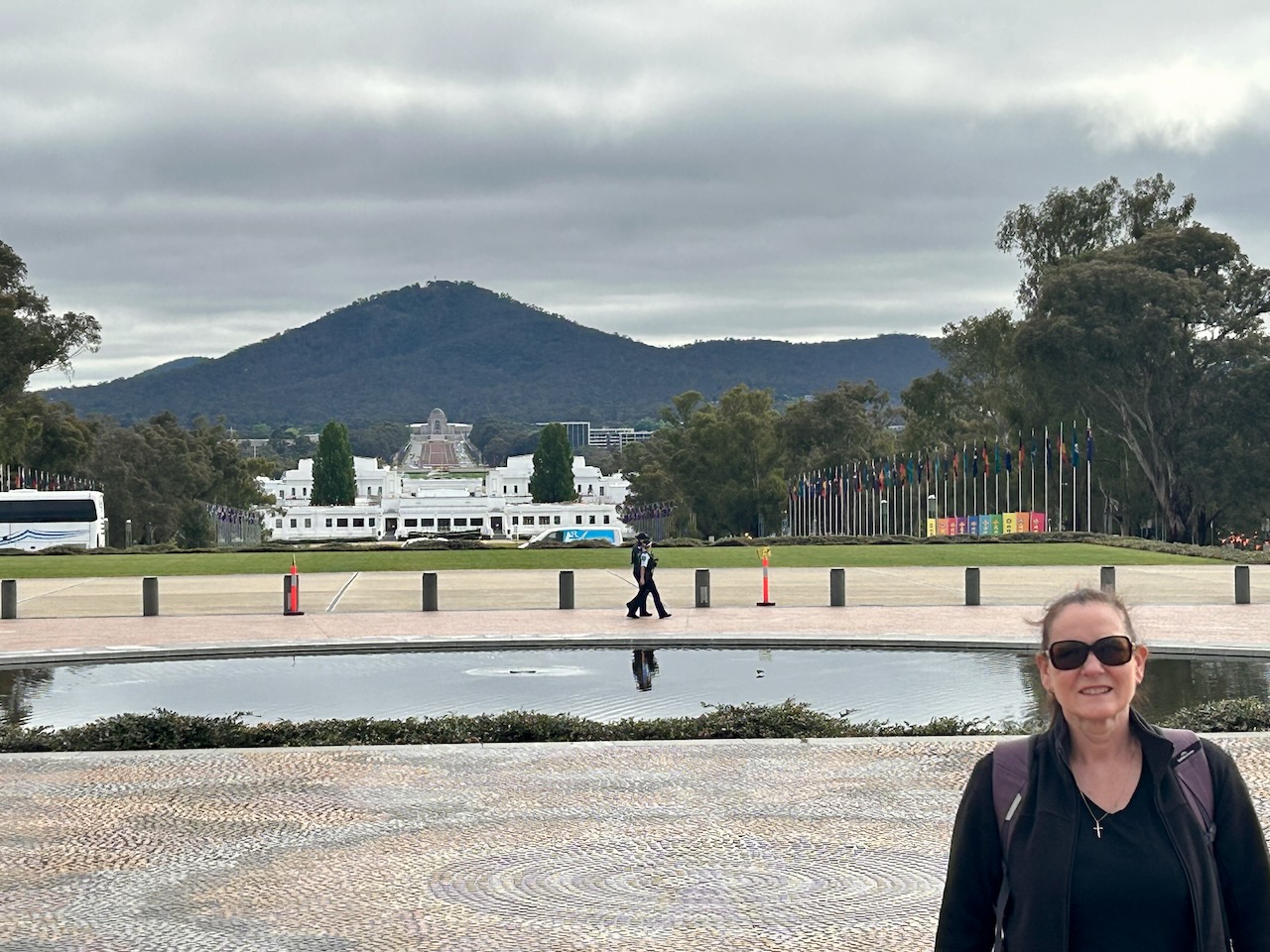
On Tuesday, 30th October 2025, Marija and I headed out to breakfast at a cafe in Griffith. After breakfast, we visited Parliament House.
It was incredibly busy, with several busloads of tourists, including a school group, so we decided not to conduct the tour of the building (which we had done previously).
The construction of Parliament House commenced in January 1981. The building opened in May 1988 after 7 years of construction at $1.1 billion. Parliament House contains more than 4,500 rooms. (Wikipedia 2019)
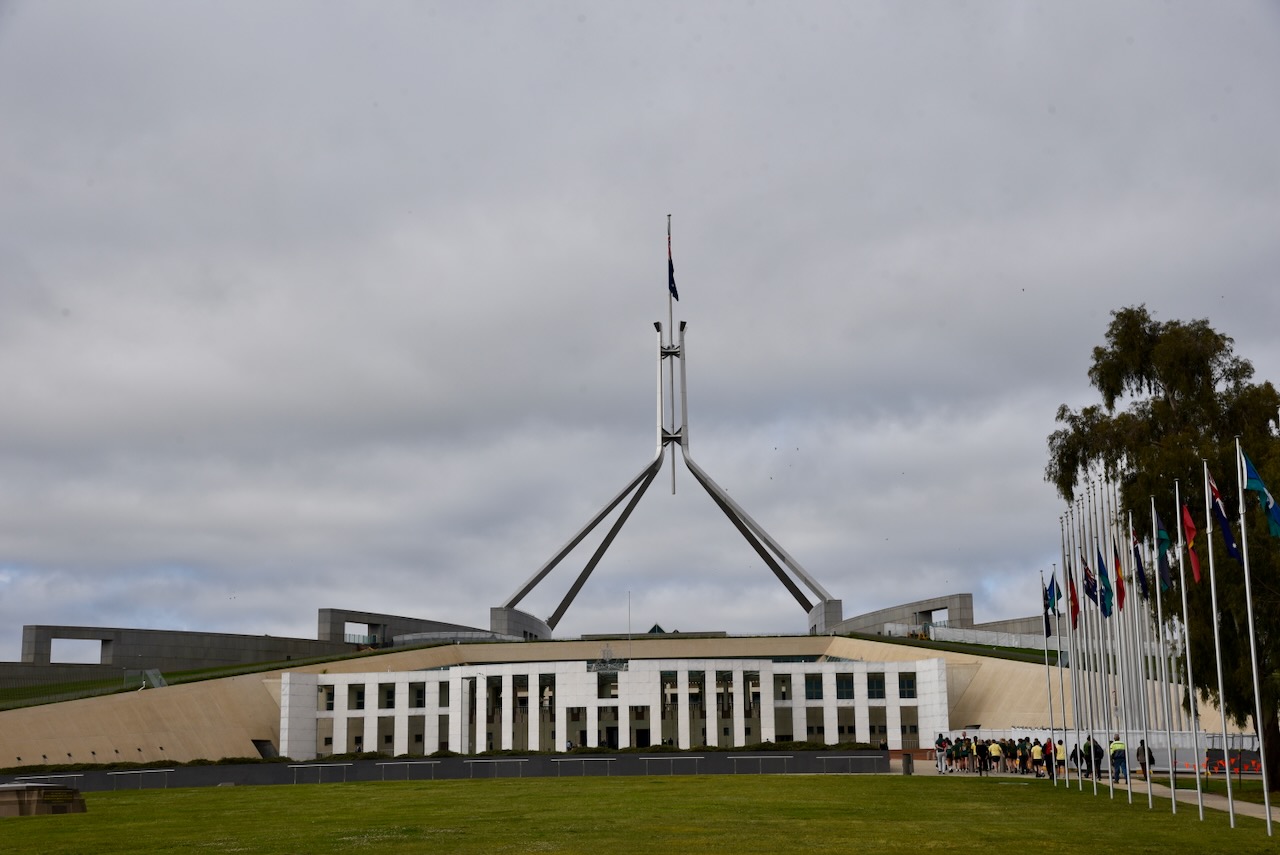
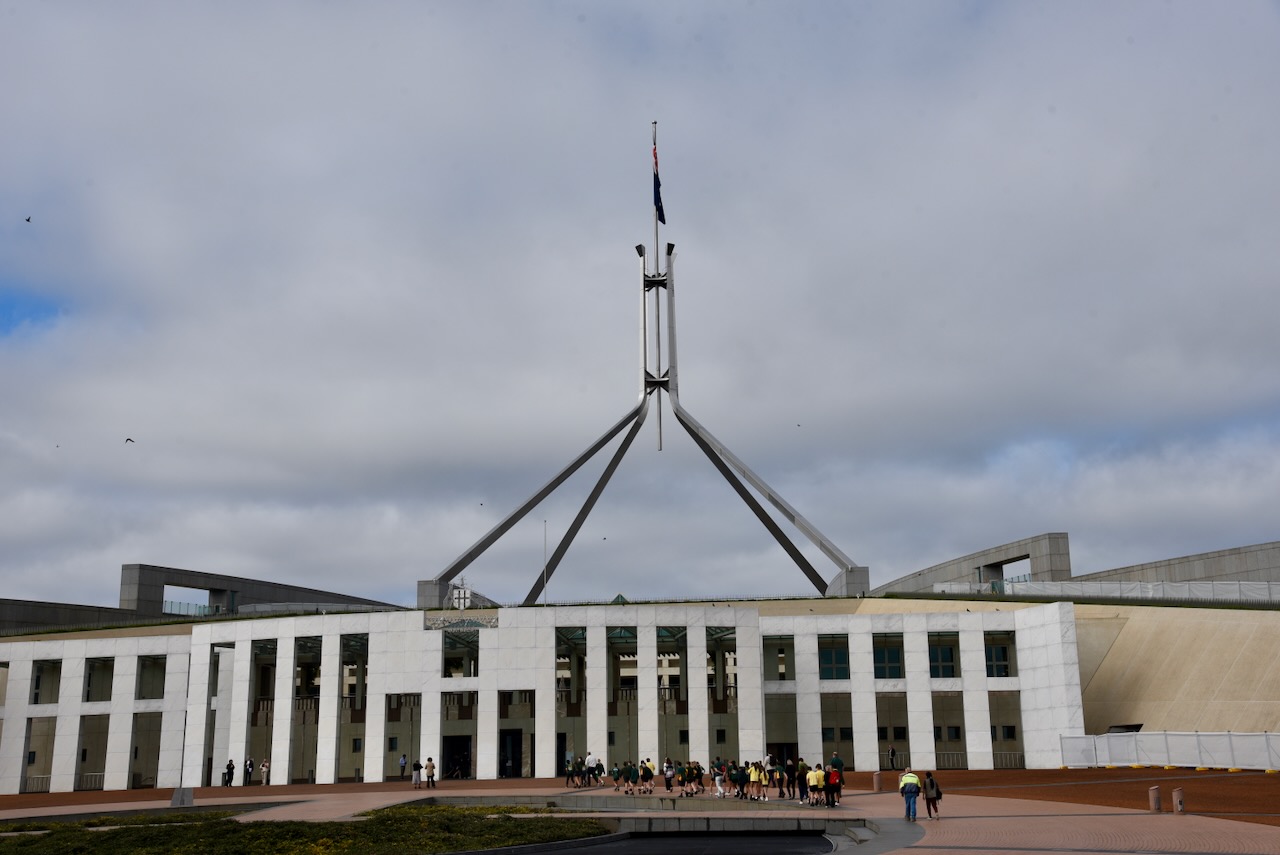
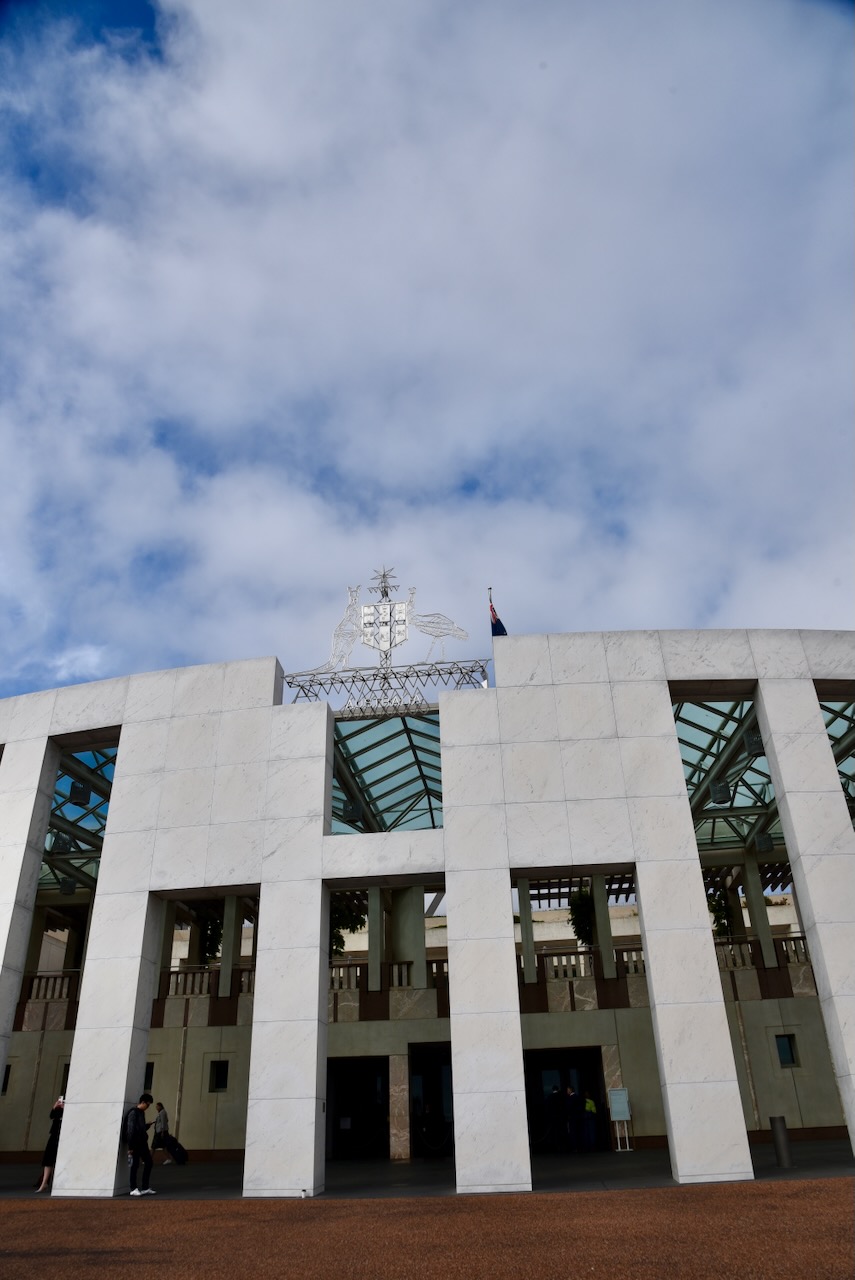
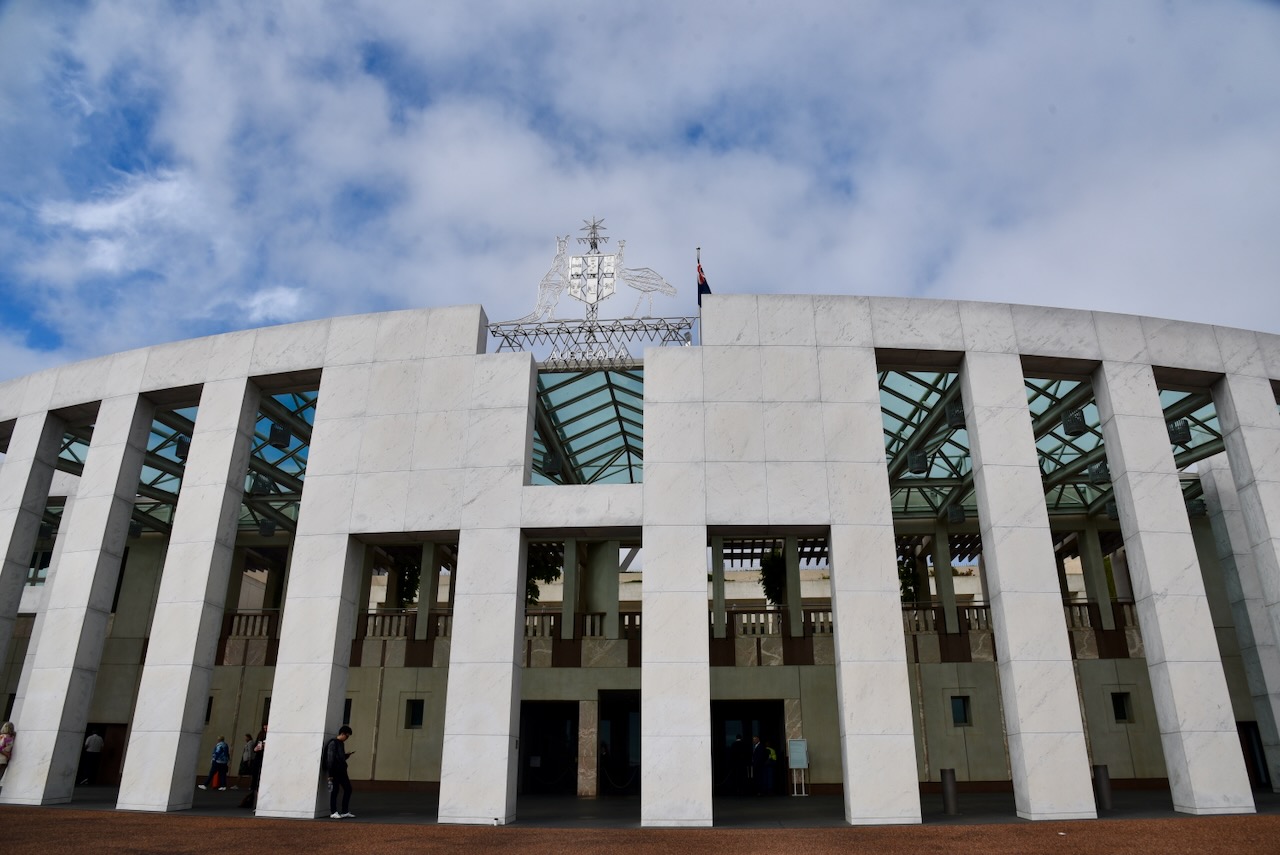
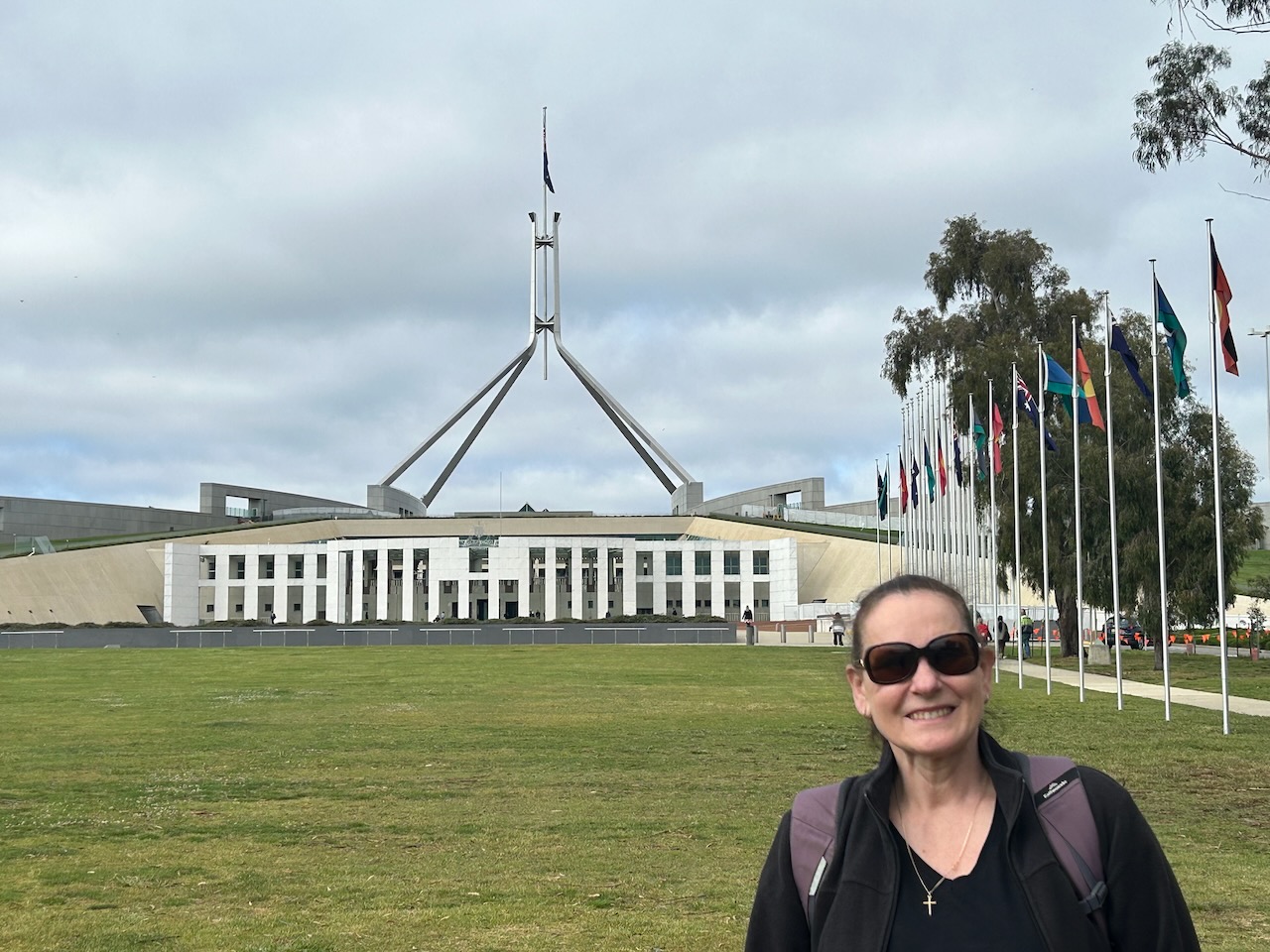
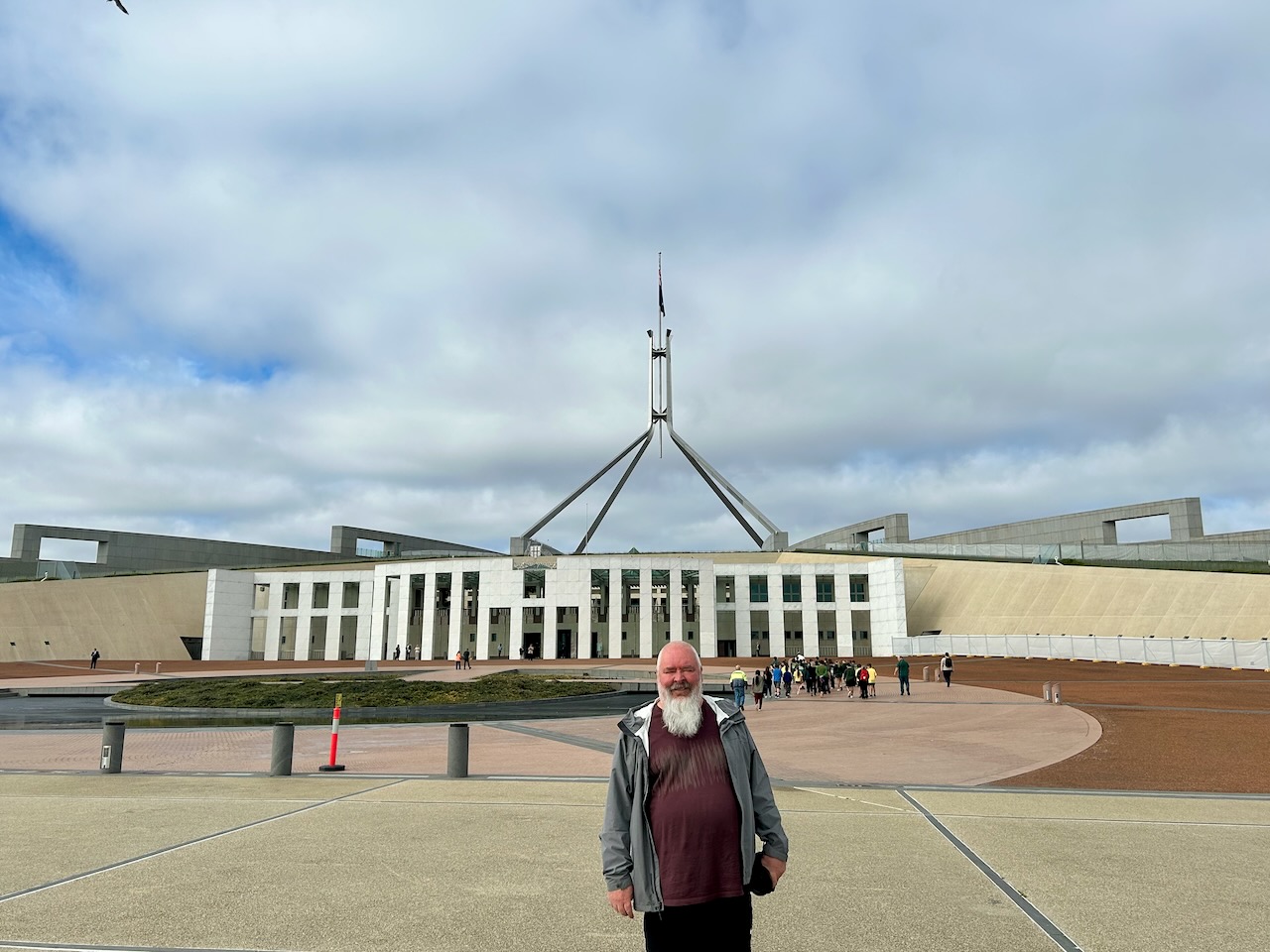
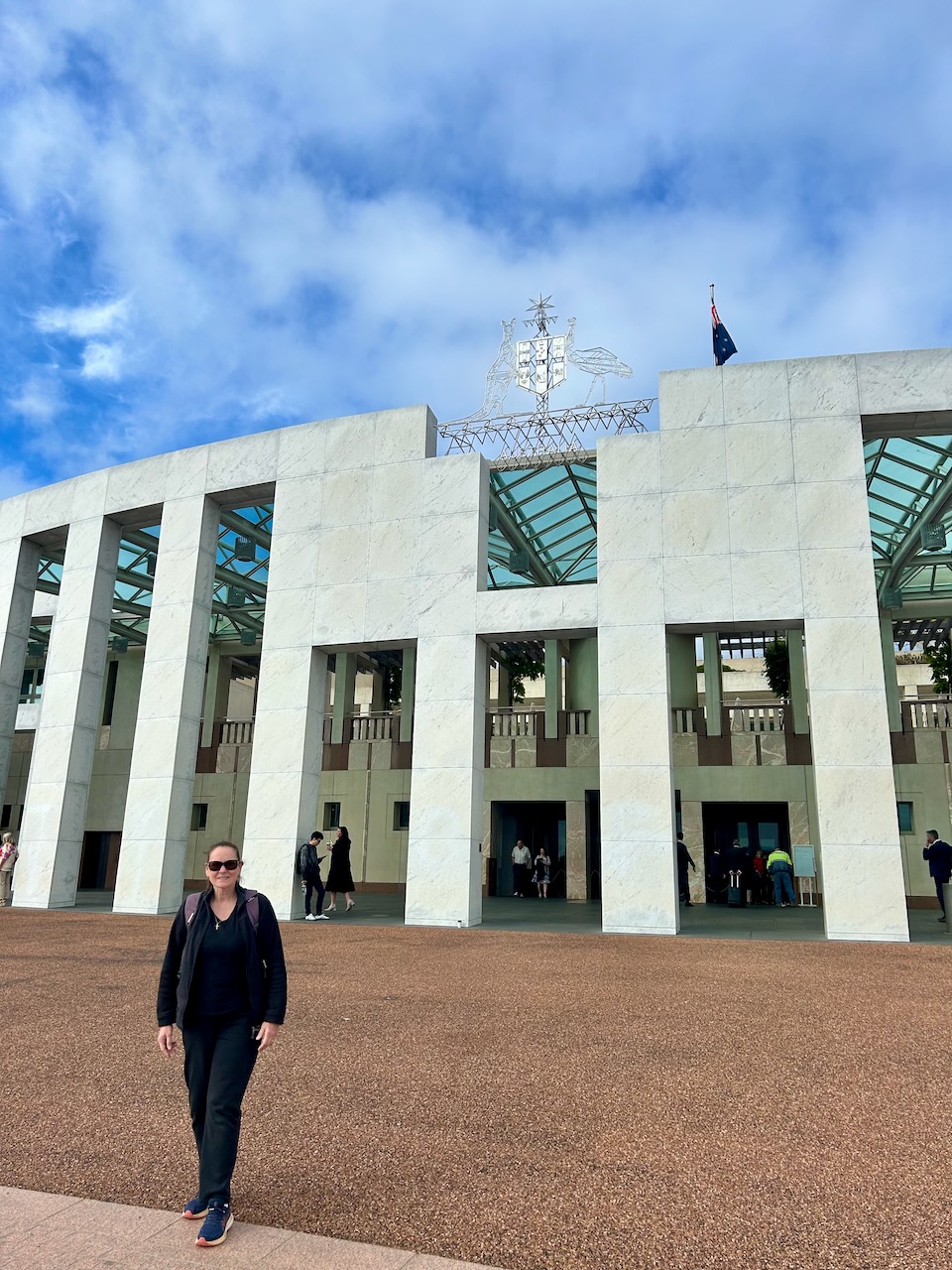
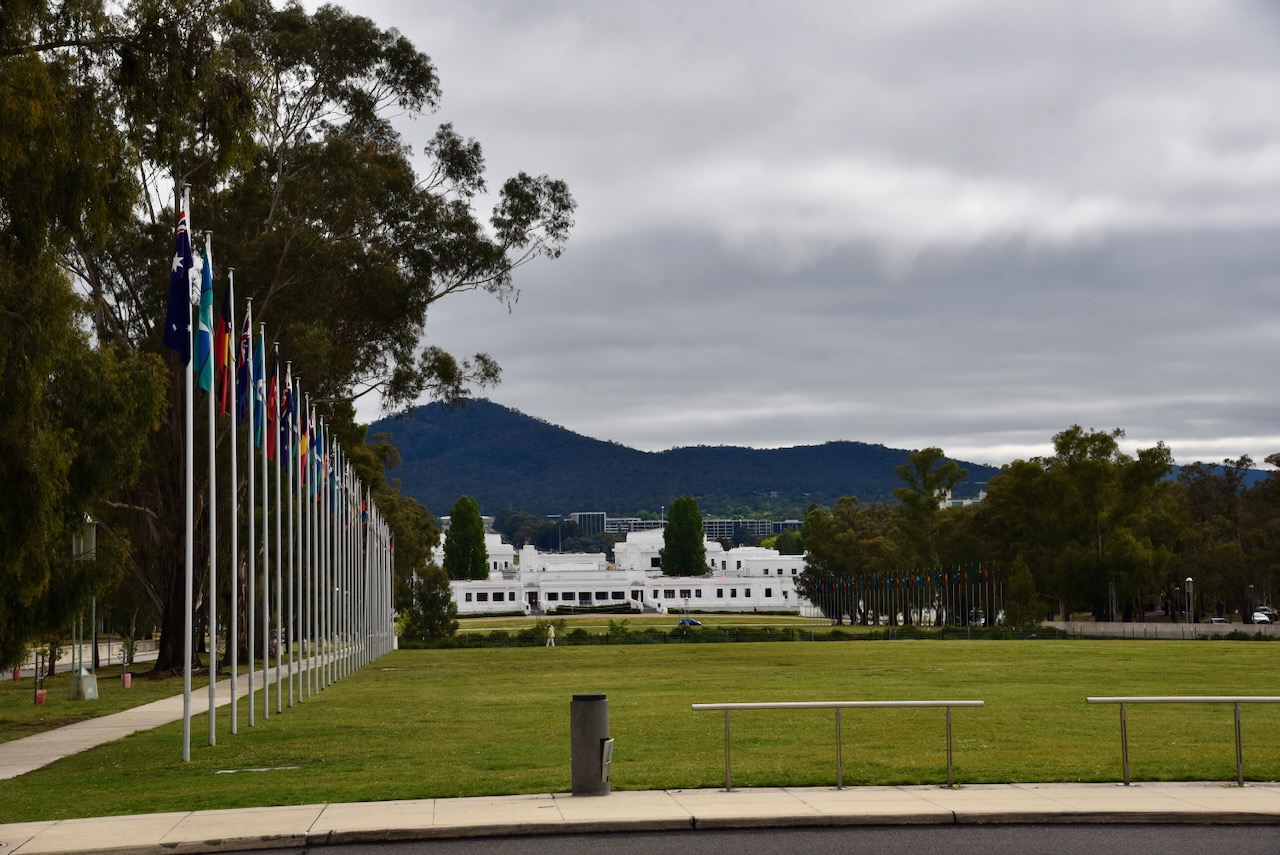
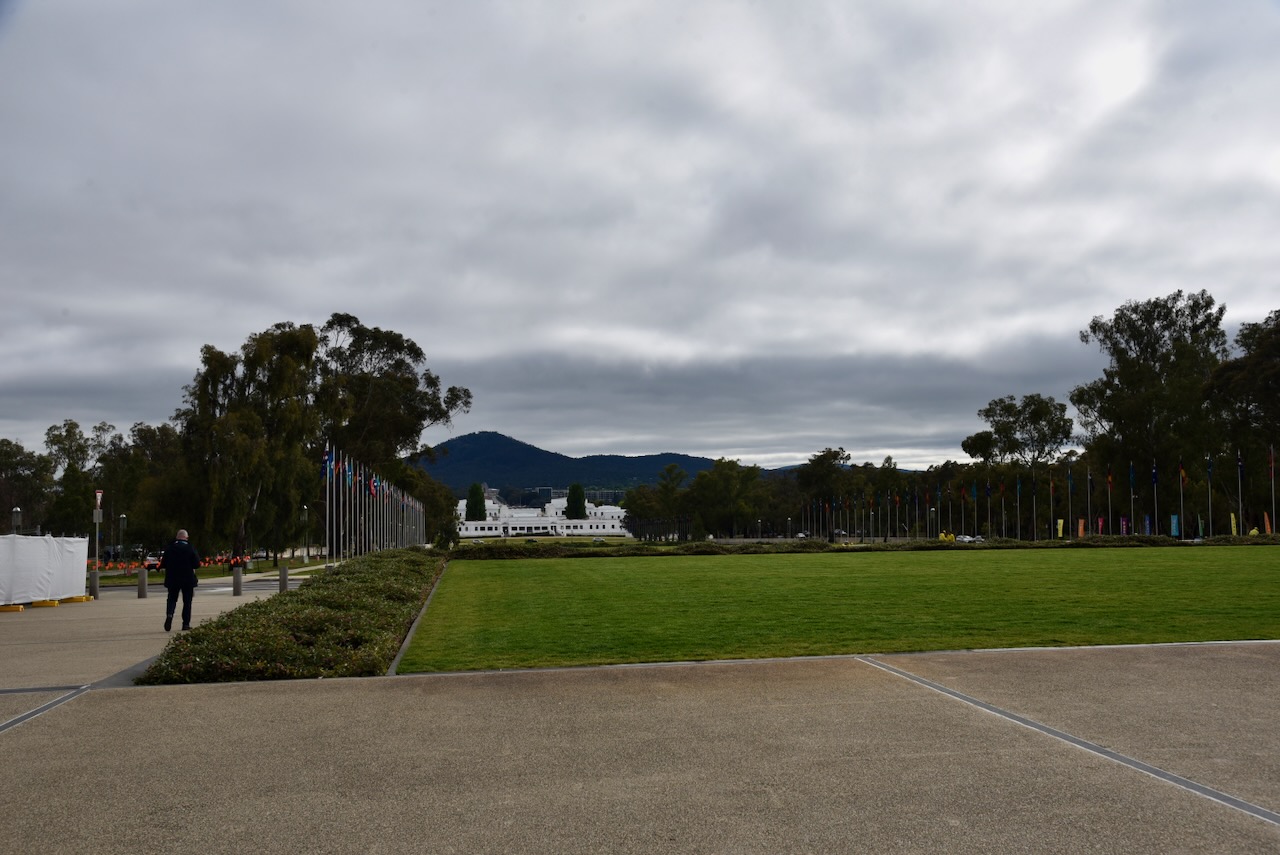
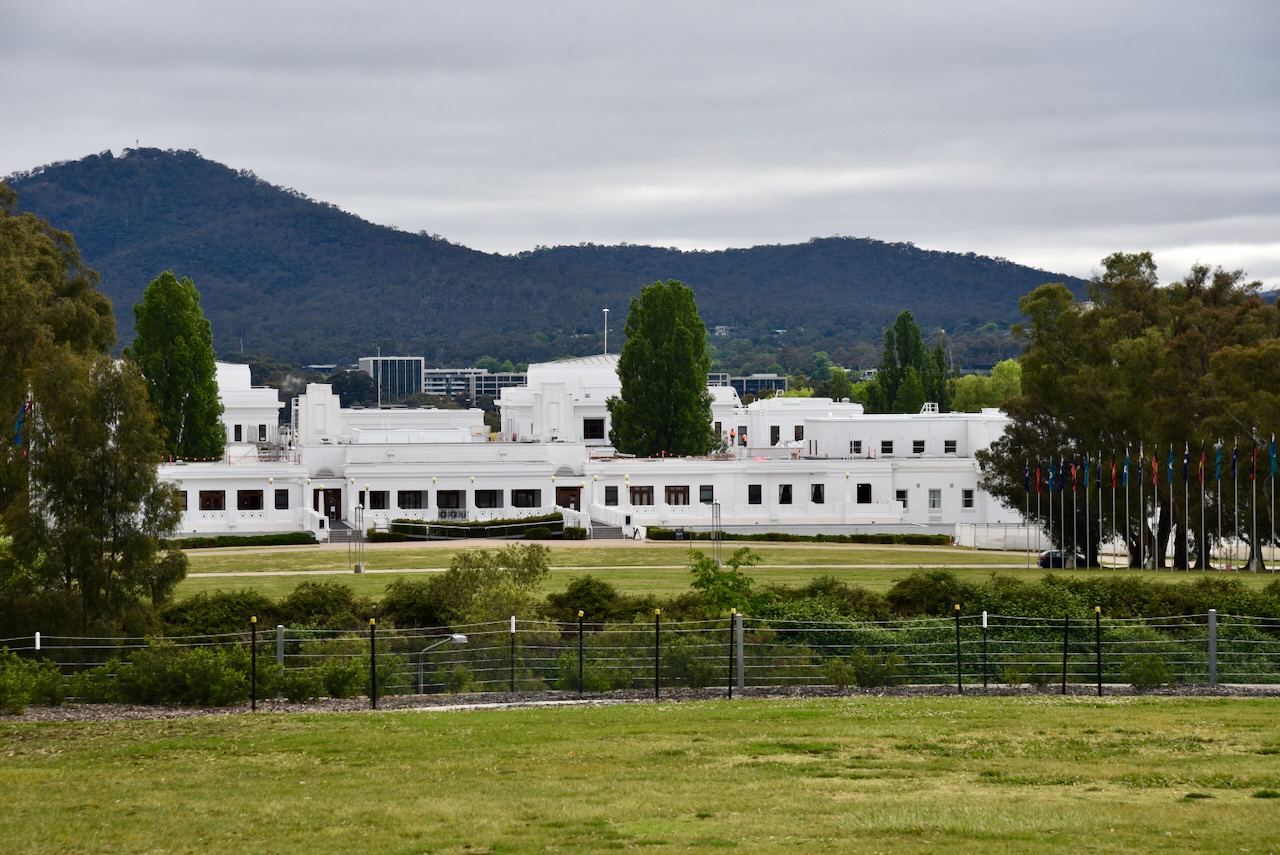
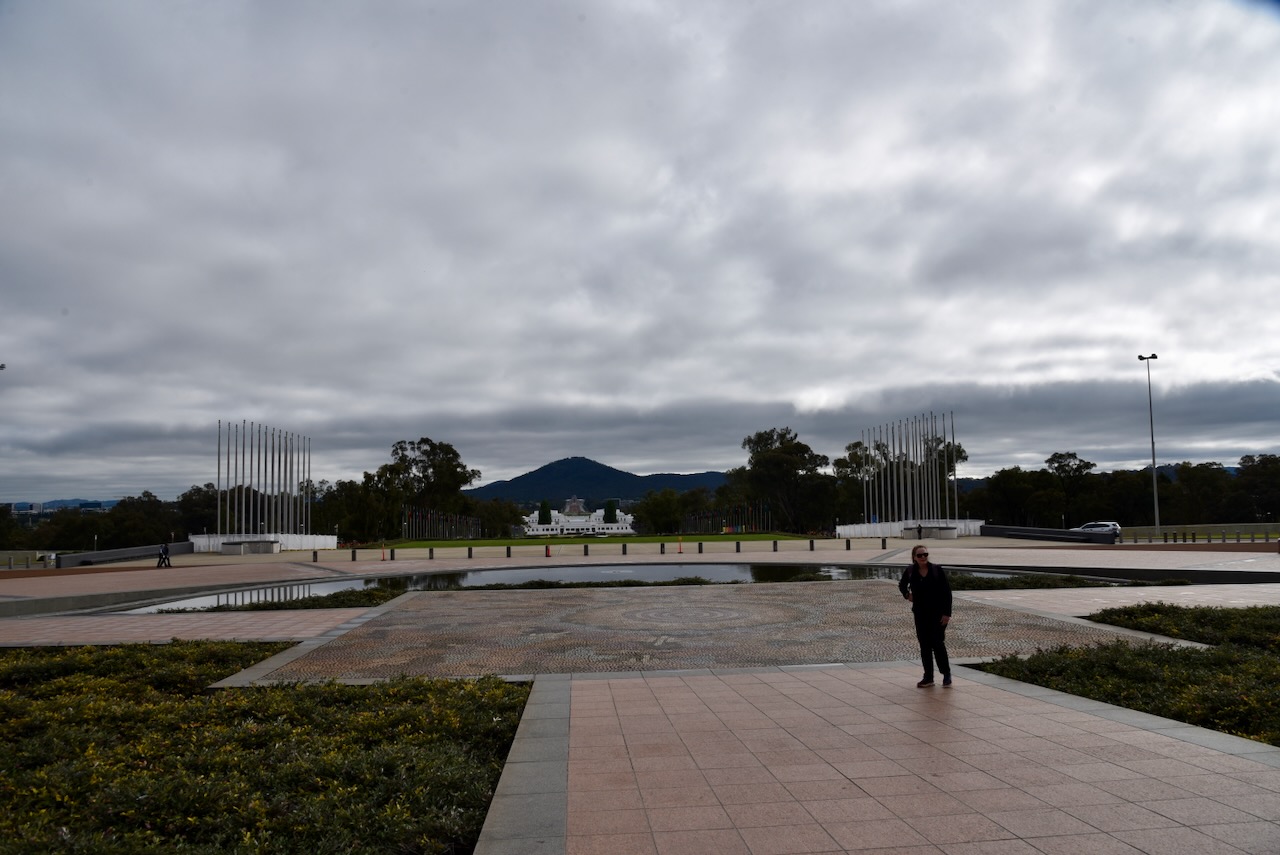
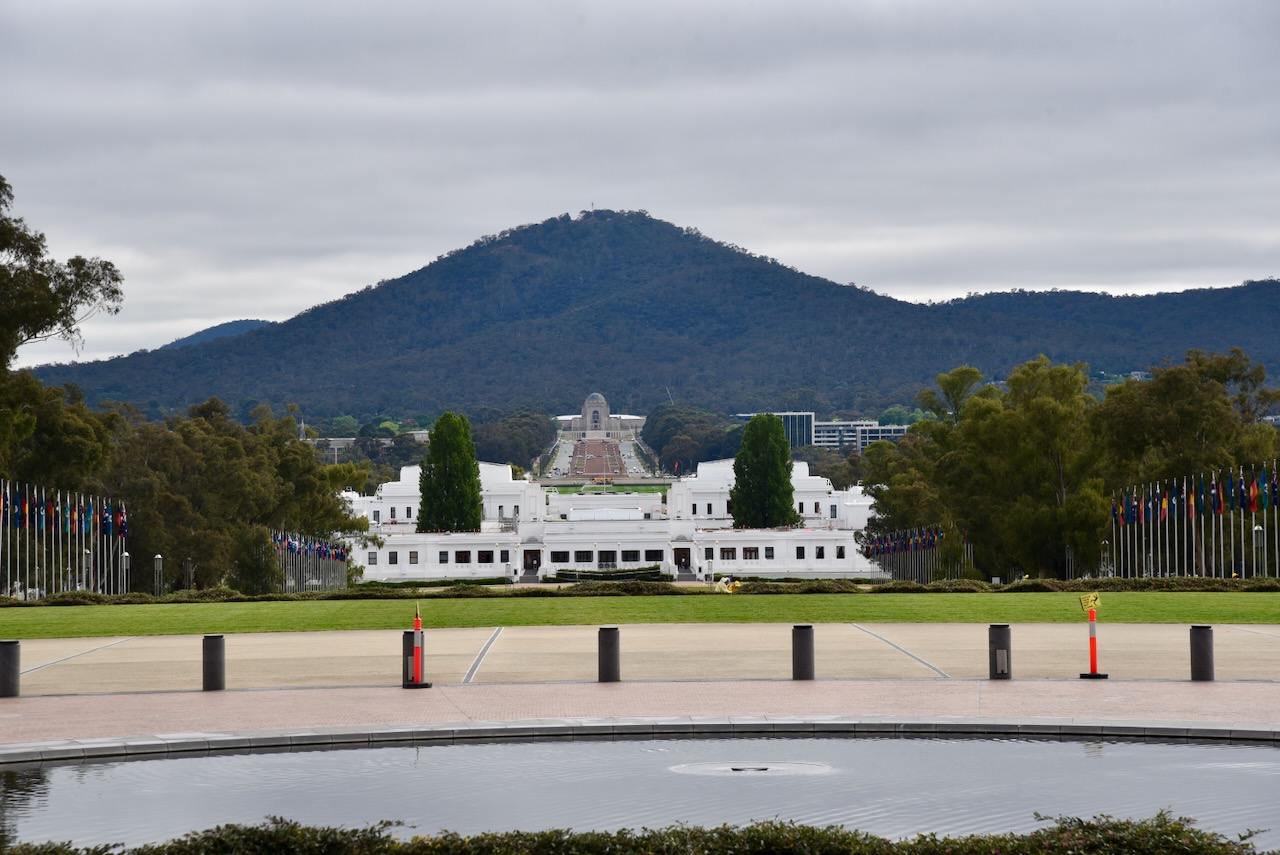
There are some nice views across the lawns back to the old Parliament House and across the Molonglo River to the Australian War Memorial.
Mount Stromlo was part of Yarraluma Station, owned by Frederick Campbell, in the 1880s. It is believed that he named Mount Stromlo from the Poems of Ossian, an 18th-century literary work. (Wikipedia 2024)

Above: Osian Singing. Image c/o Wikipedia
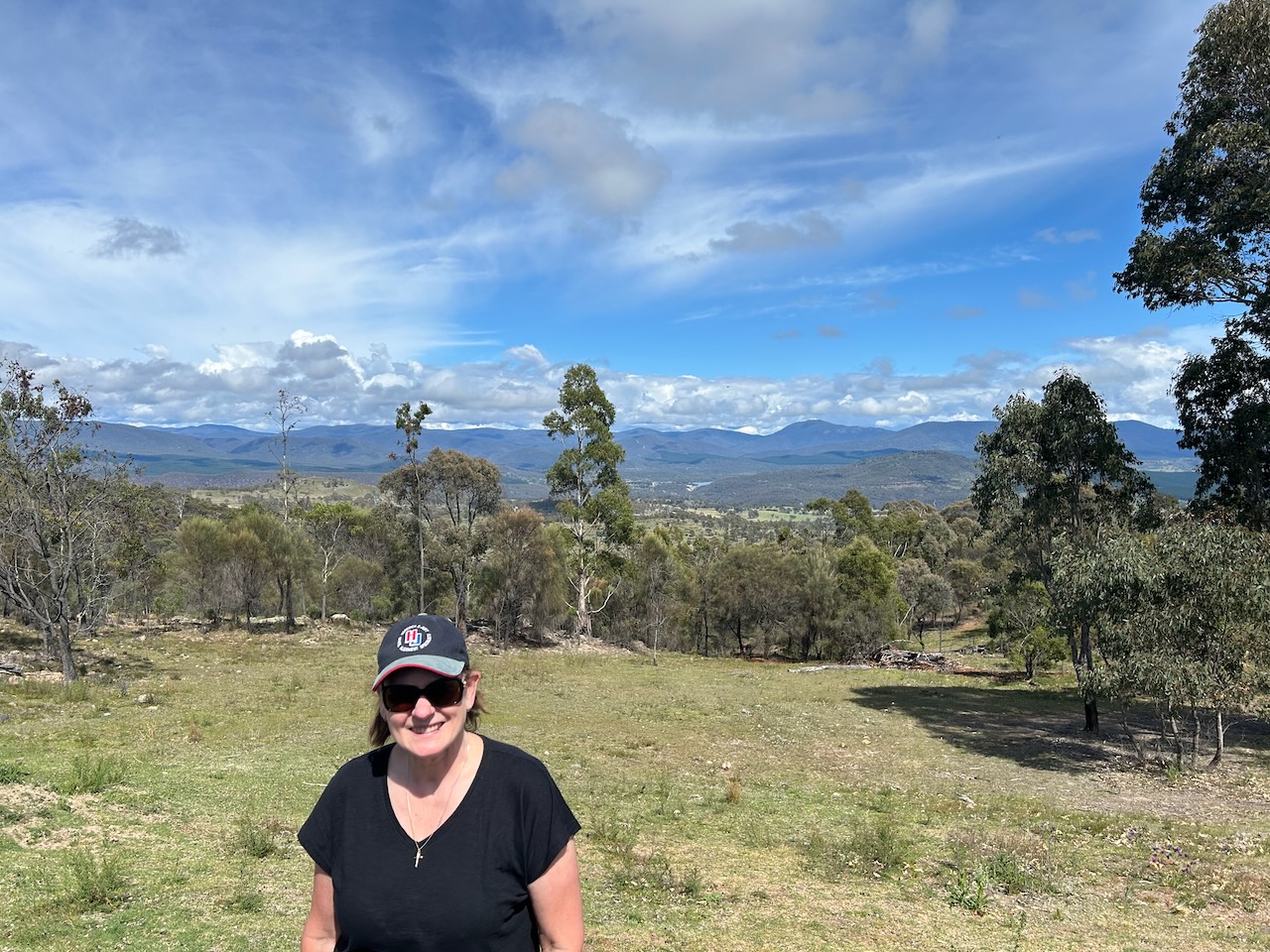
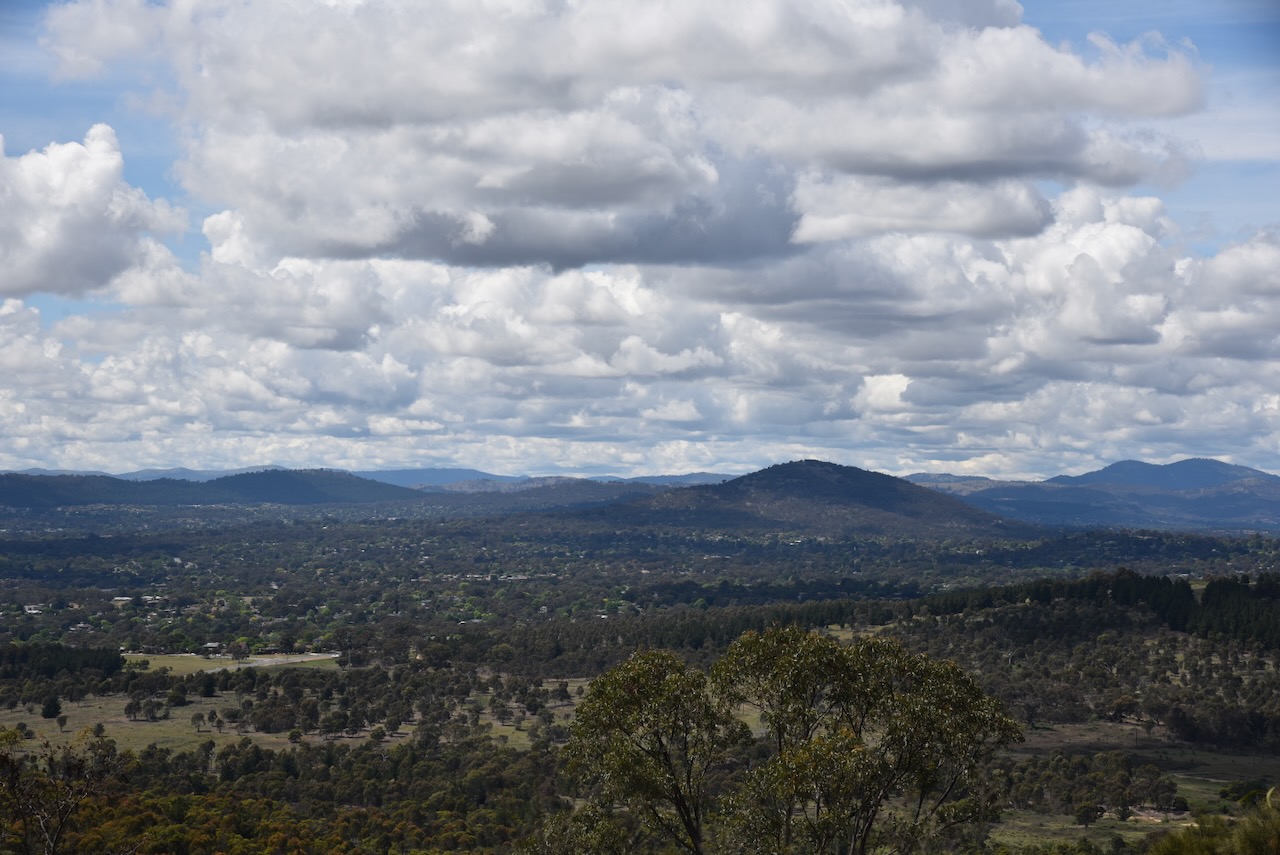
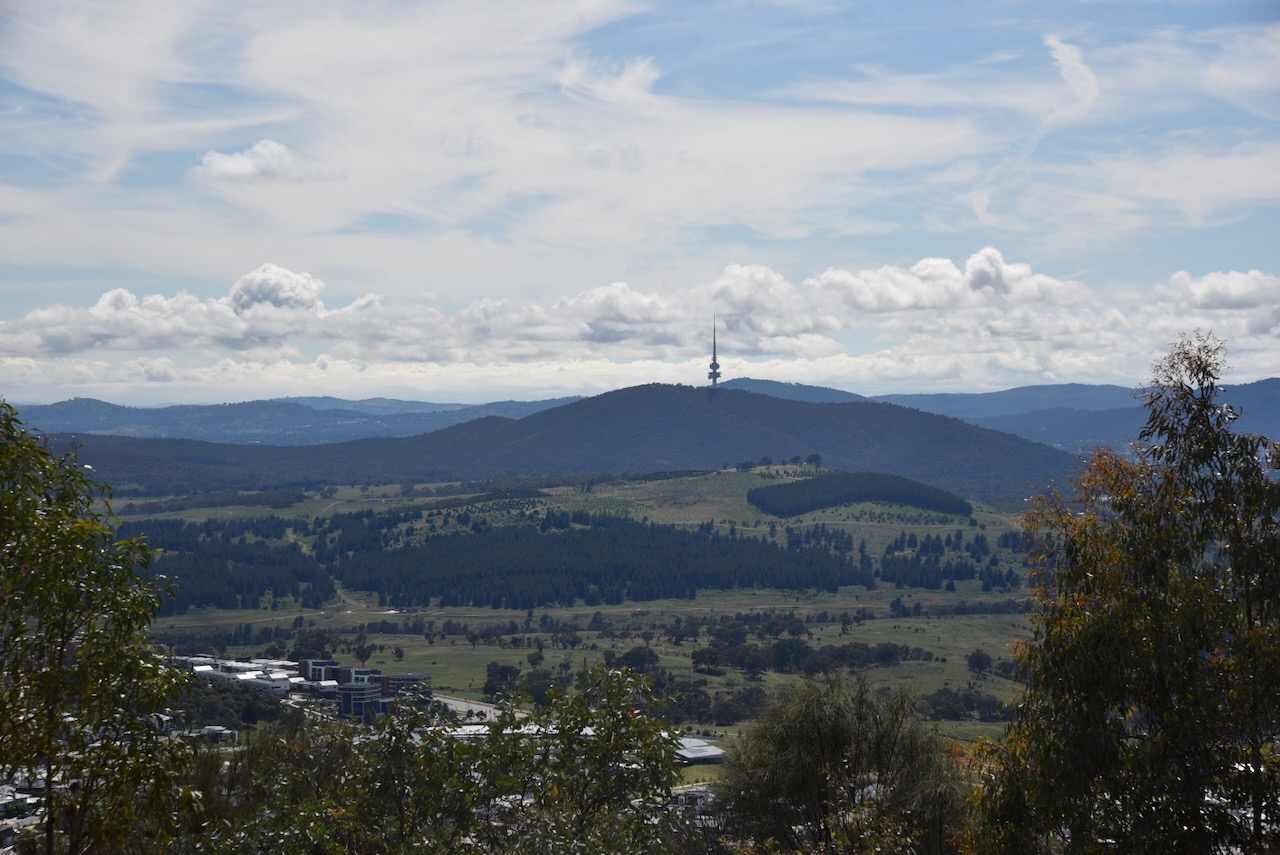
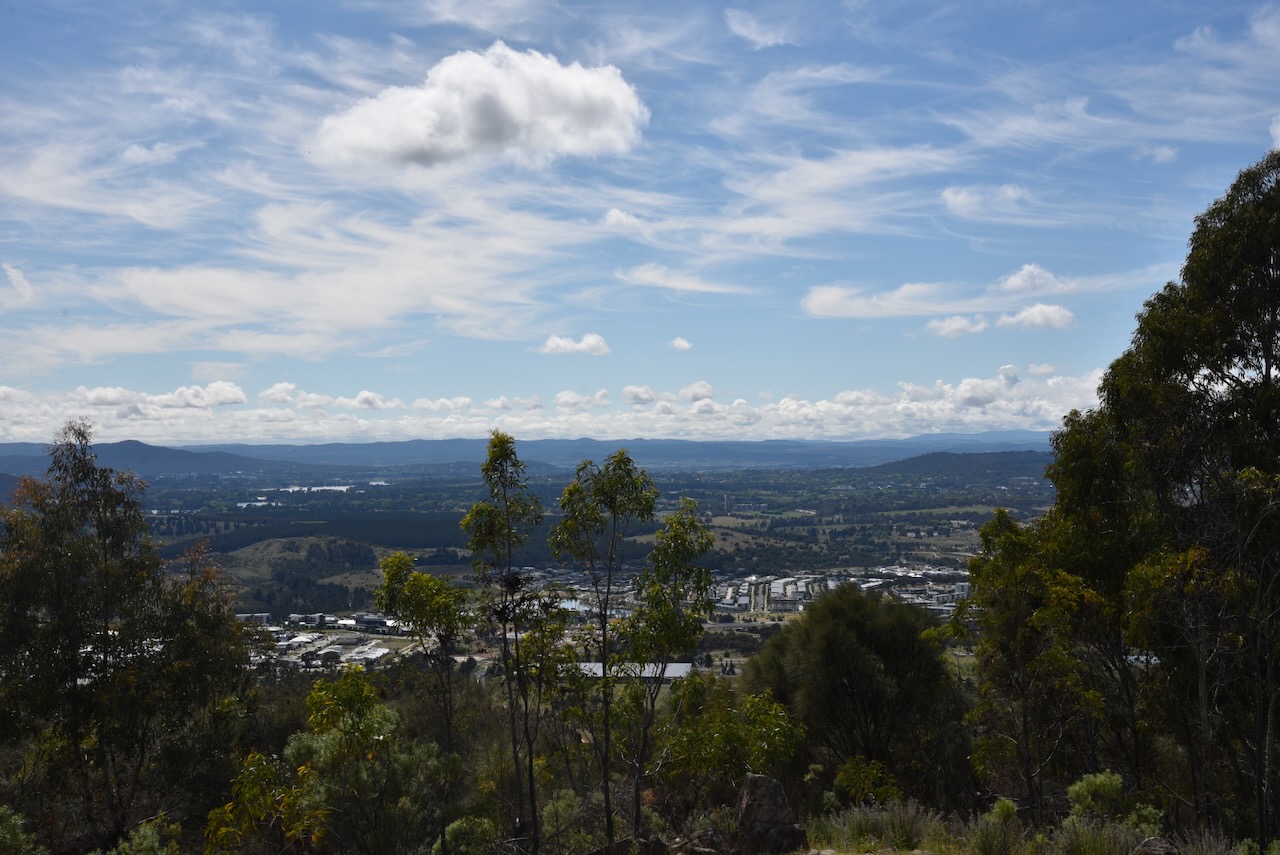
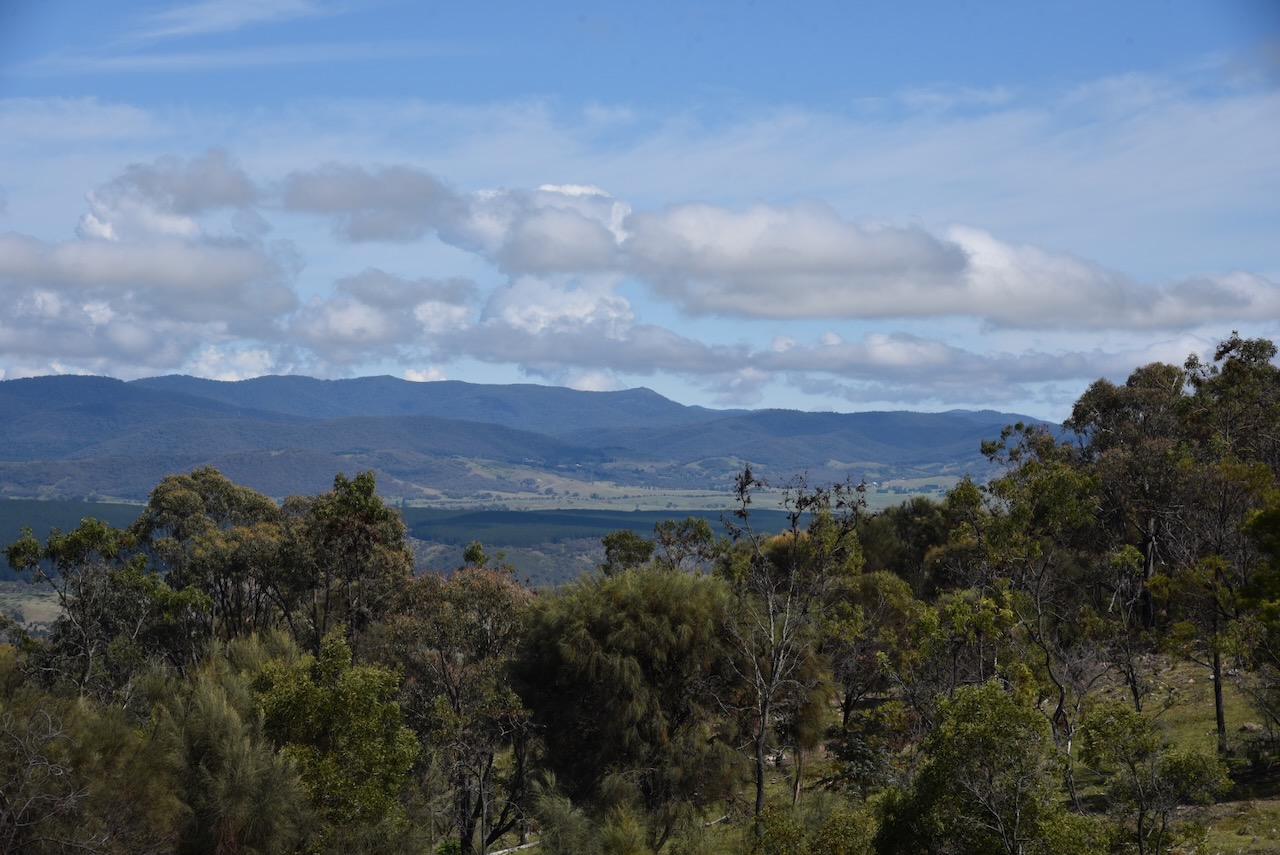
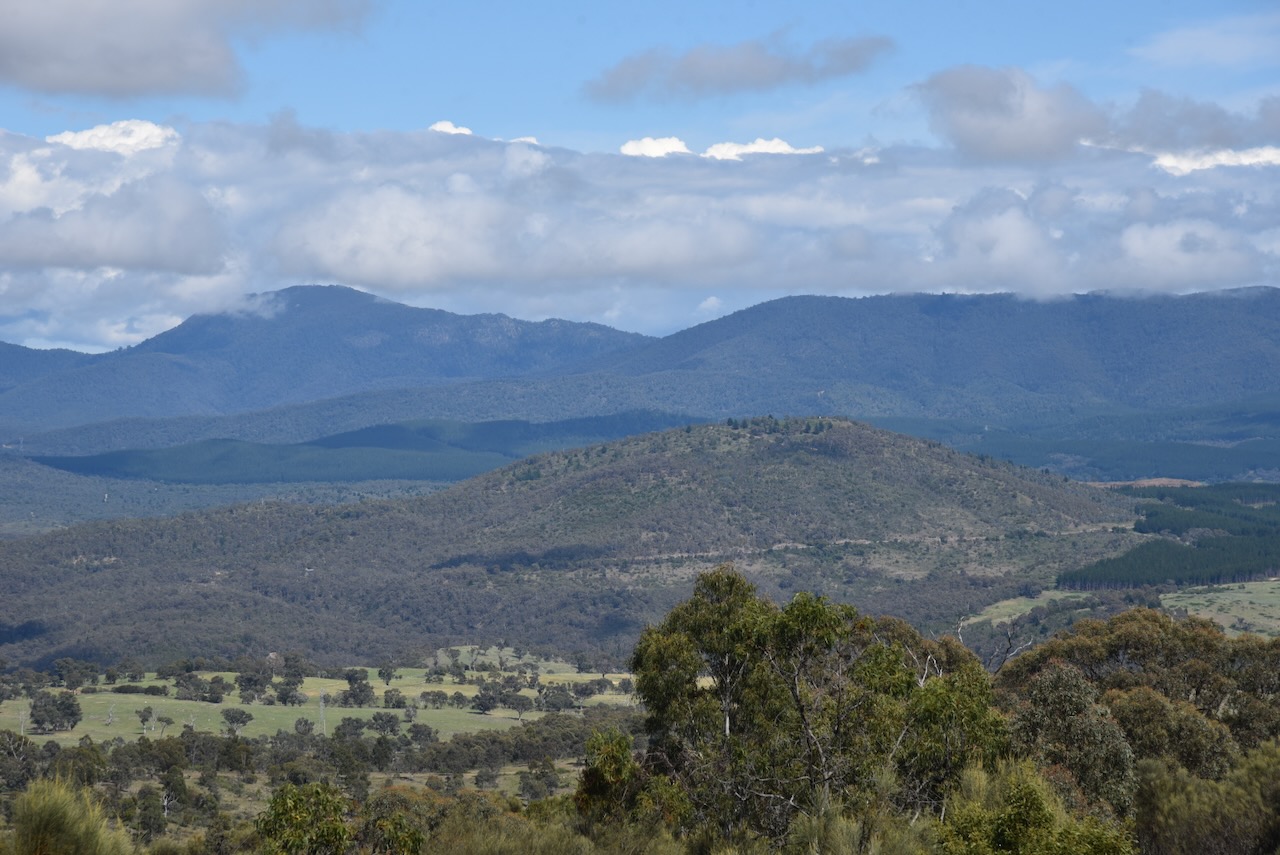
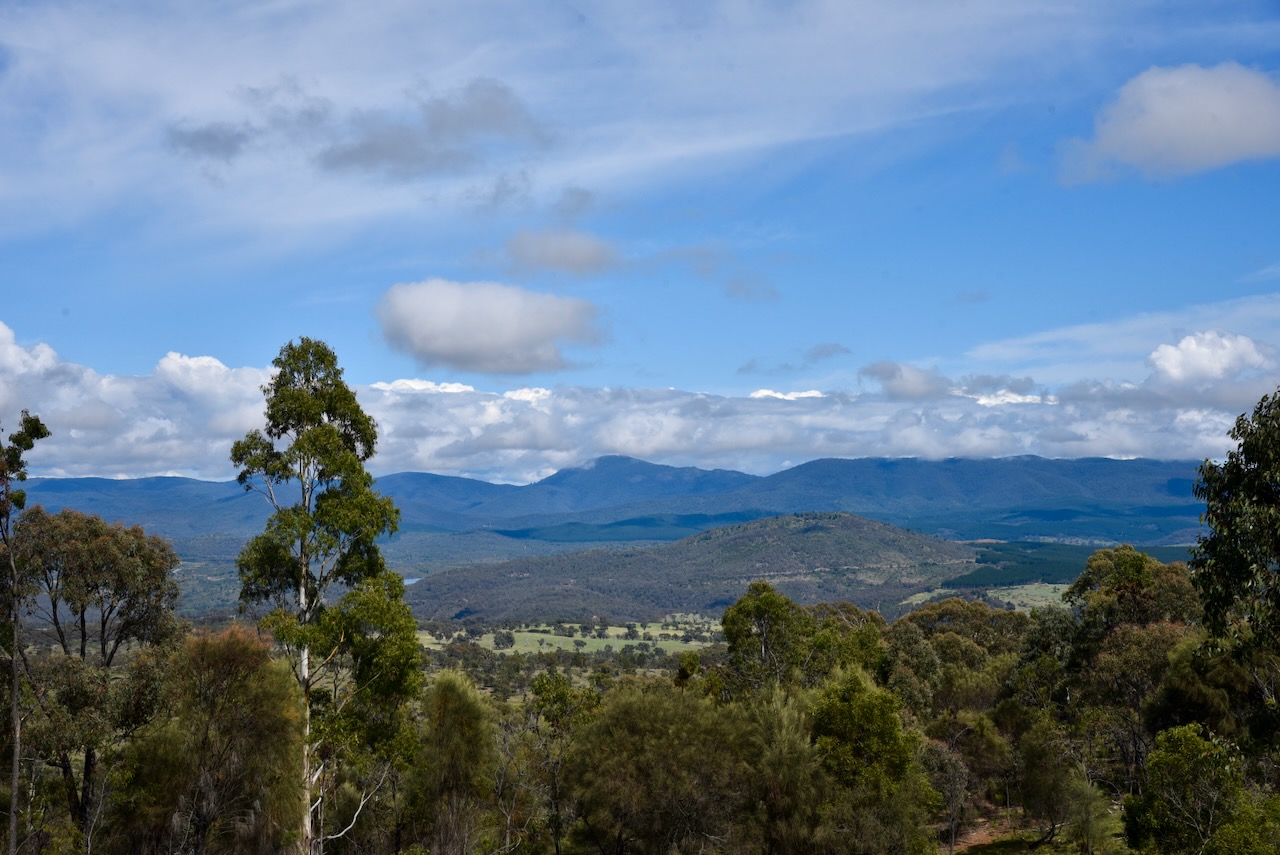
Mount Stromlo is 770 metres above sea level. There are some very nice views to be enjoyed. (Wikipedia 2024)
Walter Geoffrey Duffield was born in 1879 in Gawler, South Australia. He graduated from the University of Adelaide in 1900. During 1905 in Oxford, England, and 1907 in Paris, France, Duffield attended meetings of the International Union for Solar Research. He became aware of the lack of solar observatories in eastern Australia and commenced promoting the idea of such an observatory. (Allen 1981)
Duffield’s enthusiasm attracted the attention and support of leading scientists and others interested in the physics of the sun. In October 1909, Duffield advised the Government that the Australian Association for the Advancement of Science at the Brisbane congress had unanimously passed a resolution approving of the proposed solar observatory as ‘a matter of national and international importance.’ (Nla.gov.au 2026)
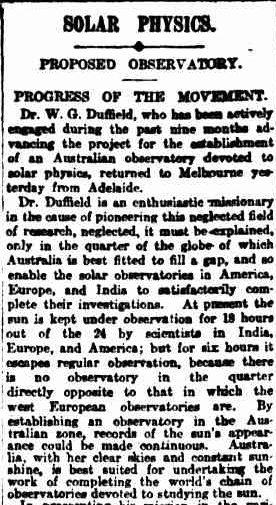
Above: part of an article from The Argus, Melbourne, Sat 9 Oct 1909. Image c/o Trove
In 1909, Ballarat businessman James Oddie offered to the Commonwealth Government one 9-inch reflector telescope, one micrometer, one clock, and timber for an 18-foot dome to house the package. The Australian Prime Minister Alfred Deakin accepted what he described as a ‘splendid gift’.
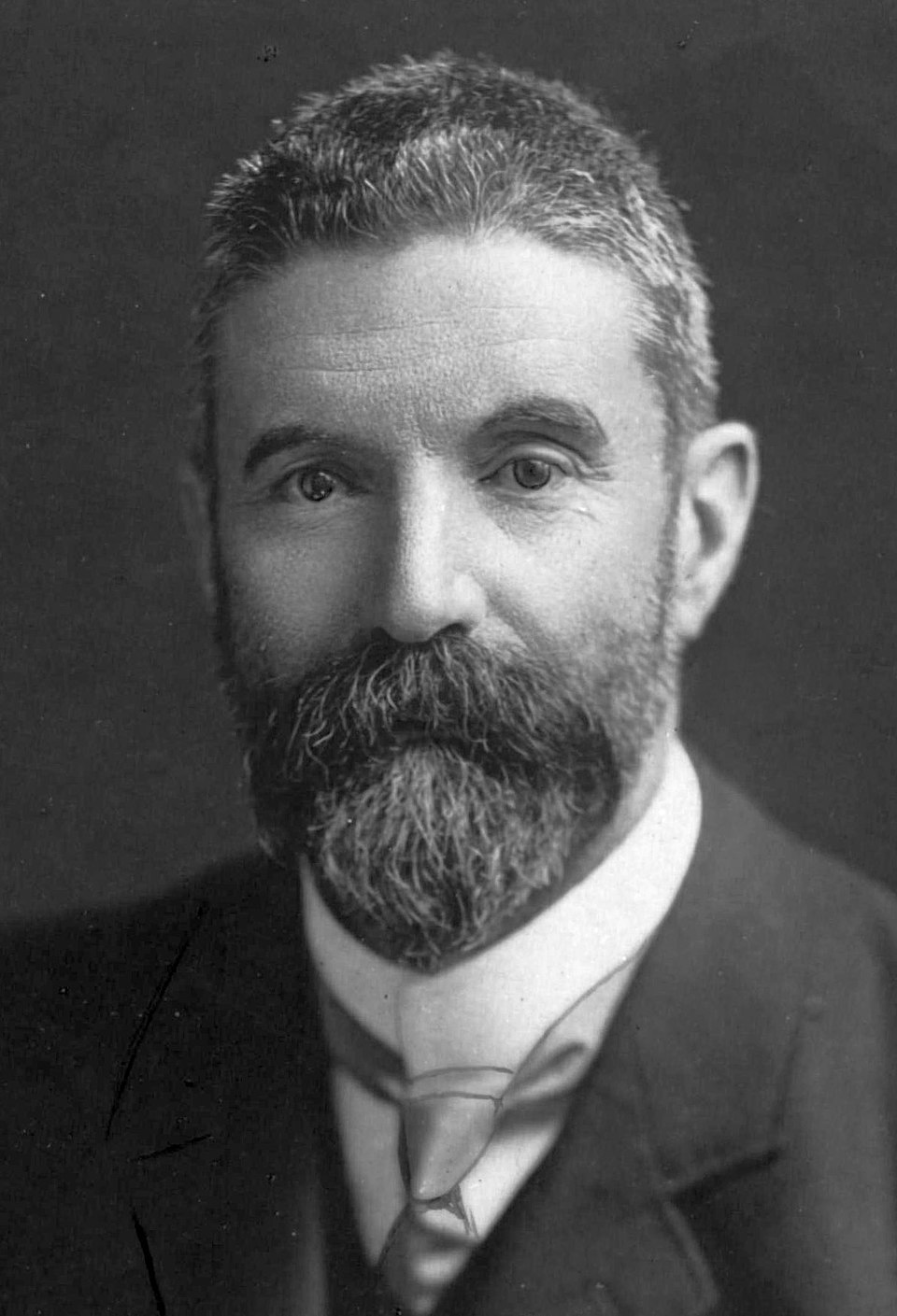
Above: Alfred Deakin. Image c/o Wikipedia
The estate of Lord Farnham also made a promise of a valuable telescope. (Nla.gov.au 2026)
It was estimated that the minimum cost of the observatory would be £10,000, and its maintenance would mean an expenditure of £1,500 per year. (Nla.gov.au 2026)
In March 1910, the Government Astronomer of Victoria, Pietro Baracchi and the Commonwealth Principal Surveyor, Charles Scriverner were tasked with determining the best location for Oddie’s telescope in the Canberra and Yass region. Mount Stromlo was chosen as the site. I will talk more about James Oddie and the Oddie telescope shortly.
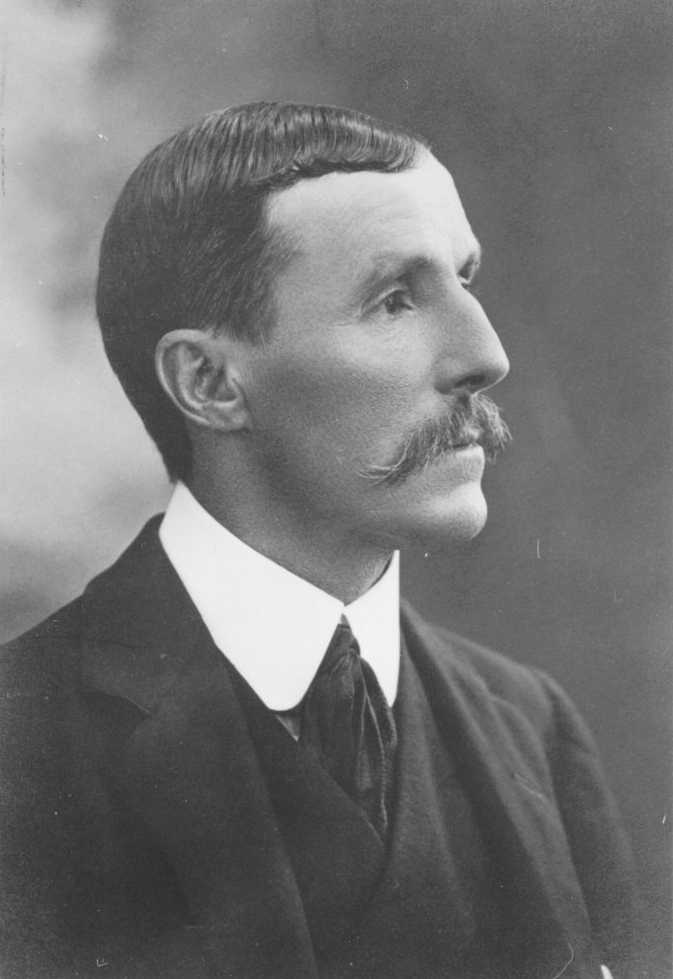
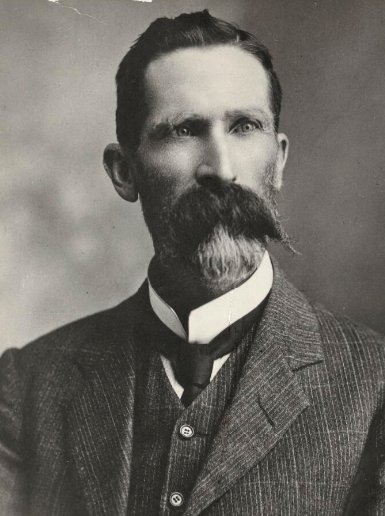
Above: Pietro Baracchi (left) & Charles Scrivener (right). Image c/o Wikipedia
Below is a short YouTube video on Mount Stromlo produced by the Australian National University.
Below is an interesting video made by the Commonwealth Film Unit in 1958 entitled ‘Reaching for the Stars.’
The Ngunawal Aboriginal people are reported to have used the southern night sky and the position of the stars as a calendar, indicating the seasons and availability of particular food sources.
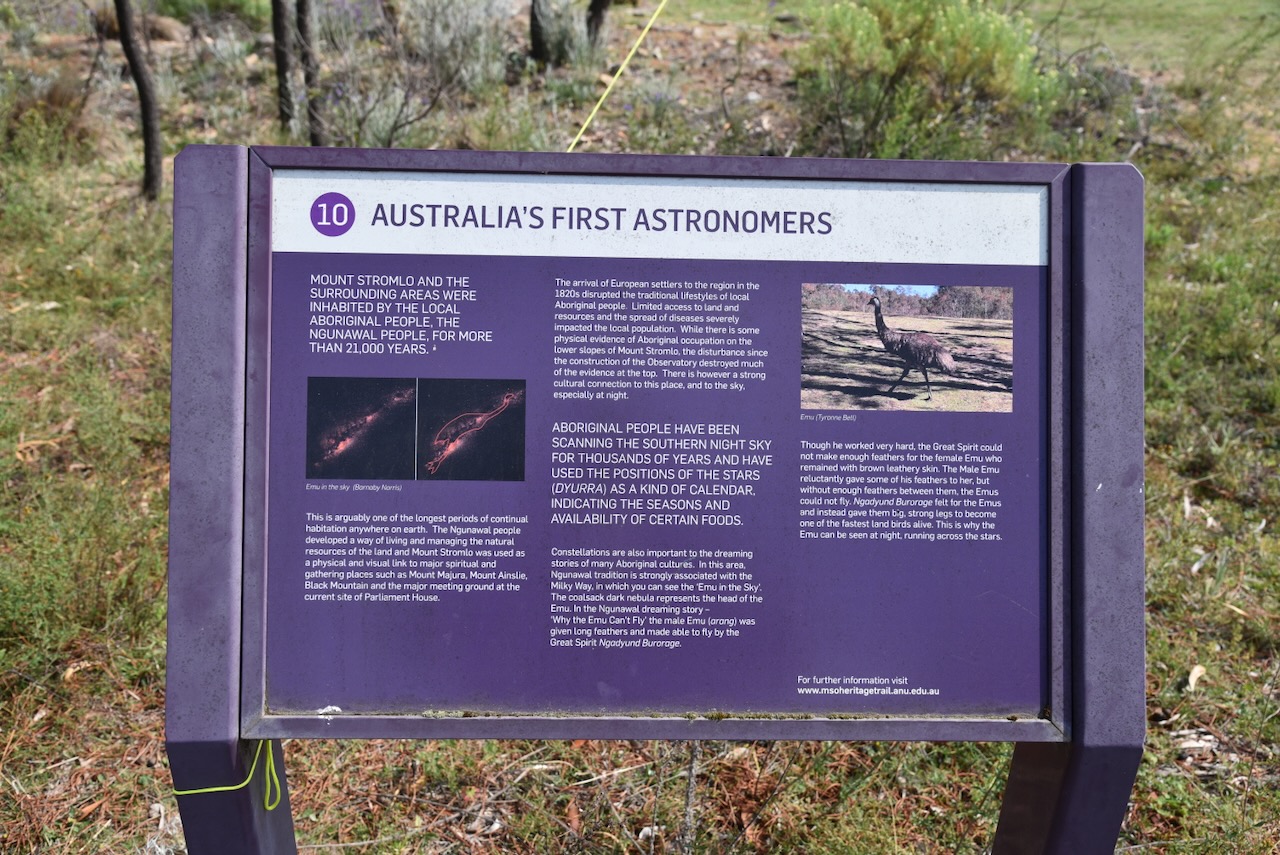
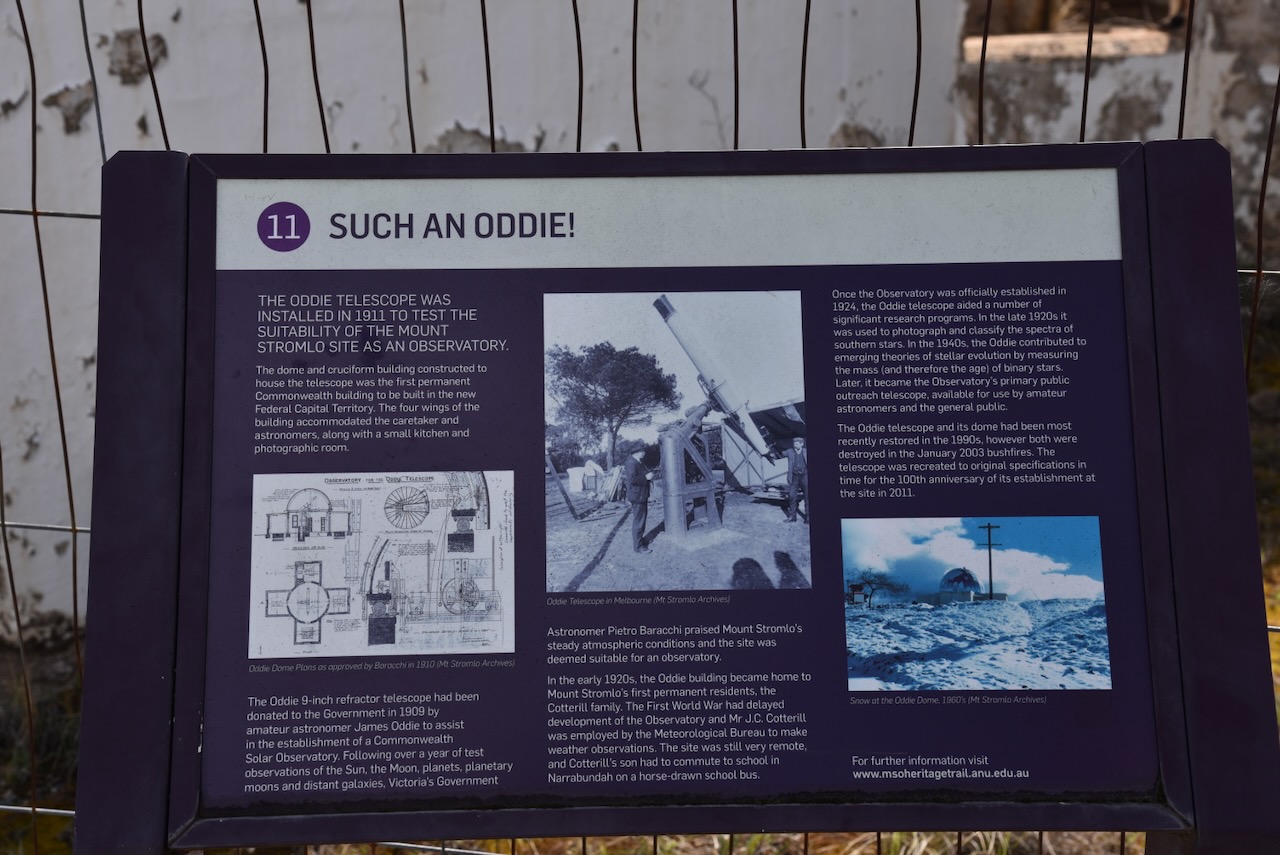
The Oddie telescope was installed at Mount Stromlo in 1911, with the Oddie Dome becoming the first building on Mount Stromlo and the very first Commonwealth building in Canberra. The building had four wings and accommodated a caretaker and astronomers. It included a small kitchen and a photographic room. The building can be found at the northern end of Oddie Way. (Anu.edu.au 2025) (Trove 2026)
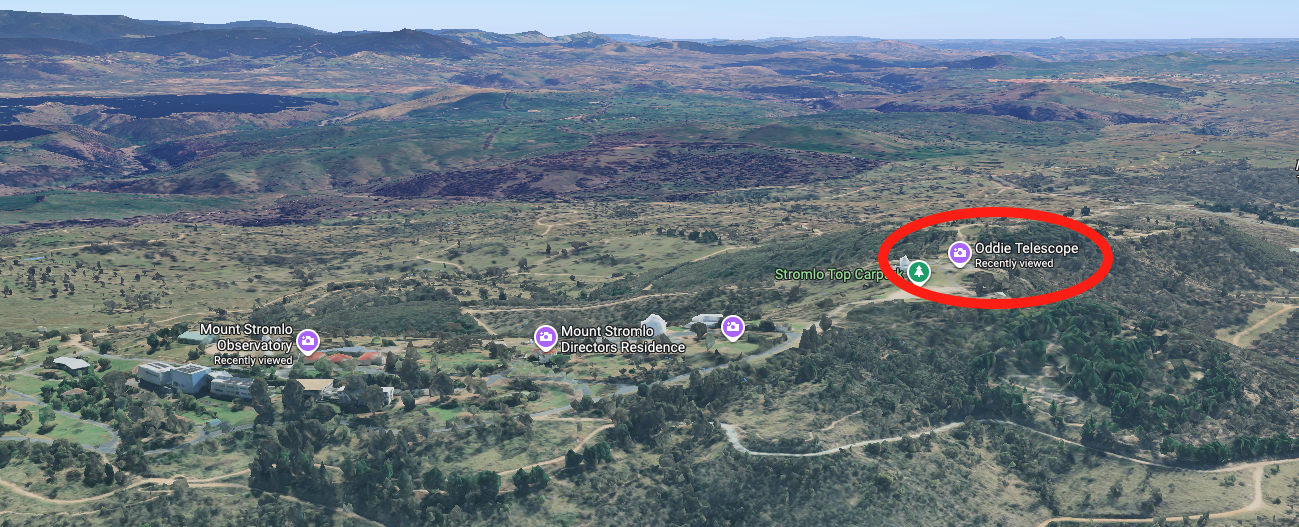
Above: An aerial view of Mount Stromlo showing the location of the Oddie Telescope. Image c/o Google Maps
James Oddie was born in March 1824 in Lancashire, England. He died on the 5th day of March 1911 in Ballarat, Victoria. (ancestry 2016)
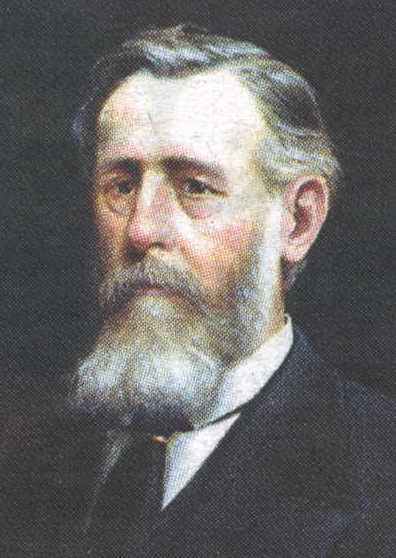
Above: James Oddie. Image c/o ancestry.com.au
The Oddie telescope was initially used to test the suitability of Mount Stromlo as a site as an observatory. The Oddie dome was restored in the 1990s, but sadly, it was destroyed in the 2003 Canberra bushfire. (Anu.edu.au 2025)
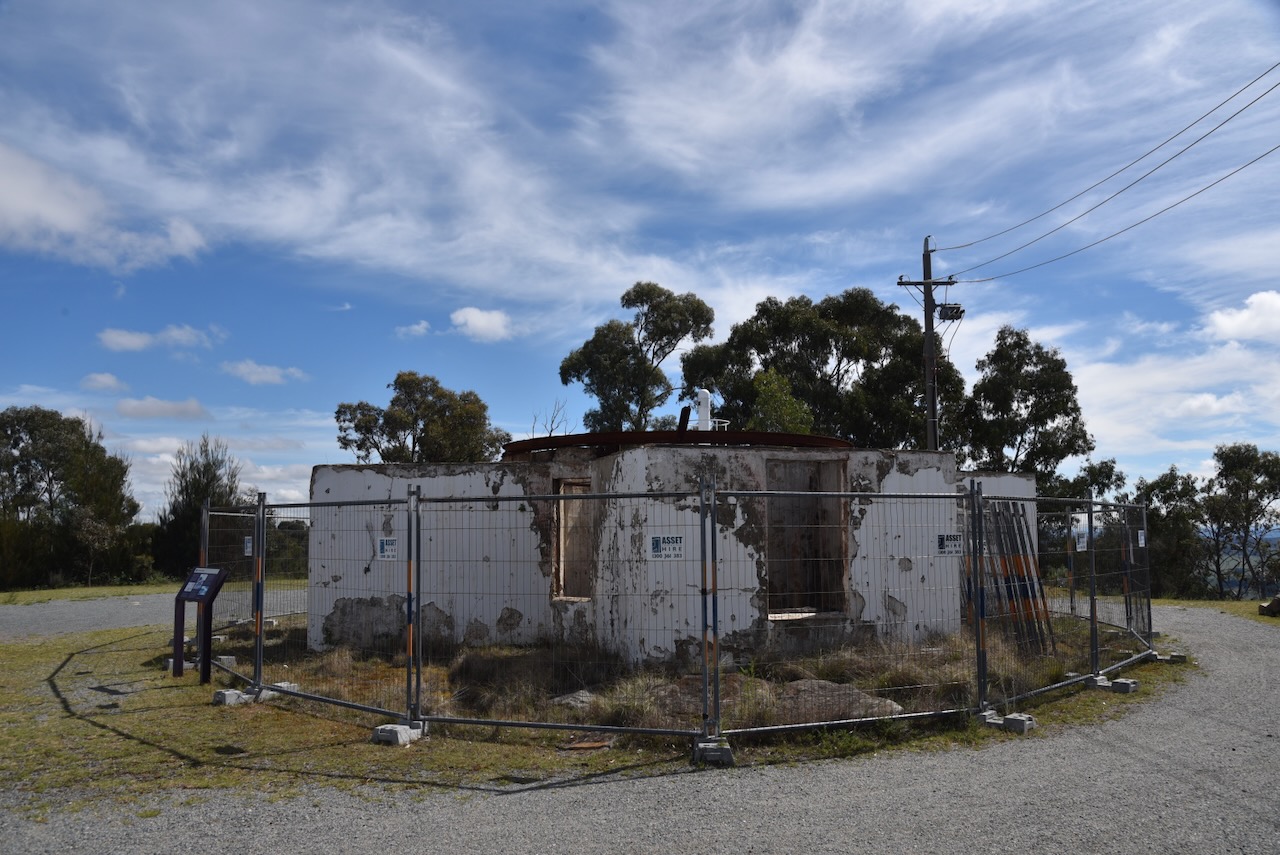
Below is an excellent video from the ABC on the life of James Oddie and the Oddie telescope at Mount Stromlo.
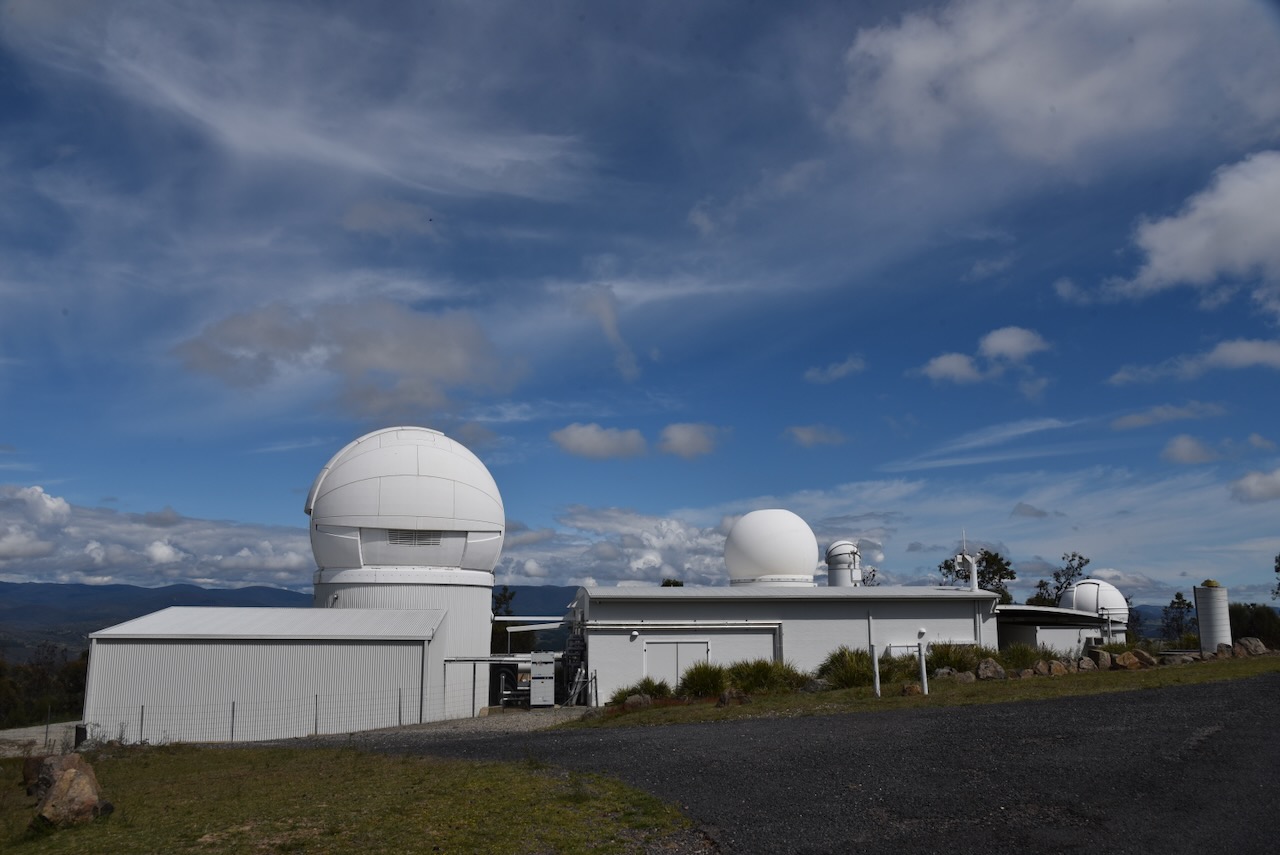
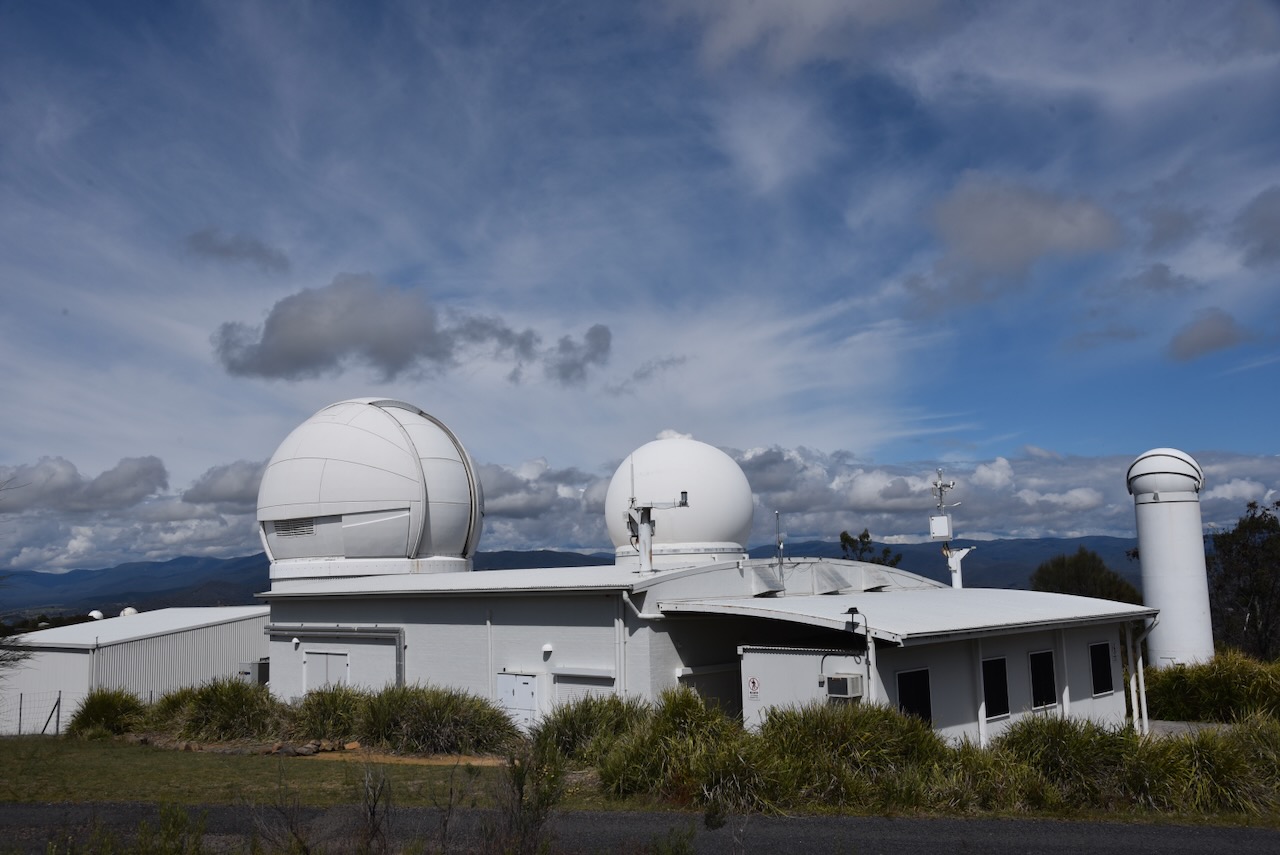
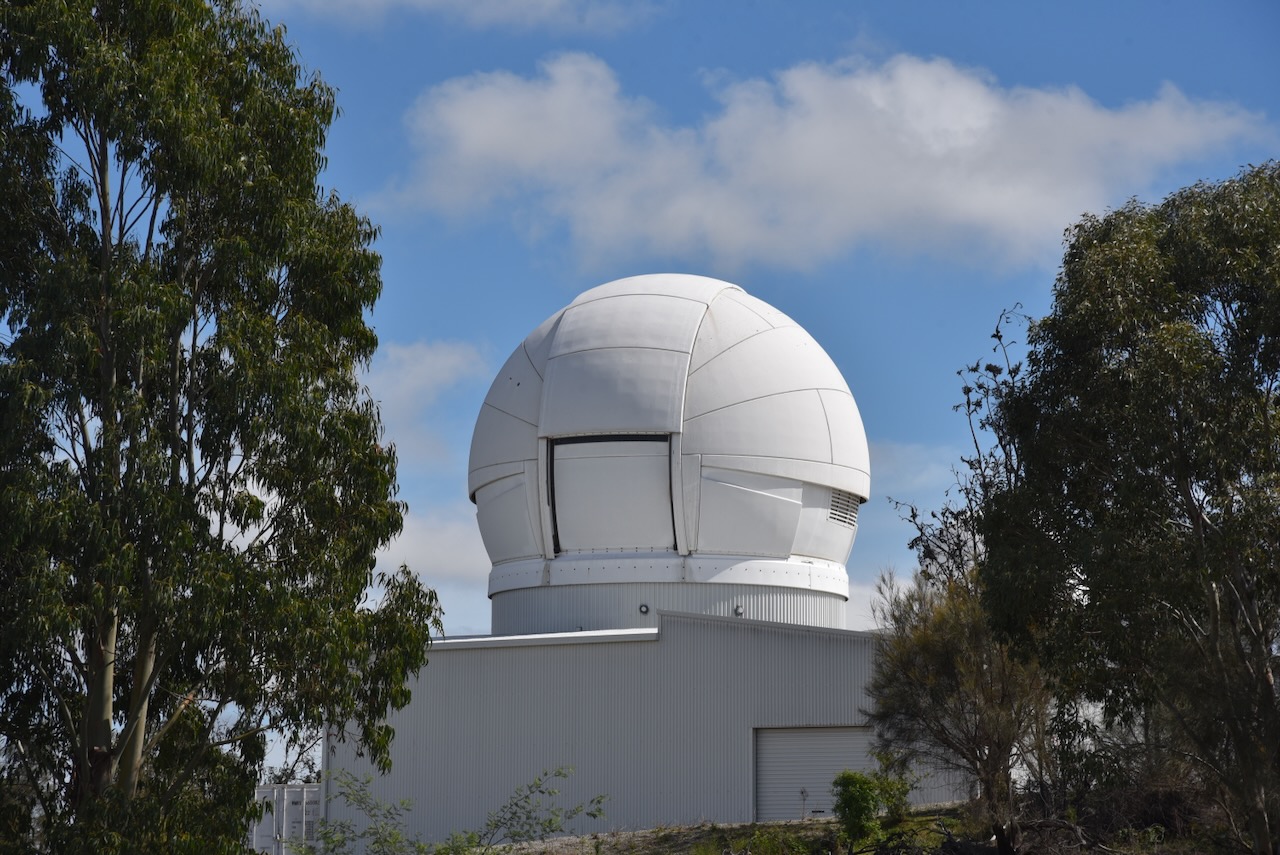
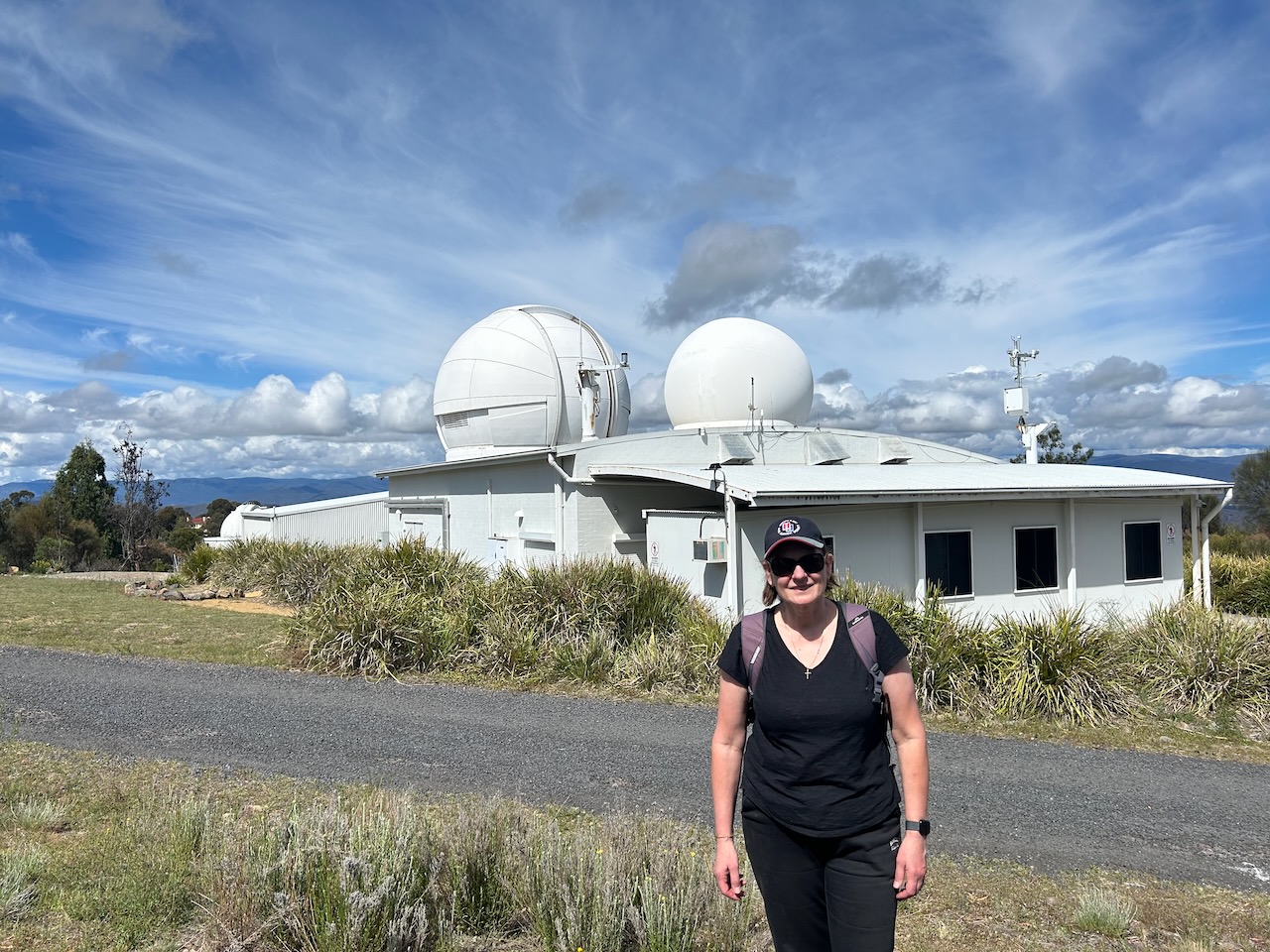
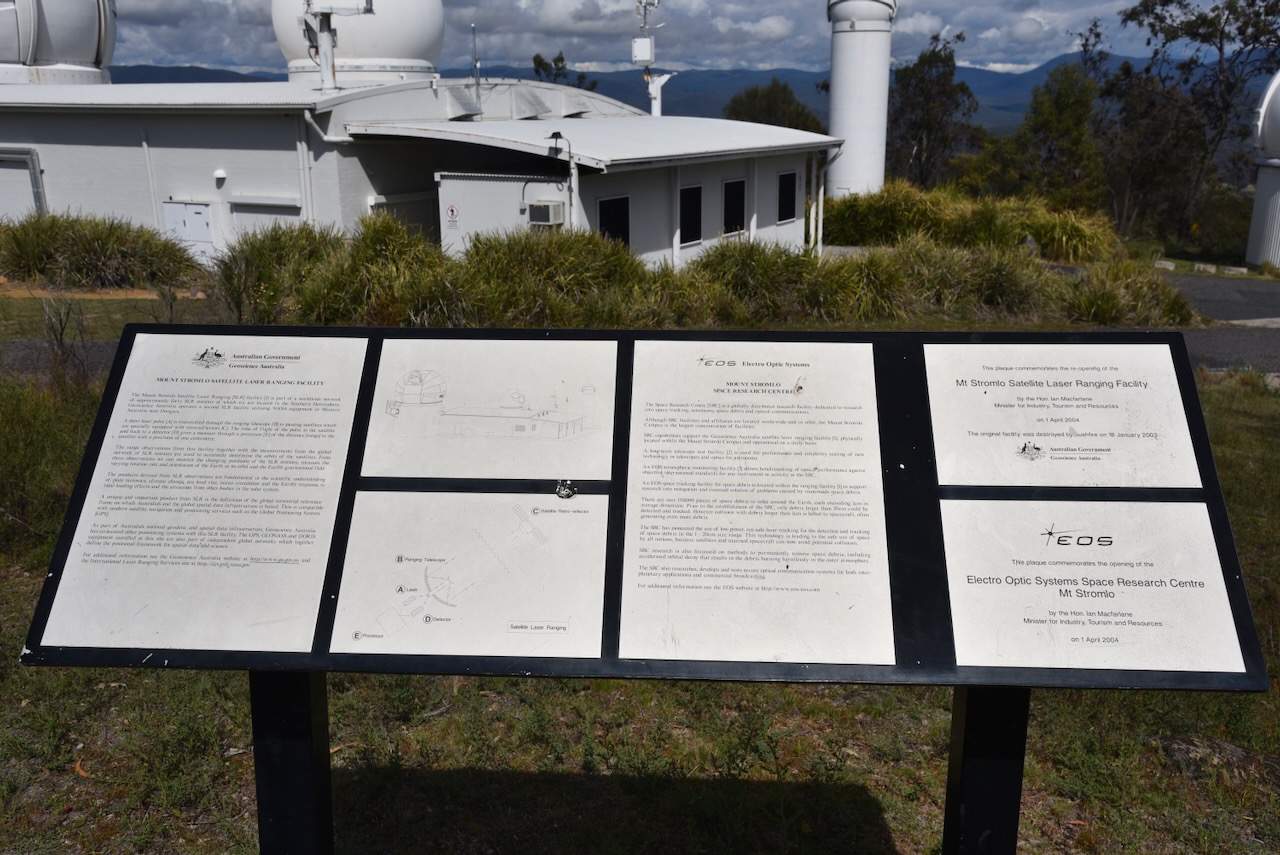
Adjacent to the Oddie telescope is the Mount Stromlo Satellite Laser Ranging (SLR) Facility. The SLR is used to accurately determine the orbits of satellites. It is one of forty SLR stations around the world. Six of those are located in the Southern Hemisphere. A short laser pulse is transmitted through the ranging telescope to passing satellites which are specifically equipped with retro-reflectors. The time of flight of the pulse to the satellite and back to a detector, gives a measure through a processor of the distance to the satellite with a precision of one centimetre.
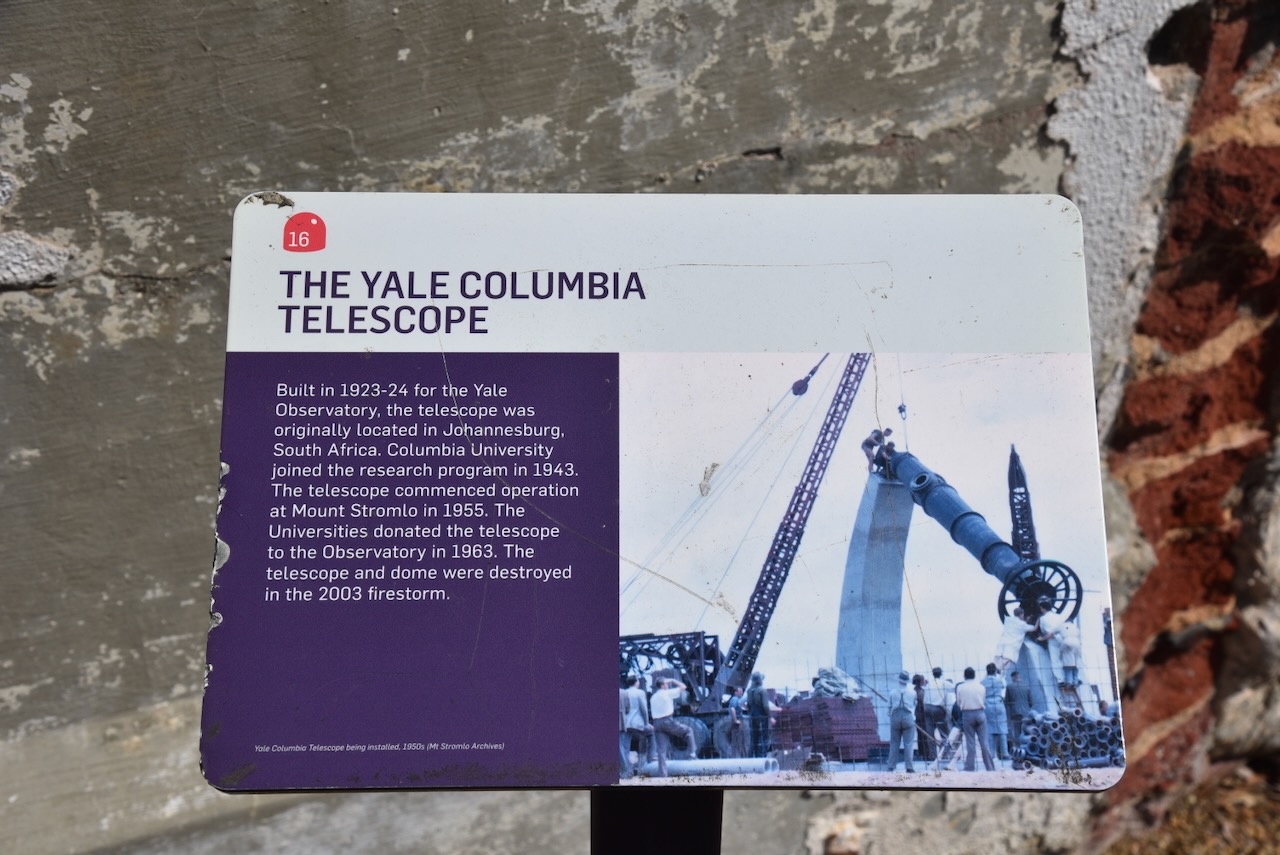
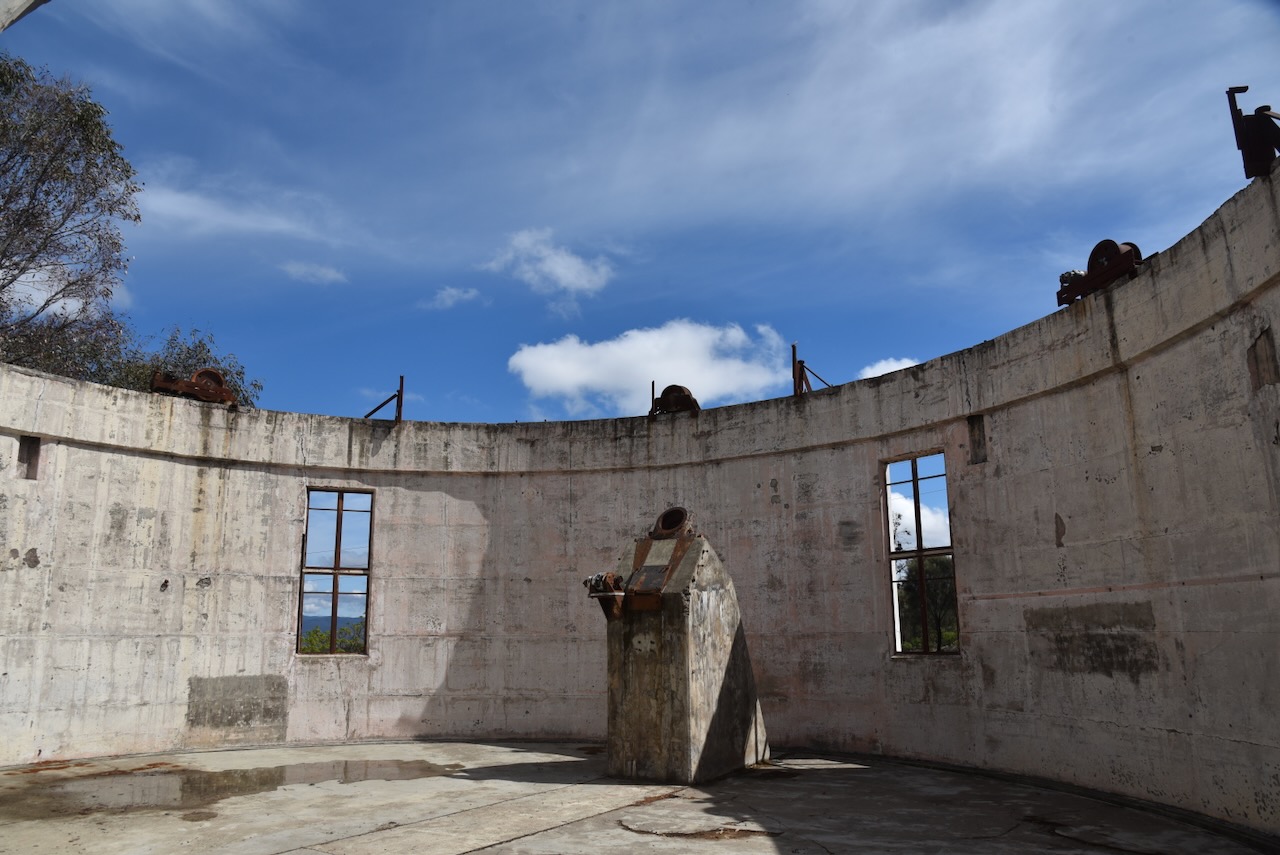
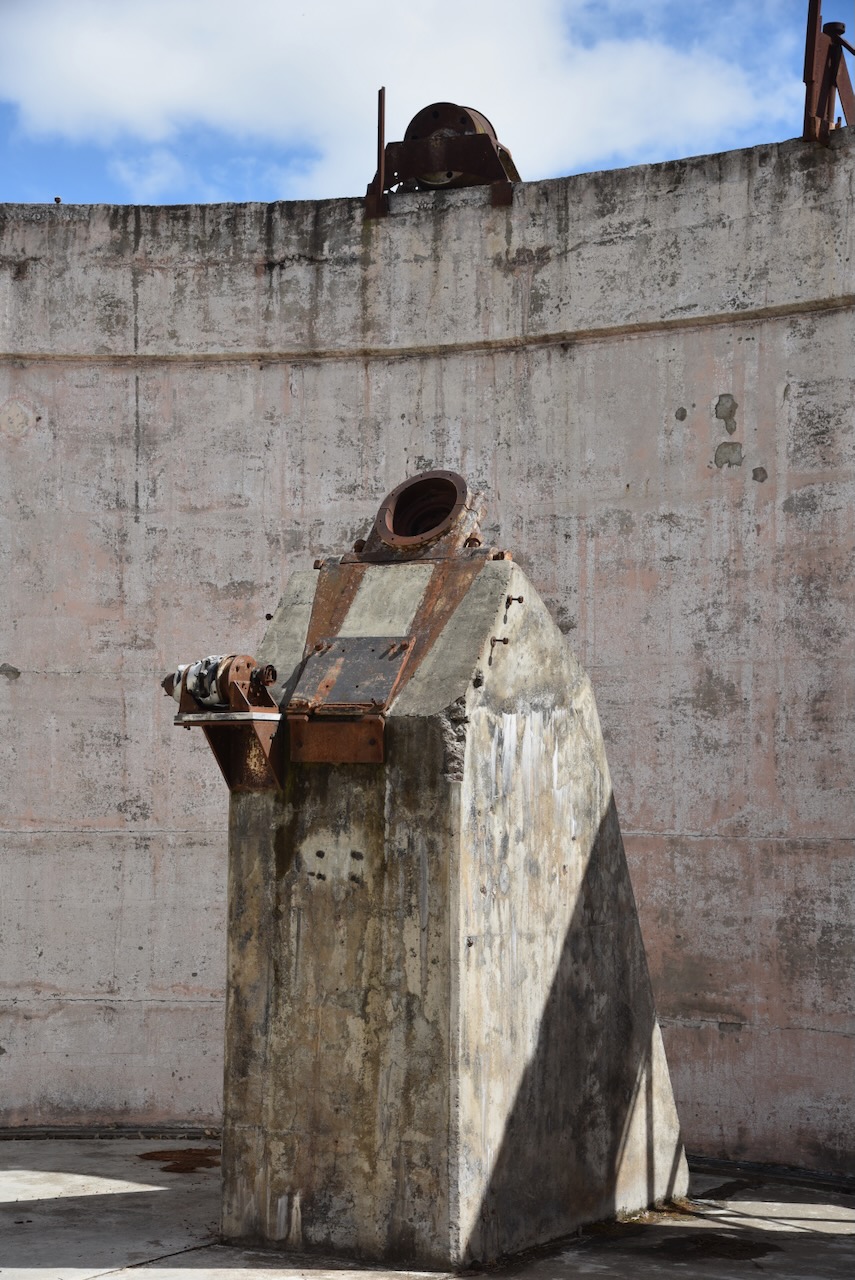
The Yale Columbia 26-inch telescope was first used as Yale University’s Southern Station in Johannesburg, South Africa. In 1952, the telescope was moved to Mount Stromlo and commenced operation in 1956. (Anu.edu.au 2025) (Nla.gov.au 2026)
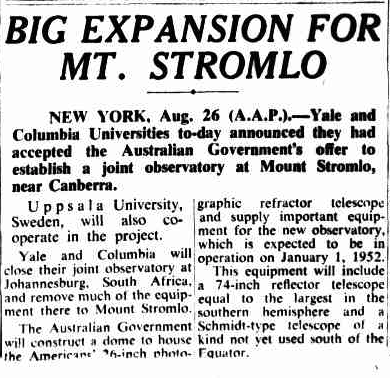
Above: Article from The Sydney Herald, Sun 27 Aug 1950. Image c/o Trove
The refractor assisted in the preparation of NASA’s Voyager missions to the outer planets by taking photographs of Jupiter and Saturn’s moons. (Anu.edu.au 2025) (Nla.gov.au 2026)
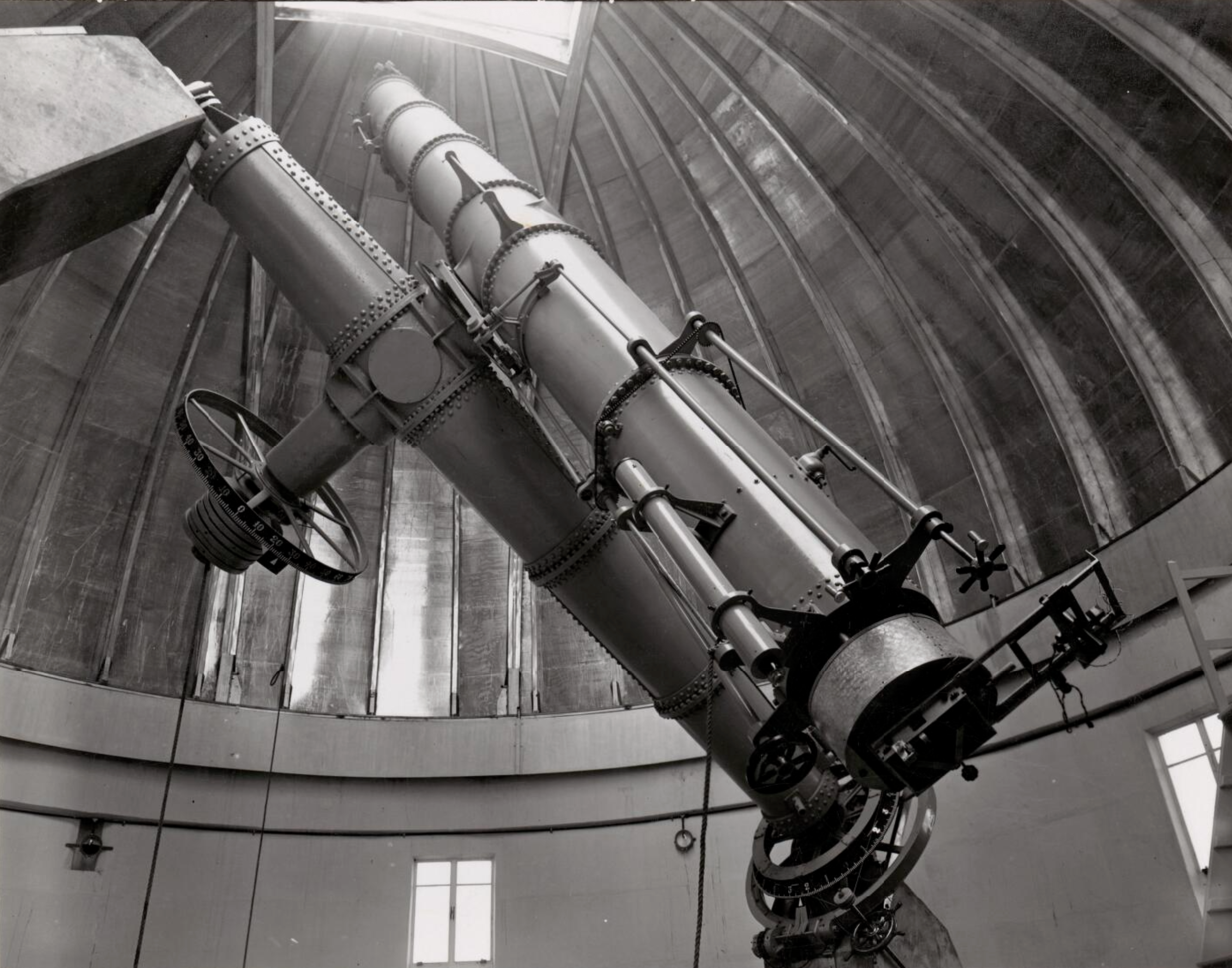
Above: The Yale-Columbia telescope. Image c/o National Library of Australia.
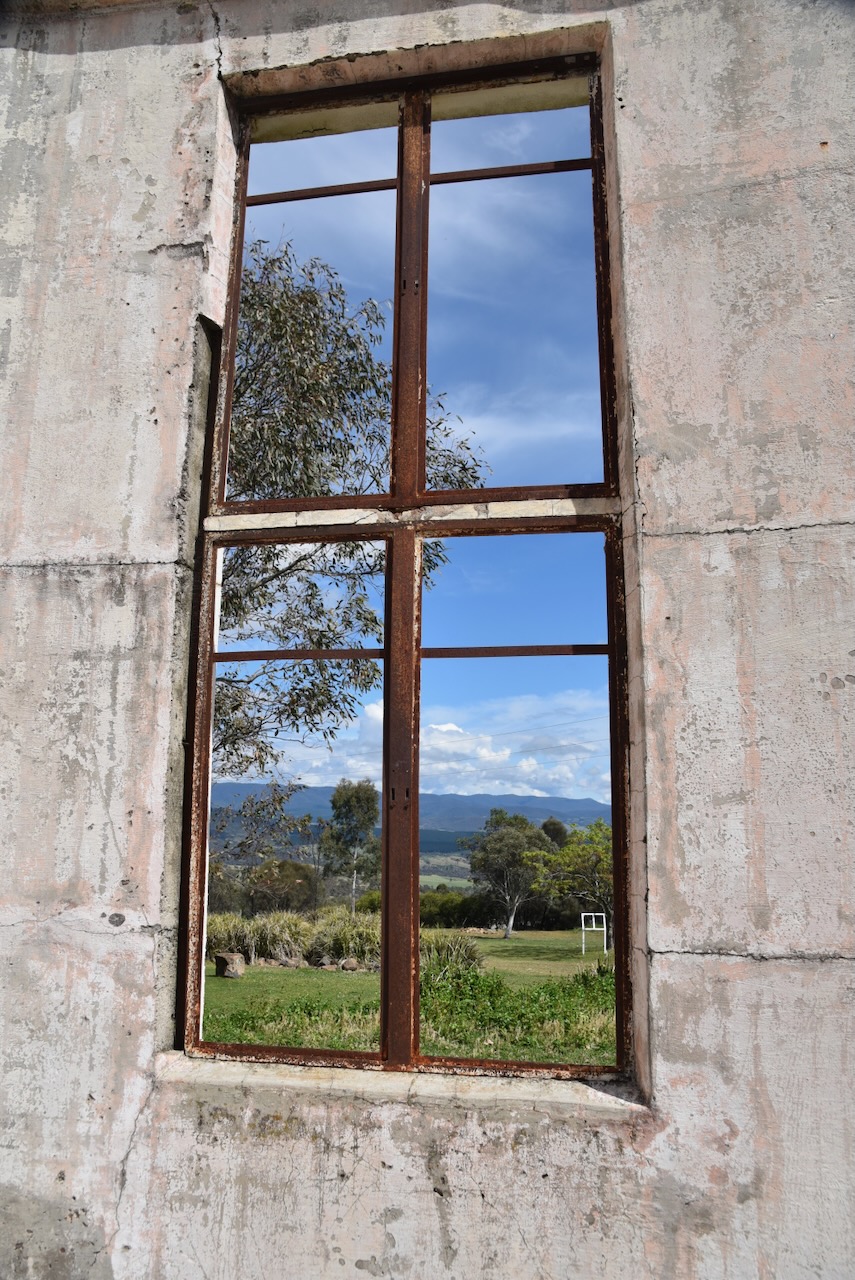
Sadly, it was destroyed in the Canberra 2003 bushfire. All that is left is the scarred shell of the dome.
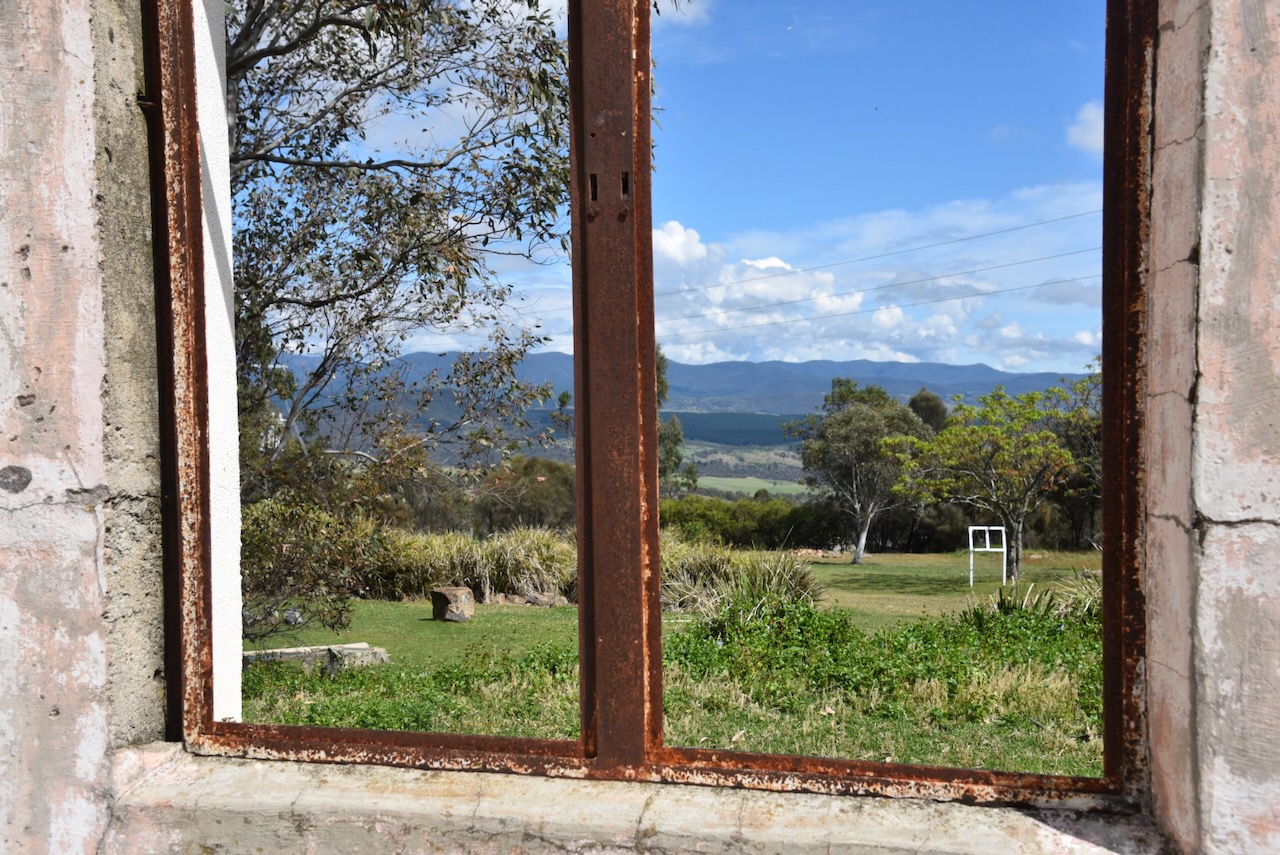
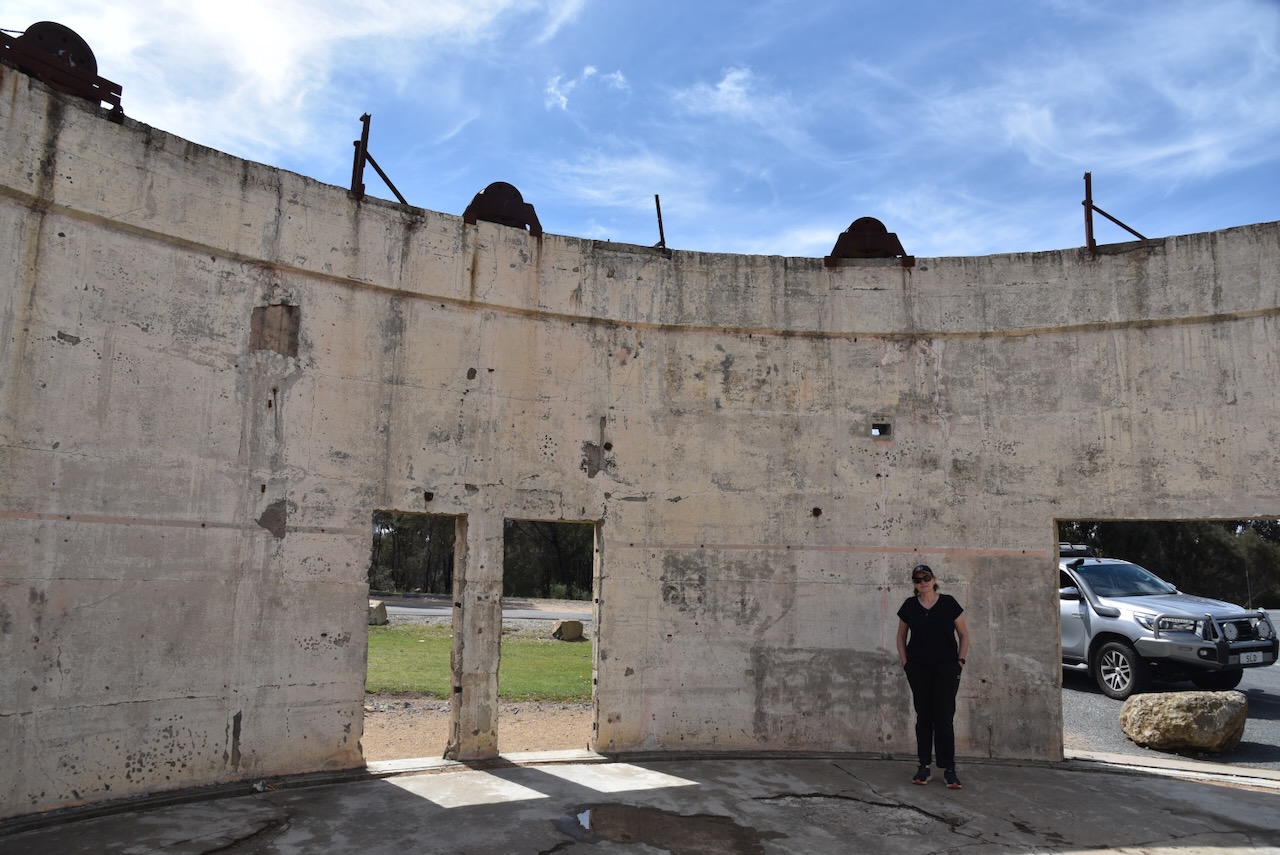
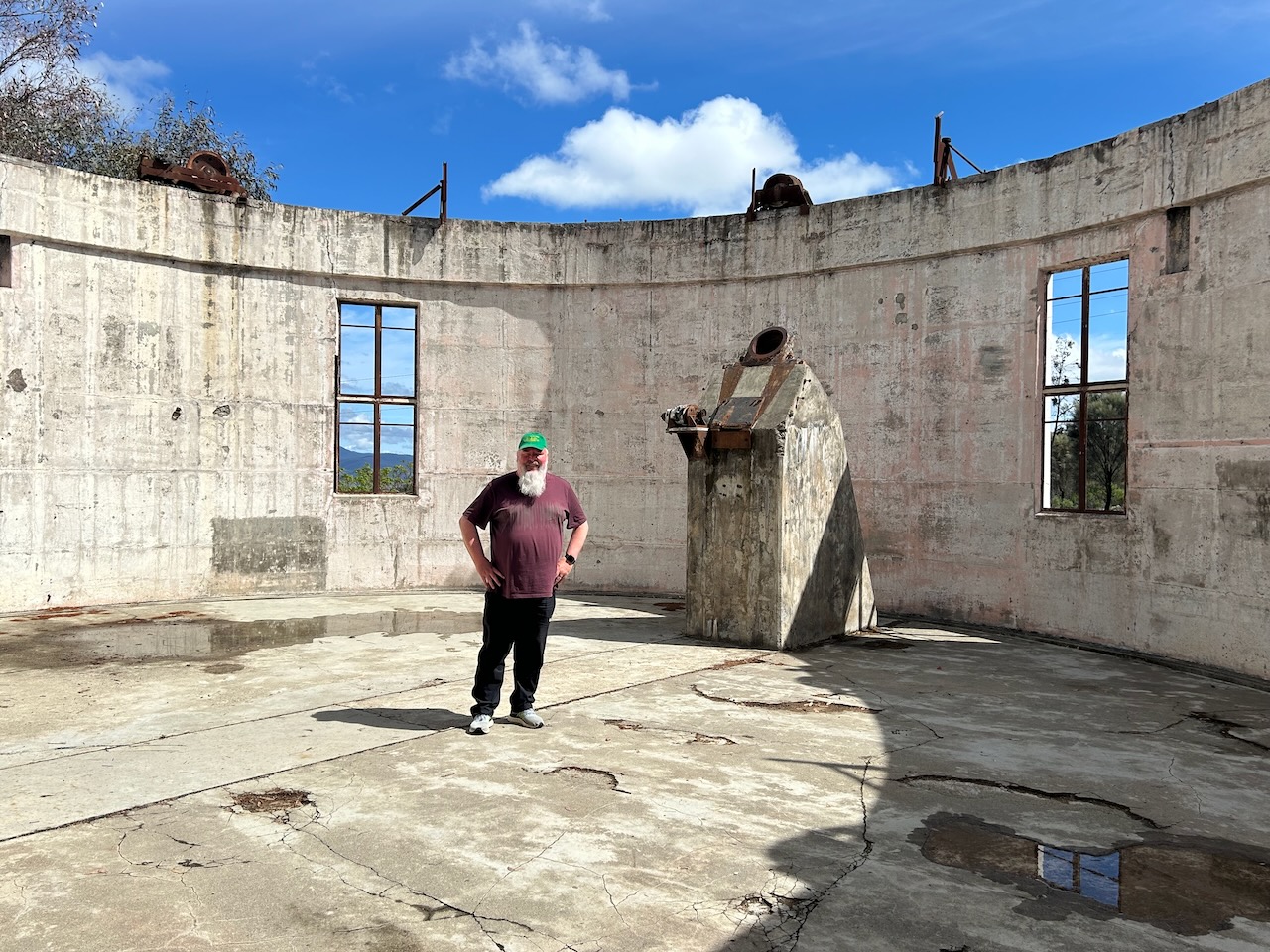
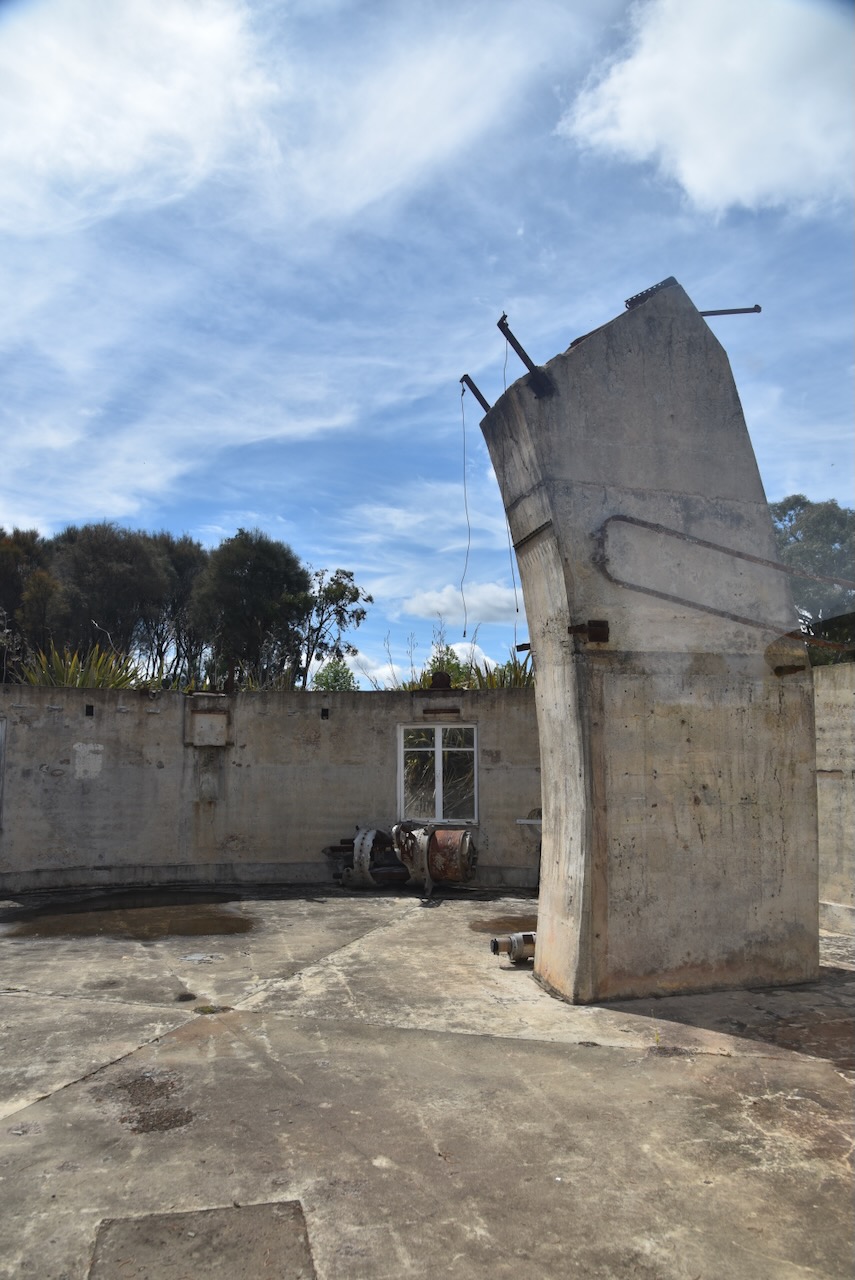
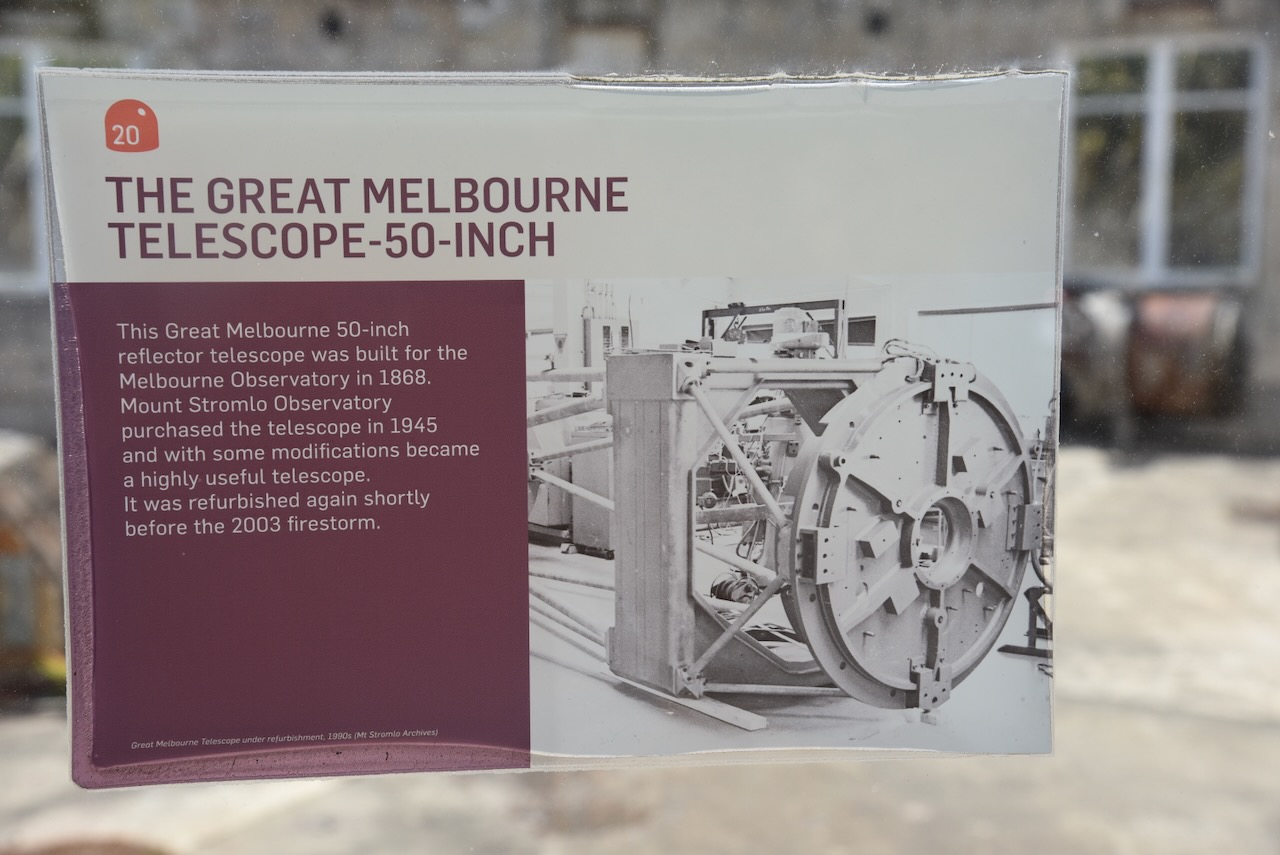
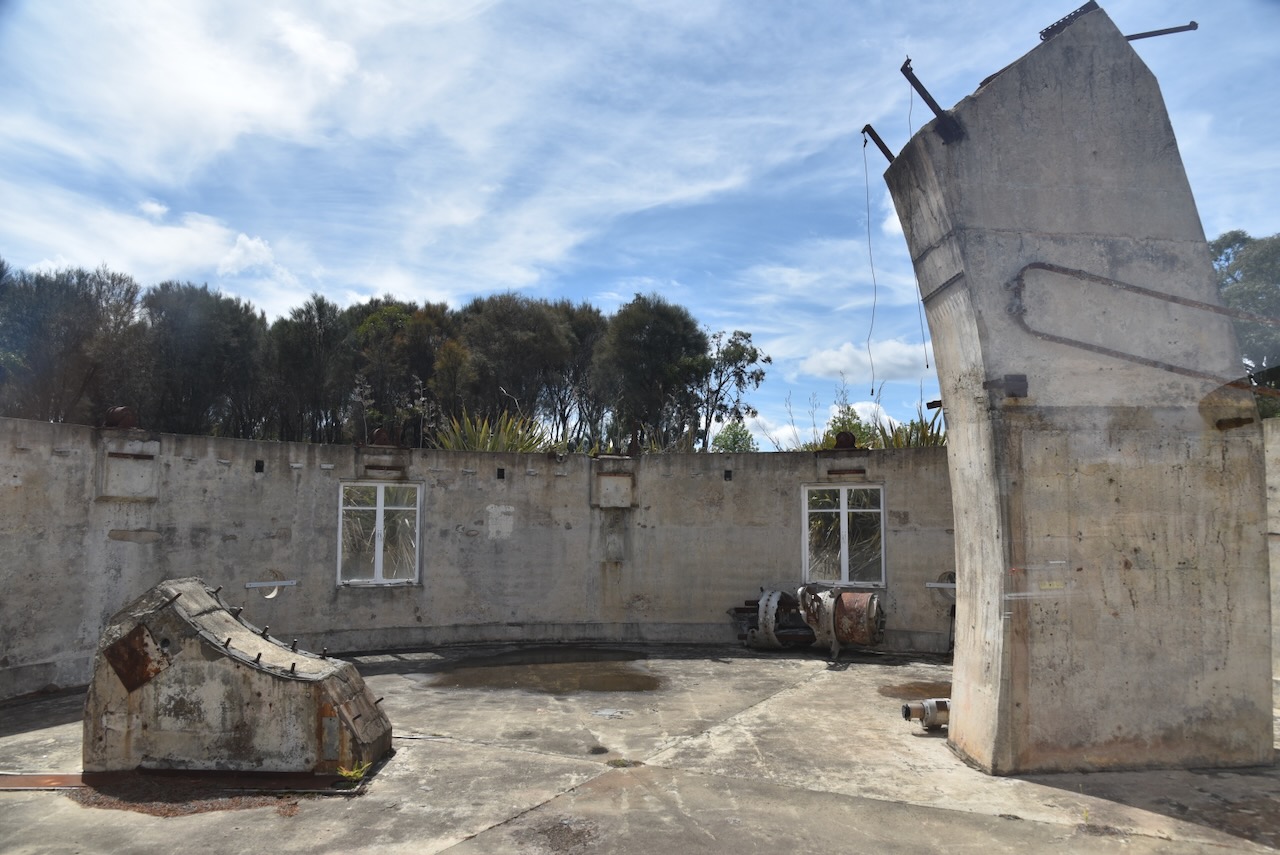
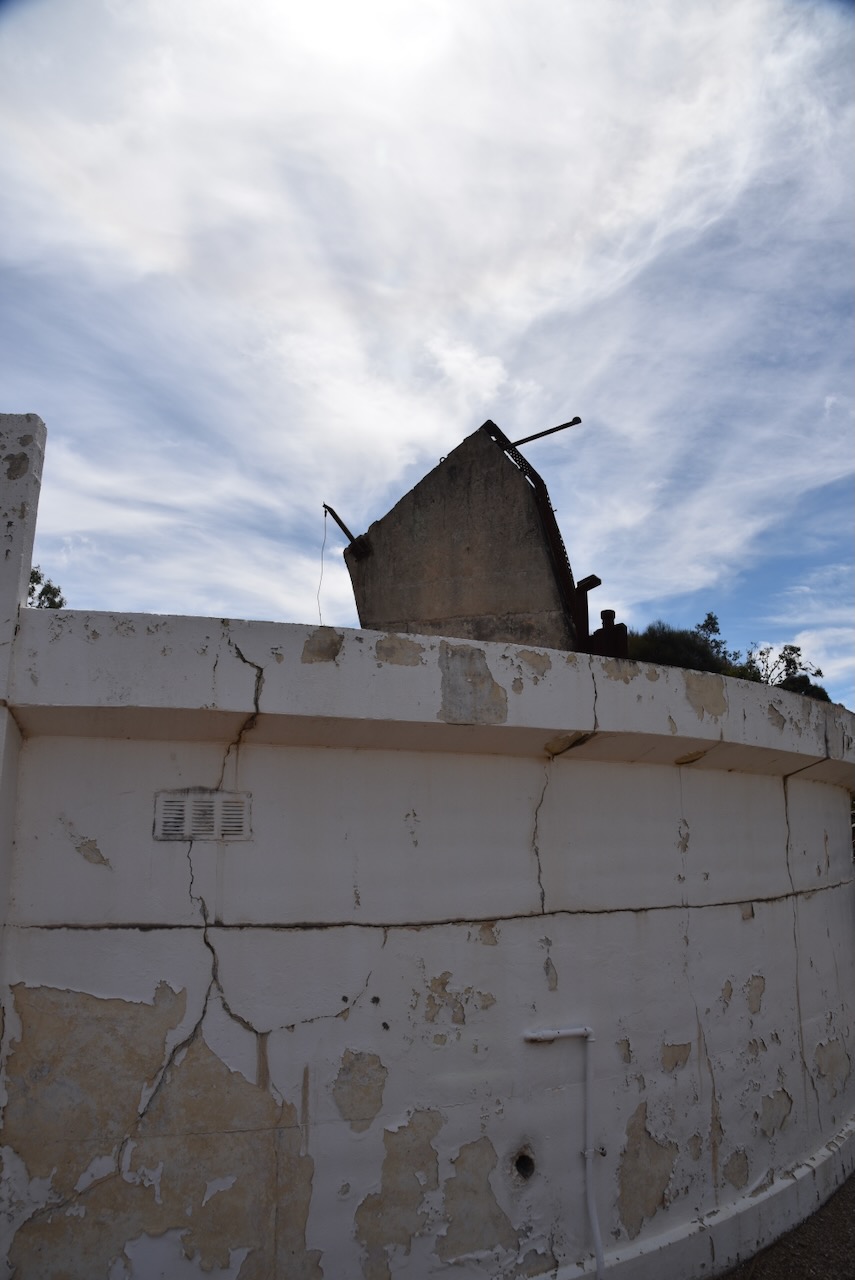
The Great Melbourne 50-inch telescope was built in 1868 by Grubb Parsons in Dublin, Ireland, a historic manufacturer of telescopes. The company was founded in 1833 by Thomas Grubb. The telescope was specifically manufactured for the Melbourne Observatory in 1868. The telescope had a mirror made of speculu, which is a heavy alloy of copper and tin. This made the telescope cumbersome to balance. Another interesting feature was that the telescope was used without a dome, which made it vulnerable to vibrations from the wind. In 1944, the telescope was purchased by Mount Stromlo following the closure of the Melbourne Observatory. The telescope had been offered for sale as scrap. (Anu.edu.au 2025) (Nla.gov.au 2026)(Wikipedia 2025)
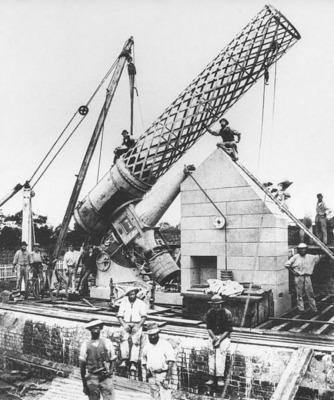
Above: Installation of the Great Melbourne Telescope, 1869. Image c/o Wikipedia
Several significant modifications were undertaken on the telescope at Mount Stromlo in the workshops. A special mirror was ordered from Great Britain. The telescope was put into use at Mount Stromlo in the 1950s. It joined the MACHO project during the 1990s to investigate ‘dark matter.’ This telescope was also destroyed during the 2003 Canberra bushfire. Just prior to its destruction, the telescope had been automated and was used in the ‘Skymapper’ project to create a digital map of the southern sky. (Anu.edu.au 2025) (Nla.gov.au 2026)
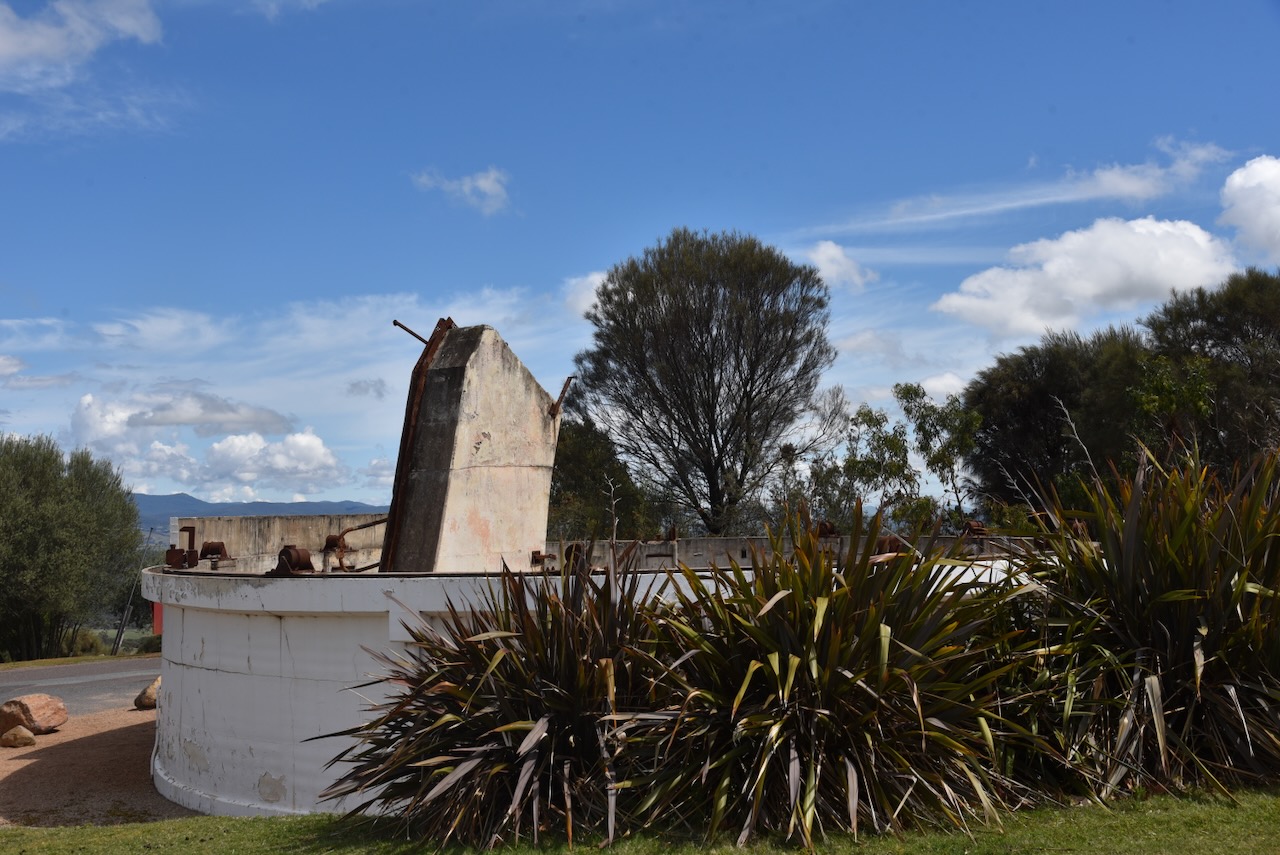
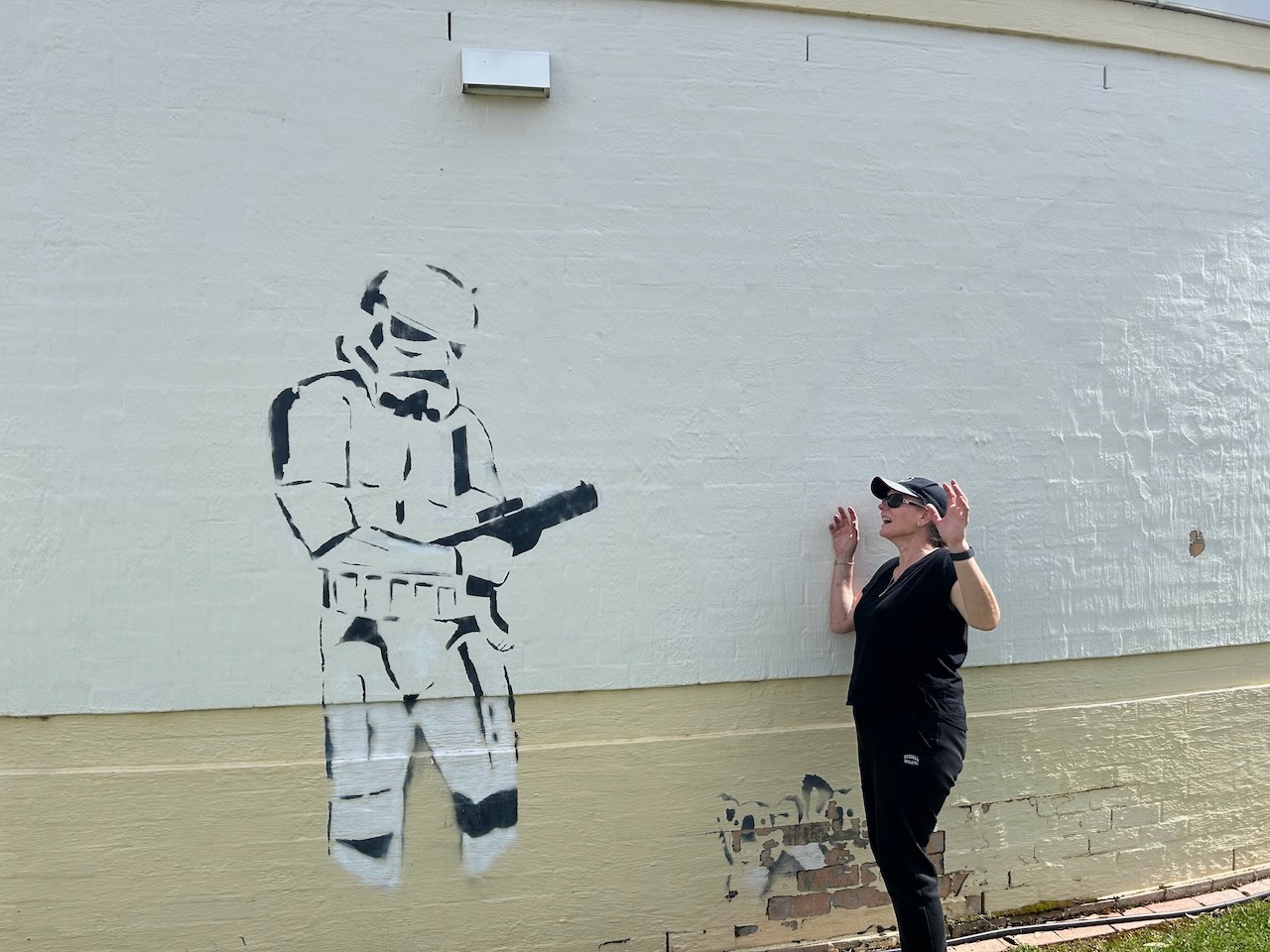
Unfortunately, the Visitor Centre was not open at the time of our visit. There is a mural of a Star Wars stormtrooper on the building.
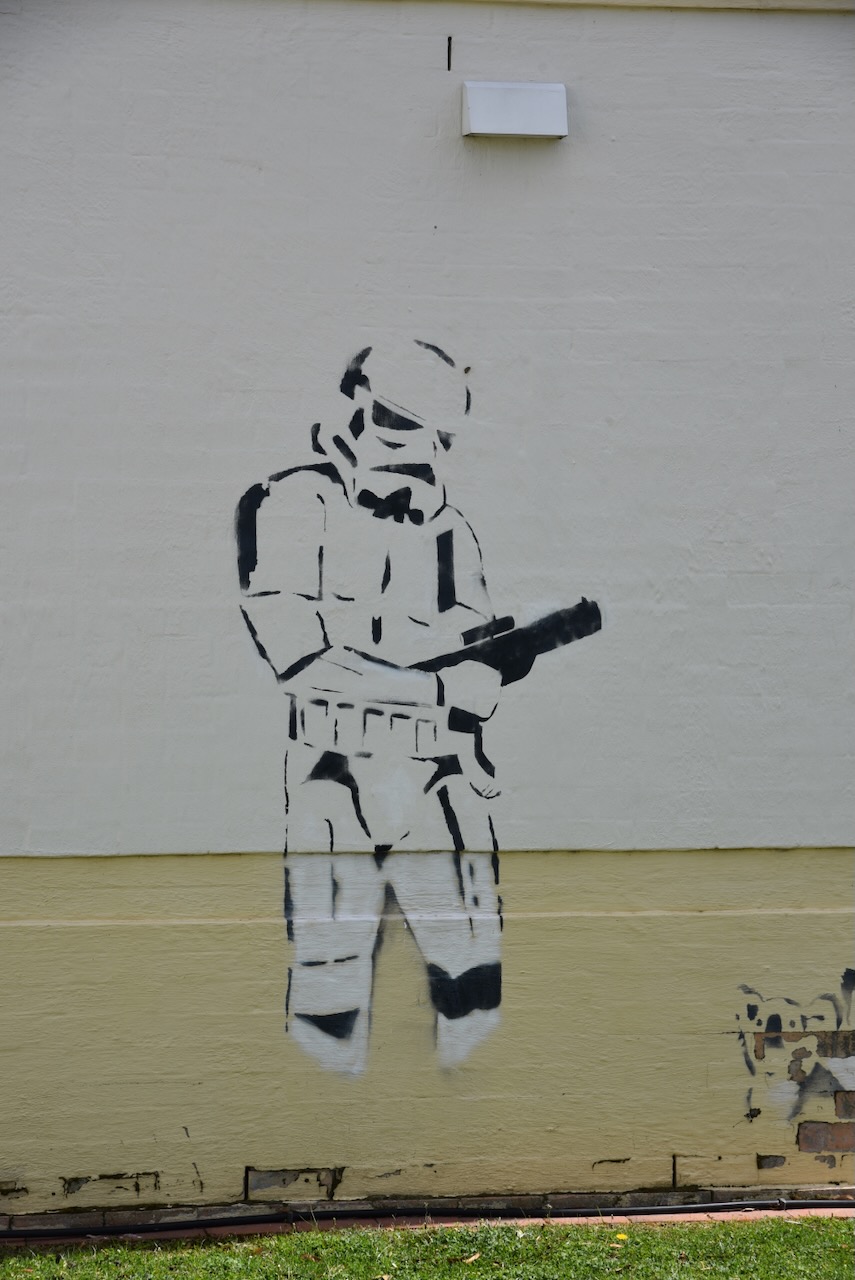
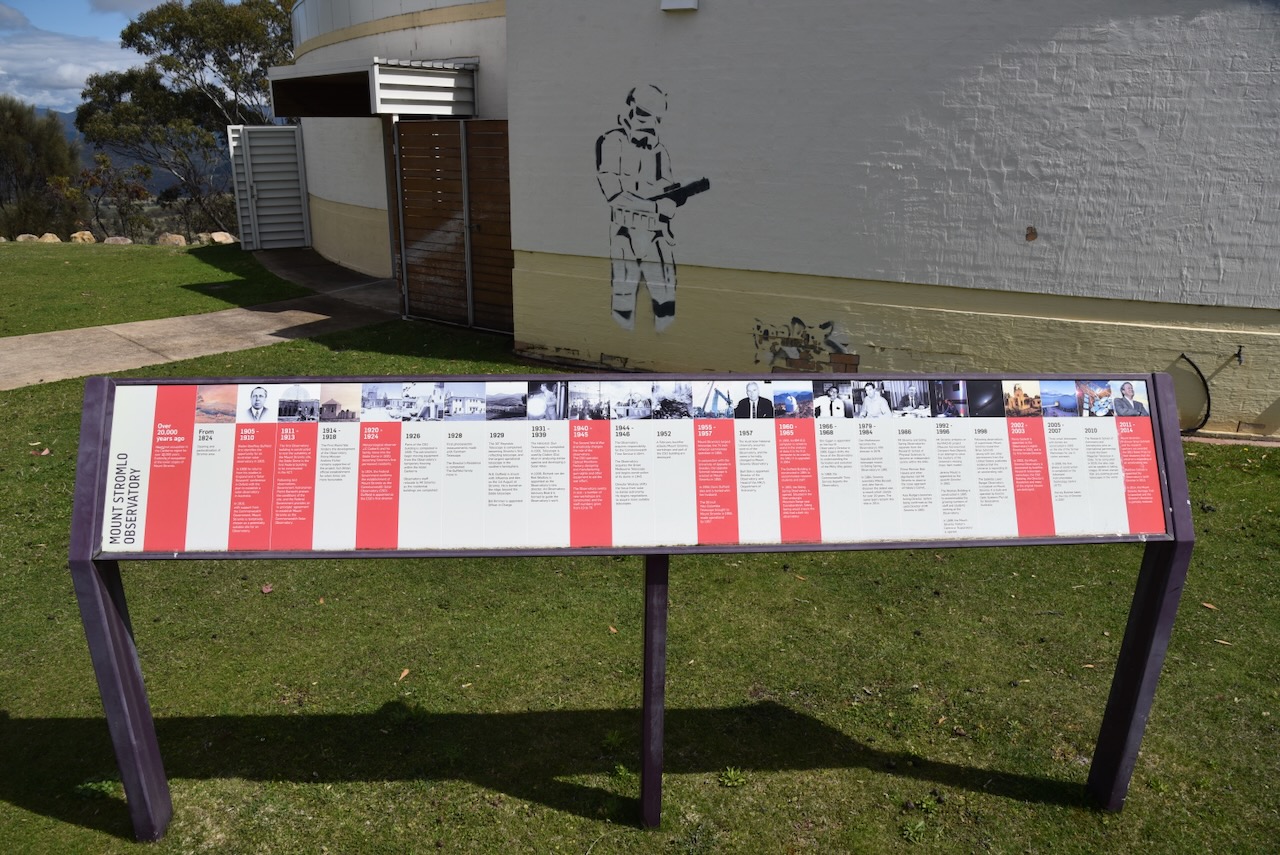
The Mount Stromlo Visitor Centre was officially opened in 1995.
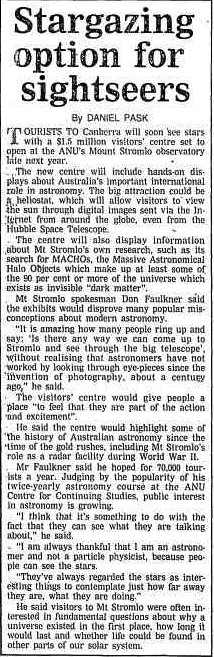
Above: article from The Canberra Times, Tue 13 Jun 1995. Image c/o Trove
The 74-inch reflector was Mount Stromlo’s primary telescope following its completion in 1955. It was Mount Stromlo’s largest and most advanced telescope, and was capable of deep-space viewing. (Anu.edu.au 2025)
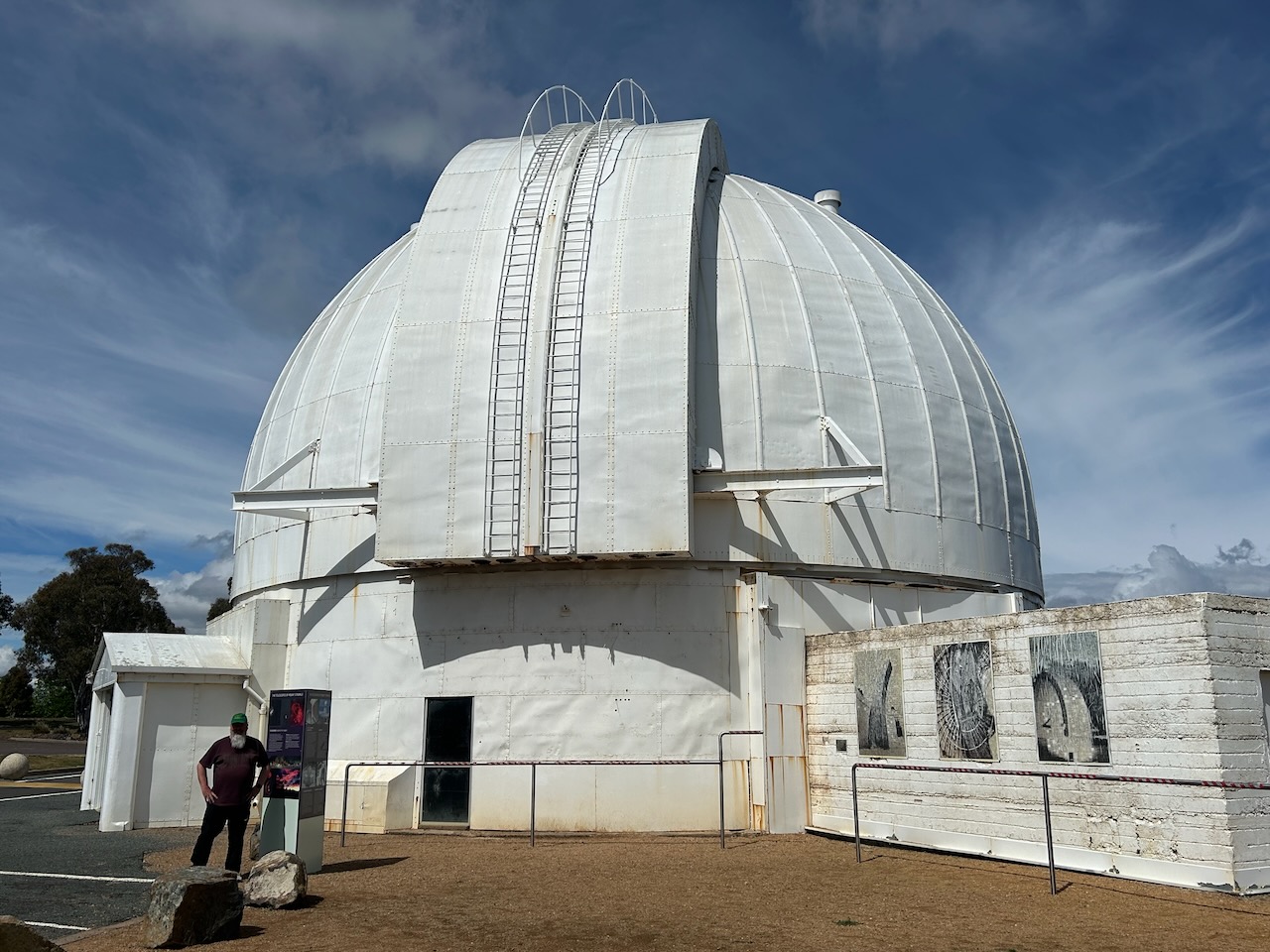
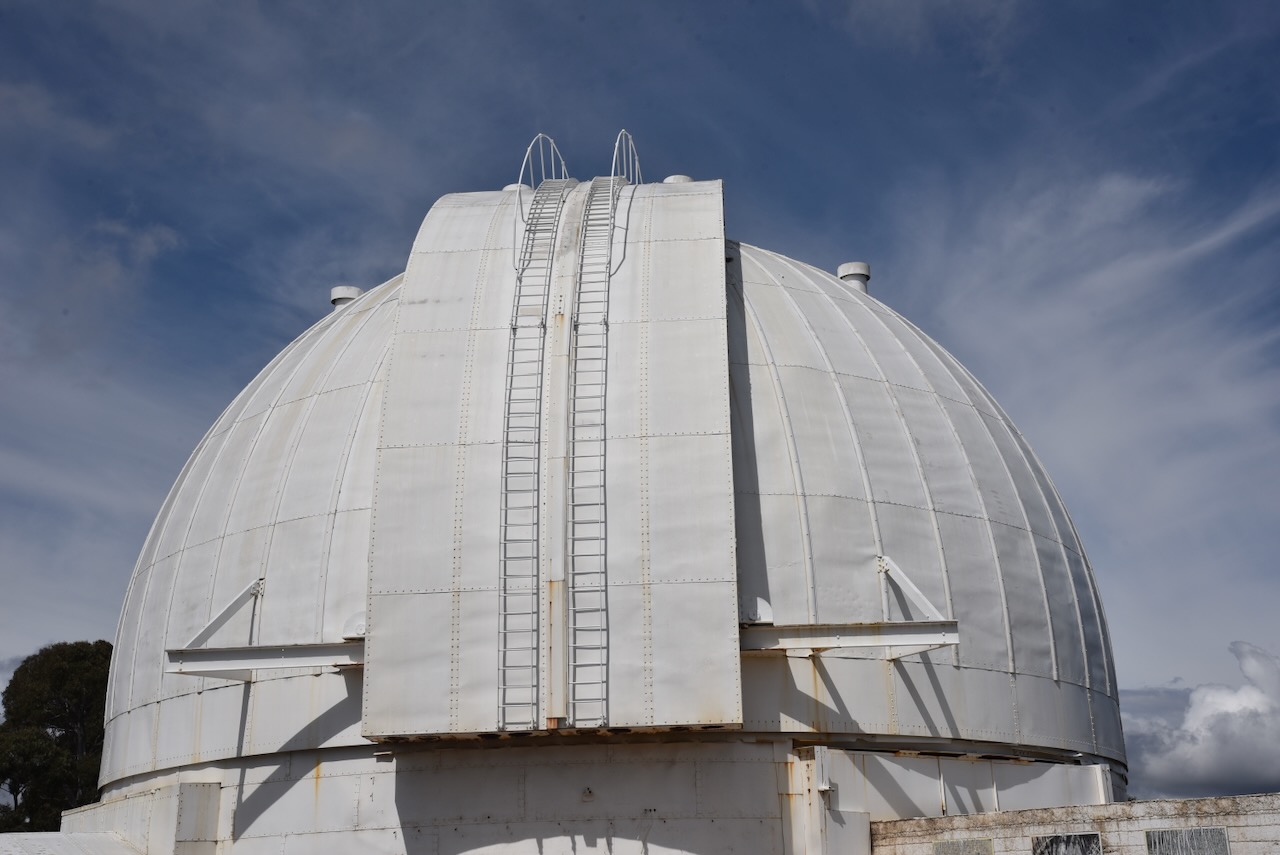
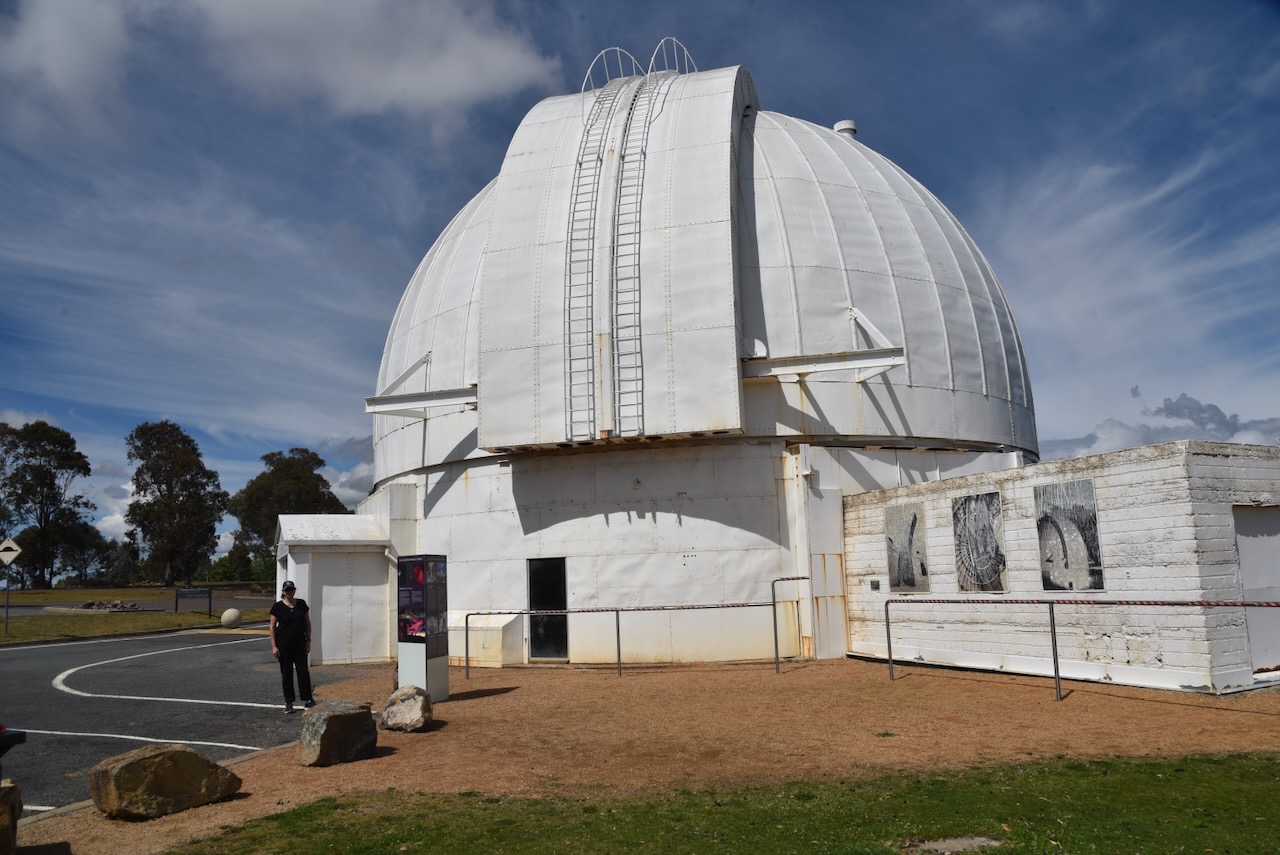
The 74-inch telescope was built by Grubb Parsons in Dublin, Ireland. In 1947, the telescope was ordered by Mount Stromlo’s Director, Richard van der Riet Woolley. At the time, it was the largest telescope in the southern hemisphere and one of the largest in the world. The telescope weighed 70 tons and cost £100,00. (Exhibitions 2024) (Nla.gov.au 2026)
Just prior to the telescope being shipped to Australia, Woolley stated:
“The new telescope, combined with other equipment we are setting up, will mean that instead of being able to study, say, only the 20 brightest stars in the southern skies, we will be able to see and, more important still, photograph the next brightest hundred stars.” (Nla.gov.au 2026)
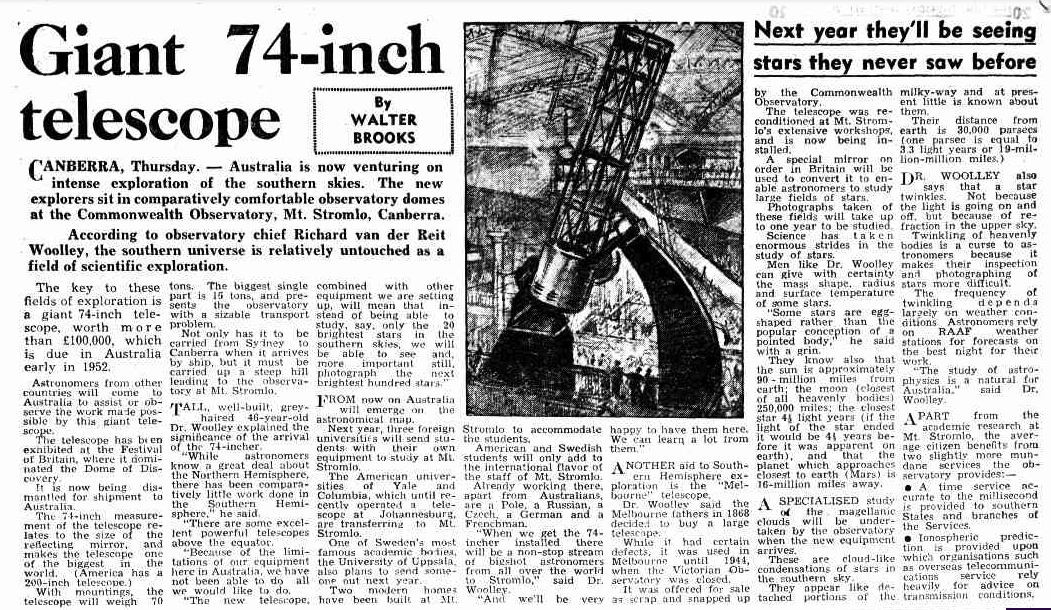
Above: article from The Sun, Thu 25 Oct 1951. Image c/o Trove
Prior to being sent to Australia, the telescope was on display in 1951 at the Festival of Britain in London’s South Bank, in the ‘Dome of Discovery.’ (Exhibitions 2024)
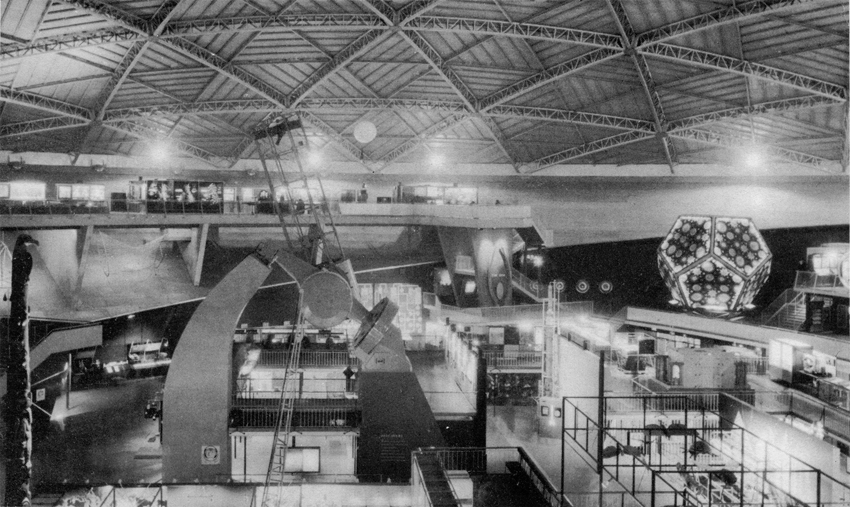
Above: The interior of the Dome of Discovery, showing the 74-inch telescope. Image c/o Wikipedia
The telescope was destroyed in the 2003 bushfire. Only the dome and the adjoining burnt-out building remain.
The Heliostat is a Sun telescope. It was completed in 1931 and used two flat mirrors that tracked the sun and passed the sun’s light down the tower through a 12-inch lens. This was then reflected into a camera or a 3-prism spectrograph. Amongst other uses, the Mount Stromlo Heliostat was used to monitor solar flares and sunspots. With an emphasis on stellar astronomy at Mount Stromlo after World War II, the Heliostat began to fall into disuse. The last observations were taken in 1957. (Anu.edu.au 2025)
Renowned astronomer Clabon ‘Cla’ Allen visited Mount Stromlo and used the Heliostat to measure and photograph the spectrum of the sun.
The Heliostat was destroyed in 2003 during the Canberra bushfire. The Visitor Centre now has a similar Heliostat. (Anu.edu.au 2025)
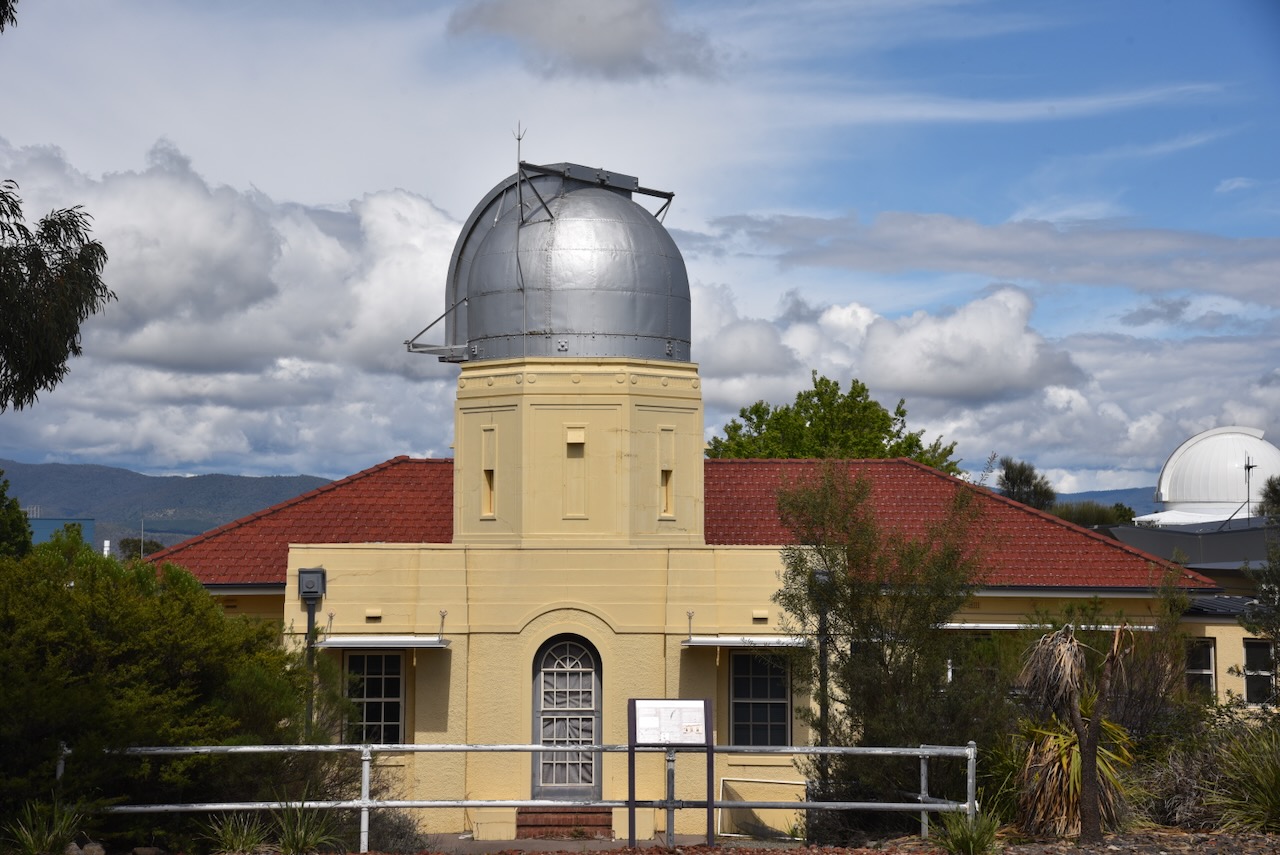
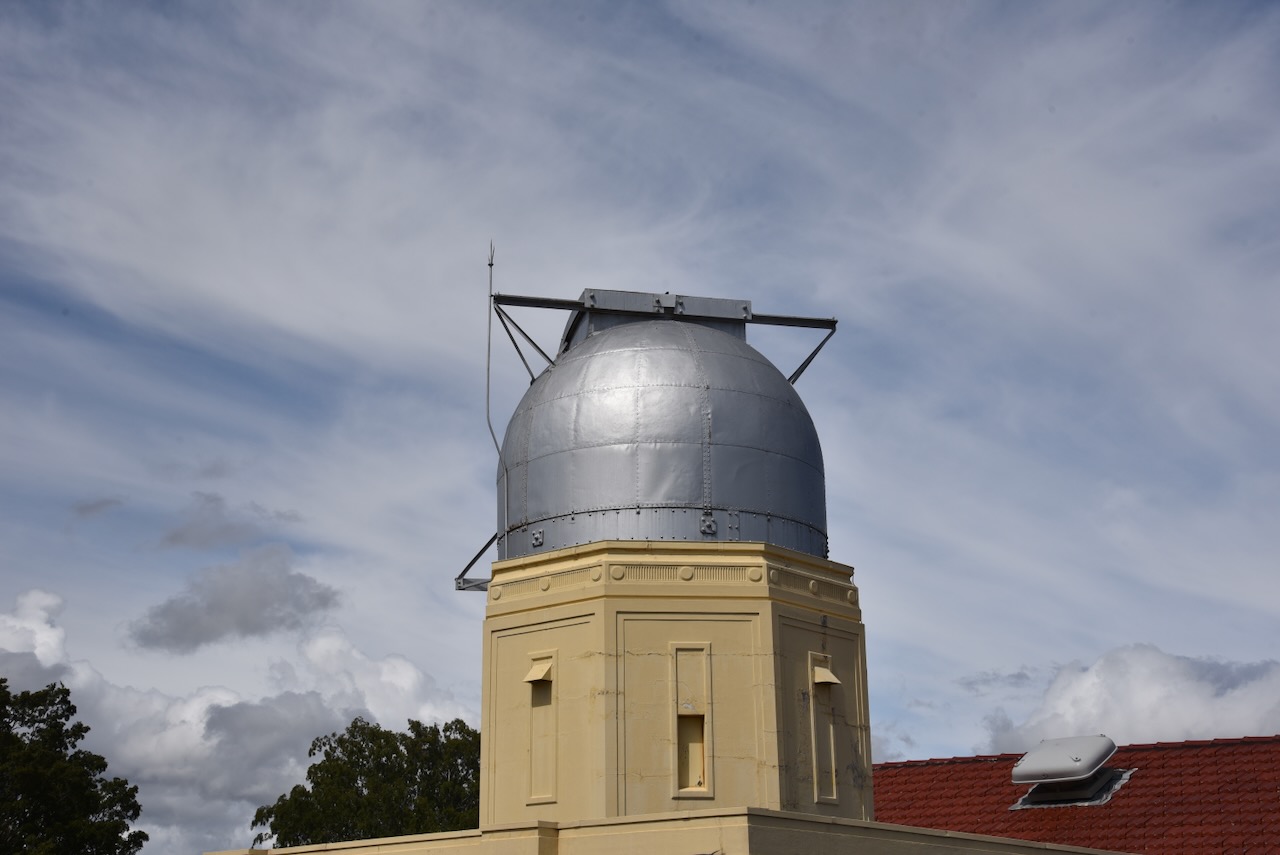
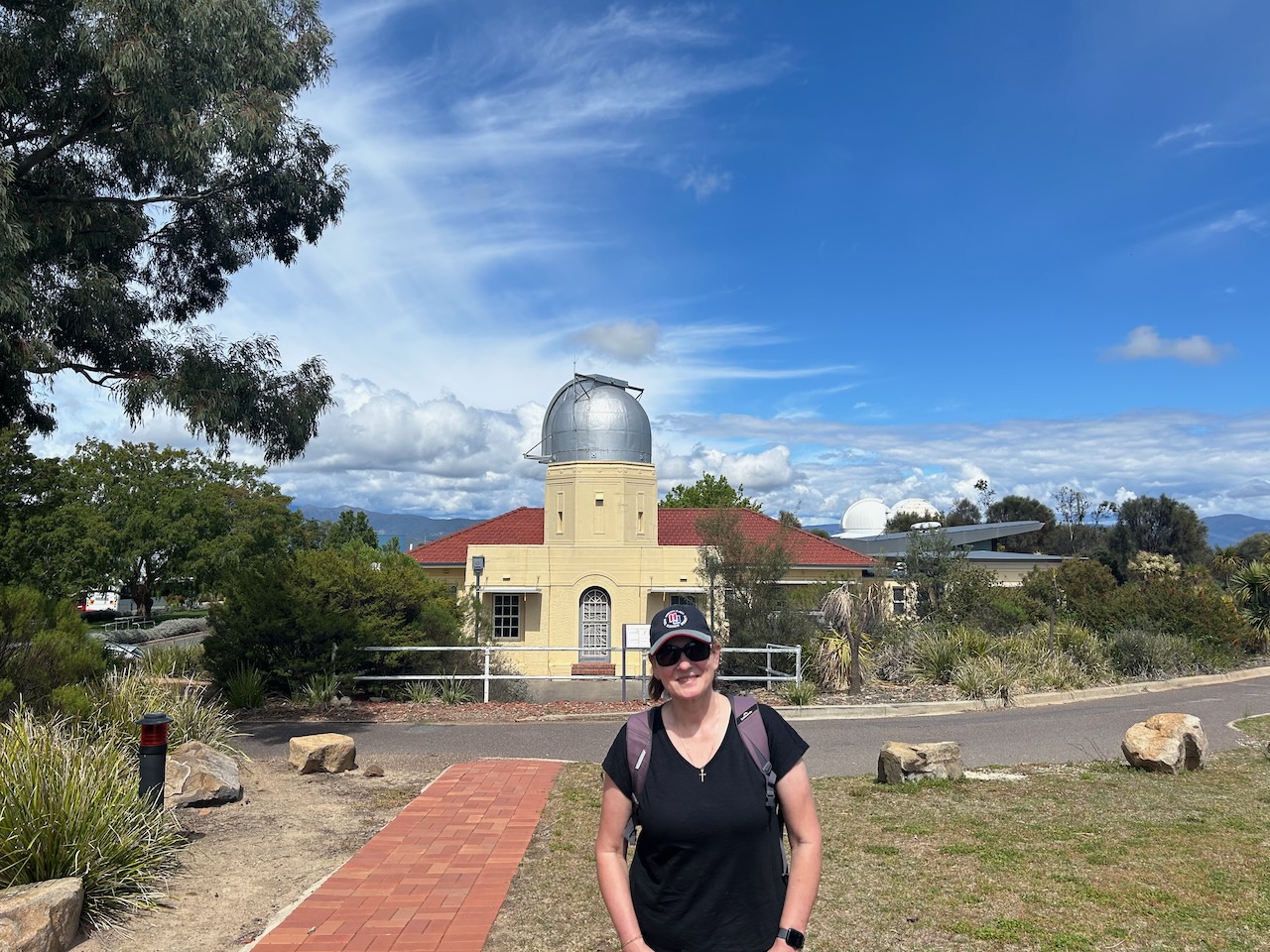
The Commonwealth Solar Observatory building was built between 1924 and 1926 and was designed by John Smith Murdoch, the government architect who also designed Old Parliament House in Canberra. (Anu.edu.au 2025)
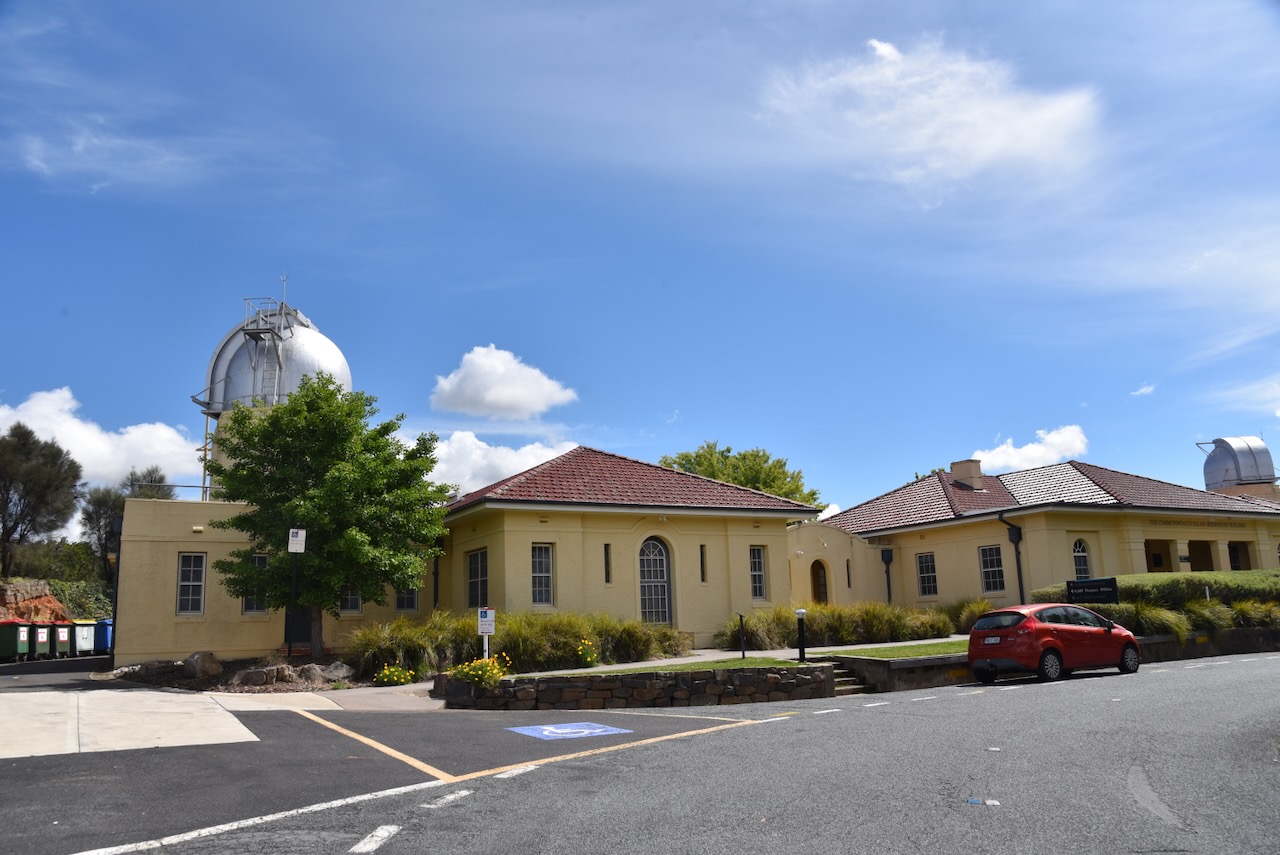
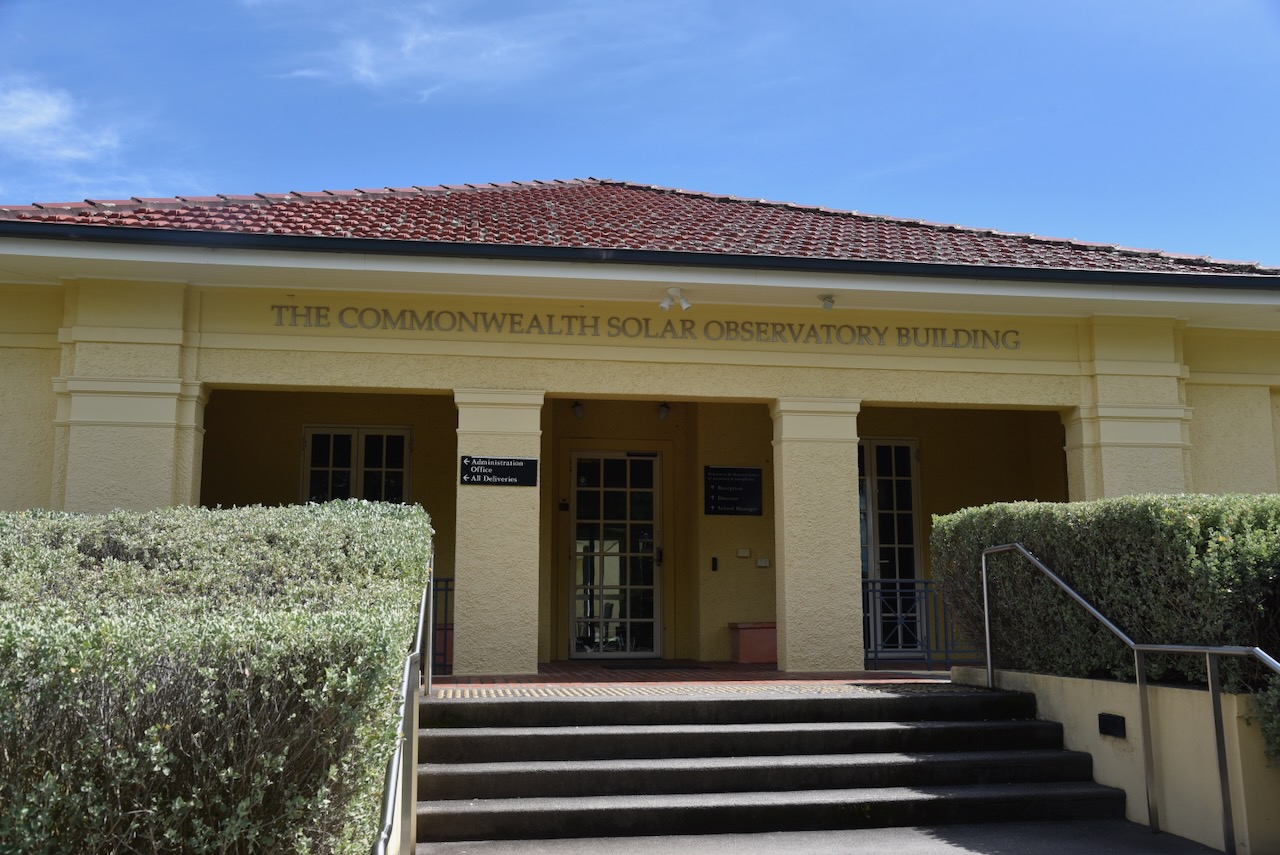
The 6-inch Farnham telescope was built in 1886 by Grubb Parsons in Ireland and was donated by the estate of Lord Farnham in 1907 to the Commonwealth. The Rt Hon. Somerset Henry Maxwell, 10th Baron Farnham ‘Lord Farnham’ was a keen astronomer. The telescope was installed in 1928. In 1965, the Farnham telescope was used to track and photograph the Ikeya-Seki comet. (Anu.edu.au 2025) (Nla.gov.au 2026)
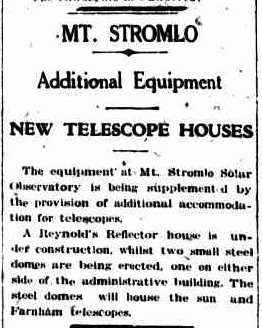
Above: article from The Canberra Times, Tue 30 Aug 1927. Image c/o Trove
The Administration Building was severely damaged in the 2003 Canberra bushfire. The Farnham telescope was the only telescope to survive the 2003 Canberra bushfire.
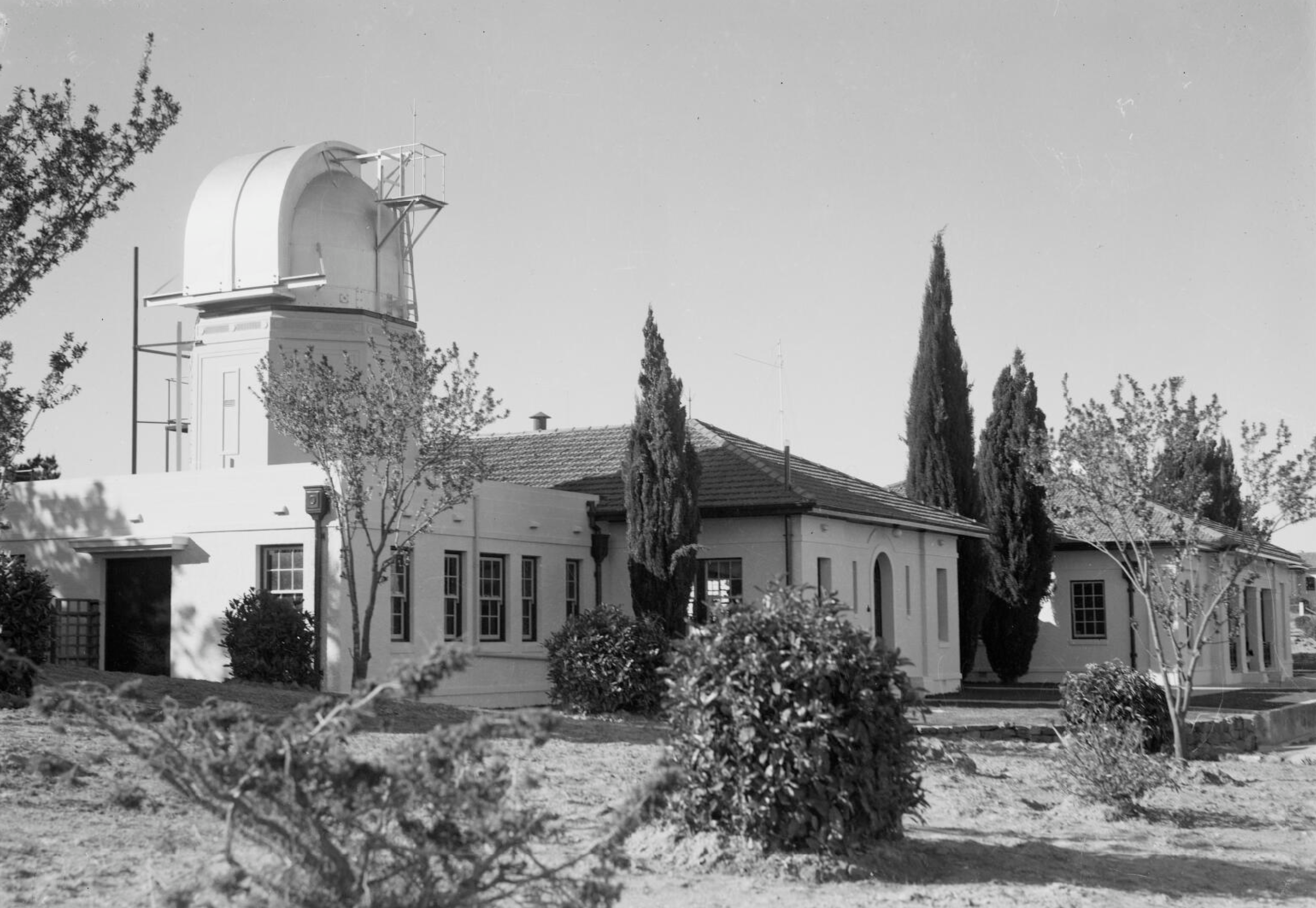
Above: the Farnham telescope and the Commonwealth Solar Observatory building, c. 1951. Image c/o National Library of Australia
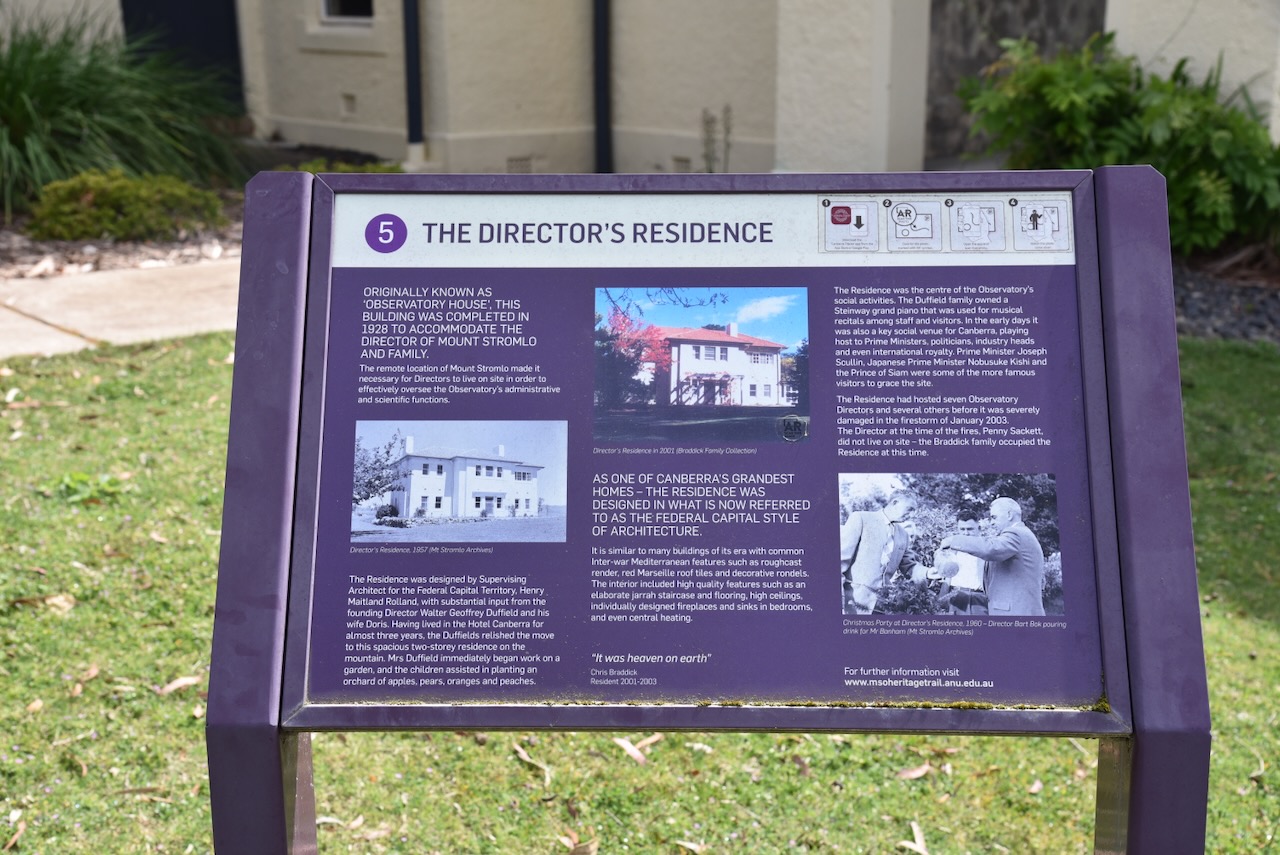
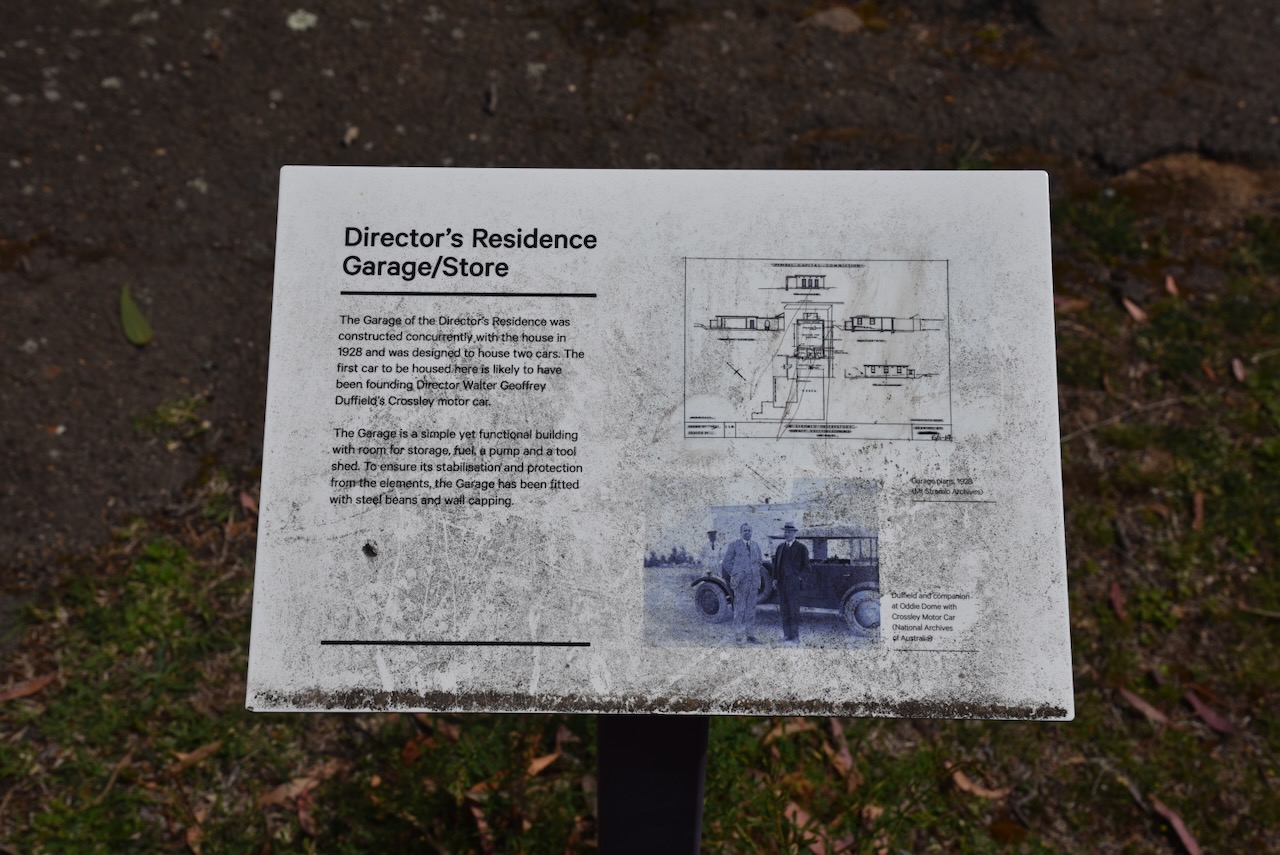
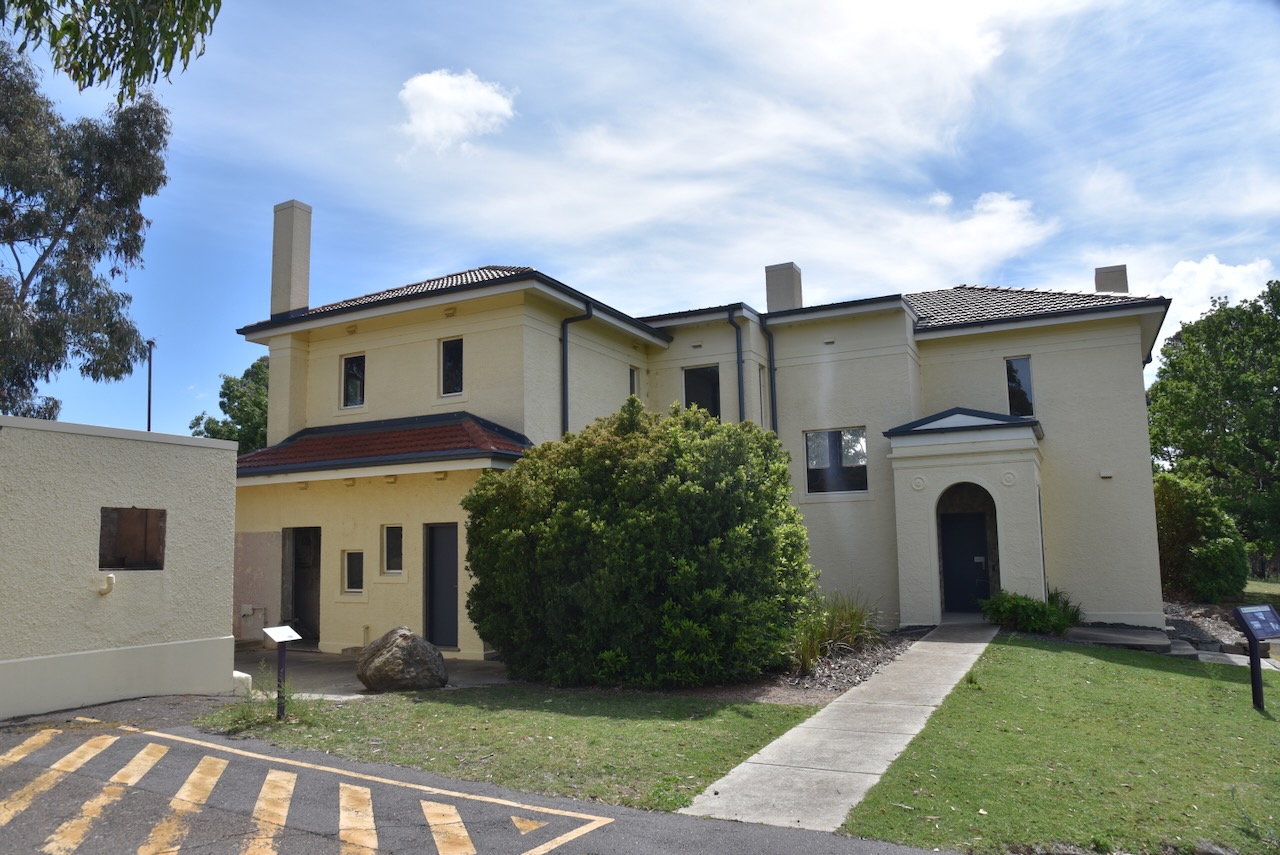
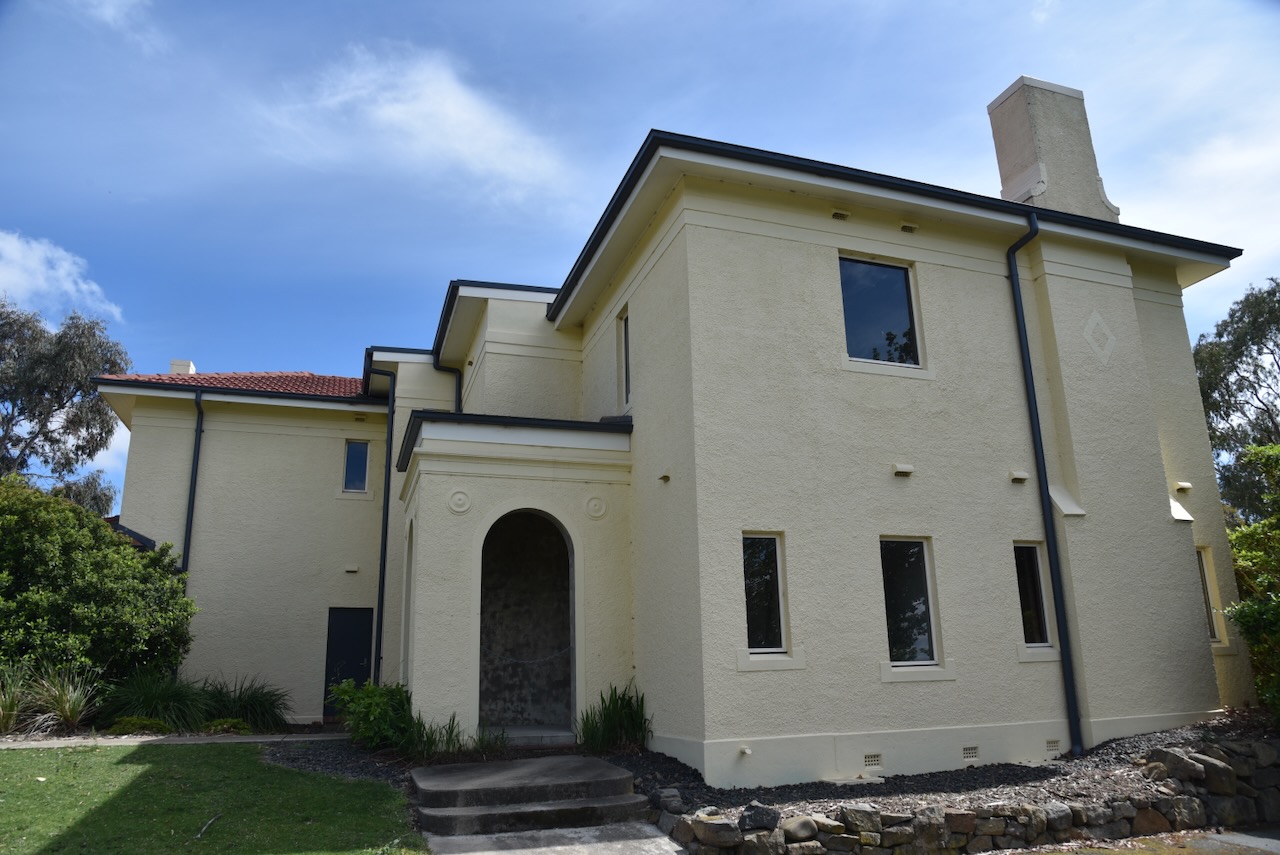
The Director’s residence was originally known as ‘Observatory House.’ It was built in 1928 to accommodate the Mount Stromlo Director and his family. The building was described as one of Canberra’s grandest homes. It was occupied by the founding Director of Mount Stromlo, Walter Geoffrey Duffield. The Director’s residence was destroyed in the 2003 Canberra bushfire and reopened in 2015. (Wikipedia 2025).
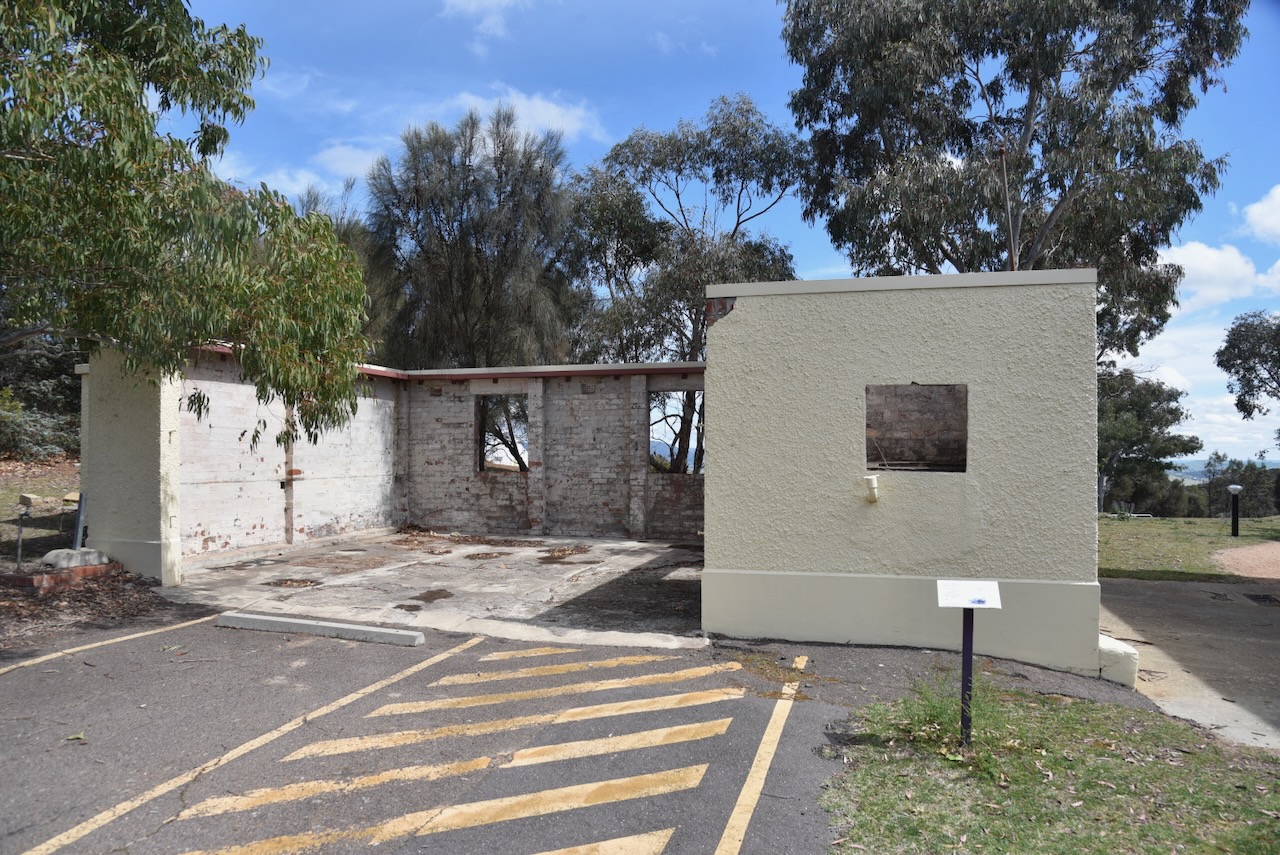
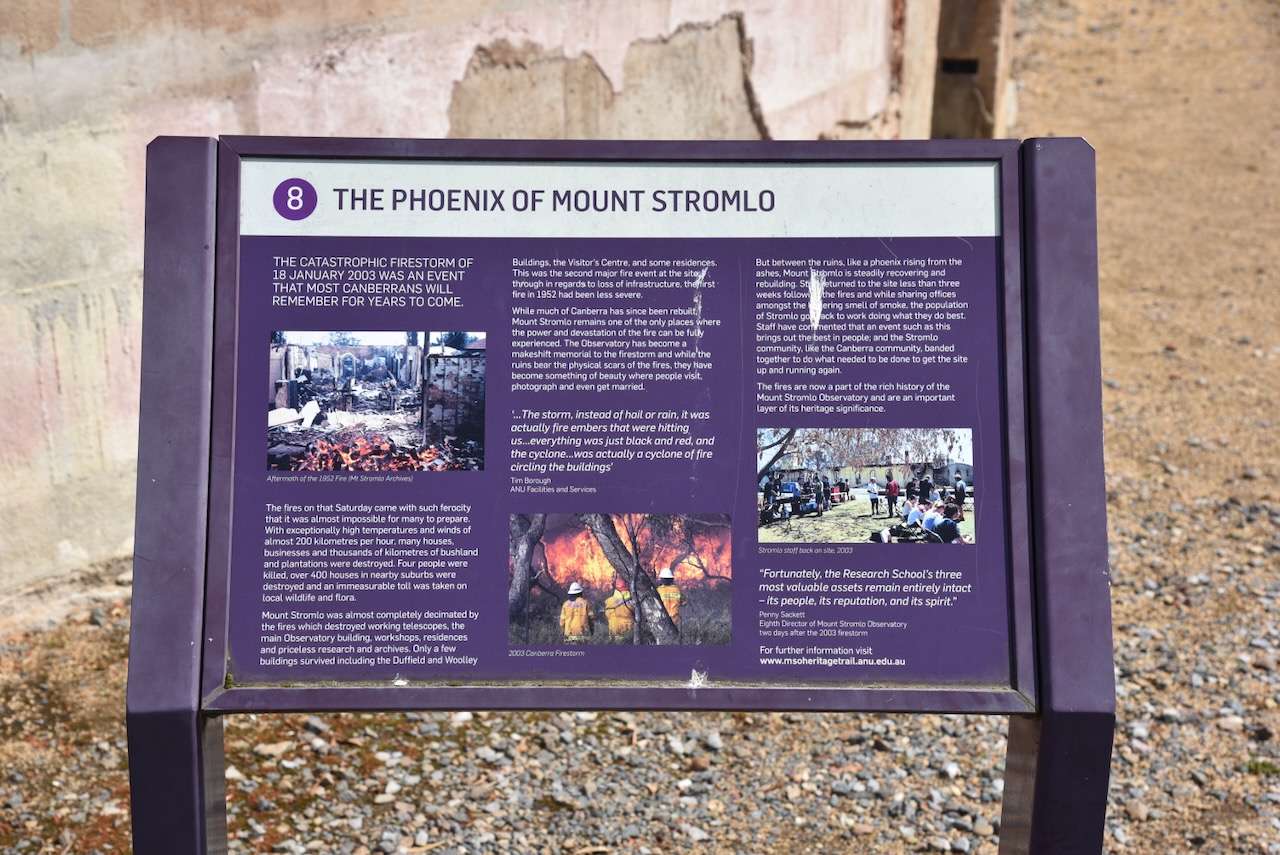
As mentioned previously in this post, Canberra was devastated by a fire on the 18th January 2003. Four people were killed, and over 500 homes were destroyed. Mount Stromlo was severely impacted by the fire. But this was not the first time that Mount Stromlo had faced the challenge of fire.
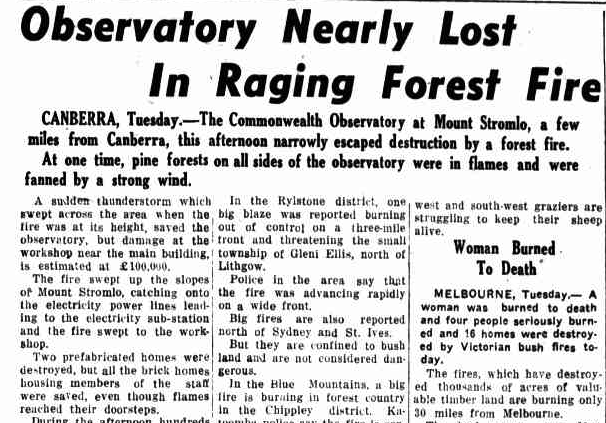
Above: part of an article from the Central Western Daily, Wed 6 Feb 1952. Image c/o Trove
The 2003 fire, which impacted Mount Stromlo, destroyed five telescopes, the administration building, various workshops, and seven homes. The surviving telescope was the 1886 Farnham telescope. If you visit the National Museum of Australia, you can view remnants of the fire at Mount Stromlo, including a melted telescope mirror and a piece of melted optical glass that has pieces of charcoal and wire fused into it from the heat of the fire. (Wikipedia 2025)
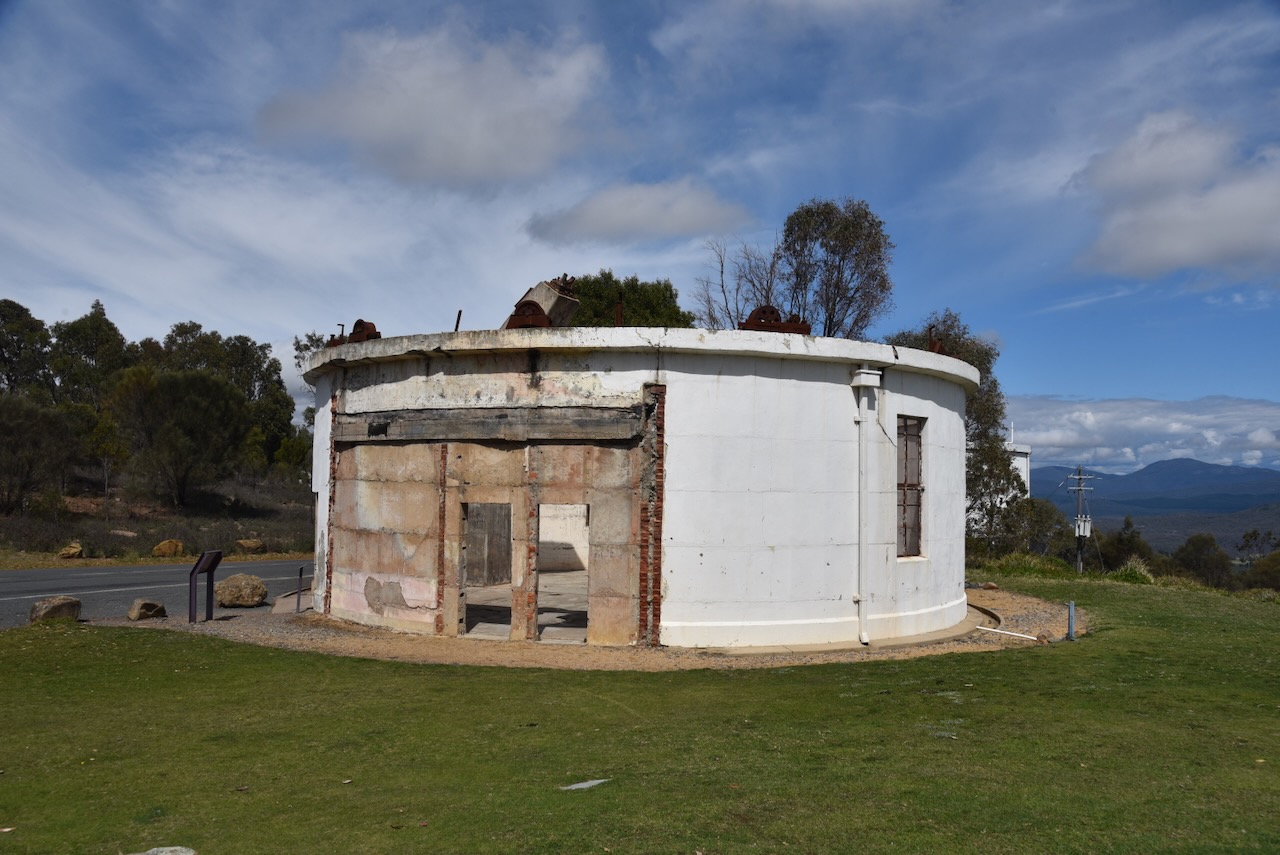
Below is a video produced by ANU TV on the impact of the Canberra bushfire on Mount Stromlo.
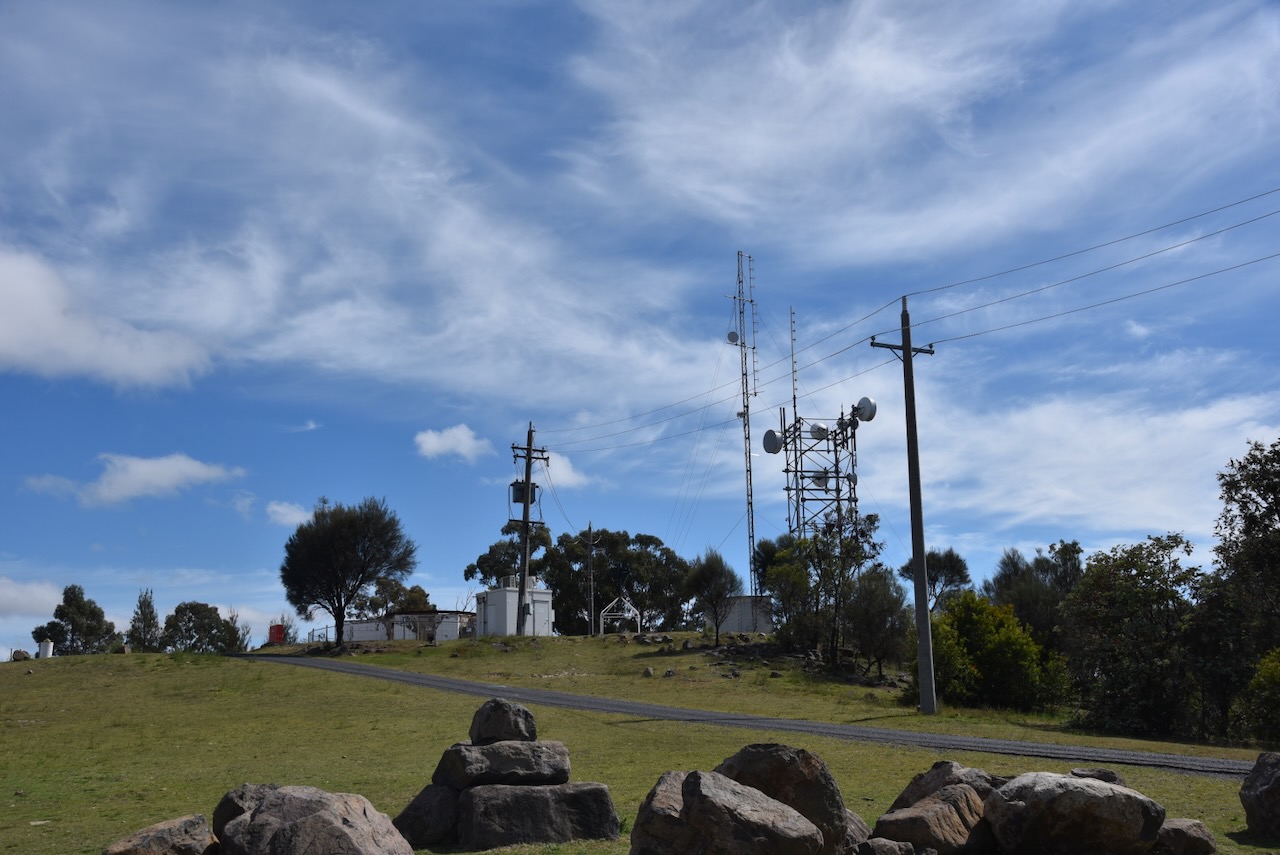
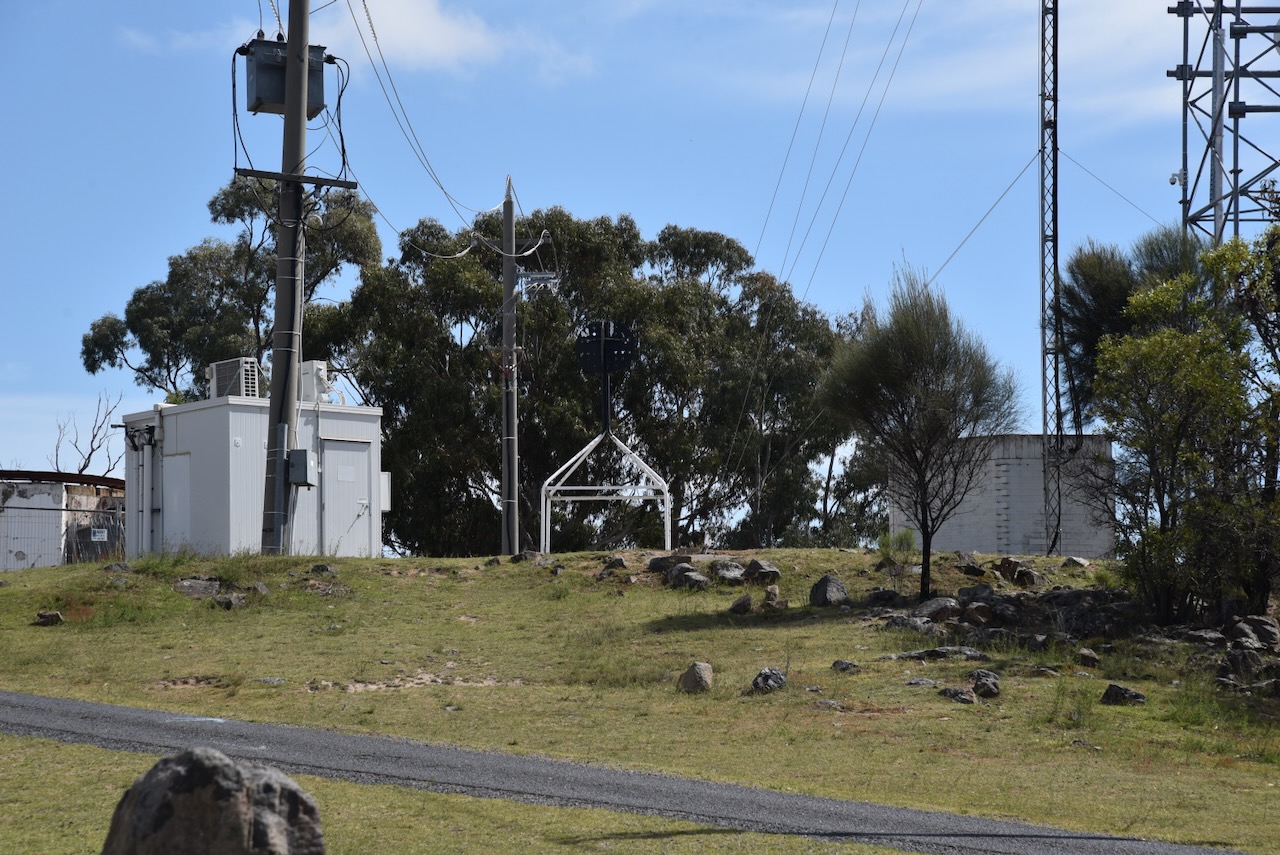
Below is a view up to the telecommunications equipment and the trig point.
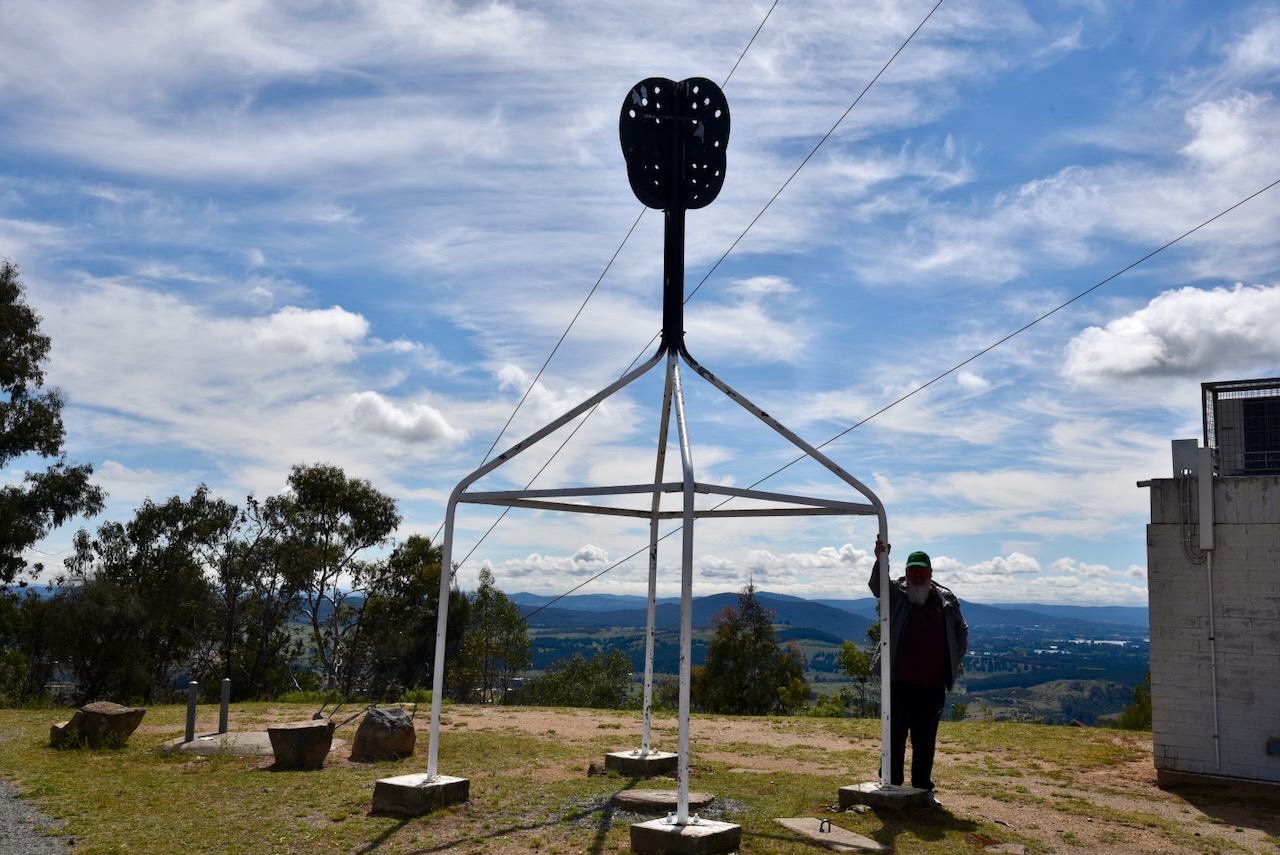
Below is a photograph of me at the trig point at Mount Stromlo.
Mount Stromlo is worth 1 point in the Summits On The Air (SOTA) program. It has been activated a total of 422 times. The first activation was back in February 2013 by Matt VK1MA. (Sotadata.org.uk 2026)
We set up in a clearing. Unfortunately, we had a strength 7 noise on the 40m band, and this made it extremely difficult to copy the weaker stations that were calling us. Marija and I apologise to those who were calling who we were unable to log. Yes, we should have listened to Andrew VK1DA’s advice about the noise and where to set up. However, there was zero noise floor on the 20m band.
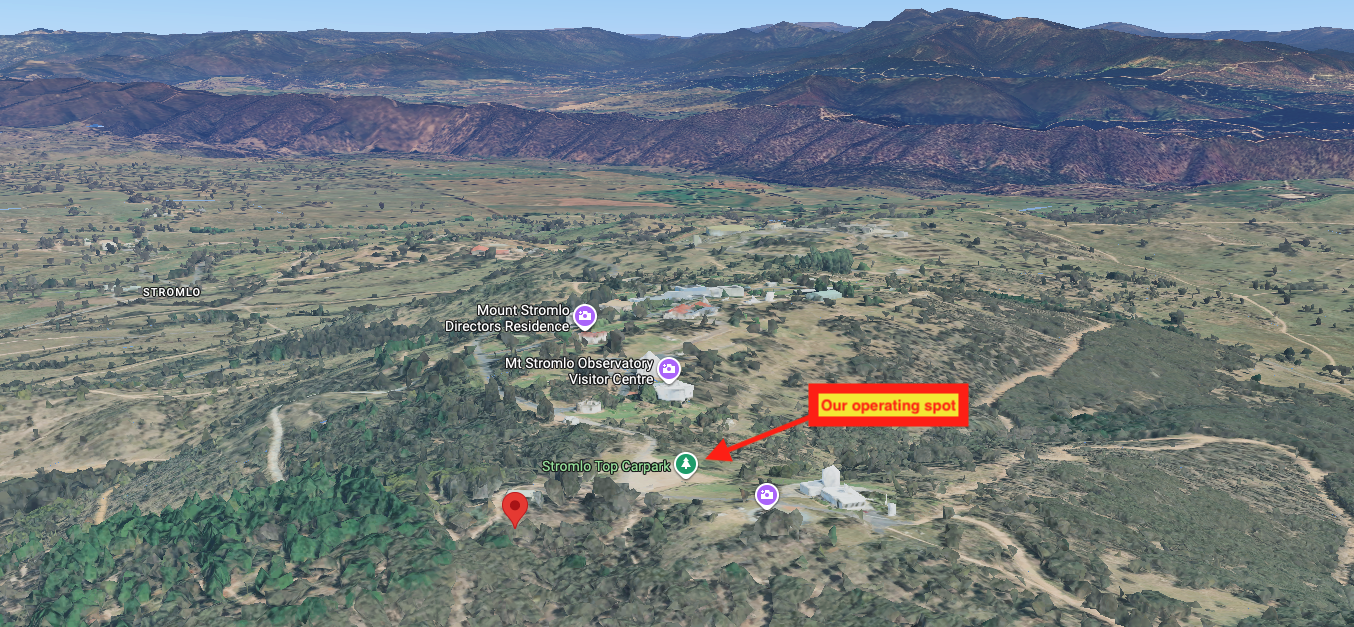
Above: an aerial view of Mount Stromlo showing our operating spot. Image c/o Google Maps
As this was a drive-up summit, we had the luxury of a fold-up table and deck chair. We ran the Yaesu FT857, 40 watts, and the 20/40/80m linked dipole. It was a beautiful morning, and the view was quite amazing.
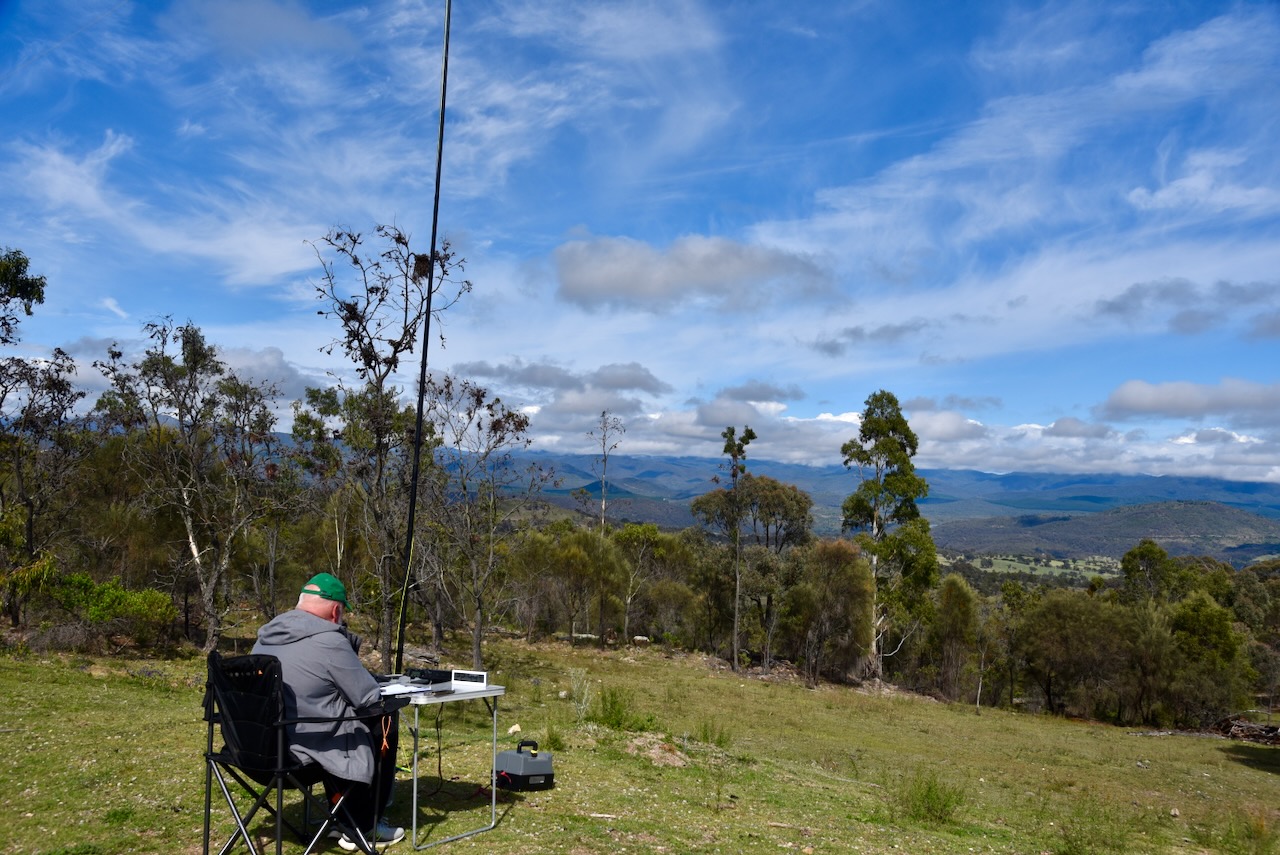
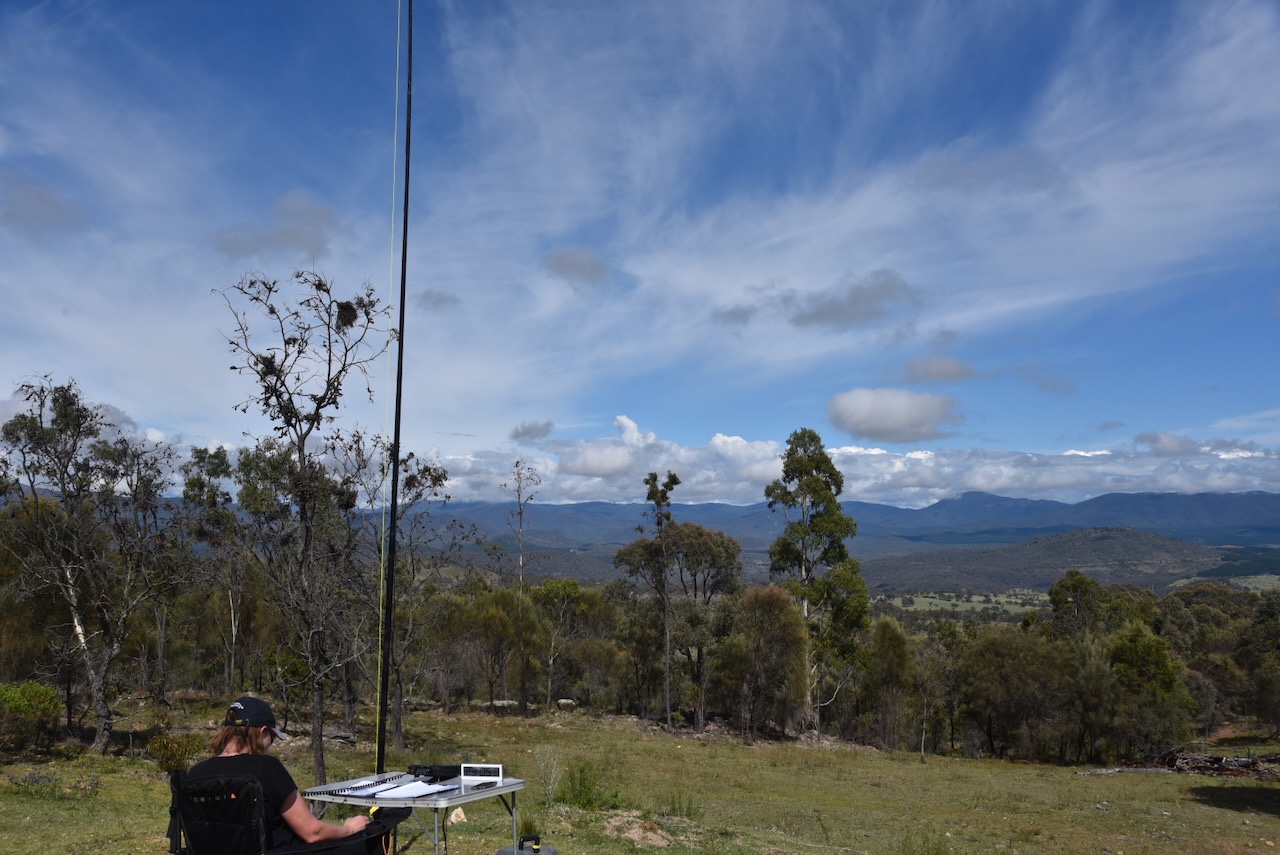
Marija worked the following stations on 40m SSB:-
- VK
I worked the following stations on 40m SSB:-
- VK1AD
- VK1NAM
- VK3IH
- VK3YE/P
- VK1DI
- VK2IO/P (VKFF-0833)
- VK1RX/3
- VK2ETI
- VK1AO
- VK2MET
- VK2UGB
- VK1AAF
I worked the following stations on 20m SSB:-
- VK3PF/P (VKFF-2400 & SOTA VK3/ VE-138)
- VK1AD
- VK1NAM
- VK2IO/P (VKFF-0833)
References.
- Allen, C.W. (1981). Duffield, Walter Geoffrey (1879–1929). [online] Anu.edu.au. Available at: https://adb.anu.edu.au/biography/duffield-walter-geoffrey-6027 [Accessed 21 Feb. 2026].
- ancestry (2016). Ancestry® | Genealogy, Family Trees & Family History Records. [online] Ancestry.com.au. Available at: https://www.ancestry.com.au/. [Accessed 21 Feb. 2026]
- Anu.edu.au. (2025). iboss Network Security. [online] Available at: https://rsaa.anu.edu.au/. [Accessed 21 Feb. 2026]
- Exhibitions. (2024). Stromlo’s Telescopes. [online] Available at: https://exhibitions.cmag.com.au/outer-space-stromlo-to-the-stars/stromlo-s-telescopes [Accessed 22 Feb. 2026].
- Nla.gov.au. (2026). Making sure you’re not a bot! [online] Available at: https://trove.nla.gov.au/newspaper/article/10739518/357240 [Accessed 21 Feb. 2026].
- Nla.gov.au. (2026). Making sure you’re not a bot! [online] Available at: https://trove.nla.gov.au/newspaper/page/24673851?searchTerm=74%20inch%20%2B%20dome%20of%20discovery [Accessed 22 Feb. 2026].
- Nla.gov.au. (2026). Making sure you’re not a bot! [online] Available at: https://trove.nla.gov.au/newspaper/page/14185902?searchTerm=heliostat%20%2B%20stromlo [Accessed 23 Feb. 2026].
- Nla.gov.au. (2026). Making sure you’re not a bot! [online] Available at: https://trove.nla.gov.au/newspaper/article/105870308?searchTerm=farnham%20telescope%20%2B%20stromlo [Accessed 23 Feb. 2026].
- Sotadata.org.uk. (2026). Sotadata3. [online] Available at: https://www.sotadata.org.uk/en/summit/VK1/AC-043 [Accessed 23 Feb. 2026].
- Trove. (2026). Vol. 29 No. 11 (1 November 1963). [online] Available at: https://nla.gov.au/nla.obj-749261874/view?sectionId=nla.obj-754307518&searchTerm=james+oddie+%2B+astronomy&partId=nla.obj-749268296#page/n16/mode/1up/search/james+oddie+%2B+astronomy [Accessed 21 Feb. 2026].
- Wikipedia Contributors (2024). Mount Stromlo. [online] Wikipedia. Available at: https://en.wikipedia.org/wiki/Mount_Stromlo. [Accessed 21 Feb. 2026]
- Wikipedia. (2019). Parliament House. [online] Available at: https://en.wikipedia.org/wiki/Parliament_House. [Accessed 22 Feb. 2026]
- Wikipedia Contributors (2025). Mount Stromlo Observatory. Wikipedia.
- Wikipedia Contributors (2025). Grubb Parsons. Wikipedia.
 VK5PAS