
It was now Wednesday, 5th November 2025, and time for us to leave Jerilderie and head to Swan Hill in Victoria. We had thoroughly enjoyed our time in Jerilderie and the surrounding district.
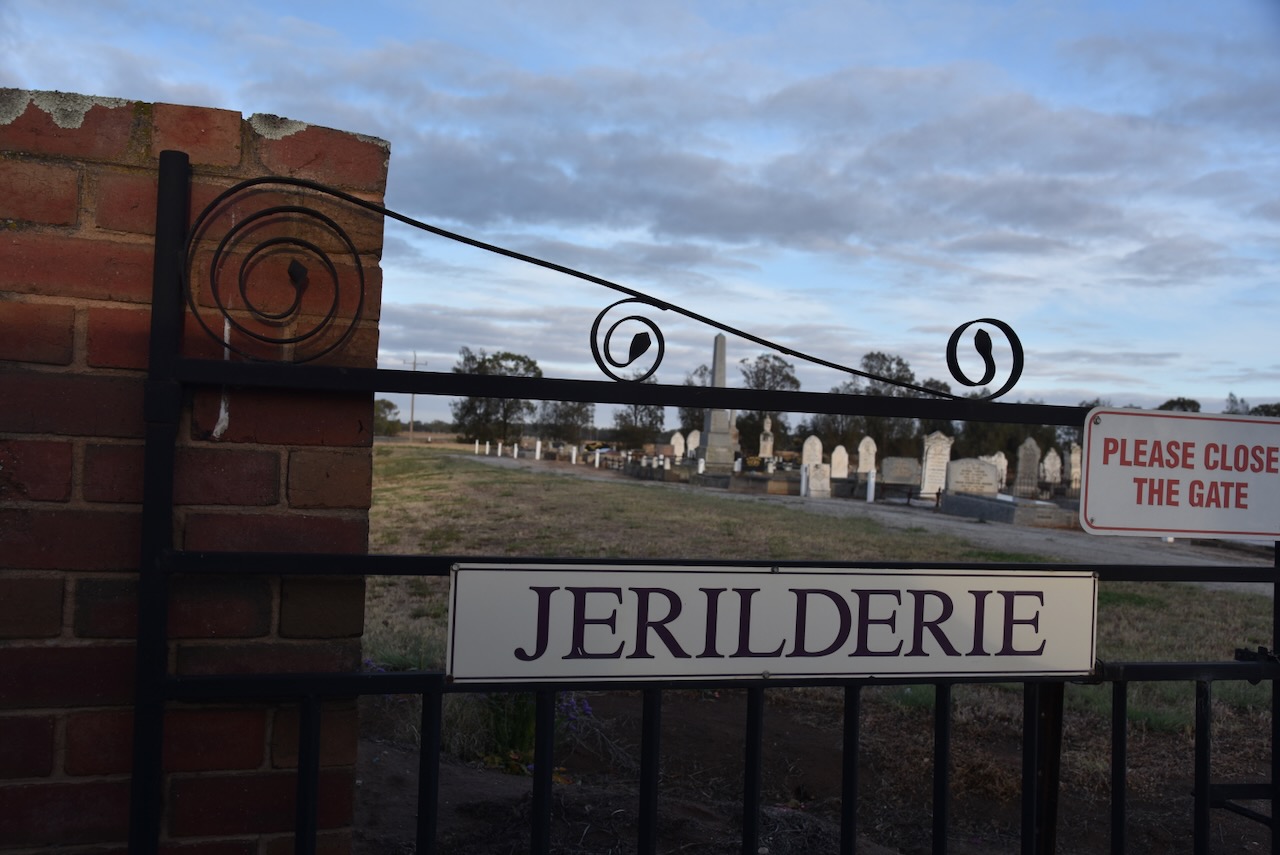
But before heading off, we made a quick visit to the Jerilderie cemetery. It is located on the Conargo Road and was established in c. 1870. Jerilderie was established in 1859, about 11 years earlier. The cemetery features several historic headstones. (Findagrave 2016)
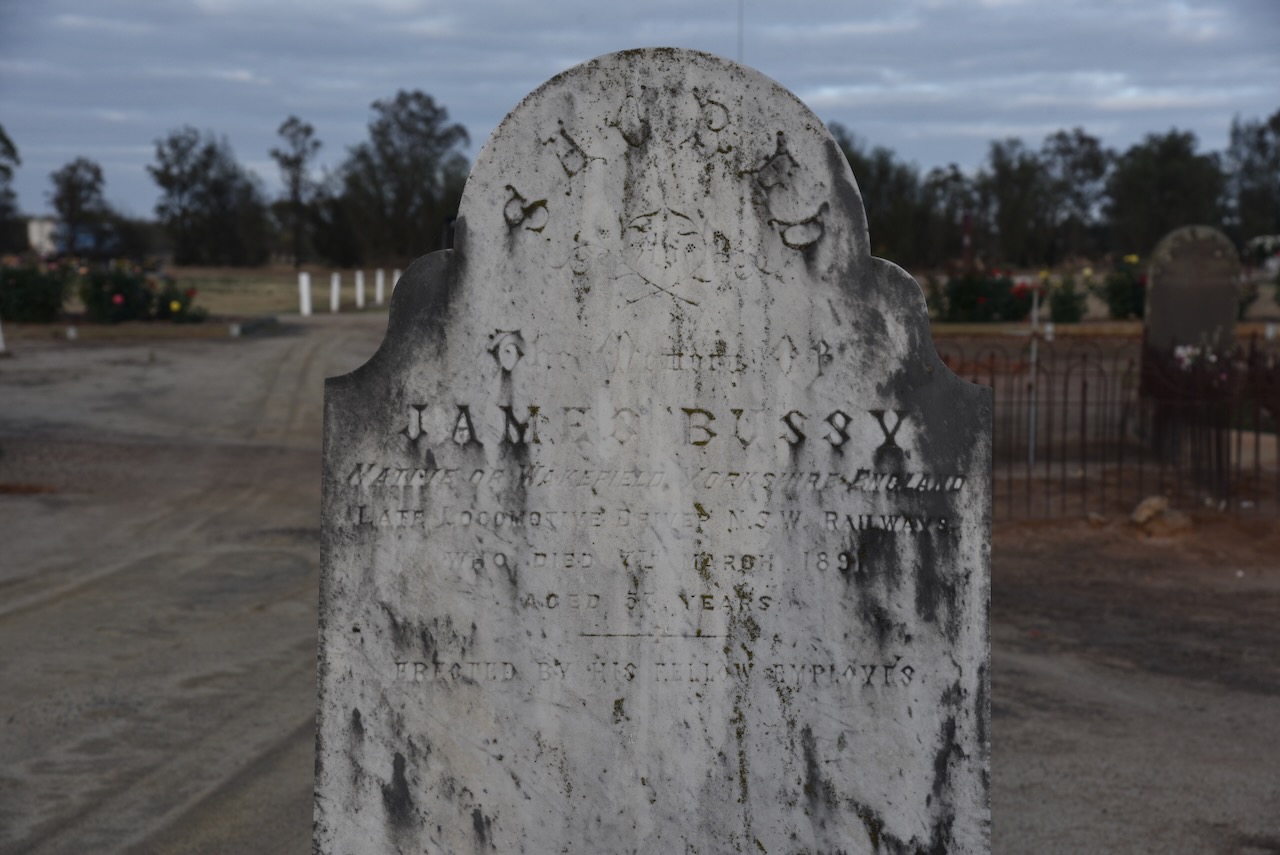
James Bussy was born in Wakefield, Yorkshire, England. He was a locomotive driver for the New South Wales Railways. He died in March 1891. His headstone was erected by his fellow employees.
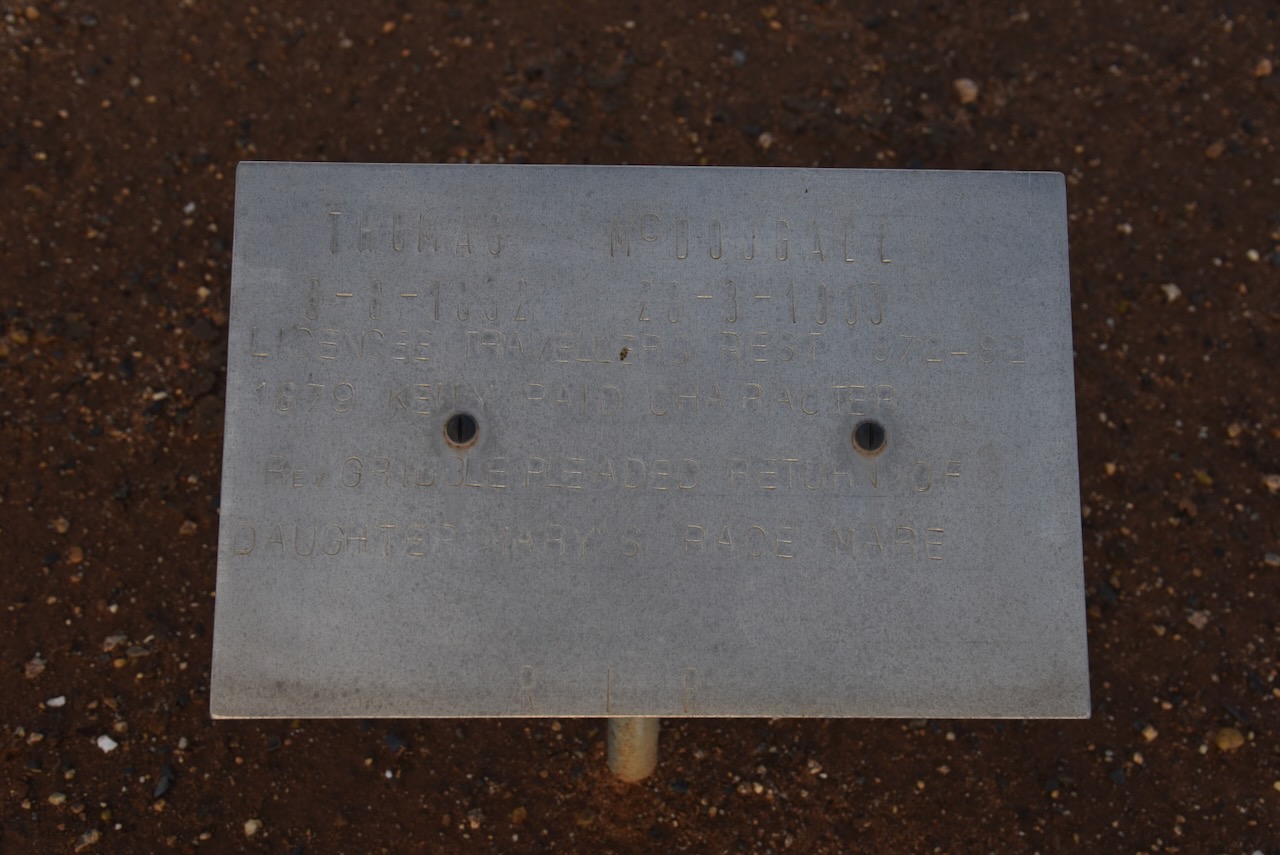
Thomas McDougall was born in August 1832 at Windsor, New South Wales. In 1857, he married Ann Morrison. They had 11 children. McDougall was the licencee of the Travellers Rest at Jerilderie. This is the hotel that Ned Kelly had a drink in before leaving Jerilderie after robbing the bank there. He died on the 19th day of May 1903.
Alfred Adam McWilliam Robinson was born on the 10th day of September 1873, in Belfast, County Antrim, Northern Ireland. He died on Christmas Day, 25th day of December 1873, at Finley, New South Wales, as a result of a bushfire. (ancestry 2016)
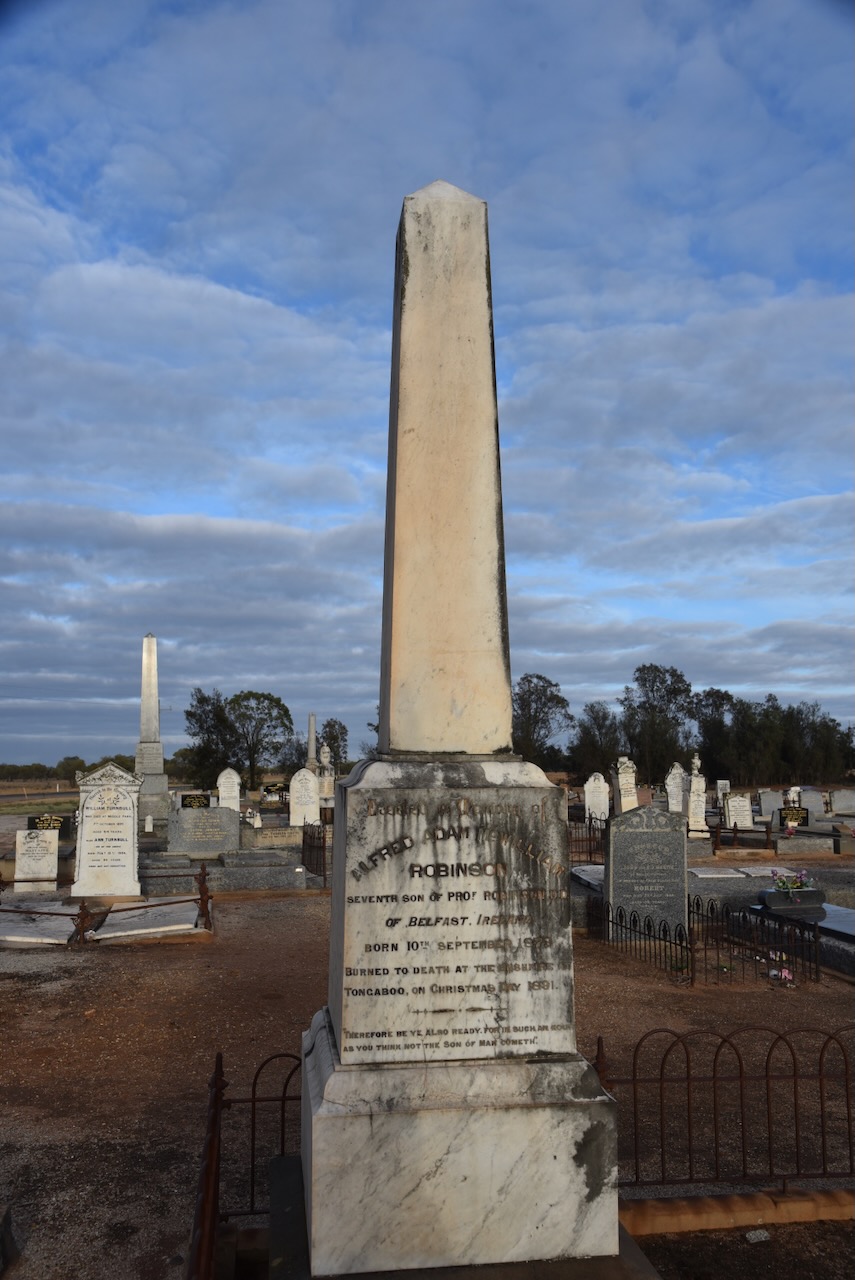
The bushfire broke out on Friday 1st January 1892, at Tuppal. It was reported that Robinson was riding a horse in advance of a party of other station hands from Coree Run. As he attempted to gallop through the flames, the horse bucked him off. The other station hands arrived at Tongaboo house to find Robinson missing. His horse arrived shortly afterwards with its hair singed. A search then commenced for Robinson, who was found lying on his back, with his clothes completely burnt off. He was breathing, and he was taken back to Tongaboo, where a doctor was called for. Sadly, Robinson died before his arrival. (Trove 2026)
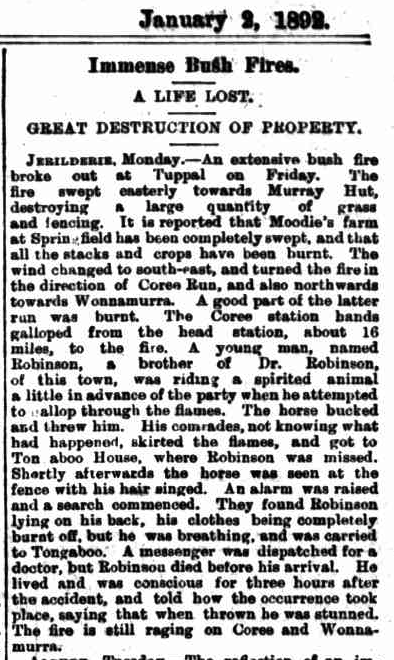
Above: article from Australian Town and Country, Sat 2 Jan 1892. Image c/o Trove
Catherine McGrogan was born on the 29th day of October 1872, at Ballymena, County Antrim, Northern Ireland. She emigrated to Australia and in 1902 she married Ralph Alexander Laity in Jerilderie, N.S.W. Their first child, Olive, died in 1904, aged 10 months. Further tragedy was to strike the family. (ancestry 2016)
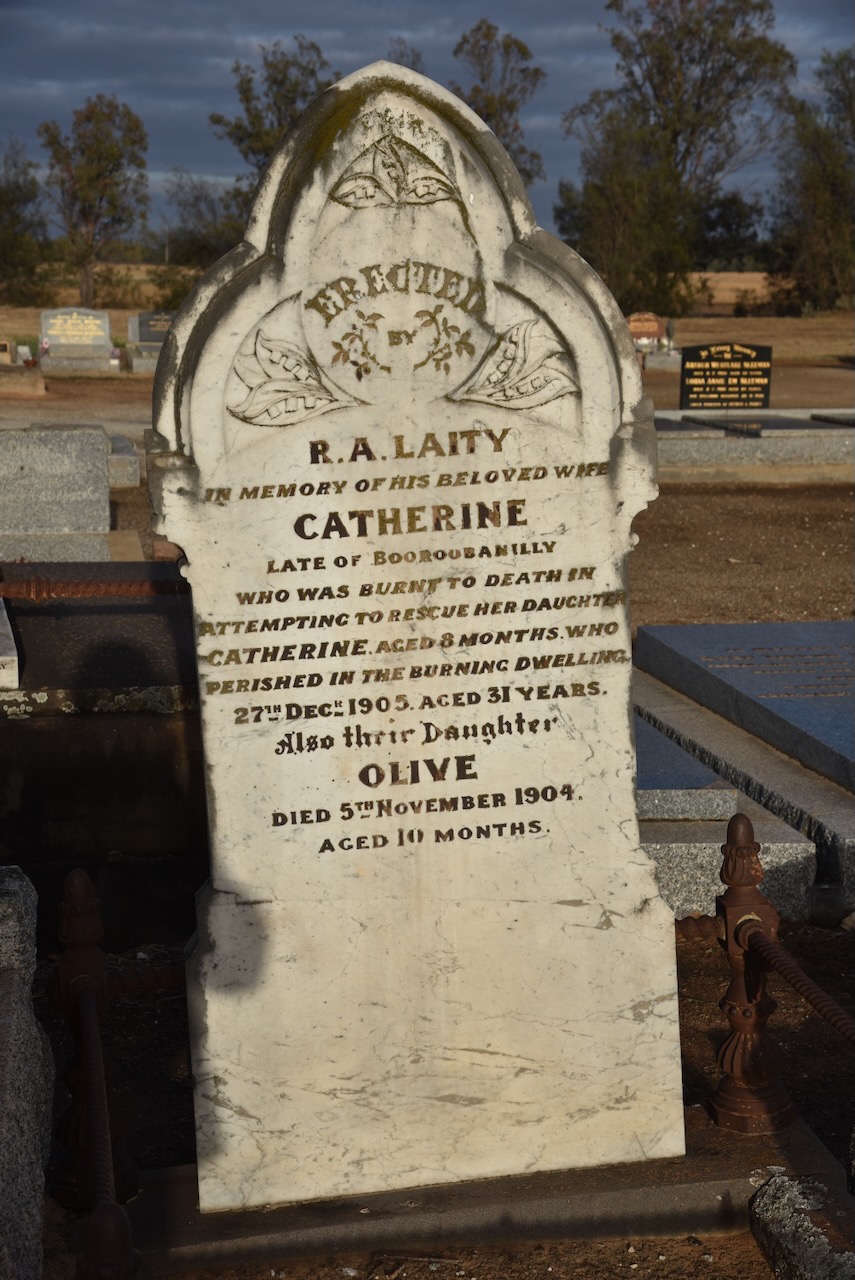
Two days after Christmas, on the 27th day of December 1905, a fire broke out at their home at Booroobanilly, south of Jerilderie. Catherine Laity lost her life whilst trying to rescue her daughter, Catherine, from their burning home. (Trove 2026)
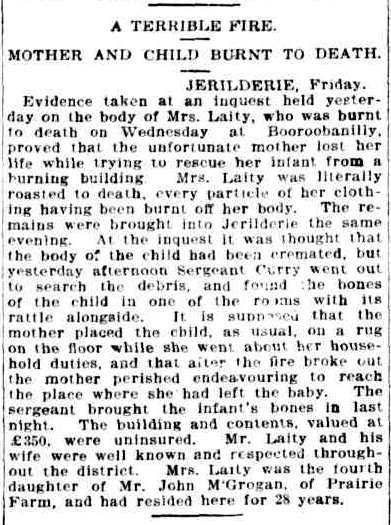
Above: article from The Sydney Morning Herald, Sat 30 Dec 1905. Image c/o Trove
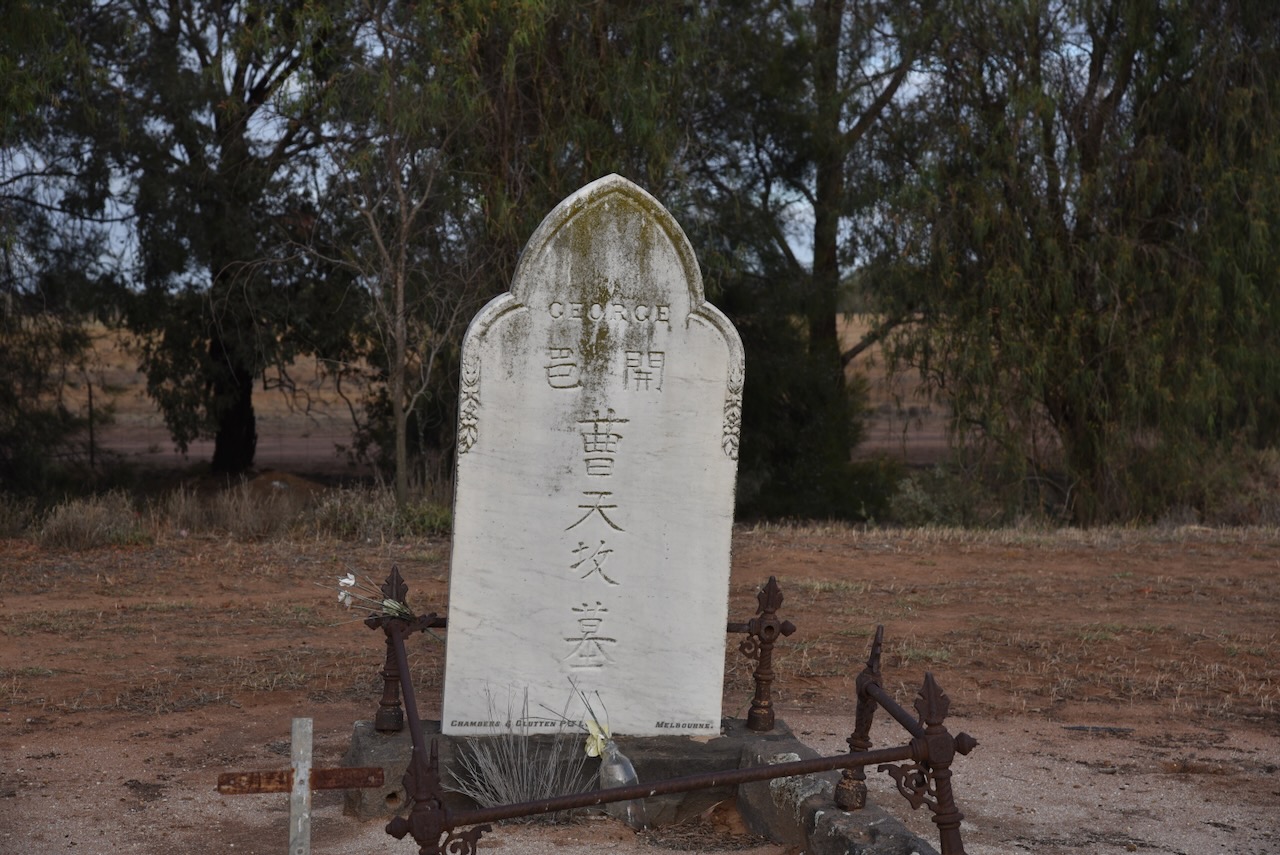
We also found the headstone below for George, with a Chinese inscription.
Marija and I drove west on Conargo Road. There is not much out here, and quite remote. We passed through the district of Coree, about 43 km west of Jerilderie. Coree is believed to be derived from an Aboriginal word meaning ‘charcoal’. The Coree Post Office opened in March 1875 and closed in 1892. In its day, Coree had a Football Club which played in the Southern Riverina Football Association between 1916 and 1932. (Wikipedia 2025)
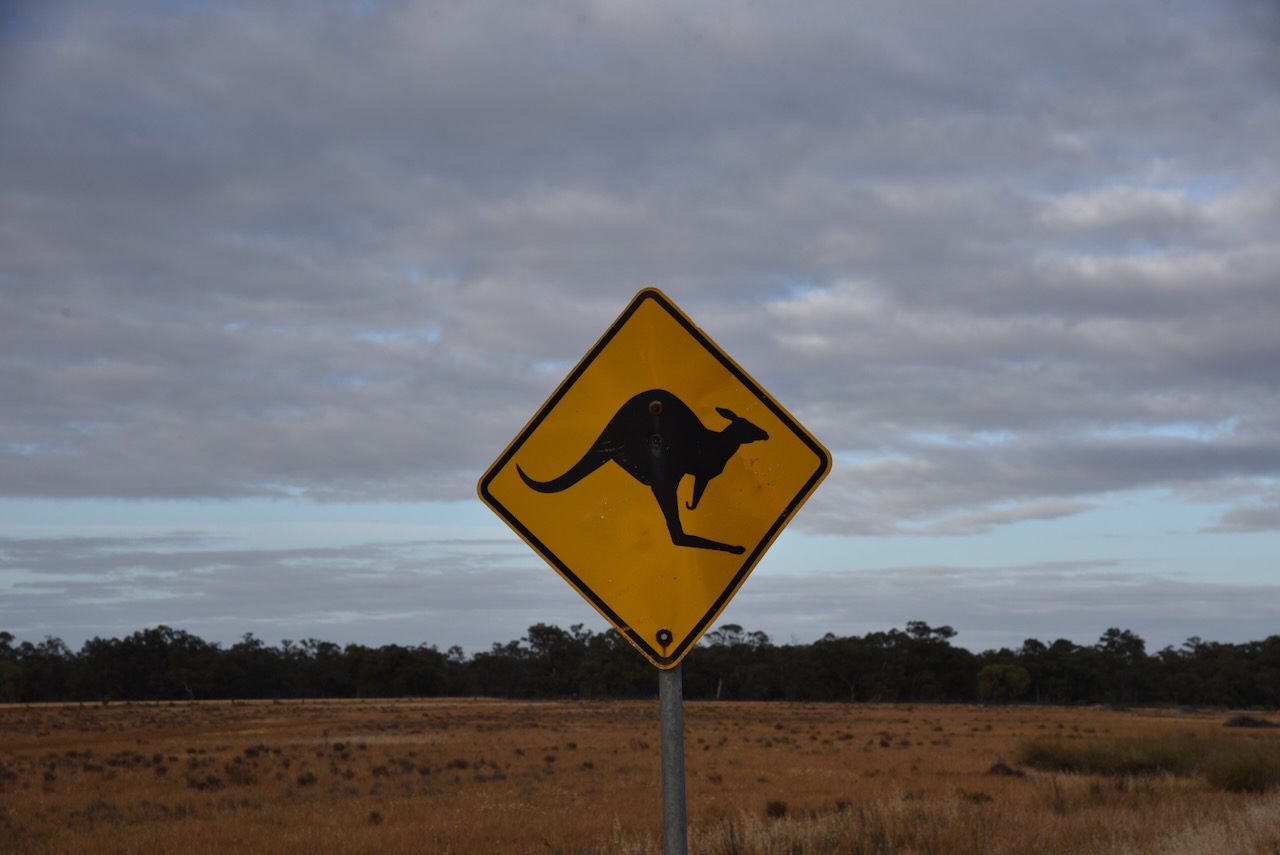
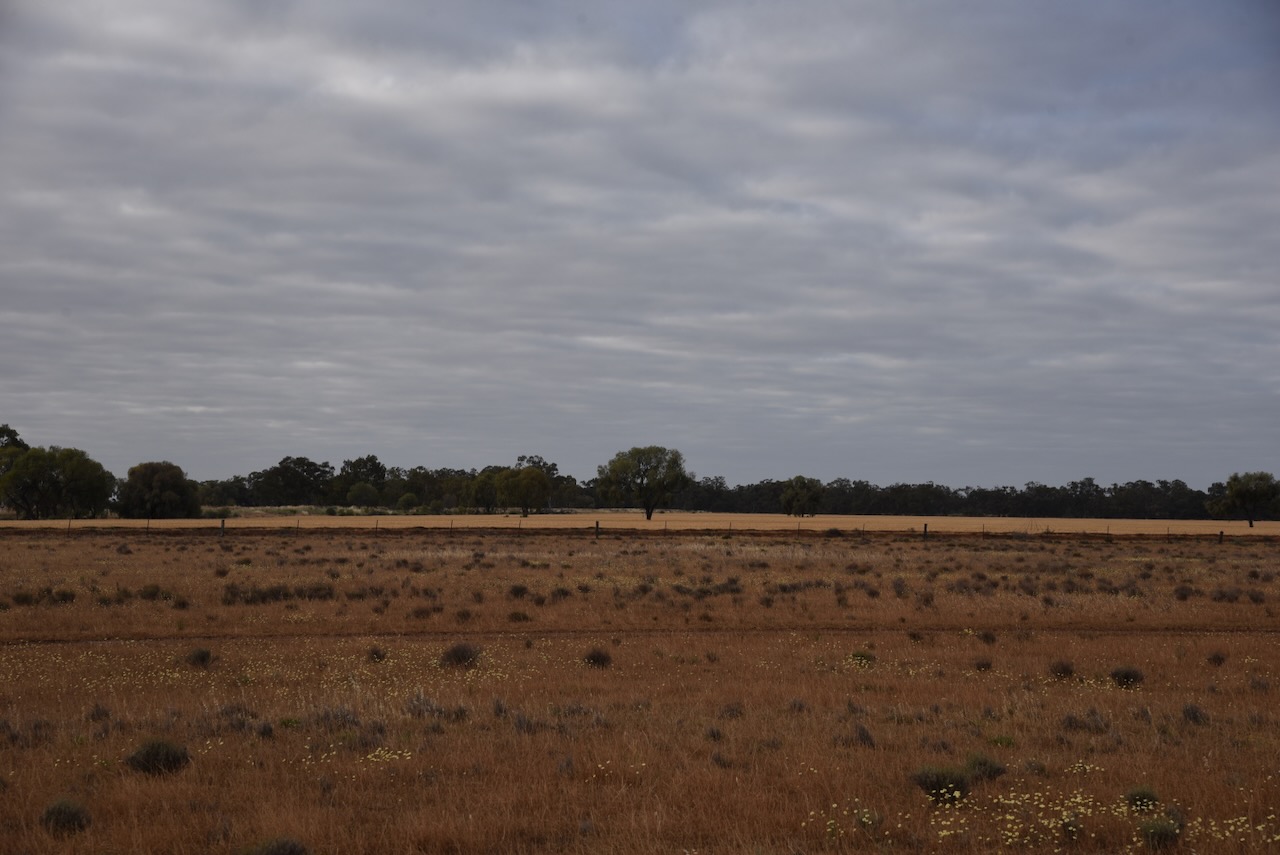
We continued west and reached the town of Conargo, about 54 km west of Jerilderie, and about 36 km northeast of Deniliquin.
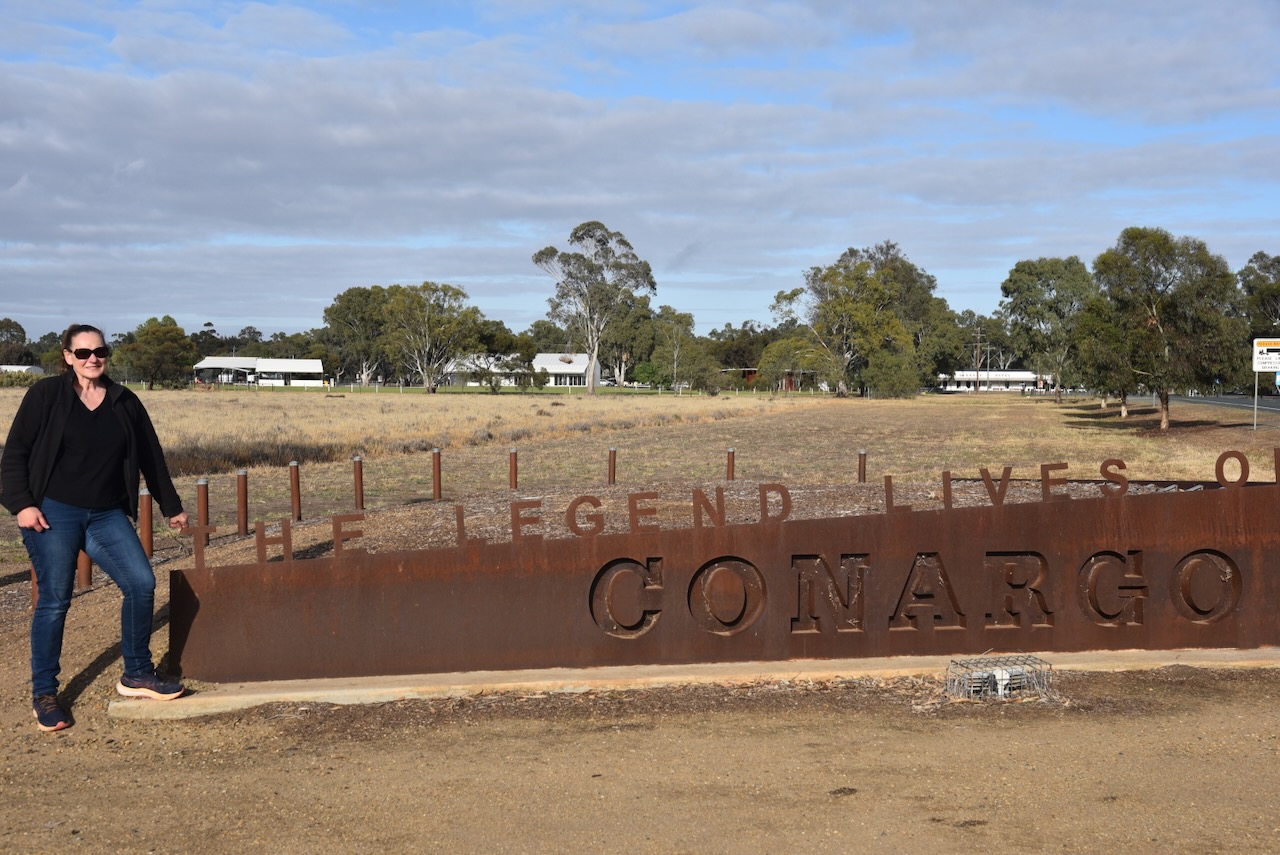
The Aboriginal name for the locality of Conargo was ‘Gooriara’, meaning “hopping” or “kangaroo ground”. (Wikipedia 2025)
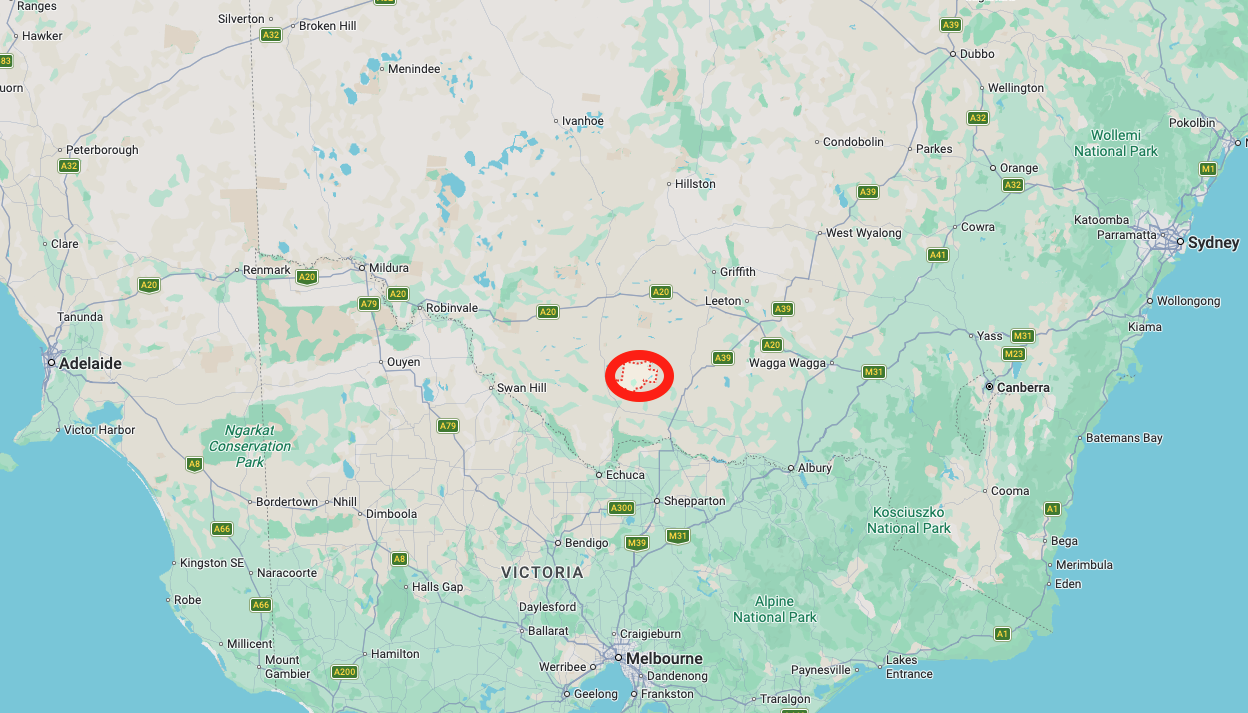
Above: Map showing the location of Conargo. Map c/o Google Maps
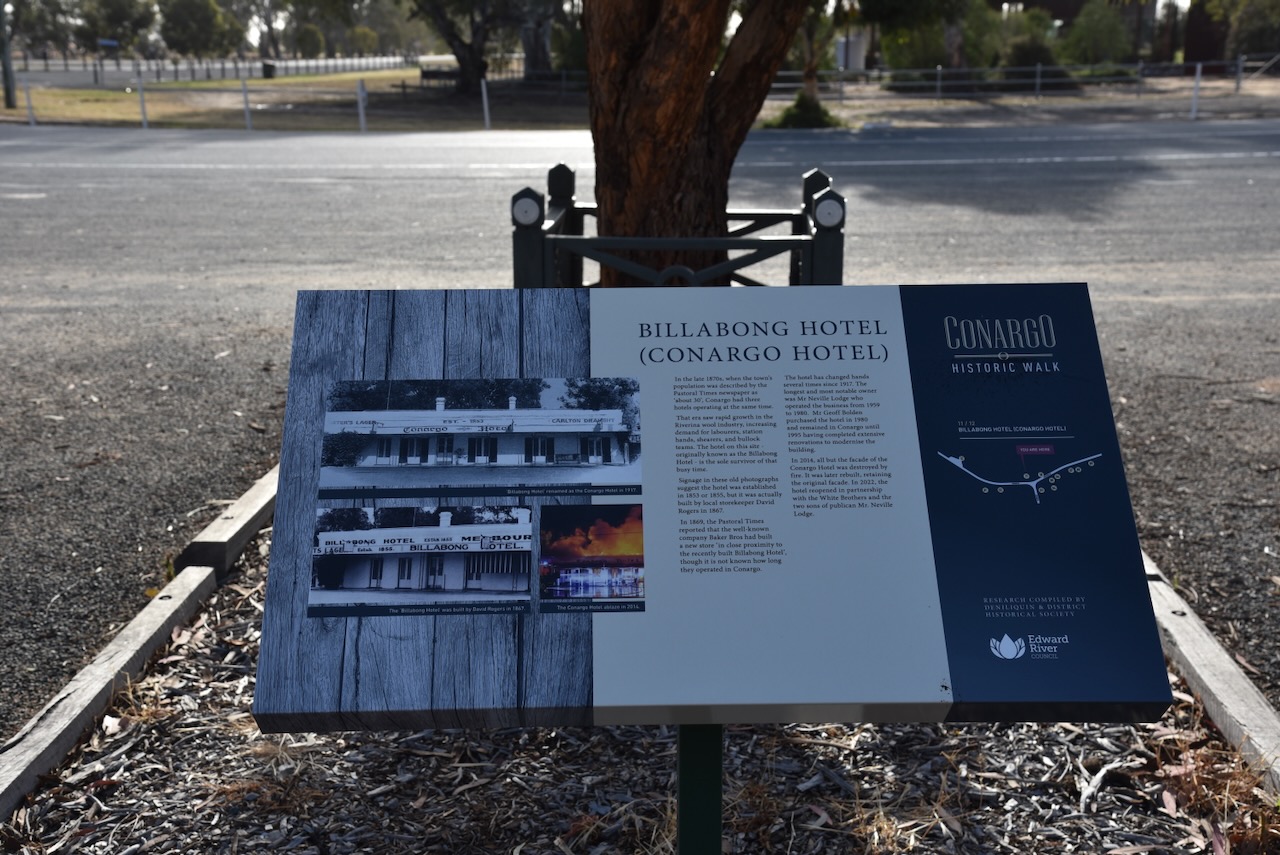
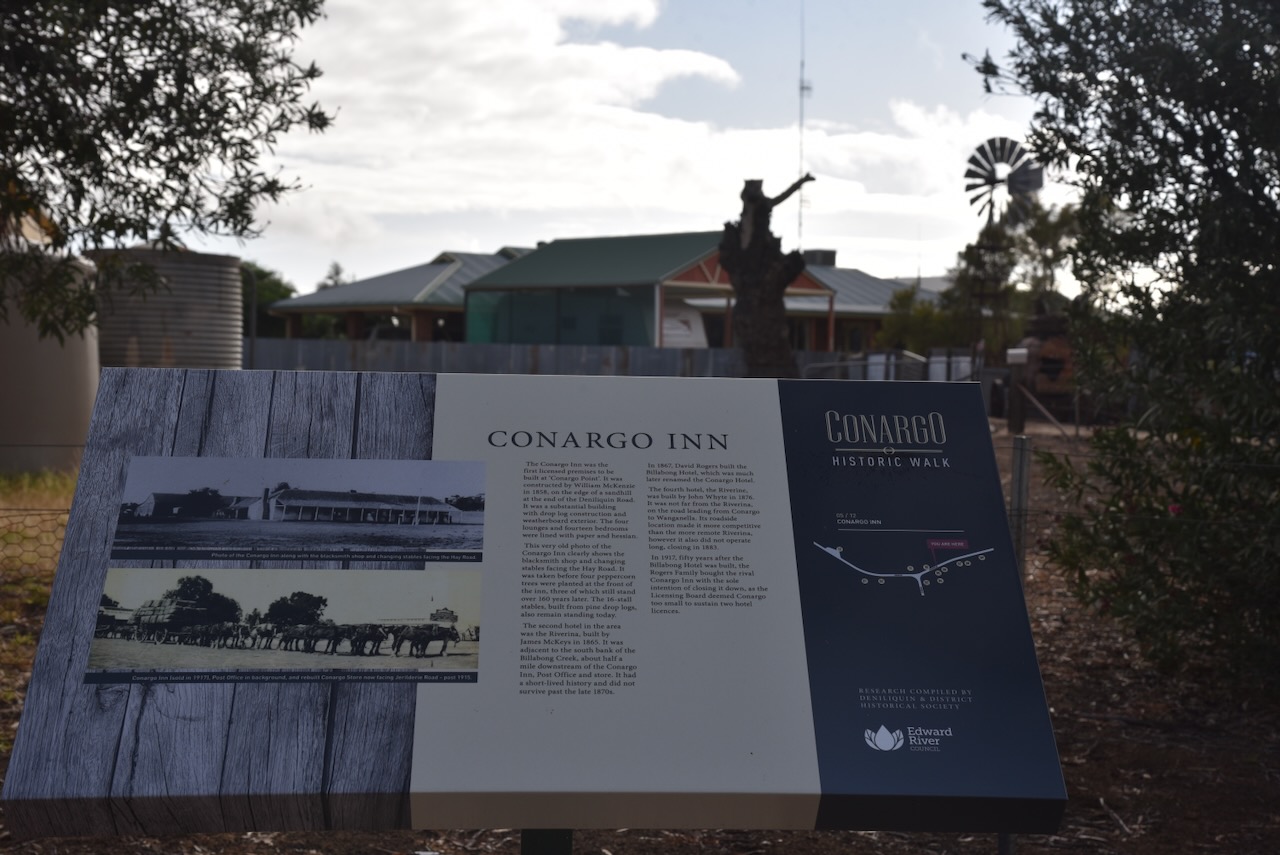
The Conargo pastoral run was established in the 1850s, which took its name from Conargo in Ireland. In 1859, William McKenzie opened the Conargo Inn. By 1860, the township of Conargo was laid out by the surveyor McCulloch. In 1865, the Riverine Hotel was opened. The Conargo Post Office opened on the 1st day of September 1864. By 1866, Conargo had a population of 30 people. It had a Post Office, a store, and two hotels. In 1867, the Billabong Hotel was opened. In 1869, the Baker brothers built a store in the town. The Conargo Public School opened in 1879. (Wikipedia 2025)
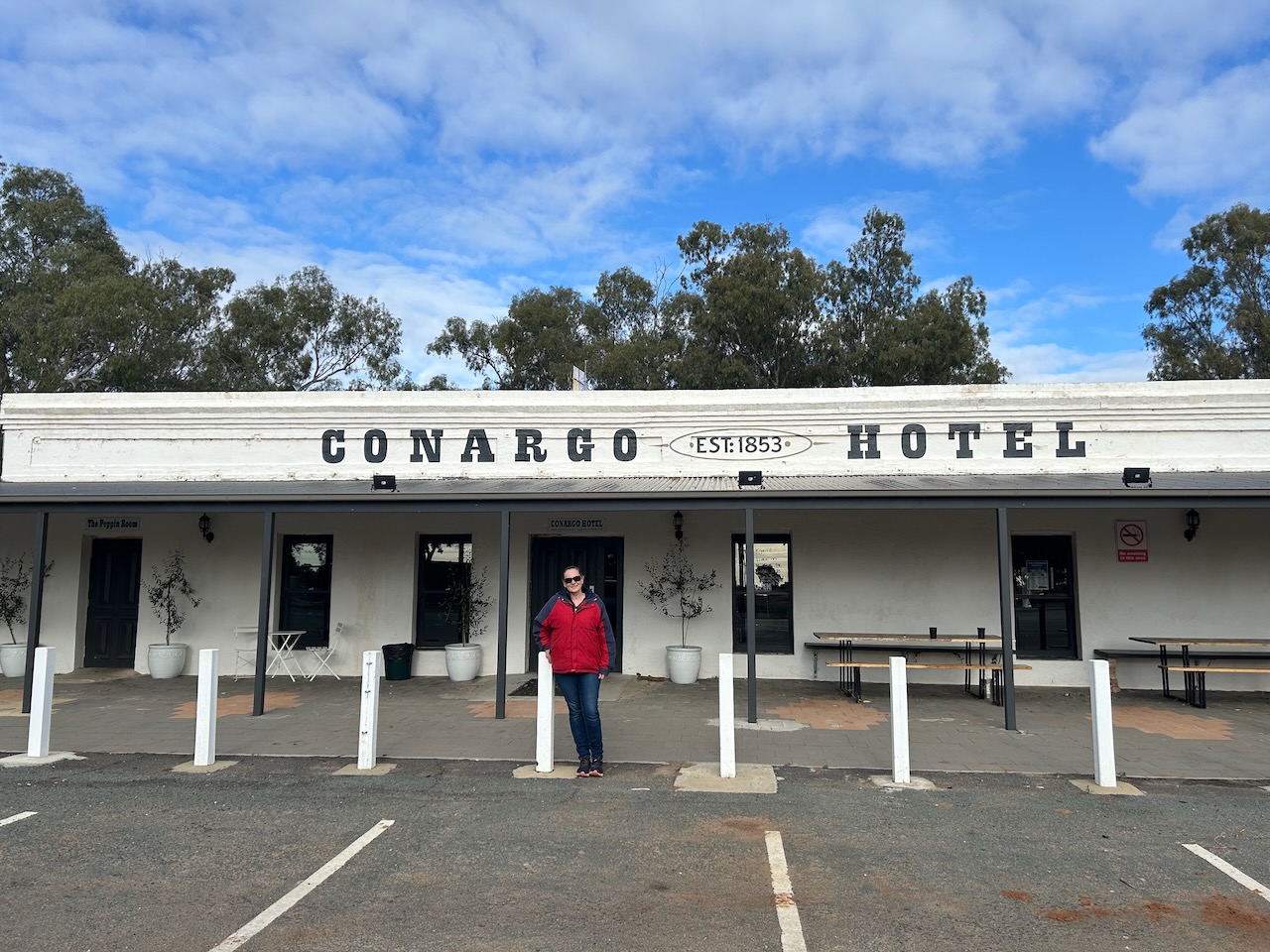
The Conargo Hotel is reputed to be the Riverina region’s most famous pub. Unfortunately, it was closed when we visited the town, but I am definitely going back for a beer. The hotel was built in 1867 by local storekeeper, David Rogers, and it was originally called the Billabong Hotel. The hotel was destroyed by fire on the 11th day of November 2014. All but the facade was destroyed. The hotel was rebuilt, retaining the original facade, and it reopened in October 2022. (Wikipedia 2025)
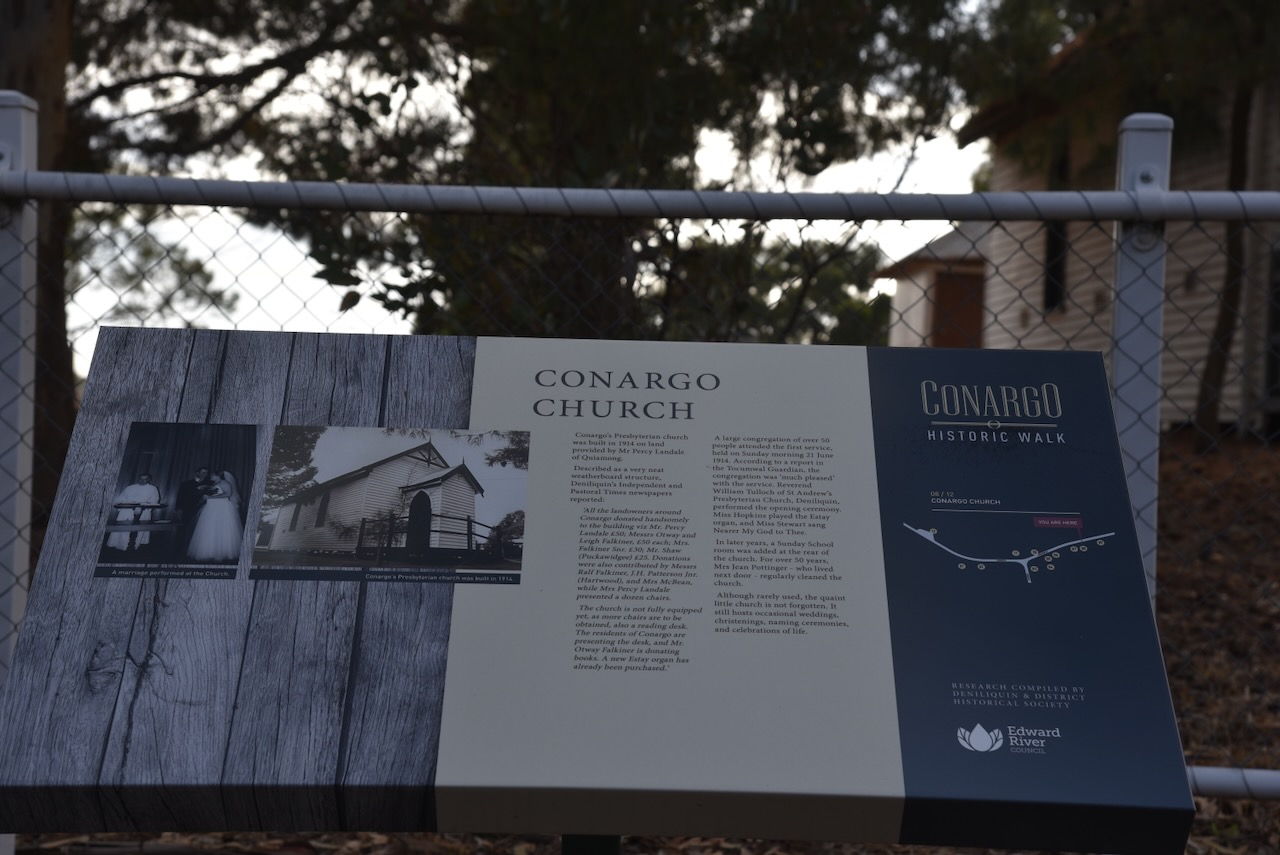
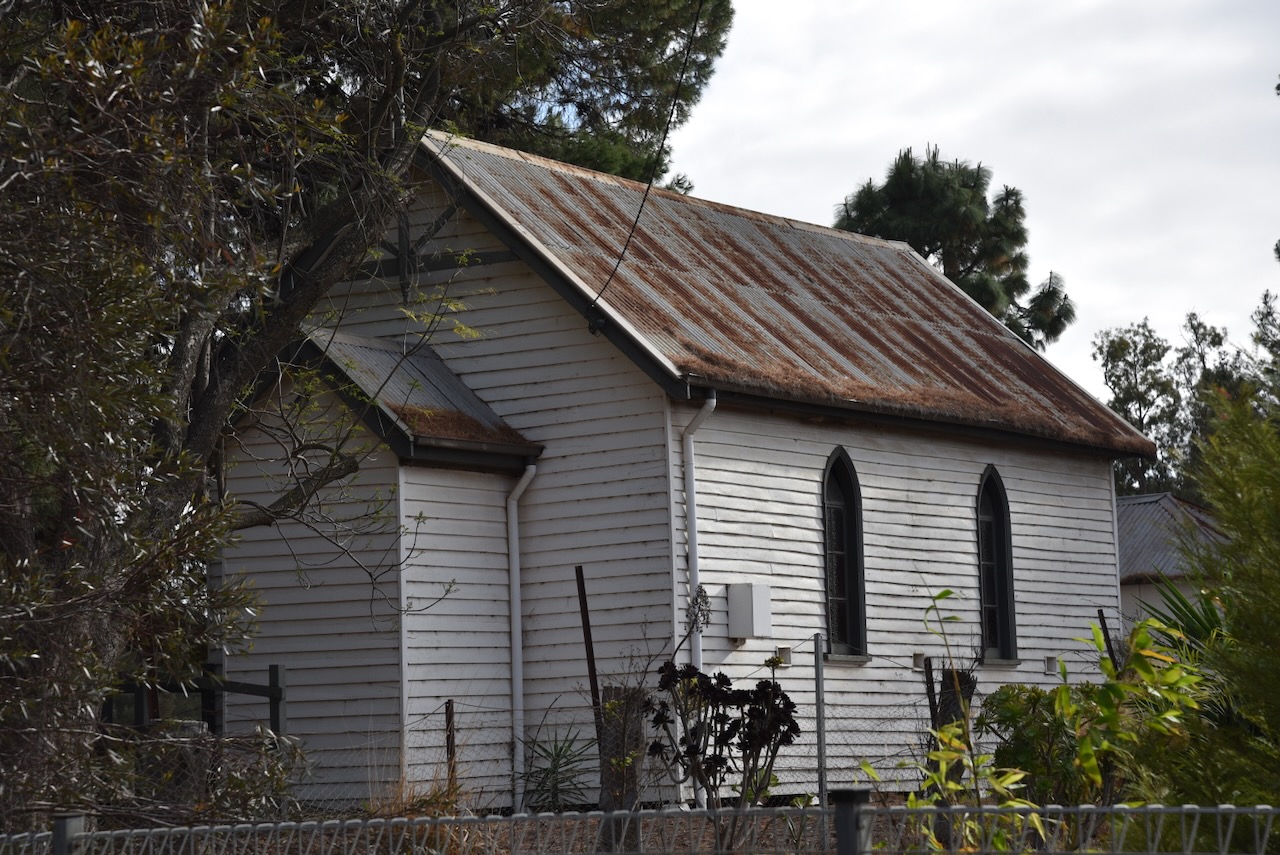
The Conargo Presbyterian Church was built in 1914 on land provided by Mr Percy Landale of Quiamong. The first congregation was held on Sunday morning, 21st June 1914. A large congregation of over 50 people attended the service. Reverend William Tulloch of St Andrew’s Presbyterian Church, Deniliquin, performed the opening ceremony. Miss Hopkins played the Estey organ, and Miss Stewart sang Nearer My God to Thee.
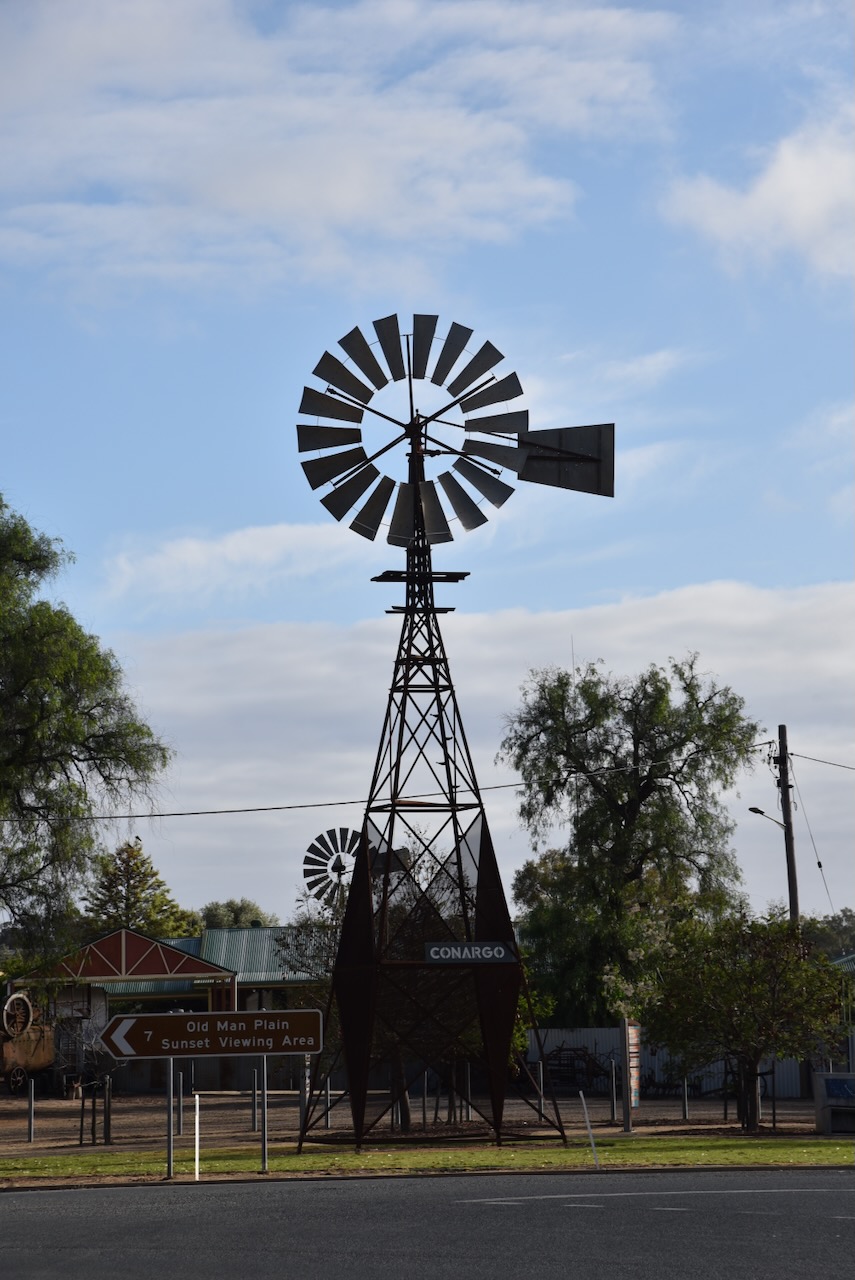
One of the striking features in Conargo is the big windmill.
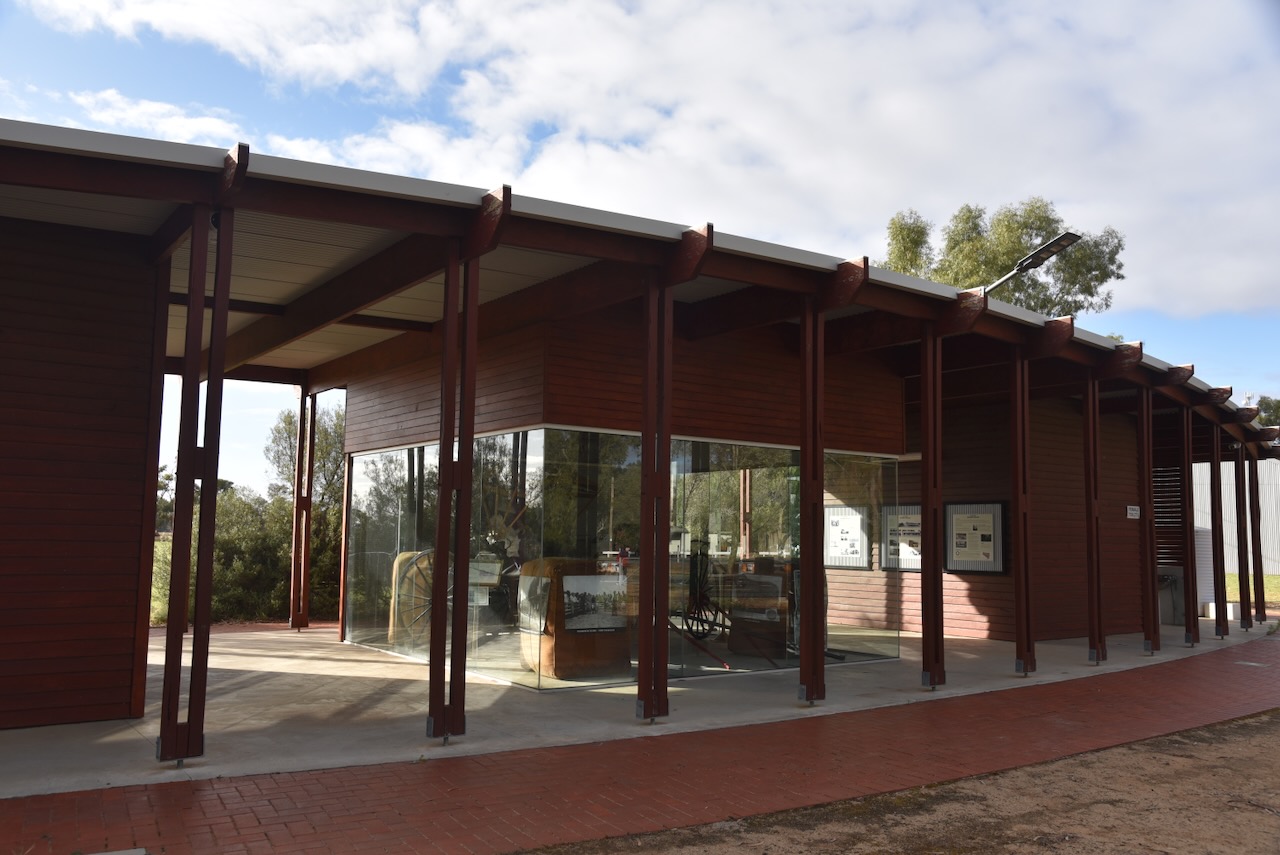
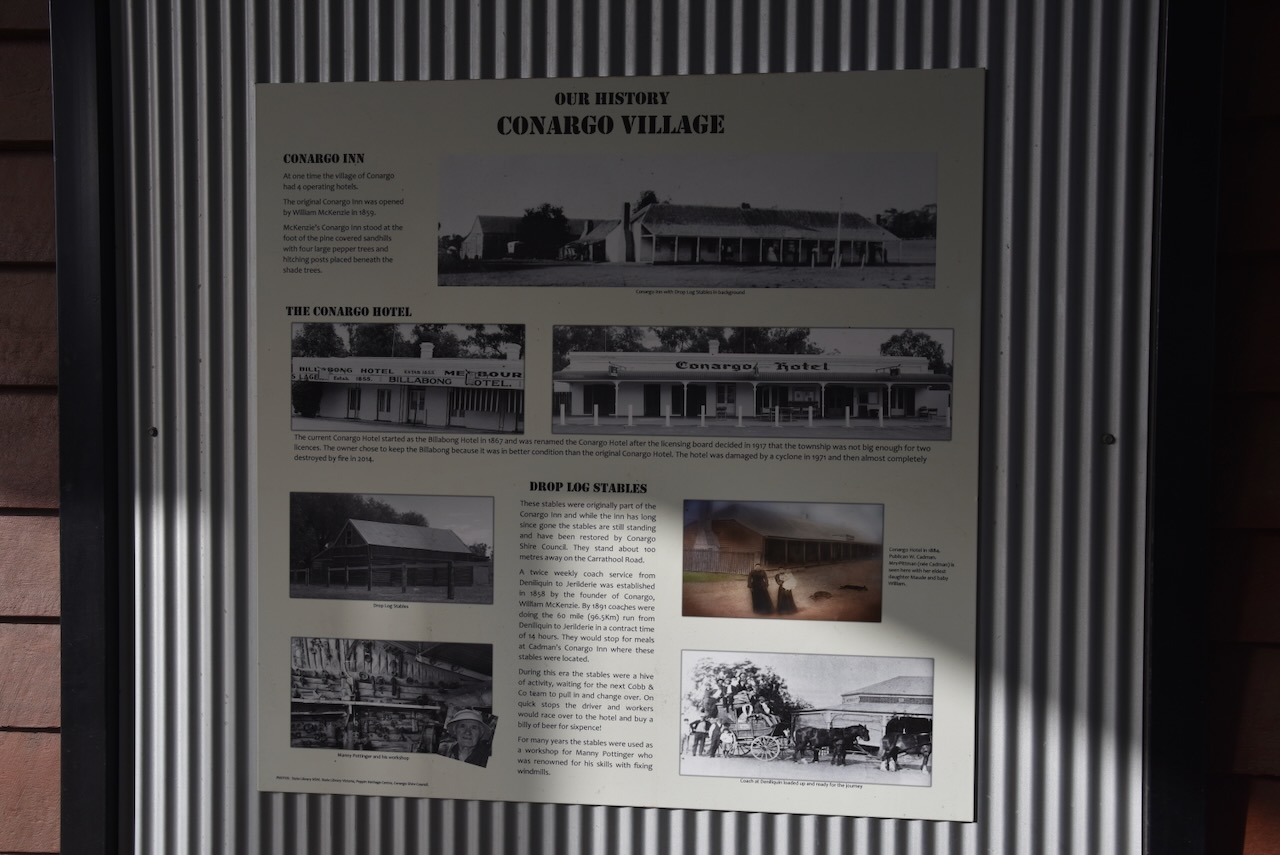
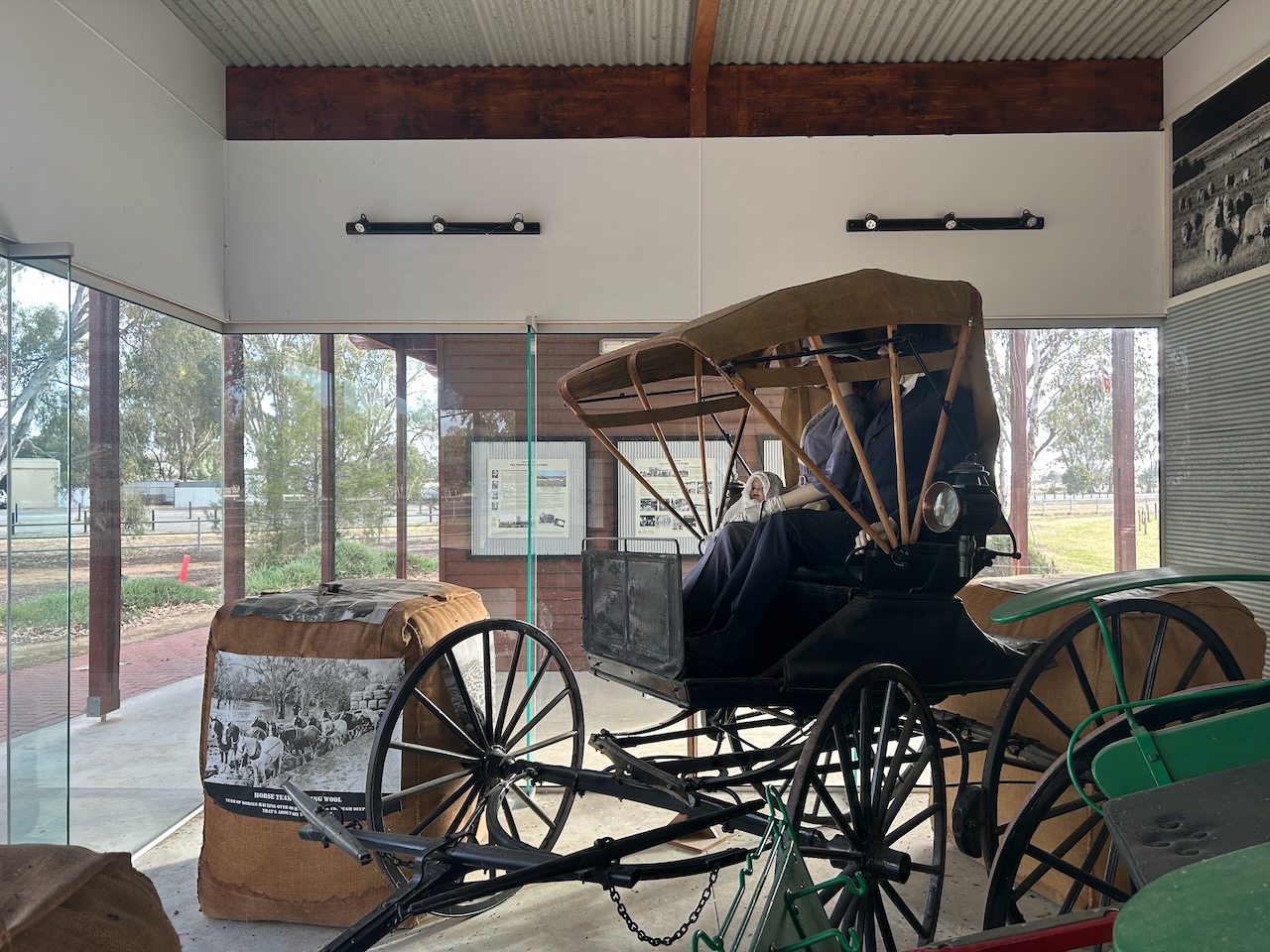
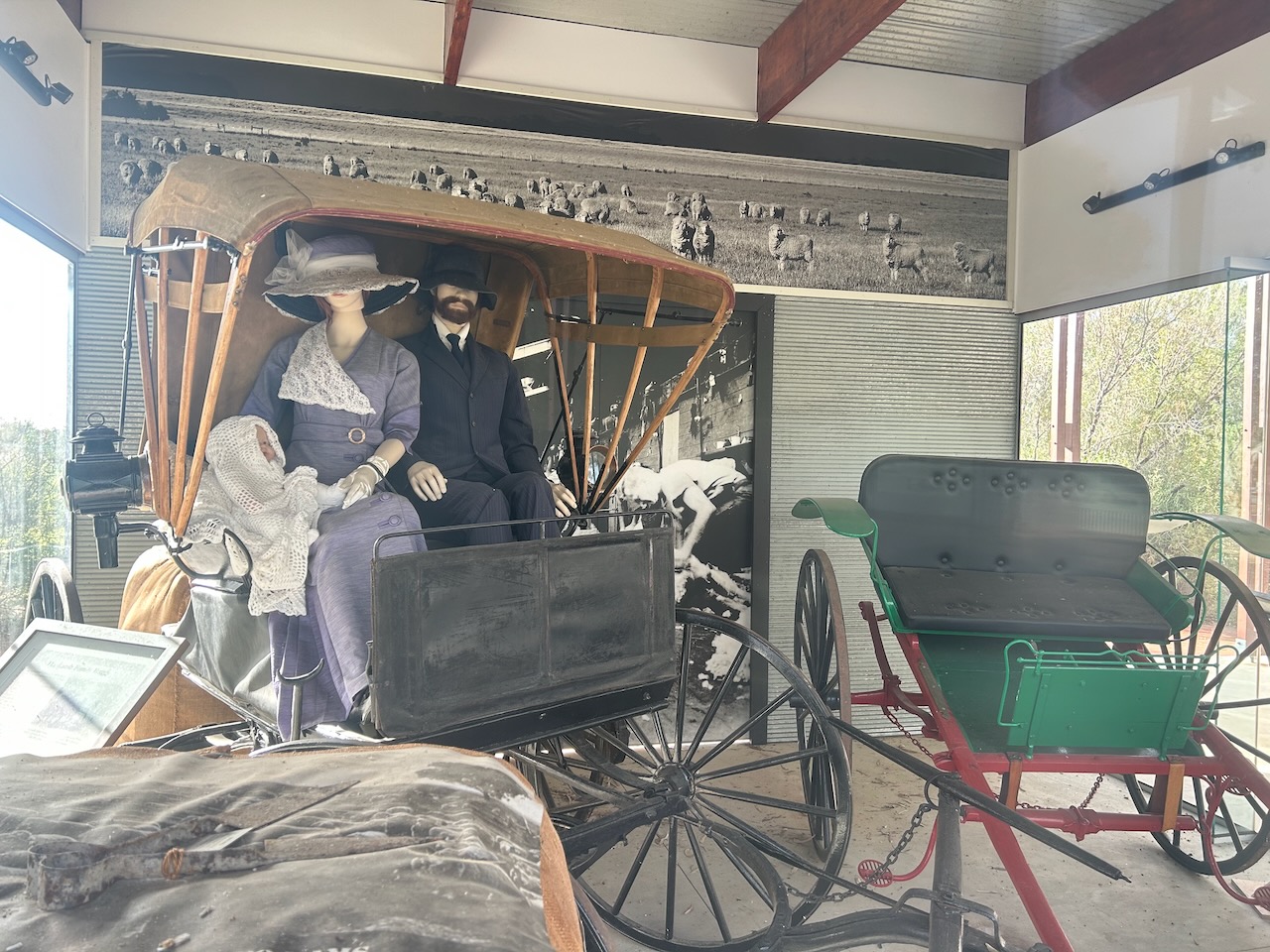
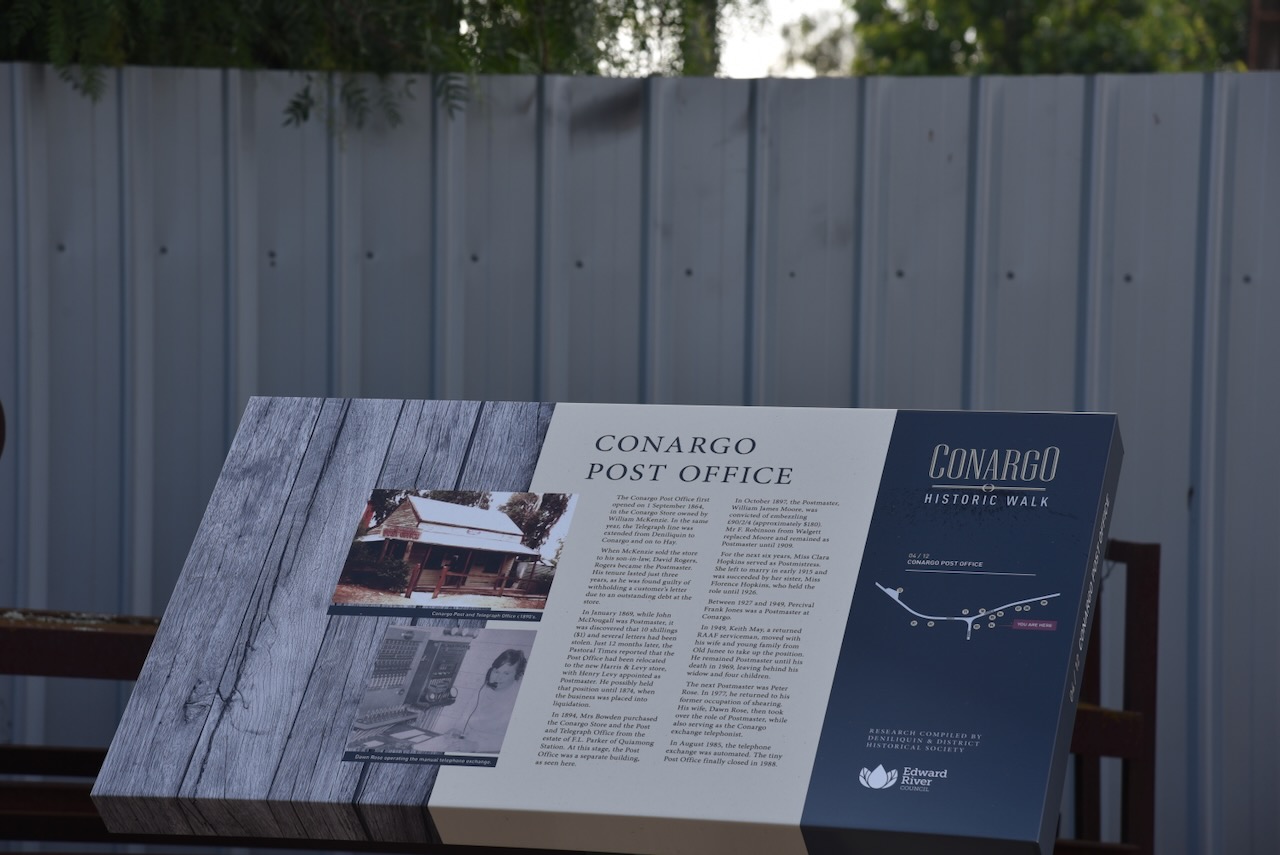
Opposite the hotel, there is an excellent display and information boards on the history of Conargo.
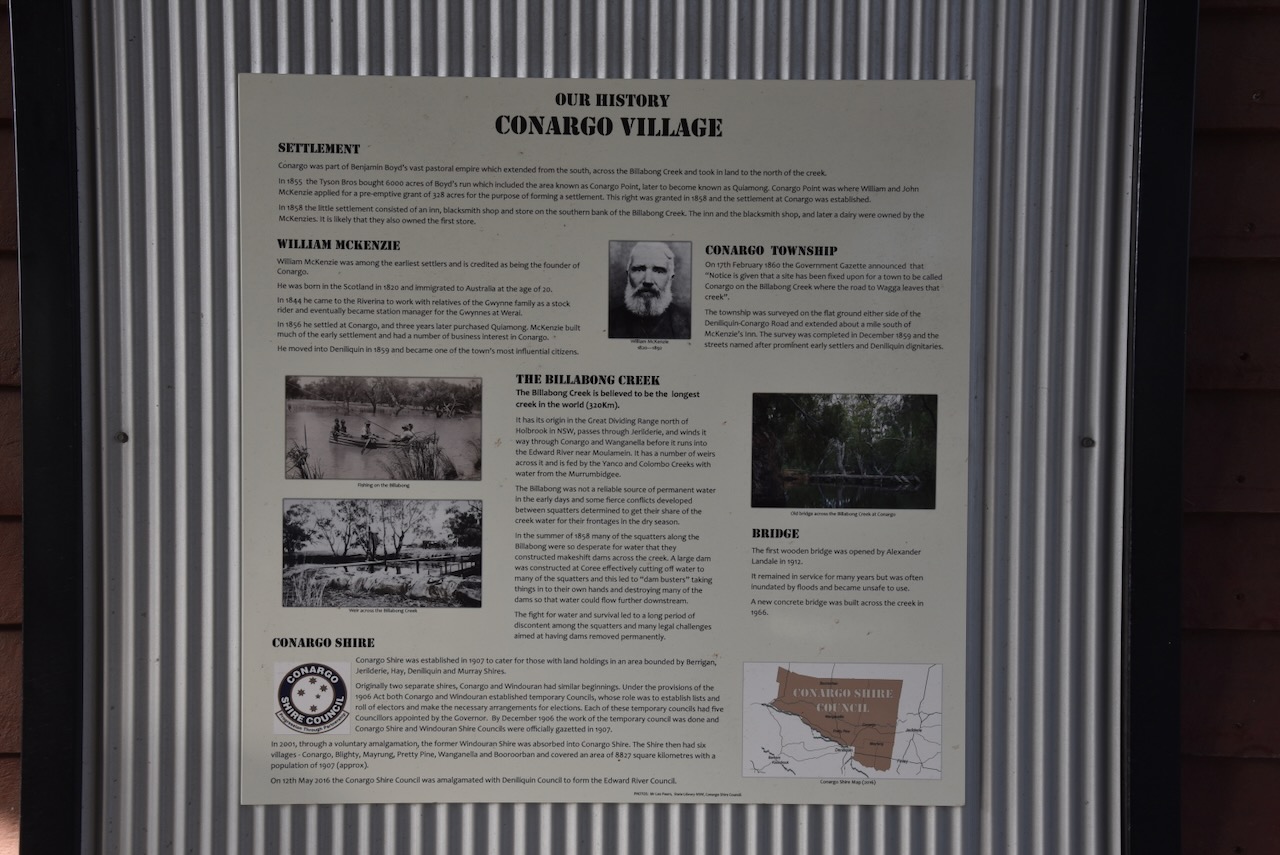
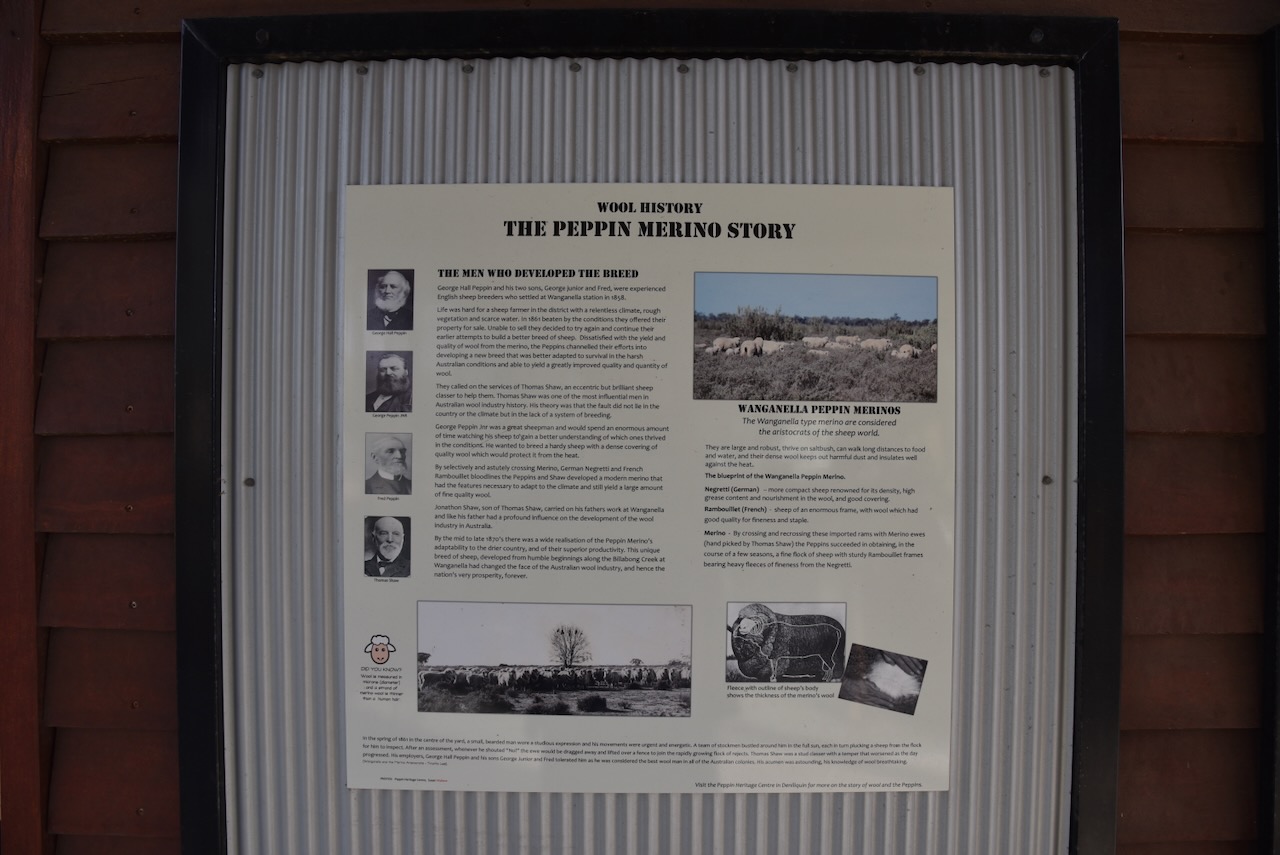
William McKenzie built the first Conargo store in 1858. By 1868, the store had been sold, and the new owners, Narris & Levy from Deniliquin, enlarged the store and soon had a branch store in Jerilderie. By 1870, the store commenced operating as the Post Office, with Mr Levy appointed as the Postmaster. In 1876, the store was taken over by Garrett and Clancy.
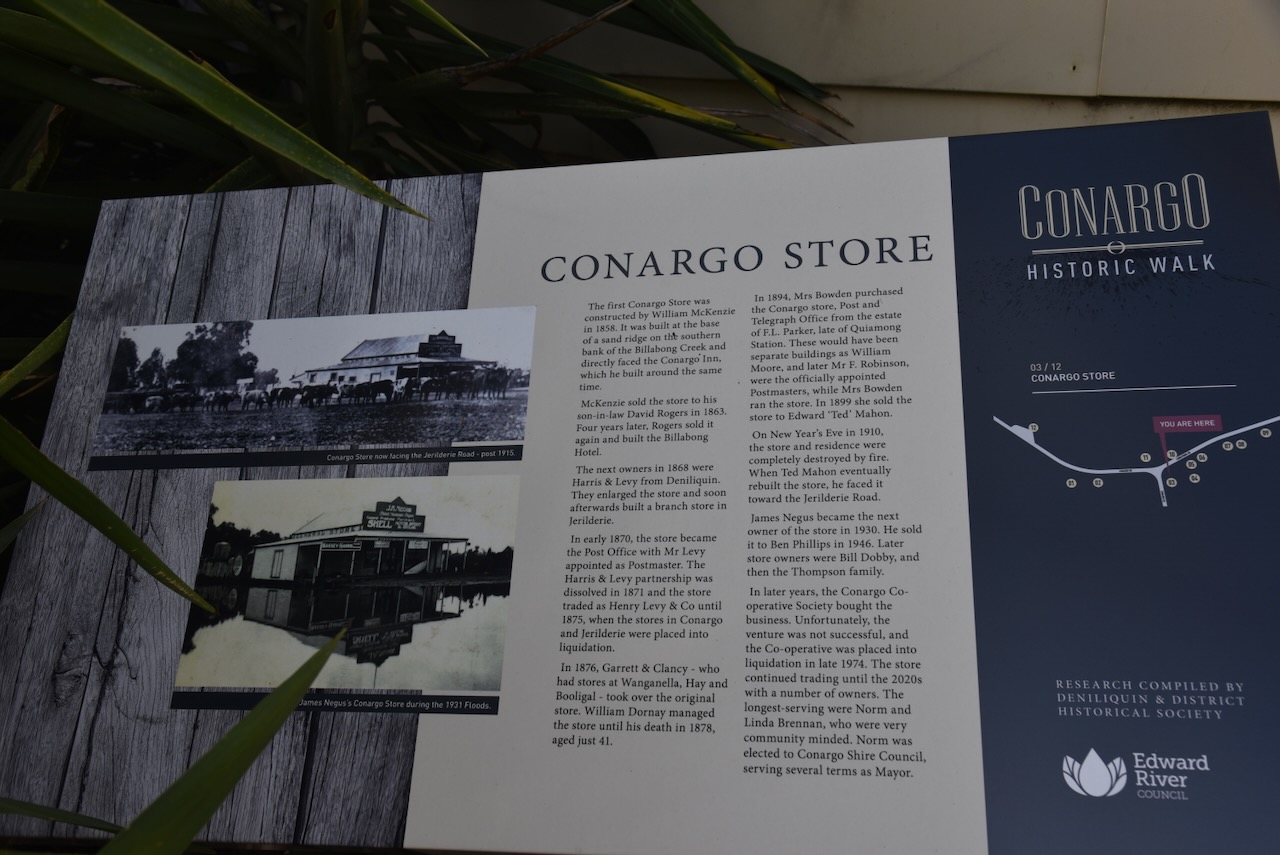
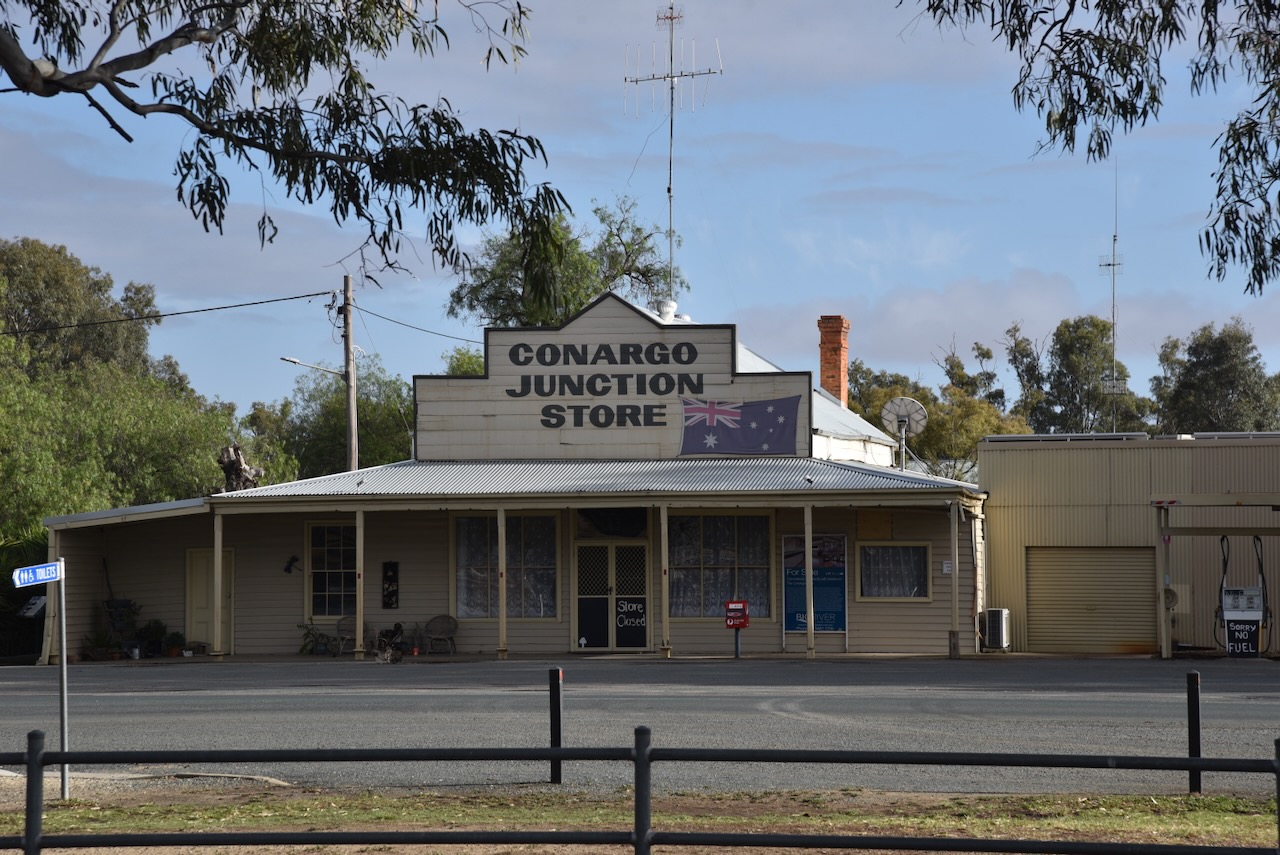
In 1894, the store was purchased by Mrs Bowden, and 5 years later, in 1899, she sold the store to Edward Mahon. In 1910, on New Year’s Eve, the store and residence were destroyed in a fire. Mahon rebuilt the store and, many years later, sold it in 1930 to James Negus. Several other persons owned the store until the 1950s, when it was purchased by the Conargo Co-Operative Society. They were placed into liquidation in 1974. The store continued trading until the 2020s with several owners.
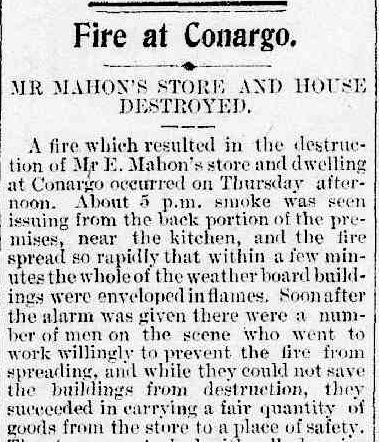
Above: part of an article from The Pastoral Times, Sat 31 Dec 1910. Image c/o Trove
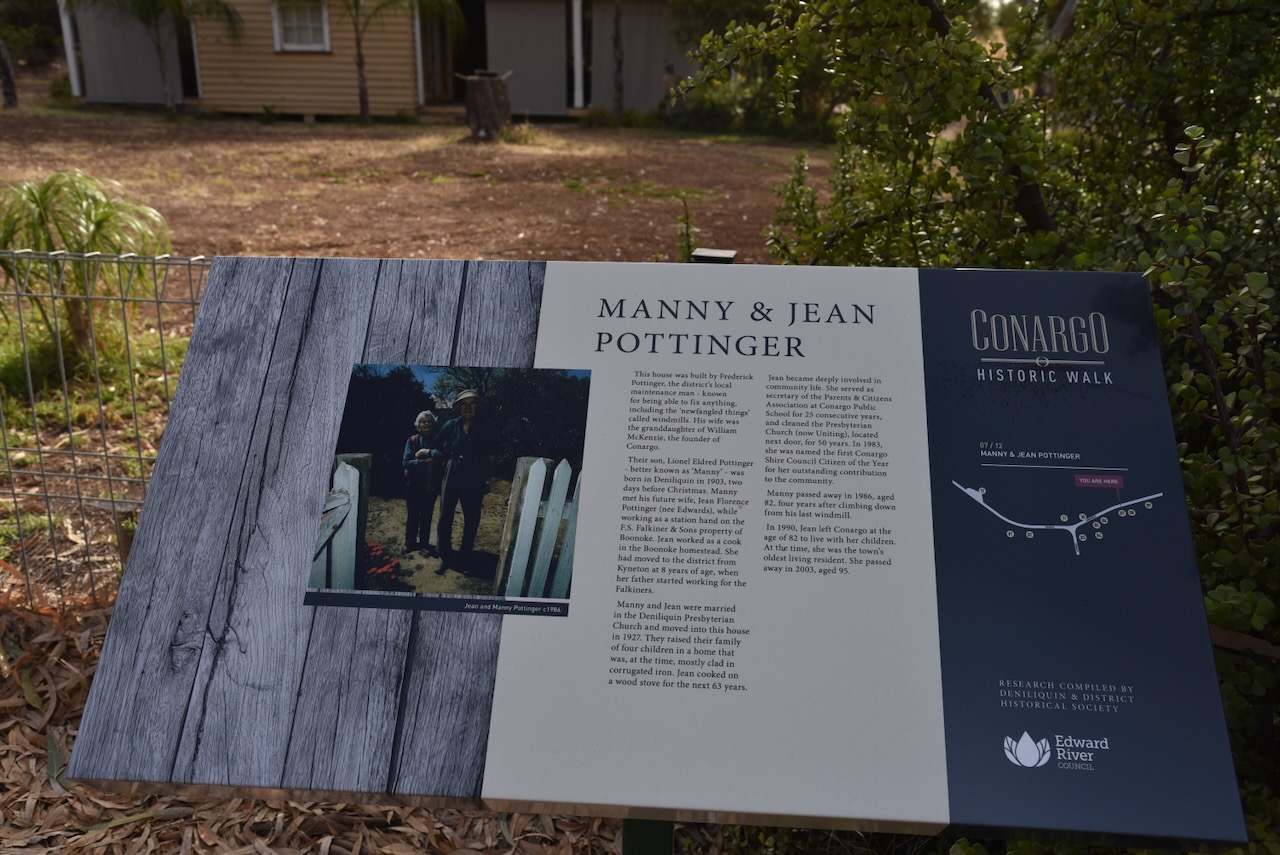
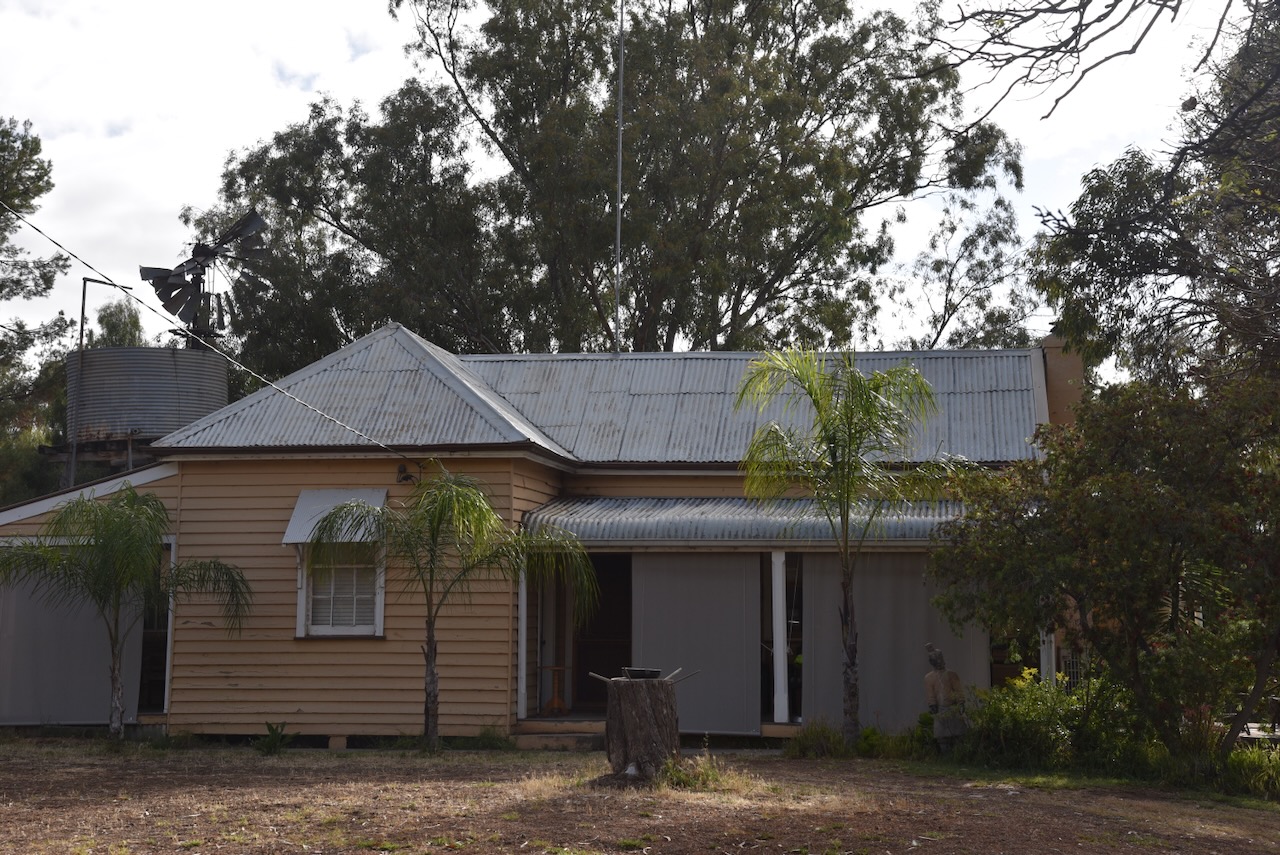
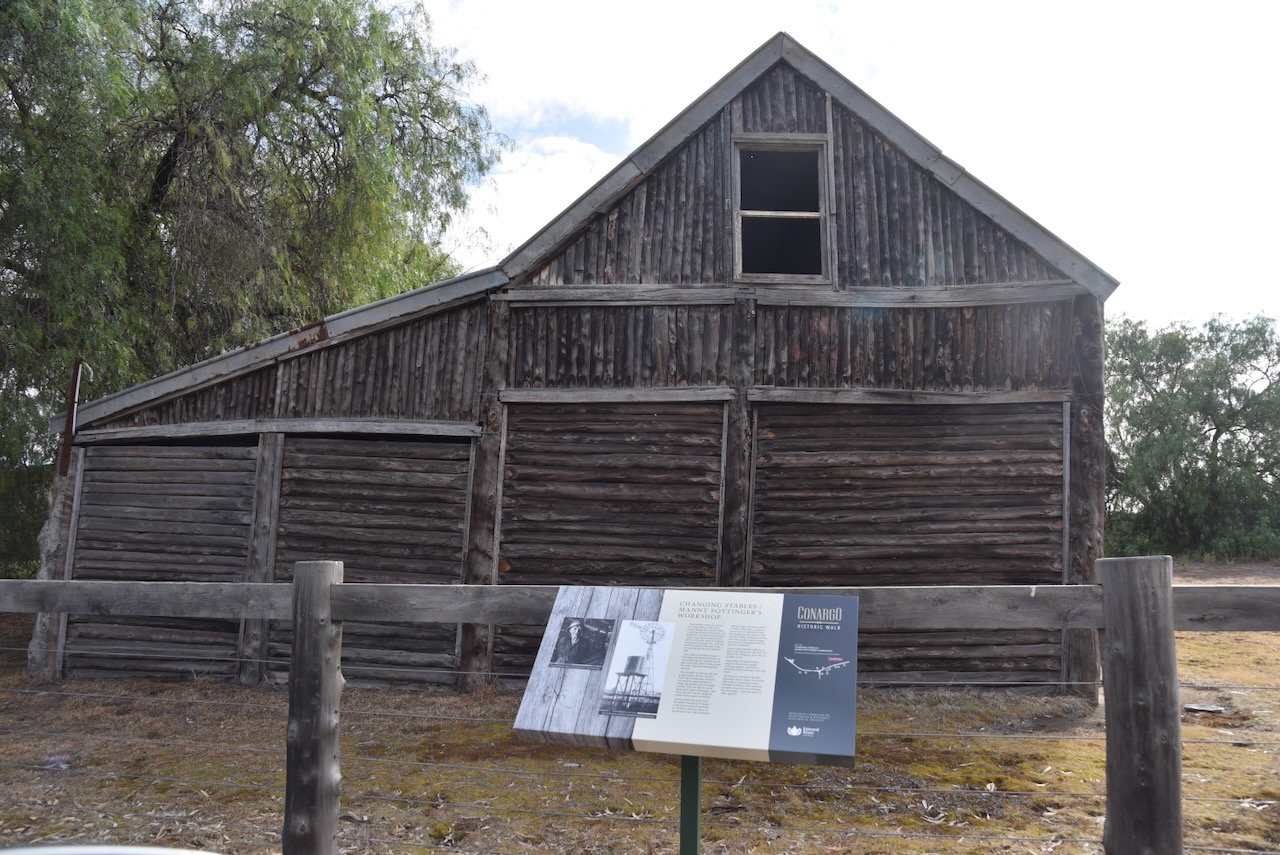
A historic little home in Conargo, is the home built by Frederick Pottinger who was the district’s local maintenance man. He was known to be able to fix anything. His wife was the granddaughter of WIlliam McKenize, the foudner of Conargo.
The stables at Conargo were one of only two stops where Cobb & Co would change their horses whilst travelling between Deniliquin and Jerilderie.
The Conargo silos are located on the northern side of Conargo Road, about 6km southwest of the town of Conargo.
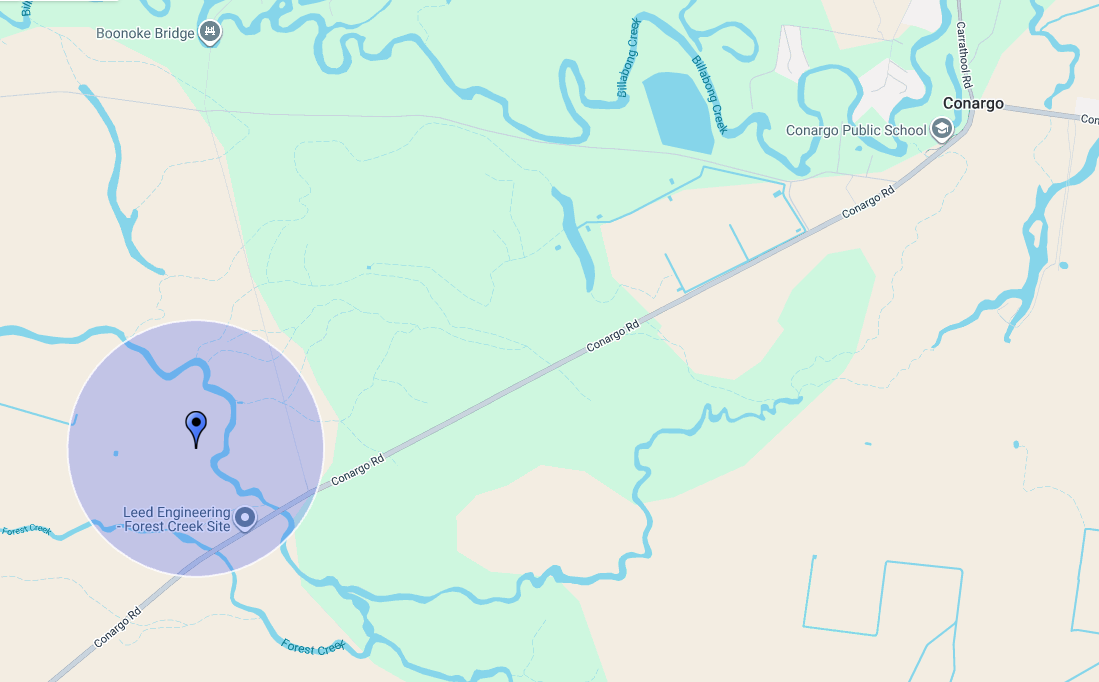
Above: Map showing the location of the Conargo silo, southwest of the town of Conargo. Image c/o SiOTA website
The silos are part of the Conargo Feedlot, a livestock facility for cattle and sheep
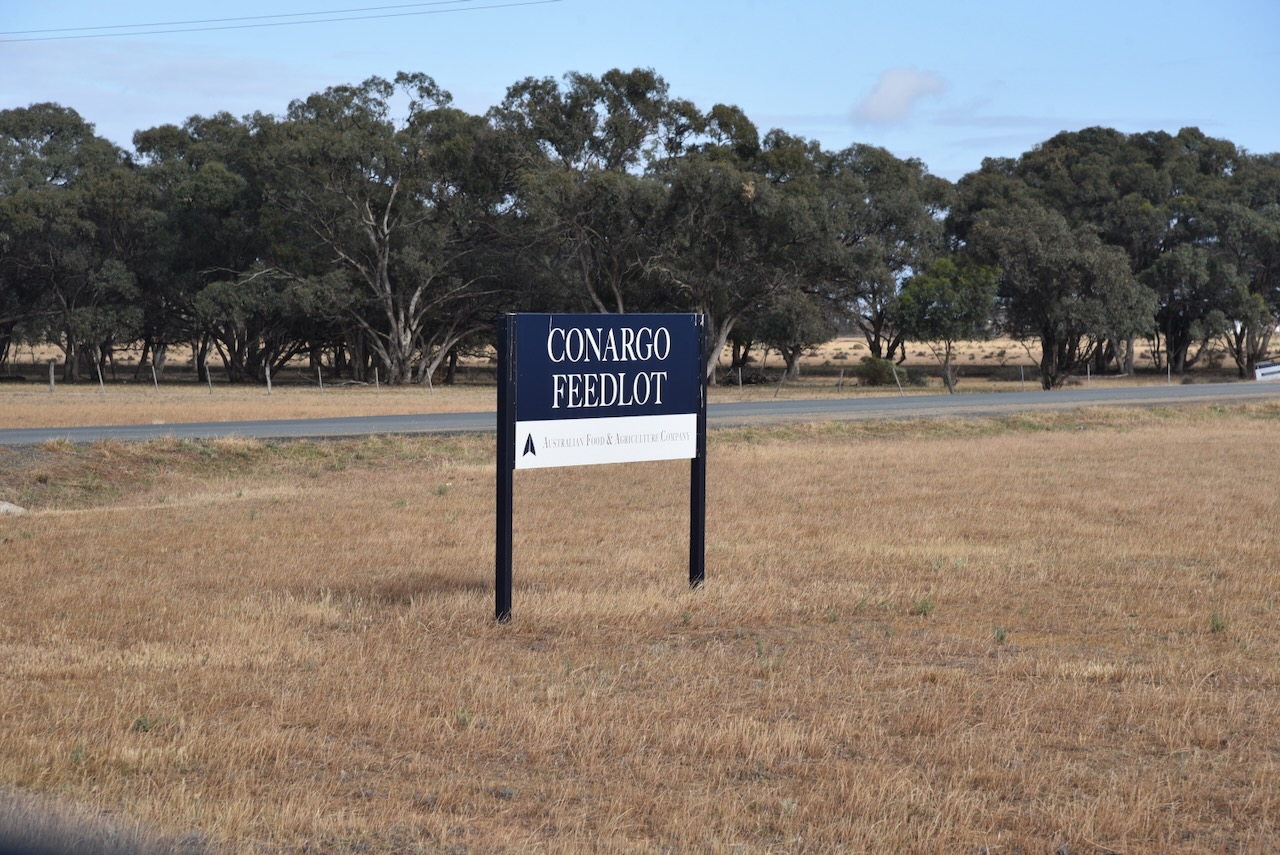
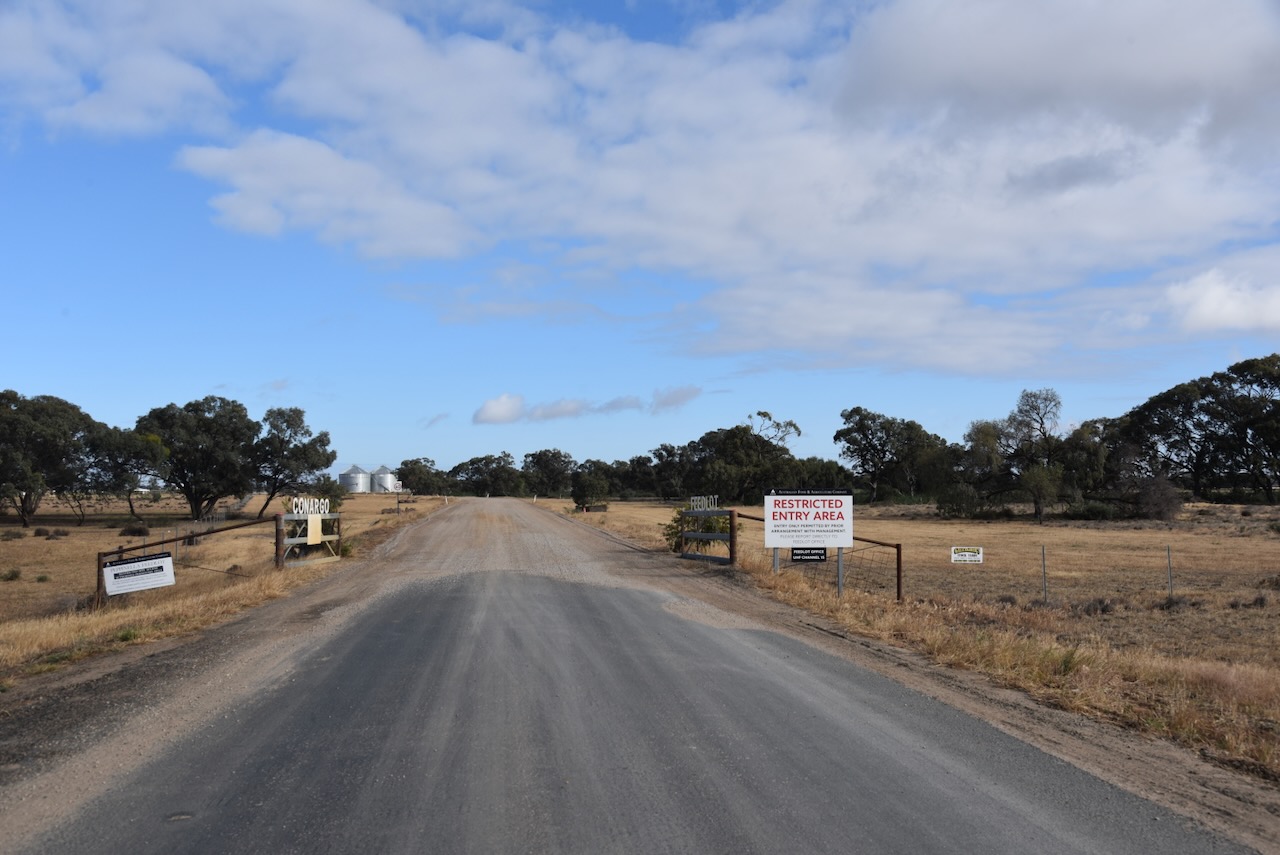
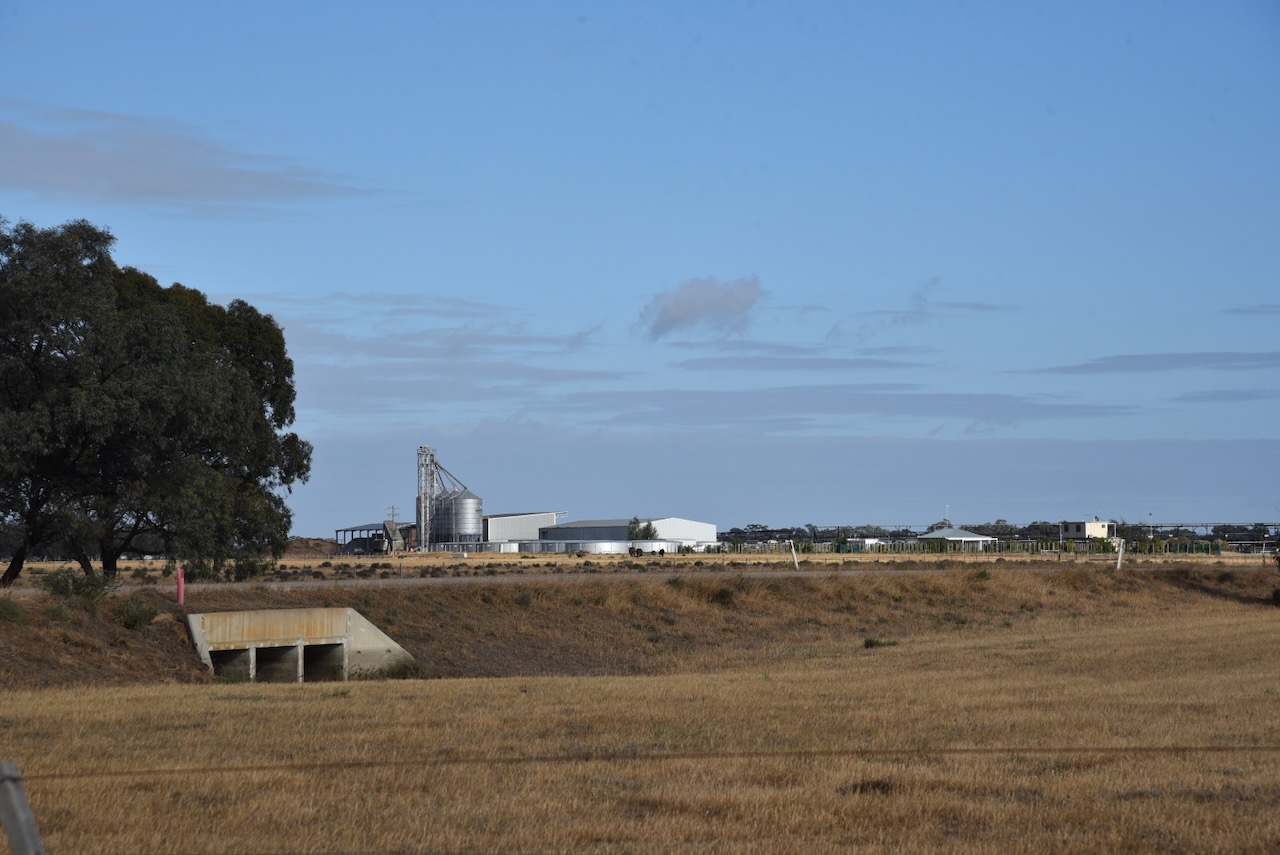
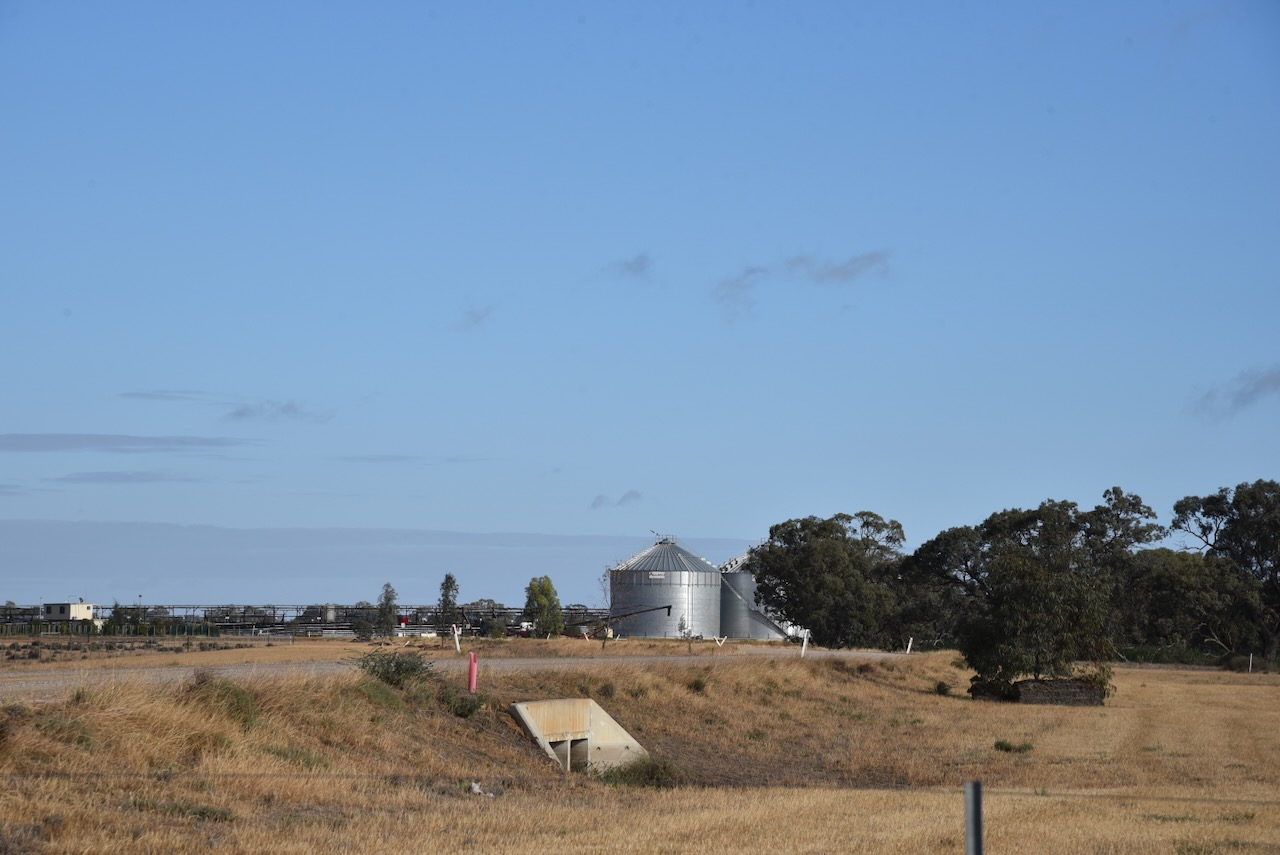
Marija and I parked on Booroke Road and operated from the 4WD. We ran the Yaesu FT857, 40 watts, and the 20/40/80m linked dipole.
Marija worked the following stations on 40m SSB:-
- VK2NP
- VK2VW
- VK2HFI
- VK2AKA
- VK2BUG
- VK3PF
- VK2HBR
I worked the following stations on 40m SSB:-
- VK2NP
- VK2VW
- VK2HFI
- VK2AKA
- VK2BUG
- VK3PF
- VK2HBR
References.
- ancestry (2016). Ancestry® | Genealogy, Family Trees & Family History Records. [online] Ancestry.com.au. Available at: https://www.ancestry.com.au/. [Accessed 5 Apr. 2026]
- Findagrave.com. (2016). Jerilderie General Cemetery in Jerilderie, New South Wales – Find a Grave Cemetery. [online] Available at: https://www.findagrave.com/cemetery/2182857/jerilderie-general-cemetery [Accessed 4 Apr. 2026].
- Trove. (2026). Australian Town and Country Journal (Sydney, NSW : 1870 – 1919) – 2 Jan 1892 – p18. [online] Available at: https://trove.nla.gov.au/newspaper/page/5330284?searchTerm=tuppal%20%2B%20fire [Accessed 4 Apr. 2026].
- Wikipedia Contributors (2025). Coree. Wikipedia.
- Wikipedia Contributors (2025). Conargo. Wikipedia.
 VK5PAS