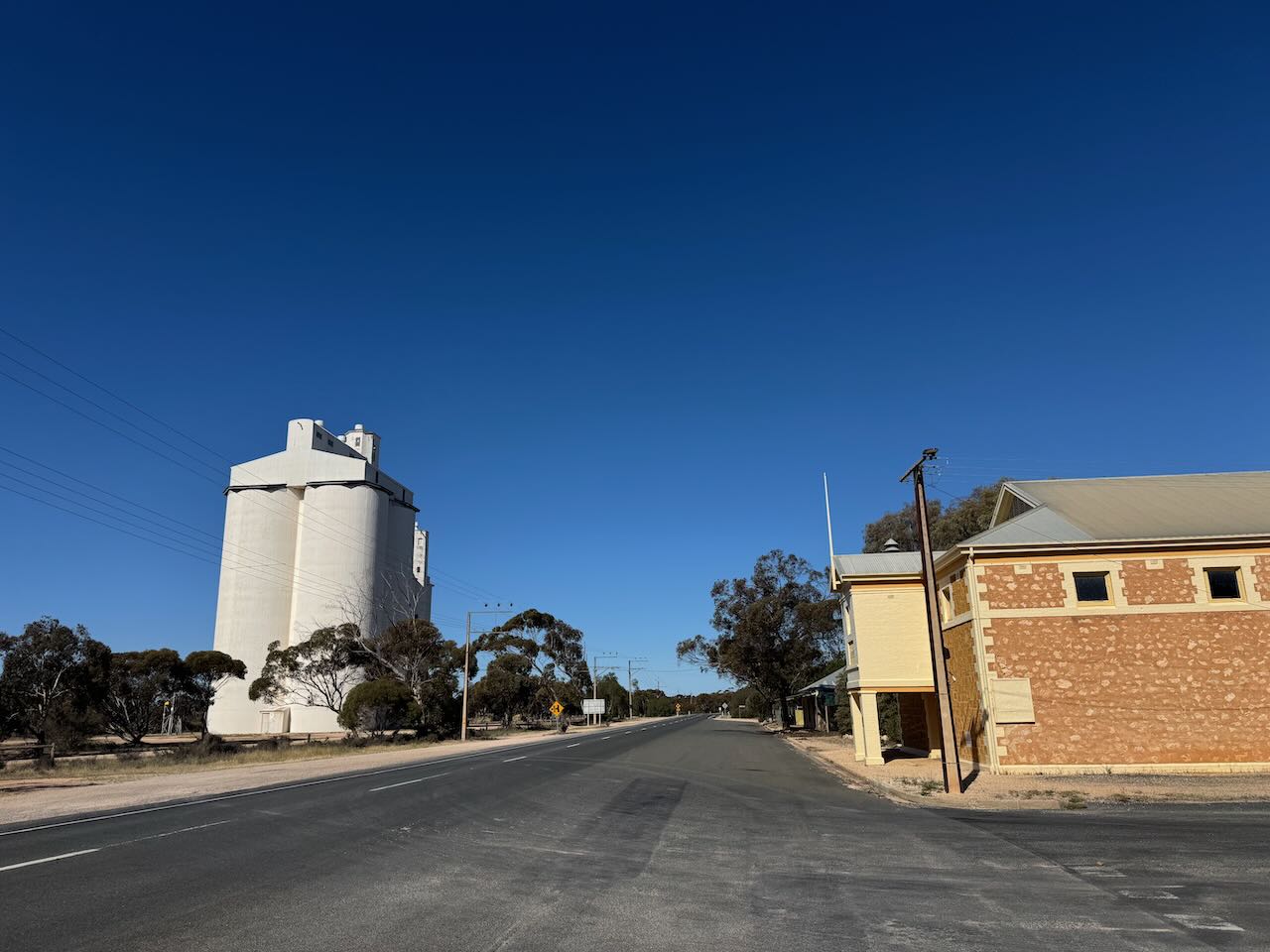
Our next activation for Friday, 17th October 2025, was the Lameroo silo VK-LMO5 for the Silos On The Air (SiOTA) program. Marija and I have previously activated this silo, but we wanted to put it on the air again, as the silo art here is amazing.
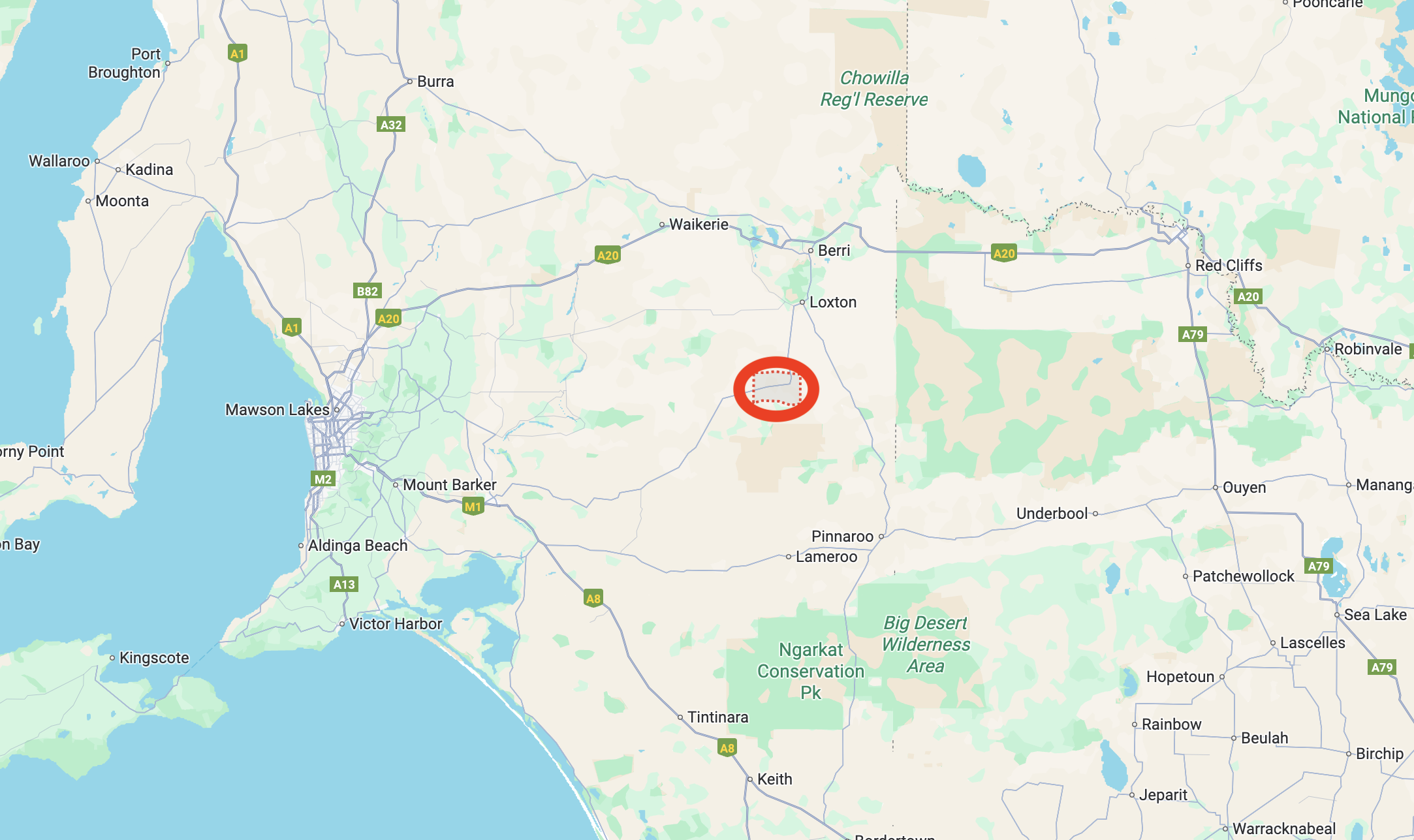
Lameroo is located in the Mallee region of South Australia, about 200 km east of the city of Adelaide, and about 40 km west of the South Australia and Victoria border.
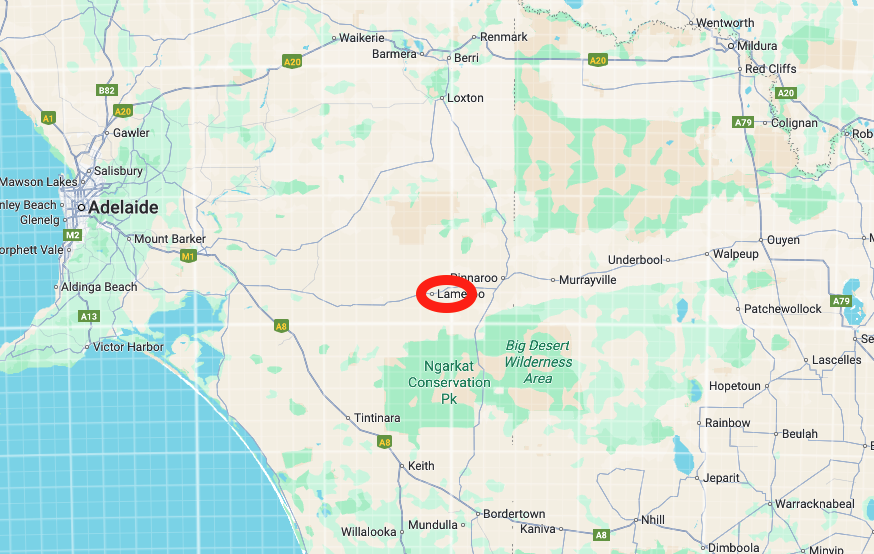
Above:- Map showing the location of Lameroo in South Australia. Map c/o Google Maps
The first European pastoralist in the area was William Butcher, who in 1873, took out pastoral lease no. 2122. The area was then known as Winike Berick, New S.E. District. It is believed that Winike Berick is a corruption of the Aboriginal words byrlung byrleck, meaning ‘the sea’. It was reported that in 1840, a group of European settlers were travelling through the ‘Long Desert’ with their sheep, and that whilst camping, a well was sunk. Beautiful sea shells were found at the bottom of the well. An aboriginal man named Kropingeri told the settlers that during the life of his great-grandfather, Goorapee, the area was covered by the sea. (Place Names SA 2012) (s.l.s.a. n.d)
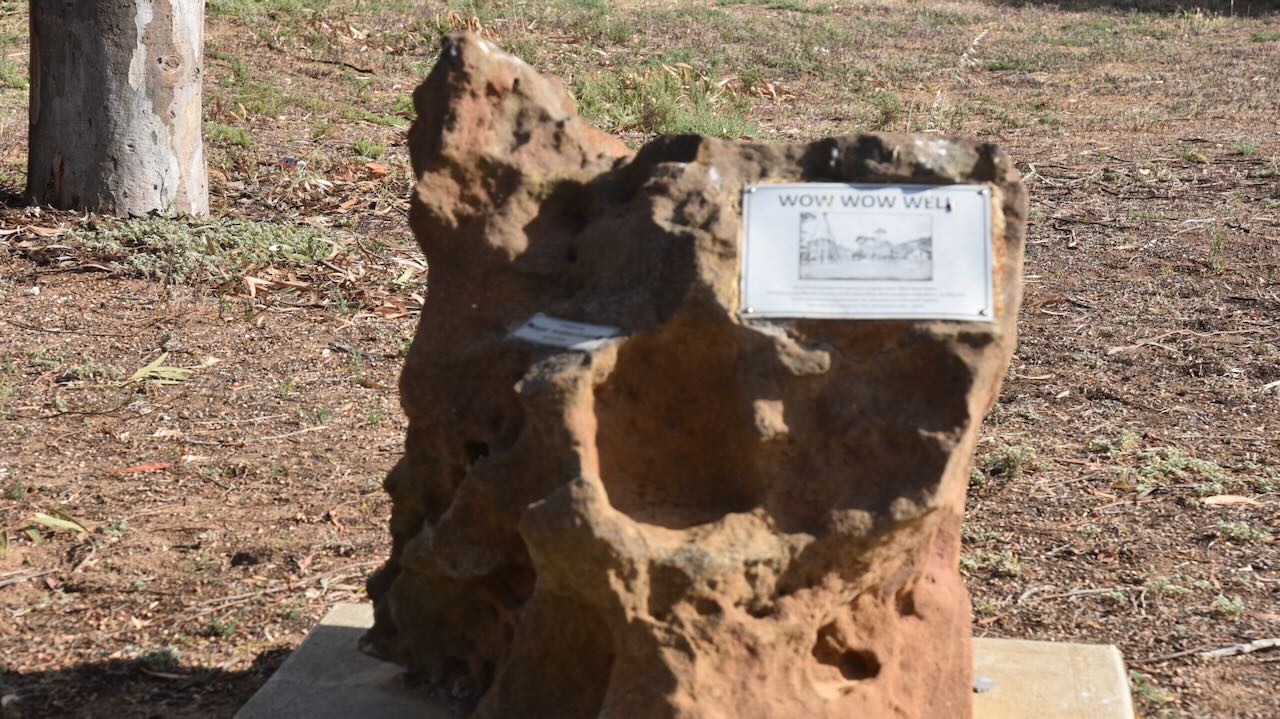
The Aboriginal name for the land in the Lameroo region was wauwauwe, meaning ‘many kangaroos.’ The Europeans called the area Wow Wow Plain or Wowell. In 1884, a well was dug at Wow Wow Plain. A monument for this can be found in Lameroo. (s.l.s.a. n.d)
The first settler in the district, following the survey, was Thomas Leckie. In 1896, he took up a block of about 450 acres, about 1 km from the current Lameroo township. Leckie was born in August 1848 in Falkirk, Stirlingshire, Scotland. He emigrated to Australia in 1852 with his parents and two siblings aboard the ‘Marco Polo‘. By 1874, he had arrived in South Australia. Leckie was initially employed at Coonalpyn Station before moving to Lameroo. (ancestry 2016) (s.l.s.a. n.d)
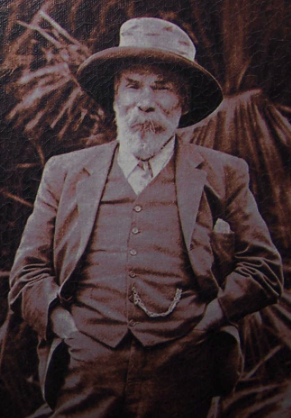
Above: Thomas Leckie. Image c/o ancestr.com.au
Leckie died in November 1919 at Lameroo. Following his death, The Advertiser reported the following:
“Mr. Leckie took up absolutely the first block in the district, an area of 450 acres, which he cleared and cultivated under extreme difficulties. He was the only dweller in the wilderness of Mallee, his nearest white neighbour being about 6 miles distant. His faith in the district as an agricultural area was unwavering, and it was never shaken up to the time of his death. It was he who blazed the trail into Pinnaroo lands, and it was through his faith and courage and his determination not to suffer defeat that the district became the producing centre it is today…” (Trove 2025)
The town of Lameroo was proclaimed on the 17th day of November 1904. (s.l.s.a. n.d)
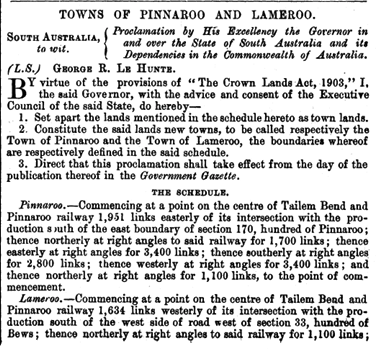
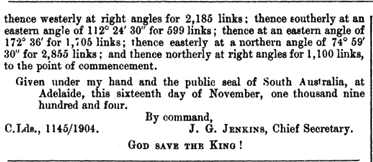
The town was named Lameroo at the suggestion of J. McL. Johnston, an Inspector in the Post and Telegraph Service. Jhnston had worked on the Overland Telegraph Line, and whilst in Darwin, he had heard of Lameroo Beach, and liked the sound of the word. Johnston attended a meeting in 1904 of local settlers, and he suggested the name and which was subsequently adopted. (Sydney Morning Herald 2004)
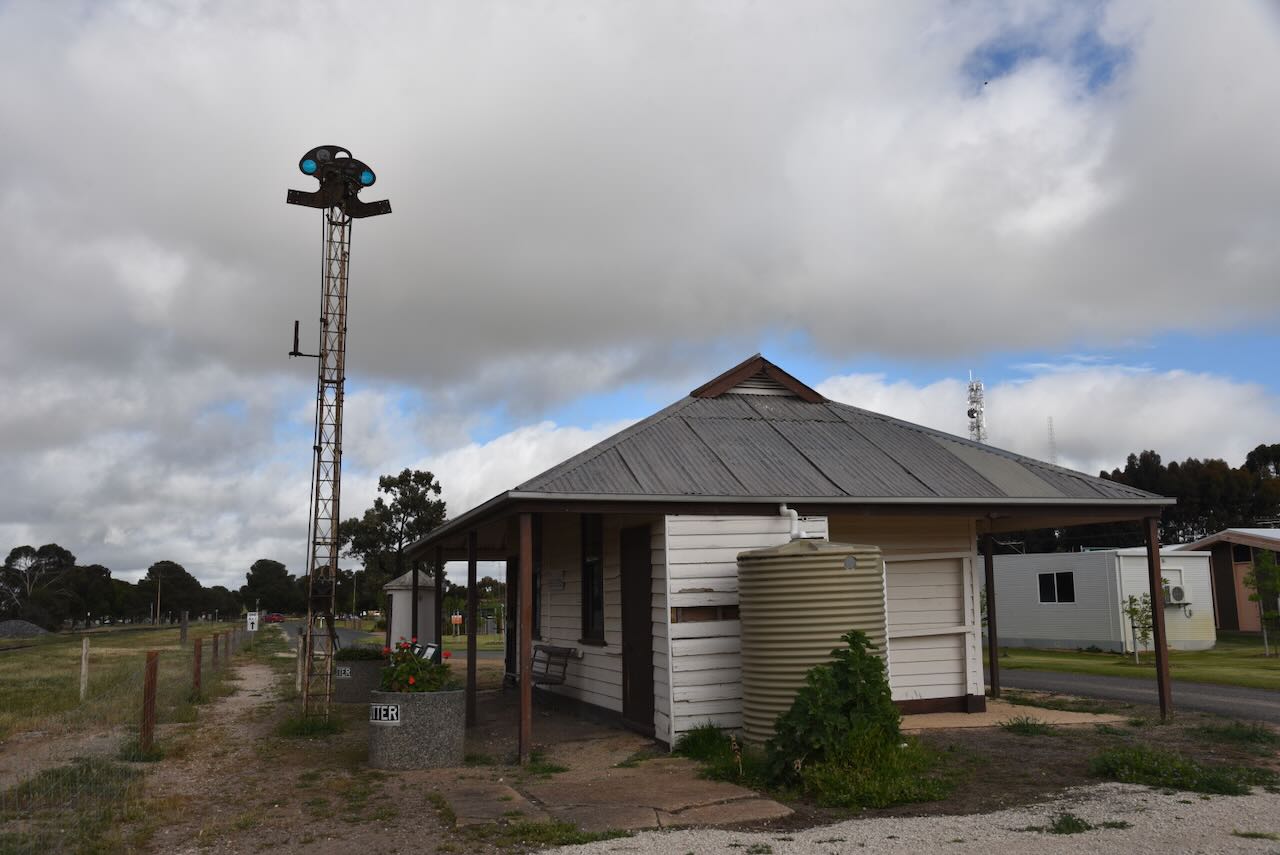
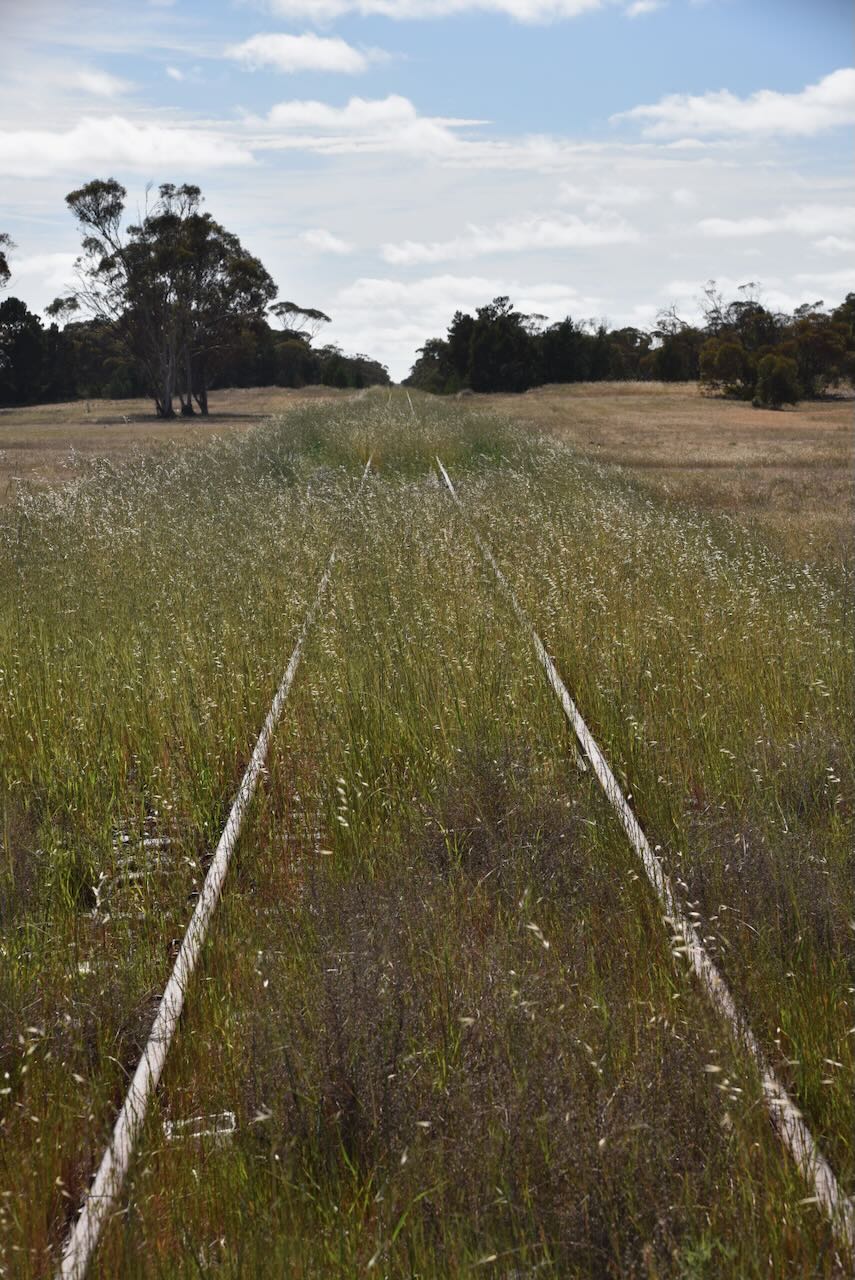
The railway was declared open on the 8th day of September 1906, and the first trains arrived at Lameroo with passengers and goods. Regular train services to Lameroo brought other settlers, building materials, and machinery. (Mallee Highway 2024)
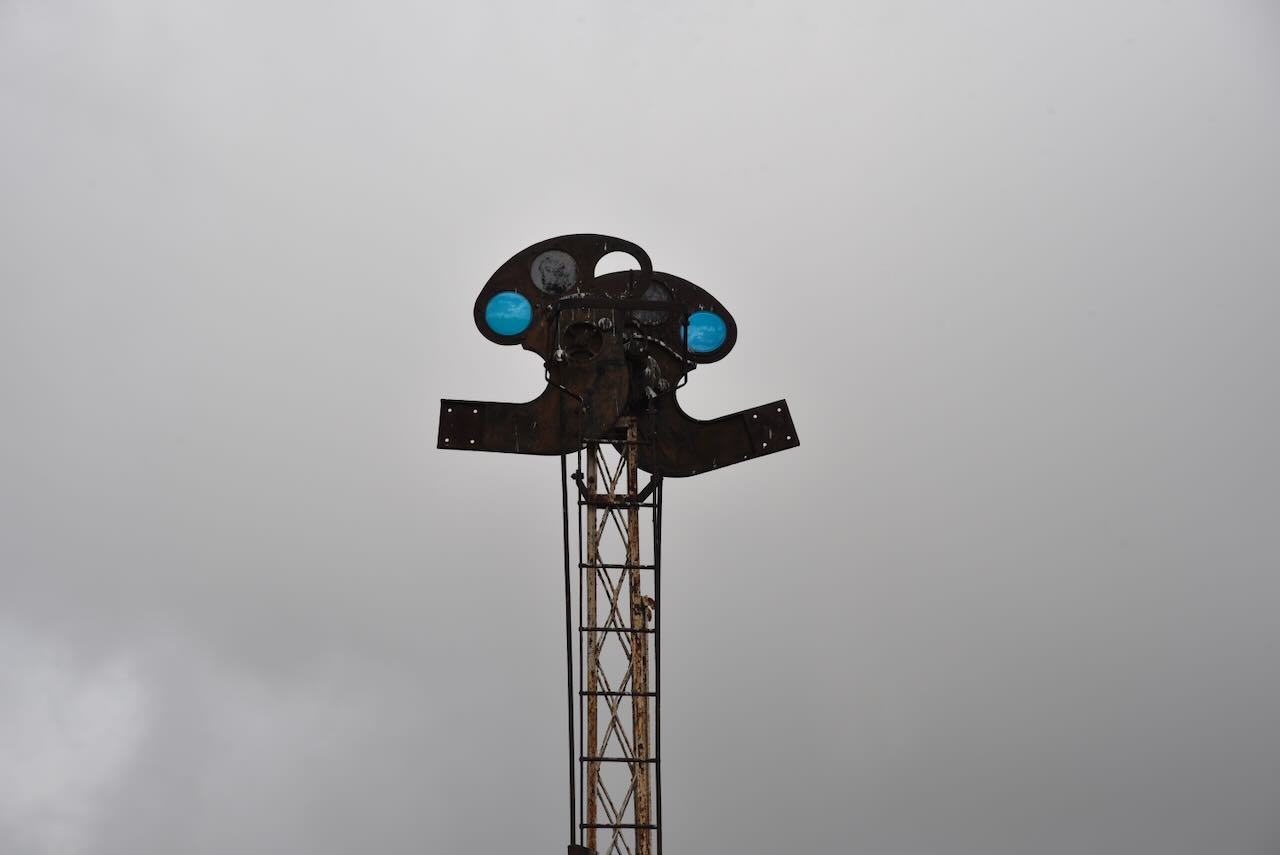
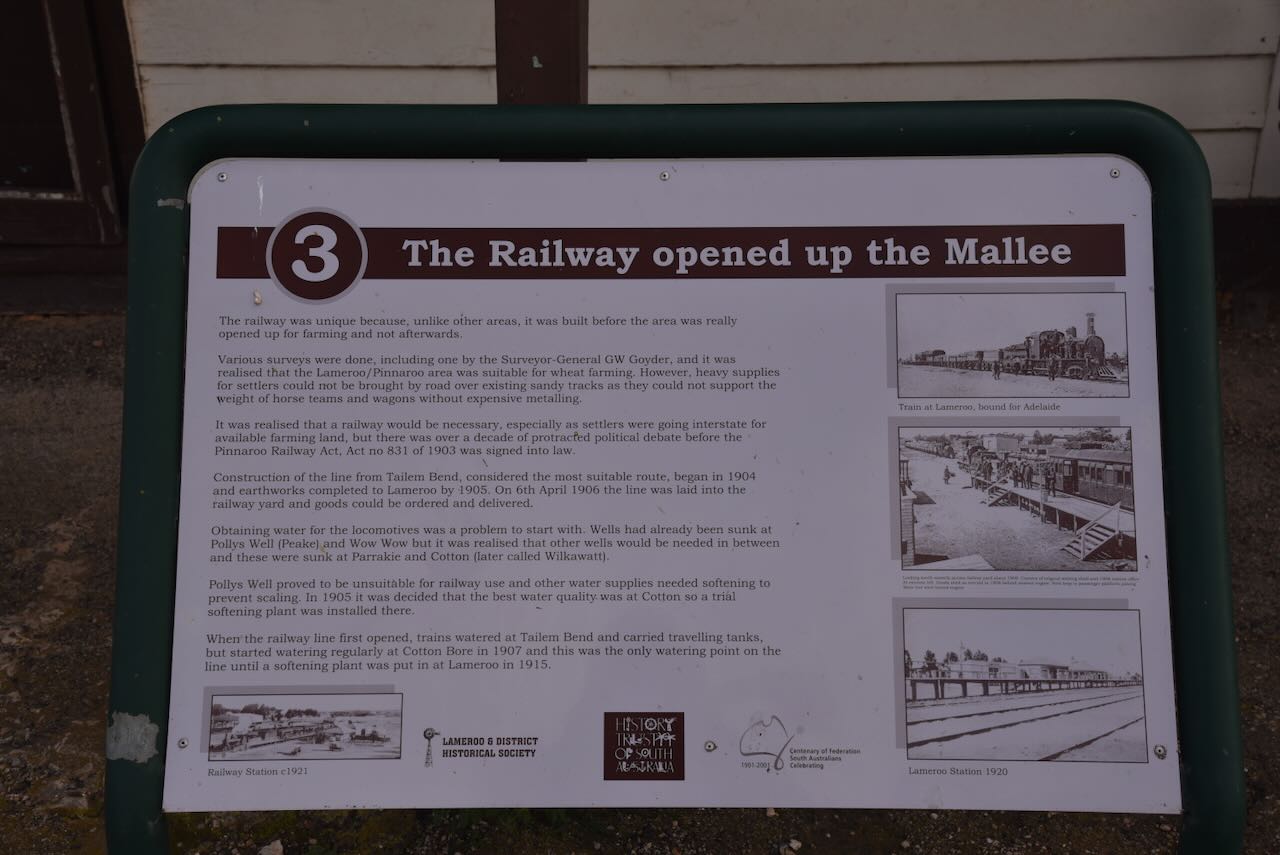
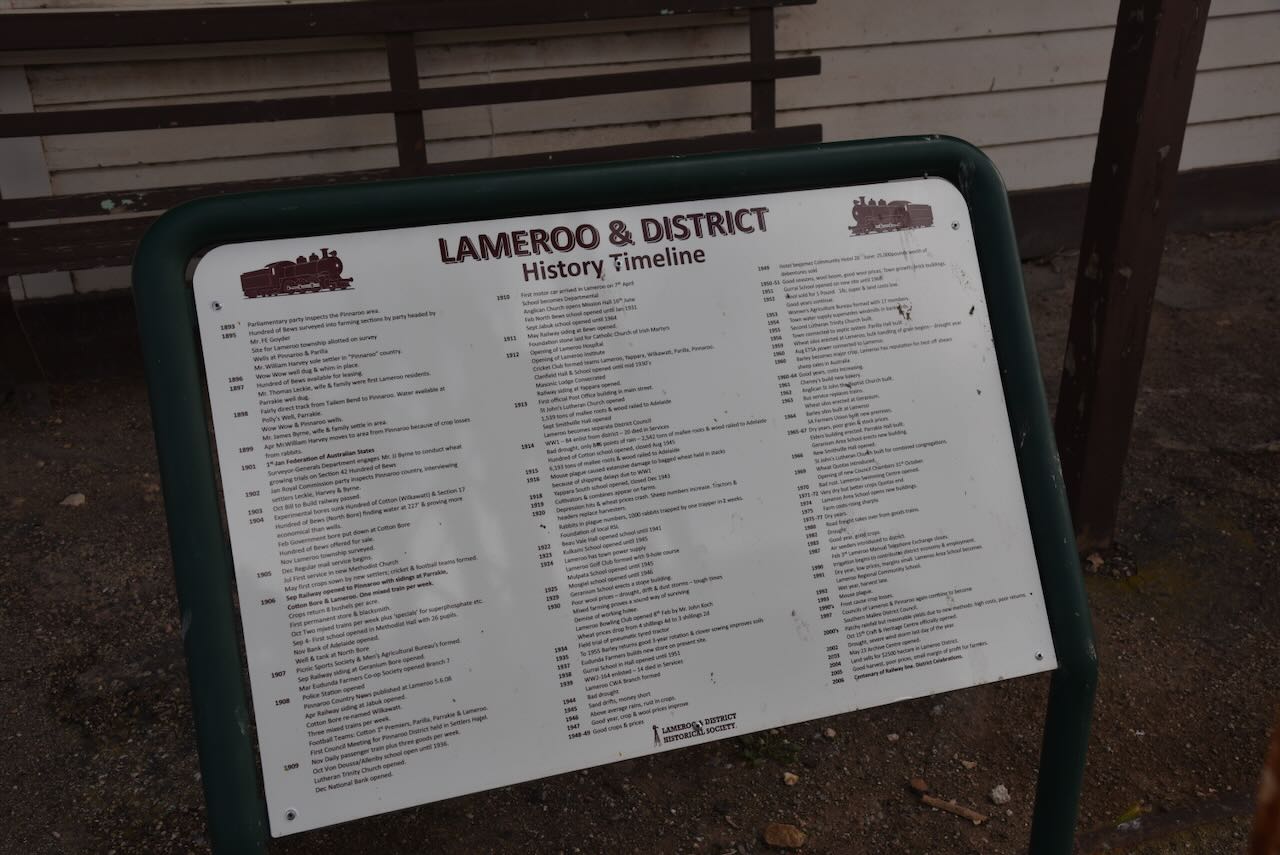
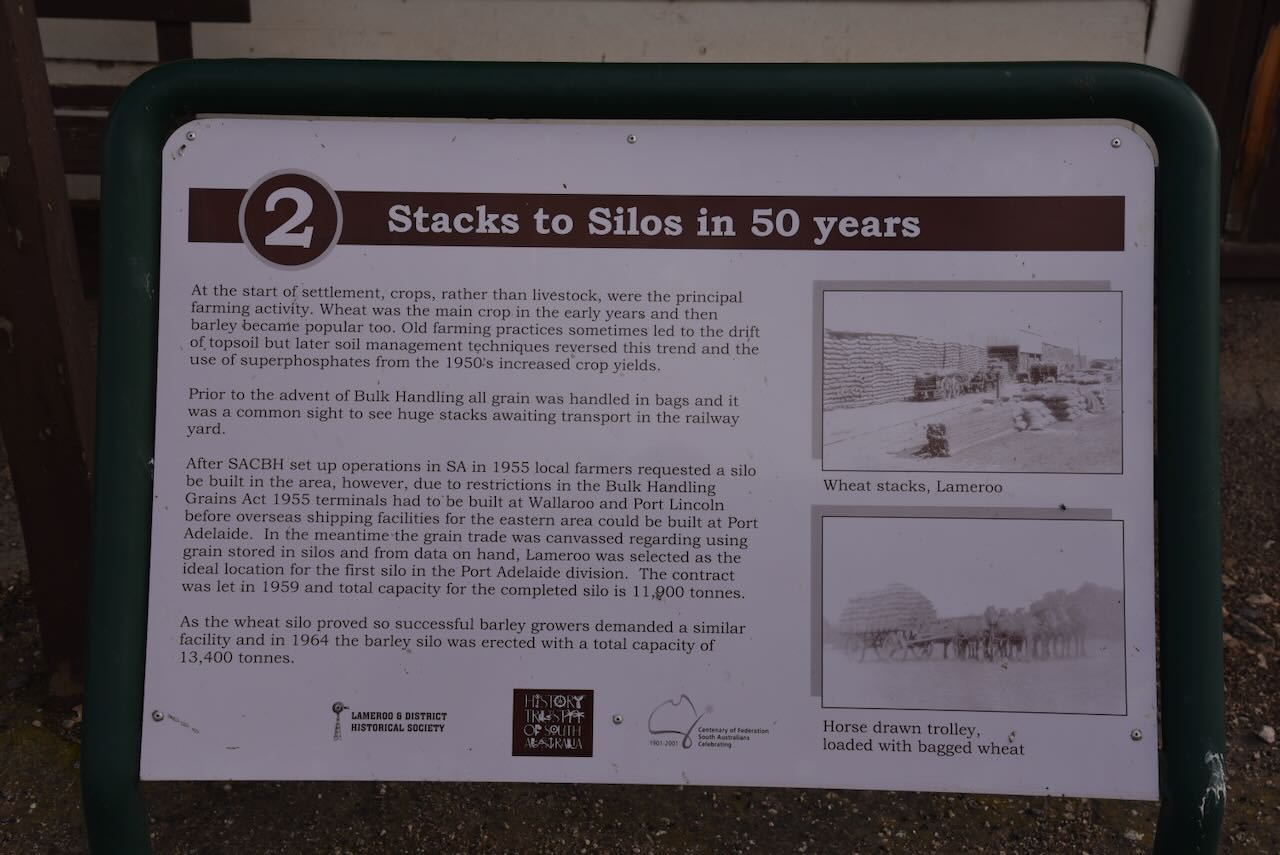
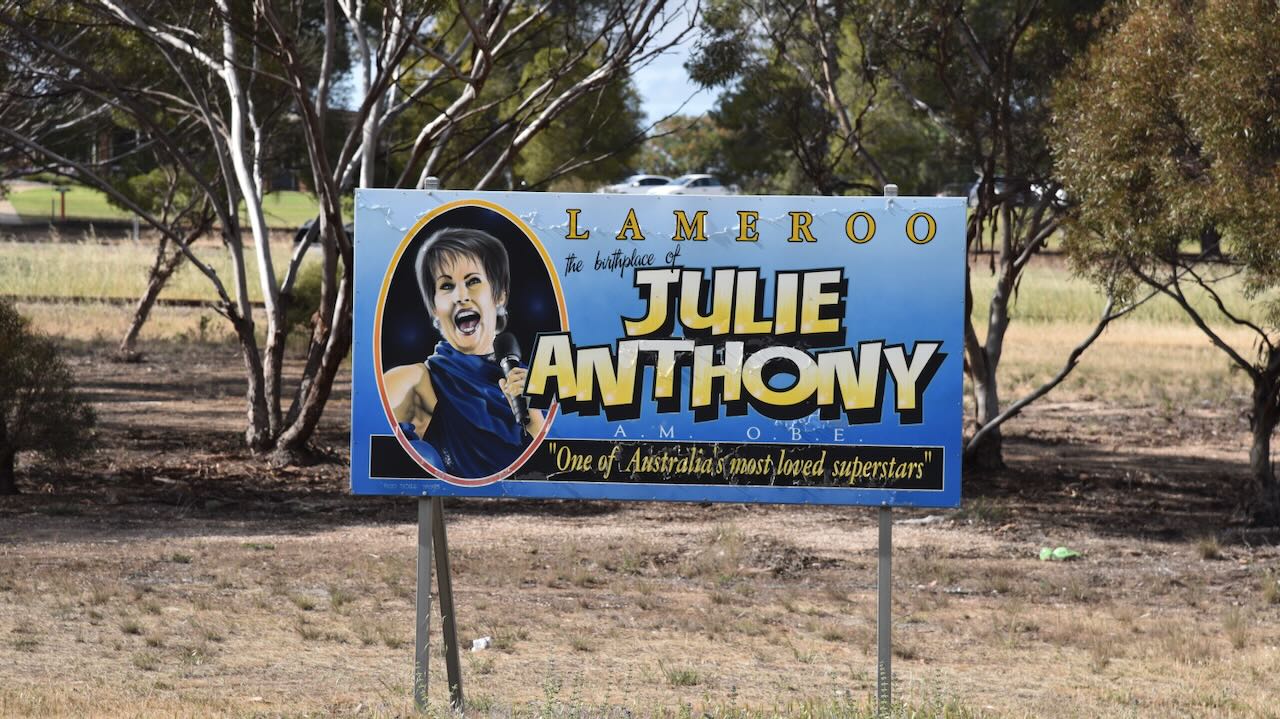
Lameroo is home to singer and entertainer Julie Moncrieff Anthony AM OBE.
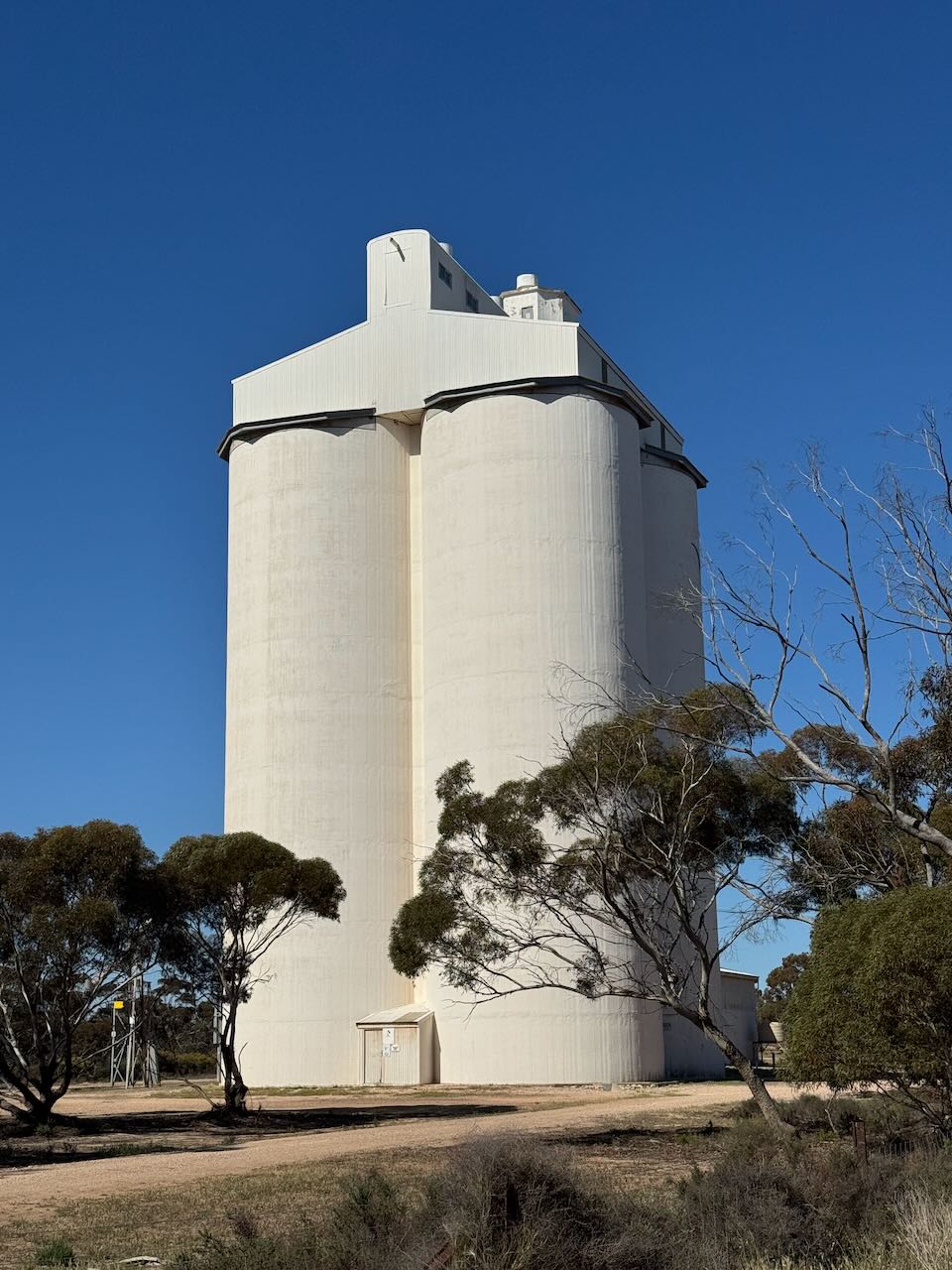
The bulk grain silo (wheat) opened in Lameroo for the 1959-60 grain harvest. It was the first grain silo outside of Port Adelaide in the Eastern Division. The barley silo opened in 1964. (Discover Murray 2024)
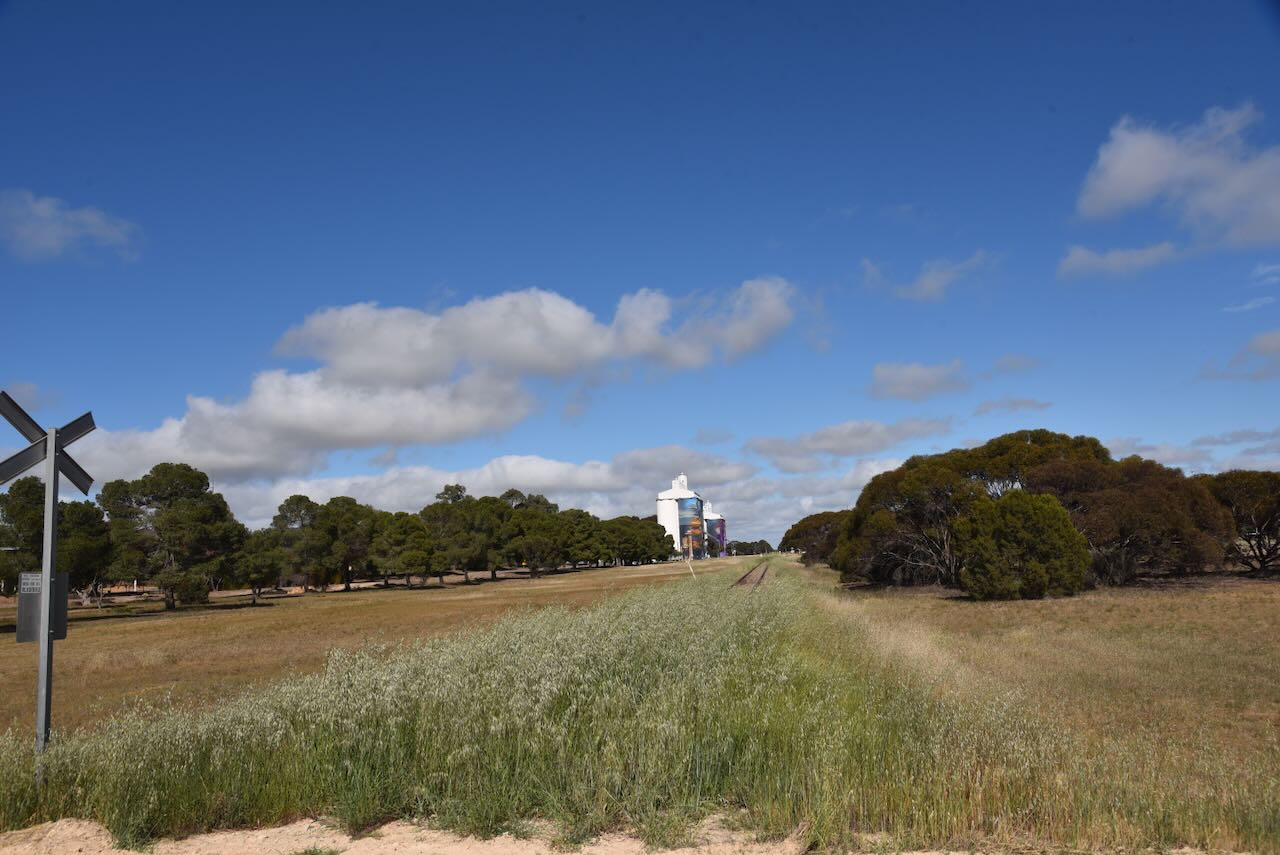
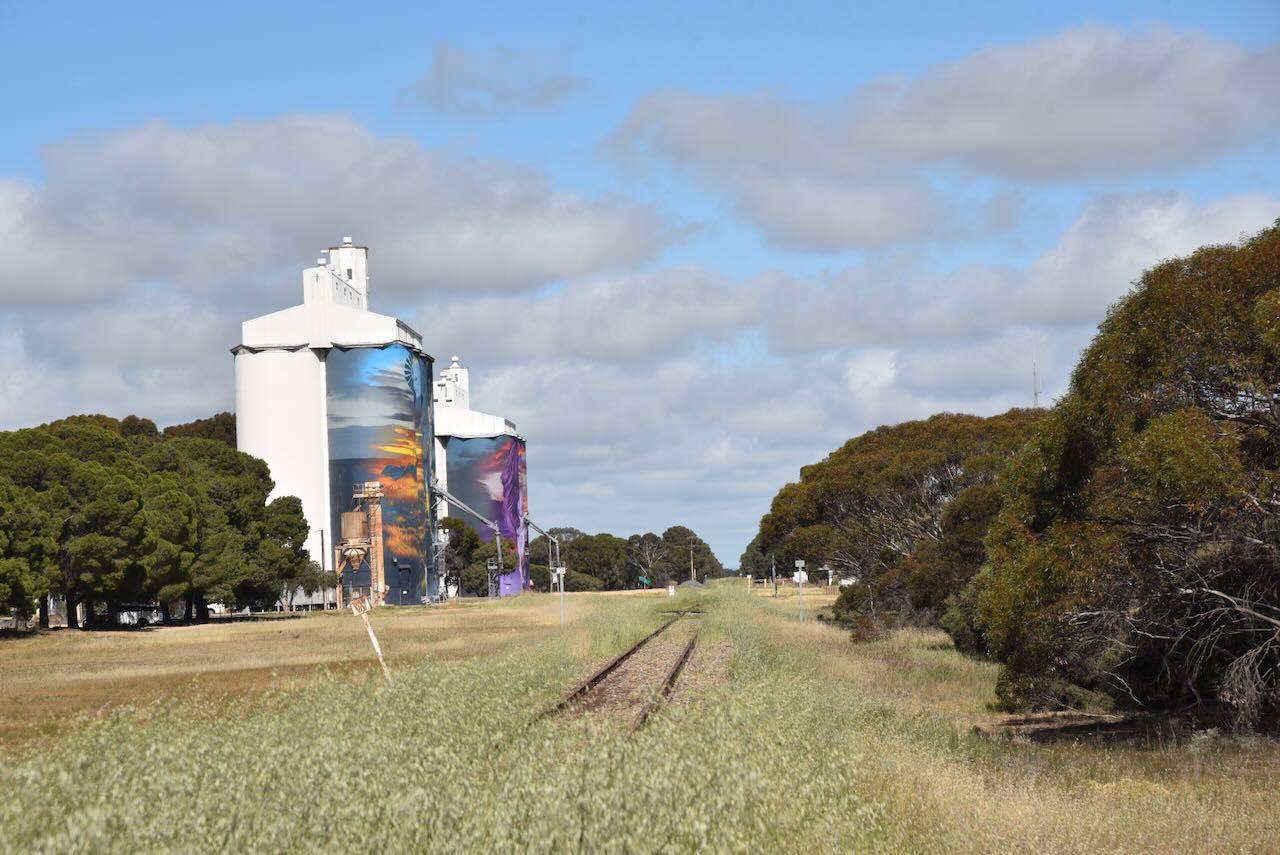
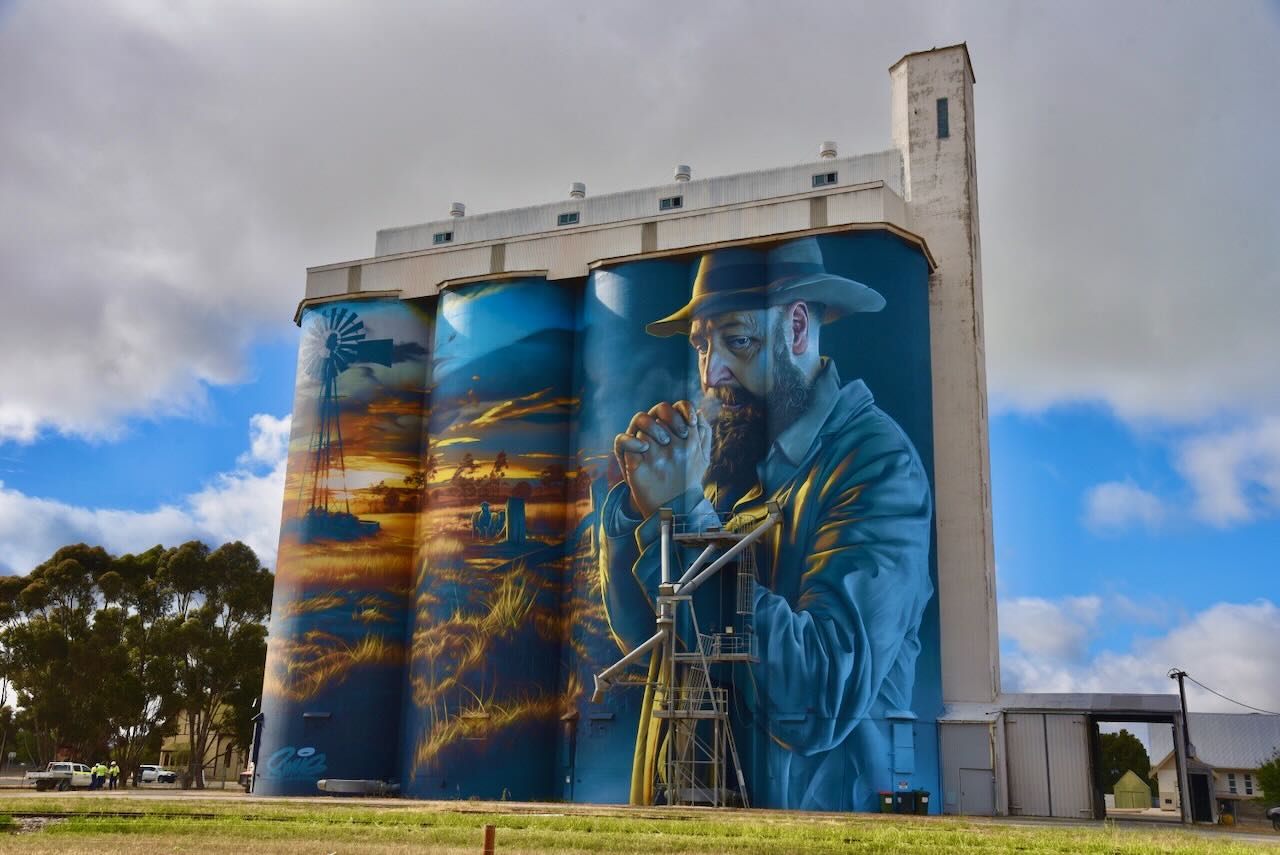
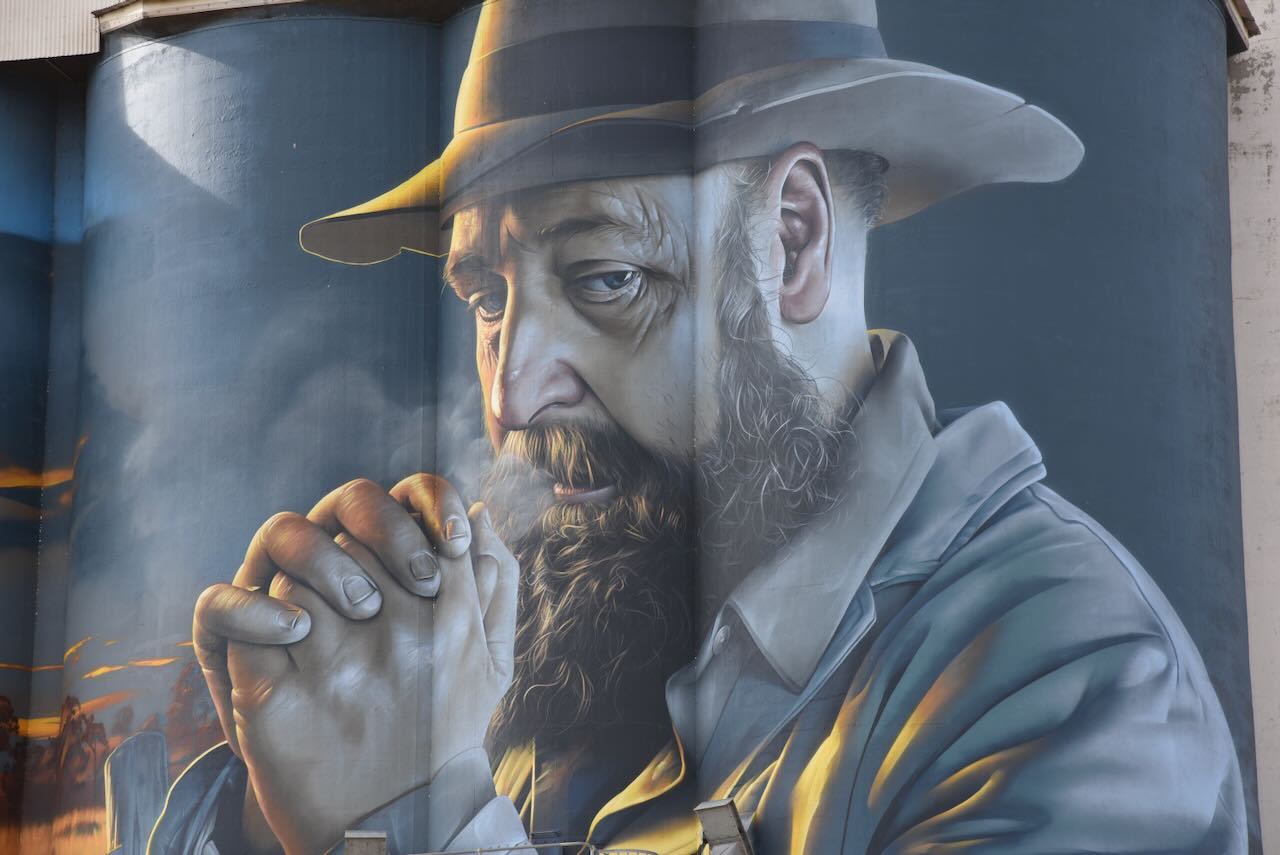
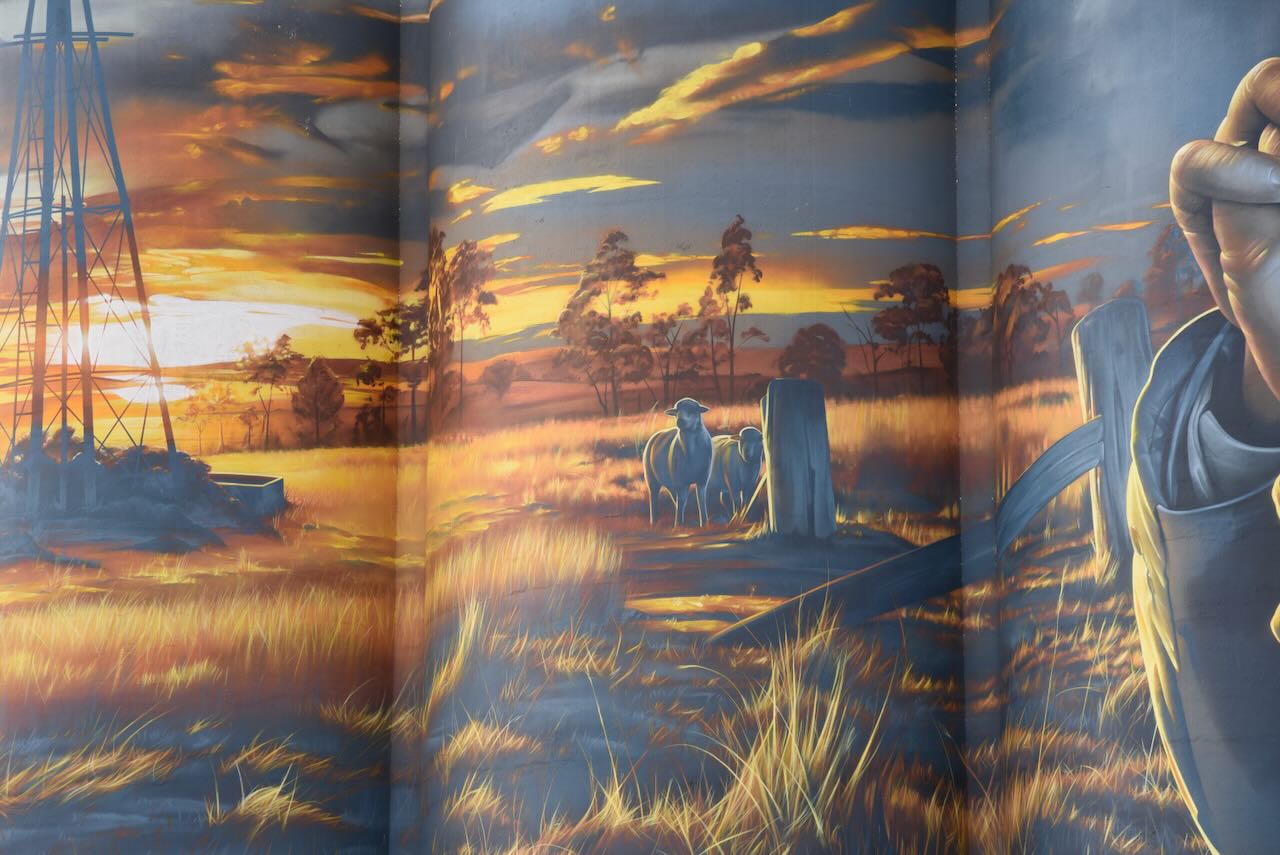
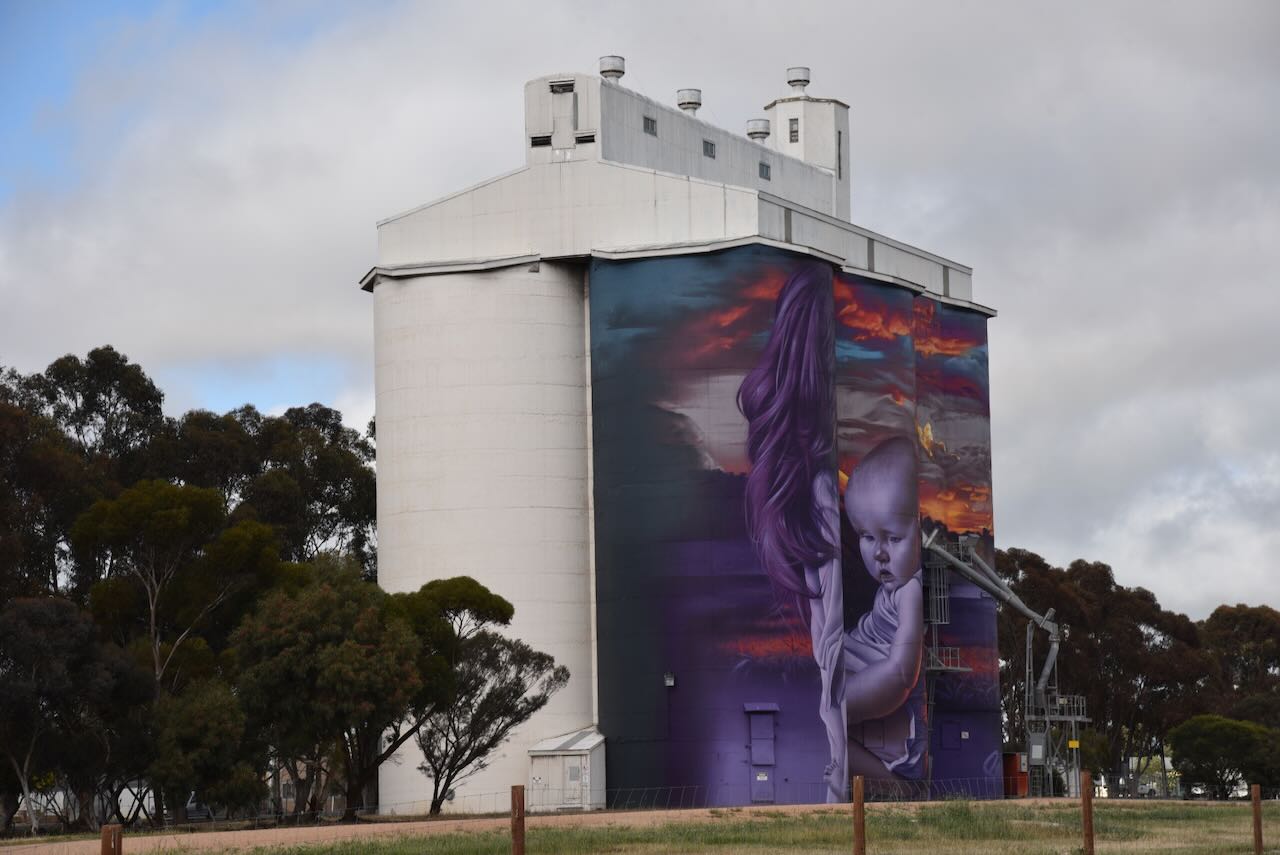
The Lameroo silos are part of the Australian silo art trail. The art on the first silo was completed in April 2024 and is the work of Sam Bates @ Smug. The second silo was completed in May 2025 and is the work of Smug. (Australiansiloarttrail.com, 2024) (Viterra.com.au 2025)
The artwork on the first silo features a Mallee Farmer.
The second silo features a young woman with a baby in her arms, looking out into a field of grain being harvested at sunset. (Viterra.com.au 2025)
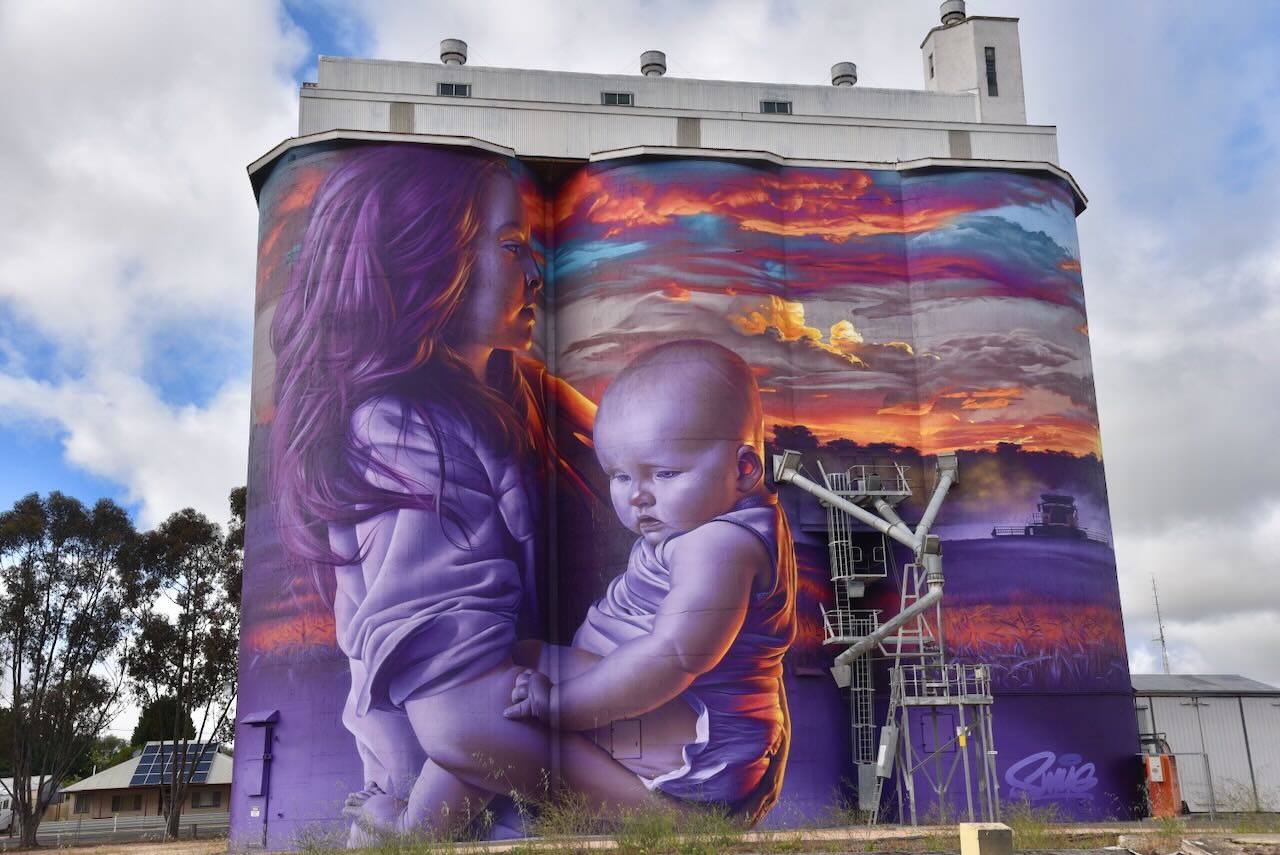
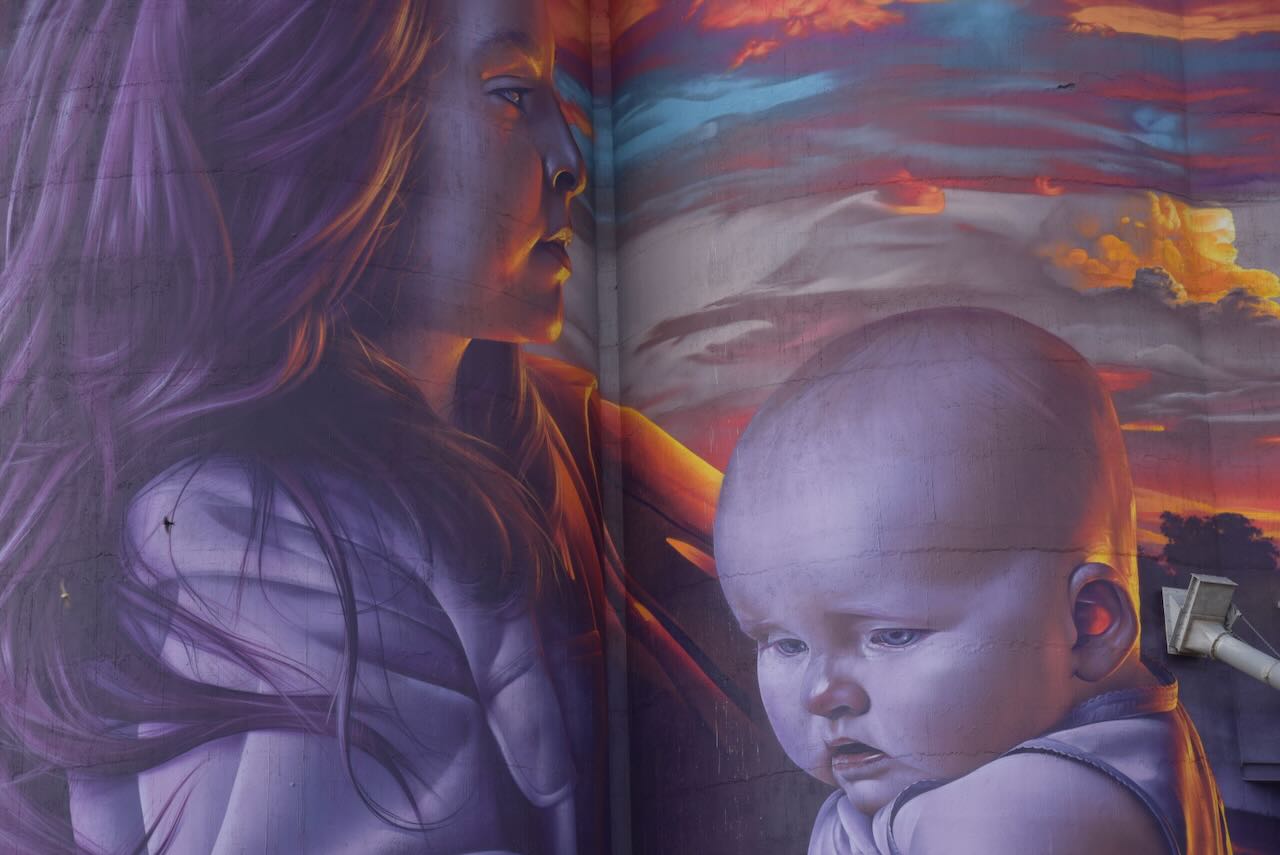
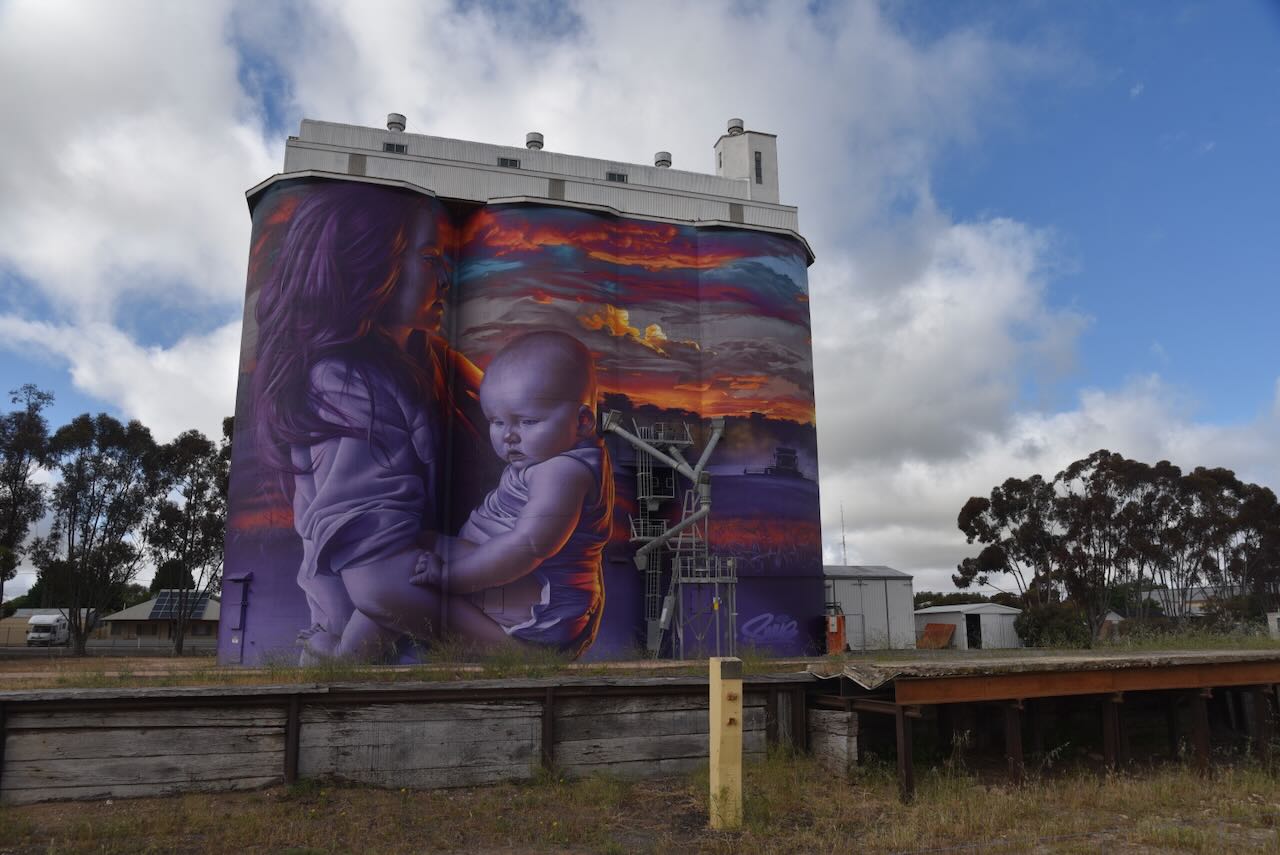
Below is an excellent video from YouTube with drone footage of the two silos.
Marija and I parked alongside the first silo and operated from the 4WD. We ran the Icom IC7000, 100 watts, and the Codan 9350 with the 1.5 metre stainless steel whip.
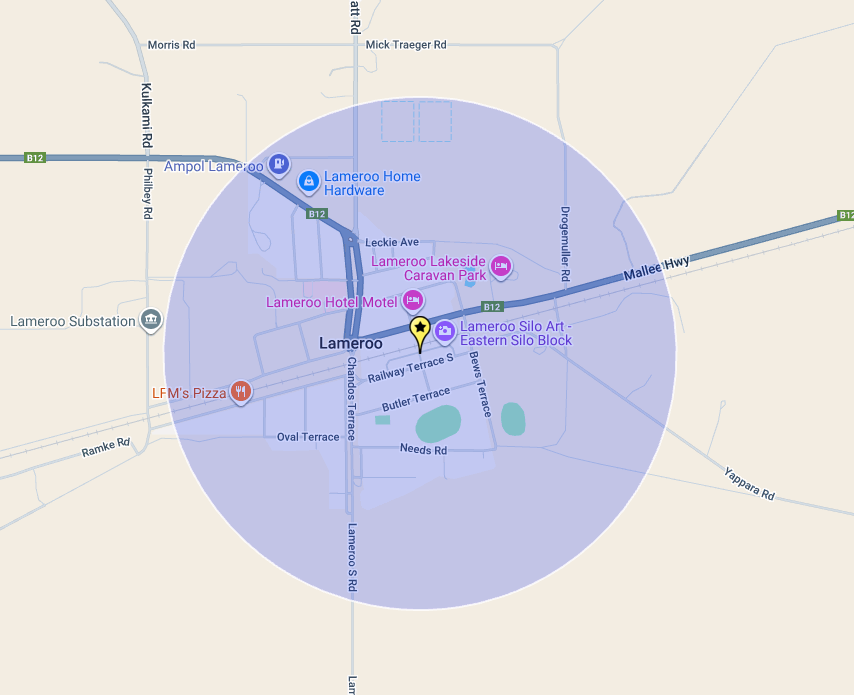
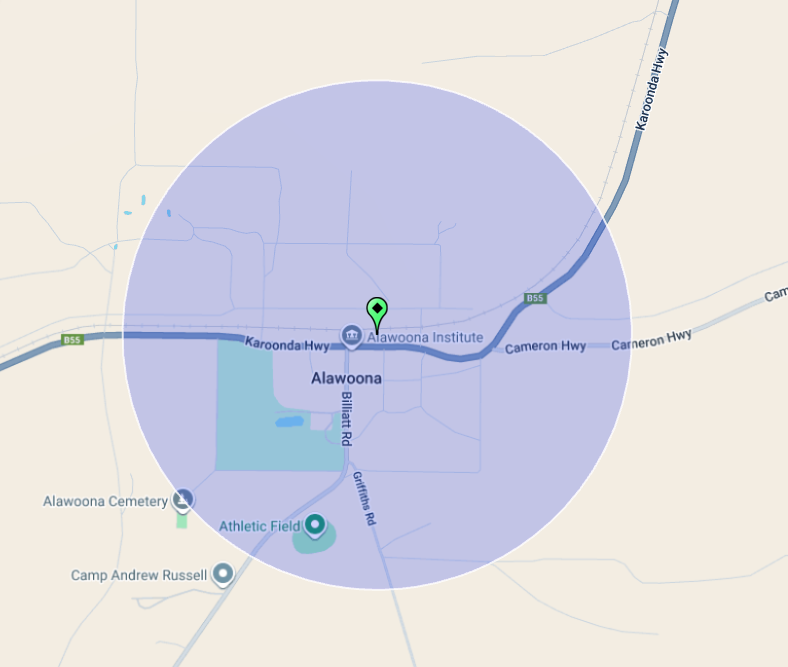
Above: the activation zone at Lameroo. Image c/o SiOTA website.
Marija worked the following stations on 40m SSB:-
- VK3PF
- VK5WU
- VK3ZSC
- VK3CJN
- VK3QHU
- VK1AO/P (VKFF-1381)
- VK2MET/P (VKFF-1381)
- VK2VAR
- VK2GOM
- VK3WSG
- VK3VIN
- VK5AYL
Marija worked the following stations on 20m SSB:-
- VK1AO/P (VKFF-1381)
- VK2MET/P (VKFF-1381)
I worked the following stations on 40m SSB:-
- VK3PF
- VK5WU
- VK3ZSC
- VK3CJN
- VK3QHU
- VK1AO/P (VKFF-1381)
- VK2MET/P (VKFF-1381)
- VK2VAR
- VK2GOM
- VK3WSG
- VK3VIN
- VK3SQ
- VK3JT
- VK2BD
- VK2DA
- VK1DA
- VK5AYL
- VK3ALF/P
I worked the following stations on 20m SSB:-
- VK1AO/P (VKFF-1381)
- VK2MET/P (VKFF-1381)
- VK2IO
References.
- ancestry (2016). Ancestry® | Genealogy, Family Trees & Family History Records. [online] Ancestry.com.au. Available at: https://www.ancestry.com.au/ [accessed 17 Nov. 2025]
- Australiansiloarttrail.com. (2024). Lameroo Silo Art. [online] Available at: https://www.australiansiloarttrail.com/lameroo. [accessed 17 Nov. 2025]
- Discover Murray, 2024, An historical look of the first 100 years of Lameroo, viewed 17th Nov. 2025.
- Manning, G. 2012, A Compendium of the Place Names of South Australia
- published.collections.slsa.sa.gov.au. (n.d.). A Compendium of the Place Names of South Australia. [online] Available at: https://published.collections.slsa.sa.gov.au/placenamesofsouthaustralia/ [accessed 17 Nov. 2025]
- Southern Mallee District Council, 2024, Mallee Highway Touring Route, Lameroo S.A., [Accessed 17 Nov. 2025].
- The Sydney Morning Herald. (2004). Lameroo. [online] Available at: https://www.smh.com.au/lifestyle/lameroo-20040208-gdkqjv.html [Accessed 17 Nov. 2025].
- Trove. (2025). THE PIONEER OF LAMEROO. – DEATH OF MR. LECKIE. – The Advertiser (Adelaide, SA : 1889 – 1931) – 17 Nov 1919. [online] Available at: https://trove.nla.gov.au/newspaper/article/5643454 [Accessed 17 Nov. 2025].
- Viterra.com.au. (2025). Lameroo landscape transformed with second silo art project. [online] Available at: https://www.viterra.com.au/media/news/2025/lameroo-landscape-transformed-with-second-silo-art-project [Accessed 17 Nov. 2025].
- Wikipedia Contributors (2025). Lameroo. Wikipedia.