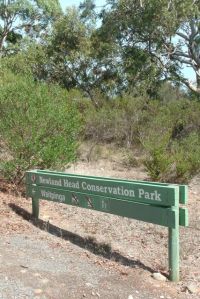
Newland Head Conservation Park

My last activation of the weekend was the Newland Head Conservation Park, which is situated about 91 km south of Adelaide, and about 10 km south west of the seaside tourist town of Victor Harbor (where I once lived many years ago).

IMGA0043_3

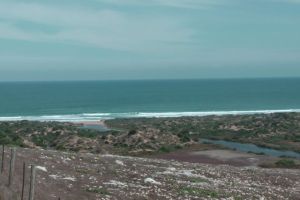
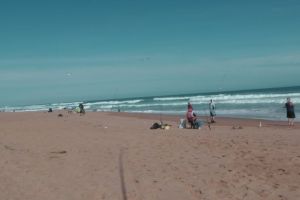
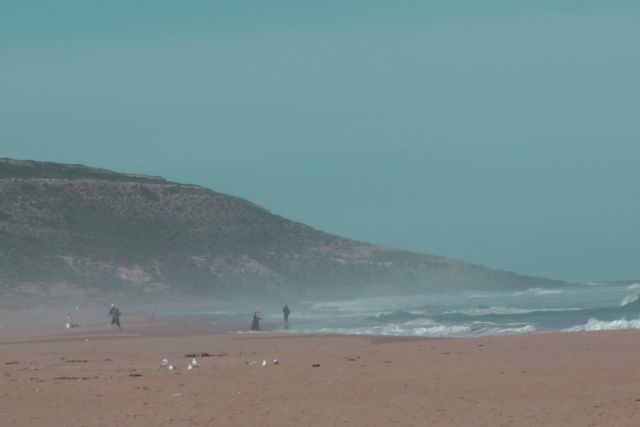
The approach to the park as you travel south along Dennis Road, is quite impressive.  There are very good views of beautiful Waitpinga Beach and the roaring waves of the Southern Ocean.  You also get a very good view of the Waitpinga Creek which flows out to the ocean.

IMGA0045_3

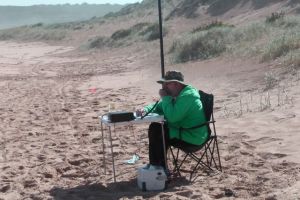
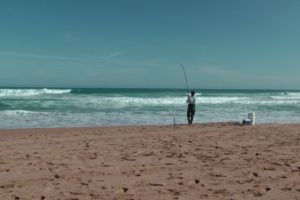
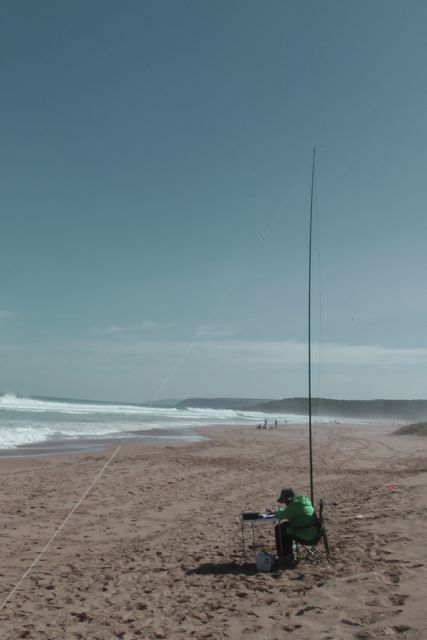
Marija and I unpacked the gear from the car and walked down to the beach.  There is a boardwalk and stairs leading down to the beach.  I had activated Newland Head CP last year, but the weather was too unkind to head down onto the beach.  But today was a beautiful sunny day with a fairly calm breeze, so I decided to head down to the beach itself.  I set up the fold up table and deck chair facing the crashing waves of the Southern Ocean.  I initially felt a bit silly as I was the only person on the beach with a squid / fishing pole, that wasn’t trying to catch fish.

IMGA0049_3

Prior to calling CQ, I wanted to try to get a few of the other park activators in the log, so I went for a bit of a hunt across the 40m band.  My first contact was with Col VK5HCF who was portable in the Big Heath Conservation Park, down in the south east of South Australia.  I then worked David VK5NQP who was portable in the Porter Scrub Conservation Park in the Adelaide Hills, and then Andy VK5LA who was portable in the Murray River National Park.

I then found Peter VK3PF who was portable on SOTA peak Mount Lookout, VK3/ VT-030.  And before propping on a frequency, I spoke with Richard VK5ZRY who was portable in the Leven Beach Conservation Park on the Yorke Peninsula.

IMGA0056_3     IMGA0055_3

I found 7.110 clear, so I put out a CQ call, and was called by Arno VK5ZAR who was portable in the Horsnell Gully Conservation Park in the Adelaide Hills.  A steady flow of Park Hunters followed including a number of park activators and Peter VK3ZPF who was portable on SOTA peak, VK3/ VC-037.  Park to Park contacts included ANdy VK5ARG in The Knoll Conservation Park, Steve VK5AIM at Martindale Hall Conservation Park, Andrew VK5MR in Mokota Conservation Park, Gary VK5FTRG in Moritalta Conservation Park, Larry VK5LY in Bakara Conservation Park, Andrew VK5KET in Ewens Ponds Conservation Park, Andy VK5ARG in Belair National Park, Col VK5HCF in the Glenroy Conservation Park, Richard VK5ZRY in Carribee Conservation Park, and Andy VK5ARG in Marino Conservation Park.

  IMGA0048_3

After operating on 40m for about 90 minutes, I decided to go and have a listen on 20m.  But I was sadly disappointed when I got there, to find the band very busy with eastern European contesters.  It didn’t sound like a great afternoon to be operating 40 watts on 20m.  However I found a clear frequency and put out a CQ call, and was immediately called by Grom VK6NUT.  But I hadn’t even been there for 1 minute, when UT7E from the Ukraine came on the frequency and started calling CQ Contest.  His signal was so strong that it tidally drowned out From.  I QSYd down about 10kc hoping that Grom would find me and sure enough he did, and we could complete our QSO.

IMGA0058_3

The frequency remained clear and I managed to work Colin VK2CSW, Bernard VK2IB/3, Kevin M0DAD pedestrian mobile, Zenik SP5INQ, Phil 2E0EDX mobile, Alex R1NA, and VK4GCQ.

It was starting to get a bit late in the afternoon, and we still had an hour’s drive back home, with the prospect of work in the morning.  So sadly, I packed up the gear, and we made our way back home to Mount Barker in the Adelaide Hills.  I ended up with 62 contacts.

After a very enjoyable 2 hours of operating on the beach, I had a total of 61 contacts on 40m ssb and 20m ssb.

The following stations were worked:-

Col VK5HCF/p; David VK5NQP/p; Andy VK5LA/p; Peter VK3PF/p; Richard VK5ZRY/p; Arno VK5ZAR/p; Tim VK5AV; Peter VK3ZPF/p; John VK5BJE; Andy VK5ARG/p; Steve VK5AIM/p; Greg VK5ZGY/p; Andrew VK5MR/p; Tom VK5FTRG; Amanda VK3FQSO; Gary VK5FGRY/p; Brian VK5FMID; Rod VK5VRB; John VK2AWJ; Larry VK5LY/p; Shaun VK5FAKV; Wolf VK5WF; Andrew VK5KET/p; Steve VK5AIM/p; Bernard VK3AMB; Adam VK2YK; Dave VK3VCE; Nick VK3ANL; Keith VK5FEKH; Ted VK3HHK; Chris VK4FR/5; Keith VK3FT; Patrick VK5MPJ; Ben VK5BB; Paul VK5NE; Alan VK3OA; Glen VK3GMC; Ray VK3NBL; Andy VK5ARG/p; Peter VK5KX; Les VK5KLD; Colin VK3UBY; Tony VK3CAT; Michael VK5ZEA; Greg VK5GJ; Ian VK3VIN; Sandy VK3LSB; Clive VK3FCMR; Peter VK7LCW; Tom VK5FTRG/m; Col VK5HCF/p; Richard VK5ZRY/p; Andy VK5ARG/p; Grom VK6NUT; Colin VK23CSW; Bernard VK2IB/p; Kevin M0DAD/pm; Zenek SP5INQ; Phil 2E0EDD/pm; Alex R1NA; VK4GCQ.

More photos of this activation can be found in the Photos section of the VK5 Parks Award Yahoo group at…..

https://au.groups.yahoo.com/neo/groups/sanpcpa/info

Eric Bonython Conservation Park

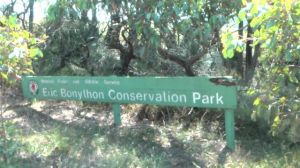
After leaving the Deep Creek Conservation Park, Marija and I headed towards the Waitpina Conservation Park, which was our next intended activation, but could not get access due to road closures.  So we chose an alternate activation at the Eric Bonython Conservation Park, which is located at Tunkalilla, about 100 km south of Adelaide, on the Fleurieu Peninsula.  I had activated Eric Bonython CP last year in December, so this was going to be another new activation for the new calendar year and another point to add to my activator tally.

IMGA0026_3

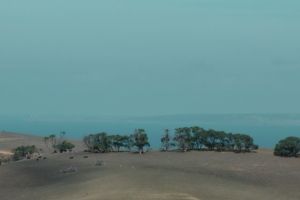
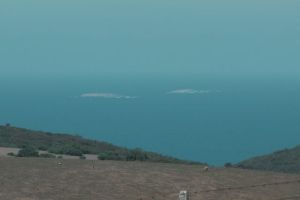
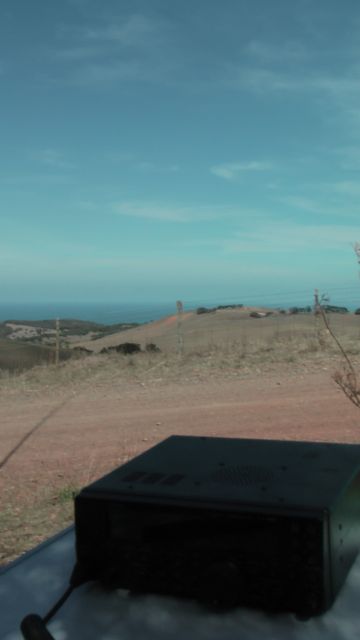
We travelled from Deep Creek, along Range Road, and then south along Tunkalilla Road towards the Southern Ocean.  We then turned left onto Rymill Road.  The park commences on your left, just 100 metres down the road.  It is a very thick but narrow strip of native vegetation which is only 6 hectares in size.  The Tunkalilla Creek flows on the northern edge of the park.  There are some excellent views of the nearby Pages Islands and Kangaroo Island from the park.

IMGA0024_3     IMGA0036_3

I am not 100 % sure of the origins of the name of the park, as there is very little on the internet.  But I understand it was named after Eric Glenie Bonython (1910-1971) who was an author, explorer, and conservationist.

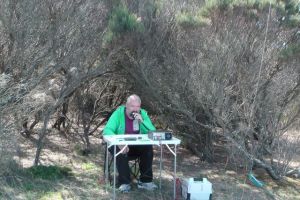
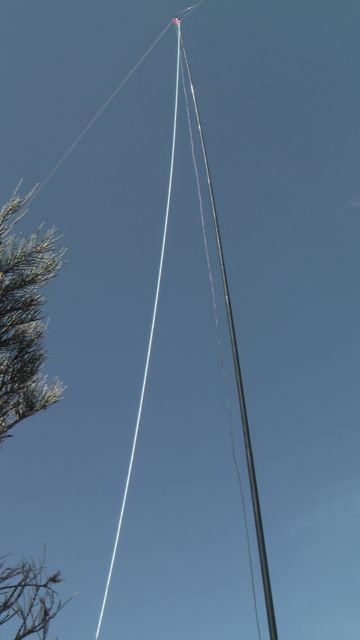
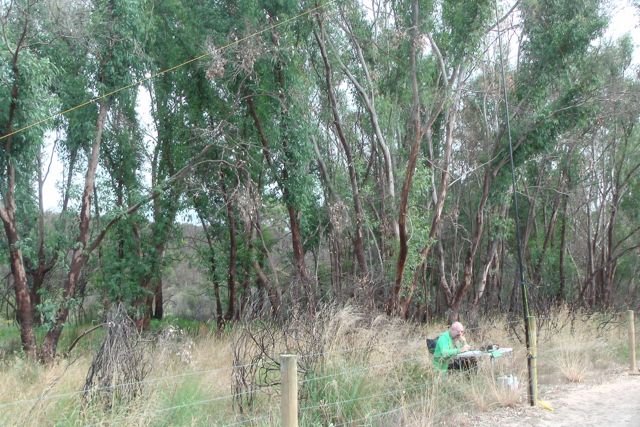
The morning had warmed up and the sun had a bit of bite, so I set up in amongst the scrub on the northern side of Rymill Road, which afforded some shade.   We stretched putt the legs of the dipole so they ran parallel to the roadway, and drove the squid pole holder into the ground to support the squid pole.  The fold up table and deck chair were placed in position, and for this activation I used the Yaesu FT-450 on 40 watts.

Again prior to calling CQ on a particular frequency, I decided to have a ‘hunt’ around the band to see if I could get some more park activators in the log.  The band was extremely busy again with park activators and hunters.  This was really exciting to hear.  My first contact was with Greg VK5ZGY who was in the Narracoorte Caves National Park, and this was followed by Andrew VK5KET who was portable in the Nene Valley Conservation Park.  I kept tuning around the band and my next contact was with Andrew VK5MR, activating the Pandappa Conservation Park.  This was Andrew’s first weekend of park activating.  This was followed by contacts with Col VK5HCF portable in the Hacks Lagoon Conservation Park, and Tom VK5FTRG portable in the Reedy Creek Conservation Park.

IMGA0029_3

I then found a clear frequency on 7.120 and put out a CQ call, to be called immediately by John VK5BJE who was portable in the Scott Creek Conservation Park in the Adelaide Hills.  Andy (VK5AKH) VK5ARG then called in from the Mount George Conservation Park in the Adelaide Hills.  Andy and Mark VK5QI were using the club call of the Amateur Radio Experimenters Group, and were on their way to activate a total of 20 parks.

I had some more Park to Park contacts, which included Arno VK5ZAR in the Black Hill Conservation Park, Stuart VK5STU in the Port Gawler Conservation Park, Les VK5KLV in the Winninowie Conservation Park near Port Augusta, and David VK5NQP in the Porter Scrub Conservation Park in the Adelaide Hills.  Peter VK3PF also called in from the top of SOTA summit, Mount Matlock, VK3/ VC-001.

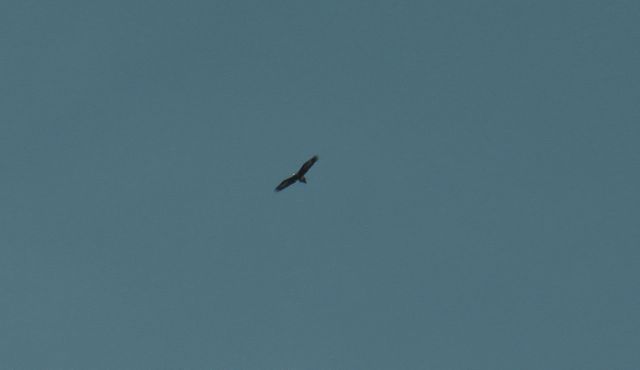
Whilst I was operating I had the pleasure to watch a Wedge Tailed eagle soaring above the cliffs.  He/she slowly glided closer and closer towards me.  They are an amazing bird with a wingspan of up to 2.27 metres (7 feet 5 in).

    IMGA0042_3

Callers had started to slow down a bit on 7.120 and it was getting time to pack up and head off to Newland Head Conservation Park.  But I decided to have a last look around the band and I managed to sneak in a few more Park to park contacts.  This included Tony VK3VTH/5 in the Piccaninnie Ponds Conservation Park, Andy VK5ARG portable in the Kenneth Stirling Conservation Park, Col VK5HCF in the Mary Seymour Conservation Park, Larry VK5LY in the Swan Reach Conservation Park, and Andrew VK5MR in the Caroona Creek Conservation Park.  I also had a QSO with Peter VK3ZPF who was portable on SOTA peak VK3/ VC-037.

IMGA0032_3      IMGA0033_3

After about 90 minutes of activating, I had a total of 45 contacts on 40m in the log, including 17 Park to Park contacts.

The following stations were worked:-

Greg VK5ZGY/p; Andrew VK5KET/p; Andrew VK5MR/p; Col VK5HCF/p; Tom VK5FTRG/p; John VK5BJE/p; Andy VK5ARG/p; Tim VK5AV; Tony VK3CAT; Phil VK3BHR; Greg VK5GJ; Amanda VK3FQSO; Peter VK3PF/p; Bernard VK3AMB; Peter VK3SOL/p; Arno VK5ZAR/p; Les VK5KLD; Patrick VK5MPJ; Stuart VK5STU/p; Bob VK5FBAA/p; Rod VK5VRB; Colin VK3UBY; Terry VK3UP/m; Allen VK3HRA; Les VK5KLV/p; Chris VK4FR/5; Rick VK5FGSK; Peter VK3TKK/m; Wolf VK5WF; Keith VK5FEKH; Eric VK7EK; David VK5NQP/p; Paul VK5NE; Colin VK5DK; Charles VK5FBAC; Joe VK3YSP; Julie VK3FOWL; Tony VK3VTH/5; Andy VK5FTRG/p; Peter VK3ZPF/p (SOTA); Col VK5HCF/p; Brian VK5FMID; John VK2AWJ; Larry VK5LY/p; and Andrew VK5MR/p.

More photos of this activation can be found in the Photos section of the VK5 Parks Award Yahoo group at…..

https://au.groups.yahoo.com/neo/groups/sanpcpa/info

Talisker Conservation Park

On Saturday afternoon, Marija and I headed to Talisker Conservation Park, which is just a  short distance away from where we were staying at Deep Creek.  On the way there, we drove passed SOTA peak VK5/ SE-016 and I was very tempted to stop off and do a quick SOTA activation.  But I thought better of it.  I was already pushing my luck with Marija and wanted to be fed that night.

Talisker Conservation Park was established in 1976 and consists of 211 hectares of native scrub.  It includes some very steep areas.  We accessed the park via Range Road West, and then Talisker Road.  There is a large parking area on Talisker Road, with an information sign.

IMGA0045_2

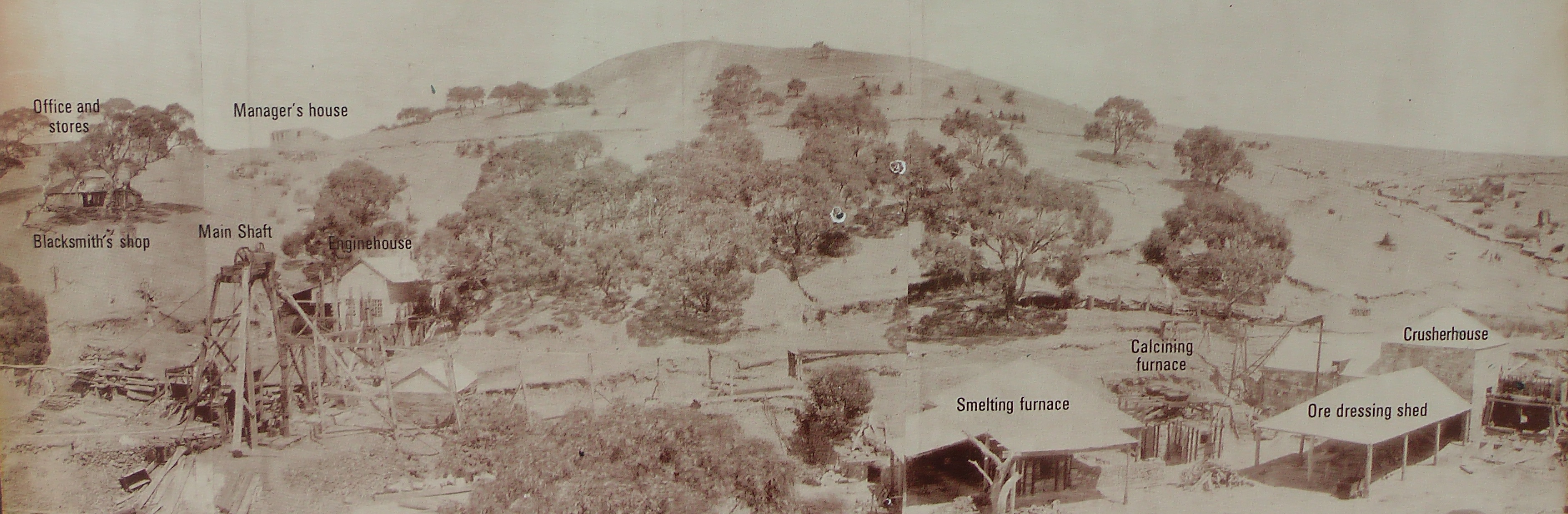
The park incorporates the old Talisker silver-lead mine, which was discovered by John McLeod in 1862.  It was named after a locality on the Isle of Skye in Scotland.  Talisker employed Cornish miners and supported a nearby township called Silverton.  The population of Silverton grew to 3000 at its peak in 1870.  The Talisker Mining Company worked the mine until falling ore grades and a lack of finance, forced the mine’s closure in 1872.  Between 1917 to 1920, the mine was worked again, mainly for arsenic.

A view of the mine, c. 1875

A view of the mine, c. 1875

Prior to setting up we went for a walk through the park.  I highly recommend that you do this if you visit Talisker.  The history here is amazing and there is an excellent marked trailed with interpretive signs indicating all the historic ruins.  The trail is a bit steep in parts but is worth the effort.  There are also open mine shafts but these are fenced off.

This slideshow requires JavaScript.

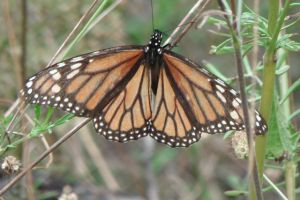
During our walk we spotted a few Western grey kangaroos trying to avoid the afternoon sun, and some beautiful butterflies.  Everywhere you looked, there was bird life.  Of the feathered variety !  Superb Blue wrens and Yellow tailed black cockatoos were in abundance.

IMGA0049_2

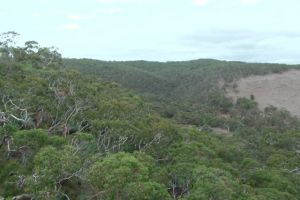
As mentioned the trail is quite steep, but the views are well worth it.  If you venture to the lookout, you can be rewarded with some spectacular views of nearby Kangaroo Island. The lookout is well signposted and can be accessed from the carpark on Talsiker Road.

IMGA0064_2

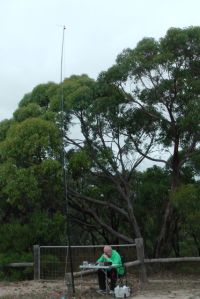
Marija and I walked back to the car and got out all the gear and set up in the car park itself.  There werent too many other options due to the very thick scrub and the steep terrain.  It wasn’t all that busy, so I had a bit of room to play with, and stretched out the legs of the dipole.  The ground was physically too hard to drive any stakes in, so I improvised and used a permapine post and a couple of octopus straps.

IMGA0079_2

Prior to propping on a frequency and calling CQ, I decided to tune around the band and hopefully find some of the park activators.  Although it was pretty quiet, I did find Paul VK5VCO who was portable in the Clinton Conservation Park.  Paul had an extremely strong signal.

I then chose 7.120 and put out a CQ call, and was called by Greg VK5ZGY who was portable in the Pine Hill Soak Conservation Park in the south east of South Australia.  This was followed by Tony VK3VTH/5 who was operating from the Canunda National Park, also in the south east.  Some VK3 and VK5 Park Hunters followed, and soon afterwards Arno VK5ZAR called in, who was portable in the Angove Conservation Park in the north eastern suburbs of Adelaide.

     IMGA0070_2

The quiet seclusion of the park did not last long.  We were soon joined in the carpark by three car loads of children who were obviously part of a group.  I certainly had some very strange looks, but none were game enough to come over and ask what I was doing.  However, about ten minutes later, 2 gentlemen arrived with their wives, who did come over and I had a chat to them about the hobby and why this strange man was sitting in a car park with a squid pole, gibbering into a microphone.

I also spoke with Gordon VK5GY who was portable in the Cox Scrub Conservation Park.  This was Gordon’s first activation as part of the VK5 Parks Award. Welcome aboard Gordon.  Gordon was just one of many to activate the first park for the anniversary weekend, which was really pleasing to see.

The activity on 7.120 had started to slow down, and this was good timing, because the goat bleated from the SOTA Goat application on my mobile.  I tuned up the band as a result, and spoke with David VK3IL who was portable on SOTA peak VK3/ VE-024.

I then found Greg VK5ZGY who had moved to the Custon Conservation Park.  I headed back to 7.120 and put out a few more CQ calls, and it wasn’t long before the Park Hunters returned.  A surprise call came from Andrew VK5MR who was portable in the Hopkins Creek Conservation Park.  This was Andrew’s first ever park activation.  Andrew told me that he had been motivated by all the park activity, and had headed out with a motorcycle battery as his power source.  Peter VK5KPR also called in from the Winninowie Conservation Park near port Augusta.  One of my last contacts on 40 metres was with Matt VK1MA on Yellow Rabbit Hill VK1/ AC-039.

I decided to swap over to 20m and try my hand at a little bit of DX.  It was 3.30 p.m. and about that time of the day that long path to Europe opens up.  My first contact was with Ian 2E0UDX in, who had a beautiful 5/9 signal.  After my chat with Ian I tuned around the band and worked into Italy, Belgium, England, and Sweden, before deciding to find a frequency and start calling CQ.  The 20m band was very busy and it was quite difficult to find a clear frequency.  But eventually I did, and put out a call, only to be called by my mate, Jess VK6JES in Western Australia.  His was followed by Mark VK4MON who was also running 40 watts and a dipole, and then Peter VK2NEO with his normal ‘thumping’ signal.

I then headed down to 14.156 and booked into the afternoon net run by John EA7BA in Almeria in Spain.  I made contact with John EA7BA, Ted G4TLY, Charlie VK6ACF, Brian ZL2ASH, and F4GHB.

It was getting a bit late with the sun starting to set in the west, and both our stomachs were rumbling, so we packed up the gear and headed back to Glenburn cottage in the Deep Creek Conservation Park.

I worked a total of 52 stations on 40m ssb and 20m ssb including 7 Park to Park contacts and 2 SOTA contacts.

The following stations were worked:-

Paul VK5VCO/p; Greg VK5ZGY/p; Toy VK3VTH/5; Ian VK3VIN; Tim VK5AV; John VK5BJE; Tony VK3CAT; Peter VK3PF; Arno VK5ZAR/p; Amanda VK3FQSO; Patrick VK5MPJ; Brian VK5FMID; Gordon VK5GY/p; Peter VK3TKK; Greg VK5GJ; Bernard VK3AMB; Rod VK5VRB; David VK5LSB; John VK2AWJ; Keith VK5FEKH; Allen VK3HRA; Michael VK5ZEA/m; David VK3IL/p (SOTA); Greg VK5ZGY/p; Ben VK5BB; Colin VK3UBY; Nev VK5WG; Erwin VK3ERW/p; Graham VK5KGP; Col VK5FCDL; Andrew VK5MR/p; Darren VK5DT; Steve VK5AIM; Stuart VK5STU; Eric VK5ZAG; Peter VK5KPR/p; Matt VK1MA/p; Ivan Vk5HS; VK2PHP/p; Ian 2E0UDX; IZ7NLJ; ON7AB; G4RIQ; SM1ALH; Jess VK6JES; Mark VK4MON; Peter VK2NEO; John EA7BA; Ted G4TLY; Charlie VK6ACF; Brian ZL2ASH; F4GHB

More photos of this activation can be found in the Photos section of the VK5 Parks Award Yahoo group at…..

https://au.groups.yahoo.com/neo/groups/sanpcpa/info


References.

Department o Environment and Natural Resources, ‘Deep Creek and Talisker Conservation Parks’.

Deep Creek Conservation Park

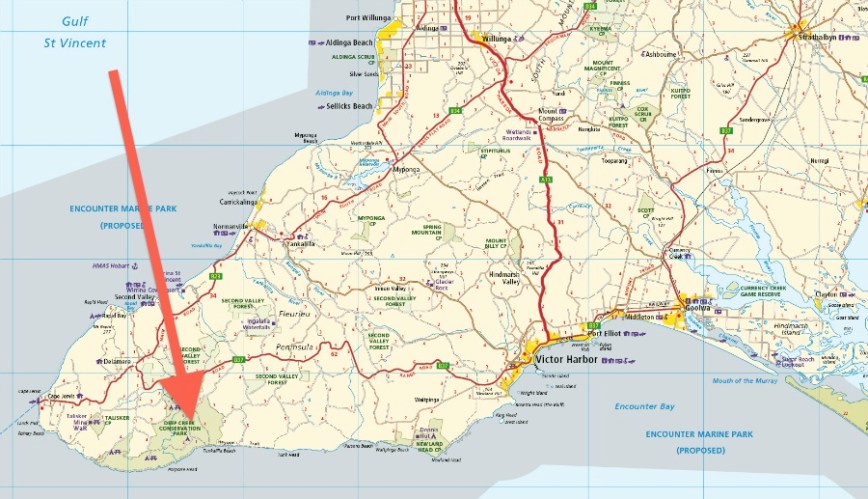
Marija and I arrived at ‘Glenburn’ cottage, mid Friday afternoon, 4th April, 2014, for a 2 night stay.  This was after an enjoyable lunch at the Mount Compass Tavern.  The cottage is located within the Deep Creek Conservation Park, which is about 108 km south of Adelaide.  The drive there from Mount Compass was via Victor Harbour and then along Range Road, where there are spectacular views of the Fleurieu Peninsula.
RD_Road-Guide_Fleurieu250k

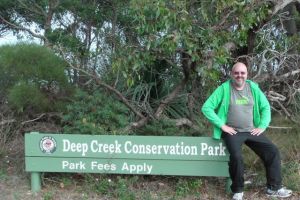
The Deep Creek Conservation Park is the largest remaining block of wildlife habitat on the Fleurieu Peninsula and is about 4,452 hectares in size.  It is home to an array of native wildlife including western grey kangaroos, and short-beaked echidnas.  Over 100 bird species can be found in the park. There are a number of walking trails within the park which provide spectacular scenery of the Backstairs Passage, Kangaroo Island and the rugged Deep Creek valley.
     IMGA0066

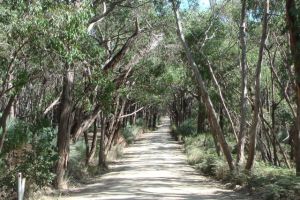
The area around Deep Creek was settled from around the late 1850’s when various farms were established.  Prior to this the Ramindjeri and Kaurna aboriginal people inhabited the area.  During the mid 1880’s land grants were issued.  Apart from traditional farming, other activities included wattle bark stripping and collection of Yacca gum.  Some timber felling also occurred as stringy bark was used for building material and fence posts.  Further settlement of the area occurred from the 1920’s onwards, and this included a concentrated effort to clear the land for farming.  Fortunately in 1965, the environmental significance of the Deep Creek area was recognised, and the South Australian State Government commenced purchasing land to eventually form what is now known as the Deep Creek Conservation Park.
IMGA0017_3

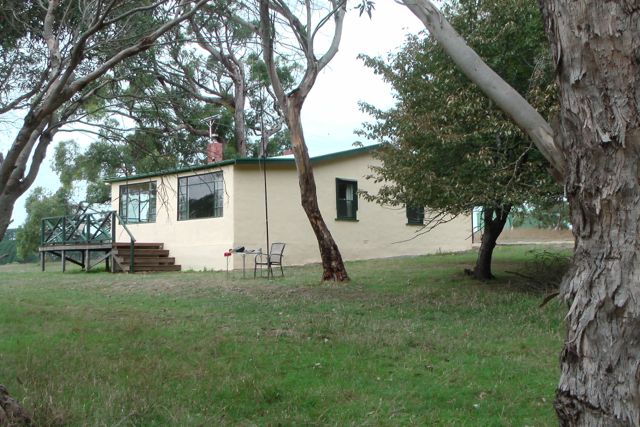
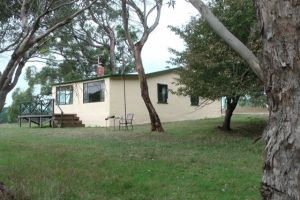
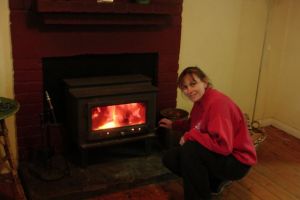
The Glenburn cottage is highly recommended by Marija and I for anyone who wants a peaceful and comfortable stay within the Deep Creek Conservation Park.  It has four bedrooms, a lounge with an enticing wood fire, a fully self-contained kitchen with stove, oven, microwave, & fridge, polished baltic pine floors, a b.b.q, and a sunroom leading to a return elevated decking area.  The cottage sleeps up to 10 people.

This slideshow requires JavaScript.

The Glenburn cottage and the surrounding land has an interesting history.  During the early 1930’s Mr. Tom Backhouse opened up the land and used it for stripping wattle bark from Golden Wattle for the Glenburn Wattle Company.  The wattle bark which was in high demand at the time, was used for leather tanning.  It was transported to Leonards Mill at Second Valley where it was processed.

During the mid 1940’s the titles of land that Glenburn stands on were purchased by Mr. T. Haines.  Shortly after, between 1945 to 1950, the first serious attempt to clear the land commenced.  It was during this time that Mr Haines constructed a two roomed shack for him to live in.  This was the framework of the current Glendale cottage.  Up until late 1950, the land was sparsely cleared and using for grazing.

In late 1950 Mr Jim Long purchased the land and named it ‘Angulong’.  This was a derivative of his surname and the Angus cattle that he grazed on the land.  It was during this time that the land was extensively cleared and used for pasture.  Two additional rooms were added to the cottage and a large shed was built adjacent to the cottage.  The shed was converted into living accommodation by an employee, Mr Tom Christie, who was employed by Mr. Long to clear the land and develop the property.

IMGA0084

In 1960, the main house was built on the property.  This is now the Deep Creek Conservation Park Ranger headquarters.  mr. Long moved into this house while Mr Christie moved from the shed into the cottage.

Mr. M Smith and Mr A. Shepherd subsequently purchased the property in 1972, and they renamed the land ‘Glenburn’.  The cottage was was rented out during this time to private tenants, whilst the land was still used for grazing.

In 1976 the National Parks and Wildlife Service purchased the Glenburn property and it was included as part of the Deep Creek Conservation Park.  However the land was leased back to Mr. Smith up until 1980, when the cottage was rented out to private tenants.  This remained the case until 1982, when the National Parks and Wildlife Service Social Club took over the running of the cottage as holiday accommodation for staff and other visitors.

Since 1994, Southern Ocean Retreats has managed Glenburn Cottage.  Extensive renovations also commenced which were completed in 1995.

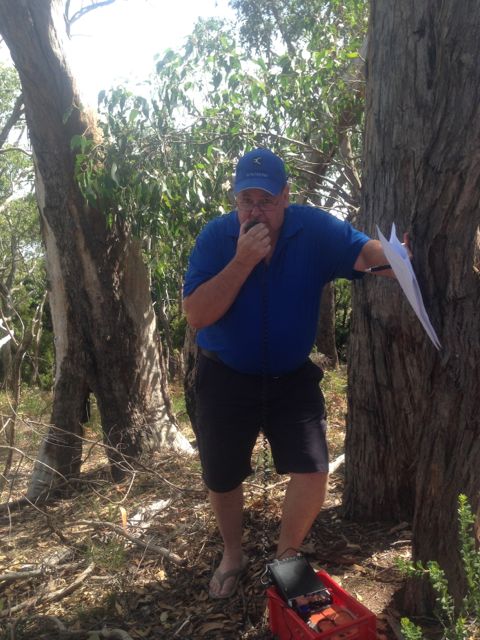
After unpacking the car, making ourselves comfortable in the cottage, and making a nice cup of coffee, I headed outside, and started setting up my radio equipment.  I initially set up on the back verandah, however there were overhead power lines, and when I turned on the radio, the noise floor was about S4.  The static was intolerable, so I placed the fold up table and deck chair, about 20 feet from the back porch, and then erected the 20m/40m linked dipole, supported by a 7 metre squid pole.  I had both the Yaesu FT-817nd and the Yaesu FT-450 at my disposal, and improvised with the use of a piece of red gum to prop up the FT450 so I could see the screen.
     IMGA0030_2

I started off on 7.098 on 40 metres, with the FT-450 set on 40 watts.  I had to go up a little higher from my planned operating frequency of 7.095, as the Kandos Group were operating on 7.093 as they do on a daily basis in the afternoons.  The noise floor was now S1 at worst.  Much quieter than under the power lines.

IMGA0011

I put out a CQ call, and Phil VK3BHR responded straight away.  Phil had a good solid 5/9 signal, and this was followed by Colin VK3NCC/5 who was mobile in the Barossa Valley at Nuriootpa.  Les VK5KLV then called in, and this was followed by Don VK7DON.  All four stations had very good signals, but things went very quiet after that.  I put out numerous CQ calls but sadly there were no takers.  I figured it was a Friday afternoon, and that most people would still be slaving away at work.  So I decided to head over to 20m to see what that band was like.  It was about that time of the day that long path to Europe was opening up so some European DX would be nice to get in the log.

IMGA0080

After switching to 20m, I called in to a regular net held on 20m daily on 14.156, and said hello to John EA7BA, Brian ZL2ASH, Allan G0CRJ, and Brian VK2JE.  I was being heard 5/9 in Almeria Spain by EA7BA and 5/7 into the UK by G0CRJ, with my 40 watts.  I then tuned across the band and worked into Italy and then had a chat with my good mate Peter VK4AAV in Caloundra who I found calling CQ a little higher up the band.  I then found Dave G4AKC calling CQ with Ian 2E0EDX.  Dave was pedestrian mobile at Blackpool, and Ian was mobile.  Dave was an excellent 5/9 signal, while Ian was 5/7.  I received 5/9 and 5/5 respectively from Dave and Ian.  Dave and Ian are regular pedestrian mobile and mobile operators on 20 metres and always have very good signals.

I then worked Alberto P29LL in Papua New Guinea and Marc F8DRA at Normandy in France.  I had a good chat to Marc, as I will be visiting Normandy during my holiday to Europe in July.  I then put a few CQ calls out on 14.258 and was called by Bernard VK7BD, and then John VK4GCQ.  Sadly some German operators came up on frequency, speaking German.  And that was the end of that.  Their signals were just too strong to compete with and continue on that frequency.

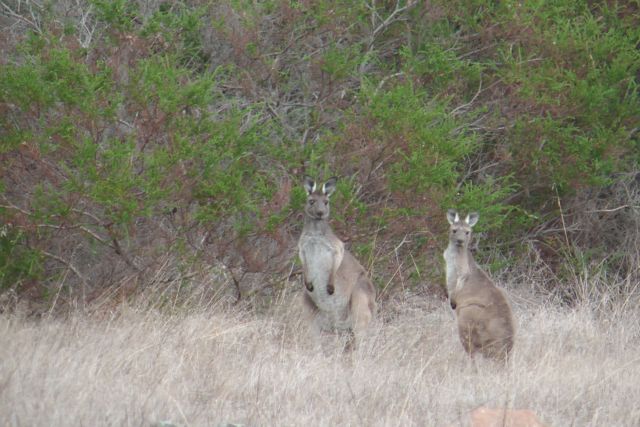
So I QSYd and I then spoke with Peter VK2BPB who was running QRP with just 3 watts.  Peter had a terrific 5/9 signal with very little QSB.  Lastly, I spoke with Barry G4TML who was on holidays in Australia, and was using the call VK6ANC at the Northern Corridor Radio club shack.  It was starting to approach dusk and the kangaroos were out in force, feeding in the open areas around the cottage.  I was starting to get hungry too, and headed off for tea.  If only those kangaroos knew that I had been feasting of kangaroo fillets at lunch time !

IMGA0096

After tea, I booked in to the 7.130 DX on 40m, and worked a large number of stations around Australia, and also a little bit of DX, including William FO5JV in French Polynesia, BrianZL2ASH, and Caleb ZL2ML.  Unfortunately there were no USA stations on the 7.130 DX Net this evening.

When the 7.130 DX Net concluded at about 9.30 p.m. I headed up to 20m and booked in to the Southern Cross DX Net on 14.2385, which is controlled by Jack W1FDY.  I worked a total of 9 stations in the USA in Virginia, Oklahoma, Florida, New York, Massachusetts, North Dakota, and Texas.

It was starting to get a bit cool outside and it was approaching 11.00 p.m.  I had a planned early start in the morning, and I had my fill of DX, so it was time to head off to bed.  But not before a few glasses of Cab Sav in front of the roaring fire.
IMGA0109

On Saturday morning I got up at about 7.30 a.m.  It was quite a chilly morning outside with some fog rolling in across the hills, and a less than impressive sunrise.  I headed outside after breakfast and a nice hot coffee at about 8.30 a.m., and started off using my Yaesu FT-817nd running just 5 watts.  I commenced calling CQ on 7.090 and my first contact was with Larry VK5LY who was portable in the Peebinga Conservation Park in the Mallee region near the South Australian/Victorian border.  Larry was running just 5 watts and had a beautiful strong 5/8 signal.  After speaking with Larry, I remained on 7.090 and worked stations in VK2, VK3, and VK5.  This included Tony VK3VTH who was using just 10 watts from Canunda National Park in the south east of South Australia.

When things got a little quiet, I tuned across the band and worked some more VK’s in VK2, VK3, and VK5 including David VK5NQP in the Hale Conservation Park, Col VK5HCF in the Penambol Conservation Park, Tom VK5FTRG in the Beachport Conservation Park running just 5 watts, David VK5KC in Belair National Park, Bill VK5MBD and John VK5FMJC both in the Clements Gap Conservation park, and Greg VK5ZGY in the Mullinger Swamp Conservation Park.  It was really pleasing to hear so much park activity so early in the morning, with lots of park hunters eagerly calling the activators.

After operating for an hour at QRP power levels on the 817nd, I decided to fire up the bigger Yaesu, the FT-450 which I and on 40 watts.  My power source was a 44 amp hour power pack, which Marija kindly bought for me as a Christmas present.  I managed to find a clear frequency amongst all the park activity and put out a CQ call to be greeted by Andy VK5AKH.  I worked some more VK2, VK3, & VK5 stations, including David VK5AAH who was portable at The Knoll Conservation Park.

I then decided to go on a bit of a park hunt around the band and worked Larry VK5LY in Karte Conservation Park before the UTC rollover.  After the UTC rollover I spoke with Tom VK5FTRG in Beachport CP, Larry VK5LY in Karte CP, Bill VK5MBD in Clements Gap CP, Nigel VK5NIG in Sandy Creek CP, and Stuart VK5STU in Black Hill CP.

It was about this time that David VK5KC who due to be on his first ever SOTA activation at Mount Lofty summit, which is also within the Cleland Conservation Park in the Adelaide Hills.  Fortunately I found David on 7.085 and was really pleased to get David in the log.  After speaking with David I came across Col again, VK5HCF in Gower CP, Tony VK3VTH in Canunda NP, and Greg VK5ZGY in the Geegeela CP.

I then switched back to the little FT-817nd, and made contact with Matt VK1MA who was portable on Mount Coree, VK1/ AC-023, and then David VK5NQP in Warren CP running just 5 watts.  I also spoke with David VK3IL who was portable on SOTA peak, Blue Rag Range, VK3/ VE-015.  I finished off the morning and early afternoon with some further park contacts with Greg VK5ZGY in Bangham CP, Tom VK5FTRG in Lake St Clair CP, Col VK5HCF in Tantanoola Caves CP, Larry VK5LY in Ngarkat CP, and David VK5AAH in the Belair National Park.

I called it quits at about 1.30 p.m. with a total of 71 stations in the log and 26 Park to Park contacts.

I had the following park to park contacts…..

  • Larry VK5LY/p, Peebinga CP
  • Tony VK3VTH/5, Caunda NP (before & after the UTC rollover)
  • David VK5NQP, Hale CP
  • Col VK5HCF/p, Penambol CP
  • Tom VK5FTRG/p, Beachport CP (before & after the UTC rollover)
  • David VK5KC/p, Belair NP
  • Bill VK5MBD/p, Clements Cap CP (before & after the UTC rollover)
  • John VK5FMJC, Clements Gap CP
  • Greg VK5ZGY/p, Mullinger Swamp CP
  • David VK5AAH/p, The Knoll CP
  • Larry VK5LY/p, Karte CP (before and after the UTC rollover)
  • Nigel VK5NIG/p, Sandy Creek CP
  • Stuart VK5STU/p, Black Hill CP
  • David VK5KC/p, Cleland CP
  • Col VK5HCF/p, Gower CP
  • Greg VK5ZGY/p, Geegeela CP
  • David VK5NQP/p, Warren CP
  • Greg VK5ZGY/p, Bangham CP
  • Tom VK5FTRG/p, Lake St Clair CP
  • Col VK5HCF/p, Tantanoola Caves CP
  • David VK5AAH/p, Belair NP

IMGA0022_2     IMGA0028_2

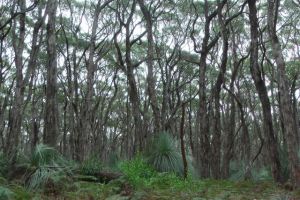
After lunch, Marija and I then went for a walk up to Ranger Headquarters and through the nearby beautiful Stringybark Forest.  We then headed over to nearby Talisker Conservation Park (see the next post for more information on that activation).
IMGA0044_2

After our evening meal on Saturday, I had a little bit of a play on the radio.  My first contact was with Michael VI2ATZ50/p.  Michael was using the special call to celebrate the 50th anniversary of the Westlakes Amateur Radio Club.  I then spoke with Erwin VK3ERW who was portable in Wilsons Promontory National Park.  However, it was starting to get really cold, and I was feeling a bit weary, so I packed up the radio, and ventured inside to the comfort of the fire and a nice bottle of Cab Sav.

On Sunday morning I woke up again at about 7.30 a.m. and had a nice breakfast prepared by Marija, and headed outside again to ‘the shack’.  After all the activity from yesterday, it was quite exciting and I was looking forward to getting on air.  My first contact was with Gary VK5ZK after I had put out a CQ call on 7.085.  Paul VK5VCO & Peter VK5KX, then called in, who were portable in the Clinton Conservation Park, competing with the field mice.  After this I made contacts with VK stations in VK2, VK3, and VK5, before Larry VK5LY cllaed in from the Lowan Conservation Park.

Other park contacts were with Peter VK5KET in the Telford Scrub Conservation Park, David VK5NQP in the Hale Conservation Park, and John VK5BJE in the Scott Creek Conservation Park.

I also made contact with Al VK1RX on SOTA peak VK1/ AC

This was followed by some more park to park contacts with Tony VK3VTH/5 in the Carpenter Rocks Conservation Park, Tom VK5FTRG in the Furner Conservation Park, Les VK5KLV and Peter VK5KPR in the Winninowie Conservation Park

Peter VK3PF on SOTA peak VK3/

My last contact was with Larry VK5LY who was portable in the Ridley Conservation Park.

I had the following park to park contacts…..

  • Paul VK5VCO/p Clinton CP
  • Larry VK5LY/p, Lowan CP
  • Col VK5HCF/p, Telford Scrub CP
  • David VK5NQP/p, Hale CP
  • John VK5BJE/p, Scott Creek CP
  • Tony VK3VTH/5, Carpenter Rocks CP
  • Tom VK5FTRG/p, Furner CP
  • Les VK5KLV, WInninowie CP
  • Peter VK5KPR/p, WInninowie CP
  • Larry VK5LY/p, Ridley CP

IMGA0013_3 - Version 2

I stayed until 40 minutes after the UTC rollover, and then packed up the gear and headed off to Eric Bonython Conservation Park.  This was a really enjoyable 2 night stay at Glenburn cottage in the Deep Creek Conservation Park.  We will be coming back for sure.

During my stay I worked a total of 162 stations on 40m ssb and 20m ssb.

The following stations were worked:-

Phil VK3BHR; Colin VK3NCC/5; Les VK5KLV; Don VK7DON; John EA7BA; Brian ZL2ASH; Allan G0CRJ; Brian VK2JE; Mario IK2VFR; Peter VK4AAV; Dave G4AKC/pm; Ian 2E0EDX/m; P29LL; Marc F8DRA; Bernard VK7BD; John VK4GCQ; Peter VK2BPB; Barry VK6ANC; William FO5JV; Brian VK5FMID; Daniel VK6LCK; Dennis VK2HHA; Brian ZL2ASH; Caleb ZL2ML; Richard VK2XRC/5; Paul VK7CC; Don VK7DON; Andy VK5AKH; Andy VK4TH; Rod VK5VRB; Des VK5LEA/p; Jack W1FDY; Larry W4VES; Warren K5UTG; Richard KK4HBQ; Bob W2OSR; Will W4FZ; Bill W1OW; Nancy K9DIG; K5WDW; Larry VK5LY/p; Andrew VK2UH; Brian VK5FMID; John VK5BJE; Richard VK2XRC/5; Tim VK5AV; Tony VK3VTH/5; Amanda VK3FQSO; Peter VK3PF; John VK2AWJ; Shaun VK5FAKV; Arno VK5ZAR; Fred VK3JM; Warren VK3BYD; David VK5NQP/p; Col VK5HCF/p; Graham VK5KGP; Tom VK5FTRG/p; David VK5KC/p; Bill VK5MBD/p; John VK5FMJC/p; Chris VK4FR/5; Bernard VK3AMB; Larry VK5LY/m; Greeg VK5ZGY/p; Andy VK5AKH; Rod VK5VRB; Max VK3MCX; Ian VK3FIAN; John VK2FALL; Peter VK3TKK/m; Jim VK3KA; Greg VK5LG; John VK5NJ; David VK5AAAH/p; Larry VK5LY/p; Tom VK5FTRG/p; Larry VK5LY/p; Bill VK5MBD/; Roger VK5NWE; Rob VK5TS/m; John VK2AWJ; Peter VK3PF; John VK5BJE; Tom VK5FTRG/p; Tim VK5AV; Colin VK3UBY; Amanda VK3FQSO; Rob VK5TRM; Keith VK5ND; Tony VK3CAT; Ian VK3VIN; Nigel VK5NIG/p; Stuart VK5STU/p; David VK5KC/p; Col VK5HCF/p; John VK2FALL; Tony VK3VTH/5; John VK5DJ; Greg VK5ZGY/p; Ian VK5IS; Andy VK5LA; Rob VK5TRM; Matt VK1MA/p; David VK5NQP/p; David VK3IL/p; Greg VK5ZGY/p; Tom VK5FTRG/p; Col VK5HCF/p; Larry VK5LY/p; David VK5AAH/p; VI2ATZ50; Erwin VK3ERW; Paul VK3TGX/p; Bob VK5FBAA; Craig VK3NCR; Gary VK5ZK; Paul VK5VCO/p; Peter VK5KX/p; Frank VK3GFS; Peter VK5NAQ; John VK2AWJ; Adam VK2YK; Michael VK2CCW; Brian VK5FMID; Larry VK5LY/p; Peter VK3PF/m; Kas VK5ZKT; Colin VK3UBY; Peter VK5KET/p; David VK5NQP/p; John VK5BJE/p; Terry VK3UP/m; Matt VK1MA; Rod VK2TWR; Steve VK5ST; Shaun VK5FAKV; Kevin VK3SOL/p; Andrew VK2UH; Alex VK3AMX; Bernard VK3AMB; Ian VK3VIN; Max VK3MCX; Al VK1RX/p (SOTA); Allen VK3HRA/p; Tony VK3VTH/5; Tom VK5FTRG/p; Brian VK5FMID; Tim VK5AV; Les VK5KLV/p; John VK5NJ; Tony VK3CAT; Peter VK5KPR/p; Amanda VK3FQSO; Kaz VK5ZKT; John VK5BJE/p; John VK2AWJ; John VK5DJ; Marshall VK3MRG; Mark VK7FMPR; Rony VK5ZAI; Peter VK3PF/p (SOTA); and Larry VK5LY/p.

References.

Department of Environment and Natural Resources, Parks of the Fleurieu Peninsula.

National Parks South Australia, http://www.environment.sa.gov.au/parks/find_a_park/browse_by_region/fleurieu_peninsula/deep_creek_conservation_park

Southern Ocean Retreats, http://www.southernoceanretreats.com.au

Cox Scrub Conservation Park

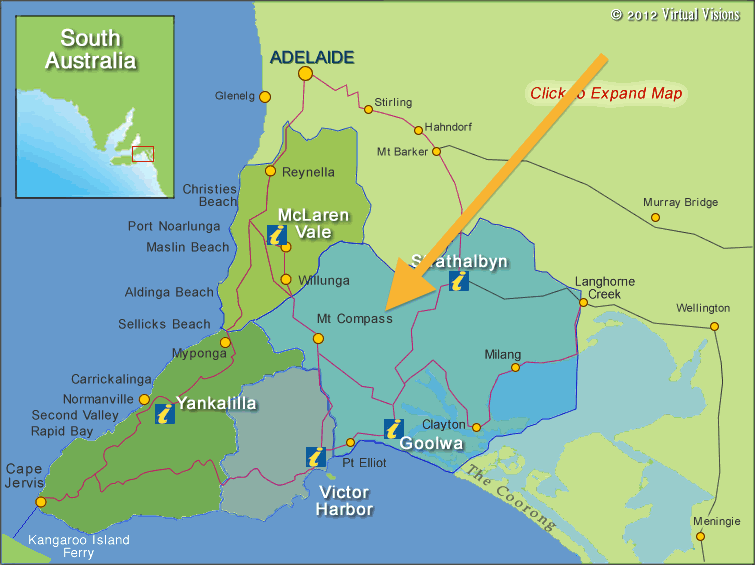
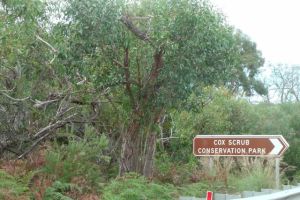
Our second park of the day was the Cox Scrub Conservation Park, which is just a  short drive from the Bullock Hill Conservation Park.  I activated this park in December last year, so this was going to be another point for me as it was a new calendar year.  Activators for the VK5 National and Conservation Parks Award can activate a park for points every calendar year.

fpt_4_regions_map copy

Marija and I set up in the same spot as last year, which was the car park off Bull Creek Road.  This is a very busy road, with lots of traffic travelling to and from the Fleurieu Peninsula, including a number of trucks from the Goolwa quarry.  So be a little careful when you come out of the carpark, as it is on a sweeping bend.  The car park is a great spot to set up as there is lots of room to string up the dipole.  The only down side is that it can be a little bit noisy with all the traffic from the nearby Bull Creek Road.

IMGA0045

The radio was still set on 7.095 on 40m, so after asking if the frequency was in use, I was immediately greeted by John VK2AWJ with a very strong signal.  There is no need to tune the 40m/20m antenna as it is resonant for both the bands.  The coax just plugs straight into the back of the radio.  I have never had the need to use a tuner.  I had just a few minutes before the UTC rollover, but I managed to sneak in Wolf VK5WF and Rob VK5TRM before the new UTC day.  Park Hunters for the VK5 Parks award can get points for a particular park every UTC day.

IMGA0052     IMGA0056

After the rollover, John VK2AWJ was the first to call back in again.  This was followed by Nev VK5WG and Peter VK3PF.  The band was still holding up quite well.  Signal strengths had dropped slightly, as you would expect later in the morning, but conditions were still very good.  I spoke with Harry VK2DWT/m5, who was mobile at Coober Pedy, using his FT857d, 100 watts, and a multi band vertical.  Harry had a very nice signal and we had a very enjoyable chat.

I then QSYd to 20 metres, not really expecting to get much in the log.  However, I always like to try 20m for some of the further afield Australian operators.  But what followed was certainly not expected.  I worked 11 stations, and probably could have kept going, except for the fact that we were running out of time and wanted to get on the road.

My first contact on 20m was with Phil VK2PHP who was portable in Newcastle, and this was followed by Ian VK3VIN, running QRP from his little Argonaut.  I received calls from VK2, VK3, and VK4.  All with very nice signals.  The Victorian guys were extremely strong which is not normally my experience on 20m.

Marija had received a telephone call from Brian VK5FMID in Mount Gambier, wondering if I was going to try 40m again, so I quickly went back to 40m and worked Brian, Rob VK5TS mobile and John VK5BJE, before going QRT.  We then packed up and headed off to Mount Compass where we enjoyed a very nice meal at the Mount Compass Tavern.  I had some beautifully prepared kangaroo fillets.

IMGA0061     IMGA0062

I worked a total of 26 stations from the park.  A total of 15 of those were on 40m ssb and 11 on 20m ssb.

The following stations were worked before the UTC rollover:-

John VK2AWJ; Wolf VK5WF; and Rob VK5TRM.

The following stations were worked after the UTC rollover:-

John VK2AWJ; Nev VK5WG; Peter VK3PF; Rob VK5TRM; Larry VK5LY; Norm VK5GI; Amanda VK3FQSO; Col VK5HCF; Harry VK2DWT/m5; Phil VK2PHP/p; Ian VK3VIN; Norm VK5GI/qrp; John VK3JLS; Max VK3MCX; Bob VK4ZL; Trevor VK3PD; Zenon VK2YZS/m; Anthony VK3LAJ; Dave VK2DML; Terry VK3ASU; Rob VK5TS/m; John VK5BJE; and Brian VK5FMID.

More photos of this activation can be found in the Photos section of the VK5 Parks Award Yahoo group at…..

https://au.groups.yahoo.com/neo/groups/sanpcpa/info

Bullock Hill Conservation Park

On Friday 4th April, 2014, my ever faithful and tolerant wife Marija and I, headed south towards the beautiful Fleurieu Peninsula to spend a few nights in the Deep Creek Conservation Park.  We had booked ‘Glendale’ cottage located in the heart of the park.  Our reason for heading down there, was that weekend was the 1st anniversary of the VK5 Parks Award, and a special activation weekend had been arranged to celebrate the event.

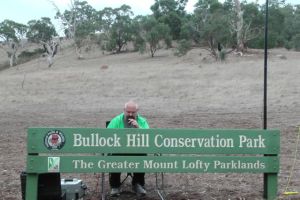
I had convinced Marija, that we  would stop into a couple of parks on the way down to the Fleurieu.  So our first stop was the Bullock Hill Conservation Park, which is located about 65 km south of Adelaide, near the small town of Ashbourne.

The Bullock Hill Conservation Park was proclaimed on the 20th January 2014, so it is a very young park.  It consists of 200 hectares of undulating countryside, mainly consisting of Pink and Cup gum, with a dense under storey of acacia and mixed heath.

fpt_4_regions_map copy

Earlier in the year I had spoken with Tony Randall, the Programs Manager of the Goolwa to Wellington Local Action Planning Association Inc.  Tony had submitted a proposal that the scrub be proclaimed as a Conservation Park and was keenly awaiting a reply from the State Government.  And then just a few weeks ago, I received an email from Greg VK5GJ, to advise that the park had been gazetted as a Conservation Park.

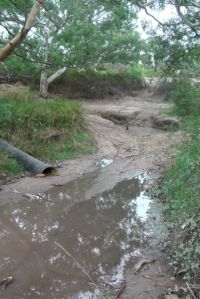
Marija and I travelled through Ashbourne and then south along Wattle Flat Road.  Should you ever visit Ashbourne, there is a terrific little pub there called The Greenman Inn.  The hotel, which was built in 1865, was the original Post Office and General Store for the area.  As we travelled down Wattle Flat Road, the park was visible on our right, but we continued down to Haines Road, hoping to access the park from there.  However the road was impassable.  Haines Road is a dirt track, and the Giles Creek crosses it, and it was totally impossible to try crossing it, as you can see from the photograph below.

IMGA0013

So we headed back north along Wattle Flat Road, and found a sign for the park and decided to set up there.  As we travelled along Wattle Flat Road, we encountered quite a lot of Western Grey kangaroos on the road.  It was slow going, as they were out in force, with it still being early in the morning.

IMGA0014

I used the Conservation Park sign to strap the squid pole to, with the use of the ever reliable octopus straps.  The antenna was the 40m/20m linked dipole, inverted vee.   Next was the fold up table and deck chair.  For this activation, I decided to use my Yaesu FT-450, powered by the 44 amp hour power pack.  I ran the FT450 at 40 watts.

I turned the radio on and put a call out on 7.095 to be greeted by Larry VK5LY from Renmark in the South Australian Riverland, with a very strong 5/9 plus signal.  This was followed by Trevor VK5ATQ who was also 5/9 +, and then John VK2AWJ who was also very strong from New South Wales.  The 40m band seemed to be in very good condition.  I went on to work a further nine stations from VK3, VK5, and VK7.  Nobody was under S9.  I had not heard such strong signals on 40m ssb for a long long time.

IMGA0018

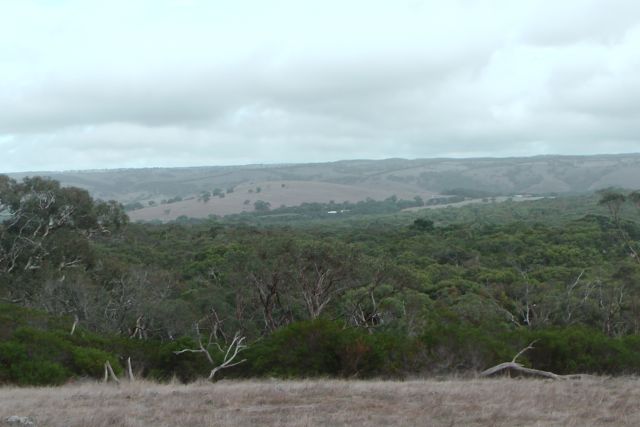
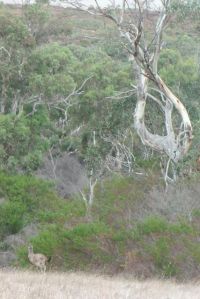
When things got a little quiet, I walked up to the top of the hill behind me, and into the scrub.  There were some spectacular views from here out to the west towards the nearby Finnis River and down to the south.  I also encountered a significant number of Western Grey kangaroos.  The park was also alive with Superb Blue wrens darting around the scrub.

IMGA0040   IMGA0042

IMGA0041

So after a few moments of admiring the view, it was time to head back down the hill, and pack up, and head off to the next park, the Cox Scrub Conservation Park.

The following stations were worked:-

Larry VK5LY; Trevor VK5ATQ; John VK2AWJ; John VK5BJE; Les VK5KLD; Amanda VK3FQSO; Peter VK3PF; Hans VK5YX; Damien VK3CT/mobile; Paul VK7CC; Wolf VK5WF; and Rob VK5TRM.

More photos of this activation can be found in the Photos section of the VK5 Parks Award Yahoo group at…..

https://au.groups.yahoo.com/neo/groups/sanpcpa/info


References.

Publocation, http://publocation.com.au/pubs/sa/ashbourne/the-green-man-inn

Department of Environment & Natural Resources, Parks of the Fleurieu Peninsula brochure

The Knoll Conservation Park

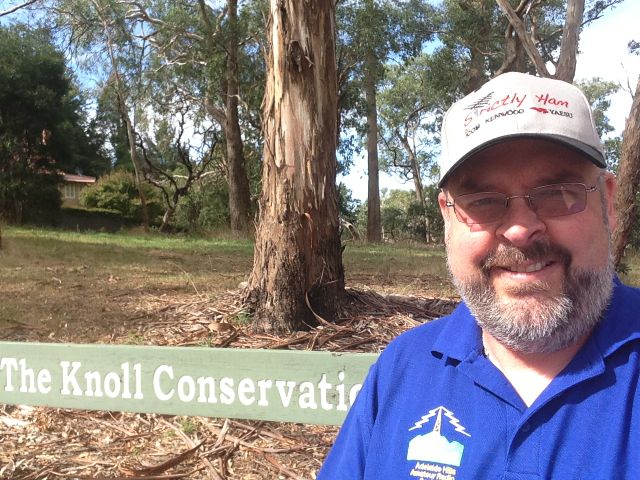
On the way home from the VK5 SOTA & Parks symposium, Larry VK5LY and I stopped off at The Knoll Conservation Park, which is located at Crafers West in the ‘Adelaide Hills’ Mount Lofty Ranges.  Before leaving the BBQ, the 2 ‘eager beavers’ Nigel VK5NIG & Stu VK5STU had mentioned they were going to whizz over to Mount Lofty summit which is located within the Cleland Conservation Park, and do a dual SOTA/Parks activation.  So, Larry and I did not need any prompting.

I activated The Knoll CP last year, but because it was a new calendar year, this activation was another point for me.  And this was a unique / new park for Larry.  The Knoll CP is a beautiful little Conservation Park, which I am sure most people don’t even know about.  The entrance is off Waverley Ridge Road, directly opposite Sheoak Road, and the start of busy Upper Sturt Road.  I am sure that most people drive passed this park quickly and don’t even know it’s there.

      IMG_1375

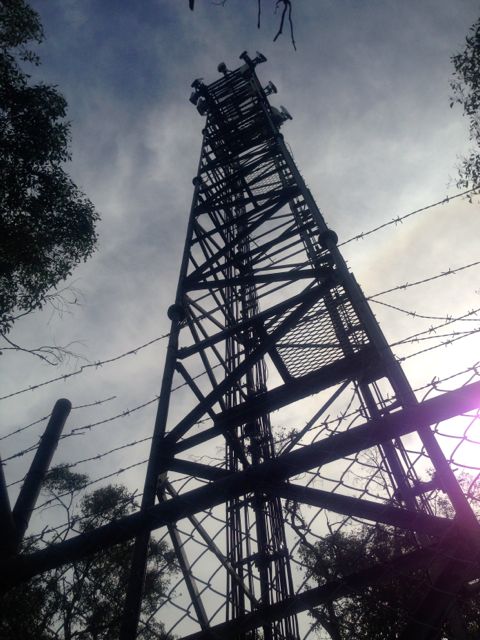
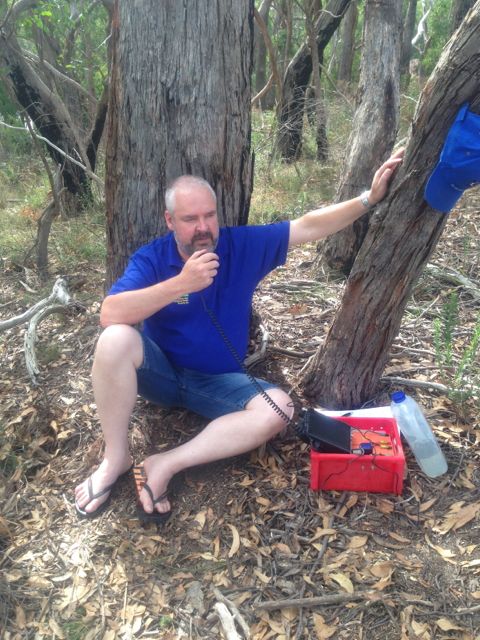
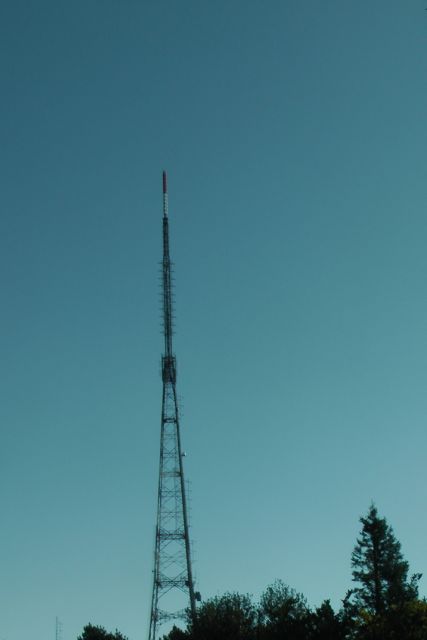
There is a small carpark on the eastern side of Waverly Ridge Road, so we parked Larry’s car there and unpacked the gear.  Larry and I then walked up the slight hill to the tower installation in the park, and set up just on the southern side of the tower and associated infrastructure.  We couldnt venture too far into the park, because we were wearing ‘Japanese safety boots’ (thongs), and there is a large amount of leaf litter and debris on the ground within this park.  We didn’t fancy a chance encounter with a snake !  We set up Larry’s home brew linked dipole and Yaesu FT-817, and found ourselves some shade from the very hot sun, under a large gum tree.  We then tuned to 7.095 on 40m ssb.

IMG_1372     IMG_1370

Our first QSO’s were with Stu & Nigel on the top of Mount Lofty.  They answered Larry’s first CQ call.  Stu and Nigel were only about 3 km away from us, so it was no surprise that their signal/s were very strong.  That was a great start.  A SOTA contact and a Park to Park contact for the VK5 National & Conservation Parks Award.

Larry kept calling CQ and got a few Park Hunters, but it was very quiet on the band.  Trevor VK5TW called in, followed by Phil VK3BHR with a nice signal.  Nick VK3ANL/p who was portable on SOTA summit Mount Ida VK3/ VU-009 and within Heathcote-Graytown National Park VKFF-624 then gave us a call.  Another SOTA peak, and a WWFF park.  But that was about it…..it was very quiet.  So we checked the radio and found that we had the 817 on the 2.5 watt setting.

IMG_1364

Larry and I then bumped up the power to a mighty 5 watts and were called by ‘the voice of the mid north’ Nev VK5WG, followed by Peter VK3PF.  So after many minutes of calling CQ with no takers, Larry and I tuned across the band and found Tony VK3VTH/p.  Tony was in Cobbobonnee National Park for the Keith Roget Memorial National Parks Award & WWFF (VKFF-728).  Tony had a very strong 5/9 signal.

IMG_1371     IMG_1369

We then ventured back to 7.095 and put a few calls out and were greeted by Brian VK5FMID; Tim VK5AV, Peter VK5KET, and Amanda VK3FQSO.  Peter was running QRP 5 watts, using his FT-817 from home.

IMG_1366

It was starting to get very hot, and we were heading out for tea, that night, so we packed up and headed home, with another park activation under our belt.

The following stations were worked:-

Stu VK5STU/p (SOTA); Nigel VK5NIG/p (SOTA); Phil VK3BHR; Nick VK3ANL/p (National Park); Nev VK5WG; Peter VK3PF; Tony VK3VTH/p (National Park); Brian VK5FMID; Tim VK5AV; Andrew VK5KET/p; Amanda VK3FQSO; and Trevor VK5TW.

That night, my wife Marija and I, and Larry and his wife Di, enjoyed a very nice meal and some fine wine at one of our local restaurants ‘Nonna’s’ at Mount Barker.

photo 4

Mount Lofty VK5/ SE-005 and Cleland CP

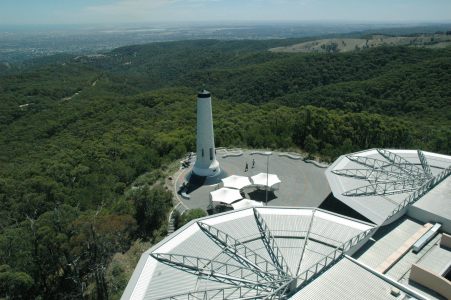
After our little activation at the Belair National Park, Larry VK5LY and I headed over to the nearby Mount Lofty summit.  I have activated Mt Lofty many times before as it is very close to my home, but this was Larry’s first time to Mt Lofty, which is also located within the Cleland Conservation Park.  So this was a ‘double whammy’ activation for both SOTA & the VK5 National and Conservation Parks Award.

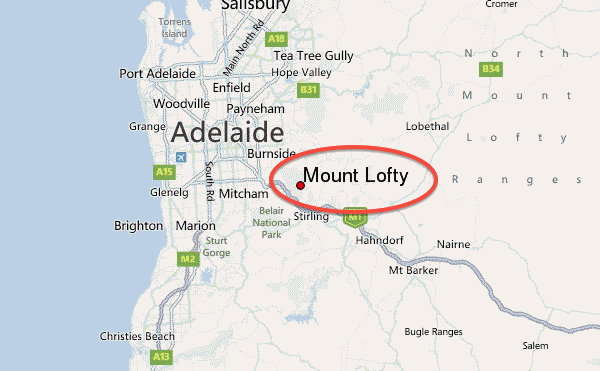
Mount Lofty is 727 metres ASL and is worth 4 SOTA points.  Mount Lofty summit is located in the Mount Lofty Ranges ‘Adelaide Hills’, and is just a 20 minute drive from the city of Adelaide.  Each year more than 350,000 people visit the summit to enjoy the breathtaking and panoramic views of the city of Adelaide.  There is a restaurant and a cafe at the summit, and also a visitor information centre.

Mount-Lofty.10

Mount Lofty was first climbed by a European, when in April 1831, explorer Collet Barker climbed the peak.  This was almost seven years before the city of Adelaide was settled. The summit was named by the famous explorer, Matthew Flinders, on the 23rd February 1802, during his circumnavigation of Australia.

800px-Adelaide_sunset

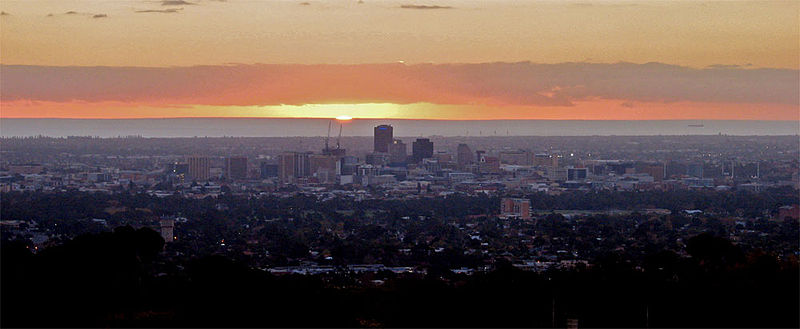
View of the city of Adelaide from the summit (Photo courtesy of WIkipedia).

Mount_lofty_from_south

Photo courtesy of Wikipedia.

We set up in my favourite spot on the eastern side of the summit, away from all the tourists at the restaurant and the lookout.  It can be really busy there.  The advantage of the eastern side of the summit is that there is also a lot of shade under the tall gum trees.  And it was a warm afternoon, with the temperature reaching 35 degrees C, and any shade was appreciated.

IMGA0030_2

We set up my 40m/20m linked dipole, inverted vee, using the 7 metre squid pole.  Larry and I brought 2 radios with us for this activation.  The Yaesu FT-817nd for the local contacts on 40m (running QRP 5 watts), and the bigger Yaesu FT-450 with a bit more power (running 30 watts), for trying our luck on 20m with the DX.  But with the FT-450, also came the heavier load.  Because this is an easy summit, it was not so taxing, but still involved lugging the extra kg’s into the activation zone.  Nethermind, both Larry and I agreed that we needed the exercise.

 IMGA0034_2      IMGA0038_2

Larry started off on 40m on 7.090, and was soon welcomed with a pile up.  Larry’s first contact was with Richard VK5ZRY who was still portable in the Ramsay-Way Conservation Park on the Yorke Peninsula.  This was a great start to get a ‘park to park’ contact for the VK5 Parks Award.  Many of the ‘normal suspects’ called in from VK1, VK2, VK3, VK4, and VK5, to say ‘g’day’ to Larry.  Conditions were very good, with excellent signals from all parts of the country.

We also worked a Summit to Summit with Doug VK2FMIA, who was portable on VK2/ NT-008.  This is an un named summit in the Northern Tabelands region of New South Wales.  The summit is 1,456 metres and is worth 10 SOTA points.  Doug (who is a very keen Parks activator) had a very nice 5/6 signal coming in to Mount Lofty.

IMGA0031_2

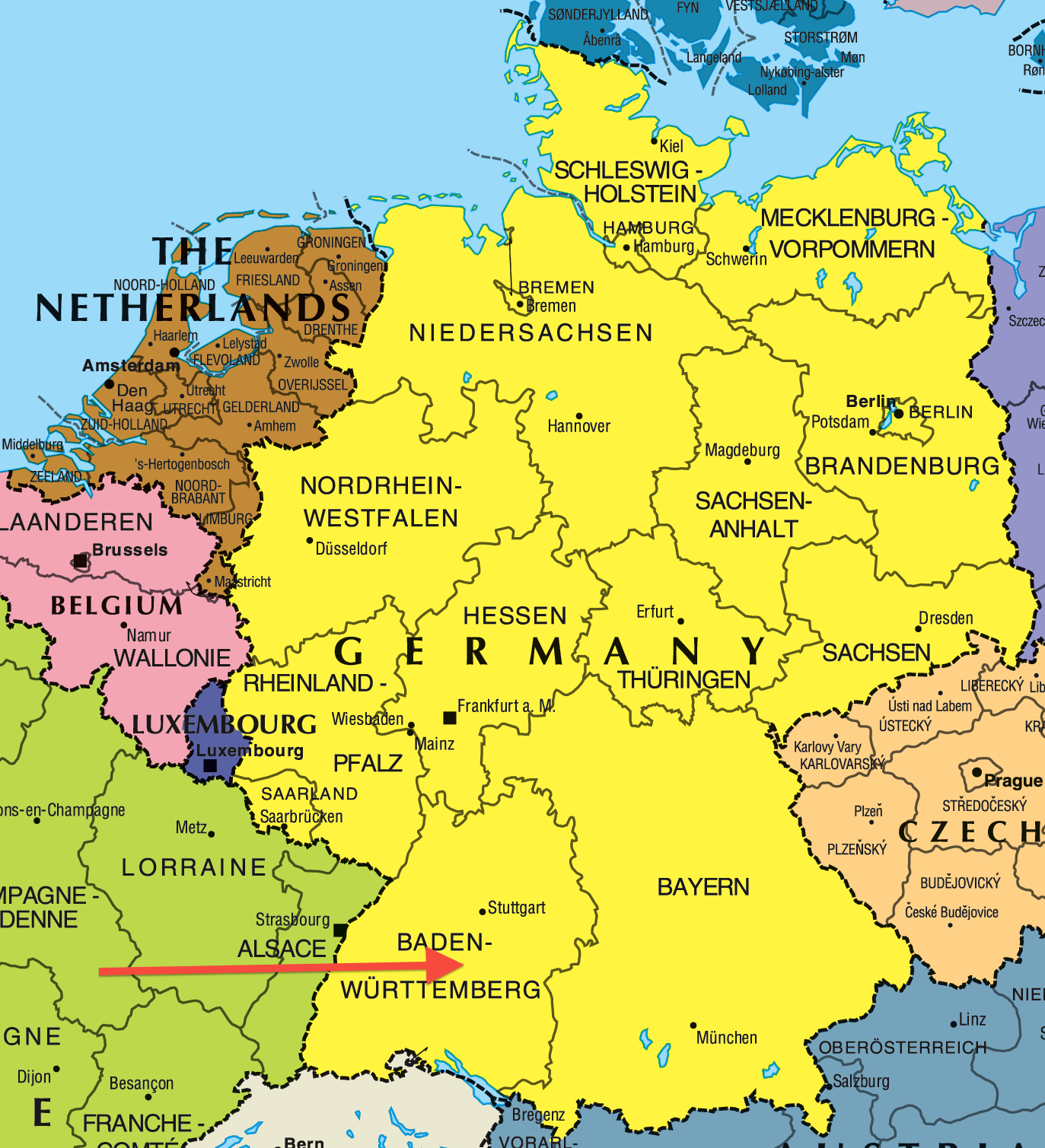
Larry’s backside was starting to get numb, and he wanted to stretch his legs.  So this was a good opportunity for us to swap operators, and to venture over to 20m.  We saw a SOTAWatch spot for Klaus DF2GN, who was portable on a summit in Germany.  In fact Klaus was sitting on the top of Rainen DM/BW-042.  Both Larry and I worked Klaus (a genuine 5/9 both ways).  Klaus’ signal was very strong all the way from Germany to the Adelaide Hills.  This was Larry’s first ever DX summit to summit.  I also worked Klaus and this was another first….my first ever DX summit to summit.  Larry and I were both very excited about this contact.

Rainen is 1,006 metres above sea level and is worth 10 SOTA points.  It is located in the Bathe Wuerttemberg region of the Low Mountains German Association.  It is near the little village of Schomberg.

germany_and_netherlands_map 

We then chose a quiet spot on 20m and started to call CQ.  I say ‘quiet’, but it didn’t stay like that for long.  The 20m band was very busy, and it was only within a minute or 2, and we were getting QRM from nearby stations.  However, not much we could do, and we continued to battle on calling CQ.  We soon got a pile up going from Europe & the UK and worked stations in England, Germany, Spain, Belgium, Austria, Slovak Republic, and the Czech Republic.  We were also called by Gerard VK2IO who was mobile with a very strong 5/9 signal.  Other VK’s to call in included Matt VK2DAG, Andrew VK2UH, and John VK6NU in Western Australia.  It is always nice to get a VK6 in the log, because they are a long way away from the rest of Australia.  For anyone reading this outside of Australia, it is nearly 4,000 km from Perth in the west, to Sydney in the east.

IMGA0041_2

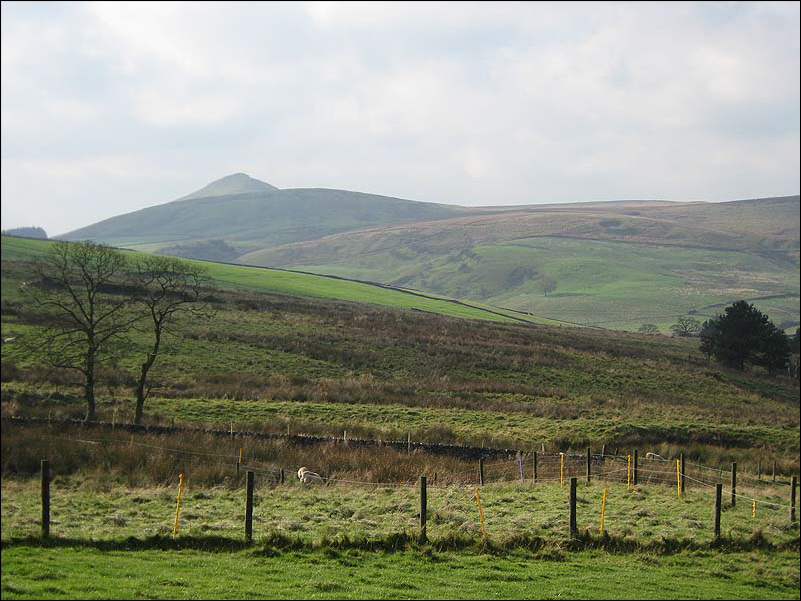
Larry and I then saw a spot for Mike 2E0YYY, who was portable on Shining Tor G/SP-004 (559m ASL & 2 SOTA points).  Mike was my very first ever SOTA contact a few years ago, so I was very keen to work Mike.  I had spoken to Mike a number of times whilst he was on a summit.  But that was while I was at home.  Never whilst I was sitting on the top of a summit.

3 peaks04

Photo courtesy of http://www.walkthehills.co.uk

So Larry and I headed off to 14.328 and there was Mike, with a nice 5/6 signal.  We gave him a call and got through first time, with a 5/5 signal report being returned by Mike.

Whilst operating we had a few interested onlookers.  Some of those were even brave enough to approach us, to find out what we were up to.  This included a couple of British tourists who were extremely interested to hear that we were working all the way back to their homeland.  We also had a young lady out bushwalking with her children, and they were very interested in what these 2 strange guys were doing in the bush with a squid pole and talking strange lingo.  It is always pleasing to have a chat to people and passing on information to them on this unique and very interesting hobby.

After working Mike 2E0YYY, we ventured to 14.323 and called CQ again, working a further 12 DX stations in the USA, England, Italy, Switzerland, Spain, Germany, and the Netherlands.  And not forgetting Paul VK2KTT who was a very strong signal.

It was starting to get a bit late, heading towards 7.00 p.m. local time, and we had strict orders from our wives to be home by 7.30 p.m. for dinner.  Yes, we are good husbands !!  It was very frustrating, because we still had European & UK stations calling us.  But it was time to pack up and head home to the girls, a few bottles of red, and home made lasagne.

Larry and I had a total of 55 QSO’s in the log, including 2 S2S DX, and 31 DX contacts into the USA, Europe, & UK.

The following stations were worked by Larry:-

Richard VK5ZRY/p; Peter VK5KPR; Ian VK5CZ; Roger VK4YB; Glenn VK3YY; Adam VK2YK; Steve VK3FSWB; Rod VK2TWR; Tony VK3CAT; Peter VK3PF; Peter VK3FPSR; Marshall VK3MRG; Matt VK2DAG; Matt VK1MA; John VK2YW; Andrew VK2UH; Ian VK1DI; Doug VK2FMIA/p (summit to summit); DF2GN/p (summit to summit); and Mike 2E0YYY/p (summit to summit)

The following stations were worked by me:-

Richard VK5ZRY/p; Doug VK2FMIA/p; Klaus DF2GN (summit to summit); G6TUH; VK2DAG; VK2UH; VK6NU; G0RQL; G4UXH; VK2IO/m, DL1DVE; EA2CKX; EB2CZF; EA2IF; EA2DT; ON5SWA; OE7FMH; OM1AX; ON2JF; OK1SDE; OE7WGT; 2E0YYY/p; KD7FMC; G6LUZ; G4OBK; G3XQE; IK1GPG; M6NNA; HB9MKV; EA2LU; DL3JPN; G0LGS; EB2JU; PA0SKP; VK2KTT; and EA4GJT.

More fire damage

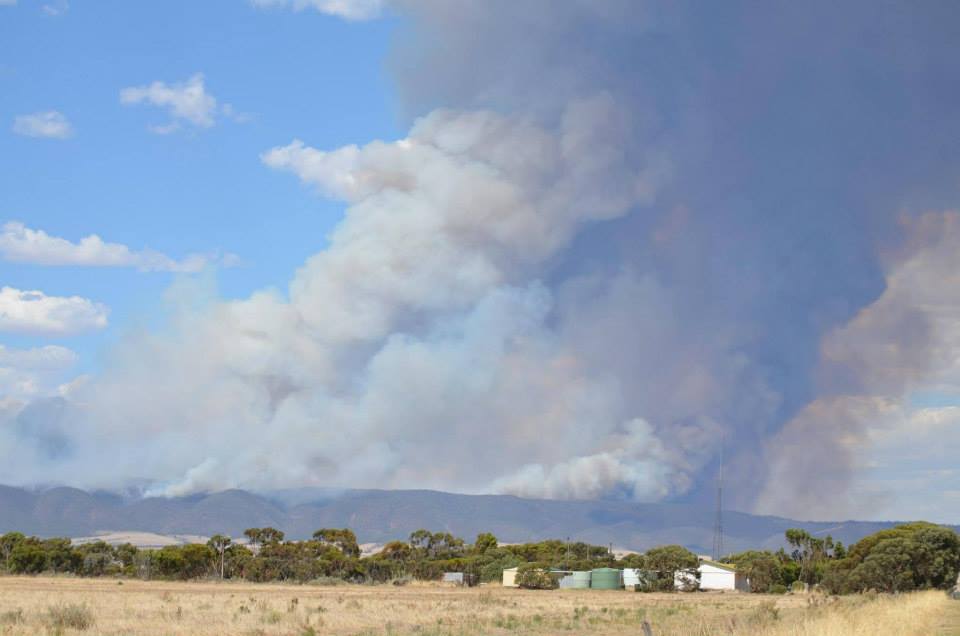
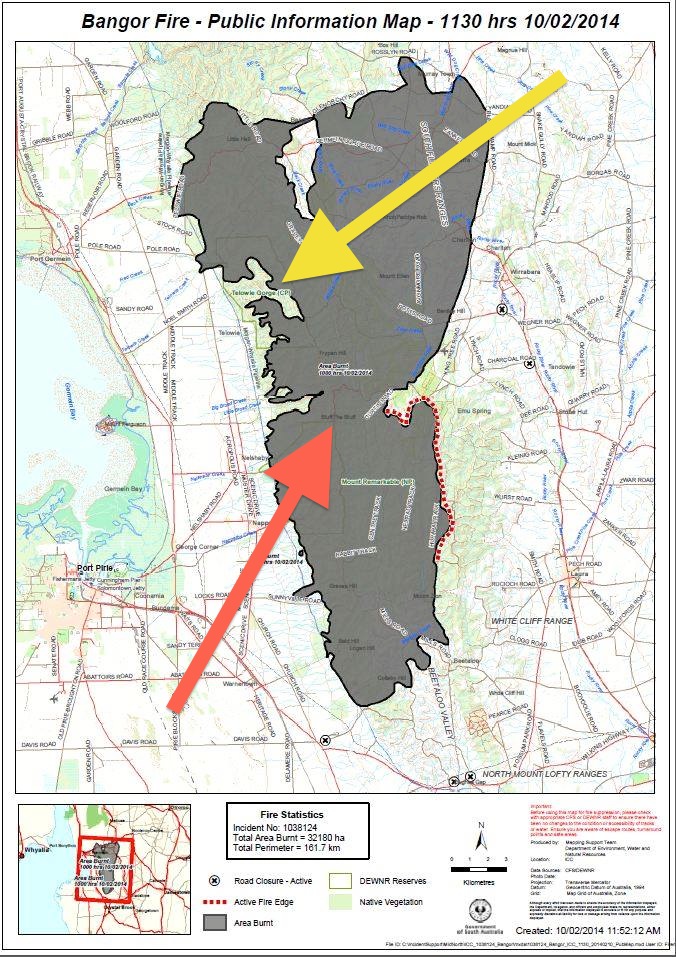
The Bangor fire in the southern Flinders Ranges continues to burn out of control.  It has now been burning for 23 days, and has burnt nearly 33,000 hectares.  The fire has destroyed a number of homes.  It is currently threatening the townships of Laura, Gladstone, and Beetaloo Valley.

This fire has impacted on the Telowie Gorge Conservation Park and also SOTA summit VK5/ NE-065.  The Telowie Gorge CP is home to a colony of yellow footed rock wallabies, so lets hope they have survived the fire, and not suffered the same fate as some other fauna in some of the other recent fires in South Australia.  The Telowie Gorge CP has been closed until further notice.  I operated from the Telowie Gorge CP mid last year and it is / was a beautiful park, with an excellent walking trail through the gorge.

1794592_718667188166161_148701699_n

Photo courtesy of the CFS Facebook page.

The Bluff, VK5/ NE-065, has also been impacted.  I activated this summit last year as well.  The summit is located just to the south of Wirrabara Forest, which has been devastated.

The map below shows the area that the fire has currently burnt out.  The yellow arrow indicates Telowie Gorge Conservation Park.  The red arrow indicates SOTA summit, The Bluff, VK5/ NE-065

1796533_719616904737856_819707010_n

‘Rare birds wiped out’

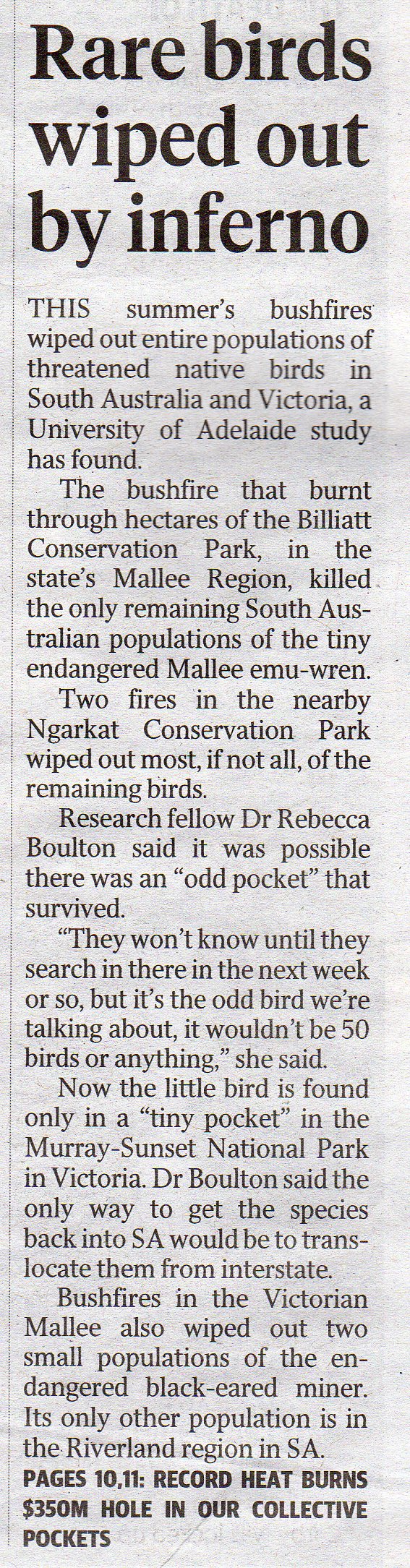
This morning my wife showed me an article in The Advertiser which was entitled ‘Rare birds wiped out by inferno‘.  I have attached a copy below.  In essence it talks about the possible geographical extinction of two South Australian birds, the Mallee emu wren, and the Black eared Miner as a result of the recent bushfires.  Very sad indeed !

rare birds

Article courtesy of the Adelaide Advertiser.

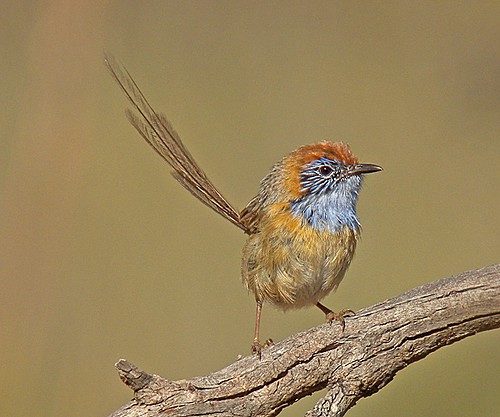
The Mallee emu wren is one of three species of the genus Stipiturus, commonly known as emu-wrens.  The common name of the genus is derived from the resemblance of their tails to the feathers of an Emu.  They are a tiny bird weighing just 4 – 6.5 grams.  It is a Nationally endangered species and is restricted to open mallee woodland with spinifex under storey in north western Victoria and south eastern South Australia.  It was estimated that there were just 3,000 of these birds in the wild.

malleeemuwren

Photo courtesy of wwww.beforeitsgone.com.au
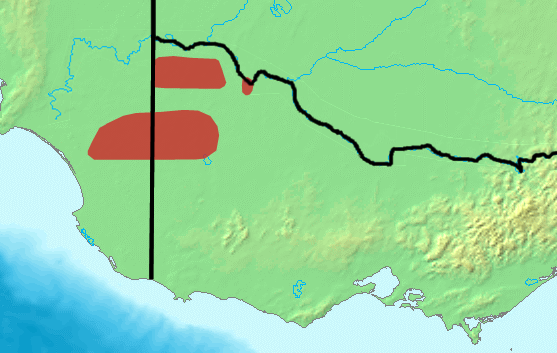
Ironically, back in 2008, the International Union for Conservation of Nature (IUCN) elevated the bird’s status from ‘vulnerable’ to ‘endangered’.  The IUCN warned that the species ‘hold was so fragile that a big bushfire could wipe it out‘.  Sadly their predictions appear to have come true.  Due to recent fires in both South Australia and Victoria, it is believed that just a small pocket of these birds now exist in the Murray Sunset National Park in Victoria.

Mallee_Emu-Wren

Map showing the distribution of the Mallee-emu wren, courtesy of Wikipedia.
Click on the link below for more information on the Mallee-emu wren.

http://www.naturalresources.sa.gov.au/files/…bf05…/mallee-emu-wren-fact.pdf

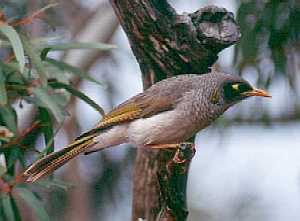
The Black-eared Miner is an endangered honeyeater which is endemic to the mallee woodland area of south eastern Australia.

bemgc

BirdLife International identified the following sites as important areas for the bird: Riverland Mallee (including Billiatt Conservation Park), & Ngarkat Conservation Park in South Australia, and Murray Sunset National Park, Hattah-Kulkyne National Park, Wyperfeld National Park, & Big Desert in Victoria.  Due to the bush fires in Victoria, only a small pocket of these birds now exist in the Riverland region of South Australia.

220px-Black-eared_Miner

Click on the link below for more information on the Black-eared Miner.

http://www.environment.nsw.gov.au/resources/nature/recoveryPlanFinalBlackearedMiner.pdf


References.

The Advertiser, Saturday February 8, 2014.

The Age, http://www.theage.com.au/national/futures-deemed-grim-for-three-australian-bird-species-20080520-2ggh.html

Mallee Emu-wren, Wikipedia, http://en.wikipedia.org/wiki/Mallee_Emu-wren

Blackeared Miner, Wikipedia, http://en.wikipedia.org/wiki/Black-eared_Miner