Another QSL received from Reach Beyond Australia for my reception of their station on 9th June 2022 and 24th August 2022.


Another QSL received from Reach Beyond Australia for my reception of their station on 9th June 2022 and 24th August 2022.
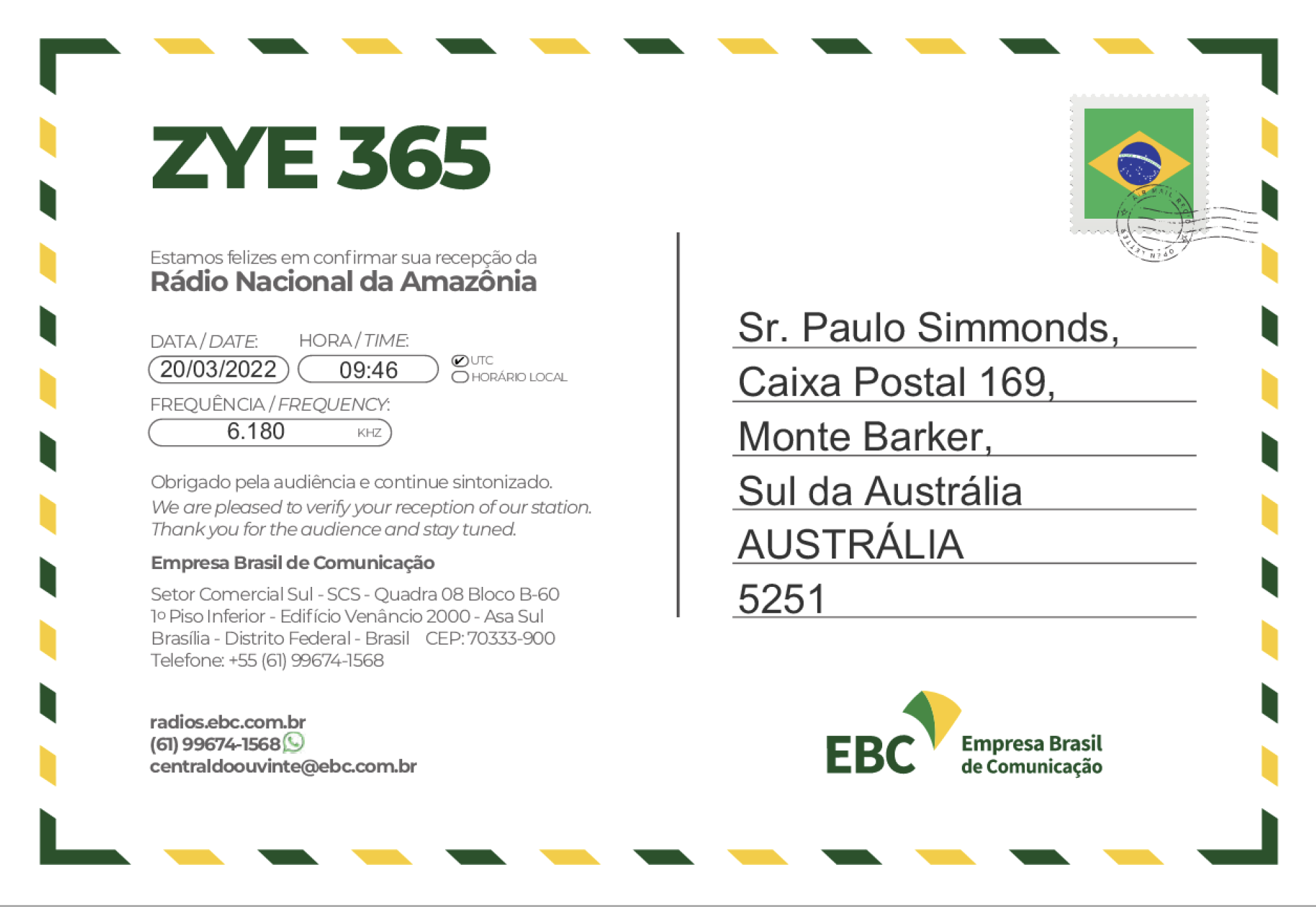
Very pleased to have received this electronic QSL this morning from Radio Nacional da Amazonia in Brazil for my reception of their station on 6180 kHz on 20th March 2022.

On Saturday 15th October 2022, the annual VKFF Team Championship was held for the World Wide Flora & Fauna (WWFF) program. Marija and I formed a team called ‘The Walky Talkies” and we entered into the Two ops/single tx/40m & 80m/wire antenna category.
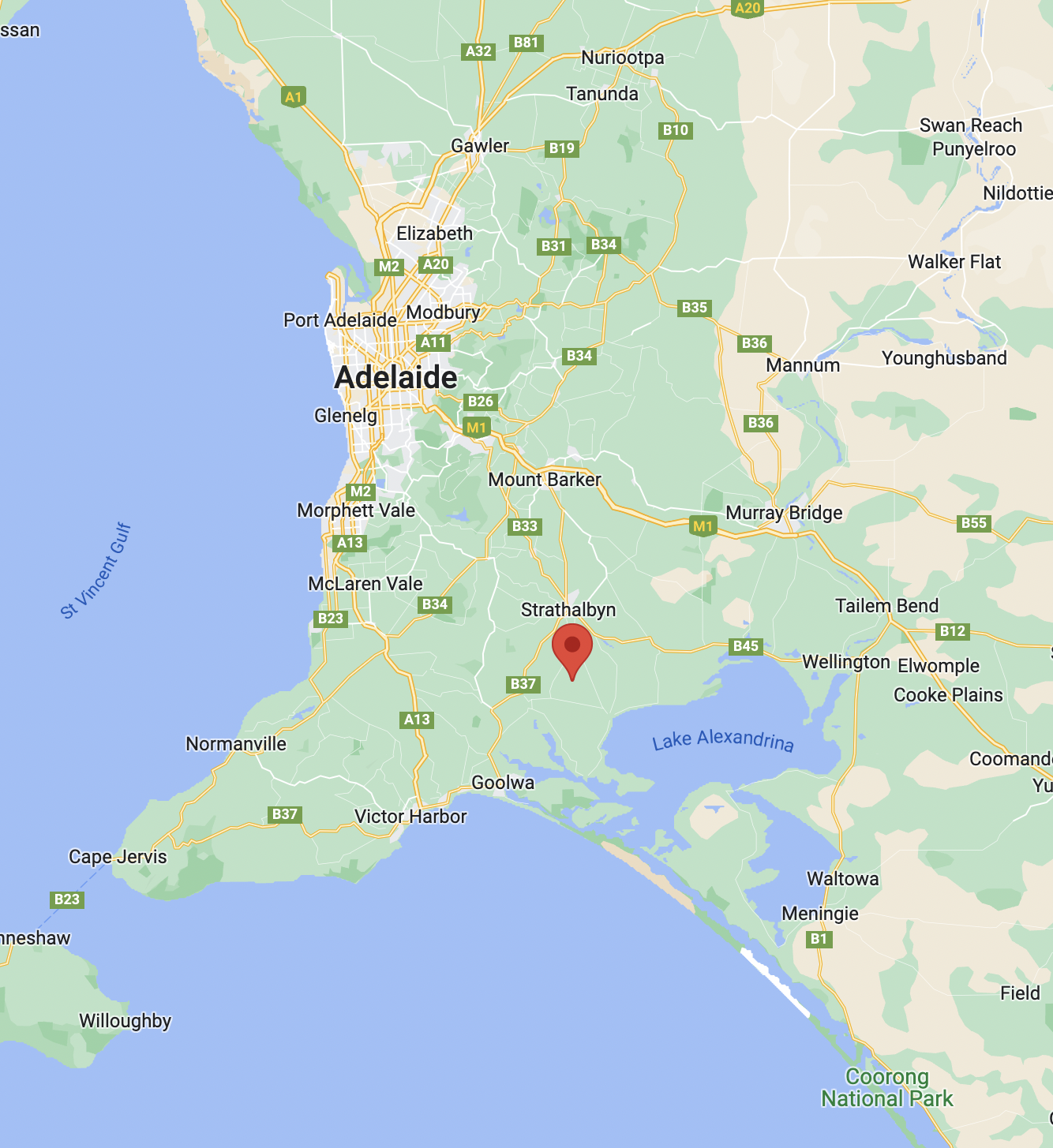
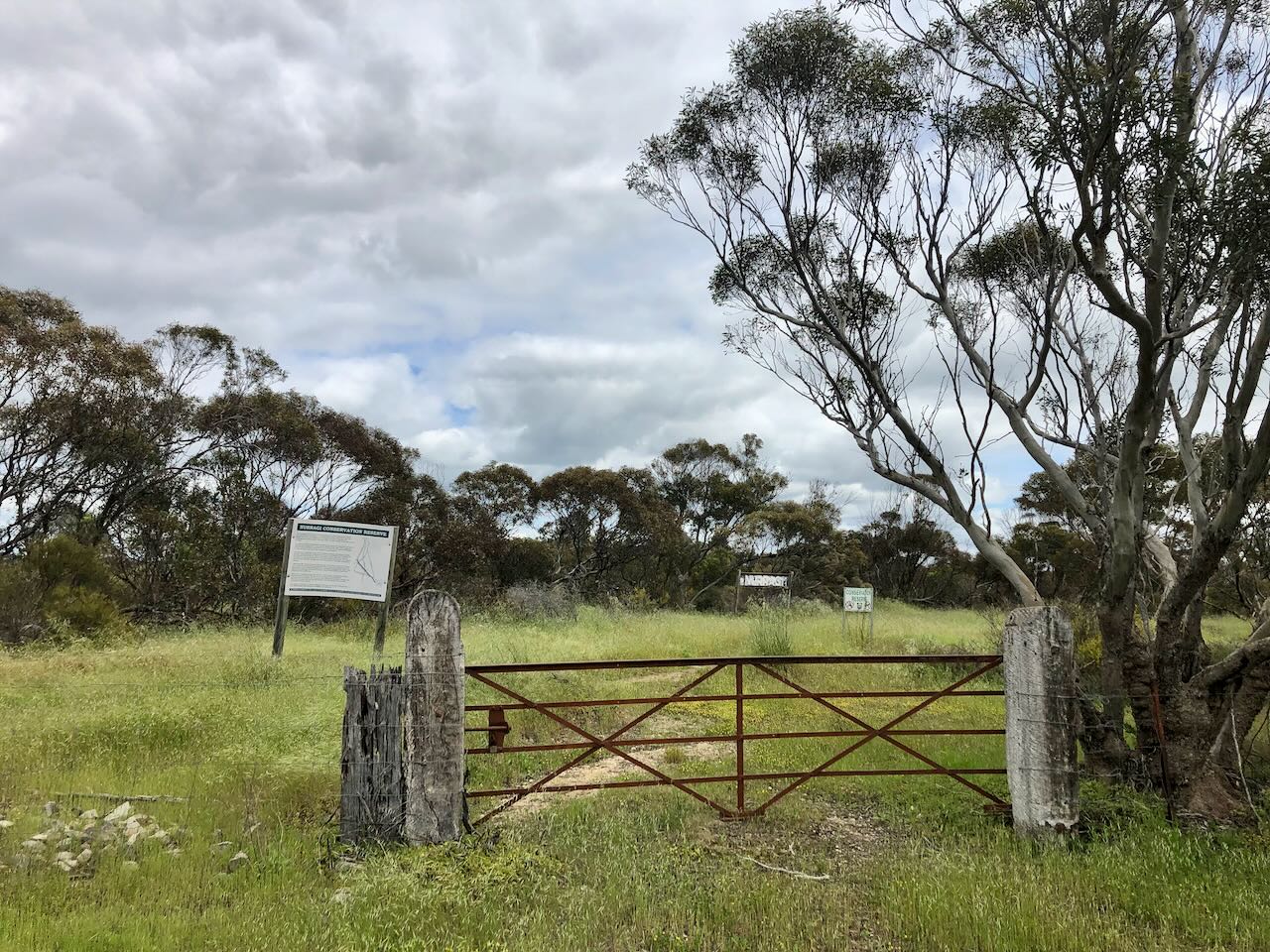
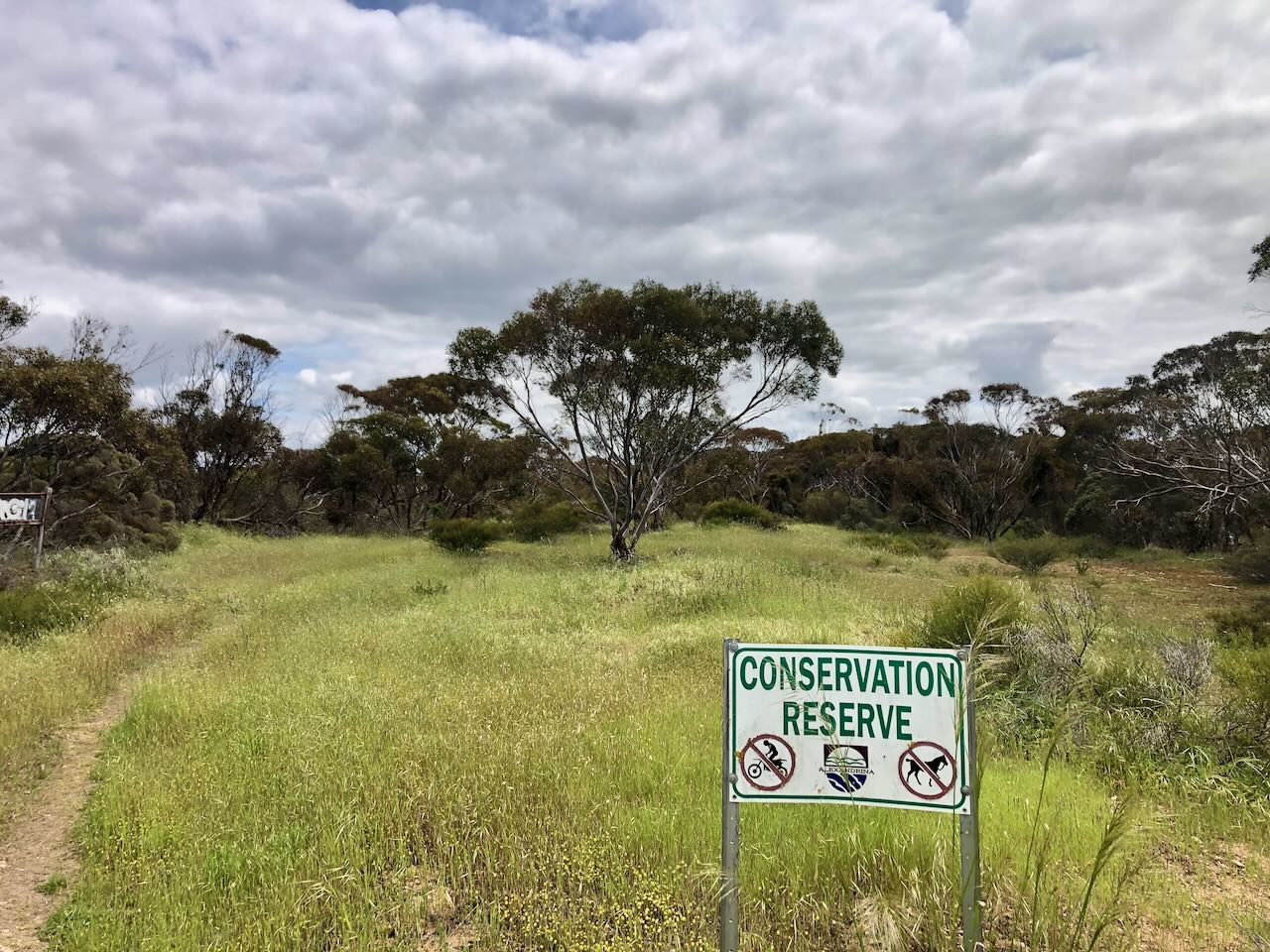
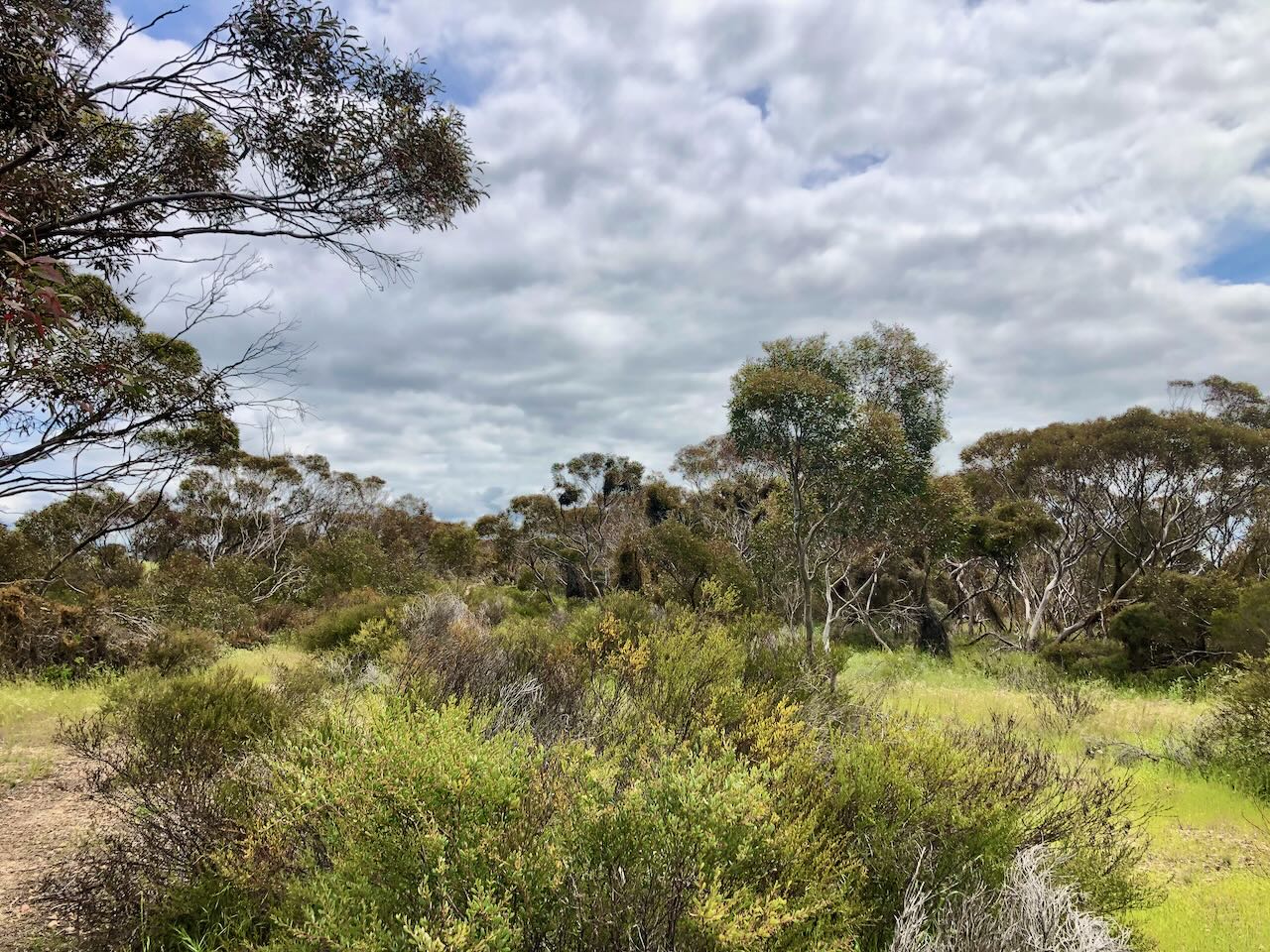
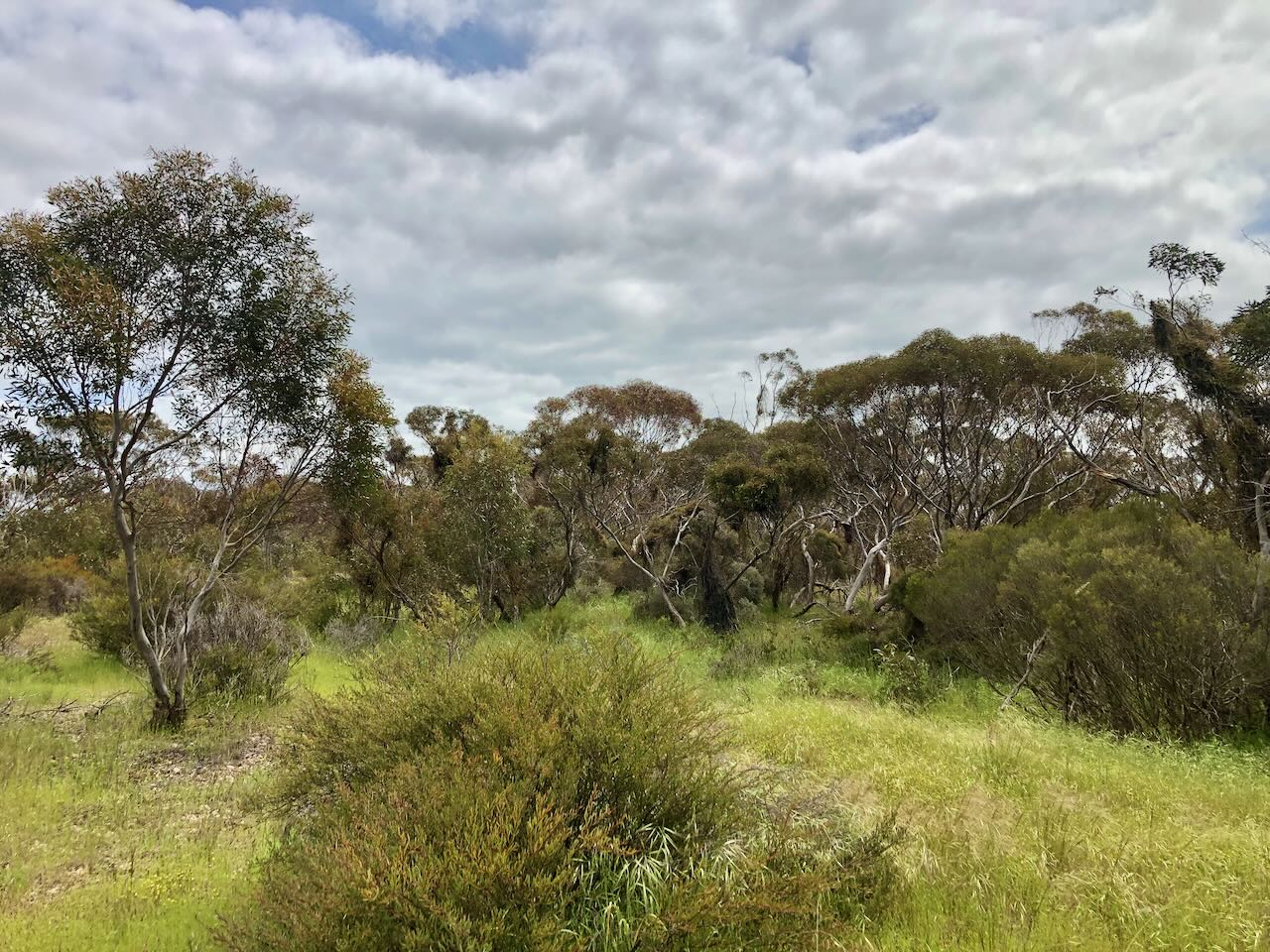
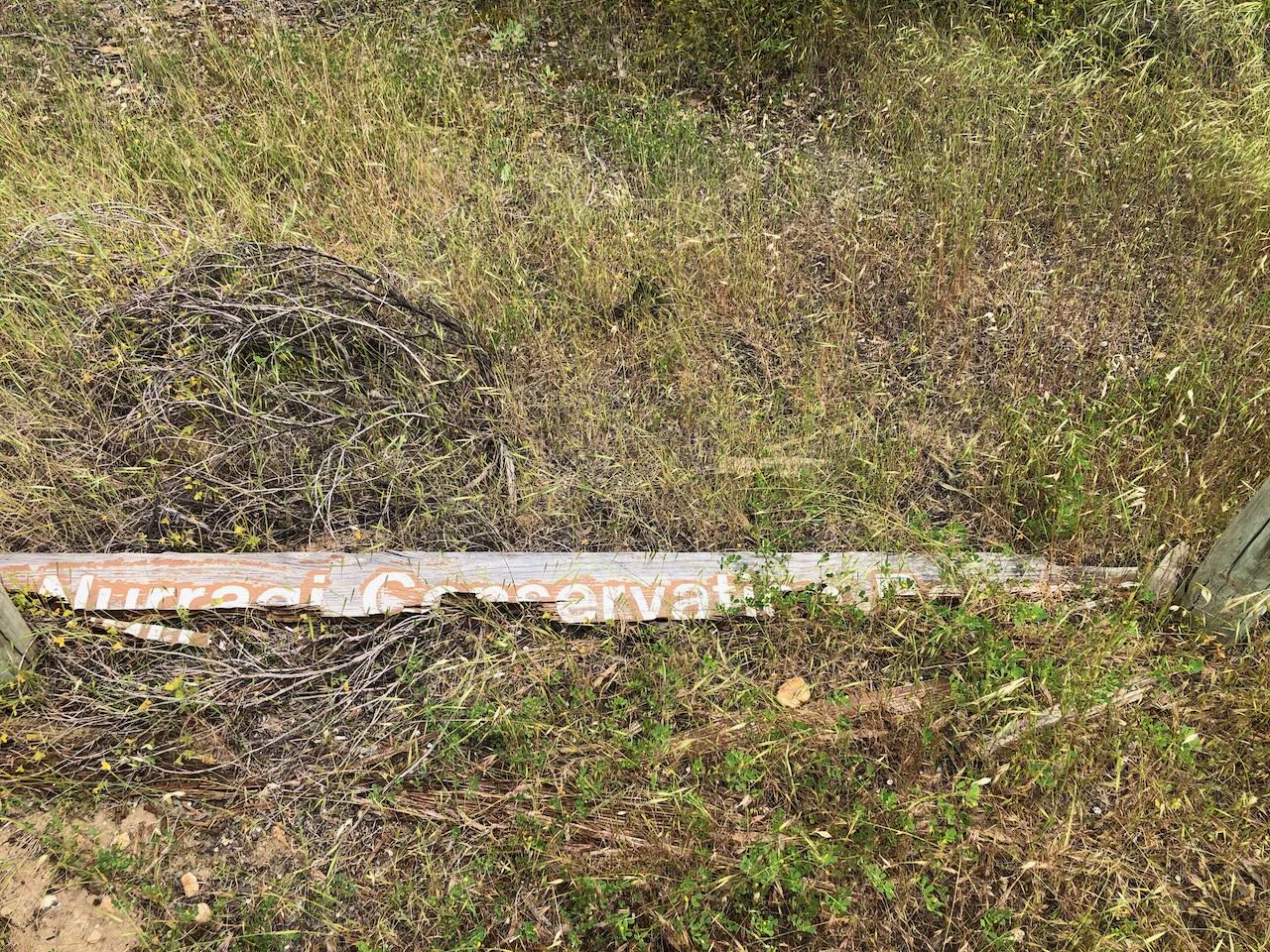
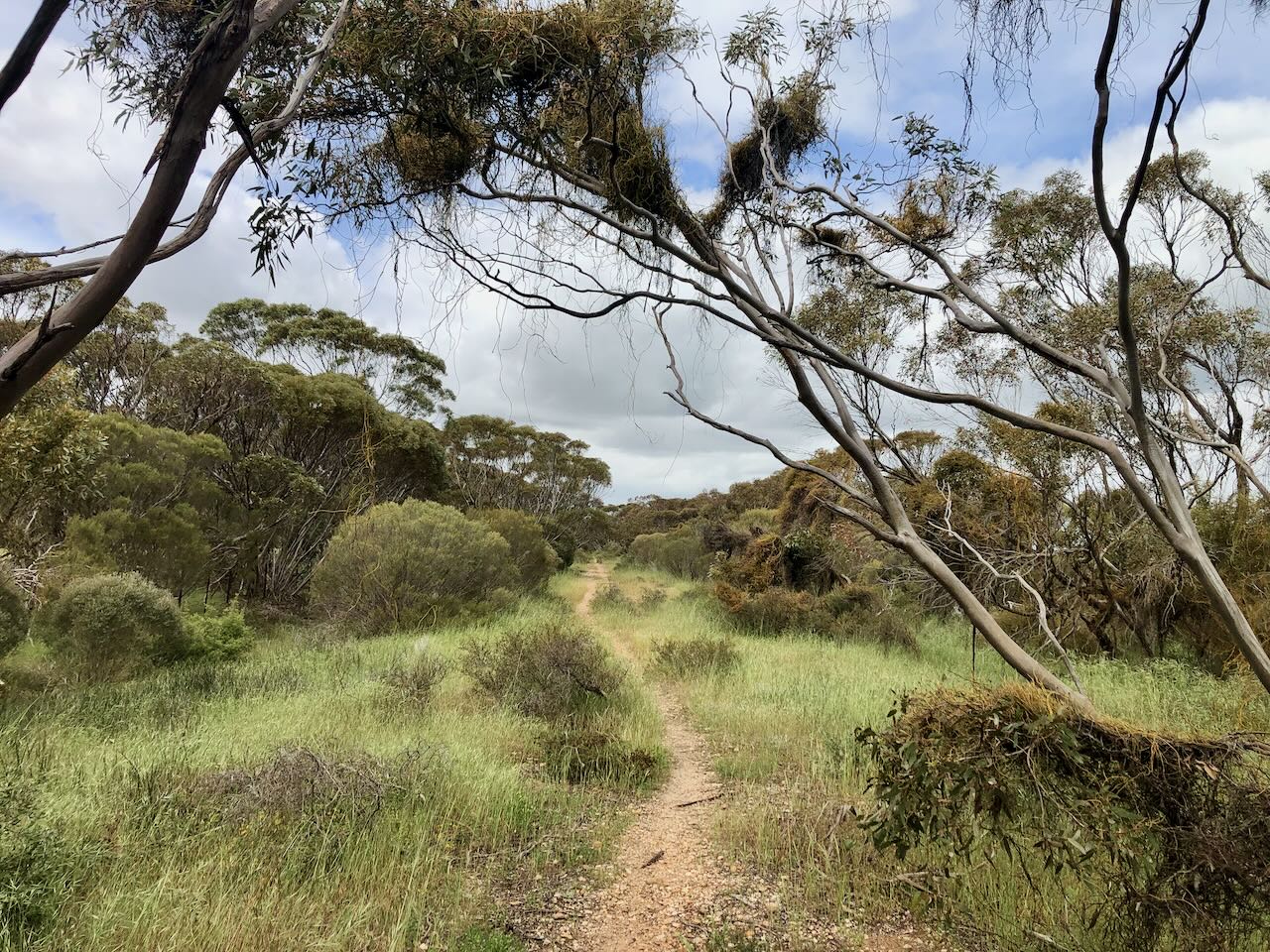
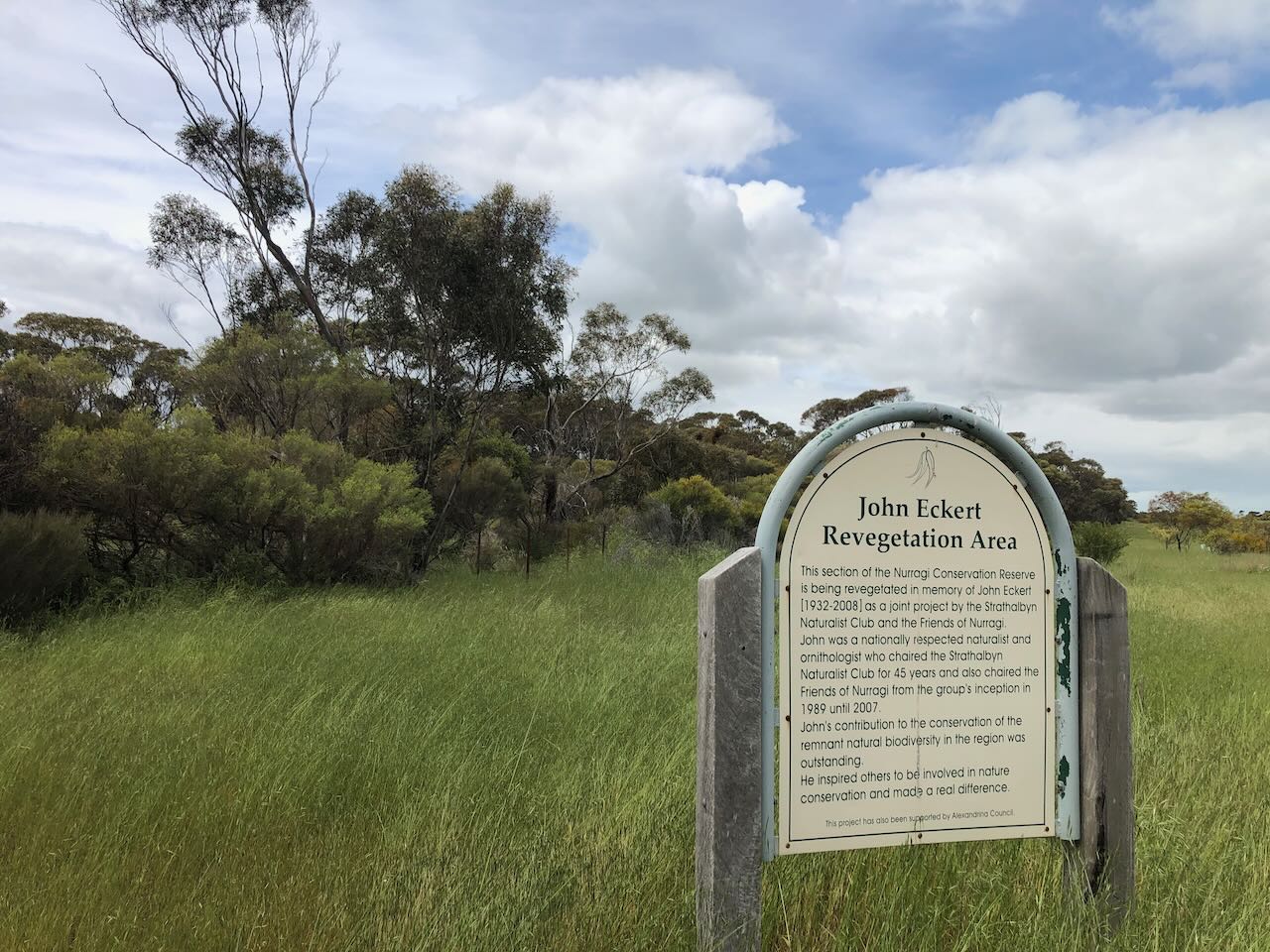
We activated the Nurragi Conservation Reserve VKFF-2247 which is located about 67 km southeast of Adelaide.
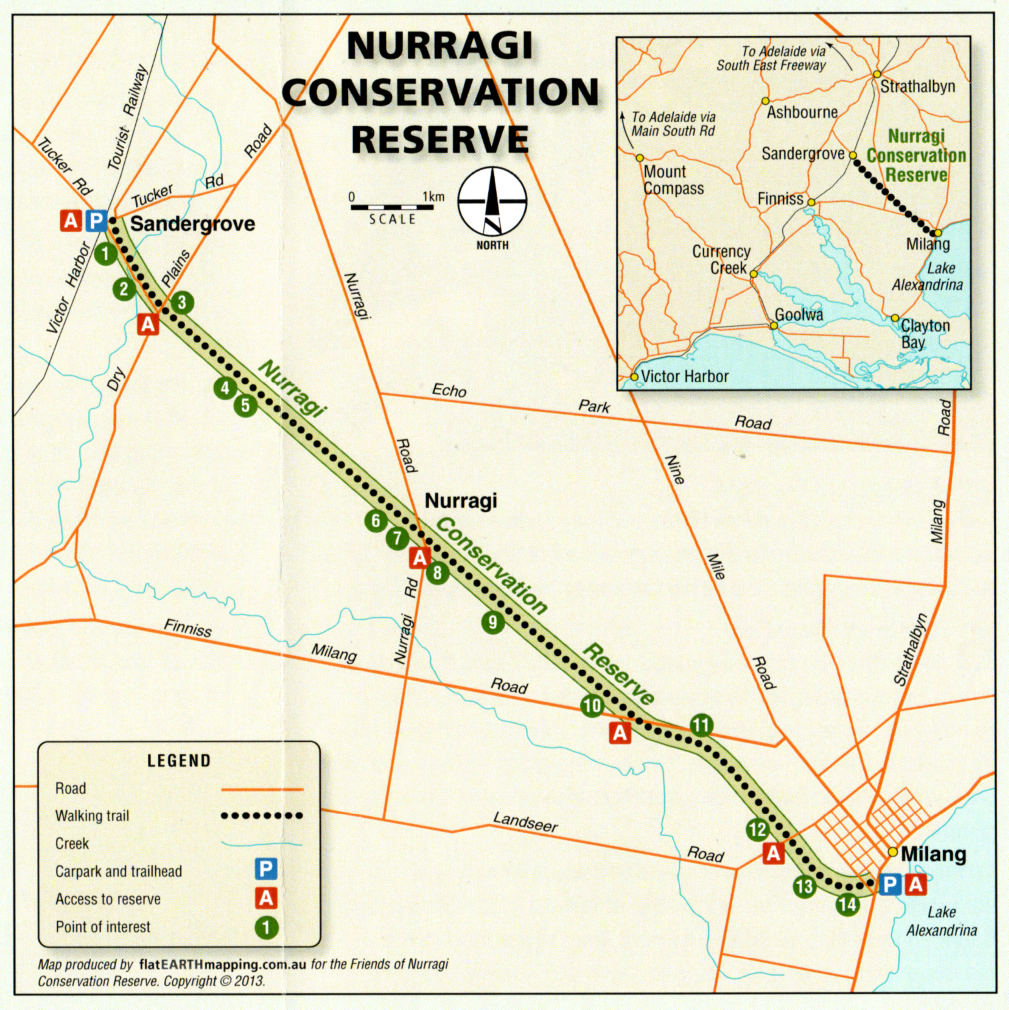
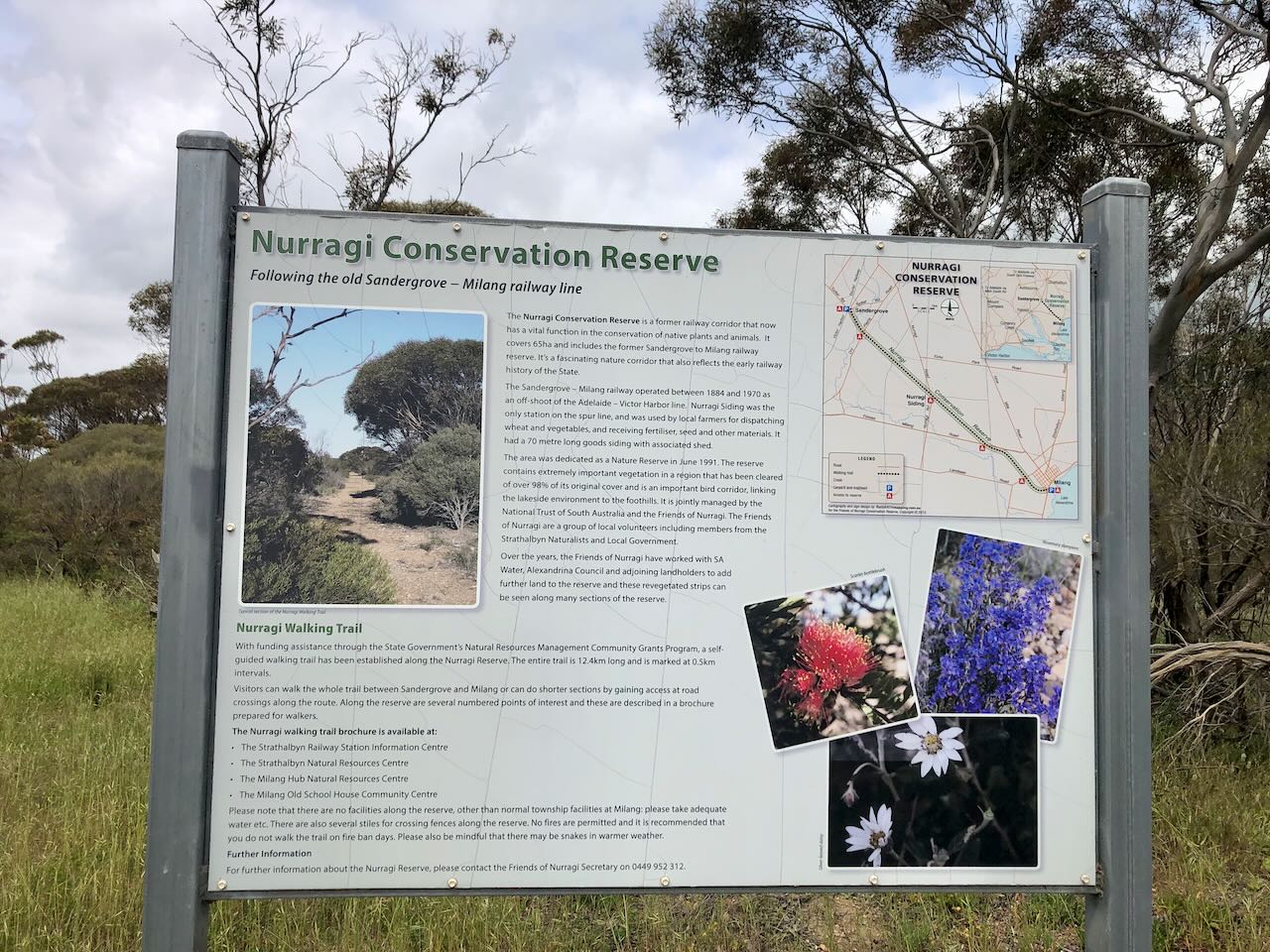
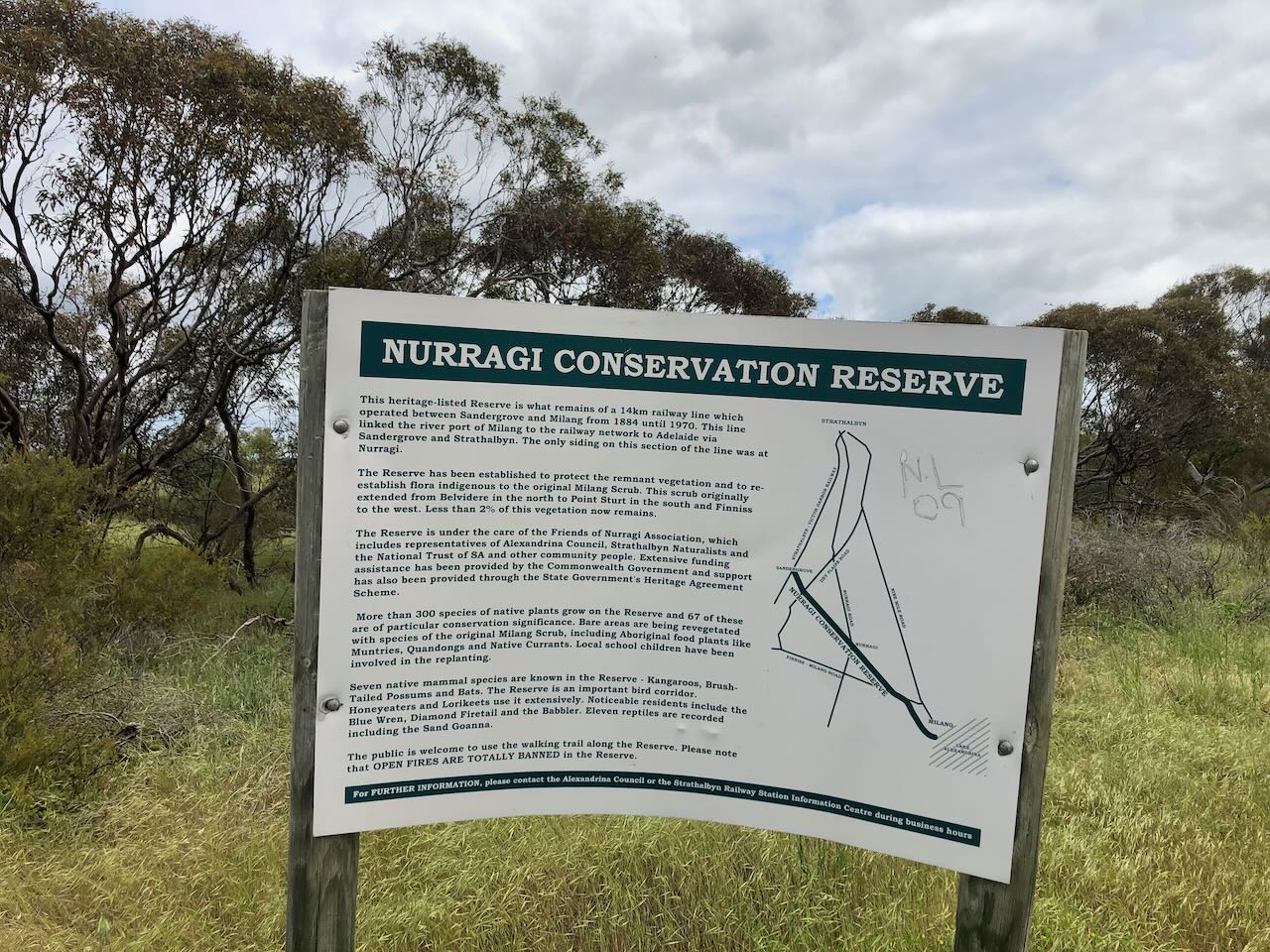
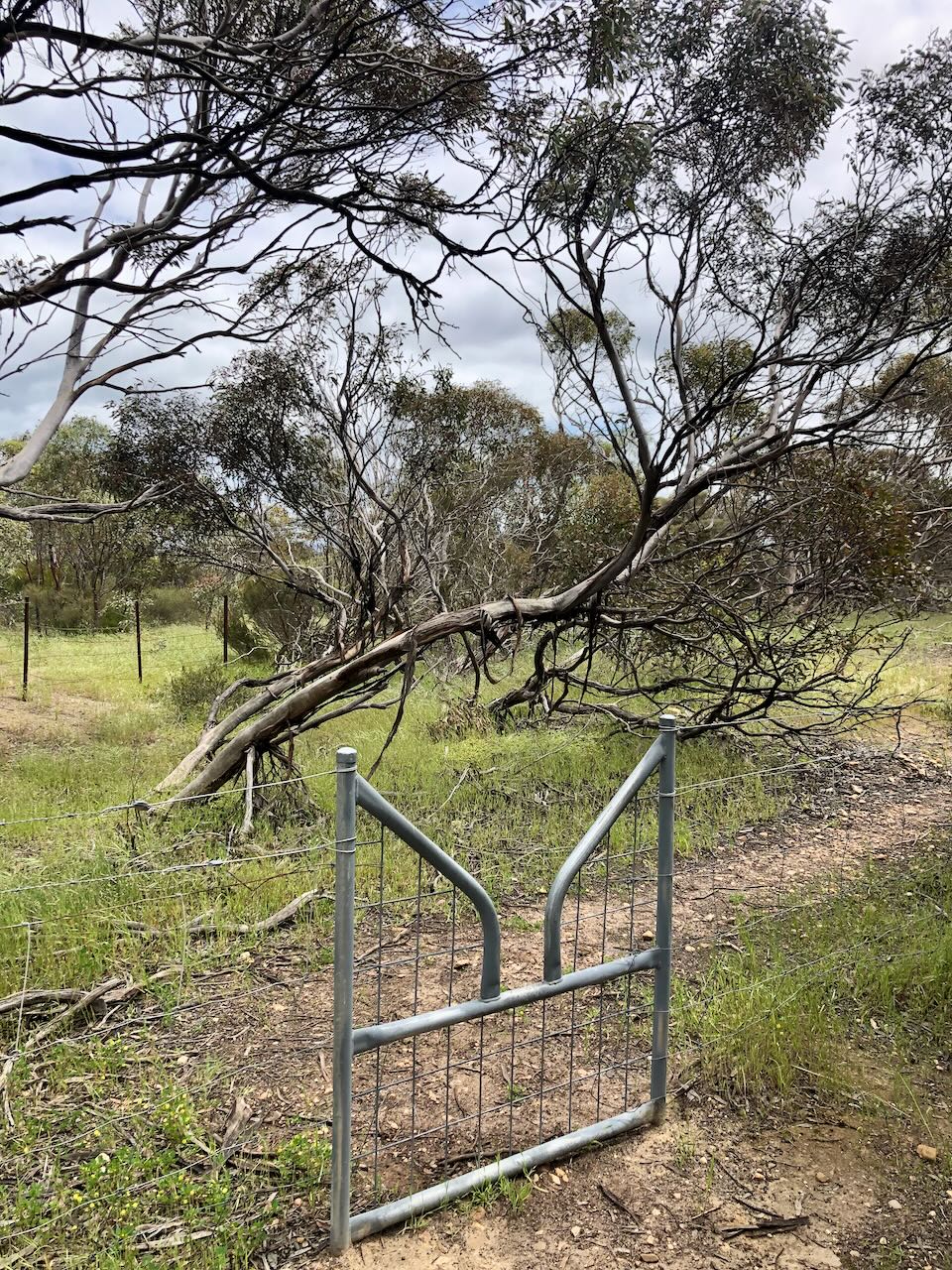
The Nurragi Conservation Reserve is a former railway line that now serves as a vital corridor for flora and fauna. The Reserve consists of about 65 hectares. Nurragi is an aboriginal word meaning ‘scrub’.
The park is an important piece of vegetation in a region where 98% of the native vegetation has been cleared. About 300 native plant species can be found in the reserve, with 50 of those being of conservation significance.
Below is a short video about the Nurragi Conservation Reserve.
There is an excellent Nurragi Walkers Guide which can be found in boxes in the Reserve.
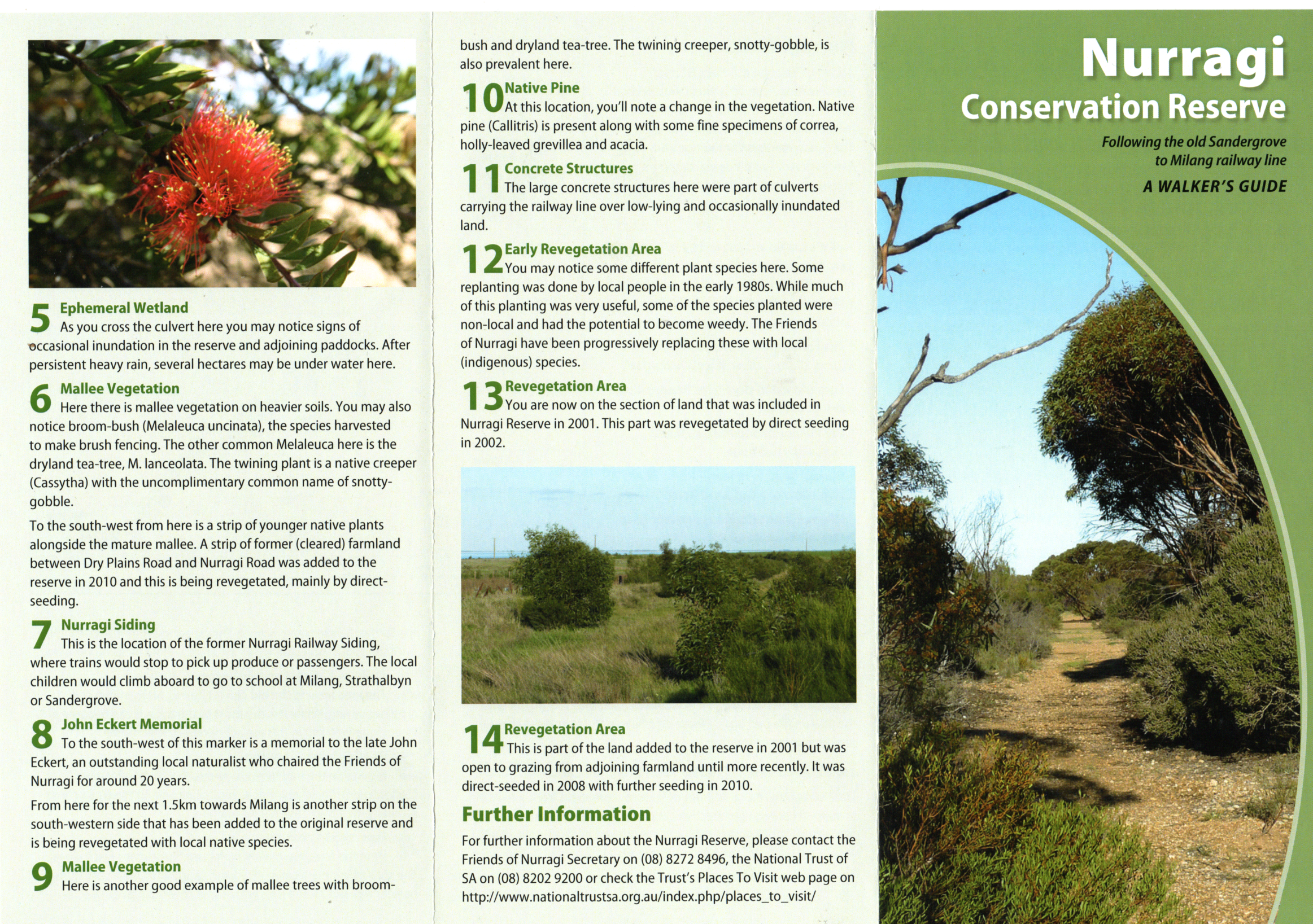
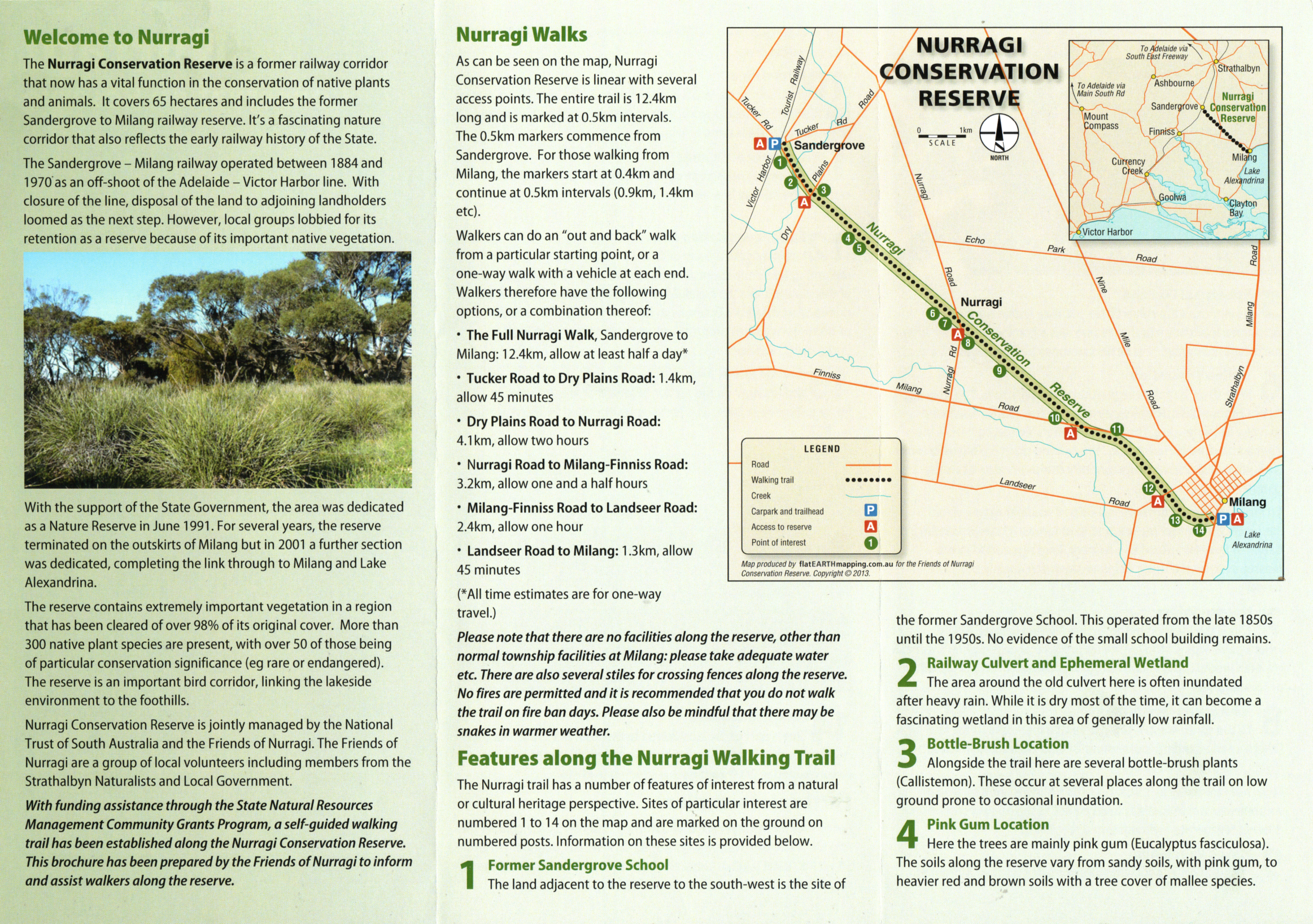
The Sandergrove to Milang railway line operated between 1884 and 1970. It was a branch line of the Adelaide to Victor Harbor railway line. It left the main line to Victor Harbor at Sandergrove, about 9 km south of the town of Strathalbyn. The line then proceeded for about 13.1 km in a southeasterly direction to the river port of Milang.
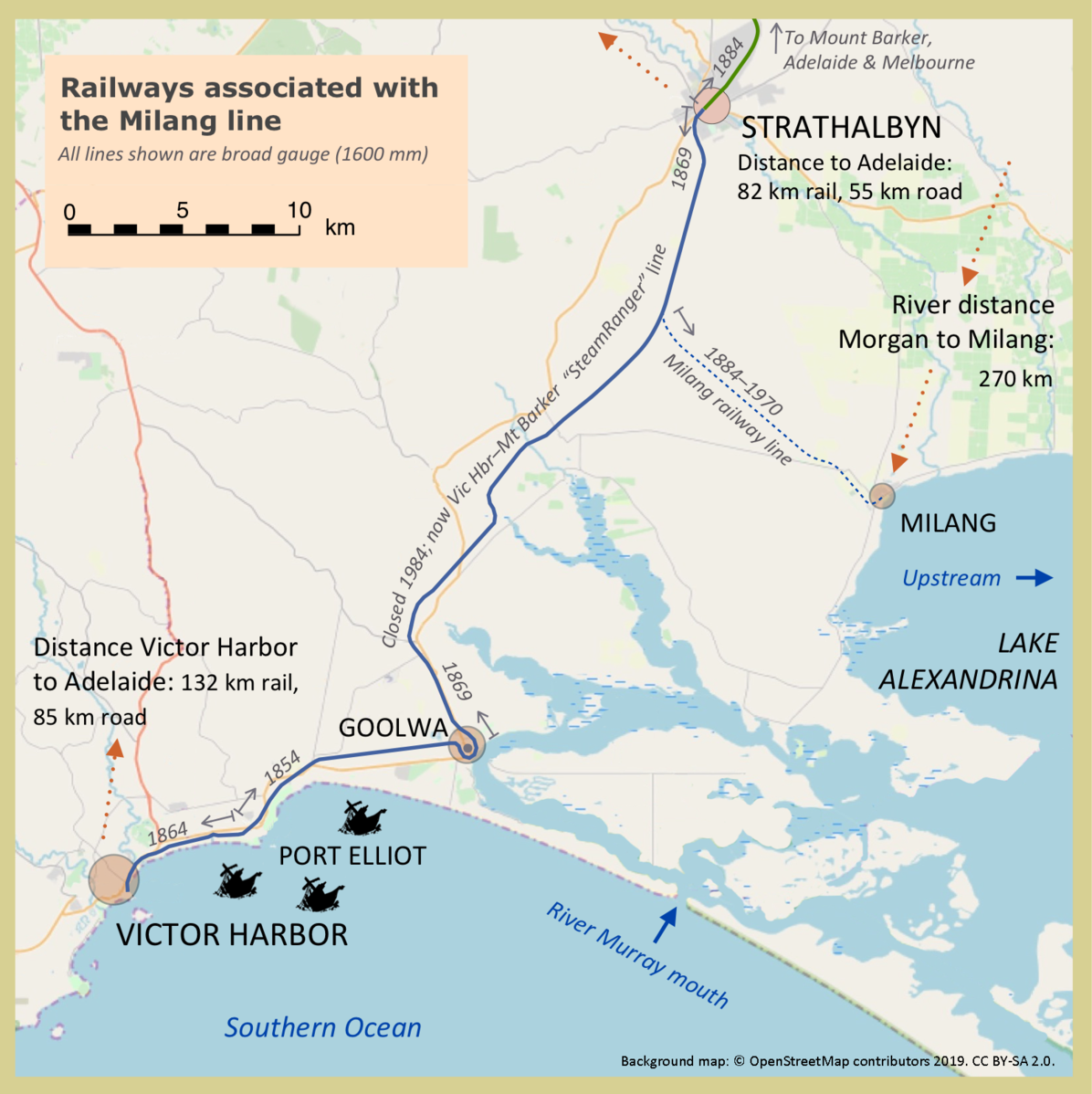
The Milang line opened on the 17th day of December 1884 and was formerly closed on the 17th day of June 1970.
Prior to the arrival of the railway, horse teams and wool wagons would assemble at Milang’s wool stores for the 100 km journey to Port Adelaide and subsequent export to Britain.
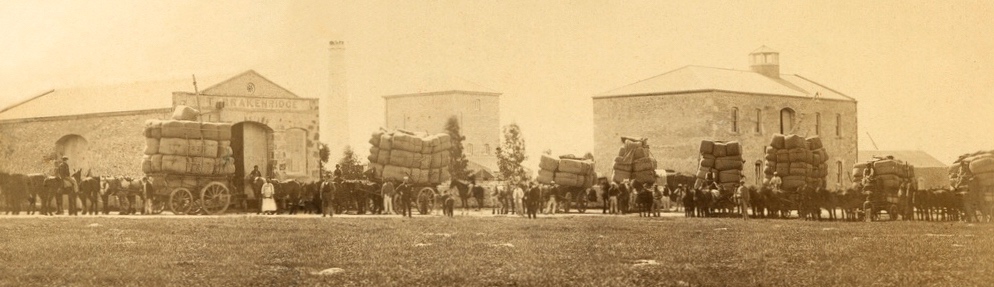
In the 1870s, a Select Committee was appointed by the South Australian Government to investigate the construction of a connecting line of about 30 km from Strathalbyn to the Adelaide-Melbourne line which was at the time under construction.
One member of the Select Committee was the prominent and highly respected Member of Parliament, Albert Landseer. He had founded the town of Milang in 1856. He had numerous business interests in the Milang district including flour milling, ownership of river steamers and barges, agent for the paddle steamer pioneer Francis Cadell, and wool warehousing. Landseer ensured that the Committee heard evidence supporting a branch line to Milang. Landseer stated that this would allow steamboats to use what he considered to be a more conveniently located railhead than Goolwa.

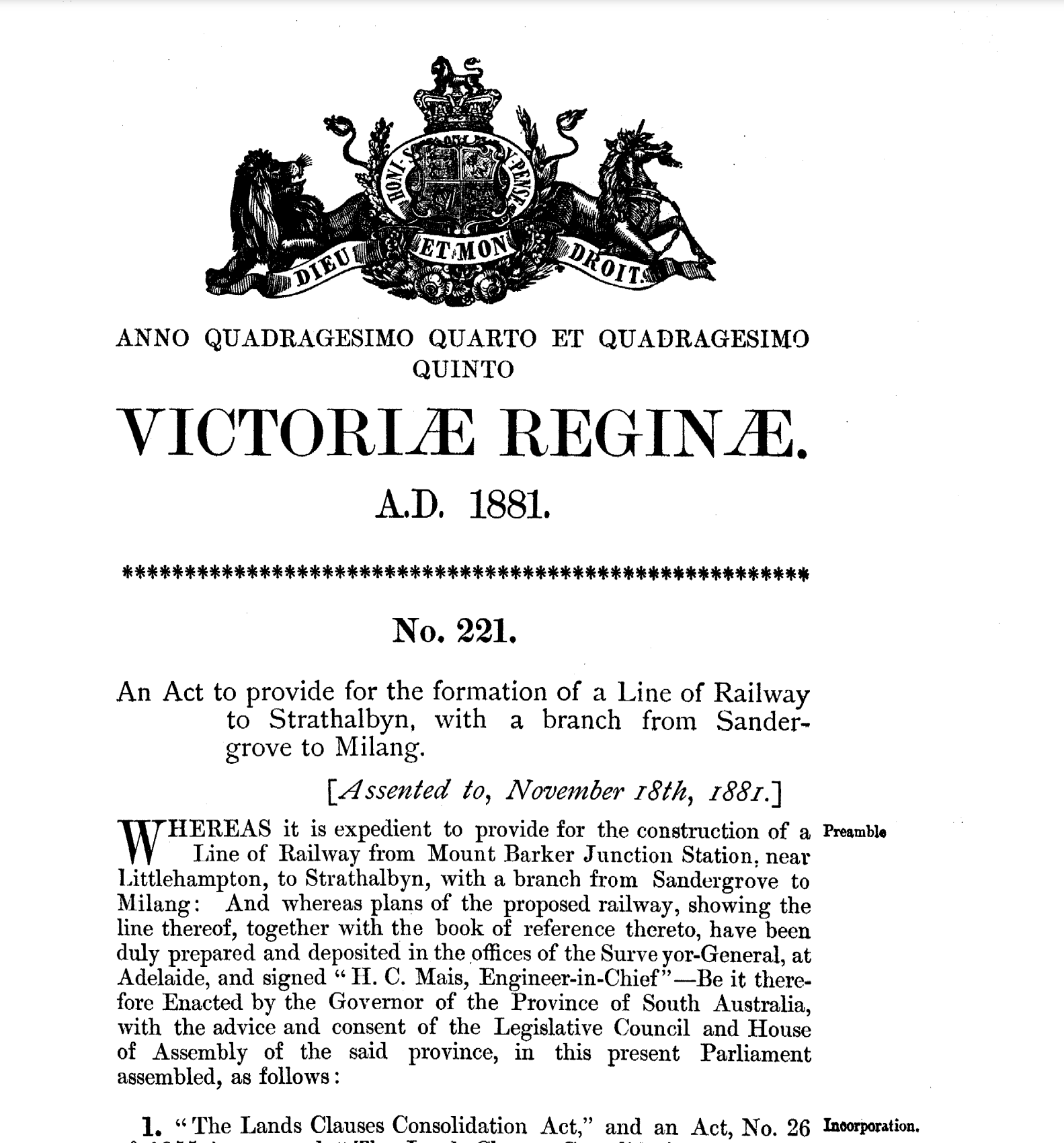
In November 1881, assent was granted to an Act – The Mount Barker and Strathalbyn Railway Act, which not only authorised a link to Mount Barker but the branch line from Sandergrove to Milang.
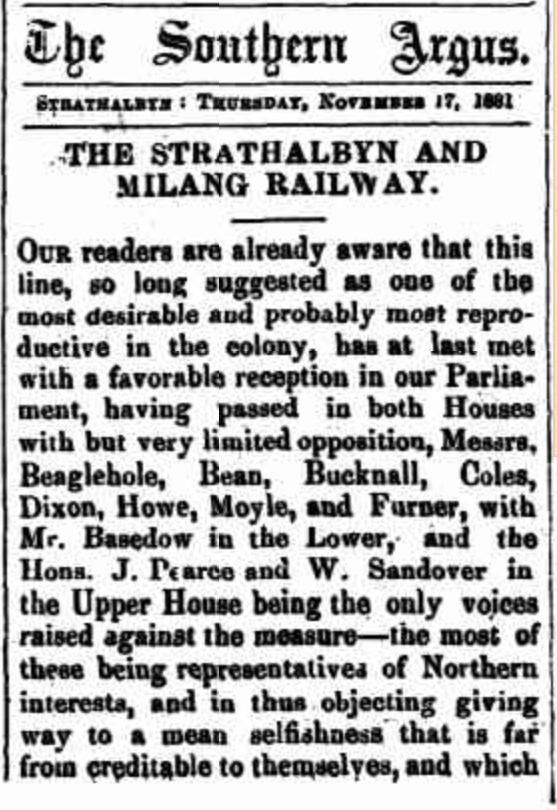
It was reported in The Southern Argus, Thursday 17th November 1881:-
“Our readers are already aware that this line, so long suggested as one of the most desirable and probably most reproductive in the colony, has at last met with a favorable reception in our Parliament………we have the pleasure of feeling that the great majority of our rulers have acknowledged our right to equal travelling facilities as are afforded other parts of this advancing colony….”
In April 1882 tenders were called for the building of the line. In June 1882, Walker and Swann were awarded the contract for both lines. The contract price was £143,678 for the main line and £25,600 for the branch line.
In November 1883, a total of 500 men commenced construction of the main line from Mount Barker junction via Philcox Hill to Strathalbyn. It was completed in September 1884. In late August 1884, work commenced on laying the rail and steel sleepers and ballasting on the Milang branch line. Earthworks had already been completed.
The branch line opened three months later, on the 17th day of December 1884, which was the same day as the line from Strathalbyn to Goolwa changed over from horse to steam power. An opening ceremony was not held, however the public were given free rides and a special train brought invited guests from Strathalbyn, stopping almost halfway between Sandergrove and Milang for a picnic in the scrub, followed by entertainment at Milang’s Institute Hall in the late afternoon.
When the line was opened in December 1884, The Southern Argus newspaper reported that line was ‘Landseer’s line’.
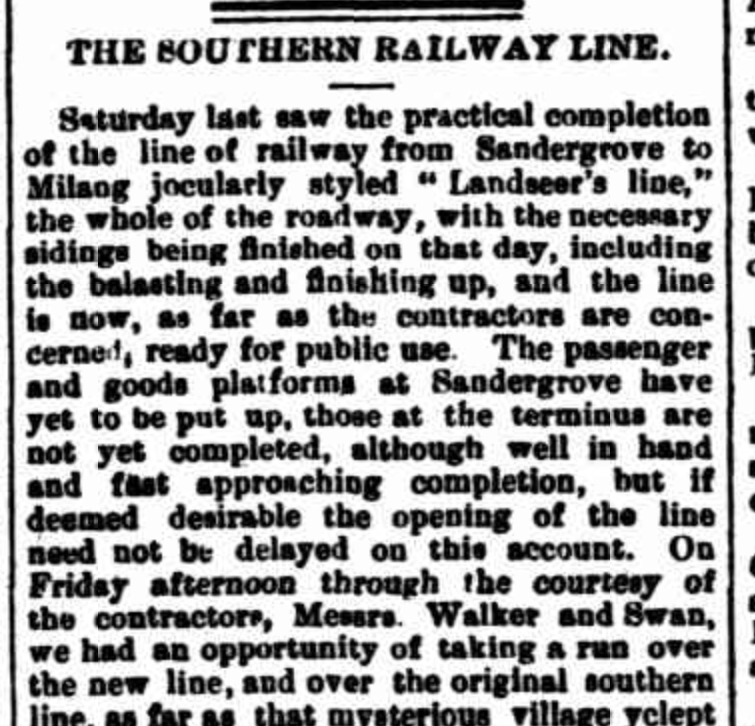
The Milang railway terminus consisted of a main line, a passing siding and a stock siding, and a 16.2 metre human propelled turntable to turn locomotives and railcars.
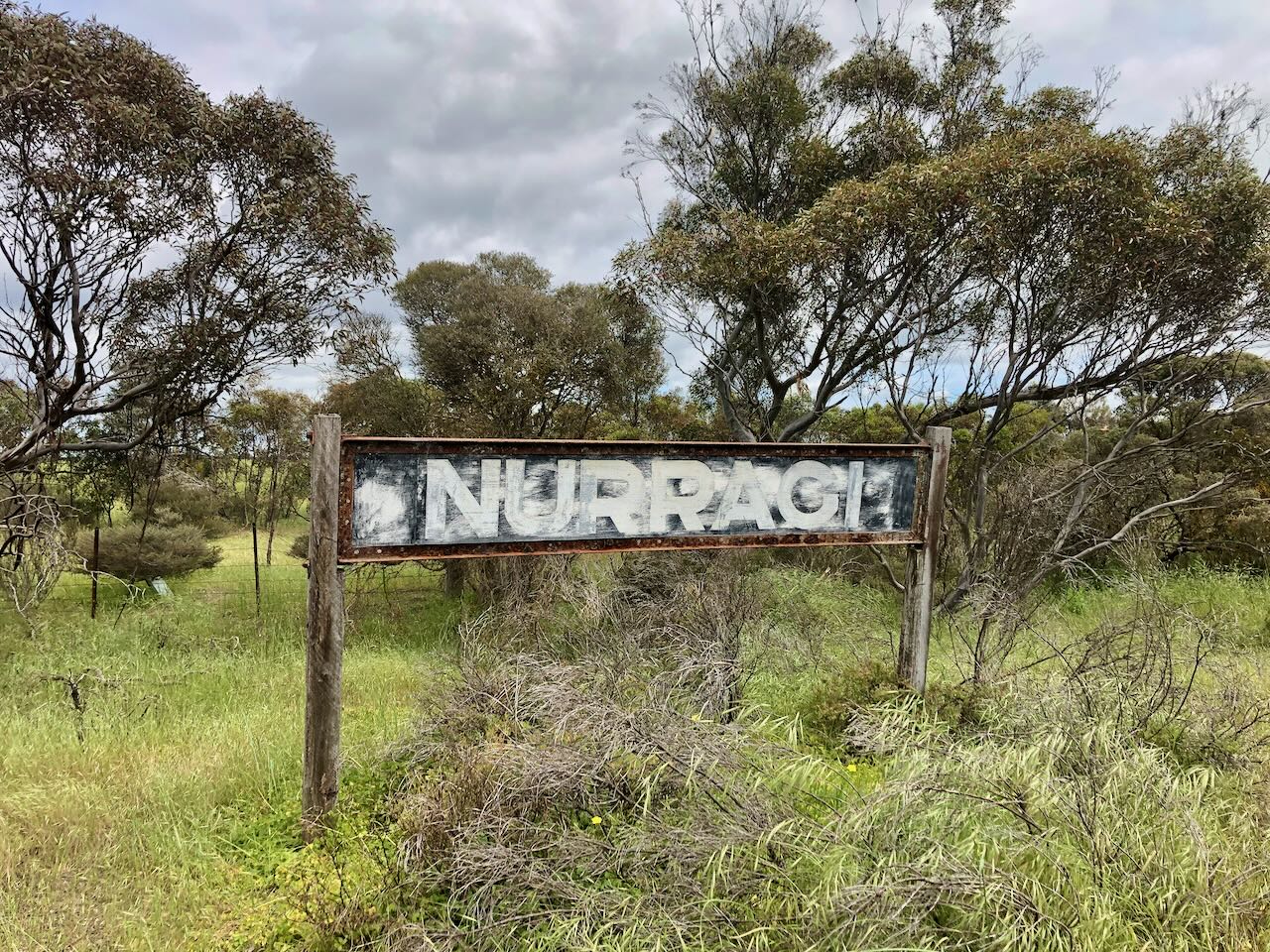
The branch line from Milang to Sandergrove consisted of minimal facilities. At Sandergrove there was a platform and a small shed, while at Nurragi were was a passing loop and a very short platform. At Punkulde there was a passenger stopping sign where the Finniss to Milang road crossed the line.
During its early years the Milang branch line saw a large amount of activity due to the traffic of wool and supplies up and down the Murray River. However by the late 1920s when road transportation was deregulated, traffic along the line declined. BY 1931 the Transport Control Board requested the South Australian Railways to provide a report on the estimated savings to be made by closure of unprofitable branchlines, which included the Milang branch line.

Steam trains carrying goods and passengers operated on the line up until 1925, at which time Brill Model 55 railcars commenced running daily between Adelaide and Milang. A goods train worked several times a week from Strathalbyn. By the late 1930’s, the larger Brill Model 75 railcars operated on the line.

The passenger service along the line was halted in 1968. This was the same year that legislative protection of goods traffic on the South Australian Railways ceased and as a result traffic along the Milang line plummeted. Two years later the line was closed.
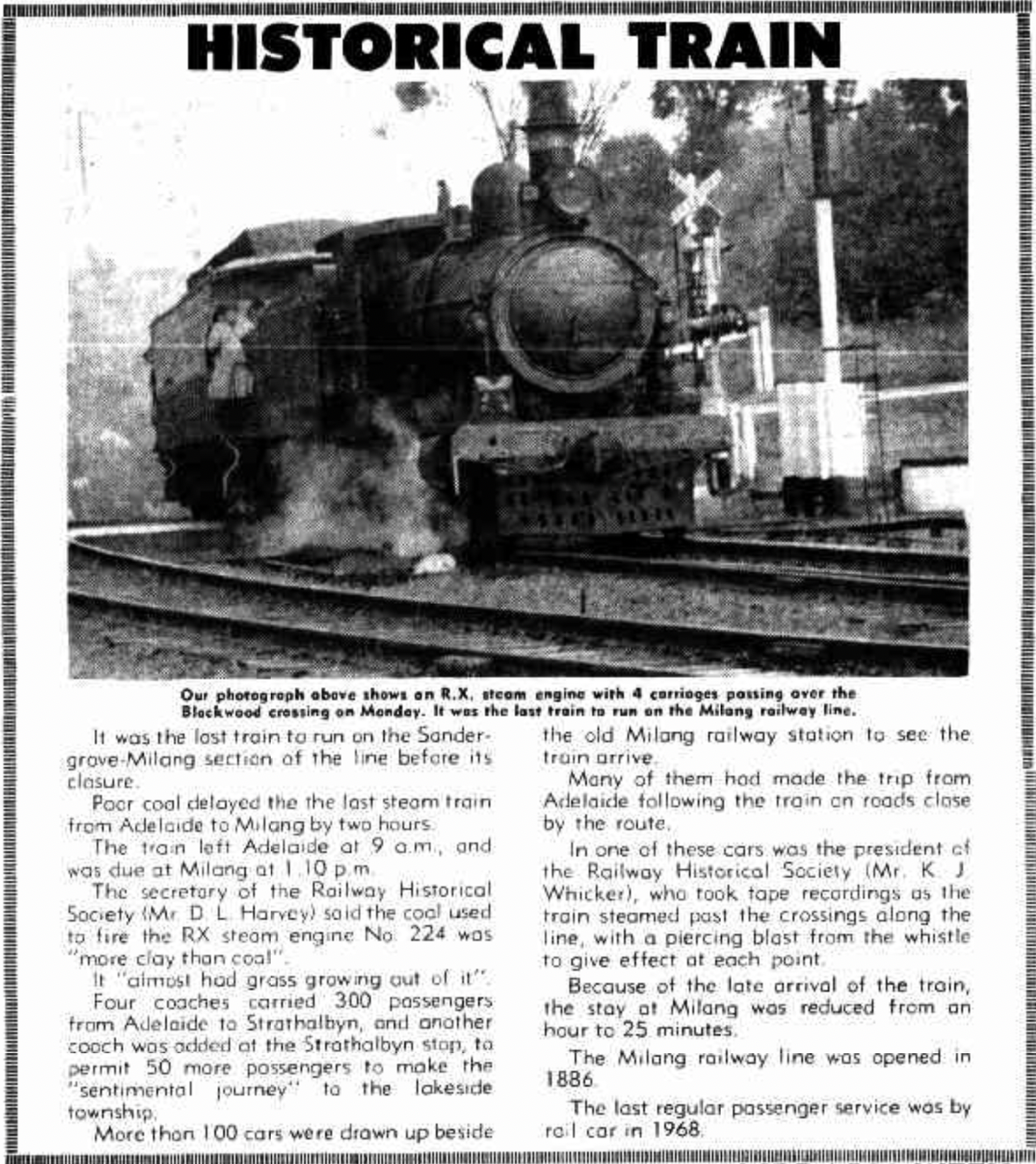
A special charter trip was operated on 15 June 1970, two days before the line was formally closed. The last train to run on the line was an R.X. steam engine which had four coaches with 300 passengers from Adelaide to Strathalbyn. Upon arrival at Strathalbyn, another coach with 50 additional passengers was added.
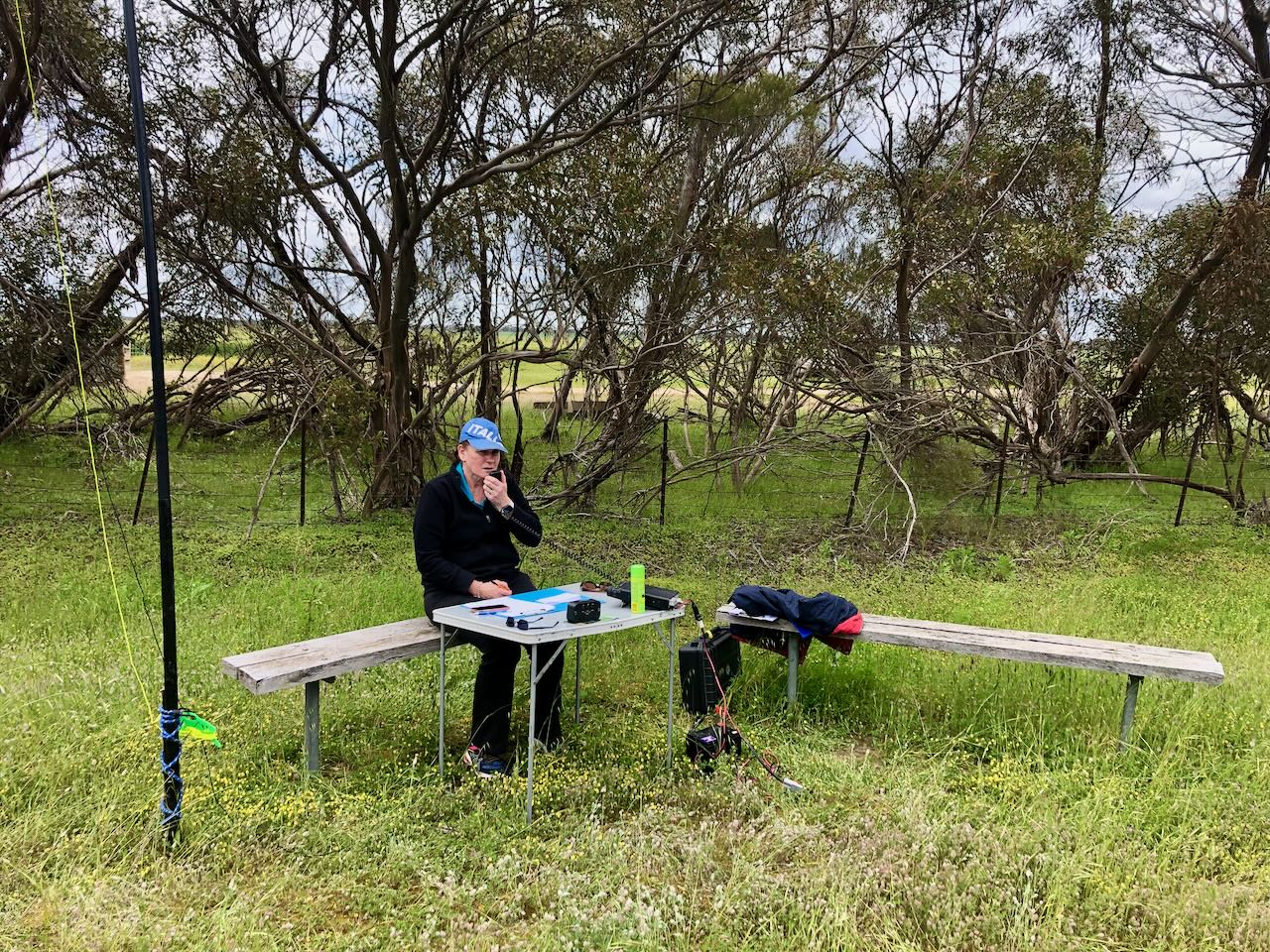
We set up on a wooden bench alongside the walking trail off Nurragi Road. We ran the Yaesu FT857d, 40 watts, and the 20/40/80m linked dipole for the activation.
Sadly the band conditions were awful and it was very hard going during the day.
After packing up at Nurragi, Marija and I headed down to Milang located on the shore of Lake Alexandrina. Here you can find the Port Milang Historic Railway Museum.
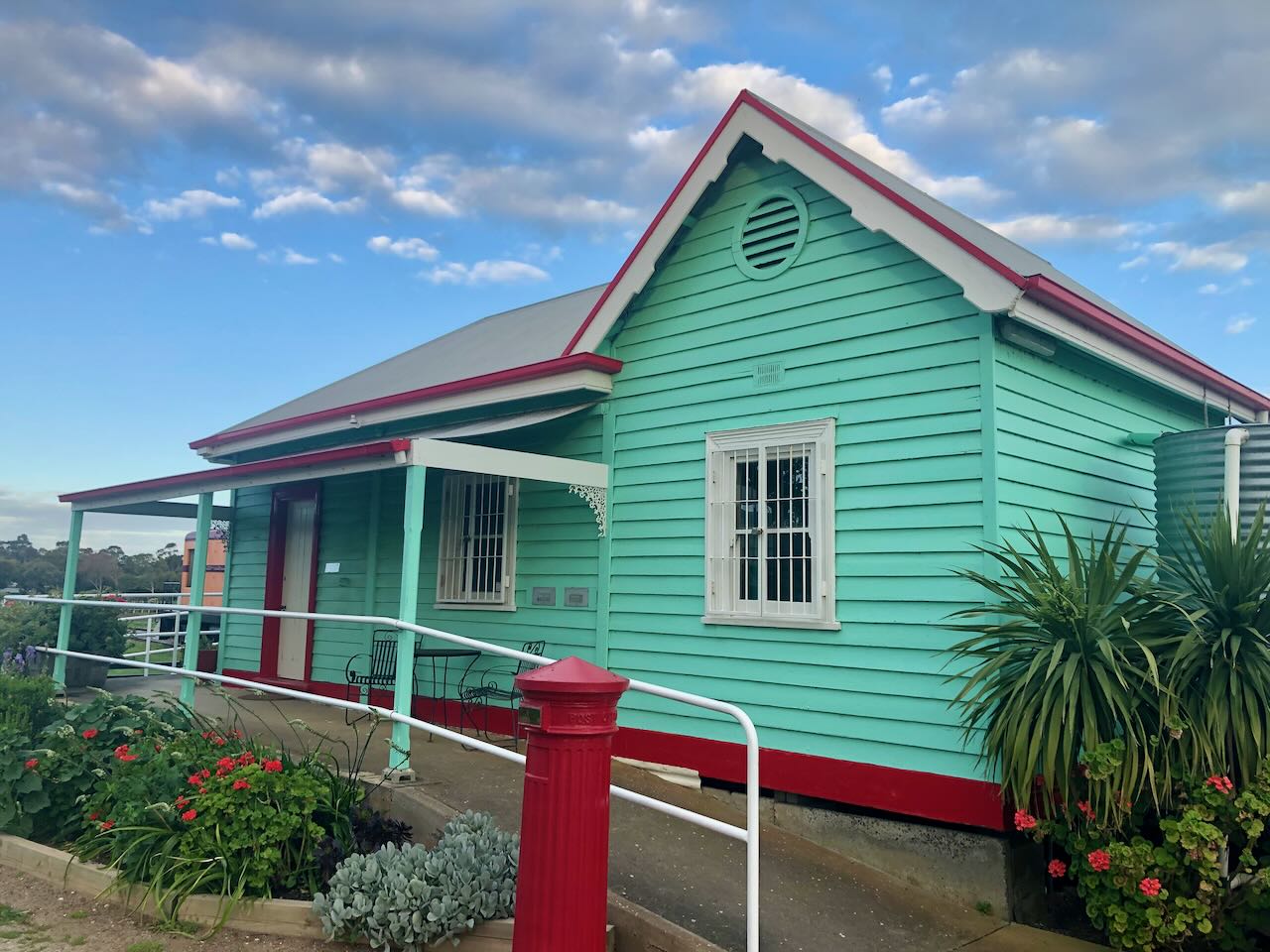
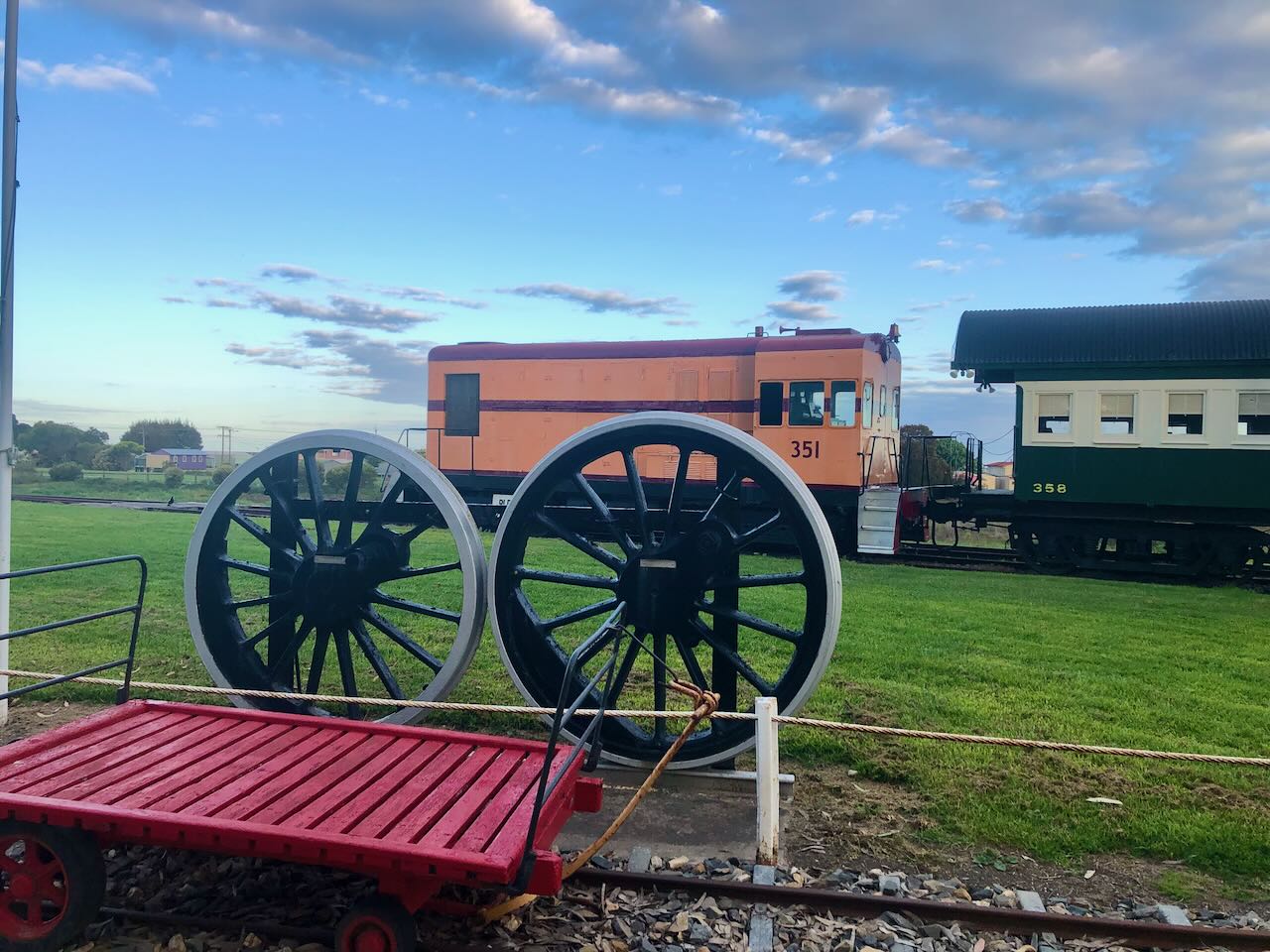
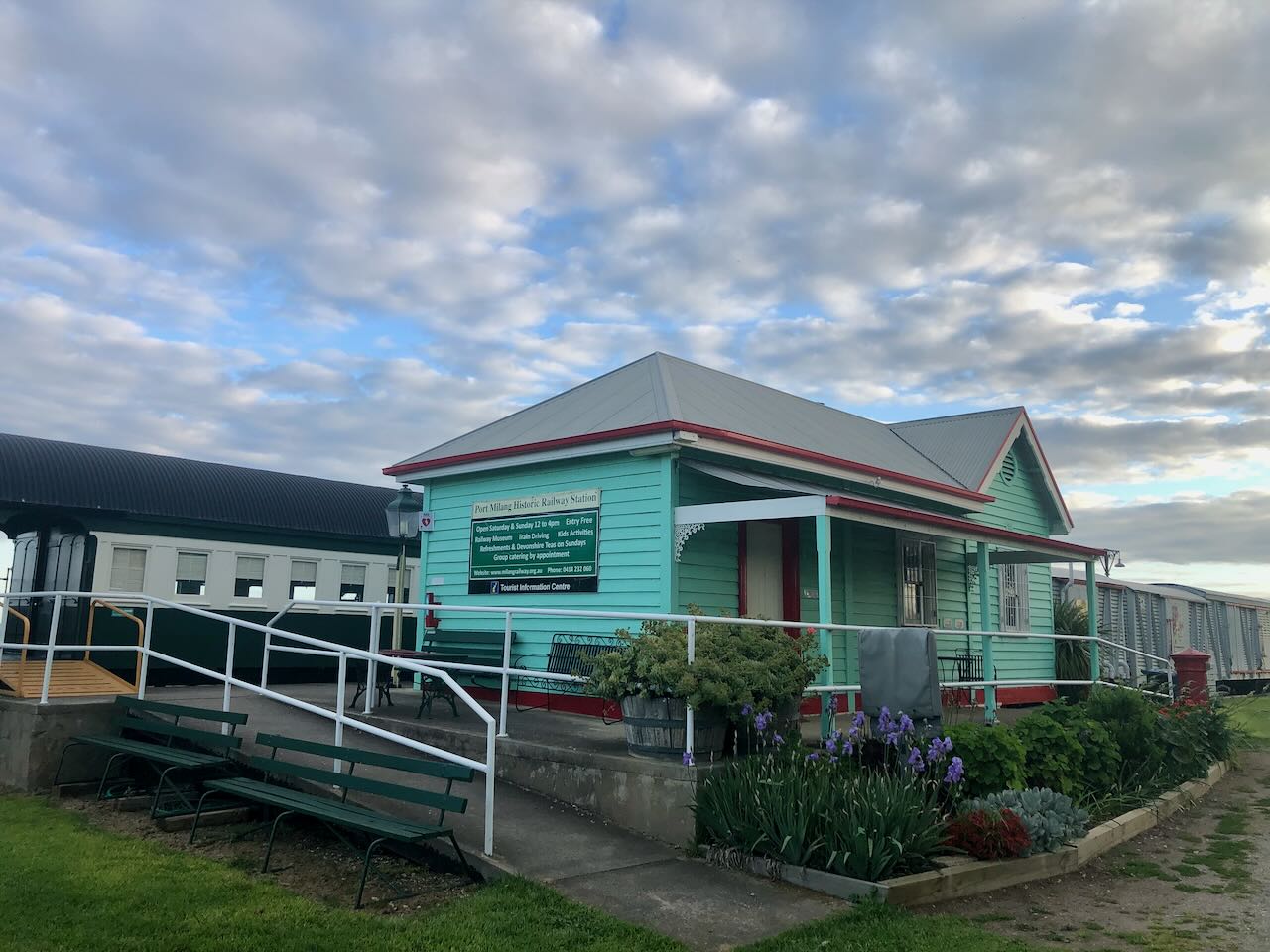
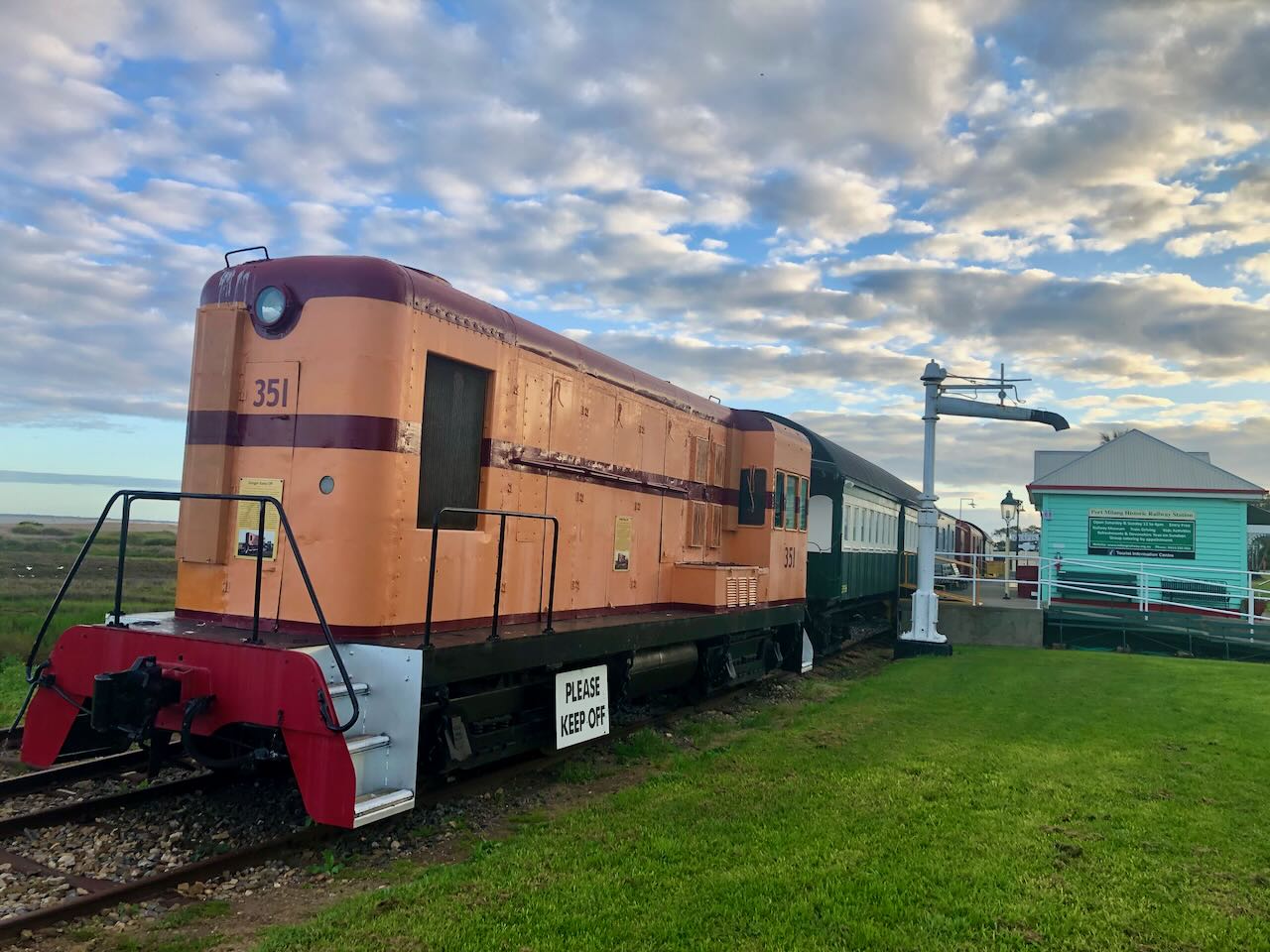
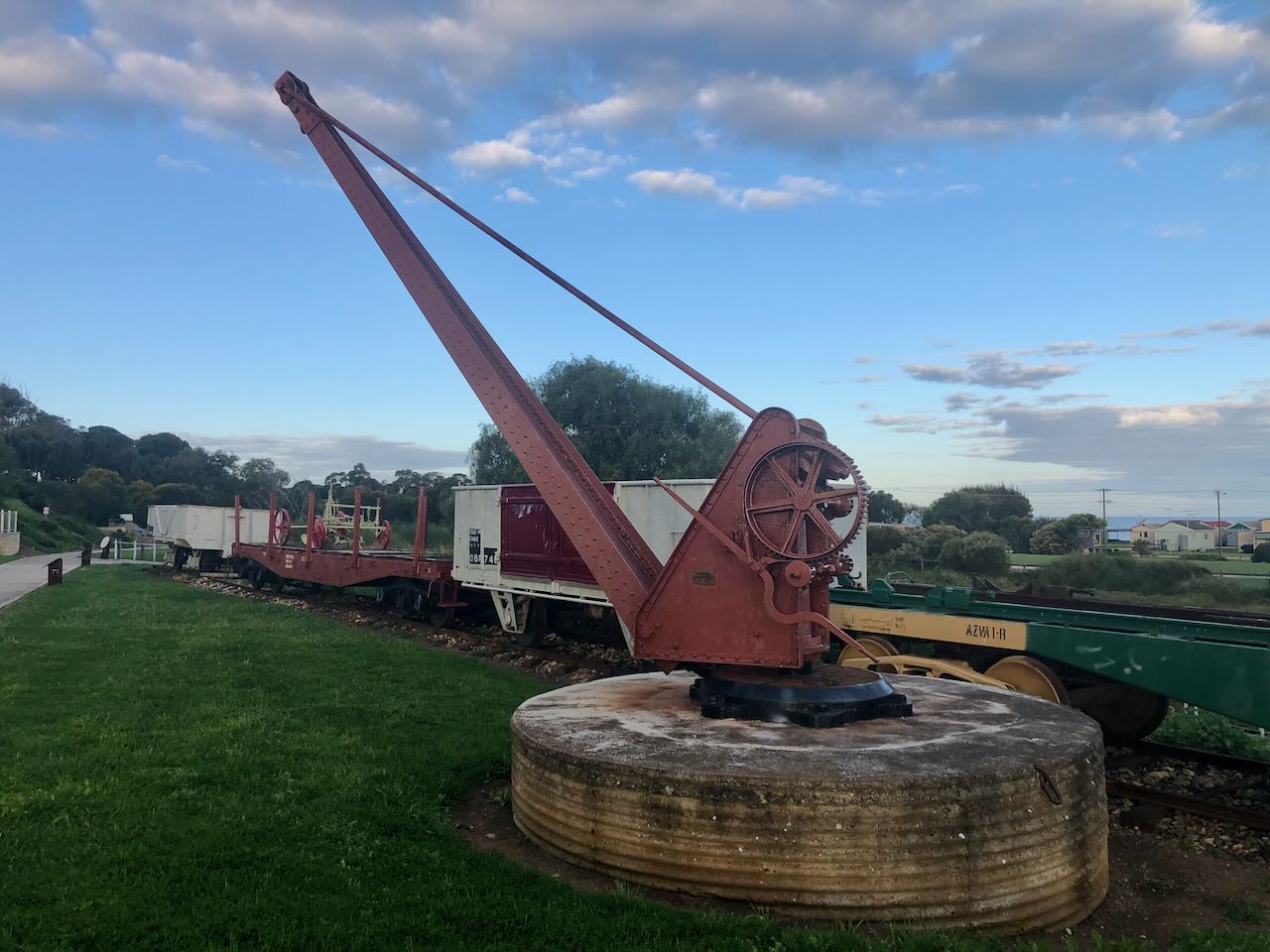
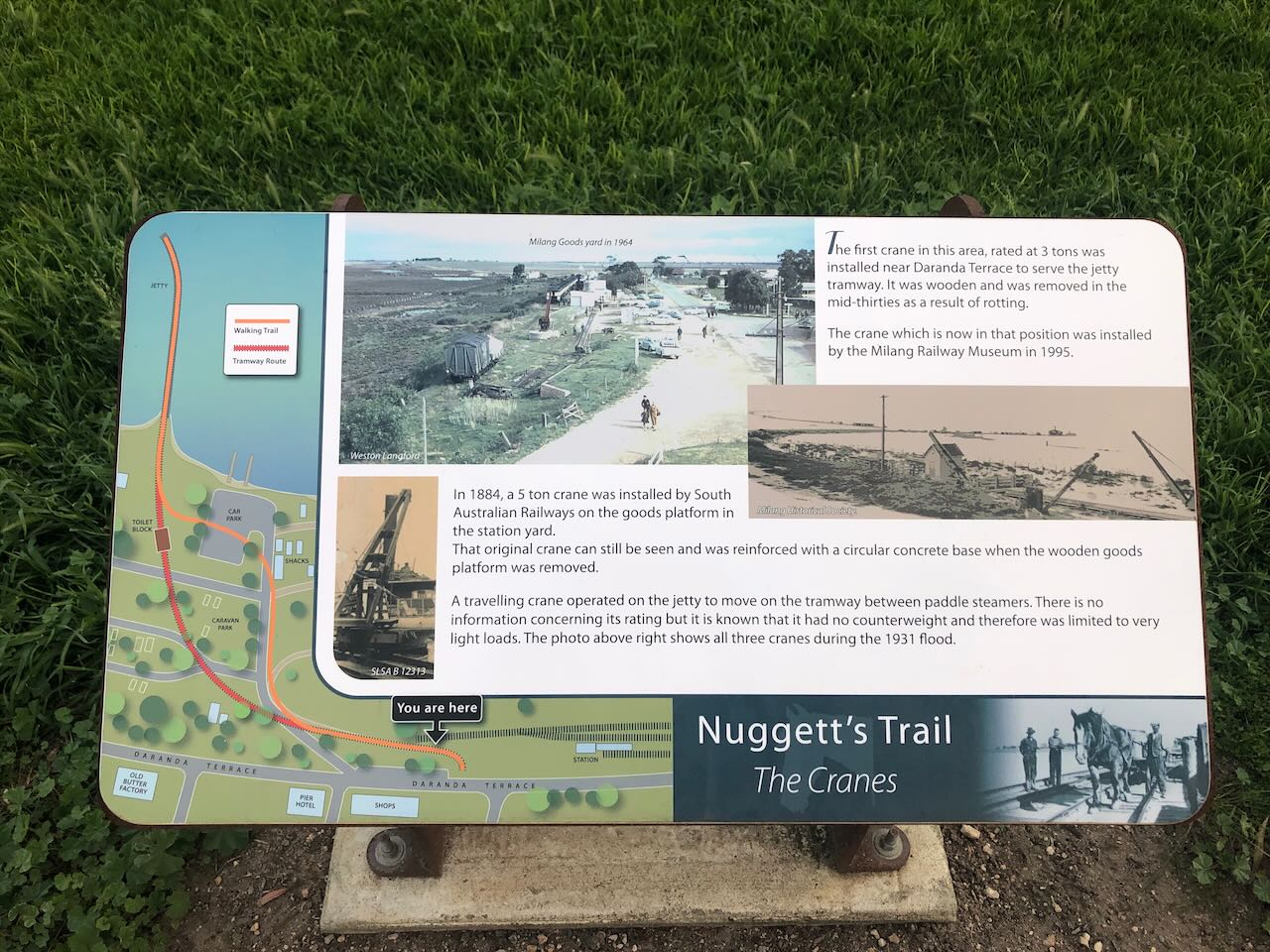
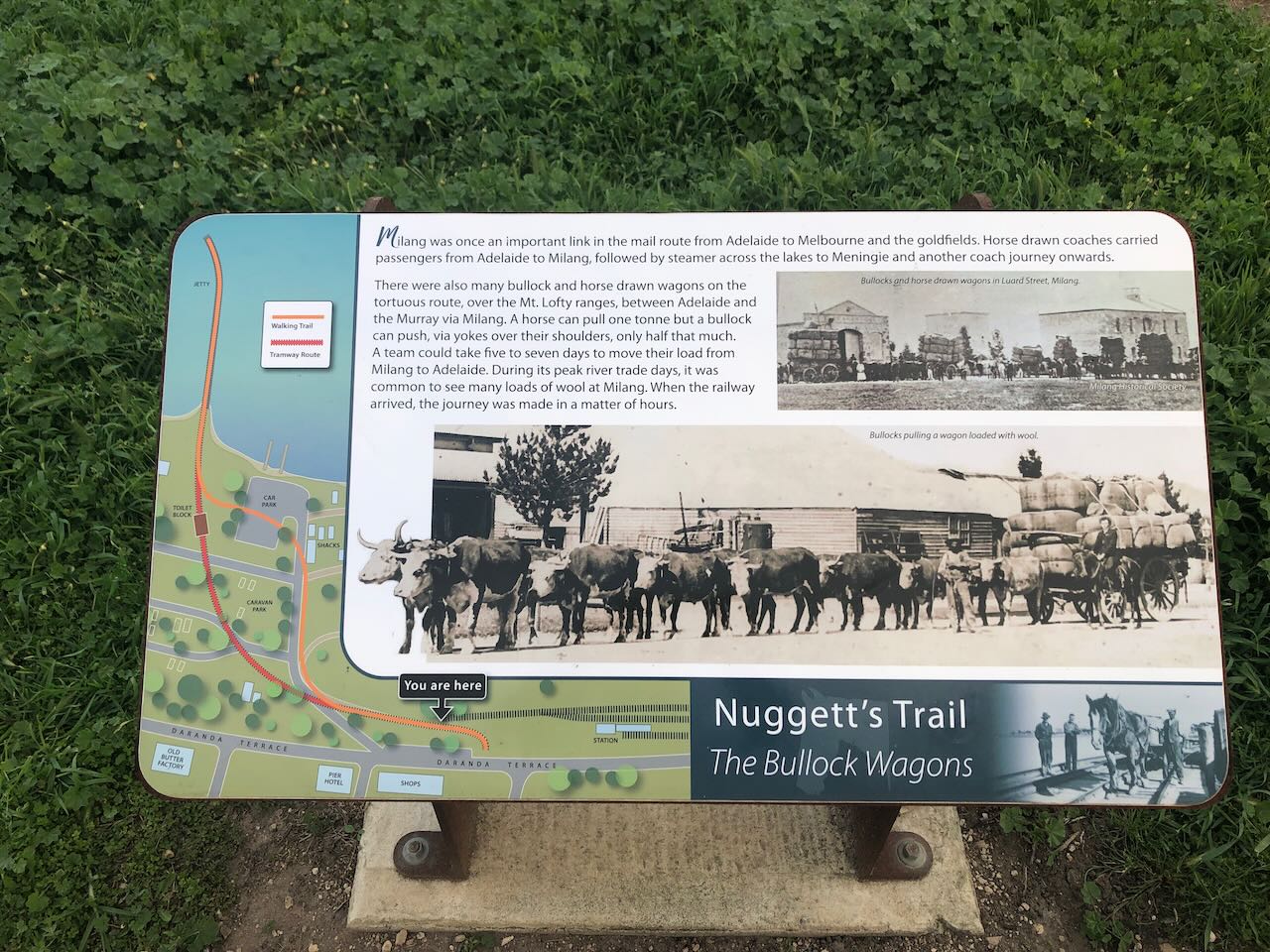
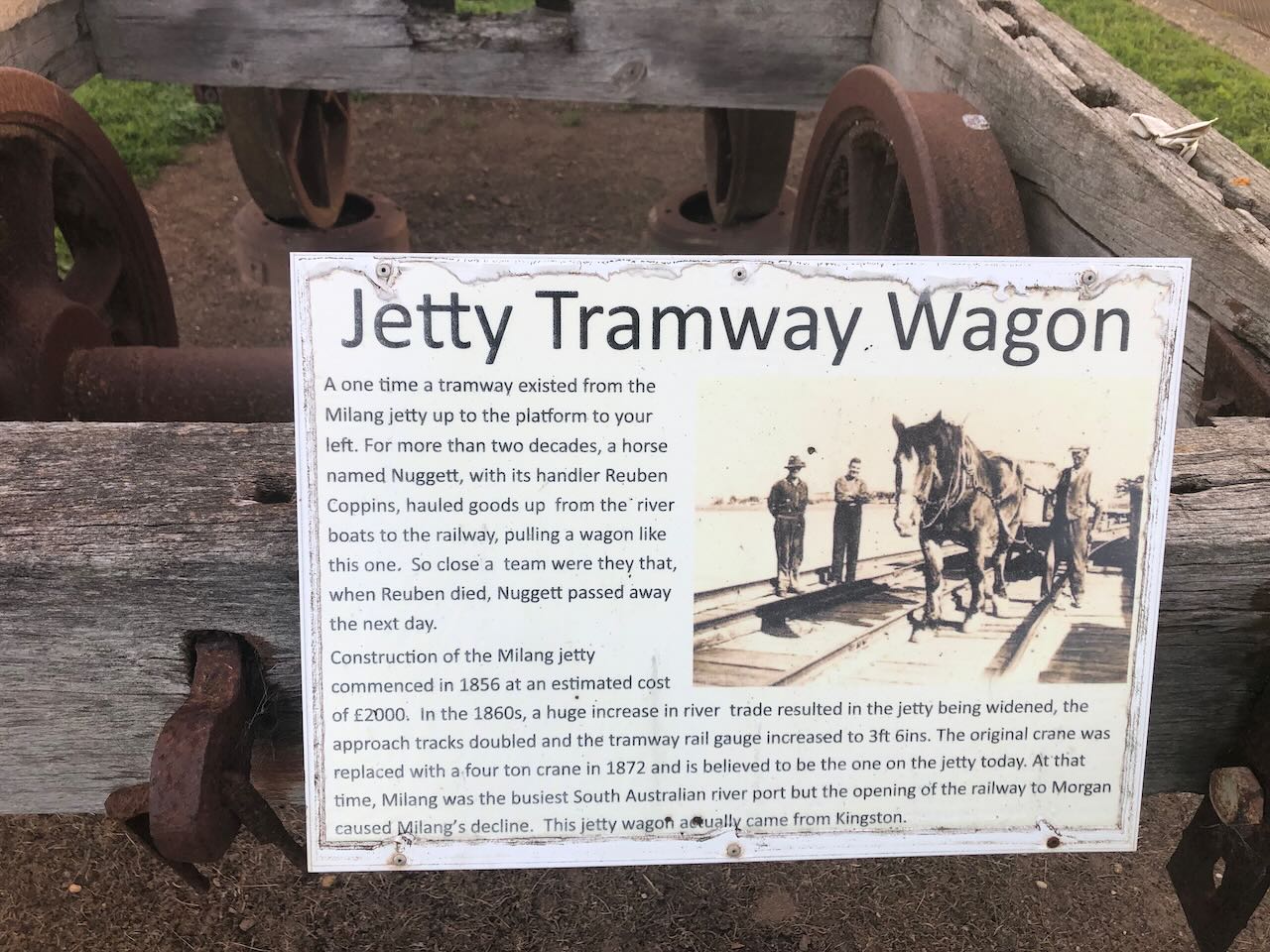
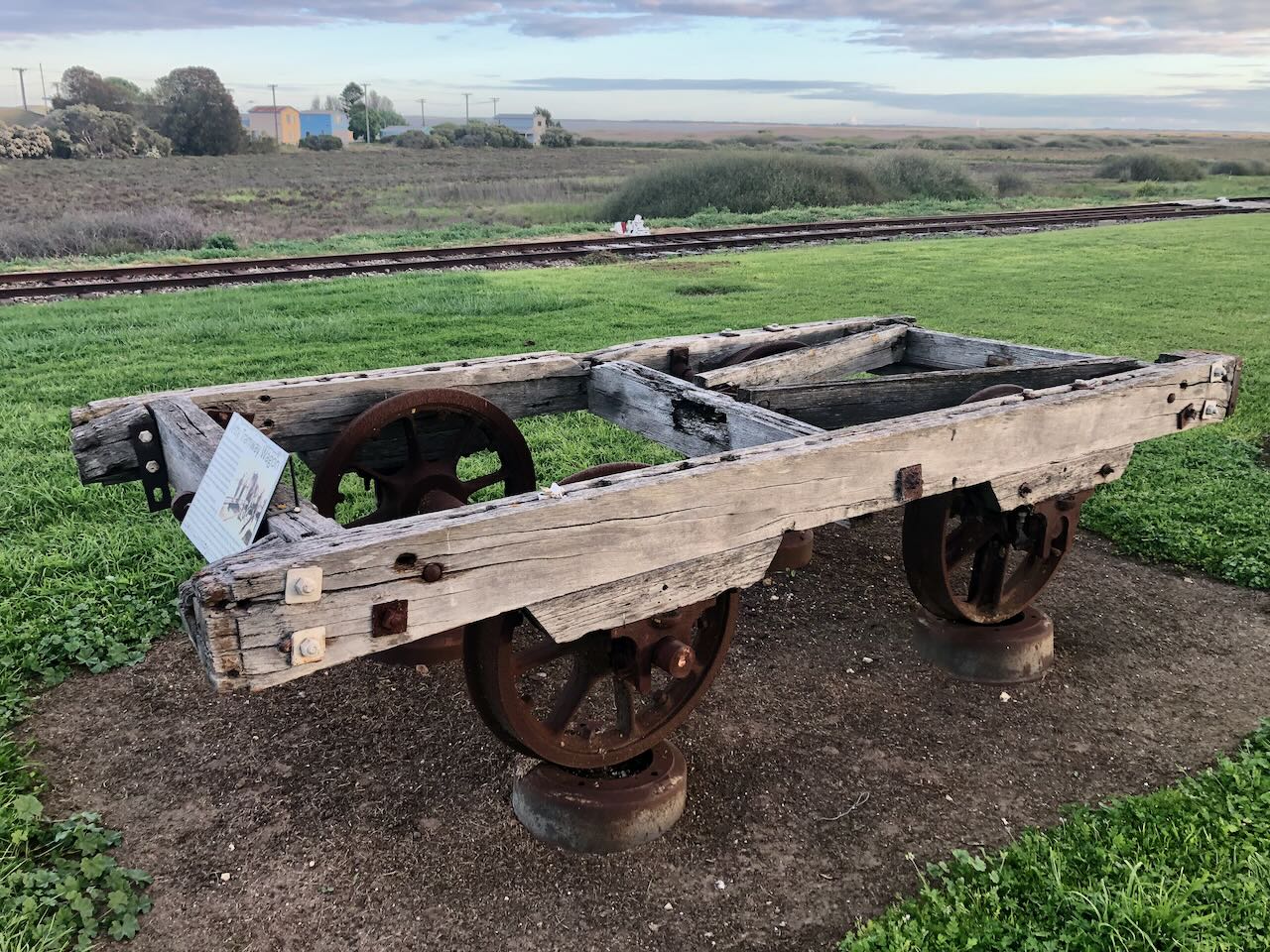
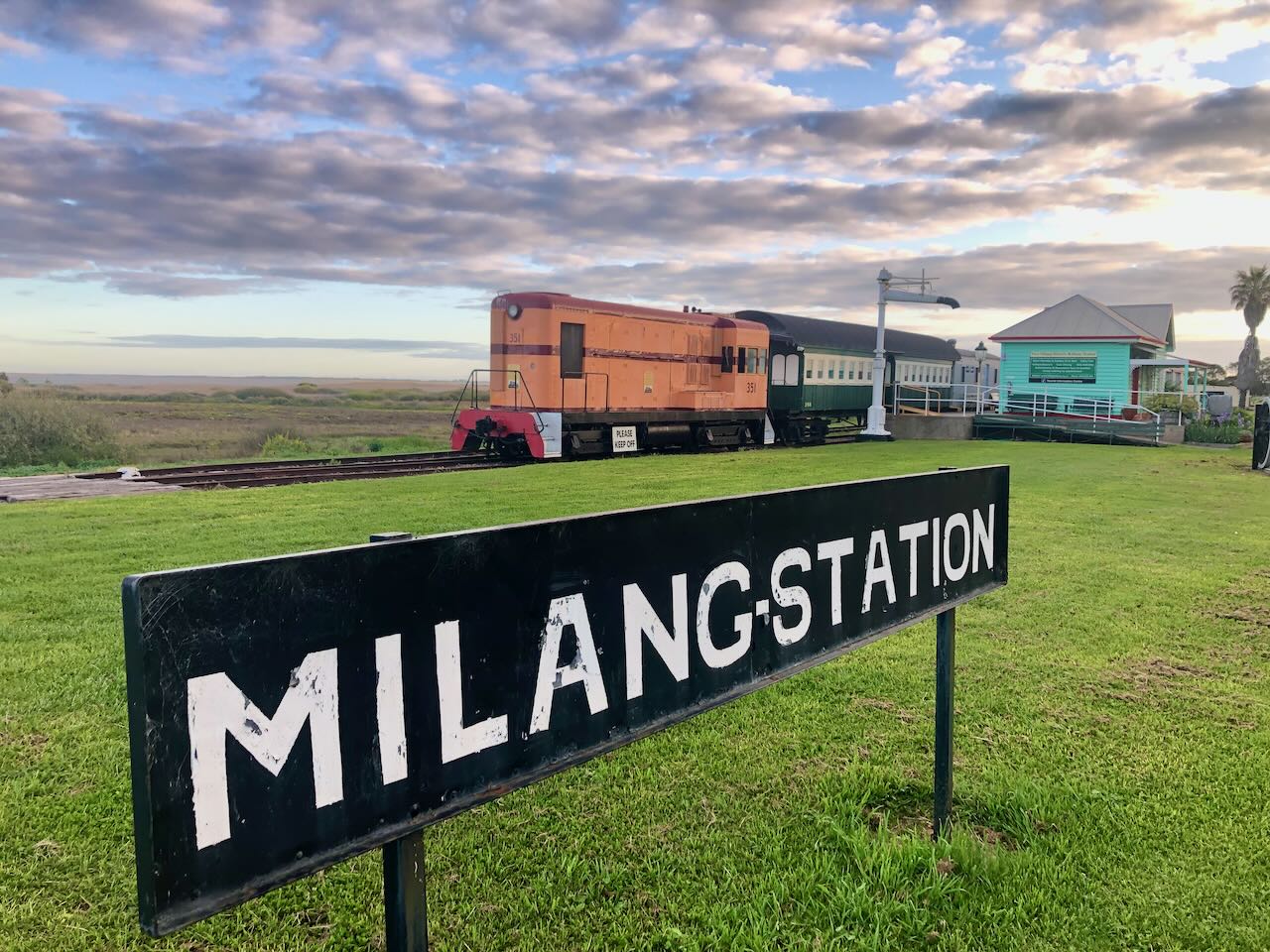
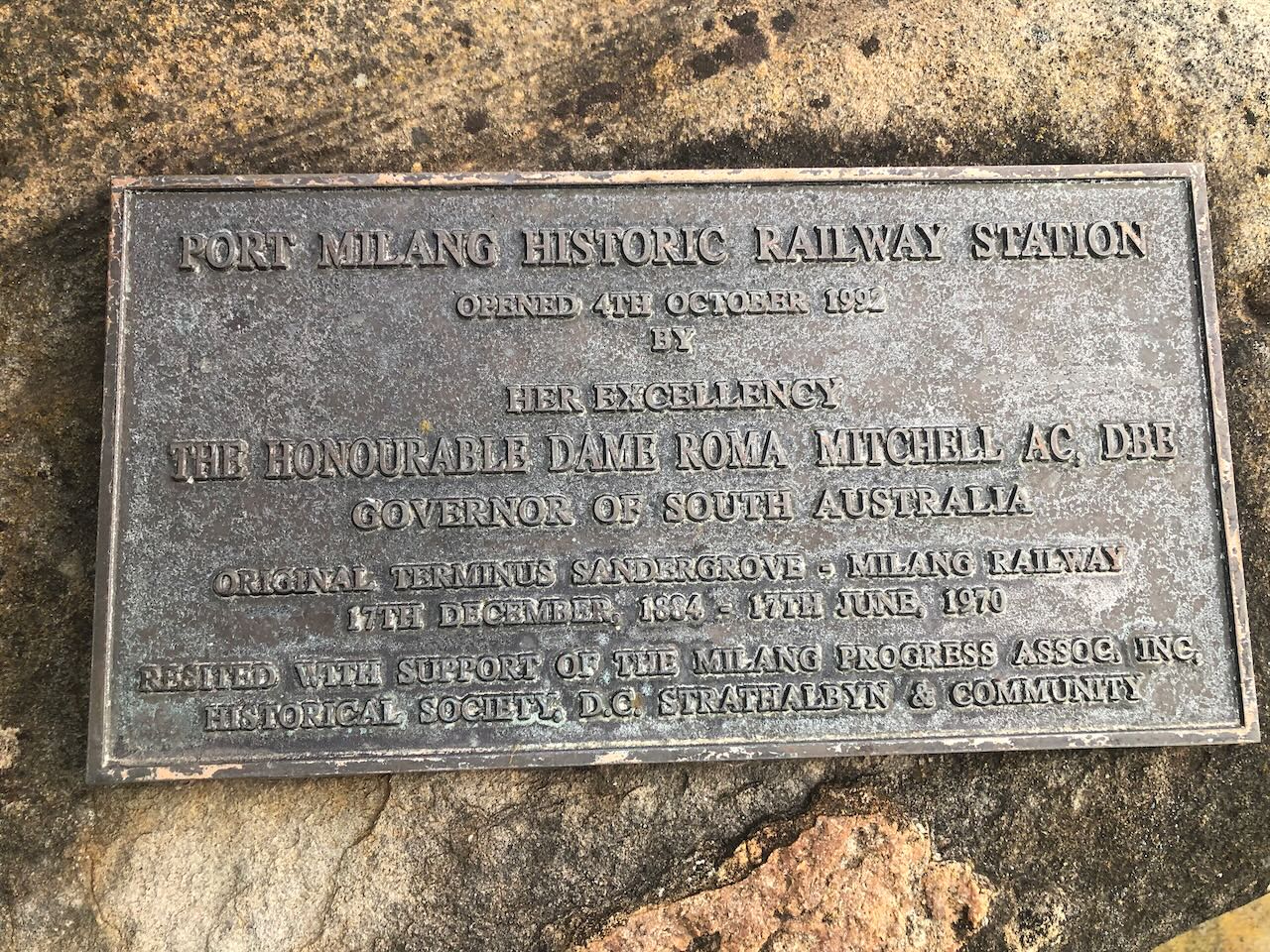
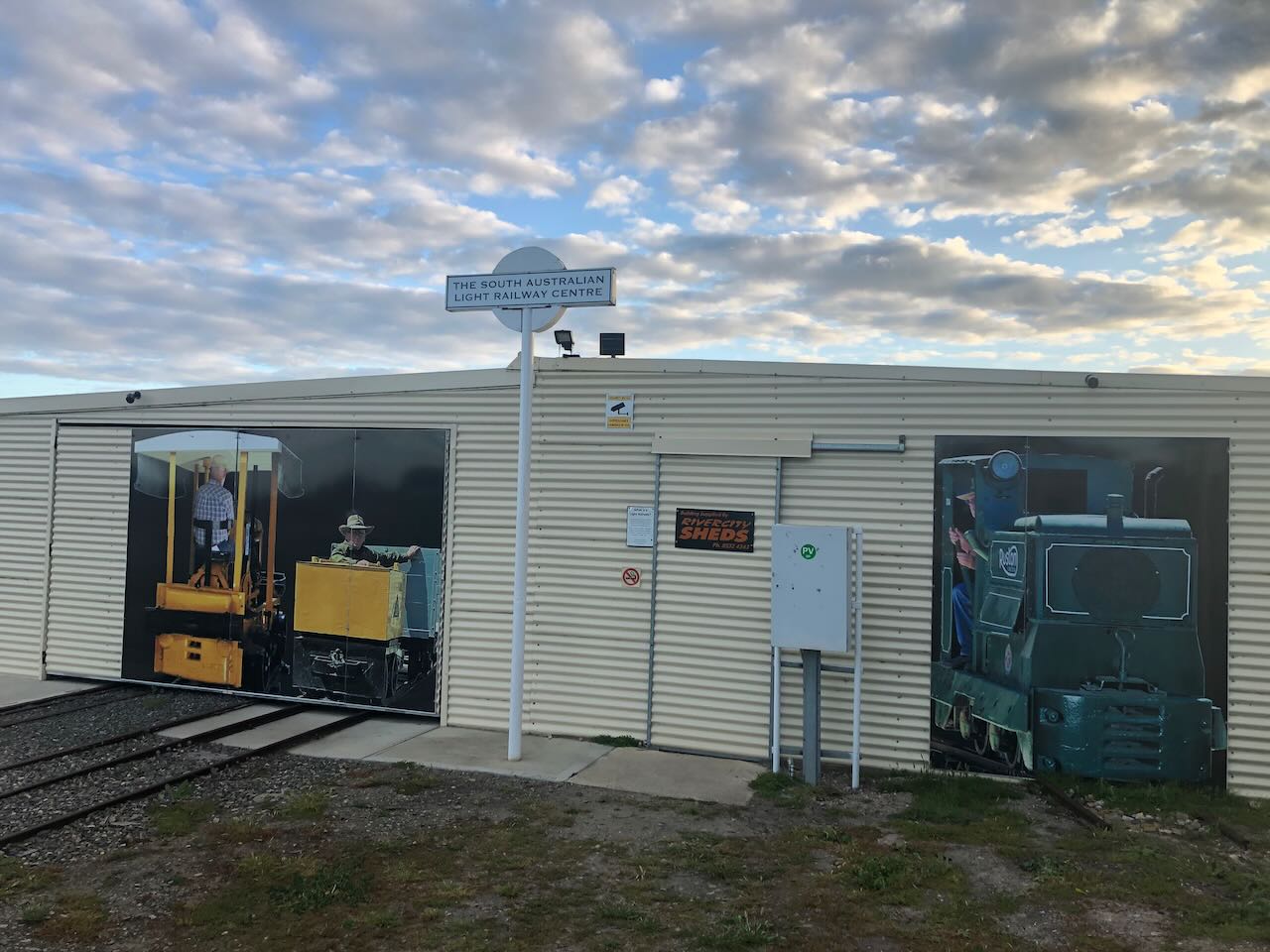
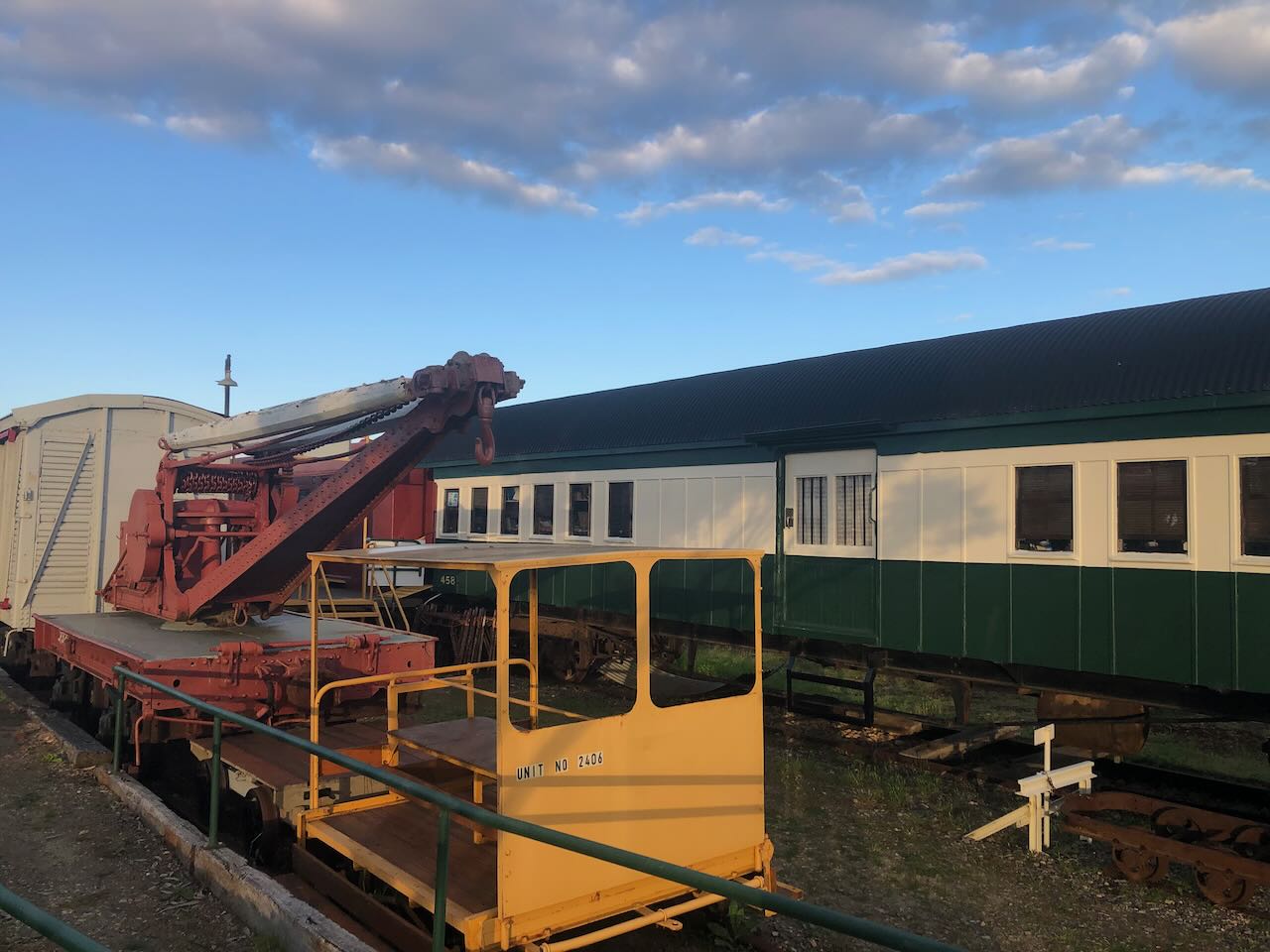
Below is a great video about the Milang Railway Museum.
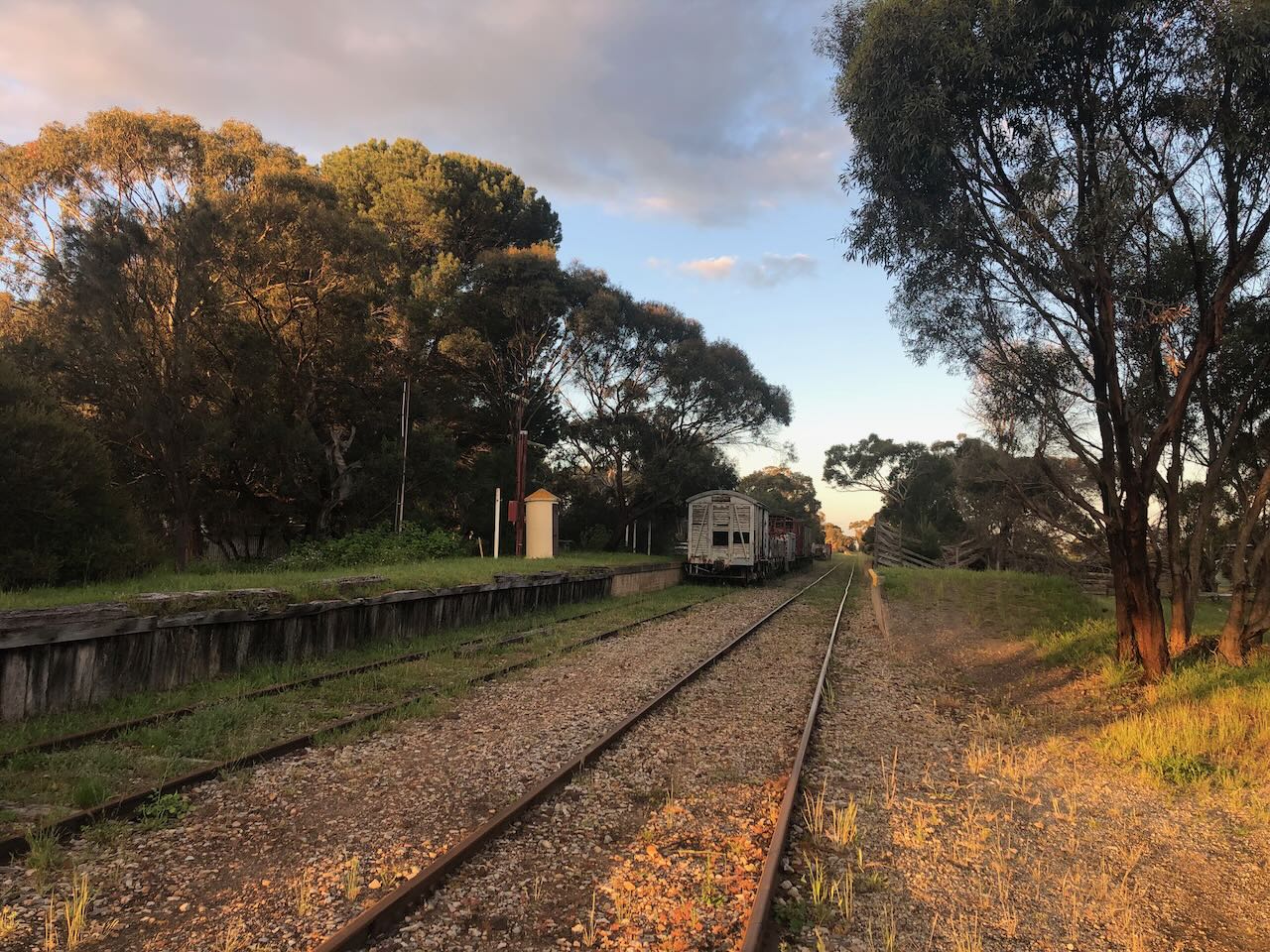
After leaving Milang we then headed to Finniss where we had a look at the old Finniss railway siding.
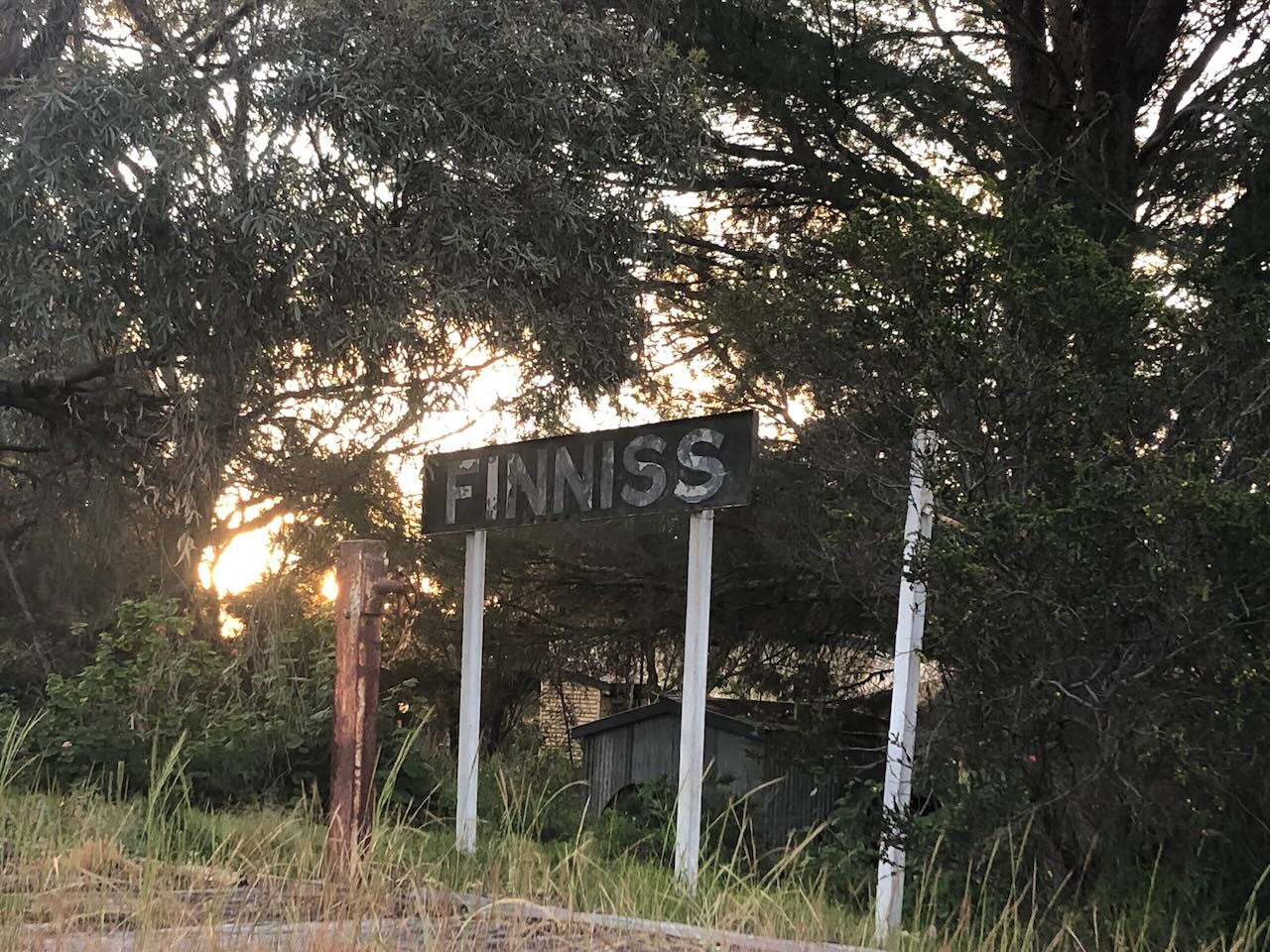
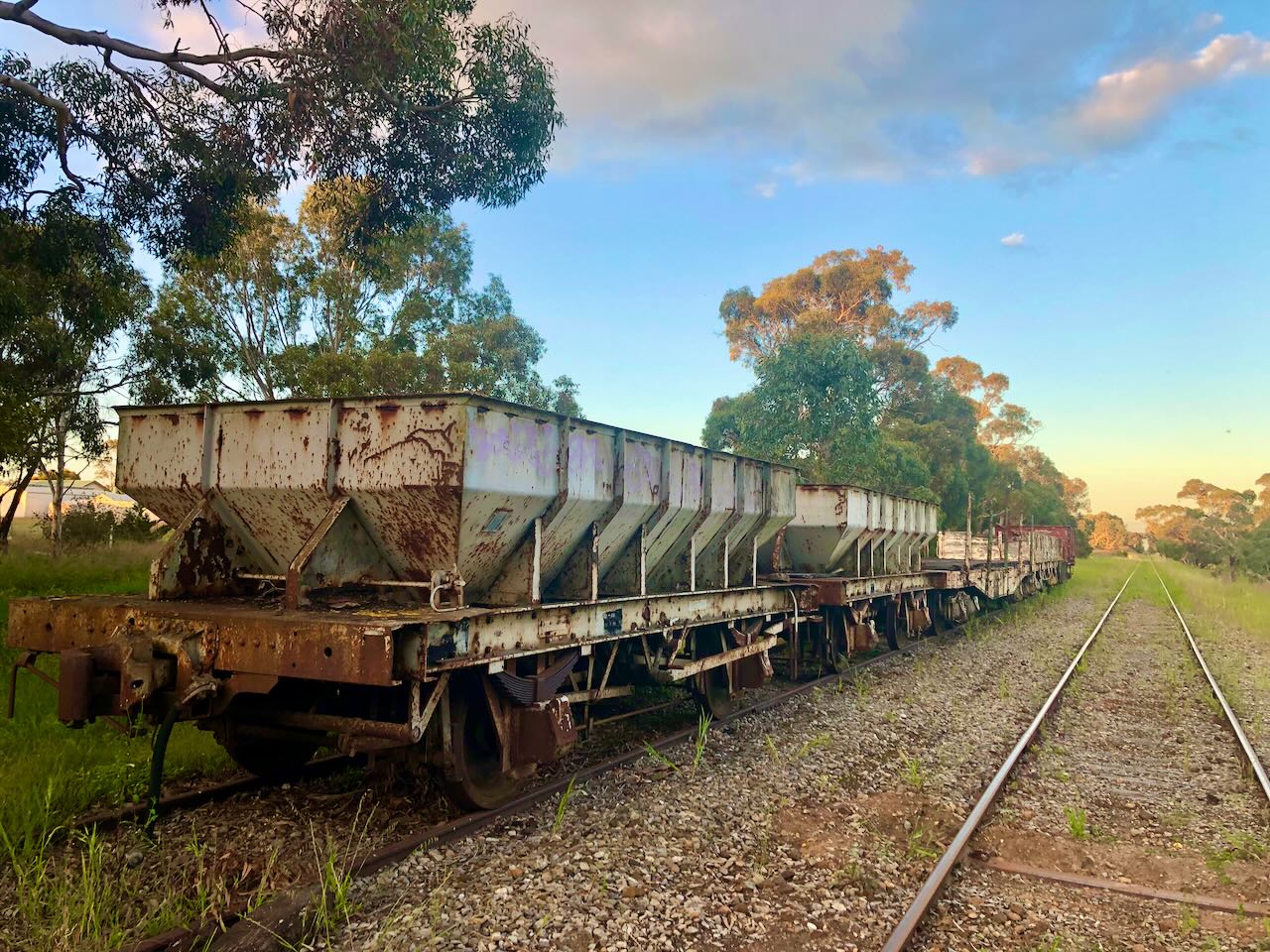
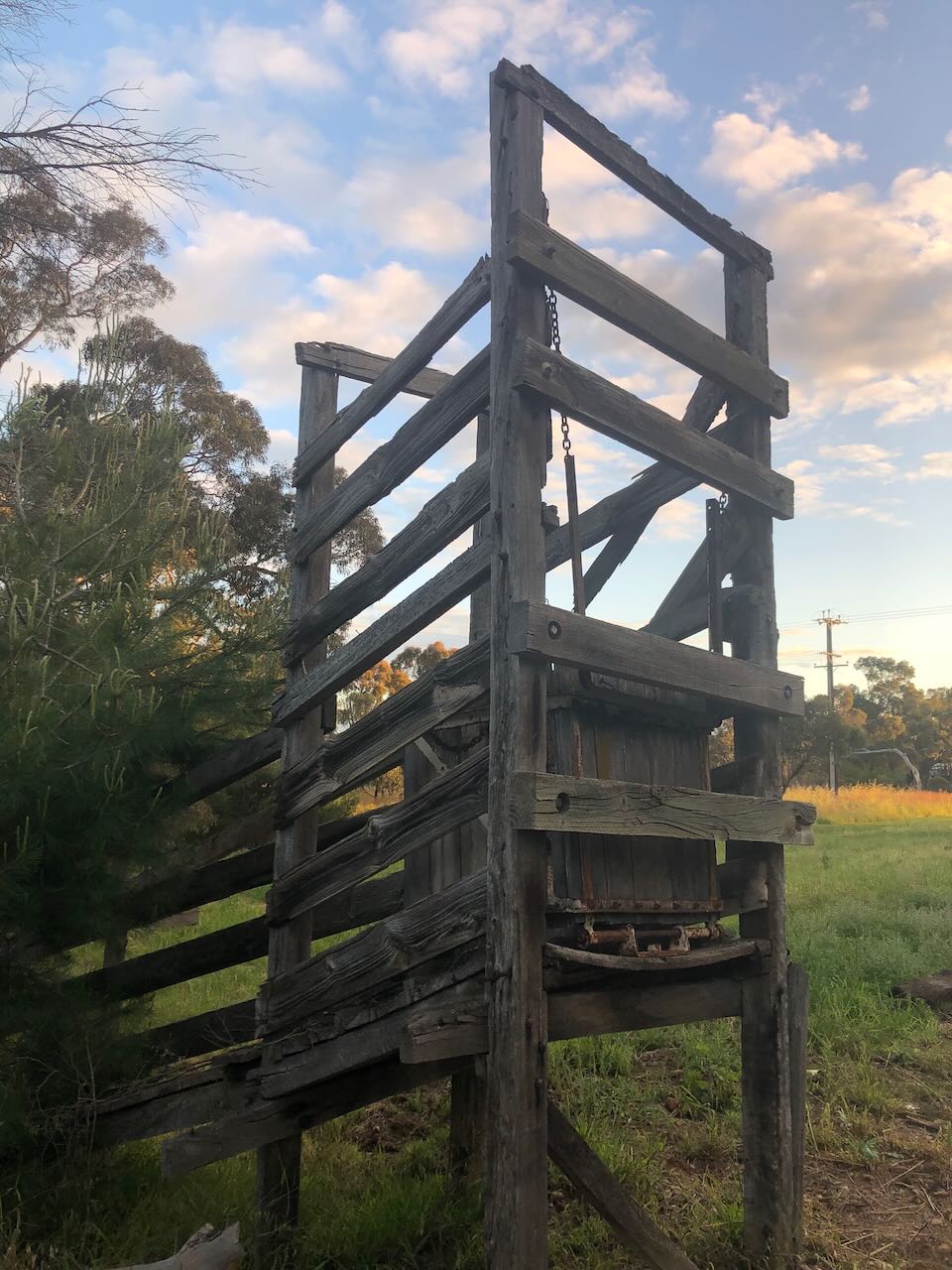
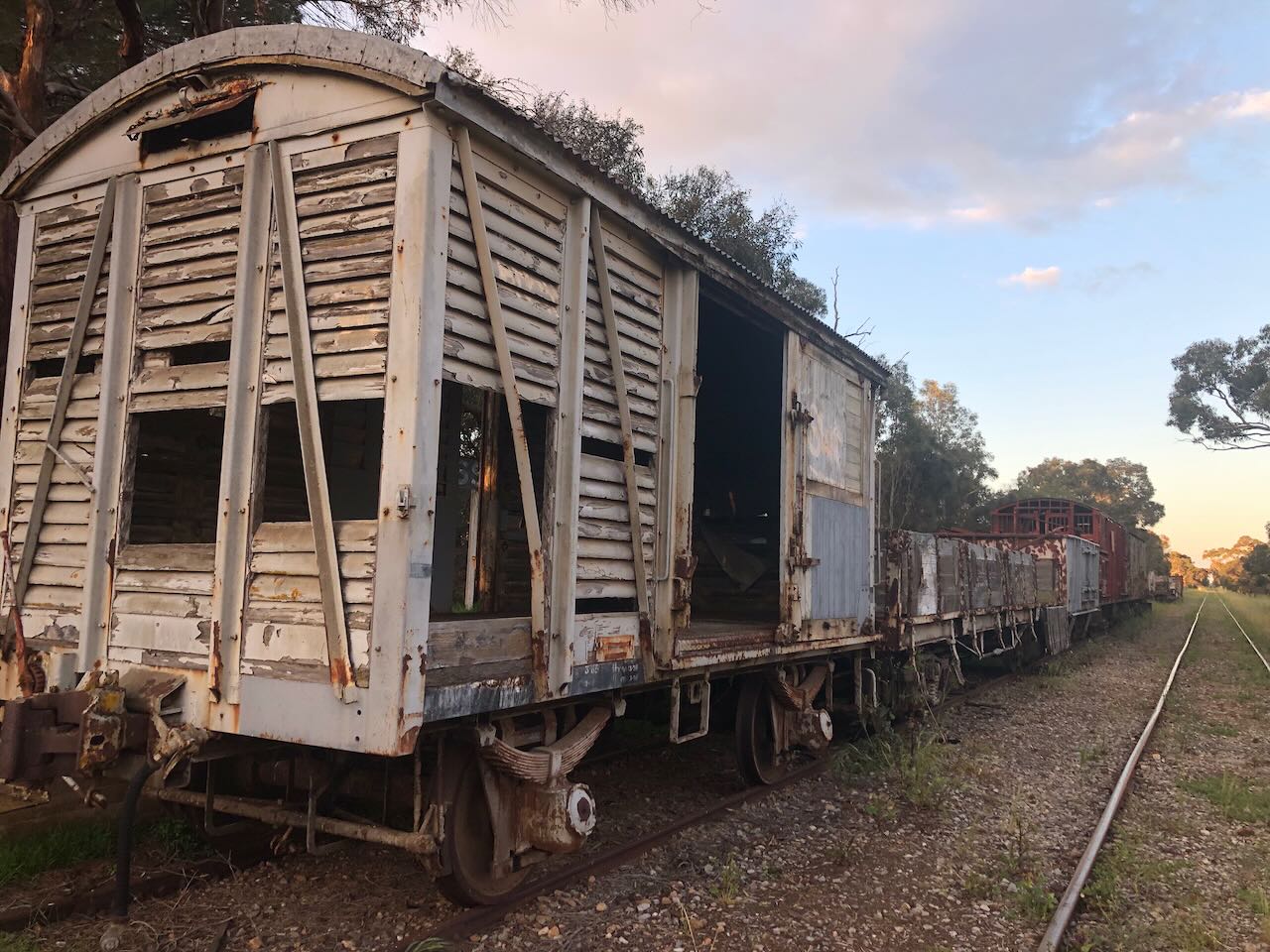
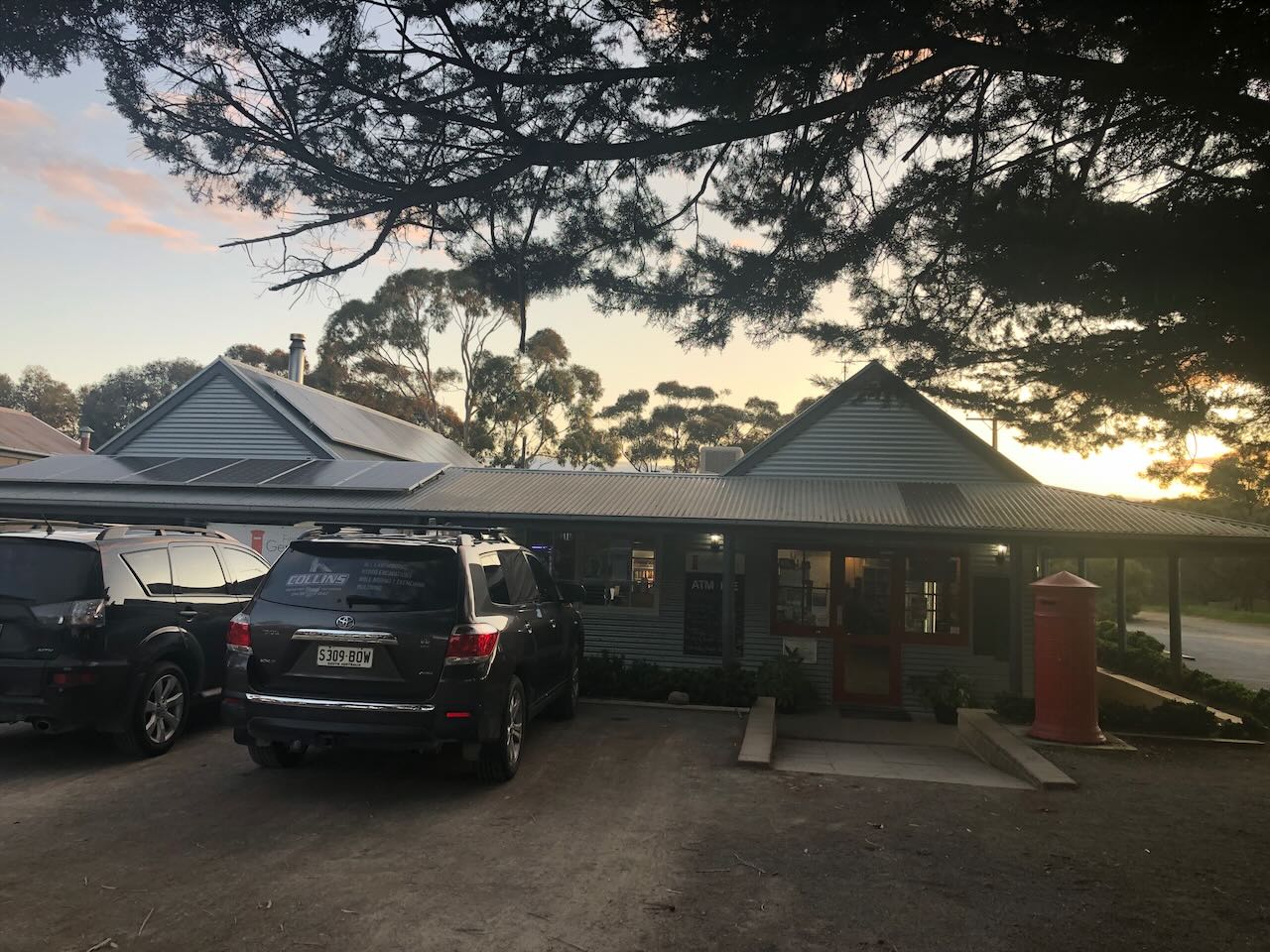
We then called in to the Finniss General store for some fantastic hamburgers and some ice cold Bundies and Coke.

We made a total of 142 QSOs on 40m & 80m SSB for the Championship.
As things were so slow on 40m and 20m we also made 38 QSOs on 20m SSB, but these did not count for our category.
During the day we made a total of 57 Park to Park contacts and a total of 179 QSOs (but 141 for our category).
Marija worked the following stations on 40m SSB:-
Marija worked the following stations on 80m SSB:-
Marija worked the following stations on 20m SSB:-
I worked the following stations on 40m SSB:-
I worked the following stations on 80m SSB:-
I worked the following stations on 20m SSB:-
References.
At about 1055 UTC on 13th October 2022, I tuned in to the RTM Wai broadcasting on 11665 kHz in the Malayalam language.
The broadcast was coming from the Kajang transmitter.
The program consisted of music.
The overall reception of the RTM Wai was fair. The signal strength was good, however, there was interference from China Radio International CNR2 broadcasting on 11660 kHz and 11670 kHz, and this severely affected listening pleasure.
| S | I | N | P | O |
| 3 | 3 | 4 | 4 | 3 |
Below is a video showing my reception of RTM Wai.
References.
At about 1024 UTC on 13th October 2022, I tuned in to the Radio Taiwan International, broadcasting on 12065 kHz in the Cantonese language.

The broadcast was coming from the Paochung 250kW transmitter in Taiwan.
The overall reception of the Radio Taiwan International was fair. The signal was good, however, there was severe interference from China National Radio CNR1 broadcasting on the same frequency, and this severely affected listening pleasure.
After 1030 UTC when CNR1 stopped broadcasting, the reception was excellent. From 1030 UTC the broadcast was in the Hakka language.
| S | I | N | P | O |
| 4 | 2 | 4 | 4 | 2 |
Below is a video showing my reception of Radio Taiwan International.
References.
At about 1330 UTC on 12th October 2022, I tuned in to the Voice of Vietnam, broadcasting on 12020 kHz, in the English language.

The broadcast was coming from the Hanoi 100 kW transmitter in Vietnam.
The program consisted of news and current affairs and a listeners letterbox program.
The overall reception of the Voice of Vietnam was fair. The signal strength was good and there was only slight fading of the signal. There was a digital type signal on the frequency and there was interference from China Radio International broadcasting on 12025 kHz.
| S | I | N | P | O |
| 4 | 3 | 4 | 4 | 3 |
Below is a video showing my reception of the Voice of Vietnam.
References.
At about 1255 UTC on 12th October 2022, I tuned in to Radio Farda broadcasting on 12005 kHz, in the Persian language.
The broadcast was coming from the Lampertheim 1000 kW transmitter in Germany until 1300 UTC. From 1300 UTC the transmitter location was Woofferton 100kW in the United Kingdom.
The program consisted of commentary.
The overall reception of the Radio Farda was fair. The signal strength was fair and there was only slight fading of the signal. There were slight static crashes from local storms in Australia.
| S | I | N | P | O |
| 3 | 5 | 4 | 4 | 3 |
Below is a video showing my reception of Radio Farda.
References.
At about 1209 UTC on 12th October 2022, I tuned in to the BBC, broadcasting on 11695 kHz in the English language.

The broadcast was targeting East Asia. The program consisted of news and current affairs.
The overall reception of the BBC was fair. The signal strength was good. There was interference from Radio Romania International broadcasting in the Arabic language on 11700 kHz.
| S | I | N | P | O |
| 4 | 5 | 4 | 4 | 4 |
Below is a video showing my reception of the BBC.
References.
At about 1102 UTC on 12th October 2022, I tuned in to China National Radio CNR17, broadcasting on 12055 kHz, in the Kazakh language.
The broadcast was coming from the Lingshi 100 kW transmitter in China.
The program consisted of commentary and music.
The overall reception of the CNR17 was fair. The signal strength was fair and there was only slight fading of the signal. However listening pleasure was affected by ‘bleed-over’ interference from CNR1 broadcasting on 12045 kHz in the Chinese language. I also noted some digital signal interference on two occasions.
| S | I | N | P | O |
| 3 | 3 | 4 | 4 | 3 |
Below is a video showing my reception of the CNR17.
References.
At about 1052 UTC on 12th October 2022, I tuned in to the Voice of Mongolia, broadcasting on 12085 kHz, in the Japanese language.

The broadcast was coming from the Voice of Mongolia’s Ulaanbaatar 250 kW transmitter. The program consisted of commentary.
The overall reception of the Voice of Mongolia was good. The signal strength was good and there was no interference from other stations. There was a humming type noise on the frequency.
| S | I | N | P | O |
| 4 | 5 | 4 | 4 | 4 |
Below is a video showing my reception of the Voice of Mongolia.
References.
Amateur Radio, Short Wave Listening, travel and history
Amateur radio experiences with VK1DA
Brisbane - Australia
german amateur radio station
Summits On The Air
SOTA on the peaks, wilderness QRP and some bushwalking
A fine WordPress.com site
Amateur Radio Adventures
Summits on the Ai
Amateur radio station from Belgium
Radio craft, homebrew, QRP/SOTA, AM
Ego loqui ad viros super montes
My adventures with Amateur Radio and Geocaching!
The rantings of VK2GAZ on his SOTA experiences in Australia
A survivor, with minor cuts and abrasions.
The Art and Craft of Blogging
The latest news on WordPress.com and the WordPress community.
Blog of Justin Giles-Clark VK7TW's SOTA and amateur radio adventures.
Occasional SOTA & Microwave operation
 VK5PAS
.jpg)