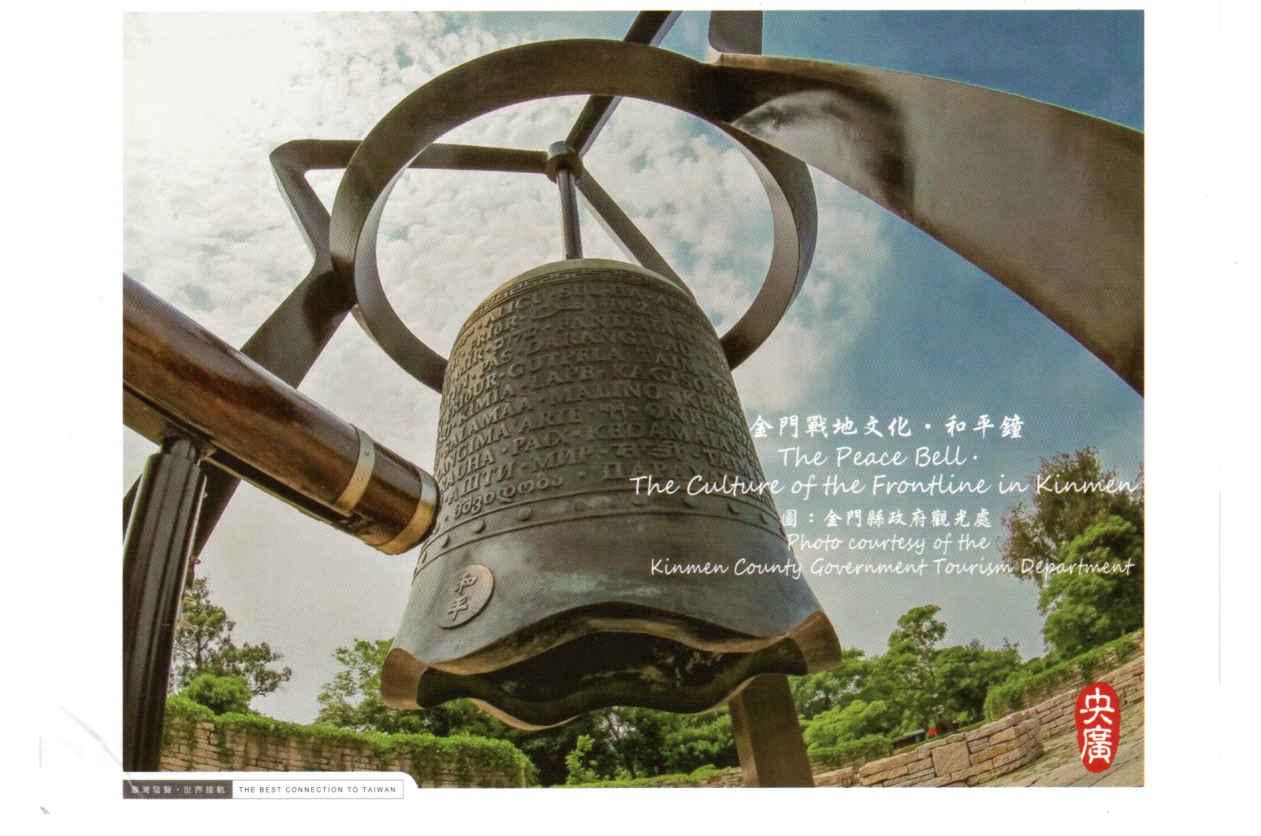
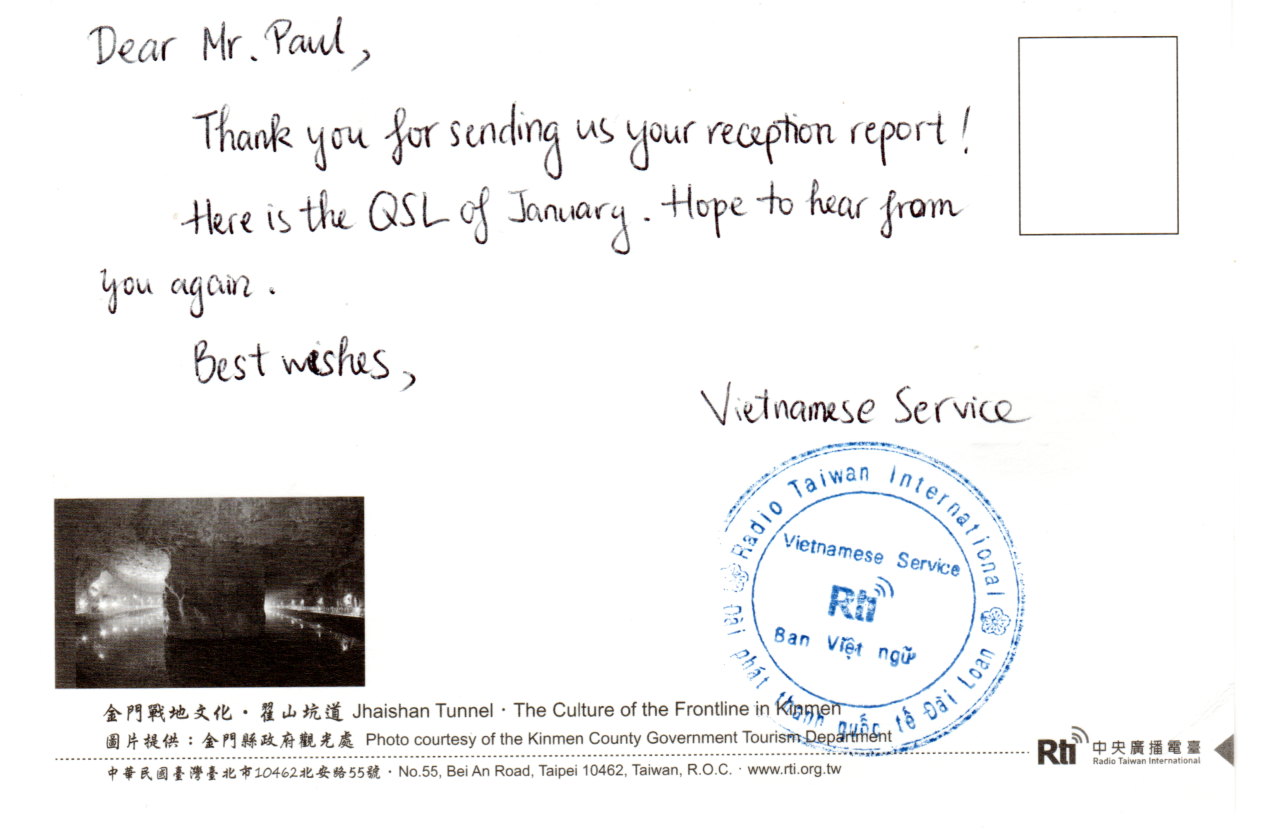
And the third QSL card in the mail this week was from Radio Taiwan International. I tuned in to that station on 7th November 2021.
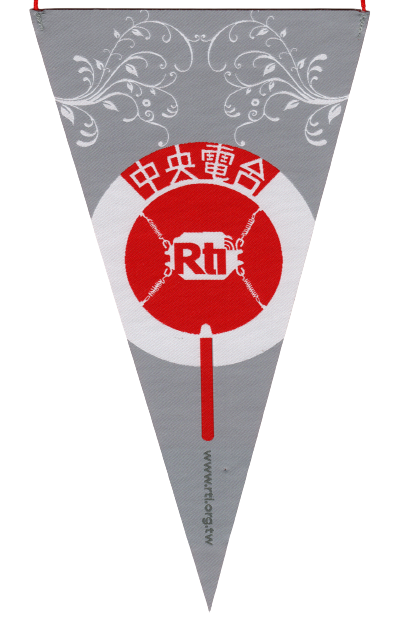
They also included a Radio Taiwan pennant.
Another QSL document.

And a Radio Taiwan pin.

And the third QSL card in the mail this week was from Radio Taiwan International. I tuned in to that station on 7th November 2021.
They also included a Radio Taiwan pennant.
Another QSL document.
And a Radio Taiwan pin.
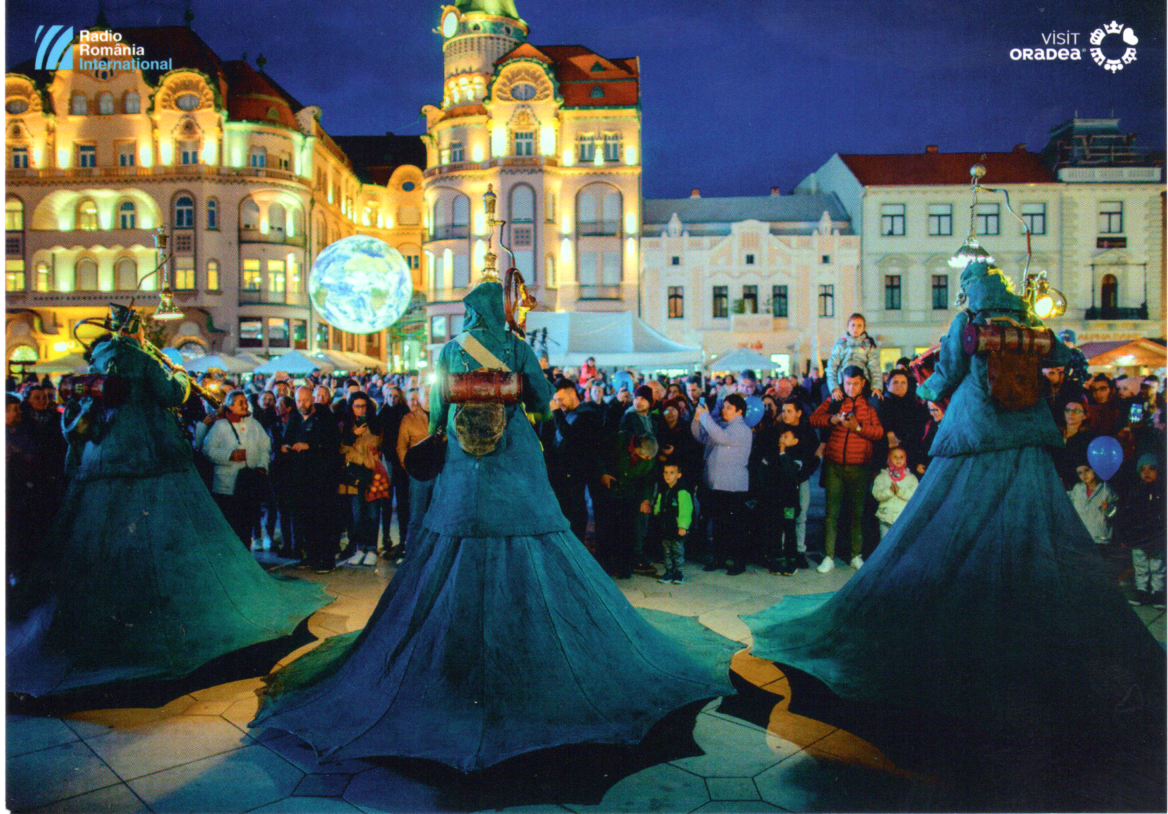
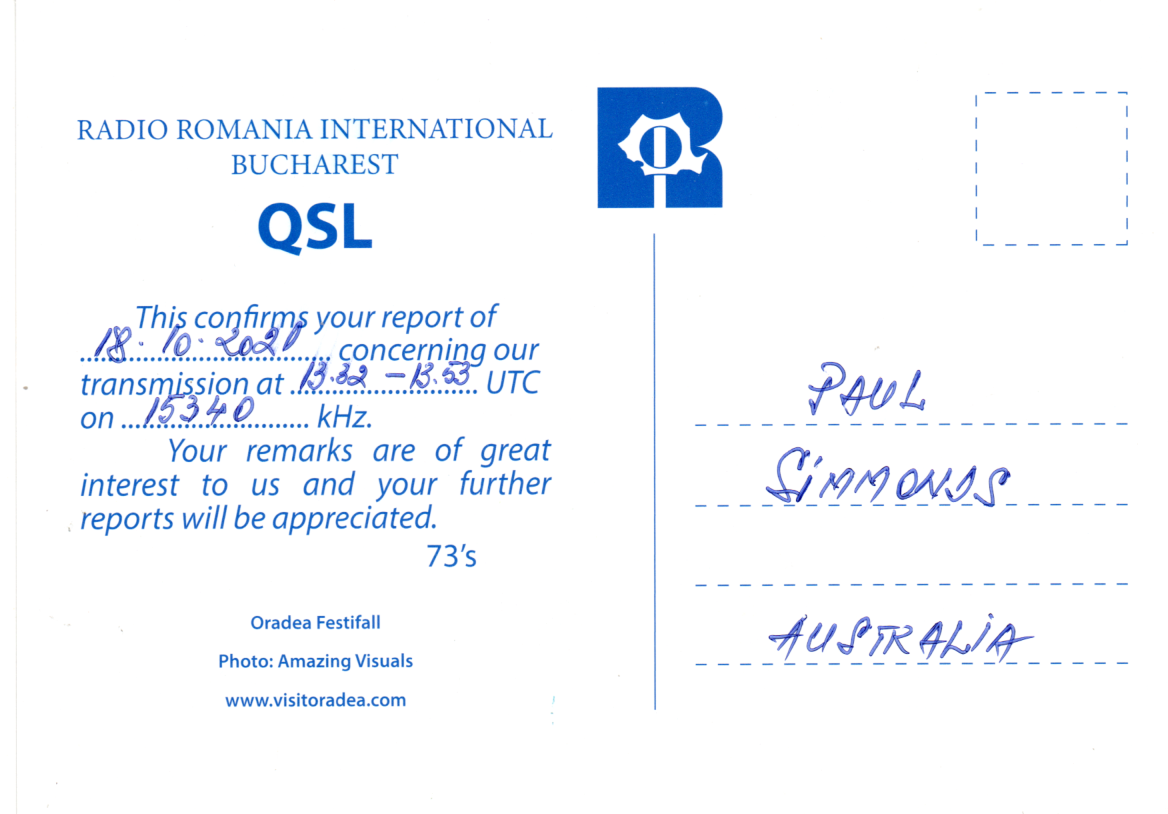
Another short wave broadcast QSL card received in the mail the past few days was from Radio Romania International.
They also sent a sticker.
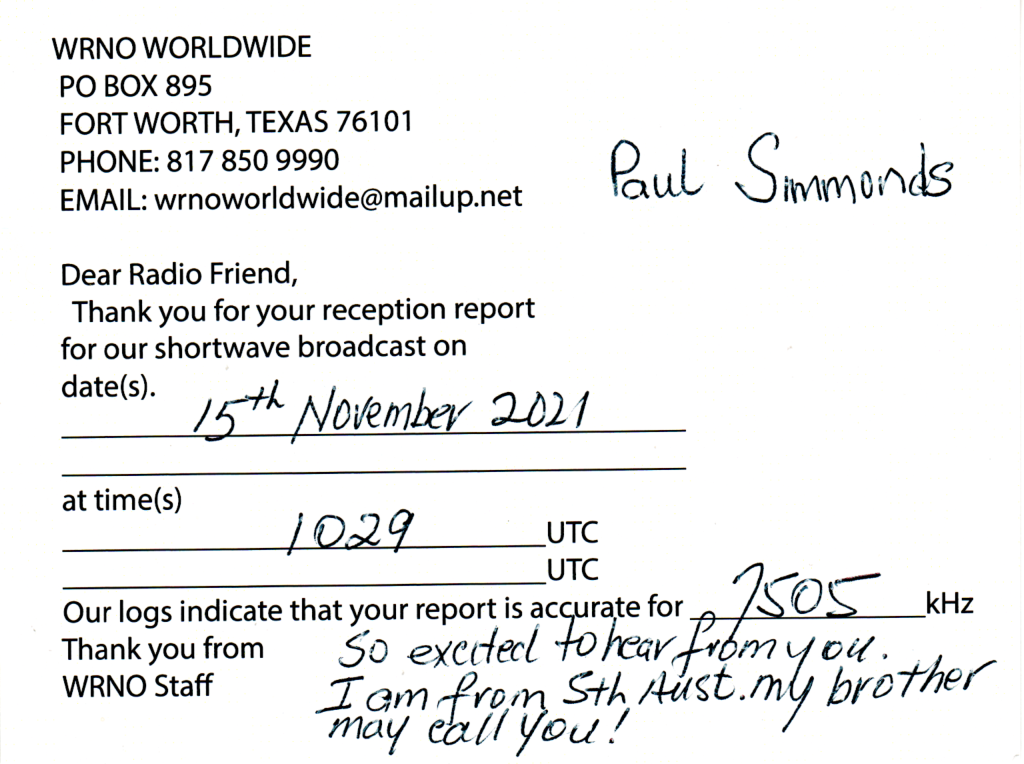
A few days ago I received a QSL card in the mail from radio station WRNO in Texas in the USA. It was for my reception of WRNO on 15th November 2021.
As it turned out, the WRNO staffer who wrote out the QSL card was from South Australia. What a small world.

On Sunday 6th, Monday 7th, and Tuesday 8th February 2022, Marija VK5MAZ and I were fortunate to be able to use the special event callsign of VK90ABC, to celebrate the 90th anniversary of the Australian Broadcasting Corporation.
On 1st July 1932, radio announcer Conrad Charlton sat alongside then-prime minister Joseph Lyons and announced:
“This is the Australian Broadcasting Commission”.
On Monday, we had other commitments for the morning and early afternoon, so we had a late start that day. But over two and a half days we made a total of 1,044 QSOs on 10, 15, 20, 40, & 80m SSB. ur first contact was with Fran YB9YSS in Indonesia. Our final contact was with Gordy W5AZ in Louisiana in the USA.
We made the following QSOs on the various bands:-
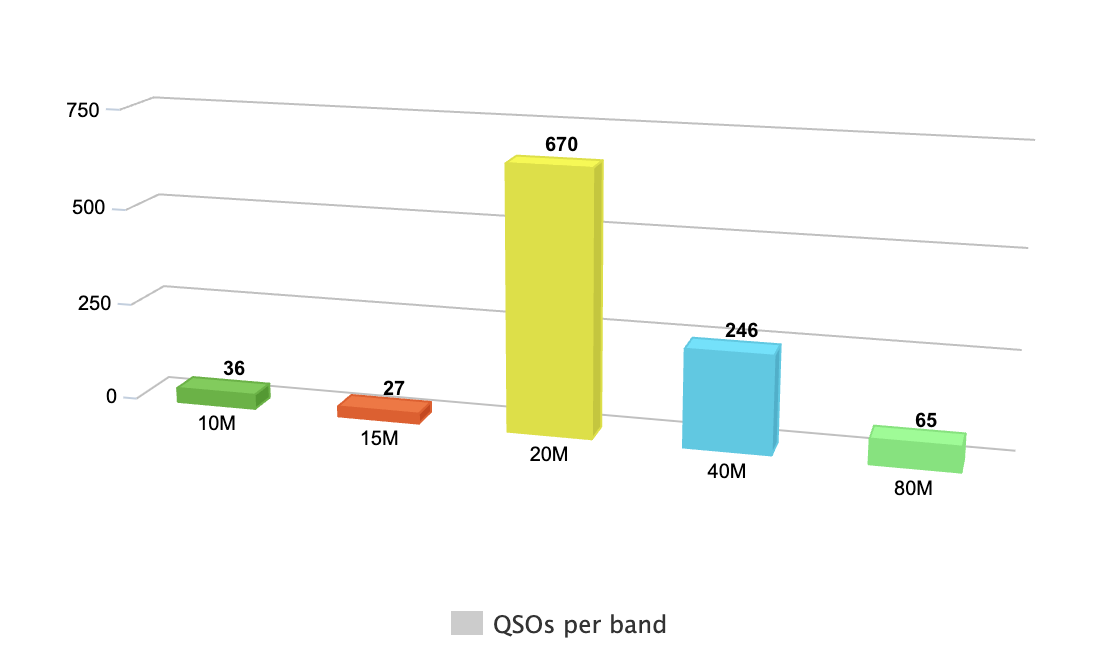
Unfortunately, 10m was not as good as it had been about a week before, but we still managed to make 36 contacts there into VK2, VK4, VK5, and VK7.
I have not heard any significant amount of Japanese or South-East Asian stations on 15m for some time, and the trend continued over the three days we had the call. Just 5 JA stations made it into the log. We logged 27 stations on 15m from VK2, VK4, VK5, VK7, VK8, Japan, New Caledonia, New Zealand, USA, and Wallis & Futuna. Working Jean-Gabriel on Wallis & Futuna in the Pacific was a real bonus.
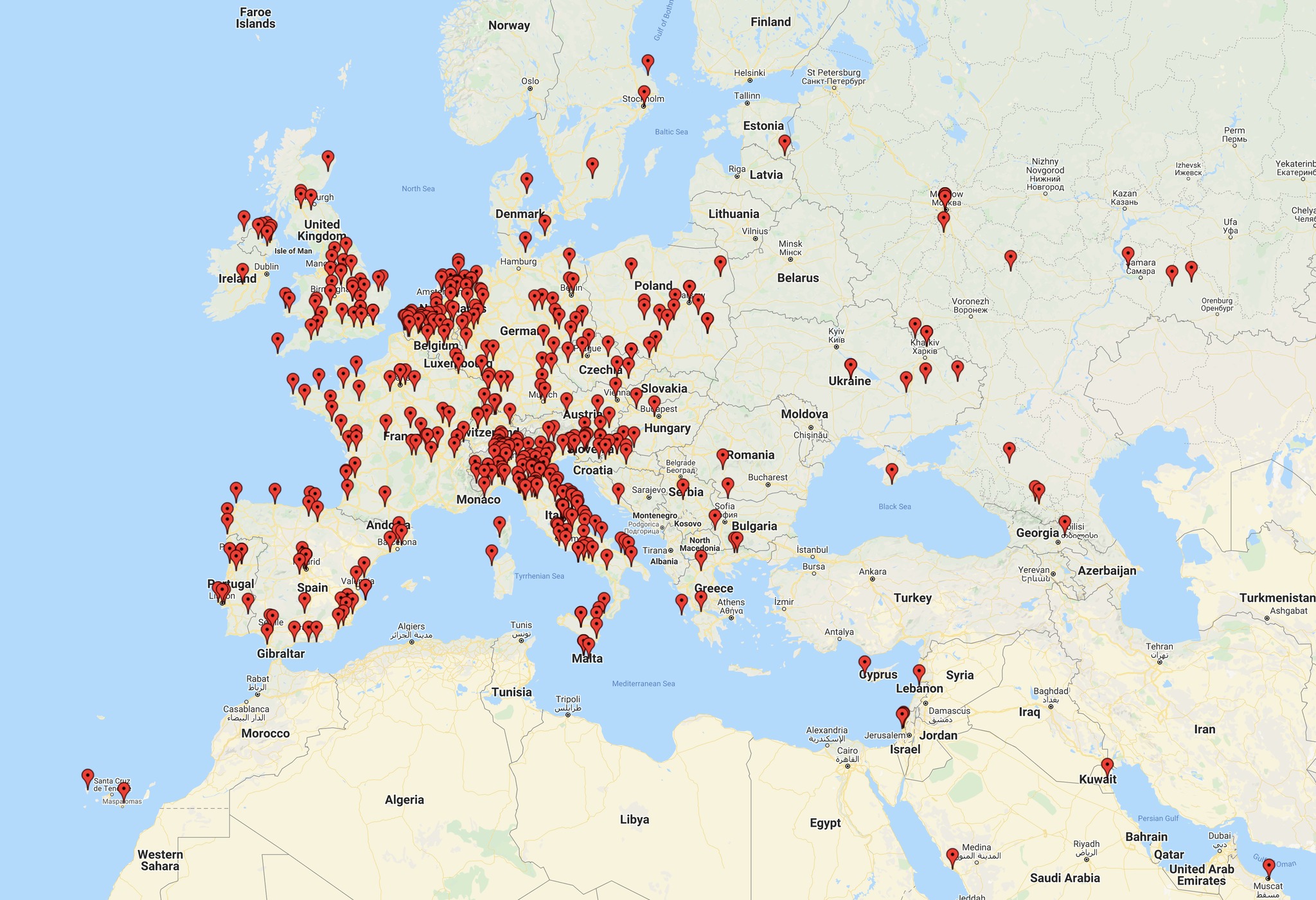
The ever-reliable 20m band provided us with numerous DX in the log. This included Europe and the UK on both the long path and the short path. There was also a nice opening to the USA on the short path on Monday evening.
Of course, 40m proved reliable for contacts around Australia, but generally only late in the afternoon. We found 40m a real struggle during the mornings and early afternoon. The 40m band provided us with some nice DX. We worked the following DXCC entities on 40m:- VK1, VK2, VK3, VK4, VK5, VK6, VK7, Belize, Brunei Darussalam, Canada, Costa Rica Ecuador, Jamaica, New Zealand, Panama, Puerto Rico, & USA. Paul V31AX in Belize in Central America was a nice contact on 40m.
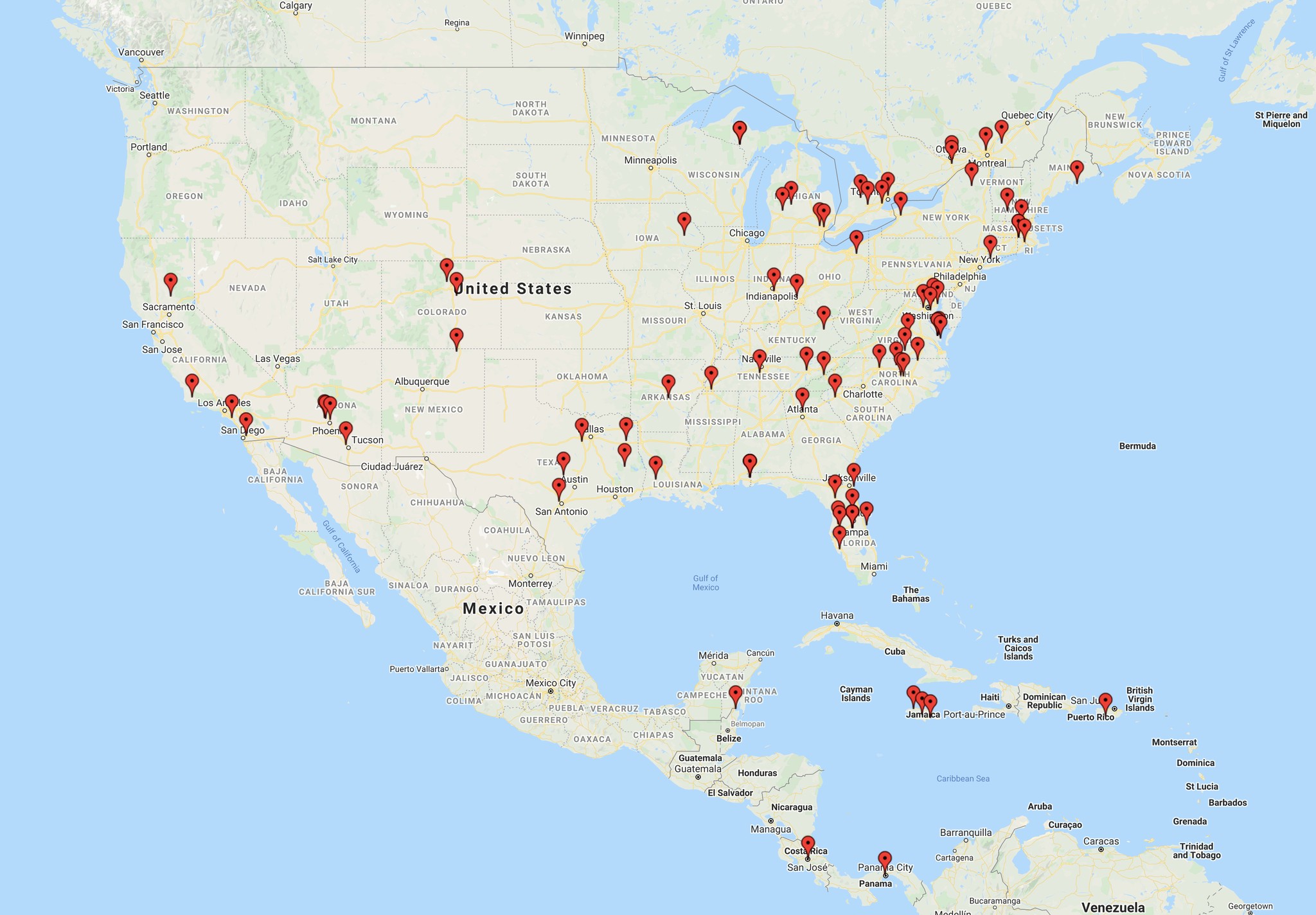
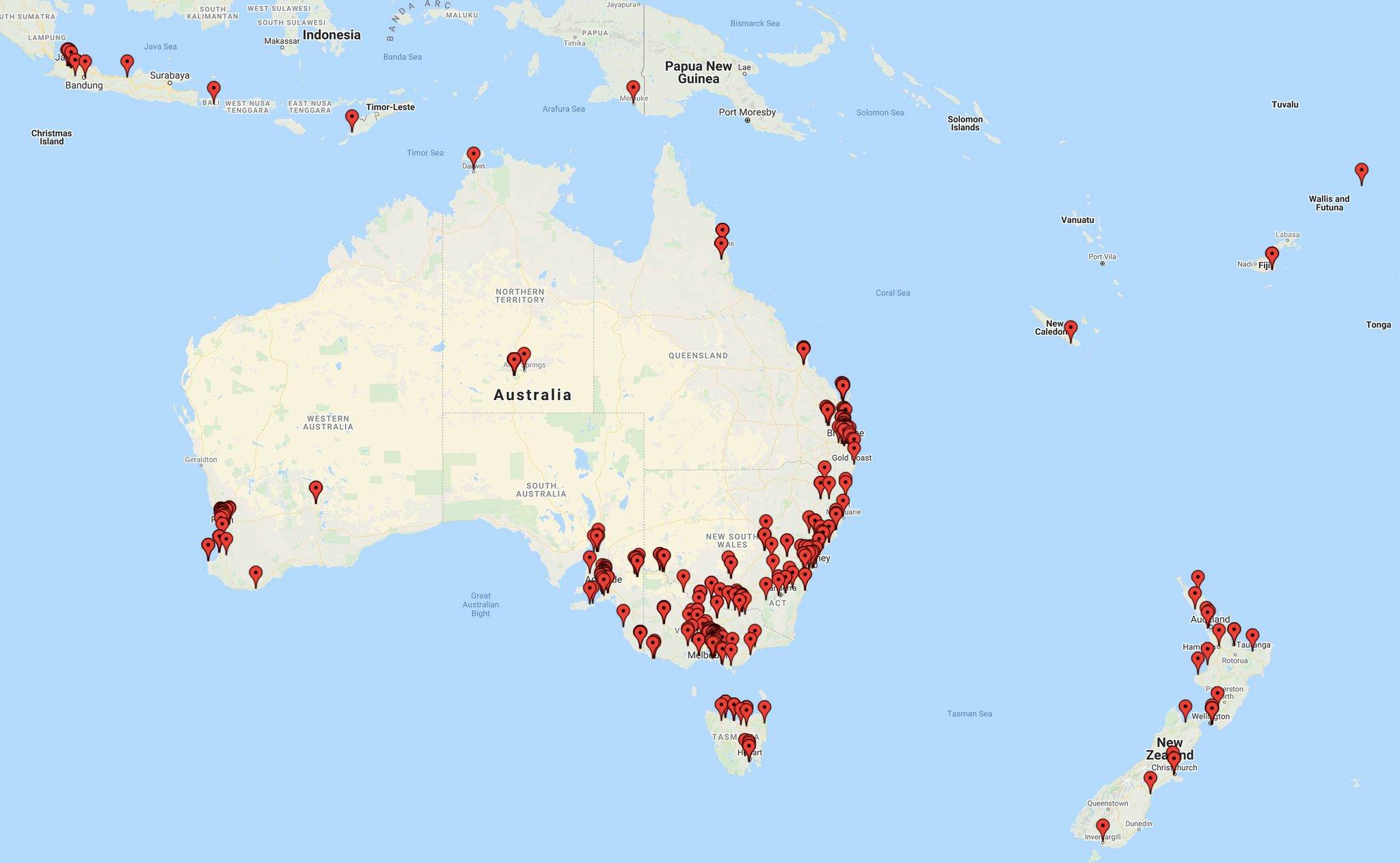
The map below shows our contacts around the world.
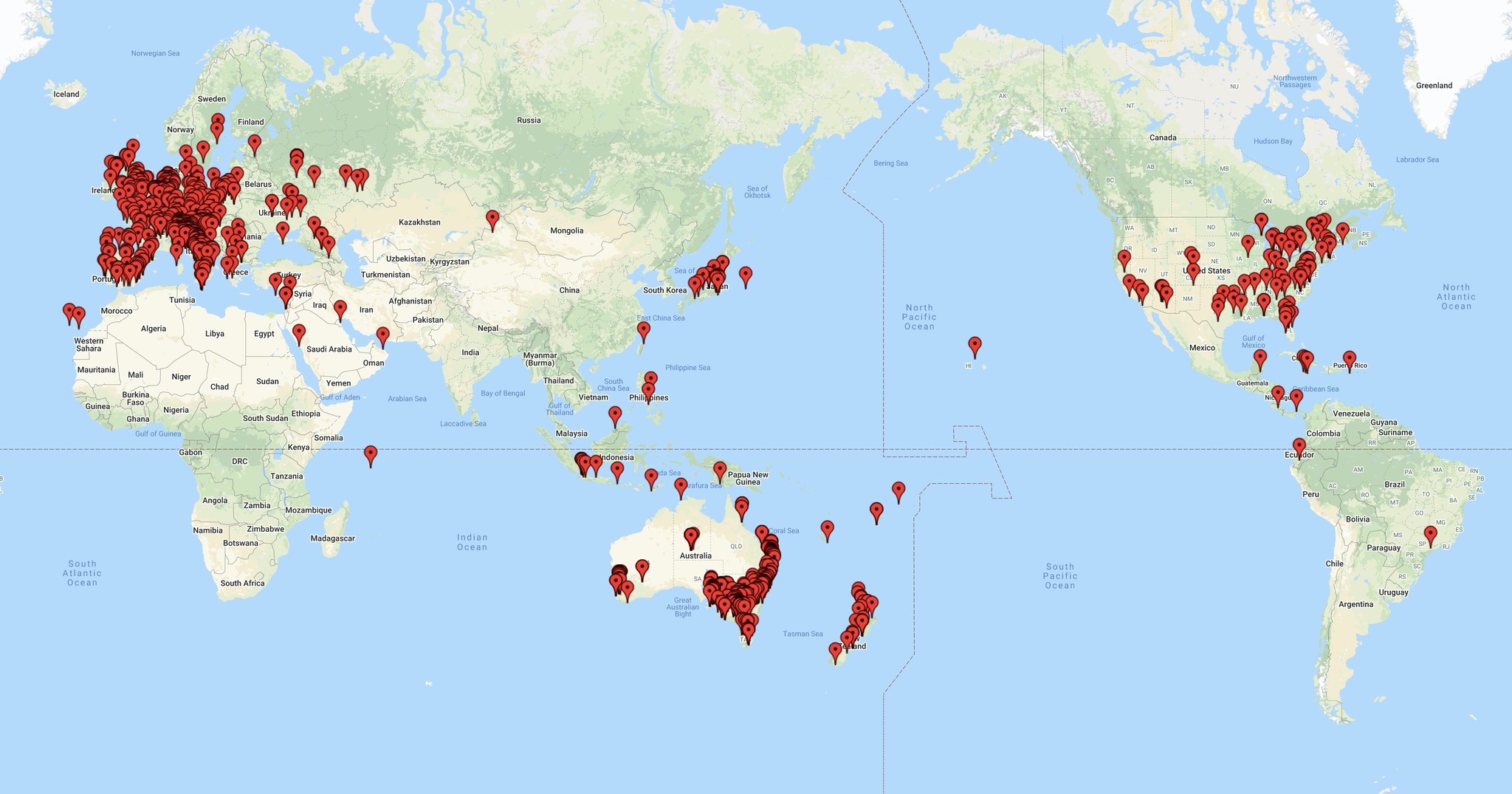
We worked a total of 64 different DXCC entities:-
We were very fortunate to experience some nice opening to Europe and the United Kingdom on the 20m band on both the long path and the short path. Long path conditions were not so favourable on Monday afternoon here in VK5, but on Tuesday afternoon they were excellent. We had quite a significant pile-up going.
The video below shows the pile-up on Tuesday afternoon on the long path on 20m.
On Monday evening there was a nice opening to North America on 20m, with 48 stations from Canada and the USA making it into the log.
The map below shows our contacts into North America on 15m, 20m and 40m. Just the one USA station on 15m, seventeen on 40m, and the remainder on 20m.
Of course, 40m proved reliable for contacts around Australia, but generally only late in the afternoon. We found 40m a real struggle during the mornings and early afternoon.
We logged 26 stations from New Zealand.
THANK YOU to everyone who called. Also, thanks to Chris VK3QB for giving us the opportunity of using the special event callsign. We had a terrific time.
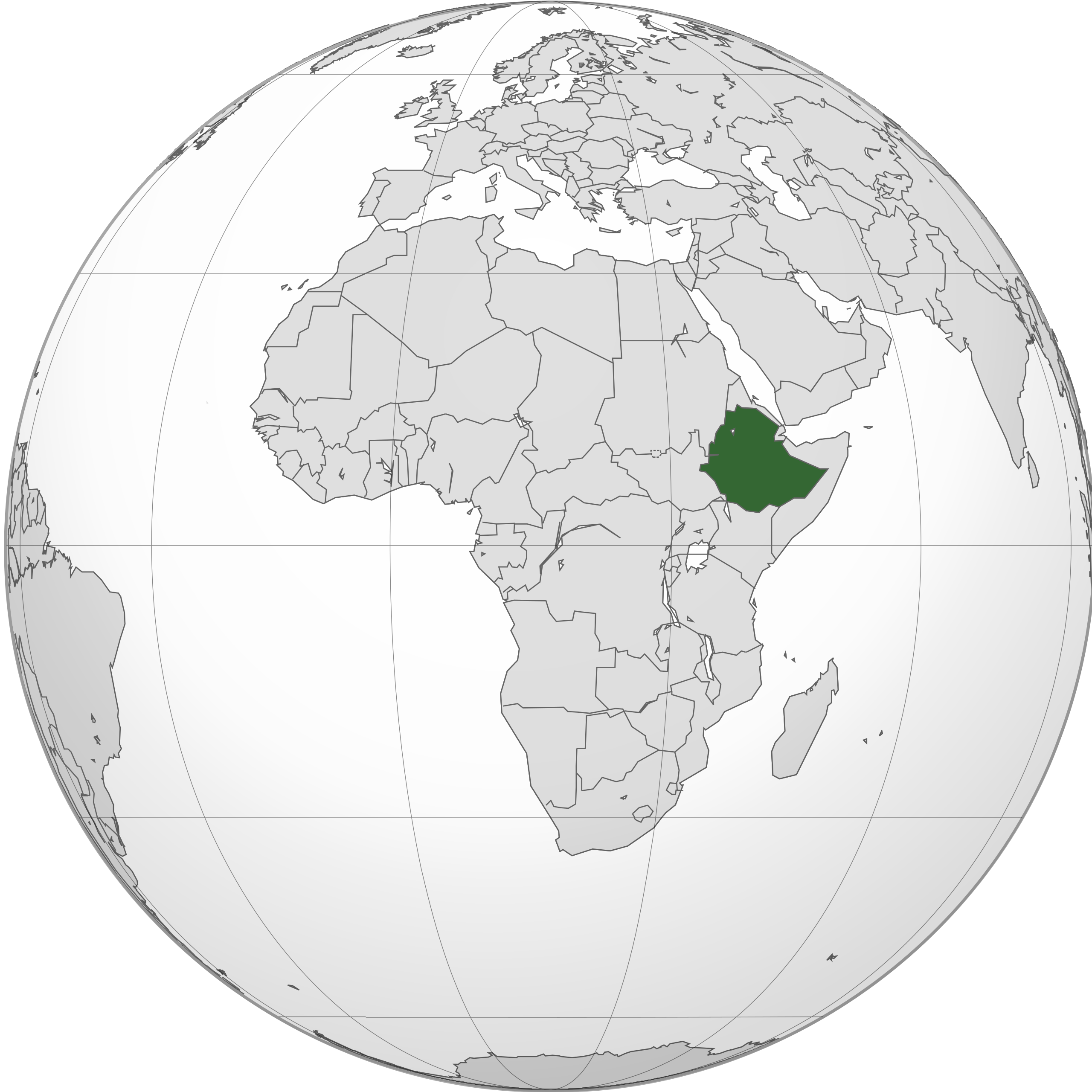
At about 1712 UTC on Saturday 5th February 2022, I tuned in to Radio Ethiopia broadcasting in the Amharic language on 7110 kHz.
This was a new station for me.
The overall reception of Radio Ethiopia was good.
| S | I | N | P | O |
| 4 | 5 | 4 | 4 | 4 |
Below is a short video of my reception of Radio Ethiopia.
References.
At about 1320 UTC on Saturday 5th February 2022, I tuned in to Radio Free North Korea broadcasting in the Korean language on 9910 kHz.

This was a new station for me.
The Free North Korea Radio website states:-
“Since 2006, Free North Korea Radio has broadcasted into North Korea. Voiced and produced by North Korean defectors now living in South Korea, we broadcast news, information, and hope into North Korea.”
The broadcast was coming from the Tashkent 100kW transmitter.
The overall reception of Radio Free North Korea was fair-poor. There was a jamming signal on the frequency and this severely affected listening pleasure.
| S | I | N | P | O |
| 4 | 2 | 4 | 4 | 3 |
Below is a short video of my reception of Radio Free North Korea.
References.
At about 1300 UTC on Saturday 5th February 2022, I tuned in to China Radio International broadcasting in the English language on 9765 kHz.

The broadcast was coming from CRI’s Baoji-Xinjie 150kW transmitter.
The overall reception of CRI was good.
| S | I | N | P | O |
| 4 | 4 | 4 | 4 | 4 |
Below is a short video of my reception of China Radio International.
References.
At about 1215 UTC on Saturday 5th February 2022, I tuned in to Radio Marti broadcasting in the Spanish language on 5980 kHz.
The broadcast was coming from Radio Marti’s Greenville 250kW transmitter.
The overall reception of Radio Marti was fair – good. At 1230 UTC Radio Marti was totally wiped out by Vatican Radio broadcasting on the frequency in the Chinese language.
| S | I | N | P | O |
| 3 | 4 | 4 | 4 | 4 |
Below is a short video of my reception of Radio Marti.
References.
At about 1139 UTC on Saturday 5th February 2022, I tuned in to WWCR broadcasting in the English language on 5935 kHz.

The broadcast was coming from WWCR’s Nashville 100kW transmitter.
The overall reception of WWCR was good. There was interference on the frequency from PBS Xizang broadcasting in the Chinese language.
| S | I | N | P | O |
| 4 | 3 | 4 | 4 | 4 |
Below is a short video of my reception of WWCR.
References.
At about 0744 UTC on Saturday 5th February 2022, I tuned in to NHK World Japan broadcasting in the Japanese language on 15280 kHz.

The broadcast was coming from NHK World Japan’s Ibaragi-Koga-Yamata 300kW transmitter.
The overall reception of NHK World Japan was good.
| S | I | N | P | O |
| 5 | 5 | 5 | 5 | 5 |
Below is a short video of my reception of NHK World Japan.
References.
Amateur Radio, Short Wave Listening, travel and history
Amateur radio experiences with VK1DA
Brisbane - Australia
german amateur radio station
Summits On The Air
SOTA on the peaks, wilderness QRP and some bushwalking
A fine WordPress.com site
Amateur Radio Adventures
Summits on the Ai
Amateur radio station from Belgium
Radio craft, homebrew, QRP/SOTA, AM
Ego loqui ad viros super montes
My adventures with Amateur Radio and Geocaching!
The rantings of VK2GAZ on his SOTA experiences in Australia
A survivor, with minor cuts and abrasions.
The Art and Craft of Blogging
The latest news on WordPress.com and the WordPress community.
Blog of Justin Giles-Clark VK7TW's SOTA and amateur radio adventures.
Occasional SOTA & Microwave operation
 VK5PAS