
After leaving Summertown on Saturday, 27th September 2025, I headed to the next police historical site, the Constable Hyde Memorial Gardens at Leabrook in the eastern suburbs of Adelaide.
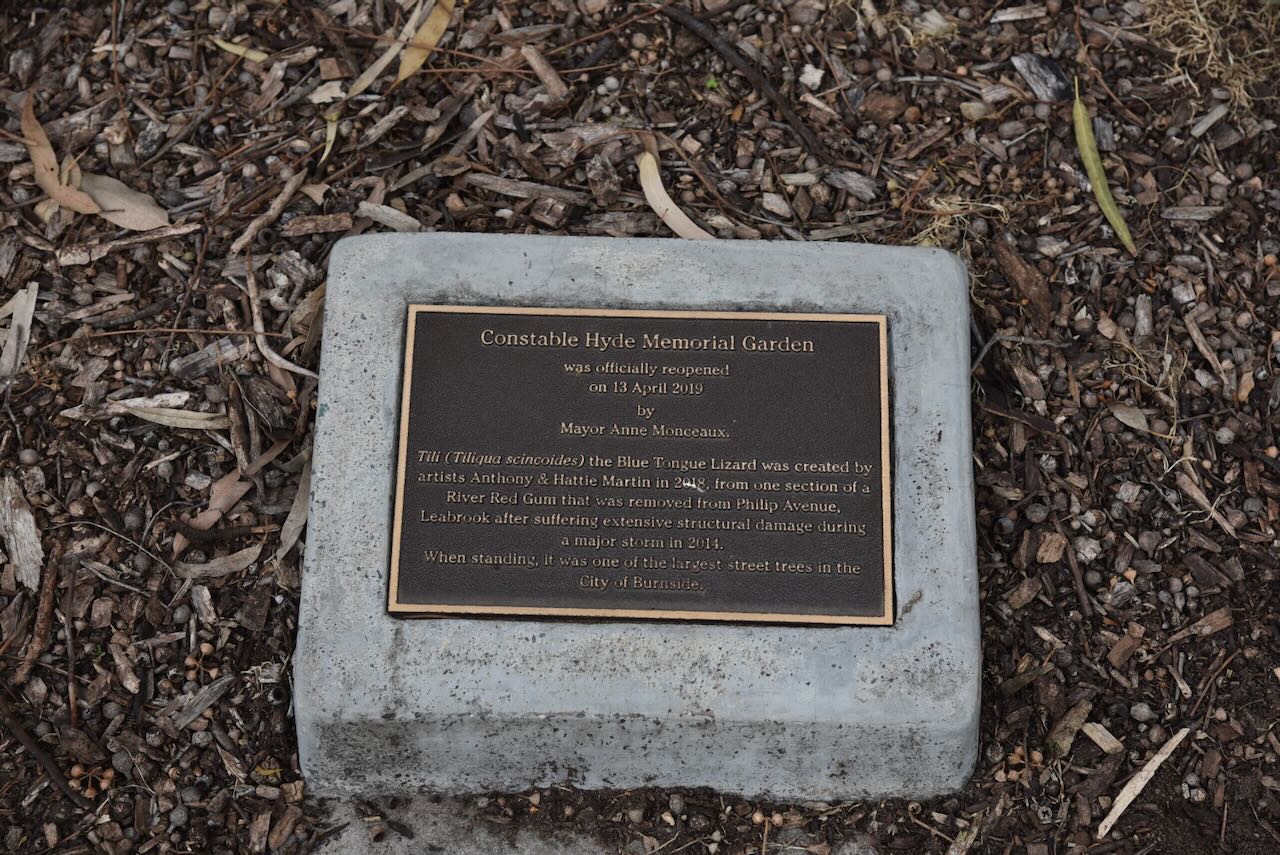
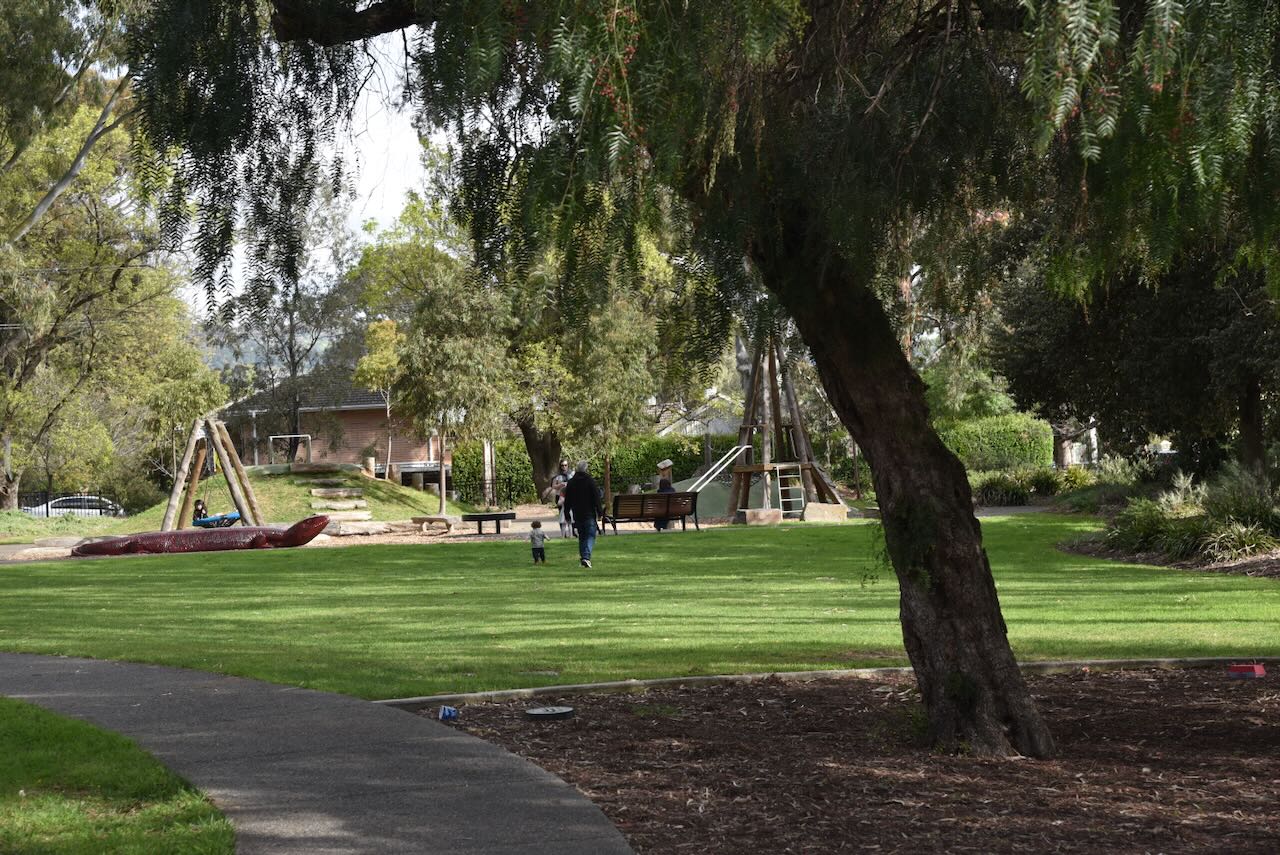
Constable Hyde was shot and killed in the execution of his duty in 1909. This is a beautiful little park with a lovely memorial, a tribute to Hyde’s bravery and ultimate sacrifice.
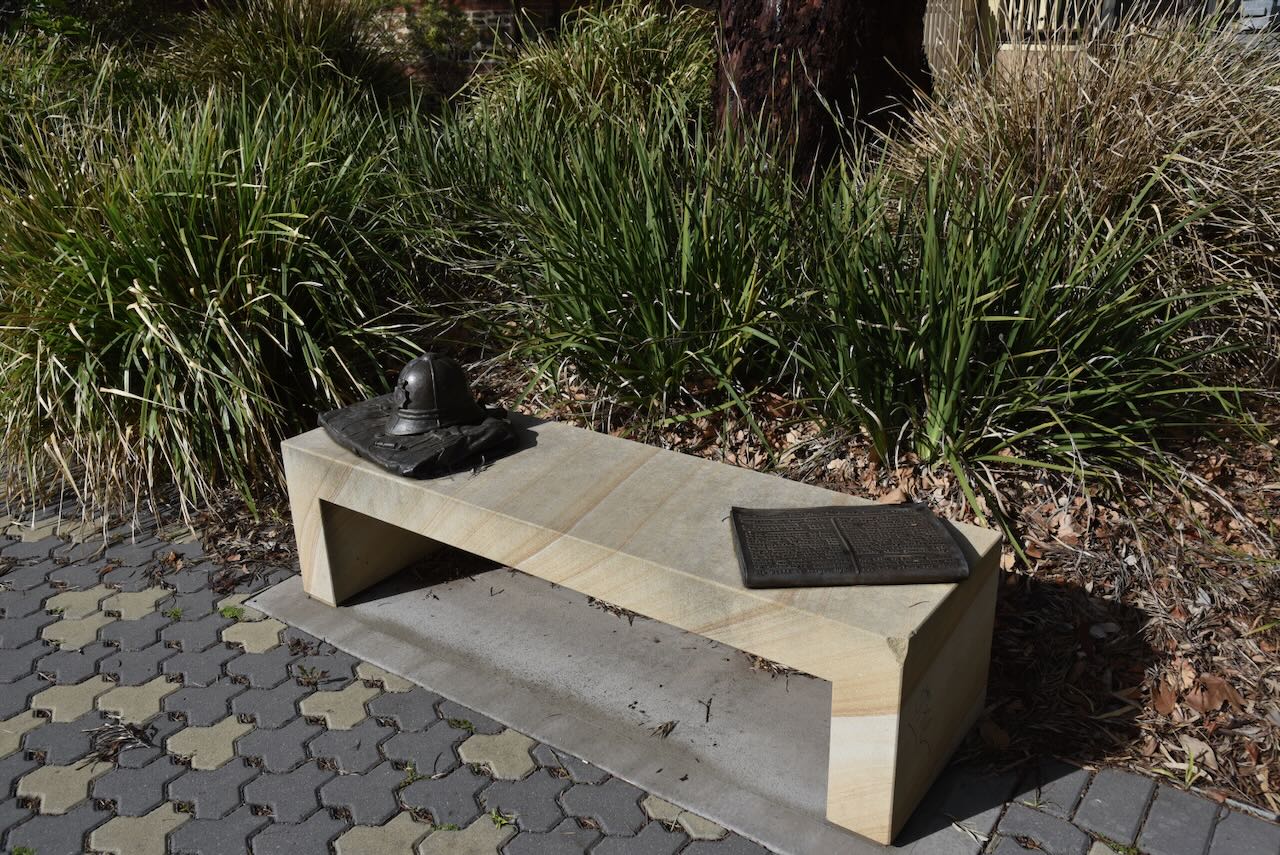
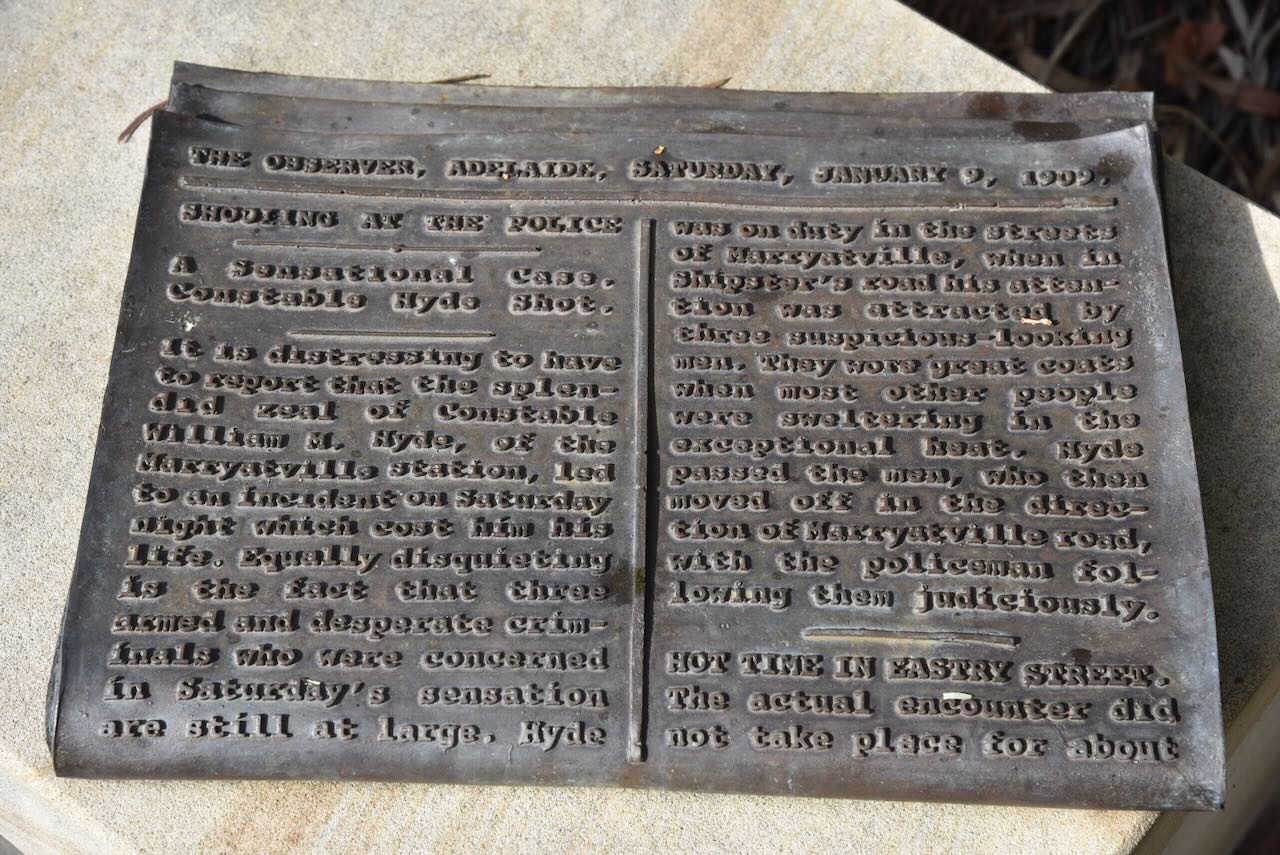
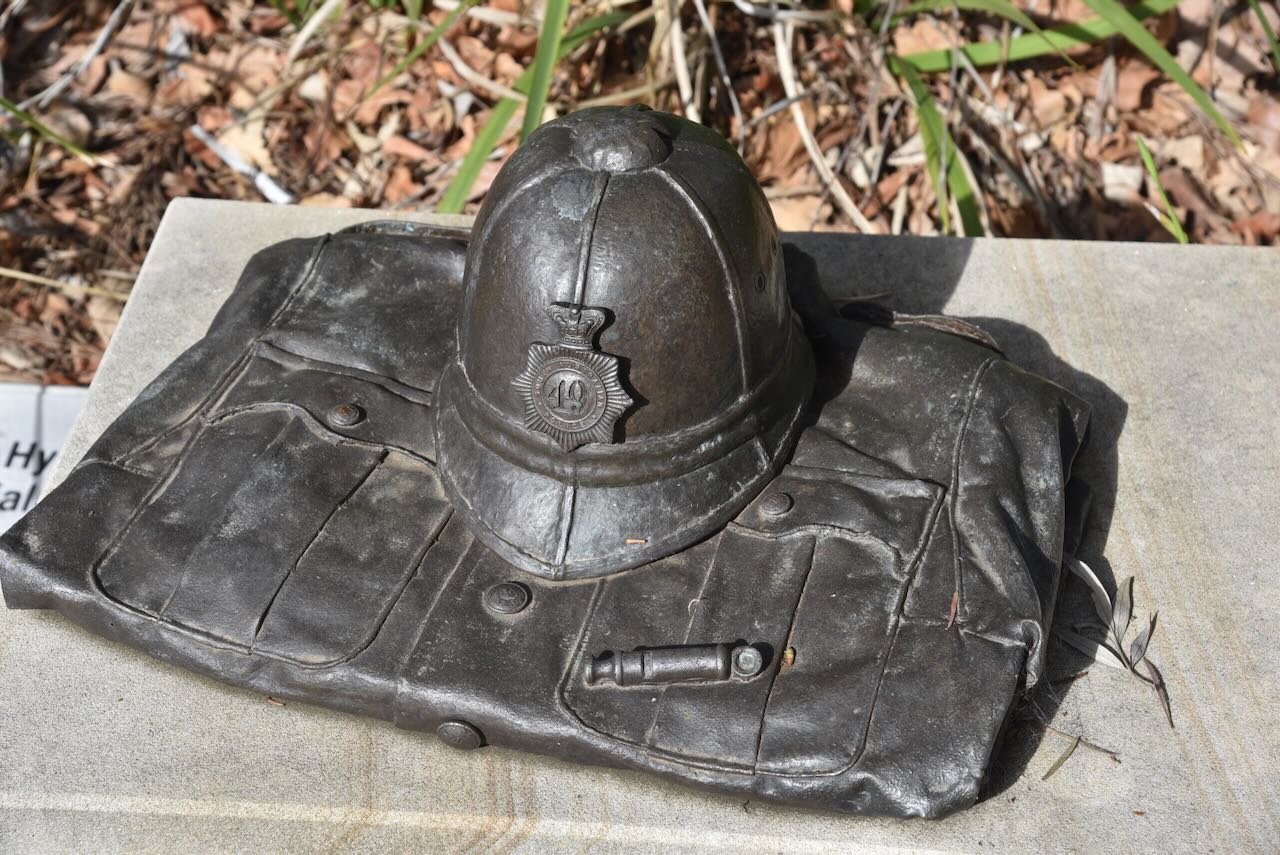
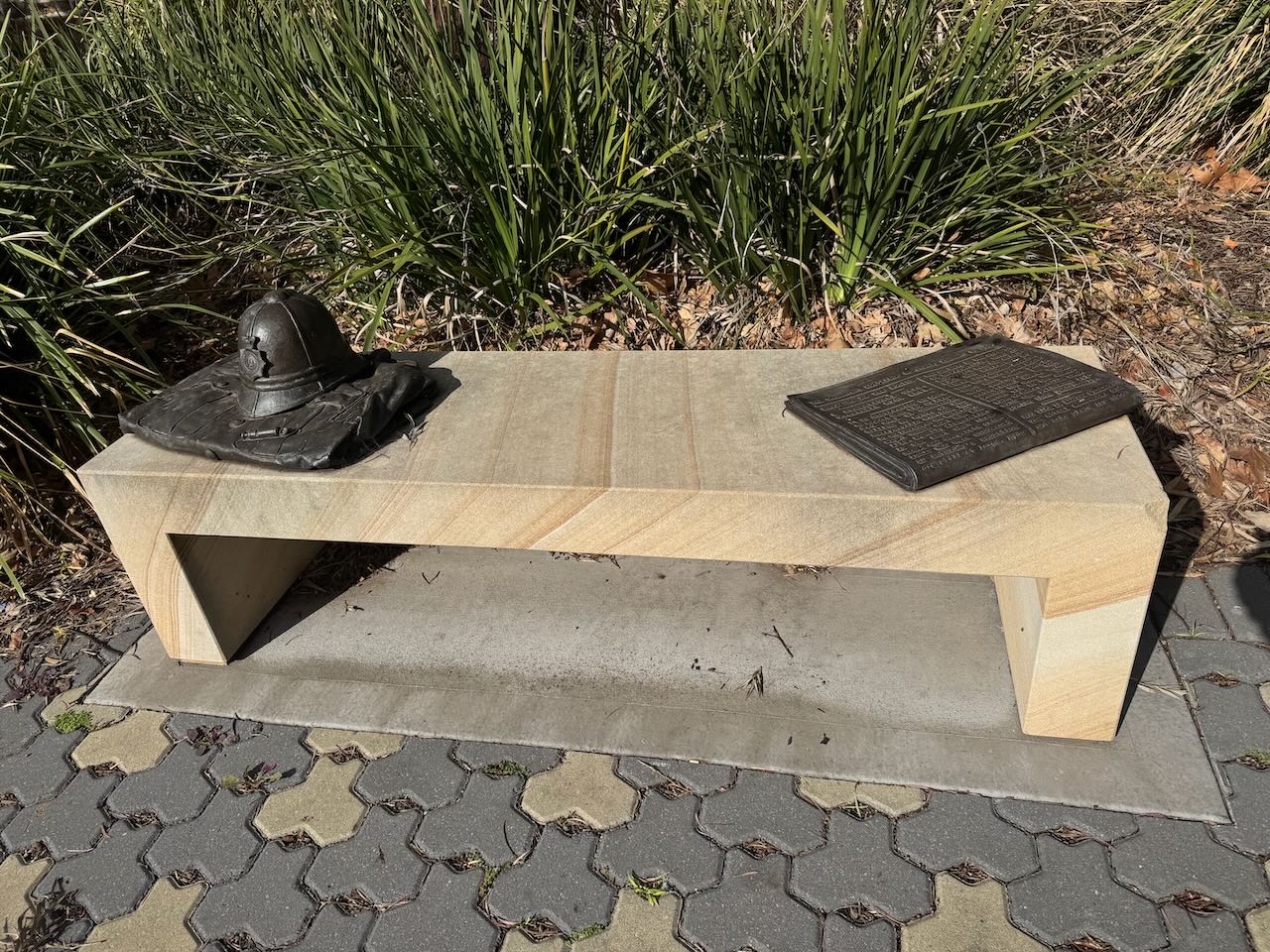
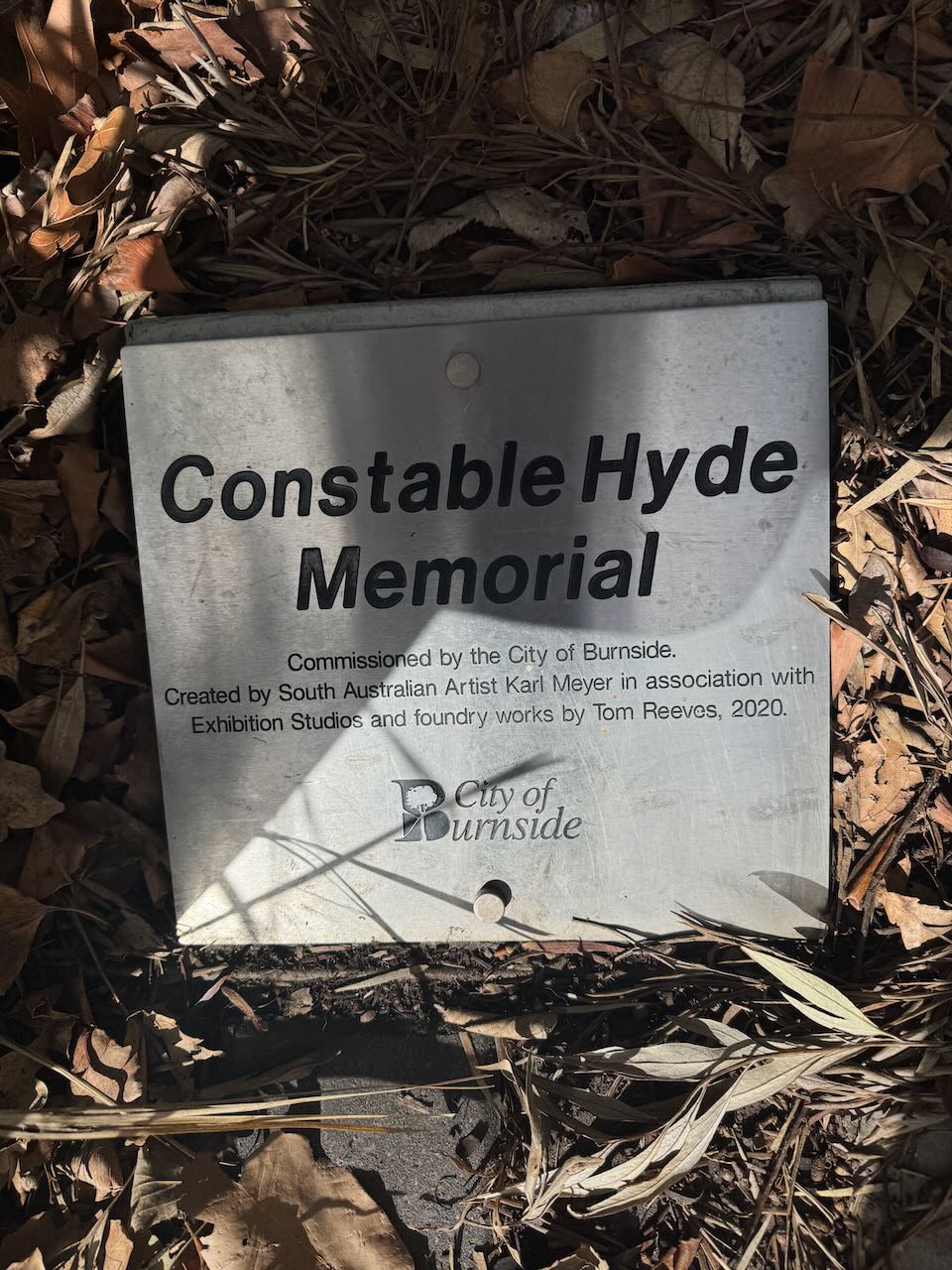
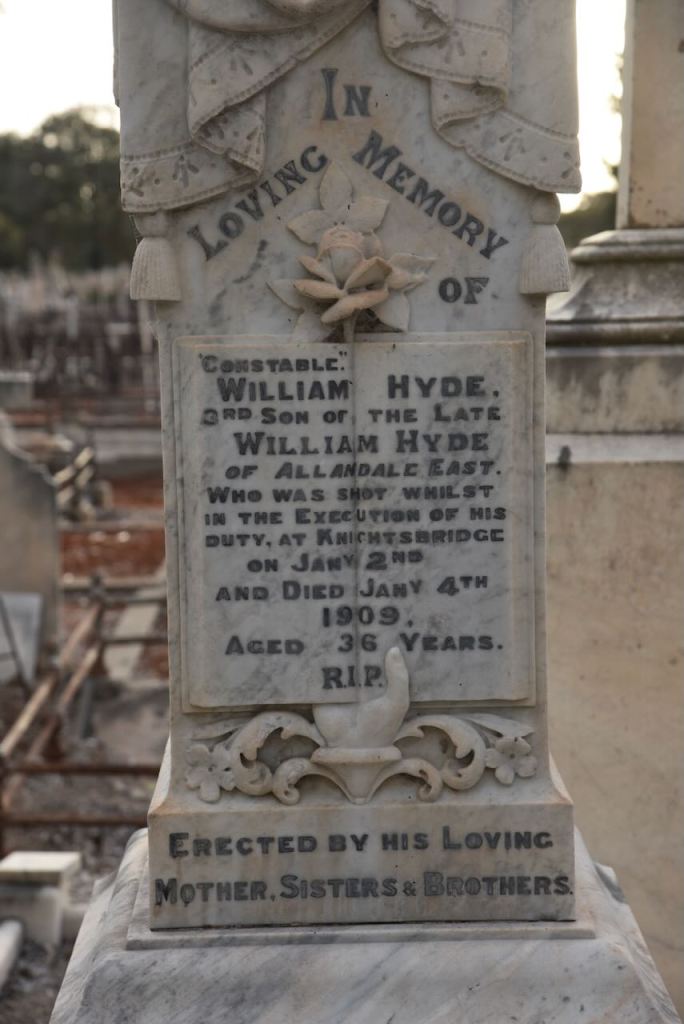
William ‘Bill’ Hyde was born on the 21st day of August 1872 at Allendale East, South Australia. His parents were William Hyde and Elizabeth Hyde nee Mangan. He joined the South Australia Police on the 1st day of May 1902. On the 29th day of April 1908, he was posted to the Marryatville Police Station in the eastern suburbs of Adelaide. He had succeeded Foot Constable Albert Edward Ring was murdered at Glenelg in March 1908. (Adelaide Gaol Preservation Society Inc 1999) (ancestry 2016)(Trove 2025)
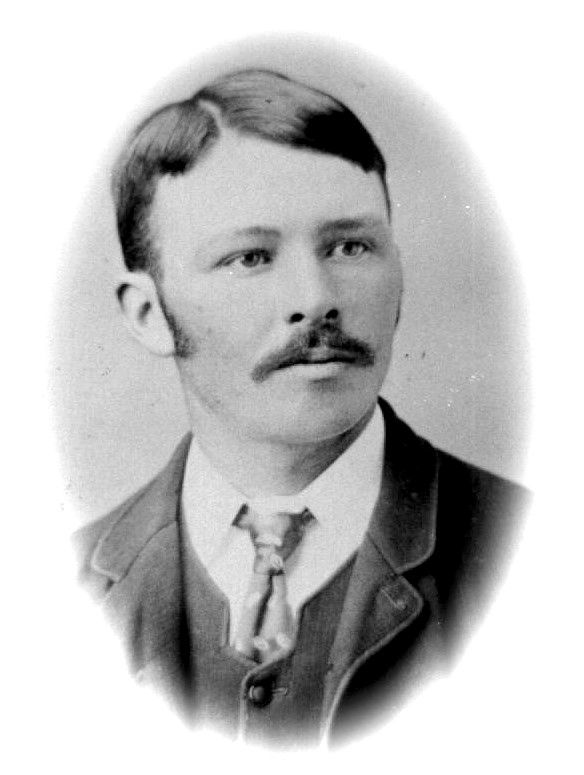
Above: William Hyde. Image c/o ancestry.com.au
During the evening of Saturday, the 2nd day of January 1909, Constable Hyde was on duty patrolling the streets of Knightsbridge (now called Leabrook). While in Shipsters Road, his attention was drawn to three males who were standing under a pepper tree in the horse gates recess of the Marryatville Hotel, near the tramway offices at the terminus of the Kensington line. The three suspicious men were wearing greatcoats, while most other people were sweltering in the January heat. (Adelaide Gaol Preservation Society Inc 1999) (Trove 2025)
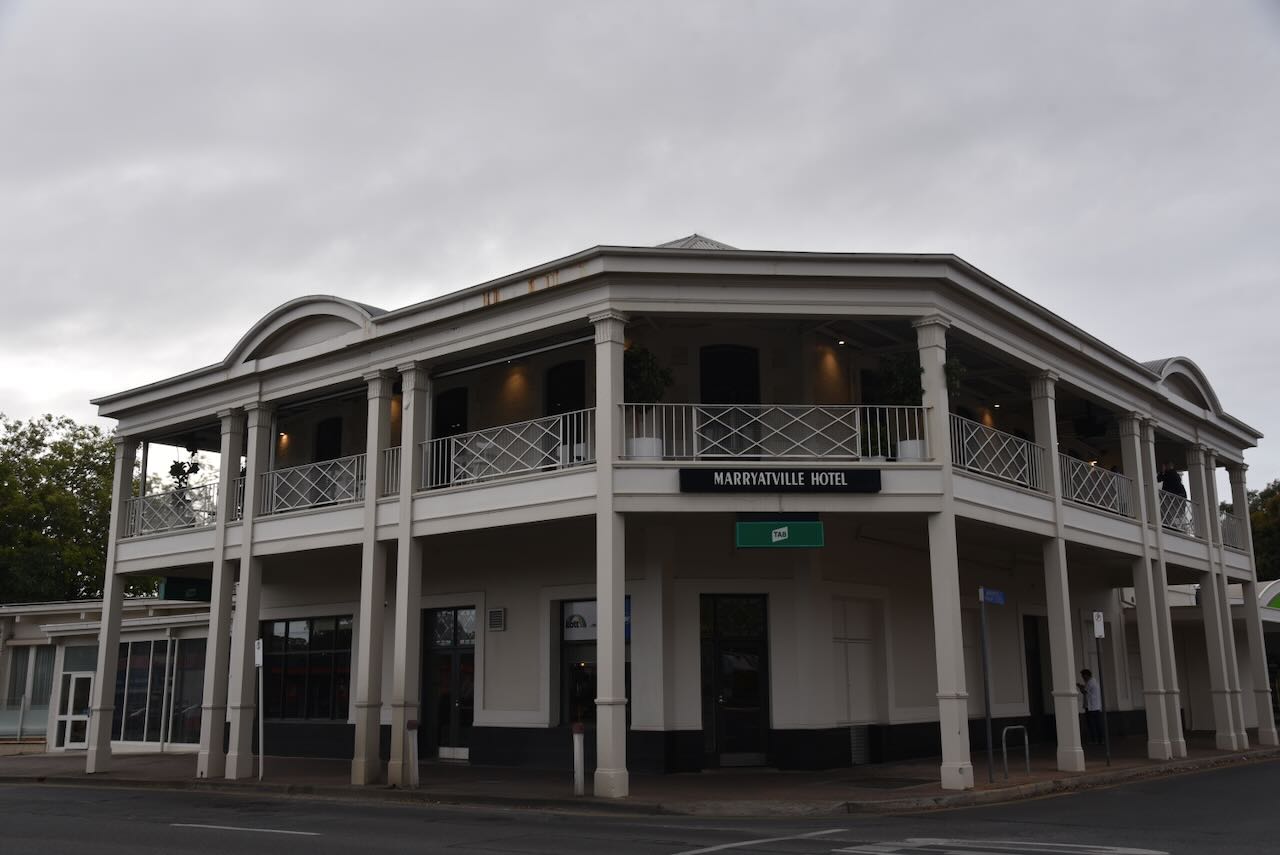
Above: the Marryatville Hotel.
The attire of the three men attracted the attention of Constable Hyde. It also attracted the attention of Mrs J. Purches, the wife of the landlord of the Marryatville Hotel. Mrs Purches had spoken with the men at 9.30 p.m. when she went to get some coppers at the tramway offices. She then approached Constable Hyde and is reported to have said, ‘They look suspicious’ while pointing at the men. Constable Hyde indicated to Mrs Purches that he had his eye on the three men. (Trove 2025)
The three men were also observed by the local dentist, Mr Robert O. Lawes. He observed two men in front of Mr Coreil’s shop, and they were then joined by a third male. He heard ‘bad language’ followed by the remark, ‘You’ve turned up late. Where have you been?’ The three men then walked up Eastry Street (now called Tusmore Avenue). (Trove 2025)
Constable Hyde was unarmed on this particular night. Two Constables were stationed at Marryatville, where one Webley regulation pattern revolver and an old cavalry revolver were supplied for use. Constable Hyde owned his own revolver but left it at the police station. (Trove 2025)
In an attempt to see the faces of the three men, Constable Hyde walked past the men, who then walked off in the direction of Marryatville Road. Constable Hyde followed. A witness, George Thomas Wakeham of Third Street, Knightsbridge, stated that he saw Constable Hyde chasing a man in Eastry Street, and a struggle then ensued between Constable Hyde and the man. Wakeham stated that two other men then appeared, and he saw a pistol flash and heard a gunshot. Wakeham states that one of the men then ‘fired point-blank in the policeman’s face.’ He heard four to five shots and the Constable fell to the ground, with the three men running off. Wakeham went over to Constable Hude and asked if he was seriously hurt. Constable Hyde replied ‘I think I am done for.’ (Trove 2025)
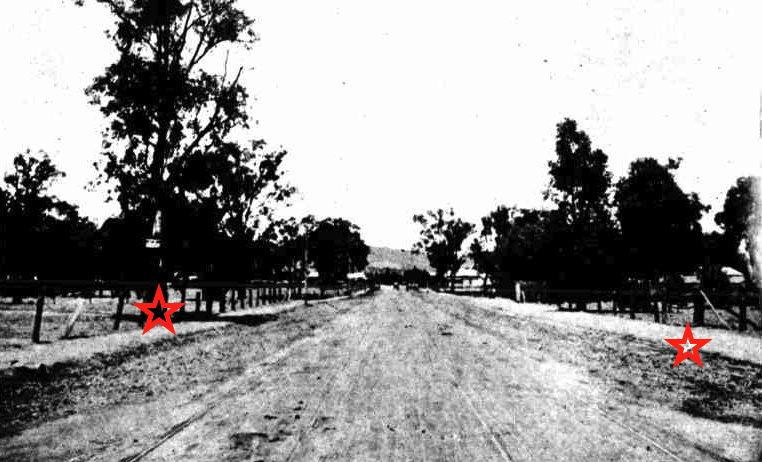
Above: Eastry Street, North Kensington. The star on the right indicates where Constable Hyde was struggling with the first male. The start on the right indicates where shots were fired from. Image c/o Trove.
A member of the public. Mrs Alice Schuetze of Knightsbridge, who had been returning home with her cousin, rendered assistance to Constable Hyde. She had heard shots fired and at first thought it was just boys using a rifle. She then saw two men running on Eastry Street, with one of the males stating, “Take that you bastard.’ She had been a friend of his since childhood.
The three men were seen to run into a large paddock at the rear of Cooper’s brewery. Mr. C.J.S. Shuttleworth from Statenborough Street and his son Leonard had heard the shots. They saw three men running and scaling a fence into a paddock on their property. Leonard then ran to intercept the men. One of the men then said, ‘I’ll stop you, you bastard’ and fired a revolver at Leonard. (Trove 2025)
Constable Drenckhan, the officer in charge of the Marryatville Police Station, heard the shots and ran to assist Constable Hyde. Constable Drenckhan reported that Constable Hyde was groaning and breathing heavily and when asked how he felt, he stated, “All right, only my jaw aches.’ (Trove 2025)
Following the shooting, Constable Hyde was then taken to the nearby Marryatville Police Station on a breadboard secured from the local baker. He was attended to by Doctors Borthwick, Shepherd, and Hayward. He was then taken to the Adelaide Hospital and admitted by Dr Betts. (Trove 2025)
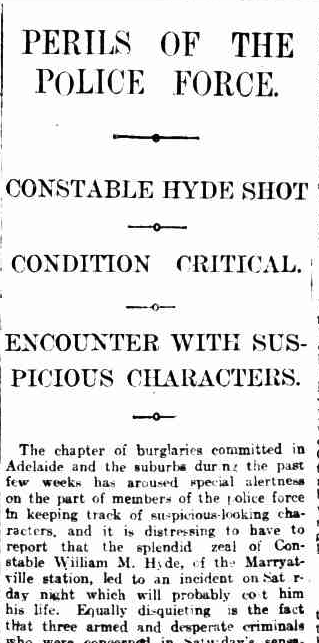
Above: part of an article from the Evening Journal, Adelaide, Mon 4 Jan 1909. Image c/o Trove
On Sunday, he was operated on by Dr. Charles.E. Todd, the honorary surgeon to the Adelaide Hospital, and Dr. Magarey. They were unable to extract the bullet from his head. It was found that Constable Hyde’s skull had been fractured. It was reported that he was in a ‘very low condition’ and that paralysis was setting in on one side of his body. On Monday morning, his condition was reported as ‘equally gloomy’. Sadly, Constable Hyde died later that day in hospital, aged 35 years. (Adelaide Gaol Preservation Society Inc 1999) (Trove 2025)
Following the shooting, an Aboriginal tracker named Mick was deployed. He believed that the males had separated after leaving Mr Shuttleworth’s property, and that two of the males had gone up Statenborough Street towards the hills, while the third male escaped through private property opposite the Shuttleworth property (Trove 2025)
A search was conducted of the area in daylight, and this resulted in a fully loaded six-chambered revolver in the vicinity of the shooting. A felt hat was also recovered, which matched the description supplied by witnesses. In the paddock where the three men fled, two overcoats and a blood-stained felt hat were recovered. Another overcoat was later found near Burnside, which indicated that the men ‘passed through and above Burnside.’ (Trove 2025)
Dr Todd conducted a post-mortem examination of Constable Hyde and this revealed that he had two skin wounds on the back of the left shoulder, and Dr Todd concluded that they might have been made by bullets grazing that part of the body. There was an irregular wound on the right cheek, which penetrated to the interior. Surrounding the wound were a number of marks which Dr Todd concluded were likely caused by powder. Dr Todd traced a track inwards from the opening of the wound on the cheek to the base of the skull. Dr Todd found the bullet embedded at the base of the skull. The bone had been raised up in a splintered fashion against the base of the brain, which had been injured. (Trove 2025)
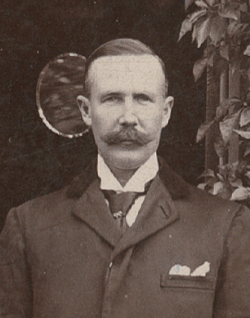
Above: Dr. Todd. Image c/o State Library SA
An inquest was held into the circumstances of the shooting of Constable Hyde. It was held at the Adelaide Hospital on Tuesday, the 5th day of January 1909, by the City Coroner, Dr W. Ramsay Smith. (Trove 2025)
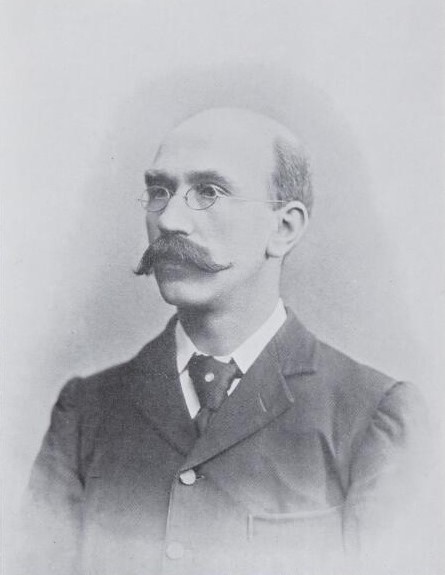
Above: Dr. W. Ramsay. Image c/o Wikipedia
During the inquest, it was asked by the Coroner, “Are there any instructions issued to constables at your station stating when they ought to be armed?’ The witness replied, “There are no regulations saying when a constable ought to be armed, but it is optional for a constable to take a revolver whenever he likes’. (Trove 2025)
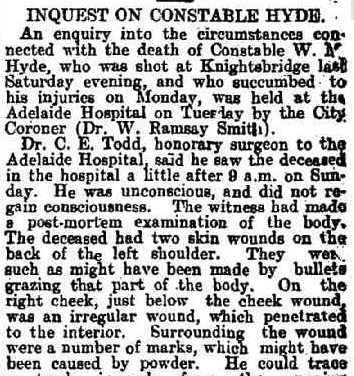
Above: part of an article from The Chronicle, Sat 9 Jan 1909. Image c/o Trove
The Coroner, in his summing up, stated the following:
“..the deceased met his death through a bullet wound inflicted by some person unknown, who was aided and abetted by two others, and the circumstances were such that one might reasonably infer that all three of them were abroad that night for an illegal purpose. That being so, all three of them were responsible for the death of the deceased, and the verdict would therefore be that the deceased was wilfully murdered on January 2 by a certain person or persons unknown.”
It is believed that the three men were in the area to ‘crack’ the tramway offices. (Trove 2025)
Constable Hyde was described by Constable Drenckham as ‘exceedingly well liked in the district and was a capable officer.’ He was unmarried at the time. He had a brother Hezekiah who was also in the police. He was an exceptionally good athlete, and on the afternoon of his death, he had played cricket for the Boskena Cricket Club, where he made the top score of 59 runs (Trove 2025)
The funeral for Constable Hyde was held on Wednesday, the 6th day of January 1909. It was reported that no fewer than 12,000 to 15,000 people witnessed the funeral. Huge crowds lined the route of the long cortege. About 130 police preceded the hearse. The pallbearers were Foot Constable Taylor and Foot Constable Moulden, who were schoolmates of Hyde, and Foot Constable Richardson and Foot Constable Hansberry. The concourse at the grave was estimated at over 6,000 people. (Trove 2025)
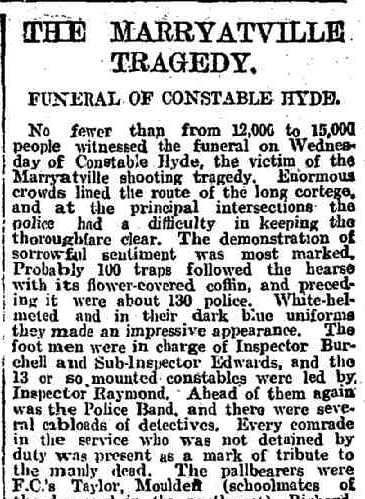
Above: part of an article from the Observer, Adelaide, Sat 9 Jan 1909. Image c/o Trove
Following the shooting of Constable Hyde, a memorial committee was formed by local residents. On Wednesday, the 3rd day of August 1909, an oak tree, surrounded by an ornamental tree guard, was placed at the location where he was shot at Eastry Street. (Trove 2025)
The alleged offenders in this incident were never identified. This was despite a £500 reward offered for information leading to the conviction of those responsible for his murder. (Trove 2025)
In February 1909, two men were arrested by Sydney police for the theft of jewellery, and who were implicated in the murder of Constable Hyde. It was ascertained that the men, Peter ‘Percy’ McKay and William Robertson, had travelled from Adelaide just after the murder, and that they brought a light overcoat found near the scene, which has been identified as one resembling a coat previously worn by one of the suspects. However, they were never convicted of the murder. Other arrests also took place in South Australia; however, no person was ever found guilty. In 1974, a male in custody in Western Australia made a ‘deathbed confession’ to the murder of Constable Hyde; however, he was never charged. (Trove 2025)
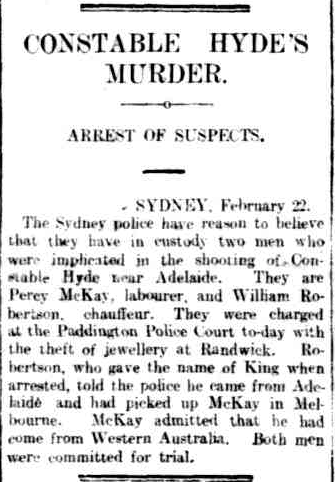
Above: Article from The Register, Tues 23 Feb 1909. Image c/o Trove
In February 1909, the South Australian Government agreed to pay £500 to the family of the late Constable Hyde.
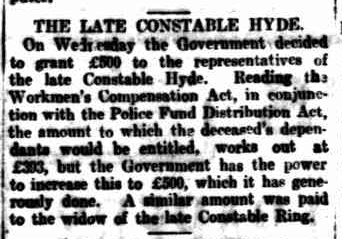
Above: Article from The Register, Thu 4 Feb 1909. Image c/o Trove
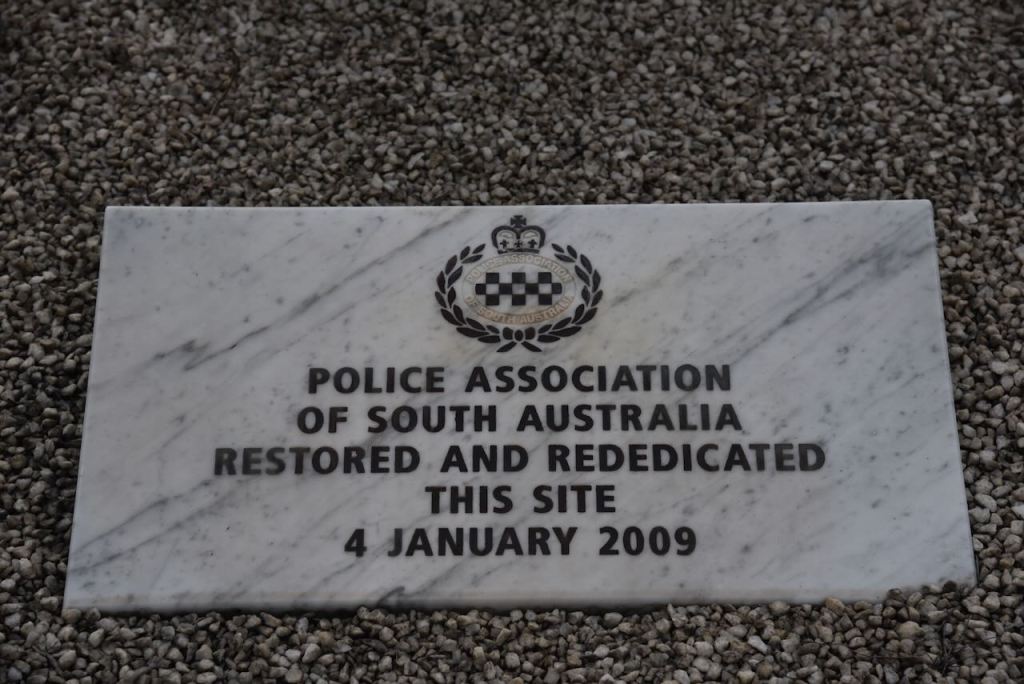
After the activation, I visited the grave of Foot Constable Hyde at the West Terrace Cemetery in Adelaide.
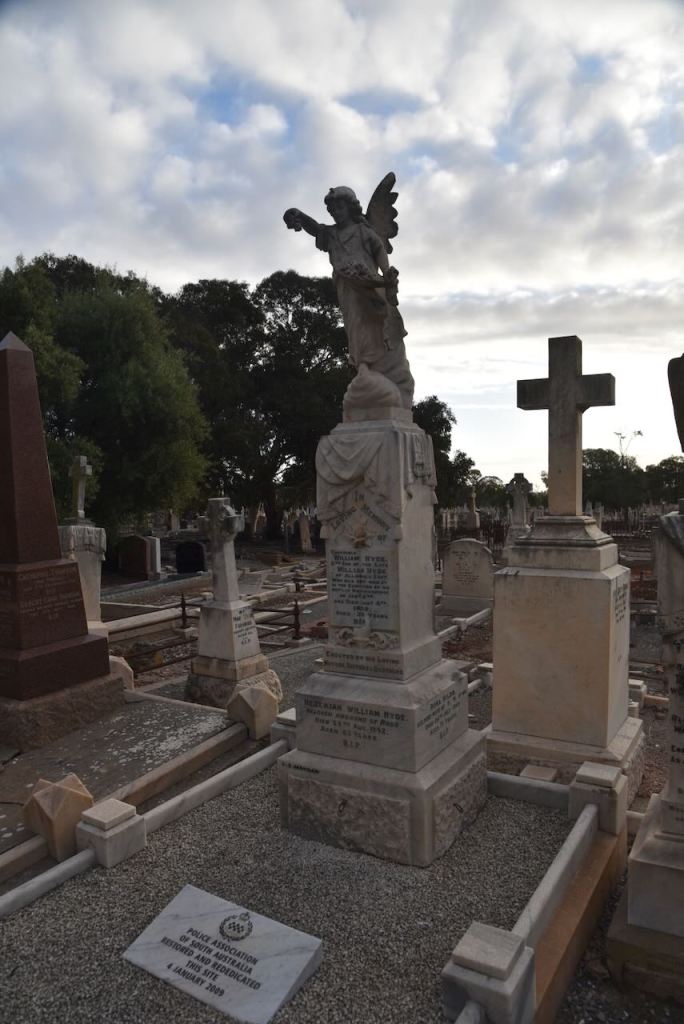
I operated from the 4WD, parked in car park at the memorial gardens. I ran the Icom IC7000, 100 watts, and the Codan 9350 antenna with the 1.5 metre stainless steel whip.
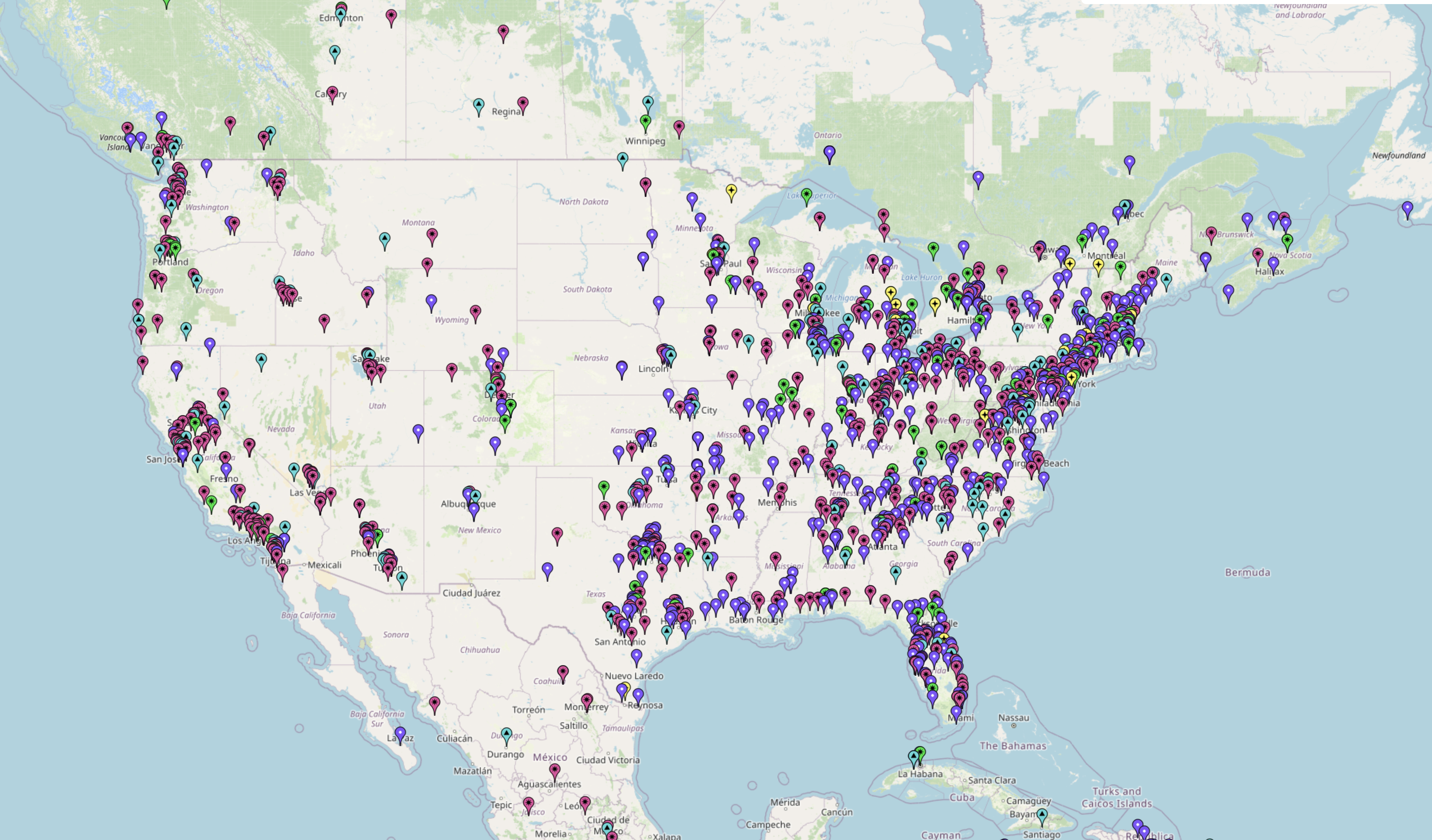
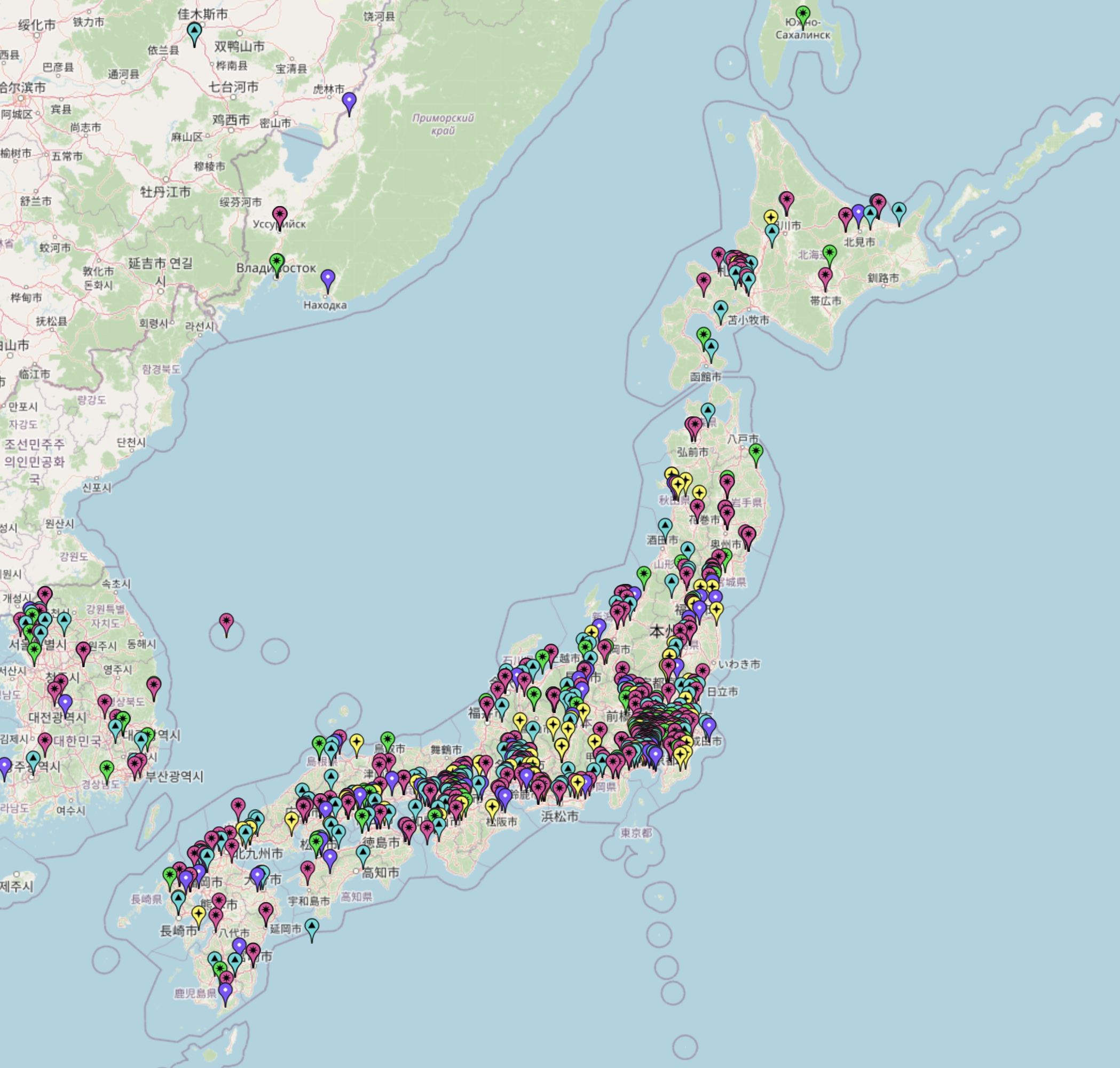
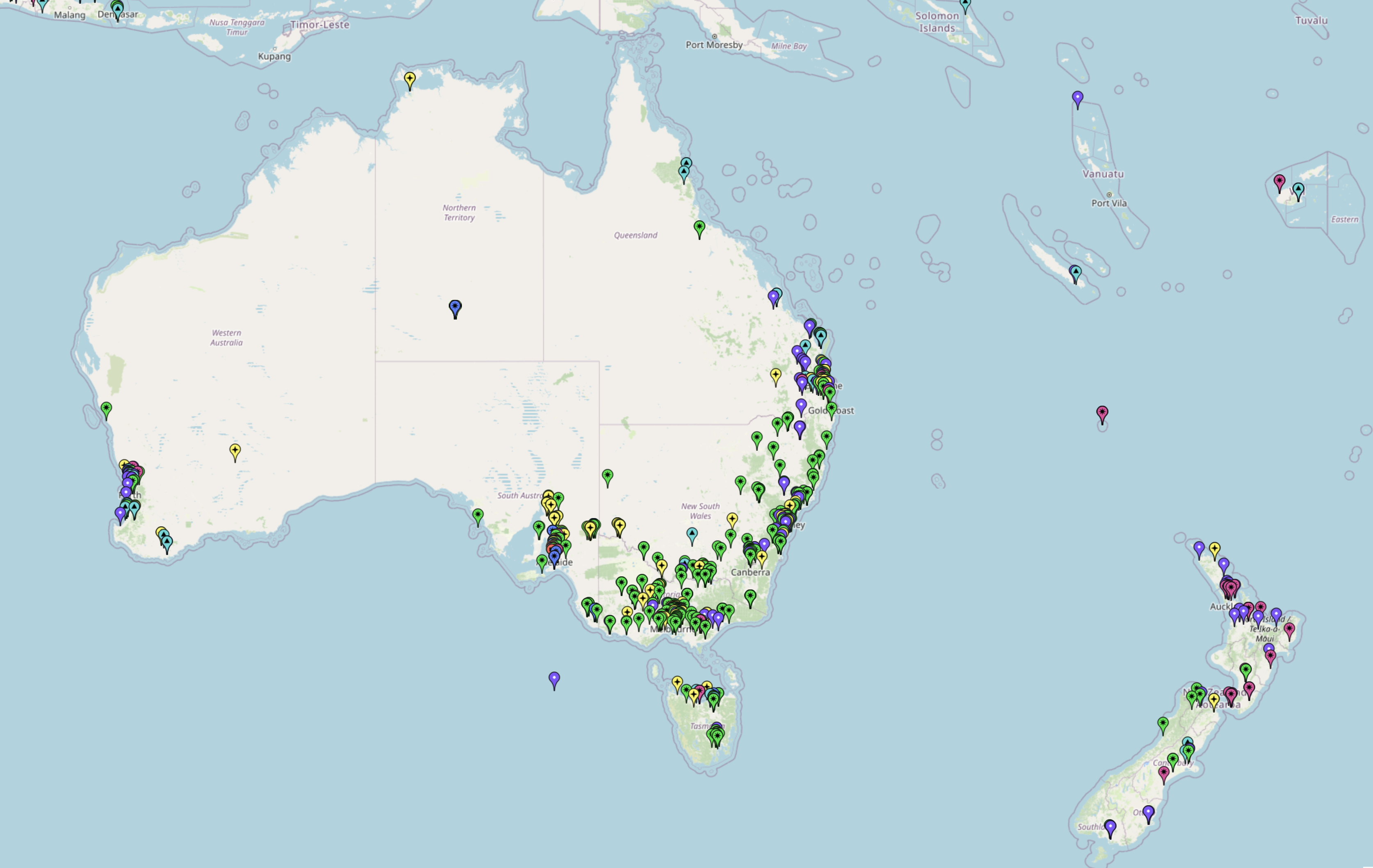
I worked the following stations on 40m SSB:-
- VK5HS
- VK3SQ
- VK3JT
- VK2BD
- VK3UP/M
- VK5PE
- VK3STV
- VK3PWG
- VK3CLD
- VK3GB
- VK5LA
- VK3PF/P (VKFF-6130)
- VK3EPL/P (VKFF-6130)
- VK3AEI
- VK3SPX
- VK3ACR
- VK3FBLT/P (VKFF-0772)
References.
- ancestry (2016). Ancestry® | Genealogy, Family Trees & Family History Records. [online] Ancestry.com.au. Available at: https://www.ancestry.com.au/.
- Trove. (2025). INQUEST ON CONSTABLE HYDE. – Chronicle (Adelaide, SA : 1895 – 1954) – 9 Jan 1909. [online] Available at: https://trove.nla.gov.au/newspaper/article/88293215/8508683 [Accessed 5 Oct. 2025].
- Trove. (2025). MEMORIAL TO CONSTABLE HYDE. – The Express and Telegraph (Adelaide, SA : 1867 – 1922) – 3 Aug 1909. [online] Available at: https://trove.nla.gov.au/newspaper/article/209670758?searchTerm=constable%20shot%20%2B%20hyde [Accessed 5 Oct. 2025].
- Trove. (2025). PERILS OF THE POLICE FORCE. – CONSTABLE HYDE SHOT – Evening Journal (Adelaide, SA : 1869 – 1912) – 4 Jan 1909. [online] Available at: https://trove.nla.gov.au/newspaper/article/203424361?searchTerm=constable%20shot%20%2B%20hyde [Accessed 5 Oct. 2025].
- Trove. (2025). MURDER OF CONSTABLE HYDE. – Observer (Adelaide, SA : 1905 – 1931) – 9 Jan 1909. [online] Available at: https://trove.nla.gov.au/newspaper/article/164671960?searchTerm=constable%20shot%20%2B%20hyde [Accessed 5 Oct. 2025].
- Trove. (2025). THE MARRYATVTILLE TRAGEDY. FUNERAL OF CONSTABLE HYDE. – Observer (Adelaide, SA : 1905 – 1931) – 9 Jan 1909. [online] Available at: https://trove.nla.gov.au/newspaper/article/164671694?searchTerm=constable%20hyde%20funeral [Accessed 5 Oct. 2025].
- Trove. (2025). TOPICS OF THE DAY. – THE MURDERER OF CONSTABLE HYDE. – The Advertiser (Adelaide, SA : 1889 – 1931) – 2 Feb 1909. [online] Available at: https://trove.nla.gov.au/newspaper/article/5168727?searchTerm=murder%20of%20police%20constable%20south%20australia [Accessed 5 Oct. 2025].
- Trove. (2025). The Register (Adelaide, SA : 1901 – 1929) – 23 Feb 1909 – p5. [online] Available at: https://trove.nla.gov.au/newspaper/page/4487043?searchTerm=constable%20hyde%20%2B%20arrest [Accessed 5 Oct. 2025].
- Trove. (2025). THE MURDER OF CONSTABLE HYDE. – RUMORED ARREST OF SUSPECT IN SYDNEY. Sydney, Monday. – Barrier Miner (Broken Hill, NSW : 1888 – 1954) – 30 Mar 1909. [online] Available at: https://trove.nla.gov.au/newspaper/article/45066215?searchTerm=constable%20hyde%20%2B%20arrest [Accessed 5 Oct. 2025].
- Trove. (2025). The Register (Adelaide, SA : 1901 – 1929) – 4 Feb 1909 – p4. [online] Available at: https://trove.nla.gov.au/newspaper/page/4486874?searchTerm=constable%20hyde%20%2B%20compensation [Accessed 5 Oct. 2025].








 VK5PAS