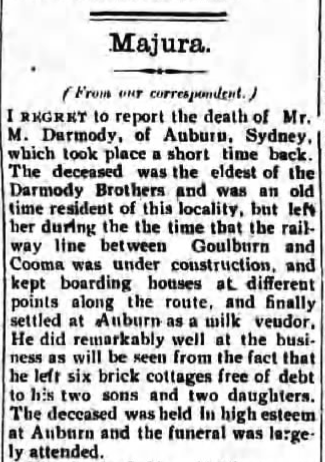
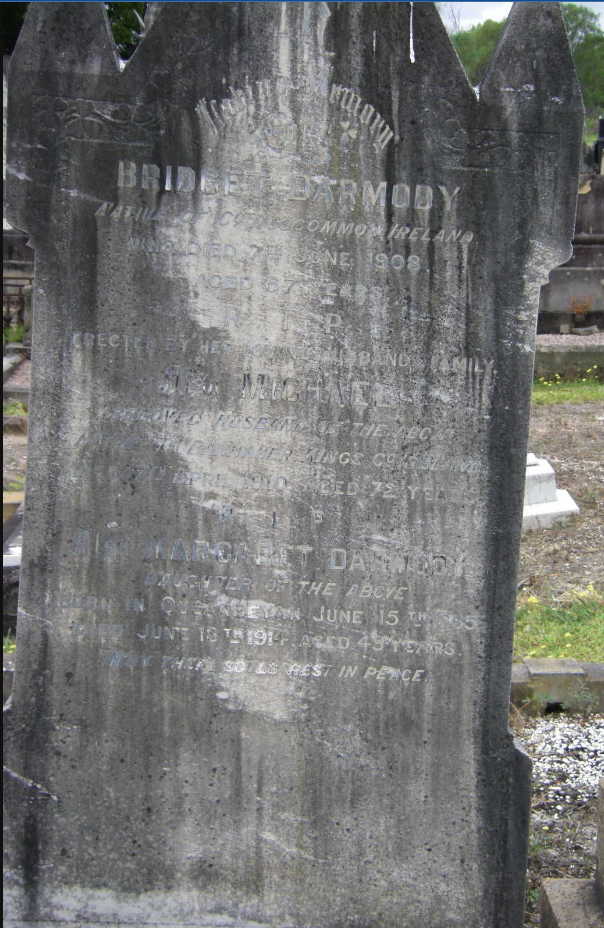
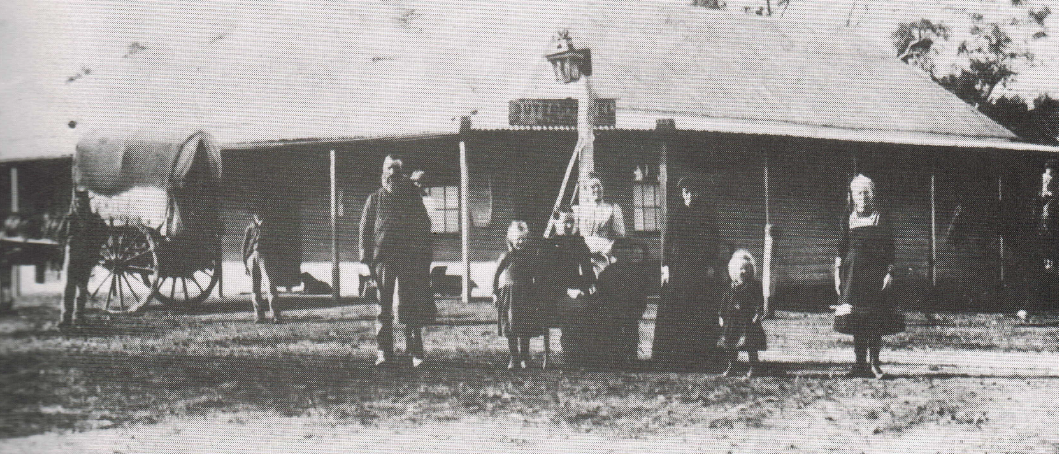
Galore Hill VK2/ RI-047

Our next activation for Wednesday, 22nd October 2025, was Galore Hill VK2/ RI-047 for the Summits On The Air (SOTA) program.

Along the way, we stopped off in the tiny locality of Tootool, about 16 km west of The Rock.

The town takes its name from the Tootool Run, which was established by Robert and Archibald Irvine. Archibald Irvine was born in 1815 in Fermanagh, Ireland. Robert was born in c. 1823 in Fermanagh, Ireland. They emigrated to Australia in 1841 aboard the Berkshire. (ancestry 2016)

Both Robert and Archibald died under very sad circumstances.

Robert died in 1862 at Tootool Station. His cause of death was suicide as a result of the ingestion of strychnine. It appears from an item in The Pastoral Times in 1863 that Robert was an alcoholic and had been discussing suicide. (Trove 2026)

Above: part of an article from The Pastoral Times, Sat 10 Jan 1863. Image c/o Trove.

Archibald died in 1874 in the hospital at the Goulburn Gaol. In February 1874, he had been brought before the Goulburn Police Court, having been charged with being of unsound mind through excessive drinking.

Above: article from Australian Town and Country Journal, Sydney, Sat 7 Mar 1874. Image c/o Trove

The run was then acquired by Edward Ashcroft. He was born in December 1828 in Campbelltown, New South Wales. By 1864, he was living at Tootol Station. His eighth child, Alfred, was born there. He died in July 1896 at Tootool Station. (ancestry 2016)

Above: the Ashcroft family. Edward Ashcroft is 2nd from the left in the back row. Image c/o ancestry.com.au

In November 1901, a fire broke out at the Tootool run homestead. This resulted in the total destruction of the eight-roomed homestead. (Trove 2026)

Above: article from the Wagga Wagga Express, Thu 21 Nov 1901. Image c/o Trove

The Tootol Public School opened in 1887 and closed in 1968. The Tootool Post Office opened on the 1st day of August 1901. It closed in 1966. Tootool had its own cricket team. (Trove 2026) (Wikipedia 2021)

Above: a letter which appeared in The Albury Banner & Wodonga Express, Fri 4 Jul 1913. Image c/o Trove

Some interesting events have occurred at Tootool or been linked to Tootool. In 1906, an elderly man, David Wallace, was arrested and charged with having wilfully and maliciously set fire to natural grass at Tootool. He was convicted and sentenced to two years’ hard labour in the Goulburn Gaol.

Above: part of an article from the Wagga Wagga Advertiser, Thu 22 Feb 1906. Image c/o Trove

In February 1910, Christopher James Bolger was born at Tootool. Chris was a keen sportsman and was well known as a child for his tightrope walking. His family had a farming property known as Mount Austin and Toronto at Tootool.

Above: part of an article from the Daily Advertiser, Mon 29 Oct 1917. Image c/o Trove

Sadly, Chris was murdered at his property near Wagga Wagga. His body was found in a well, with two bullet wounds to the head, and his feet were tied, and a bag was over his head. Roy Soutar, who had been employed by Chris as a dairy hand, was charged with his murder. He was convicted and sentenced to death, which was commuted to life imprisonment. (Trove 2026)

Above: part of an article from The Truth, Sydney, Sun 5 Jan 1936. Image c/o Trove

On a happier note, the Tootool rest area is certainly well worth a visit. In 2000, a Tootool and French Park reunion celebration was held with a book being published. With some money left over, it was decided that a roadside rest stop complex would be built. Hats off to all those involved as this is a great little place to step out of your vehicle, stretch your legs, and read about this hsitoric little place.

The rest area includes a rotunda which contains an extensive amount of information about the district.

There is an old windmill and an old tree stump adorned with coourful bird nesting boxes.

The Tootool War Memorial is also located at the rest area. The memorial consists of a cement pillar on a four-stepped base, set on brick paving surround with each face inlaid with grey polished granite. On each granite face are the names of Tootool residents who served, with their fate marked with a + meaning killed in action, * died of wounds, X died of sickness, and ☒ cause of death unknown. (NSW.gov.au 2025)

There is also a memorial for the fatal collision of two Wirraways in August 1943. Both aircraft were from the RAAF 5 Service Flying School at Uranquinty. Three members of the RAAF were killed: Leading Aircraftsmen Frank Kenneth Smith, John Christopher Chandler and Raymond Thomas Cooper. St Leonard Hardy White, the pilot, successfully parachuted out of one of the aircraft. Sadly, he was killed in another air accident only three months later. (Nsw.gov.au 2019)

A little further up the road from the rest area, you will find the Tootool Telstra Telephone Exchange building mural. The artwork on the building was created by Australian-USA-based artist Damien Mitchell. He is originally from the Riverina region of New South Wales. The artwork features an old telephone, the Tootool Public School badge, the historic Tootool Bridge, native flora and fauna, and a swaggie. The artwork commenced on the 25th day of May 2023, and was completed the following day. (Visitnsw.com 2016)

We continued on to the little town of Mibrulong. This is an Aboriginal word meaning ‘rosella parrot.’ (Visit Lockhart 2022)

The Boundary Inn was built c. 1900 by Mr John Henry Menz. The hotel closed in November 1999. (Chirp Internet 2026)

Johann ‘John’ Henirich ‘Henry’ Herman Menz was born in November 1856 at Light Pass, South Australia. During his life, he was engaged in the hotel industry and farming at Jindera, Burrambuttock, Albury, and Mibrulong. He died in May 1901 at Albury, New South Wales. (Findagrave.com 2019)

On Tuesday, 7th December 1880, whilst living at Jindera and being the licensee of the local hotel, a brutal crime occurred at the home of his father, Martin Johann Menz. A swagman called Henry Wilkinson had been drinking at John’s hotel. The swaggie left the hotel to head to Albury. Later that night, John’s father was murdered, his daughter Maria Dorothea ‘Mary’ mortally wounded, and the house was set on fire. (Findagrave.com 2019)

Above: part of an article from Australian Town and Country Journal, Sat 11 Dec 1880. Image c/o Trove

After the house had been set alight, Mary, who had been shot three times with a revolver, fled the house with her 10-month-old son. She arrived at a nearby house owned by Mrs Douglass, suffering from a gunshot wound. She informed the homeowner that a male believed to be Wilkinson had shot her father and herself, robbed them, and then set fire to the house. (Findagrave.com 2019) (Trove 2026)

Following the murder, Wilkinsonson continued drinking at Jindera, using the money he had stolen. (Findagrave.com 2019)

Wilkinson was arrested at Jindera the following day. On Thursday, 16th December 1880. Mary died at the Albury Hospital from her injuries. (Findagrave.com 2019) (Trove 2026)

A trial took place at Albury, where Wilkinson was convicted and sentenced to death. He was hanged in the Albury Gaol on 4th June 1881. This was the only execution that took place at the Albury Gaol. (Findagrave.com 2019) (Trove 2026)

Above: article from The Australasian, Melbourne, Sat 4 Jun 1881. Image c/o Trove

The Mibrulong Post Office opened on the 7th day of August 1899 and closed in 1976. The Mibrulong Railway Station was opened in late 1900. In its heyday, Mibrulong had its own football club. (Wikipedia 2025)

Mibrulong has an excellent water tower tank art project. It was painted by Scott Nagy and Krimsone in May 2020. It features the Eastern Rosella, which is native to the Mibrulong district. (Australiansiloarttrail.com, 2020)

We then continued on to the town of Lockhart, which is known as the historic verandah town. We had a very quick look around the town (we did come back about a week later for a much better look).

Lockhart has a very interesting attraction called Pastoral Shadows of Brookong. It features a series of rural scenes that have been created with rusted iron, metal scraps and natural materials.

CWA Park in Lockhart features a series of metal sculptures.

Lockhart also has an excellent water tank mural art project. This project was also undertaken by artists Scott Nagy and Janne Birkner @ Krimsone. It was completed in October 2018, and was completed in just over 2 weeks. The artists used freehand spray cans and cost about $28,000.00. (Australiansiloarttrail.com 2026)

We then left Lockhart and headed to Galore Hill. As we drove along the Lockhart Kywong Road, Marija and I were able to get some nice views of Galore Hill across the paddocks.

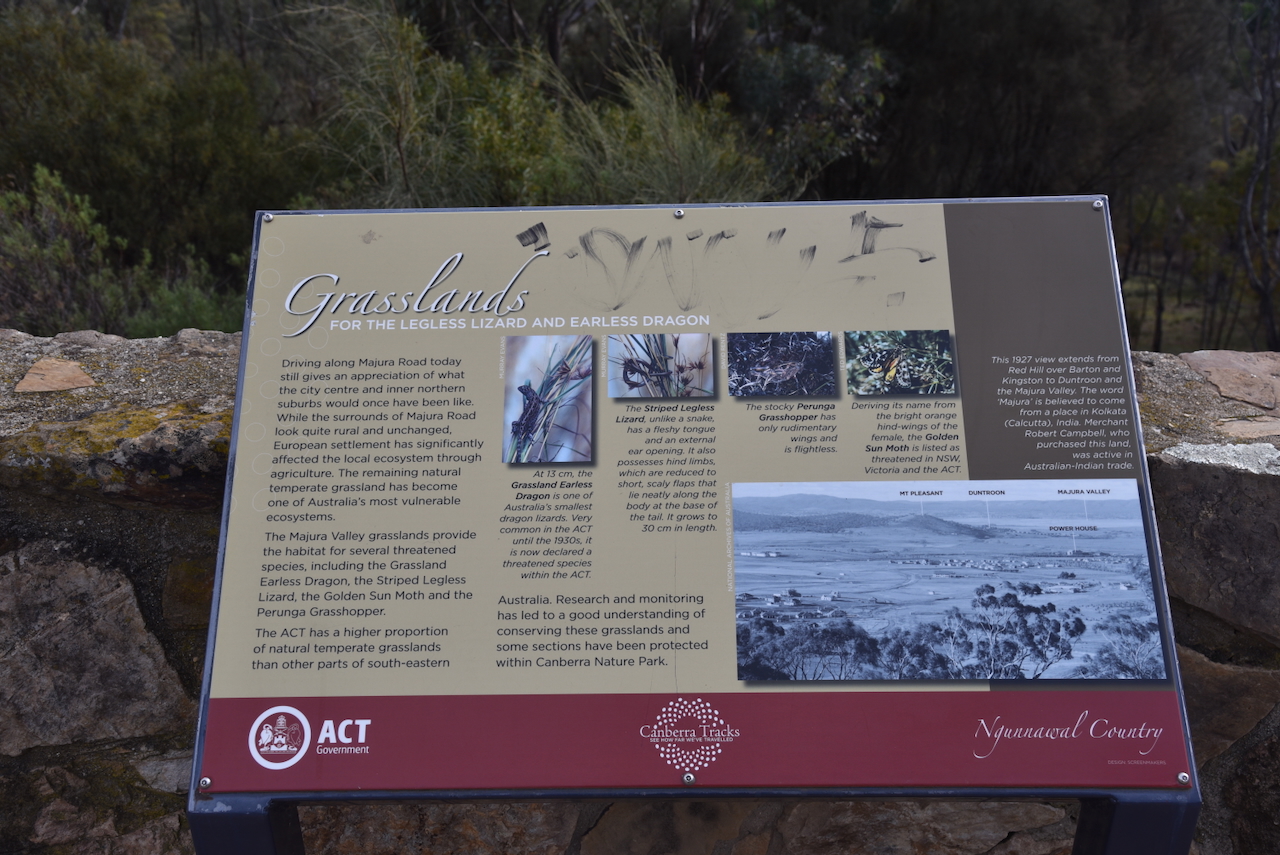
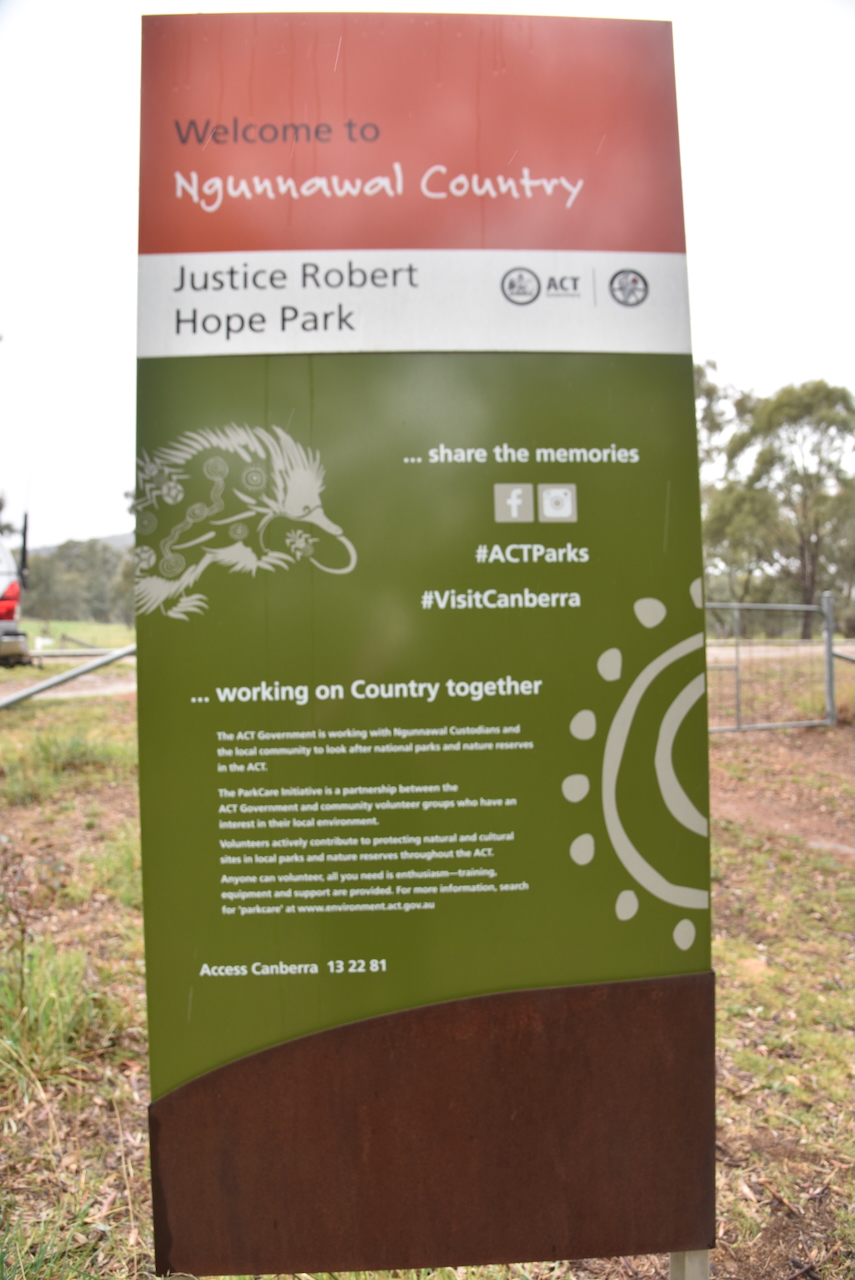
Marija and I soon reached the Galore Hill Scenic Reserve. Sadly, the reserve does not qualify for the World Wide Flora Fauna (WWFF) program, as it is a council reserve under the control of the Lockhart Shire Council. The reserve is about 500 hectares in size and was proclaimed in 1968. Over 140 species of birds have been recorded in the reserve. Native mammals include kangaroos, wallabies, and echidnas. The reserve is home to rare ground-dwelling orchids, including Pink Fingers and Blue Fairies. (Lockhart Shire Council n.d.)

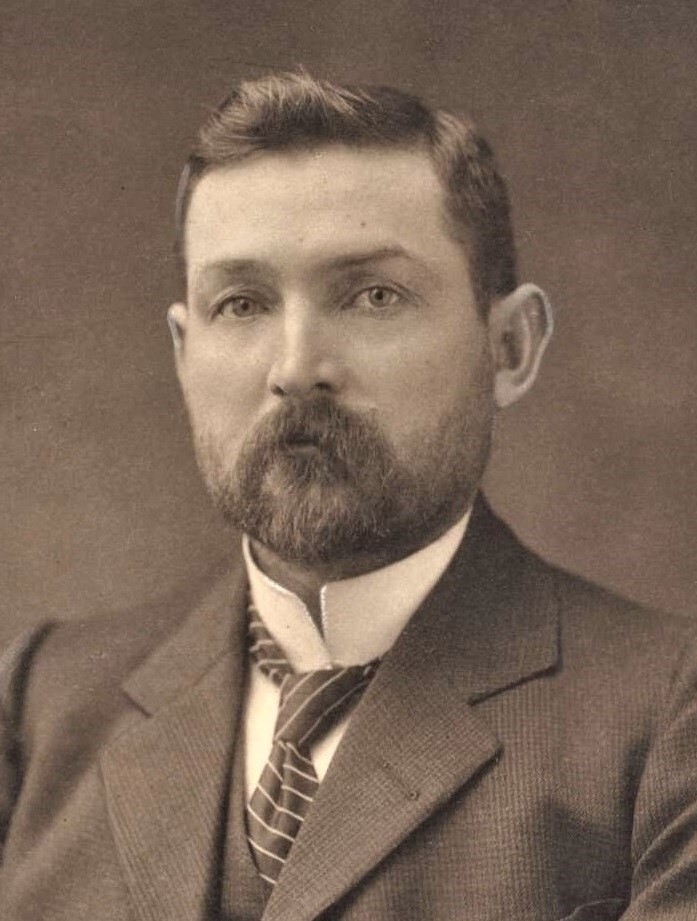
The first European to sight Galore Hill was the explorer, Captain Charles Sturt.

Above: Captain Charles Sturt. Image c/o WIkipedia

It is believed that Henry Osborne, who was an early settler, is responsible for the naming of the hill. In 1847, he climbed the hill, and it has been recorded that following climbing to the top, he shouted, “There’s land enough and galore for me.”

Osborne was born in February 1803 in County Tyrone, Ireland. He emigrated to Australia in 1829, arriving in Sydney. By 1839, he had acquired large land holdings in New South Wales. In 1851, he became a member of the Legislative Council, and in 185,6 he was elected to the Legislative Assembly. Sadly, just 3 years later, in March 1859, he died at Wollongong, New South Wales. (Osborne, 1967)

Above: Henry Osborne. Image /co Lockhart Shire Council

It is reputed that the most feared bushranger in Australia, Daniel ‘Mad Dog’ Morgan, used caves on Galore Hill as hideouts from the authorities.

John Owen @ Daniel Morgan, was born in April 1830 in Appin, New South Wales. He attended a Catholic school in Campbelltown, NSW, but was characterised as a ‘n’er-do-well’ with antisocial tendencies. He became a horse and cattle stealer in the late 1840s. In 1854, he was captured by police after robbing two travelling hawkers in the Castlemaine district. He was sentenced to 12 years’ hard labour. Following his release, Morgan commenced his bushranging activities and murder. (Wikipedia 2023)

Above: Daniel ‘Mad Dog’ Morgan. Image c/o Wikipedia

On the 9th day of April 1865, Morgan was shot at Peechelba Station near Wangaratta. He initially survived, but died from his wounds later that day. (Wikipedia 2023)

Above: the capture and death of Morgan. Image c/o Wikipedia

Immediately following his death, a crowd of about 50 onlookers arrived at Peechelba Station. Some commenced to cut locks from his hair. On the 11th day of April, Morgan’s body was conveyed to Wangaratta and placed on public display. Rather morbidly, his head was removed, and his beard and the underlying skin from his face were flayed. It was reported that this was used to make a tobacco pouch. His headless body was buried in a pine coffin in the Wangaratta cemetery. (Wikipedia 2023)

Above: a post-mortem photograph of Morgan. Image c/o Wikipedia

Below is an excellent video on Morgan

Galore Hill is 386 metres above sea level and is worth just 1 point in the SOTA program. It has been activated 9 times since 2013. I was the second person to activate the summit, back in October 2015. (Sotadata.org.uk 2026)

Above: an aerial view of Galore Hill. Image c/o Google Maps.

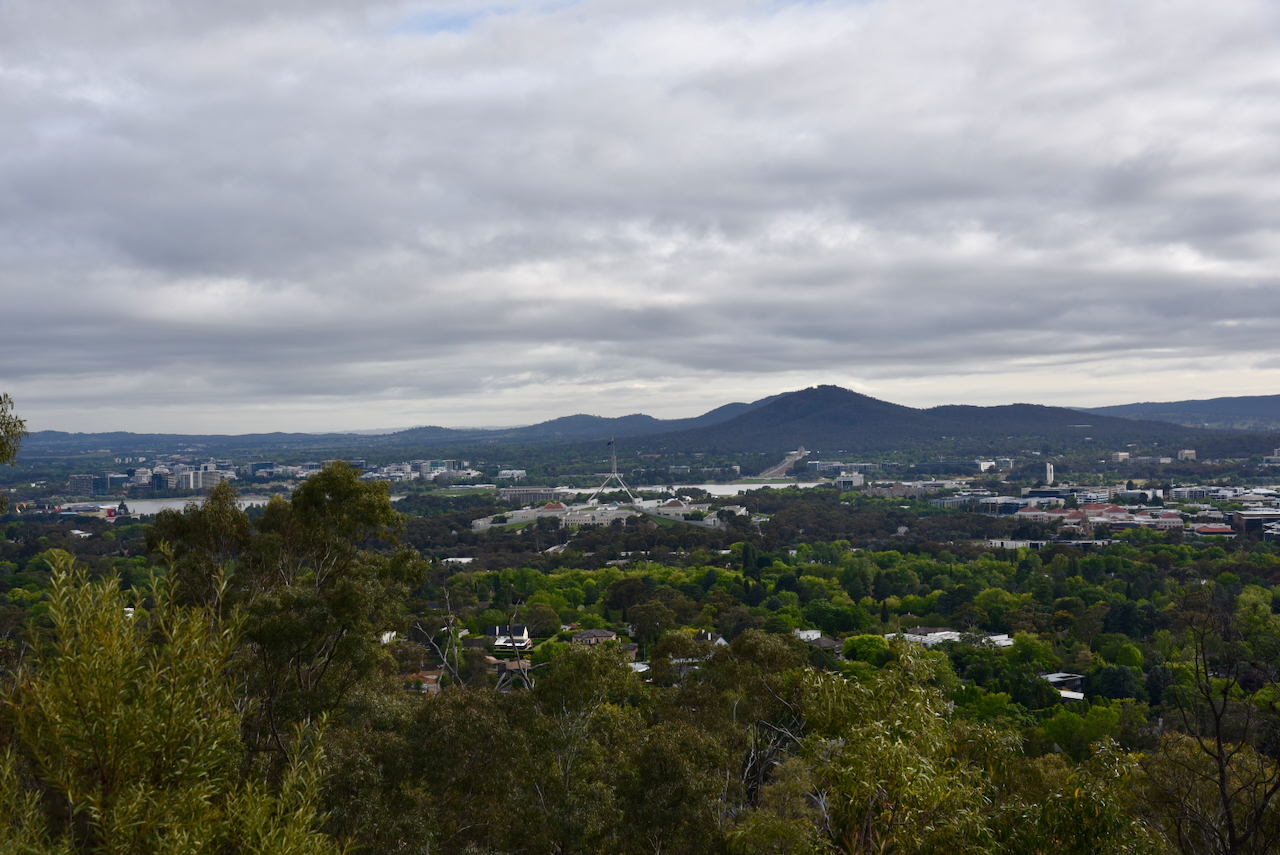
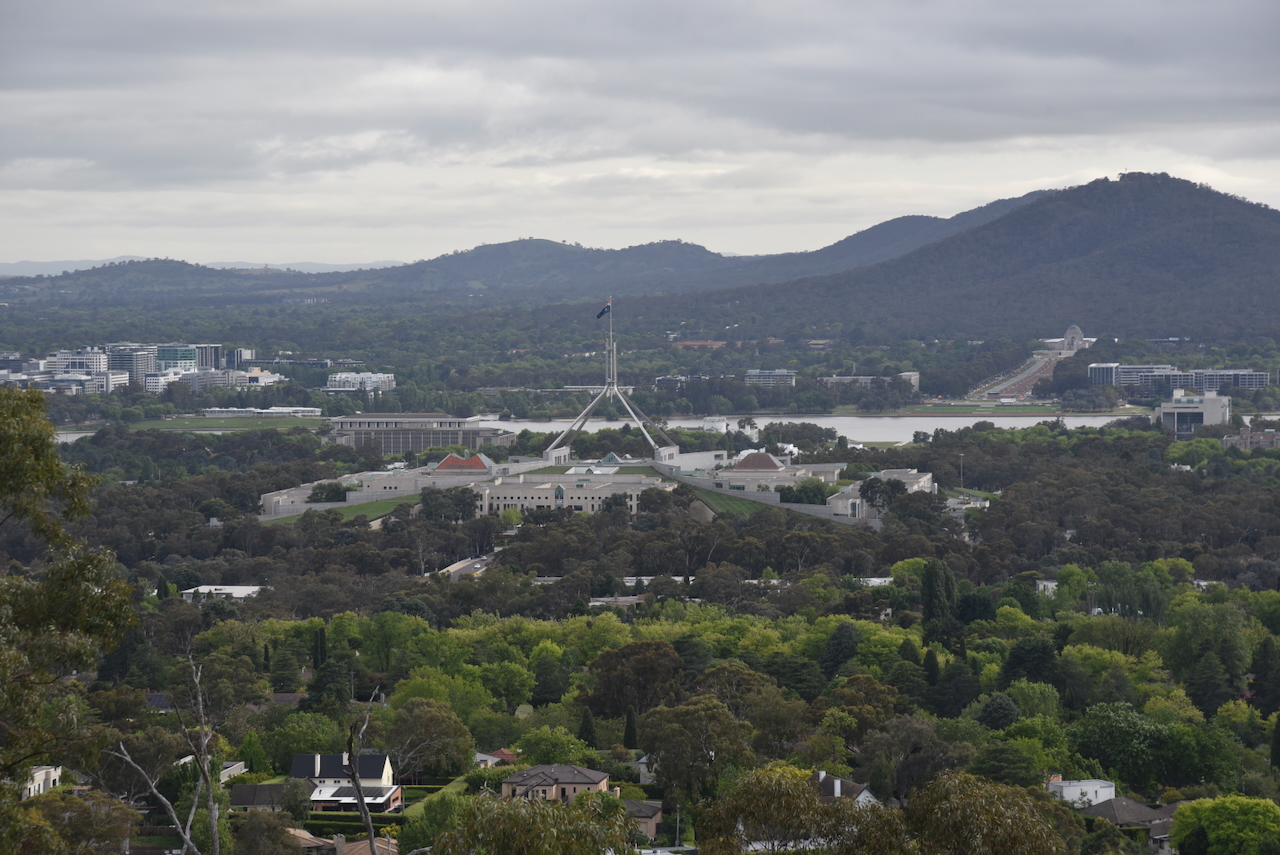
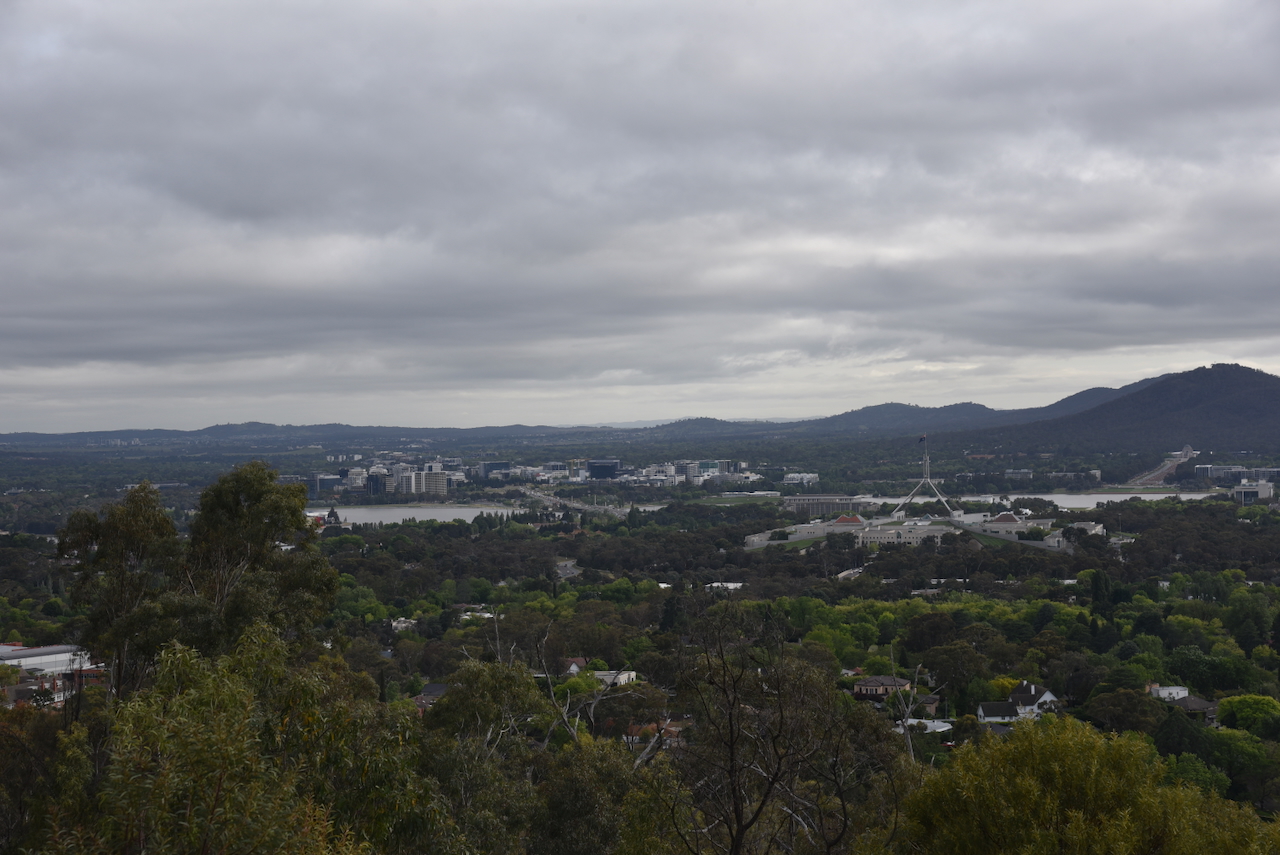
On the top of Galore Hill, you can find an observation tower which offers spectacular views of the surrounding countryside.

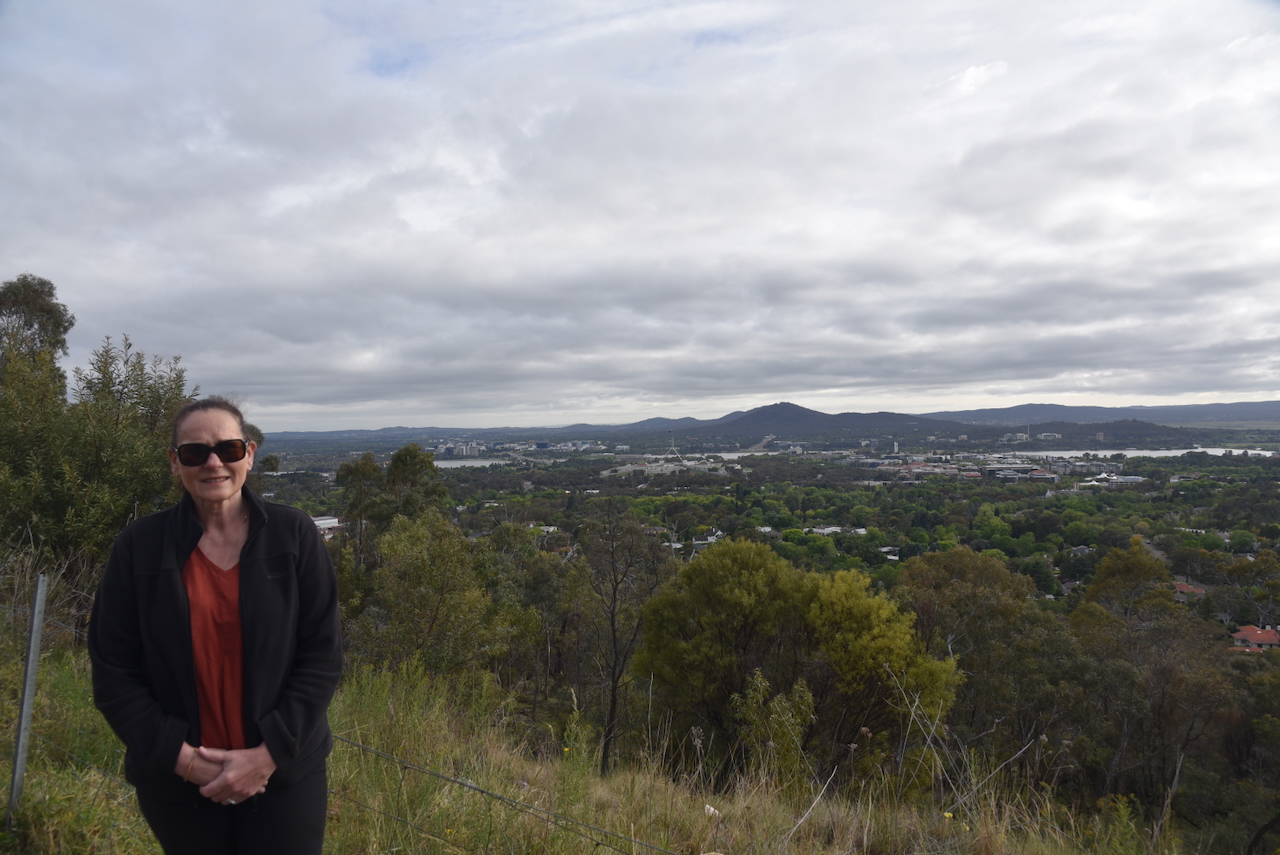
We were on the hill a little late, but we were still rewarded with some brilliant views of the countryside surrounding Galore Hill.

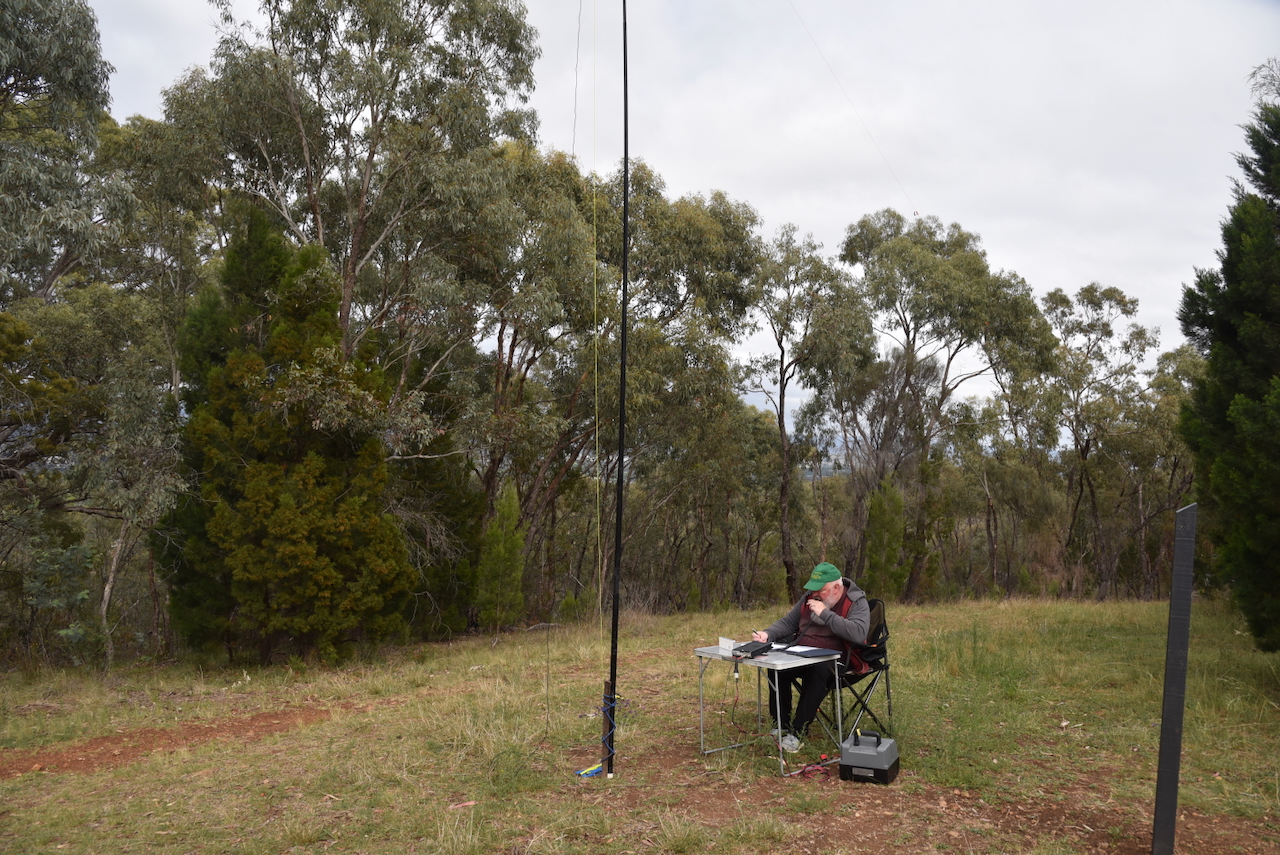
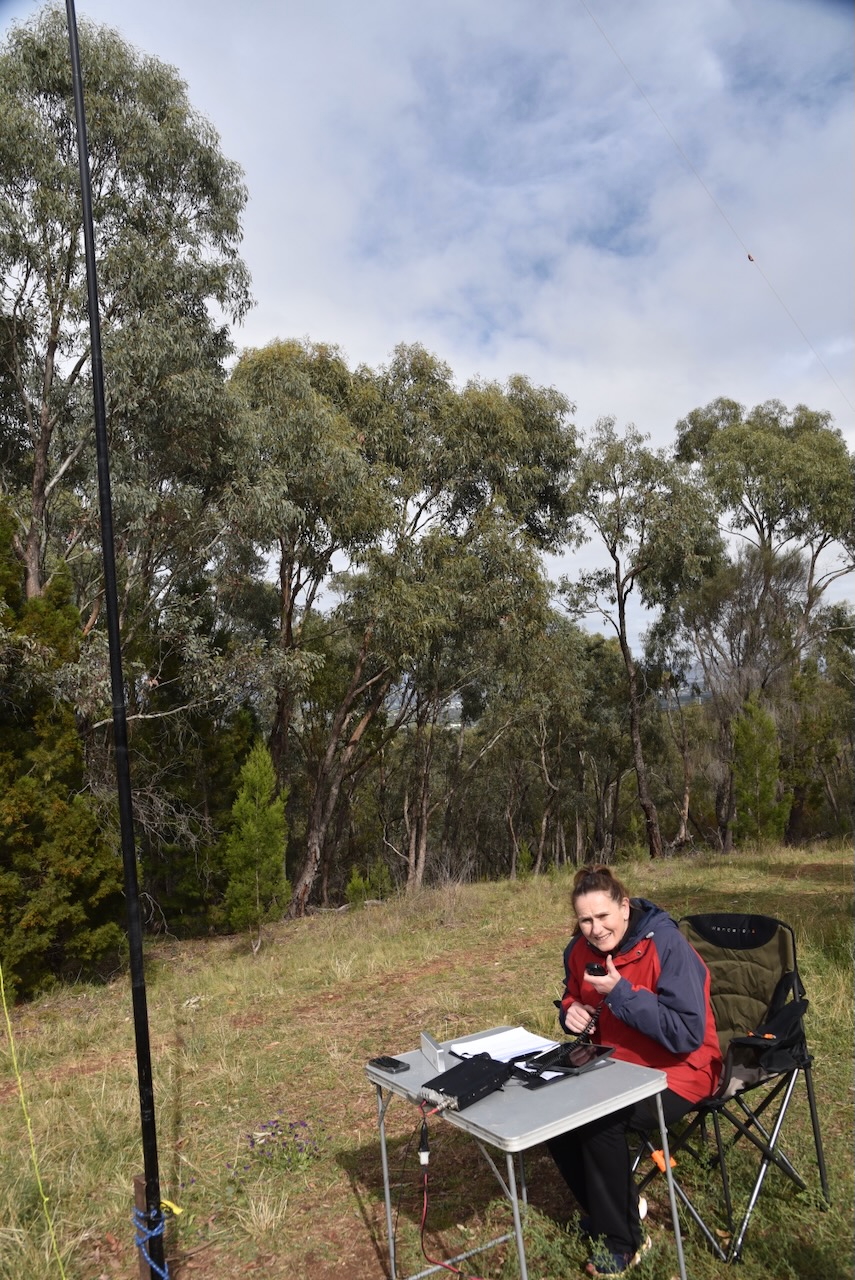
It was a fine late afternoon, but it was absolutely blowing a gale. So we took advantage of the shelter shed on the hill. We were very concerned during the activation that we would end up with a snapped squid pole. Fortunately, that did not occur.

We ran the Yaesu FT857, 40 watts, and the 20/40/80m linked dipole, supported on a 7 metre telescopic heavy-duty squid pole.

Marija worked the following stations on 40m SSB:-

  1. VK3WSG
  2. VK1CHW
  3. VK3PF
  4. VK5IS
  5. VK3GOW
  6. VK2ETI
  7. VK1AO
  8. VK2IO
  9. VK5FR/p (VKFF-1178)
  10. VK5LA/p (VKFF-1974)

I worked the following stations on 40m SSB:-

  1. VK3WSG
  2. VK1CHW
  3. VK3PF
  4. VK5IS
  5. VK3GOW
  6. VK2ETI
  7. VK1AO
  8. VK2IO
  9. VK3ACZ
  10. VK4GAP
  11. VK2MFW
  12. VK5FR/p (VKFF-1178)
  13. VK3AMO
  14. VK3TDK
  15. VK3NYC
  16. VK4SMA
  17. JG0AWE
  18. VK5LA/p (VKFF-1974)
  19. VK4SOA/p
  20. VK4COA/p
  21. VK2HBG
  22. VK4DJF
  23. VK2JPB
  24. VK2HEY

With the summit activated, it was time to head off to Wagga Wagga.

References.

  1. ancestry (2016). Ancestry® | Genealogy, Family Trees & Family History Records. [online] Ancestry.com.au. Available at: https://www.ancestry.com.au/. [Accessed 10 Jan. 2026].
  2. ‌Australiansiloarttrail.com. (2020). \r\n \n Milbrulong Water Tank Art\n \r\n. [online] Available at: https://www.australiansiloarttrail.com/milbrulong [Accessed 11 Jan. 2026].
  3. ‌Australiansiloarttrail.com. (2026). Lockhart Water Tower Art. [online] Available at: https://www.australiansiloarttrail.com/lockhart [Accessed 11 Jan. 2026].
  4. ‌Chirp Internet (2026). Former Boundary Inn Hotel in Milbrulong < New South Wales | Gday Pubs – Enjoy our Great Australian Pubs. [online] Gdaypubs.com.au. Available at: https://www.gdaypubs.com.au/NSW/milbrulong/51164/former-boundary-inn-hotel.html [Accessed 11 Jan. 2026].
  5. ‌Findagrave.com. (2019). John Henry Menz (1856-1901) – Find a Grave… [online] Available at: https://www.findagrave.com/memorial/203769211/john-henry-menz [Accessed 11 Jan. 2026].
  6. ‌Nsw.gov.au. (2025). Tootool District First and Second World Wars Memorial | NSW War Memorials Register. [online] Available at: https://www.warmemorialsregister.nsw.gov.au/content/tootool-and-district-war-memorial [Accessed 10 Jan. 2026].
  7. ‌Nsw.gov.au. (2019). Available at: https://www.parliament.nsw.gov.au/Hansard/Pages/HansardResult.aspx#/docid/HANSARD-1323879322-134323 [Accessed 10 Jan. 2026].
  8. ‌Osborne, B. (1967). Osborne, Henry (1803–1859). [online] Anu.edu.au. Available at: https://adb.anu.edu.au/biography/osborne-henry-2527. [Accessed 10 Jan. 2026].
  9. Sotadata.org.uk. (2026). Sotadata3. [online] Available at: https://www.sotadata.org.uk/en/summit/VK2/RI-047 [Accessed 10 Jan. 2026].
  10. ‌Trove. (2026). Tootool Notes. – The Lockhart Review and Oaklands Advertiser (NSW : 1910 – 1954) – 7 Mar 1911. [online] Available at: https://trove.nla.gov.au/newspaper/article/138527877?searchTerm=tootool%20run [Accessed 10 Jan. 2026].
  11. ‌Trove. (2026). Wagga Wagga Express (NSW : 1875 – 1876; 1879; 1890; 1892 – 1917) – 21 Nov 1901 – p2. [online] Available at: https://trove.nla.gov.au/newspaper/page/15882050?searchTerm=tootool%20fire [Accessed 10 Jan. 2026].
  12. ‌Trove. (2026). The Pastoral Times and Deniliquin and Moama Reporter (NSW : 1863) – 10 Jan 1863 – p4. [online] Available at: https://trove.nla.gov.au/newspaper/page/30687436?searchTerm=irvine%20%2B%20tootal [Accessed 10 Jan. 2026].
  13. ‌Trove. (2026). FARMER FOUND IN WELL – His Feet Were Tied, Bag Over Head – Truth (Sydney, NSW : 1894 – 1954) – 5 Jan 1936. [online] Available at: https://trove.nla.gov.au/newspaper/article/169590628/16108325 [Accessed 10 Jan. 2026].
  14. ‌Trove. (2026). The Jindera Tragedy. – Newcastle Morning Herald and Miners’ Advocate (NSW : 1876 – 1954) – 22 Dec 1880. [online] Available at: https://trove.nla.gov.au/newspaper/article/136707785?searchTerm=menz%20%2B%20wilkinson%20%2B%20jindera [Accessed 11 Jan. 2026].
  15. ‌Trove. (2026). The Jindera Gap Tragedy. – Newcastle Morning Herald and Miners’ Advocate (NSW : 1876 – 1954) – 16 Dec 1880. [online] Available at: https://trove.nla.gov.au/newspaper/article/136702390?searchTerm=menz%20%2B%20wilkinson%20%2B%20jindera [Accessed 11 Jan. 2026].
  16. ‌Trove. (2026). THE ALBURY MURDER. – EXECUTION OF WILKINSON. | ALBURY, WEDNESDAY – The Australasian (Melbourne, Vic. : 1864 – 1946) – 4 Jun 1881. [online] Available at: https://trove.nla.gov.au/newspaper/article/137815603?searchTerm=wilkinson%20%2B%20hanged%20%2B%20albury [Accessed 11 Jan. 2026].
  17. ‌Visit Lockhart. (2022). Milbrulong – Visit Lockhart. [online] Available at: https://www.visitlockhartshire.com.au/explore/milbrulong/ [Accessed 11 Jan. 2026].
  18. ‌Visitnsw.com. (2016). Tootool Telstra Telephone Exchange Building Mural. [online] Available at: https://www.visitnsw.com/destinations/country-nsw/riverina/lockhart/attractions/tootool-telstra-telephone-exchange-building-mural [Accessed 10 Jan. 2026].
  19. ‌Wikipedia Contributors (2021). Tootool, New South Wales. Wikipedia.‌
  20. Wikipedia. (2023). Daniel Morgan (bushranger). [online] Available at: https://en.wikipedia.org/wiki/Daniel_Morgan_(bushranger). [Accessed 10 Jan. 2026].‌

The Rock silo VK-THK2

After leaving The Rock West silo on Wednesday, 22nd October 2025, Marija and I drove a short distance to our next activation, The Rock silo VK-THK2.

Above: Map showing the location of The Rock. Map c/o Google maps.

The silos are located in close proximity to the historic The Rock railway station. The station is located on the Main Southern line. The station building was added to the New South Wales State Heritage Register on the 2nd day of April, 1999. (Wikipedia 2025)

A temporary station had been opened by September 1880 and was known as Hanging Rock. This was following the extension of the Main South line from Wagga Wagga to Gerogery. The Wagga Wagga Advertiser recorded that the building used as the station was only temporary. It was reported that the building of a station, a goods shed, and a station master’s residence was expected to be completed in about three months. (Nswrail.net 2026) (Trove 2026)

Above: part of a newspaper article from the Wagga Wagga Advertiser, Thu 2 Sept 1880. Image c/o Trove

By February 1881, it was reported that a small passenger station, goods warehouse and station master’s house were at Hanging Rock. (Trove 2026)

Above: part of an article from the Evening News, Sydney, Wed 2 Feb 1881. Image c/o Trove

On the 28th day of December 1887, it was renamed Kingston. And then on the 10th day of February 1883, it was renamed The Rock. (Nswrail.net 2026)

The silos are located alongside the railway line and on the northern side of Railway Street.

Construction of The Rock silos commenced in 1918. (Trove 2026)

Above: article from the Daily Advertiser, Wagga Wagga, Thu 27 Jun 1918. Image c/o Trove

The silos were officially opened on the 24th day of October 1918. Mr Watt, the Acting Prime Minister, was invited to be present. (Trove 2026)

Above: A view of the The Rock railway complex with the footings of the grain silos. Image c/o NSW Archives.

Marija and I operated from alongside the silos. We operated from the 4WD running the Icom IC-7000, 100 watts, and the Codan 9350 antenna with the 1/5 metre stainless steel whip.

Above: the activation zone at The Rock silo. Image c/o SiOTA website

Marija worked the following stations on 40m SSB:-

  1. VK3PF
  2. VK2HRX
  3. VK3MCK
  4. VK2ZR

I worked the following stations on 40m SSB:-

  1. VK3PF
  2. VK2HRX
  3. VK3MCK
  4. VK2ZR
  5. VK3BWS
  6. VK1CHW
  7. VK5FANA
  8. VK2HLM
  9. VK2IO
  10. VK1DI
  11. VK3WSG
  12. VK7IAN
  13. VK2DA
  14. VK4SOA
  15. VK4COA
  16. VK5WU
  17. VK5ATJ

References.

  1. Nswrail.net. (2026). The Rock Station. [online] Available at: https://www.nswrail.net/locations/show.php?name=NSW:The+Rock [Accessed 8 Jan. 2026].
  2. ‌Trove. (2026). OPENING OF THE RAILWAY LINE TO GEROGERY – Wagga Wagga Advertiser (NSW : 1875 – 1910) – 2 Sep 1880. [online] Available at: https://trove.nla.gov.au/newspaper/article/101919849?searchTerm=hanging%20rock%20railway%20station [Accessed 8 Jan. 2026].
  3. ‌Trove. (2026). Evening News (Sydney, NSW : 1869 – 1931) – 2 Feb 1881 – p3. [online] Available at: https://trove.nla.gov.au/newspaper/page/11788201?searchTerm=hanging%20rock%20railway%20station [Accessed 8 Jan. 2026].
  4. ‌Trove. (2026). Daily Advertiser (Wagga Wagga, NSW : 1911 – 1954) – 27 Jun 1918 – p2. [online] Available at: https://trove.nla.gov.au/newspaper/page/15623512?searchTerm=the%20rock%20silos [Accessed 8 Jan. 2026].
  5. ‌Wikipedia Contributors (2025). The Rock railway station. Wikipedia.‌

The Rock West silo VK-THT2

After leaving The Rock Nature Reserve on Wednesday, 22nd October 2025, Marija and I drove a short distance to The Rock West silo VK-THT2, for an activation for the Silos On The Air (SiOTA) program.

Above: Map showing the location of The Rock, NSW. Map c/o Google Maps

The silo is located on the northern side of the Lockhart-The Rock Road, and alongside the Oaklands branch railway line. The line is a branch line of the Main South line at The Rock and heads in a southwesterly direction through the towns of Boree Creek and Urana, terminating at Oaklands. The branch line opened to Lockhart in 1901 and then Oaklands in 1912. (Wikipedia 2023)

The silos are opposite The Rock summit and the Nature Reserve.

Above: Aerial view of the silos and The Rock summit. Image c/o Google Maps

Marija and I parked alongside the silos and operated from the 4WD. We ran the Icom IC7000, 100 watts, and the Codan 9350 antenna with the 1.5 metre stainless steel whip.

Above: the activation zone at The Rock West silo. Image c/o SiOTA website

I worked the following stations on 40m SSB:-

  1. VK3WSG
  2. VK2IO
  3. VK2GEZ
  4. VK2ZR
  5. VK3PF
  6. VK3BDW
  7. VK3ZPF
  8. VK3BWS
  9. VK7IAN
  10. VK1CHW
  11. VK3MCK

References.

  1. Wikipedia Contributors (2023). Oaklands railway line. Wikipedia.‌

Hungarian IPARC AWard

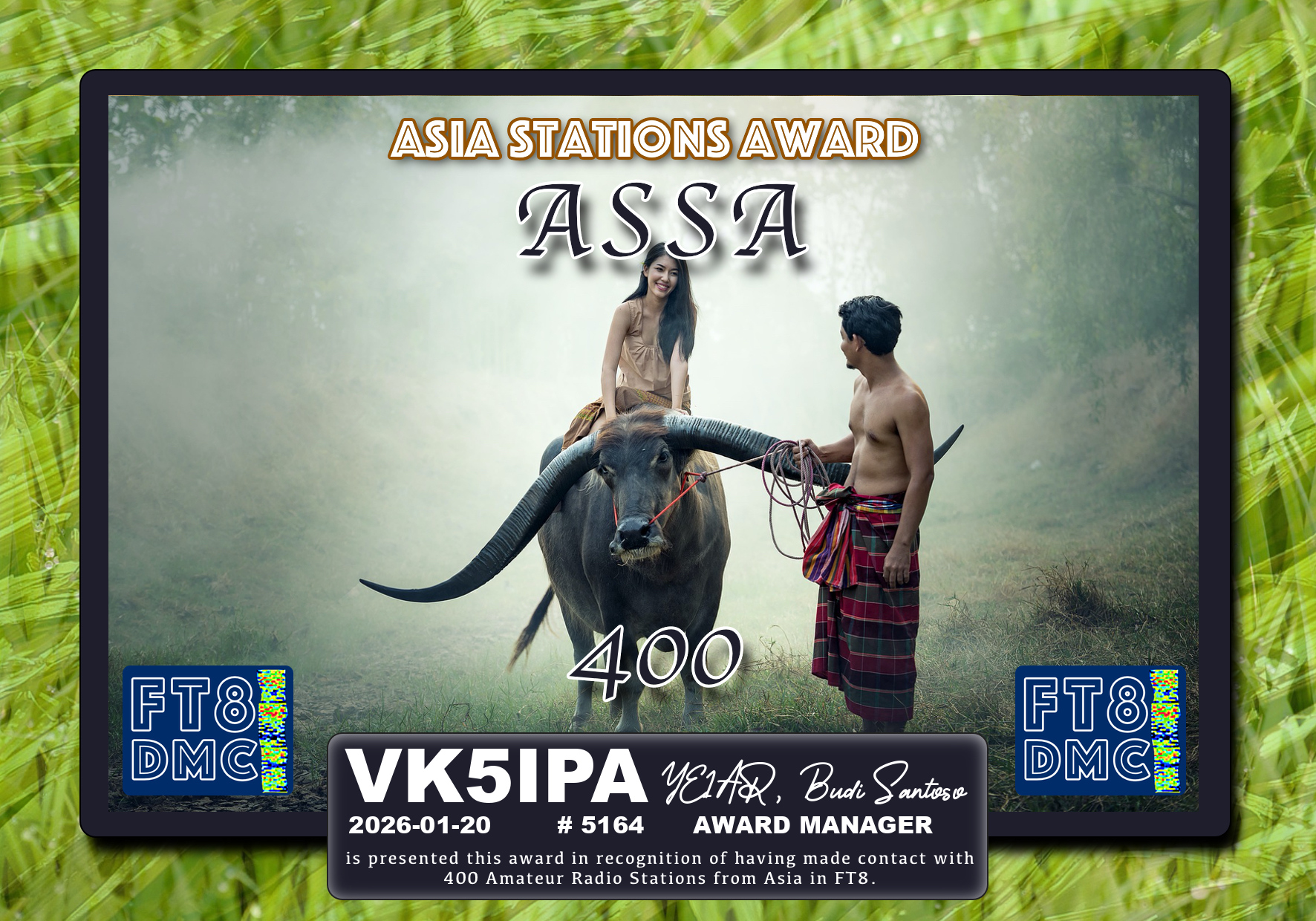
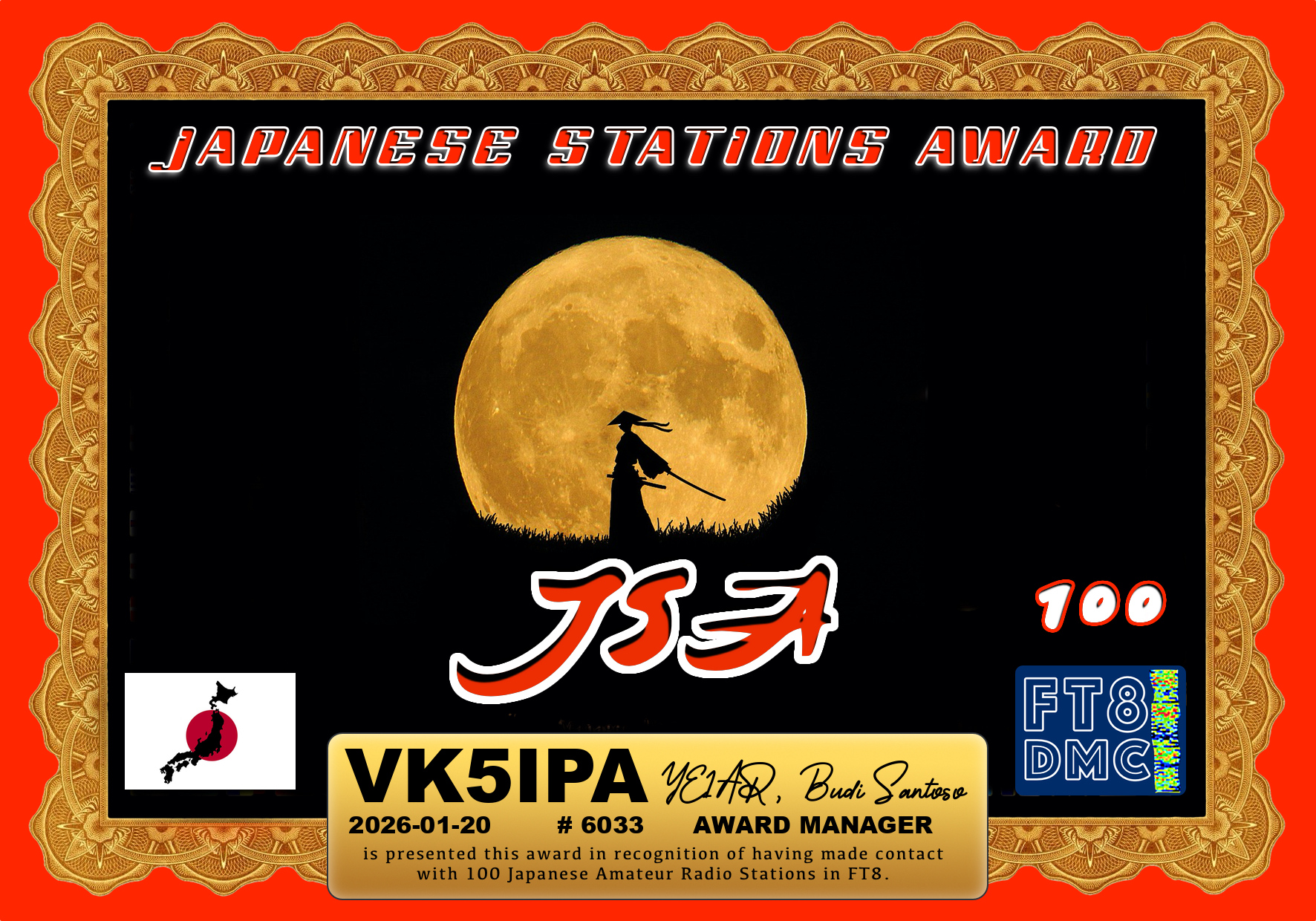
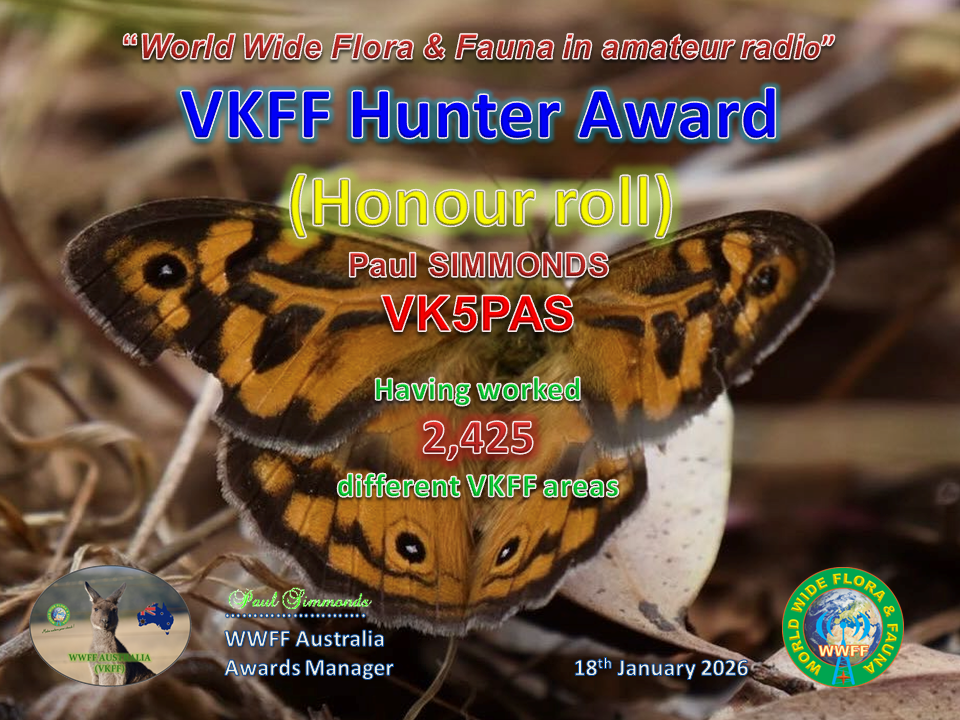
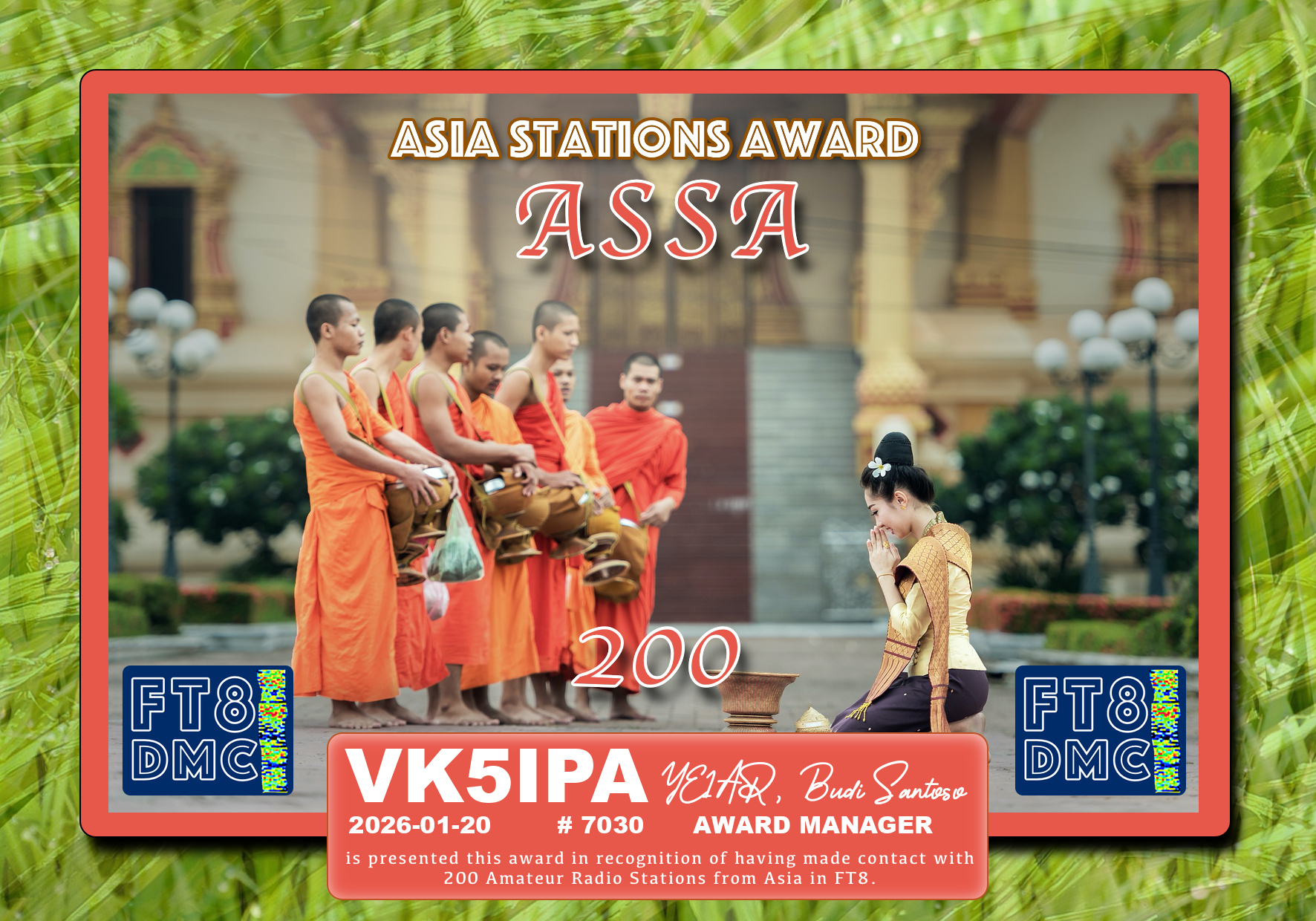
Back in mid-December 2025, whilst operating as VK5IPA, I was fortunate to make contact on 20m FT8 with Gabor HA3JB, HG60IPA, and HG3IPA in Hungary.

HG60IPA was a special event station celebrating the 60th anniversary of the International Police Association (IPA).

As a result, Gabor sent me the special Hungarian IPARC Award. I was incredibly pleased to have made contact with Gabor and to have received the certificate.

Radio Taiwan International New Year

A few days ago, I received the following from Radio Taiwan International.

Dear Listener,

On the occasion of the Lunar New Year, the Vietnamese Section wishes you abundant health, peace, and happiness. We hope you will continue to support and accompany the Vietnamese Section.

Sincerely,
On behalf of the Vietnamese Section,

Le Phuong

The Rock Nature Reserve VKFF-2002

Our next activation for Wednesday, 22nd October 2025, was The Rock Nature Reserve VKFF-2002. The Rock is located in the southern Riverina of New South Wales, about 30 km southwest of Wagga Wagga, and about 482 km southwest of the city of Sydney.

Above: Map showing the location of The Rock, NSW. Map c/o Google Maps

The township of The Rock takes its name from the large rocky hill that overlooks the town. The Rock is located in the traditional lands of the Wiradjuri Aboriginal people. The Aboriginal name for the summit is Kengol. The name of the creek just to the south of the reserve is known as Yerong, which is a corruption of the words ‘yirrang’ or ‘irang’ meaning ‘a place of initiation’ or ‘tooth’. It has been suggested that initiation ceremonies were held at The Rock, where young male Aboriginals had their front teeth knocked out. Tooth ablation has been recorded in several ancient and modern societies around the world. (NSW NPWS 2000) (Wikipedia 2022) (Wikipedia 2025)

The first known European in the district was the explorer Captain Charles Sturt, who in 1829, noticed a large overhanging rock on a summit. It became known as The Hanging Rock. On the eastern side of the summit was a spectacular overhang. (NSW NPWS 2000) (smh.com.au 2025)

Above: Captain Charles Sturt. Image c/o Wikipedia

Sturt wrote in his journal:

“ Sunday, December 7th: Passed at the base of some small hills shortly after leaving our encampment, the last of the elevations to the Westward – Altho’ of no great height, the view from them was extensive and enabled me to keep up my bearings. There was a broken and lofty country to the E.S.E. while to the North East and North it was comparatively flat, but from the last point to the Westward the eye wandered over woodland alone, if I except a solitary hill that bore by compass S 53 W. At about 12 miles distance, and a remarkable Mountain (Kengal) bearings S 32 W– travelled about ten miles on a W by N Course and halted on the Banks of the River………”.

Above: Map showing the 1829 Charles Sturt expedition (in red). Image c/o Wikipedia

In 1847, James Eagan Wall held the licence for the Hanging Rock Run comprising about 60,000 acres. James was born in 1814 in Galway, Ireland. He emigrated to Australia in c. 1843, and in January 1845, he married Emma Anne Tooth. They initially lived at Tumut, and by 1847, they had moved to Hanging Rock Station, where they built a homestead. James was a mail contractor operating out of Wagga Wagga. He was a qualified chemist and also practised as a Doctor. (ancestry 2016) (NSW NPWS 2000) (smh.com.au 2025) (WWDHS 2025)

Many years after leaving Hanging Rock, Wall was arrested and charged with manslaughter in 1881. He carried out an abortion procedure on a young woman who died. He was subsequently found guilty in January 1882 and imprisoned for 12 months. (Trove 2026)

Above: article from the Newcastle Morning Herald, Mon 8 Aug 1881. Image c/o Trove

In October 1858, Wall had transferred his run to Susannah E Brown. Later that year, in December 1858, Wall was declared insolvent with debts of £997 and assets of £751. (WWDHS 2025)

In 1862, the area around The Rock was surveyed, and the immediate surrounds were gazetted as a crown reserve. (NSW NPWS 2000)

In 1863, the summit was recorded on a map as ‘Kengal’, although the European settlers referred to the summit as The Hanging Rock. (NSW NPWS 2000)

In February 1873, John King had purchased the Hanging Rock Run, along with 800 head of cattle. (WWDHS 2025)

John Thomas King was born in June 1825 in Cobbitty, New South Wales. In 1853, he married Isabella Elizabeth Cox in Albury, New South Wales. They had 11 children. (ancestry 2016)

Above: John King. Image c/o ancestry.com.au

In 1874, the overhanging rock collapsed. The falling rock cut a swathe through the timber on the eastern side of the summit. Pieces of this large rock can still be seen today. (NSW NPWS 2000) (smh.com.au 2025)

The first known hotel was the Hanging Rock Hotel. The licence for the hotel was issued in December to Mary Ann Hines in 1879. Mary Ann Cox was born in 1837 in Sydney. She married Abraham Thomas Hines in 1854 in Sydney. They had 7 children. Abraham died in 1876, 3 years before the hotel licence was granted. By early 1880, Frederick ‘Fred’ Hines was managing the hotel for his mother. It appears the hotel ceased trading in the middle of 1880. (ancestry 2016) (WWDHS 2025)

In February 1880, Fred had left Wagga Wagga in a sprint cart loaded with goods and called in to the Hawkins Hotel. He spoke with a female at the bar who asked him for a ride. During the journey, the female asked to take the reins, and the cart subsequently rolled. The female was killed. An inquest was held before Mr District Coroner Tompson at the Drover’s Arms Hotel, Wagga Wagga. The jury returned the following verdict, exonerating Fred of any blame in the matter:

“that deceased met her death on the 12th of February instant, by the accidental upsetting of a loaded cart, which fell on her and caused her death by suffocation…’ (Trove 2026)

Above: part of an article from the Wagga Wagga Advertiser, Sat 14 Feb 1880. Image c/o Trove

In 1880, the railway arrived. The railway station was opened on the 1st day of September 1880 and was initially known as Hanging Rock. It was renamed Kingston on the 28th day of December 1882, and The Rock on the 10th day of February 1883. In 1999, the railway station was added to the New South Wales State Heritage Register. (smh.com.au 2025) (Wikipedia 2025)

The King’s Own Hotel was established in 1881. But it was not without some opposition from the locals. In September 1881, a petition was delivered opposing the granting of the licence. (smh.com.au 2025)

Above: an article from the Wagga Wagga Advertiser, Tue 13 Sept 1881. Image c/o Trove

The Licensing Bench subsequently sat and heard the application of John McDonough. Despite the objections of the locals, the licence was granted. (WWDHS 2025)

The current building, which no longer trades as a hotel, was built in the mid-1870s.

In 1882, the town was gazetted as Hanging Rock. (smh.com.au 2025)

The Rock Post Office opened on the 1st day of September 1890. Prior to 1919, the town was known as Kingston. (NSW NPWS 2000) (Wikipedia 2022)

Above: Proclamation in the NSW Govt Gazette, 5th September 1919. Image c/o Trove

In 1891, quarrying commenced around the base of The Rock summit to provide ballast for the Sydney-Melbourne railway. Quarrying continued until about 1940. (NSW NPWS 2000)

By 1893, John King, the owner of the Hanging Rock run, had been declared bankrupt. His demise was due to the collapse of the Australian banks in 1893, which was a result of over-investing during the 1880s. (WWDHS 2025)

Above: Notice of bankruptcy, NSW Govt Gazette, Tue 20 Jun 1893. Image co Trove

John King died in August 1906 at Kingsleigh, The Rock. He was 81 years old. Upon his death, the Wagga Wagga Express newspaper reported:

“highly respected by all who knew him, and, in his old age, venerated as one foremost amongst the sturdy pioneers, who did so much to reclaim this rich district, and make it what it is…”

In 1911, the Hanging Rock Run, which had been renamed The Rock Estate, was broken up and sold into 47 blocks, which ranged from 68 to 500 acres. (NSW NPWS 2000)

Other than some of the hotels I have already mentioned, several other historic buildings remain in The Rock.

The Rock Nature Reserve is located about 6 km west of the township of The Rock. The reserve is about 340 hectares in size. (NSW NPWS 2000)

Above: the boundaries of The Rock Nature Reserve. Image c/o Google Earth

The Rock Nature Reserve was first gazetted in August 1962 with an area of about 271 hectares. In June 1970, an additional 70 hectares were added. (NSW NPWS 2000)

The Rock Nature Reserve is an important area for the protection of Senecio garlandii, which is a perennial shrub that is classified as vulnerable. It is one of the few protected areas where this species grows. The threatened plant species, the Woolly Ragwort, also grows in the reserve. (NSW NPWS 2000)

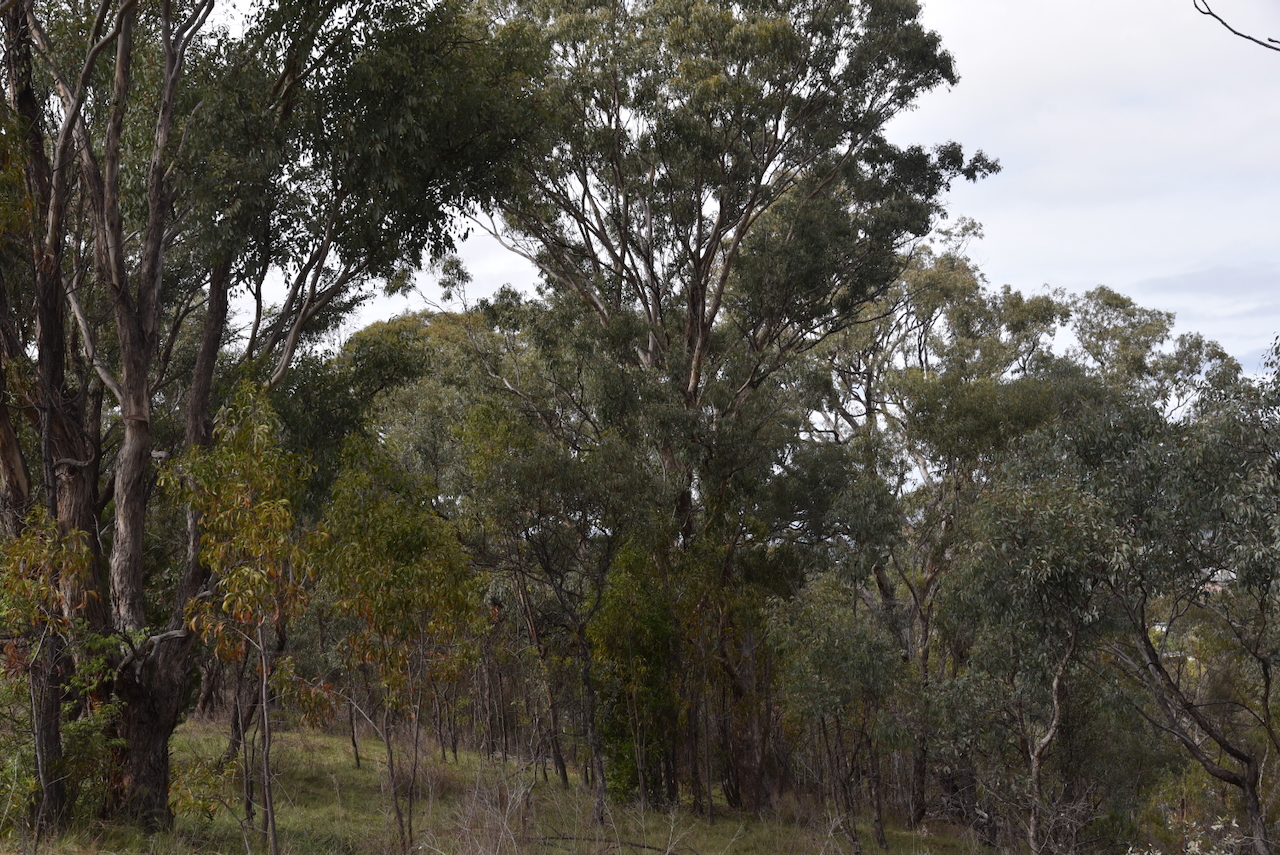
Over 100 species of birds have been recorded in the reserve. This includes the vulnerable listed Turquoise Parrot, the Pink Robin, and the Glossy Black-Cockatoo. Peregrine Falcons nest in the rocky outcrops. (NSW NPWS 2000)

The reserve is home to threatened mammal species, including the Squirrel Glider and the Greater Long-eared Bat. Other native mammals include the Grey Kangaroo, echidna, Common Ringtail possum, Common Brushtail possum, Yellow-footed Antechinus, and the Swamp Wallaby. (NSW NPWS 2000)

Reptiles include the Lace Monitor, Gould’s Goanna, Bearded Dragon, and several species of skinks and Geckos. (NSW NPWS 2000)

The Rock summit is about 364 metres above sea level. It qualifies for the Summits On The Air (SOTA) program. From the top, you can view Galore Hill, and on clear days, you can view Mount Kosciuszko, the Victorian Alps and the Bogong Range. (NSW NPWS 2000)

We set up in the picnic area. We ran the Yaesu FT857, 40 watts, and the 20/40/80m linked dipole.

While I was activating, Marija went for a walk up the summit.

On the way up, Marija spotted several kangaroos and wallabies.

Marija informed me that the track got progressively harder, and she encountered an experienced local who informed her that the final stage was extremely difficult. As a result, Marija decided to turn back.

Despite not reaching the top, Marija did enjoy some amazing views of the surrounding countryside.

Marija worked the following stations on 40m SSB:-

  1. VK1AO
  2. VK2MET
  3. VK1AD
  4. VK2HAK
  5. VK5WU
  6. VK2UGB
  7. VK5FANA
  8. VK3CLD
  9. VK5QA
  10. VK2DBF
  11. VK2VW
  12. VK2HFI
  13. VK2AKA
  14. VK2BUG

I worked the following stations on 40m SSB:-

  1. VK1AO
  2. VK2MET
  3. VK1AD
  4. VK2HAK
  5. VK5WU
  6. VK2UGB
  7. VK5FANA
  8. VK3CLD
  9. VK5QA
  10. VK2DBF
  11. VK2VW
  12. VK2HFI
  13. VK2AKA
  14. VK2BUG
  15. VK3ALF
  16. VK2IO
  17. VK2GEZ
  18. VK3BWS
  19. VK3AMO
  20. VK3HJW
  21. VK3MCK
  22. VK7PJM
  23. VK3AKO
  24. VK2MO
  25. VK1MO
  26. VK3DCQ
  27. VK3TDK
  28. VK3NYC
  29. VK2KHA
  30. VK2JSW
  31. VK2YL
  32. VK7KF
  33. VK5DW
  34. VK2HLM
  35. VK5HS
  36. VK3MIJ
  37. VK3JSD
  38. VK1CHW
  39. VK2CHW
  40. VK3CNC
  41. VK2DWP
  42. VK5FR/m
  43. VK3PF
  44. VK3KAI
  45. VK3BEL
  46. BK3BEB
  47. VK3WSG
  48. VK5NRG
  49. VK3APJ
  50. VK3MLT
  51. VK2ZRD
  52. VK5VK
  53. VK3BMX/m
  54. VK5FB/m
  55. VK2ZR
  56. VK7AAE
  57. VK3ACZ

I worked the following stations on 20m SSB:-

  1. VK2ZR
  2. KG5CIK
  3. VK6XL
  4. VK5HS

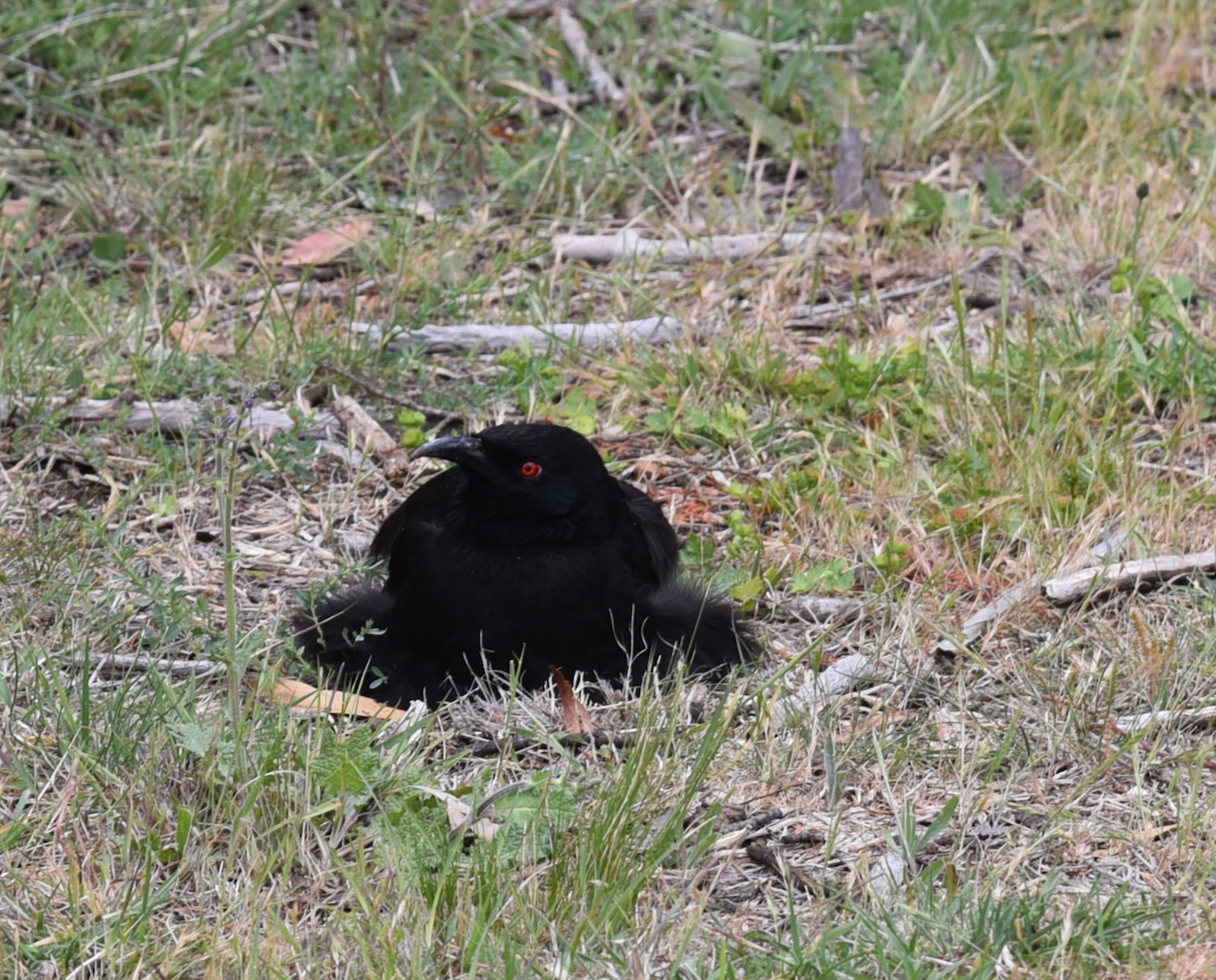
As we drove out of the reserve, we found this nappy little fella sitting in the middle of the road, so I picked him up and placed him out of harm’s way.

References.

  1. ancestry (2016). Ancestry® | Genealogy, Family Trees & Family History Records. [online] Ancestry.com.au. Available at: https://www.ancestry.com.au/. [Accessed 30 Dec. 2025].
  2. ‌NSW National Parks and Wildlife Service, 2000, The Rock Nature Reserve Plan of Management
  3. Smh.com.au. (2025). Welcome To Zscaler Directory Authentication. [online] Available at: https://www.smh.com.au/traveller/inspiration/the-rock-culture-and-history-20081125-6ggj.html [Accessed 30 Dec. 2025].
  4. ‌Trove. (2026). Wagga Wagga Advertiser (NSW : 1875 – 1910) – 14 Feb 1880 – p3. [online] Available at: https://trove.nla.gov.au/newspaper/page/10789175?searchTerm=hanging%20rock%20hotel [Accessed 2 Jan. 2026].
  5. ‌Trove. (2026). AN EXTRAORDINARY CASE. – COMMITTAL OF MR. J. E. WALL FOR MANSLAUGHTER. – Bendigo Advertiser (Vic. : 1855 – 1918) – 3 Aug 1881. [online] Available at: https://trove.nla.gov.au/newspaper/article/88616826?searchTerm=margaret%20smith%20%2B%20j.e.%20wall [Accessed 2 Jan. 2026].
  6. ‌Trove. (2026). SANDHURST. – The Age (Melbourne, Vic. : 1854 – 1954) – 24 Jan 1882. [online] Available at: https://trove.nla.gov.au/newspaper/article/202529318?searchTerm=james%20egan%20wall [Accessed 2 Jan. 2026].
  7. ‌Wikipedia. (2022). The Rock. [online] Available at: https://en.wikipedia.org/wiki/The_Rock.‌
  8. Wikipedia Contributors (2025). Tooth ablation. Wikipedia.
  9. Wikipedia Contributors (2025). The Rock railway station. Wikipedia.
  10. ‌‌WWDHS – Wagga Wagga & District Historical Society. (2025). Home – WWDHS. [online] Available at: https://www.wwdhs.org.au/ [Accessed 2 Jan. 2026].‌