Is Don Is Good silo VK-ISD3

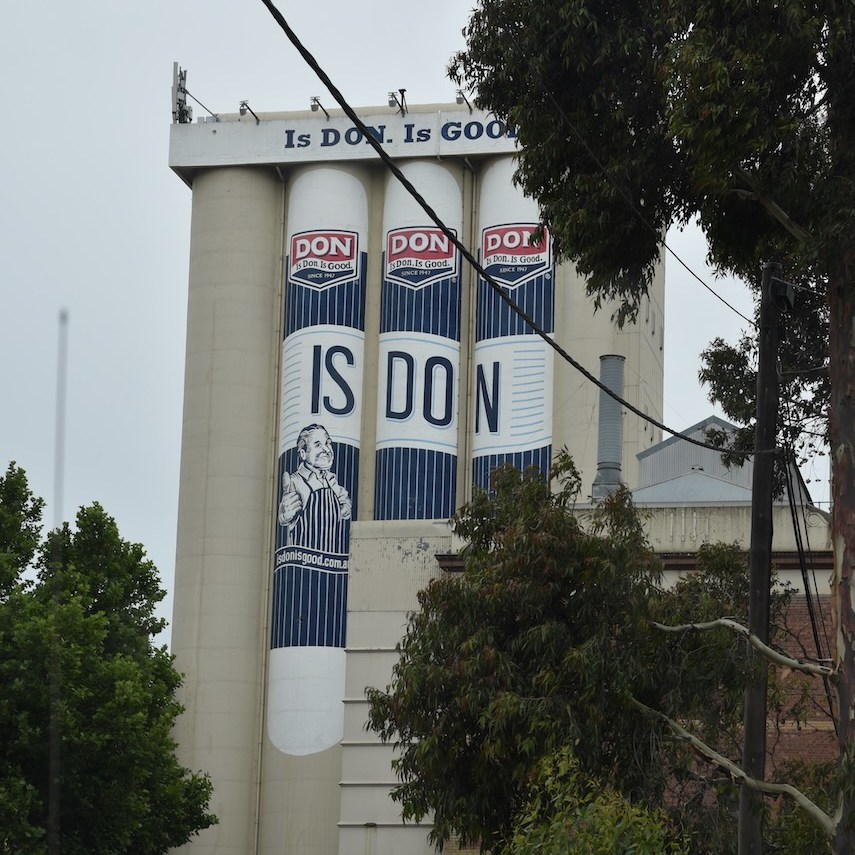
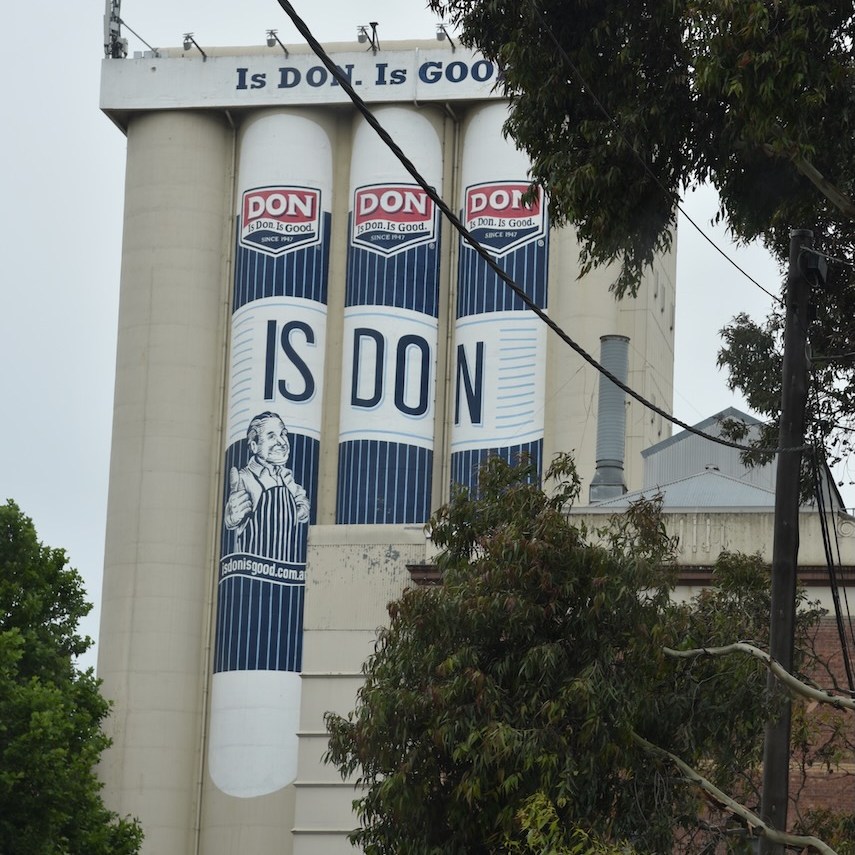
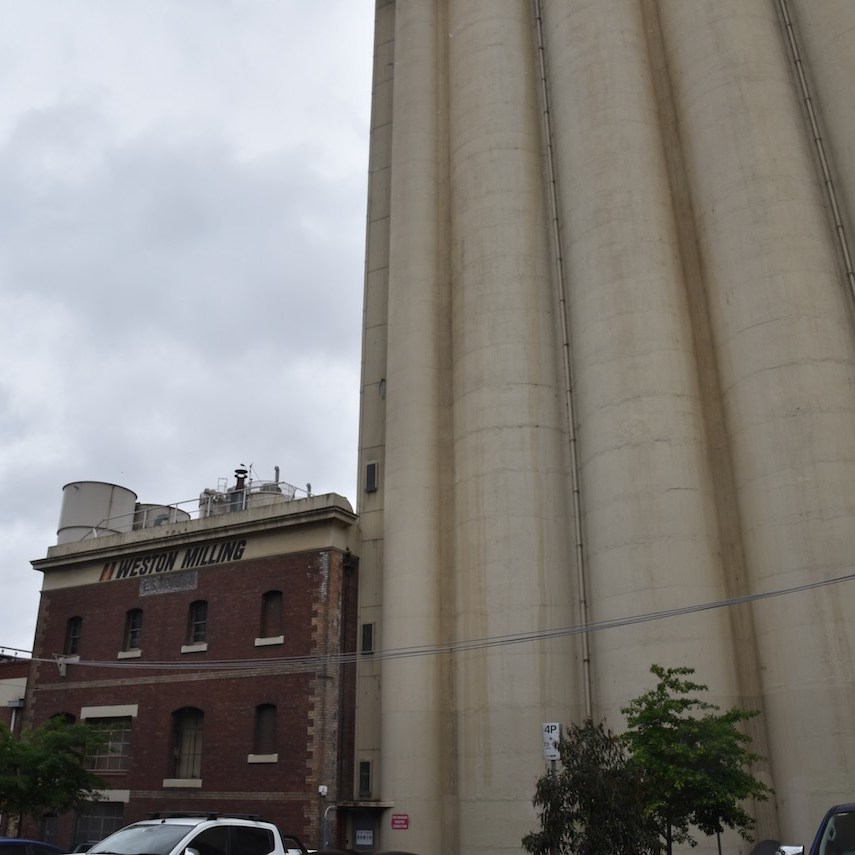
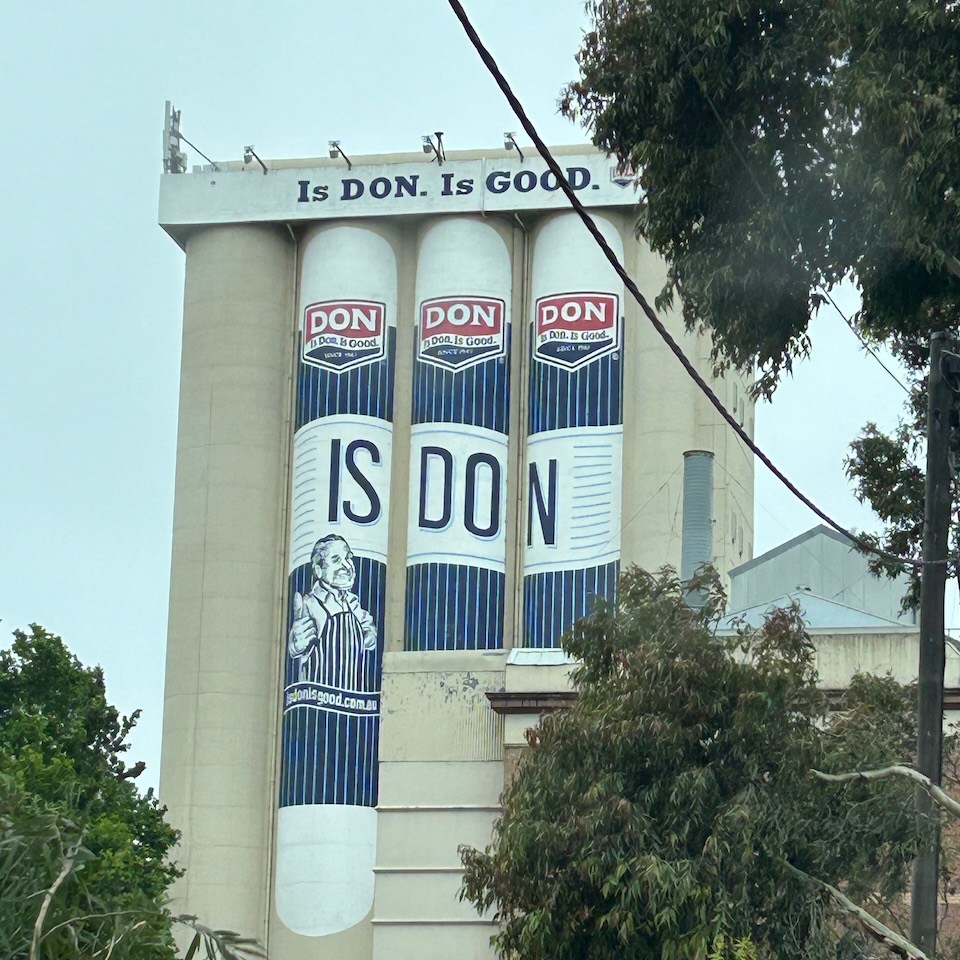
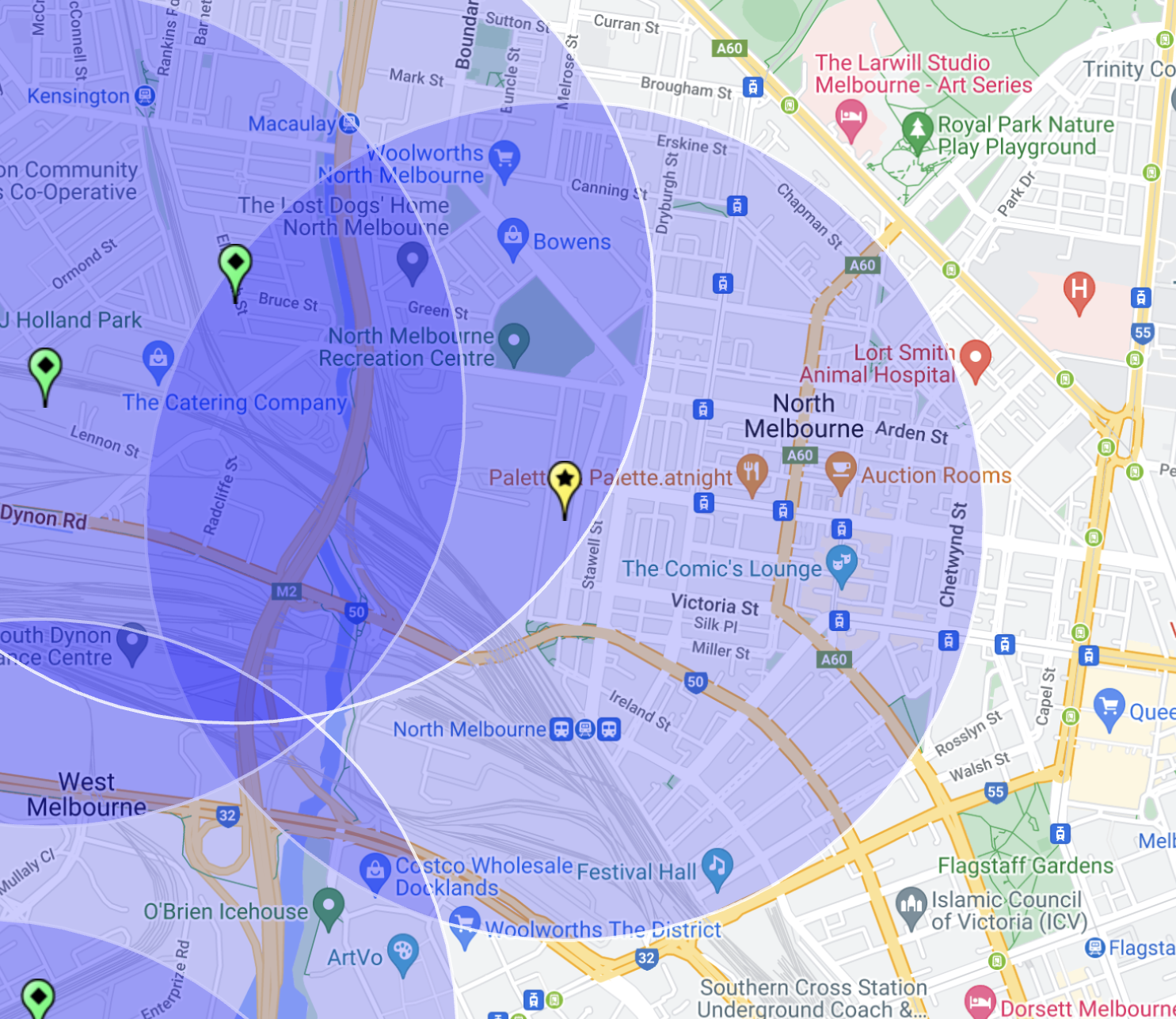
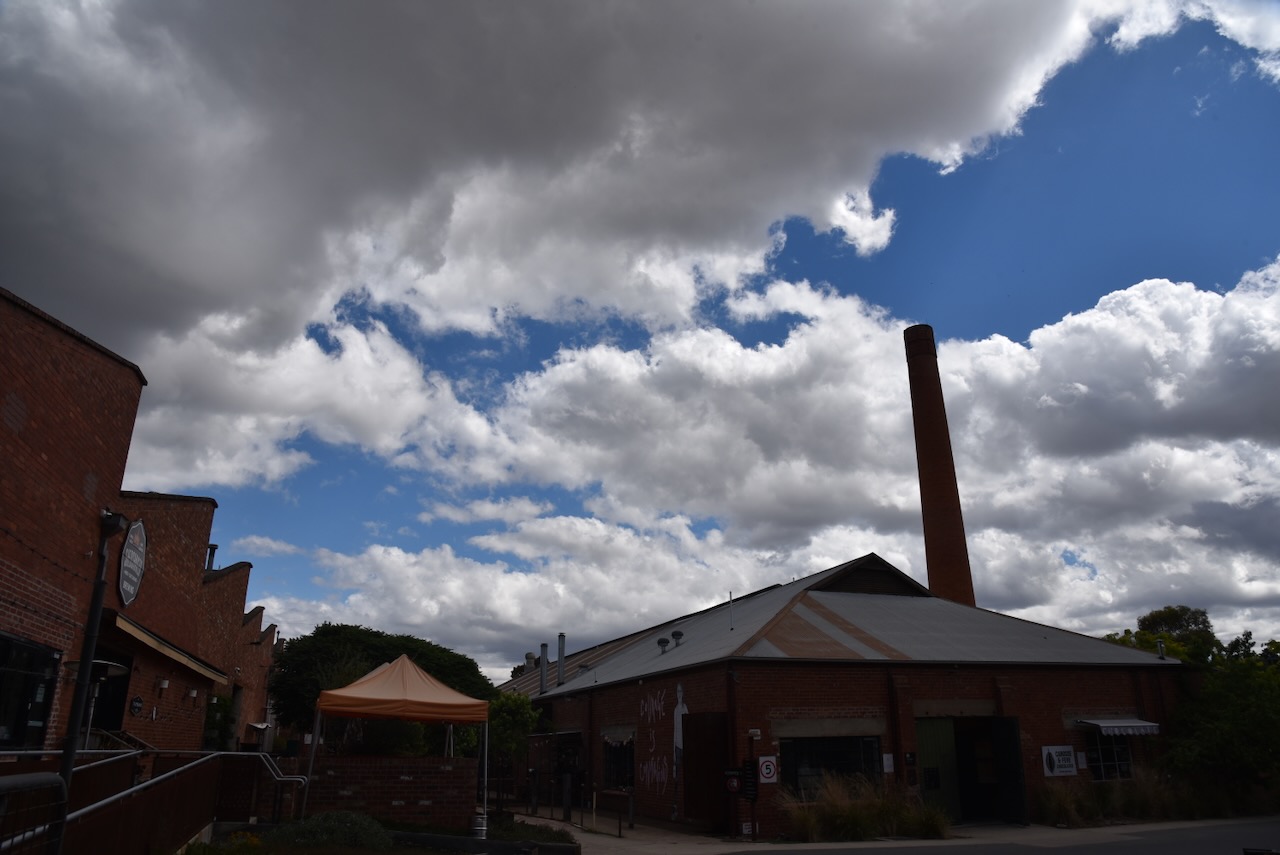
Our next silo activation for Wednesday 29th November 2023 was the Is Don Is Good silo VK-ISD3. The silo is located in Laurens Street, North Melbourne.

Above:- Map showing the location of the Is Don Is Good silo at North Melbourne. Map c/o Google Maps.

The silo features the famous Is Don logo of the DON Smallgoods company.

The story of DON Smallgoods dates back to 1947 when R.J. Gilbertson, a butcher who had a small store at Essendon, commenced production of a range of processed meats. His business became one of the biggest names in Australian food, DON. (DON 2024)

During the 1990s DON ran a series of famous commercials featuring Scotisch-born Australian actor Thomas Gibson ‘Tommy’ Dysart (b. 1935. d. 2022), an amusing butcher.

Marija and I parked in Foggerty Street next to the North Melbourne Recreation Reserve, in the activation zone for the silo.

Above:- the activation zone at the Is Don Is Good silo. Image c/o SiOTA website.

We operated from the 4WD, running the Icom IC7000, 100 watts and the Codan 9350 with the 1.5-metre stainless steel whip. Unfortunately, we had strength 5-6 noise on the 40m band and we only made limited contacts.

Marija worked the following stations on 40m SSB:-

  1. VK5HS
  2. VK7ZA
  3. VK3UAO

I worked the following stations on 40m SSB:-

  1. VK5HS
  2. VK7ZA
  3. VK3UAO

I worked the following stations on 20m SSB:-

  1. VK4NH
  2. VK4DXA

References.

  1. Anon, (n.d.). Our Story – Don. [online] Available at: https://isdonisgood.com.au/our-story/ [viewed 1st May 2024]‌

Uncle Toby’s silo VK-UNS3

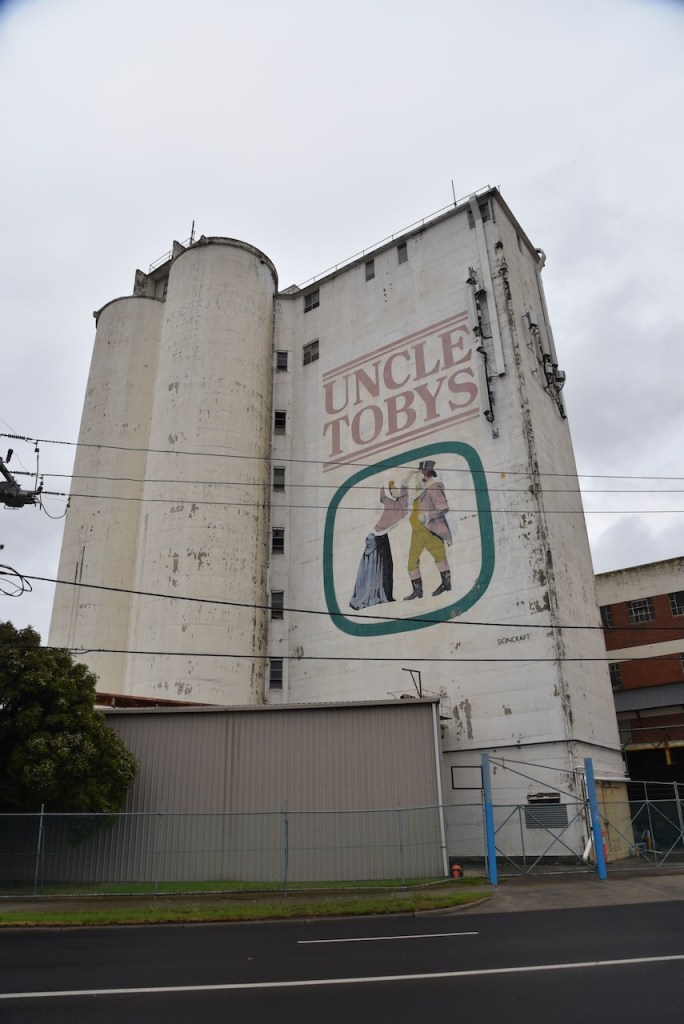
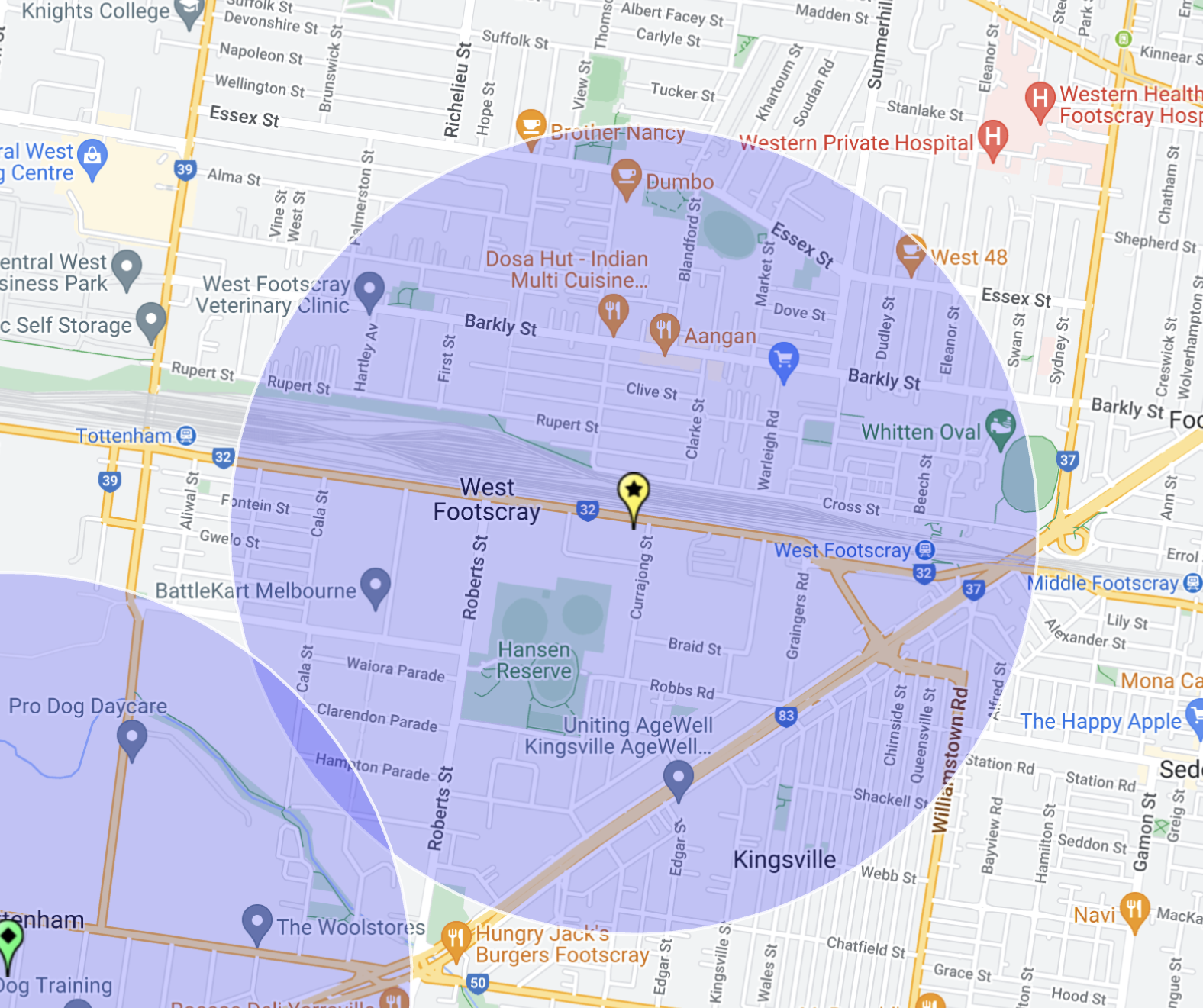
Our first activation for Wednesday 29th day of November 2023, was the Uncle Toby’s silo VK-UNS3 for the Silos On The Air (SiOTA) program.

The silos are located at the site of the old Uncle Tobys factory on Sunshine Road, West Footscray.

Uncle Tobys is an Australian food manufacturing company that was established in 1861. It specialises in breakfast oat products. It is currently operated as a wholly owned subsidiary of Nestlé, with its main factory being located in Wahgunyah, Victoria. (Leth 2019)

During the 1850s gold rush in Victoria, brothers Leonard Frederick Parsons (b. 1846. d. 1917) and George Sidney Parsons (b. 1844. d. 1886) left England and commenced manufacturing John Bull Oats in Melbourne. In 1861 they established Parsons Brothers which later became Uncle Tobys. (Uncle Tobys 2024)

Above:- Article from The Sydney Morning Herald, Wed 18 July 1917. Image c/o Trove.

Marija and I parked in Hansen Reserve in the activation zone and operated from the 4WD for this activation. We ran the Icom Ic-7000, 100 watts and the Codan 9350 with the 1/5 metre stainless steel whip. Surprisingly the noise floor was only strength 3 on the 40m band.

Above:- the activation zone at the Uncle Toby’s silo. Image c/o SiOTA website.

Marija worked the following stations on 40m SSB:-

  1. VK3PF
  2. VK3CLD
  3. VK3UAO
  4. VK2EXA

I worked the following stations on 40m SSB:-

  1. VK3PF
  2. VK3CLD
  3. VK3UAO
  4. VK2EXA
  5. VK5HS
  6. VK7ZA

I worked the following stations on 20m SSB:-

  1. VK2IO
  2. VK3UAO

References.

  1. Leth, Melinda (2019). “Sustainable Oat Production in Australia”
  2. Uncle Toby’s (2023). Our story. [online] Uncle Tobys. Available at: https://www.uncletobys.com.au/our-story. [viewed 1st May 2024]‌

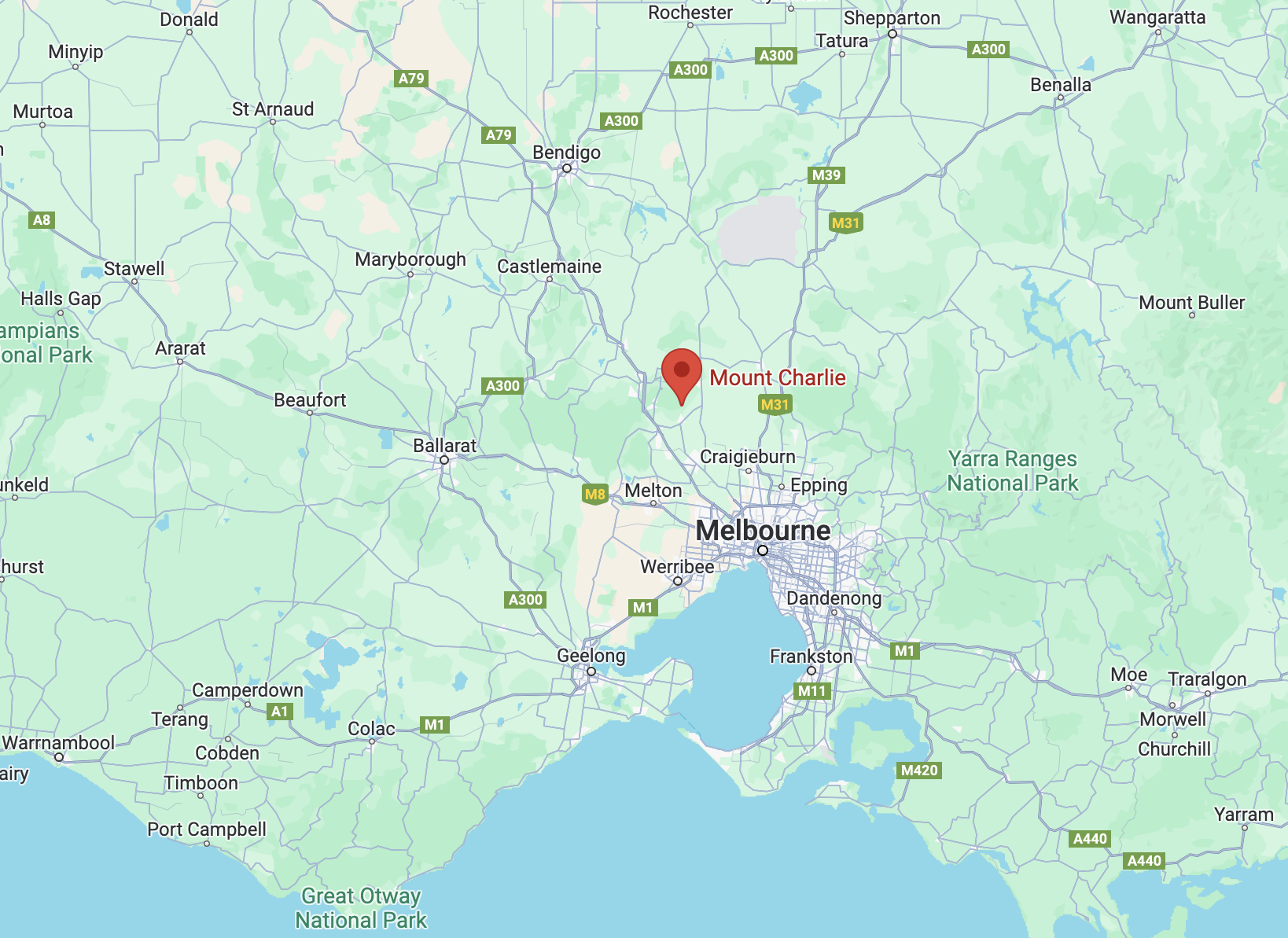
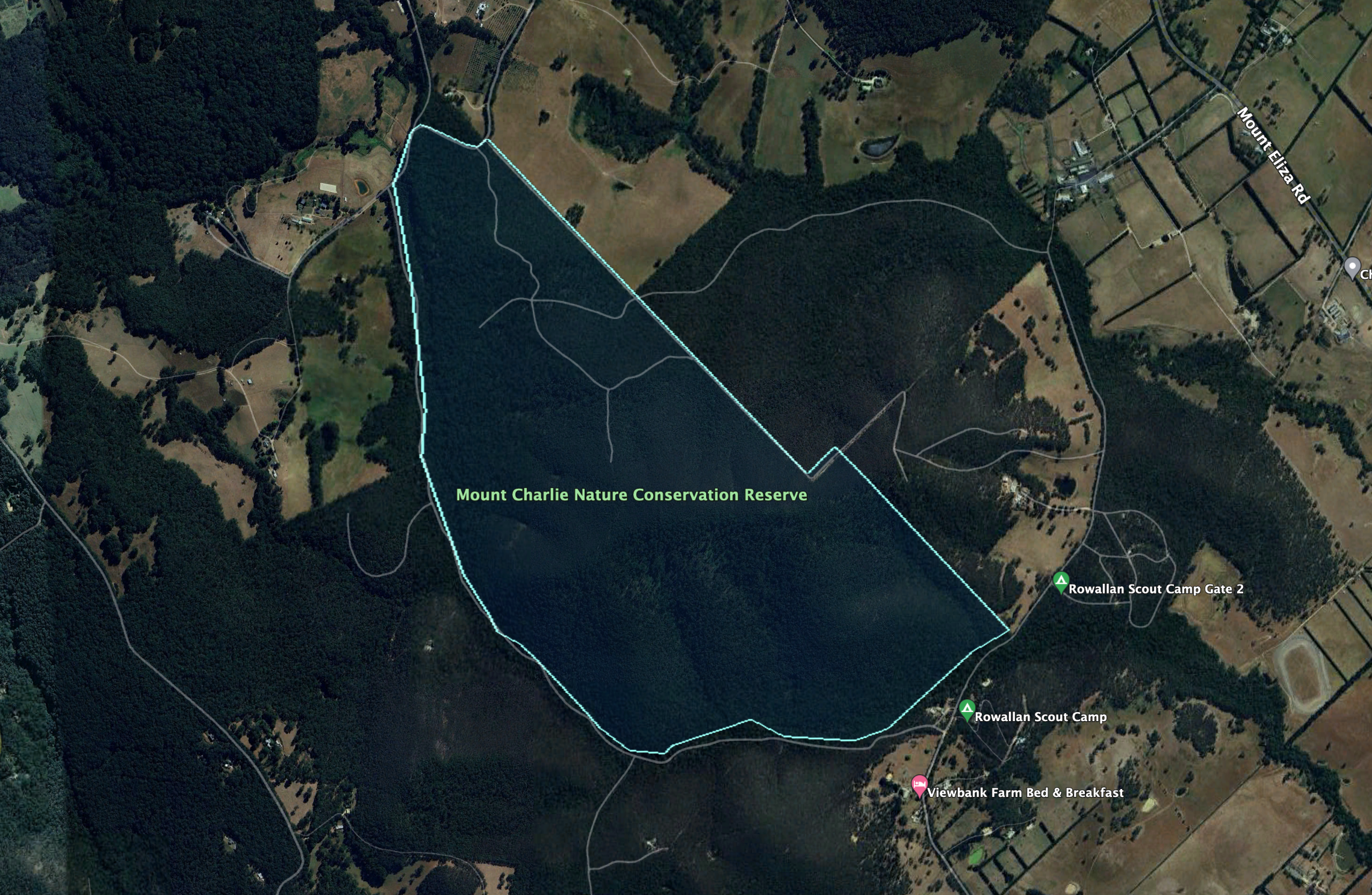
Mount Charlie Flora Reserve VKFF-2396

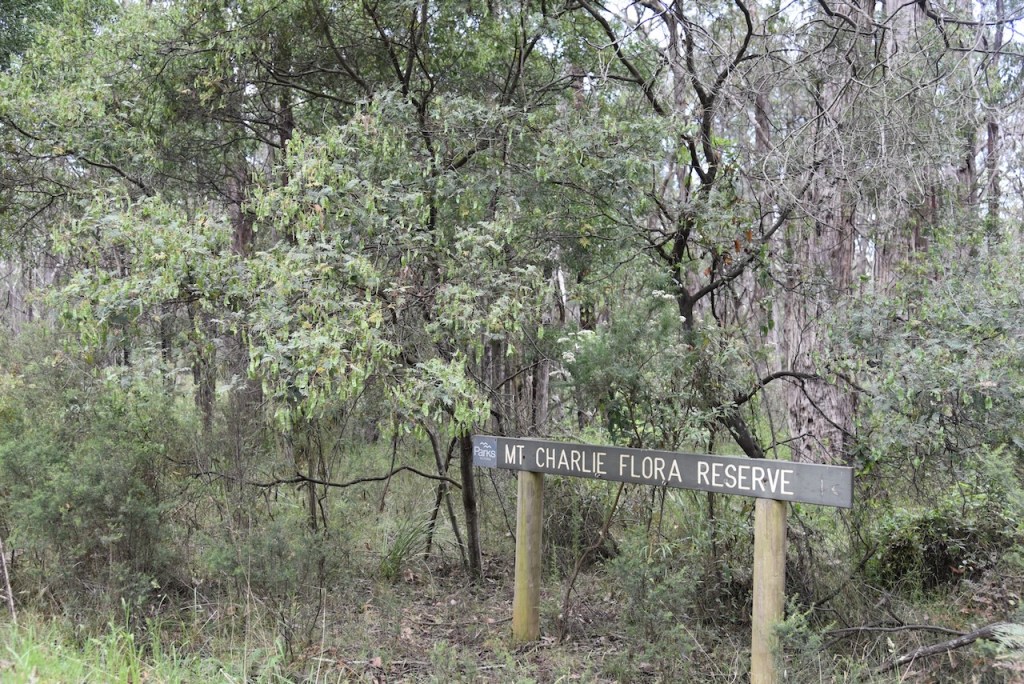
On our way into Melbourne (28th November 2023), Marija and I decided to activate the Mount Charlie Flora Reserve VKFF-2396.

Above:- Map showing the location of the Mount Charlie Flora Reserve. Map c/o Google Maps.

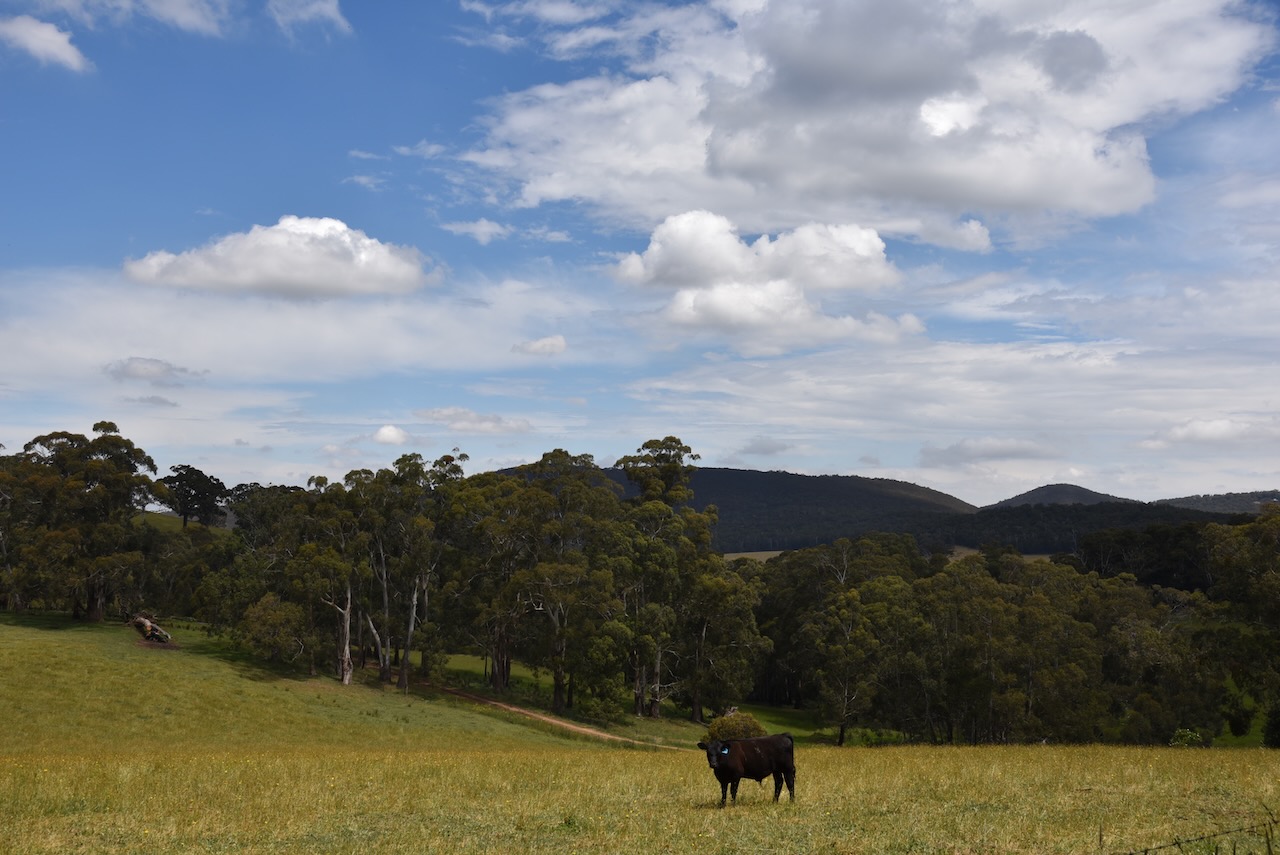
To get to the park Marija and I drove through the beautiful Macedon Ranges which is well known for its thriving food and wine industry, native forests and other natural attractions.

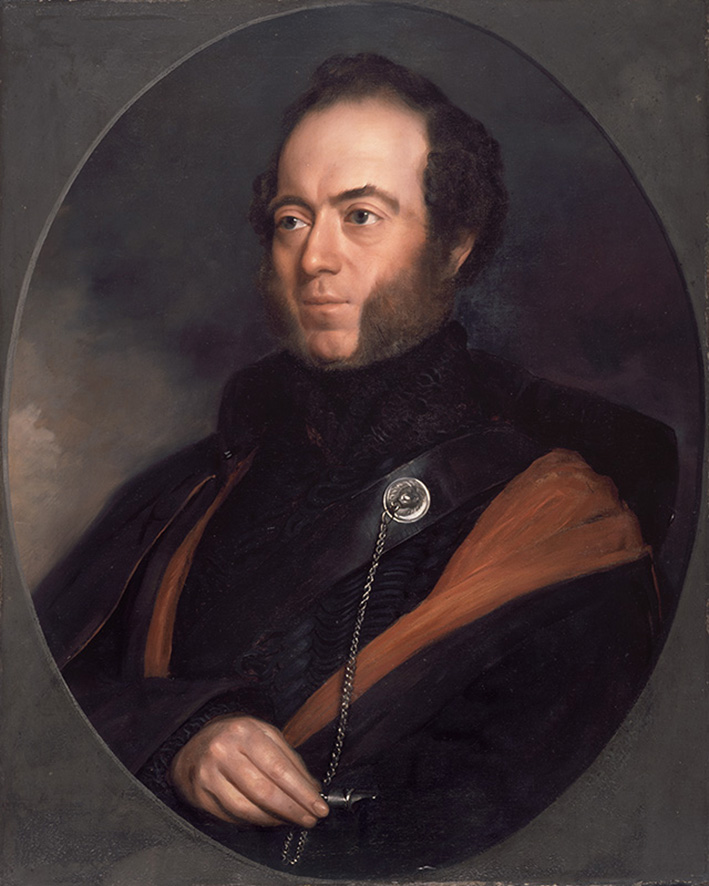
Mount Macedon which is contained within the Ranges was named by the explorer, Sir Thomas Livingstone Mitchell (b. 1792. d. 1855), in 1836. On the 30th day of September 1836, he climbed the mountain and named it after Philip II of Macedon (359 BC-336 BC), the father of Alexander the Great. (Aussie Towns 2024) (Monuments Australia 2024)

Above:- Major Thomas Mitchell. Image c/o Wikipedia.

The Mount Charlie Flora Reserve is bordered to the south and the west by Mount Charlie Road.

Above:- An aerial view of the Mount Charlie Flora Reserve. Image c/o Google Maps.

The reserve is about 318 hectares in size and was established on the 20th day of March 1979. (CAPAD 2022)

An aerial view of the park showing its boundaries. Image c/o Google Earth.

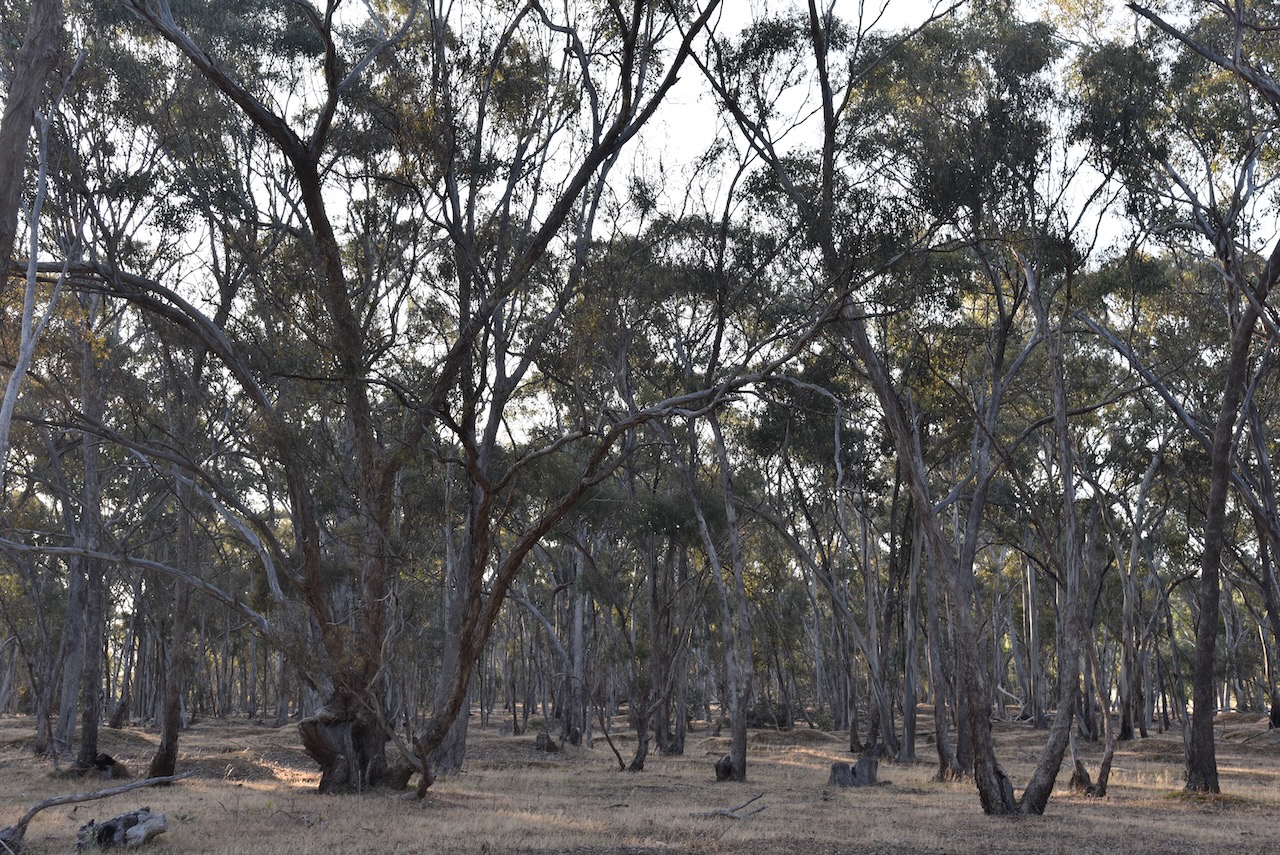
Marija and I parked on Mount Charlie Road and we found a clearing in the scrub and set up our station comprising the Yaesu FT857, 40 watts and the 20/40/80m linked dipole. I used the special call of VI10VKFF.

Marija worked the following stations on 40m SSB:-

  1. VK3PF
  2. VK3KAI
  3. VK2EXA
  4. VK3ZSC
  5. VK3UAO
  6. VK3ZMD

Marija worked the following stations on 40m AM:-

  1. VK3PF
  2. VK3KAI
  3. VK2EXA
  4. VK2HAK

I worked the following stations on 40m SSB:-

  1. VK3PF
  2. VK3KAI
  3. VK2EXA
  4. VK3ZSC
  5. VK3UAO
  6. VK3ZMD
  7. VK3KRL
  8. Vk3ZZS/p
  9. VK3VIN
  10. VK1RF
  11. VK2MK
  12. VK4CEE
  13. VK5CZ
  14. VK3MAP
  15. VK7ALB
  16. VK3HJW
  17. VK3TKK/m
  18. VK3DAC
  19. VK4FE/3
  20. VK1AO
  21. VK2MET

I worked the following stations on 40m AM:-

  1. VK3PF
  2. VK3KAI
  3. VK2EXA
  4. VK2HAK

I worked the following stations on 20m SSB:-

  1. VK1AO
  2. V K2MET
  3. VK2IO
  4. ZL4NVW
  5. VK4EW
  6. KG5CIK

I worked the following station on 20m AM:-

  1. VK4EW

References.

  1. Dcceew.gov.au. (2023). Collaborative Australian Protected Areas Database (CAPAD) 2022 – DCCEEW. [online] Available at: https://www.dcceew.gov.au/environment/land/nrs/science/capad/2022 [Accessed 1st May 2024].‌
  2. monumentaustralia.org.au. (n.d.). Major Thomas Mitchell | Monument Australia. [online] Available at: https://monumentaustralia.org.au/themes/people/exploration/display/32766-major-thomas-mitchell- [Accessed 1 May 2024].‌
  3. Verheyen, M. (n.d.). Mount Macedon, VIC. [online] Aussie Towns. Available at: https://www.aussietowns.com.au/town/mount-macedon-vic. [viewed 1st May 2024]‌

Maldon Bushland Reserve VKFF-4292

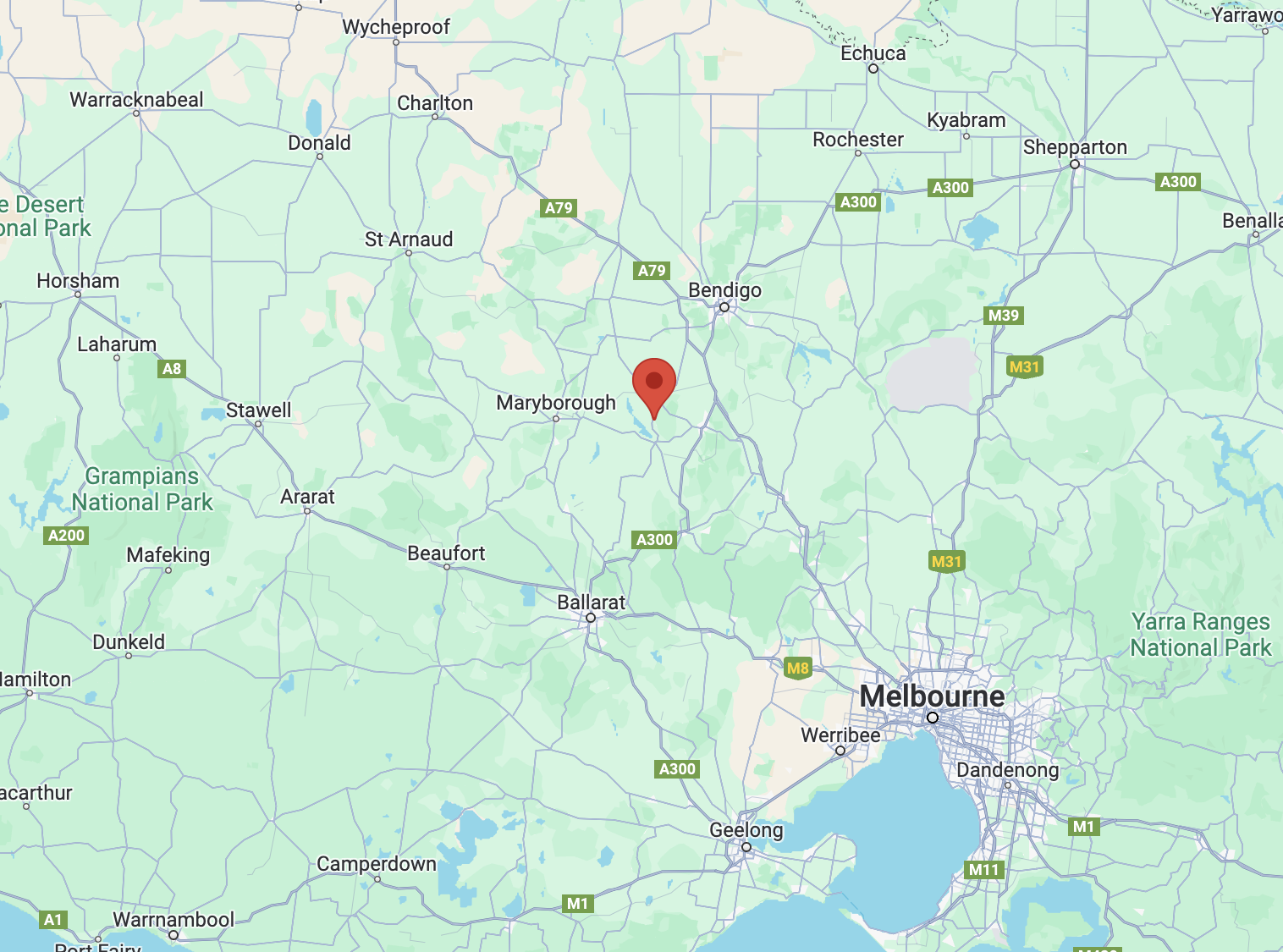
Our first activation for Tuesday 28th November 2023 was the Maldon Bushland Reserve VKFF-4292. The reserve is located about 7 km south of the town of Maldon and about 139 km northwest of the city of Melbourne.

Above:- Map showing the location of the Maldon Bushland Reserve. Map c/o Google Maps.

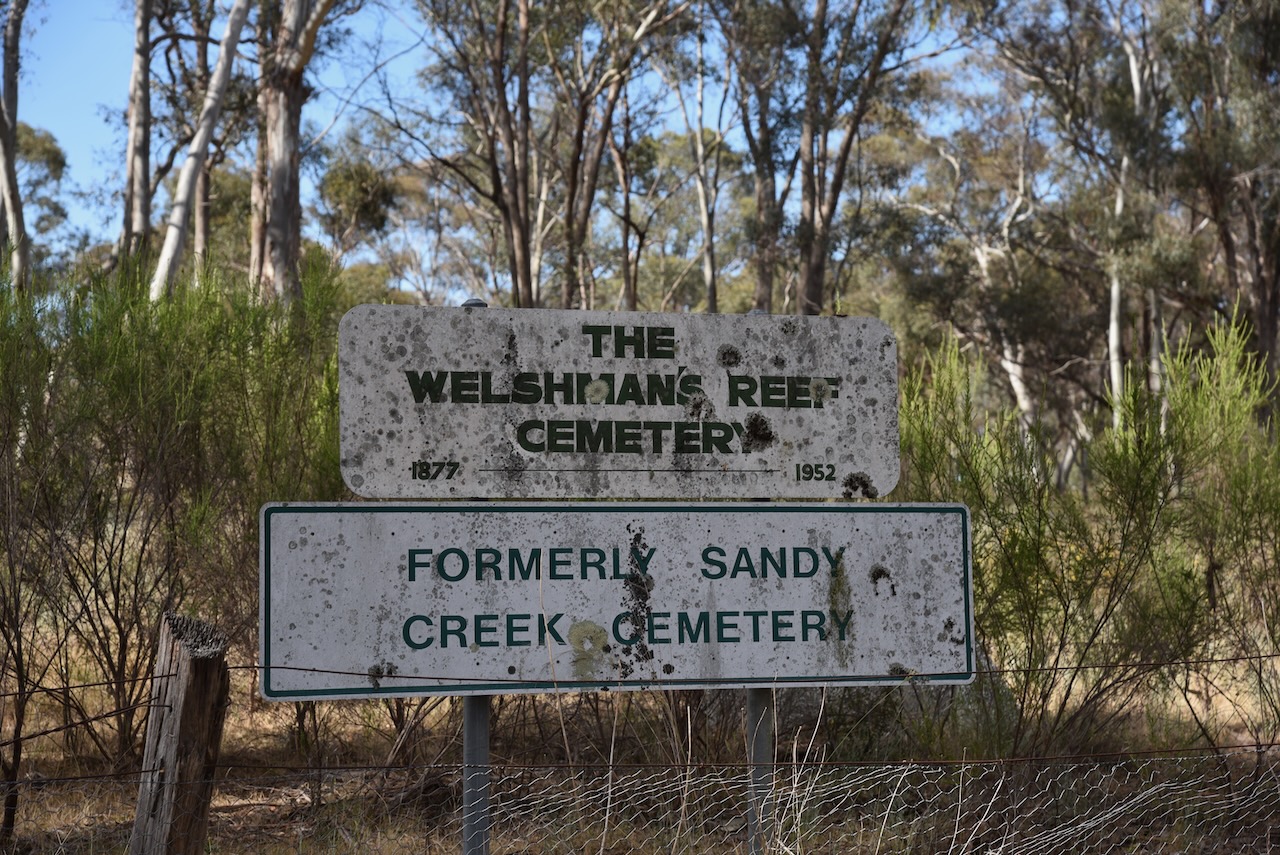
The reserve is located on the southern side of Cemetery Road at Welshman’s Reef. However, the park is known as the Maldon Bushland Reserve.

Above:- An aerial view of the Maldon Bushland Reserve. Image c/o Google Earth.

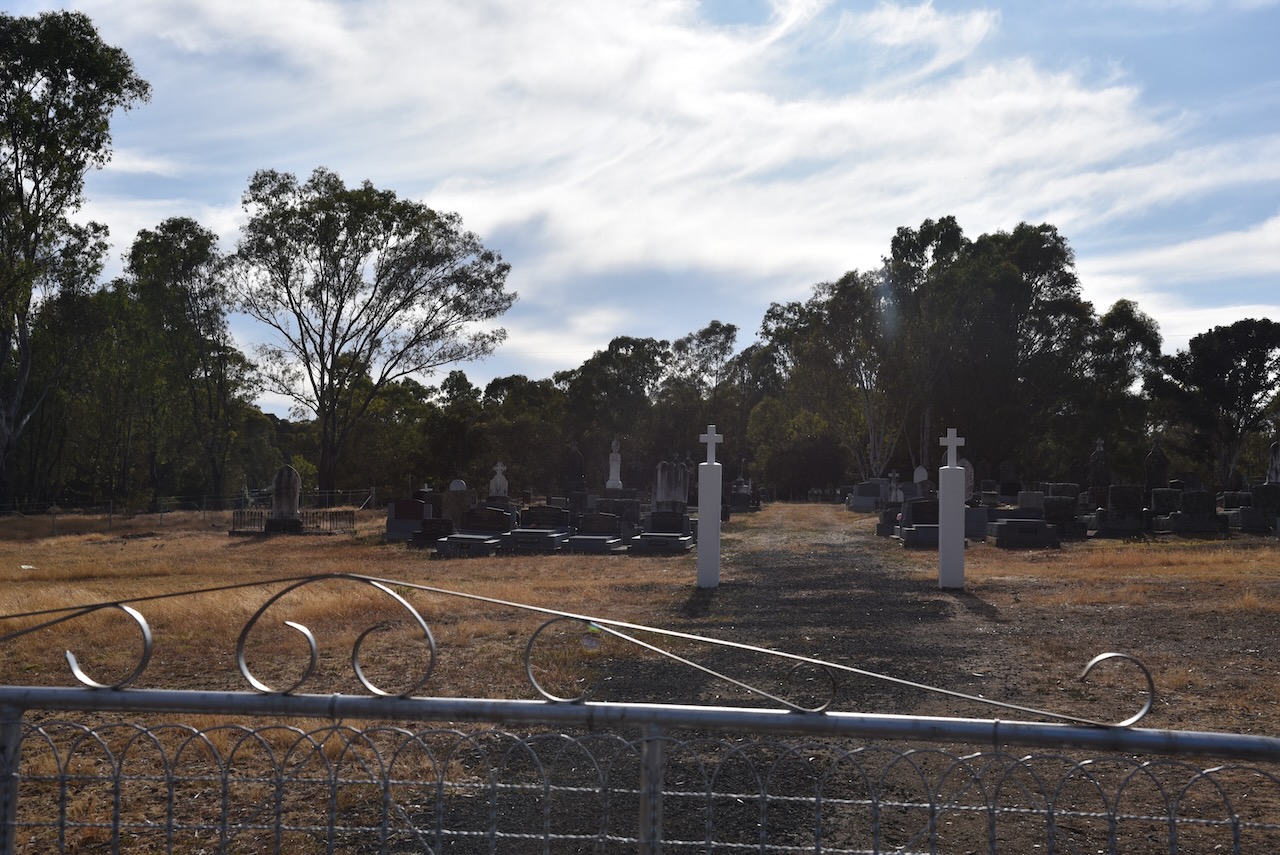
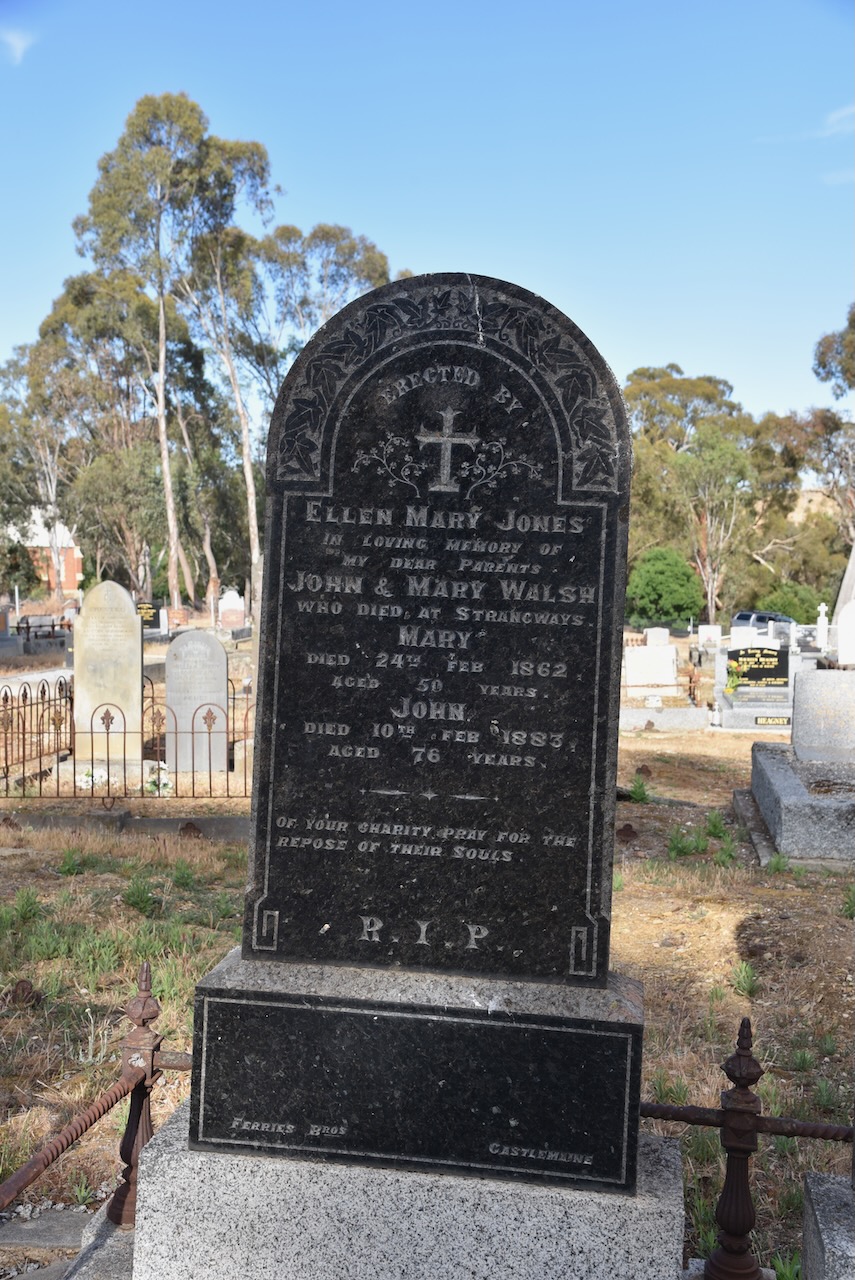
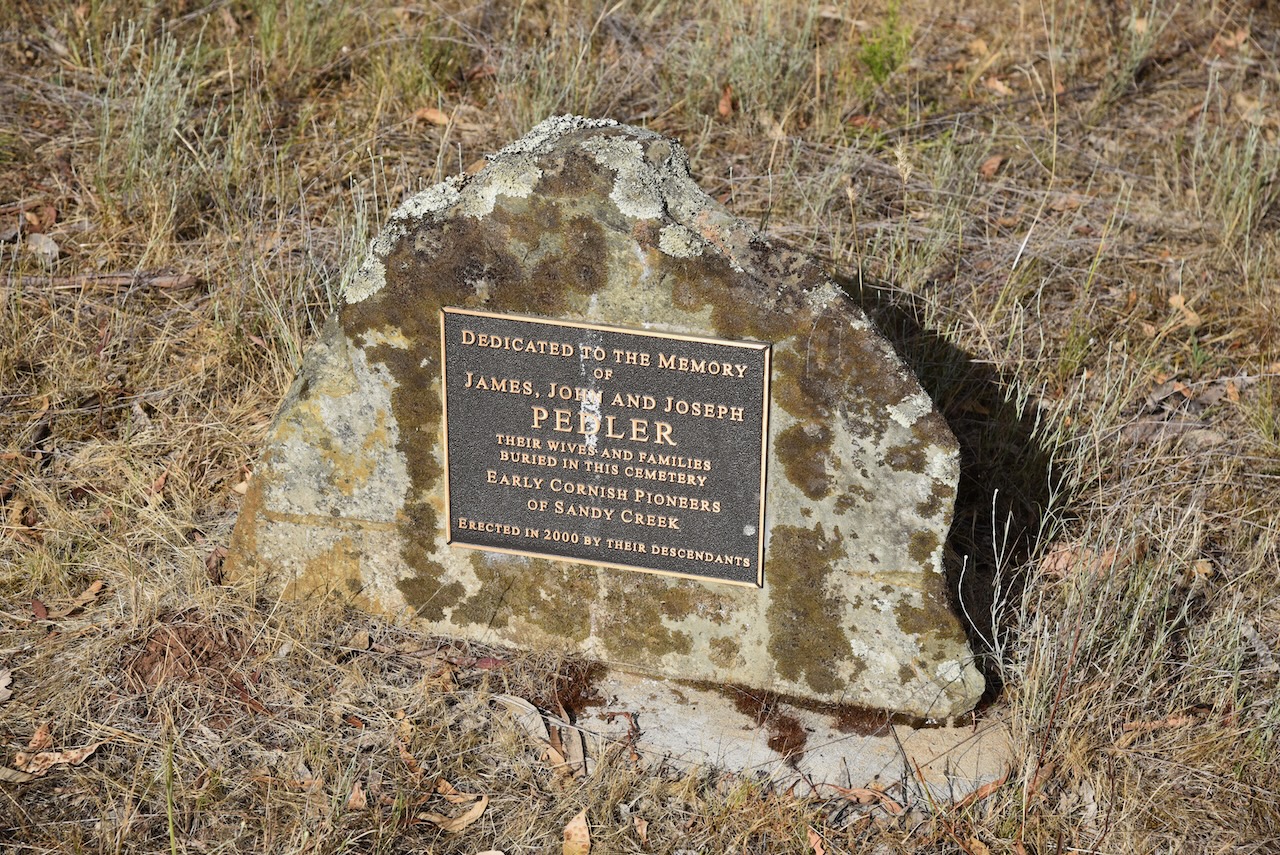
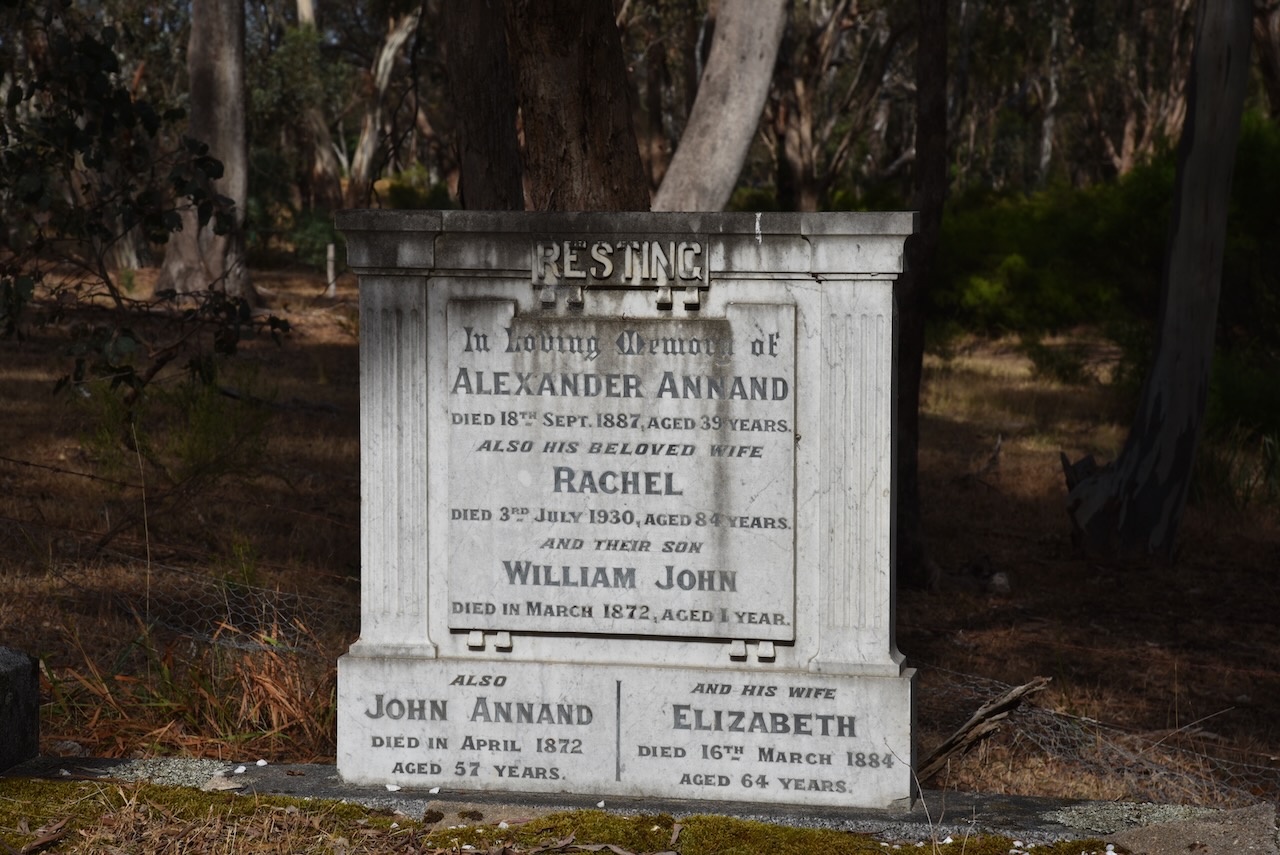
Prior to the activation we visited the Welshmans Reef cemetery which adjoins the reserve. The cemetery was previously known as the Sandy Creek Cemetery and was in use from 1870 to 1956. It features a pioneer memorial and numerous historic headstones, along with many simple graves marked with wooden posts. (Goldfields Guide 2024) 

Nearby is the old church.

The Maldon Bushland Reserve is about 1.6 hectares in size and was established on the 26th day of February 2002. (CAPAD 2022)

Marija and I ran the Yaesu FT857, 40 watts output, and the 20/40/80m dipole for this activation. I used the special call of VI10VKFF.

Marija worked the following stations on 40m SSB:-

  1. VK3PF
  2. VK3KAI
  3. VK3VIN
  4. VK2HRX/p (SOTA VK1/ AC-039)
  5. VK3CLD
  6. VK2LOC/m
  7. VK1AO
  8. VK2MET
  9. VK2IO

Marija worked the following stations on 40m AM:-

  1. VK3PF
  2. VK3KAI
  3. VK3SQ
  4. VK2BD

I worked the following stations on 40m SSB:-

  1. VK3PF
  2. VK3KAI
  3. VK2HRX/p (SOTA VK1/ AC-039)
  4. VK3CLD
  5. VK3LOC/m
  6. VK1AO
  7. VK2MET
  8. VK2IO
  9. VK3SQ
  10. VK2BD
  11. VK3PWG
  12. VK3EJ
  13. VK3VIN
  14. VK3MCK
  15. VK3UAO
  16. VK2MOP
  17. VK1AD
  18. VK1NAM
  19. VK3DX
  20. VK3AP/m
  21. VK7AAE
  22. VK2SLB
  23. VK3CEO
  24. VK2VAR
  25. VK2GOM
  26. VK1AAF
  27. VK3UCD
  28. VK3BBB
  29. VK2CCP
  30. VK3MTT
  31. VK3UT
  32. VK7ZA
  33. VK3ZSC
  34. VK3BEL

I worked the following stations on 40m AM:-

  1. VK3PF
  2. VK3KAI
  3. VK3SQ
  4. VK2BD
  5. VK3UCD
  6. VK3CEO
  7. VK3BBB
  8. VK2CCP
  9. VK3BEL

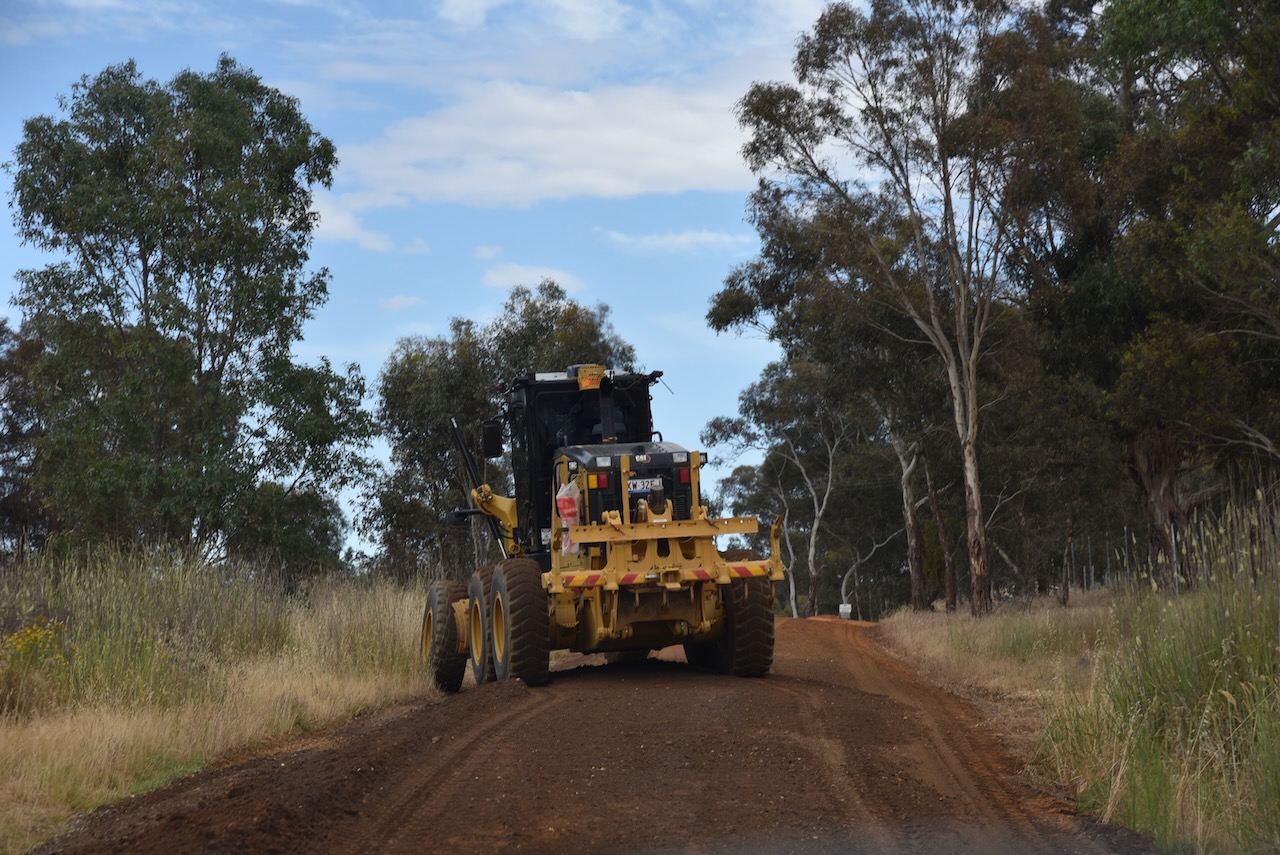
We packed up and headed off to visit Rod VK3RH. Rod is one of the Net Controllers on the Australia New Zealand Africa (ANZA) DX Net with me. Although I had spoken with Rod dozens of times on air, we had never met in person. It was quite slow going to Rod’s house due to graders undertaking repairs on some of the surrounding roads.

Marija and I spent a very enjoyable couple of hours at Rod’s house, enjoying a cup of coffee and some other goodies. I also admired Rod’s collection of Mustangs and of course, had a look at Rod’s shack.

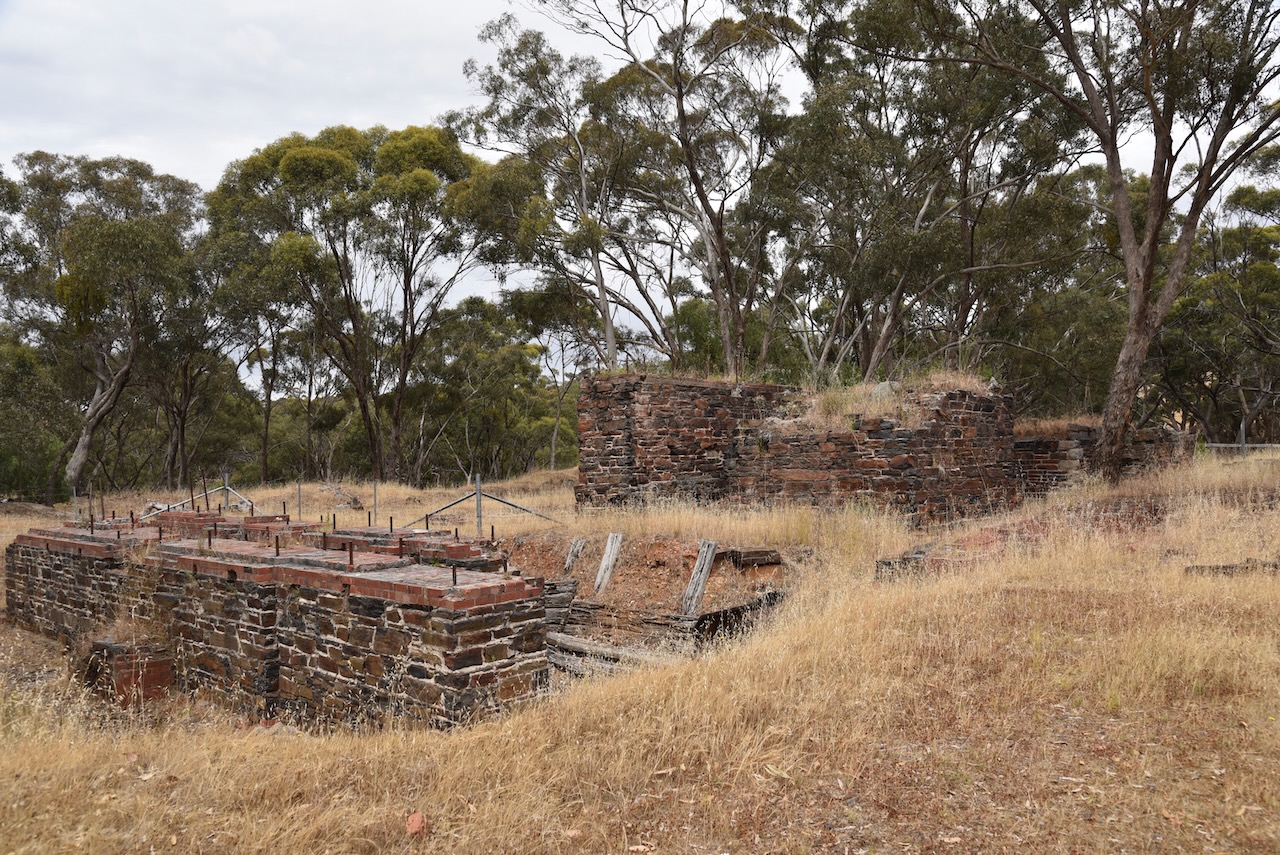
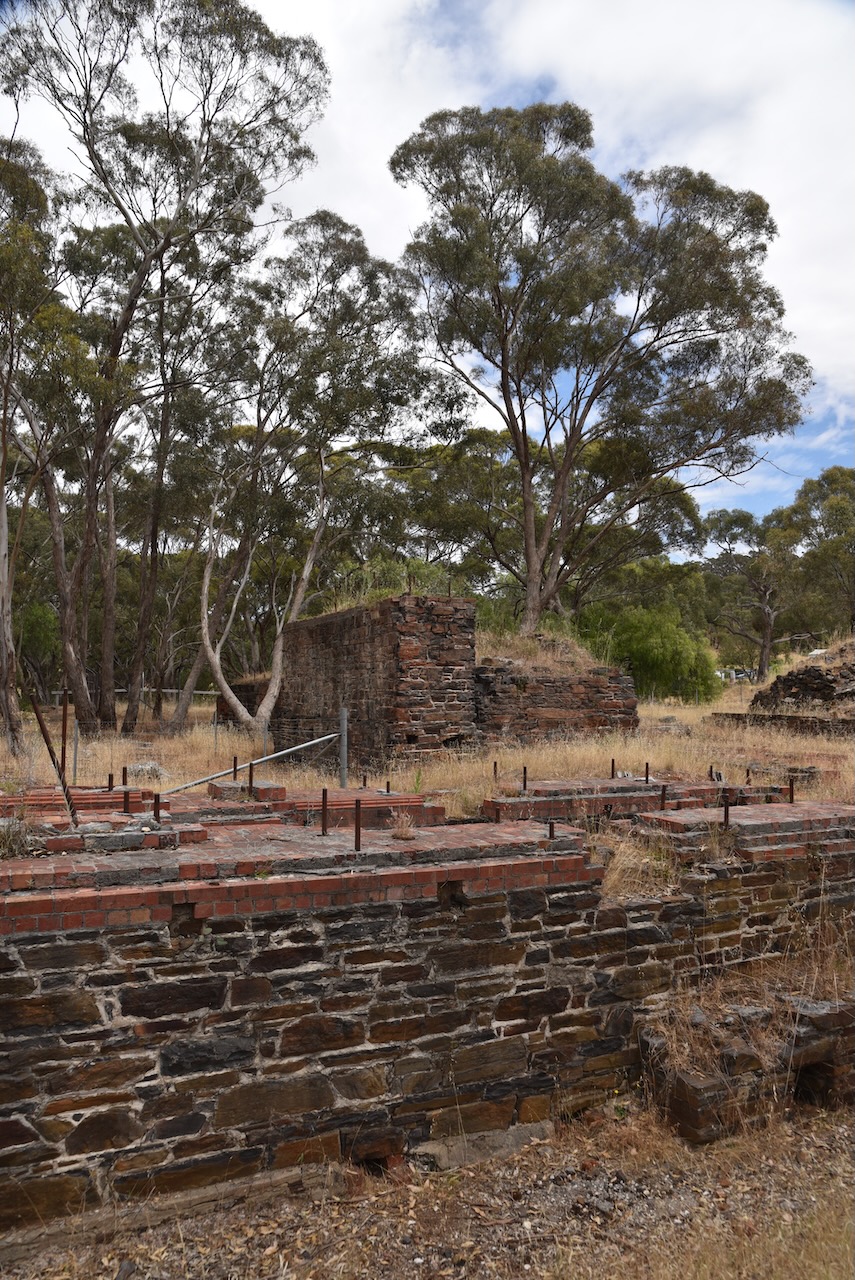
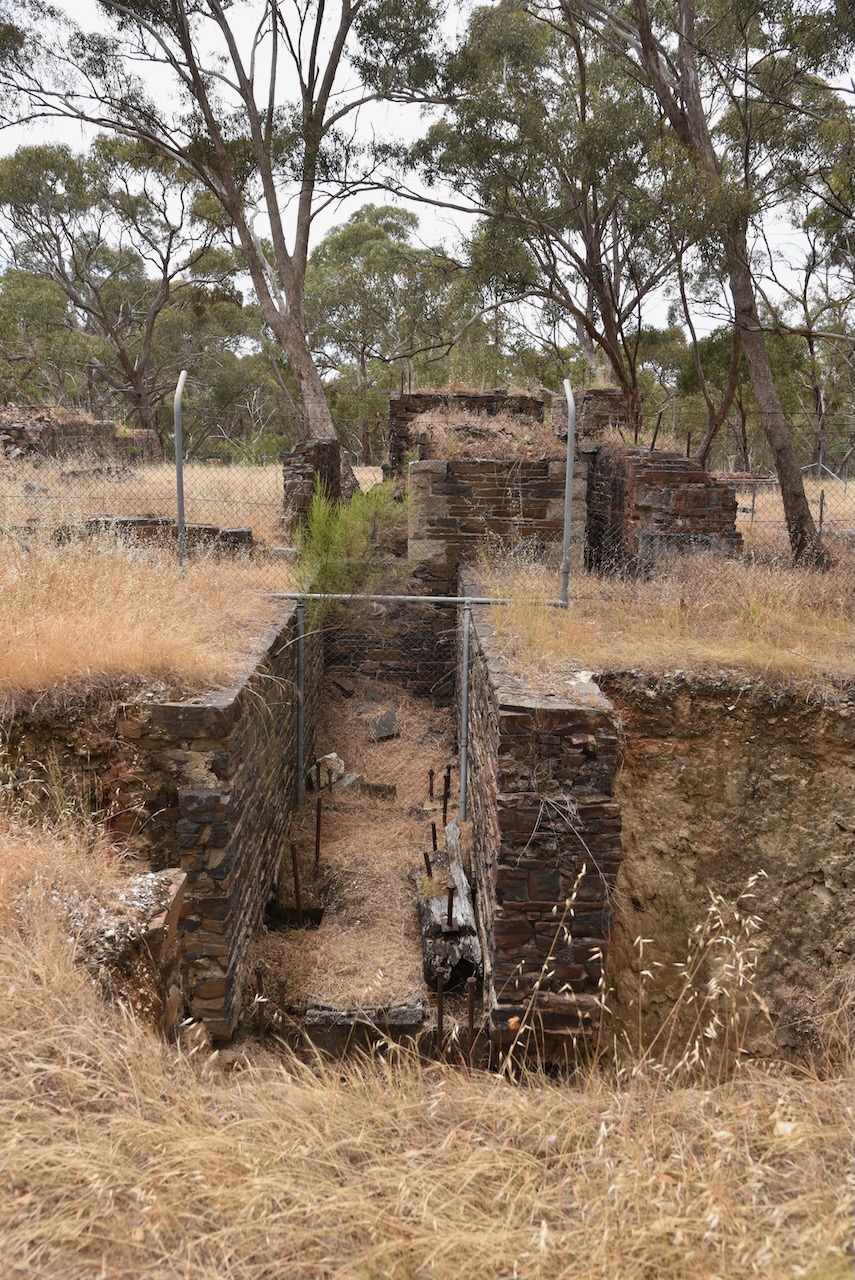
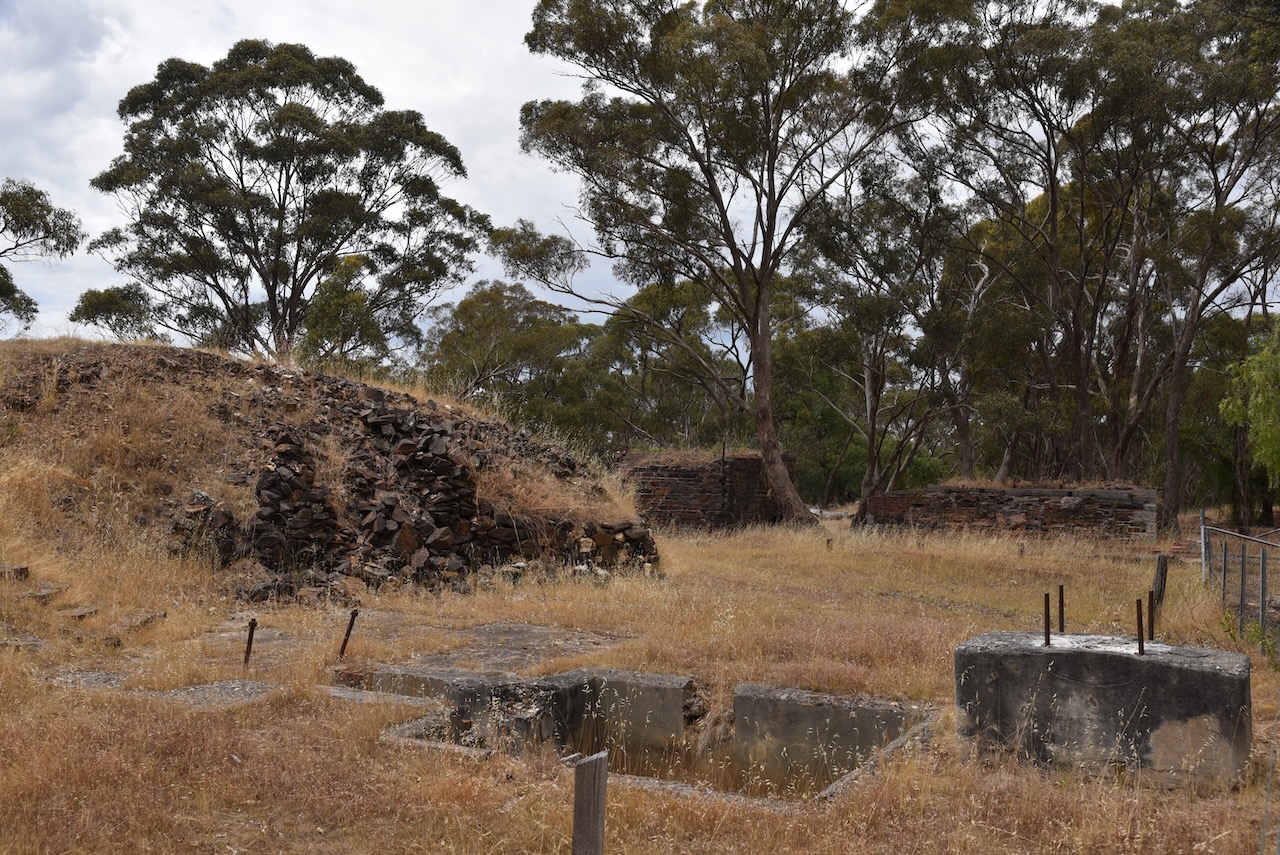
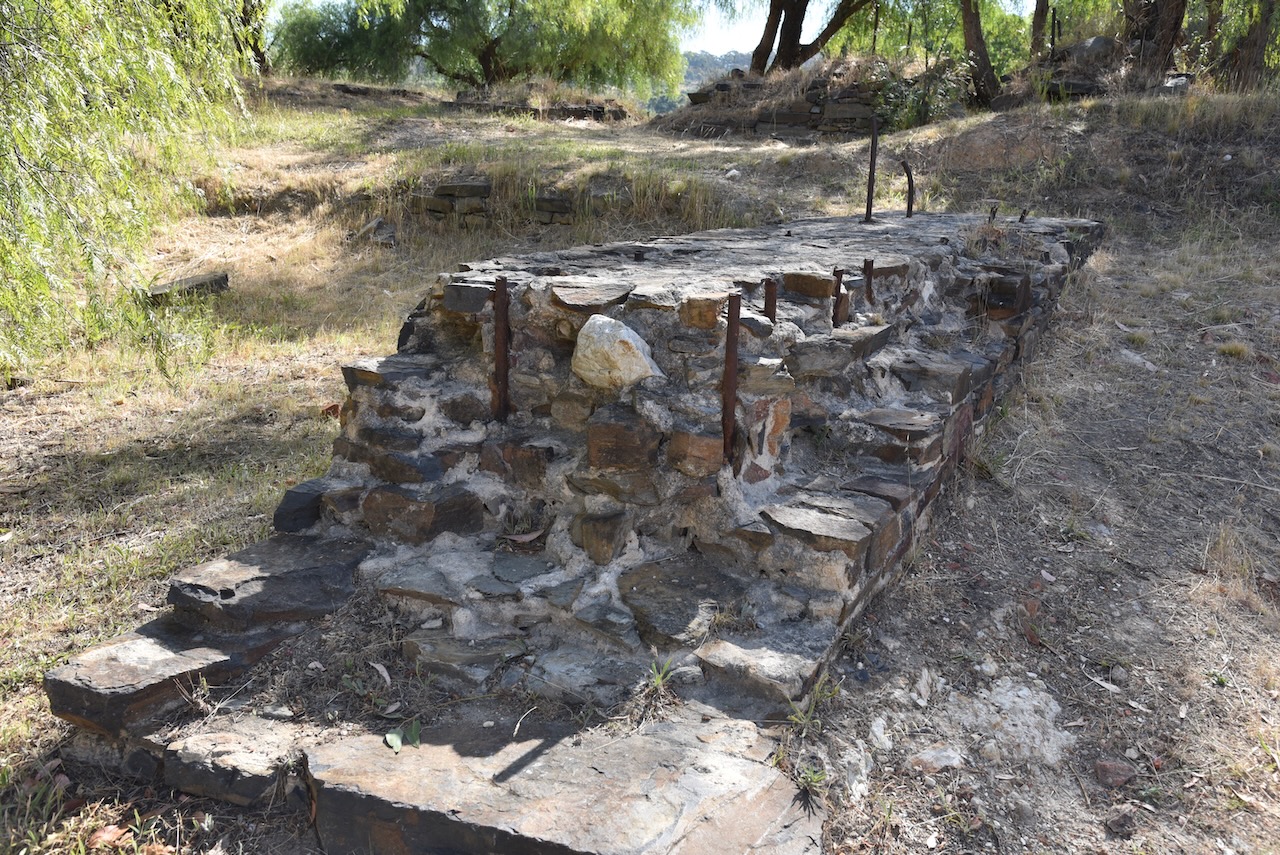
After leaving Rod’s home, Marija and I visited the ruins of the mining venture at Lisles Reef. It was operated by Dr. Lisle and his partner who discovered gold there in 1856 when searching for his horse. It is reputed that Lisle and his partner took about £34,000 worth of gold (about 8,500 ounces) from their claim (Historic Mining Sites 1993).

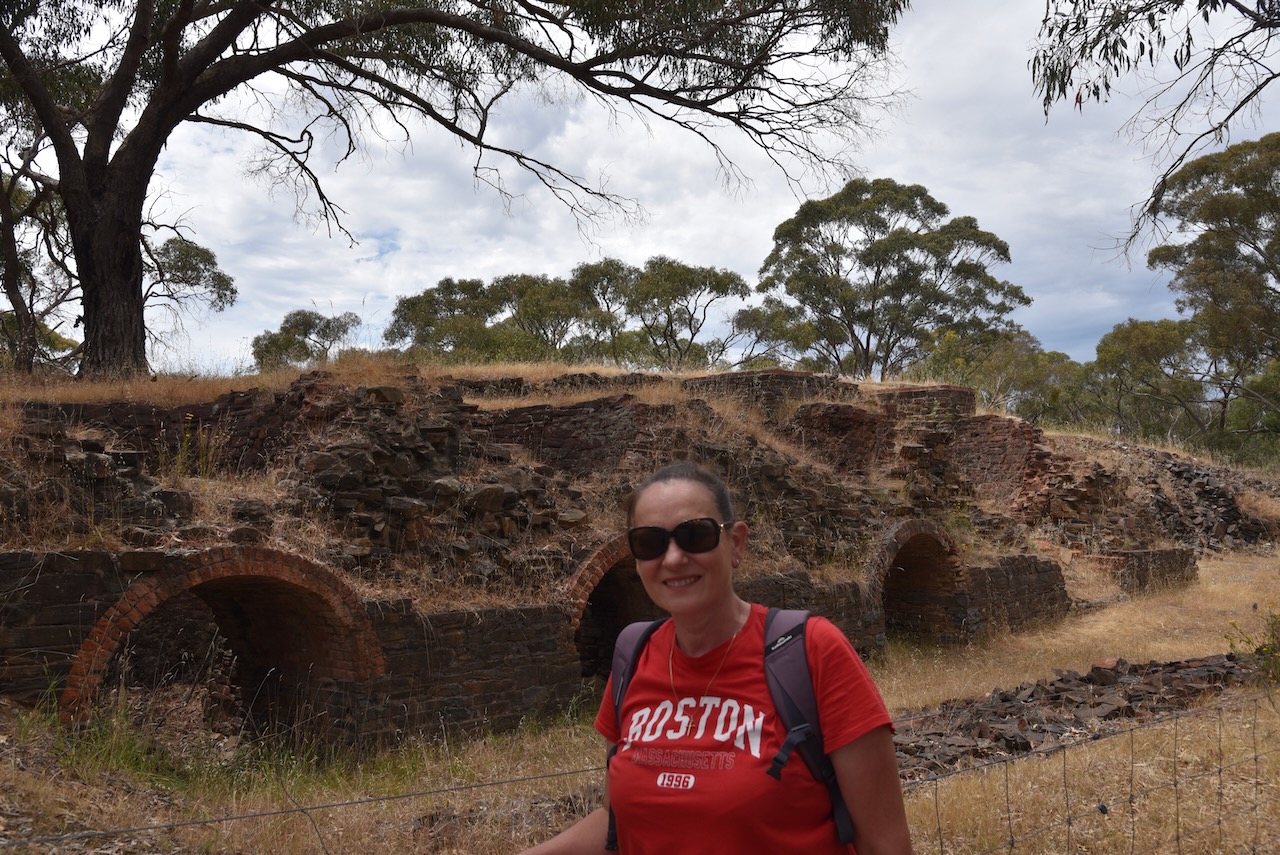
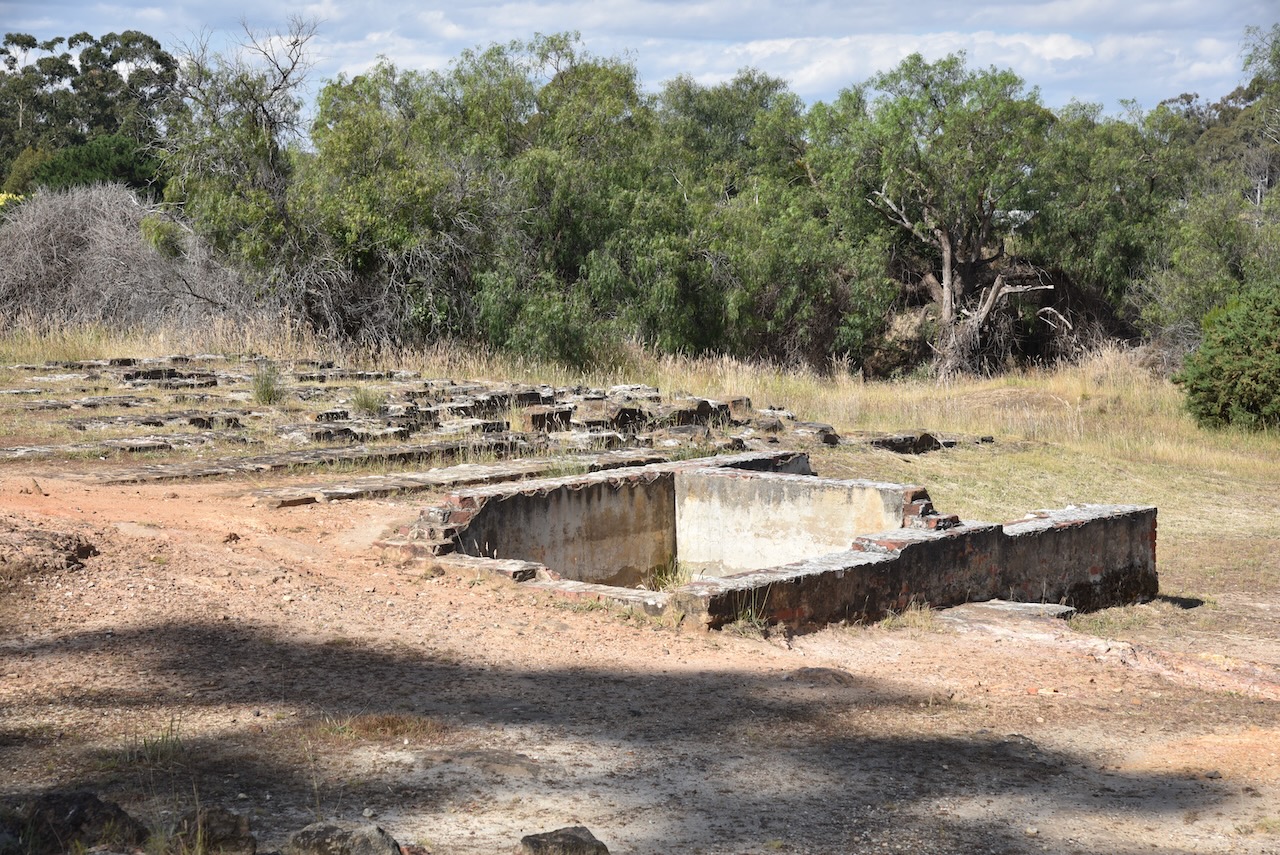
We then visited the ruins of the North British Mine at Maldon. During the 1880s the North British Mine was one of the richest mines in the world. It was owned by Robert Dent Oswald who employed more than 100 men. Oswald was born in 1830 in Lauriston, Stirling, Scotland and emigrated to Australia in 1854. As a young man, he joined other miners on the Maldon goldfields. He soon found himself the sole owner of The Caledonian, a large crushing works, and the North British Mine He became one of the colony’s most wealthy men and a ‘quartz king’.

Above:- Robert Dent Oswald. Image c/o Maldon Museum & Archives Assoc Inc Facebook page.

There are extensive ruins to be viewed along the walking trails and kilns which are some of the best-surviving quartz kilns in Victoria. 

Our next stop was the old dredge and dragline at Porcupine Flat northeast of Maldon. This was once part of the flourishing Maldon goldfields. The Porcupine Inn was opened here in 1846. In 1958 George Heywood commenced working the site at Porcupine Flat and purchased the dredge soon after. In 1974 mining operations ceased. The dragline was brought to Porcupine Flat from the Yallourn Coal Mine to assist in creating the initial dam, however, it was of little assistance and abandoned in its current position. (Blake 1977) (Goldfields Guide 2024)

Marija and I then headed towards Melbourne, along the Calder Freeway, detouring into Kyneton for some lunch.

Kyneton is a small rural town about 75 km northwest of Melbourne. The area was once part of the Carlsruhe pastoral run which by 1839 had been split. The area around current-day Kyneton was called St Agnes, and by 1839 a small slab homestead had been built on the river flat by Charles Wedge, one of the owners of St Agnes Run. The area became a teamster’s camping area and by 1848 a courthouse had been built. By this time, Henry Jeffreys and Lieutenant-Governor Charles La Trobe owned the run. La Trobe decided to make the area a township and named it Kyneton after Mrs Jeffrey’s birthplace of Kineton in Warwickshire. By 1850 it was gazetted as Kyneton. (Victorian Places 2024)

Above:- Lt Gvnr La Trobe. Image c/o Wikipedia.

Kyneton became a stopping place and supply point for those travelling between Melbourne and the Bendigo goldfields. Several buildings were constructed including the Anglican church in 1852, the Congregational church in 1853, the Mechanics Institute in 1854, a Catholic church in 1855, and a hospital in 1857. In 1857 Degraves mill was constructed, and in 1863 a railway station was built. (Victorian Places 2024)

It was then down to Melbourne where we planned to stay with friends for a few nights.

References.

  1. Bannear; D, 1993, Historic Mining Sites in the Maldon Mining Division.
  2. Dcceew.gov.au. (2023). Collaborative Australian Protected Areas Database (CAPAD) 2022 – DCCEEW. [online] Available at: https://www.dcceew.gov.au/environment/land/nrs/science/capad/2022 [Accessed 9 Apr. 2024].‌
  3. https. (n.d.). Welshmans Reef Cemetery. [online] Available at: https://www.goldfieldsguide.com.au/explore-location/502/welshmans-reef-cemetery/ [Accessed 9 Apr. 2024].‌
  4. https. (n.d.). North British Mine and Quartz Kilns. [online] Available at: https://www.goldfieldsguide.com.au/explore-location/109/north-british-mine-and-quartz-kilns/ [Accessed 9 Apr. 2024].‌
  5. https. (n.d.). Porcupine Flat Gold Dredge and Dragline. [online] Available at: https://www.goldfieldsguide.com.au/explore-location/19/porcupine-flat-gold-dredge-and-dragline/#google_vignette [Accessed 1 May 2024].‌
  6. Leslie James Blake (n.d.). Place Names of Victoria.‌
  7. Maldon Inc. (n.d.). Gold Dredge and Dragline. [online] Available at: https://www.maldon.org.au/explore/gold-dredge-and-dragline [Accessed 9 Apr. 2024].‌
  8. http://www.victorianplaces.com.au. (n.d.). Kyneton | Victorian Places. [online] Available at: https://www.victorianplaces.com.au/kyneton [Accessed 9 Apr. 2024].‌

Sandy Creek Diggings Bushland Reserve VKFF-4291

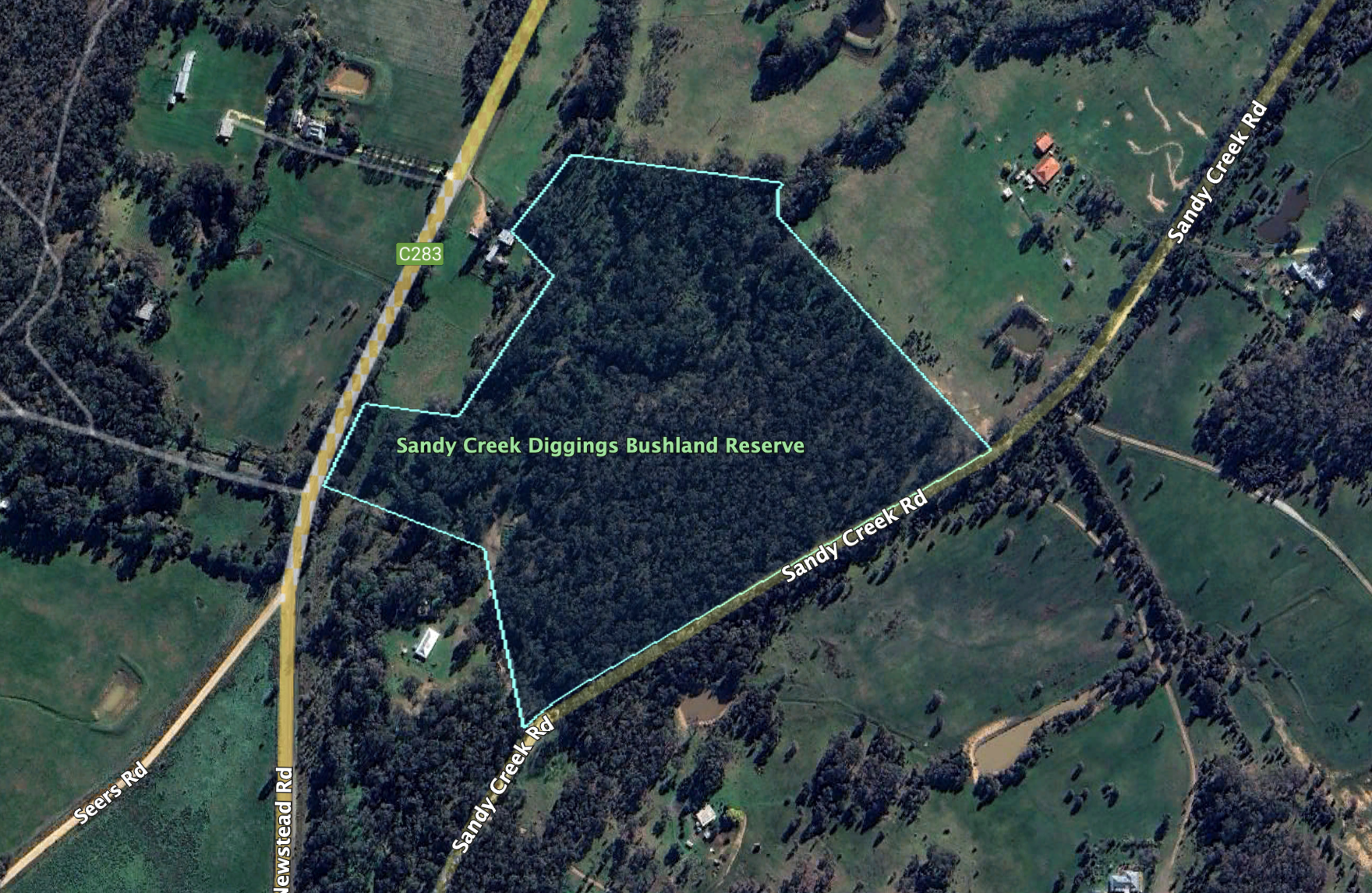
Our final activation for Monday 27th November 2023 was the Sandy Creek Diggings Bushland Reserve VKF-4291. The reserve is located about 7 km south of Maldon and about 139 km northwest of Melbourne.

Above:- Map showing the location of the Sandy Creek Diggings Bushland Reserve. Map c/o Google Maps.

The reserve is located on the northwestern side of Sandy Creek Road, Welsmans Reef. Part of its boundary also abuts Maldon-Castlemaine Road.

Above:- An aerial view of the reserve. Image c/o Google Earth.

The reserve is about 15 hectares in size and was established on the 24th day of August 1982. (CAPAD 2022)

We ran the Yaesu FT857, 40 watts, and the 20/40/80m linked dipole for this activation. I used the special call of VI10VKFF.

Marija worked the following stations on 40m SSB:-

  1. VK2IO
  2. VK5PE
  3. VK5HS
  4. VK1AO
  5. VK2MET
  6. VK3PF
  7. VK3KAI
  8. VK2MOE
  9. VK5FANA
  10. VK3VIN

I worked the following stations on 40m SSB:-

  1. VK2IO
  2. VK5PE
  3. VK5HS
  4. VK1AO
  5. VK2MET
  6. VK3PF
  7. VK3KAI
  8. VK2MOE
  9. VK5FANA
  10. VK3VIN
  11. VK2RK
  12. VK2ACR
  13. VK5VK
  14. VK3CEO
  15. VK5LA
  16. VK5KAW
  17. VK2EXA
  18. VK7AAE
  19. VK3OAK
  20. VK4EMP
  21. VK4TI
  22. VK2HHA
  23. VK3MAP
  24. VK3GJG
  25. VK3PWG
  26. VK3DA
  27. VK3UAO
  28. VK2PBC
  29. VK3MLT
  30. VK2LQ
  31. VK2PCT
  32. VK7PSJ
  33. VK2MFW
  34. VK2YK
  35. VK5GA
  36. VK3MCK

I worked the following stations on 40m AM:-

  1. VK5LA
  2. VK5KAW
  3. VK5HS
  4. VK2IO
  5. VK3UAO
  6. VK3OAK

I worked the following stations on 80m SSB:-

  1. VK3PWG
  2. VK2YK
  3. VK5GA
  4. VK3MCK
  5. VK3OAK
  6. VK3UAO
  7. VK3PF
  8. VK3KAI

References.

  1. Dcceew.gov.au. (2023). Collaborative Australian Protected Areas Database (CAPAD) 2022 – DCCEEW. [online] Available at: https://www.dcceew.gov.au/environment/land/nrs/science/capad/2022 [Accessed 9 Apr. 2024].‌

Mount Tarrengower VK3/ VN-023

Our next activation for Monday 27th November 2023 was Mount Tarrengower VK3/ VN-023 for the Summits On The Air (SOTA) program.

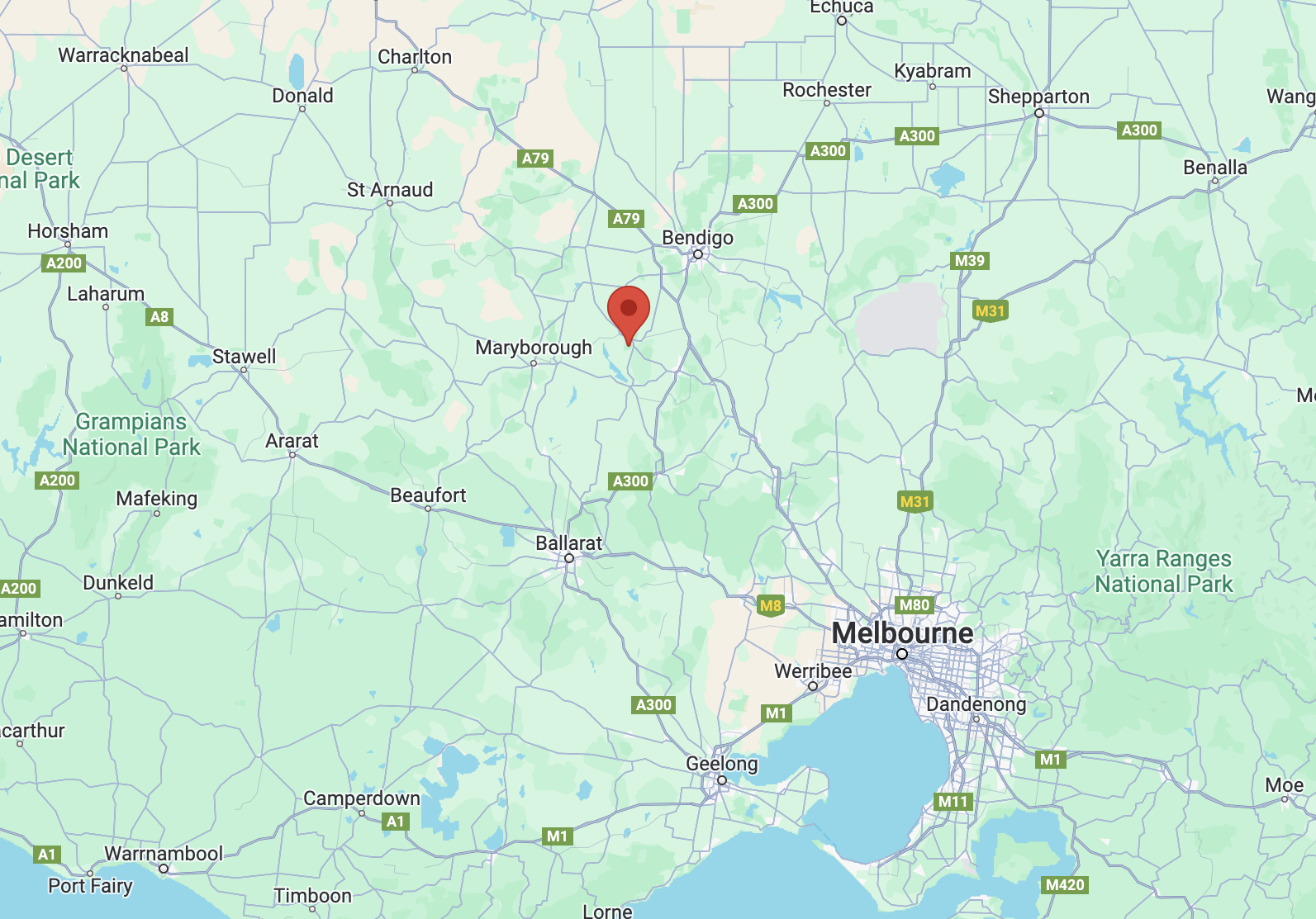
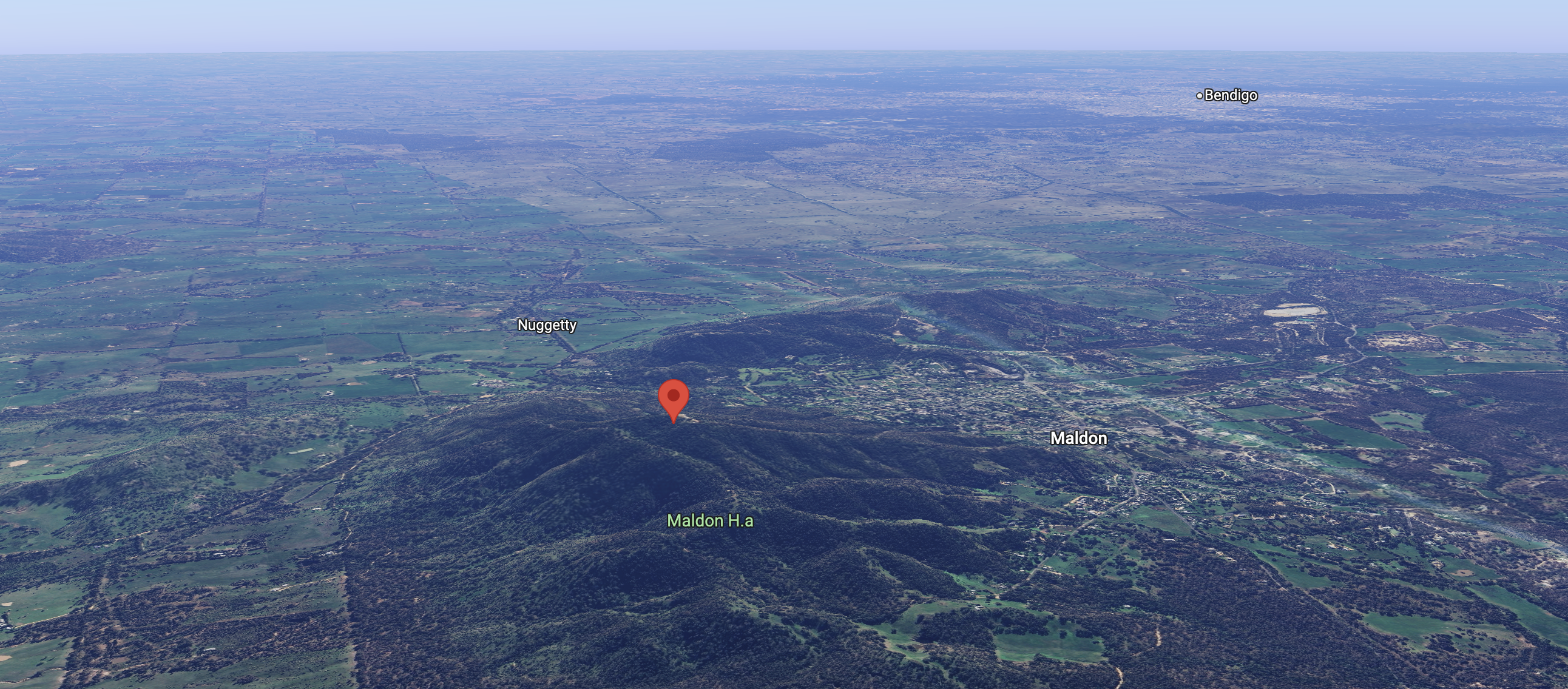
The summit is located about 4 km (by road) west of Maldon and about 148 km northwest of the city of Melbourne.

Above:- Map showing the location of Mount Tarrengower. Map c/p Google Maps.

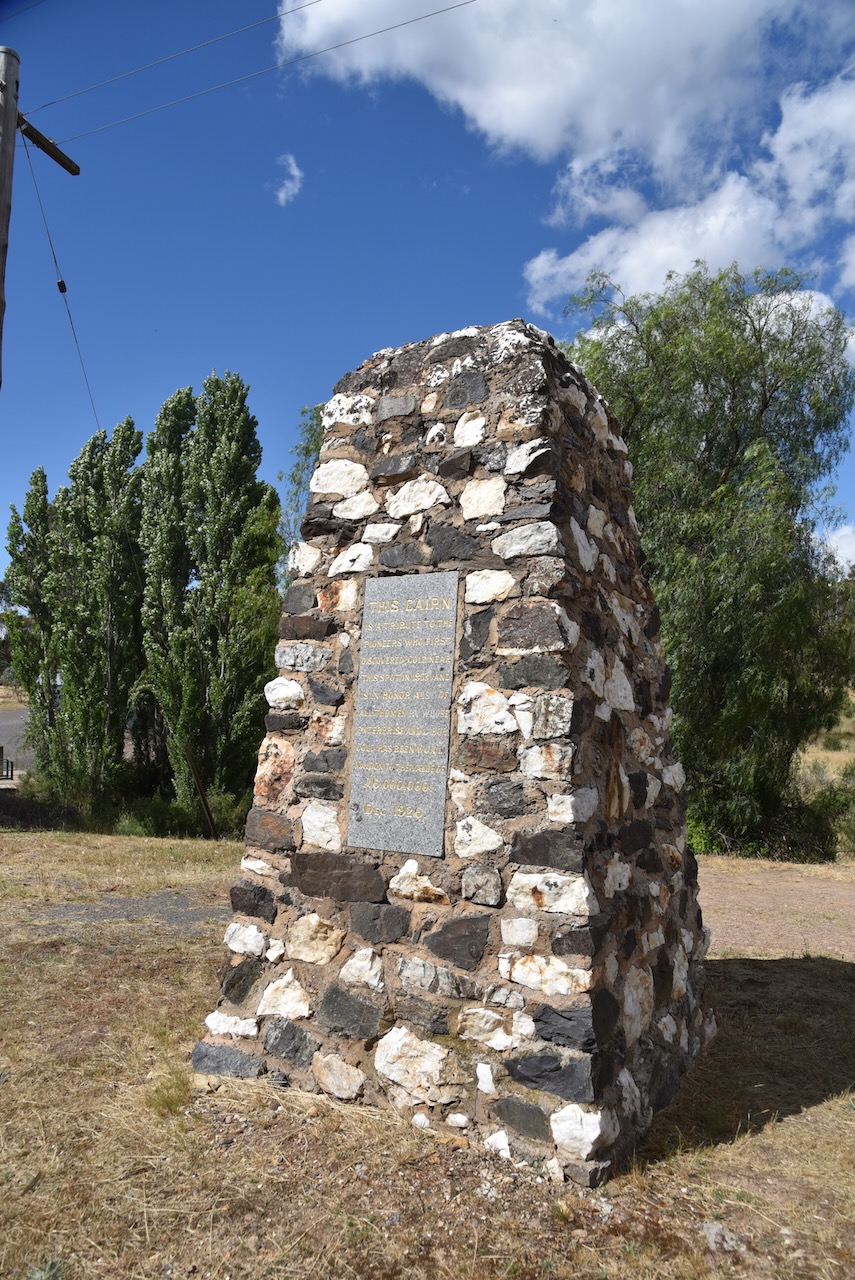
As you enter the little town of Maldon, you can view the Maldon Pioneer Memorial on the Castlemaine-Maldon Road. The memorial commemorates the pioneers who discovered gold in the district. It was erected in 1926. (Goldfields Guide 2024) (Monuments Australia 2024)

The plaque reads:

“This cairn is a tribute to the pioneers who first discovered gold near this spot in 1853, and is in honor also of all the men by whose enterprise and labor gold has been on in Maldon to the vavlue of £6,000,000. Dec. 1926.”

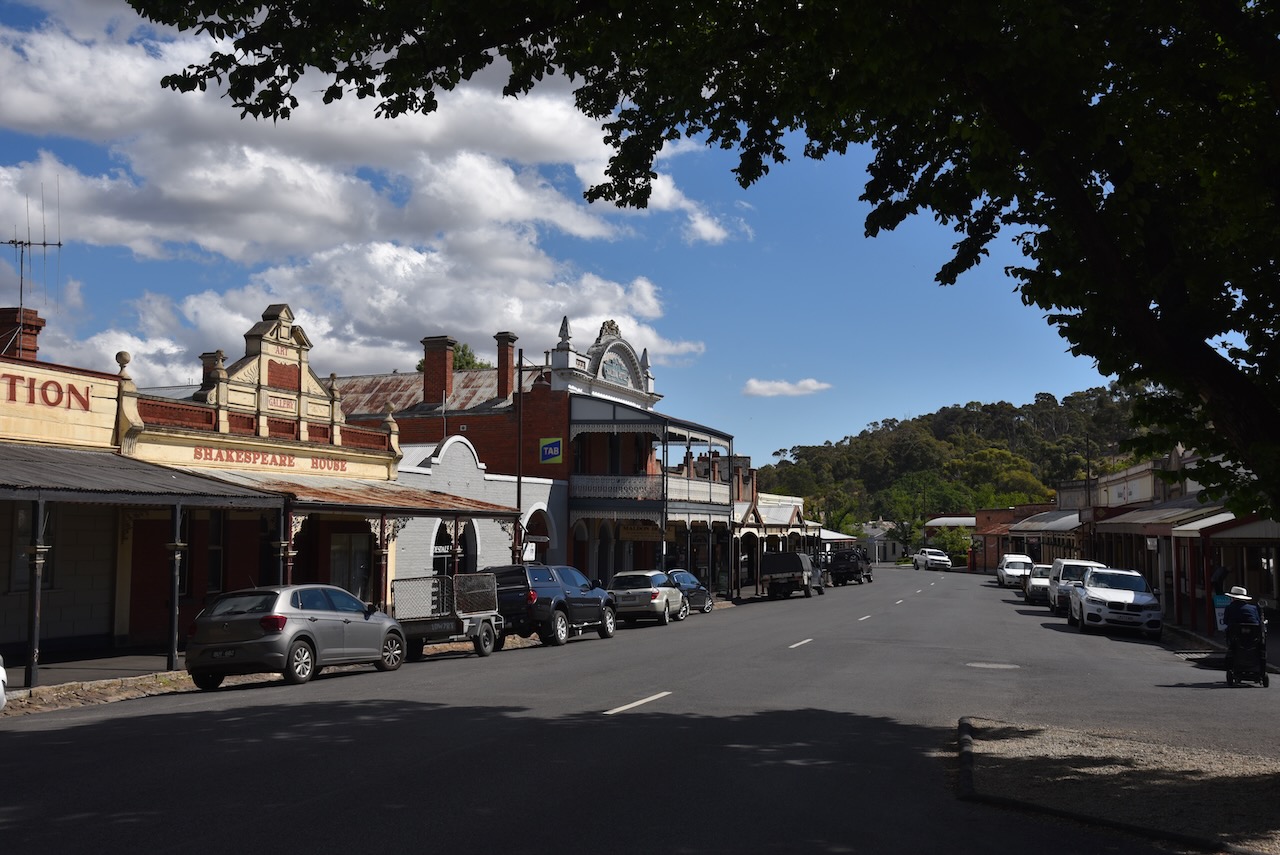
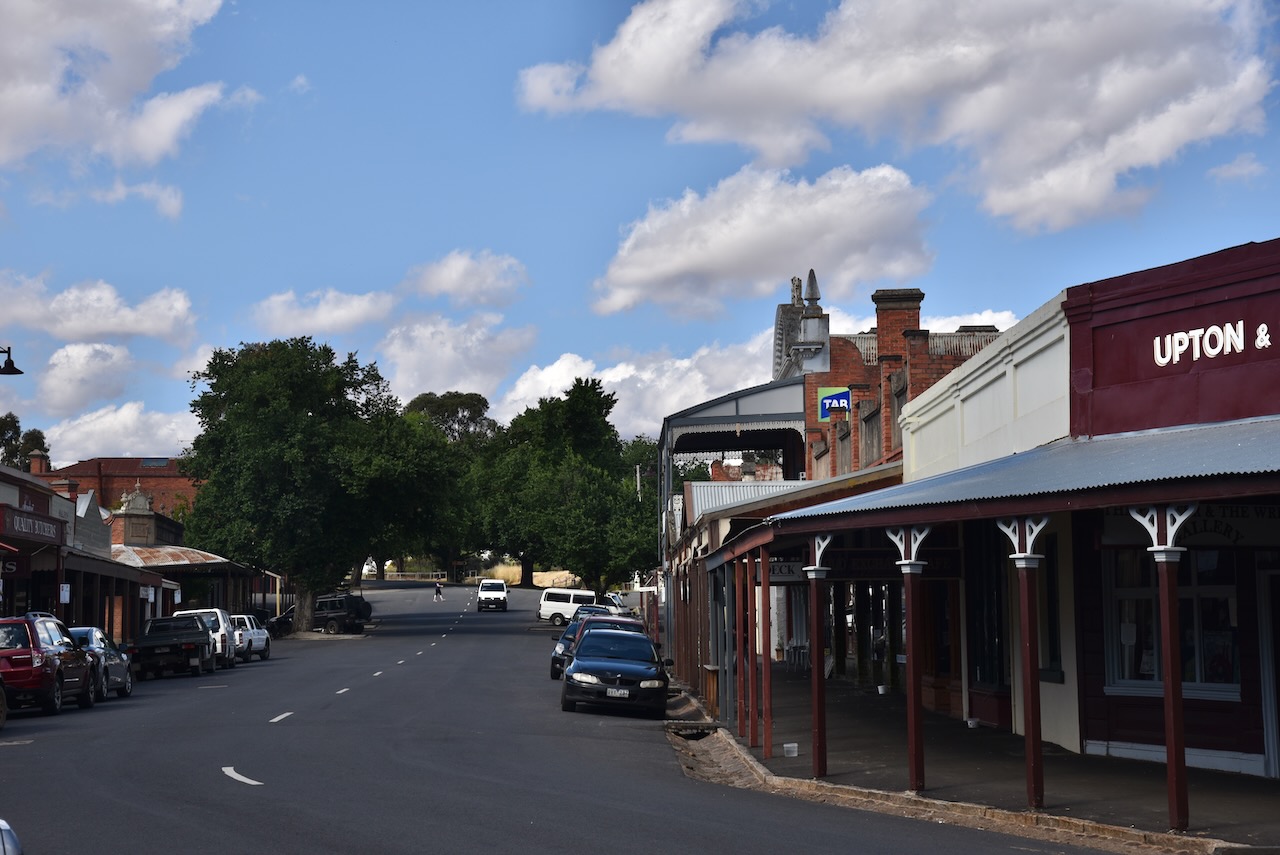
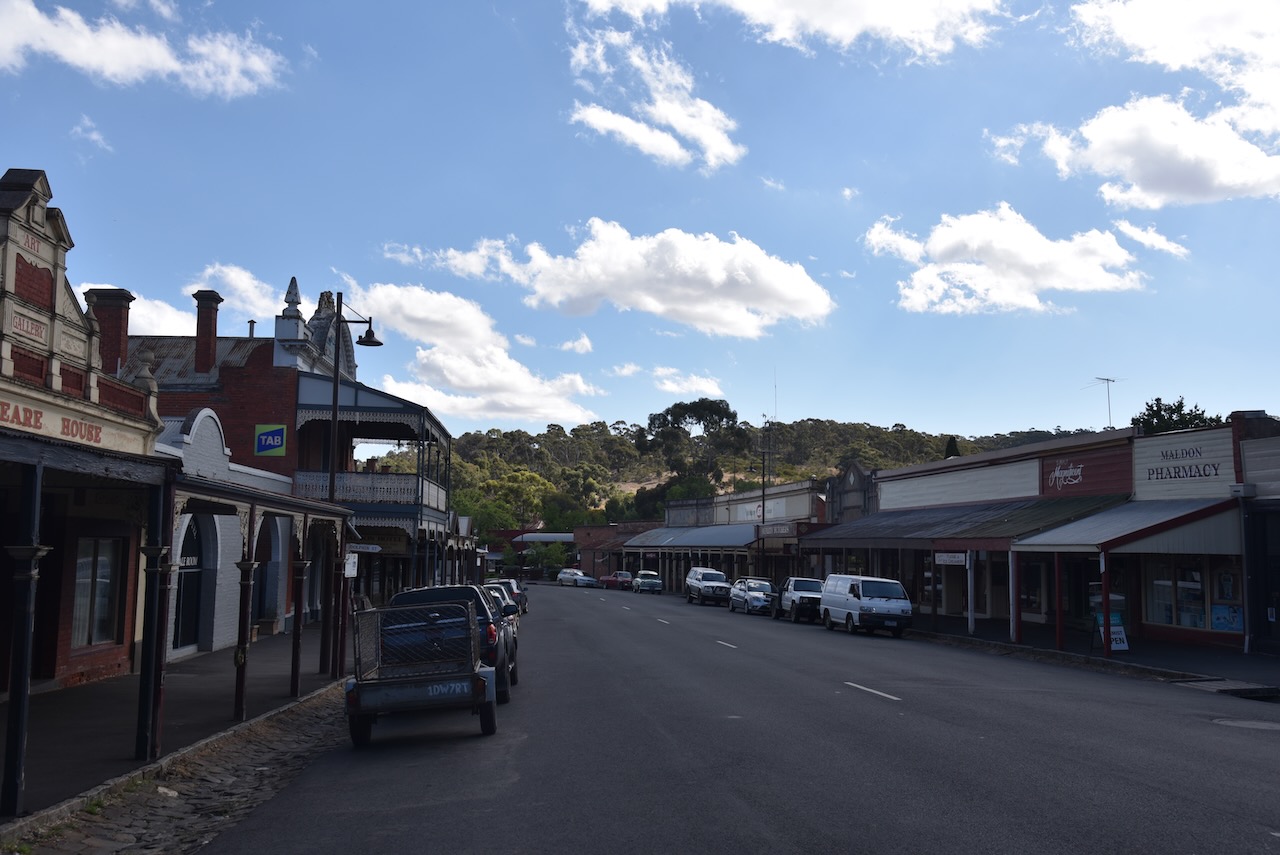
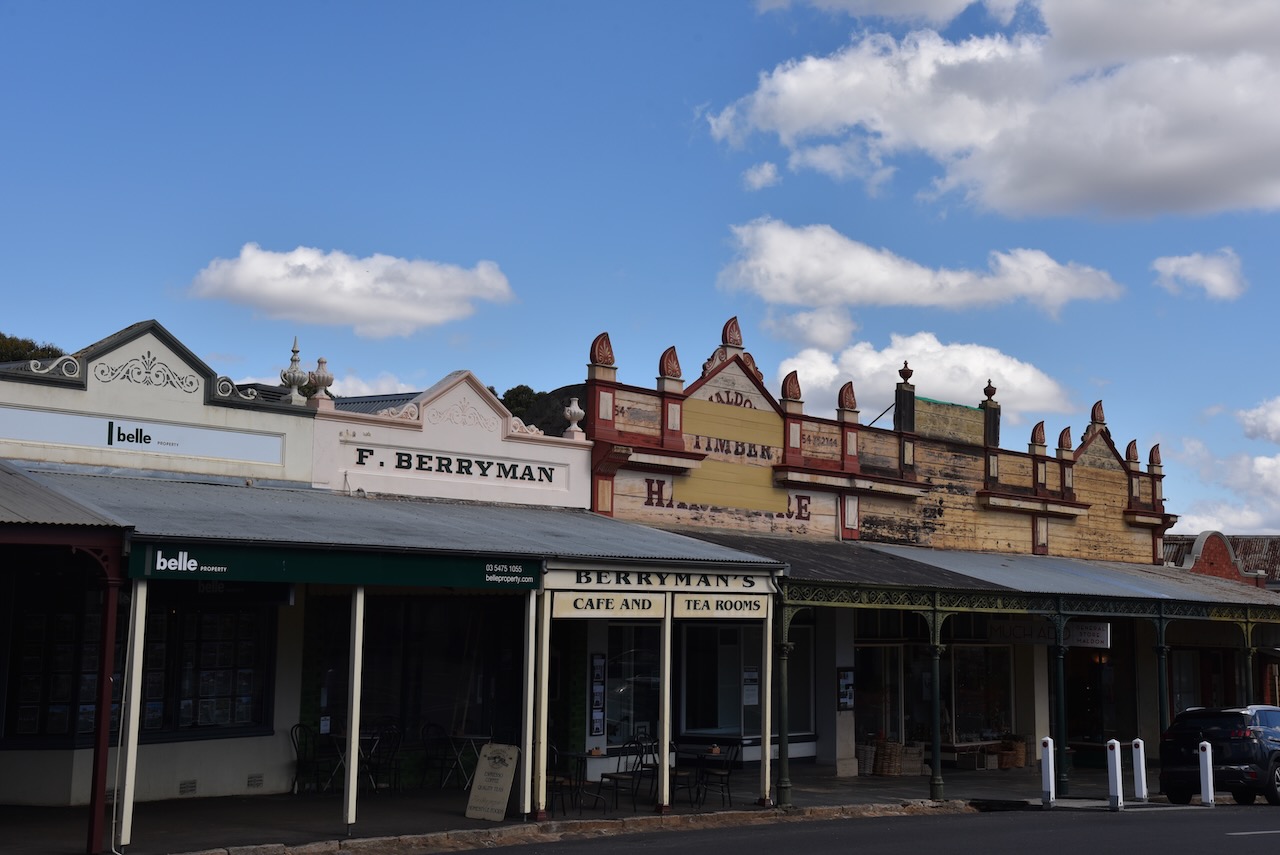
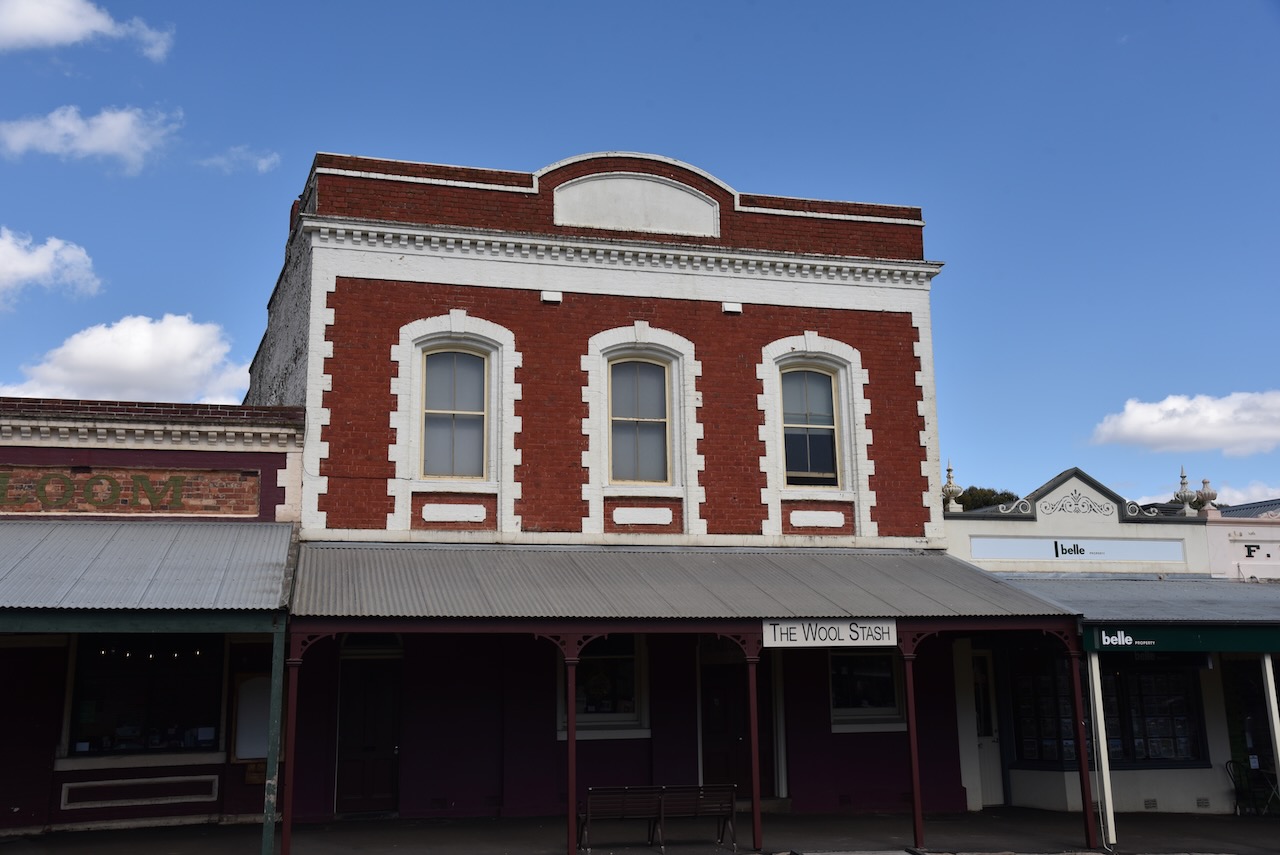
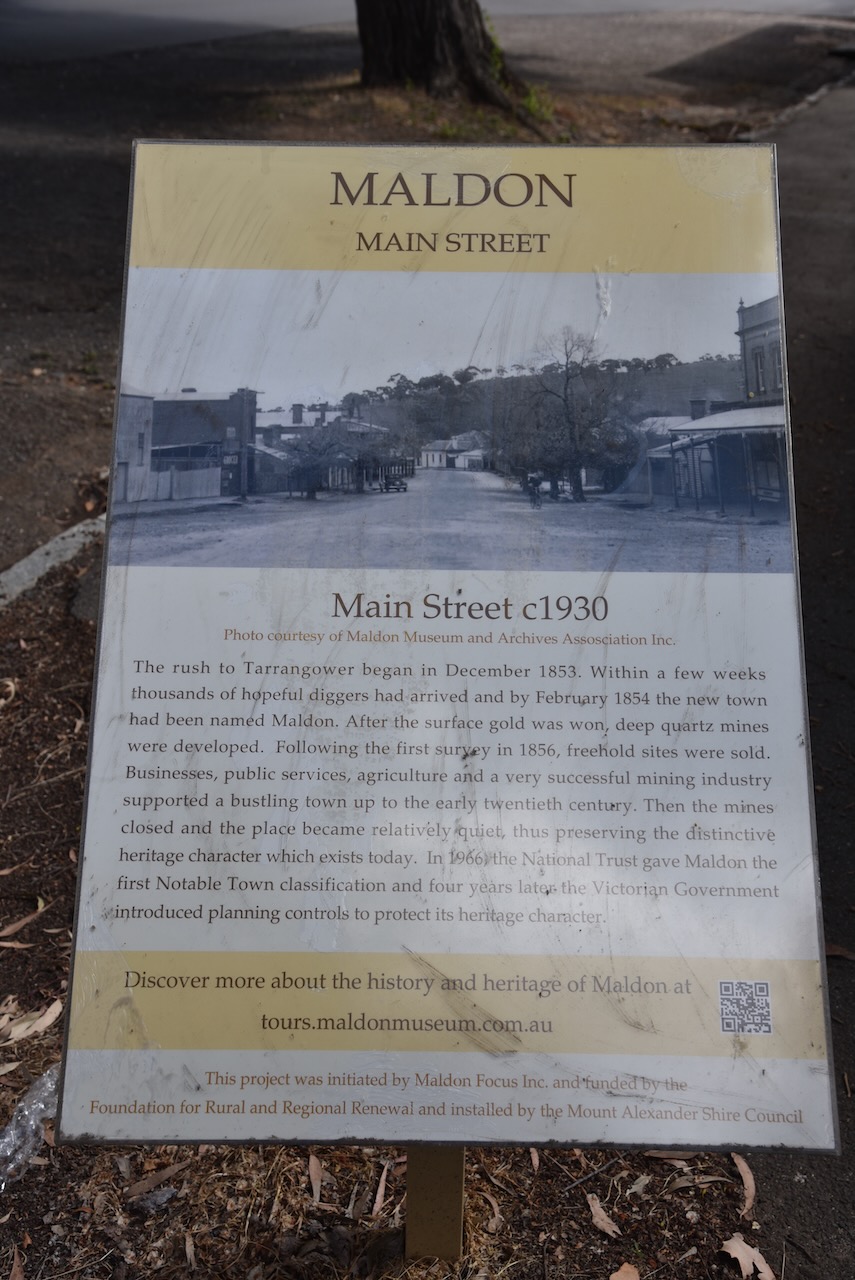
Maldon is one of my favourite towns in Victoria. It is a former gold town with a real country feel, containing several historic buildings. Maldon was declared Australia’s first notable town in 1966 by the National Trust. (Victorian Places 2024)

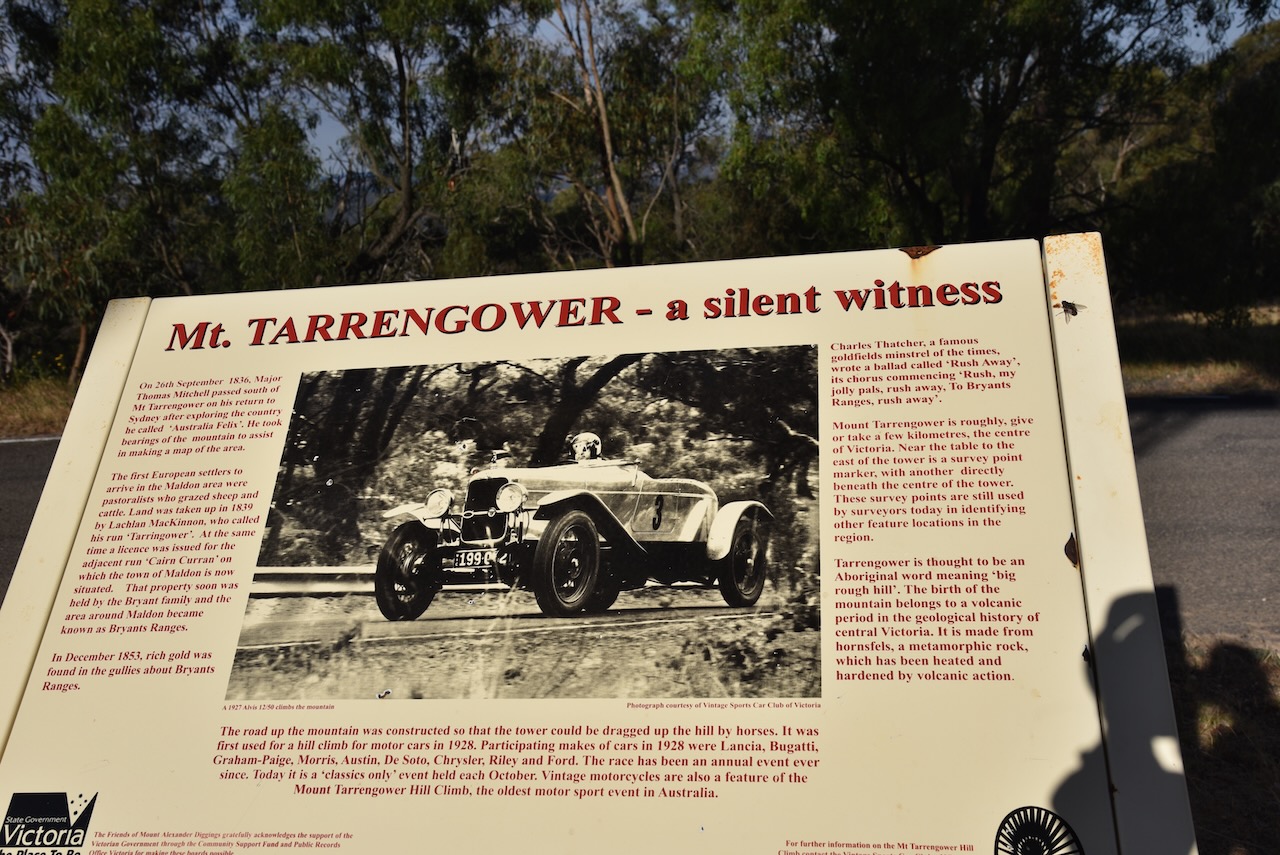
The original inhabitants of the area were the Dja Dja Waurrung aboriginal people. The first European to travel through the area was explorer Major Thomas Mitchell in 1836 during his Australia Felix expedition. This was followed by pastoralists who set up pastoral runs in the district.

The town of Maldon is situated on the former Cairn Curran pastoral run, established in 1840, and owned by the Simson brothers, John, Donald, & Hector. The brothers Donald and Hector had arrived in Australia from Scotland in 1839. They were followed later by their brother John. The brothers also owned Tarrangower Run located immediately to the south of Cairn Curran. (Pioneering Family 1934) (Victorian Places 2024)

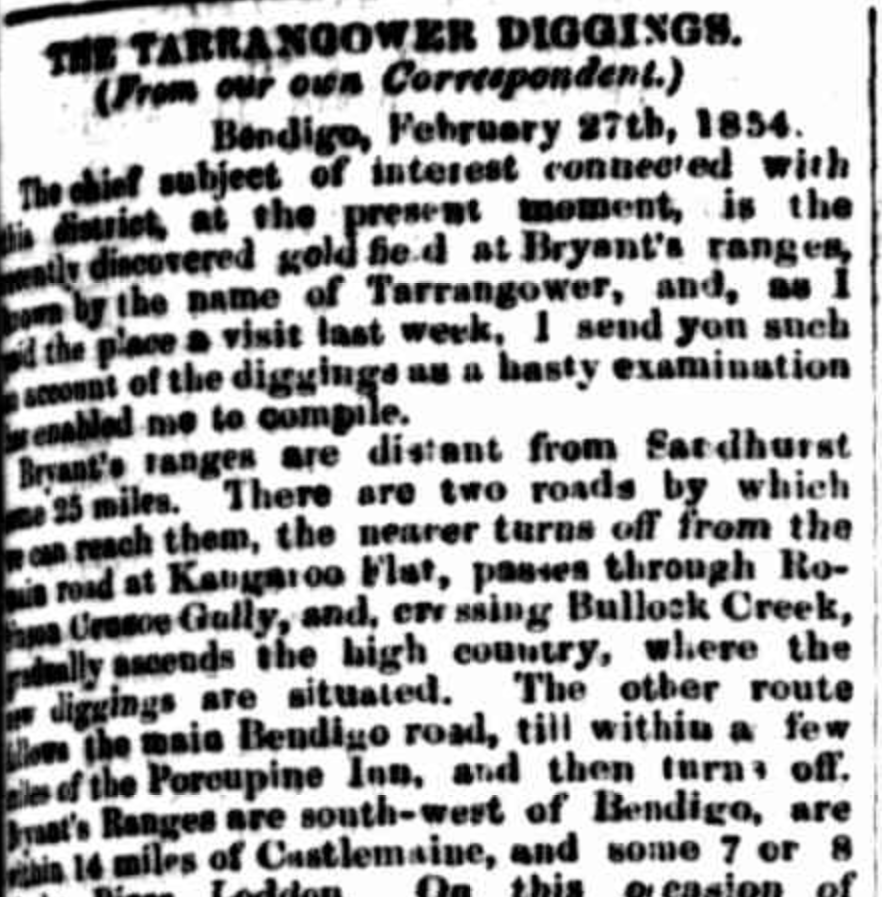
In December 1853, a Polish immigrant John Mechosk, discovered gold near the foot of Mount Tarrengower. As a result, a gold rush occurred in 1854 with the goldfield named Tarrengower Fields. Just one month after the discovery of gold, the Chief Commissioner for Goldfields reported that 3,000 miners had arrived at the diggings.

In 1854 it was reported that the road from Castlemaine to Maldon was lined with shops with storeowners thriving from the miners:

The road follows up the course of Long Gully, where the diggings were first opened, for a couple of miles, and is lined on either side by an almost continuous row of stores, refreshment tents, eating houses, doctors’ tents, apothecaries’ shops, and, in fact, shops of every description.” (Tarrengower Diggins 1854)

Above:- part of an article from the Empire, Sydney, Tue 7 Mar 1854. Image c/o Trove.

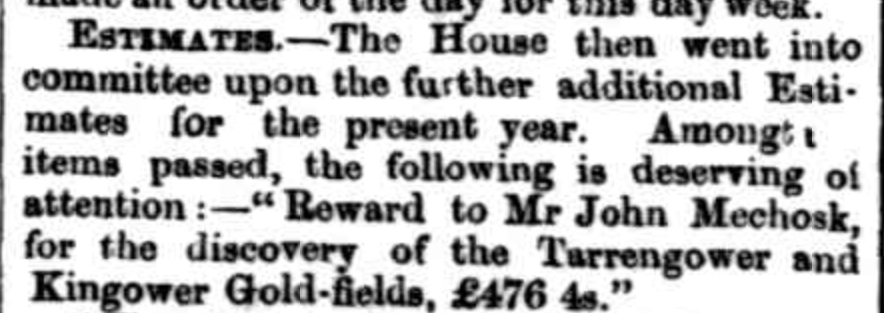
In 1857 Mechosk was issued with a reward of £476 for his discovery of the Tarrengower and Kingower goldfields. (Victorian Places 2024)

Above:- Article from The Star, Ballarat, Fri 18 Sep 1857. Image c/o Trove.

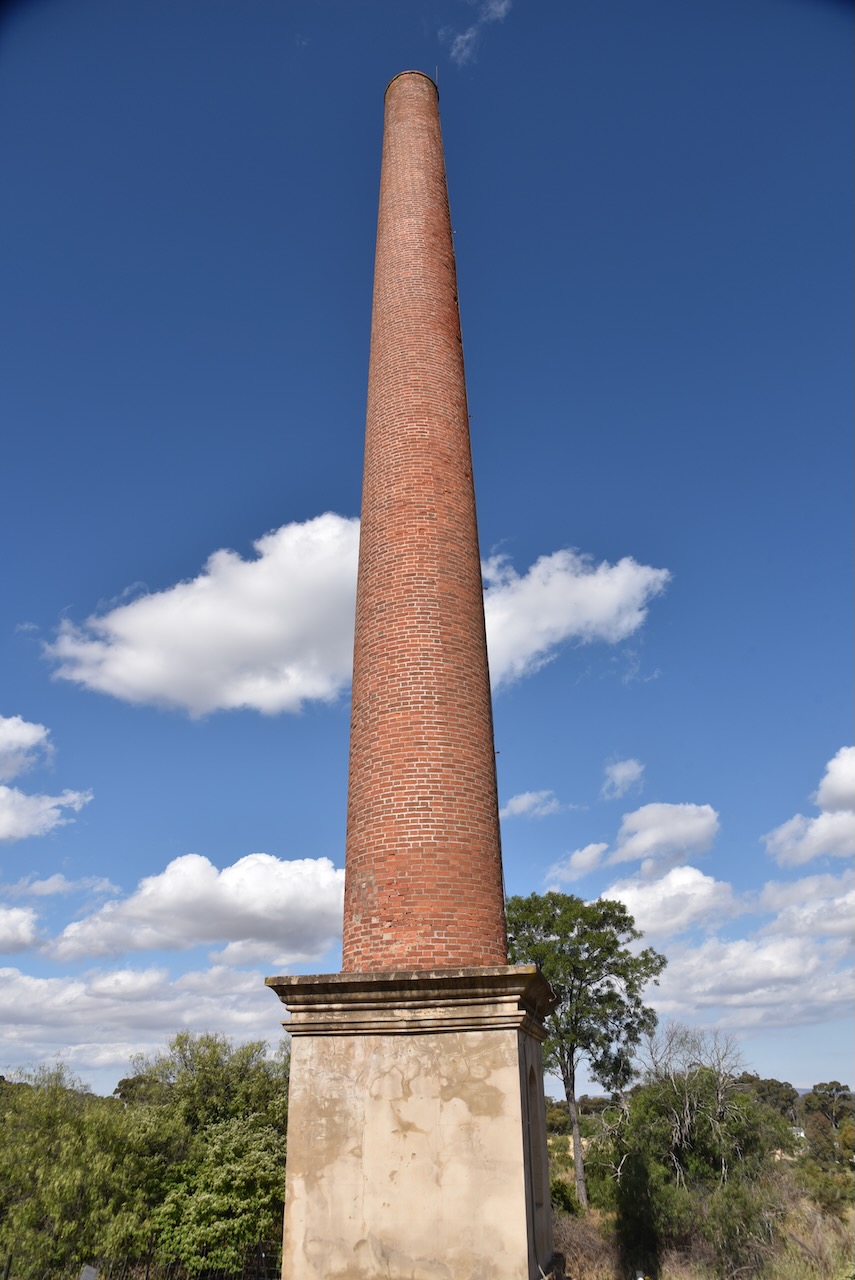
One of the richest fields in the Maldon district was known as Nuggety and was found in 1855 in the hills north of Maldon. The Department calculated that over 300,000 ounces of gold were taken from Nuggety. Another rich area was the Beehive Company, located immediately east of Maldon’s commercial centre. The remains of the chimney, built in 1863, can be seen today. (Victorian Places 2024)

The township of Maldon was surveyed soon after. It is believed that Maldon was proposed by a member of the survey party, as the hills in the area resembled those in Maldon in Essex, England. (Victorian Places 2024)

By 1854 Maldon had a brewery and several hotels. In 1855 a Wesleyan church was opened. In 1858 the municipality of Maldon was established, followed by the District of Maldon in 1863. On the 12th day of January 1864 the Shire of Maldon was created. By 1858 Maldon had its own newspaper, the Tarrangower Times newspaper, numerous hotels and banks, and two schools. This was followed by a hospital and an athenaeum in 1859. An Anglican church was built in 1861, followed by a Welsh Congregational Church and a Methodist Church in 1863, and a Welsh Baptist Church. (Victorian Places 2024)

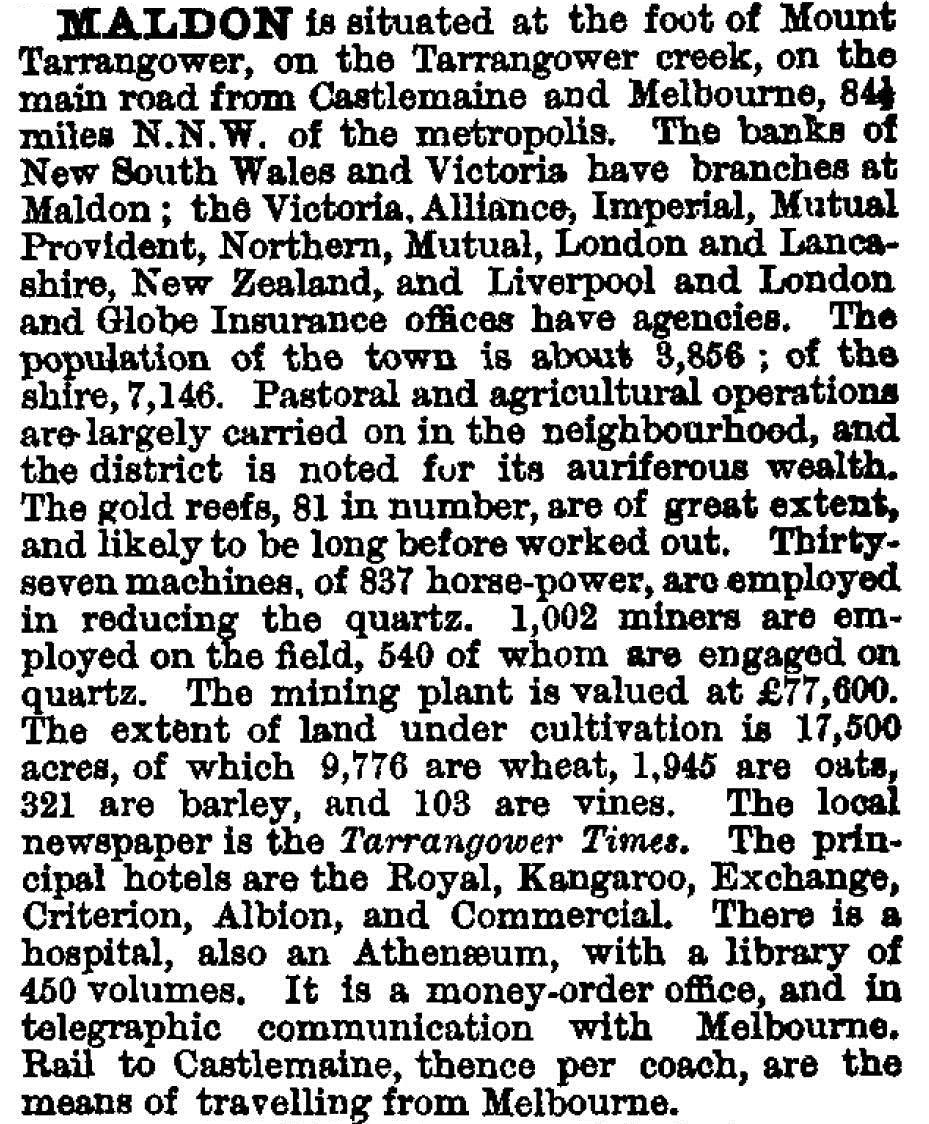
Maldon’s population peaked during the 1870s, with the town having a population of 3,817 [people in 1871. The Australian Handbook in 1875 described Maldon as follows…..

As late as 1903 there were still over 1,000 diggers on various sites around Maldon. About 2.1 million ounces of gold was extracted at Maldon worth about 3 billion dollars in today’s value.

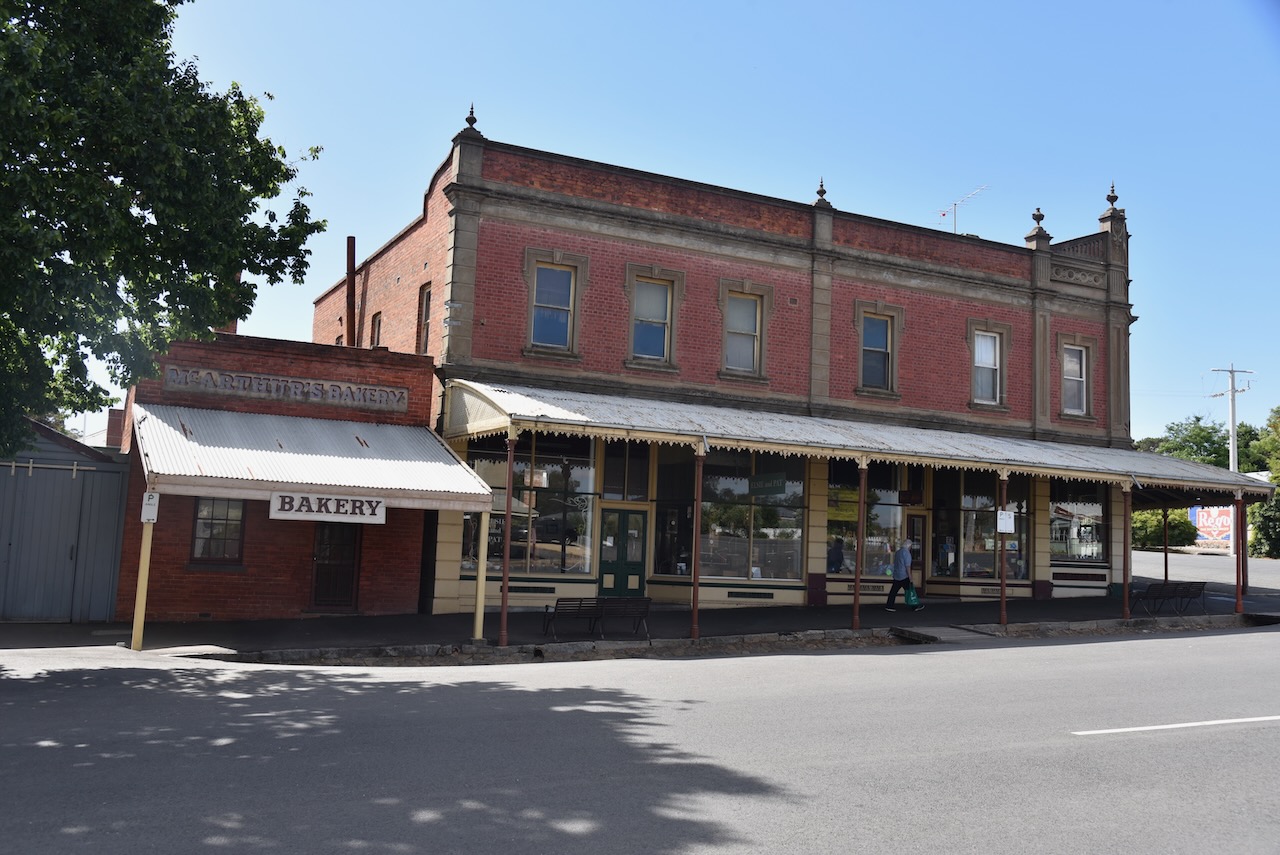
The old McArthur’s Bakery is located in Maldon’s Main Street. The McArthur family operated a bakery here from 1854 until the 1930s. (Maldon Museum 2024)

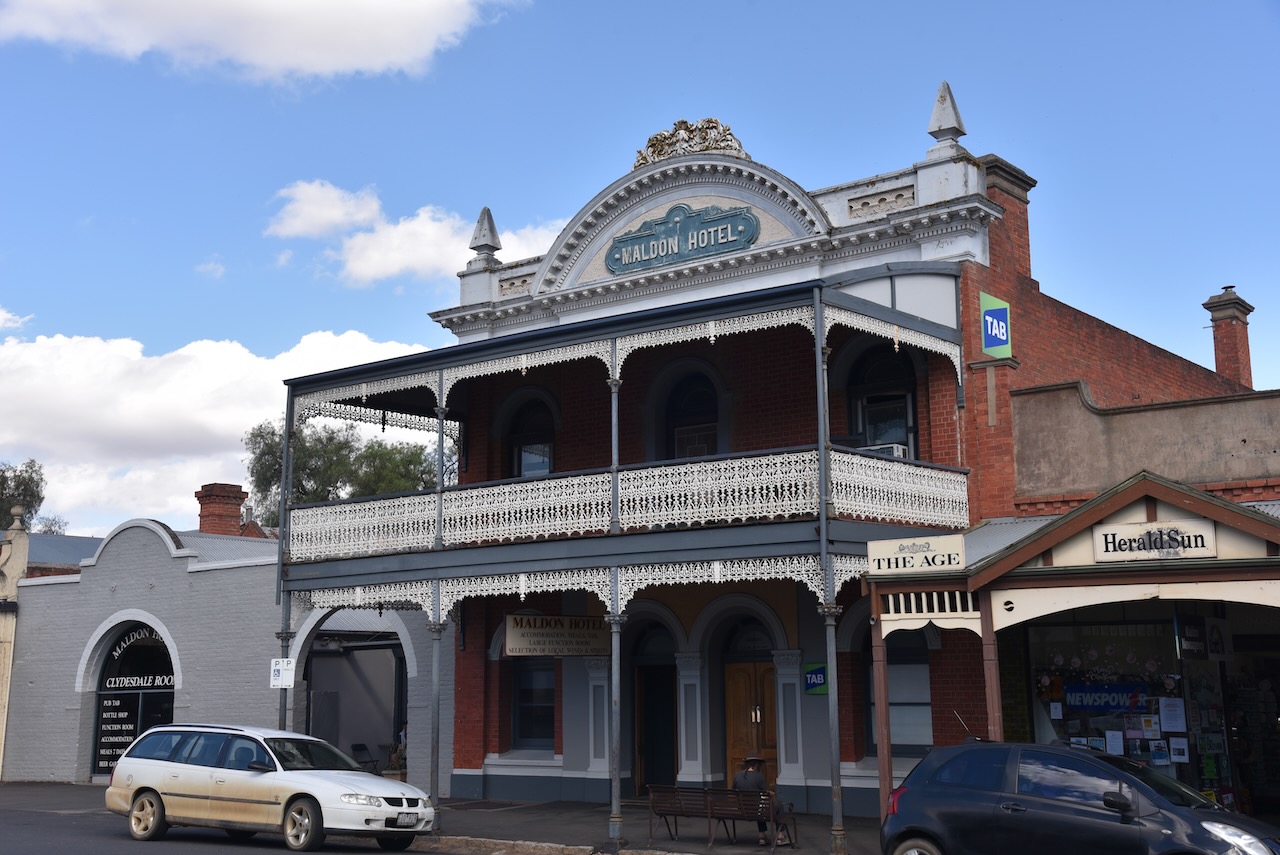
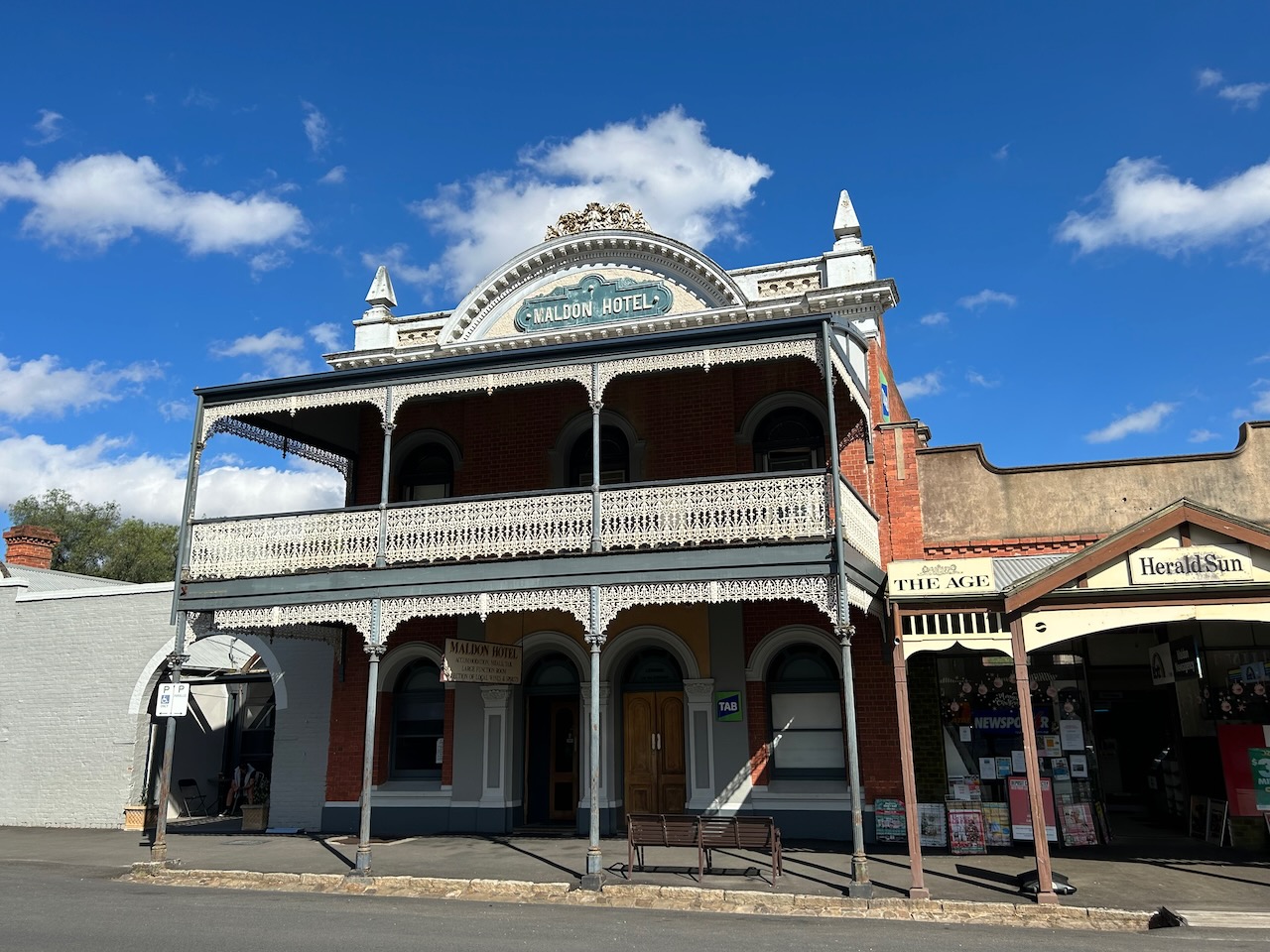
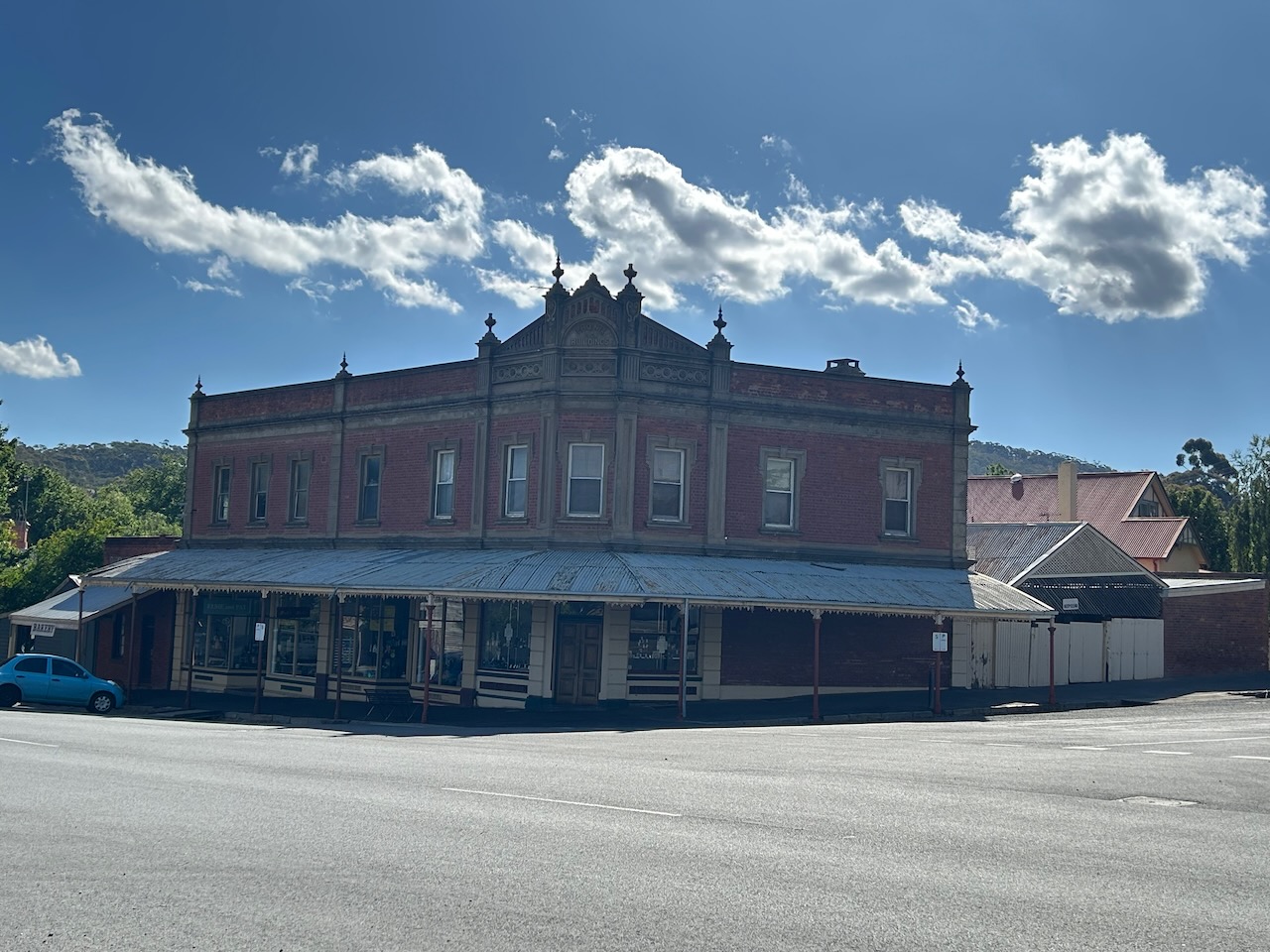
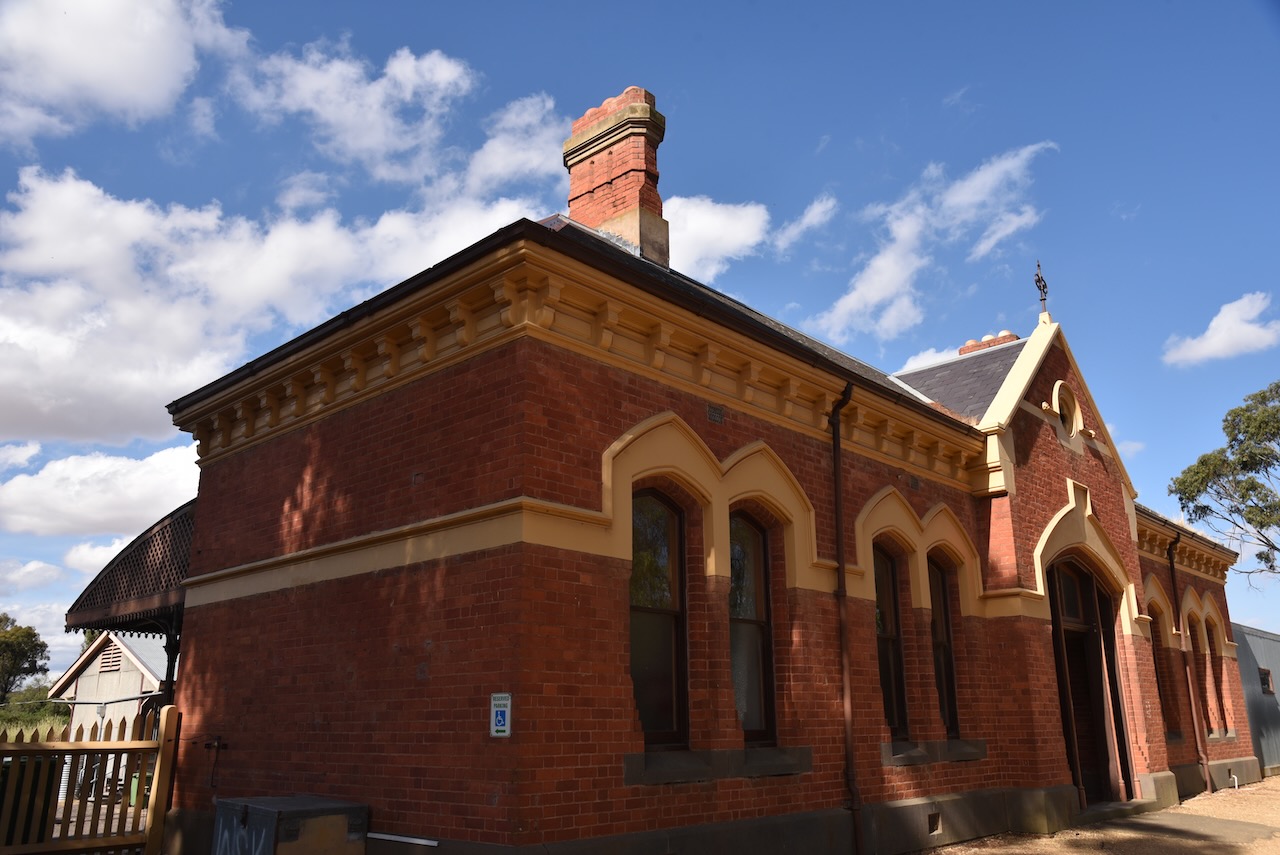
The original Maldon Hotel consisting of a weatherboard structure was built on this site c. 1860. The current building, the hotel and stables, was built in 1909 and was designed by architect Louis Boldini. This was the last grand building to be built in Maodon before the town’s decline. (Maldon Museum 2024)

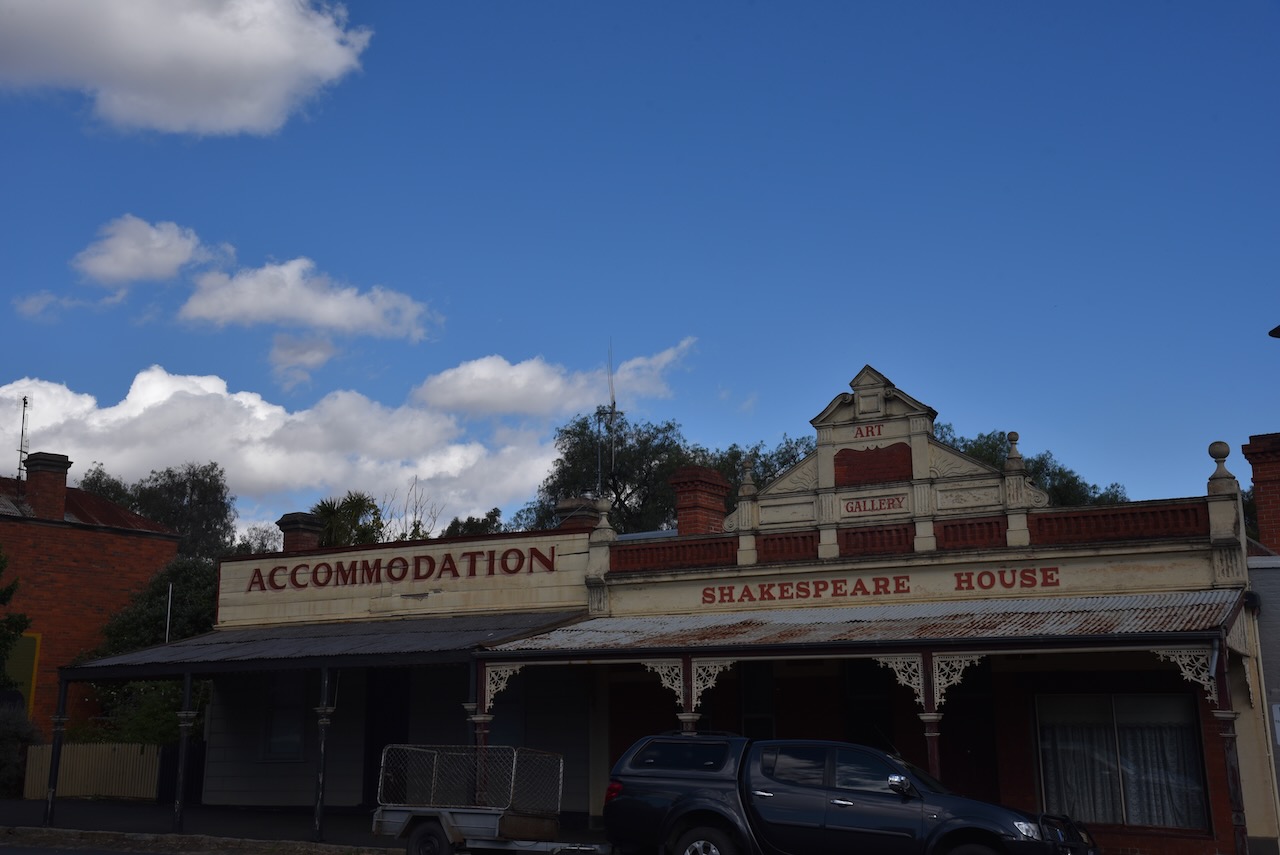
Alongside the Maldon Hotel is Shakespeare House built in 1907. Before this current building, the Shakespeare Hotel consisting of a simple timber structure was built in 1864. (Maldon Museum 2024)

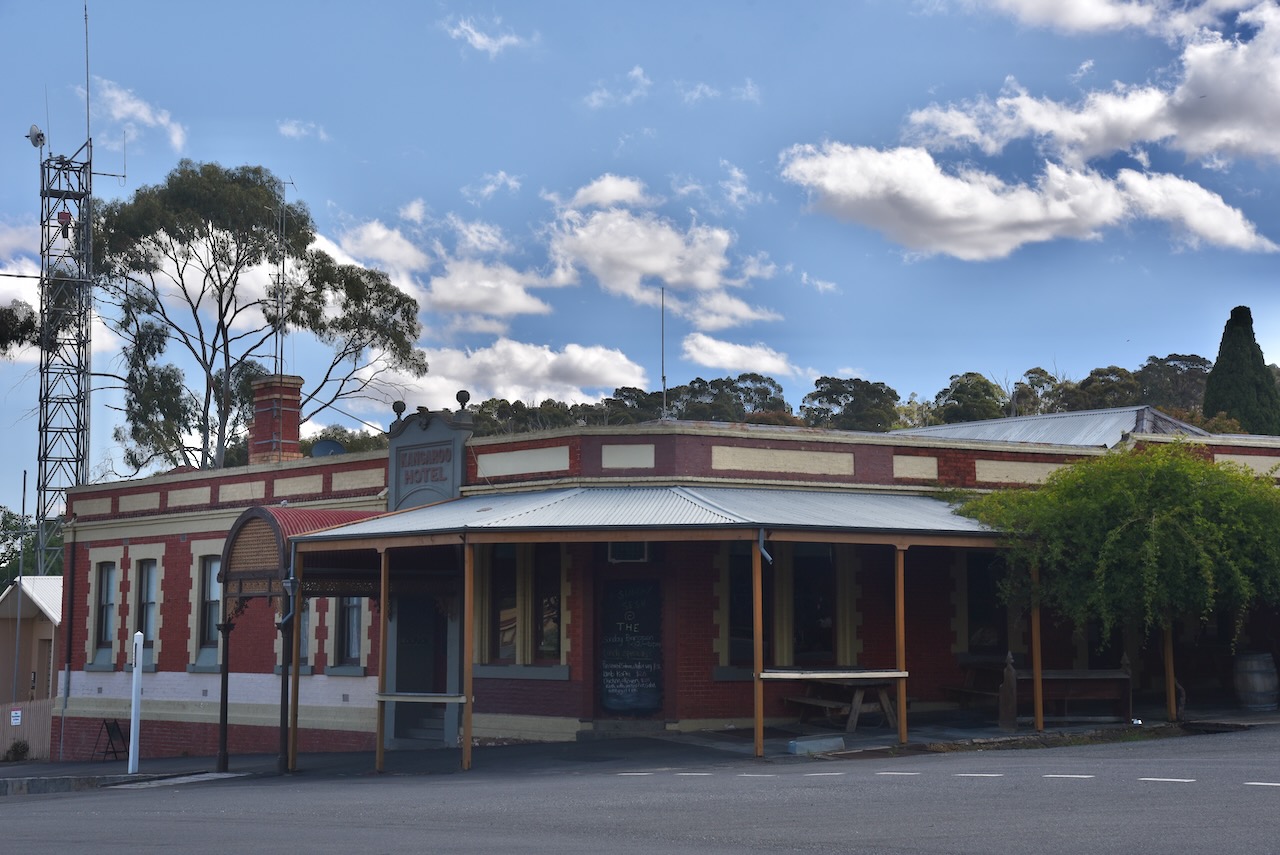
From 1856, a Kangaroo Hotel has operated on this site continuously. It included its own amusement theatre, one of 3 in Maldon during its peak. In 1859 the hotel almost burnt to the ground when somebody set off fireworks during a performance. The brick corner section of the current building dates from 1866. (Maldon Museum 2024)

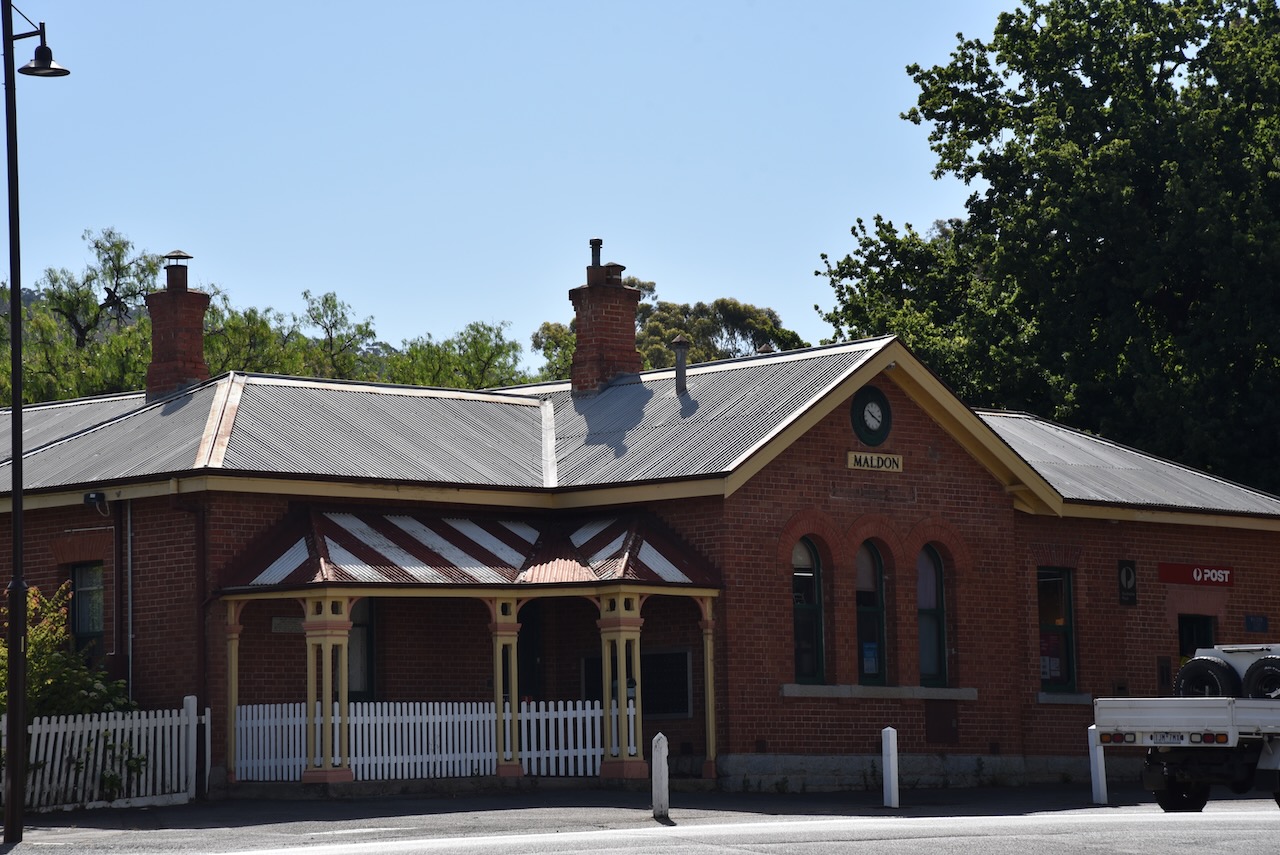
The Maldon Post Office has operated from this building and location on High Street since 1870.

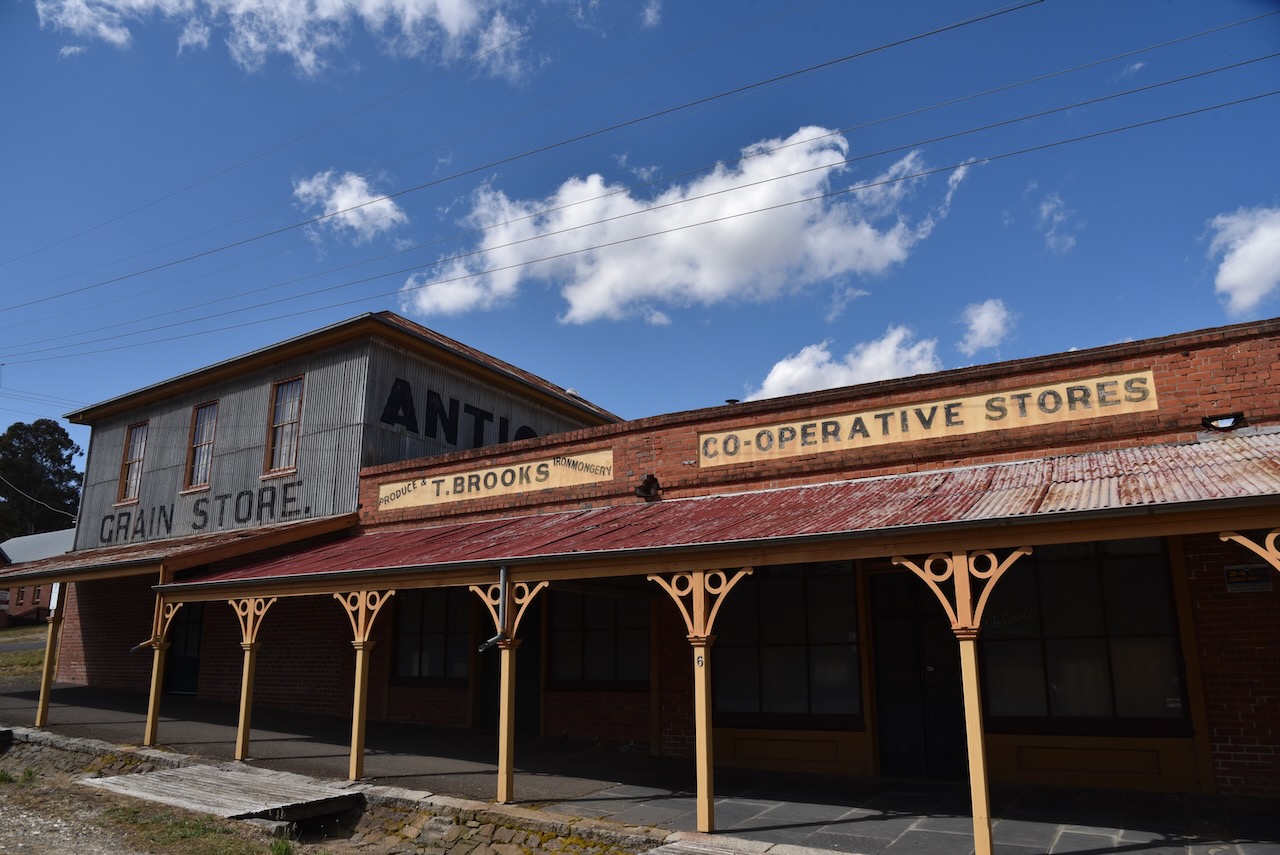
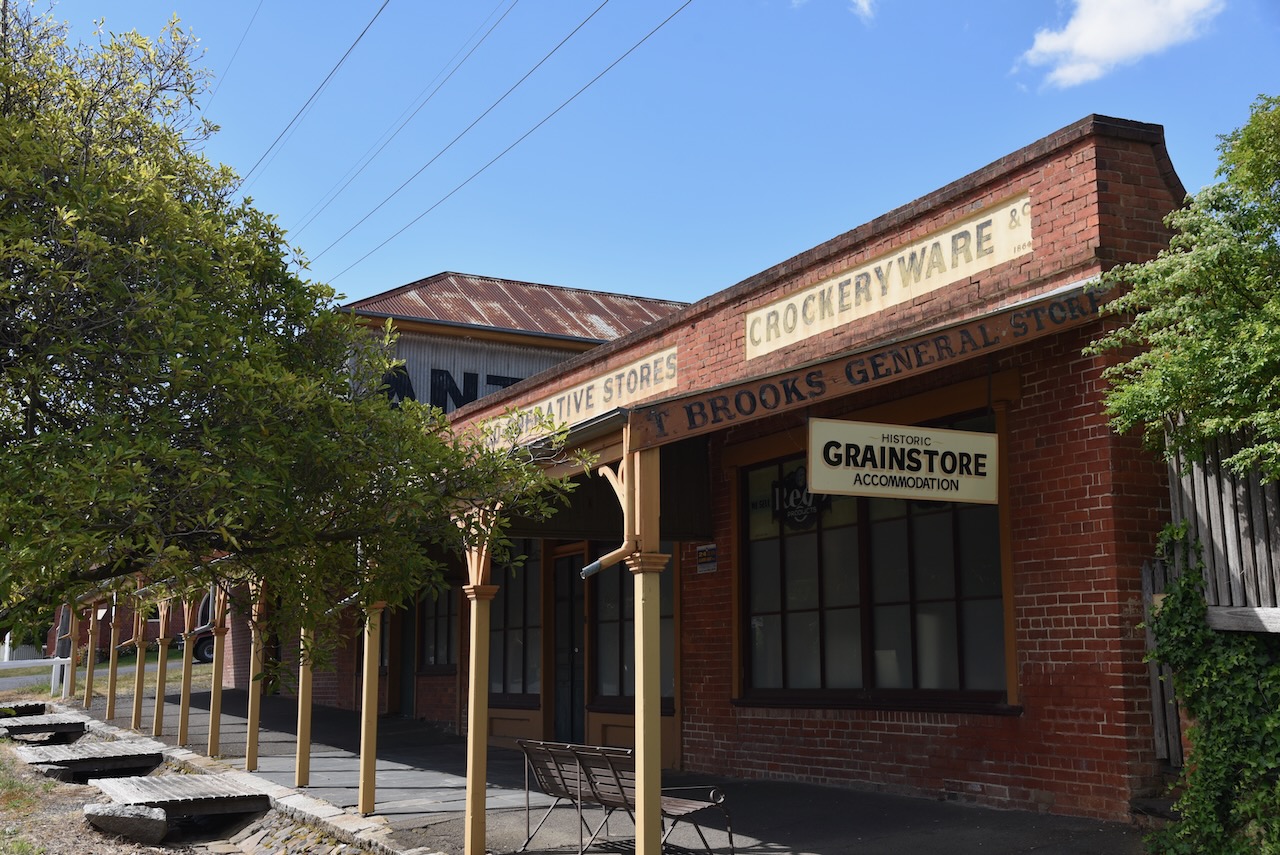
The Maldon Grain Store dates back to the 1860s and is now used as apartments.

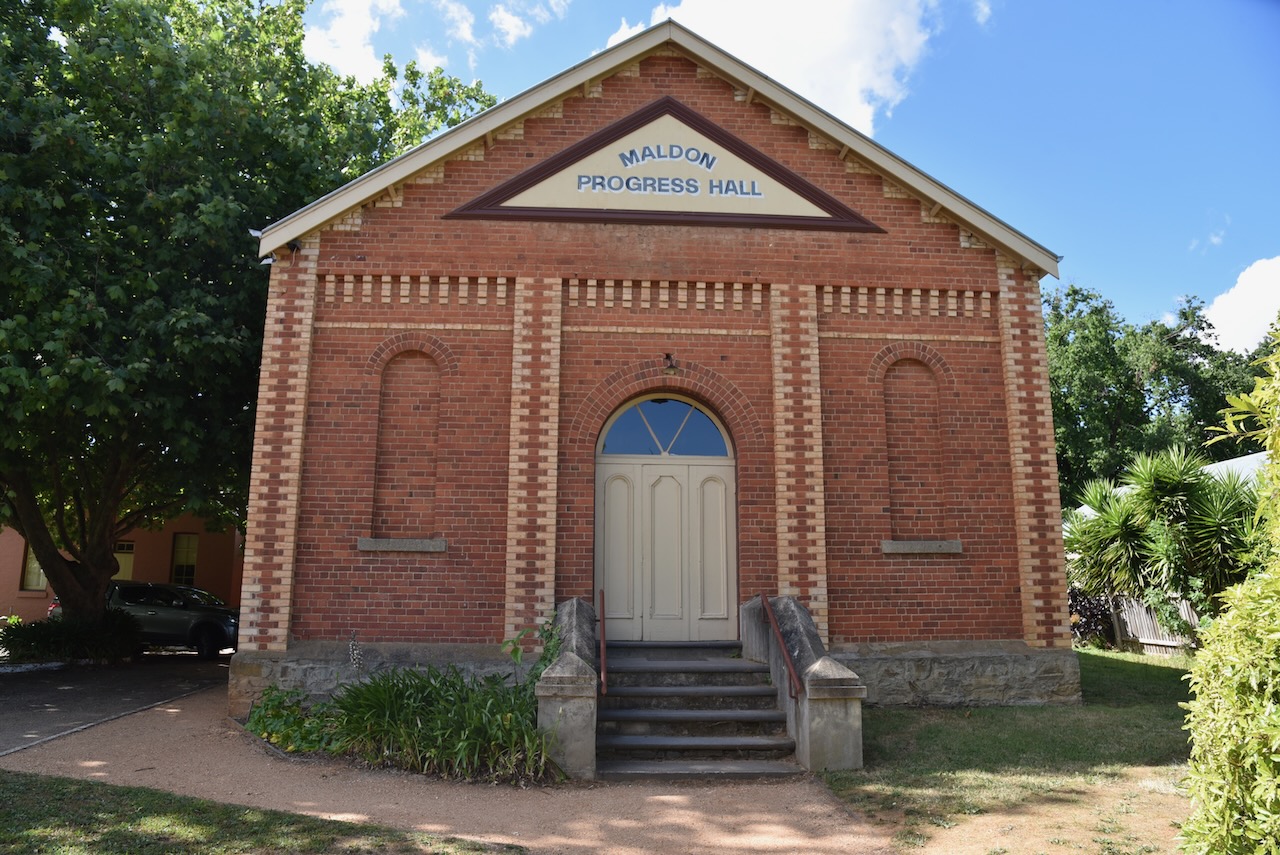
The Maldon Progress Hall was built in 1873 as a Temperance Hall and was used by the Salvation Army from 1884 to 1903.

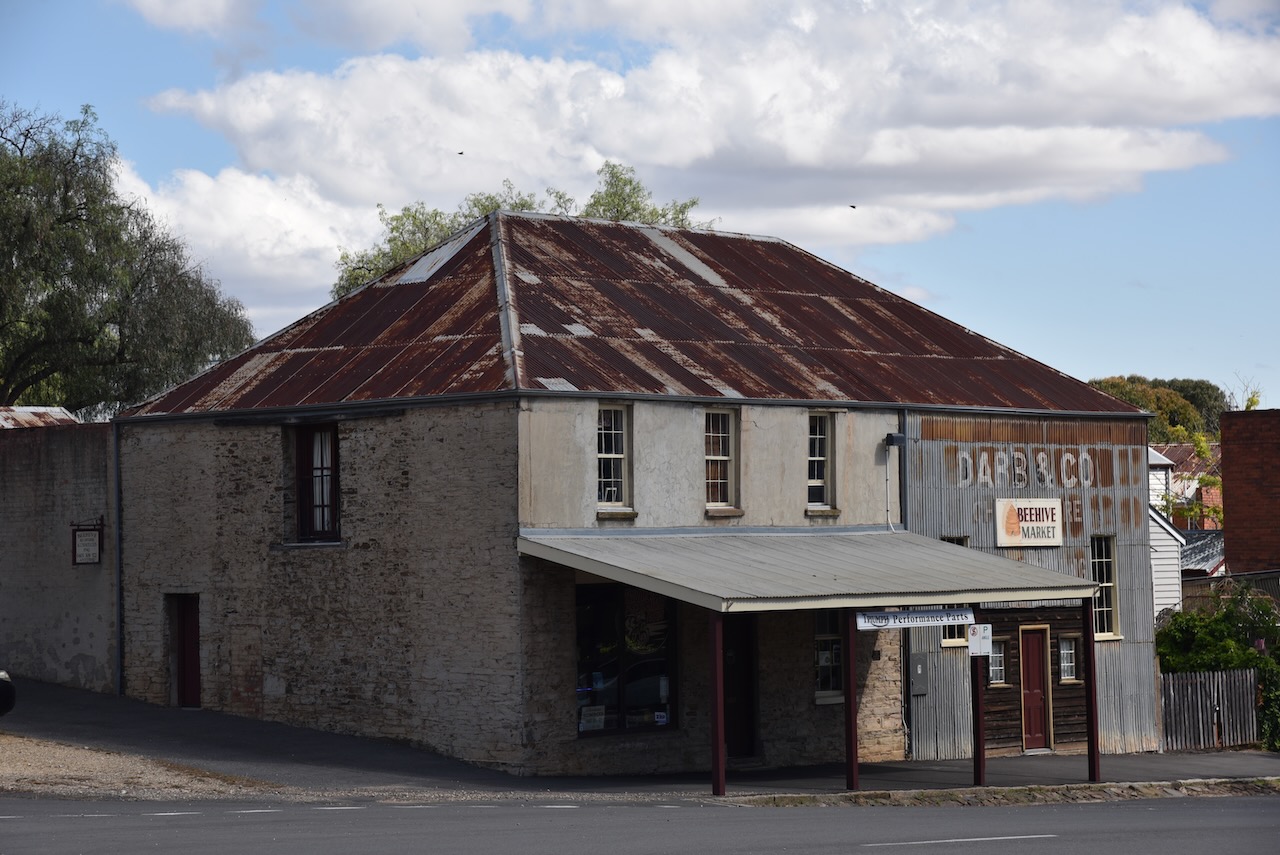
The old Franklin’s building was built c. 1870 and is now the Beehive Market.

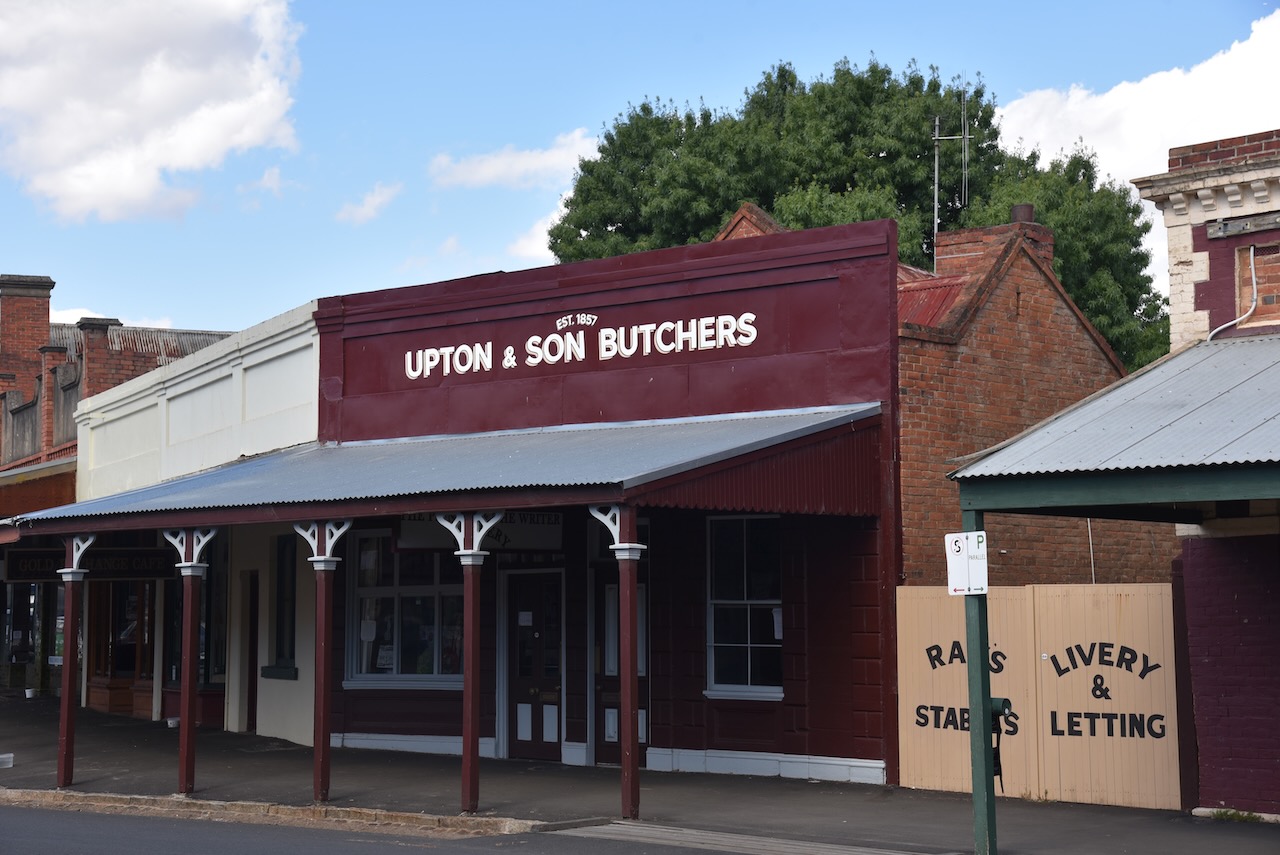
The small brick Upton & Sons butcher shop located in Main Street was built c. 1858 by George Upton. It was used as a butcher shop until at least 1900. (Maldon Museum 2024)

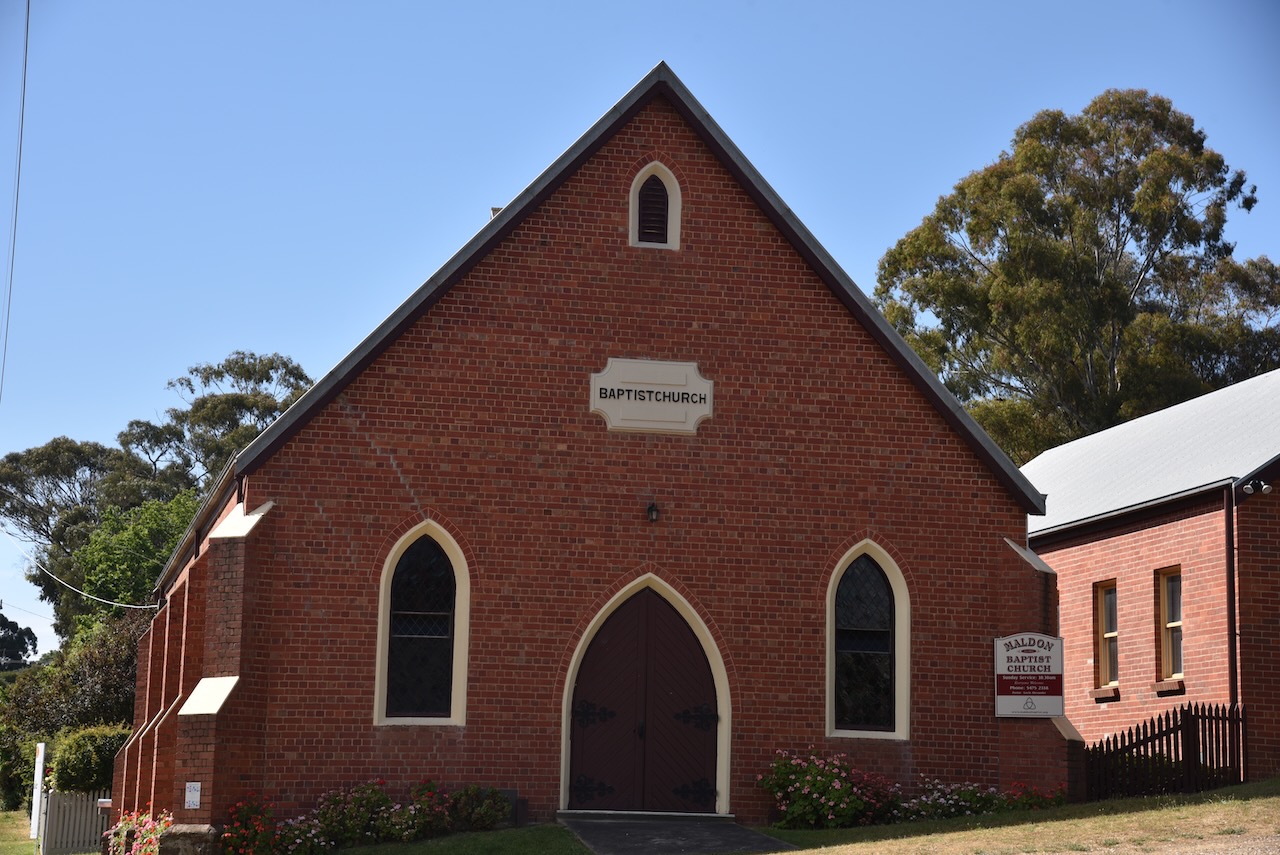
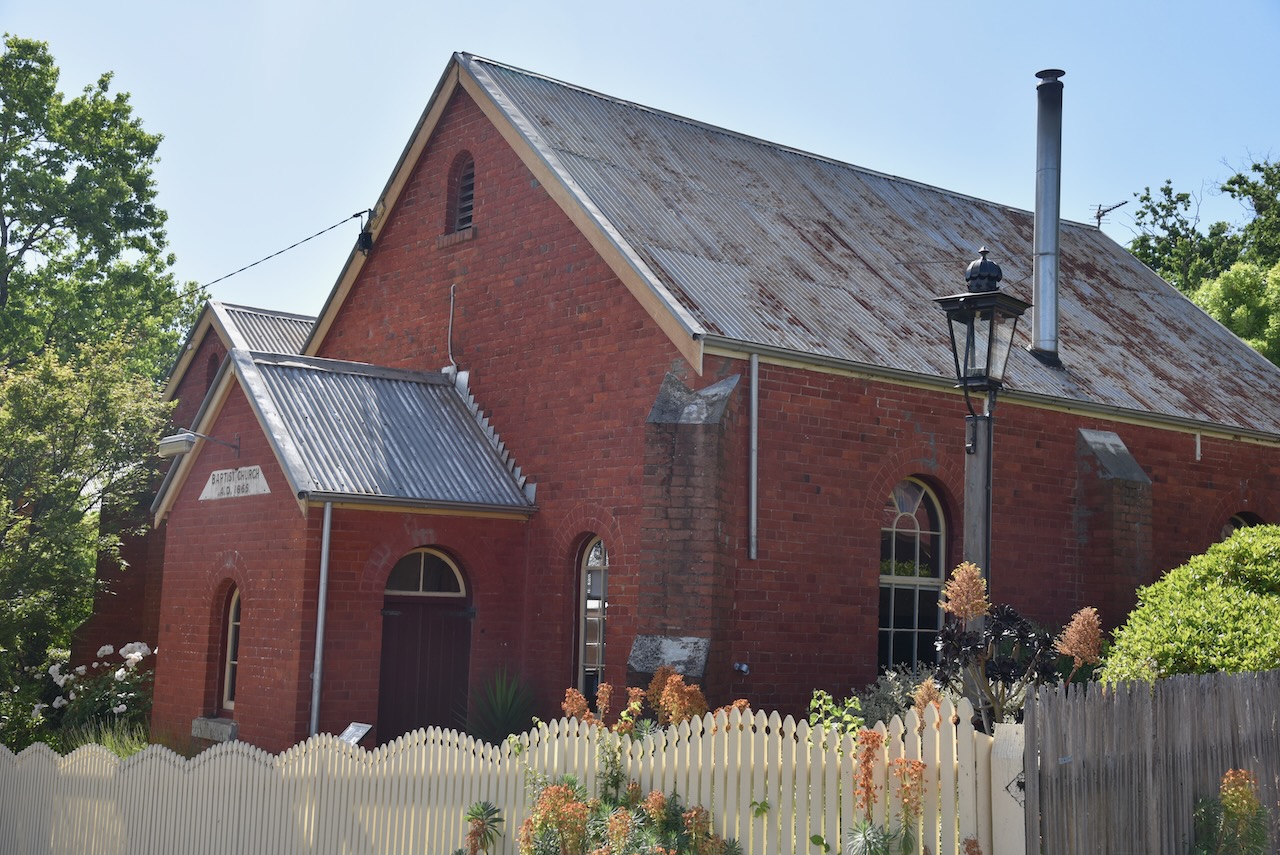
The Welsh Baptist Church was built in 1865.

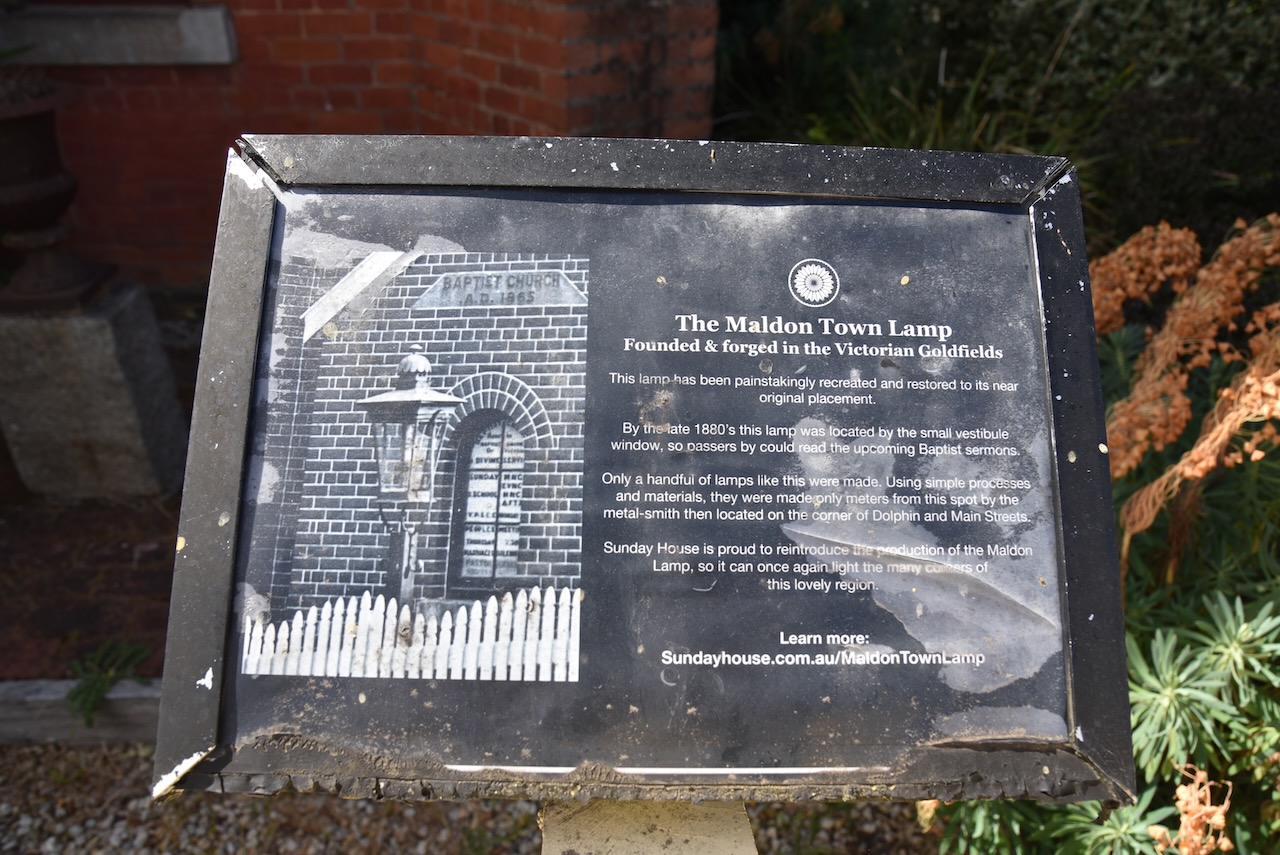
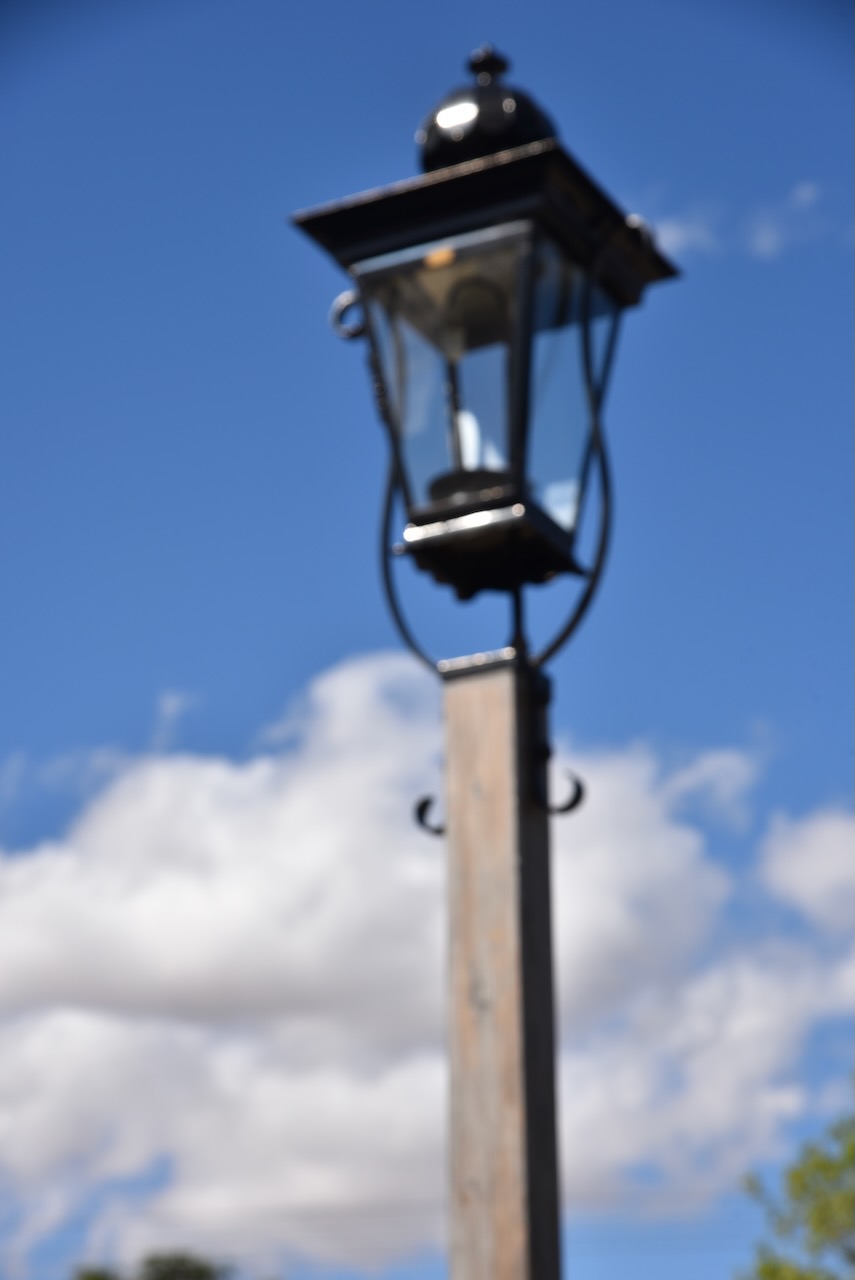
Near the church is the Maldon Town Lamp that was founded and forged in the Victorian goldfields. By the late 1880s, this lamp was located by the small vestibule window so that passersby could read the upcoming Baptist sermons. Only a handful of lamps of this kind were made, using simple processes and materials by a metal smith at Maldon.

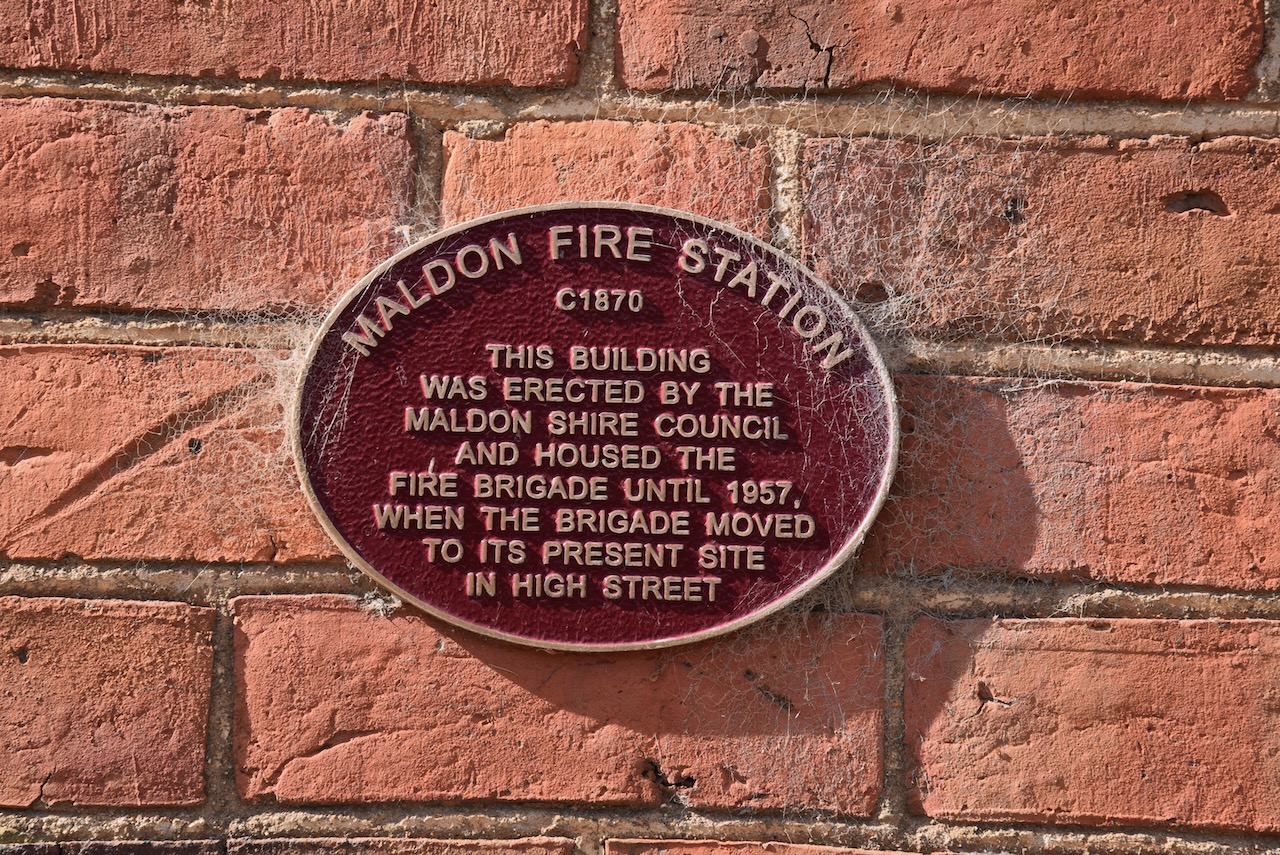
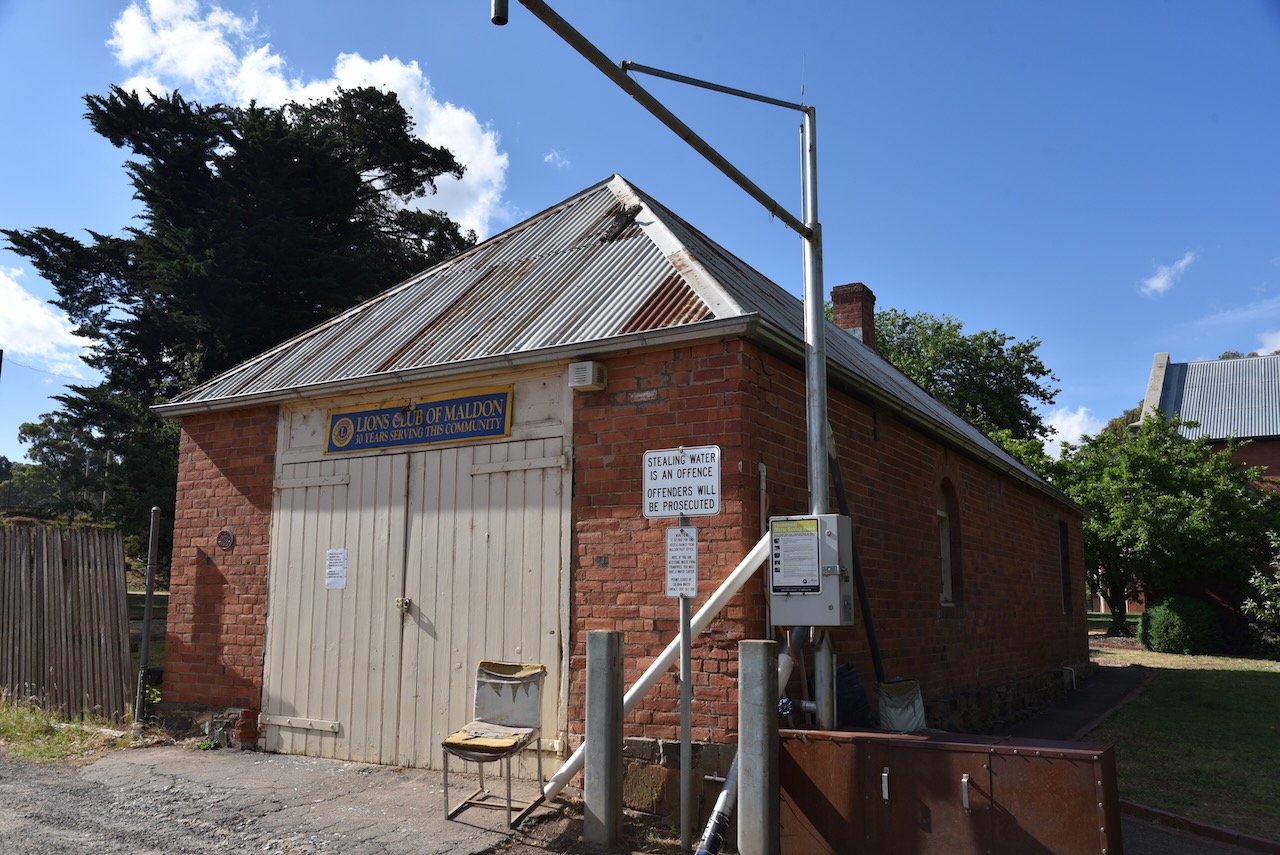
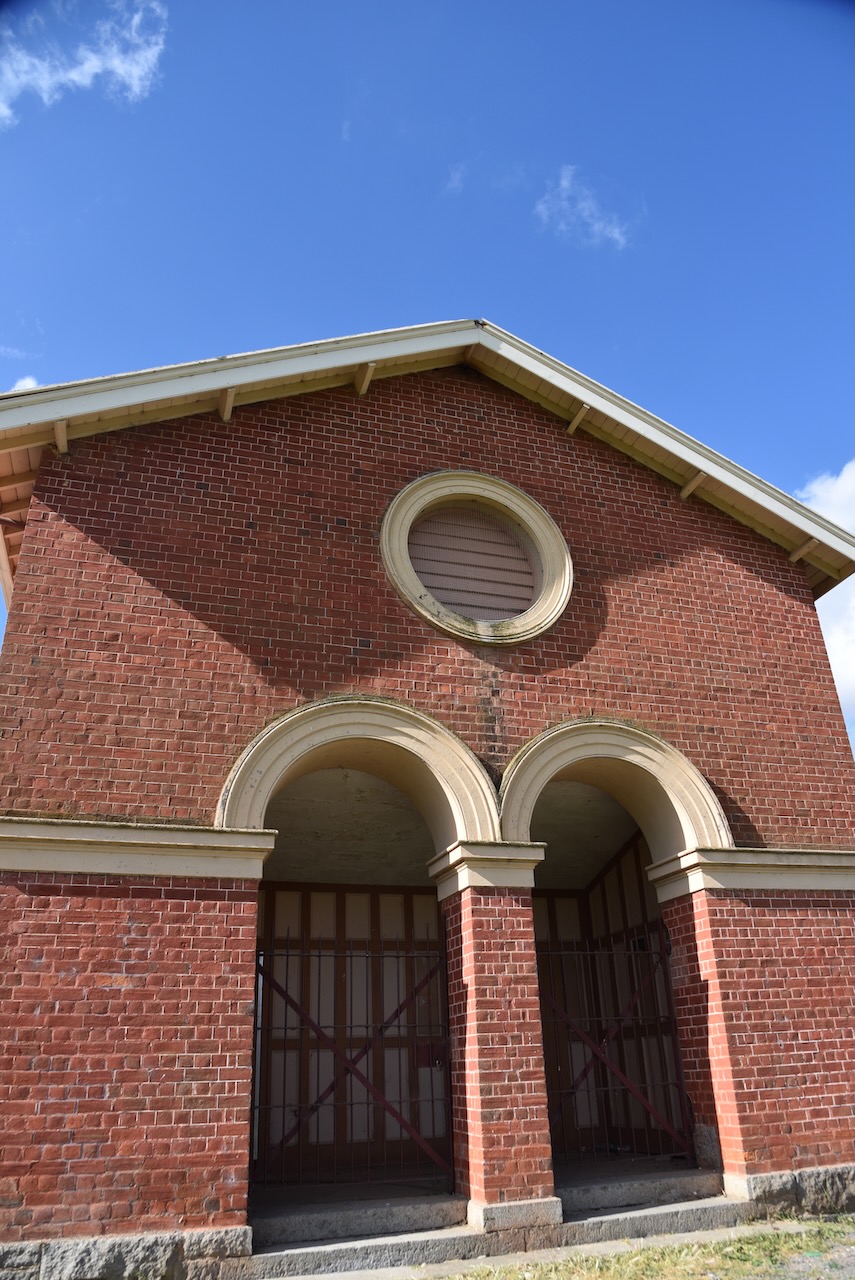
The Maldon Fire Station building was built c. 1870 by the Maldon Shire Council. It was used by the fire brigade until 1957 before they relocated.

The Maldon Bakery is reputedly Australia’s oldest continuously running bakery, still containing its original Scoth Oven. It was built in 1854 by George McArthur Sr. (Maldon Bakery 2024)

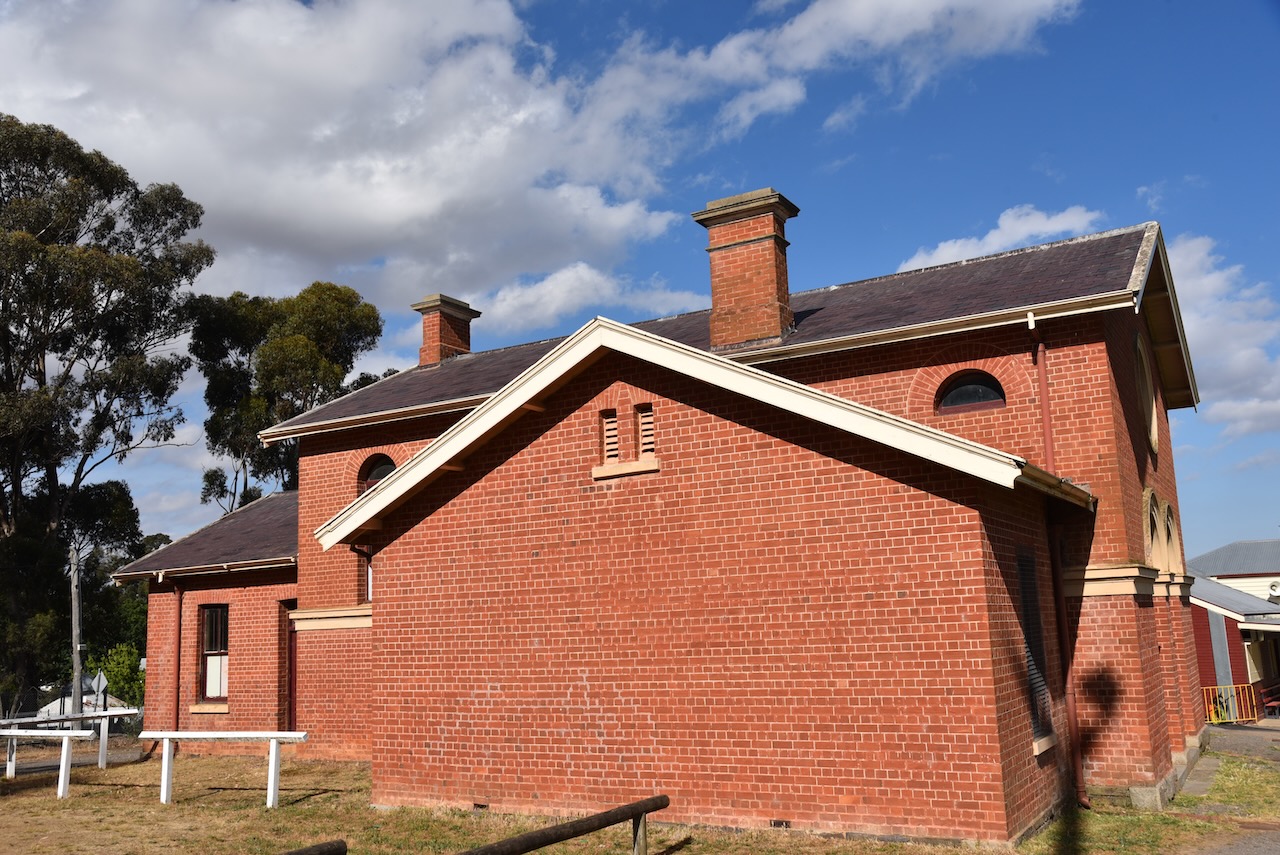
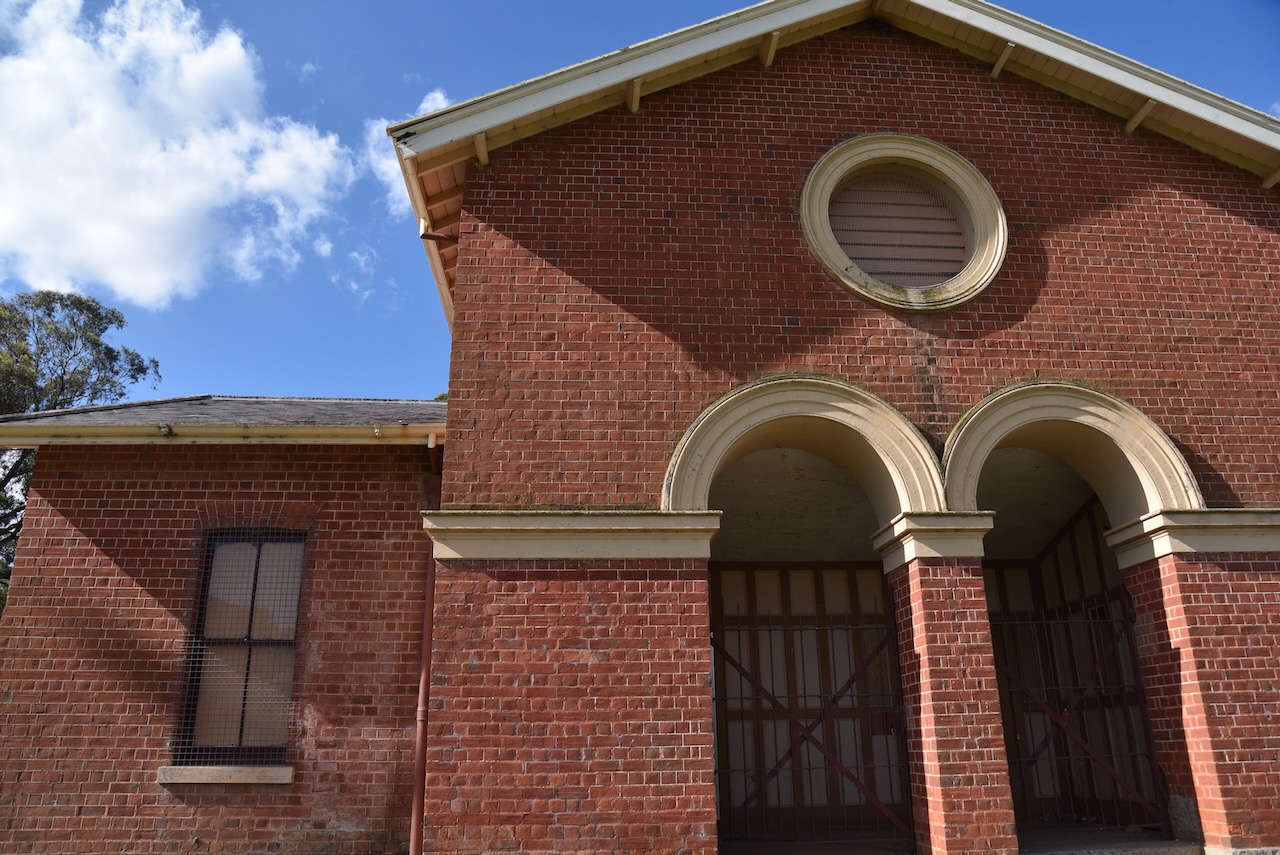
The first Maldon courthouse was a timber building, built in 1857. By 1860 plans had been drawn up for a new brick courthouse by architect Kawerau from the Public Works office. John Robertson was the successful tender in December 1860 for £2016. Reportedly there were issues with the building of the courthouse and construction halted in February 1861. Work recommenced in Aril 1861 with Maldon bricks being used in place of Castlemaine bricks. By mid-1861 the building was opened. It was closed in 1968-1969. (Heritage Council 2024)

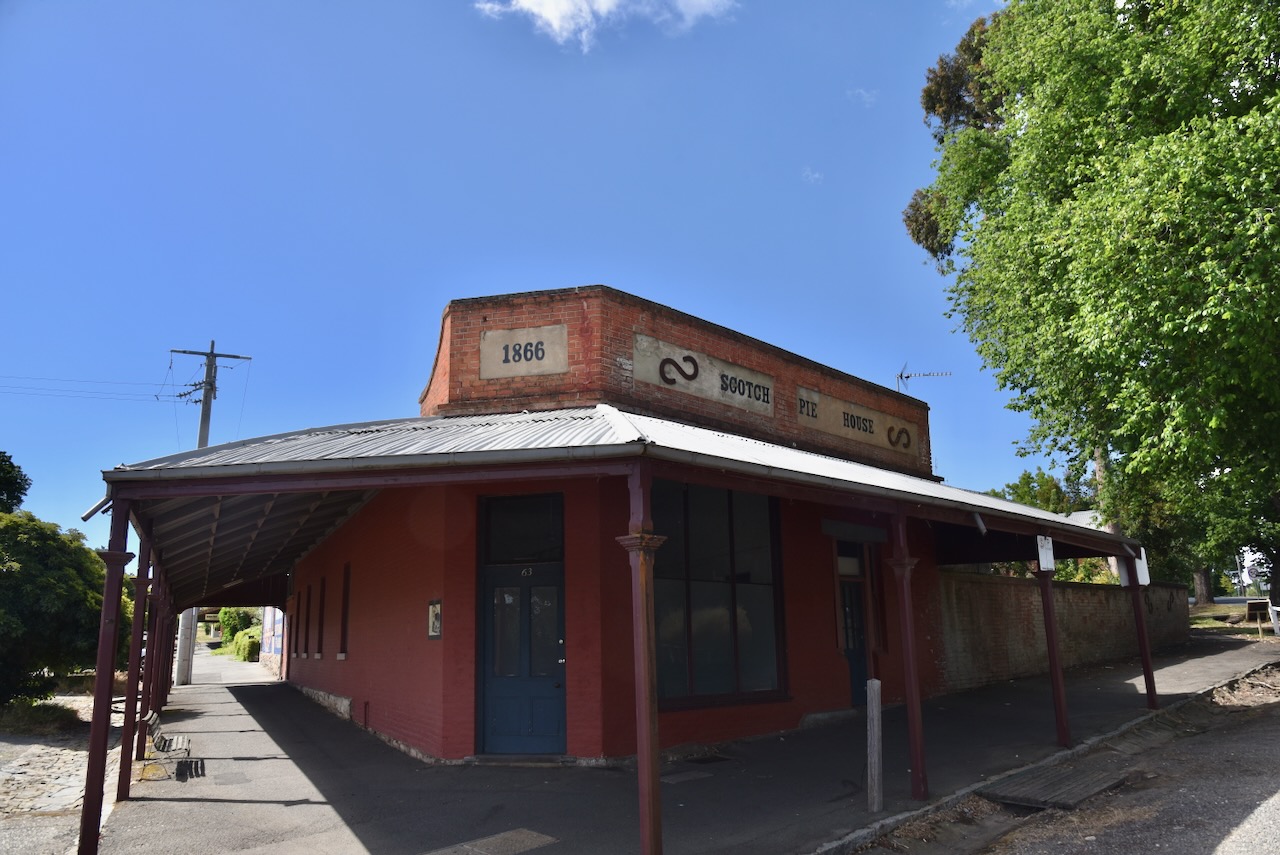
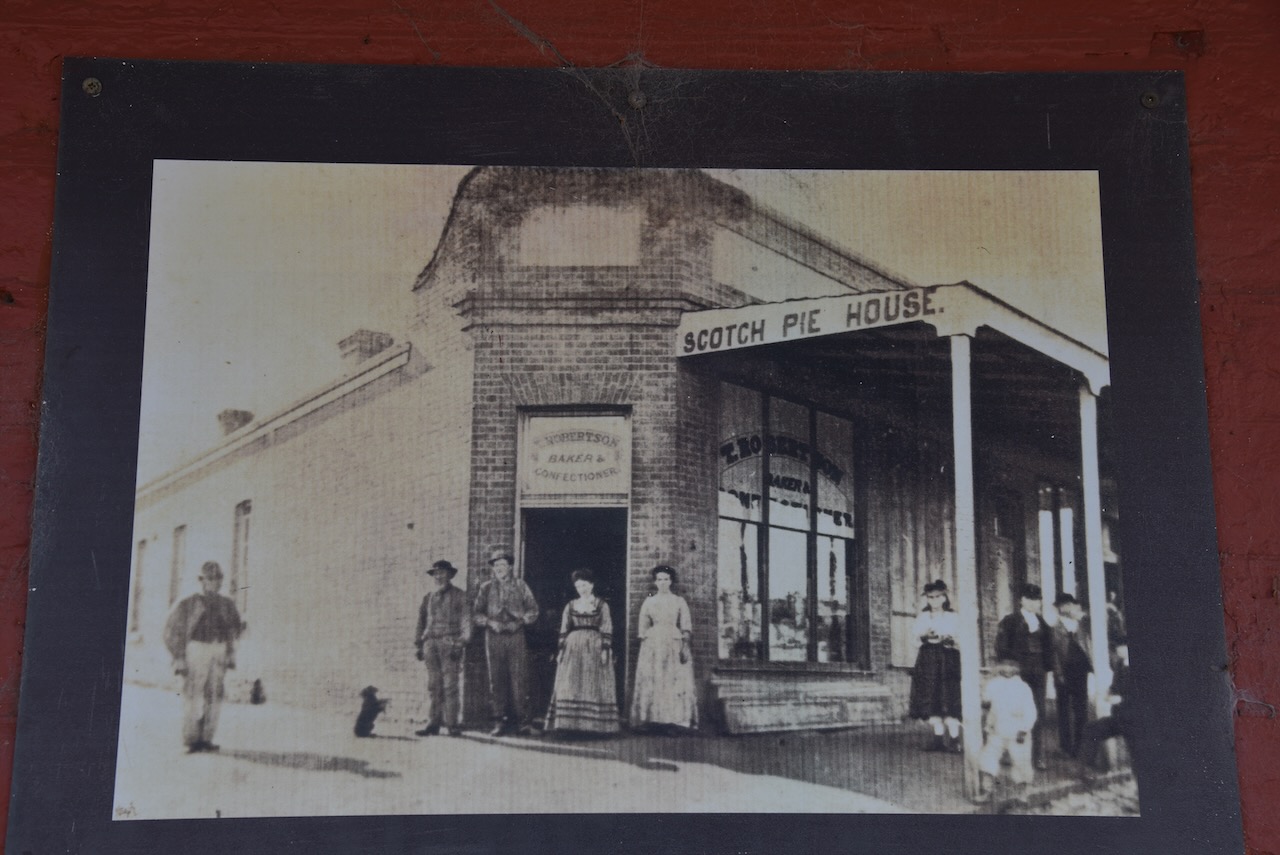
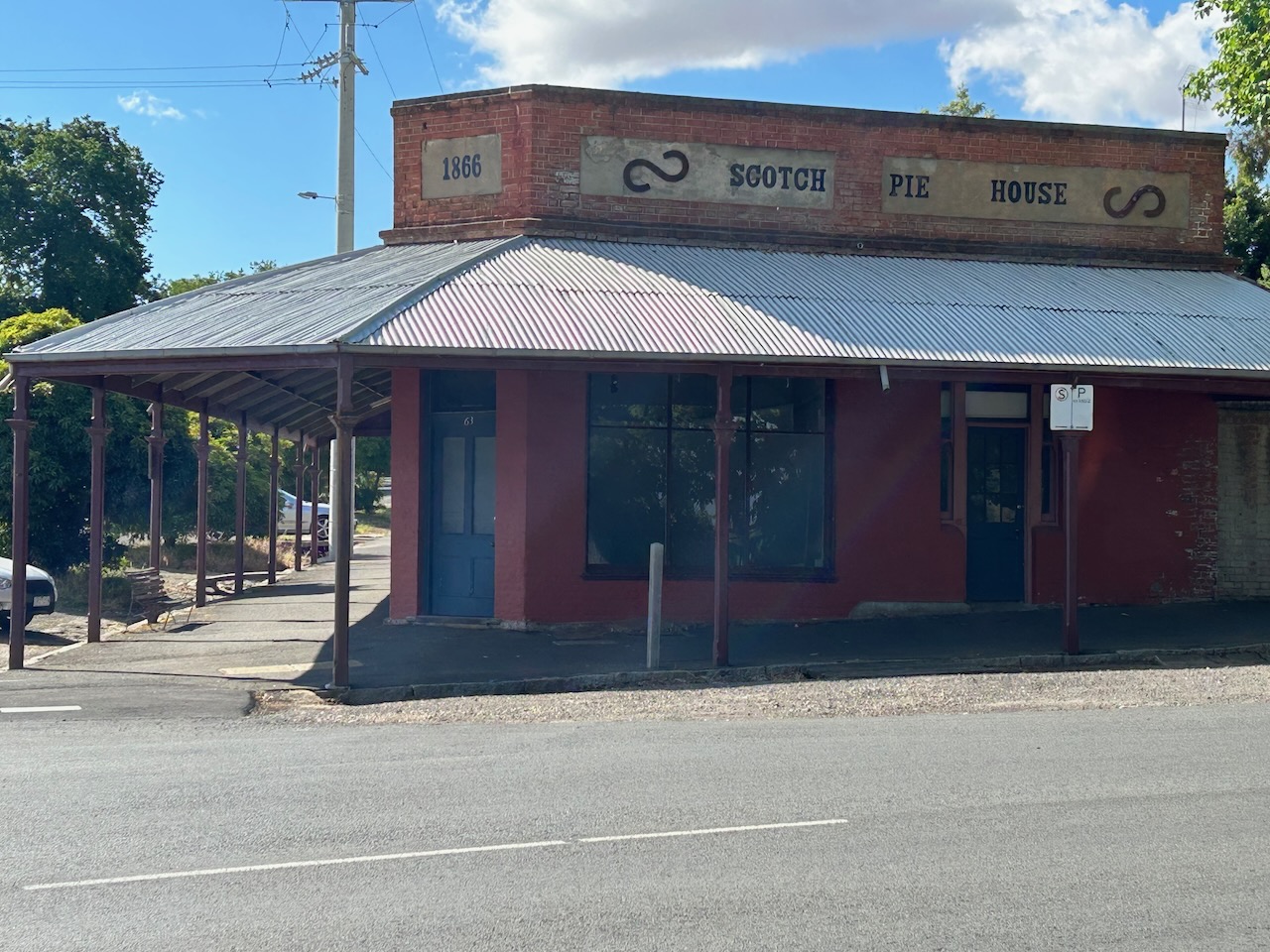
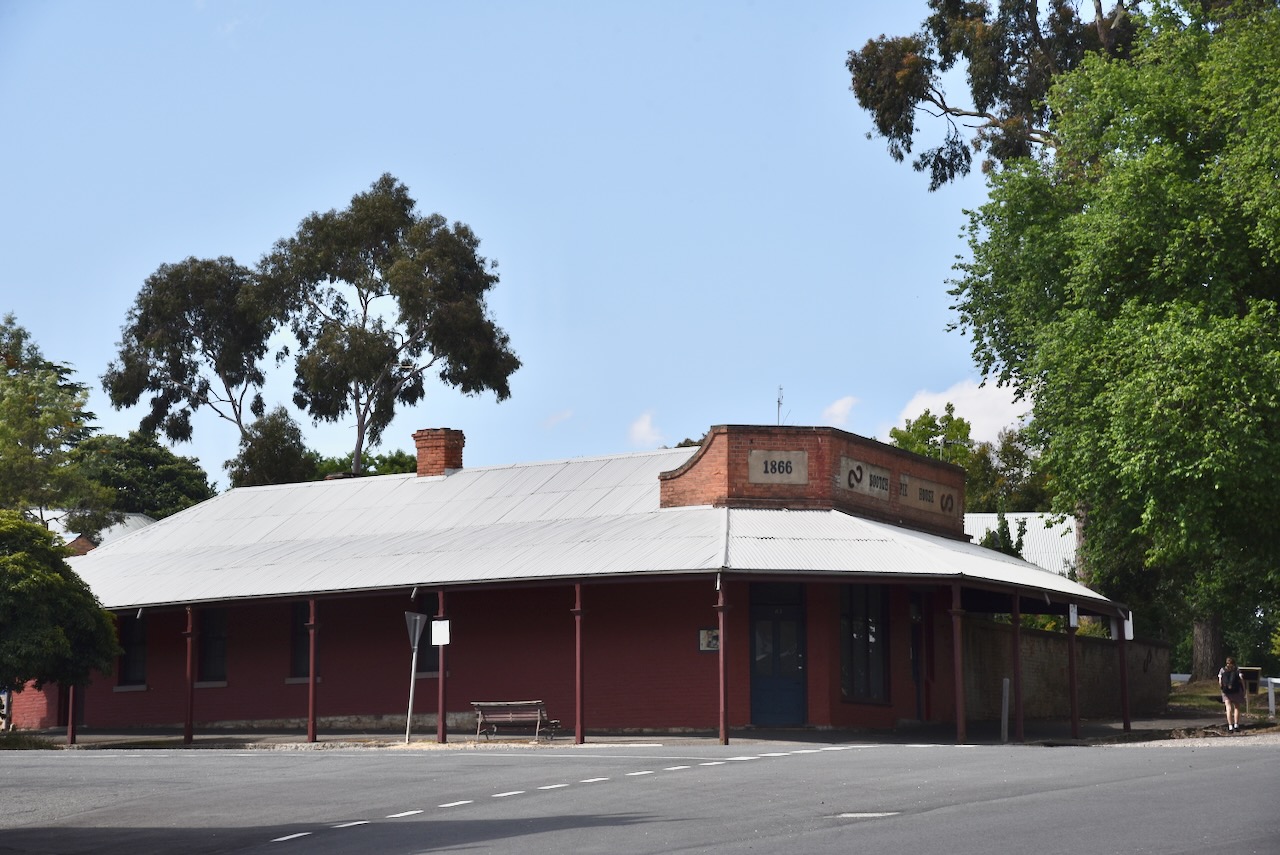
Scotch Pie House Scotch Pie House was built in 1866 following a fire that destroyed a previous store operated by Warnock Bros. (Maldon Museum 2024)

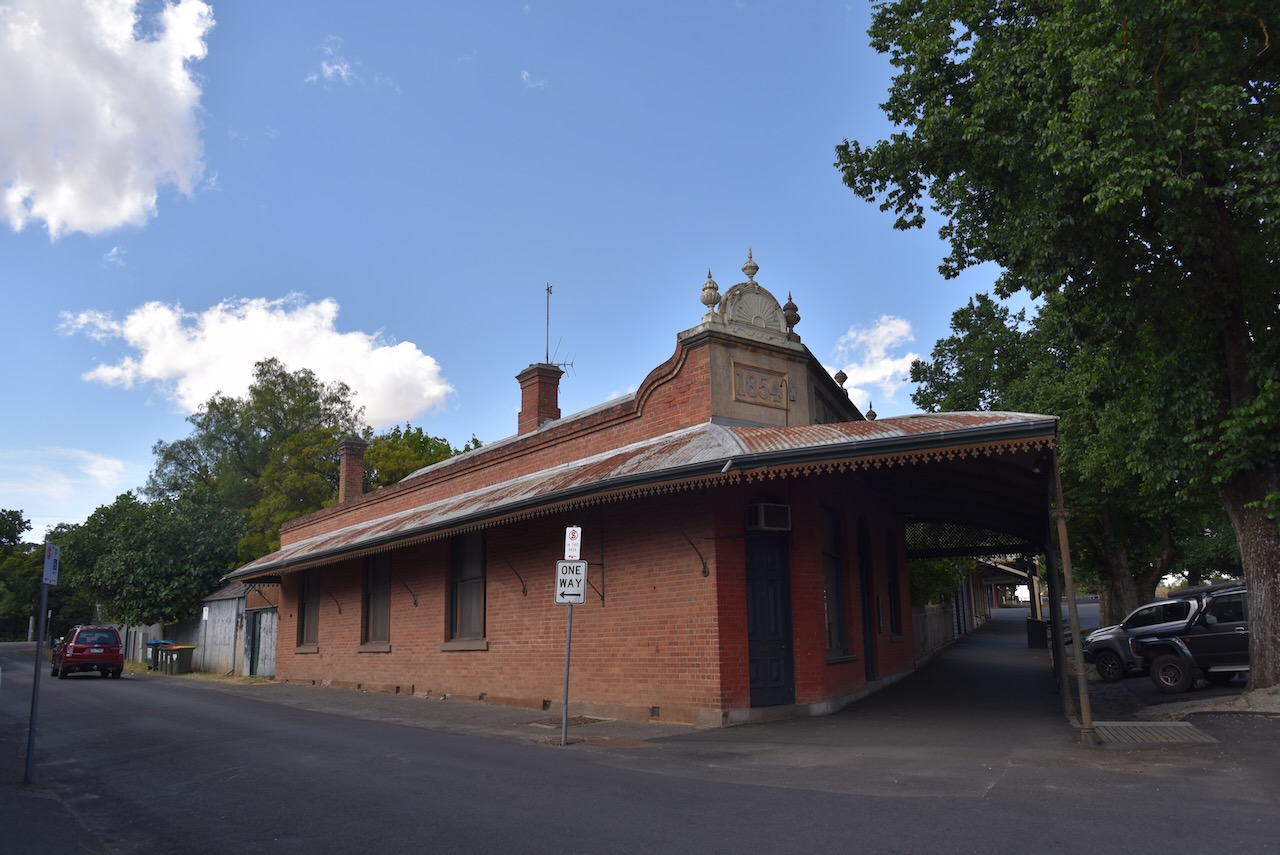
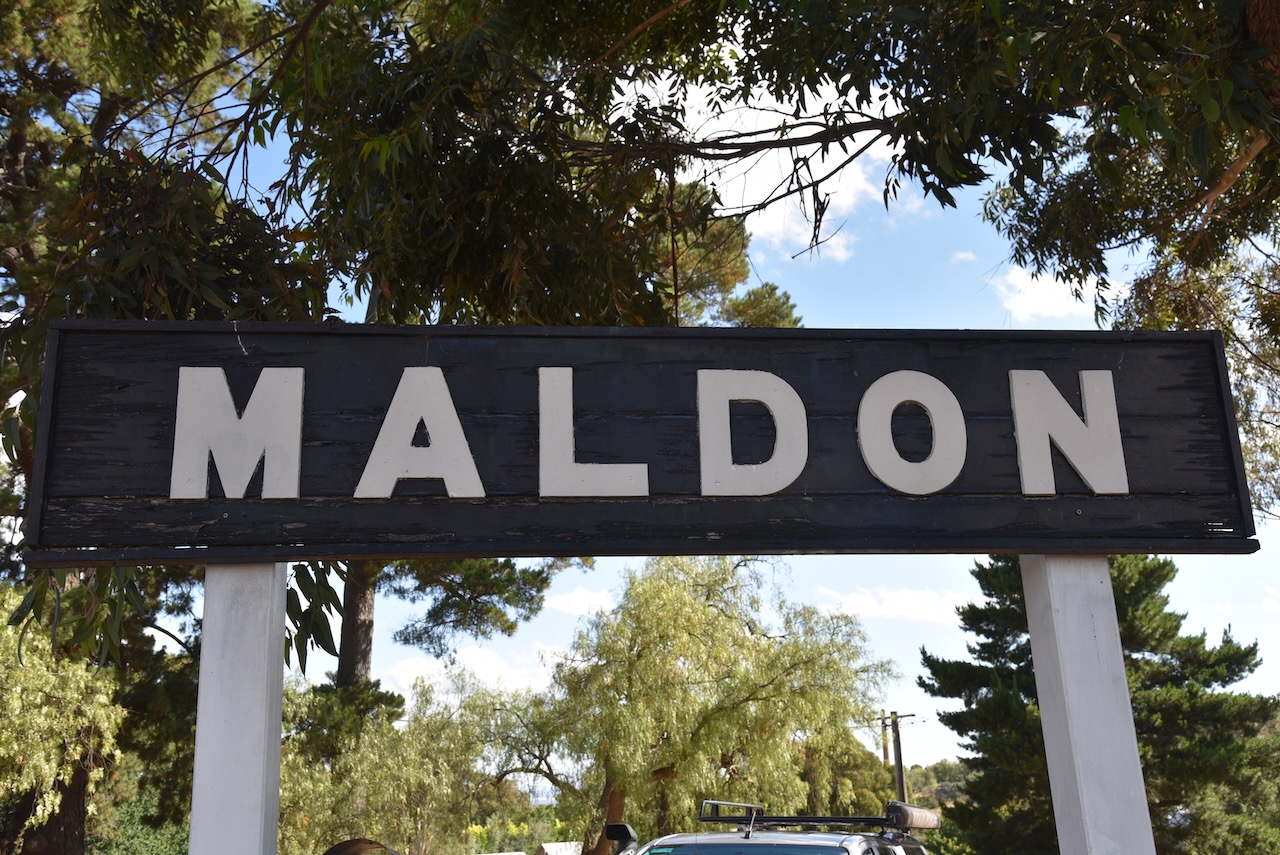
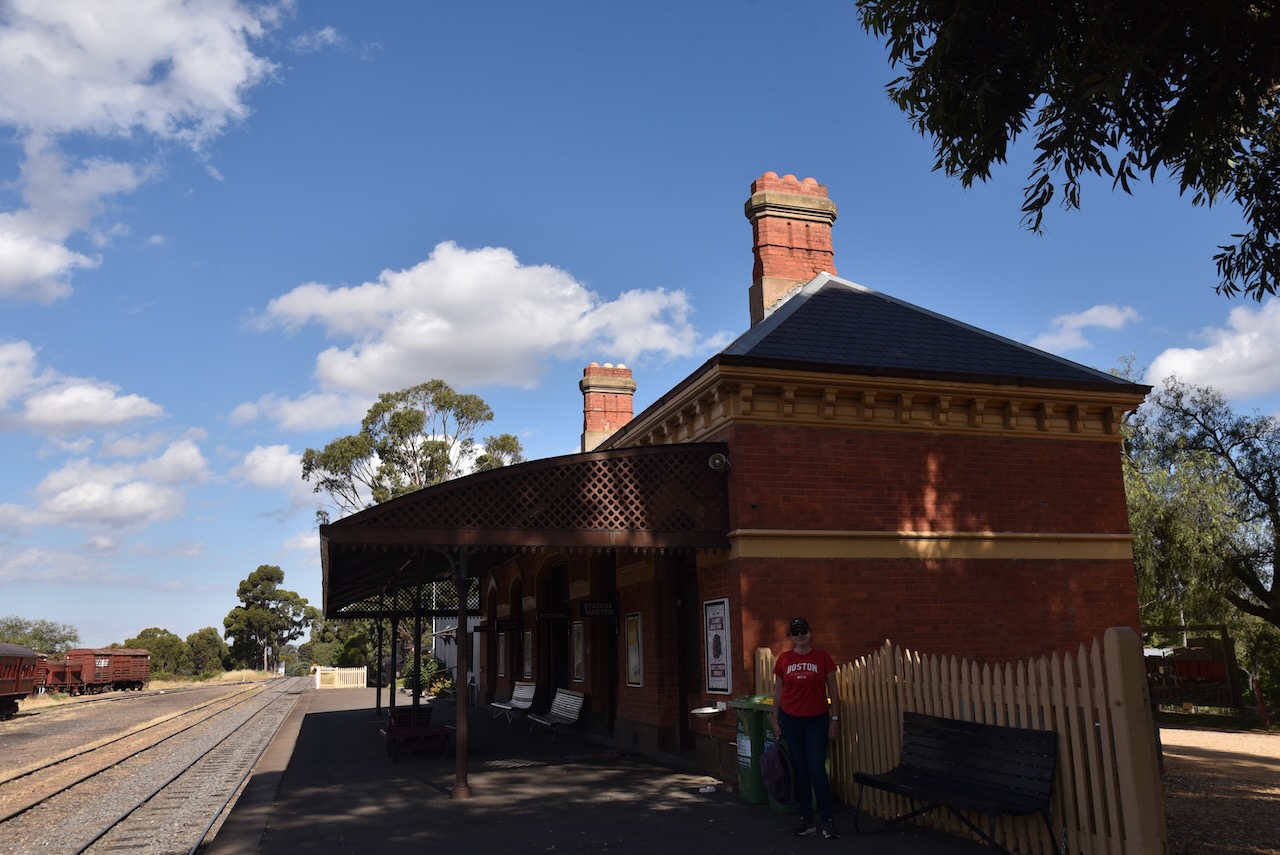
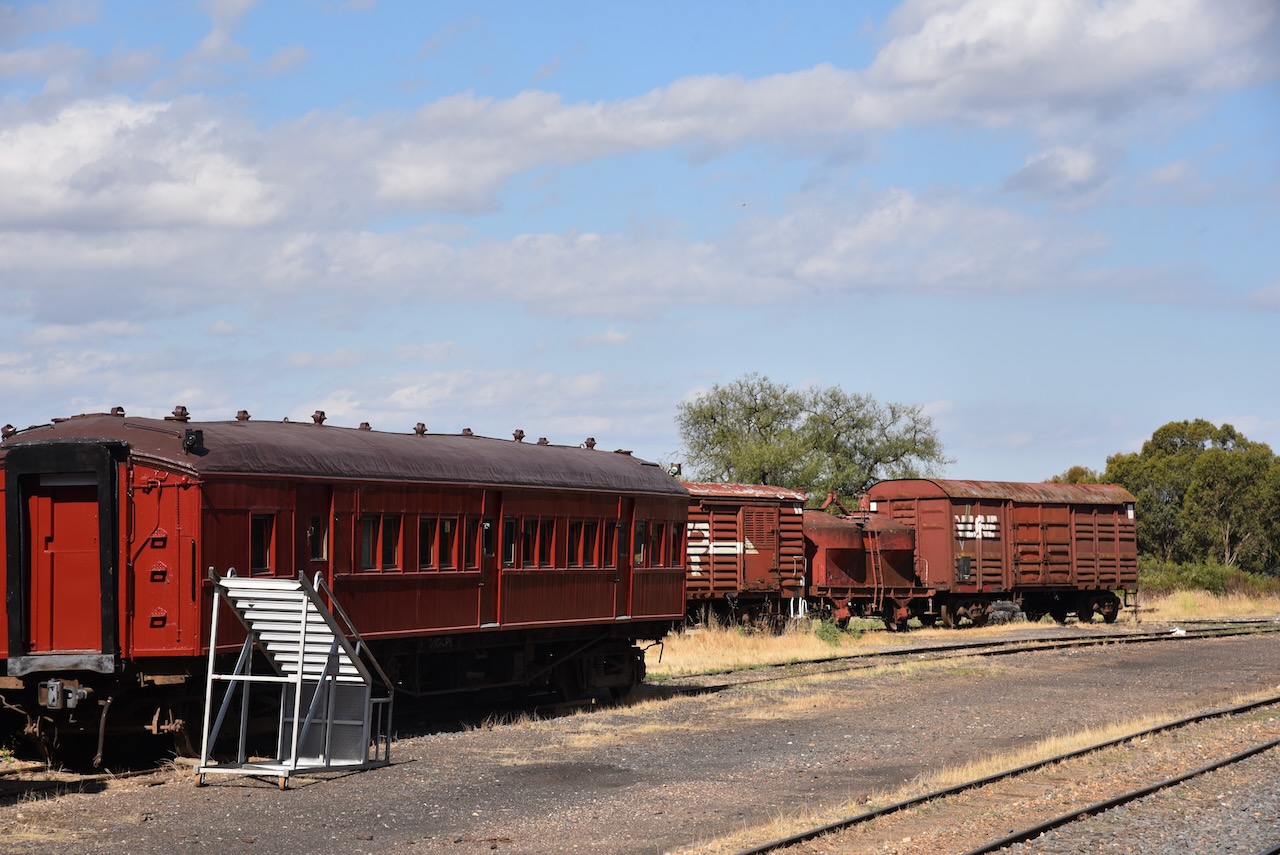
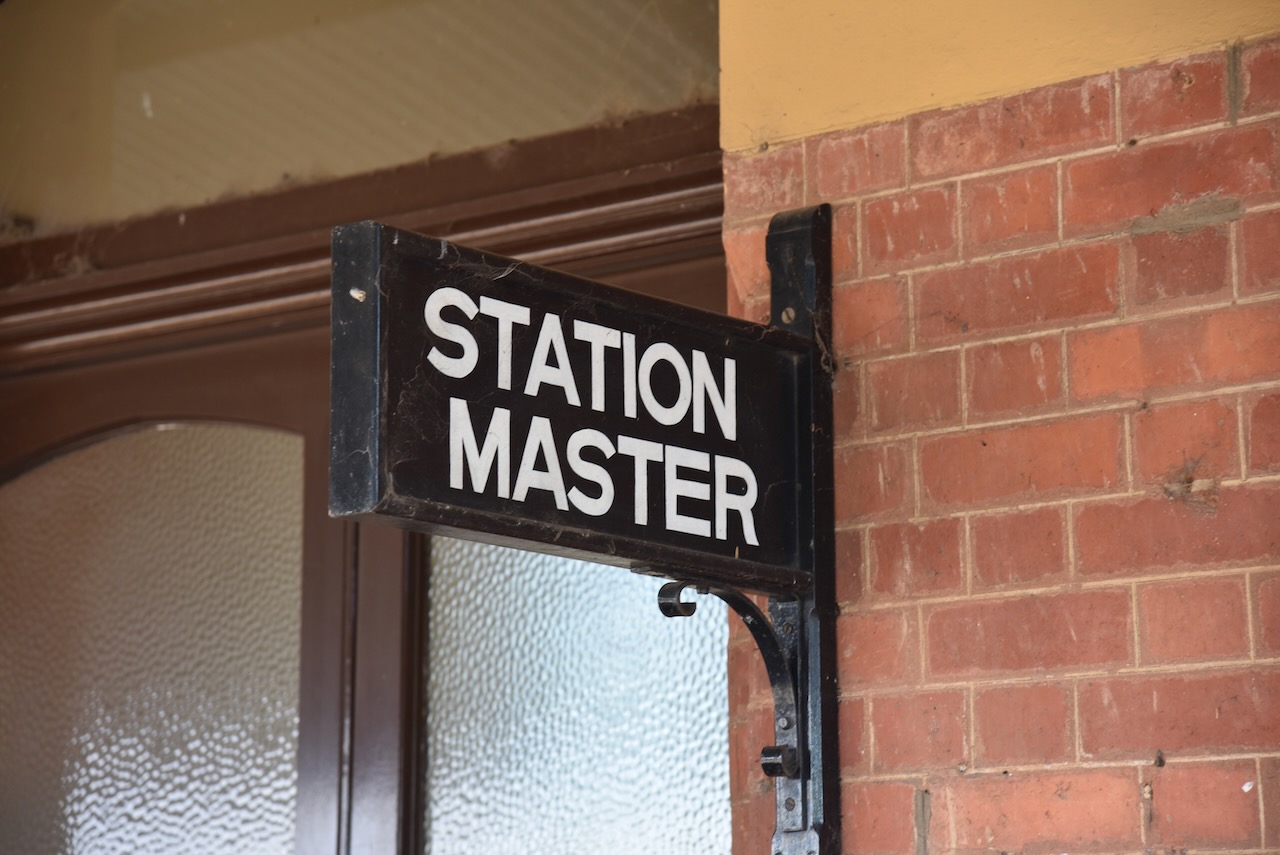
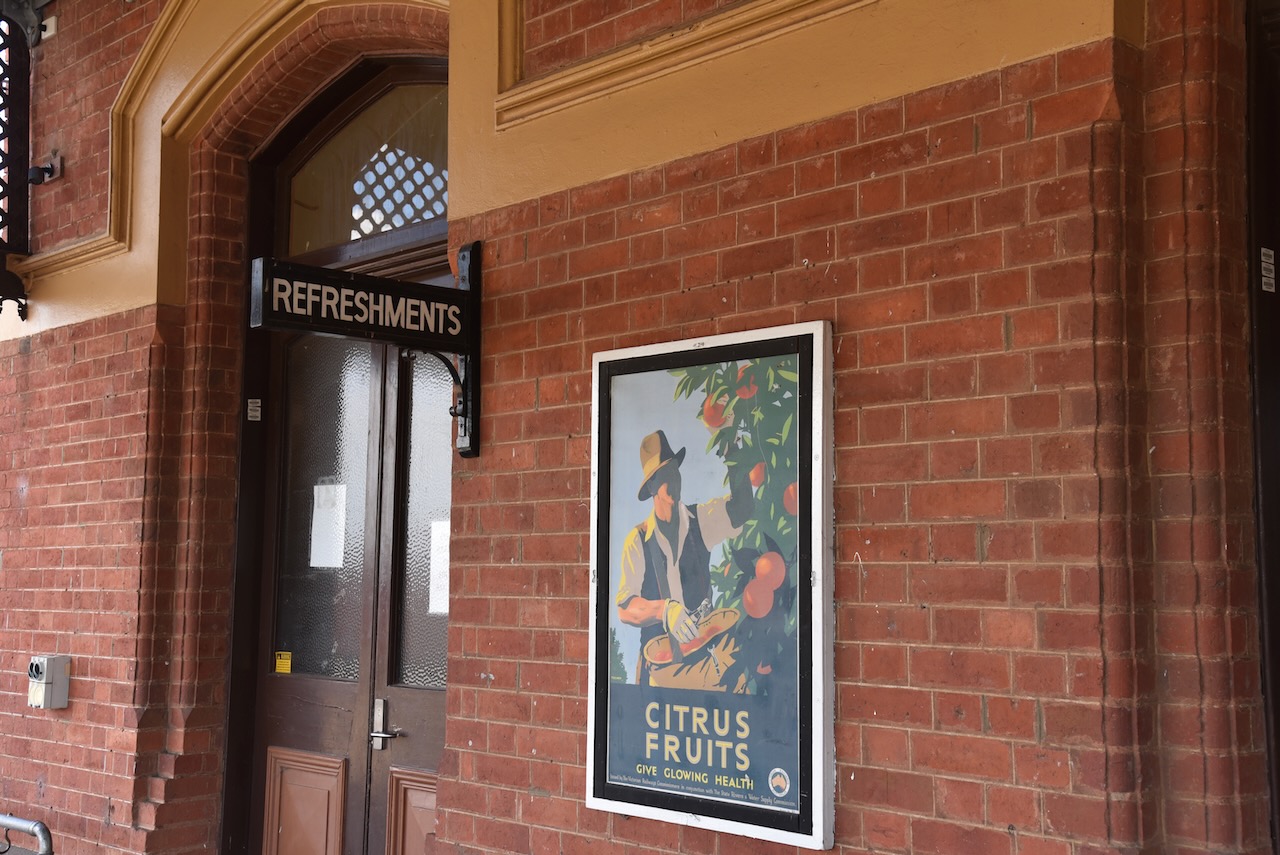
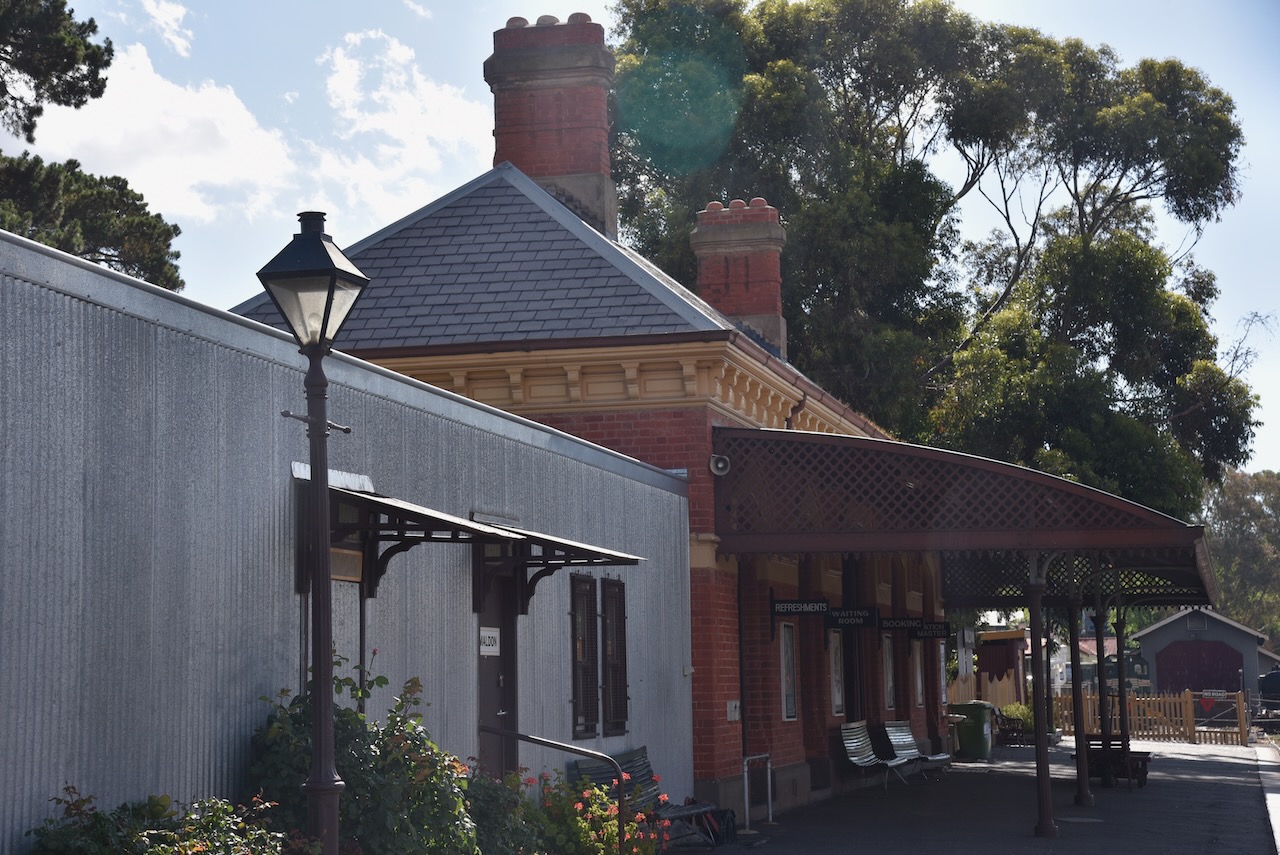
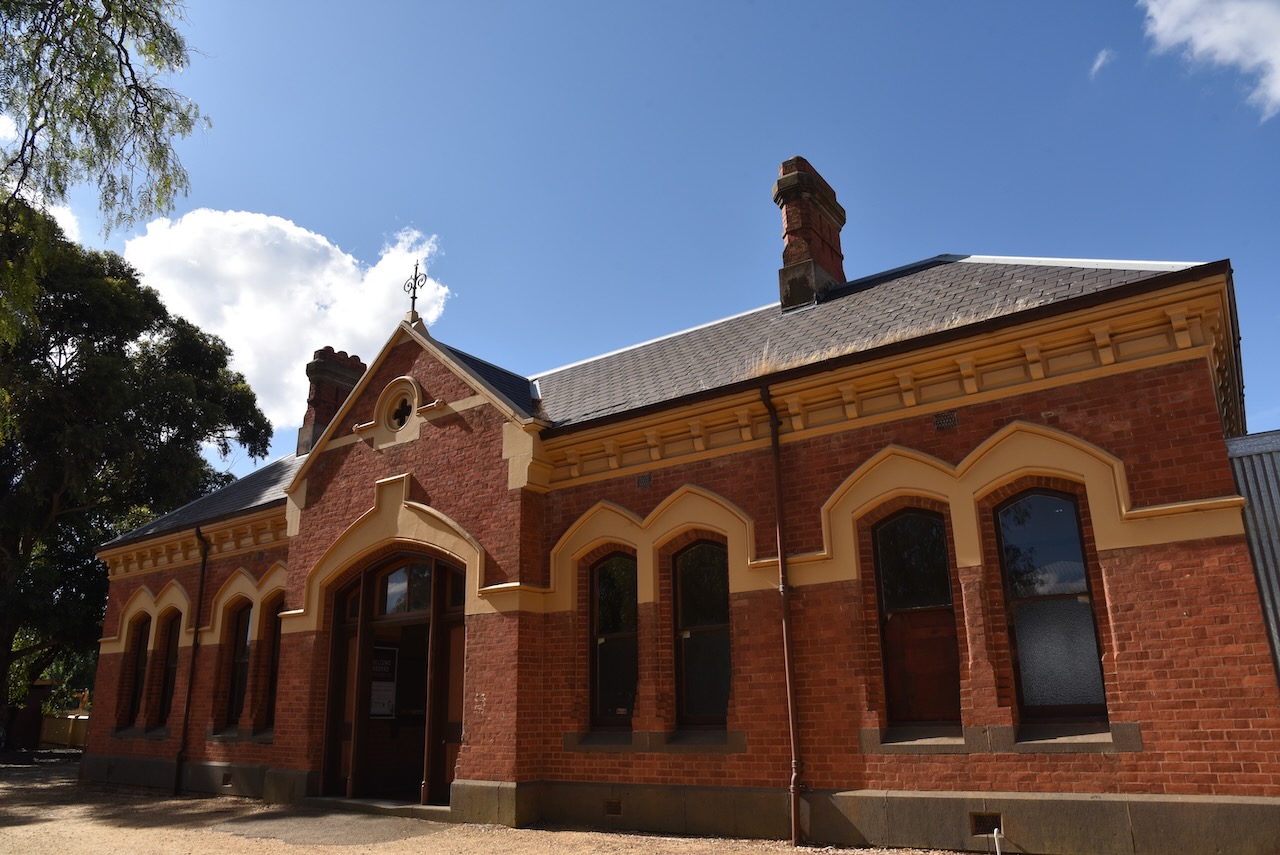
The Maldon railway station is located on the Victorian Goldfields Railways Maldon branch line, off the main Bendigo, Echuca and Swan Hill lines. The station was opened on the 16th day of June 1884, with passenger services concluding on the 6th day of January 1941. Following that the line was used for goods traffic until its closure on the 3rd day of December 1976.

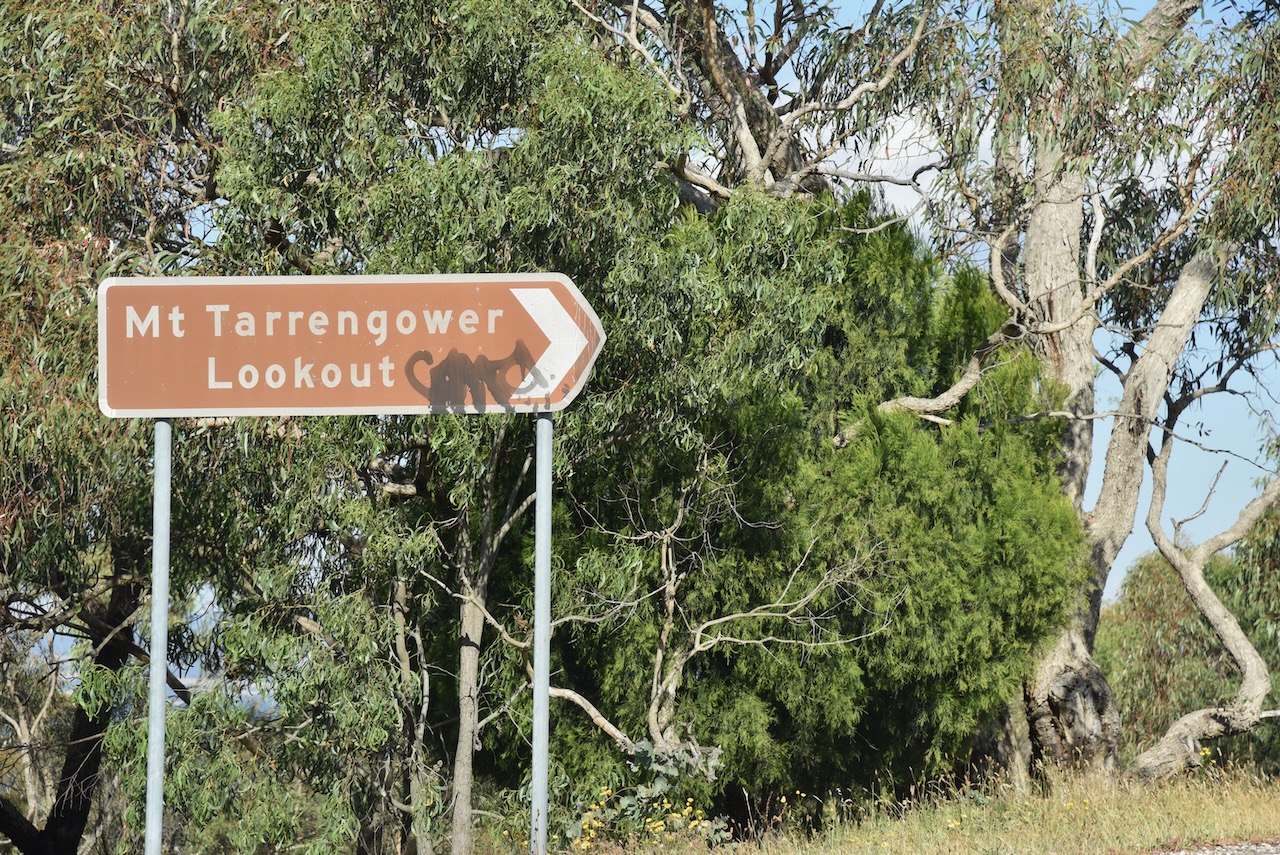
After a good look around Maldon and some lunch, Marija and I headed up to Mount Tarrengower.

The summit is 565 metres above sea level and is worth 2 points in the SOTA program. It has been activated a total of 89 times since July 2012.

Above:- an aerial view of Mount Tarrengower with Bendigo in the distance. Image c/o Google Maps.

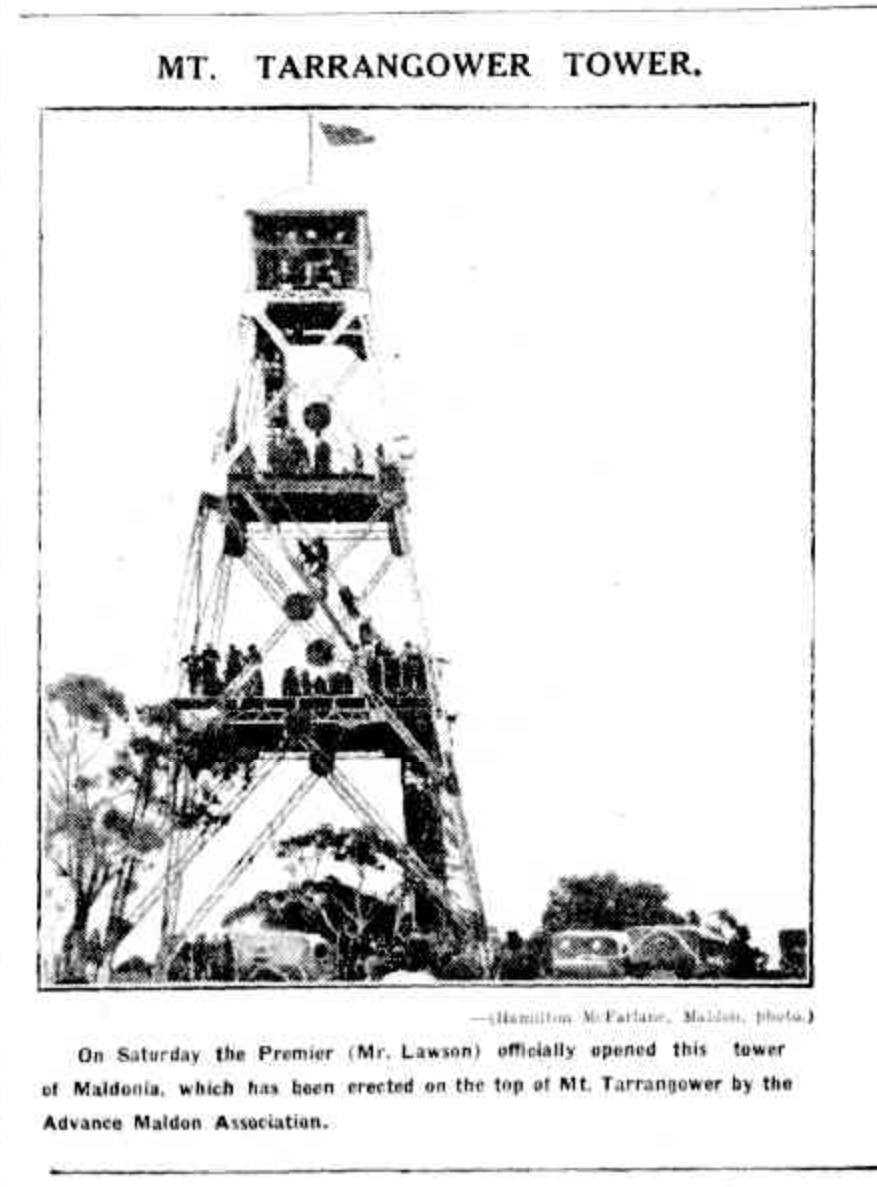
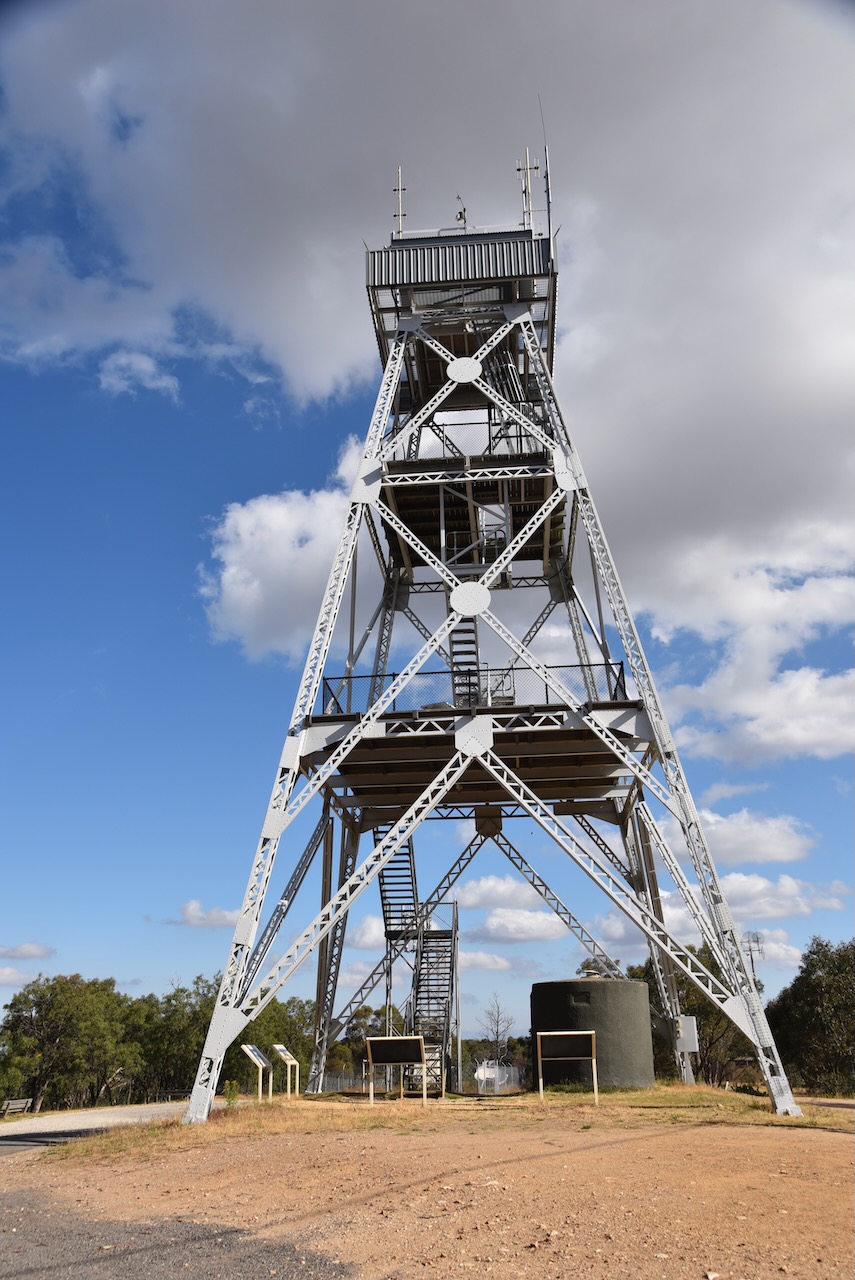
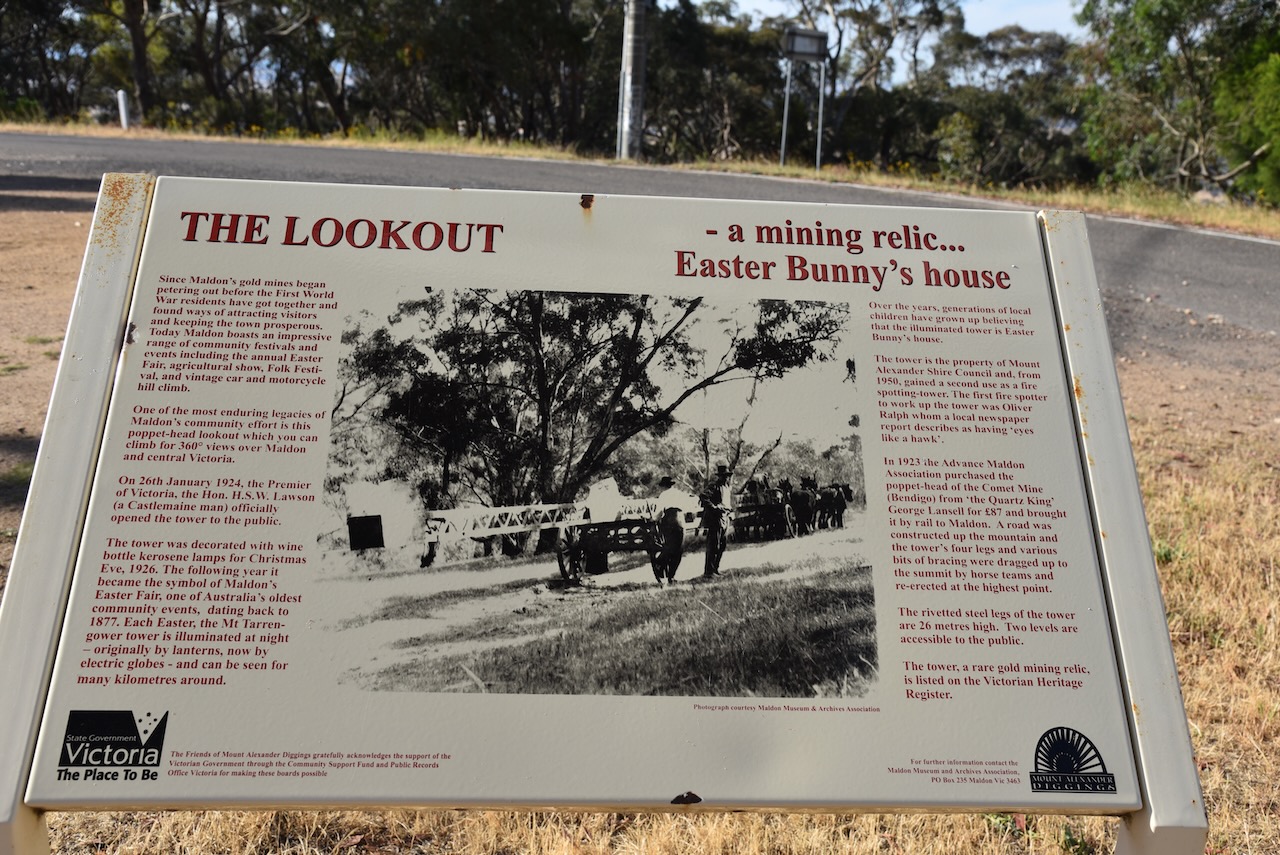
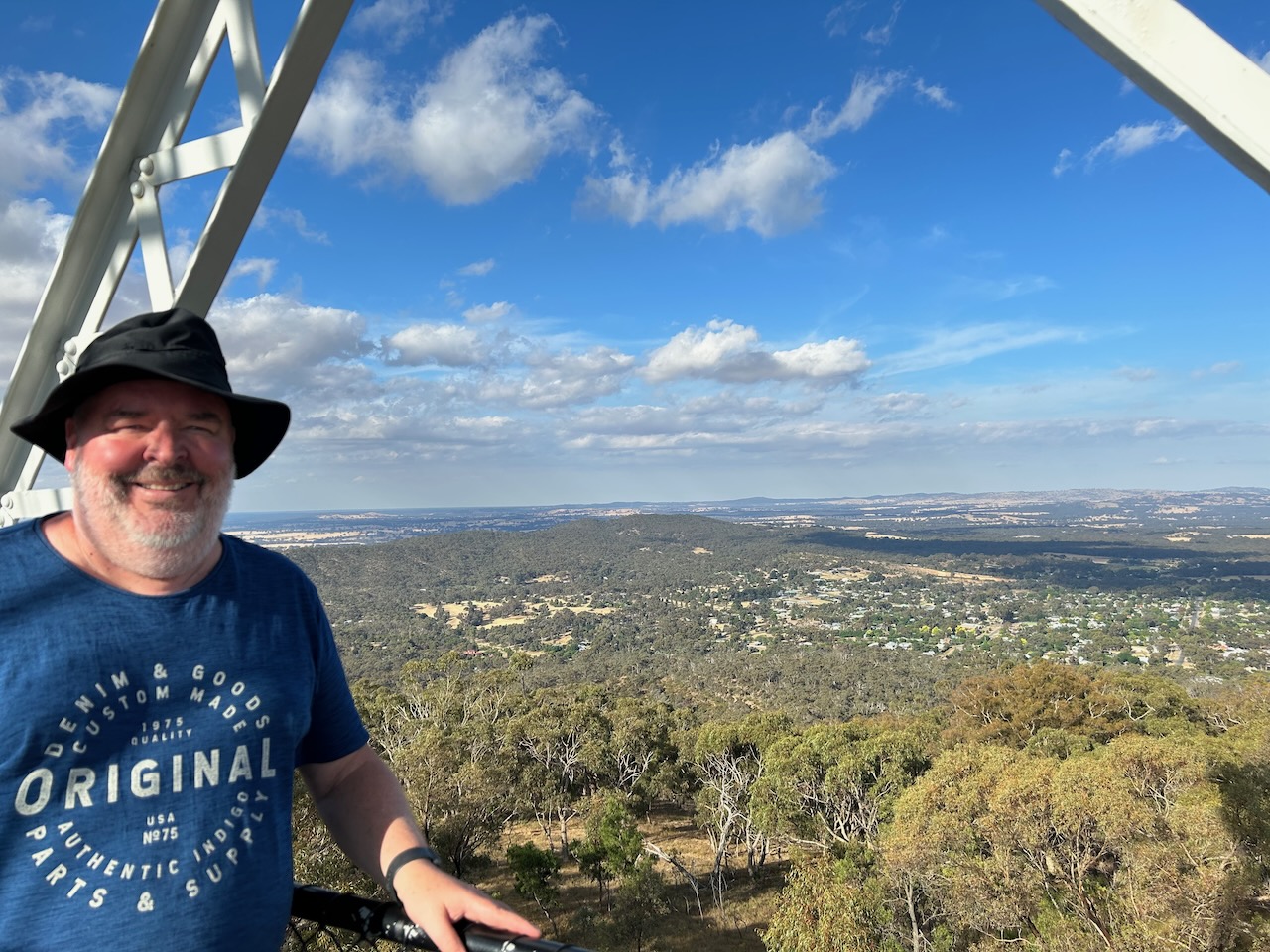
Mount Tarrengower has a lookout tower in the former of a poppet head. It was built in 1923 using the poppet head from Bendigo’s Comet Mine. The Advance Maldon Association had purchased the poppet head for 87 pounds and brought it to Maldon by rail. A road was constructed to the top of Mount Tarrengower and the tower’s four legs and various pieces of bracing were dragged up to the summit by horse teams. On the 26th day of January 1924, the Victorian State Premier Hon H.S.W. Lawson officially opened the tower to the public.

Above:- Article from The Argus, Melbourne, Tue 29 Jan 1924. Image c/o Trove.

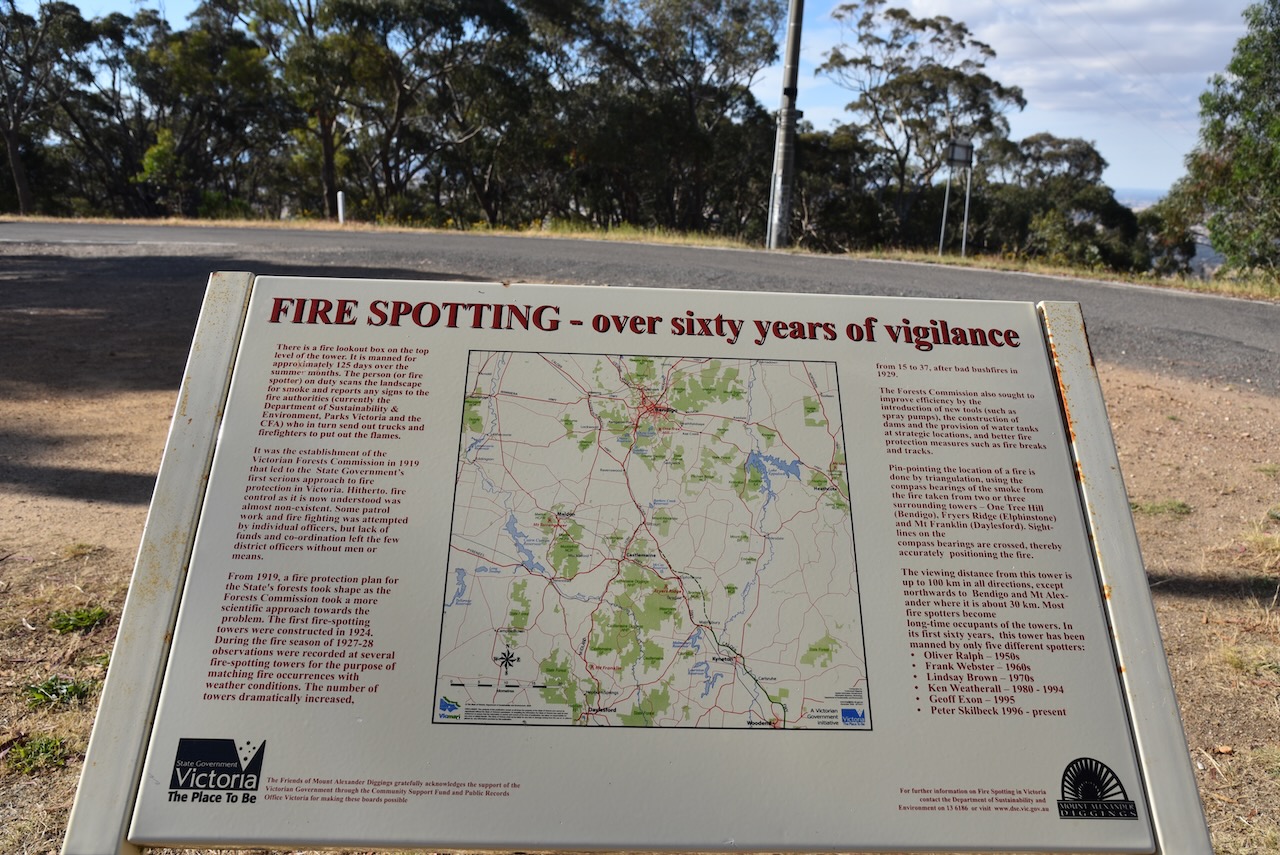
The tower has three levels, the first two open to the public. The third level is a fire lookout tower section and is closed to the public. The fire lookout commenced in 1950 and is manned about 125 days of the year during the summer months. The first fire spotter was Oliver Ralph who was described as having ‘eyes like a hawk.’ (Goldfields Guide 2024)

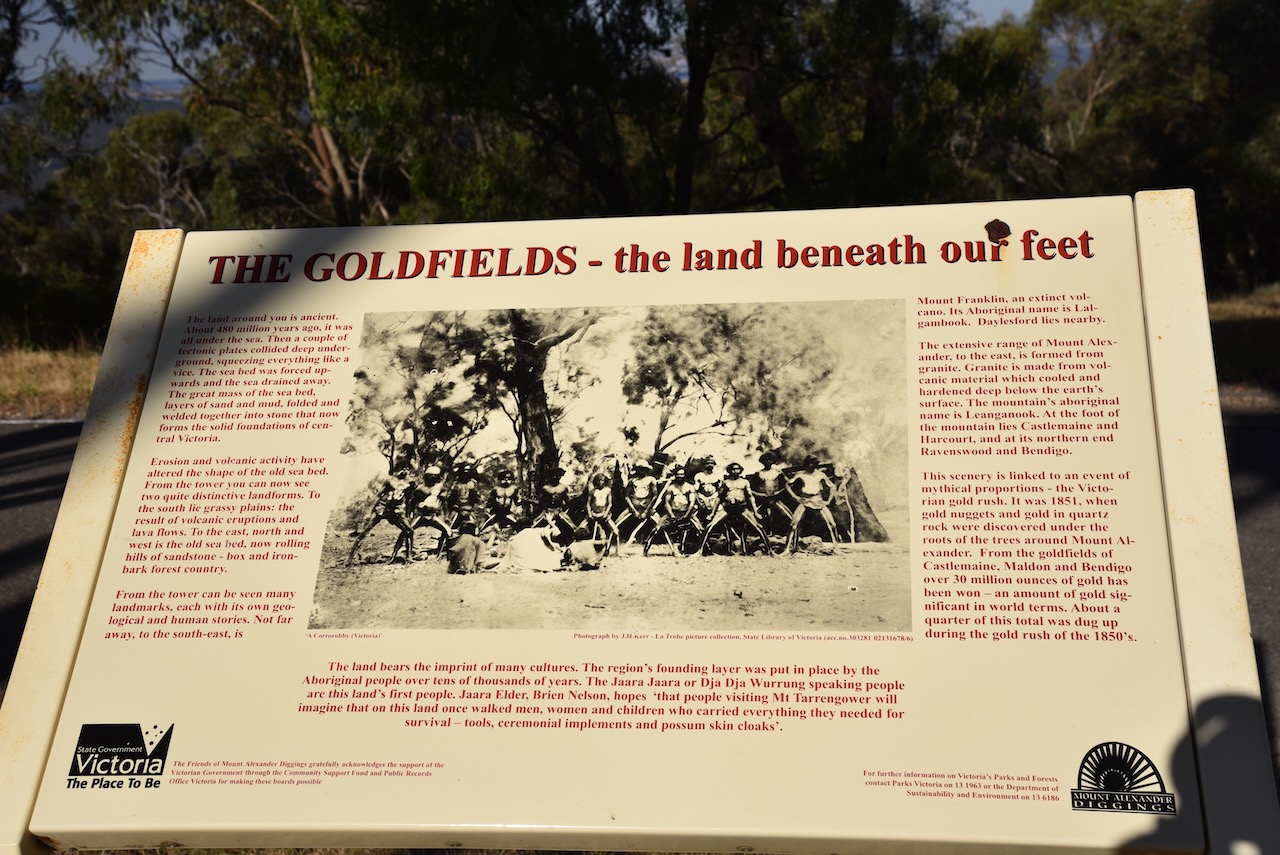
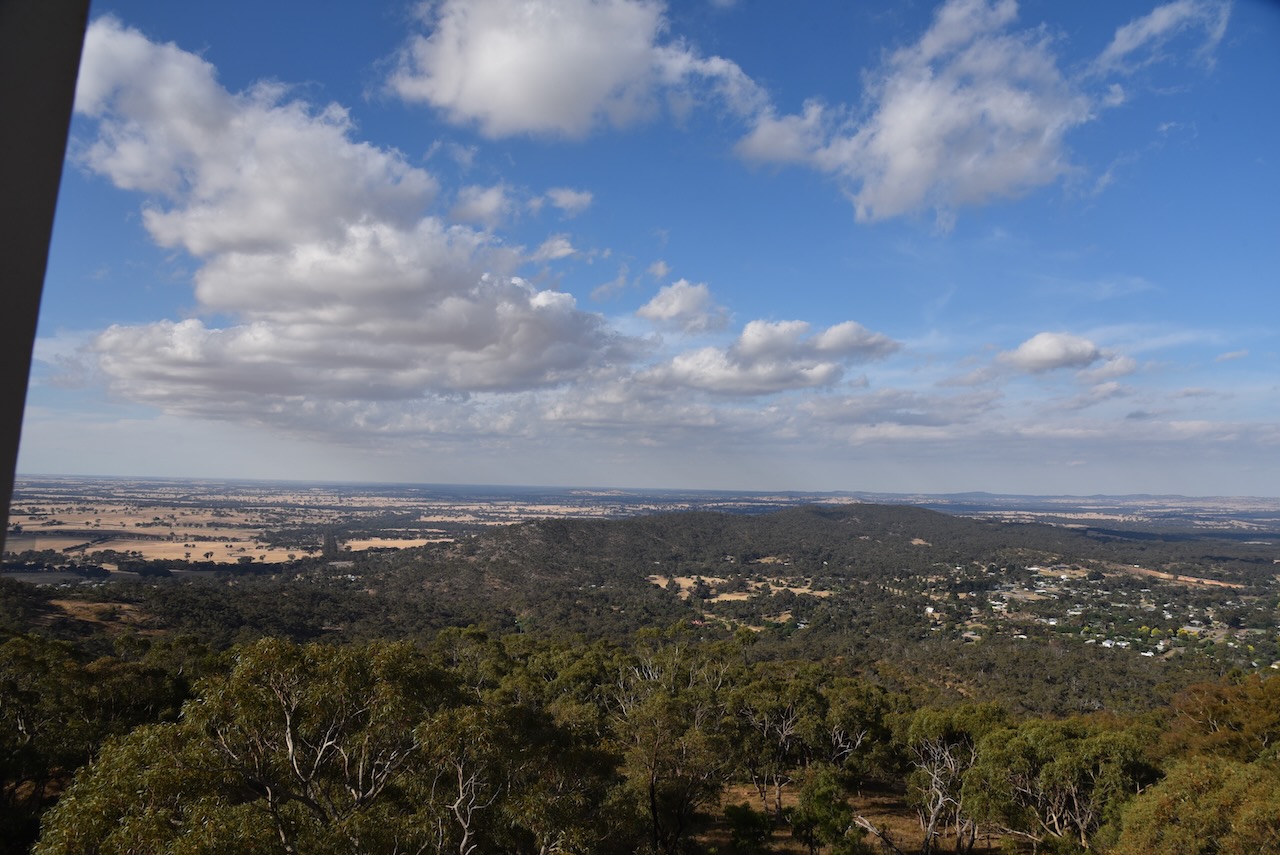
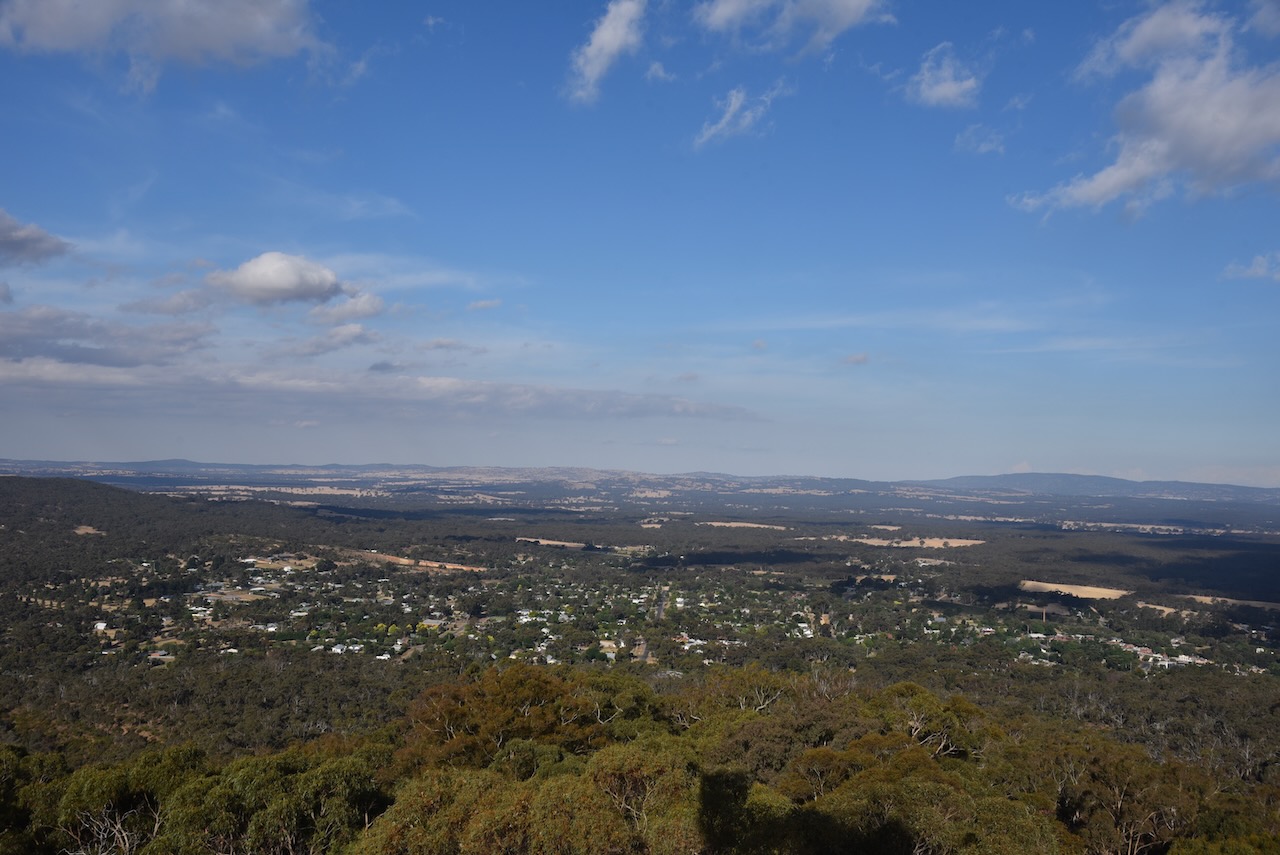
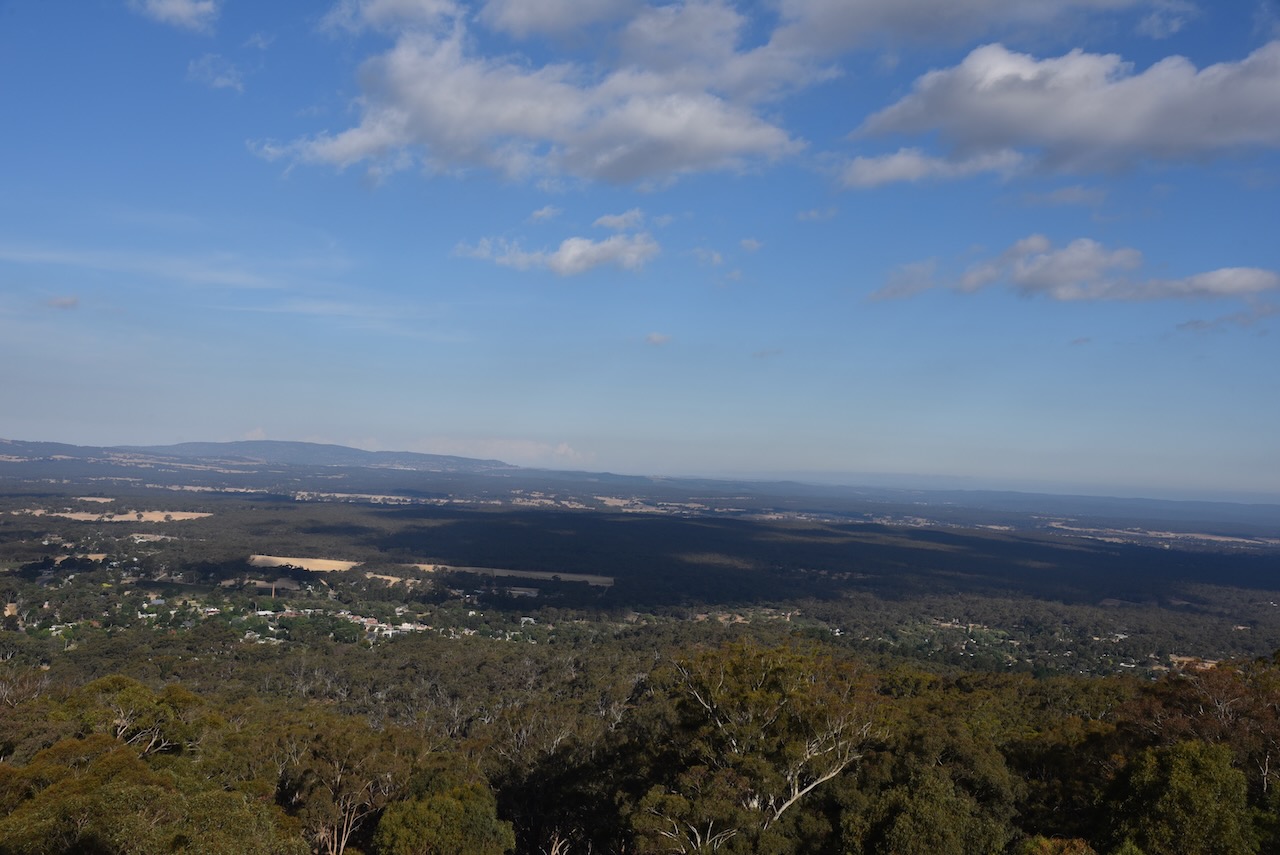
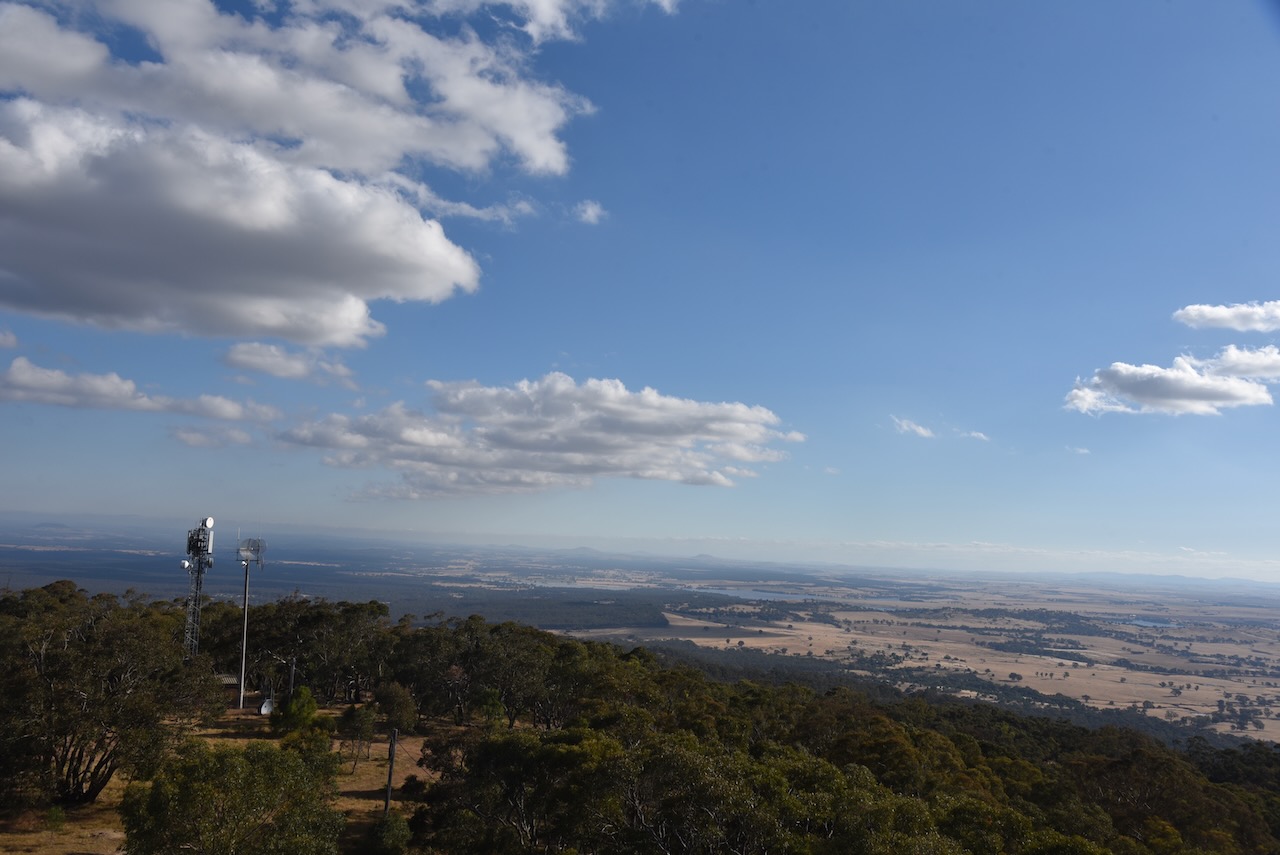
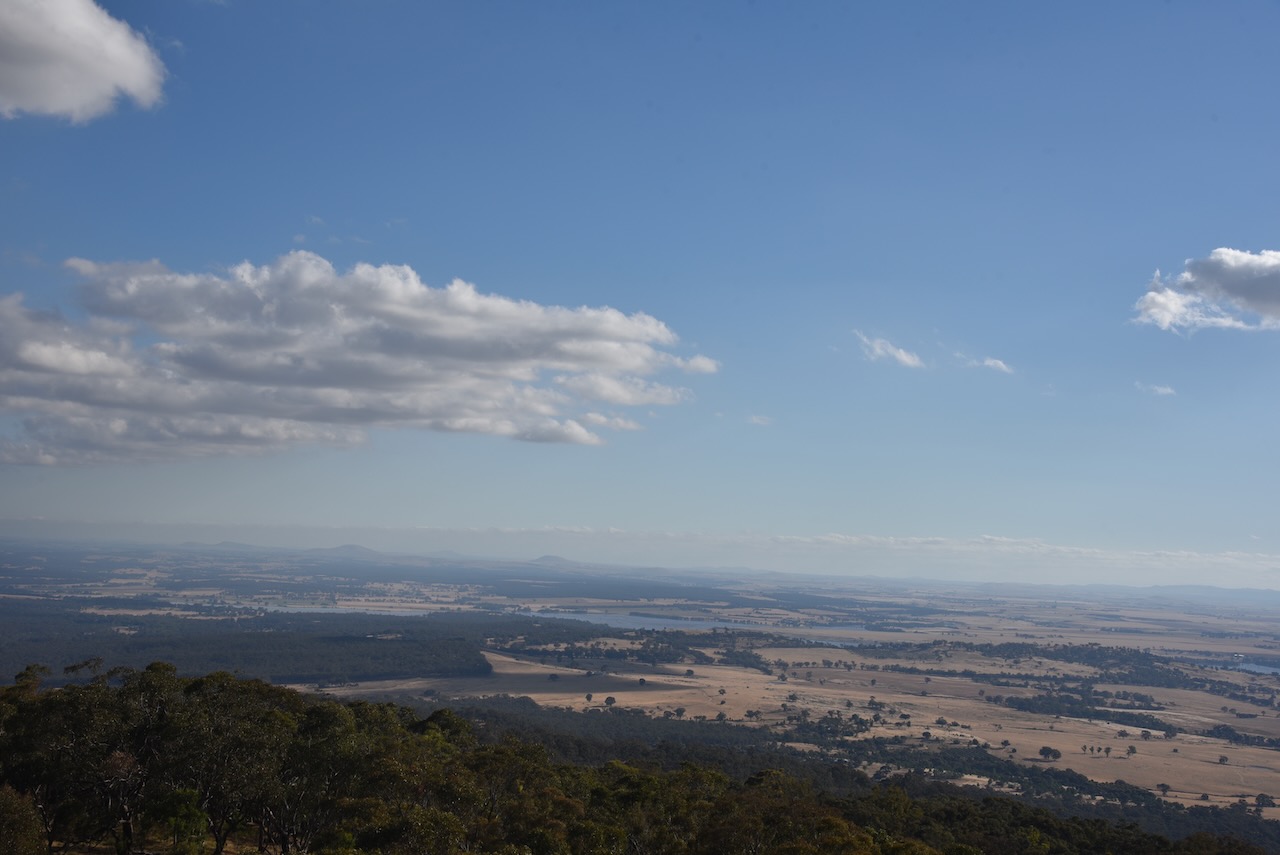
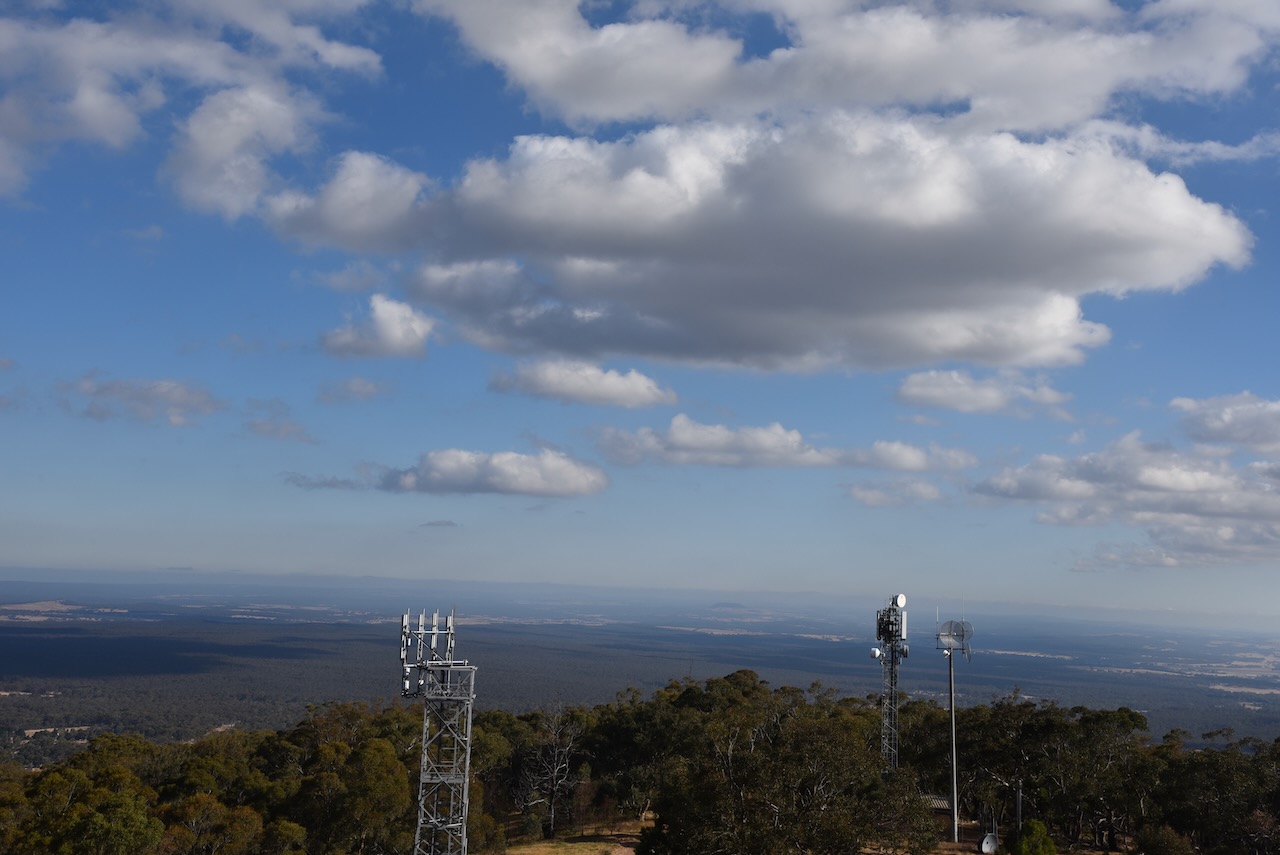
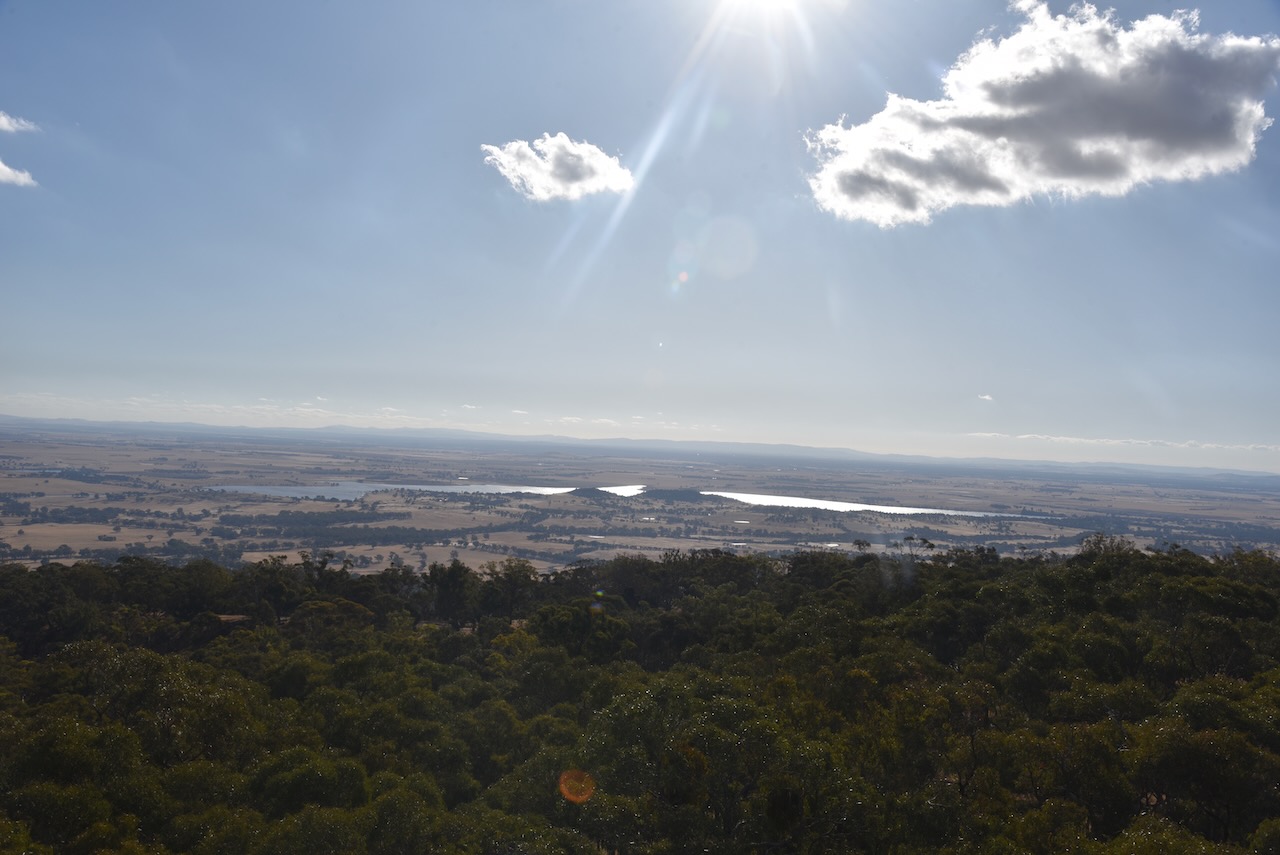
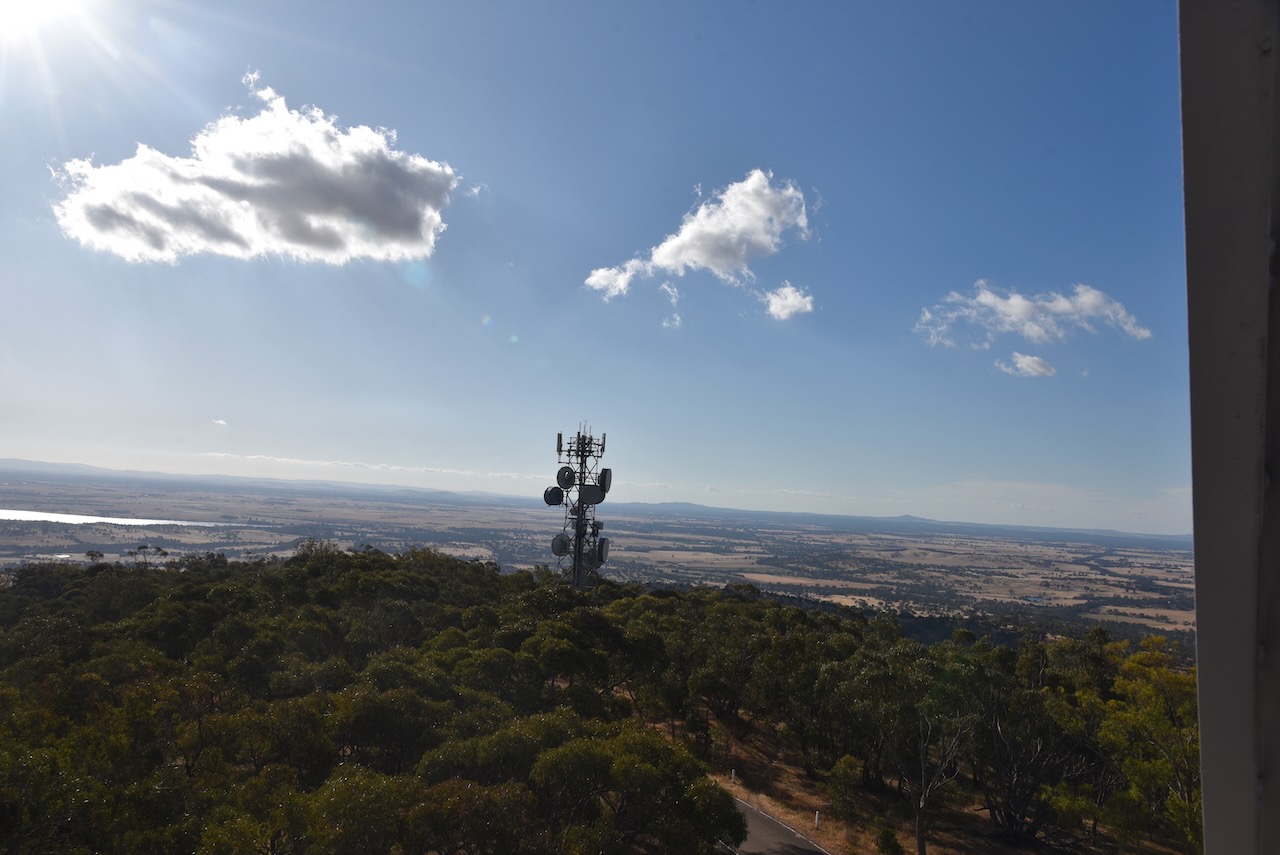
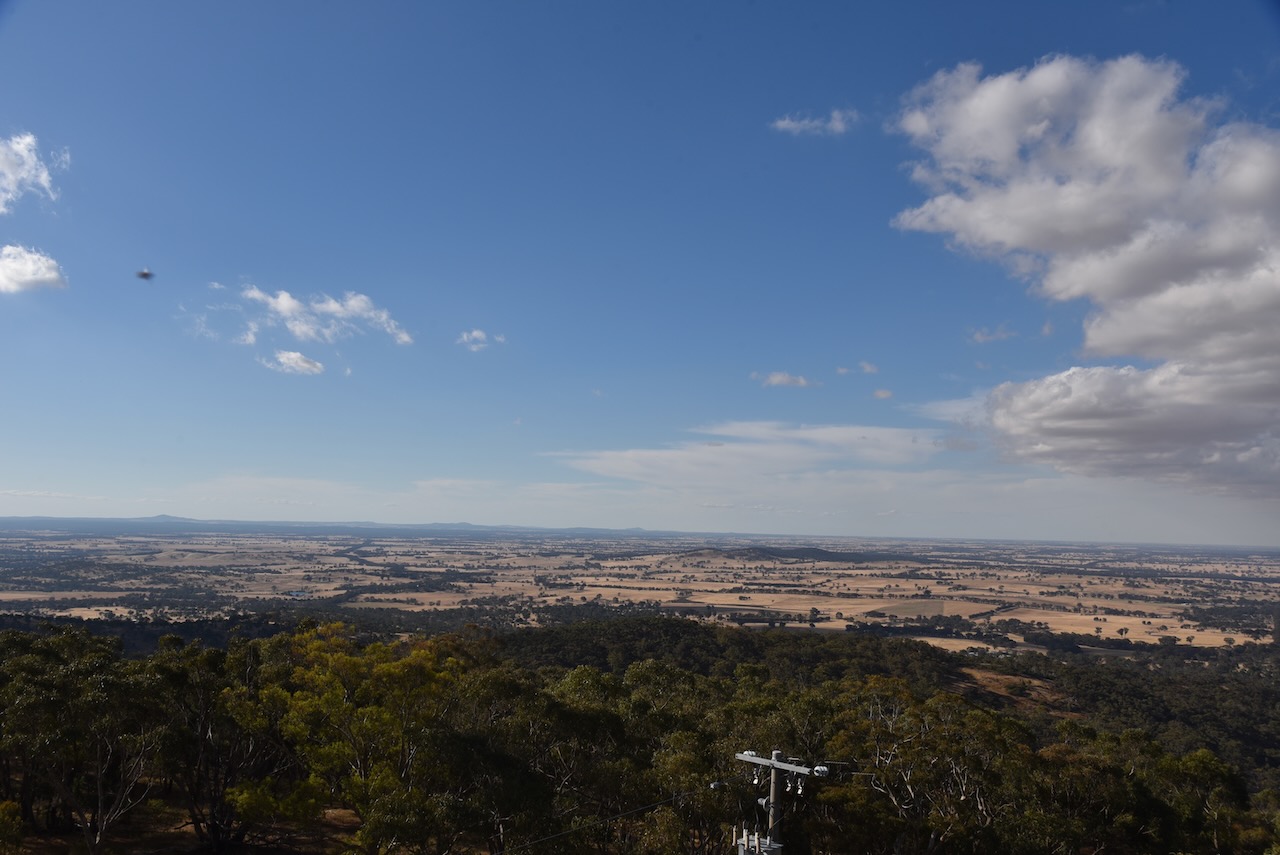
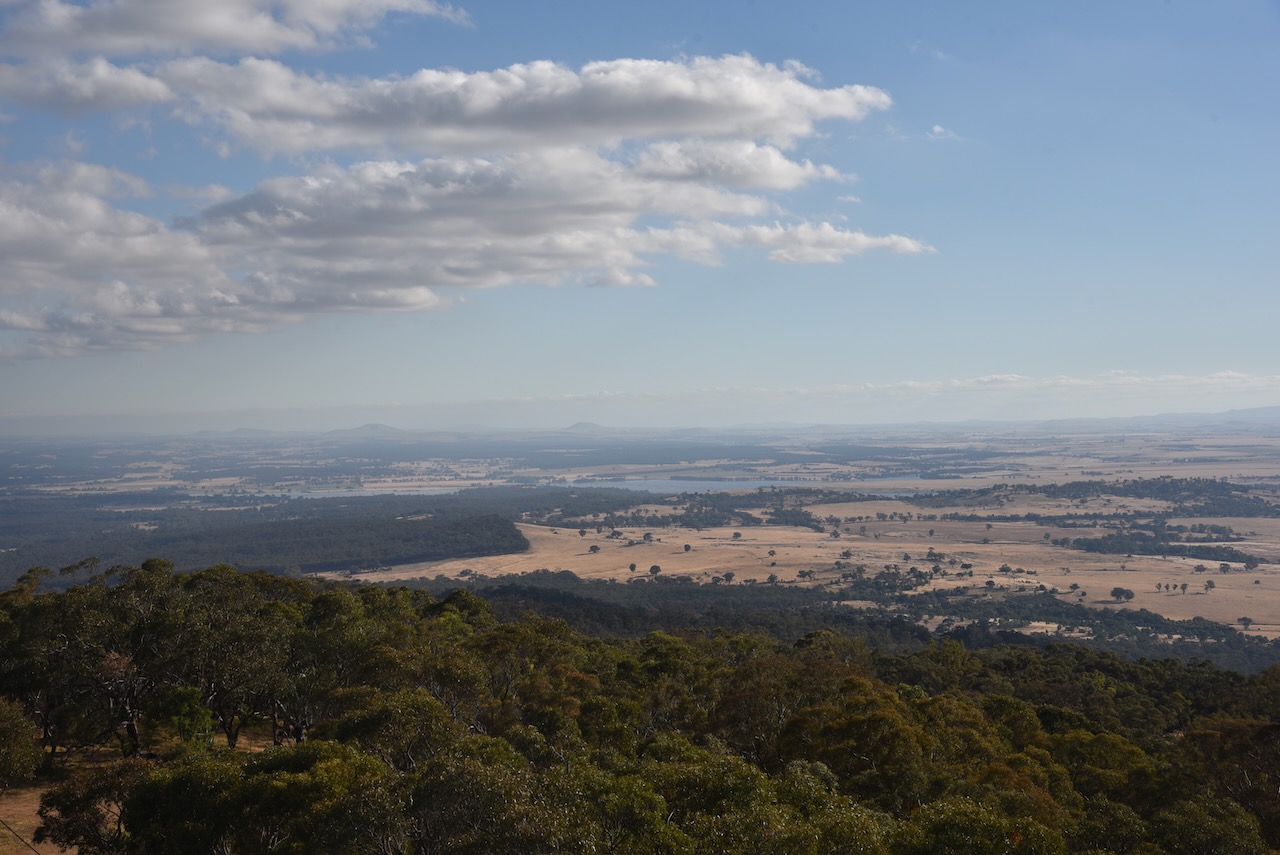
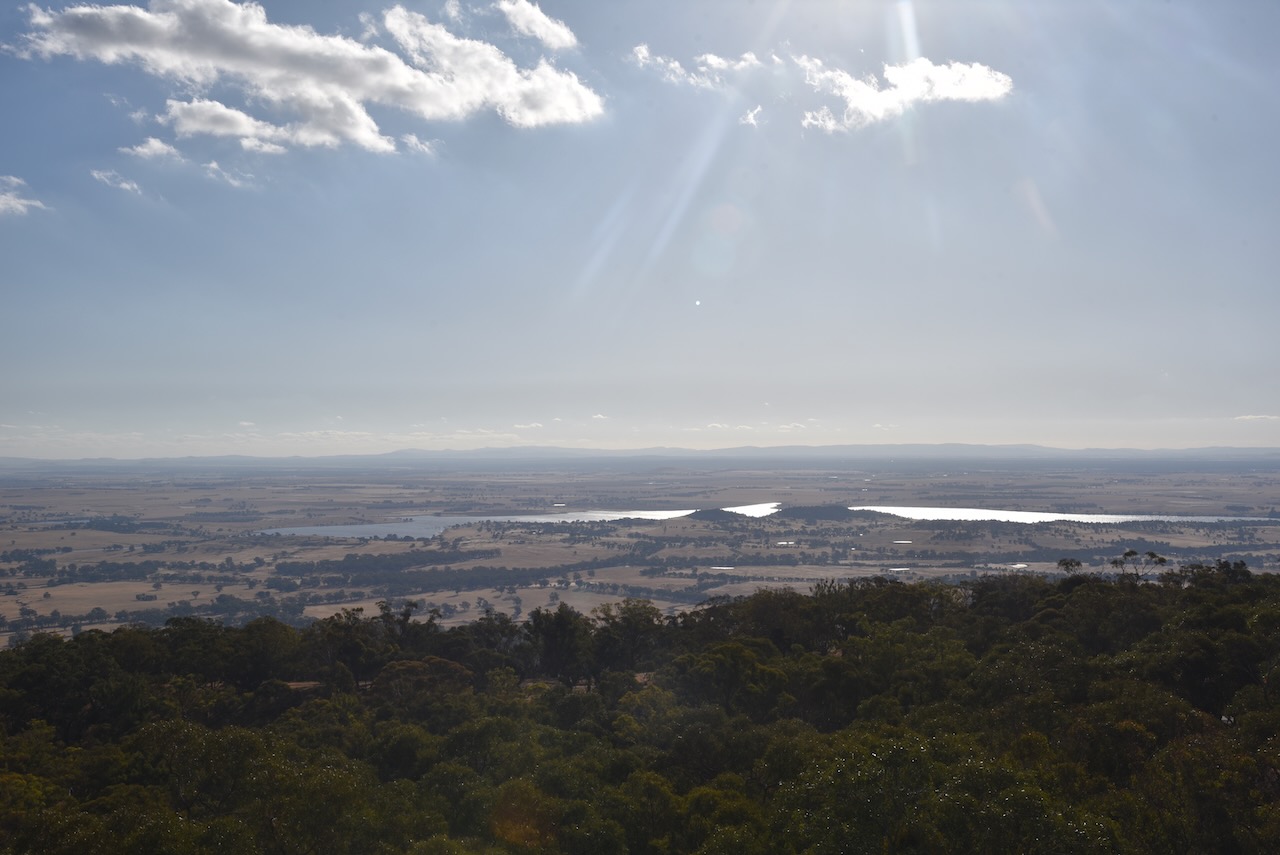
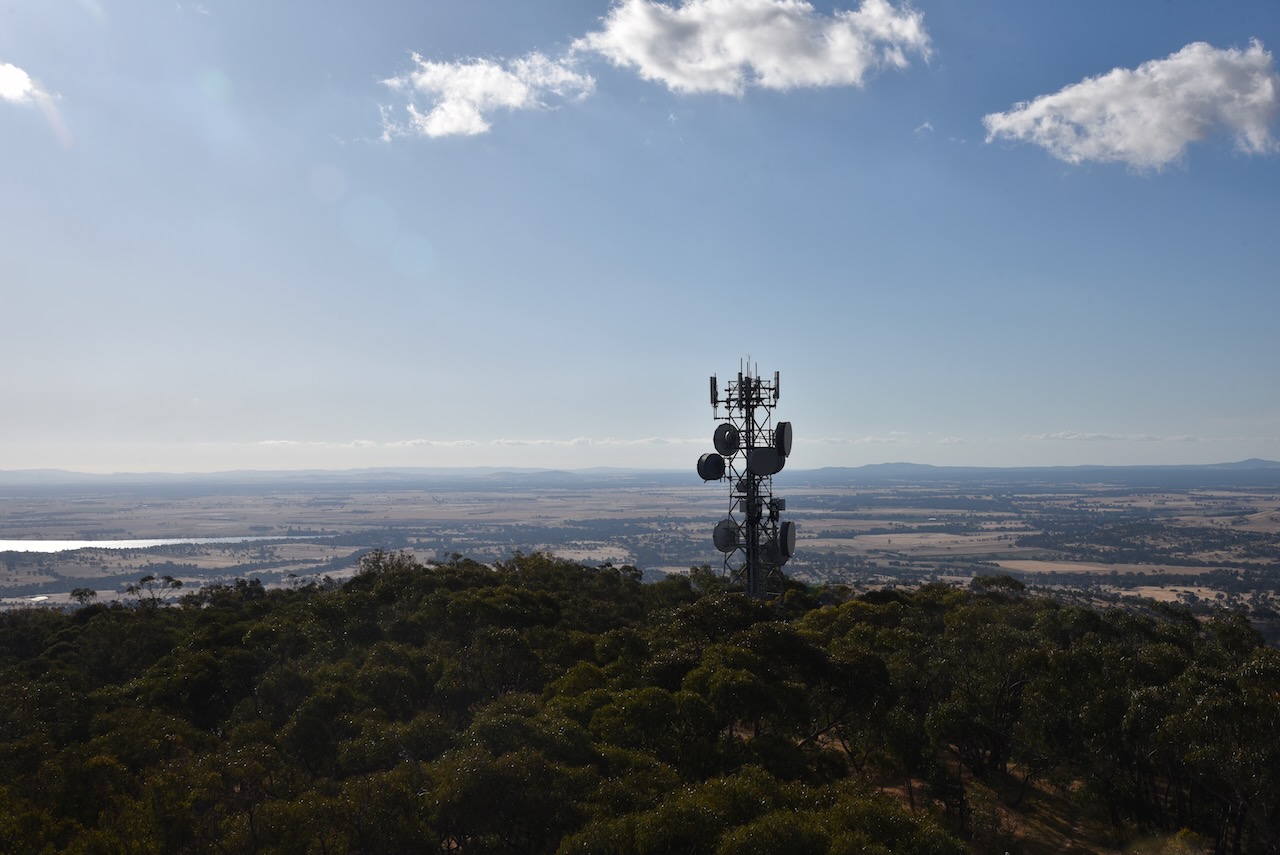
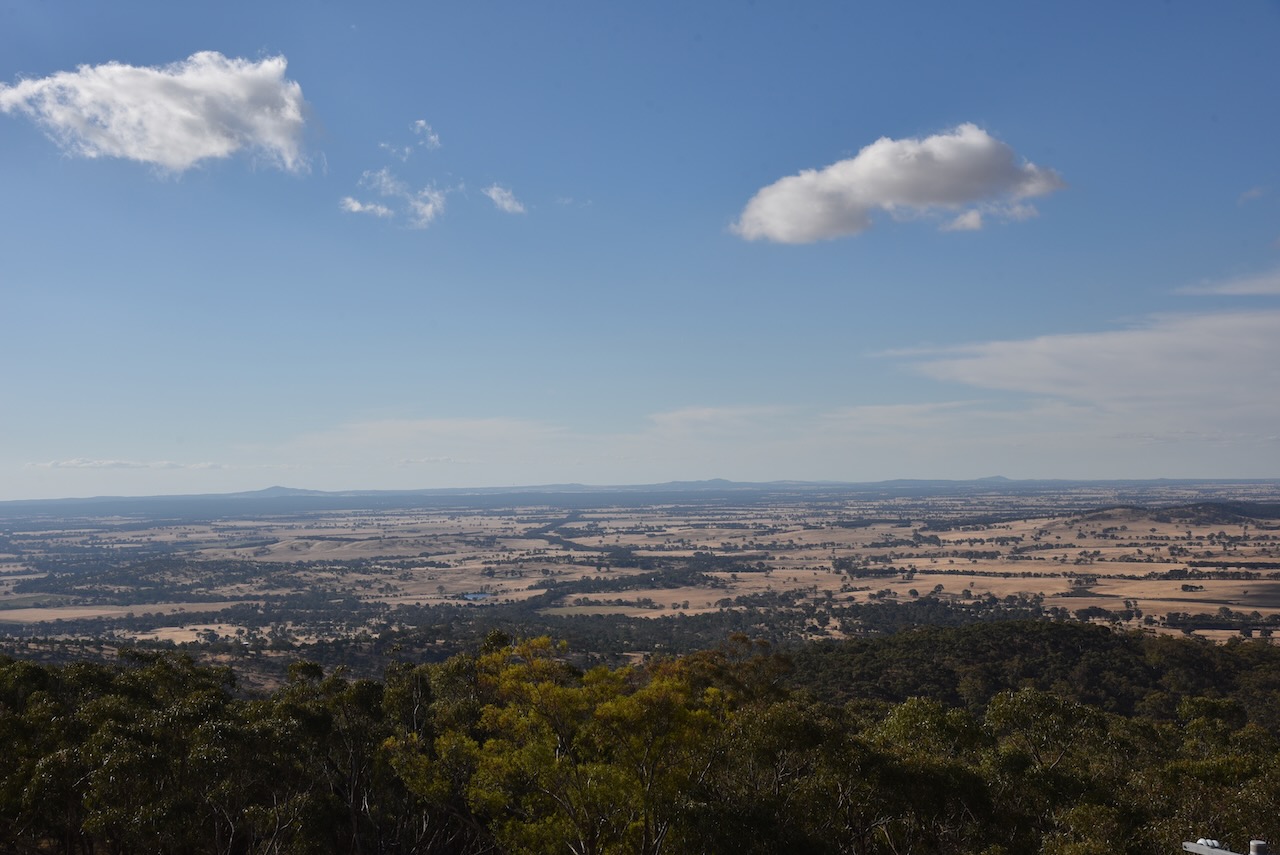
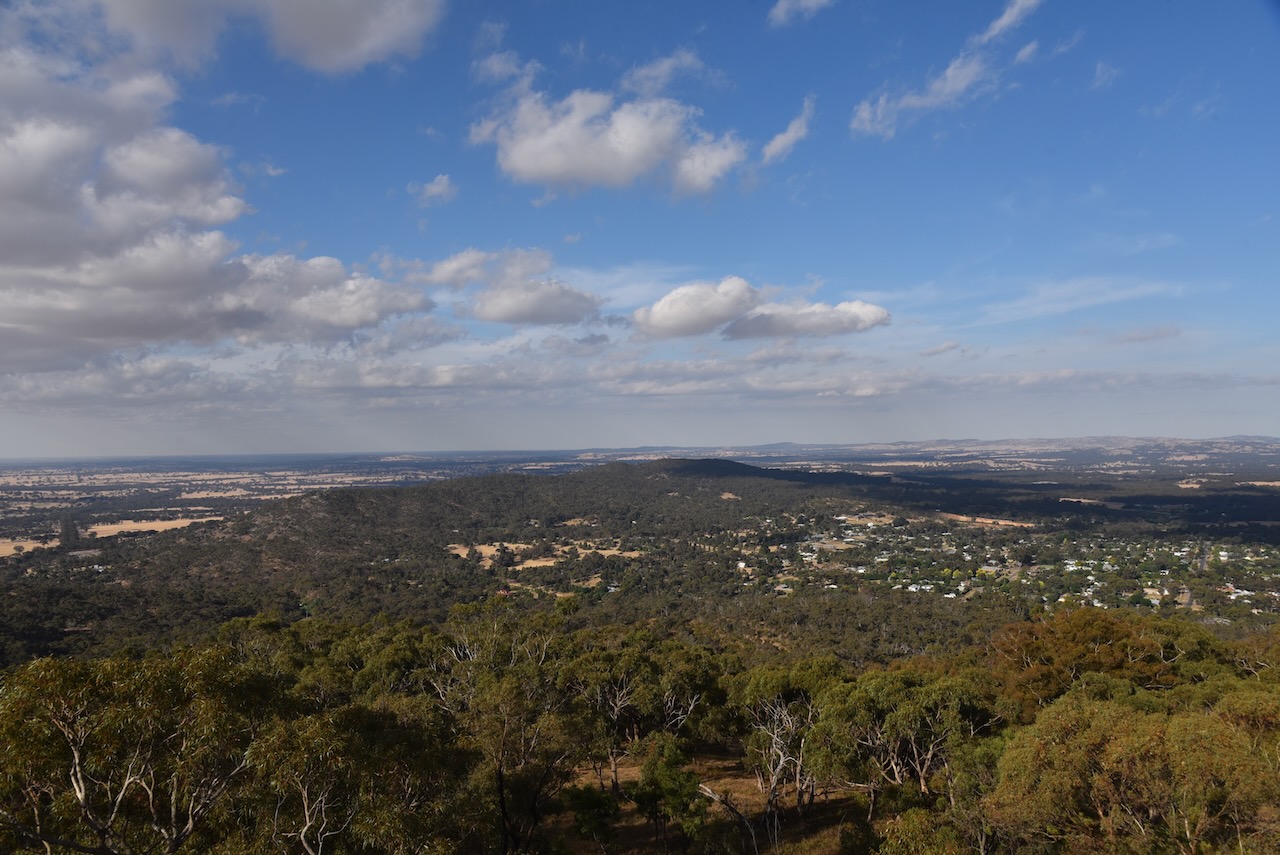
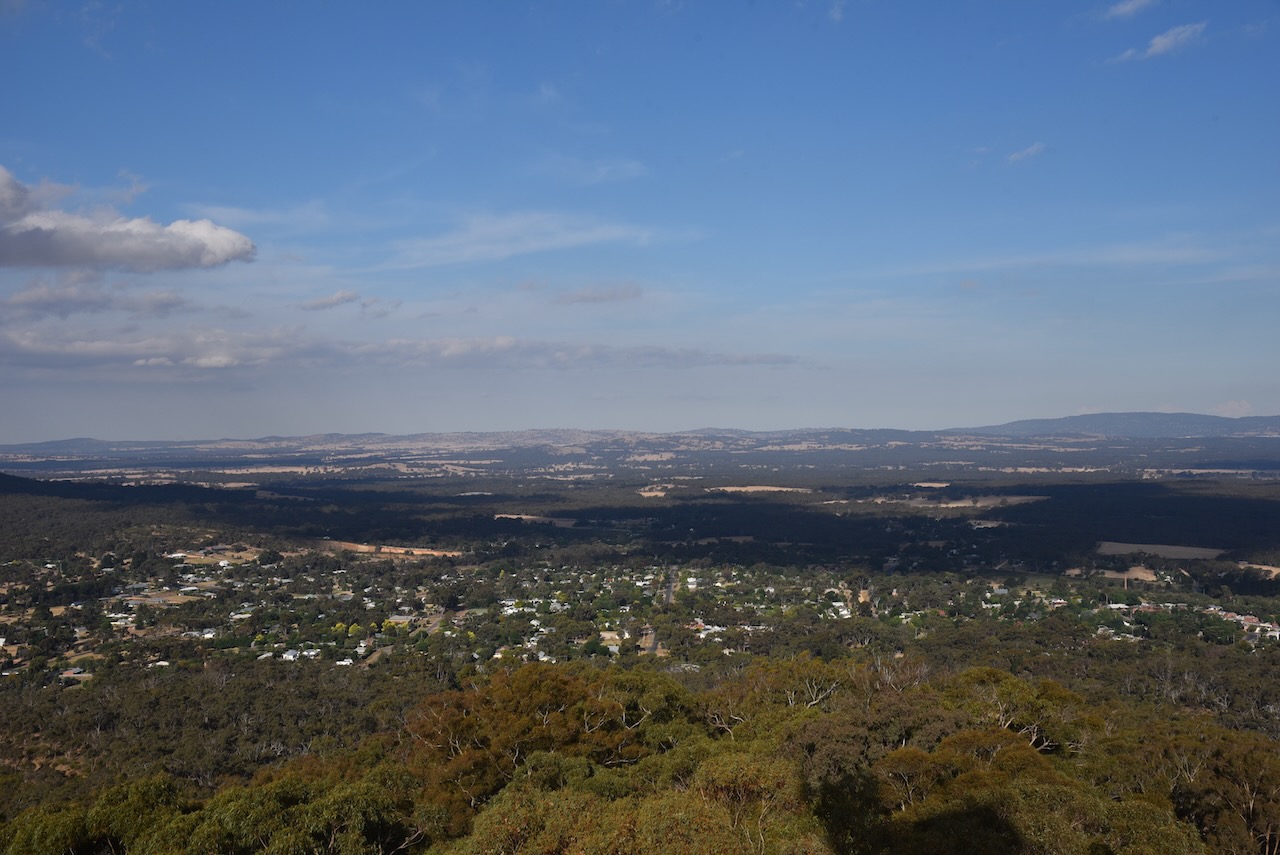
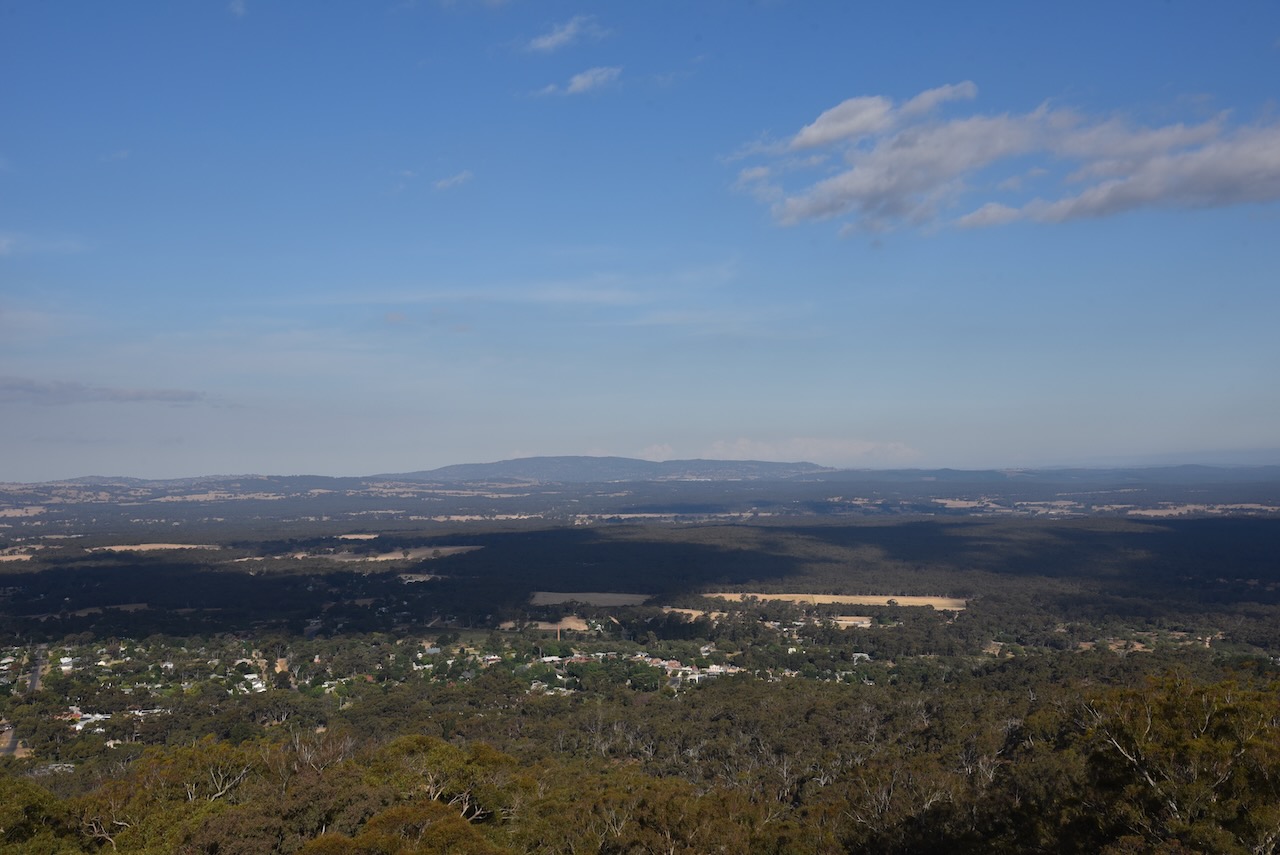
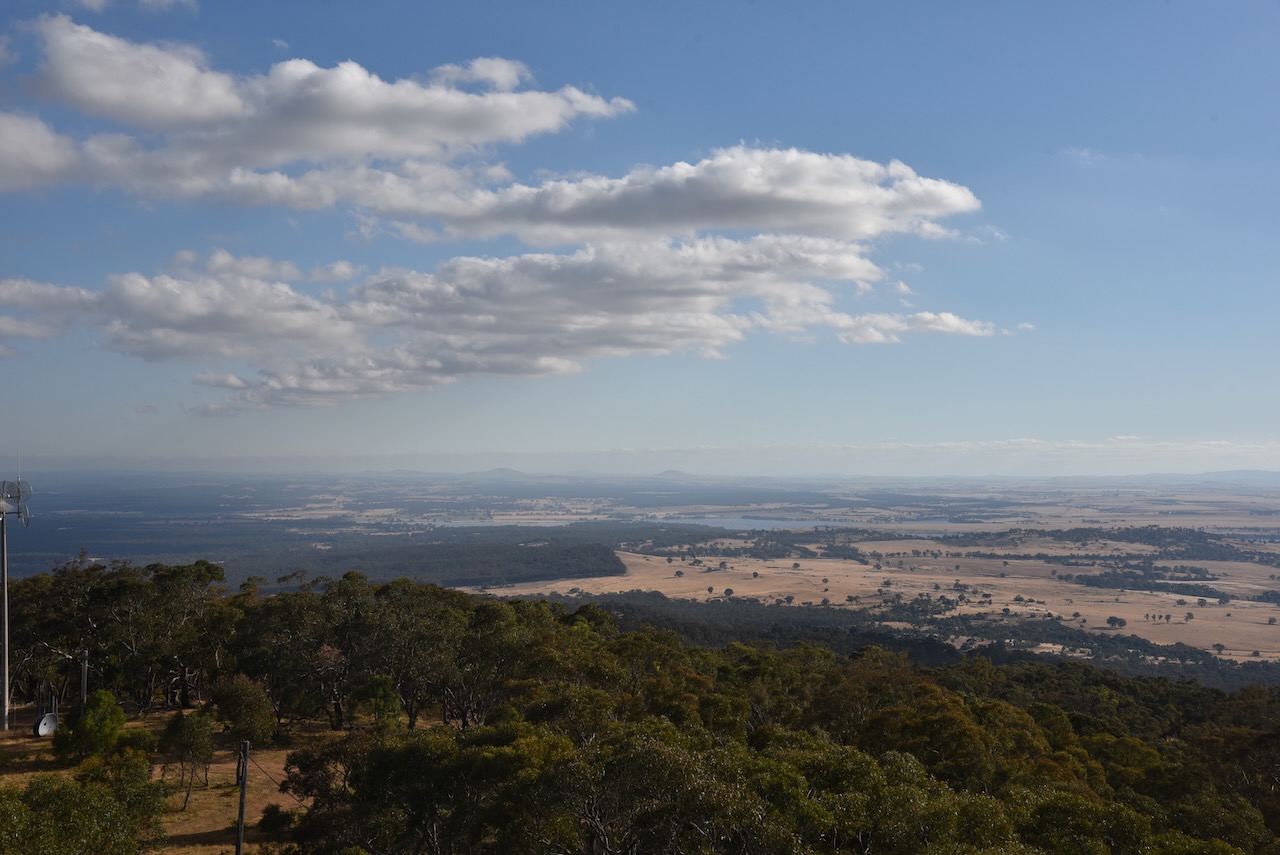
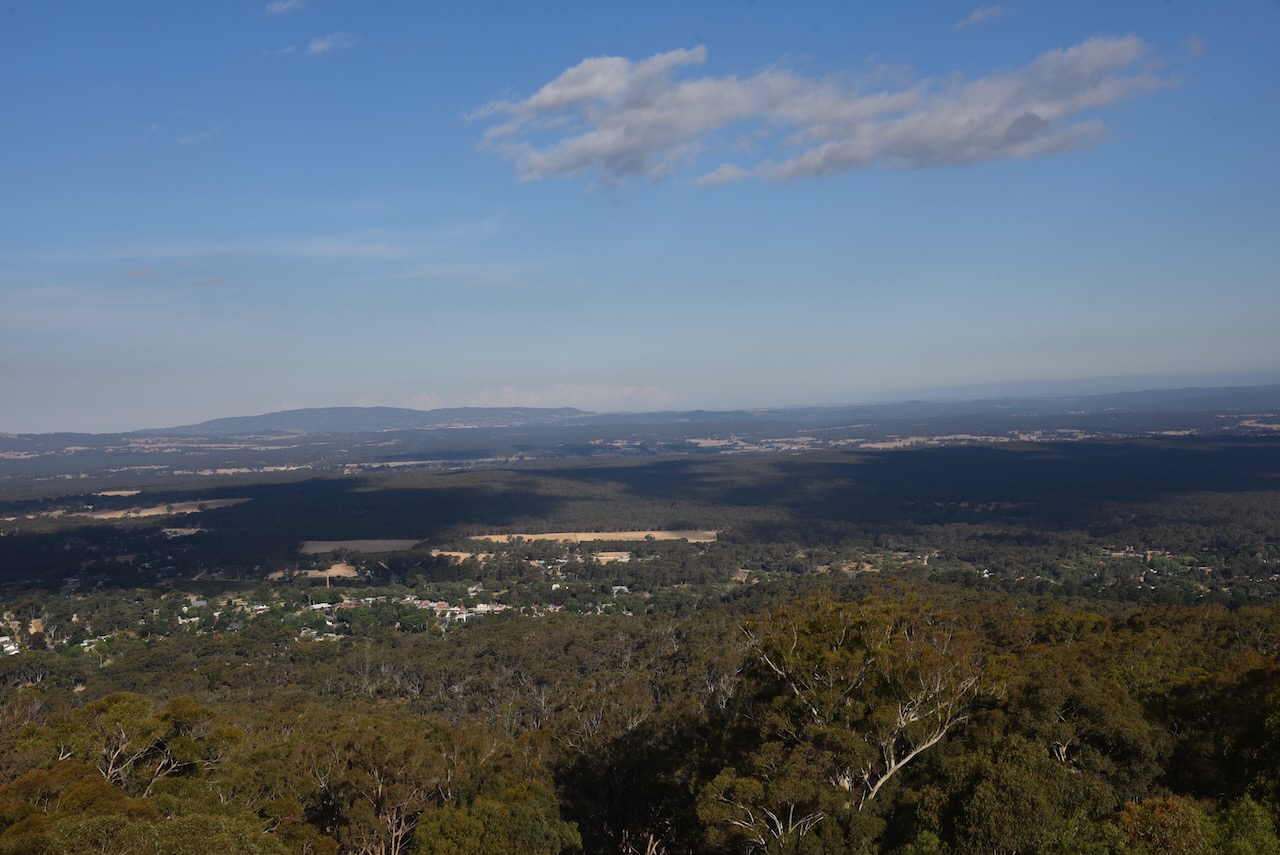
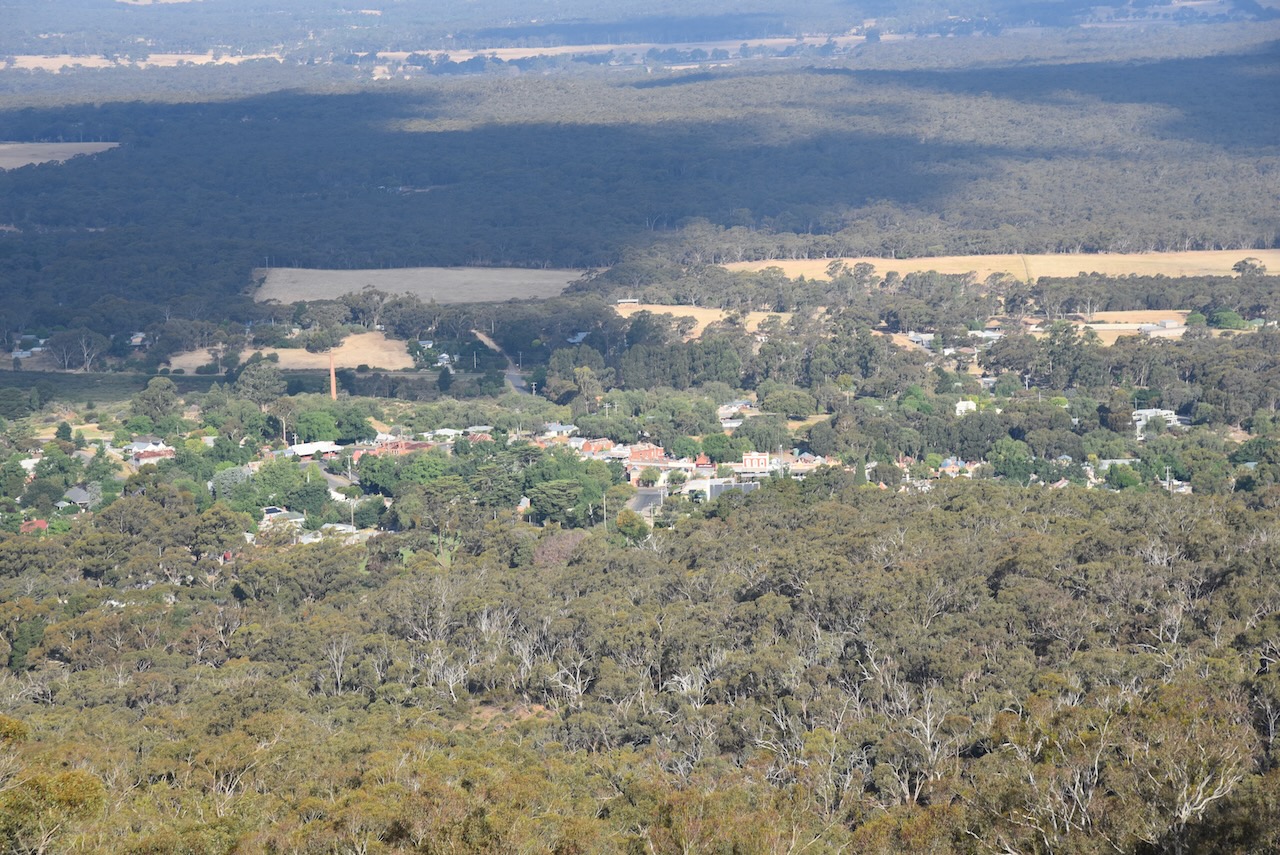
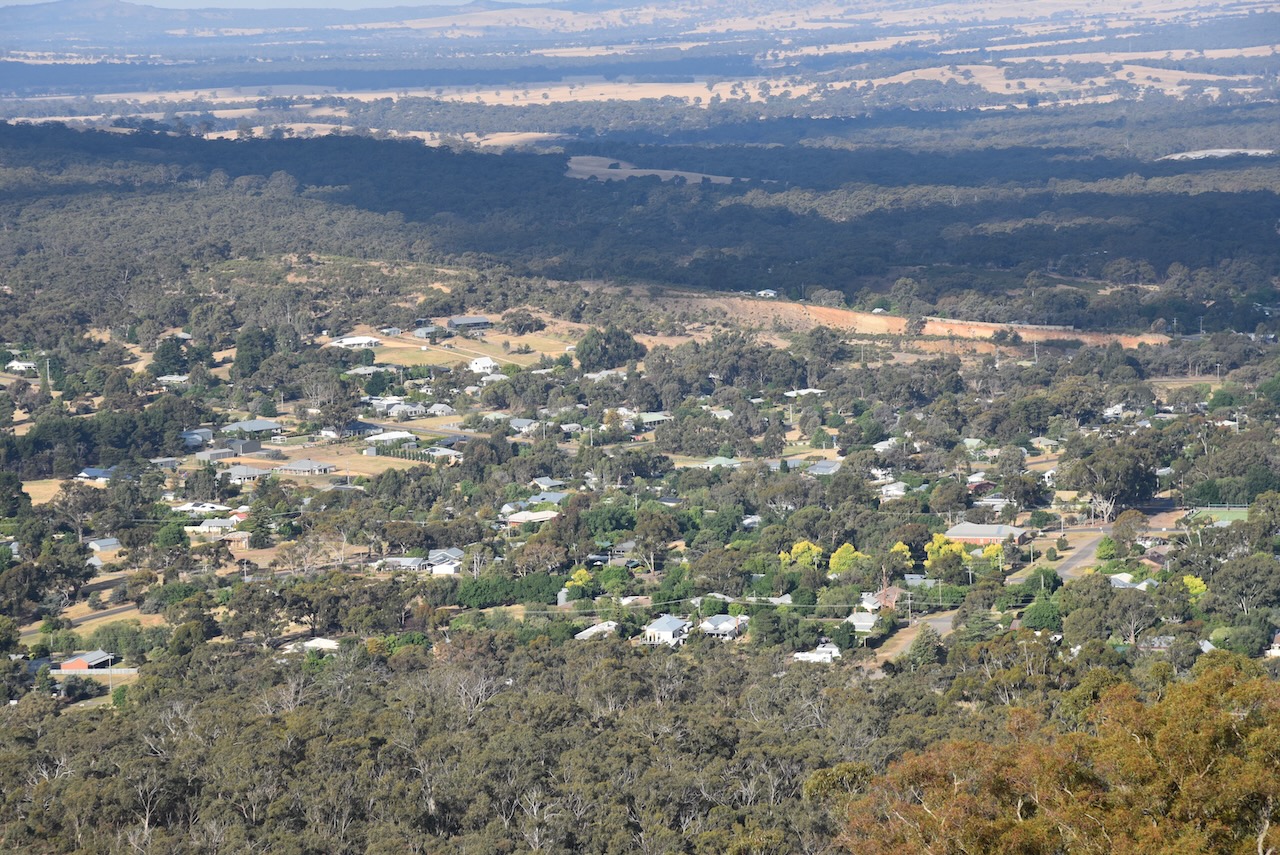
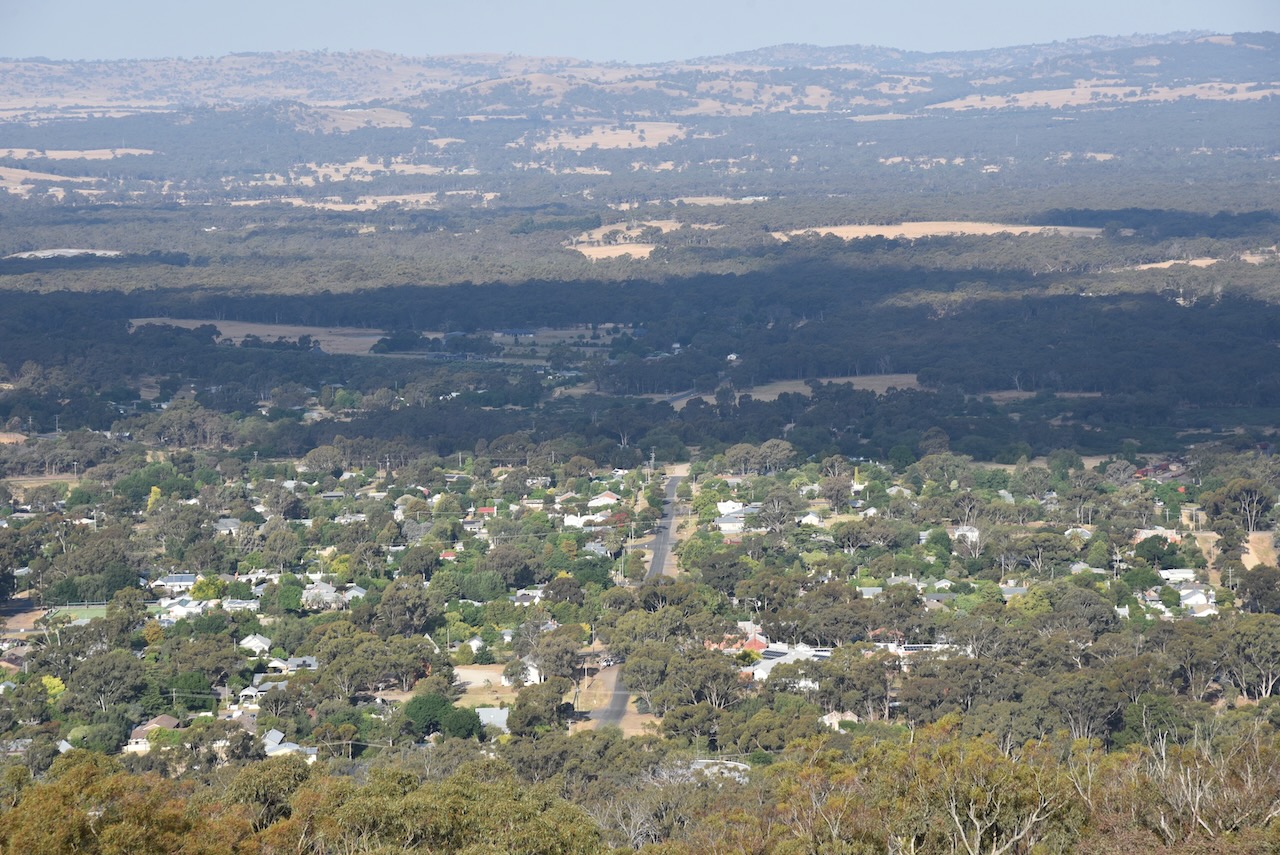
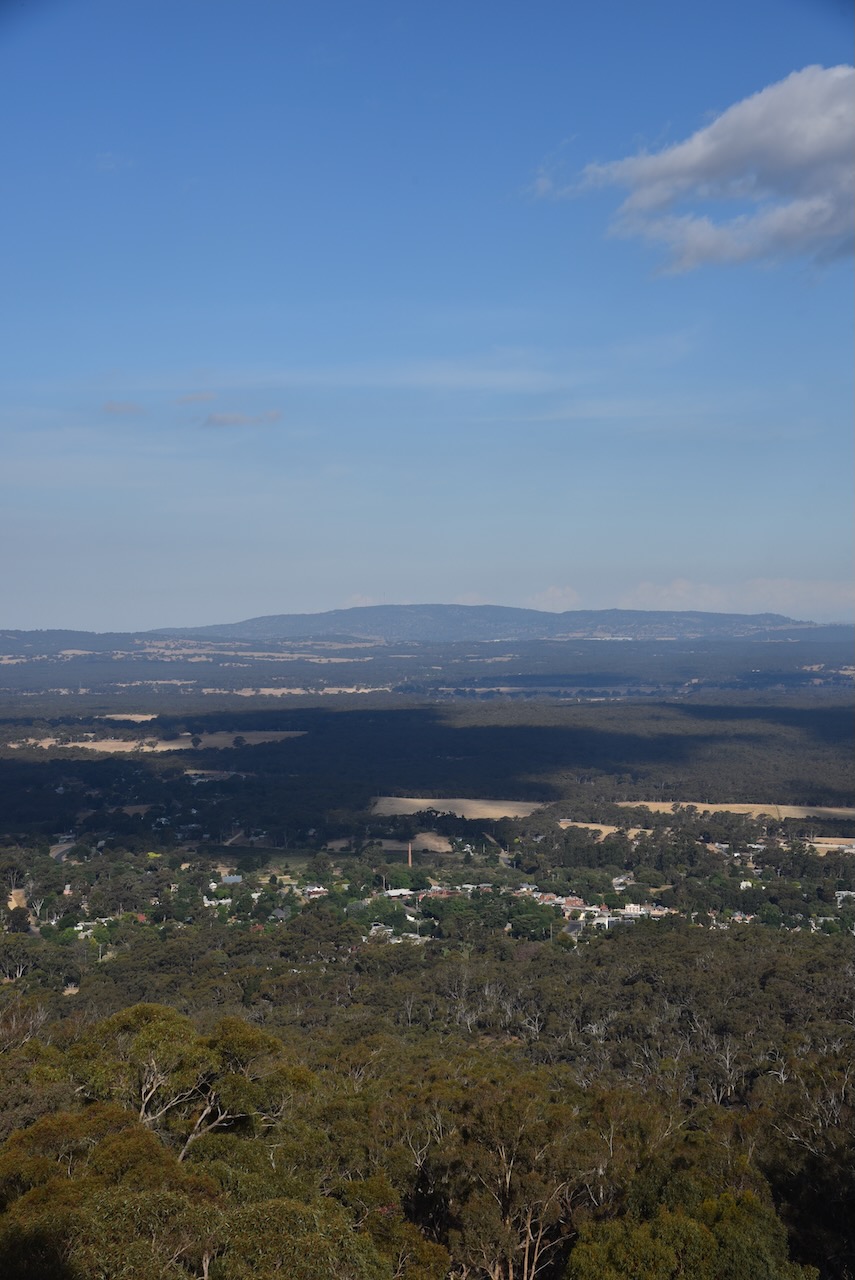
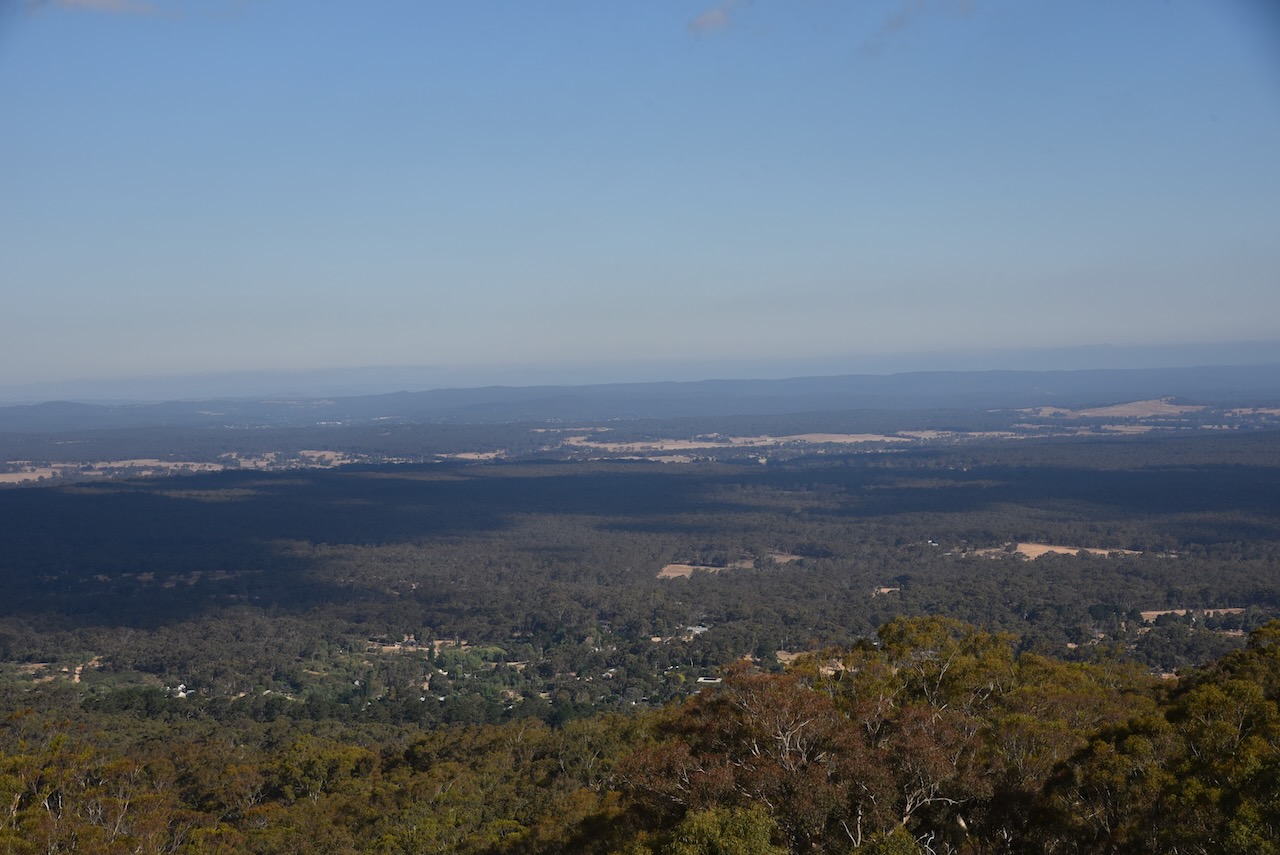
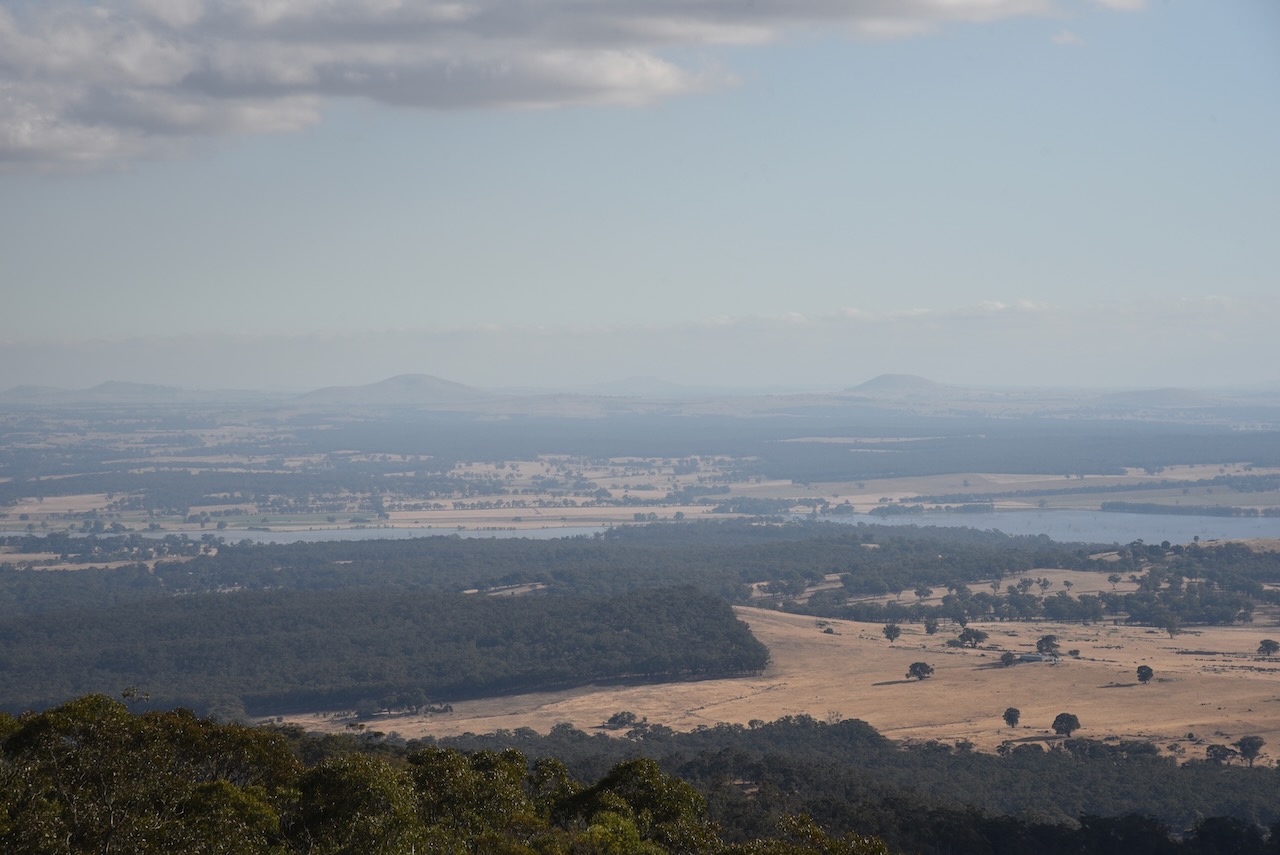
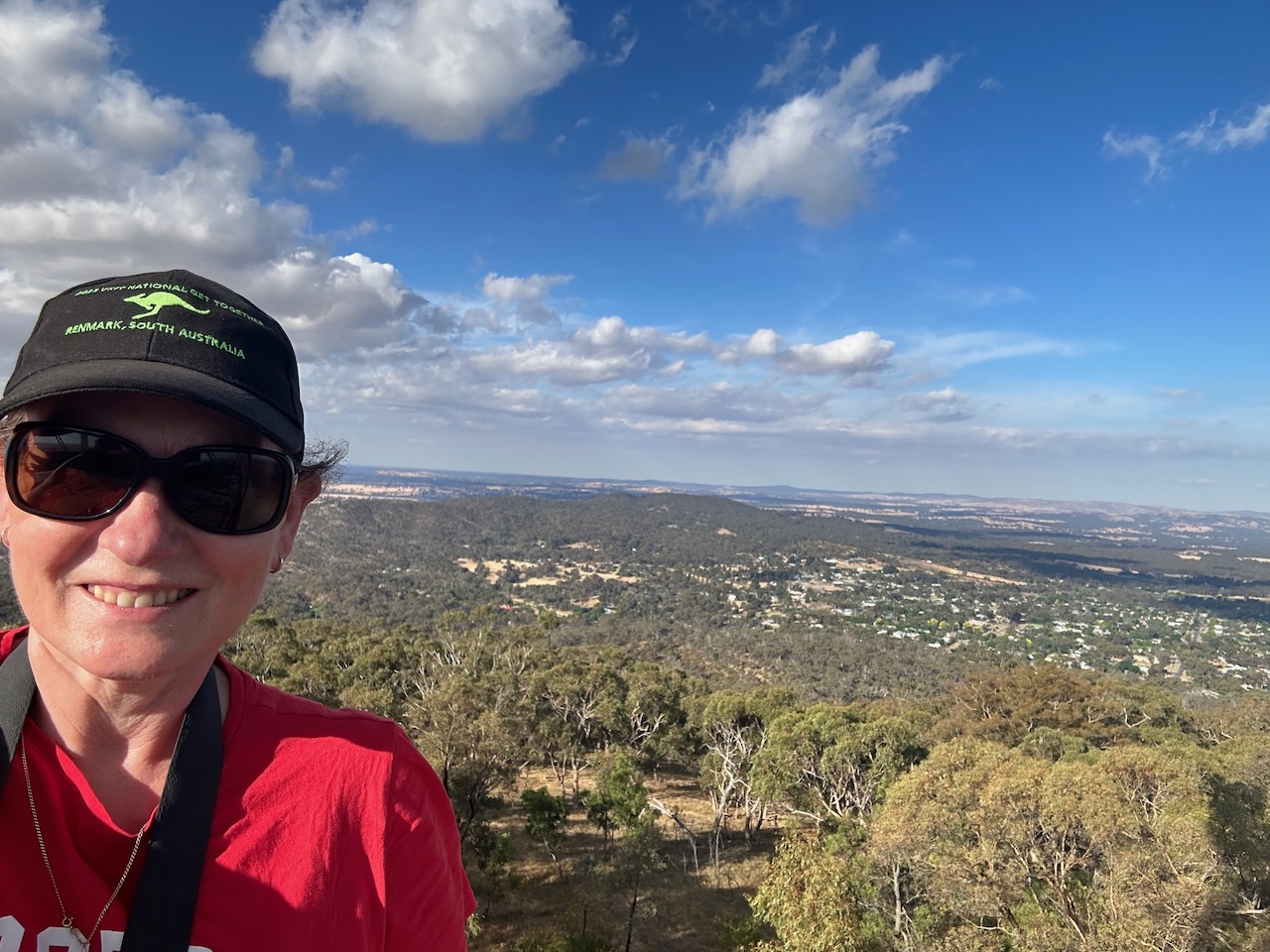
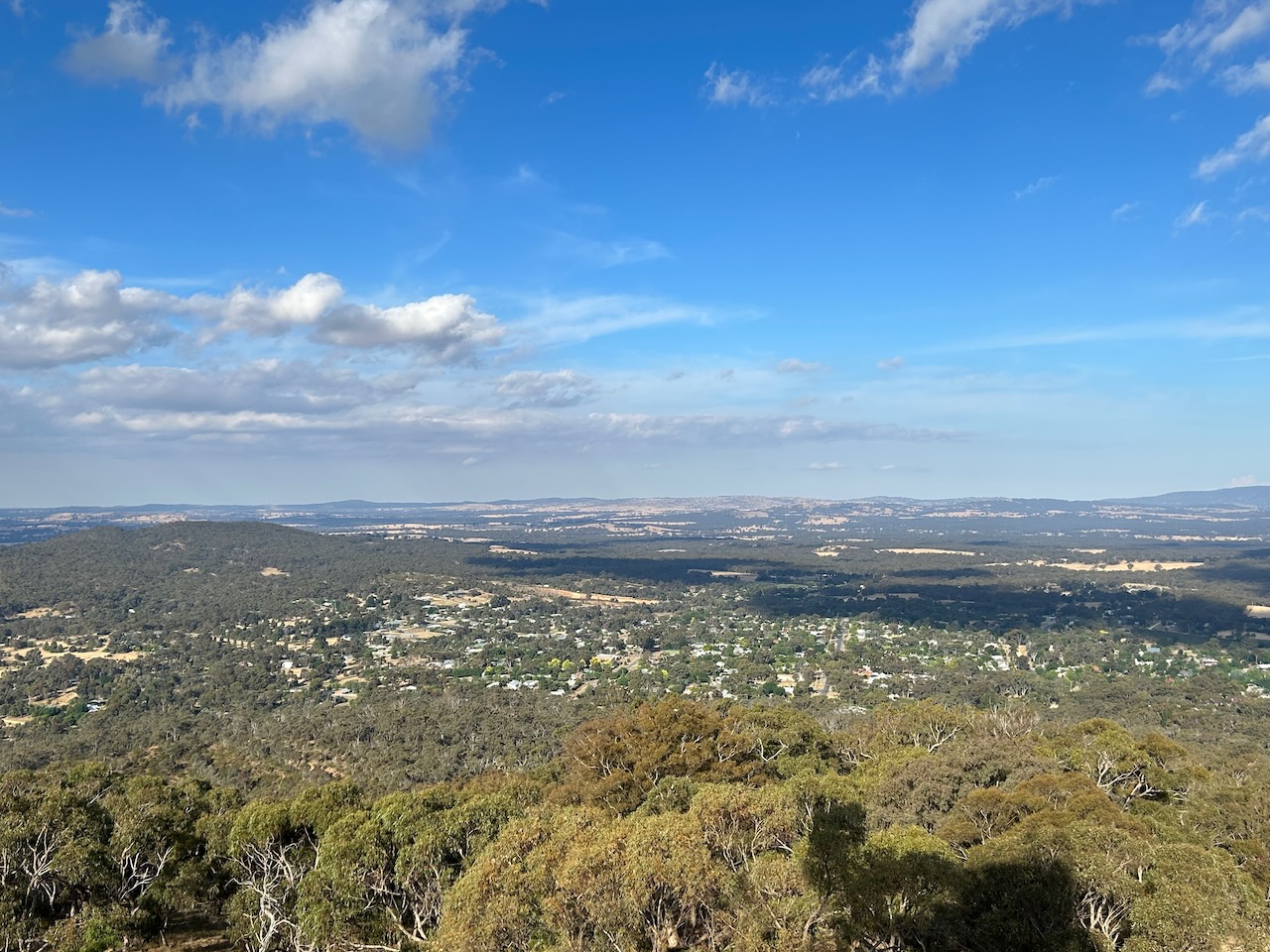
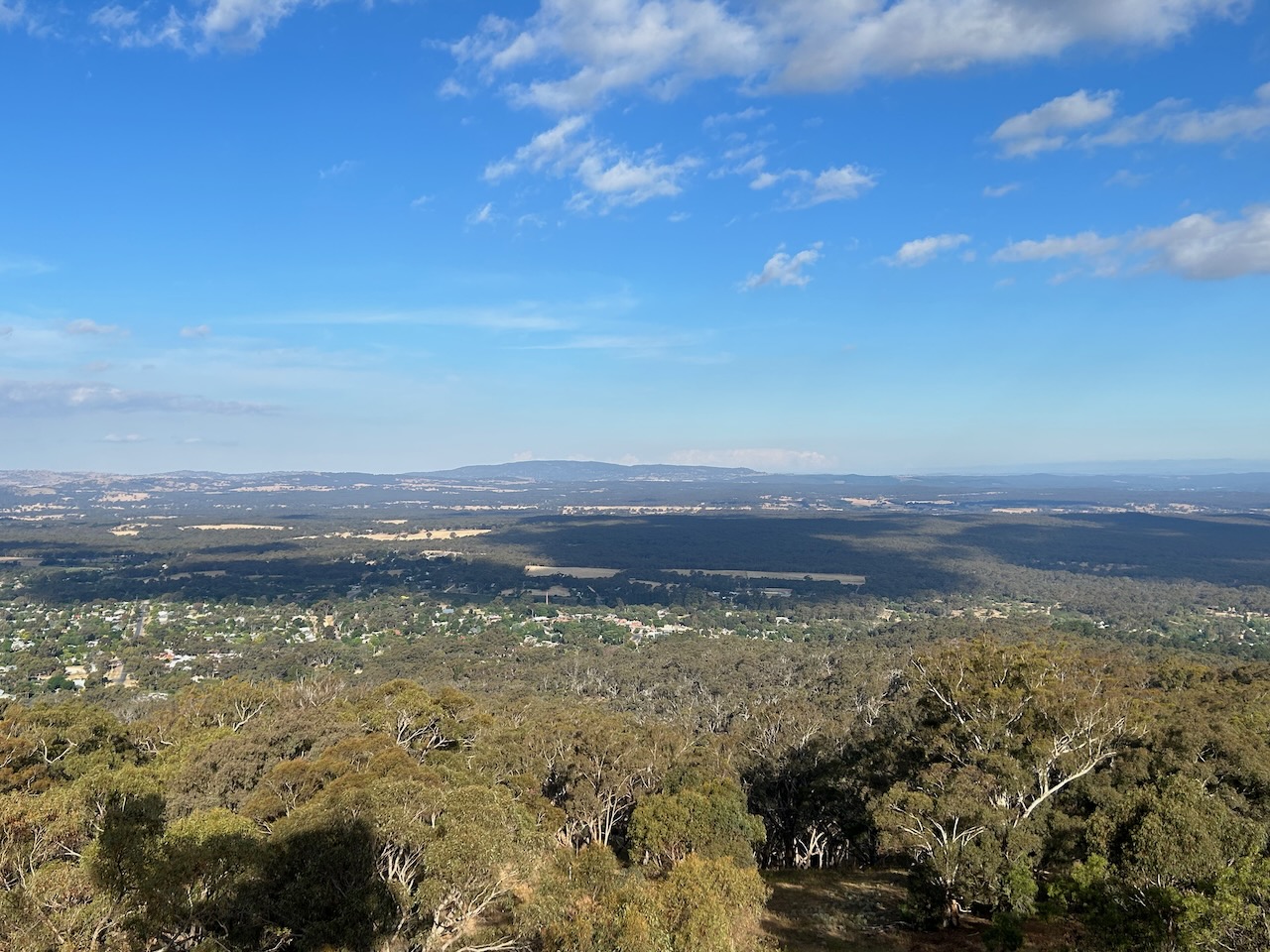
There are some magnificent views to be enjoyed from the top of the lookout tower. You can view Mount Alexander, Mount Macedon, Mount Franklin and the Grampians National Park.

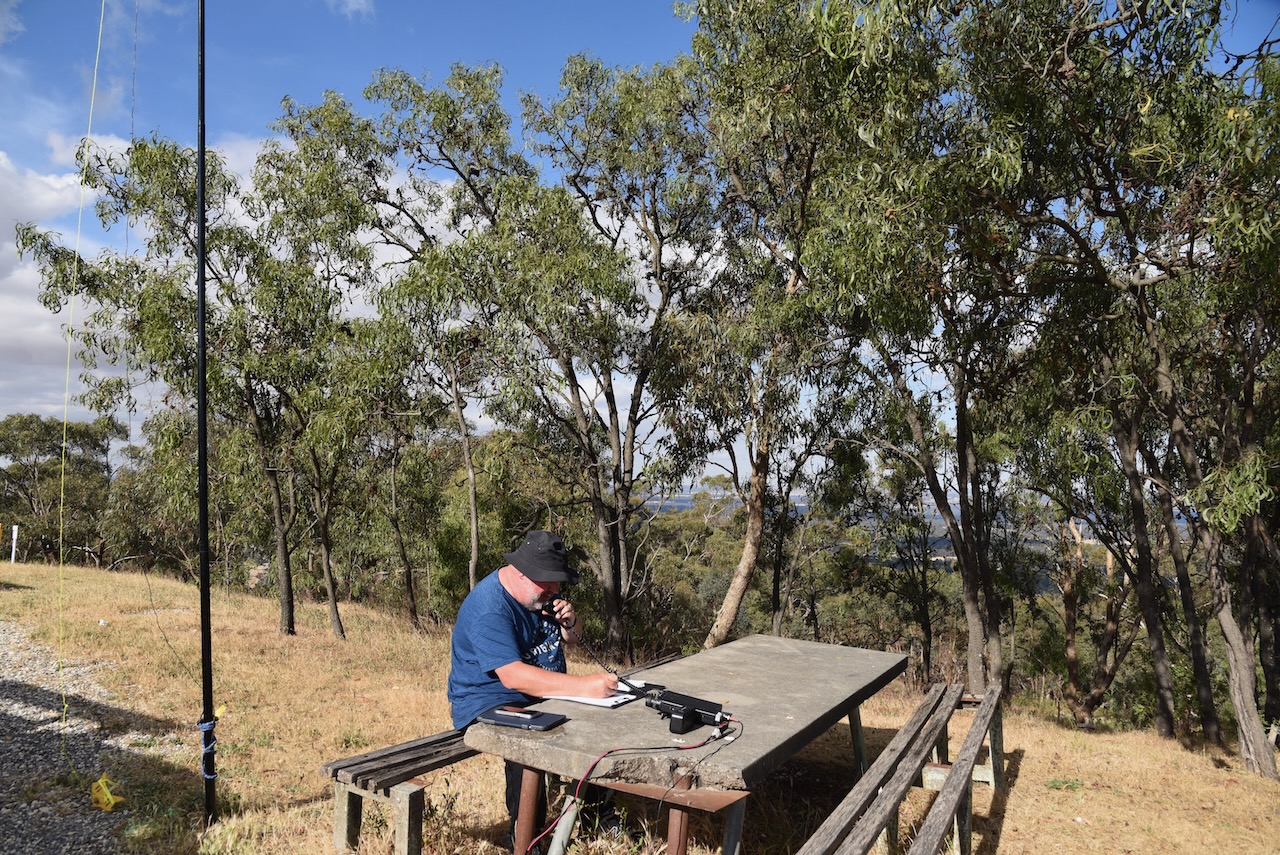
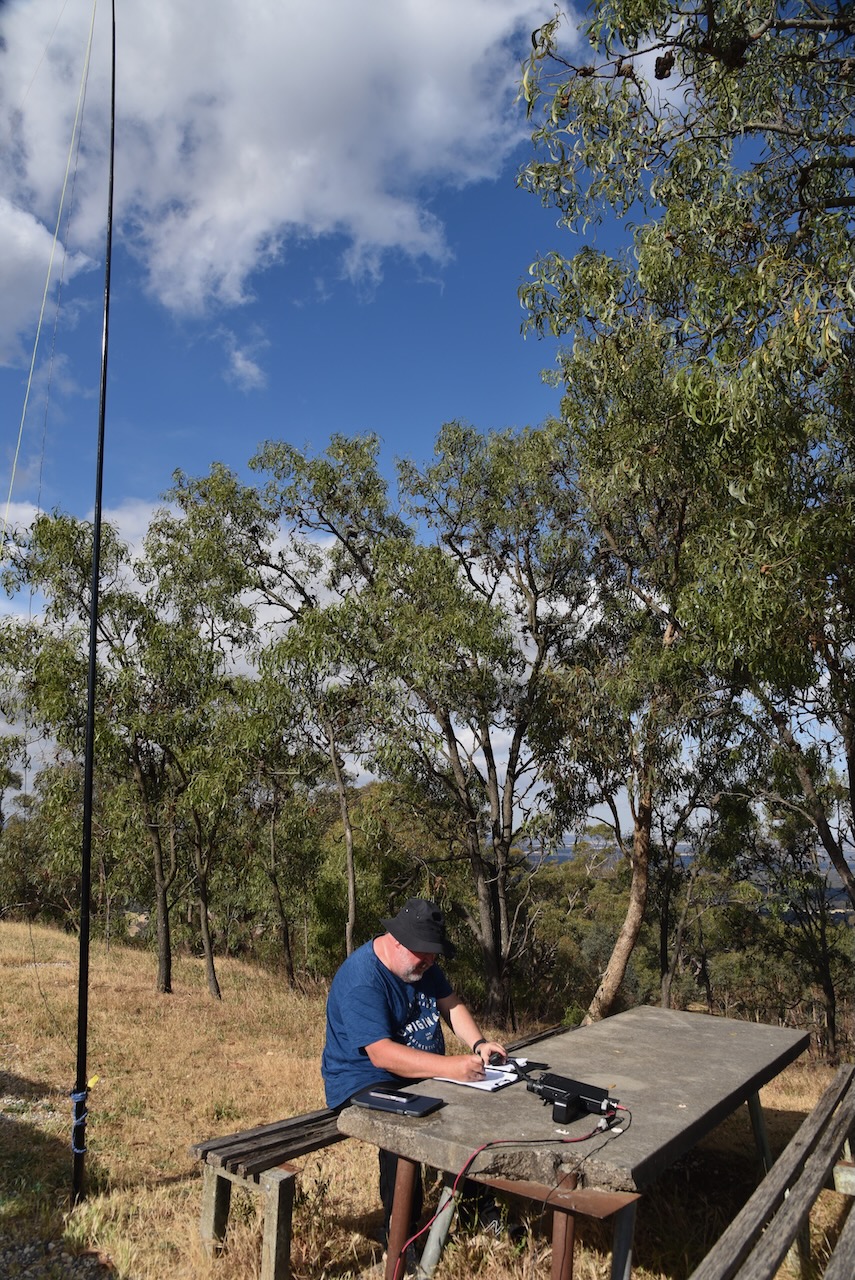
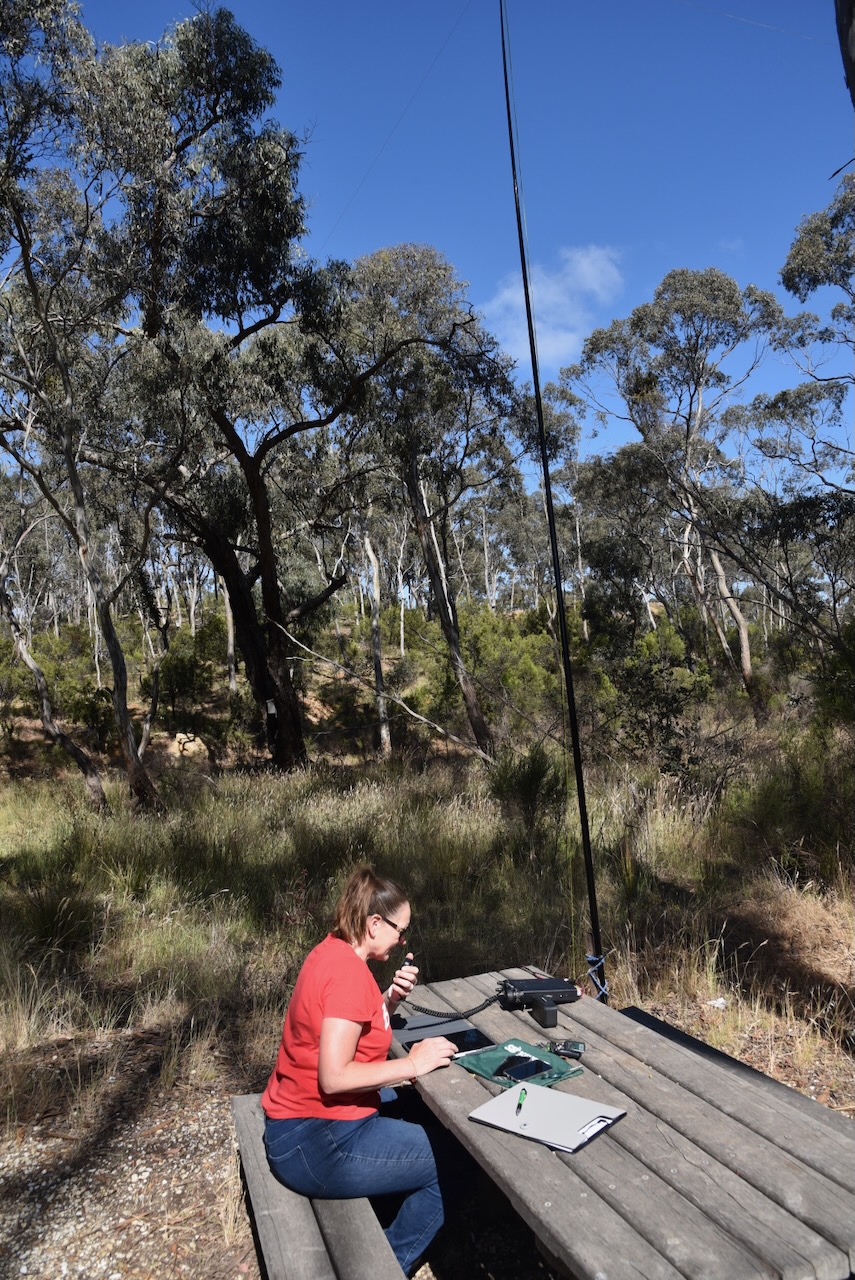
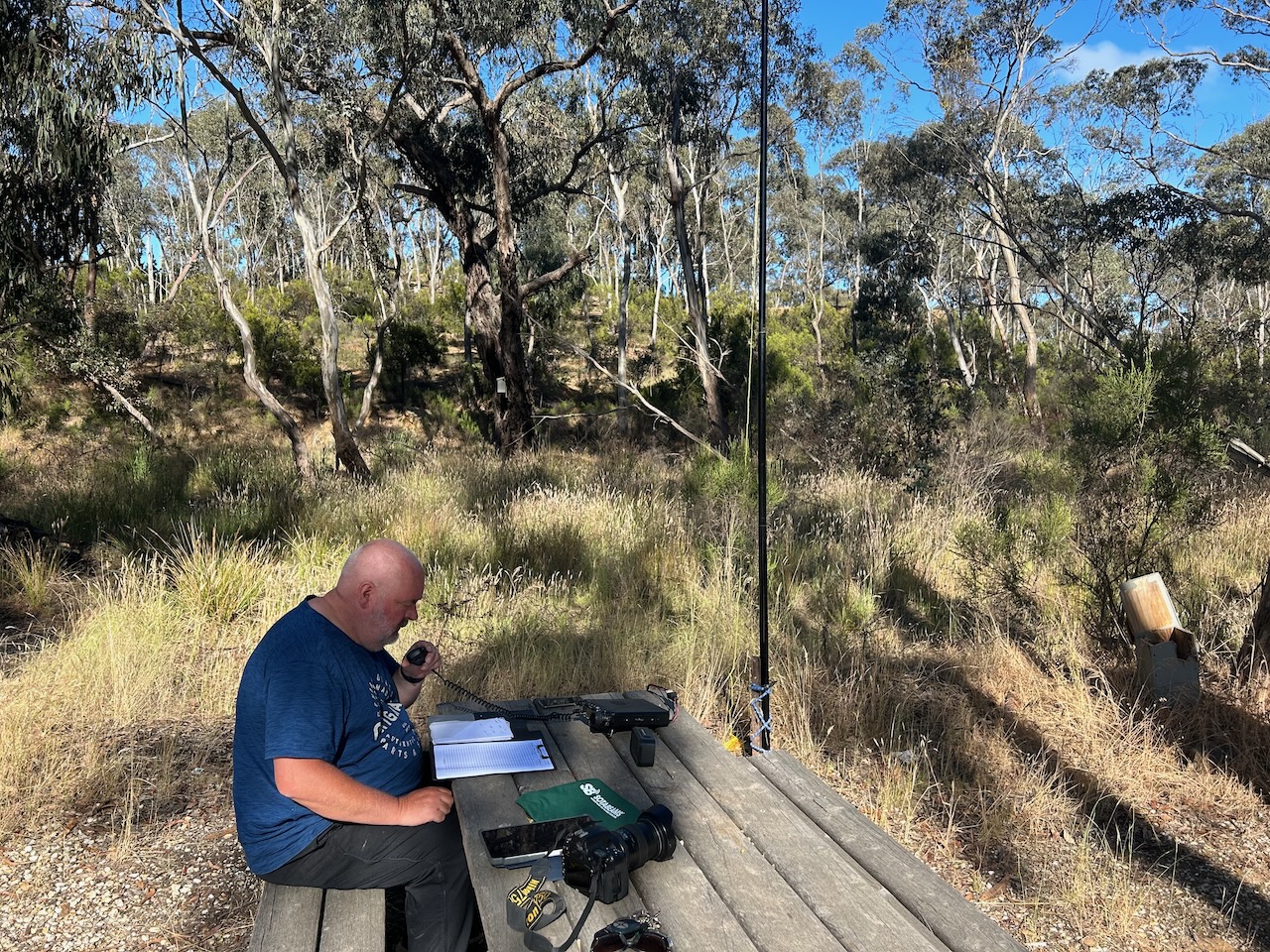
We operated from a wooden table and bench at the summit, running the Yaesu FT857, 40 watts, and the 20/40/80m linked dipole supported by a 7-metre heavy-duty squid pole.

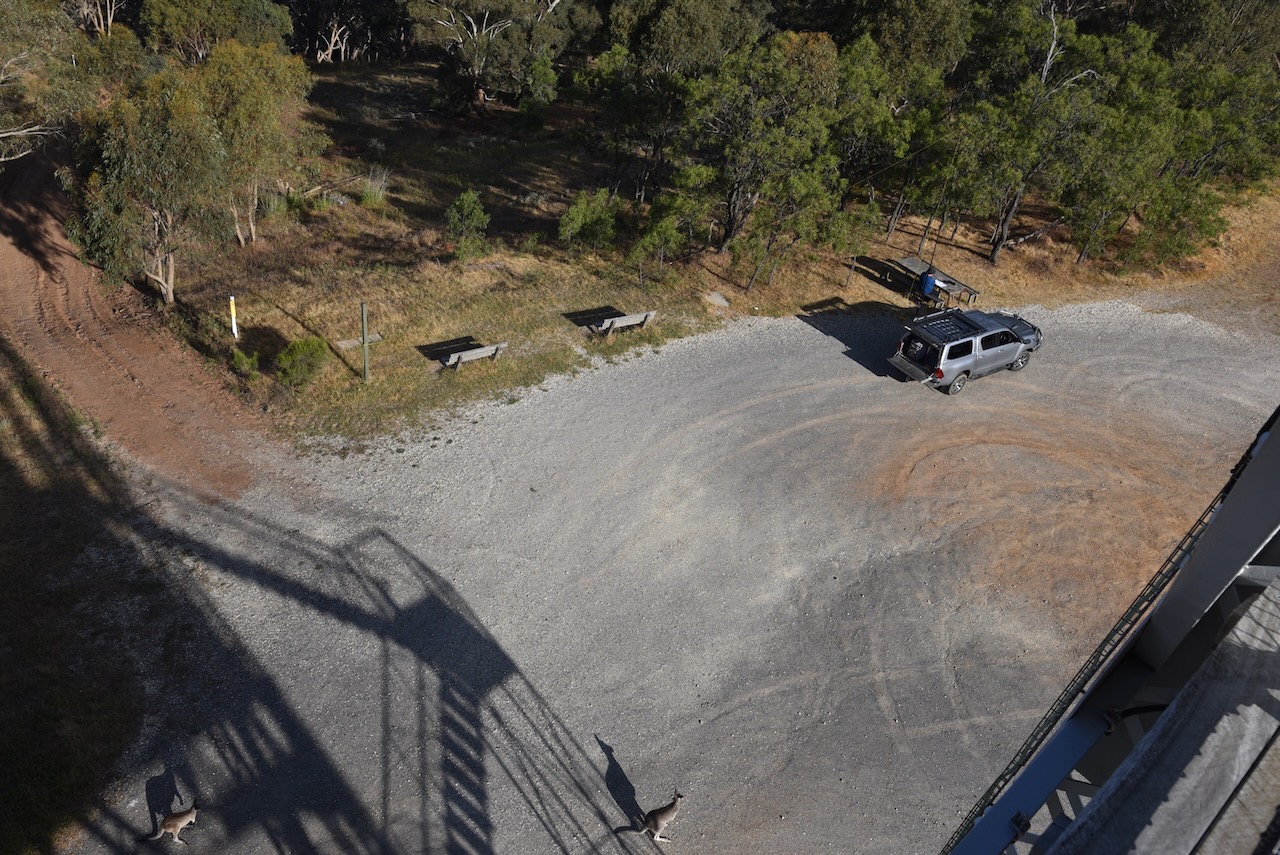
During our activation, we had some interested onlookers.

Marija worked the following stations on 40m SSB:-

  1. VK2IO
  2. VK3PF
  3. VK5LA
  4. VK5KAW
  5. VK3WMD
  6. VK1AO
  7. VK2MET

I worked the following stations on 40m SSB:-

  1. VK2IO
  2. VK3PF
  3. VK5LA
  4. VK5KAW
  5. VK3WMD
  6. VK1AO
  7. VK2MET
  8. VK3OAK
  9. VK5FANA
  10. VK2EXA
  11. VK3DEM
  12. ZL4NVW
  13. VK2ACK
  14. ZL3MR
  15. VK3PWG
  16. VK3PI
  17. VK5AAF
  18. VK2MVP
  19. VK3GJG
  20. VK5PE/m
  21. VK3VIN
  22. VK5MSA
  23. VK2PBC
  24. VK3MLT
  25. VK7AD
  26. VK5MRD
  27. VK3SPG
  28. VK7KT
  29. VK3FRV
  30. VK2RB
  31. VK5DW
  32. VK2GWB
  33. VK3QH

I worked the following stations on 20m SSB:-

  1. VK2HAK
  2. ZL1KB
  3. ZL1ALF
  4. F4WBN

References.

  1. A Great Pioneering Family. (1934). Argus. [online] 24 Mar. Available at: https://trove.nla.gov.au/newspaper/article/10921466 [Accessed 9 Apr. 2024].
  2. ‌https. (n.d.). Maldon Pioneer Memorial. [online] Available at: https://www.goldfieldsguide.com.au/explore-location/706/maldon-pioneer-memorial/ [Accessed 8 Apr. 2024].
  3. ‌https. (n.d.). Mt Tarrengower Lookout Tower. [online] Available at: https://www.goldfieldsguide.com.au/explore-location/121/mt-tarrengower-lookout-tower/ [Accessed 8 Apr. 2024].
  4. ‌monumentaustralia.org.au. (n.d.). Gold Discovery Monument | Monument Australia. [online] Available at: https://monumentaustralia.org.au/themes/technology/industry/display/32067-gold-discovery-monument [Accessed 8 Apr. 2024].
  5. ‌Story (2014). The Maldon Bakery. [online] The Maldon Bakery. Available at: https://www.maldonbakery.com.au/story [Accessed 9 Apr. 2024].
  6. ‌THE TARRANGOWER DIGGINGS. (1854). Empire. [online] 7 Mar. Available at: https://trove.nla.gov.au/newspaper/article/60149900 [Accessed 9 Apr. 2024].
  7. ‌vhd.heritagecouncil.vic.gov.au. (n.d.). VHD. [online] Available at: https://vhd.heritagecouncil.vic.gov.au/places/673 [Accessed 9 Apr. 2024].
  8. ‌www.victorianplaces.com.au. (n.d.). Maldon and Maldon Shire | Victorian Places. [online] Available at: https://www.victorianplaces.com.au/maldon-and-maldon-shire [Accessed 8 Apr. 2024].‌

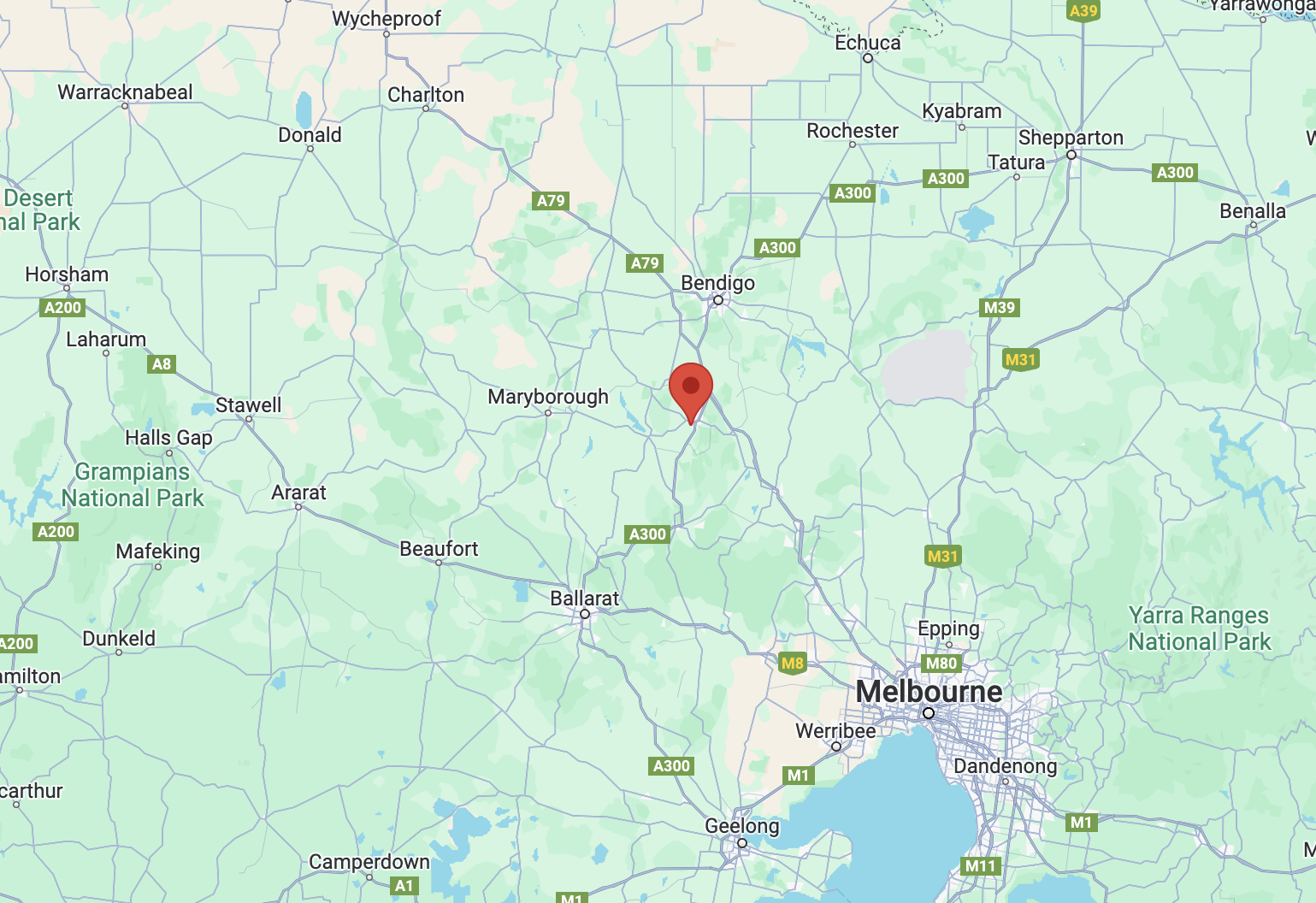
Diamond Gully H8A Bushland Reserve VKFF-4284

Our second World Wide Flora Fauna (WWFF) park activation for Monday 27th November 2023 was the Diamond Gully H8A Bushland Reserve VKFF-4284 at Castlemaine.

Above:- Map showing the location of the Diamond Gully H8A Bushland Reserve. Map c/o Google Maps.

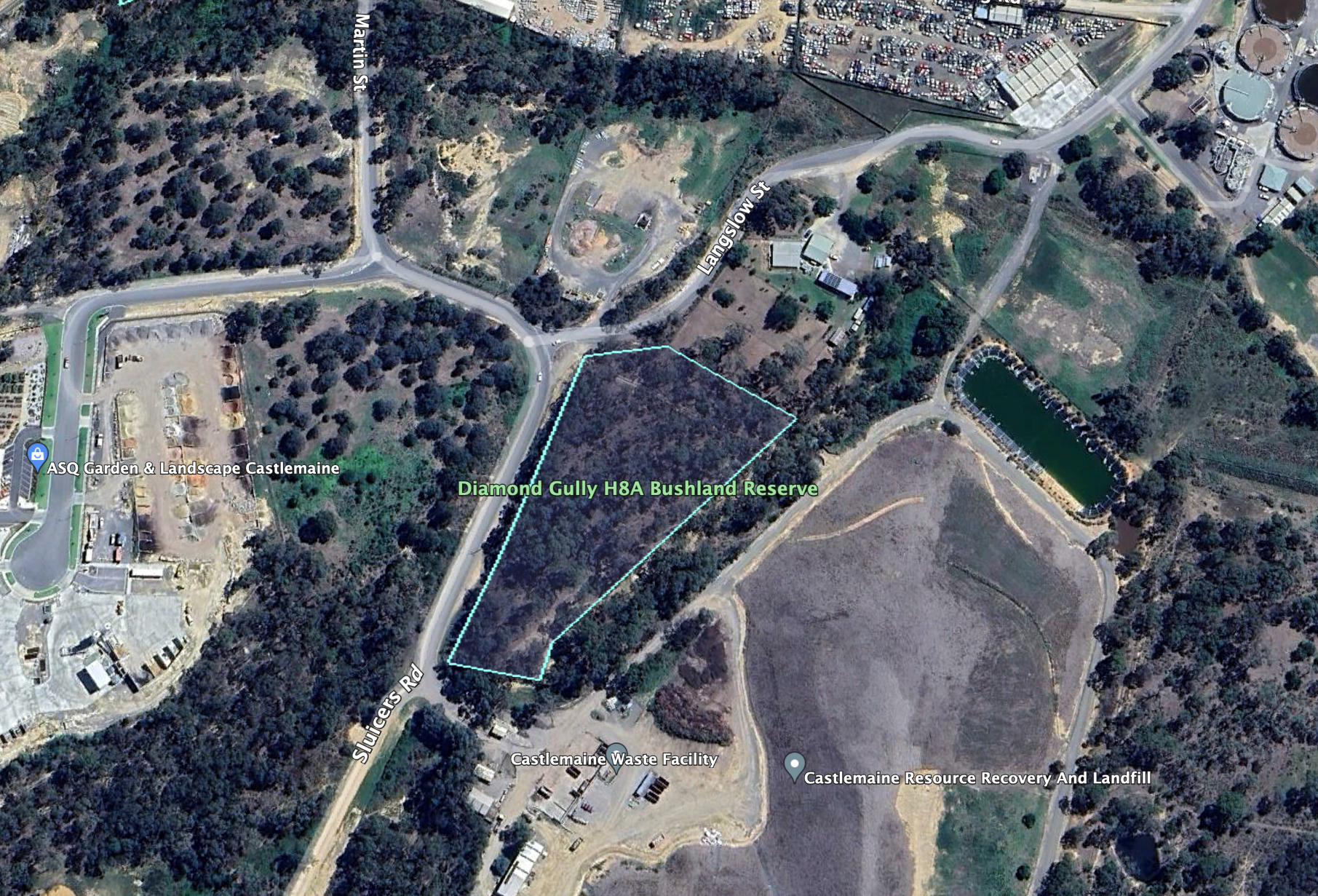
The reserve is located on the eastern side of Sluices Road in a built-up industrial area of southwestern Castlemaine. A large waste facility and a garden supplies business are located in close proximity to the reserve.

Above:- An aerial view of the reserve. Image c/o Google Earth.

The reserve is about 1.4 hectares in size and was established on the 18th day of July 2006. It is a small piece of remnant bushland surrounded by industrial businesses. (CAPAD 2022)

As this park was located in a built-up industrial area, Marija and I were a little concerned whilst we were setting up that the noise floor would be high. But we were pleasantly surprised to hear no noise on the 40m band when we had set up the station. We did however experience strength 7 noise on the 80m band.

We ran the Yaesu FT857, 40 watts, and the 20/40/80m linked dipole. I used the special call of VI10VKFF.

Marija worked the following stations on 40m SSB:-

  1. VK3PF
  2. VK3KAI

Marija worked the following stations on 40m AM:-

  1. VK3PF
  2. VK3KAI
  3. VK3UAO
  4. VK3DAC
  5. VK4FE/3
  6. VK2EXA
  7. VK5LA
  8. VK5KAW
  9. VK3CEO

I worked the following stations on 40m SSB:-

  1. VK3PF
  2. VK3KAI
  3. VK2EXA
  4. VK3CLD
  5. VK1AO
  6. VK2MET
  7. VK5LA
  8. VK5KAW
  9. VK3EJ
  10. VK5FANA
  11. VK4NH
  12. VK4DXA
  13. VK2IO
  14. VK5AAF
  15. VK3DAC
  16. VK4FE/3
  17. VK5CZ
  18. VK3VIN
  19. VK3CEO
  20. VK5IS
  21. VK3UAO
  22. VK2SLB
  23. VK3UCD
  24. VK3HBG
  25. VK3MTT
  26. VK3BBB
  27. VK2CCP
  28. VK3BEL

I worked the following stations on 40m AM:-

  1. Vk3PF
  2. VK3KAI
  3. VK3UAO
  4. VK3DAC
  5. VK4FE/3
  6. VK2EXA
  7. VK5LA
  8. VK5KAW
  9. VK3CEO
  10. VK5IS
  11. VK3BEL

I worked the following stations on 80m SSB:-

  1. VK3PF
  2. VK3KAI
  3. VK3UCD
  4. VK3BEL
  5. VK3SQ
  6. Vk2BD

I worked the following stations on 20m SSB:-

  1. VK4EMP
  2. VK4TI
  3. VK4NH
  4. VK4DXA
  5. VK1AO
  6. VK2MET

After packing up at the park Marija and I had a look around Castlemaine at several of the historic buildings.

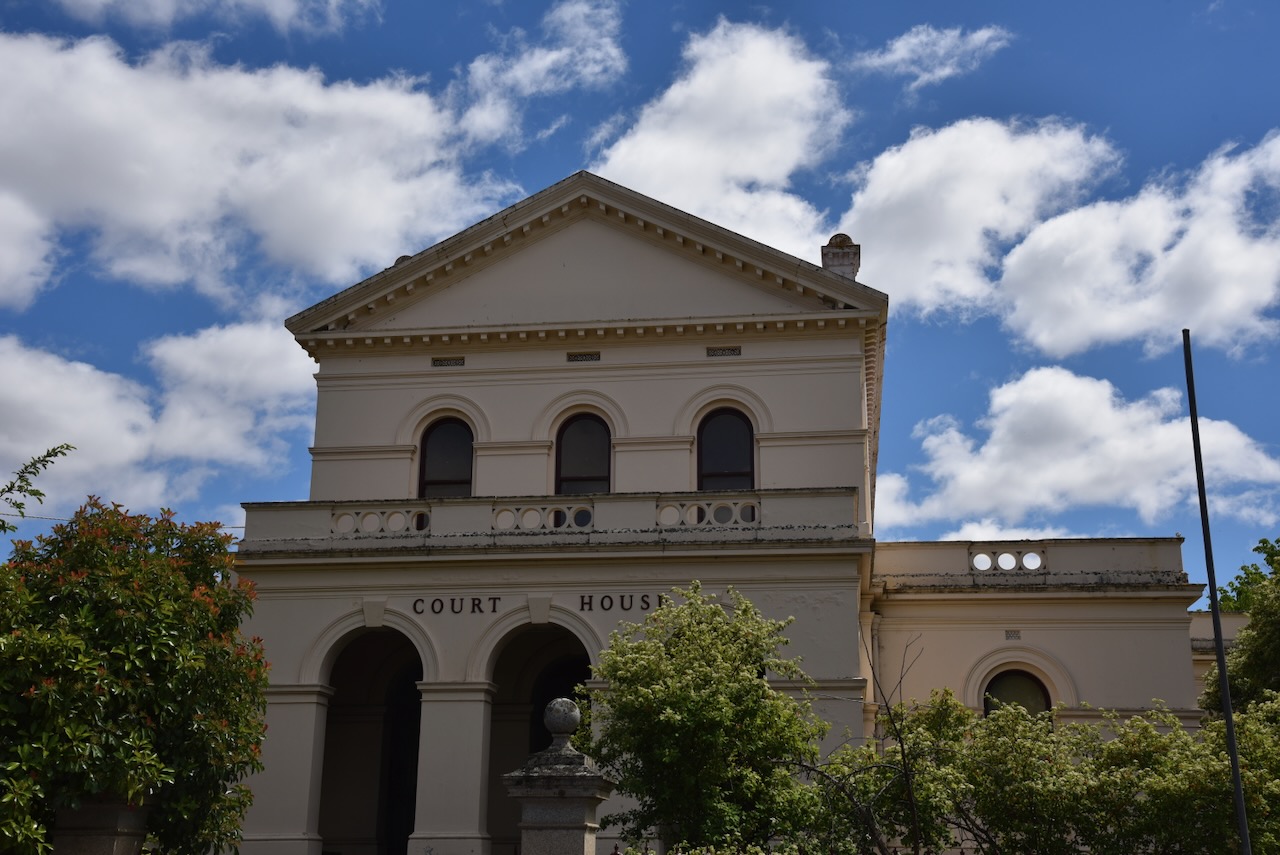
The Castlemaine Court House was built in 1877 and replaced an earlier court building on the same site. (Walking Maps 2024)

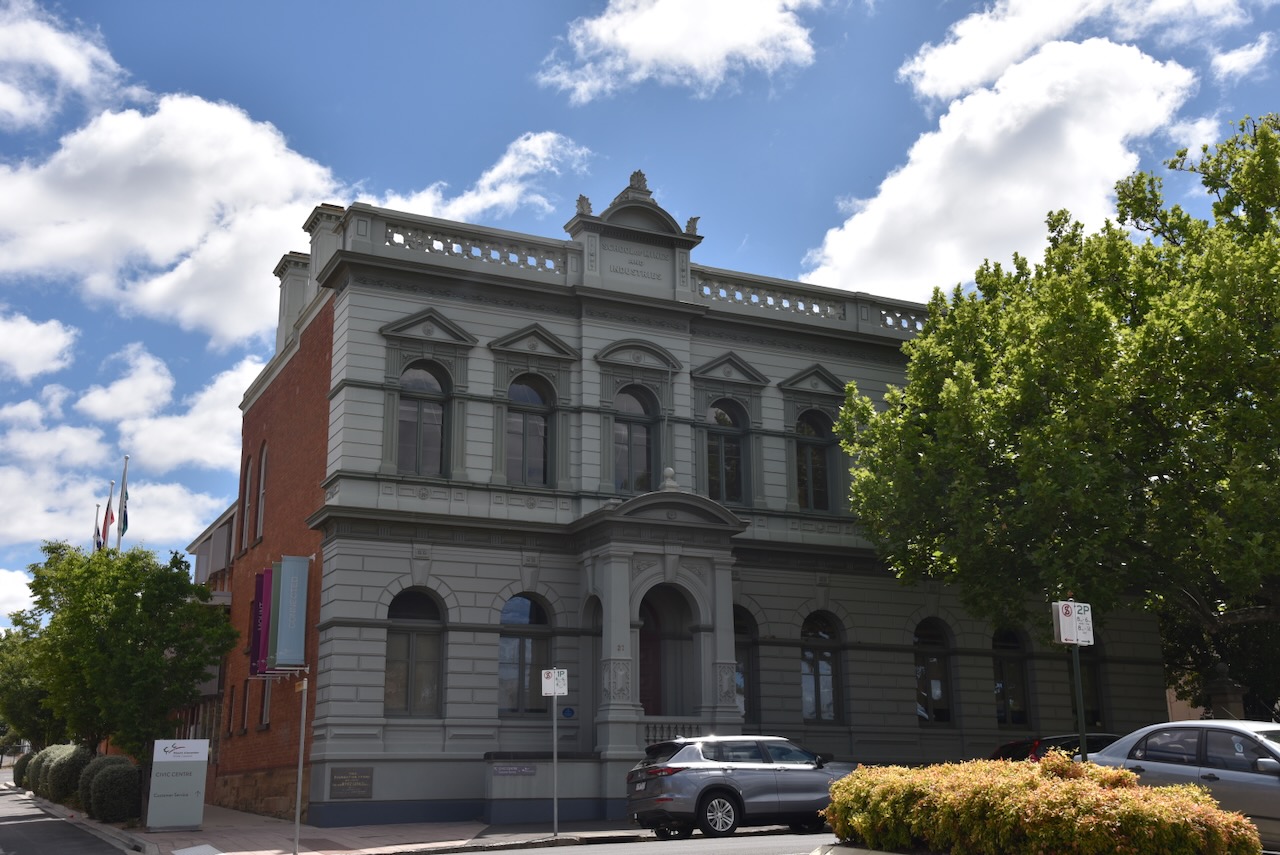
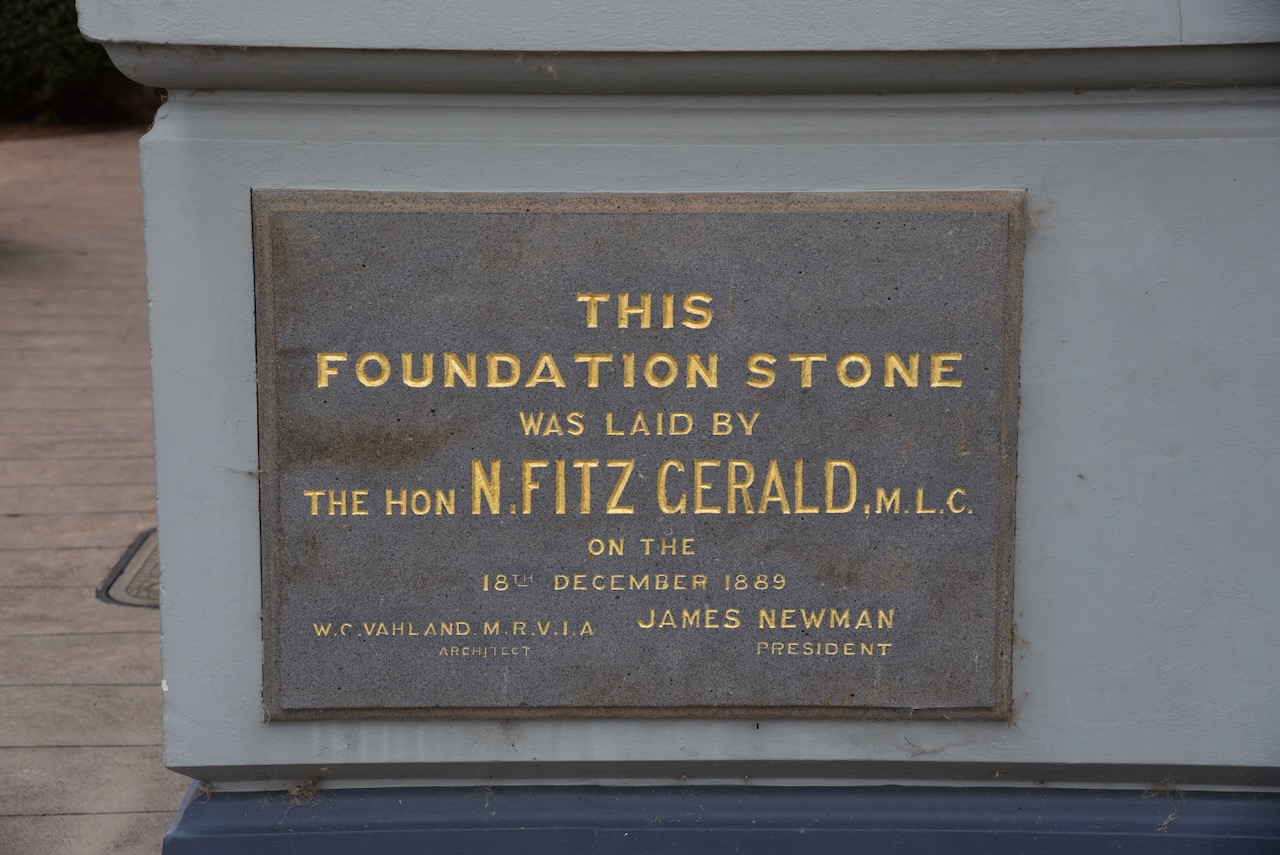
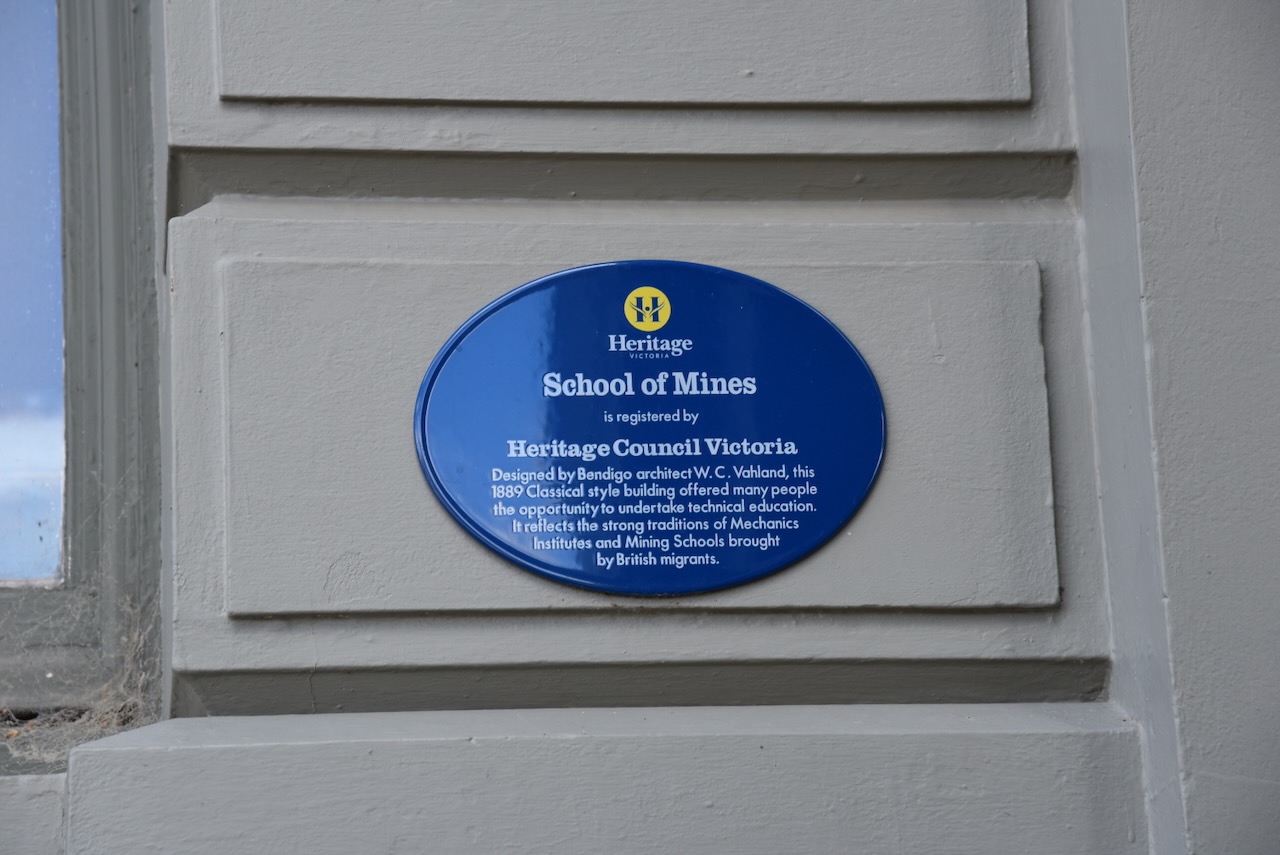
The School of Mines building was built in 1889 and is now the Mount Alexander Shire Council building. It was designed by Bendigo architect W.C. Vahland. It offered many people the opportunity to undertake technical education and reflects the strong traditions of Mechanics Institutes and Mining Schools brought by British migrants. The foundation stone was laid by the Hon. N. Fitzgerald M.L.C. on the 18th day of December 1889. (Walking Maps 2024)

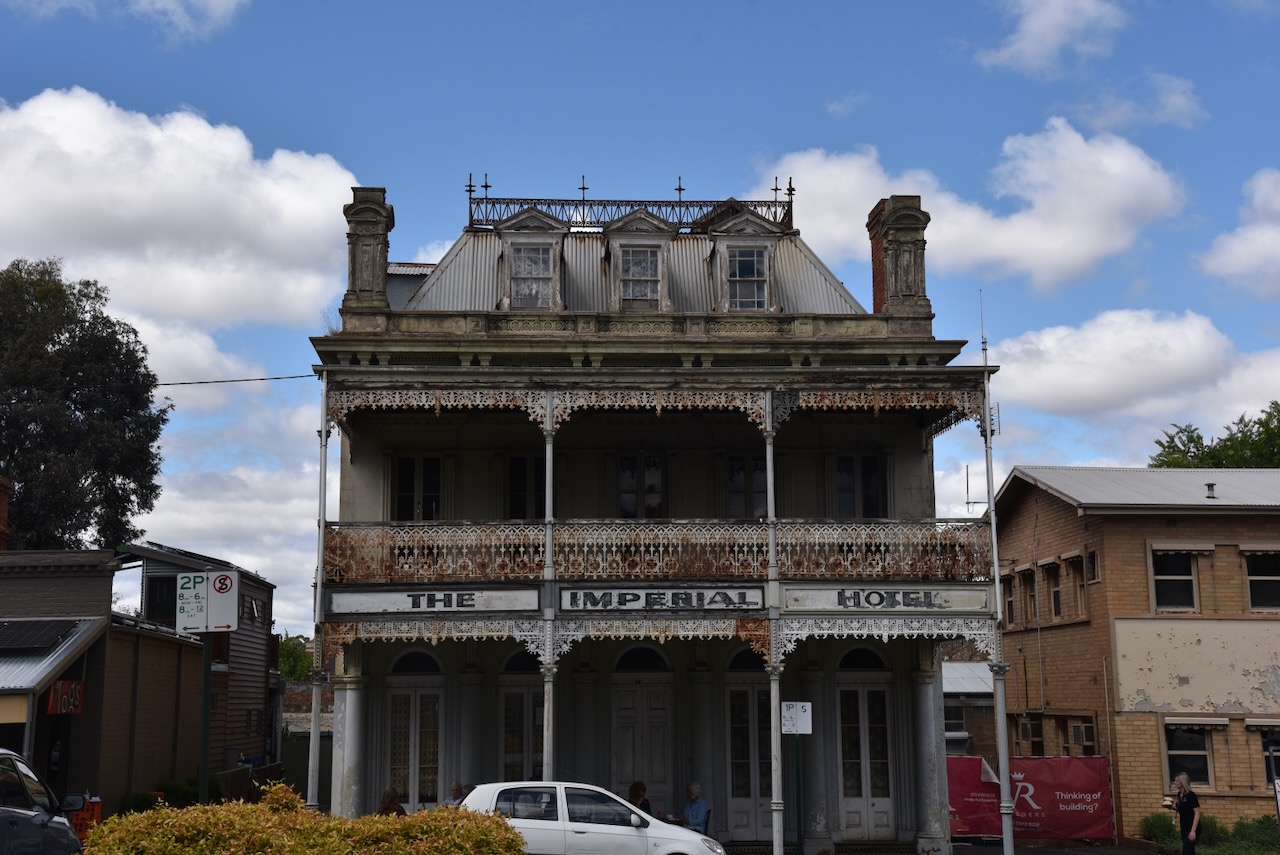
The Imperial Hotel was built in 1861. The hotel featured in the Australian TV drama Blue Heelers in the fictional town of Mount Thomas. (Walking Maps 2024)

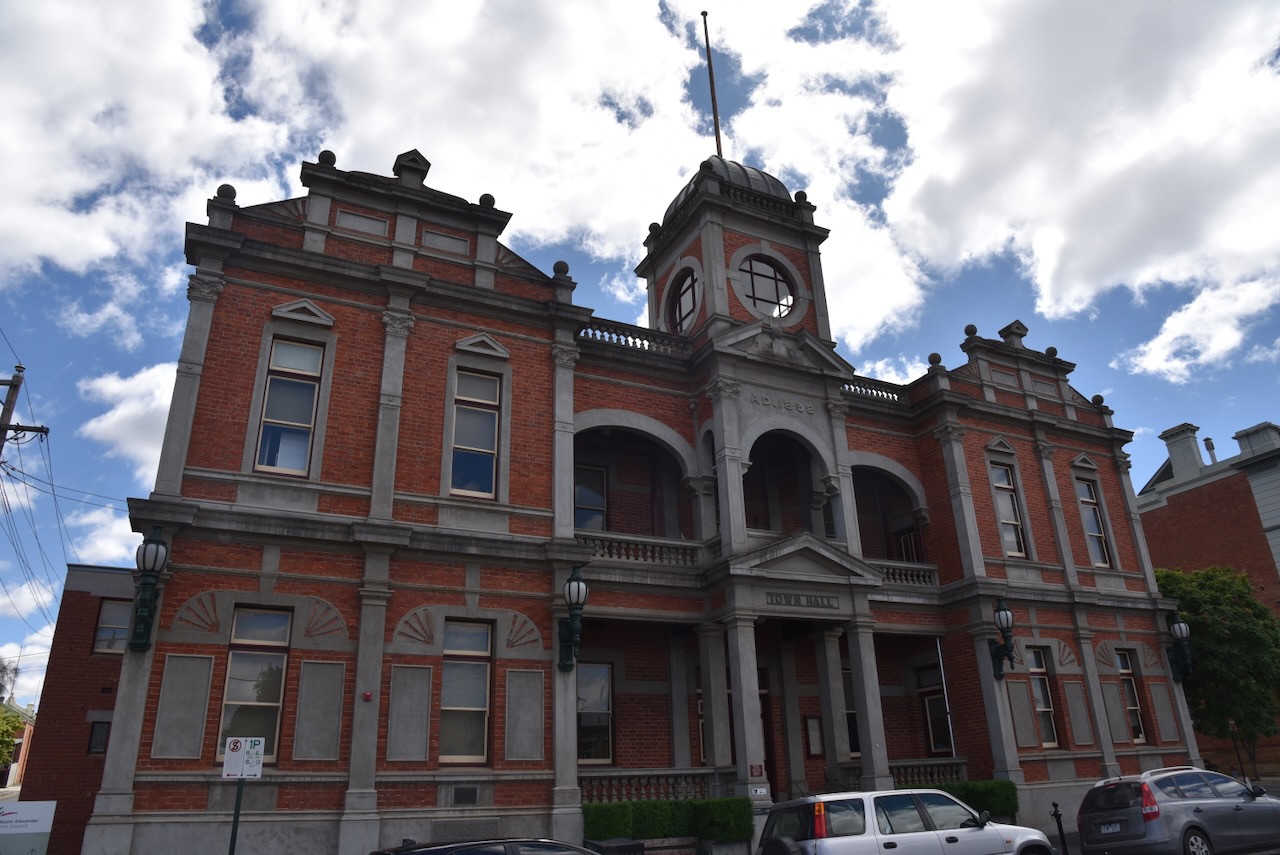
The Castlemaine Town Hall building was built in 1898. (Walking Maps 2024)

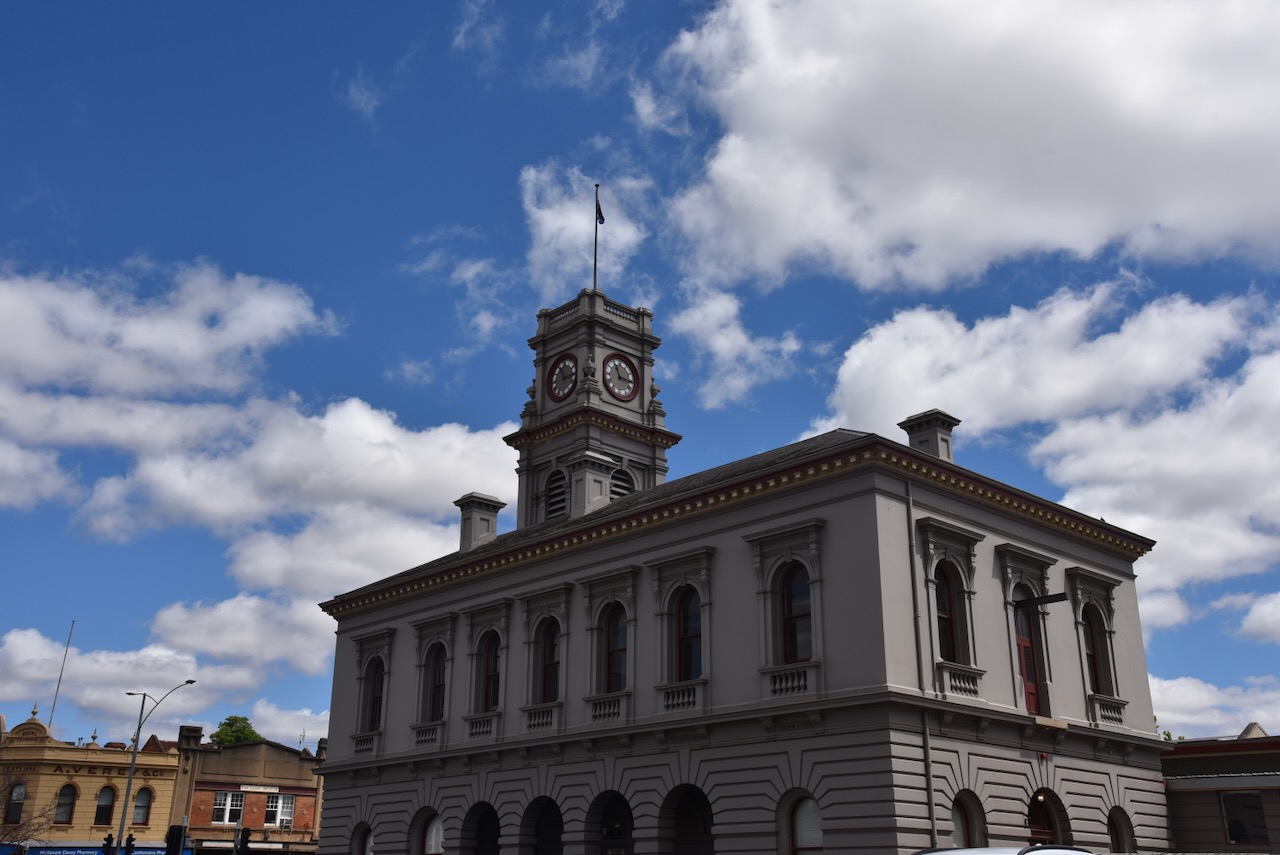
The Castlemaine Post Office was built in 1875. It was designed by architect J.J. Clark. The building replaced a former bluestone structure built in c. 1852. The clock and bell was installed in 1878-1879. The bell was cast locally at William J. Horwood’s Albion Foundry at Castlemaine. The bell was Australia’s first large bell successfully cast in Victoria. (Aust Heritage Database 2024) (Walking Maps 2024)

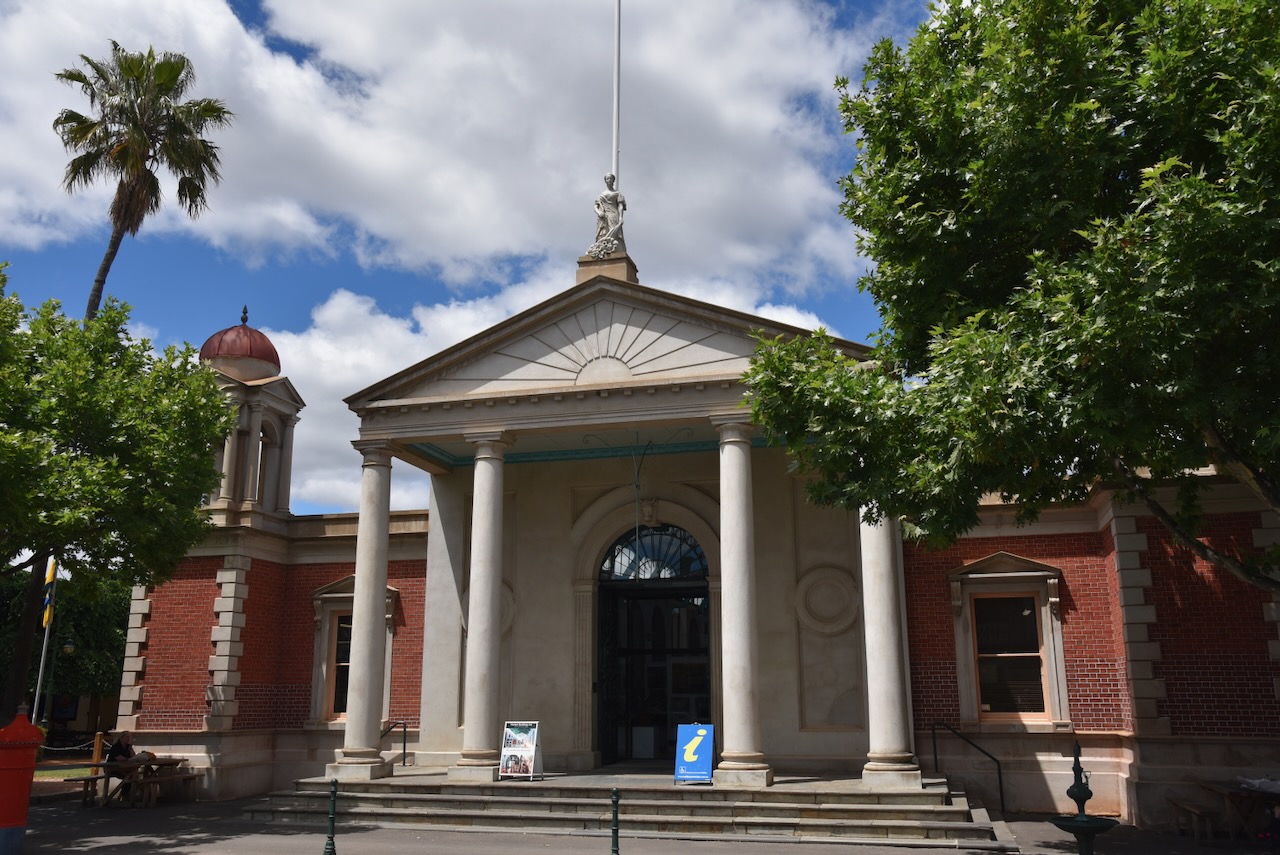
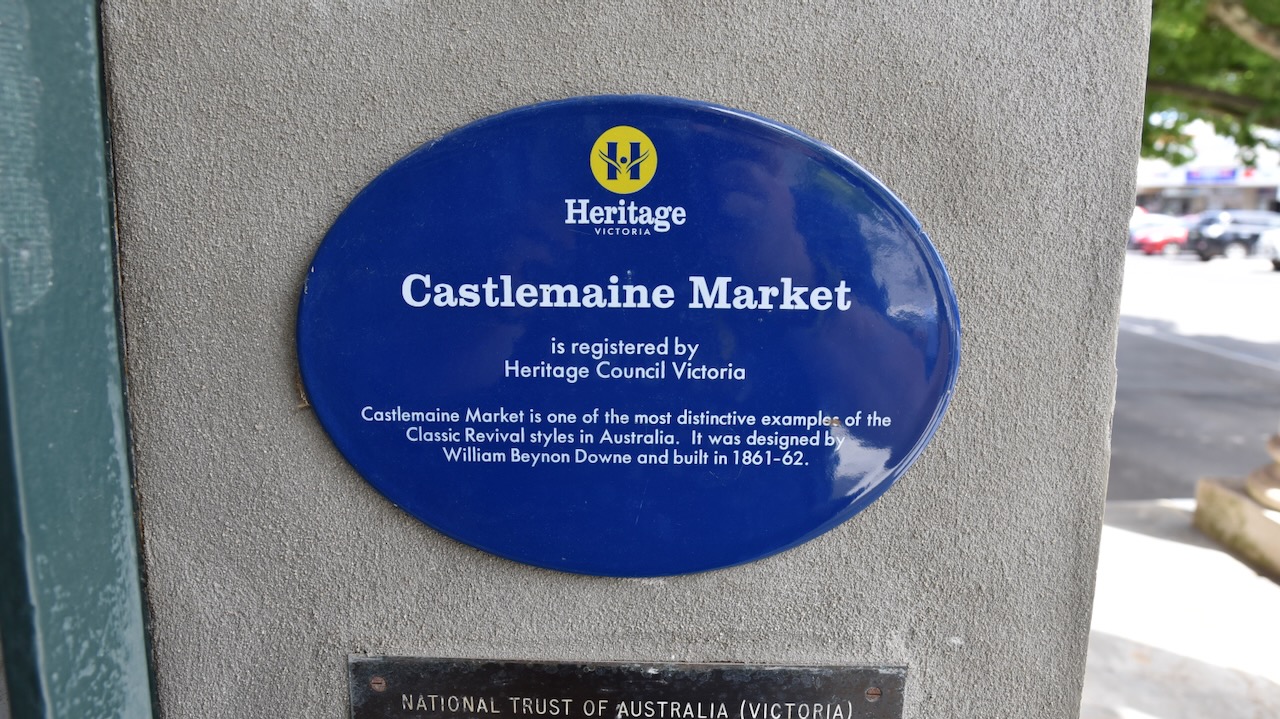
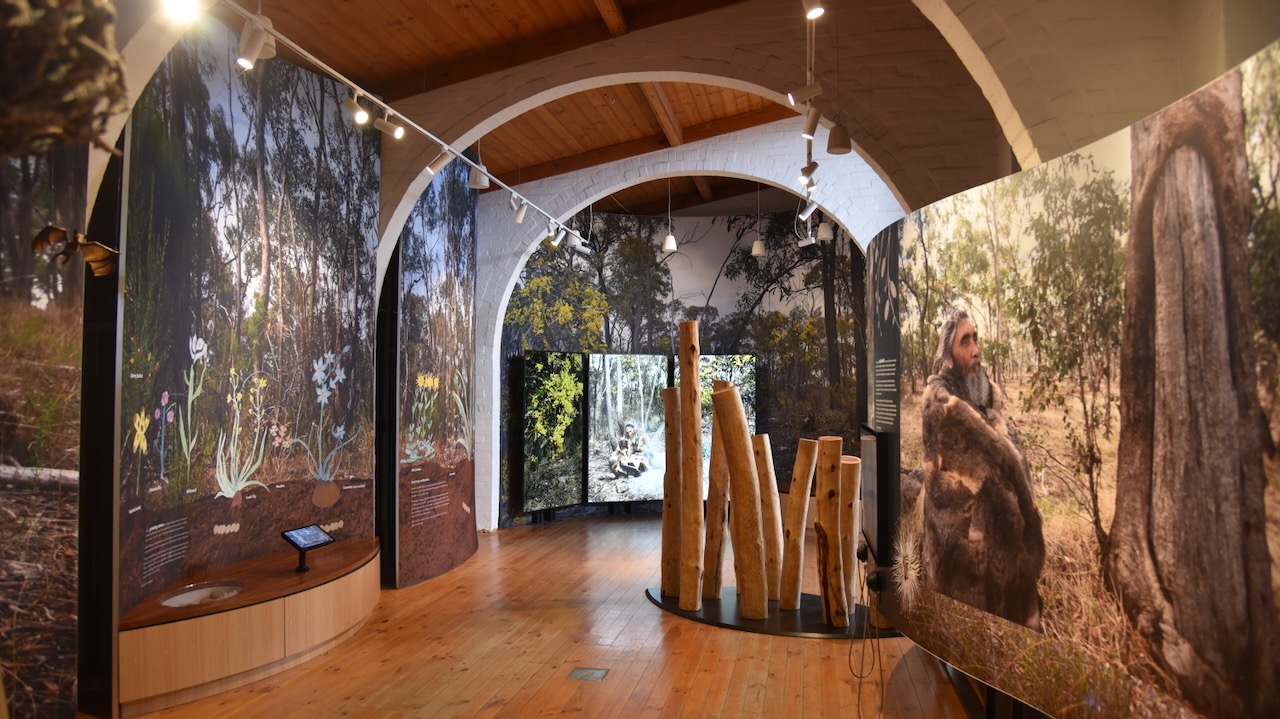
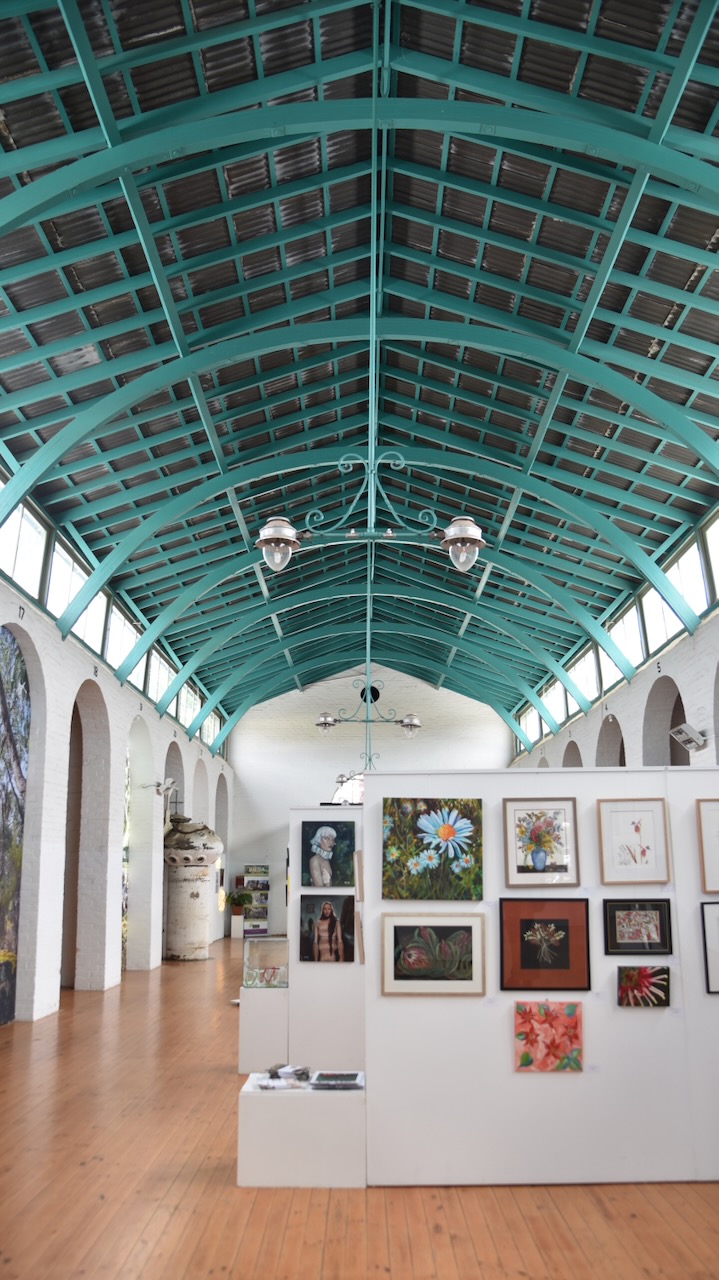
We then visited the Castlemaine Market, one of the most distinctive examples of Classic Revival styles in Australia. It was designed by William Beynon Downe and was built in 1861-1862. It is now used as the Castlemaine Visitor Information Centre. (Walking Maps 2024)

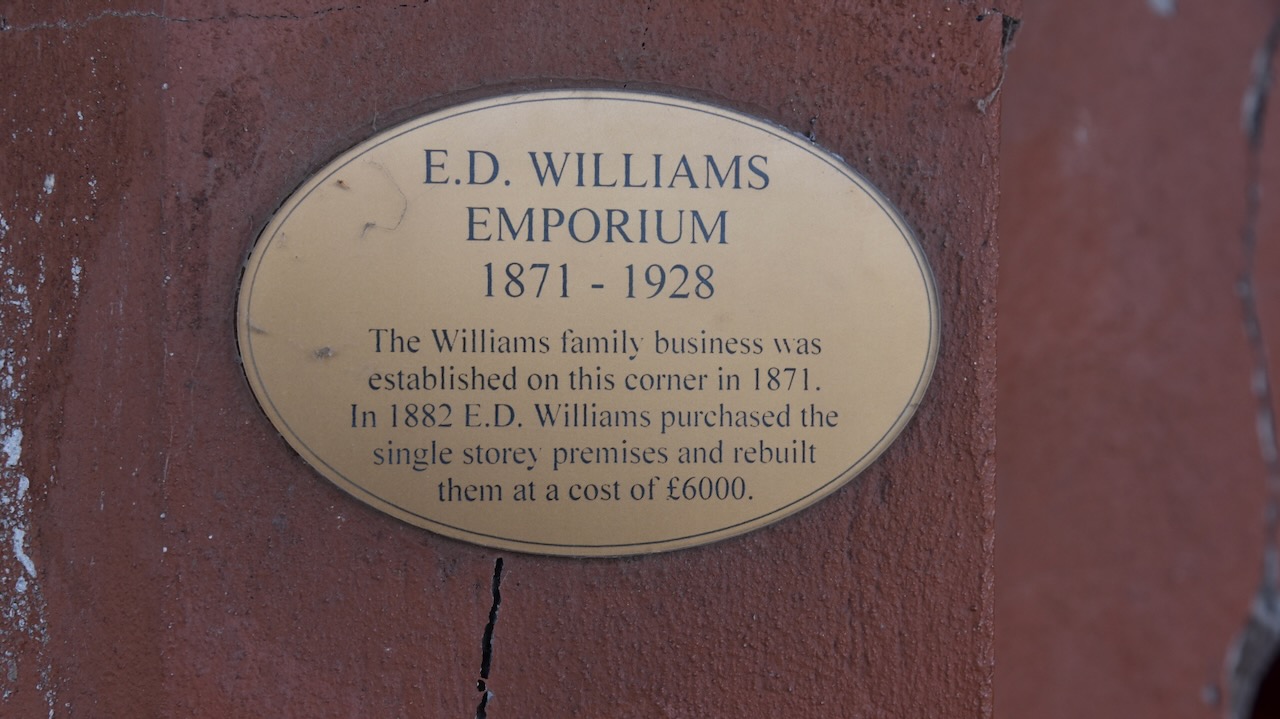
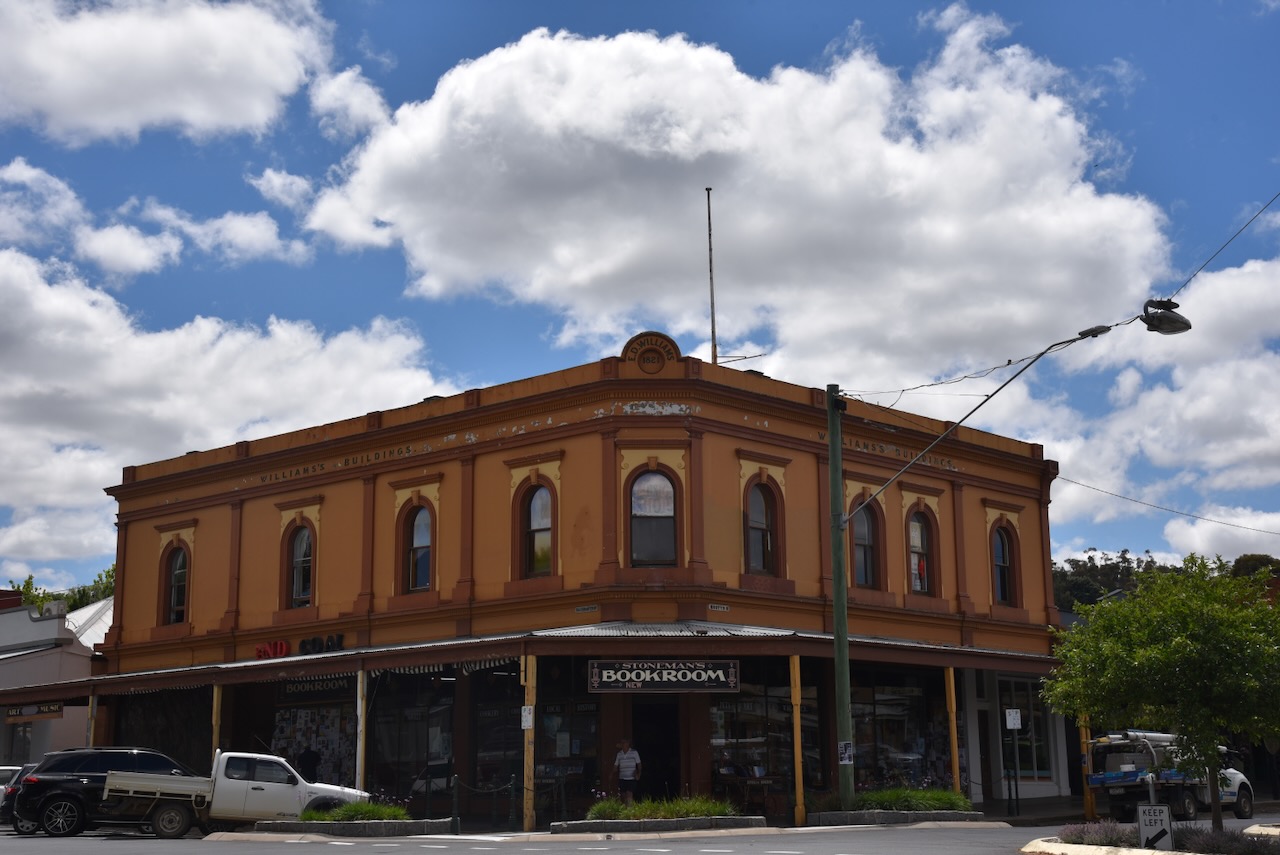
The E.D. Williams Emporium building was built in 1871. The Williams family business was established on this corner site in 1871. In 1882 E.D. Williams purchased the single-storey premises and rebuilt them at a cost of 6,000 pounds.

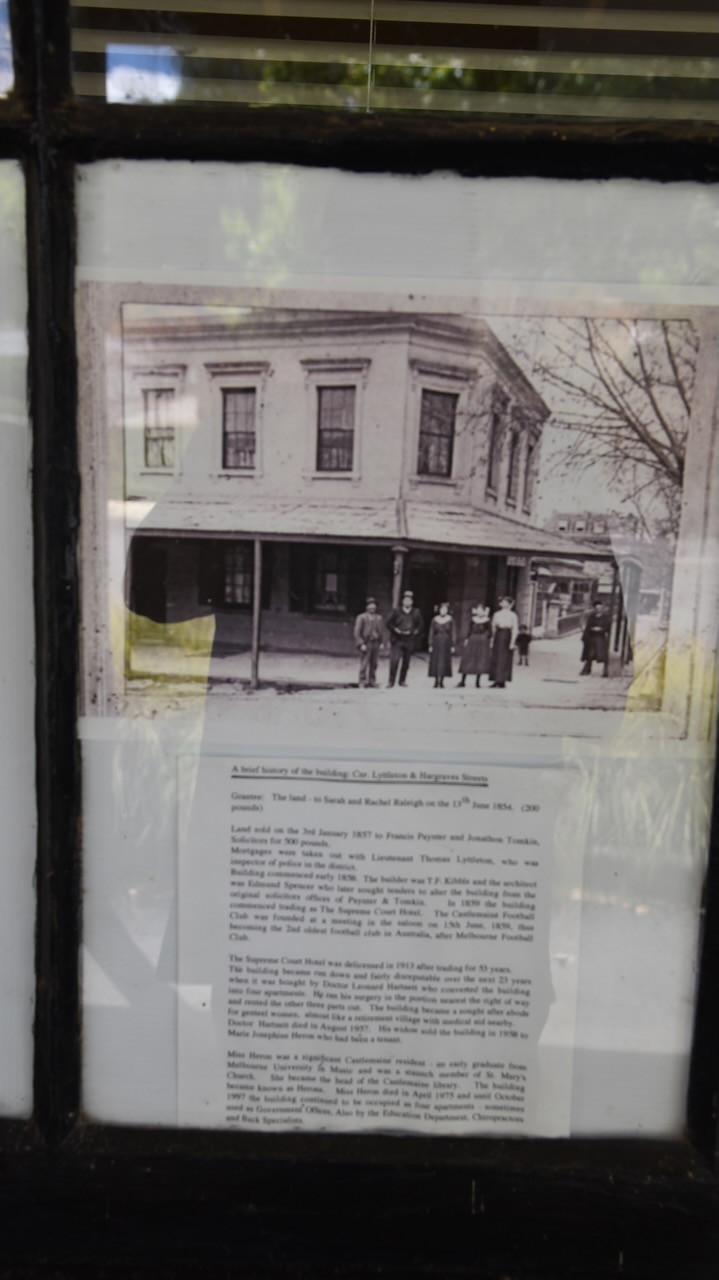
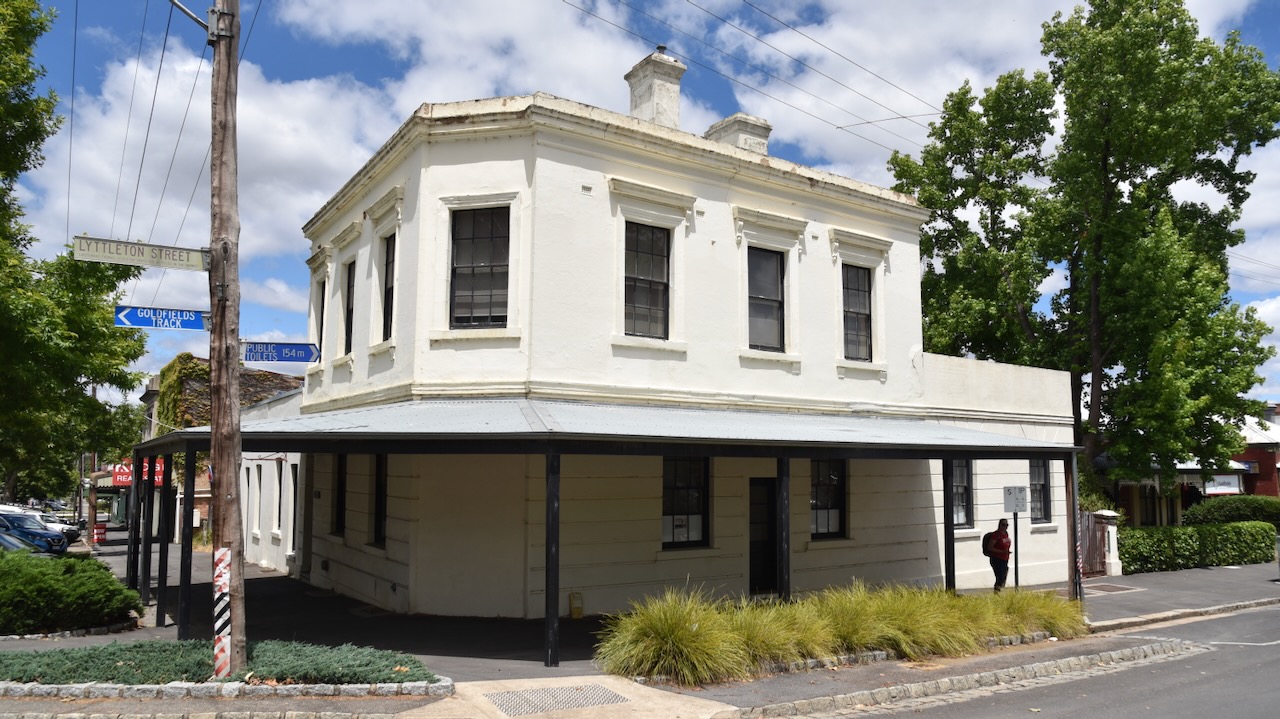
The former Supreme Court Hotel was built in 1859 and was in use until 1913 when it was delicenced. (Walking Maps 2024)

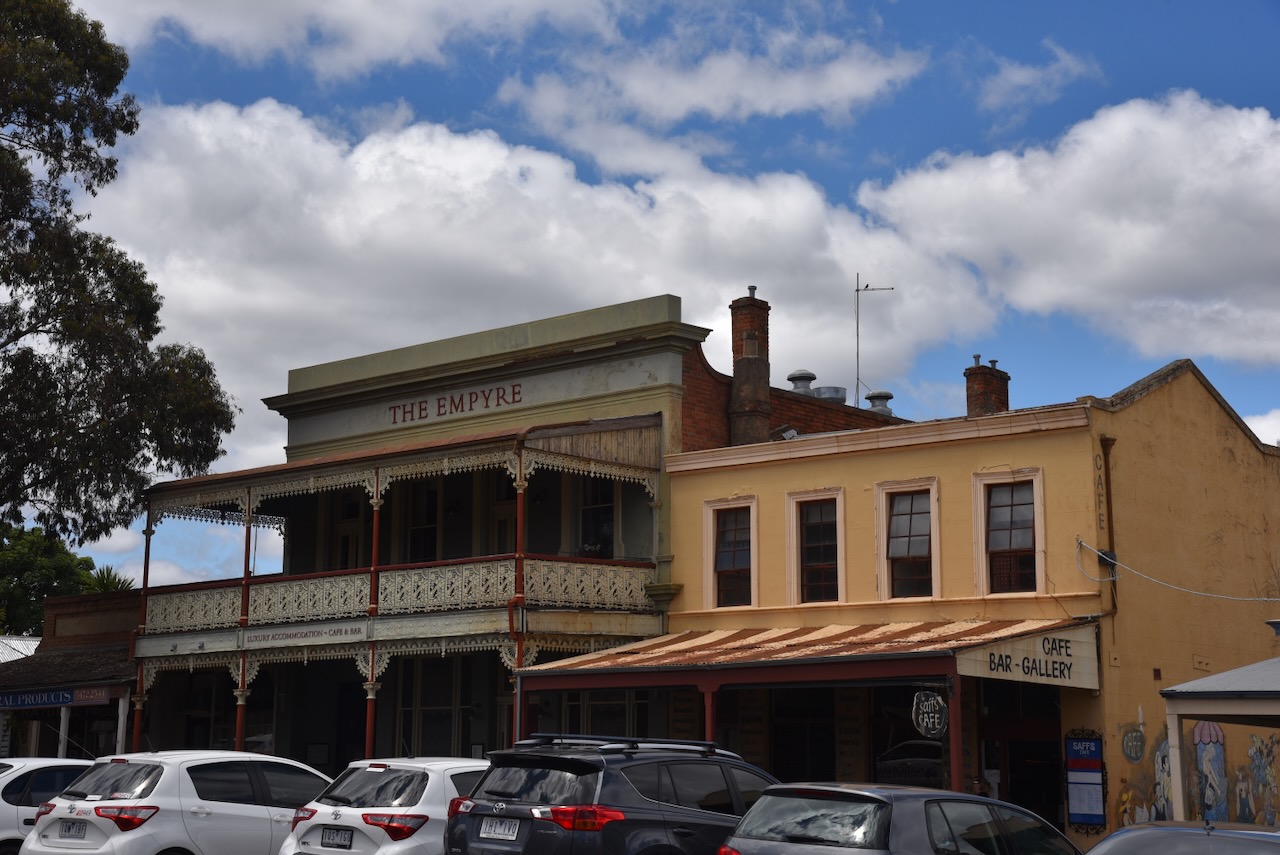
The former Empyre Hotel was built in 1860 and was originally known as the Albion Hotel. (Castlemaine Facebook 2024)

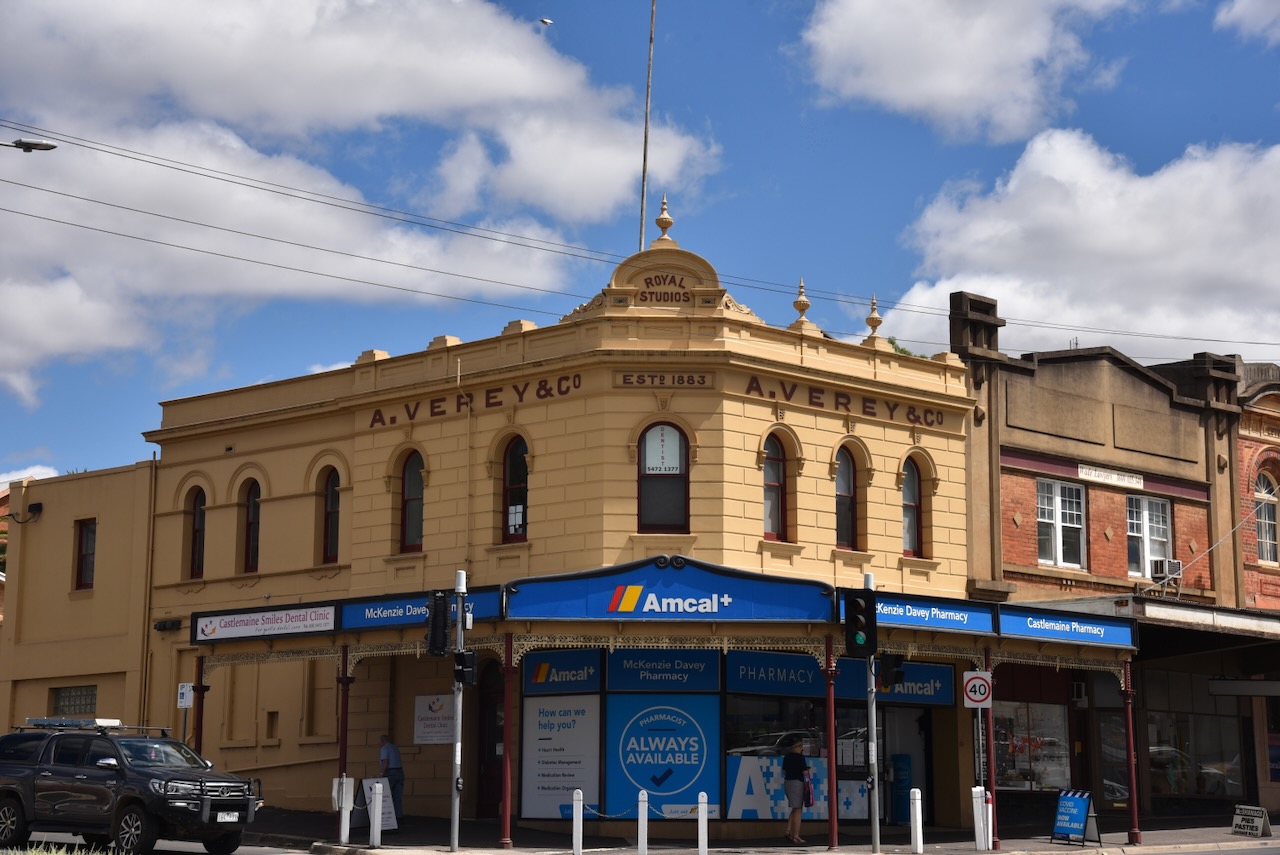
A photographic studio was on this corner site (Barker and Lyttleton Streets) from c. 1884 and operated by Adolphus Verey (b. 1862. d. 1933). The current building was built in the early 1900s. (Walking Maps 2024)

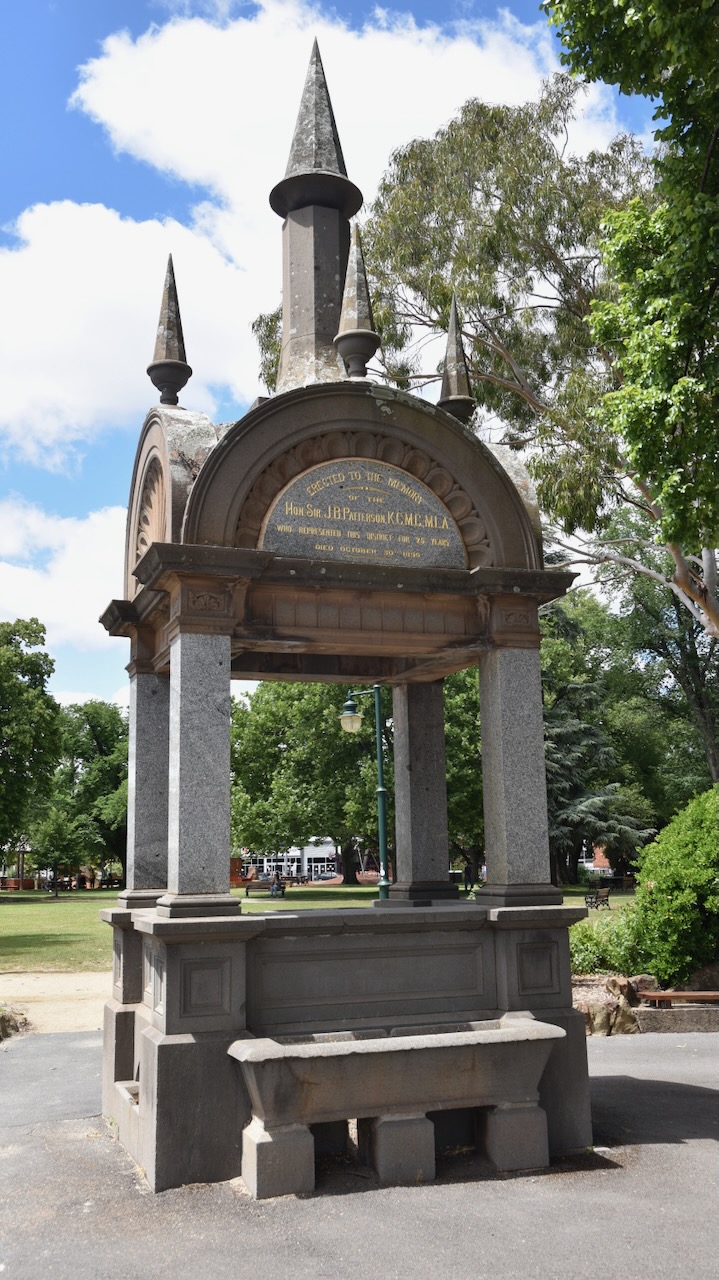
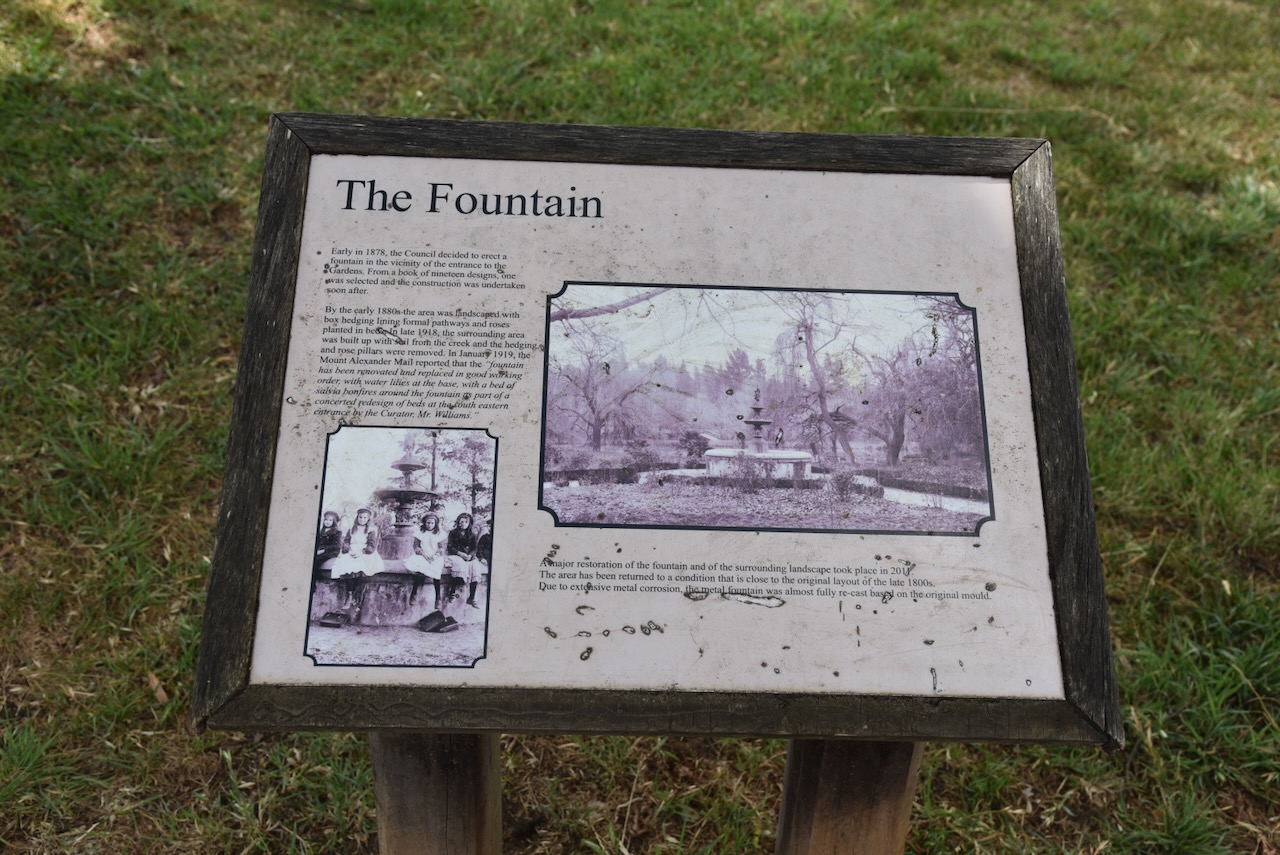
The fountain at Castlemaine commemorates local Member of Parliament and former Victorian Premier Sir James Patterson. (Monuments Australia 2024)

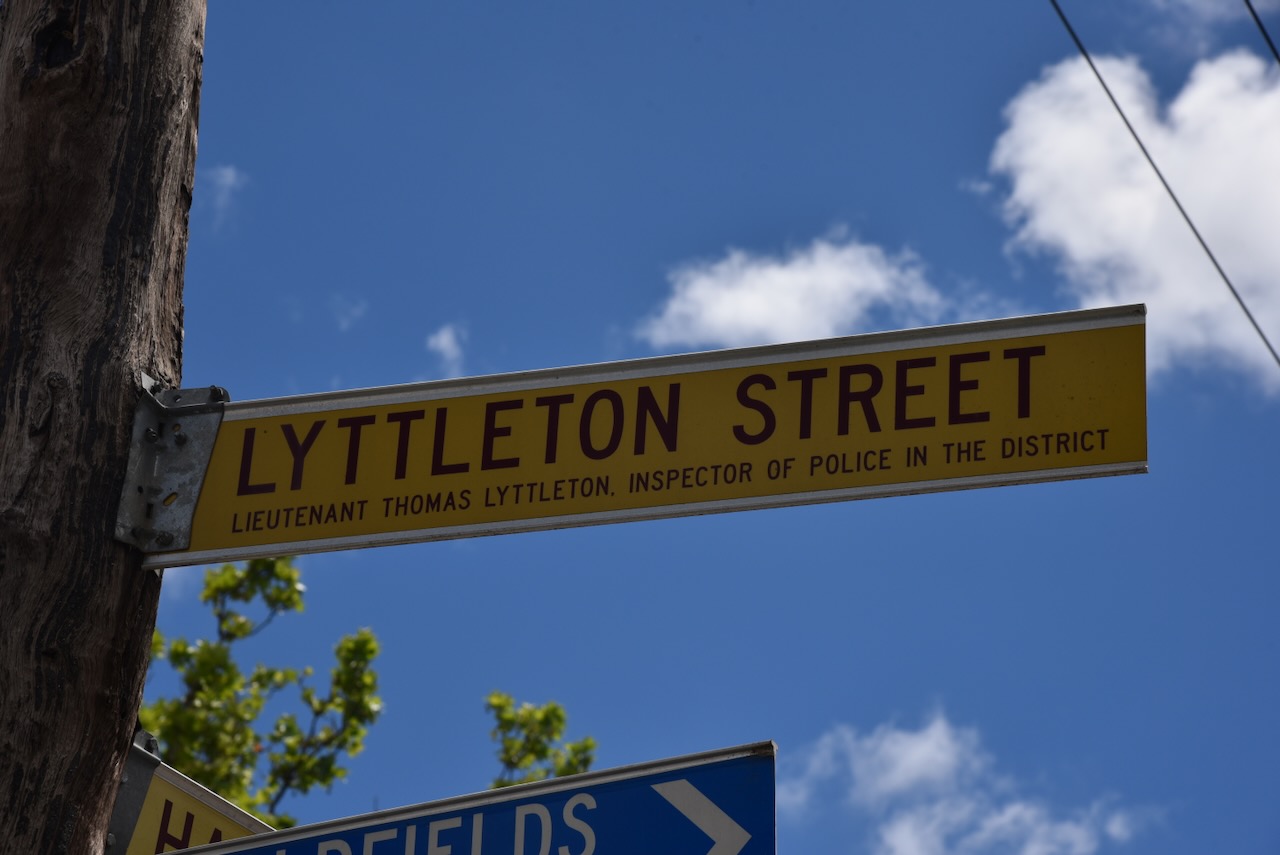
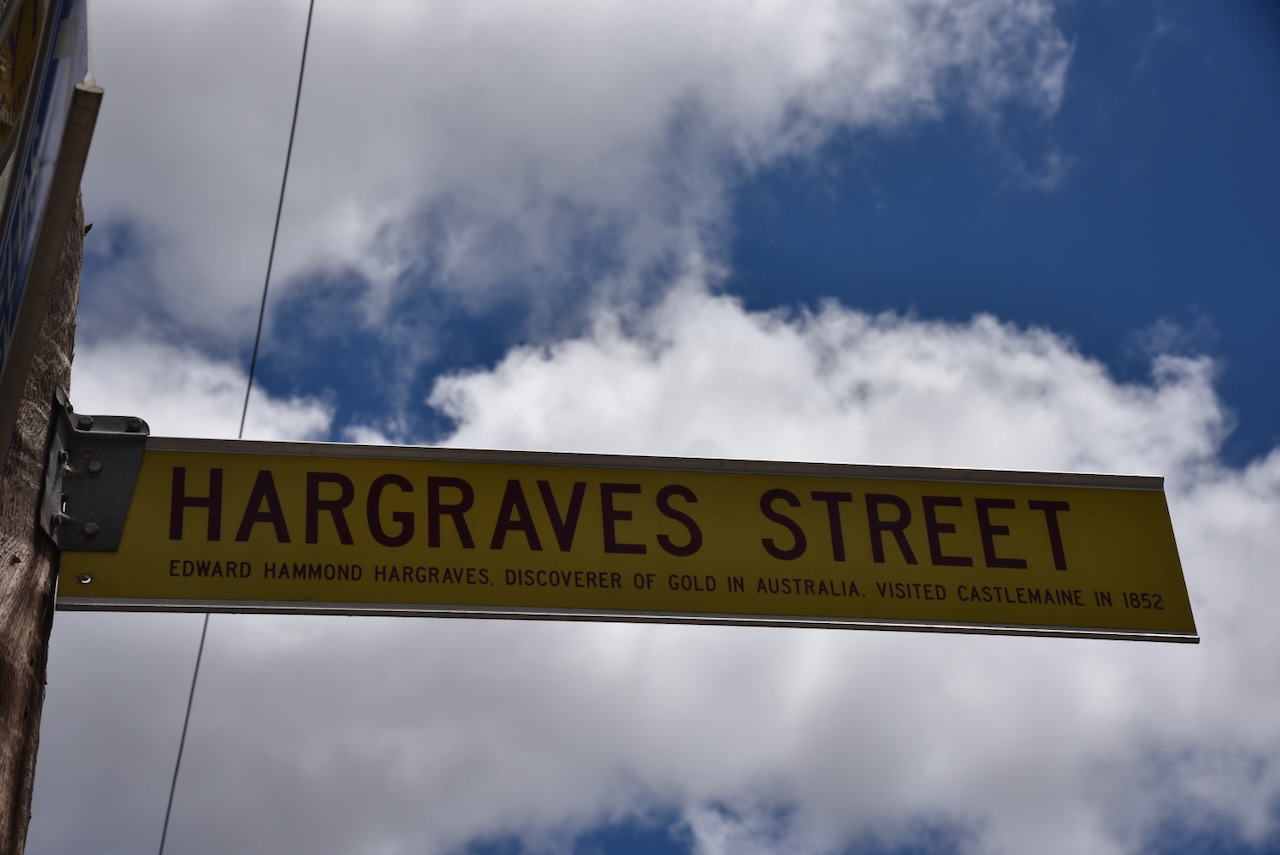
Many of the streets in Castlemaine are named after people of significance to Castlemaine. The street signs also have a short description about that person.

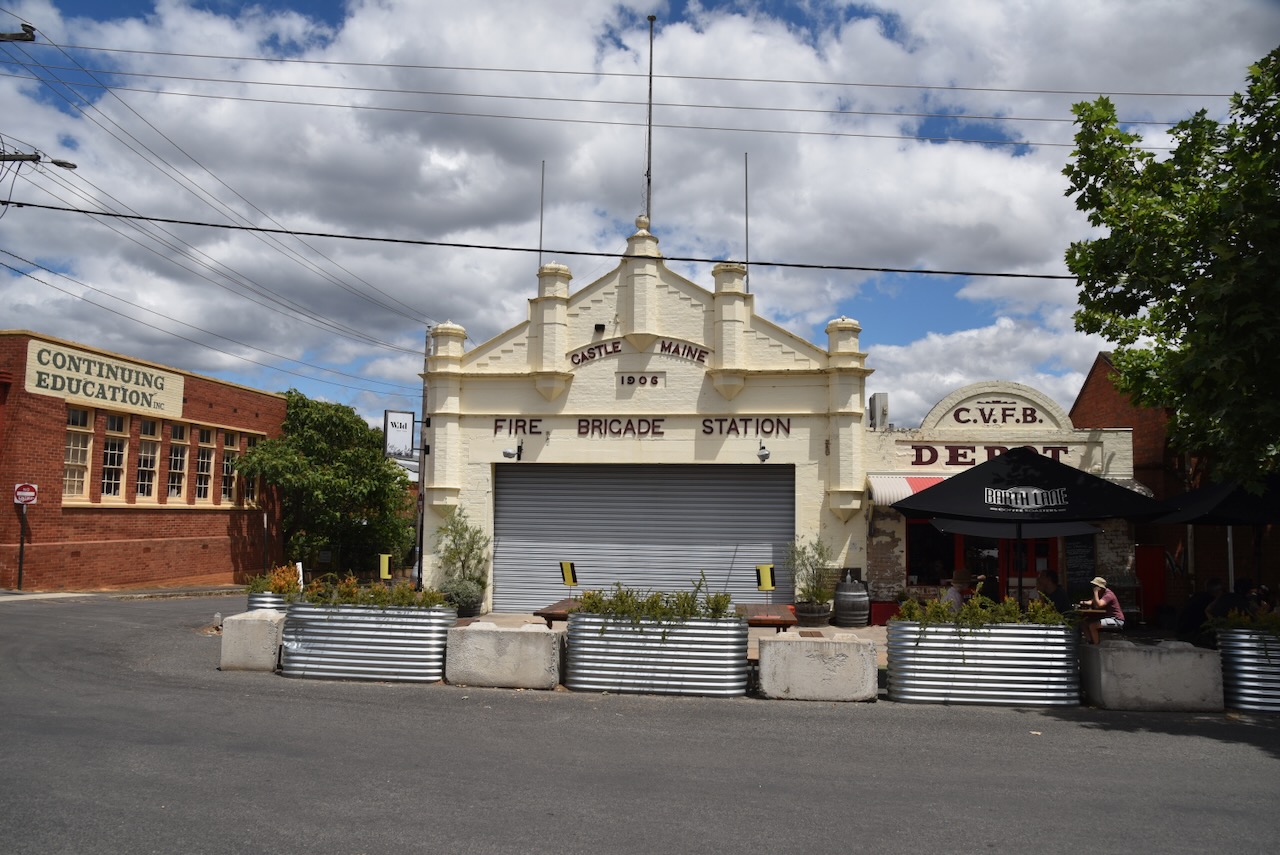
The old Castlemaine Fire Station building was built in 1857. (Walking Maps 2024)

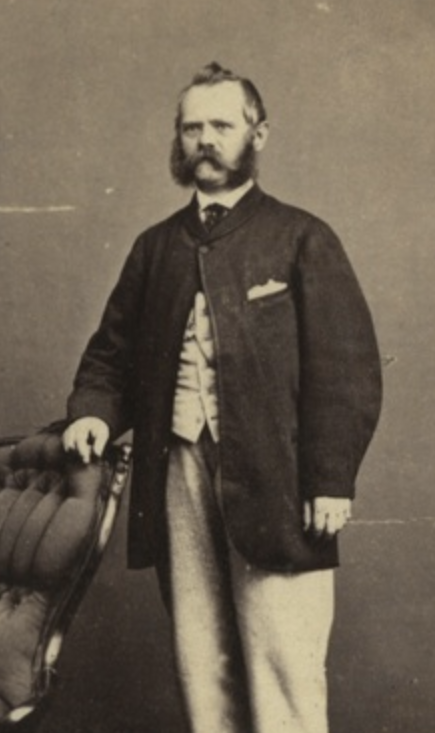
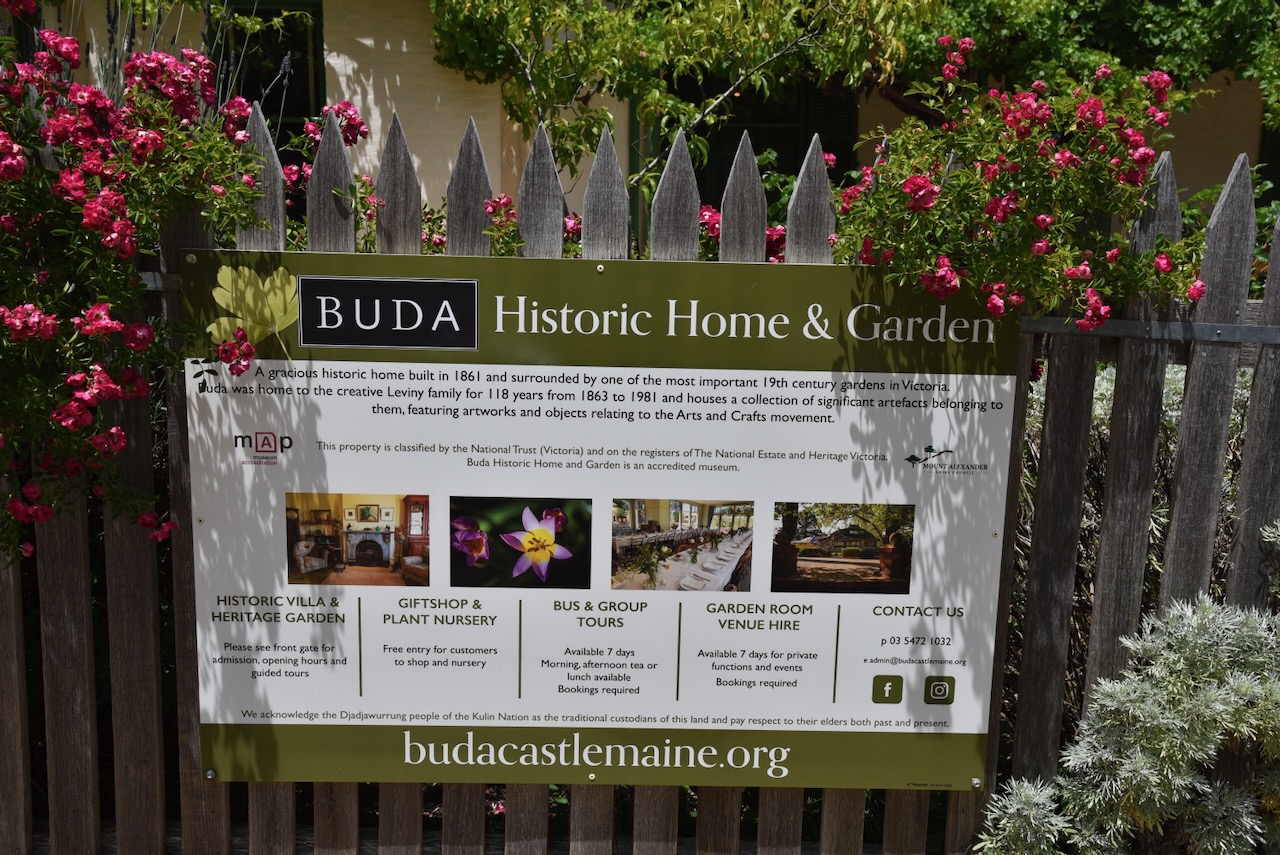
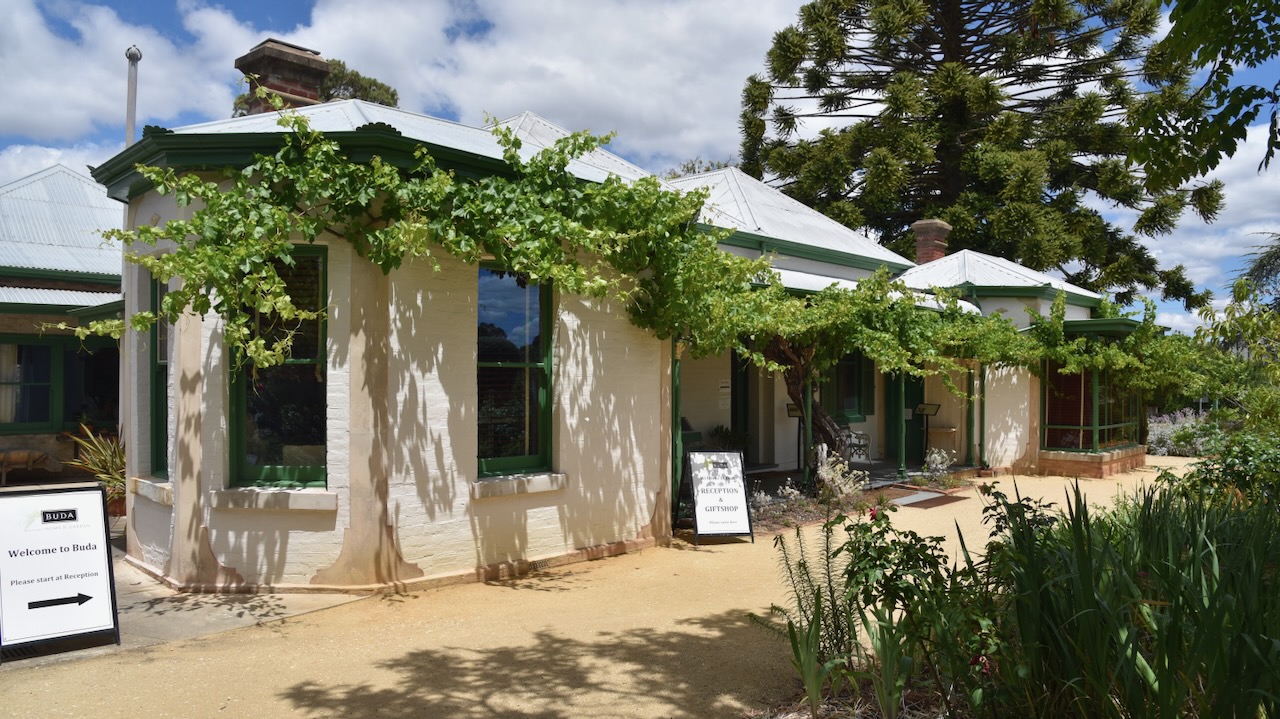
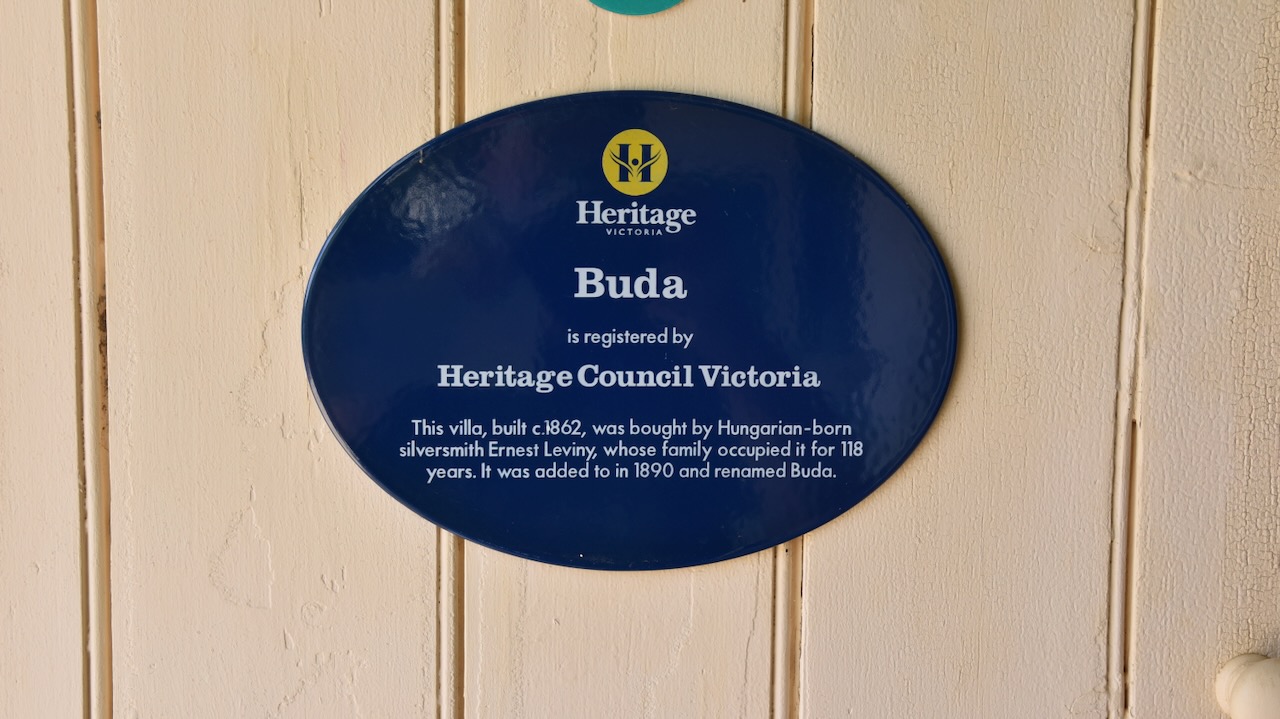
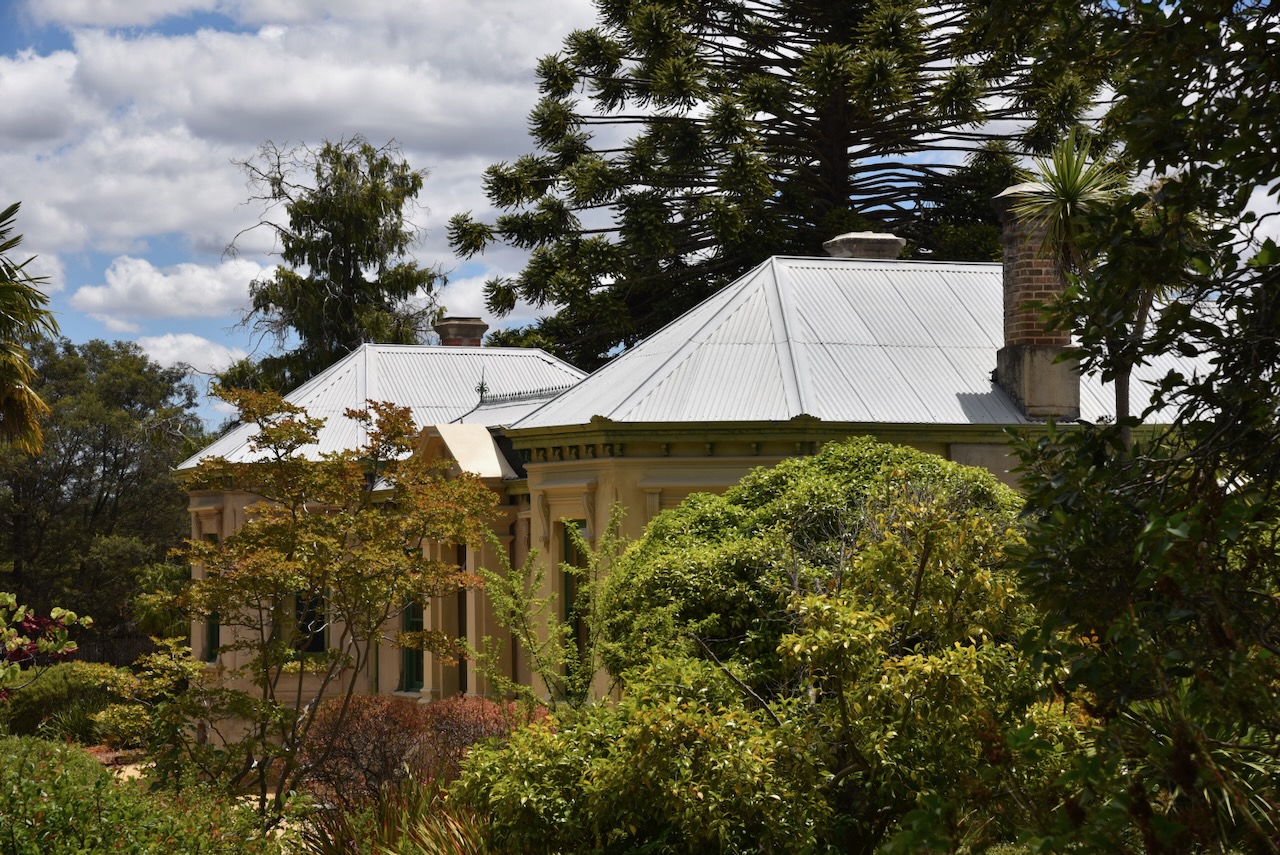
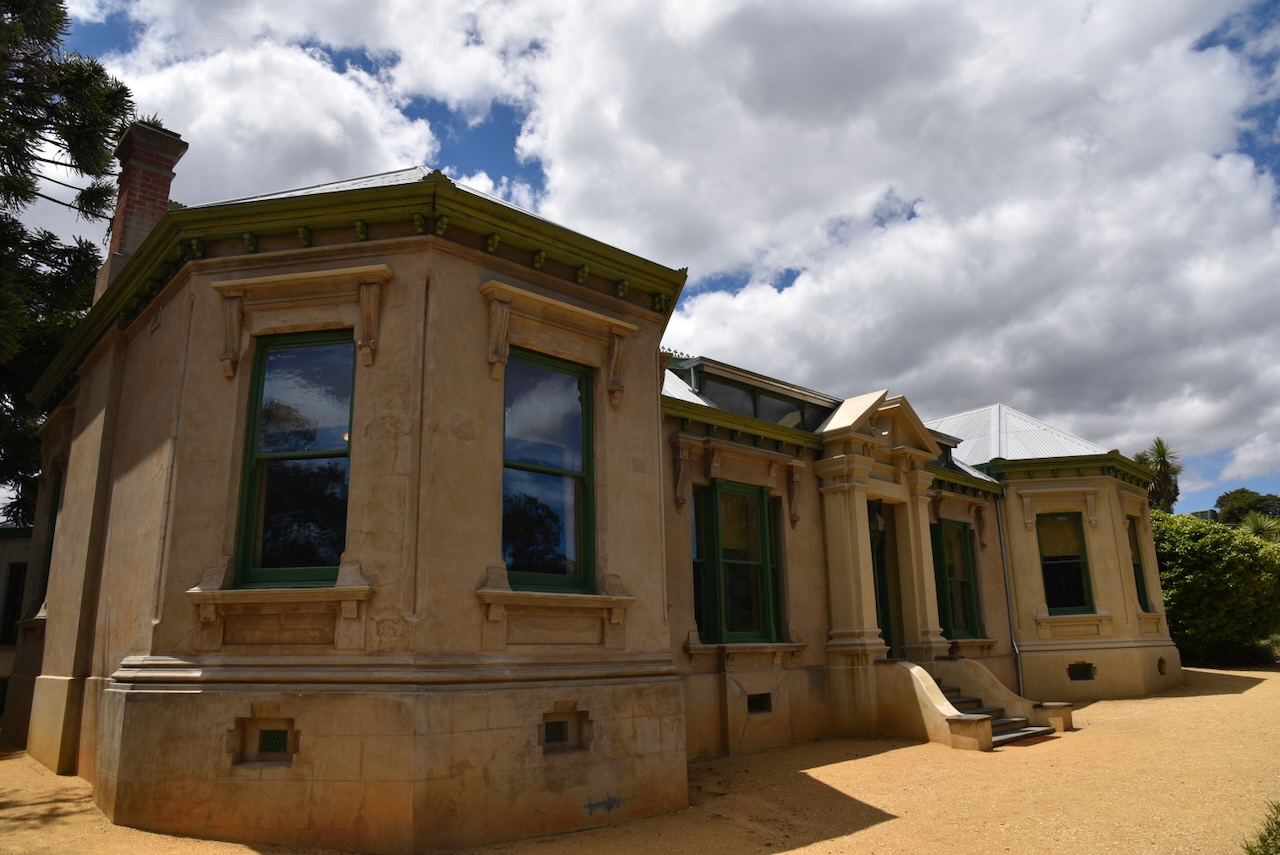
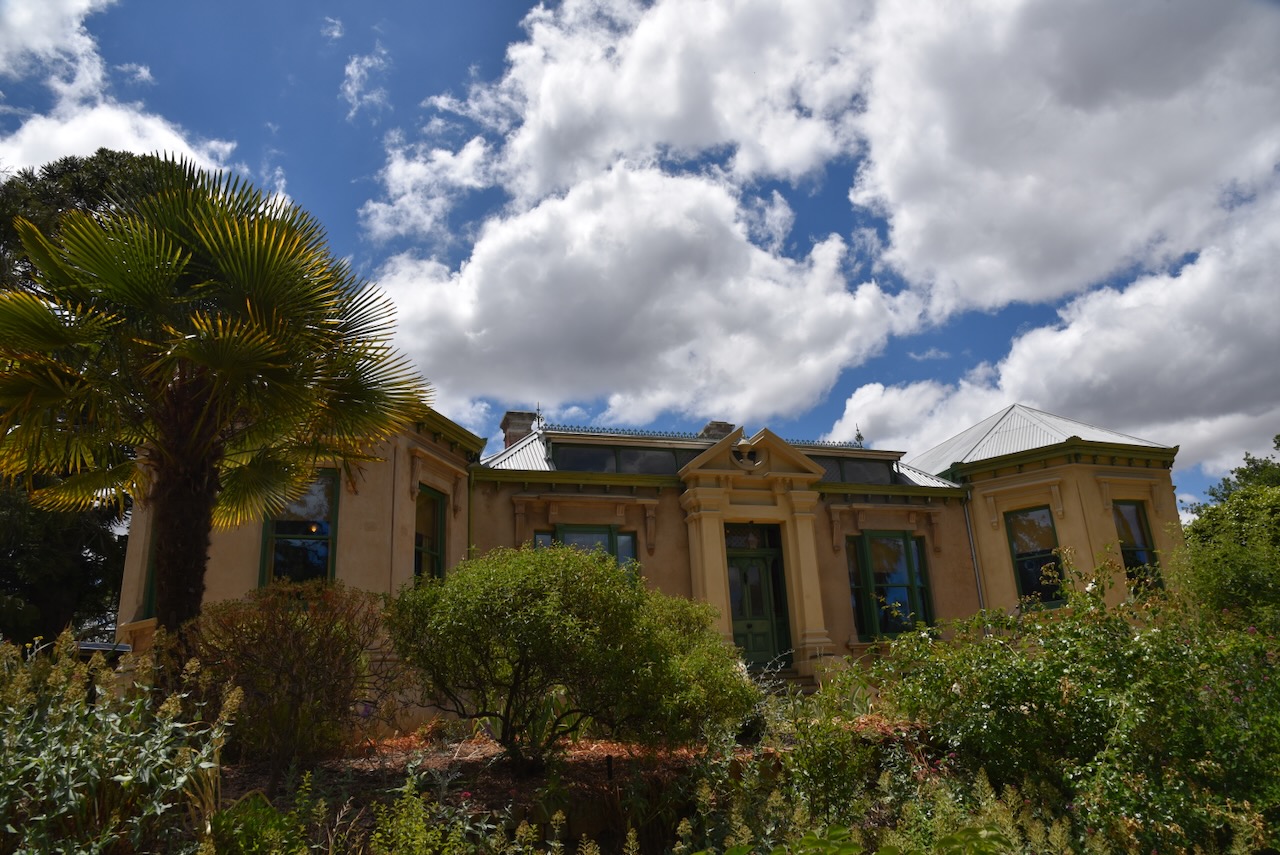
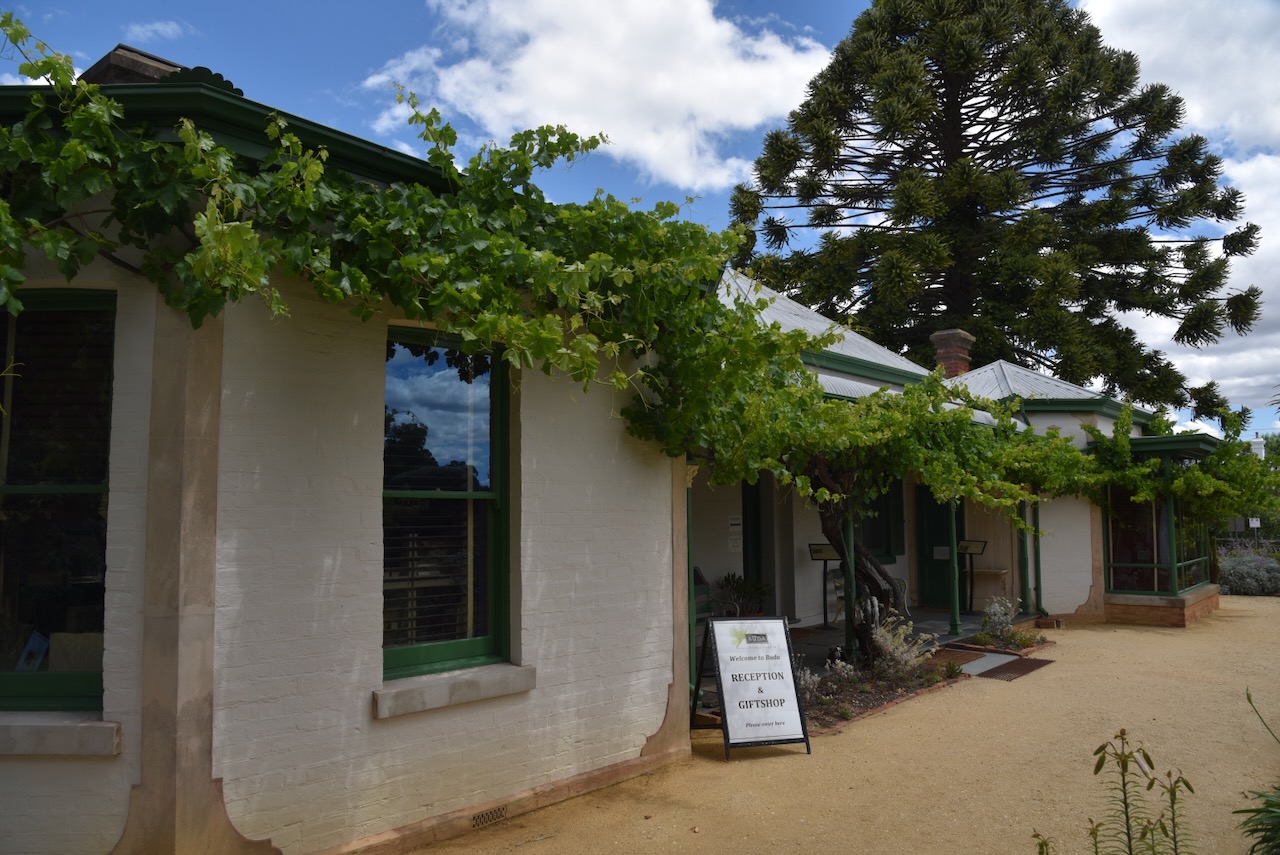
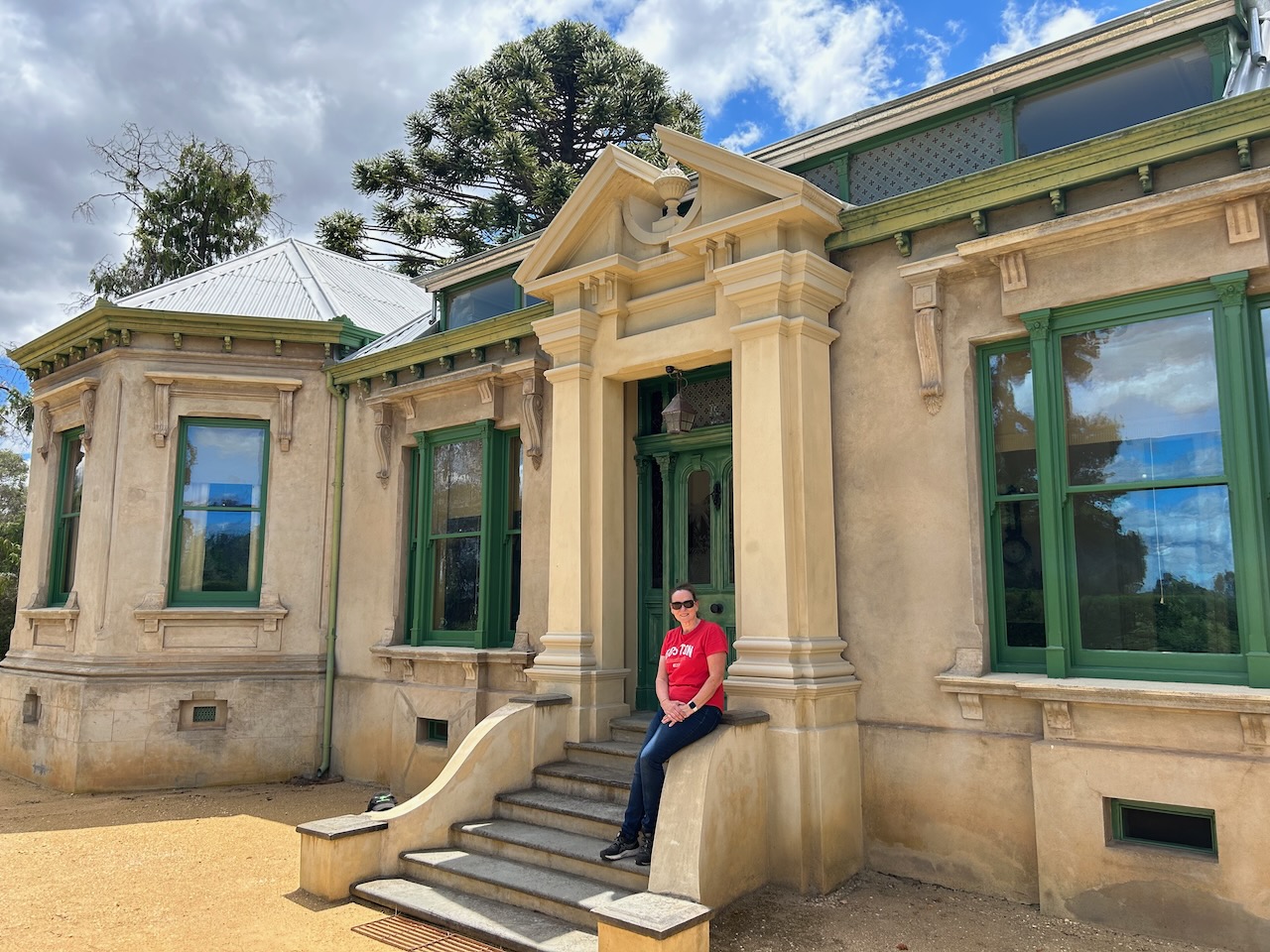
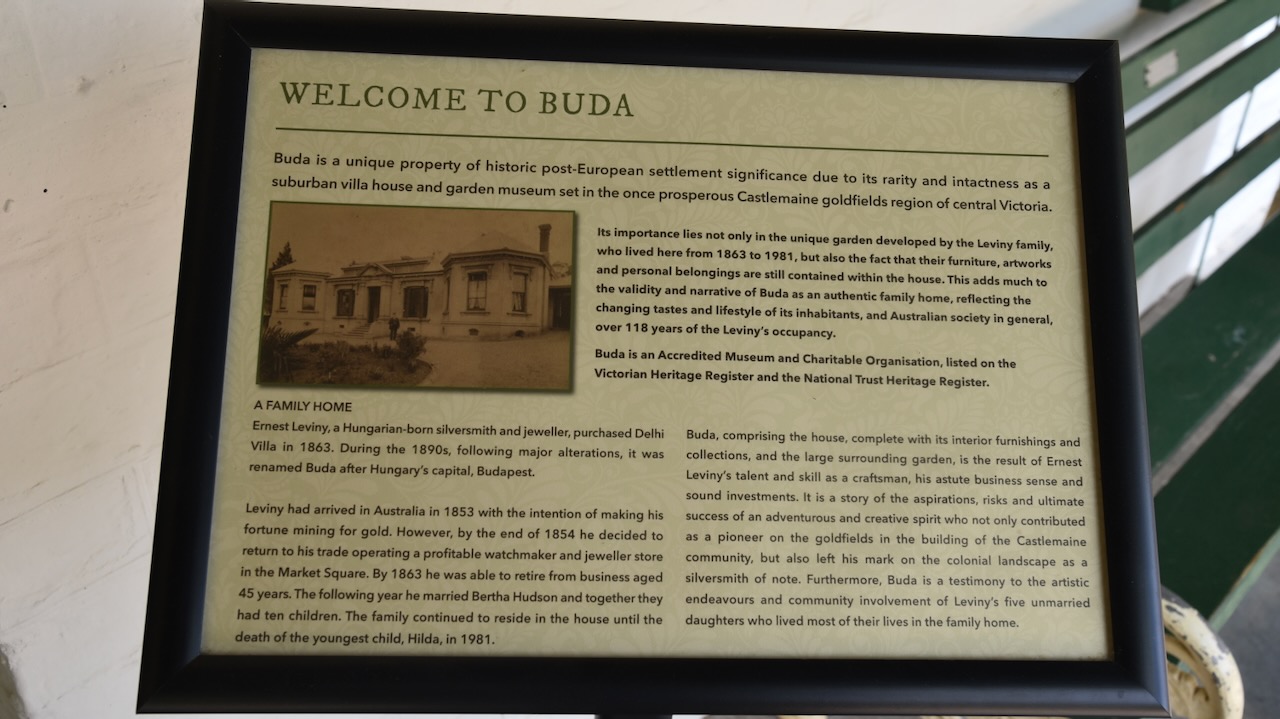
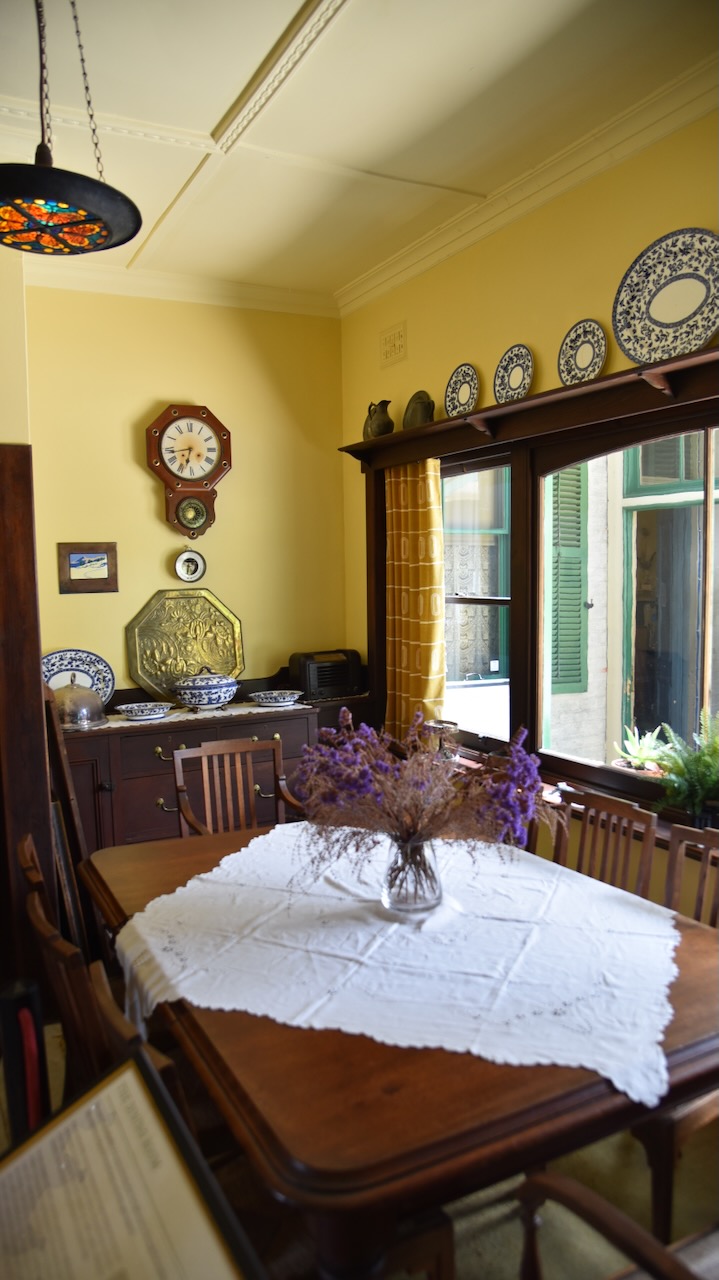
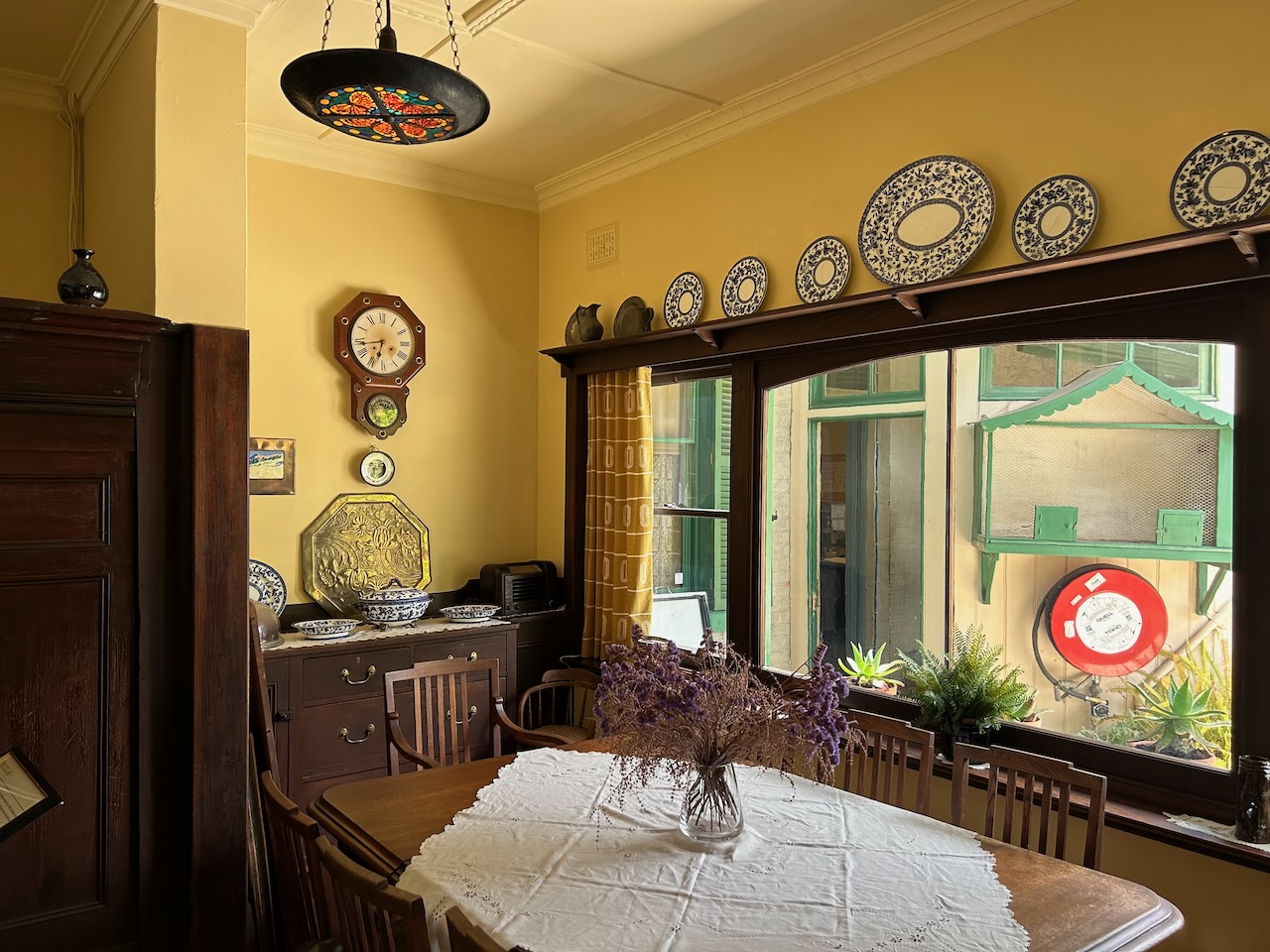
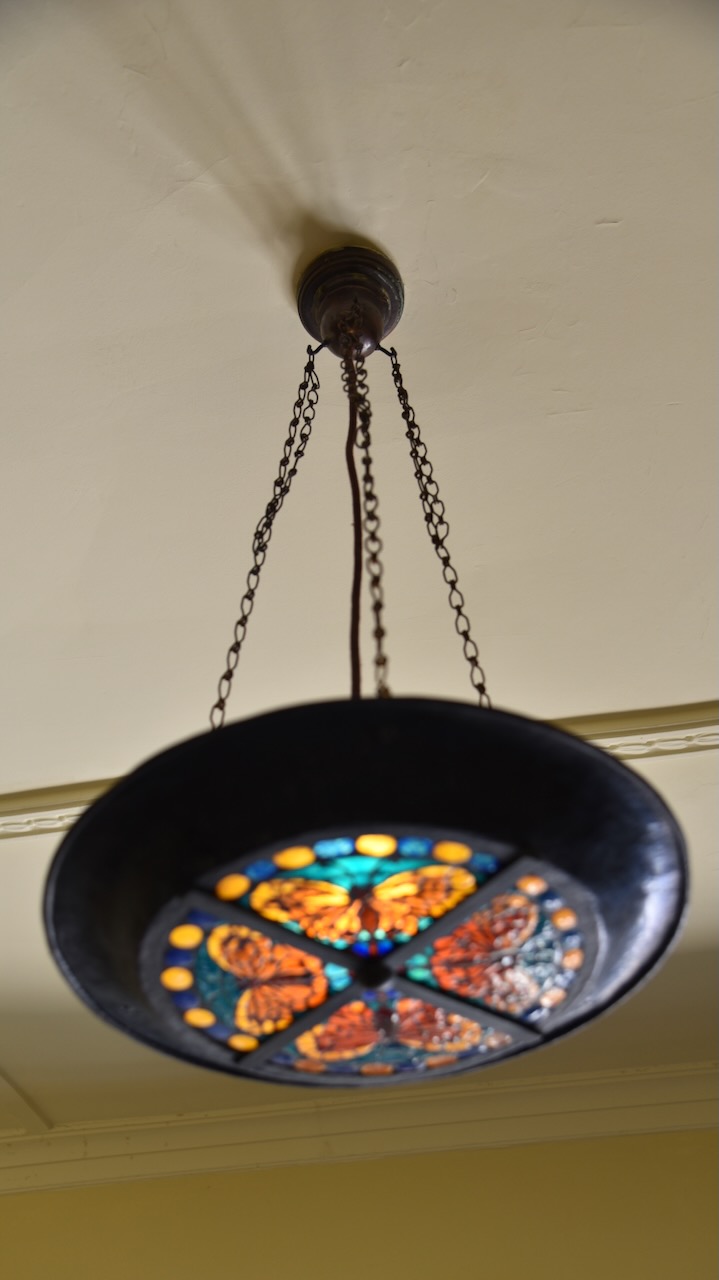
Our next stop was ‘Buda’ historic home and garden at Castlemaine. It was named Buda after Budapest by its Hungarian owner Ernest Leviny. (Buda 2024)

Leviny was born in Hungary in 1818 where he trained as a silversmith and jeweller. From 1843 to 1846 he lived and worked in Paris before moving to London where he operated a manufacturing jewellers and goldsmith business from 1846 to 1852. He emigrated to Australia in 1853 and immediately headed to the goldfields at Forest Creek. He established a watchmaking and jewellery business. In 1863 he retired and purchased Delhi Villa (later to become Buda). In 1864 he married Bertha Hudson and they had 10 children. He died in 1905, allegedly the wealthiest person in Castlemaine at the time. (Buda 2024)

Above:- Ernest Leviny. Image c/o https://victoriancollections.net.au/items/5407c4202162f10ad41c5f9c

Below is an excellent video on the life of Ernest Leviny.

And below is a mini tour of Buda historic home and garden.

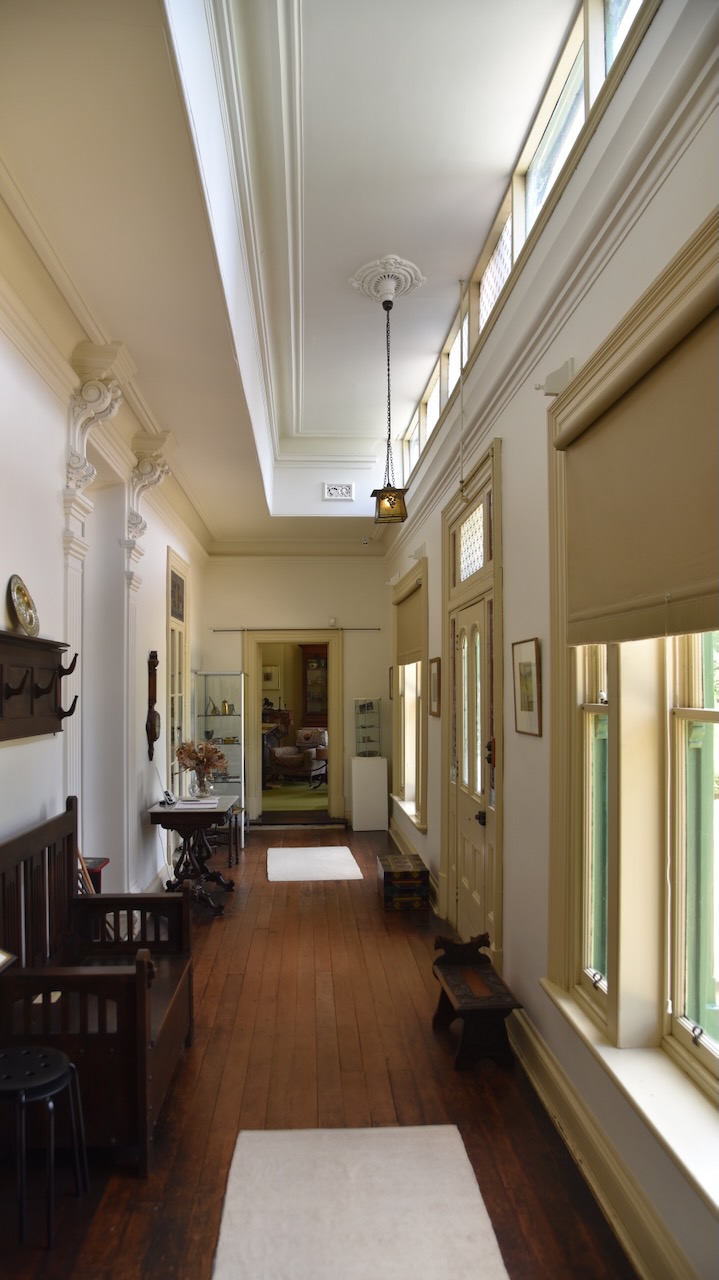
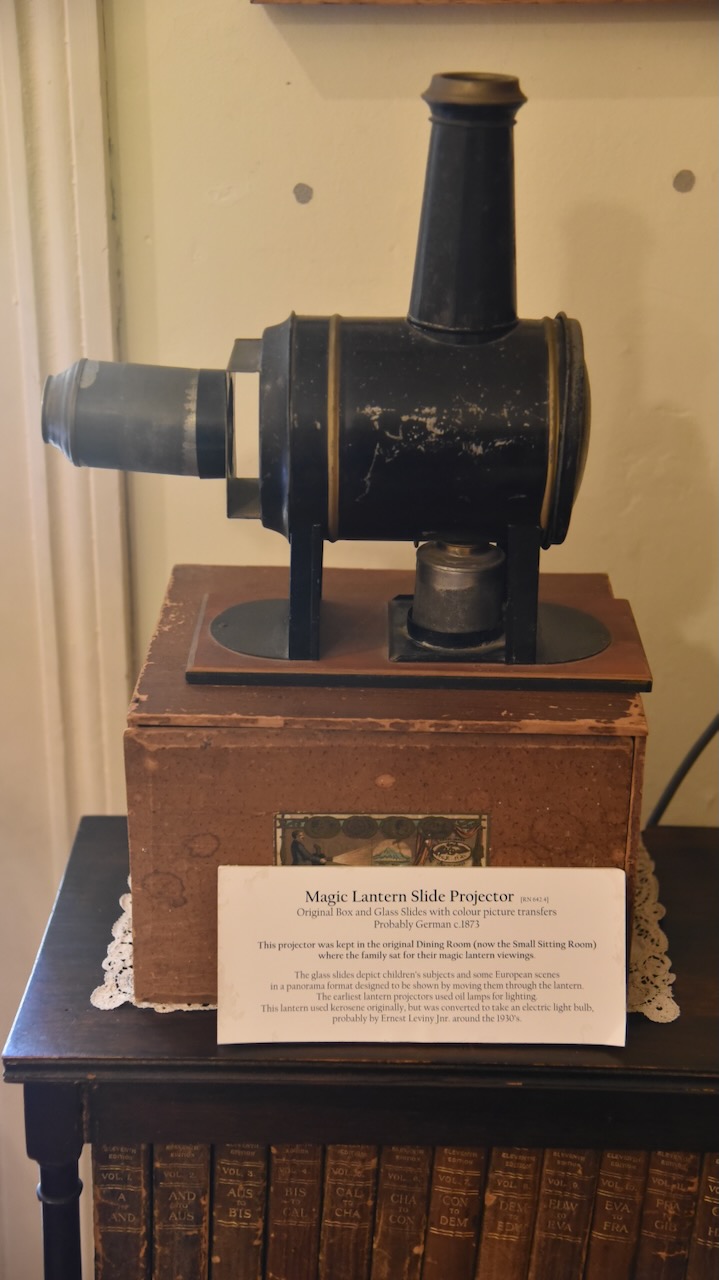
The Buda historic home was built in 1861 and is surrounded by one of the most important 19th century gardens in Victoria. The house was occupied continuosly by the Leviny family for 118 years when the last surviving daughter Hilda died at the age of 98 years.

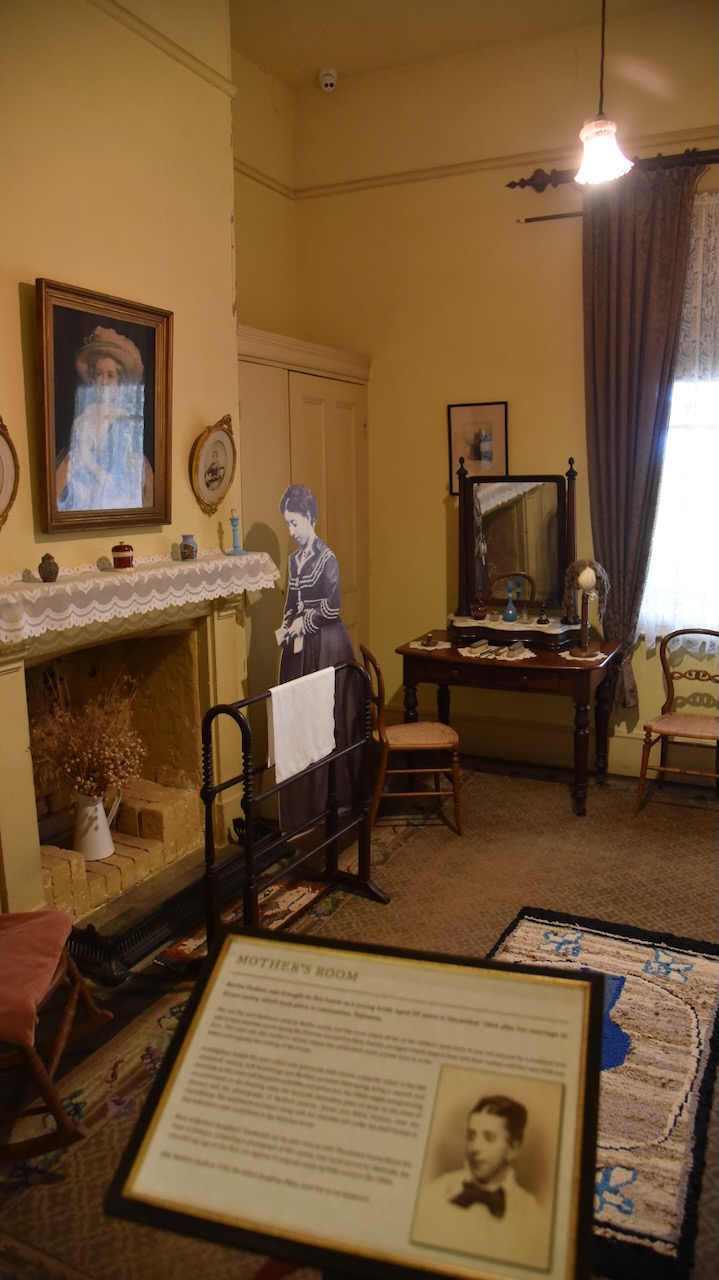
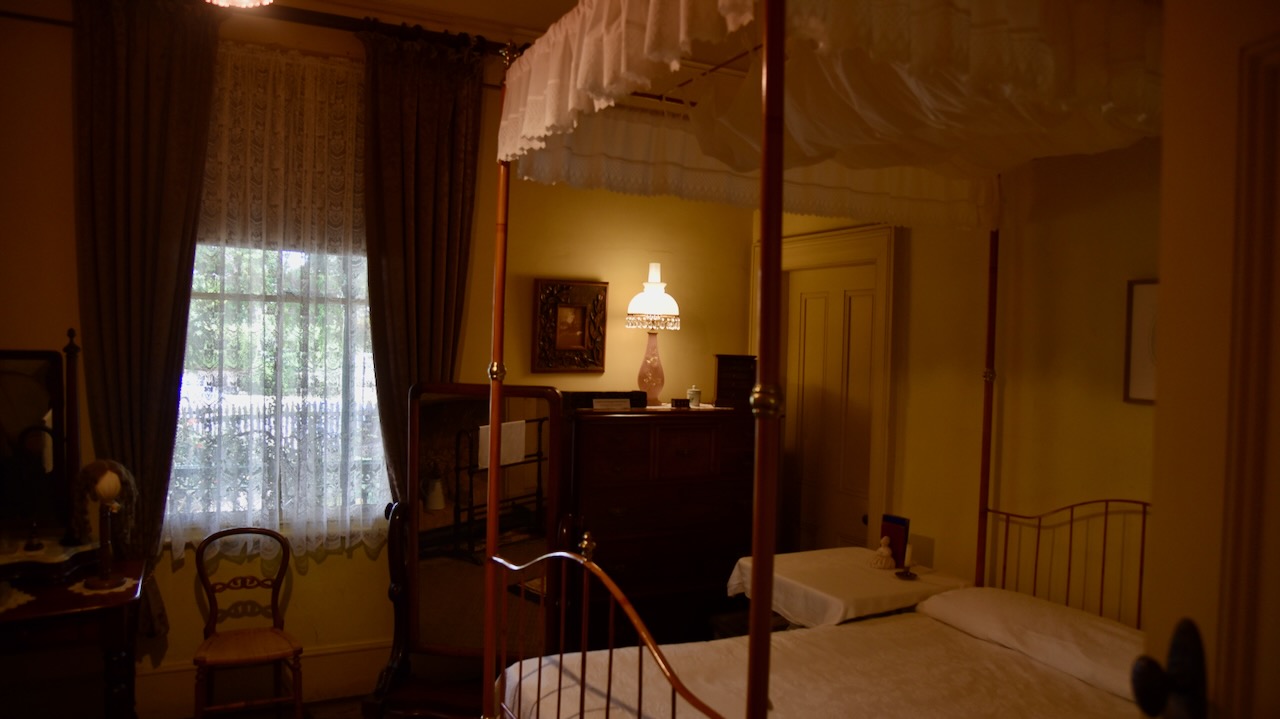
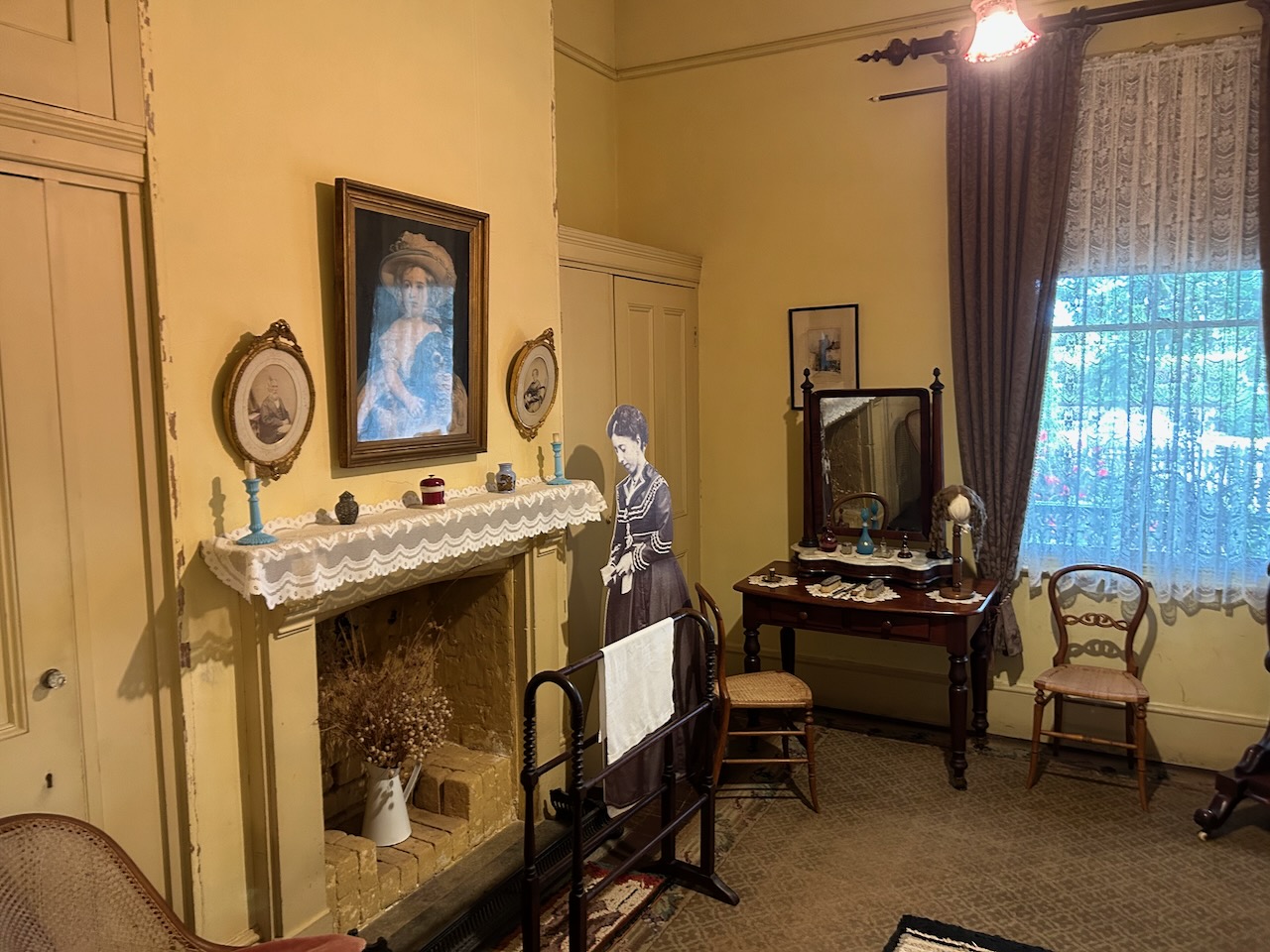
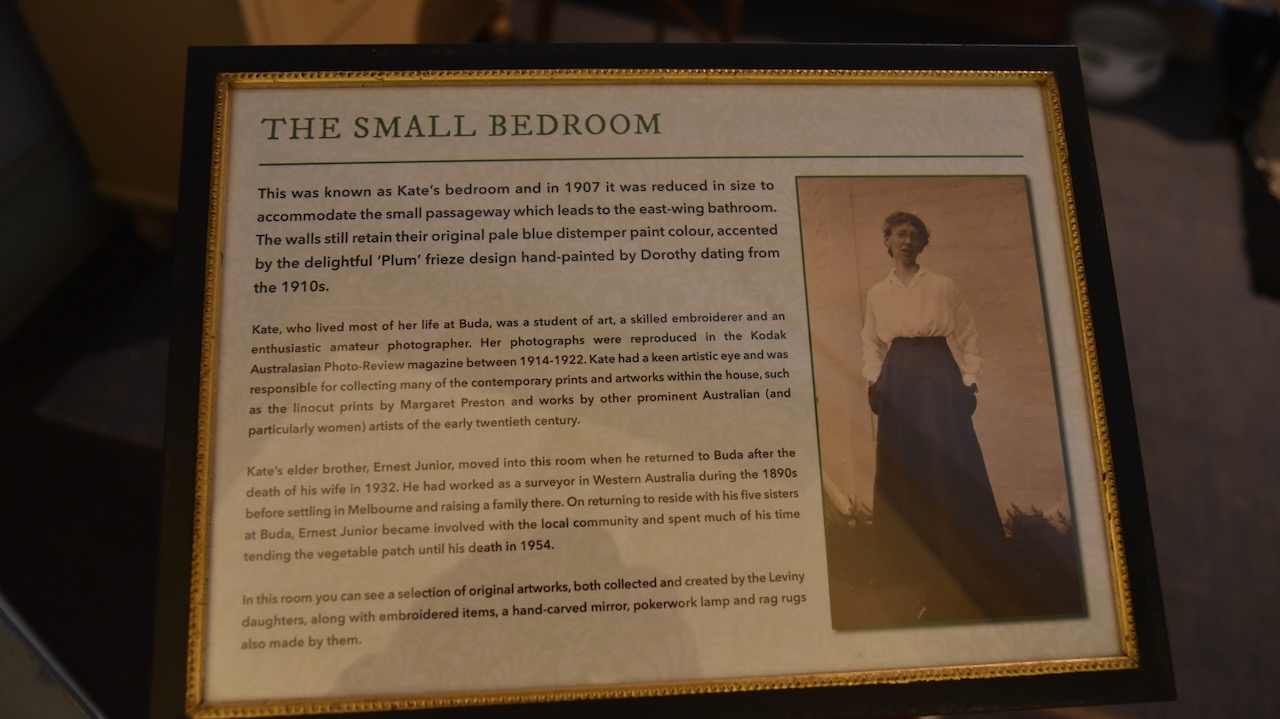
Each of the rooms in the house has an information board. The main bedroom is called the Mother’s Room. Bertha gave birth to her 10 children in this bedroom.

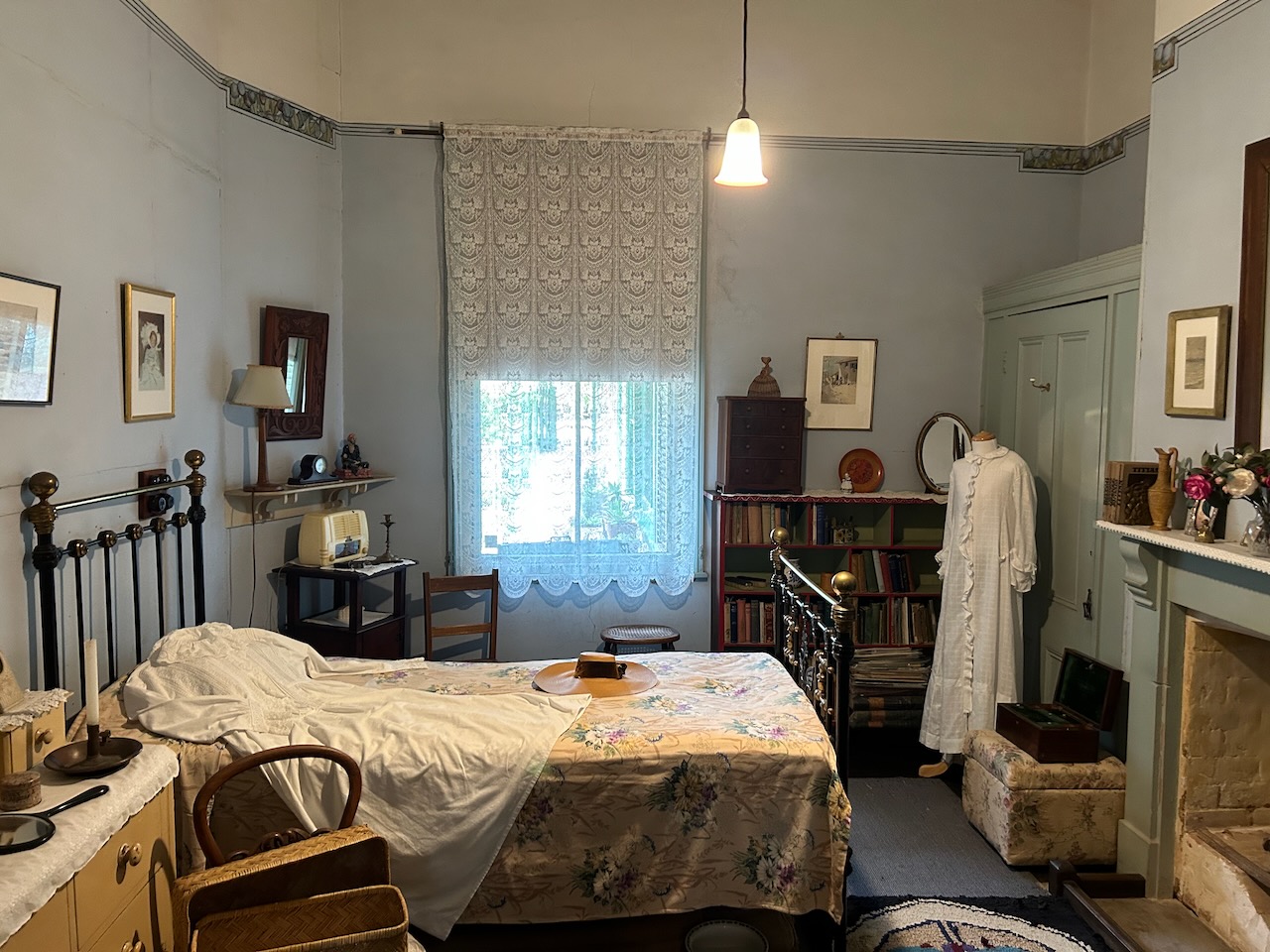
The Small Bedroom is also known as Kate’s bedroom. Beatruce Kate Leviny was born in 1877 and spent the majority of her life at Buda. (Victorian Collections 2024)

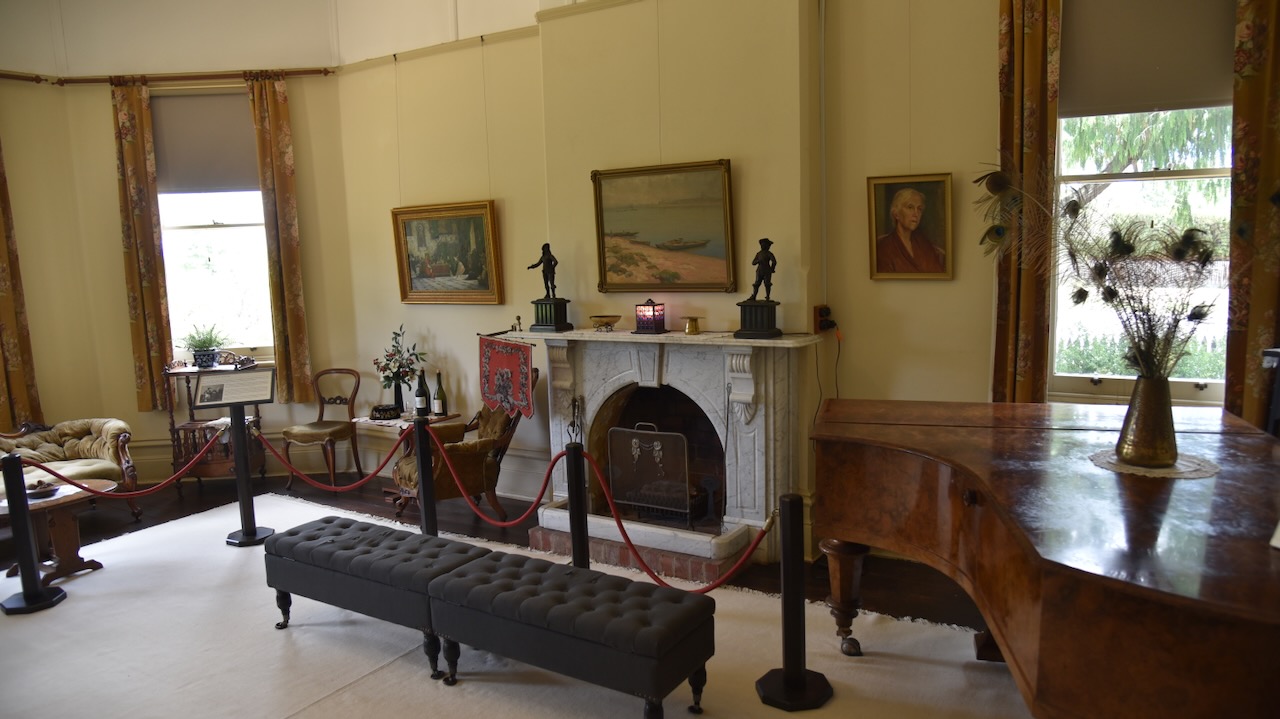
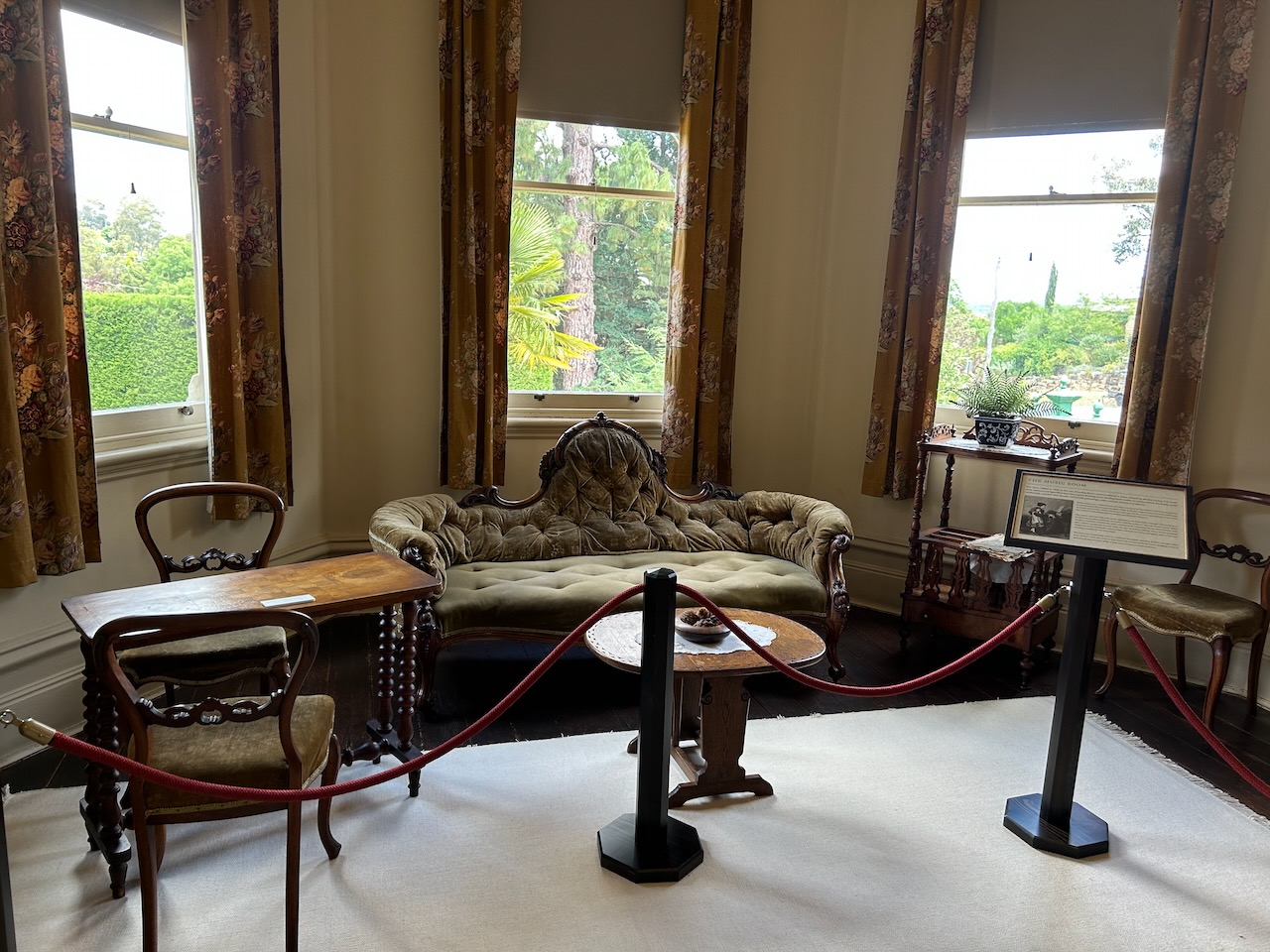
The music room contains a piano that was played by Bertha Leviny who was a skilled pianist.

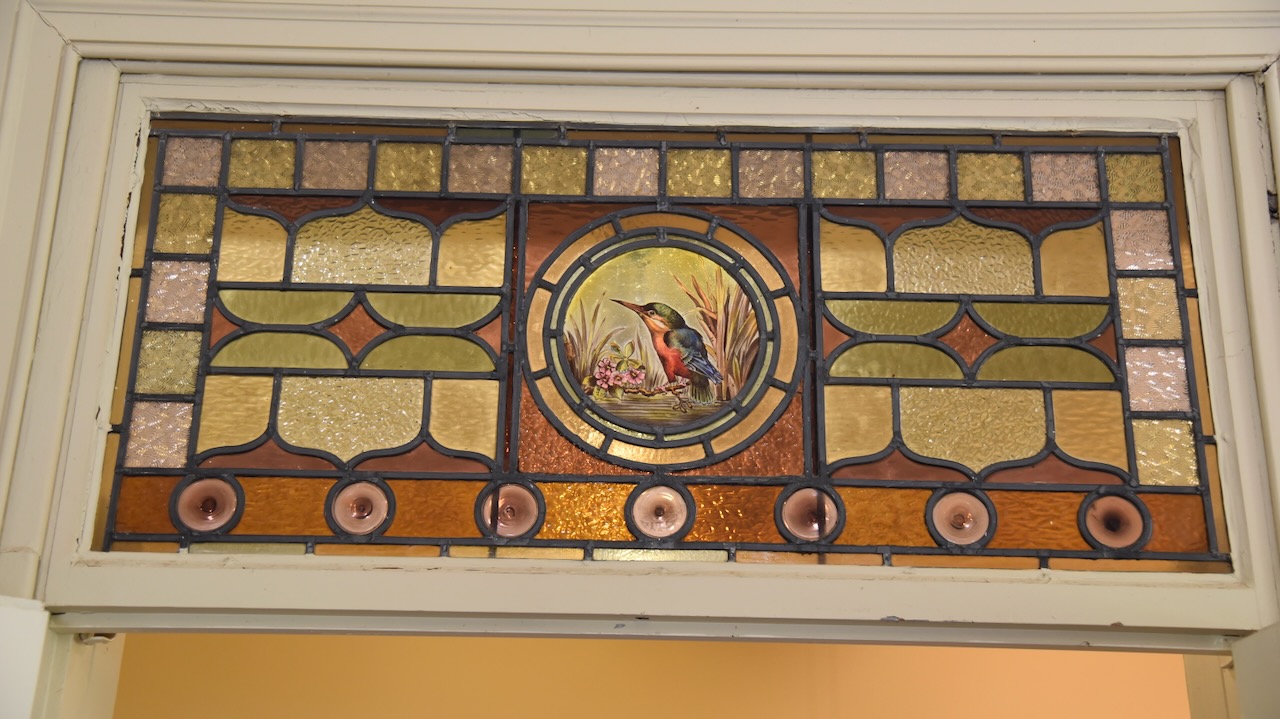
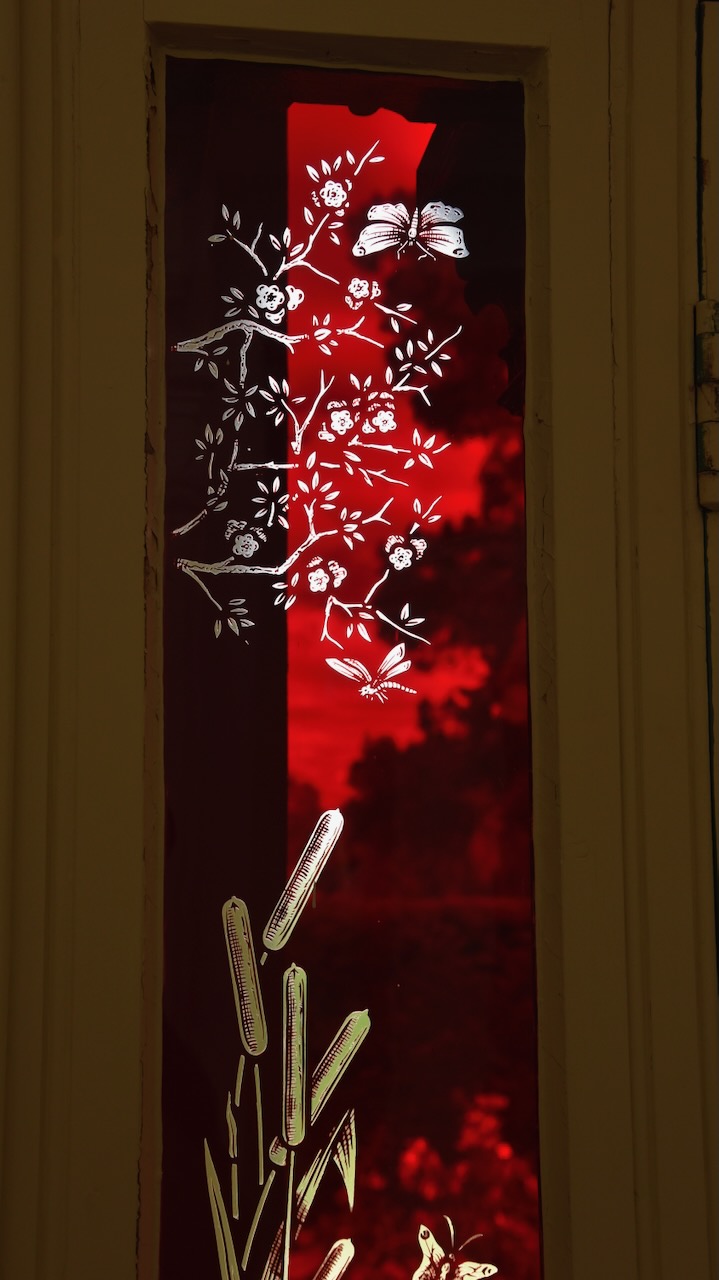
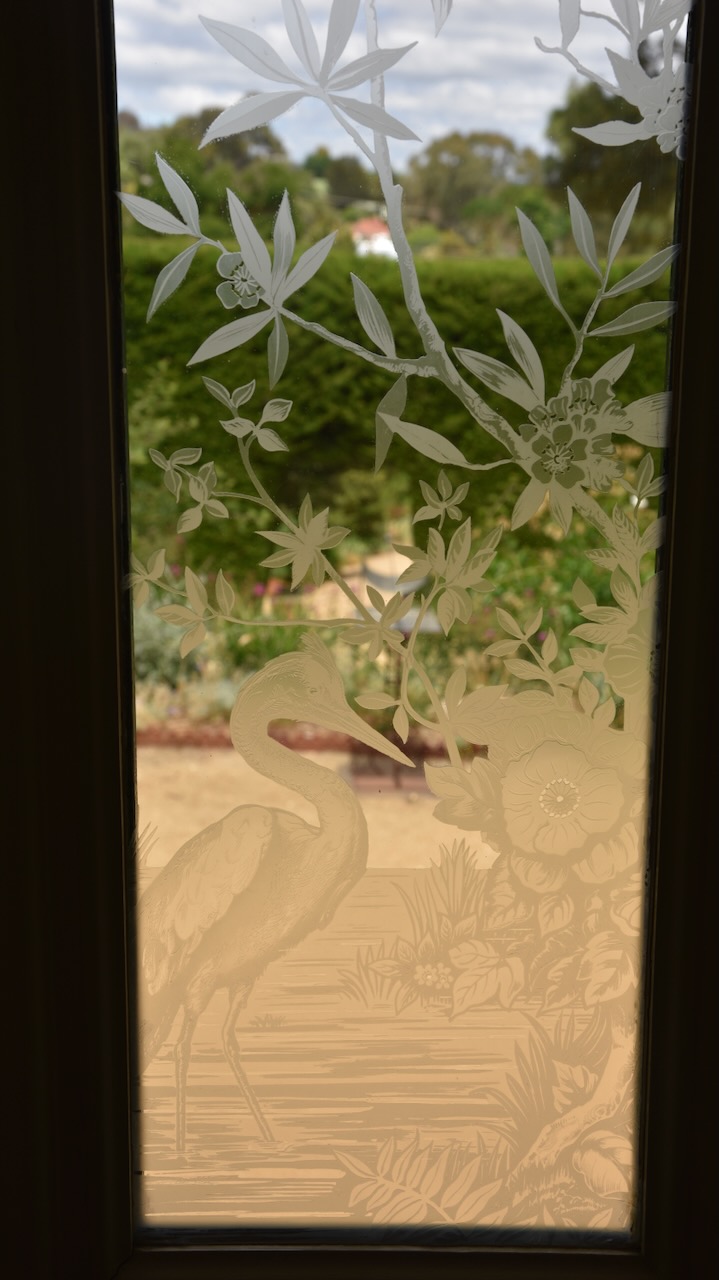
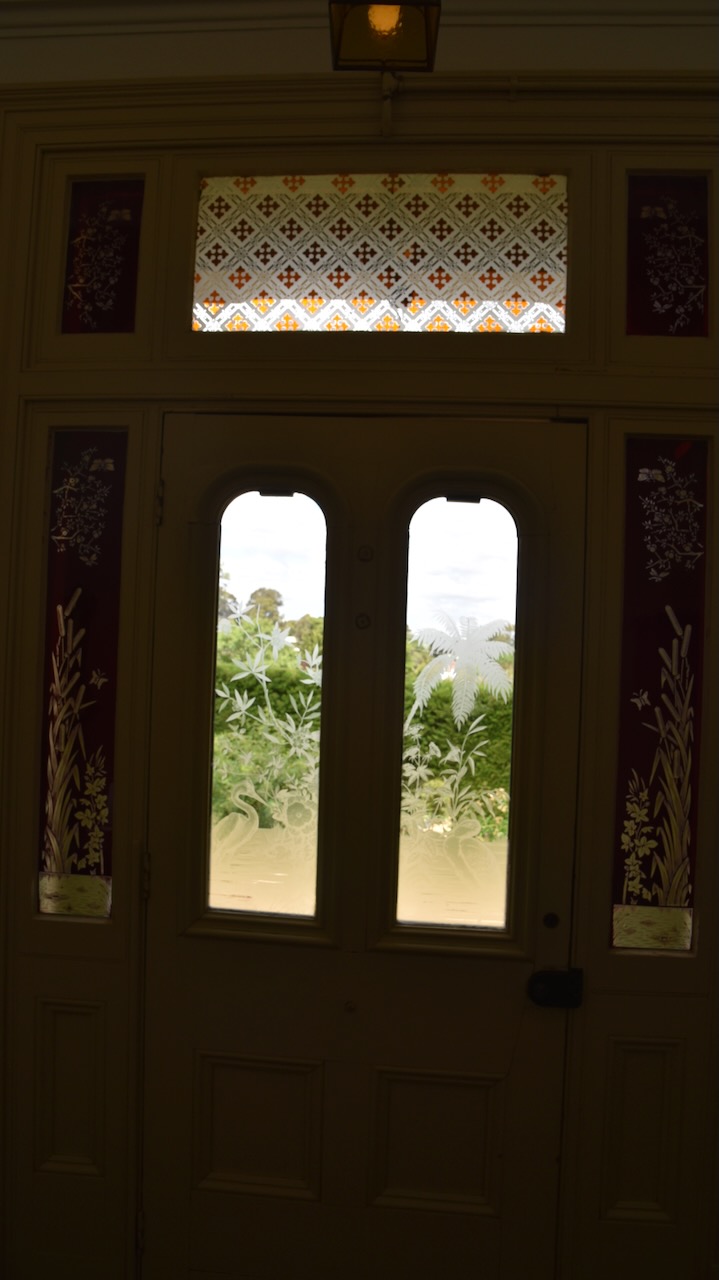
There are some beautiful headlight windows in the home.

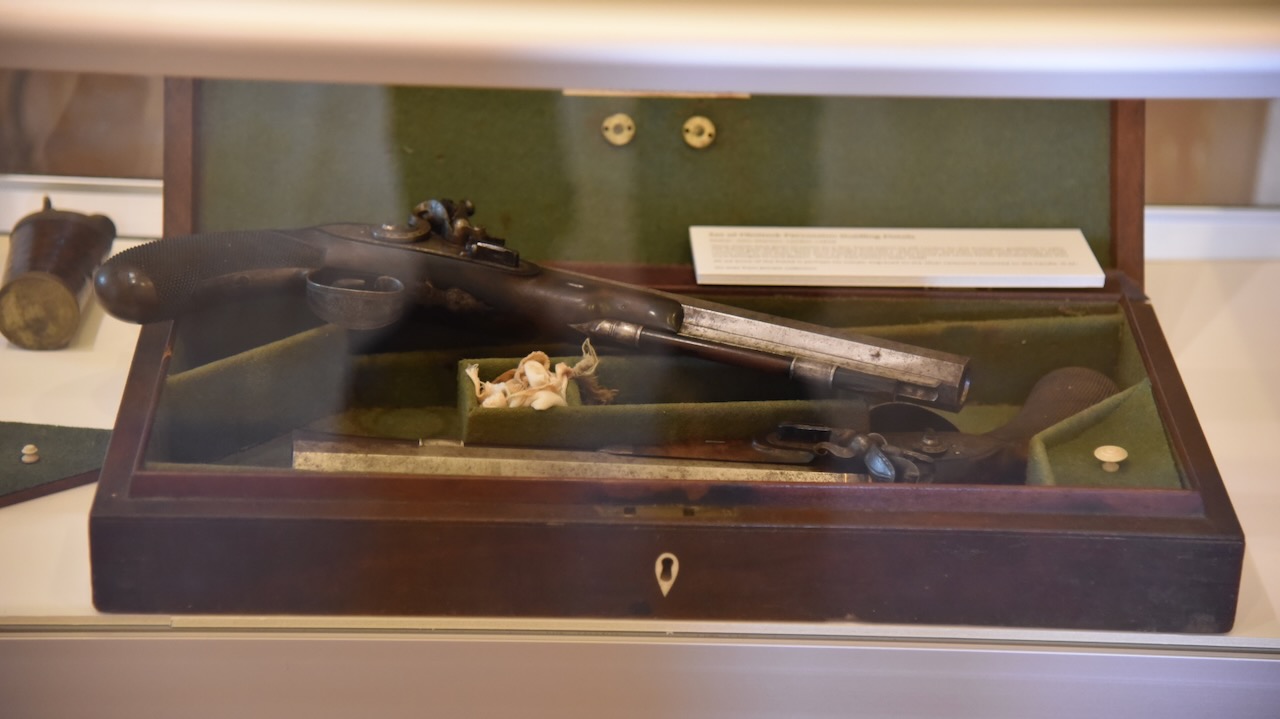
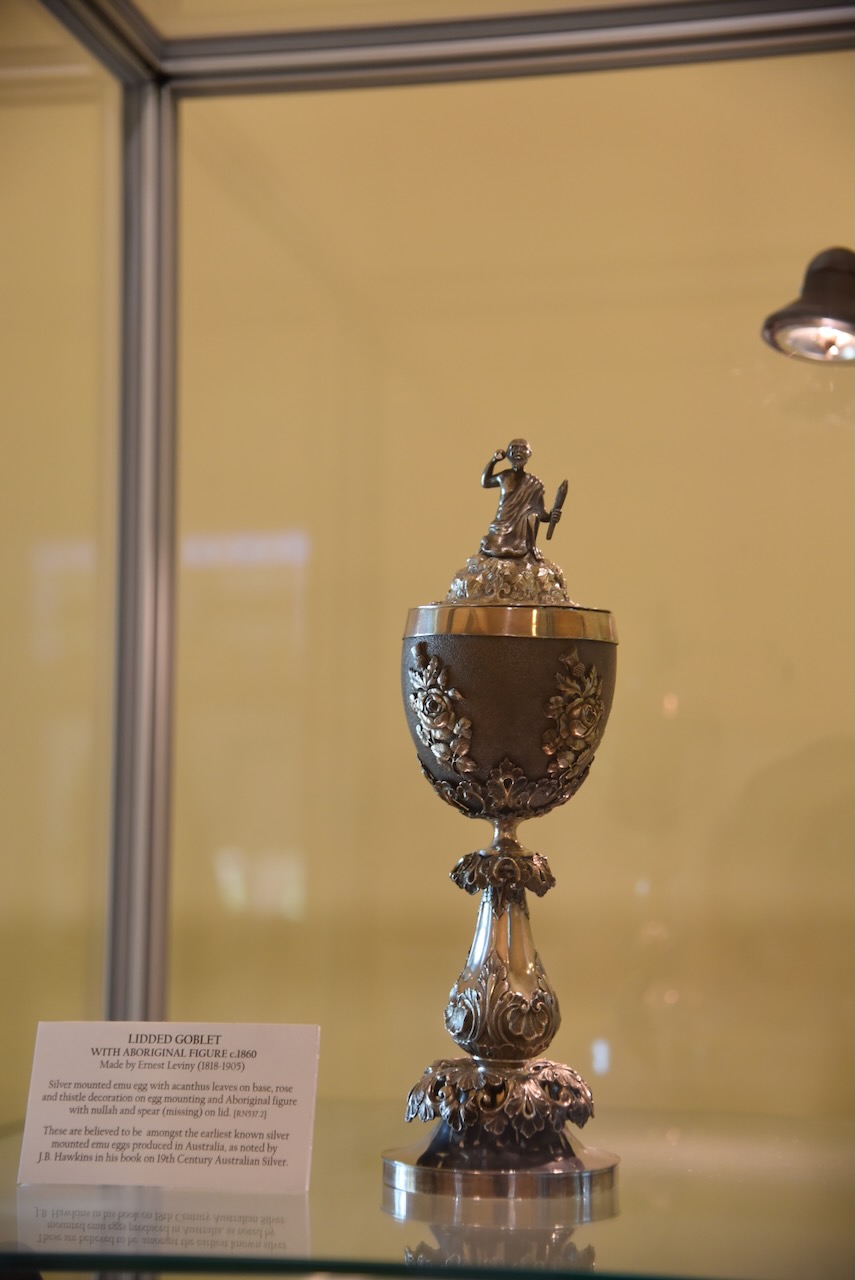
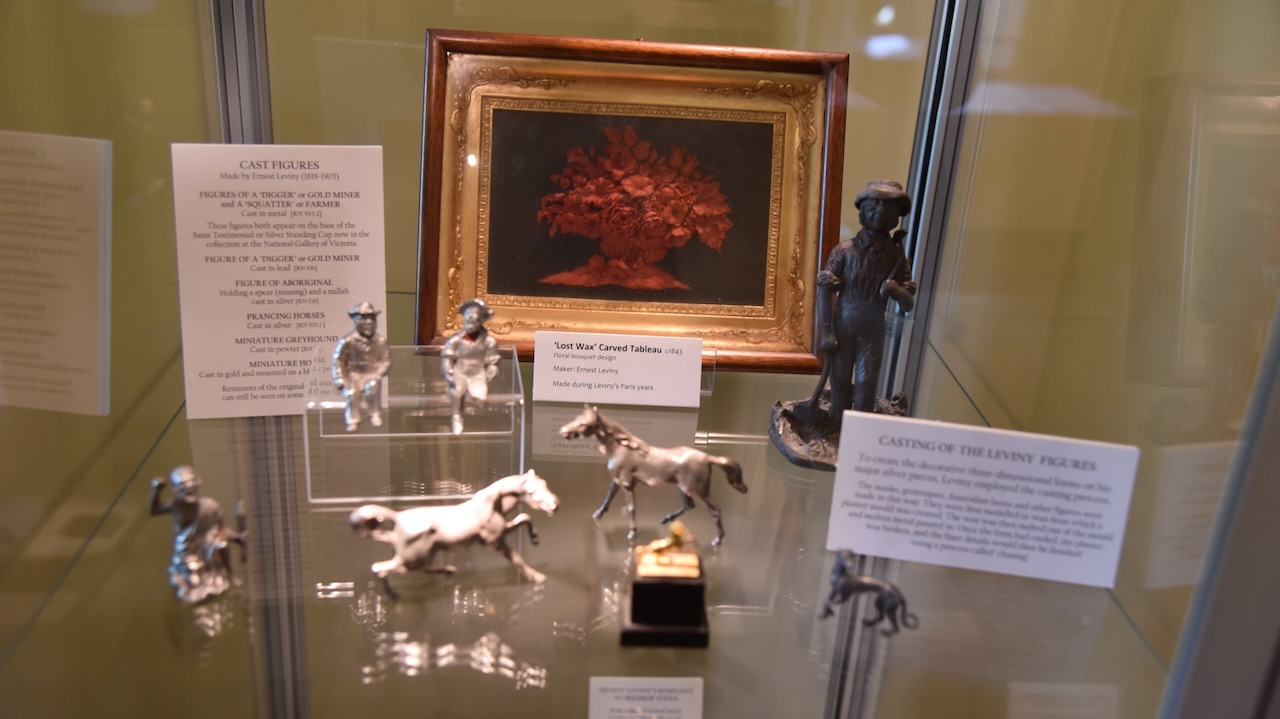
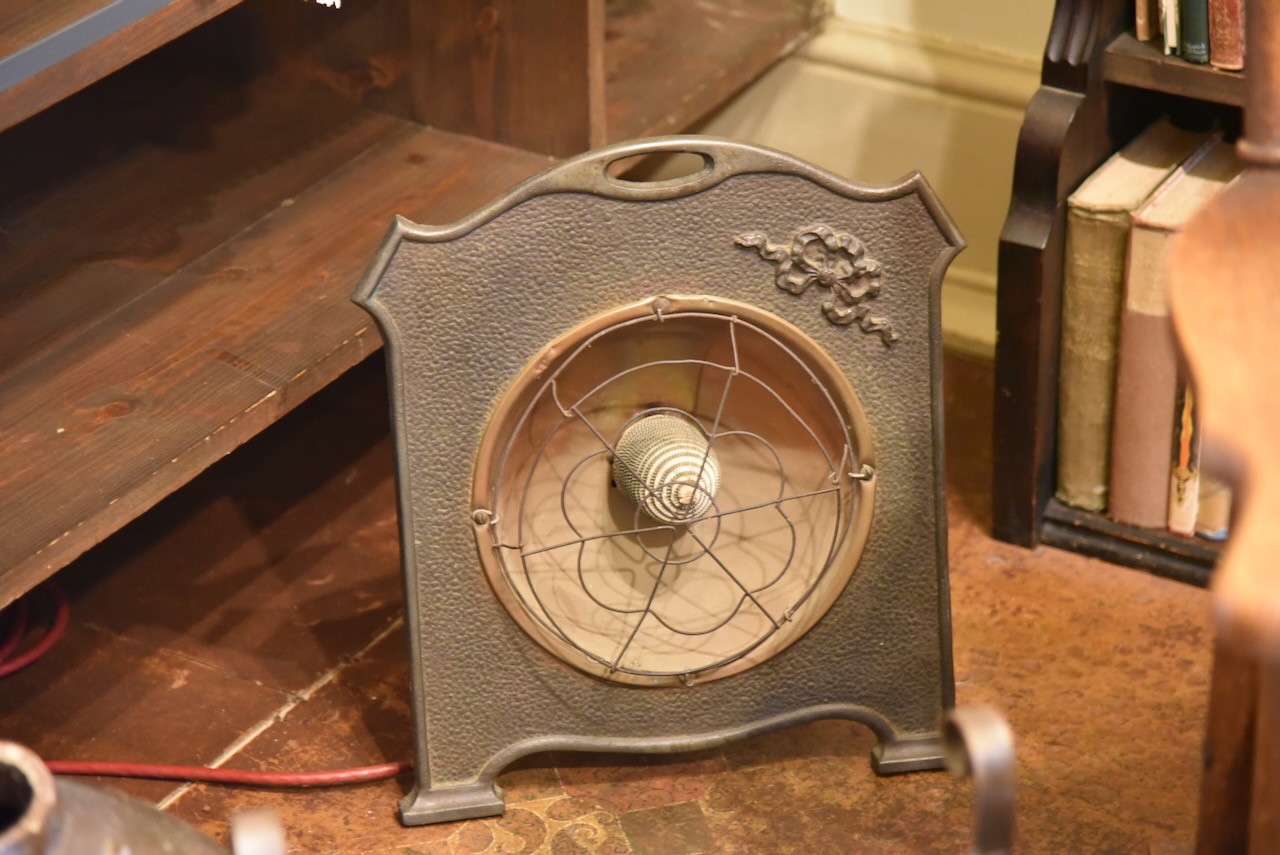
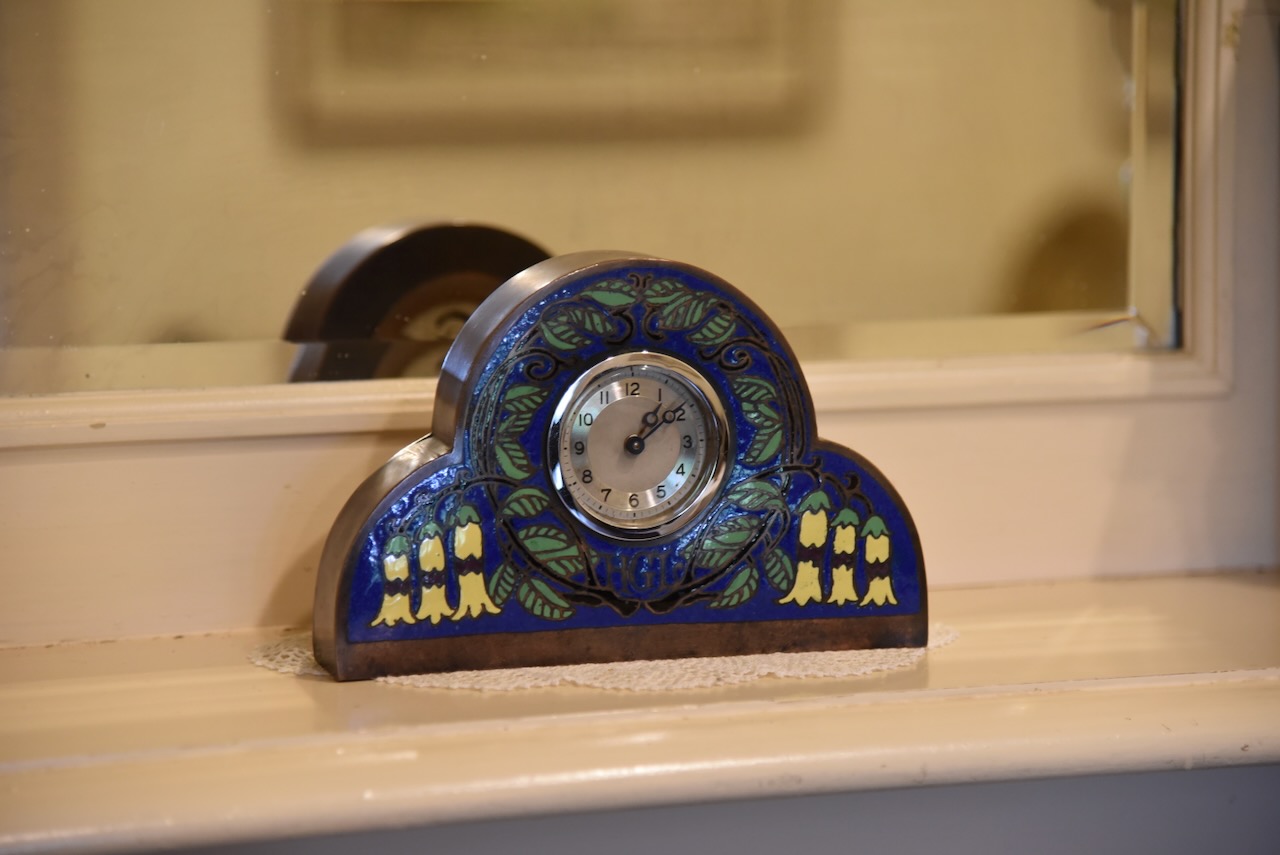
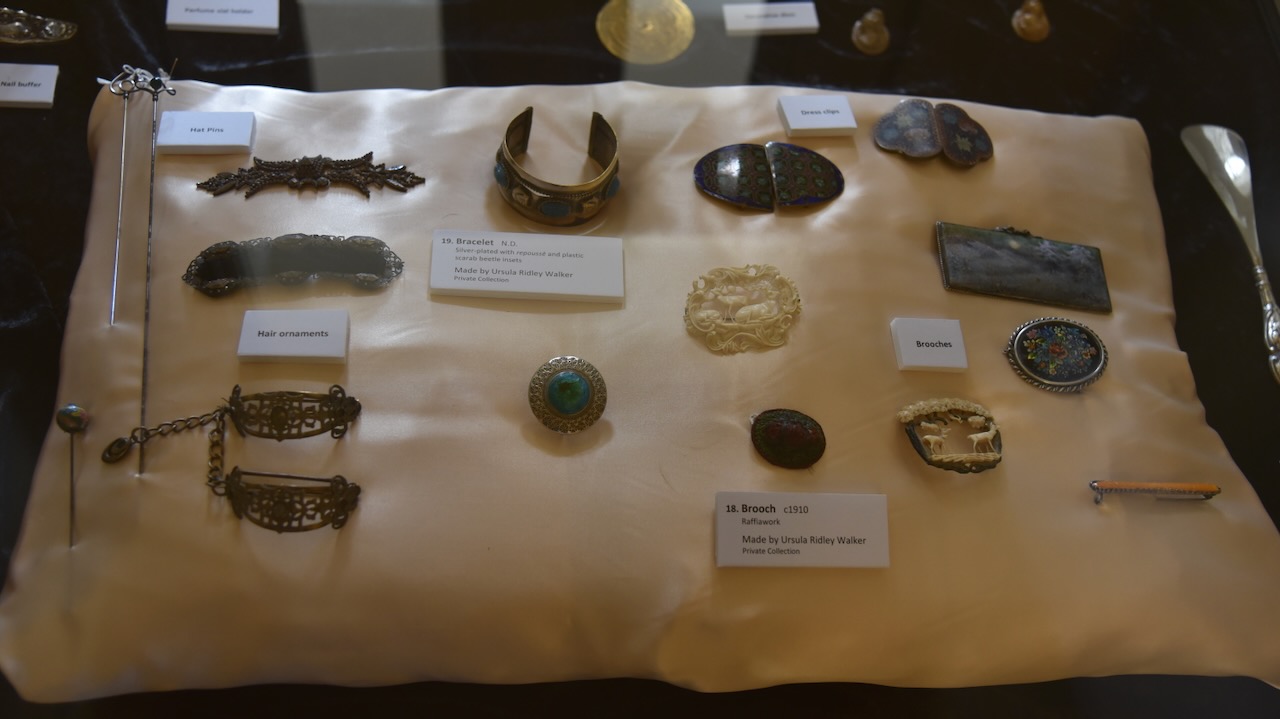
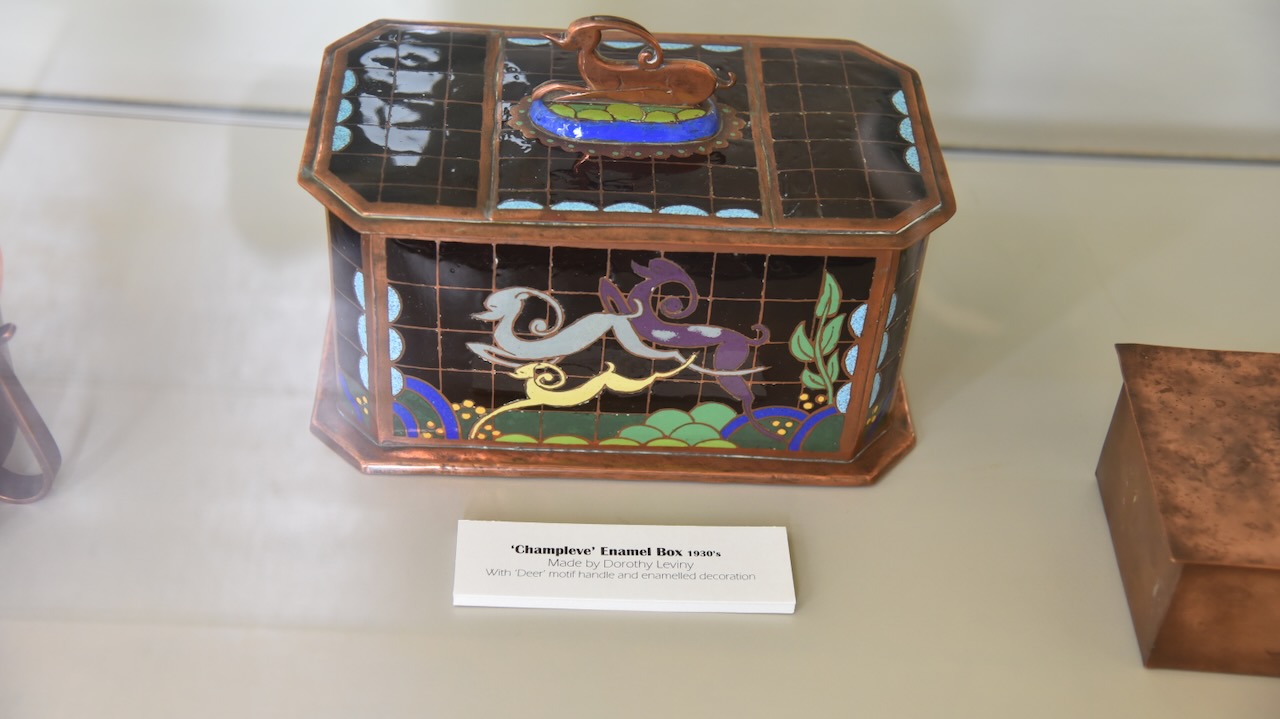
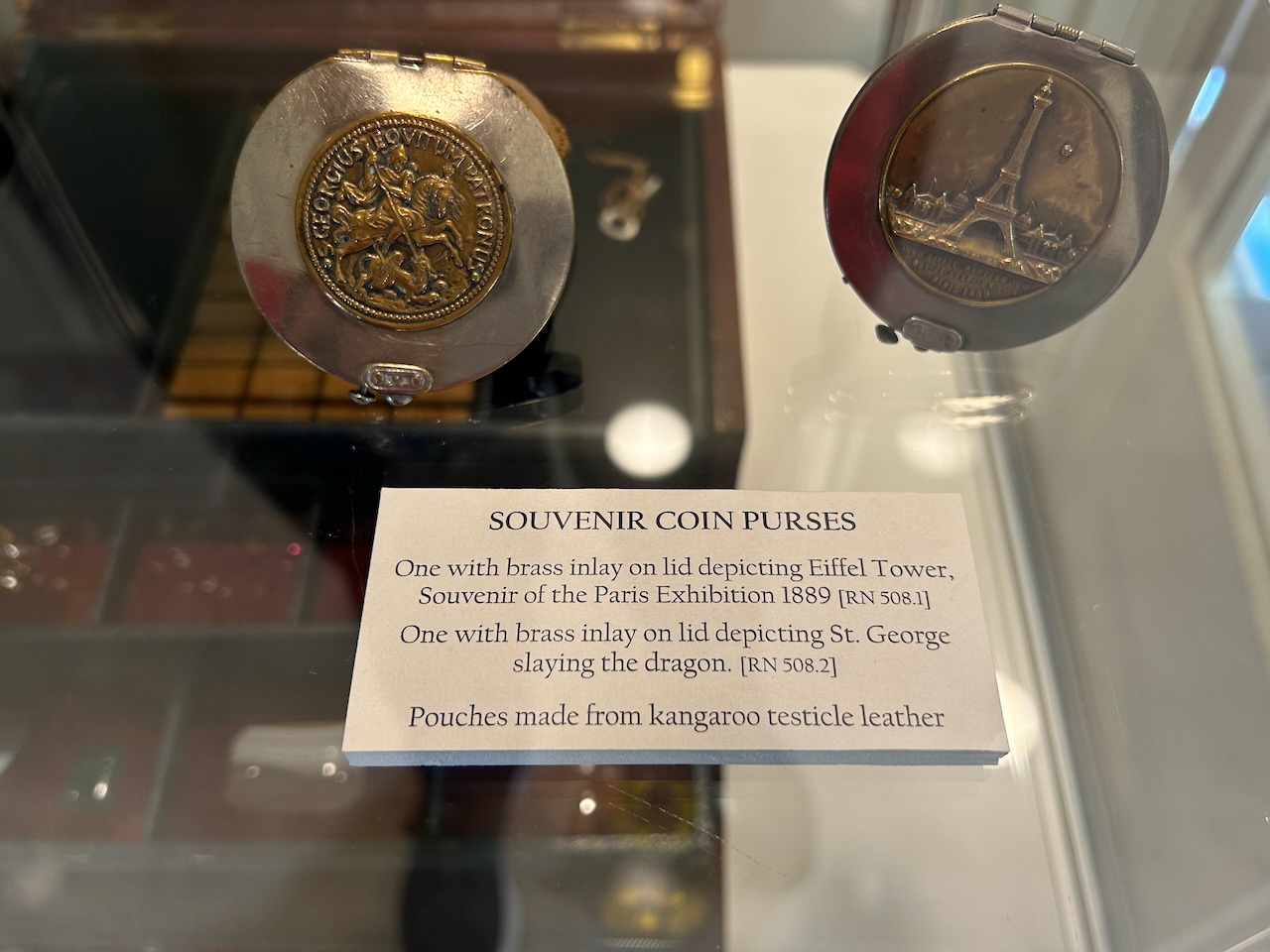
The home contains a collection of the works of Leviny.

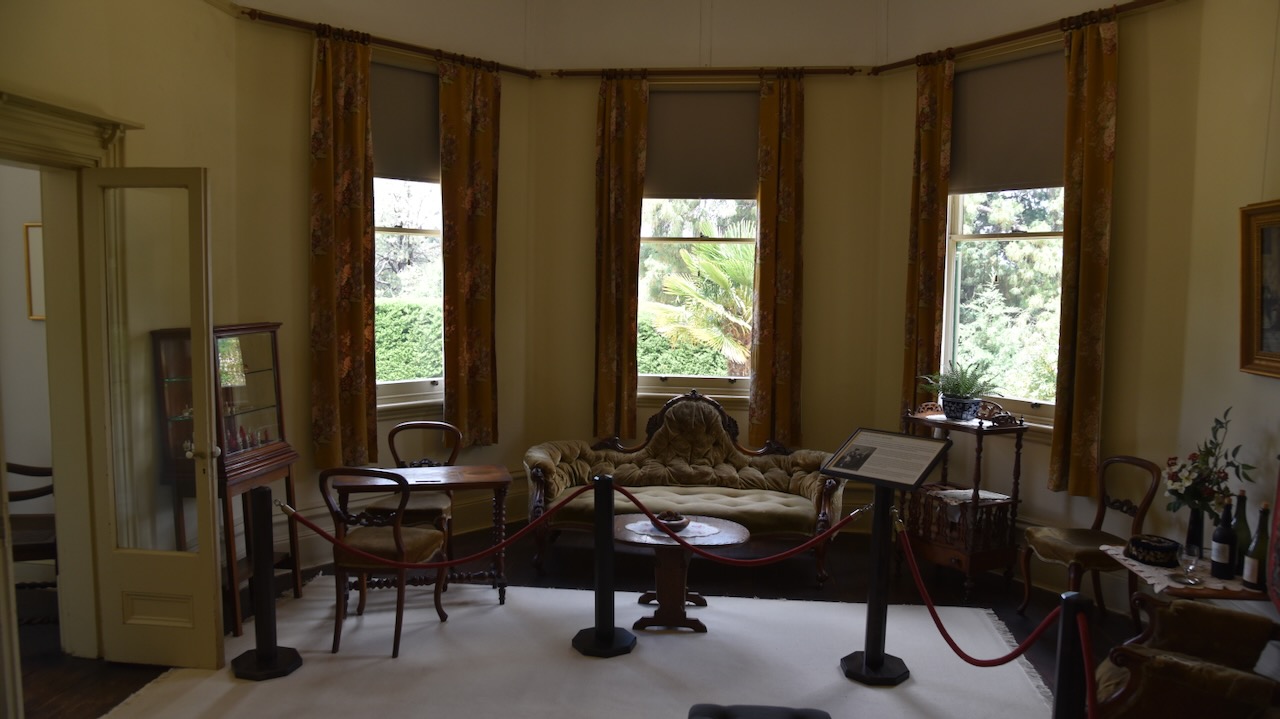
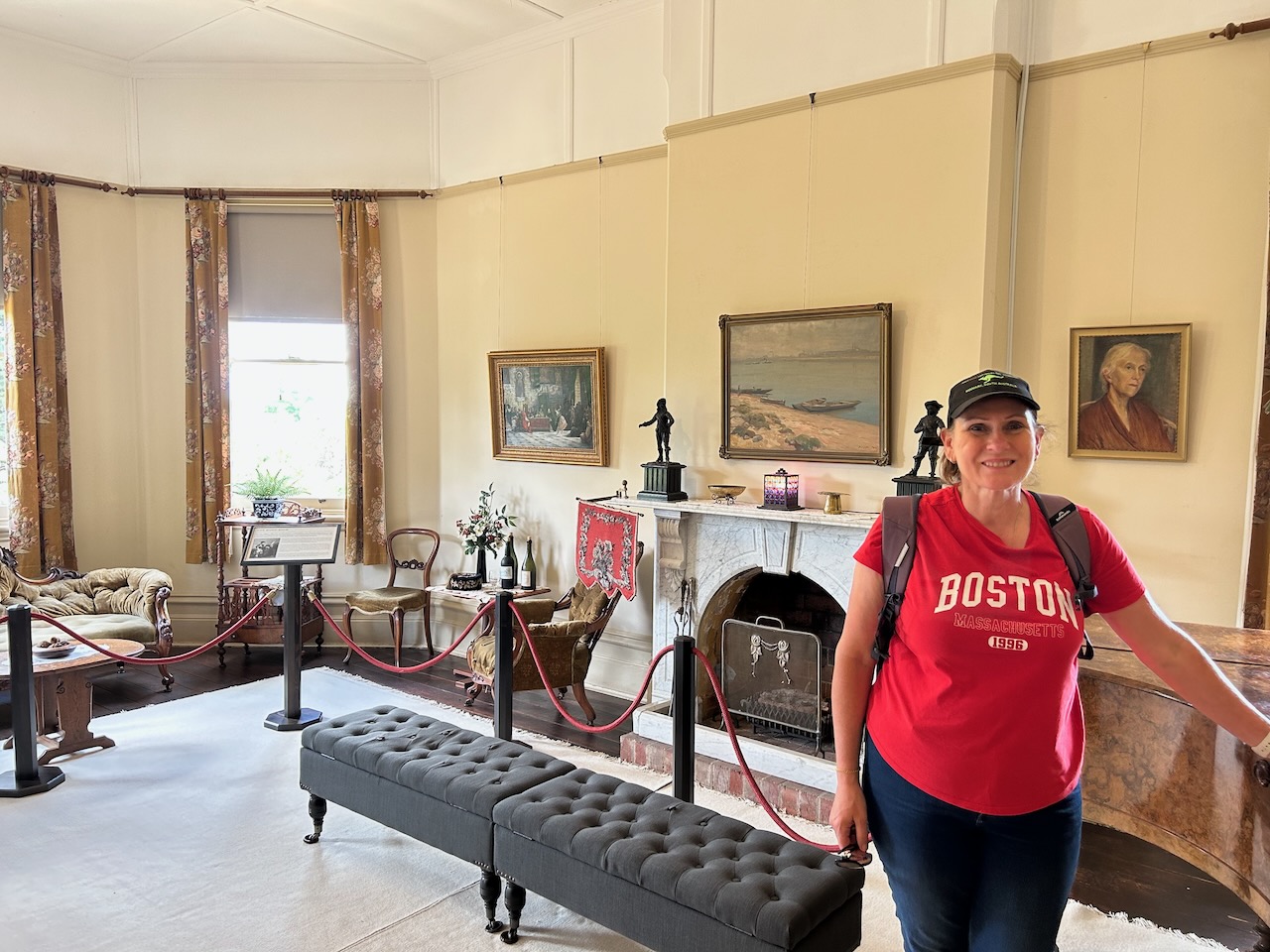
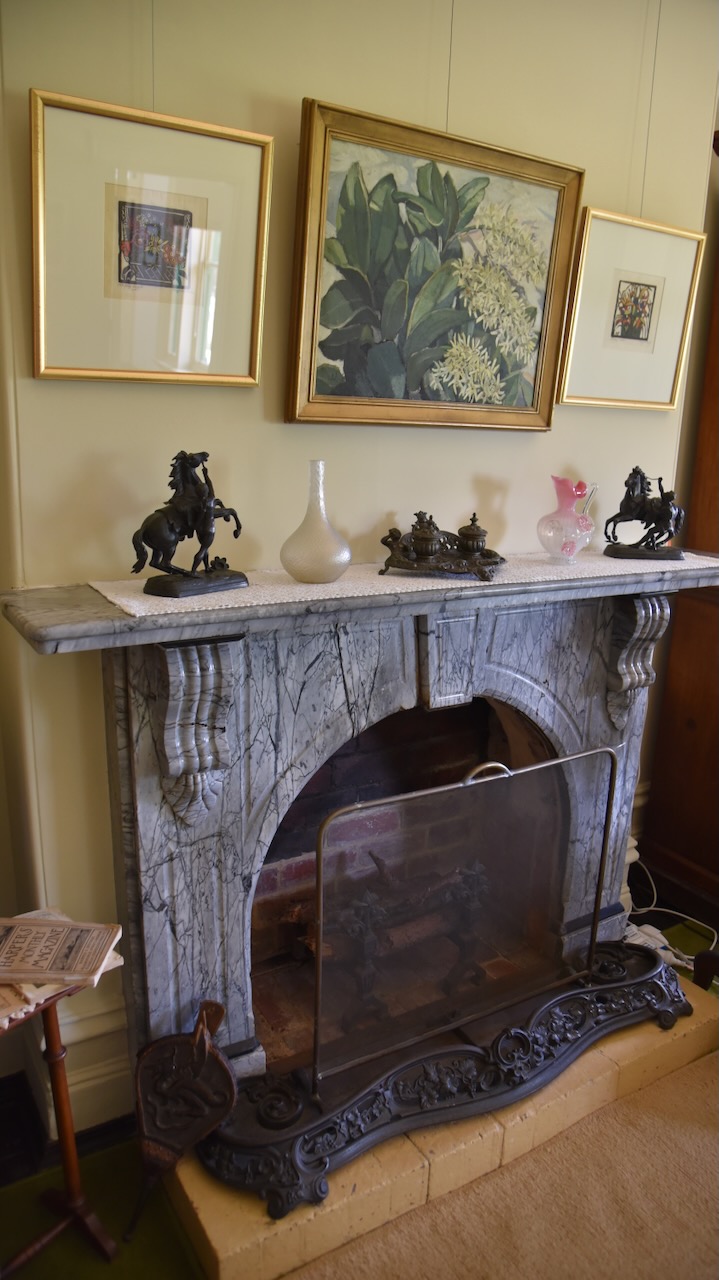
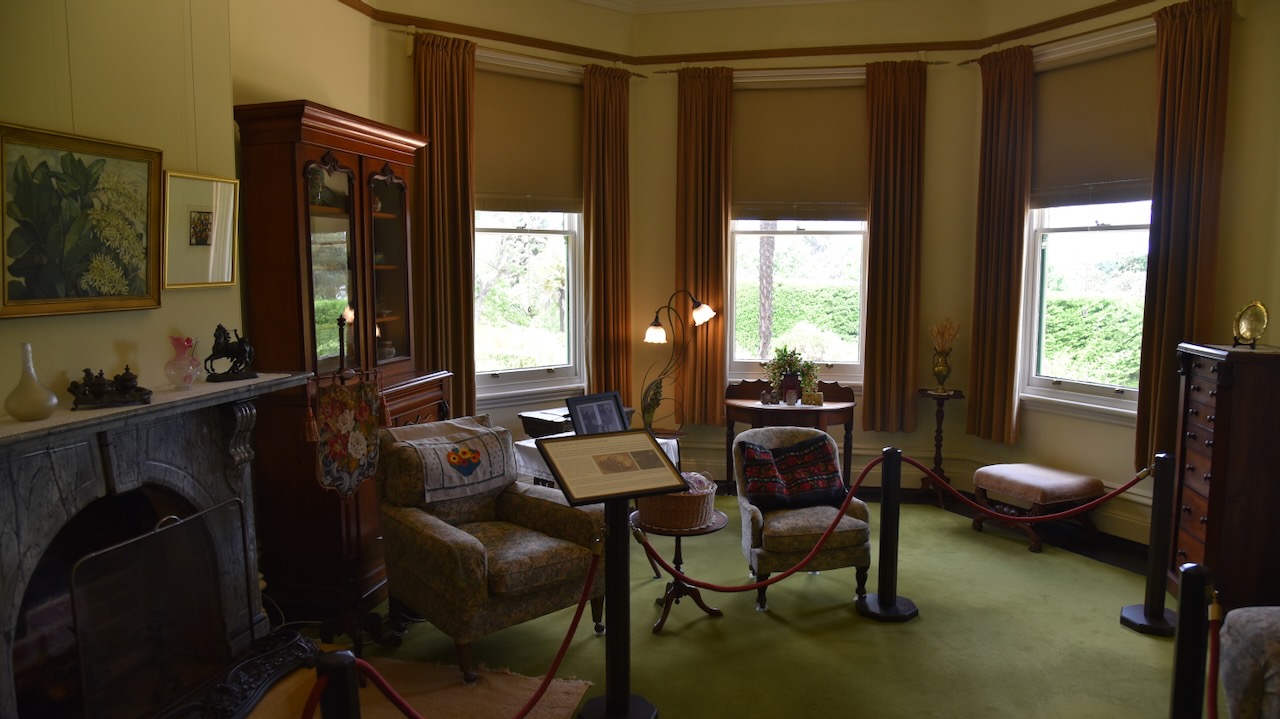
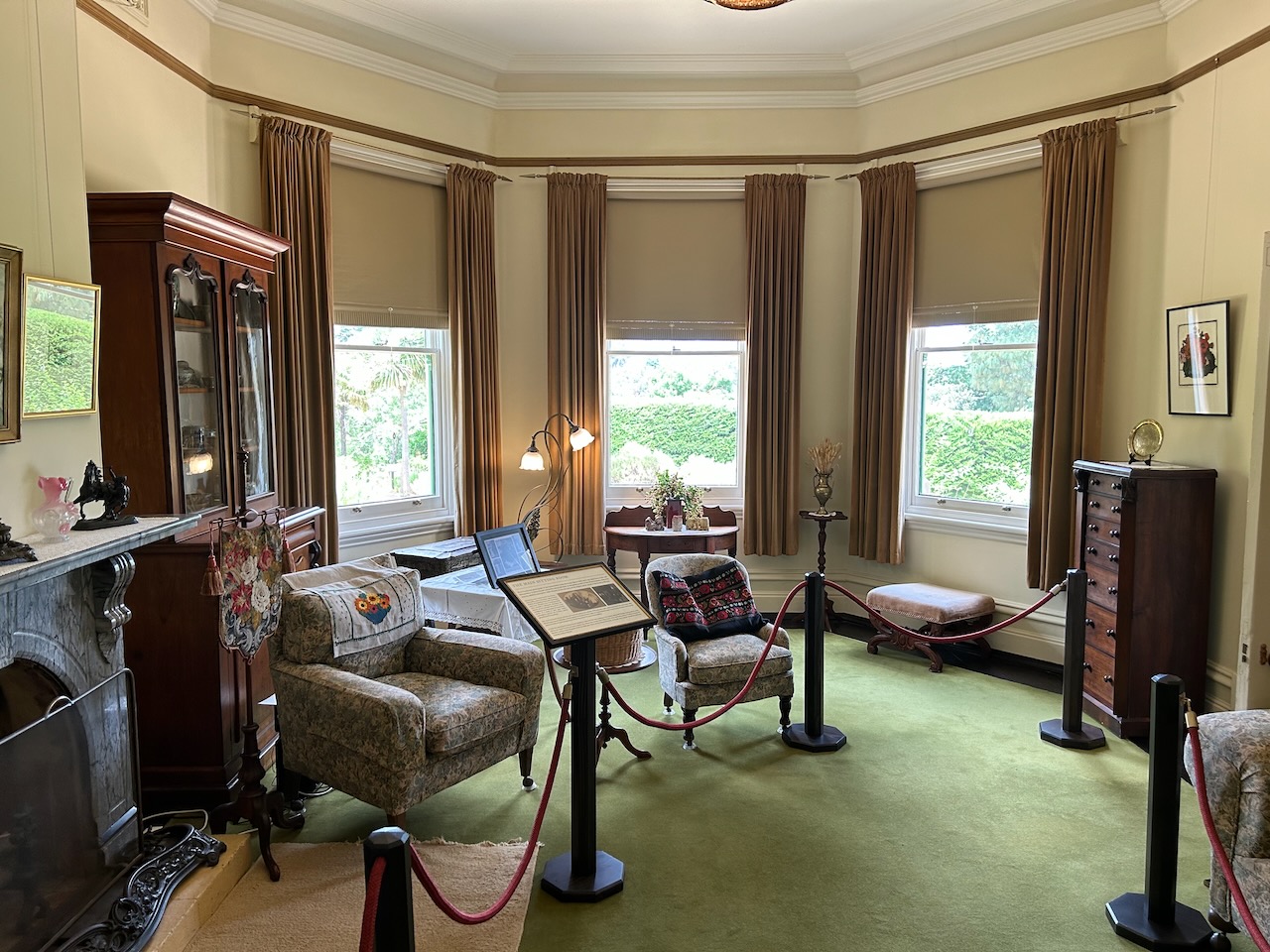
The main sitting room contains a grand marble fireplace and other period furniture.

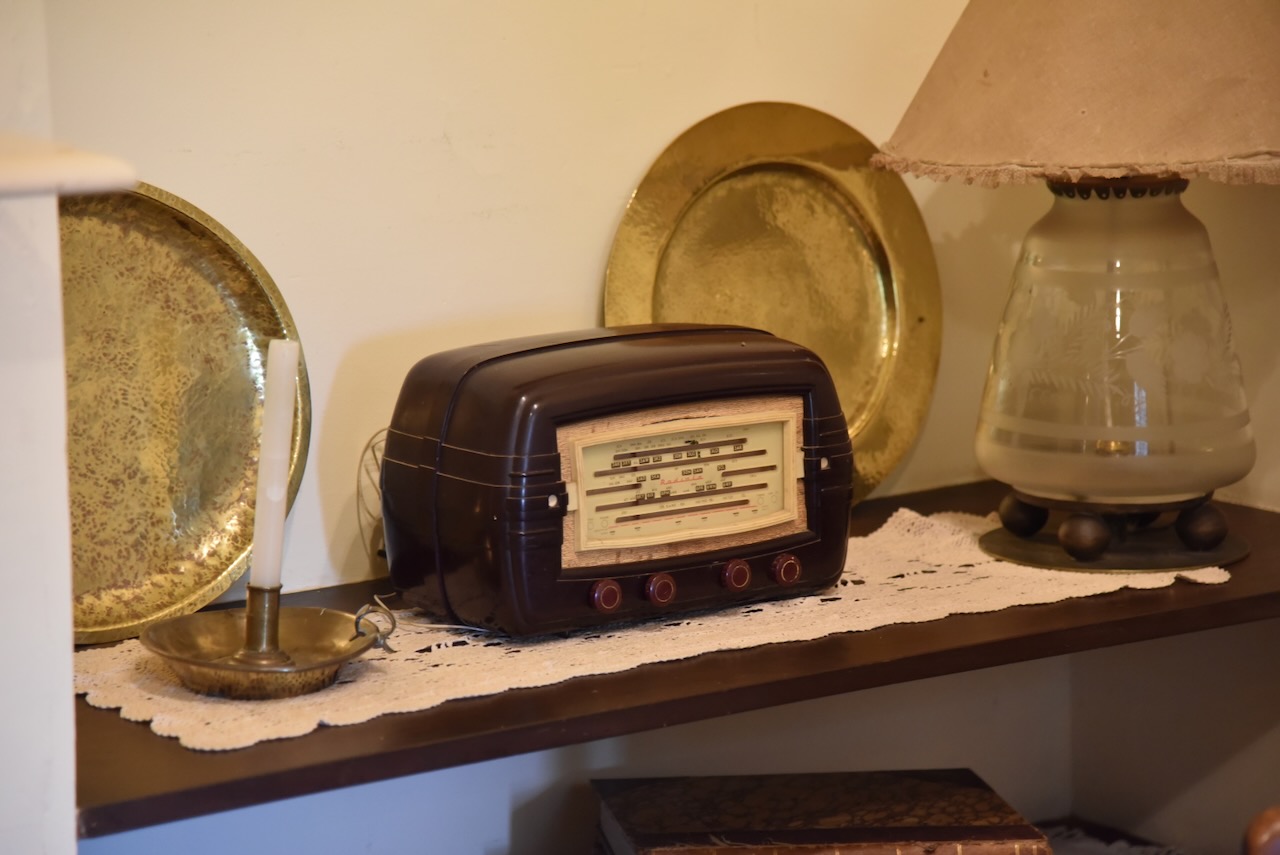
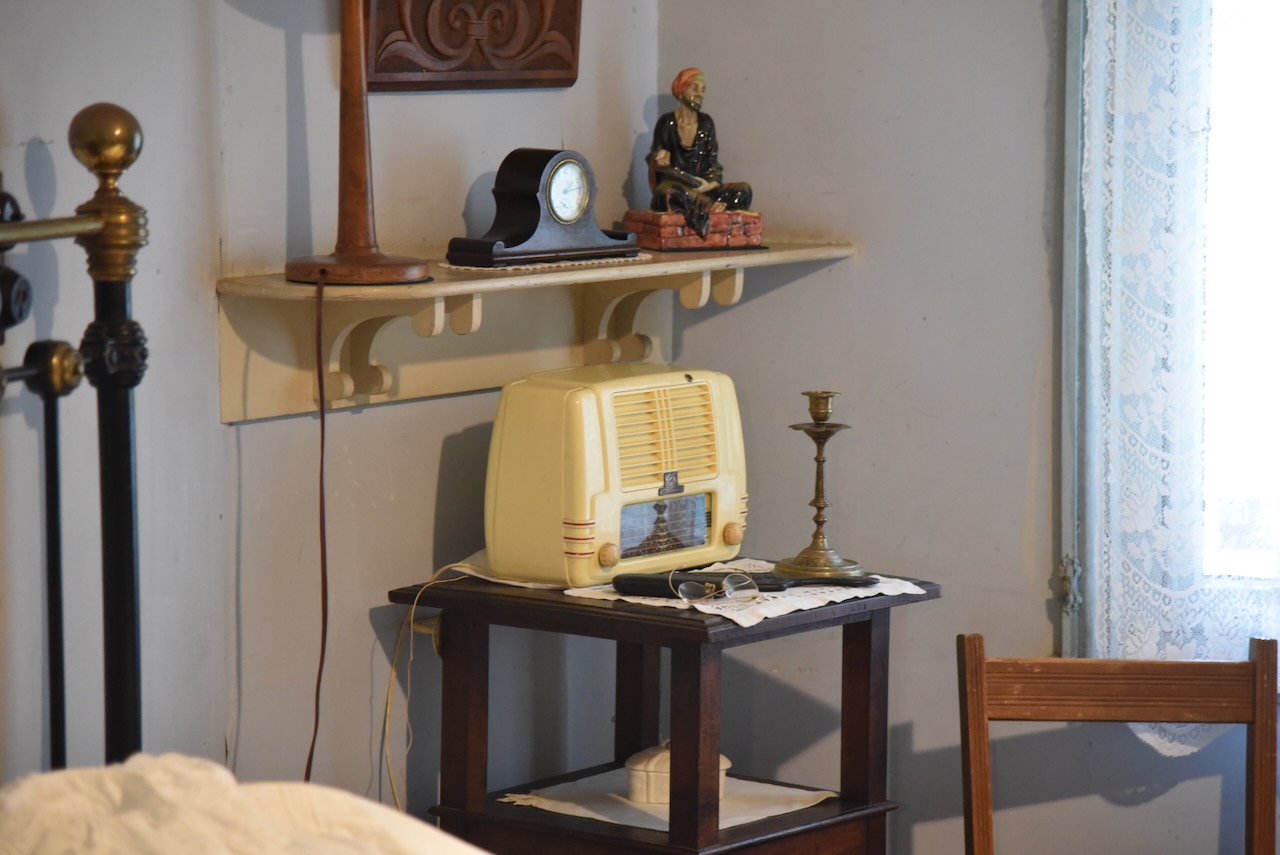
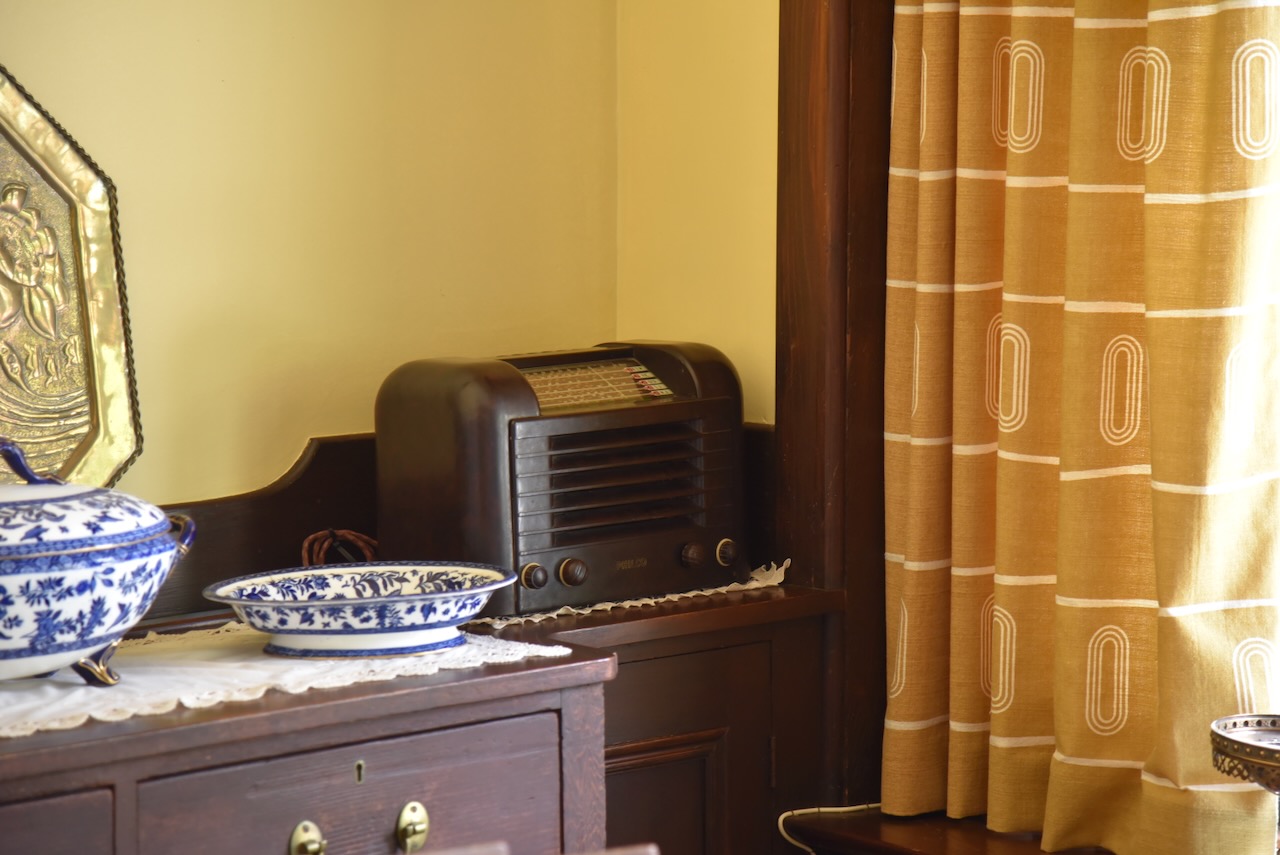
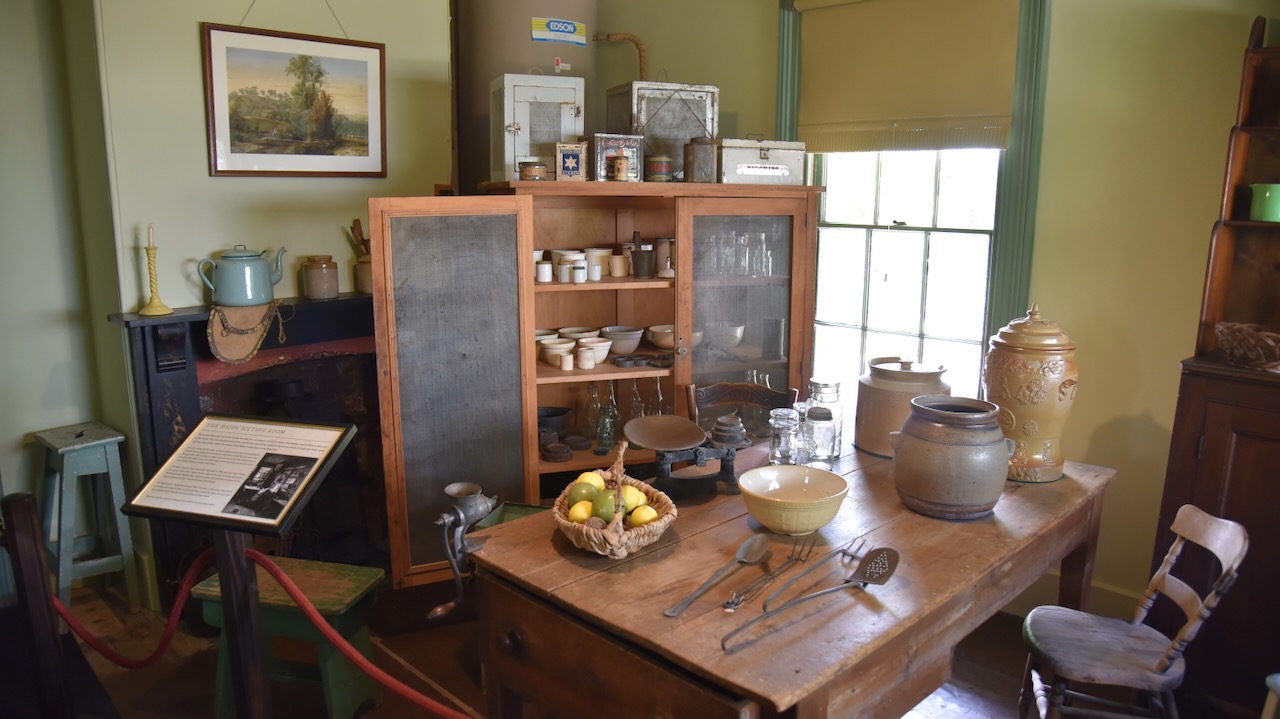
I even found an old bakelite radio in the kitchen.

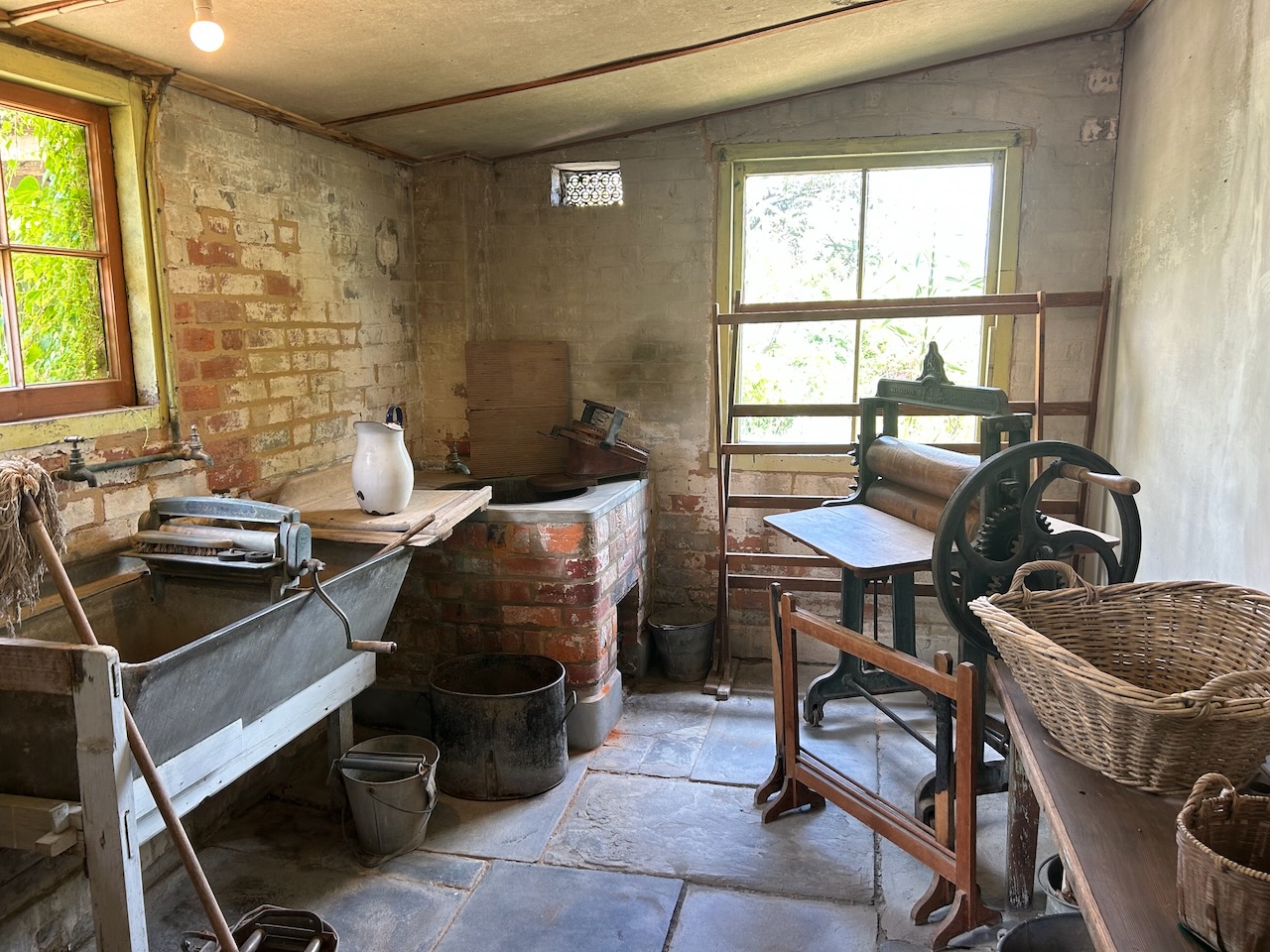
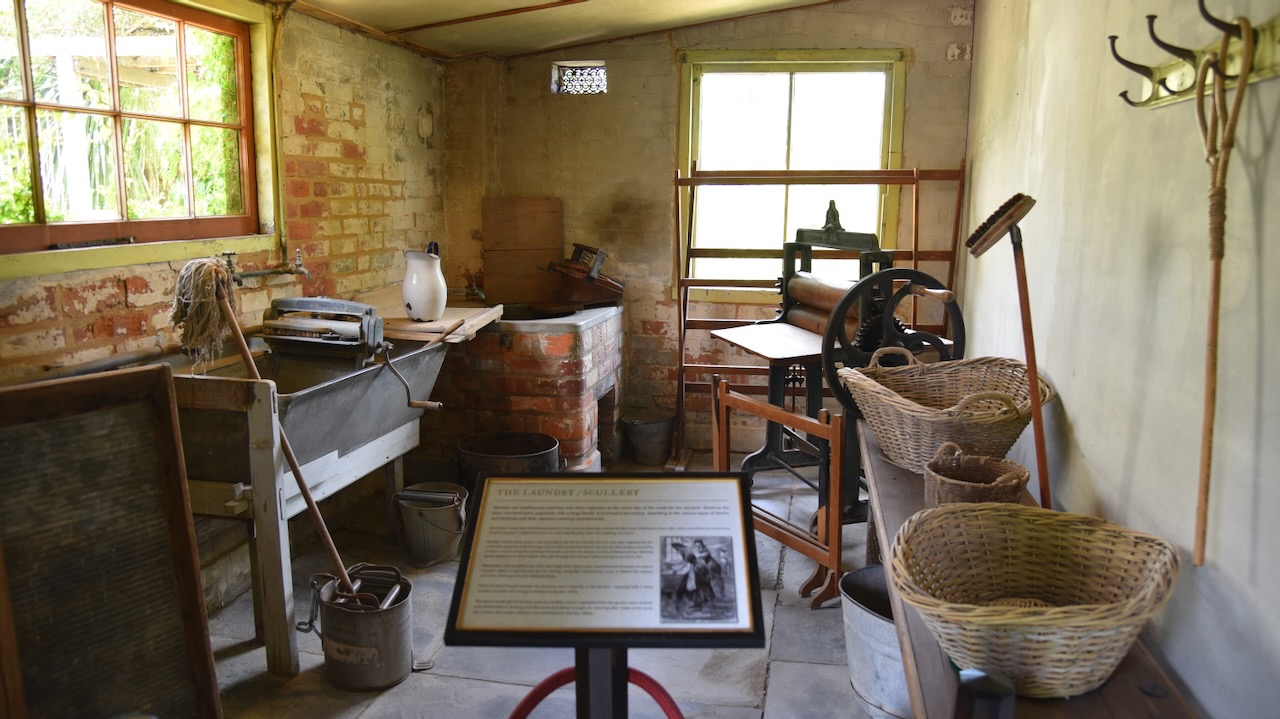
The laundry and scullery is located in the lower section of the house.

Maid’s sitting room

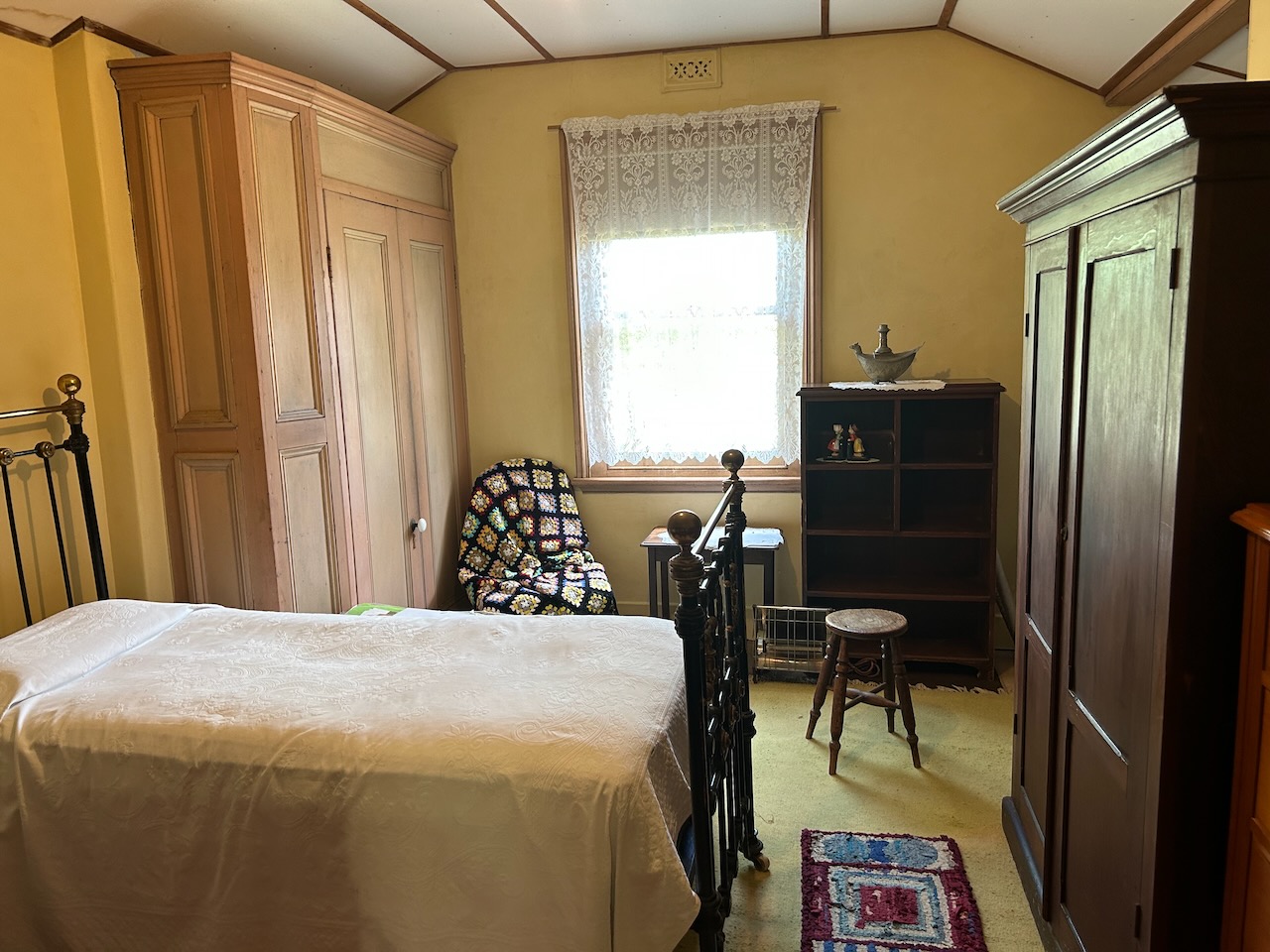
You can also view the maid’s bedroom.

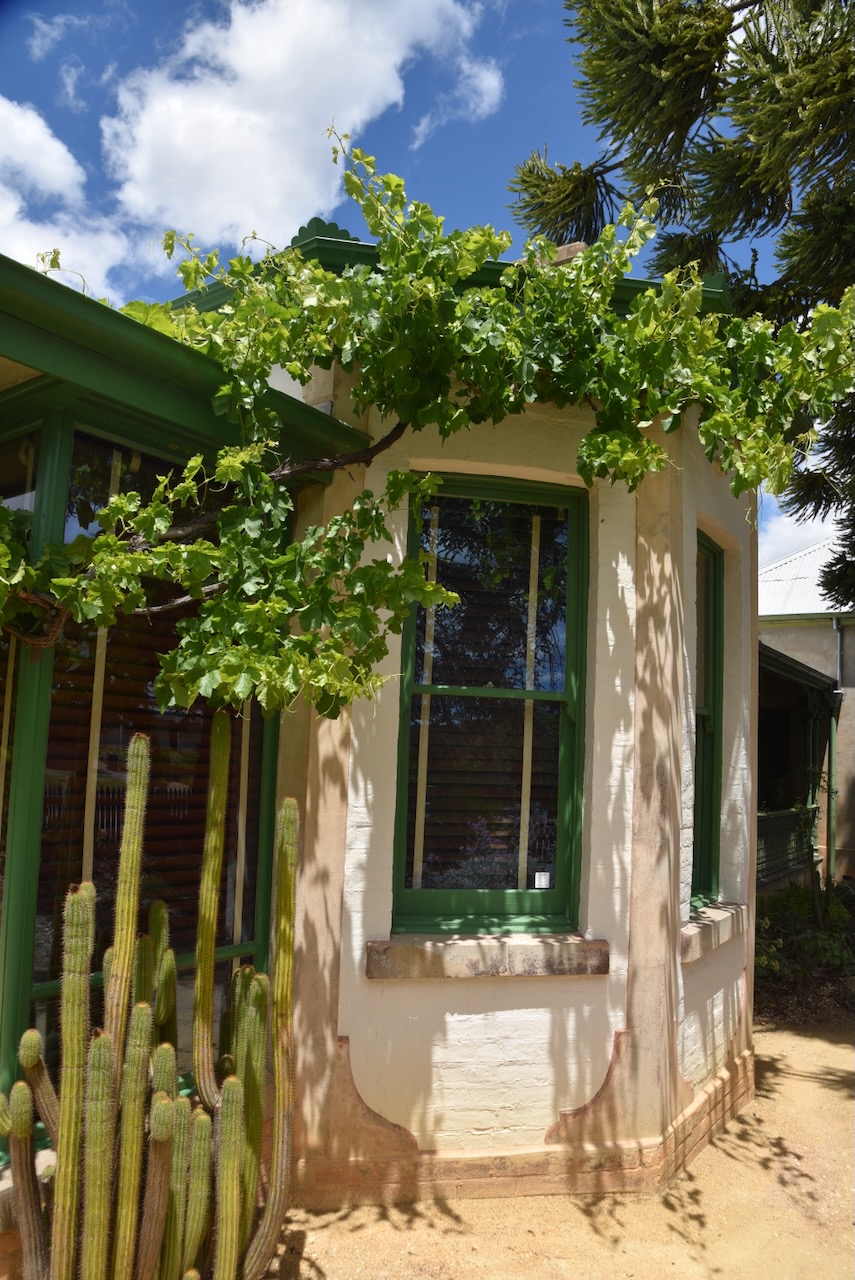
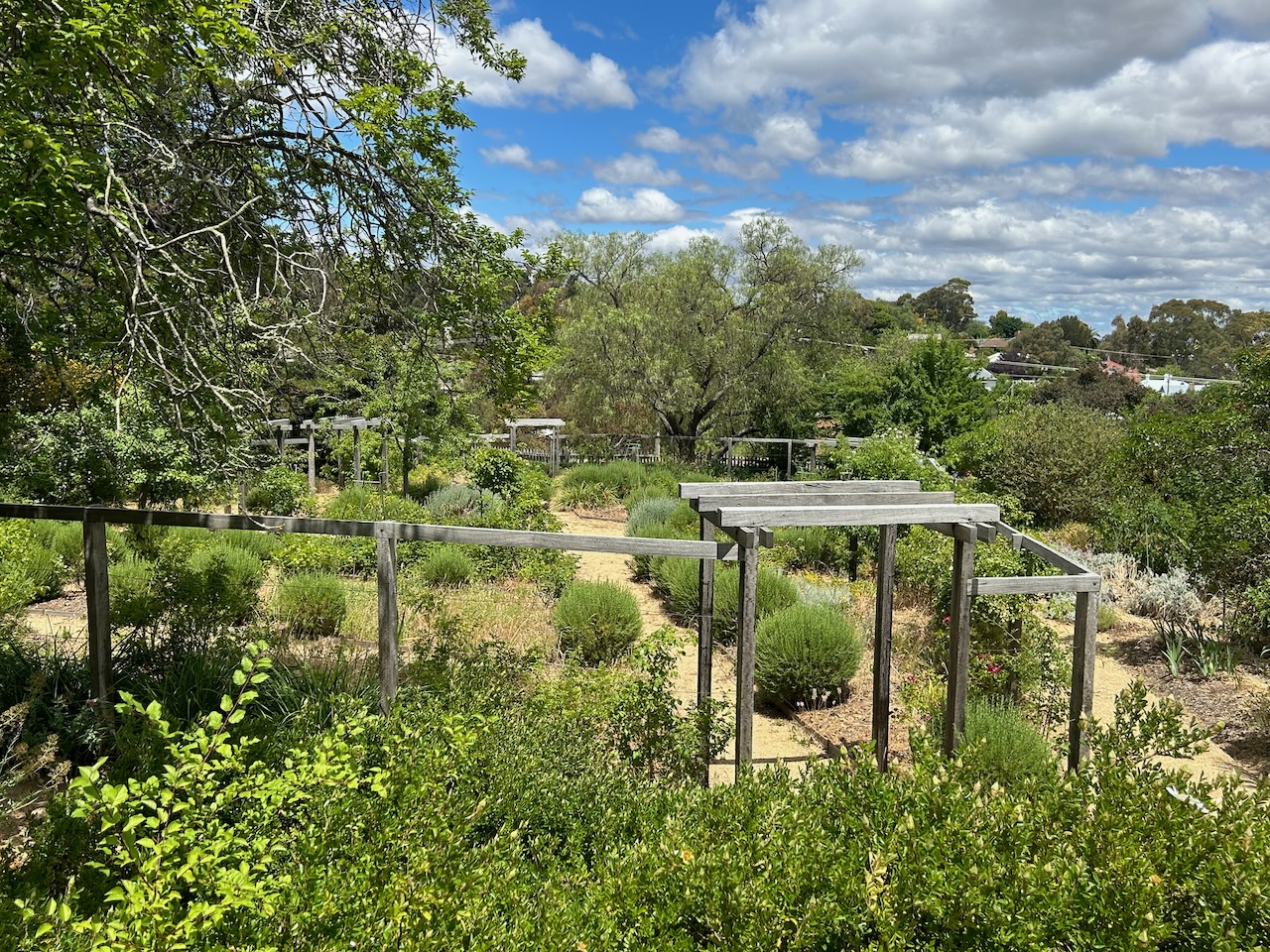
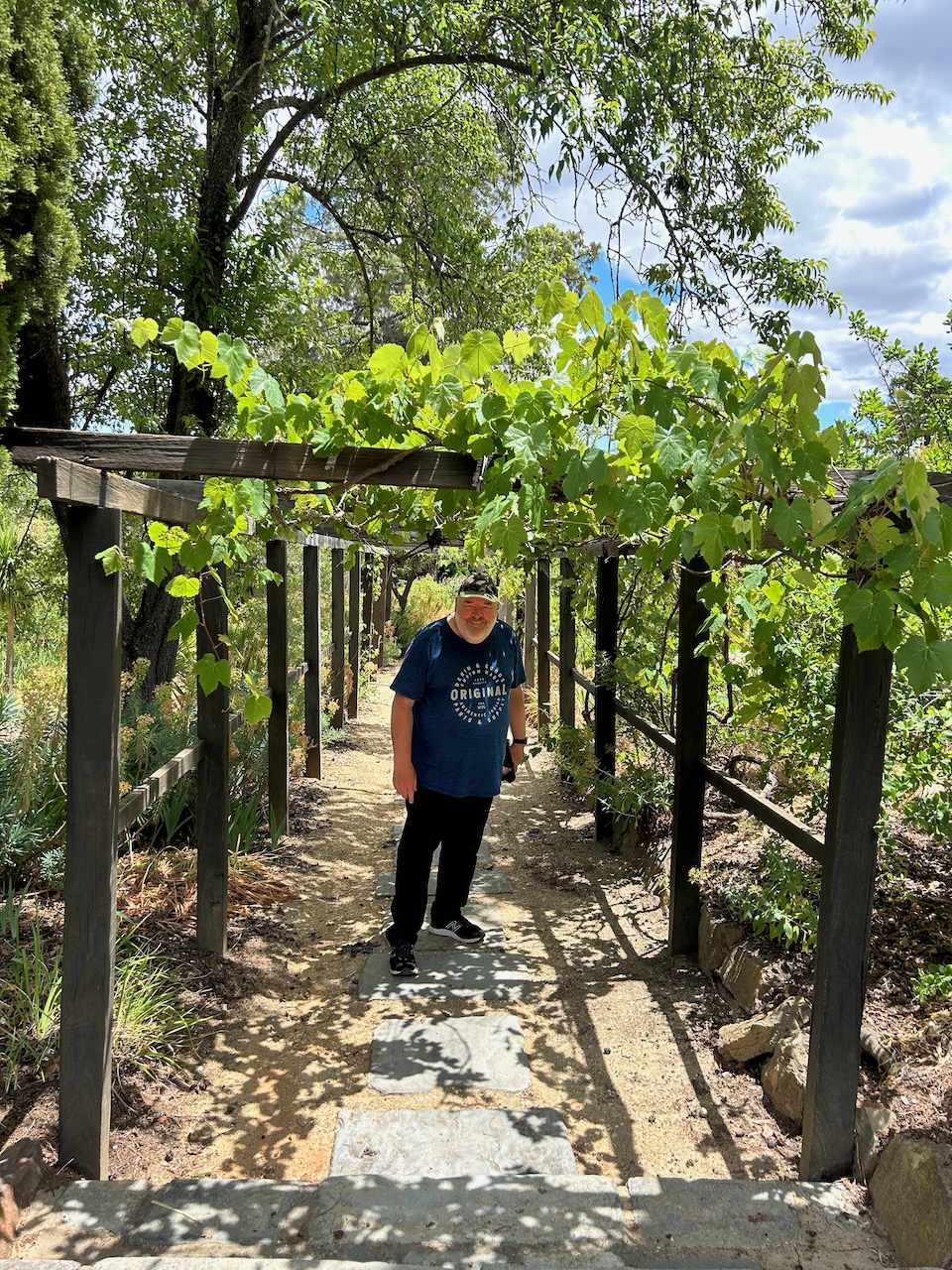
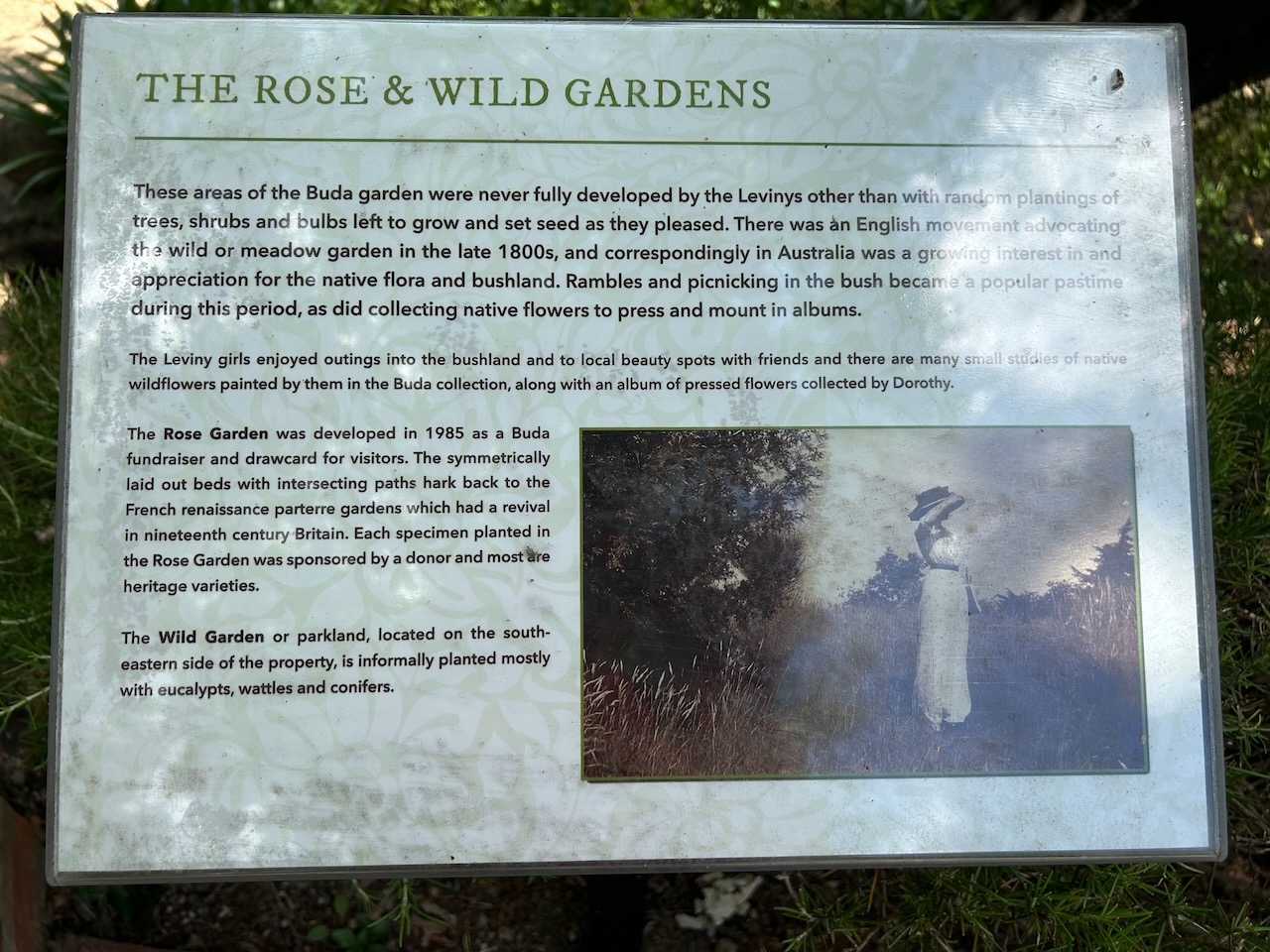
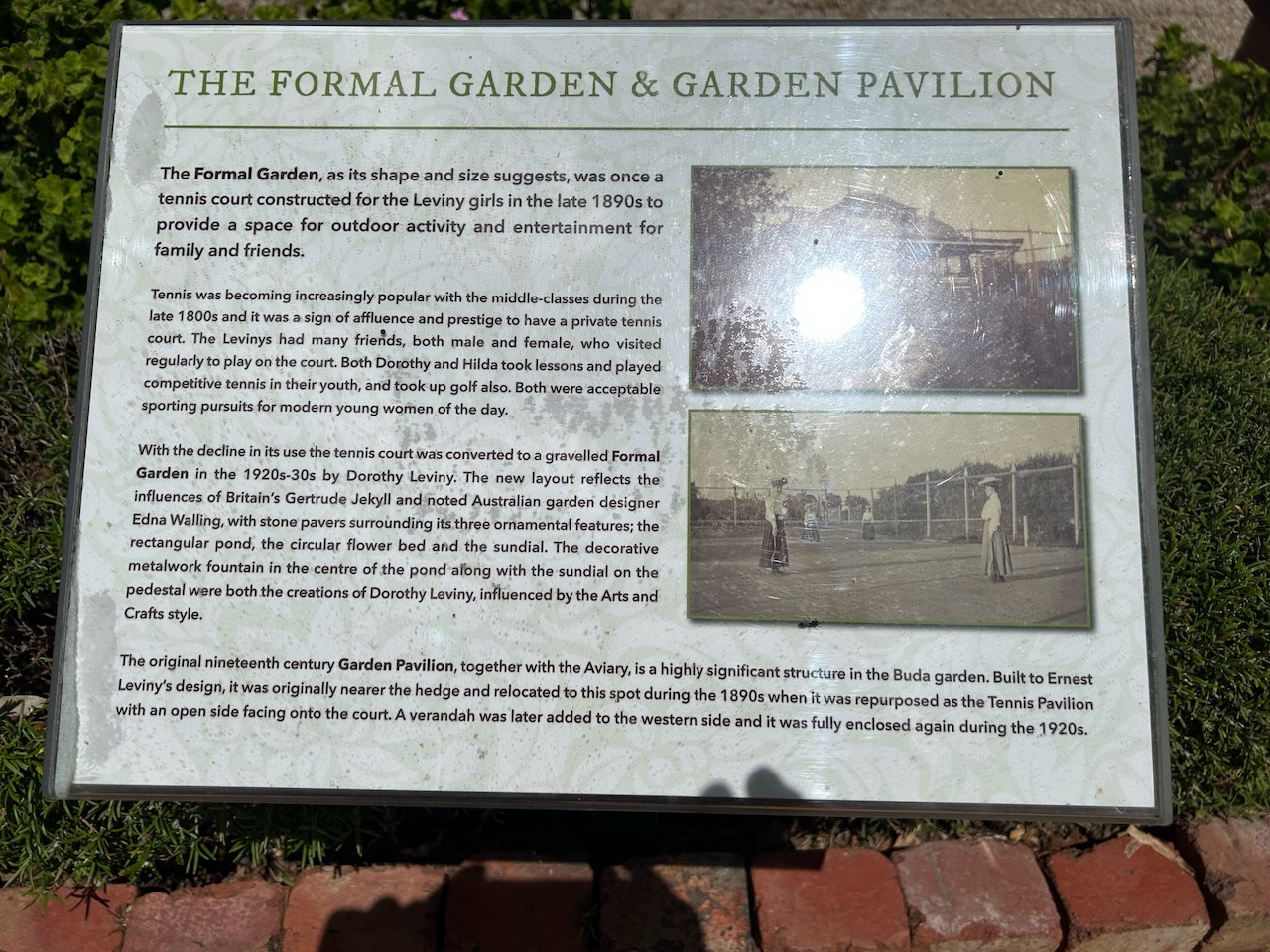
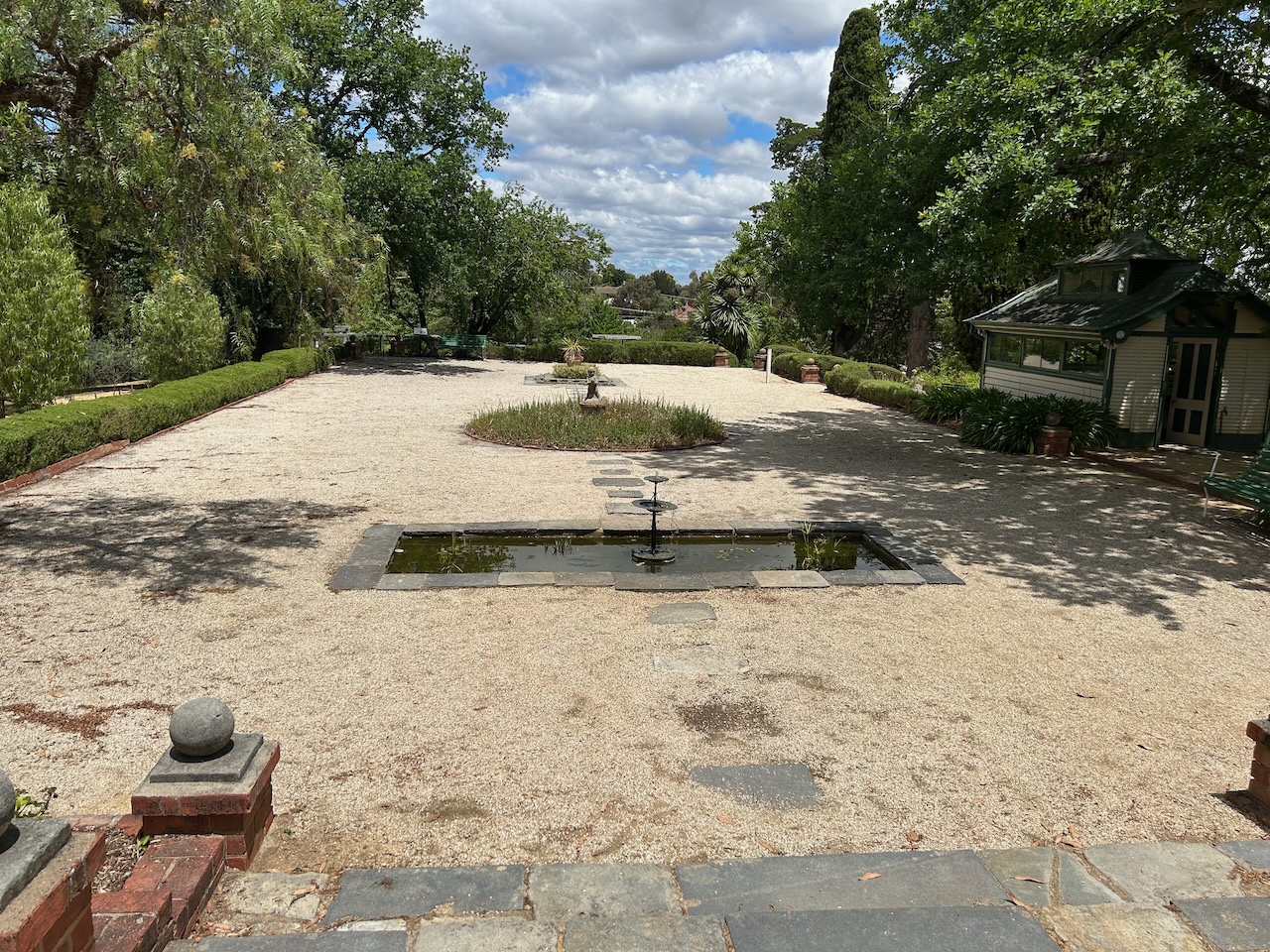
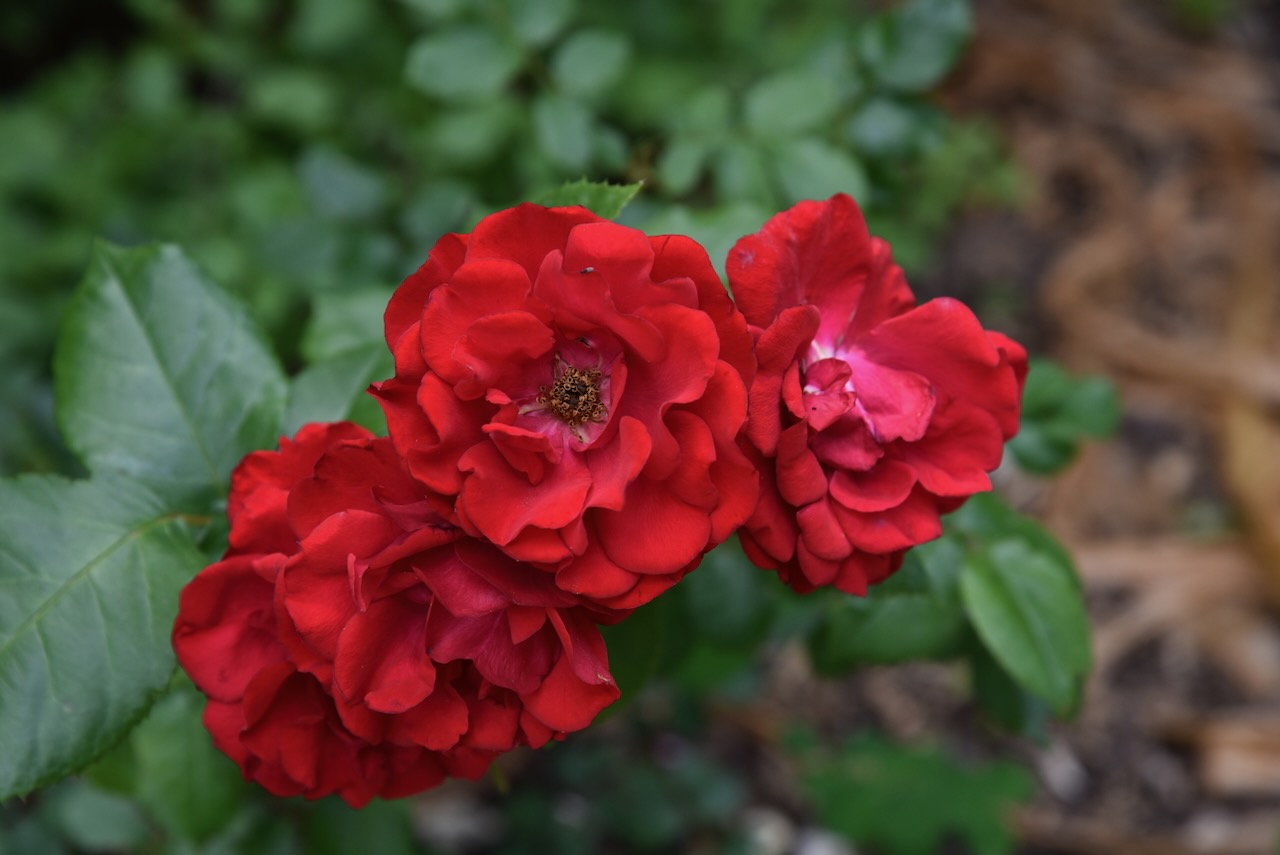
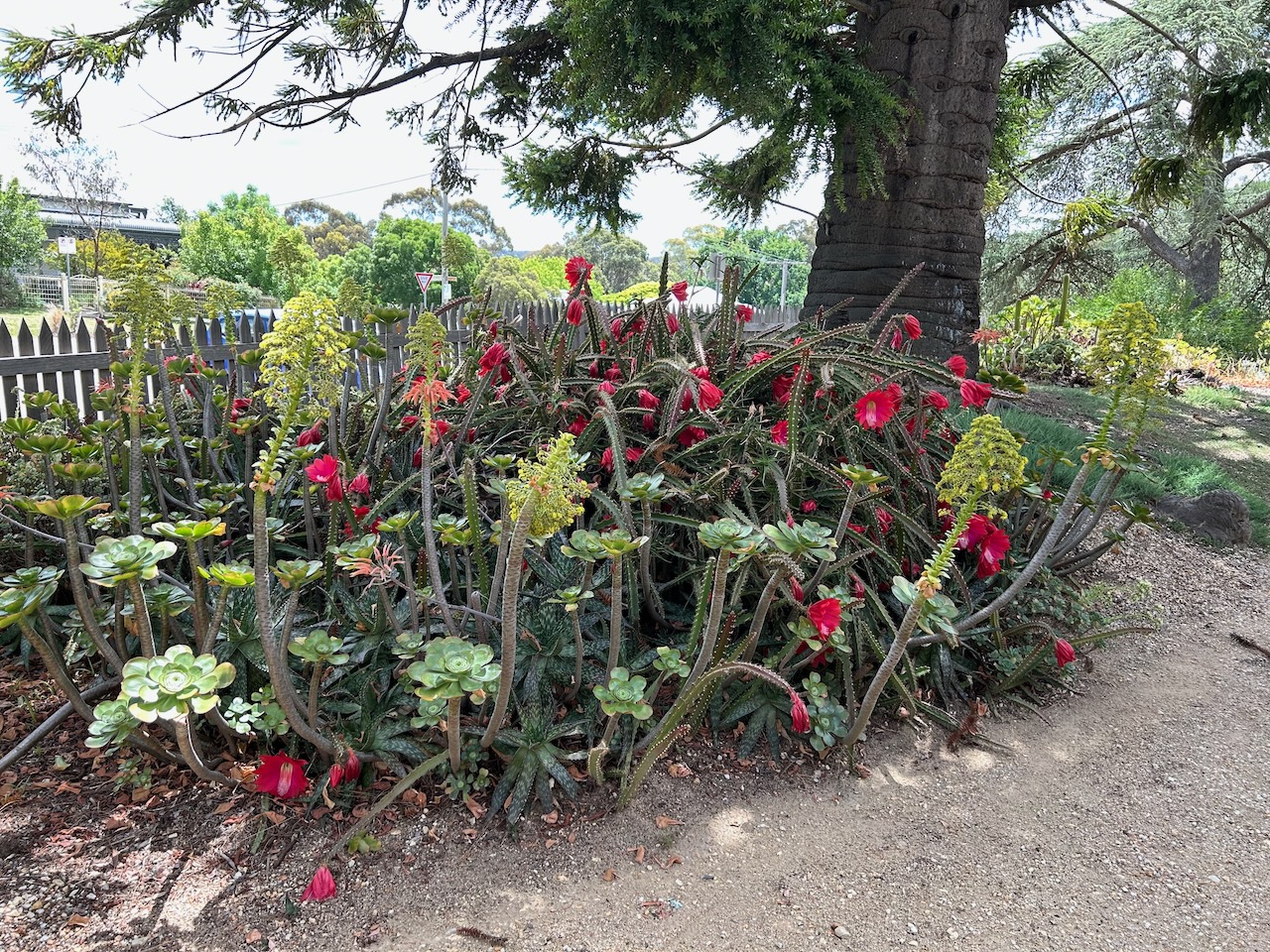
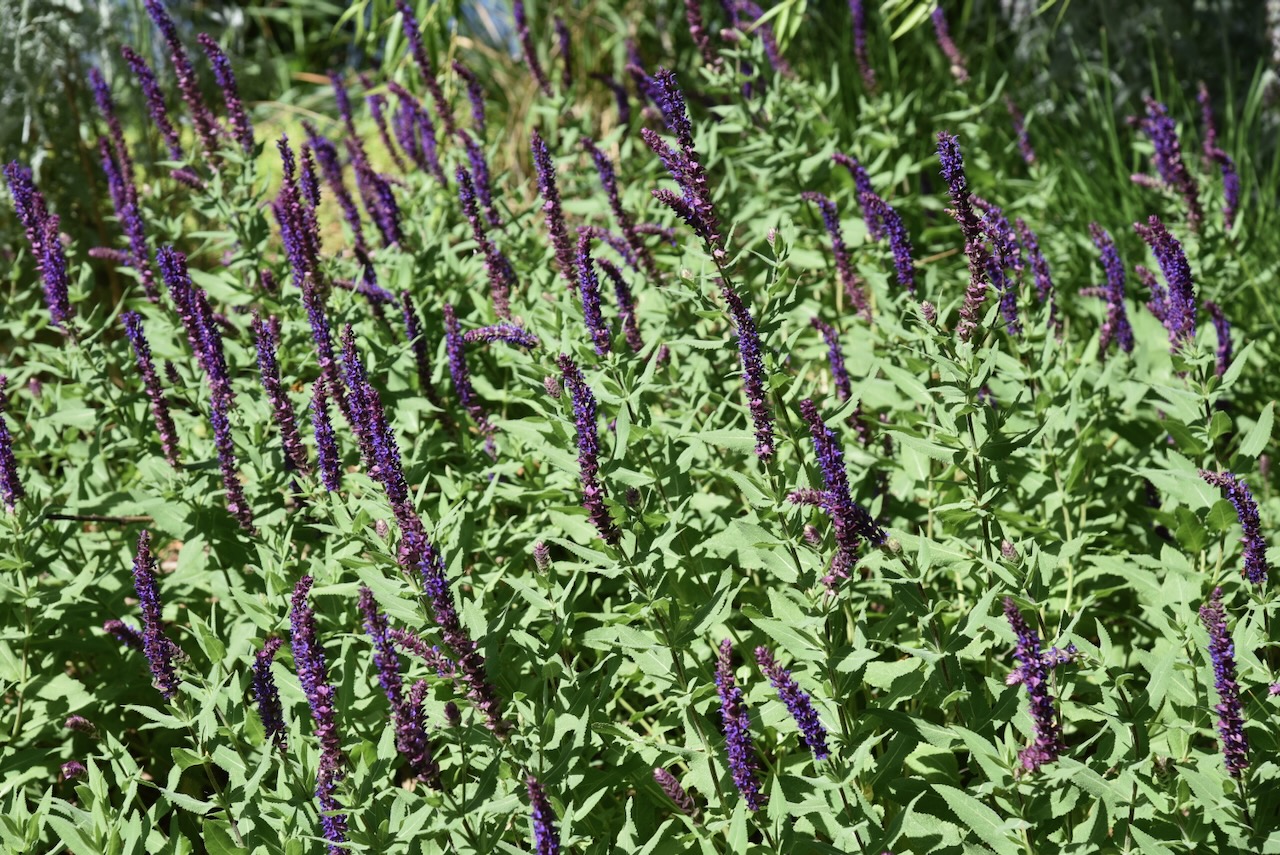
The home also features 3 acres of heritage garden that includes original plantings and structures including a tennis pavilion and grape pergola.

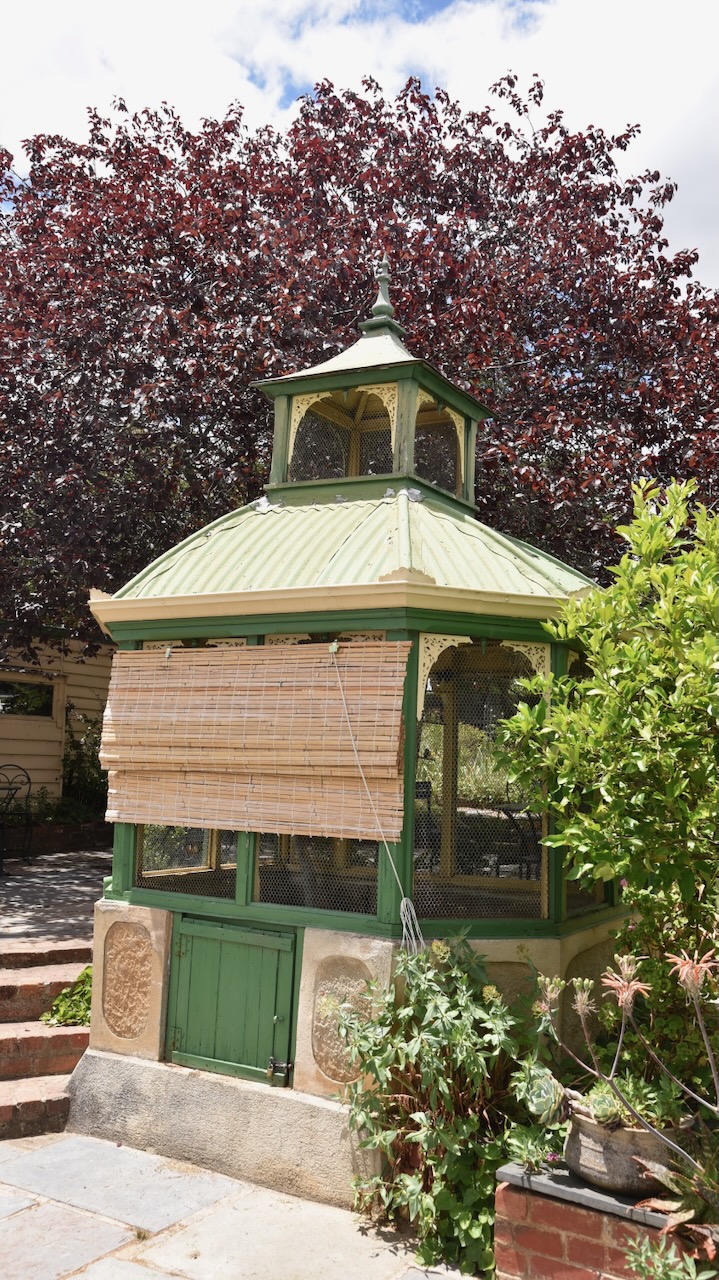
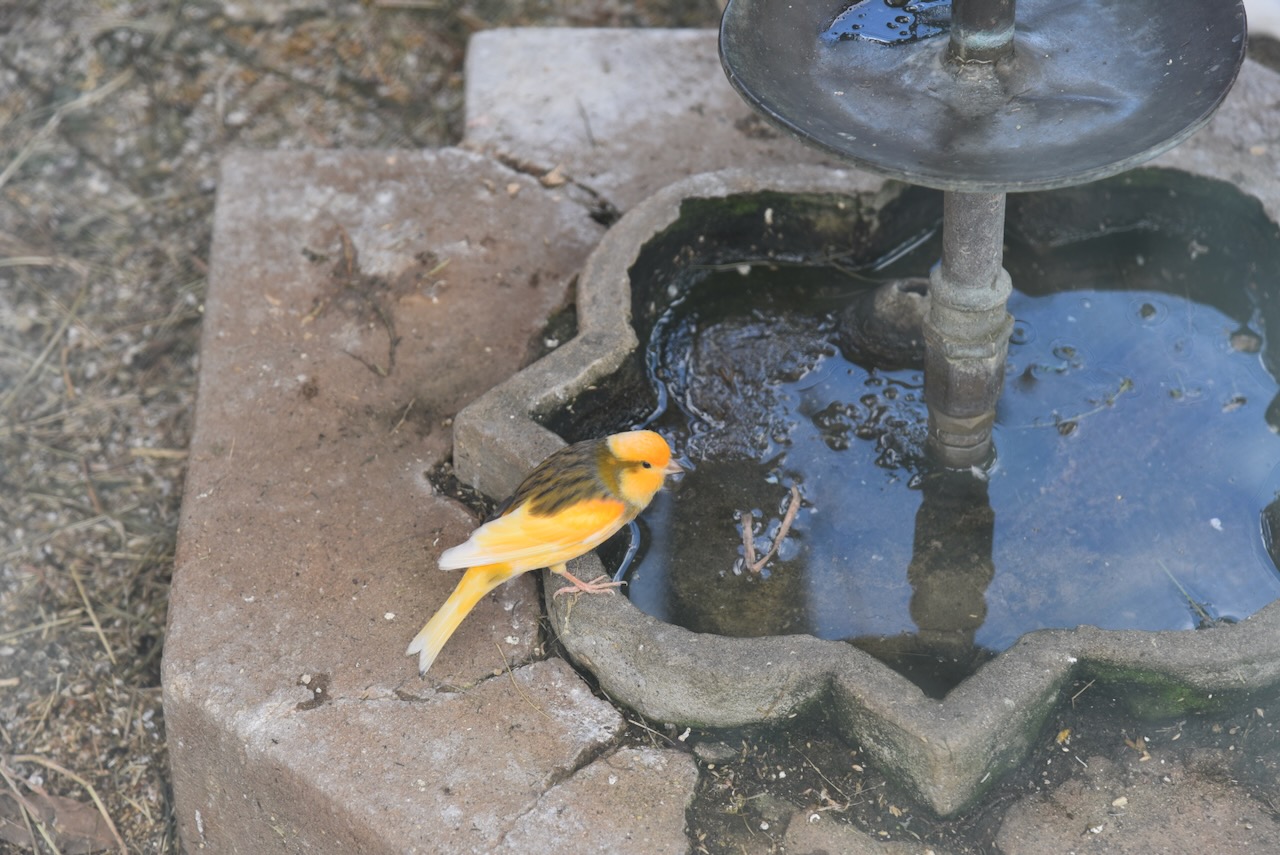
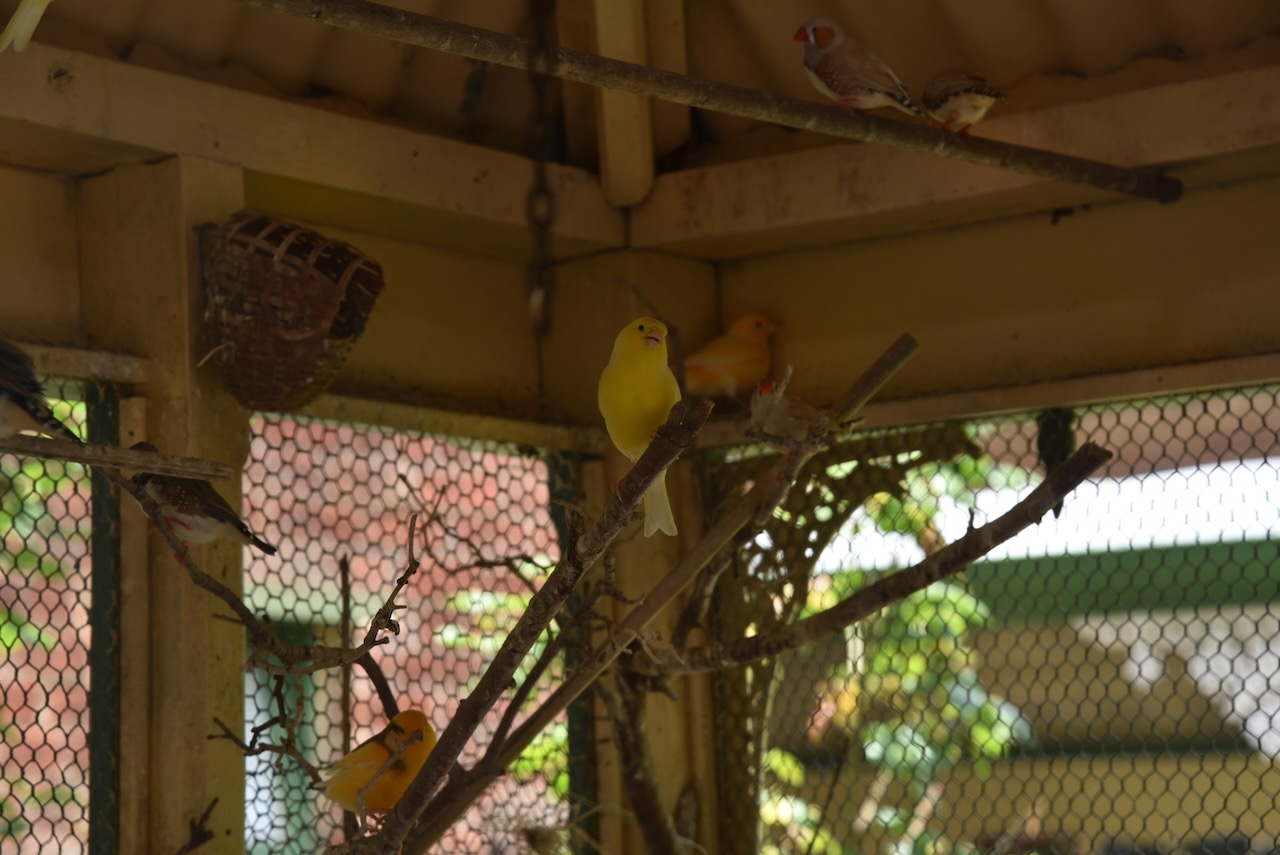
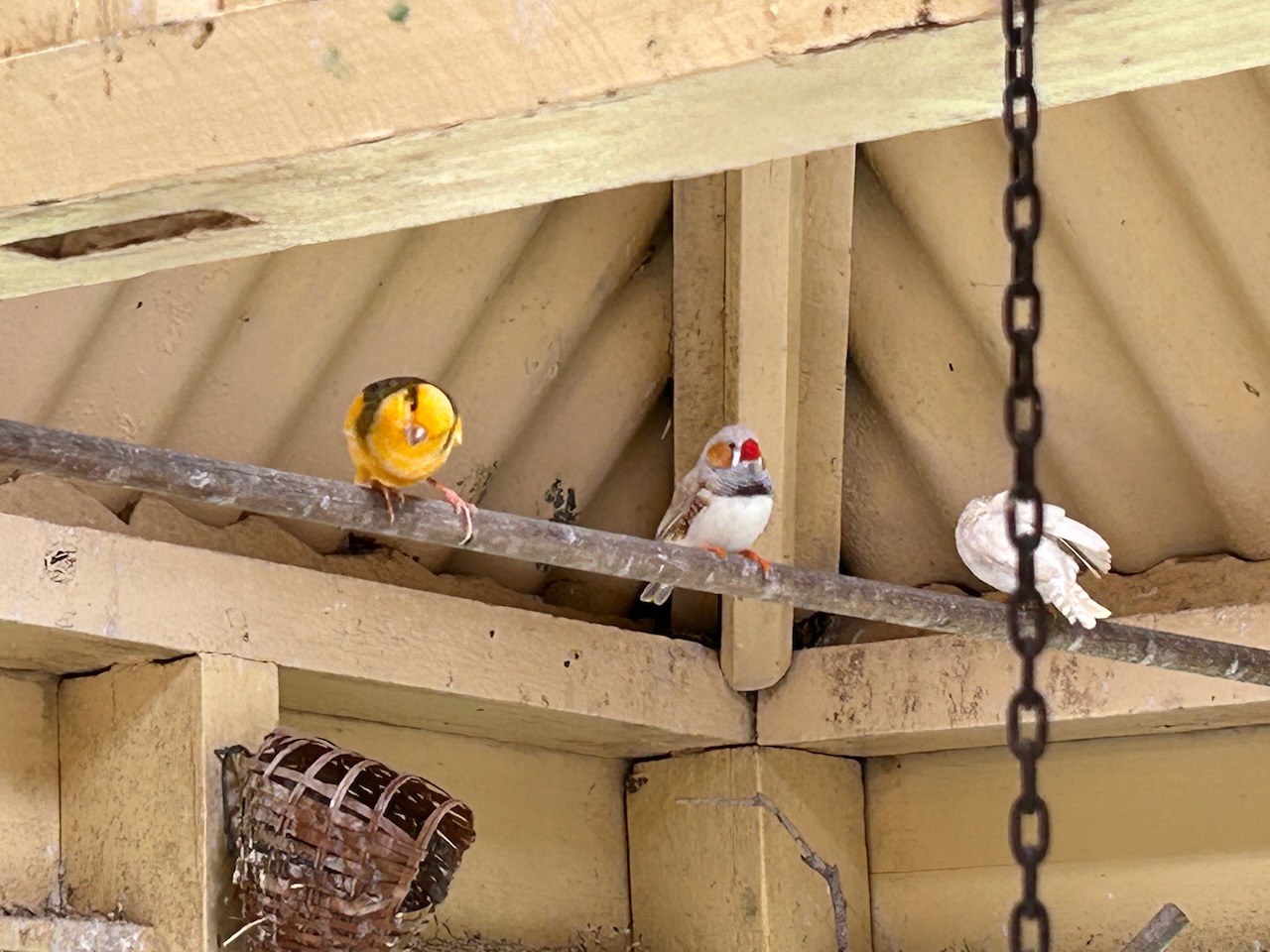
The original bird aviary built in the 1880s containing canaries and zebra finches can also be viewed. The avairy was designed by Ernest Leviny and the decorative metalwork brackets were cast at the local Thompson’s Foundry. Leviny was fond of birds and often brought a new one home with him from Paddy’s Market in Melbourne. Hilda, the youngest daughter, continued to tend the canaries and finches up until her death in 1981.

After a very enjoyable couple of hours at Buda House, Marija and I had a further look around Castlemaine.

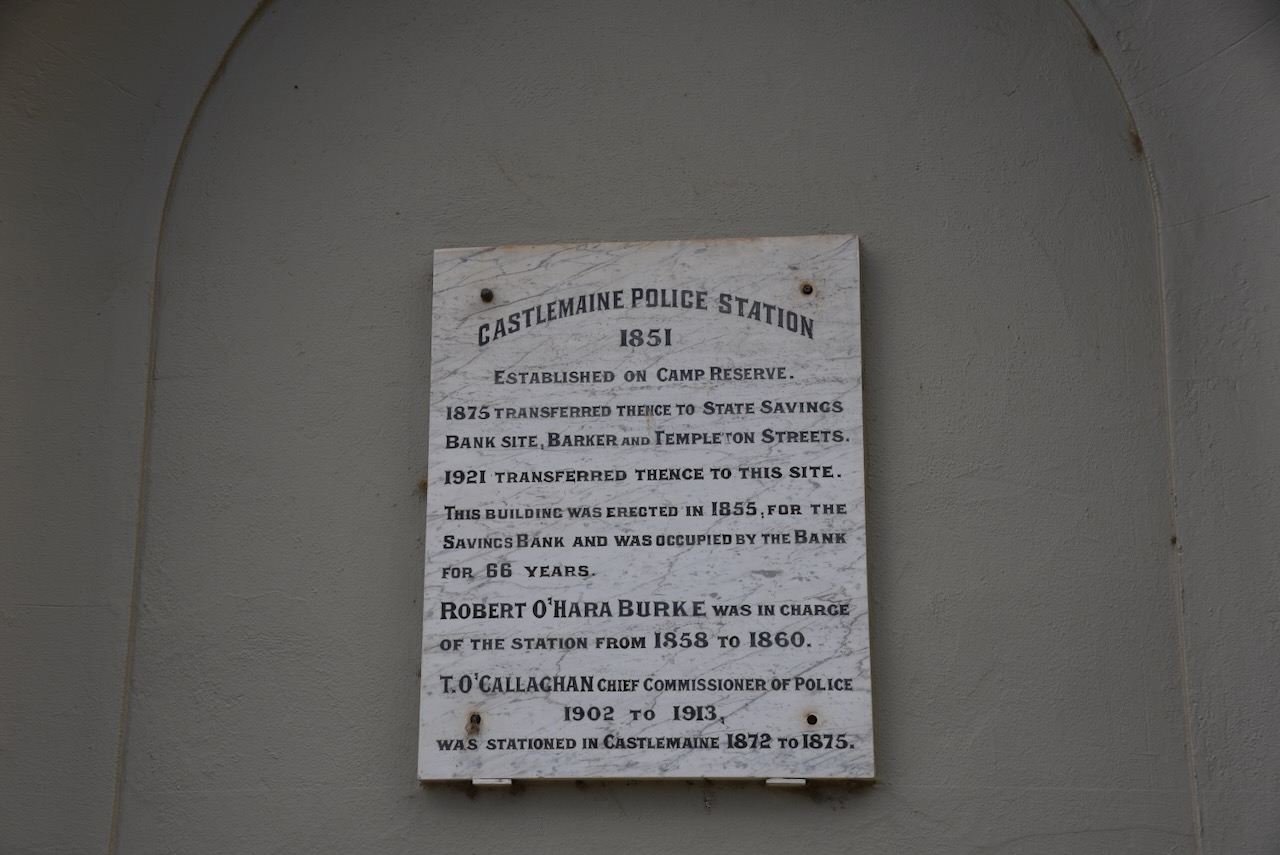
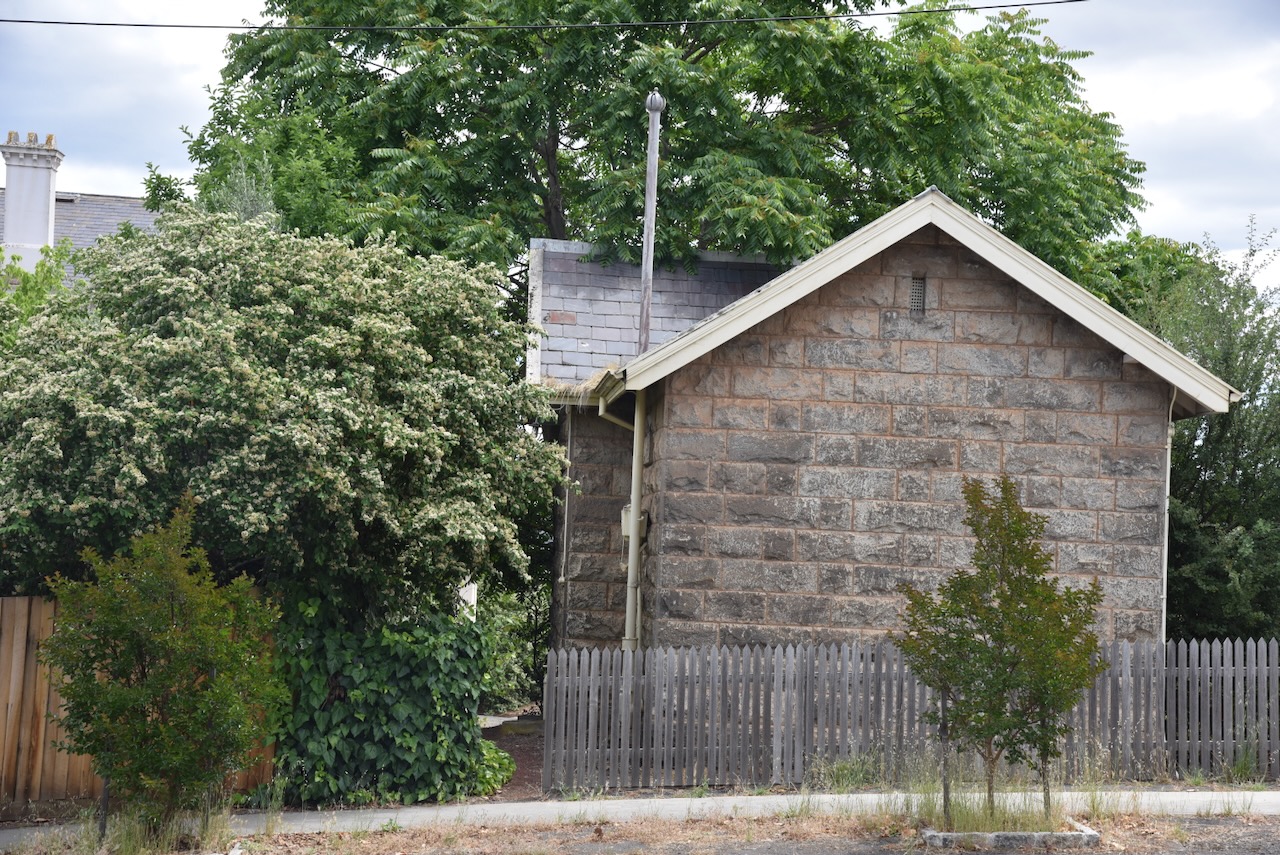
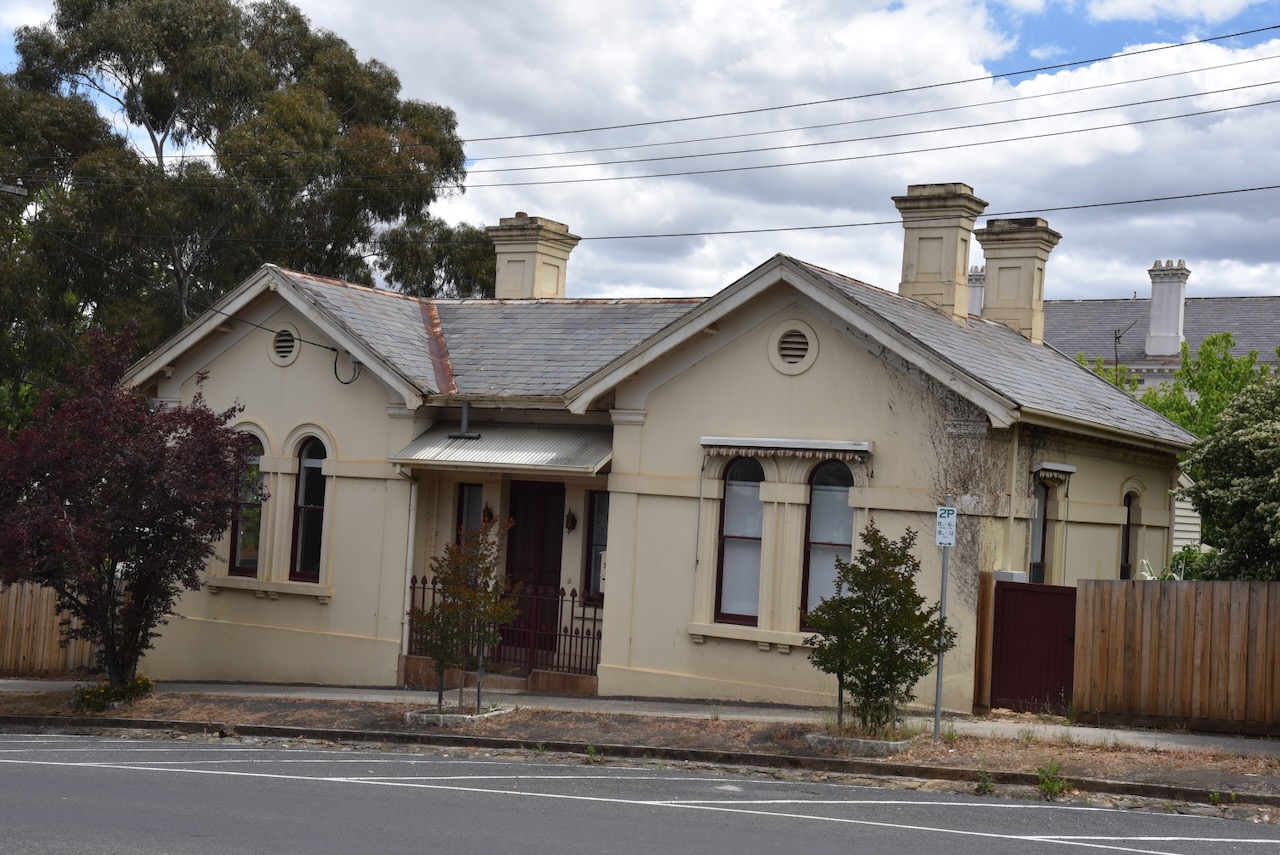
The old Castlemaine Police Station was built in 1851 on Camp Reserve. This building in Hargraves Street was originally the State Savings Bank from 1855. It became the police station in 1921. (Walking Maps 2024)

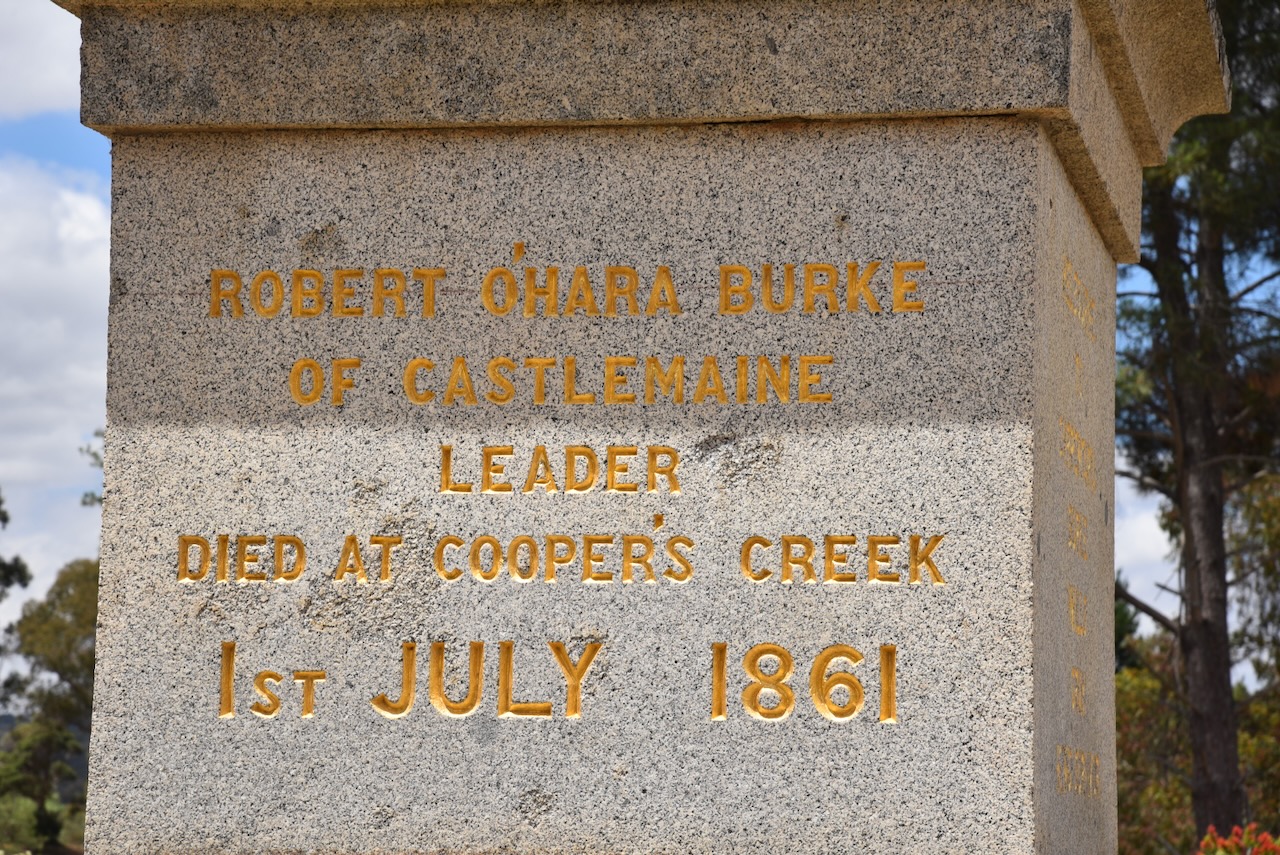
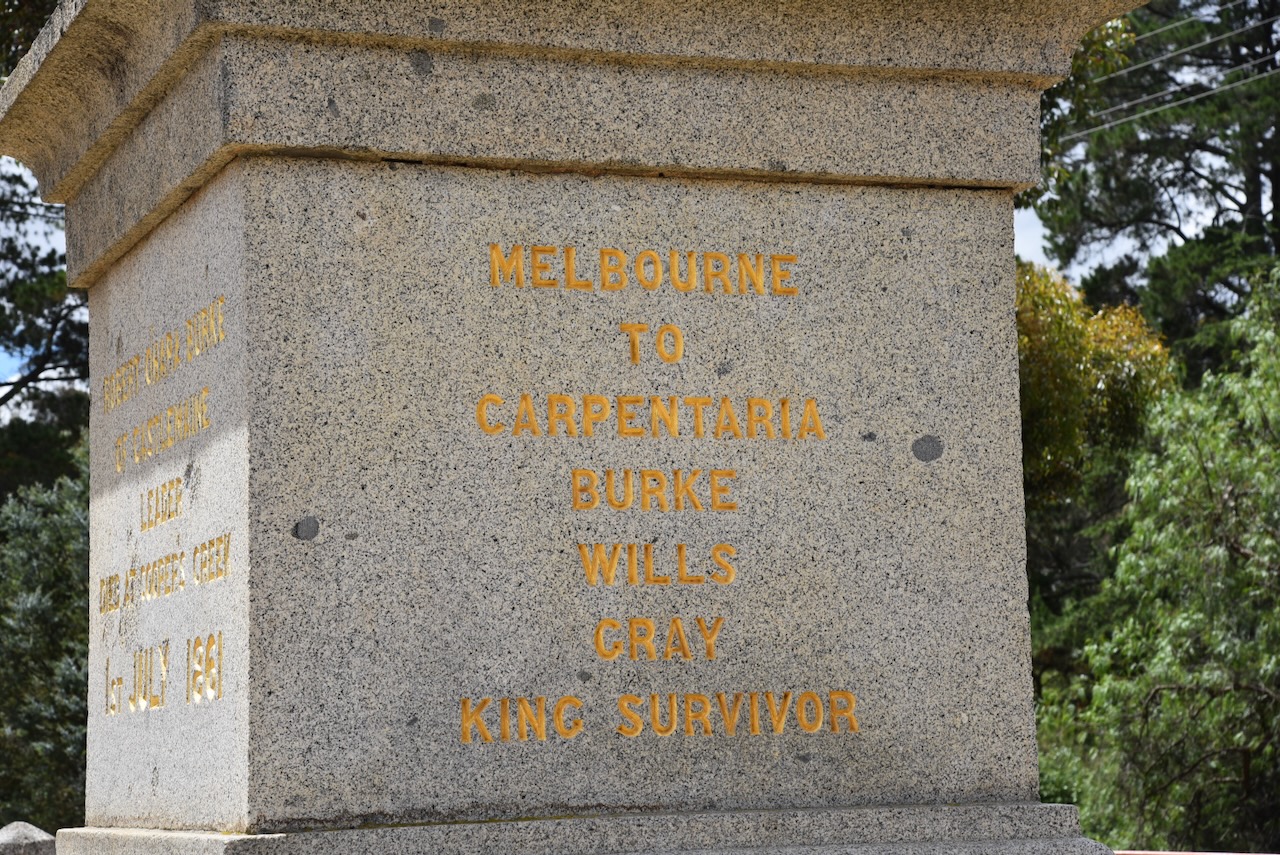
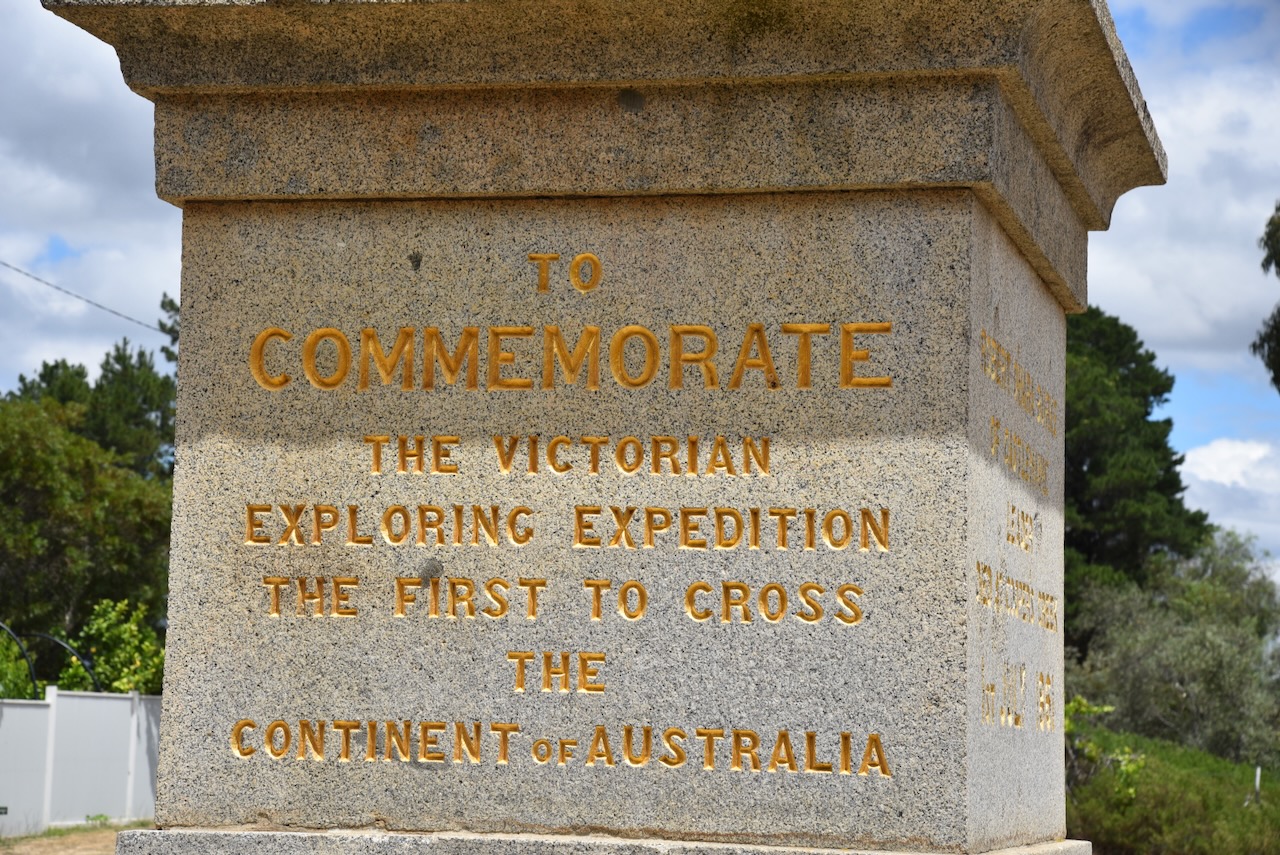
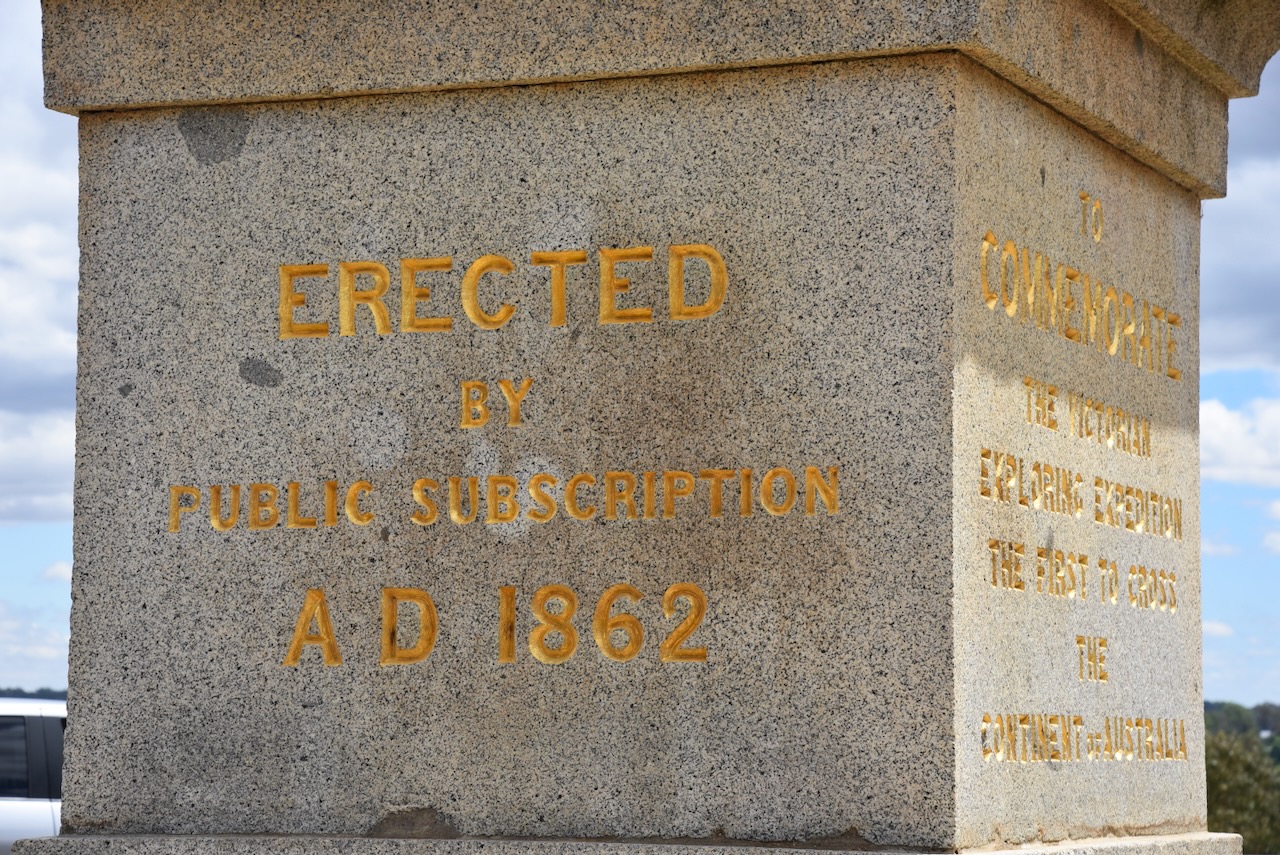
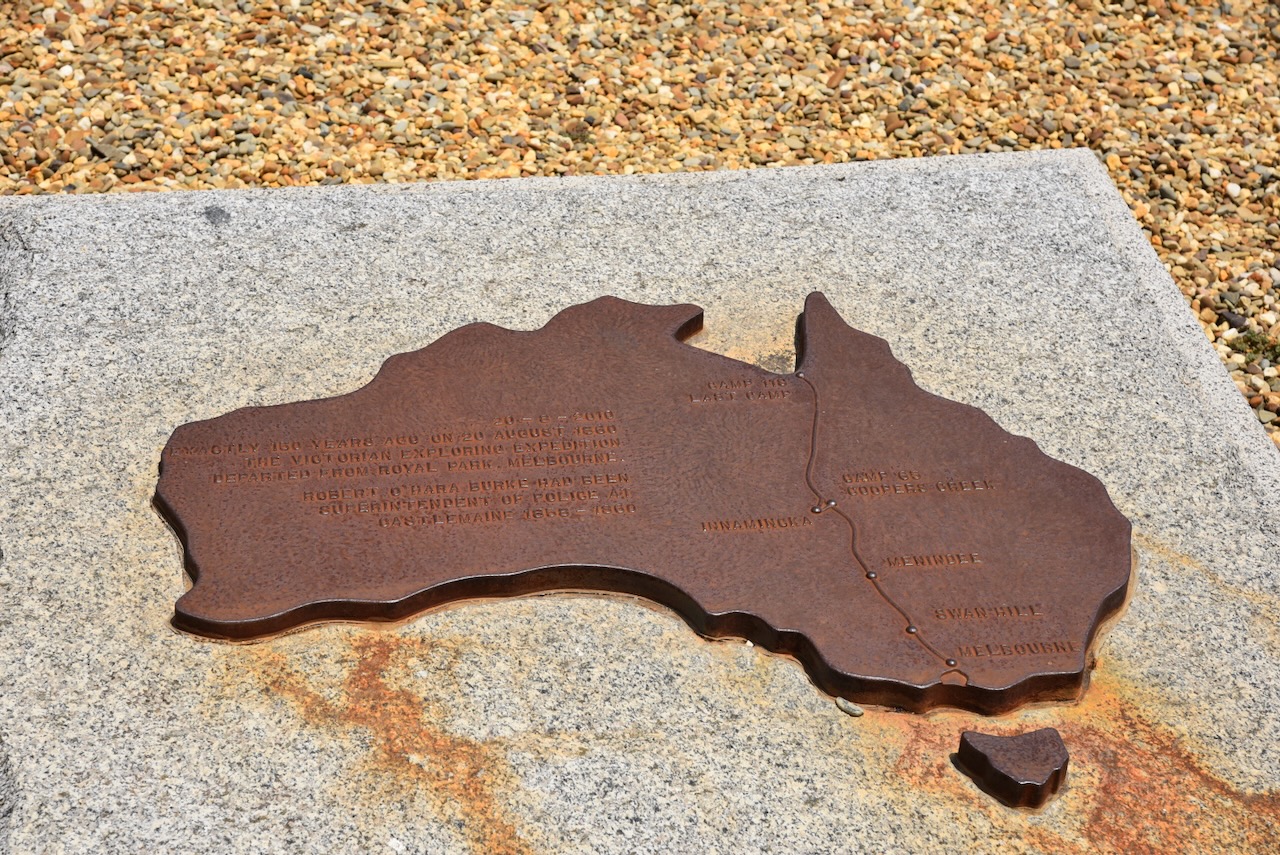
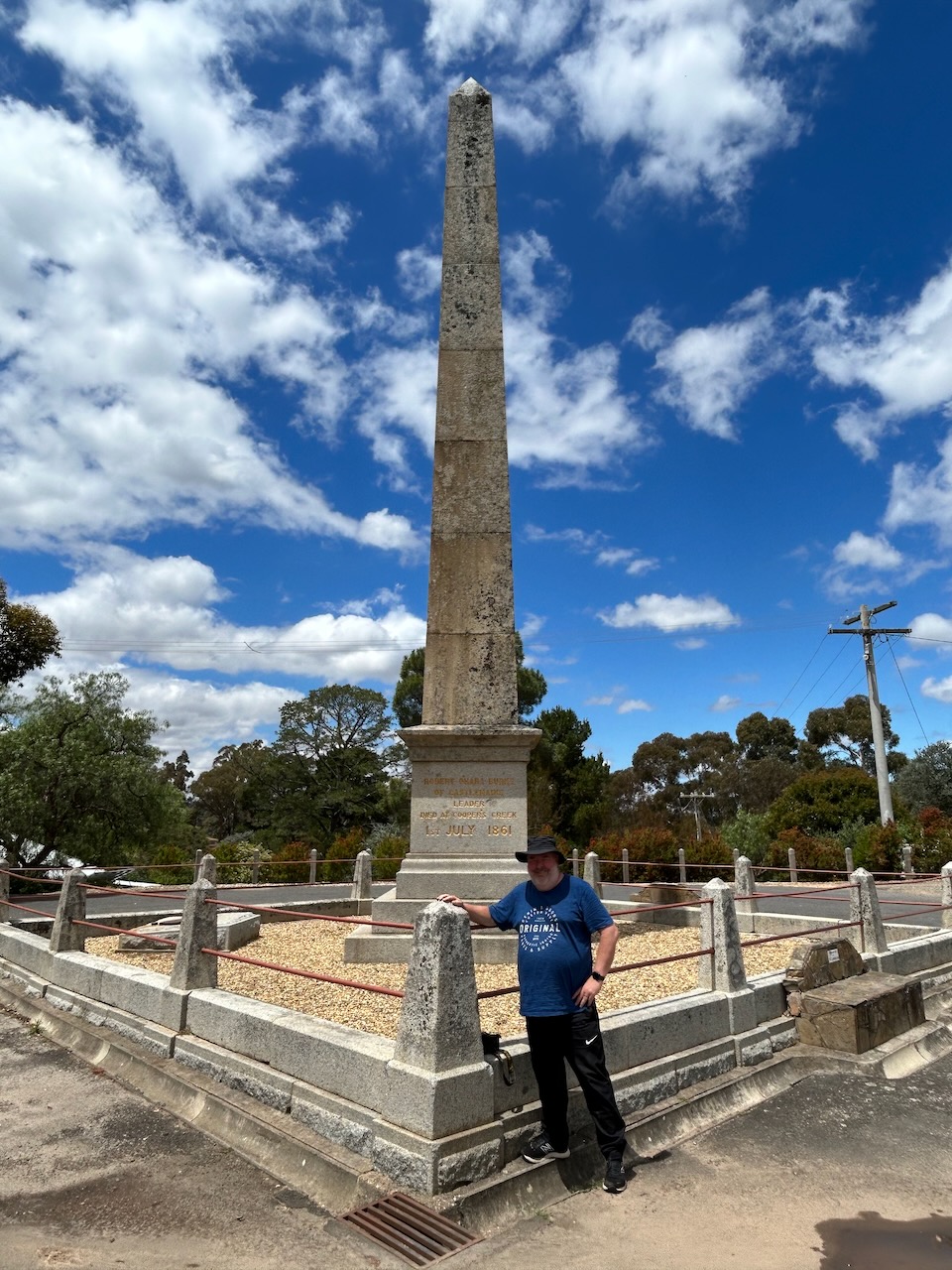
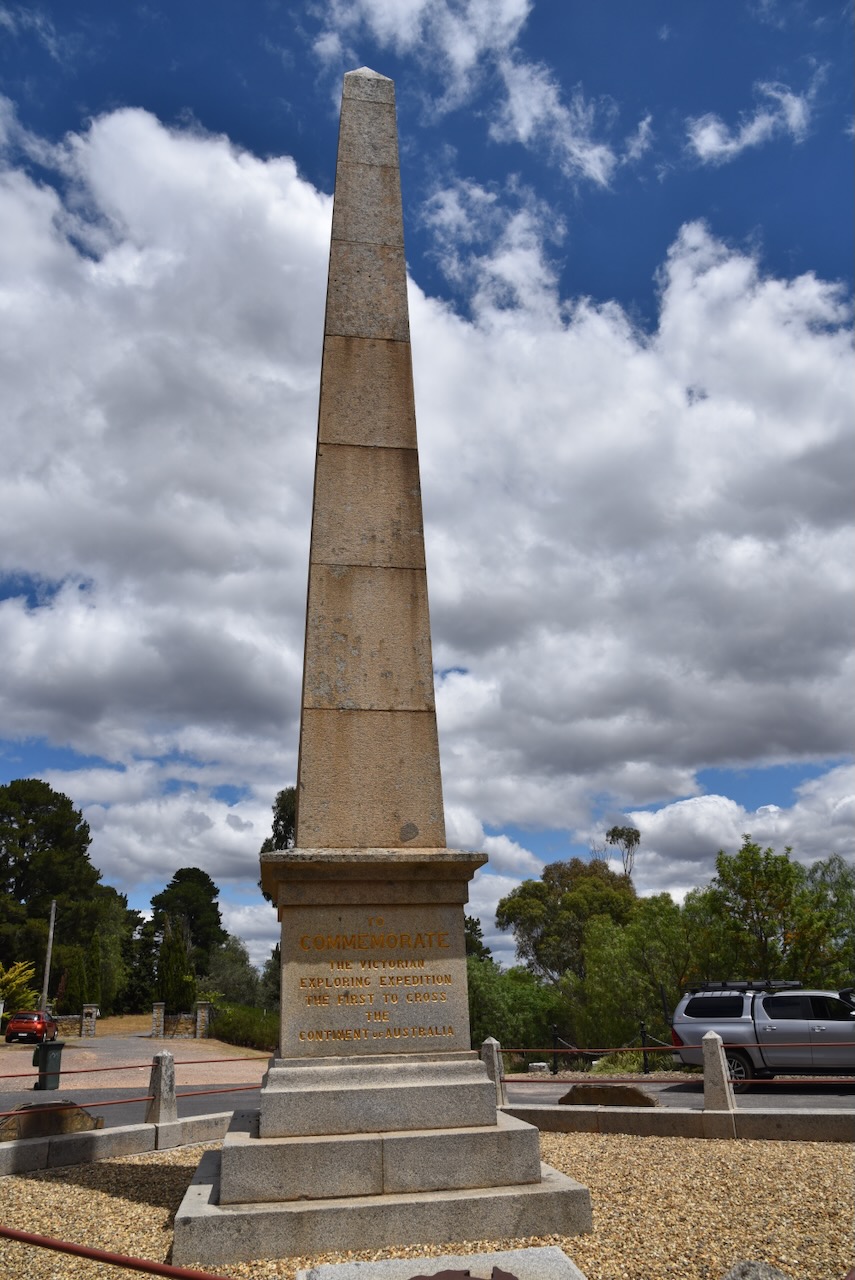
The Burke and Wills monument can be found at the corner of Mostyn and Wells Street at Castlemaine. The monument commemorates the explorers Robert O’Hara Burke, William John Wills, and Charles Gray, members of the first Victorian Exploring Expedition. They were the first men to cross the continent of Australia from south to north in 1861. Sadly Burke, Wills and Gray perished during the return journey. (Monuments Australia 2024)

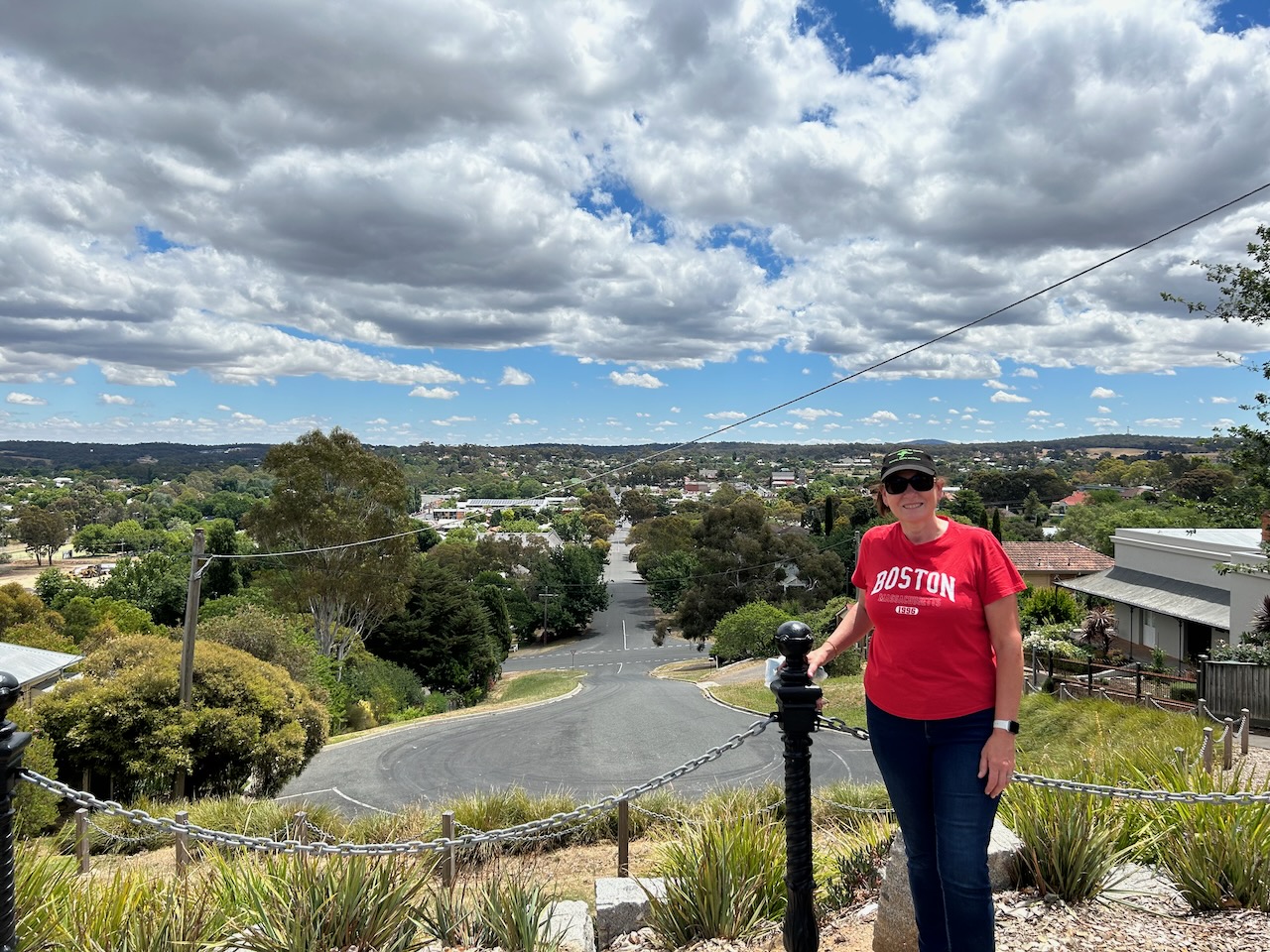
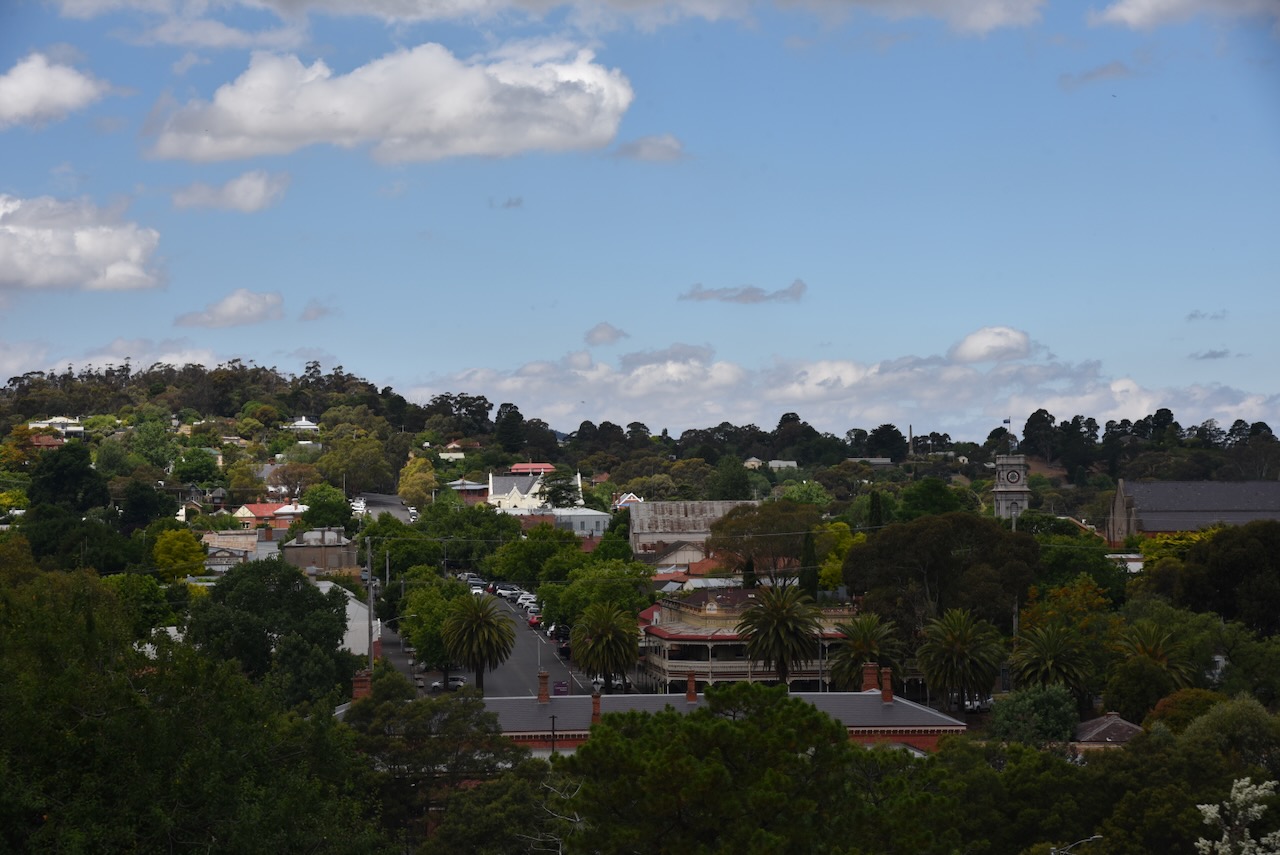
There are some nice views of Castlemaine from the monument.

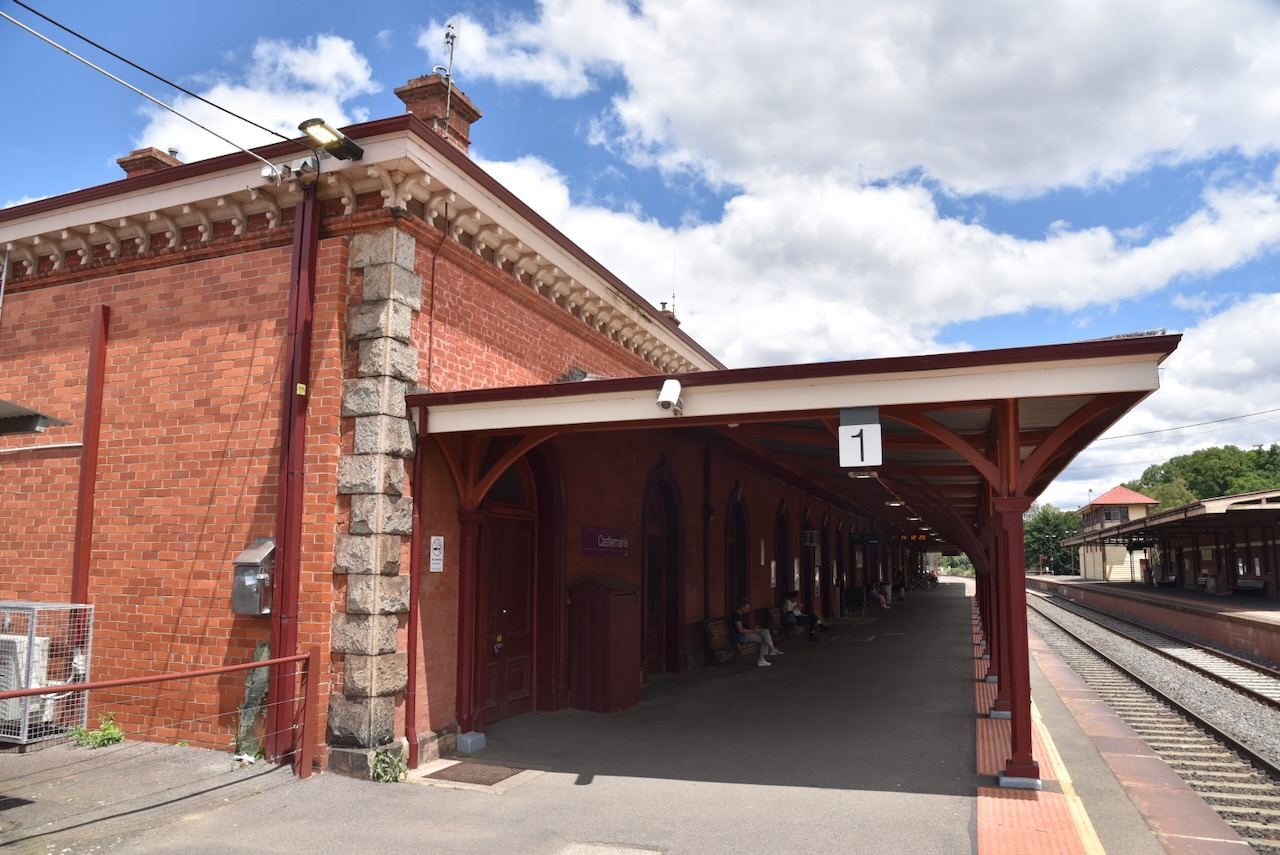
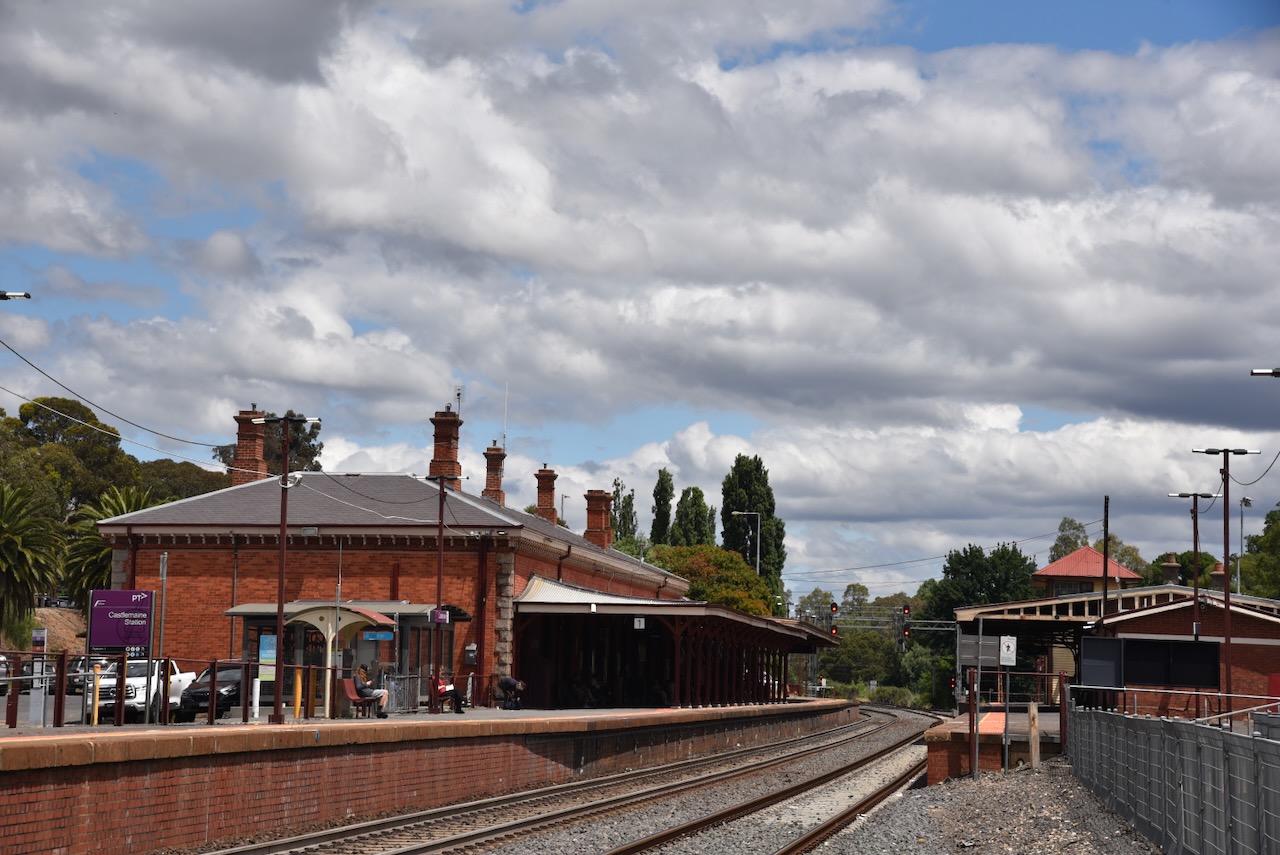
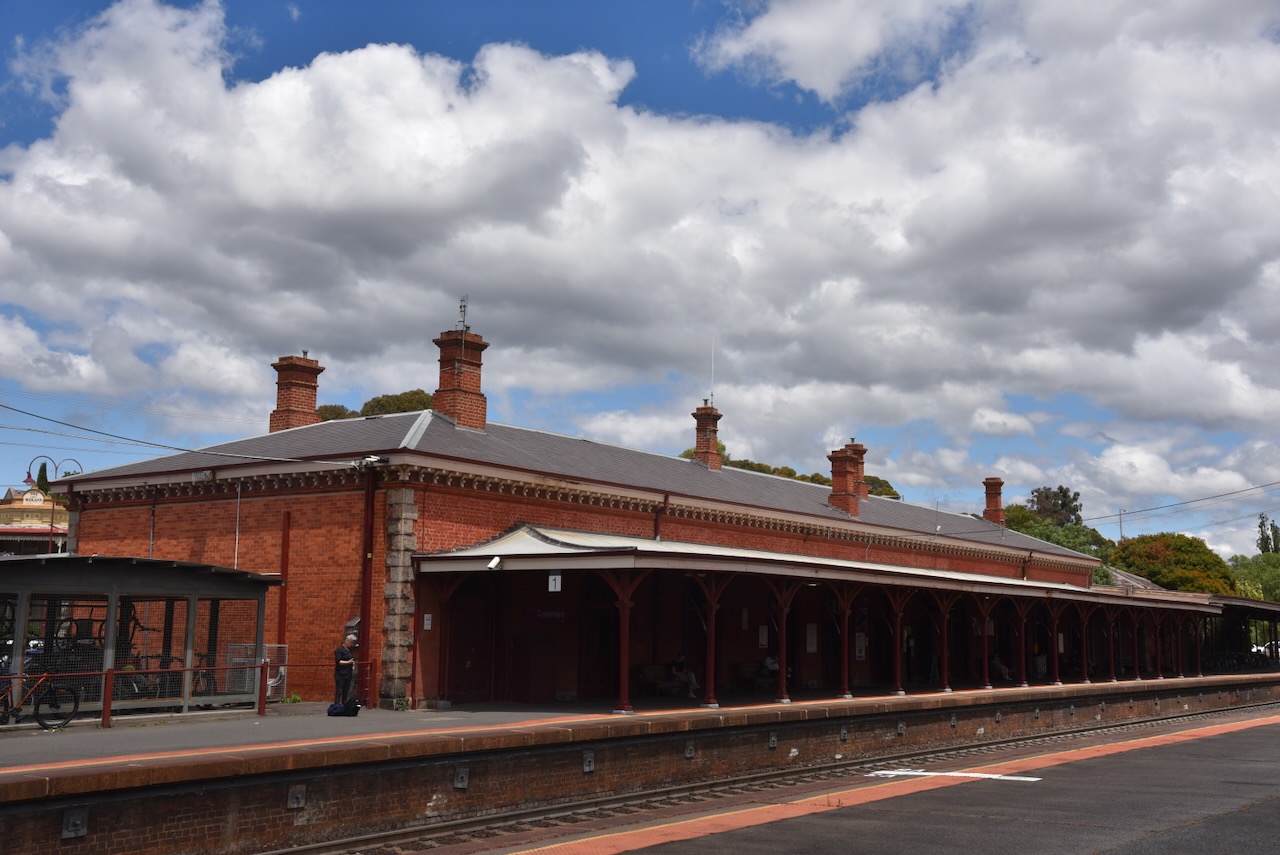
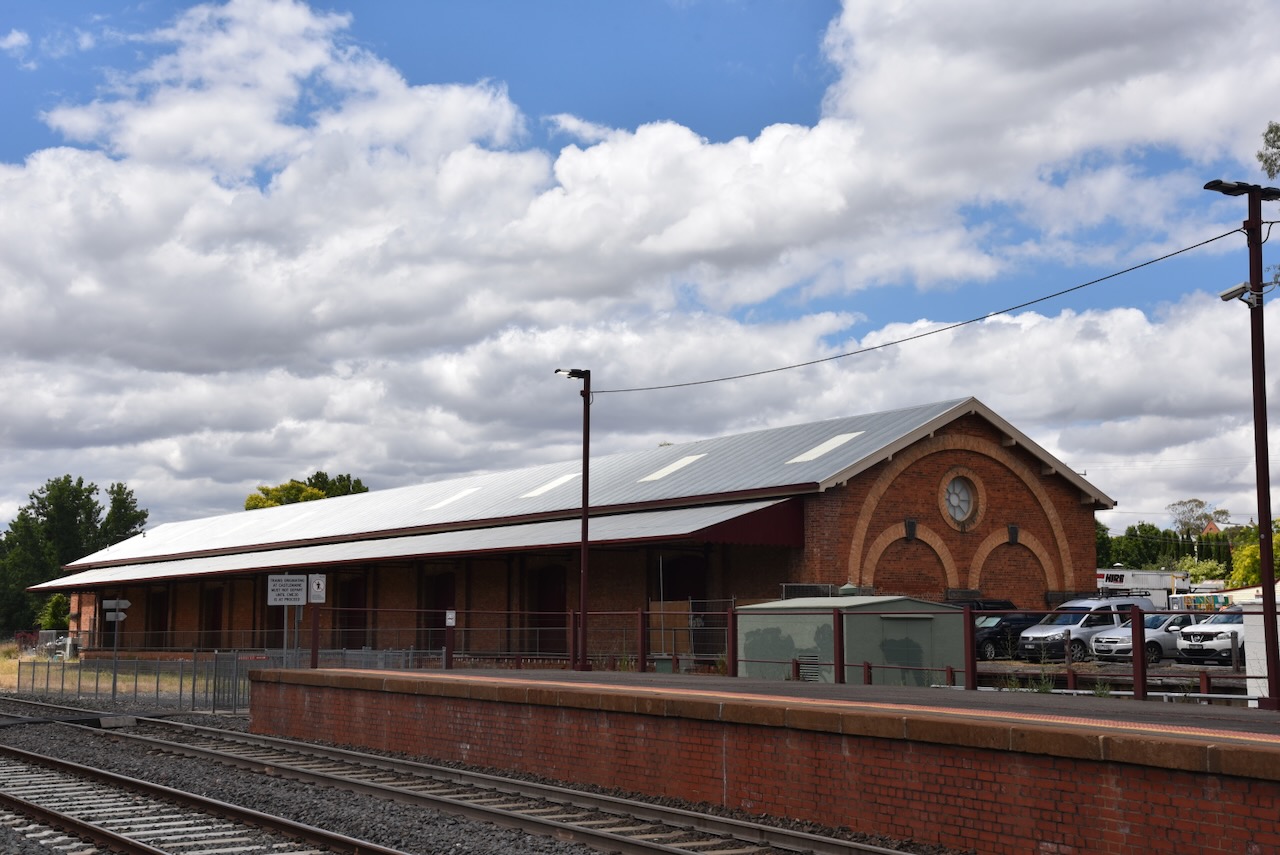
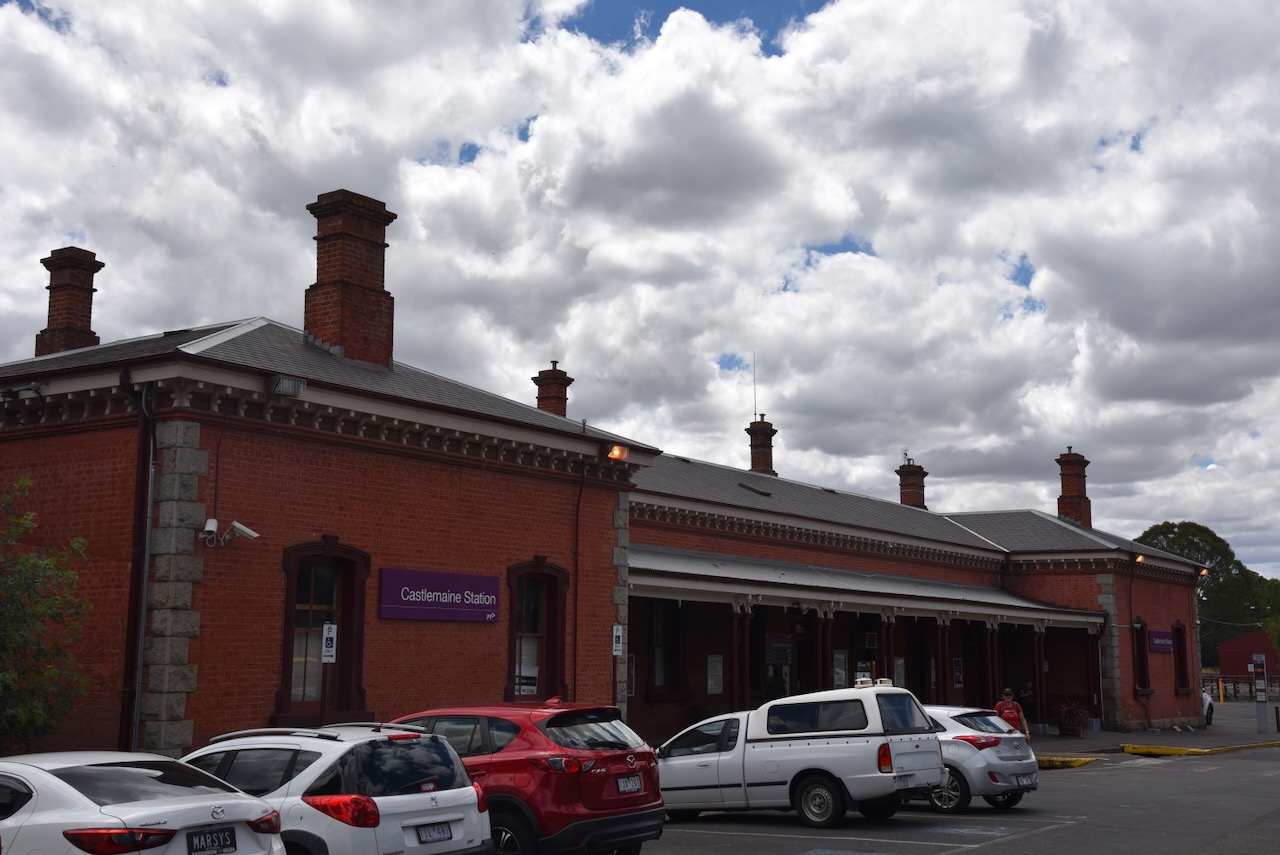
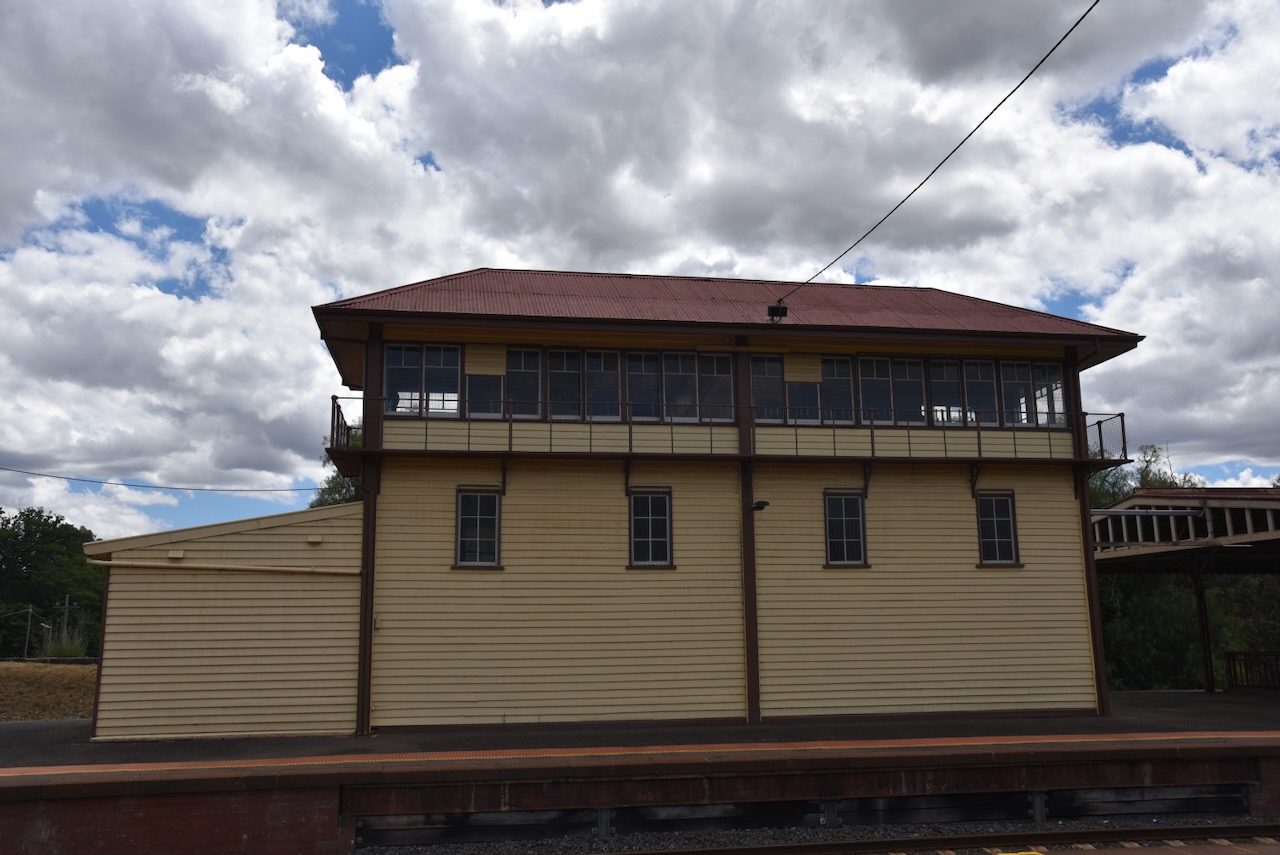
We then visited the Castlemaine railway station which was opened on the 21st day of October 1862. (vicsig 2024)

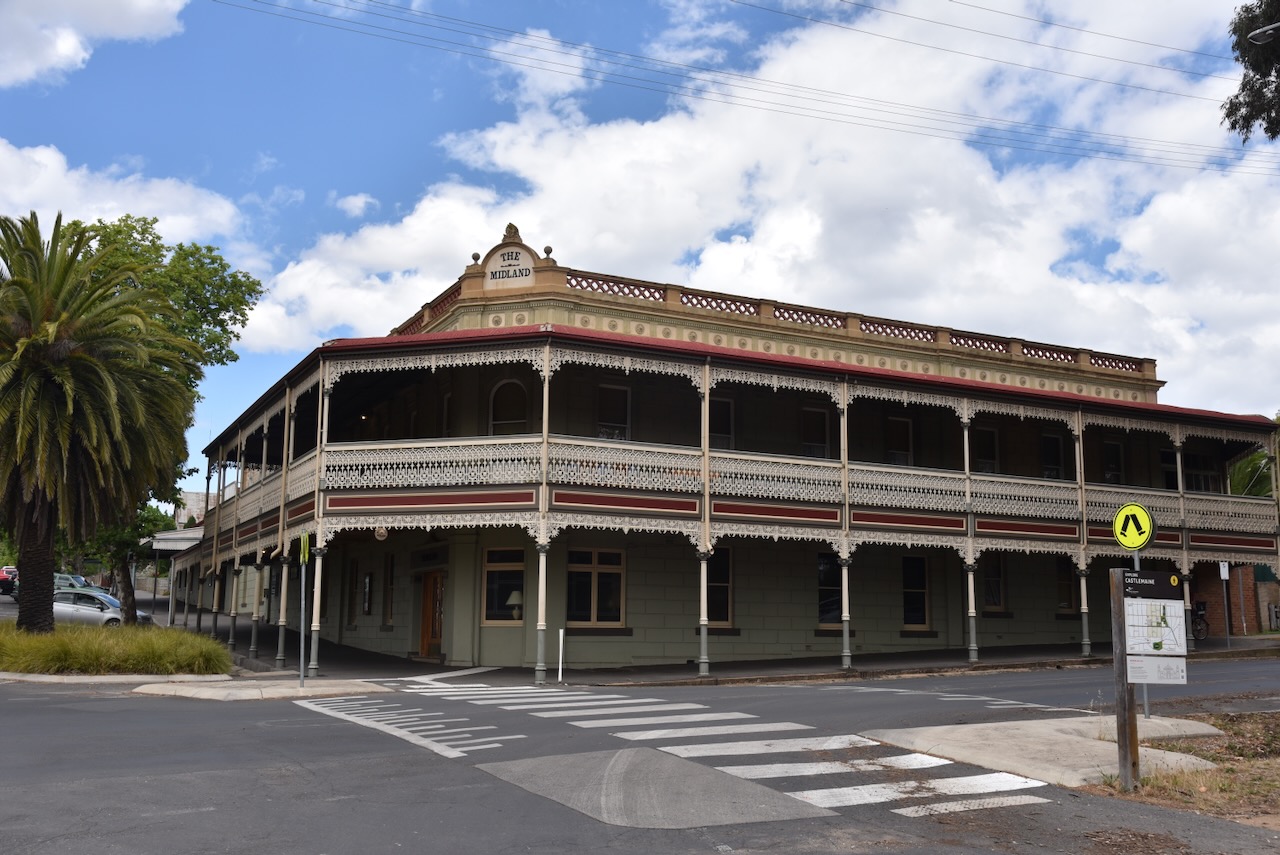
Opposite the railway station is the Midland Hotel. Originally known as the Castlemaine Coffee Palace, the name was changed during the 1930s following extensive renovations. (Midland Hotel 2024)

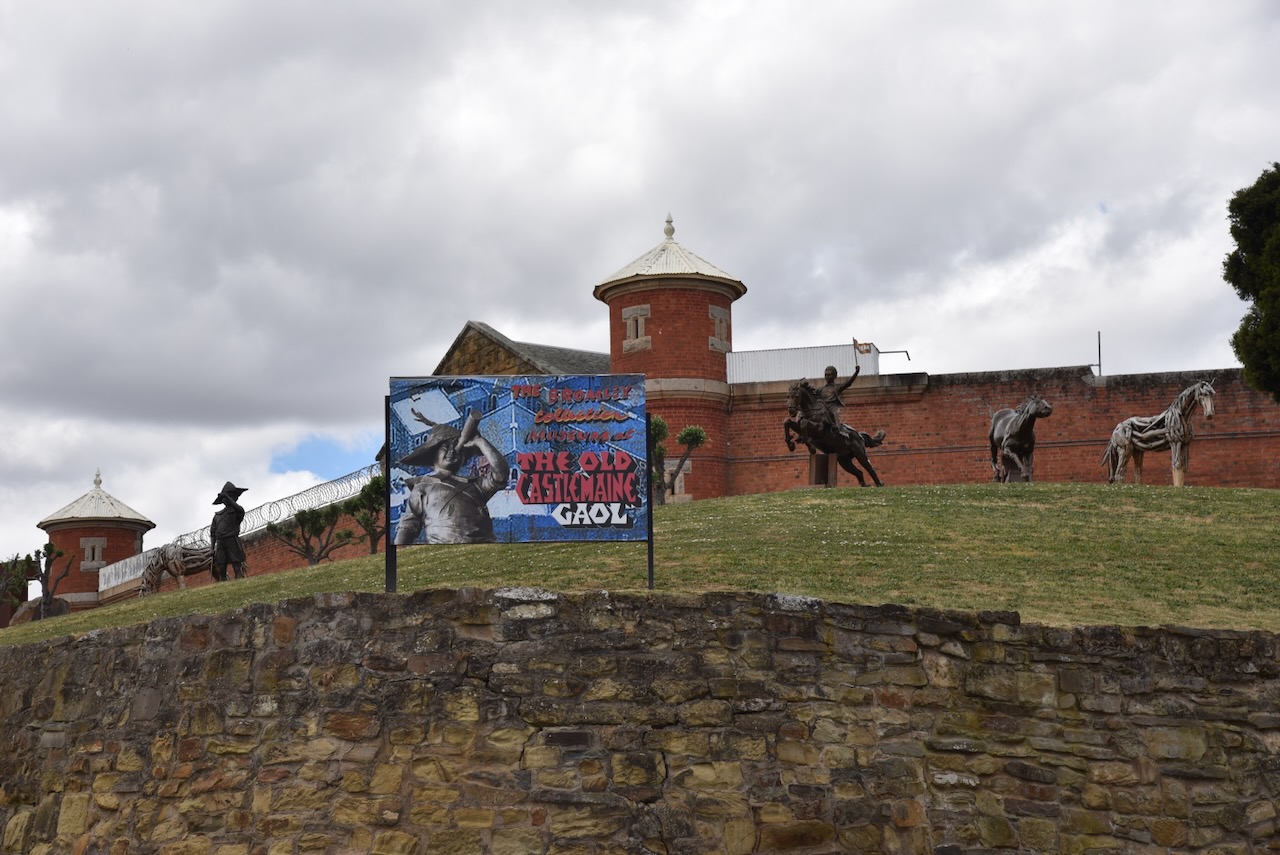
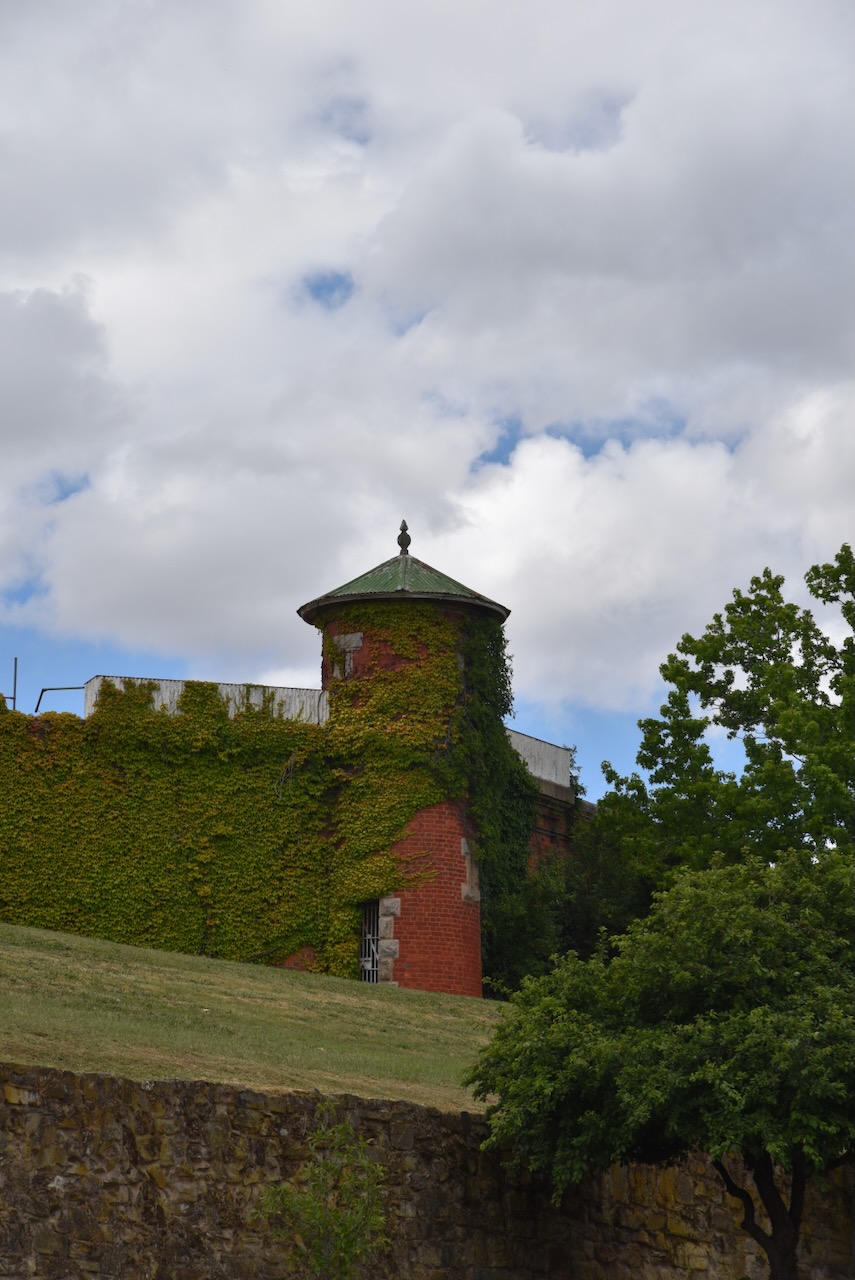
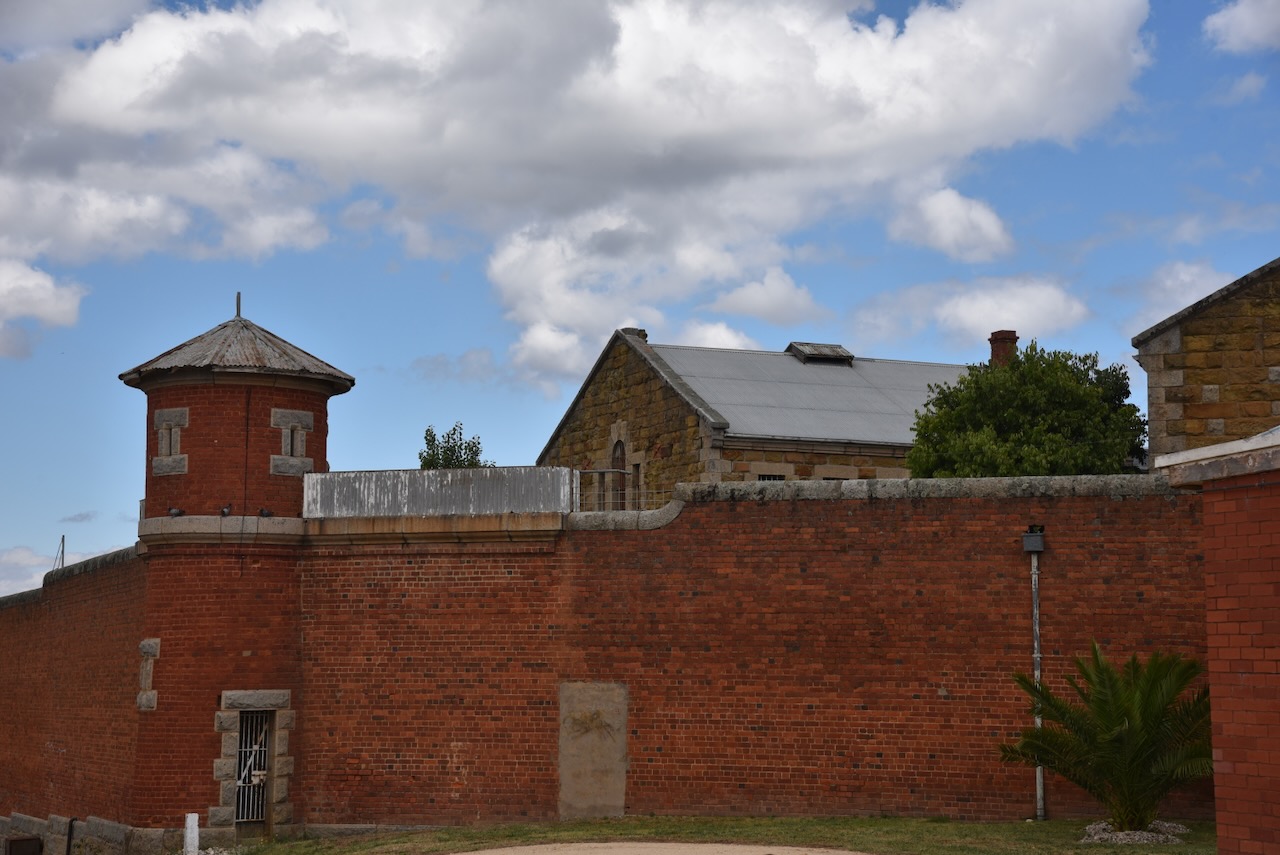
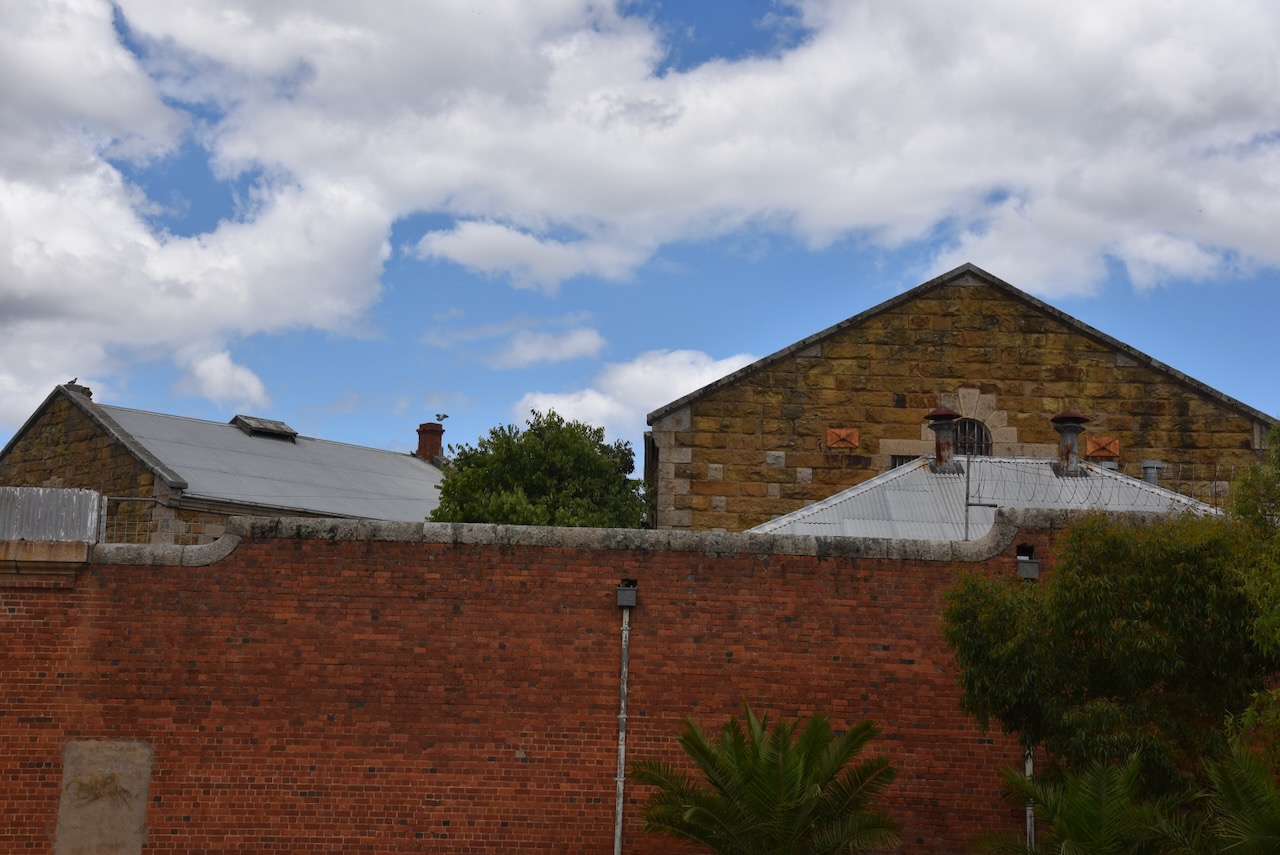
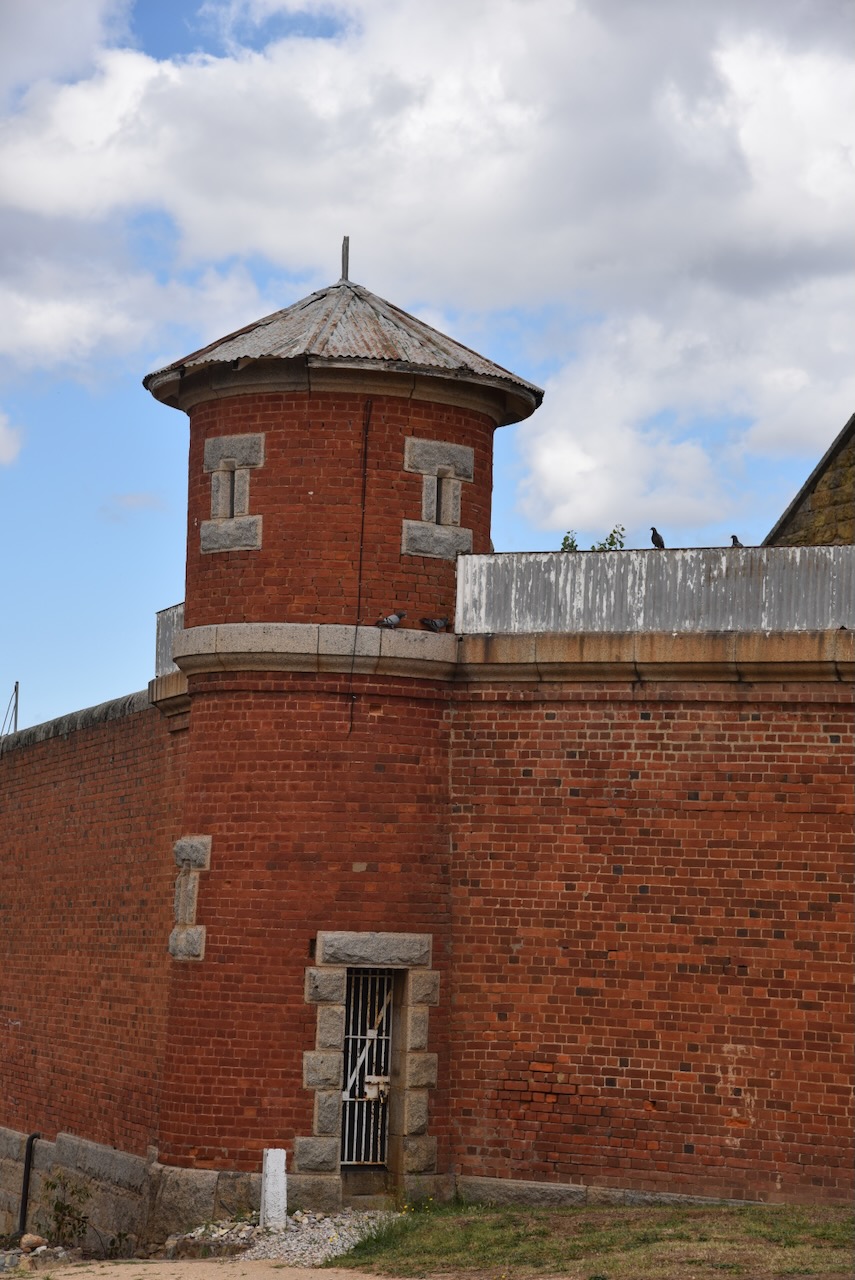
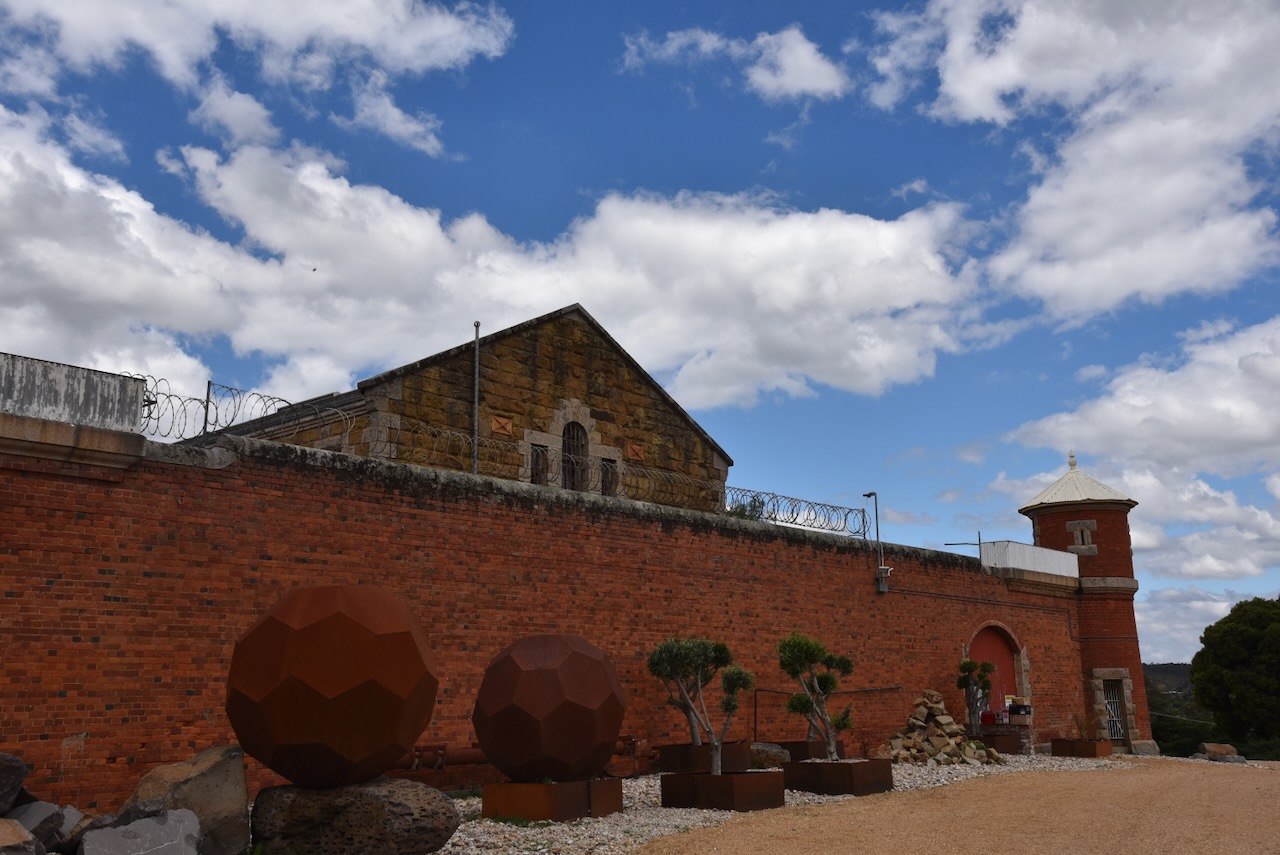
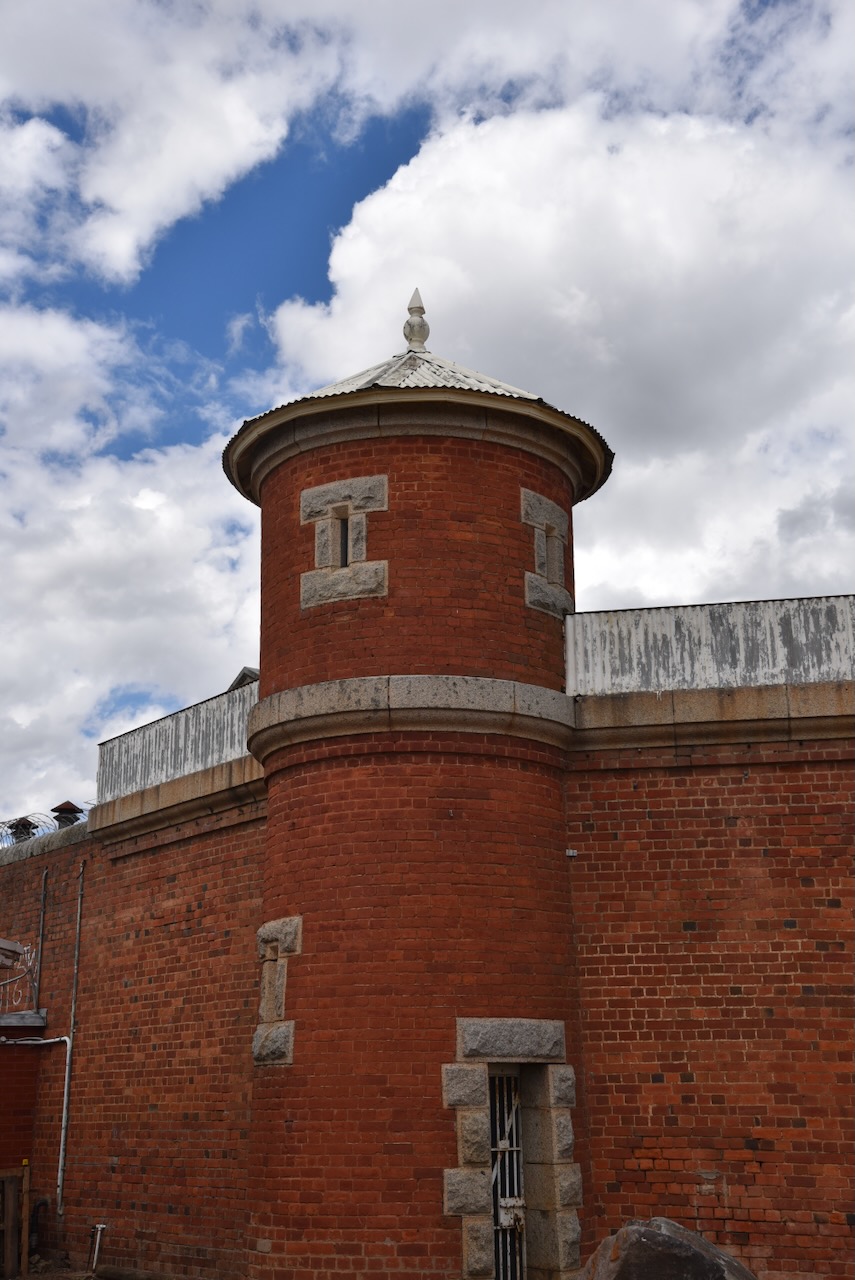
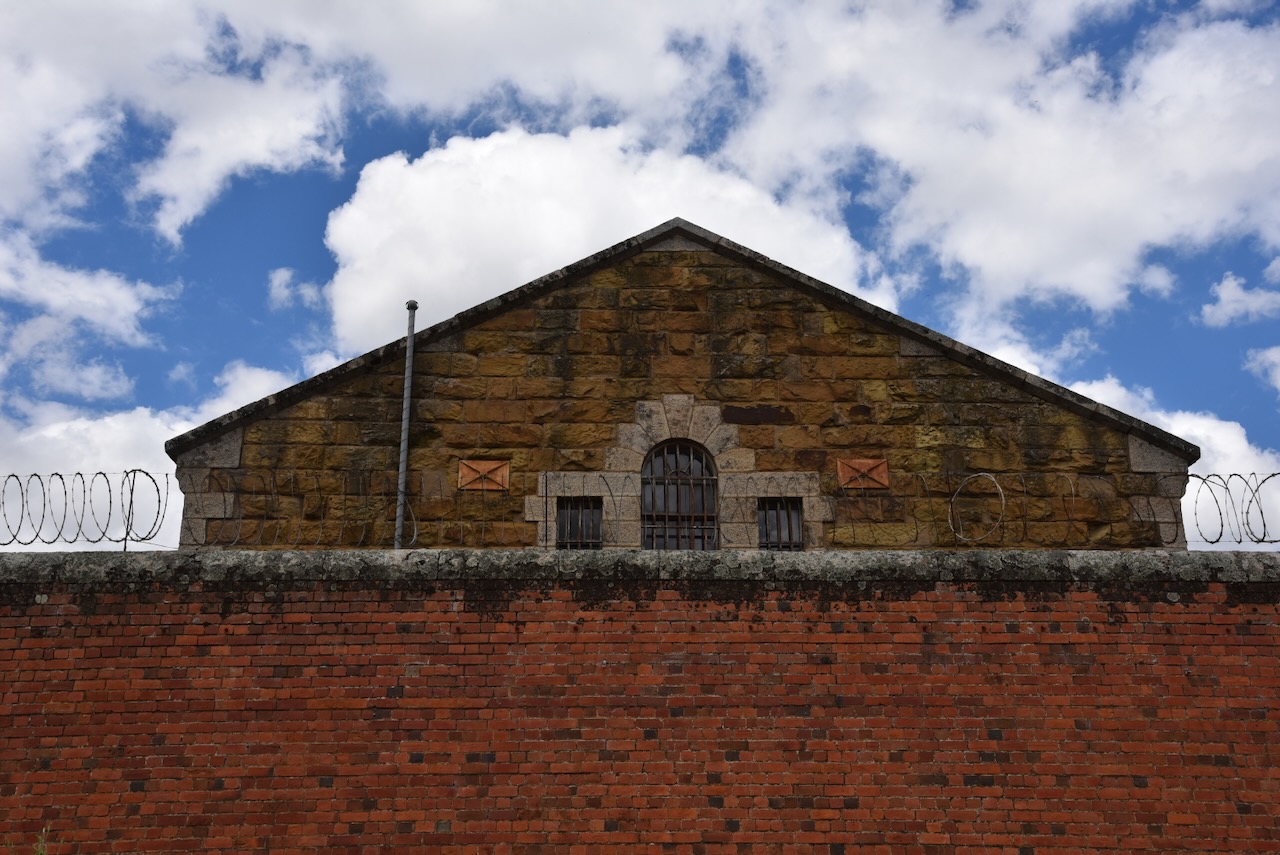
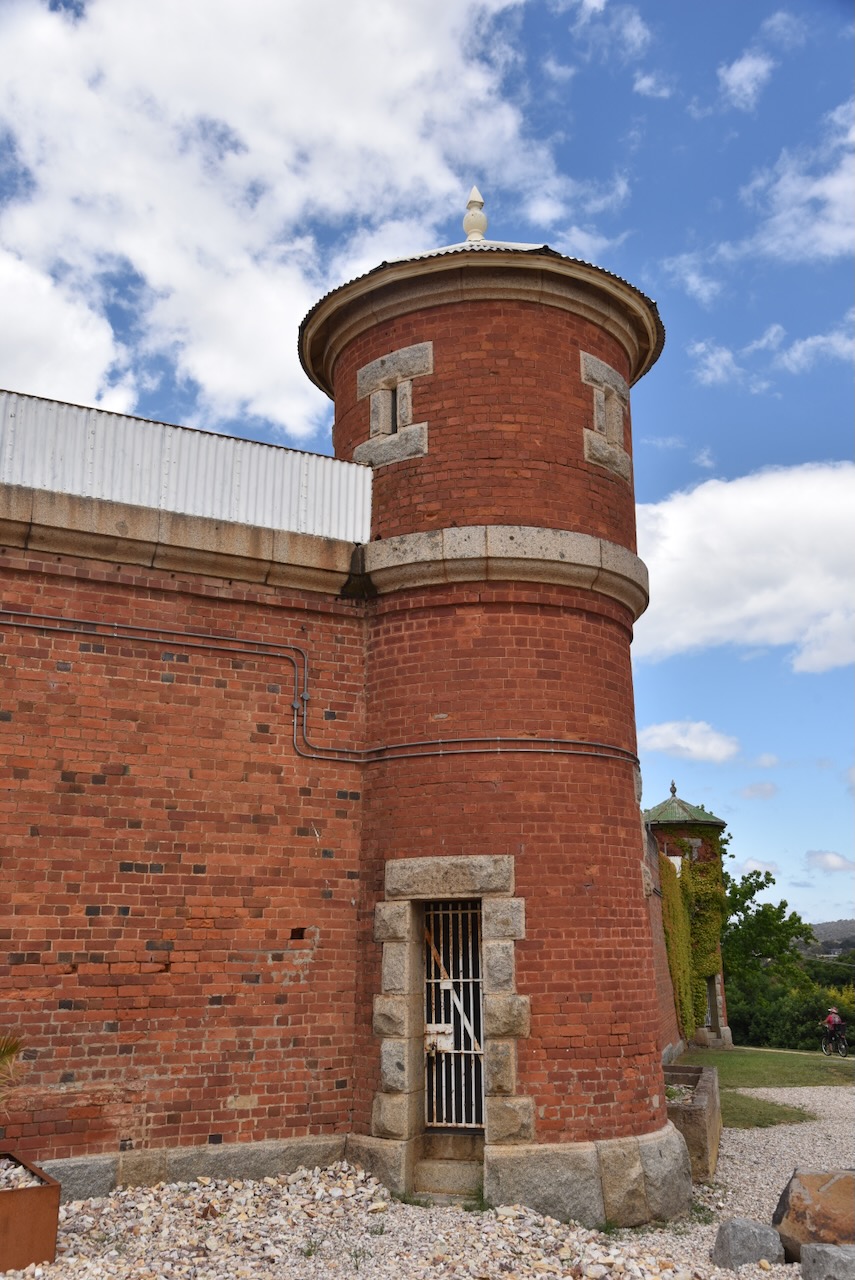
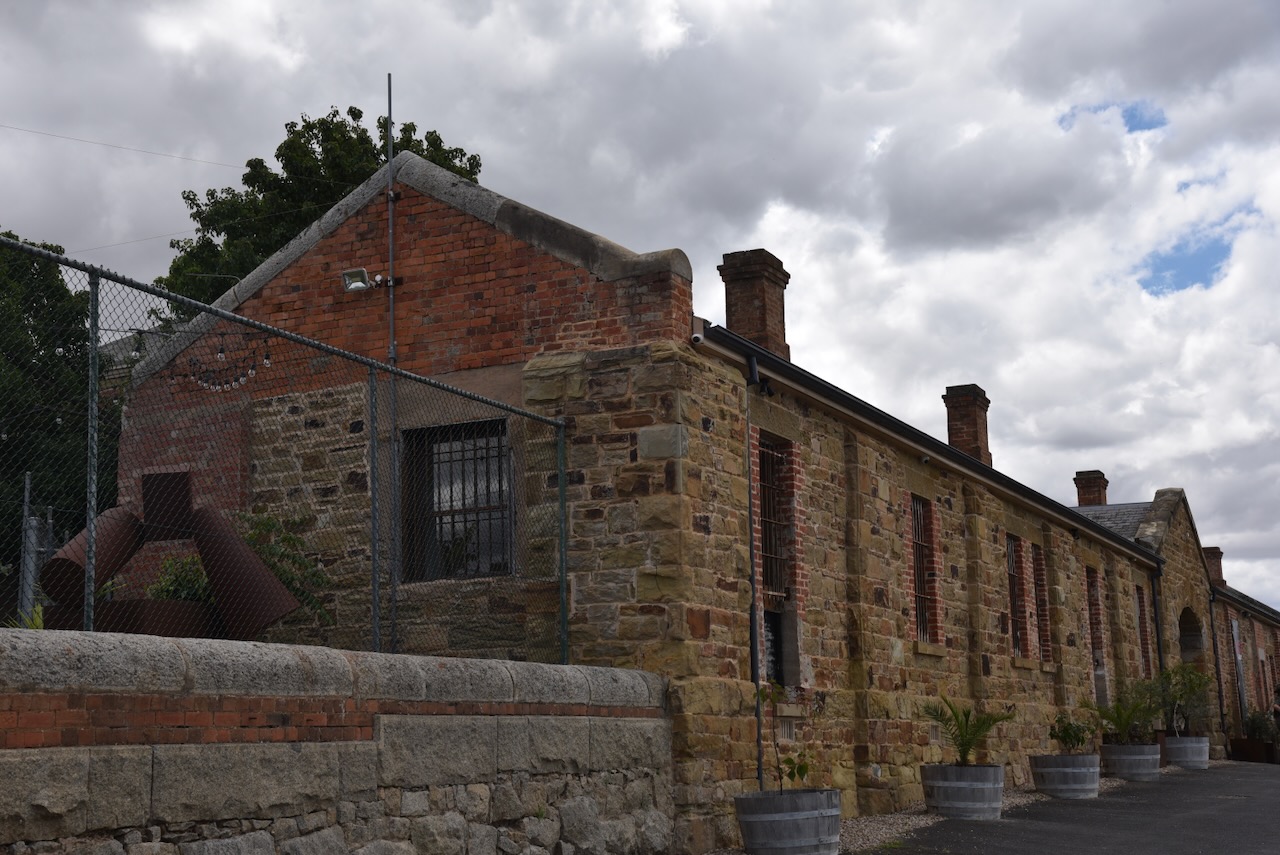
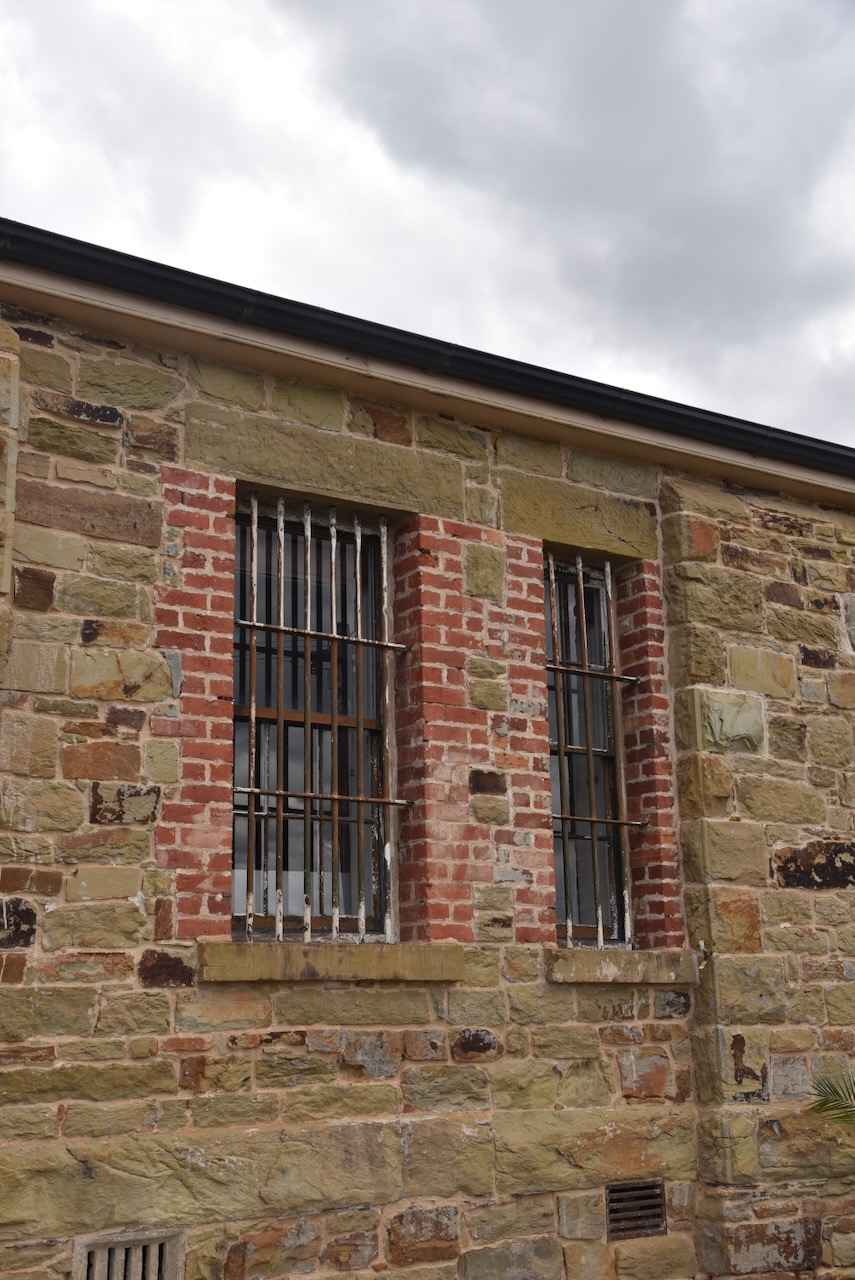
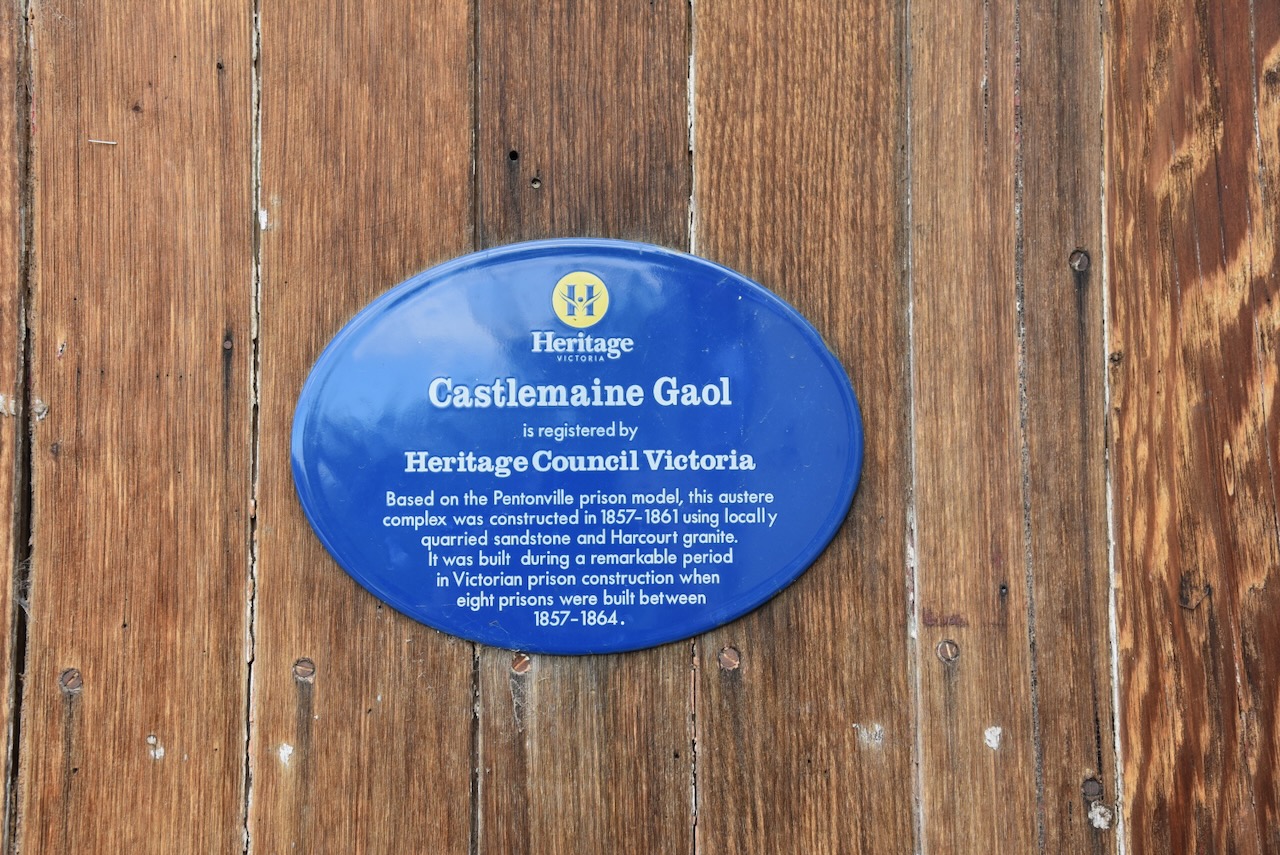
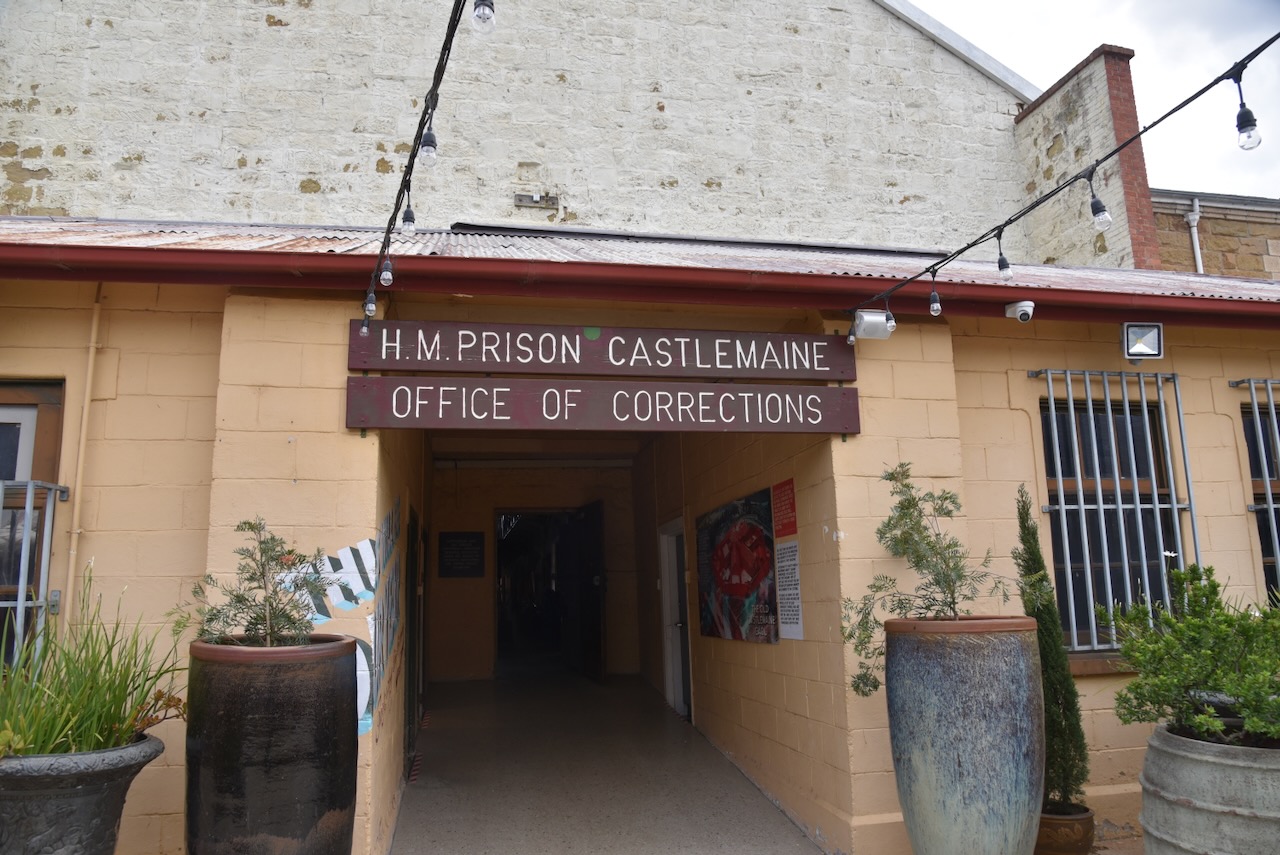
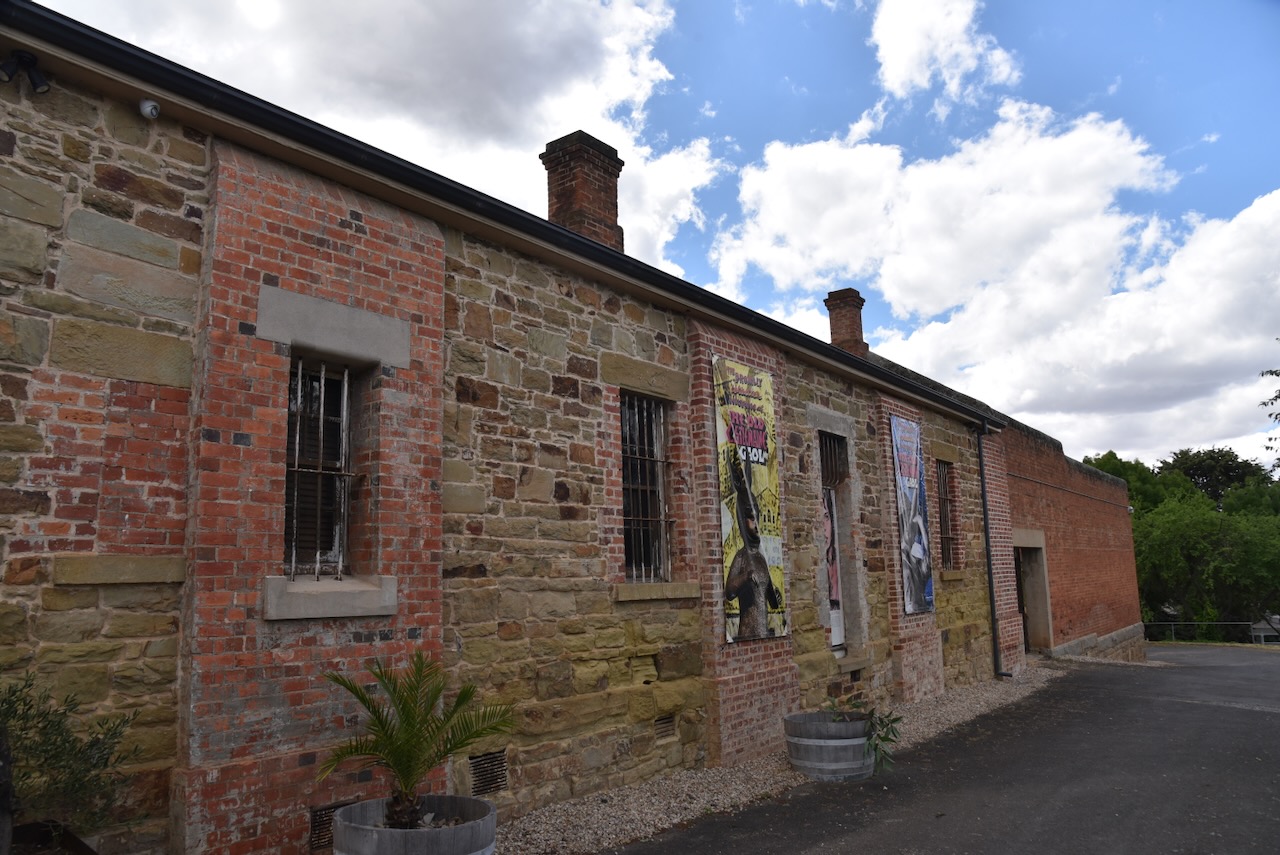
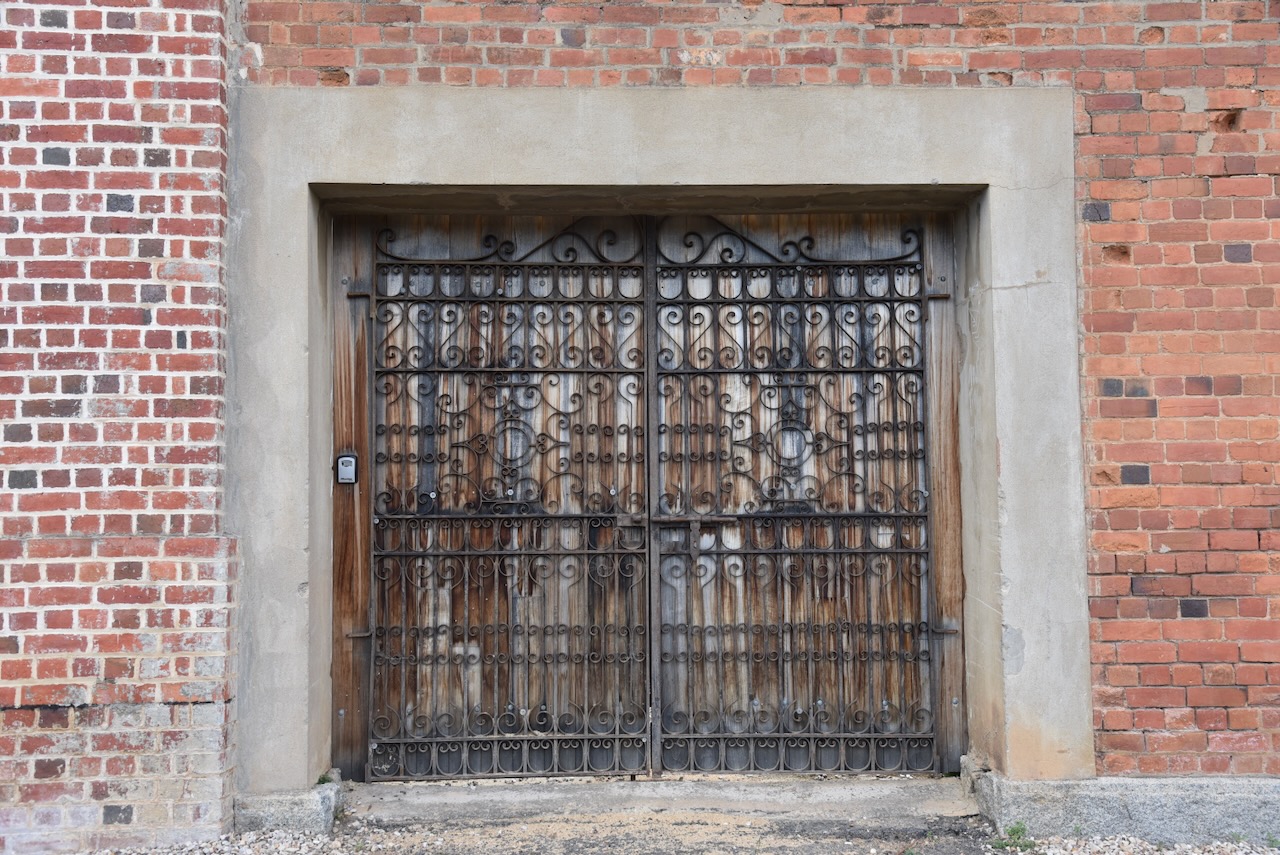
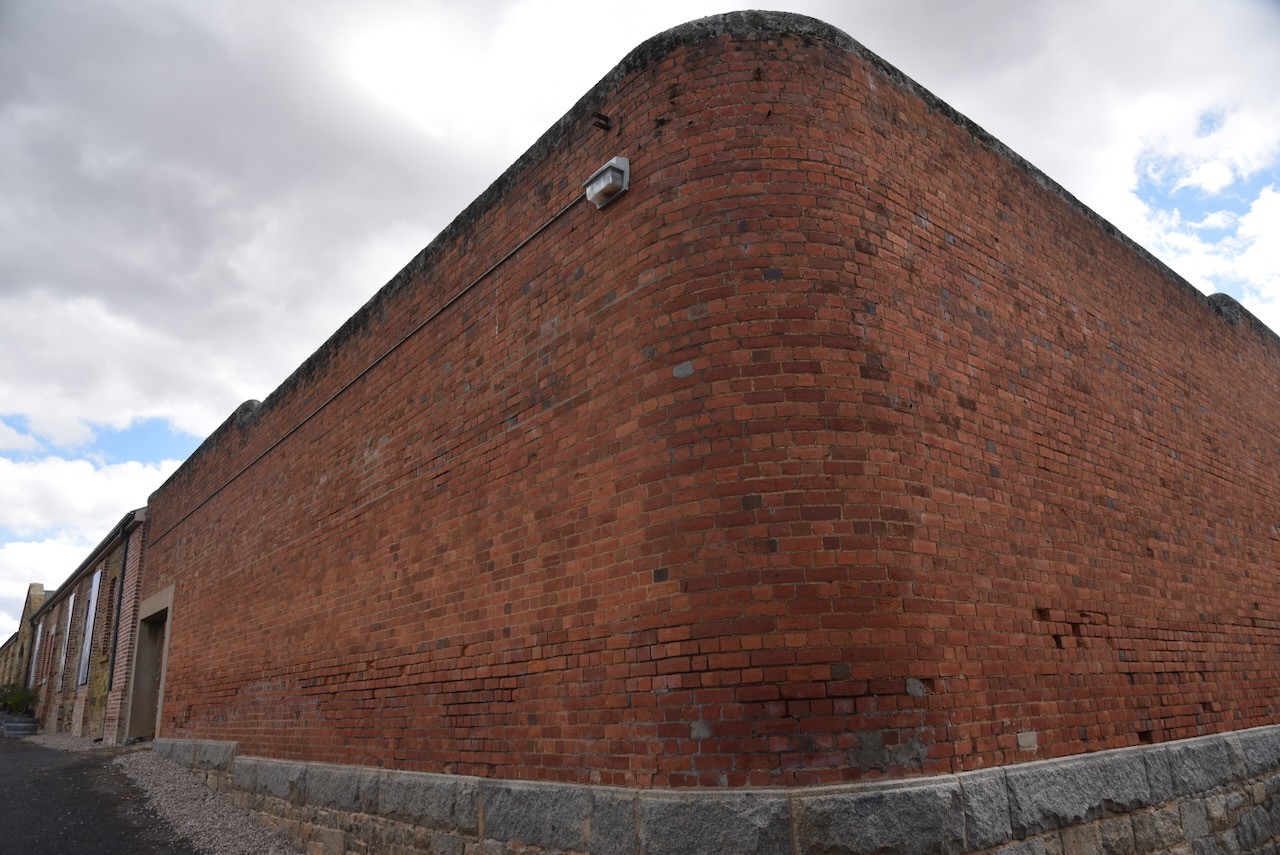
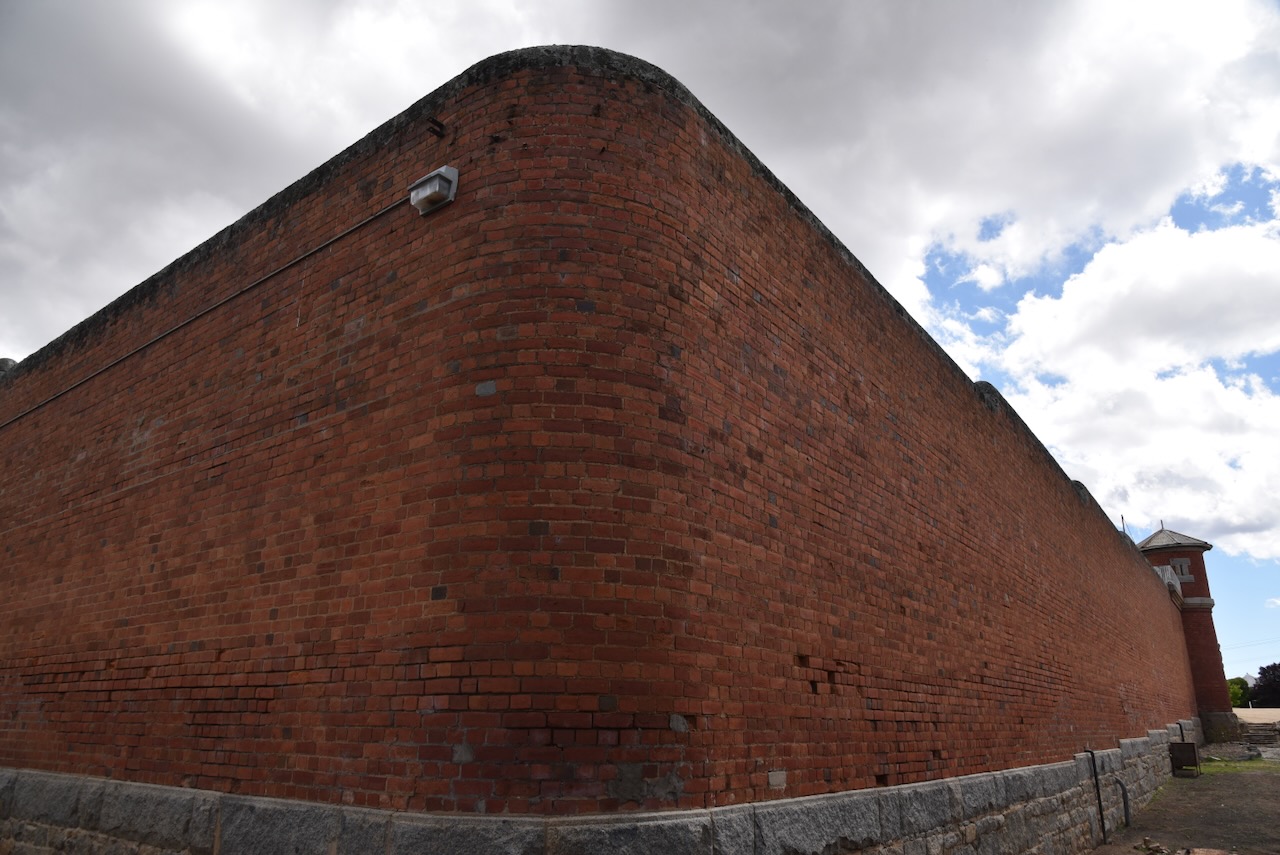
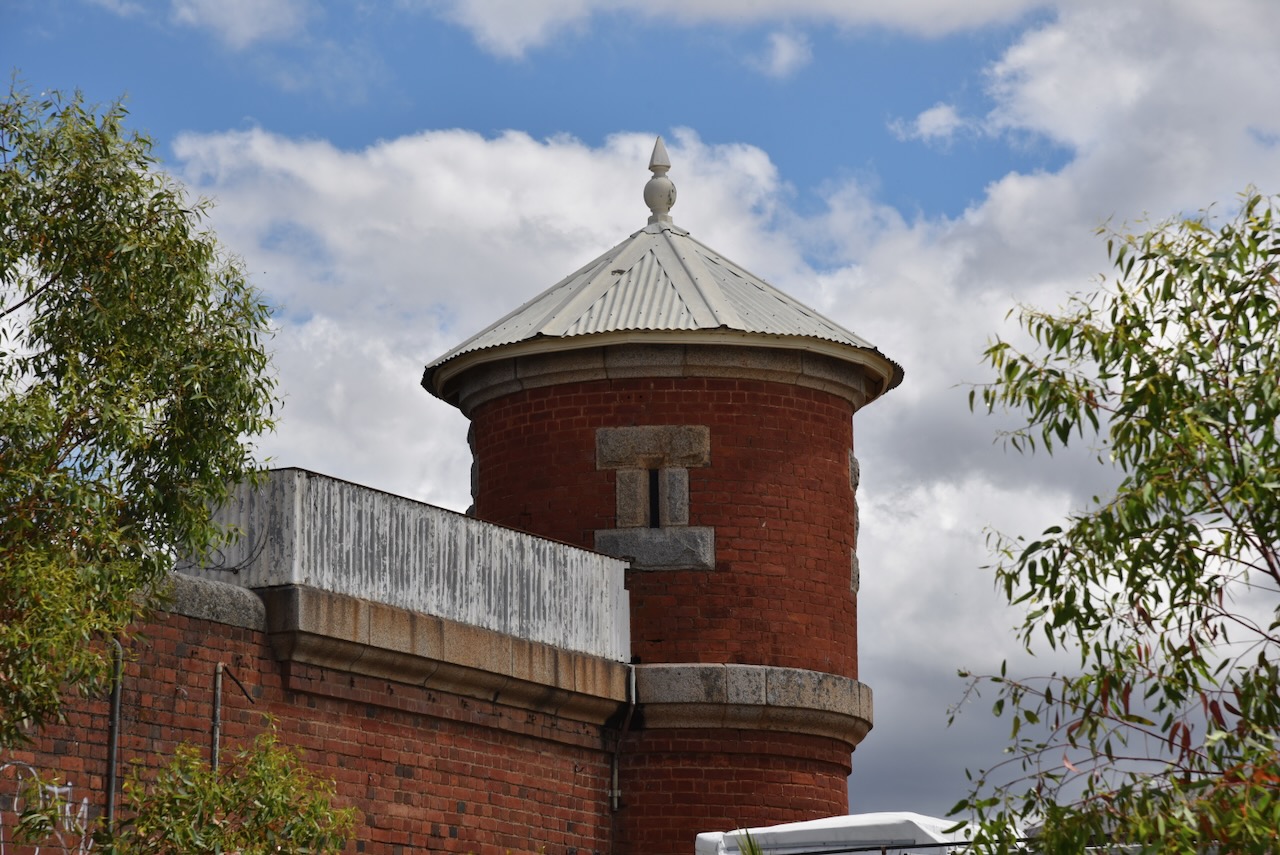
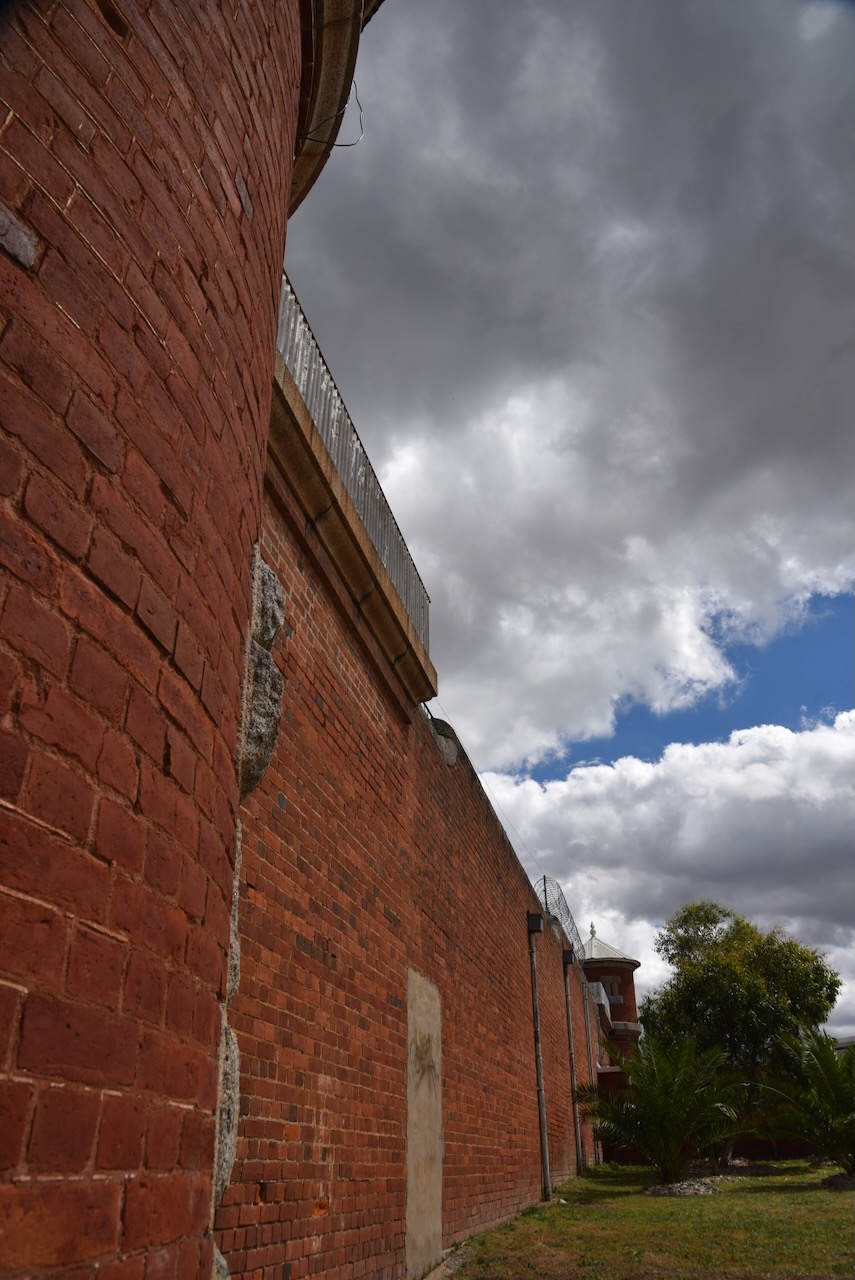
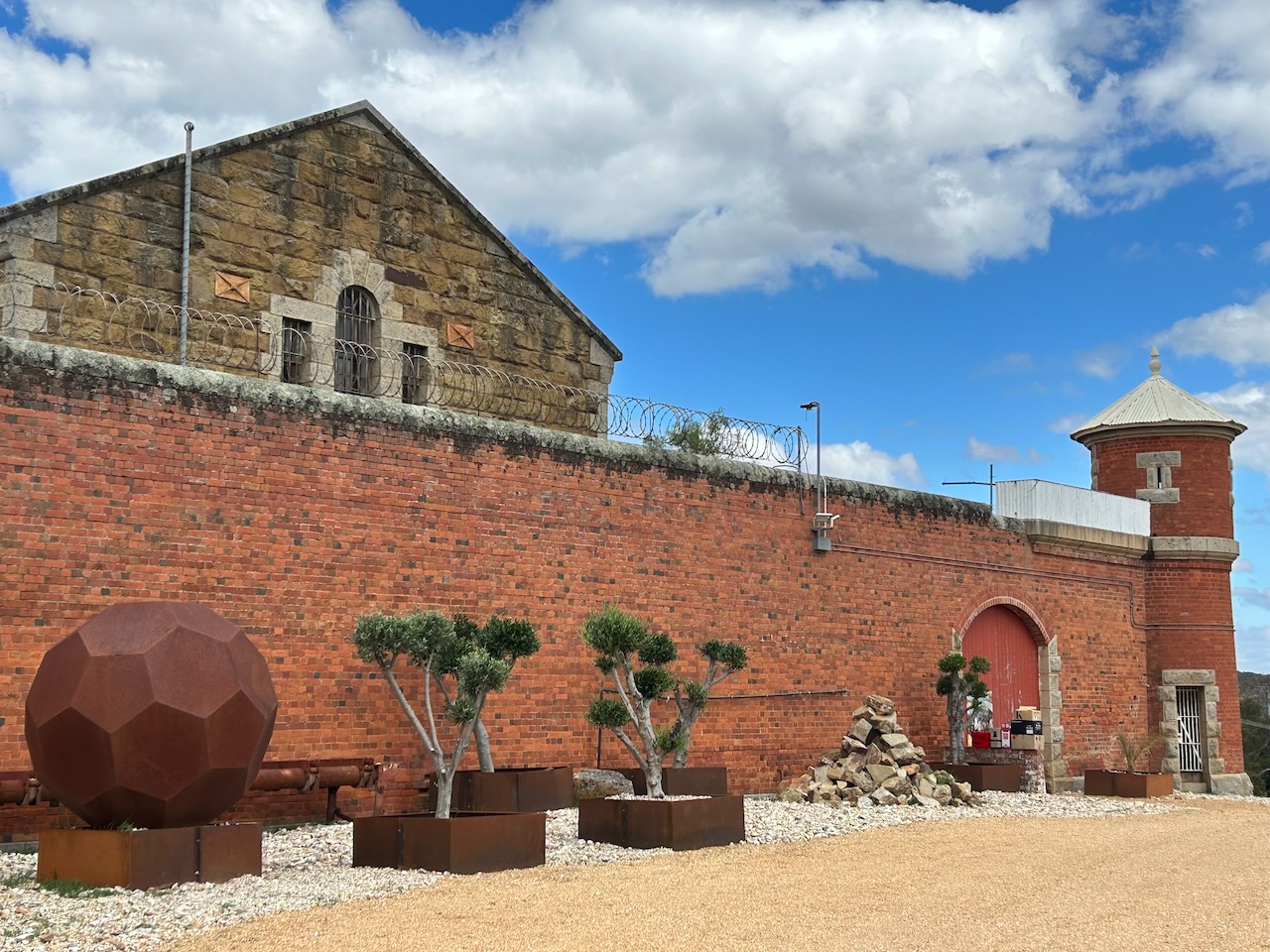
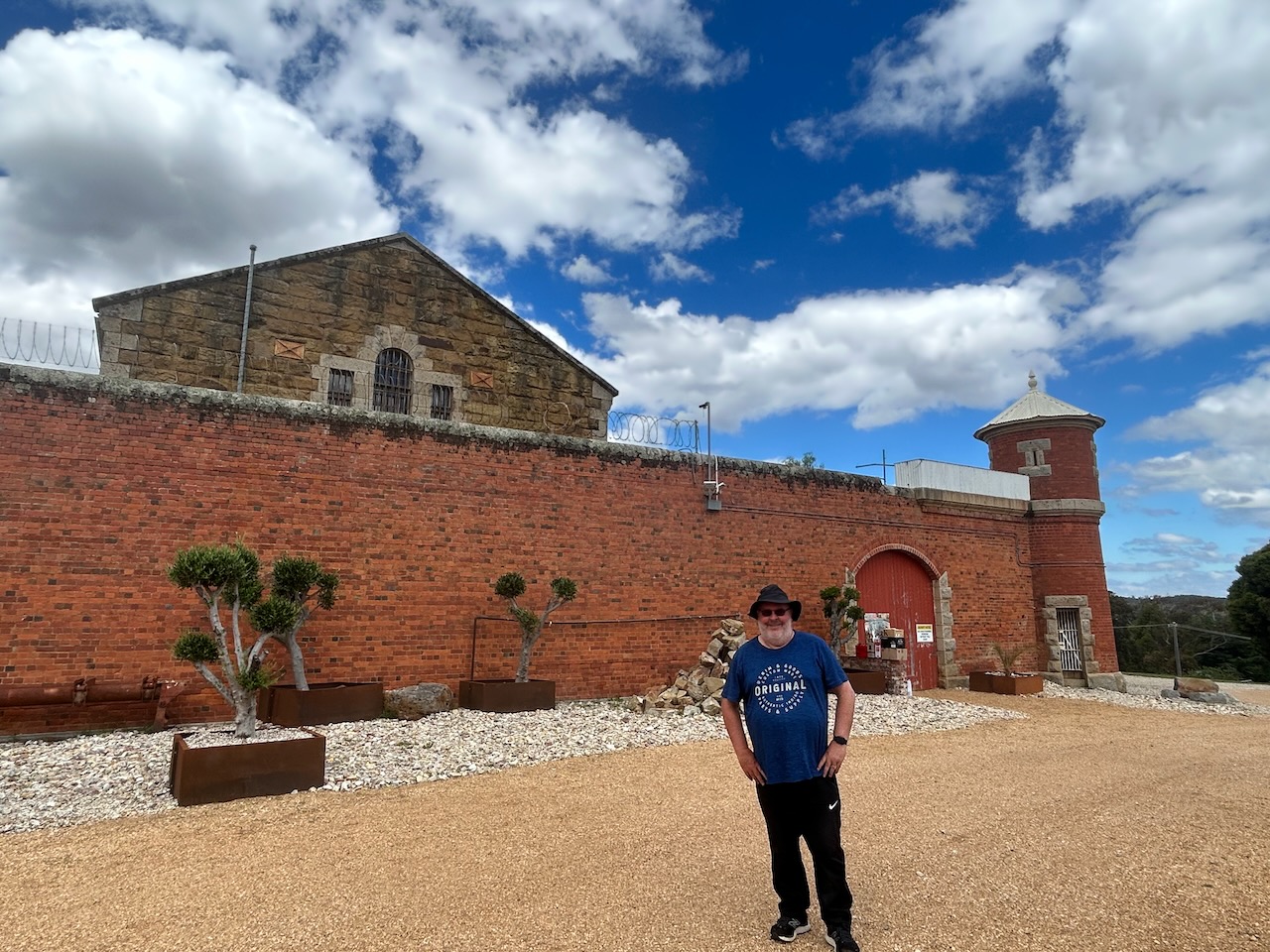
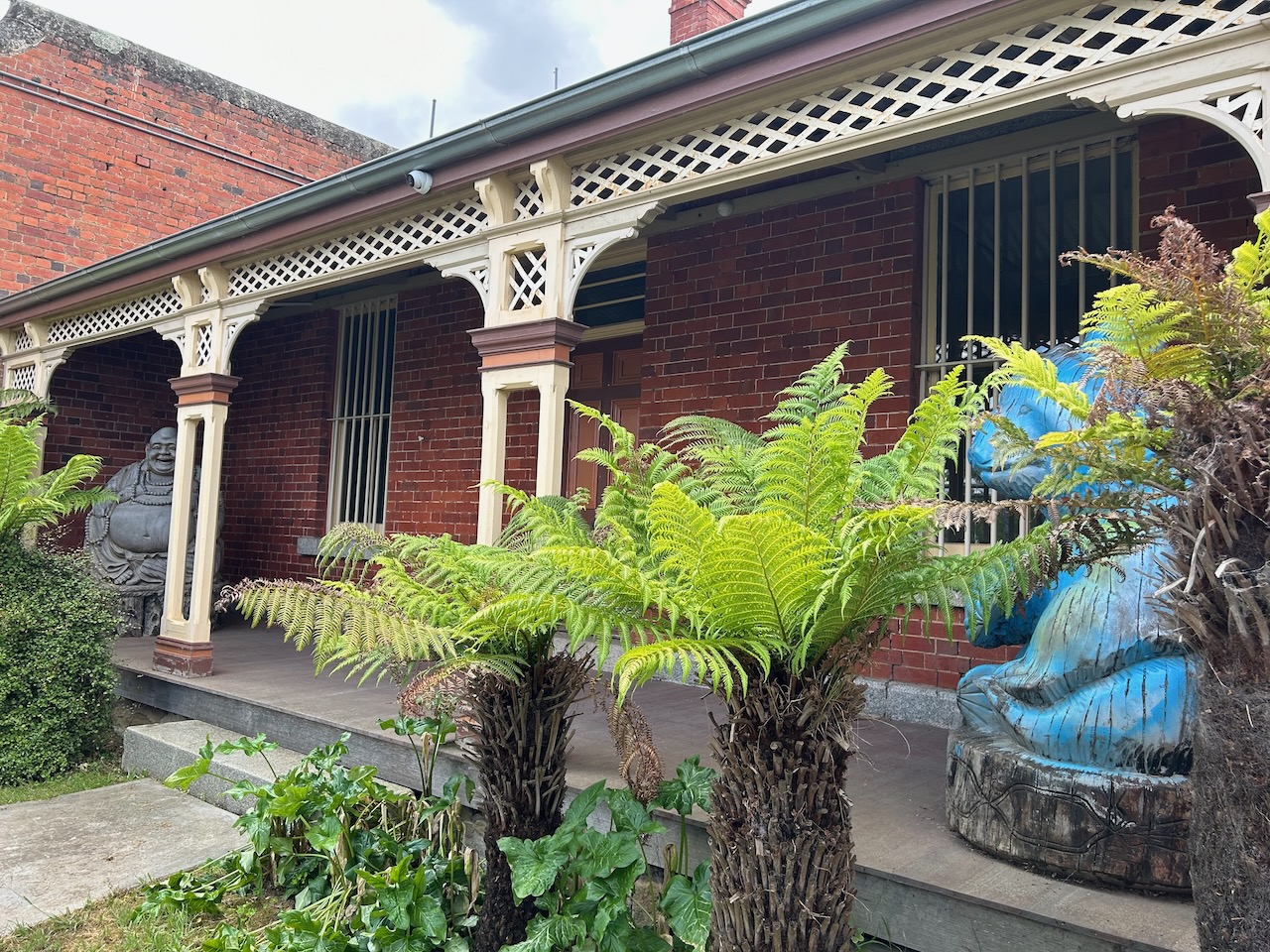
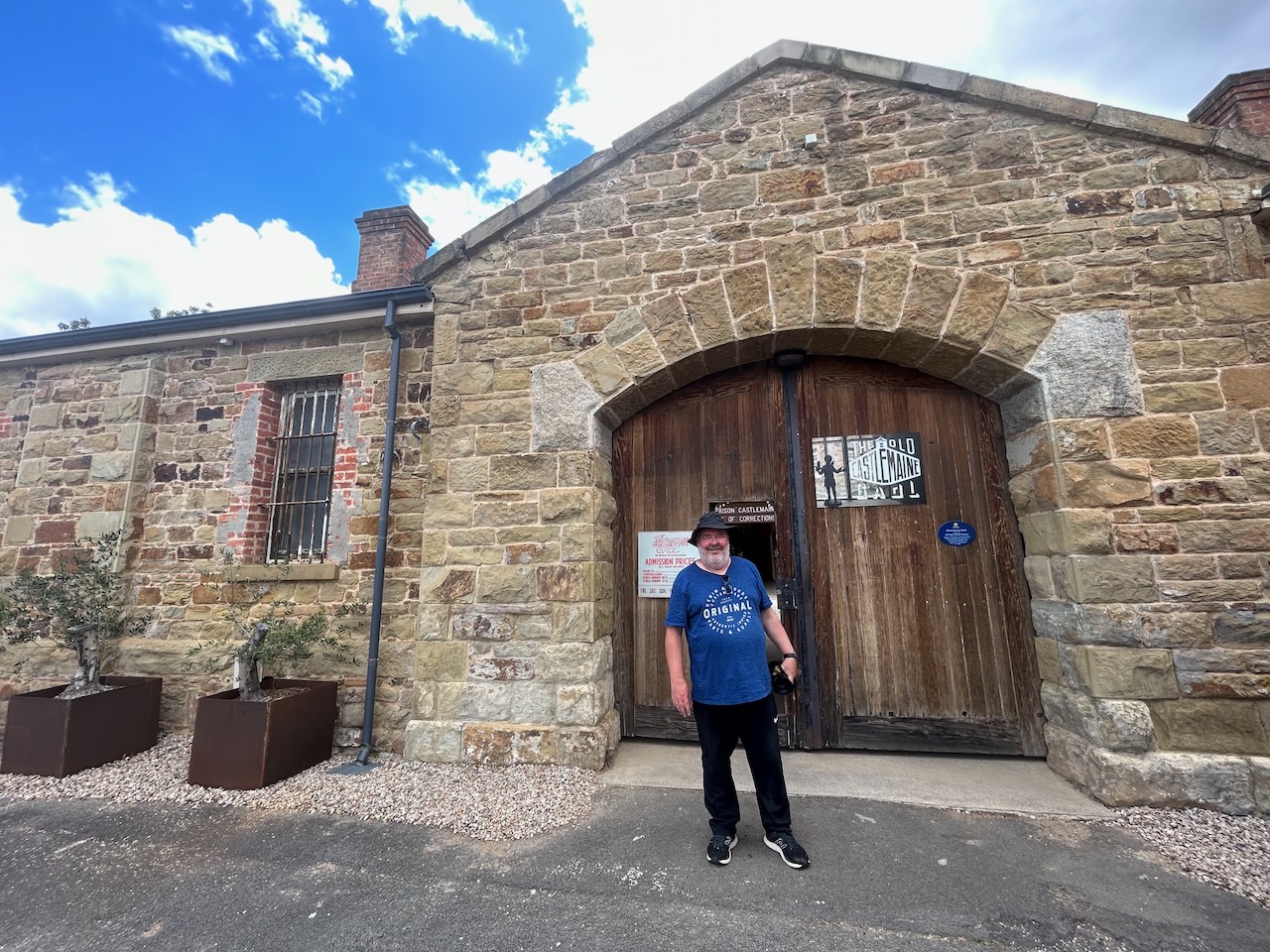
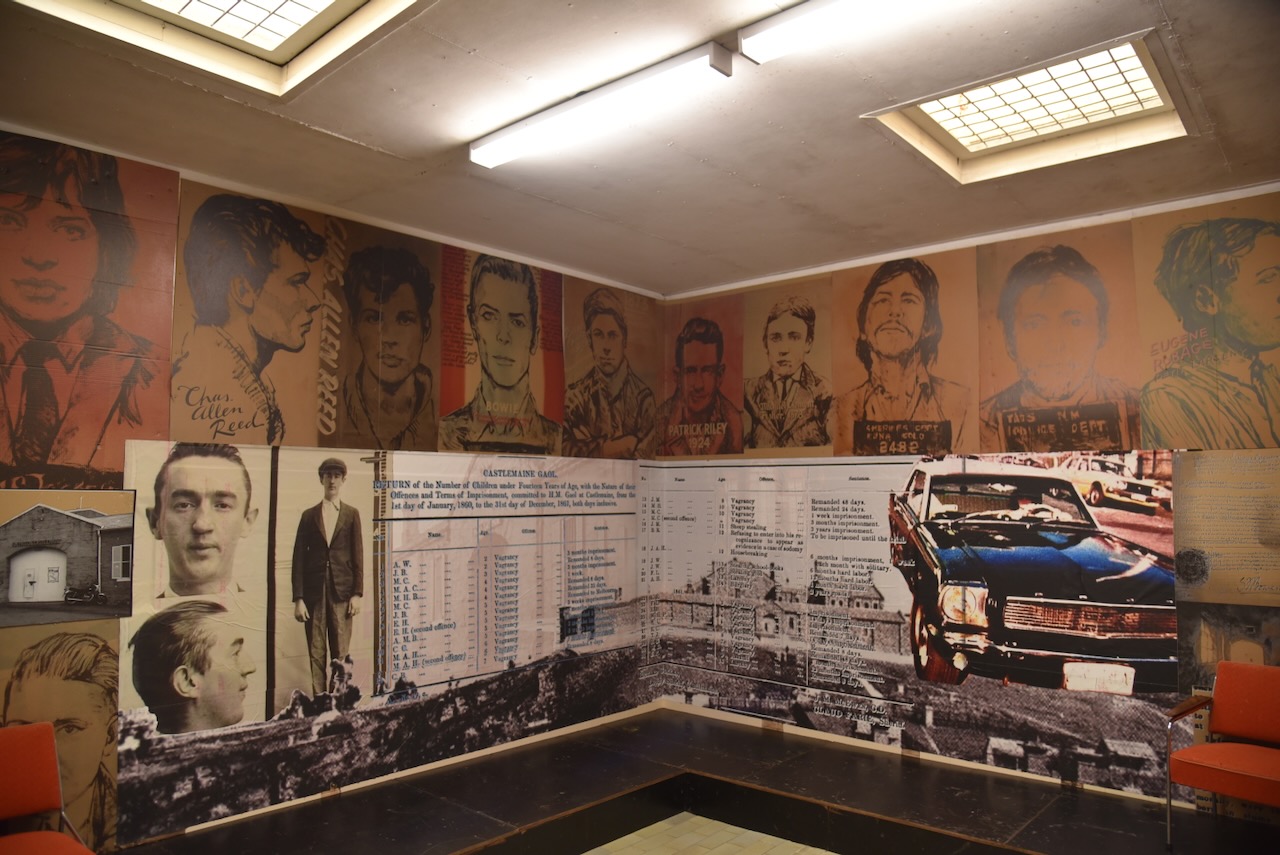
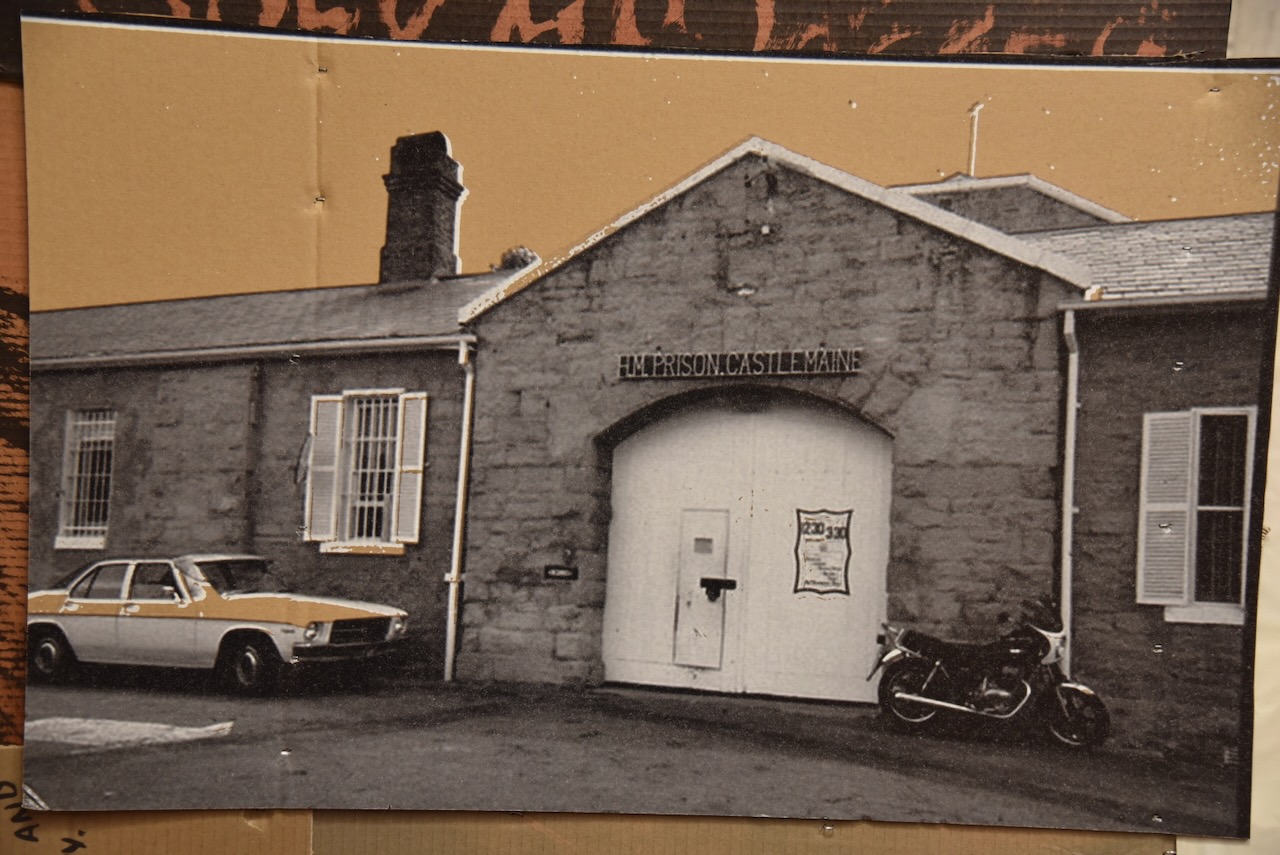
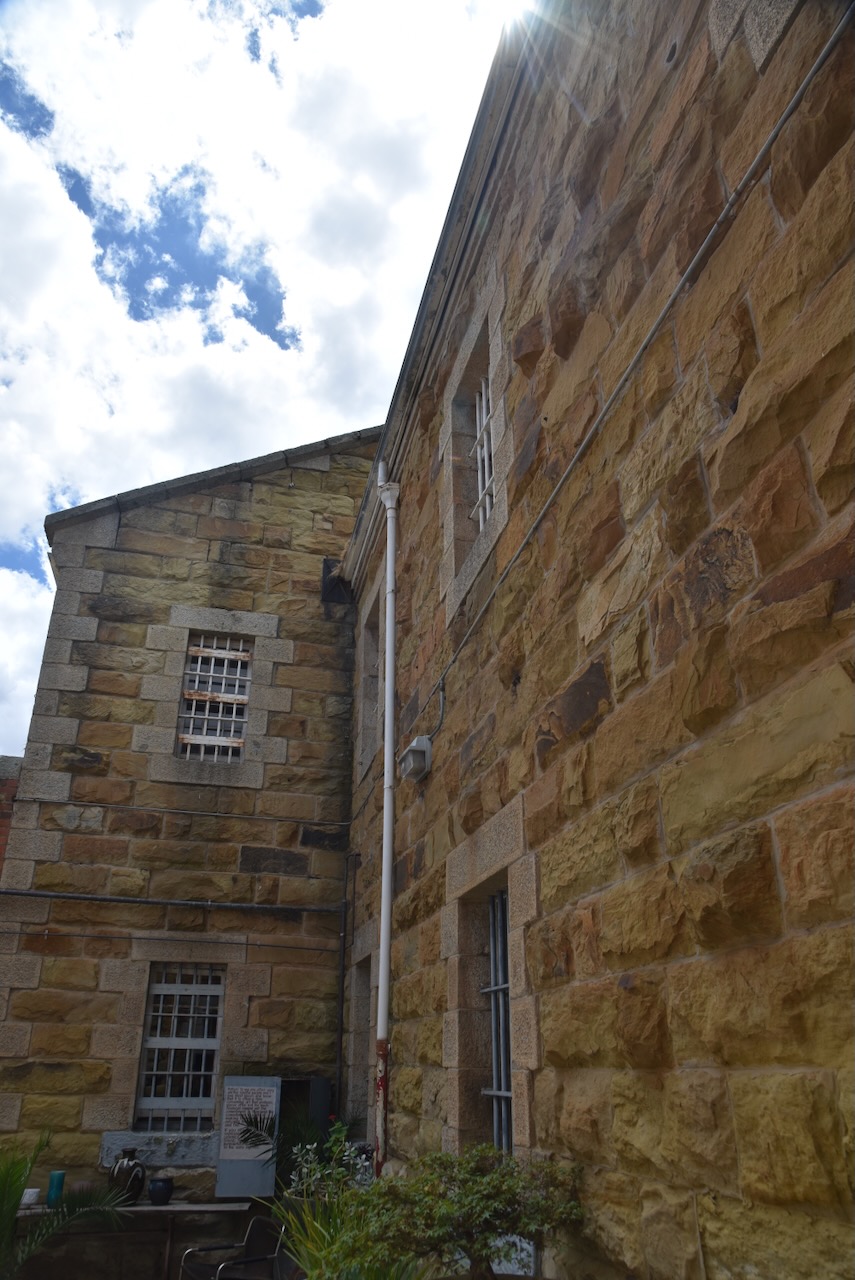
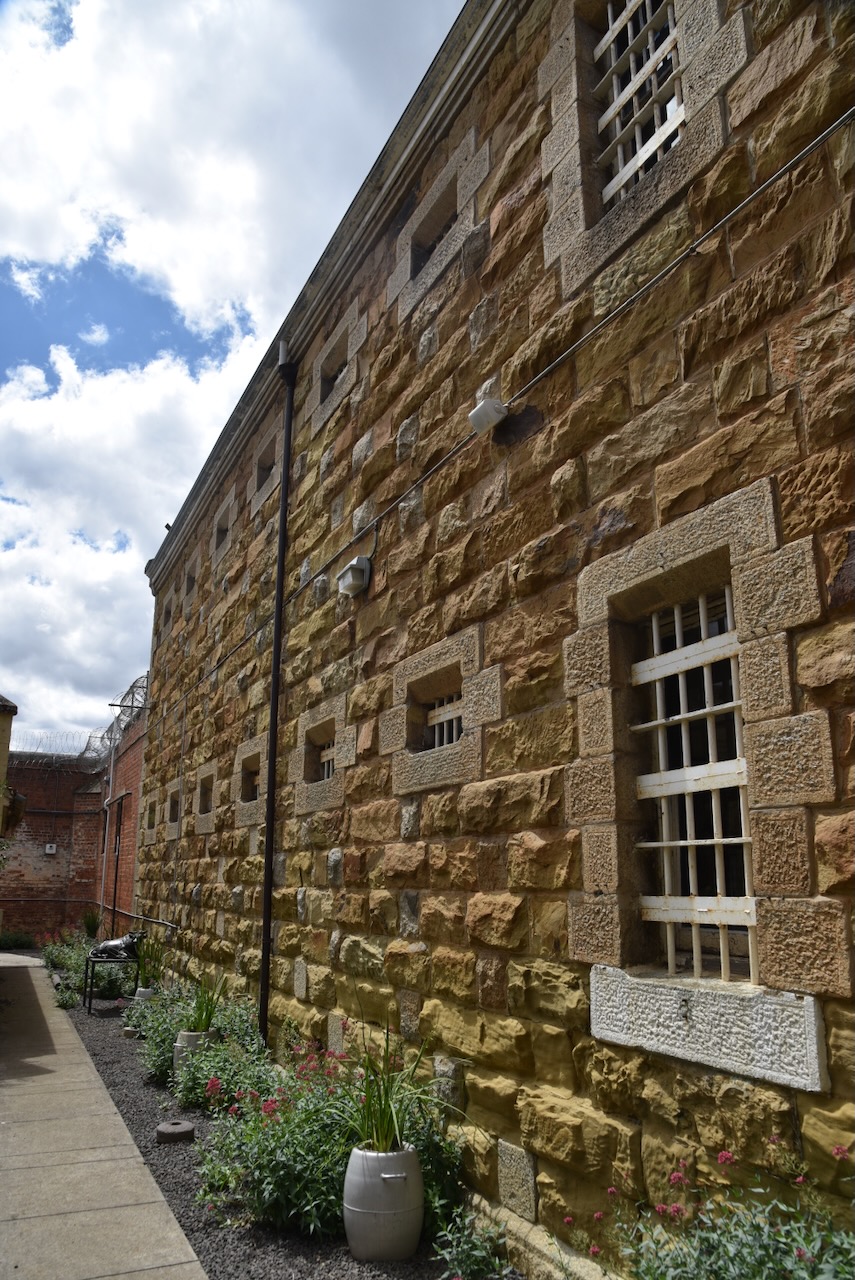
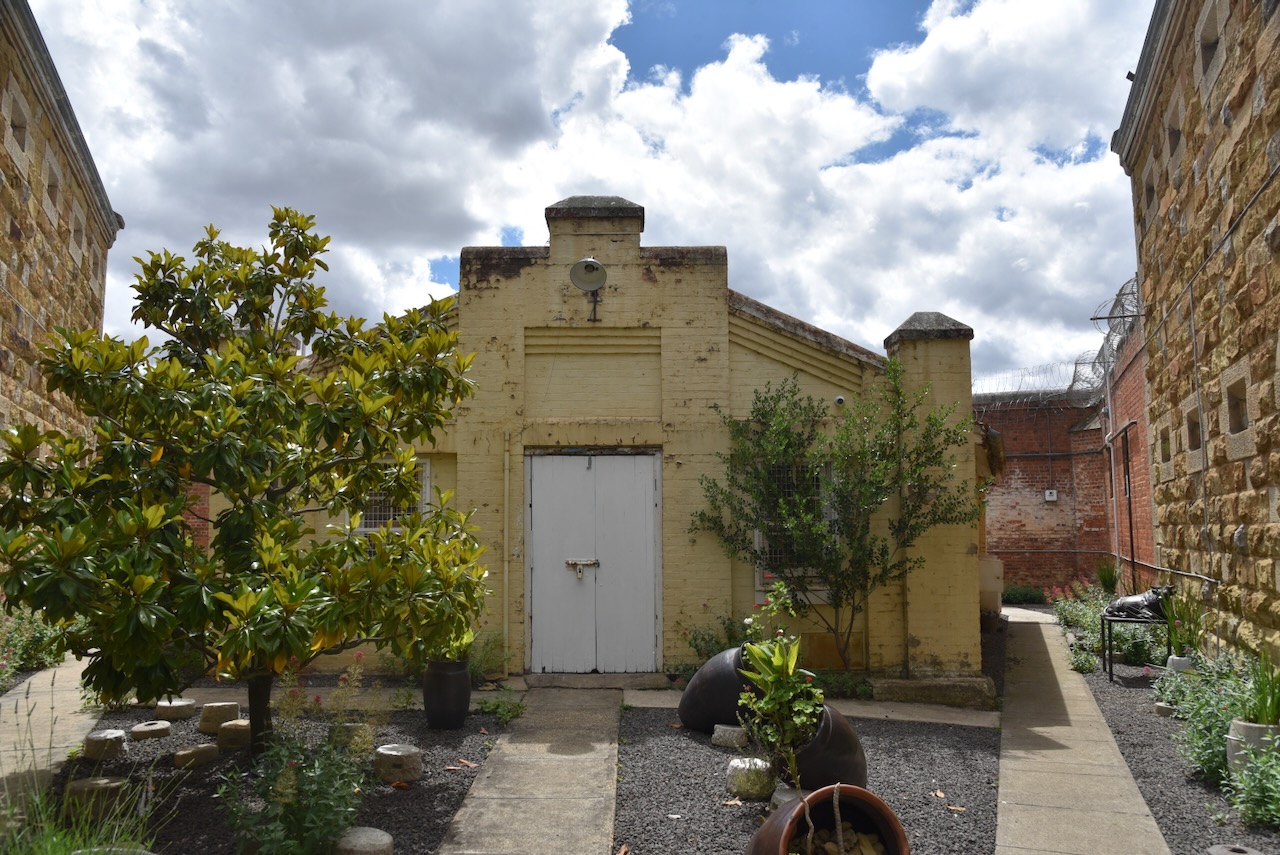
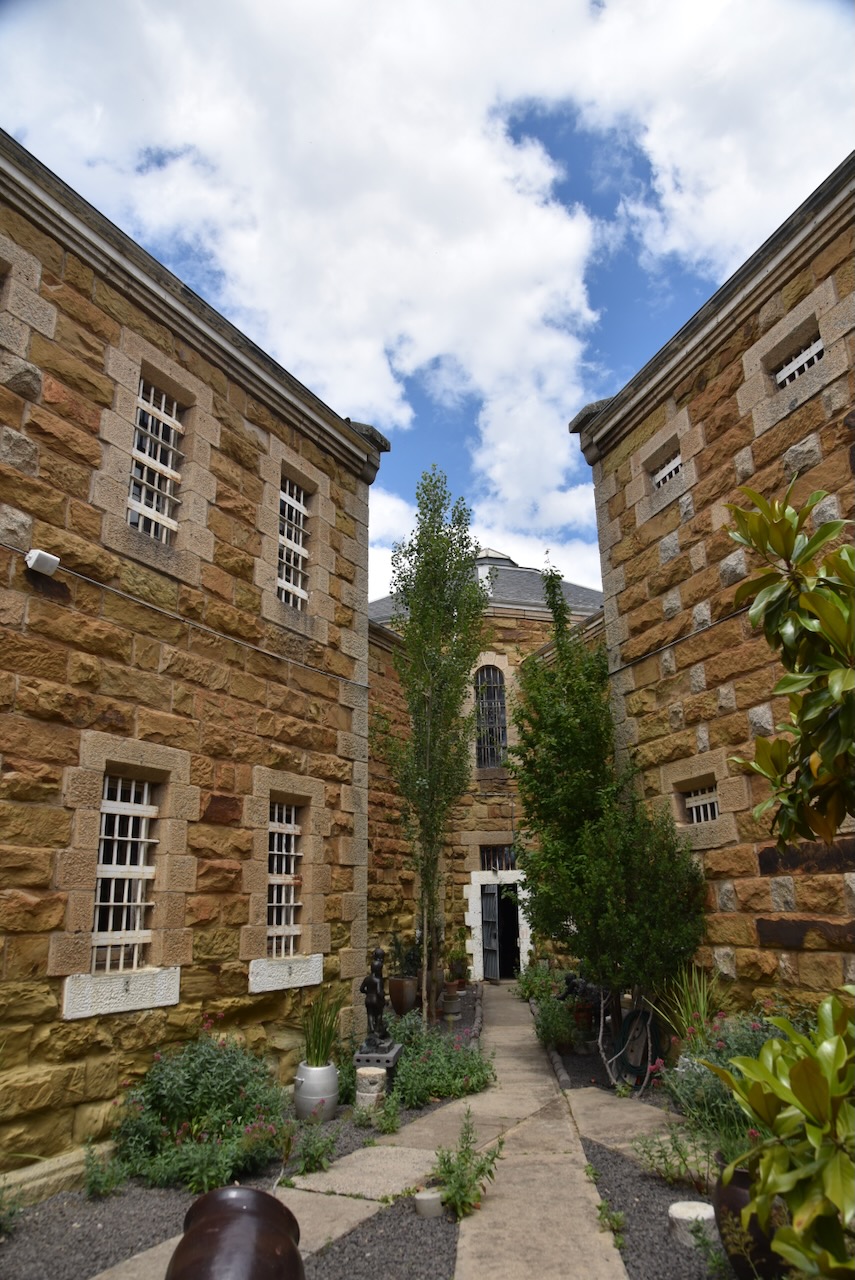
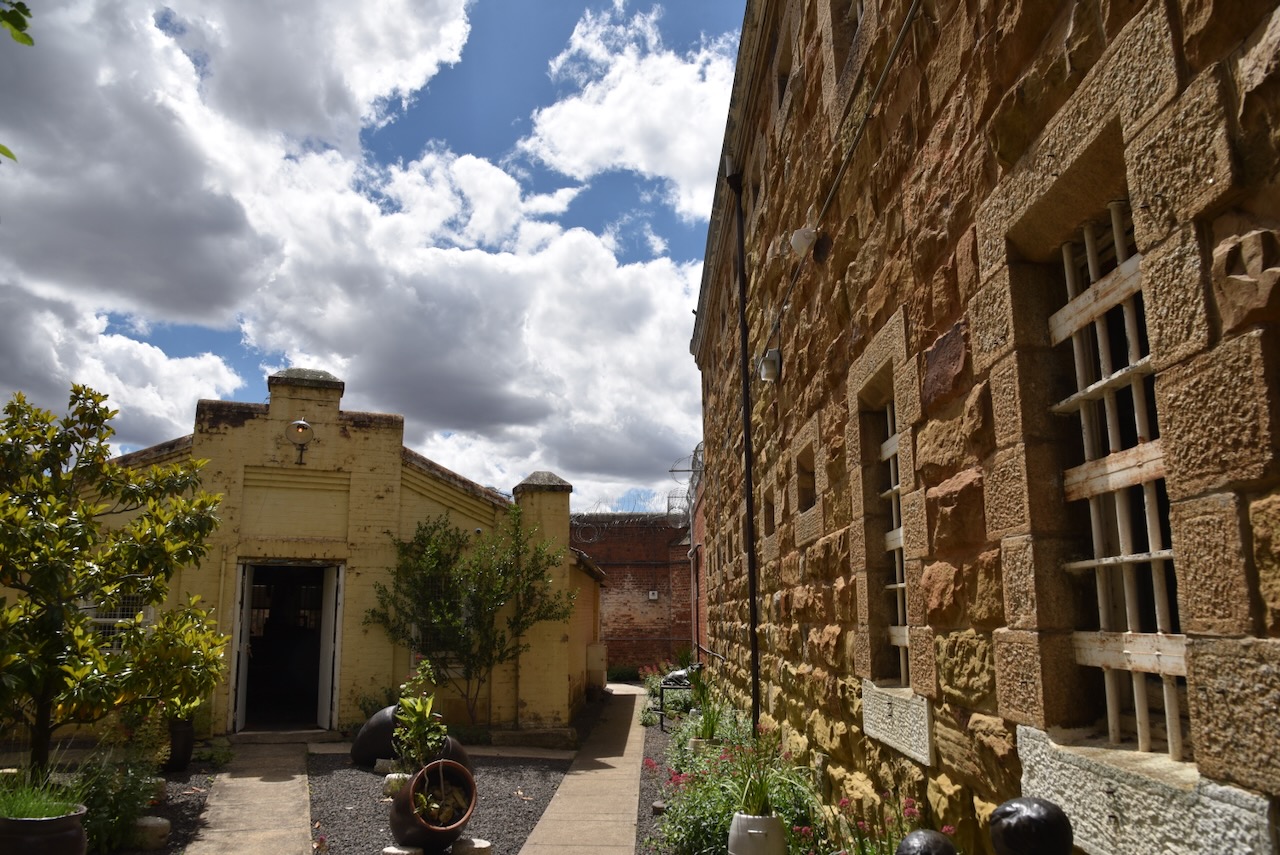
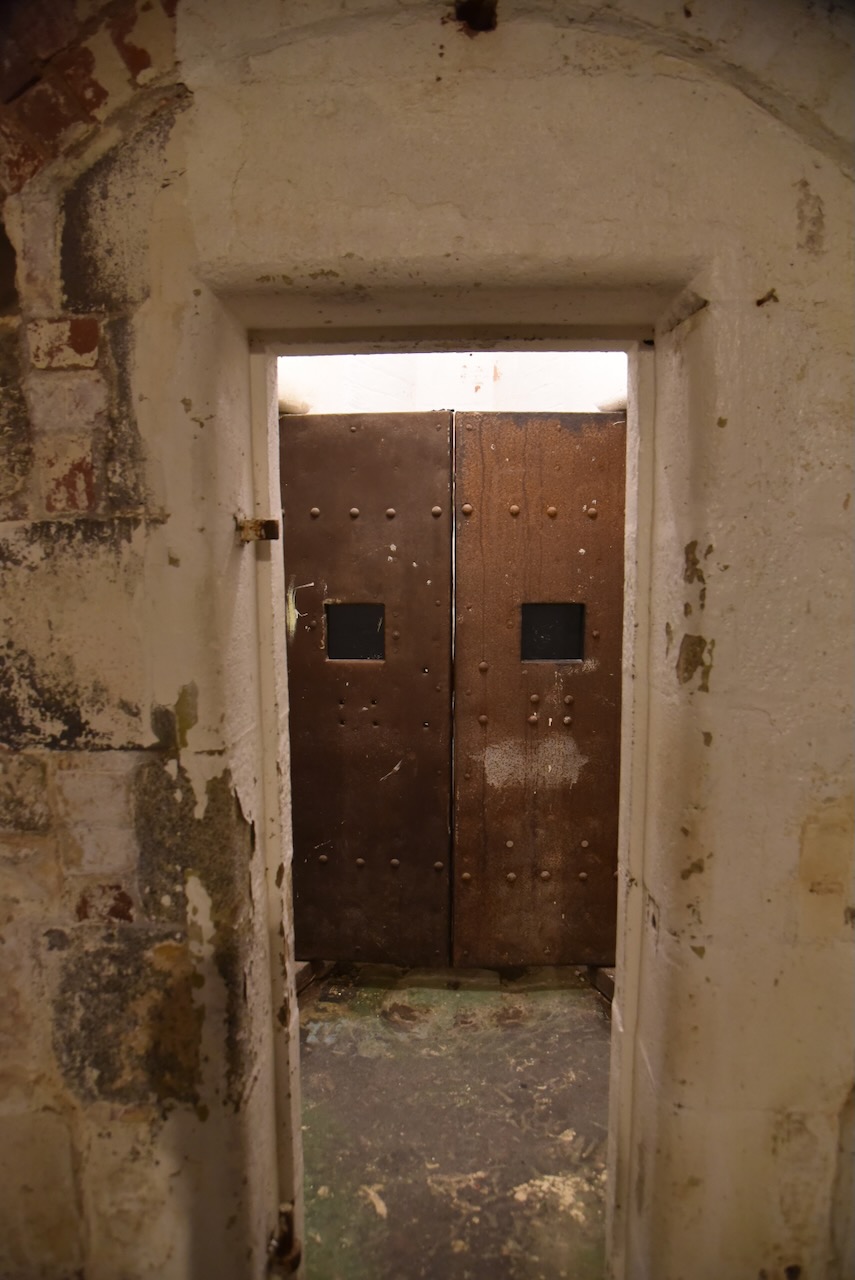
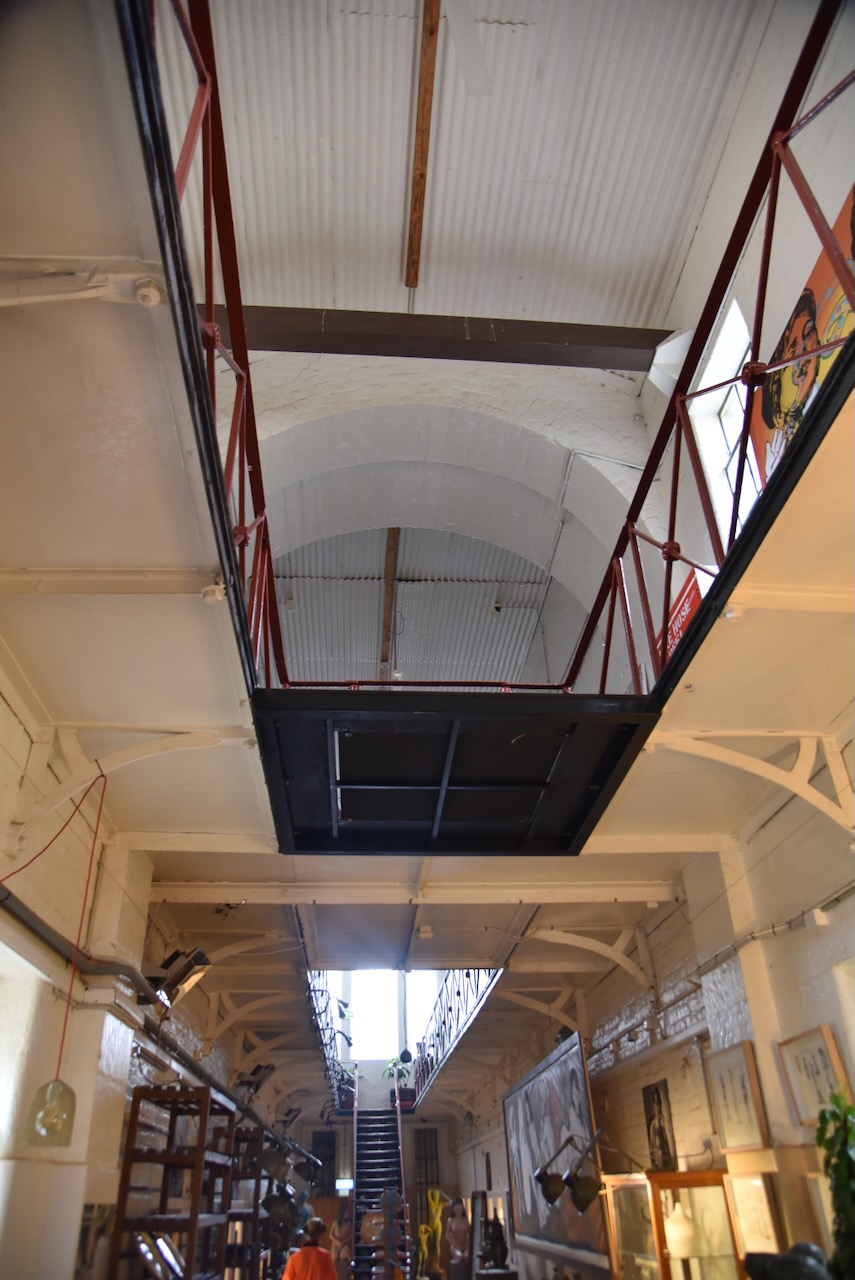
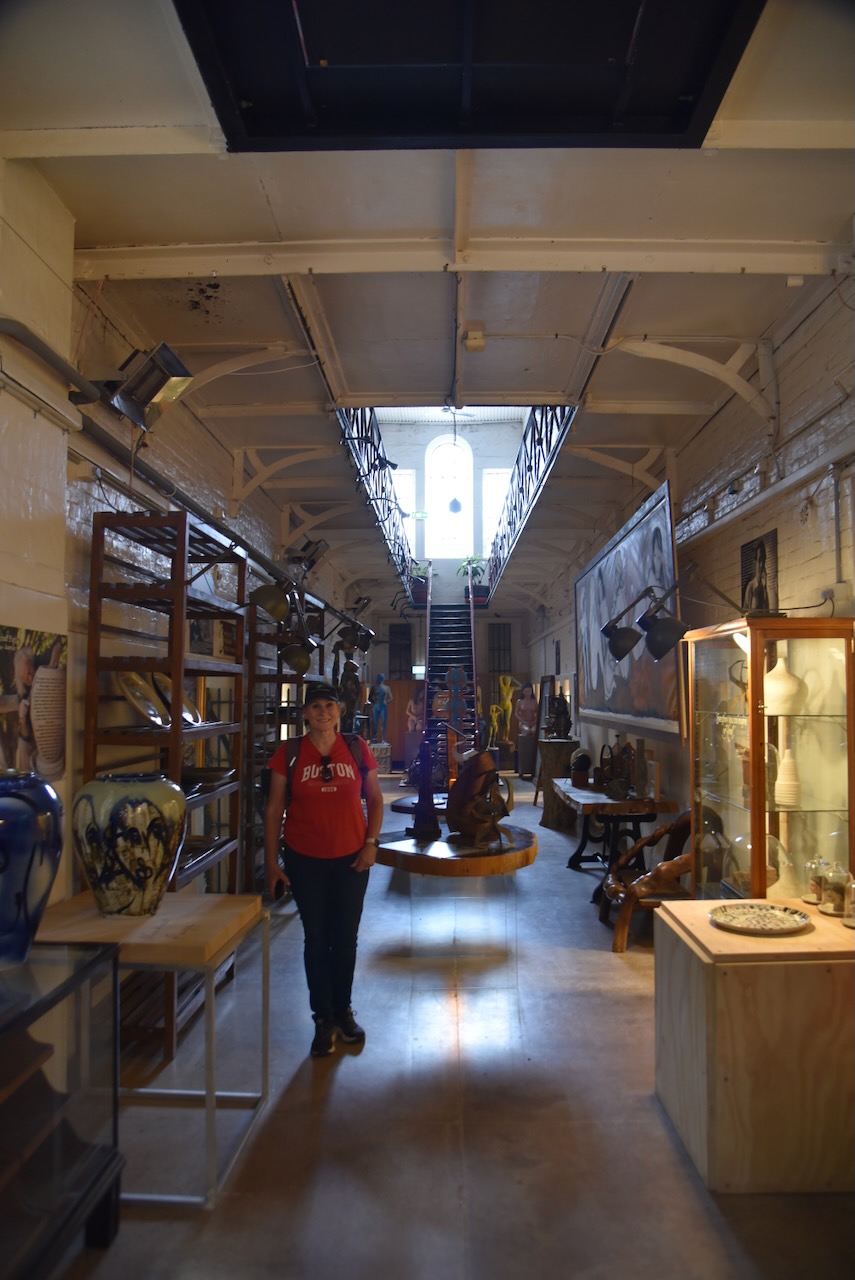
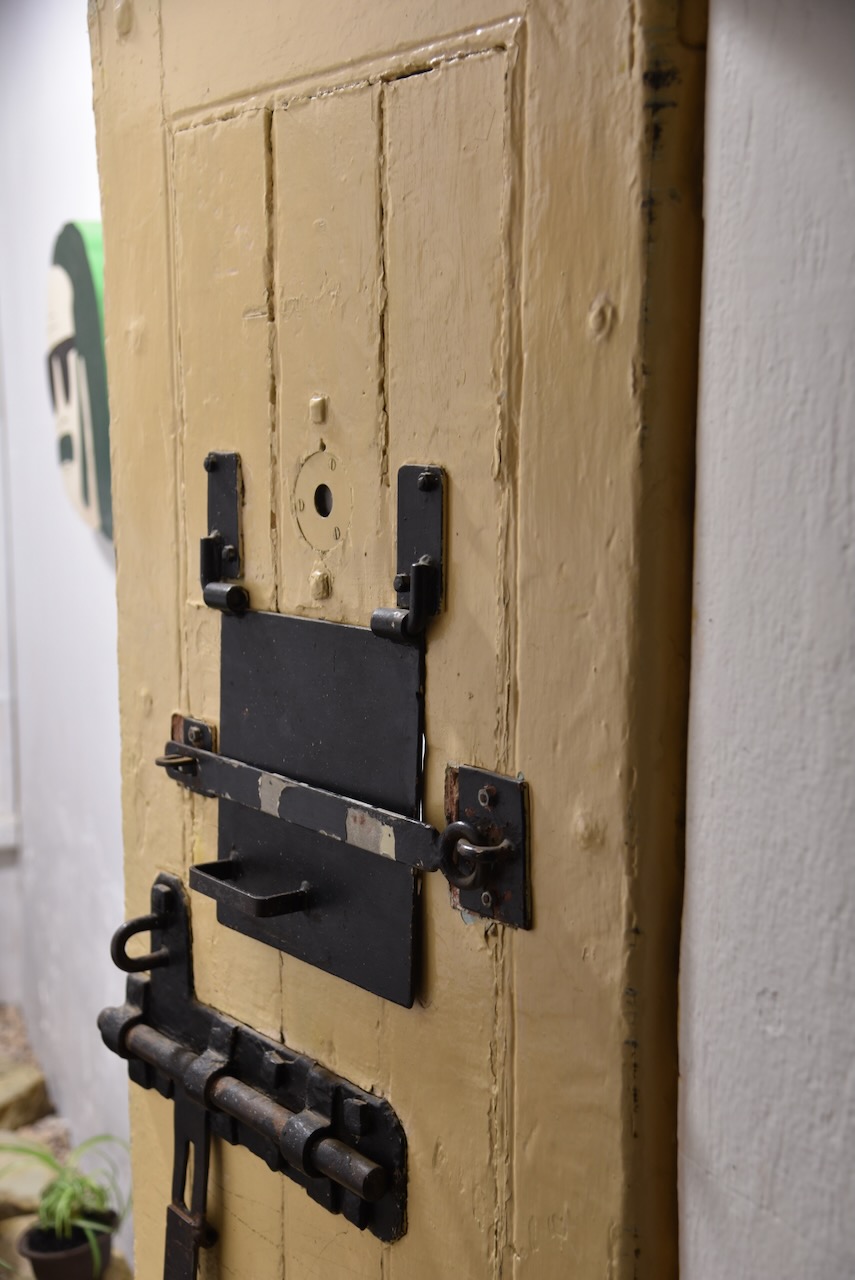
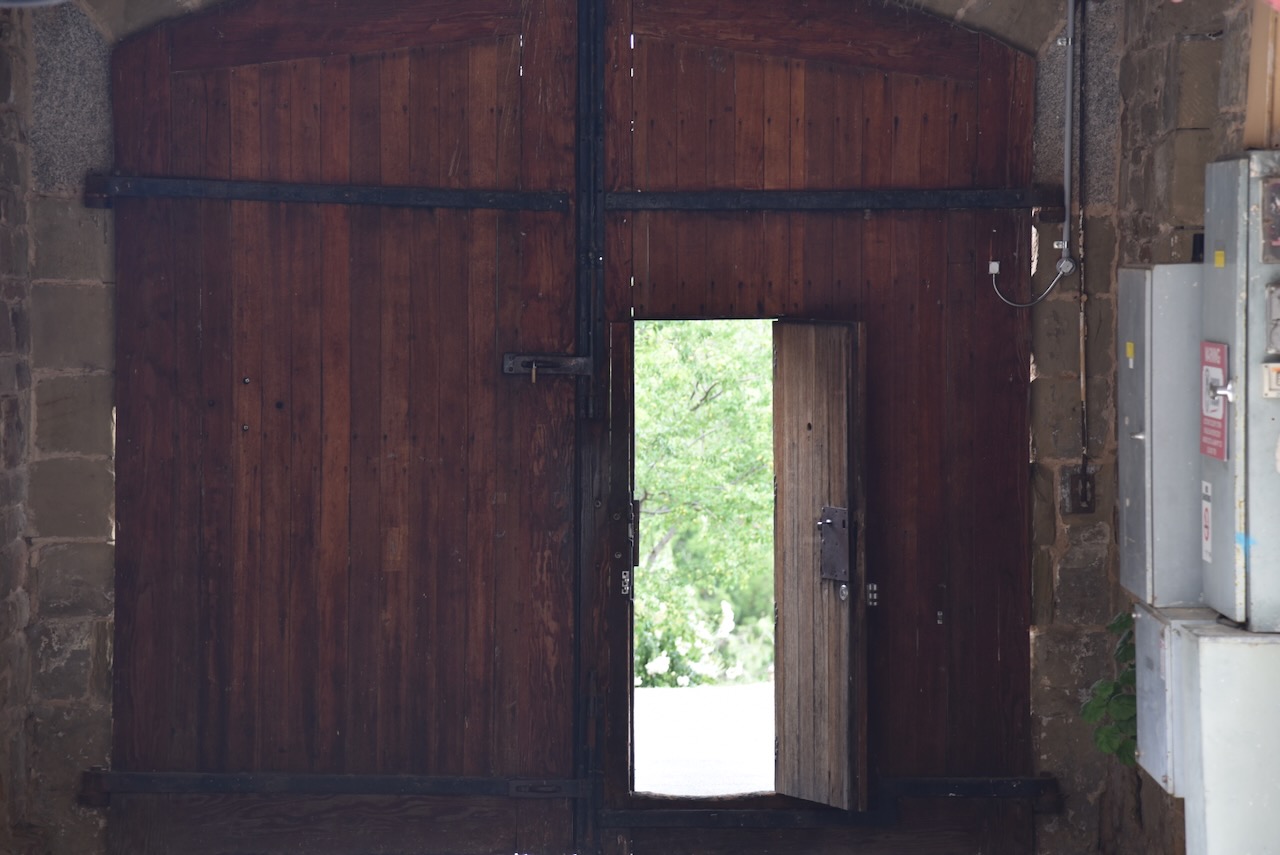
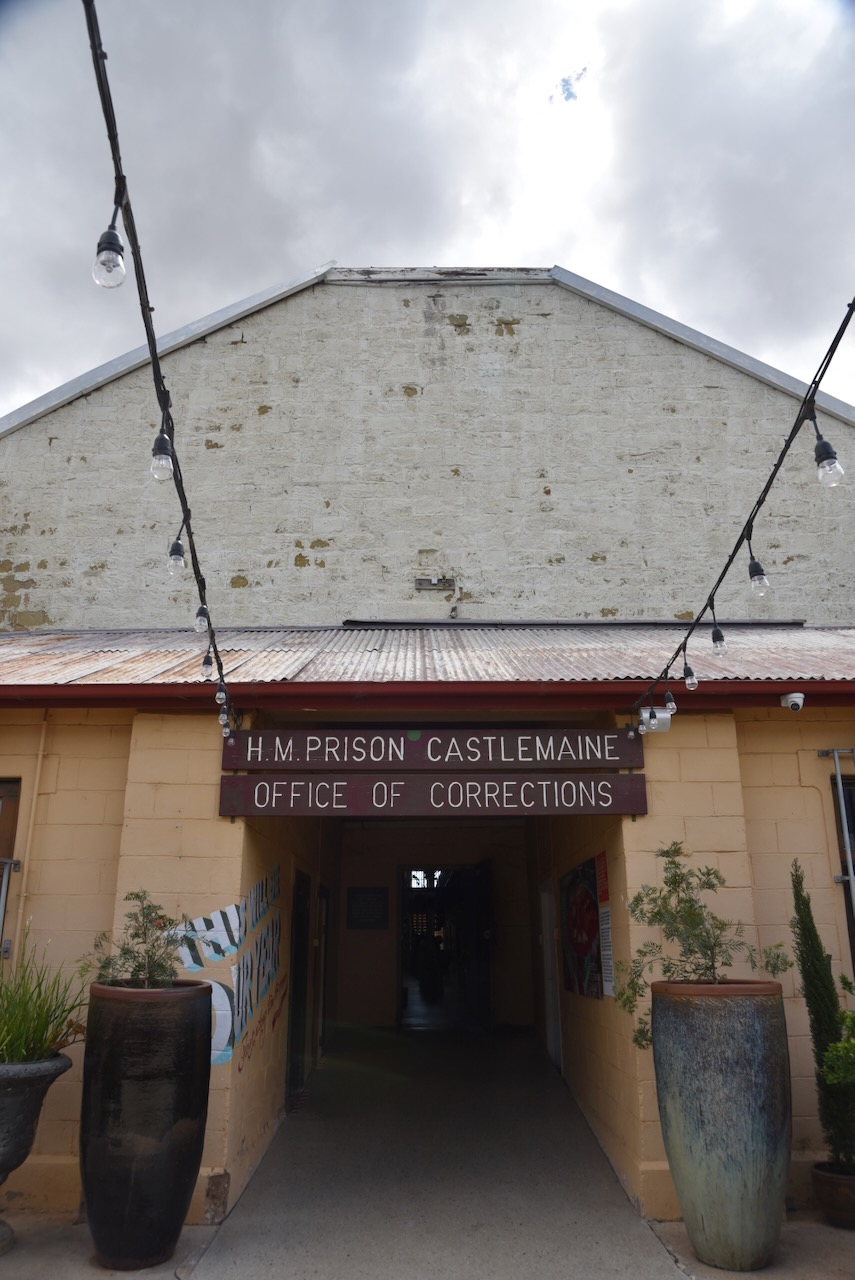
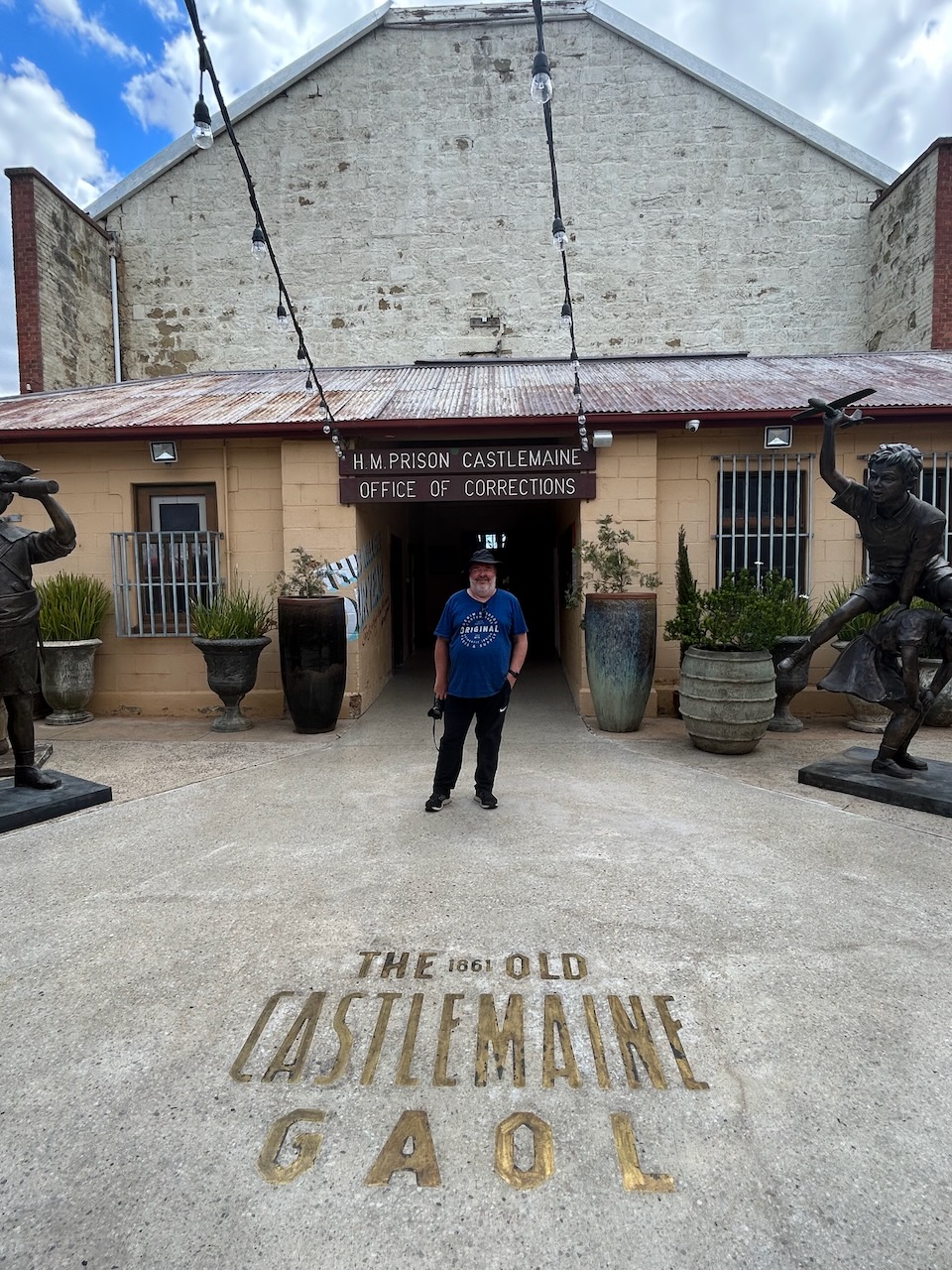
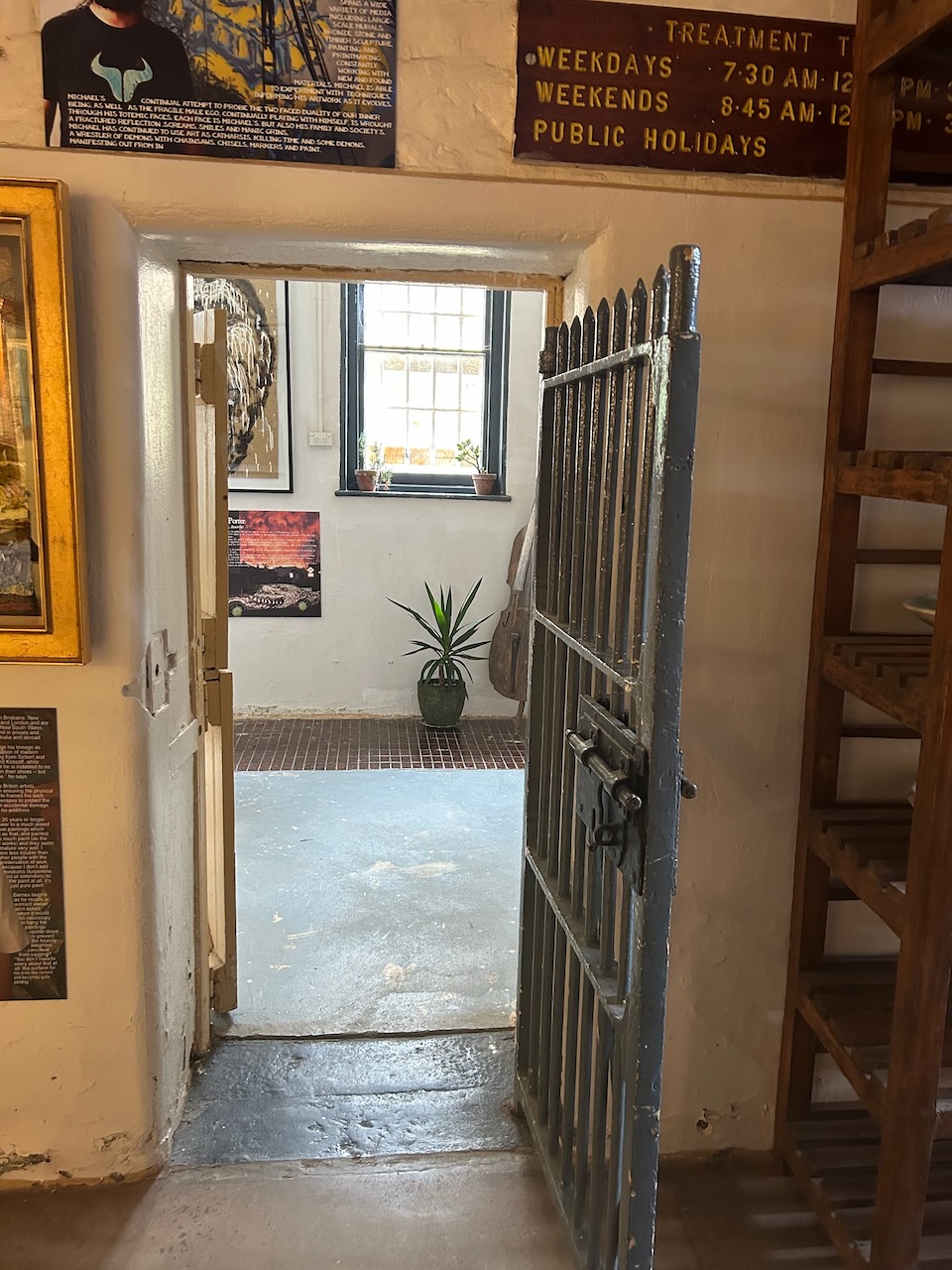
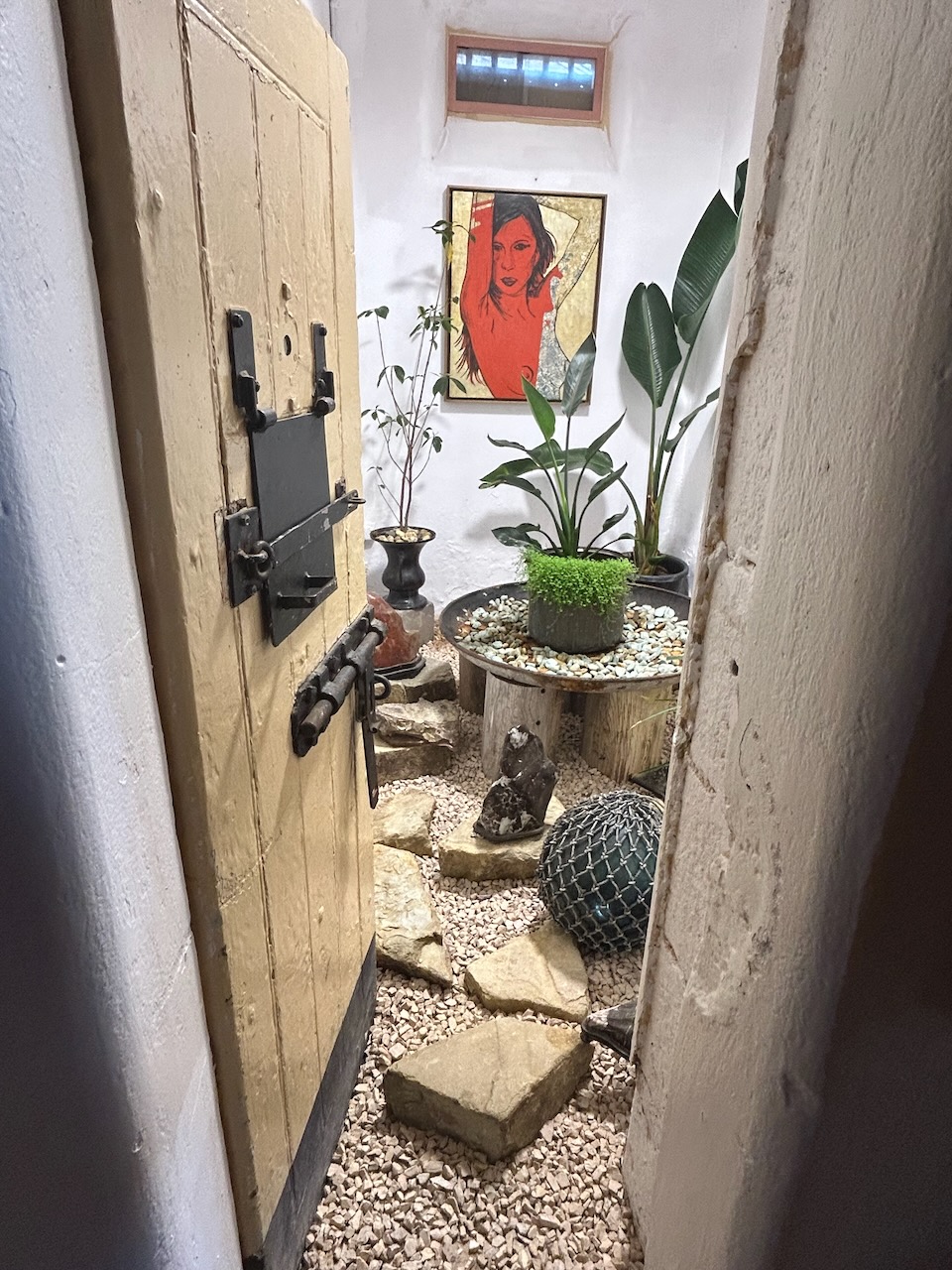
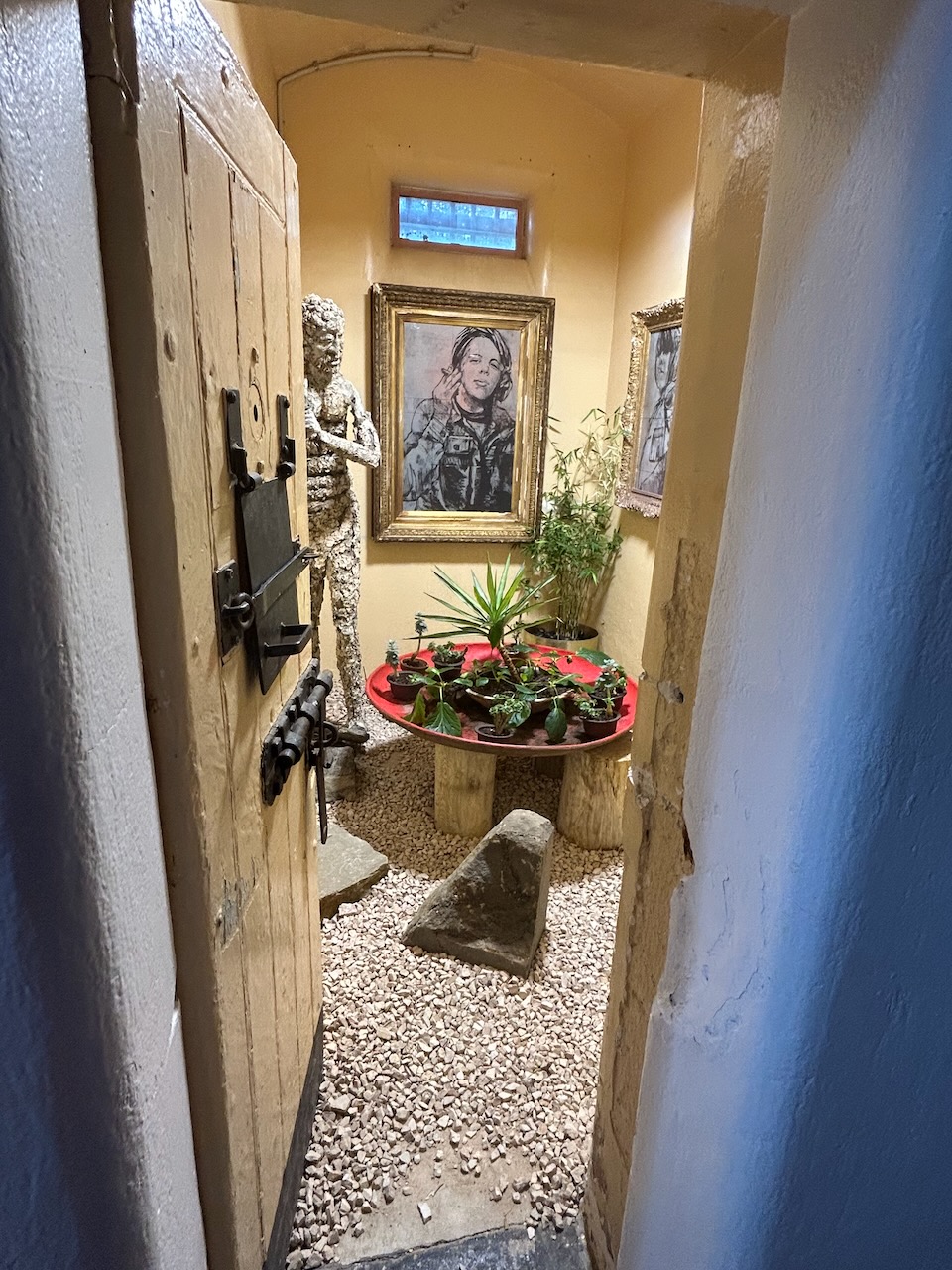
Marija and I then visited the old Castlemaine Gaol on Bowden Street which sits atop a small hill overlooking Castlemaine. The gaol was built between 1857 and 1864 using locally quarried sandstone and Harcourt granite. It was modelled on Pentonville Prison in London. It was constructed to house offenders from the goldfields and the surrounding areas. Ten prisoners were executed by hanging at the gaol during the 1800s. Between 1909 and 1951 the gaol was converted into a boys reformatory for boys aged between 16 and 25, with most aged under 21. The gaol then closed and reopened in 1954 as a medium security prison before closing in August 1990 with prisoners being transferred to HM Prison Loddon. (Goldfields Guide 2024) (Wikipedia 2024)

Some of the notable prisoners at the old Castlemaine Gaol include Peter Dupas, a multiple murderer and rapist, and Alexander Canaris a Greek illusionist who served time there for larceny.

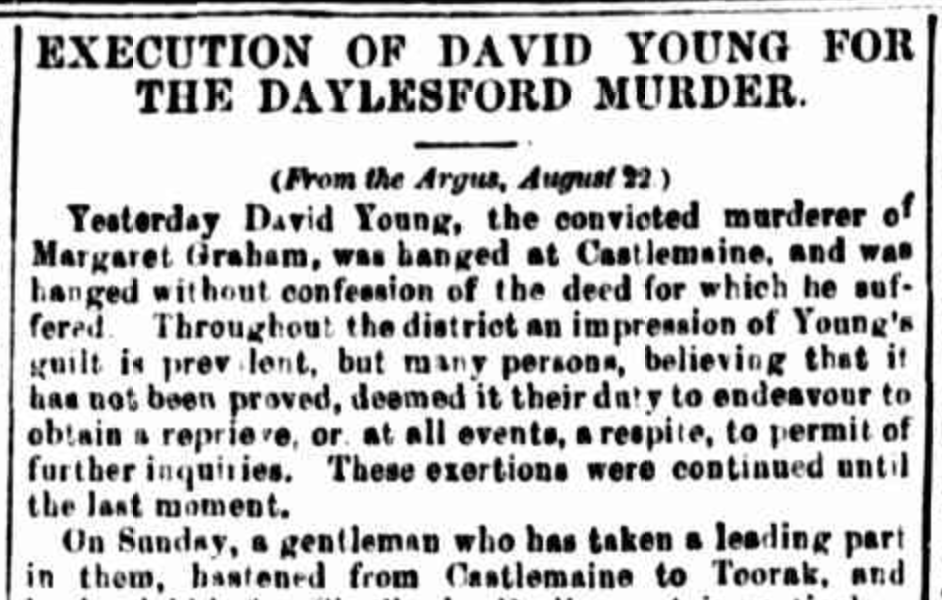
The first to be hanged at the gaol was David Young who was executed for murder on the 21st day of August 1865. The last person to be executed was John Duffus who was hung on the 22nd day of May 1876 for the criminal assault on his daughter.

Above:- Article from the Maitland Mercury, Thu 31 Aug 1865. Image c/o Trove.

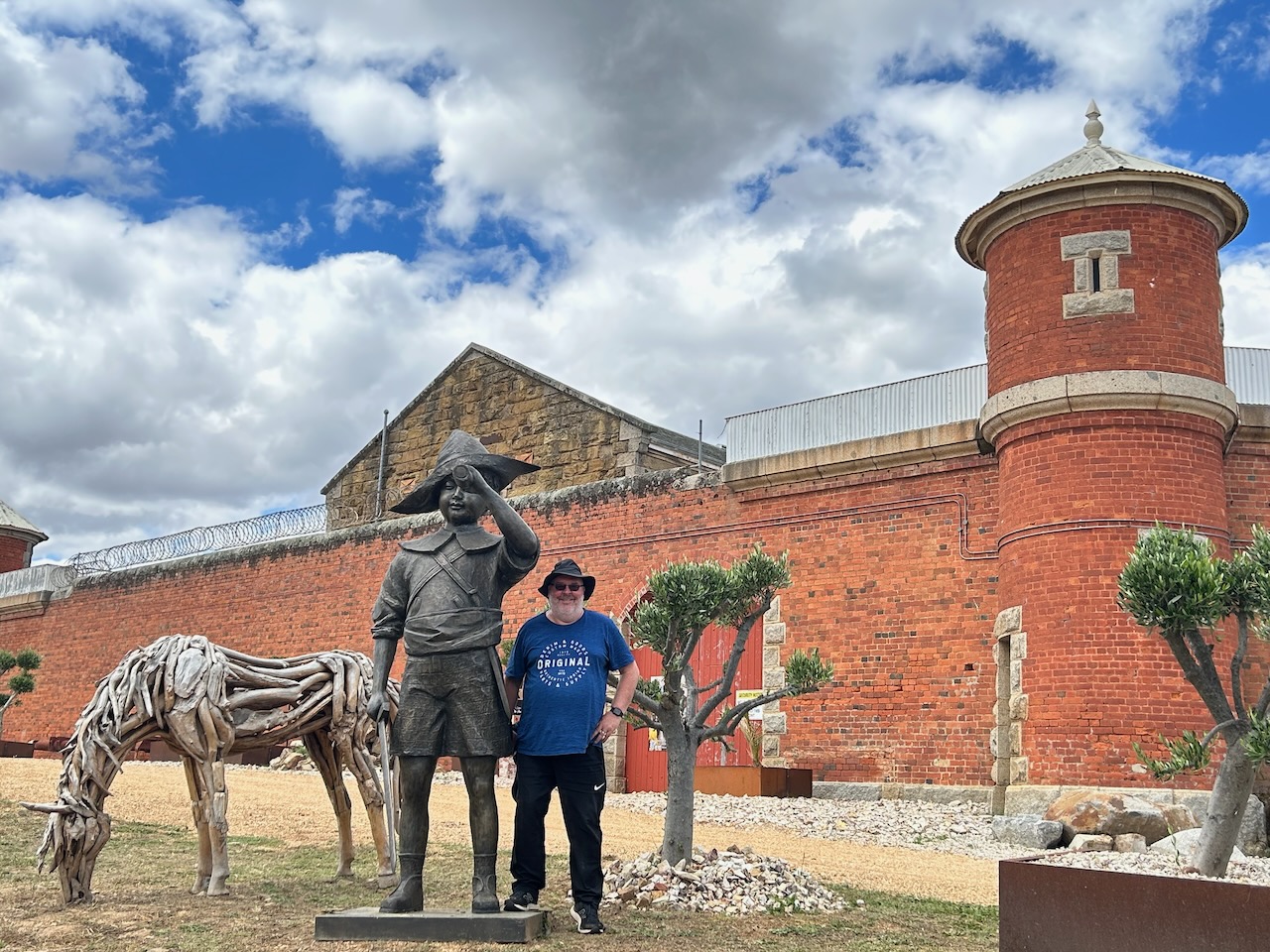
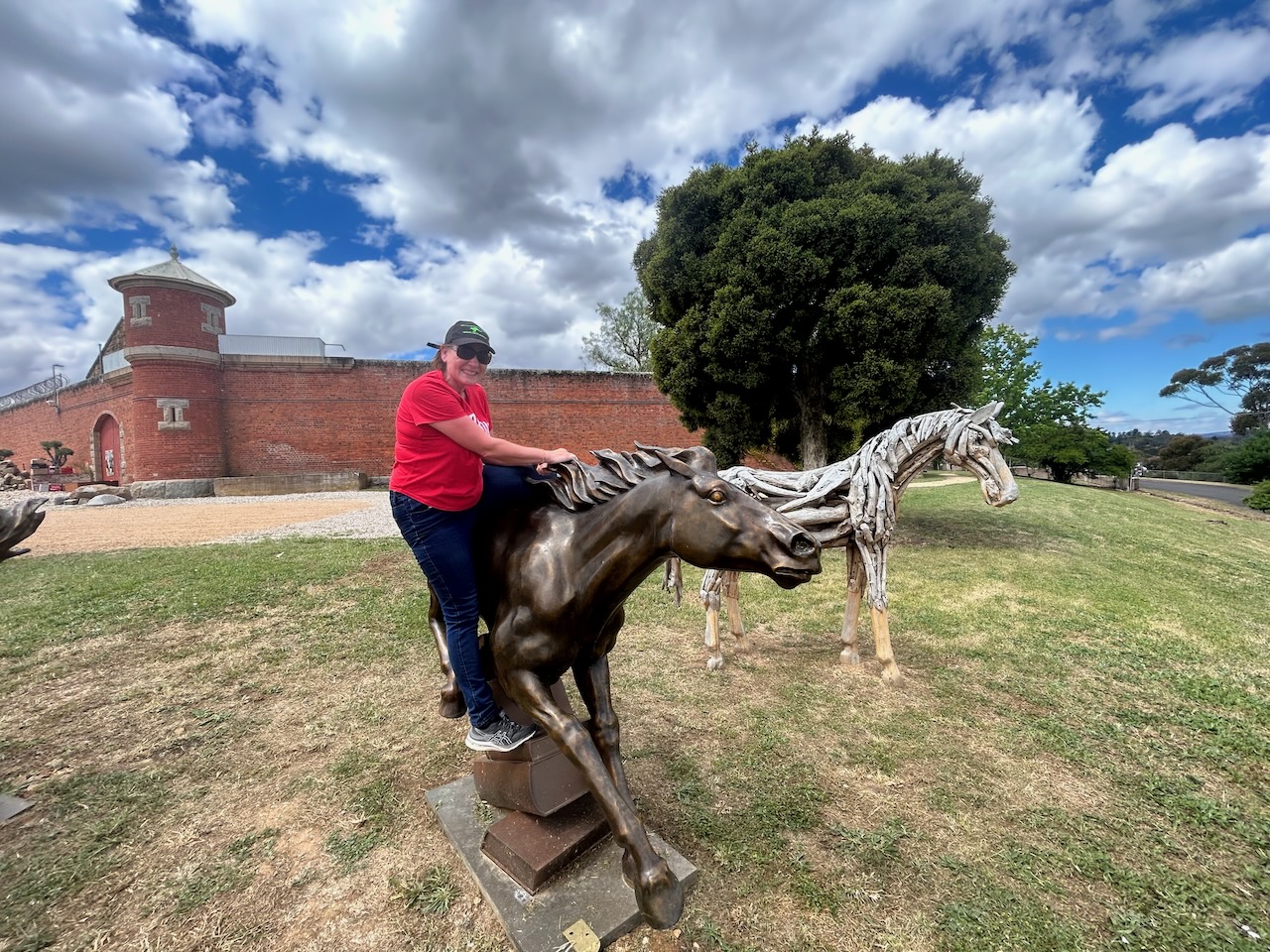
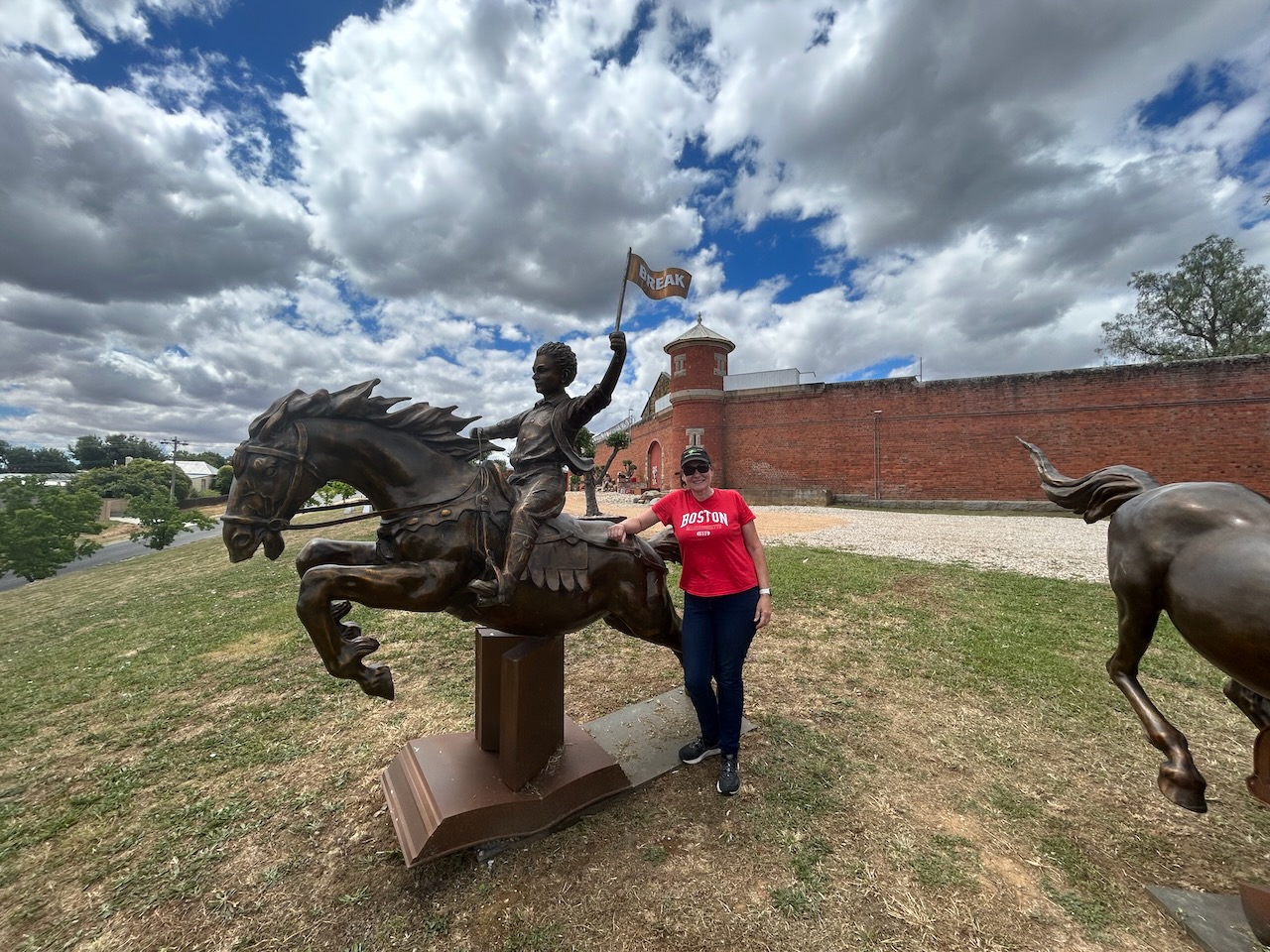
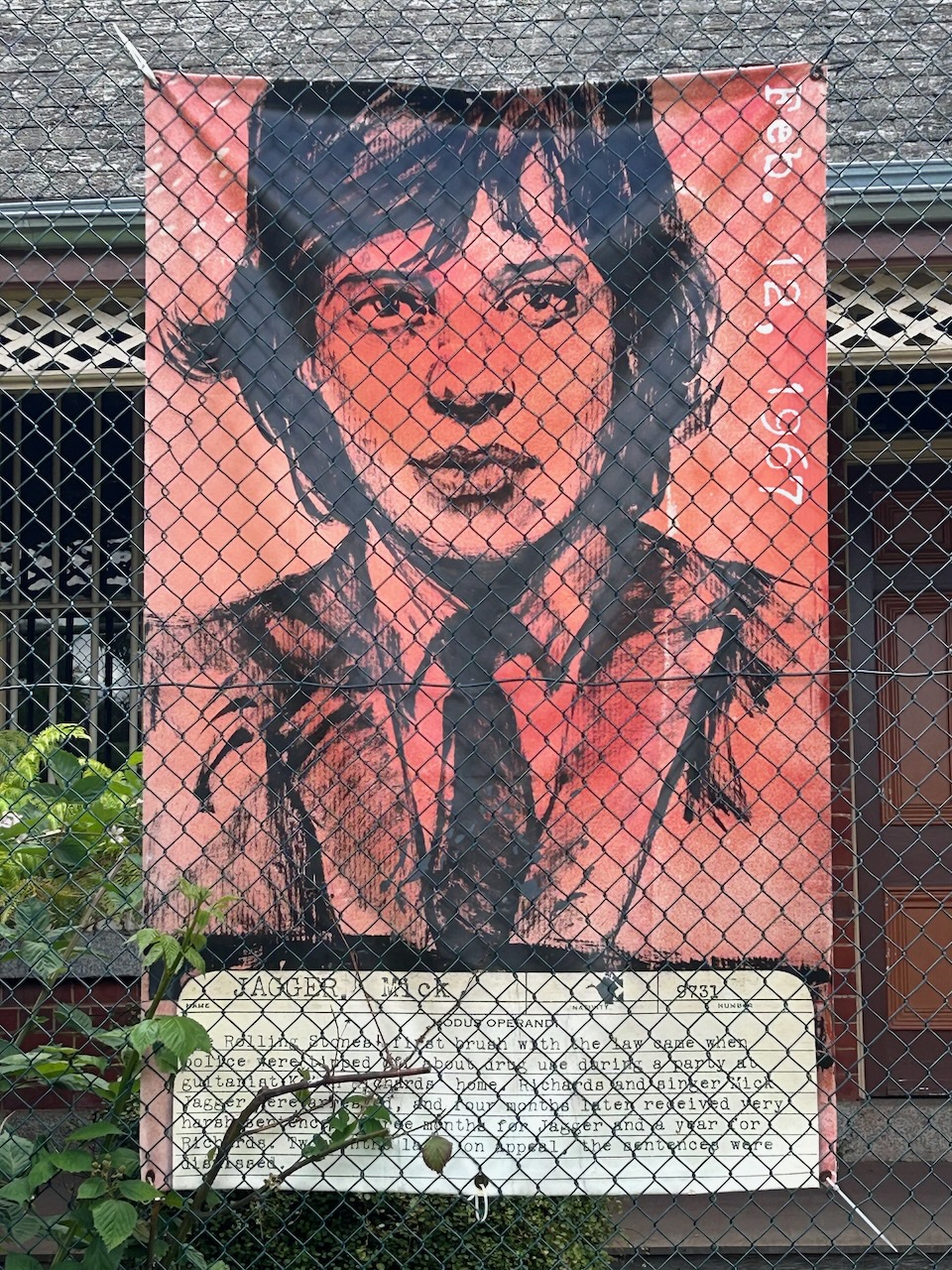
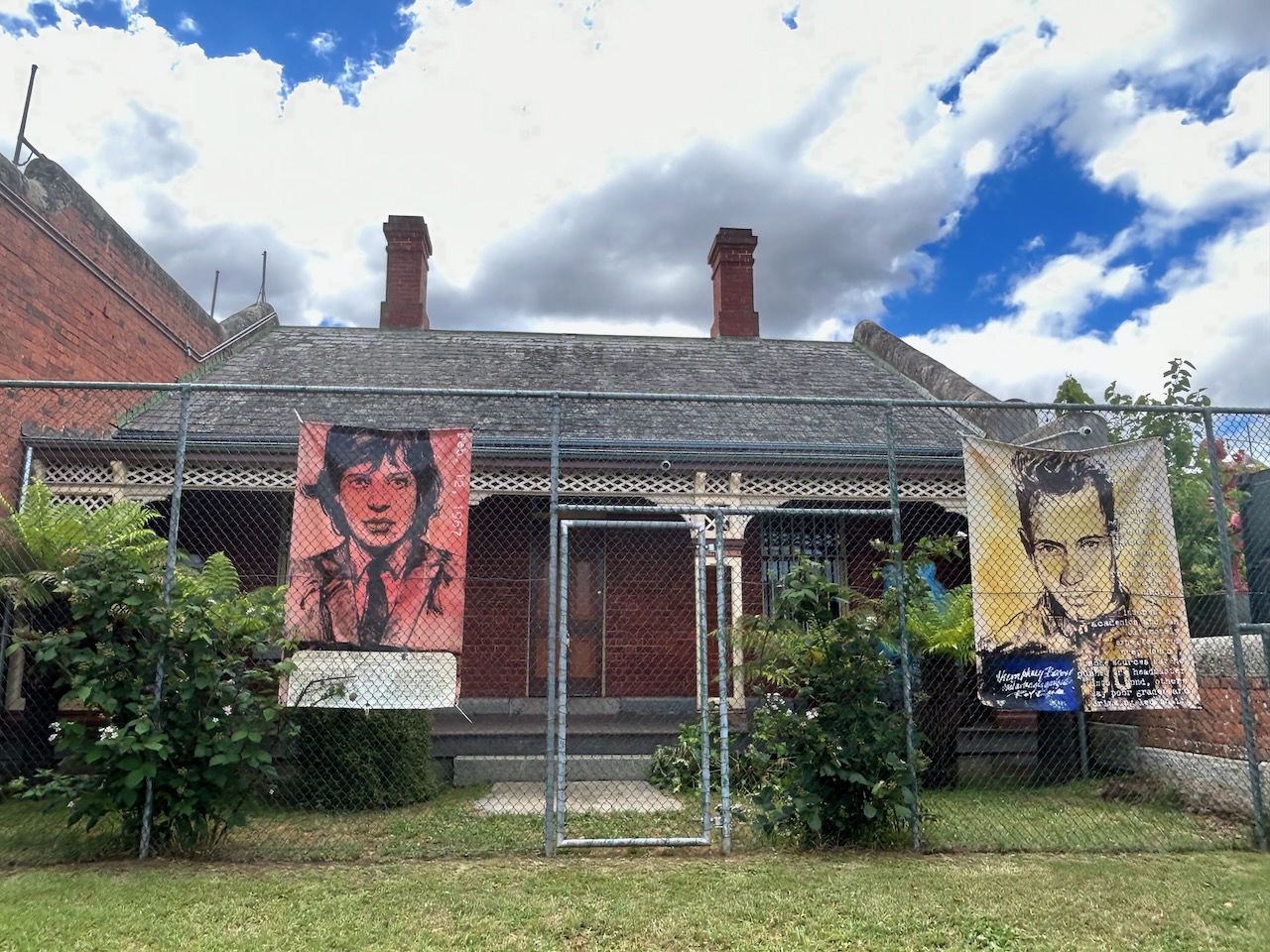
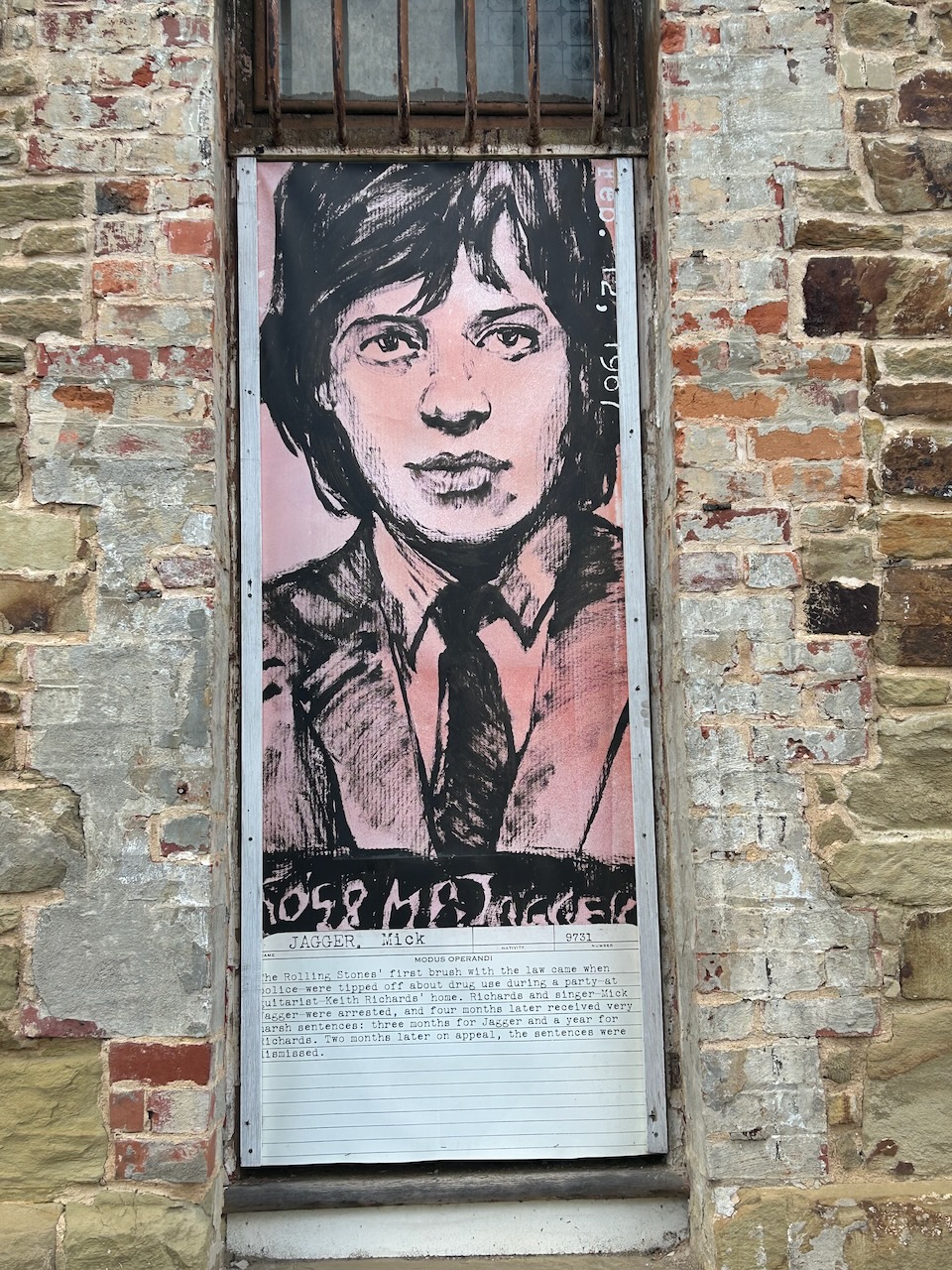
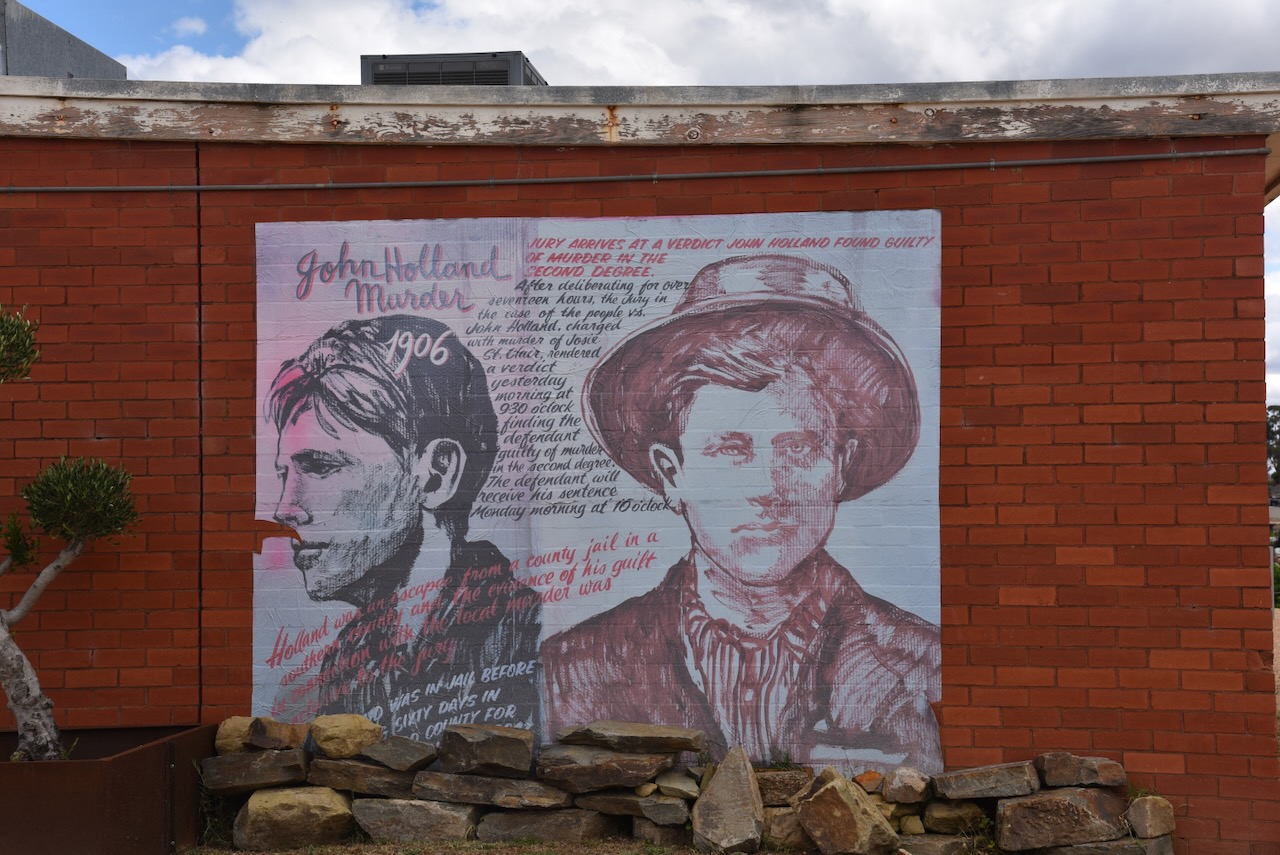
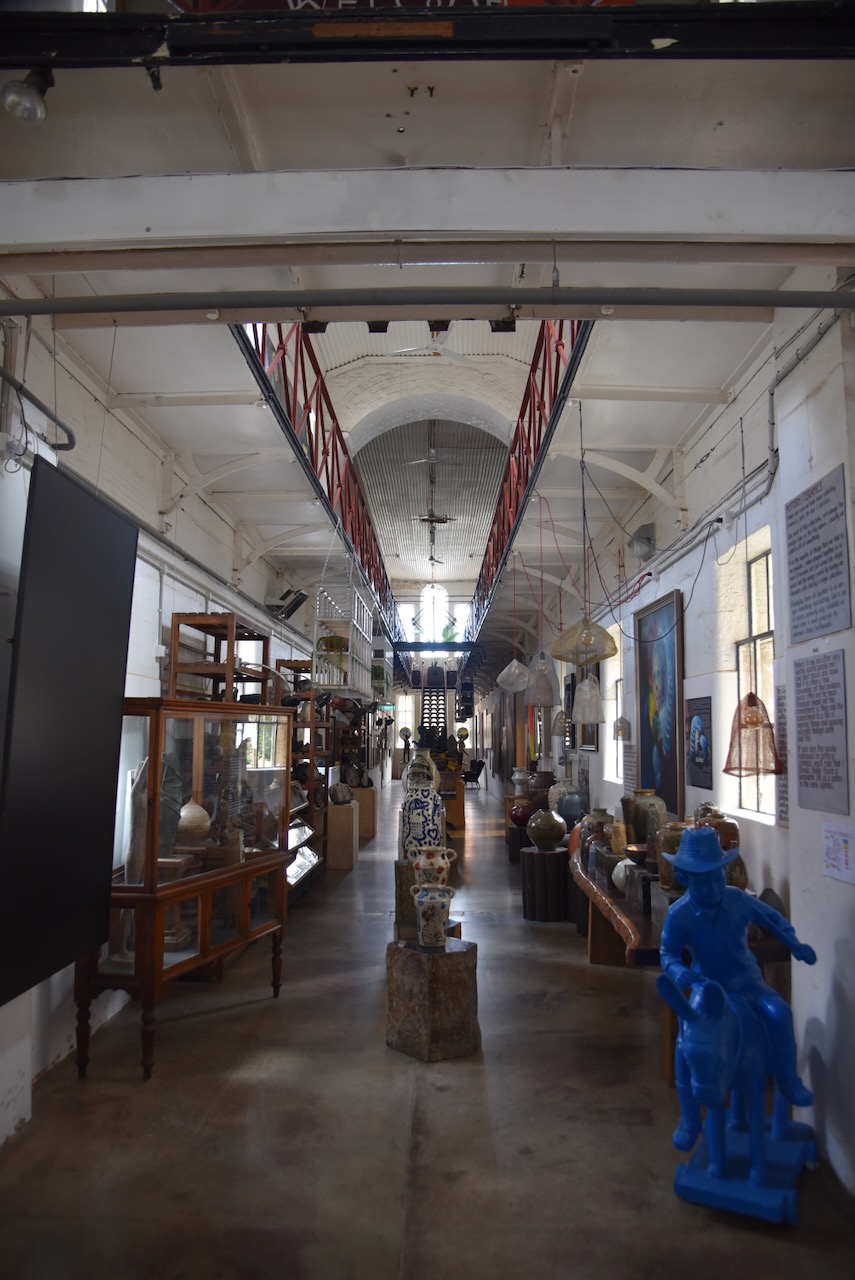
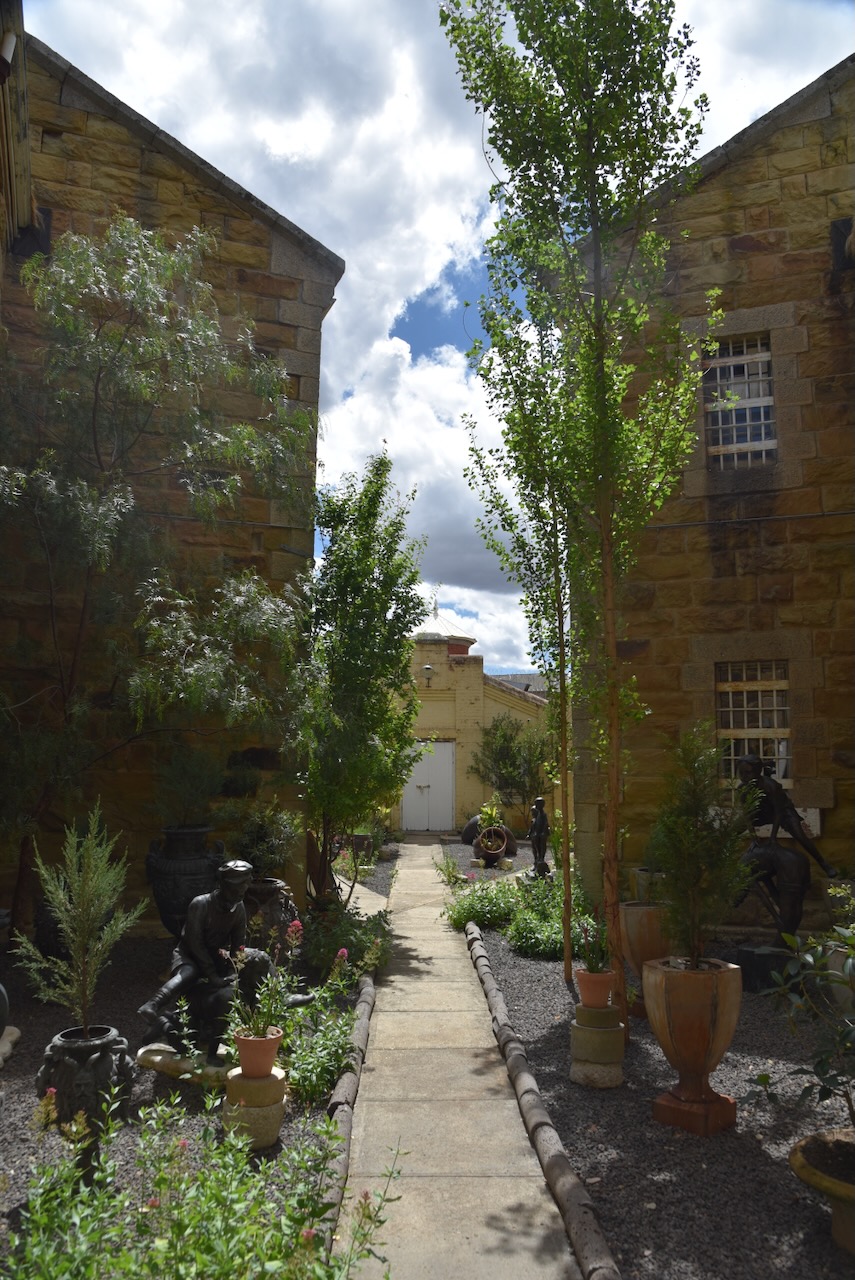
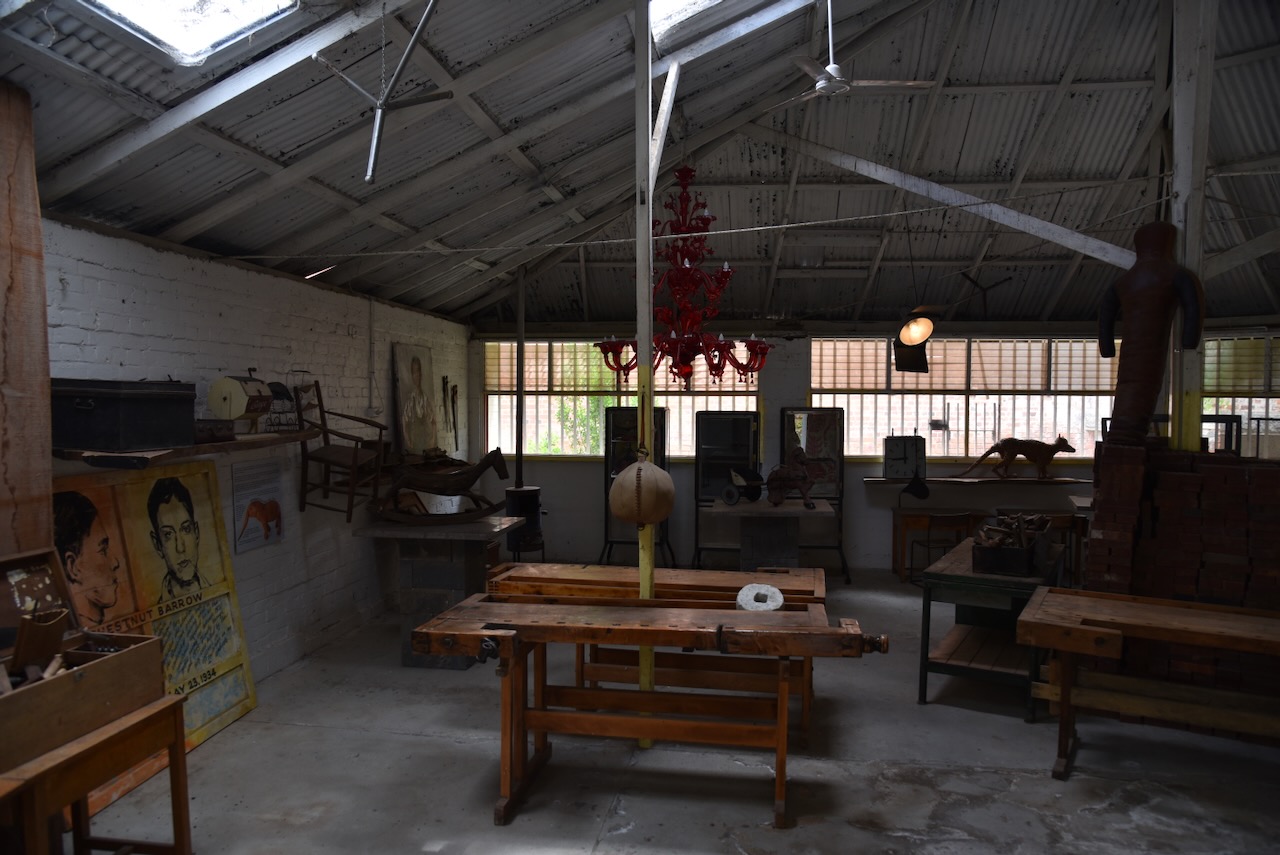
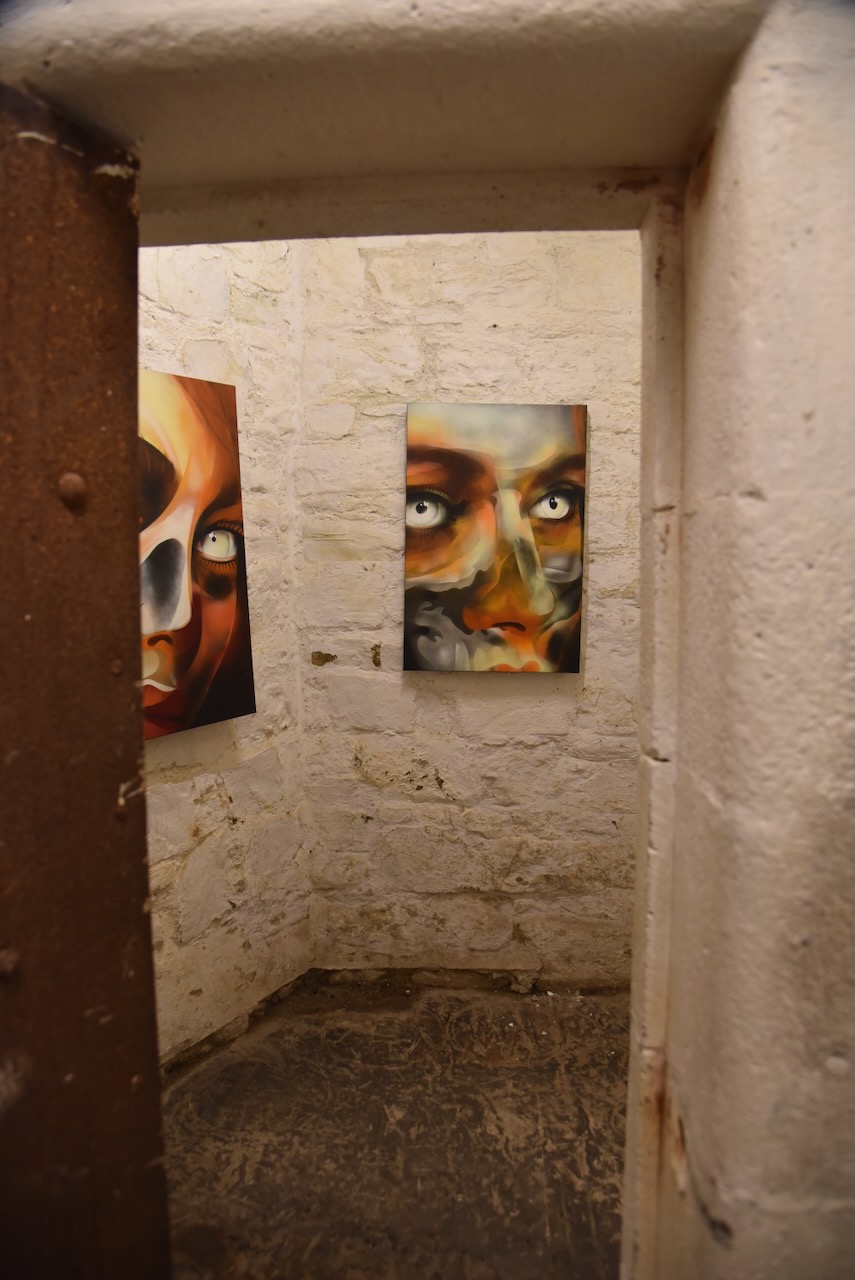
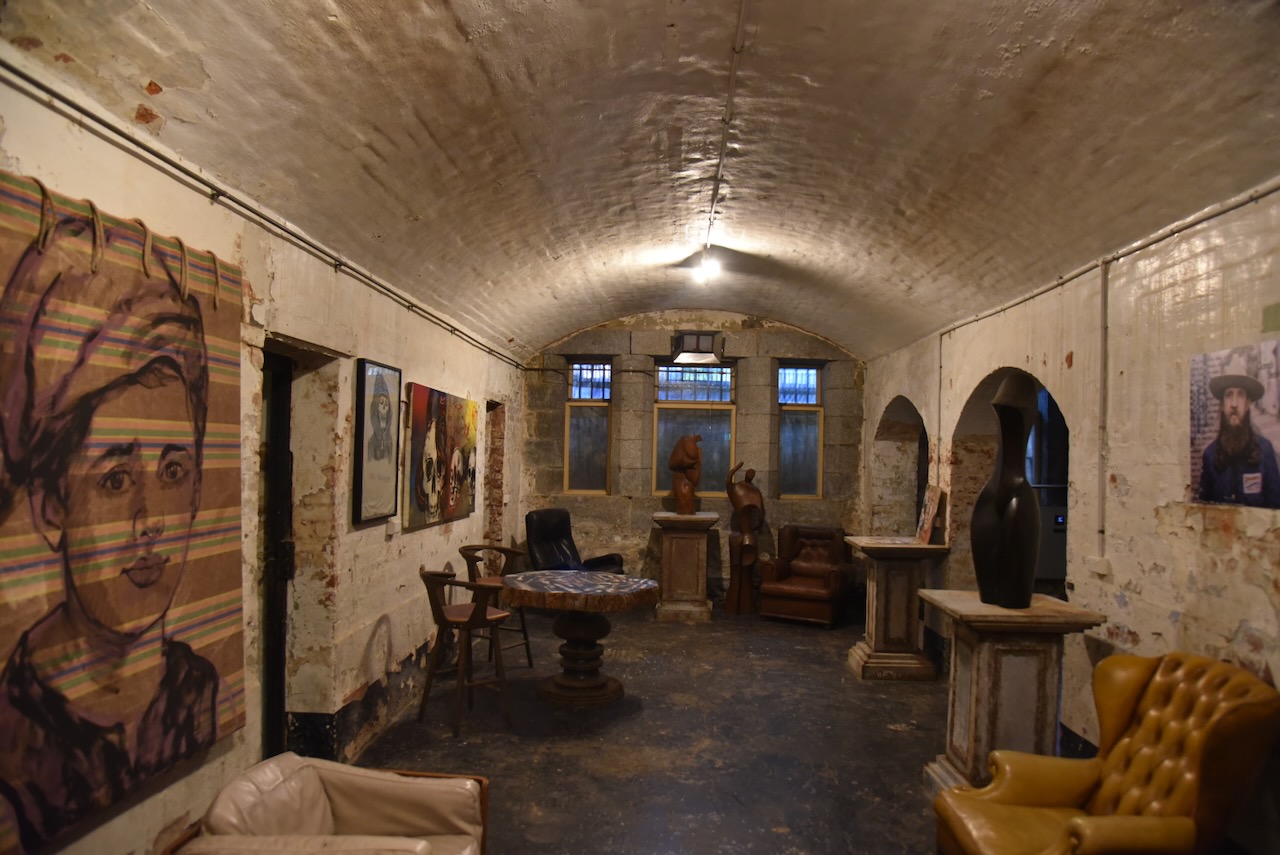
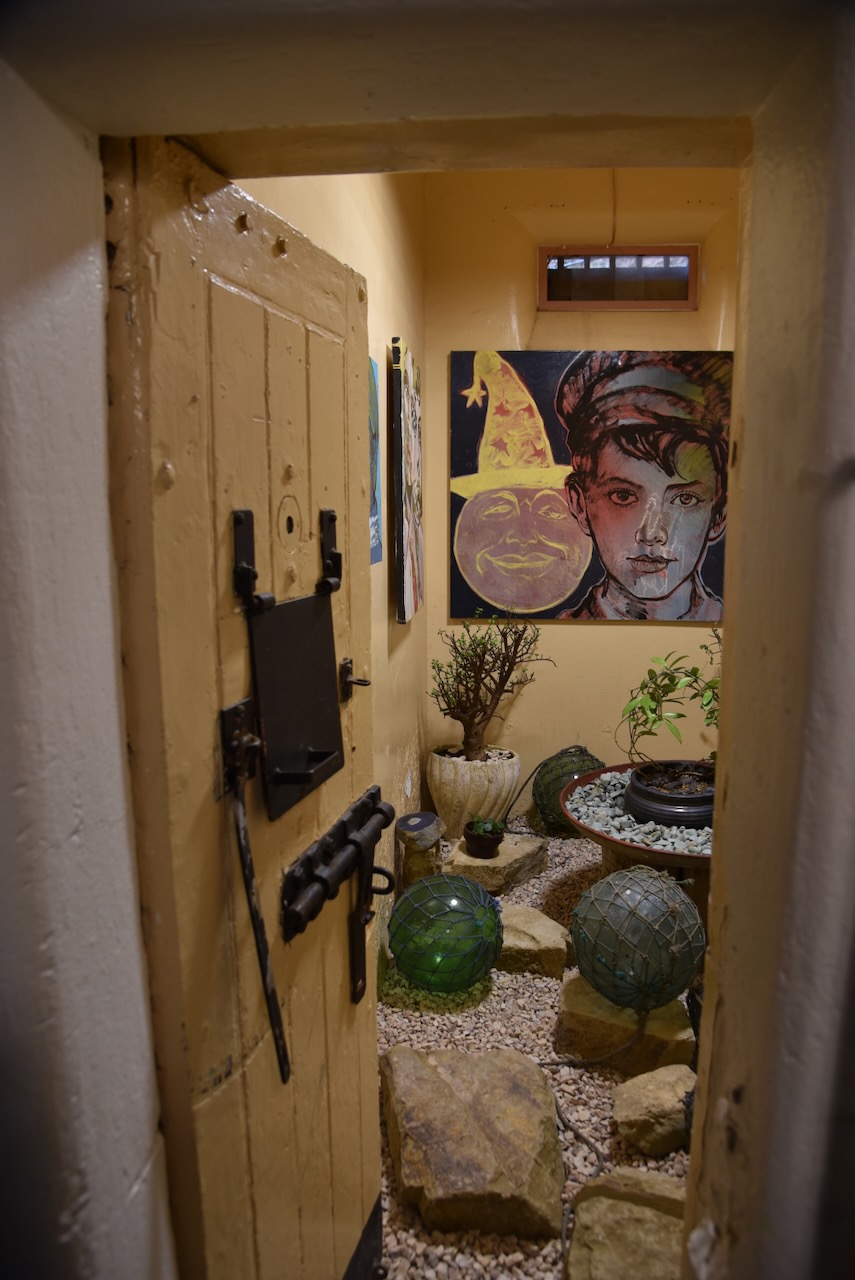
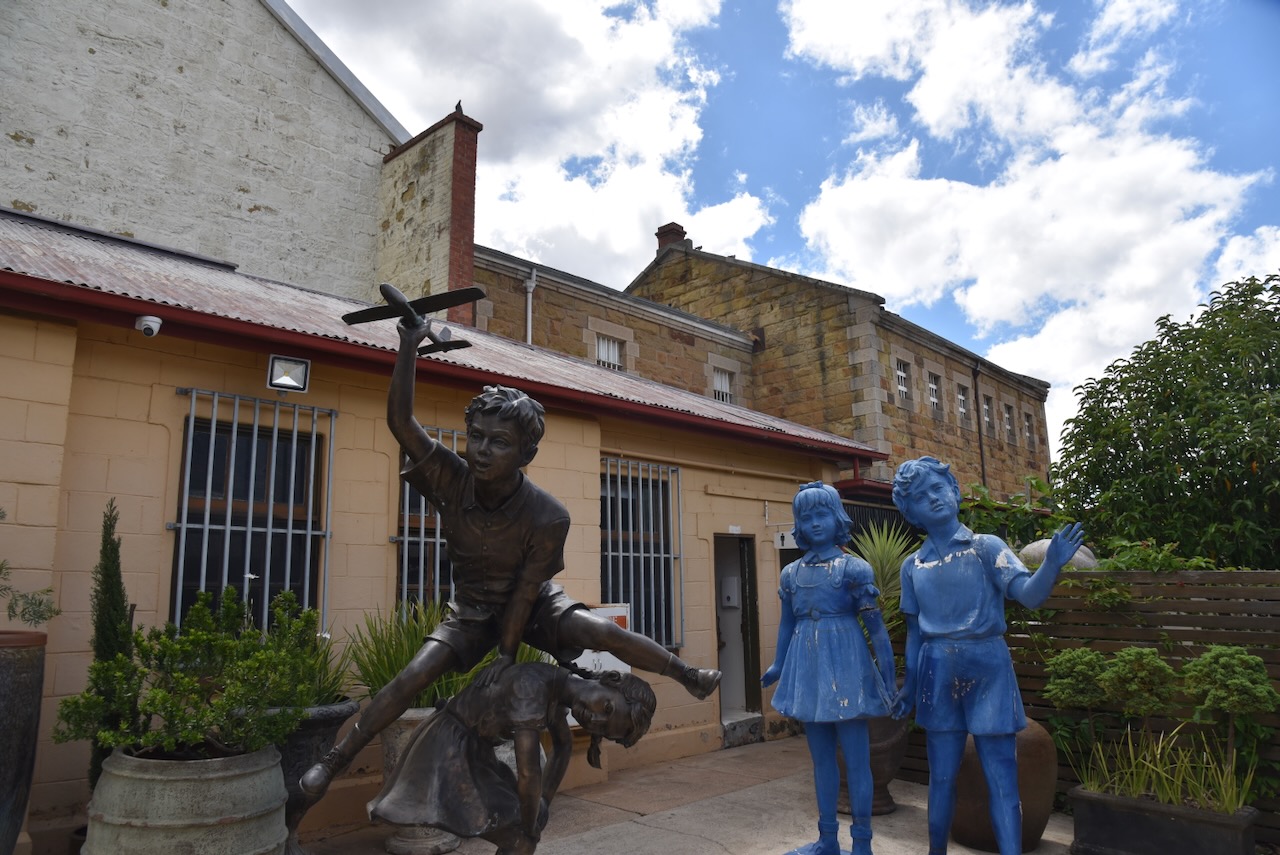
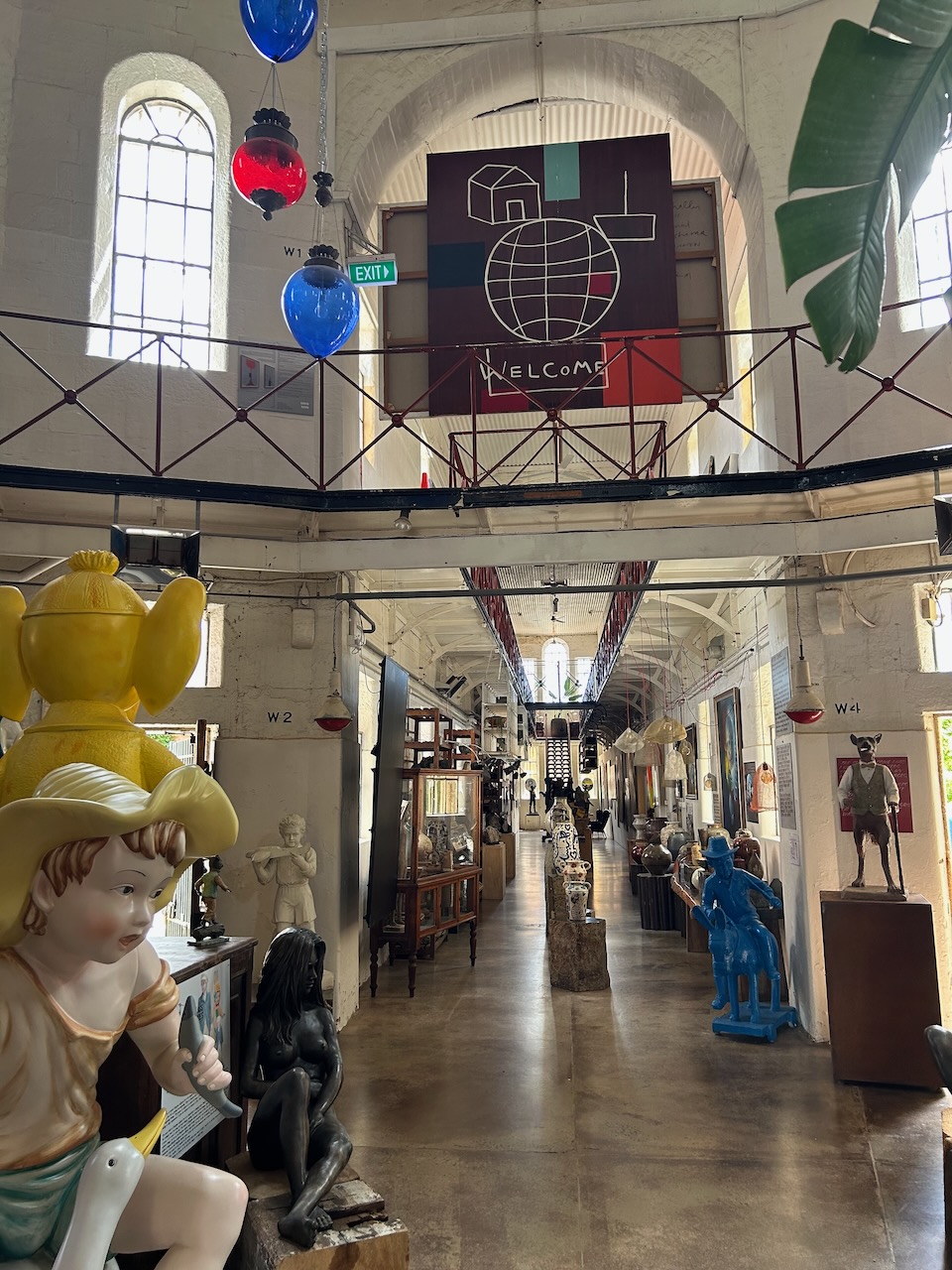
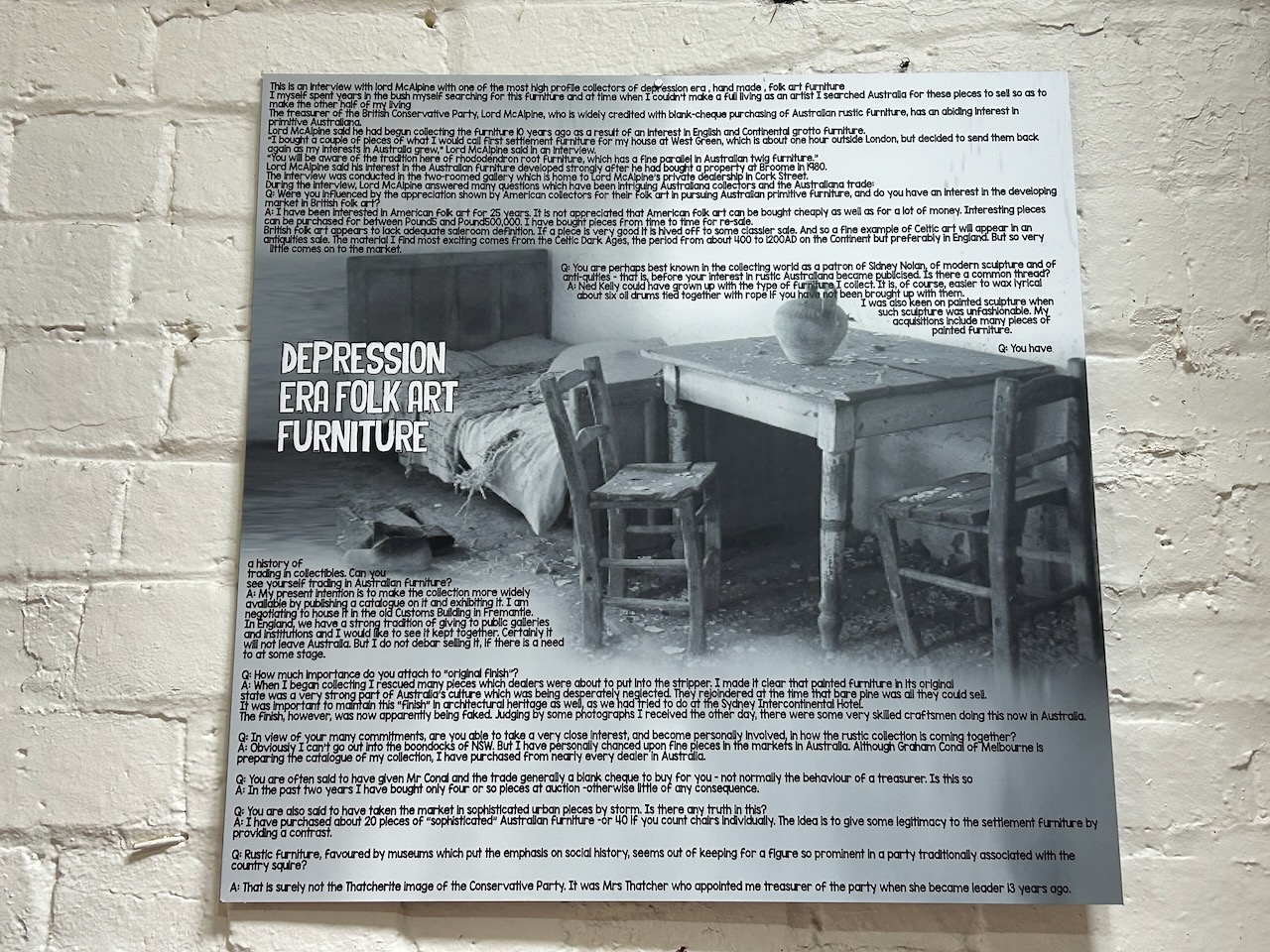
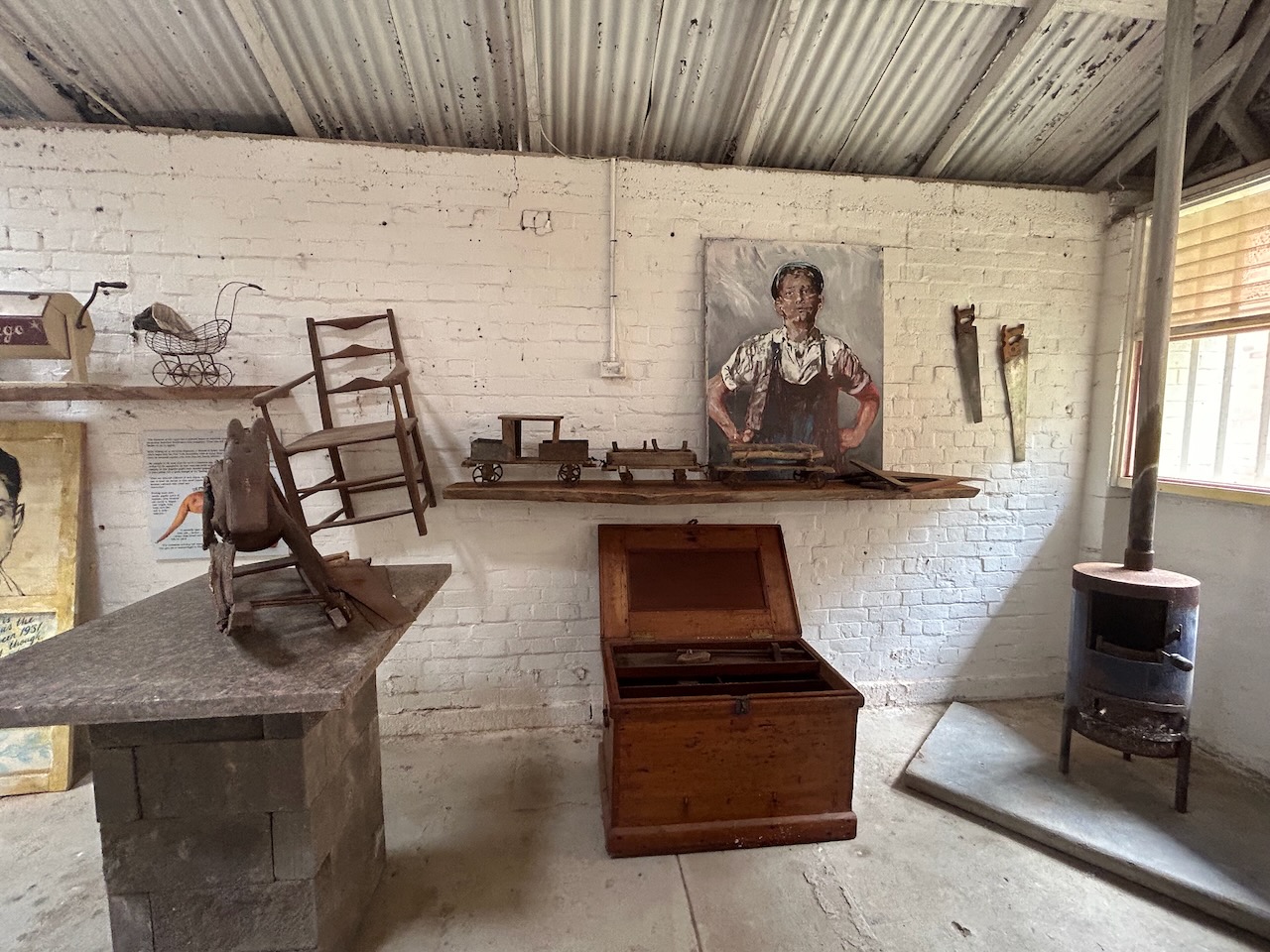
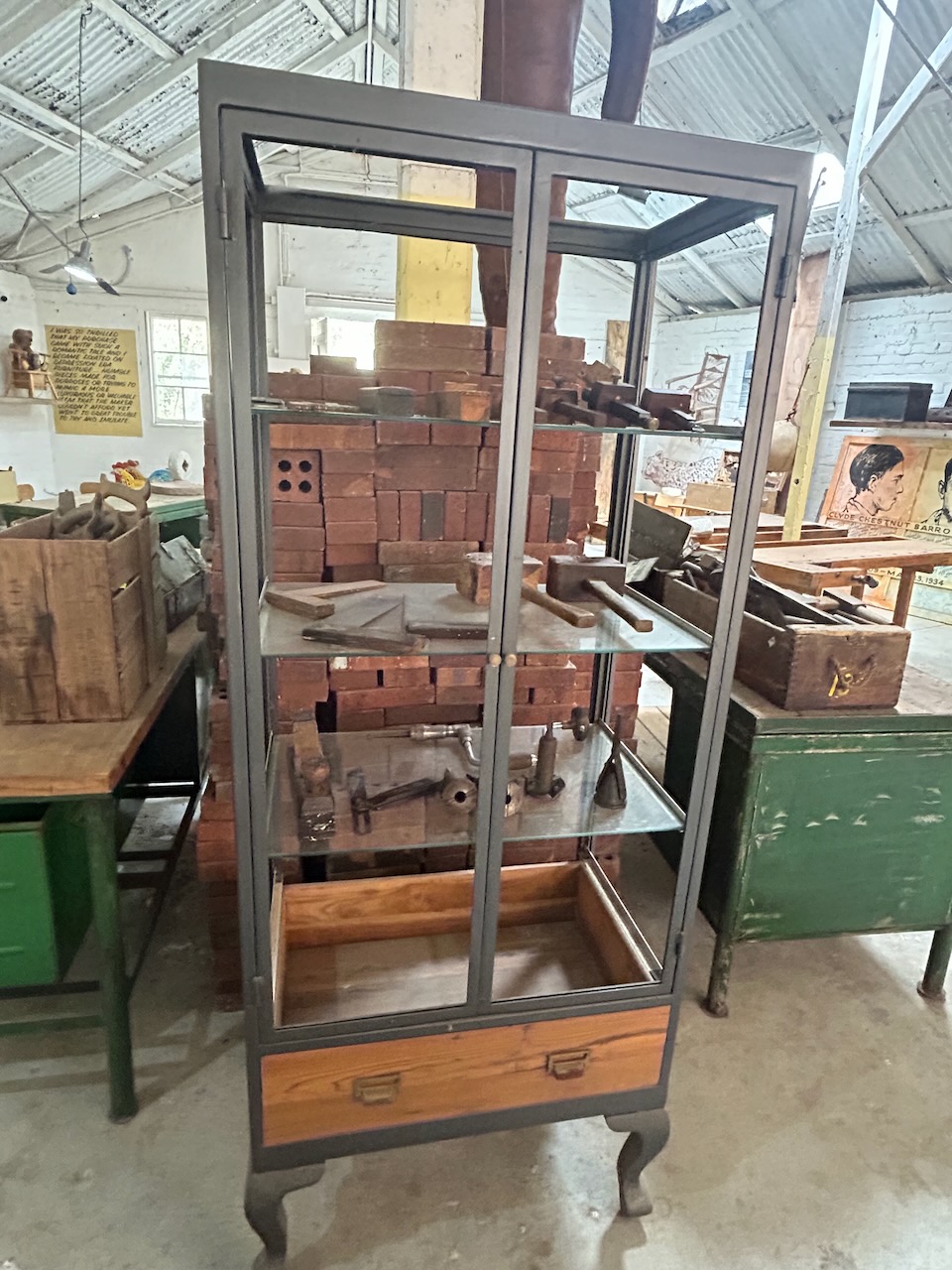
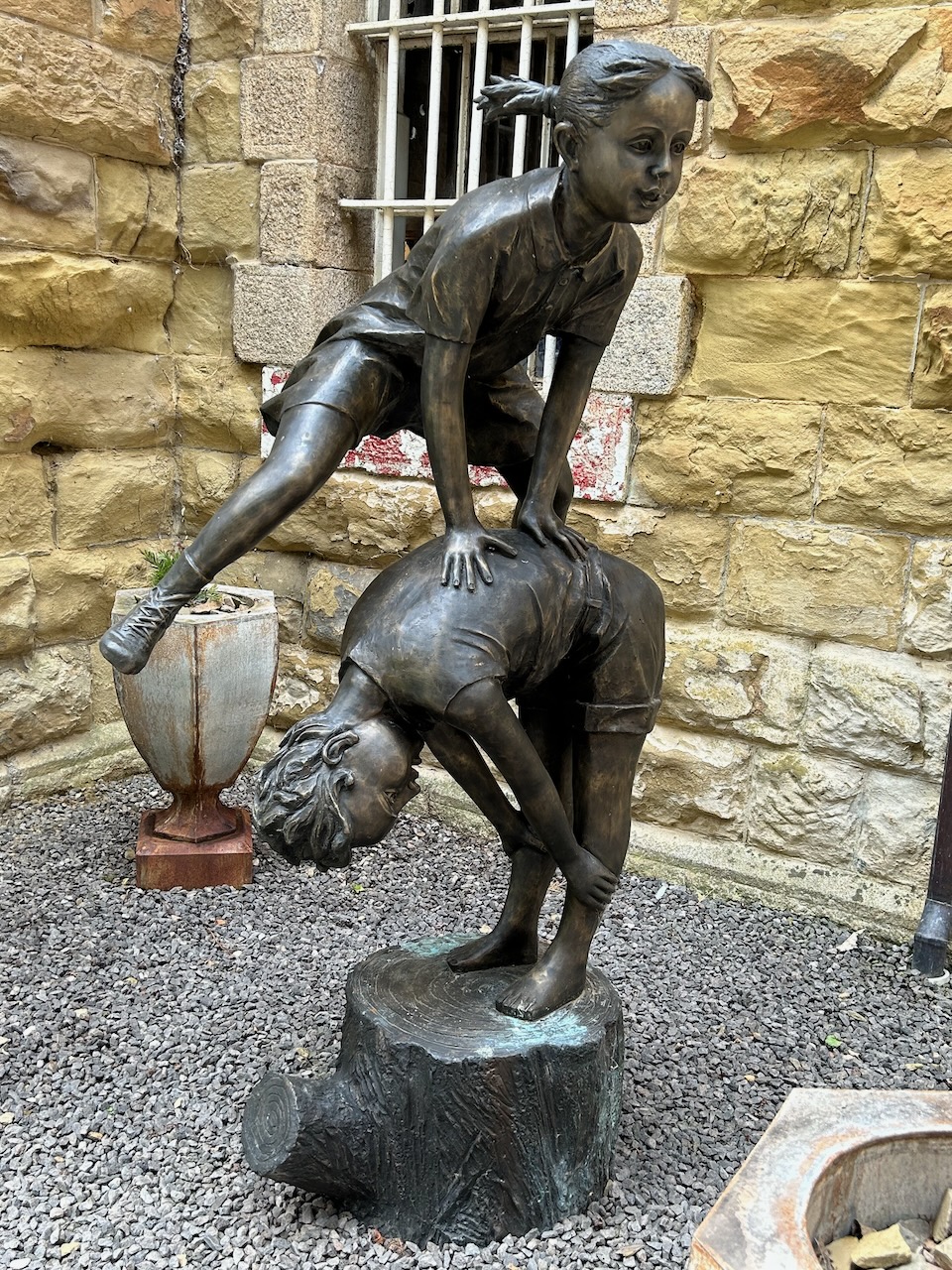
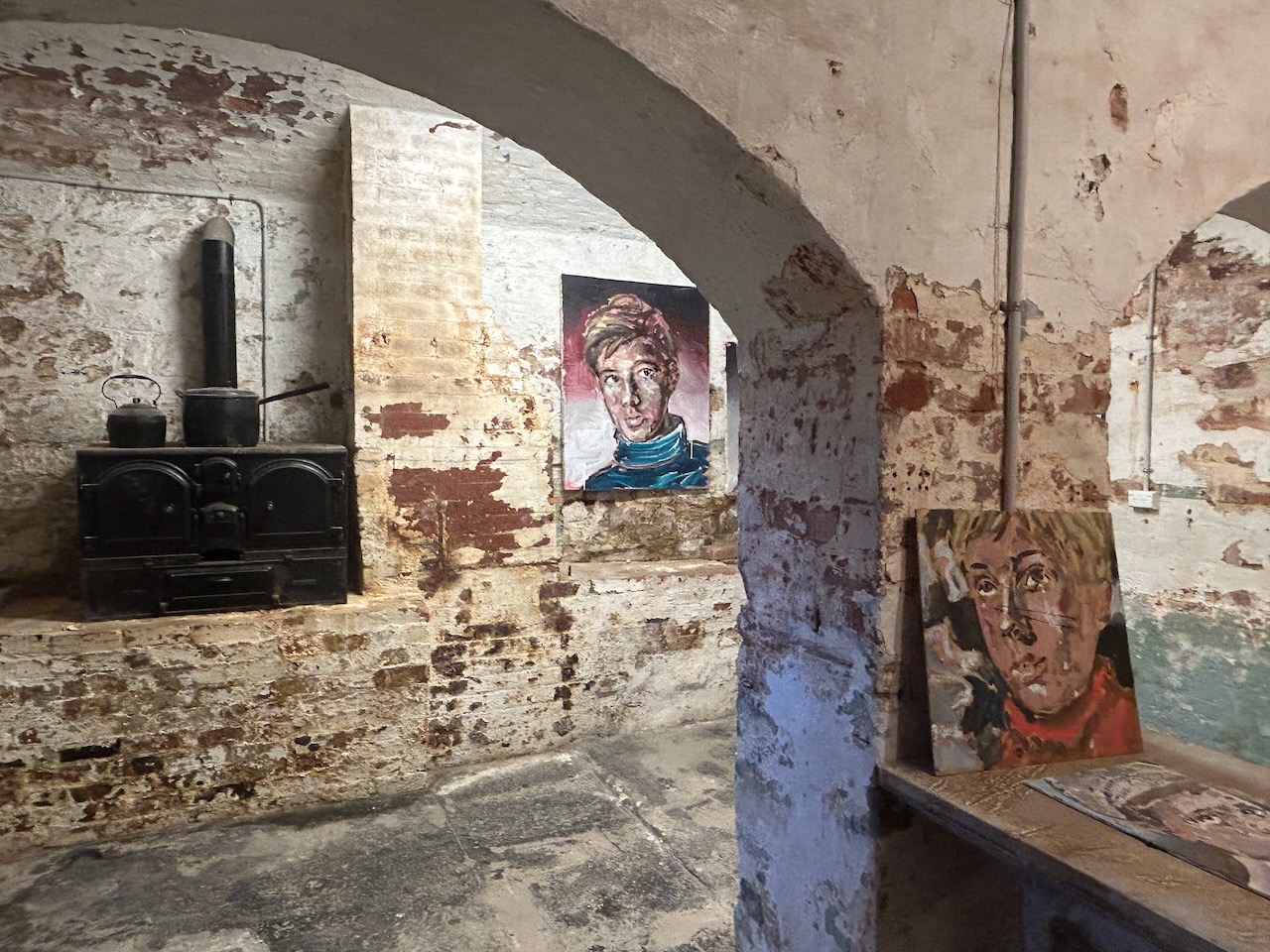
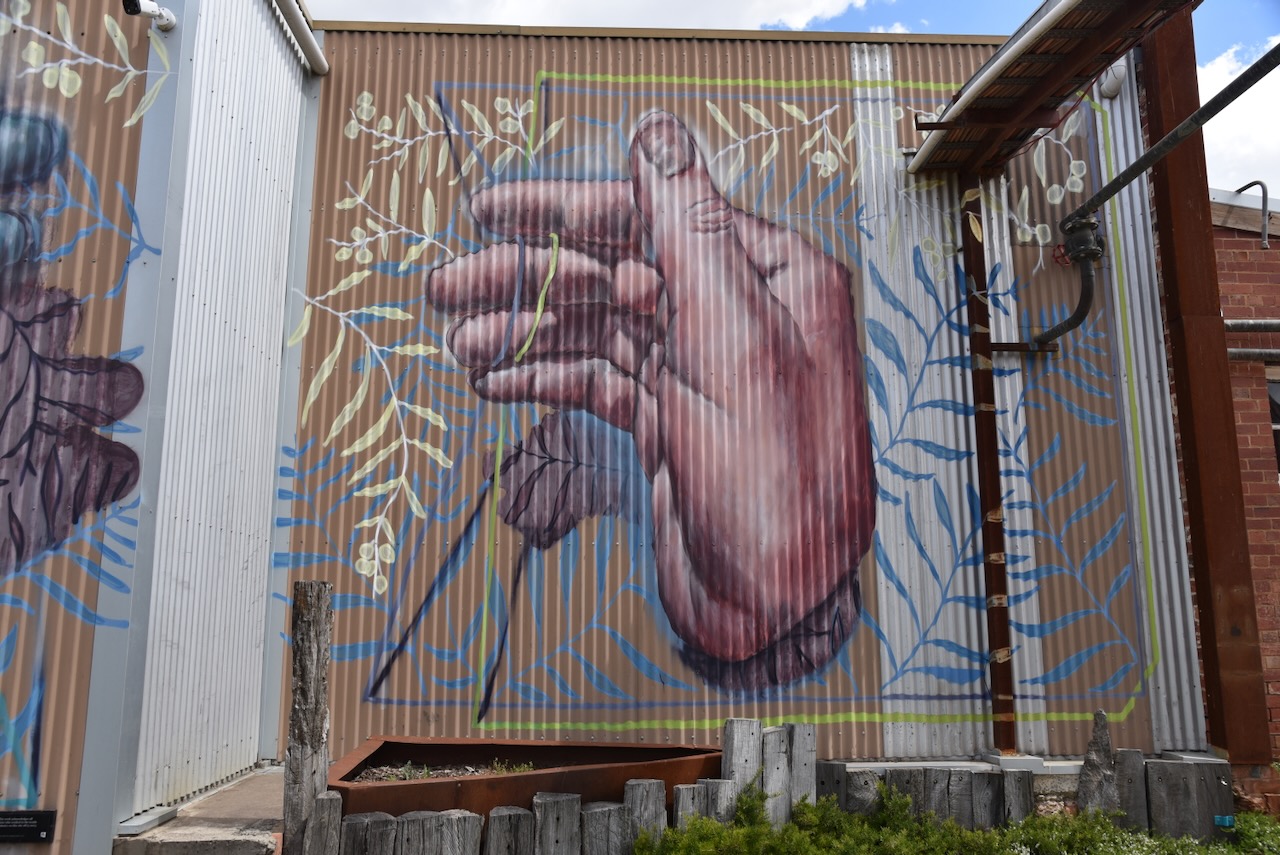
In 2018 the Castlemaine Gaol was sold to artist David Bromley and it now contains the Bromley Collection. The art theme is reflected on the exterior of the gaol.

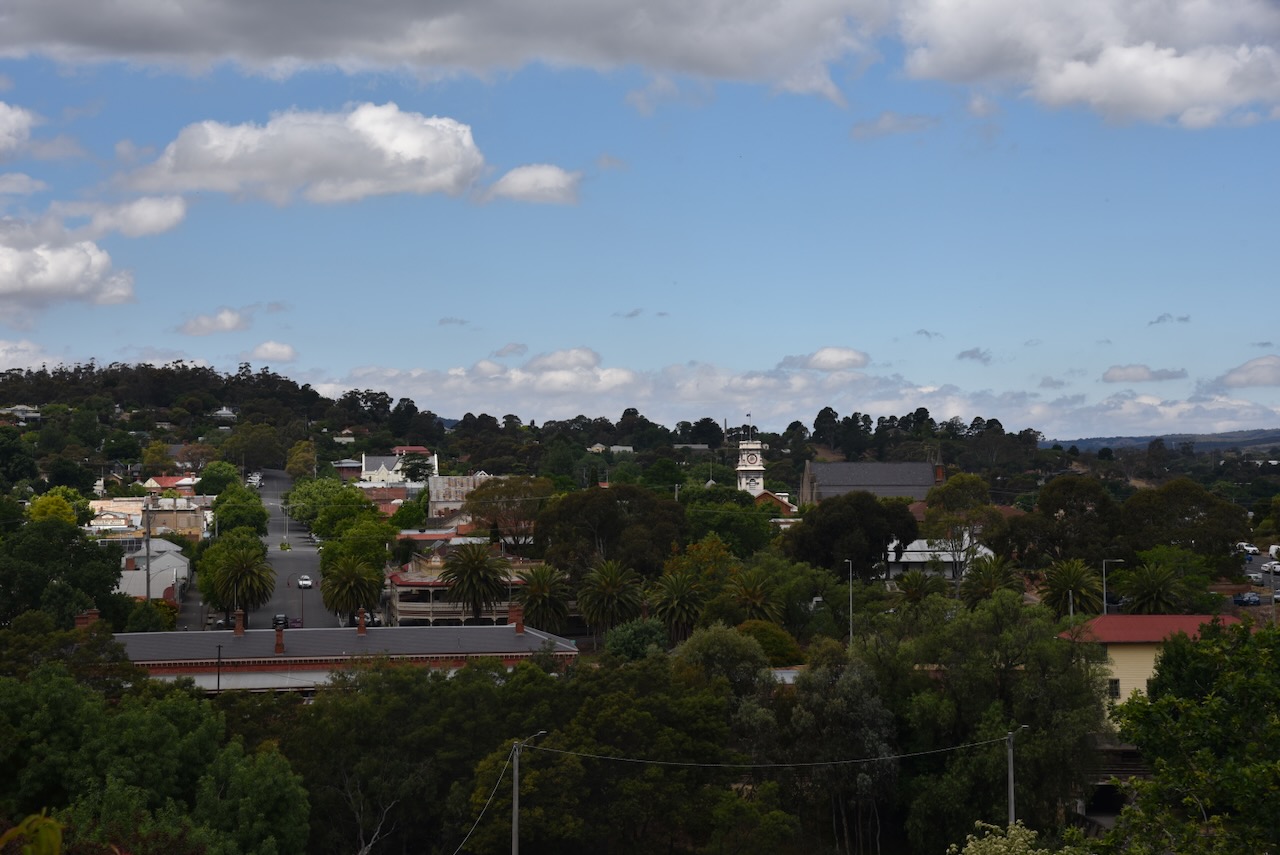
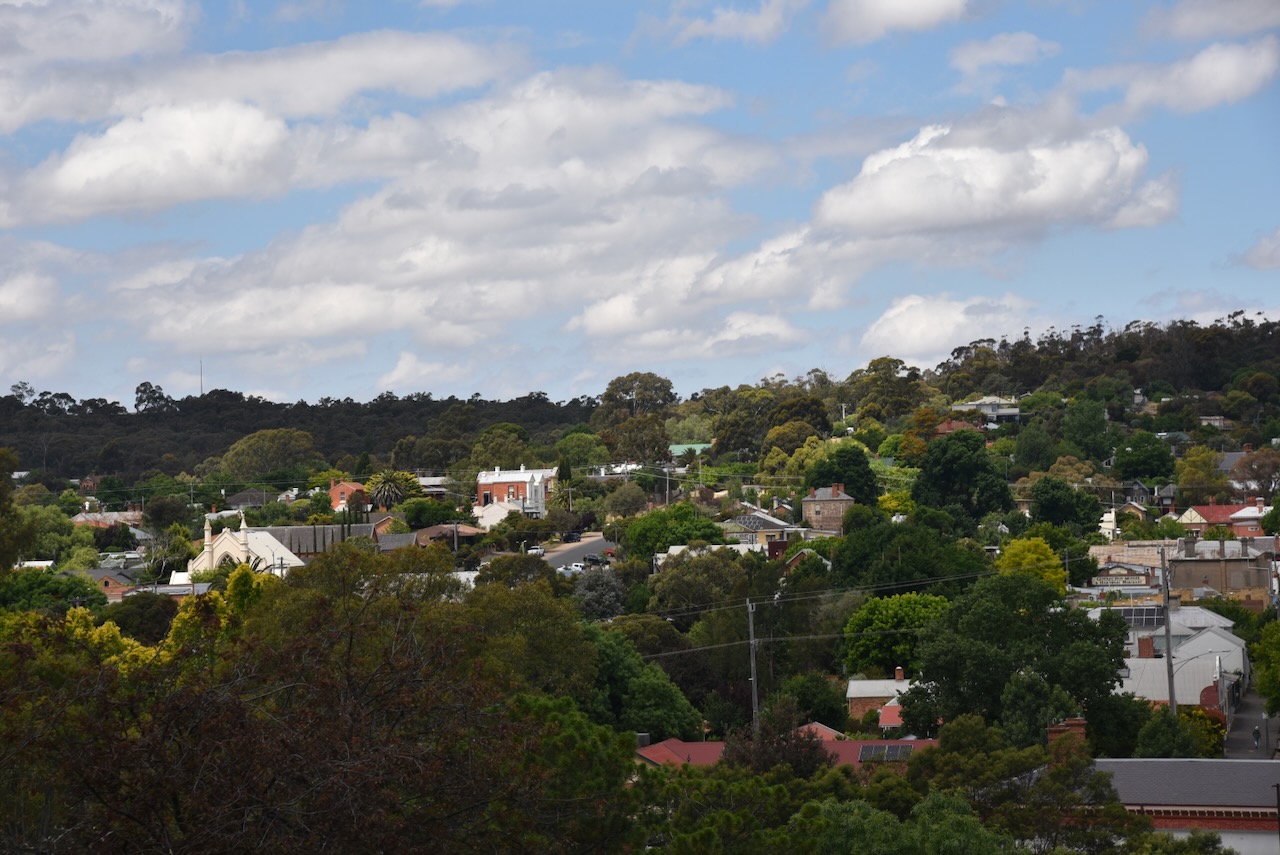
As the old gaol sits on the top of a hill, there are some very nice views of Castlemaine.

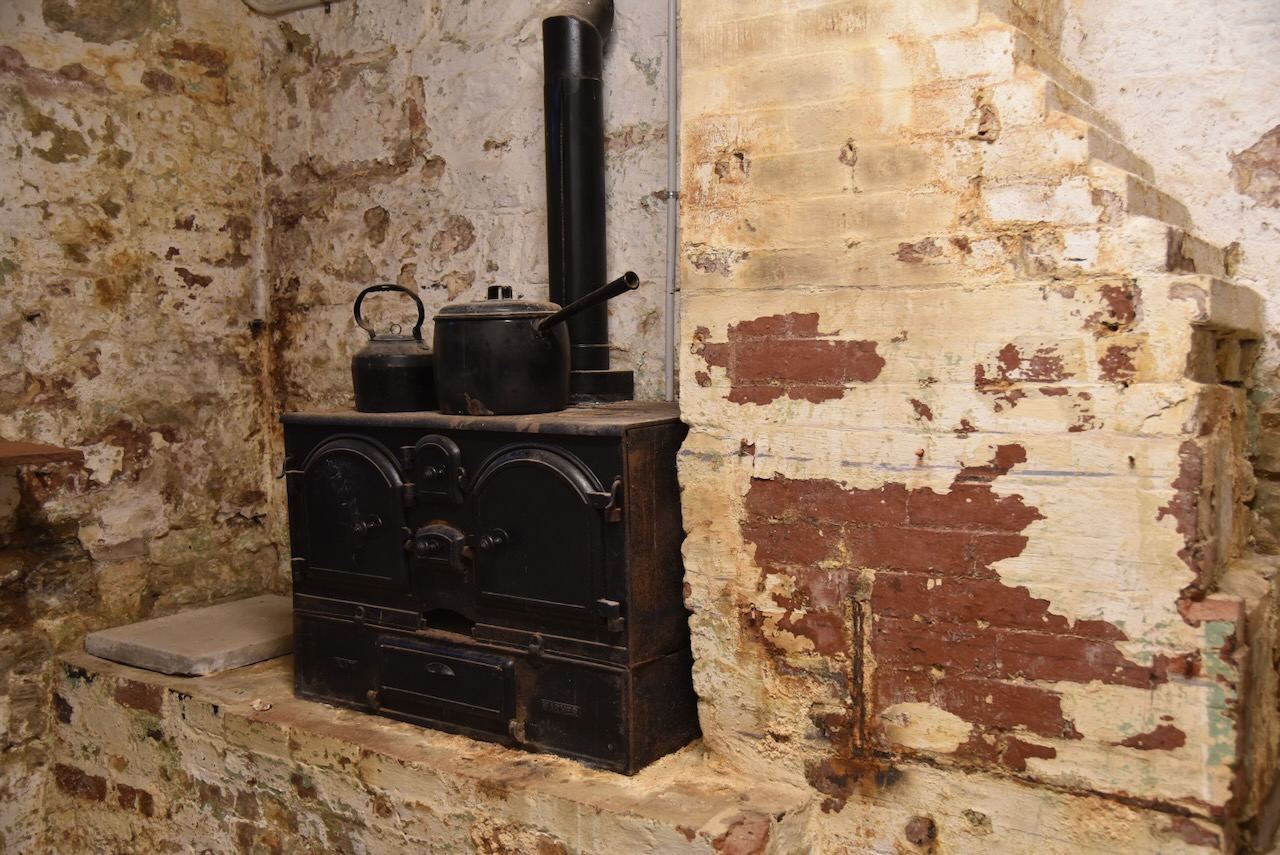
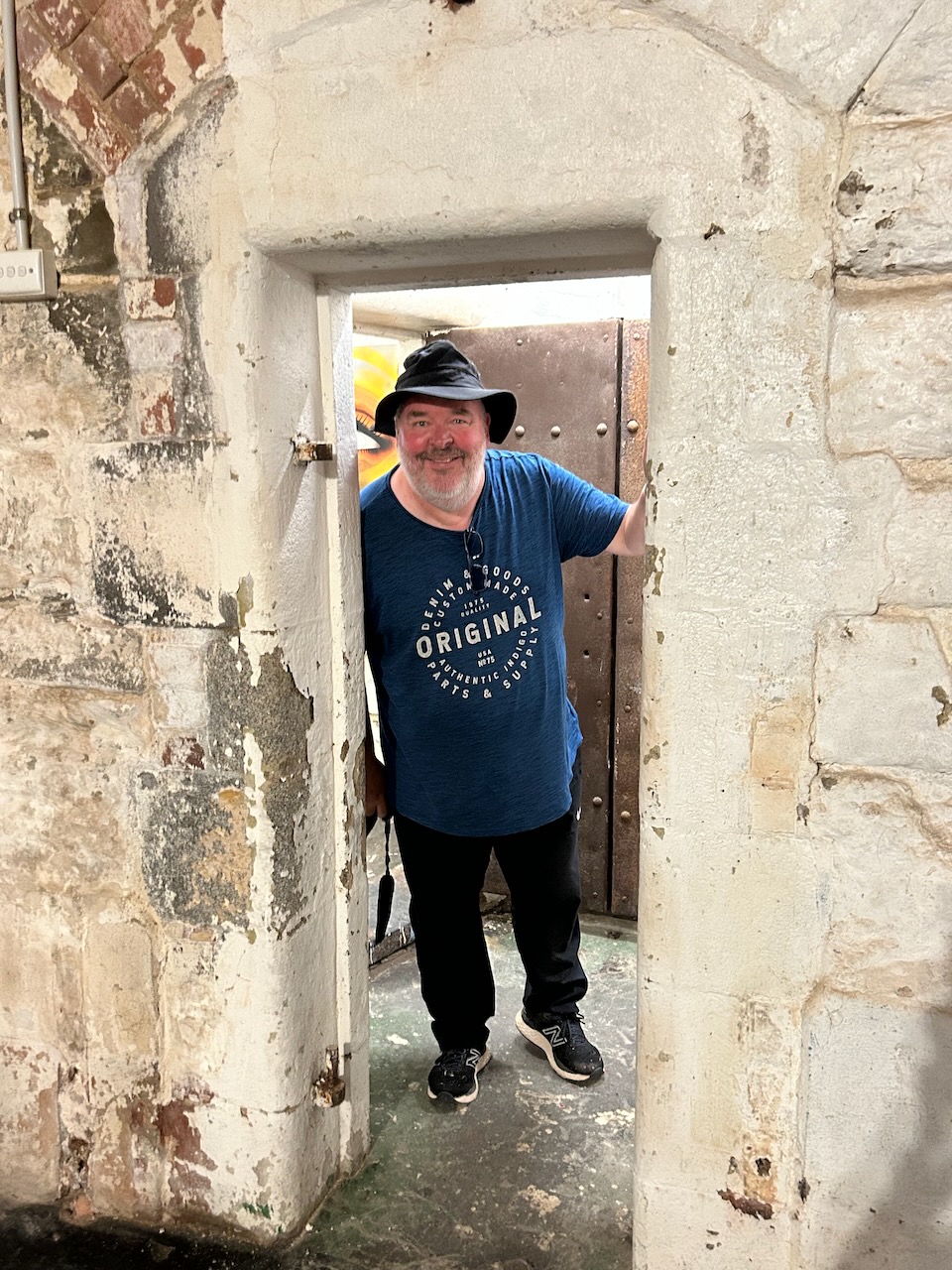
We were incredibly fortunate to be able to access the interior of the gaol. It was closed during our visit, but there were some staff present at the back of the gaol who kindly allowed us access.

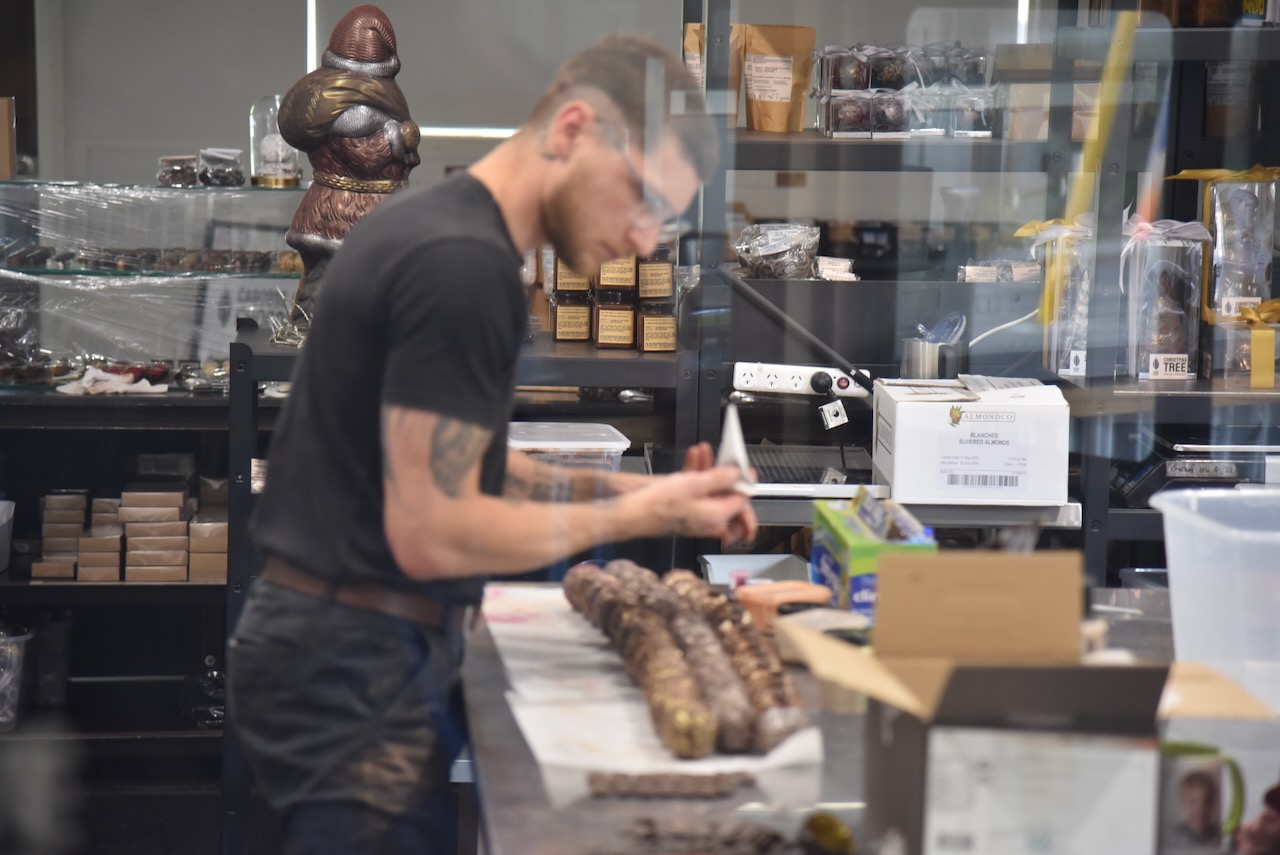
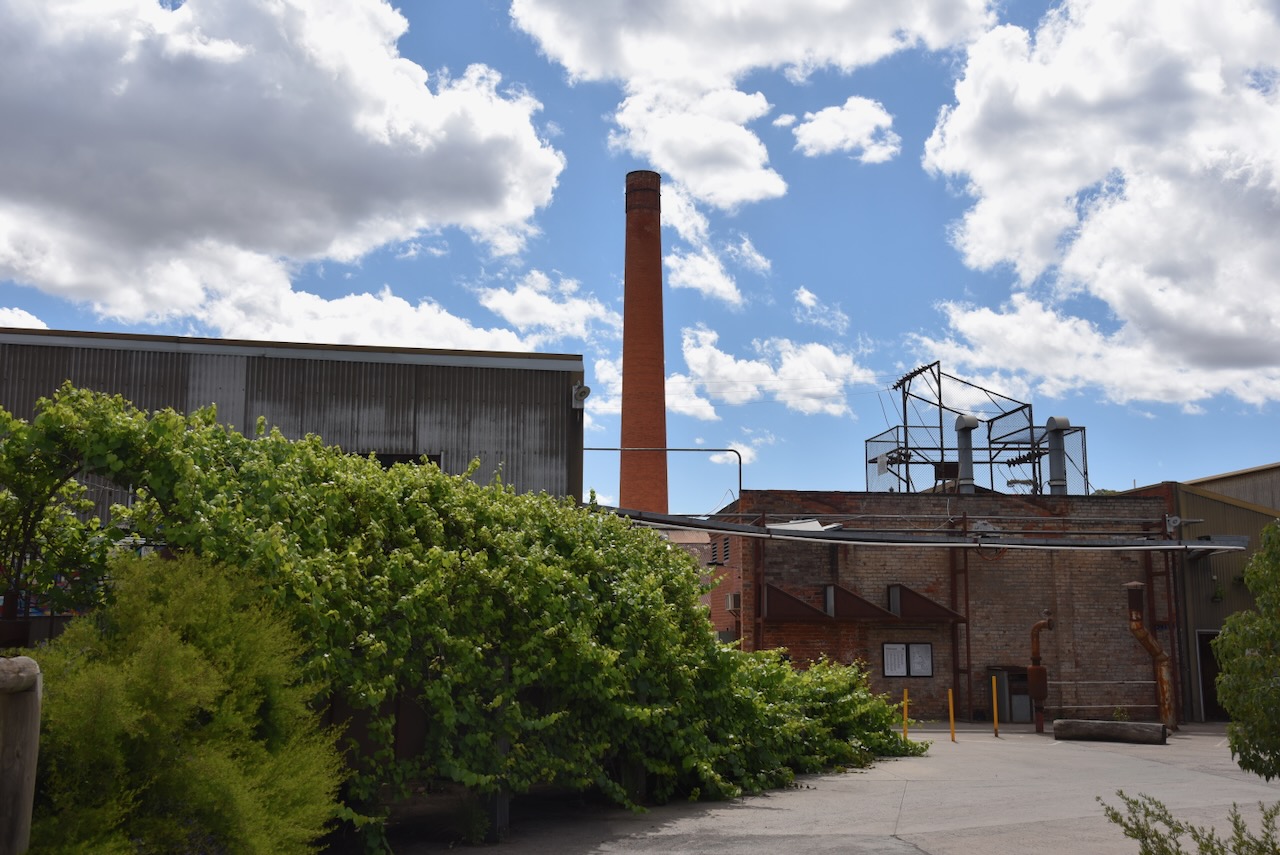
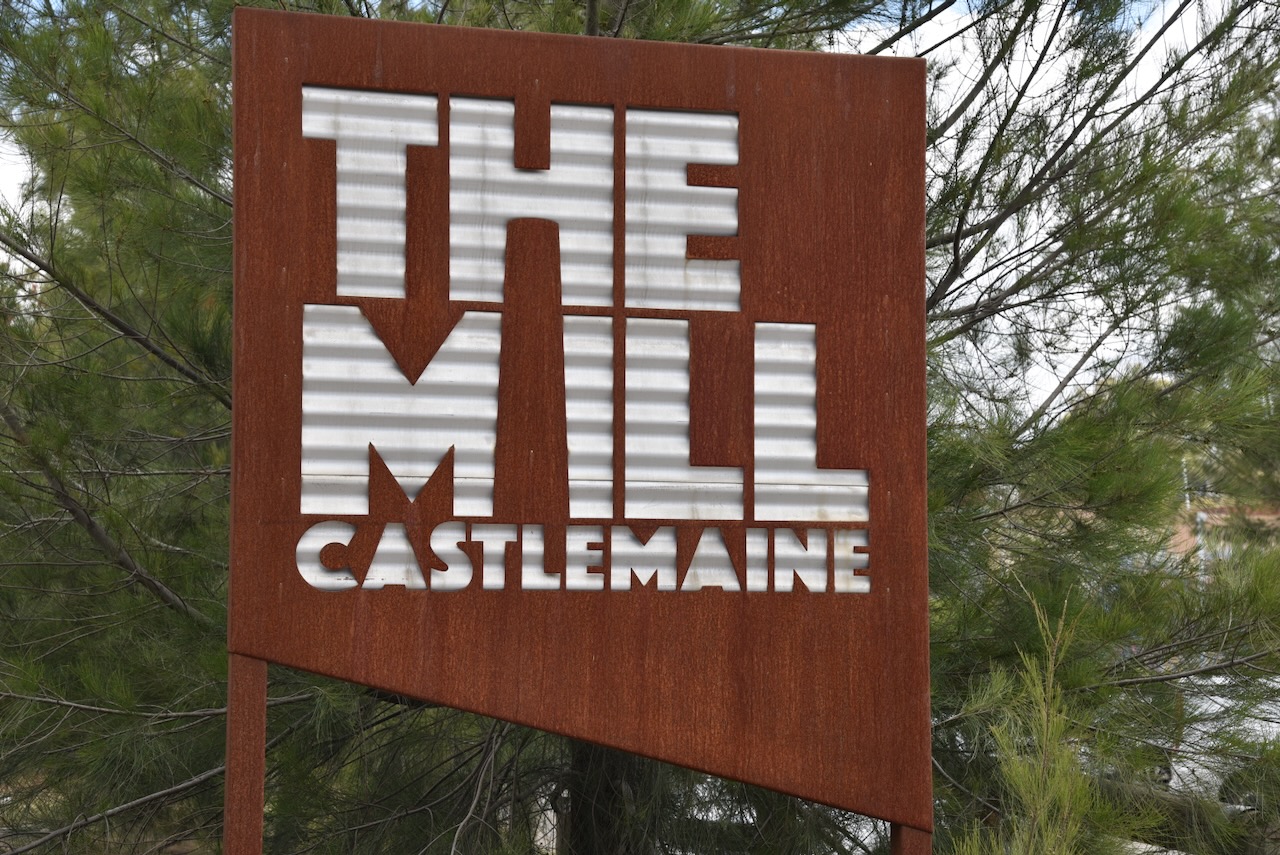
Our next stop was the old 1870s woollen mill complex at Castlemaine. The site now has about 40 small businesses.

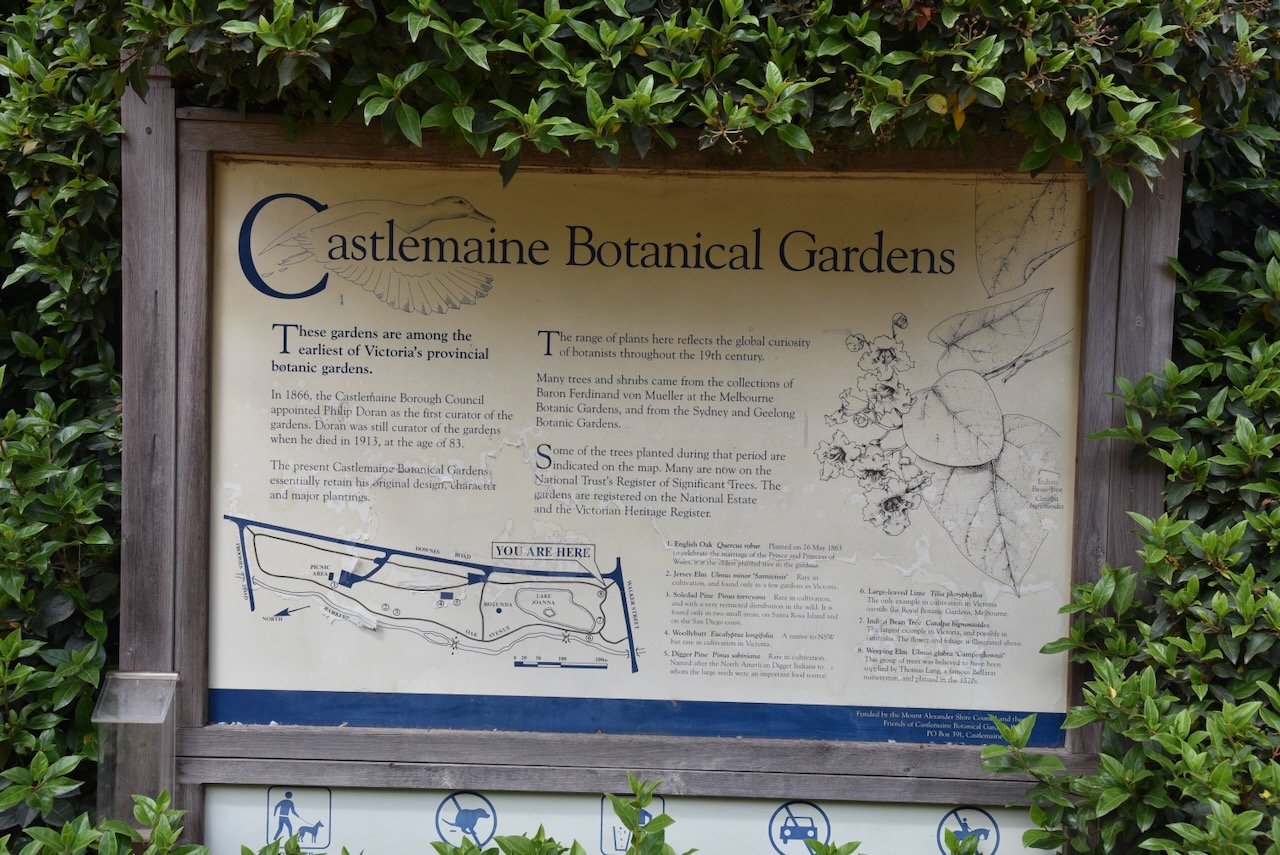
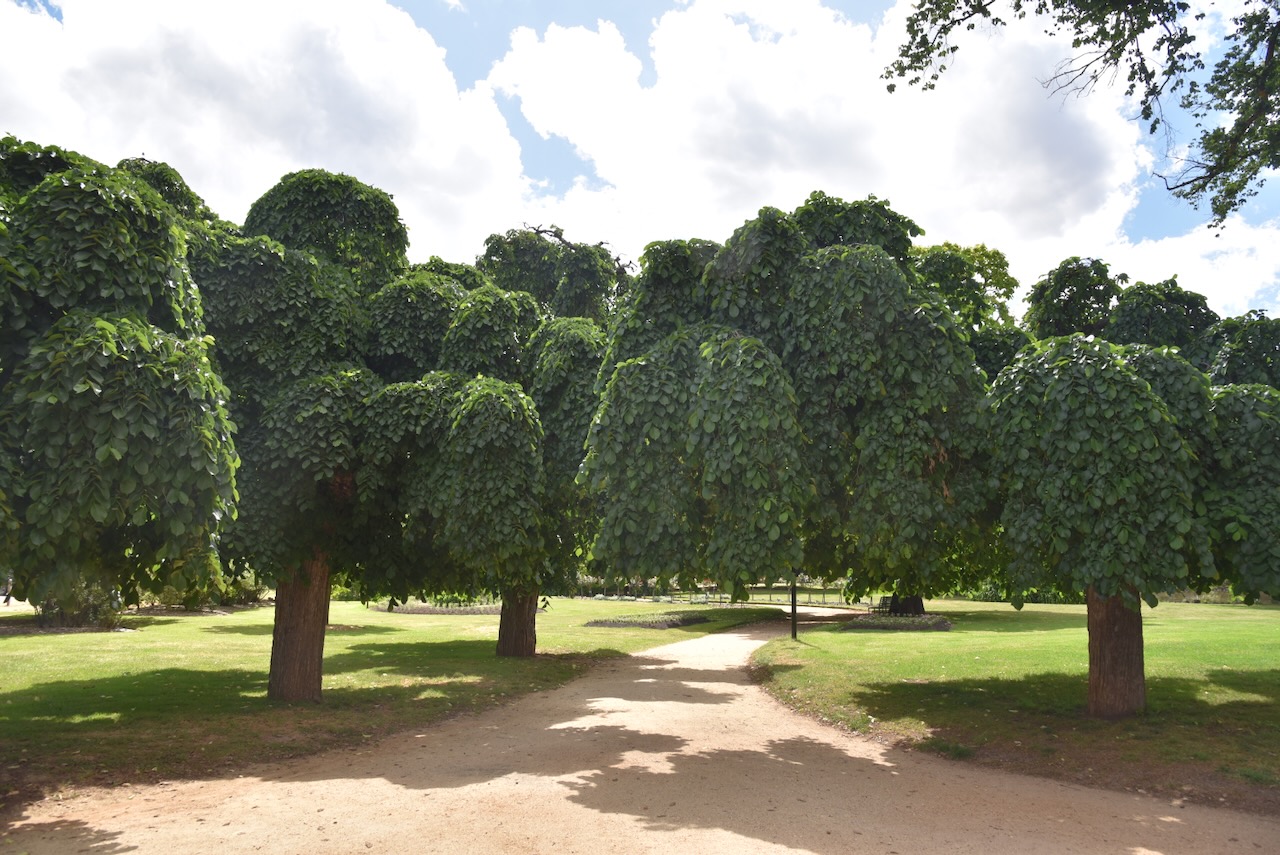
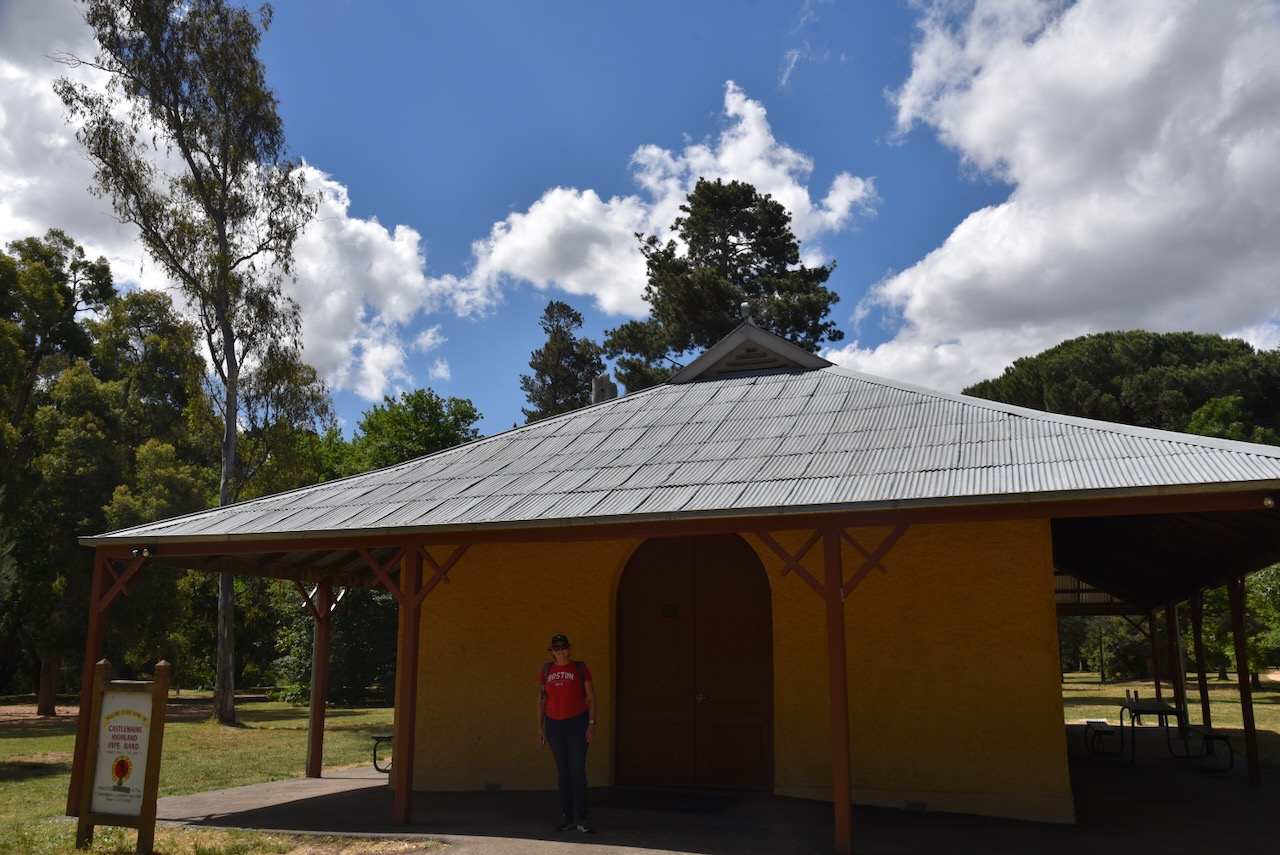
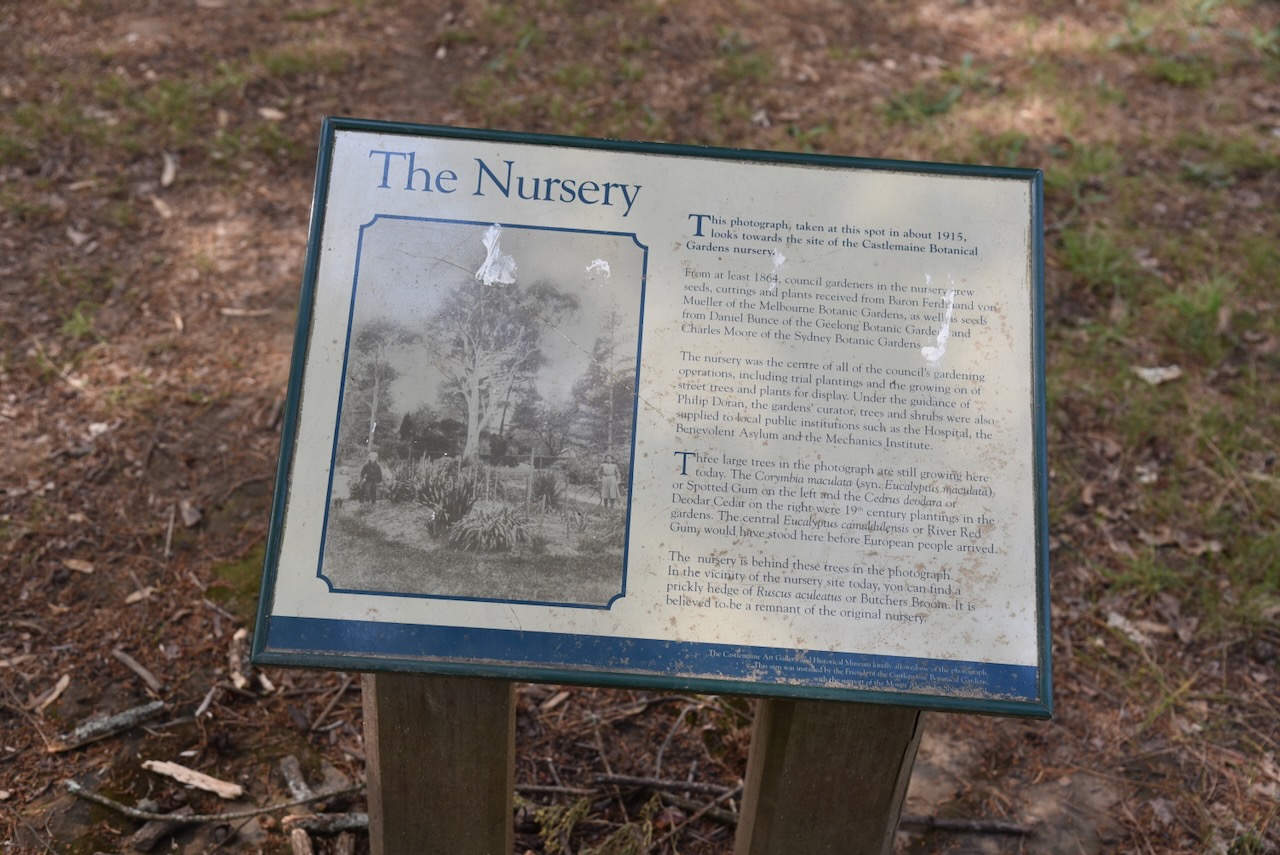
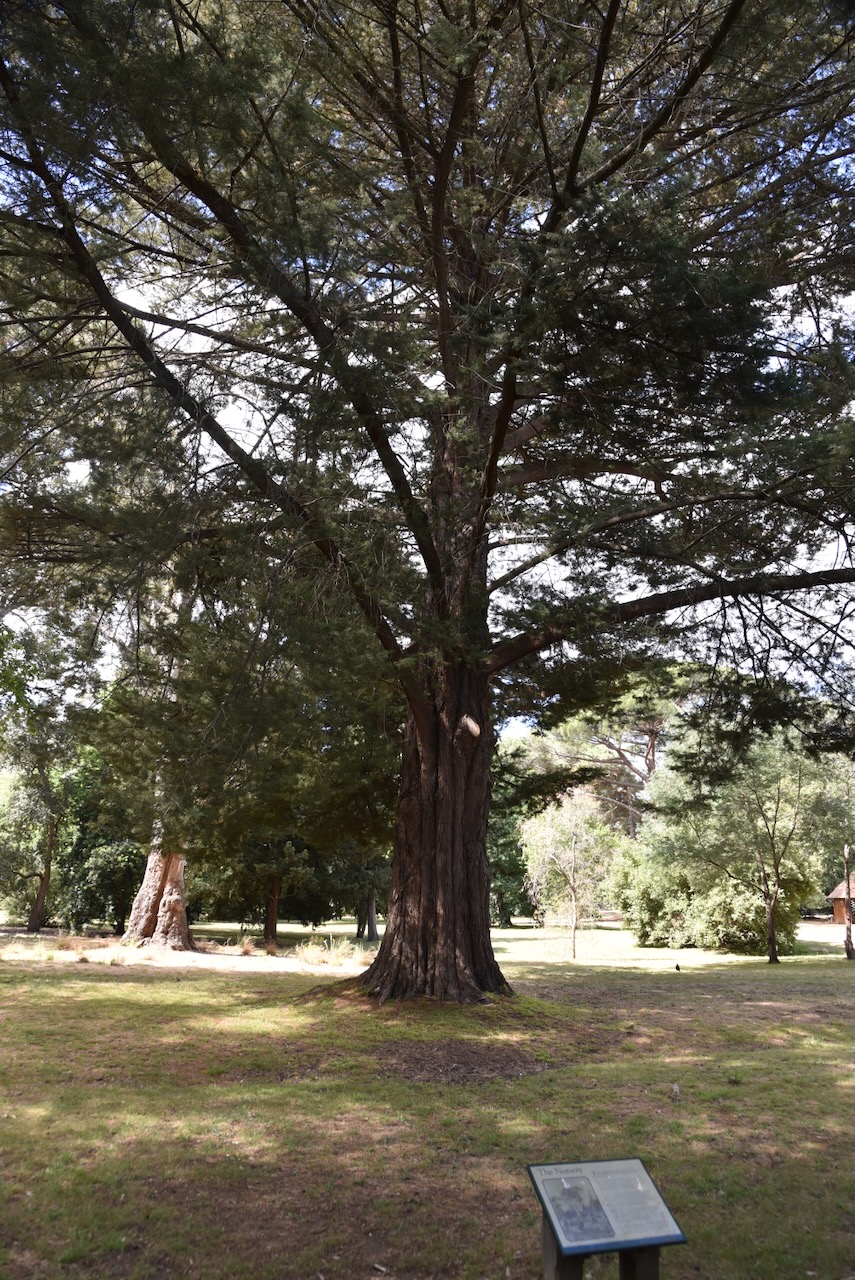
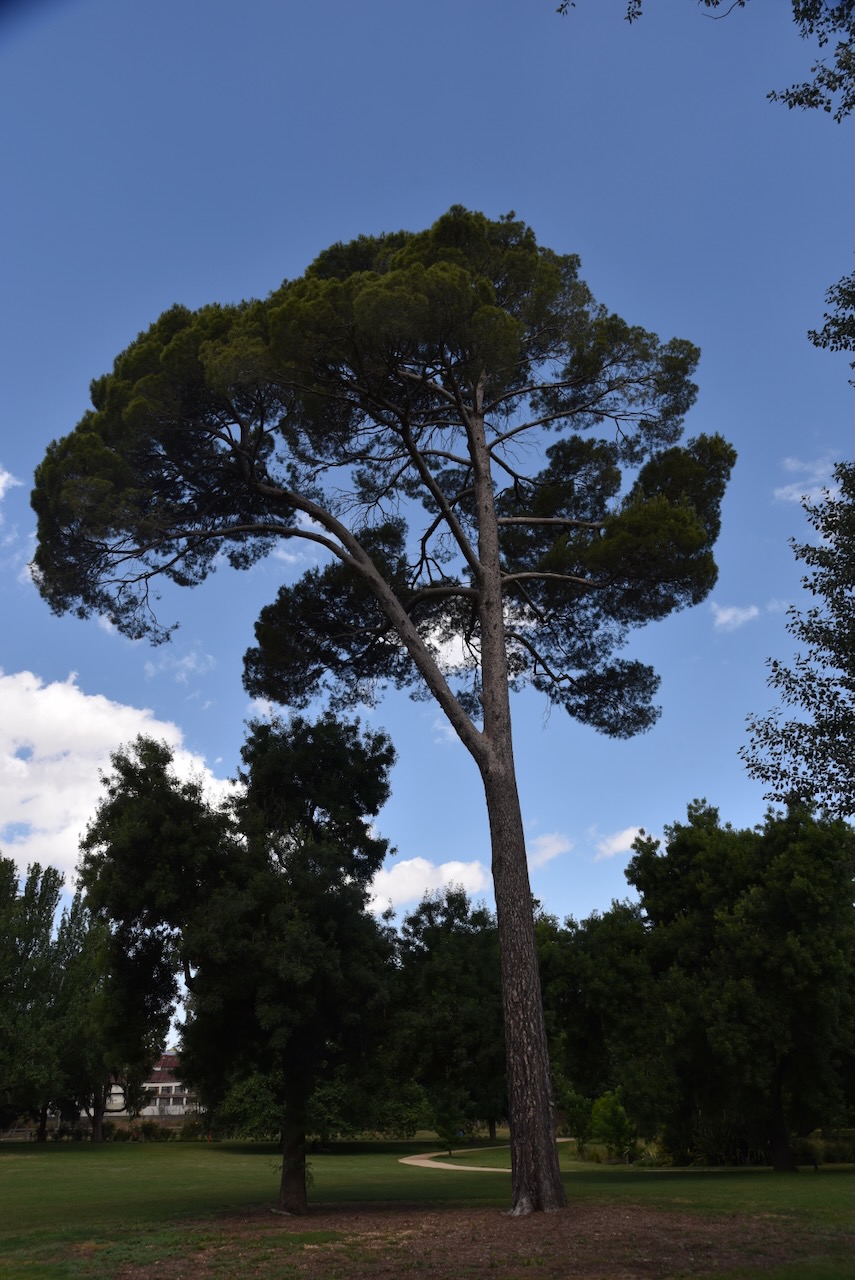
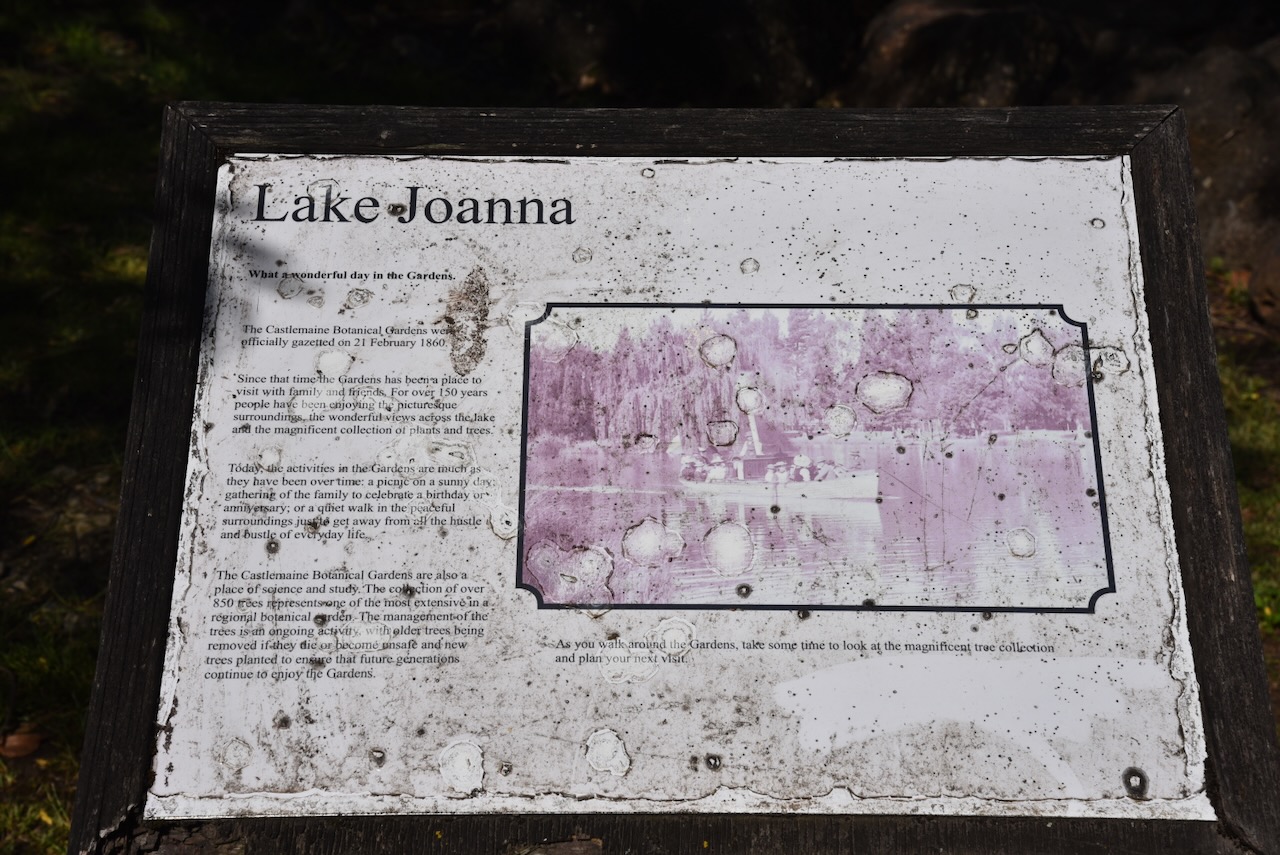
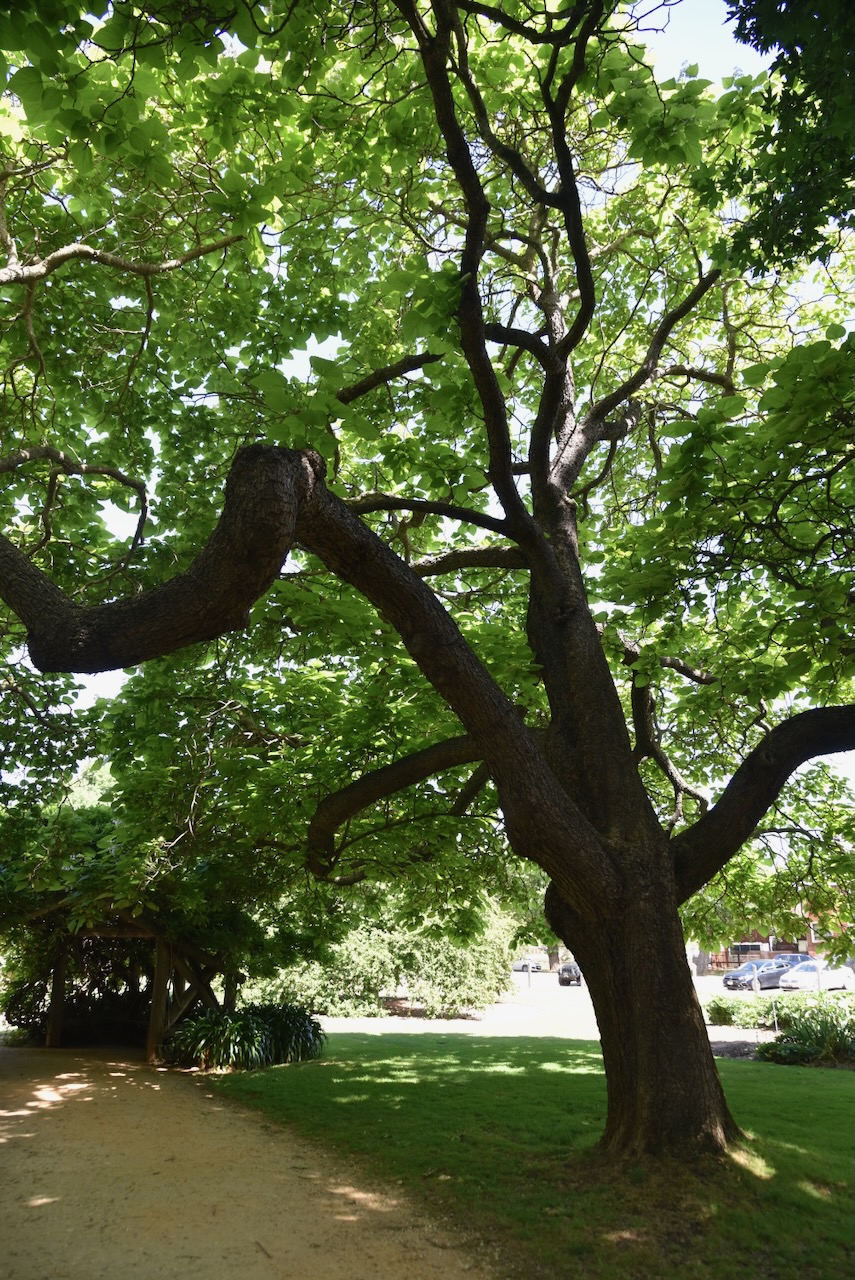
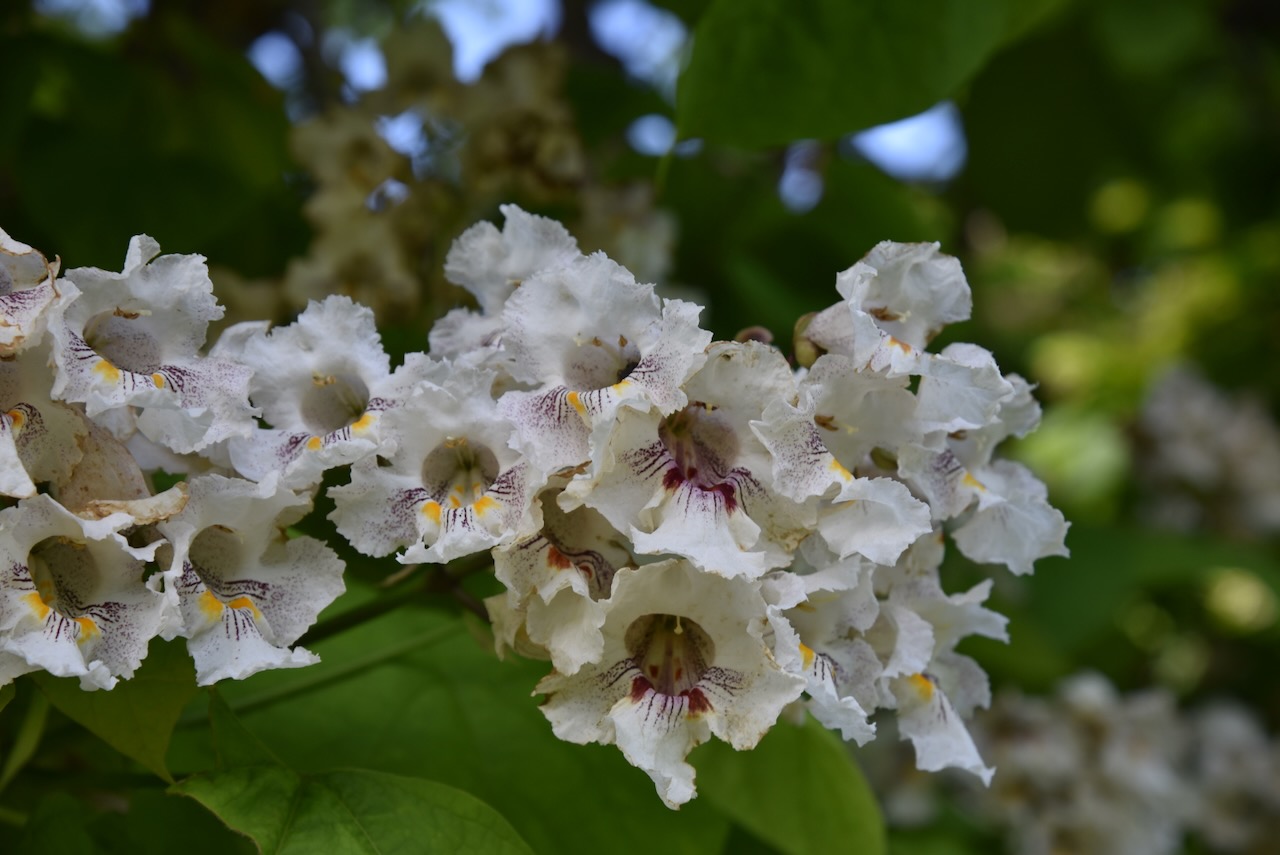
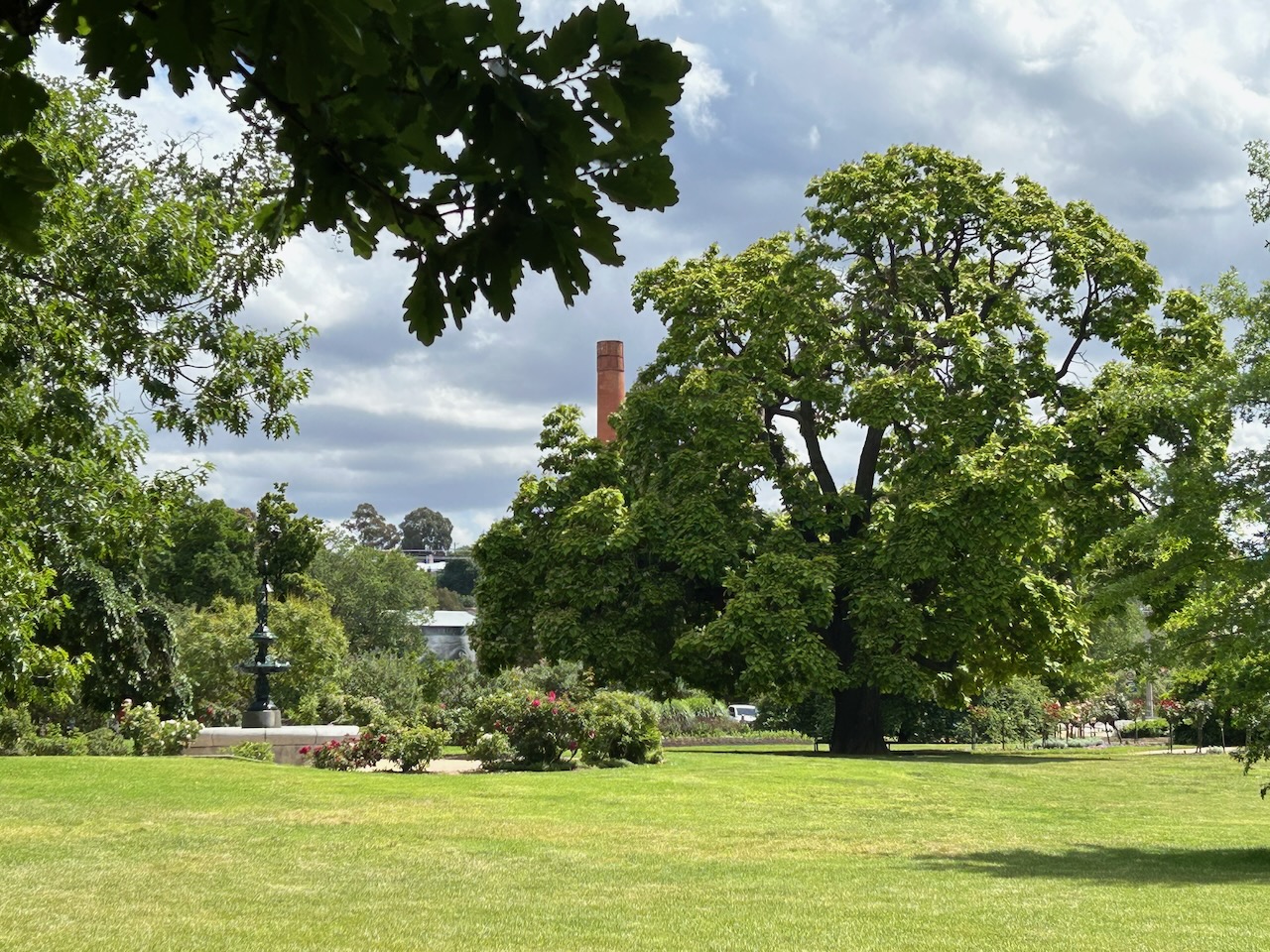
We then strolled over the road to the Castlemaine Botanical Gardens. The gardens are amongst the earliest of Victoria’s provincial botanic gardens. In 1866, the Castlemaine Borough Council appointed Philip Doran as the first curator of the gardens. Doran died in 1913, aged 83, and was still curator at the time of his death. Many of the trees in the gardens are on the National Trust’s Register of Significant Trees. The gardens are registered on the National Estate and the Victorian Heritage Register.

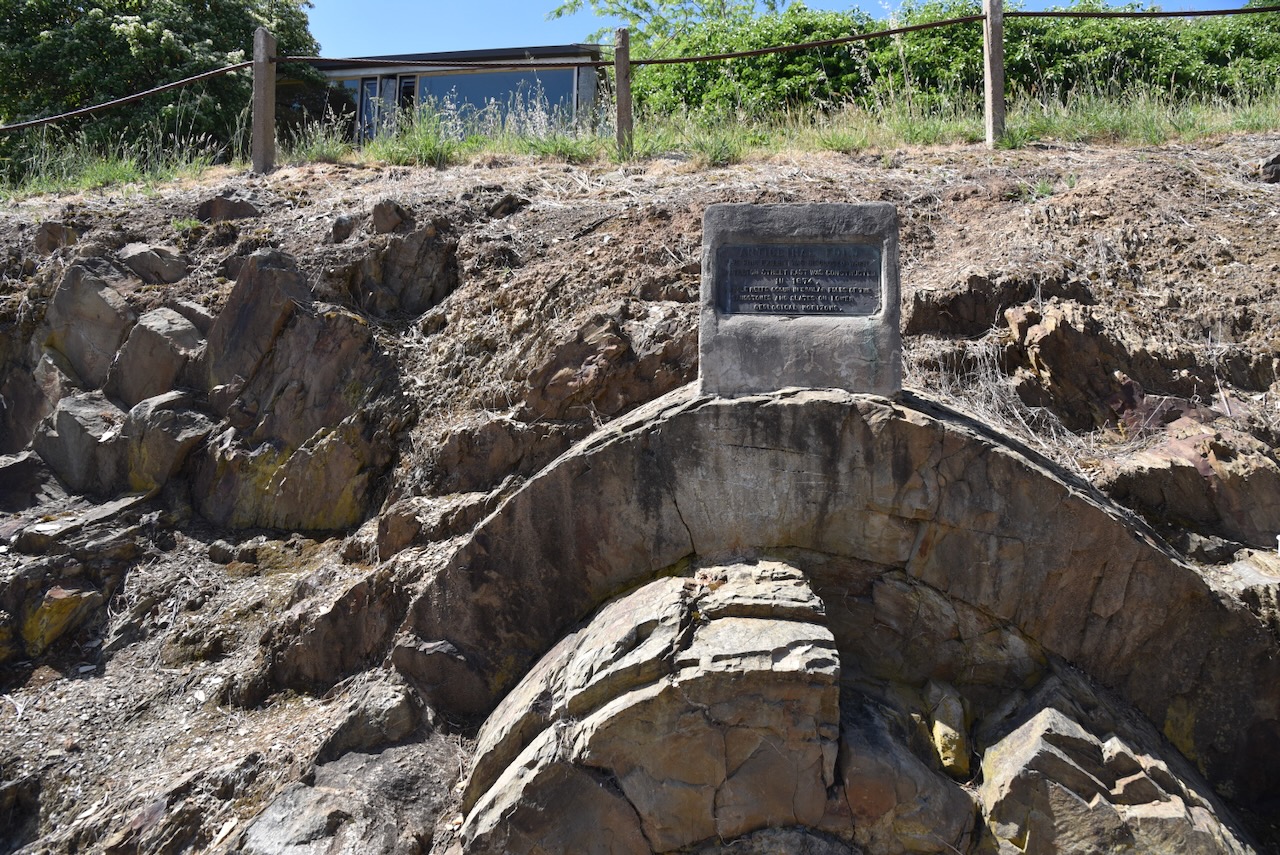
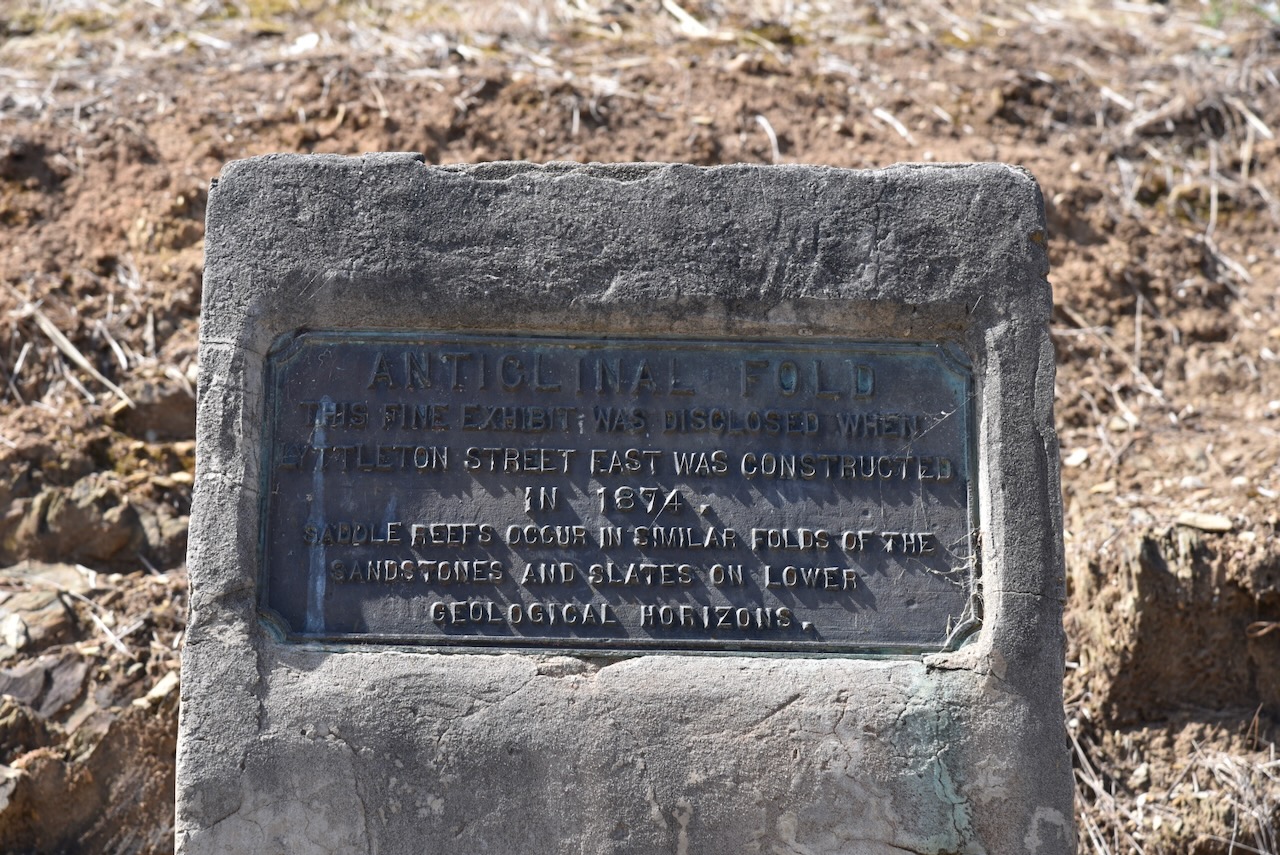
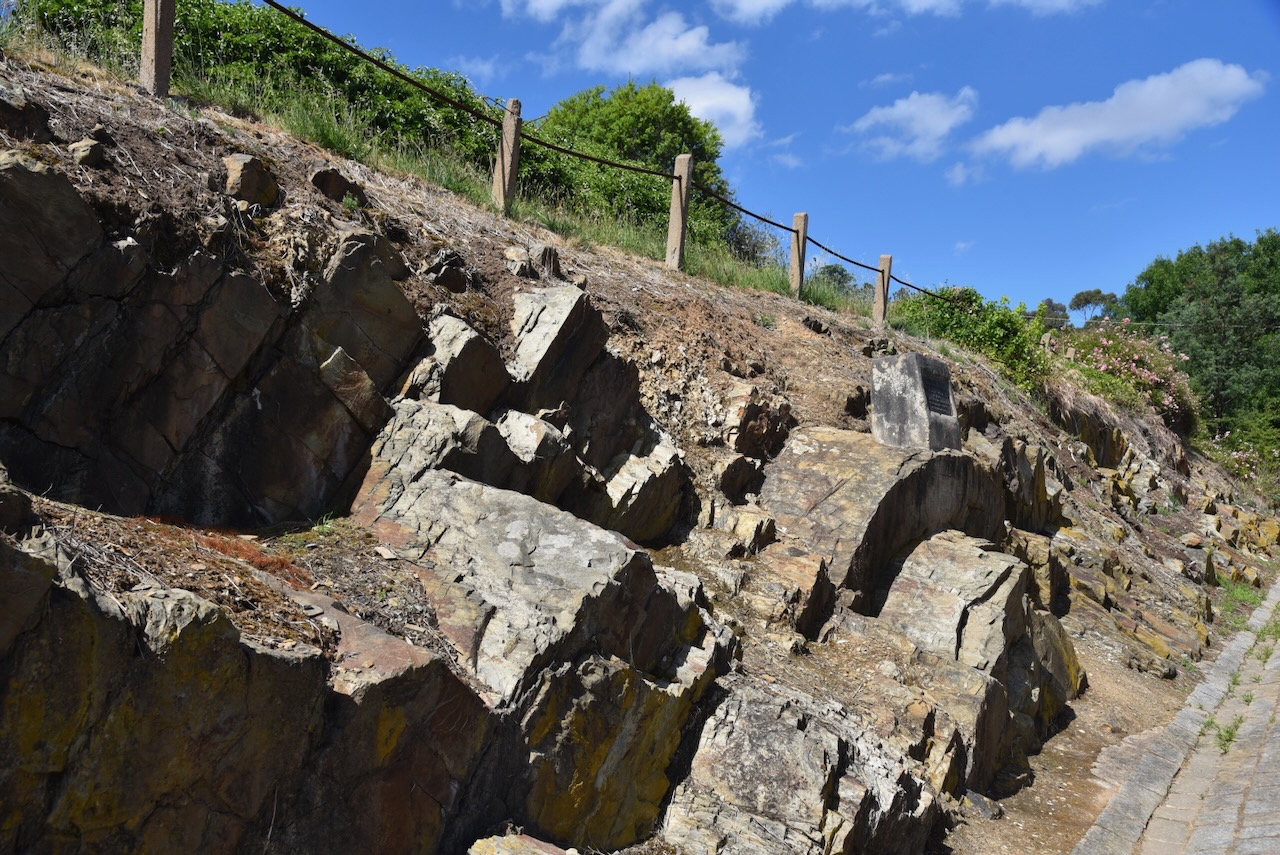
We then visited the Castlemaine Anticlinal Fold on Lyttleton Street. What is an anticlinal fold? It is a geological formation in the shape of an upward arch. This particular fold was found in 1874 during the construction of the Lyttleton Street. (Goldfields Guide 2024) 

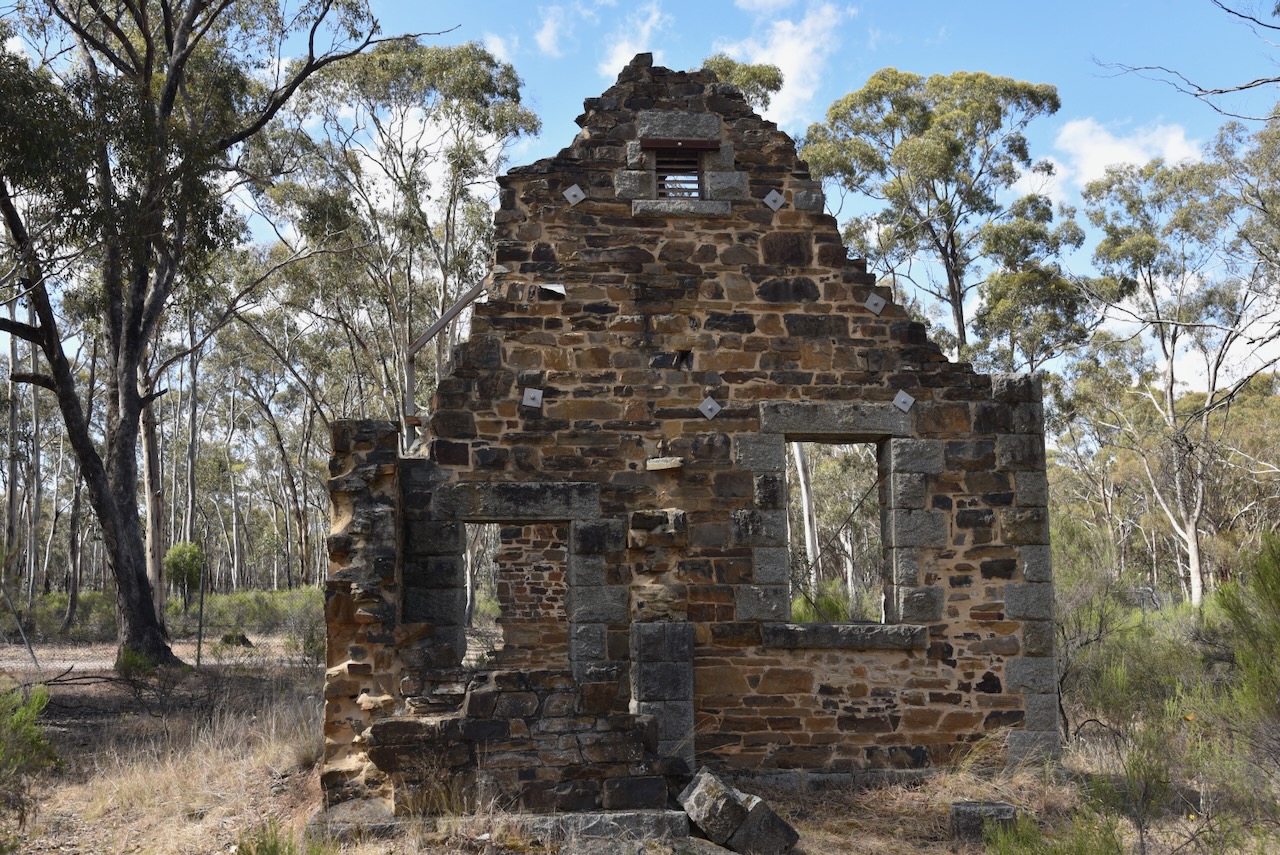
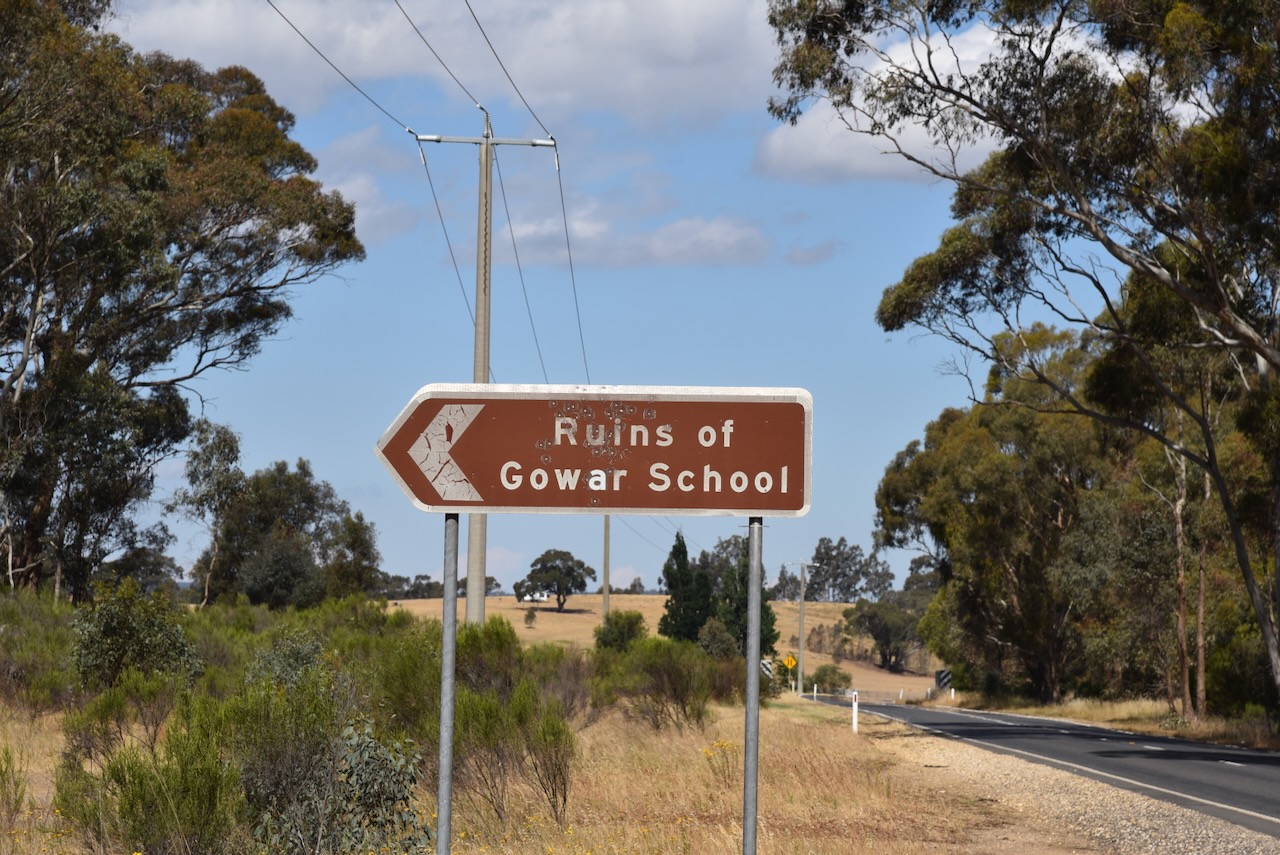
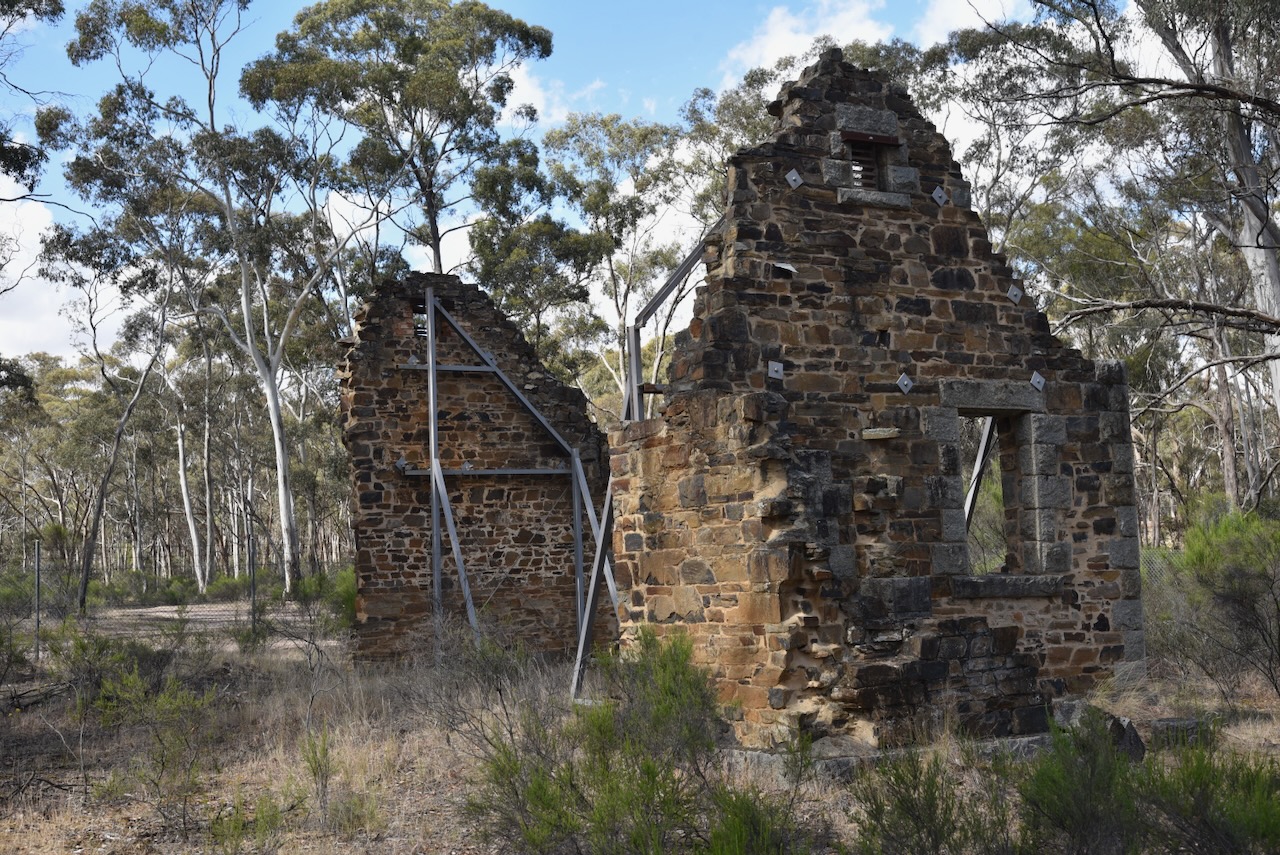
We then left Castlemaine, to our next stop at Maldon. Along the way, we stopped to have a look at the ruins of the Gowar School, on Gowar Road, just off Castlemaine-Maldon Road.

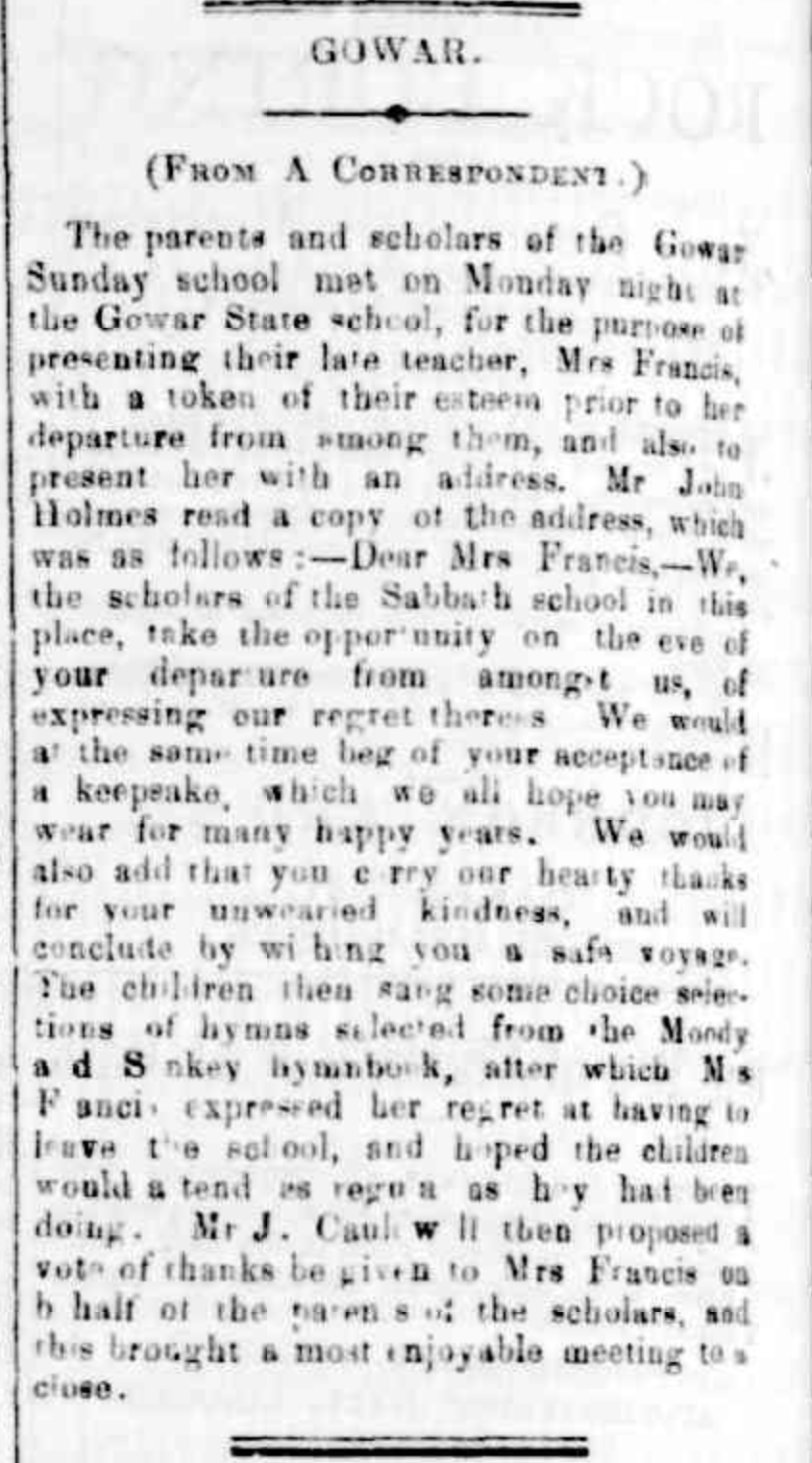
Gowar is about 7km southeast of Maldon and was originally known as Muckleford North until 1880. From that time it was called Gowar, but is now referred to as Gower. It is believed that Gowar is derived from an aboriginal word meaning big hill. There were some minor gold rushes at Muckleford (Gowar) but these did not become permanent. The Muckleford Creek was a source of permanent water for agriculture in the district. The Gowar State School No. 1149 opened in the early 1870s and closed in 1908. In 1881, Gowar’s population was 159 people. By 1921 that had fallen to 72 people. (Goldfields Guide 2024) (Victorian Places 2024)

Above:- Article from The Tarrengower Times, Wed 5 Jul 1882. Image c/o Trove.

References.

  1. Anon, (2024). Buda Castlemaine | Historic Home & Garden. [online] Available at: https://budacastlemaine.org/ [Accessed 6 Apr. 2024].
  2. ‌Dcceew.gov.au. (2023). Collaborative Australian Protected Areas Database (CAPAD) 2022 – DCCEEW. [online] Available at: https://www.dcceew.gov.au/environment/land/nrs/science/capad/2022 [Accessed 6 Apr. 2024].‌
  3. Dottie (n.d.). A Town Walk in Historic Castlemaine. [online] Walking Maps. Available at: https://walkingmaps.com.au/walk/3812 [Accessed 6 Apr. 2024].
  4. ‌https. (n.d.). Anticlinal Fold. [online] Available at: https://www.goldfieldsguide.com.au/explore-location/433/anticlinal-fold/ [Accessed 8 Apr. 2024].
  5. ‌https. (n.d.). Old Castlemaine Gaol. [online] Available at: https://www.goldfieldsguide.com.au/explore-location/477/old-castlemaine-gaol/ [Accessed 6 Apr. 2024].
  6. ‌https. (n.d.). Gowar State School No. 1149. [online] Available at: https://www.goldfieldsguide.com.au/explore-location/342/gowar-state-school-no-1149/ [Accessed 6 Apr. 2024].
  7. ‌monumentaustralia.org.au. (n.d.). Burke & Wills Expedition | Monument Australia. [online] Available at: https://monumentaustralia.org.au/themes/landscape/exploration/display/30708-burke-and-wills-expedition [Accessed 6 Apr. 2024].
  8. ‌vicsig.net. (n.d.). VICSIG. [online] Available at: https://vicsig.net/infrastructure/location/Castlemaine [Accessed 6 Apr. 2024].‌
  9. Victorian Collections. (n.d.). The Leviny Sisters. [online] Available at: https://victoriancollections.net.au/stories/the-leviny-sisters [Accessed 8 Apr. 2024].
  10. ‌Wikipedia. (2023). Old Castlemaine Gaol. [online] Available at: https://en.wikipedia.org/wiki/Old_Castlemaine_Gaol [Accessed 6 Apr. 2024].
  11. ‌www.environment.gov.au. (n.d.). Australian Heritage Database. [online] Available at: https://www.environment.gov.au/cgi-bin/ahdb/search.pl?mode=place_detail [Accessed 6 Apr. 2024].‌
  12. ‌www.facebook.com. (n.d.). Log in or sign up to view. [online] Available at: https://www.facebook.com/castlemainemaldonsurrounds?locale=ko_KR [Accessed 8 Apr. 2024].
  13. ‌www.midlandhotel.com.au. (n.d.). About The Midland Accommodation Hotel. [online] Available at: https://www.midlandhotel.com.au/pc/history.html [Accessed 6 Apr. 2024].‌
  14. http://www.monumentaustralia.org.au. (n.d.). Sir James Patterson | Monument Australia. [online] Available at: https://www.monumentaustralia.org.au/themes/people/government—colonial/display/30734-sir-james-patterson [Accessed 8 Apr. 2024].
  15. ‌www.victorianplaces.com.au. (n.d.). Gowar | Victorian Places. [online] Available at: https://www.victorianplaces.com.au/gowar [Accessed 6 Apr. 2024].‌
Castlemaine H80 Bushland Reserve VKFF-4283

Our first activation for Monday 27th November 2023 was the Castlemaine H80 Bushland Reserve VKFF-4283. The reserve is located on the southwestern edge of Castlemaine and about 125km northwest of Melbourne.

Above:- Map showing the location of the Castlemaine H80 Bushland Reserve. Map c/o Google Maps.

The original inhabitants of the Castlemaine district were the Dja Dja Wurrung aboriginal people. The first European to pass through the area was Major Thomas Mitchell in 1836 during his Australia Felix expedition. This was followed by pastoral settlement from about 1837. (Victorian Places 2024)

Above:- Major Thomas Mitchell. Image c/o Wikipedia.

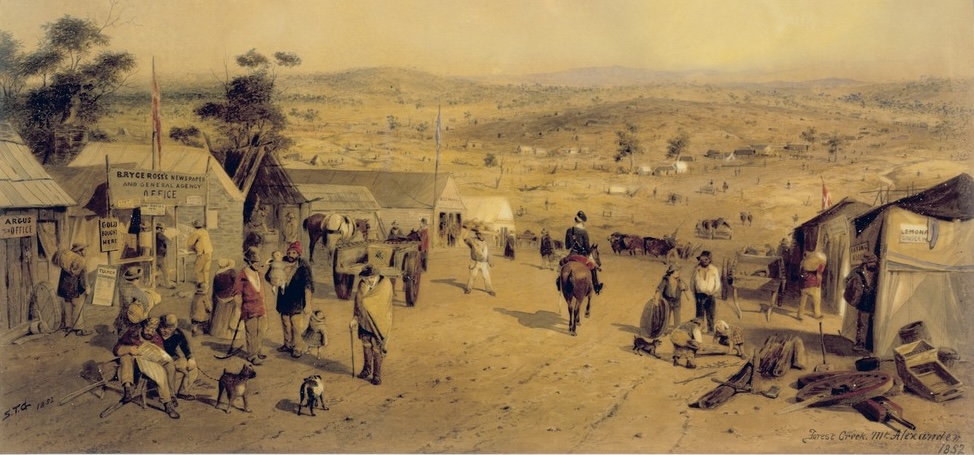
The Castlemaine district was originally called Forest Creek where a rich alluvial goldfield was discovered in September 1851 at Specimen Gully. By the end of 1851 there were about 8,000 hopeful diggers working the gold fields around Castlemaine. In 1852 the town of Castlemaine was surveyed. It was named in honour of William Handcock (b. 1761. d. 1839), 1st Viscount Castlemaine in Ireland by Goldfields Commissioner Captain W. Wright who was Handcock’s cousin. (Victorian Places 2024)

Above:- Forest Creek 1852. Image c/o Wikipedia.

By March 1852 there were about 25,000 people at the Forest Creek diggings. The first land sales occurred in 1853. Castlemaine was proclaimed a municipal district on the 24th day of April 1855 and on the 2nd day of October 1863 it was proclaimed a borough. (Victorian Places 2024)

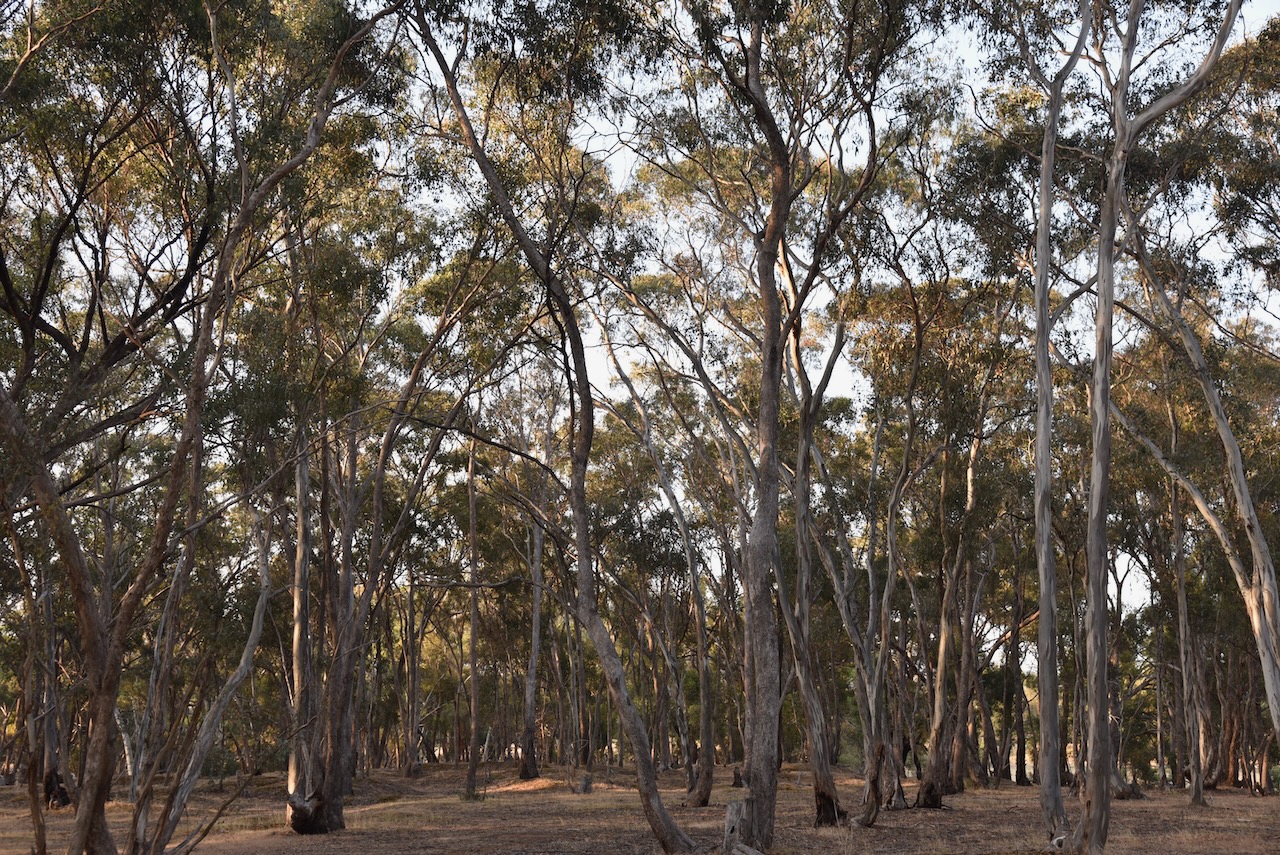
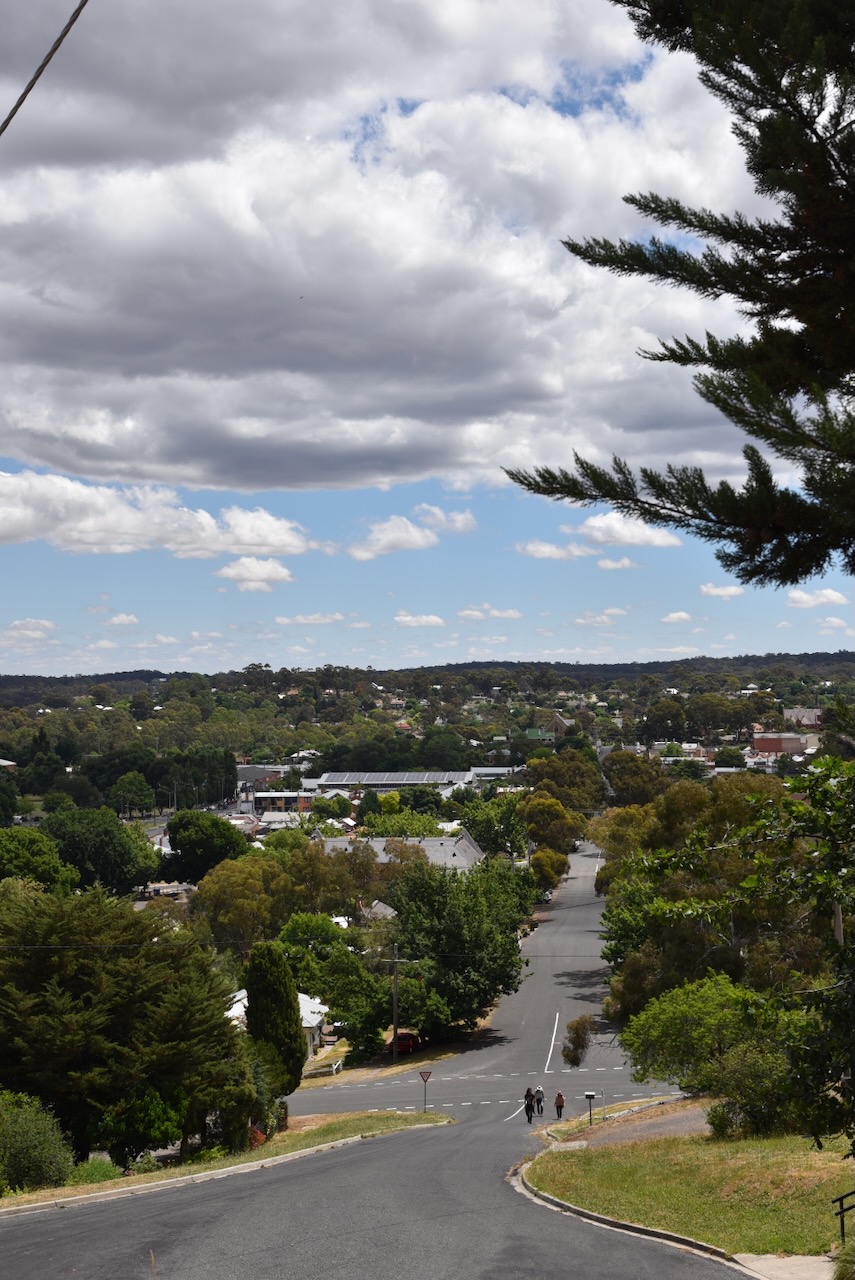
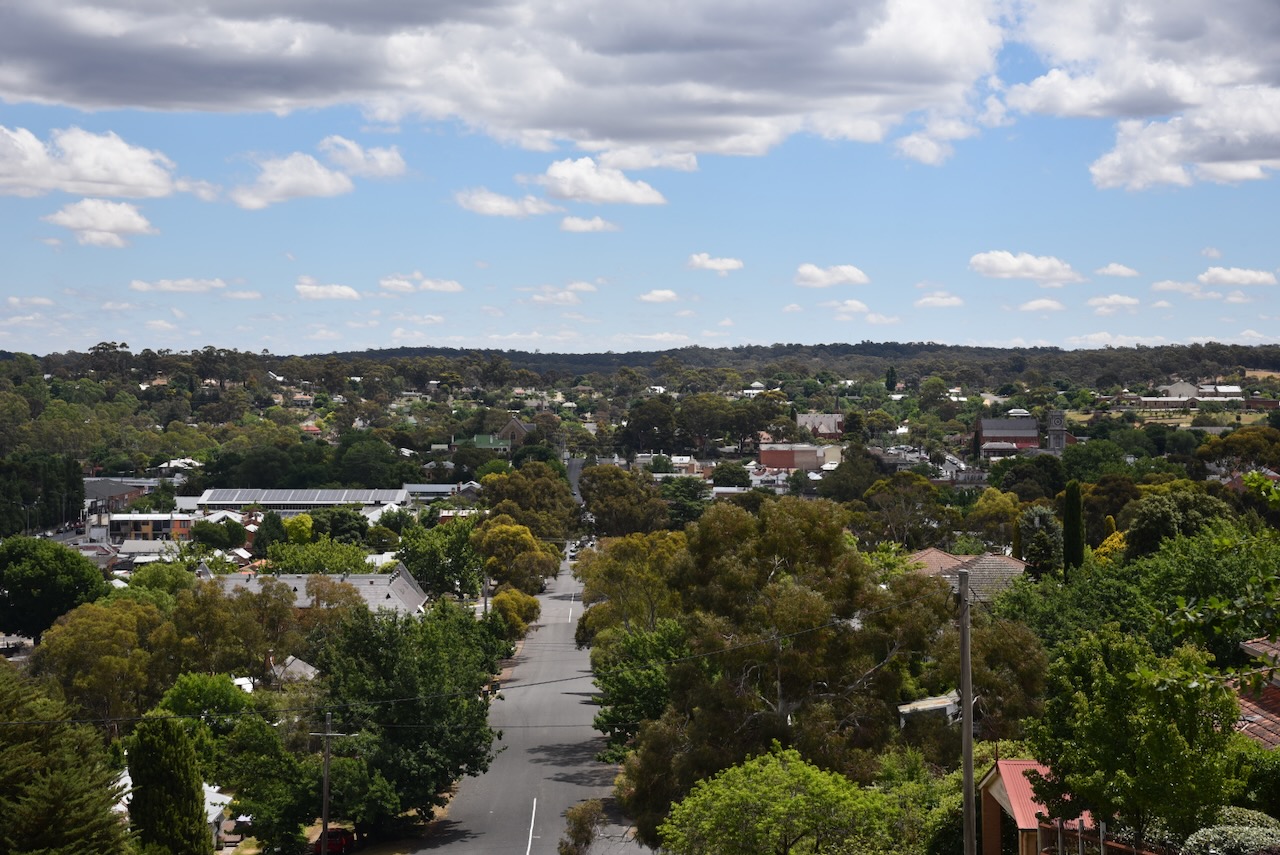
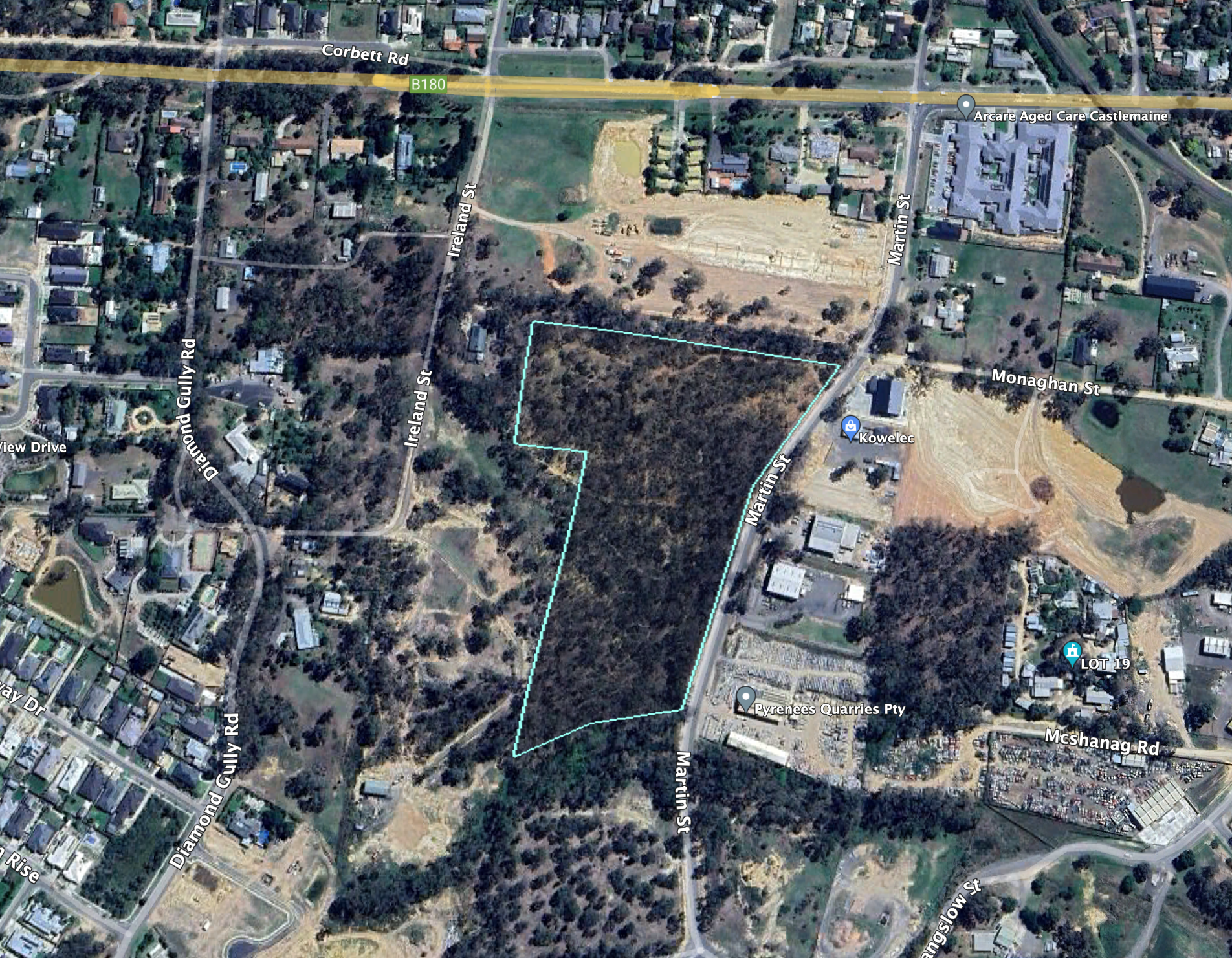
The Castlemaine H80 Bushland Reserve is located on the southwest fringe of Castlemaine amongst houses and industry.

Above:- An aerial view of the Castlemaine H80 Bushland Reserve. Image c/o Google Earth.

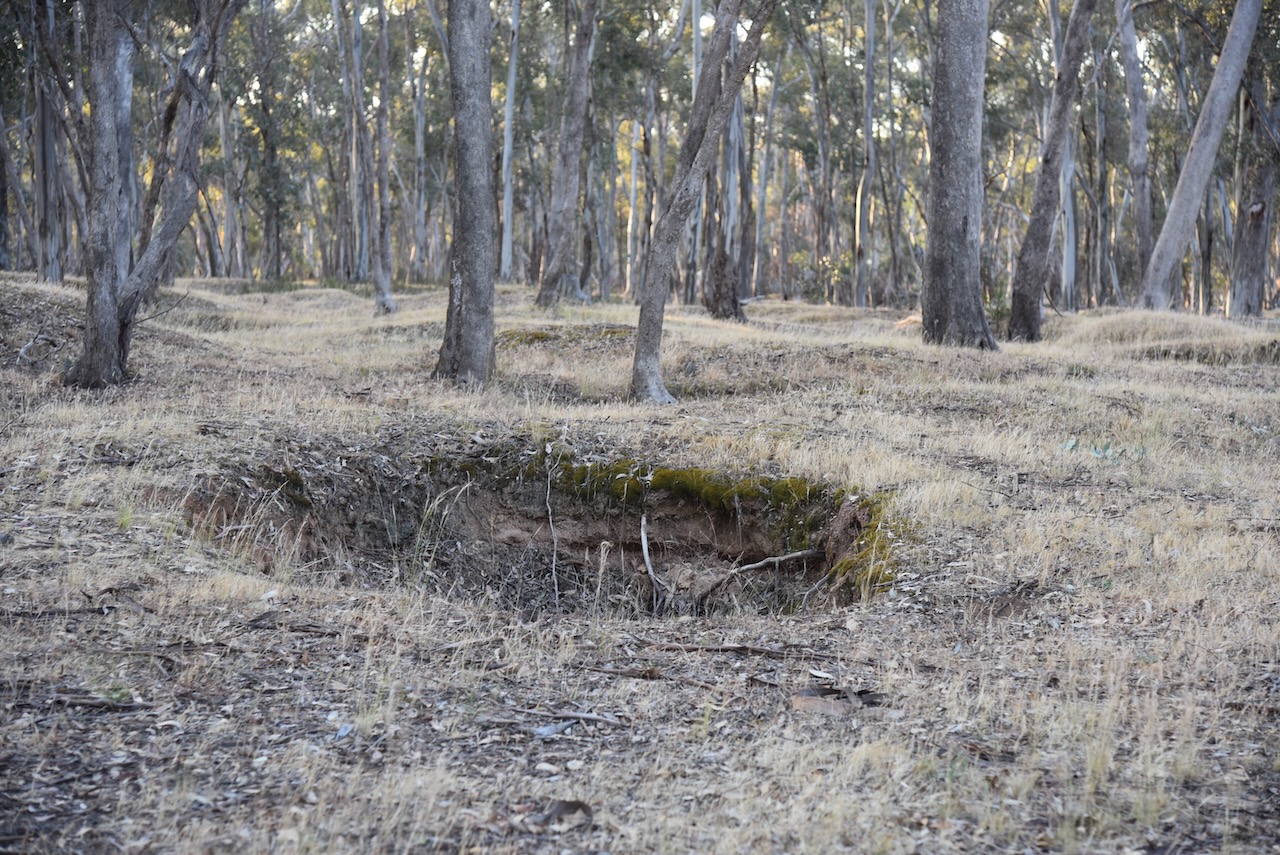
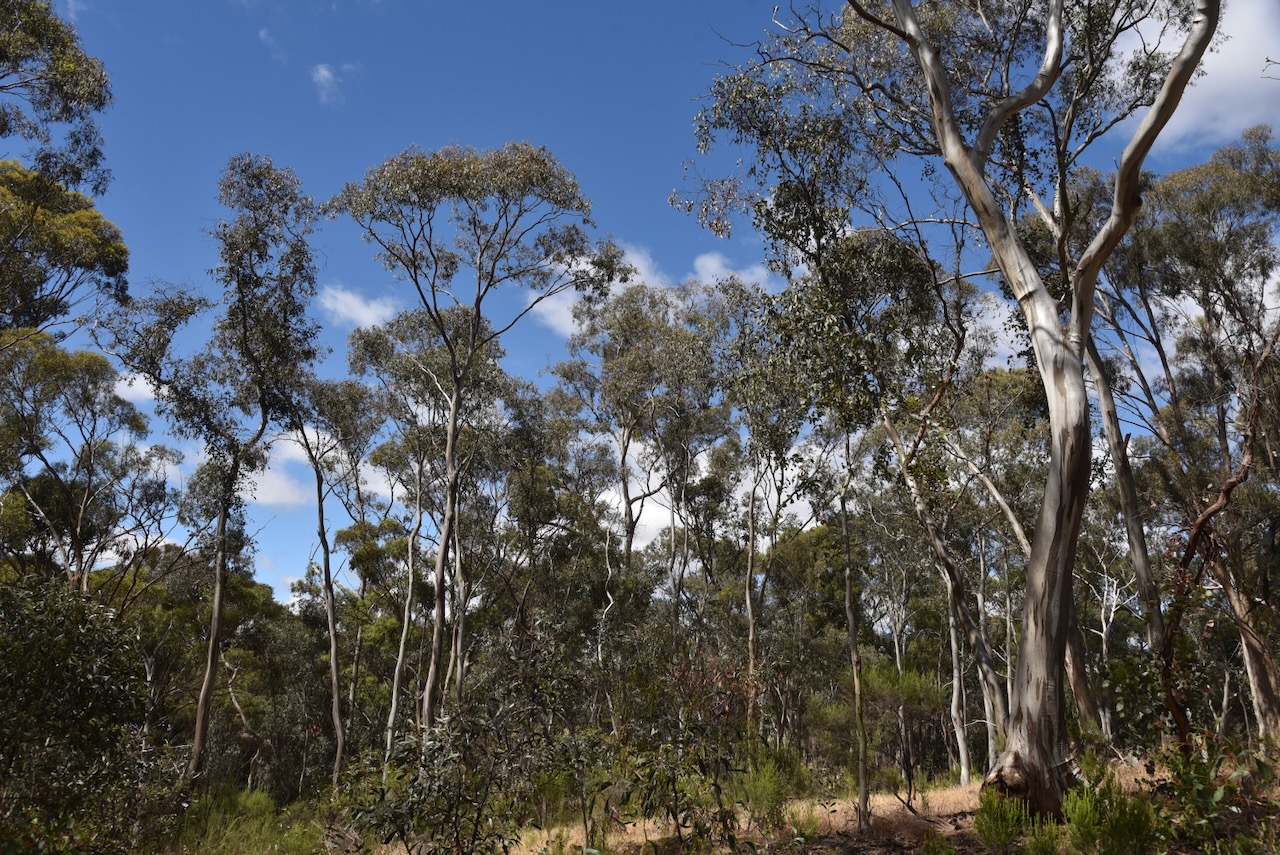
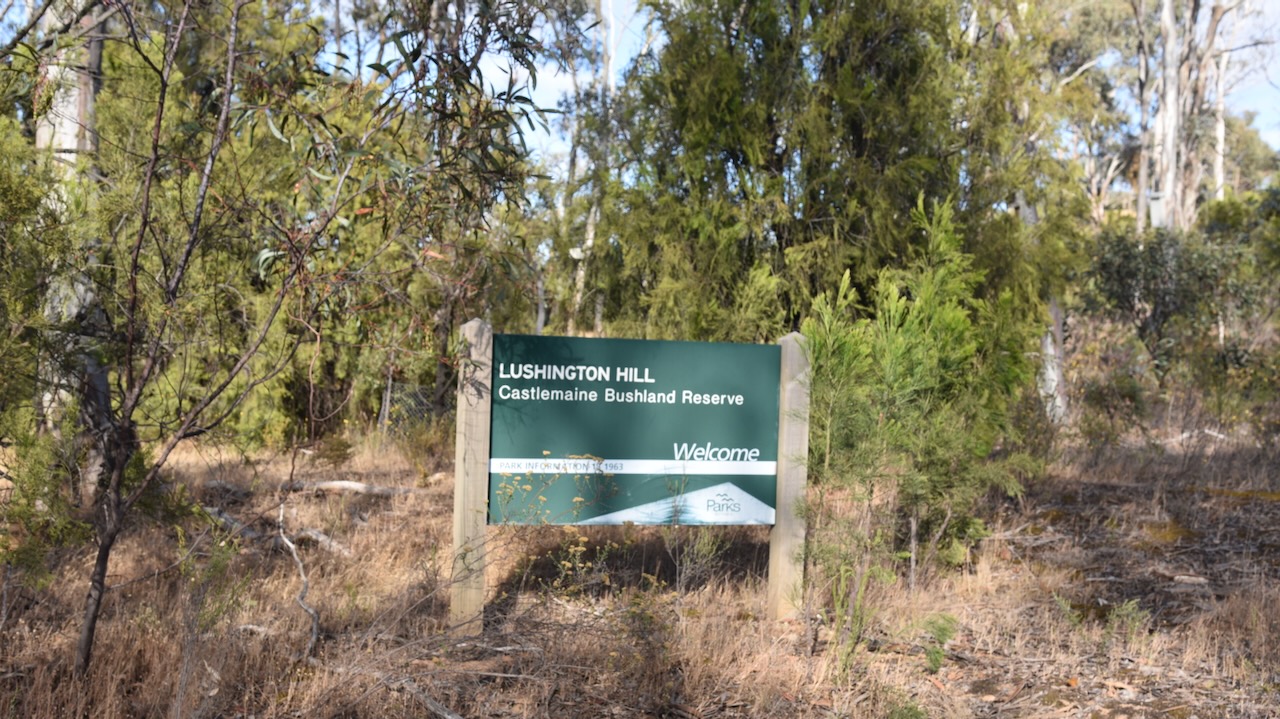
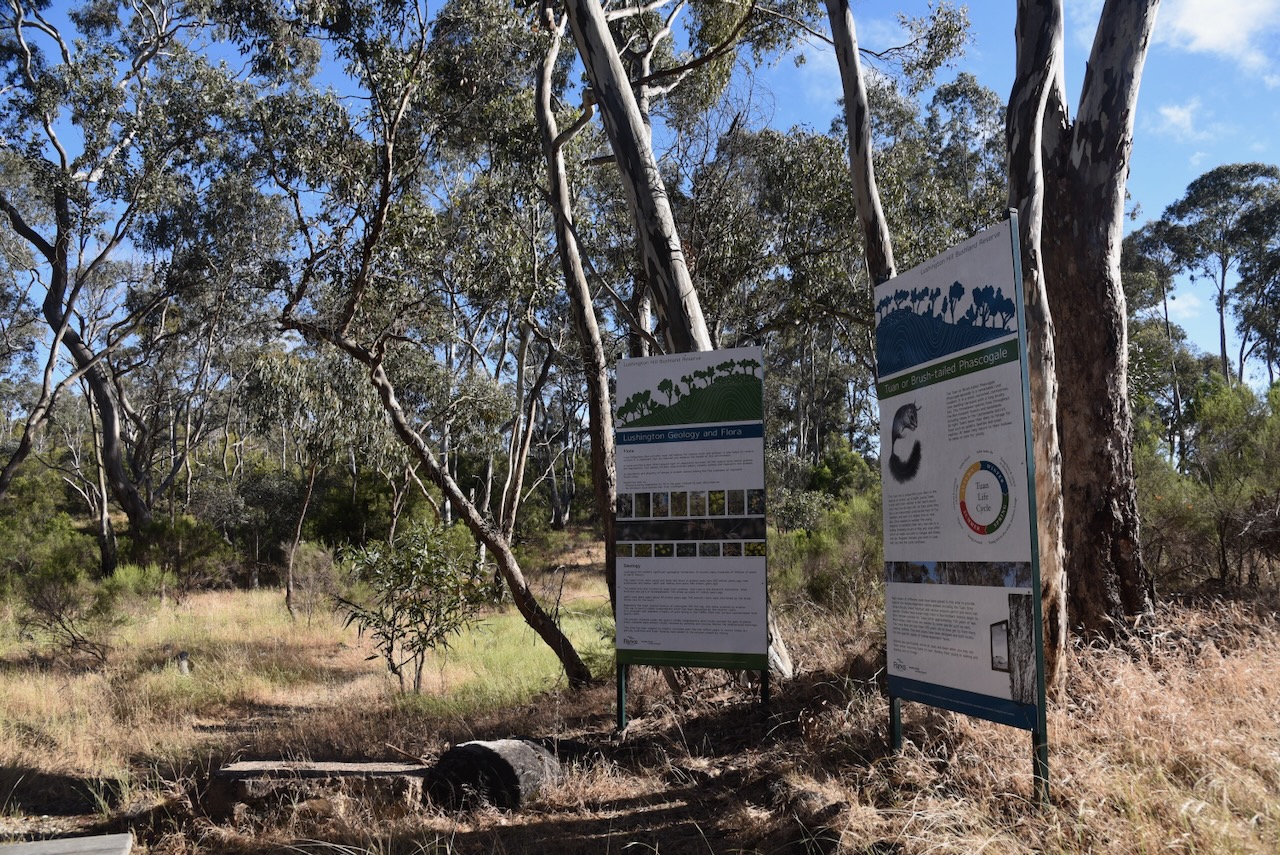
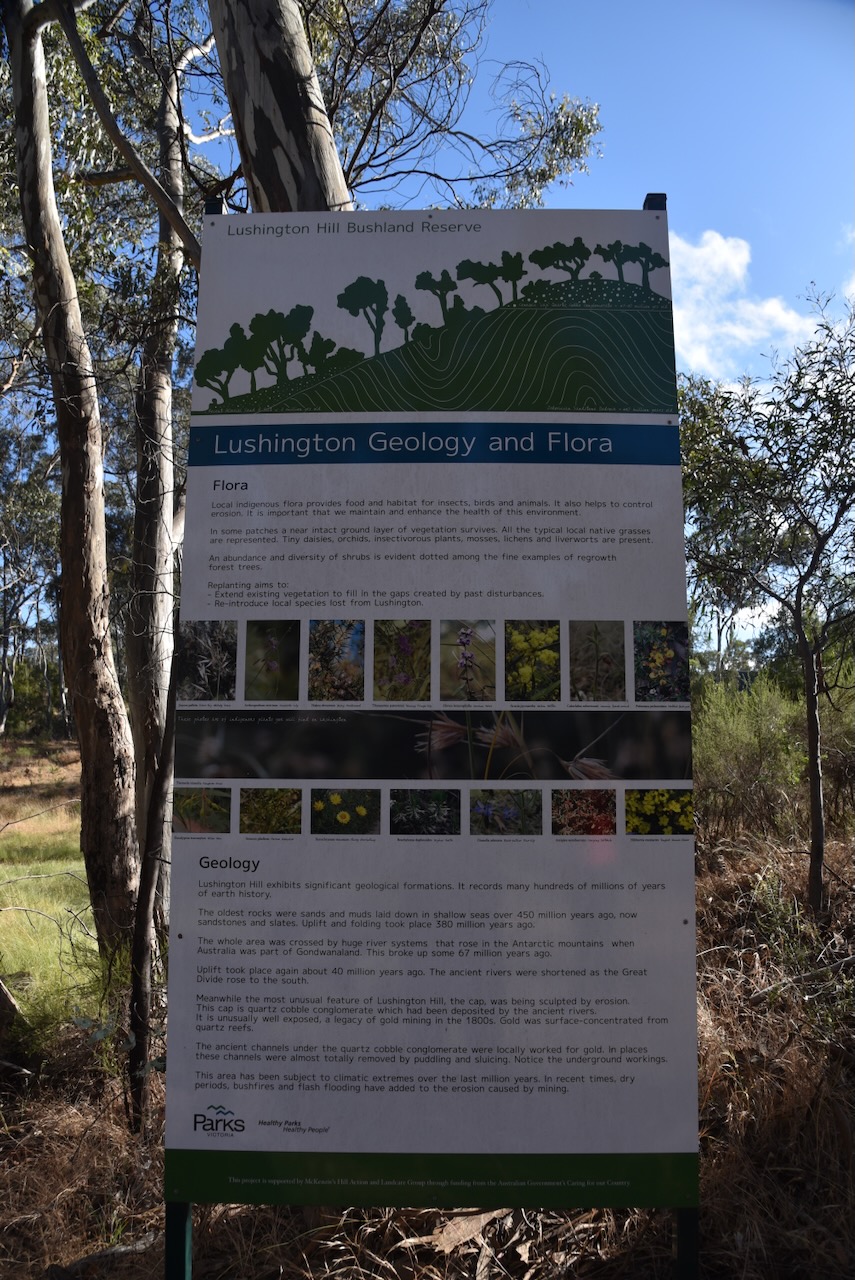
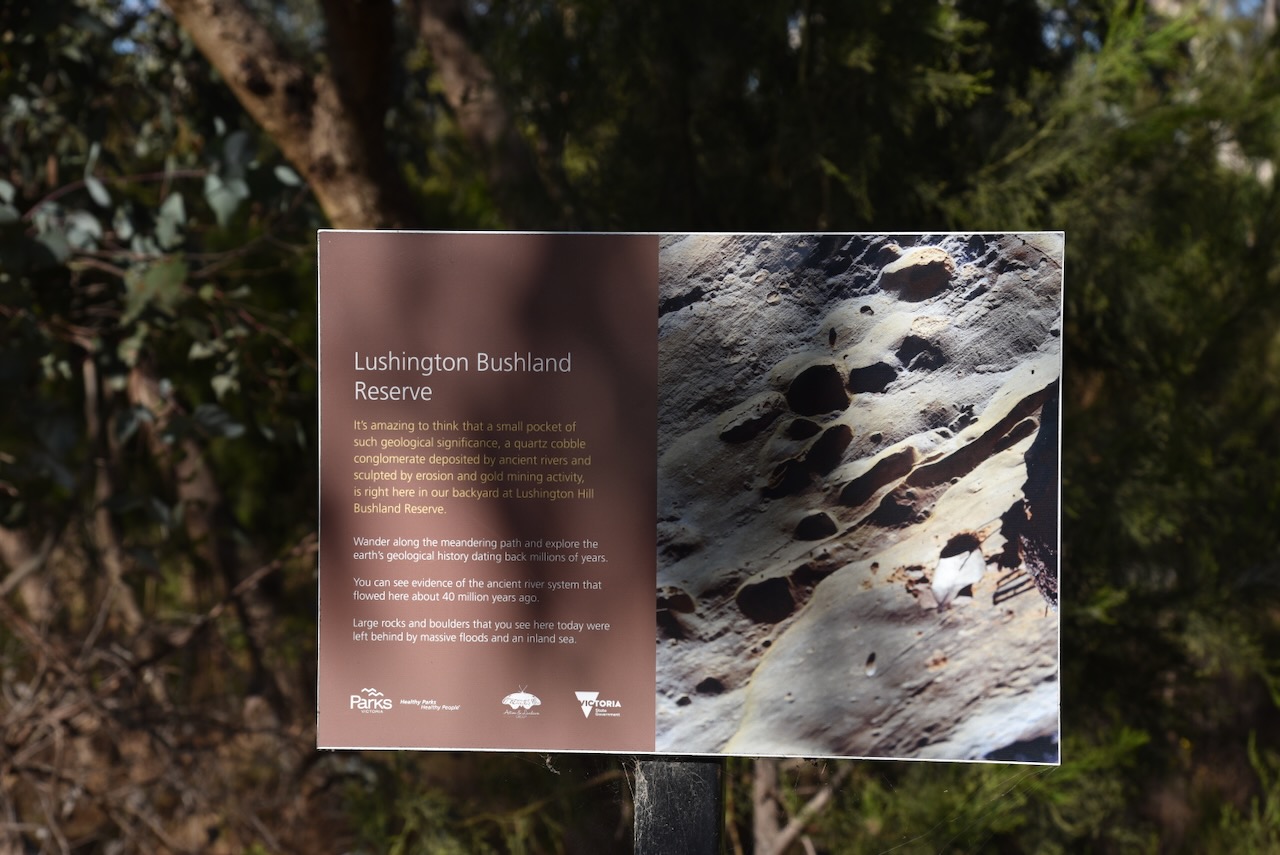
The reserve is also known as Lushington Hill and the Lushington Bushland Reserve. It is a small pocket of native bushland that contains a quartz cobble conglomerate with evidence of an ancient river system that flowed about 40 million years ago. The reserve is about 5 hectares in size and was established on the 26th day of February 2002. (CAPAD 2022)

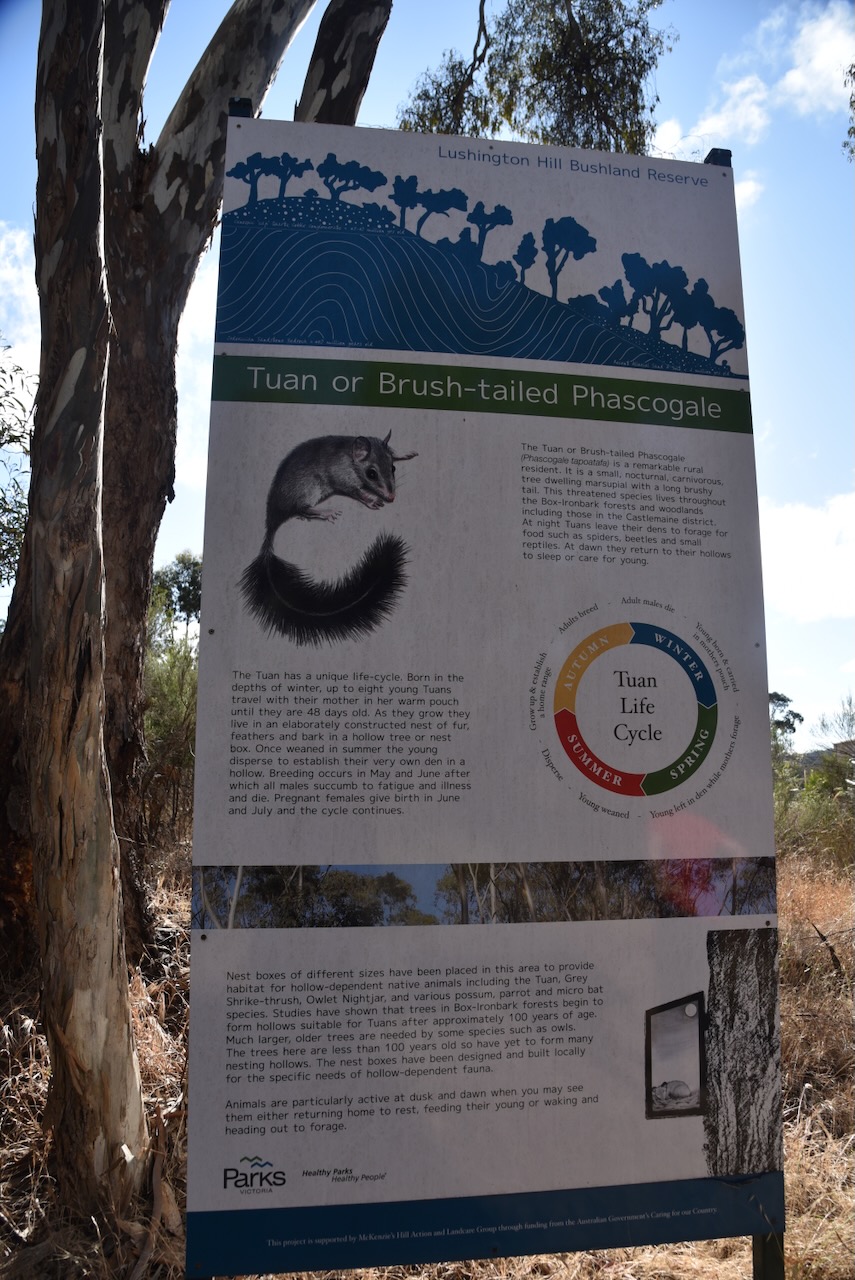
The threatened Brush Tailed Phascogale (or Tuan) can be located in the reserve. It is a small nocturnal carnivorous tree-dwelling marsupial.

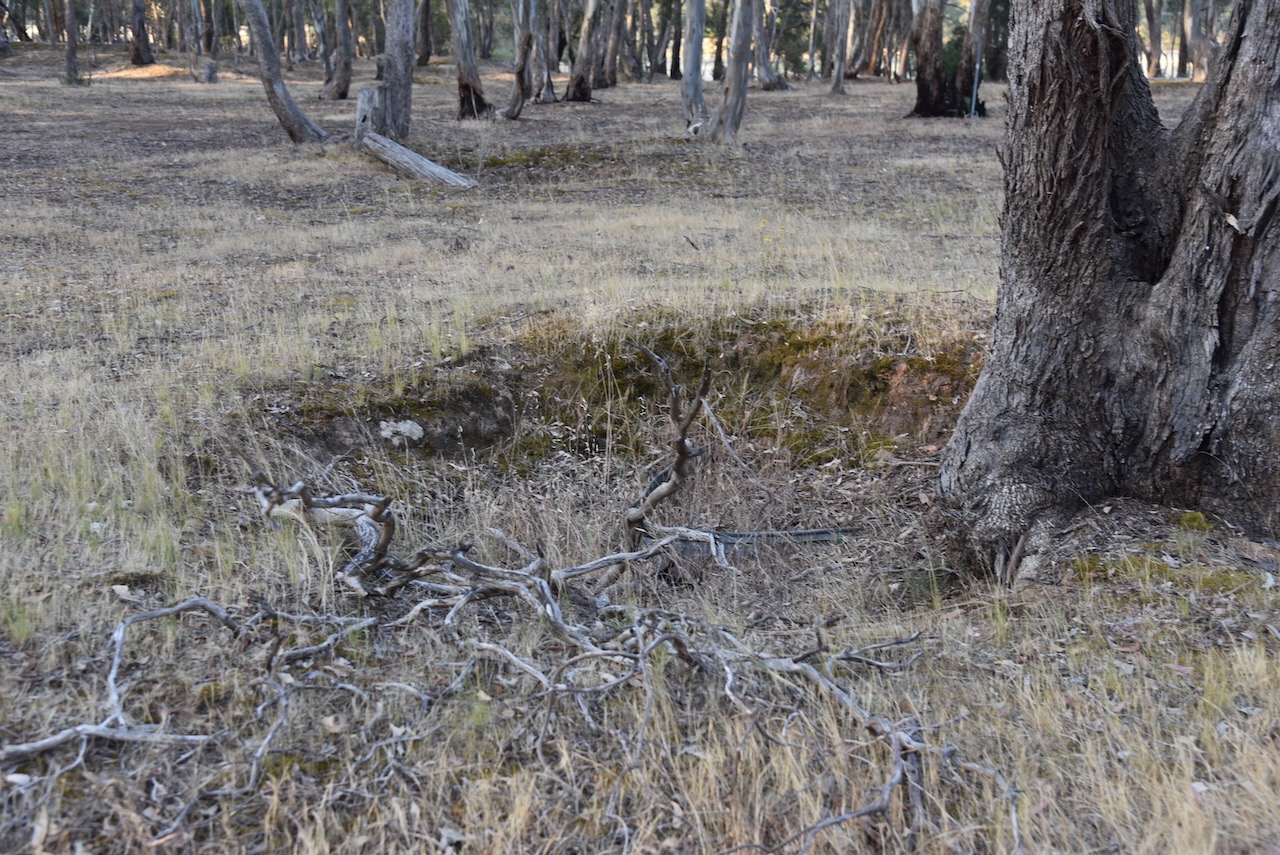
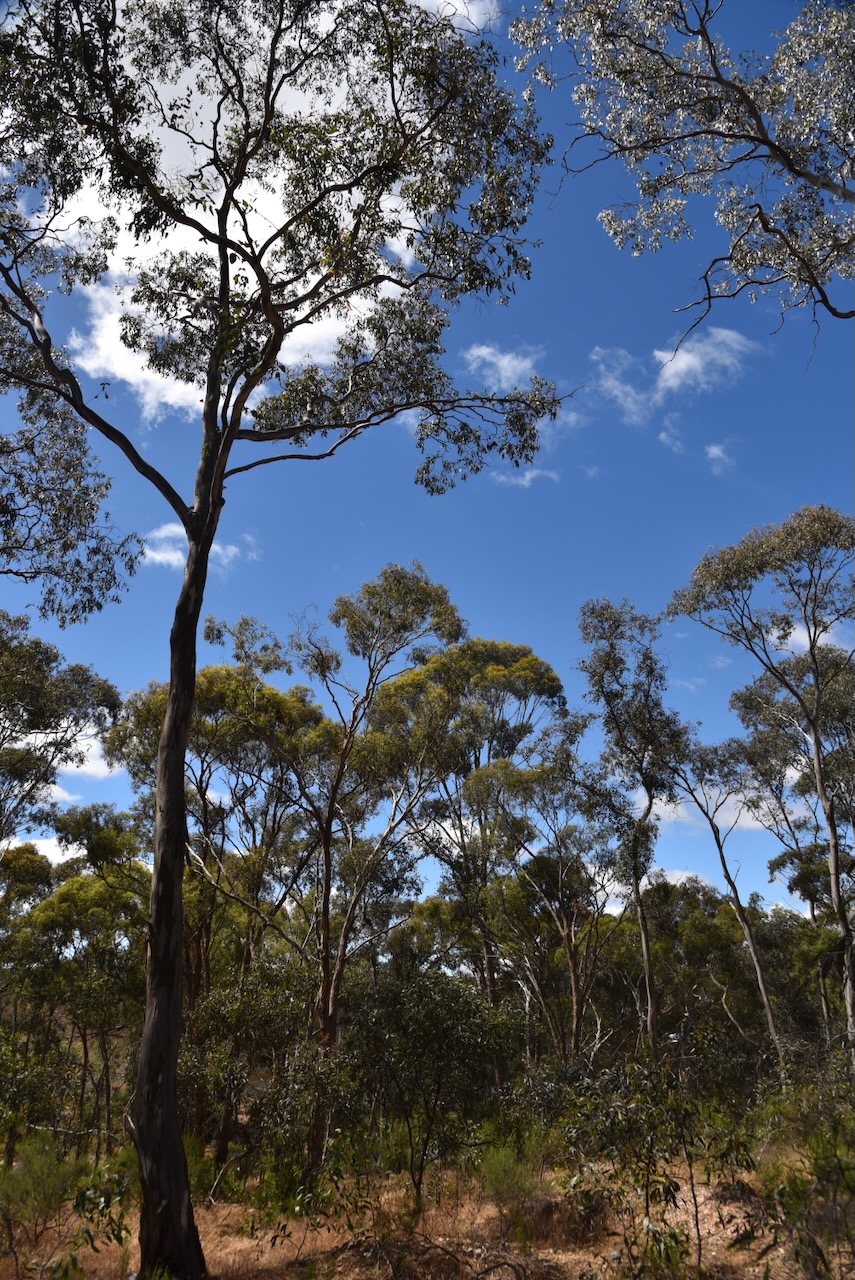
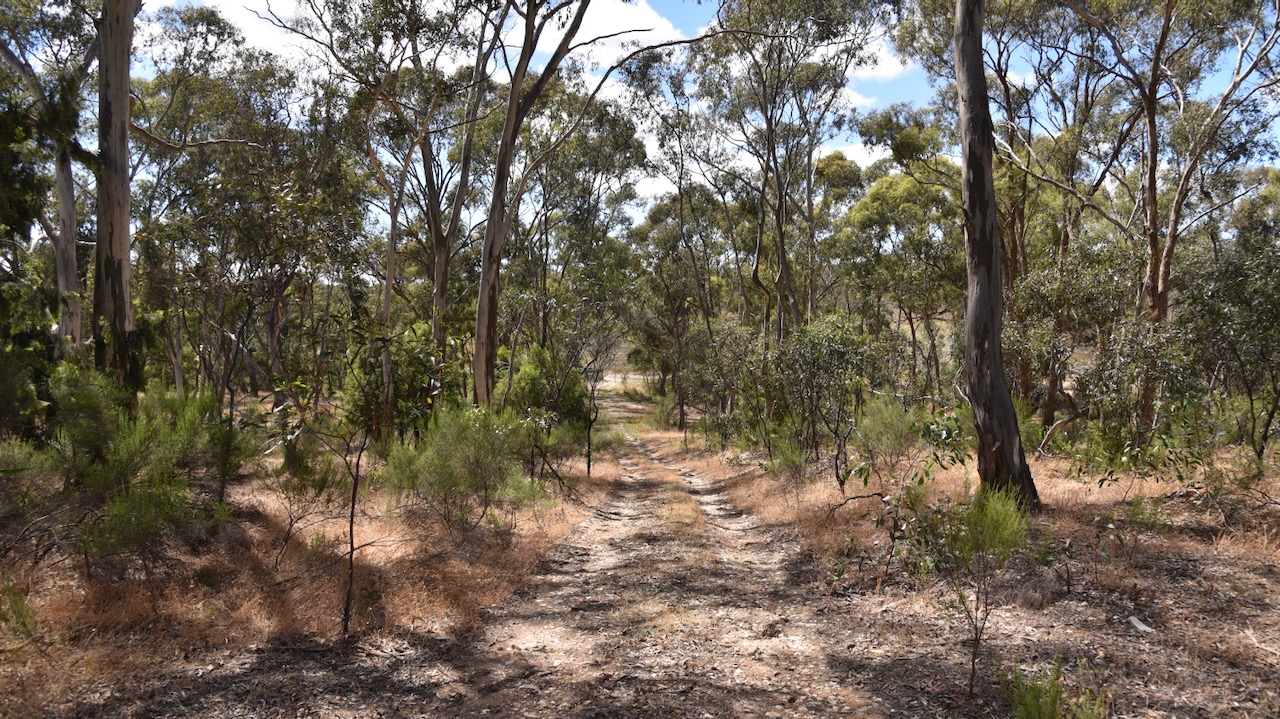
We parked on Martin Street and set up at a wooden table and bench in the park. As this was such a built-up area we were a bit concerned about the noise. We did experience strength 5 noise at times on 40m but often the noise floor would drop right down. There was strength 6 noise on the 80m band.

We ran the Yaesu FT857, 40 watts, and the 20/40/80m linked dipole. I used the special call of VI10VKFF.

Marija worked the following stations on 40m SSB:-

  1. VK3PF
  2. VK3KAI
  3. VK3VIN
  4. VK2EXA
  5. VK3LOC
  6. VK3SQ
  7. VK2BD

Marija worked the following stations on 40m AM:-

  1. VK3PF
  2. VK3KAI
  3. VK3SQ
  4. VK2BD

I worked the following stations on 40m SSB:-

  1. VK3PF
  2. VK3KAI
  3. VK3VIN
  4. VK2EXA
  5. VK3LOC
  6. VK3SQ
  7. VK2BD
  8. VK3CLD
  9. VK3CEO
  10. VK3EJ
  11. VK3SO
  12. VK2RK
  13. VK2ACR
  14. VK3UAO
  15. VK7PSJ
  16. VK7AN
  17. VK3MTT
  18. VK1AAF
  19. VK7AAE
  20. VK5AAF
  21. VK4NH
  22. VK4DXA
  23. VK1CT

I worked the following stations on 40m AM:-

  1. VK3PF
  2. VK3KAI
  3. VK3SQ
  4. VK2BD
  5. VK2UAO
  6. VK2RK
  7. VK2ACR
  8. VK3NRB

I worked the following stations on 40m FM:-

  1. VK2RK
  2. VK2ACR
  3. VK3PF
  4. VK3KAI
  5. VK3NRB

I worked the following stations on 20m SSB:-

  1. VK1AO
  2. VK2MET
  3. ZL3MR

I worked the following stations on 80m SSB:-

  1. VK3PF
  2. VK3KAI
  3. VK3DAC
  4. VK4FE/3
  5. VK3MCK

References.

  1. Dcceew.gov.au. (2023). Collaborative Australian Protected Areas Database (CAPAD) 2022 – DCCEEW. [online] Available at: https://www.dcceew.gov.au/environment/land/nrs/science/capad/2022 [Accessed 6 Apr. 2024].‌
  2. http://www.victorianplaces.com.au. (n.d.). Castlemaine | Victorian Places. [online] Available at: https://www.victorianplaces.com.au/castlemaine [Accessed 6 Apr. 2024].‌