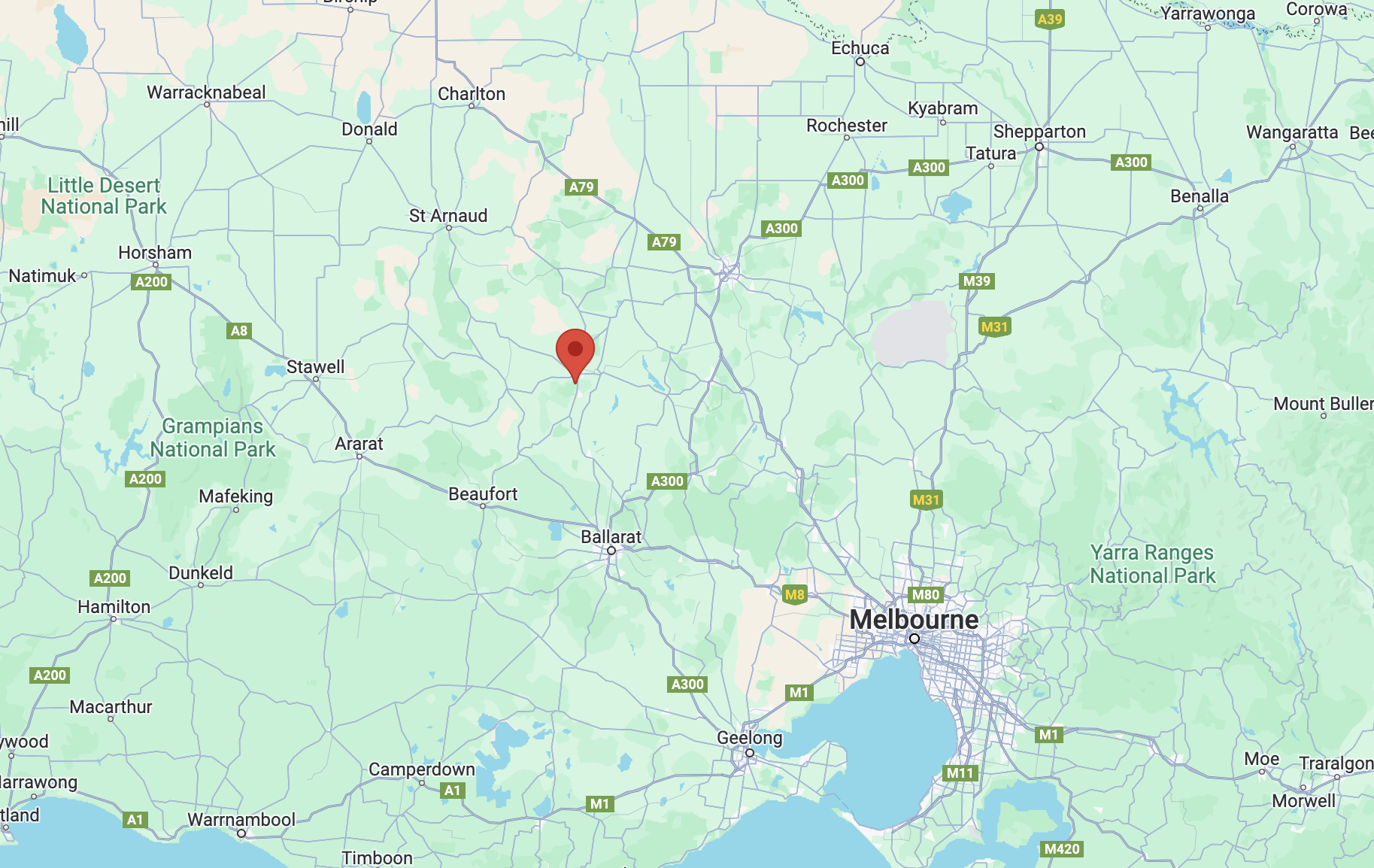
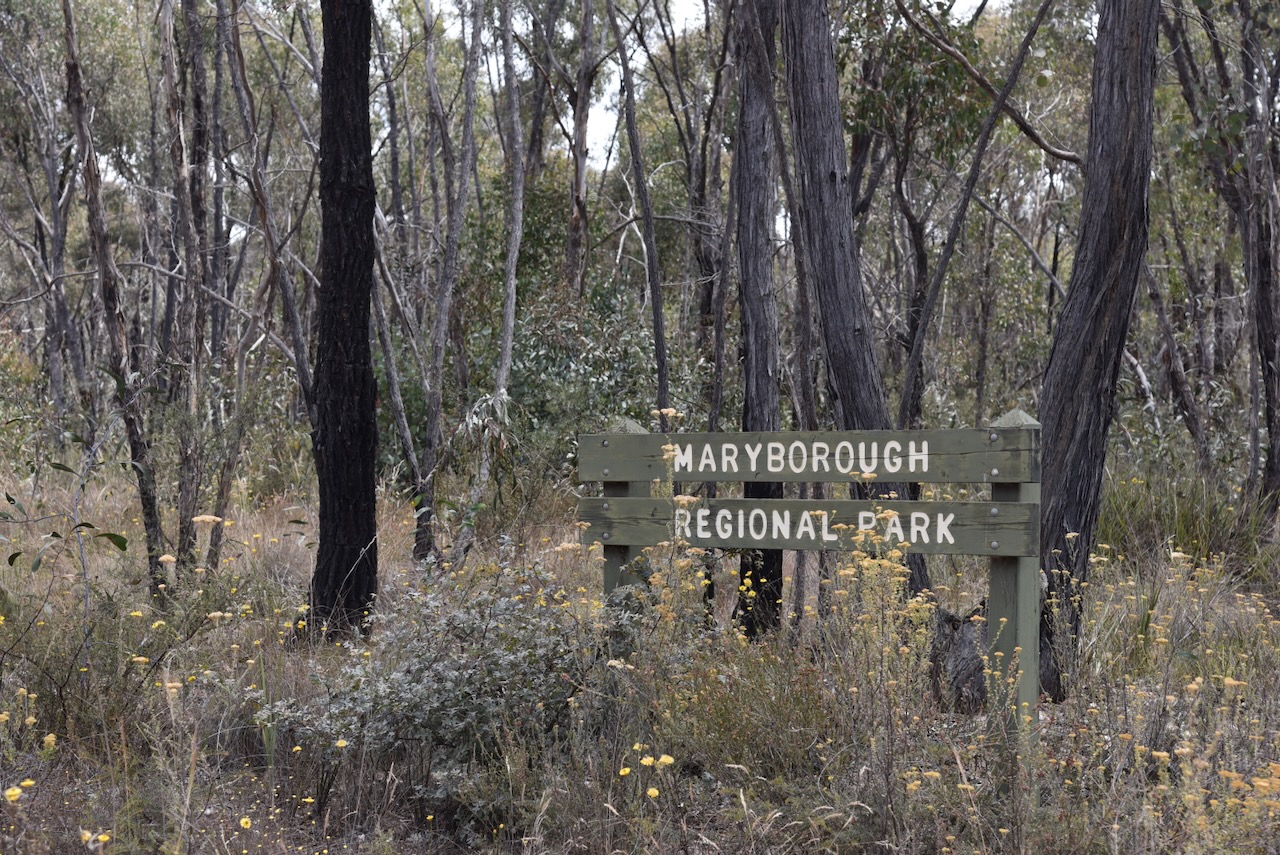
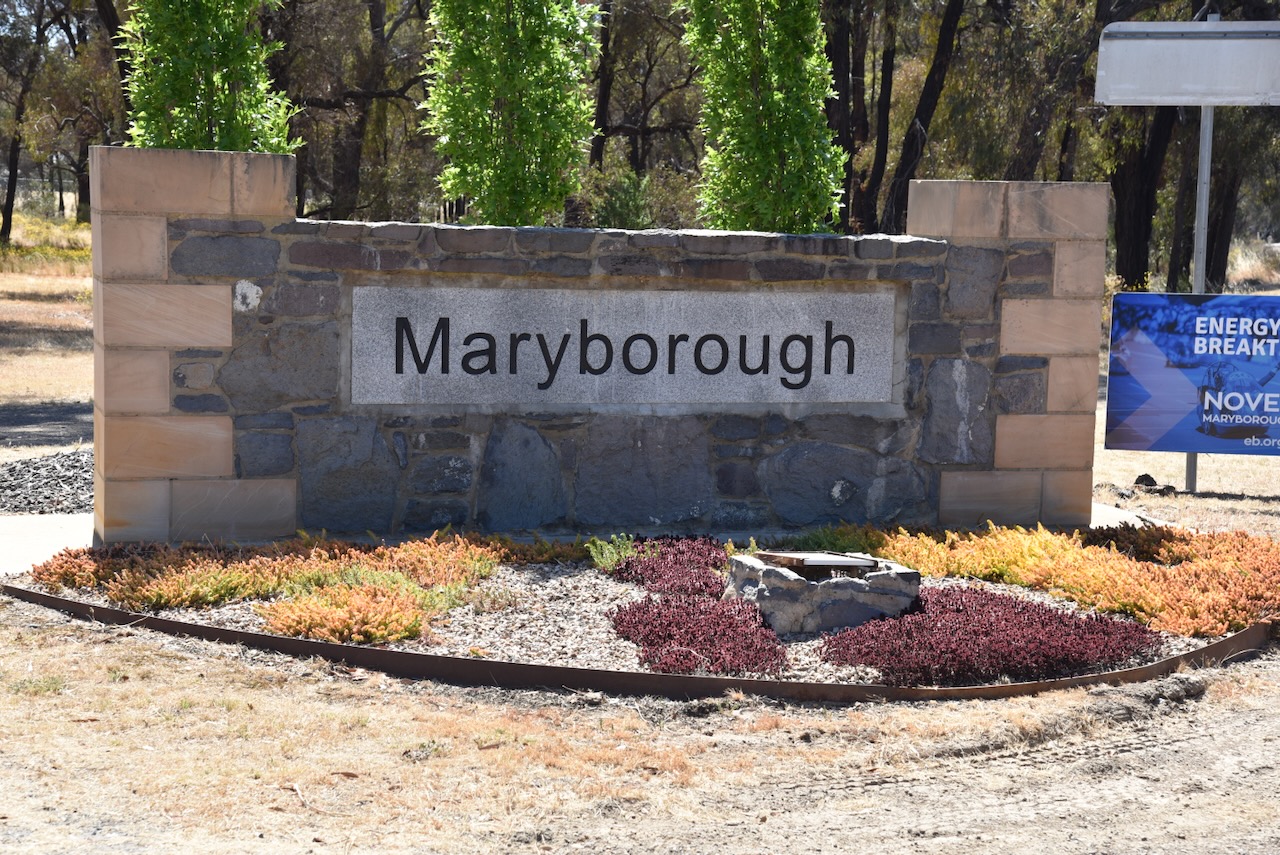
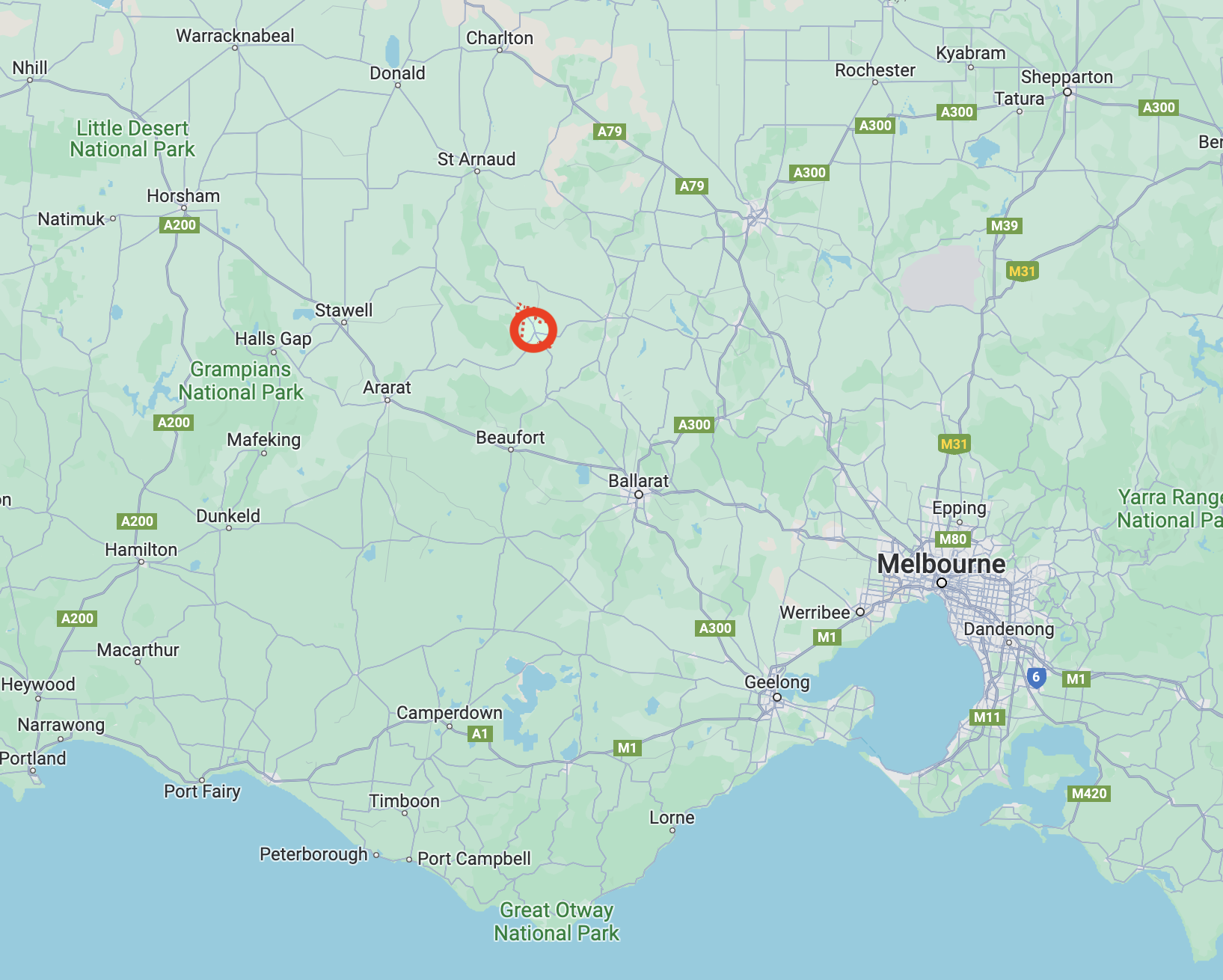
Marija and I left Carisbrook and headed to our next park activation for 23rd November 2023, the Maryborough Regional Park VKFF-1878.
Above:- Map showing the location of the Maryborough Regional Park. Map c/o Google Maps.
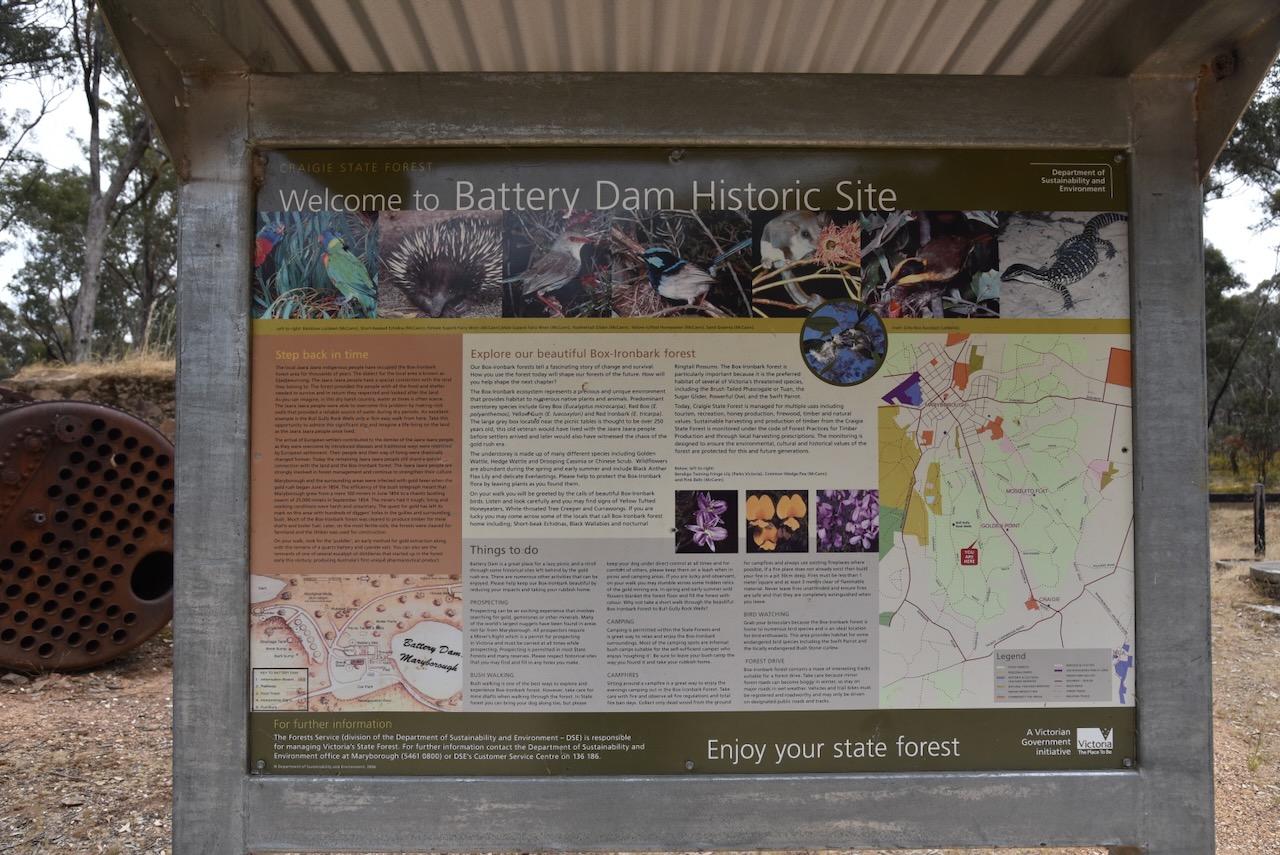
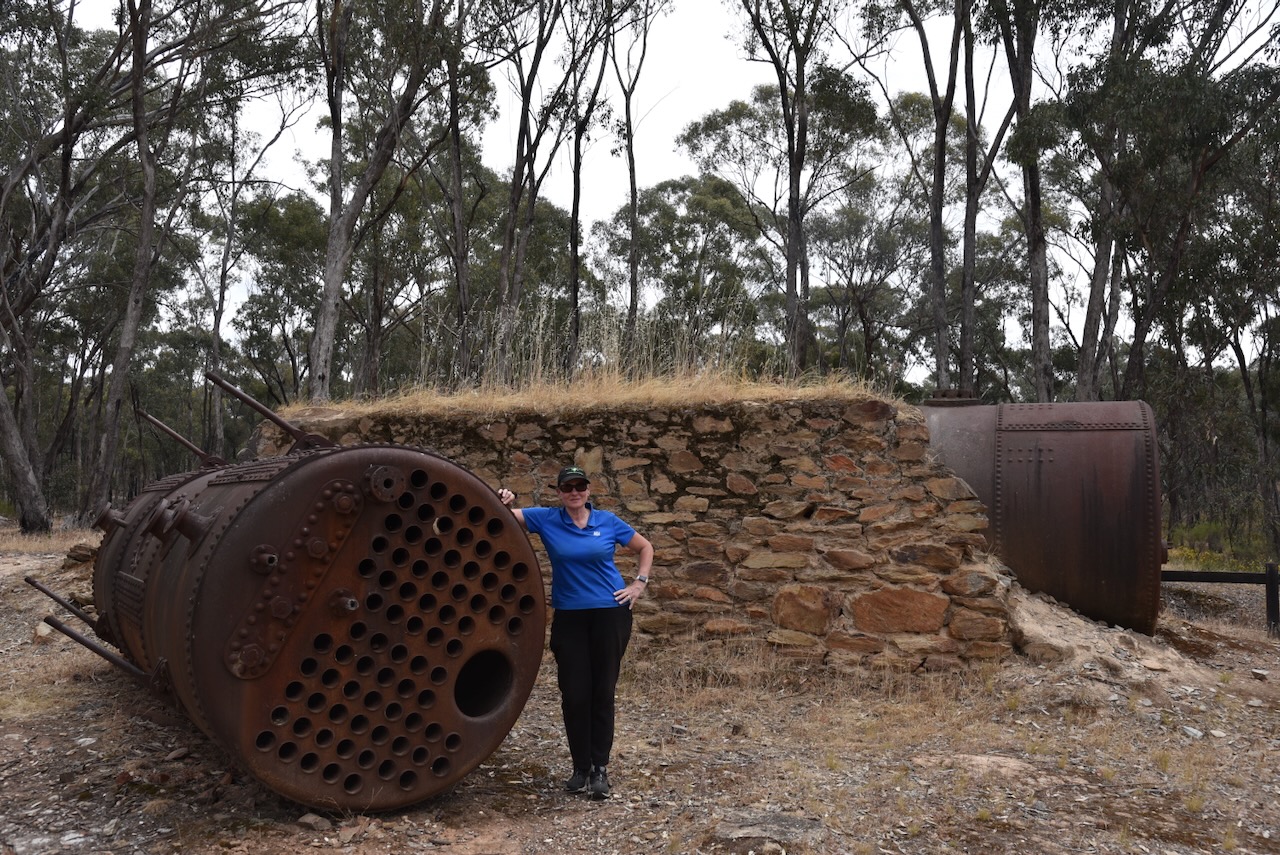
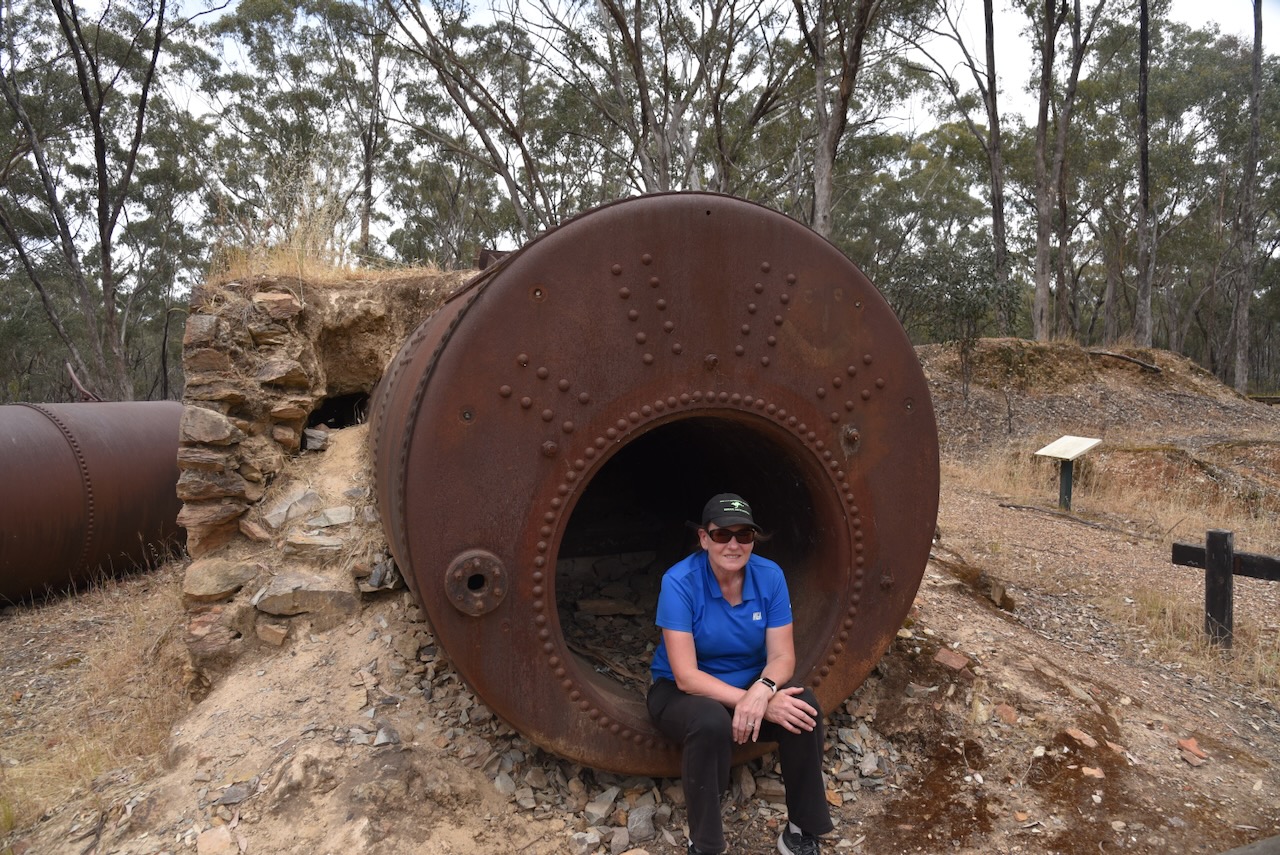
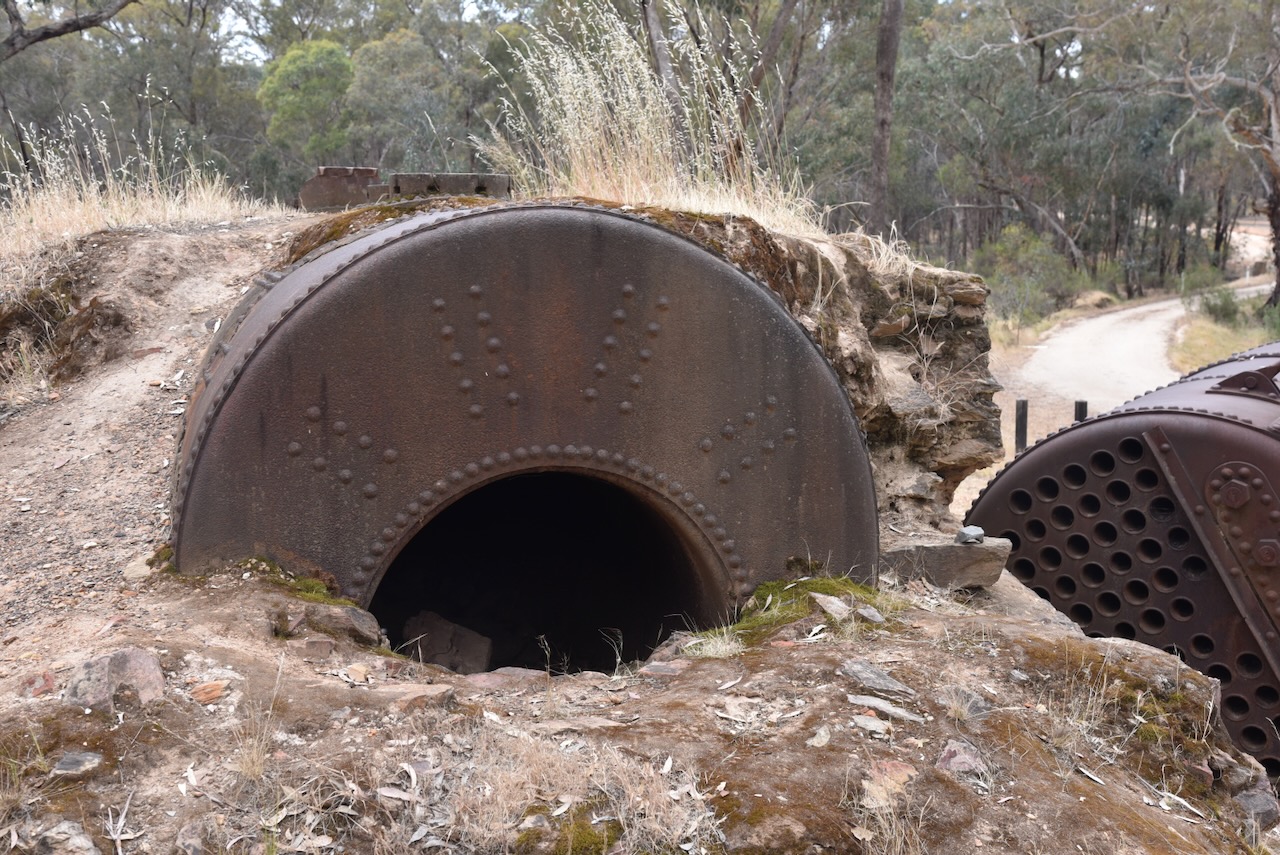
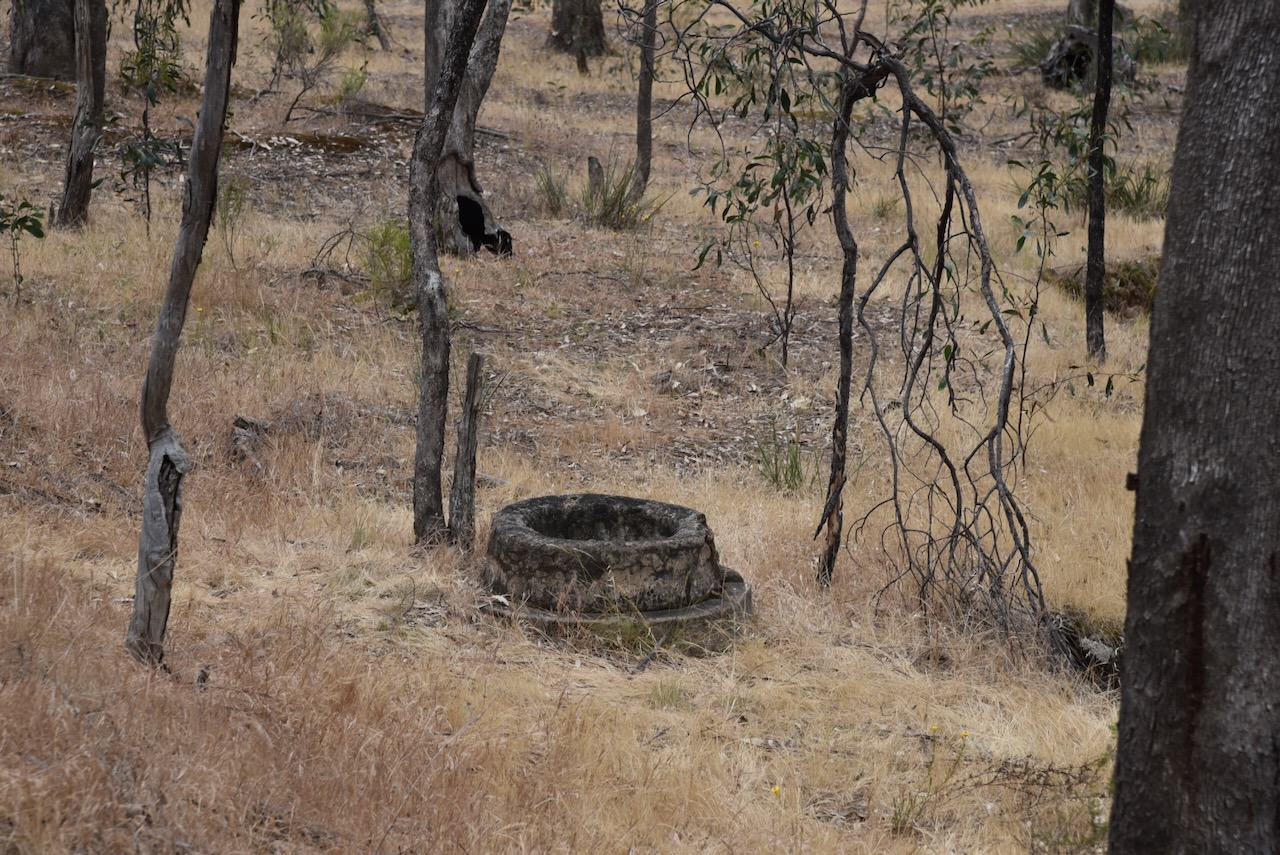
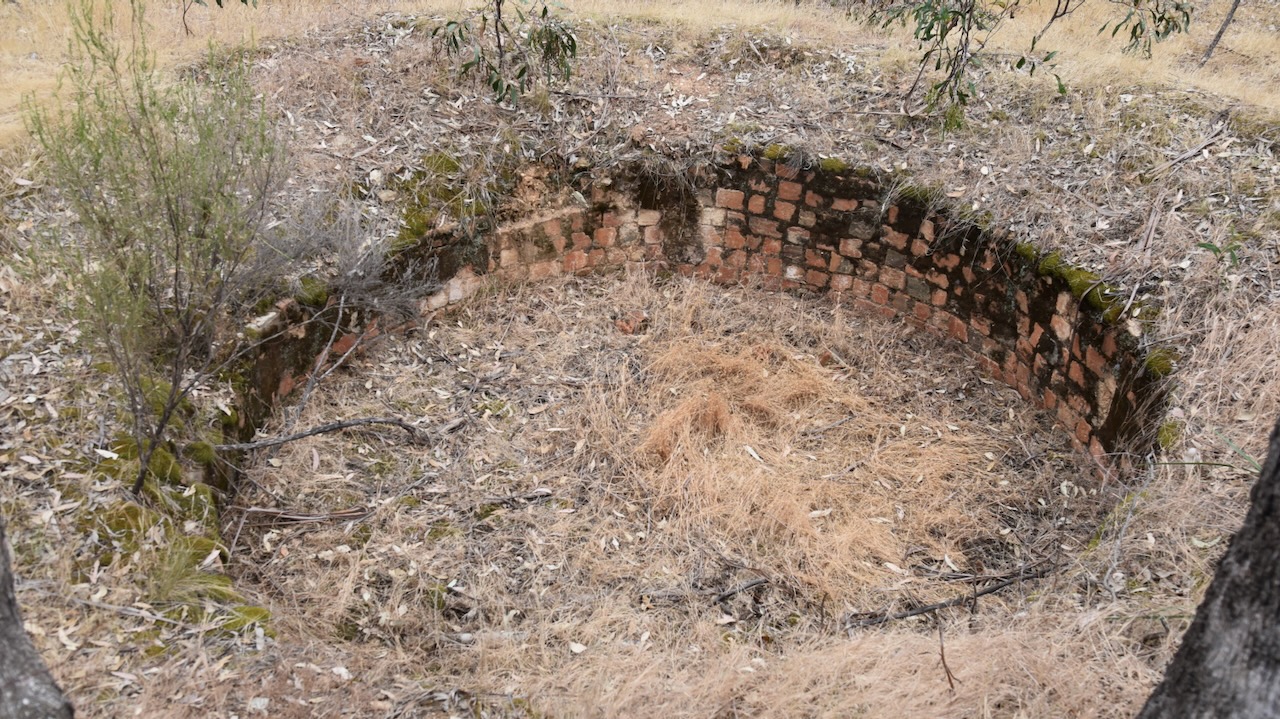
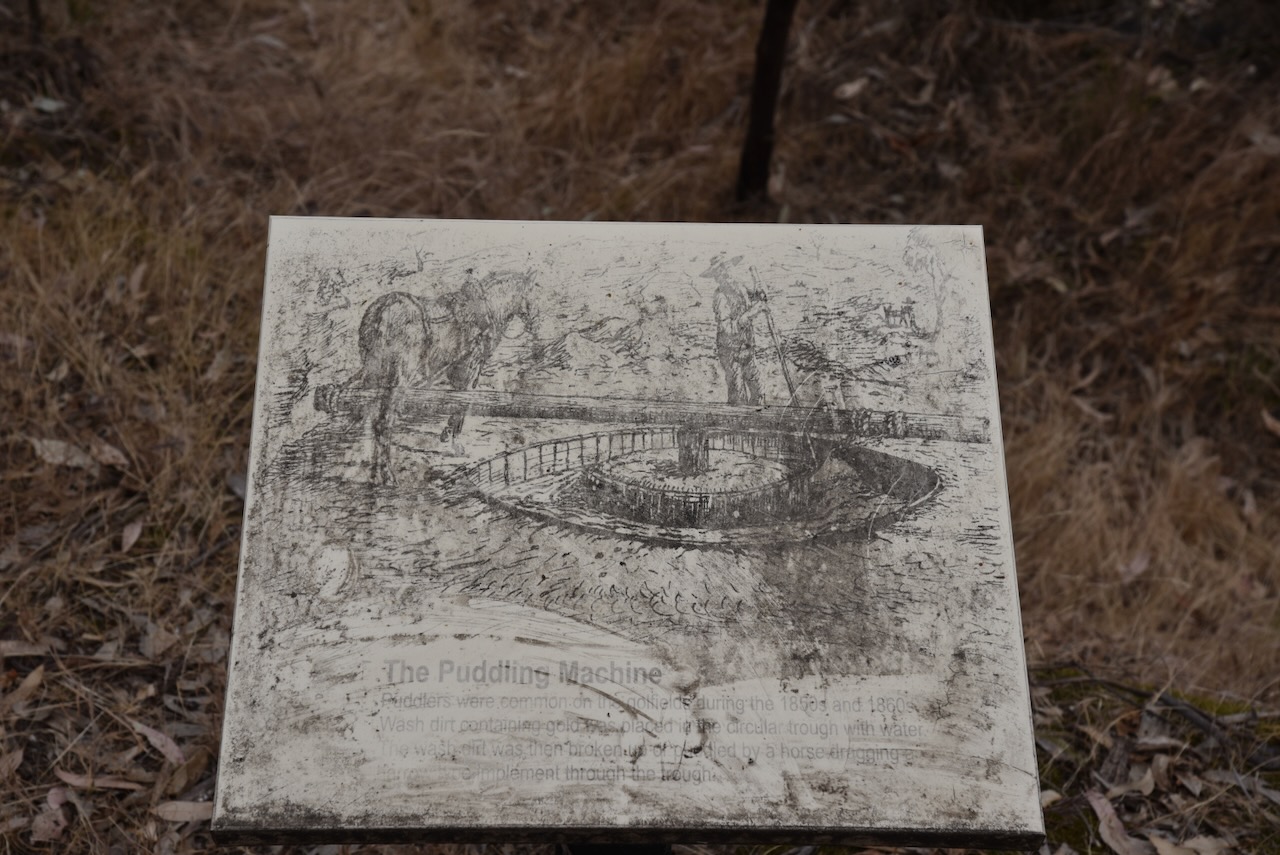
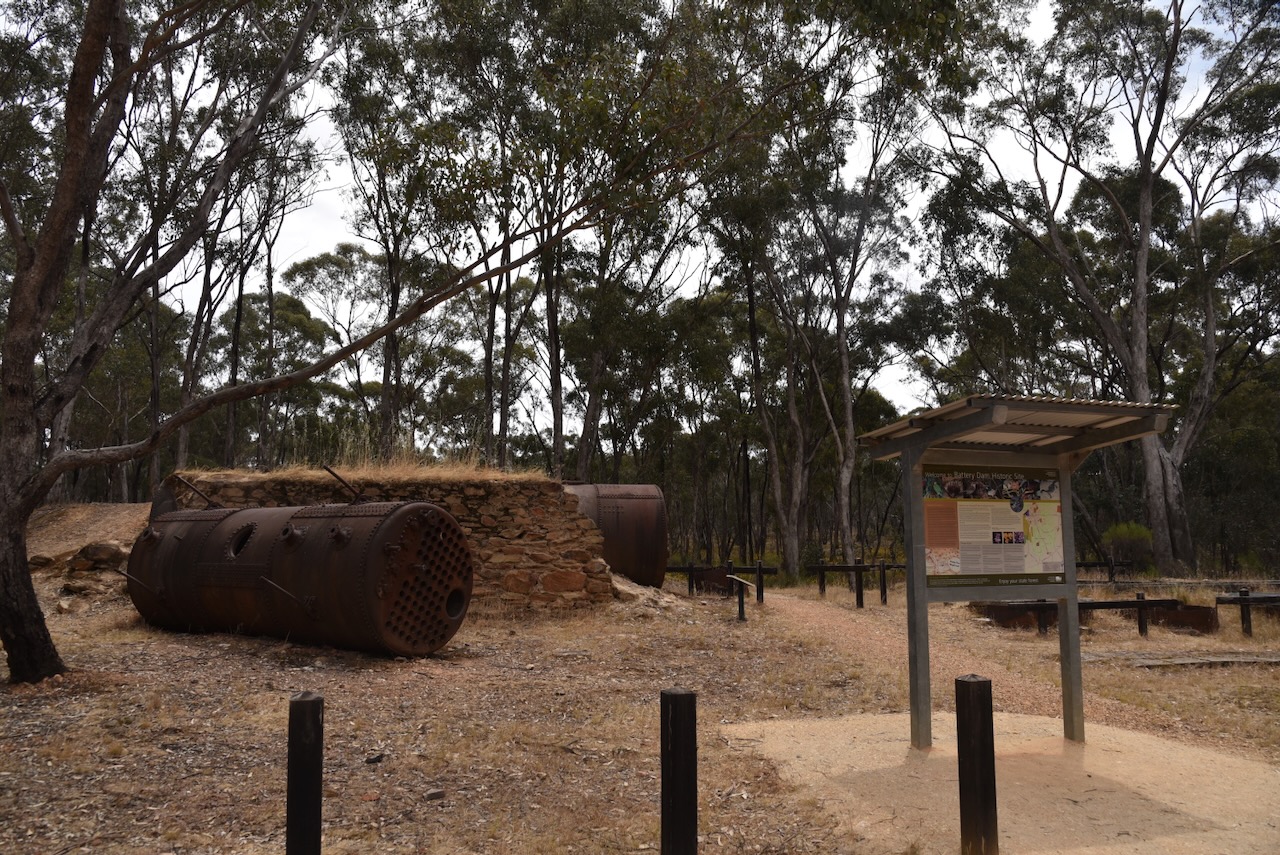
Along the way, we stopped at the Battery Dam Historic Site in the Craigie State Forest near Maryborough. The site was used to crush and process quartz from mines in the area. When old production ceased, some of the equipment used was adapted to be used for a eucalyptus distillery. (Goldfields Guide 2024)
Below is an excellent video on the Battery Dam and Distillery site.
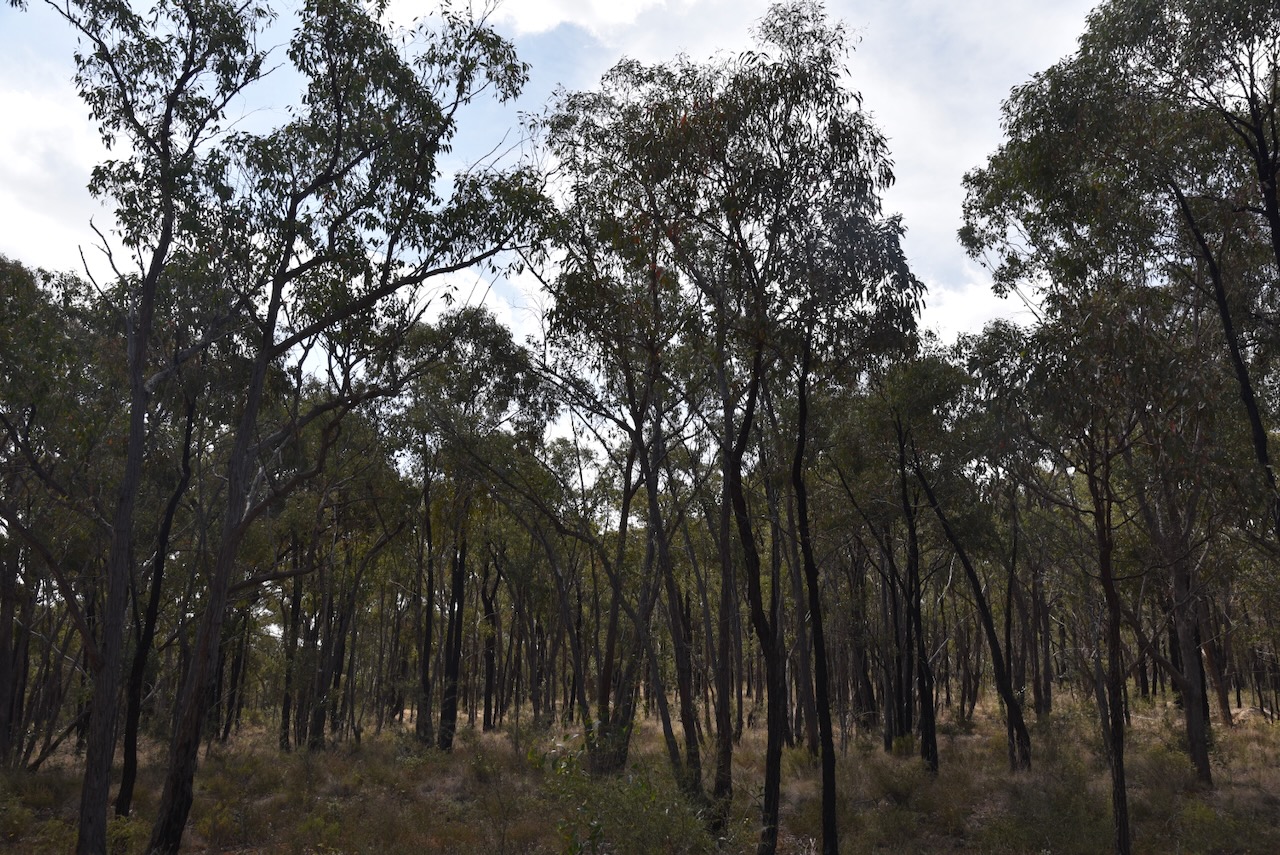
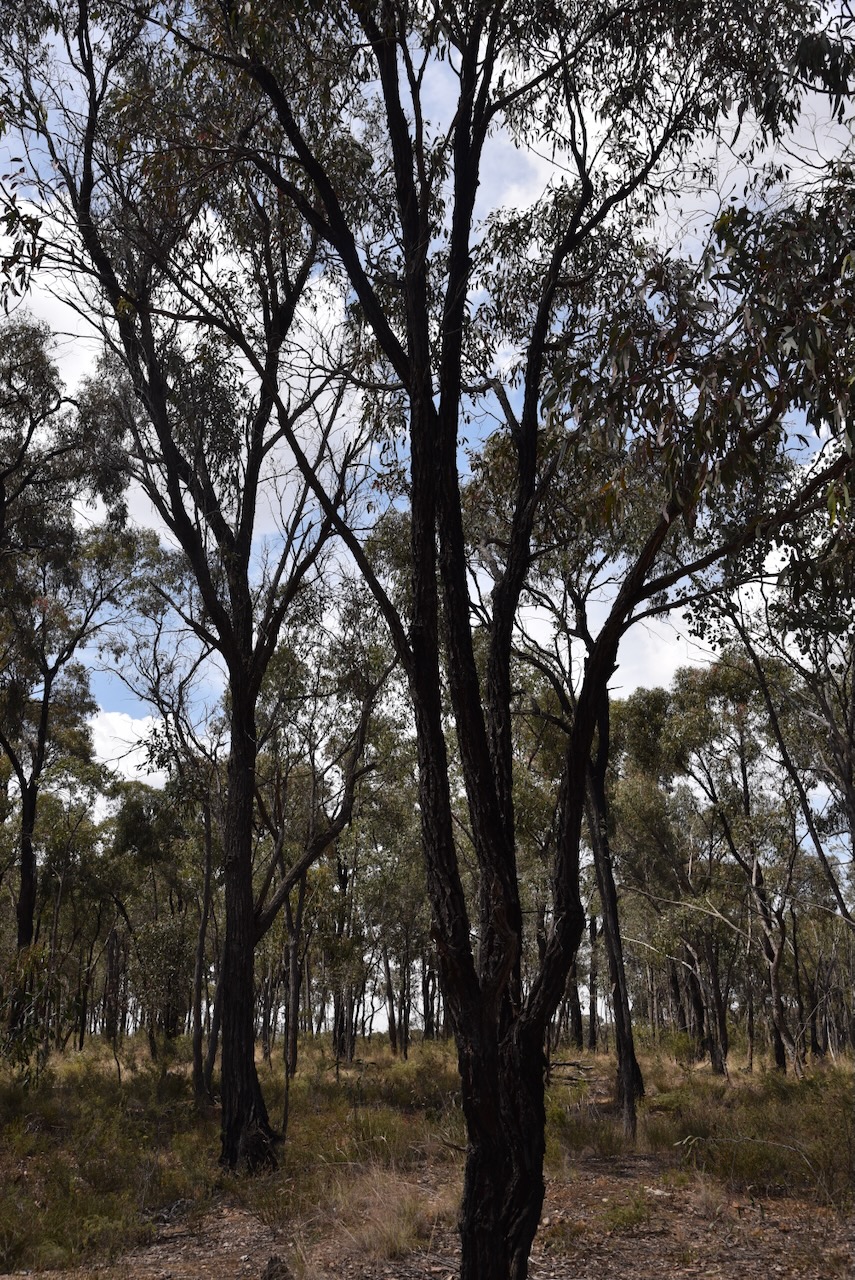
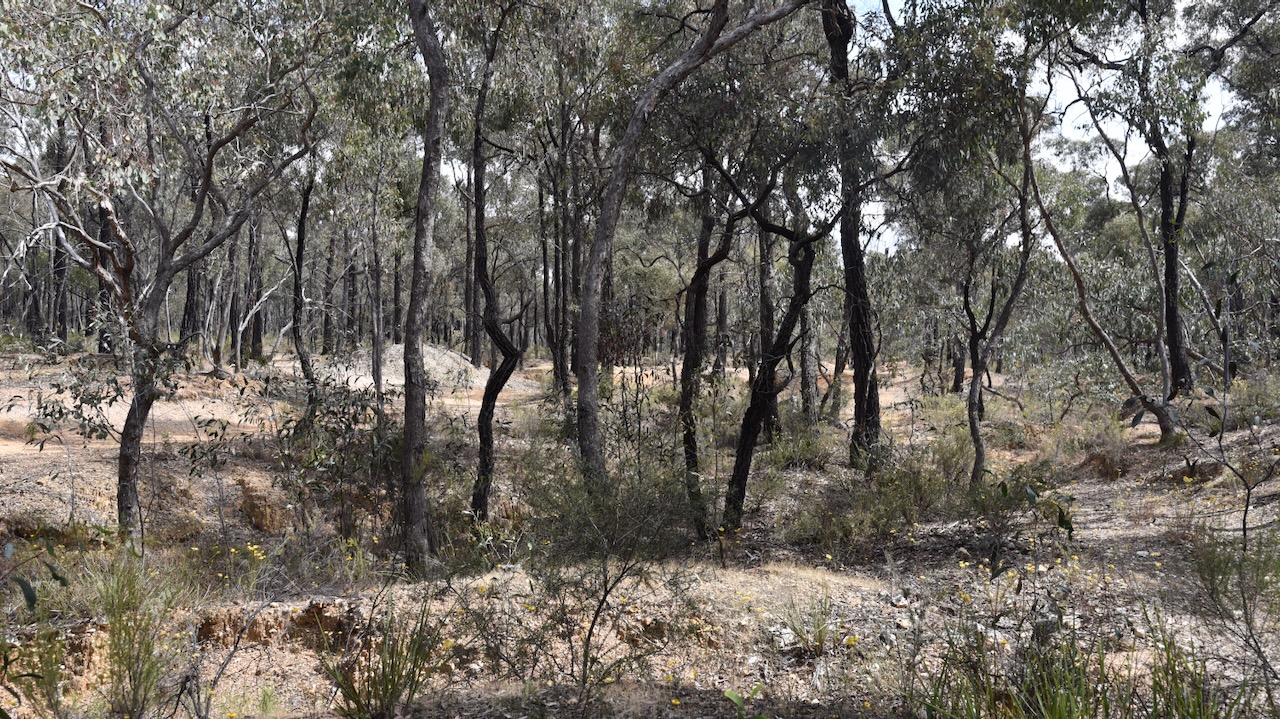
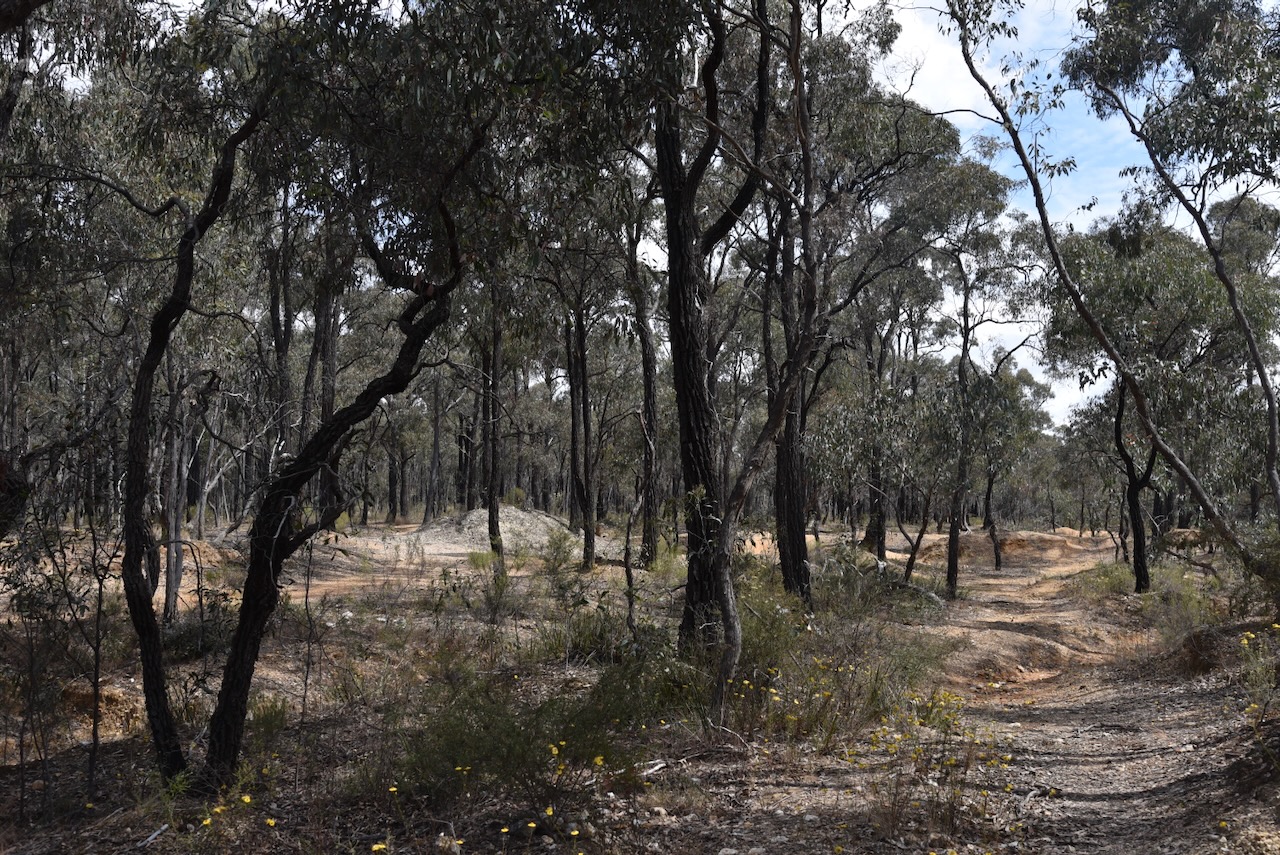
We then drove a short distance and soon reached the Maryborough Regional Park. The park is about 270 hectares in size and is located southwest of Maryborough. About 245 native flora species have been recorded in the park. (Vic Flora 2024)
In May 2015, a prospector David Hole was searching for gold in the Maryborough Regional Park using a metal detector. He located what is referred to as the Maryborough meteorite, a 17 kg meteorite, the second largest ever to be found in Victoria. (Wikipedia 2024)
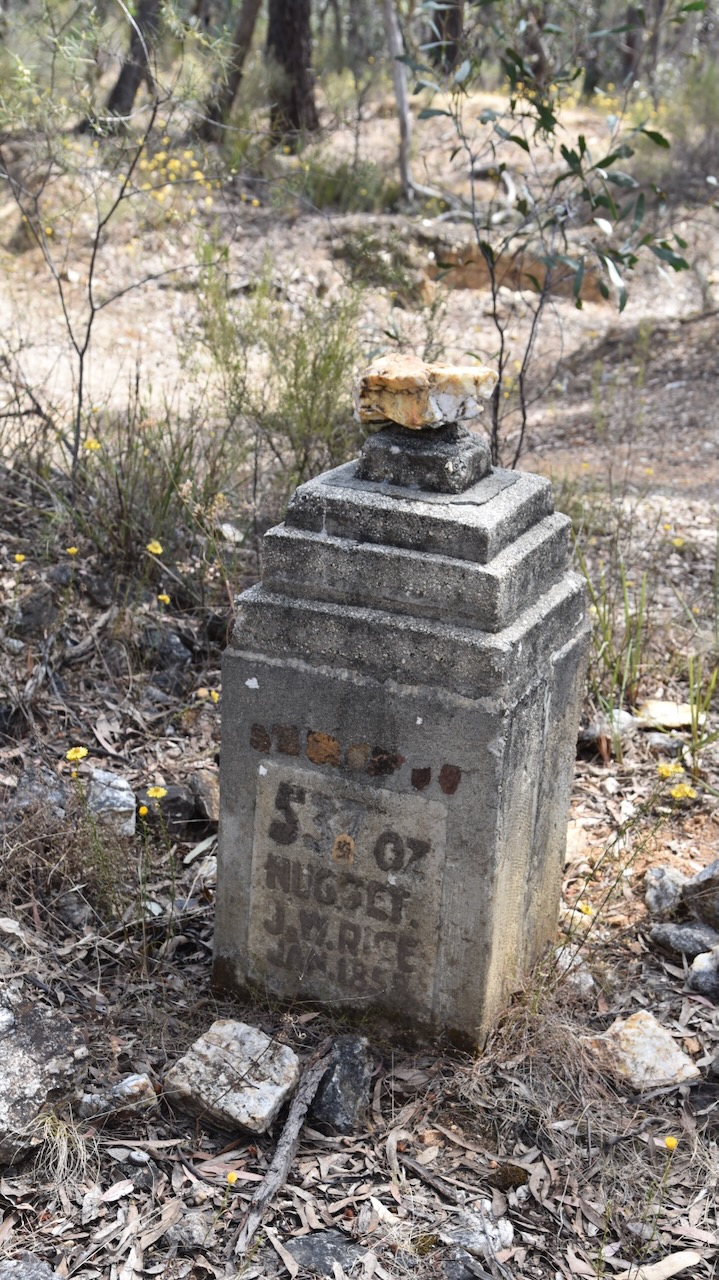
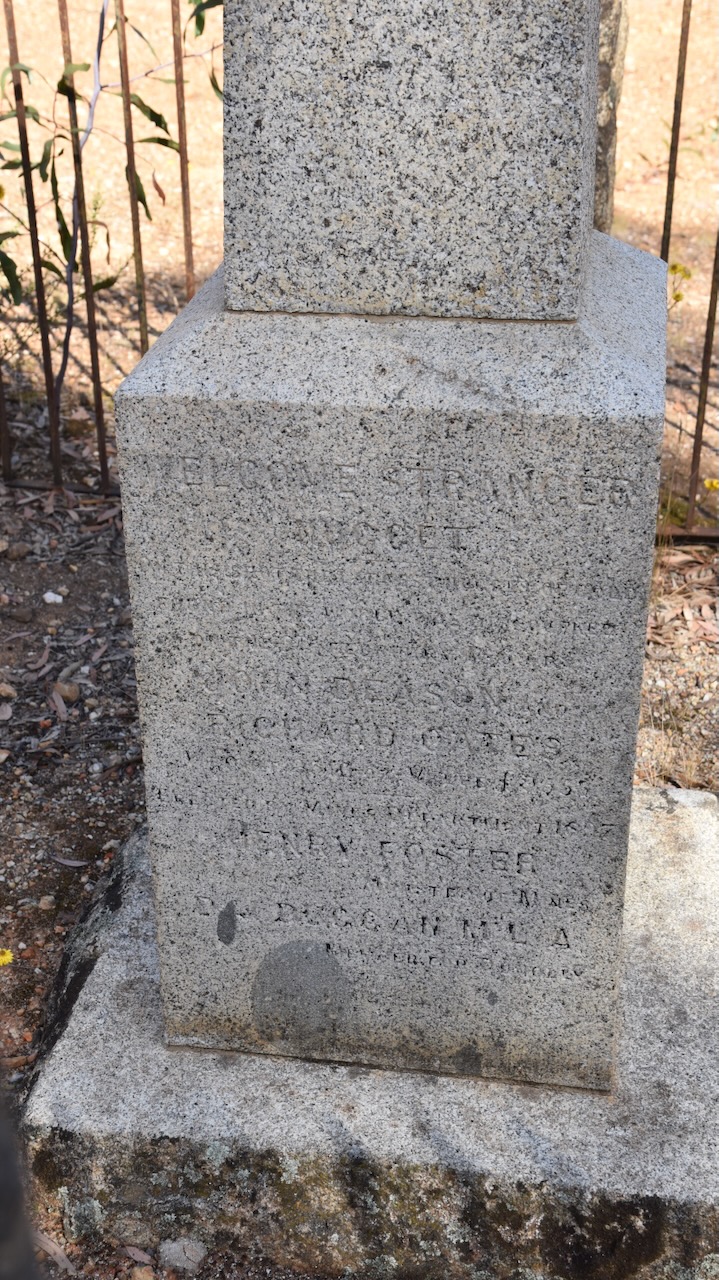
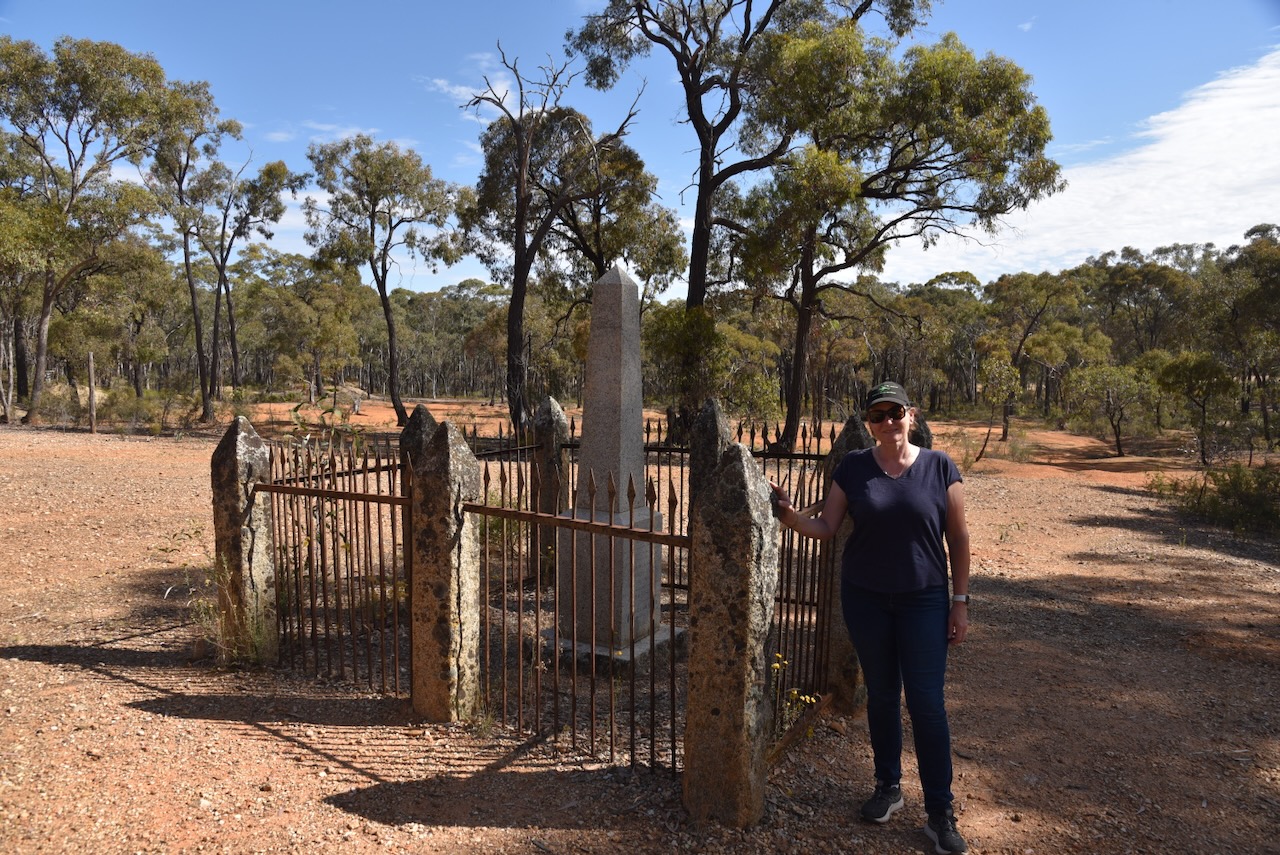
In the park is a monument to commemorate the finding of a 537-ounce gold nugget in 1858.
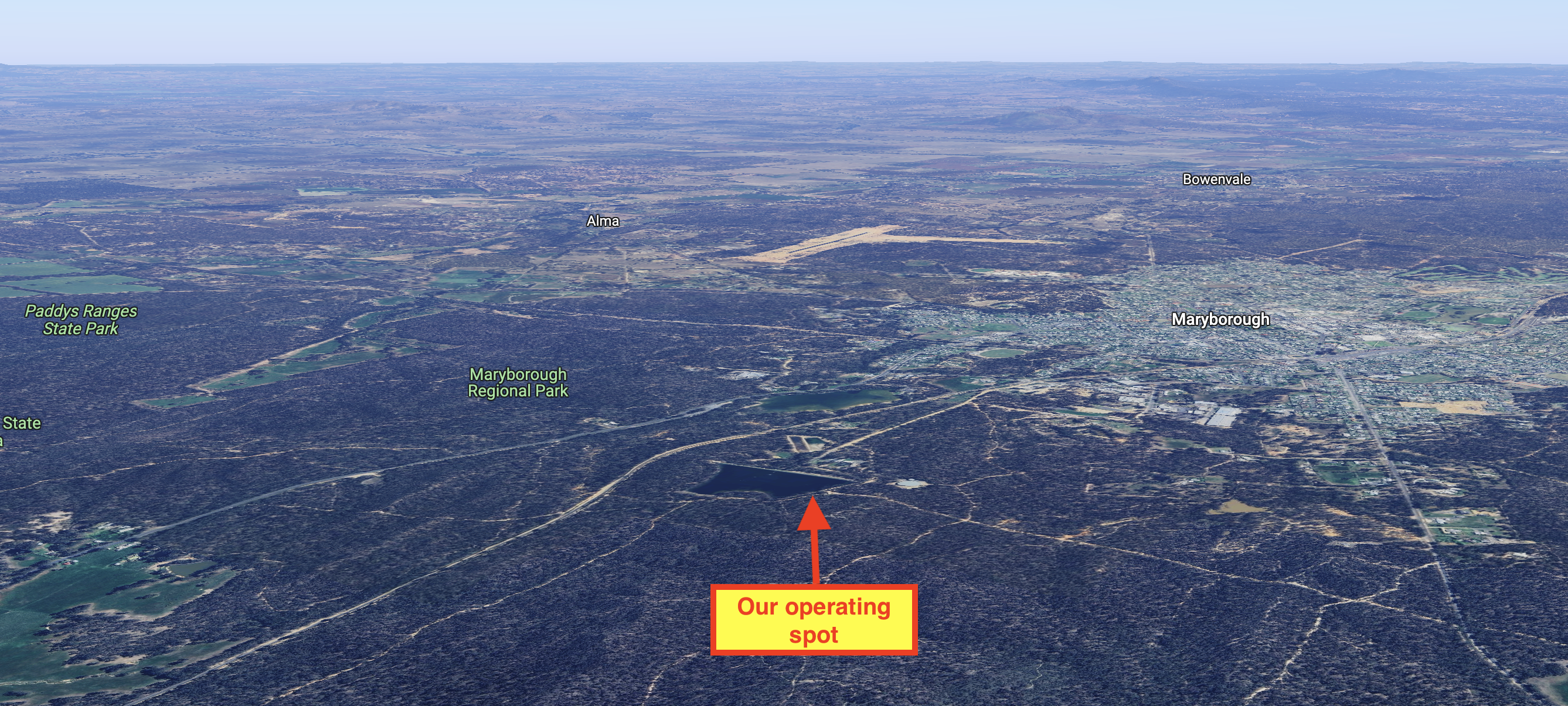
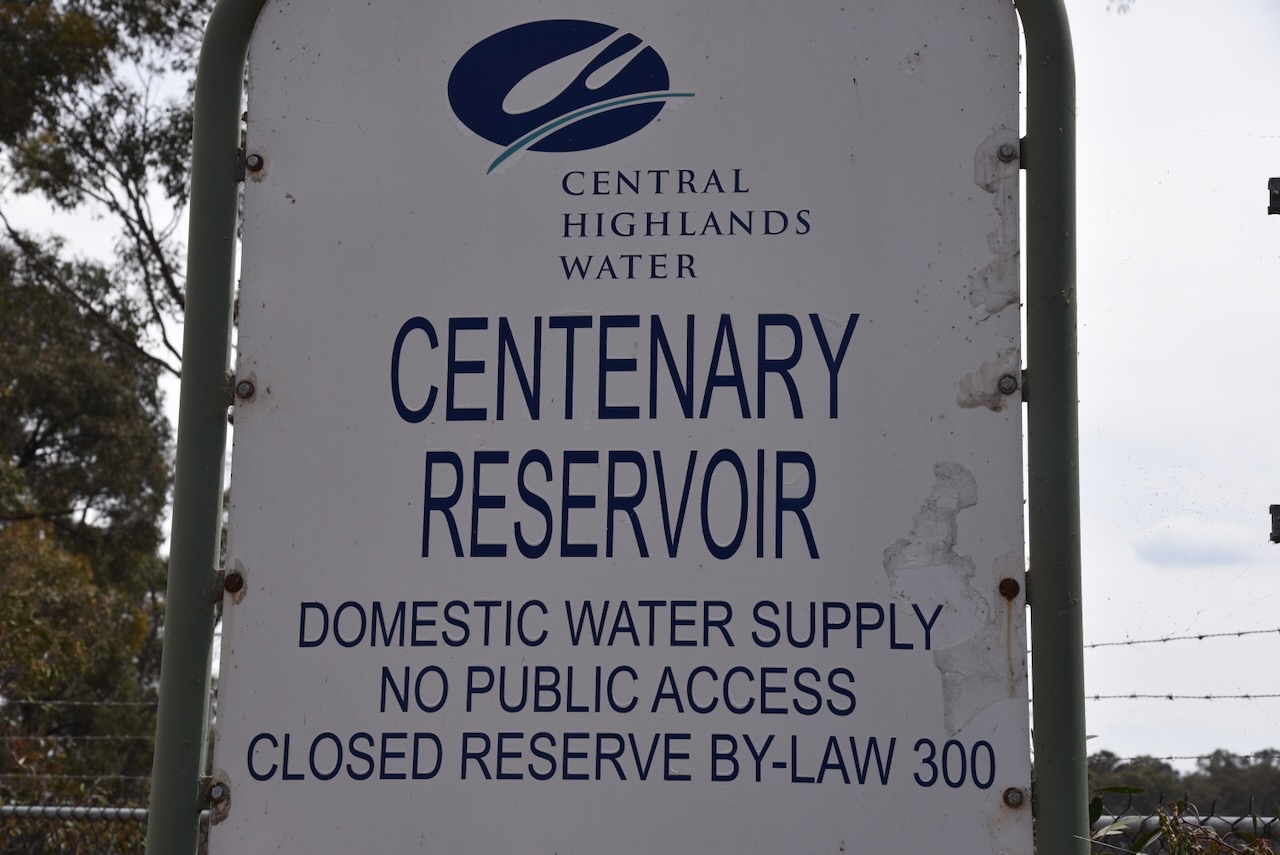
Marija and I set up on Centenary Track near the Centenary Reservoir.
Above:- An aerial view of the park showing our operating position. Image c/o Google Maps.
We operated with the Yaesu FT857, 40 watts, and the 20/40/80m linked dipole. I used the special event callsign of VI10VKFF. Sadly, the band conditions were extremely poor.
After leaving Bung Bong Marija and I headed to the historic town of Talbot in central Victoria. I had read that Talbot contained numerous historic buildings and I was very keen to have a look.
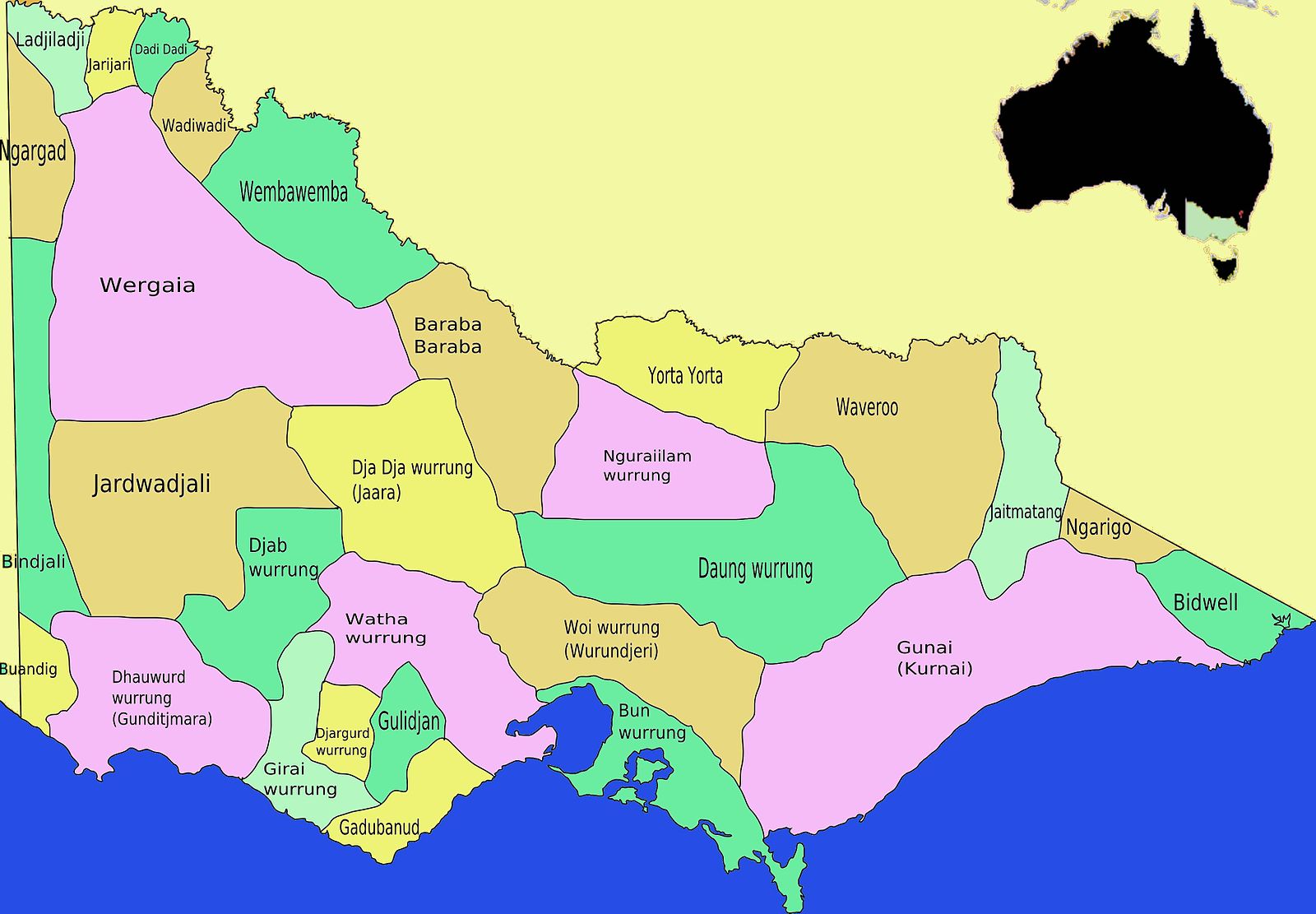
Before European occupation, the Talbot area was the home of the Dja Dja Wurrung (pronounced Ja-Ja-war-rung) aboriginal people.
Above:- Map showing aboriginal tribal territories and languages in Victoria. Image c/o Tirin aka Takver, Wikipedia.
In September 1836 Major Thomas Livingstone Mitchell passed through the Talbot district on his Australia Felix expedition. Upon his return to Sydney, Mitchell gave favourable reports on the suitability of the area for sheep grazing. Alexander McCallum (b. 1823. d. 1905) was the first European settler in the area. In June 1841 he established the 63,640 acre Dunach Forest pastoral run. (Aussie Towns 2024) (localista 2024)
Talbot was originally known as either Daisy Creek or the Back Creek diggings. The name was changed in 1861 following a visit by the Victorian Governor. The origin of the name is unclear. It was possibly in honour of the Talbots of Malahide Castle, Dublin or the Talbots of Shrewsbury, England. (Aussie Towns 2024)
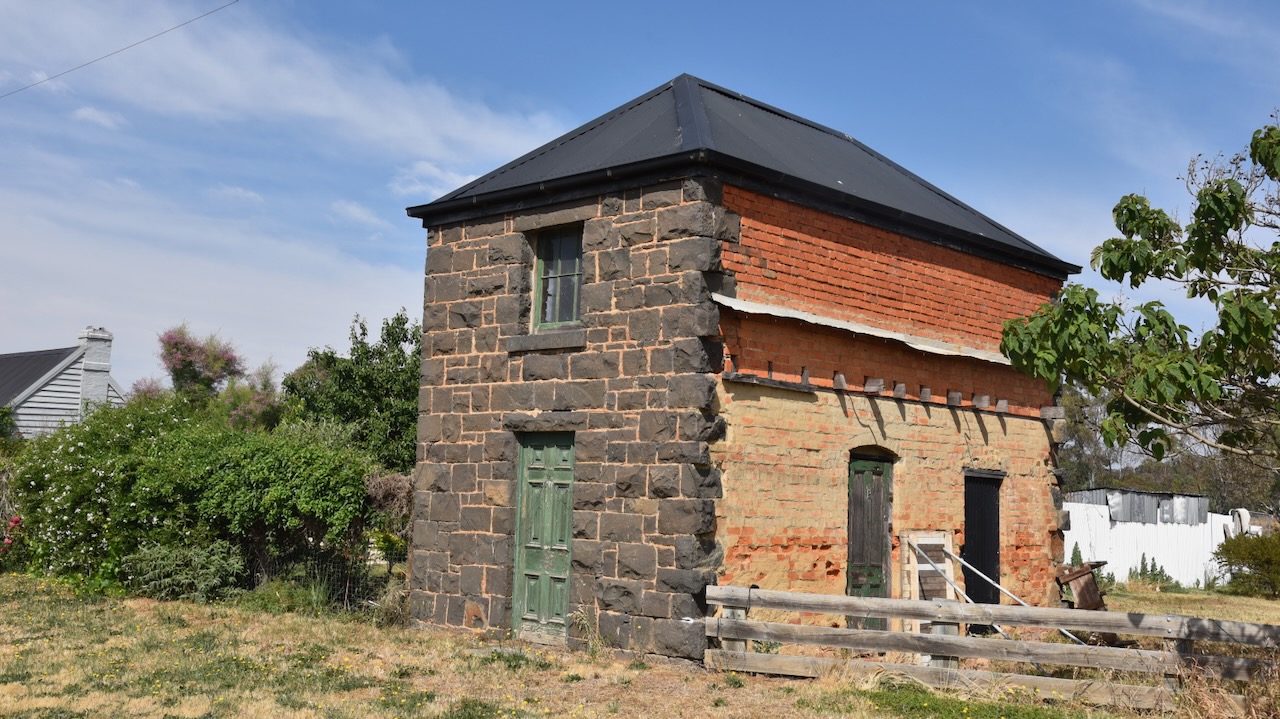
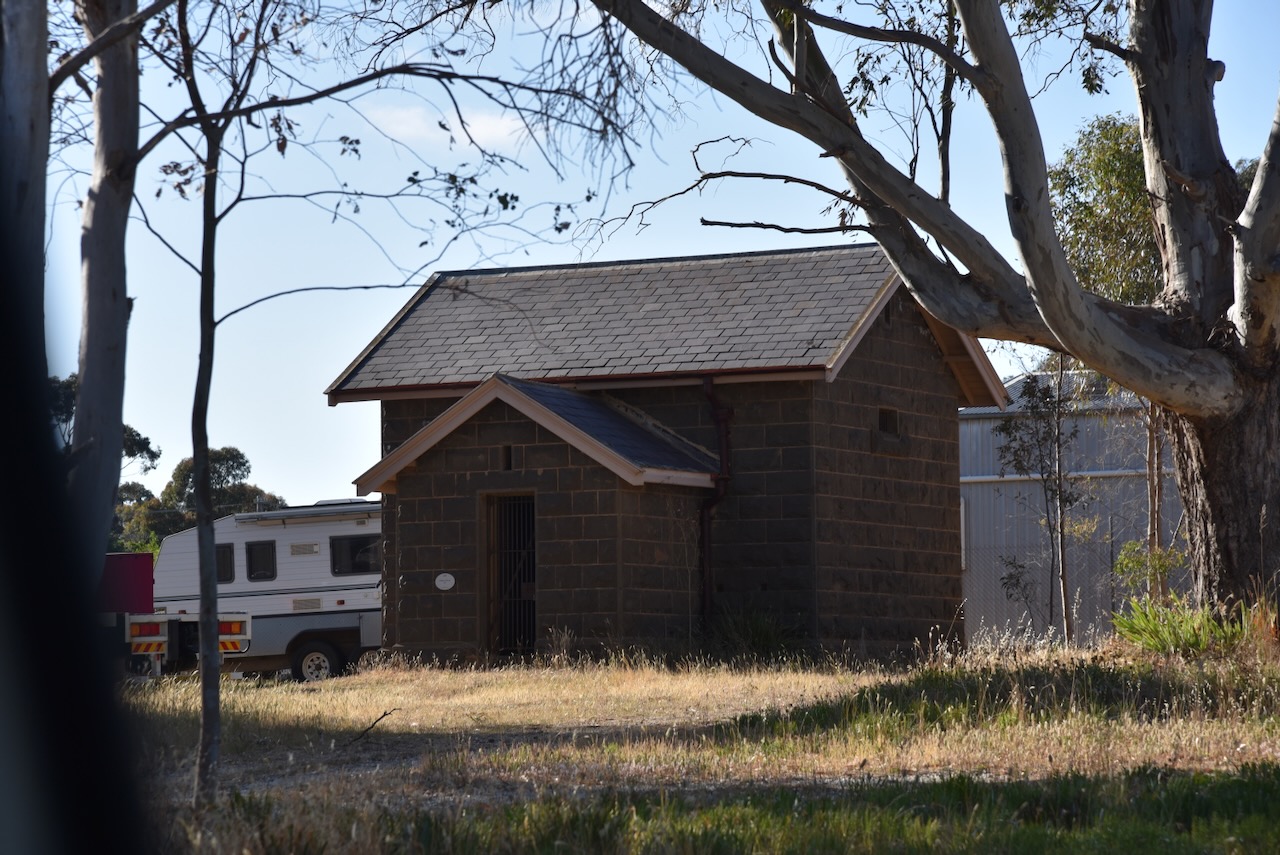
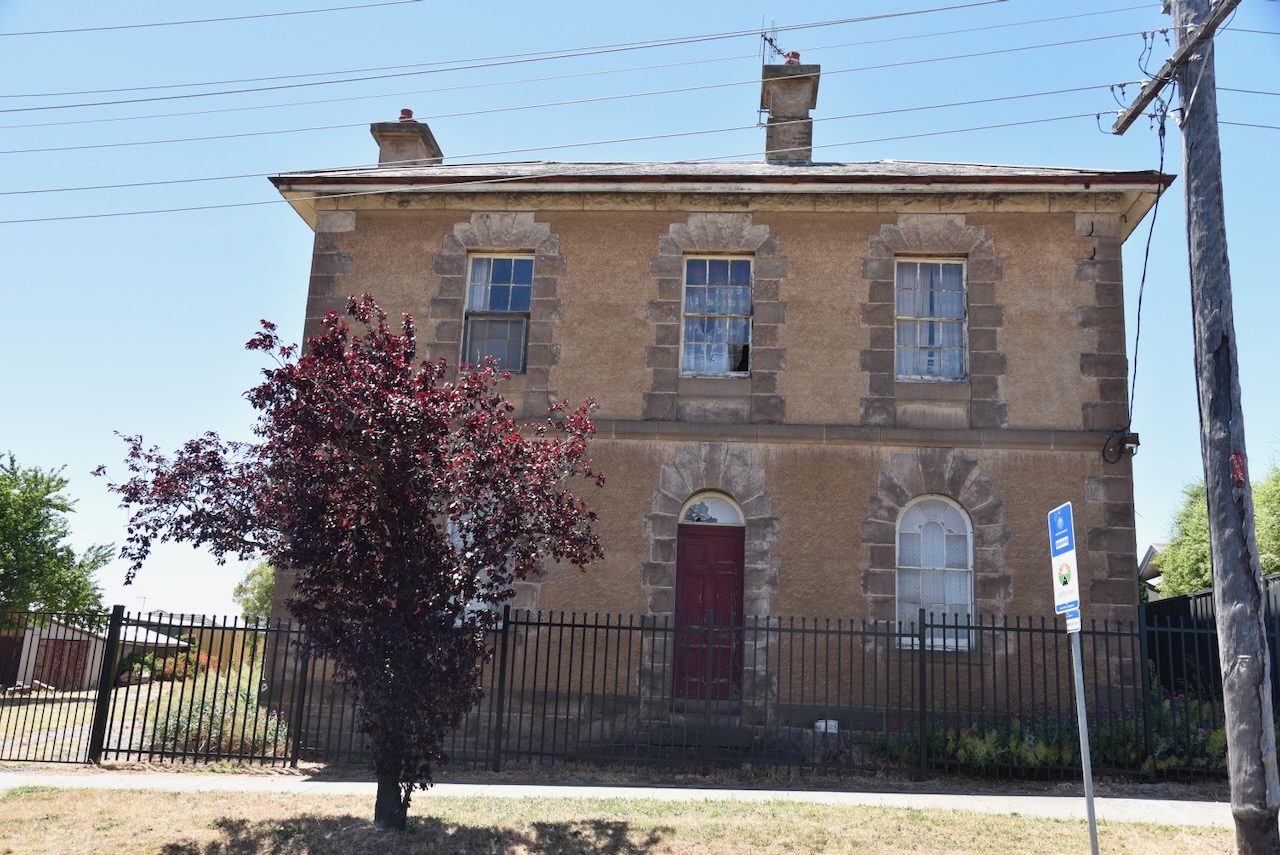
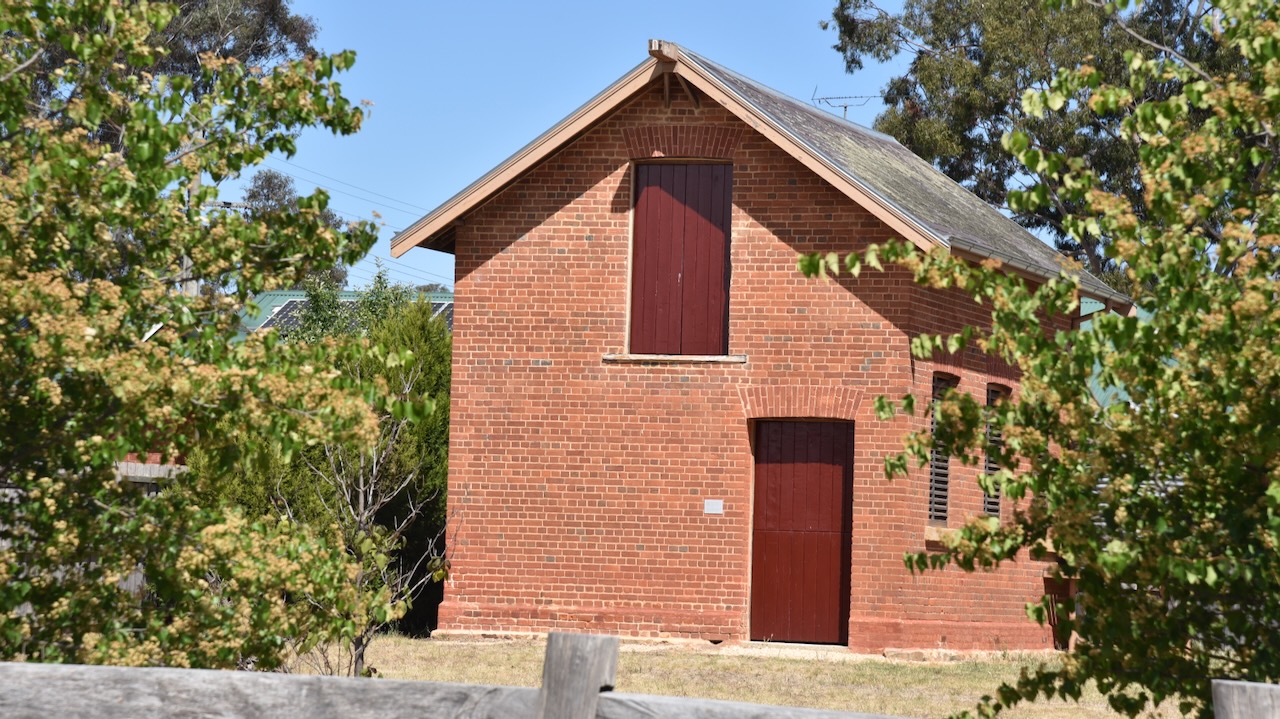
The first historic building we encountered was the former Talbot Tollhouse, a double-storey bluestone building. (Victorian Collections 2024)
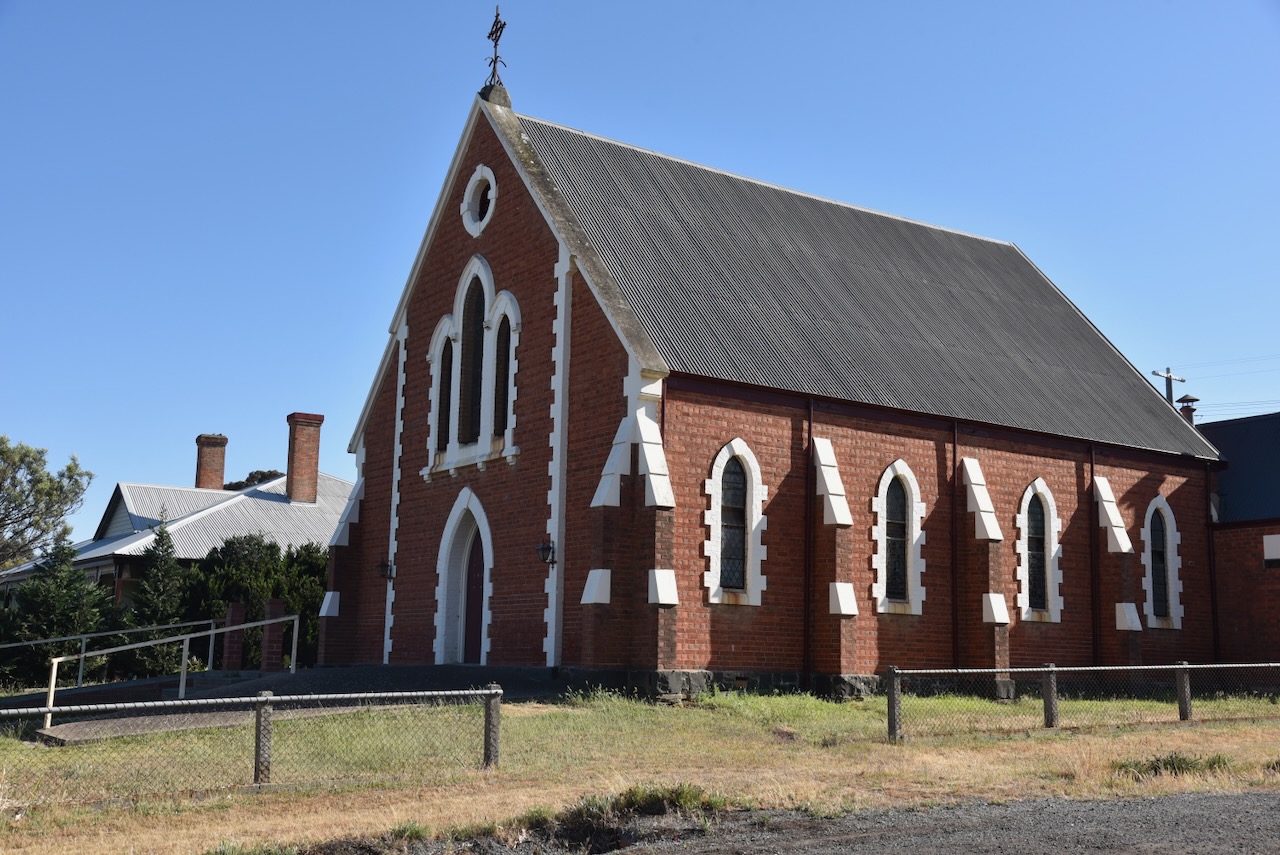
The former Talbot Wesleyan Methodist Church is located on the corner of Camp Street and Lansdowne Street. The foundation stone was laid on the 22nd day of December 1862 and the church was opened in April 1863. It replaced several temporary chapels erected close to the gold diggings. (Churches Australia 2024)
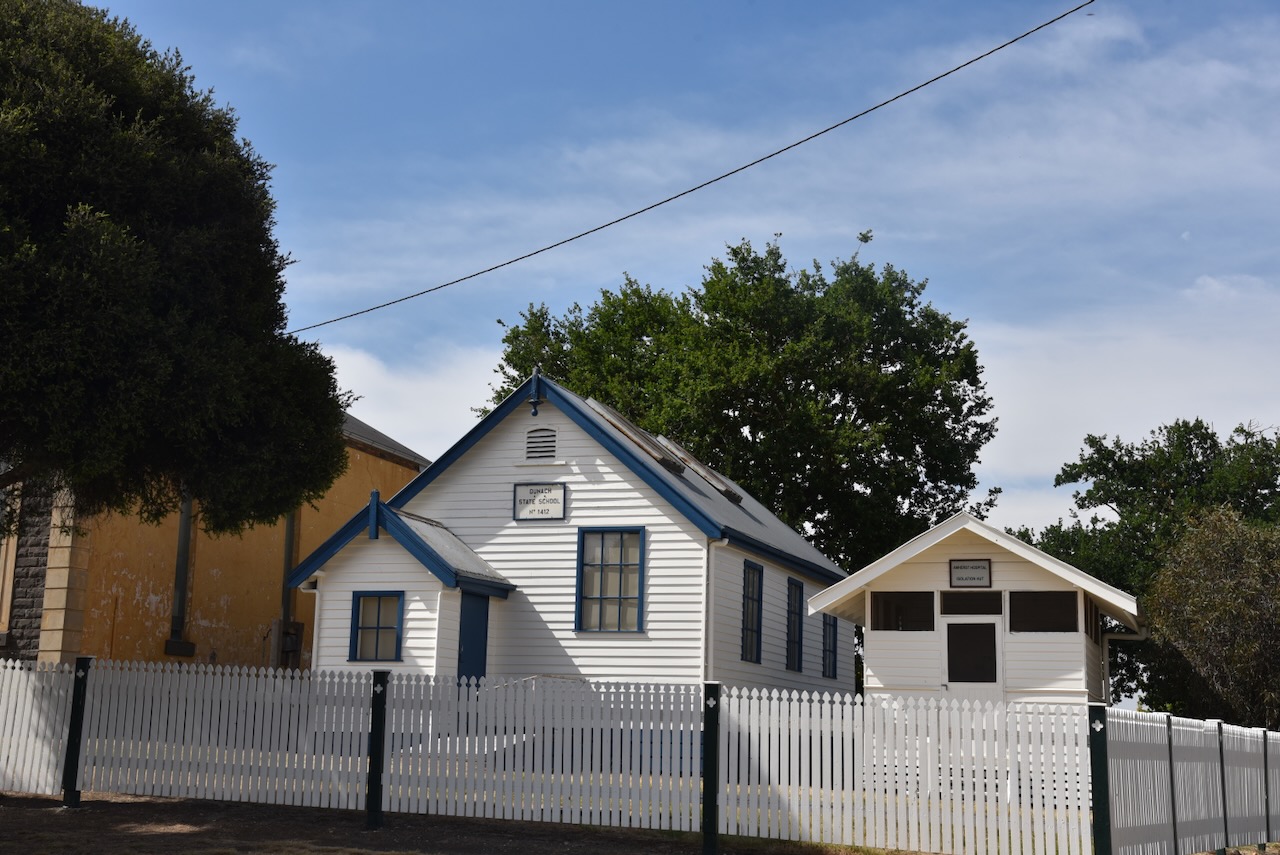
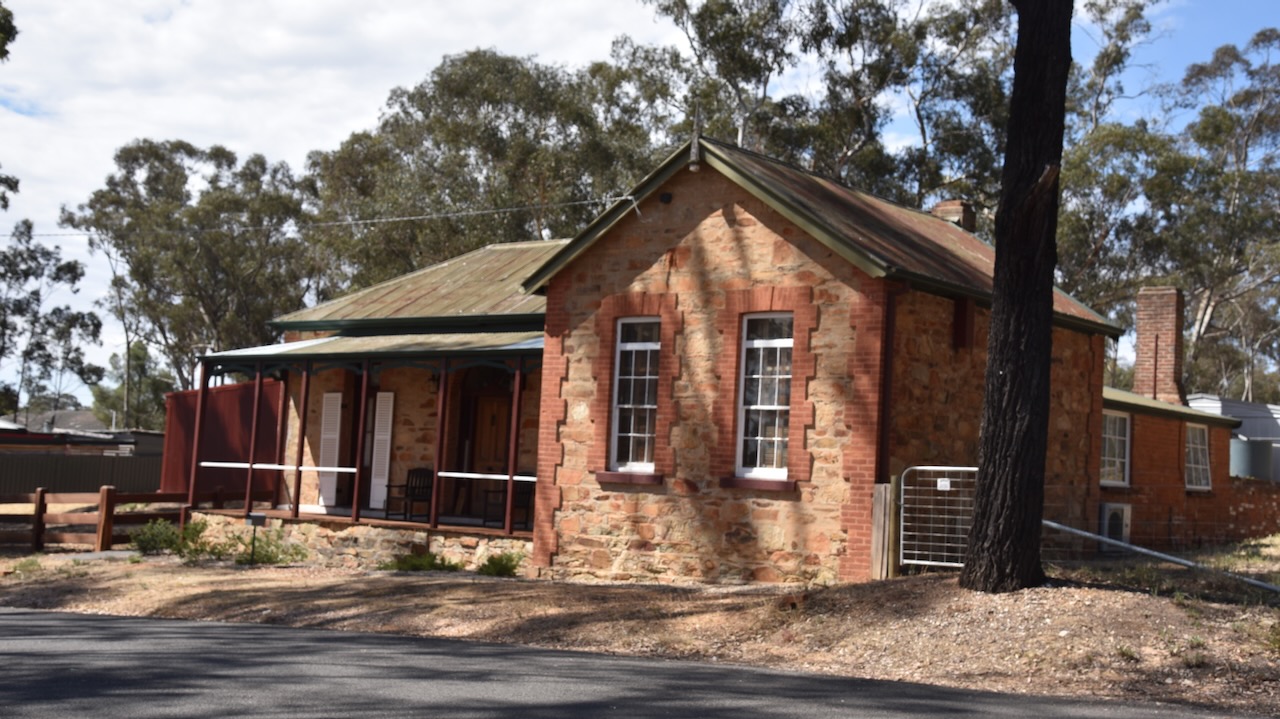
The former Dunach State School is now part of the Talbot Museum. The building was first erected in 1874 and moved to Talbot in 1974. When the building was located in Dunach it was also used for dances, engagement parties and other functions. The Dunach School building is Dunach’s last surviving public building as others were destroyed during the 1985 bushfire in the region. (Maryborough Advertiser 2023)
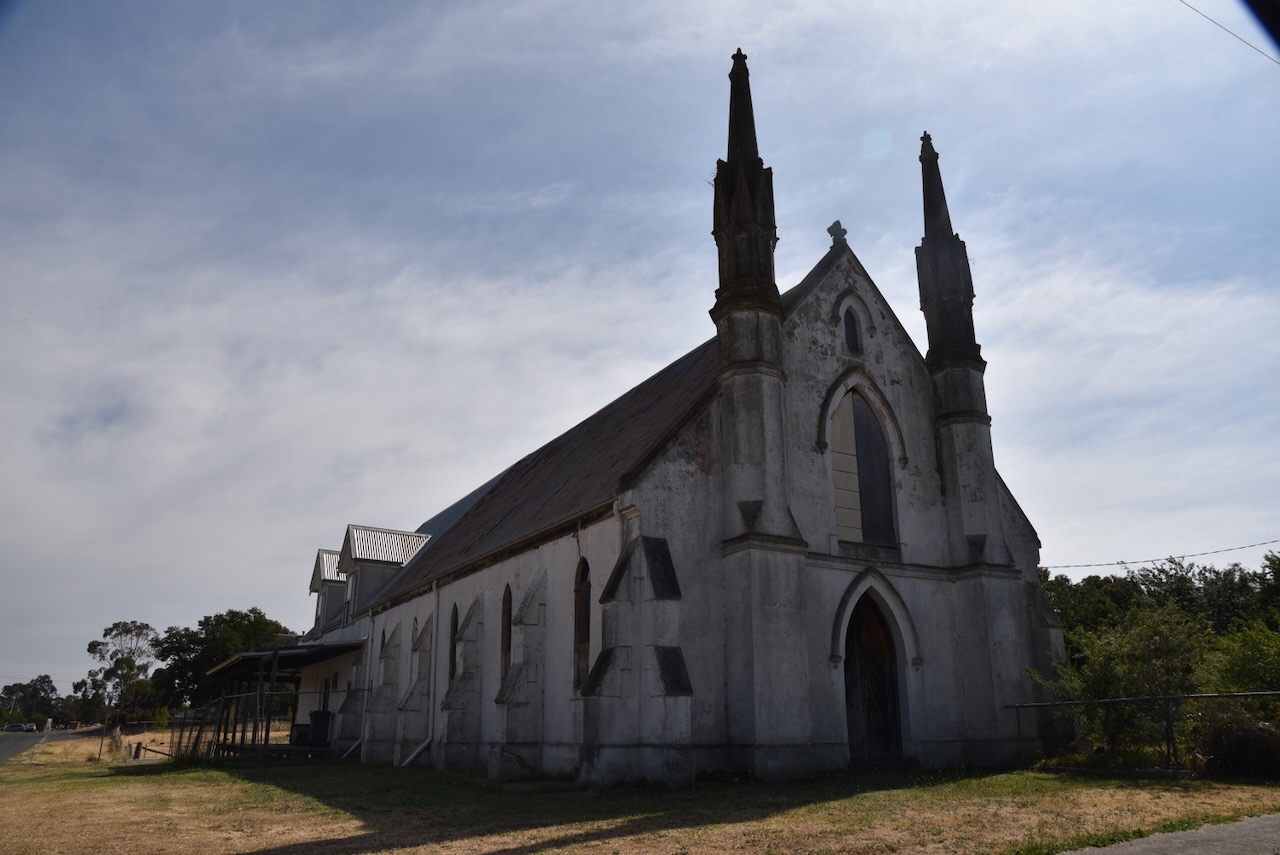
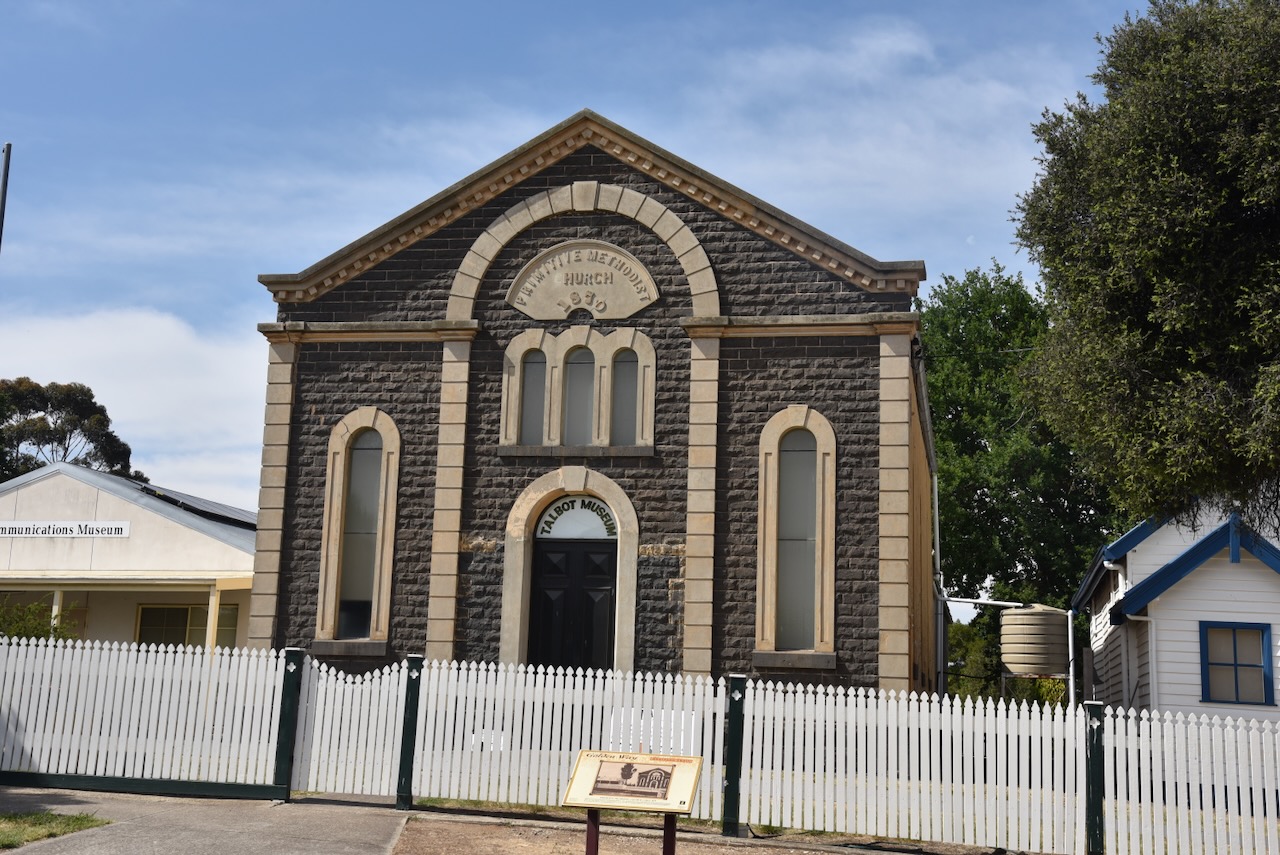
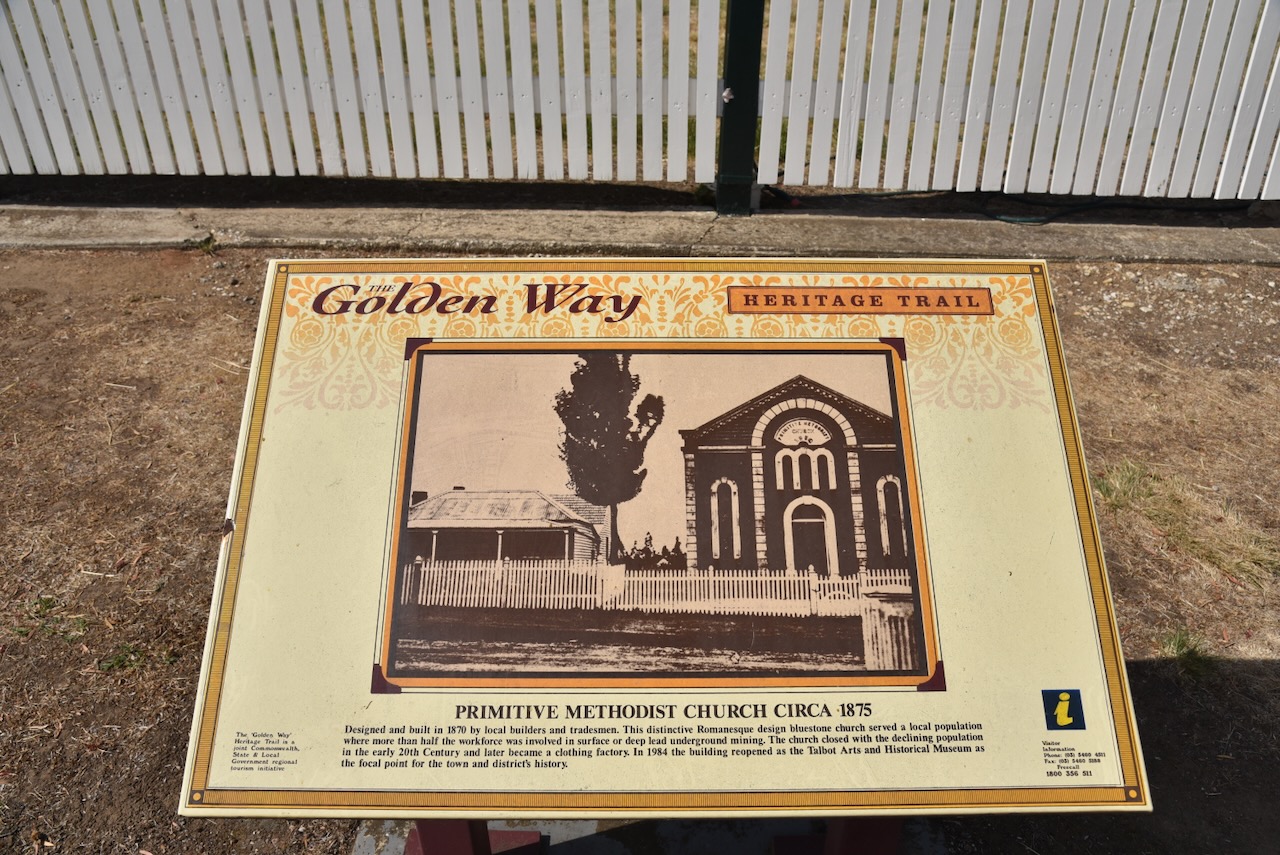
The former Primitive Methodist Church is located on Camp Street. It was built in 1870 and was designed and built by local builders and tradesmen. It is built of bluestone in a Romanesque design. In the early 1900’s the church closed and was later used as a clothing factory. In 1984 it became the home of the Talbot Arts and Historical Museum. (Aussie Towns 2024)
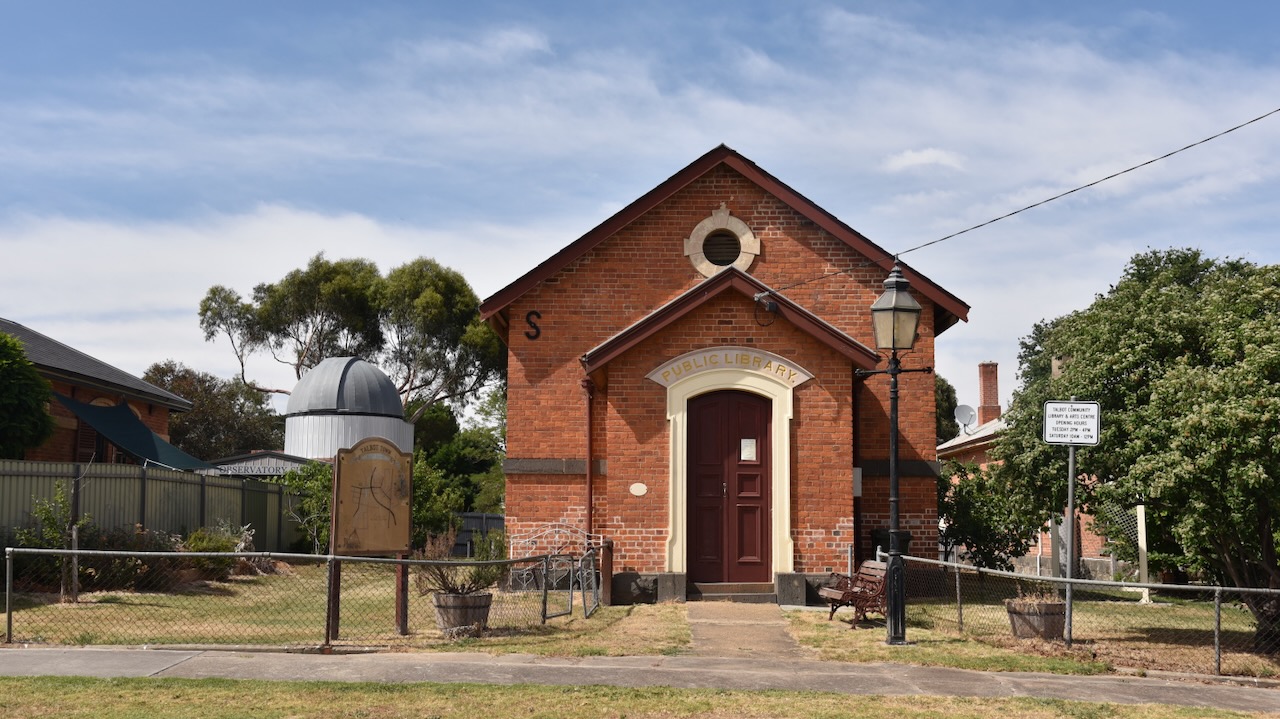
At the rear of the old Talbot Public Library, is the Talbot observatory.
The former Talbot courthouse was built in 1866. (Aussie Towns 2024)
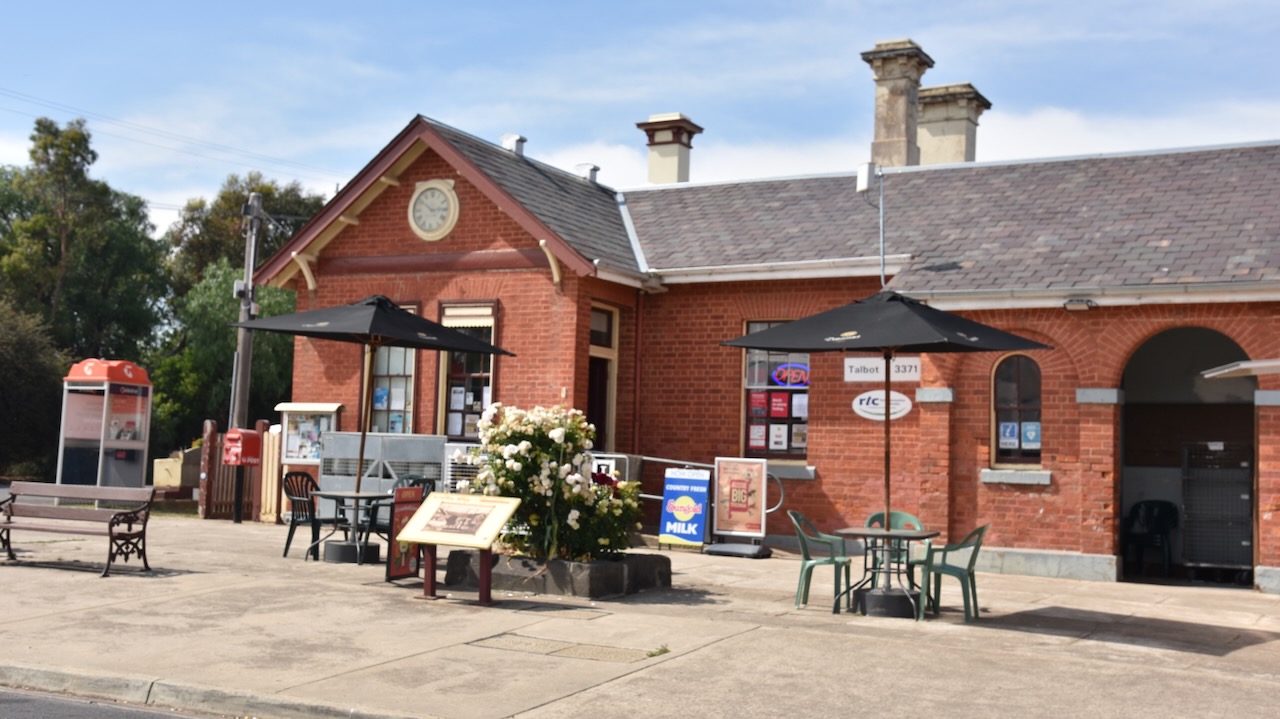
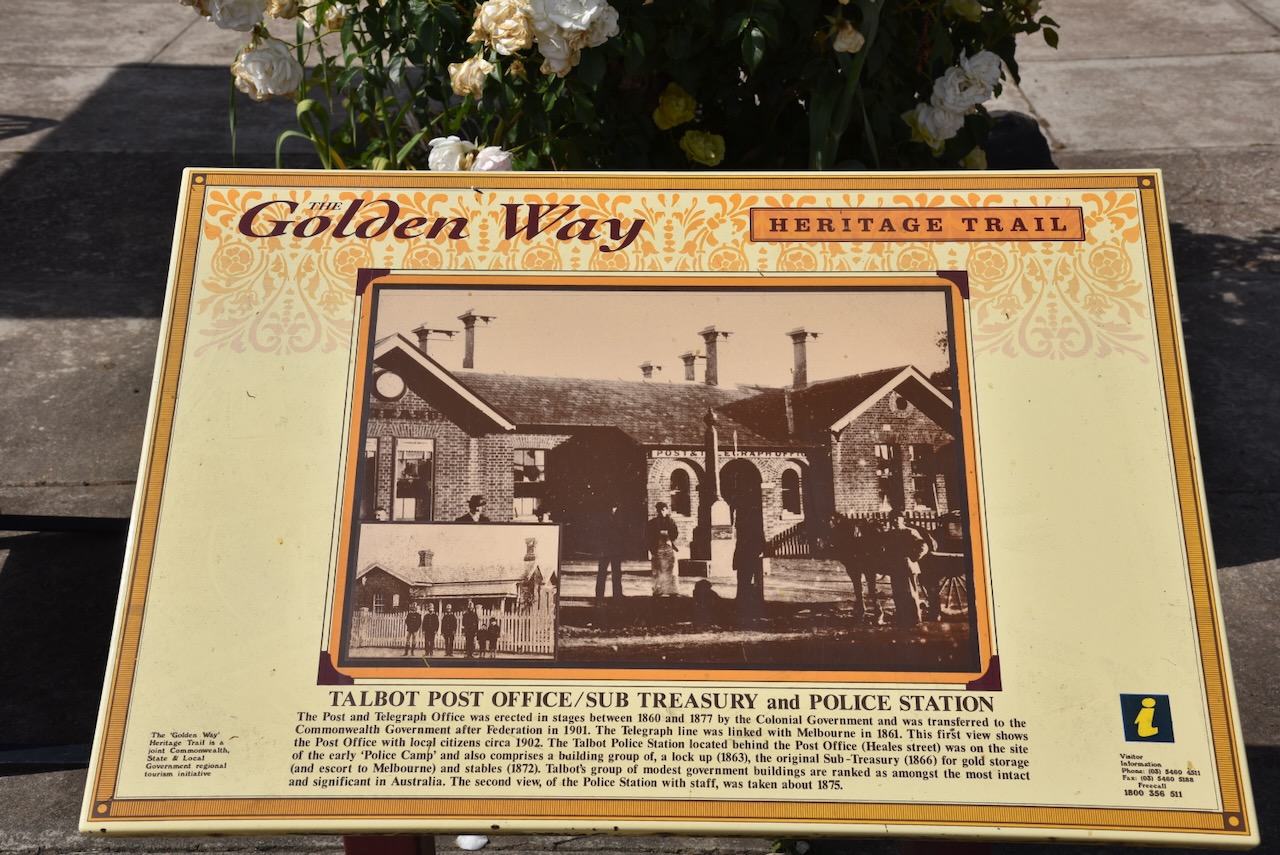
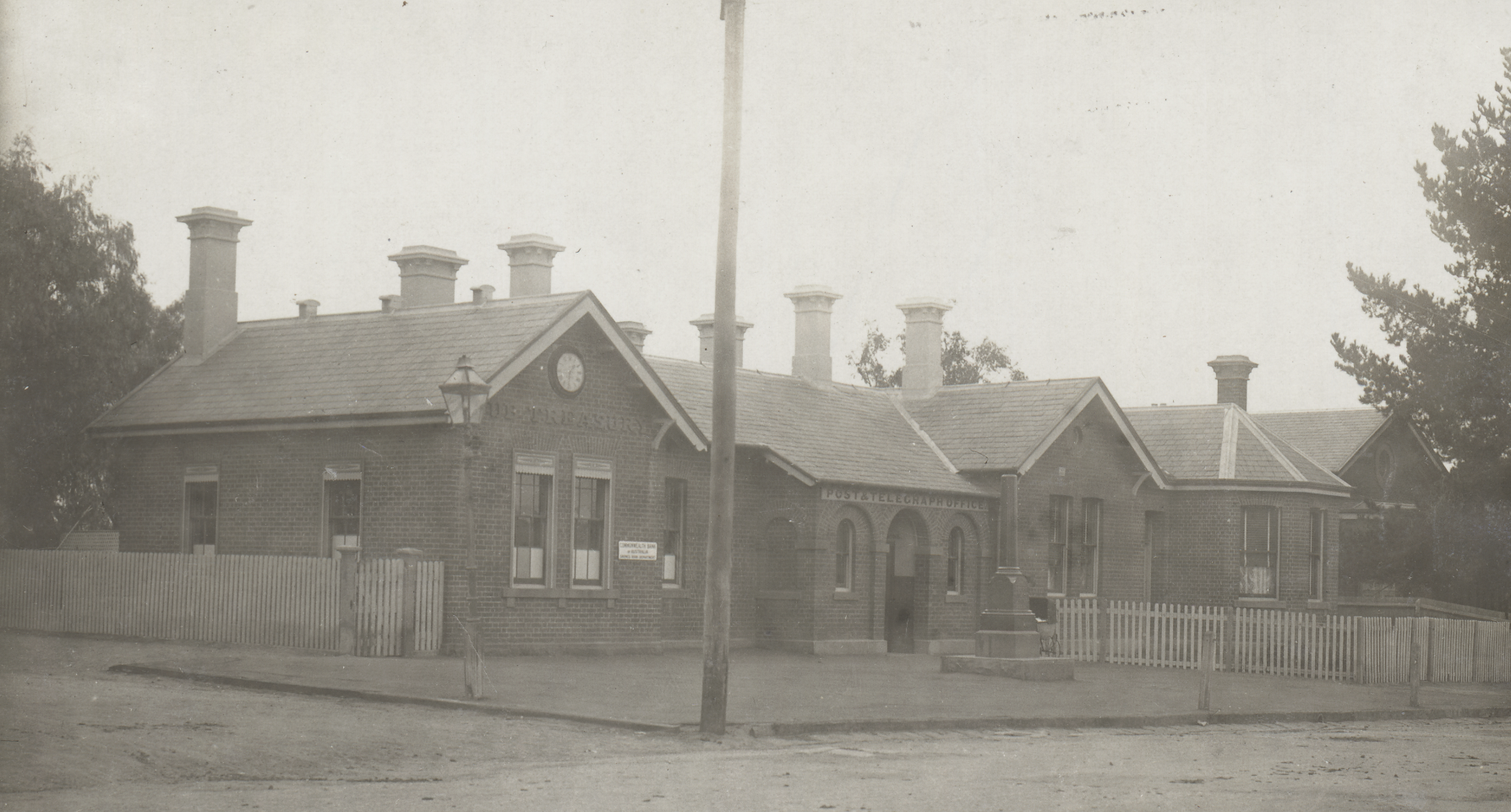
The Talbot Post and Telegraph Office was built by the Colonial Government in stages from 1860 to 1877. Following Australia’s Federation in 1901 it was transferred to the Commonwealth Government. In 1861 the telegraph line was linked with Melbourne
Above:- the Talbot Post Office in the early 1900s. Image c/o State Library Victoria.
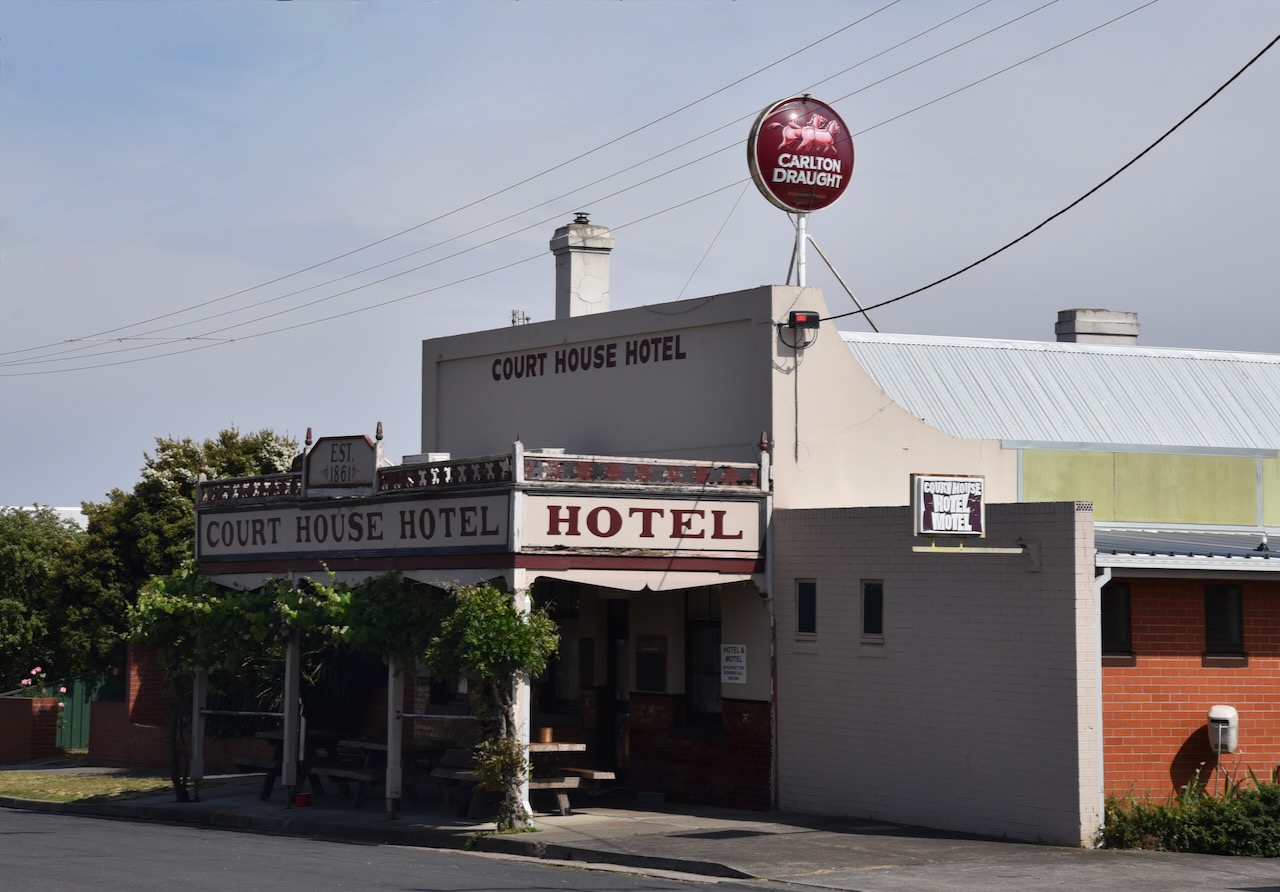
The Court House Hotel was built in 1860. (Aussie Towns 2024)
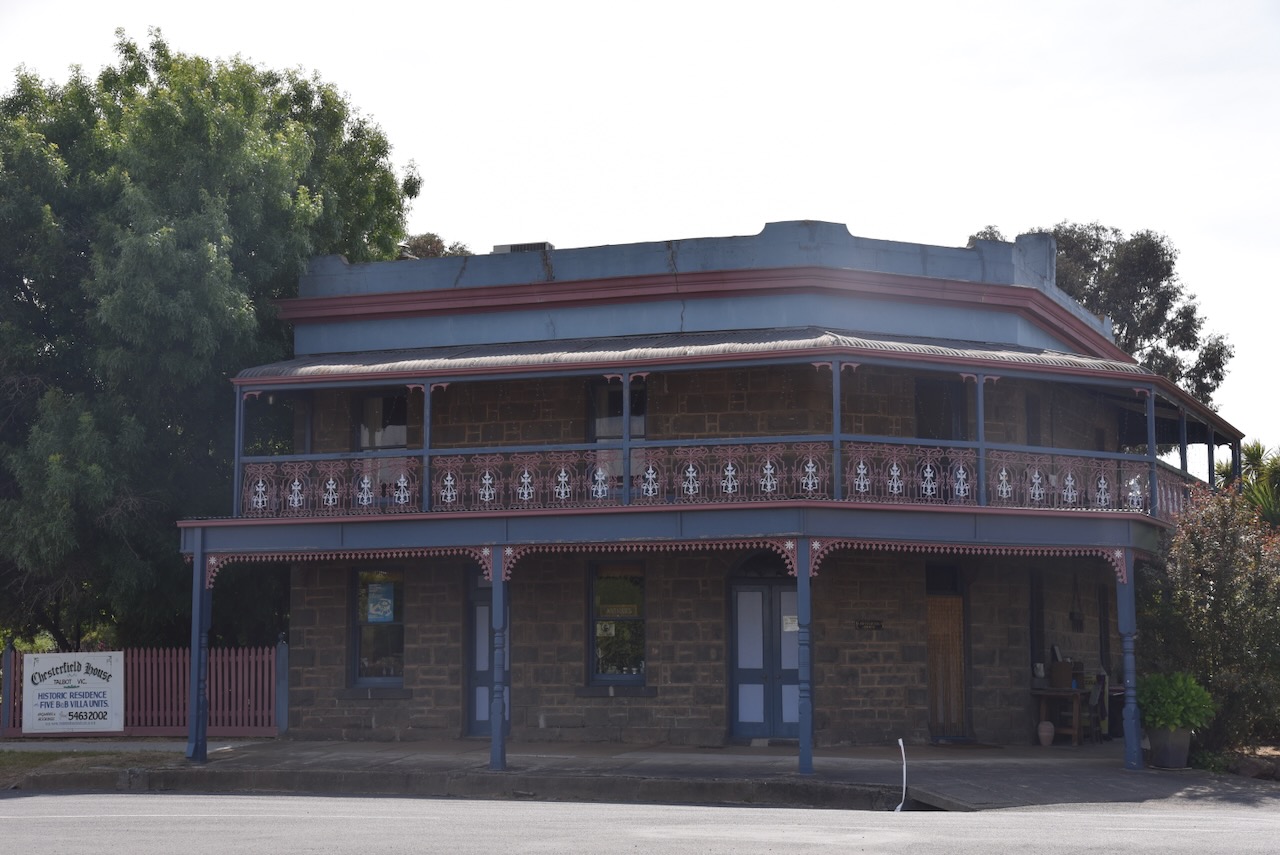
The former Bull & Mouth Hotel was built in 1865 by William Owen and now operates as Chesterfield House, a bed and breakfast. (Aussie Towns 2024)
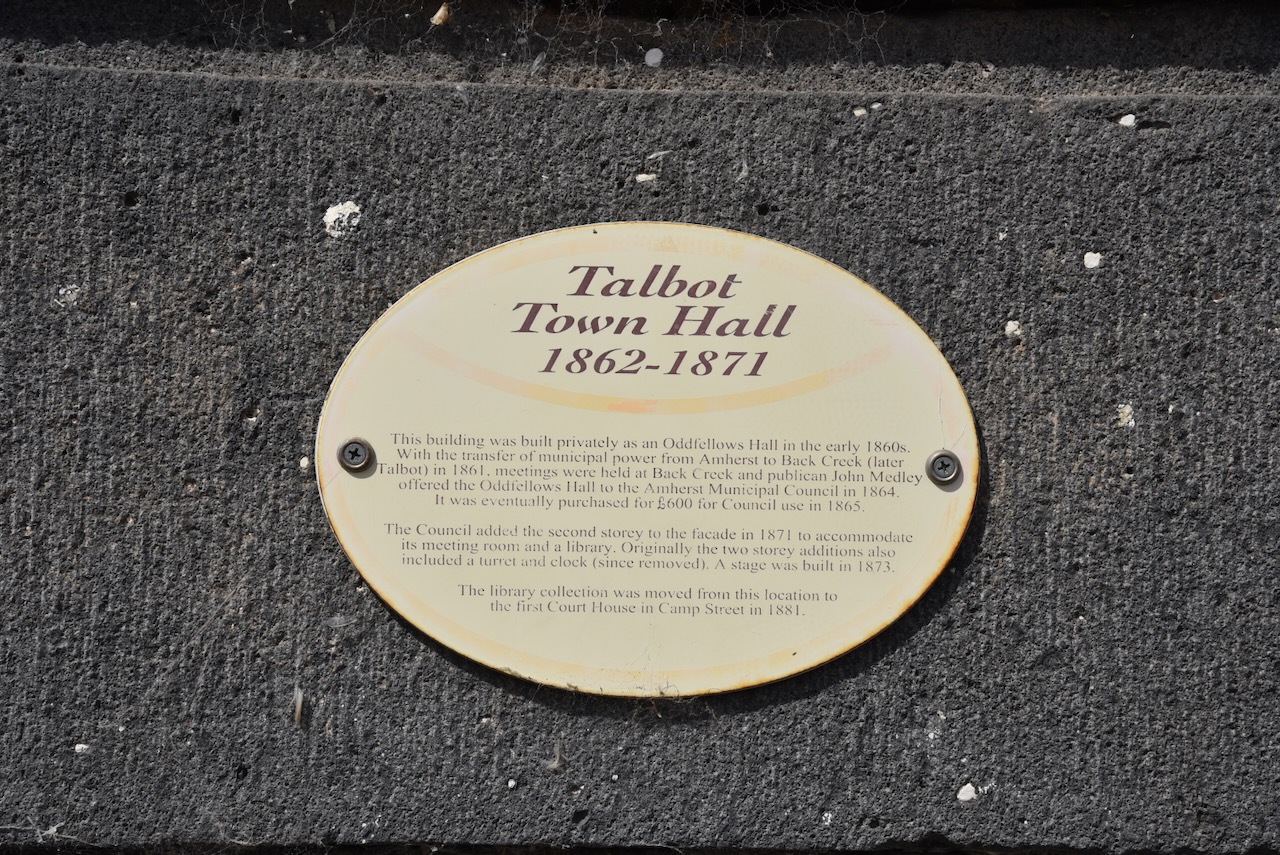
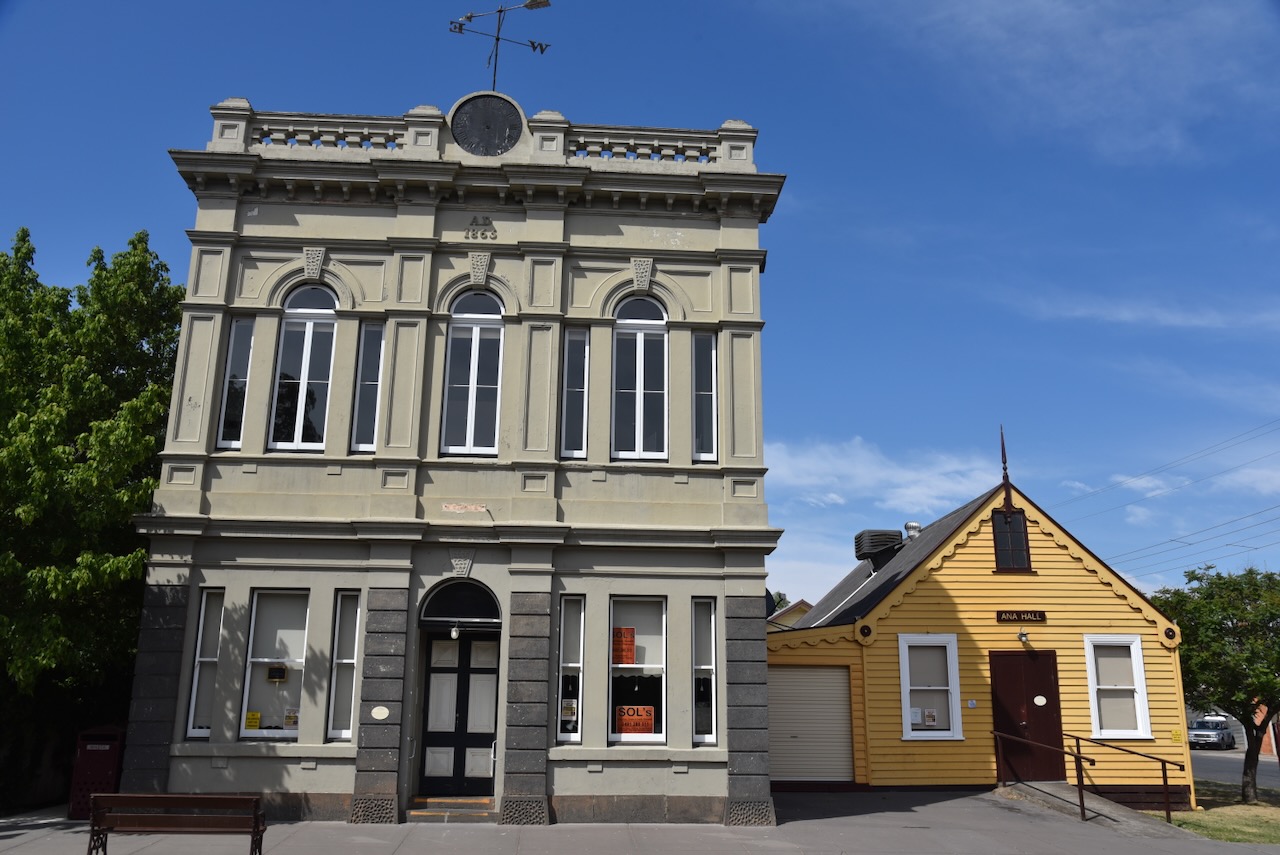
The Talbot Town Hall was originally privately built in the early 1860s as an Oddfellows Hall. In 1864 publican John Medley offered the Oddfellows Hall to the Amherst Municipal Council. In 1865 the Council purchased the building for 600 pounds. In 1871 the Council added the second storey to the facade for its meeting room and library. The second storey originally included a clock and a turret but these have been removed.
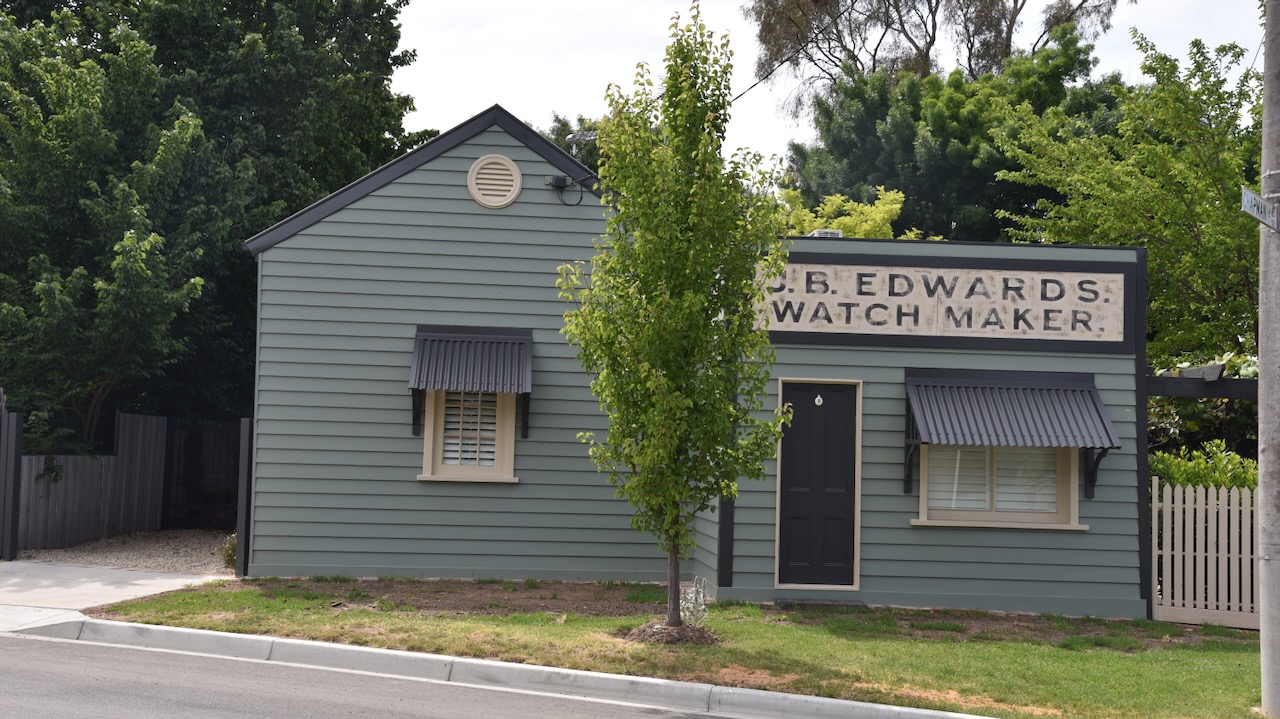
There are so many historic buildings in Talbot. You could spend half a day here looking around. Even some of the privately owned buildings show signs of Talbot’s past.
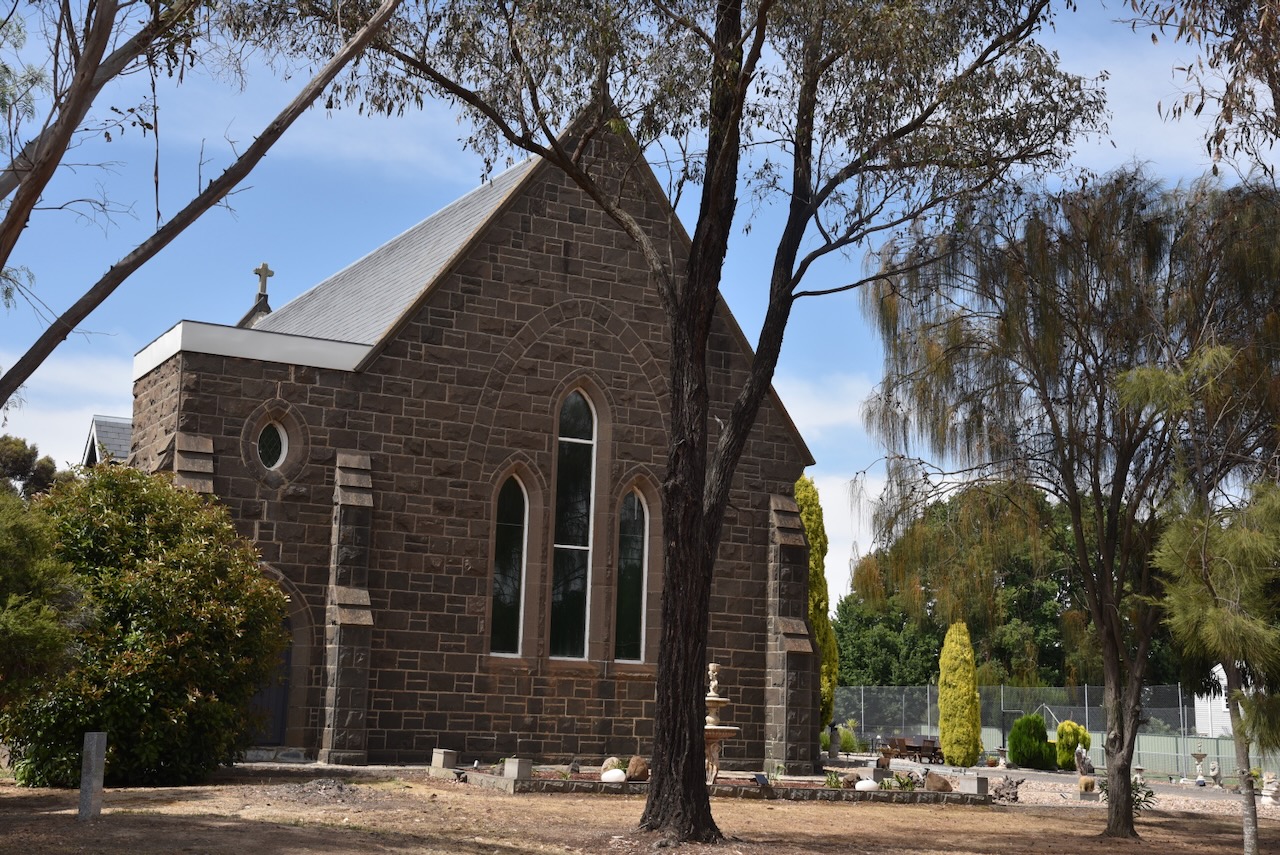
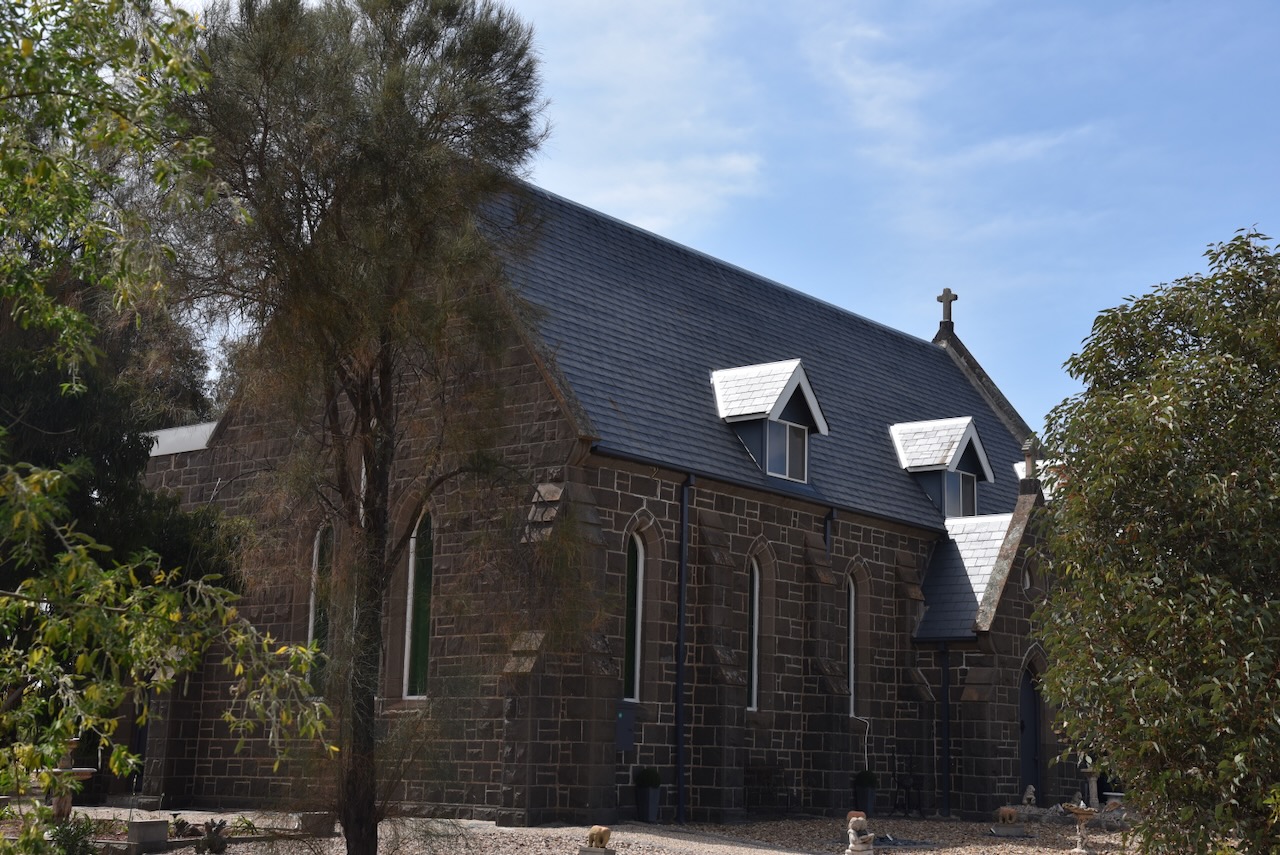
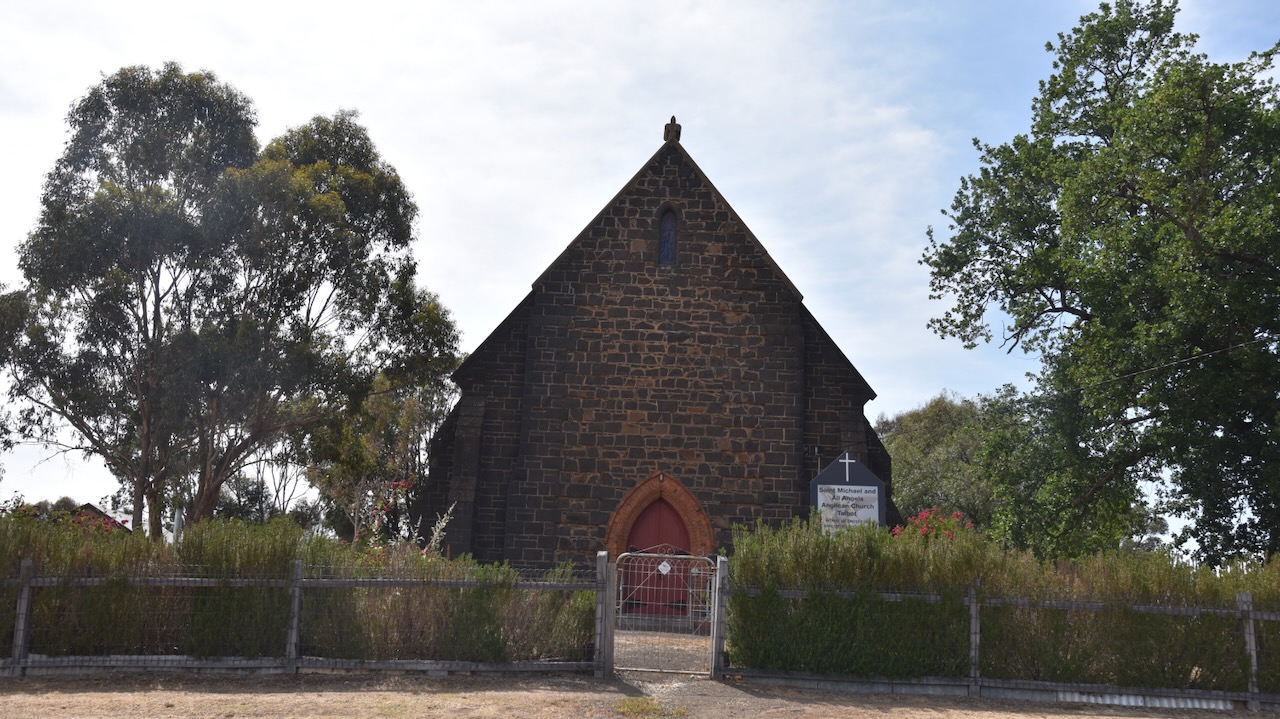
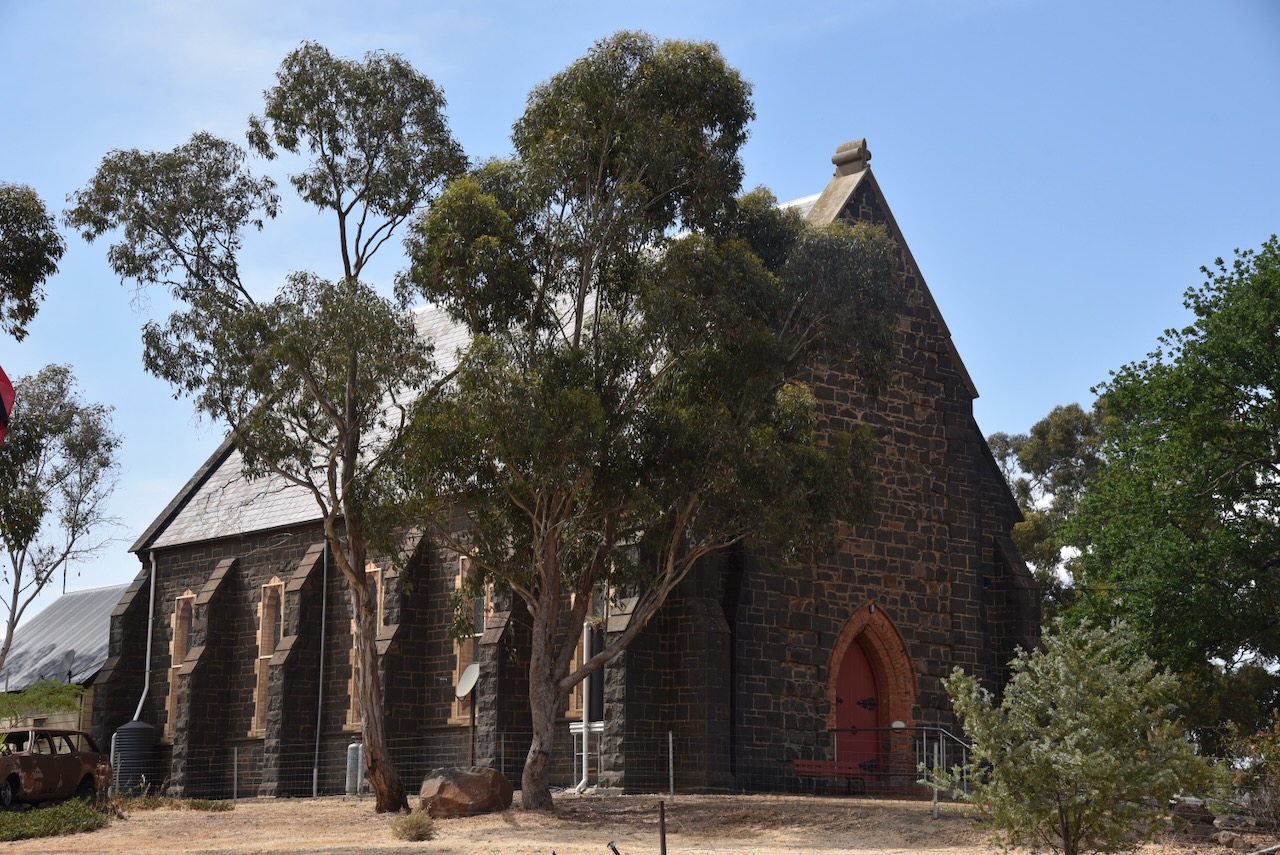
The foundation stone for Saint Michael and All Angels Anglican church was laid on the 16th day of August 1870 by the Archdeacon of Castlemaine and Sandhurst. It opened for service in June 1871 and replaced an earlier church located in Argyle Street. (Churches Australia 2024)
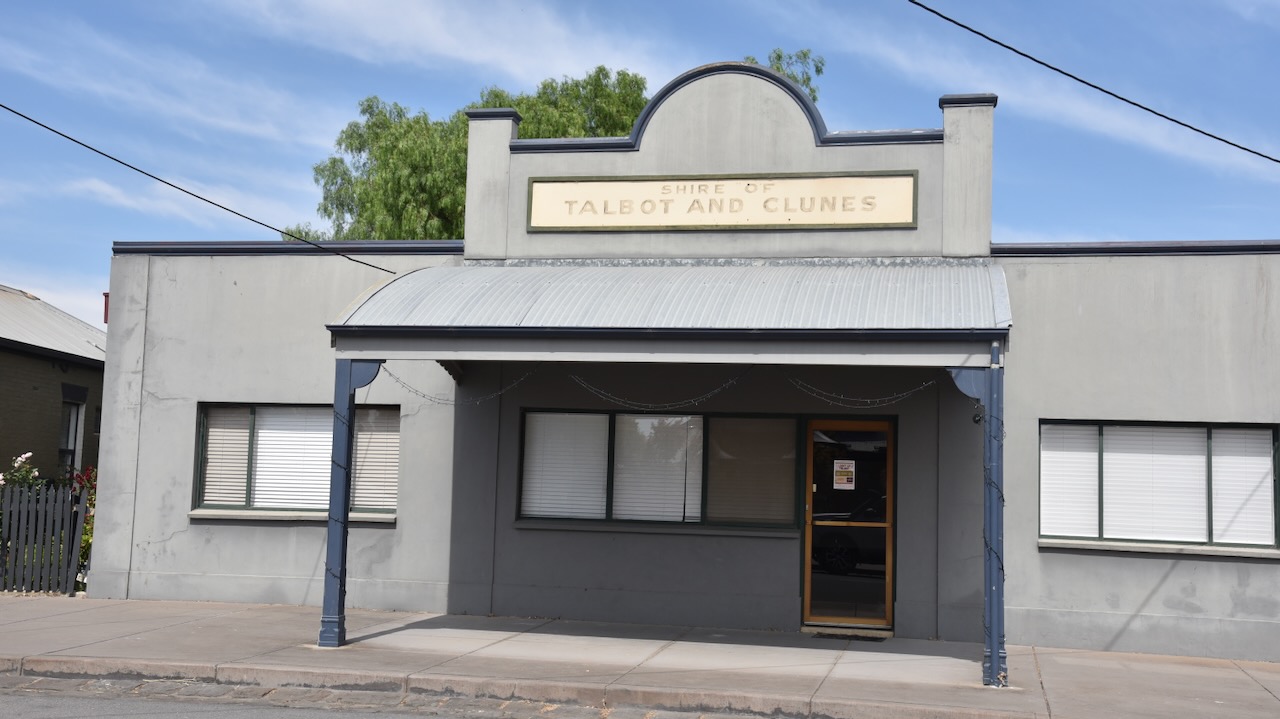
The Shire of Talbot was proclaimed on the 31st day of October 1865. The old Shire building can be located in Talbot.
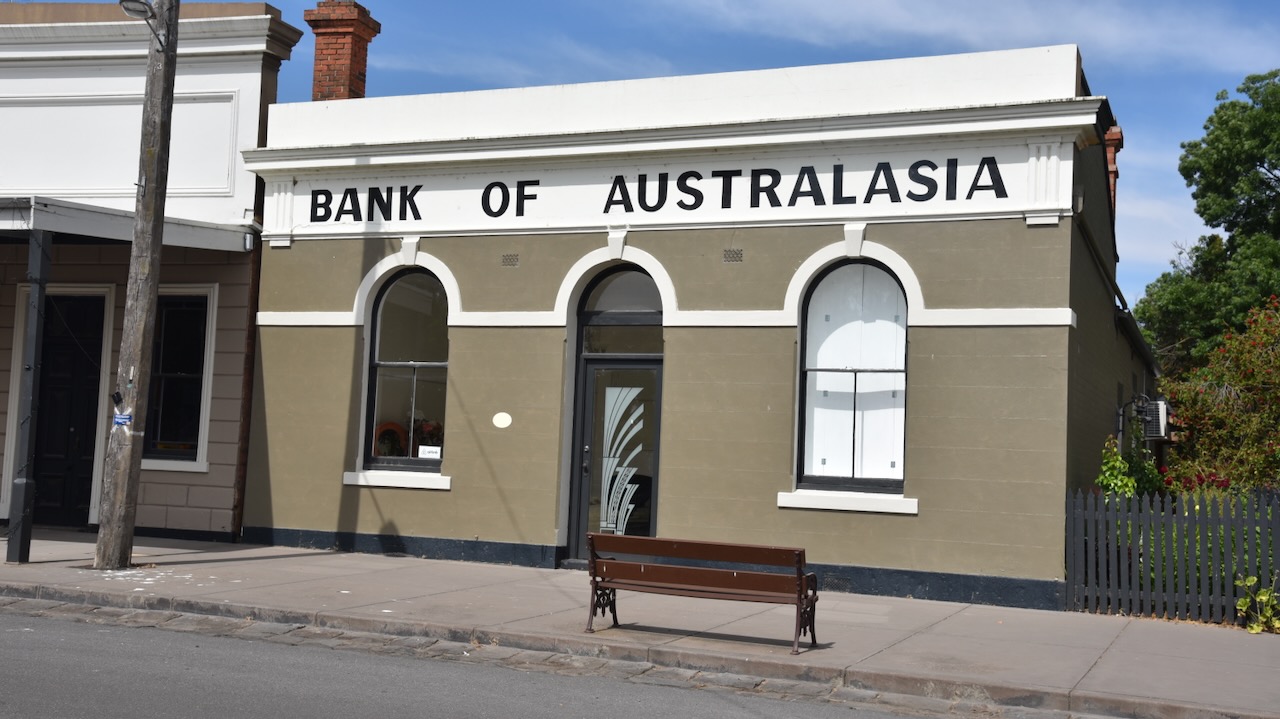
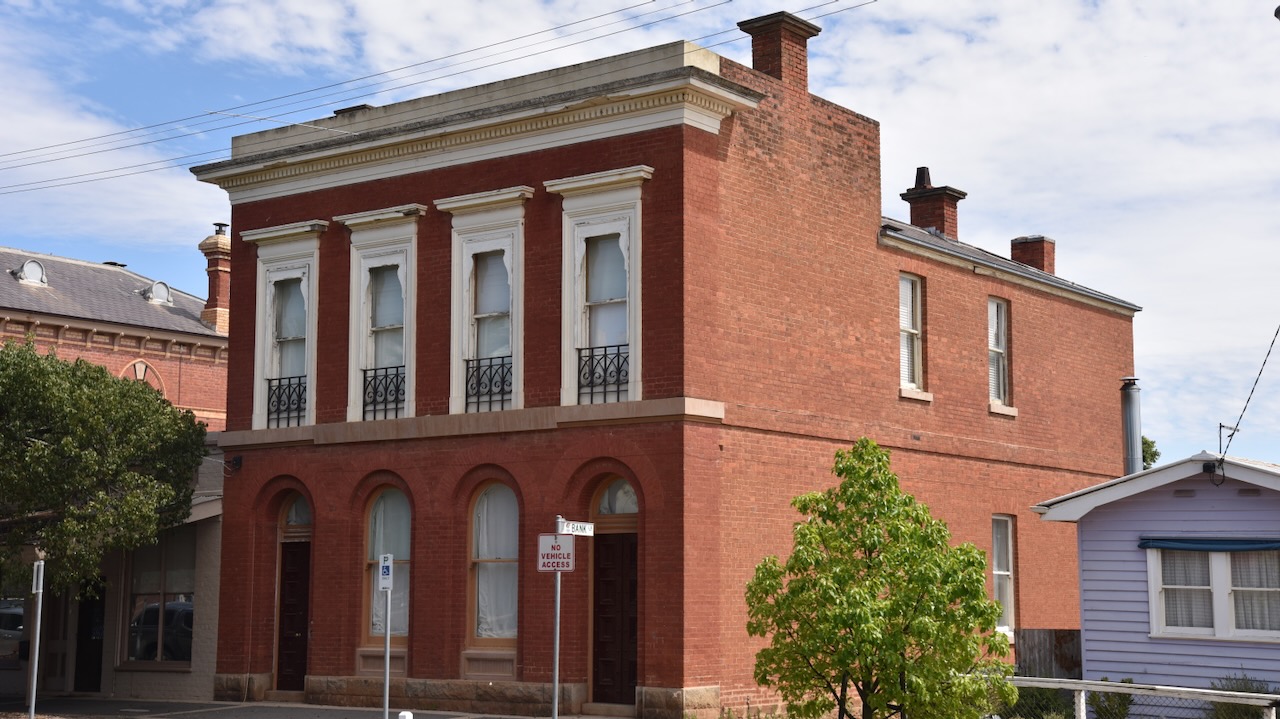
The Bank of Australasia was built in 1869.
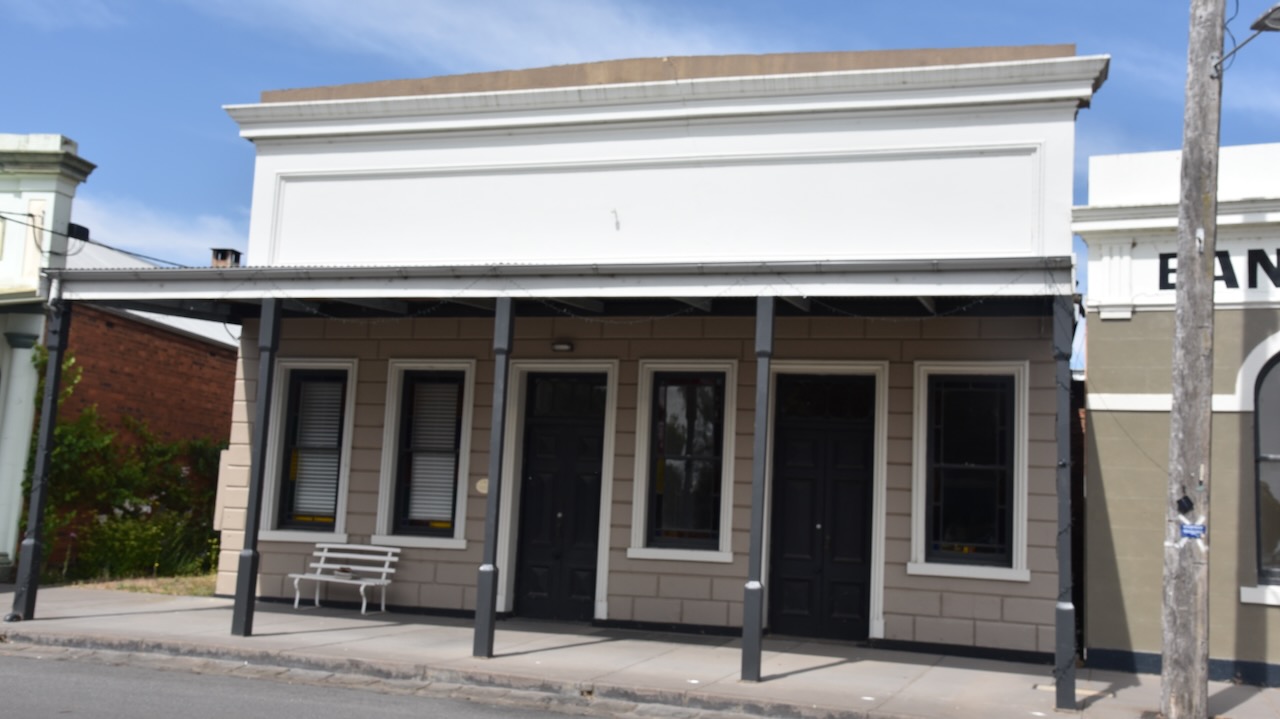
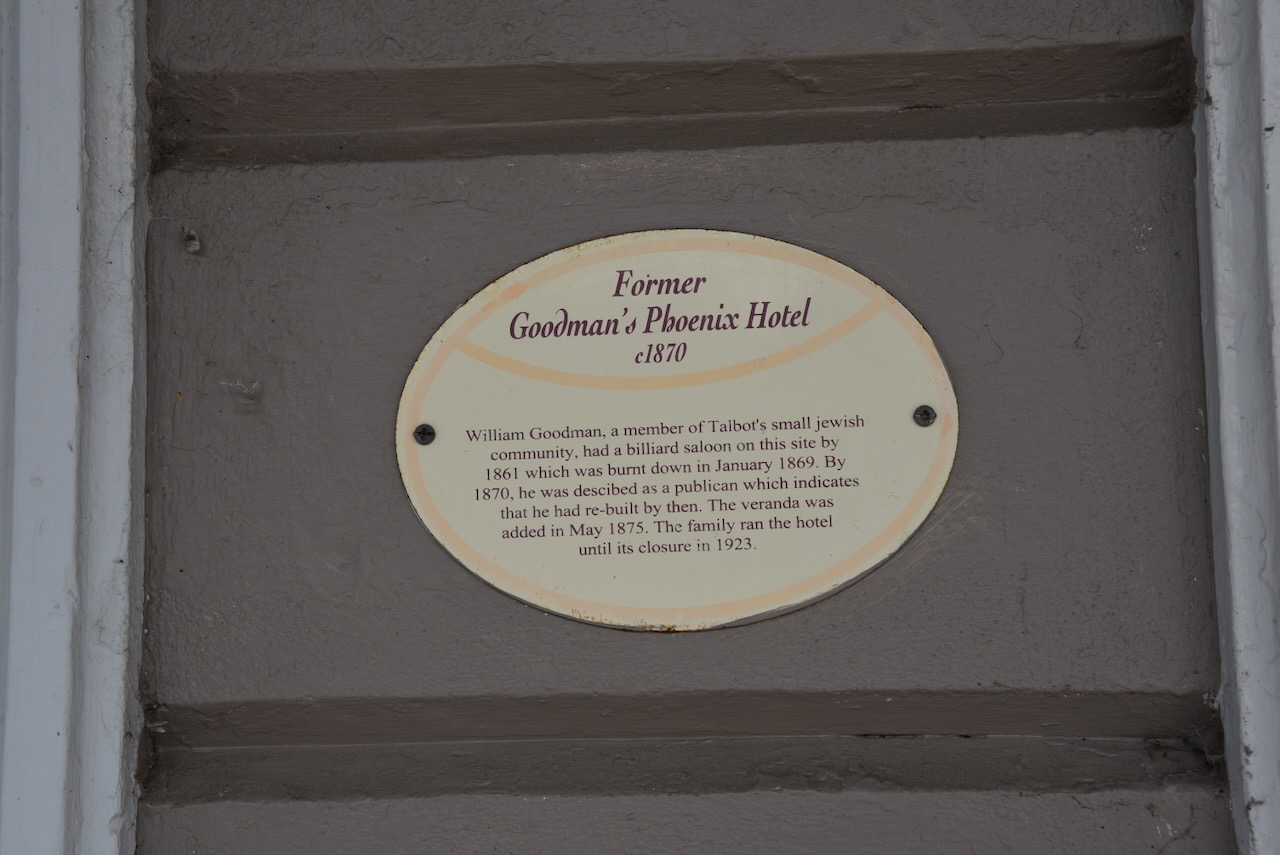
The former Goodman’s Phoenix Hotel was built in c. 1870. Prior to the hotel, William Goodman had a billiard saloon on the site, but this burnt down in January 1869. The Goodman family ran the hotel until its closure in 1923.
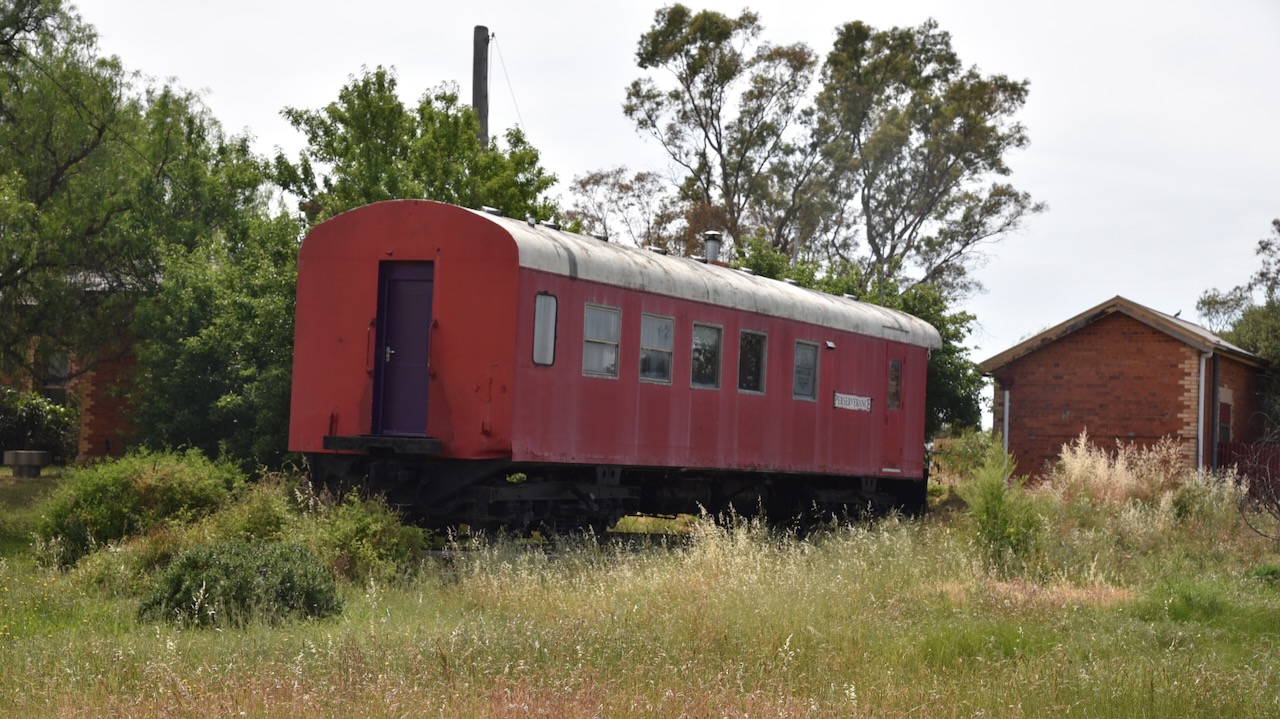
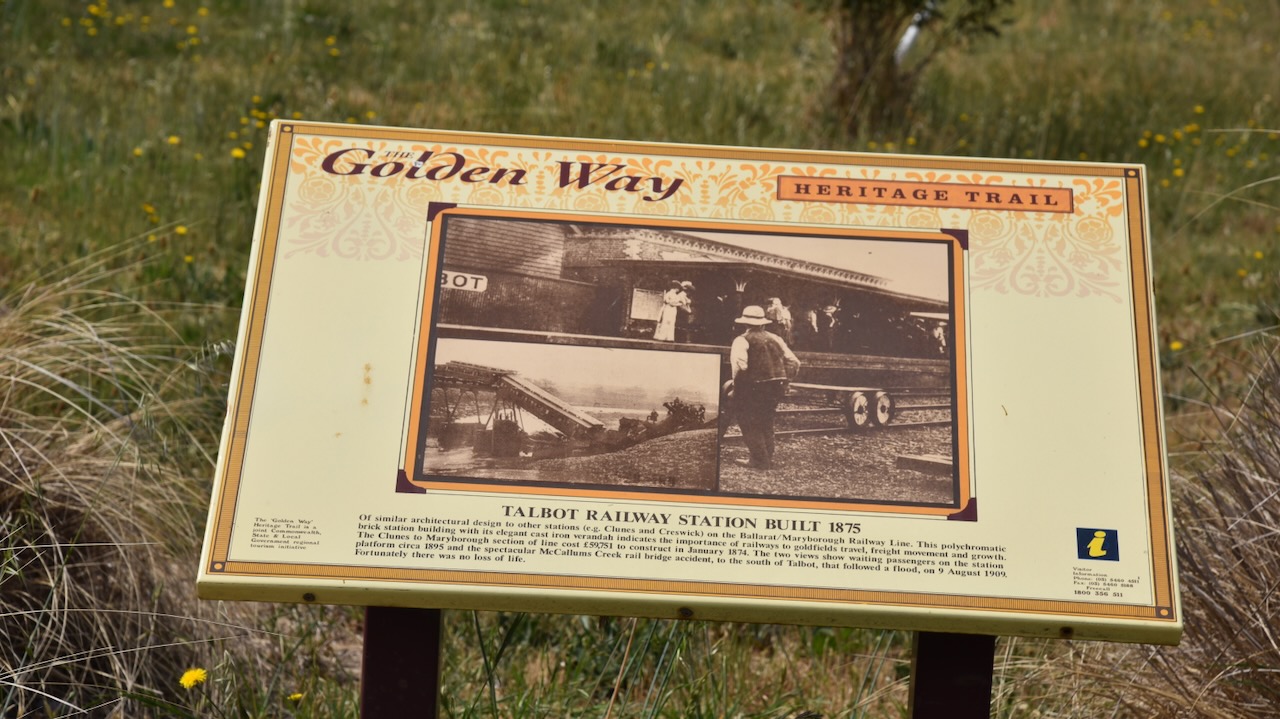
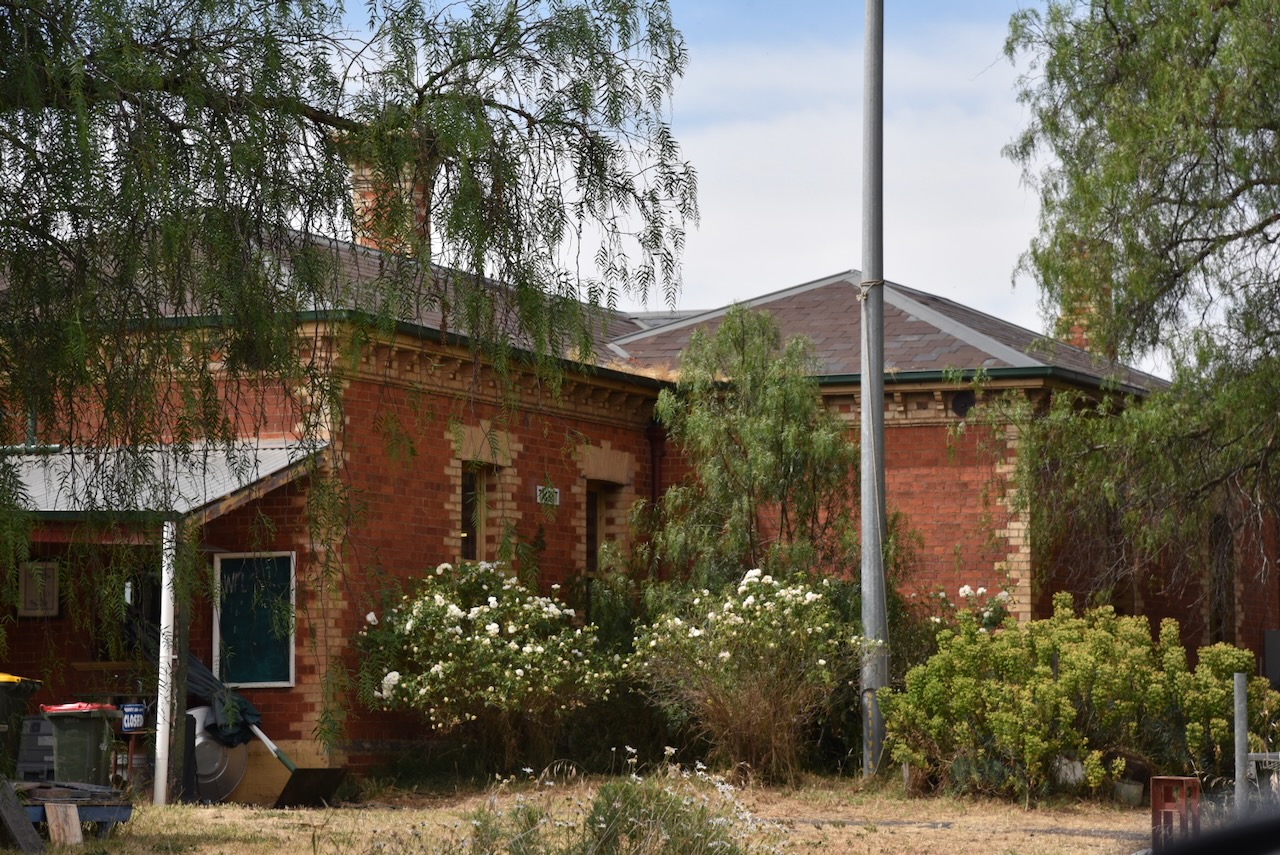
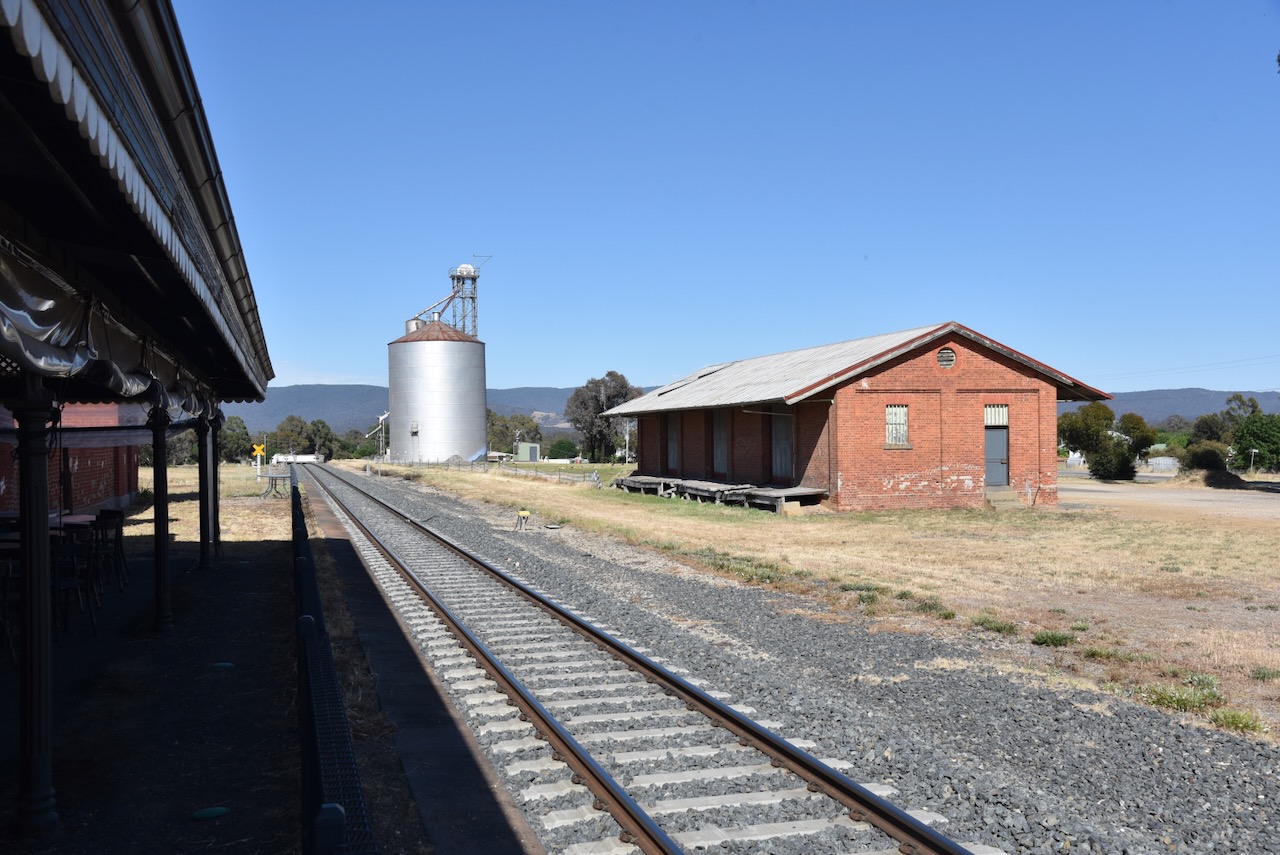
The Talbot railway station was built in 1875. It is of similar architectural design to other railway stations on the Ballarat/Maryborough line such as Clunes and Creswick.
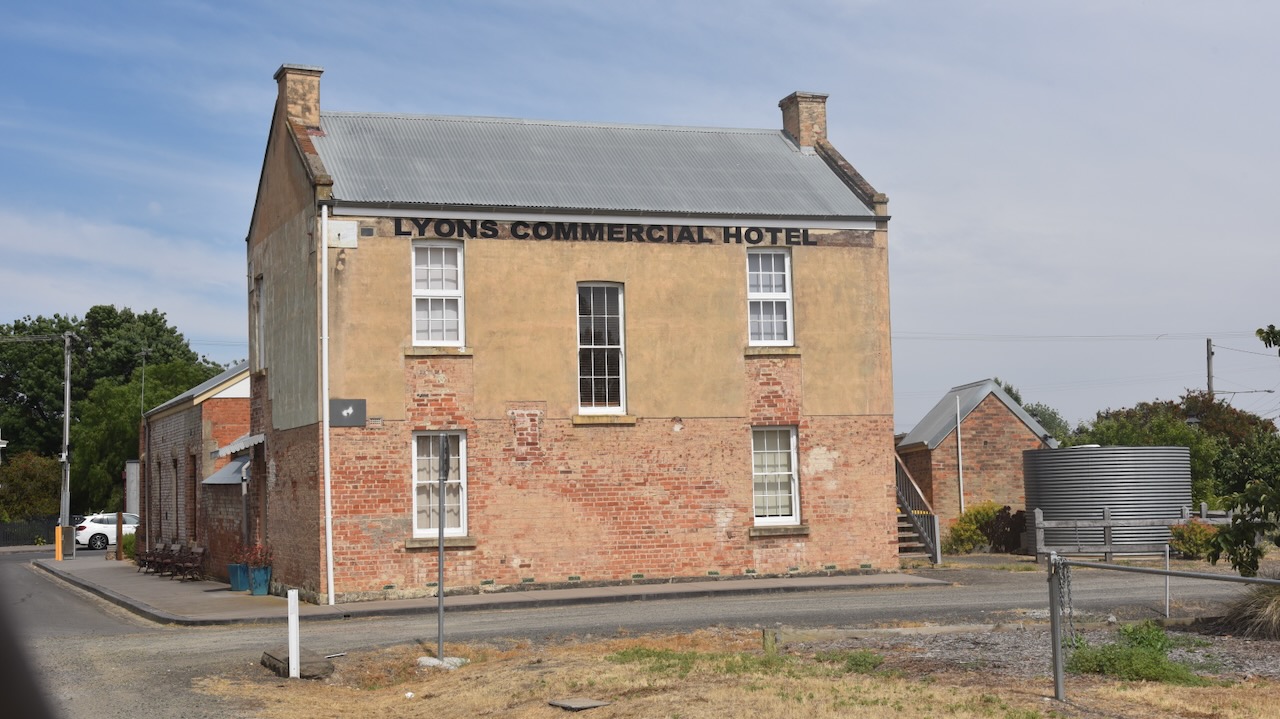
The Lyons Commercial Hotel opened in 1859. It contained 26 rooms and was the stopping place of Cobb & Co coaches. In 1962 the hotel closed and in 1991 the front two-storey section of the building was demolished. (Lost Stories of Maryborough Facebook 2024)
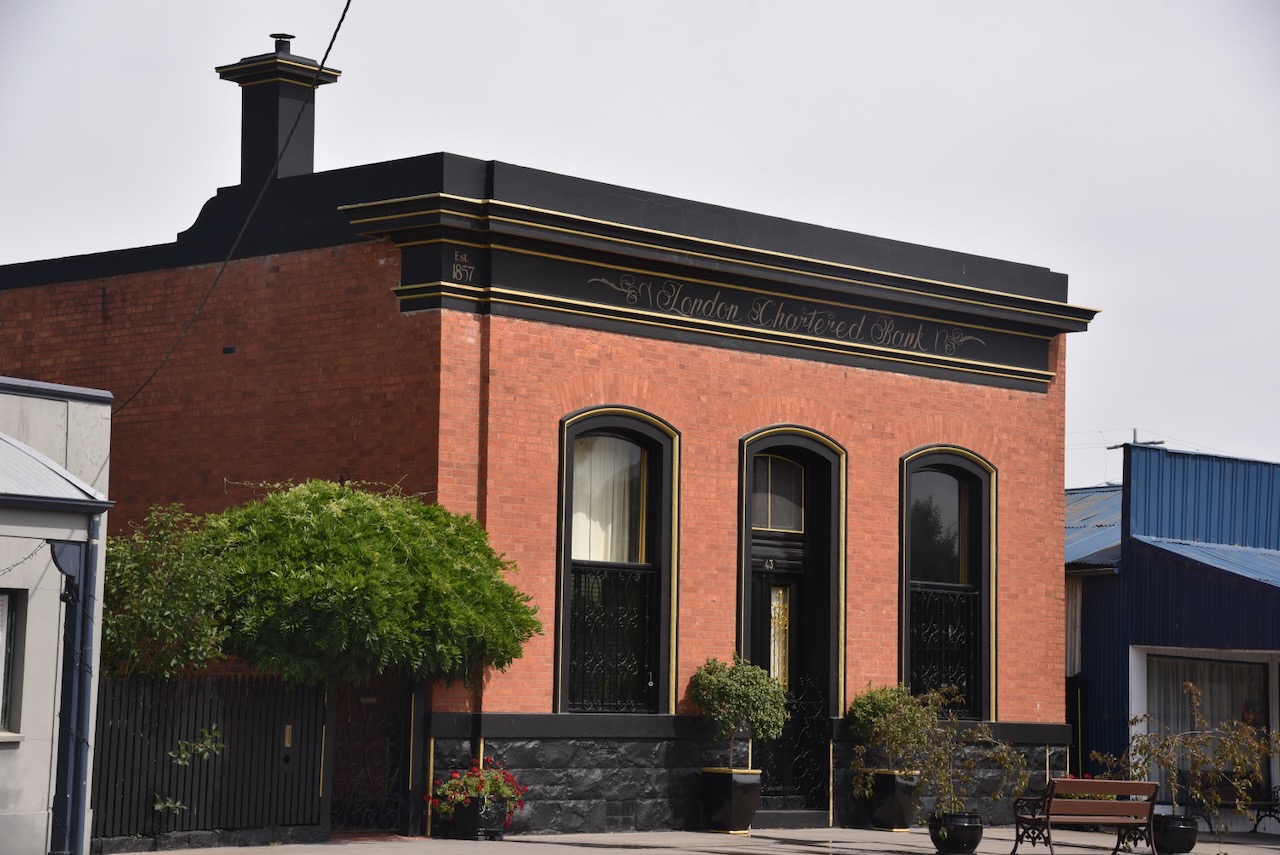
Talbot has a magnificent example of the London Chartered Bank, an English run bank that operated from 1852 to 1921. (NZ National Library 2024)
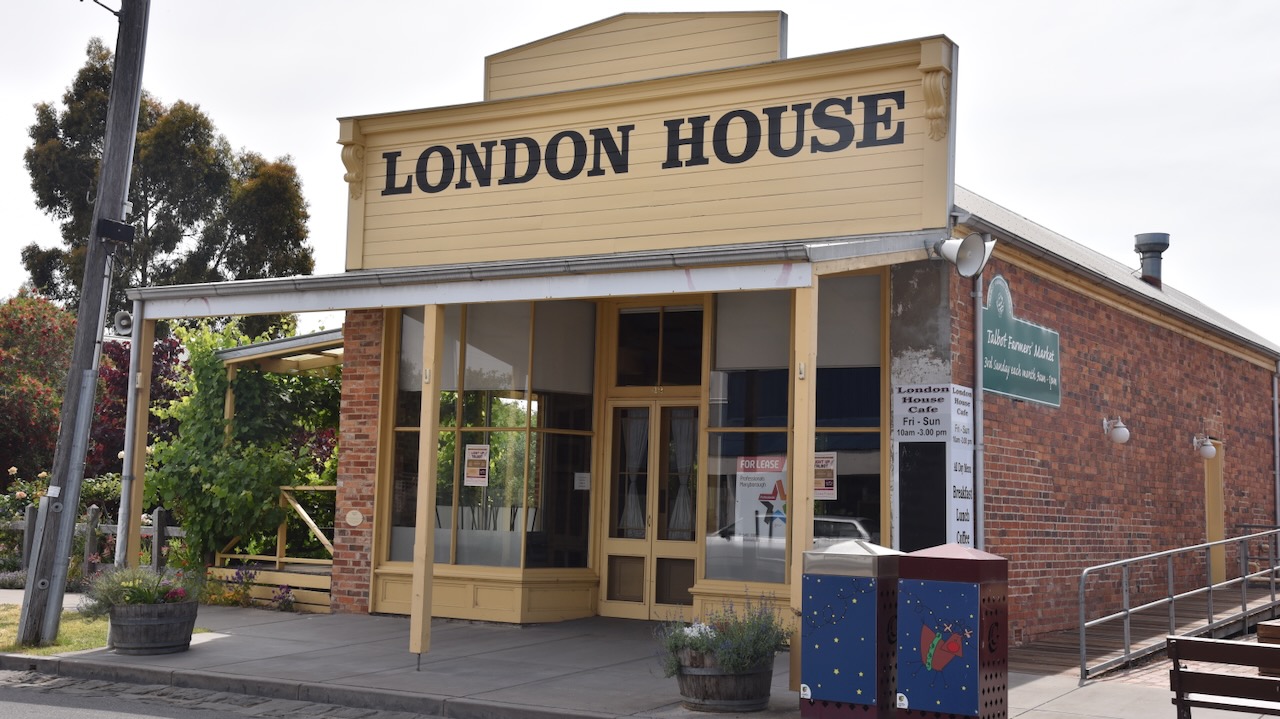
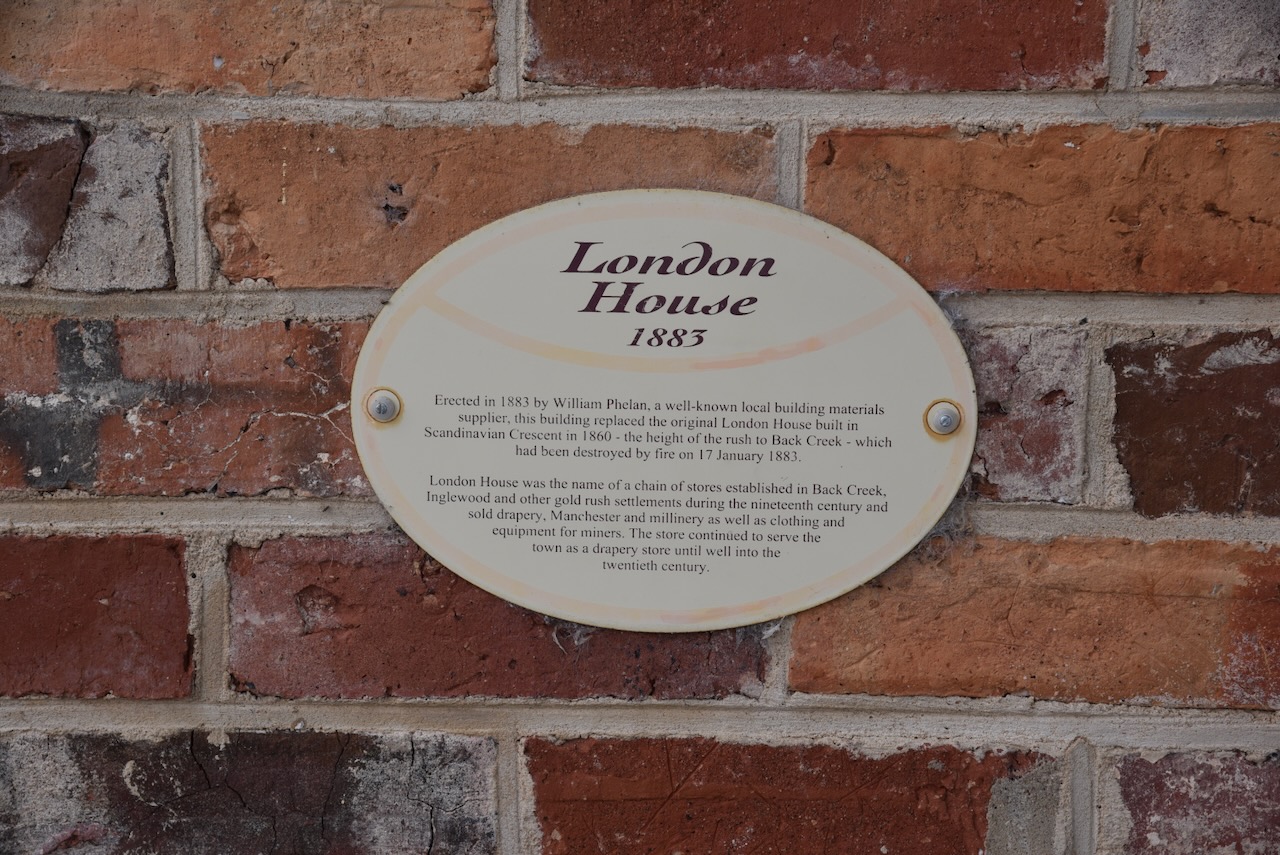
London House was built in 1883 by William Phelan, a well-known local building materials supplier. The building replaced an earlier London House that was built in 1860 in Scandinavian Crescent. It was destroyed by fire on the 17th day of January 1883. London House was the name of a chain of stores established in Back Creek, Inglewood and other gold rush settlements during the 1800s. The stores sold drapery, manchester, clothing, and millinery to miners.
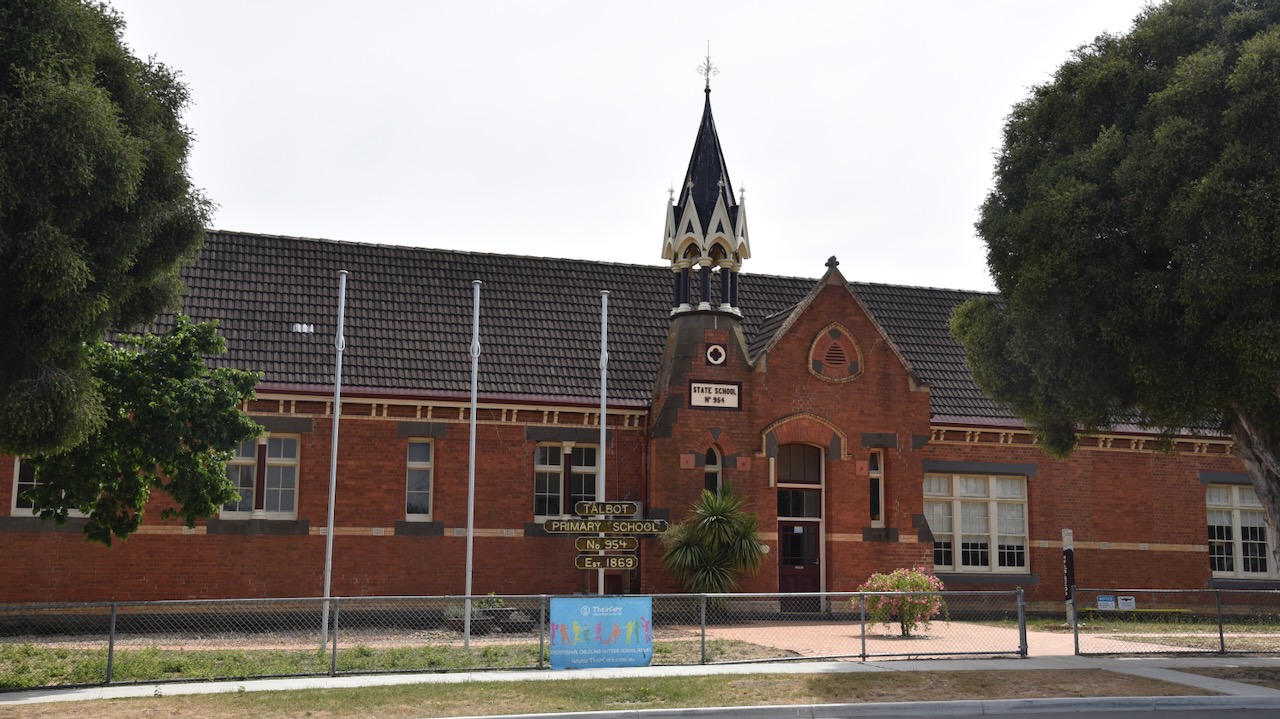
The Talbot State School No. 954 was built in 1869.
Marija and I then visited Majorca, a small rural town about 10 km southeast of Maryborough in central Victoria. The town is located on Talbot Road which runs off Dunach-Eddington Road.
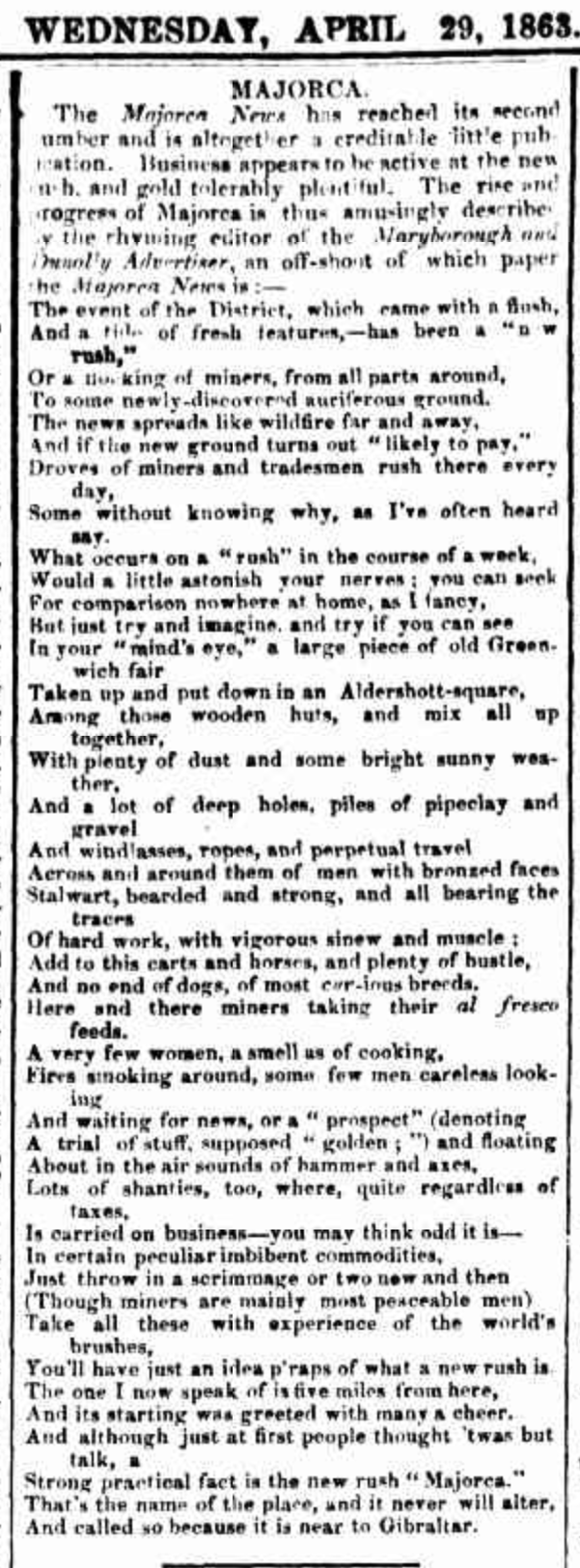
Majorca was the last of the large goldfields to be discovered in the Maryborough region. The Gibraltar diggings were found in 1858, followed by the Majorca gold field in 1863 when Charles Bannister and William Vowles (b. 1825. d. 1871) found gold on the plains east of McCallum’s Creek, northeast of Majorca in March 1863. This drew thousands of miners to the district. It is believed the name was given to the diggings due to the proximity of the Mediterranian island of Majorca to Gibraltar. (Victorian Places 2024)
Above:- Article from the Bendigo Advertiser, Wed 29 Apr 1863. Image c/o Trove.
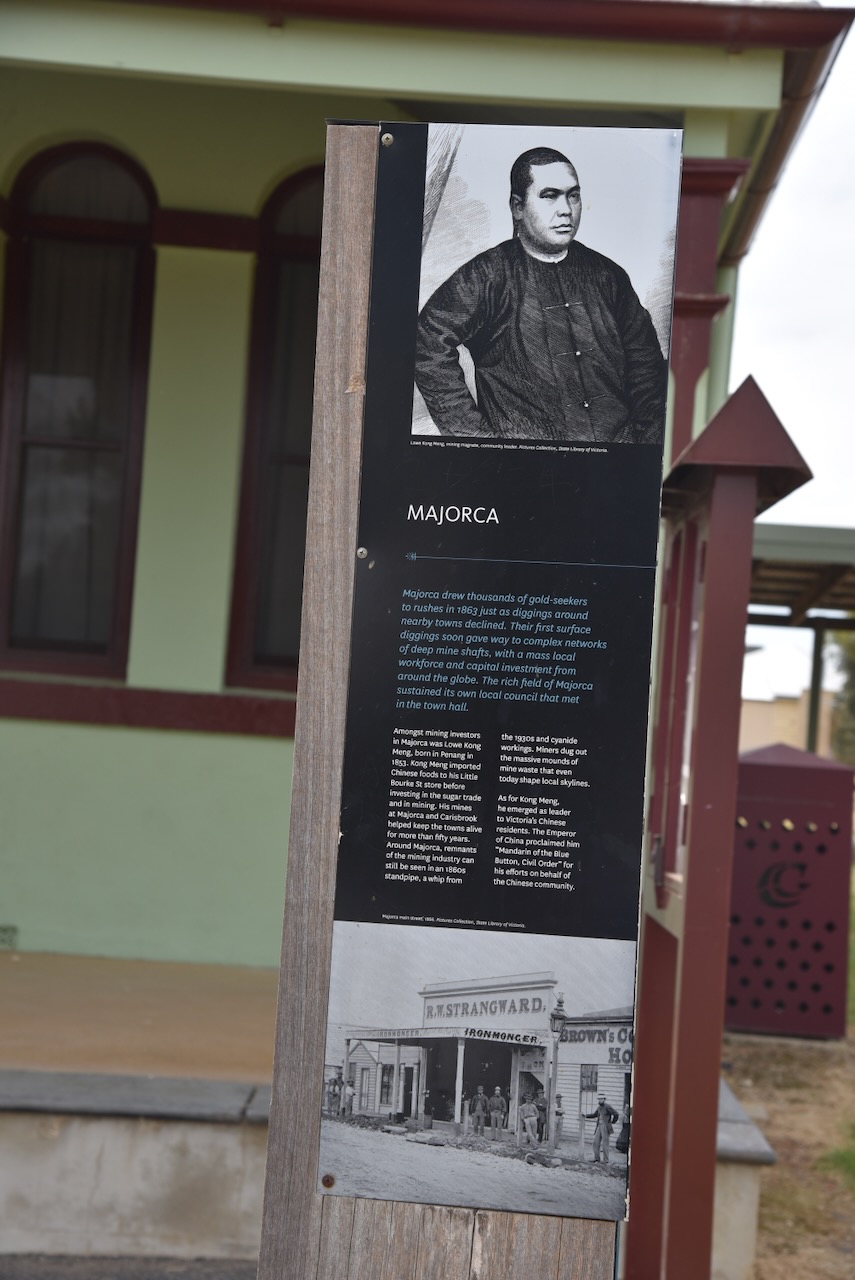
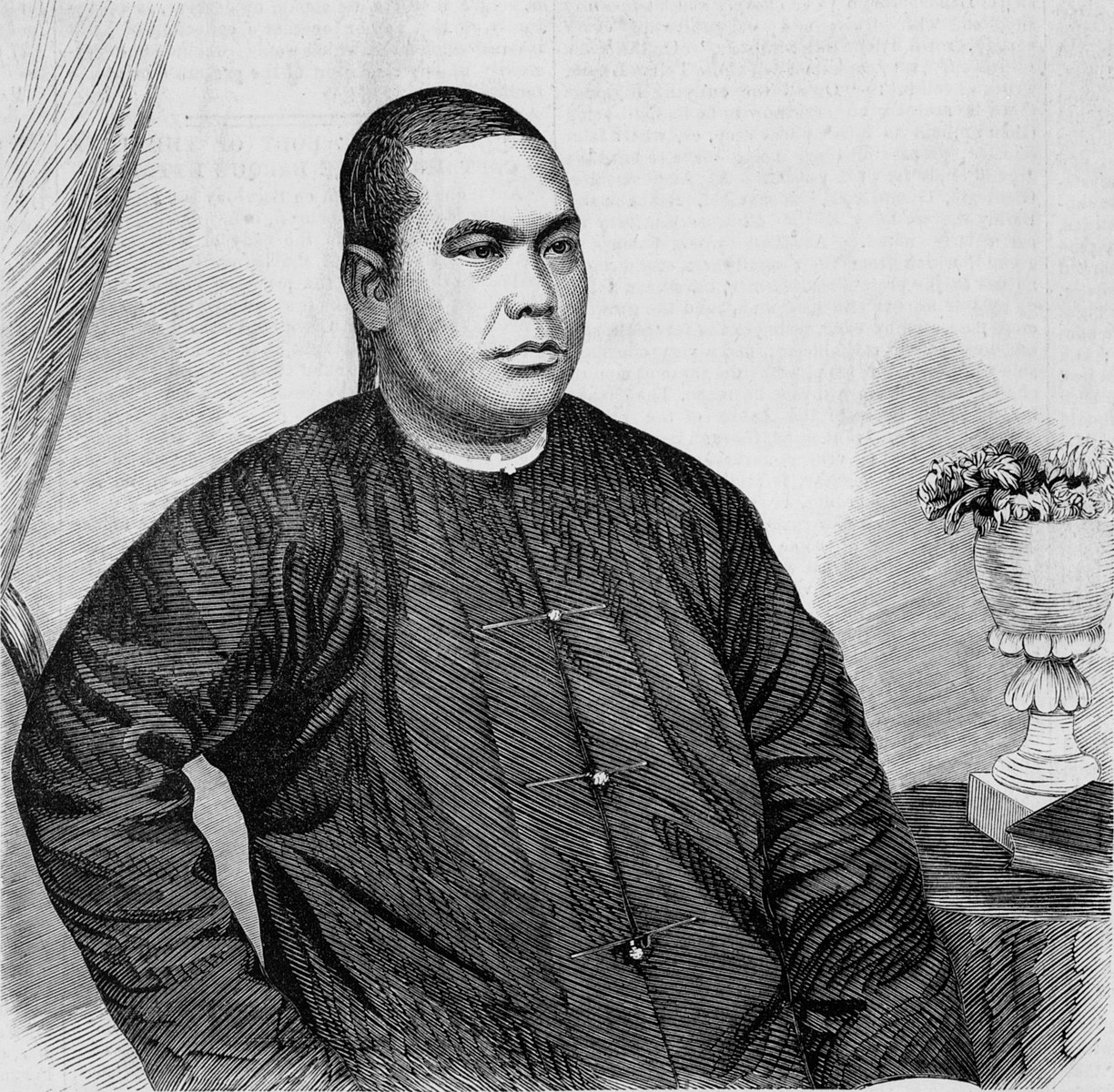
The largest mine in the Majorca district was the Kong Meng mine. Lowe Kong Meng was born in Penang in c. 1830. In 1853 he emigrated to Australia and tried his hand at gold mining for about 3 months. Unsuccessful and disillusioned he left Australia, but by 1854 he returned to Australia and opened a business in Melbourne, importing goods for Chinese miners. By the mid-1860s, Meng was the largest single supplier of goods for Chinese miners in Victoria. (Goldfields Guide 2024)
Meng also invested money in gold mines at Majorca and Carisbrook.
Meng was a very prominent and well-regarded member of the elite society of Melbourne, and at one time was one of Melbourne’s wealthiest men. In 1863 The Argus wrote “there are reputedly few wealthier men in Victoria.”
Above:- Lowe Kong Meng. Image c/o Wikipedia.
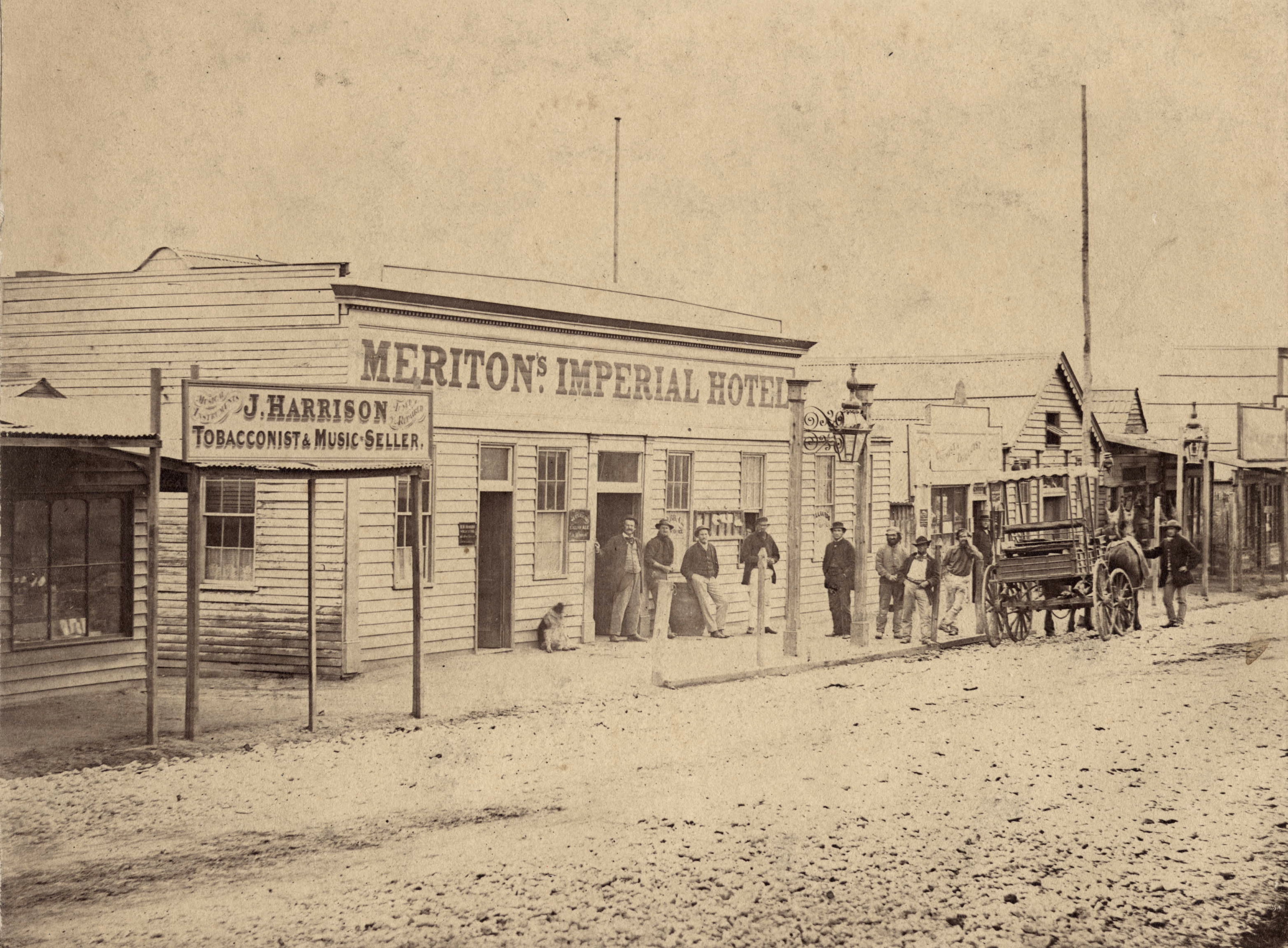
Following the discovery of gold in 1863, the township of Majorca developed rapidly. By 1865 Majorca had a population of about 3,000 to 4,00 people. In 1863 a courthouse had opened. A Wesleyan congregation was formed that same year, and in 1864 a school opened. By 1872 there were also Catholic, Anglican and Presbyterian churches. In 1866 a Mechanics Institute was opened. (Goldfields Guide 2024) (Victorian Places 2024)
Above: Majorca Main Street, c. 1866. Image c/o State Library Victoria.
Majorca was part of the Gold Escort Route, where gold was conveyed from Victoria to South Australia. Police Commissioner Alexander Tolmer led the first of 18 police escorts of about 328,509 ounces of gold. (Melbourne Playgrounds 2024)
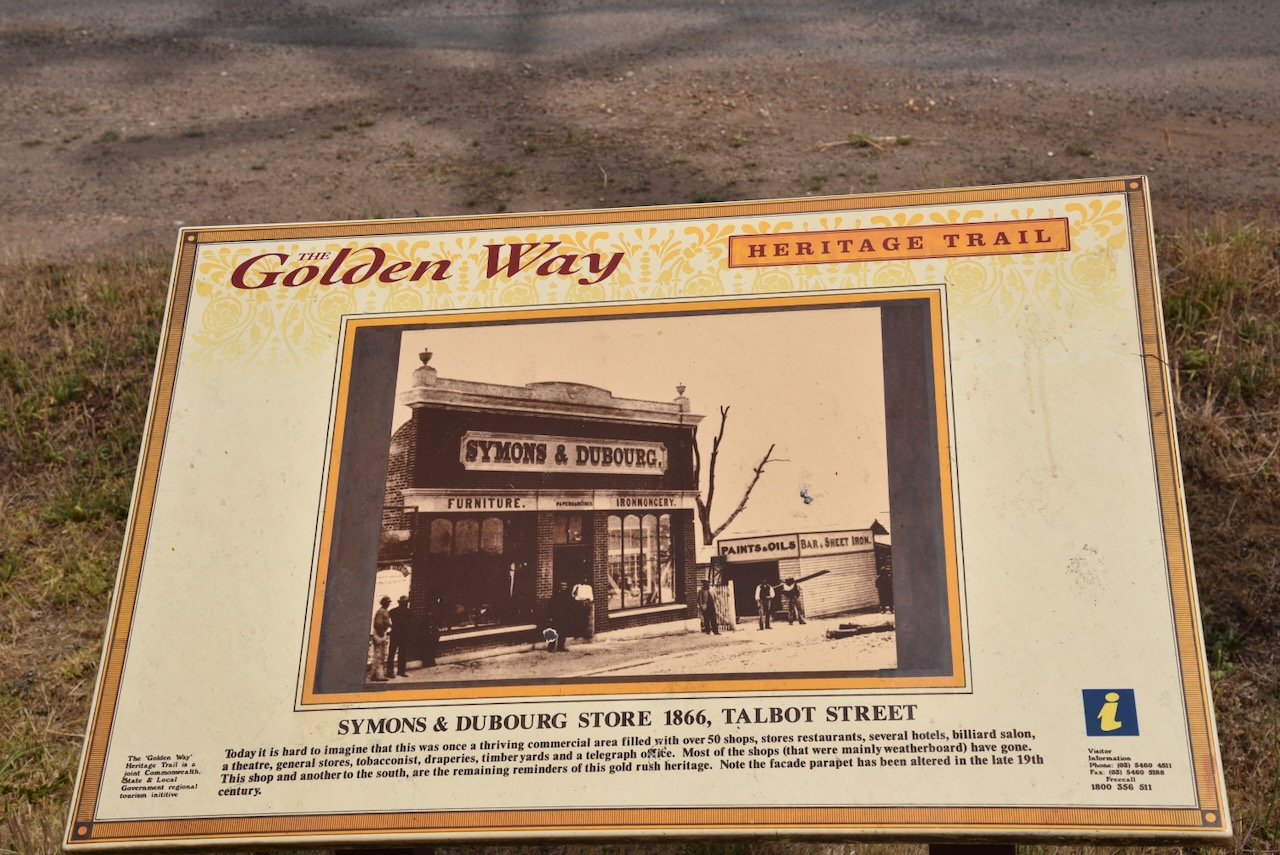
Today little remains in Majorca which was once a thriving town with over 50 shops, stores, restaurants, several hotels, a billiard saloon, a theatre, a general store, tobacconist, draperies, timber yards and a telegraph office.
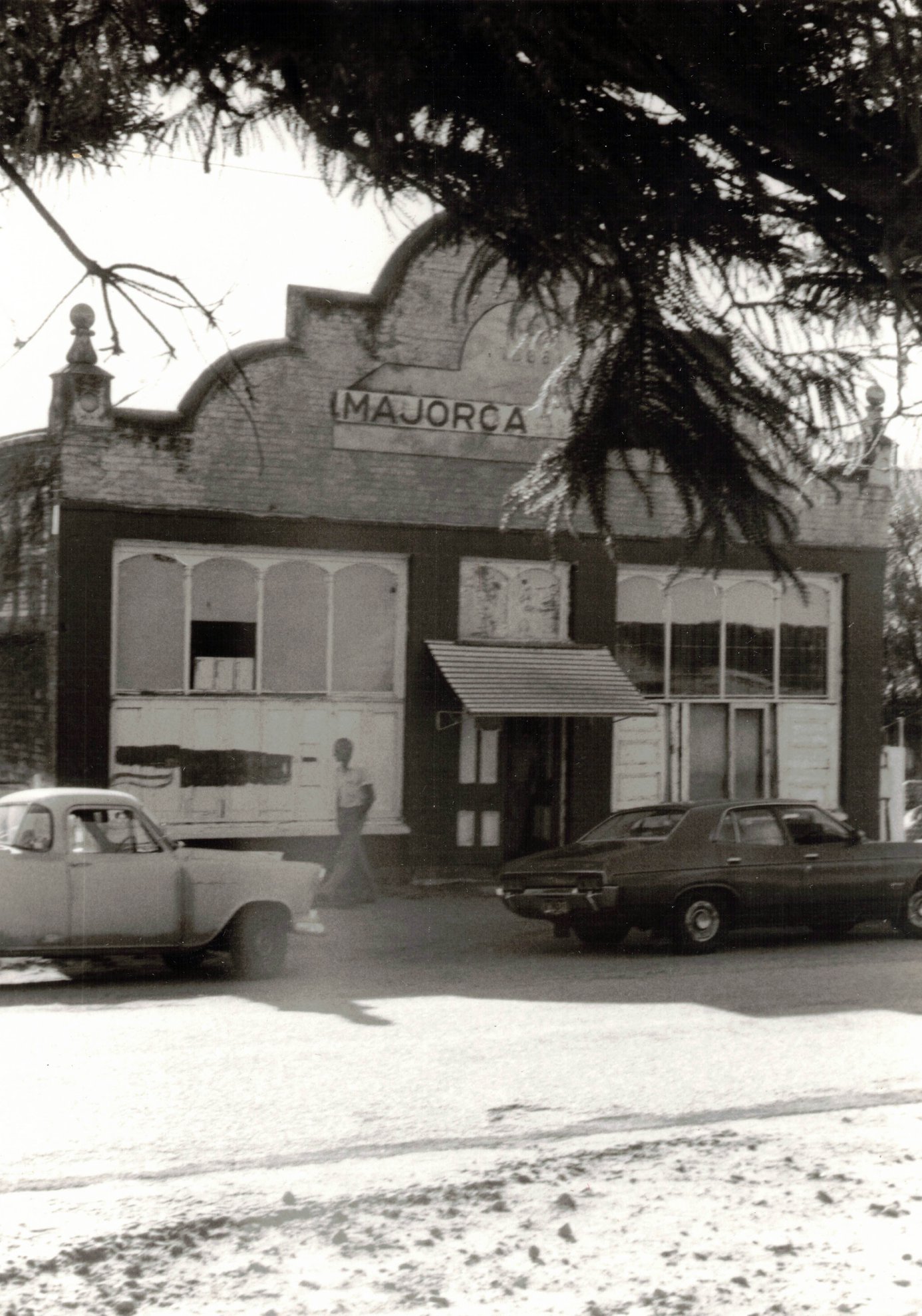
Sadly, the old Majorca store built in 1866 was destroyed by fire in 2015. (Caleb Cluff Media 2022)
Above:- The Majorca store, c. 1980. Image c/o Majorca Remembered Facebook page.
The Majorca Town Hall was built in 1876. The bluestone and render building was severely damaged by fire in 1985 but was restored to its current splendour. (Walking Maps 2024)
The former London Chartered Bank was built in 1865 and is classified by the National Trust. (Walking Maps 2024)
The former Wesleyan Methodist church was built in 1876 and is designed in Gothic style. It is now a private residence. It is the last surviving church in Majorca. (Melbourne Playgrounds 2024) (Walking Maps 2024).
The old Haberdashery and Newsagency is now a crumbling building. (Walking Maps 2024)
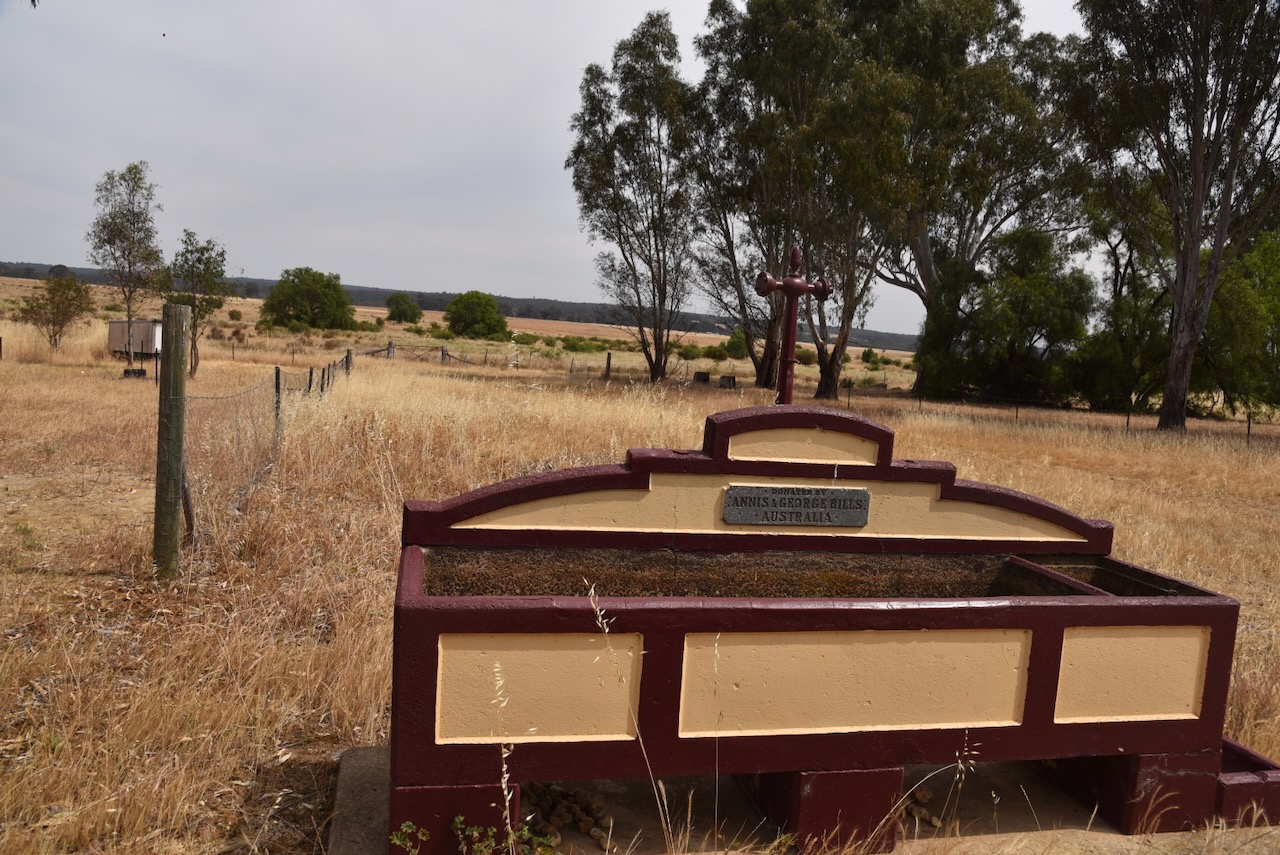
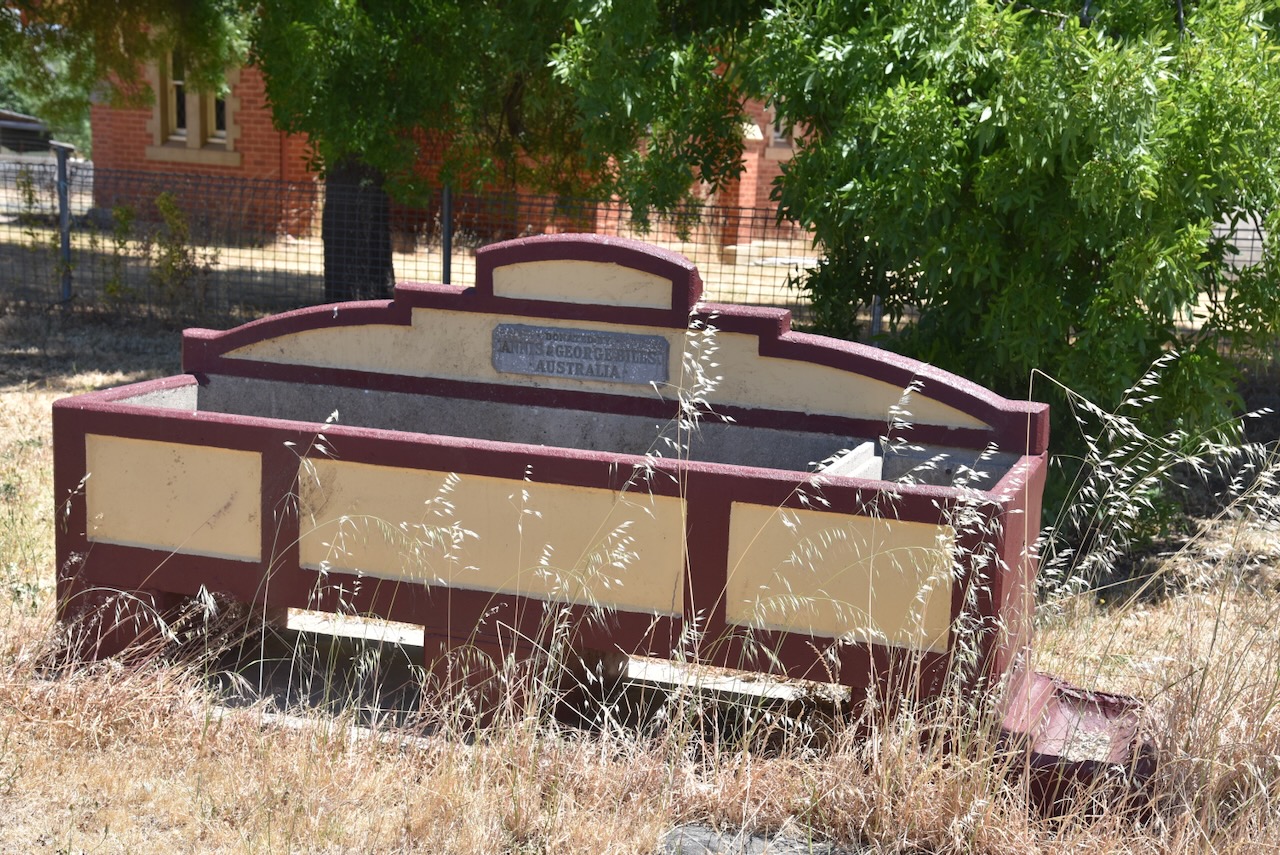
We have seen so many of these during our travels. What am I talking about? A Bills horse trough. Bills horse troughs were manufactured in Australia and about 700 were installed across Australia to provide relief for working horses in the first half of the 1900s. They were financed by a trust fund that was established through the will of George Bills. (Goldfields Guide 2024)
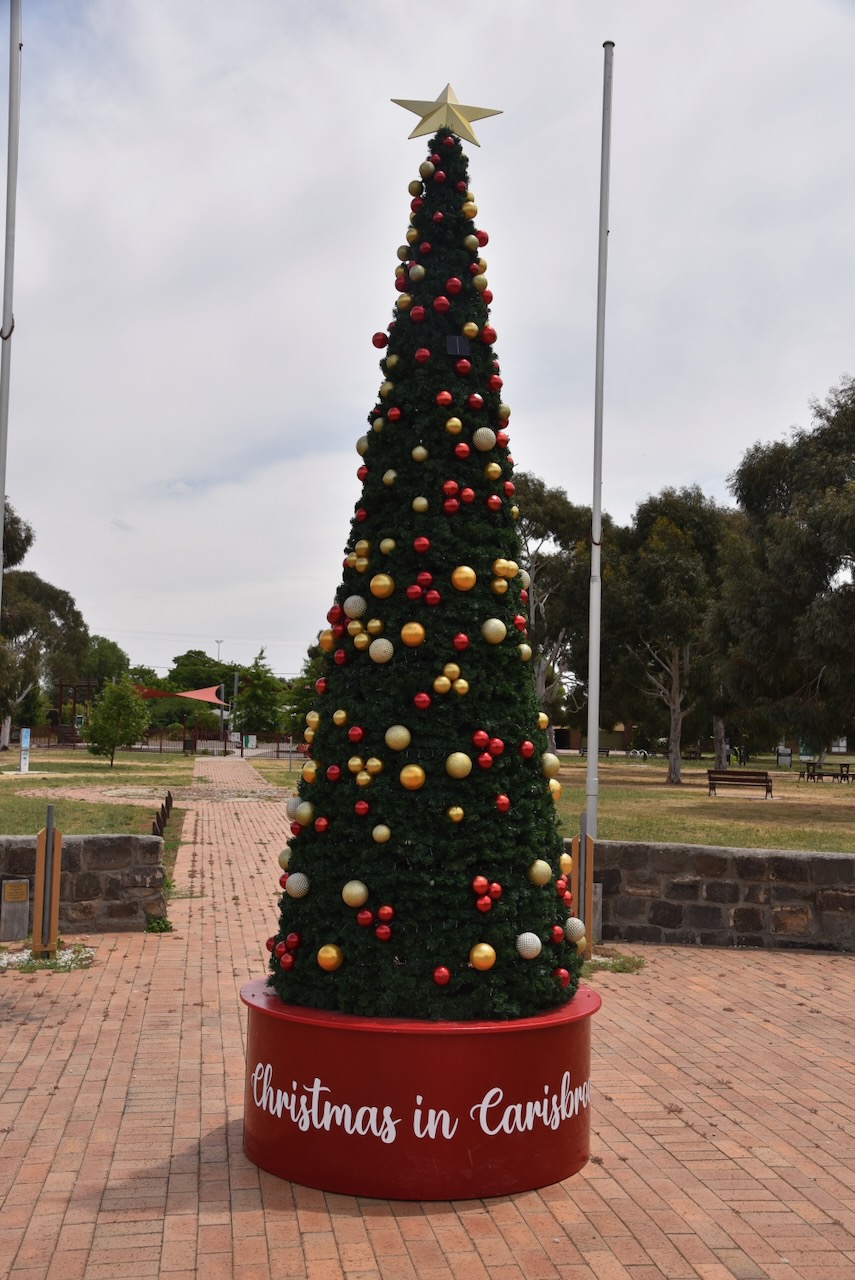
We then drove a short distance to the town of Carisbrook.
The town of Carisbrook was surveyed in 1851. The name’s origin is unclear. It has been suggested that it takes its name from ‘Carrie’s Brook’, named after Caroline Bucknall who was the daughter of an early pastoralist E.G. Bucknall. However, before the town survey, there was a police camp and lock-up named Camp Carisbrook. Other sources suggest it was named by Robert Hoddle in a memorandum he forwarded to Surveyor William Swan Uruqhart in July 1851, and that the name came from Carisbrooke on the Isle of Wight. (Aussie Towns 2024) (Victorian Places 2024)
The first store at Carisbrook opened in 1853. By 1854 Carisbrook’s population was about 100 people. An Anglican church and school commenced in 1855. In 1856 local landowners Joyce and Simson opened a flour mill at Carisbrook. When the Borough of Carisbrook was proclaimed on the 7th day of August 1857, Carisbrook had several bakeries, a brewery, four hotels, brickyards and several stores. By the 1860s Carisbrook had a cricket club and a racecourse. (Aussie Towns 2024) (Victorian Places 2024)
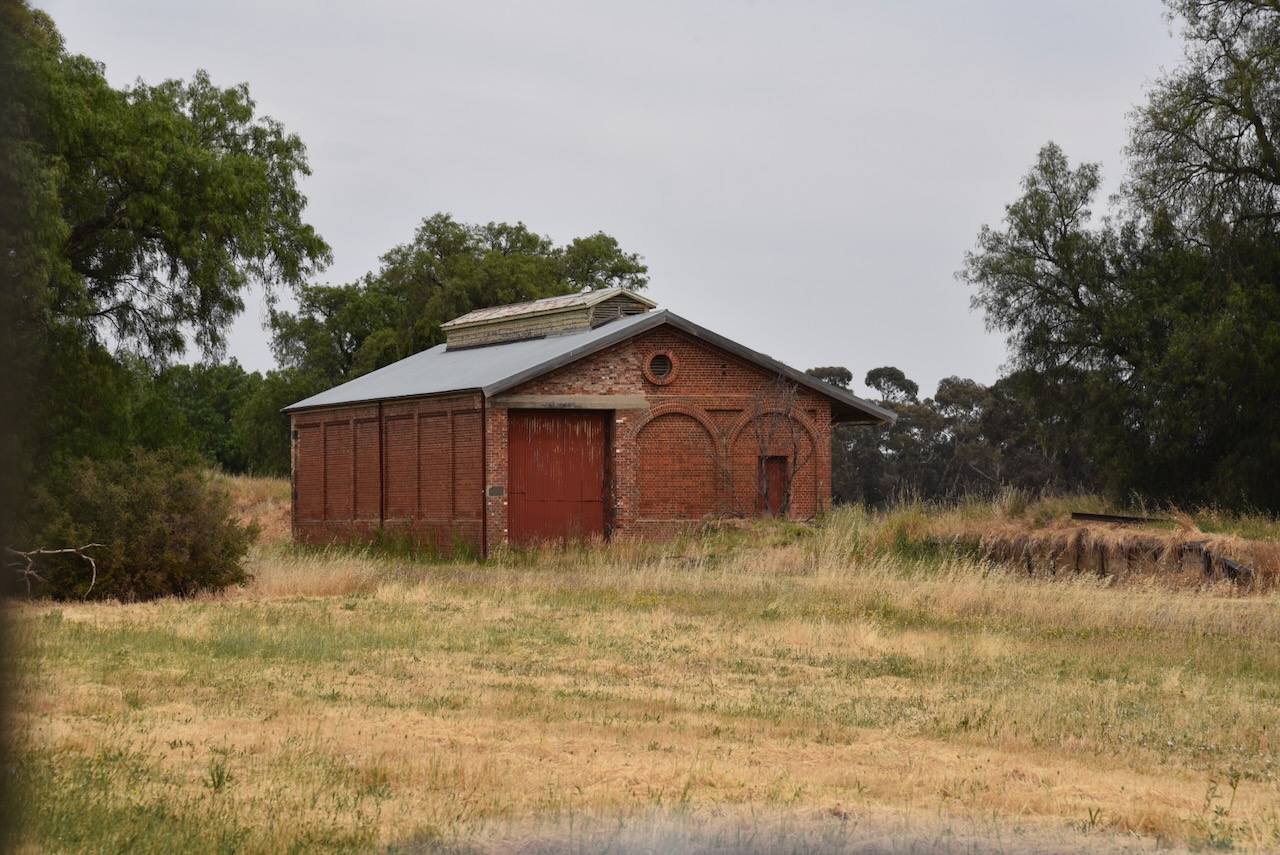
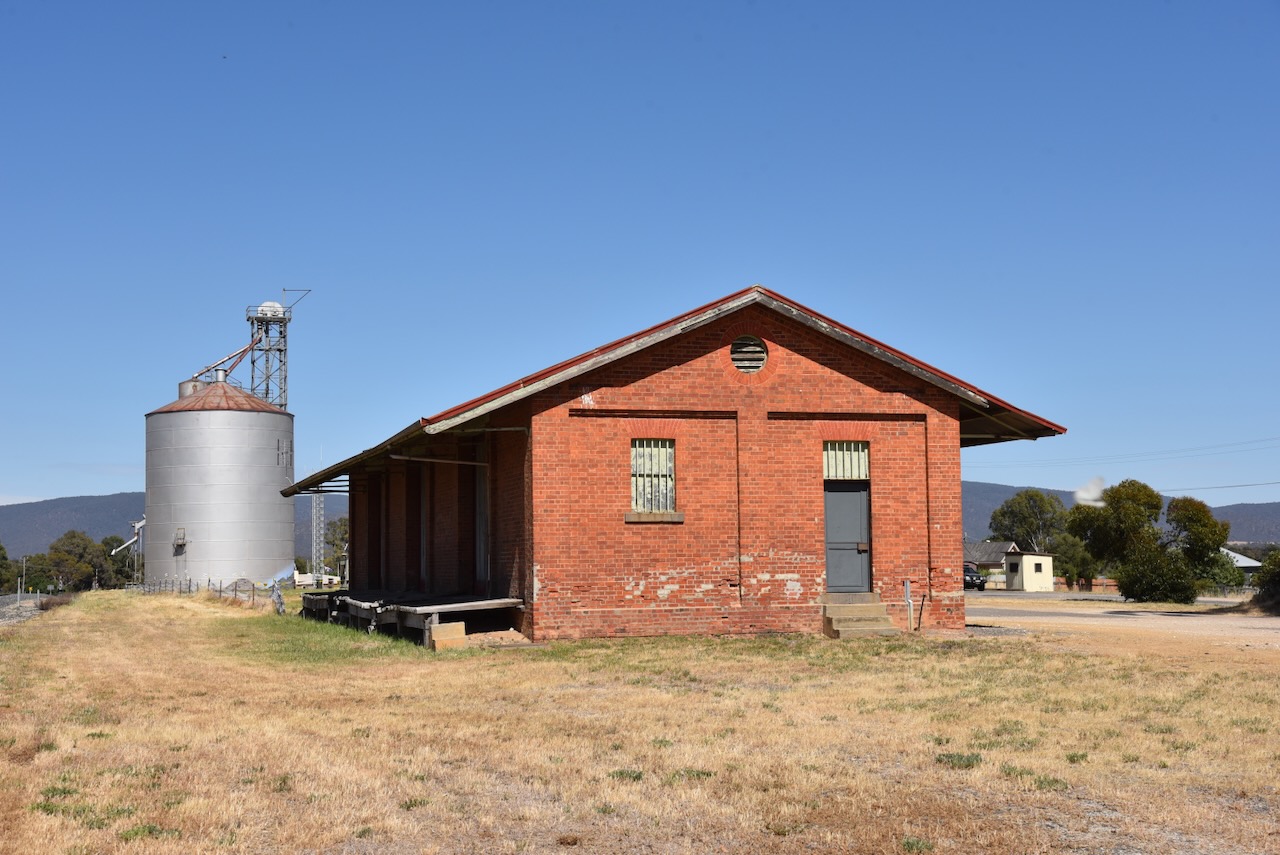
Although no longer in use, there are remnants of the Carisbrook railway station that was on the Moolort railway line. One of the serving buildings is the old goods shed.
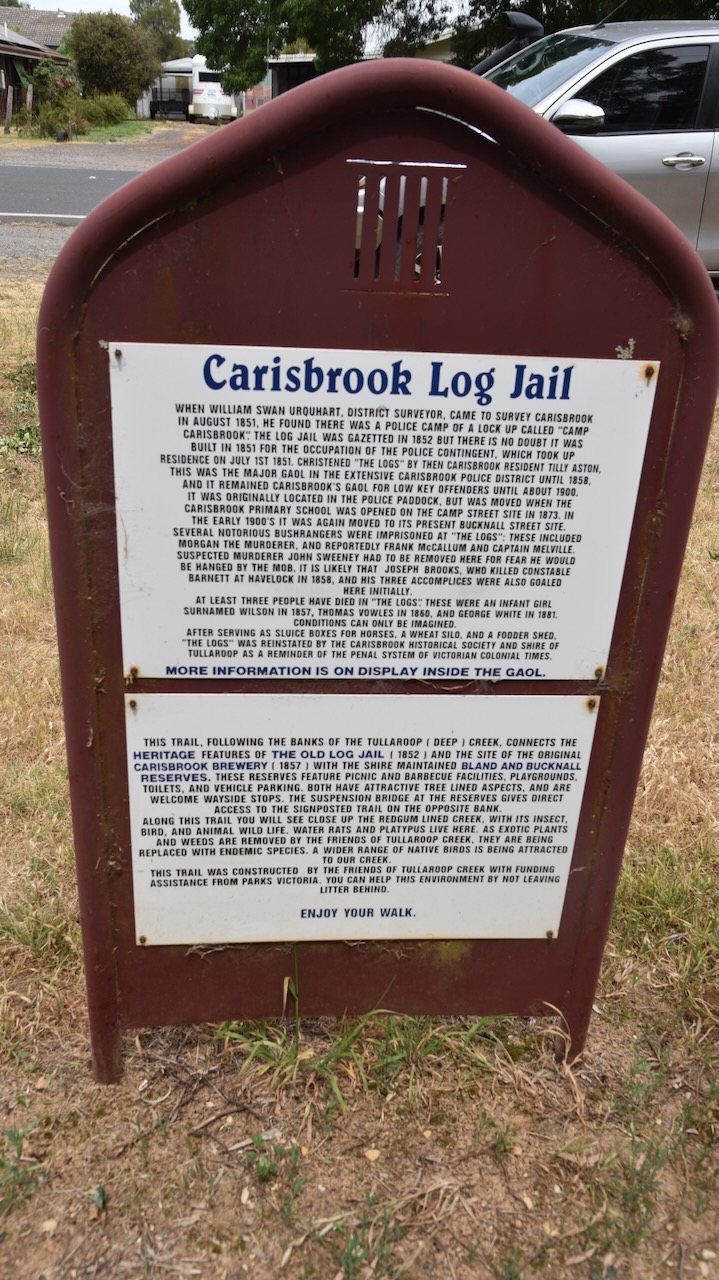
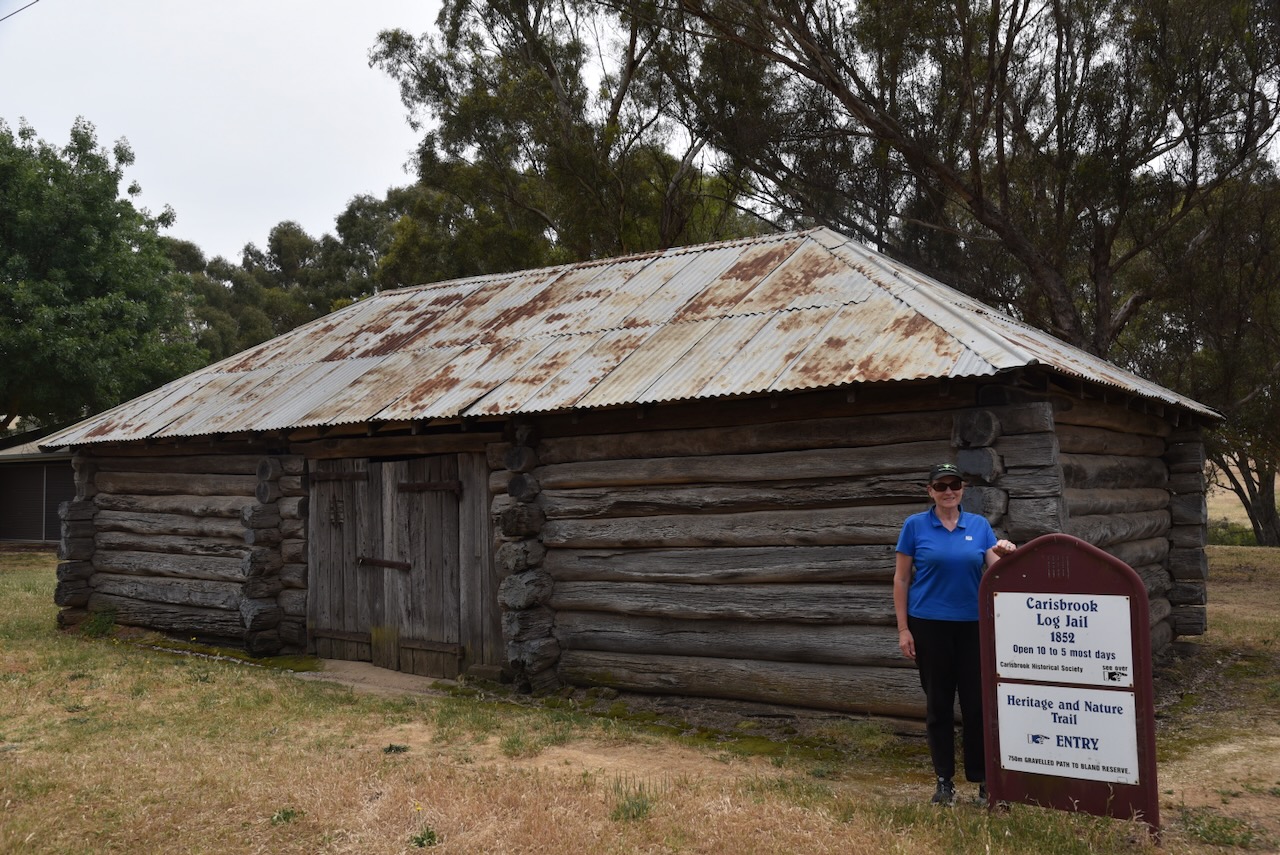
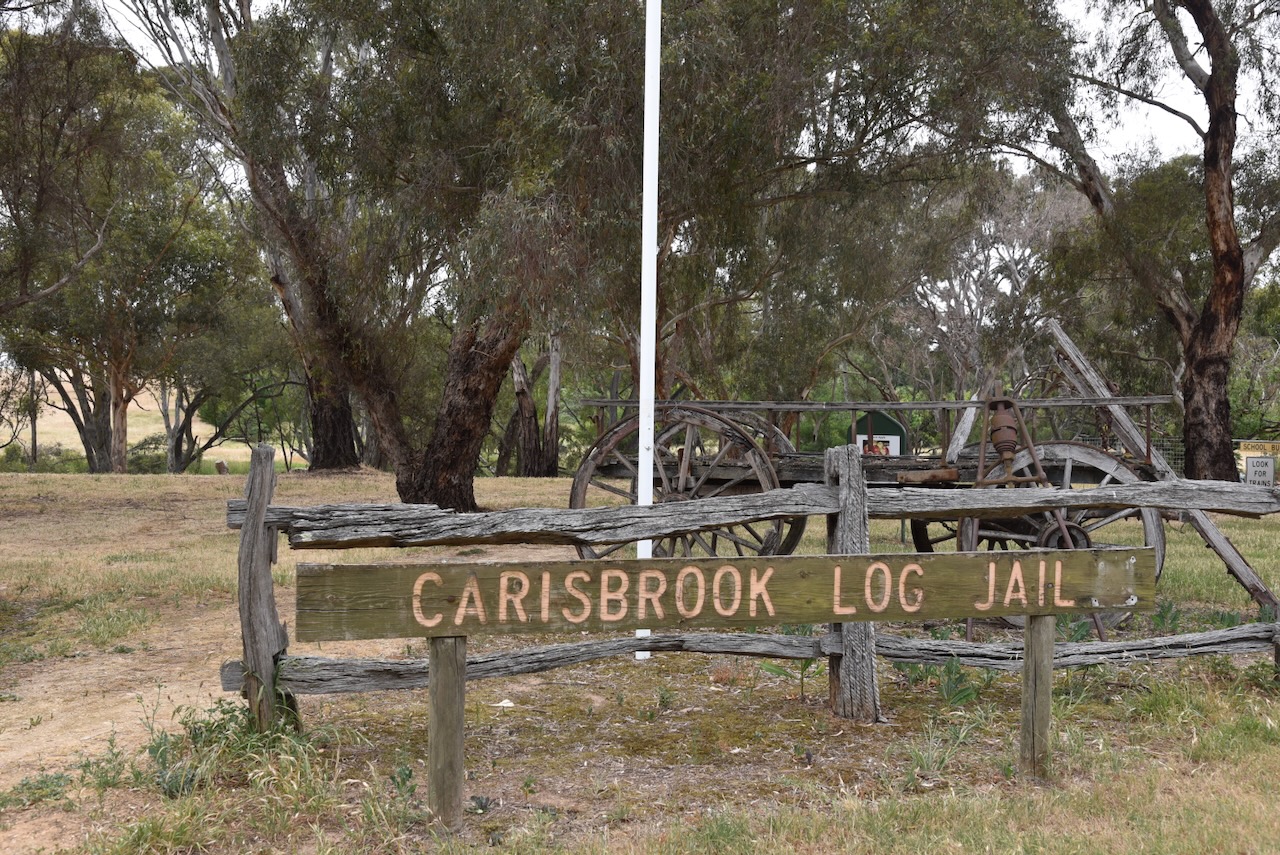
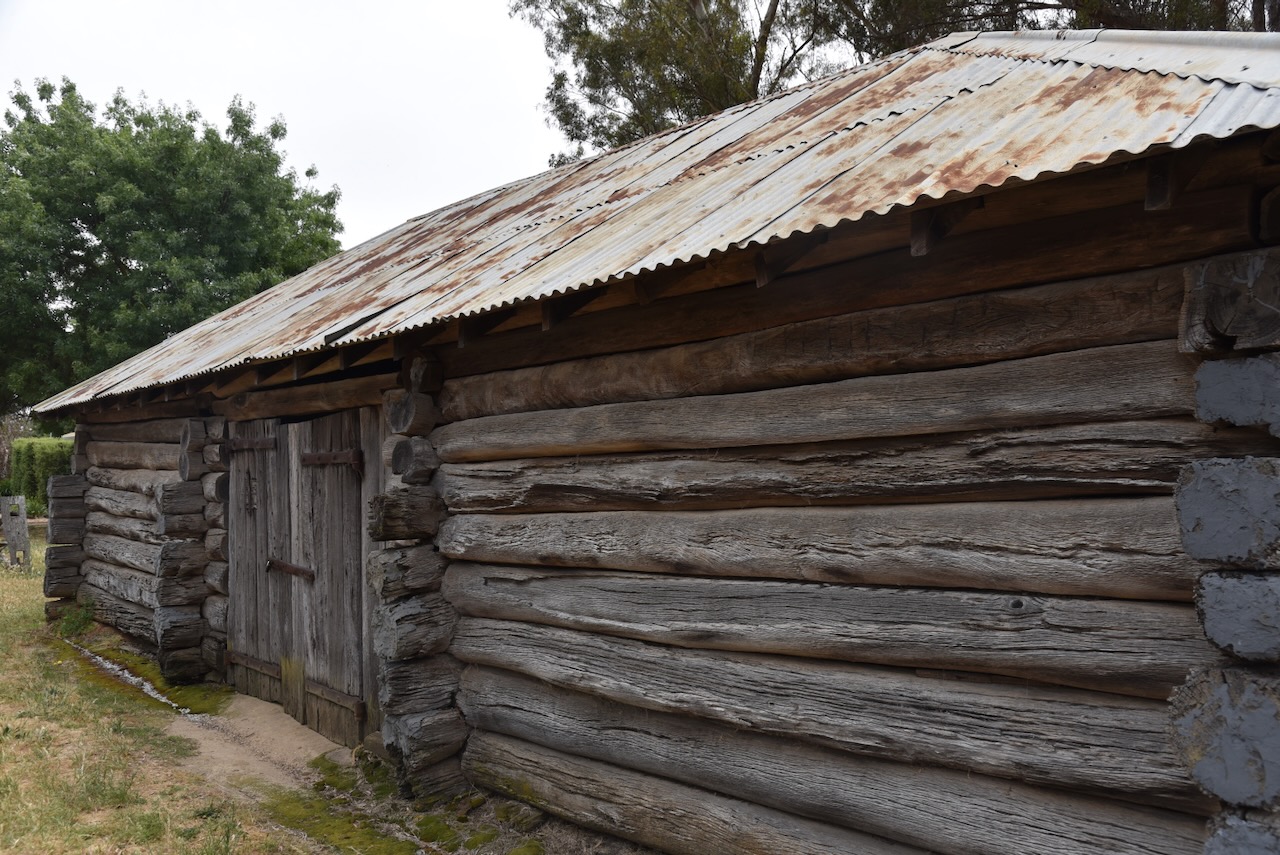
The old Carisbrook log gaol ‘jail’ was built in the early 1850s and served as the major gaol in the Carisbrook Police District. It was used as a gaol for low-risk offenders until about 1900. (Goldfields Guide 2024)
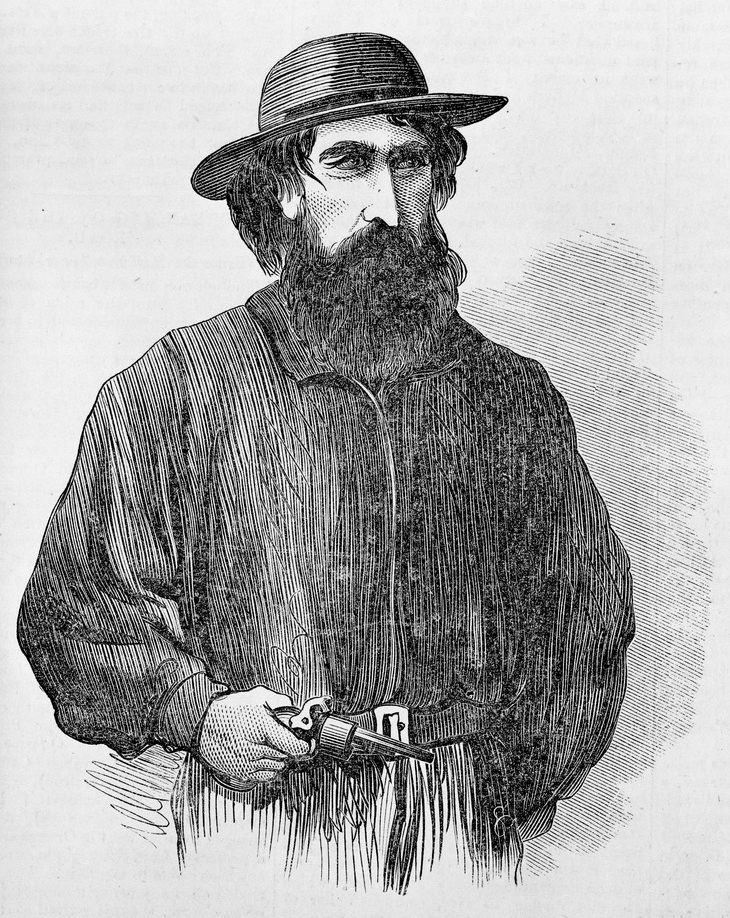
Several notorious bushrangers were imprisoned at the Carisbrook log gaol. This included Daniel Morgan and Frank McCallum @ Captain Melville.
Daniel Morgan was born in 1830 in Appin New South Wales. The Wagga Wagga Advertiser reported that he was “the most bloodthirsty ruffian that ever took to the bush in Australia. He had no redeeming features. Even his associates were afraid and distrustful of him.” He was the most feared bushranger in Australian history. He died in 1865 at age 34, after being shot. (Trove 2024)
Above:- Daniel Morgna. Image c/o Wikipedia.
Below is an excellent video on the life of Dan Morgan.
Francis Melville was born in 1822 in Inverness Scotland. In 1838 he was transported to Tasmania in 1838 for the offence of housebreaking. He became an infamous bushranger calling himself Captain Melville. He died in 1857 at Melbourne Gaol. (Aust Dict of Biography 2024)
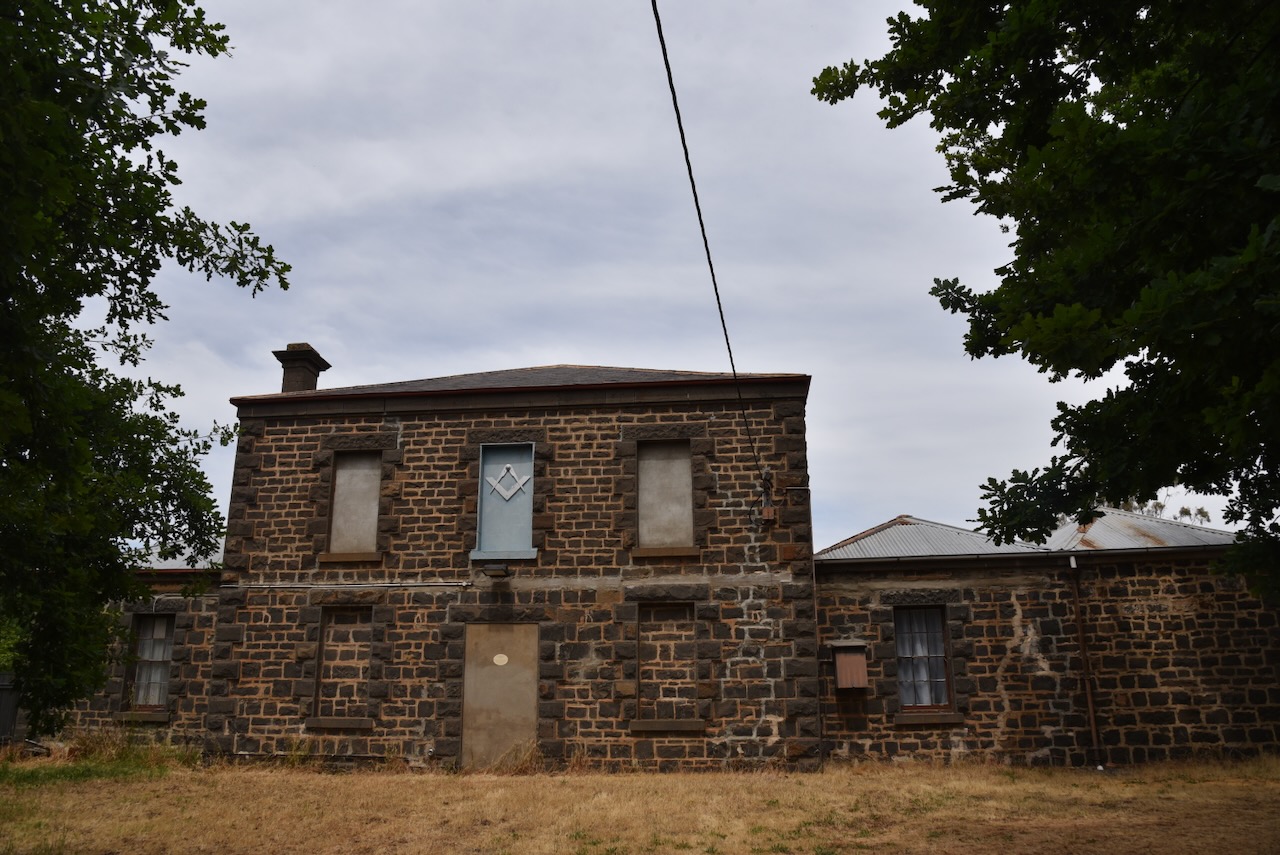
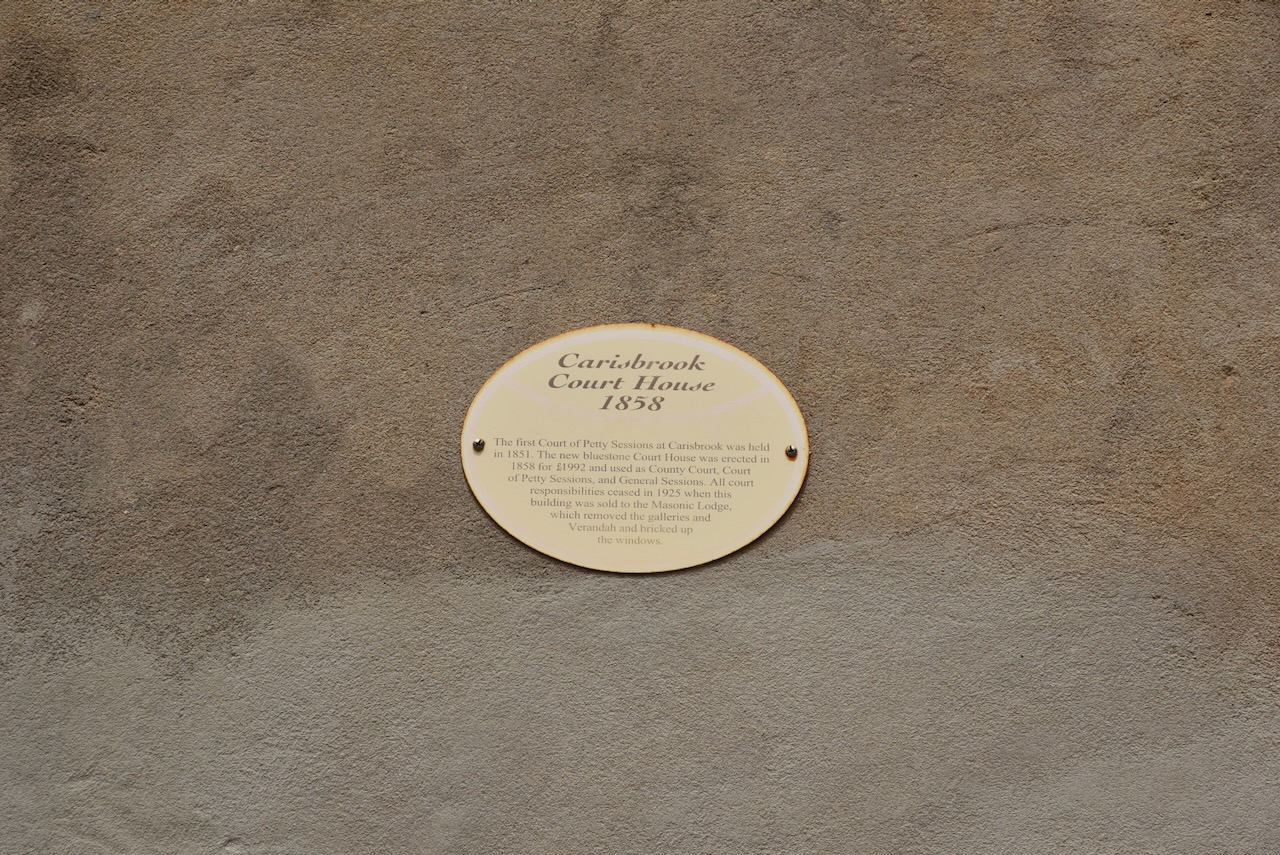
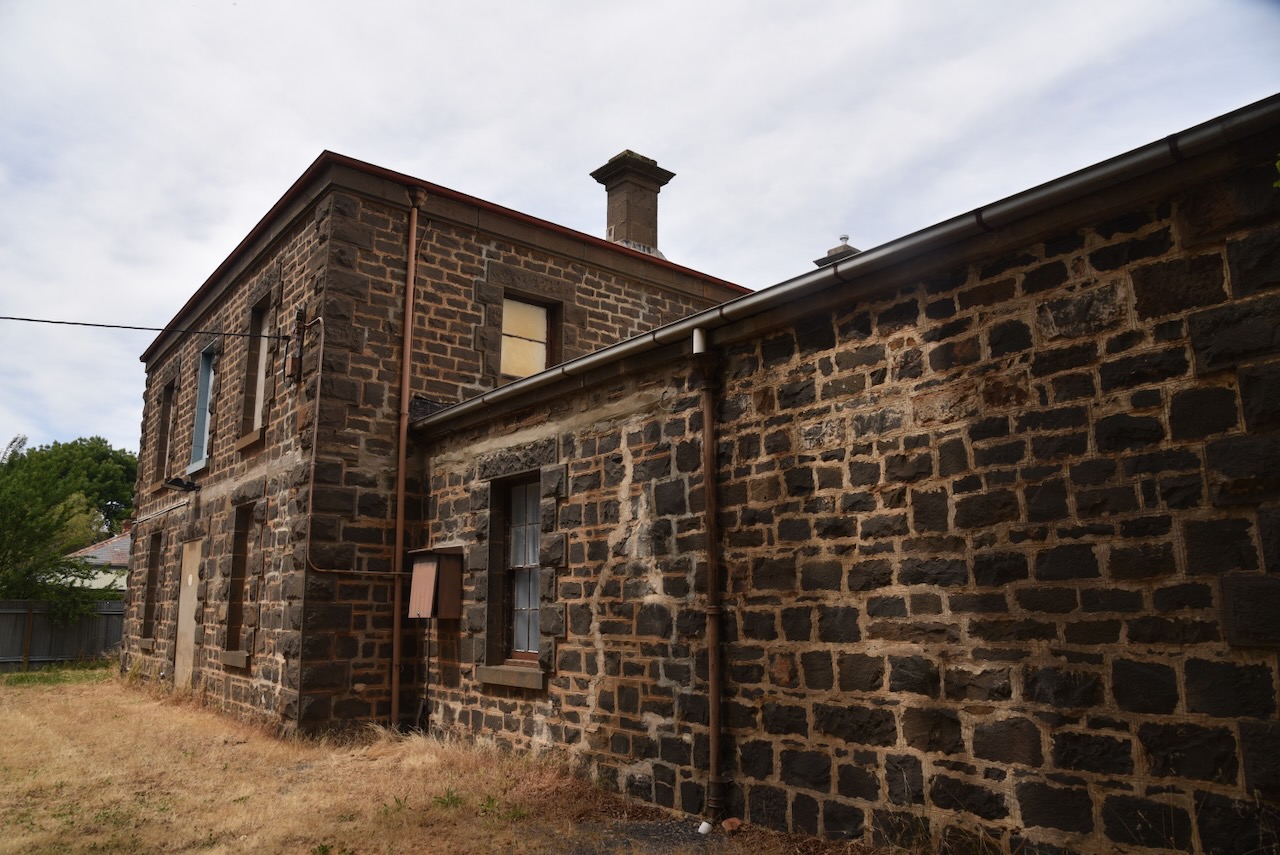
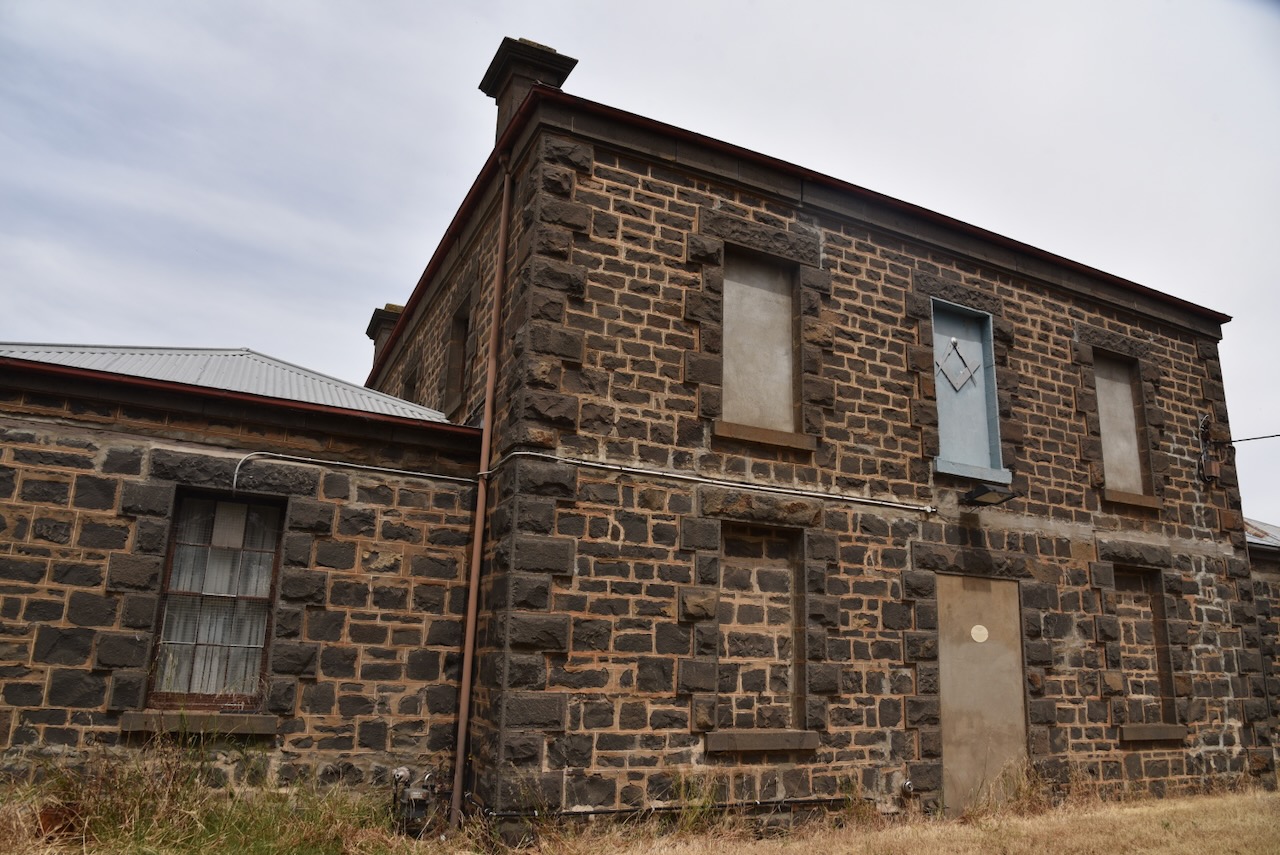
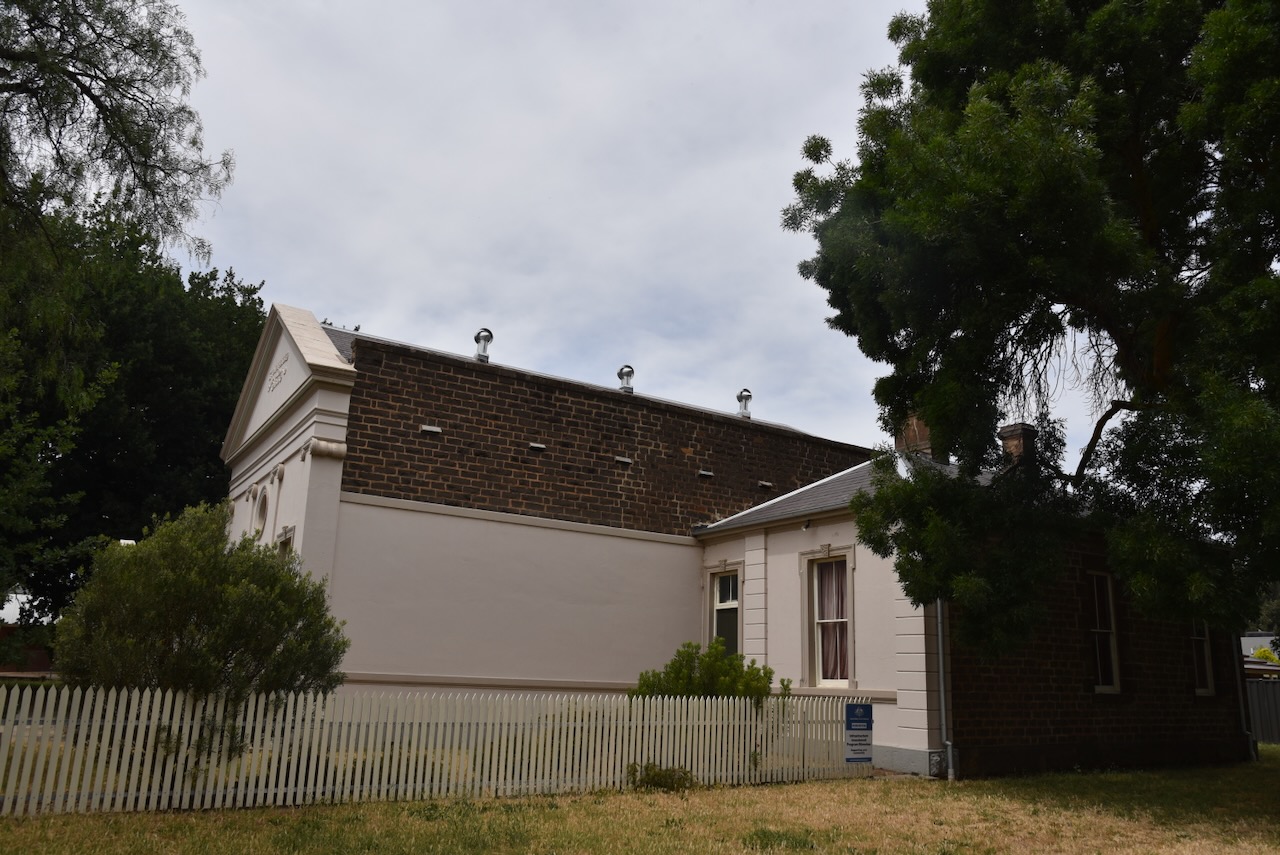
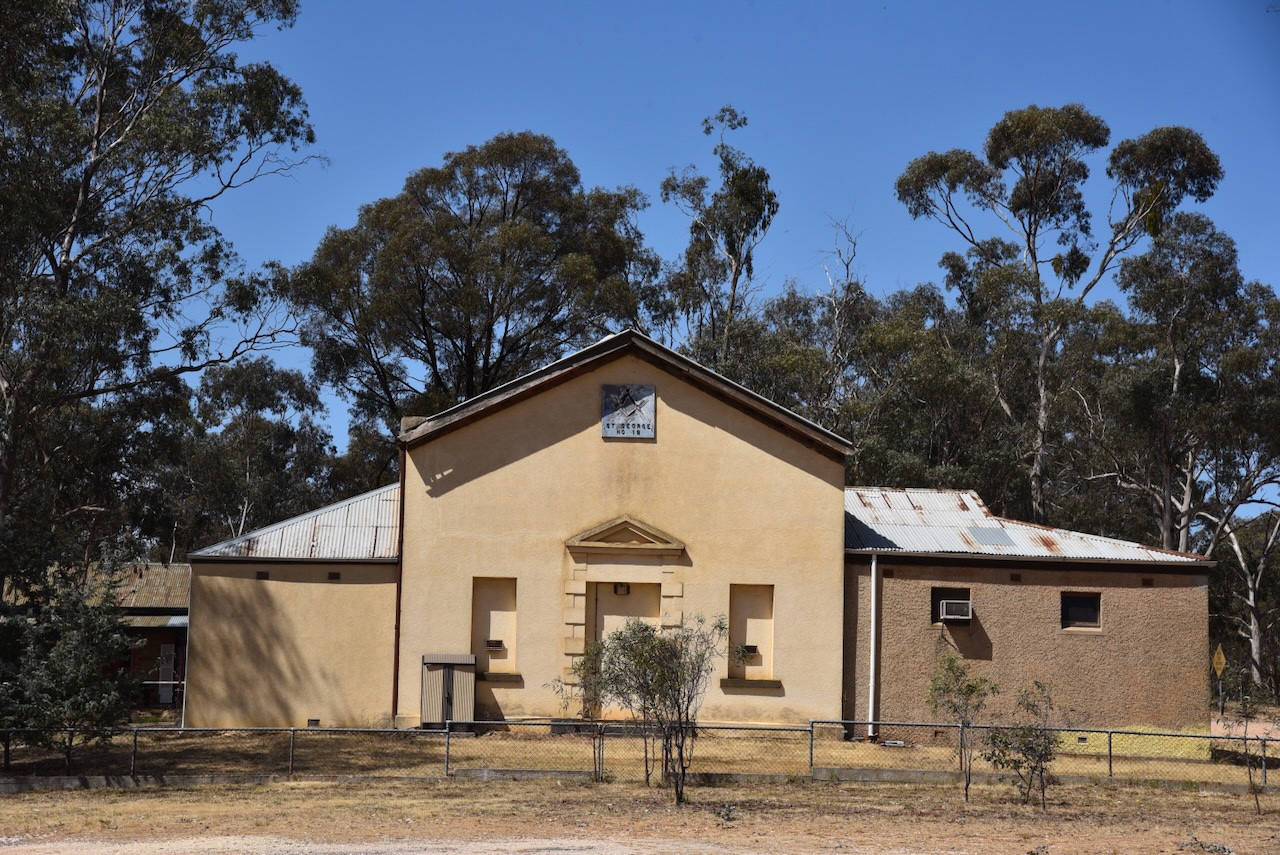
Our next stop was the very impressive Carisbrook Courthouse built in 1858. The first Petty Sessions at Carisbrook was held in 18521. The new bluestone courthouse was erected in 1858 for 1,992 pounds and used as a County Court, Court of Petty Sessions, and General Sessions. All court responsibility ceased in 1925 when the building was sold to the Masonic Lodge. They removed the galleries and verandah and bricked up the windows.
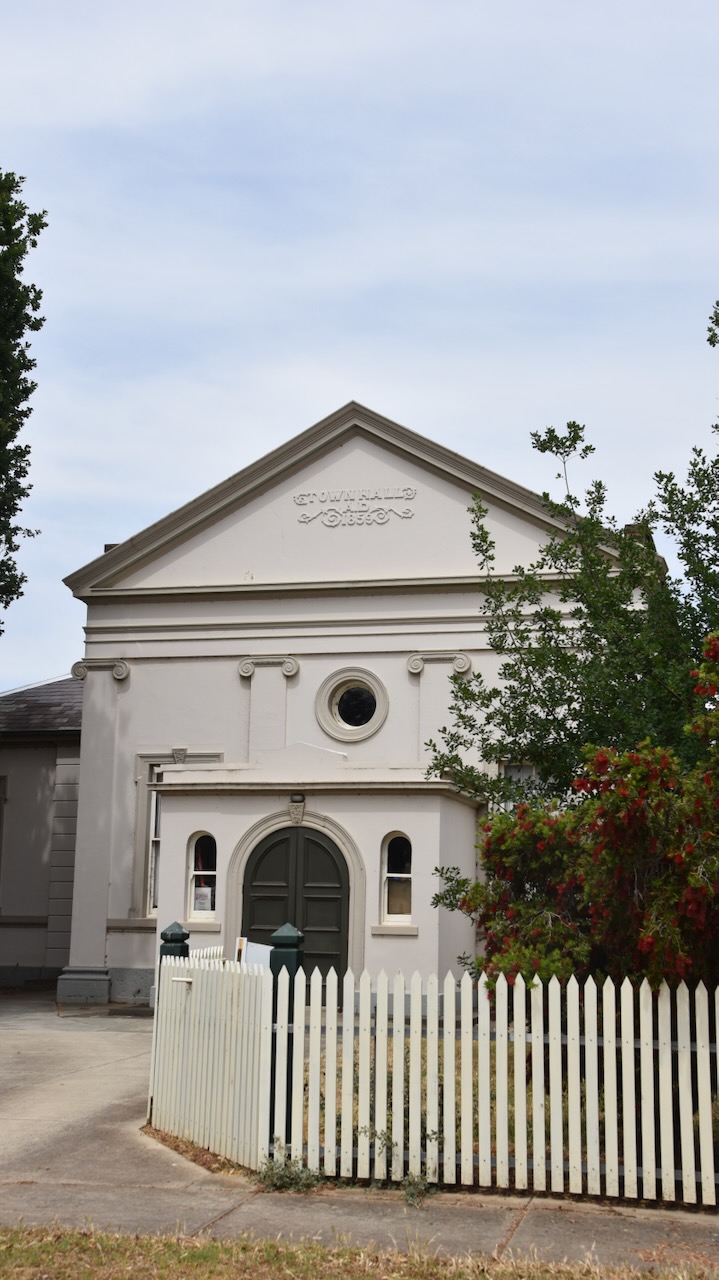
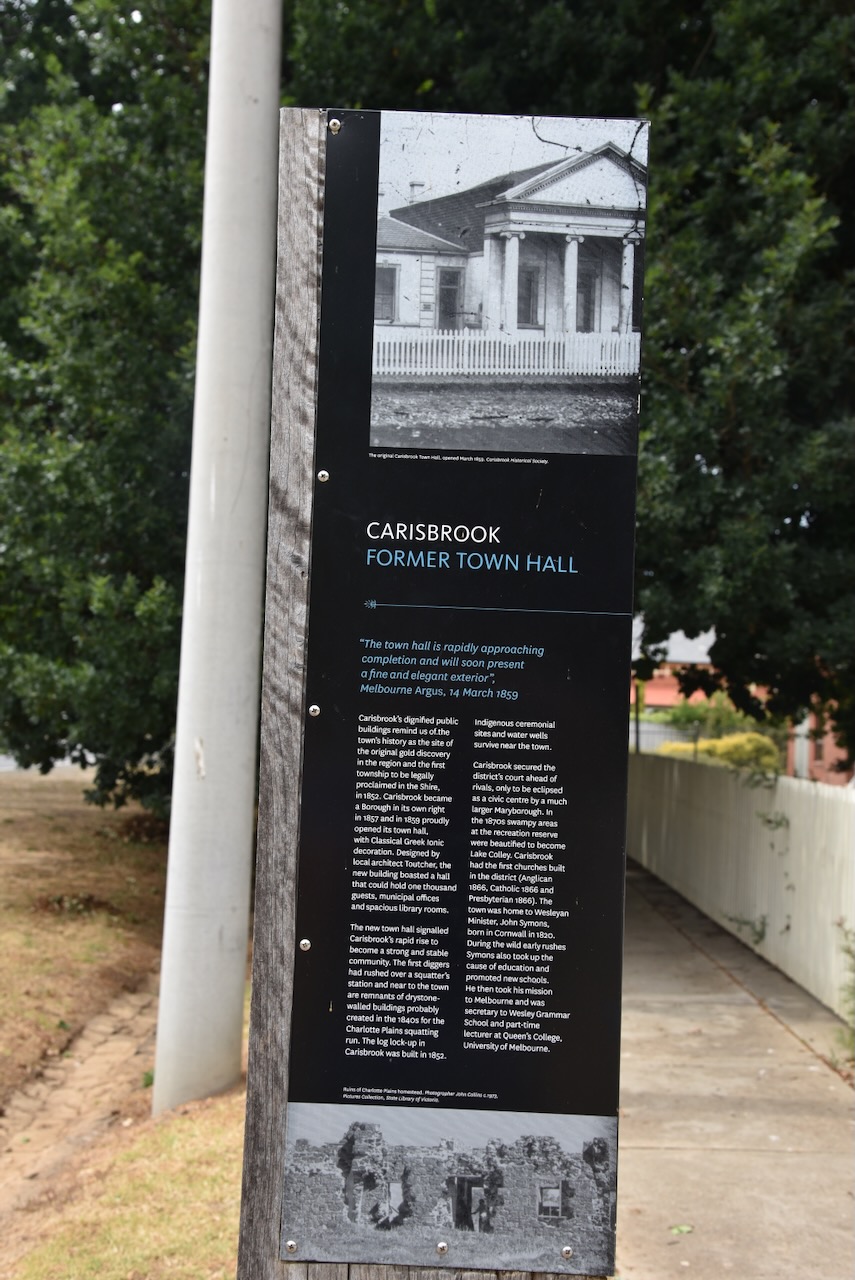
The former Carisbrook Town Hall was built in 1859 and is a classical Greek Ionic style. It was designed by a local architect Toutcher. The new building boasted a hall that could hold one thousand guests..
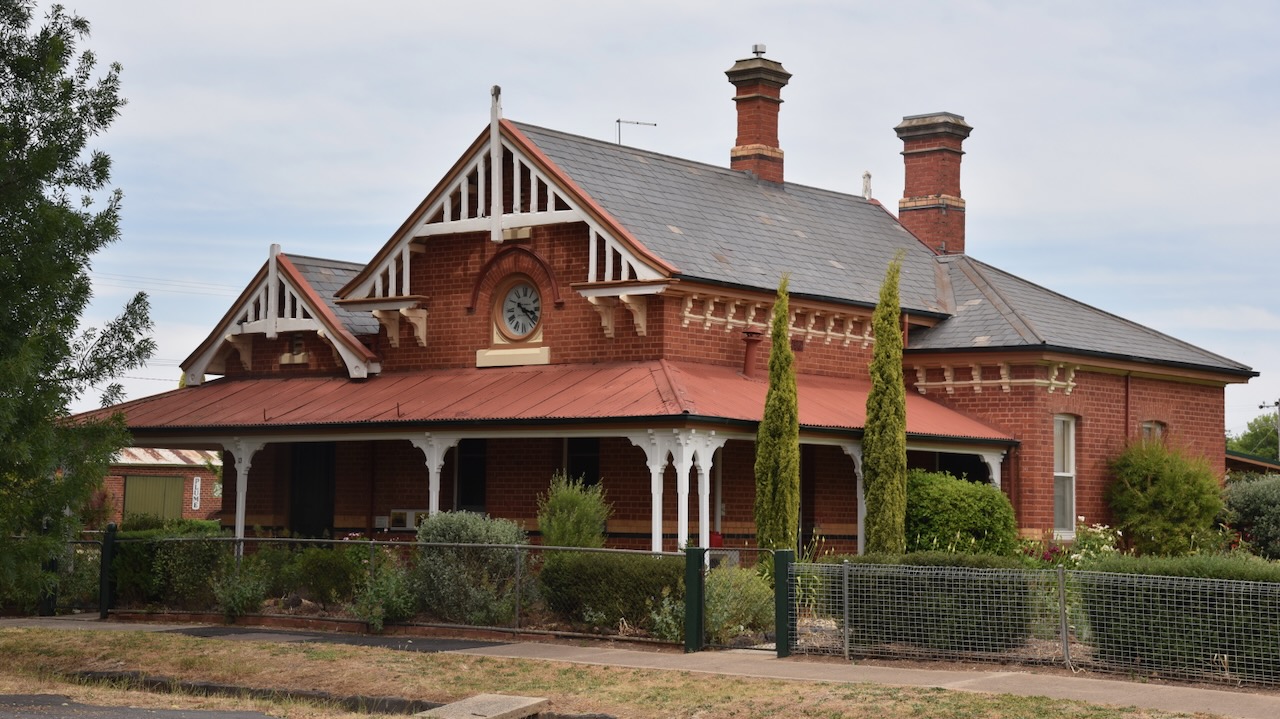
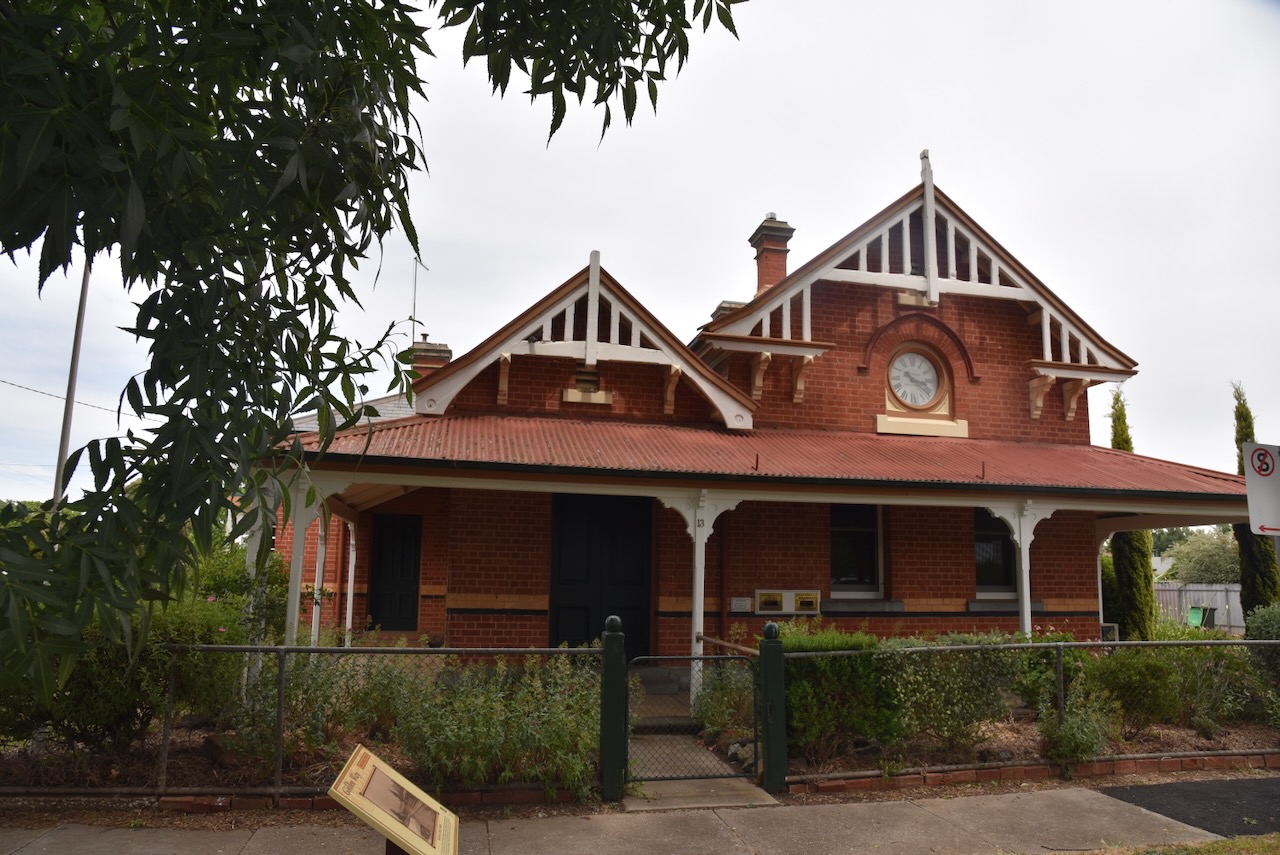
The former Carisbook Post Office was built in 1888 of local hand-made bricks. It was used as a Post Office until 2010, before the Post Office moved to new premises. (Waymarking 2024)
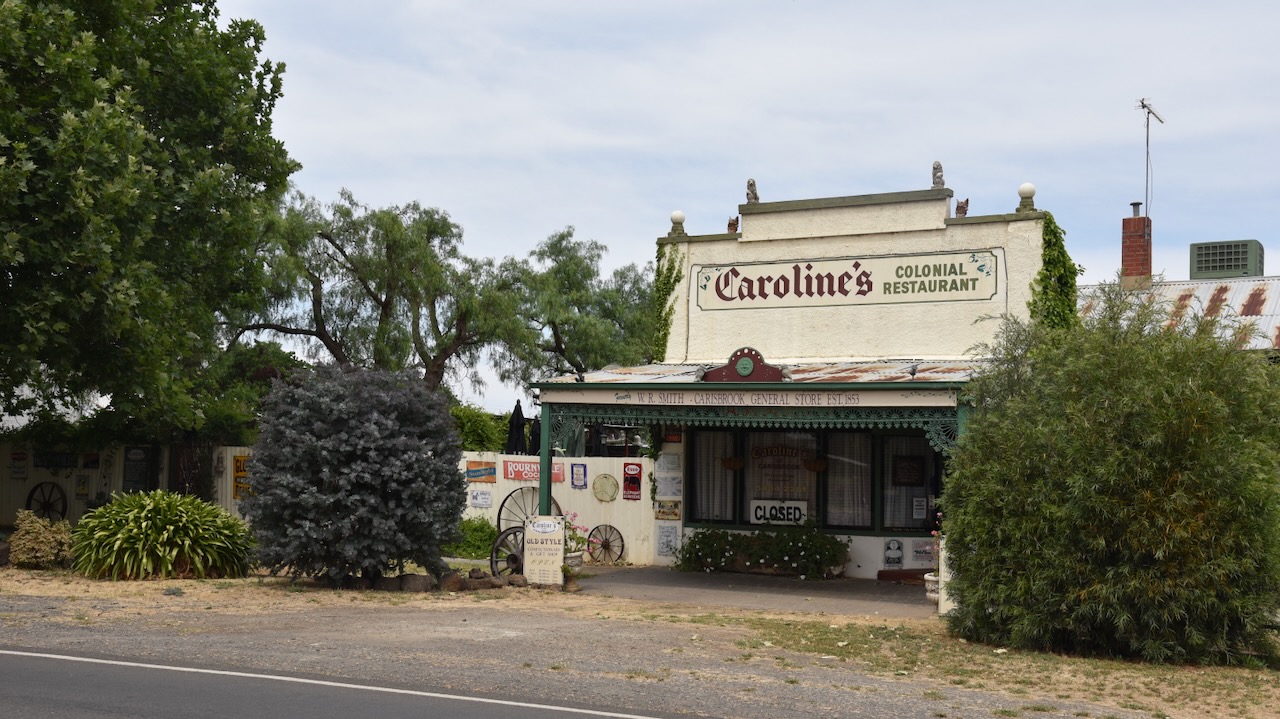
Carisbrook’s first grocery store is now Caroline’s Colonial Restaurant.
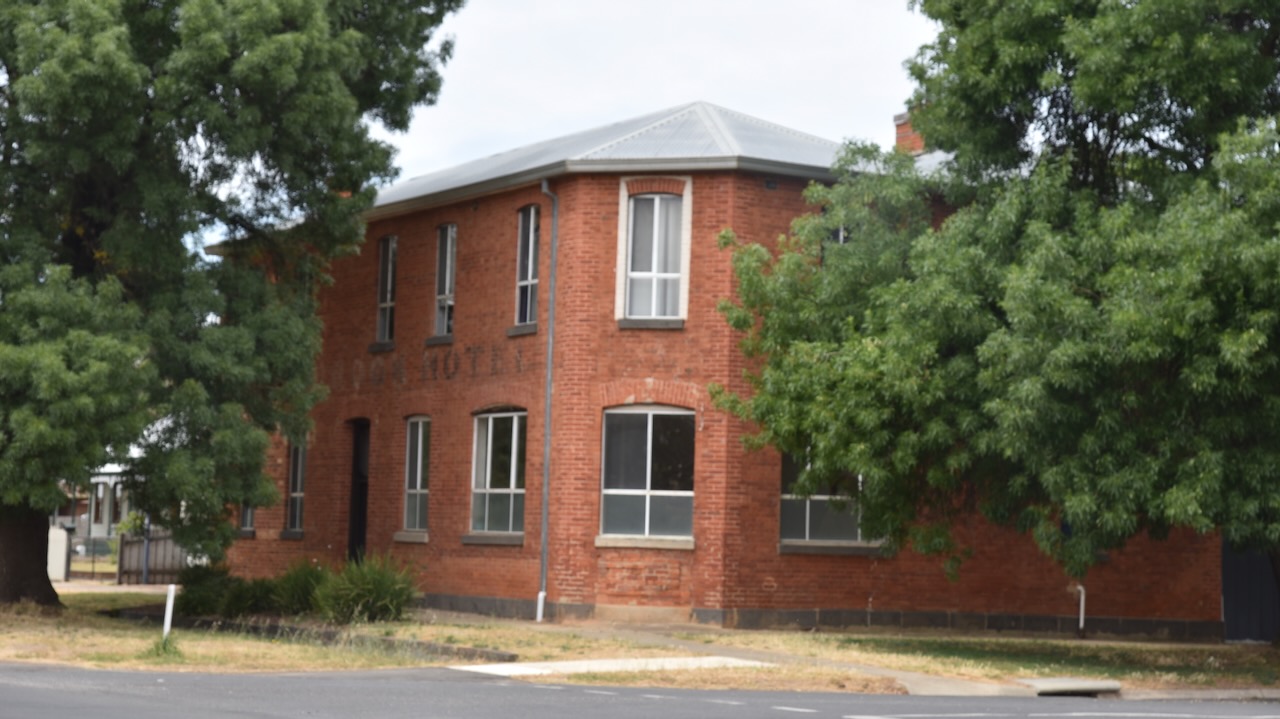
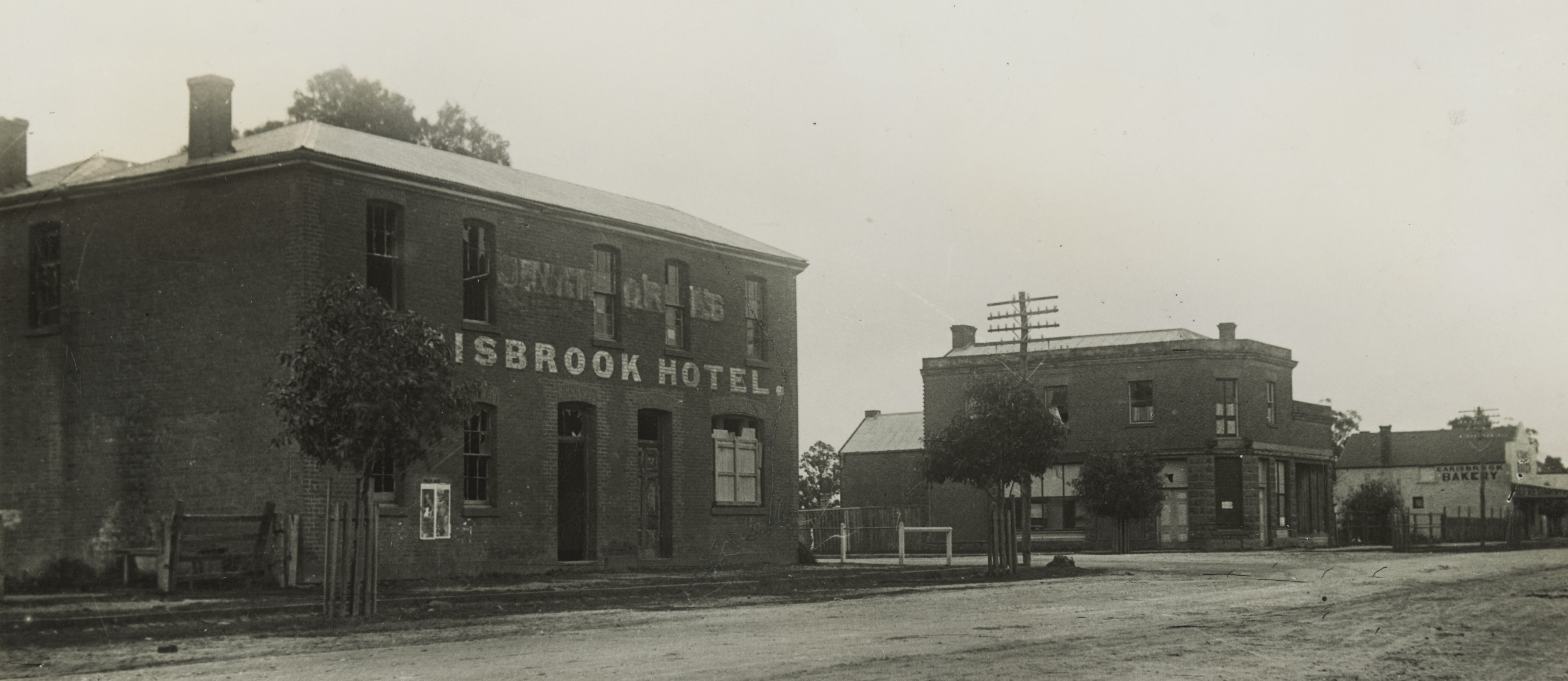
The old Carisbrook Hotel is located on the corner of Bucknall Street and Green Street.
Martin Kelly built the hotel in c. 1856/1857 at a cost of £2,000. In June 1865 he fell while mounting or dismounting his horse hitting his head and died as a result. He was just 48 years of age. His father-in-law Thomas Coonan built the Shamrock (later Brittania Hotel) at Carisbrook. The Carisbrook Hotel closed on the 31st day of December 1915. (Carisbrook Historical Society Facebook 2024)
Above:- The Carisbrook Hotel in the early 1930s. Image c/o State Library Victoria.
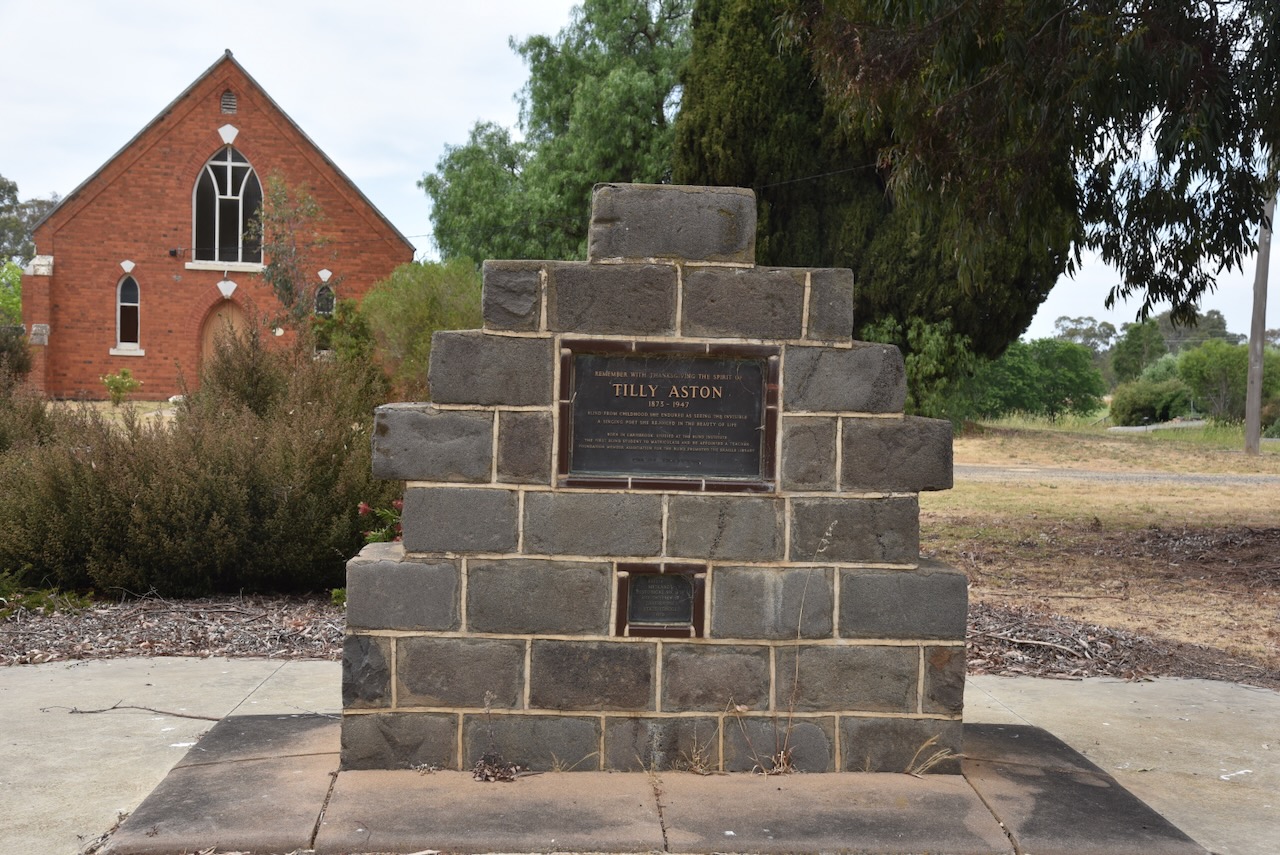
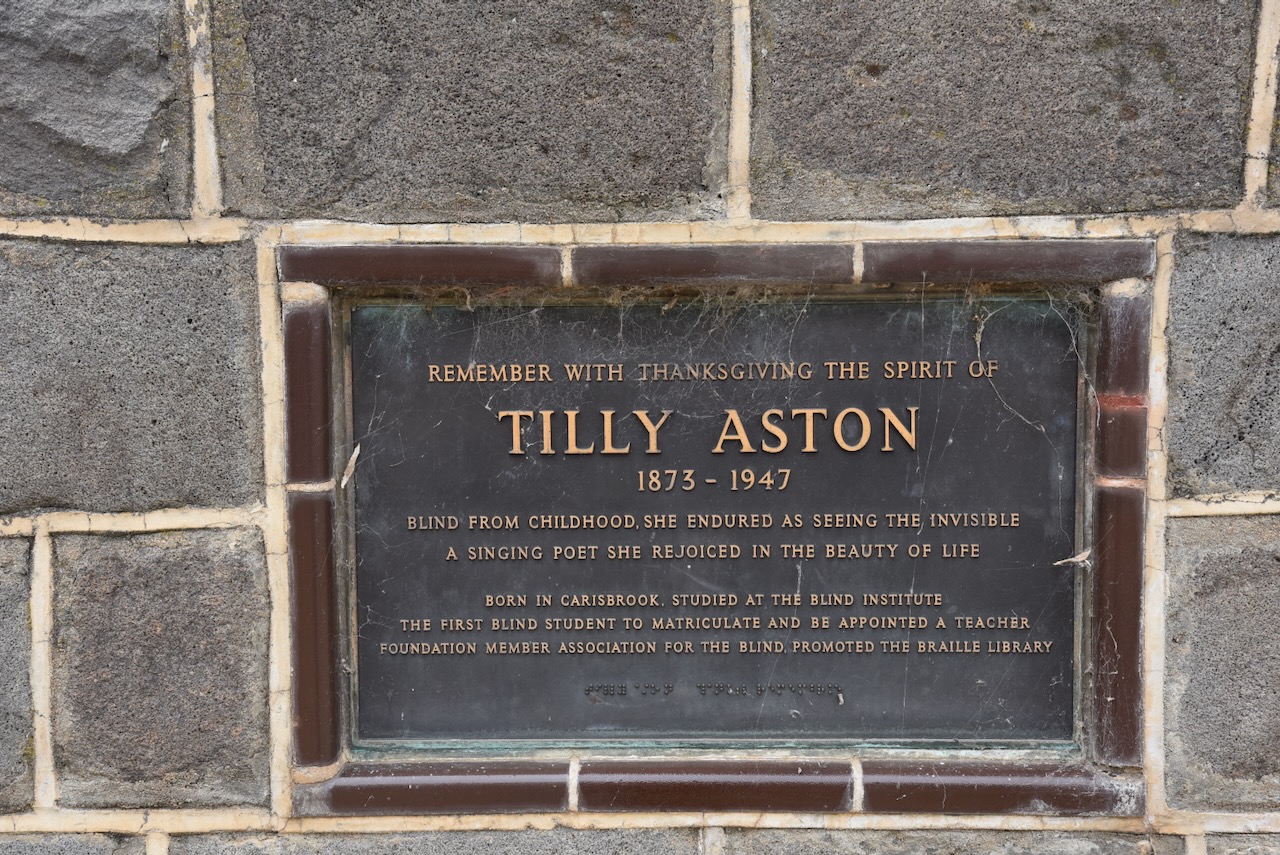
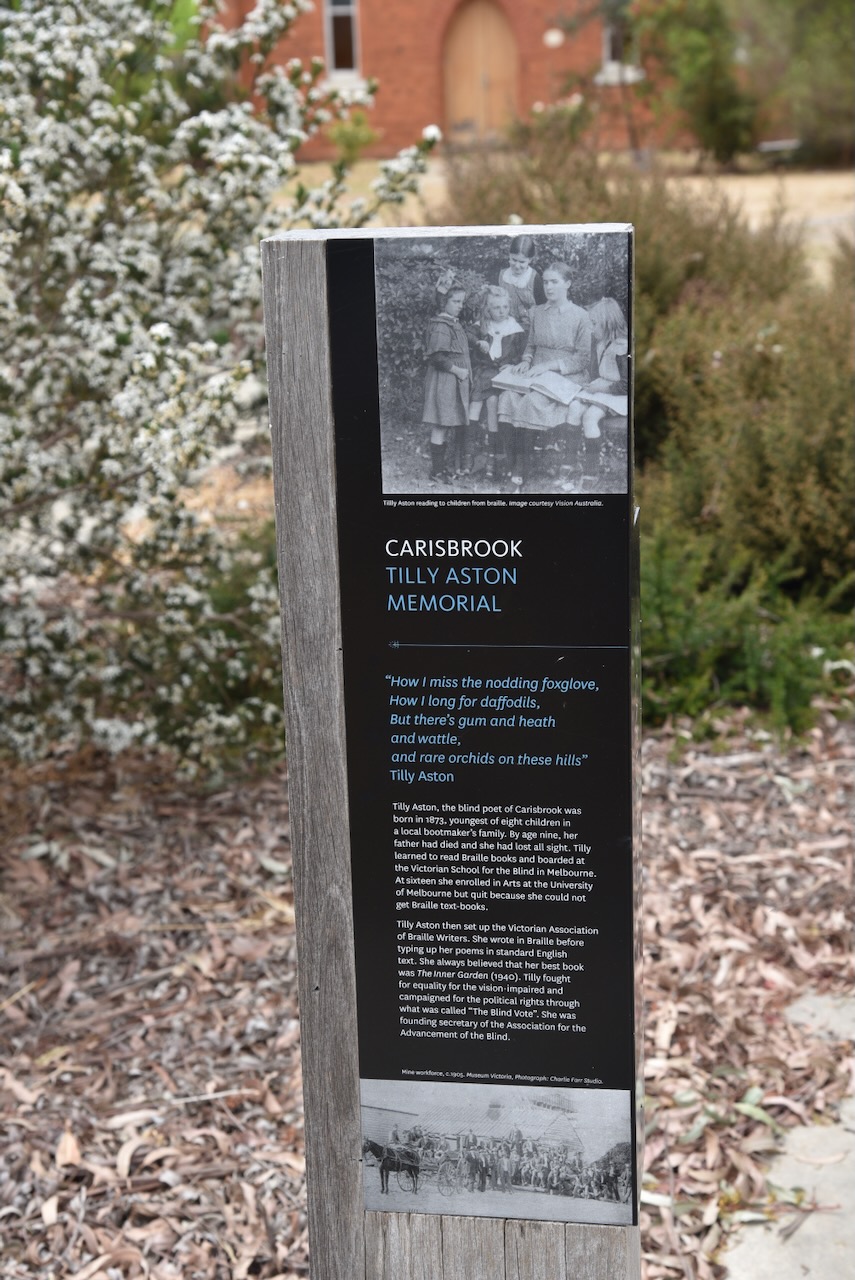
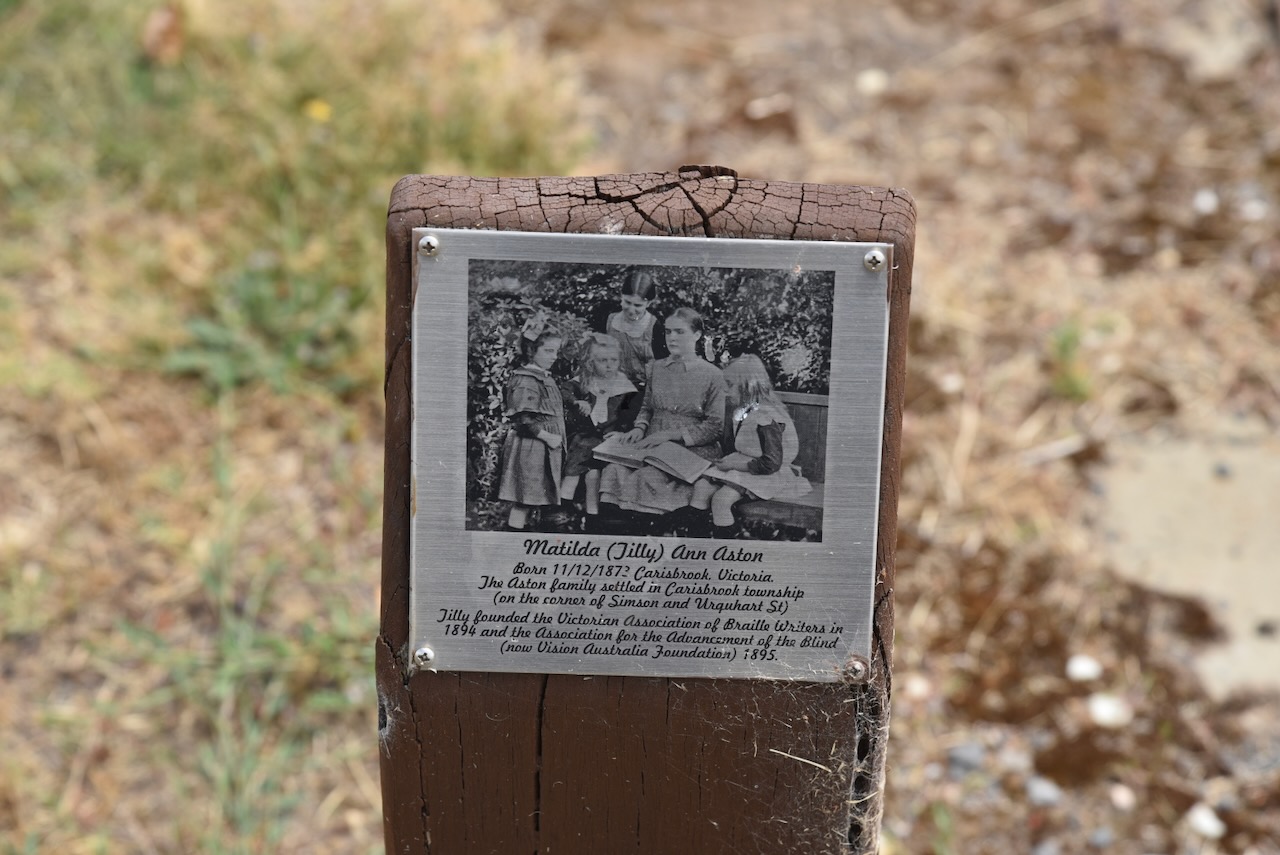
We then visited the Tilly Aston Memorial.
Matilda Ann Aston (b. 1873. d. 1947) was a blind Australian writer and teacher. She founded the Victorian Association of Braille Writers and established the Association for the Advancement of the Blind. (Aust Dict of Biography 2024)
Below is an excellent video on the life of Tilly Aston.
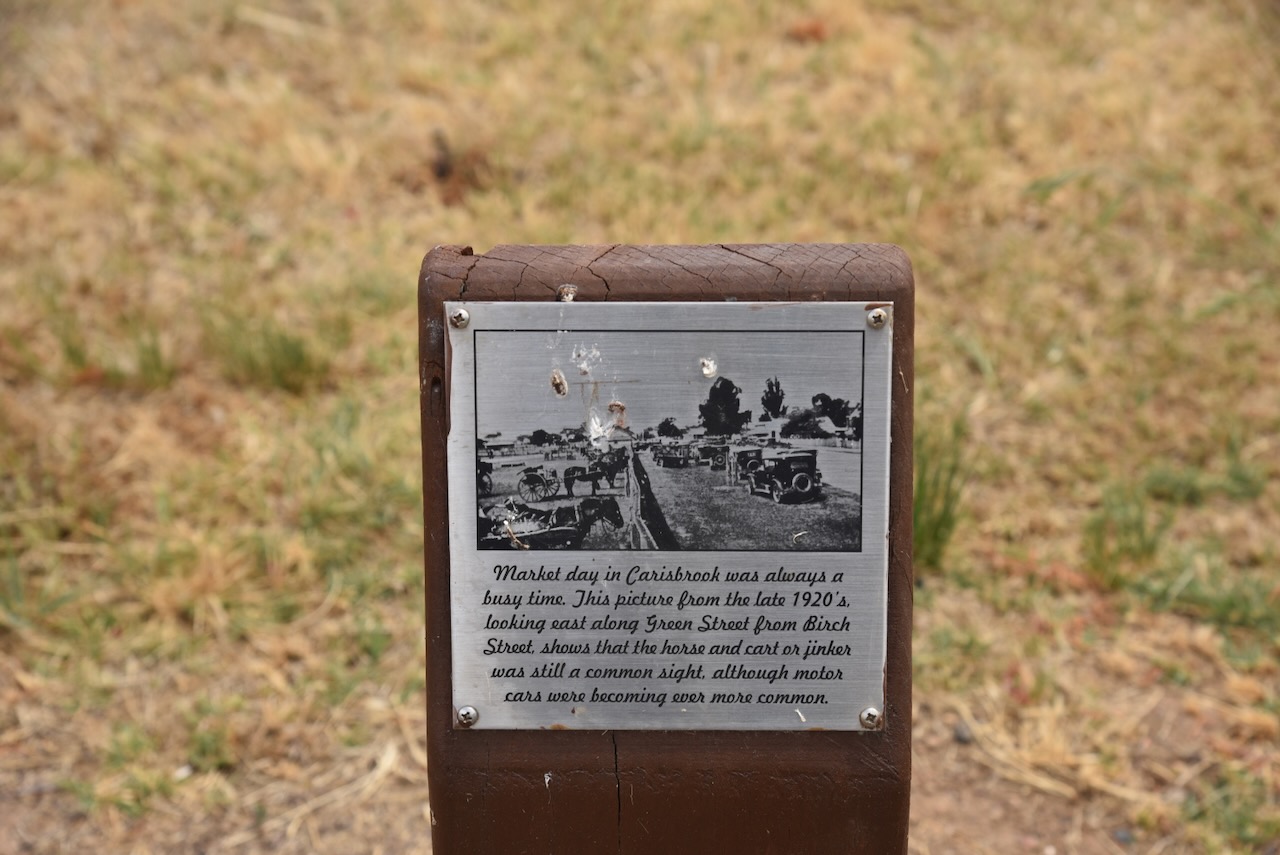
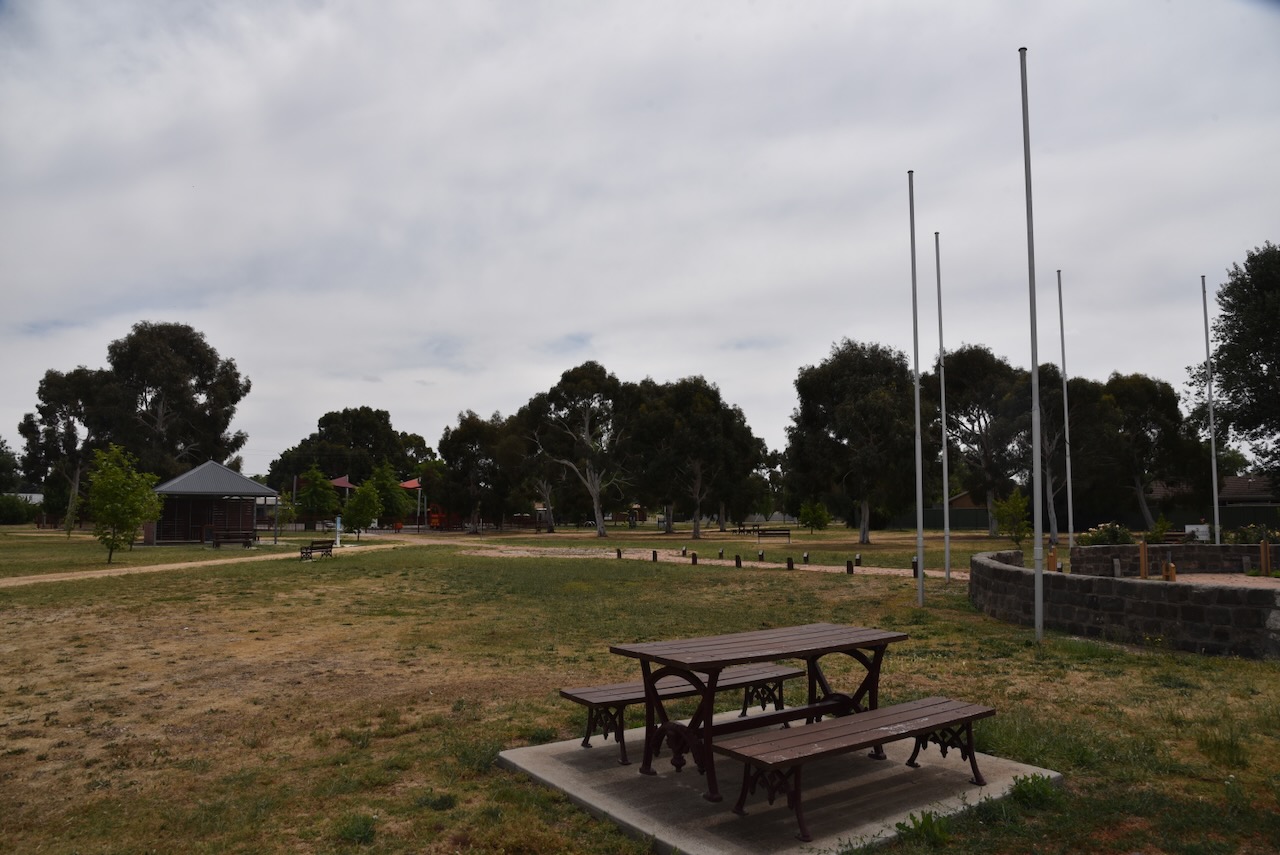
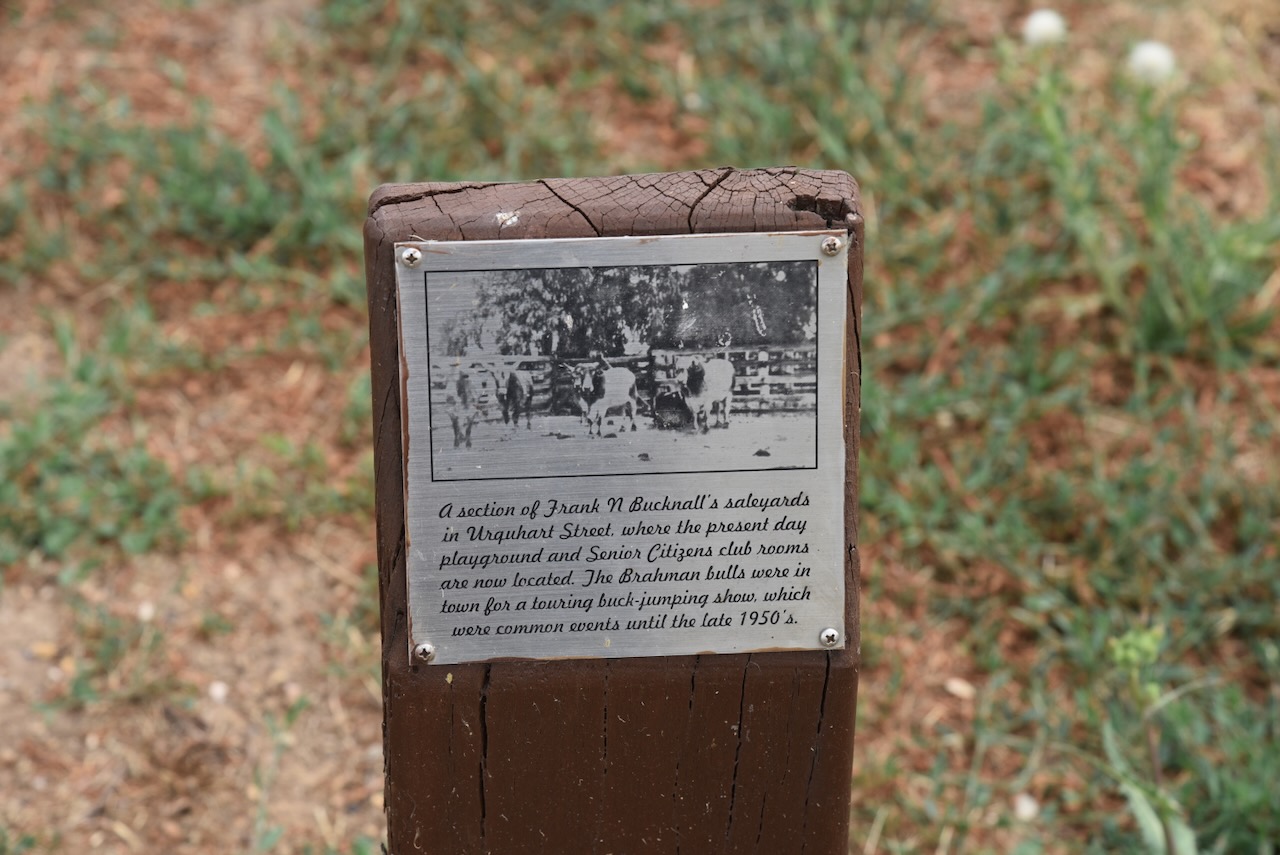
We then drove to the Carisbrook Recreation Reserve where there are numerous information plaques on the history of Carisbook.
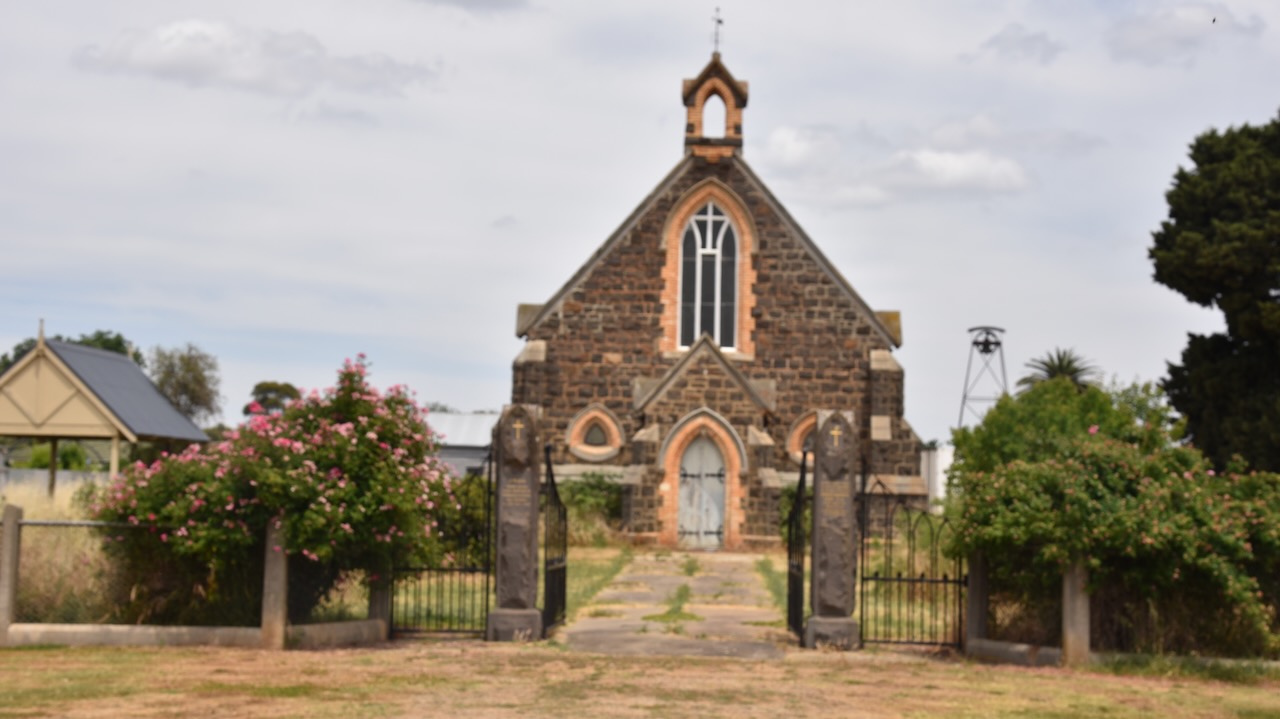
St Paul’s Anglican church was built between 1864 to 1866. However, prior to this, Anglican services had been held at Carisbrook since 1851. In 1854 church services and a school were held in the Parish Hall. In October 2015 St Paul’s was deconsecrated as a place of worship, after serving the Carisbrook community for about 149 years. (Aust Christian Church Histories 2024)
We then headed to our silo and park activation at Carisbrook.
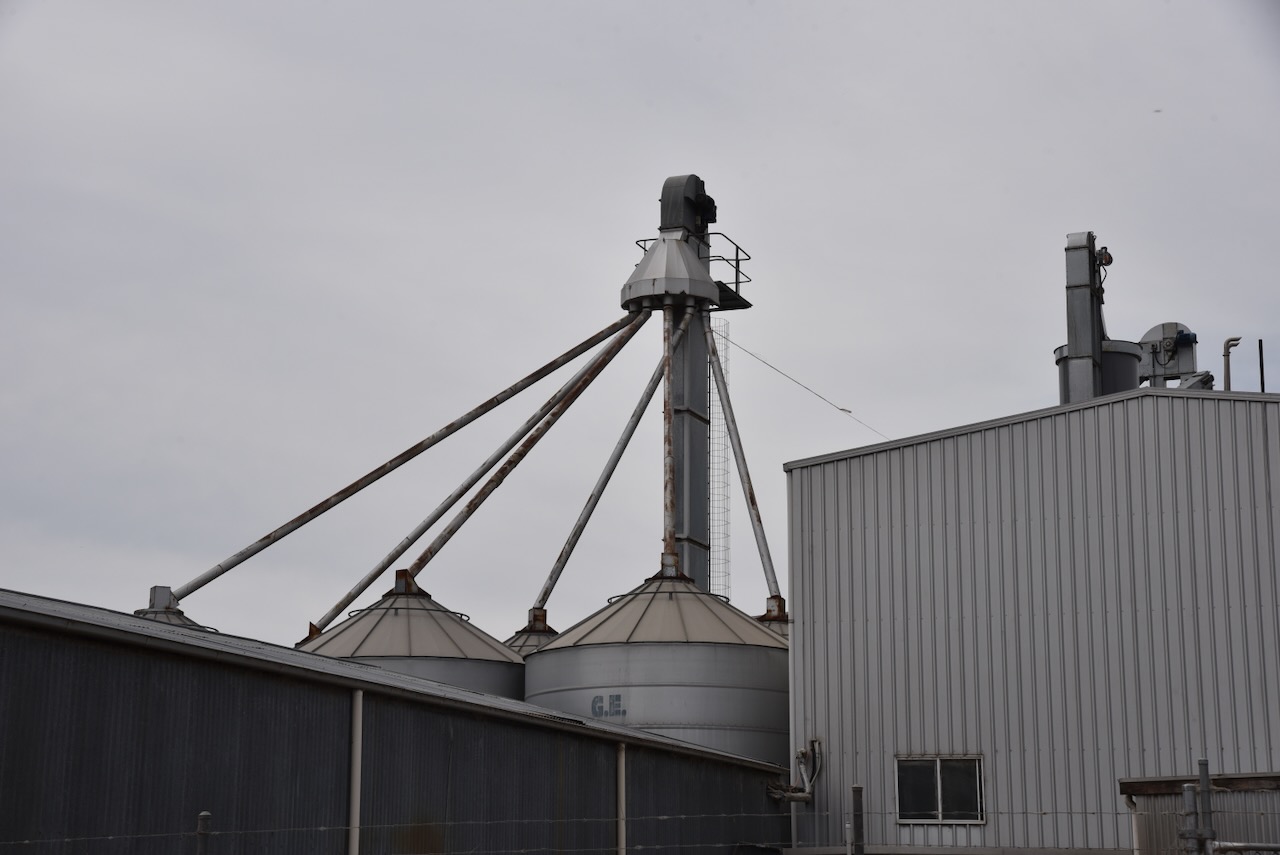
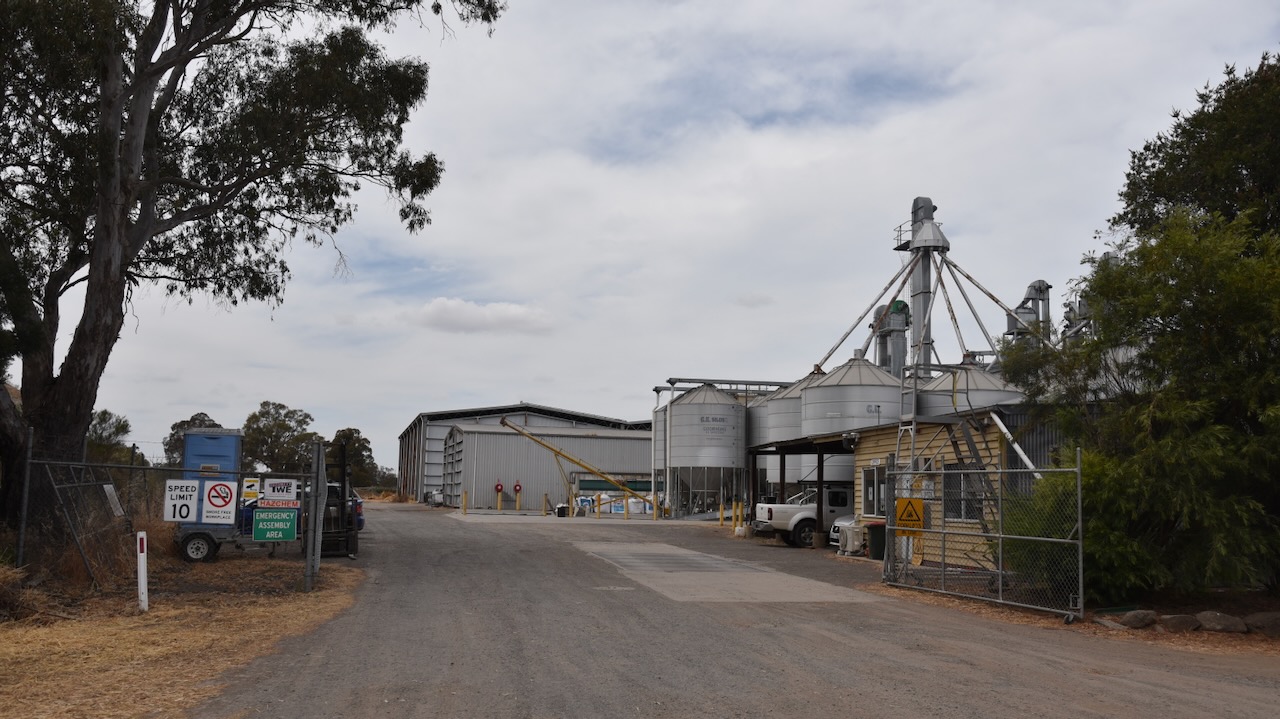
The Carisbrook silo VK-CRK3 is operated by Southern Cross Feeds and is located on Landrigan Road on the southern side of Carisbrook.
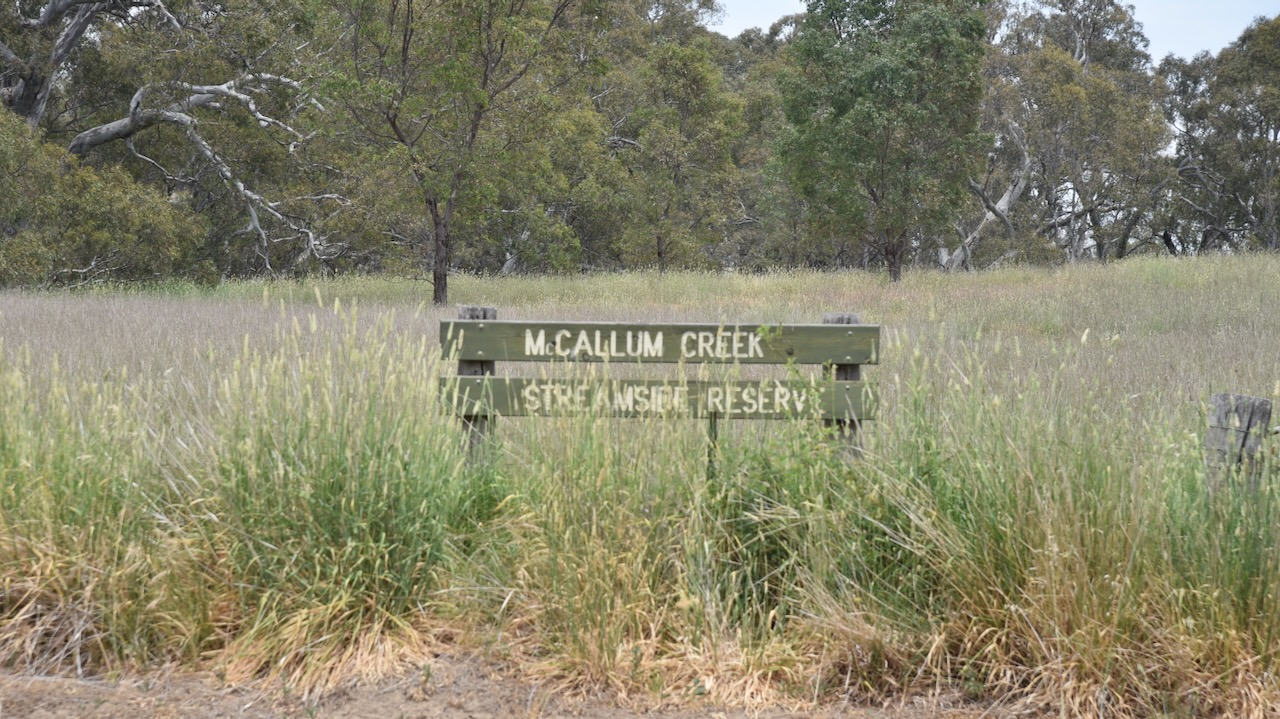
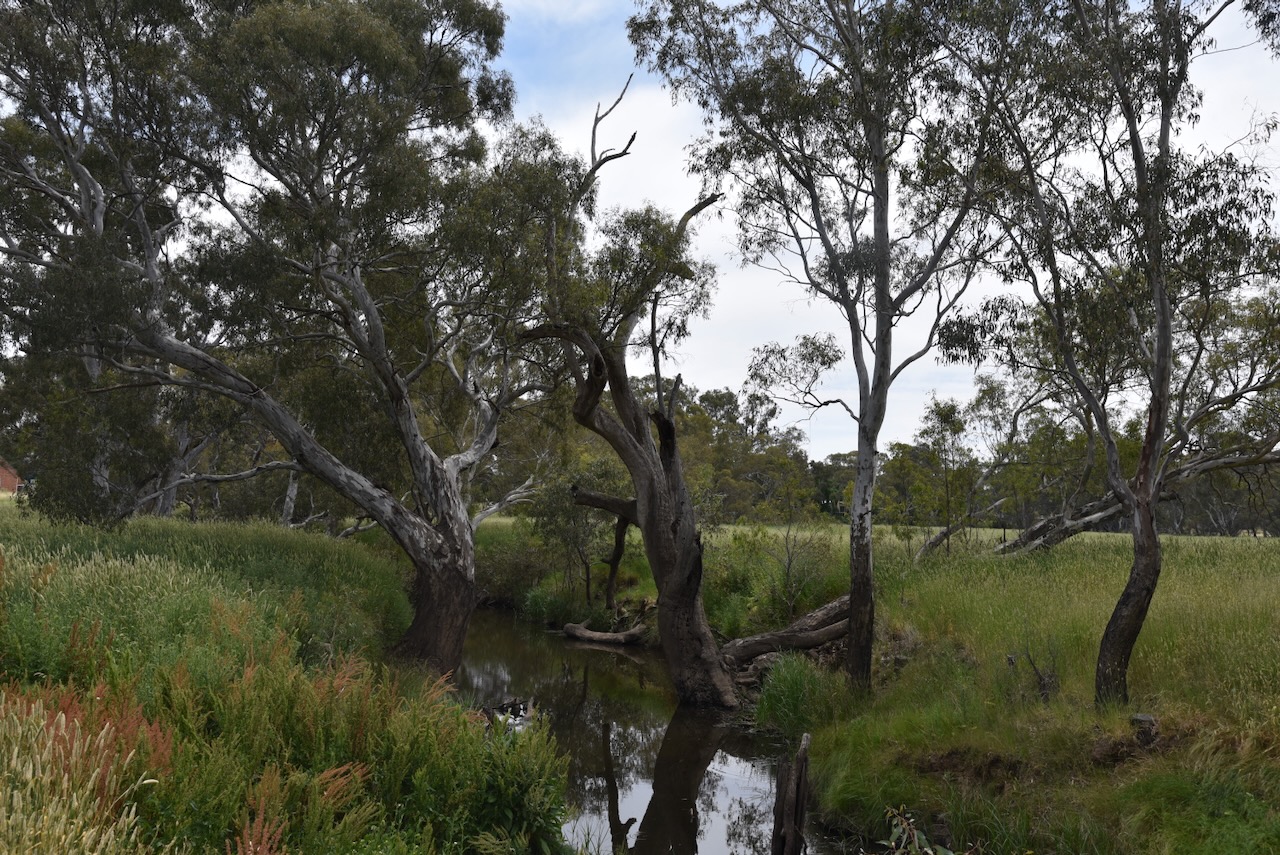
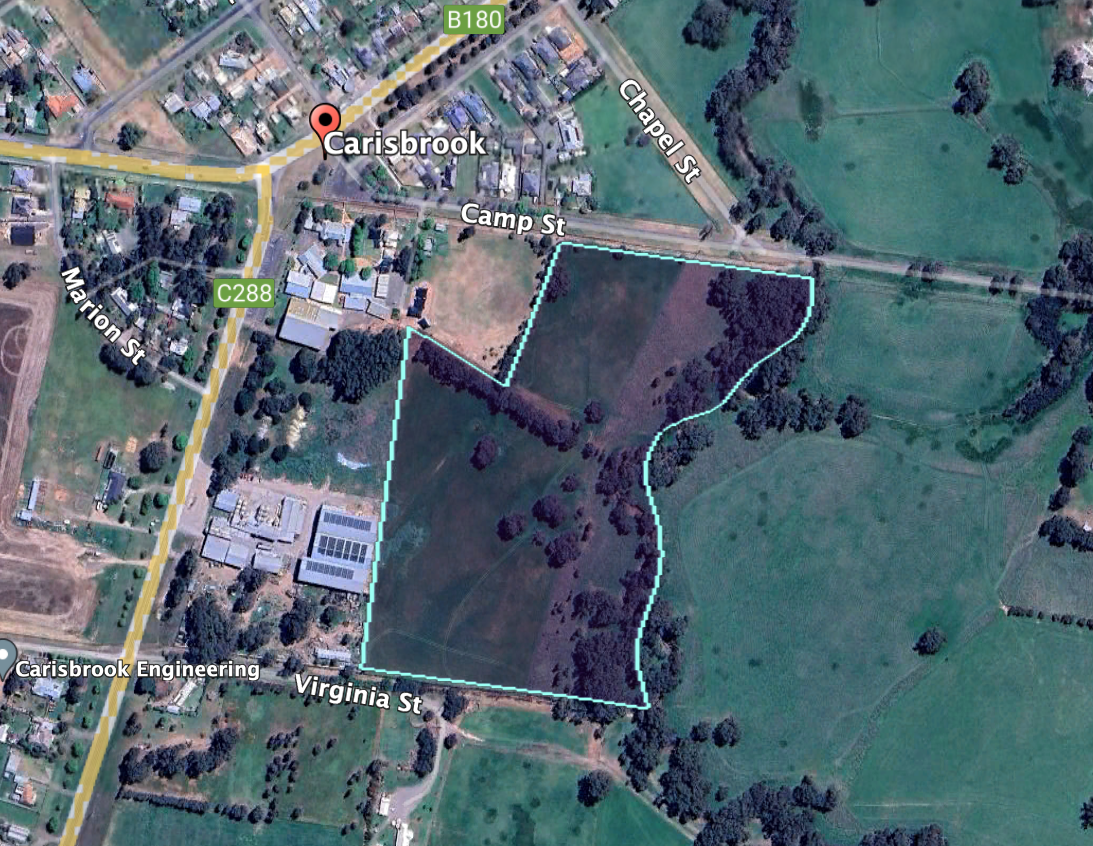
The Carisbrook Streamside Reserve VKFF-3642 is located on the southern side of Camp Street. The sign at the park shows ‘McCallum Creek Streamside Reserve.’
The reserve is 9 hectares in size and was established on the 24th day of August 1982. (CAPAD 2022)
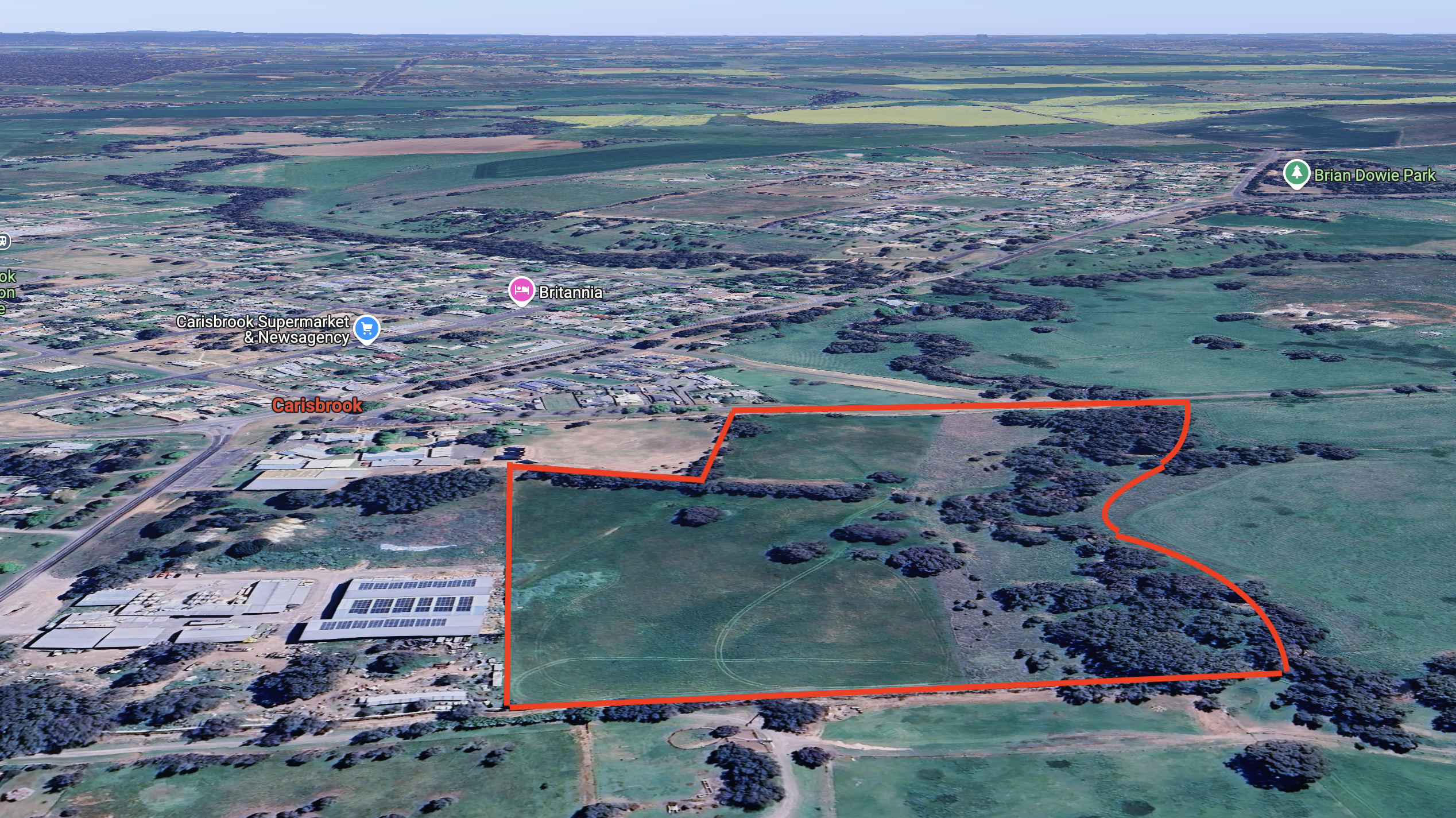
Above:- An aerial view showing the reserve’s boundary. Image c/o Google Earth.
We initially tried to access the park via Virginia Street, but it appeared that access would have been via private property. We knocked on the door of the house at the end of Virginia Street but nobody was at home. As we were leaving, a car approached us in the opposite direction. It turned out to be the landowner who was very friendly and allowed us access to her property. Unfortunately, after some significant investigation, we realised that we could not access the park via that point due to a culvert and very high vegetation.
We drove around to Camp Street and were also disappointed to see extremely long grass and weeds and a fence line. Our only option was to jump the fence. But, it was a warm day and we were extremely concerned about snakes, so this was to be a very quick activation. No 44 QSOs from this park.
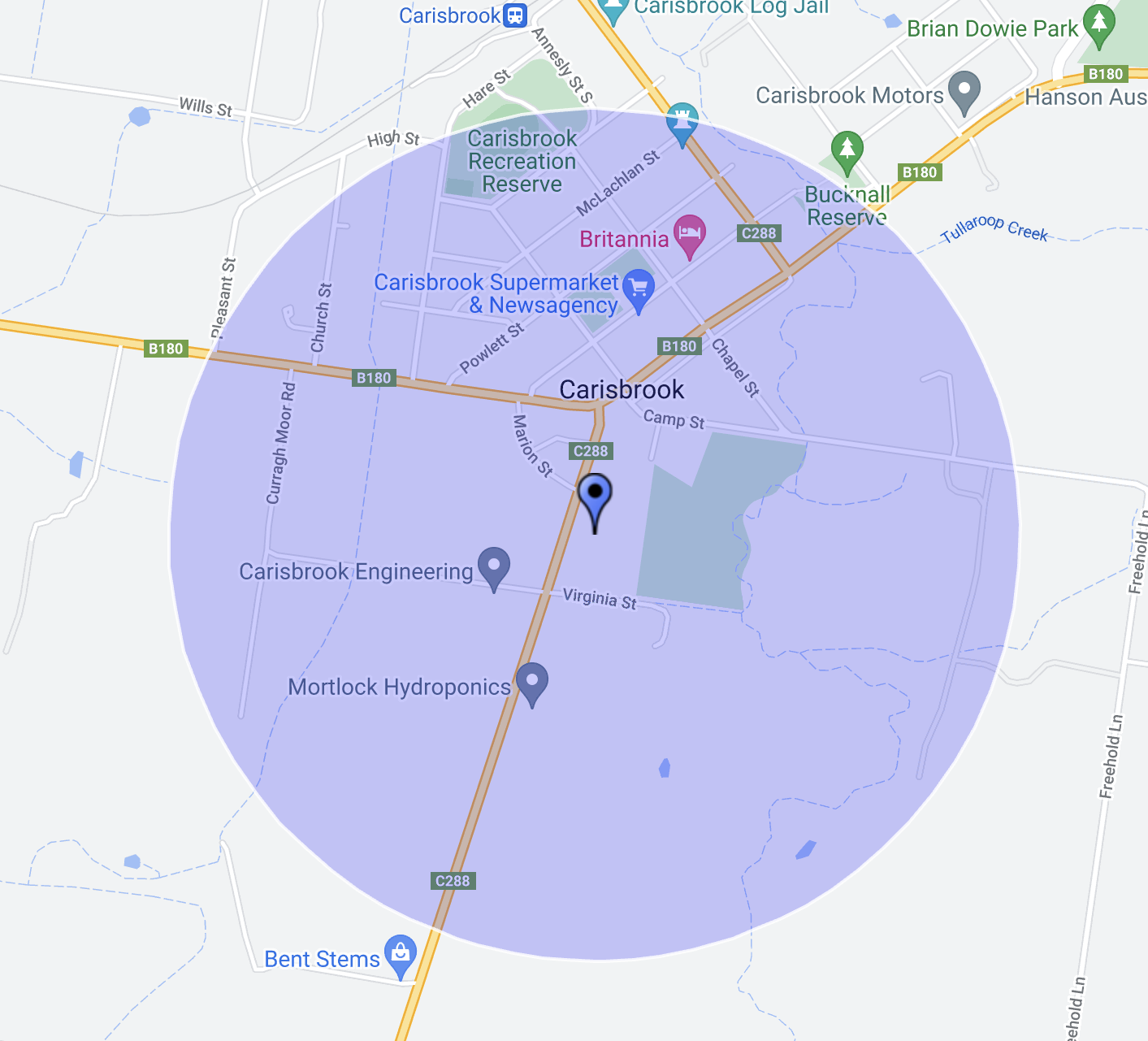
Above:- An aerial view of the reserve. Image c/o Google Maps.
We ran the Yaesu FT857, 40 watts, and the 20/40/80m linked dipole. I used the special event callsign of VI10VKFF.
Our operating spot was within the activation zone of the silo.
Above:- the activation zone at the Carisbrook silo. Image c/o SiOTA website.
Josieg (n.d.). Majorca: Glory Days and Golden Times. [online] Walking Maps. Available at: https://walkingmaps.com.au/walk/937 [Accessed 21 Mar. 2024].
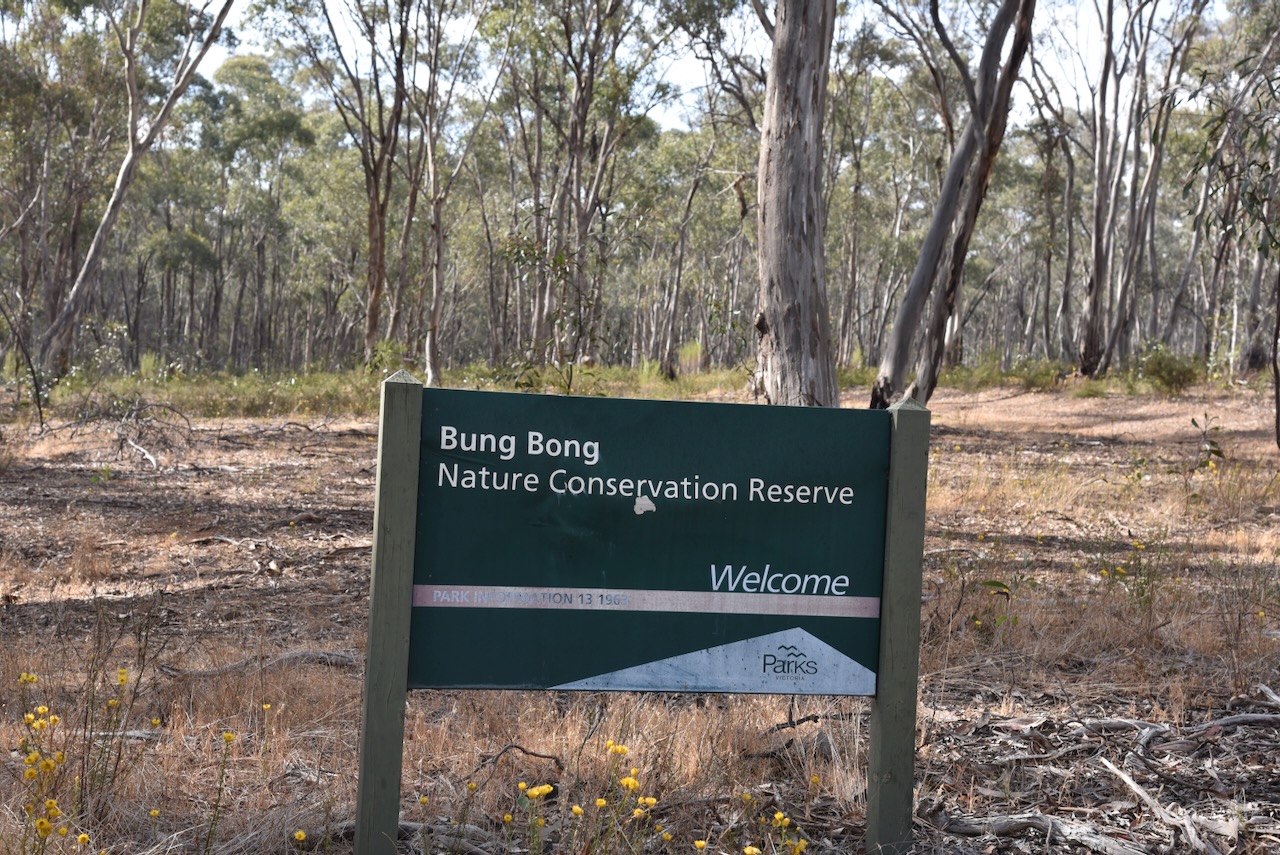
Following breakfast on Thursday 24th November 2023, Marija and I headed back out to the Bung Bong Nature Conservation Reserve VKFF-2056. We were hoping to get a few more QSOs in the log to get me over the line for qualifying the park for the global World Wide Flora Fauna program. I had only managed 28 contacts in the park during our visit a few days earlier.
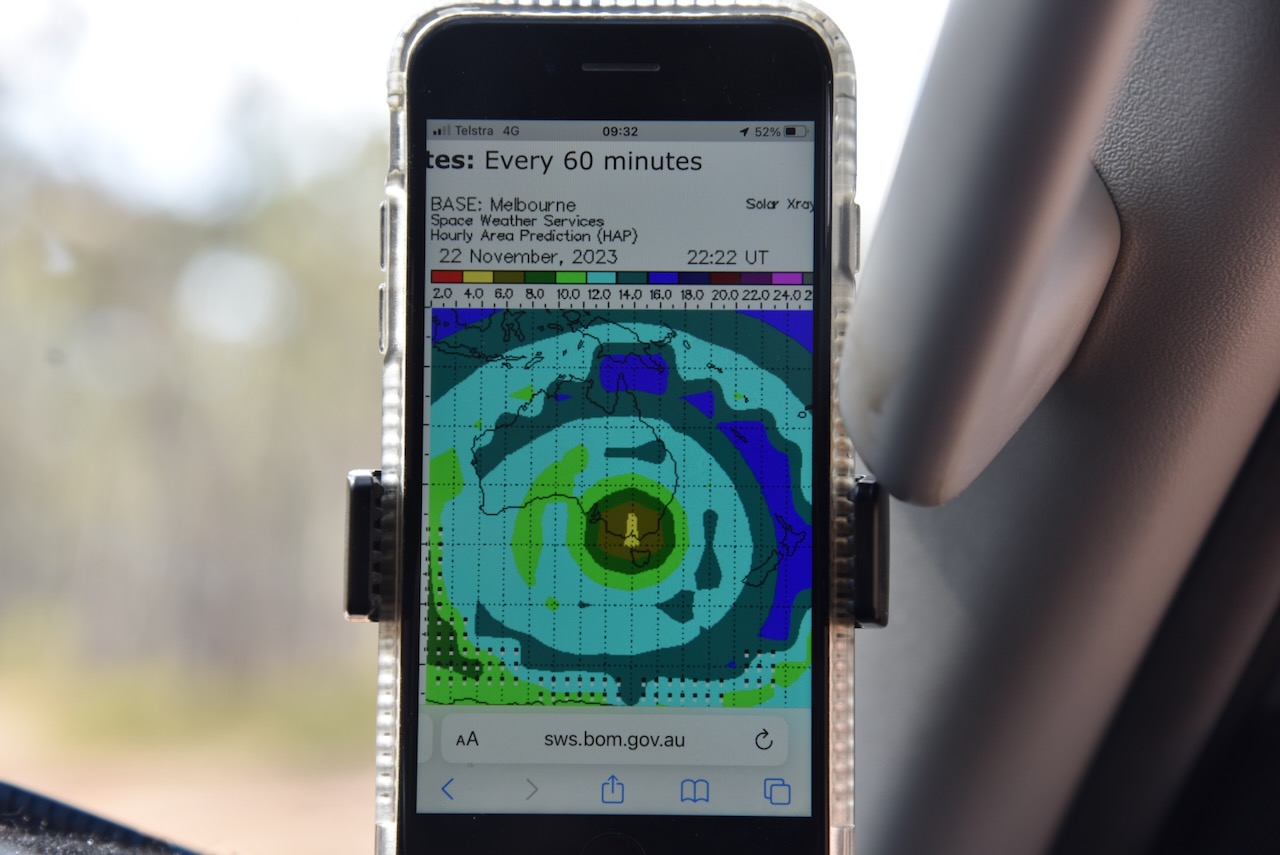
Sadly the bands were terrible, as the screenshot below shows from the Hourly Area Prediction Chart (HAP). I managed to get over the line though with 18 QSOs on 40m and 20m SSB. I did try 80m but had no callers.
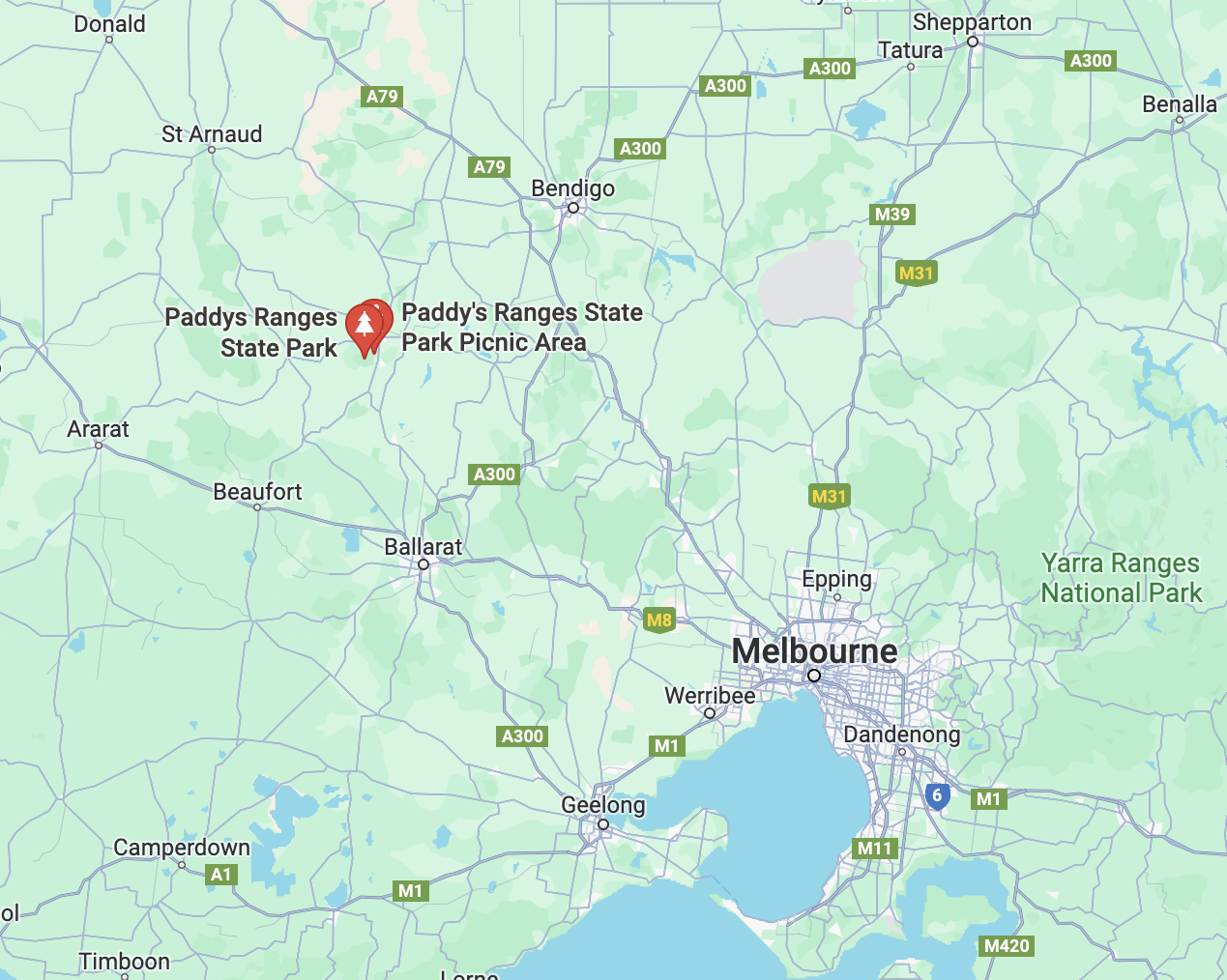
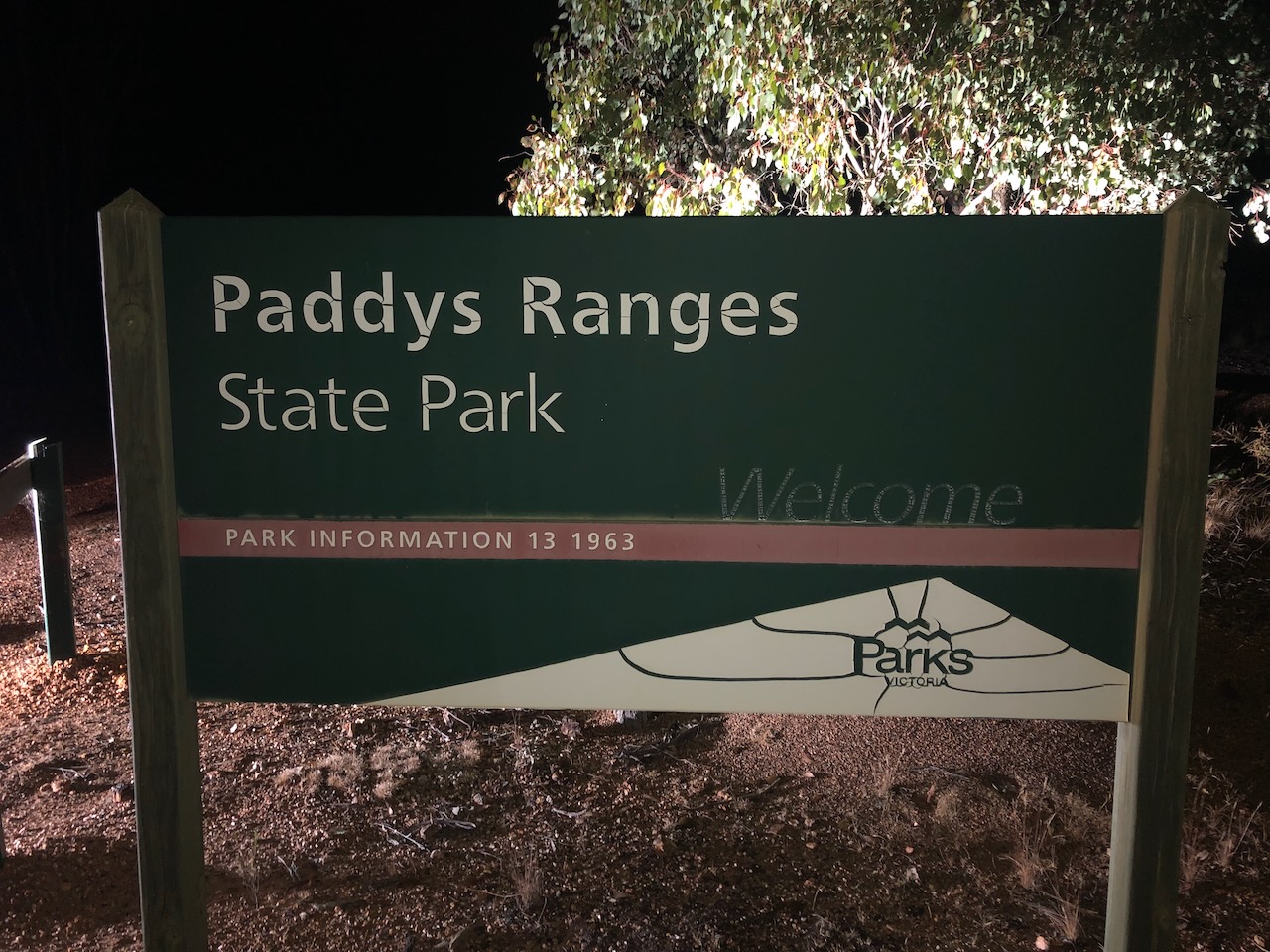
Our final activation for Wednesday 22nd November 2023 was the Paddys Ranges State Park VKFF-0772. The park is located about 10km south of Maryborough and about 167 km northwest of Melbourne.
Above:- Map showing the location of Paddys Ranges State Park. Map c/o Google Maps.
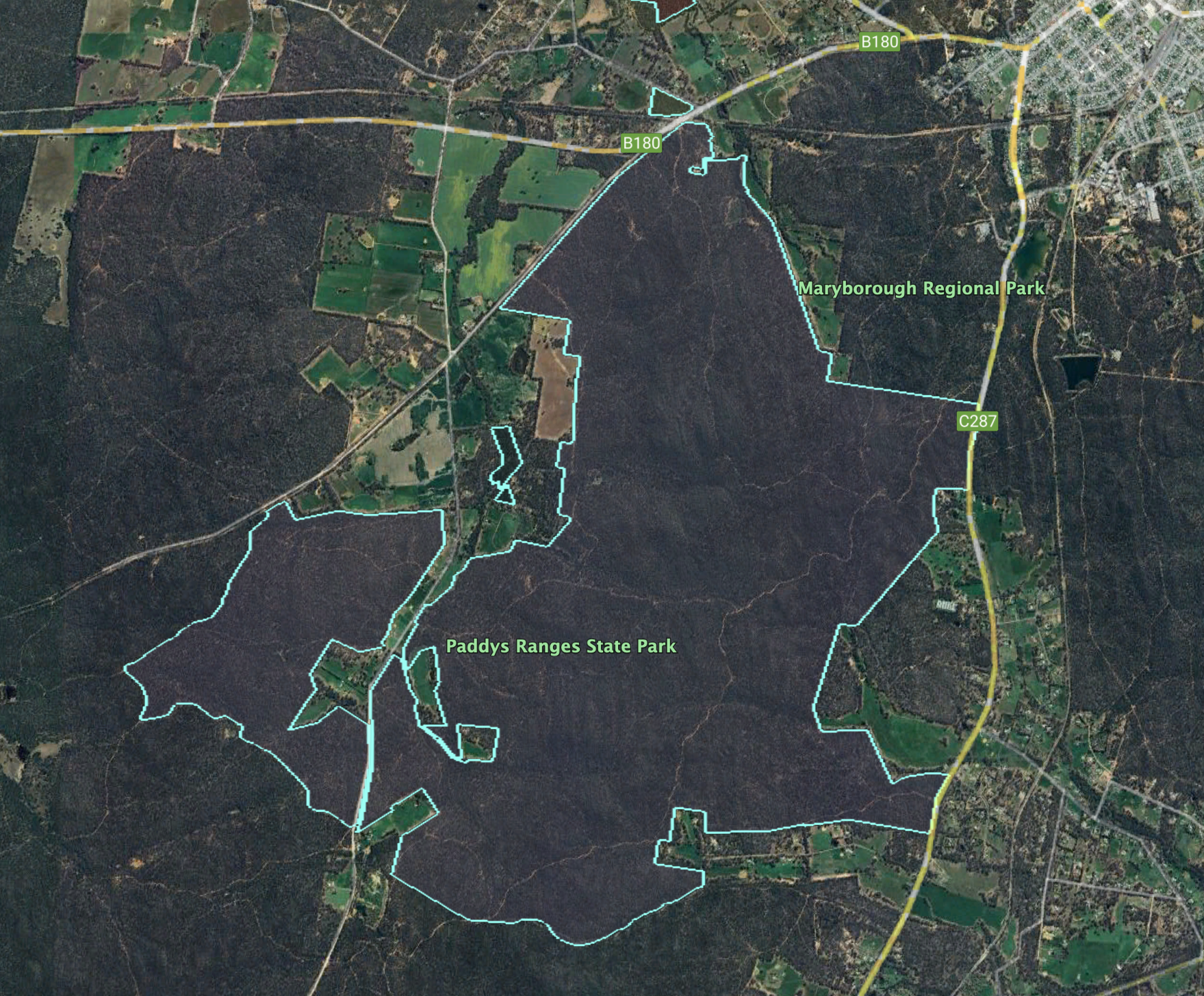
The Paddys Ranges State Park is about 2,014 hectares and was established on the 27th day of October 1989. (CAPAD 2022)
Above:- An aerial view of the Paddys Ranges State Park. Image c/o Google Earth.
The park owes its name to an Irish miner called Paddy who lived in the area in the 1800s. During the 1840s the Paddys Ranges area was used for grazing, gold mining, timber harvesting, eucalyptus oil and honey production. (Parks Victoria 2024)
In 1951, the Maryborough Field Naturalists Club commenced a campaign for the protection of Paddys Range’s unique Box-Ironbark forest. It would not be until 38 years later in 1989, that Paddys Ranges State Park was gazetted. (Parks Victoria 2024)
About 230 species of wildflowers have been recorded in the park. More than 140 species of birds call the park home including the rare Swift Parrot and the threatened Peregrine Falcon. Native mammals include wallabies, kangaroos, echidnas, and the threatened Brush-tailed Phascogale. (Parks Victoria 2024)
It was totally dark by the time we reached the park. This was a quick activation, operating from the 4WD. We ran the Icom IC-7000, 100 watts, and the Codan 9350 antenna with the 1.5 metre stainless steel whip.
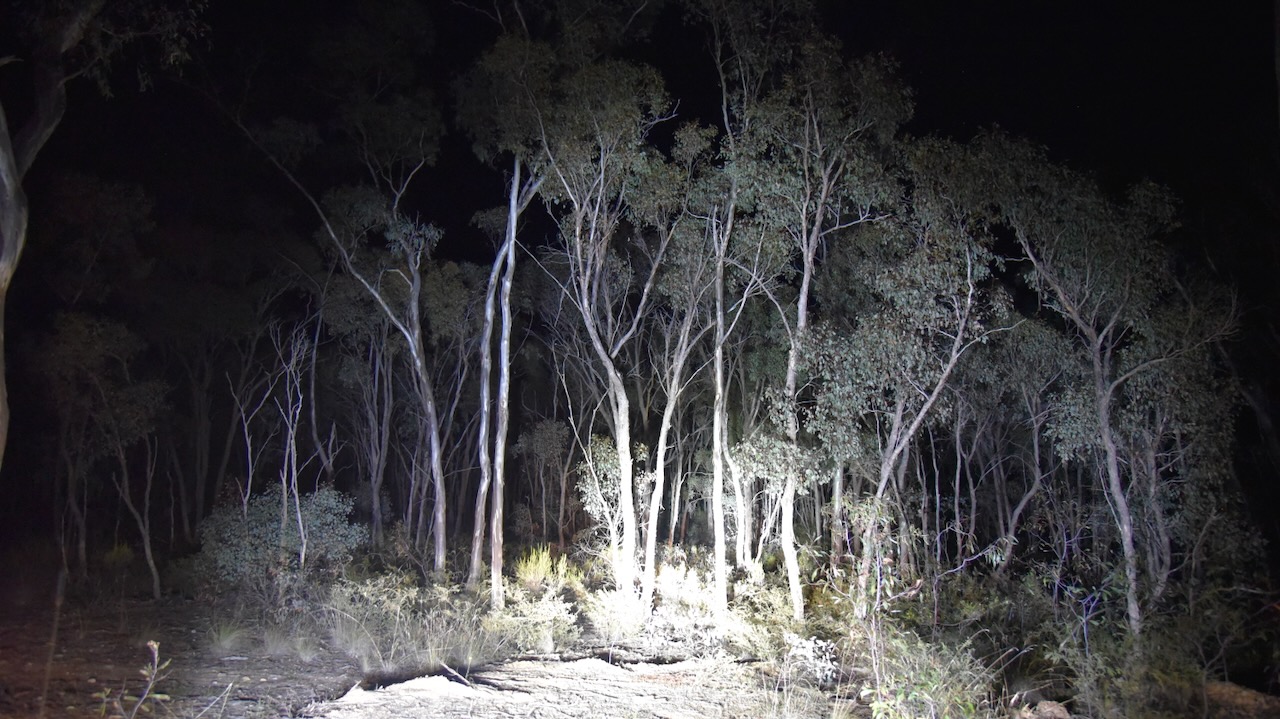
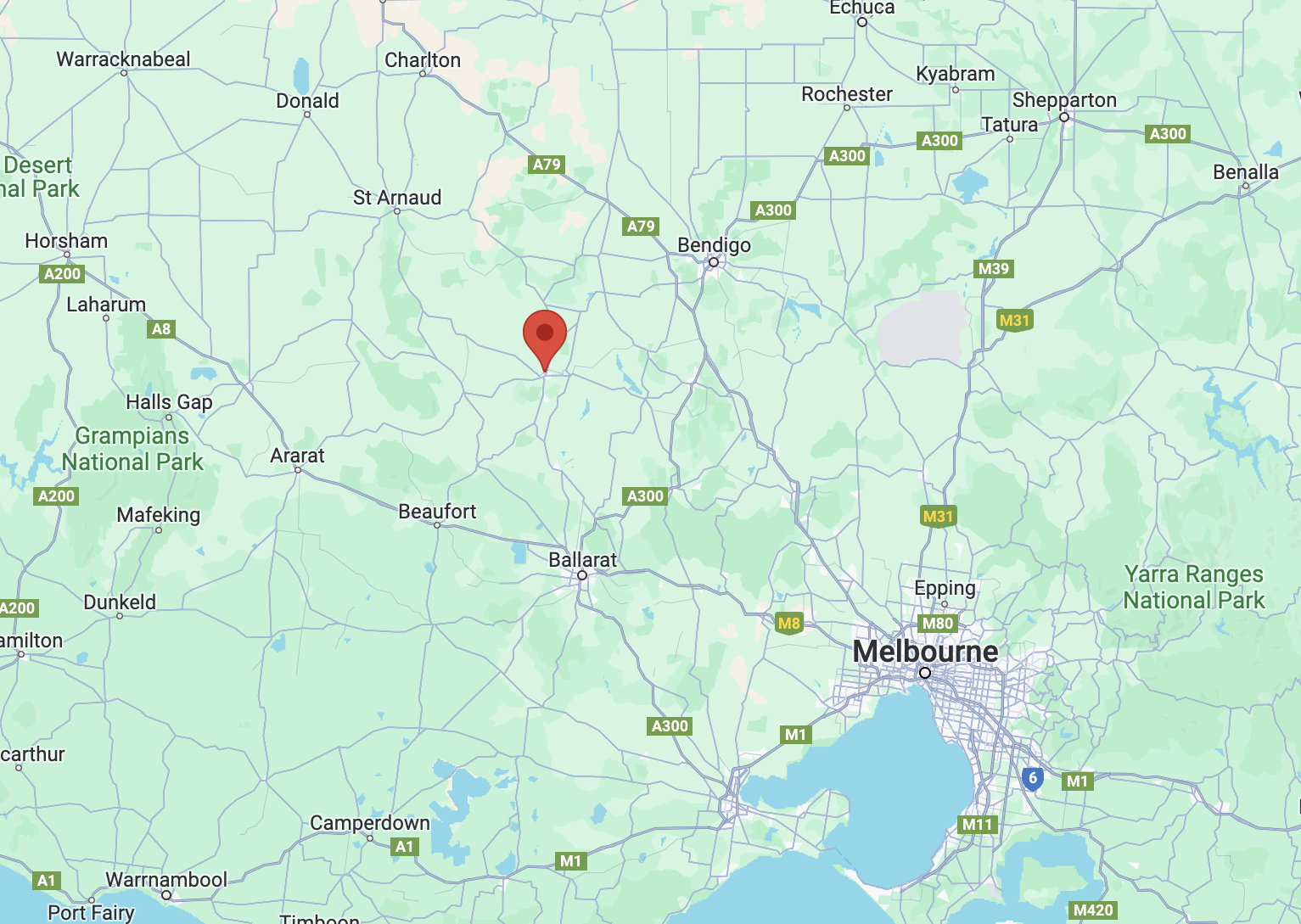
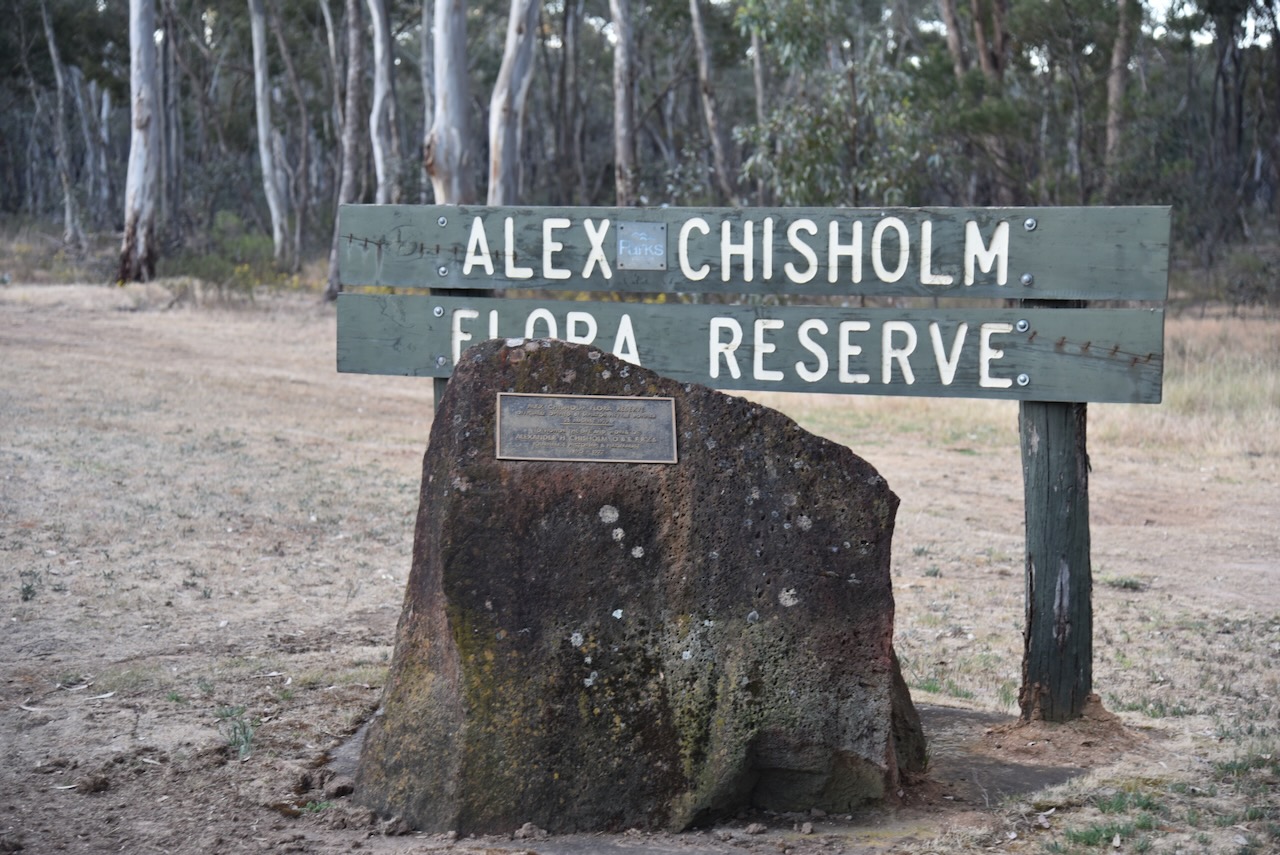
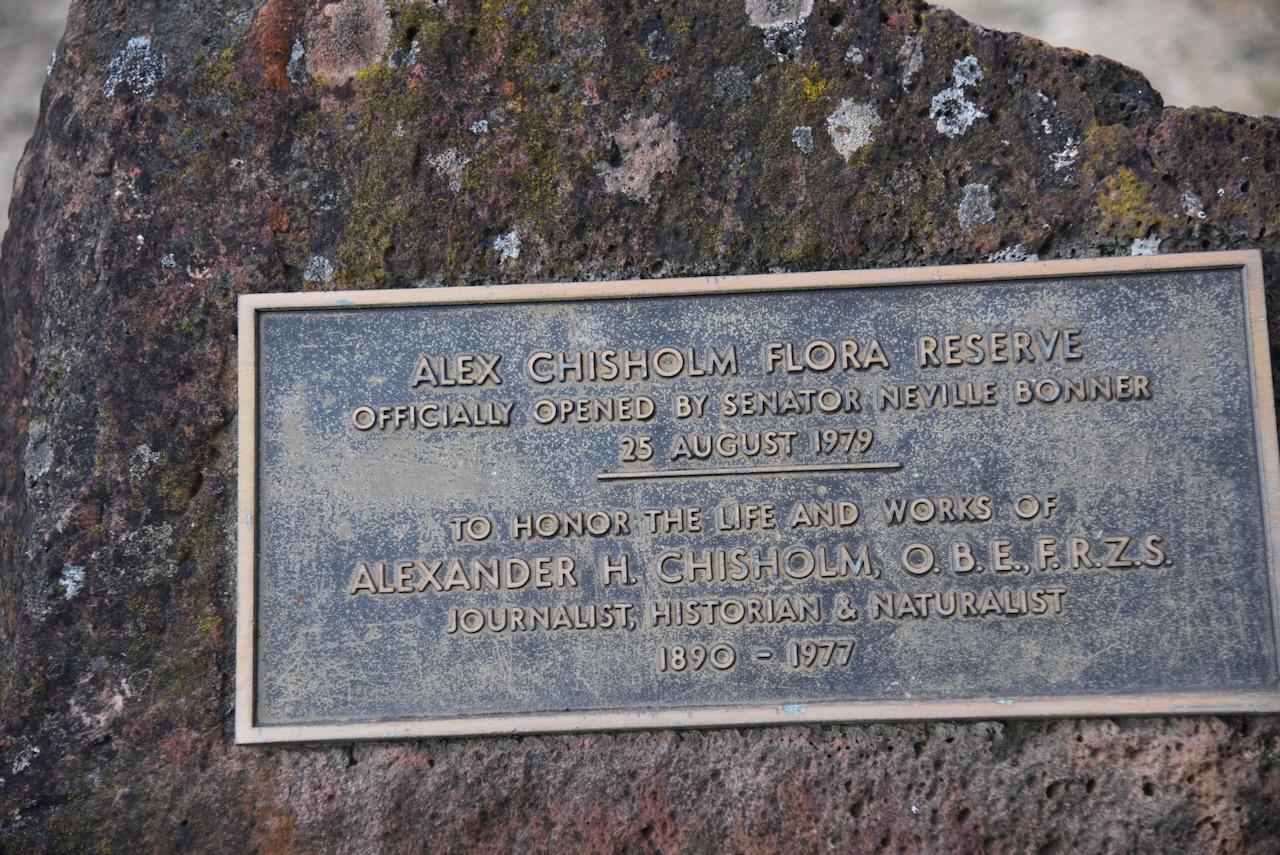
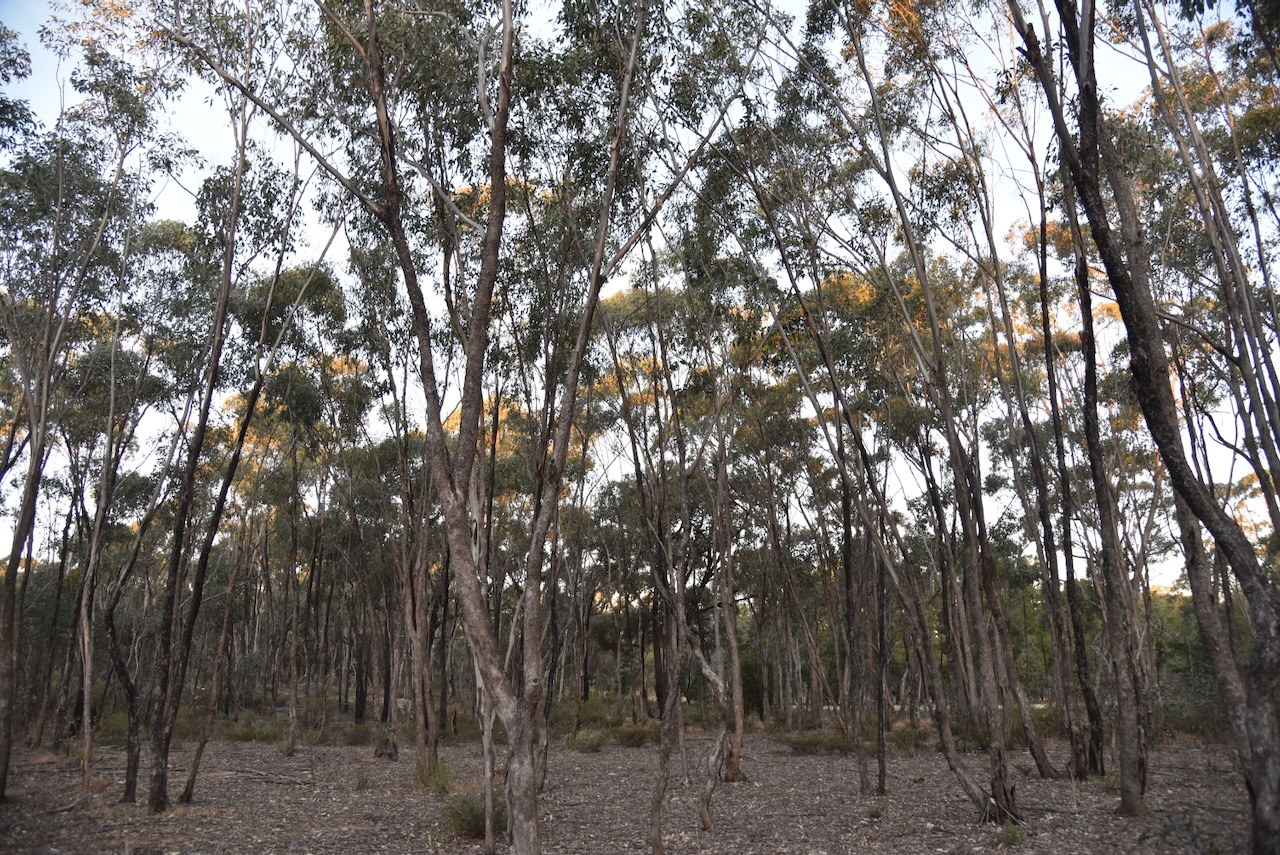
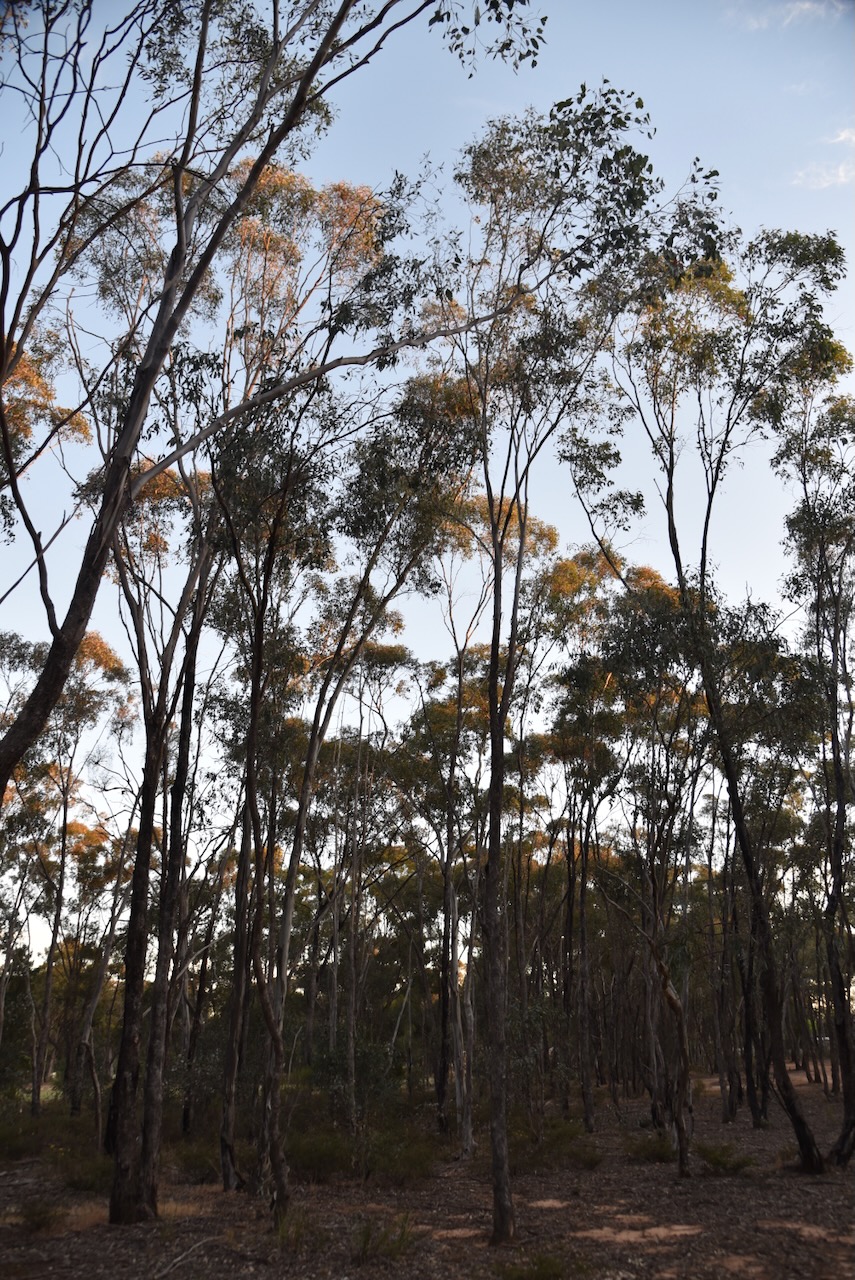
After dinner on Wednesday 22nd November 2023, Marija and I headed out to the Alex Chisholm Flora Reserve VKFF-2035. The park is located on the northern edge of Maryborough, about 173 km northwest of Melbourne.
Above:- Map showing the location of the Alex Chisholm Flora Reserve. Map c/o Google Maps.
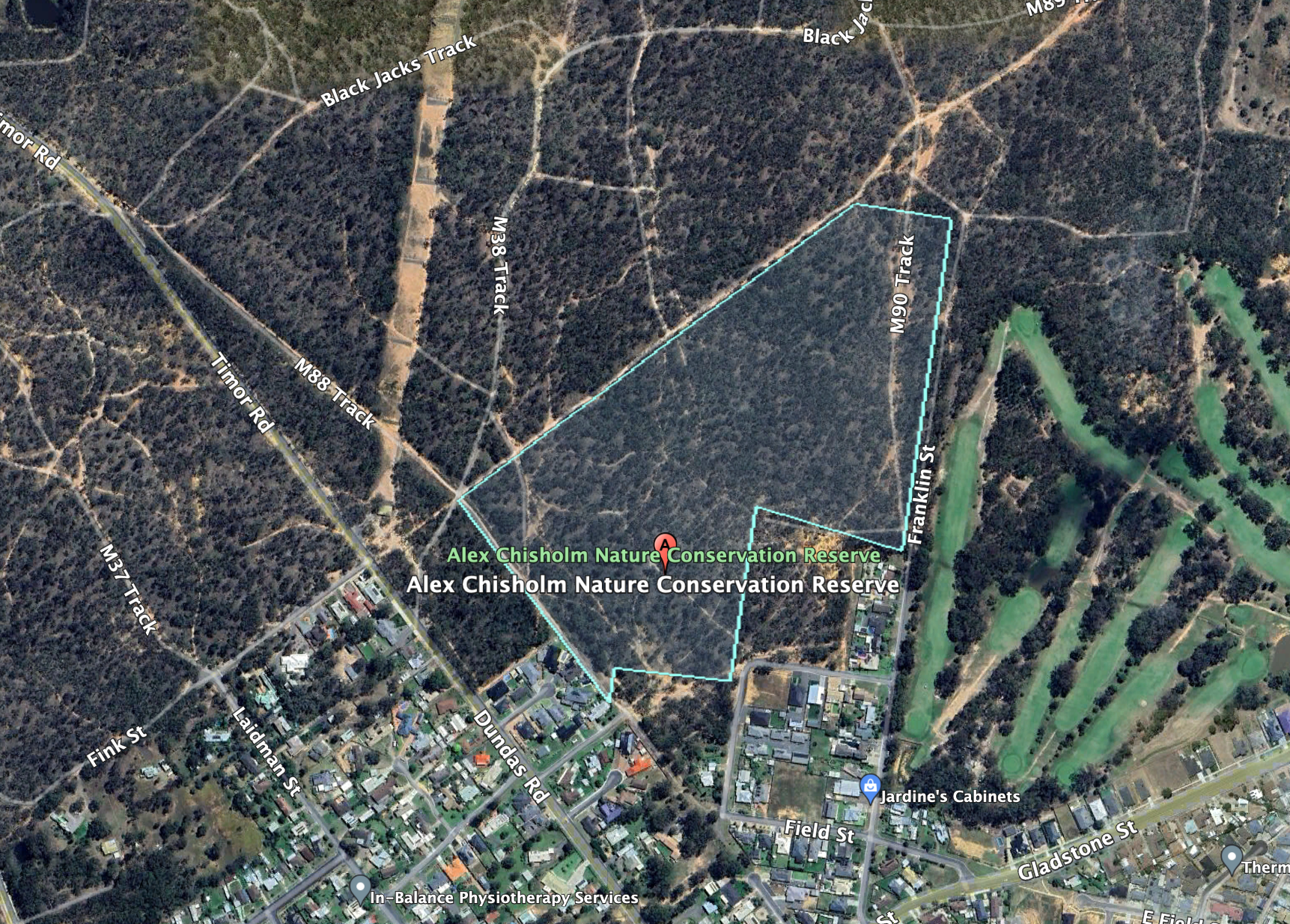
The Alex Chisholm Flora Reserve is located at the end of Franklin Street on the northern side of Maryborough in central Victoria.
Above:- An aerial view of the Alex Chisholm Flora Reserve. Image c/o Google Earth.
The park is 16 hectares and was established on the 8th day of August 1978. (CAPAD 2022)
The park is named in honour of Alexander Hugh ‘Alec’ Chisholm (b. 1890. d. 1977), a journalist, ornithologist and conservationist. He was born on the 28th day of March 1890 at Maryborough. During his childhood, Chisholm claimed he was aware of nature surrounding him. Whenever possible he visited the bush and in 1907 he commenced a diary in which entries were almost entirely about birds. He became a member of the Royal Australasian Ornithologists Union. (Aust Dict Biography 2024)
In 1915 he moved to Queensland and between 1918 to 1922 he became an honorary advisor and lecturer to the Queensland Government on natural history. From 1920 to 1922 he was the President of the Queensland Gould League of Bird Lovers. Between 1927 to 1932 he served as a trustee of the Royal National Park. In 1931 he participated in the first live broadcast of lyrebird calls on radio station 2UW. (Aust Dict Biography 2024)
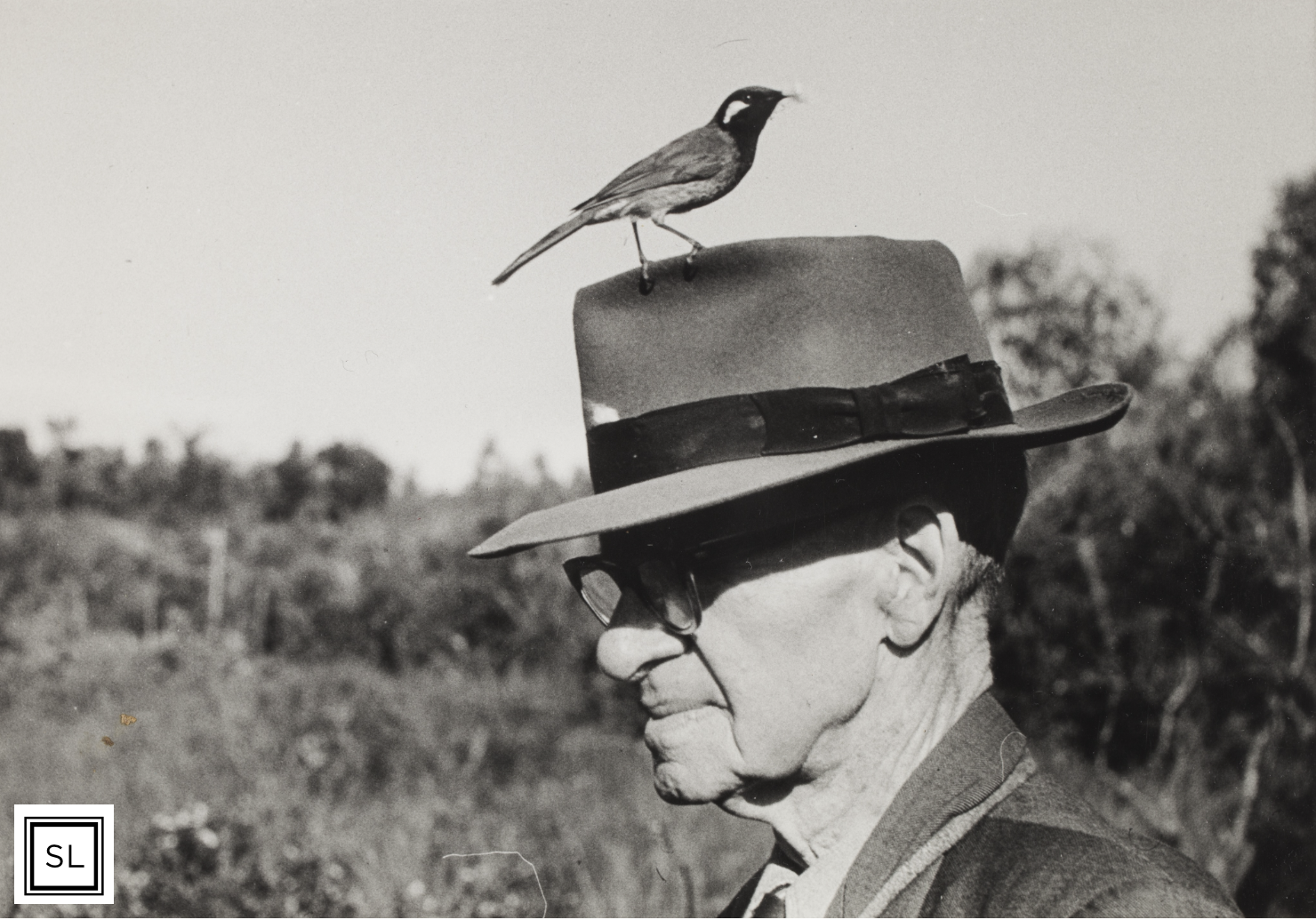
Above:- Alec Chisolm in Kuring-gai Chase National Park, July 1966, with a White=eared Honeyeater on his hat. Image c/o State Library New South Wales.
Between 1937 to 1938 he was the President of the Field Naturalists Club of Victoria, In 1940 he was awarded the Australian Natural History Medallion. In 1958 he was awarded the O.B.E. for the Australian Encyclopedia. Between 1959 and 1961 he was the President of the Royal Australian Historical Society.(Aust Dict Biography 2024)
During his life, he was the author of hundreds of ornithological and natural history articles. When various dignitaries went bird watching, Chisholm was called upon to act as a guide. He died on the 10th day of July 1977 in Cremorne Point. (Aust Dict Biography 2024)
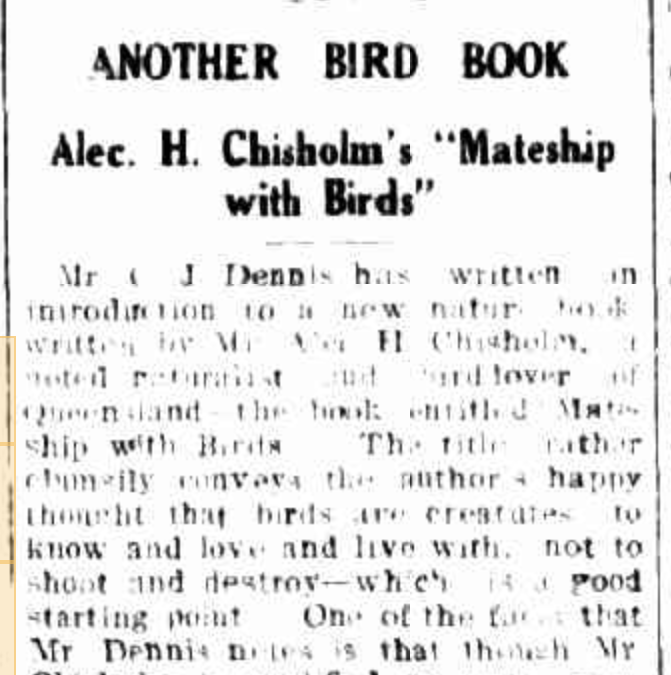
Above:- part of an article from the Sunraysia Daily, Sat 10 Feb 1923. Image c/o Trove.
Although about 50 minutes long, below is an excellent video worth watching on the life of Alec Chisholm.
During our activation, we spoke with David VK3UCD, a local from Maryborough. David told us that he would head out to the park to say hello which he did.
We ran the Yaesu FT857, 40 watts, and the 20/40/80m linked dipole for this activation. I used the special event callsign of VI10VKFF.
Band conditions were quite good, but there were static crashes strength 9 plus on 40m.
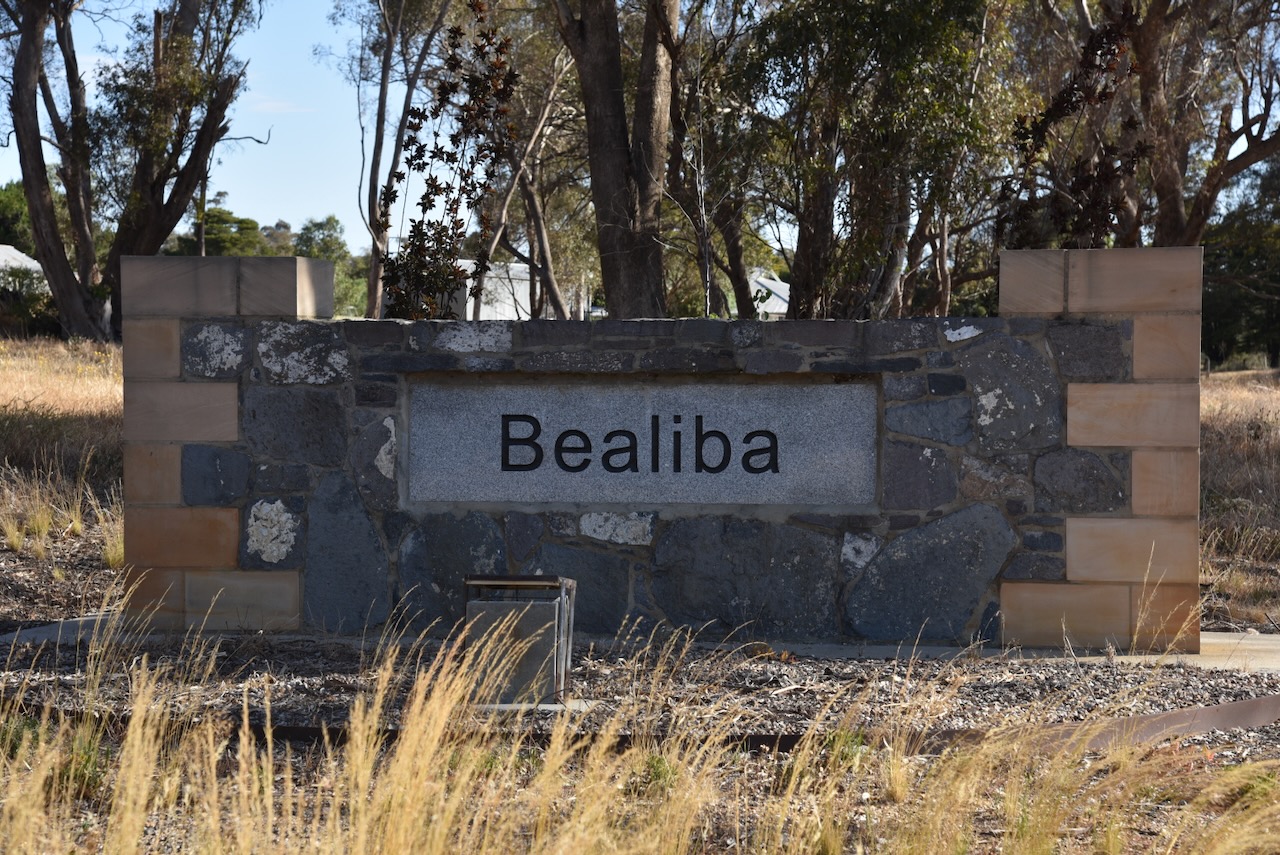
It was getting quite late in the afternoon (Wednesday 22nd November 2023) but I wanted to visit the historic town of Bealiba. Bealiba is about 40 km northwest of Maryborough and about 208 km northwest of Melbourne.
Above:- Map showing the location of Bealiba in Victoria. Map c/o Google Maps.
The first European to settle in the area was George Coutts in 1845. Coutts was born in January 1814 in Aberdeenshire Scotland and married Mary Peggie in 1834. They emigrated to Australia in 1841 and first settled at Moonee Ponds before moving to Bealiba. (Ancestry.com.au 2024) (Visit Maryborough 2005)
The Bealiba district was first known as Cochran’s after brothers John Cochran and James Cochran (b. 1827. d. 1906) who emigrated to Australia in the 1840s. In 1853 took up a pastoral run in the area. Gold was discovered in 1855 to 1856 and the area was known as Cochrane’s DIggings. When the town was surveyed and laid out it took on the name of Bealiiba after the Bealiba pastoral run. The name was later changed to Bealiba. It is believed that Bealiba comes from two aboriginal words, Bea meaning red gum and ba meaning creek. (Ancestry.com.au) (Visit Maryborough 2005)(Victorian Places 2024)
Above:- James Cochran. Image c/o Trove.
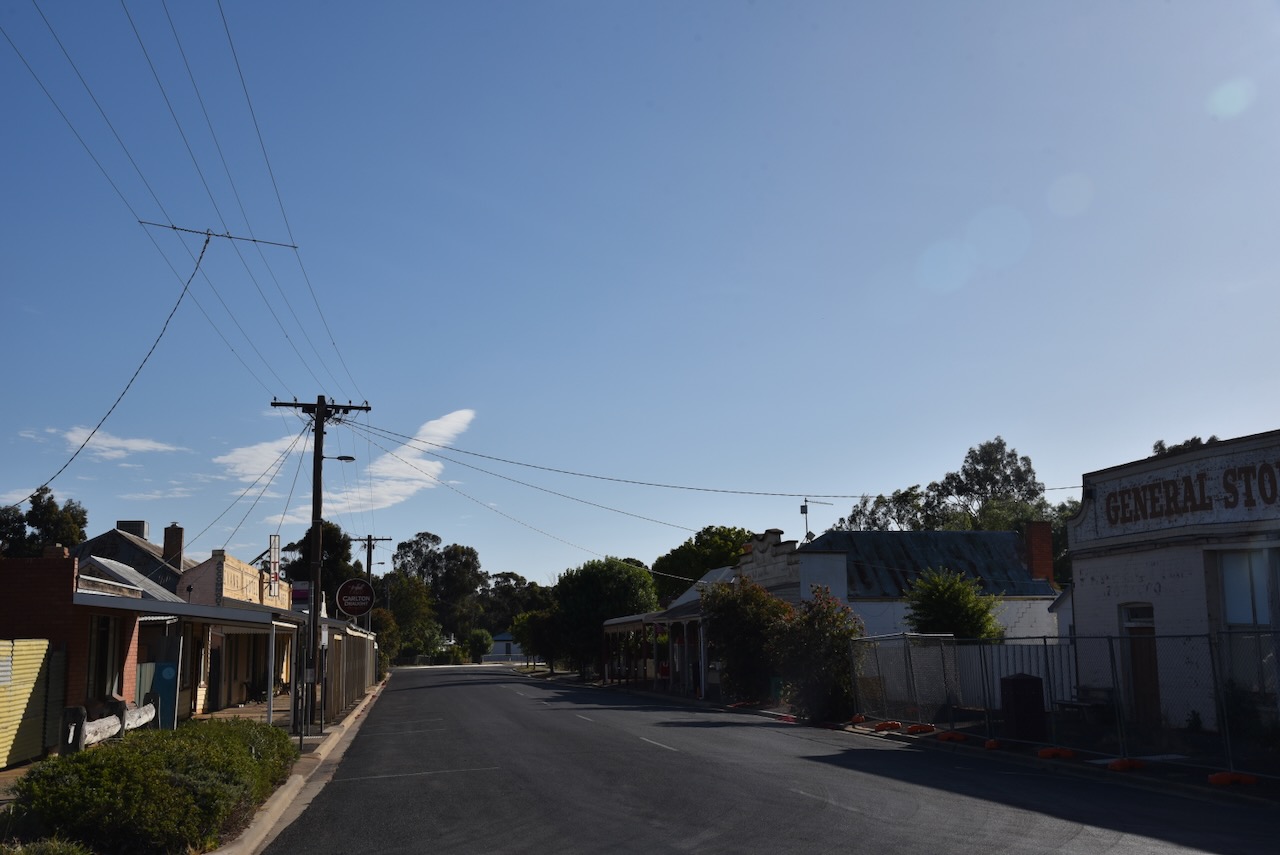
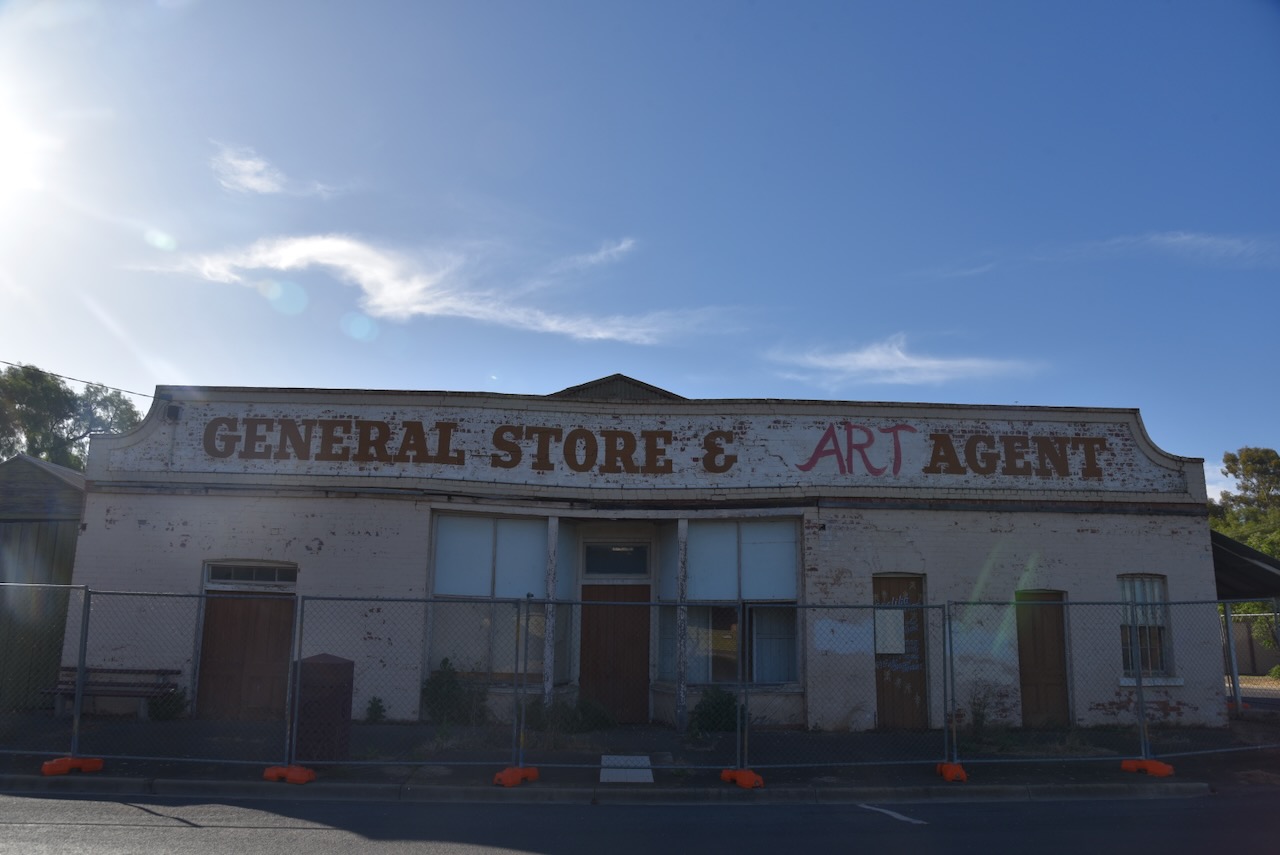
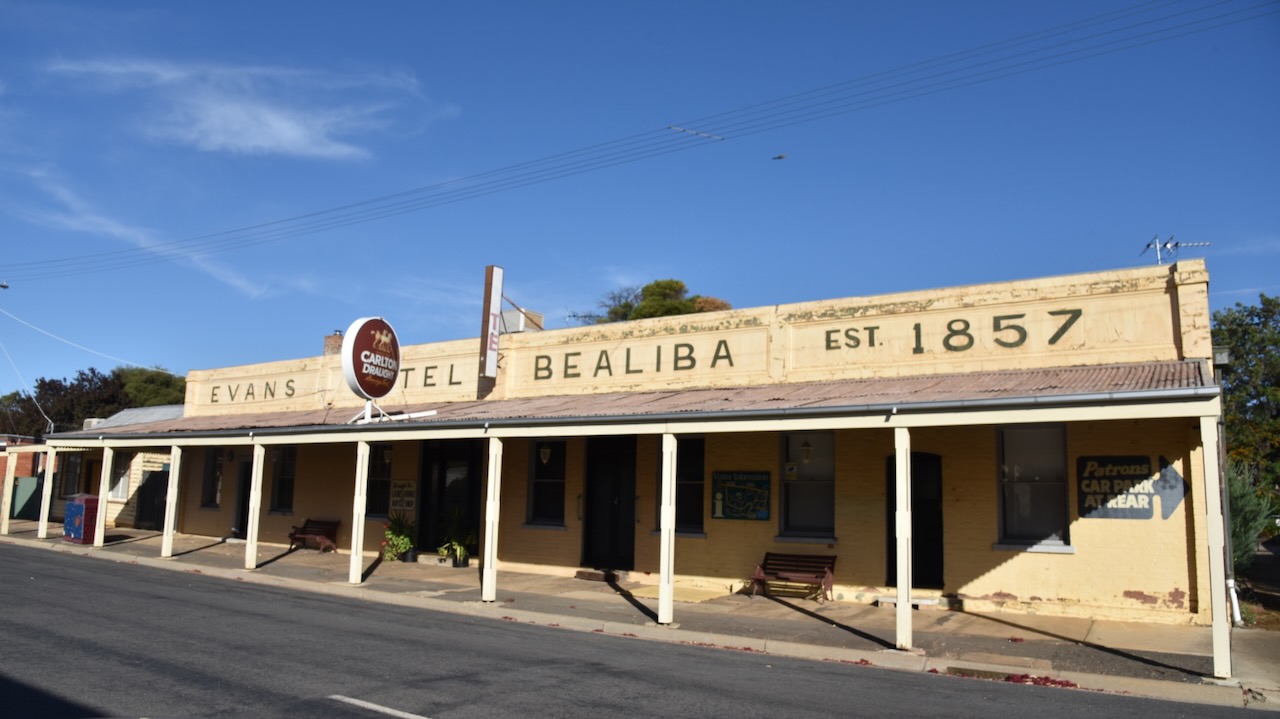
The town contains several historic buildings including the hotel built in 1857.
A school was opened in 1865. Bealiba also had a post office, a petty sessions court, three hotels and three quartz-crushing mills. In 1871 Bealiba’s population was 388 people. In 1878 the railway line from Dunolly to St Arnaud via Bealiba was opened. (Victorian Places 2024)
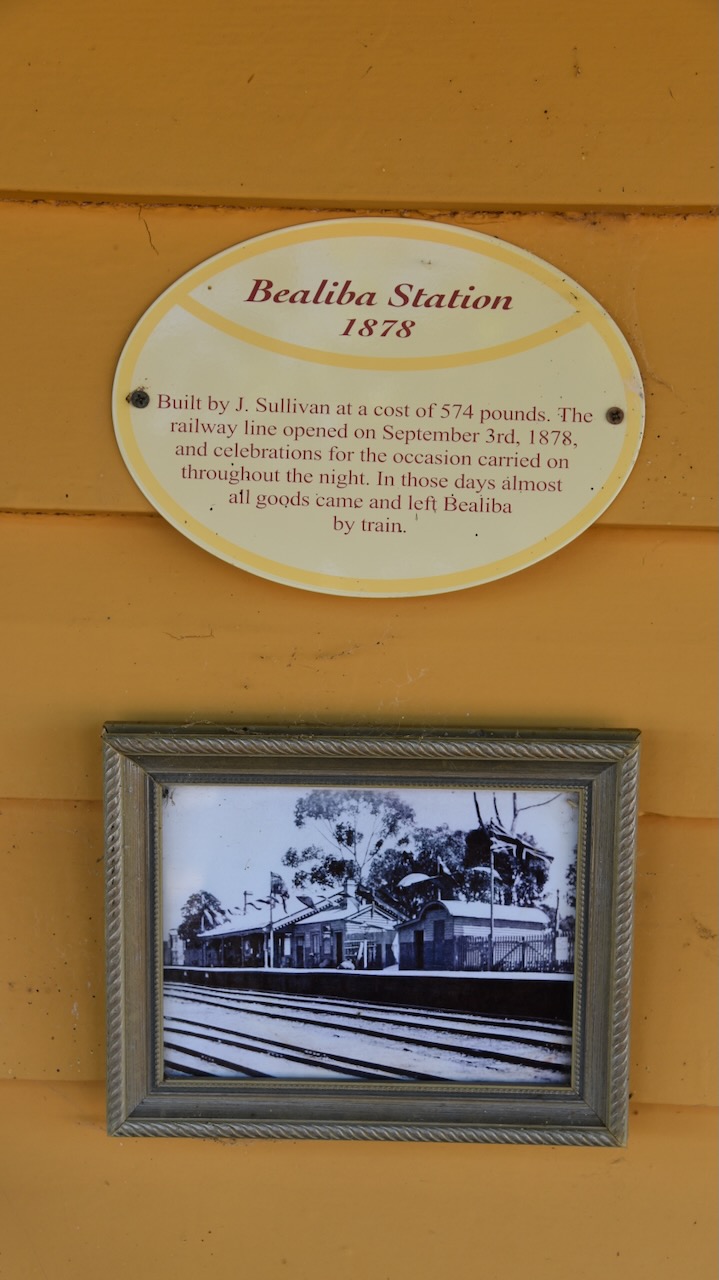
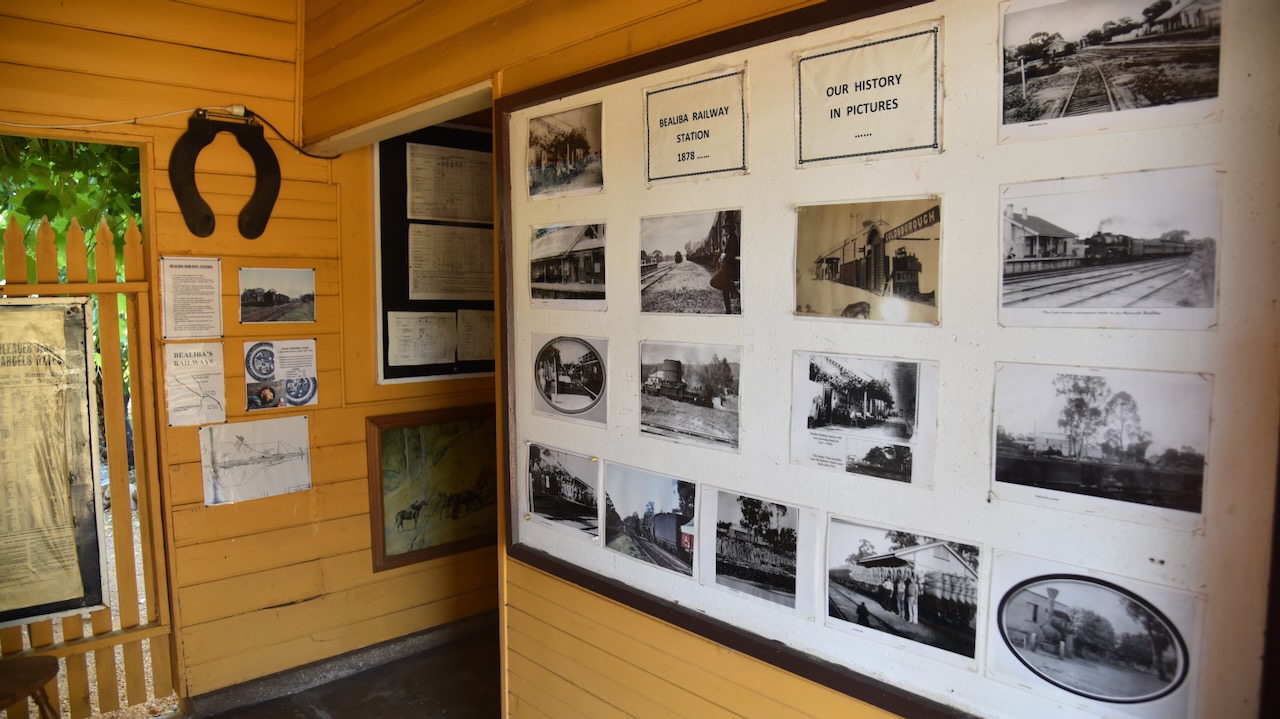
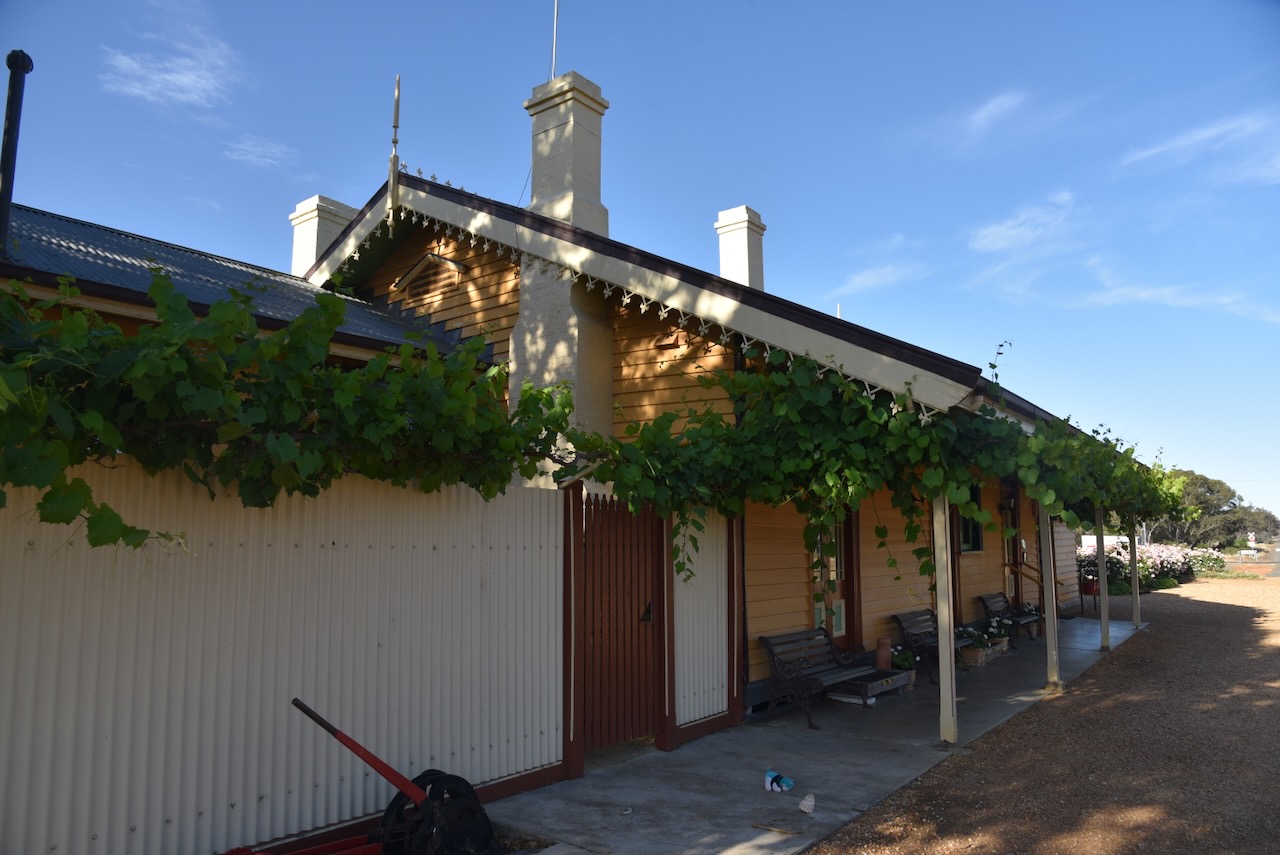
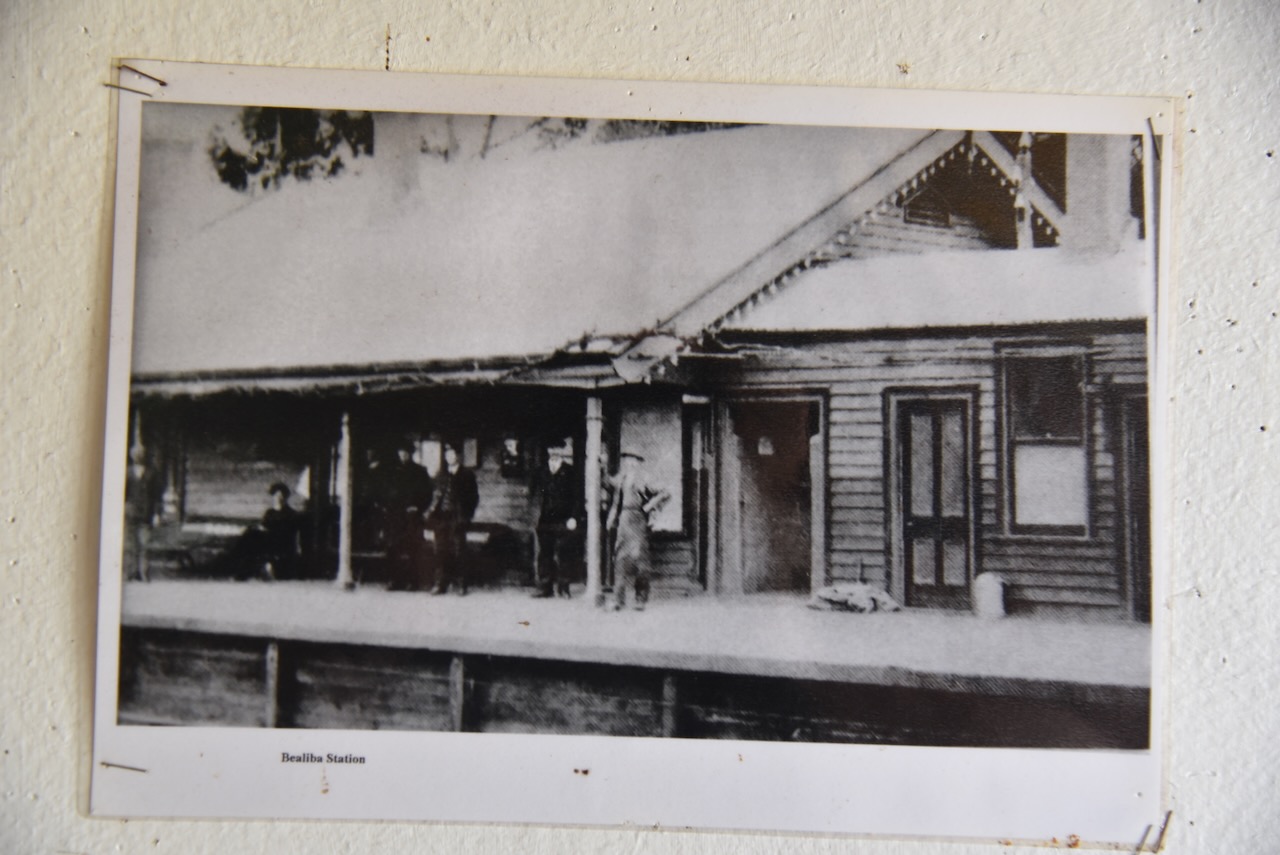
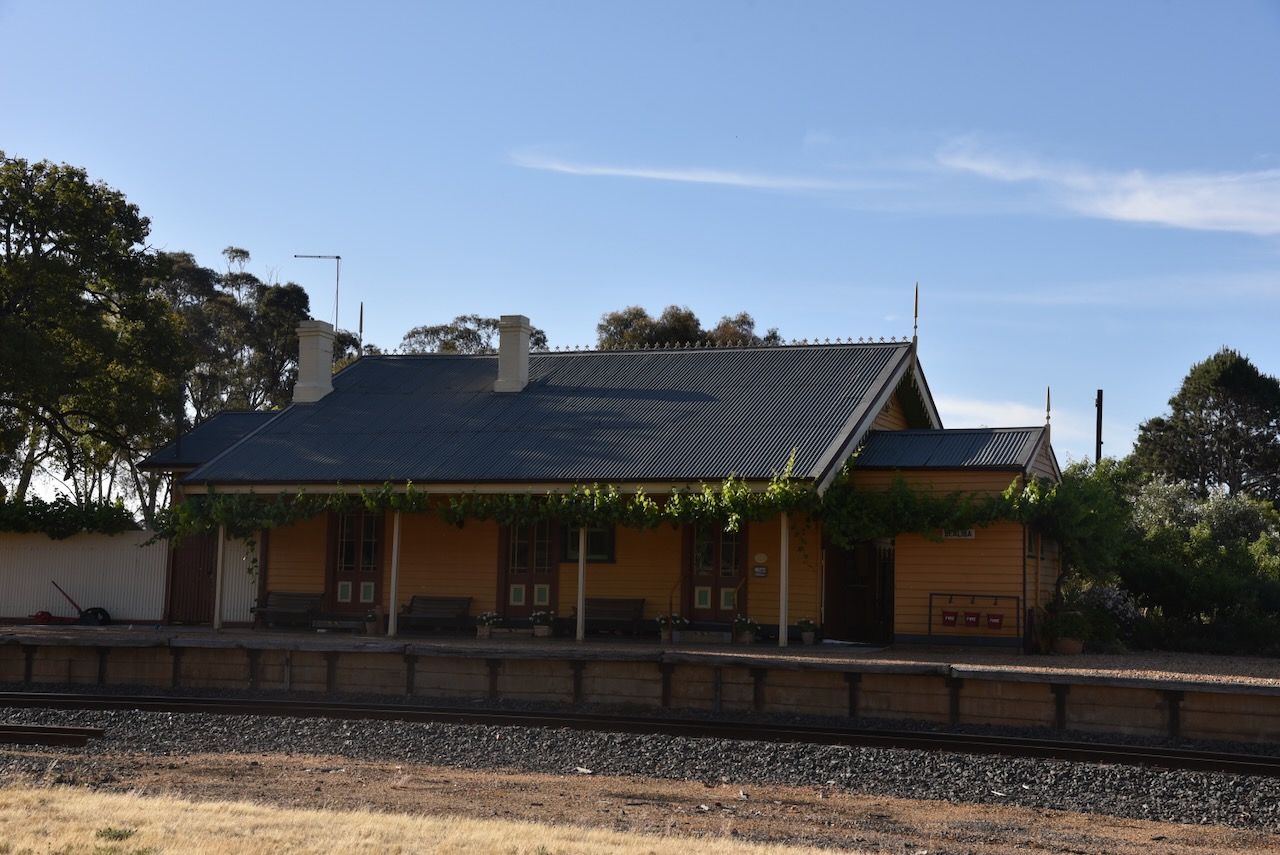
Following the extension of the railway line, a wooden railway station was built at Bealiba in 1878 by J. Sullivan at a cost of 574 pounds. The station includes offices and a residence for the Station Master. Other examples of these wooden stations included Cope Cope and Charlton which are now demolished. It was thought that the same fate may fall for the Bealiba railway station, but it was restored. (Stations Past 2024)
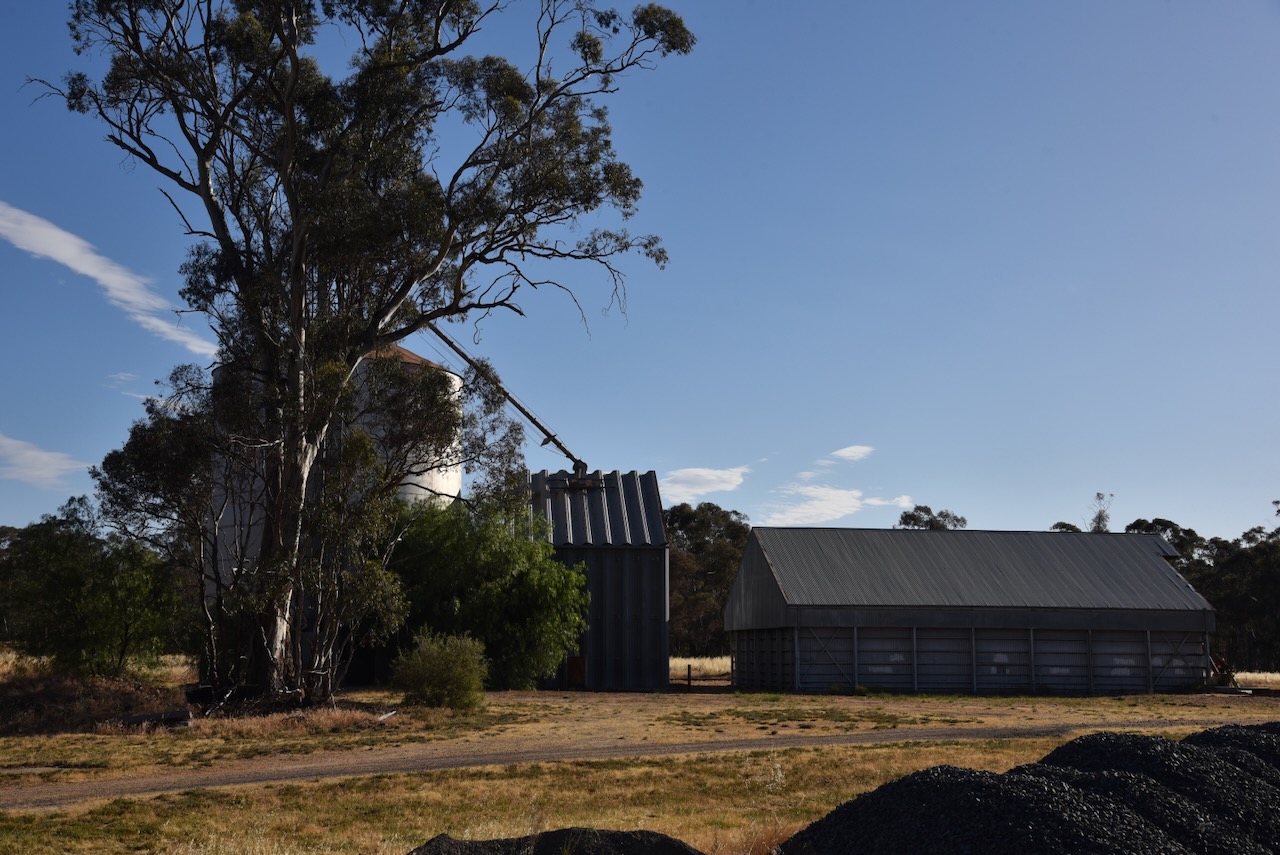
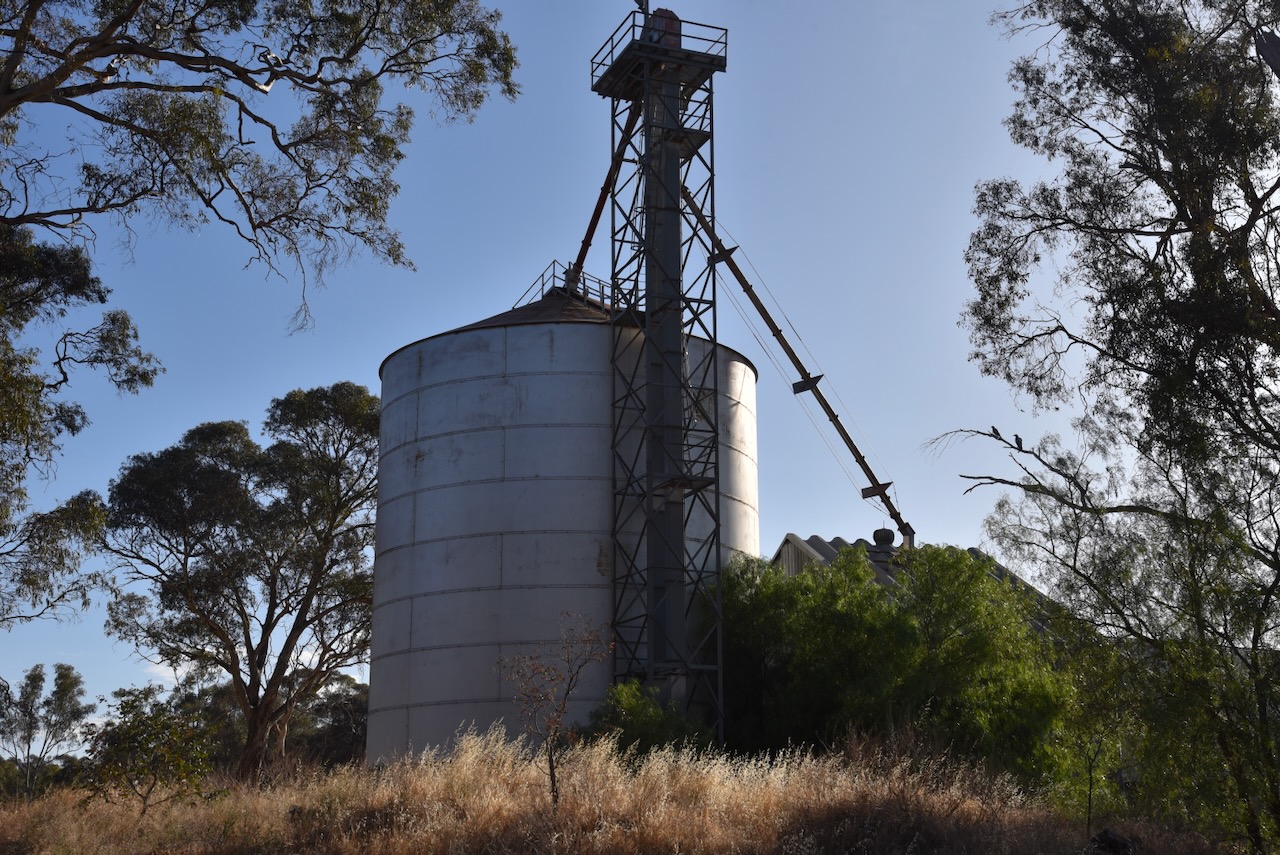
Marija and I decided to undertake a quick activation of the Bealiba silo for the Silos On The Air (SiOTA) program. The silo can be located on Park Lane.
We parked right alongside the silo and operated from the 4WD, running the Icom IC-7000, 100 watts, and the Codan 9350 antenna with the 1.5-metre stainless steel whip.
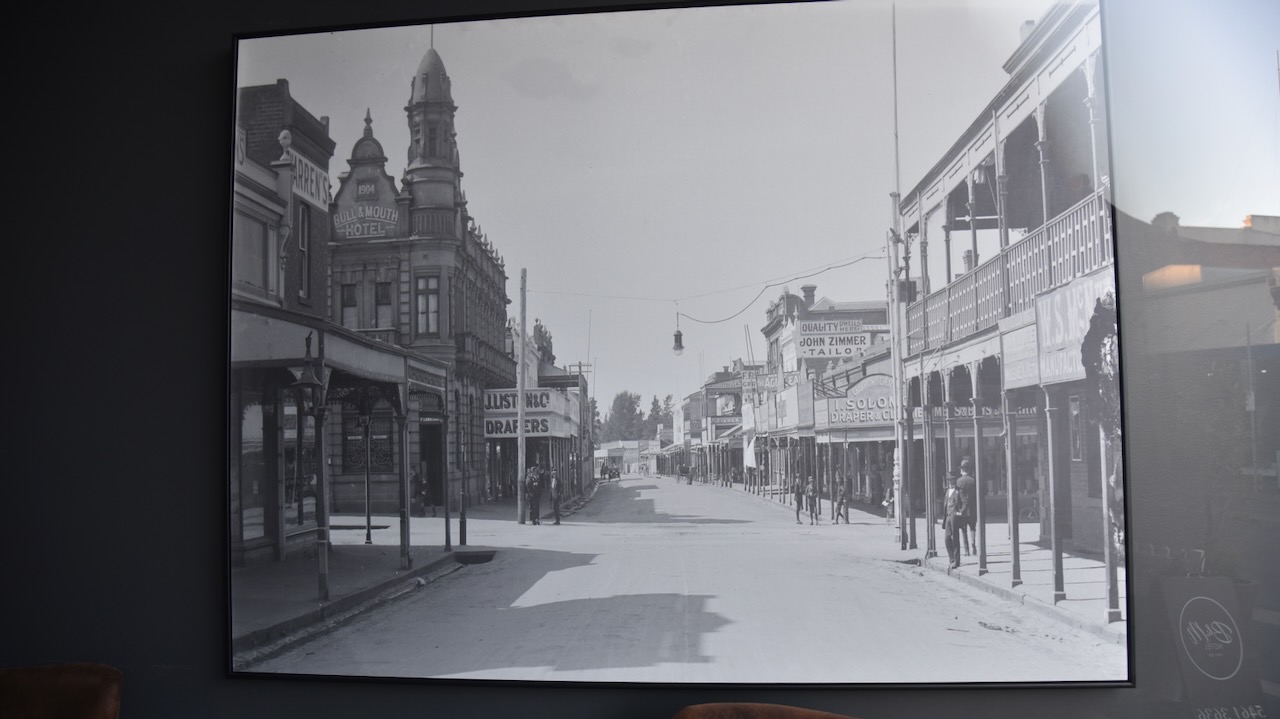
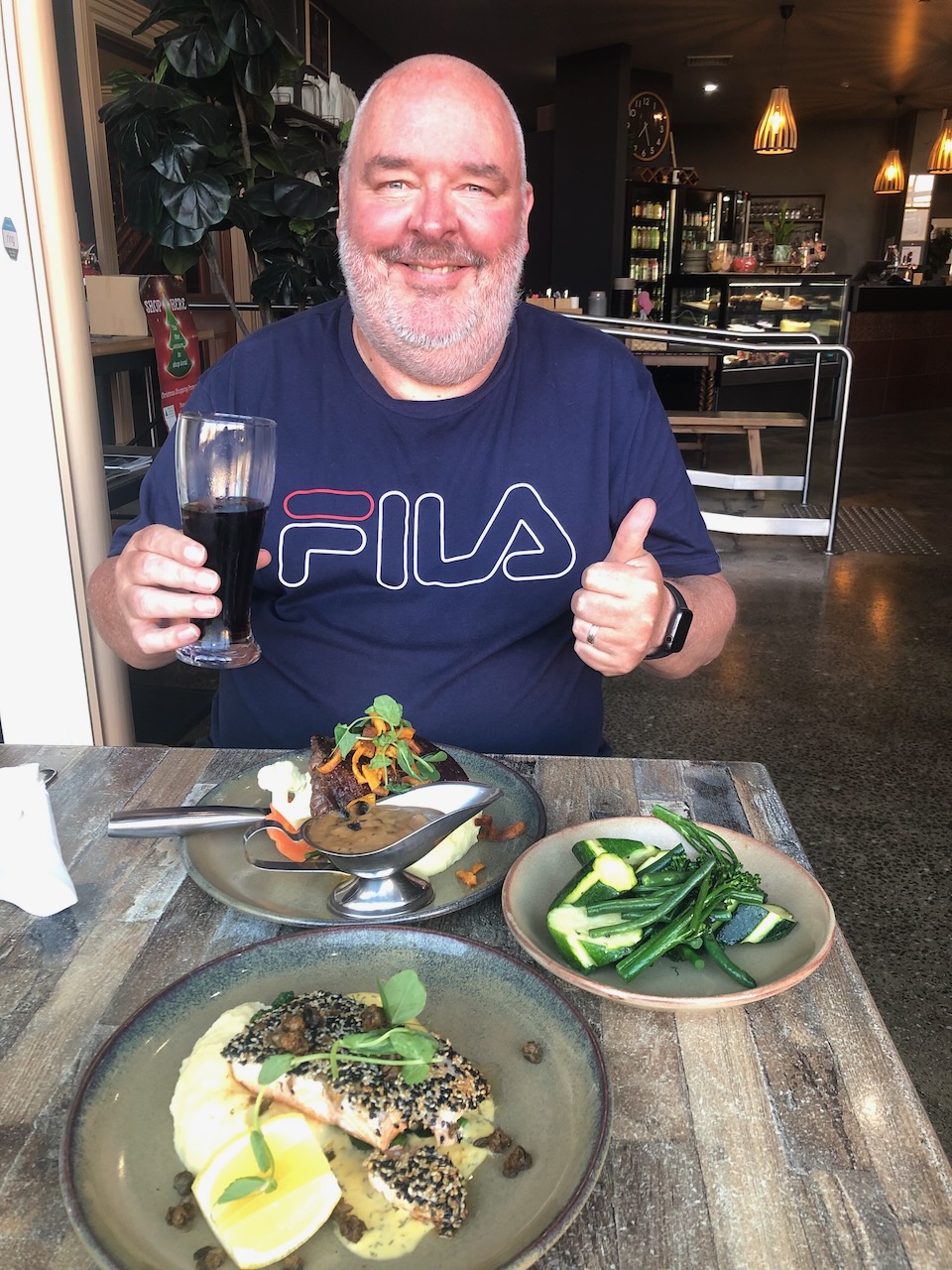
We then drove back to Maryborough where we enjoyed a very nice meal at the Bull and Mouth Hotel.
References.
Ancestry.com.au. (2016). Ancestry® | Genealogy, Family Trees & Family History Records. [online] Available at: https://www.ancestry.com.au/. [Accessed 15 Mar. 2024]
Our next activation for 22nd November 2023 was Mount Moliagul VK3/ VN-024 for the Summits On The Air (SOTA) program. Mount Moliagul is located about 21 km north of Dunolly and about 203 km northwest of Melbourne.
Above:- Map showing the location of Mount Moliagul. Map c/o Google Maps.
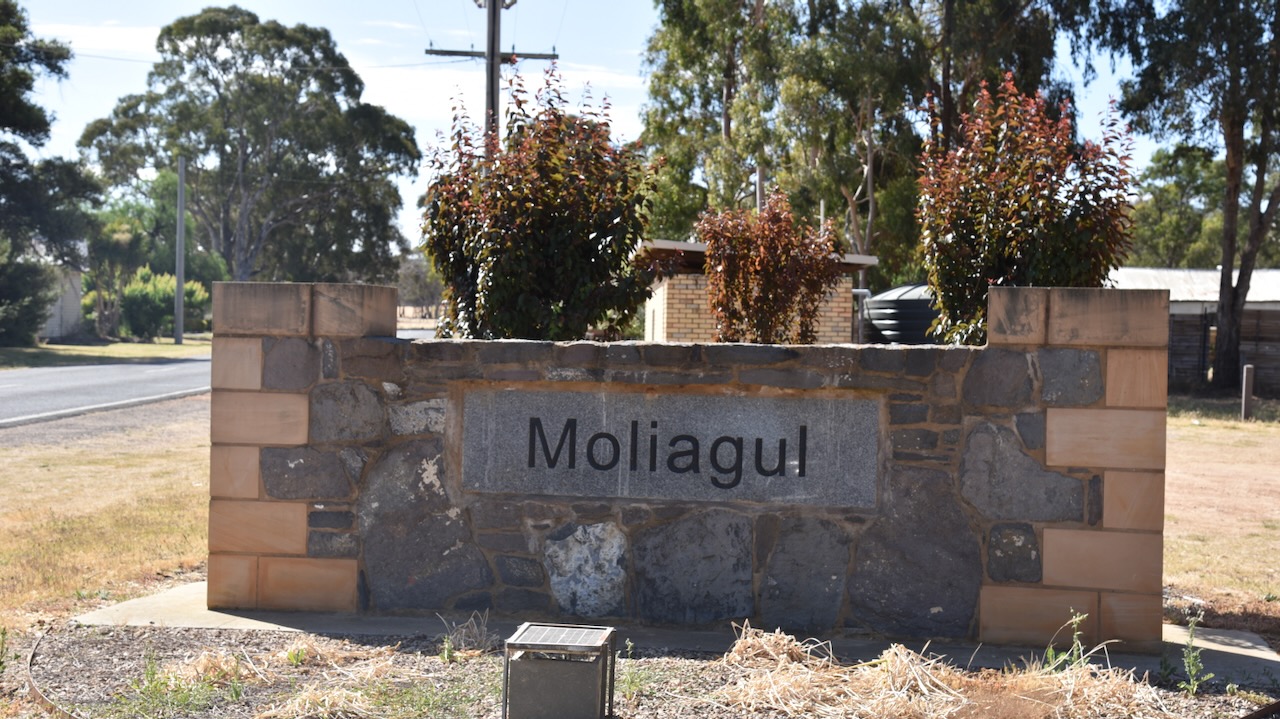
Although not many buildings remain, Moliagul is certainly one of the most interesting places I have been to in Australia due to its rich history. And I suspect most people do not know about Moliagul’s place in history.
Before European settlement, the Moliagul area was the home of the Wemba Wemba aboriginal people. Moliagul is an aboriginal word meaning ‘wooded hill.’ (Aussie Towns 2024)
By the late 1840s pastoralists and settlers had commenced taking up land in the district (Aussie Towns 2024)
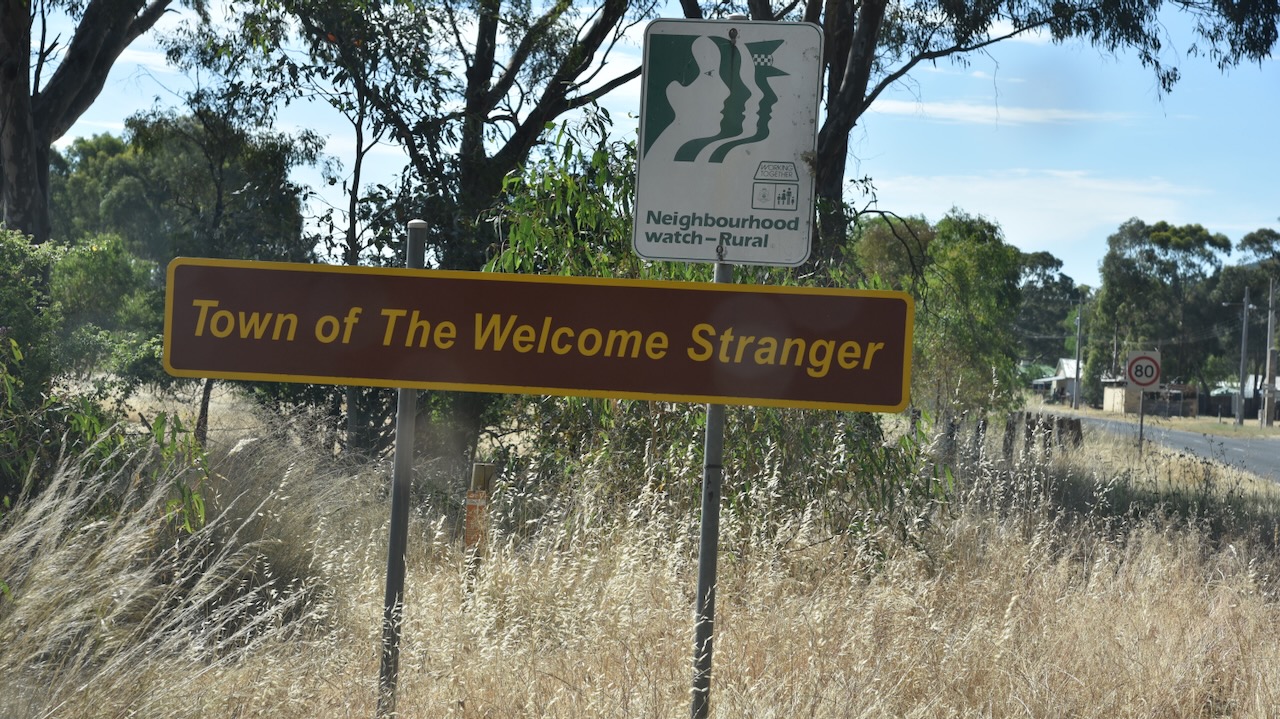
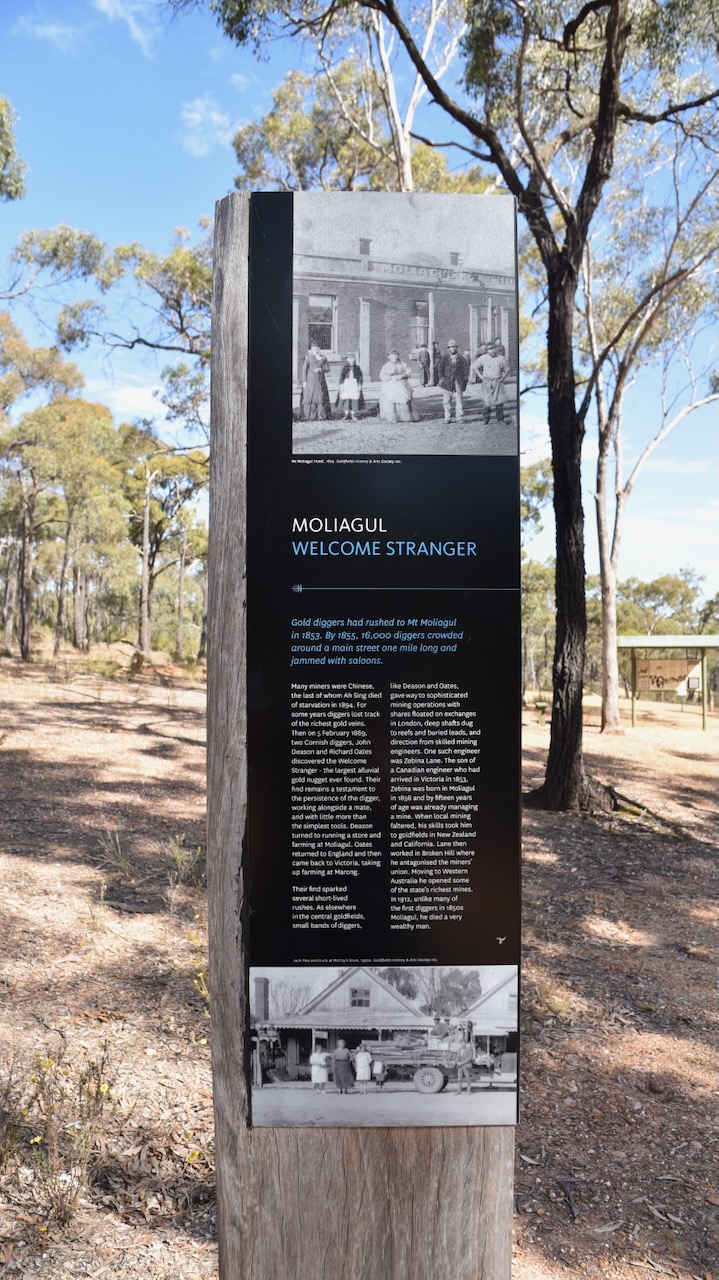
Gold was discovered at Queens Gully near Moliagul in late 1852 and was one of the earliest finds of gold in the Dunolly district. Several notable nuggets were located. The most famous was the Welcome Stranger in 1869 weighing in at a gross weight of 2,520 ounces (about 70 kilograms). More about the Welcome Stranger a little later in this post. (Aussie Towns 2024) (Victorian Places 2024)
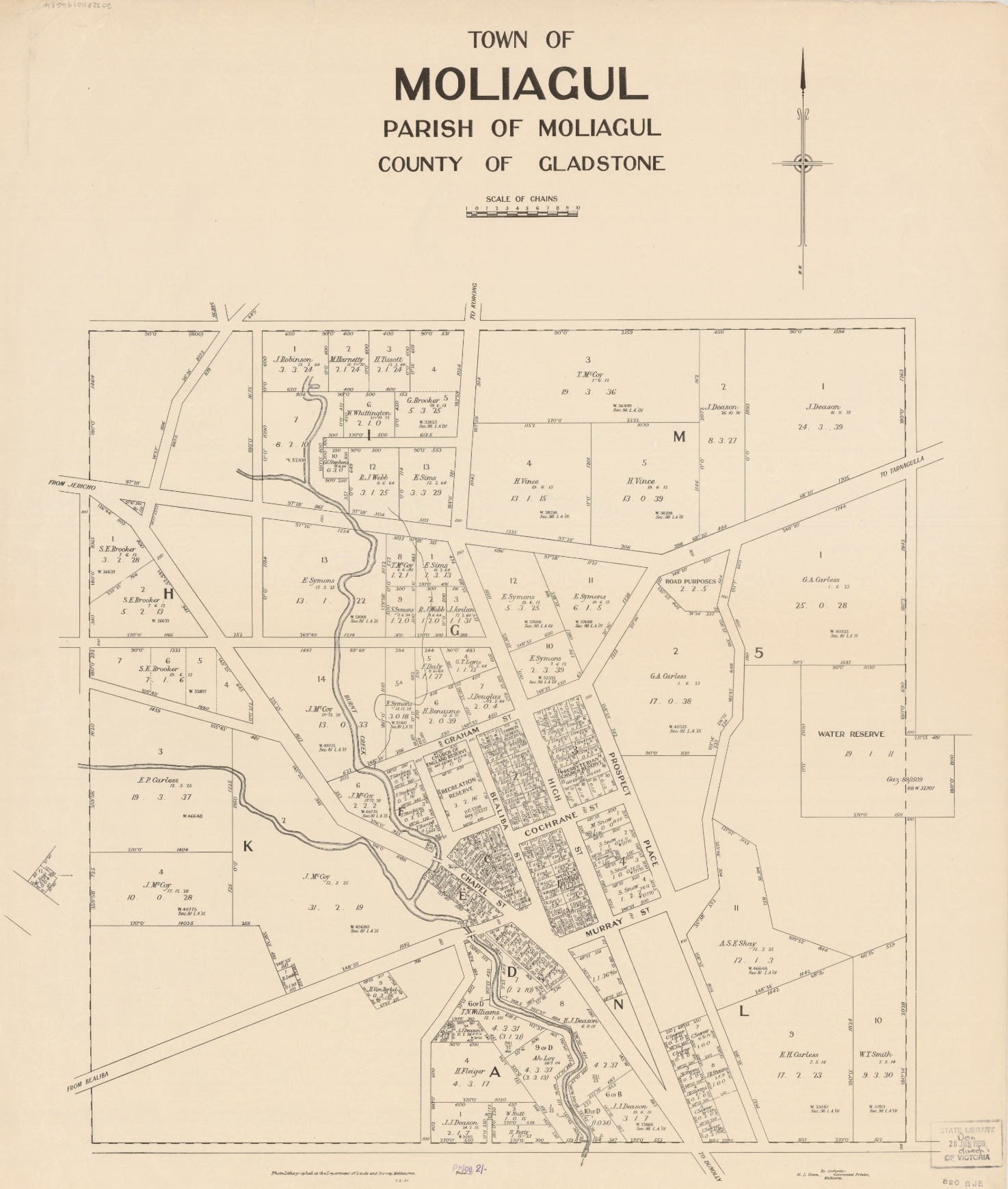
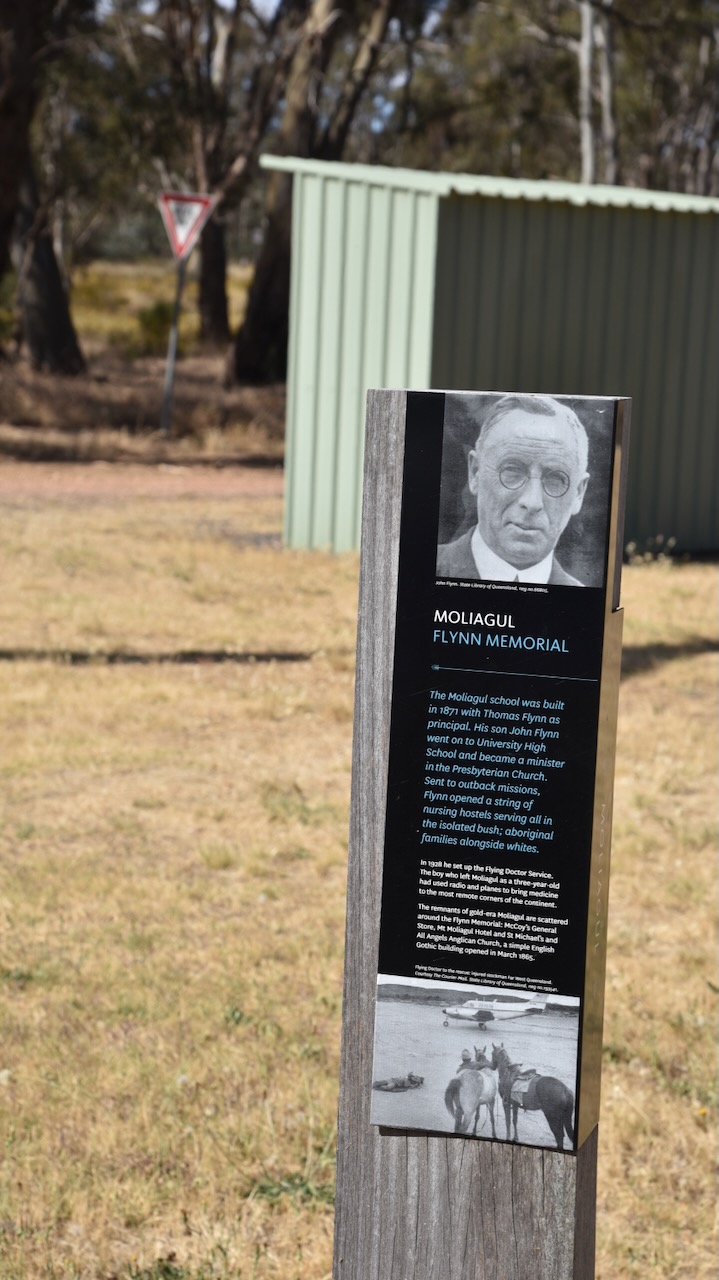
The first survey of the Moliagul township was conducted in 1859 by Henry Morris. The surveyed government site was on a hill to the east of the present main street. Settlers who had built premises on the flat near the creek, refused to purchase the sites on the hill when they came up for sale. In 1862 Dunolly Surveor Phillip Chauncey offered both sites for sale. The first sale of land at Moliagul took place on the 5th day of September 1862. In 1869 a school was opened and in 1863 this was moved to a Primitive Methodist chapel. It was rebuilt on a further site in 1872. The school’s head teacher was Thomas Flynn, the father of John Flynn, the founder of the Australian Inland Mission and Royal Flying Doctor Service. (Bannear 1980) (Victorian Places 2024)
Above:- A map of the town of Moliagul. Image c/o State Library Victoria.
Thomas Eugene Flynn was born on the 1st day of September 1852 in England. He emigrated to Australia and in 1876 he married Rosetta Forsythe Lester. They had four children. Their third child John Flynn was born on the 25th day of November 1880 in Moliagul. Sadly his mother Rosetta died in 1883 when John was just 3 years old.
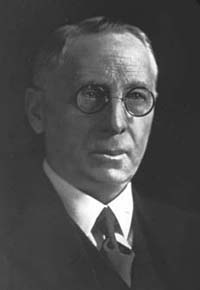
After graduating from secondary school, Flynn studied theology at college and in 1907 commenced a four-year course in divinity at Melbourne University. He graduated in 1910 and on the 24th day of January 1911, Flynn was ordained a Minister of the Presbyterian Church. He performed missionary work in rural and remote areas of Victoria and South Australia. In 1912 he was appointed the head of the Australian Inland Mission, an organisation formed to minister to the spiritual, social and medical needs of people living in outback Australia. (RFDS 2024)
Above:- John Flynn. Image c/o Wikipedia.
From about 1917, Flynn campaigned for an aerial medical service. A long-time supporter of Flynn was Hugh Victor McKay, an Australian industrialist, famous for heading the company that developed the first commercially viable combine harvester, the Sunshine Harvester. He left a large bequest for ‘an aerial experiment’.
Above:- H.V. McKay. Image c/o Wikipedia
At about this time Flynn also met Hudson Fysh, a founder of QANTAS, and in 1927 QANTAS and the Aerial Medical Service signed an agreement for an aerial ambulance to fly from Cloncurry in Queensland. This was the birth of the Royal Flying Doctor Service, originally known as the Aerial Medical Service. (RFDS 2024) (Wikipedia 2024)
Above:- Hudson Fysh. Image c/o Wikipedia
The first aircraft to fly for Flynn was named ‘Victory’ in honour of H.V. McKay and took off from Cloncurry Queensland on the 17th day of May 1928. The pilot was Arthur Affleck and the doctor was Dr. Kenyon St Vincent Welch. (RFDS 2024)
Below is an excellent video on John Flynn and the history of the Royal Flying Doctor Service.
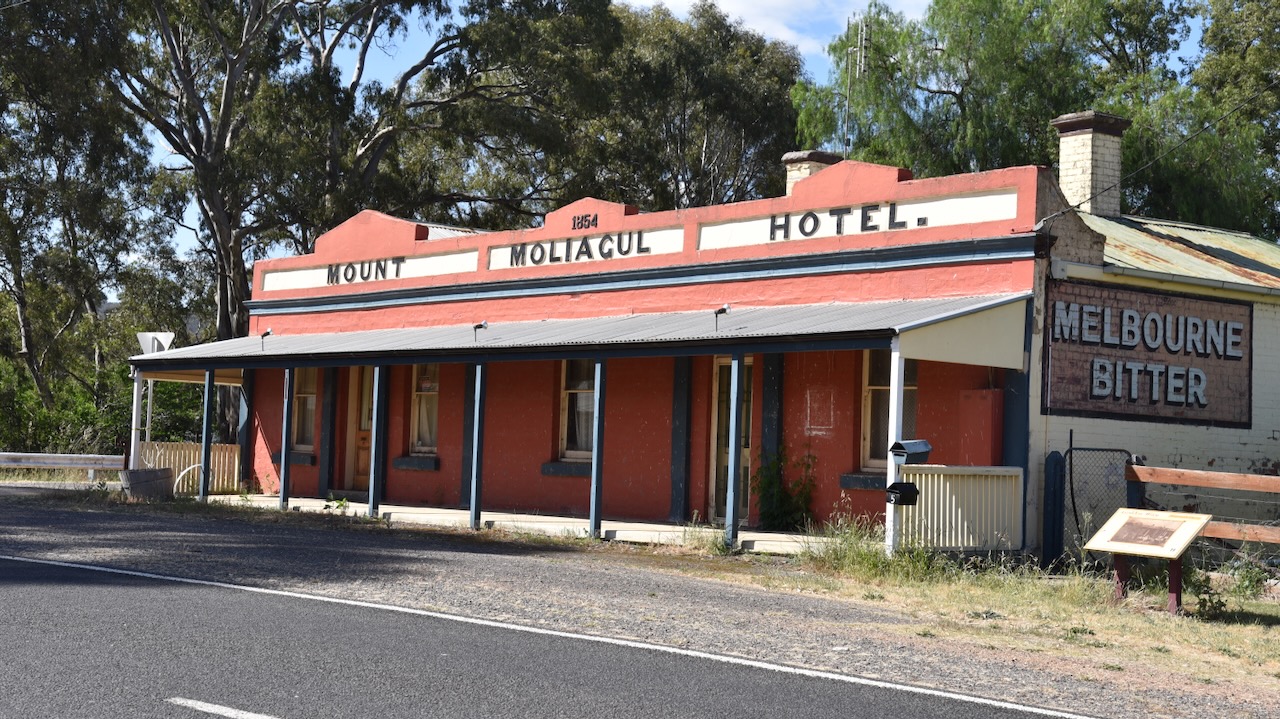
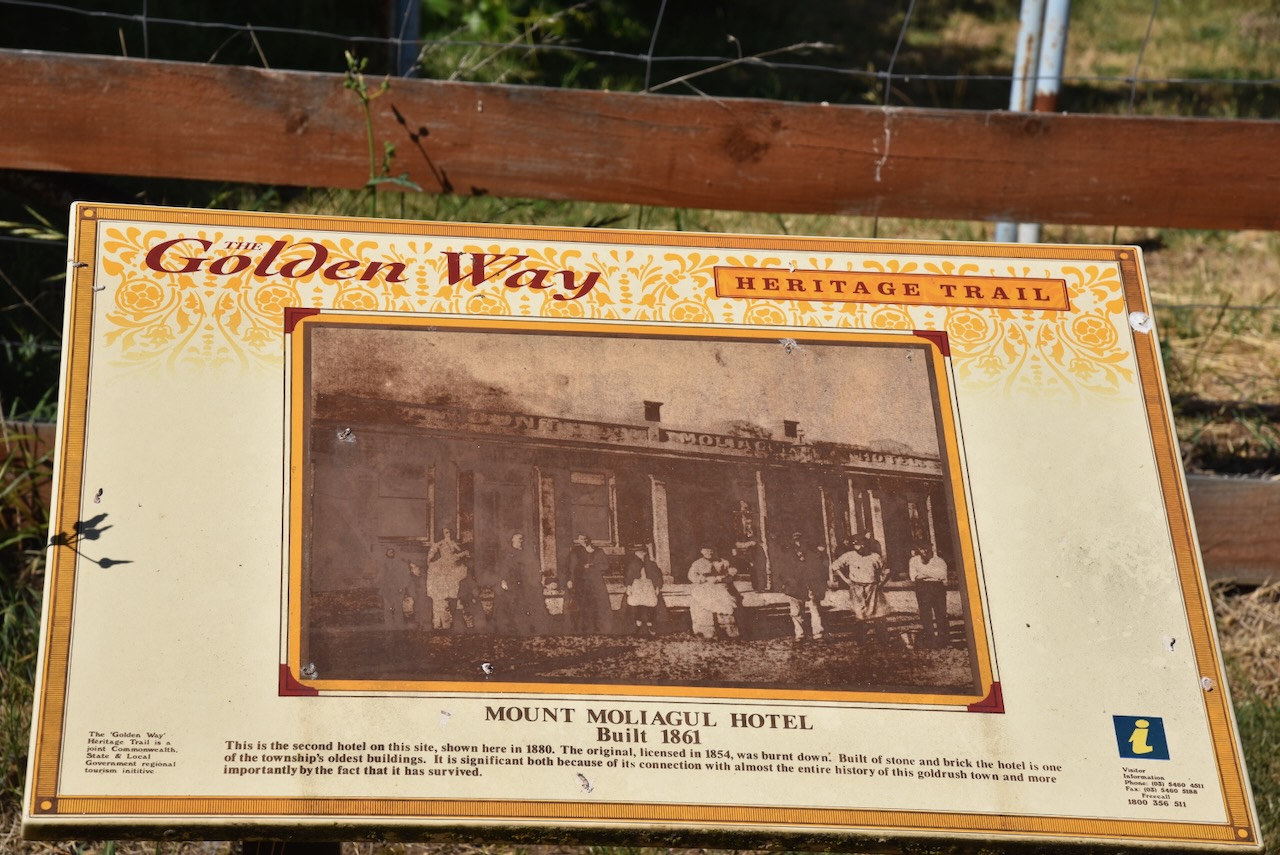
Not much remains at Moliagul which was once a thriving gold mining town. One of the surviving buildings in the town is the old Mount Moliagul Hotel built in 1861. The current building is the second hotel on this site. The original hotel was licenced in 1854 and was burnt down. (Aussie Towns 2024)
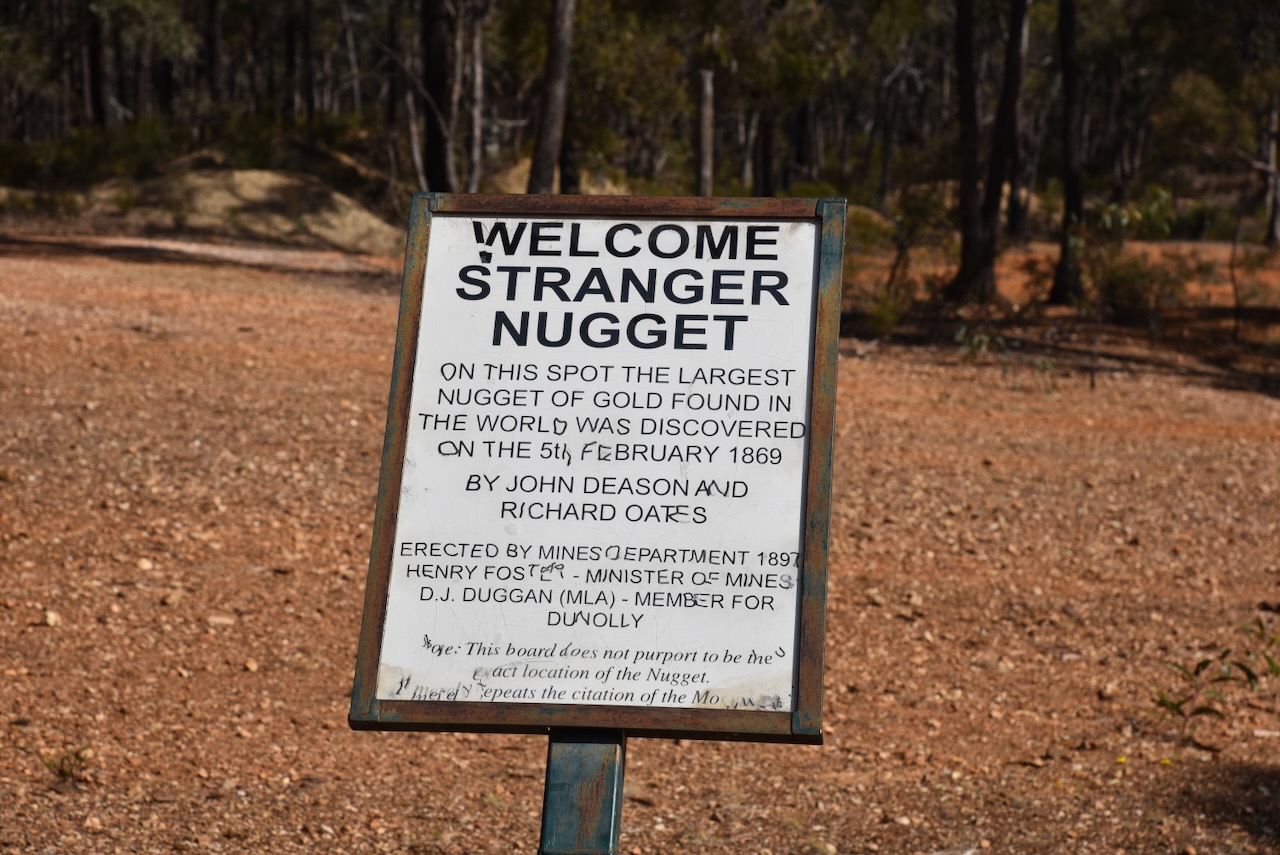
We then headed to the site where the famous Welcome Stranger nugget was found.
Gold was discovered at Queens Gully in the Moliagul area in late 1852, resulting in a gold rush in the district. In 1853 a police camp was established to keep law and order among the thousands of miners who were seeking their fortune. The police camp included a Sub Inspector, two Sergeants, a Corporal, six mounted and twelve-foot Constables, a Postmaster, a Clerk and a Tent Keeper. By January 1853 there was a store, a butcher’s shop and a blacksmith’s shop. The first Gold Commissioner’s camp in the district was set up, with Commissioner William Templeton issuing the gold licences. (Bannear 1980)
Another significant rush occurred in July 1855 when gold was found at Little Hill. By 1855, a total of 16,000 diggers were in the area. The main street of Moliagul was nearly one mile long and was jammed with saloons. Over the following years, gold became harder to find and many of the miners left the district for more popular goldfields. It would not be until 1869 that Moligaul would become world-famous with the discovery of the largest alluvial gold nugget ever discovered. (Aussie Towns 2024)
John Jenkins Deason was born in 1829 in Cornwall England. He emigrated to Australia in 1854 at age 24, arriving at Port Phillip Bay on the 14th day of December 1854. (Goulburn Herard, Trove 2024)
Richard Oates was born in 1829 in Cornwall England. He emigrated to Australia in the late 1860s.
Above:- Richard Oates. Image c/o Gee/Williams Family Tree, ancestry.com.au
It is believed that John and Richard had known each other from boyhood in Cornwall and had been choirboys together in Cornwall. They spent some time in Bendigo seeking gold but were unproductive and moved to Moliagul. (Rootsweb 2021)
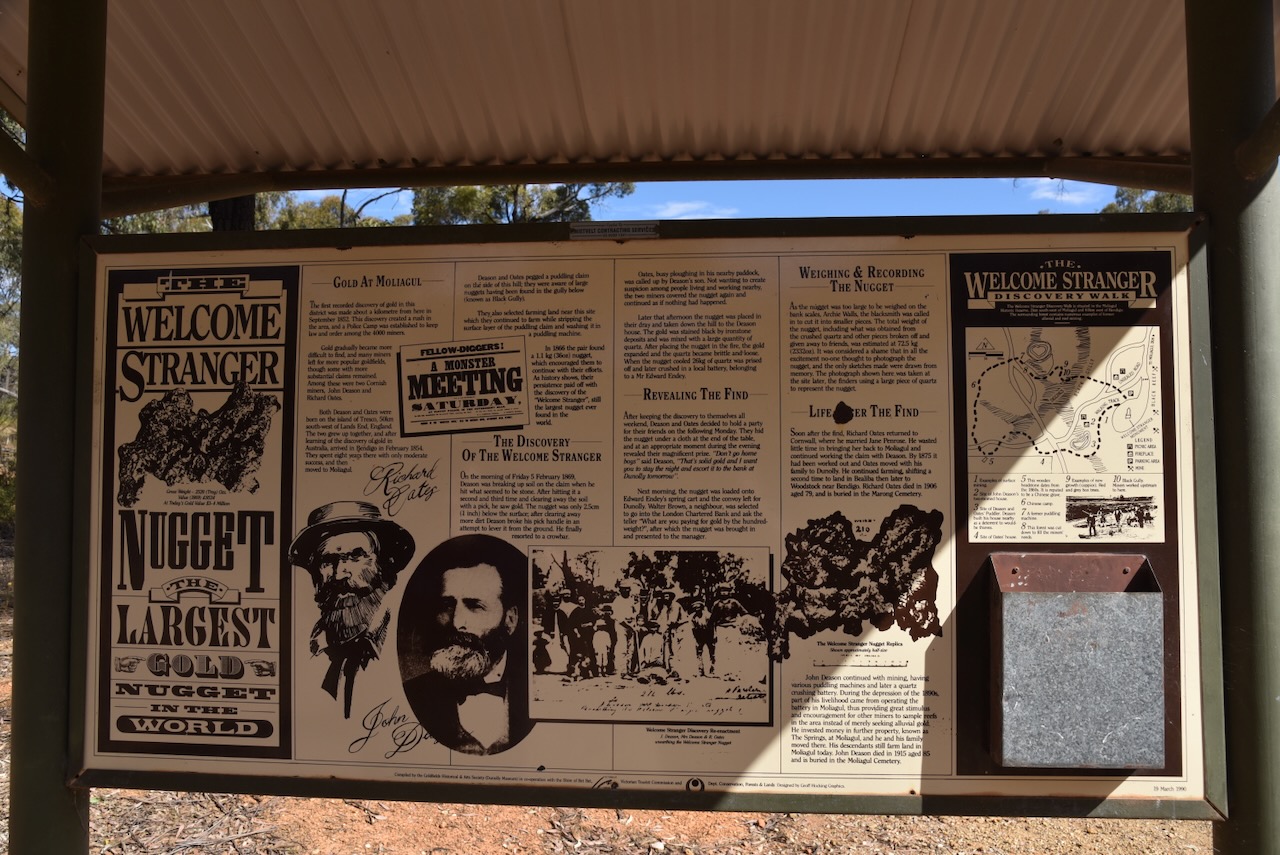
In 1866, Deason and Oates discovered a 1.1 kg (36 ounces) gold nugget, inspiring them to continue seeking gold.
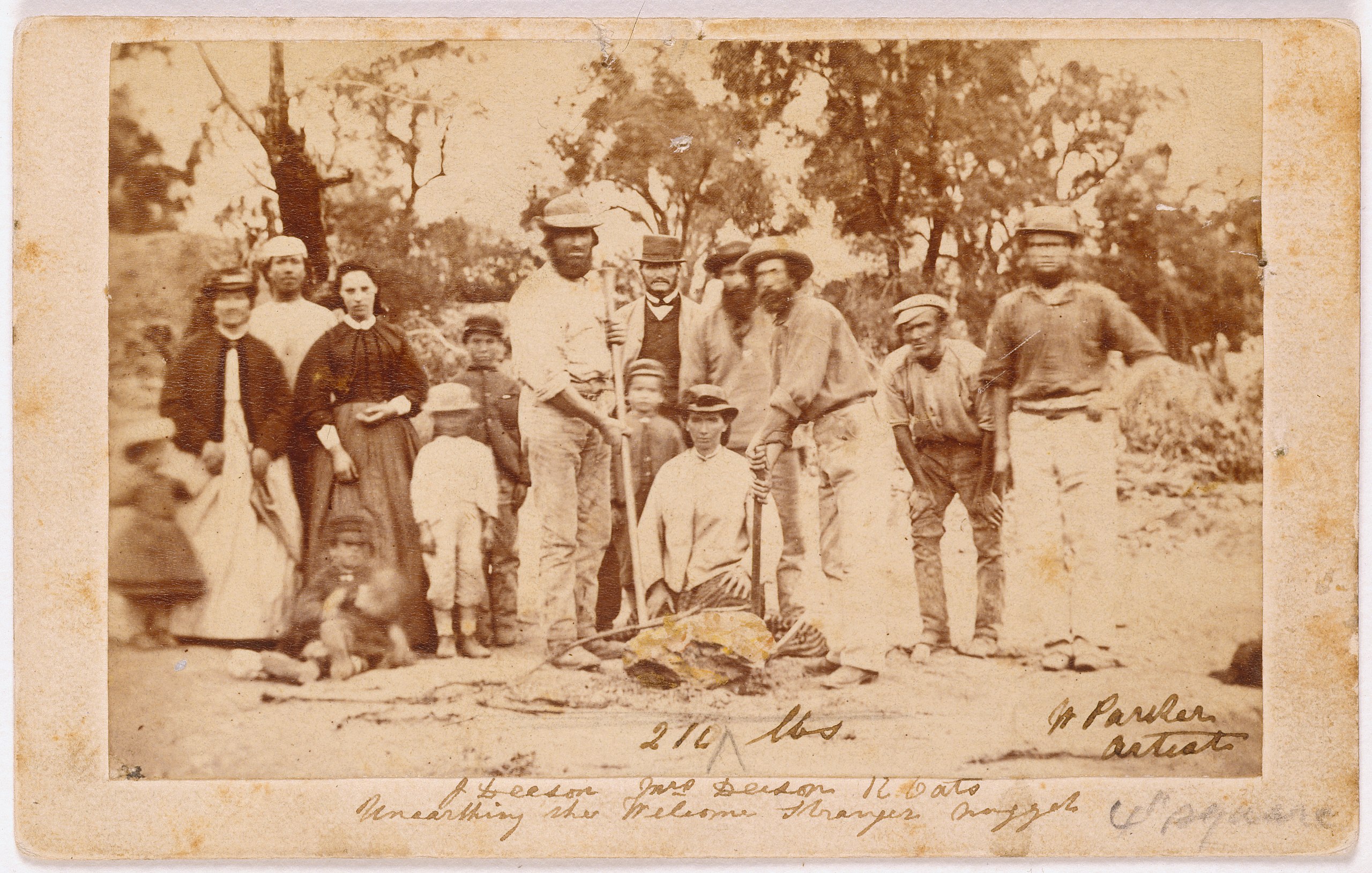
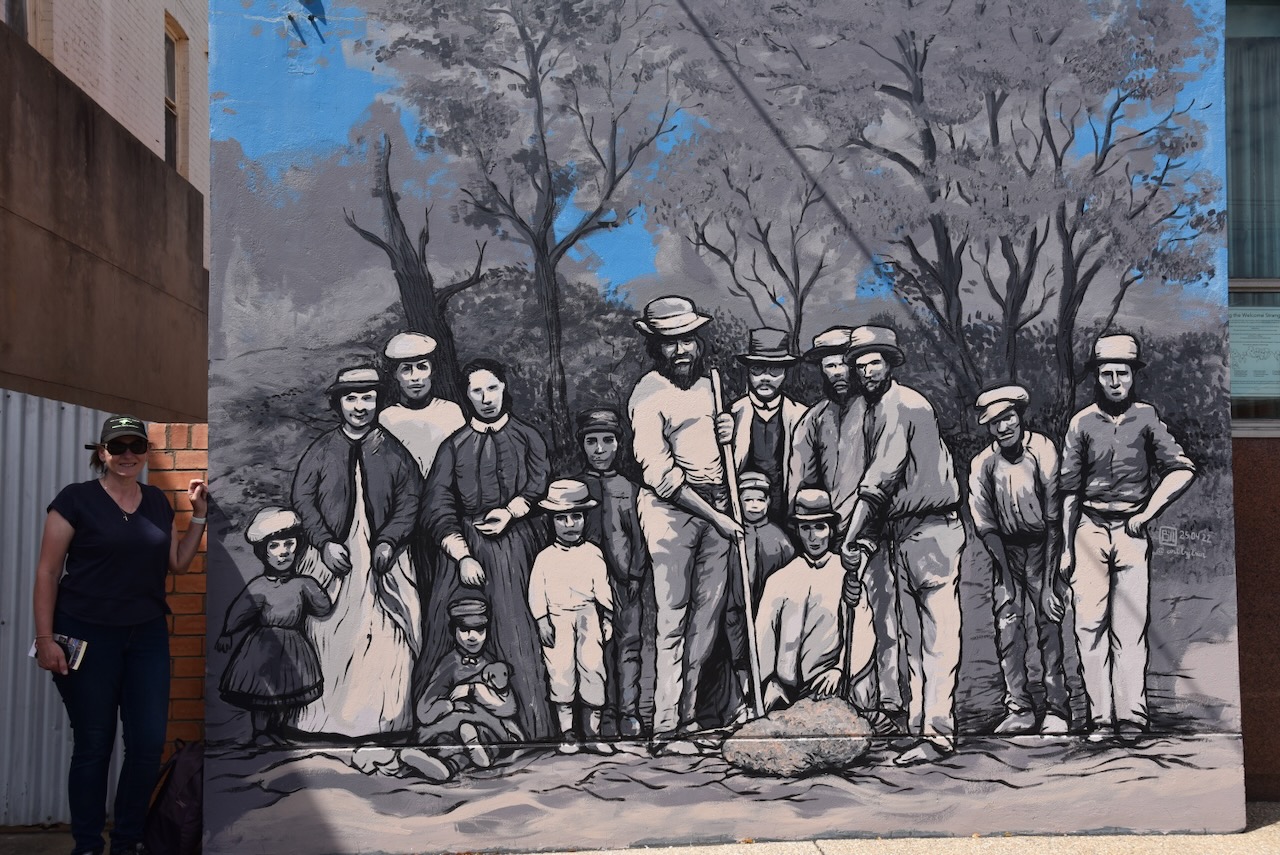
On Friday the 5th day of February 1869, between 9.00 a.m. and 10.00 a.m. Deason was prospecting near Black Reef, Bulldog Gully near Moliagul. He was just 80 ‘yards’ from his house. While searching around a tree’s roots, he discovered a gold nugget about 2.5 centimetres below the ground’s surface. He tried to lever out the nugget and broke the handle of his pick in the process. It is reputed that Deason said “damn it, I wish it was a nugget, and had broken the pick.’ (Aussie Towns 2024)(Goulburn Herard, Trove 2024) (Gold Net Australia 2000) (Scilonian 2024)
Oates was ploughing a nearby field and was called by Deason’s son to come to assist his father. They eventually extracted the gold nugget with a crowbar. Deason and Oates concealed their find until nightfall, dug out the gold nugget,and took it to Deason’s home in a dray. (Scilonian 2024)
Above:- A sketch of the Welcome Stranger. Image c/o State Library Victoria.
The gold nugget was stained a black colour by ironstone deposits and contained a large amount of quartz. The nugget was placed in a fire to render the quartz friable. The gold expanded making the quartz brittle and loose. A total of 26 kg of quartz was prised off the nugget once it had cooled. (Goulburn Herard, Trove 2024)
Deason and Oates then celebrated and held a party, revealing their find to the invited guests. Deason is reputed to have said ‘Don’t go home boys. That’s solid gold and I want you to stay the night and escort it to the bank at Dunolly tomorrow.‘ (Aussie Towns 2024)
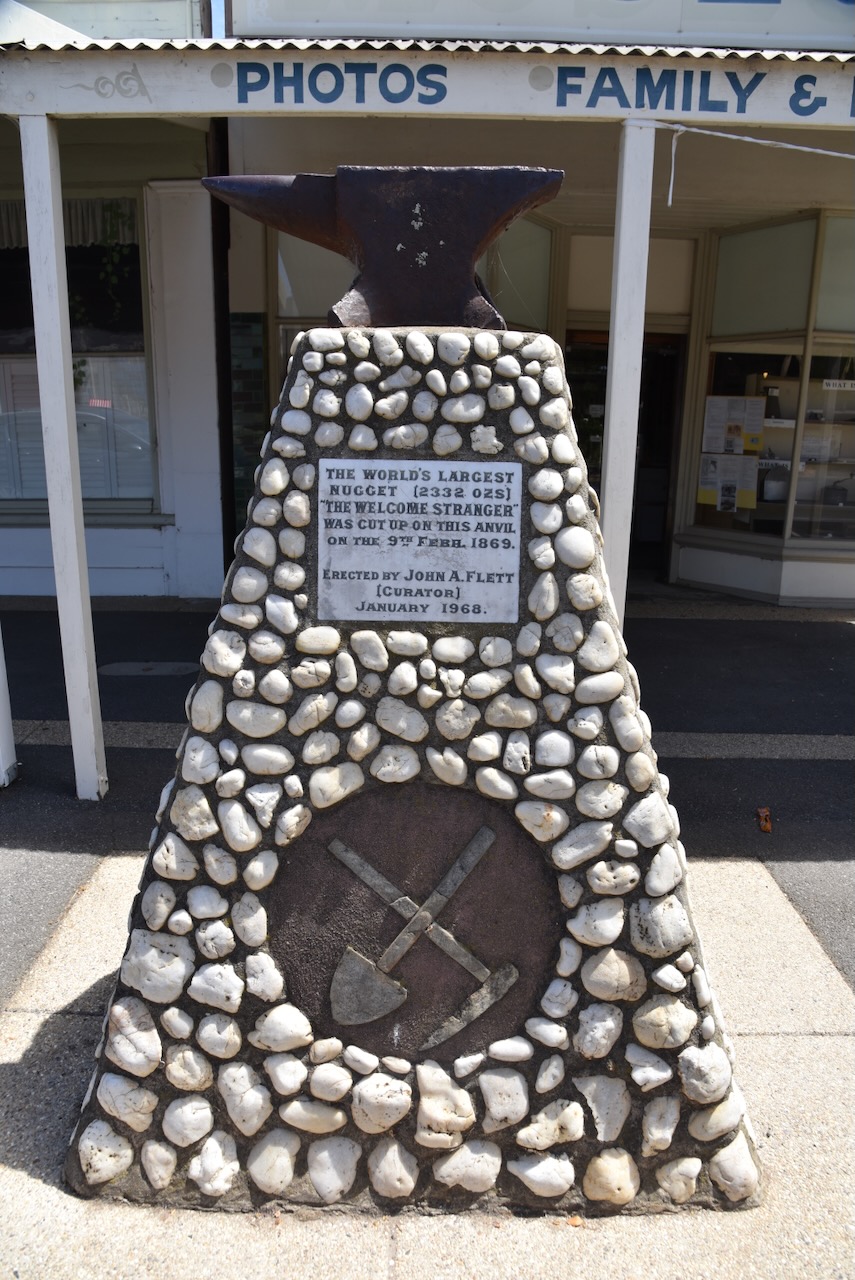
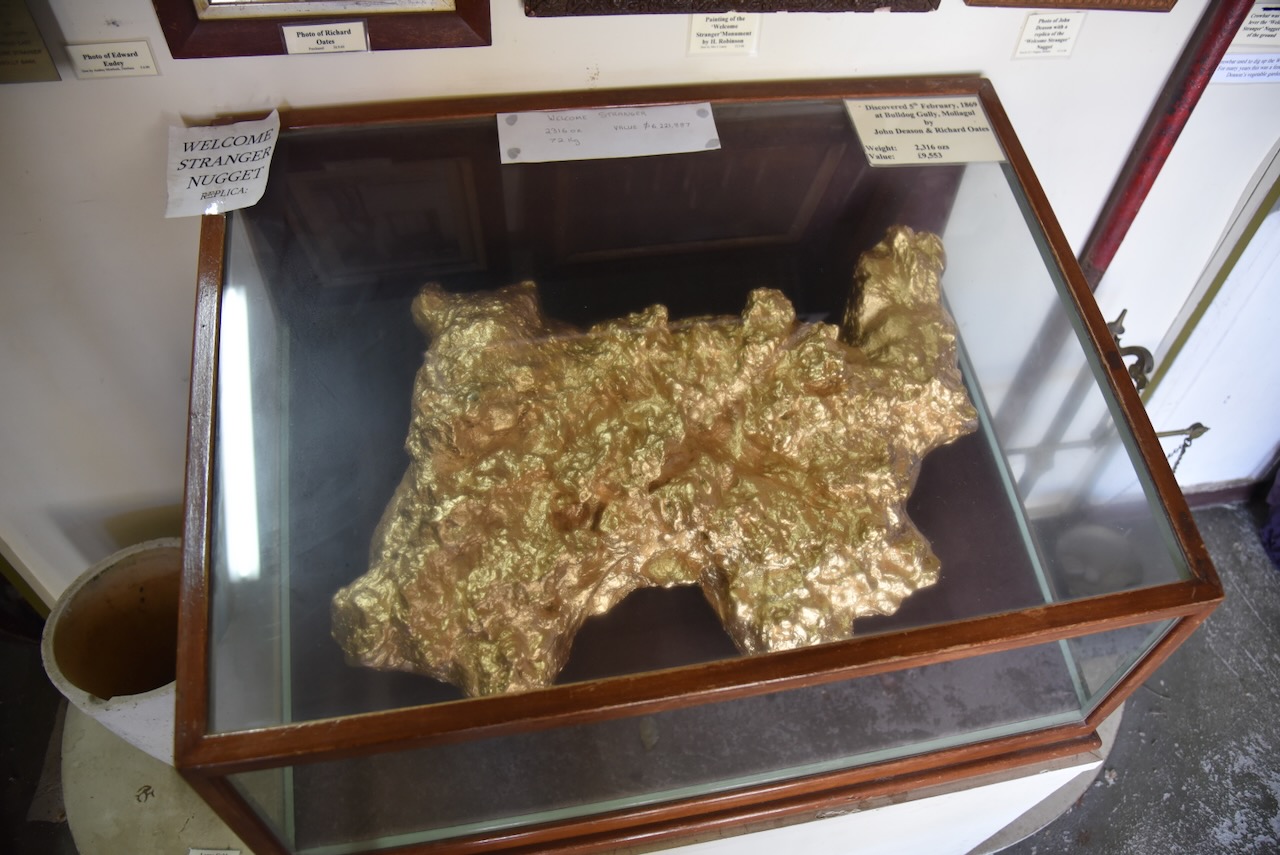
The 69 kg (2,316 ounces) Welcome Stranger nugget was the world’s largest known gold nugget. It was conveyed to Dunolly on a spring cart belonging to Edward Endey. A friend and neighbour of Deason and Oates, Walter Brown, was asked to go into the London Chartered Bank and ask the teller that they were paying for gold by the ‘hundred weight’. The nugget was then brought into the bank and presented to the Manager. The nugget was too, large to be weighed on the bank scales, so Archie Walls, the local blacksmith broke the nugget into pieces on an anvil. At the time, the Welcome Stranger was valued at £9,553. The equivalent today is about $10 million. (Aussie Towns 2024)
Above:- The London Chartered Bank building in Dunolly.
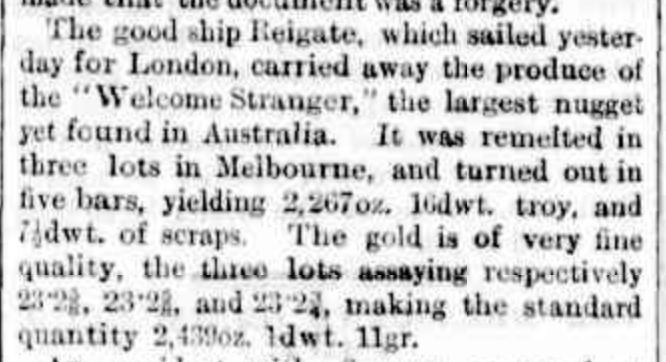
Within a few days of the discovery of the Welcome Stranger, the melted-down gold ingots were conveyed to Melbourne and on Sunday the 21st day of February 1869 they were shipped to the Bank of England aboard the steamship Reigate. (Gold Net Australia 2000)
Above:- Article from The Argus, Melbourne, Mon 22 Feb 1869. Image c/o Trove.
Following the find of the Welcome Stranger, Richard Oates returned to Cornwall and married Jane Blewett Penrose in November 1870. He returned shortly after to Moliagul and continued to work on the claim with Deason. By 1875 Oates had moved to Dunolly with his family. He later moved to Bealiba. Richard and Jane had four children. He died on the 31st day of October 1906 at age 79. He is buried in the Marong cemetery. There is a monument at the cemetery commemorating the life of Richard Oates. (ancestry.com.au 2024) (Monument Australia 2024)
John Deason continued with mining and invested in property including The Springs at Moliagul. He and his family moved there. John died in 1915 aged 85 and is buried in the Moliagul cemetery.
It was reported in the Dunolly Express in March 1859, ‘We are glad that the monster has fallen to the lot of such steady and industrious men.‘ (Goulburn Herard, Trove 2024)
Above:- Miners and their wives posing with the finders of the nugget, Richard Oates, John Deason and his wife. Image c/o Wikipedia.
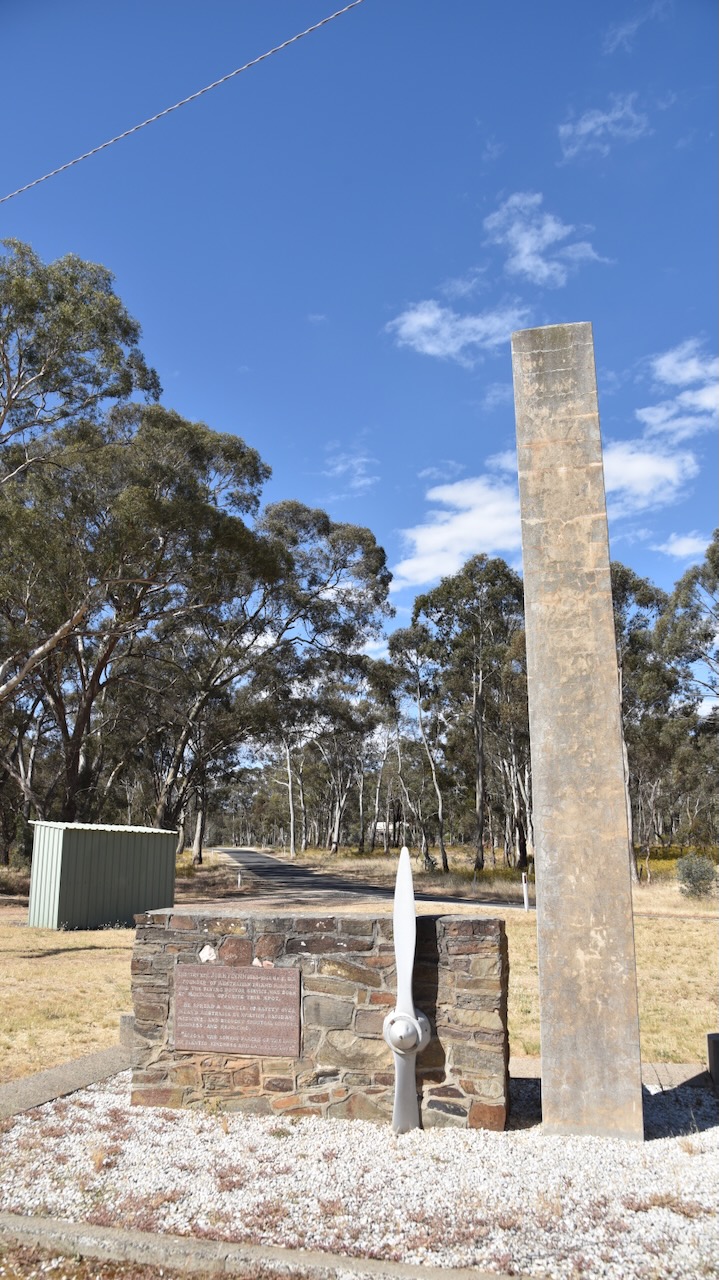
There is an excellent information board and a monument at the site where the Welcome Stranger was discovered.
Below is an old farmhouse that is barely standing. It is one of the few surviving old buildings at Moliagul.
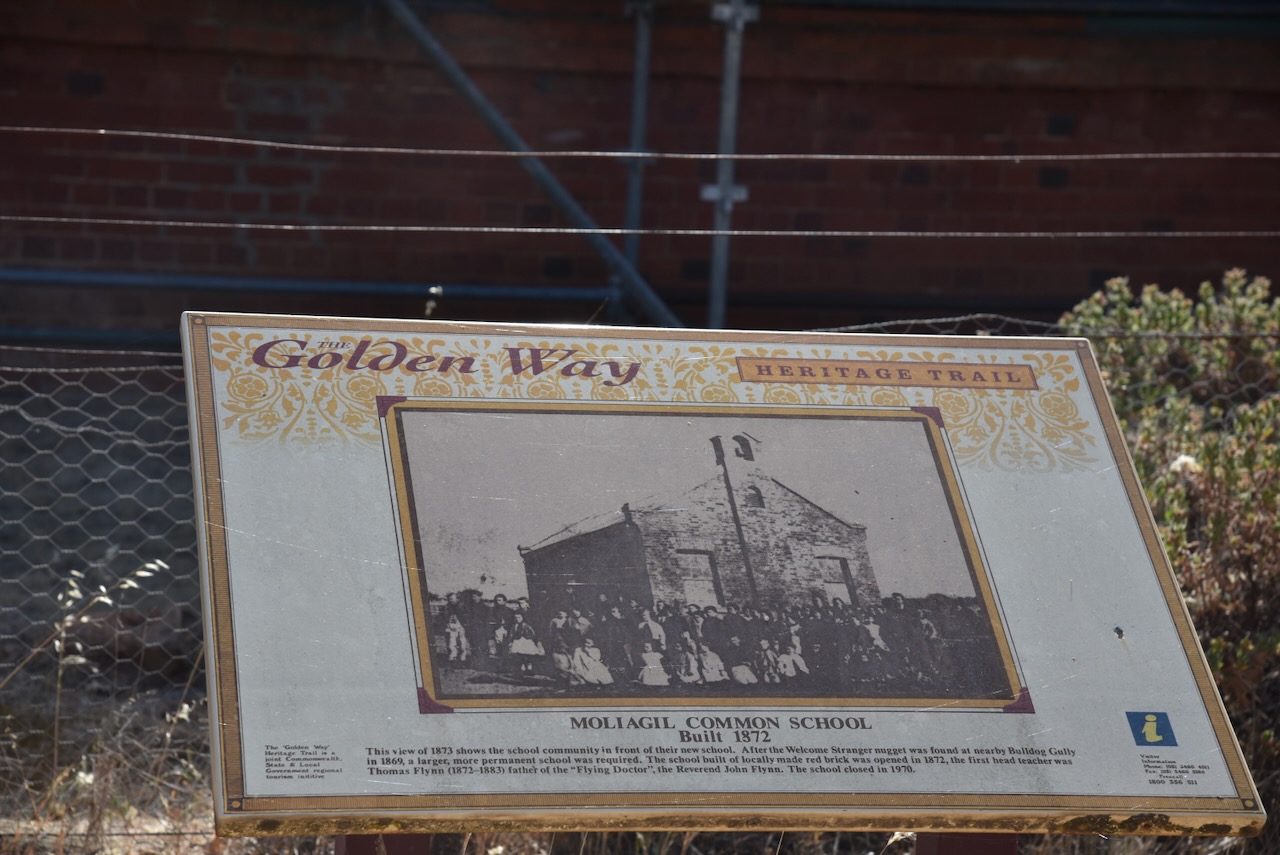
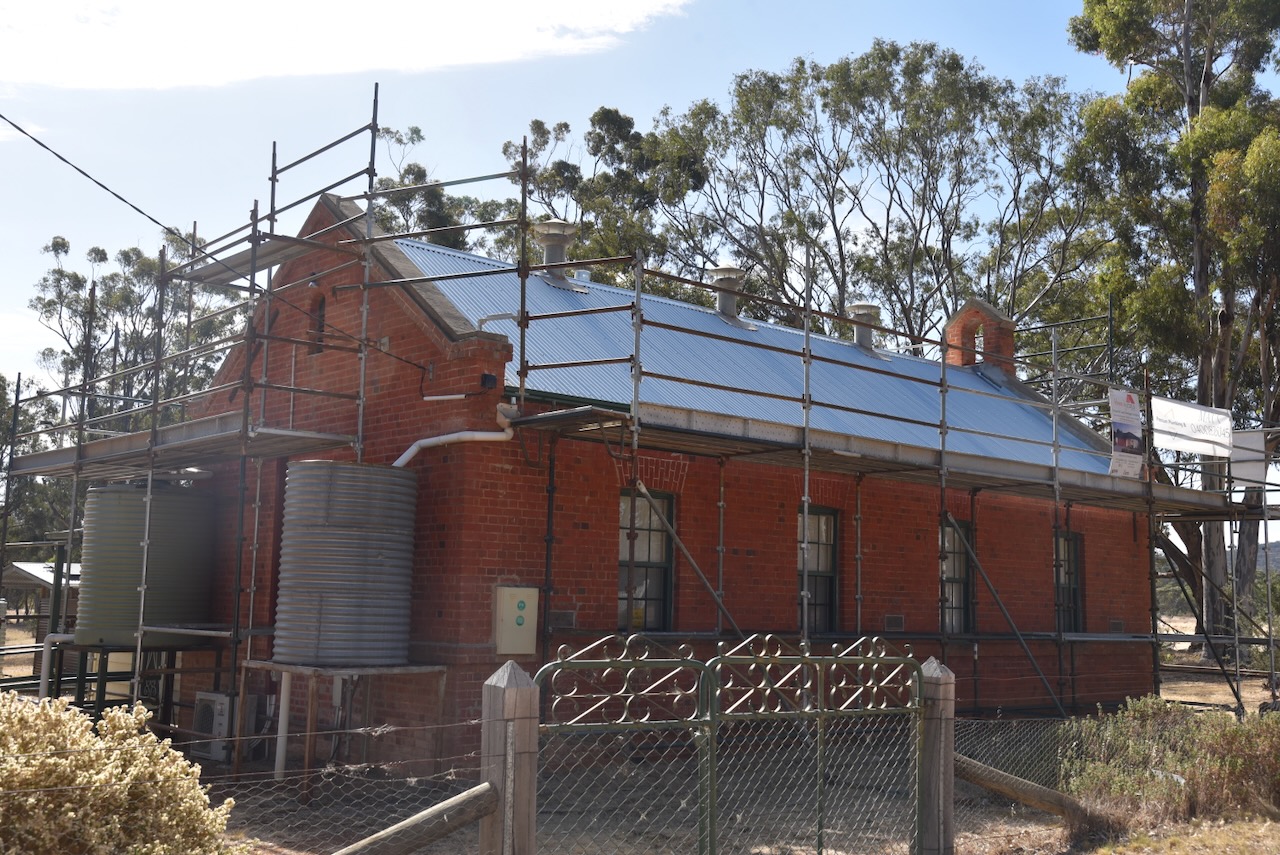
The Moliagul Common School was built in 1862 of locally made red brick. The first Head Teacher was Thomas Flynn. The school closed in 1970. It was under restoration during our visit.
Above:- Students and teachers outside the Mount Moliagul Common School, 1872. Image c/o Museums Victoria.
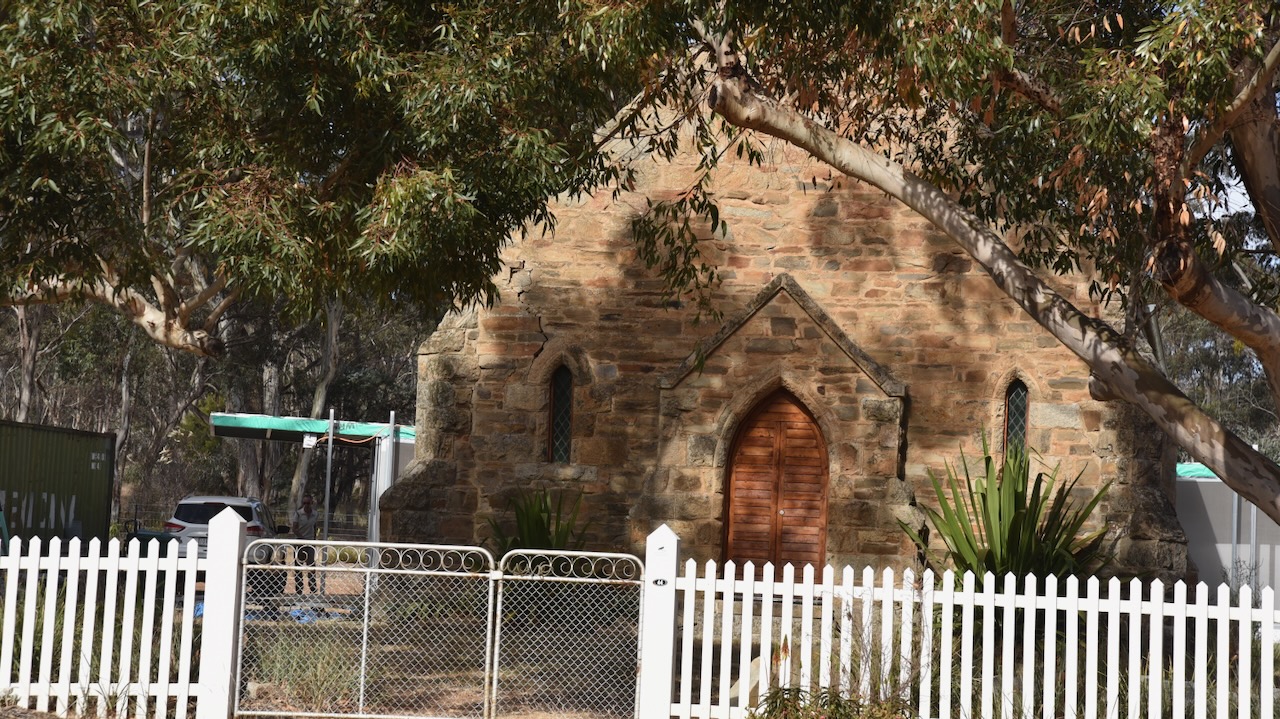
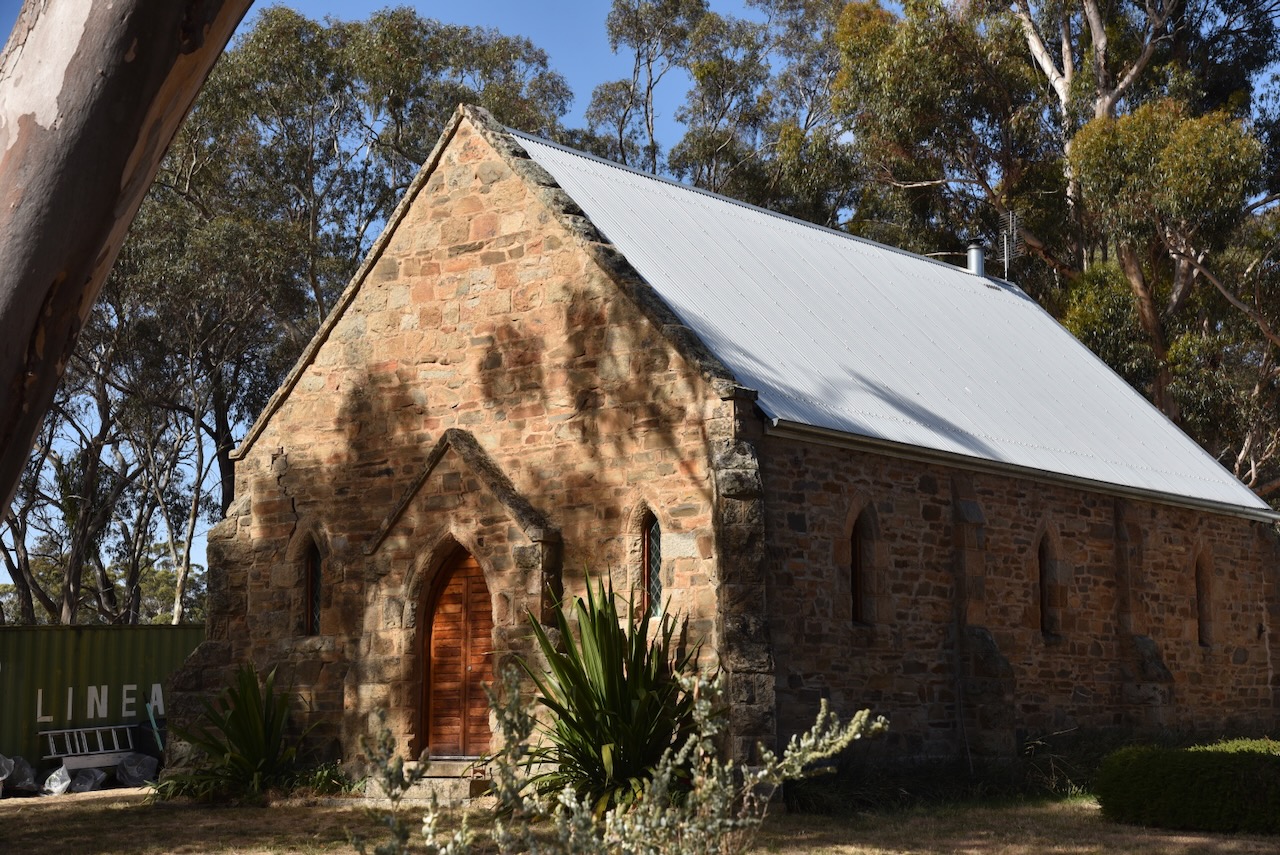
The Moliagul Anglican church was built between 1864 to 1865. (Aussie Towns 2024)
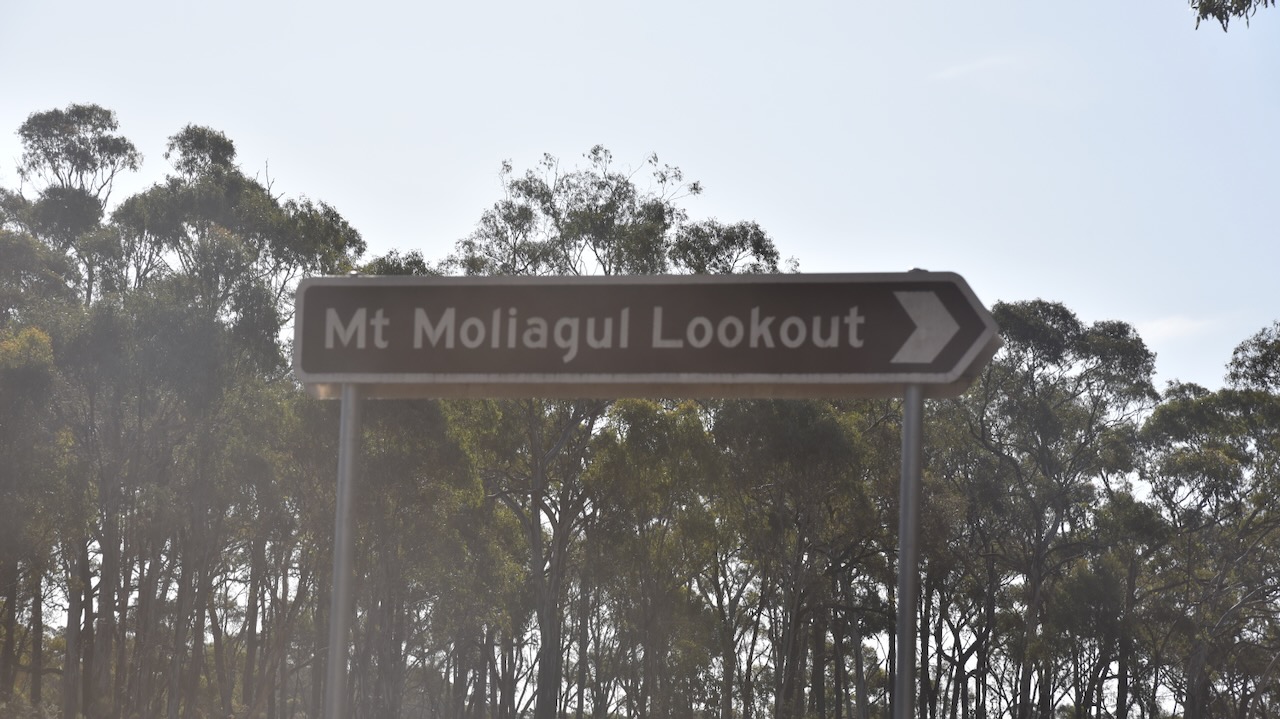
Marija and I then headed to Mount Moliagul. The summit is well-signposted on the Wimmera Highway. Mount Moliagul Road takes you right to the top of the summit.
Mount Moliagul is 525 metres and is worth 2 points for the Summits On the Air (SOTA program. It has been activated a total of 34 times, including by myself and Marija. (SOTA 2024)
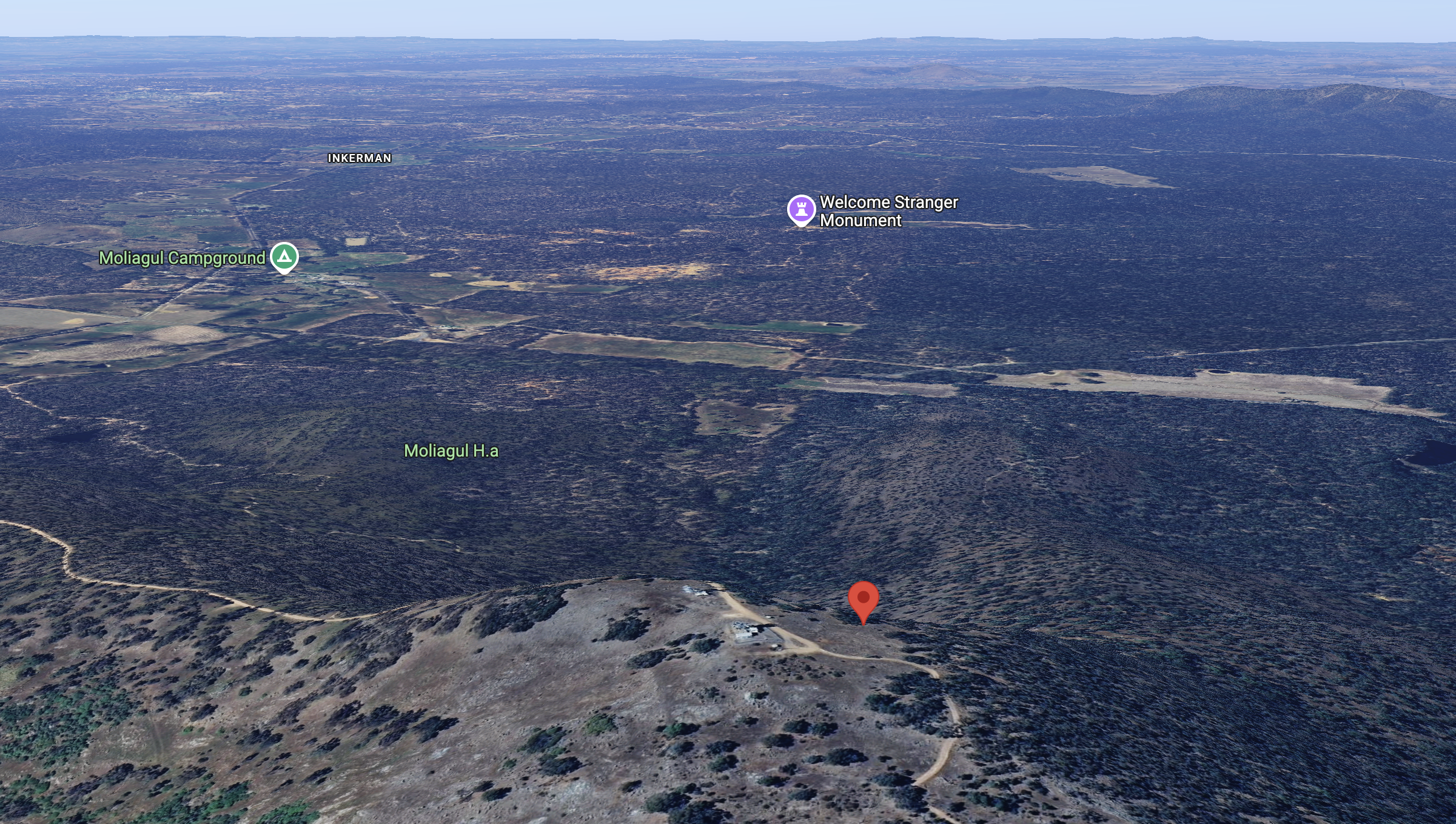
Above:- An aerial view of Mount Moliagul looking south. Image c/o Google Maps.
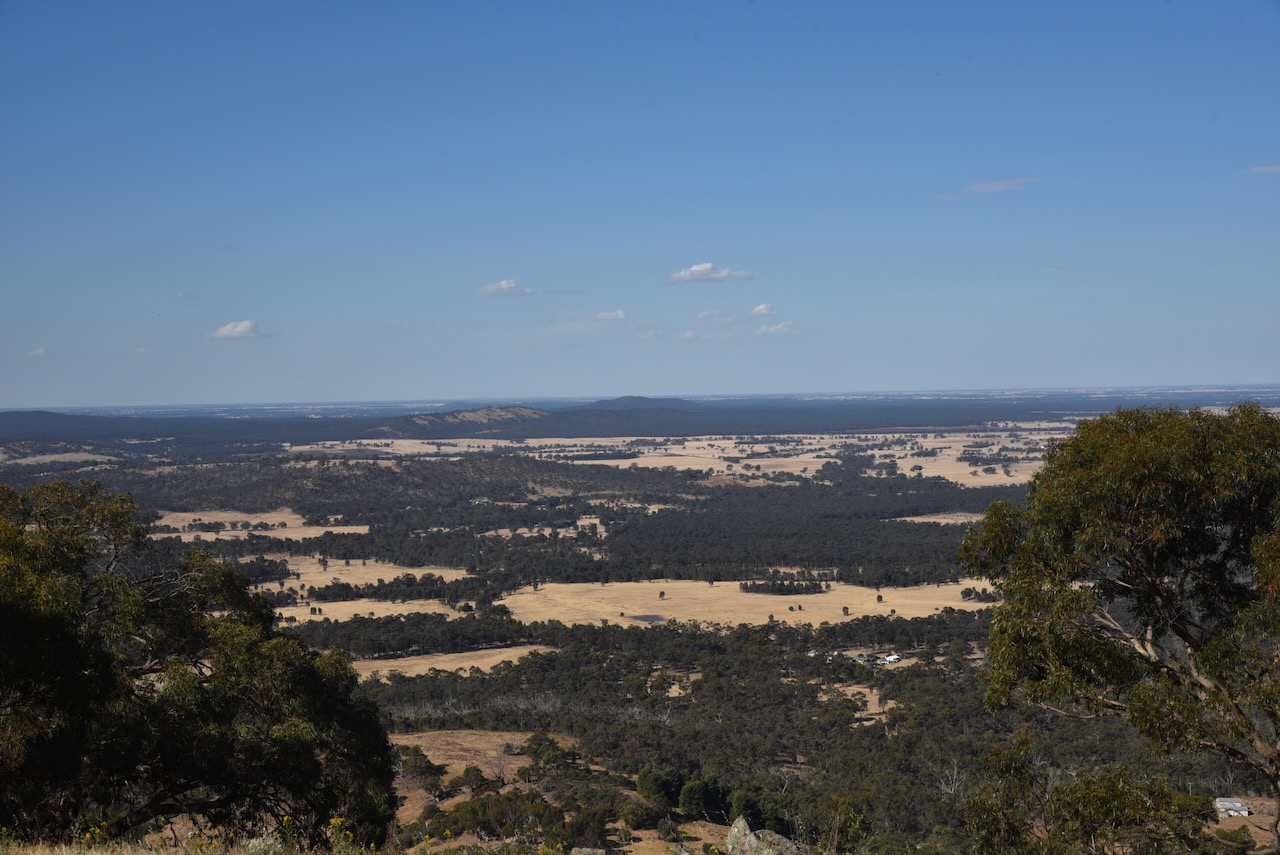
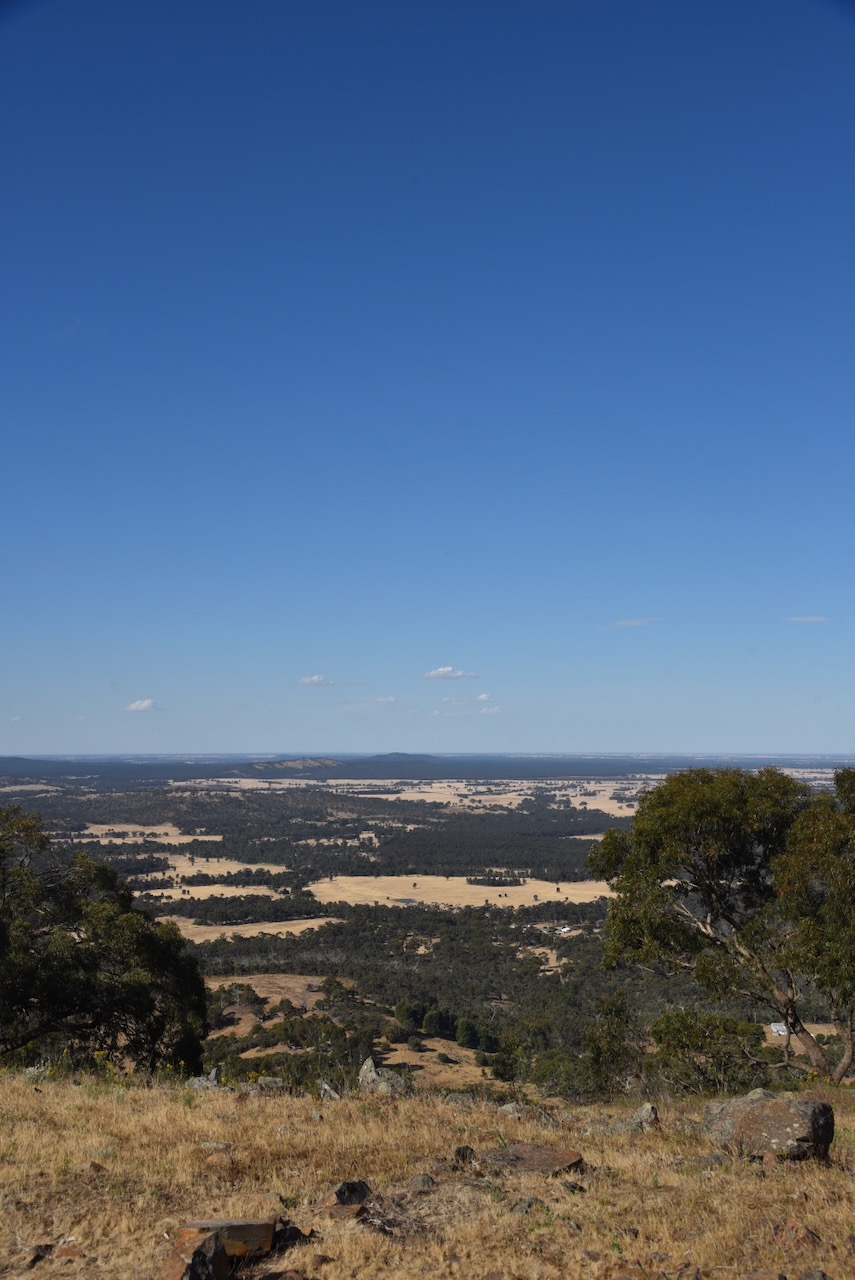
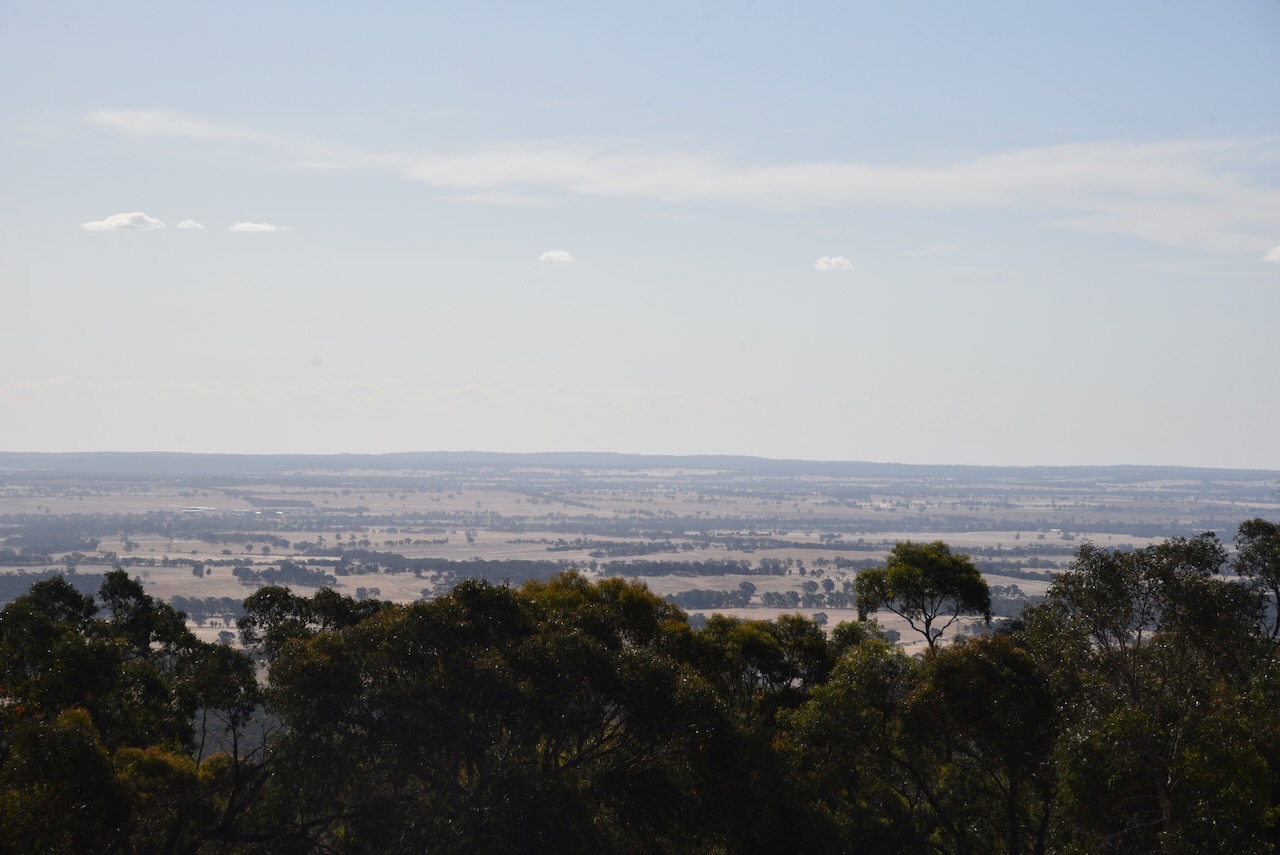
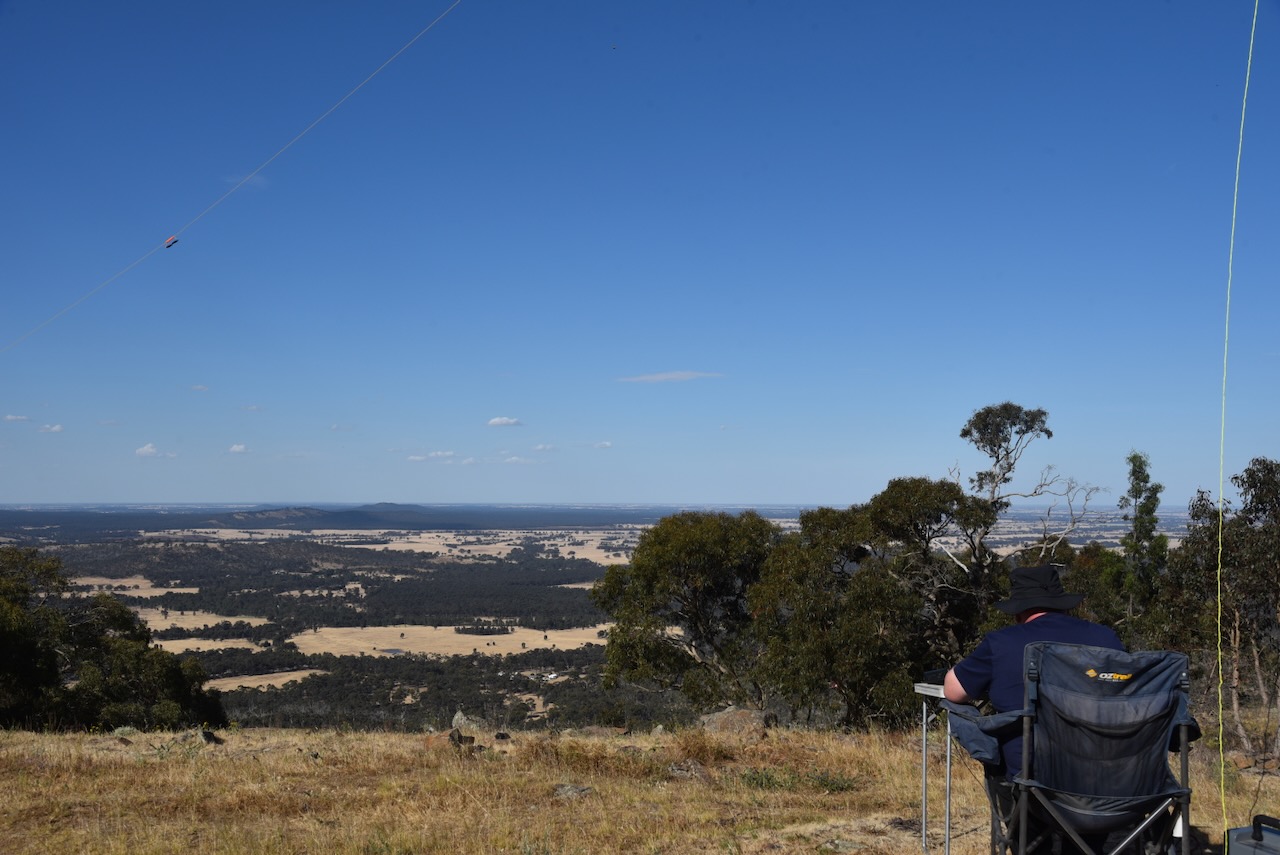
The summit is cleared of any significant vegetation and there are some magnificent views of the surrounding countryside.
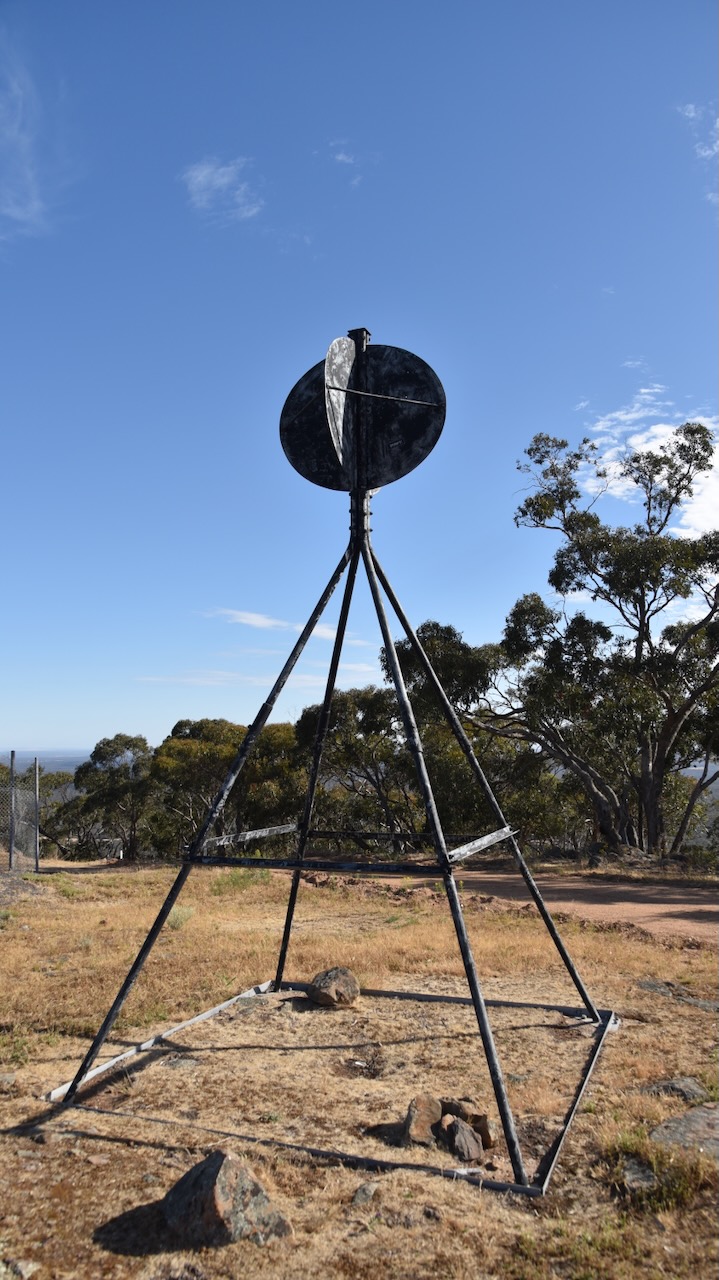
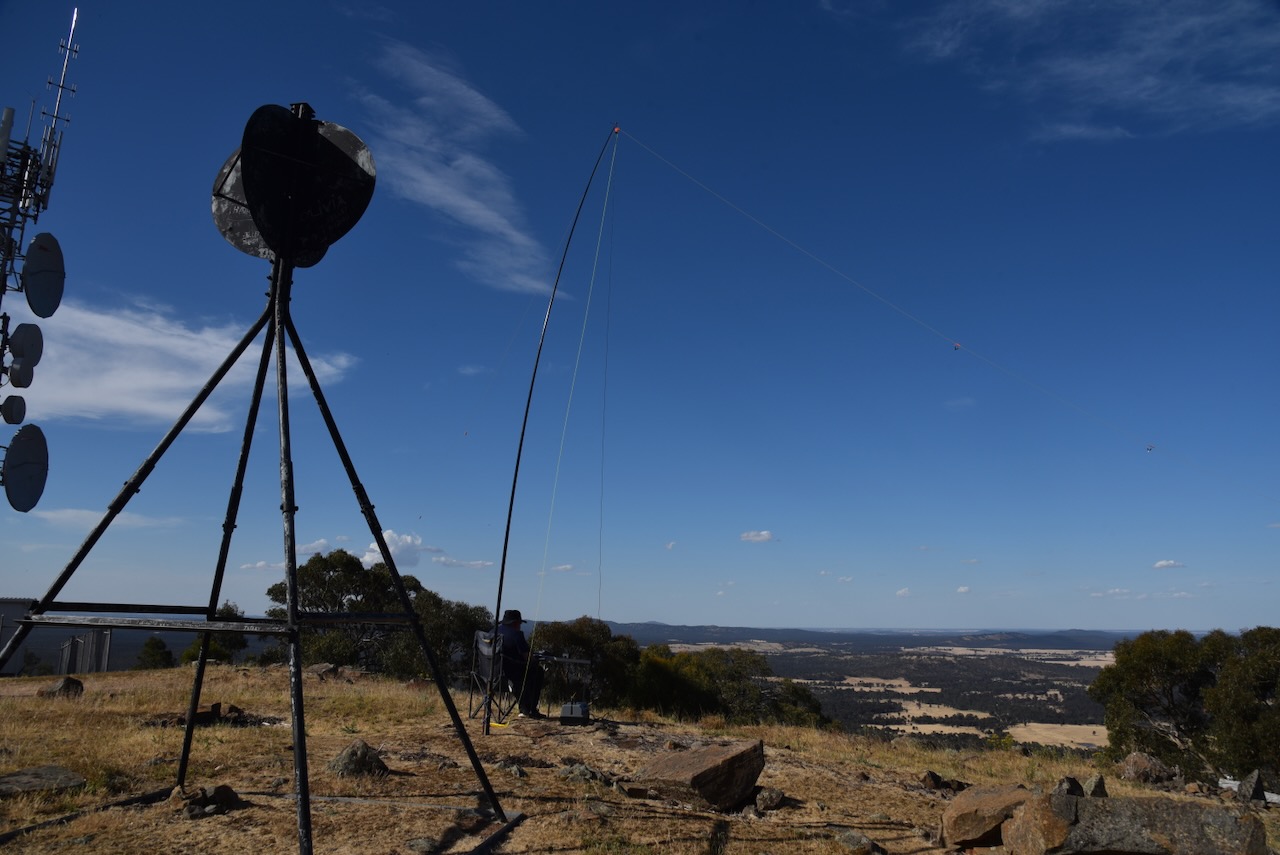
There is a surviving intact trig point at the summit.
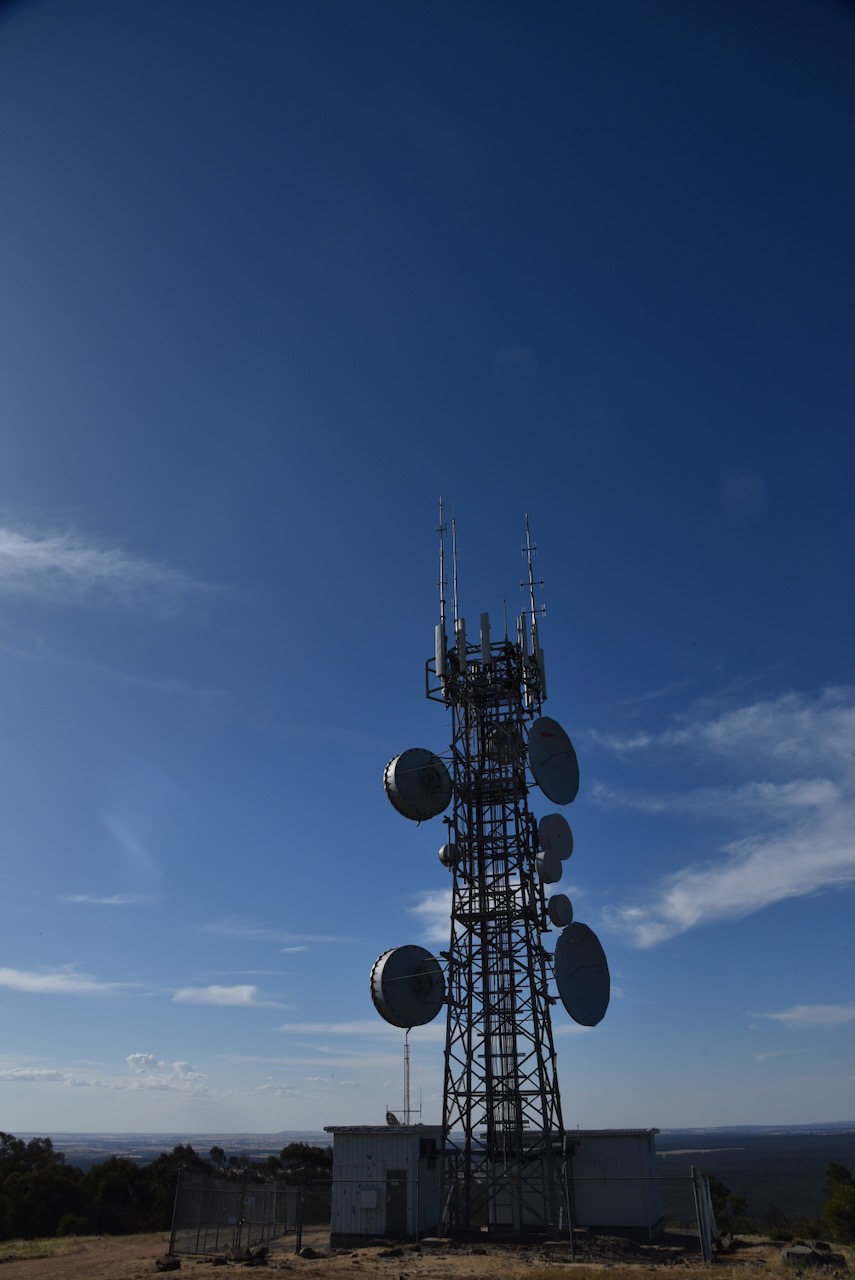
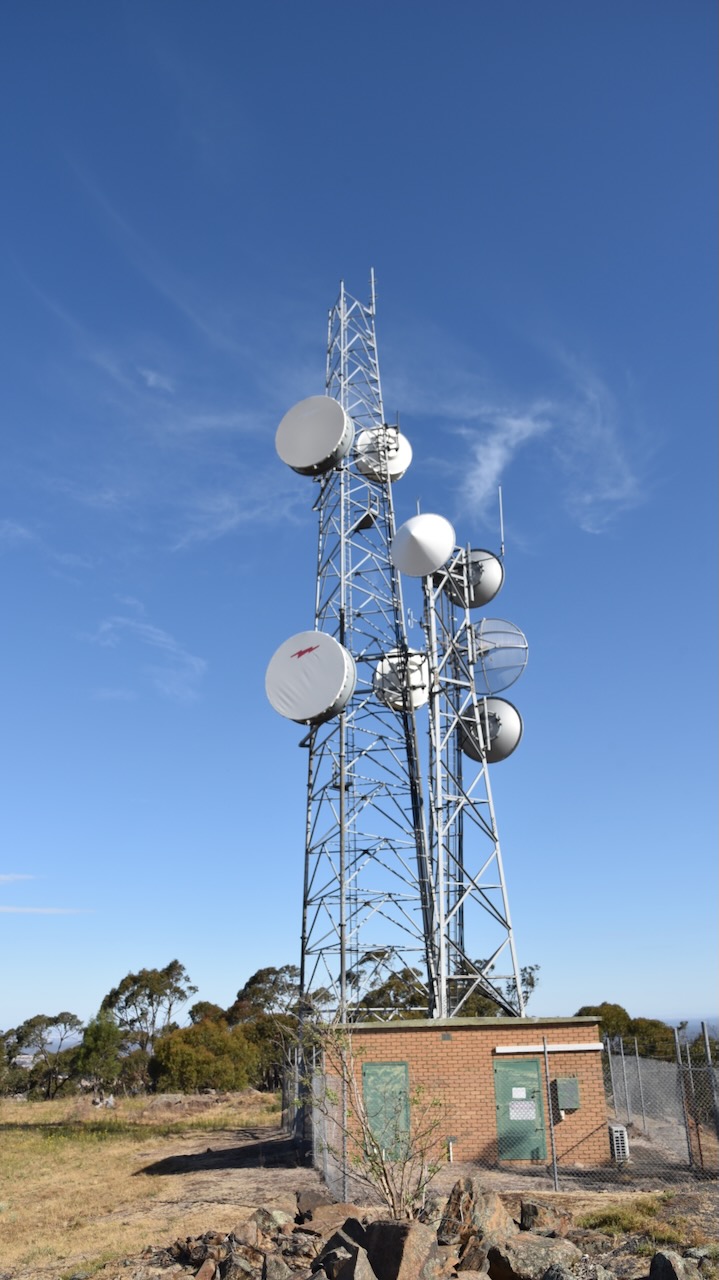
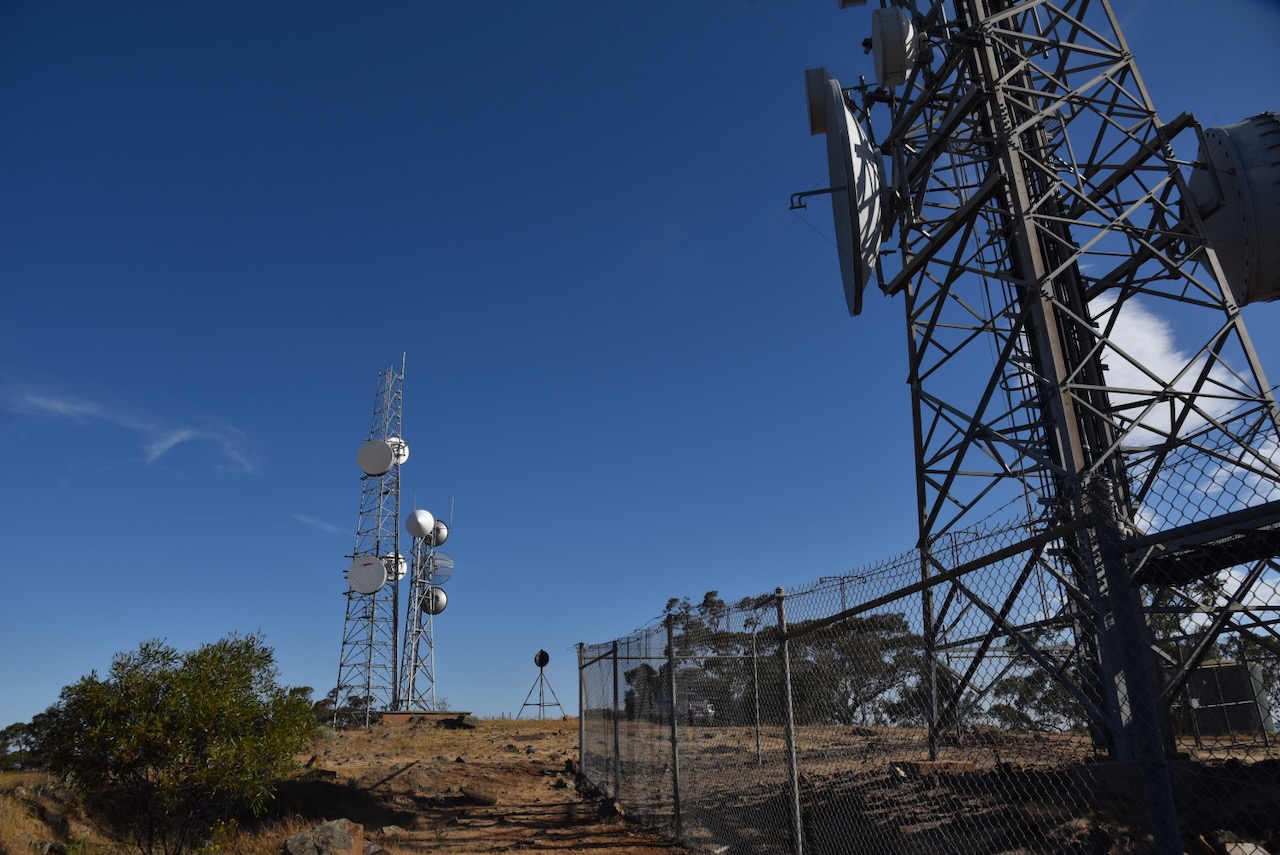
And there is a significant amount of communication equipment, but each time we have been to Mount Moliagul it has never caused interference on the amateur radio bands.
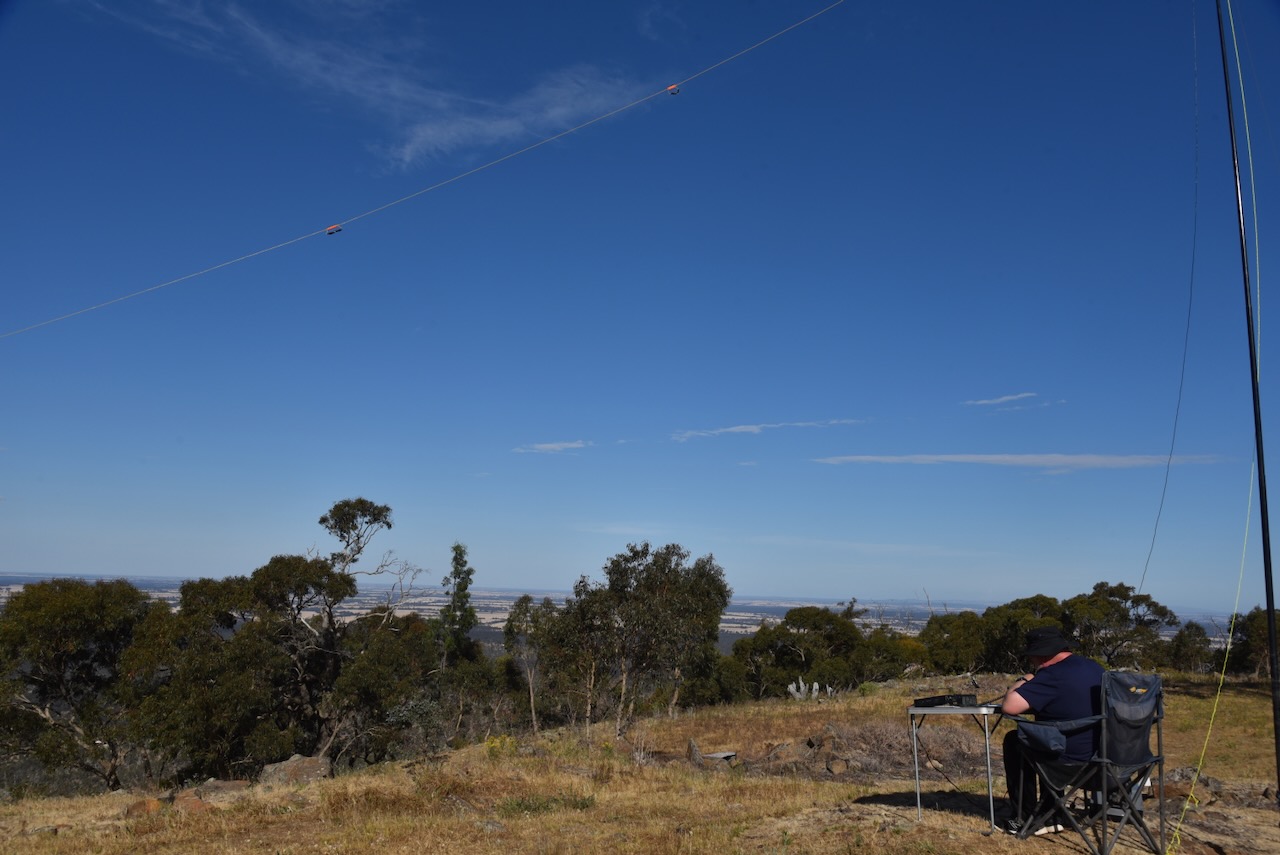
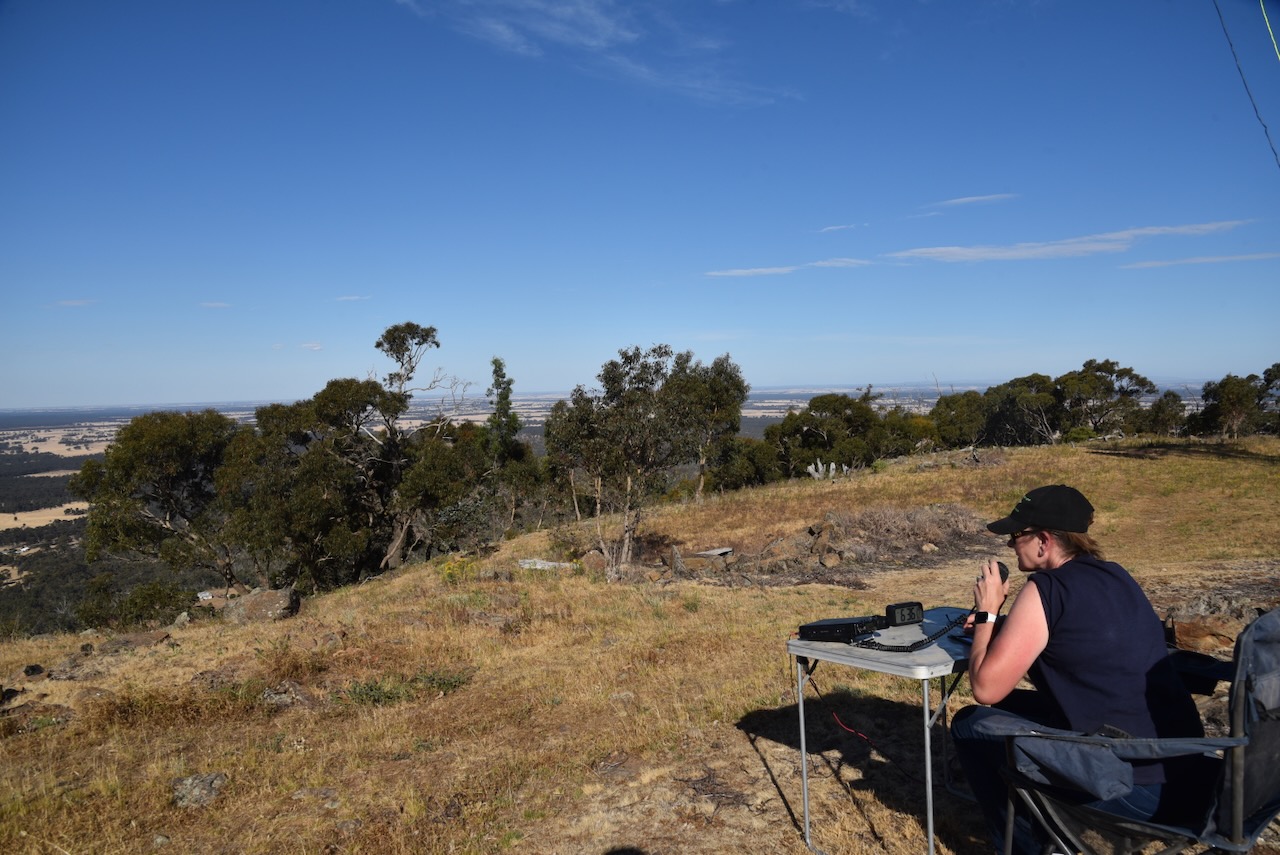
Marija and I set up a fold-up table and deck chair and looked out to the north. We ran the Yaesu FT857, 40 watts and the 20/4080m linked dipole.
Ancestry.com.au. (2016). Ancestry® | Genealogy, Family Trees & Family History Records. [online] Available at: https://www.ancestry.com.au/ [Accessed 14 Mar. 2024]
It was now day 6 of our Melbourne trip, Wednesday 22nd November 2023. After a good night’s sleep, Marija and I headed down the main street of Avoca and had some breakfast and coffee.
Following breakfast we had a further look around Avoca as there were several historic buildings that we had not yet seen.
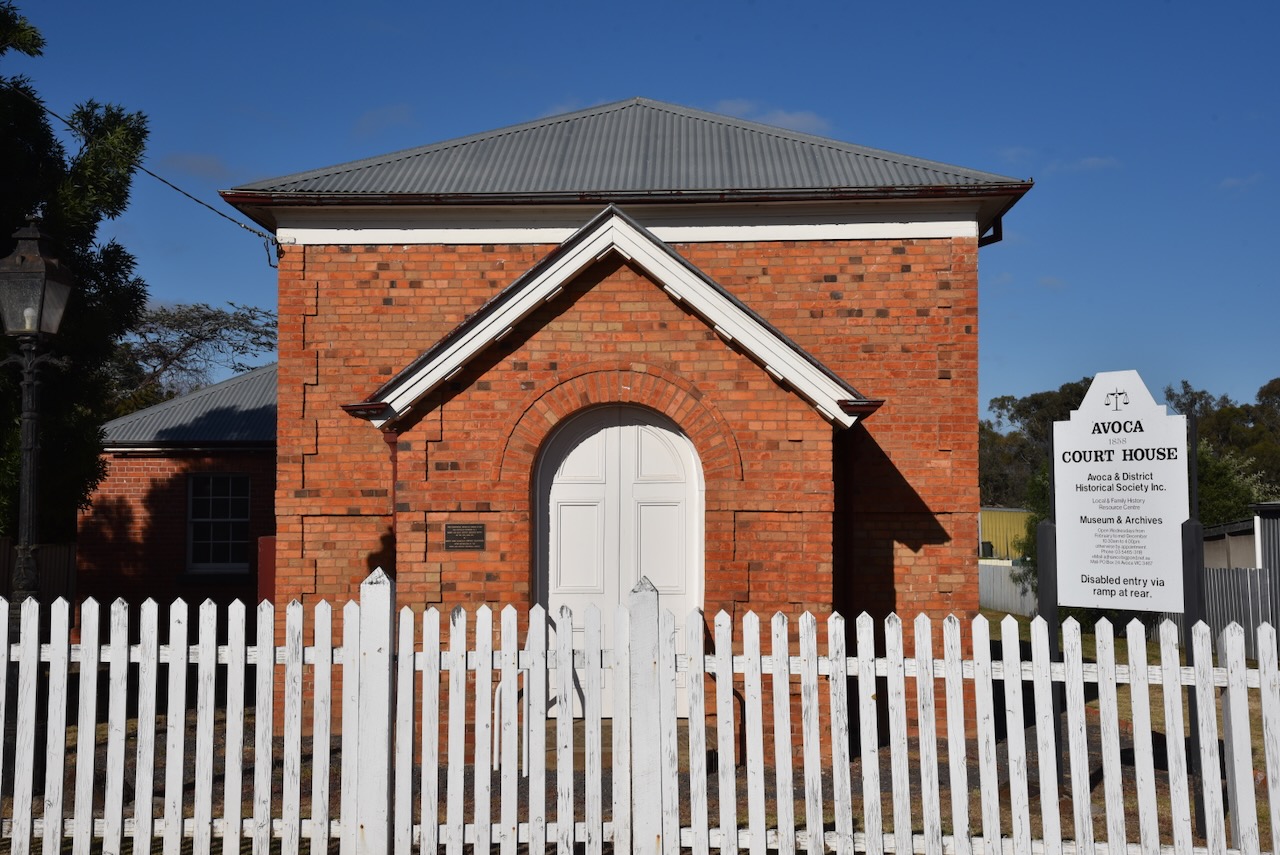
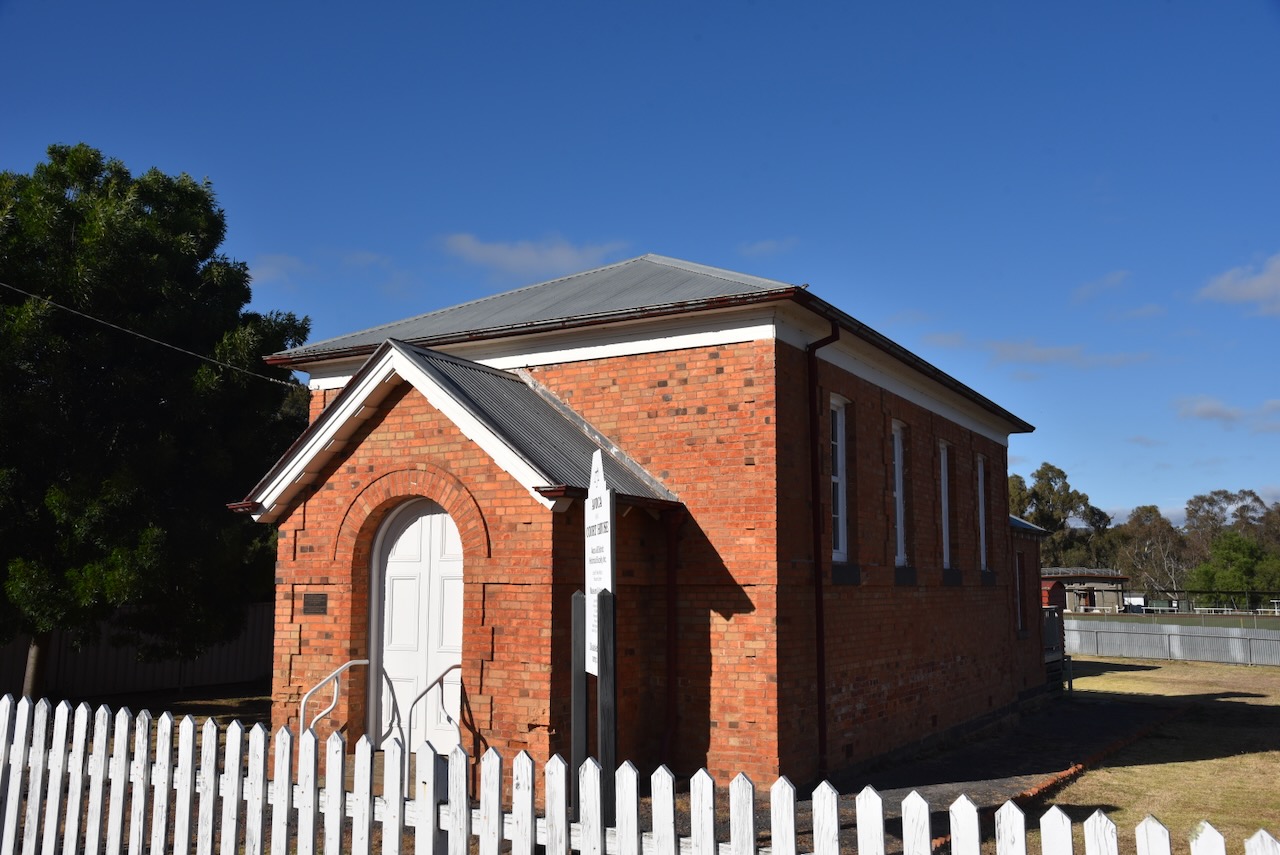
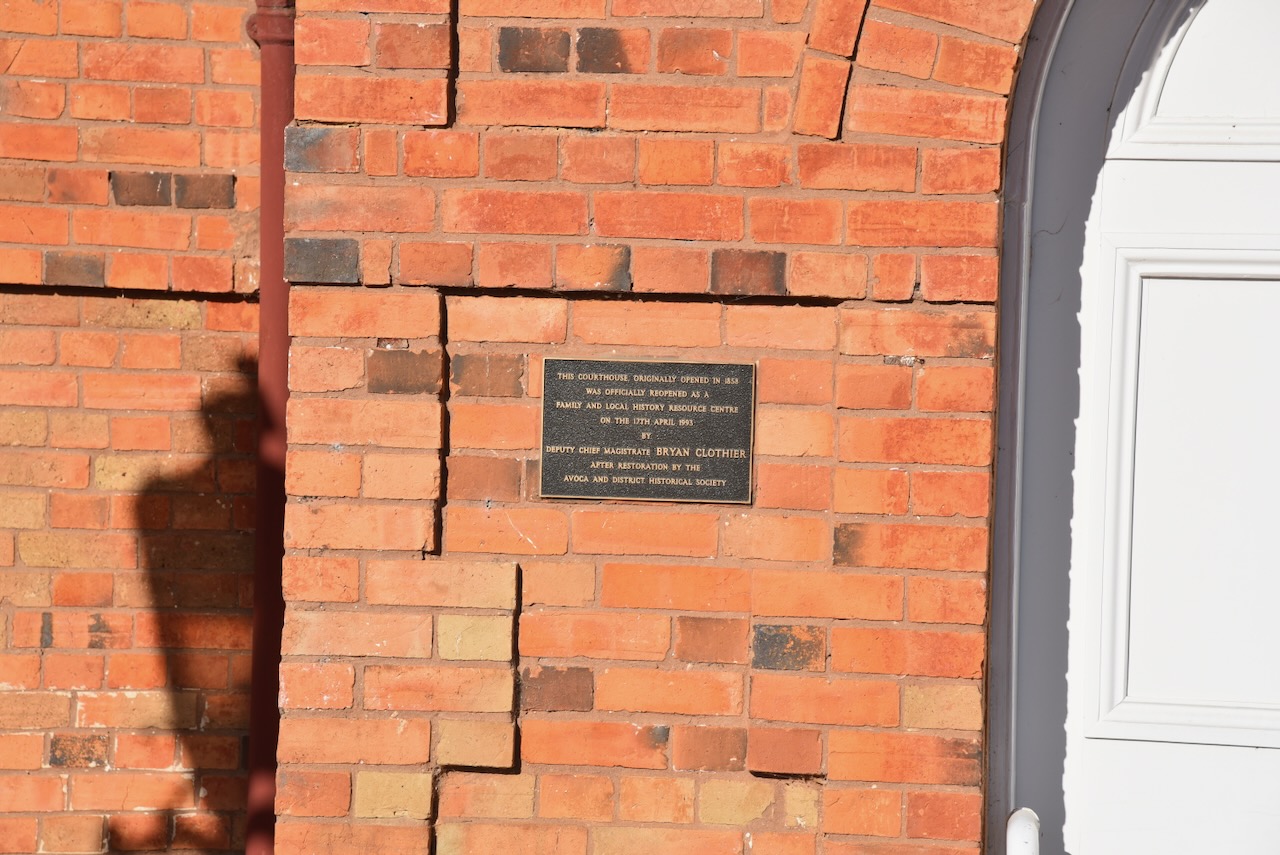
The Avoca Court House was built in 1858-1859 in Renaissance Revival style to a design by the Public Works Department. In September 1858 the contract was won by Smith and Scott. One month later a further contract to extend the building was let. The building was used as a courthouse until 1979 and is one of the earliest surviving courthouses in Victoria. The building is now used by the Avoca & District Historical Society. (Aussie Towns 2024) (Vict Heritage Database 2000)
The Avoca correspondent for The Age Melbourne newspaper, reported the following on Thursday 19th August 1858:
“I see tenders are invited for the erection of a Court house here. Well, it is not come before wanted. The necessity for such a building has for a long time been felt, and it is to be hoped so lucky rival will disappoint us this time.” (Avoca 1858)
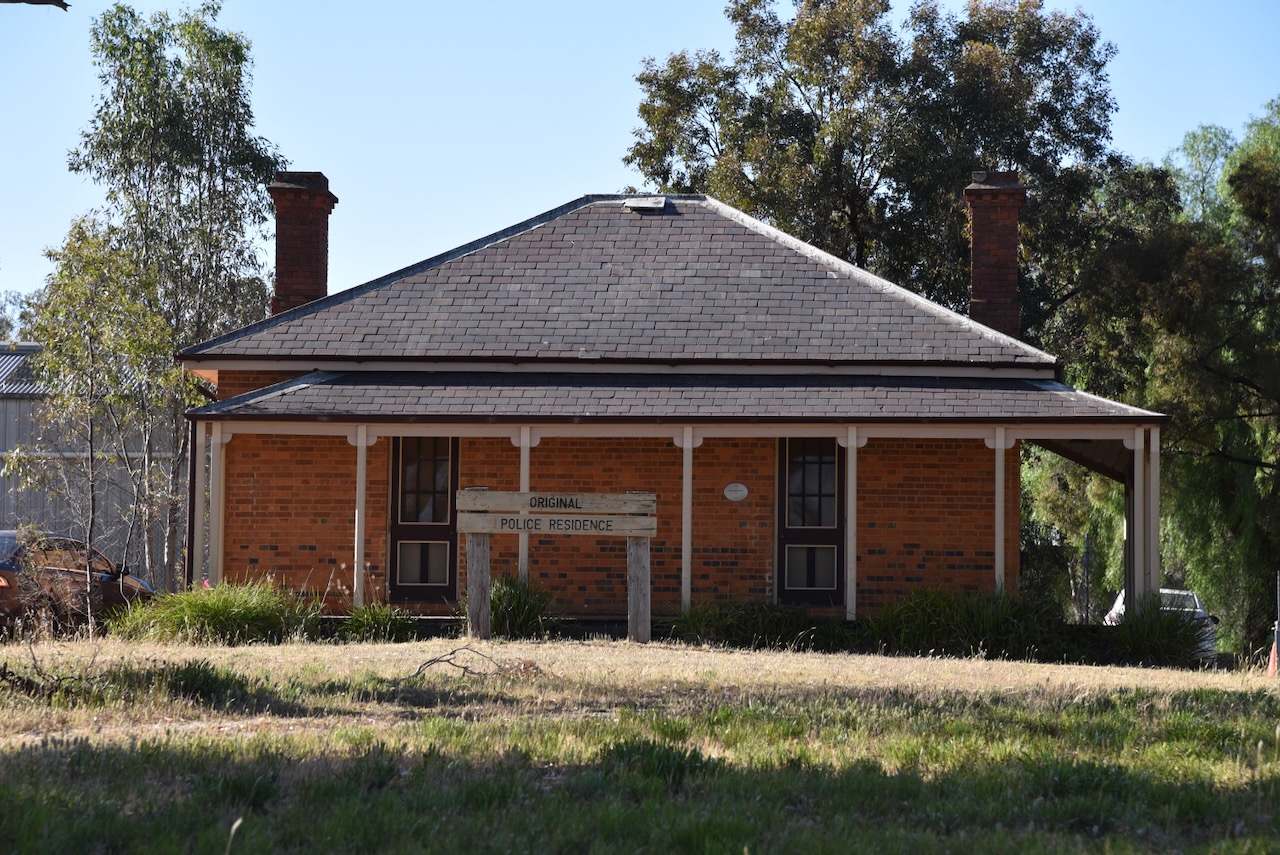
A police camp consisting of about 50 troopers was established at Avoca in 1853. There are a few buildings that remain in Avoca which are associated with the police camp. These include the bluestone lockup that was built in 1867. It replaced the original 1854 log lock-up. The police residence was built in 1859. (Aussie Towns 2024)
Watford House is one of only three timber prefabricated homes in Australia that were imported from Germany during the early 1850s. The house is known locally as The WissHouse. Watford House was brought out to Australia from Hamburg Germany in numbered planks. It arrived in Geelong and was brought to Avoca by bullock drays. It was originally assembled in Avoca’s main street as accommodation for the Avoca Hotel and was later moved to its current site. It was restored in 2004. (Aussie Towns 2024) (Avoca 2024)
The Avoca Primary School located on Barnett Road is an extremely impressive gothic structure that was built in 1876. The first school in Avoca was the National School opened in 1856. By 1857 a new school building had been constructed and it became a Common School by 1862. It became a State School between 1873 and 1878, at which time the current school building was built. About 250 students were enrolled at the school at this time. (Aussie Towns 2024) (Vic Govt 2024)
The Anglican church of St John the Divine is located at the corner of Russell and Barnett Streets. It was dedicated in December 1871. The current church replaced the original building on High Street. (Avoca Walking Tour)
The Avoca Uniting church was originally the Wesleyan Methodist Church. The complex comprises a brick church constructed in 1867, a Sunday School built in 1870 and a Parsonage built in 1871. (Avoca Walking Tour)
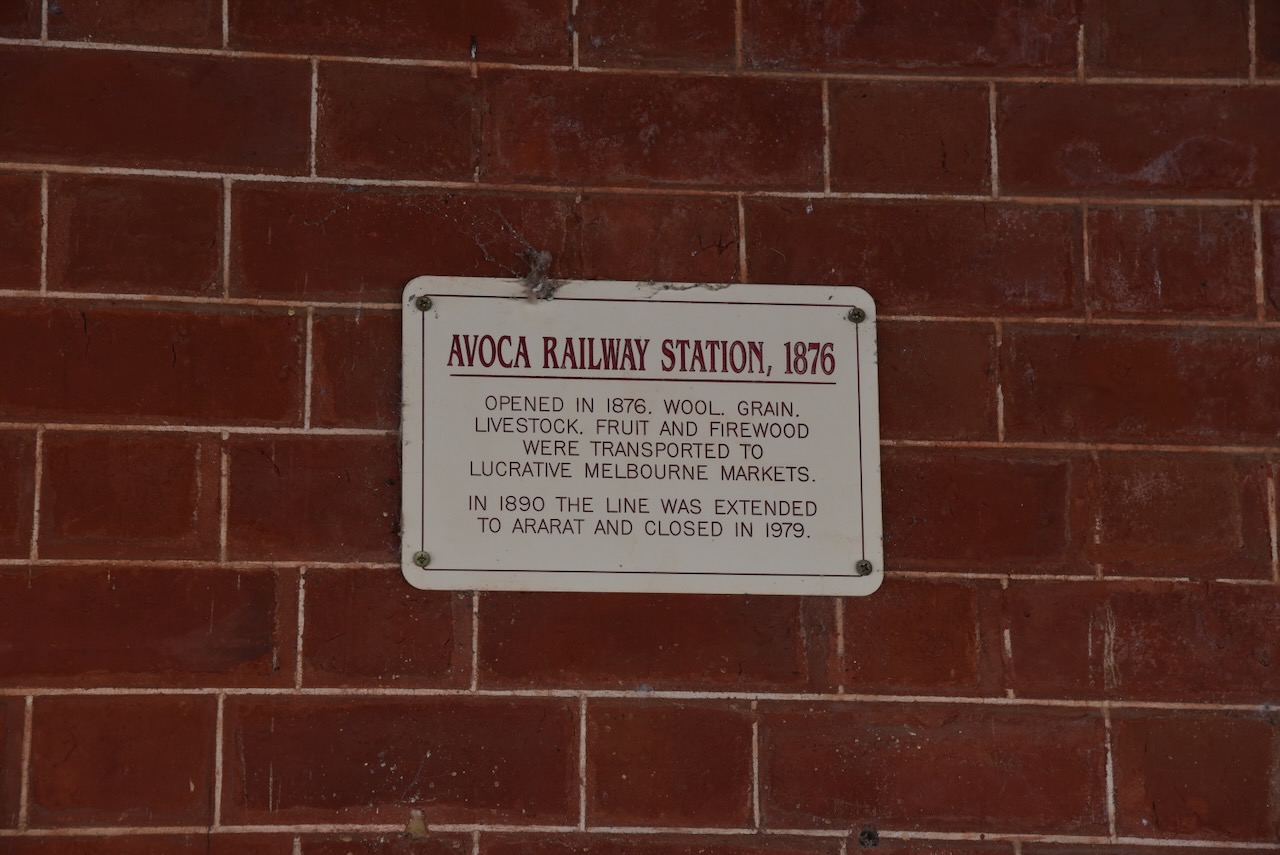
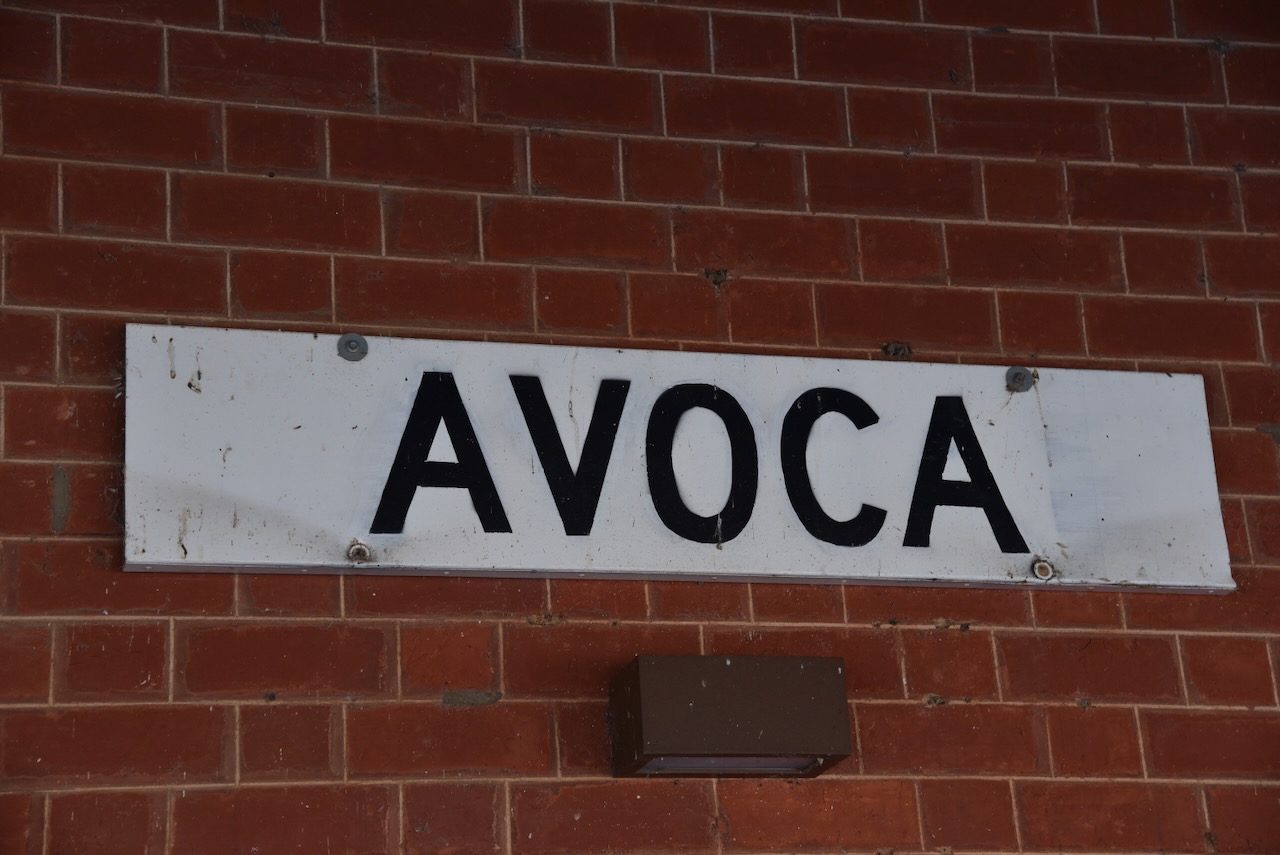
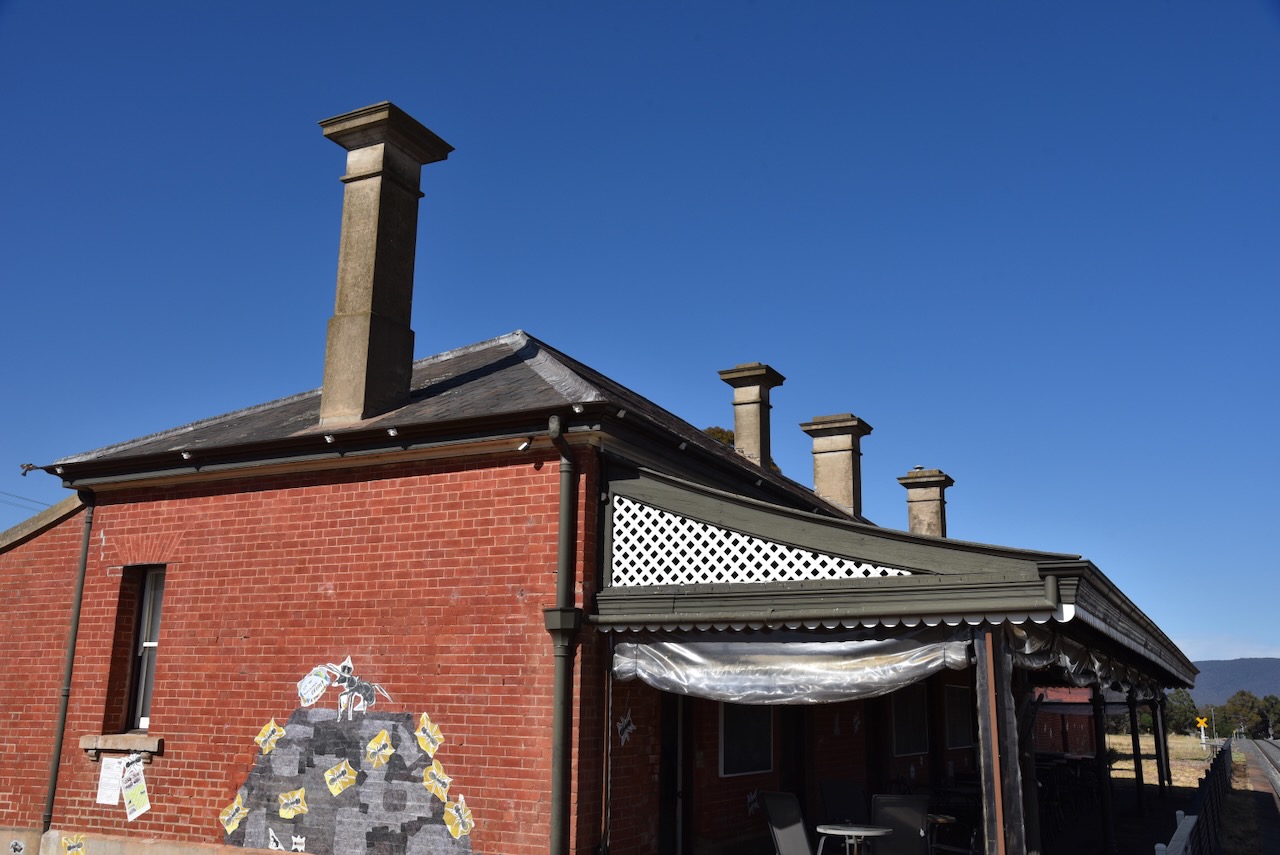
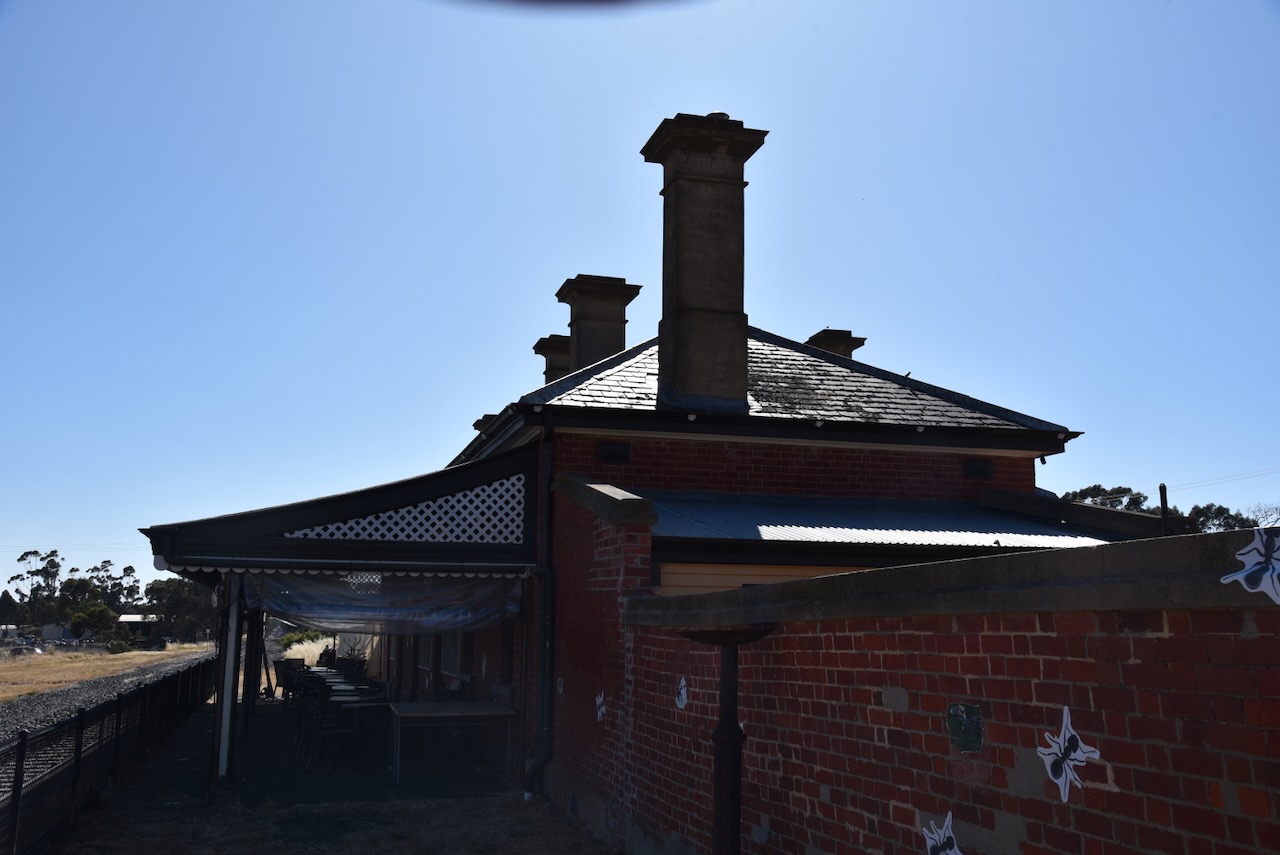
We then visited the old Avoca railway station that now functions as Avoca Arts and Gardens. The station was built in 1876 by J Summerland, on the Avoca-Maryborough line for the Victorian Railways. It is one of the most intact examples of the ‘Dunolly style’ which was a standard railway station style during that era. (Victorian Heritage Database Report)
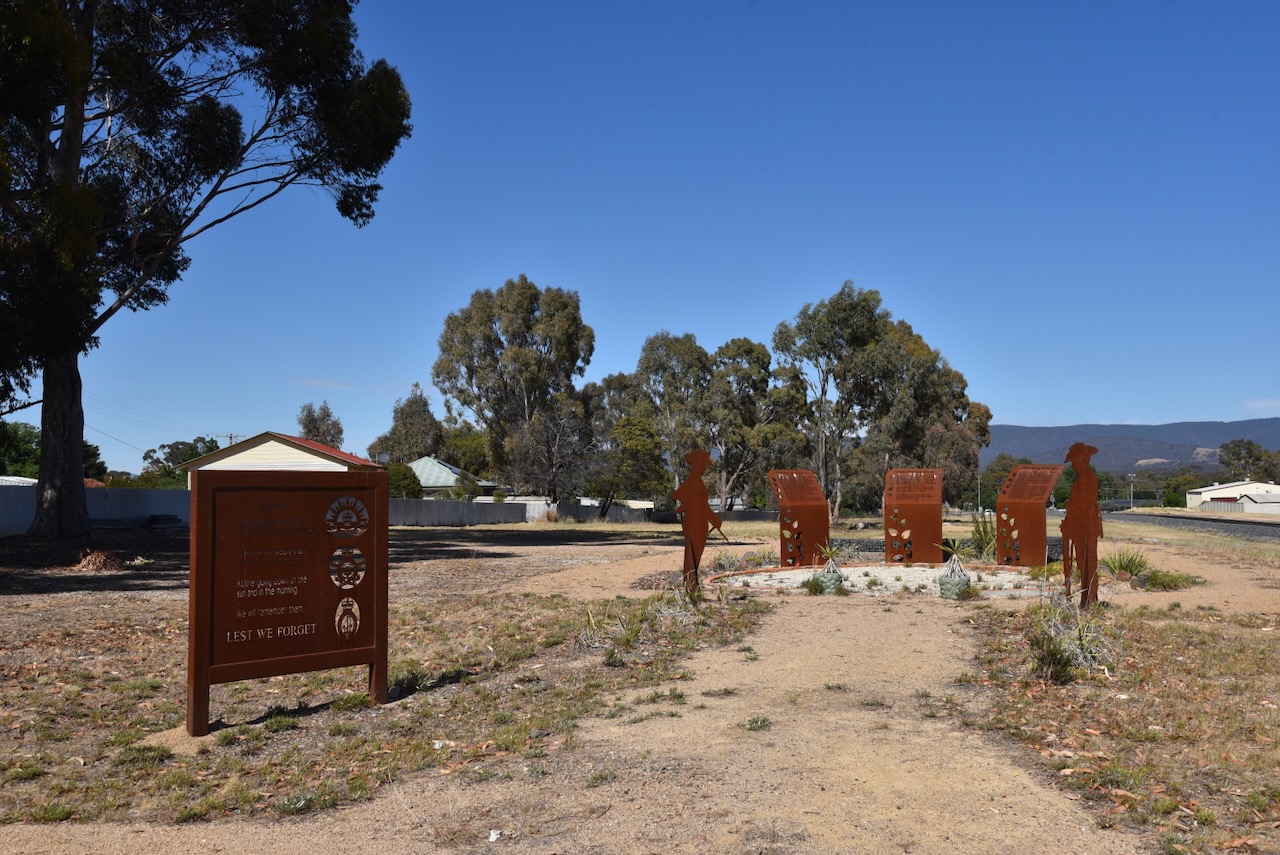
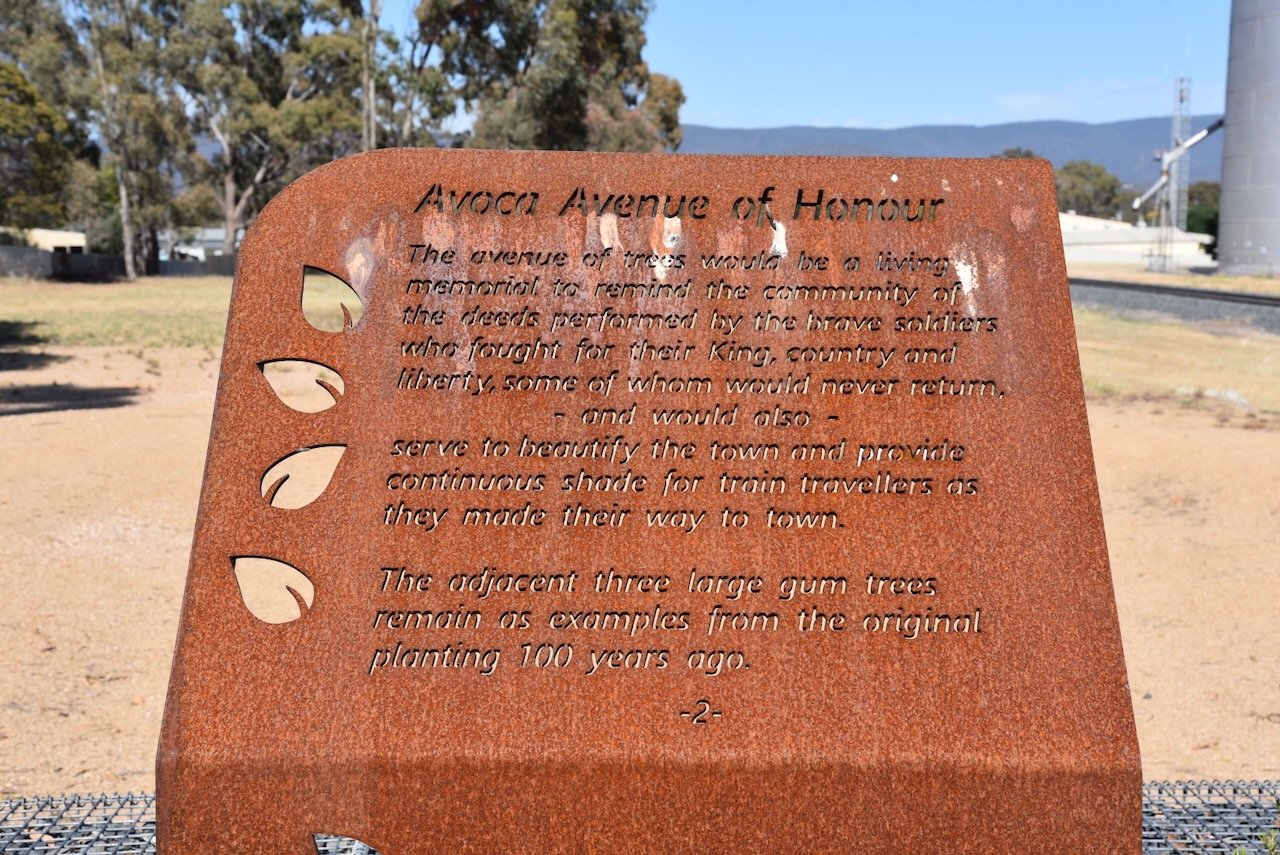
Close to the railway station is the Avoca Avenue of Honour which was established in 1918 to commemorate all those from Avoca who served during the First World War.
The Avoca silo is just a short distance from the railway station. For more information about the silo, please see my previous post.
We then drove from Avoca to Maryborough, a short distance of about 26km.
The Maryborough district was originally part of the Charlotte Plains pastoral run that was taken up in 1840 by the Simson brothers from Scotland. Hector Simson (b. 1843. d. 1922), Donald Simson (b. 1847. d. 1870) and John (b. 1848. d. 1857) were the sons of John Coghill Campbell Simson and Elizabeth Agnes Jane Simson nee Petrie. John and Elizabeth were from Scotland and emigrated to Australia. There is a cairn at Maryborough to commemorate the Simson brothers. It was constructed in 1939 of stone from their original bluestone homestead that stood on the banks of the Deep Creek at Carisbrook. (Monument Australia 2024) (Victorian Places 2024)
Above:- Article from The Age, Melbourne, Thu 16 Mar 1939. Image c/o Trove
Gold was discovered in the Maryborough region in March 1853 and this resulted in a gold rush. In July 1853 a 40-pound gold nugget was discovered. The settlement was originally known as Simsons and also Daly’s Flat. In 1854 was renamed Maryborough by Assistant Gold Commissioner James Daly in honour of Marybourgh in Cork Ireland where he was born. In September 1854 Maryborough had a population of about 25,000 people. The town of Maryborough was served in 1855 and in October 1855 allotments were sold. (Victorian Places 2024)
Above:- An article from The Banner, Melbourne, Fri 25 Aug 1854. Image c/o Trove.
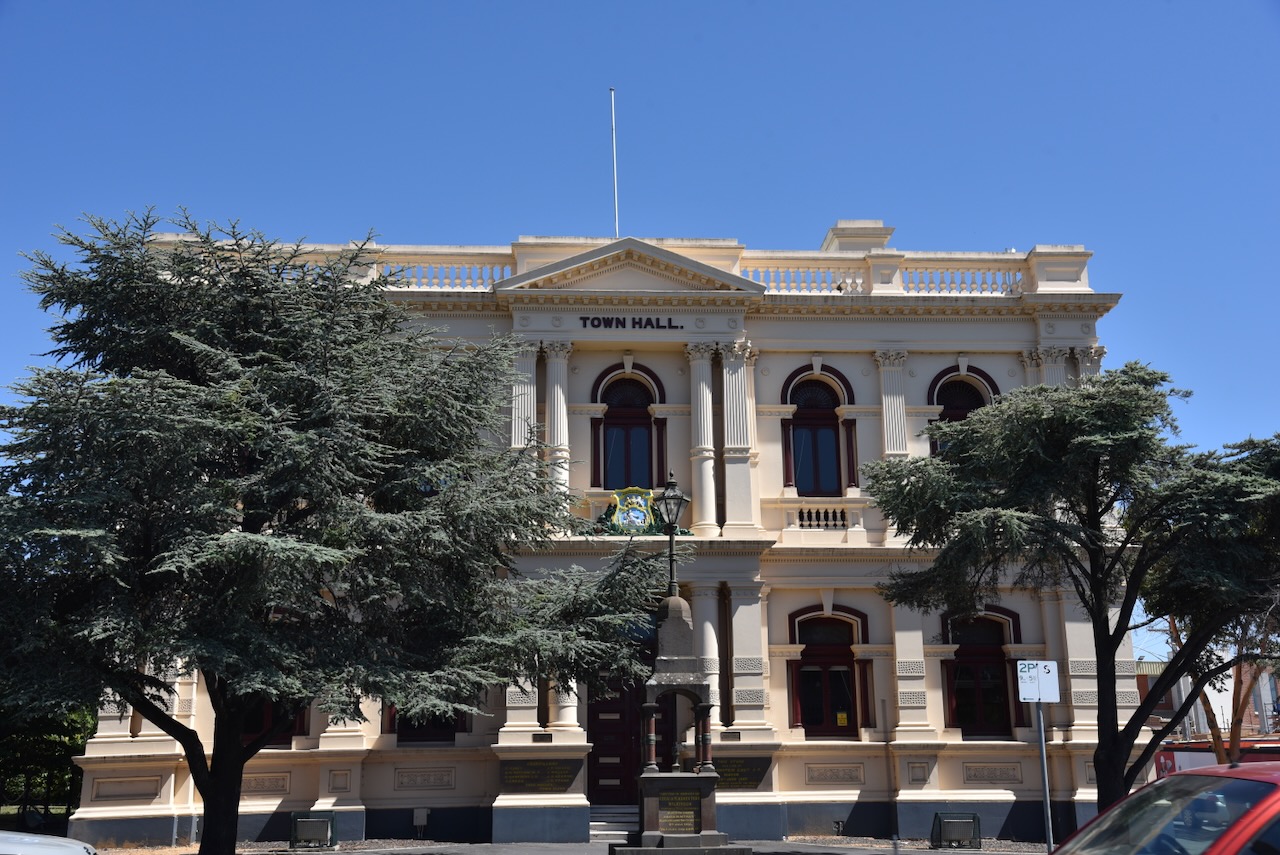
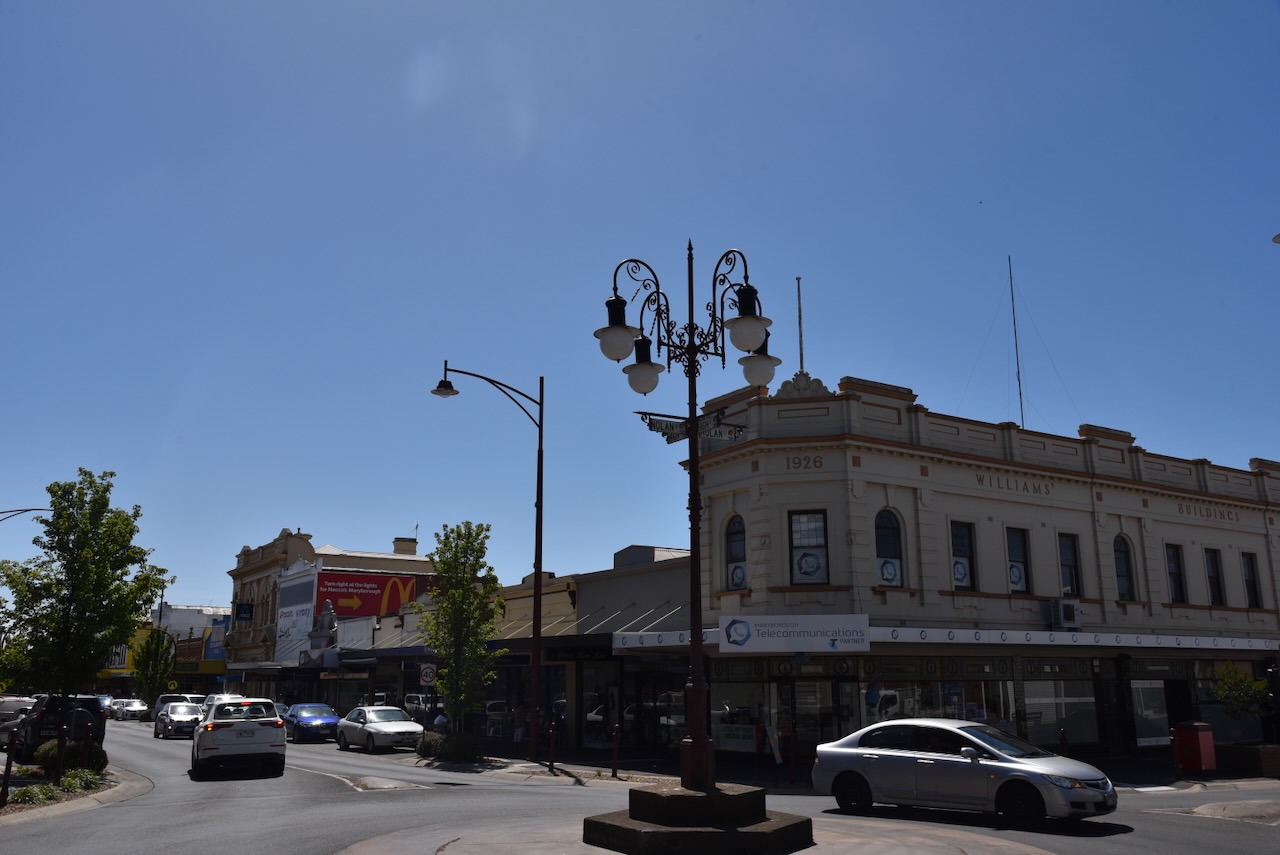
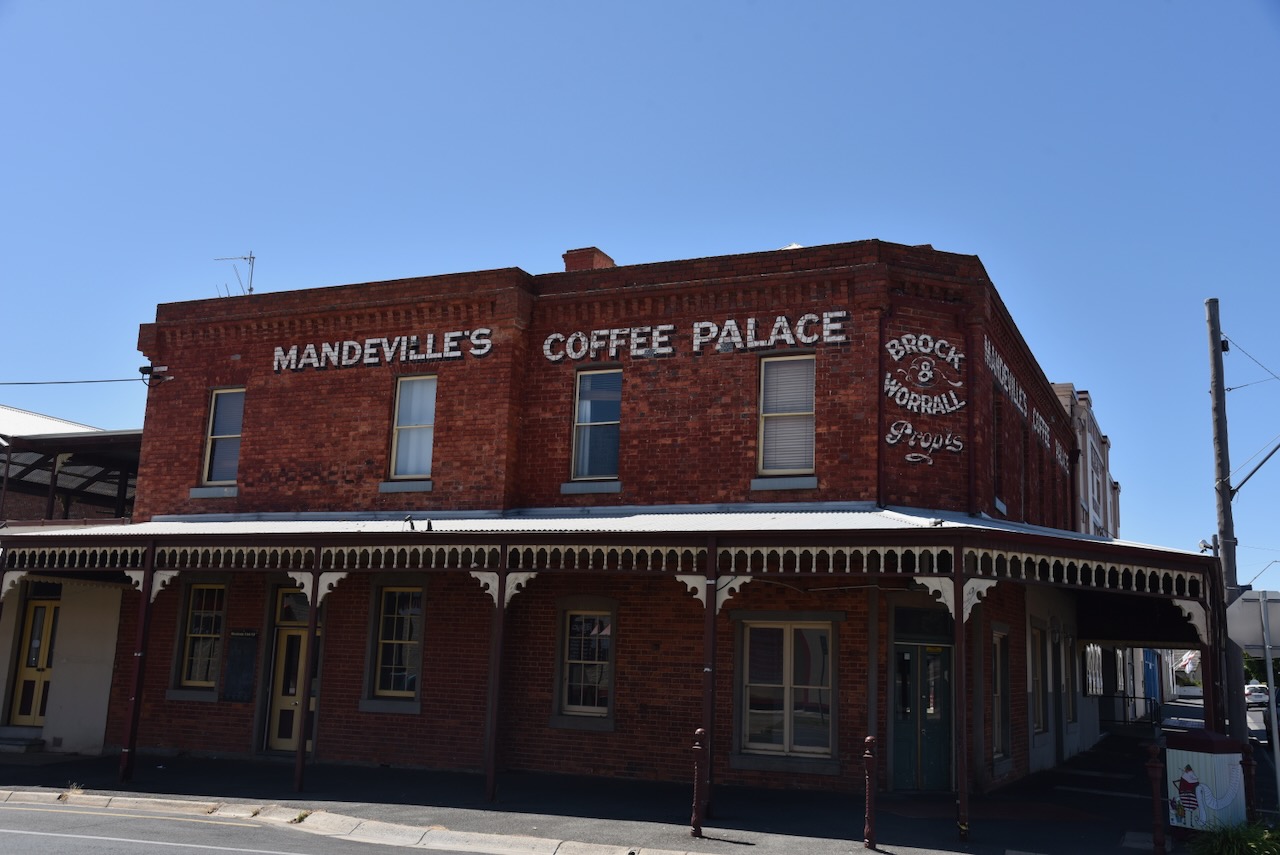
Maryborough is a large urban centre and contains numerous historic buildings.
The foundation stone for the Maryborough Church of England was laid on the 20th day of June 1860. The church is now known as the Christ the King Anglican church. (Facebook 2024)
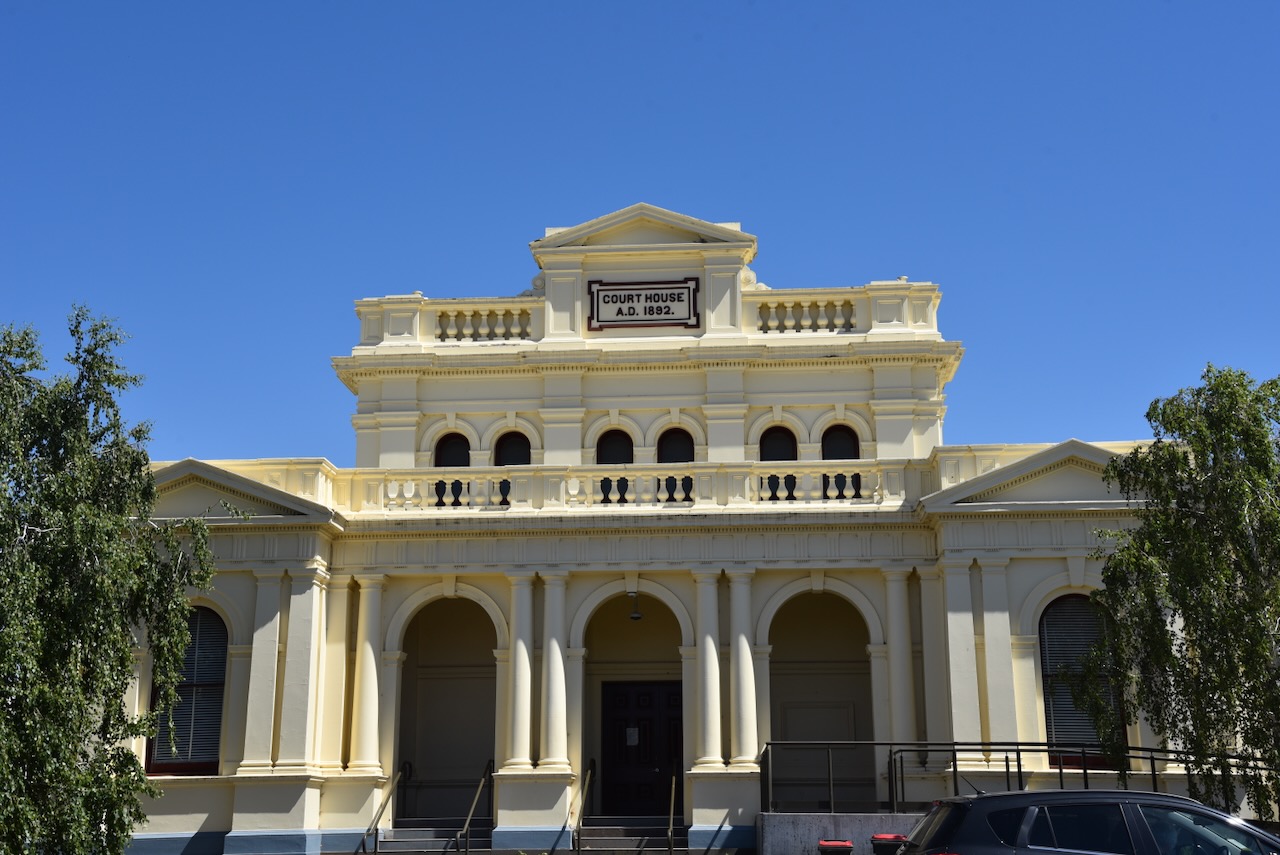
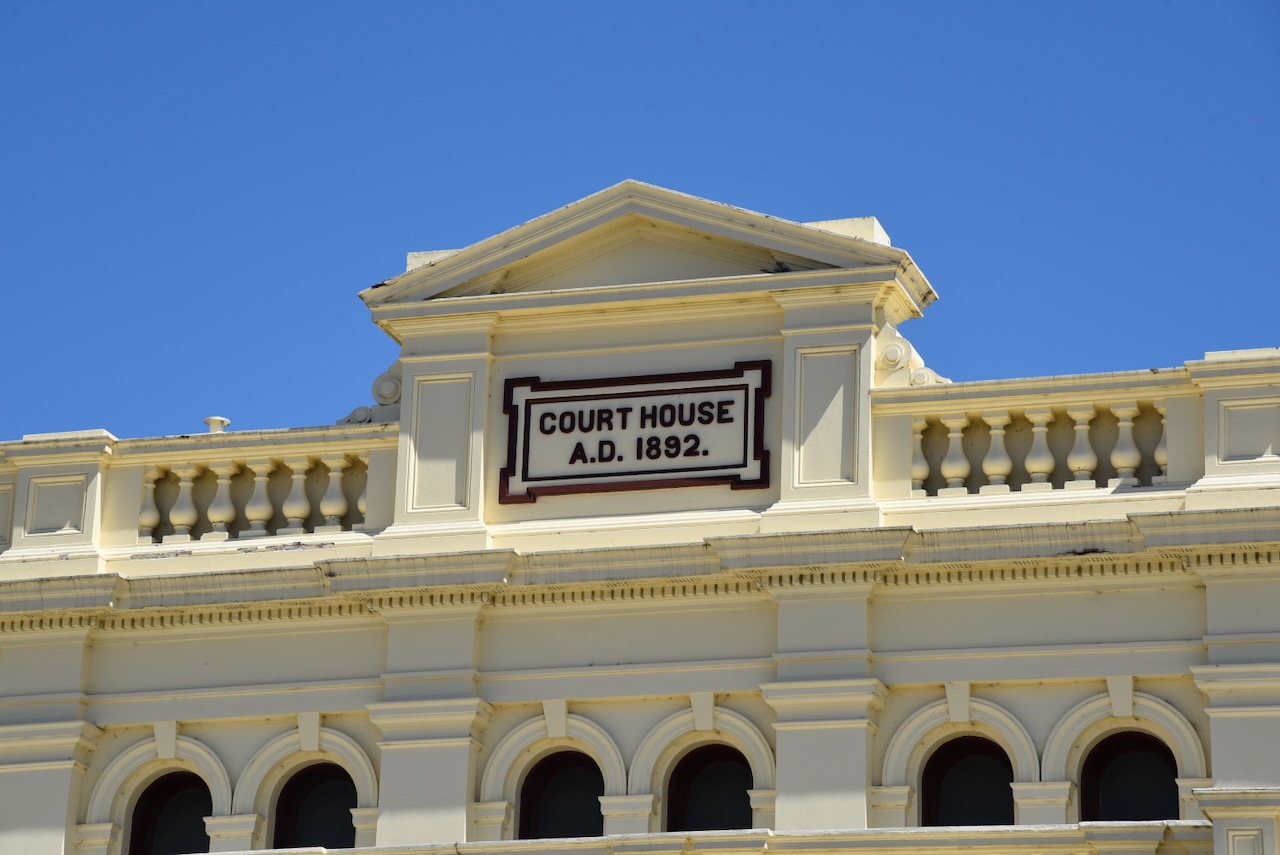
The present Maryborough courthouse building was built in 1892-1893 and was opened in April 1893. It was designed by architect Samuel Bindley in Federation Free Classical style. The first Maryborough court opened in 1858 as a Court of Mines. The present-day building is one of the largest courthouses in Victoria outside of Melbourne. (Aussie Towns 2024) (Vict Heritage Database).
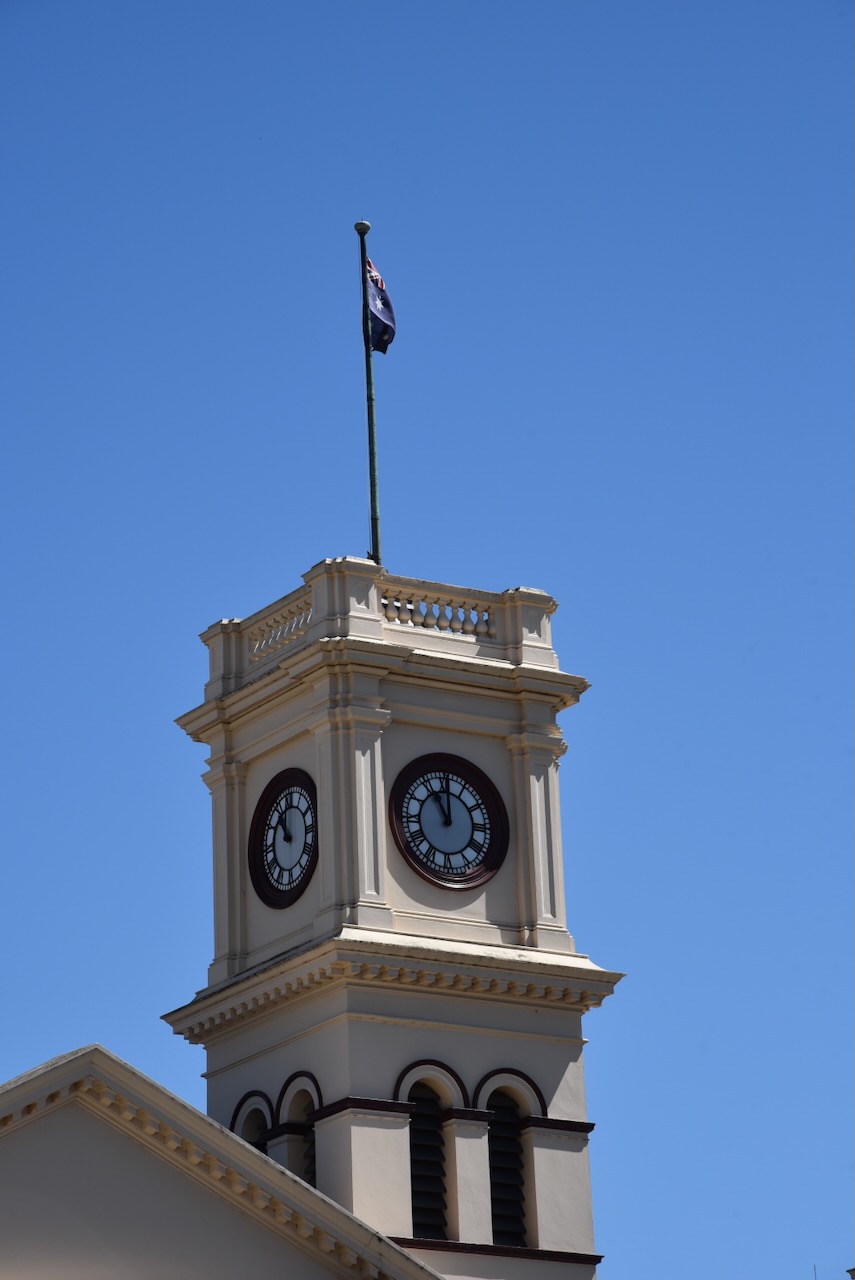
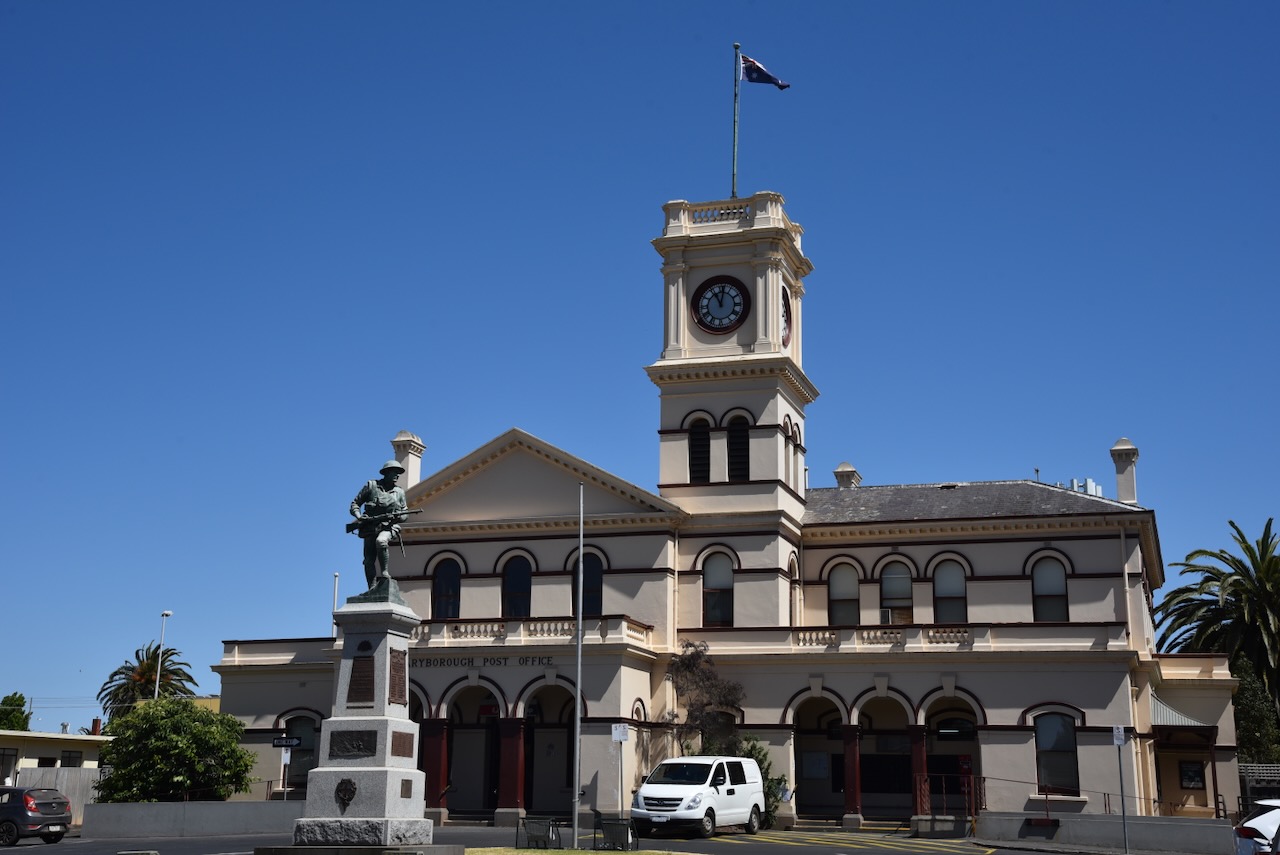
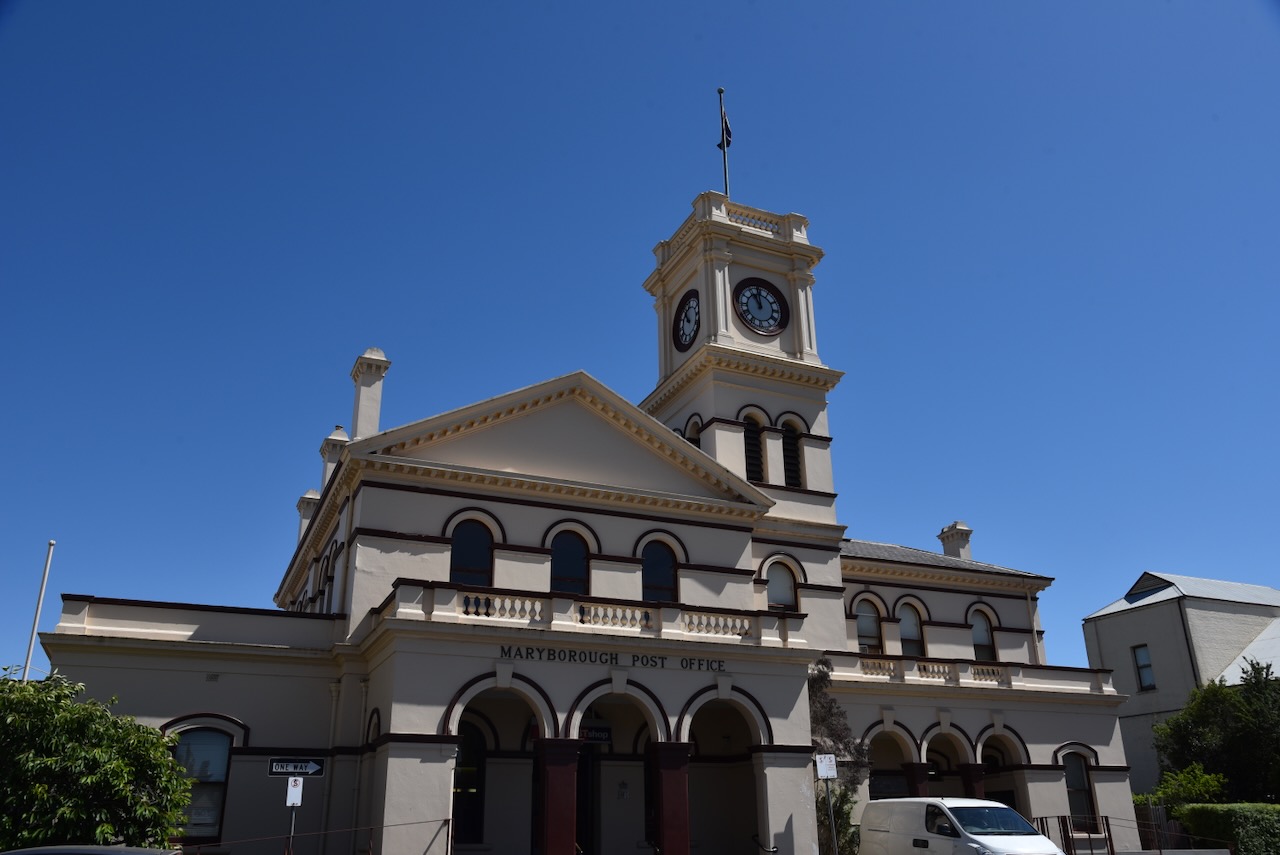
The Maryborough Post Office was built between 1876 and 1877. It was designed by J.H. Marsen, architect of the Victorian Public Works Department and was built by Peter Cunningham for a contract price of £8266 4s 3d. It was constructed from first-class stone mined from McCallum’s Creek. The clock tower was added in 1879. The clock was manufactured by Joseph Bros of Melbourne and the bell by IW Horwood of Castlemaine. (Aussie Towns 2024)
The Bull & Mouth Hotel was opened in c. 1855. The current and very impressive hotel was built in 1904 when former Maryborough resident Thomas Proctor of Ballarat, engaged Ballarat architect W E Gribble and local builder W J Dingle to build a new two-storey hotel. (Aussie Towns 2024)
Our next stop was the extremely impressive Maryborough railway station.
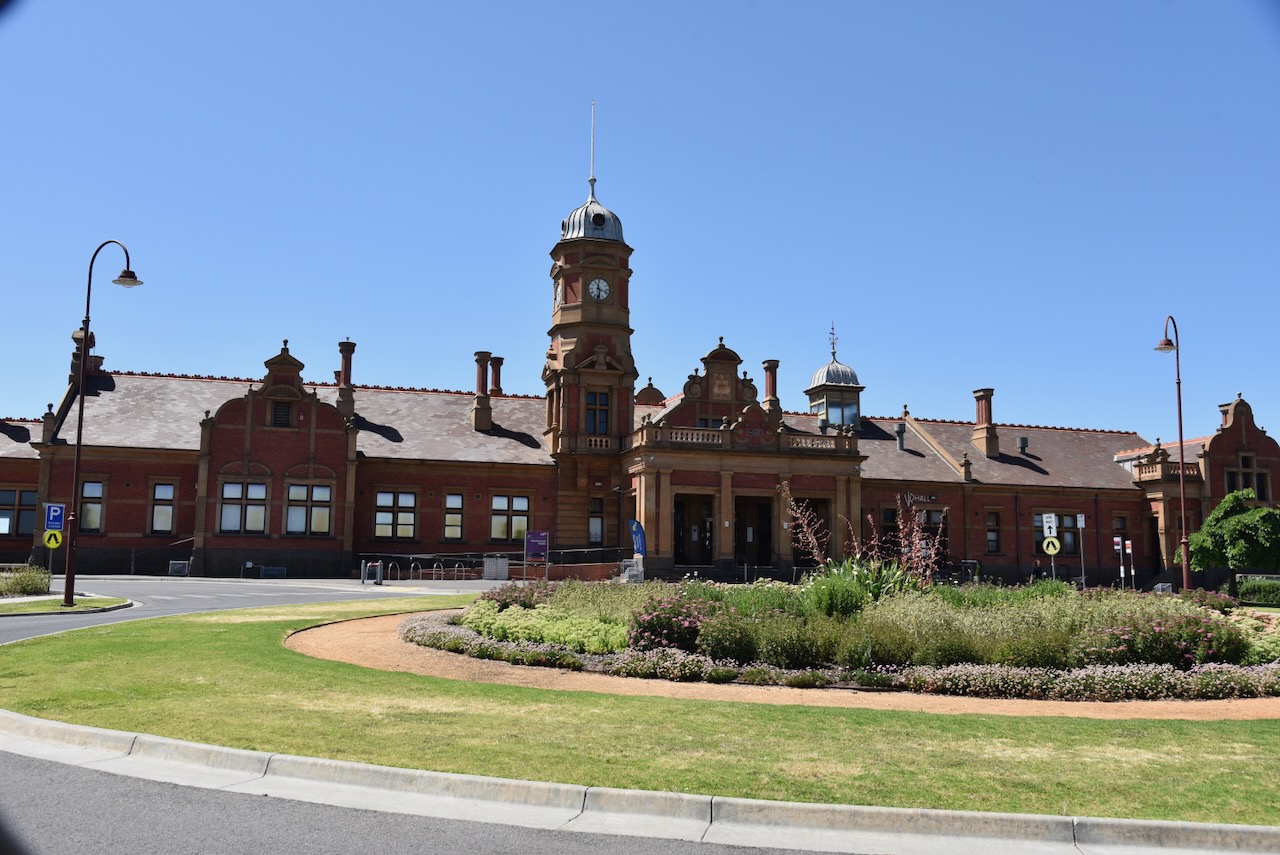
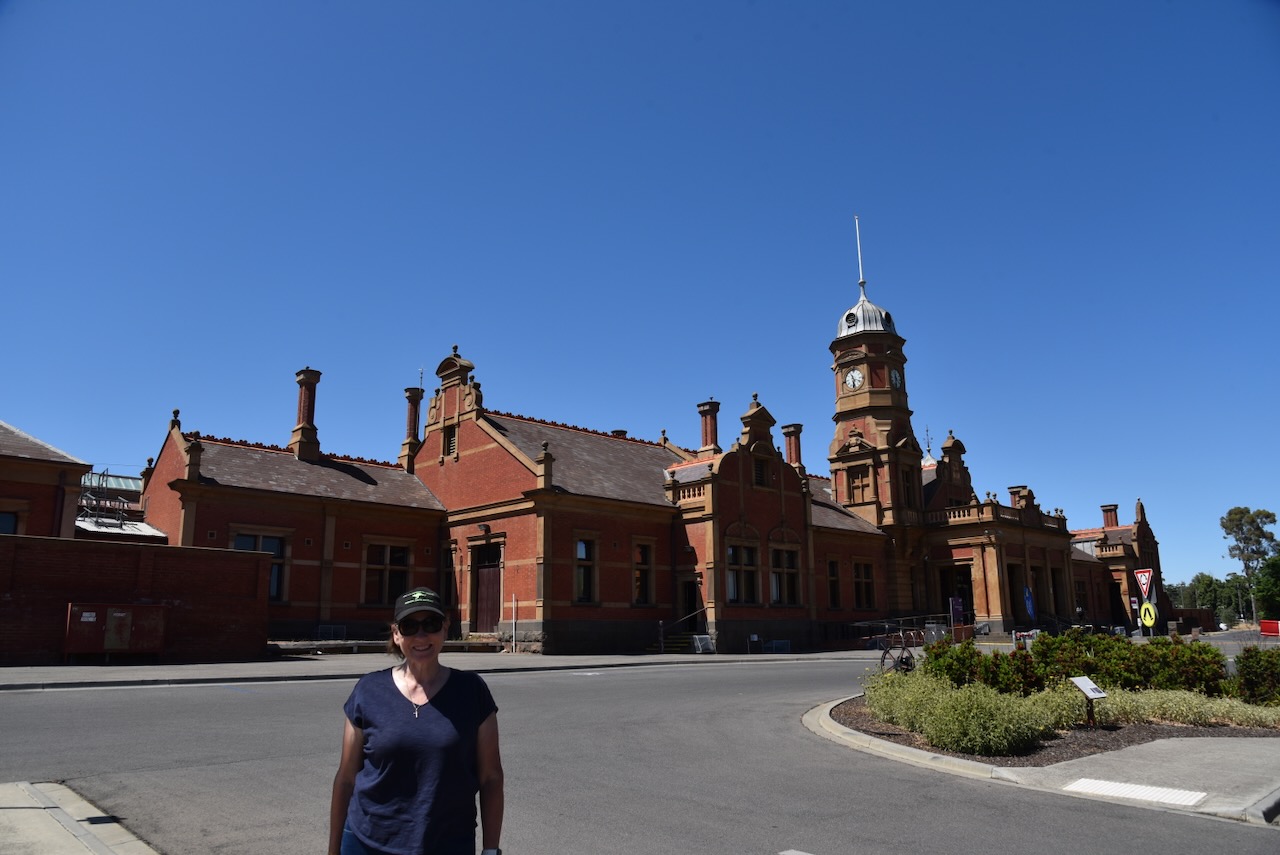
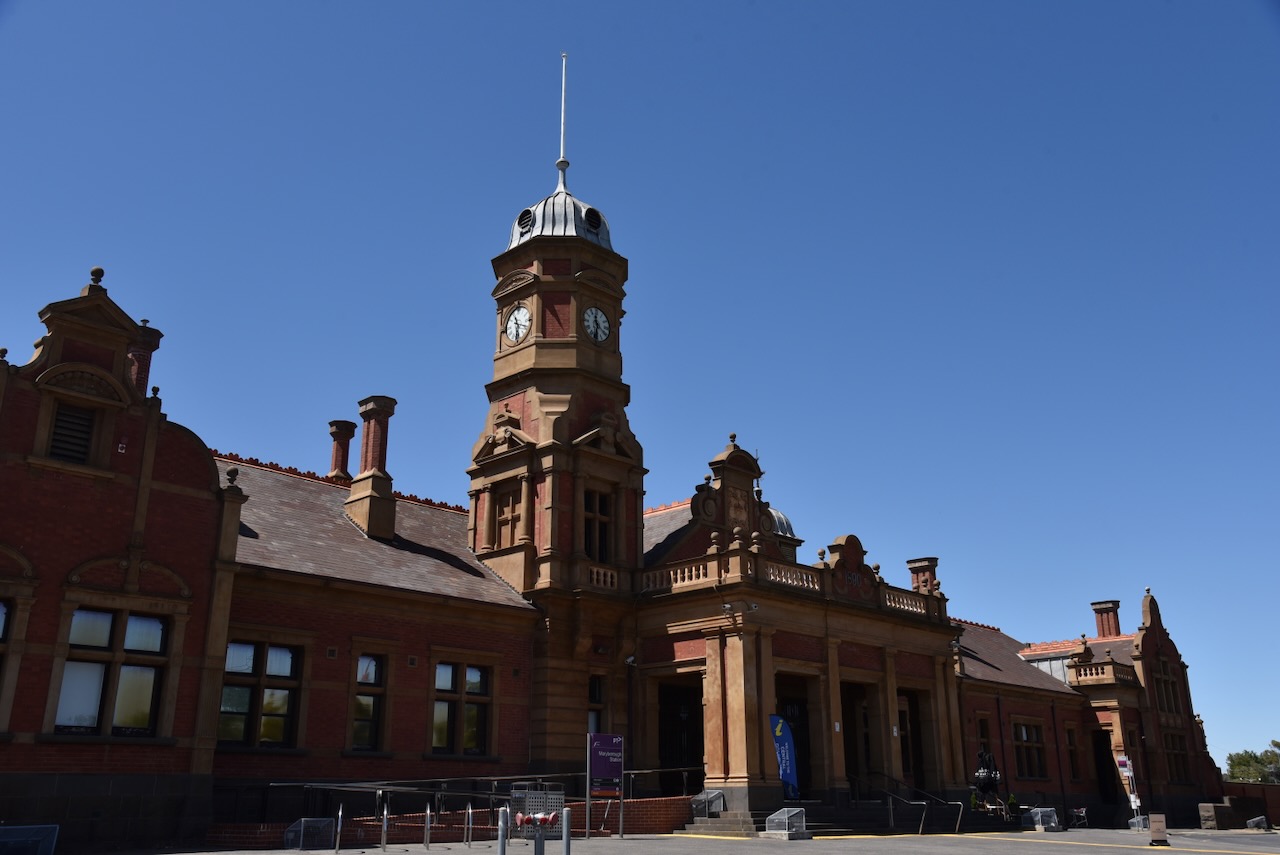
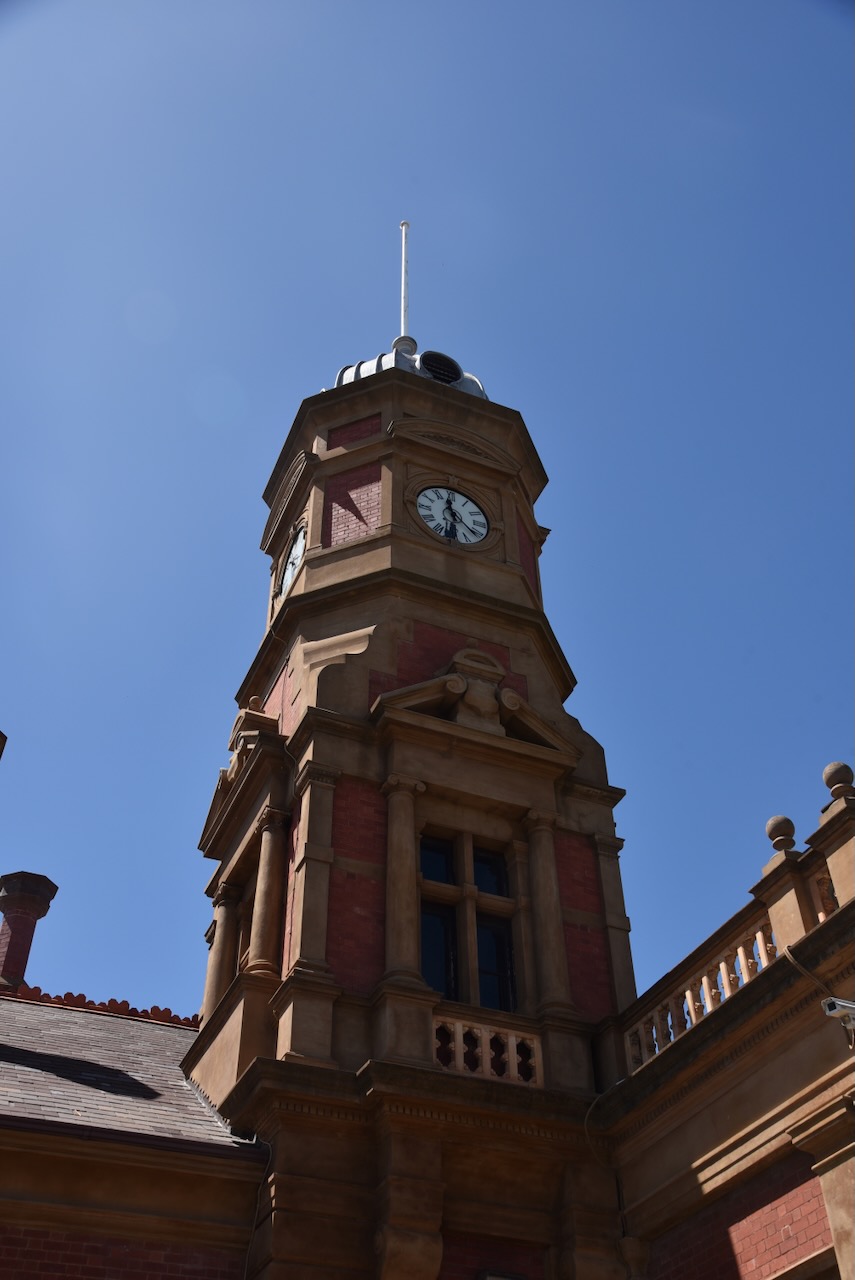
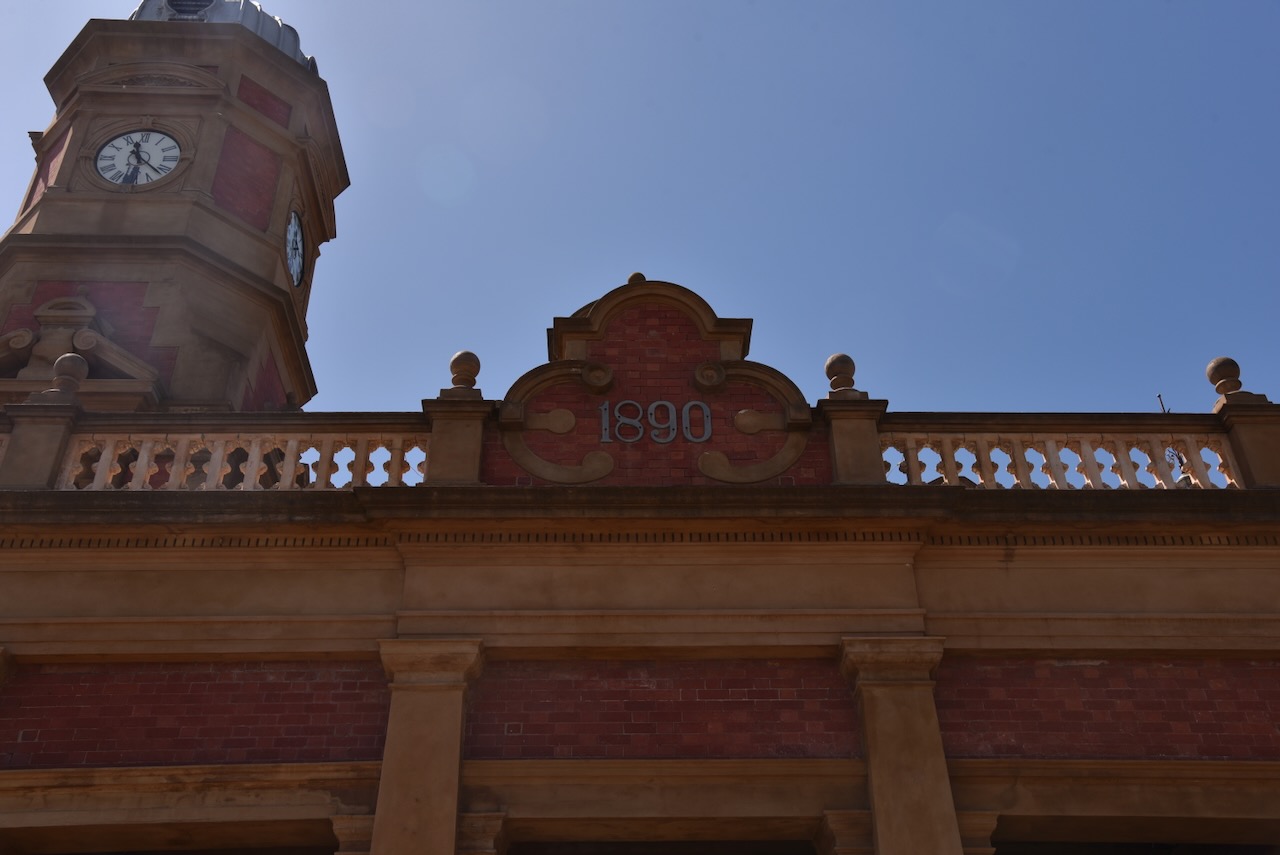
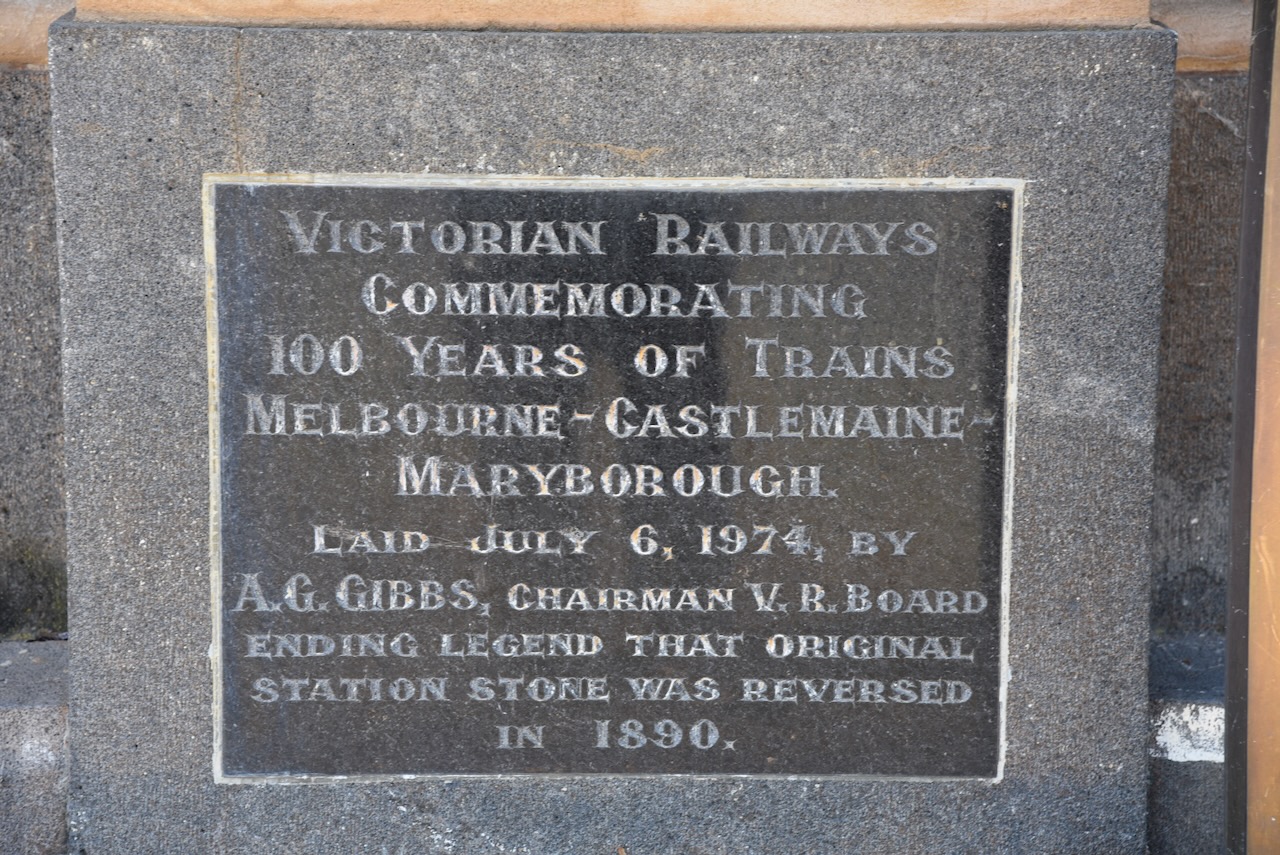
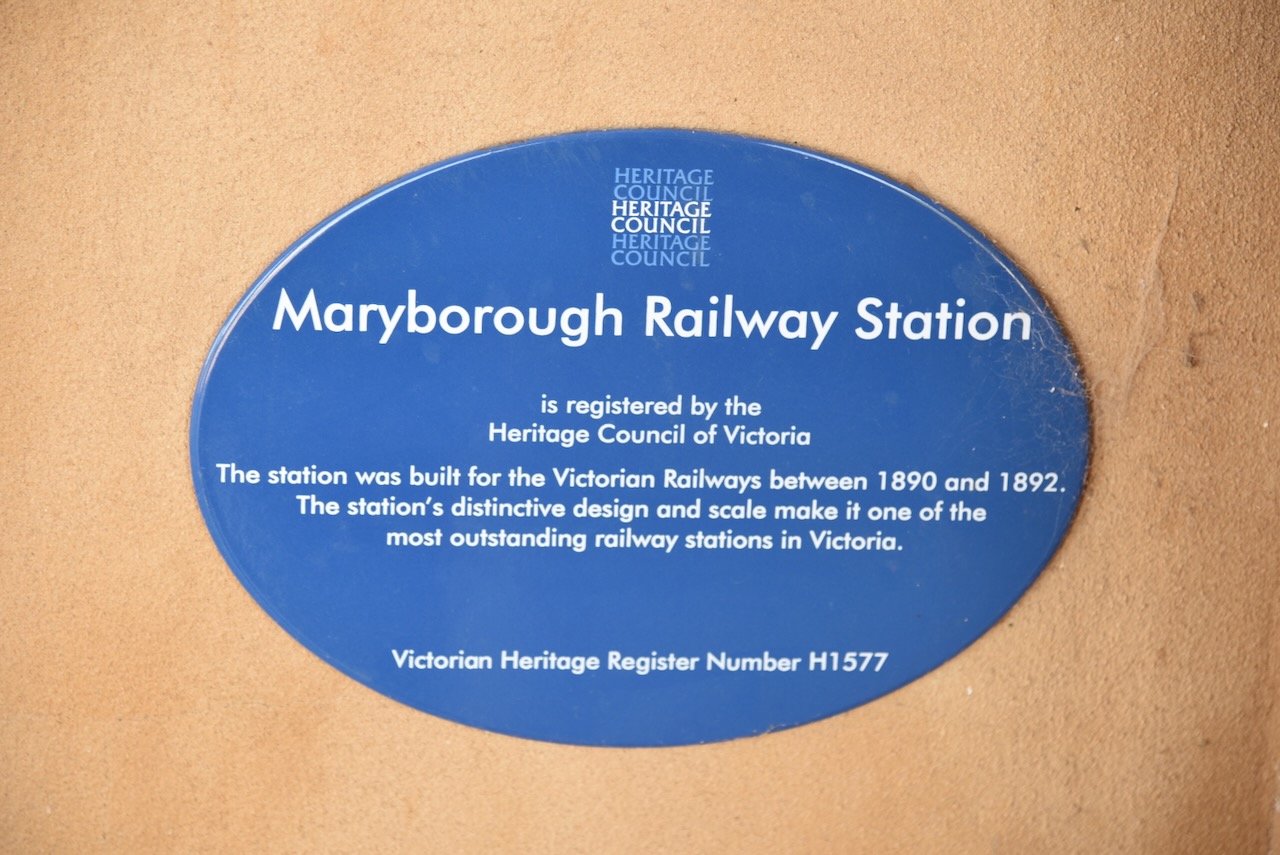
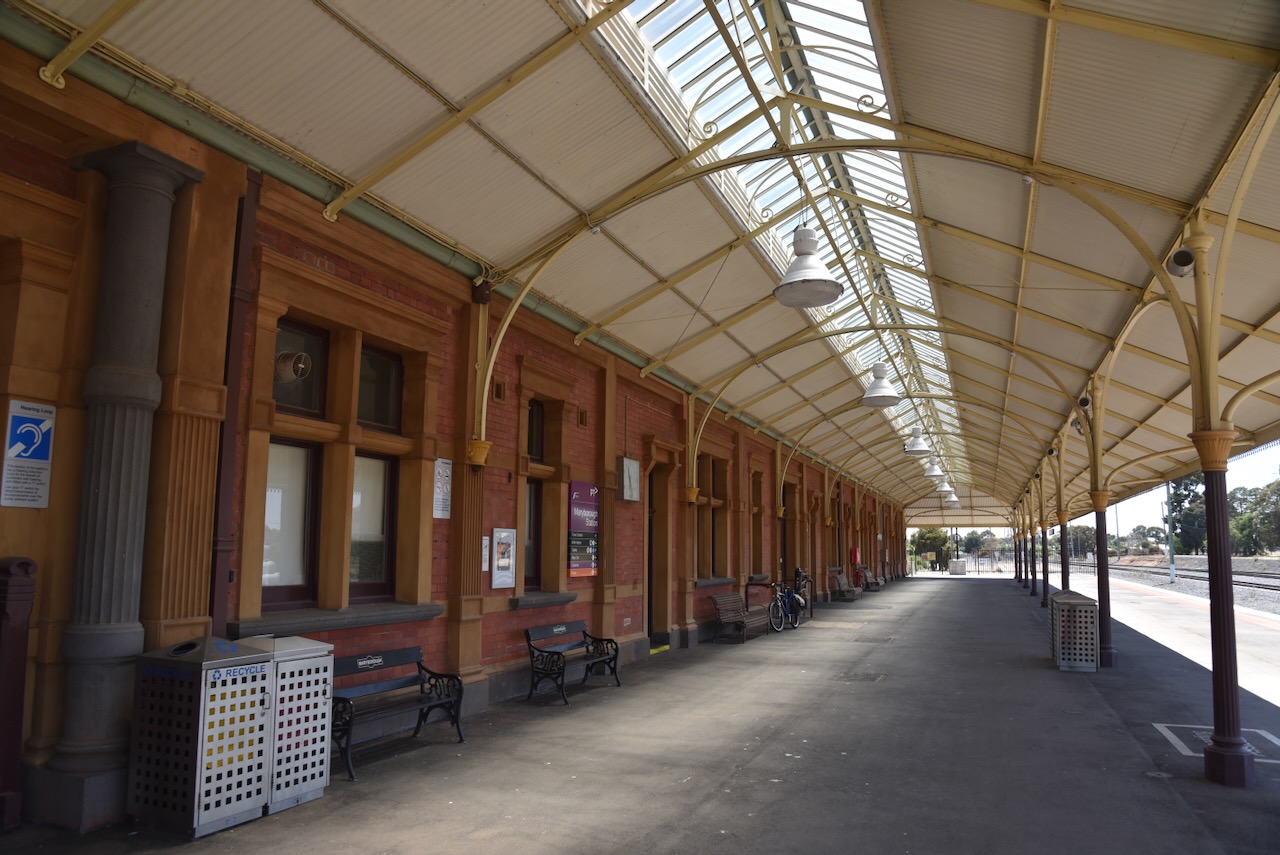
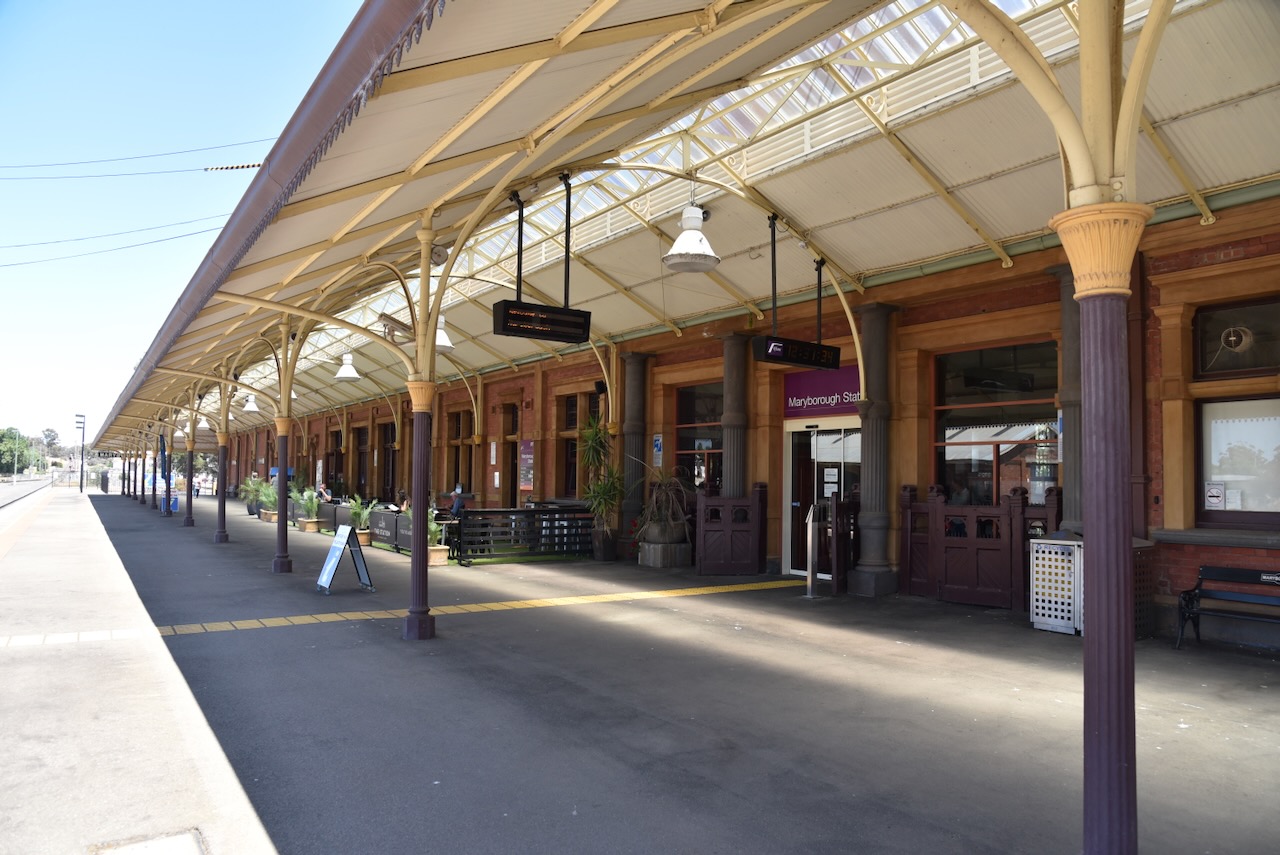
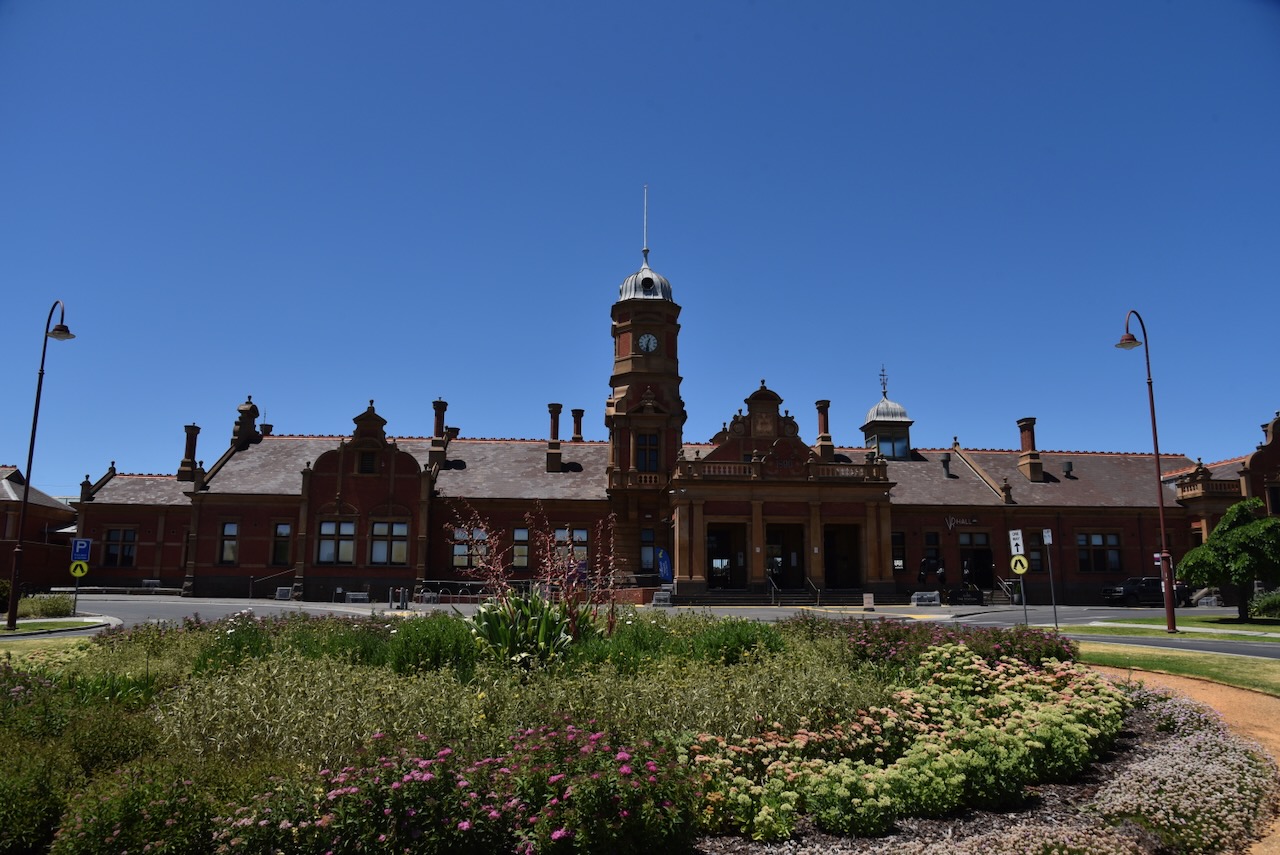
When the famous American writer Samuel Langhorne Clemens ‘Mark’ Twain visited Maryborough in 1895, he described Maryborough as “a railway station with a town attached”. The Queen Anne-style building with 25 rooms was completed in 1890. It includes an ornate clock tower and one of the lonest railway platforms in Australia. (Aussie Towns 2024)
We had a very nice lunch at the railway station.
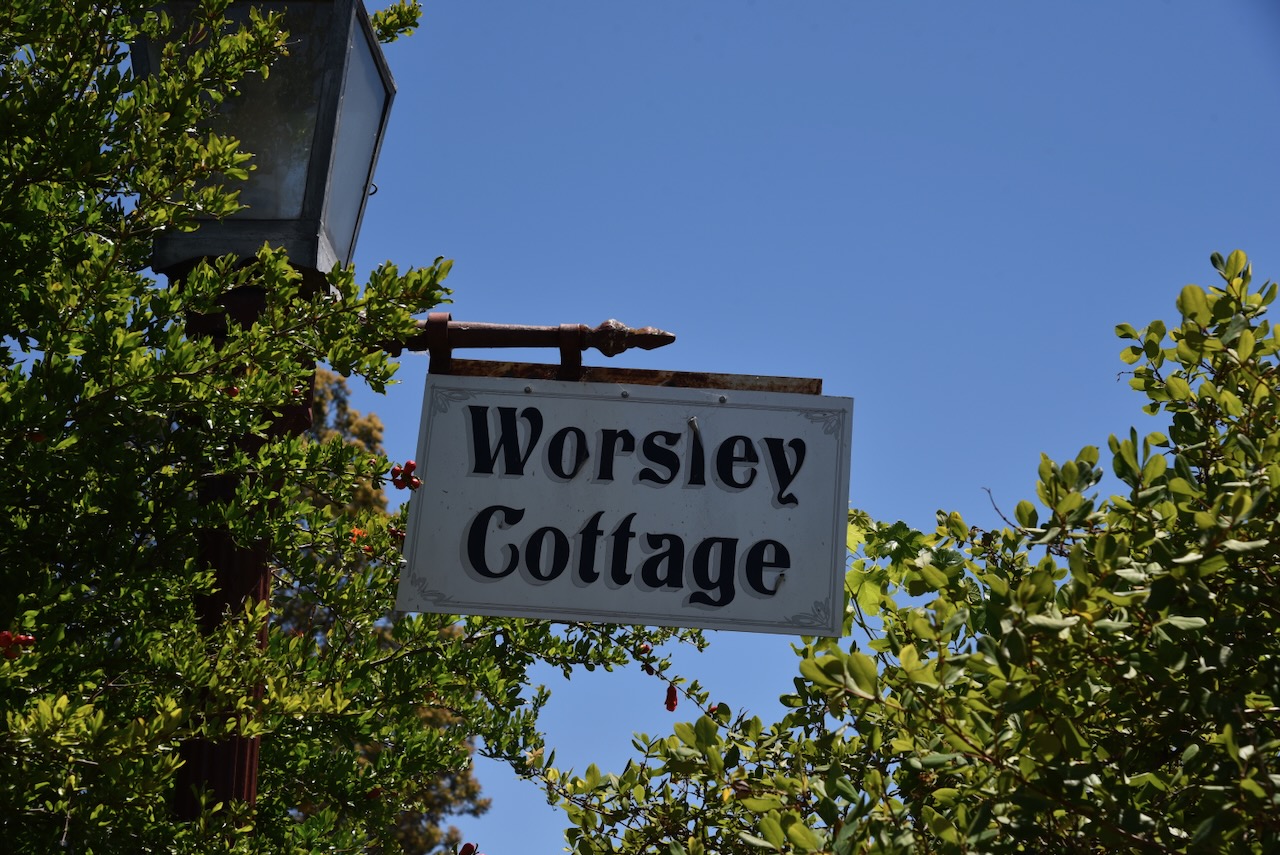
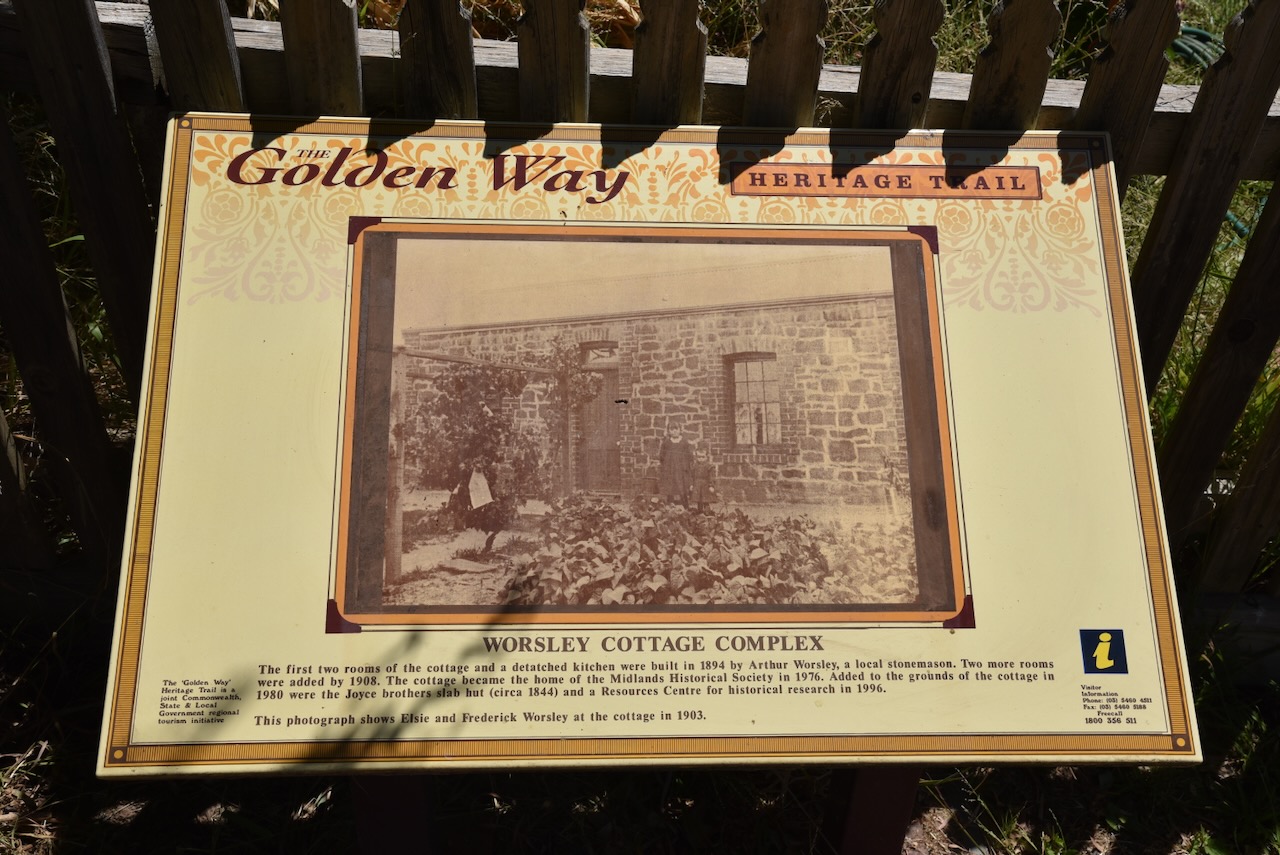
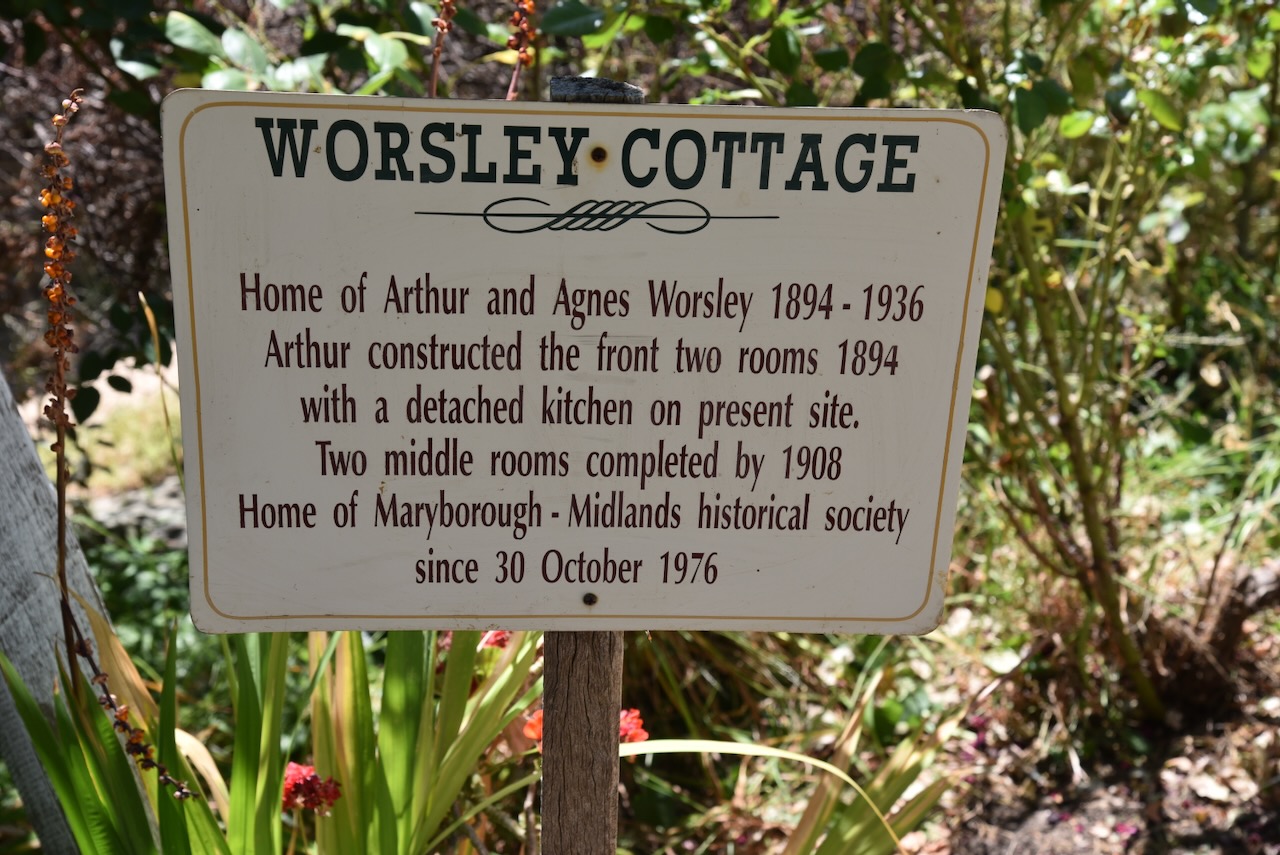
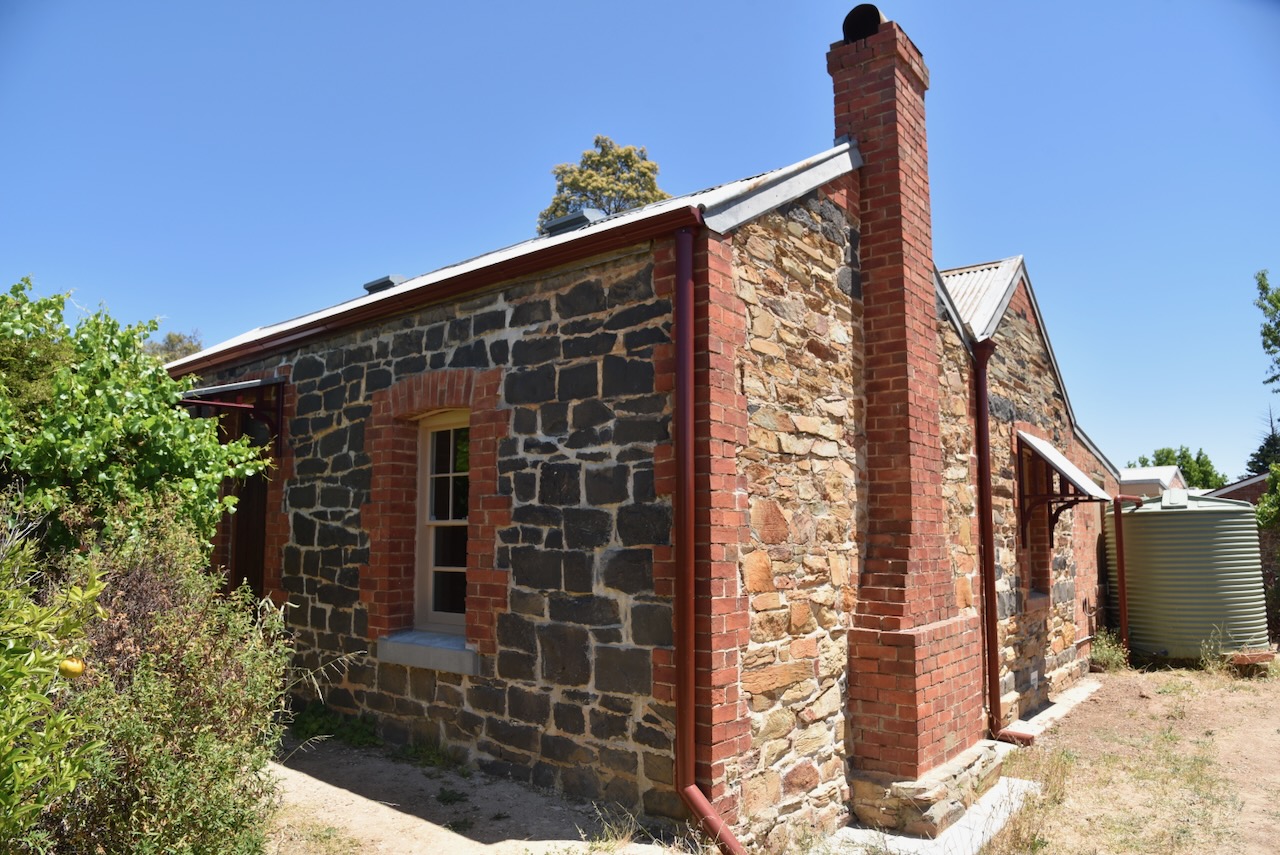
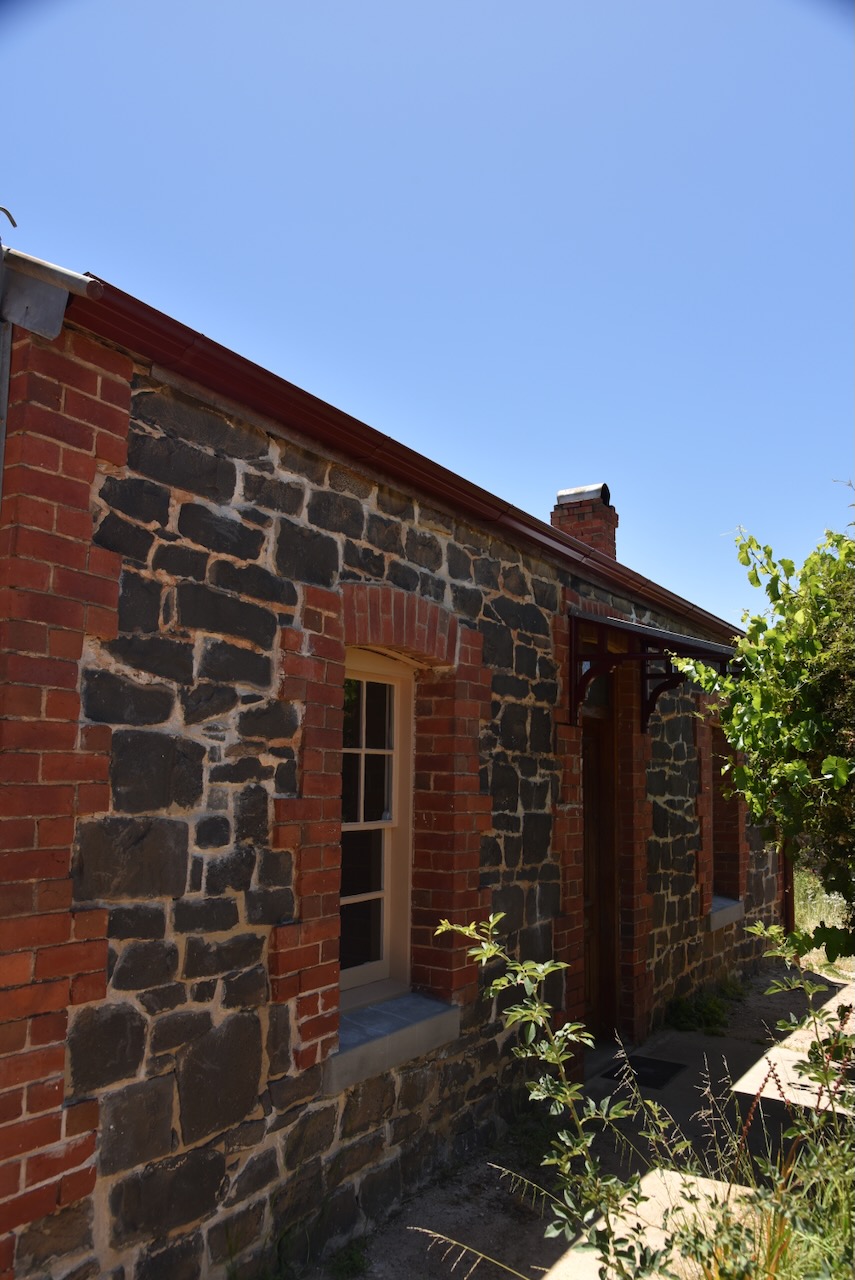
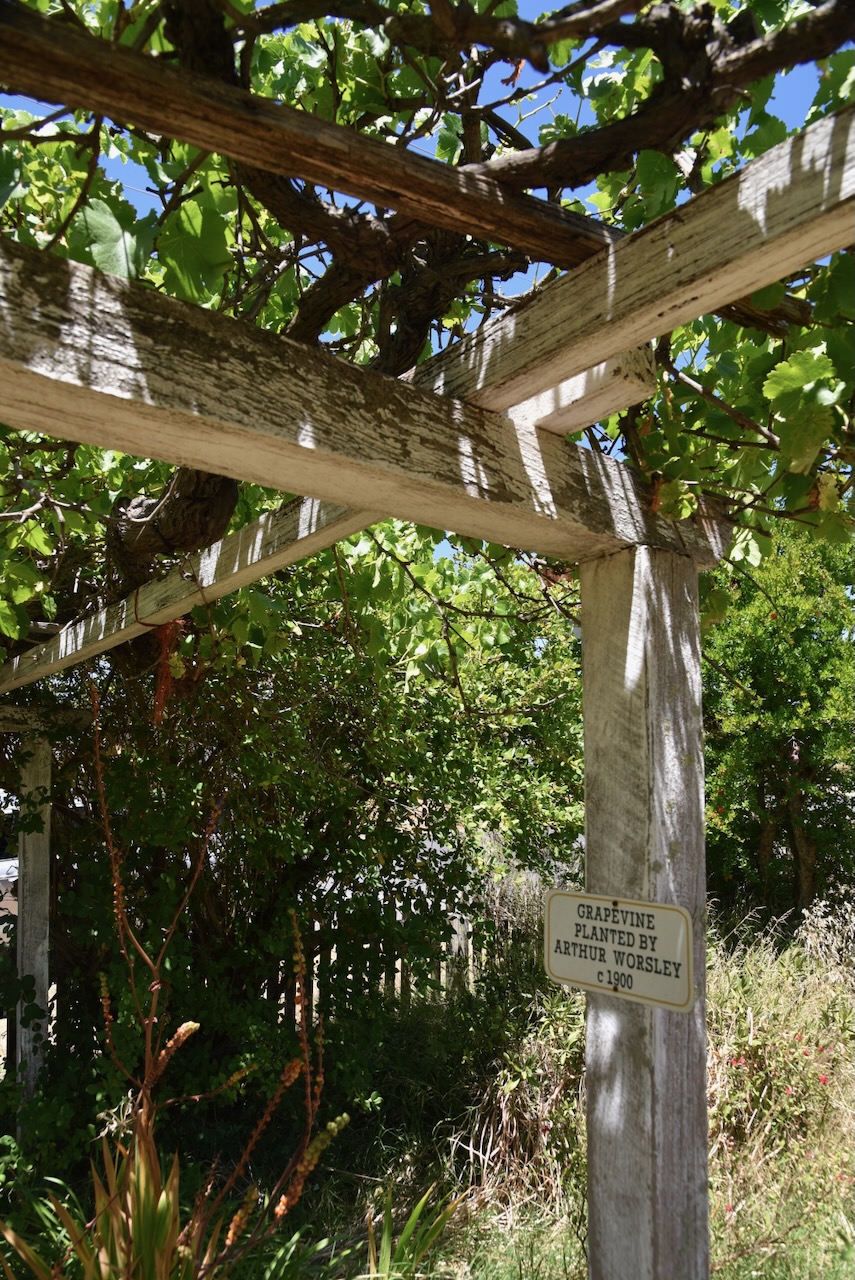
Following our pot of tea and a bite to eat at the Maryborough railway station, we visited Worsley Cottage in Maryborough. This beautiful little cottage was built in 1894 by Arthur Alfred Worsley (b. 1862. d. 1935), a contractor in stonework. The two front rooms were completed in 1894, while a further two rooms were added in 1908. (Victorian Collections 2024)
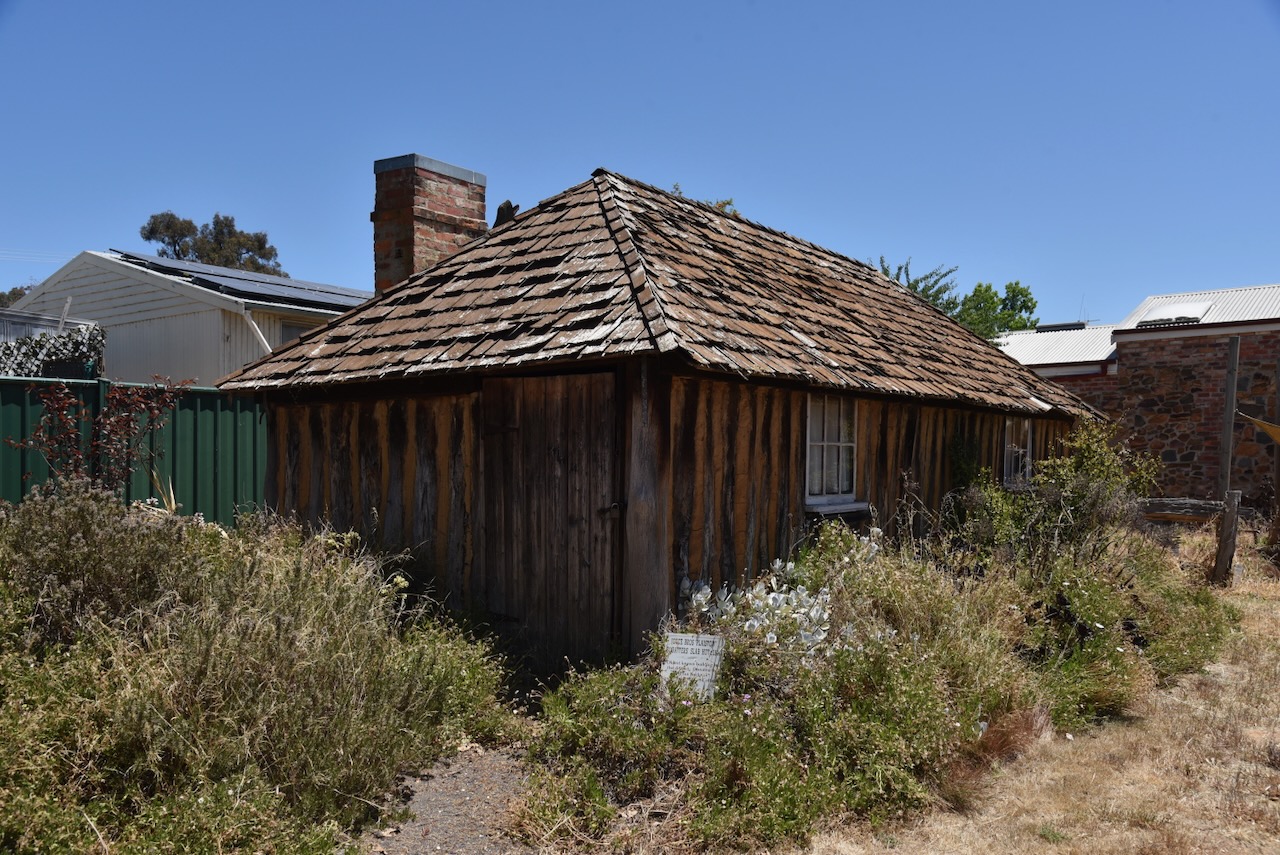
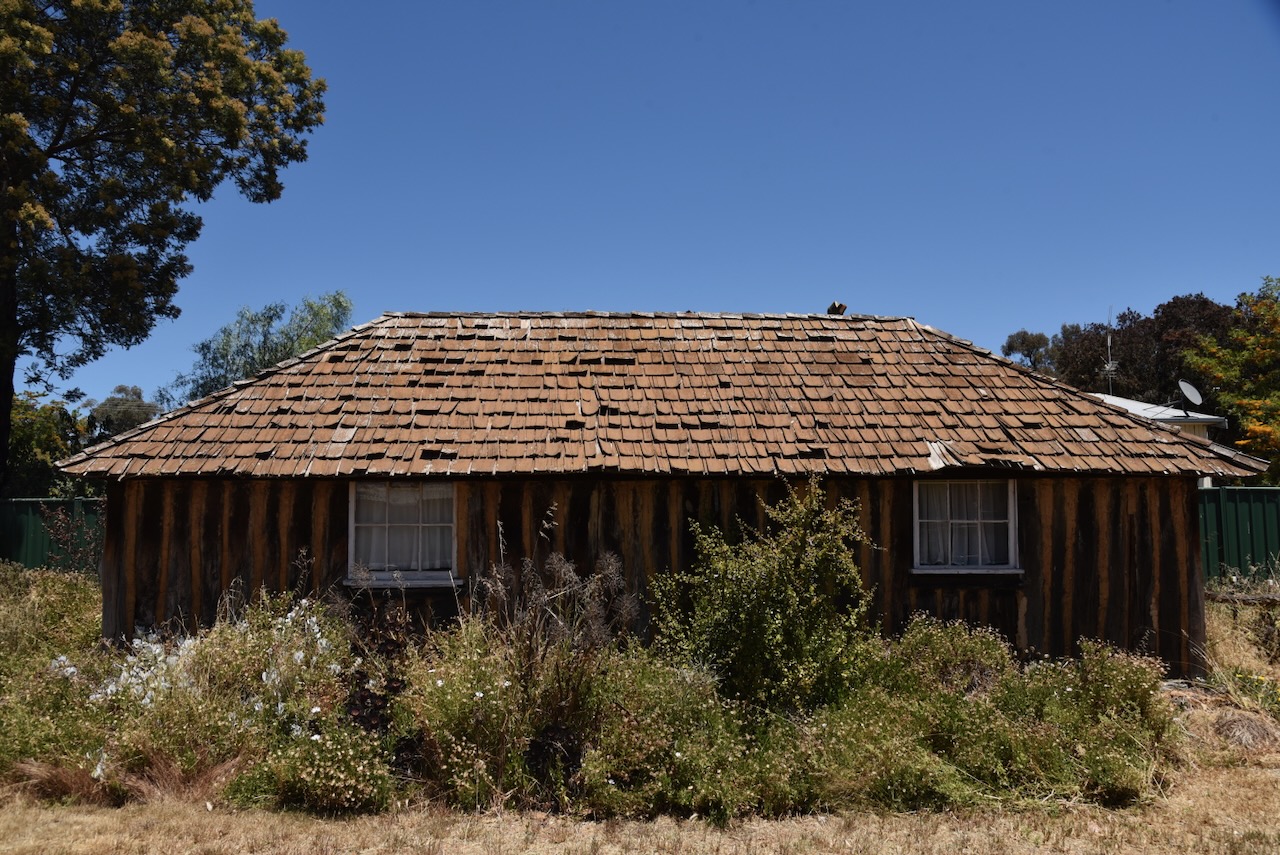
Also located on the site is an original slab squatter’s hut dating from c. 1844. The hut is the oldest known building in the district. It has a shingle roof and a rammed earth floor and is lined with hessian and calico. (Victorian Collections 2024)
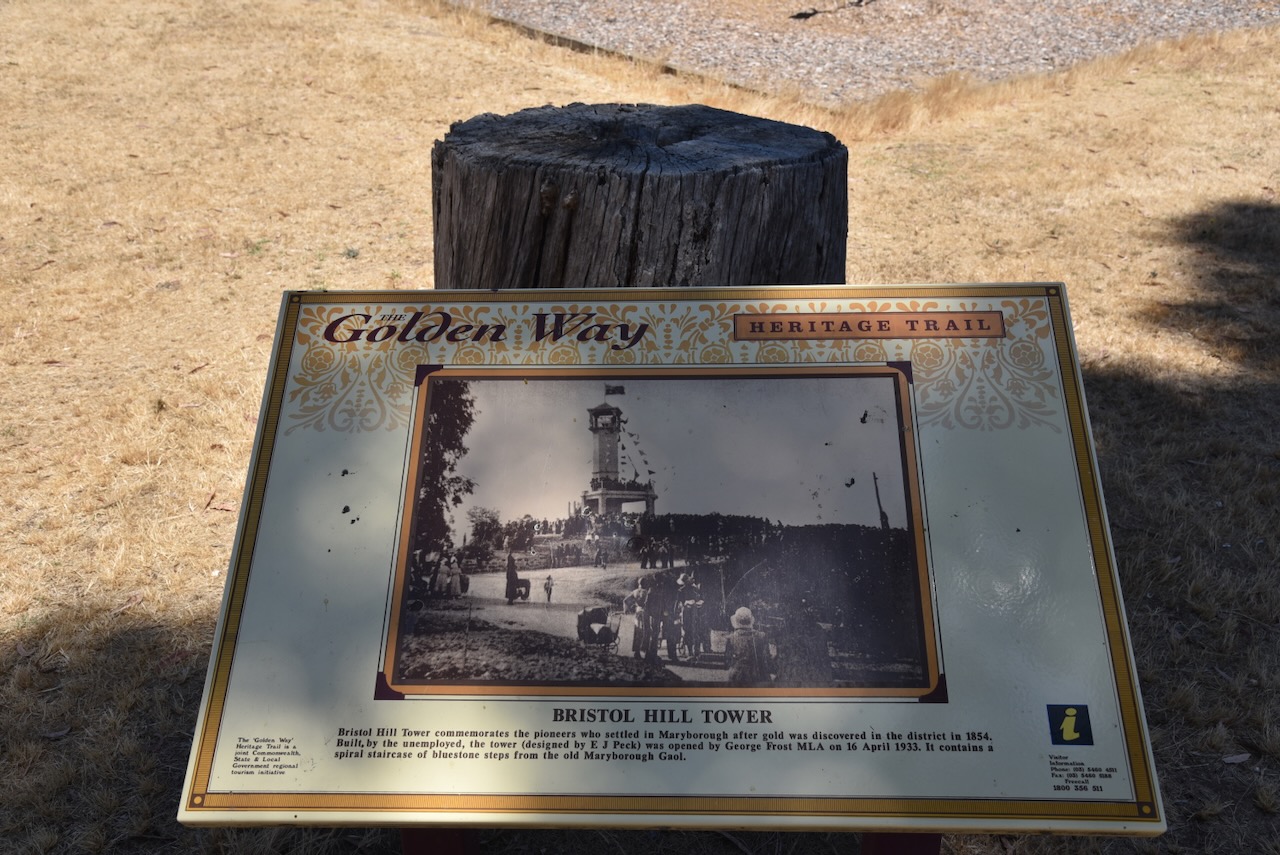
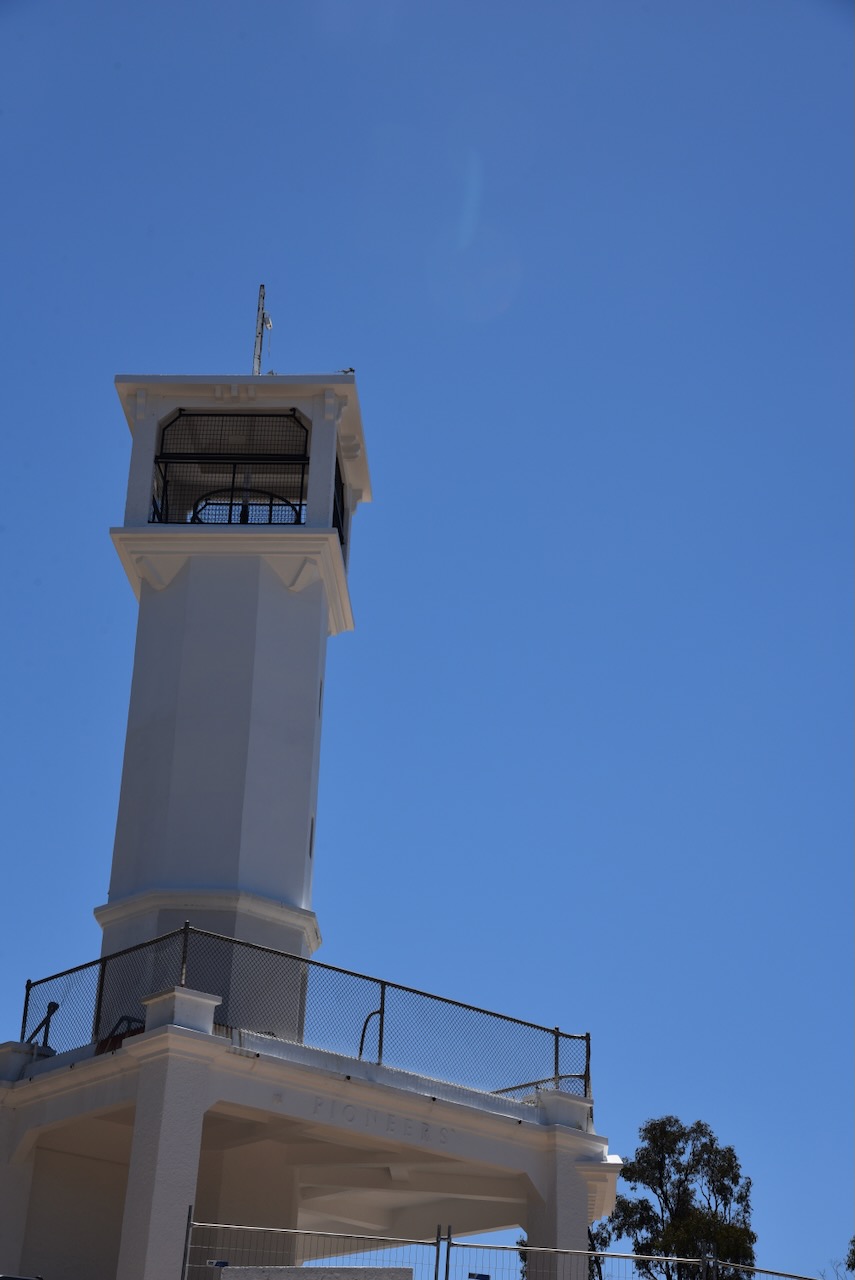
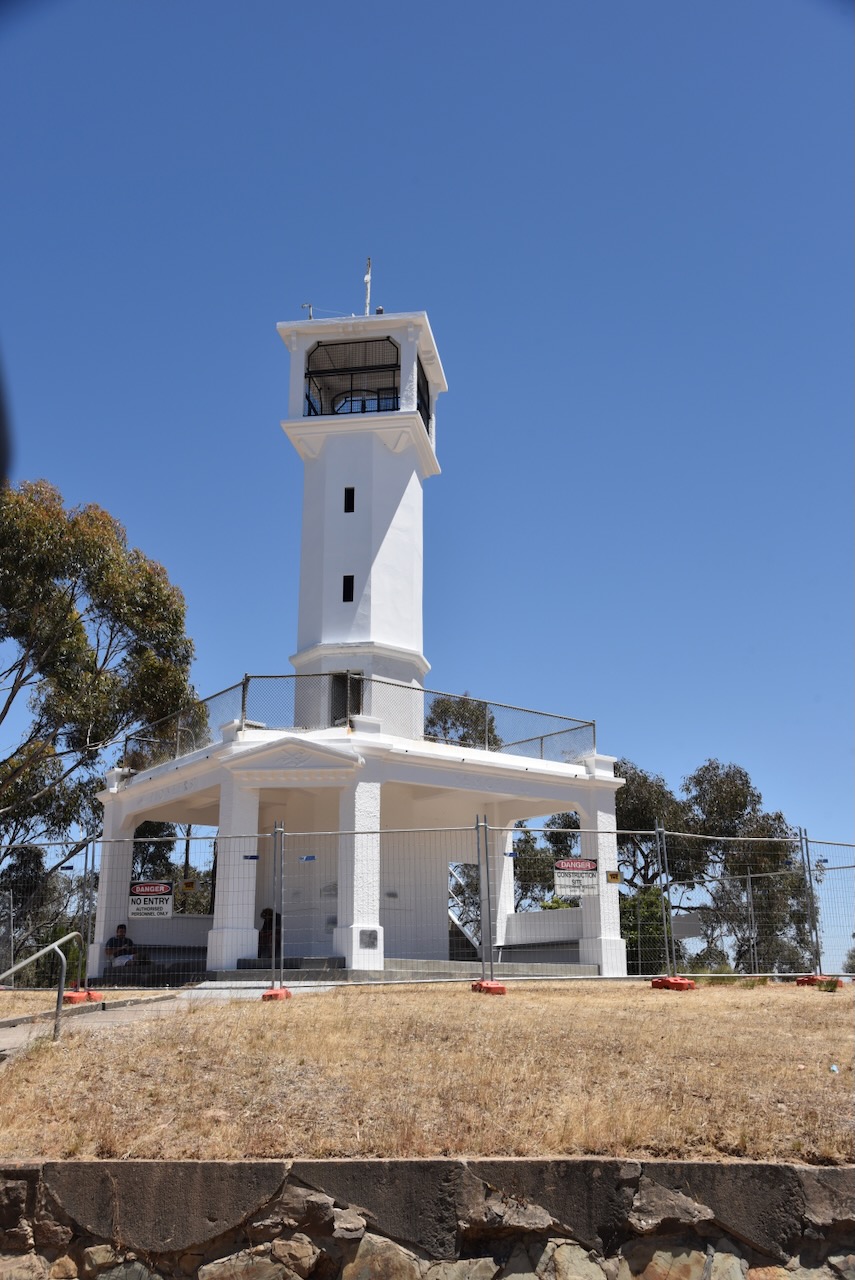
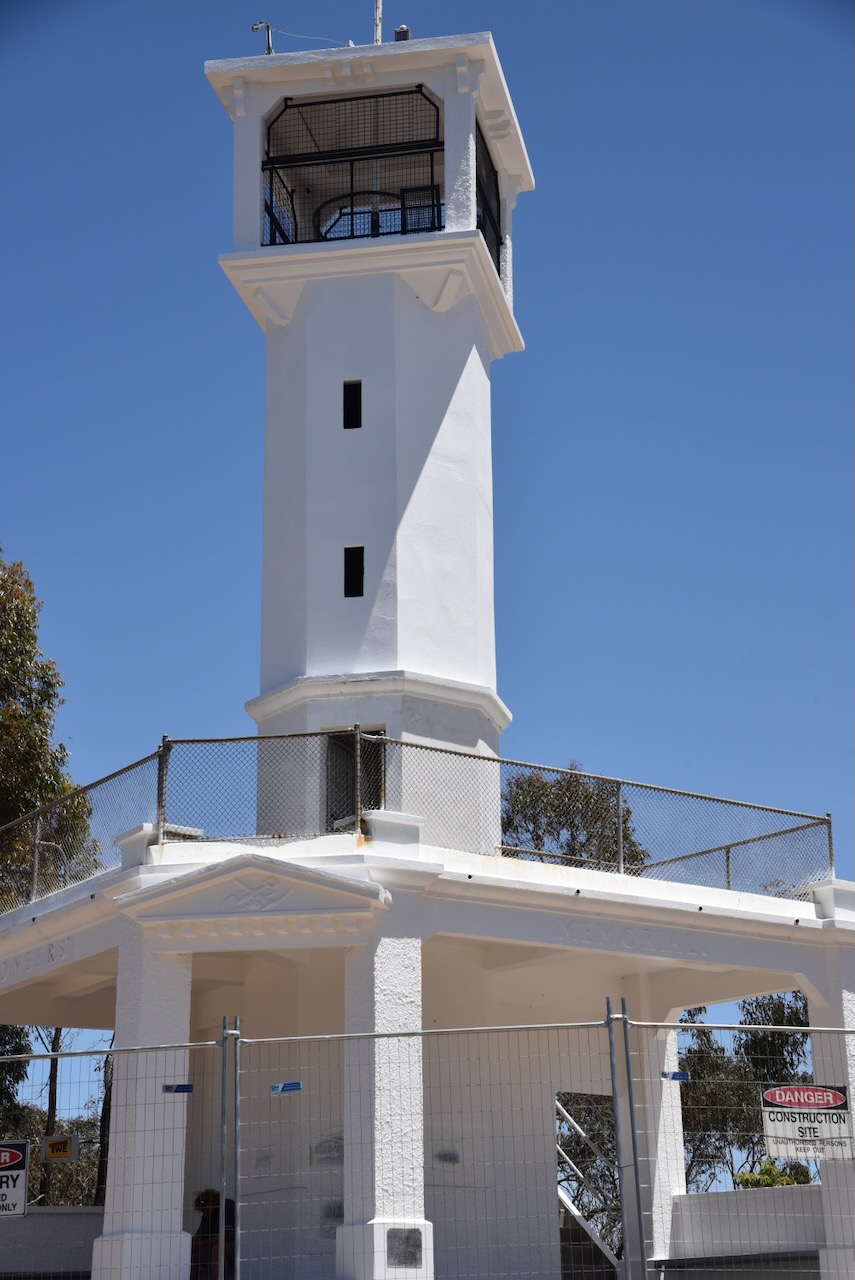
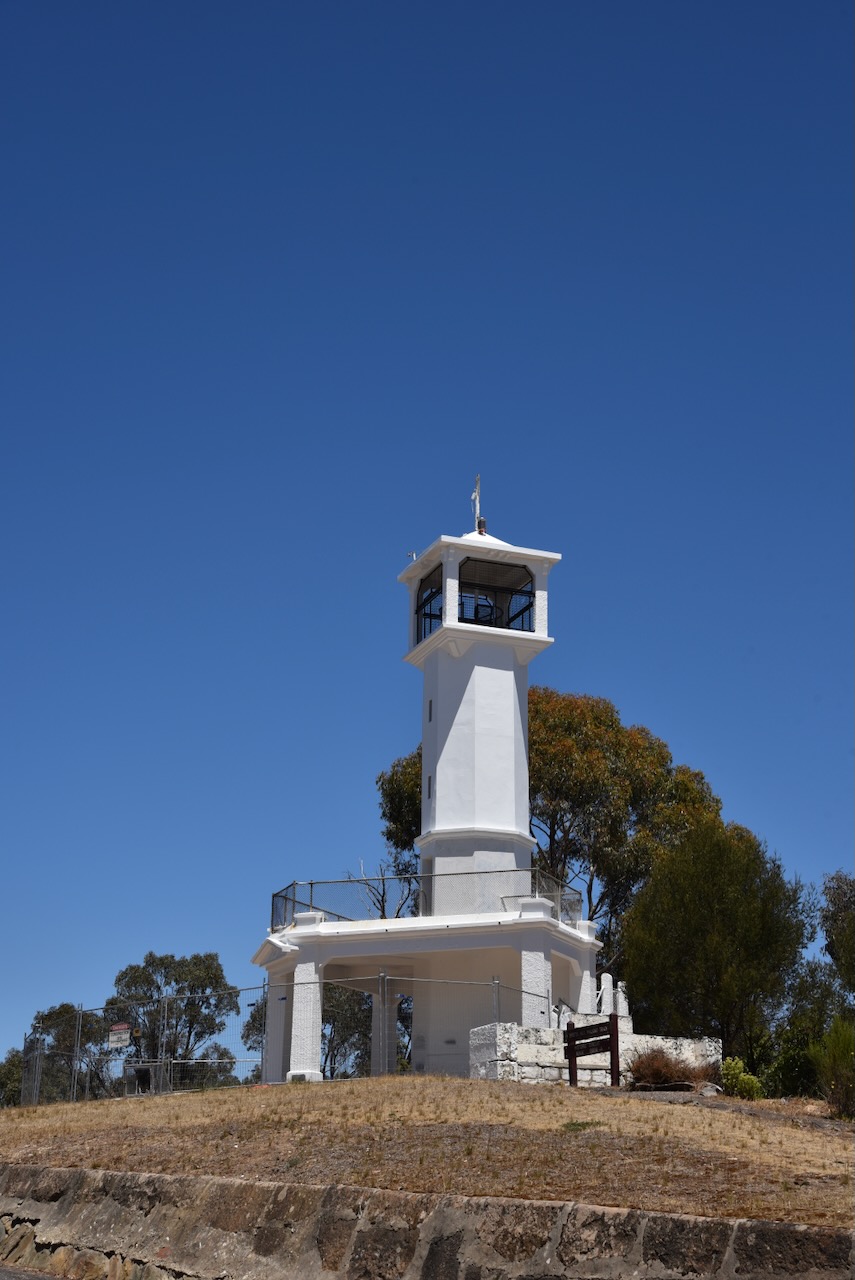
Our next stop was the Bristol Hill Tower commemorates the pioneers of the Maryborough district. It was built by the unemployed and was designed by E.J. Peck. The tower’s spiral staircase was built from bluestone from the old gaol buildings. (Aussie Towns 2024)
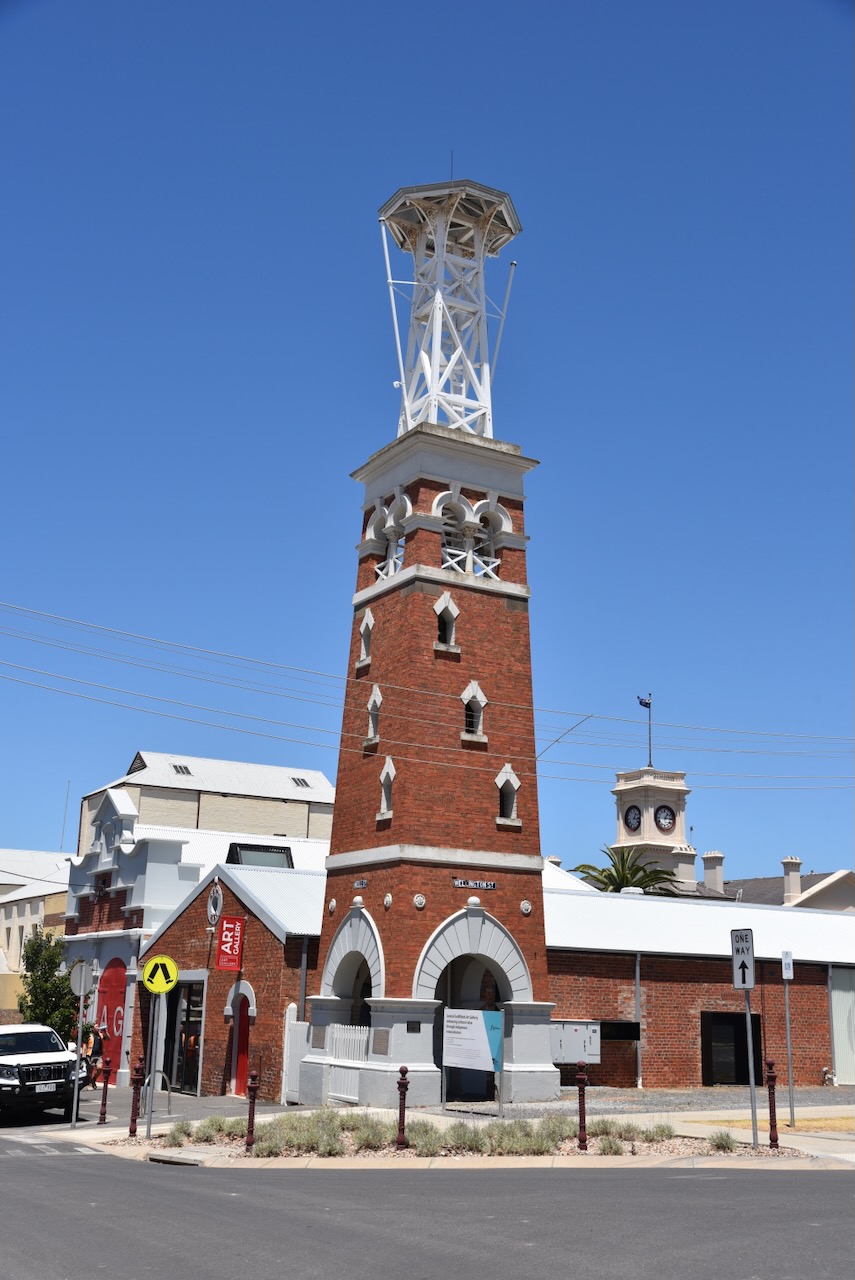
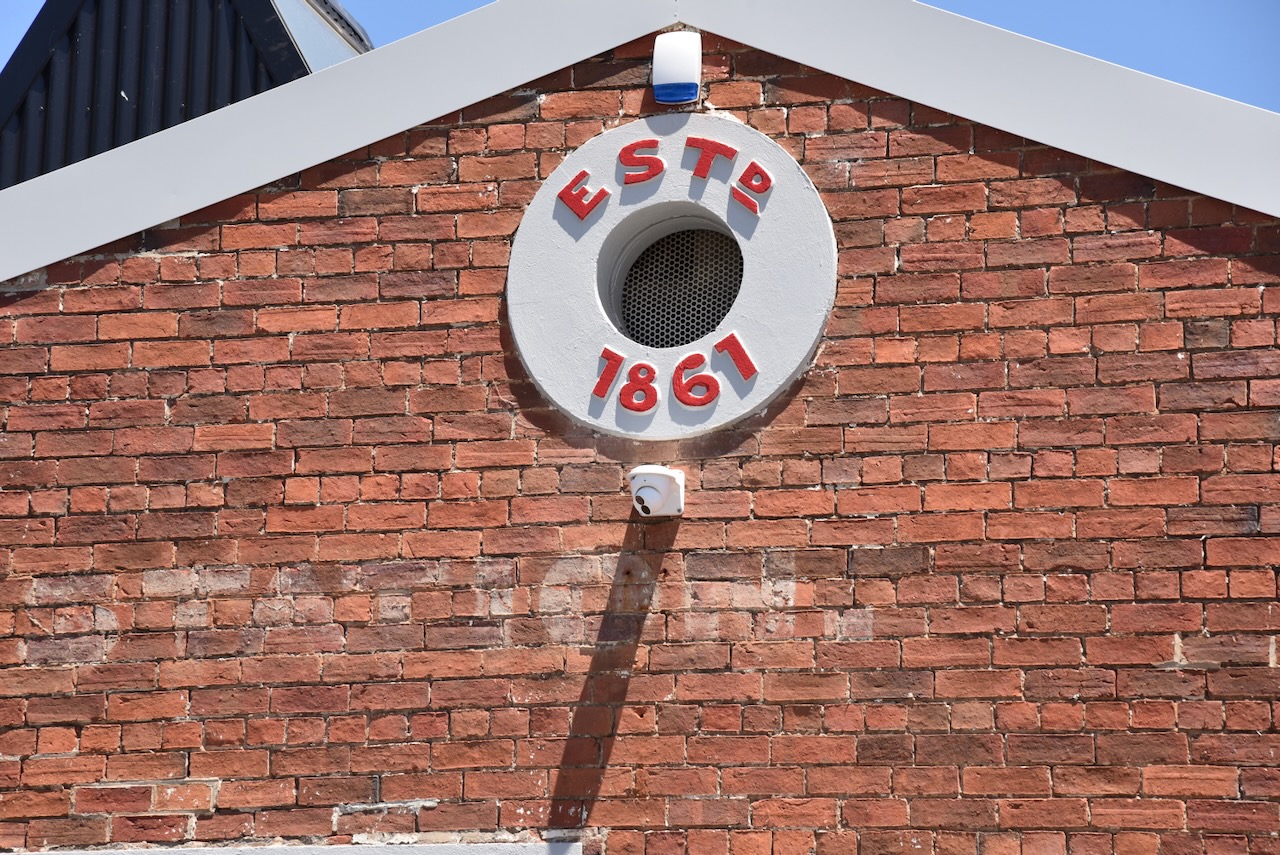
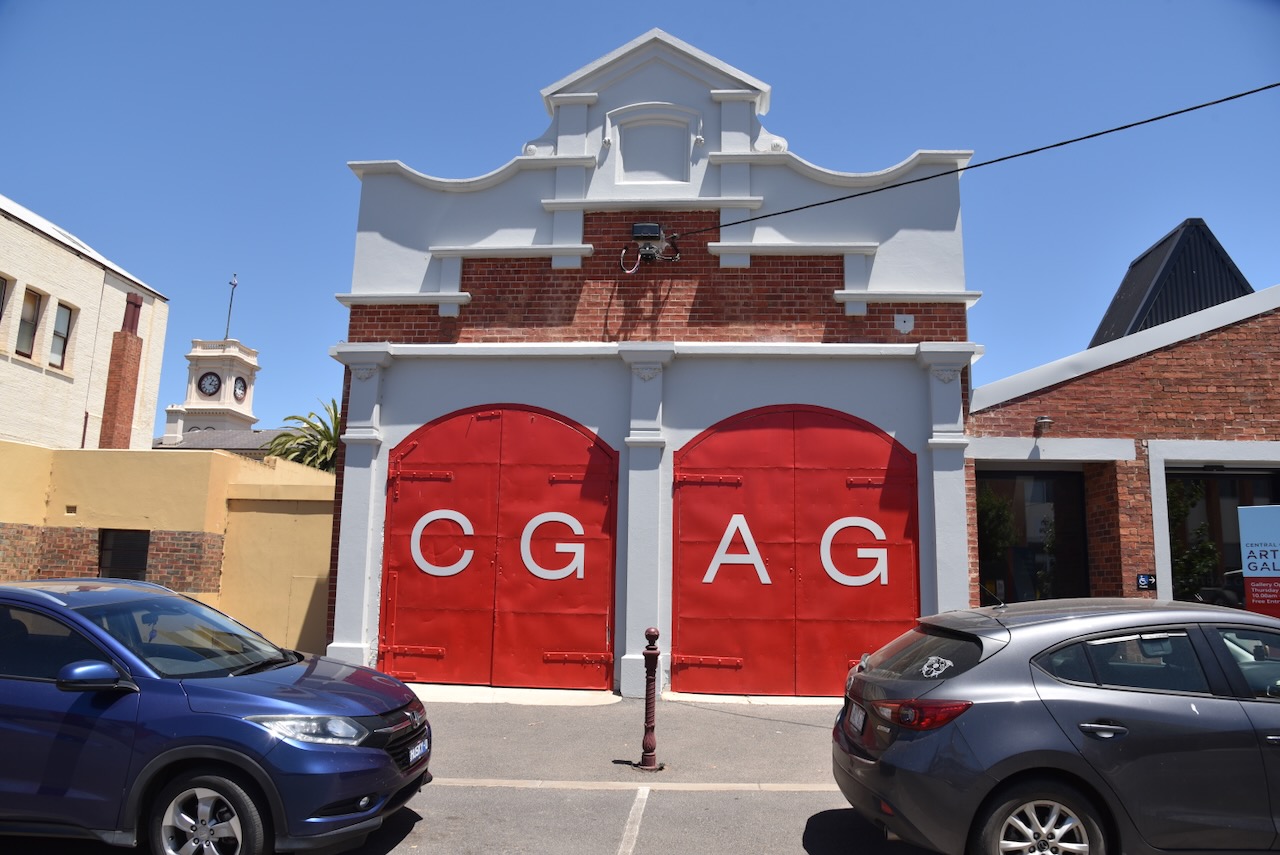
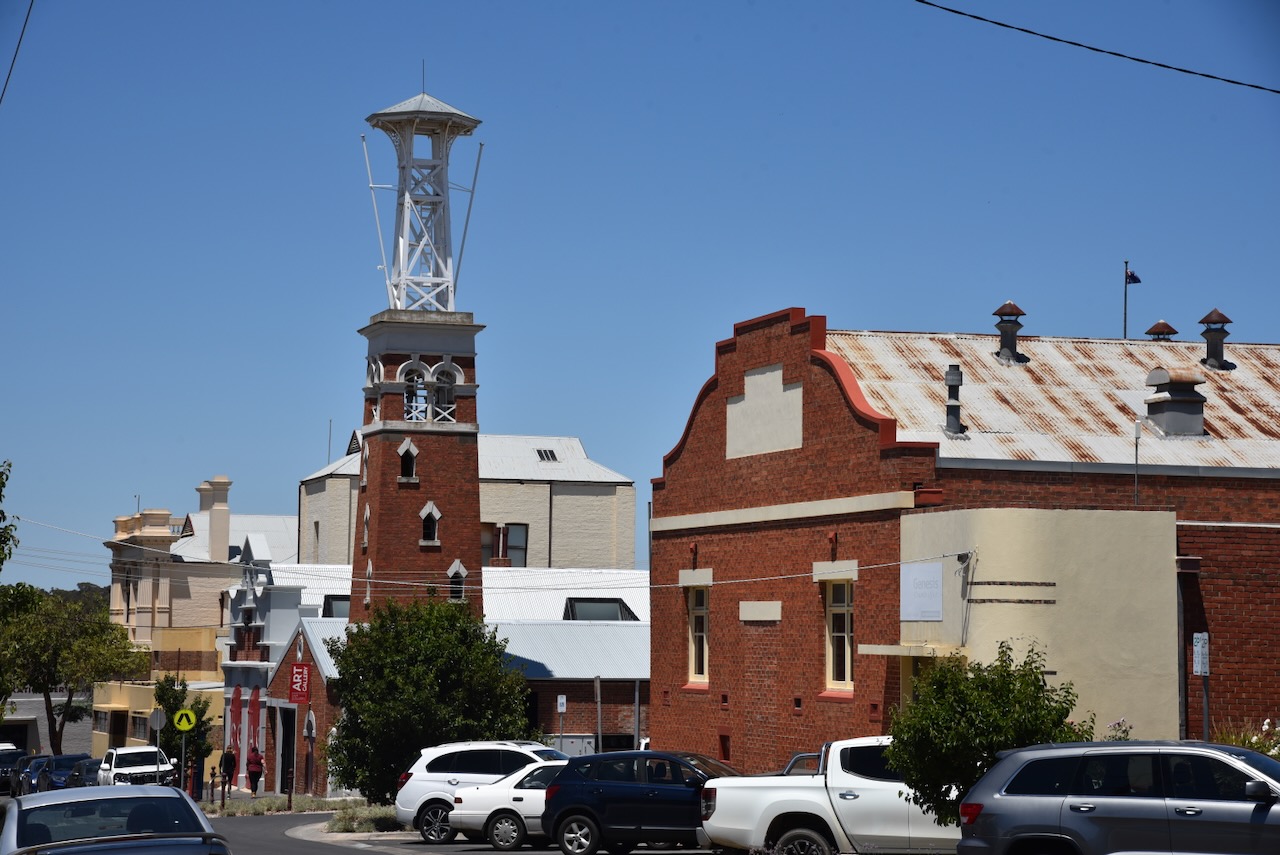
One of the buildings in Marybouough that really impressed Marija and me, was the old Maryborough Fire Station on Neill Street. It was built in 1861. The current-day tower was built in 1888 and is the third tower at the site. During the early 1900s, the engine sheds were added. The boom-style belltower contains a bell from the Simsons homestead. (Aussie Towns 2024)
We left Maryborough and headed north on Timor Road and soon reached the little area of Bowenvale.
Bowenvale was originally known as Chinaman’s Flat. In the early 1860s, a Ballarat mining company successfully mined a deep lead in the area. The Chinaman’s Flat Post Office operated from 1861 to 1895. In 1864 the Chinaman’s Flat School was opened. During the 1870s Chinaman’s Flat was renamed Bowenvale in honour of Sir George Ferguson Bowen (. 1821. d. 1899), the Governor of Victoria from 1873-1879. (Victorian Places 2024)
Sir George Ferguson Bowen. Image c/o State Library Victoria.
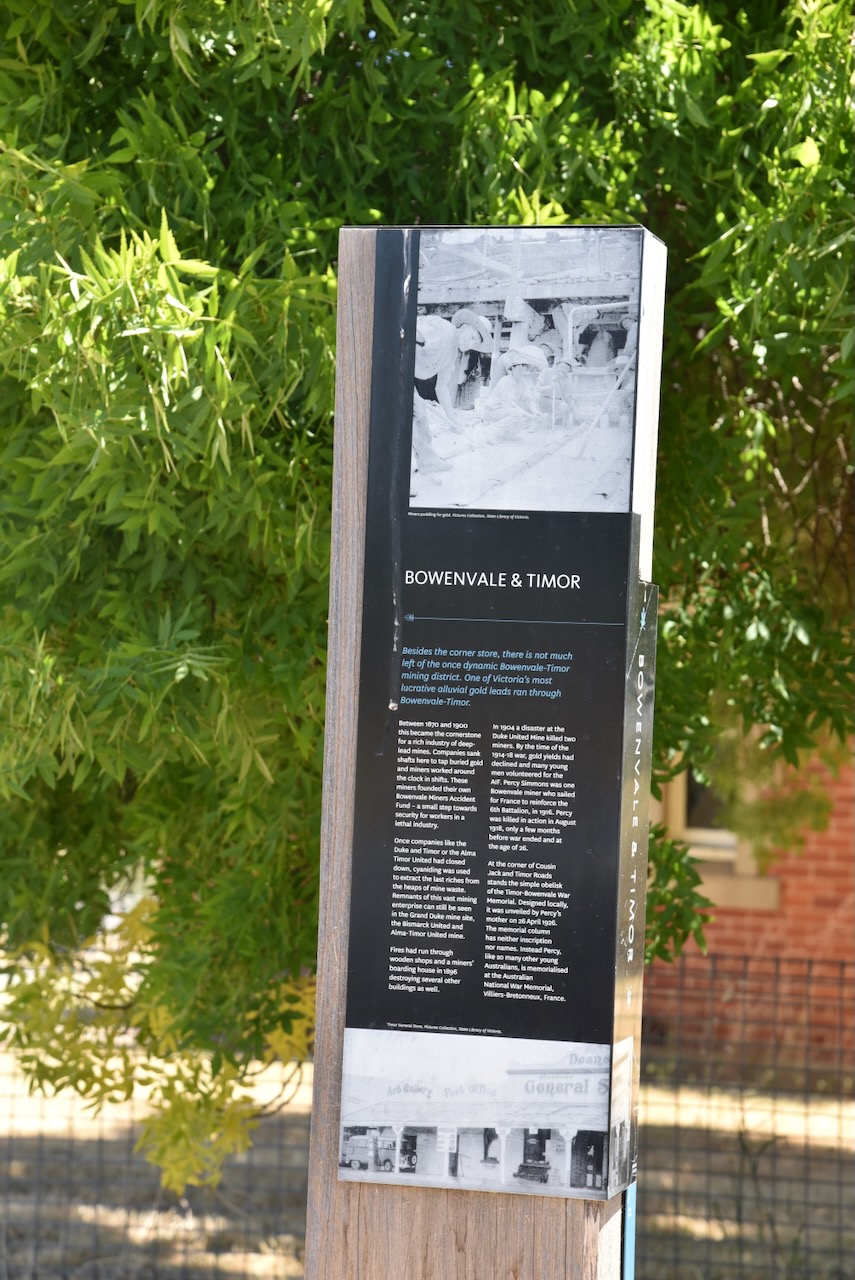
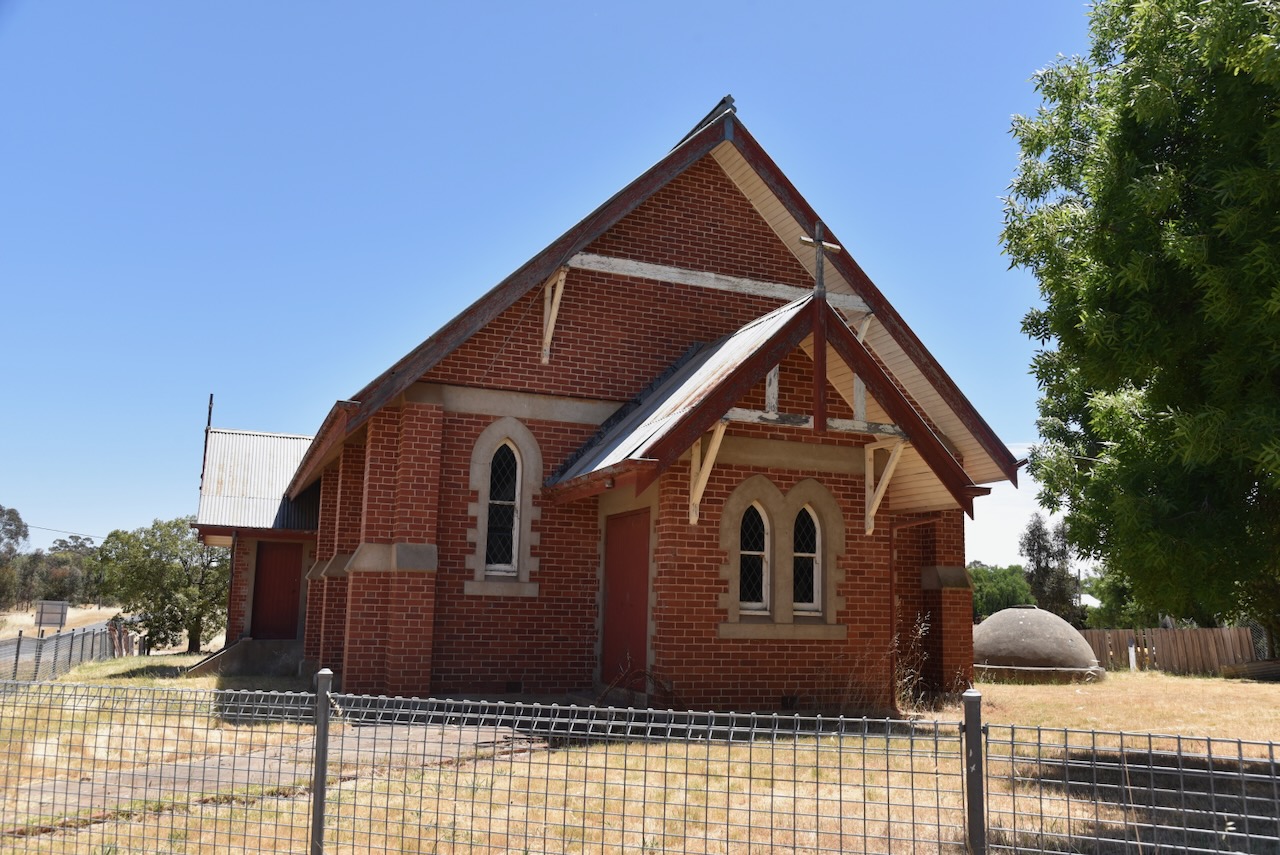
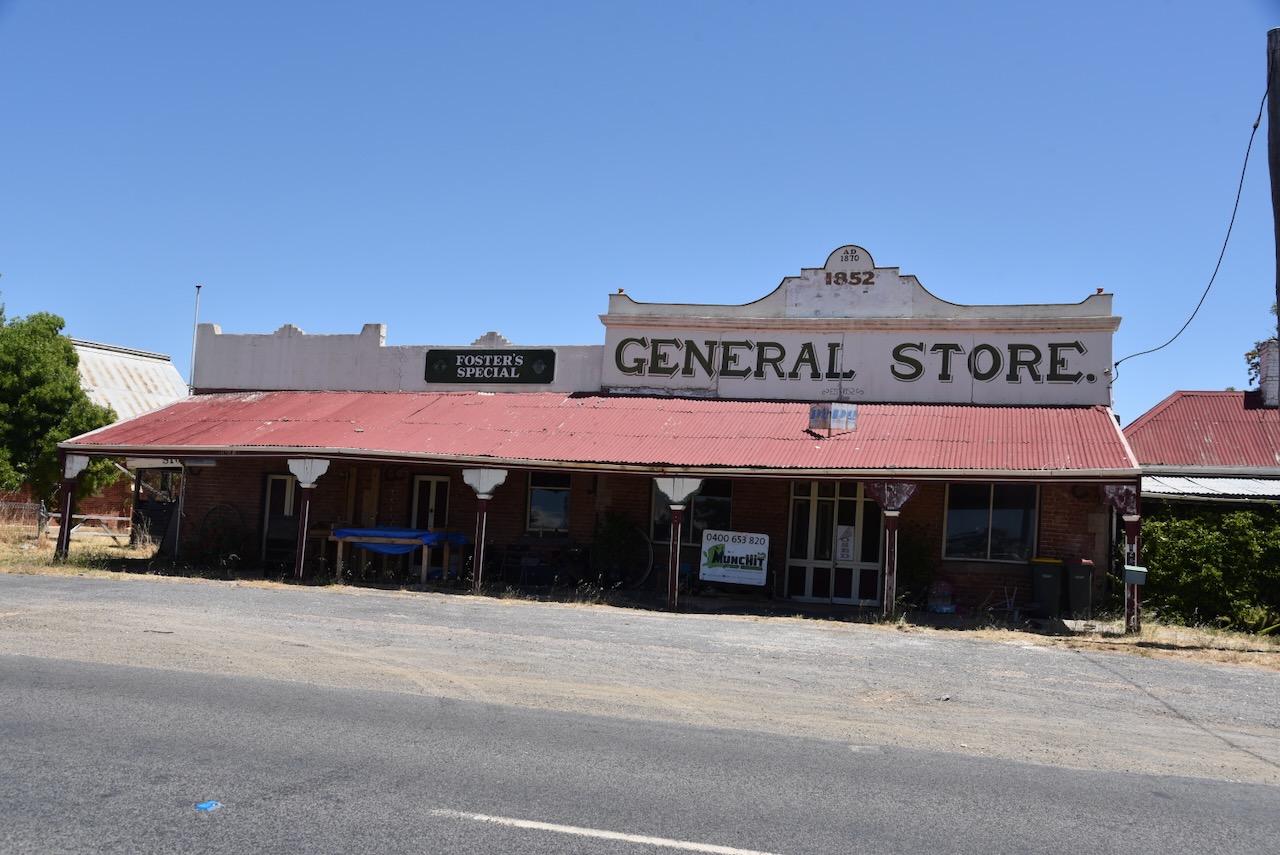
Not much remains at Bowenvale. The former St Marys Catholic Church was built in the late 1800s. The old General Store was built in 1852 and is one of the oldest shops in Victoria. (flickr 2024) (Australia’s Christian Heritage 2024)
We continued on to Timor, a little town that was originally known as Coxtown following the discovery of gold there in 1856. It earned its name from Cox, a butcher and hotel keeper. It was subsequently renamed Timor after nearby Timor Creek. The Timor Post Office opened in 1865. In 1873 a government school was opened at Timor and by 1879 had an enrollment of almost 500 children. (Victorian Places 2024)
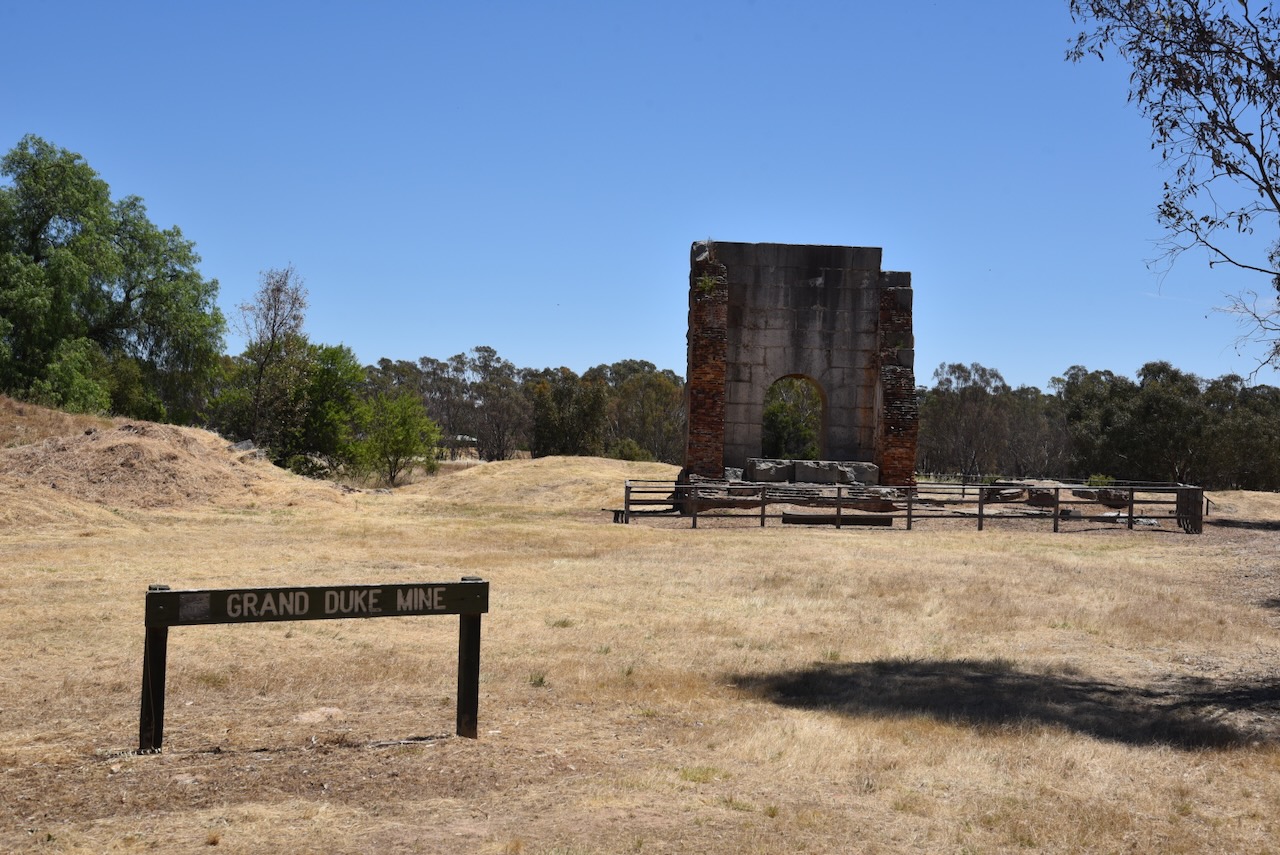
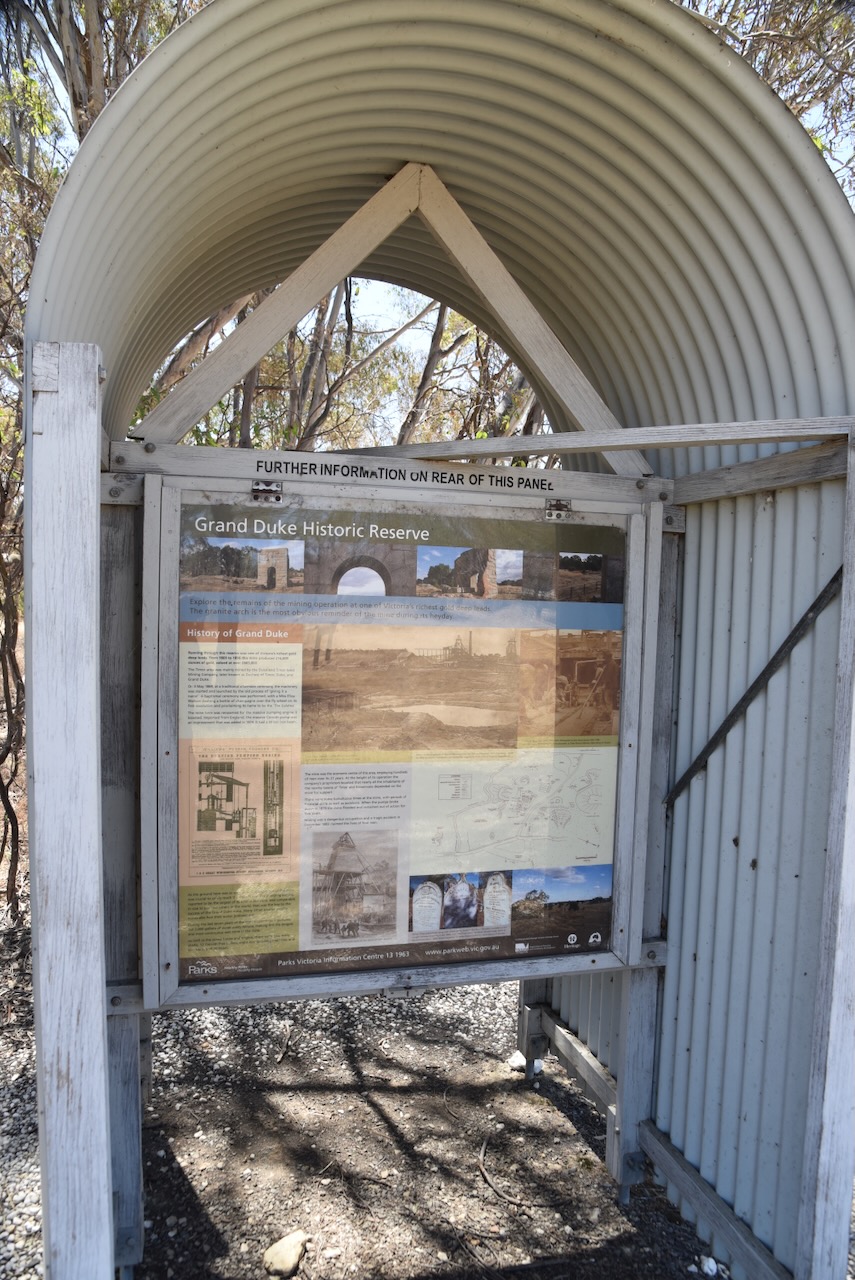
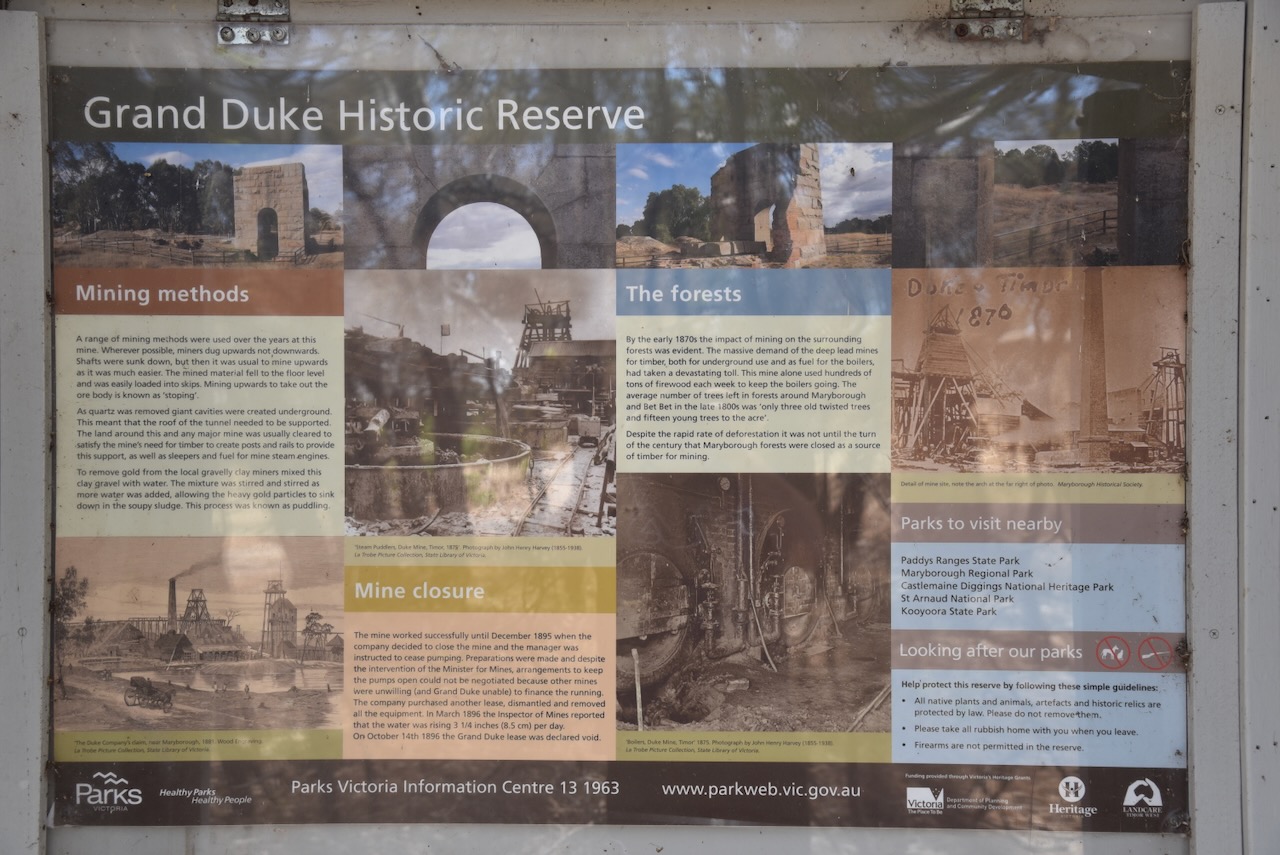
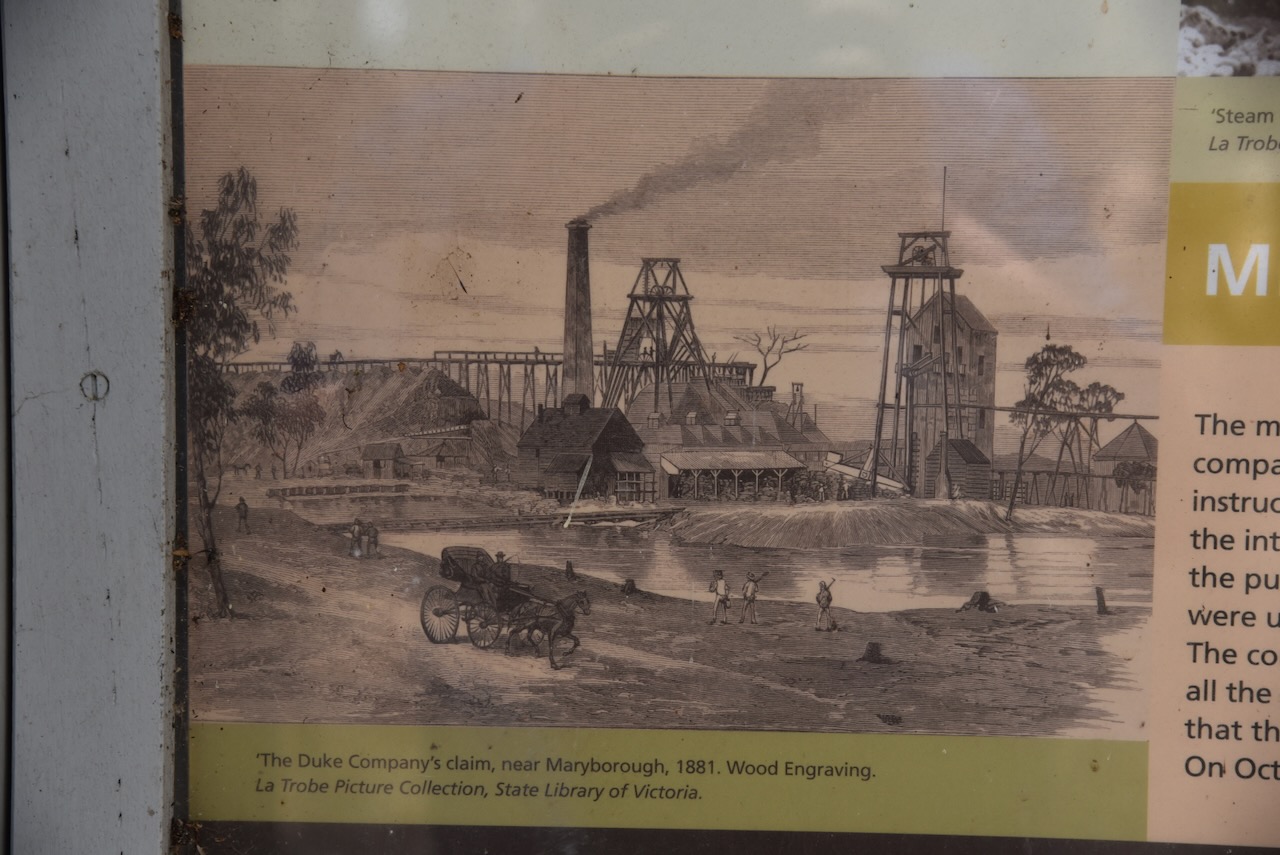
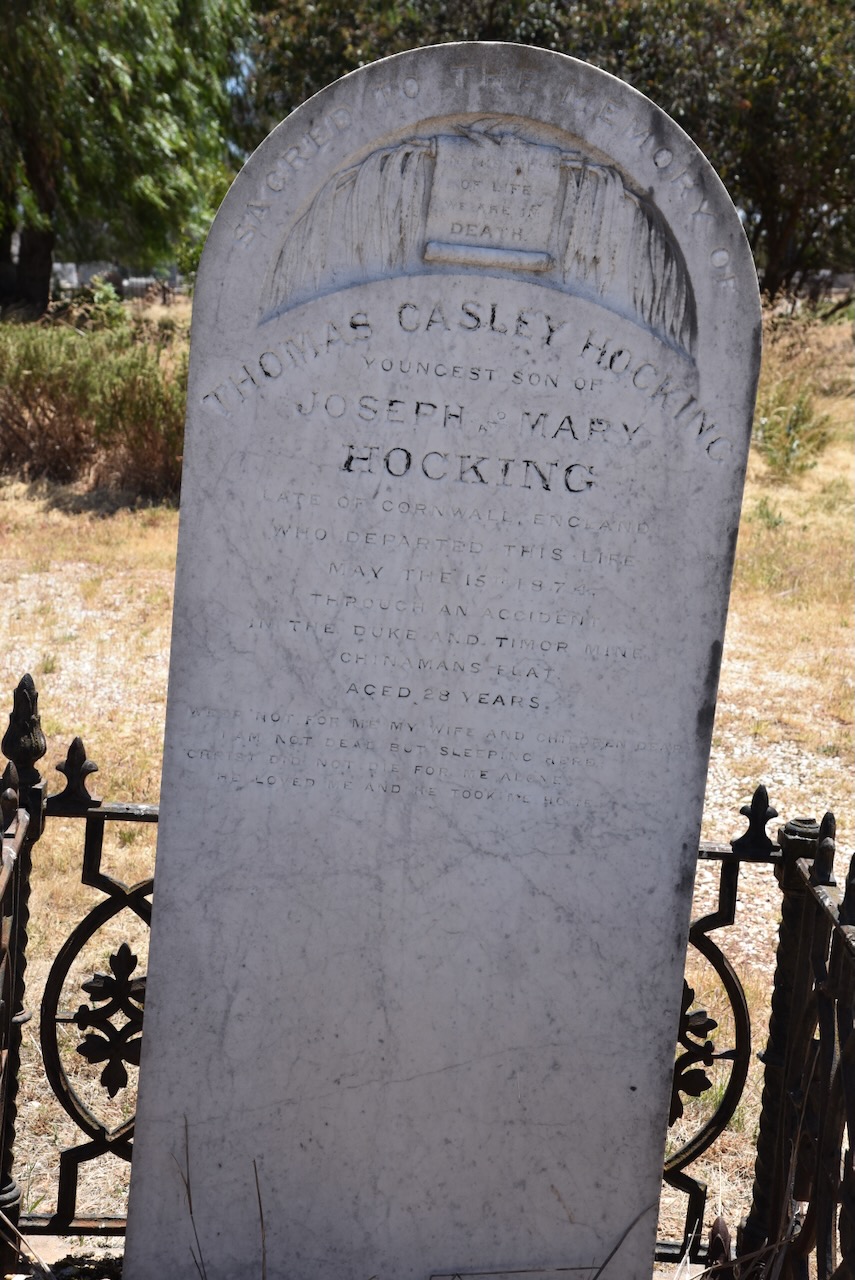
The most successful deep lead in the district was the Grand Duke. Remains of the Duke and Timor Gold Mining Company’s mine house can be found at Timor. It produced a 1/4 of the gold taken from the Maryborough district. (Victorian Places 2024)
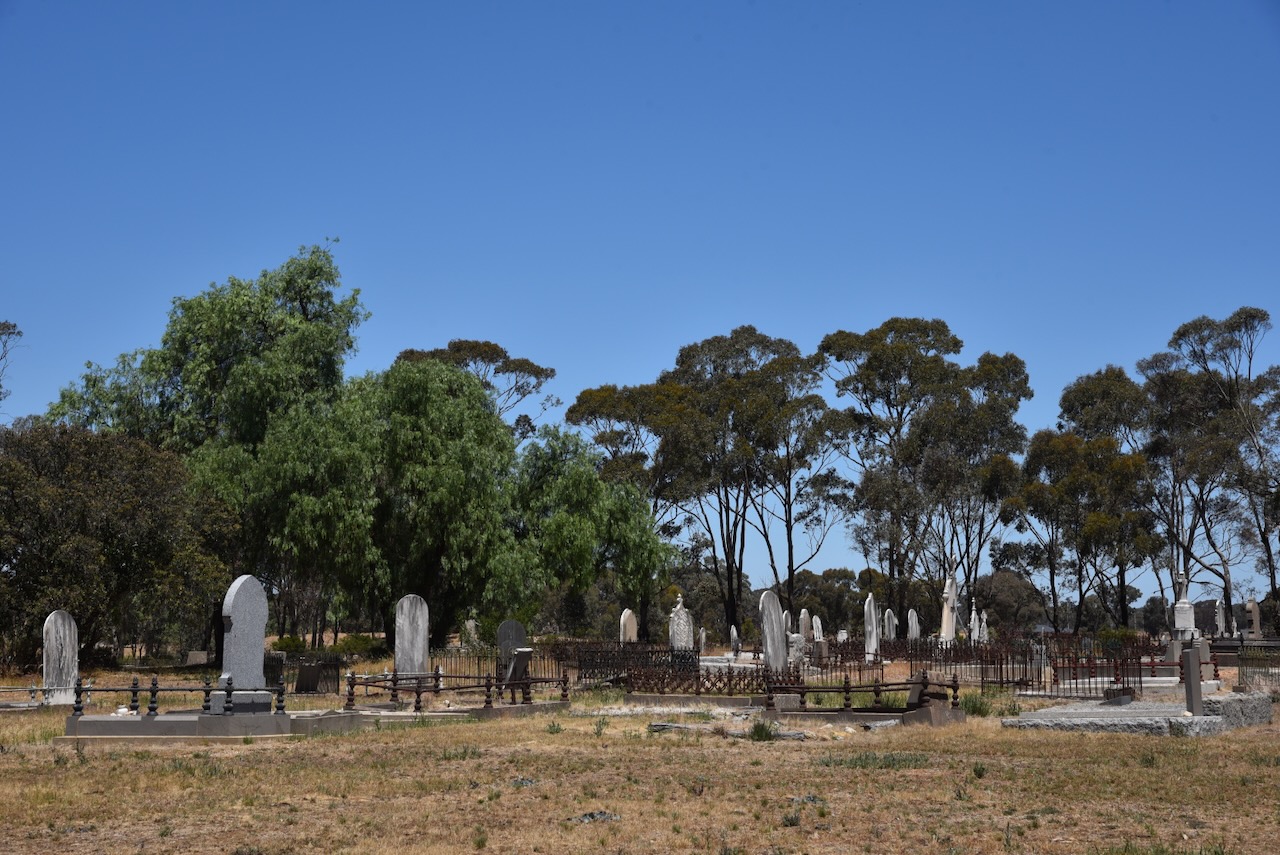
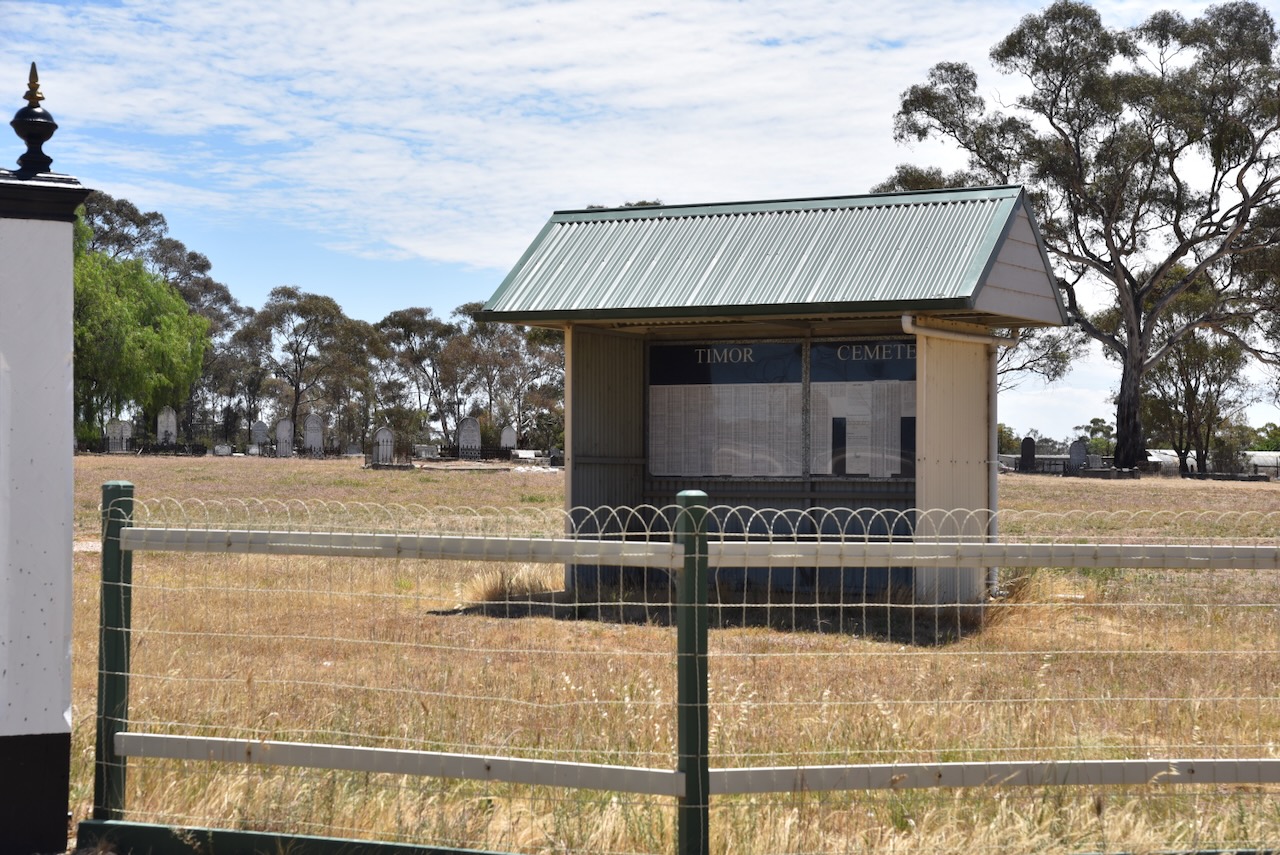
We then visited the historic Timor cemetery. One of this cemetery’s notable features is the rare surviving wooden grave architecture. (Goldfields Guide 2024)
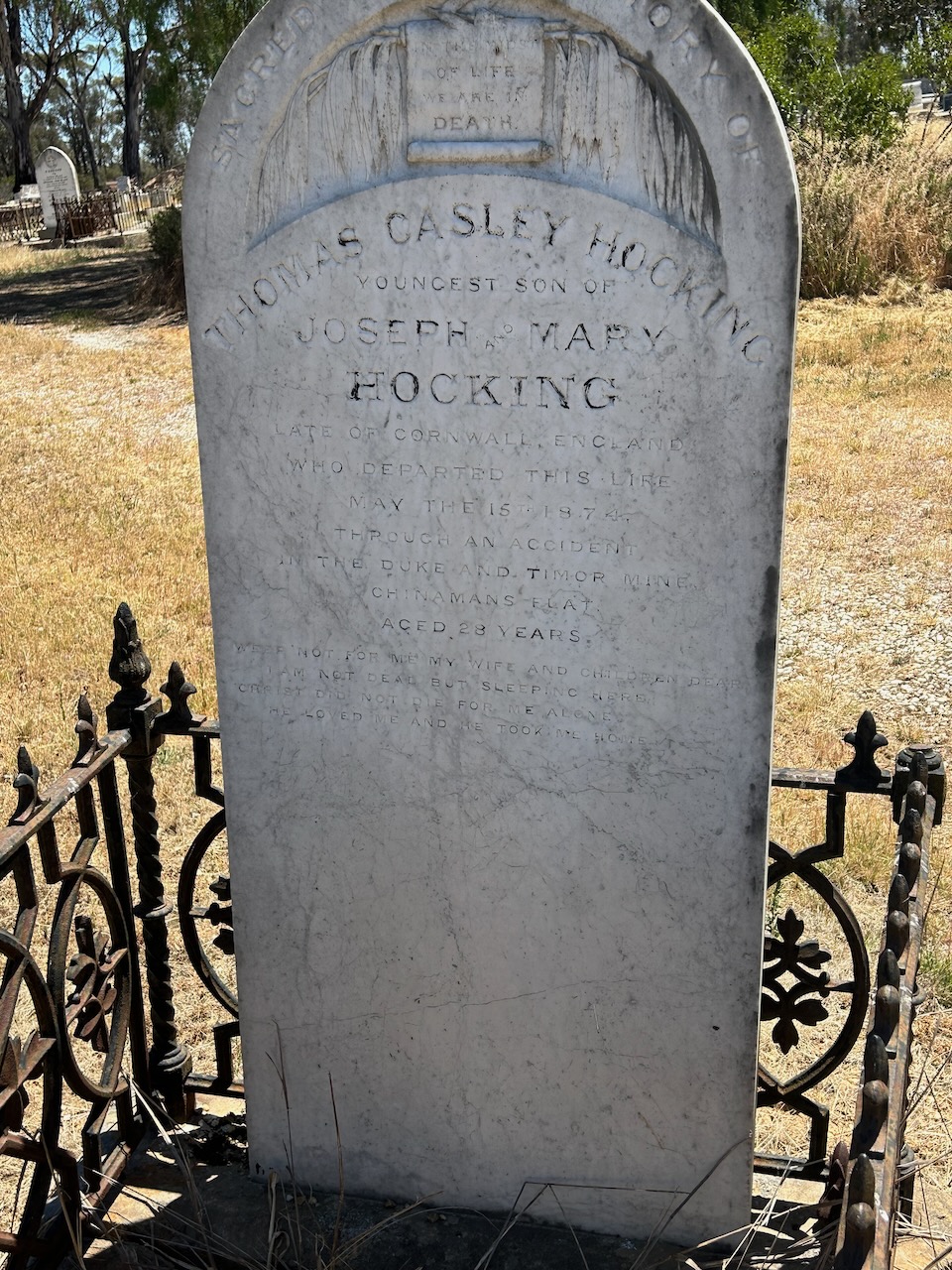
One of the interesting headstones in the cemetery is that of Joseph Nicholls. It is said that this is Timor’s Cursed Grave. Joseph Nicholls died in a mining accident on the 15th day of May 1874 at the Duke and Timor Mine. He was just 27 years old.
Above:- part of an article from The Age, Melbourne, Tue 19 May 1874. Image c/o Trove.
His headstone at the Timor cemetery reads:
Oh! Let my sudden doom
A warning be to all
E’en while thou bendest o’er my tomb
Thou may’st as quickly fall
(Goldfields Guide 2024)
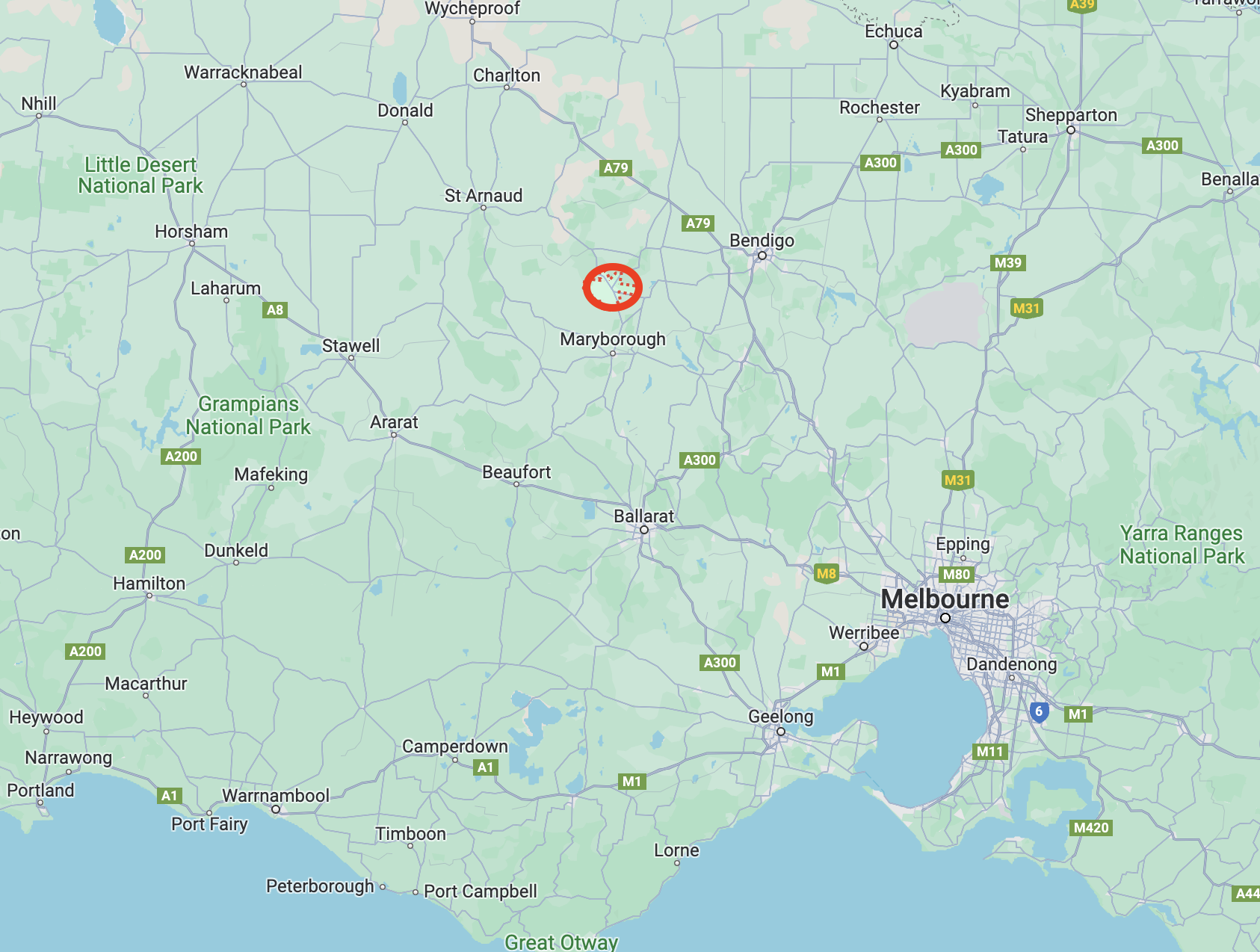
We left Timor and continued north heading to the historic town of Dunolly.
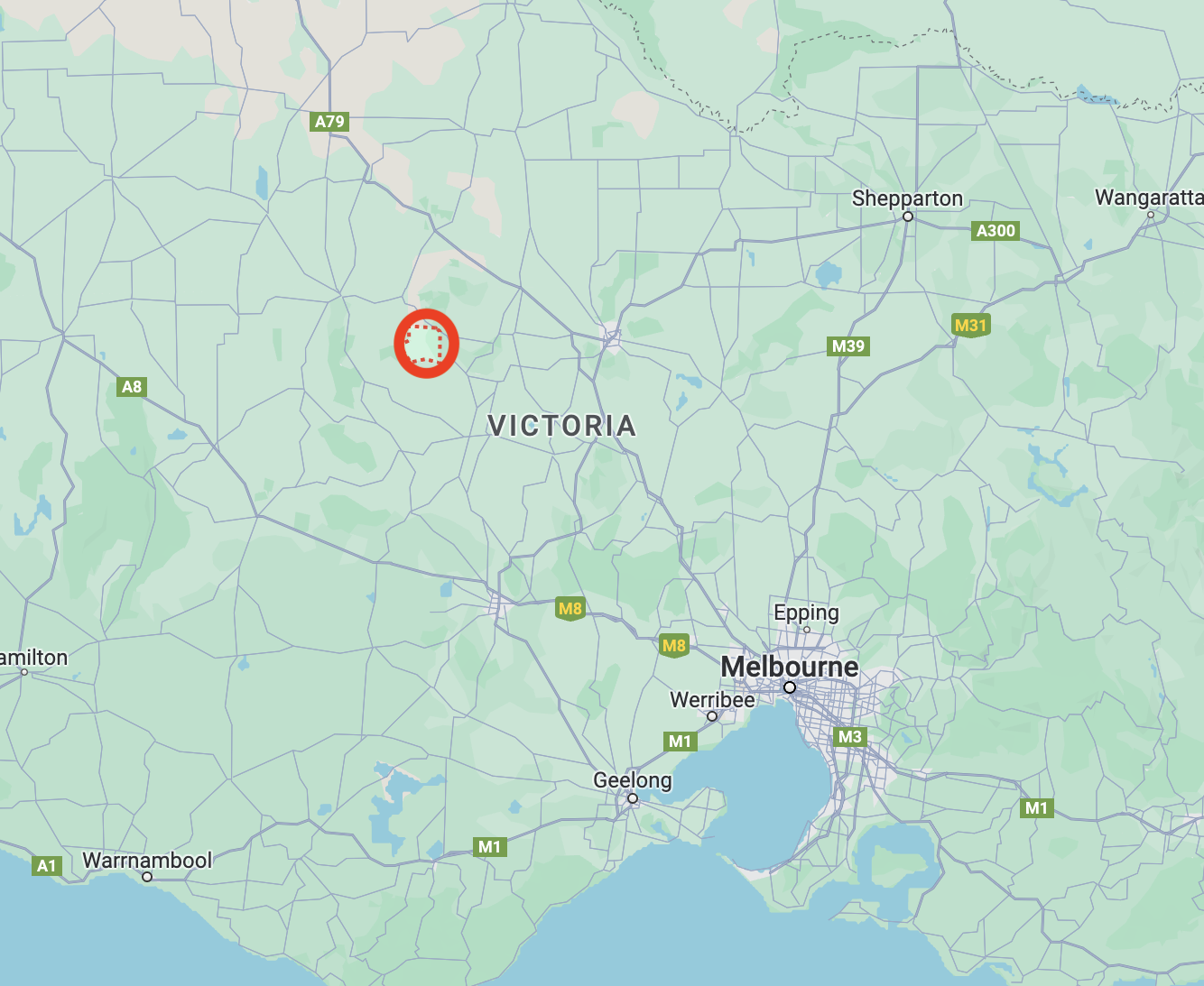
Above:- Map showing the location of Dunolly in Victoria. Map c/o Google Maps.
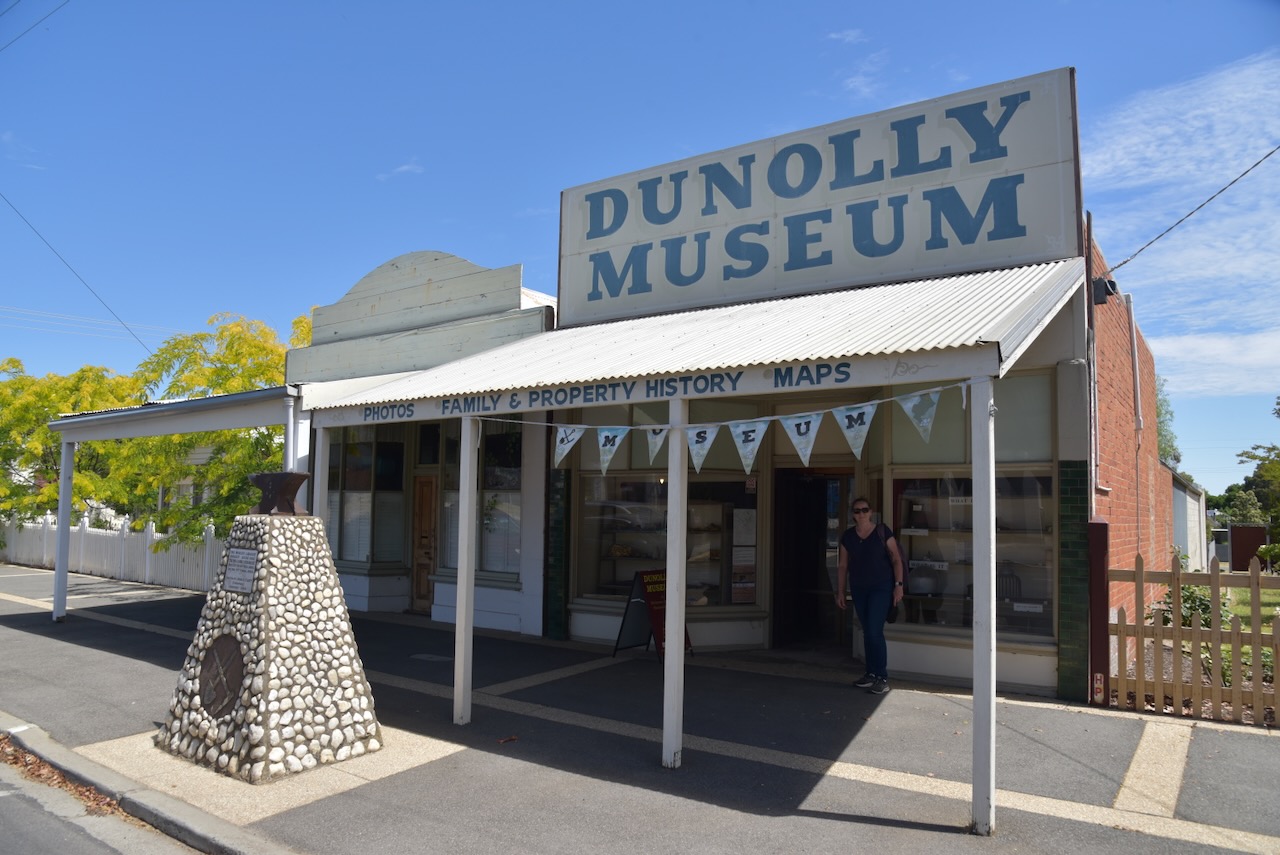
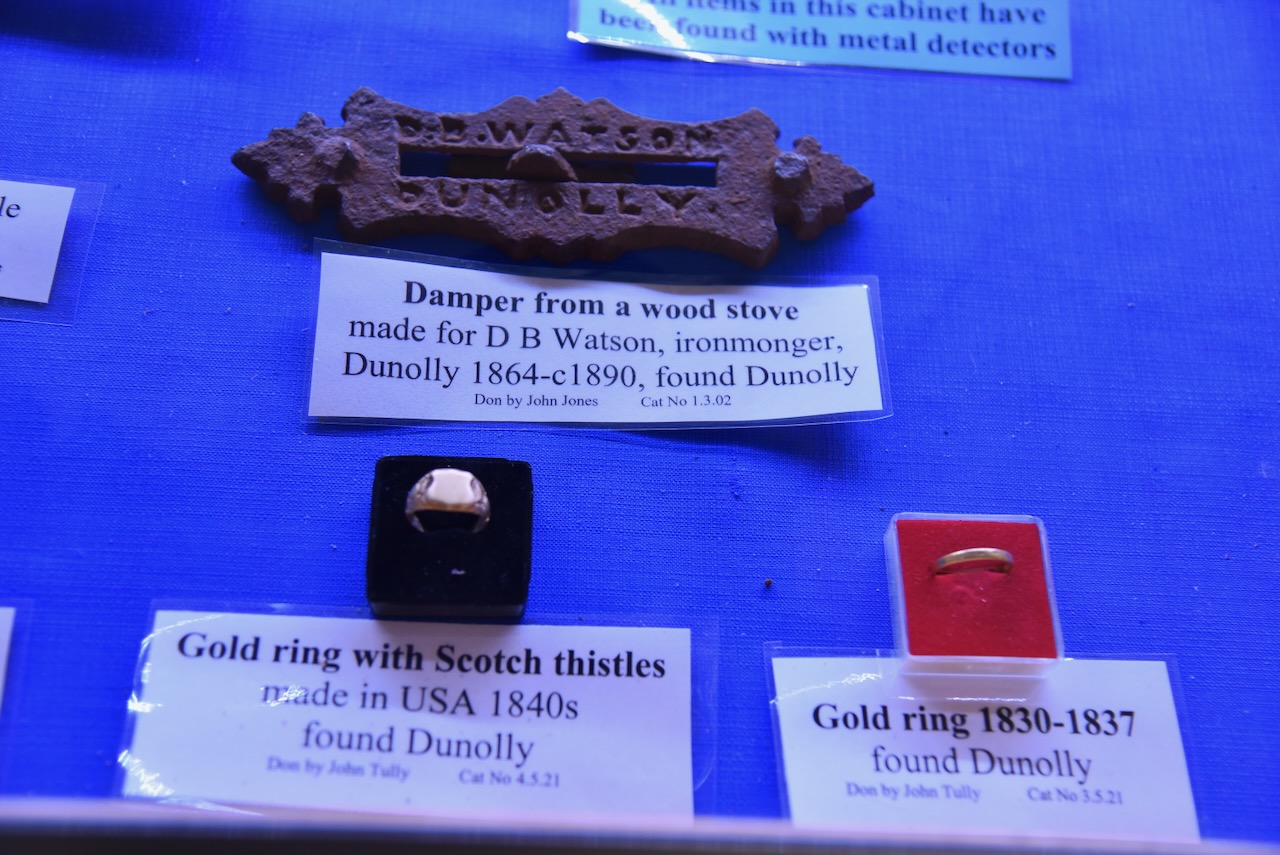
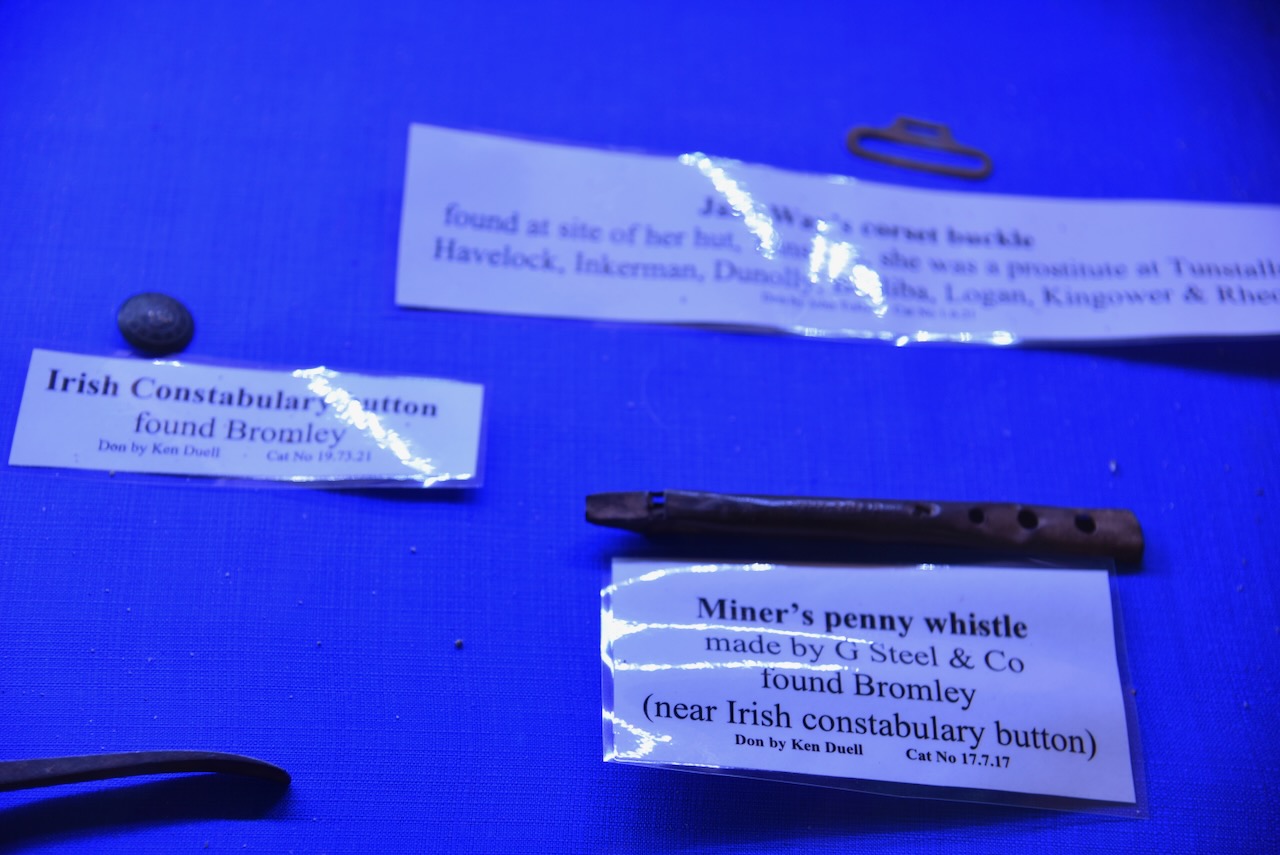
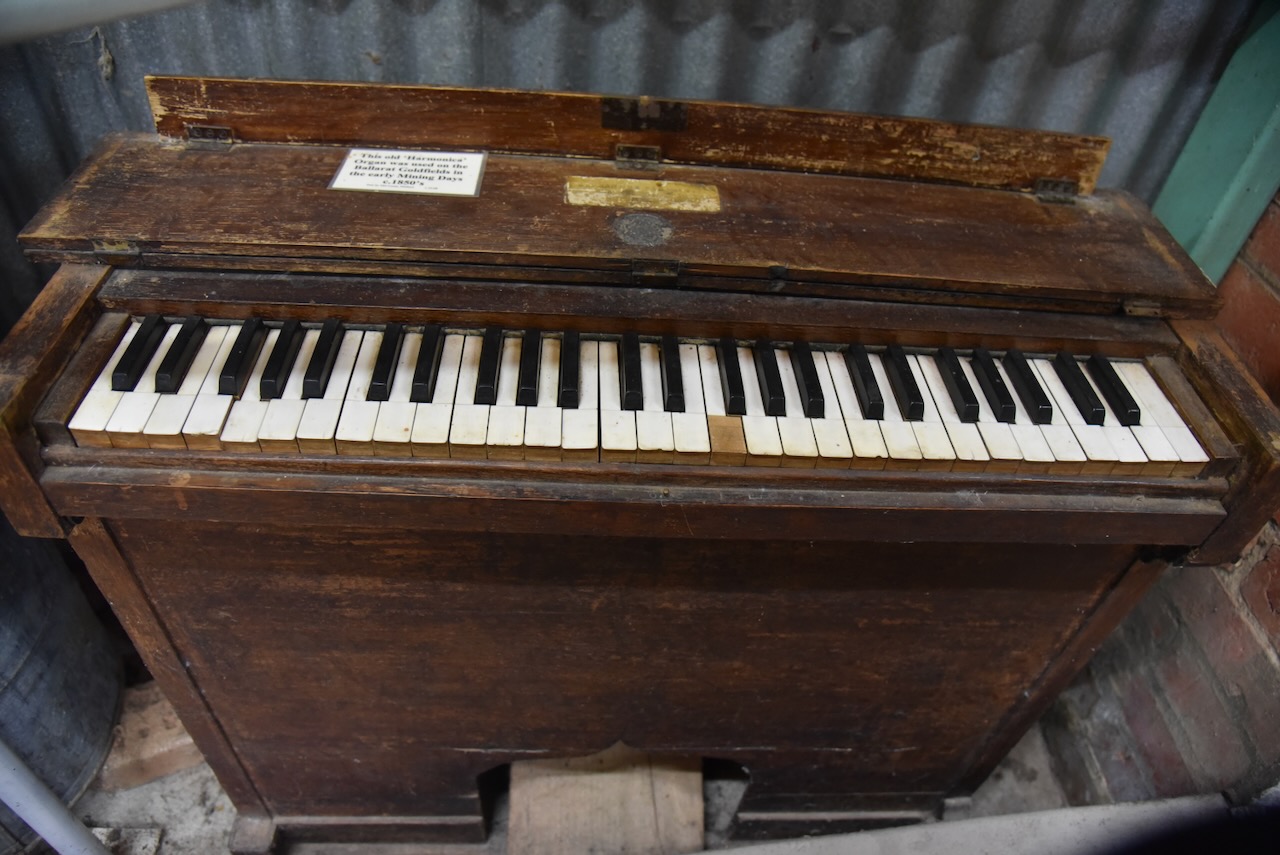
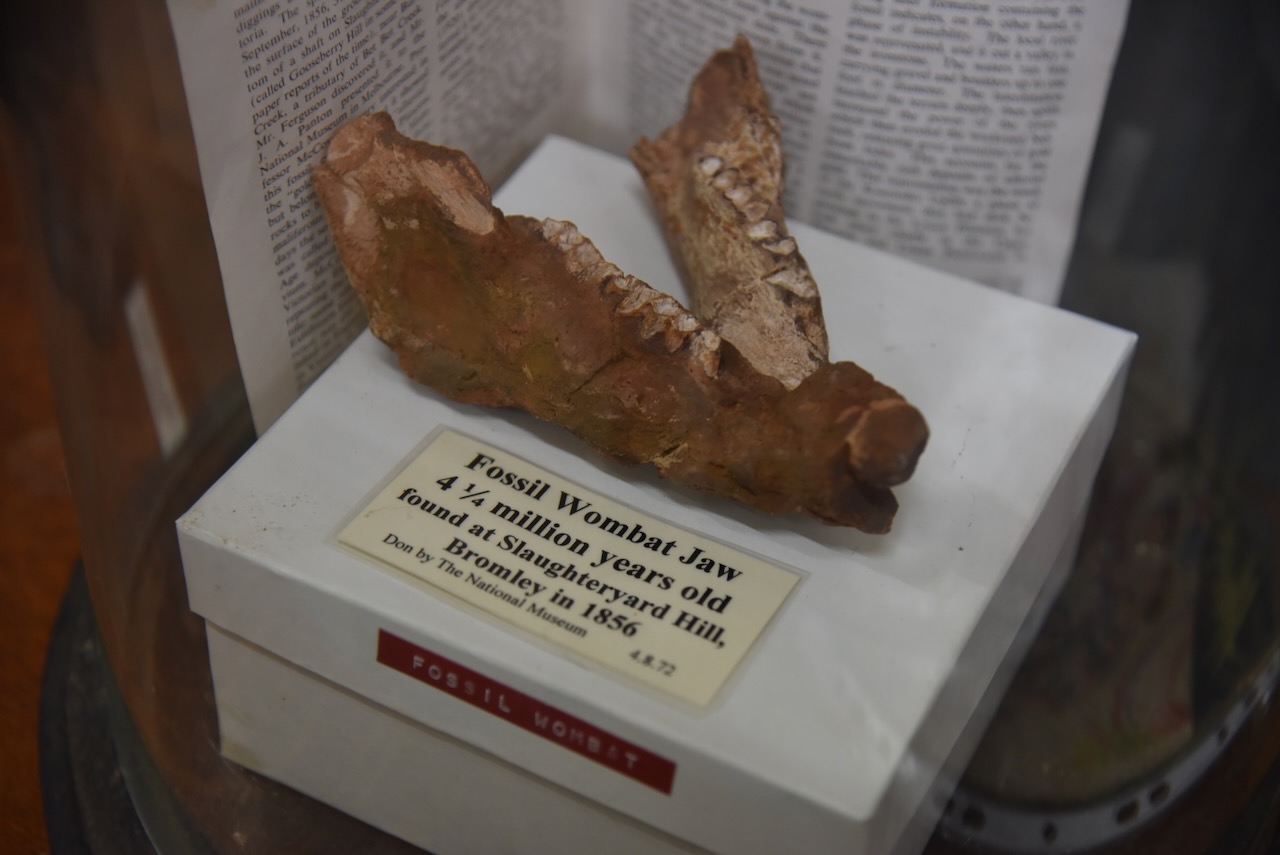
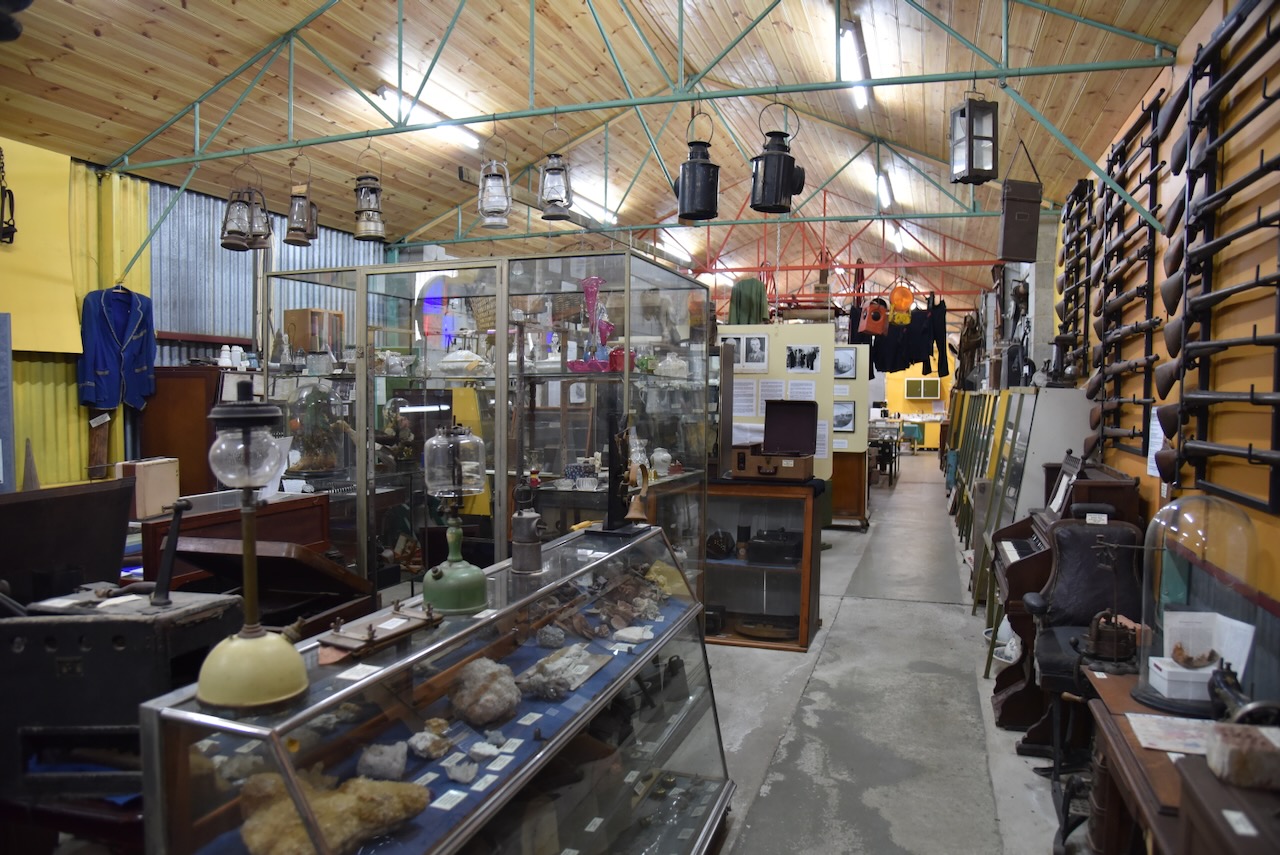
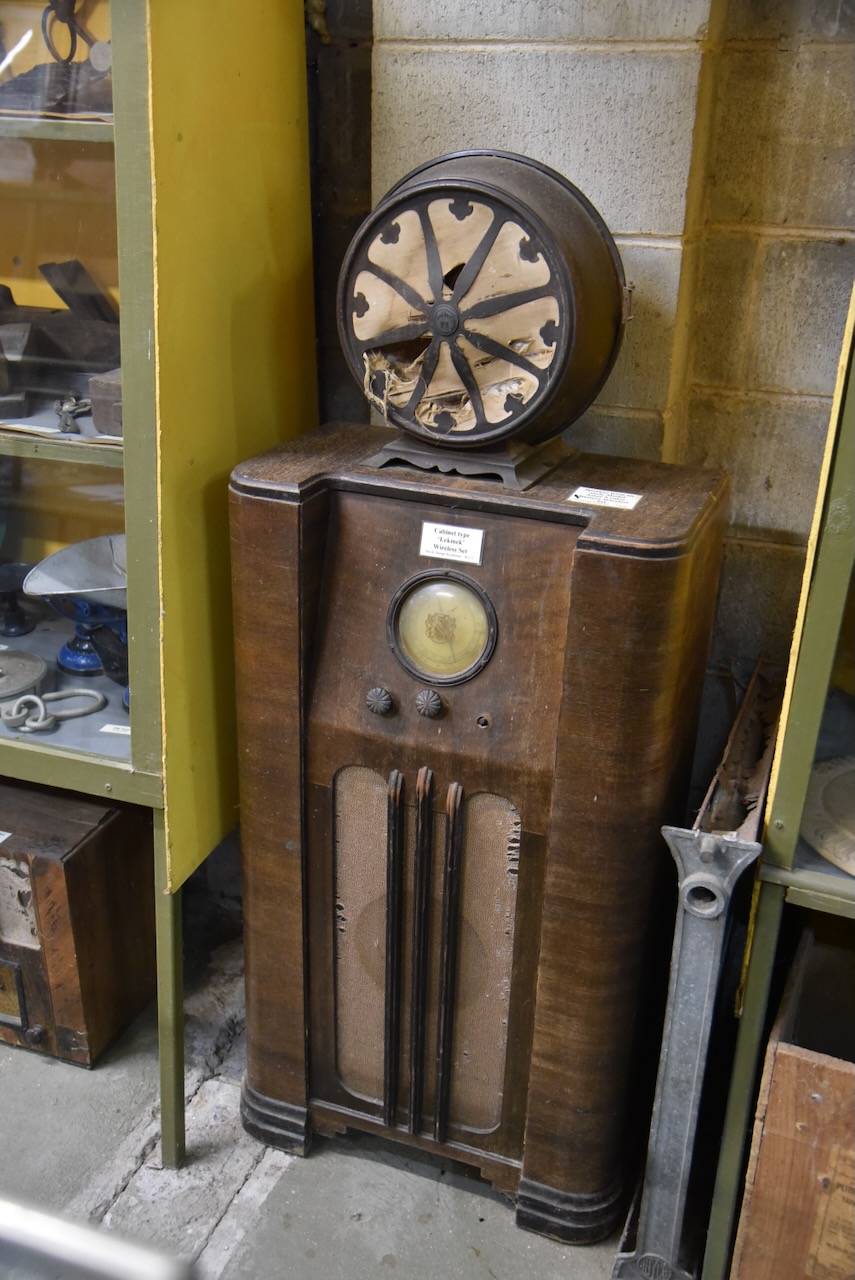
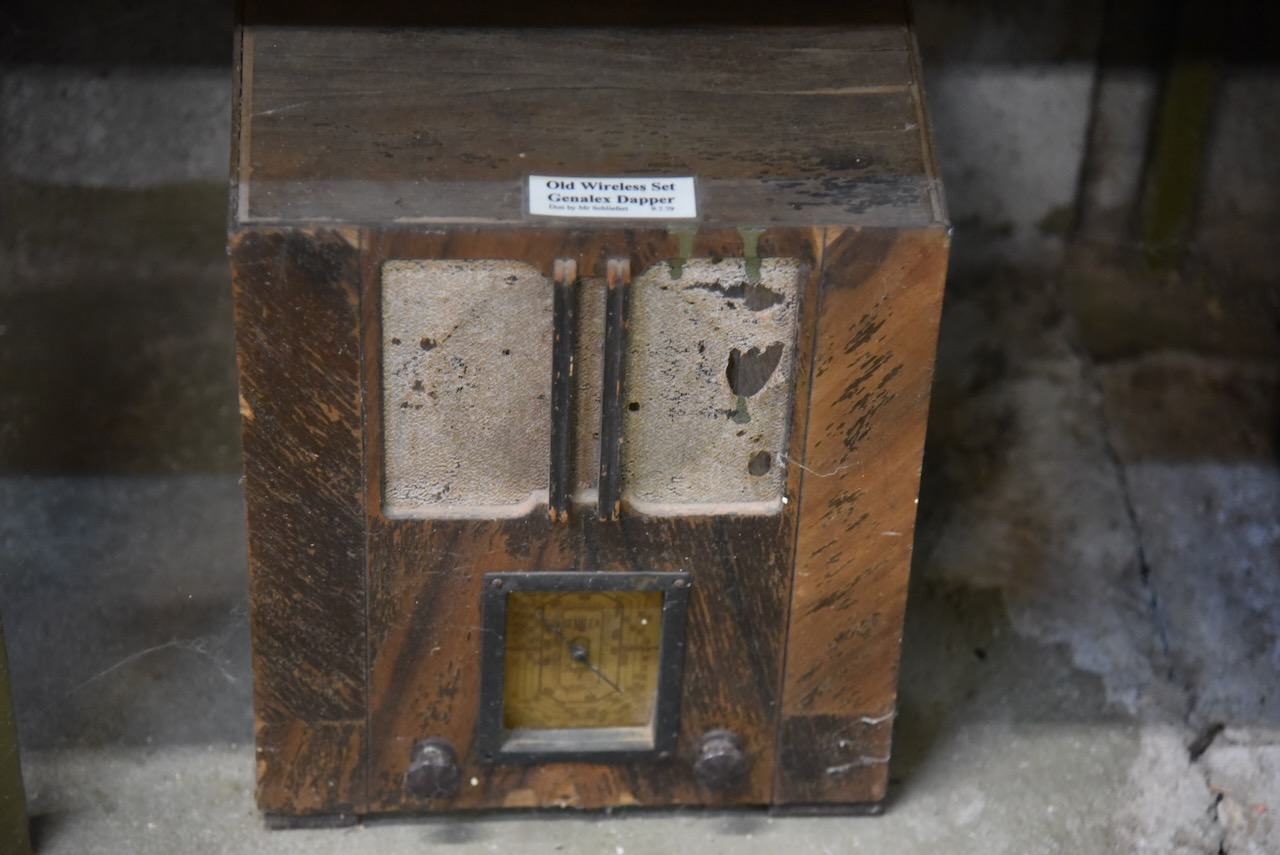
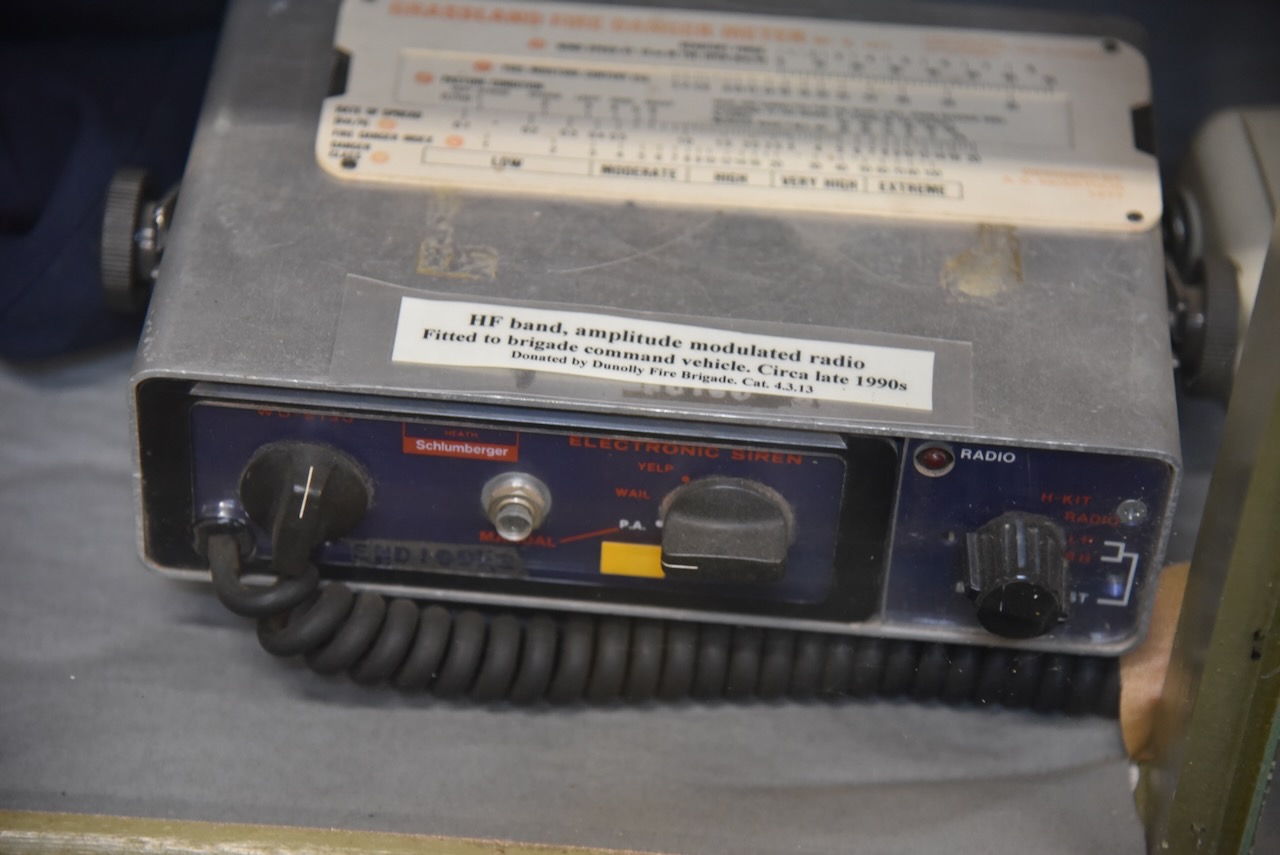
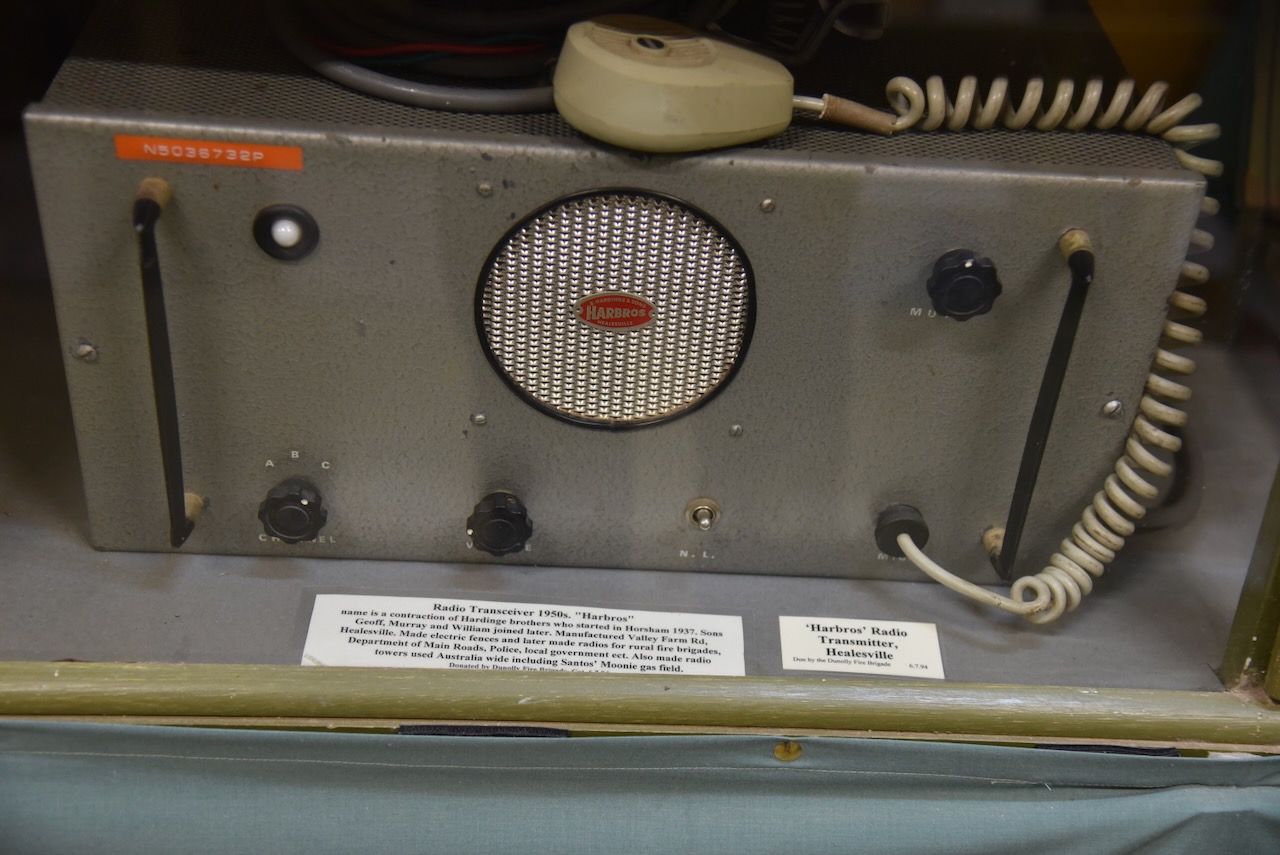
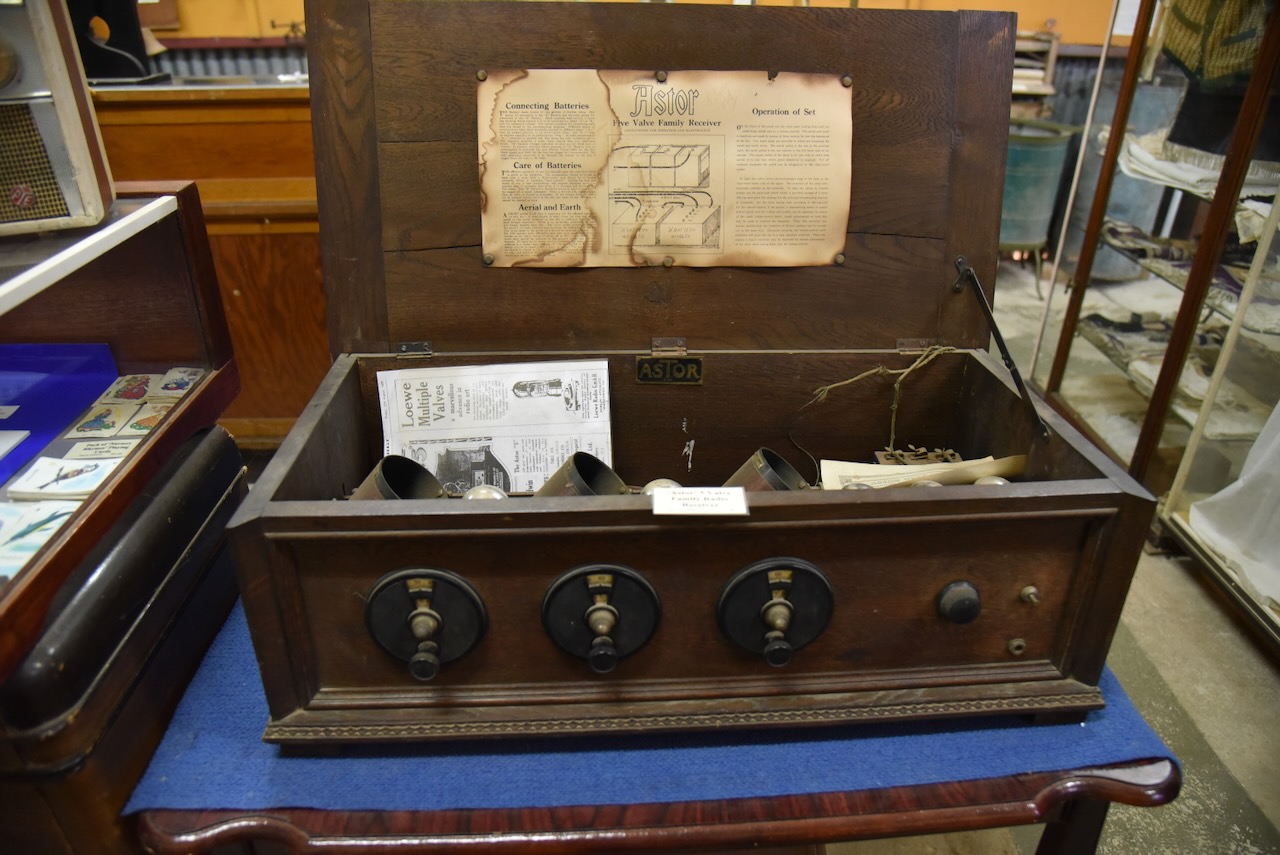
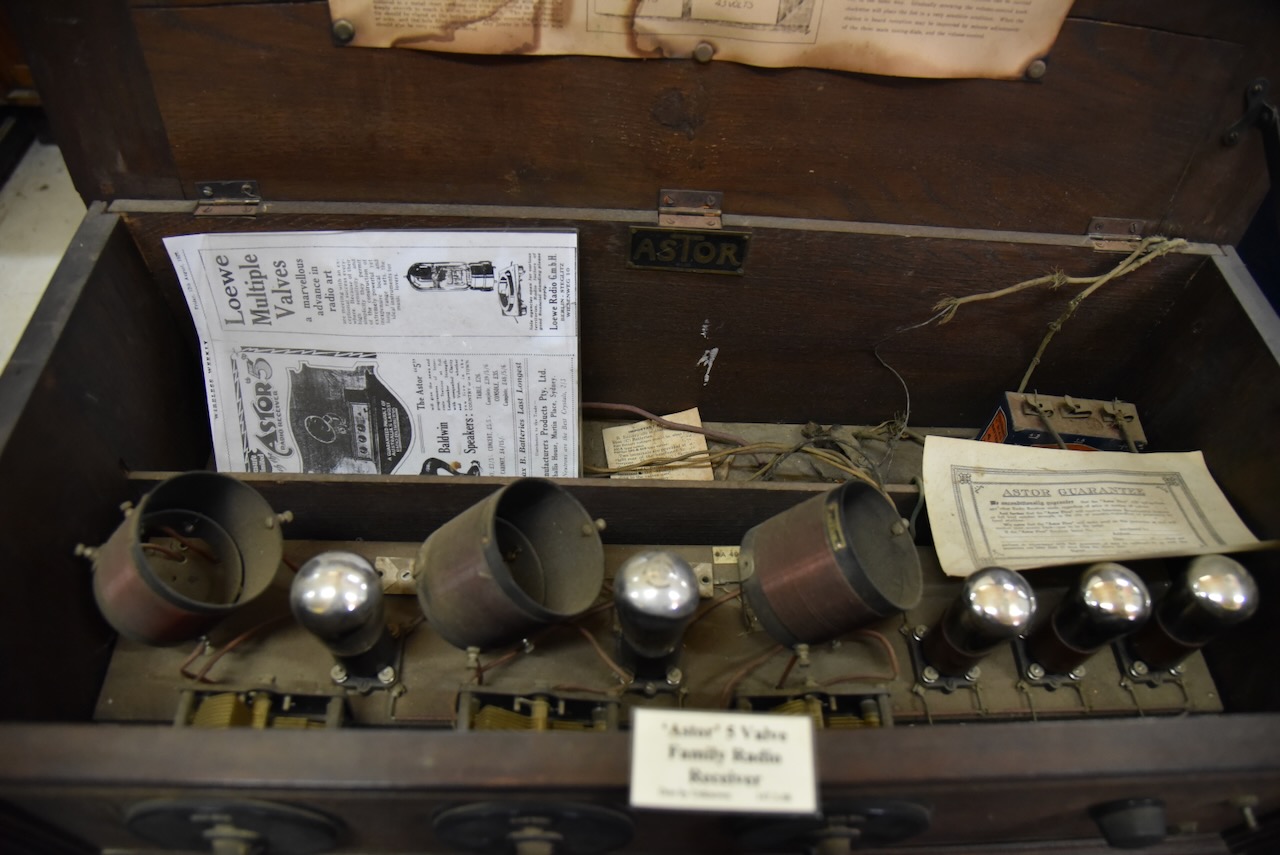
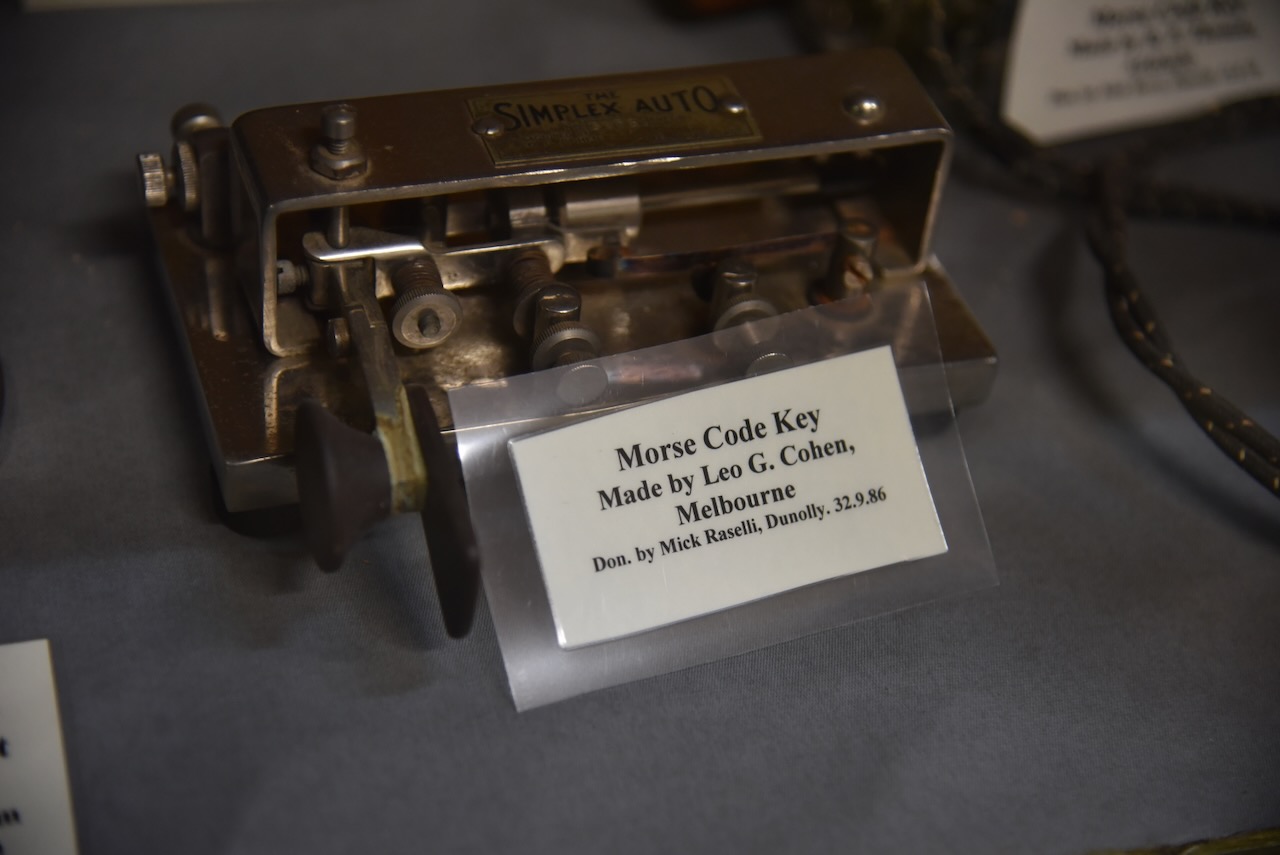
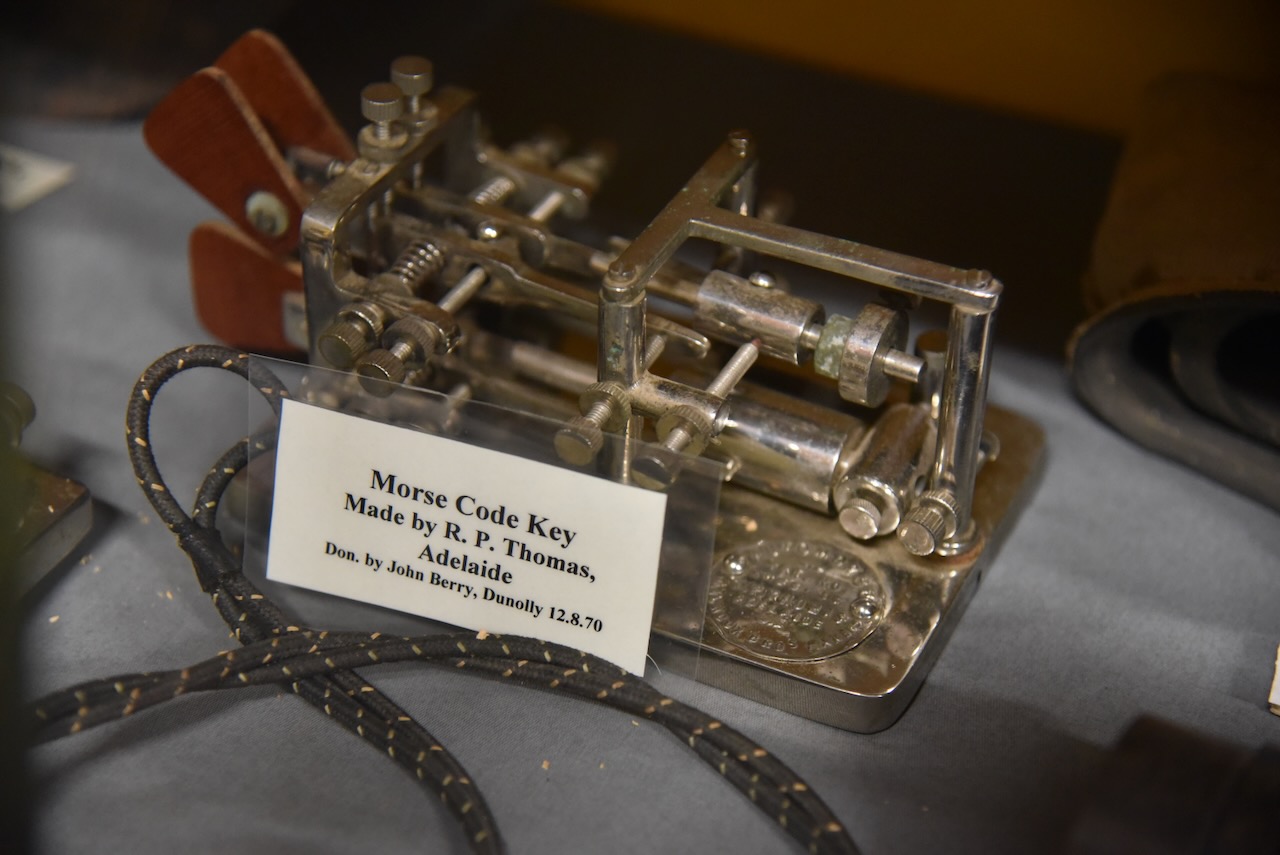
Upon arriving at Dunolly we visited the Dunolly Museum. What a magnificent little museum. It is operated by the Goldfields Historical & Arts Society and contains a magnificent collection of artefacts from the district. Marija and I spent about an hour wandering around inside looking at the various displays. (Dunolly Museum 2024)
The museum contained a number of old radios.
And even some old Morse Code keys.
Below is a great video about the Dunolly Museum.
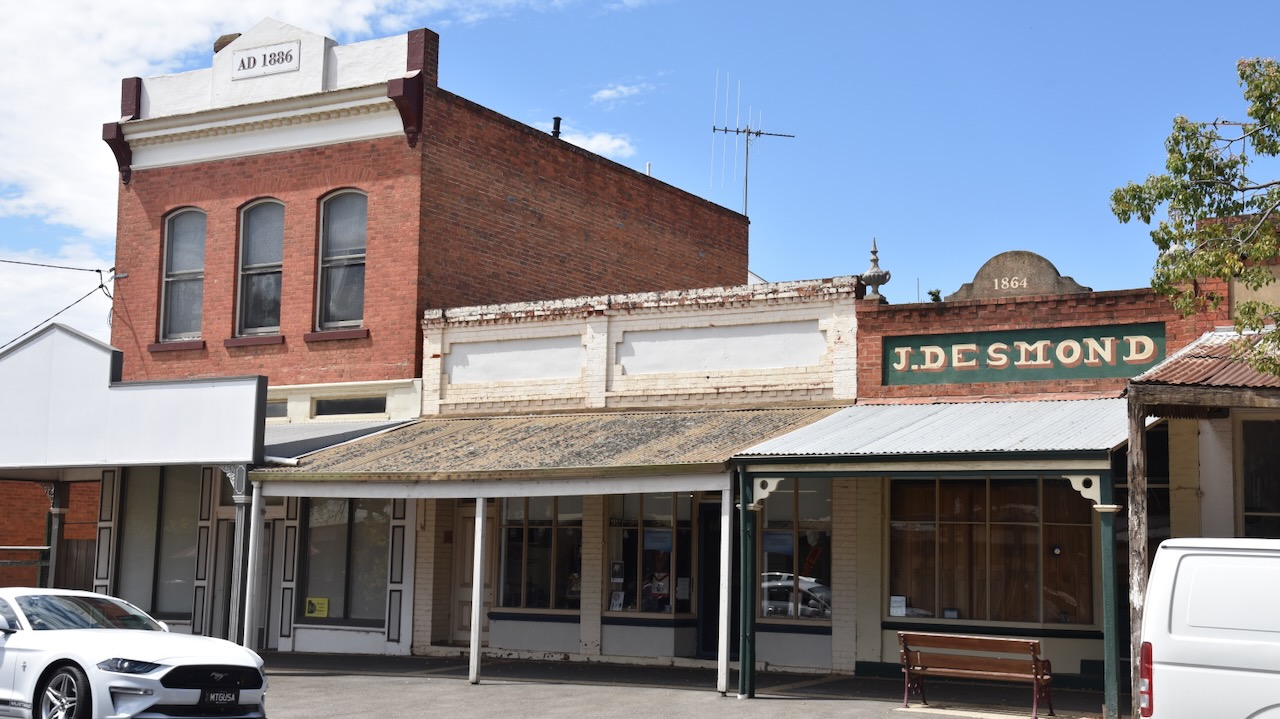
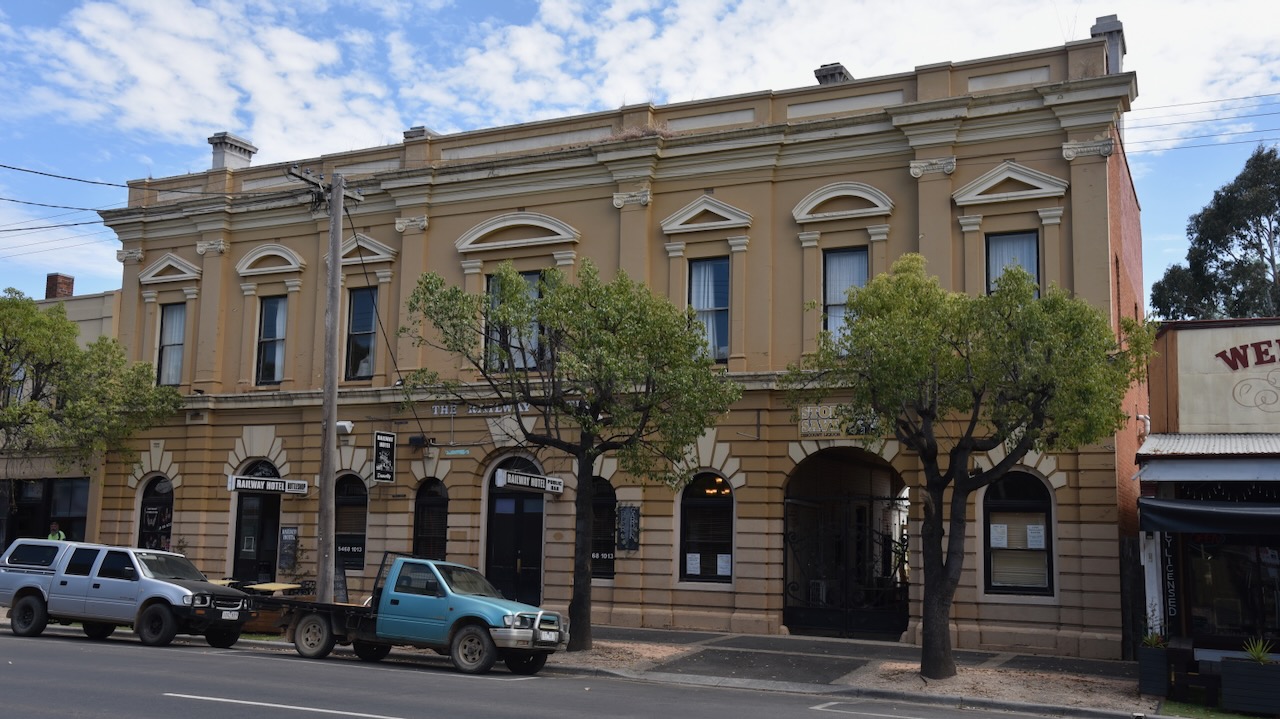
After leaving the museum we wandered around the main street of Dunolly admiring some of the magnificent 19th-century buildings.
In 1845 Archibald McDougall took up a pastoral run called Dunolly. He named it after Dunolly Castle in Oba, Scotland, which was the seat of the McDougall Clan. In 1852 gold was discovered at Moliagul, about 14 km north-west of Dunolly. McDougall’s property was situated about halfway between Moliagul and Dunolly. In 1854 McDougall sold the pastoral run to Henry Simson who subdivided the run for settlement. Unfortunately for Simson, those seeking dold moved through and beyond his subdivision. In 1856 gold was found in an area north of the current day Dunolly. This gold field was known as old Dunolly. (Victorian Places 2024)
Those in search of gold followed the valley of Burnt Creek which runs around the west and south side of present-day Dunolly. The Dunolly-Moliagul district became well known for large gold nuggets and in 1857 recorded the largest gold production per capita of any gold mining town in Victoria. (Victorian Places 2024)
Following the discovery of gold, a police camp was established at old Dunolly. The permanent township of Dunolly was surveyed further south and this quickly grew into a thriving town. In 1857 an Anglican school was opened, and the borough council was proclaimed on the 21st day of May 1858. In 1860 a hospital was built and this was followed by a courthouse in 1862. (Victorian Places 2024)
The Australian Handbook of 1875 described Dunolly as follows:-
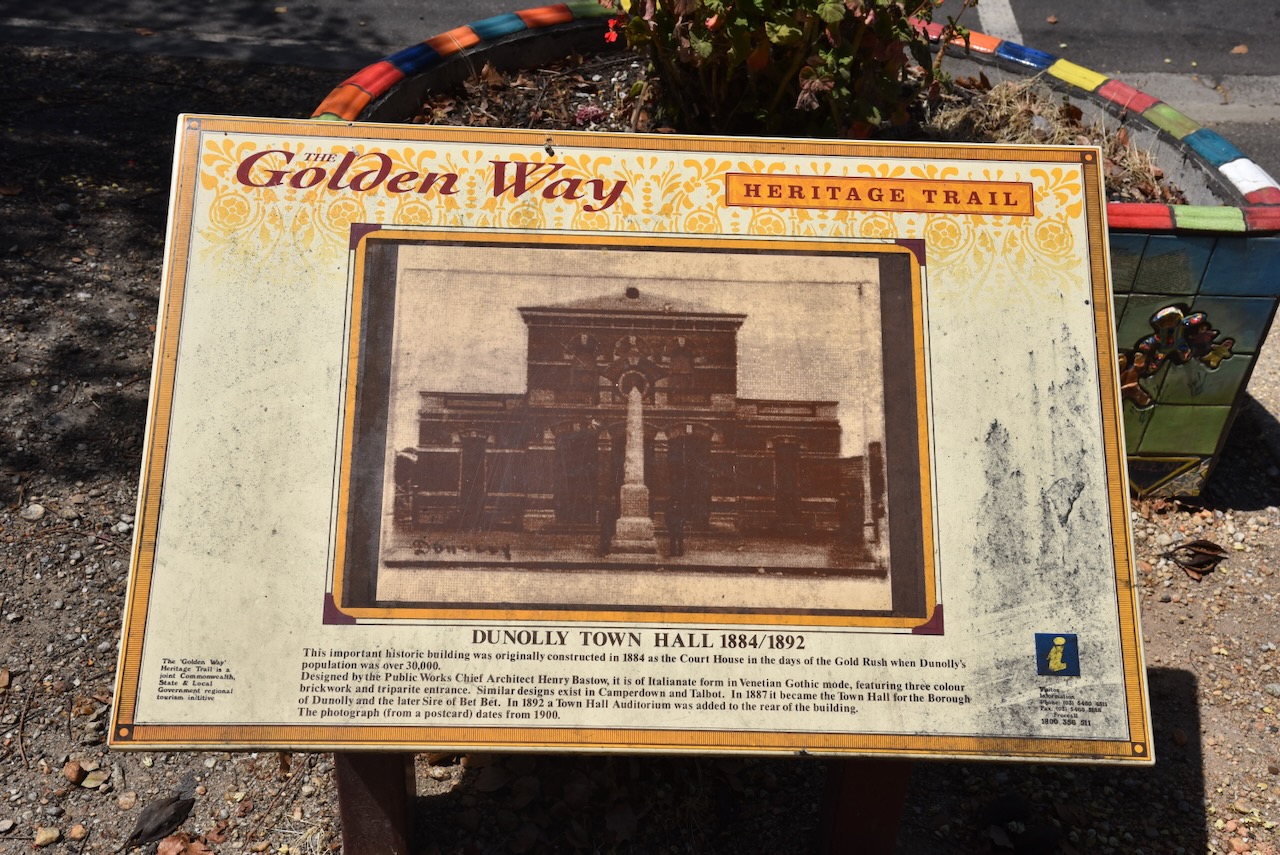
The Dunolly Town Hall was originally constructed as a courthouse in 1884. However, the Judge complained about the acoustics of the building. As a result, a swap was made. The court moved into the old town hall and the council moved into the court structure in 1890. The building was designed by John R Brown of the Public Works Department. (Aussie Towns 2024)
Dunolly is a very historic town and you can spend a long time here wandering around the town admiring the numerous historic buildings.
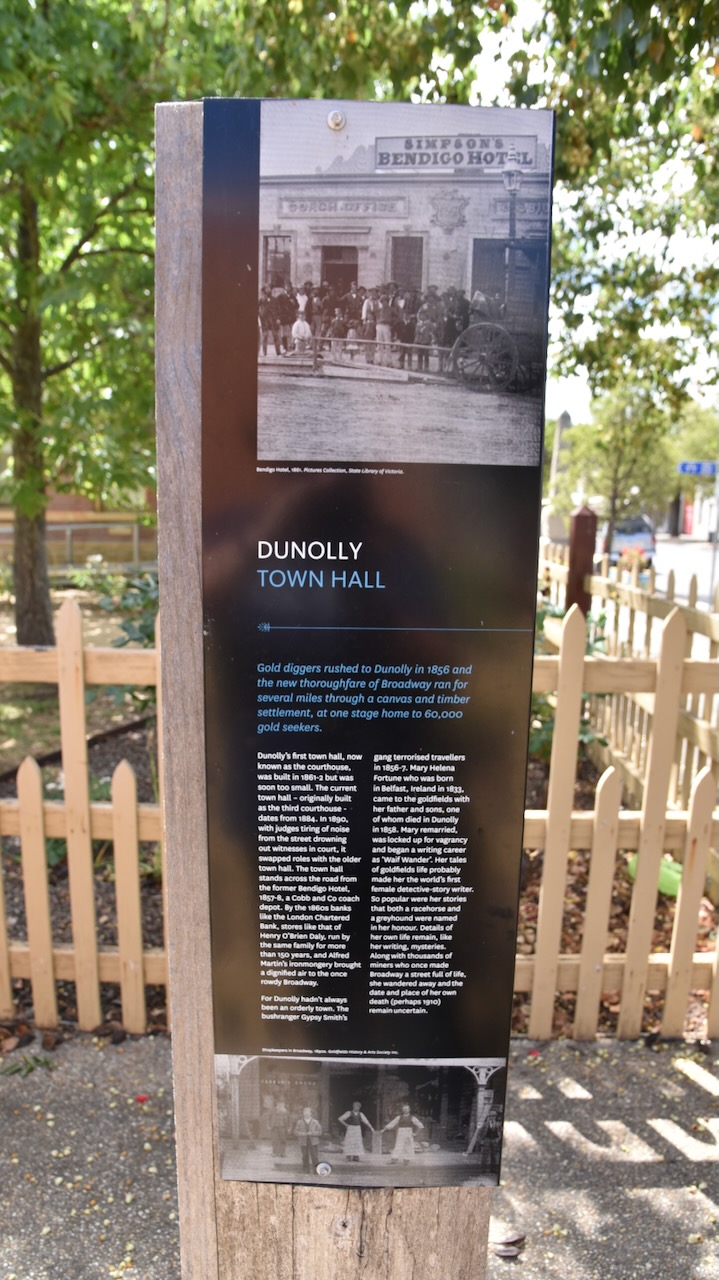
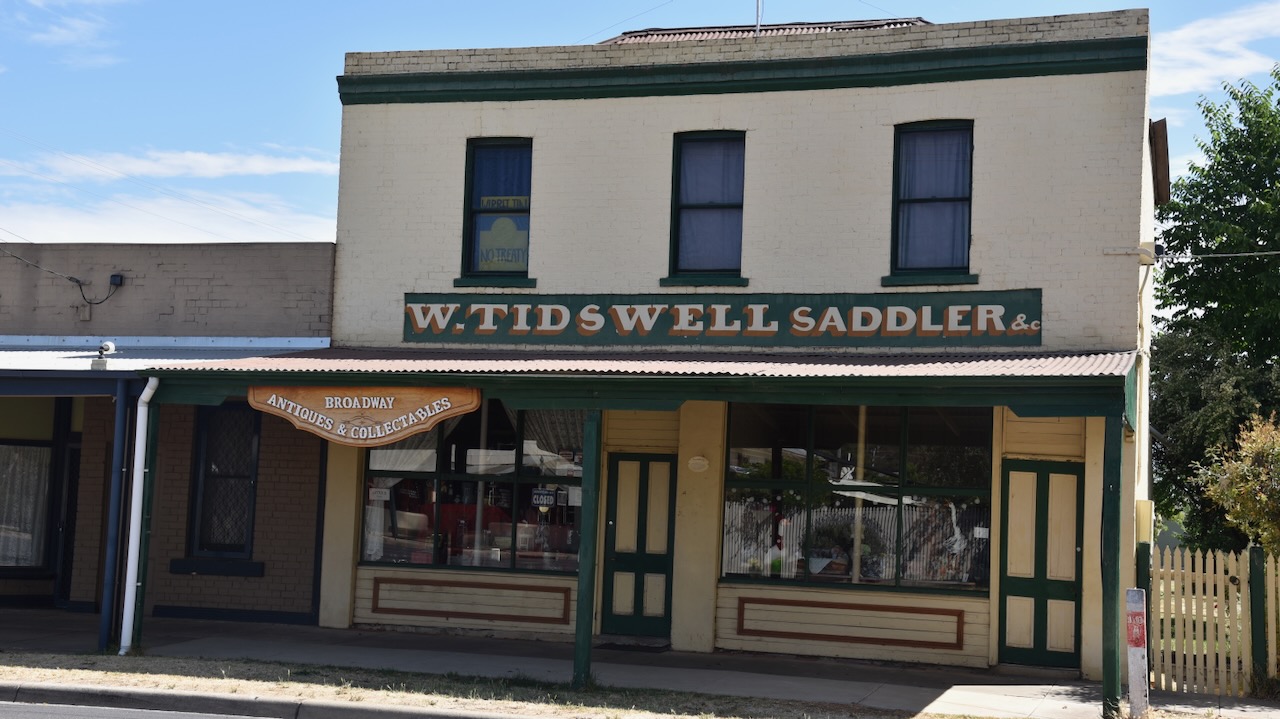
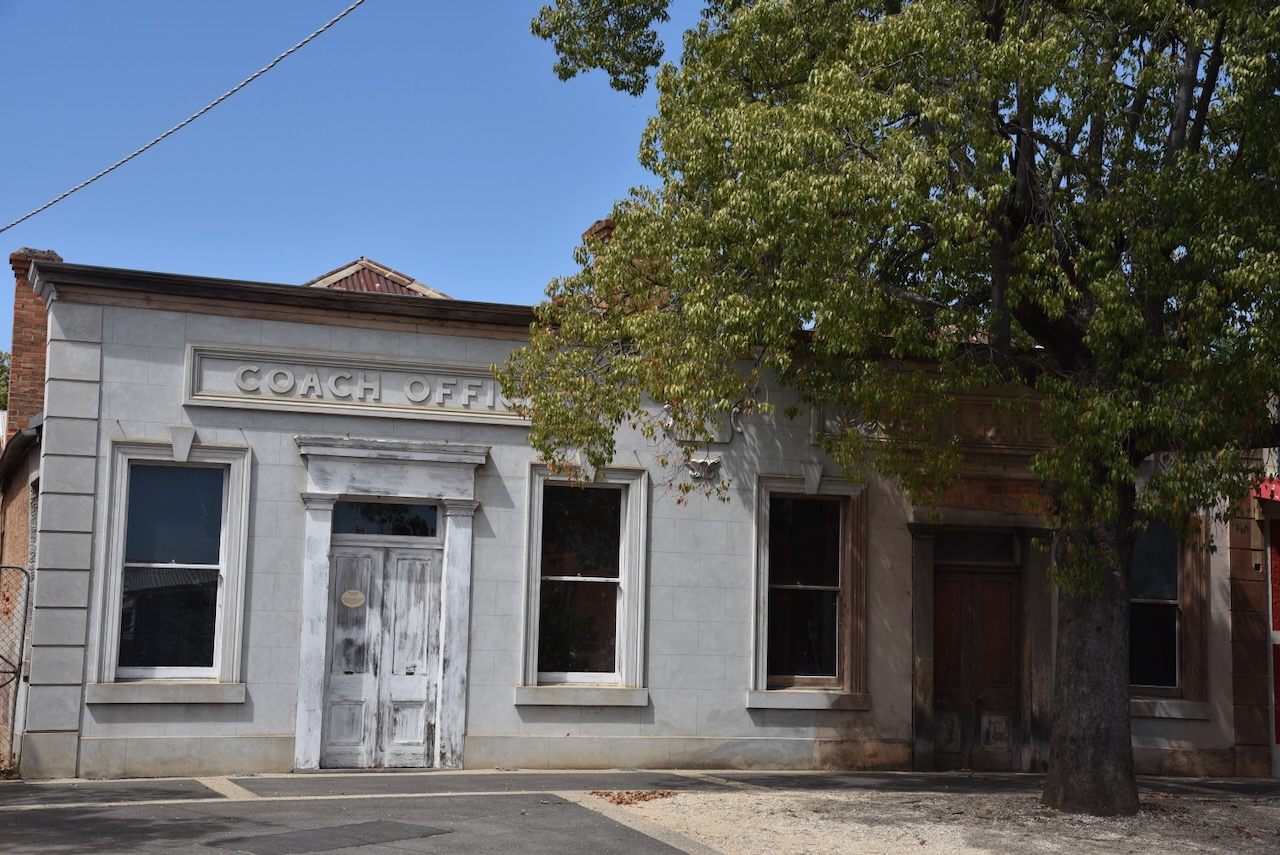
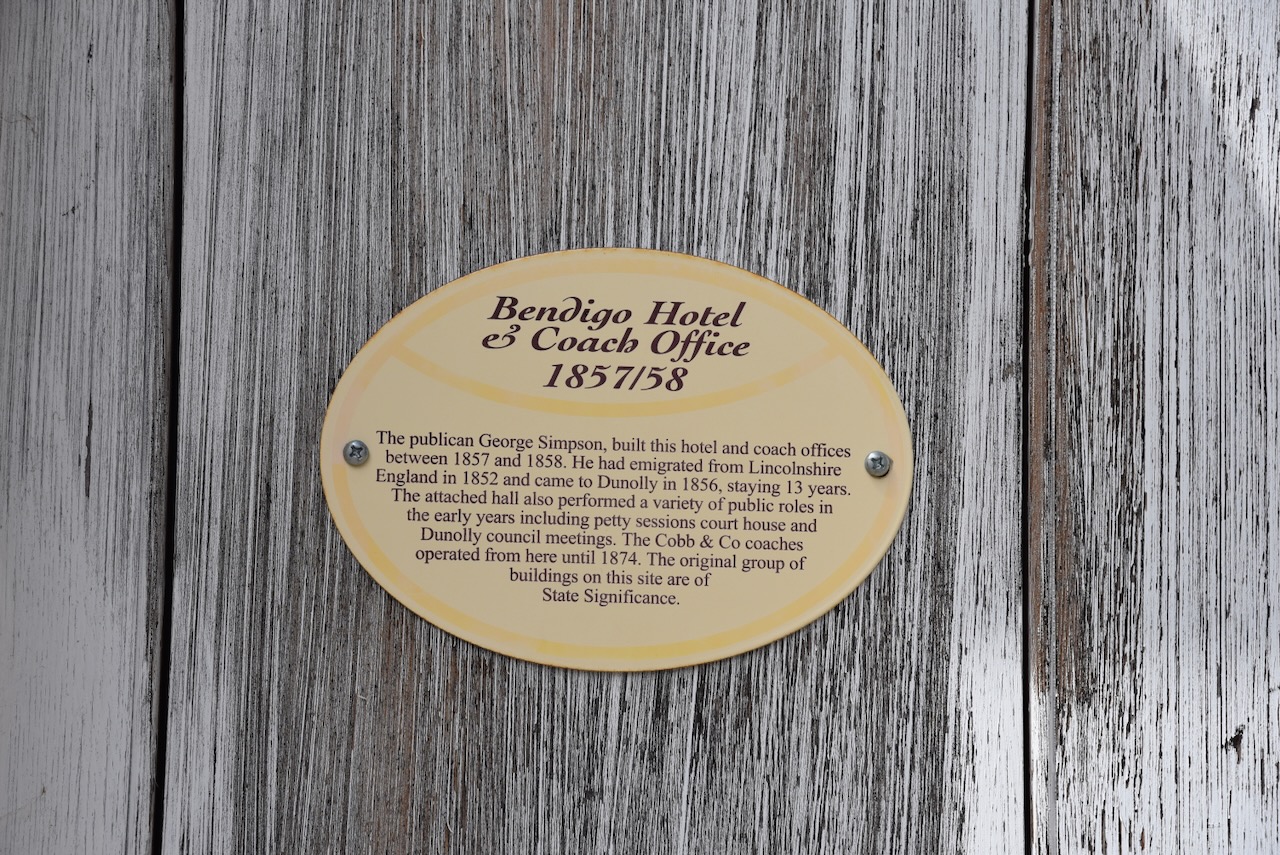
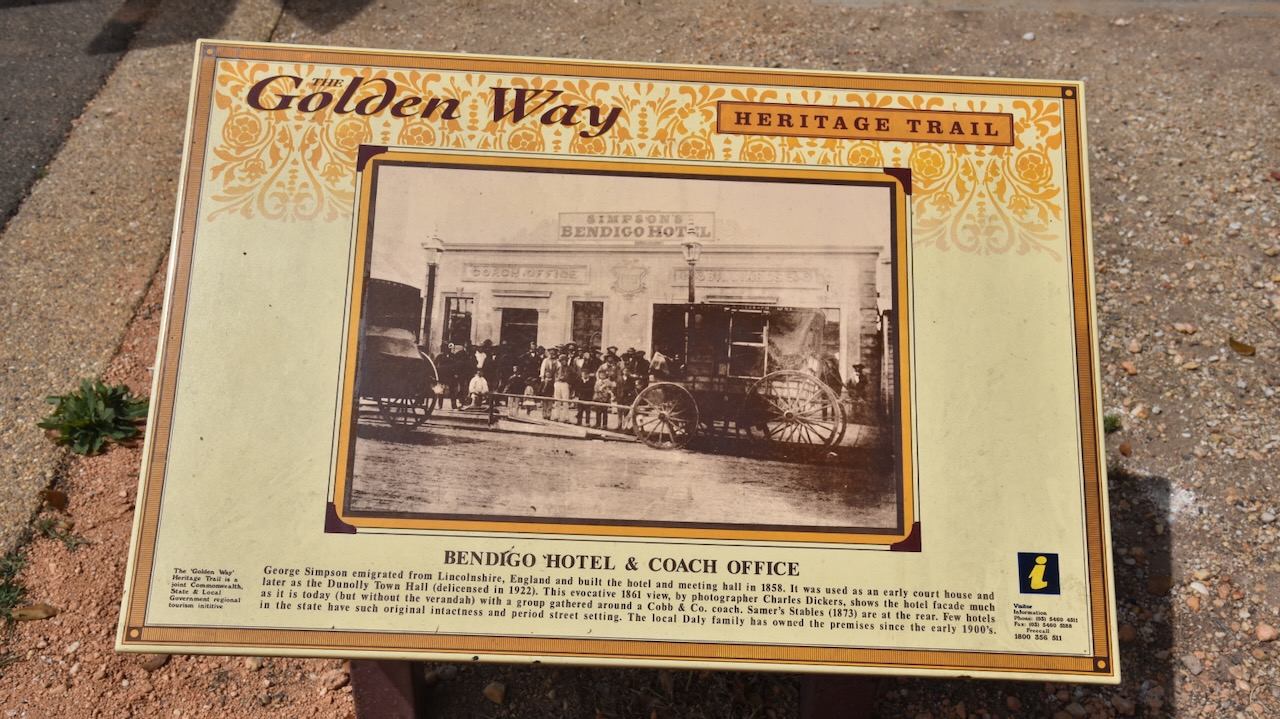
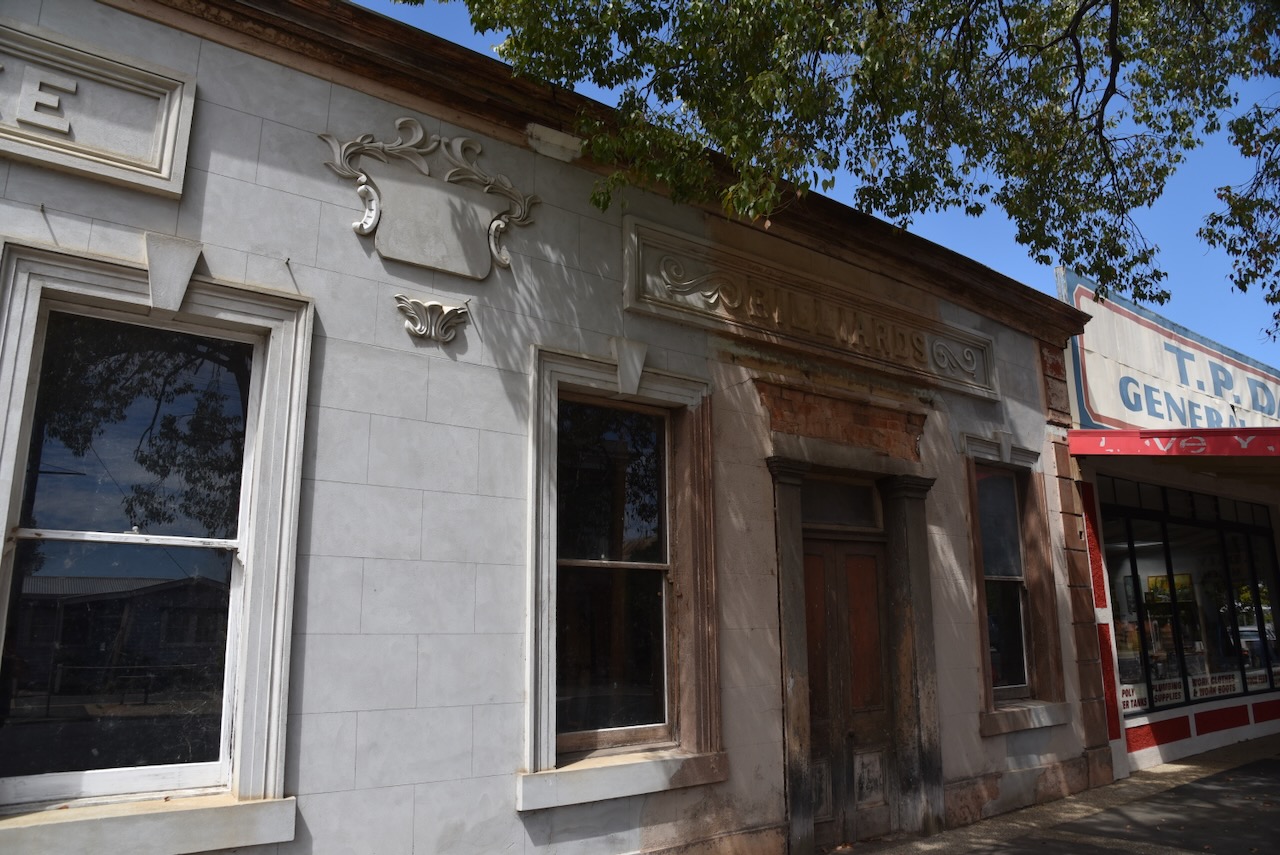
In 1852 George Simpson emigrated to Australia from Lincolnshire England and in 1856 he arrived in Dunolly. In 1858 he built the Bendigo Hotel, Meeting Hall and Coach offices. It was used as an early courthouse and later as the Dunolly Town Hall. Cobb and Co coaches operated from the premises until 1874.
Above:- The Bendigo Hotel, 1861. Image c/o State Library of Victoria
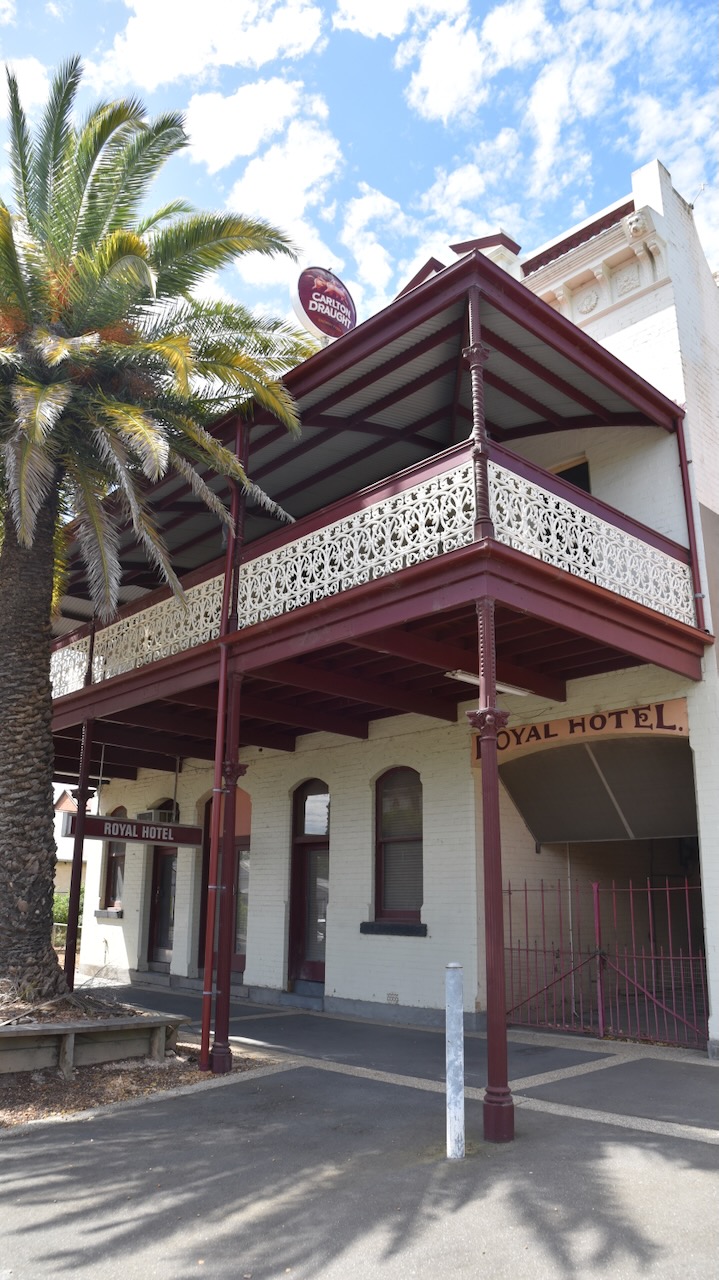
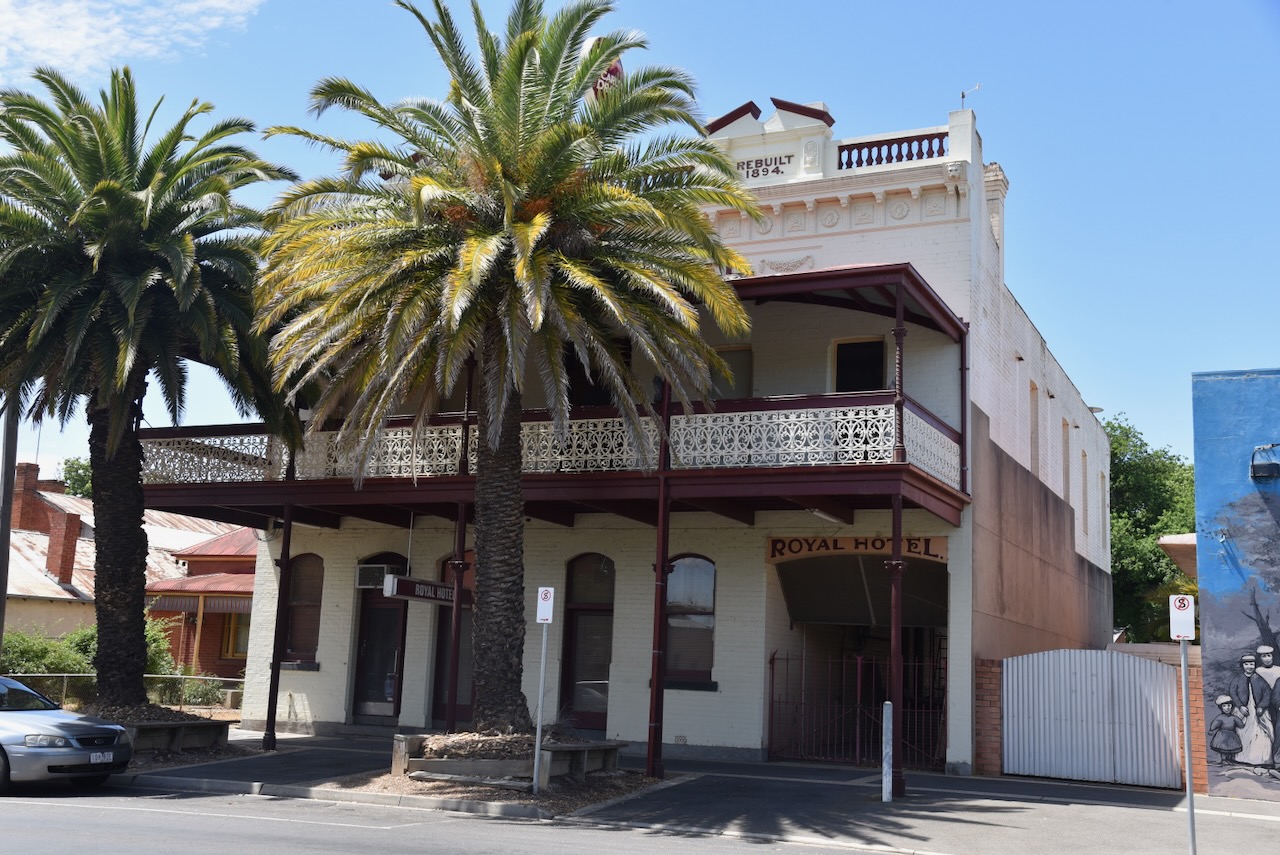
The current Royal Hotel was built in 1894. The first hotel on this site was Isaac Ray’s canvas Live and Let Live Hotel built in 1856 which burnt down in 1857. It was rebuilt as a weatherboard building and was renamed the Royal Hotel. (Dunolly Museum Facebook 2024)
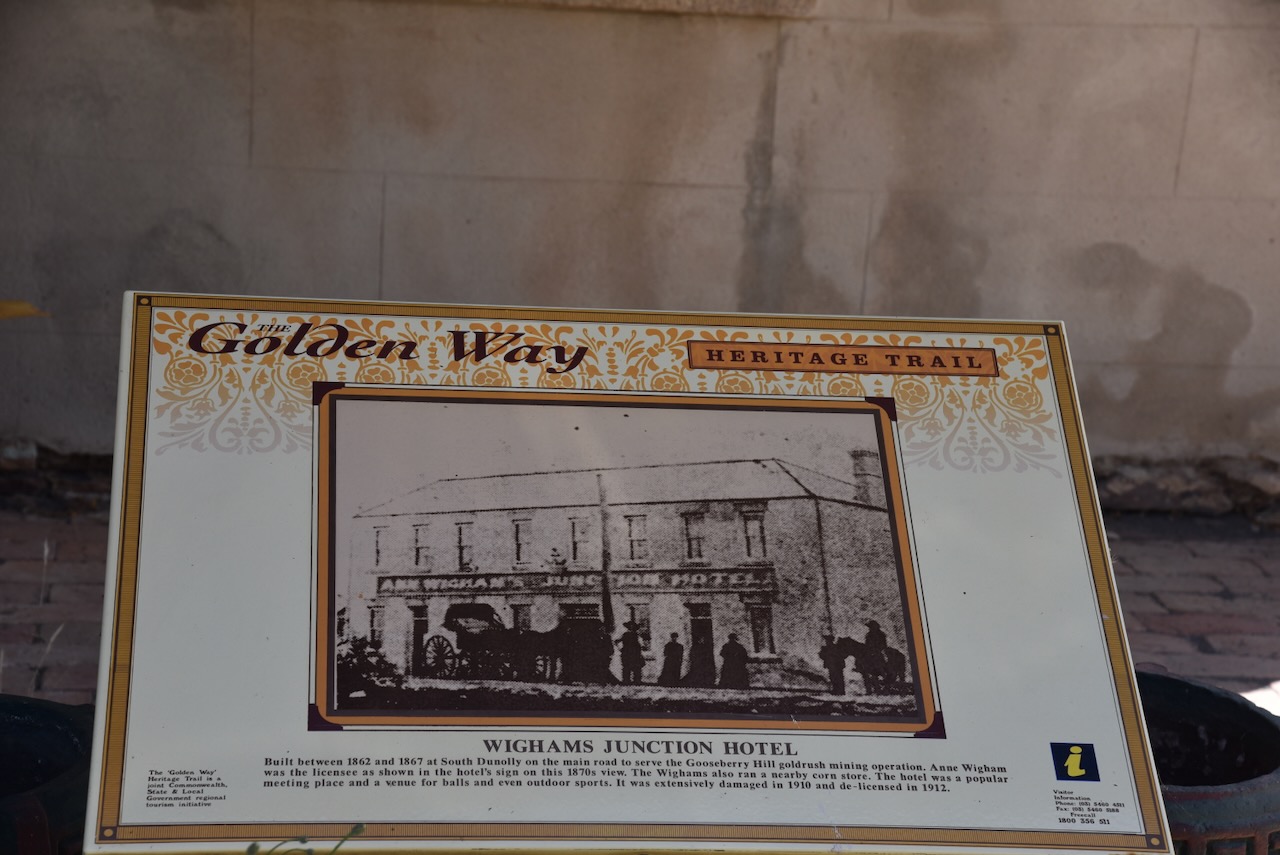
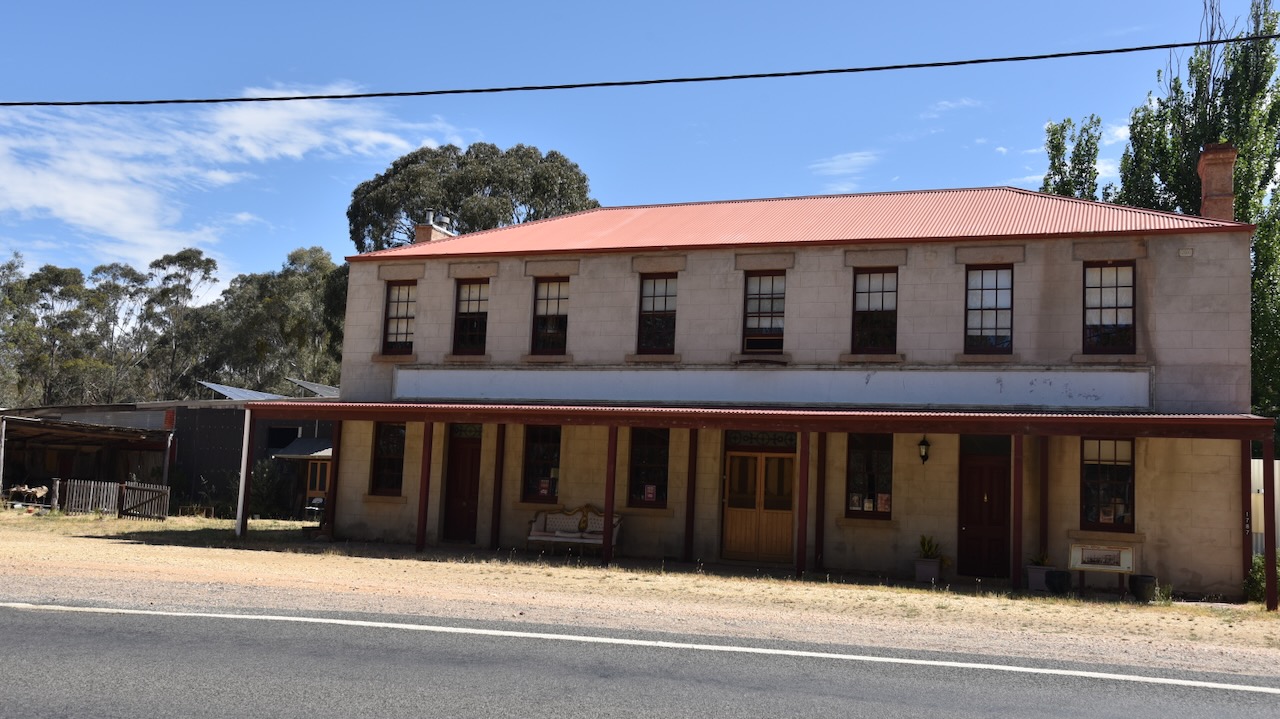
Wighams Junction Hotel was built between 1862 and 1867 at South Dunolly on the main road to serve the Gooseberry Hill gold rush mining operation. William and Anne Wigham were the hotel’s first licensees. The Wigham family also operated a nearby corn store. The hotel was a popular meeting place and a venue for balls. The hotel was severely damaged in 1910 and was de-licenced in 1912.
William Wigham was born in Glasgow Scotland in 1823. He was transported to Tasmania for ten years in October 1843 aboard the convict ship Lord Petre after being convicted for stealing a handkerchief, brandy, and a waistcoat. He married Ann Flanagan in Melbourne in 1854. By 1857 they had moved to Dunolly. (Ancestry 2024)
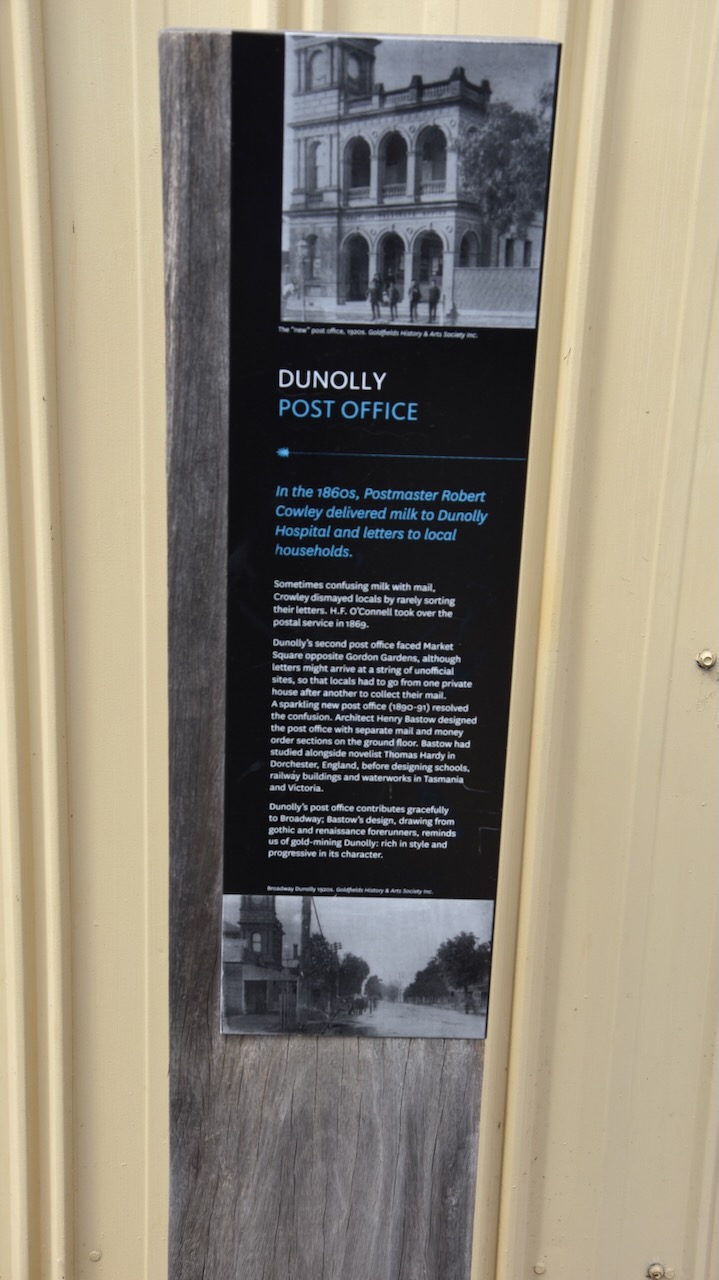
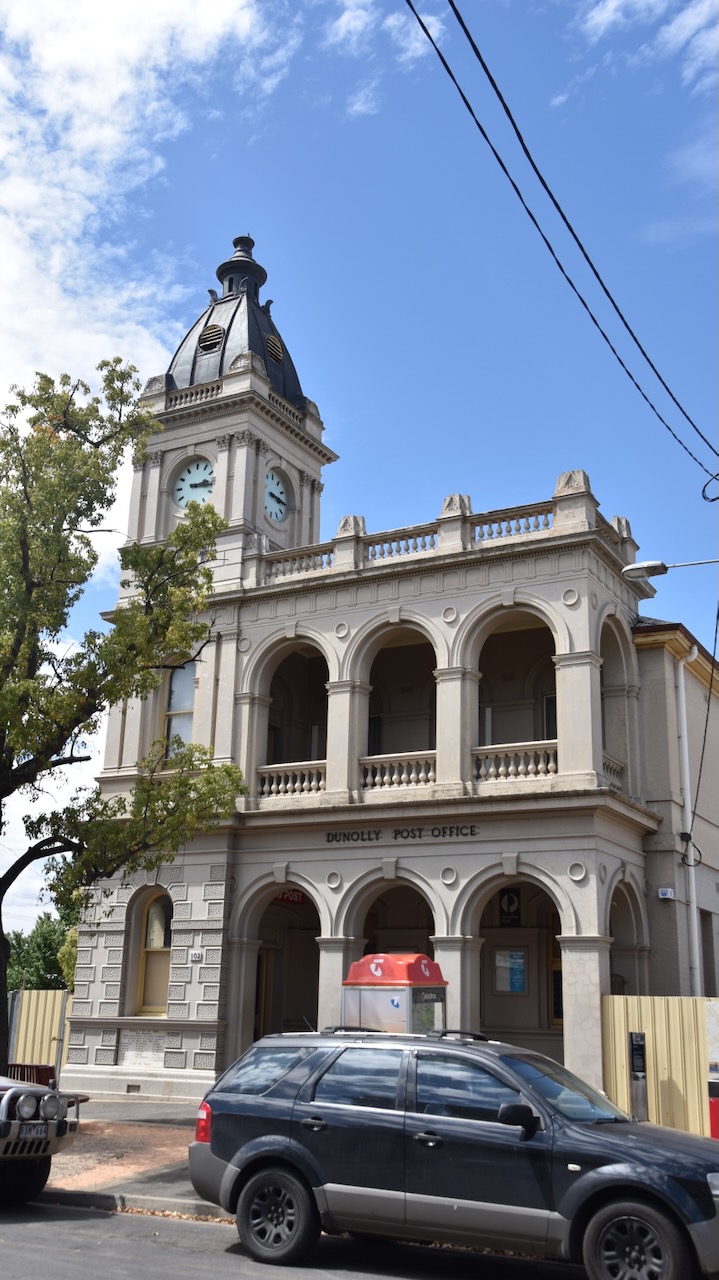
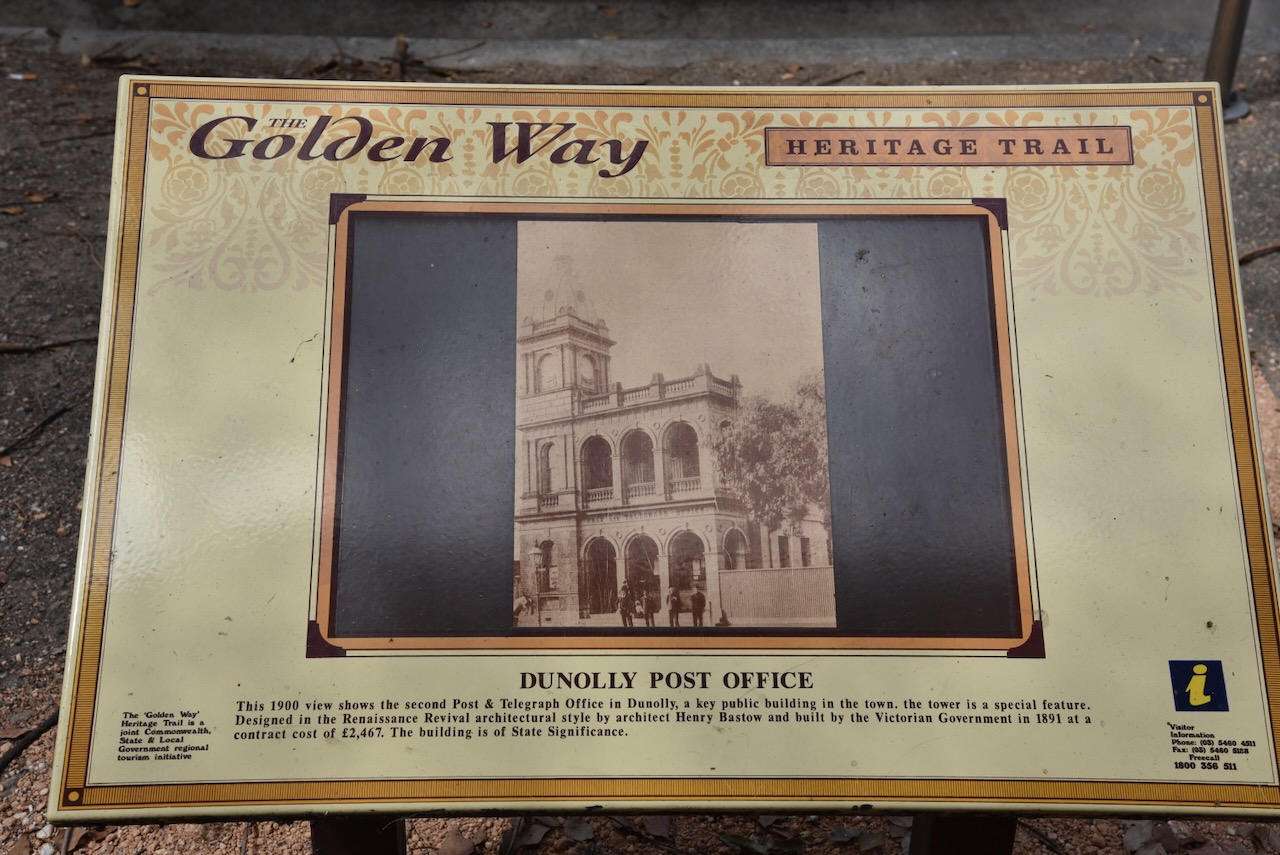
The Dunolly Post Office was designed by architect Henry Bastow and was built by the Victorian Government in 1891 at a contract cost of 2,467 pounds.
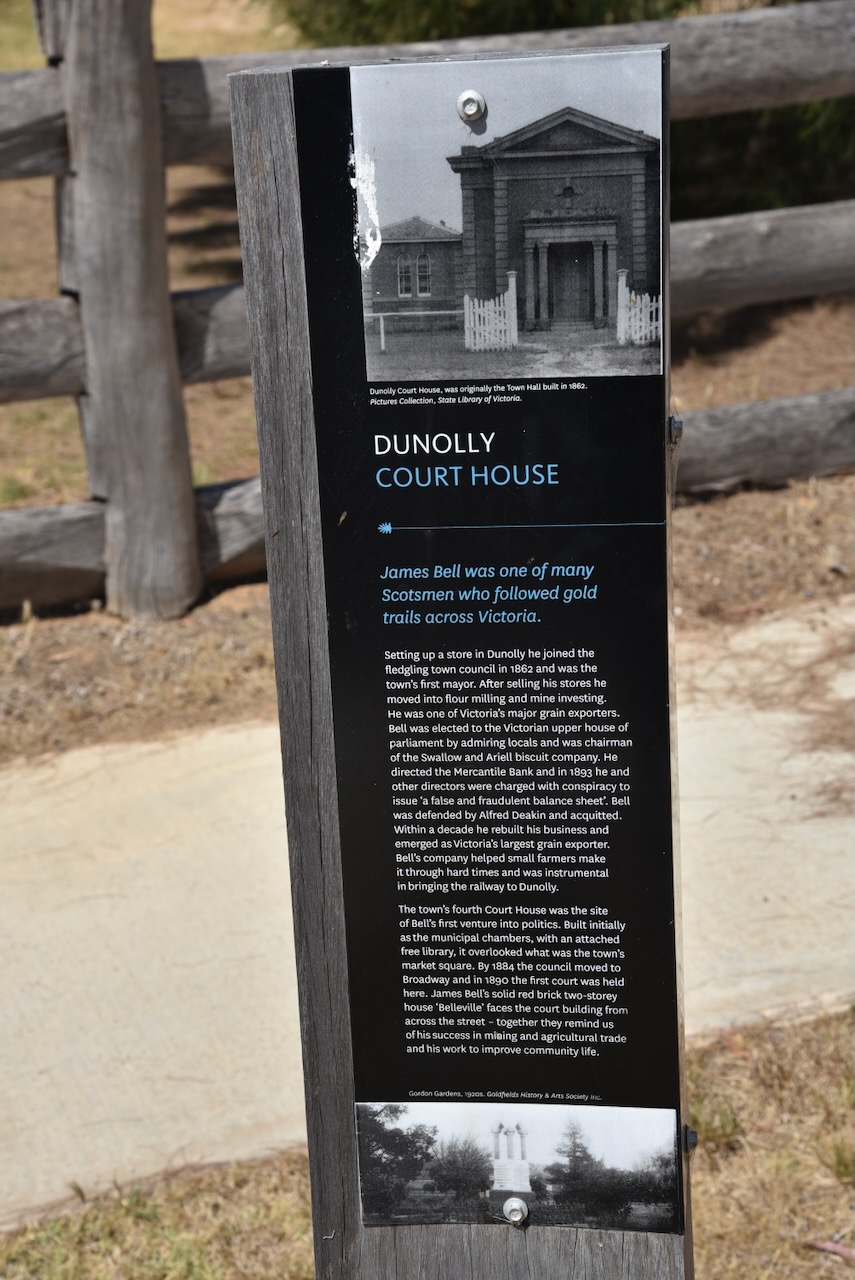
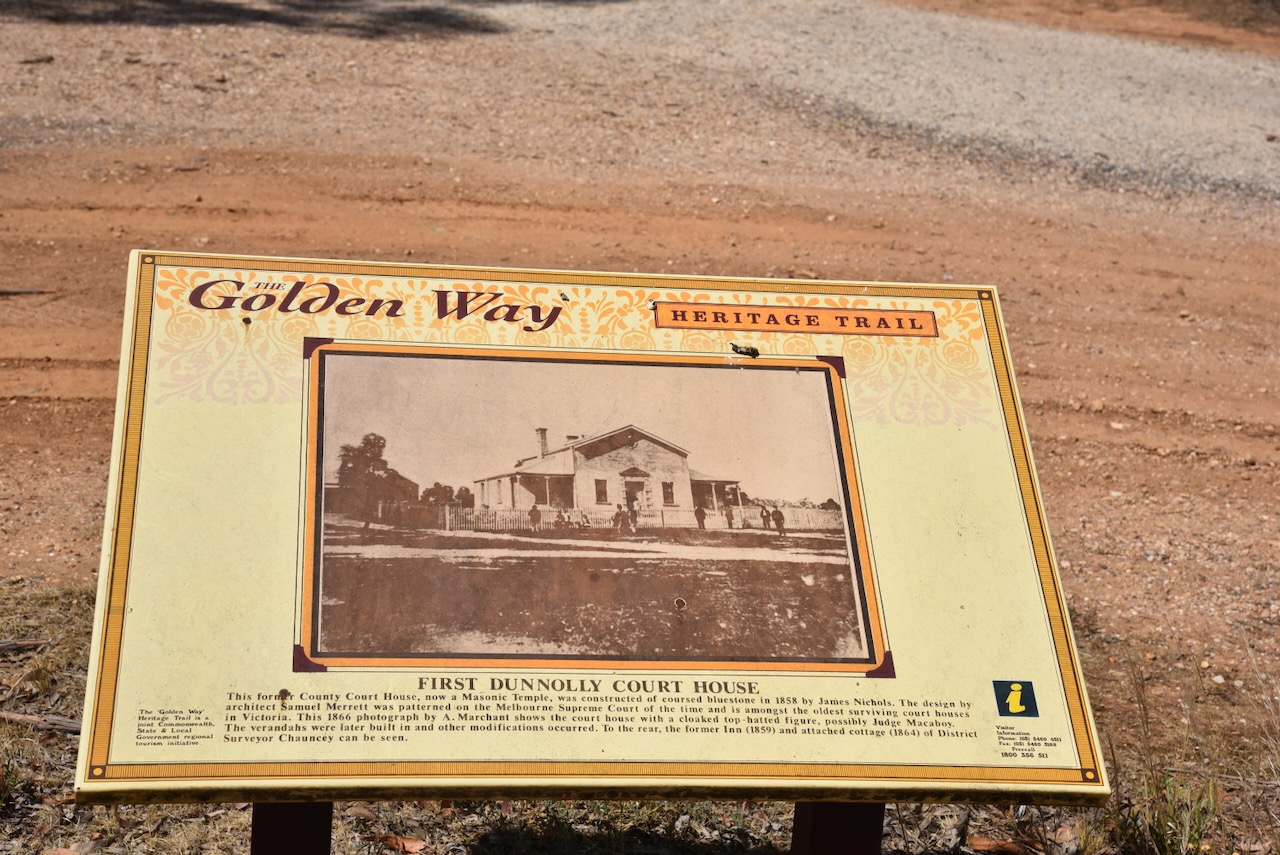
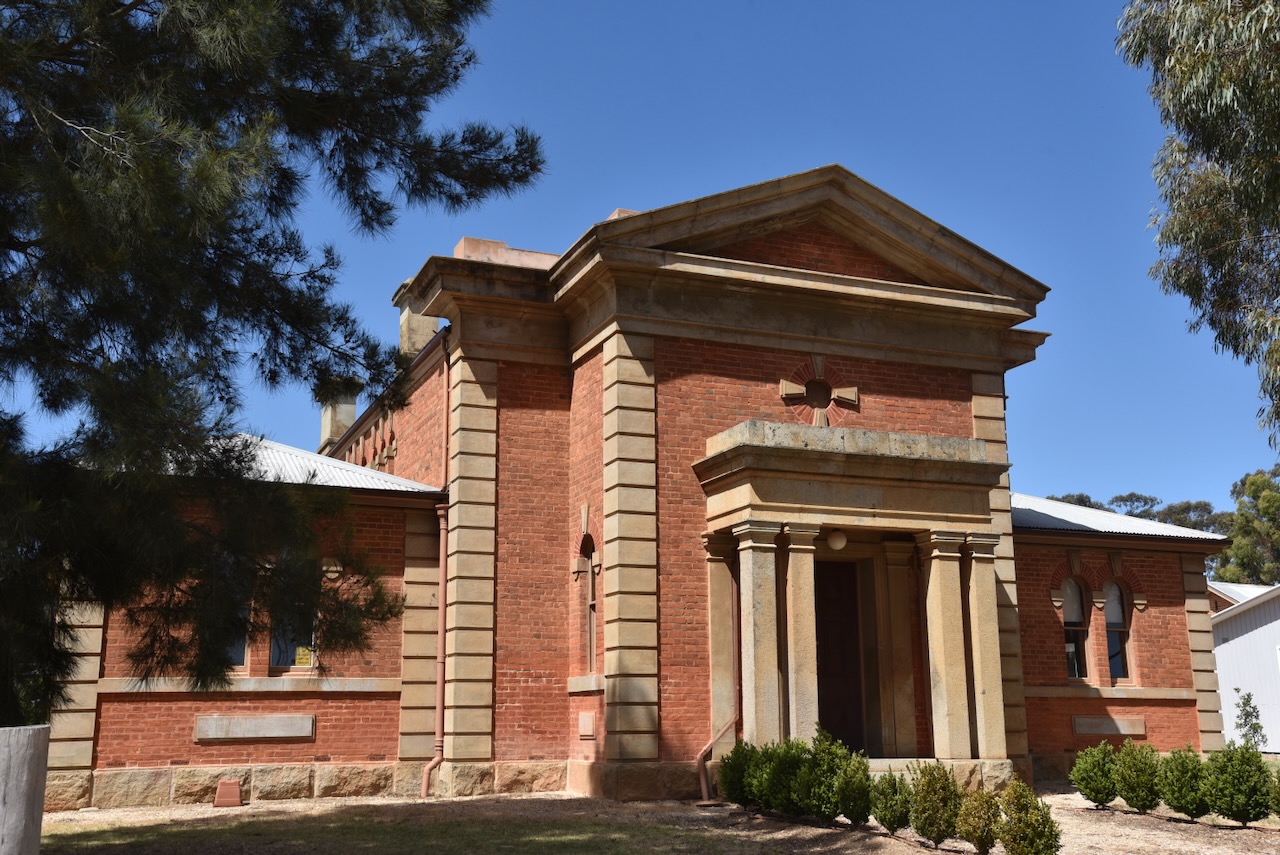
The former Dunolly County Courthouse now functions as a Masonic temple. It was constructed of coursed bluestone in 1858 by James Nichols.
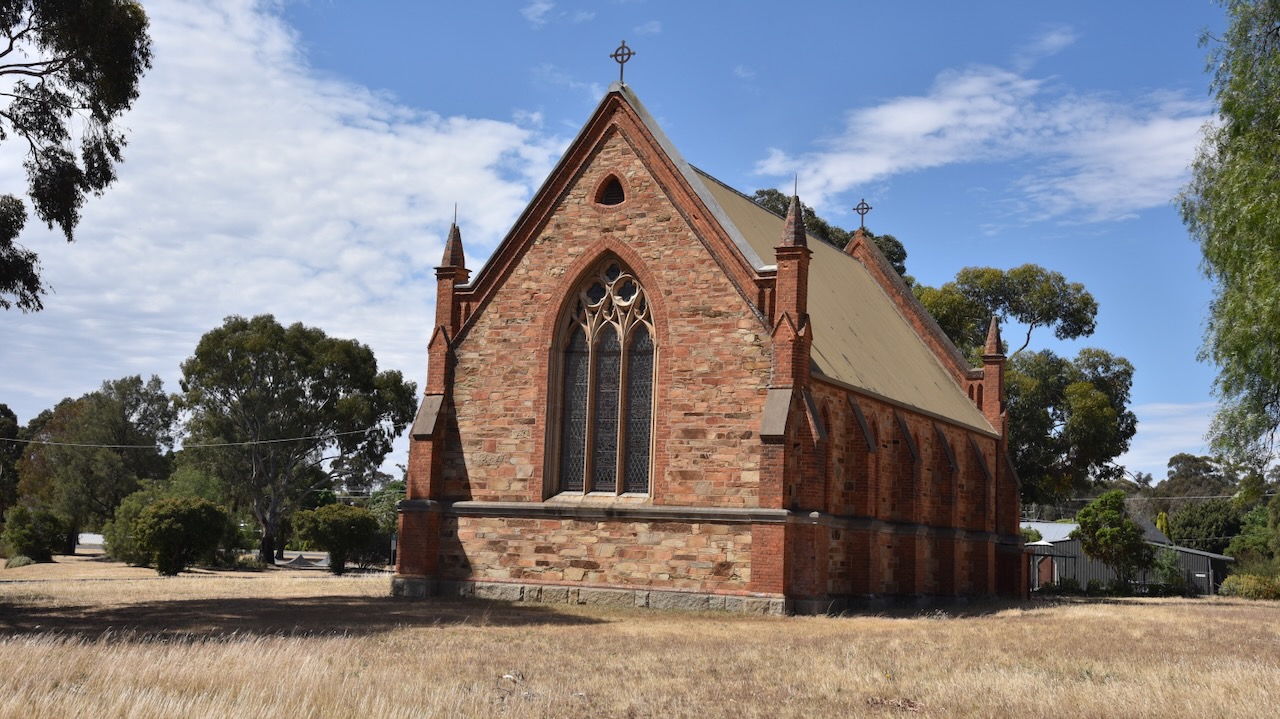
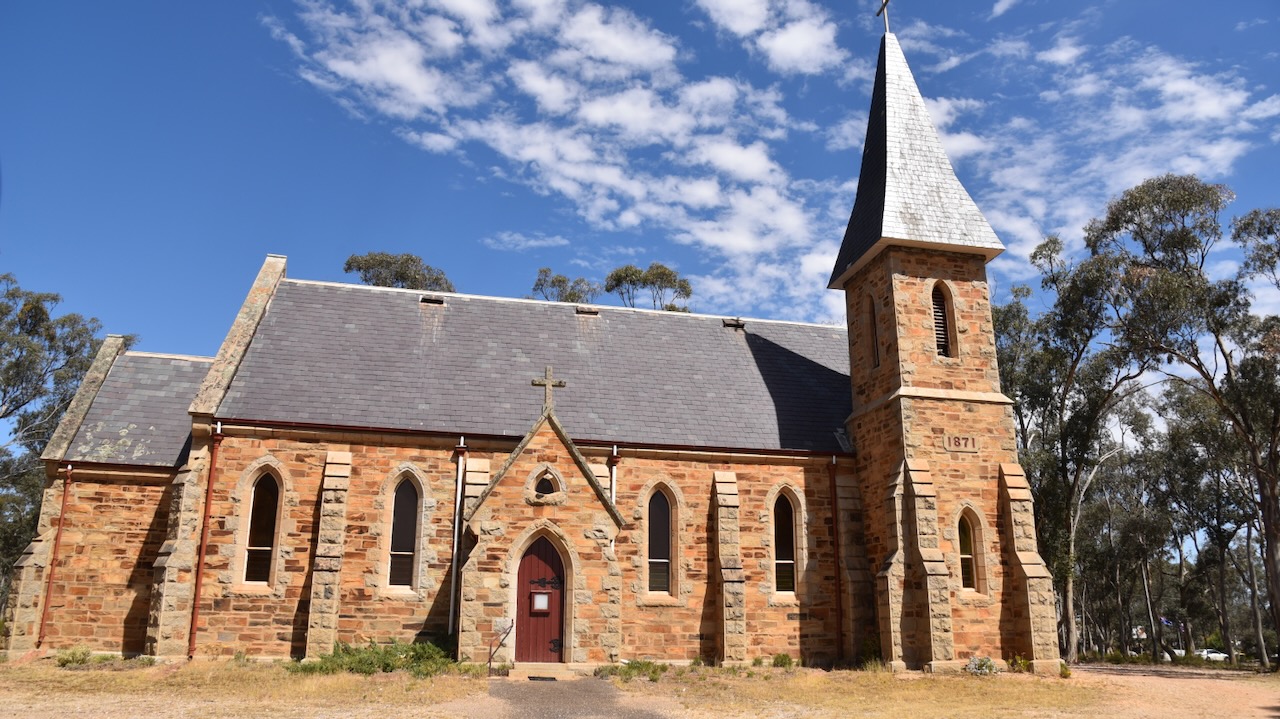
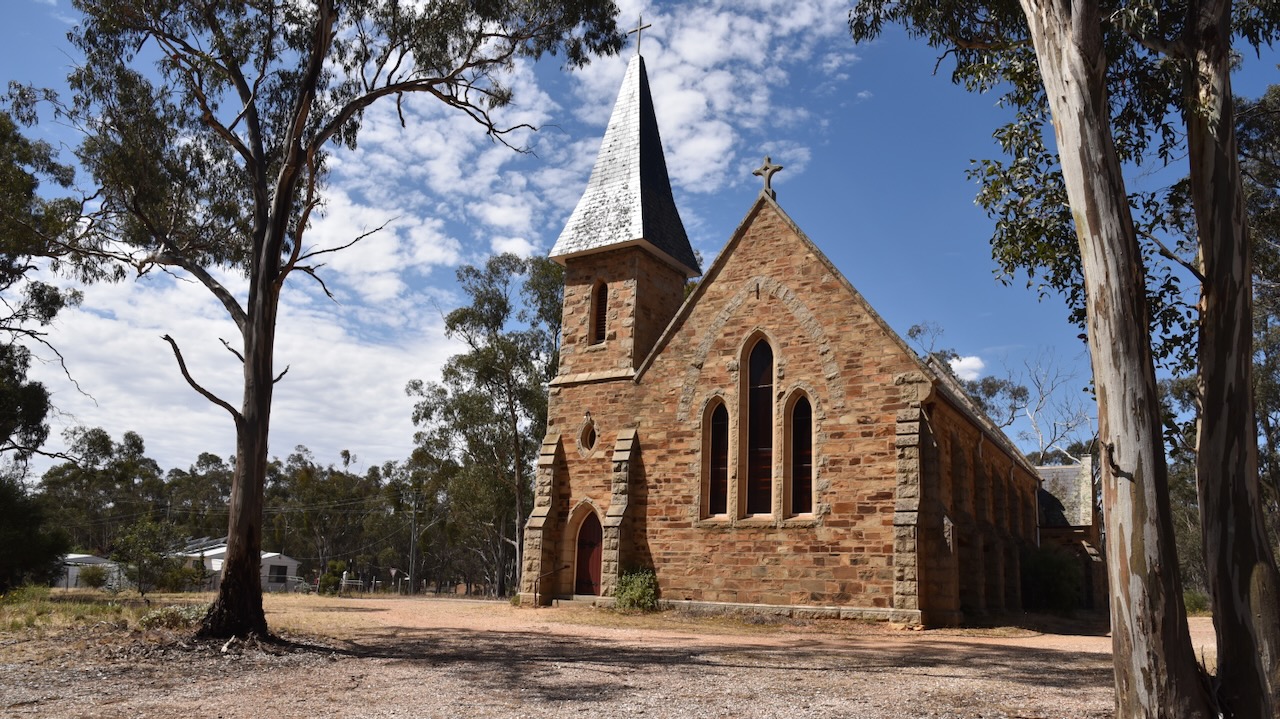
St Johns Anglican church was completed in 1869 with some of the funds being provided by John Deason and Richard Oates who had siscovered the world famous gold nuggest Welcome Stranger. (Goldfields Guide 2024)
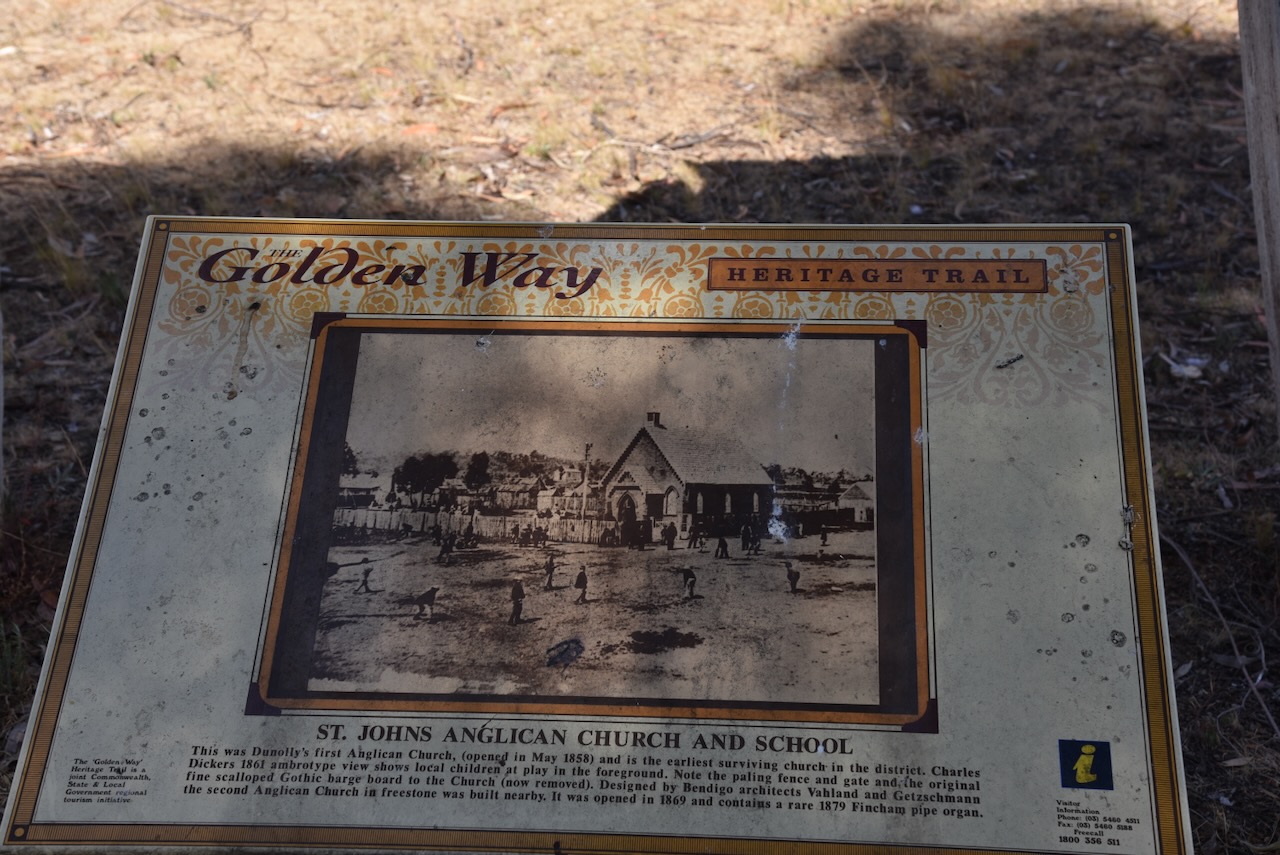
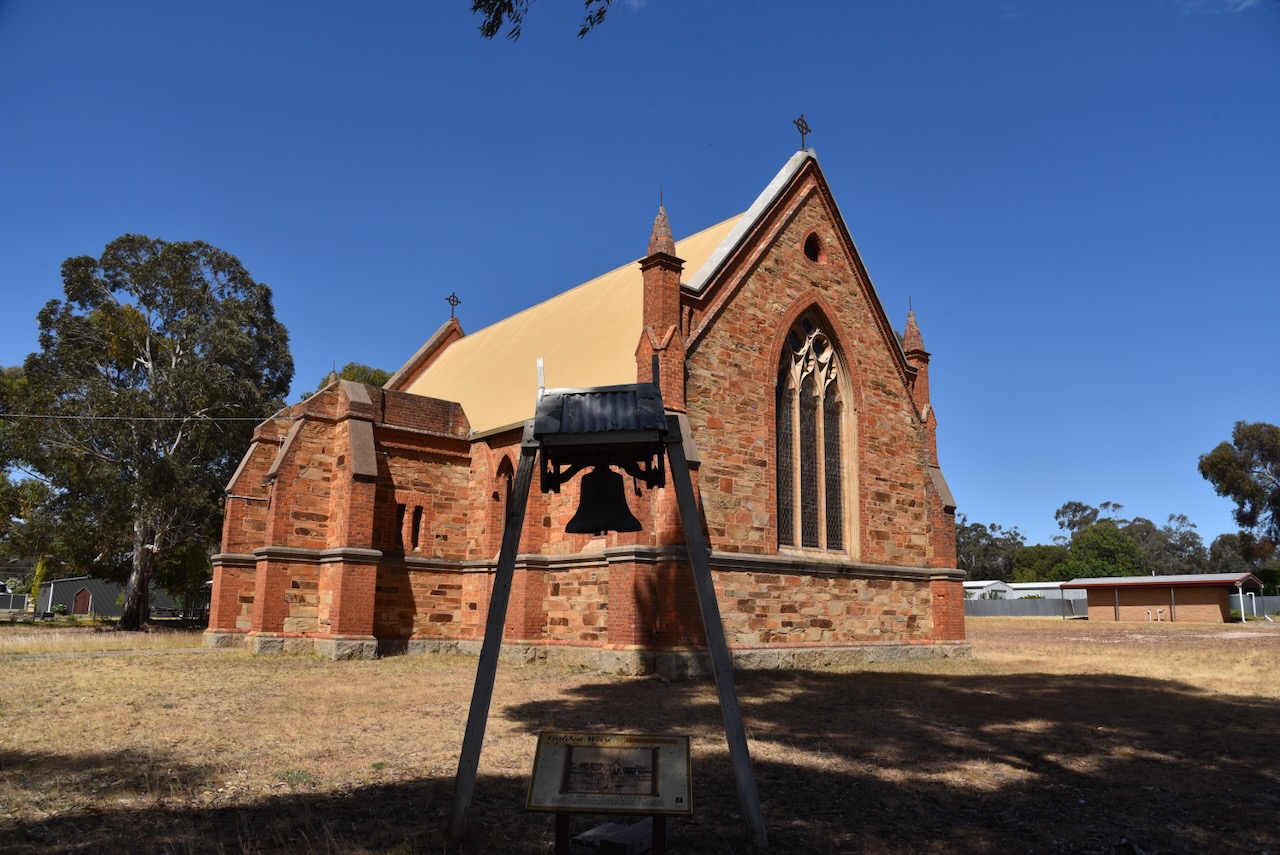
The Anglican school room was built in 1857 and functioned as the church until the new church was built.It is the earliest surviving church in the district. (Goldfields Guide 2024)
Above: The Anglican school roo, 1867. Imega c/o State Library of Victoria.
The Dunolly St Mary’s Catholic church was designed by architect R. Dowden. The foundation stole was laid on the 18th day of January 1869 and the church was opened on the 17th day of September 1871.
Above:- part of an article from the Advocate, Melbourne, Sat 23 Sep 1871. Image c/o Trove.
The former Dunolly Presbyterian Church was opened on the 25th day of October 1865. Former Premier of Victoria Sir Harry Lawson was born in the manse next door to the church, where his father was the minister. (Australia’s Christian Heritage 2024)
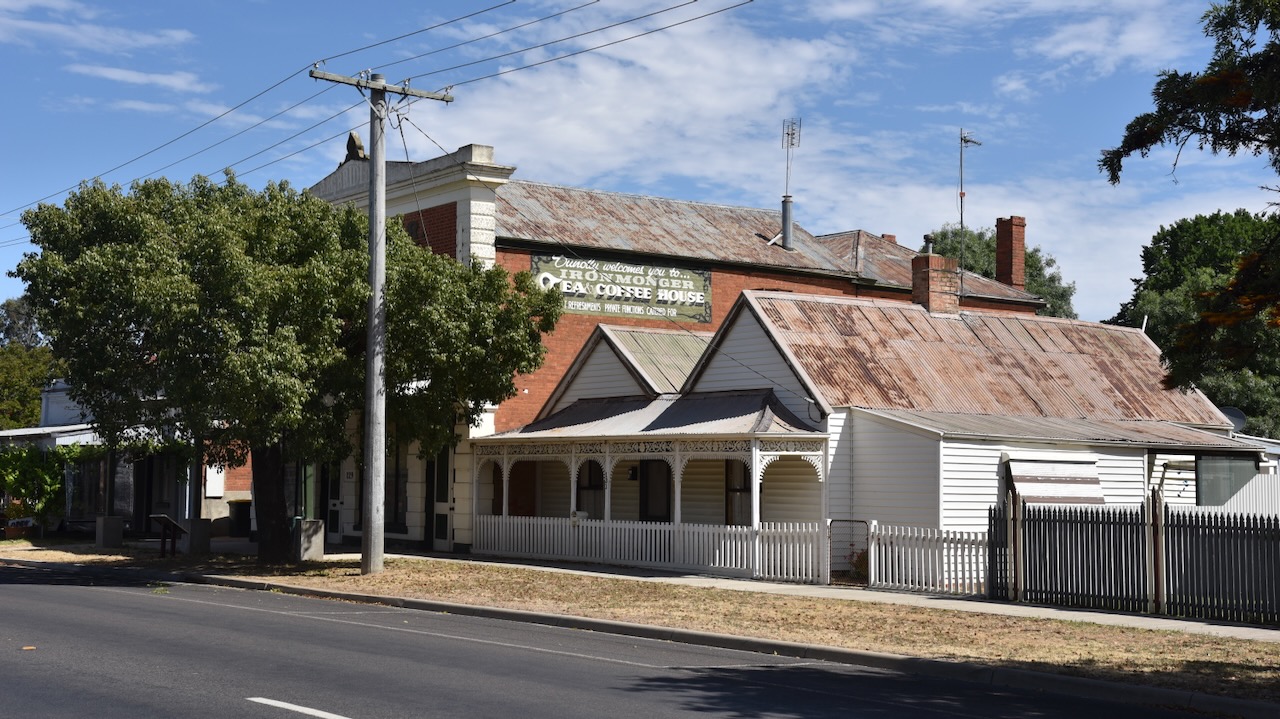
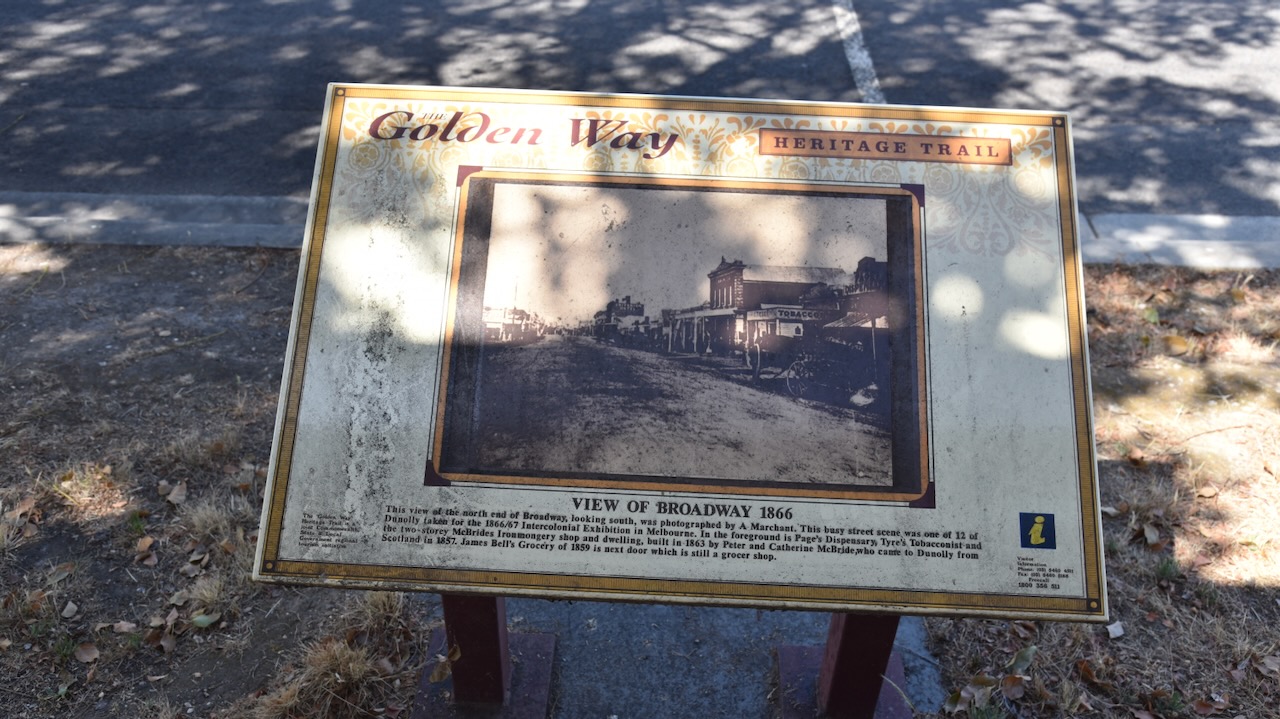
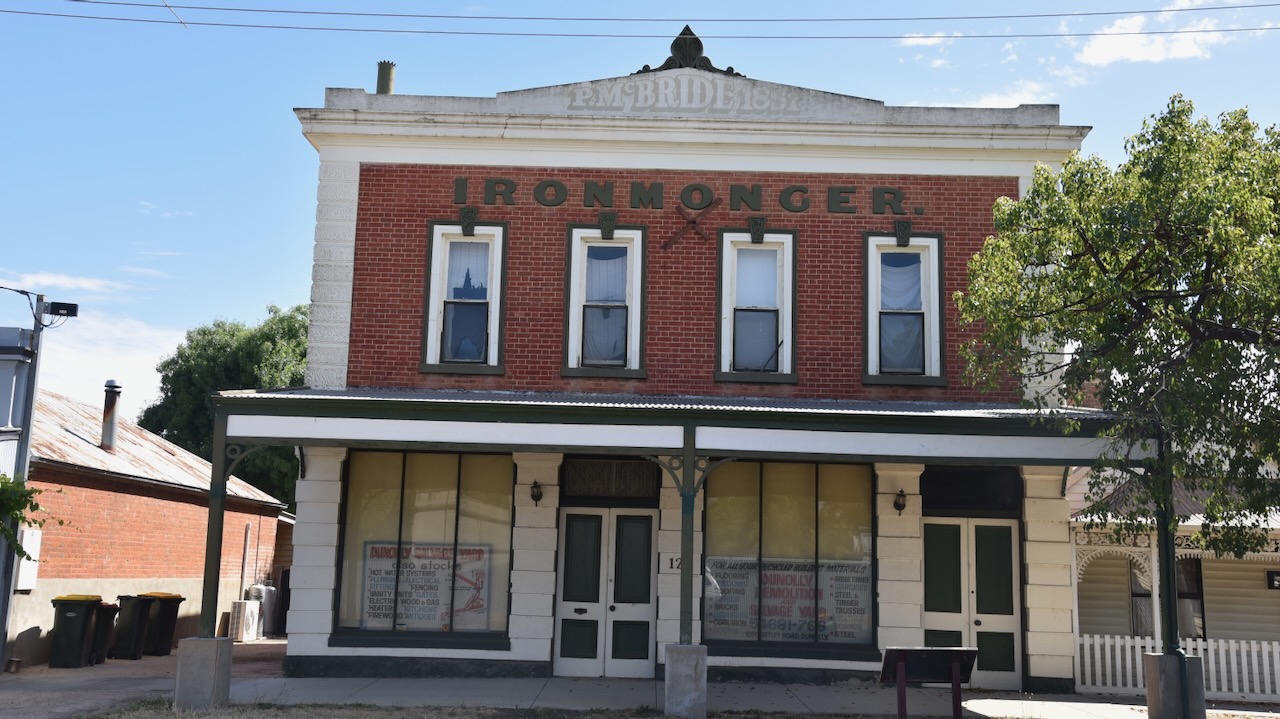
The Ironmonger shop located on the Broadway was built in 1863 by Peter and Catherine McBride, who arrived in Dunolly in 1857 from Scotland. (Walking Maps 2024)
Belleville was built in 1869 and was owned by politician James Bell. It was designed by a local store keeper, Thomas Tyrer. (Walking Maps 2024)
Following a very enjoyable look around Dunolly, Marija and I headed to our first activation of the day, the Dunnolly silo VK-DNY3.
Marija worked the following stations on 40m SSB:-
VK3PF
VK5FANA
VK3GJG
VK3BEL/p (VKFF-0630 & HEMA VK3/ HVN074)
I worked the following stations on 40m SSB:-
VK3PF
VK5FANA
VK3GJG
VK3BEL/p (VKFF-0630 & HEMA VK3/ HVN074)
VK2SKI
VK7CC
I worked the following stations on 20m SSB:-
VK4NH
VK4DXA
In close proximity to the silos is the old Terminus Hotel.
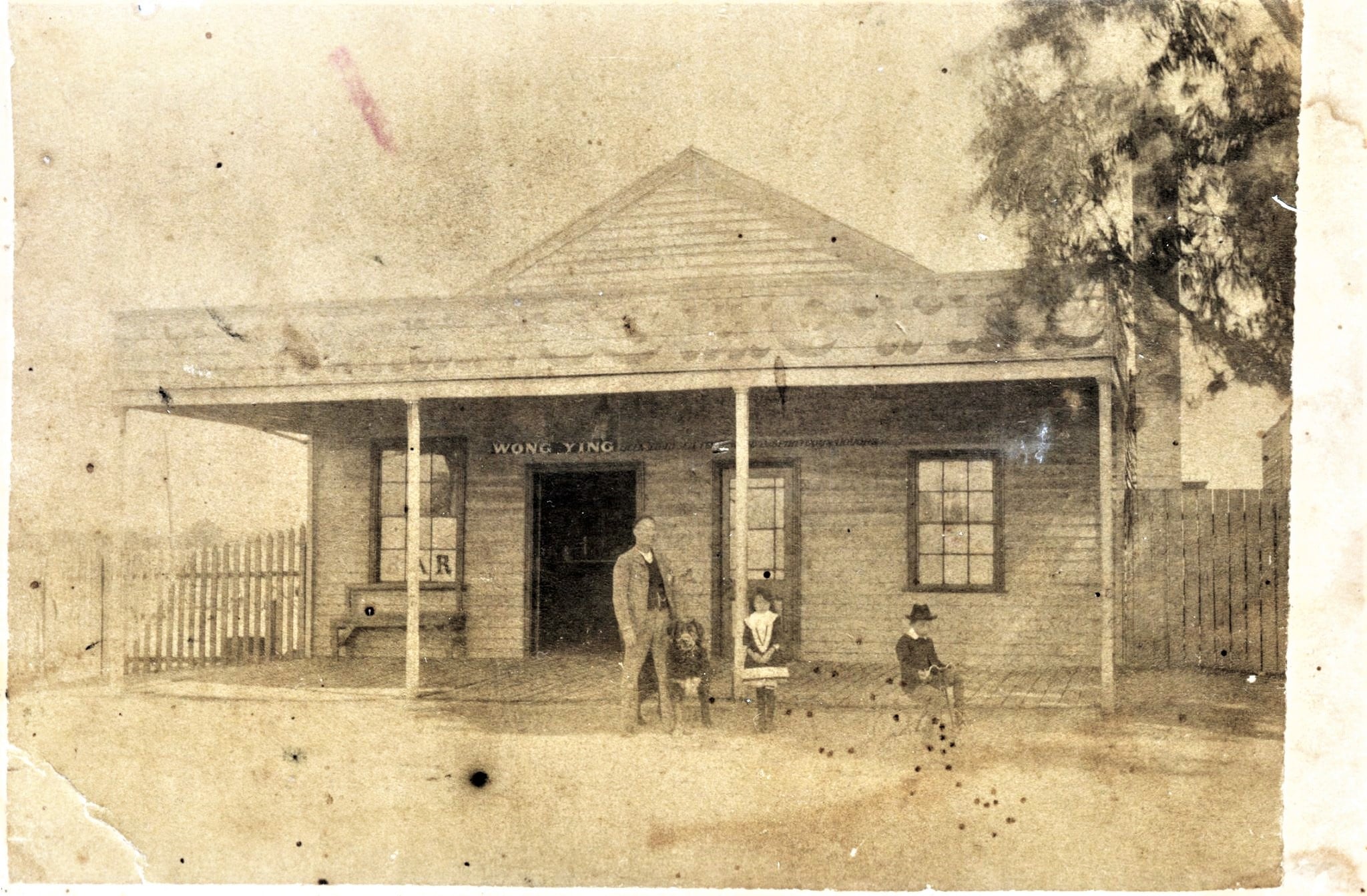
Wong ‘William’ Ying (b. 1844 d. 1919) emigrated to Australia in 1862 aboard The Bowen. He worked for his uncle in a grocery shop in Dunolly. Due to his diligent work ethic, Ying was able to purchase Sun Kum Goon, meaning “New Gold Source”. The Ying family operated the hotel until its closure in 1956. (Ancestry 2024) (flickr 2024)
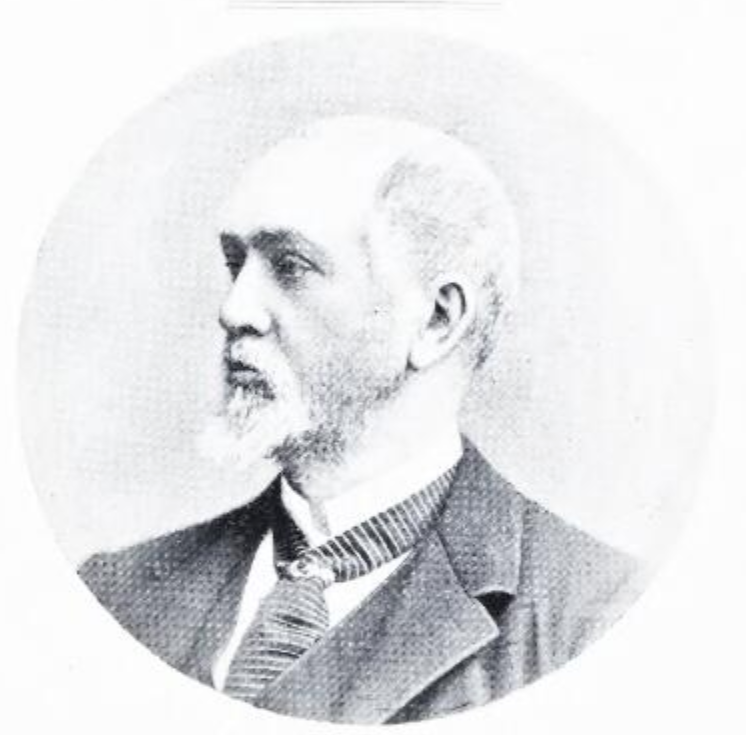
Above:- Wong Ying. Image c/o Carmen’s Family Forest, ancestry.com.au
Above:- Wong Ying outside his hotel. Image c/o Golden Dragon Museum Facebook page.
After a great time in Dunolly, we headed to our next stop Moliagul.
References.
Ancestry.com.au. (2016). Ancestry® | Genealogy, Family Trees & Family History Records. [online] Available at: https://www.ancestry.com.au/. [Accessed 27 Feb. 2024]
Our final activation for Tuesday 21st November 2023 was the Porcupine Bushland Reserve VKFF-4272. The reserve is located about 6 km southwest of Avoca and about 188 km northwest of Melbourne.
Above:- Map showing the location of the Porcupine Bushland Reserve. Map c/o Google Maps.
The Porcupine Bushland Reserve is about 8 hectares in size and was established on the 24th day of August 1982. (CAPAD 2022)
Above:- an aerial view of the Porcupine Bushland Reserve. Image c/o Google Earth.
The park is located on the southern side of Porcupine Lane which runs off the western side of the Pyrenees Highway. The park is listed on maps and CAPAD as the Porcupine Bushland Reserve, but the dilapidated sign shows Porcupine Rd Bushland Reserve.
It was totally dark by the time we reached the park, so we operated from the 4WD running the Icom IC-7000, 100 watts, and the Codan 9350 with the 1.5 metre stainless steel whip. I used the special event callsign of VI10VKFF.
Marija worked the following stations on 40m SSB:-
VK2IO/p (Stony Creek Nature Reserve VKFF-0986)
VK3PF
VK3KAI
VK3APJ
VK1AO
VK2MET
VK5HS
VK3SG
VK4SMA
VK3YV
VK3TNL
I worked the following stations on 40m SSB:-
VK2IO/p (Stony Creek Nature Reserve VKFF-0986)
VK3PF
VK3KAI
VK3APJ
VK1AO
VK2MET
VK5HS
VK3SG
VK4SMA
VK3YV
VK3TNL
VK5GY
VK2WGW
VK1CHW
VK3PDB
VK4NH
VK4DXA
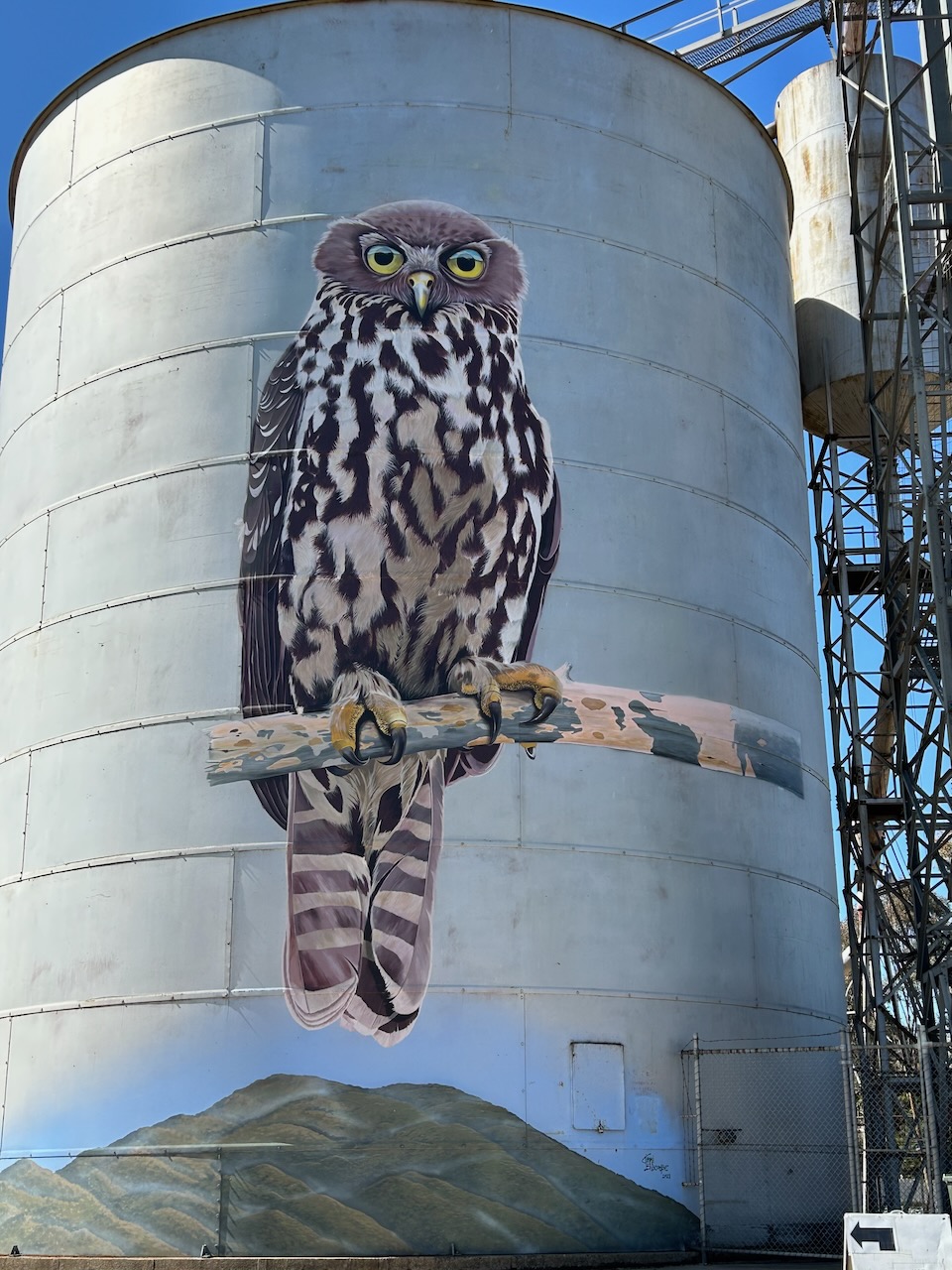
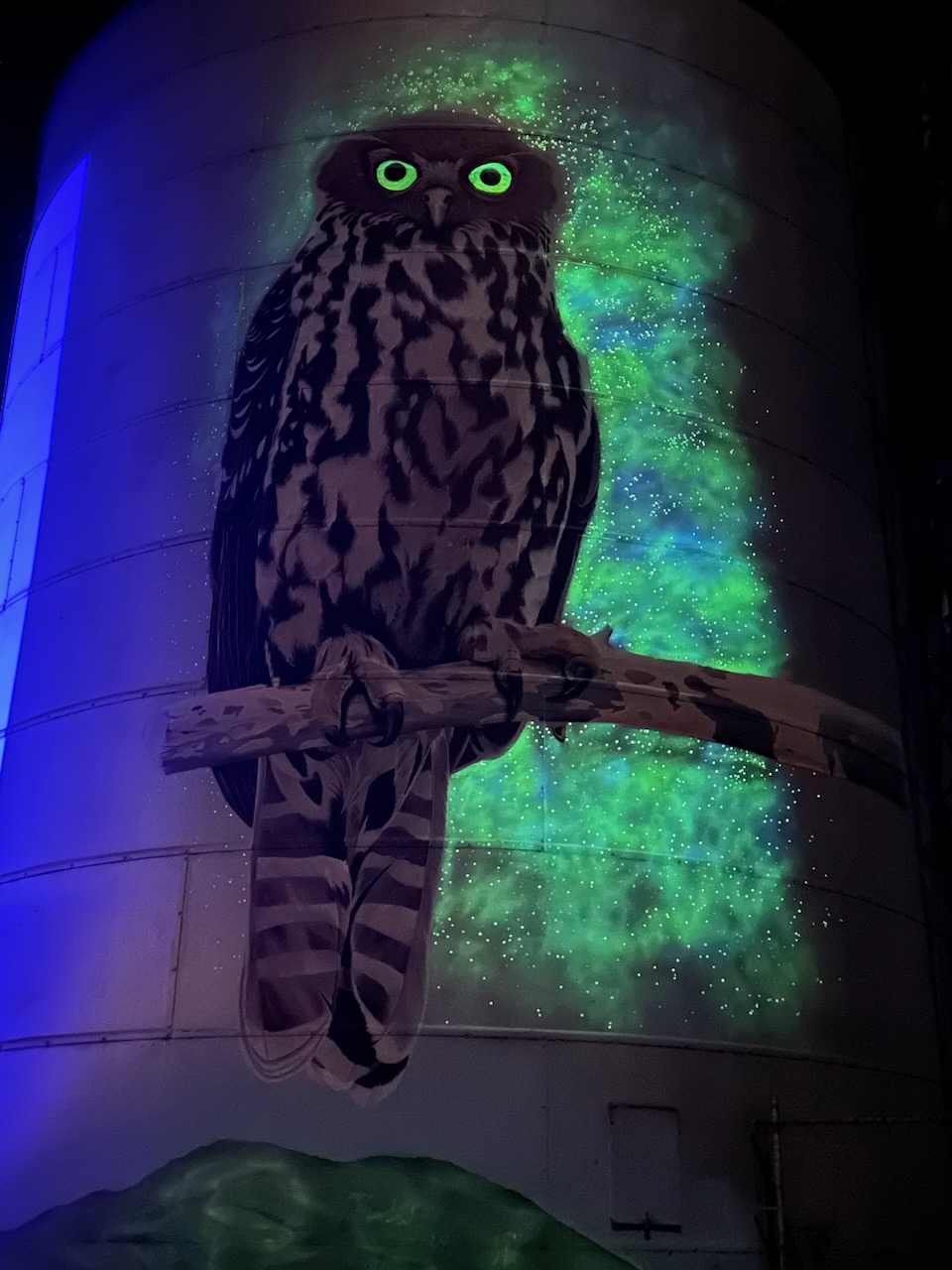
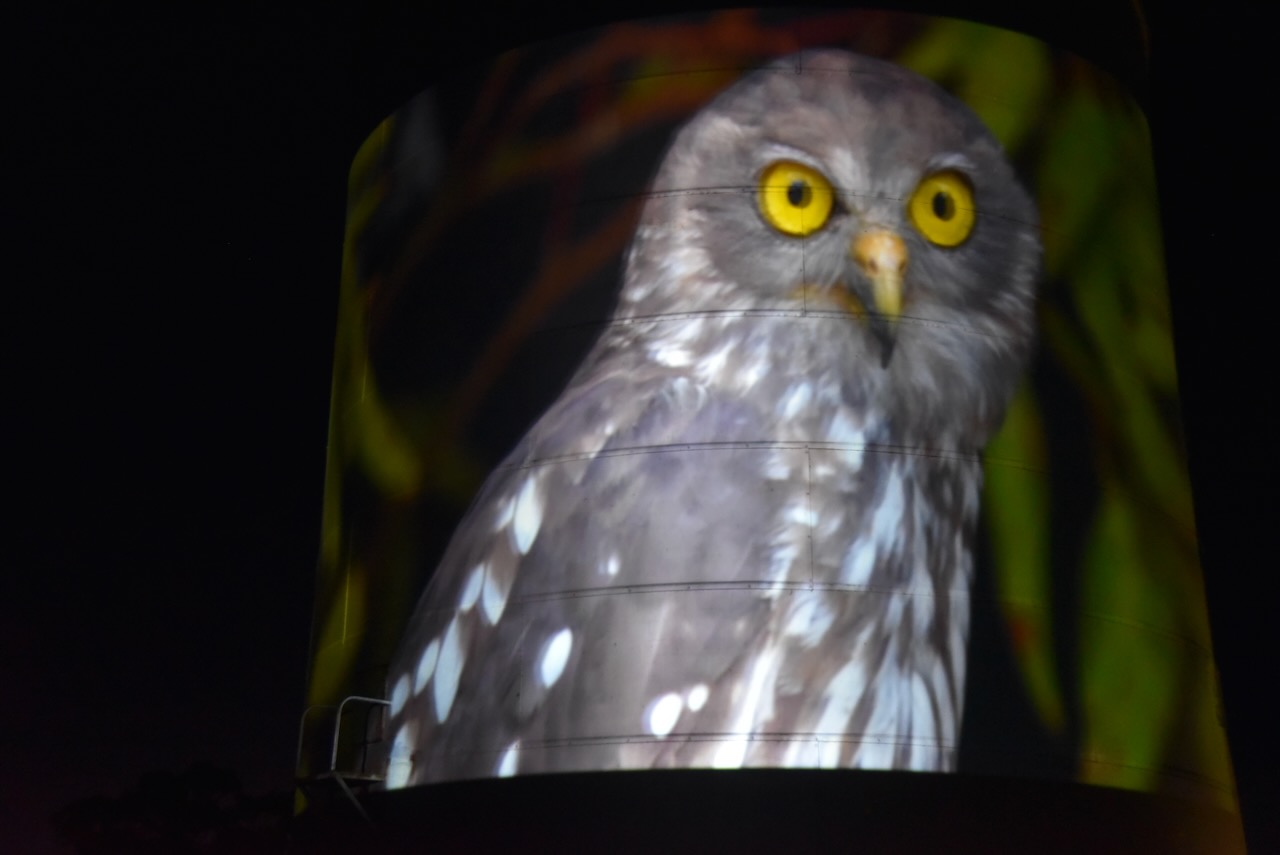
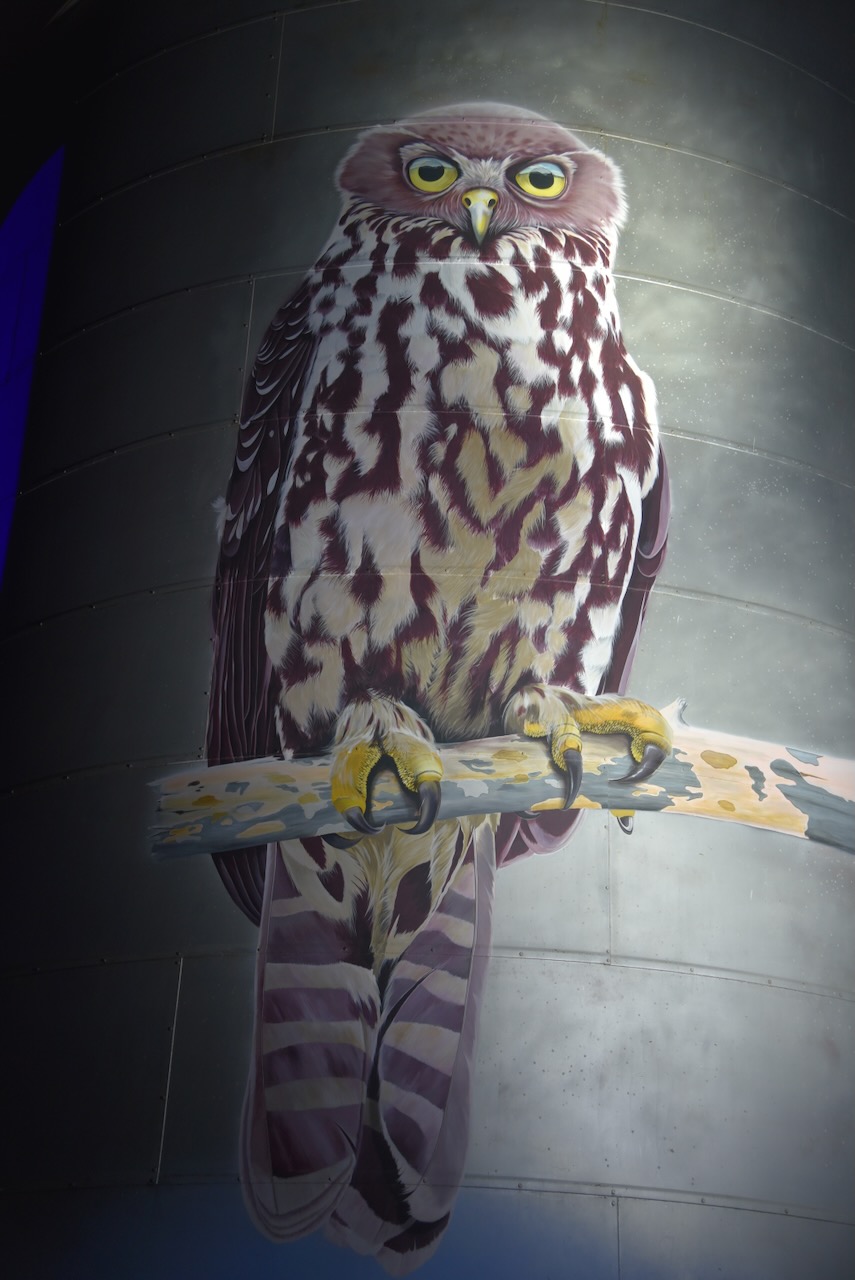
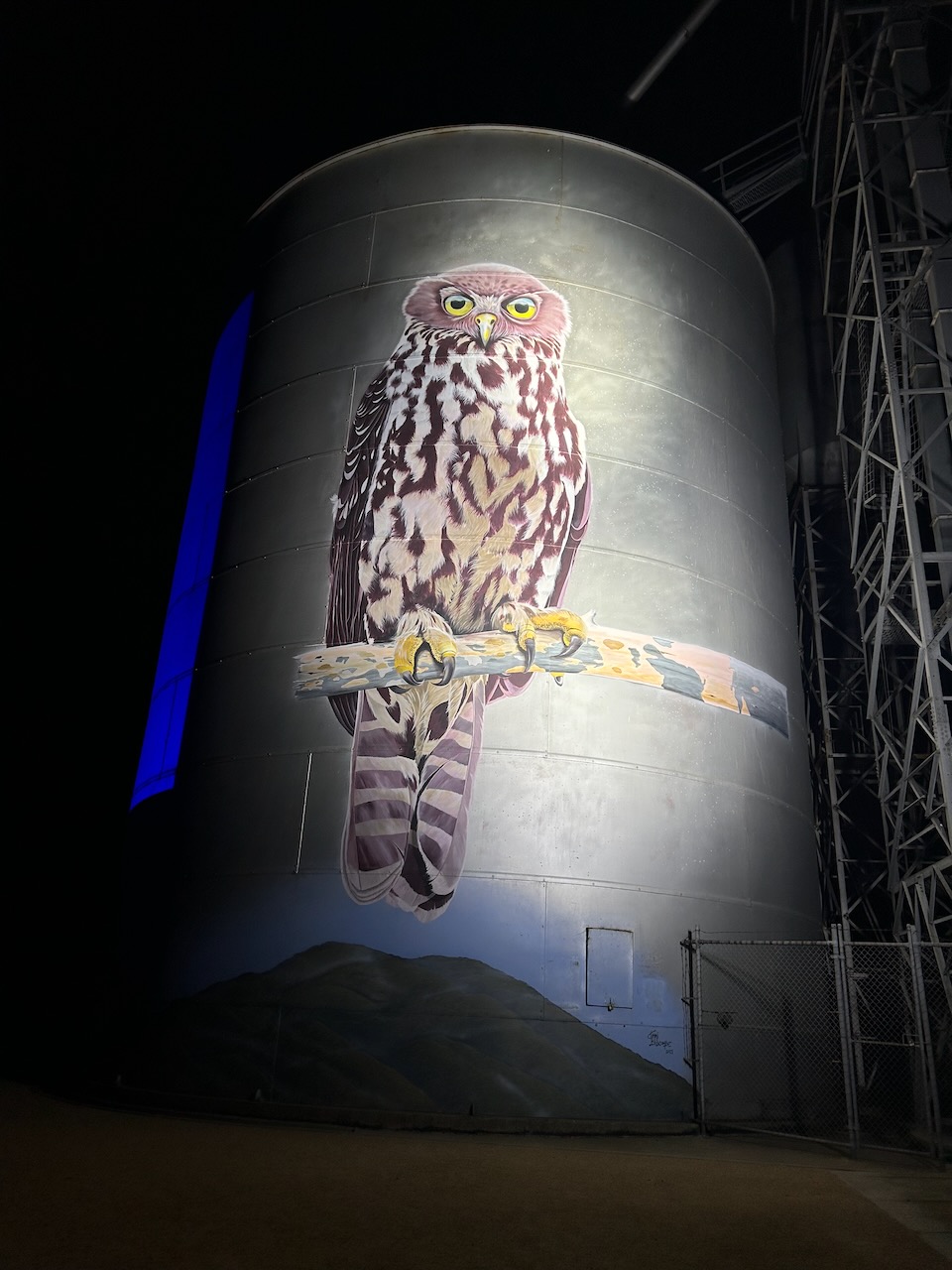
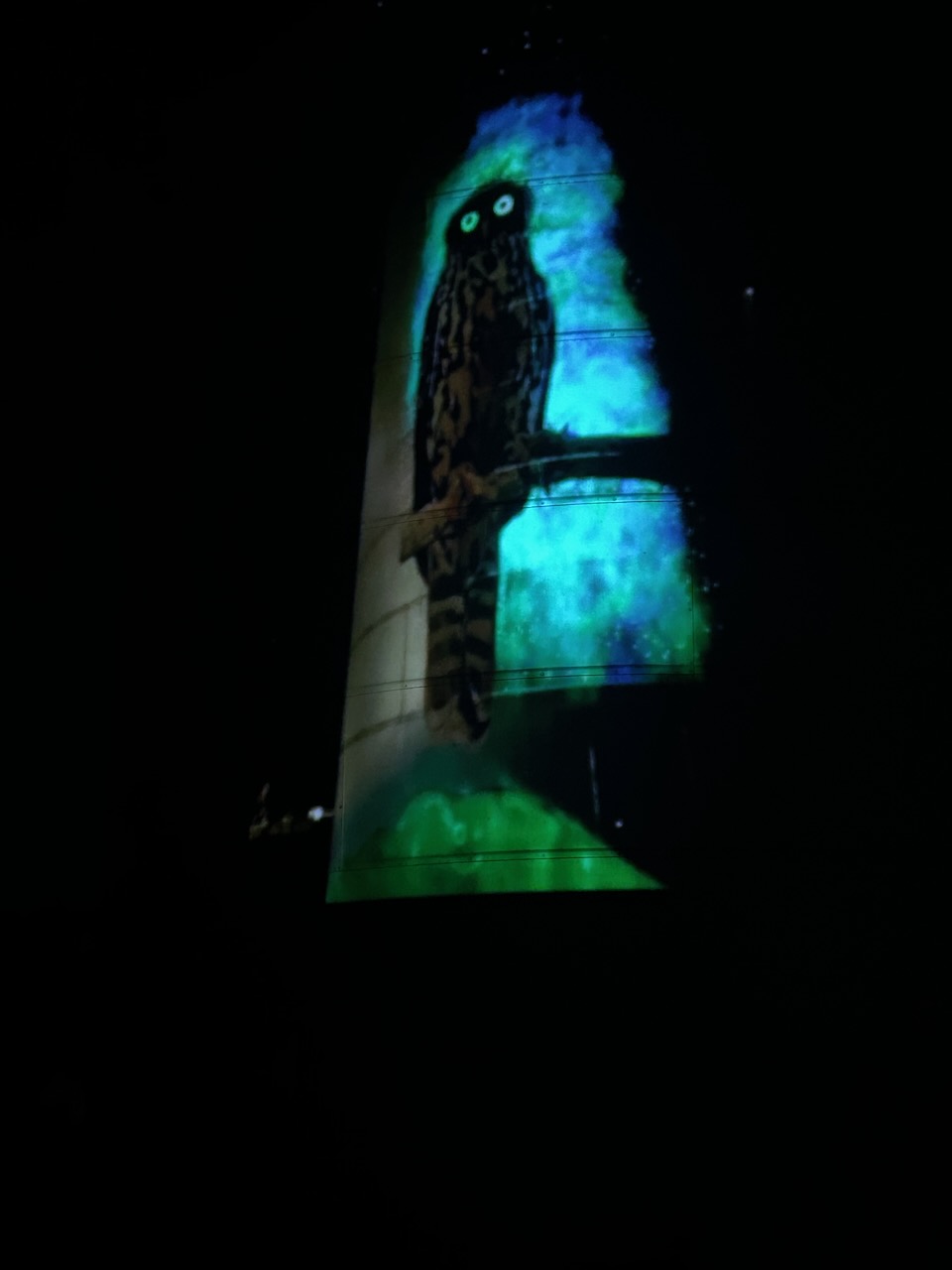
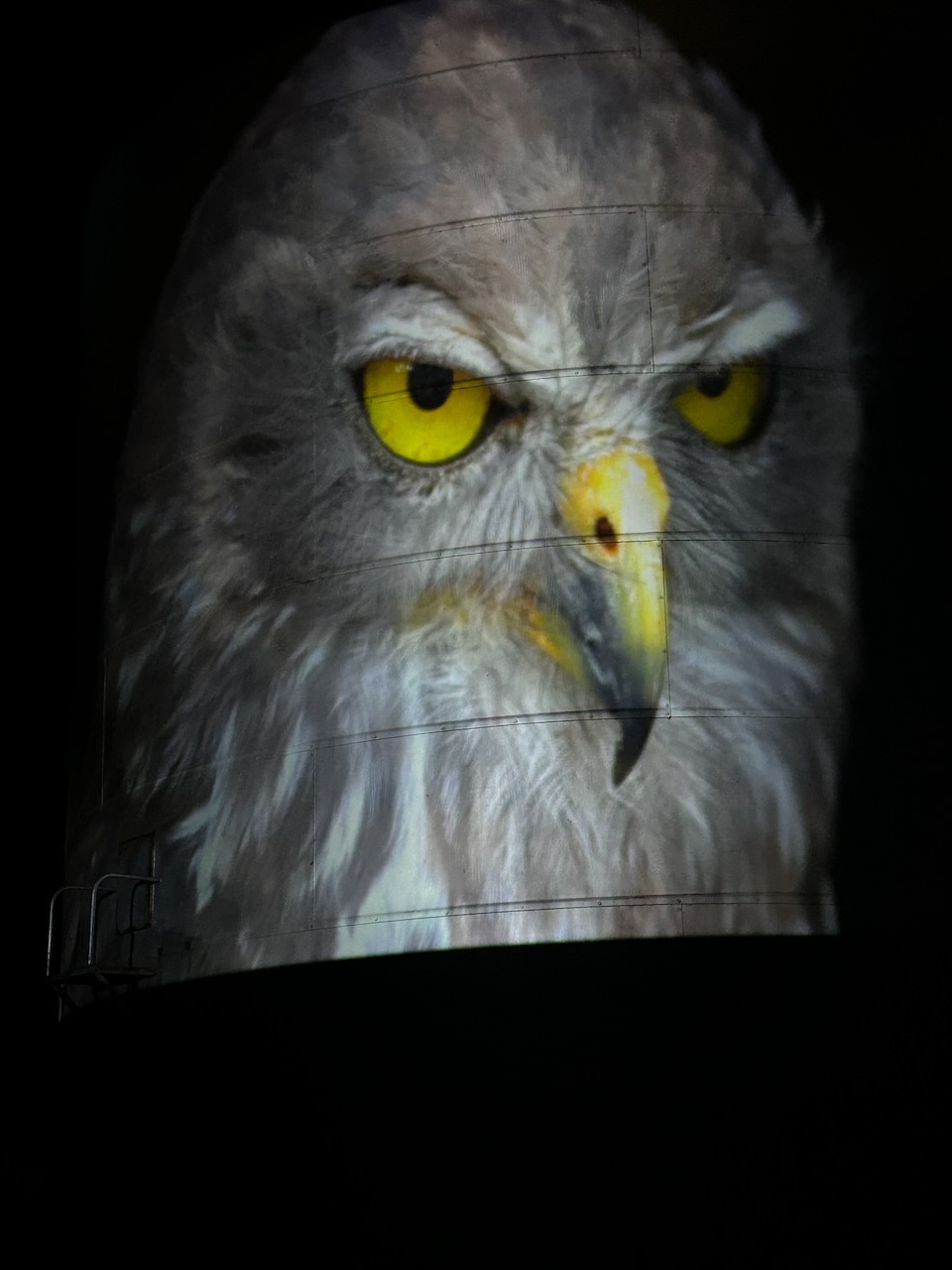
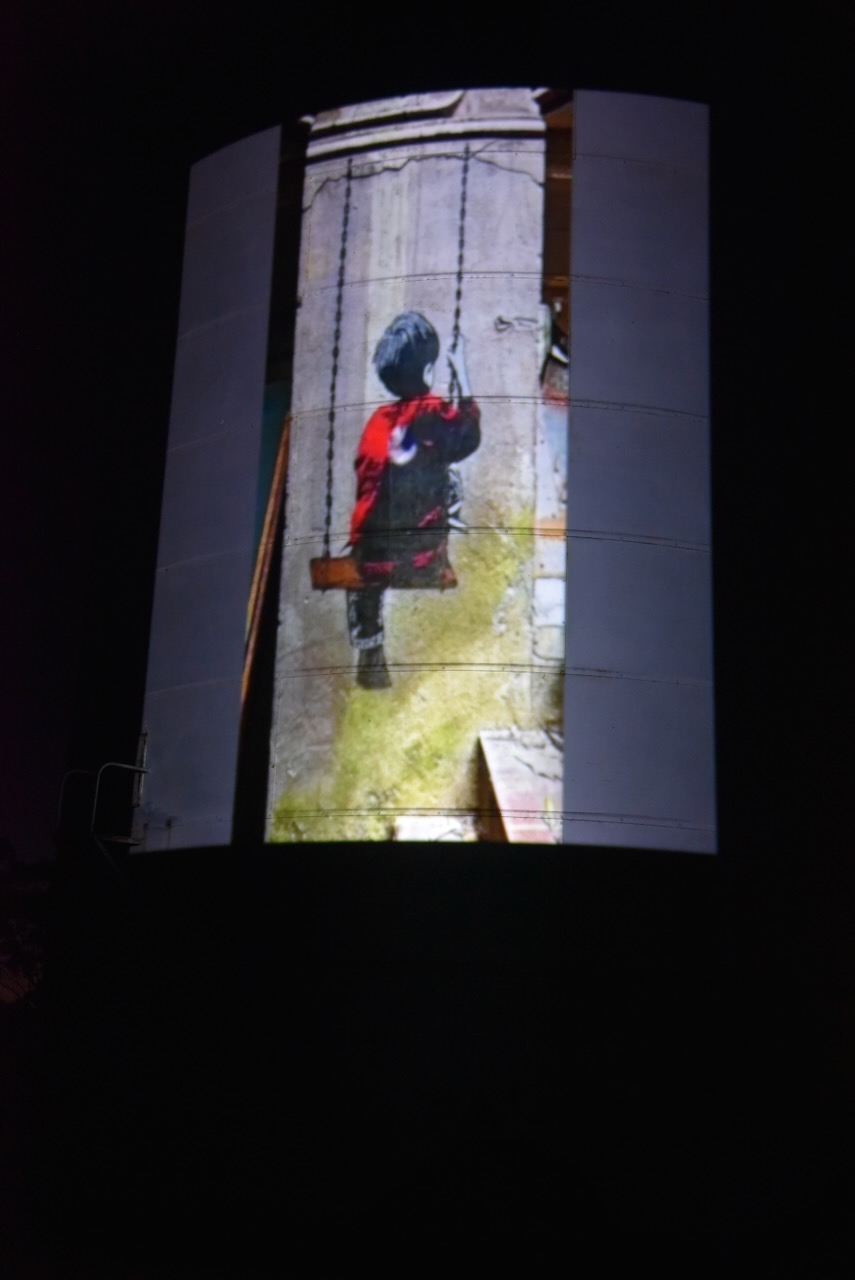
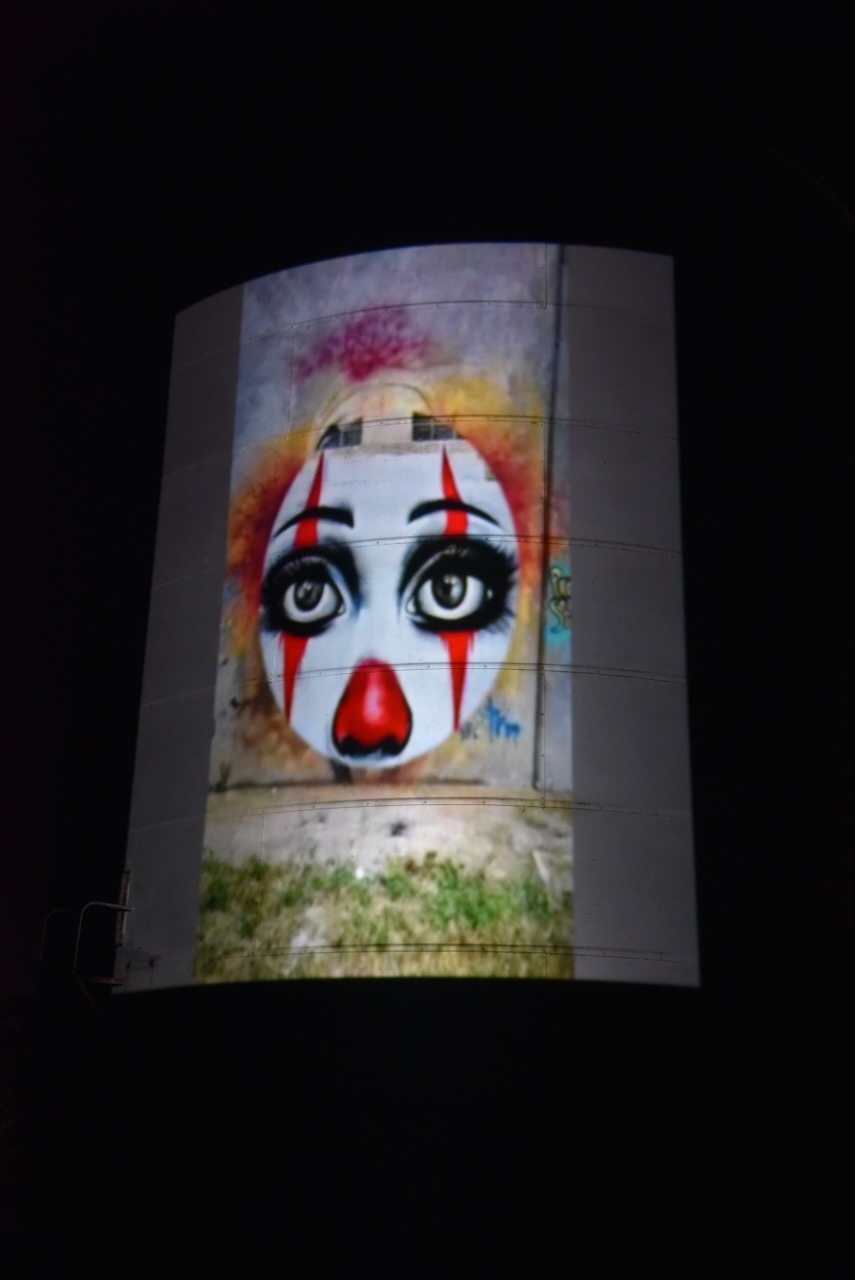
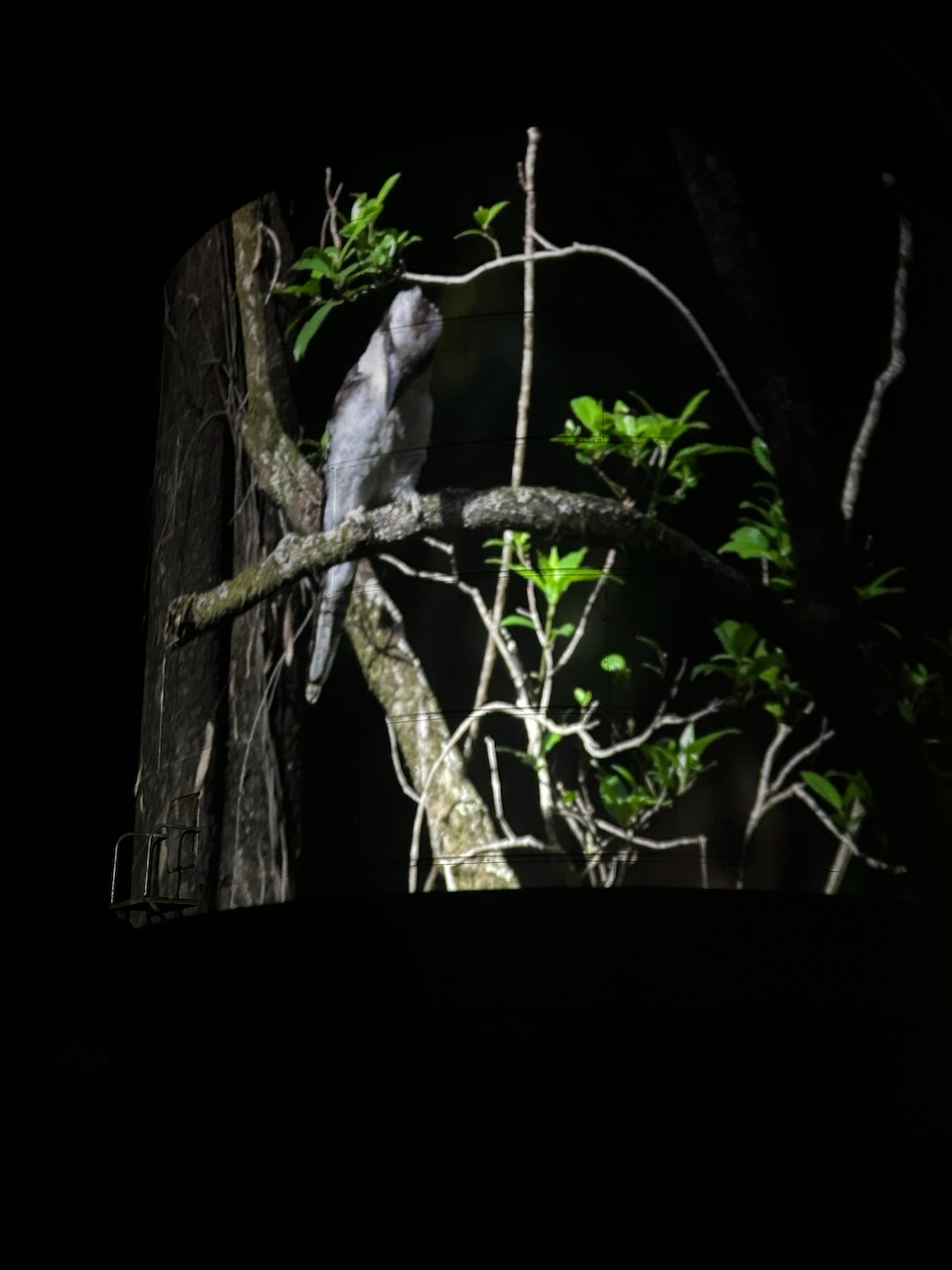
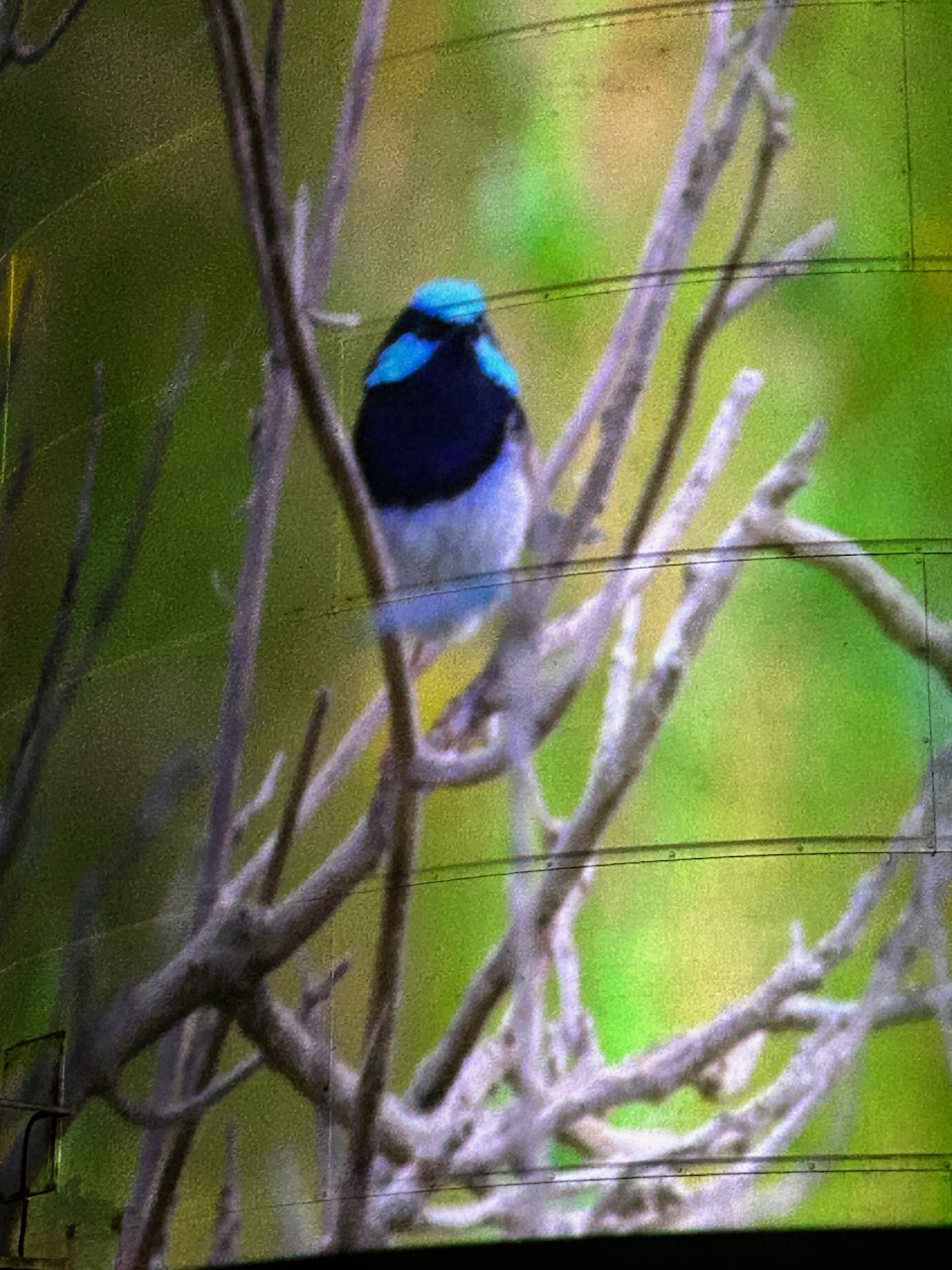
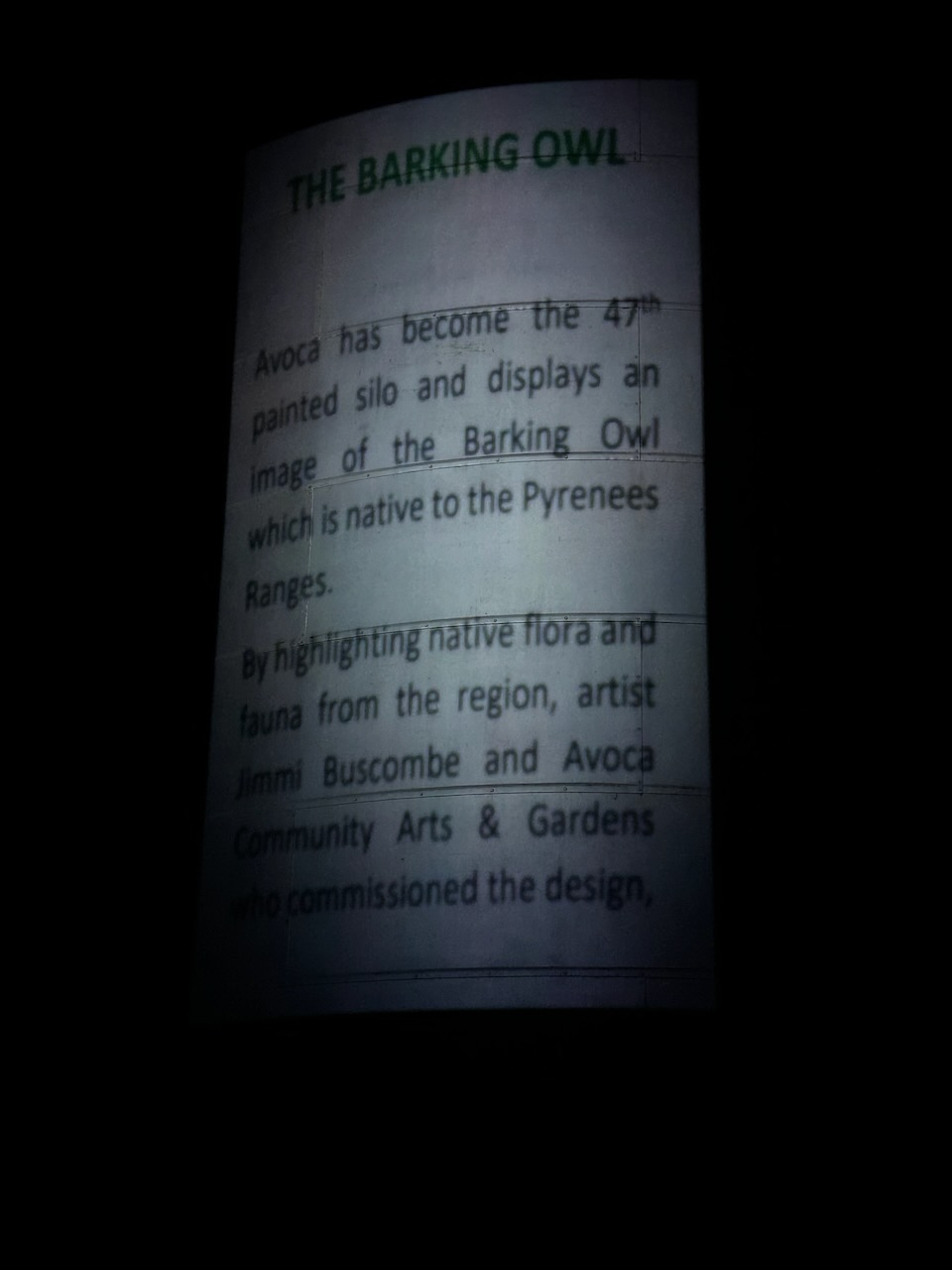
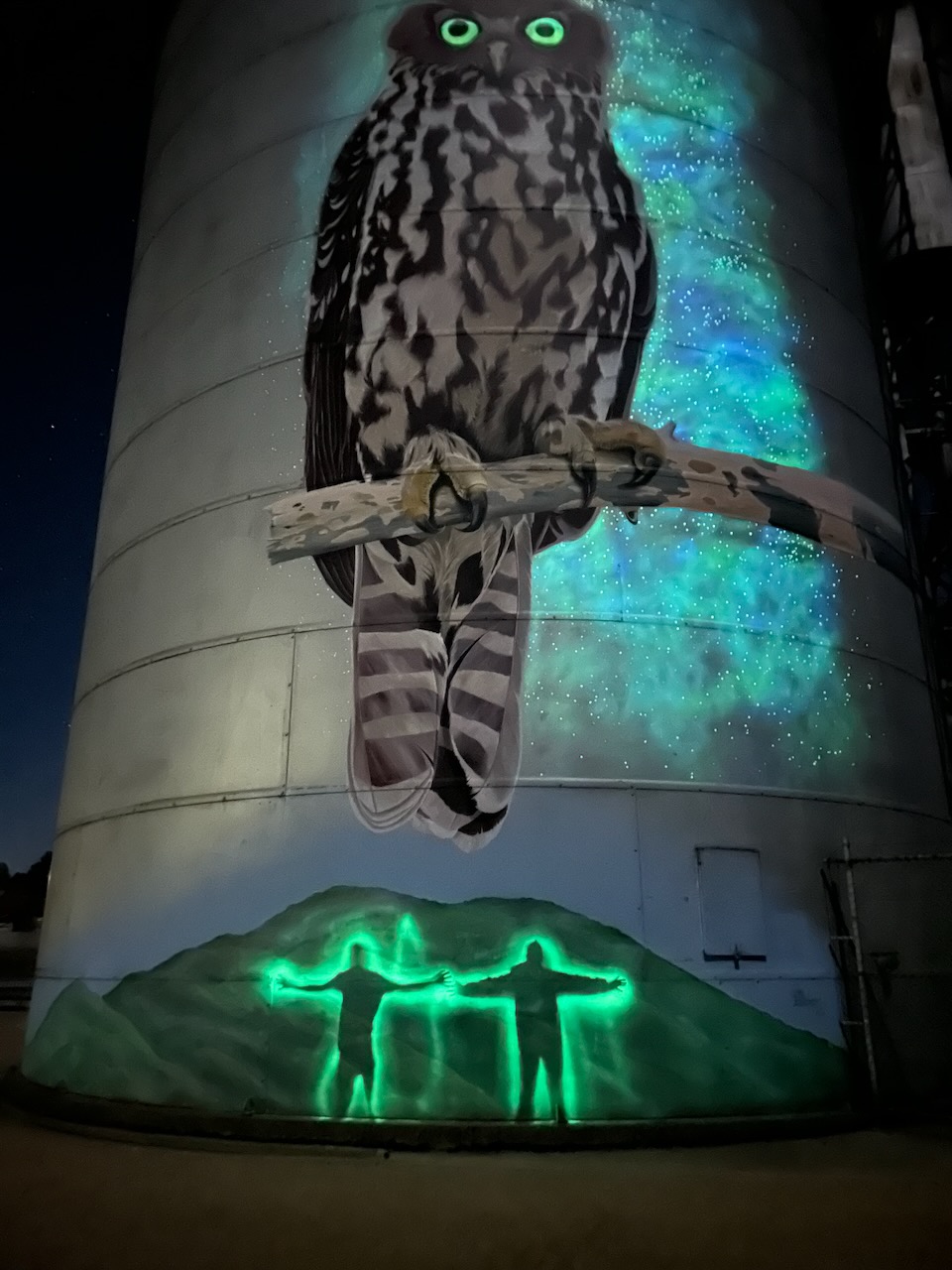
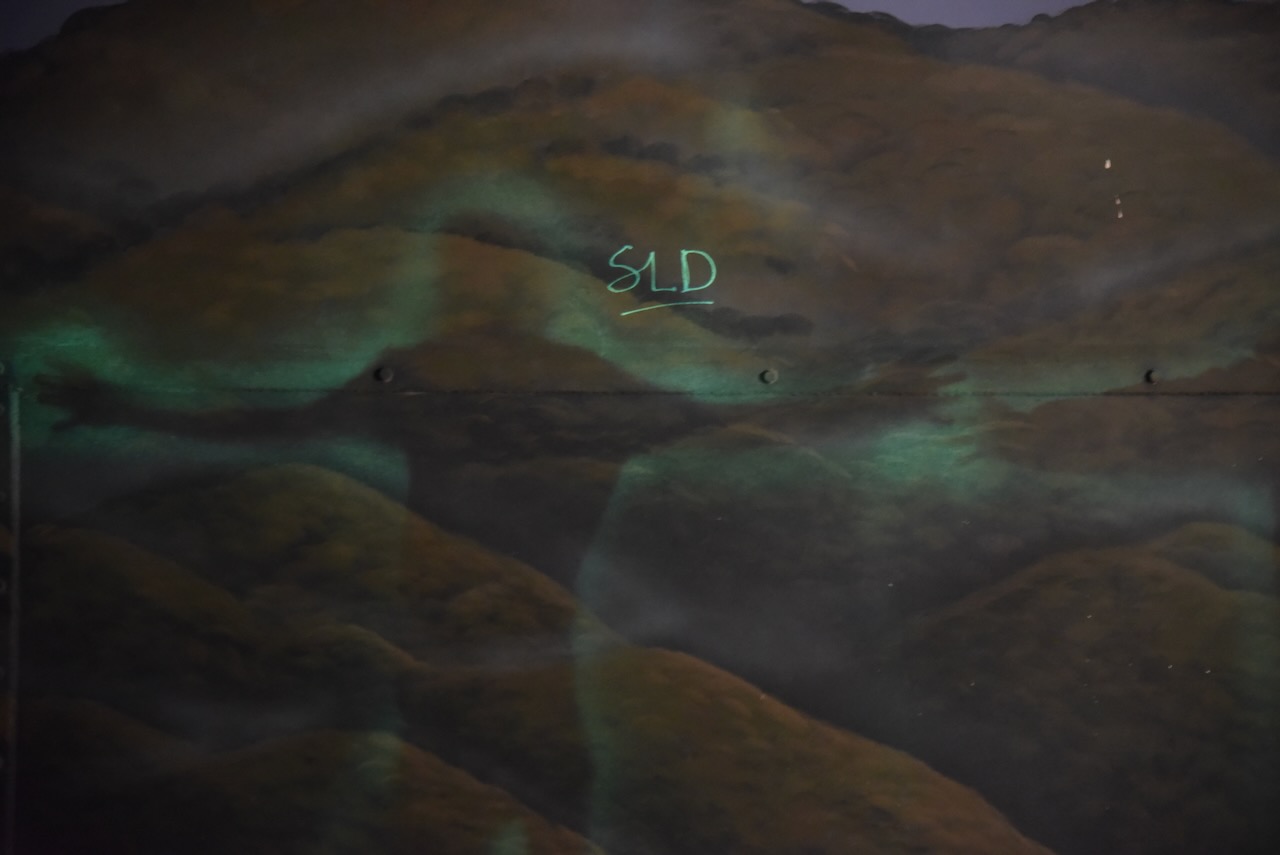
We then headed back into Avoca and attended the Avoca silo night display. By day there is an image of a Barking Owl. By night the silo is turned into a spectacular night-time interactive show that highlights the glow in the dark strontium paint that was used.
The Avoca silo art is the work of Jimmi Buscombe, with work commencing on the silo in March 2021. It is Australia’s 47th painted silo art location. (Australian Silo Art Trail 2024)
The video below displays the very distinctive double note ‘woof-woof’ call sound of the Barking Owl which is very similar to a dog’s bark.
The number of Barking Owls in Australia has declined rapidly. It is estimated that there are only 50 pairs left in Victoria. This has mainly been due to habitat loss and degradation. (Birds in Backyards 2024)
There is a nightly projection of images onto the side of the silo from a projector at the old railway station. The gentleman from the railway station(which is now an art gallery) who was conducting the display was extremely friendly and informative.
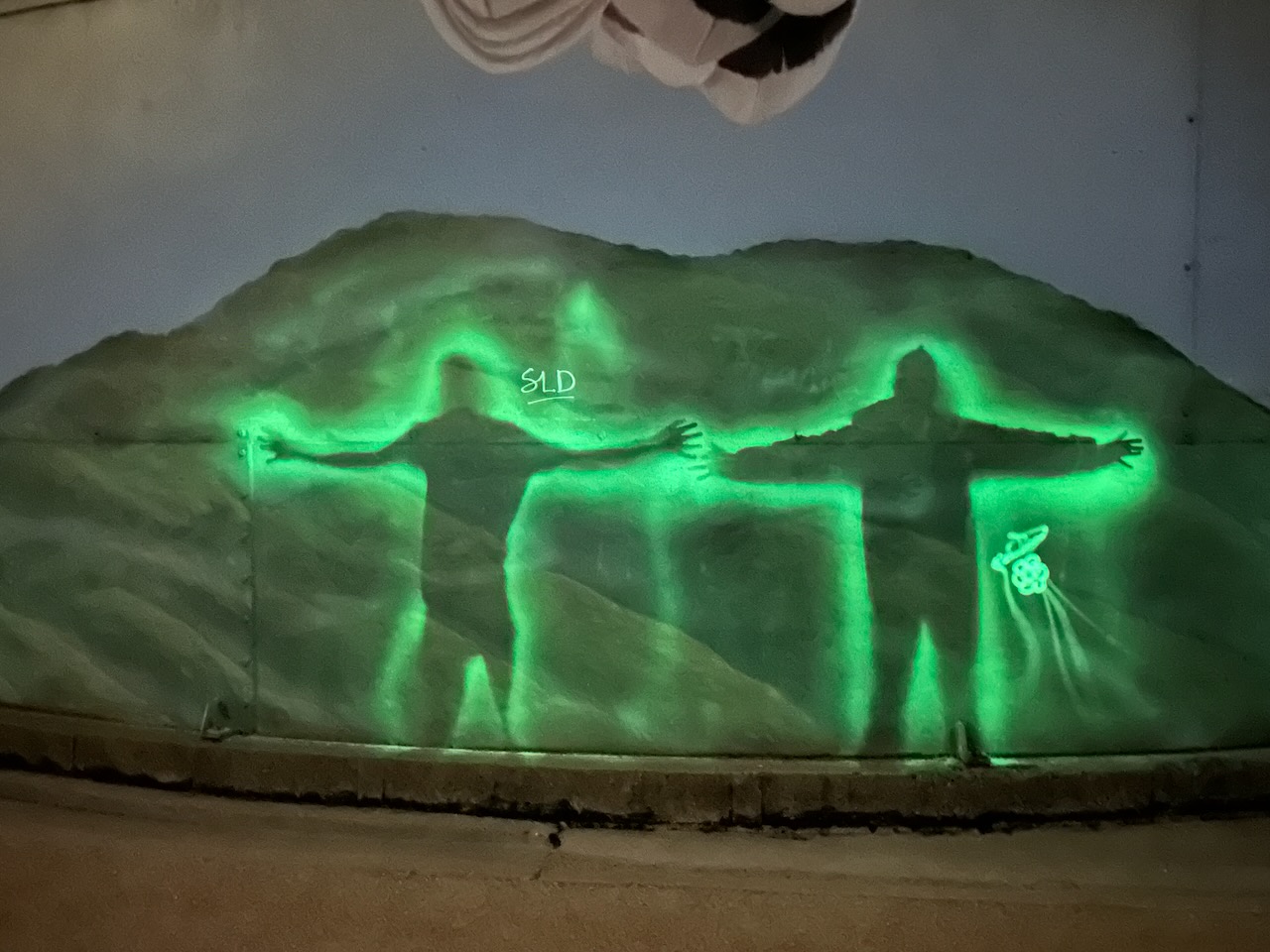
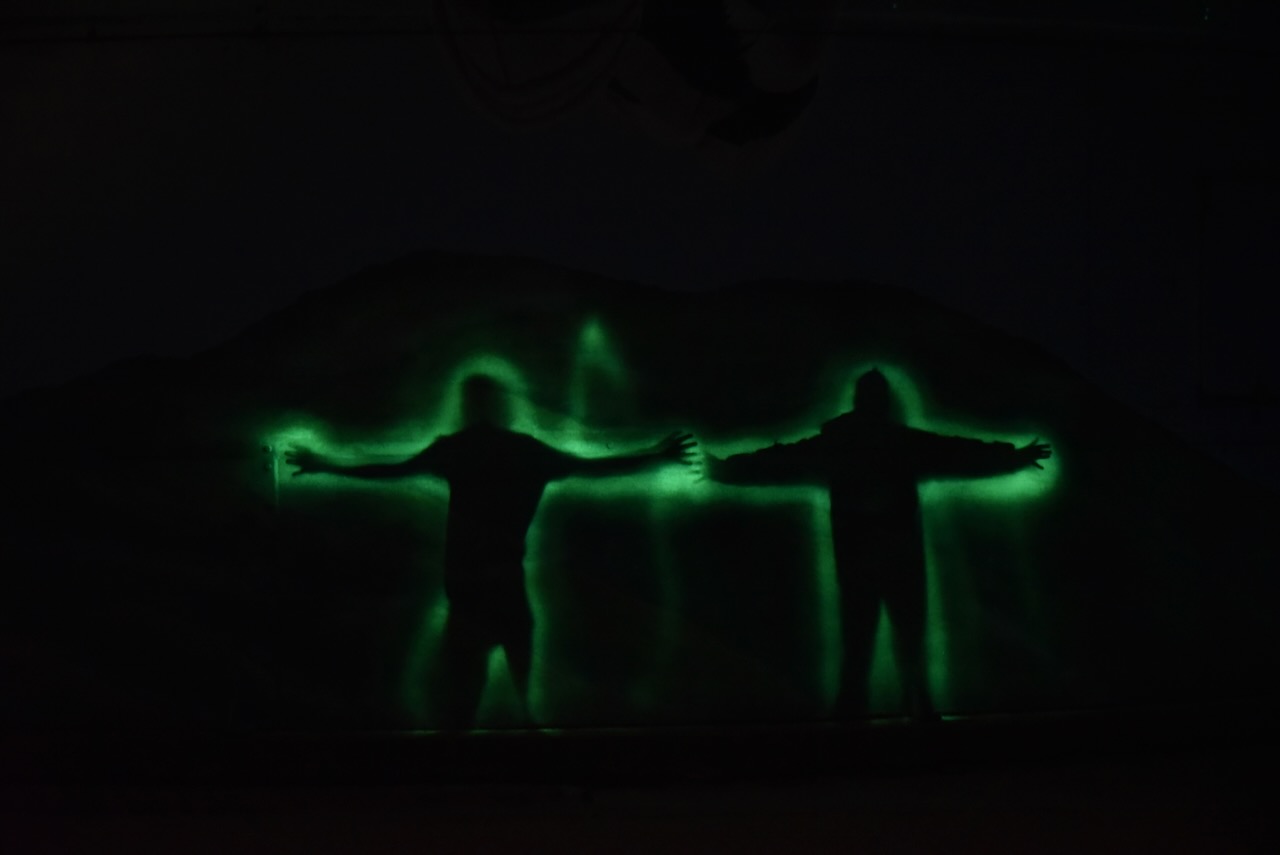
To add to the fun there is an interactive glow wall on the silo. We were lined up alongside the silo and asked to stretch out our arms. Not knowing what to expect, when we walked away from the silo wall we were amazed to see our images in ‘shadow art’. We even got to ‘sign’ on the silo wall with the UV torch.




















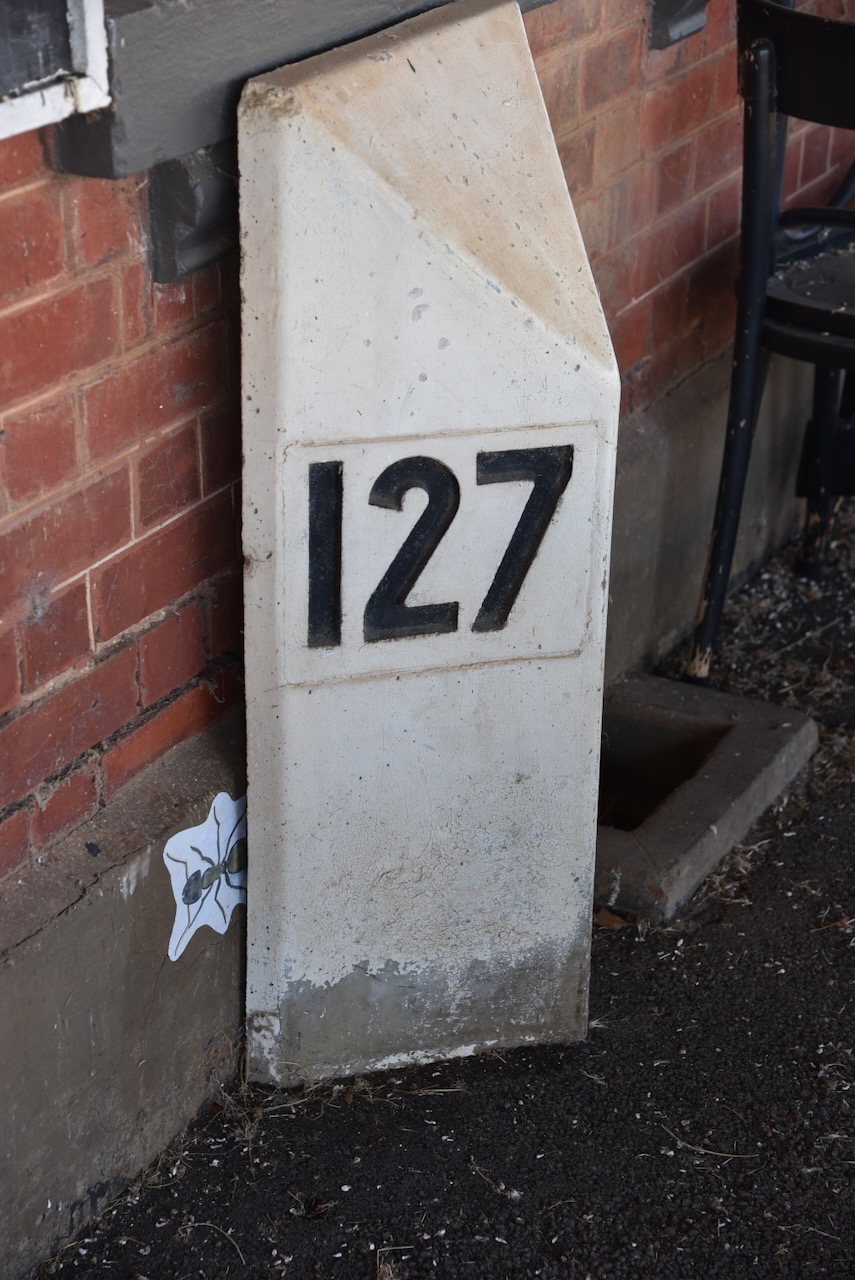
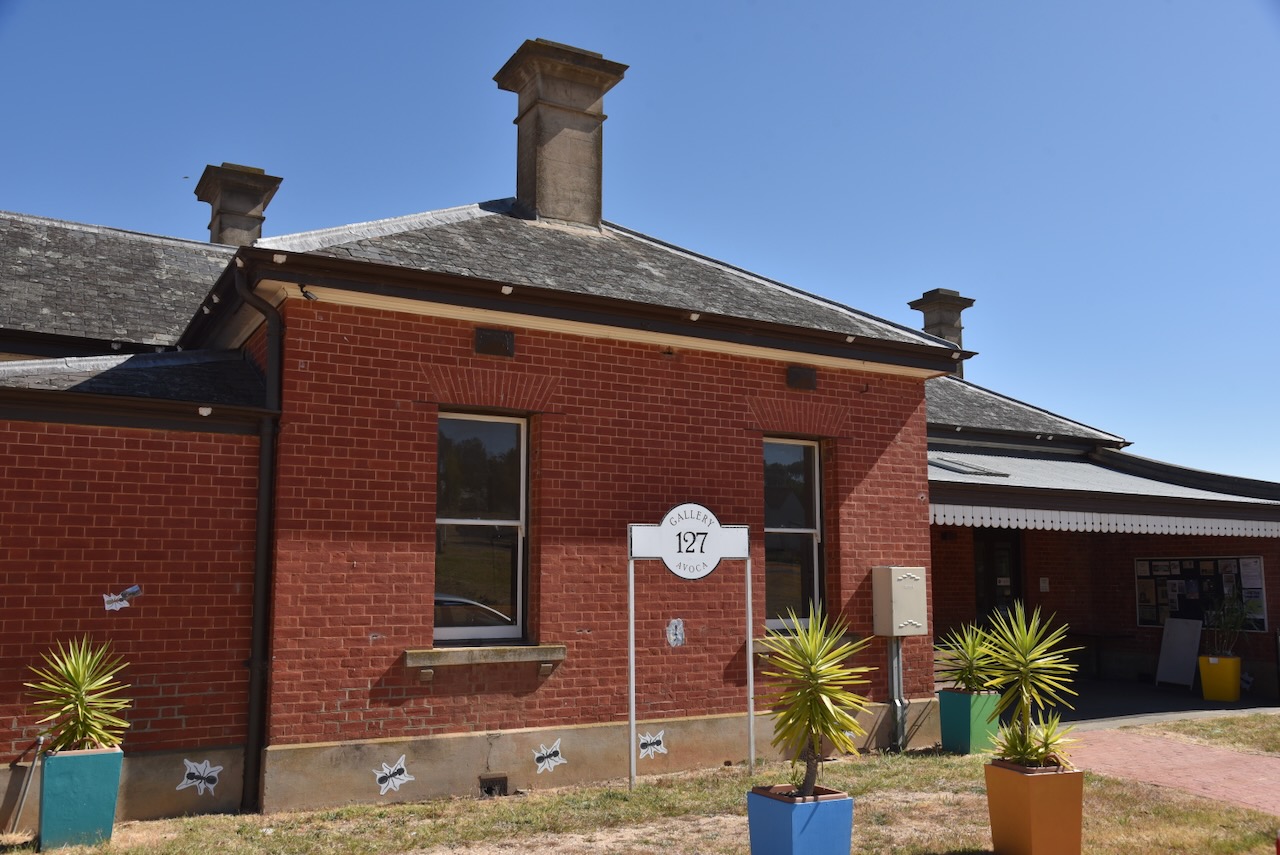
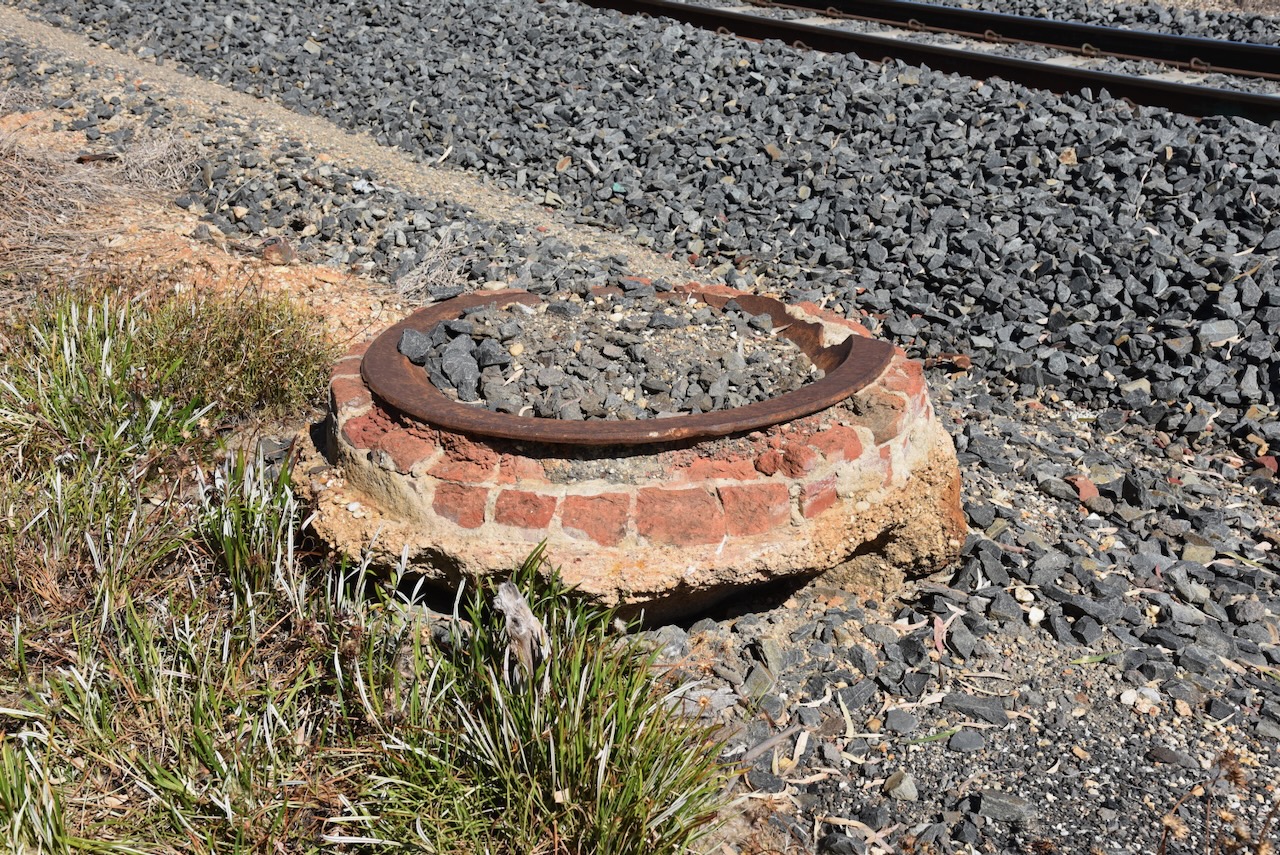
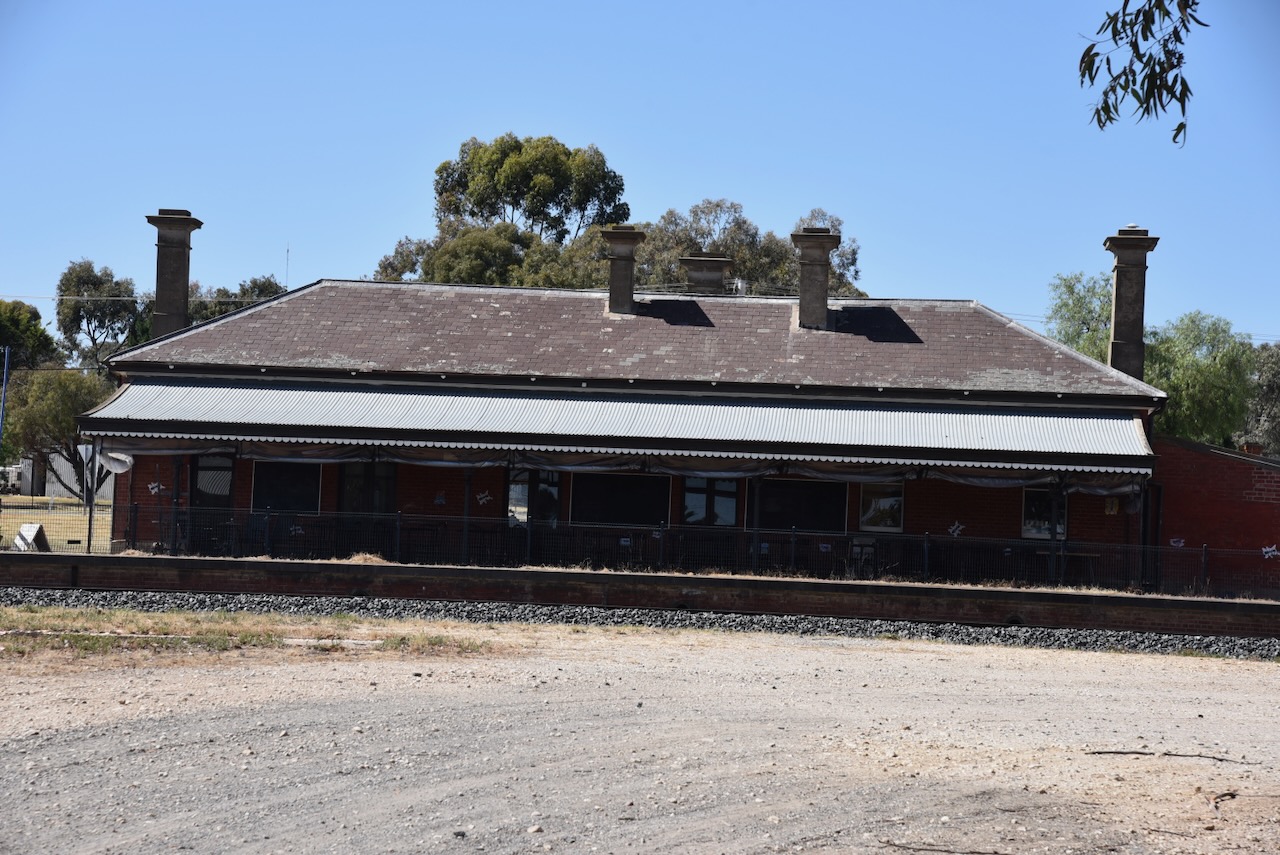






















 VK5PAS