Peoples Broadcasting Station PBS Xinjiang – 9470 kHz

At about 1112 UTC on Tuesday 11th January 2022, I tuned in to the Peoples Broadcasting Station PBS Xinjiang, CHINA, broadcasting in the Kazakh language on 9470 kHz.

The broadcast was coming from the Urumqi 100kW transmitter. Urumqi is located near the Kazakhstan and Mongolian borders.
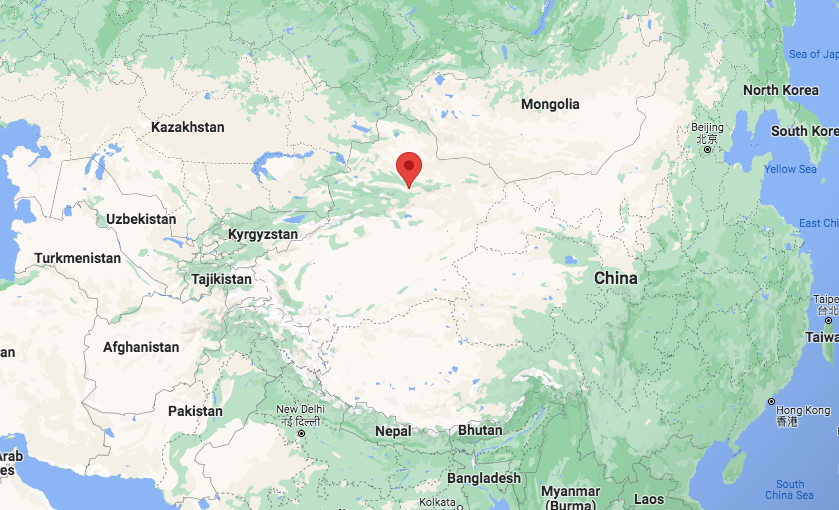
Above:- Map showing the location of Urumqi in China. Map c/o Google maps

The overall reception of PBS Xinjiang was fair. The signal strength was fair and there was only slight fading on the signal. There was no interference from other stations. There were moderate static crashes from local storms in Australia.

SINPO
35343

Below is a short video of my reception of PBS Xinjiang.

References.

  1. Short Wave Info, 2022, <https://www.short-wave.info/>, viewed 111th January 2022.
  2. Short Wave Schedule, 2022, <https://shortwaveschedule.com/>, viewed 11th January 2022.
  3. World Radio TV Handbook, 2022

Voice of Vietnam – 12020 kHz

At about 1130 UTC on 10th January 2022, I tuned in to the Voice of Vietnam, broadcasting on 12020 kHz in the English language.

The broadcast was coming from the Hanoi-Sontay 100kW transmitter. The broadcast audience was Asia.

The overall reception of the Voice of Vietnam was fair. The signal was good, however, there was severe interference from China Radio International on 12015 kHz, and this severely affected listening pleasure.

SINPO
42443

Below is a video showing my reception of the Voice of Vietnam on 12020 kHz.

References.

  1. Shortwave Info, 2022, <https://www.short-wave.info/>, viewed 10th January 2022.
  2. Shortwave Schedule, 2022, <https://shortwaveschedule.com/>, viewed 10th January 2022.
  3. World Radio TV Handbook, 2022.

Voice of Korea, NORTH KOREA – 6170 kHz

Next on 10th January 2021, at 1031 UTC, was the Voice of Korea, NORTH KOREA, broadcasting in the English language on 6170 kHz.

The broadcast was coming from the Kujan 200KW transmitter. The broadcast was aimed at Latin America. The program consisted of a commentary on the Workers Party of Korea, and music.

The overall reception was very poor. This was due to severe interference from China National Radio CNR6 on 6165 kHz.

SINPO
32432

Below is a video showing my reception of the Voice of Korea on 6170 kHz.

References.

  1. Shortwave Info, 2022, <https://www.short-wave.info/>, viewed 10th January 2022.
  2. Shortwave Schedule, 2022, <https://shortwaveschedule.com/>, viewed 10th January 2022.
  3. World Radio TV Handbook, 2022.

Pyongyang Broadcasting Station, NORTH KOREA – 6160 kHz

At about 1011 UTC on Monday the 10th January 2022, I tuned in to the Pyongyang Broadcasting Station in NORTH KOREA, broadcasting in the Korean language on 6160 kHz.

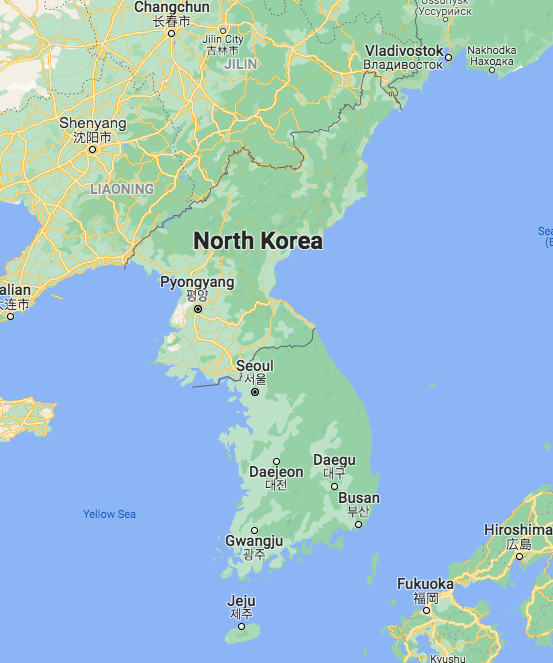
Above:- Map showing the location of North Korea. Map c/o Google maps

The broadcast was coming from the PBS Kanggye 50kW transmitter. The target audience was East Asia.

PBS has a website which can be found at……

http://www.gnu.rep.kp/

The overall reception of PBS was fair. The signal strength was good, but there was severe interference from China National Radio CNR6 on 6165 kHz. There was also some interference from China National Radio CNR2 on 6155 kHz.

SINPO
42443

Below is a short video showing my reception of PBS on 6160 kHz.

References.

  1. Shortwave Info, 2022, <https://www.short-wave.info/>, viewed 10th January 2022.
  2. Shortwave Schedule, 2022, <https://shortwaveschedule.com/>, viewed 10th January 2022.
  3. World Radio TV Handbook, 2022.

Voice of Korea – 6185 kHz

At about 1023 UTC on Friday 7th January 2022, I tuned in to the Voice of Korea, broadcasting in the English language on 6185 kHz.

The broadcast was coming from the Voice of Korea’s Kujan 200kW transmitter. The broadcast consisted of various music.

The overall reception of the Voice of Korea was Fair. The signal strength was good, however, there was interference on the frequency from China Huyai Broadcasting Corporation in the Chinese language, and some bleed over from Radio Taiwan broadcasting in the Chinese language on 6180 kHz.

SINPO
43443

Below is a short video of my reception of the Voice of Korea.

References.

  1. Short Wave Info, 2022, <https://www.short-wave.info/>, viewed 7th January 2022.
  2. Short Wave Schedule, 2022, <https://shortwaveschedule.com/>, viewed 7th January 2022.

Echo of Unification, NORTH KOREA – 5905 kHz

Next in the log on 4th January 2022, was Echo of Unification, NORTH KOREA, broadcasting in the Korean language on 5905 kHz. I tuned in at about 1159 UTC.

Above:- Map showing the location of North & South Korea.

More information on Echo of Unification can be found on their website at……

https://www-tongilvoice-com

The overall reception was poor. This was due to Over the Horizon Radar on the band, and also another station on the same frequency, which I believed was China Radio International broadcasting in the Russian language.

SINPO
42343

Below is a video showing my reception of the Echo of Unification.

References.

  1. Short Wave Info, 2022, <https://www.short-wave.info/>, viewed 4th January 2022.
  2. Short Wave Schedule, 2022, <https://shortwaveschedule.com/>, viewed 4th January 2022

Echo of Hope, SOUTH KOREA – 3980 kHz

At about 1100 UTC on Tuesday the 4th day of January 2022, I tuned in to Echo of Hope, broadcasting from SOUTH KOREA in the Korean language on 3980 kHz.

Above:- Map showing the location of South & North Korea. Map c/o Google maps

The Echo of Hope was initially known as the Voice of Unification and was renamed Echo of Hope in 1973. it is operated by the South Korean National Intelligence Service.

The program was coming from the Hwaseong 100kW transmitter.

The overall reception of Echo of Hope was poor. There was significant interference on the frequency, possibly a jamming signal.

SINPO
32342

Below is a video showing my reception of Echo of Hope.

References.

  1. Short Wave Info, 2021, <https://www.short-wave.info/>, viewed 4th January 2022.
  2. Short Wave Schedule, 2021, <https://shortwaveschedule.com/>, viewed 4th January 2022.

RTM Wai, MALAYSIA – 11665 kHz

Next in the log on 2nd January 2021, at 1054 UTC was Radio Television Malaysia RTM Wai in MALAYSIA, broadcasting on 11665 kHz in the Malaysian language.

The overall reception was poor. The signal strength was fair, but there was severe interference from adjoining stations. There was severe interference from the Voice of America in Chinese on 11660 kHz and CNR China on 11670 kHz. By 1105 UTC the signal had almost disappeared in amongst the interference.

SINPO
32342

Below is a short audio clip of my reception of RTM Malaysia.

References.

  1. Short Wave Info, 2021, <https://www.short-wave.info/>, viewed 2nd January 2022.
  2. Short Wave Schedule, 2021, <https://shortwaveschedule.com/>, viewed 2nd January 2022.

China National Radio CNR7 – The Great Bay – 15550 kHz

At about 1025 UTC on Sunday the 2nd January 2021, I tuned in to China National Radio CNR7 – The Great Bay, transmitting on 15550 kHz in the Cantonese language.

The broadcast was coming from their Beijing 100kW transmitter.

The overall reception of CNR7 was good.

SINPO
45444

Below is a video of my reception of CNR7.

References.

  1. Short Wave Info, 2021, <https://www.short-wave.info/>, viewed 2nd January 2022.
  2. Short Wave Schedule, 2021, <https://shortwaveschedule.com/>, viewed 2nd January 2022.

BBC World Service – 15310 kHz

At 1200 UTC on 1st January 2022, I tuned in to the BBC World Service broadcasting on 15310 kHz in the English language.

The broadcast was coming from the BBC Al Seela 125 kW transmitter which is located in the United Arab Emirates. The program consisted of the News and the World Book Club.

The overall reception of the BBC was good.

SINPO
45444

Below is a video showing my reception of the BBC.

References.

  1. Short Wave Info, 2021, <https://www.short-wave.info/>, viewed 1st January 2022.