
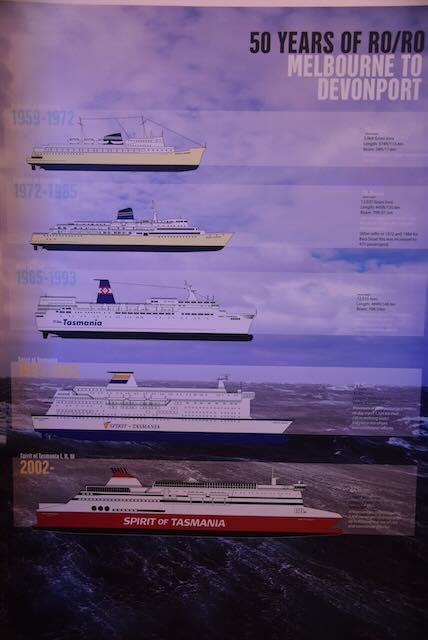
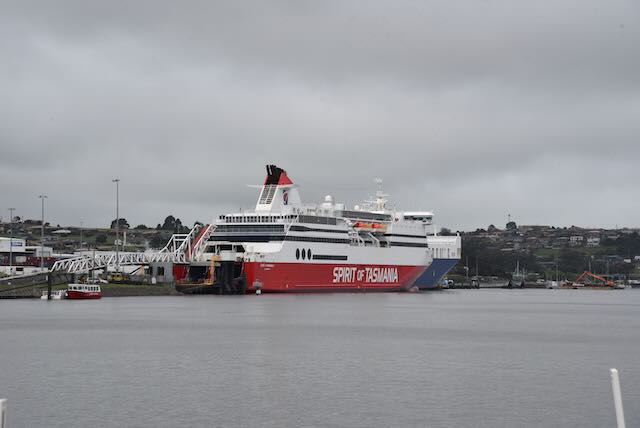
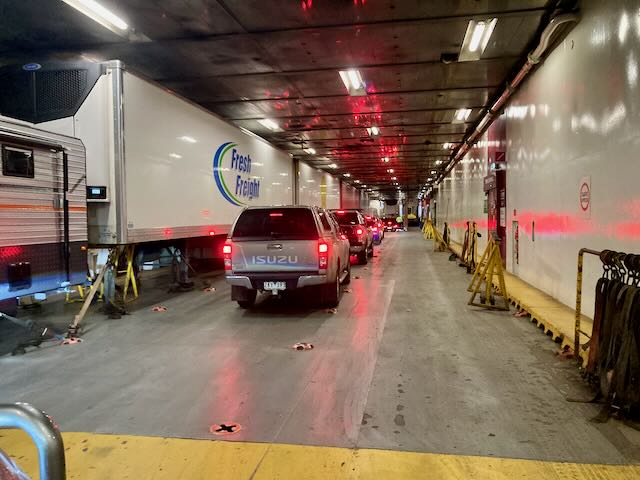
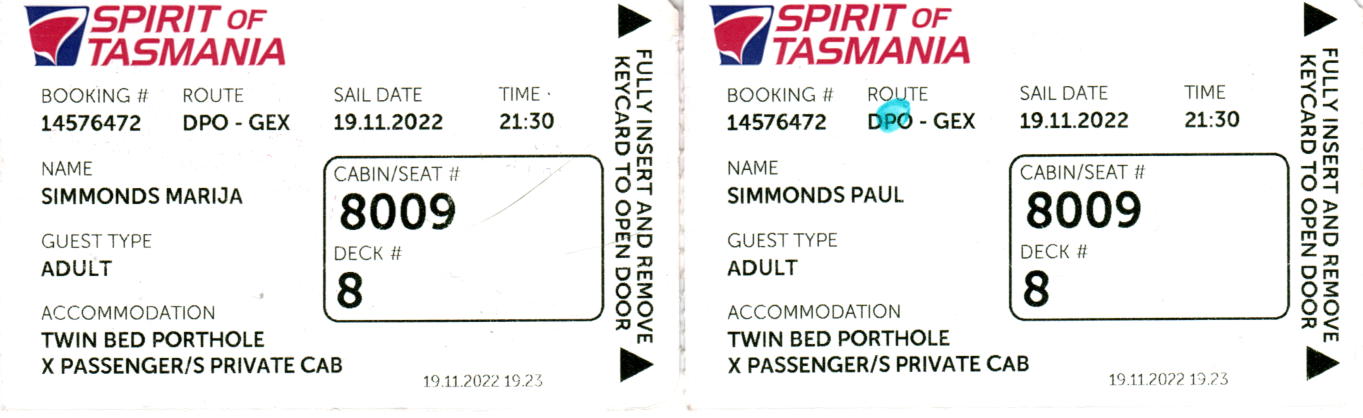
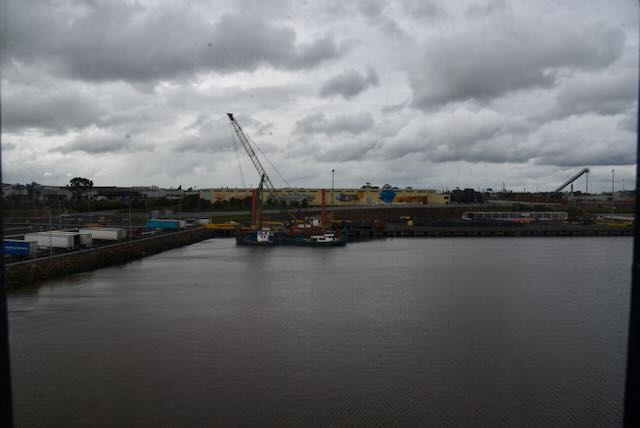
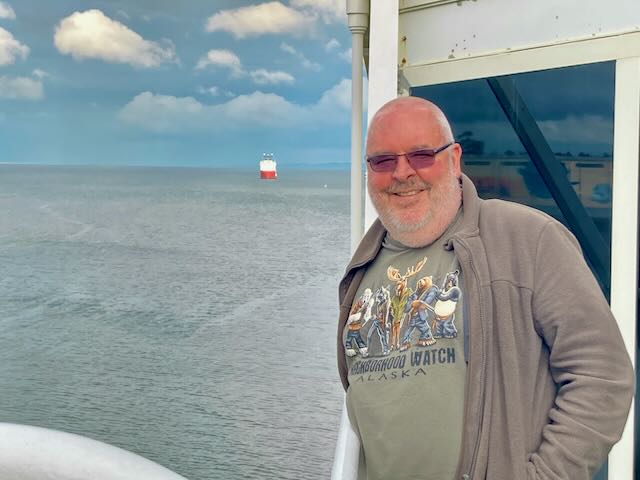
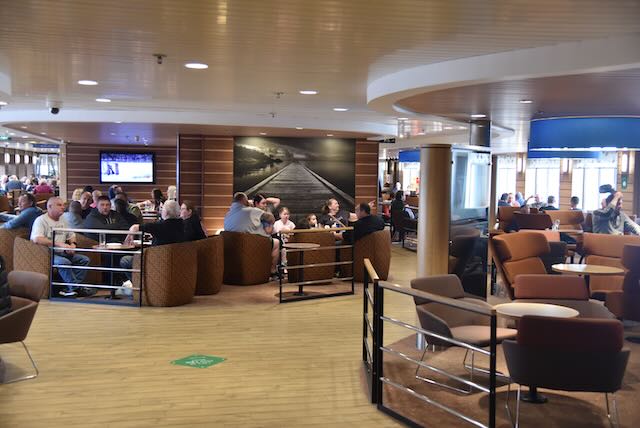
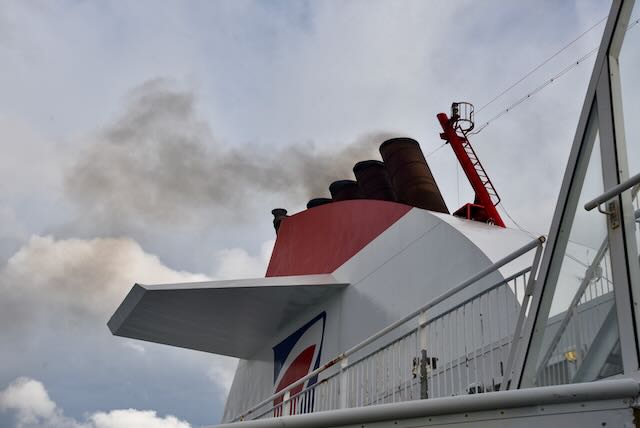
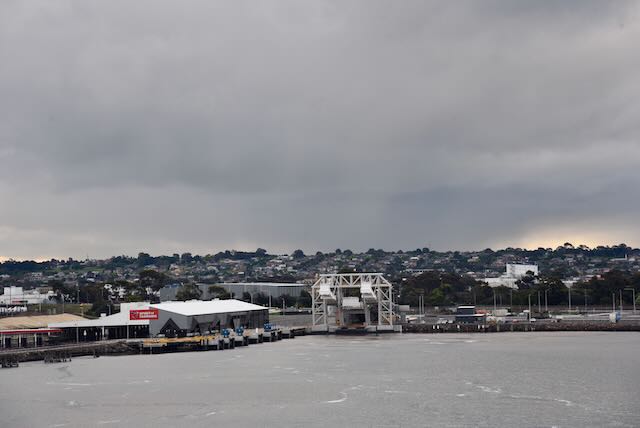
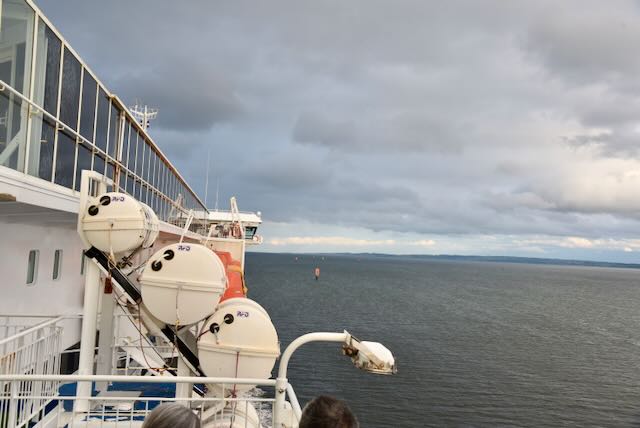
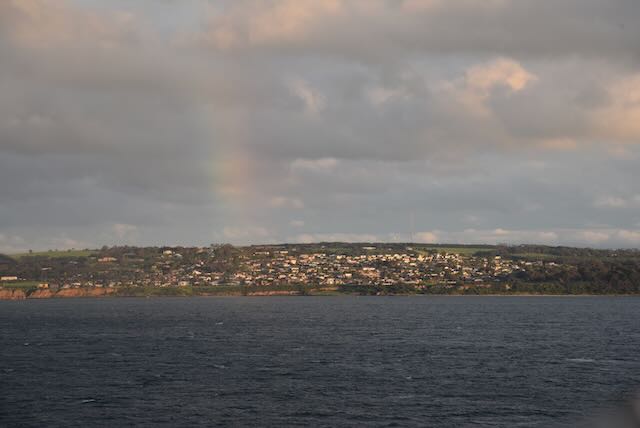
We arrived in Devonport Tasmania at 6.00 a.m. on Friday 28th October 2022 aboard the Spirit of Tasmania. It had been a relatively smooth crossing and Marija and I slept well. Unfortunately we were greeted by wet and cold weather in Devonport.


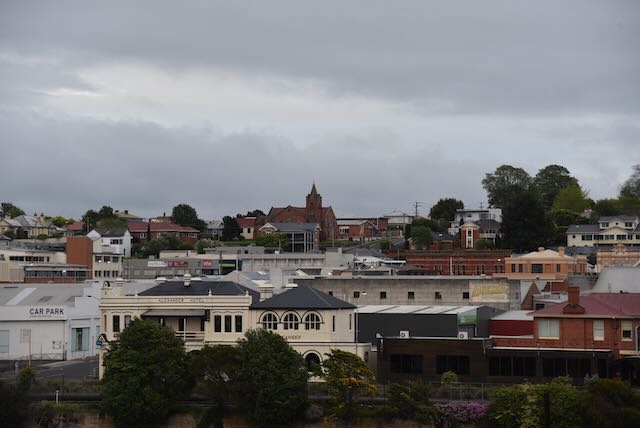
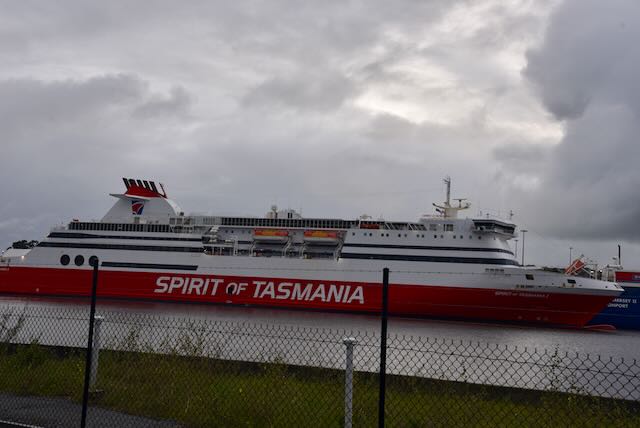
After alighting from the Spirit of Tasmania, Marija and I headed to McDonalds for some breakfast and a coffee. We also tried the Visitor Information Centre but it was closed.
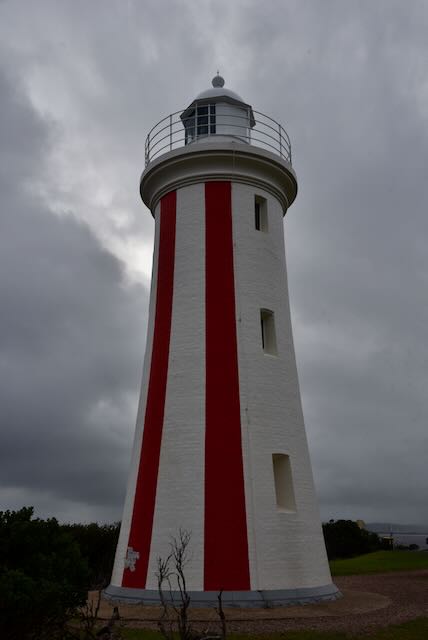
We headed out to the Mersey Bluff lighthouse which stands near the mouth of the Mersey River. The lighthouse was constructed in 1889 and has a distinctive vertical red striped day mark.
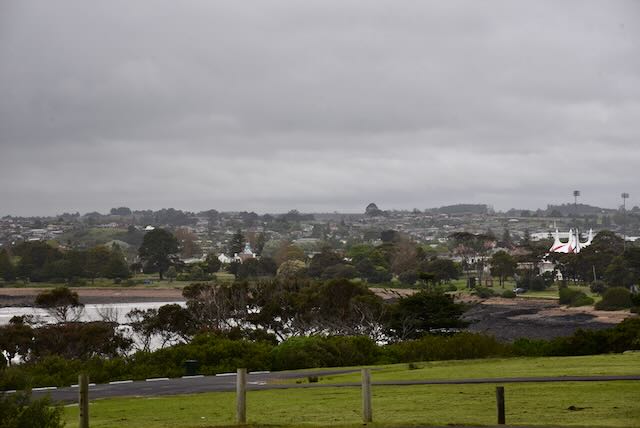
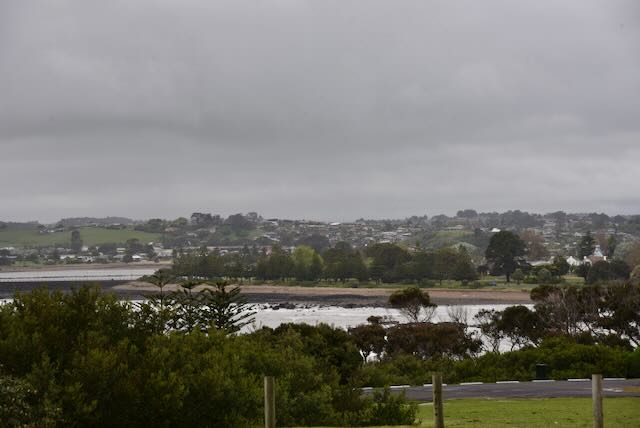
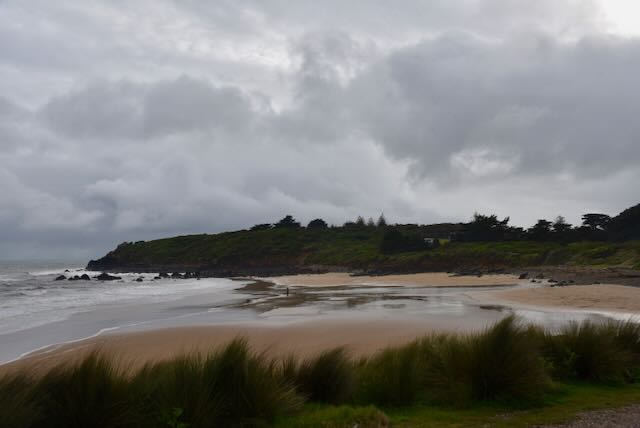
We also travelled the short distance to Coles Beach and admired the view of the coastline despite it being a wet and blustery day.


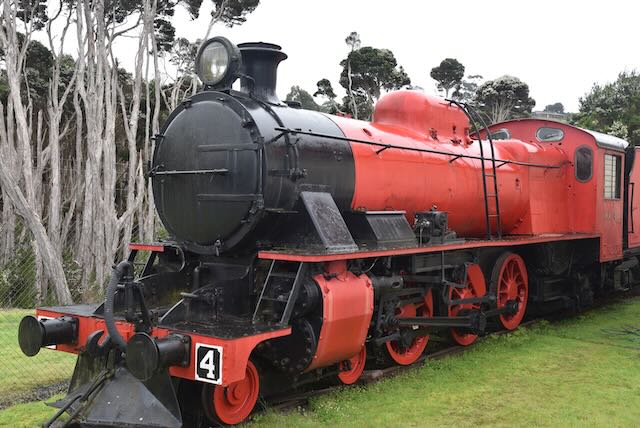
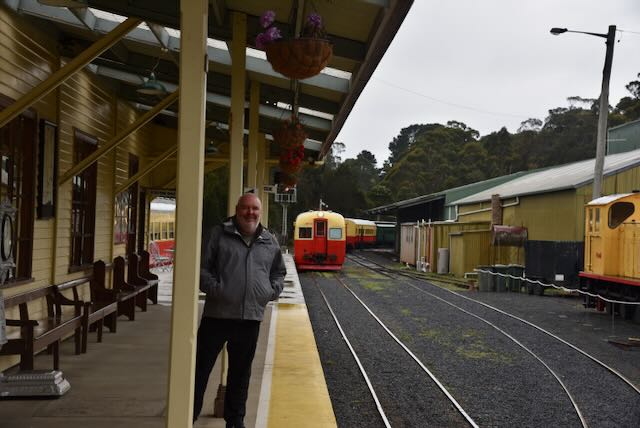
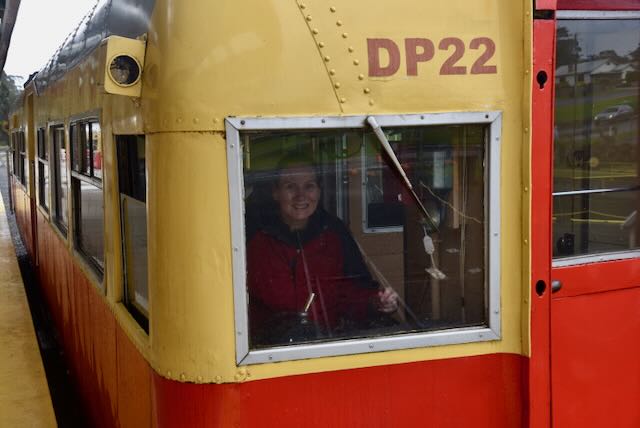
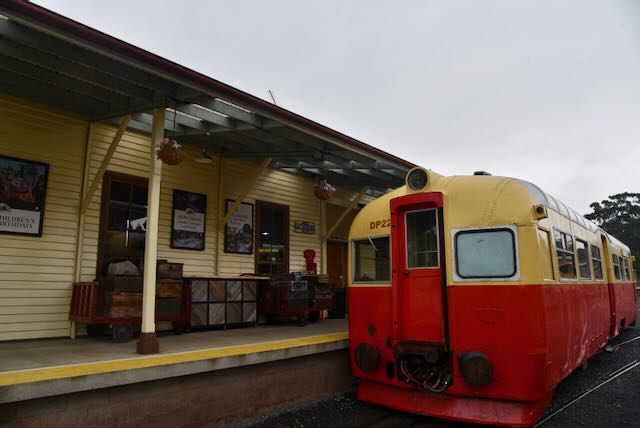
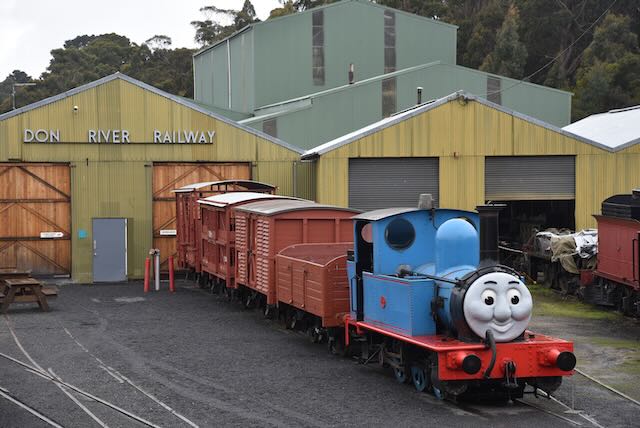
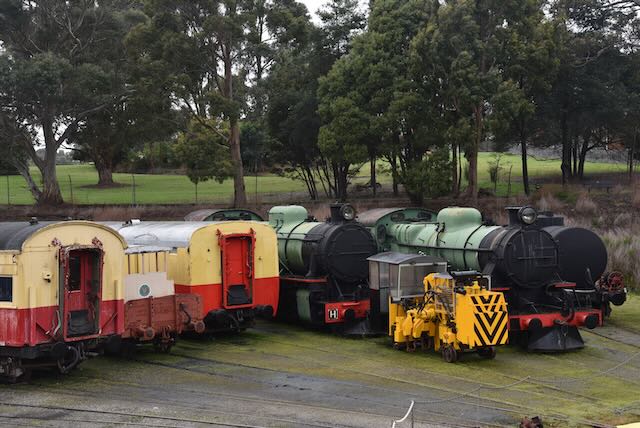
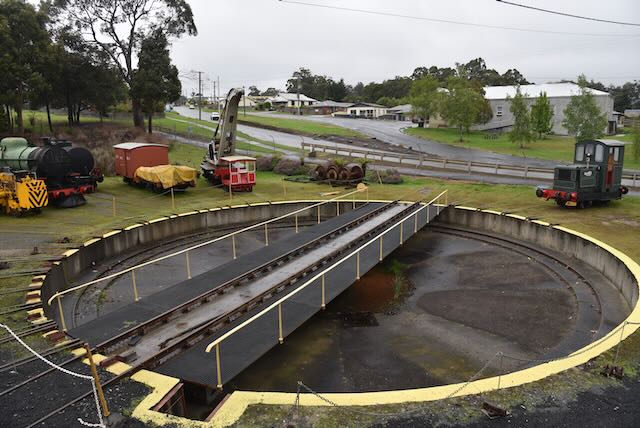
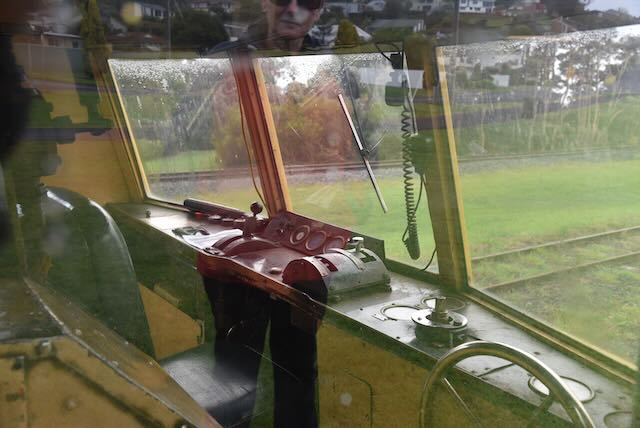
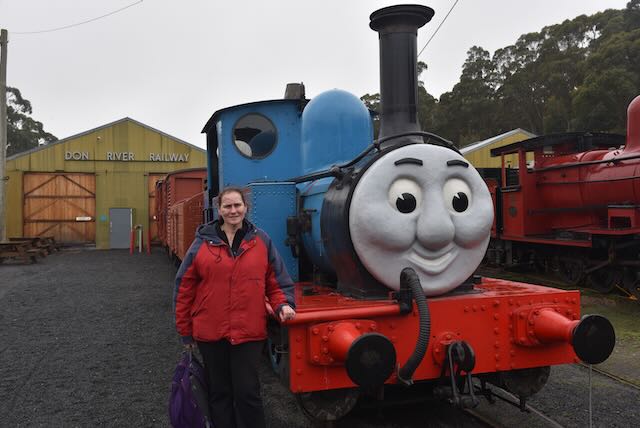
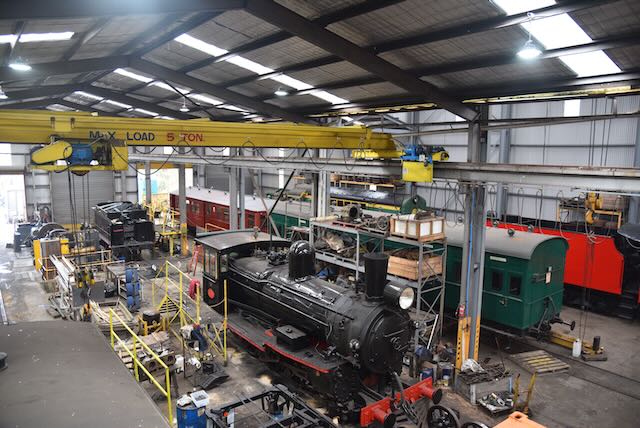
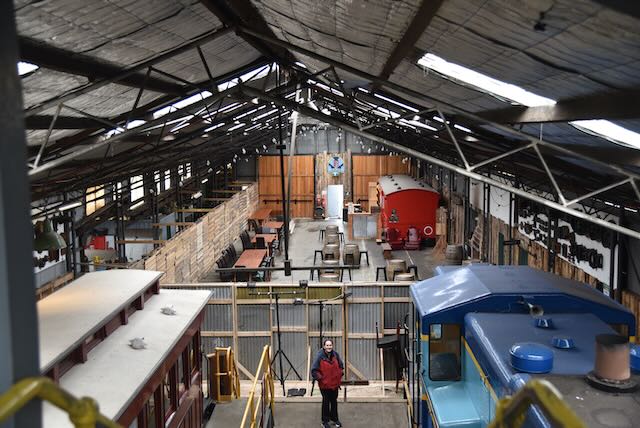
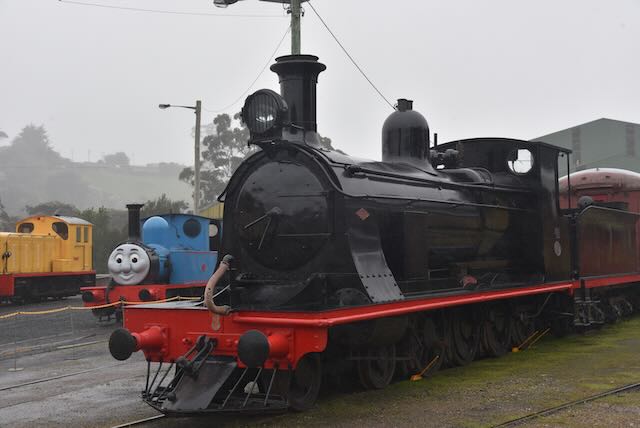
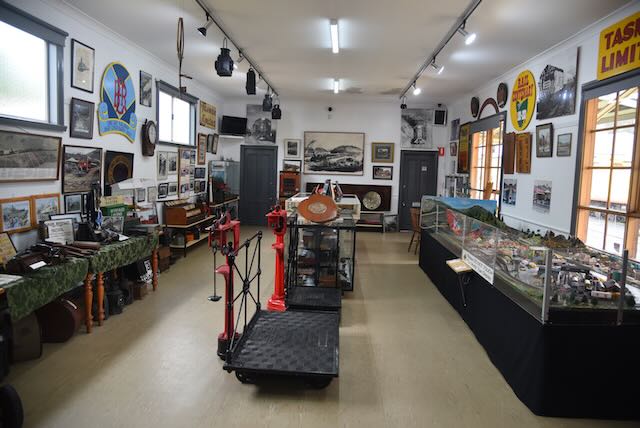
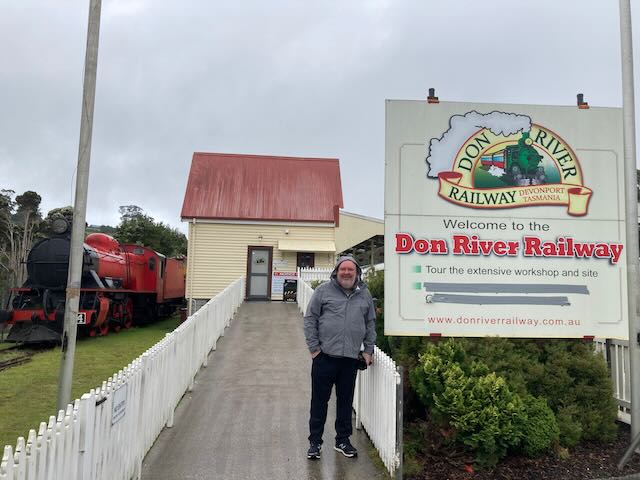
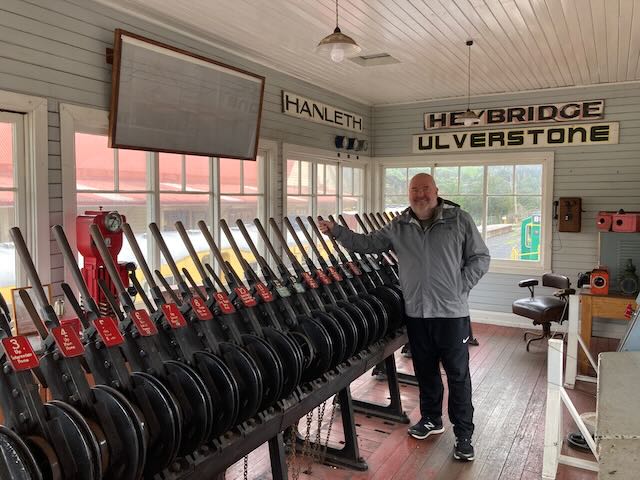
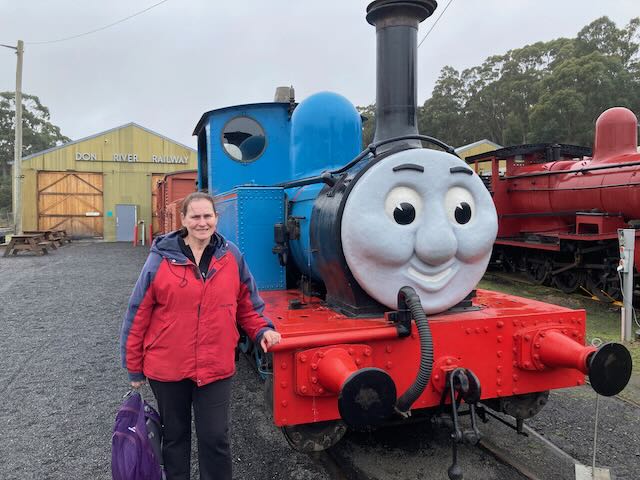
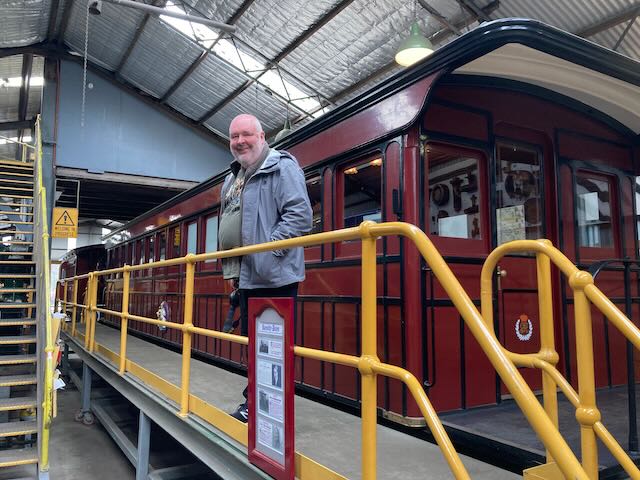
Our next stop was the Don River railway museum which is a volunteer run vintage railway and museum located in Don, a suburb of Devonport. The museum opened in 1973 while the trains commenced running in 1976.
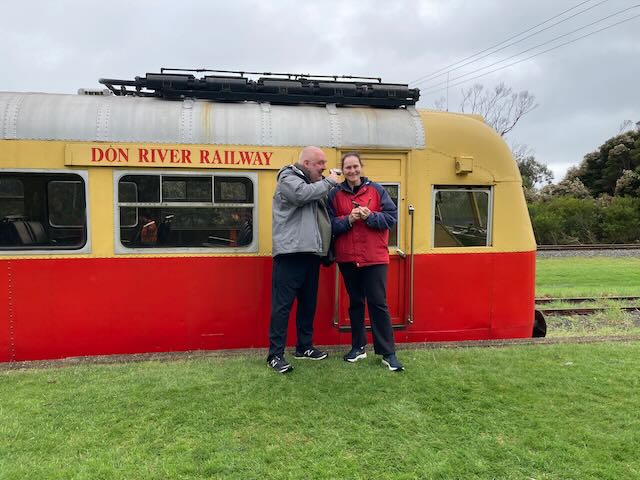
We took the short train trip along the eastern bank of the Don River to the junction at Coles Beach, and return.
More info can be found on the Don River railway website at……
https://donriverrailway.com.au/








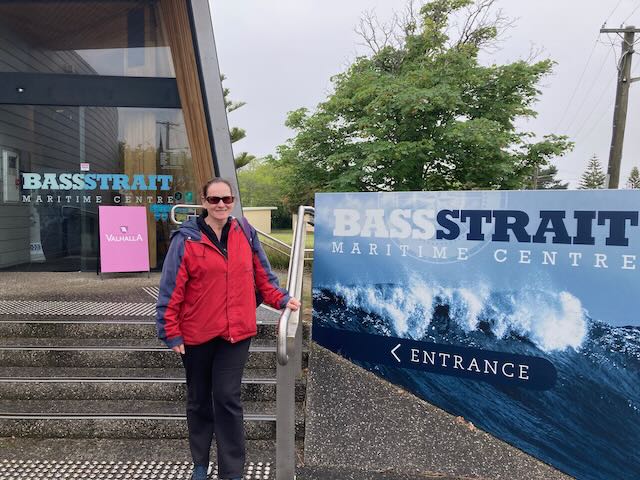
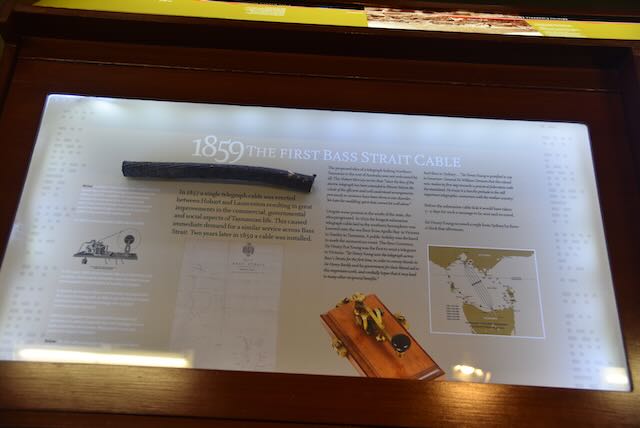
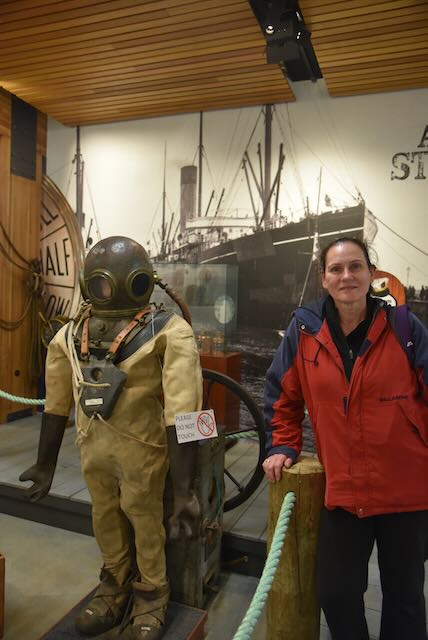
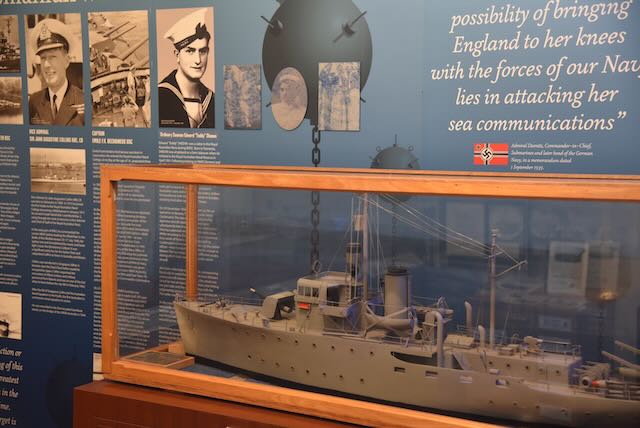
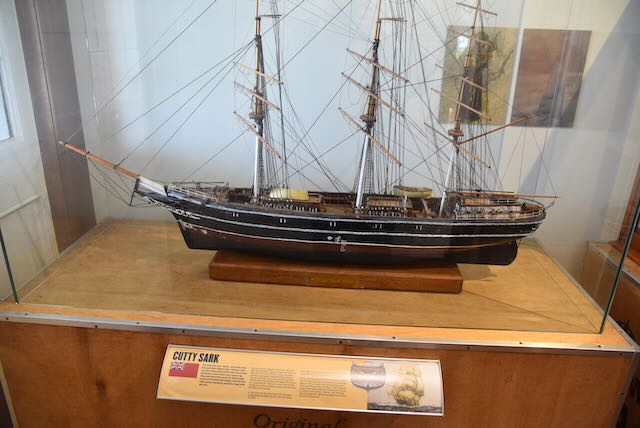
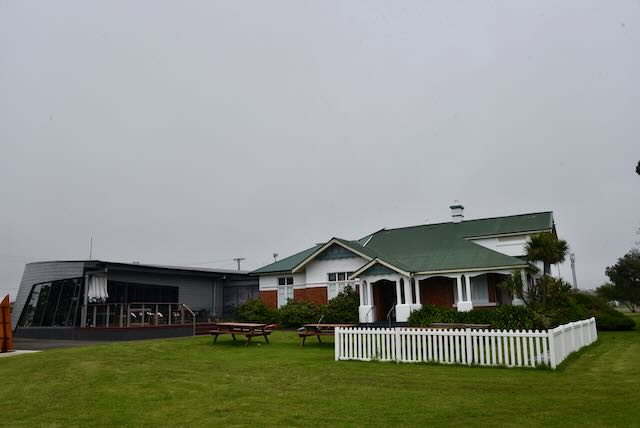
As it was such a miserable day we decided for another indoor activity for the day. This time it was the Bass Strait Maritime Centre in Devonport. The museum houses a number of exhibits and displays that relate to Bass Strait, European exploration, shipwrecks and maritime history of Devonport.
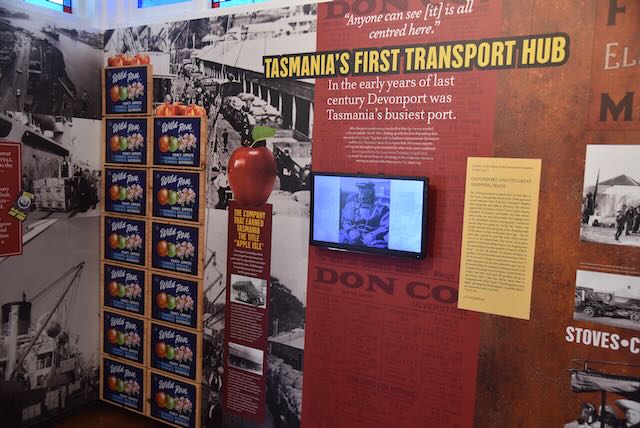
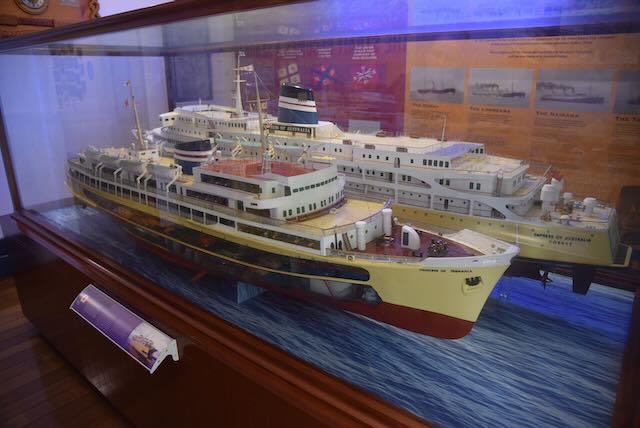
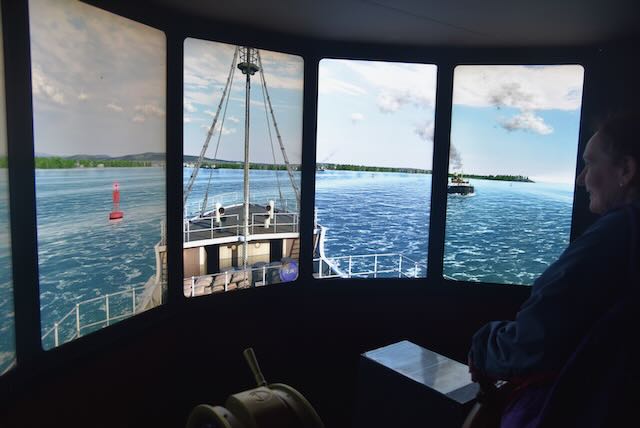
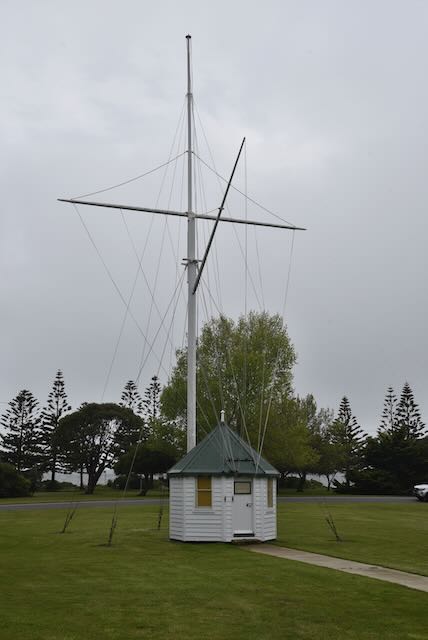
We then had a look at the Spirit of the Sea which is a bronze sculpture located at Aikenhead Point, Devonport. The sculpture depicts Neptune holding a trident in his hands.


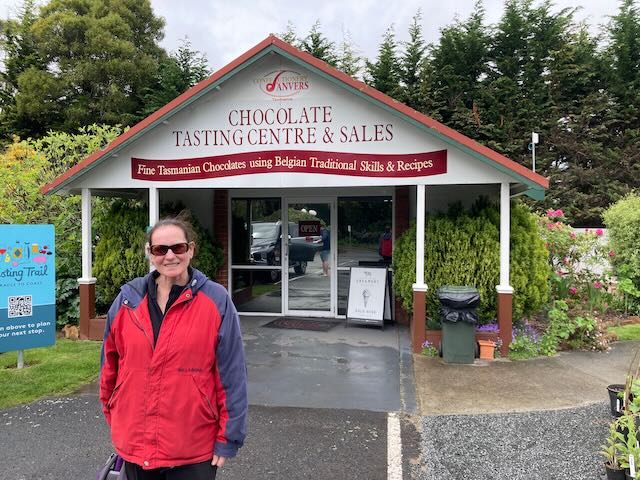
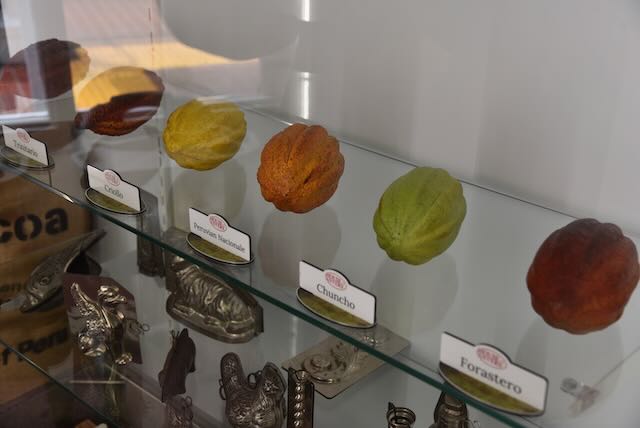
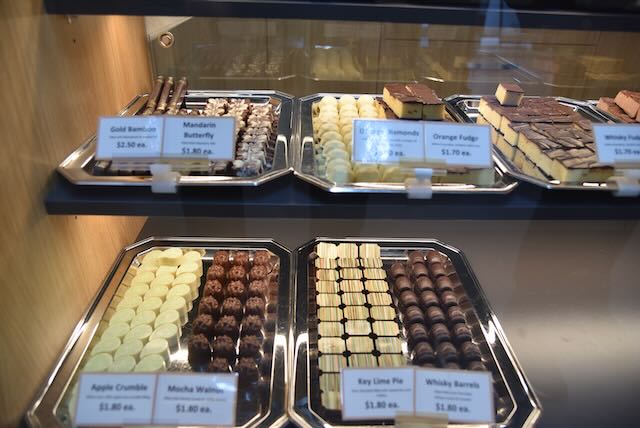
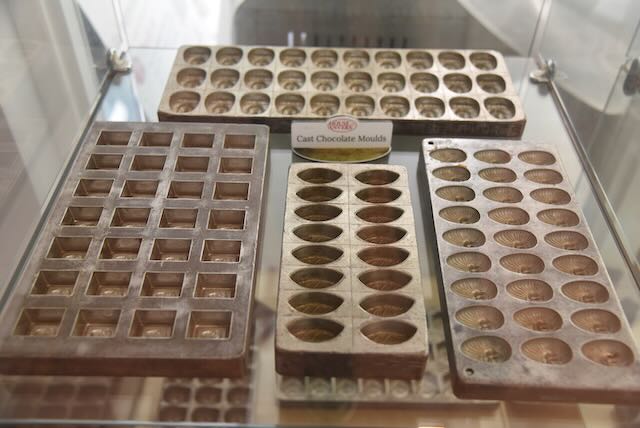
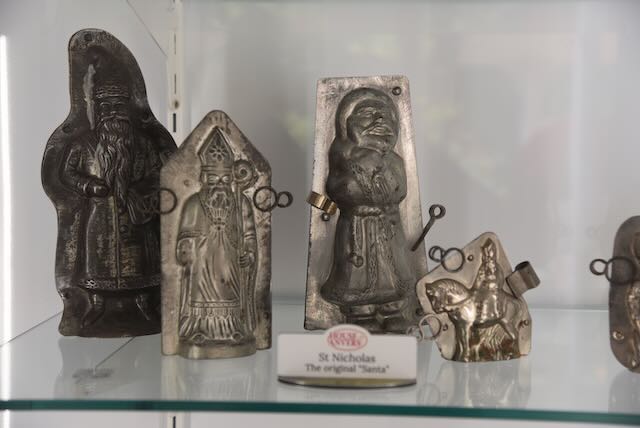
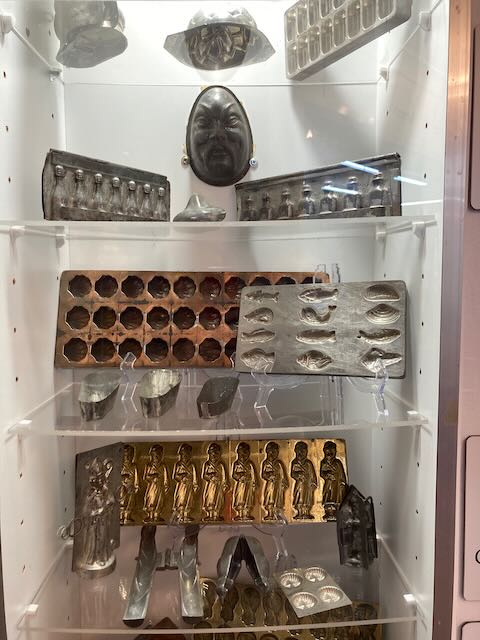
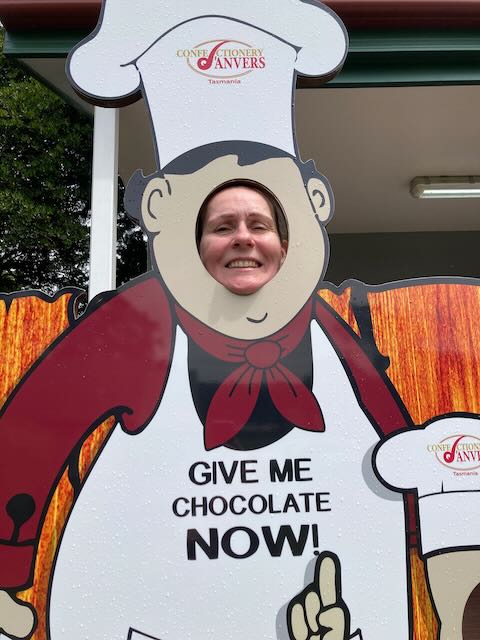
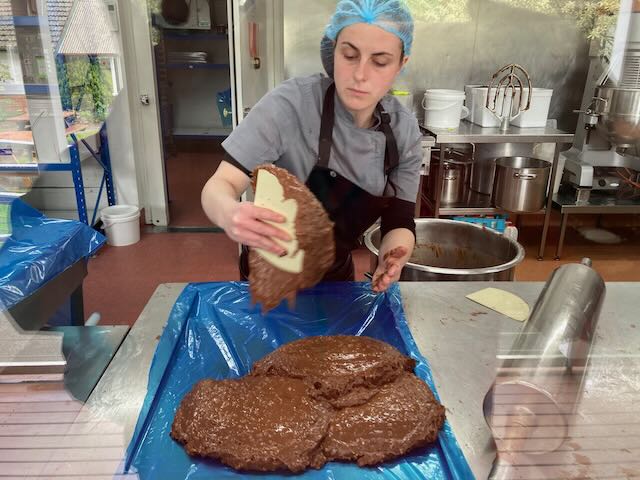
We then headed out of Devonport to House of Anvers chocolates at Latrobe. Igor Van Gerwen, from Antwerp Belgium started the business in 1986. At that time he converted his home garage into a small kitchen. Needless to say we left with a number of paper bags full of chocolate.
https://anvers-chocolate.com.au/

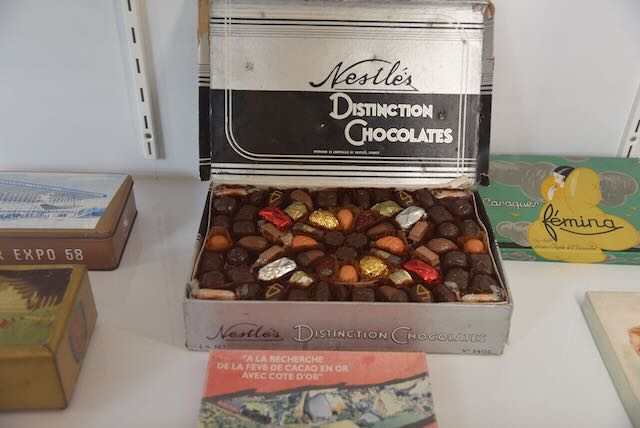




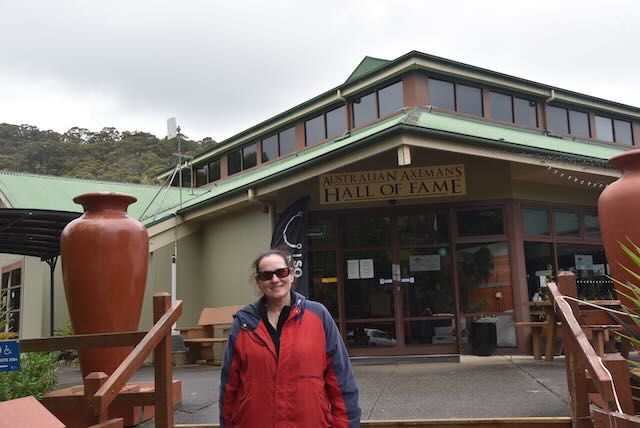
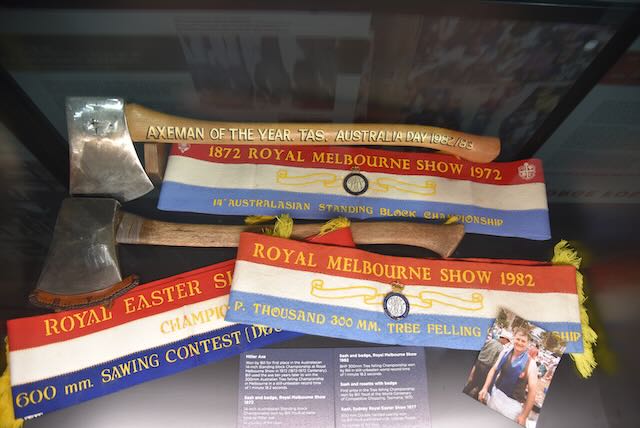
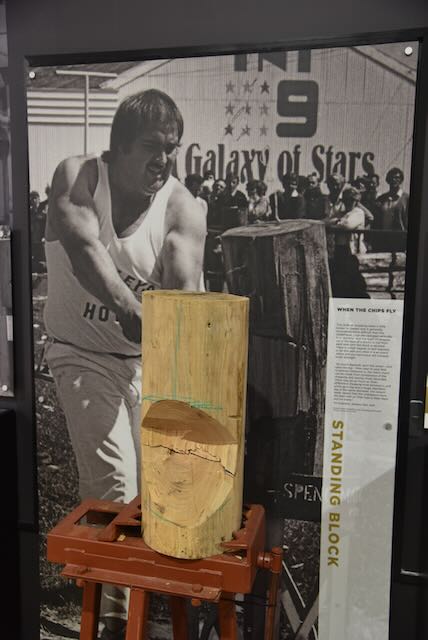
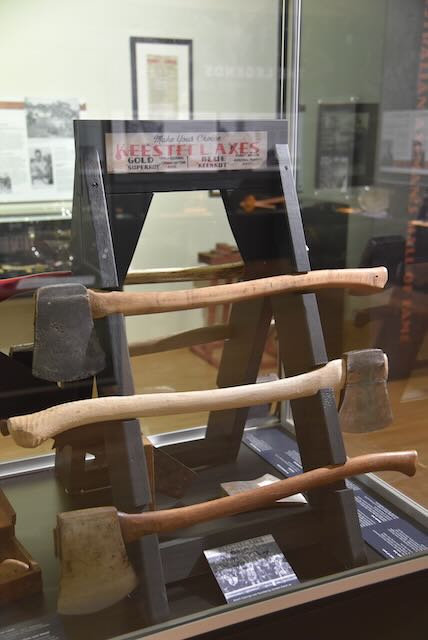
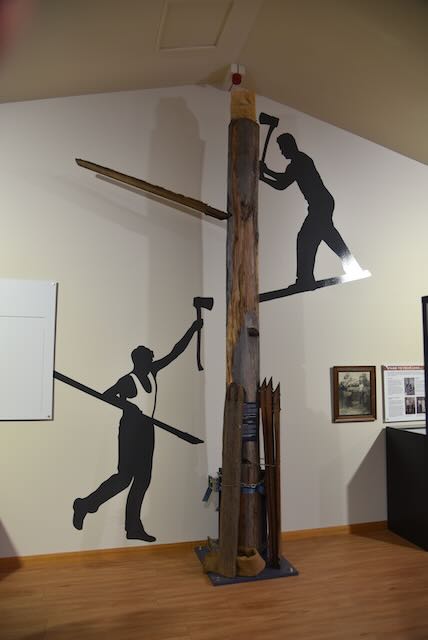
We then visited the Australian Axeman’s Hall of Fame situated at Latrobe. It was here that the first world woodchopping championship was staged in 1891 and the sport was born. A trophy axe from the 1954 Royal Tour is one of our featured exhibits.
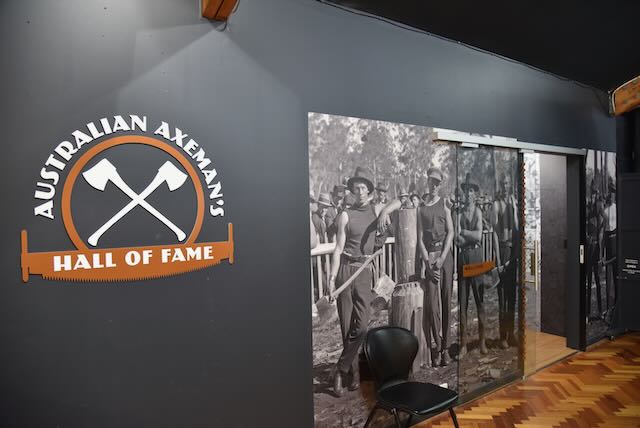
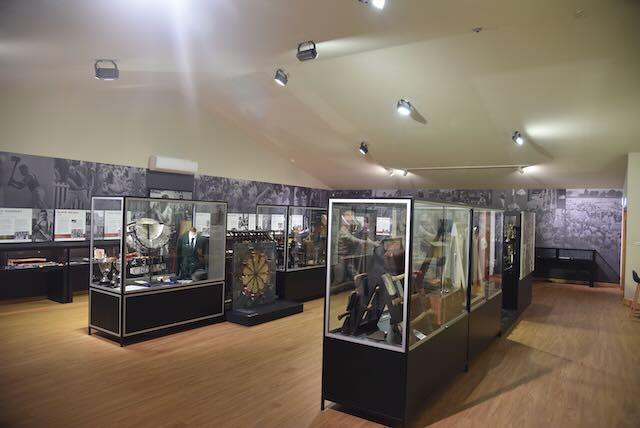
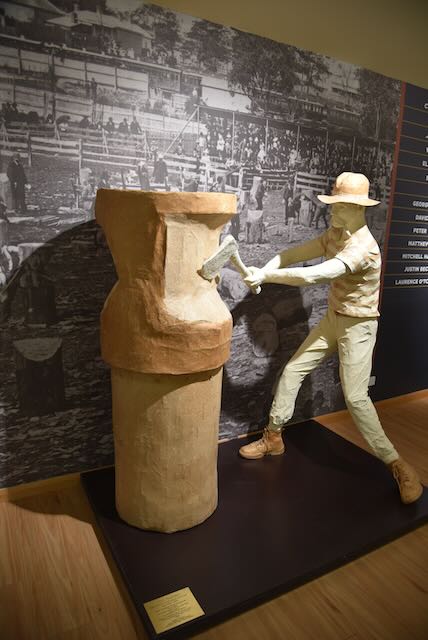
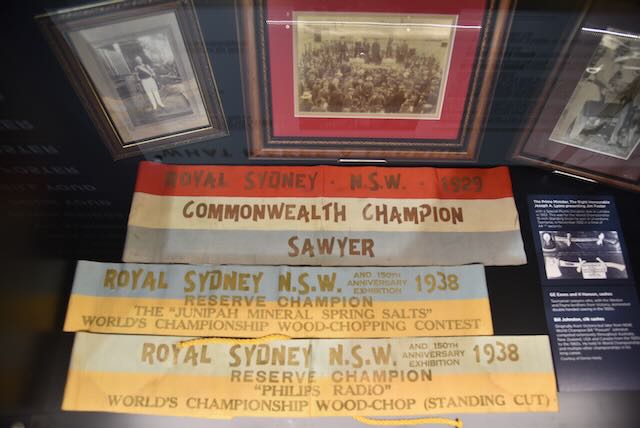


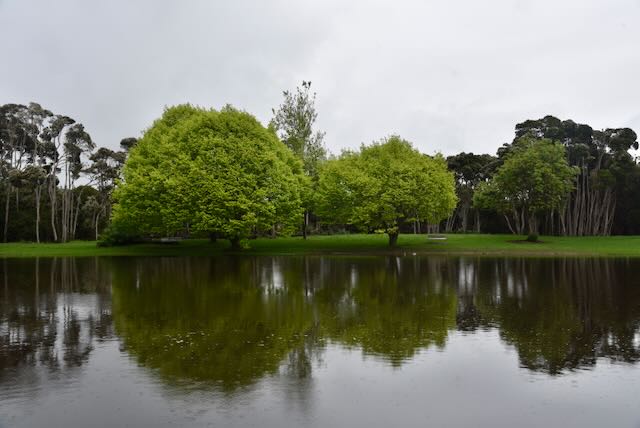
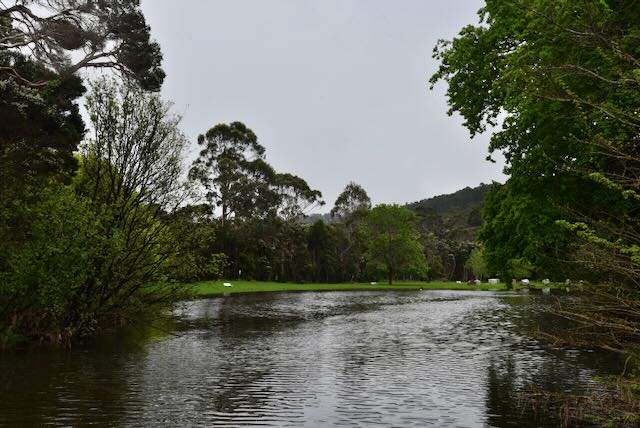
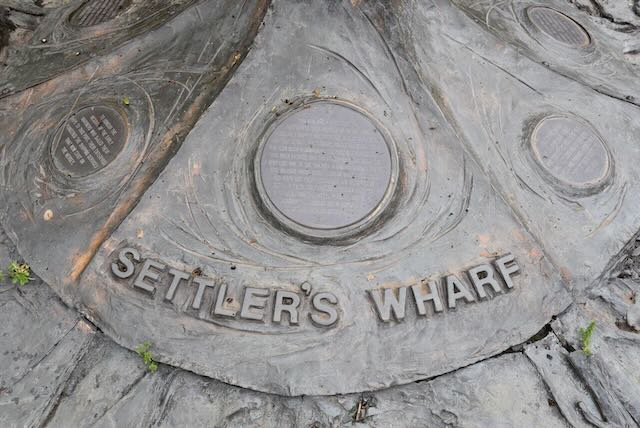
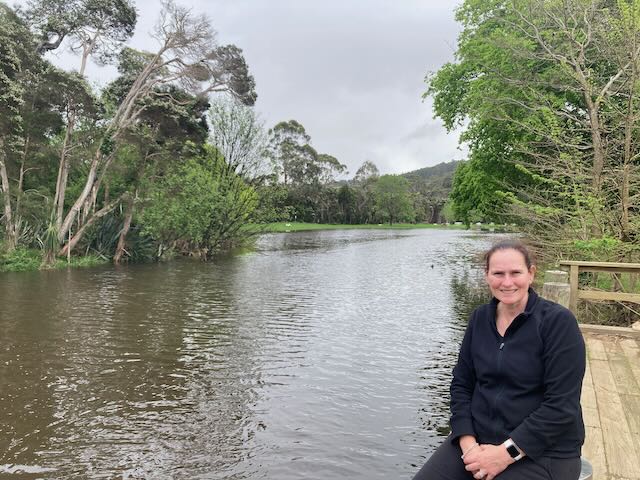
The rain had started to clear a little so we took a quick walk in Bells Parade which is located on the Latrobe Inlet of the Mersey River. It takes its name from Robert Bell, who along with his half brother Henry Bentick, constructed a wharf and a store on the site in 1855.
We also had a look at Sherwood Hall, which was constructed in c. 1850 and was the original colonial home of former convict Thomas Johnson and Dolly Dalrymple Briggs. It is believed to be the oldest house in Latrobe. Johnson was sent to Van Dieman’s Land as a convict, while his wife Briggs is the first known child of an aboriginal and white person.



We then travelled into the town of Latrobe, named after Charles Joseph La Trobe, the administrator of the colony of Tasmania.
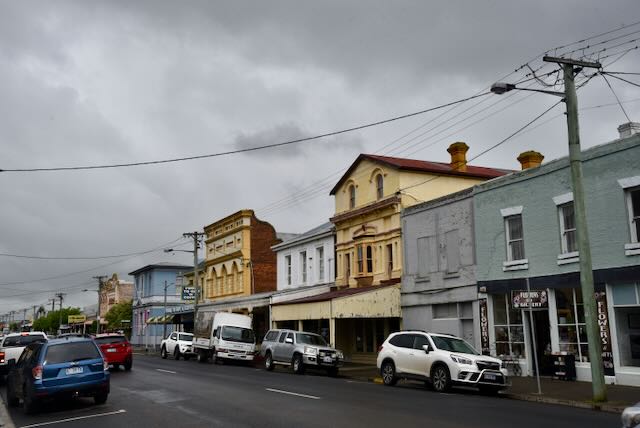
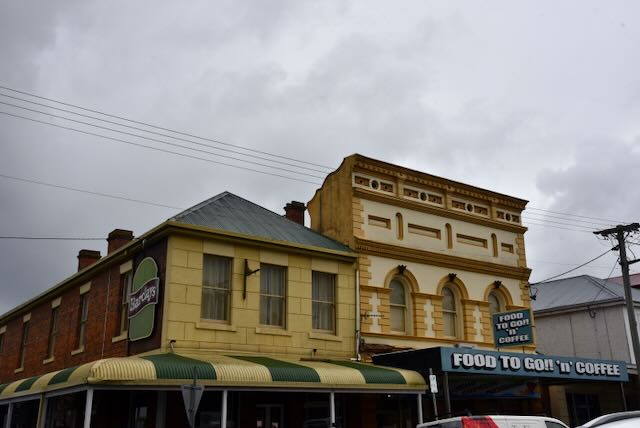
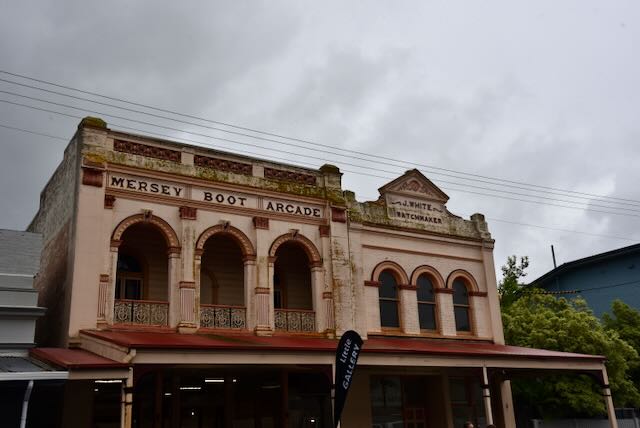
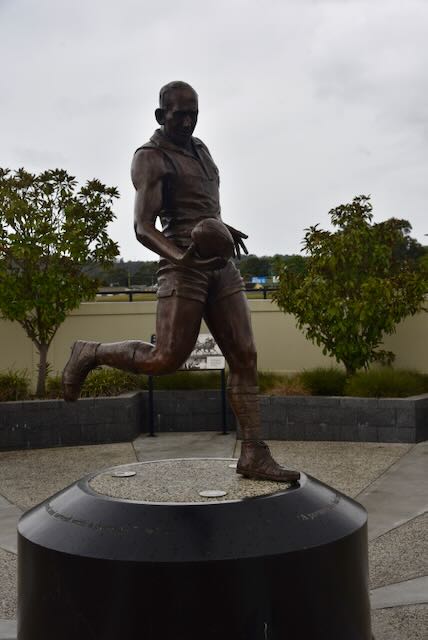
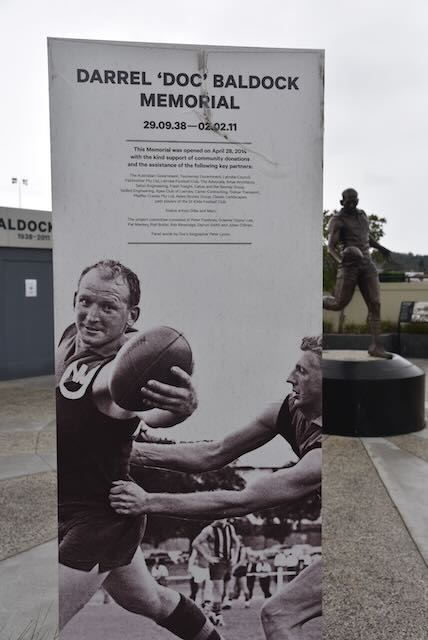
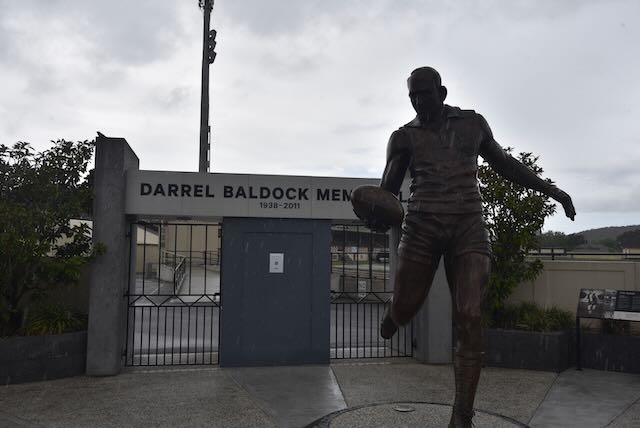
We also visited the Darrel Baldock memorial in Latrobe. Baldock aka The Doc, Mr Magic, was a former Australian Rules Football player and politician. He has been accepted into the Australian Football Hall of Fame.


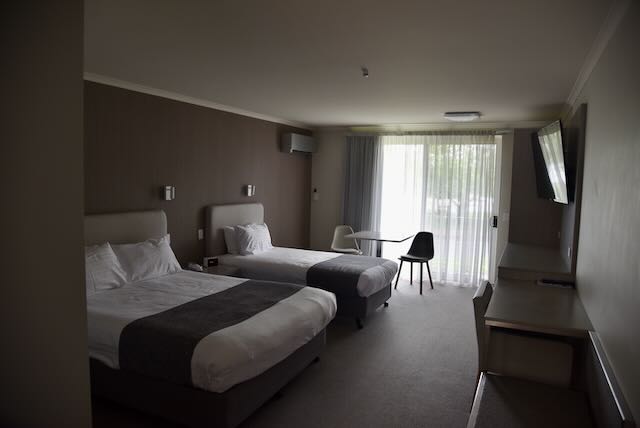
We headed back into Devonport and booked into our motel, the Argosy Motor Inn.
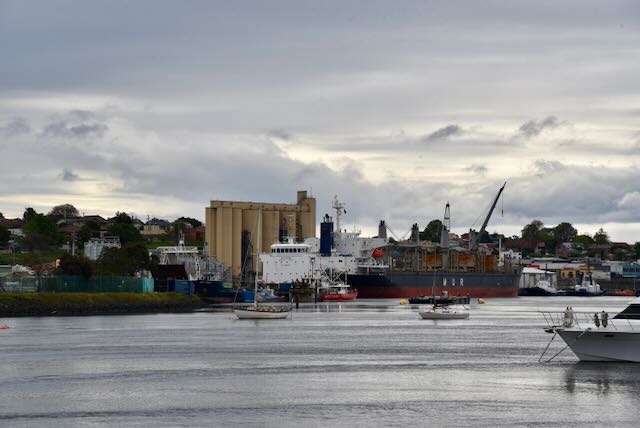
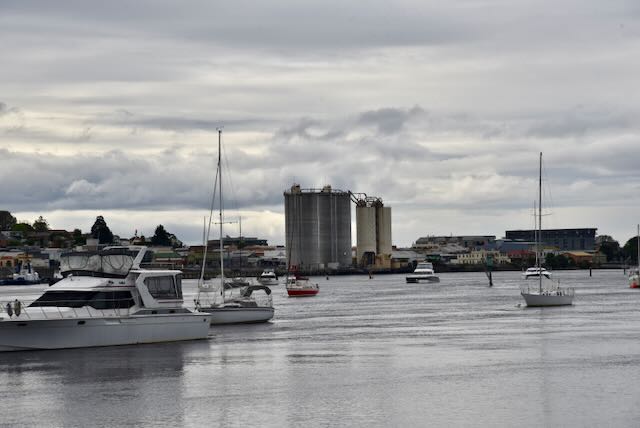
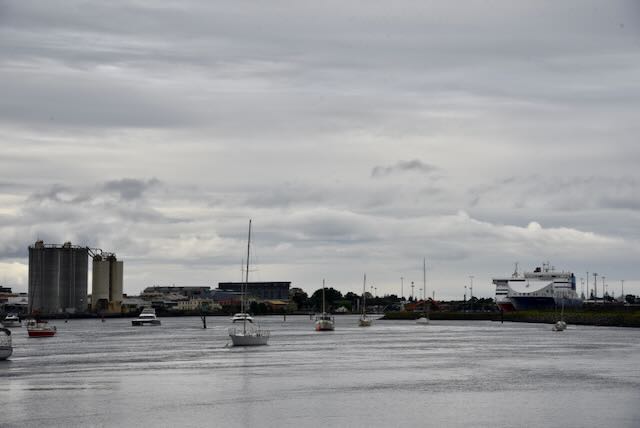
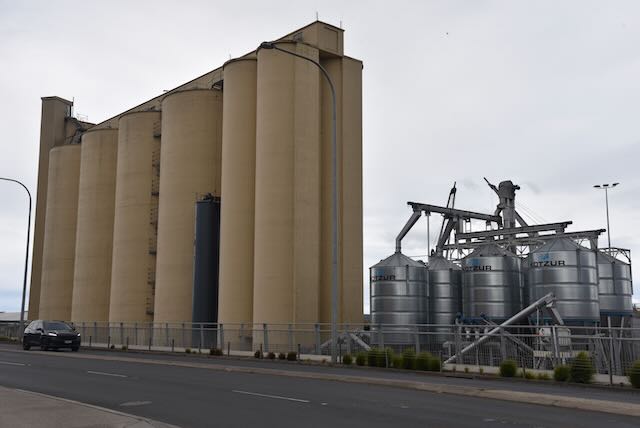
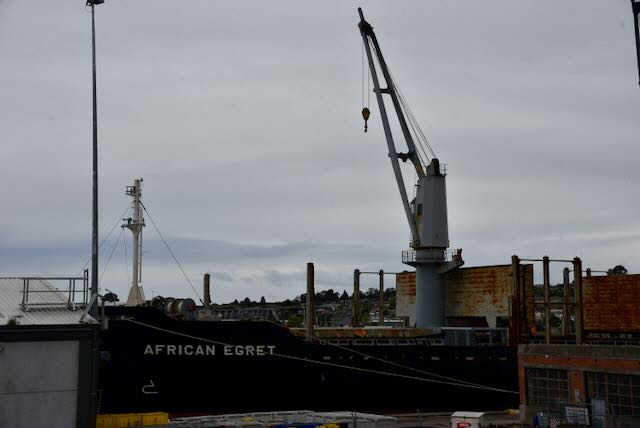
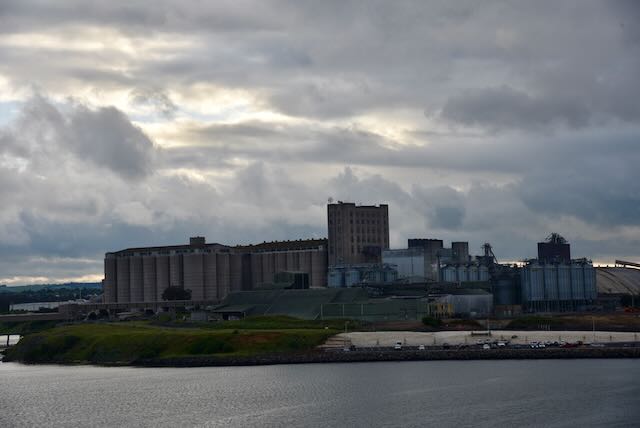
We had a little bit of time before heading out for dinner, so we decided to activate the Devonport silo VK-DVT7 for the Silos On The Air (SiOTA) program.
In 2019 the Devonport City Council gave principle support for having murals painted on the silos by Sheffield mural artist Julian Bale. For whatever reason this did not go ahead. In 2013 it was suggested turning the silos into a hotel/motel. This did not go ahead either, but has occurred in Launceston.
The Devonport silos can hold 80,000 tonnes of grain and is run by Tasmanian Stockfeed Services.


We operated from the 4WD for this activation, running the Icom IC7000, 100 watts, and the Codan 9350 antenna. Our operating spot was the park opposite the Argosy Motor Inn.
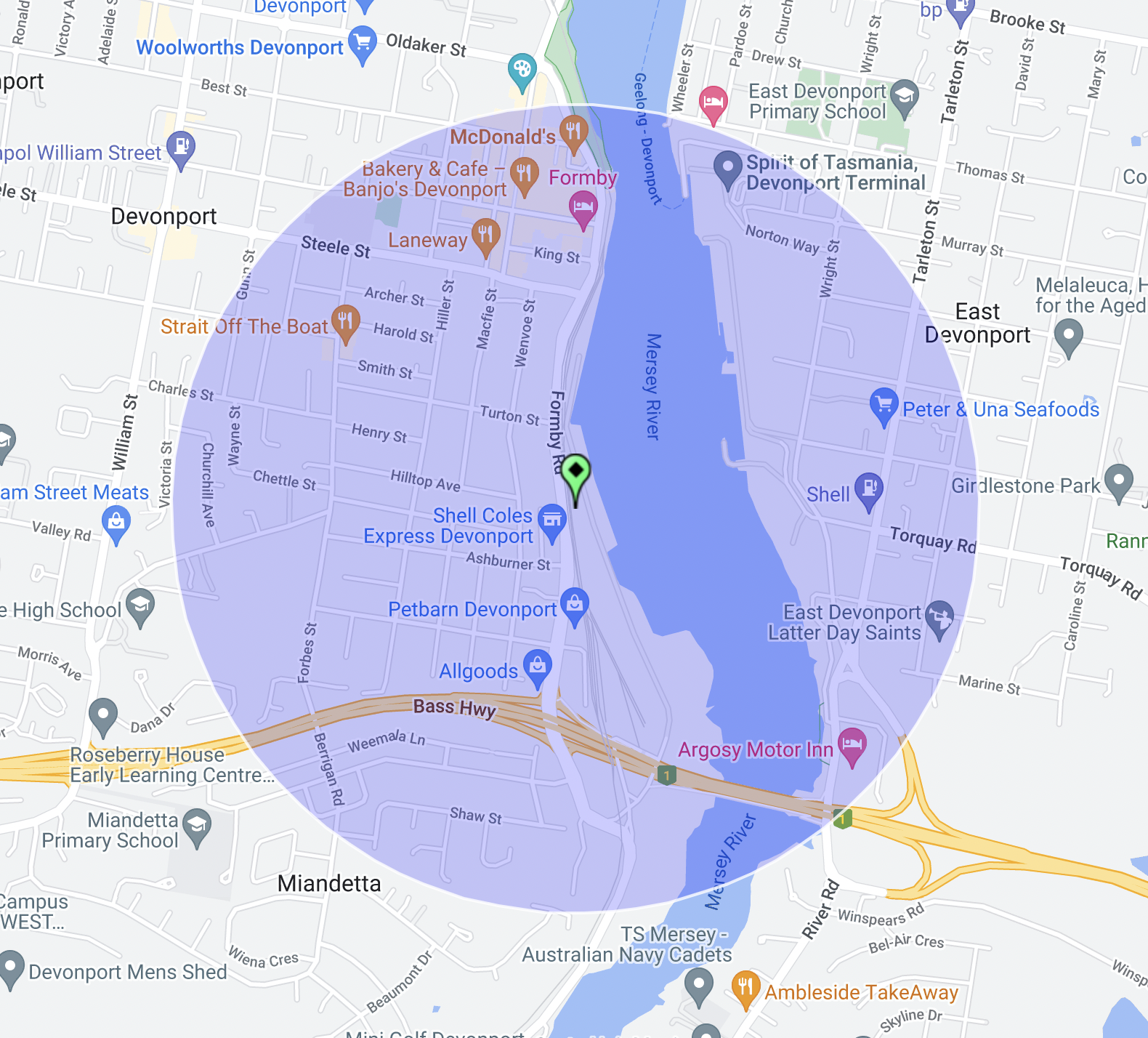
Above:- Map showing the location of the Devonport silo. Map c/o SioTA website.
Marija worked the following stations on 40m SSB:-
- VK3ZPF
- VK3PF
- VK3GRX
- VK3OHM
I worked the following stations on 40m SSB:-
- VK3ZPF
- VK3PF
- VK3GRX
- VK3OHM
- VK3AMO
- VK3ZSC
- VK3VIN
- VK3ZB
- VK3VAR
- VK3UAO
- VK5VK
- VK3ANL
At the conclusion of the activation we headed out for tea at the Argosy and enjoyed a very nice meal.
References.
- Australia for Everyone, 2022, <https://www.australiaforeveryone.com.au/files/tasmania_subdomain/latrobe-sherwood-hall.html>, viewed 3rd December 2022.
- Don River Railway, 2022, <https://donriverrailway.com.au/about/>, viewed 3rd December 2022.
- House of Anvers, 2022, <https://anvers-chocolate.com.au/>, viewed 3rd December 2022.
- Lighthouses of Australia Inc, 2022, <https://lighthouses.org.au/tas/mersey-bluff-lighthouse/>, viewed 3rd December 2022.
- North West Tasmania, 2022, <https://northwesttasmania.com.au/location/bells-parade-reserve/>, viewed 3rd December 2022.
- Wikipedia, 2022, <https://en.wikipedia.org/wiki/Don_River_Railway>, viewed 3rd December 2022.













 VK5PAS