
It was getting quite late in the afternoon (Wednesday 22nd November 2023) but I wanted to visit the historic town of Bealiba. Bealiba is about 40 km northwest of Maryborough and about 208 km northwest of Melbourne.
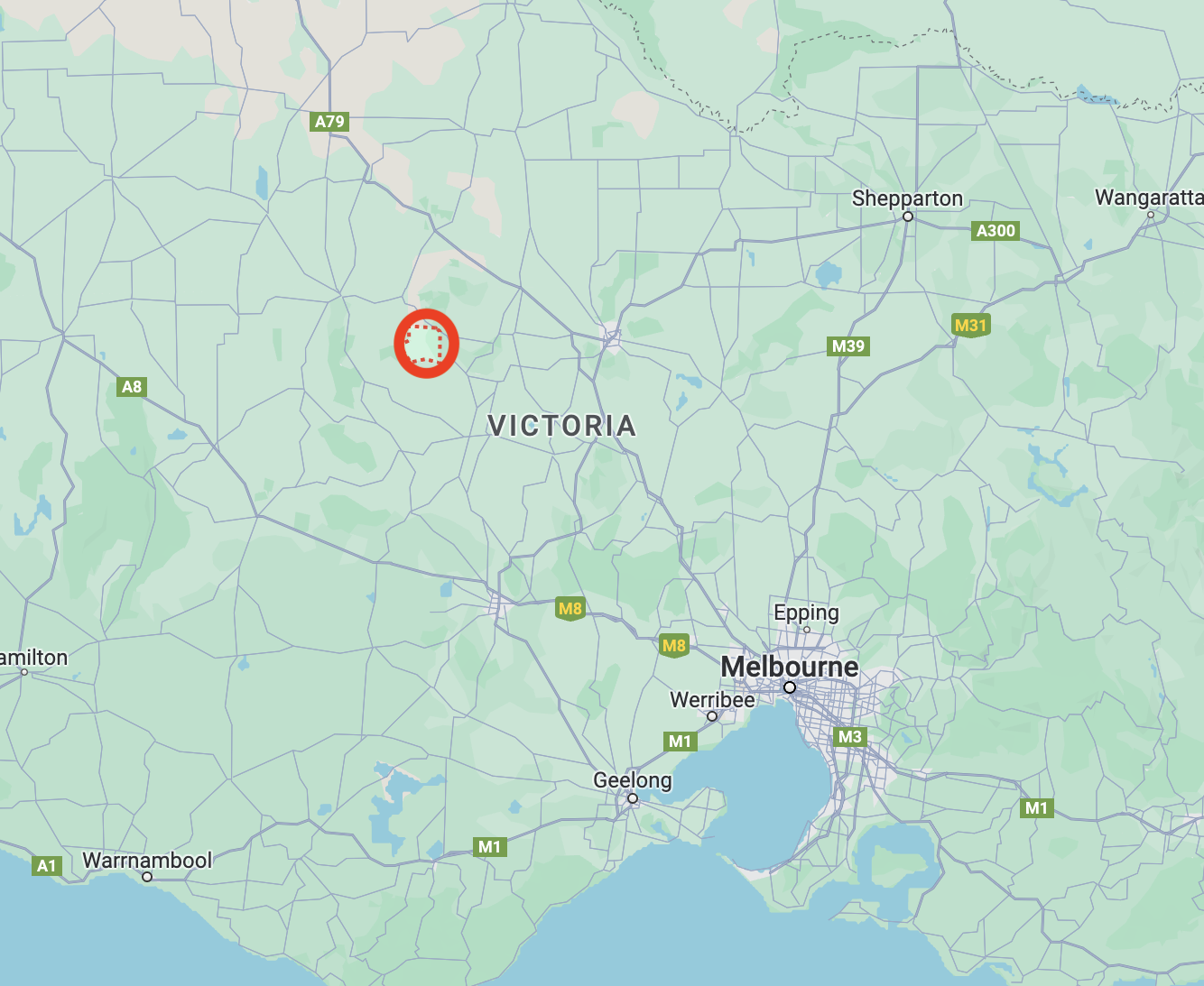
Above:- Map showing the location of Bealiba in Victoria. Map c/o Google Maps.
The first European to settle in the area was George Coutts in 1845. Coutts was born in January 1814 in Aberdeenshire Scotland and married Mary Peggie in 1834. They emigrated to Australia in 1841 and first settled at Moonee Ponds before moving to Bealiba. (Ancestry.com.au 2024) (Visit Maryborough 2005)
The Bealiba district was first known as Cochran’s after brothers John Cochran and James Cochran (b. 1827. d. 1906) who emigrated to Australia in the 1840s. In 1853 took up a pastoral run in the area. Gold was discovered in 1855 to 1856 and the area was known as Cochrane’s DIggings. When the town was surveyed and laid out it took on the name of Bealiiba after the Bealiba pastoral run. The name was later changed to Bealiba. It is believed that Bealiba comes from two aboriginal words, Bea meaning red gum and ba meaning creek. (Ancestry.com.au) (Visit Maryborough 2005)(Victorian Places 2024)
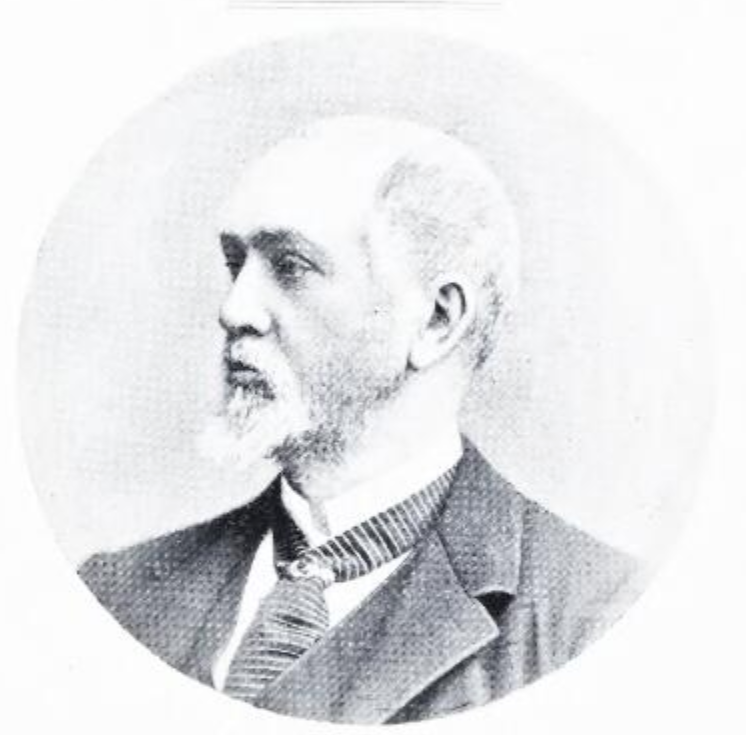
Above:- James Cochran. Image c/o Trove.
The town contains several historic buildings including the hotel built in 1857.
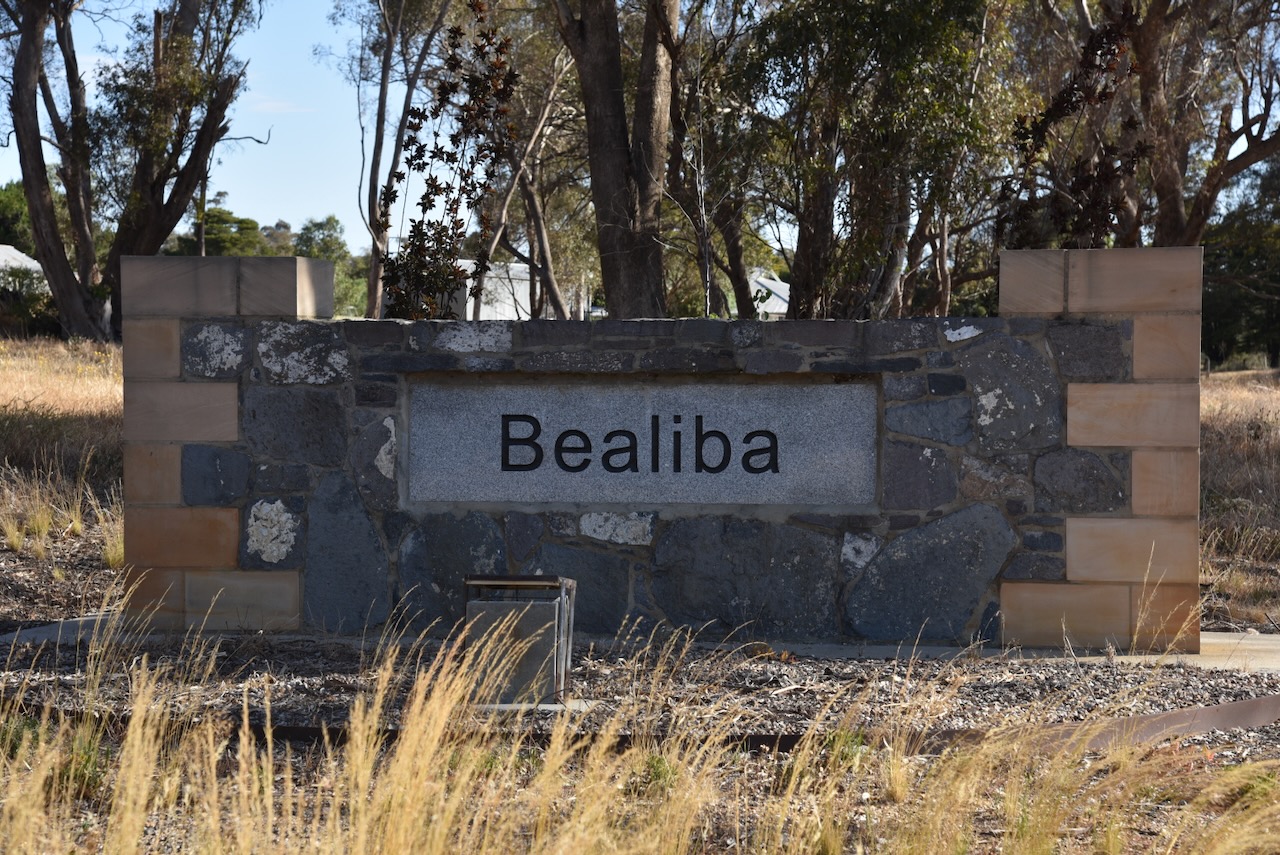
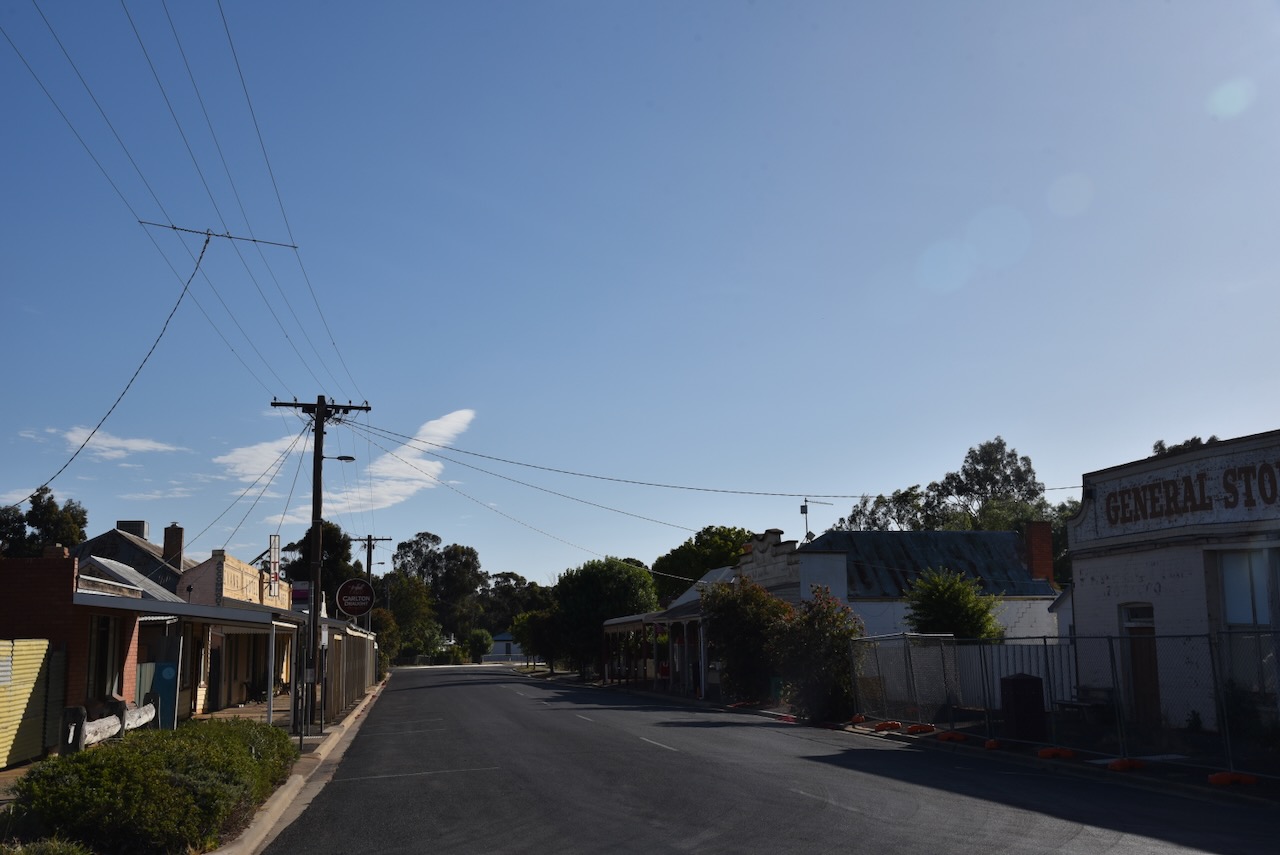
A school was opened in 1865. Bealiba also had a post office, a petty sessions court, three hotels and three quartz-crushing mills. In 1871 Bealiba’s population was 388 people. In 1878 the railway line from Dunolly to St Arnaud via Bealiba was opened. (Victorian Places 2024)
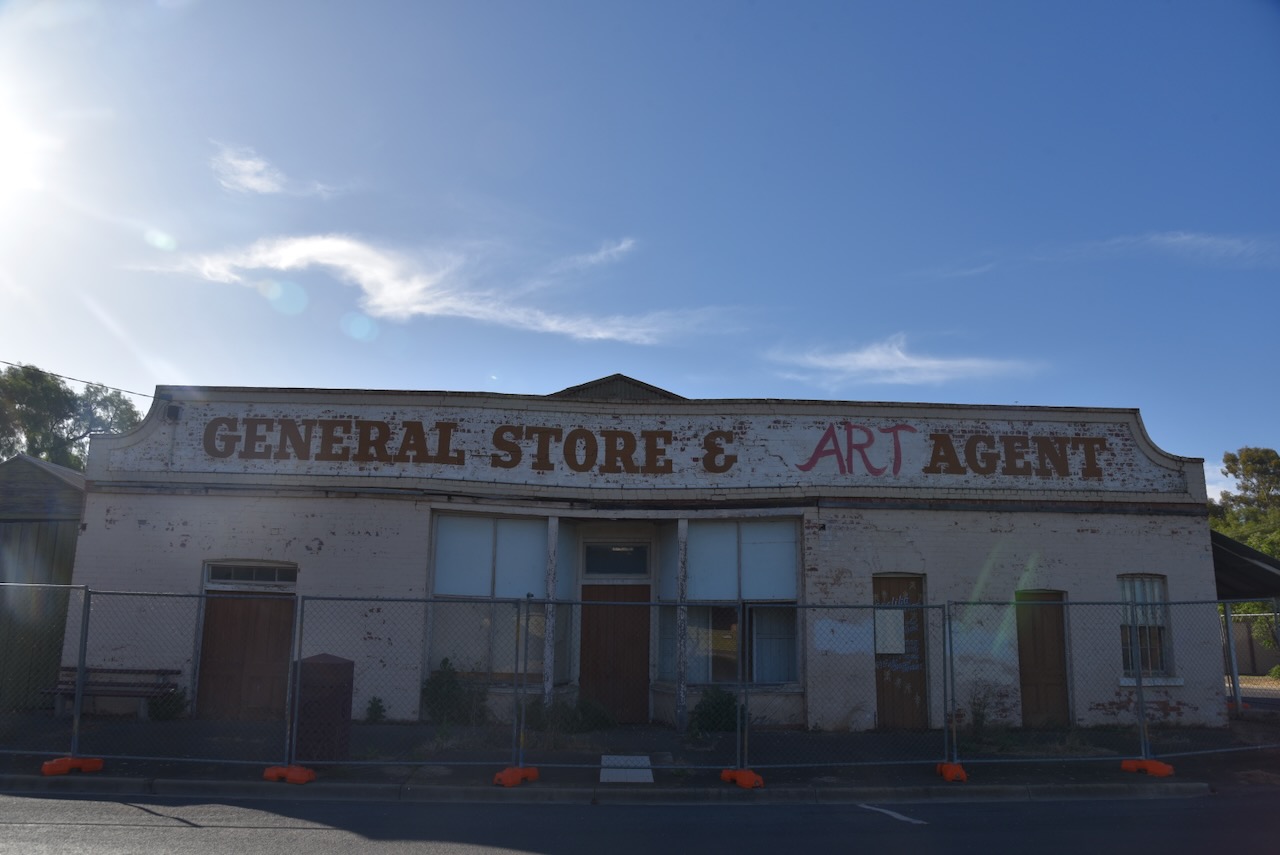
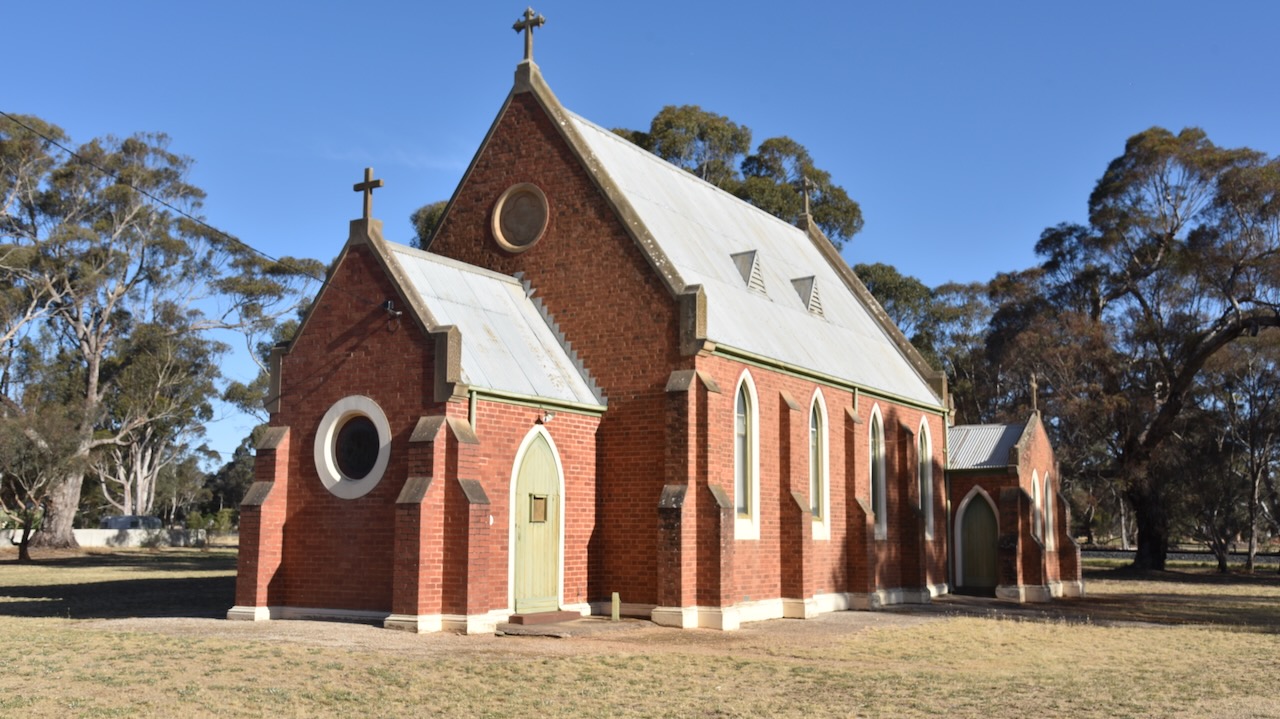
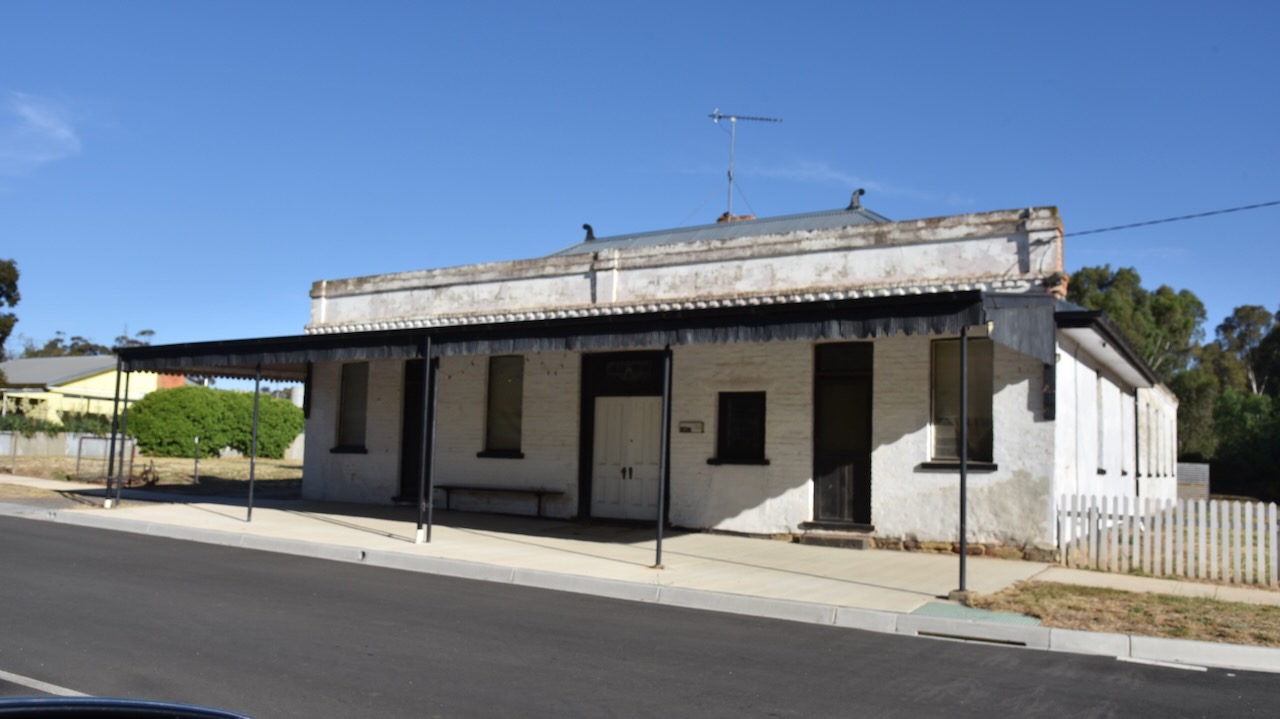
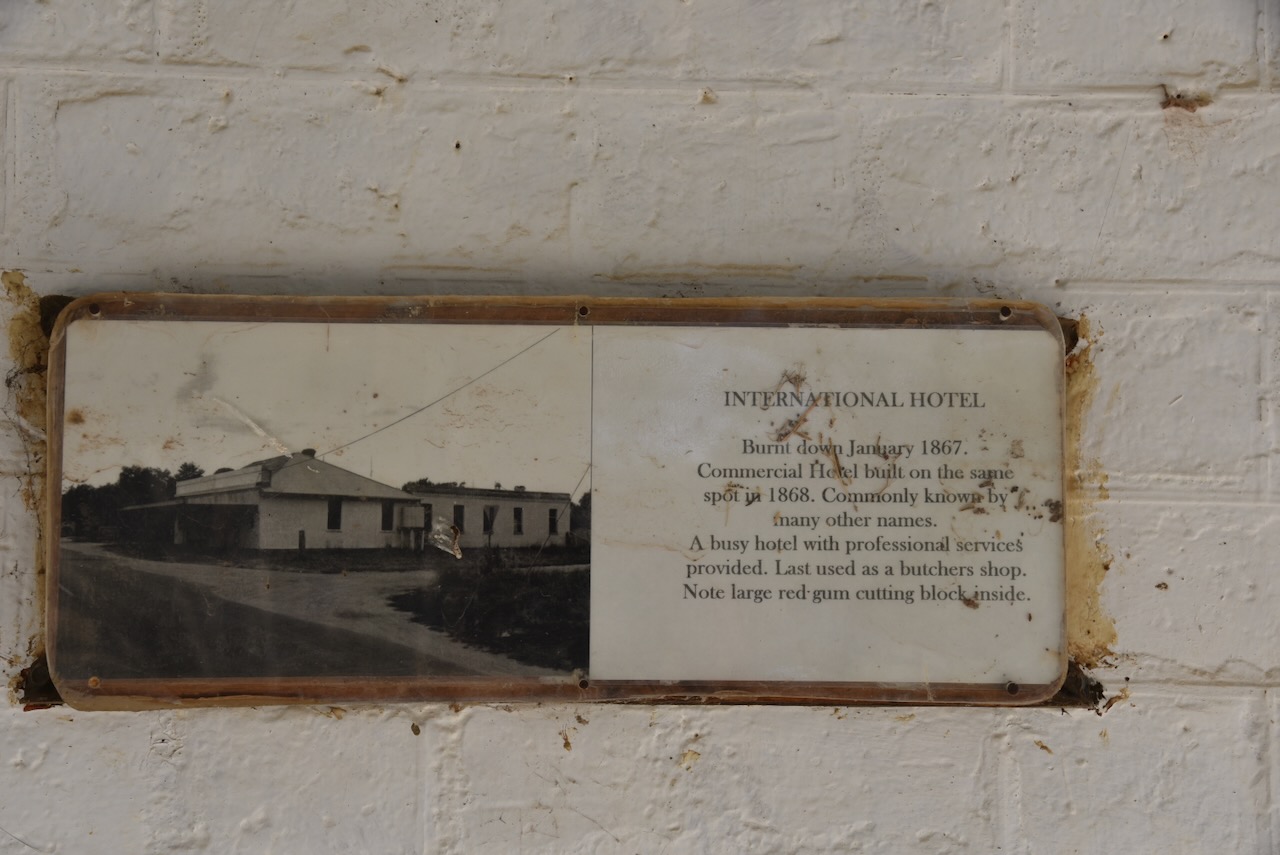
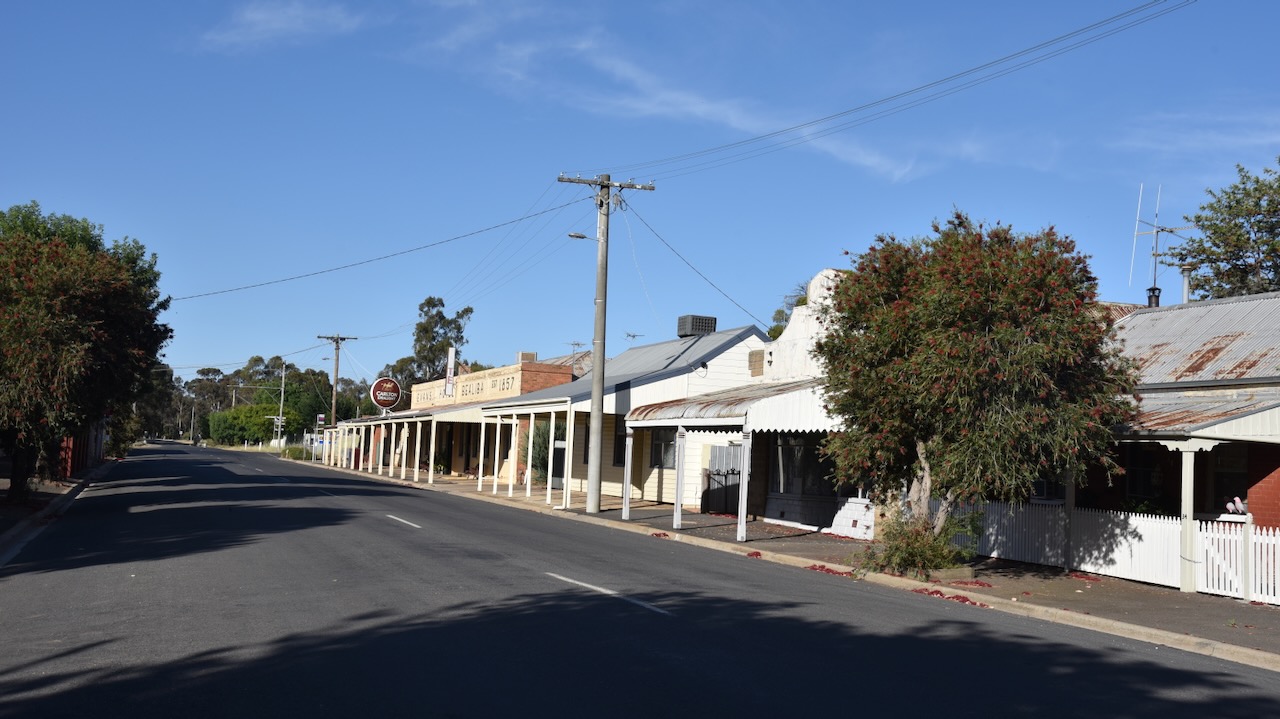
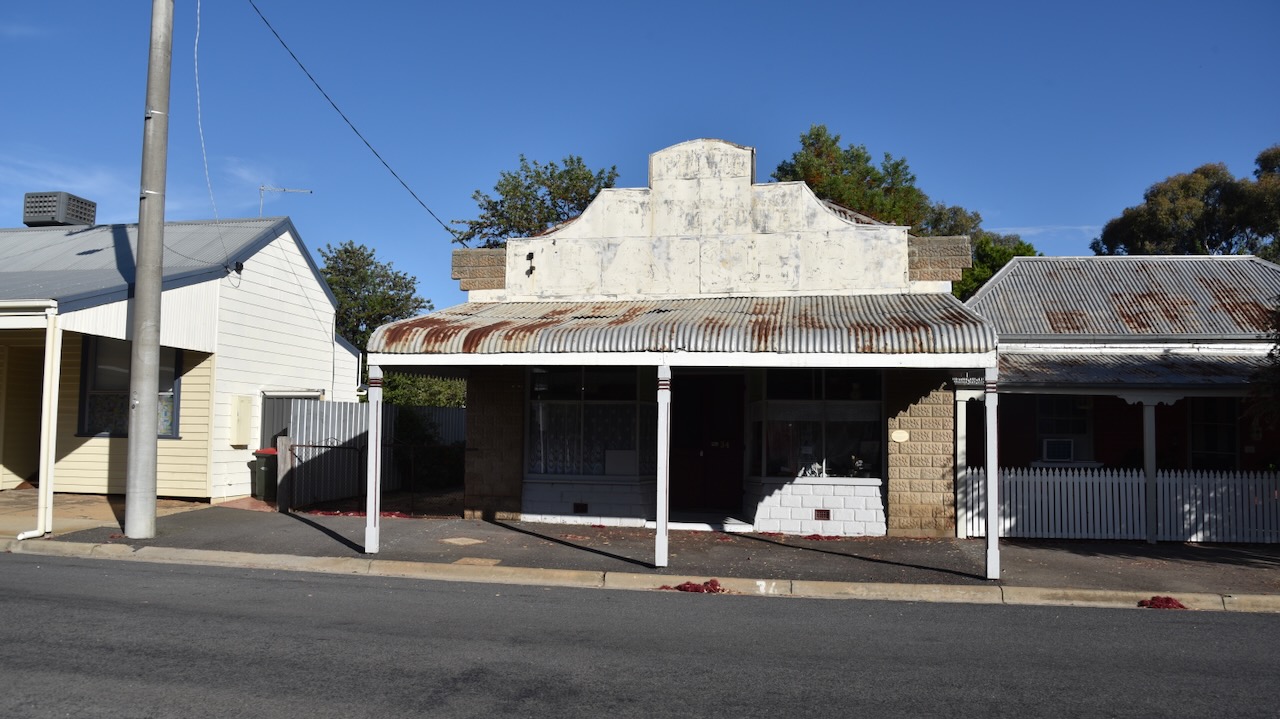
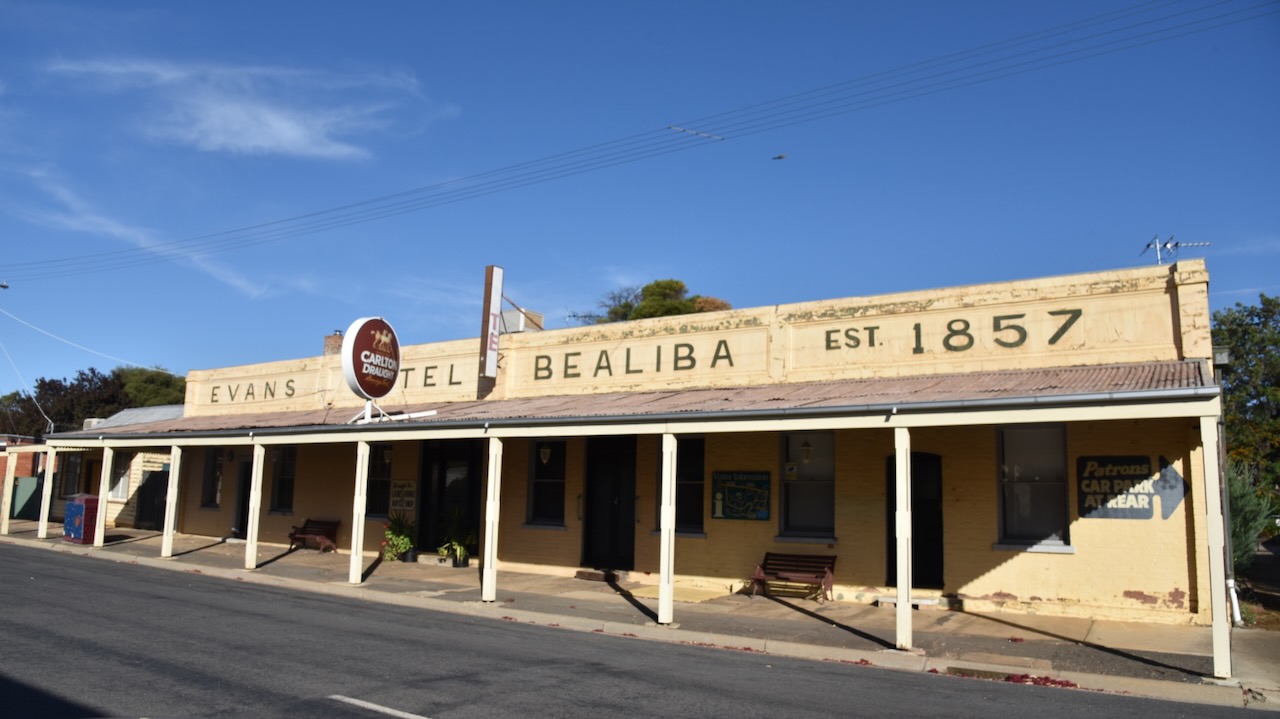
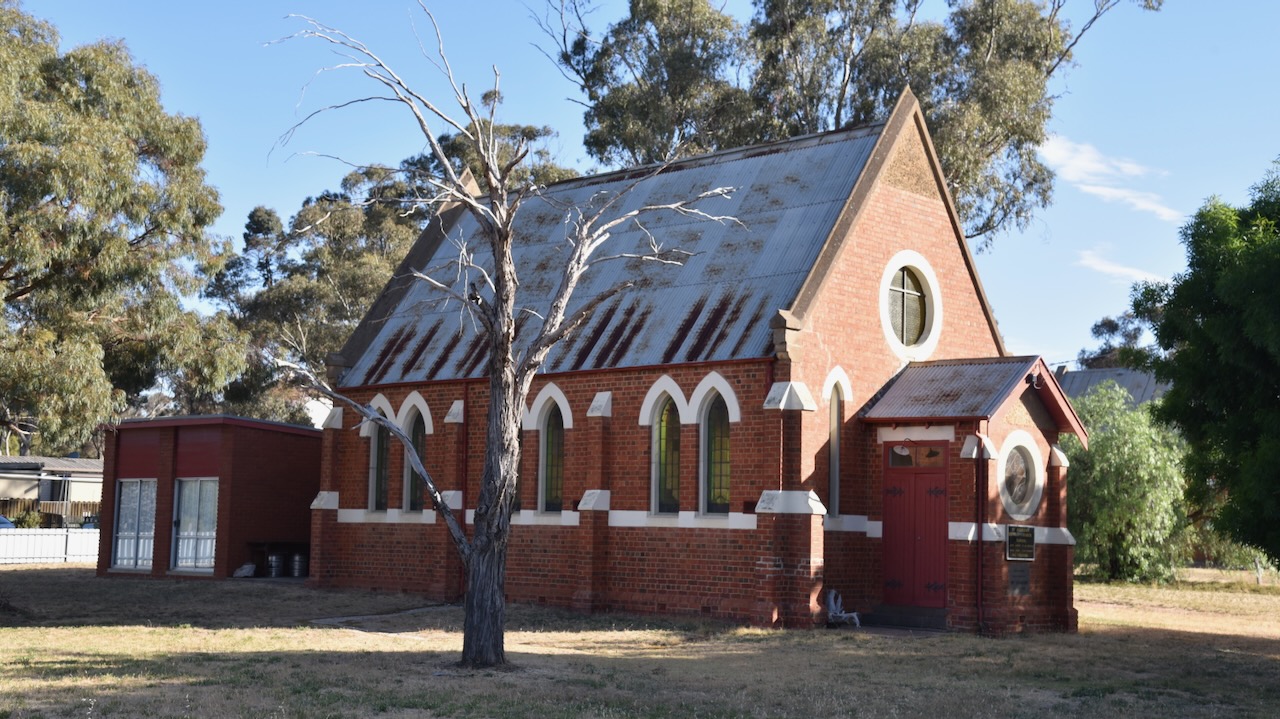
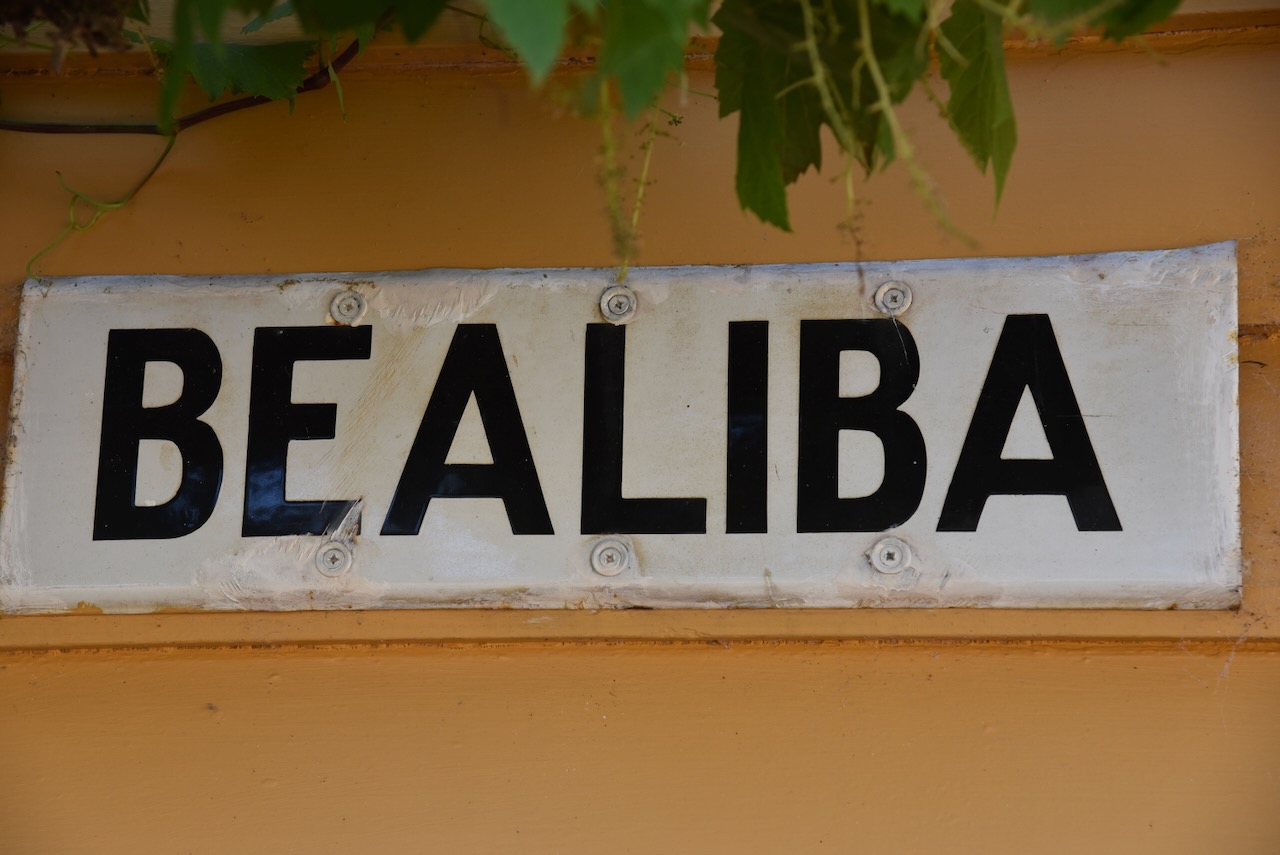
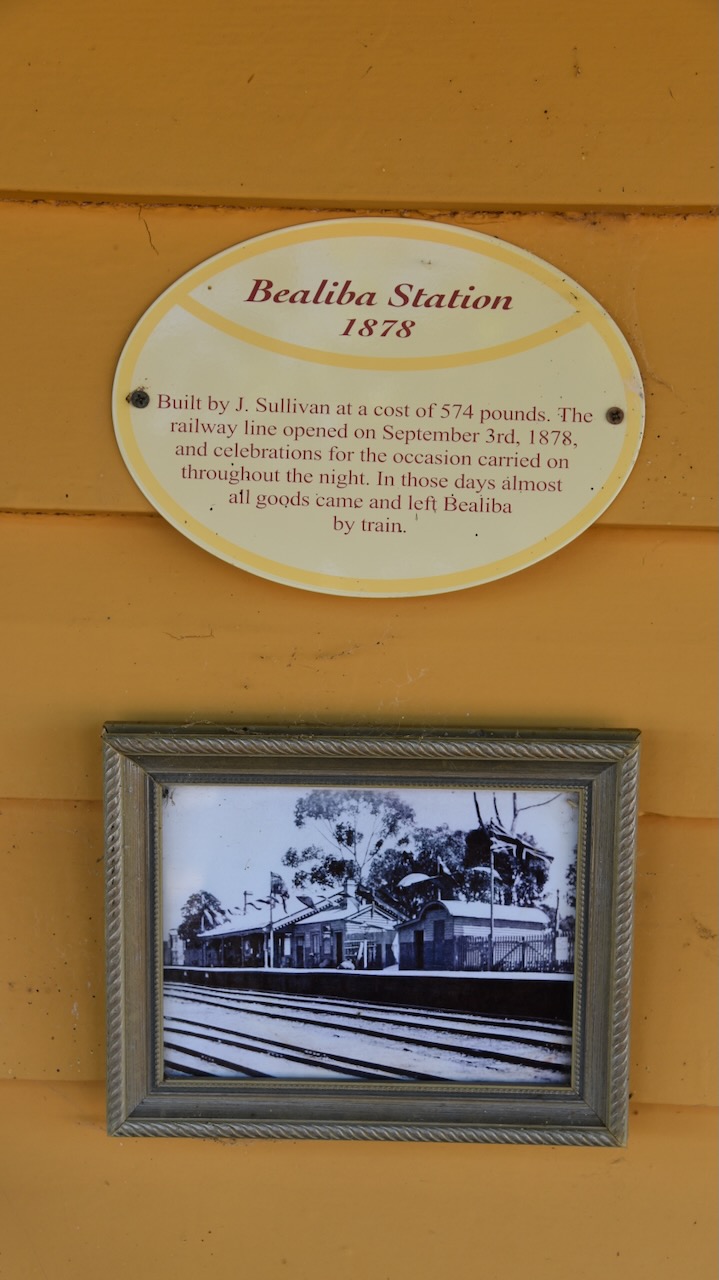
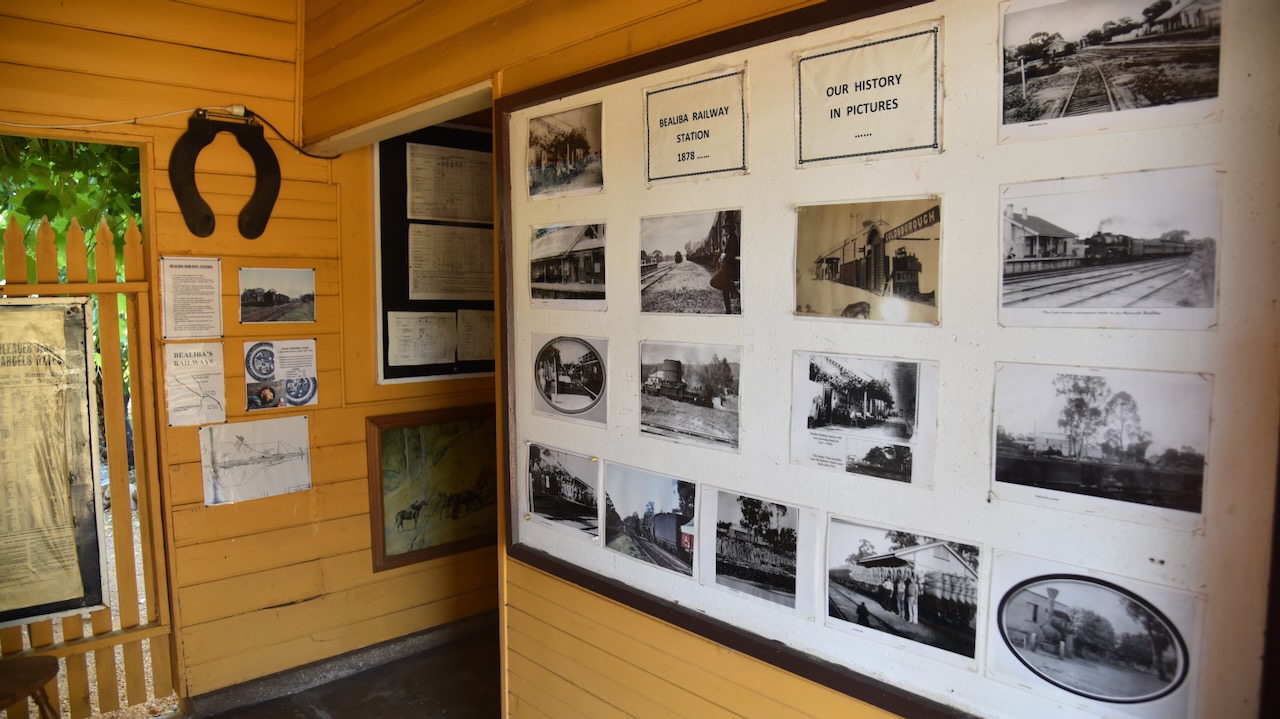
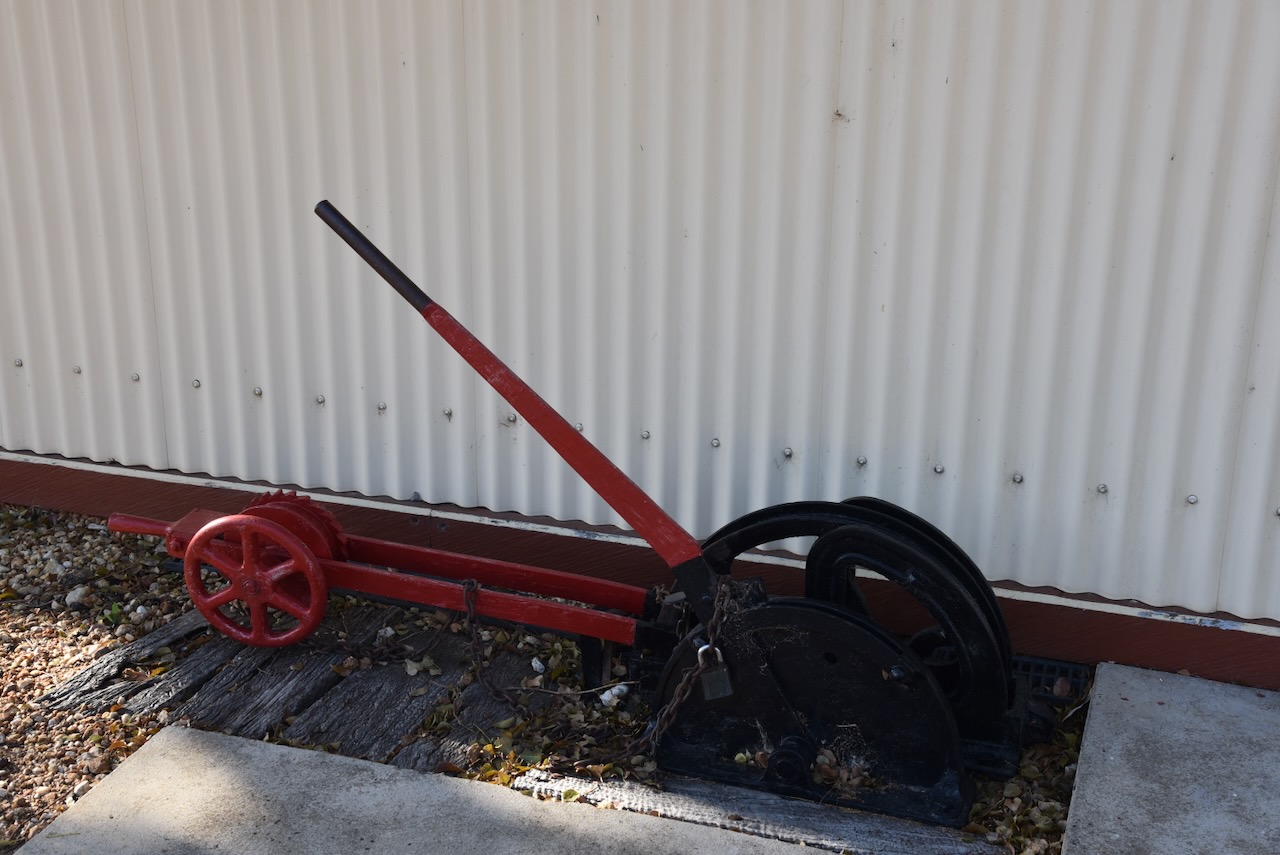
Following the extension of the railway line, a wooden railway station was built at Bealiba in 1878 by J. Sullivan at a cost of 574 pounds. The station includes offices and a residence for the Station Master. Other examples of these wooden stations included Cope Cope and Charlton which are now demolished. It was thought that the same fate may fall for the Bealiba railway station, but it was restored. (Stations Past 2024)
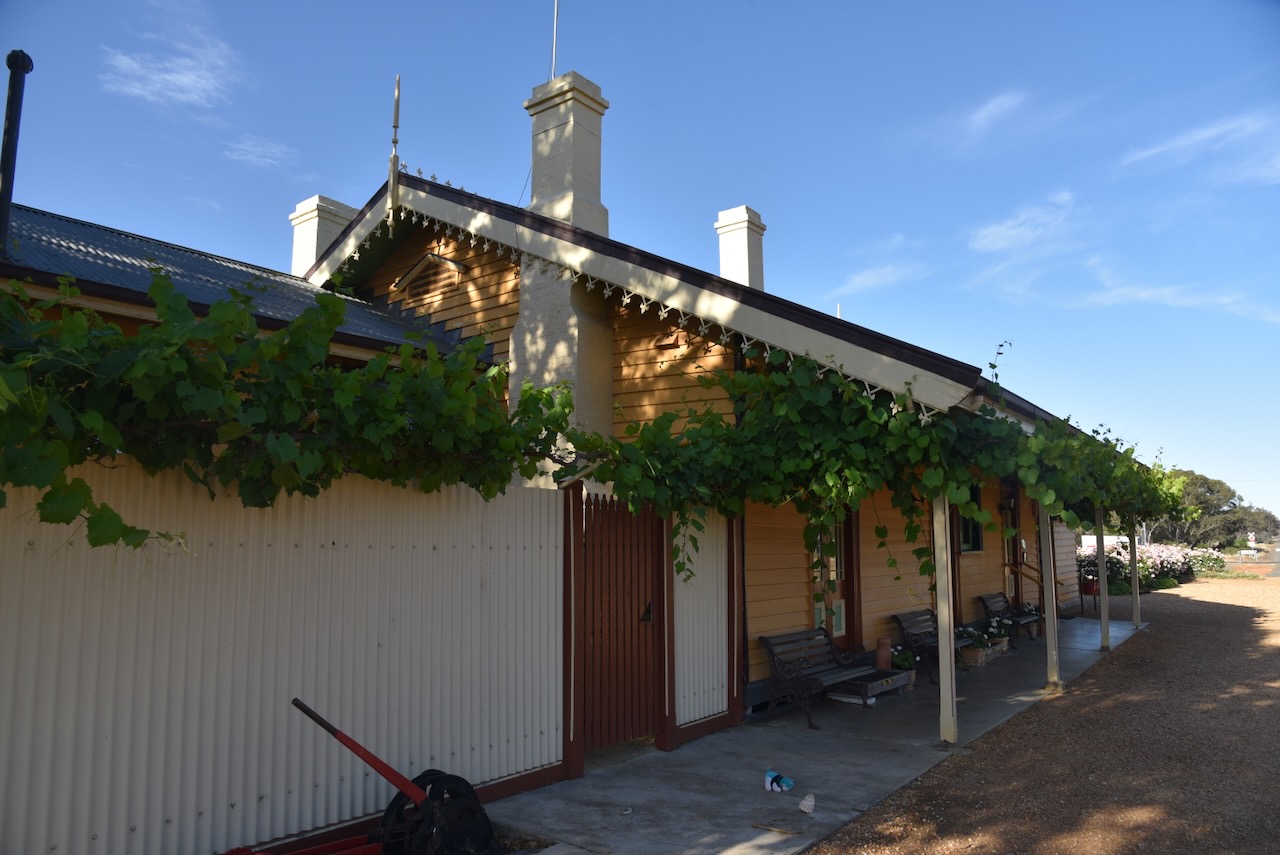
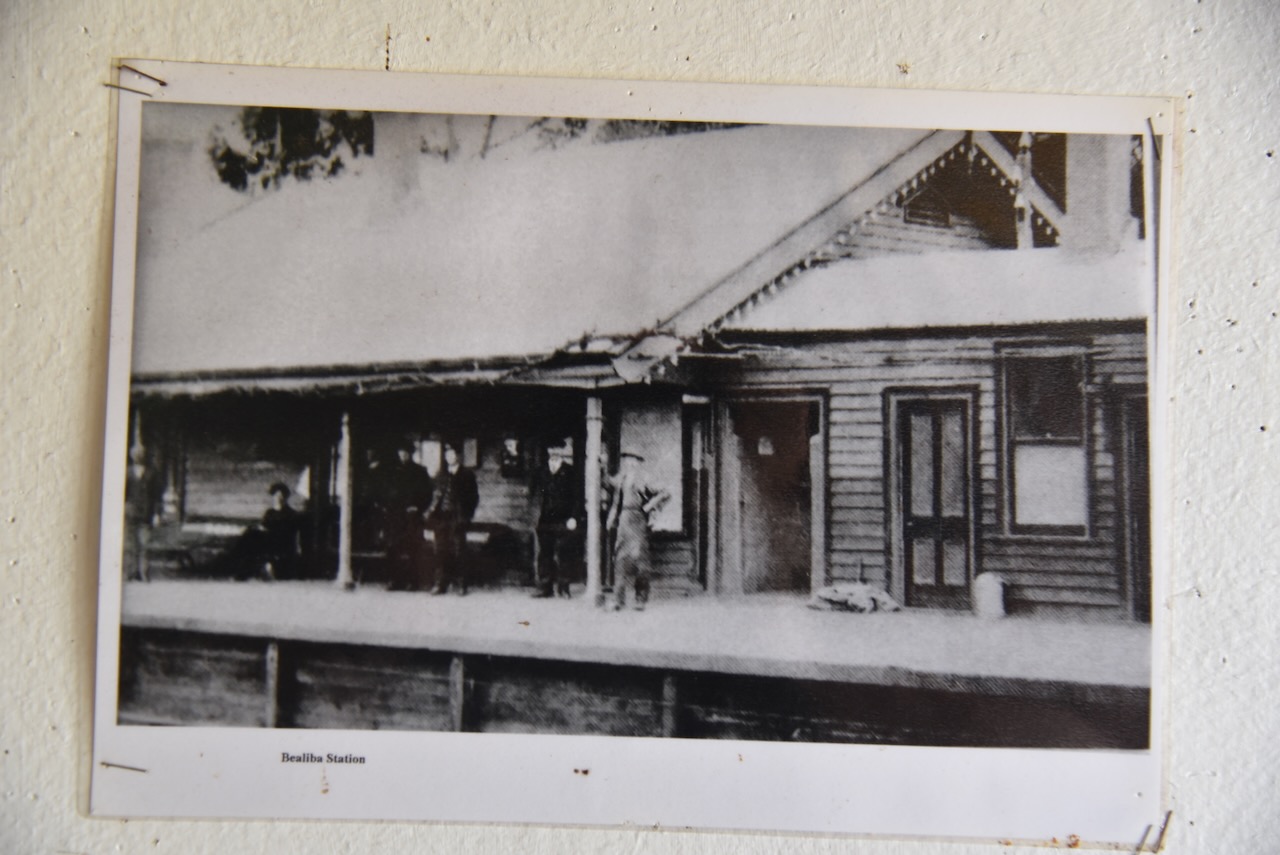
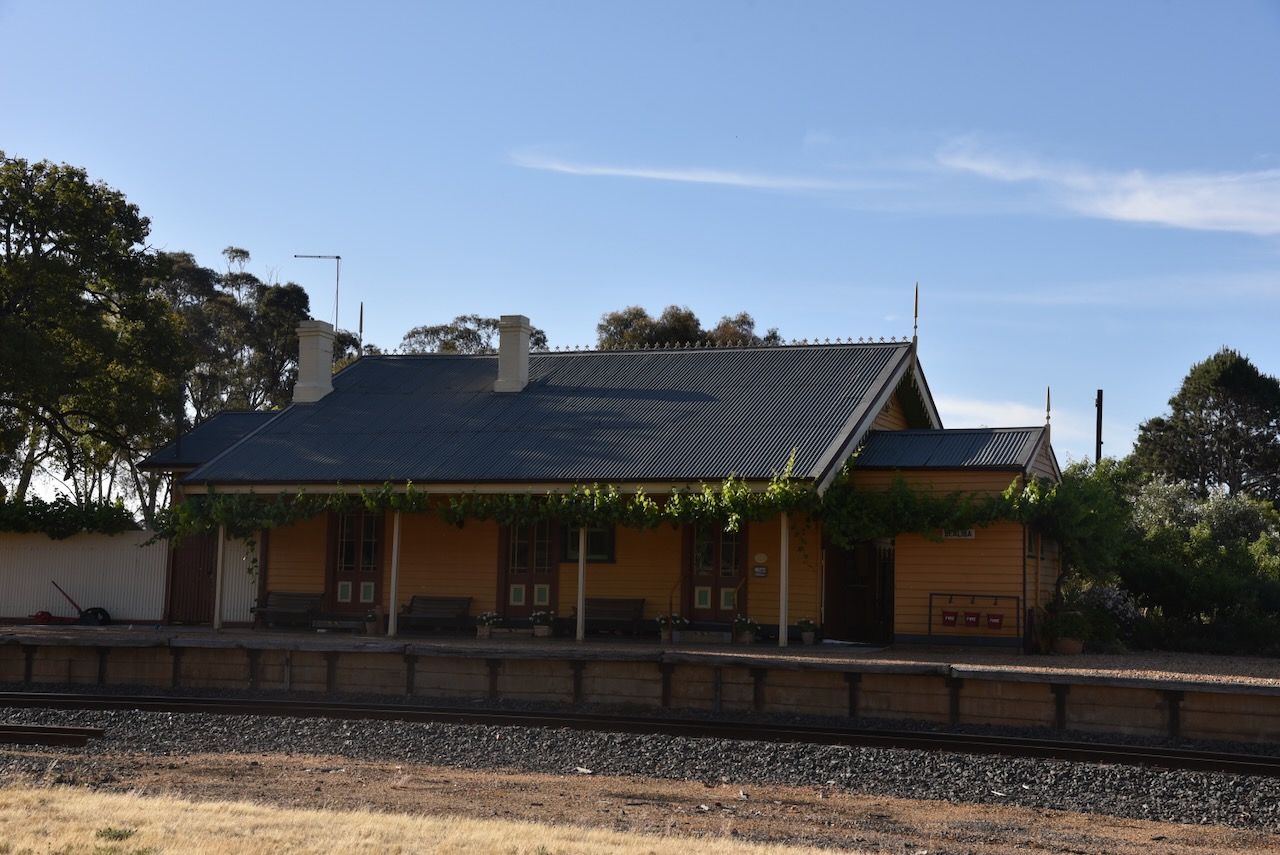
Marija and I decided to undertake a quick activation of the Bealiba silo for the Silos On The Air (SiOTA) program. The silo can be located on Park Lane.
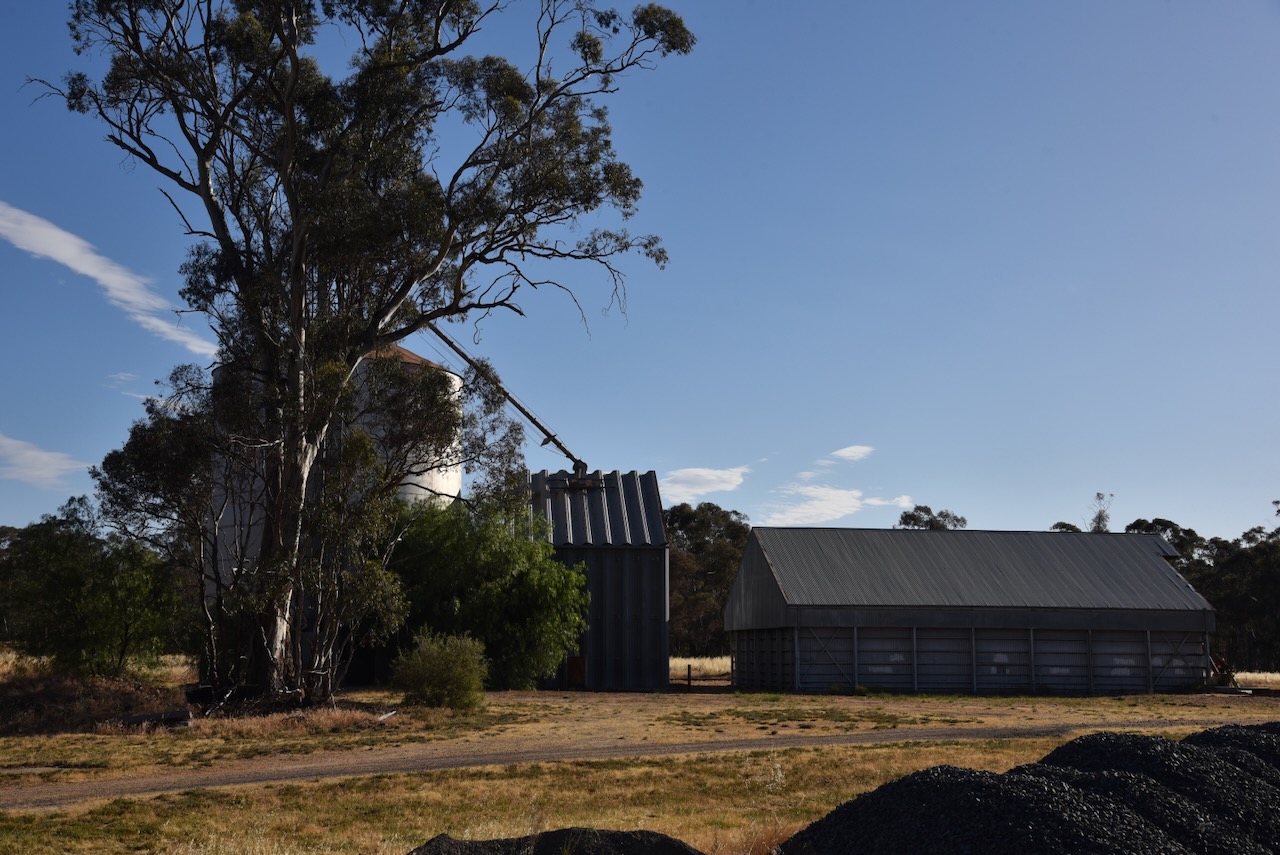
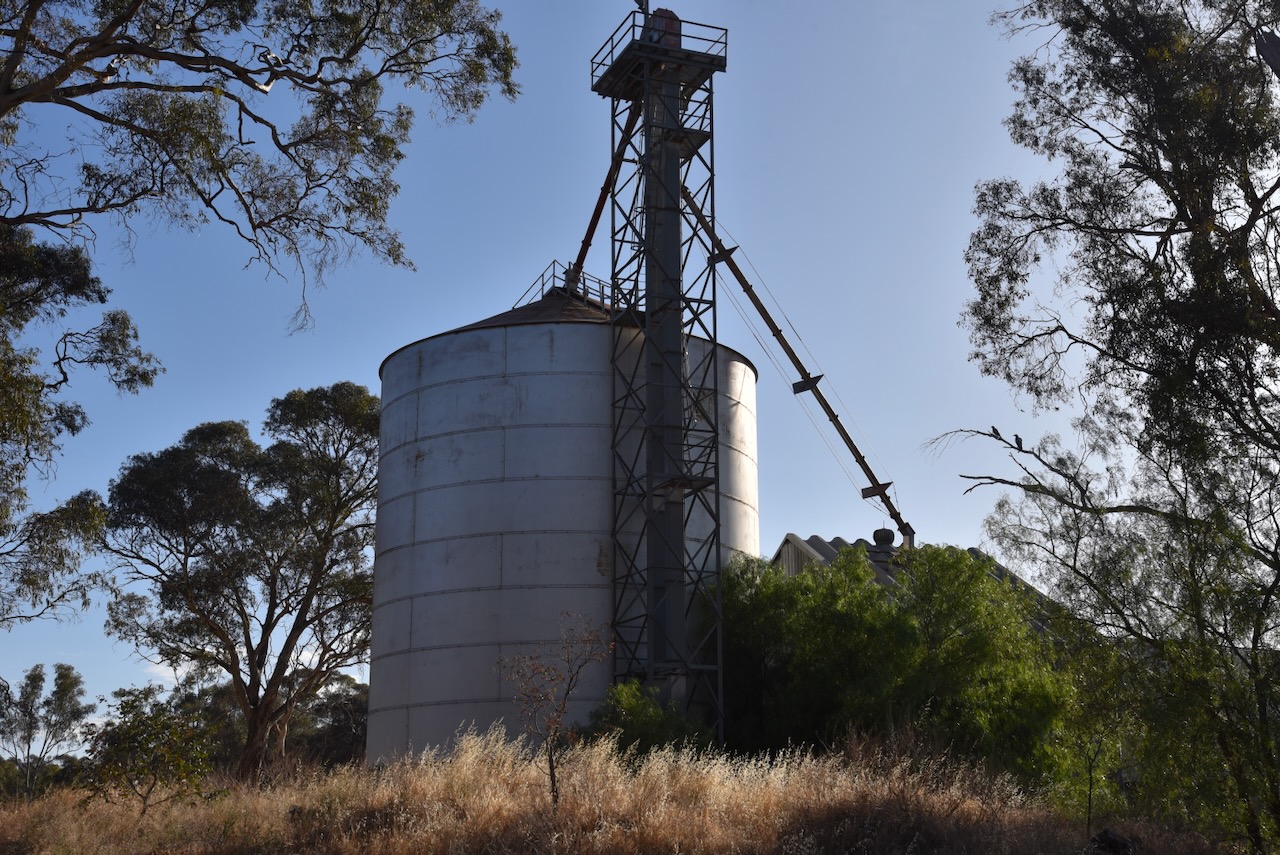
We parked right alongside the silo and operated from the 4WD, running the Icom IC-7000, 100 watts, and the Codan 9350 antenna with the 1.5-metre stainless steel whip.
Marija worked the following stations on 40m SSB:-
- VK2IO/p (Mount Mugga Mugga Nature Reserve VKFF-0852)
- Vk3GJG
- VK2RP/m
- Vk2BDR/m
I worked the following stations on 40m SSB:-
- VK3PF
- VK3KAI
- VK2EXA
- VK3OHM
- VK2RO
- VK4NH
- VK4DXA
- VK3BWS
- VK2IO/p (Mount Mugga Mugga Nature Reserve VKFF-0852)
- VK2RP/m
- Vk2BDR/m
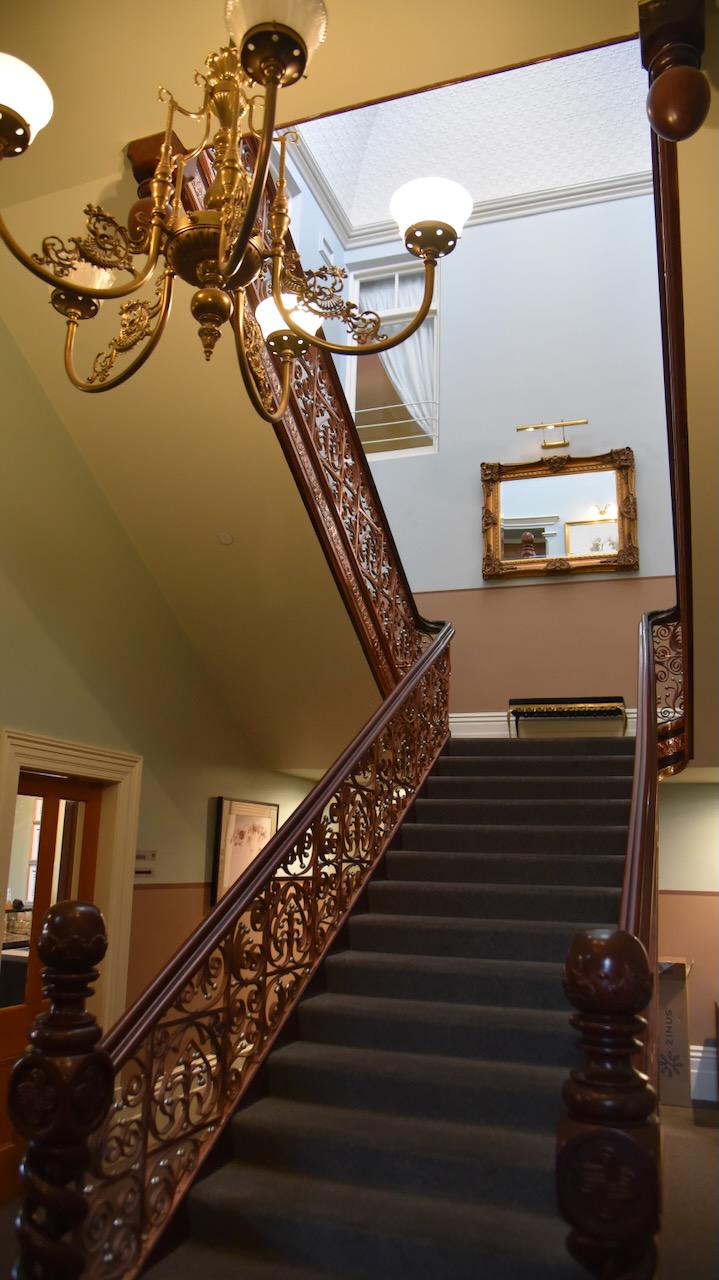
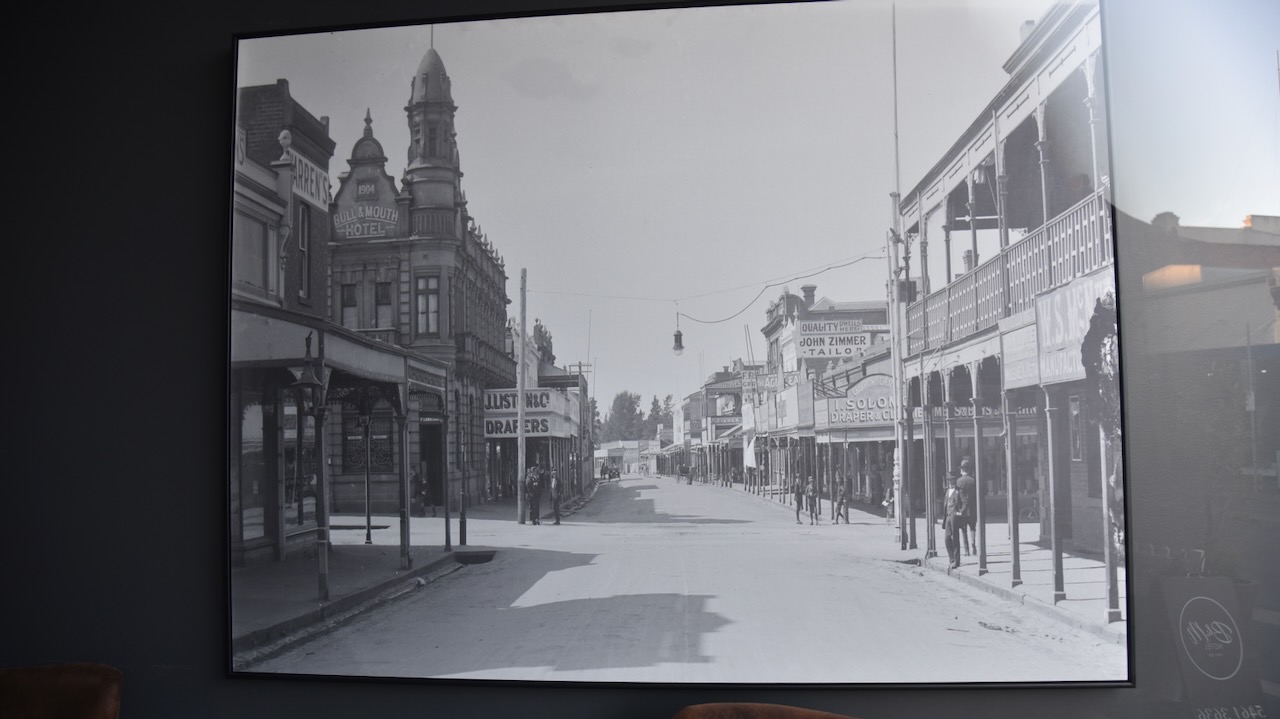
We then drove back to Maryborough where we enjoyed a very nice meal at the Bull and Mouth Hotel.

References.
- Ancestry.com.au. (2016). Ancestry® | Genealogy, Family Trees & Family History Records. [online] Available at: https://www.ancestry.com.au/. [Accessed 15 Mar. 2024]
- Anon, (n.d.). Bealiba. [online] Available at: http://www.stationspast.net/victoria/ballarat-to-ouyen/bealiba/ [Accessed 15 Mar. 2024].
- www.bendigoregion.com.au. (n.d.). Maryborough Welcome – Maryborough & Surrounds. [online] Available at: http://www.visitmaryborough.com.au/Bealiba.htm [Accessed 15 Mar. 2024].
- www.victorianplaces.com.au. (n.d.). Bealiba | Victorian Places. [online] Available at: https://www.victorianplaces.com.au/bealiba [Accessed 15 Mar. 2024].
 VK5PAS