
Our next activation for Thursday 23rd November 2023 was the Moolort silo VK-MLT3 for the Silos On The Air (SiOTA) program. Moolort is about 18 km east of Maryborough in central Victoria.
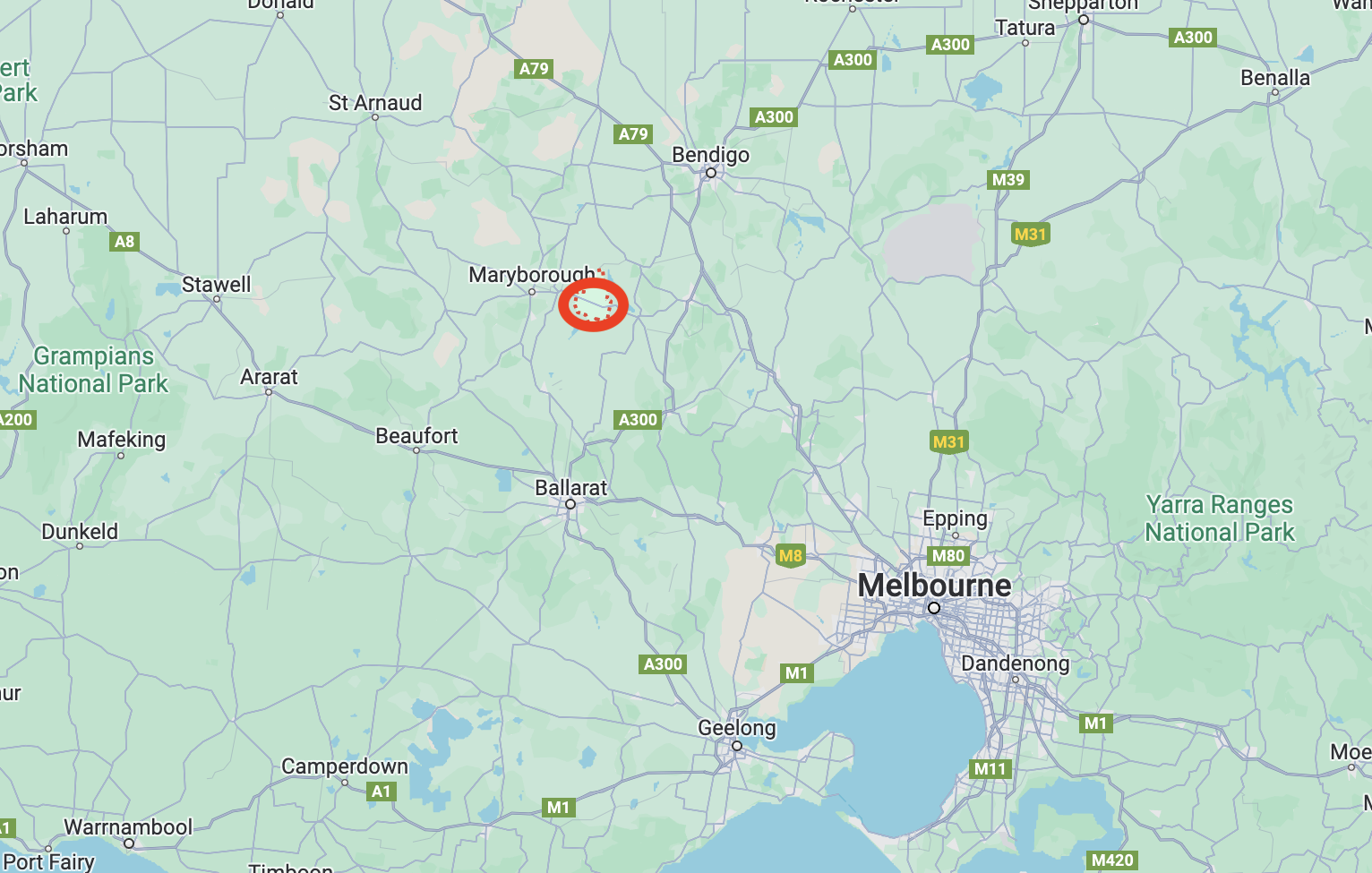
Above:- Map showing the location of Moorlort in Victoria. Map c/o Google Maps.
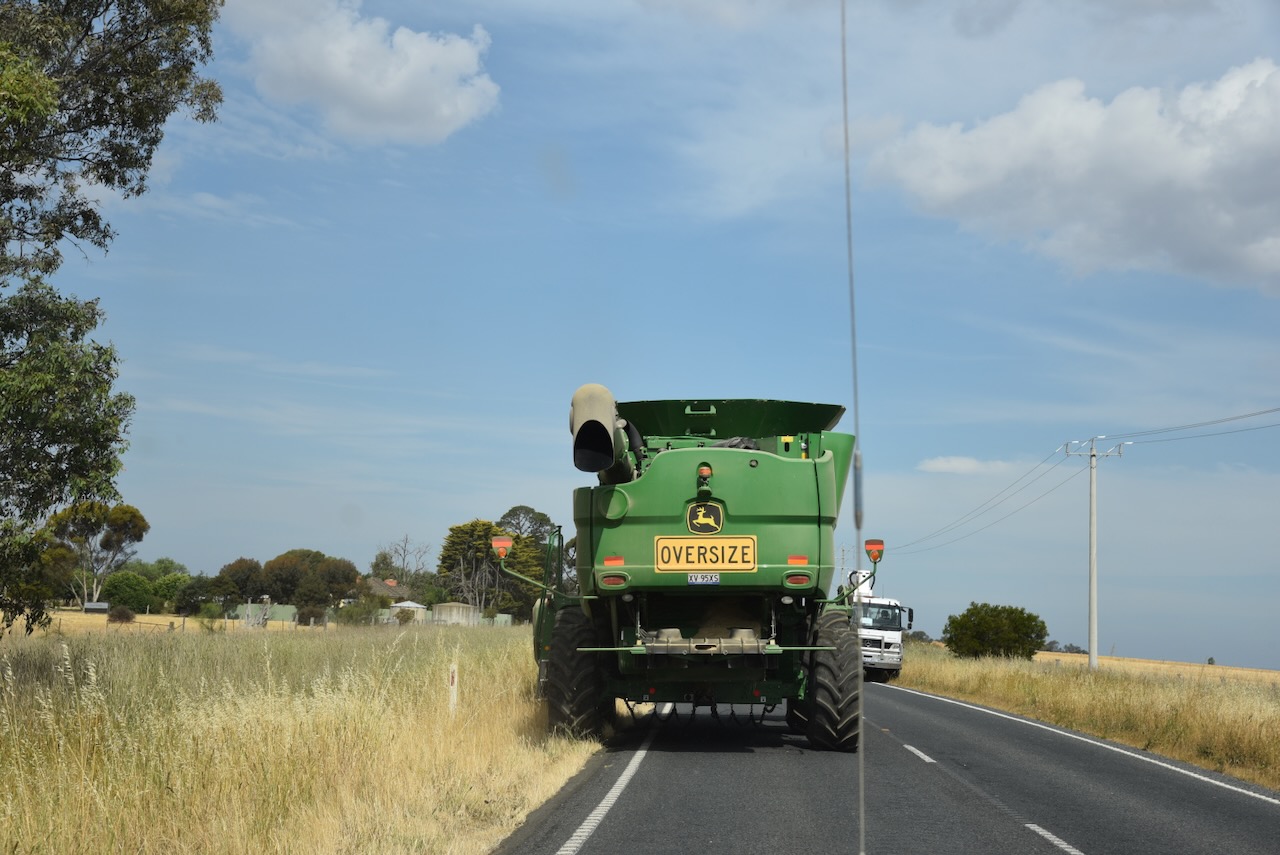
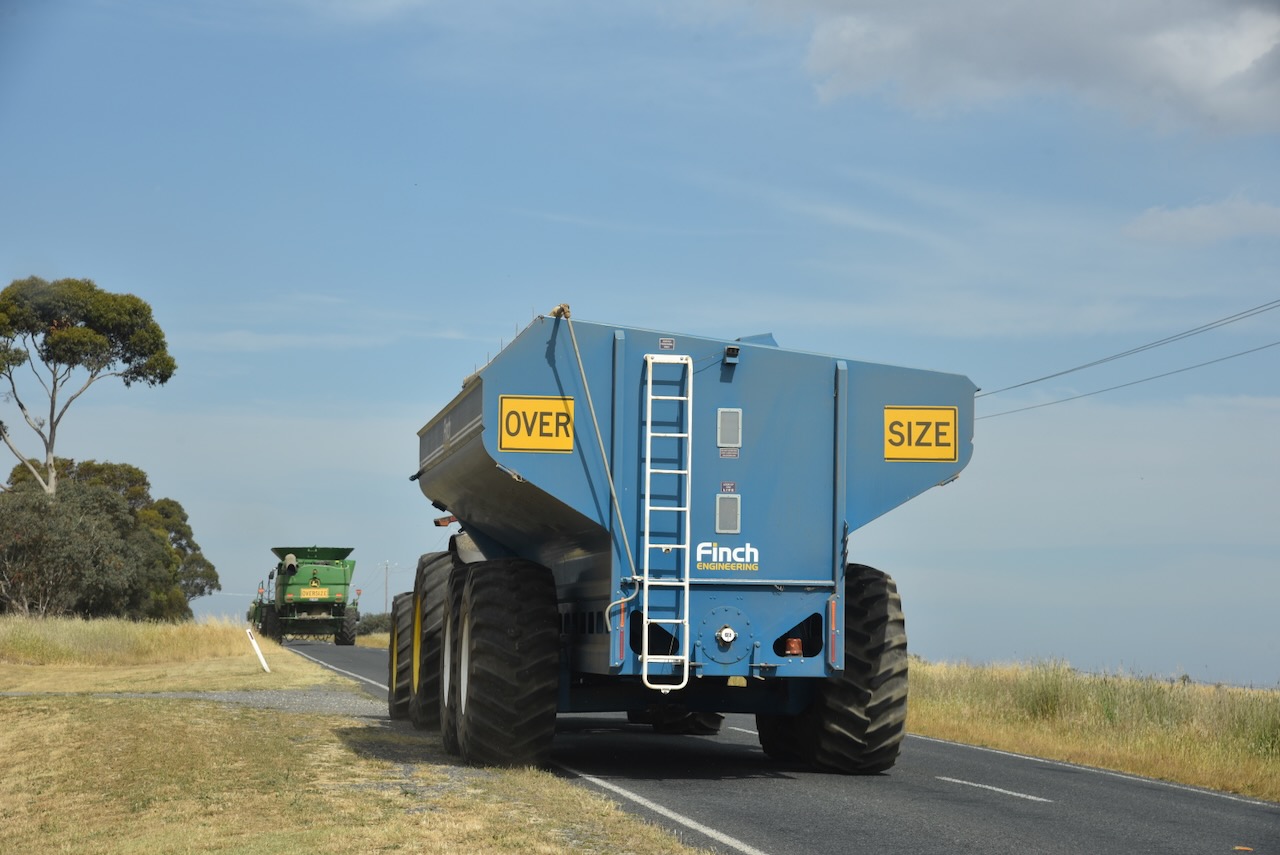
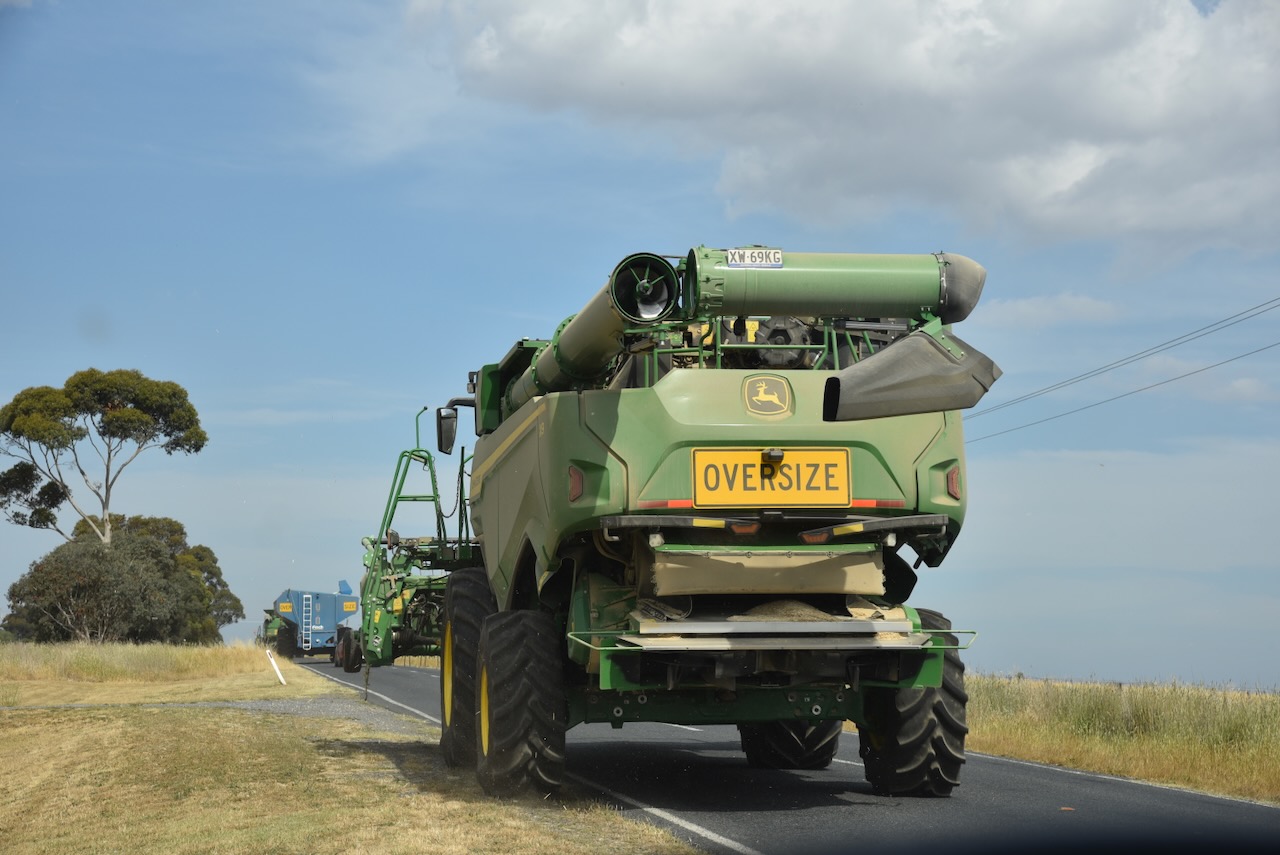
On the way we encountered several farm machinery on the roads, travelling from one farm paddock to another.
Moolort is an aboriginal word meaning fern. Moolort’s main current industry is agriculture with sheep and crop farming, some wine vineyards and conifers for Christmas trees. (Blake 1978) (Wikipedia 2024)
The Moorlort silos are located on the southern side of Keystone Mine Road, alongside the old Moolort railway line that connected Maryborough and Castlemaine. The line passed through Campbells Creek, Yapeen, Guildford, Strangways, Newstead, Moolort, and Carisbrook. Construction of the railway commenced in 1872.
The line was inaugurated on the 26th day of June 1874, with eight hundred schoolchildren being the first to travel from Maryborough to Castlemaine. On the 7th day of July 1874, the line was opened to general passenger traffic. (Trove 2024)
On the 31st day of July 1977, the last passenger rail service operated between Castlemaine and Maryborough. (Traffic 1977)
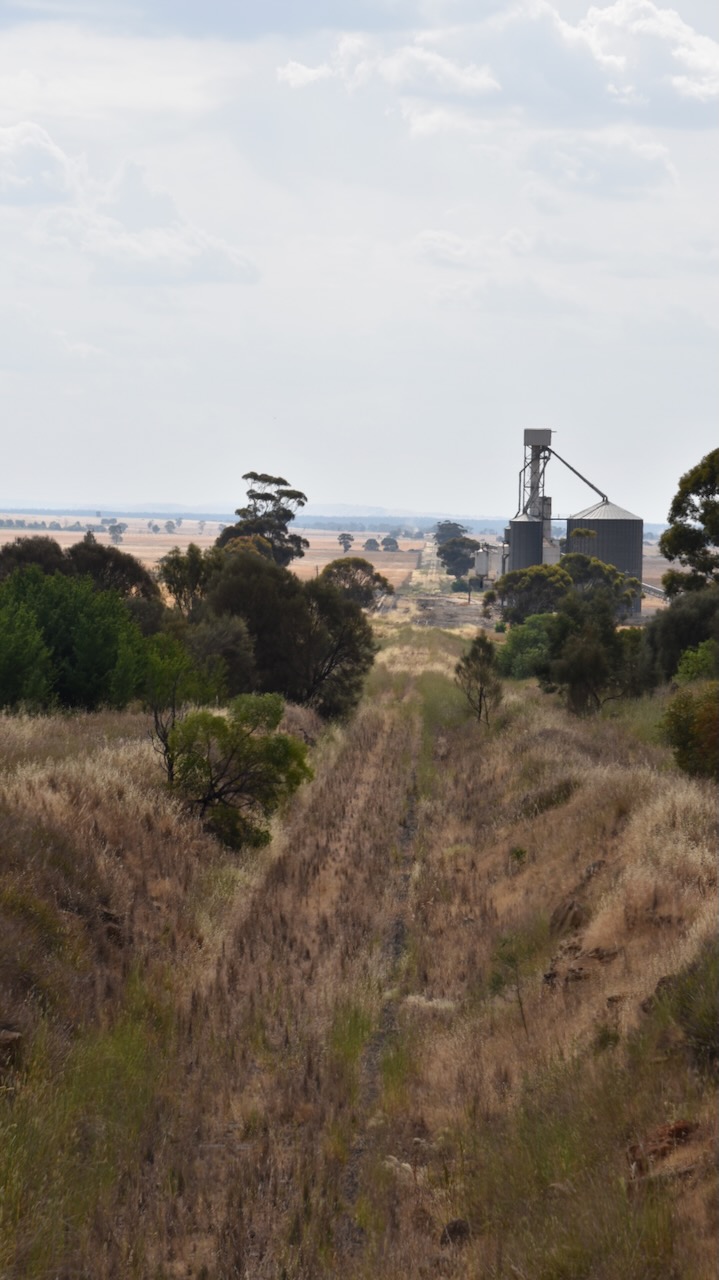
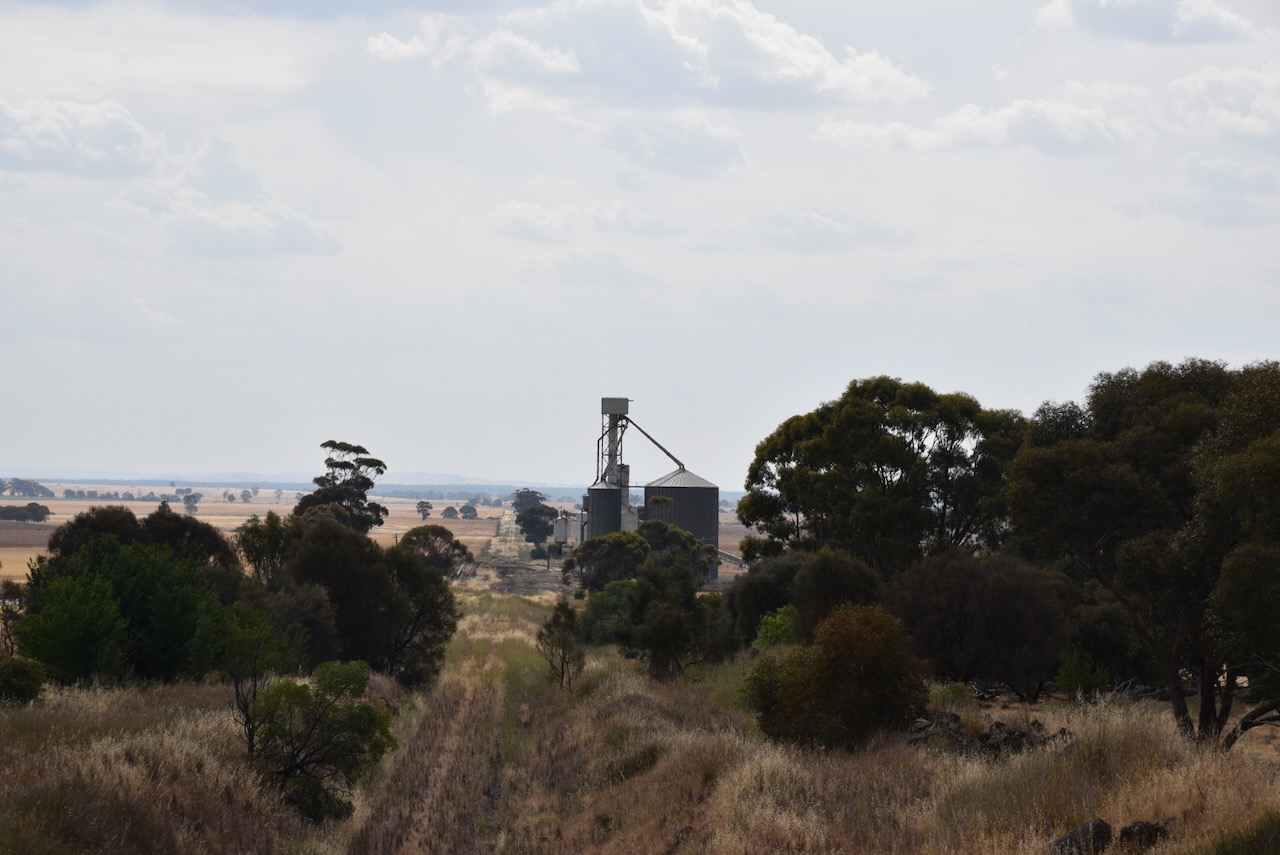
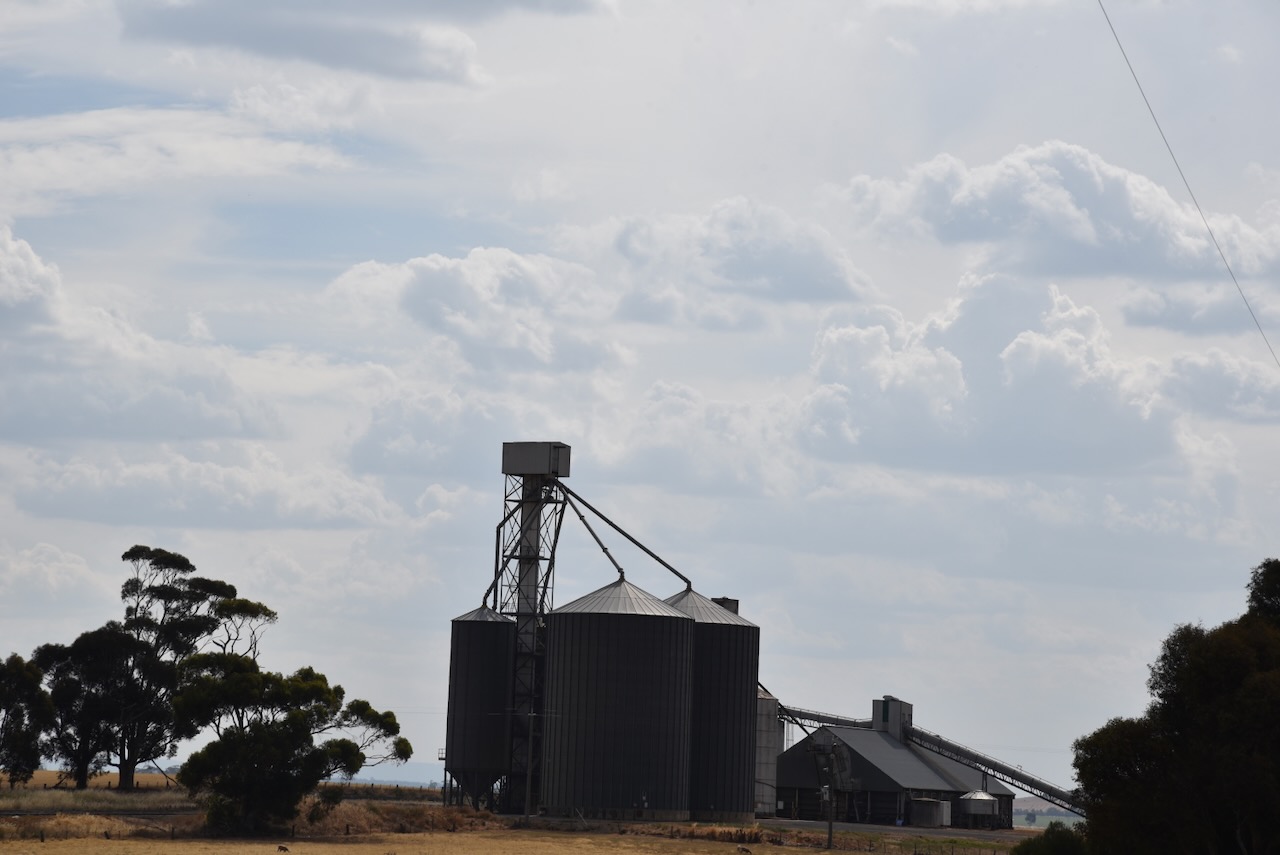
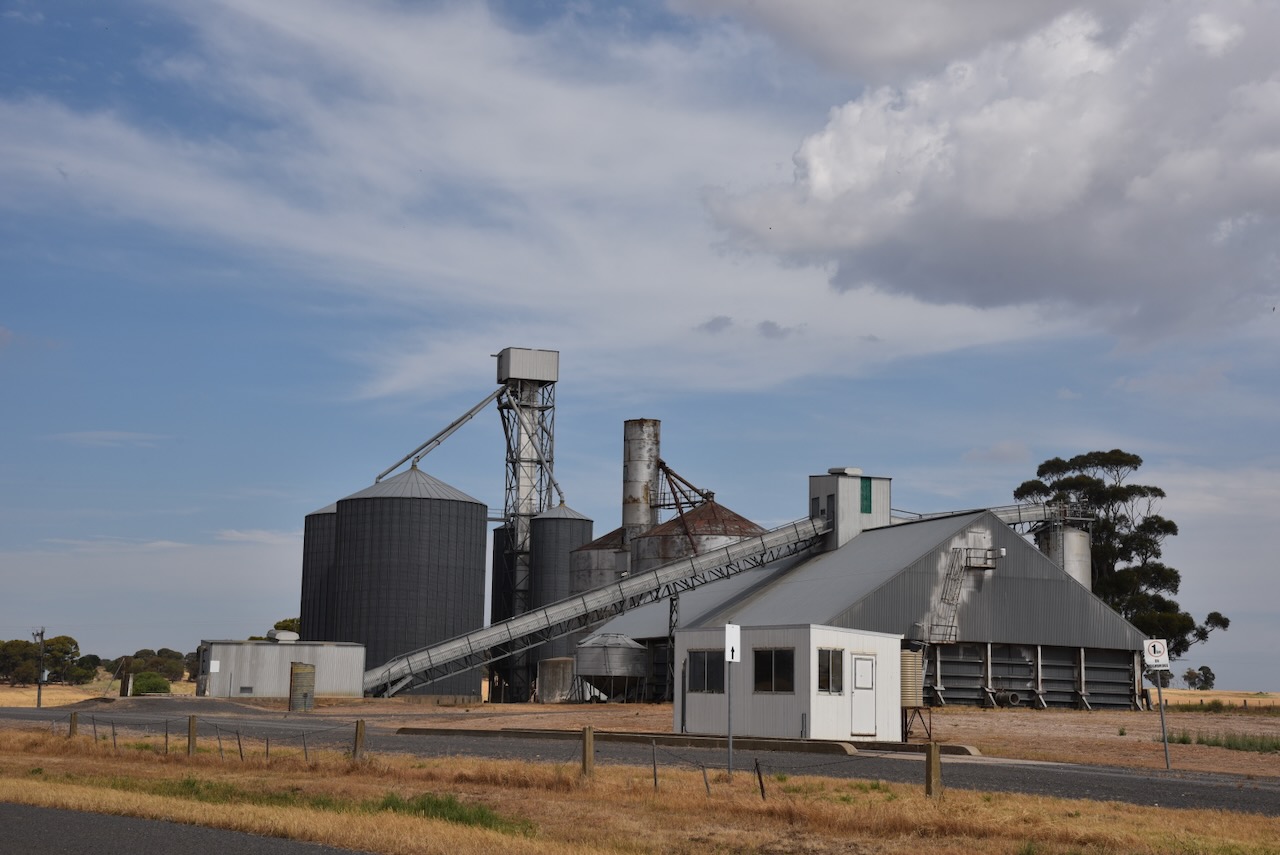
Marija and I parked on Keystone Mine Road and operated from the 4WD for this activation. We ran the Icom IC-7000, 100 watts, and the Codan 9350 antenna with the 1.5 metre stainless steel whip.
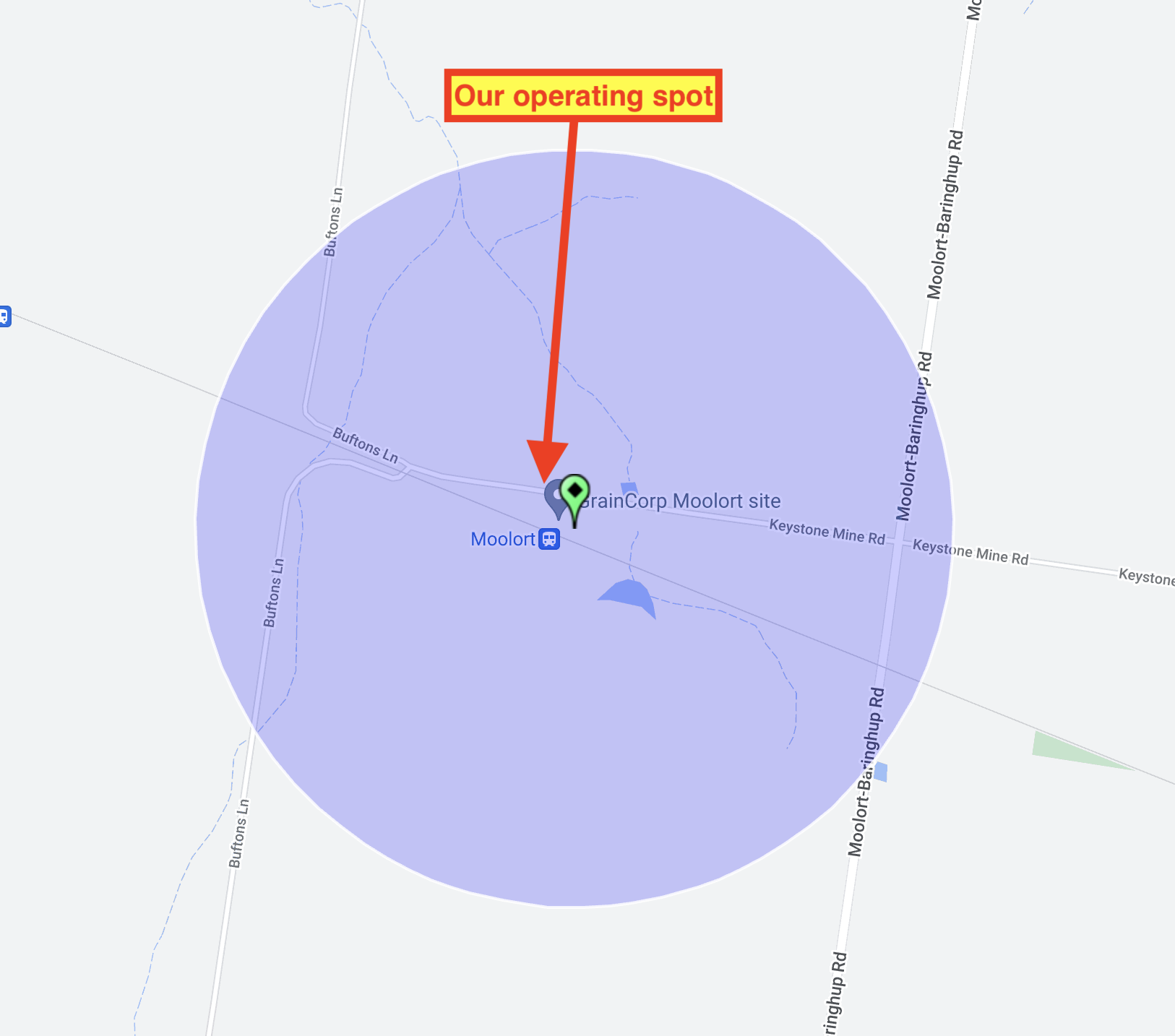
Above:- The activation zone at the Moolort silo. Image c/o SiOTA website.
Marija worked the following stations on 40m SSB:-
- VK5CZ
- VK2IO/m
- VK3PF
I worked the following stations on 40m SSB:-
- VK5CZ
- VK2IO/m
- VK3PF
- VK1AO
- VK2MET
- VK5FB
- VK5HS
- VK3AWA
I worked the following stations on 20m SSB:-
- VK4CK/m
- VK4JT
- 3D2MP
- WH6GPU
- VK4GRZ
- VK4LMB
- VK4XCS
We left Moolort and headed to our accommodation at Sandon. Along the way, we passed Cairn Curran Reservoir. The Cairn Curran Reservoir was constructed between 1947 and 1956 by the State Rivers & Water Supply Commission of Victoria, to supply water for irrigation and domestic and stock use along the Loddon River. It was built for £1.23 million. (Goulburn Murray Water 2024) (Museums Victoria 2024)
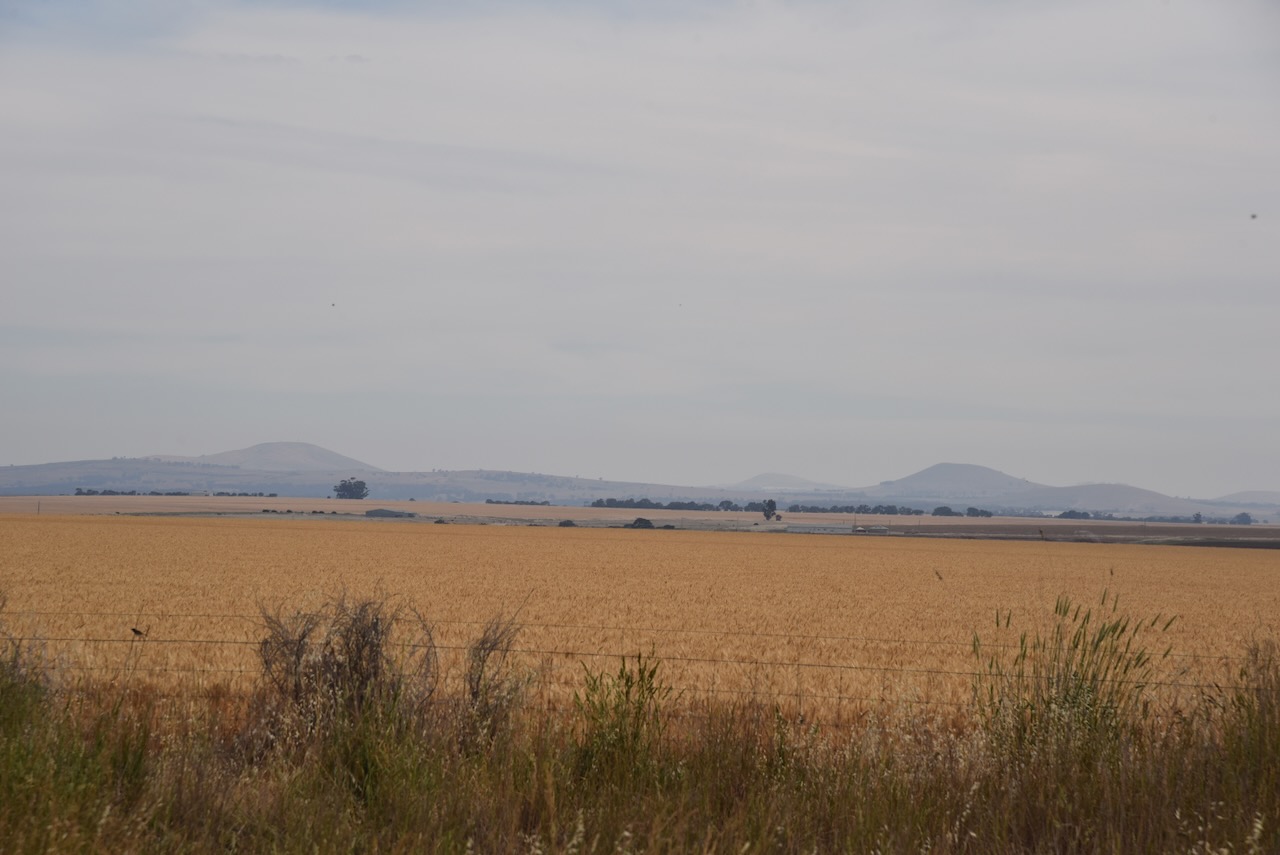
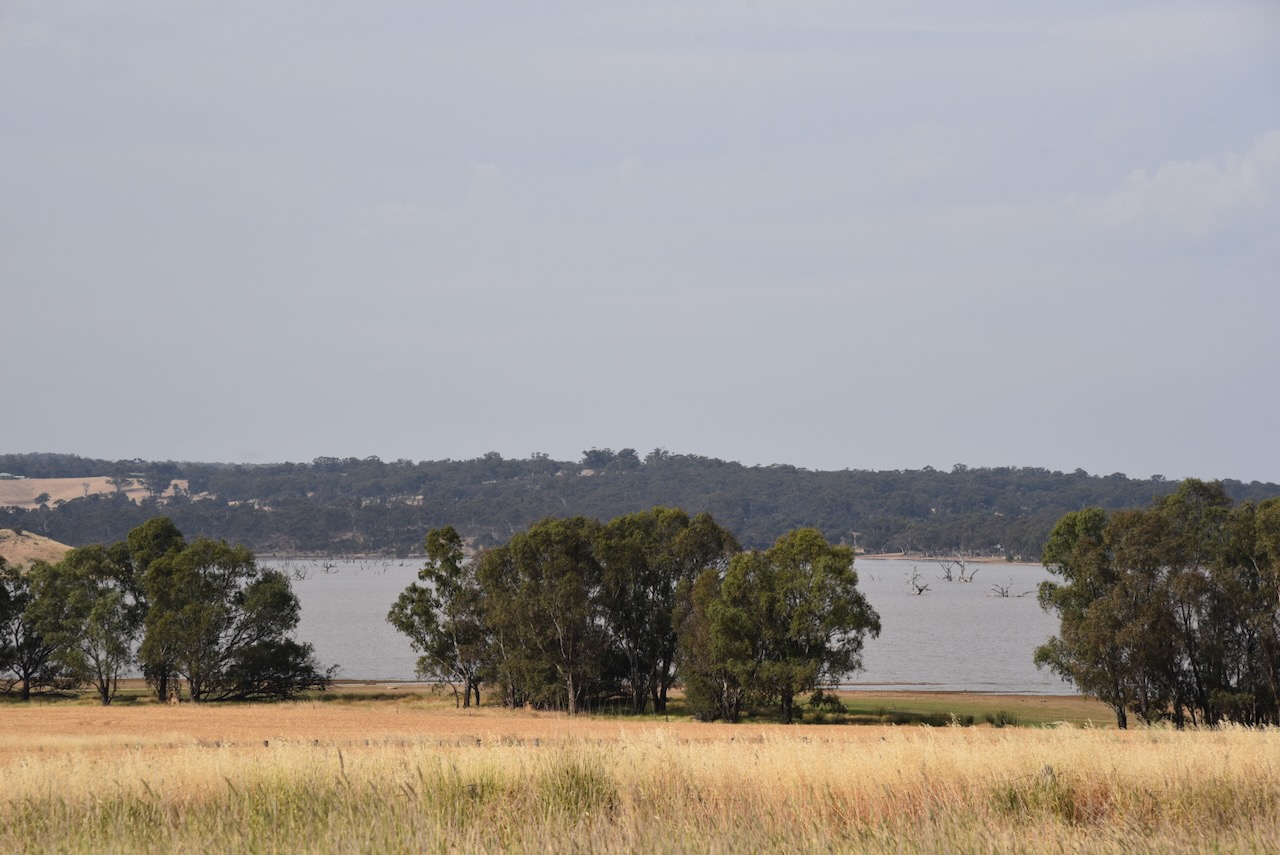
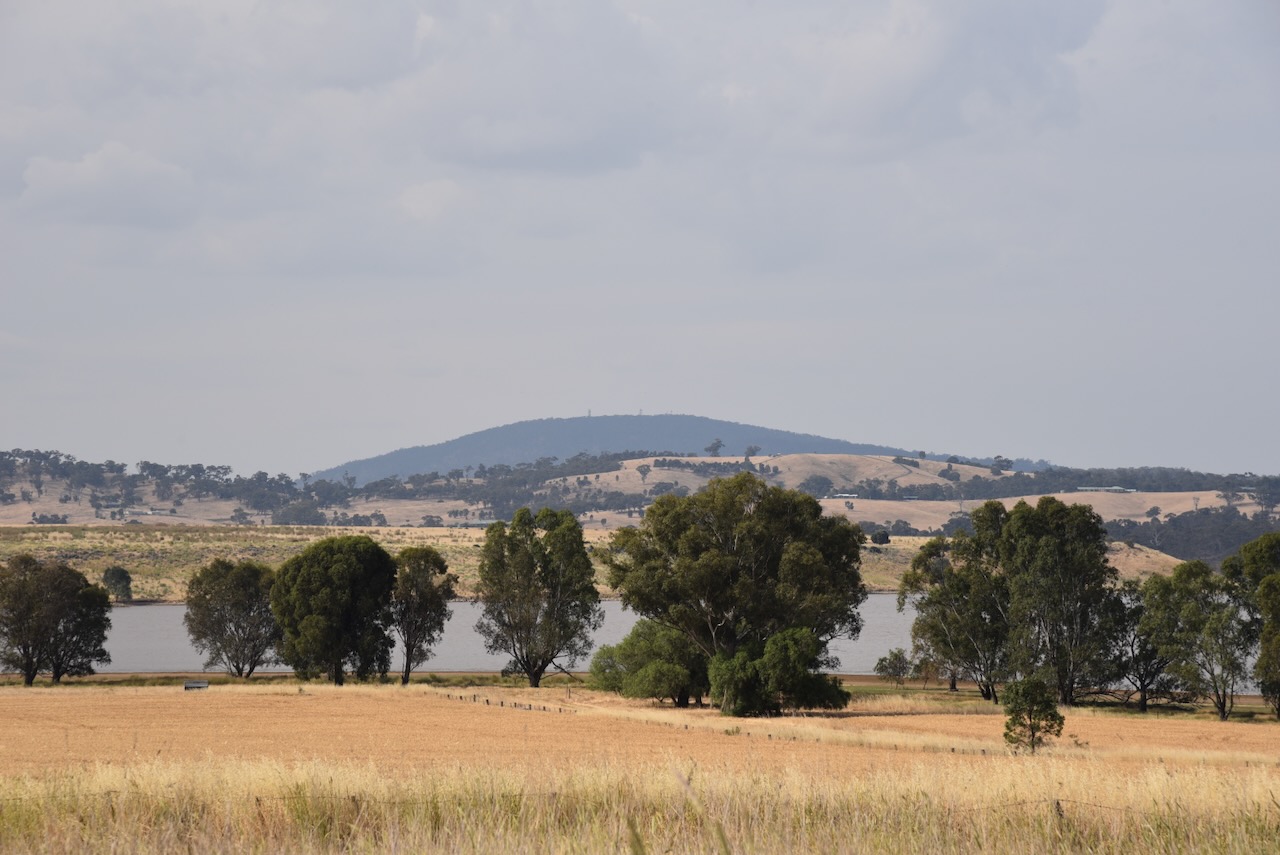
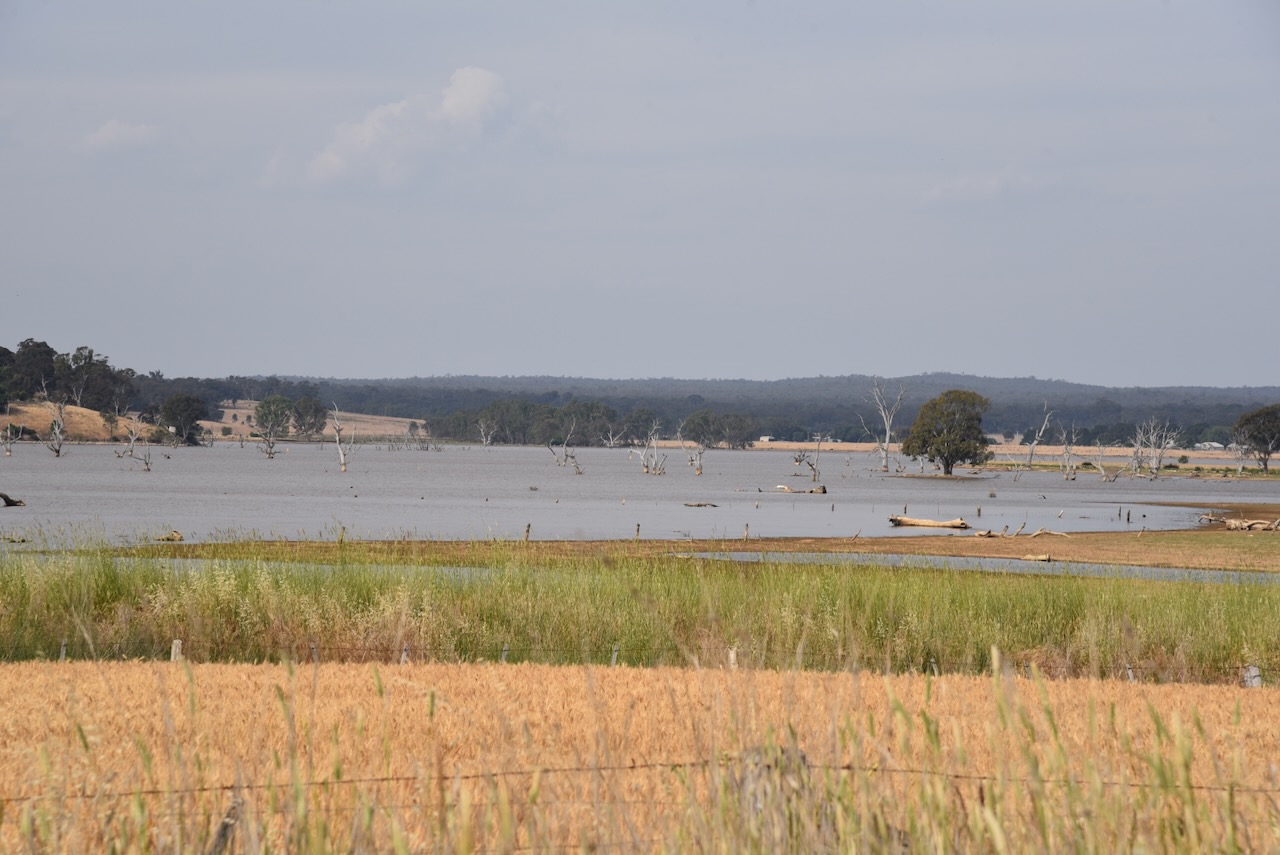
We soon reached the little town of Newstead, about 142 km northwest of Melbourne and about 15km southwest of Castlemaine.
Newstead is located in the Victorian goldfields region, however, it did not have rich gold deposits itself. Rather, the town grew from being a crossing place on the Loddon River, often for miners who were travelling between Castlemaine and the Mount Alexander diggings. The crossing was known as Mingus’s (or Mingay’s) Crossing Place of the Loddon, and was located about 3 km downstream of the present bridge over the Loddon River. The area is now submerged under water from the Cairn Curran Reservoir. The crossing was named for John Menzies, a Scot, who was the owner of Tarrengower Run and Park Hill. (Heritage Study 2004) (Newstead Heritage Walks 2016) (Victorian Places 2024)
During the early 1850s, a gentleman by the name of Thomas Jones ran a ‘Refreshment Tent’ at this location, known as the Bullock Drivers’ Home. Thomas Jones was born in 1830 in Carmarthenshire, Wales and had emigrated to Australia. The Bullock Drivers Home operated as a sly-grog shop with Jones being charged on several occasions. (ancestry.com.au 2024) (Publicans V Grogshops 1854)
On the 22nd day of July 1854, Assistant Governor Surveyor John Turner published a plan for the township called St Andrews on the River Loddon. Just 2 weeks later, on the 6th day of August 1854, the same plan was issued but this time the given name was Newstead. The plans were cancelled due to the floods of September 1855, and a new location was decided on for the town. (Heritage Study 2004) (Newstead Heritage Walks 2016)
In August 1854, the sale of Crown lands was advertised at Mingus’s Crossing. The Mount Alexander Mail stated: “The general aspect of the country there is delightful.” (Mount Alexander Mail 1854)
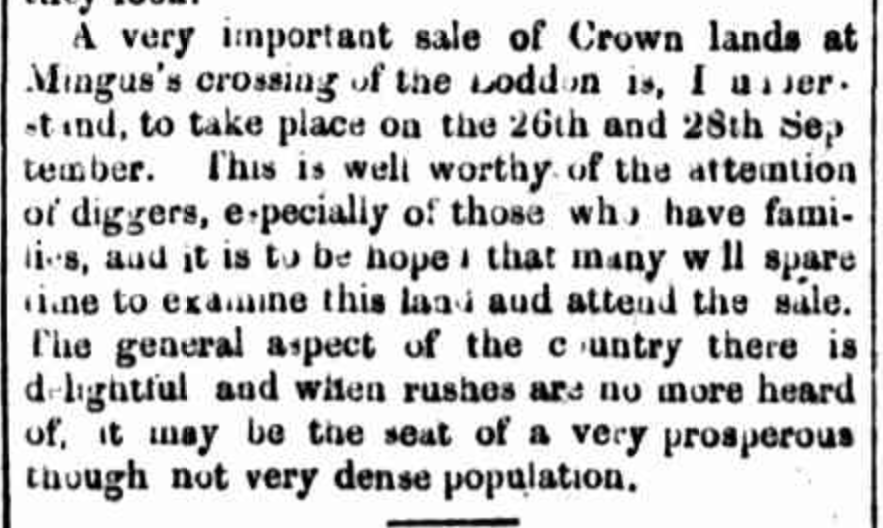
Above:- Article from the Mount Alexander Mail, Sat 26 Aug 1854. Image c/o Trove.
By April 1855, the Newstead Hotel had opened under the partnership of James David Jones and Frederick Beard, a businessman from Castlemaine, and Harris Friedlich. James Jones was not related to Thomas Jones. (Heritage Study 2004)
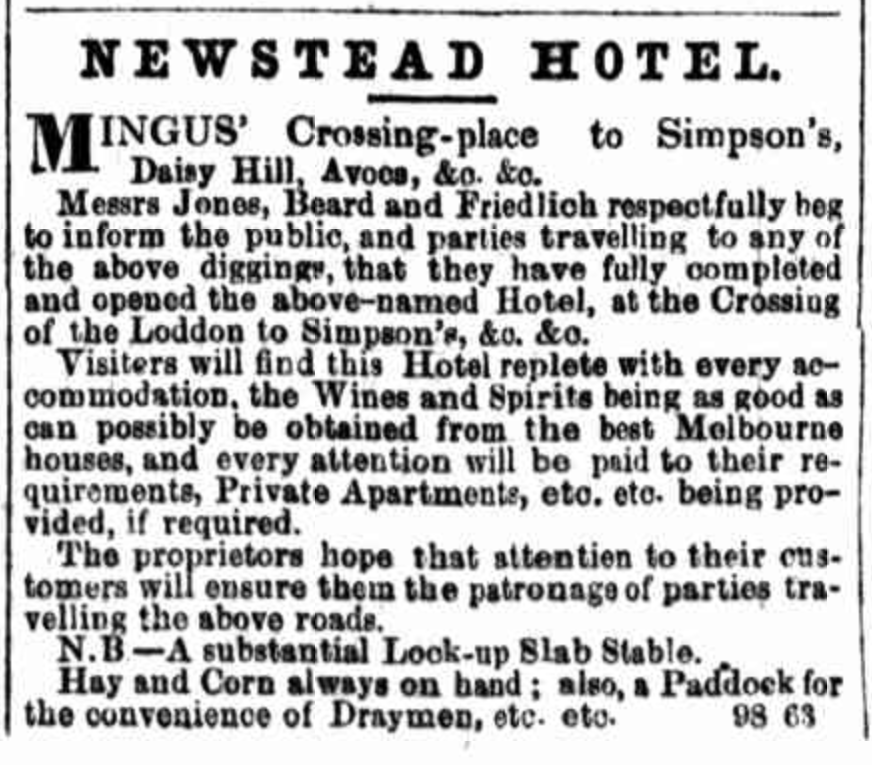
Above: Article from the Mount Alexander Mail, Fri 1 Jun 1855. Image c/o Trove.
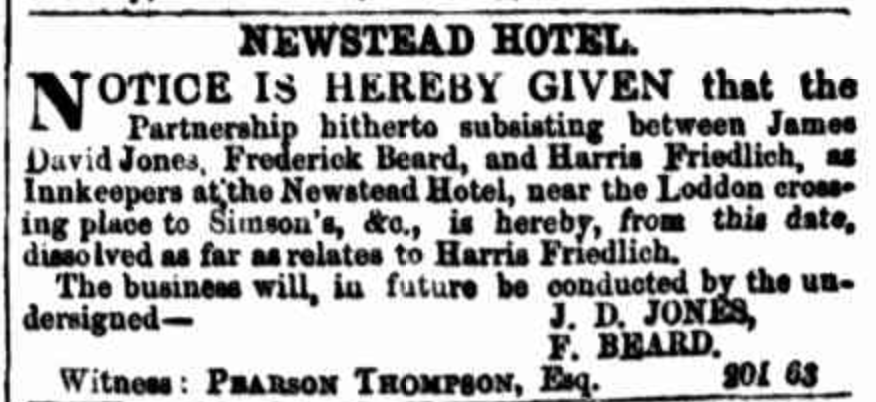
Above:- Item from the Mount Alexander Mail, Fri 6 Jul 1855. Image c/o Trove
By June 1855, the refreshment tent was up for sale due to the ill health of the wife of Thomas Jones. The Mount Alexander Times stated: “The premises comprise a bakehouse, butcher’s shop, three stalled stable, stockyard, and about a quarter of an acre of well-stocked garden ground.” (Mt Alexander Mail 1855)
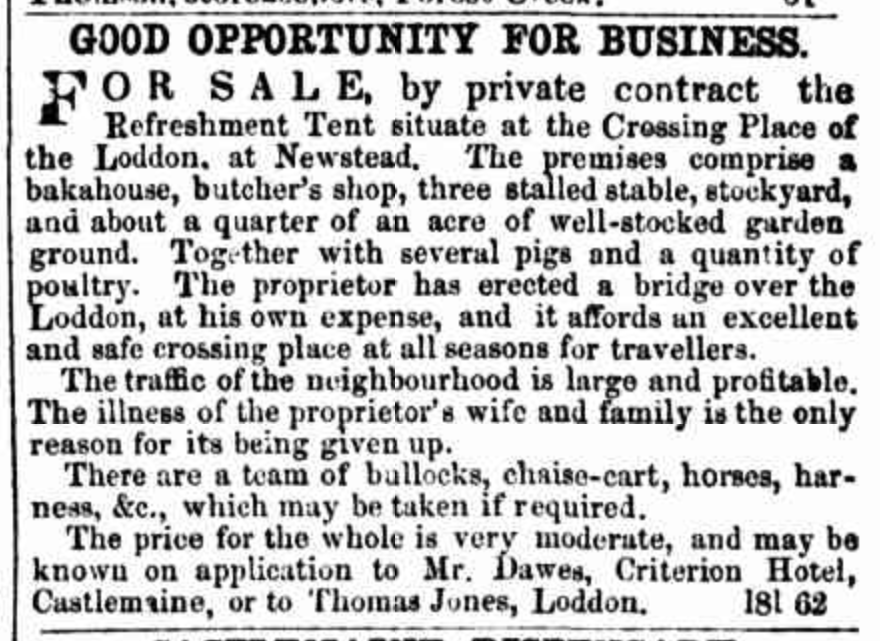
Above:- Advertisement from the Mount Alexander Mail, Fri 29 Jun 1855. Image c/o Trove.
In 1855 Thomas Jones had erected a bridge over the Loddon River at Mingus Crossing. It was known as Jone’s Bridge. The Mount Alexander Times, Friday 17th August 1855 reported:
“Mr. Jones, who at his own expense has erected a bridge over the Loddon at Newstead-or, as it is more popularly known, Mingus’s crossing place – sufficiently strong to resist the floods of the river, and to sustain the weight of traffic which passes over it.” (Extraordinary conduct 1855)
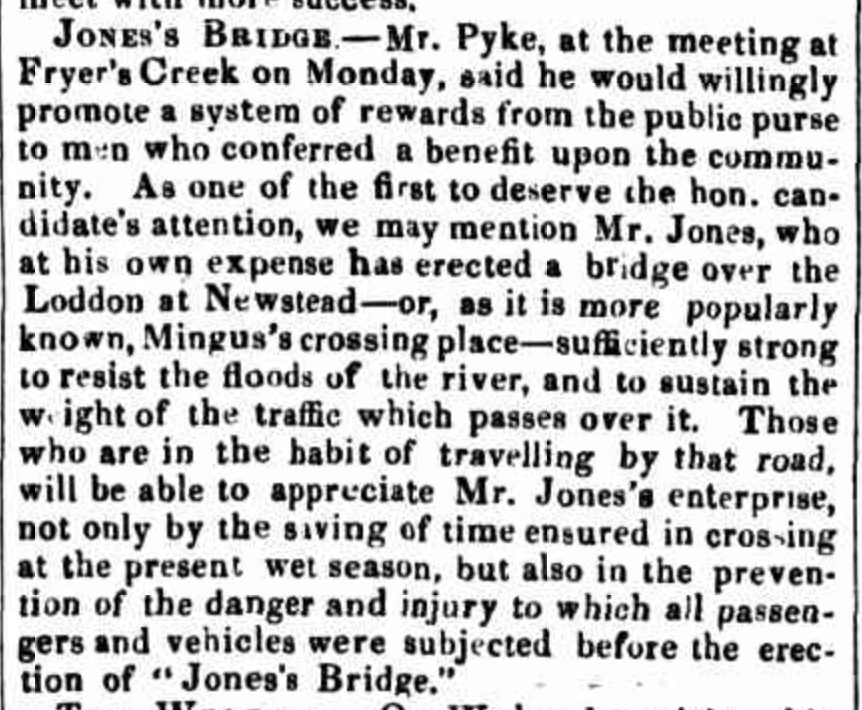
Above:- An article from the Mount Alexander Mail, Fri 17 Aug 1855. Image c/o Trove.
Within a few months of being built, Jones Bridge was destroyed by floodwaters in September 1855.
In July 1856 allotments for Newstead township went on sale at Castlemaine. (Heritage Study 2004)
When the site of the town was relocated, the proprietors of the Newstead Hotel were quick to move and a new Newstead Hotel appeared in Lyons Street early in 1856. The original building was of wooden construction, however, it was destroyed by fire on the 4th day of June 1931. (Newstead Heritage Walks 2016)
In 1856 a flour mill was built. In 1859 a National School and a Presbyterian church were opened. Newstead’s population in 1861 was 212 people. A few years later in 1863, Baptist, Anglican and Methodist churches were opened. By the mid-1860s, Newstead had a brewery, biscuit factory and two hotels. In 1868 a Mechanics Institute was built. In 1869 a three-storey bluestone flour mill was built. By 1871 Newstead’s population was 210 people. (Victorian Places 2024)
In November 1859 a meeting was held at the Newstead Hotel to petition the Government for a bridge over the Loddon River. The Tarrengower Times, Tuesday 8th November 1859 stated that ‘the existing bridge was a private one; that from adverse verdicts obtained against him in the Castlemaine Police Court, preventing his levying tolls, the proprietor was allowing it to become dilapidated, and had threatened to destroy it; that this was the sole crossing place in this direction to all the western diggings, as well as for an extensive agricultural district.” (Newstead Bridge 1859)
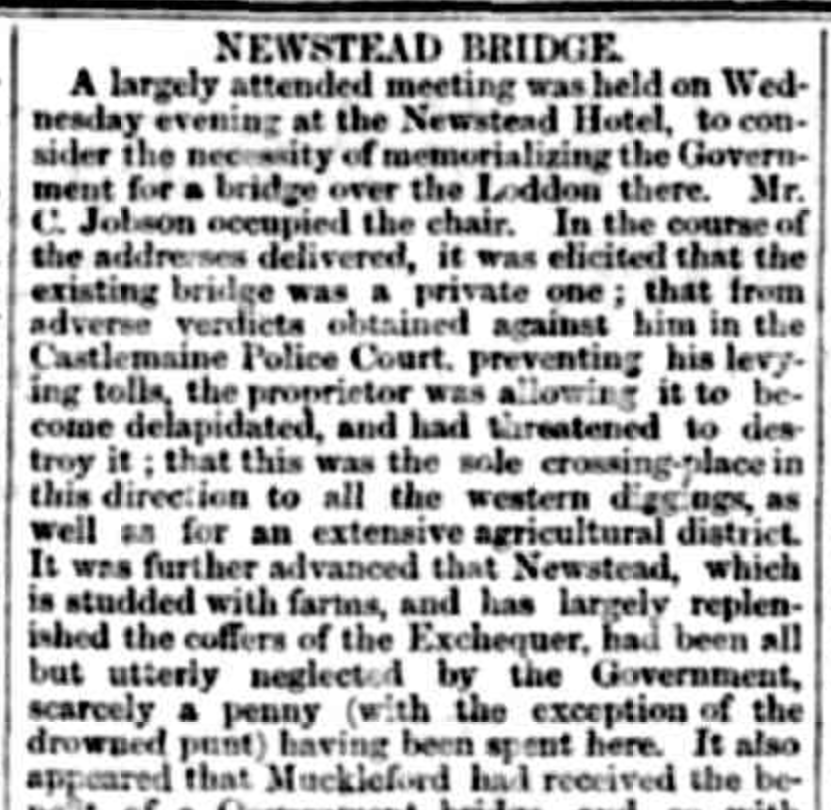
Above:- Article from The Tarrengower Times and Maldon District Advertiser, Tues 8 Nov 1859.
Image c/o Trove.
A poorly constructed bridge and a punt connected Newstead with another settlement known as the Junction that was located on the River Loddon’s west bank. In July 1860 a timber toll bridge was constructed over the Loddon River. (Heritage Study 2004)
Newstead has numerous historic buildings. Here is a quick summary of some of those buildings which we visited.
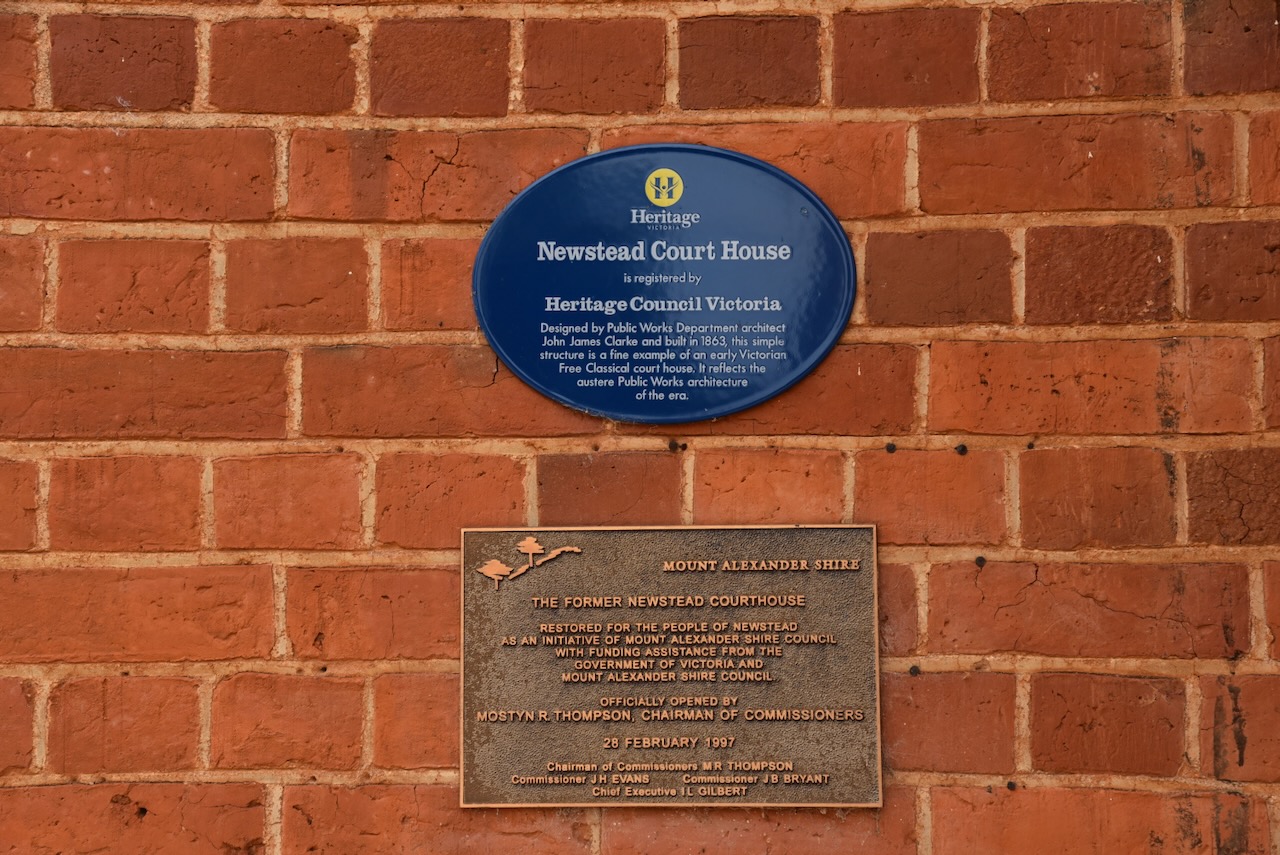
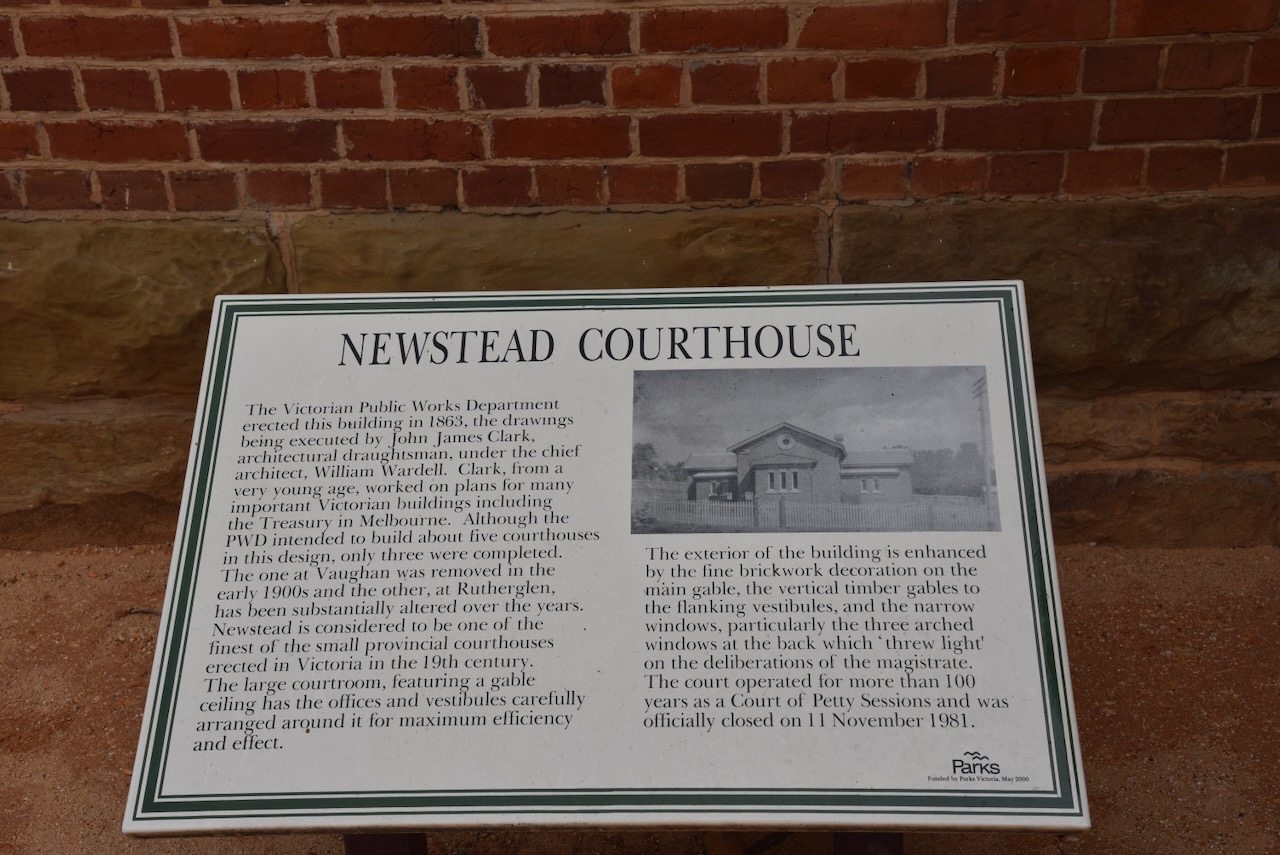
Newstead Courthouse.
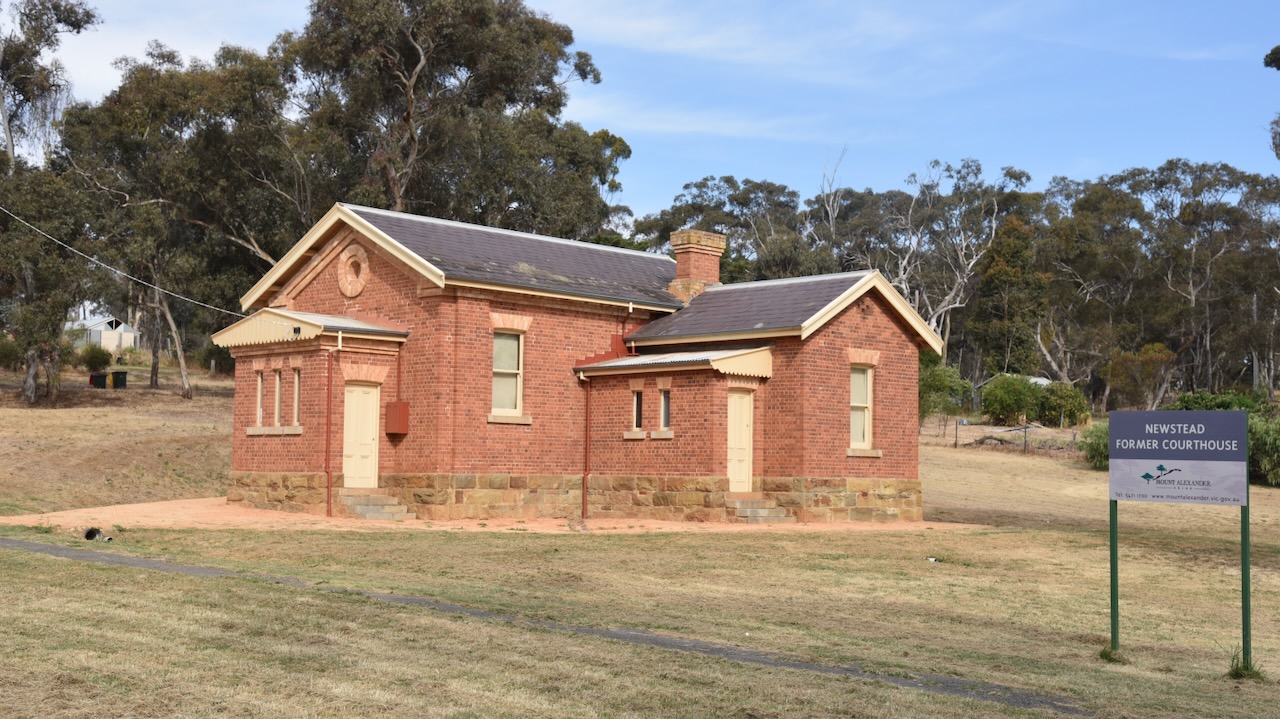
A public meeting was held in 1861 at the Newstead Hotel to discuss the establishment of a Court
of Petty Sessions in the town. The court was subsequently established, however there was criticism at the low standard of accommodation. By 1863 the wooden Baptist Chapel served as a Police Court. Calls were made for a more substantial building, and in 1863, John James Clark, a prominent architect in the Public Works Department, designed the new Newstead Courthouse. It was built in 1865 by Mackay and Ross at a cost of £911. It was decommissioned as a court in 1981. (Heritage Study 2004)
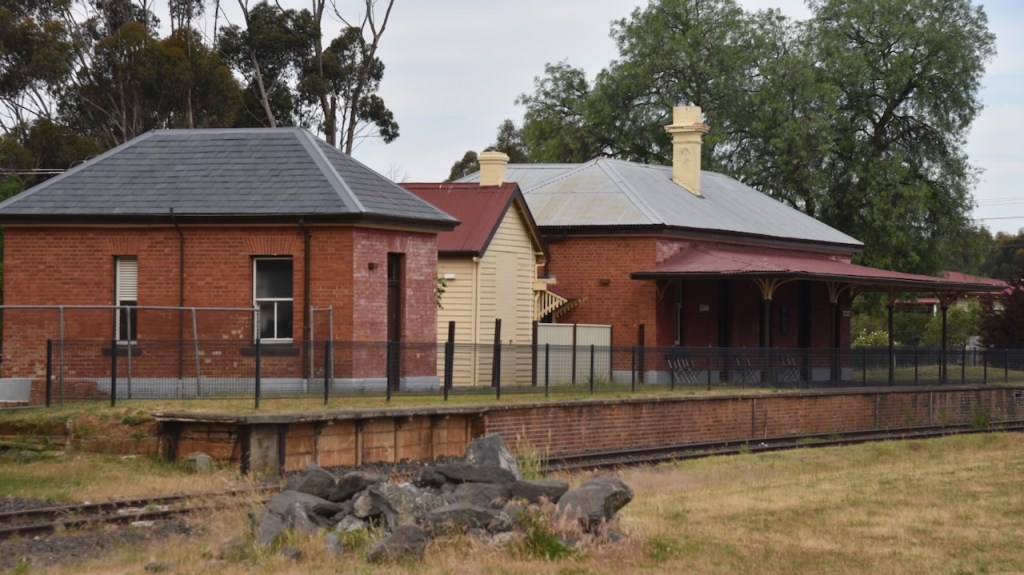
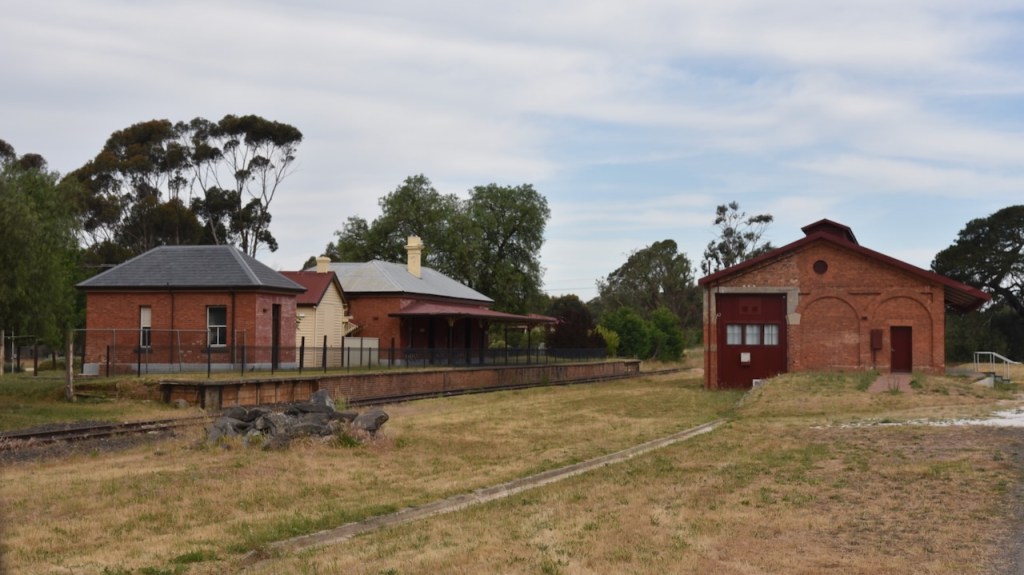
Railway Station.
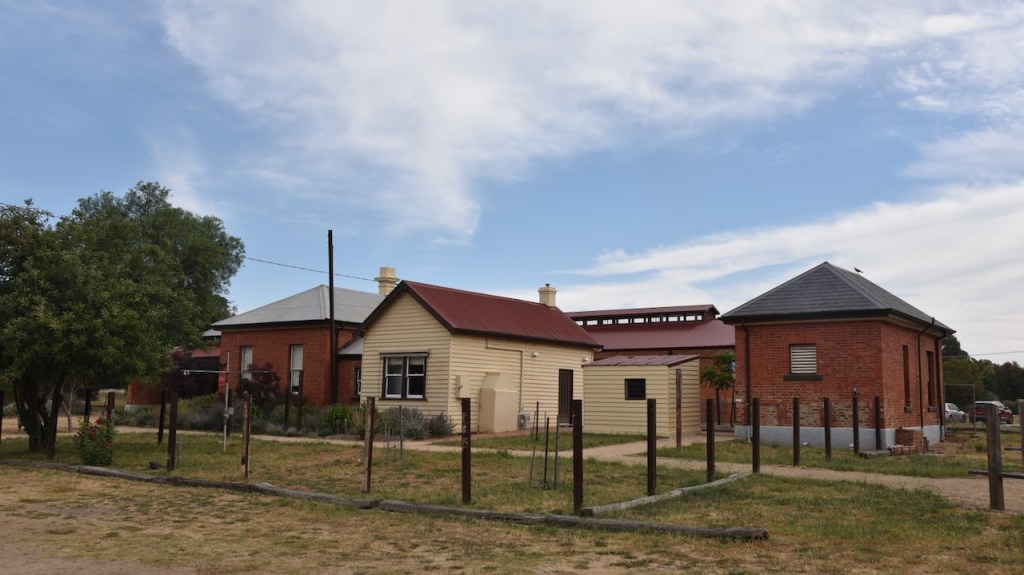
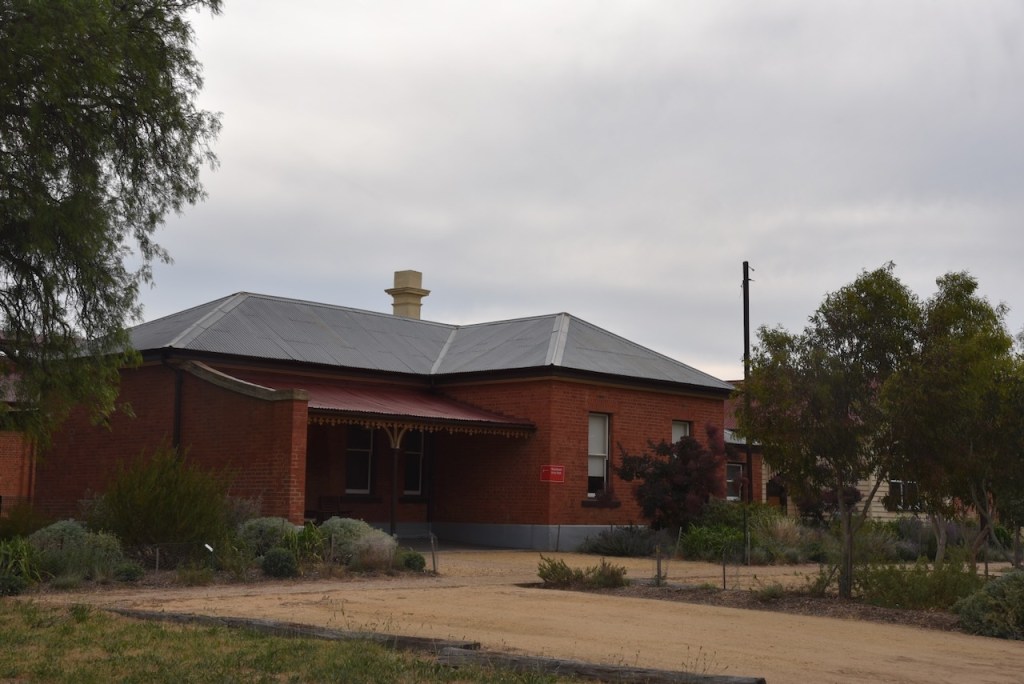
In about 1861 to 1862 the Newstead Road Board held a public meeting regarding the construction of a railway from Maryborough that would pass through Newstead. Sadly this did not progress. In 1871 a public meeting was held to discuss the extension of the railway line westward from Maryborough to Castlemaine. In 1873 the Mount Alexander Mail reported that the first instalment of rails for the Castlemaine to Newstead railway line had arrived and that ‘the contractor will soon lay in place.’ The following year in March 1874, tenders were called for the construction of a passenger station at Newstead. The line opened in July 1874. The railway goods shed was constructed in 1882. (Heritage Study 2004)
Newstead Flour Mill.
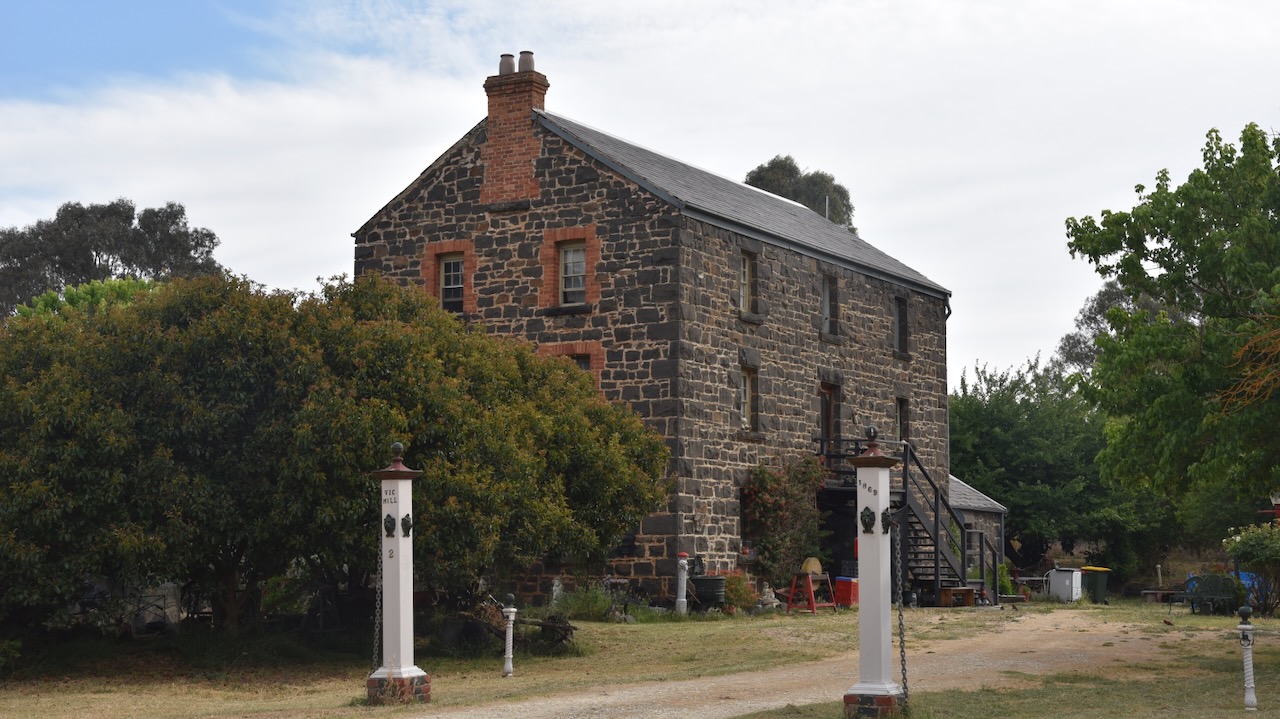
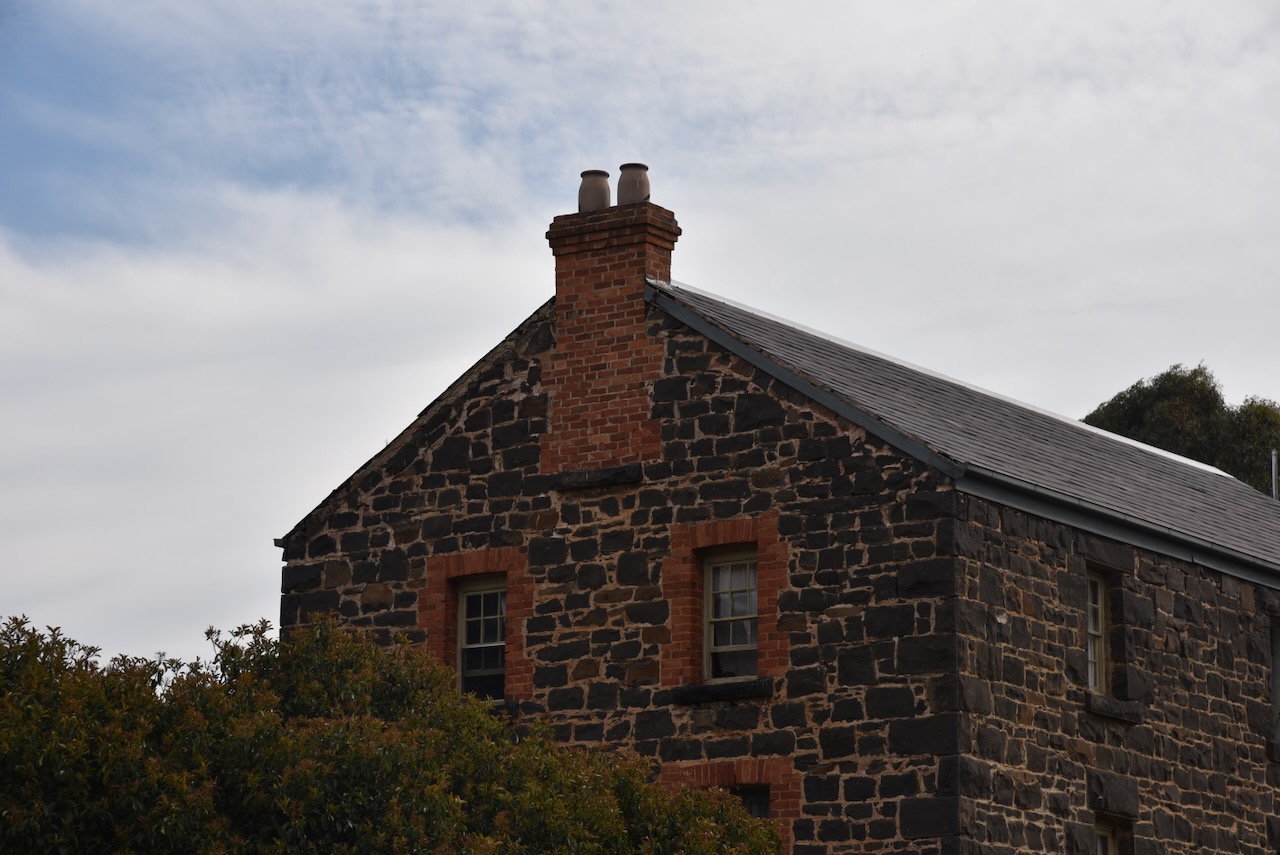
The Newstead Flour Mill is a very impressive bluestone building that was opened in mid 1869 and was built by the Sheehan brothers. The mill was operated by the Sheehan family until 1914. The old mill was auctioned in 1975, by which time it was derelict, lacking floors, a roof and windows. (Heritage Study 2004)
Former Newstead Bakery.
In 1856 this block of land was granted to James Monks who sold the land in 1957 to Charles Marsden. From that time, the land was sold to various persons over the years. The building operated as a bakery by numerous bakers including William Sutherland, George McArthur, Thomas Toulen, and William Backway. Following the 1909 flood, the building was either rebuilt of substantially repaired. (Heritage Study 2004)
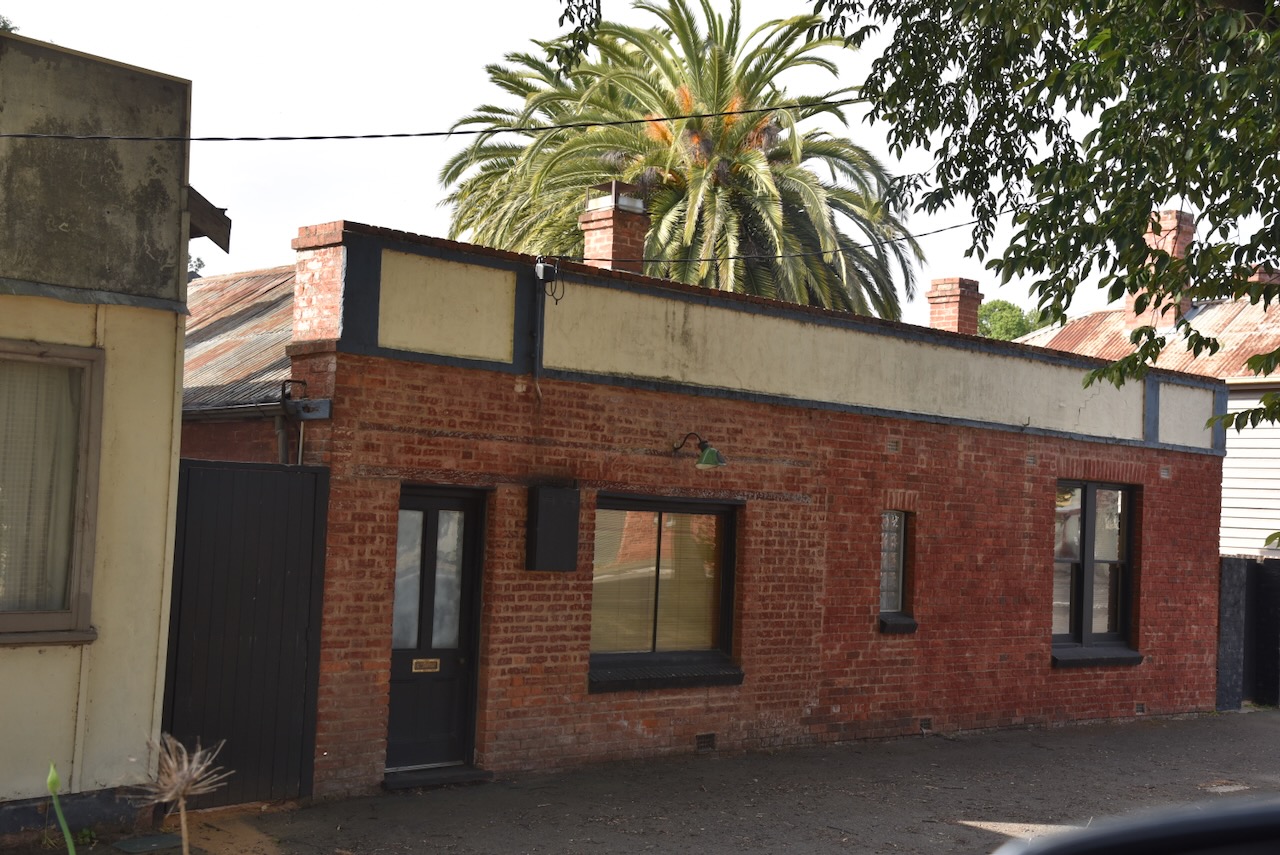
Old bank building.
This site was originally purchased in February 1860 by David Corbett who built a wattle and daub store and conducted business there as a general store for about 15 years. Between 1864 to 1865 the land and building was purchased by the Bank of New South Wales and a branch was opened on the 3rd day of February 1865. It closed in March 1871. The building was then taken over by the Oriental Bank and it operated until 1884. In May 1884 the National Bank of Australasia announced that it had opened a branch at Newstead in the former Oriental Bank building. In December 1886 the building was sold to a Mr. R. Rowe and the building was demolished with the view of a new building being constructed. The present day building was designed by the Melbourne architect, George Jobbins, and was constructed by Messrs Ross and Walker between December 1886 and early 1887. The National Bank continued to operate from the building until 1975 (Heritage Study 2004)
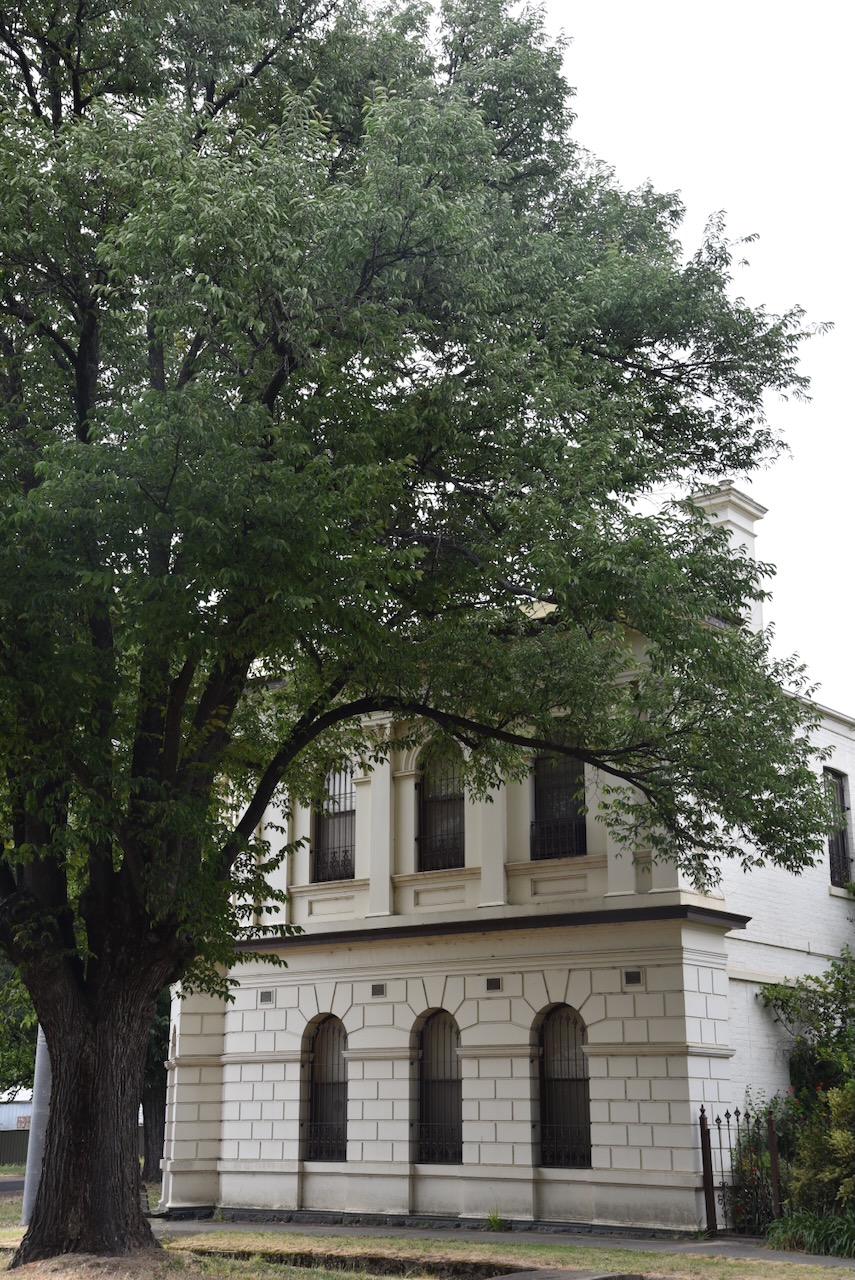
Former Vitali’s Boot Shop.
The land on which the former Vitali’s Boot Shop is located was granted in 1860 to D. Johnston. It operated as a general store run by Lovel Langslow in the 1870s. From 1879 it operated a butcher run by Charles Langslow, the son of Lovel Langslow. By 1903 it was occupied by Roderick Morrison, a Fruiterer. In the 1920’s it operated as a fruit shop run by Alf Connell. Following WWII up until the 1980’s it functioned as a bootmakers run by Reno Vitali. (Heritage Study 2004)
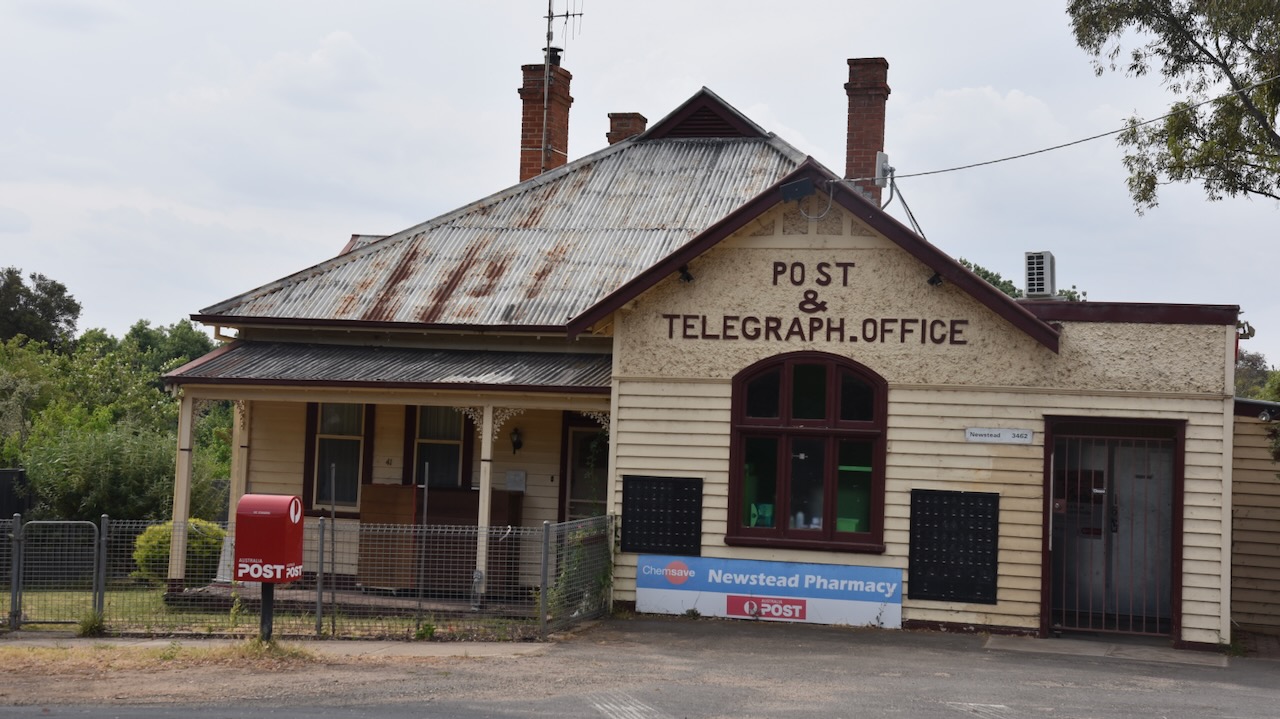
Post and Telegraph Office
In 1863, Newstead’s first purpose built Post and Telegraph office was constructed. In 1910 a new Post and Telegraph office was constructed. The telegraph office closed in 1934. (Heritage Study 2004)
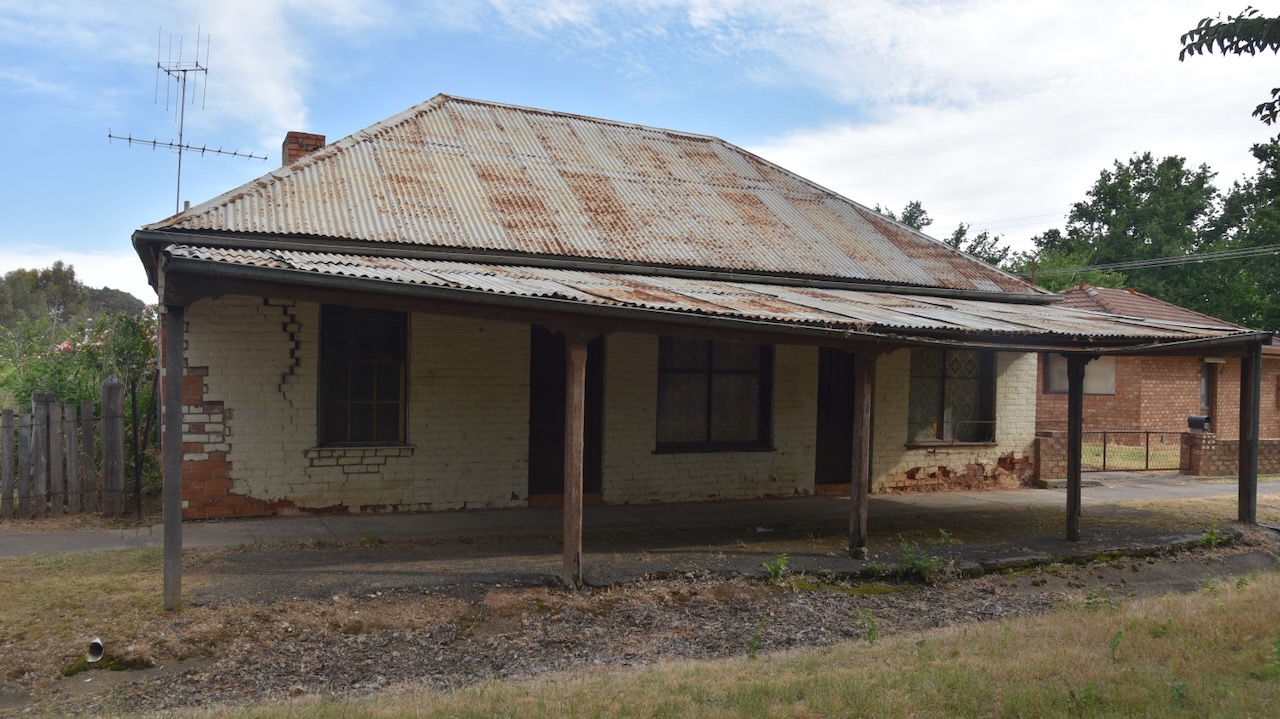
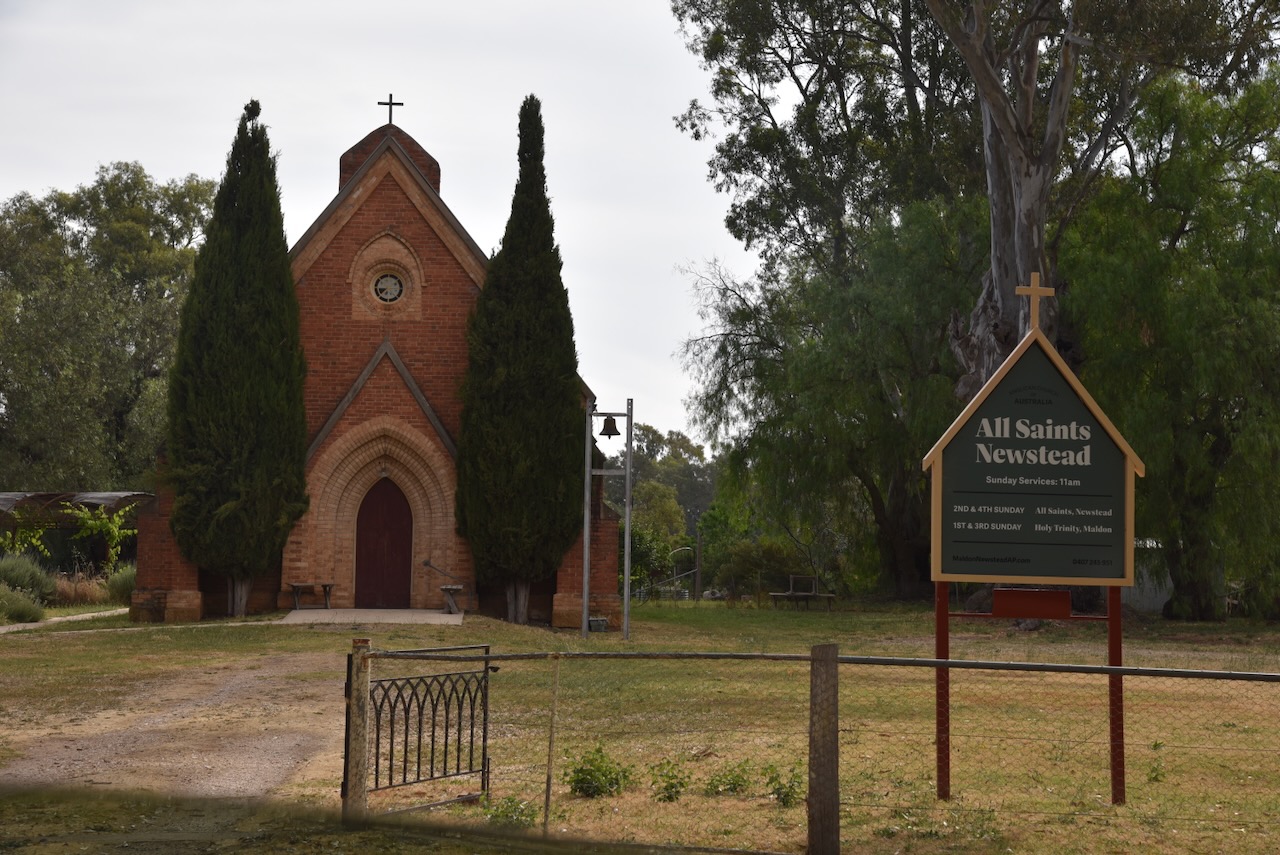
All Saints Newstead.
Prior to the erection of a permanent Church of England church, services were held from about 1857 in the Roads Board meeting room. In 1866 tenders were called for the construction of a church, and this was awarded to Richard Jennings. All Saints Newstead was opened in August 1868 by Ven Archdeacon A Crawford at a cost of about £450. (Newstead Heritage Walks 2016) (Heritage Study 2004)
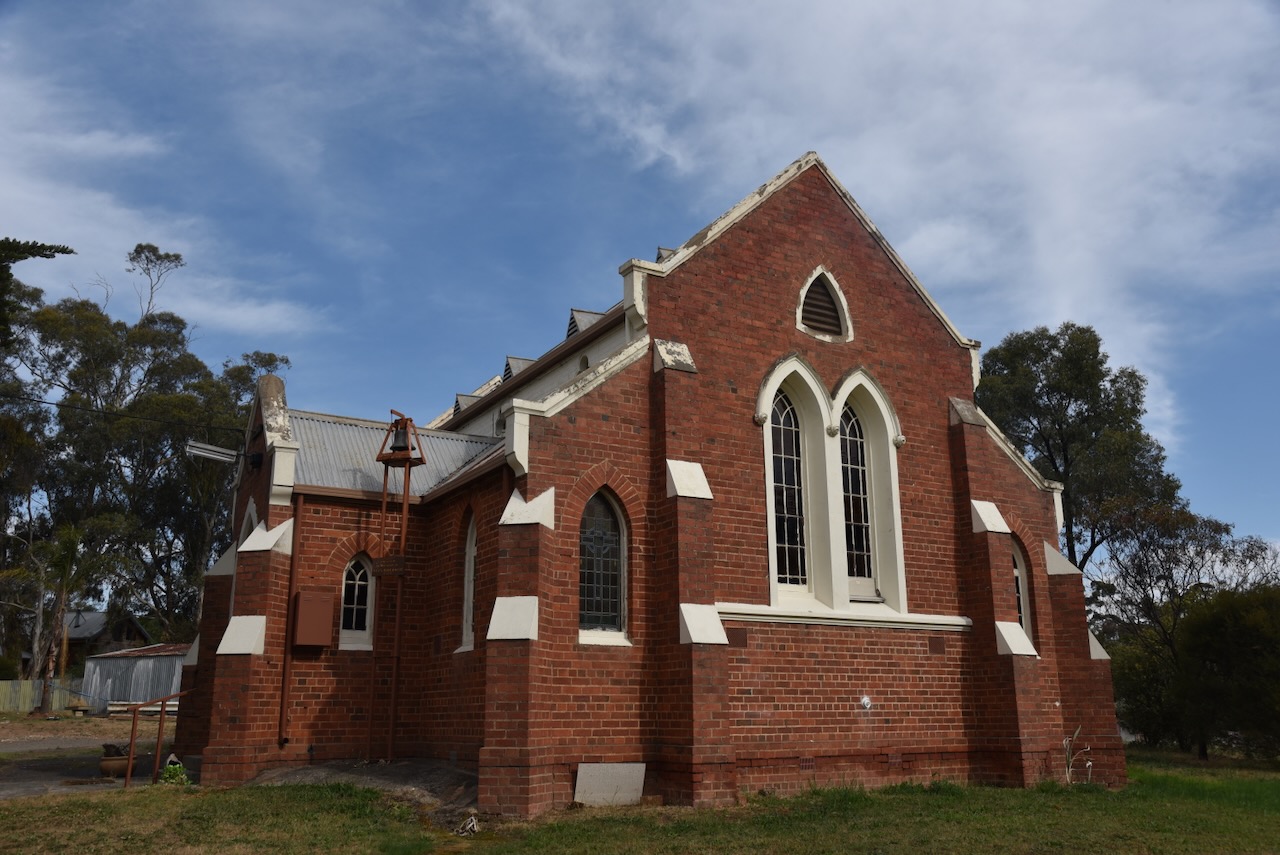
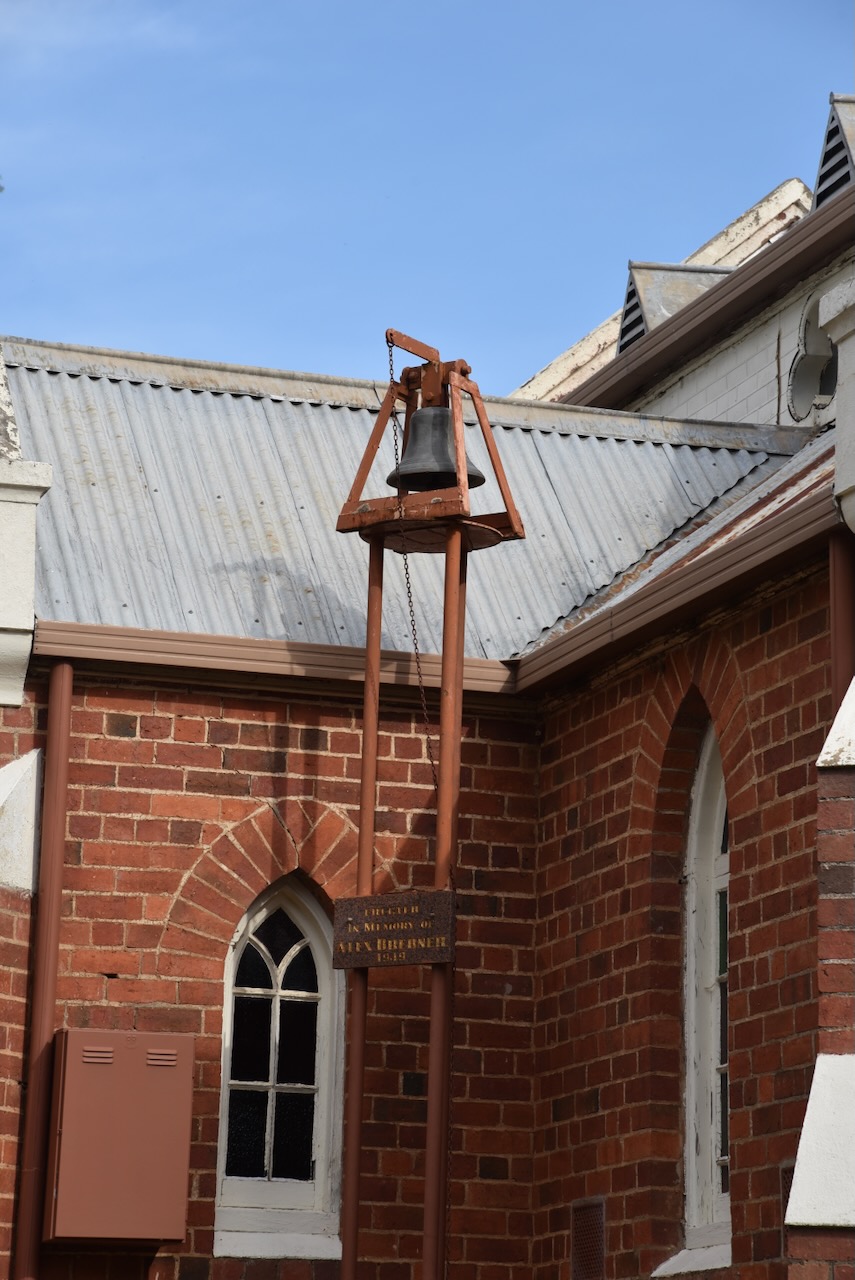
Methodist church.
Methodism was introduced in Victoria in 1838. The Primitive Methodists (the original division of the Methodist Church associated with the extant building) held their first services in Newstead at the home of the local blacksmith, William Ibbotson. He offered the site for the church for half the price he initially paid. On the 30th day of October 1860, the Methodist chapel was opened. In the early 1900s the Newstead Methodist church commenced looking to build a new church to accommodate for the larger congregation. In 1907 tenders were called. Between April and September 1907 work commenced on the church which was capable of seating 200 people. This was at a cost of about £500. The bricks and foundation stones were recycled from the chimney of the old Johnson flour mill built in 1856. The church was opened in September 1907. (Heritage Study 2004)
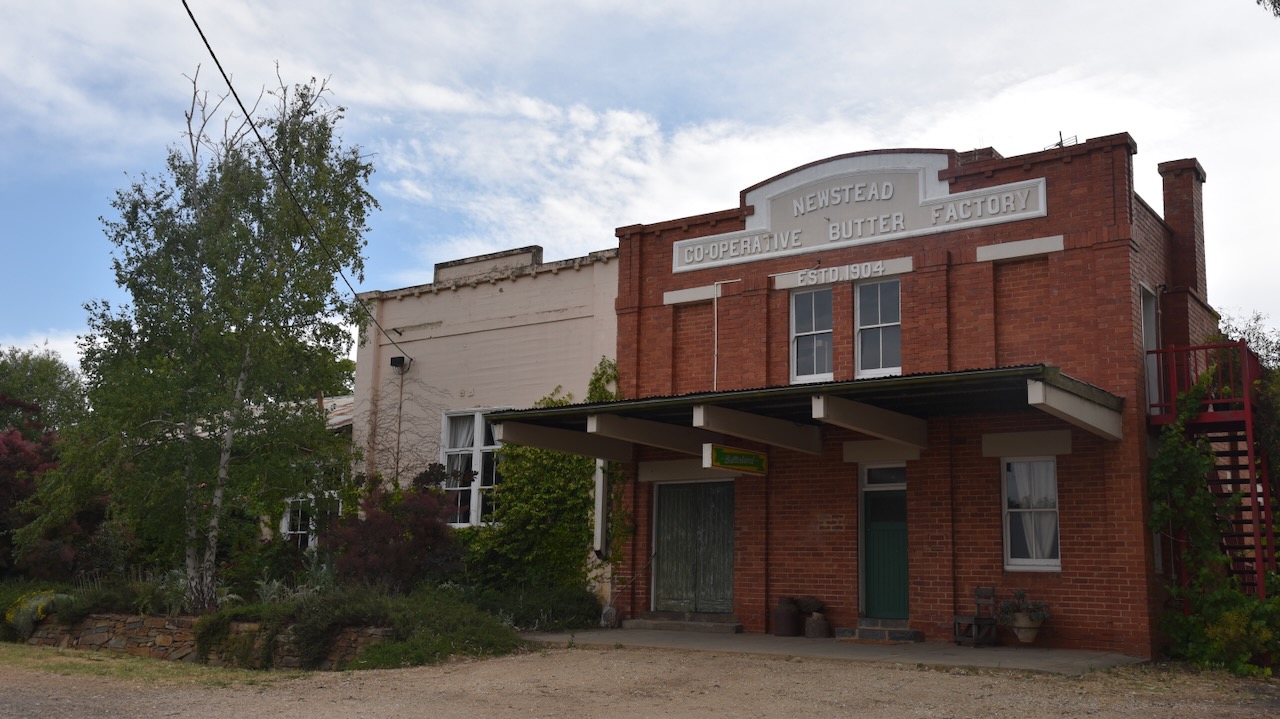
Newstead Butter Factory.
The Newstead Co-operative Butter and Cheese Factory opened in 1905. On the 17th day of June 1905. the factory commenced production. The company supplied local markets as well as exporting overseas. The government freezing works classified Newstead butter ‘superfine’ and first class. In London, after the company exported 115,750 lbs, it was judged ‘very fine quality butter indeed’. By the late 1940s farmers gradually reduced their dairy herds in favour of beef cattle. By 1967 the amount of butter fat supplied was 3% less than when the factory opened. Sadly, produced ceased in 1975. (Heritage Study 2004)
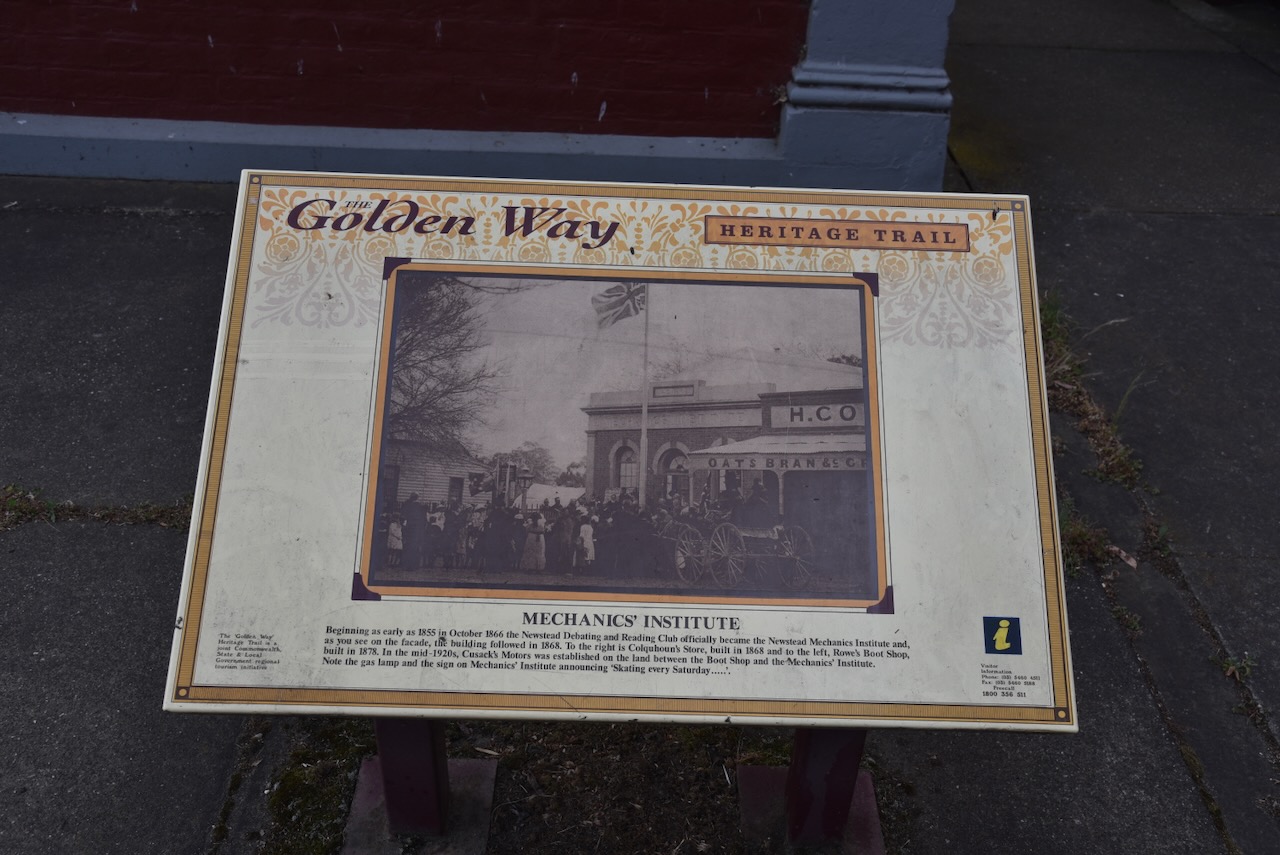
Mechanics Institute.
Mechanics Institutes were established in the early years of Victoria to provide opportunities for ‘intellectual, social and moral self-improvement.’ In October 1866, the Mount Alexander Mail reported that members of the Newstead Debating and Reading Club had held a meeting to reorganise the club under the title of a Mechanics Institute. By August 1868, funds commenced to be raised for the erection of a Mechanics Institute building at Newstead. A tender of £335 from Mr. McGibbons of Castlemaine was accepted by mid-September and the construction of the building was completed within 3 months. In 1868 the Institute consisted of 400 books and numerous periodicals and newspapers. (Heritage Study 2004) (Newstead Heritage Walks 2016)
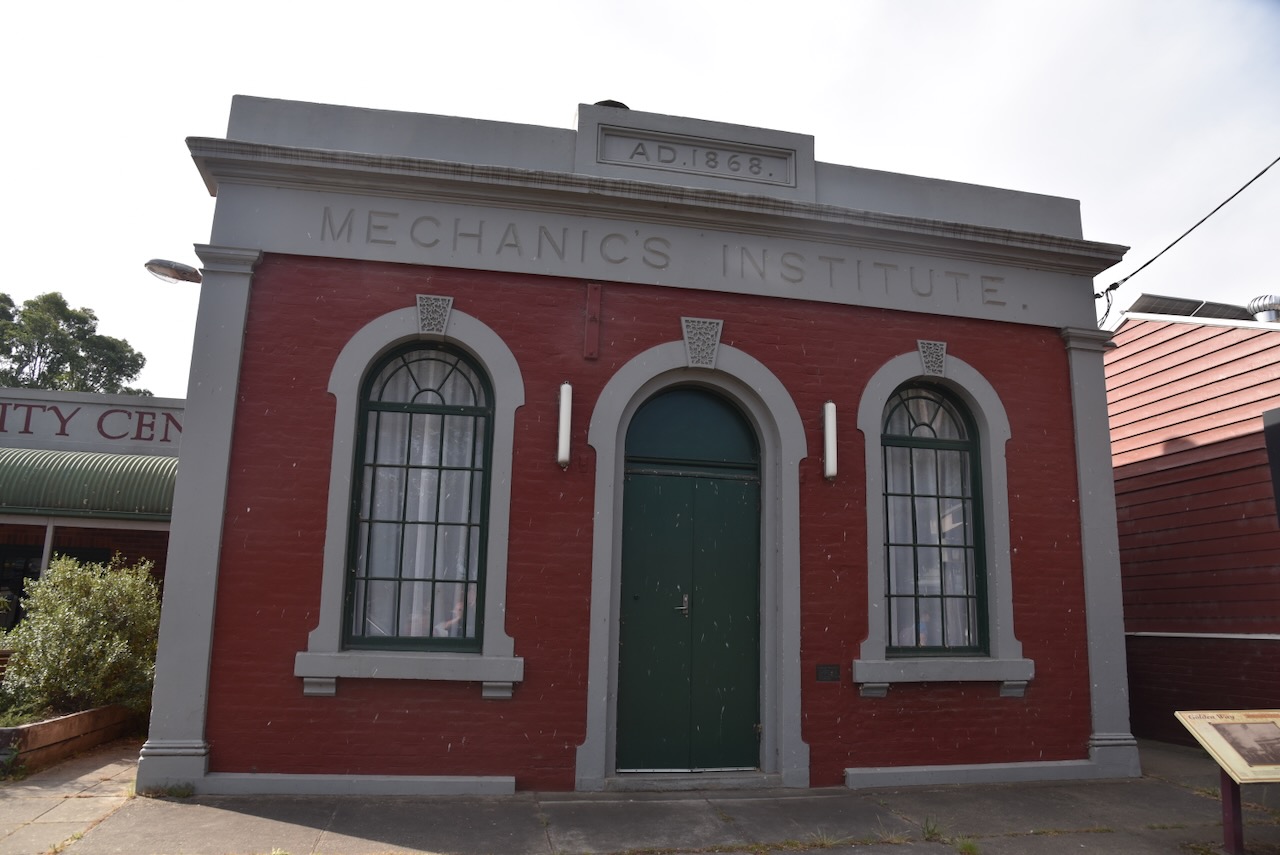
Fire Brigade.
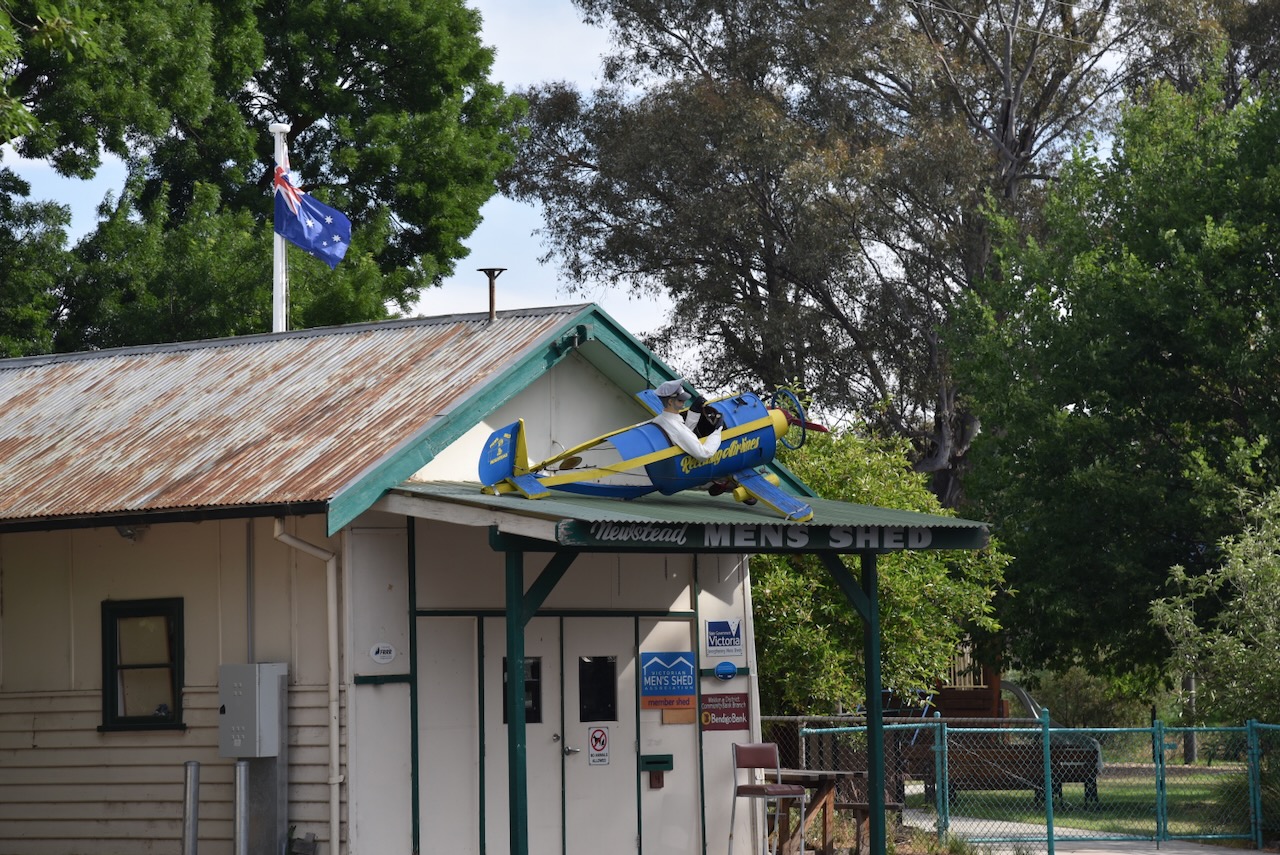
In 1943 the Newstead Shire Council gave permission for a Fire Station to be built on the park
reserve. This building housed the Urban Fire Brigade with the Rural Brigade behind. (Heritage STudy 2004)
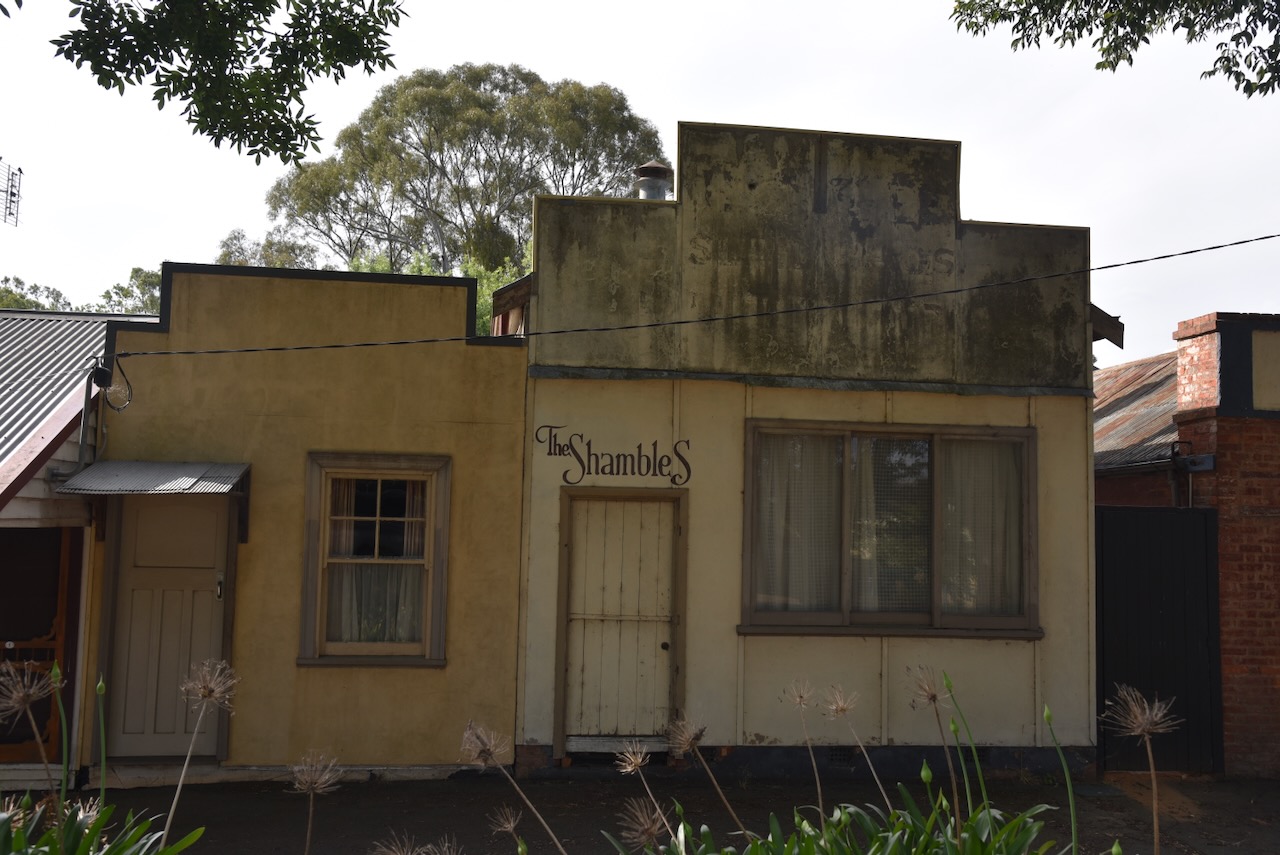
The Shambles.
The word ‘Shambles’, according to the Oxford Dictionary, means ‘Butcher’s slaughterhouse. Charles Slee purchased this land in 1864 and operated as a butcher. The Slee family were amongst some of the earliest arrivals in the Newstead district. (Newstead Heritage Walks 2016)
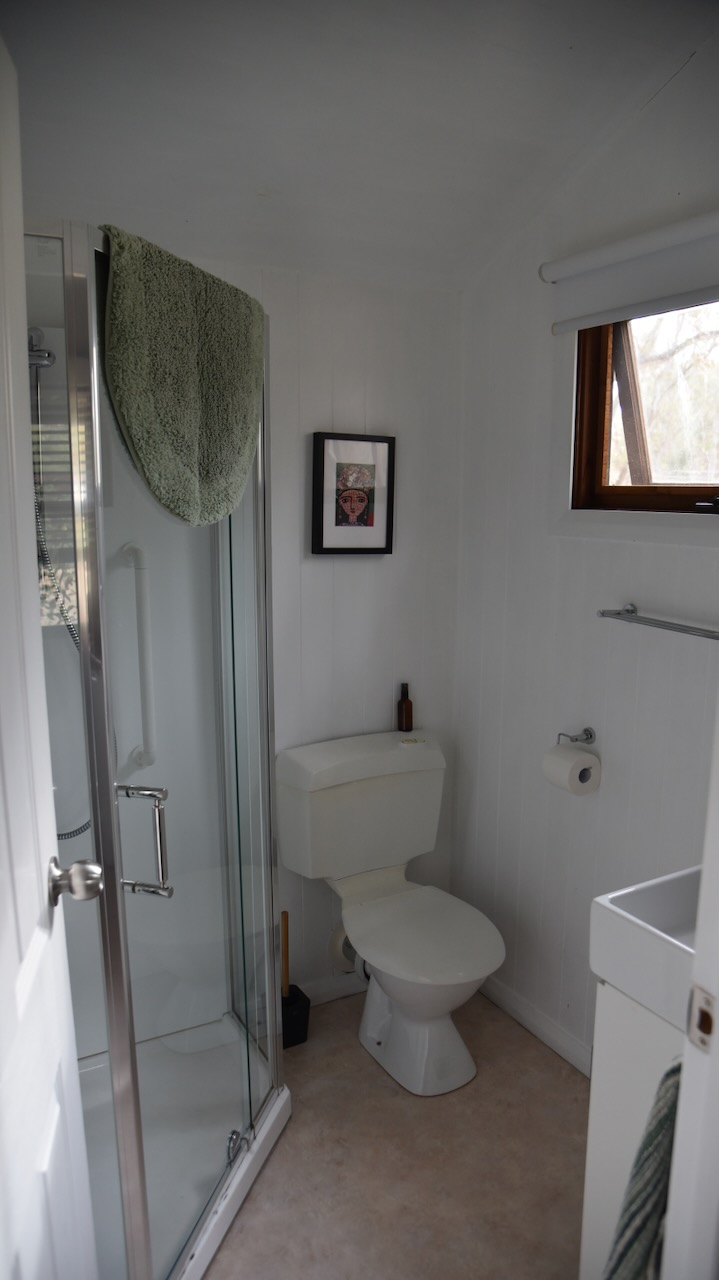
Marija and I then drove from Newstead to our accommodation at Dutjiya Mang at Sandon, a beautiful little one-bedroom cottage set on a 1.8-acre property. Dutjiya Mang means ‘rest here’ in Dja Dja Wurrung.
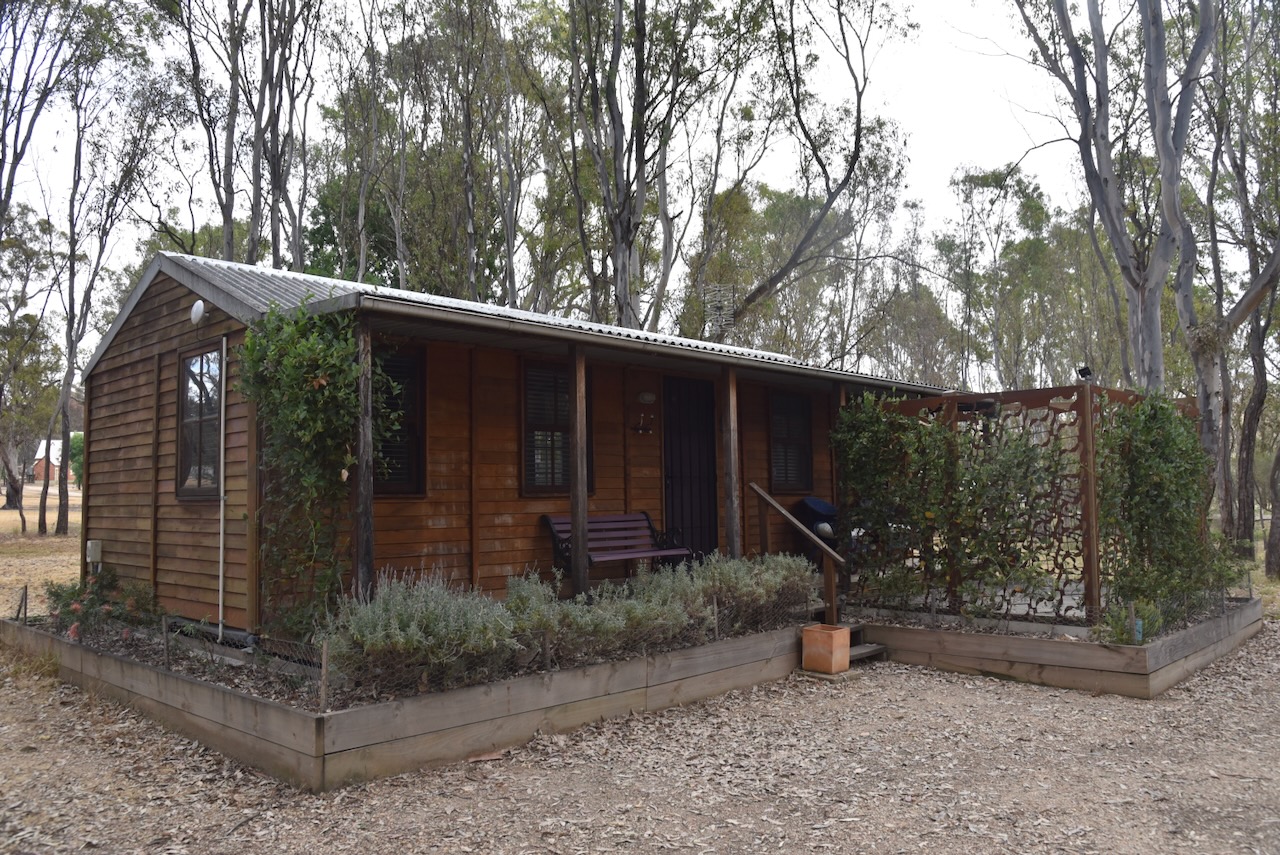
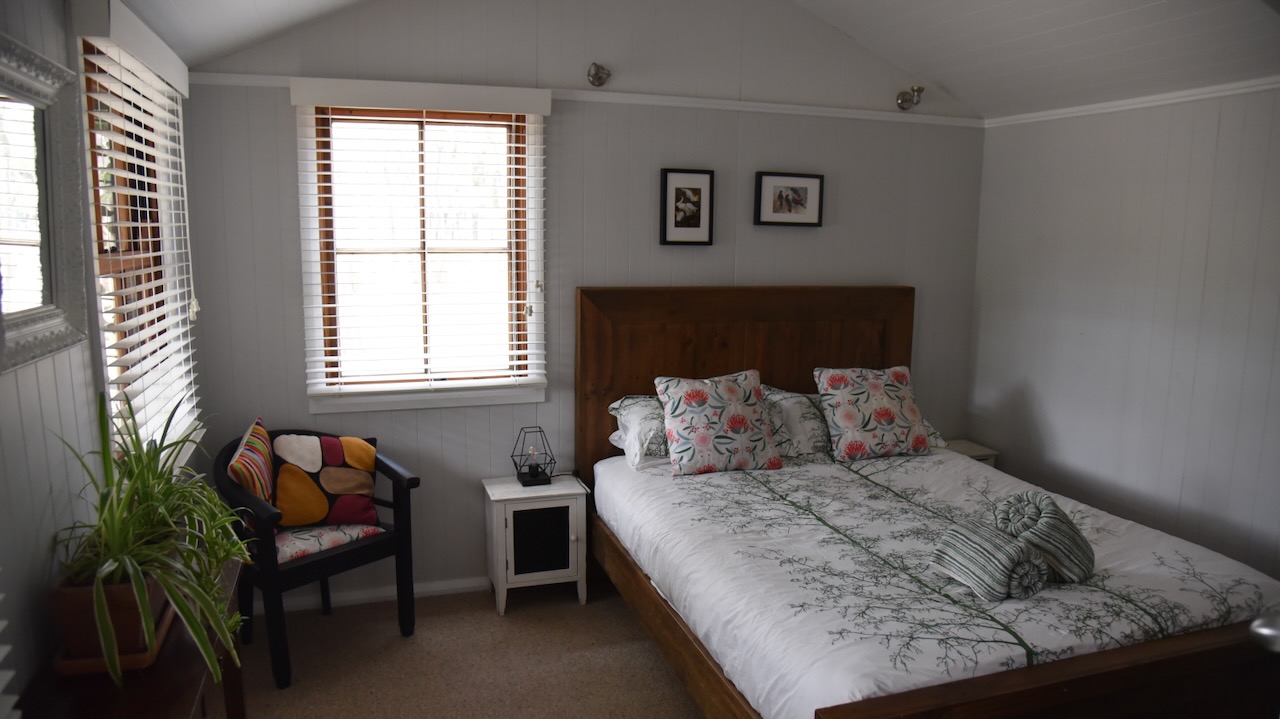
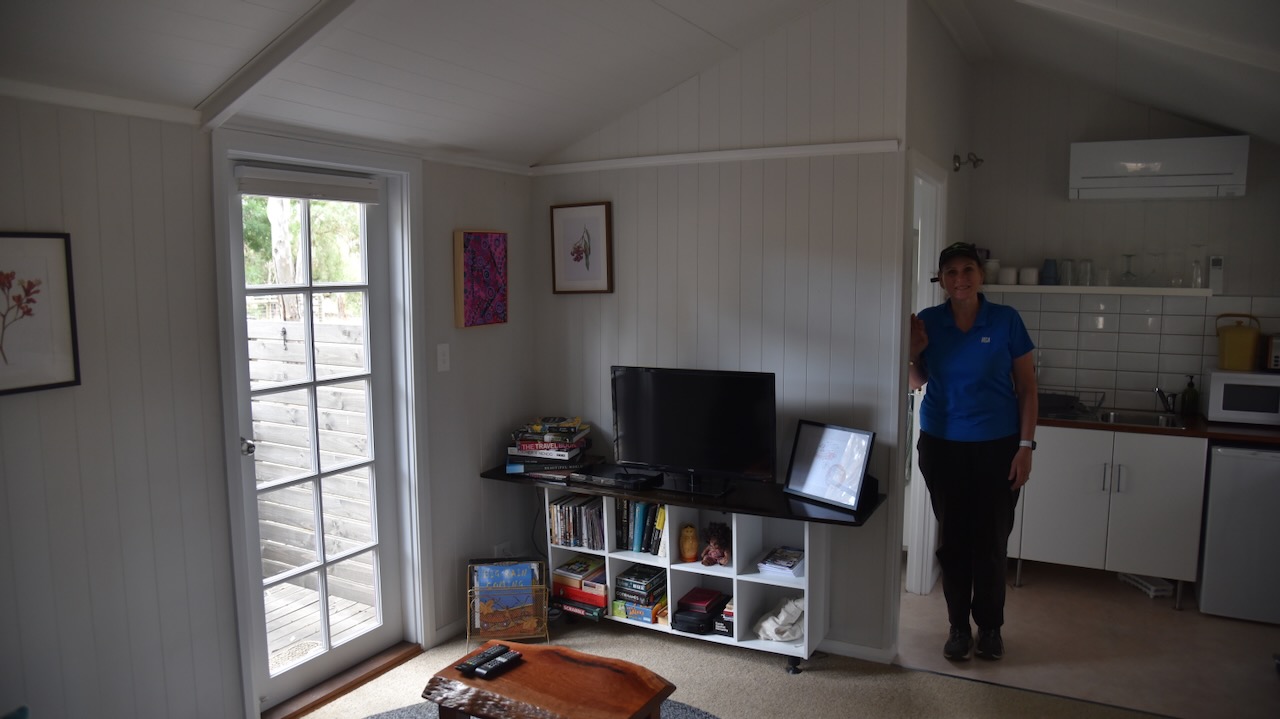
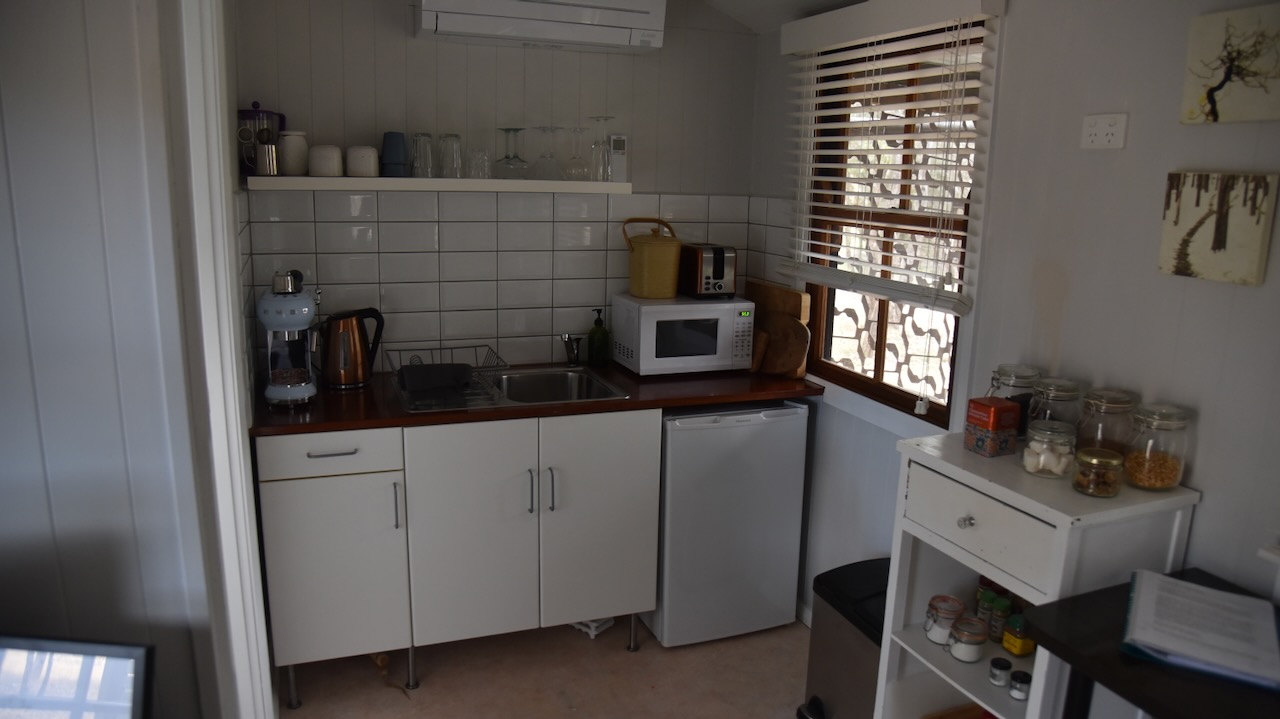
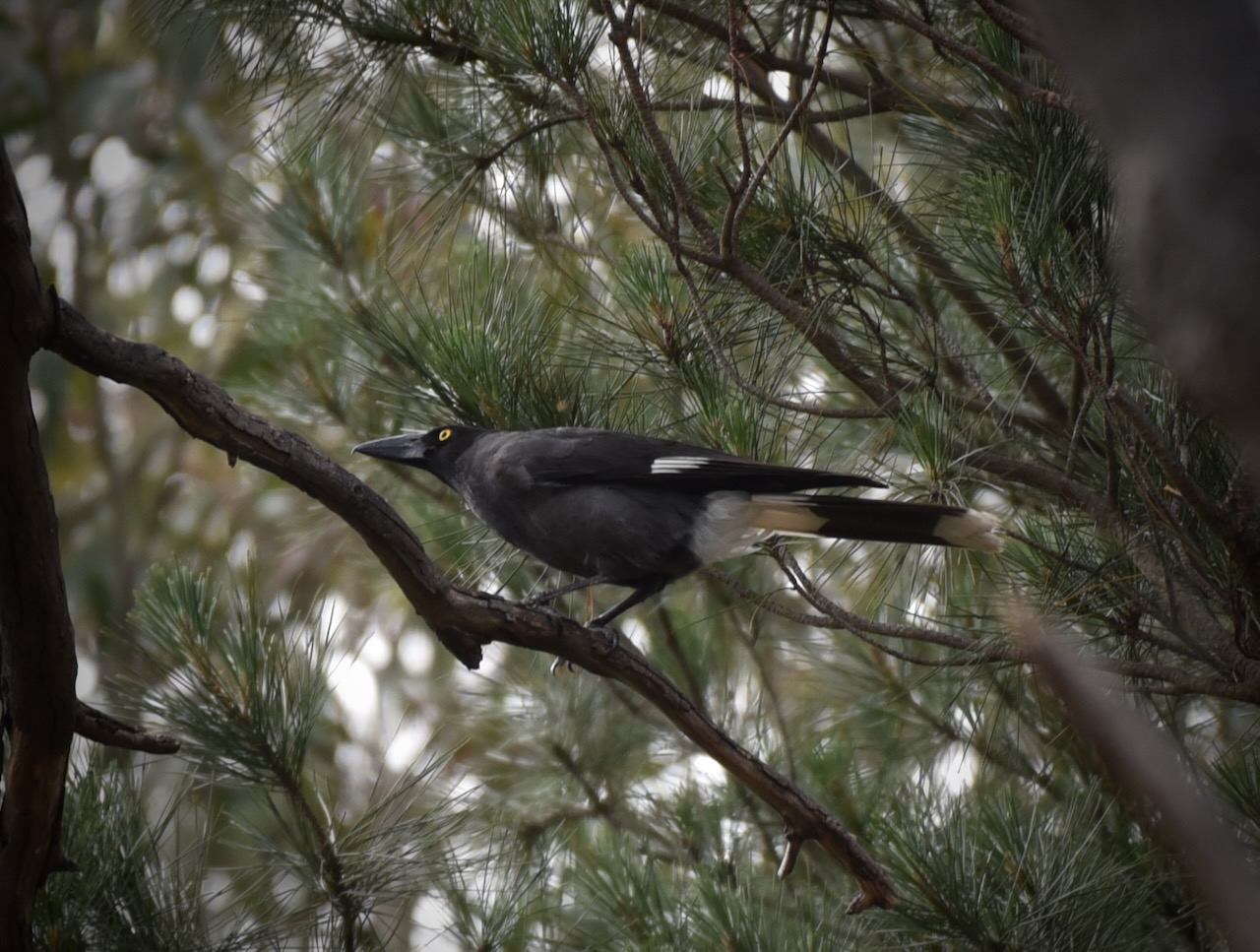
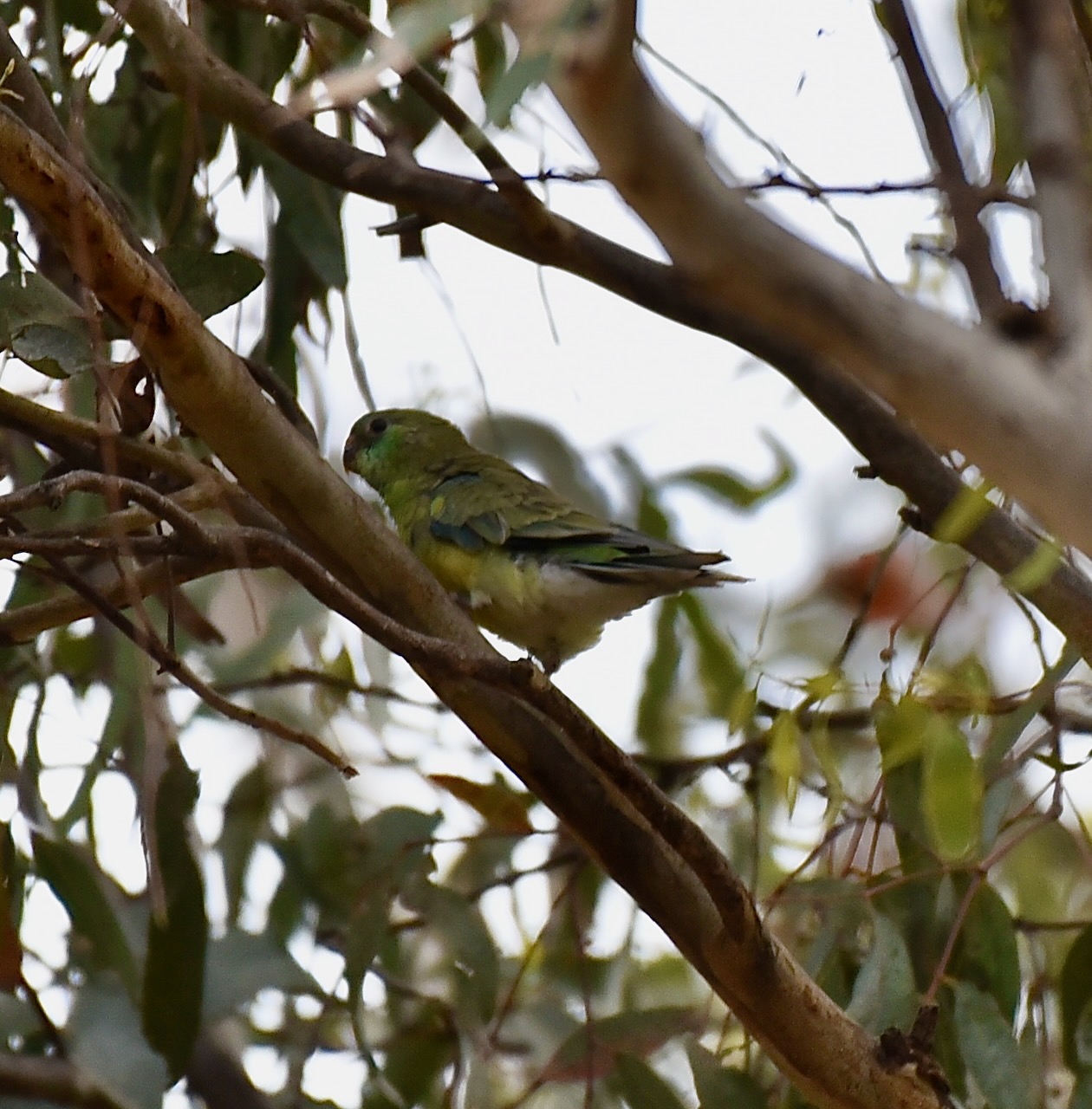
It was getting a little dark, but I did manage to sneak in some bird photography at the Sandon accommodation.
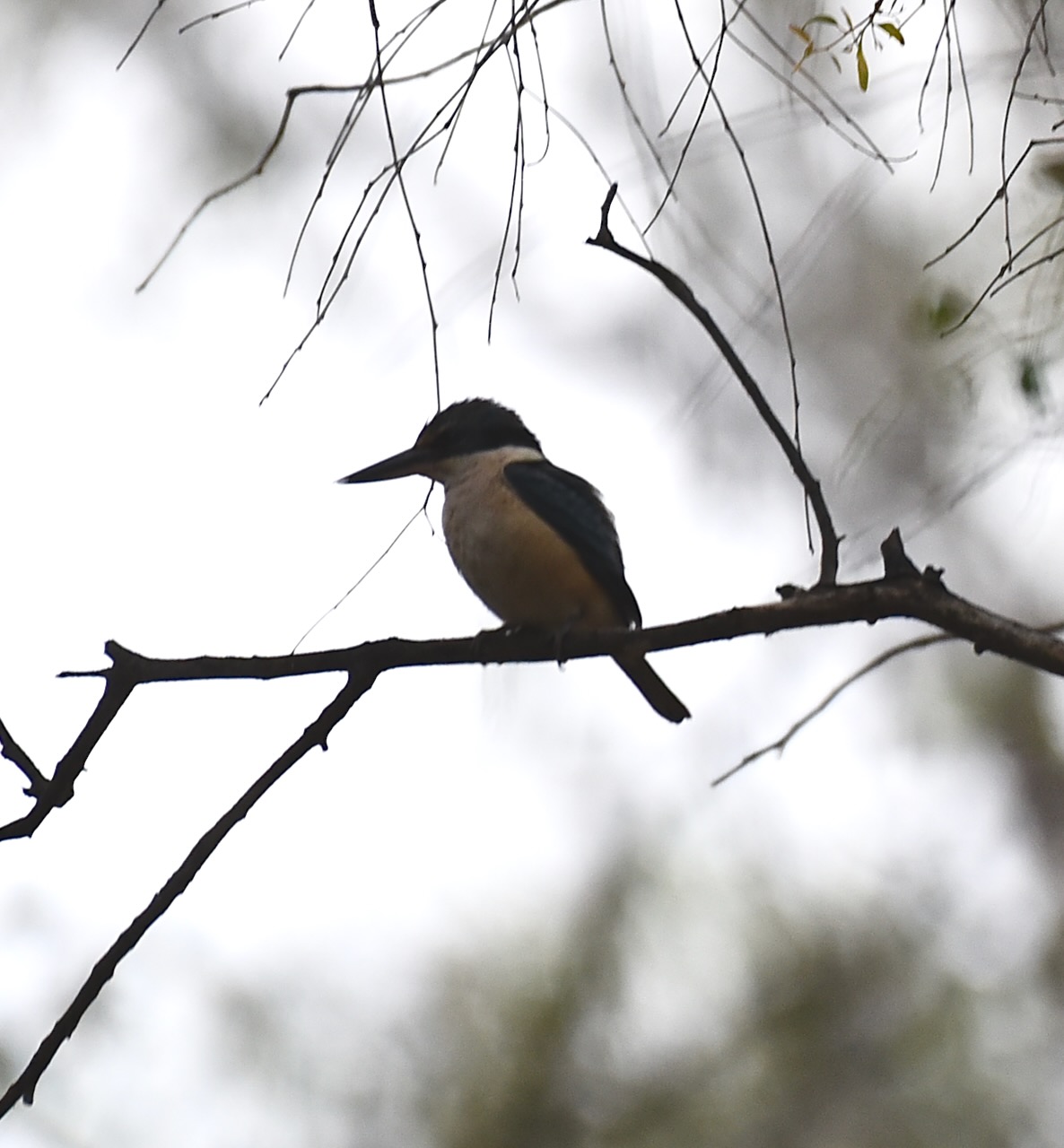
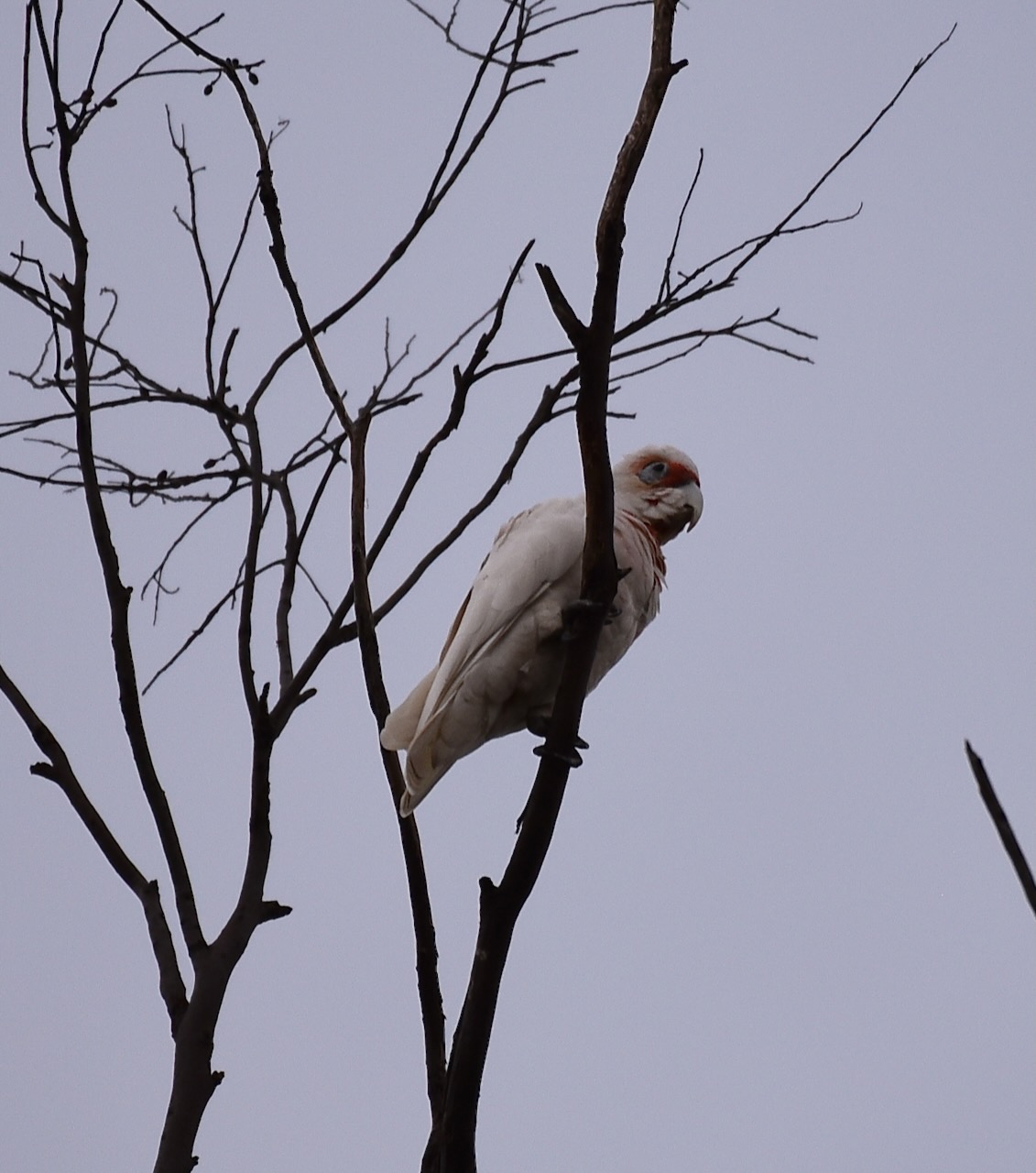
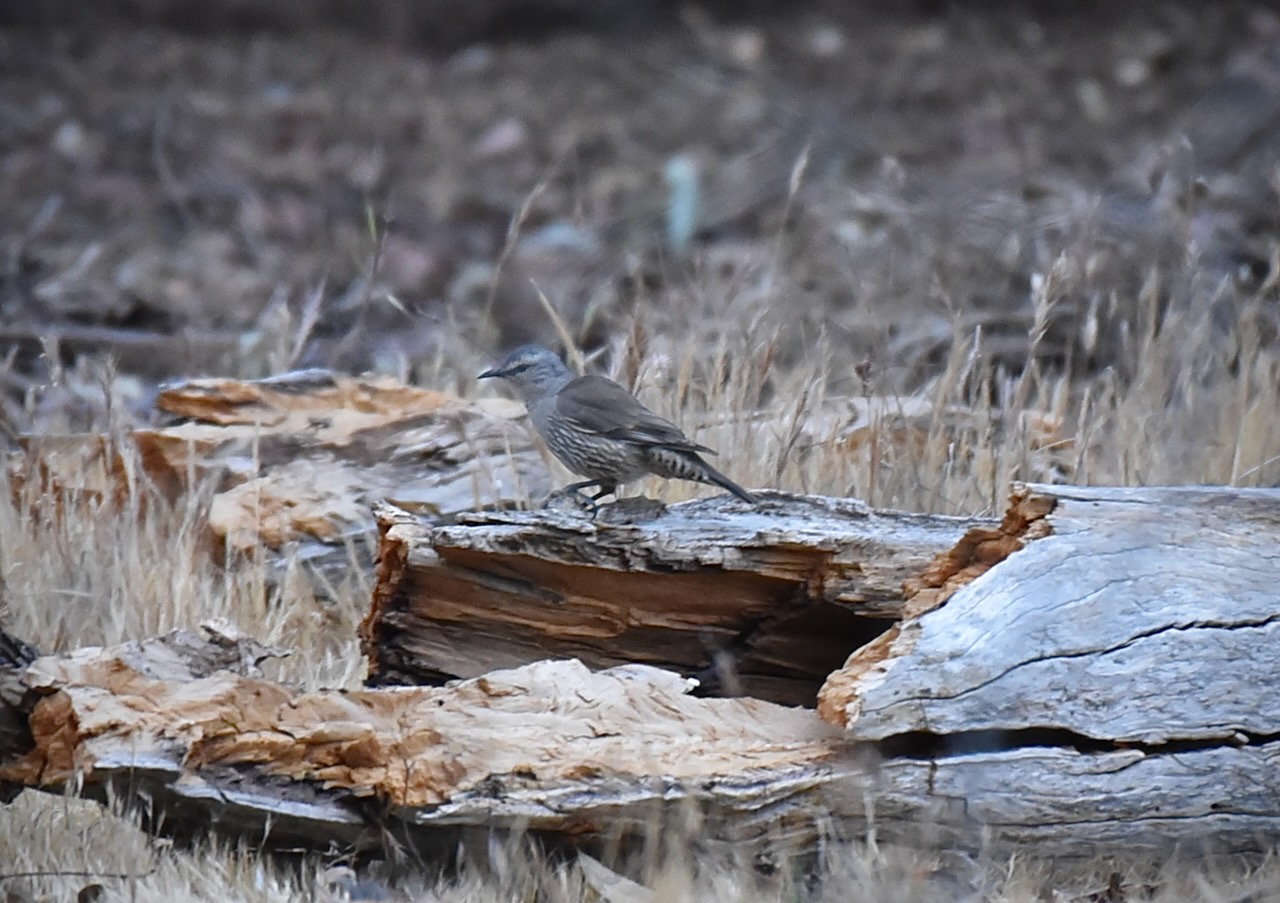
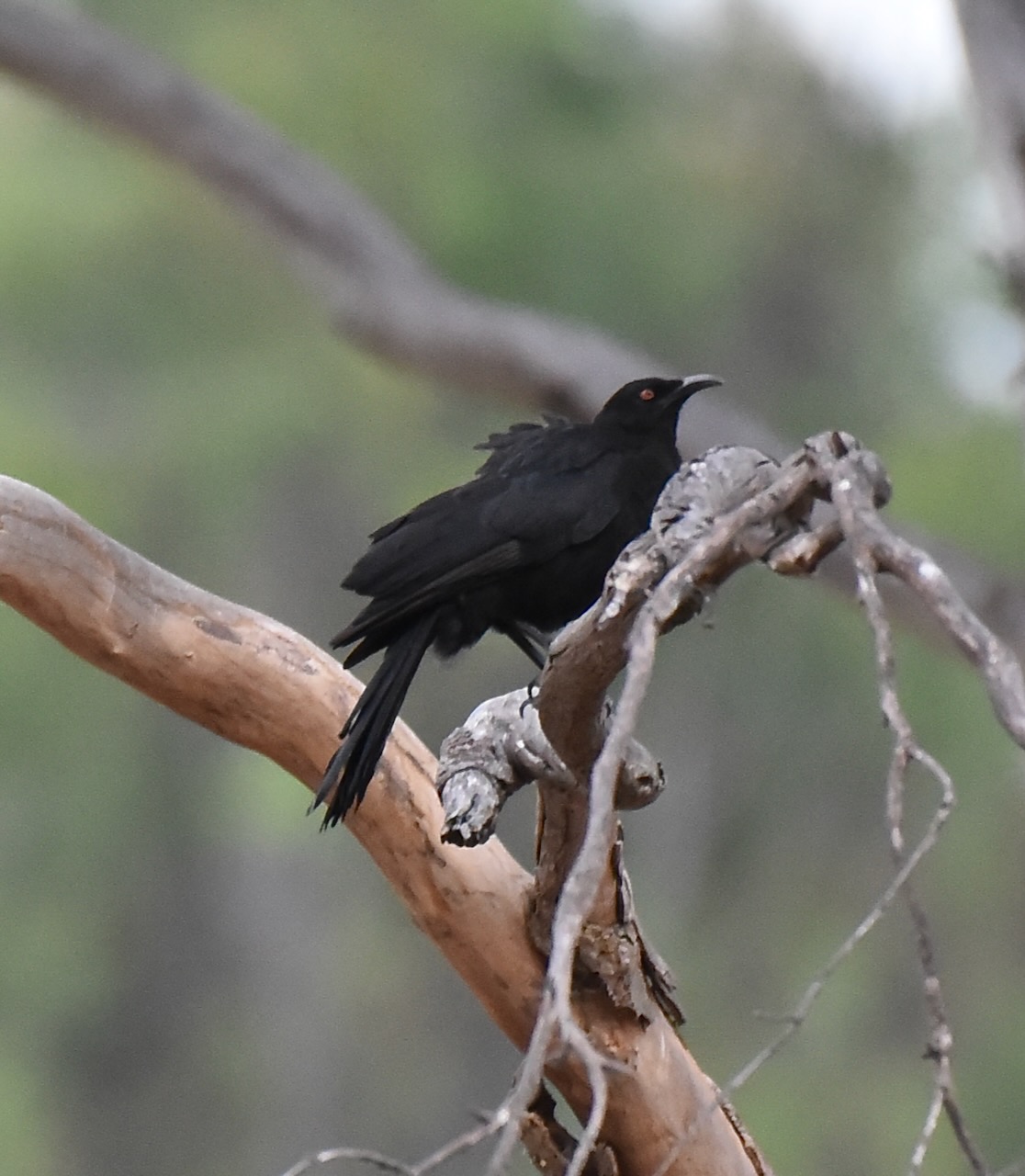
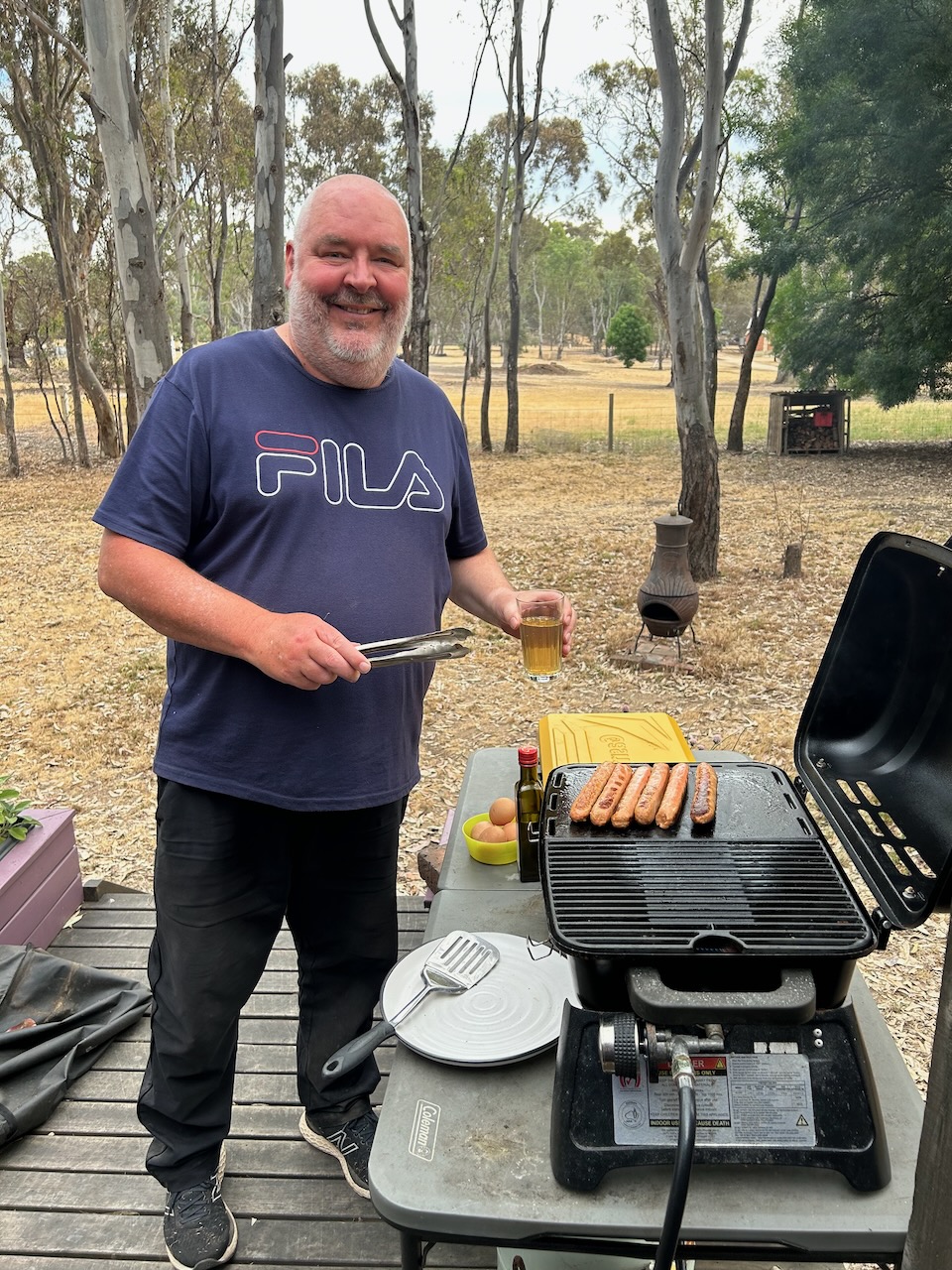
We then enjoyed a BBQ and a few drinks.
References.
- Ancestry.com.au. (2016). Ancestry® | Genealogy, Family Trees & Family History Records. [online] Available at: https://www.ancestry.com.au/. [Accessed 22 Mar 2024]
- EXTRAORDINARY CONDUCT OF A MEDICAL MAN. (1855). Mount Alexander Mail. [online] 17 Aug. Available at: https://trove.nla.gov.au/newspaper/article/202634950?searchTerm=mingus%27s%20crossing [Accessed 25 Mar. 2024].
- Goulburn Murray Water (1900). Cairn Curran Reservoir – Goulburn Murray Water. [online] G-mwater.com.au. Available at: https://www.g-mwater.com.au/water-operations/storages/loddon/cairncurranreservoir [Accessed 22 Mar. 2024].
- Leslie James Blake (n.d.). Place Names of Victoria.
- Museums Victoria Collections. (n.d.). Programme – Official Opening Ceremony, Cairn Curran Reservoir, 27 Apr 1956. [online] Available at: https://collections.museumsvictoria.com.au/items/1801370 [Accessed 22 Mar. 2024].
- NEWSTEAD BRIDGE. (1859). Tarrangower Times and Maldon District Advertiser. [online] 8 Nov. Available at: https://trove.nla.gov.au/newspaper/article/265508198?searchTerm=newstead%20crossing [Accessed 25 Mar. 2024].
- Newstead Heritage Walk, 2016, Newstead & District Historical Society Inc.
- PUBLICANS v. GROG SHOPS. (1856). Mount Alexander Mail. [online] 28 Mar. Available at: https://trove.nla.gov.au/newspaper/article/202633363?searchTerm=thomas%20jones%20%2B%20newstead [Accessed 24 Mar. 2024].
- THE MARYBOROUGH AND DUNOLLY RAILWAY. (1874). Age. [online] 4 Jul. Available at: https://trove.nla.gov.au/newspaper/article/201531122 [Accessed 22 Mar. 2024].
- ”Traffic”. Newsrail. Australian Railway Historical Society. August 1977. p. 178.
- Trove. (n.d.). Mount Alexander Mail (Vic. : 1854 – 1917) – 26 Aug 1854 – p4. [online] Available at: https://trove.nla.gov.au/newspaper/page/22094548?searchTerm=mingus%20crossing [Accessed 24 Mar. 2024].
- Trove. (n.d.). Mount Alexander Mail (Vic. : 1854 – 1917) – 29 Jun 1855 – p3. [online] Available at: https://trove.nla.gov.au/newspaper/page/22094813?browse=ndp%3Abrowse%2Ftitle%2FM%2Ftitle%2F582%2F1855%2F06%2F29%2Fpage%2F22094813%2Farticle%2F202633511 [Accessed 25 Mar. 2024].
- Wikipedia Contributors (2001). Wikipedia. [online] Wikipedia. Available at: https://en.wikipedia.org. [Accessed 22 Mar 2024]
 VK5PAS