
After leaving Balranald on Sunday, 19th October 2025, Marija and I headed north towards Penarie. We had been told about a historic cemetery at Oxley, and we were keen to pay a visit. It may sound morbid, but Marija and I enjoy wandering around old cemeteries. They tell you so much about the history of the area.
After leaving Penarie, we headed northeast on Oxley Road. This is remote countryside, which I absolutely love.
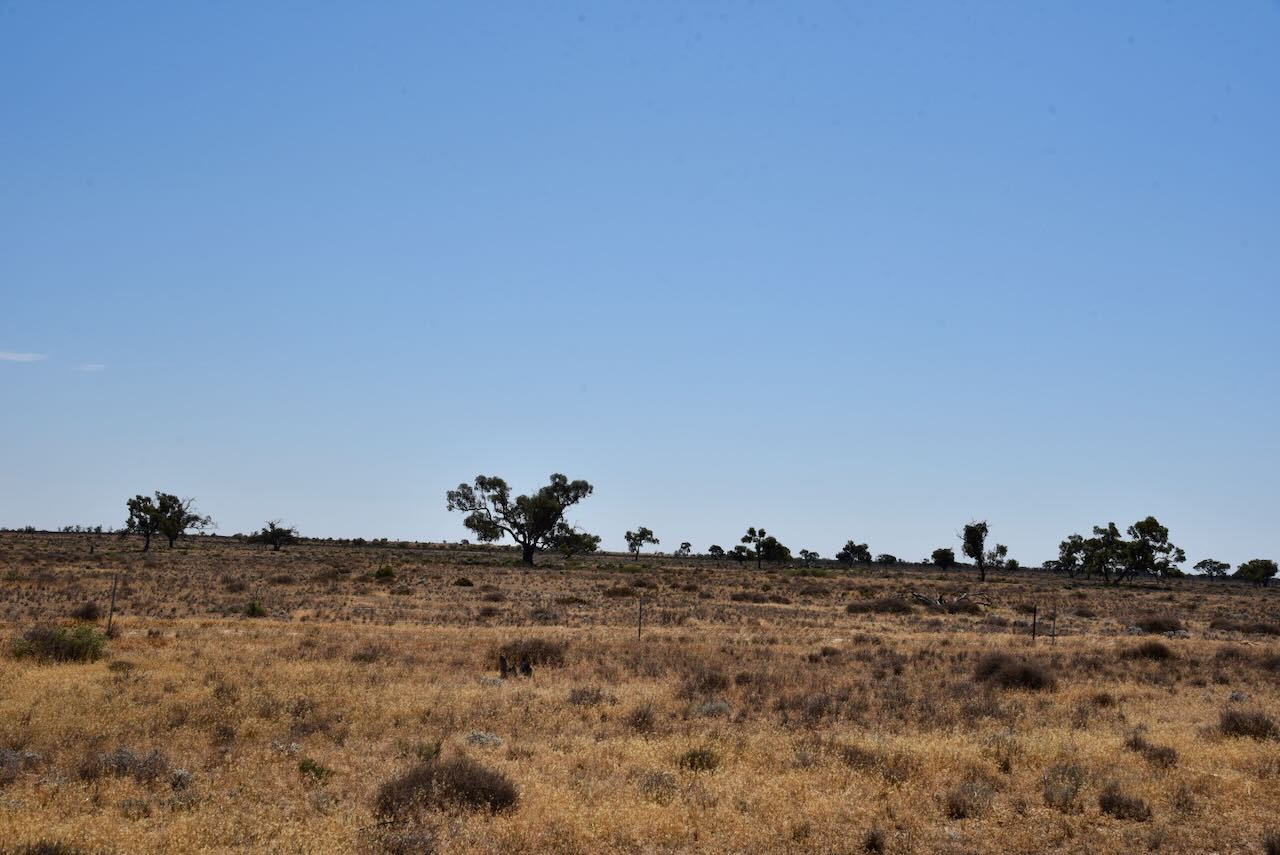
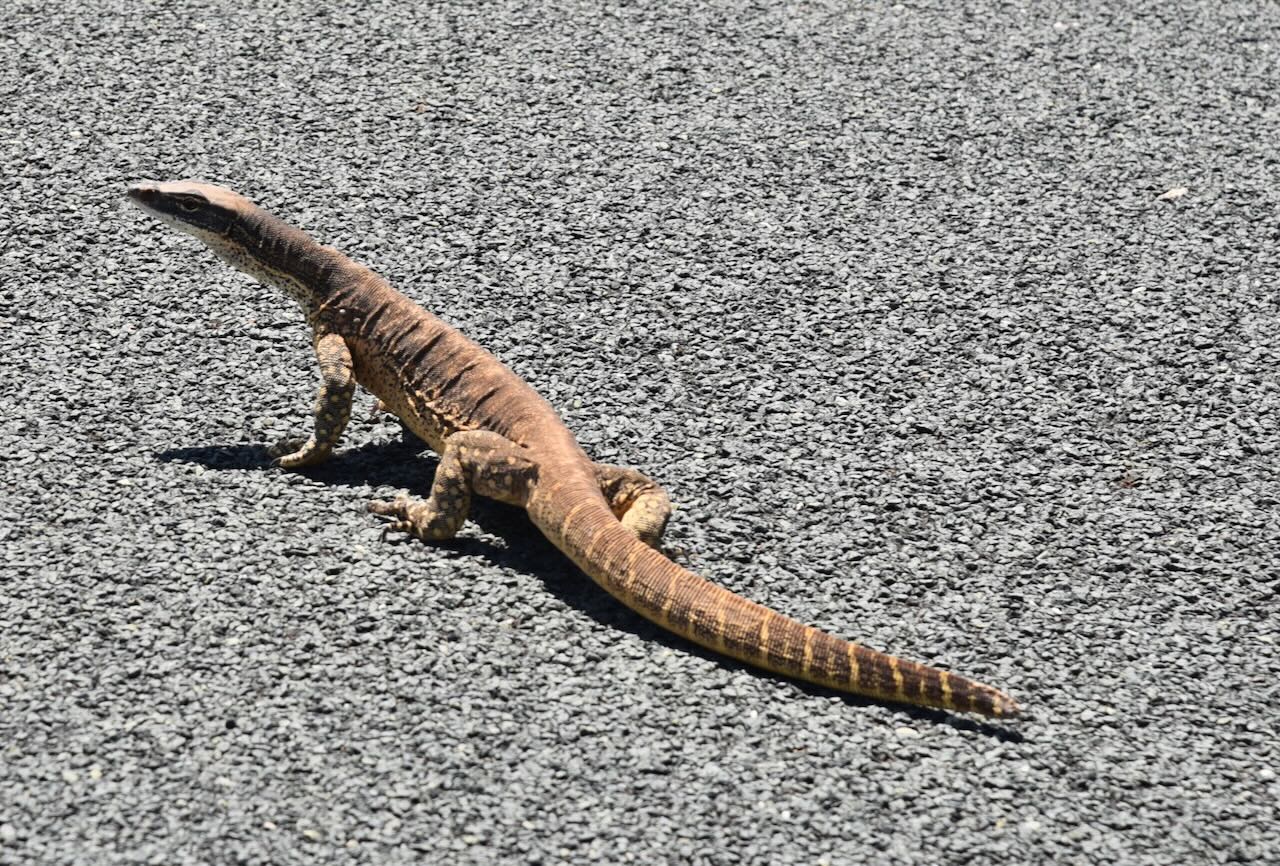
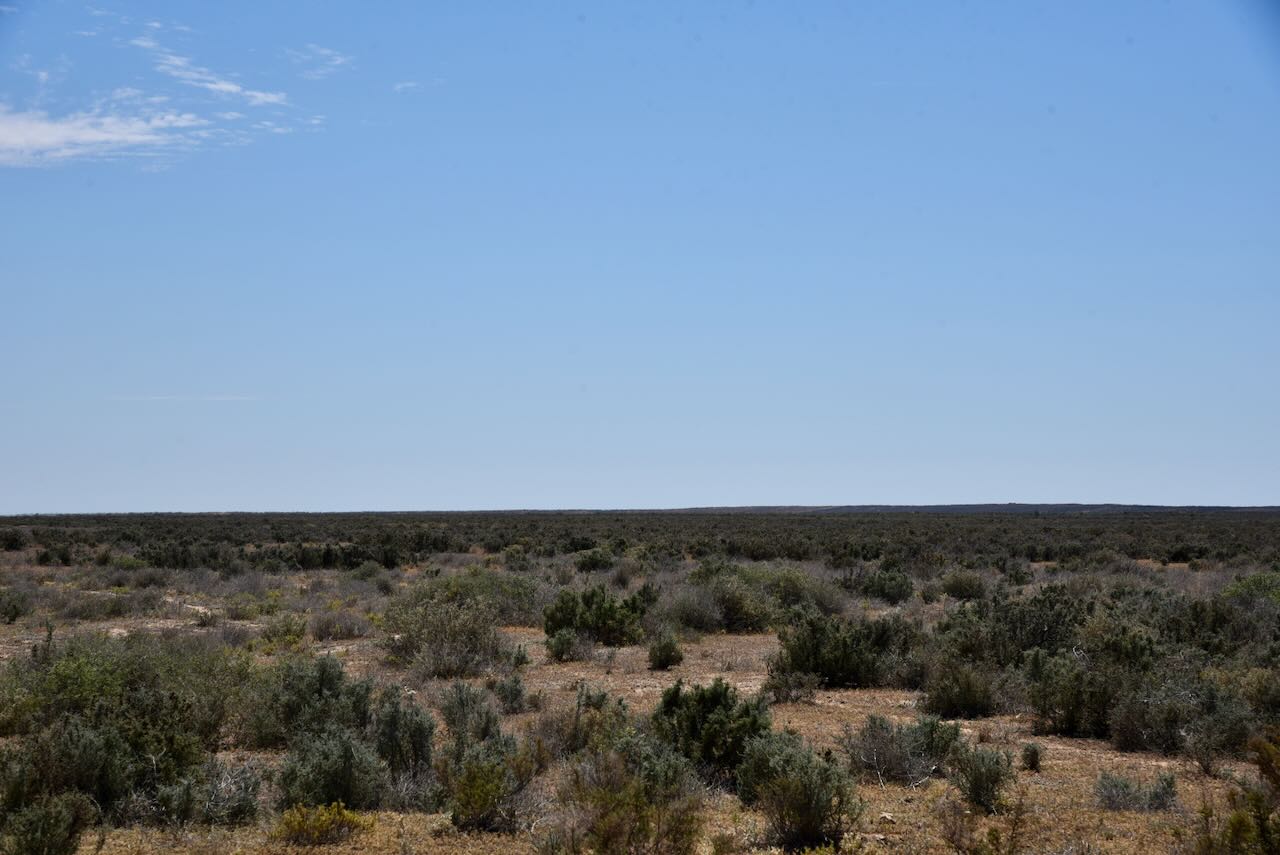
After 62 km, we reached the little town of Oxley, which is named after the Australian explorer John Oxley. He was born in 1784 in Yorkshire, England. At the age of 15, he joined the Royal Navy, and in 1802, he travelled to Australia as a master’s mate aboard the naval vessel Buffalo. He returned to England in 1807 and returned to Australia in 1807 as the Lieutenant of HMS Porpoise. Oxley went on to become the Surveyor-General. In 1817 and again in 1818, he led expeditions of the Lachlan and Macquarie Rivers. Oxley died in May 1828, at the age of 44. (Wikipedia 2018) (Wikipedia 2021)
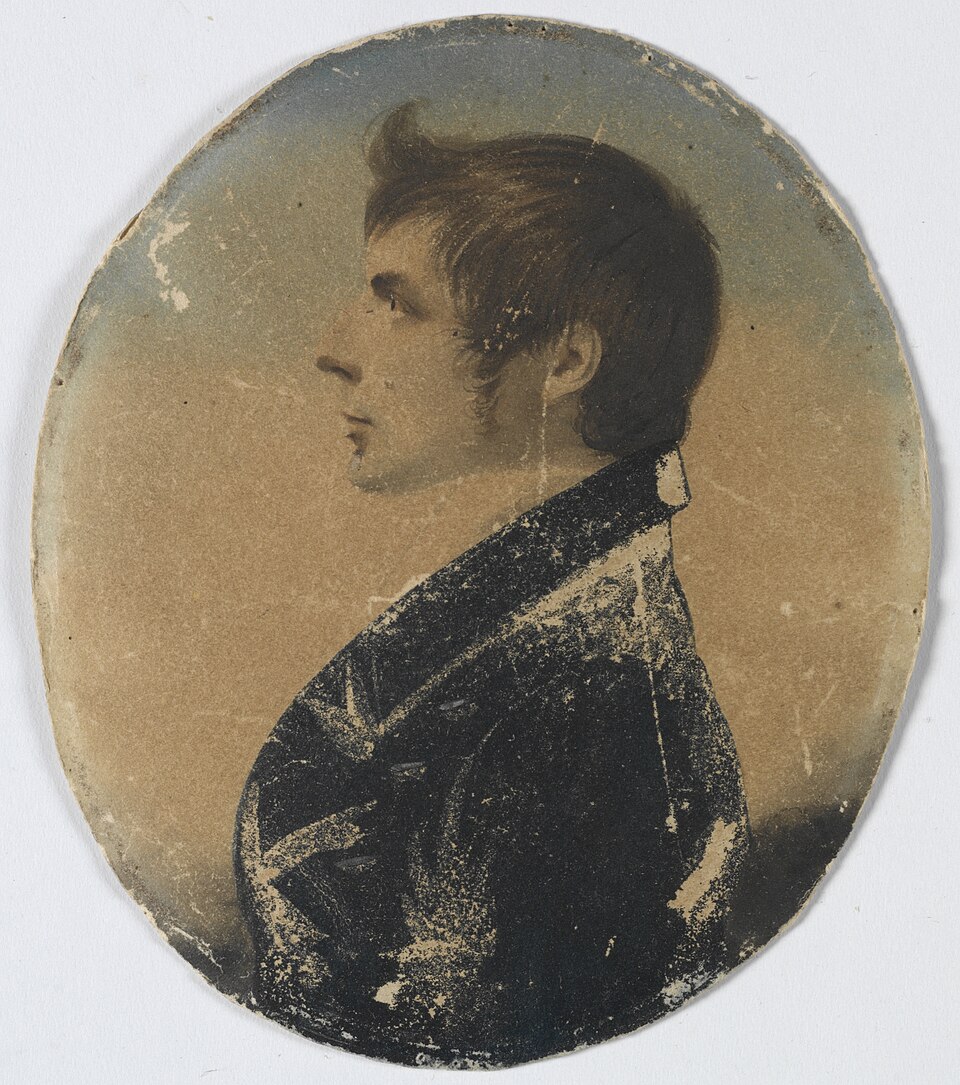
Above: John Oxley. Image c/o Wikipedia
Before European occupation, the Oxley region was the traditional land of the Muthi Muthia Aboriginal people. In 1836, the explorer Sir Thomas Livingstone Mitchell, “Major Mitchell’, took a Muthi Muthi woman from the Oxley region called Tourandury and her 4-year-old daughter Ballandella from Oxley as guides during his expedition of the countryside. (Wikipedia 2018)
During the mid-1840s, two men called Phelps and Chadwick established a run on the lower Lachlan River called ‘Thelangerin West. By 1848, the run was purchased by Thomas D’Archy, who renamed the run ‘Oxley’. I have written more about D’Archy below. (Wikipedia 2018)
Opposite the Oxley Run was the Tupra Run held by James Tyson and his brother. By the mid-1860s, James Tyson had established a hotel at a township that was developing at a crossing point over the Lachlan River on his property. (Wikipedia 2018)
The Pastoral Times dated 12 August 1865 reported the following:
“I understand that Mr James Tyson is about to build a public-house at Oxley………he intends to put a respectable man in it so as to prevent the place from becoming the resort of rowdies and loafers, the Lachlan having of those characters more than its fair share….” (Trove 2025)
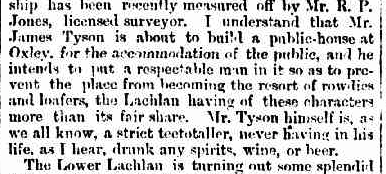
Above: part of an article from the Pastoral Times, Sat 12 Aug 1865. Image c/o Trove
On the 1st day of December 1866, The Pastoral Times newspaper reported that a petition was to be sent to the Government “to place a sum of money on the estimates to build a bridge at a point of the Lachlan River, about eight miles above the government township of Oxley, which is opposite Mr. D’Archy’s station“. (Wikipedia 2018) (Trove 2025)
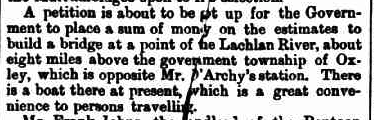
Above: part of an article from The Pastoral Times, Sat 1 Dec 1866. Image c/o Trove
On the 9th day of March 1868, a Government land sale, was held at Hay, which included lots at Oxley township. (Wikipedia 2018)
By 1881, Oxley had two hotels: the Oxley Hotel and the Royal Hotel. The Oxley Post Office opened on the 1st day of November 1884 and closed in 1969. (Wikipedia 2018)
The Lachlan River passes just to the southeast of the town of Oxley. The Lachlan rises on the western slopes of the Great Dividing Range and flows generally northwest, north, west, and southwest over a distance of about 1,440 km. (Wikipedia 2020)
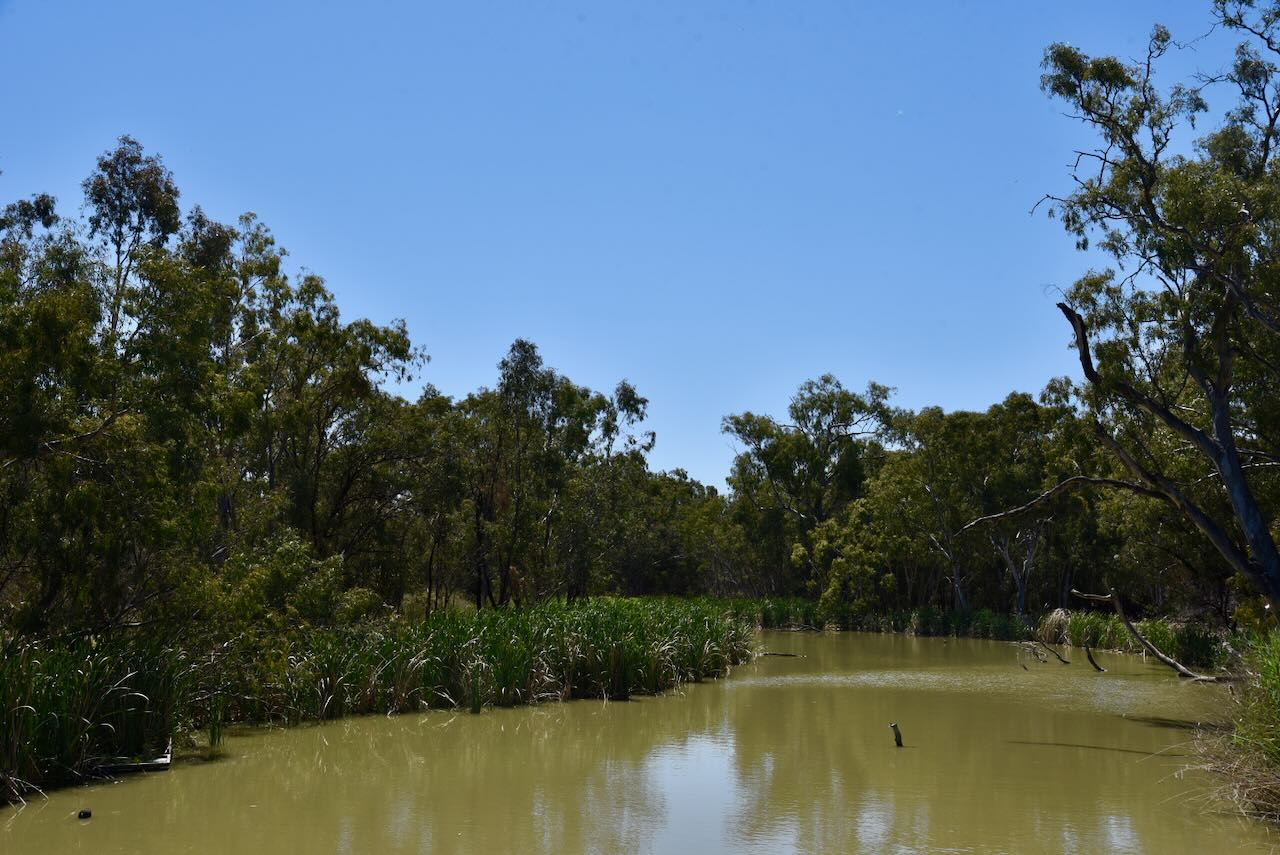
The river was named in 1815 by Acting Surveyor George William Evans in honour of Lachlan Macquarie, the Governor of the colony of New South Wales. (Wikipedia 2020)
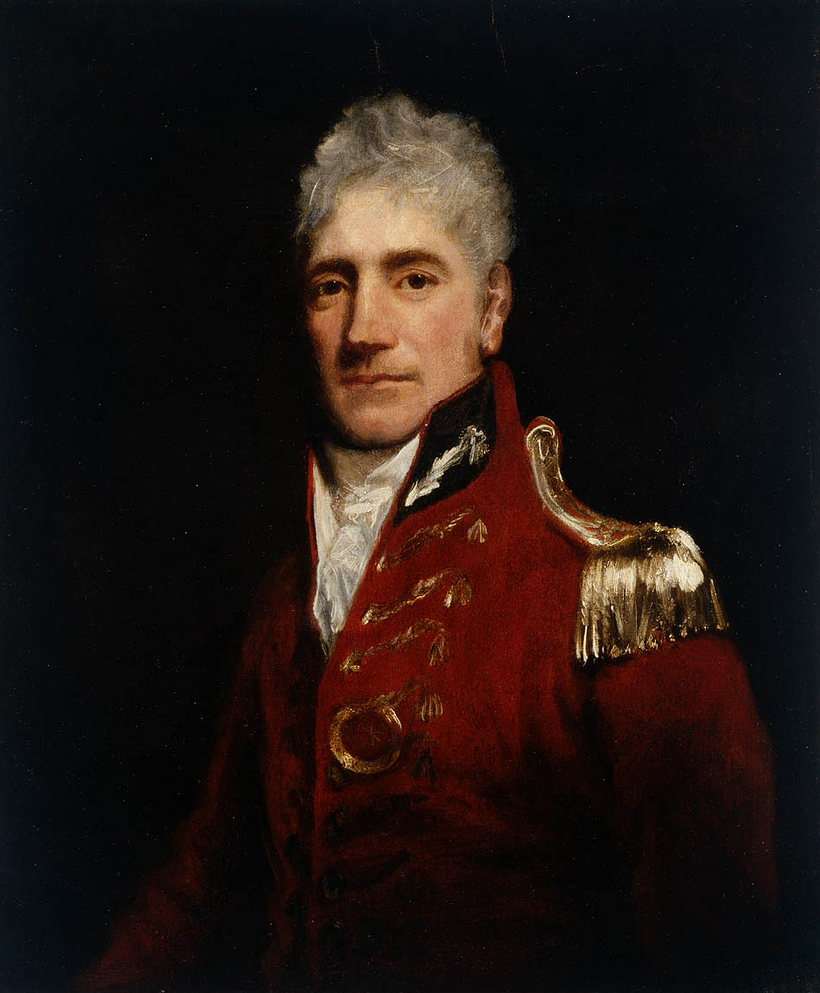
Above: Lachlan Macquarie. Image c/o Wikipedia
Not far out of Oxley, we reached Oxley Station Cemetery, on Oxley Road. The cemetery was established by the owner in 1863. (Findagrave.com 2021)
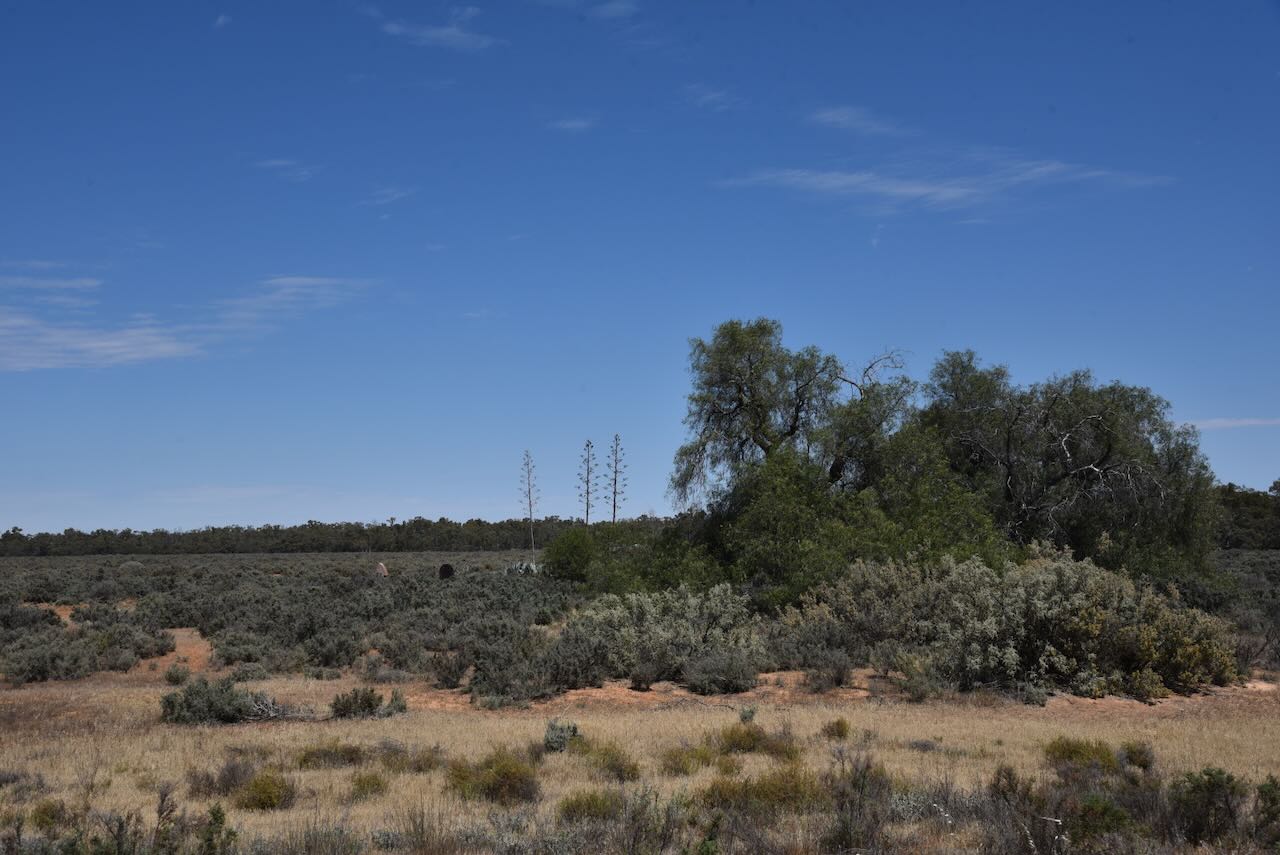
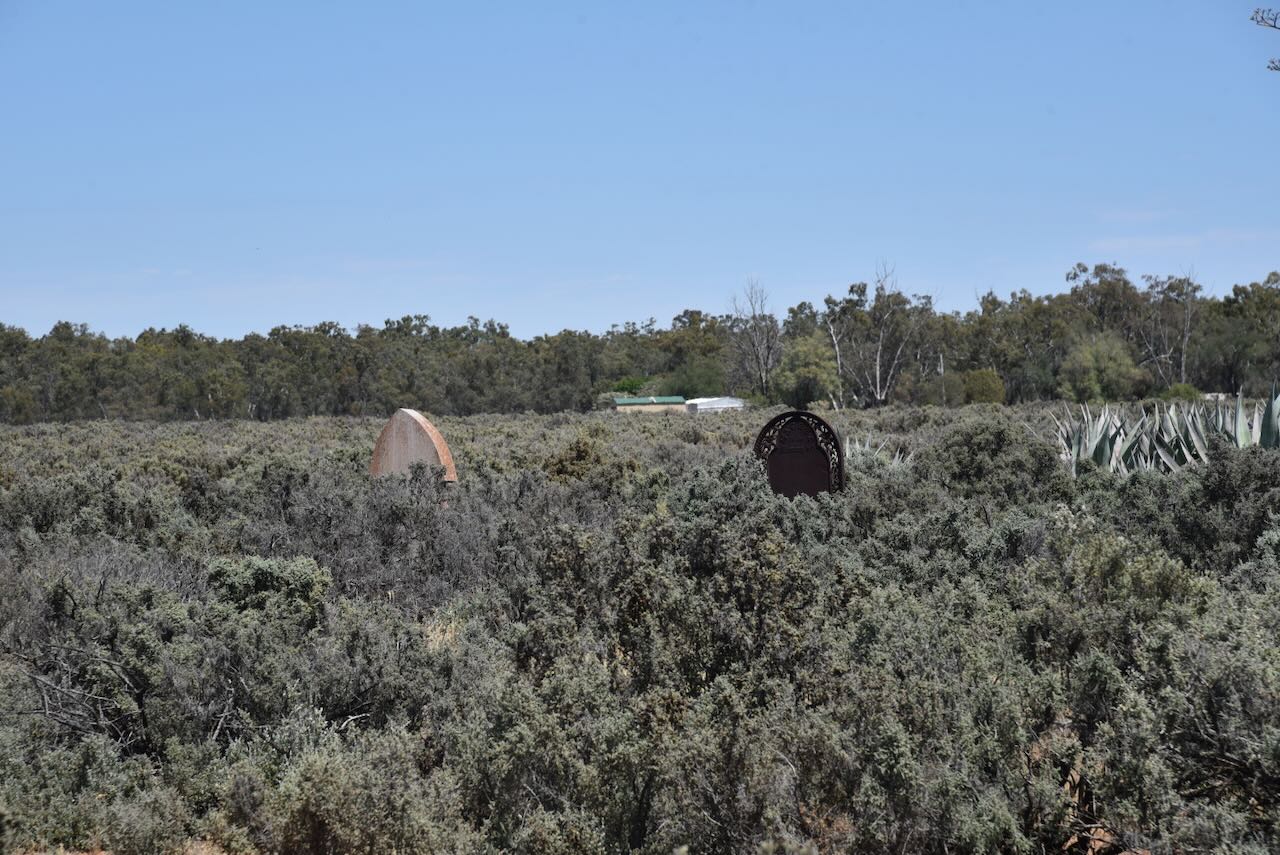
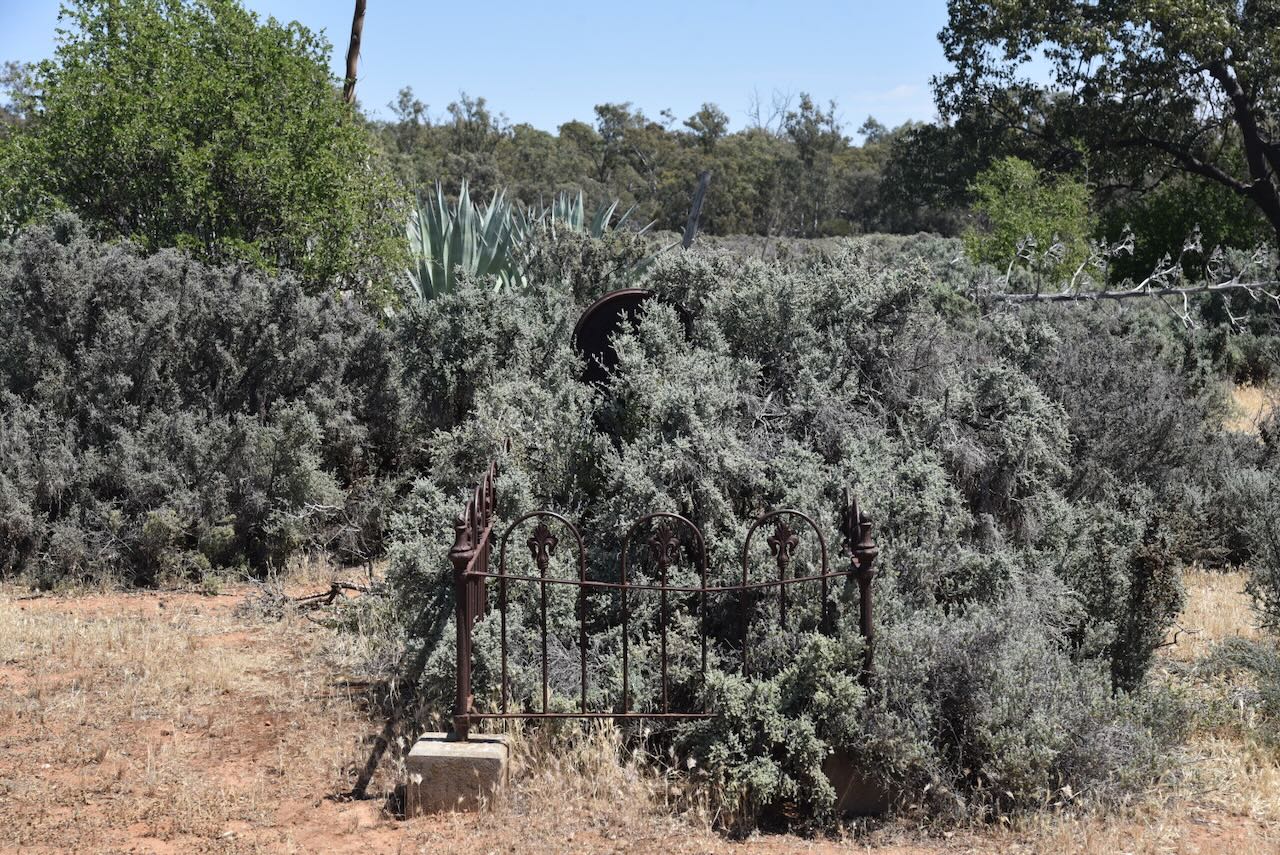
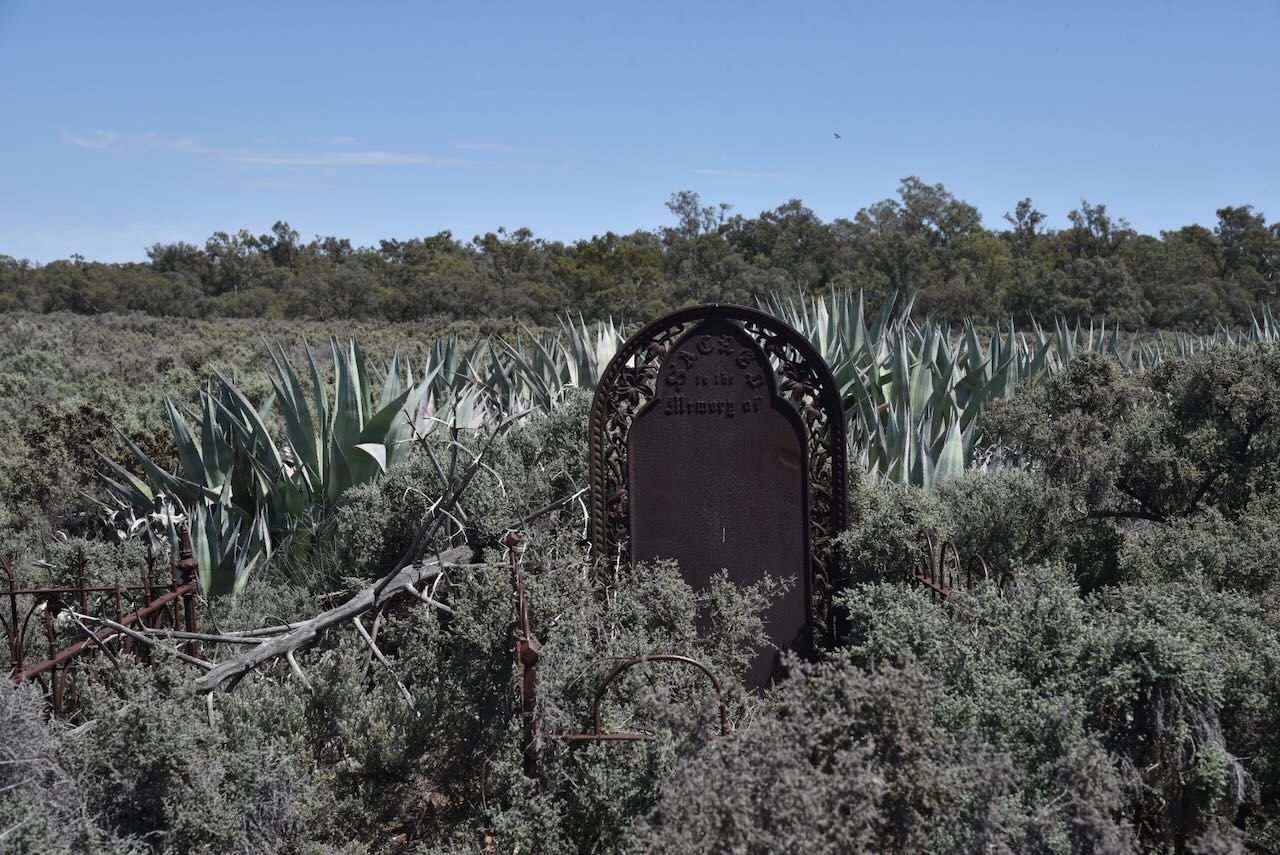
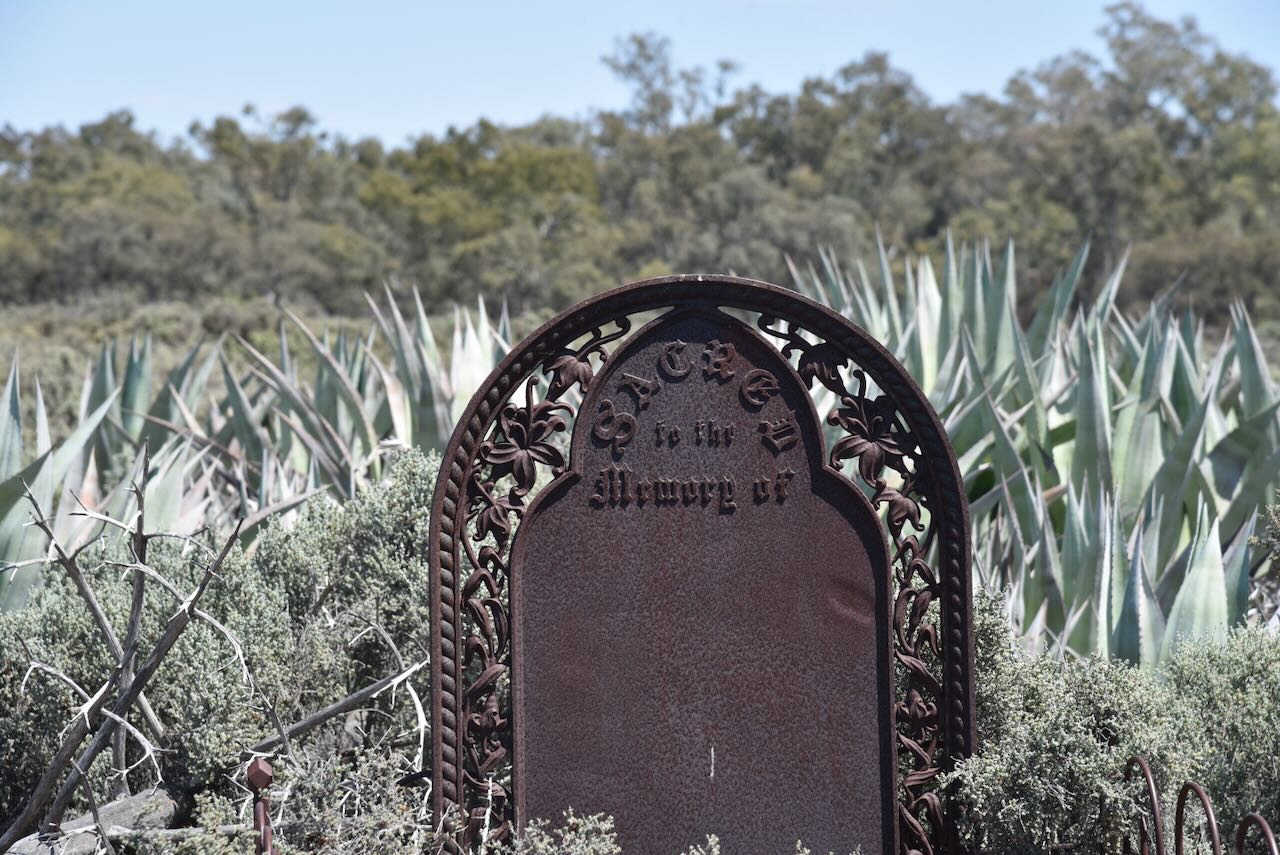
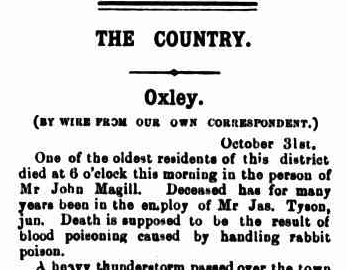
One of the remaining headstones is that of John Ramsay Magill. He was born in 1828 in Down, Northern Ireland. He emigrated to Australia, and in 1872, he married Eliza Herring. They had six children. (Findagrave.com 2021)
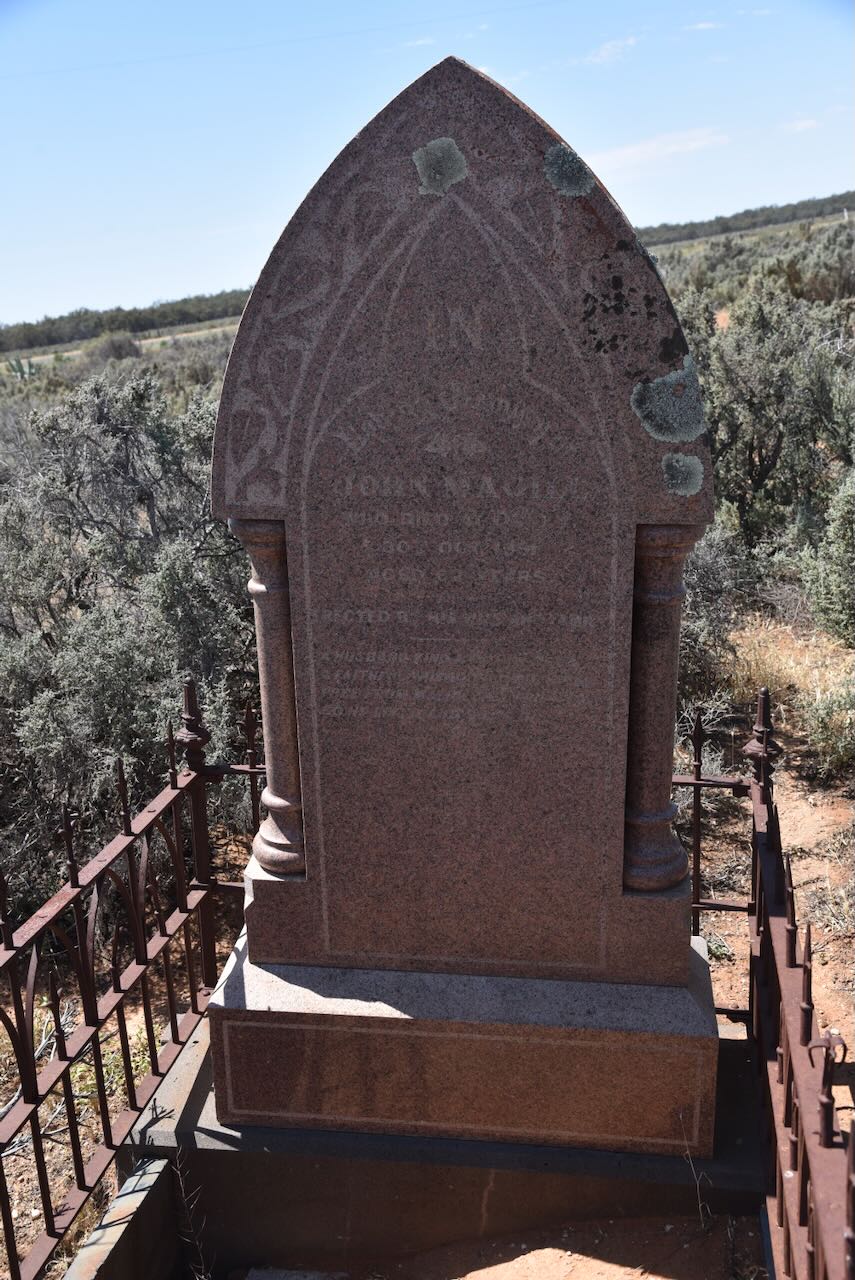
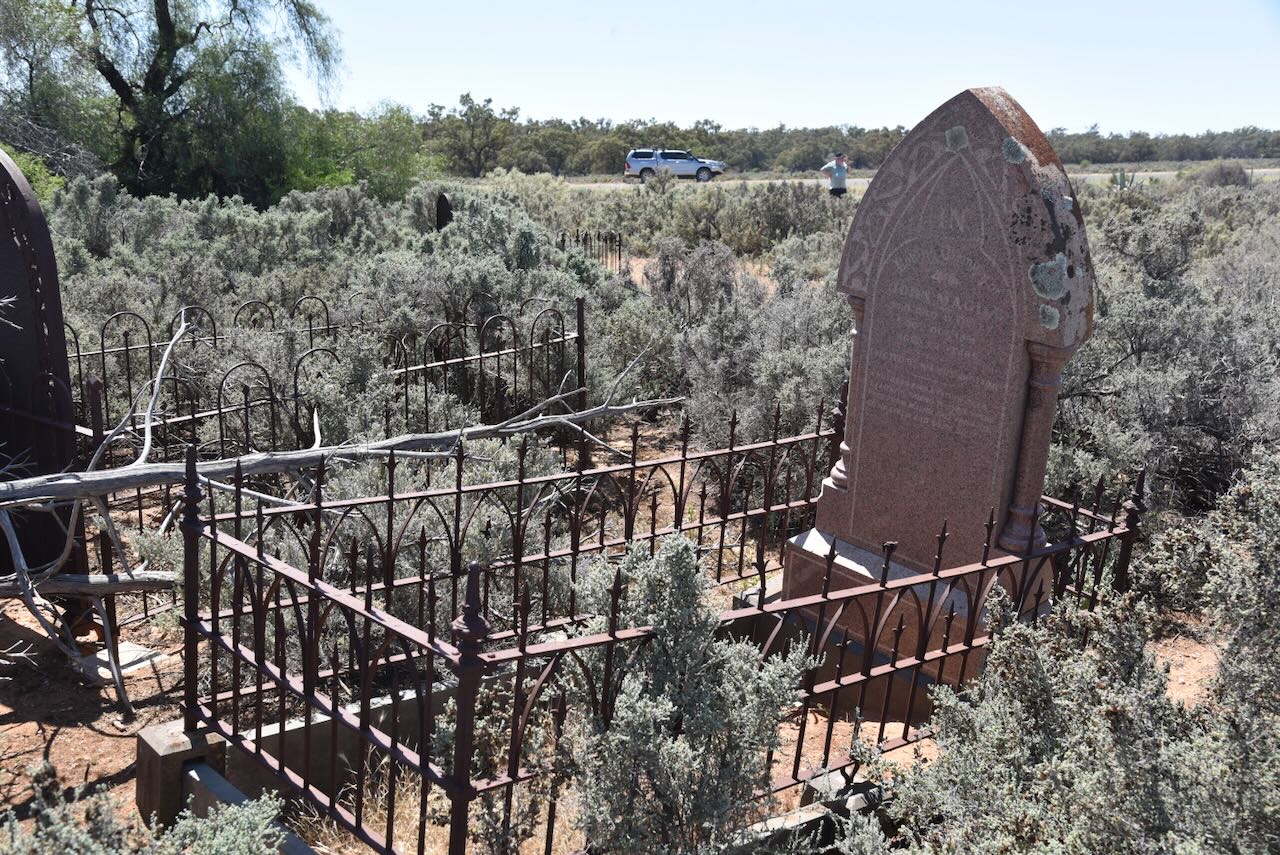
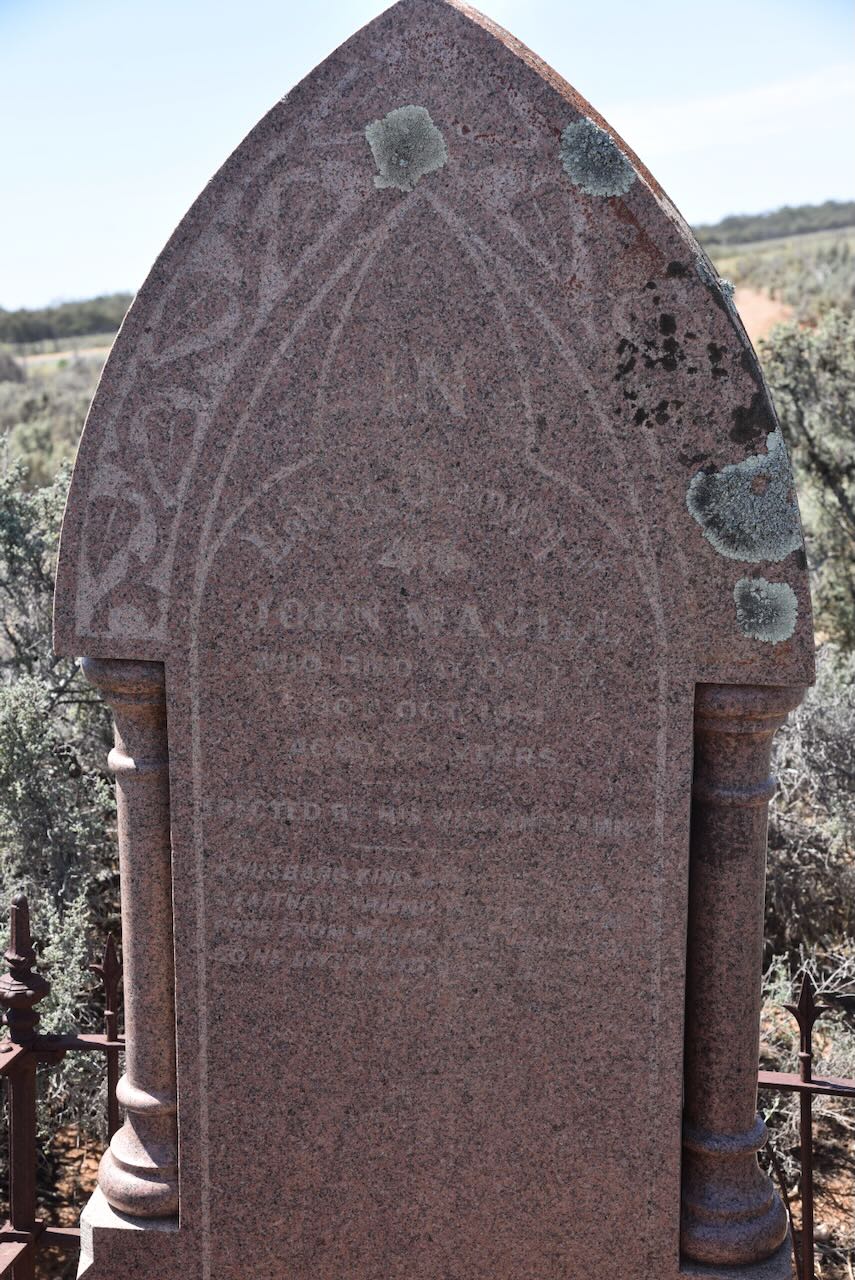
John died at Oxley on the 30th day of October 1891, aged 62 years. His cause of death was reported to be the result of blood poisoning caused by handling rabbit poison. (Findagrave.com 2021) (Trove 2025)
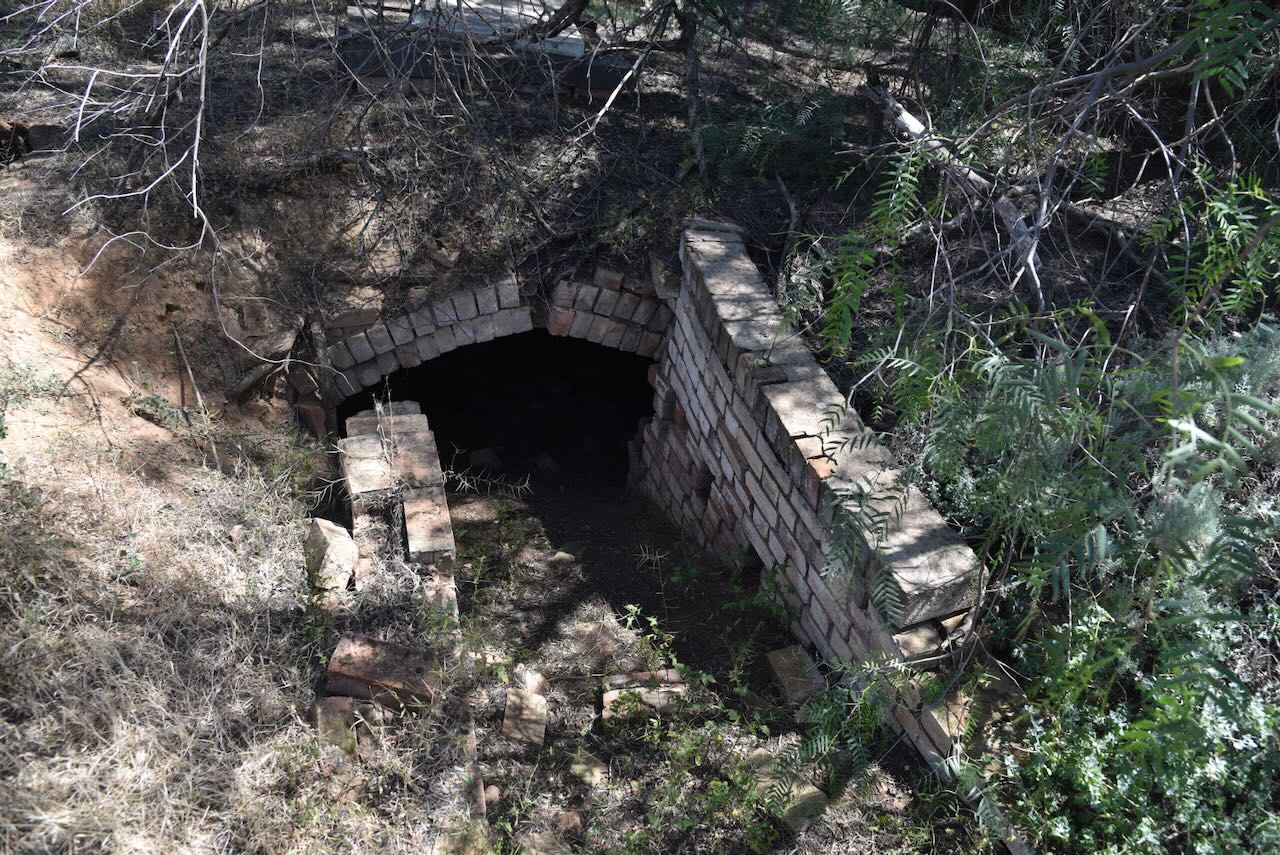
There is a crypt at the cemetery, which Marija decided not to enter as it looked unstable, and it was a hot day, and there was a concern about snakes.
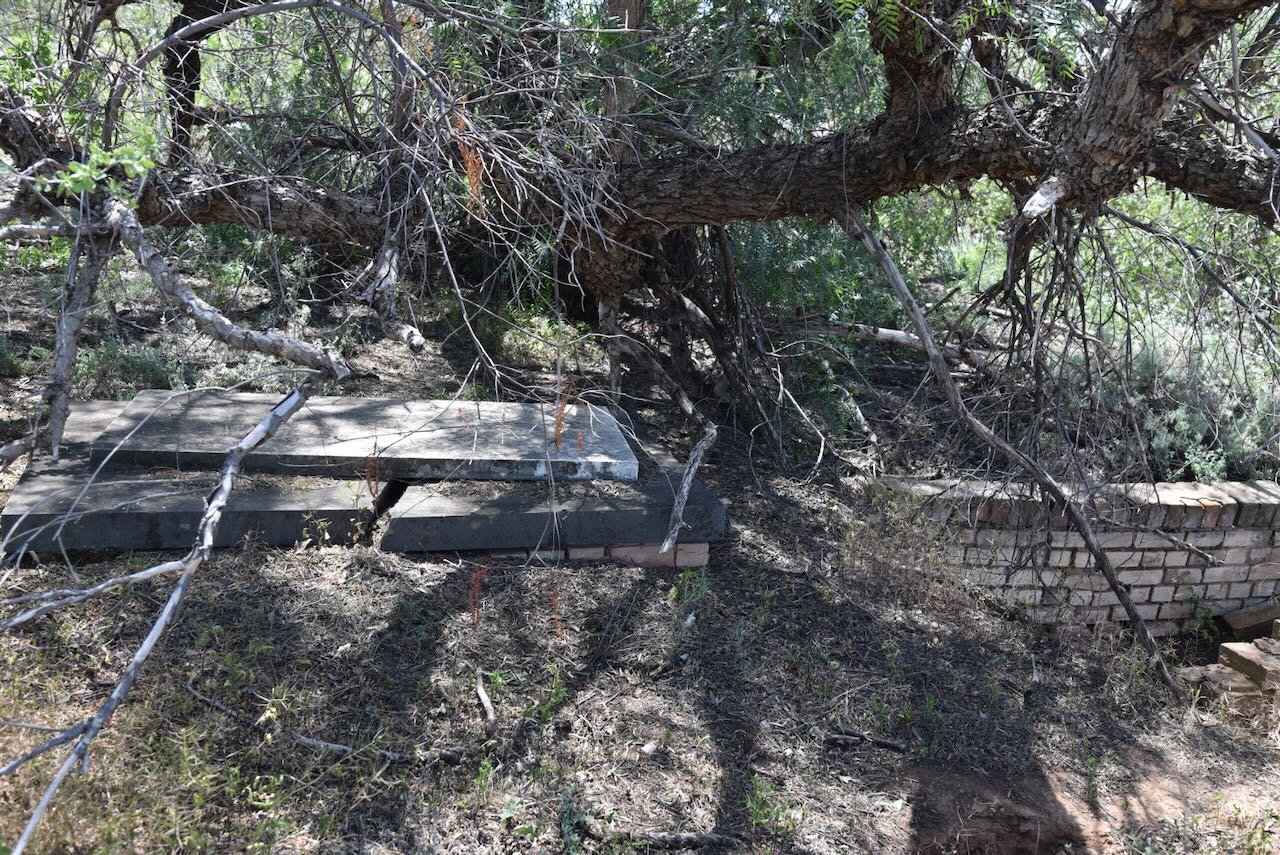
Buried in the family crypt is Thomas D’Archy, and his son Thomas. Thomas D’Archy Snr was born in February 1820 in West Bavaria. He emigrated to Australia, and in 1844, he married Susan Byrne at Campbelltown, New South Wales. They had ten children. Susan was reported to be the first white woman west of the Murrumbidgee River. Thomas owned or leased several properties, including Oxley Station. (ciotach72, 2023) (Findagrave.com 2021)
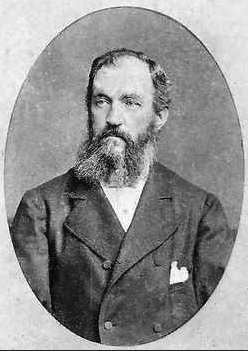
Above: Thomas D’Archy Snr. Image c/o ancestry.com.au
Their second child, Thomas D’Archy Jnr, died in August 1863 at Oxley Station. He was just 15 years old and died after having a fever for 8 days. (Findagrave.com 2021)

Above: death notice of Thomas D’Archy Jnr, The Yass Courier, Wed 19 Aug 1863. Image c/o Trove
In the Australian Town and Country Journal of 21st September 1872, the special correspondent reported the following on a trip from Hay to Balranald:
“…I took a northerly course across plains, the greatest part of which were under water for eighteen miles to “Oxley”. Large quantities of wild fowl were on the plains, chiefly bustards and wild duck. It was about four o’clock in the afternoon when a narrow belt of trees on the plains indicated my approach to the “long and lazy Lachlan.” “Oxley” is the residence and station of Thomas D’Archy, Esq., J.P. I received a most hearty welcome at the station and remained there several days. Mr. D’Archy is the oldest resident in that part of the country; and the health of this hospitable pioneer and his kind hearted lady, were drunk in bumpers of champagne at the last Pastoral Association’s dinner held at Hay.” … “Oxley has an area of 160 square miles and has a frontage to the Lachlan of eighteen miles. Mr. D’Archy has marched with the times, and has seen almost all his early compeers come and go. The station is well improved. Sixty or seventy miles of wire fencing have been erected on the run which is also subdivided into paddocks. Mr. D’Archy was the first to secure the waters of the Lachlan by damming.”
Thomas D’Archy Snr died on the 12th day of September 1877, at Tarcoola Station. He was 57 years old and was buried in the family crypt at Oxley Station. Following his death, Thomas’ wife Susan, continued to live on Oxley Station until her death in 1892. (Trove 2025)

Above: Death notice of Thomas D’Aarchy Snr, The Argus, Melbourne, Mon 17 Sept 1877. Image c/o Trove
We left the town of Oxley and continued southeast on Oxley Road and drove into the Kalyarr National Park.
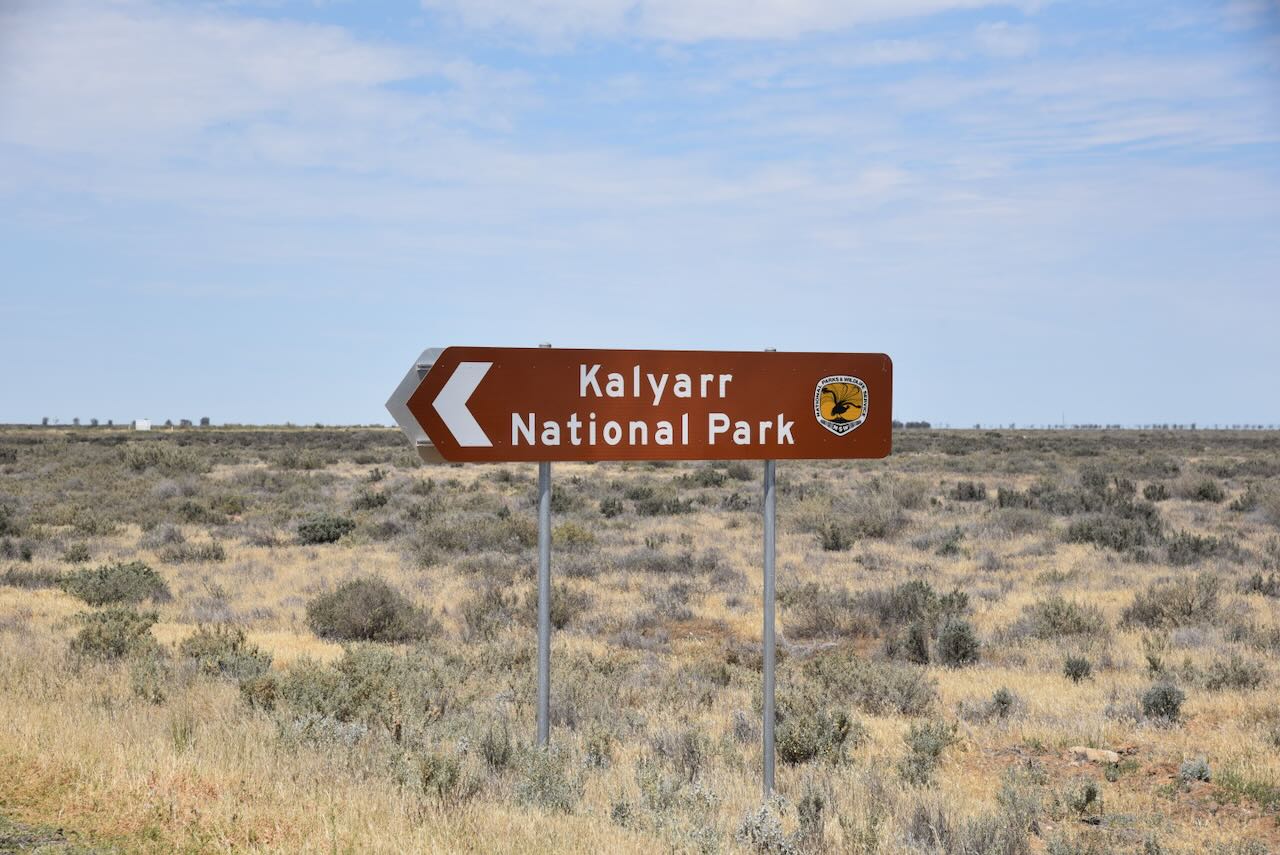
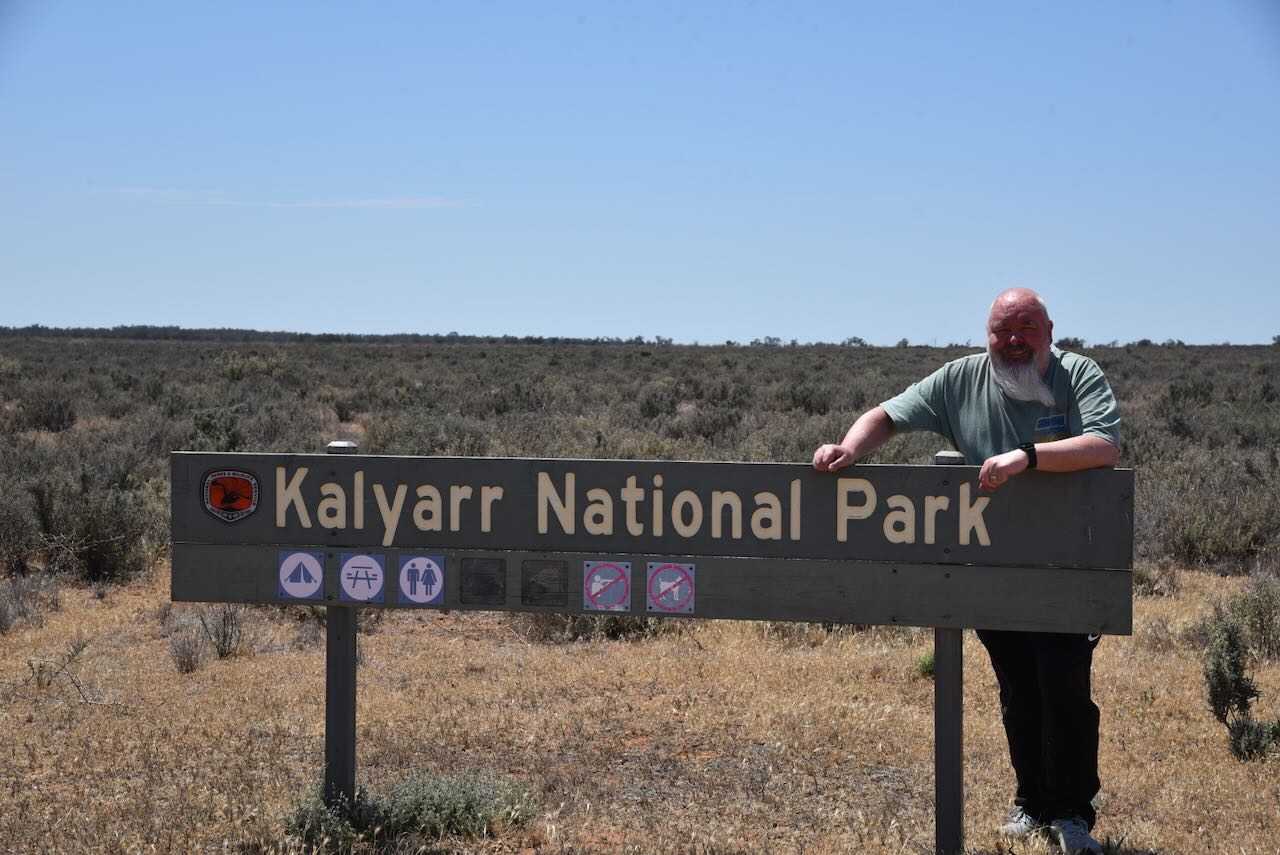
Kalyarr National Park is about 40,899 hectares in size. The park’s western boundary is Oxley Road. The park extends south towards the Maude Road. The Lachlan River passes through the northern section of the park. (NSW NPWS 2024)
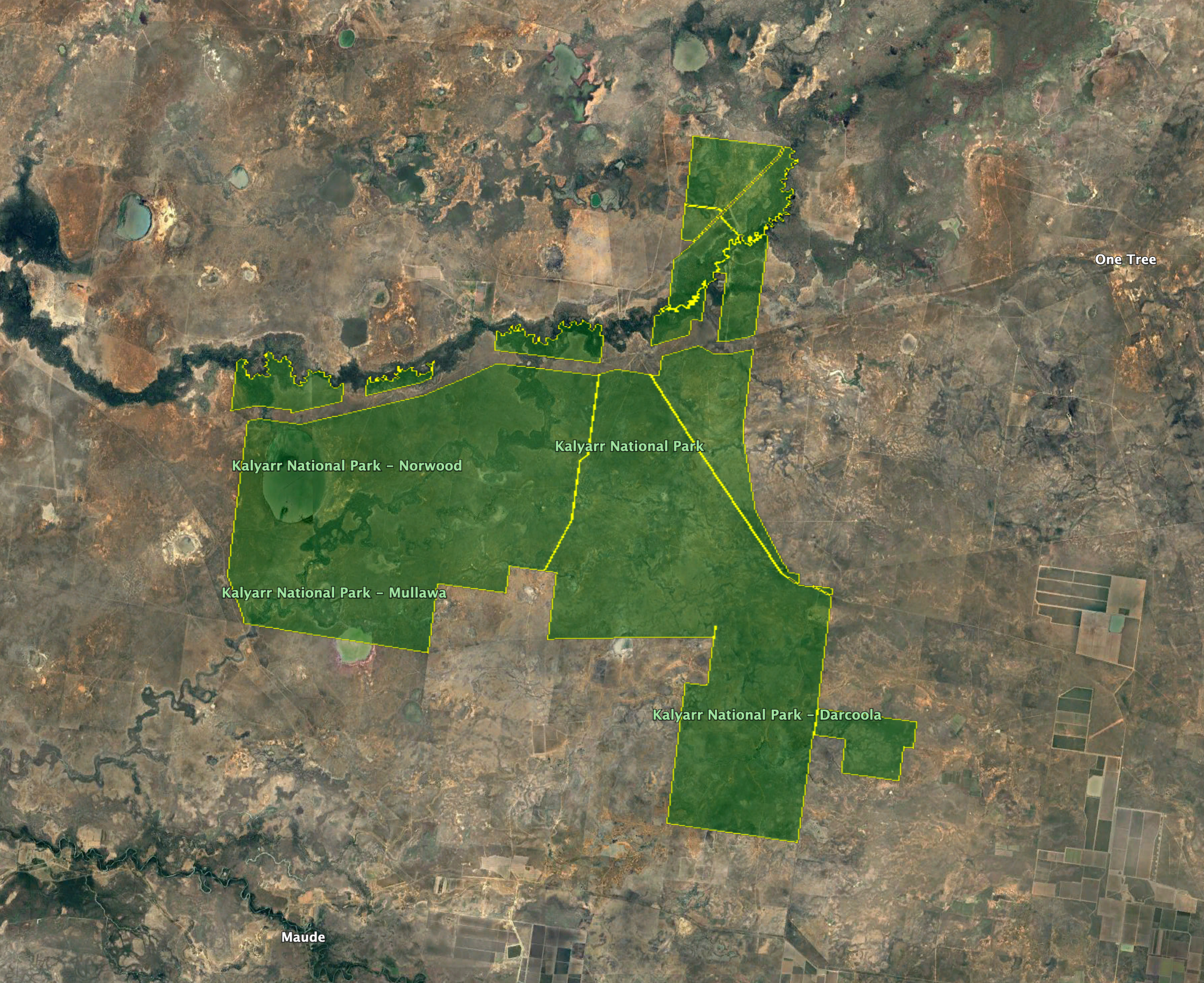
Kalyarr National Park is located on the Hay Plain, which is one of the flattest places on earth. ‘Kalyarr’ is the Aboriginal name used by Nari Nari and other local groups for the Lachlan River. (NSW National Parks, 2025) (NSW NPWS 2024)
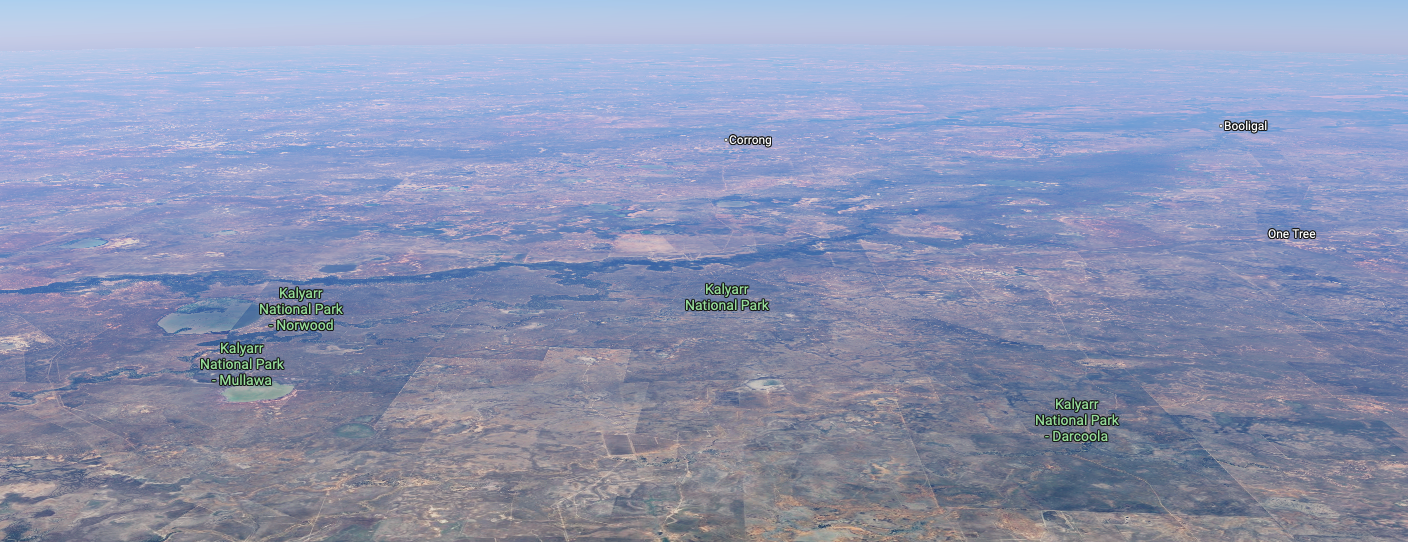
Above: An aerial view of the Kalyarr National Park. Image c/o Google Maps
There are 2 main visitor areas in the Kalyarr National Park: Norwood and Thelangerin. We entered the park via the Norwood section. (NSW National Parks, 2025)
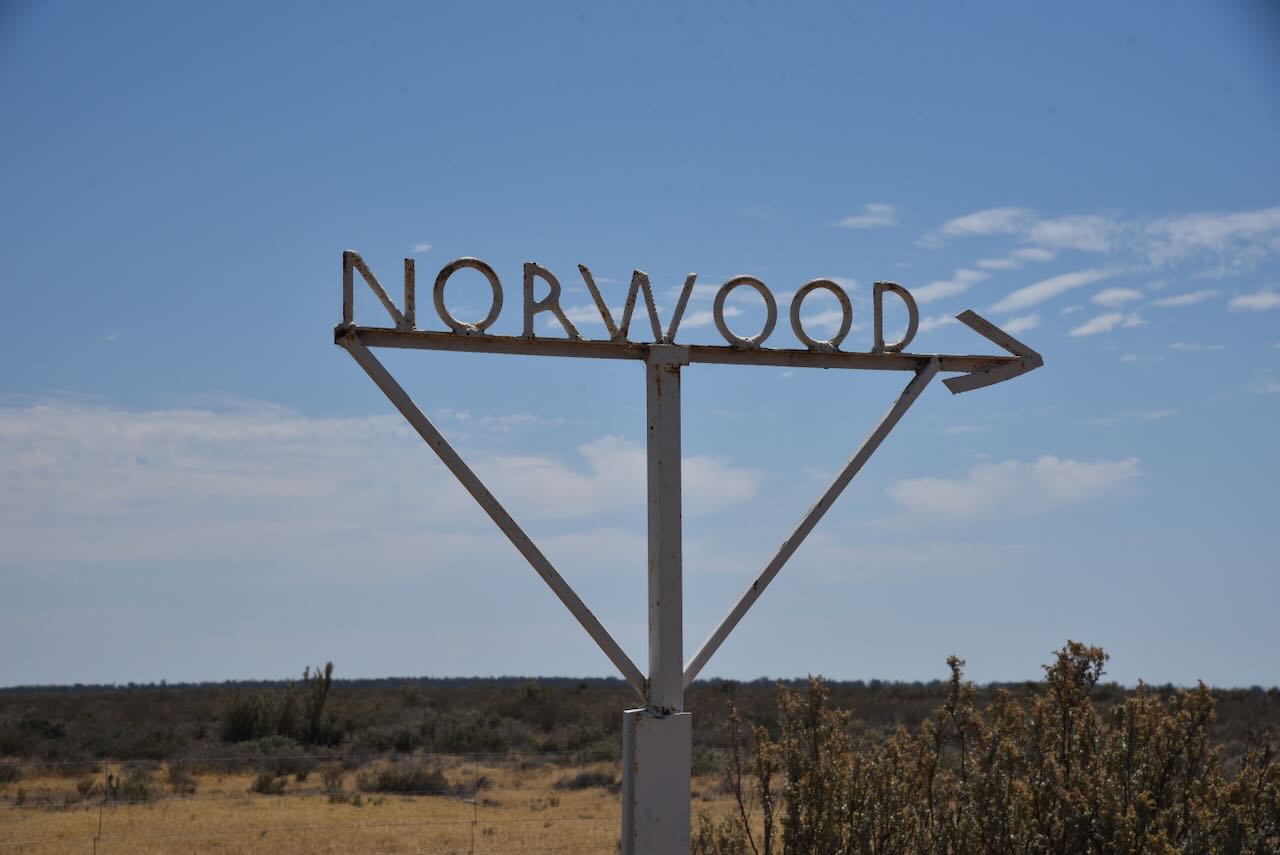
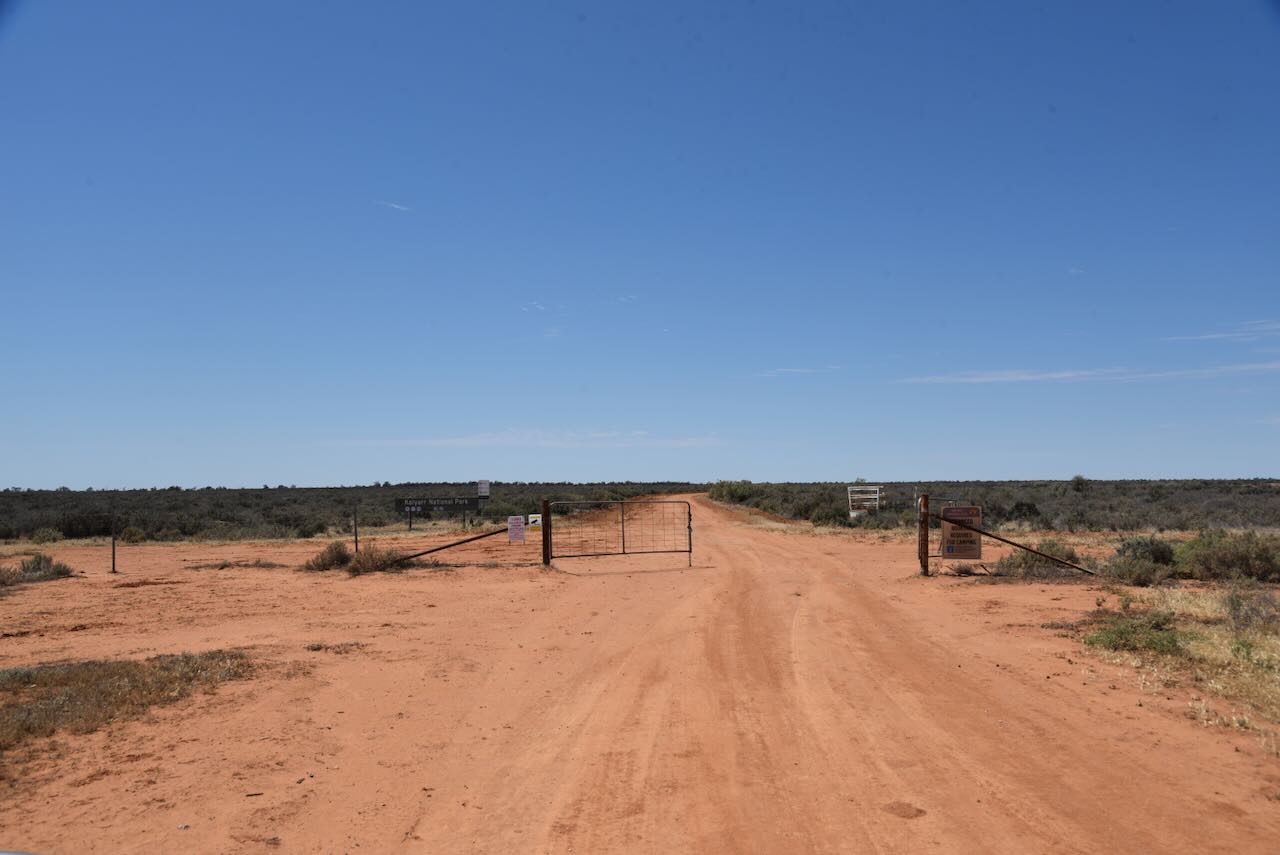
The Darcoola pastoral run, comprising 8,172 hectares, became the Kalyarr National Park on 24th June 2005. The Norwood pastoral run, comprising 6,768 hectares, was first reserved as Kalyarr State Conservation Area on the 10th November 2006. The Mullawa pastoral run, comprising 4,028 hectares, was first preserved as Kalyarr State Conservation Area on 15th August 2008. The former McFarlands State Forest, comprising 769 hectares, was reserved as Kalyarr National Park on 1st July 2010. The former Geramy pastoral run comprising 870 hectares was reserved as Kalyarr State Conservation Area on 1st July 2010. (NSW NPWS 2024)
In 2014, the above park parcels were renamed as the Lachlan Valley parks. On the 6th day of May 2016, they were consolidated and renamed the Kalyarr National Park. In November 2016, Thelangerin, including De Ville and Corrong, comprising 20,149 hectares, were added to the National Park. (NSW NPWS 2024)
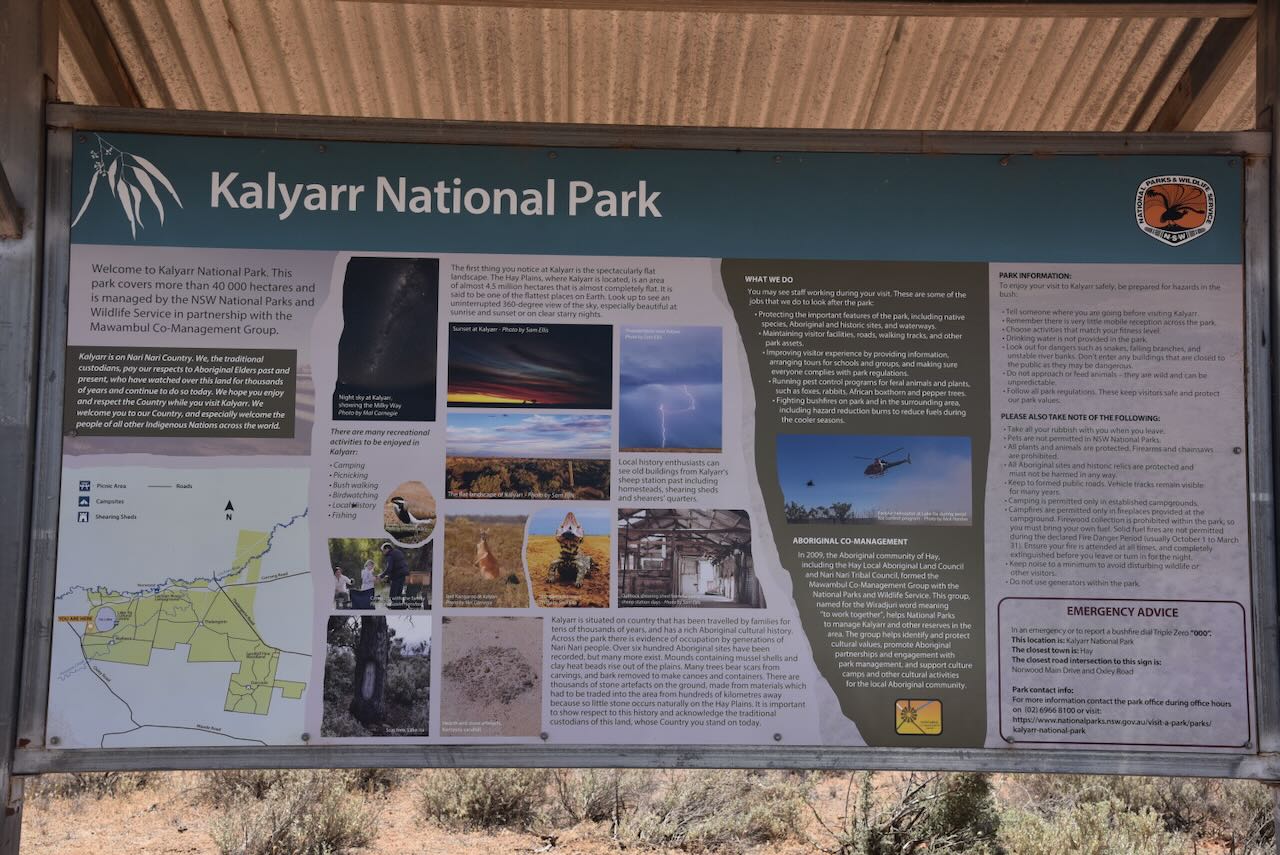
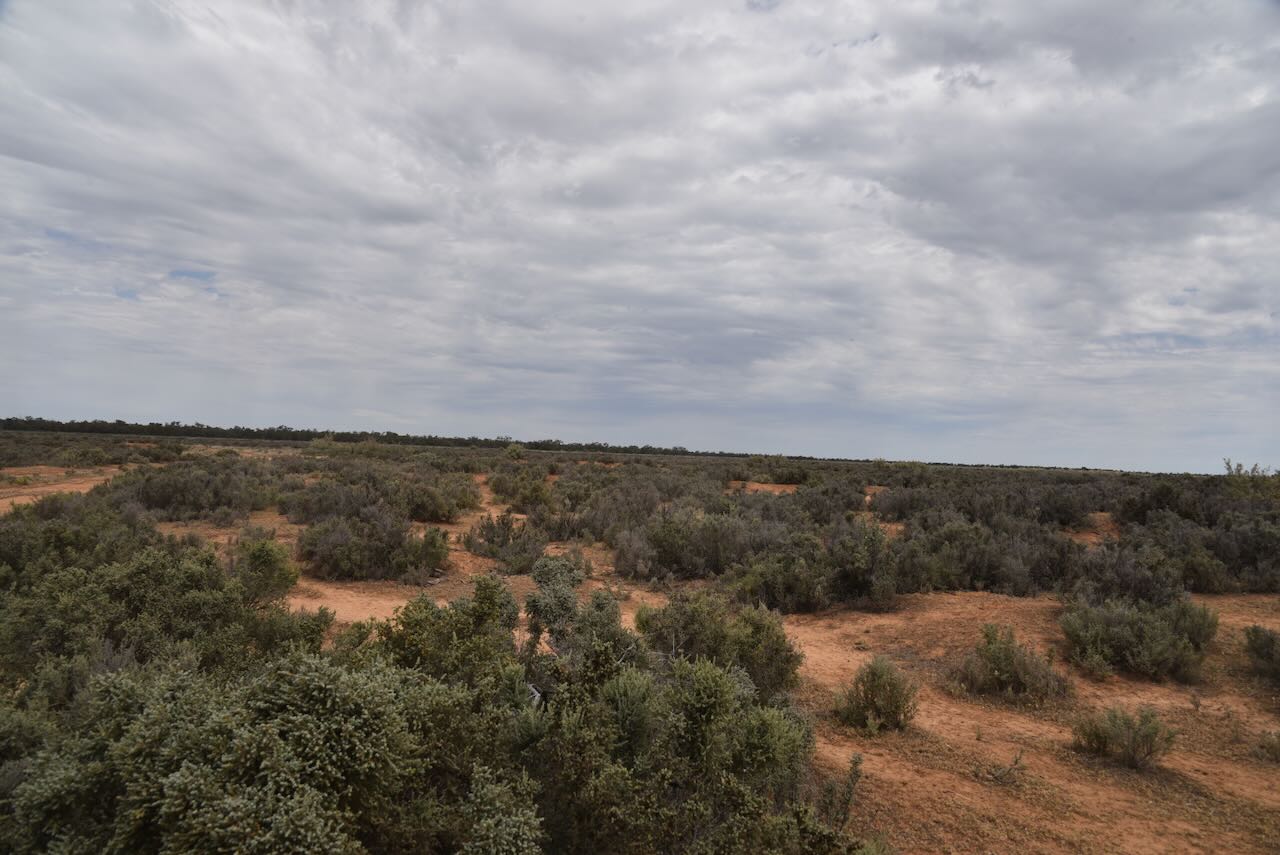
Native species found in the park include Red kangaroo, Emu, Lace Monitor, eastern blue-tongue lizard, Kookaburra, short-beaked echidna, Southern boobook, Superb fairy wren, Tawny frogmouth, Wedge-tailed eagle, White-bellied sea eagle, Common brushtail possum, and Brown-striped frog. (NSW National Parks, 2025)
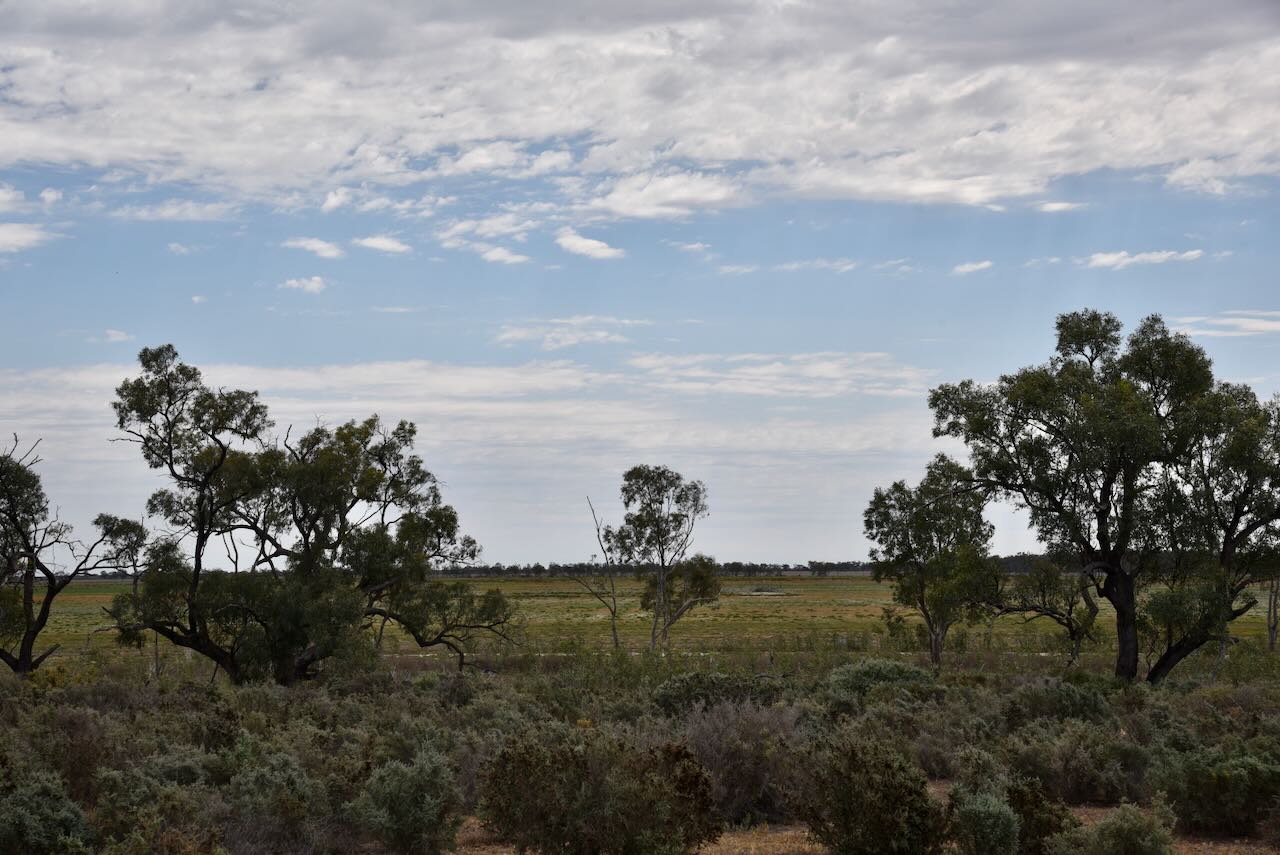
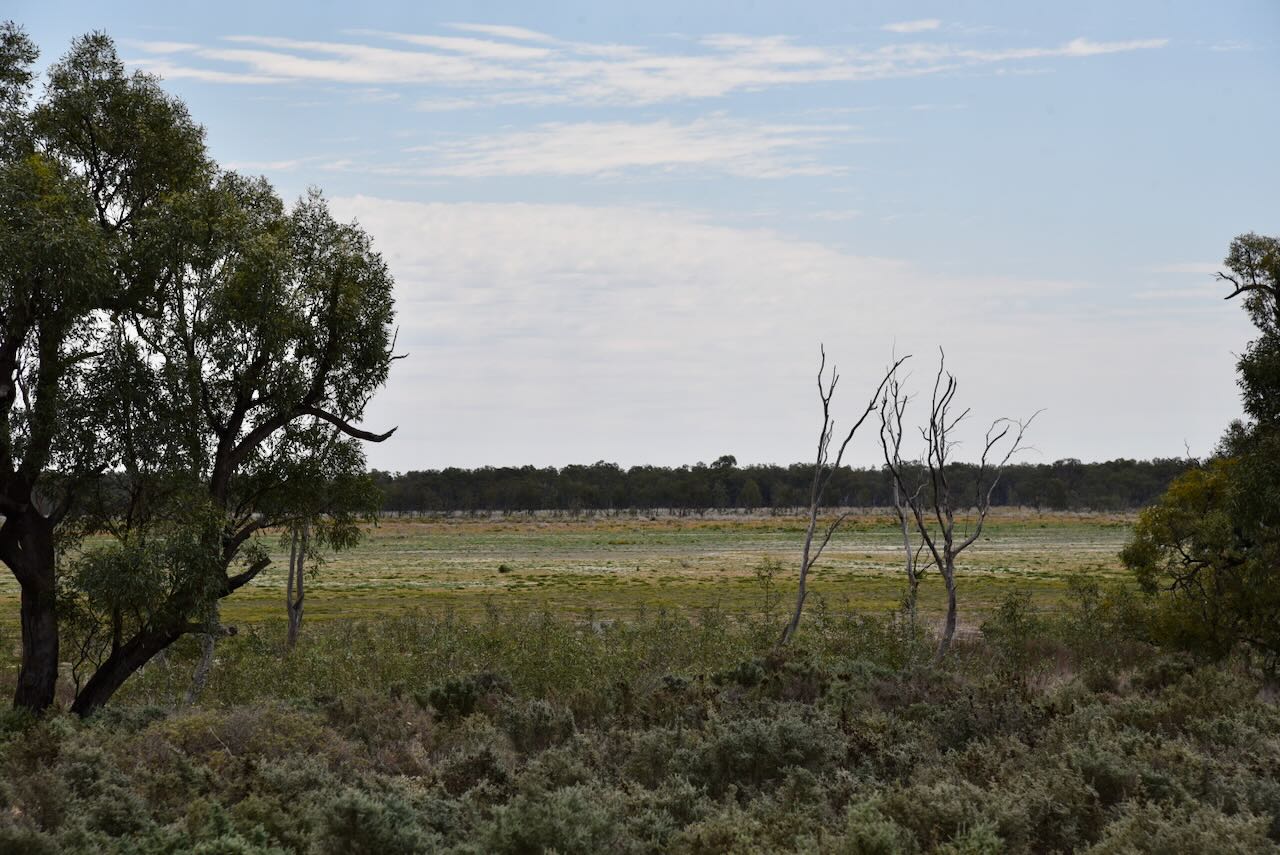
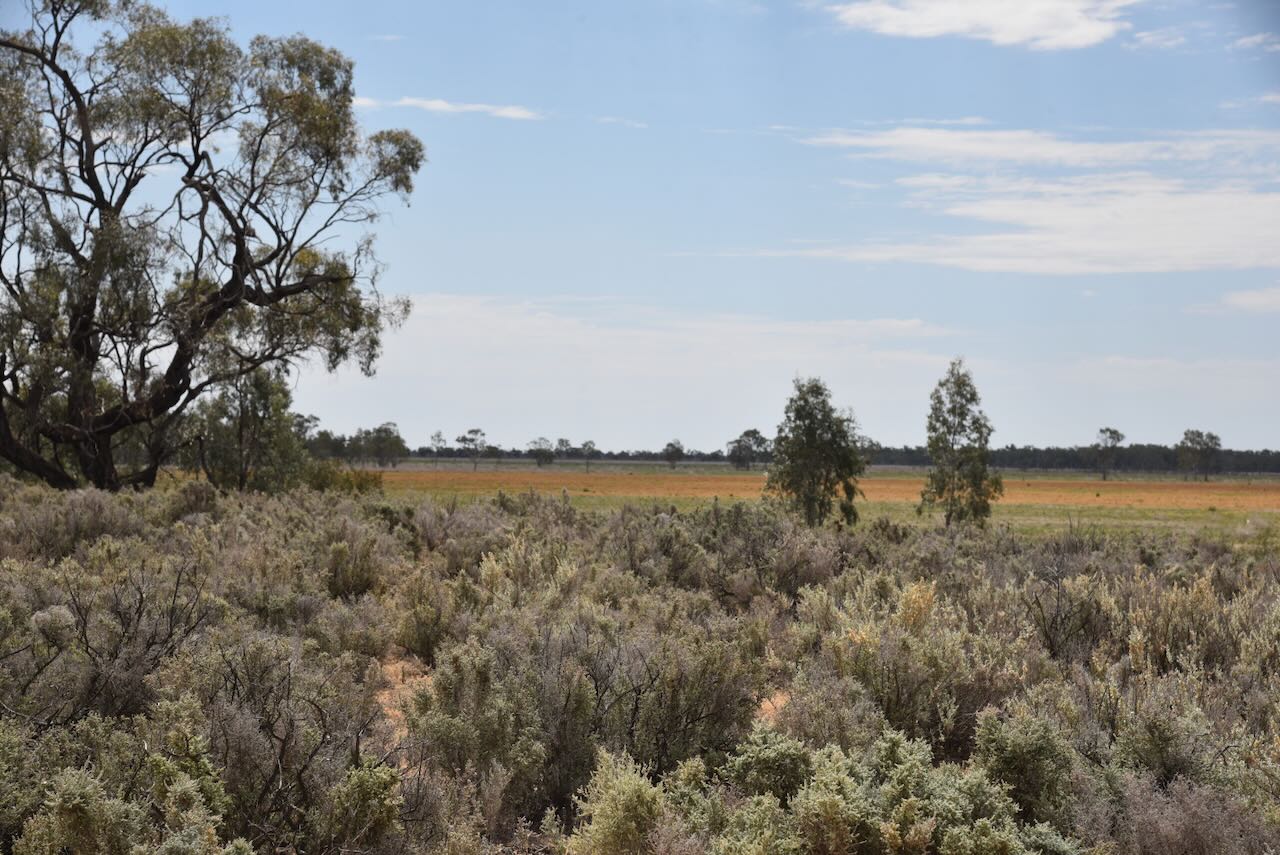
We followed Norwood Main Drive to the Lake Ita picnic area.
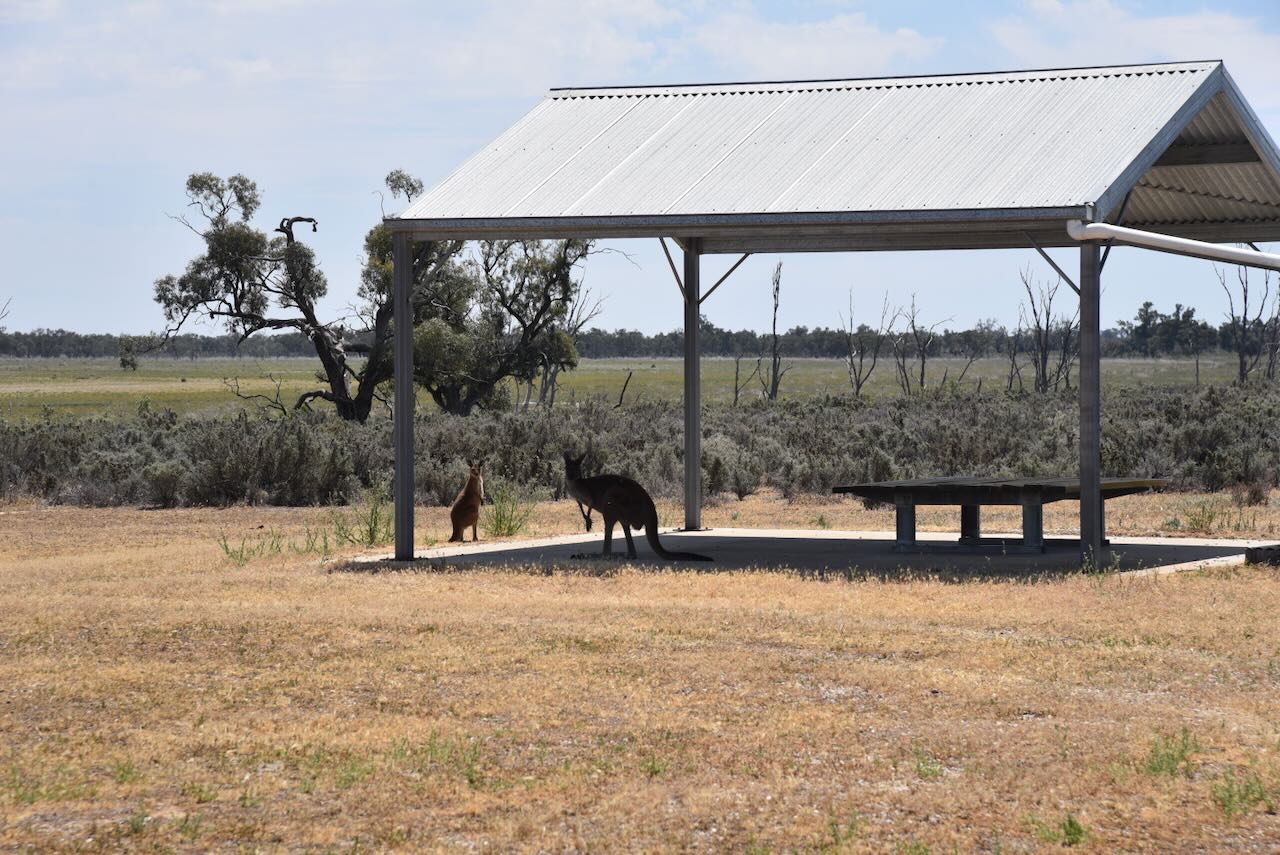
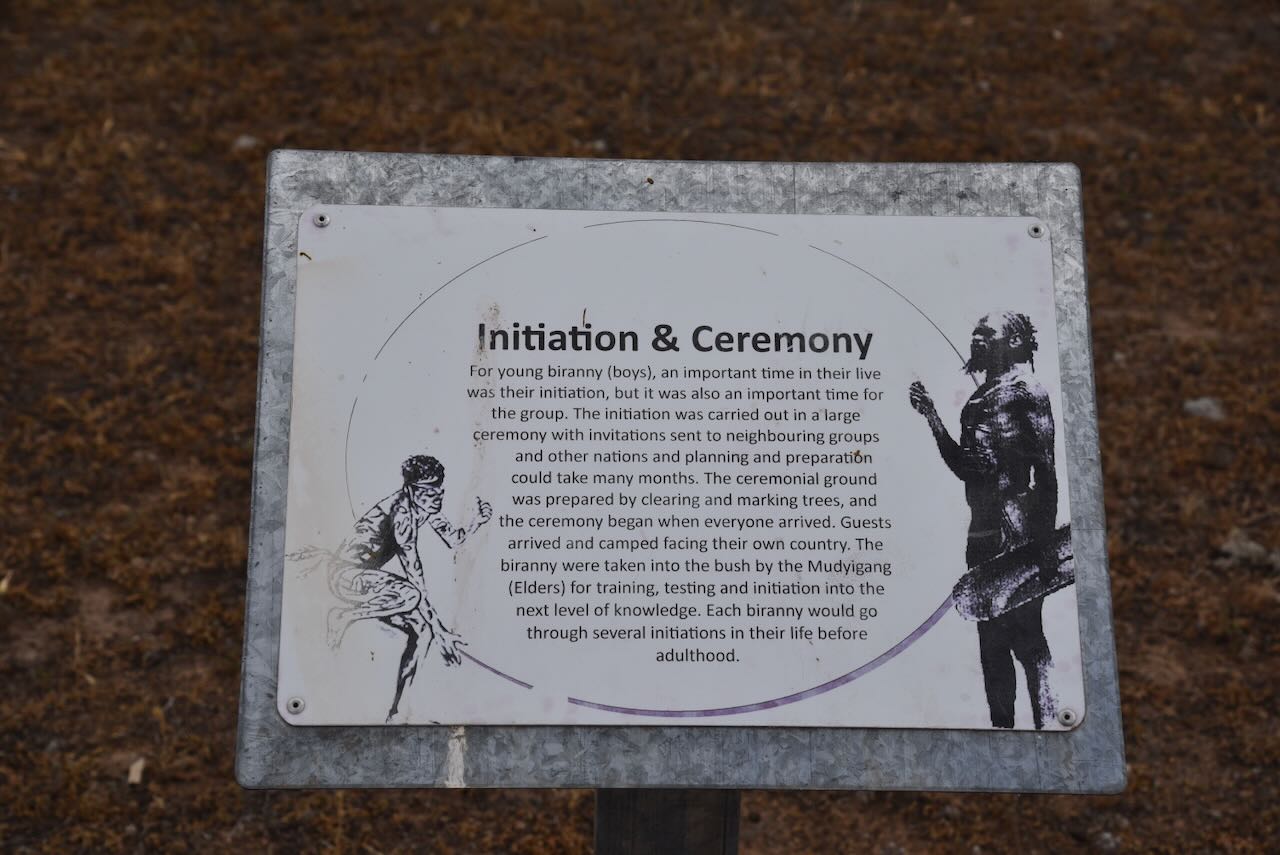
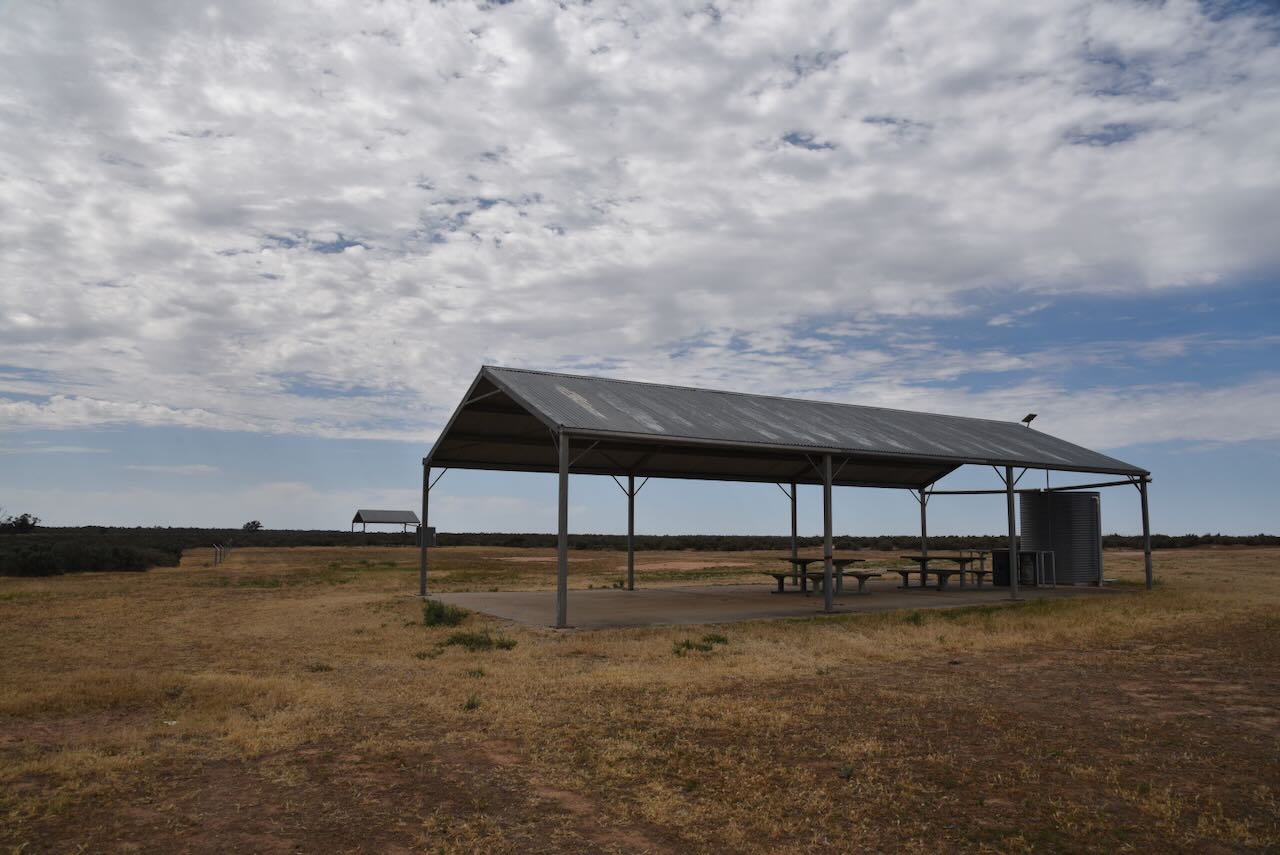
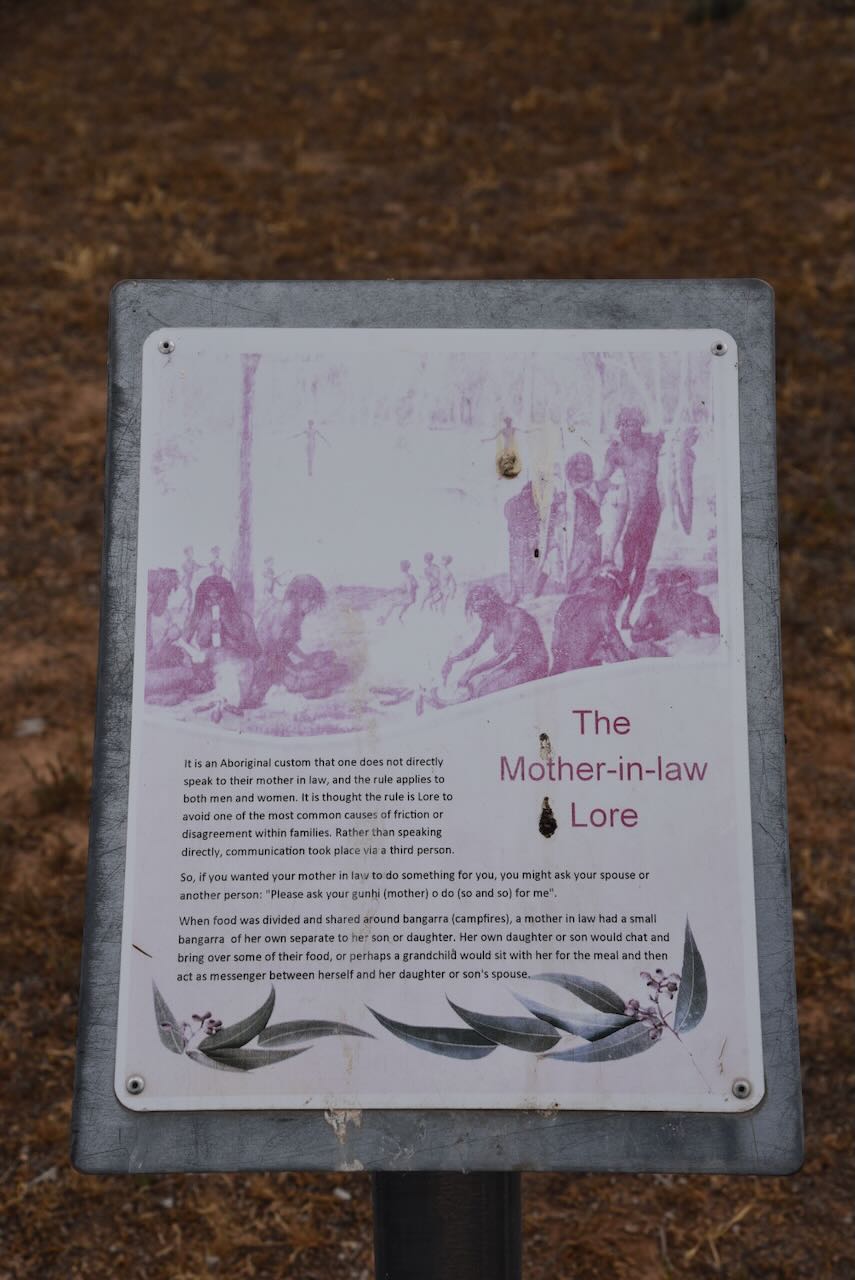
It was a warm day, and the flies were out in force. We operated using the Yaesu FT857, 40 watts, and the 20/40/80 m linked dipole.
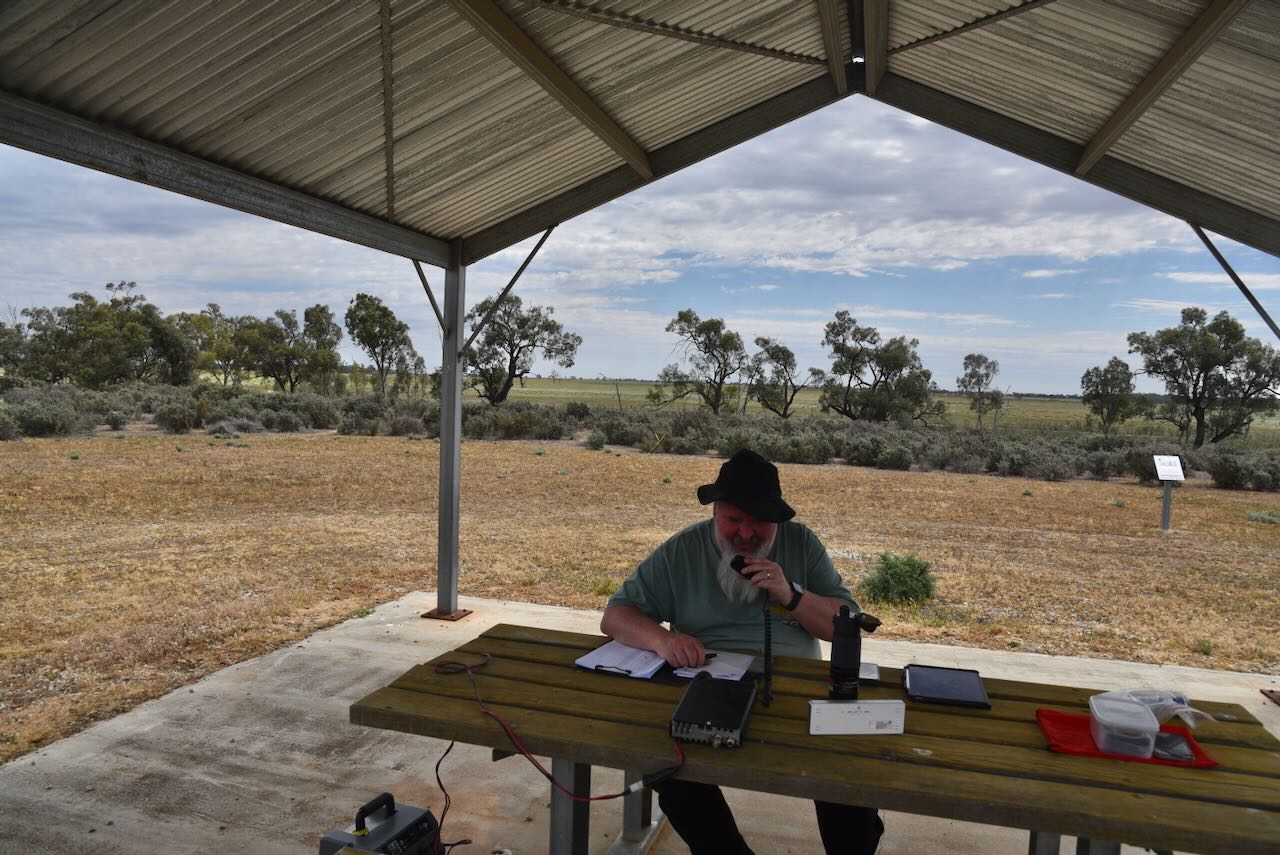
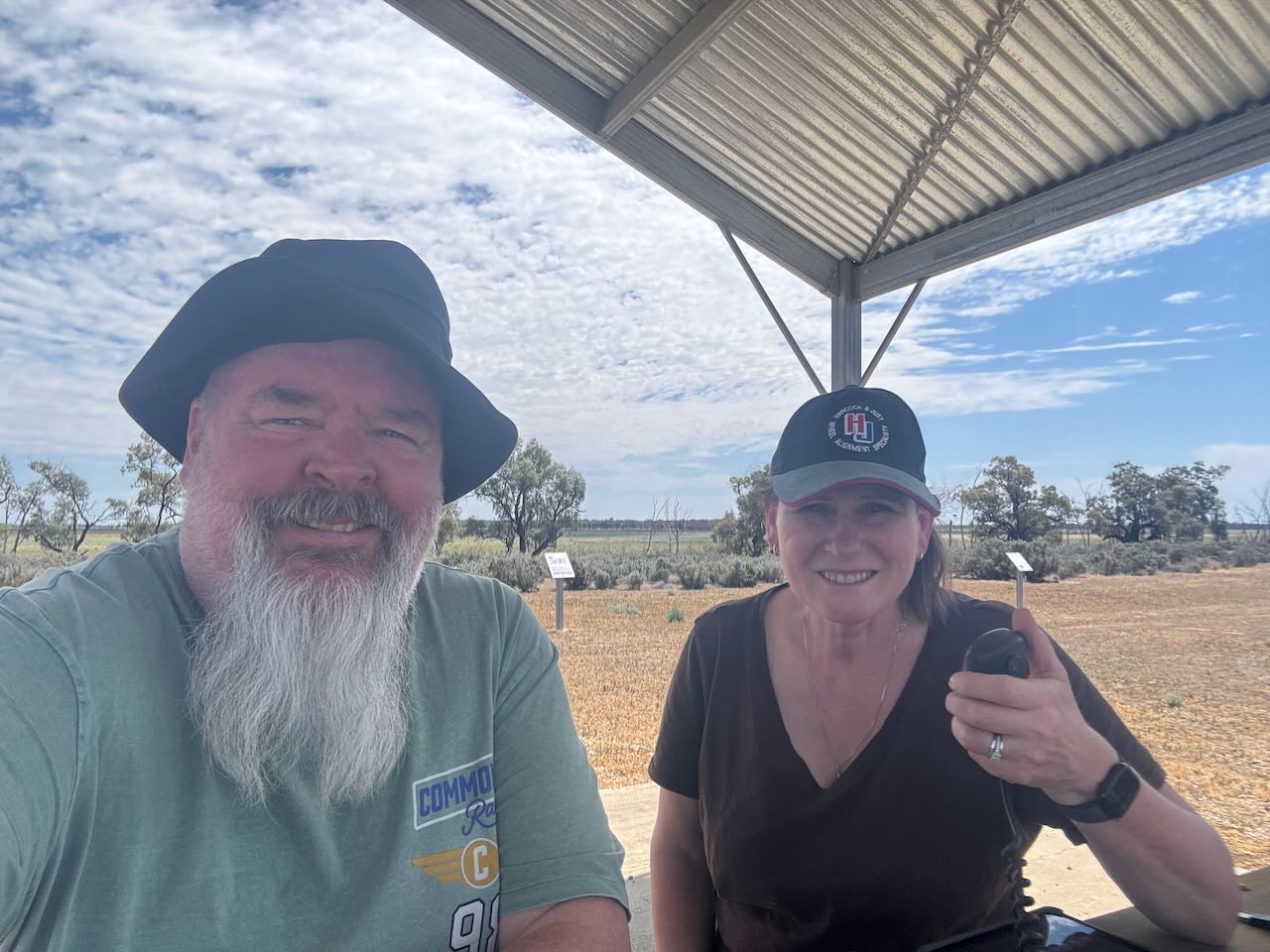
We found band conditions to be very poor, and unfortunately, I did not reach 44 QSos to qualify the park for the World Wide Flora Fauna (WWFF) program. I also tried FT8 but could not get it up and running on my new laptop.
Marija worked the following stations on 40m SSB:-
- VK5CZ
- VK5XE
- VK2MAB/p (VKFF-0598)
- VK3PF
- VK3KAI
- VK2IO
- VK2GEZ
- VK2VAR
- VK2GOM
- VK1AO/p (VKFF-0431)
- VK2MET/p (VKFF-0431)
- VK2VW
- VK2HFI
- VK2AKA
- VK2BUG
- VK2YK
- VK5GA
- VK2DA
- VK1DA
- VK2XGB/p (VKFF-1331)
- VK3PT
- VK2XWB/p (VKFF-0444)
I worked the following stations on 40m SSB:-
- VK5CZ
- VK5XE
- VK2MAB/p (VKFF-0598)
- VK3PF
- VK3KAI
- VK2IO
- VK2GEZ
- VK2VAR
- VK2GOM
- VK1AO/p (VKFF-0431)
- VK2MET/p (VKFF-0431)
- VK2VW
- VK2HFI
- VK2AKA
- VK2BUG
- VK2YK
- VK5GA
- VK2DA
- VK1DA
- VK1SIG/m
- VK3SCS/p
- VK2XGB/p (VKFF-1331)
- VK3PT
- VK2XWB/p (VKFF-0444)
- VK3DL
I worked the following station on 20m SSB:-
- VK4CK
References.
- ciotach72 (2023). 52 Ancestors …. Weeks 37 and 38. [online] Nancy’s Families. Available at: https://nancyvada.me/2023/09/16/52-ancestors-weeks-37-and-38/ [Accessed 11 Dec. 2025].
- Findagrave.com. (2021). John Ramsay Magill (1828-1891) – Find a Grave… [online] Available at: https://www.findagrave.com/memorial/220885884/john-ramsay-magill [Accessed 10 Dec. 2025].
- NSW National Parks. (2025). Kalyarr National Park. [online] Available at: https://www.nationalparks.nsw.gov.au/visit-a-park/parks/kalyarr-national-park [Accessed 12 Dec. 2025].
- Trove. (2025). The Riverine Grazier (Hay, NSW : 1873 – 1954) – 30 Oct 1891 – p1. [online] Available at: https://trove.nla.gov.au/newspaper/page/16233891?searchTerm=john%20ramsay%20magill [Accessed 11 Dec. 2025].
- Trove. (2025). DEATH OF MRS SUSAN DARCHY. – OXLEY, Thursday. – The Riverine Grazier (Hay, NSW : 1873 – 1954) – 19 Feb 1892. [online] Available at: https://trove.nla.gov.au/newspaper/article/140473622?searchTerm=oxley%20station%20%2B%20darchy [Accessed 11 Dec. 2025].
- Trove. (2025). Pastoral Times and Echuca and Moama Chronicle (Deniliquin, NSW : 1863 – 1866) – 12 Aug 1865 – p3. [online] Available at: https://trove.nla.gov.au/newspaper/page/30111319?searchTerm=oxley%20james%20tyson [Accessed 12 Dec. 2025].
- Trove. (2025). The Pastoral Times (South Deniliquin, NSW : 1866 – 1962) – 1 Dec 1866 – p3. [online] Available at: https://trove.nla.gov.au/newspaper/page/30112291?searchTerm=lachlan%20river%20bridge%20oxley [Accessed 12 Dec. 2025].
- Wikipedia. (2021). John Oxley. [online] Available at: https://en.wikipedia.org/wiki/John_Oxley.
- Wikipedia. (2018). Oxley. [online] Available at: https://en.wikipedia.org/wiki/Oxley.
- Wikipedia. (2020). Lachlan River. [online] Available at: https://en.wikipedia.org/wiki/Lachlan_River.

