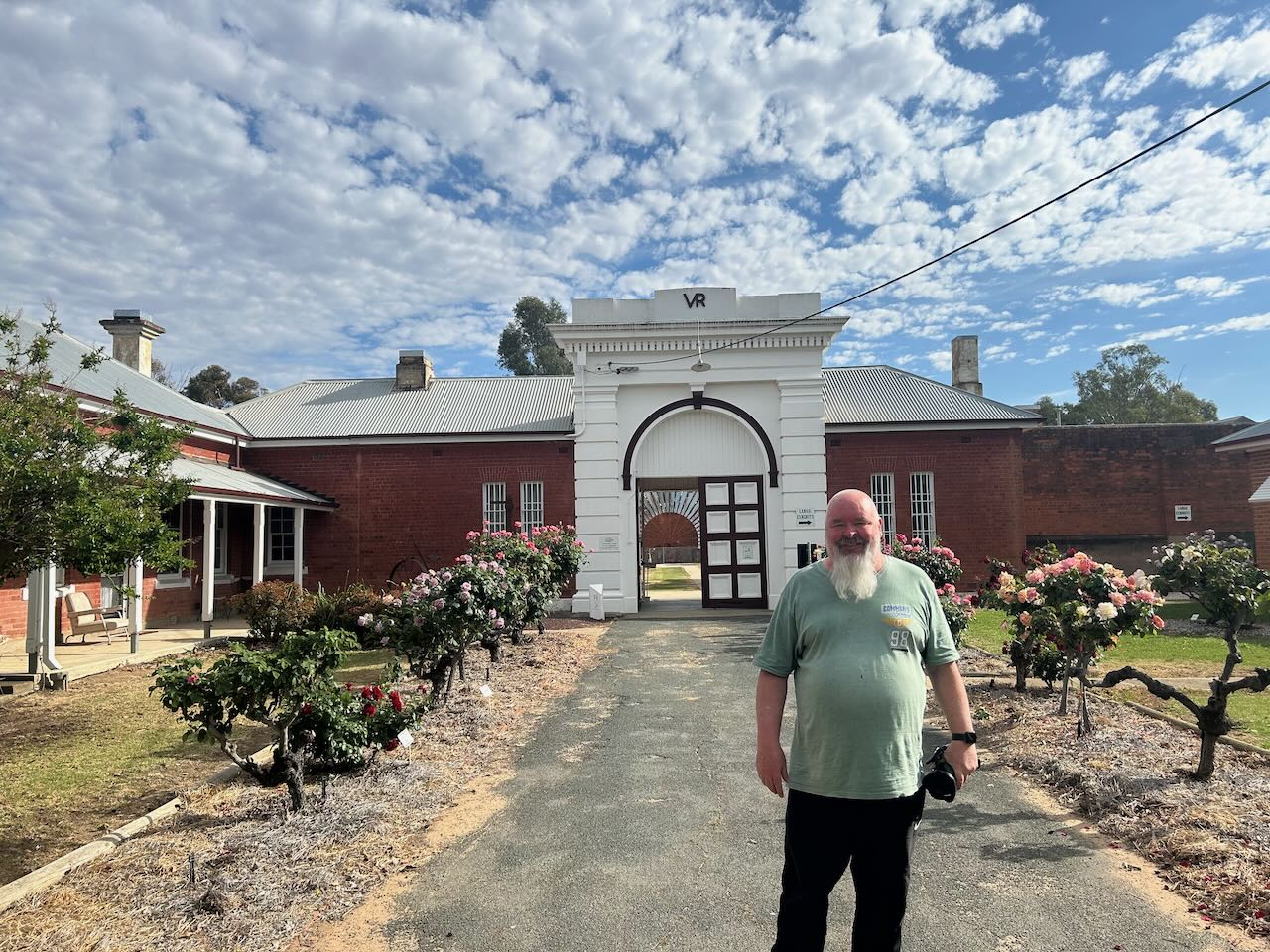
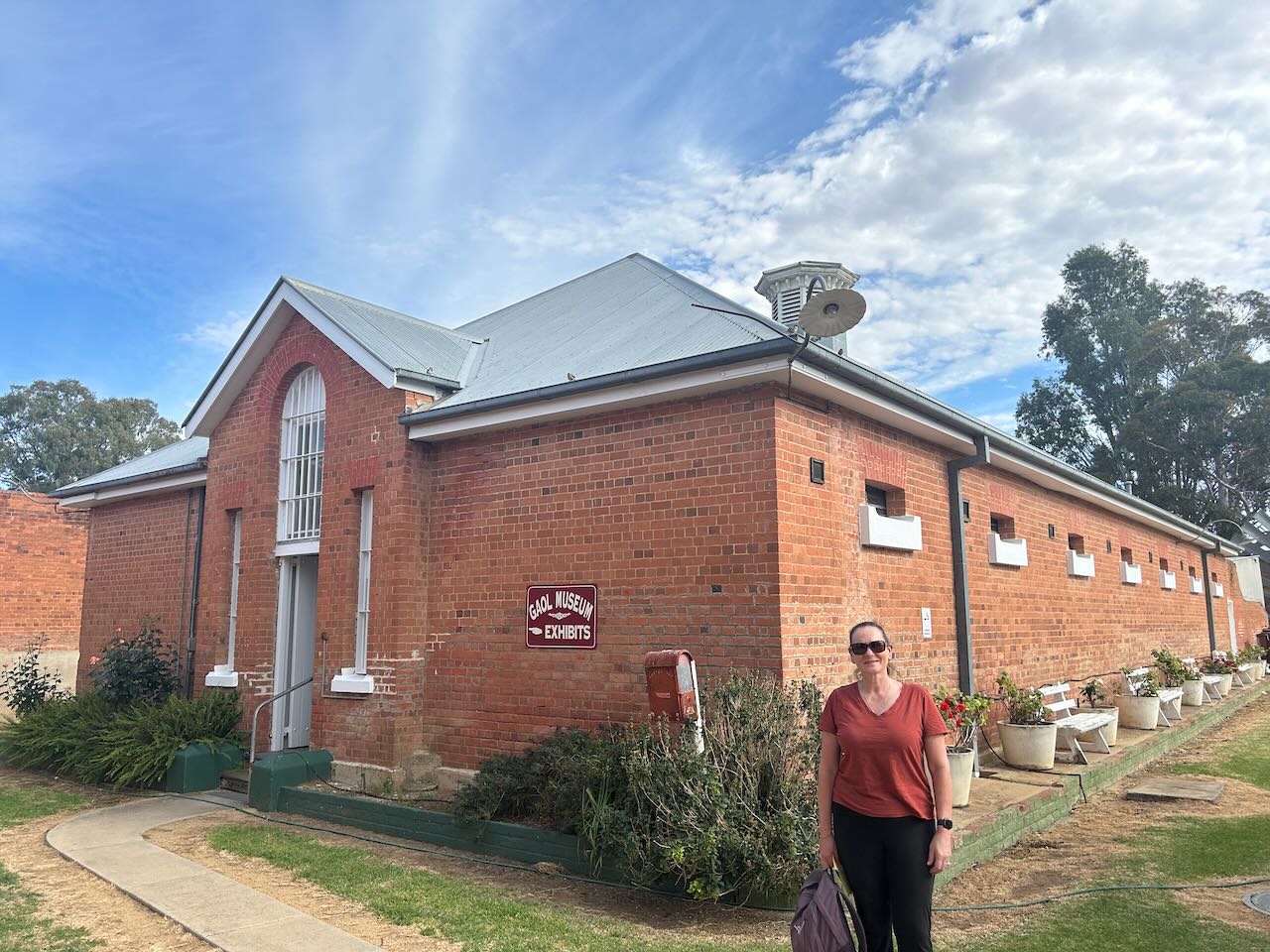
Day three of his Canberra trip was upon us, Monday, 20th October 2025. Following breakfast at one of the local cafes in Hay, Marija and I visited the former Hay Gaol in Church Street, Hay. Between 1880 to 1915, and 1930 to 1947, it was used as an adult prison. From 1921 to 1927, it operated as a maternity hospital. During the Second World War, it was used as a prisoner-of-war camp. From 1961 to 1974, it was the Hay Institution for Girls. (Trove 2025) (Wikipedia 2025)
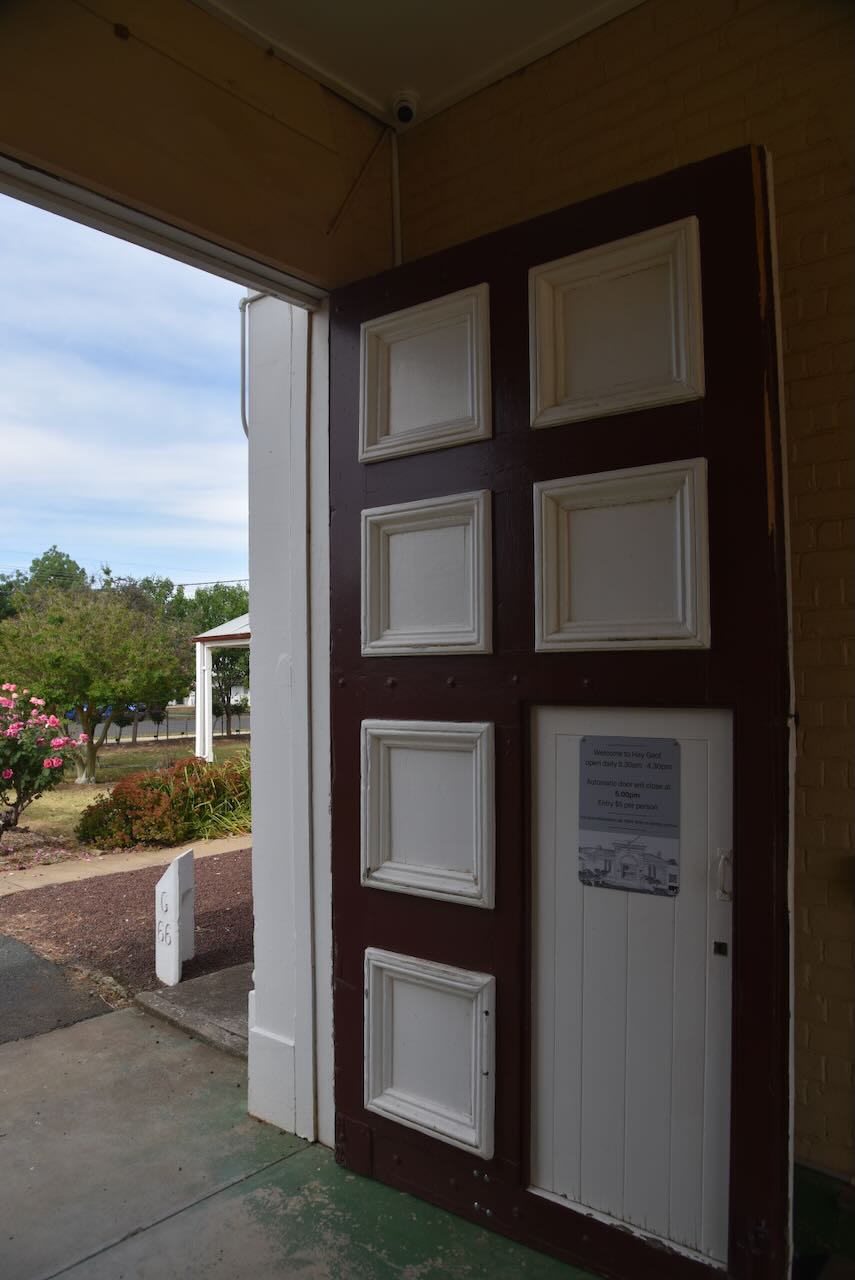
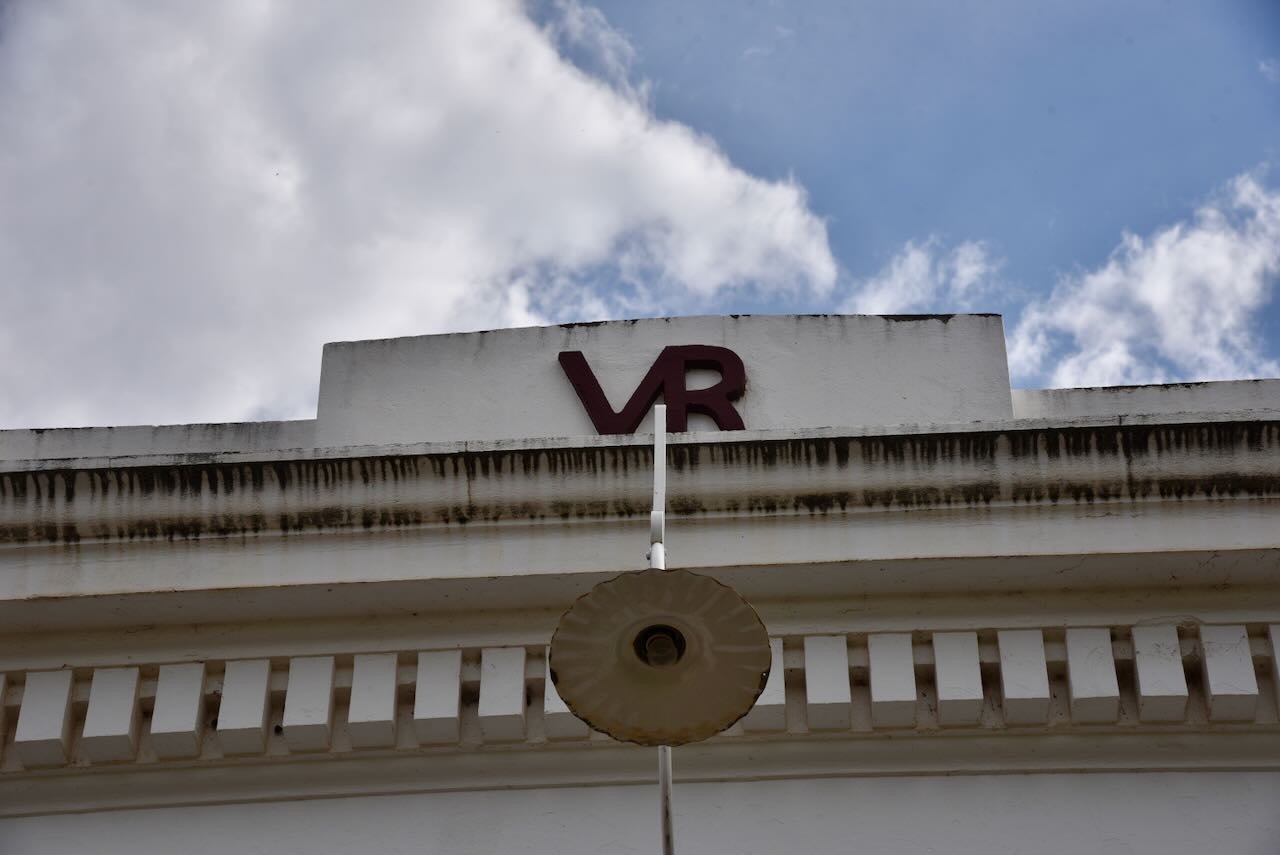
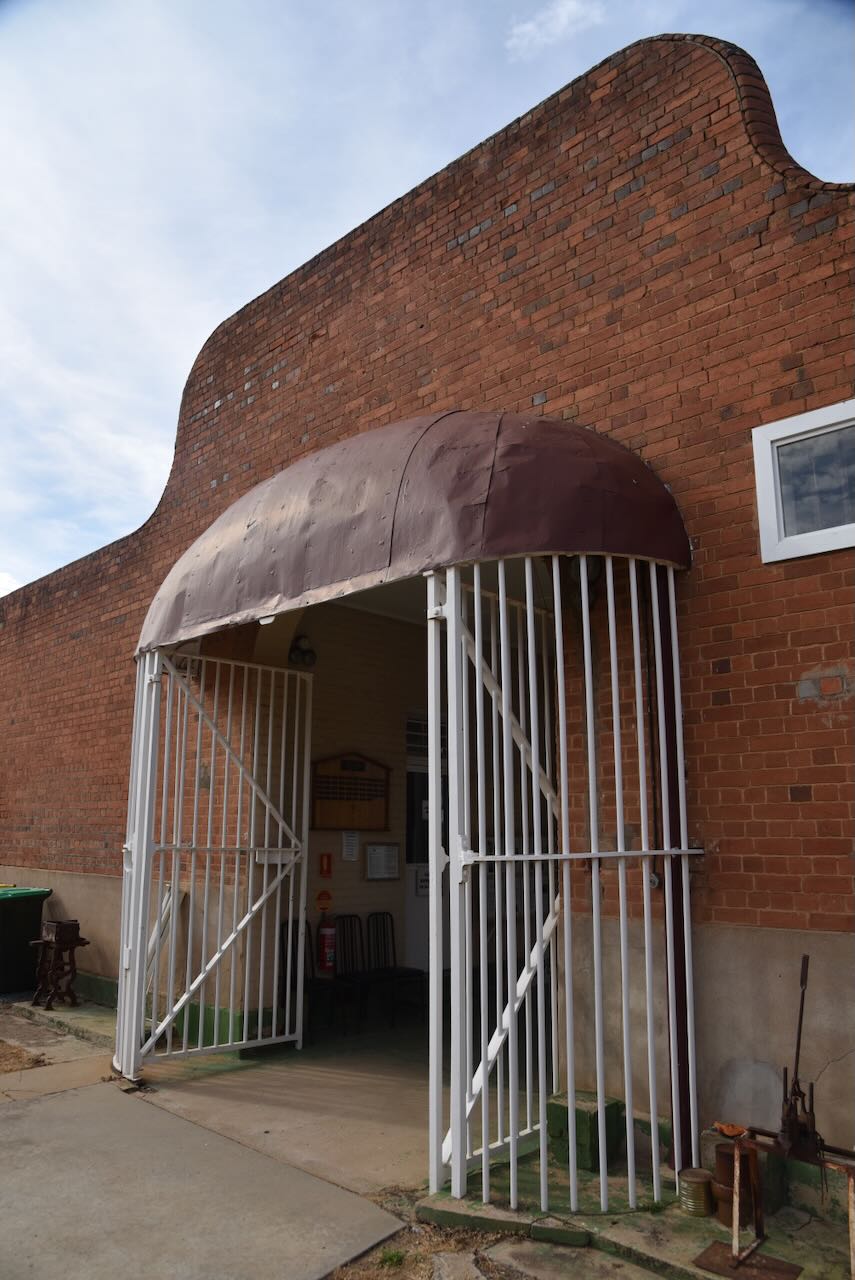
The imposing entrance to the gaol features solid, double wooden doors with a smaller inset door. The door is incorporated into an entrance arch, which has the Royal Cypher ‘VR’.
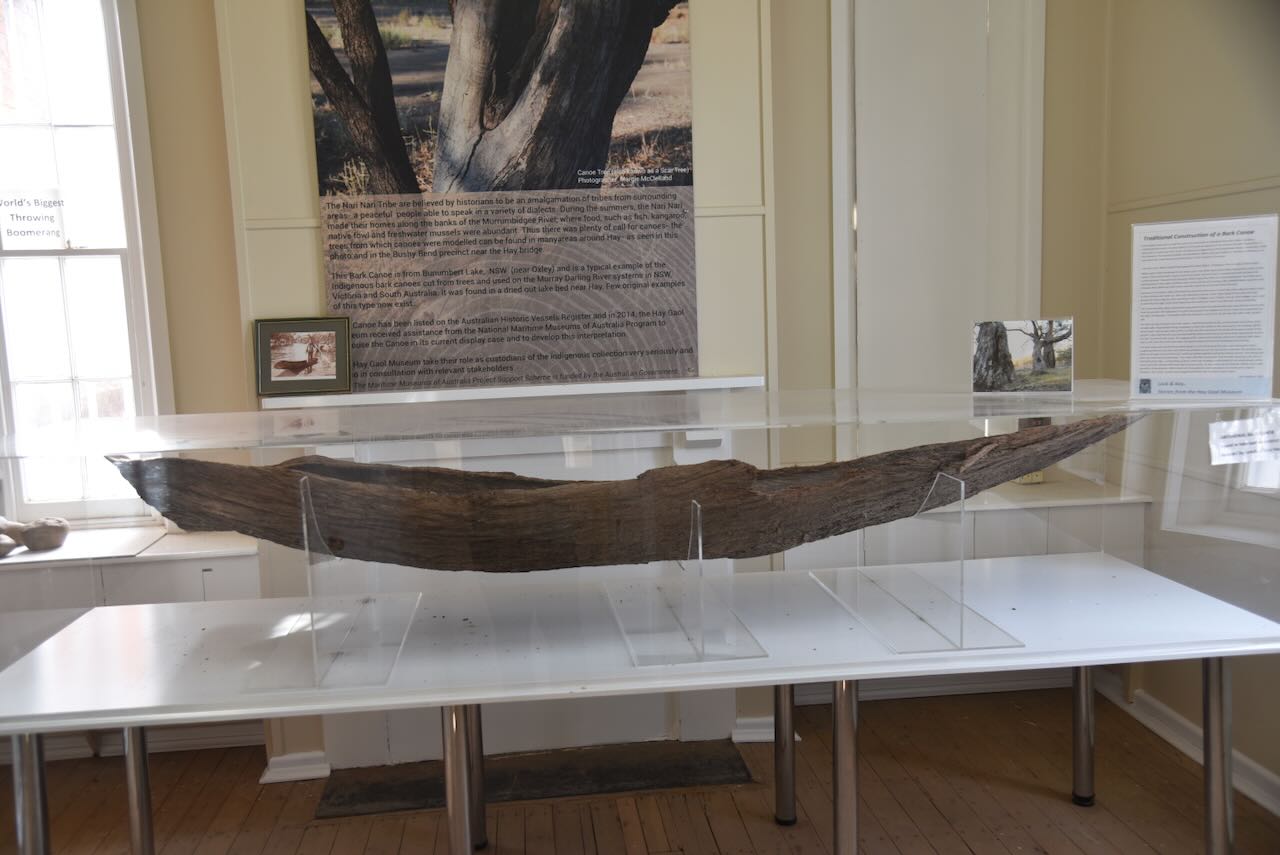
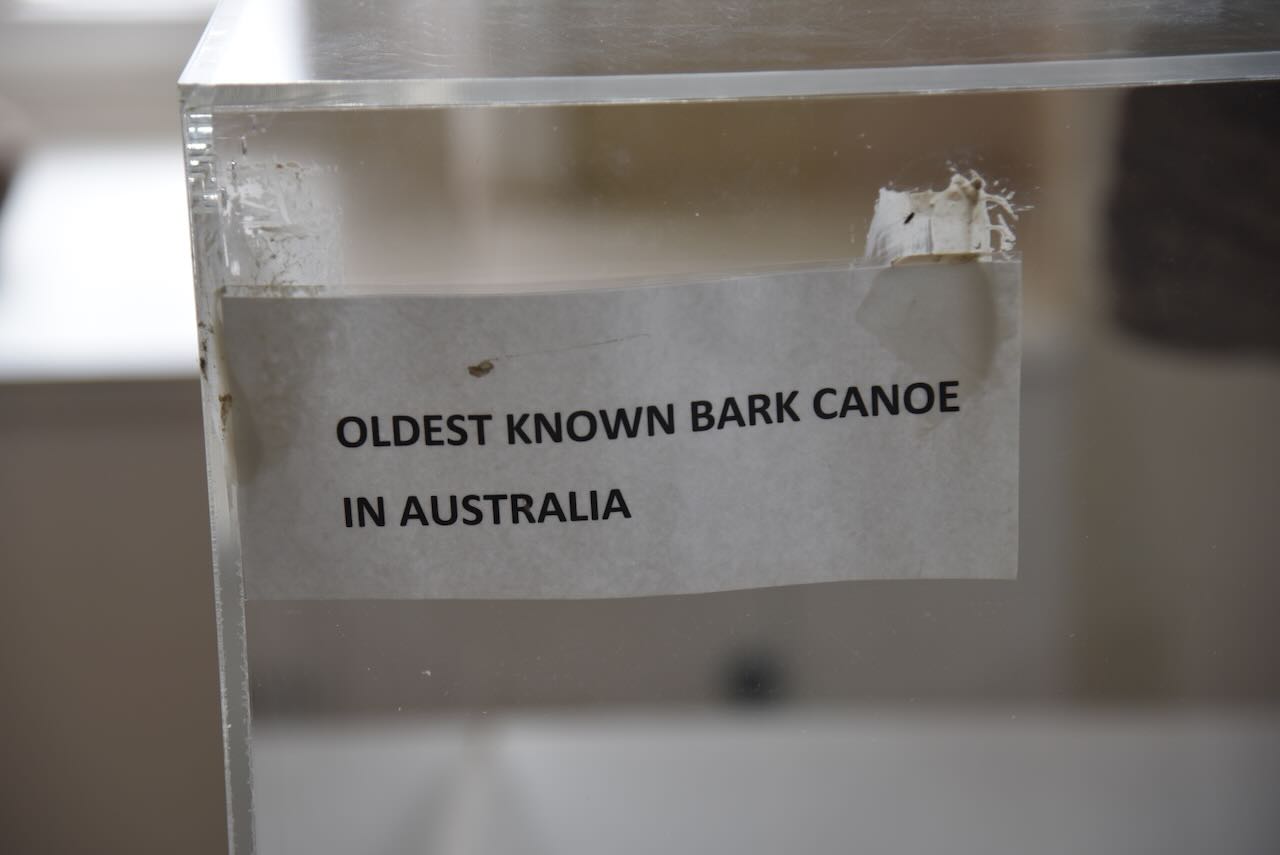
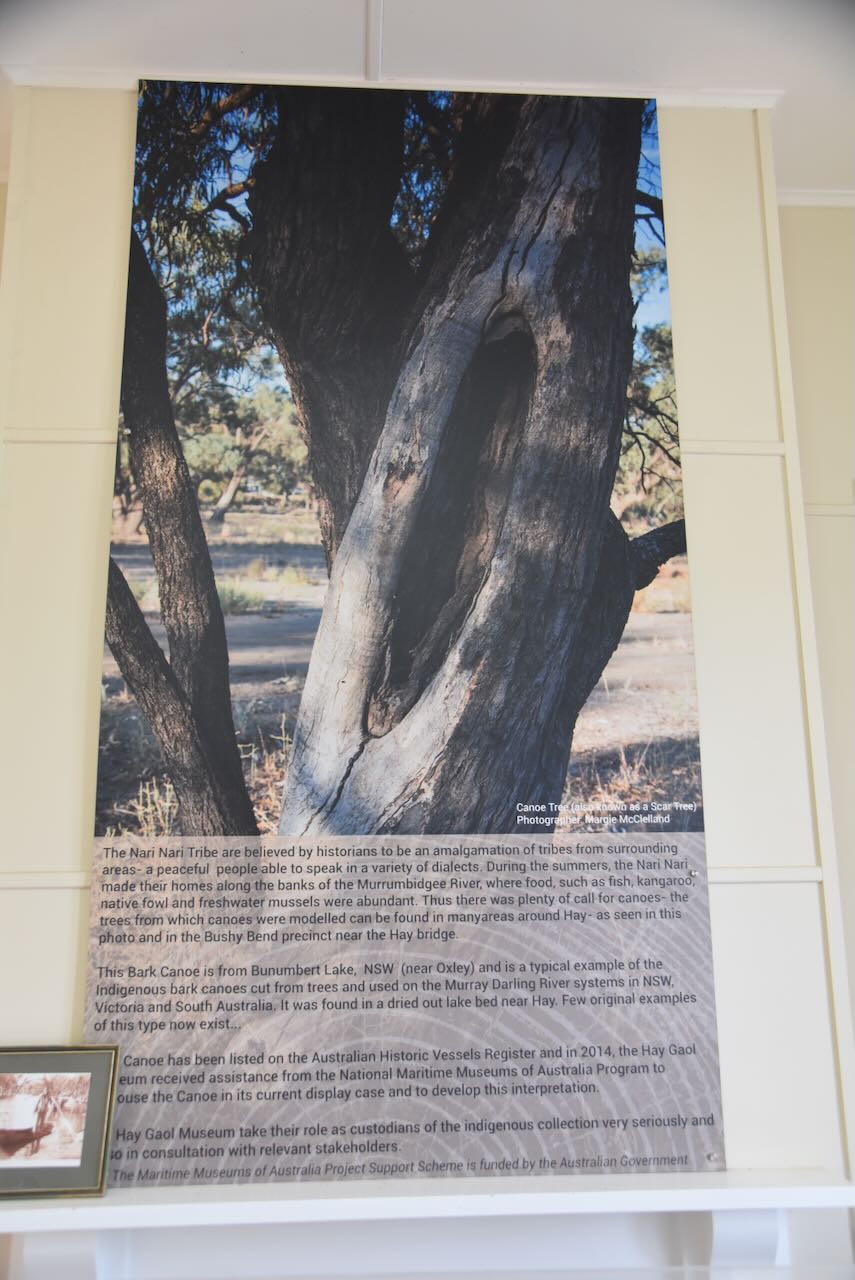
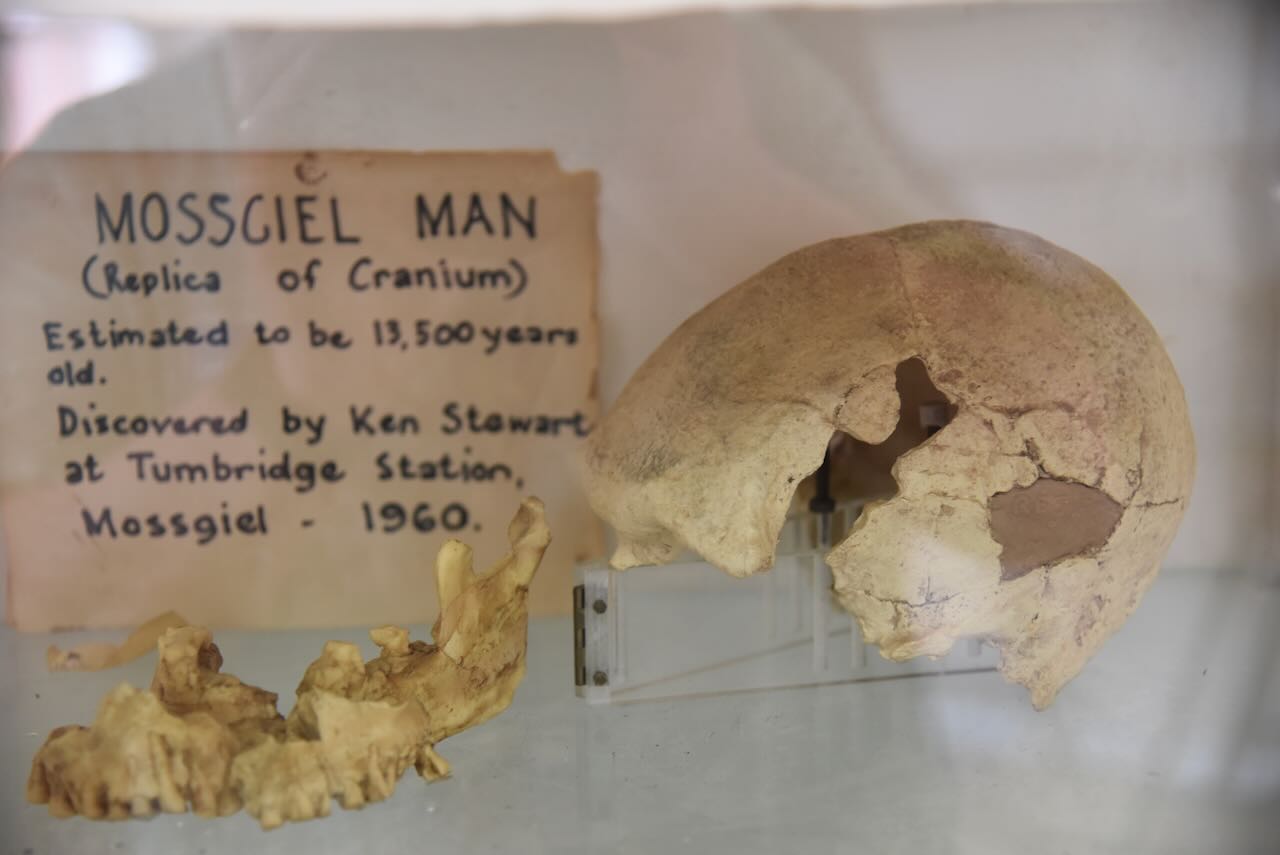
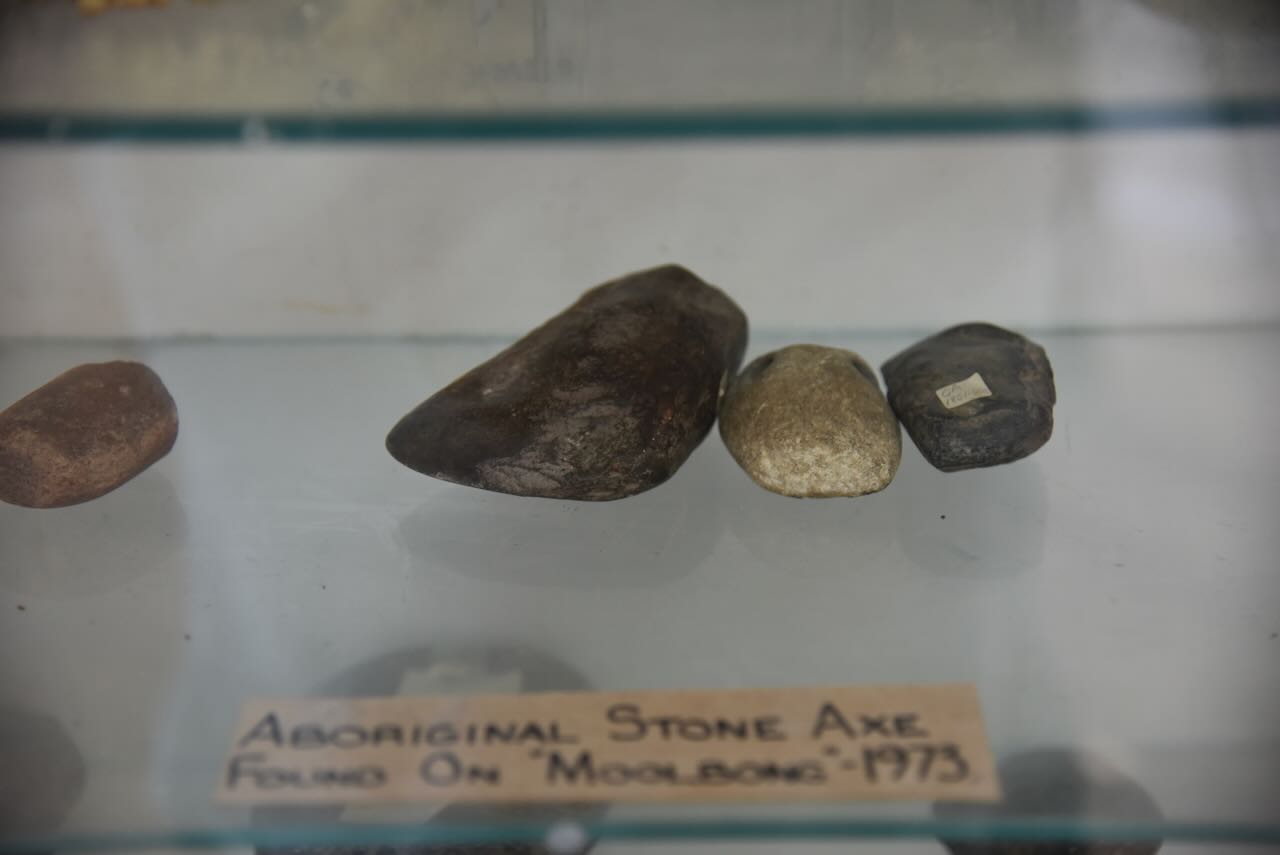
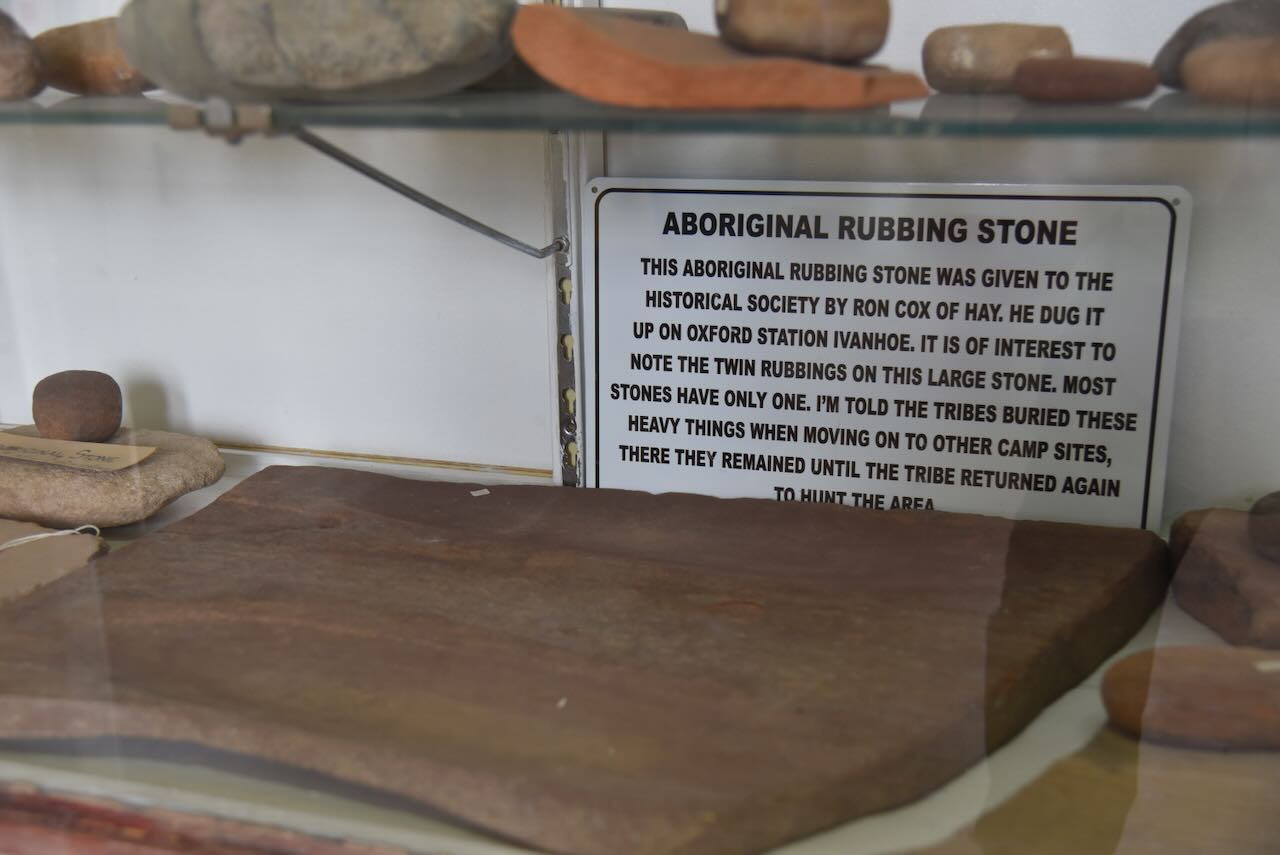
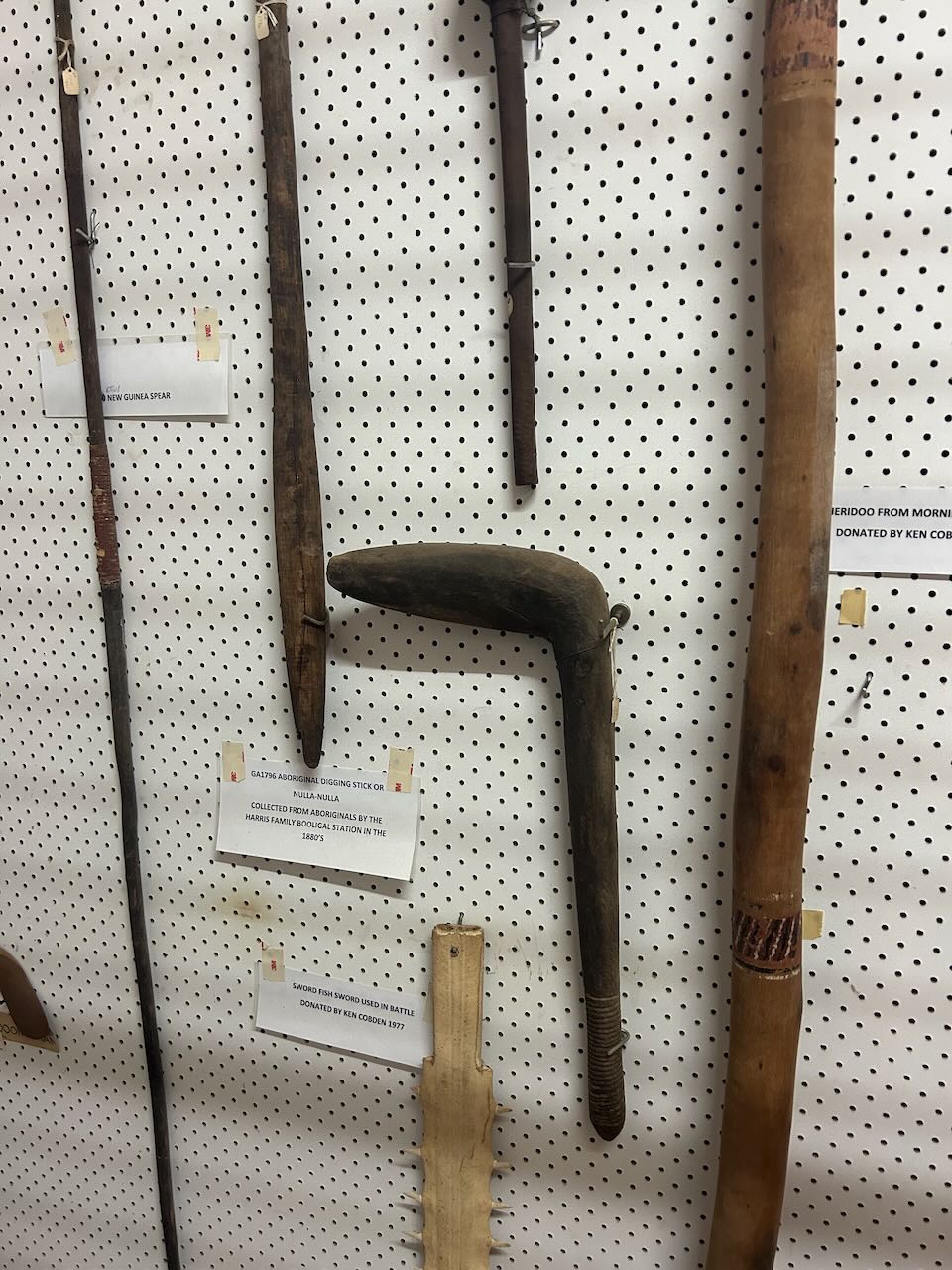
Upon entering the museum, there is a small display of Aboriginal artifacts, including an Aboriginal bark canoe, which is reported to be the oldest known bark canoe in Australia.
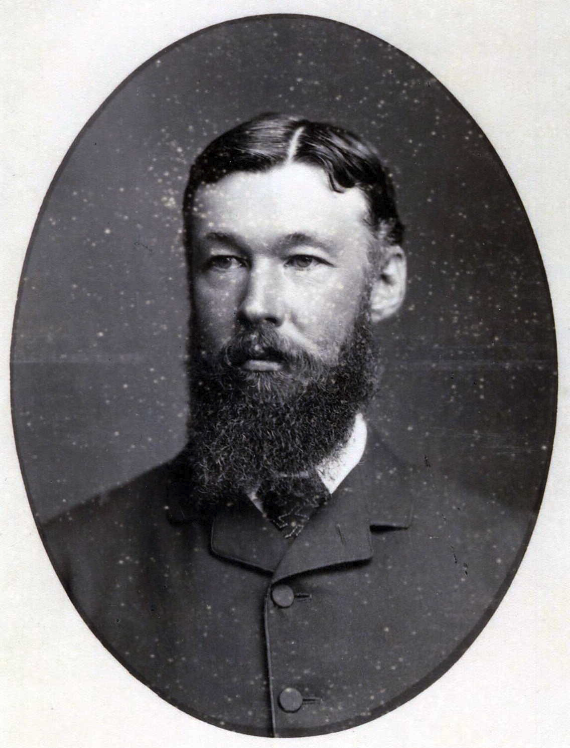
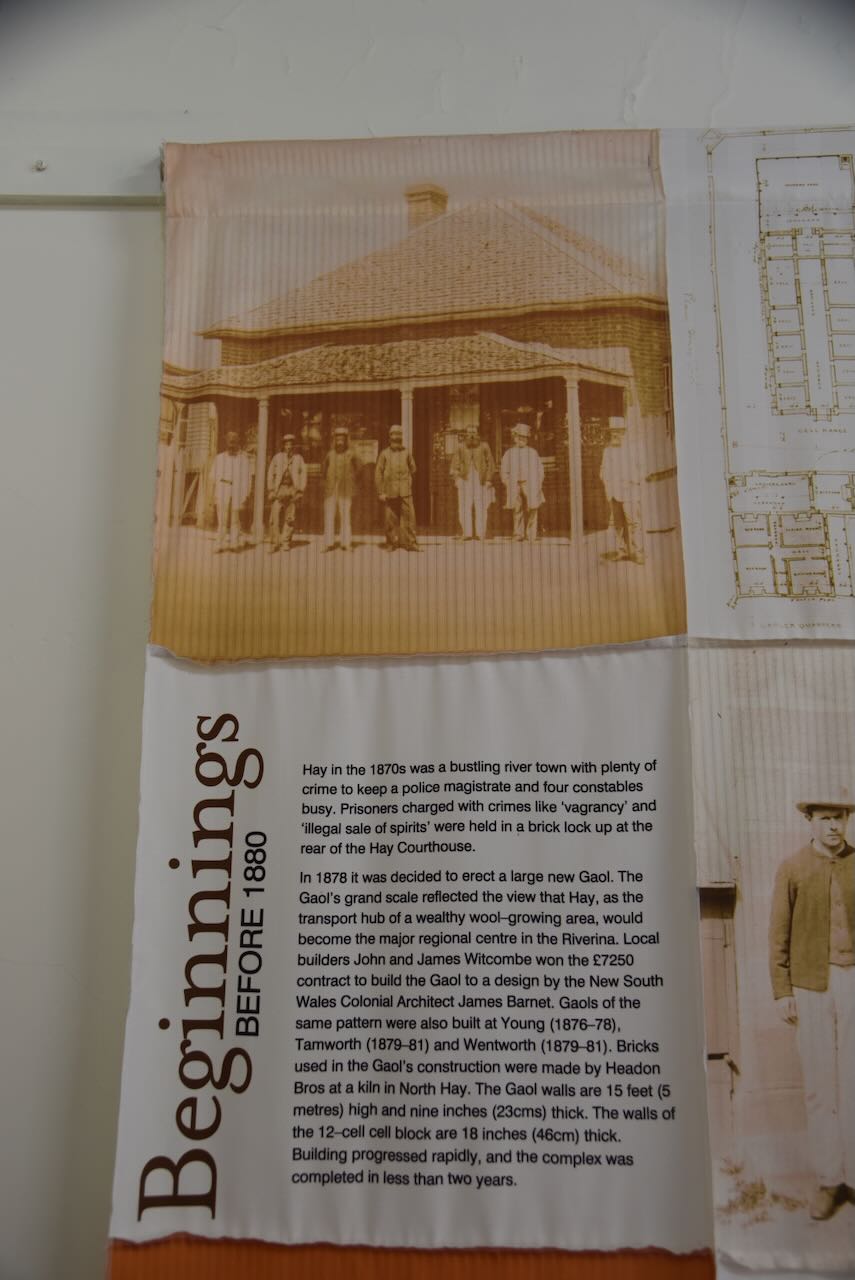
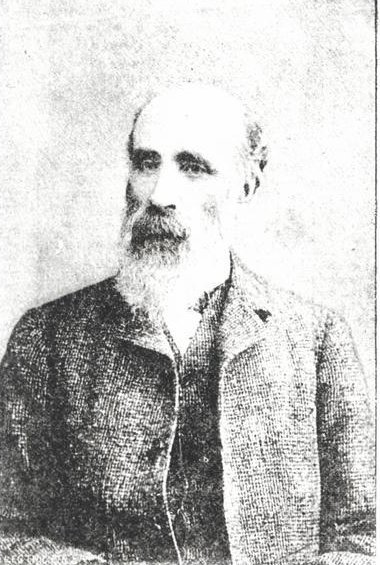
The Hay Gaol was designed by James Barnet, the Colonial Architect, and was constructed from 1879 to 1880 by a local building firm of Witcombe Brothers. (Wikipedia 2025)
Above: James Barnet. Image c/o Wikipedia
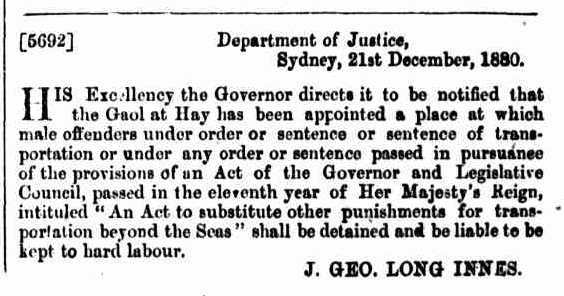
The Hay Gaol was officially opened in late 1880.
Above: Item from the NSW Govt Gazette, Fri 24 Dec 1880. Image c/o Trove
During its early years, the gaol initially operated under the control of the Police Force. However, in 1882, the first gaoler, Ghiblim Everett, was appointed. Other gaol staff included a senior warden and four other wardens. The Hay Gaol was used predominantly for offenders with short sentences. (Wikipedia 2025)
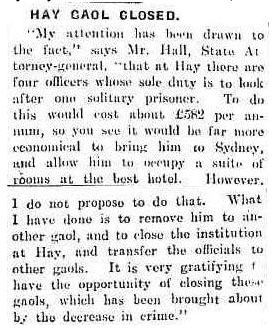
By 1915, the Hay Gaol had only one prisoner who was being supervised by four officers. It was costing £582 per year to remain open, and it was closed by the State Attorney-General. (Trove 2025)
Above: Article from The Sydney Stock & Station Journal, Fri 25 Jun 1915. Image c/o Trove
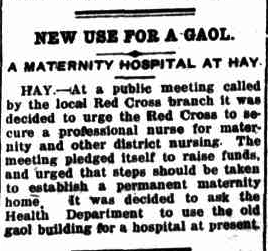
In 1919, during an outbreak of the Spanish Flu, the Hay Gaol was used as an emergency hospital to isolate patients. By 1921, the Red Cross Society had turned the Gaol into a maternity home. (Wikipedia 2025)
Above: article from the Young Witness, Thu 21 Apr 1921. Image c/o Trove
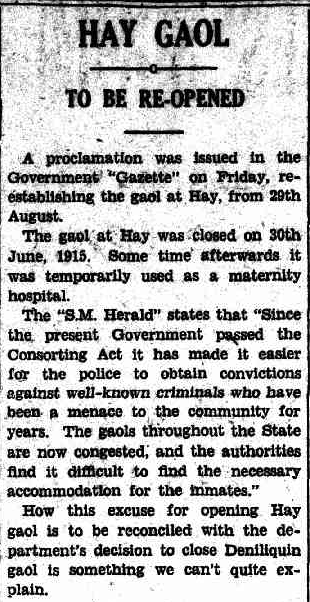
By 1930, the Gaol was reopened due to congestion of other gaols around New South Wales. Harry Hood was appointed as the Governor. The Gaol operated until
Above: Article from The Pastoral Times, Tue 2 Sept 1930. Image c/o Trove
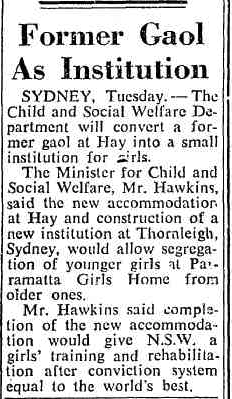
During the Second World War, the gaol was used as a prisoner-of-war and internment centre. Between 1961 to 1974, the Hay Gaol was run by the New South Wales Child Welfare Department as the Hay Institution for Girls. It was a maximum security institution for girls aged between 15 and 18. This institution was a result of rioting at Parramatta Girls’ Home. Hay was to be used for girls whose behaviour was considered too difficult to be managed at Parramatta.
Above: article from The Canberra Times, Wed 26 Jul 1961. Image c/o Trove
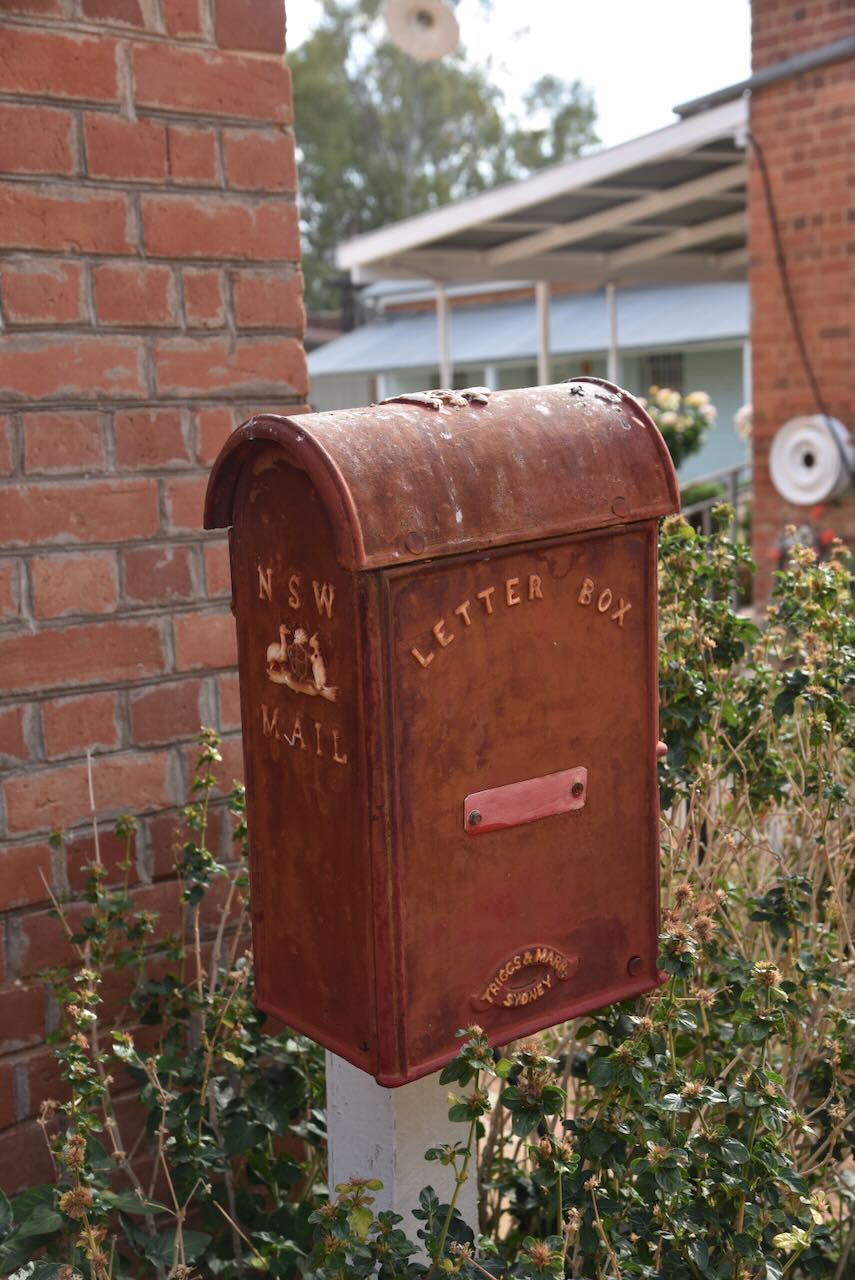
One of the first things that you see upon entering the prison grounds is an old letterbox.
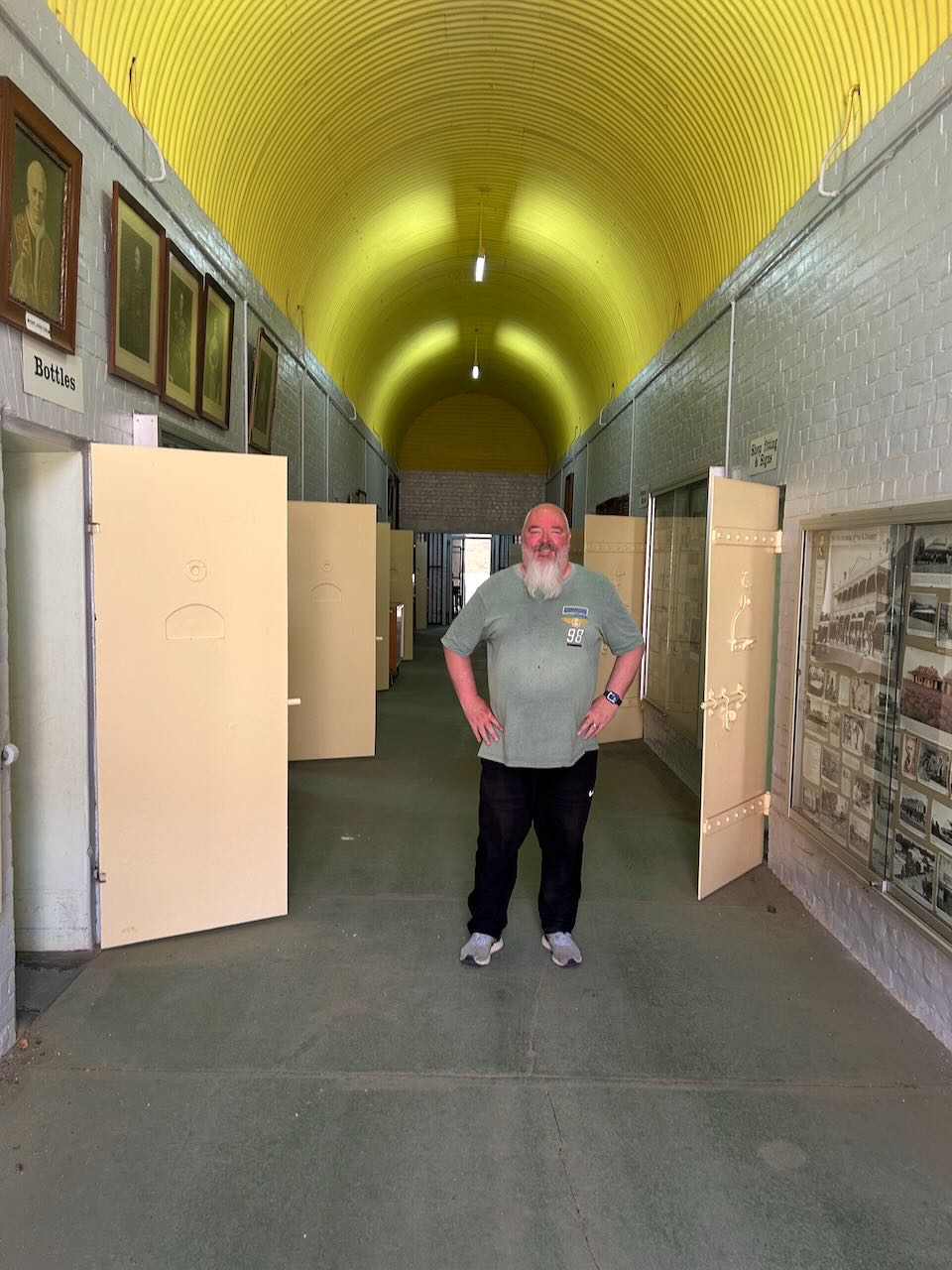
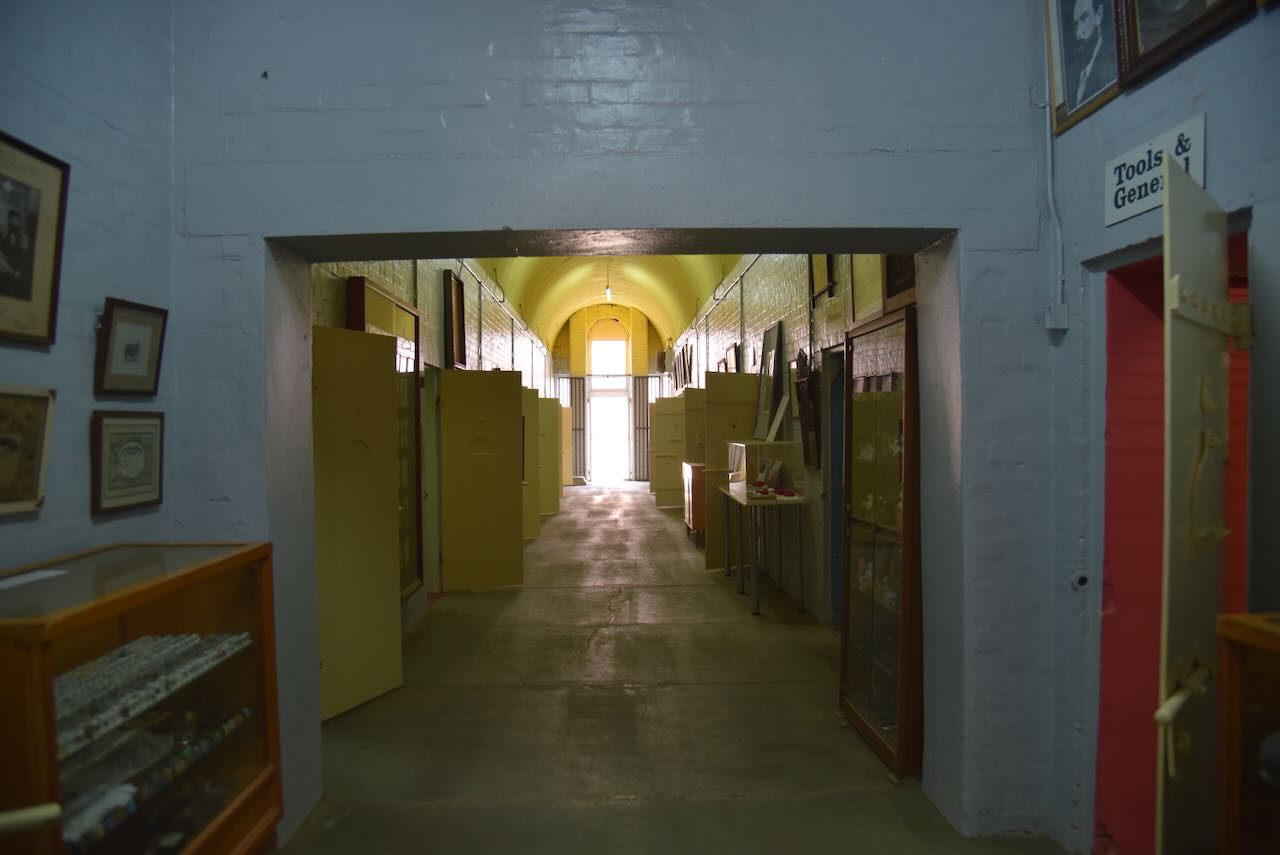
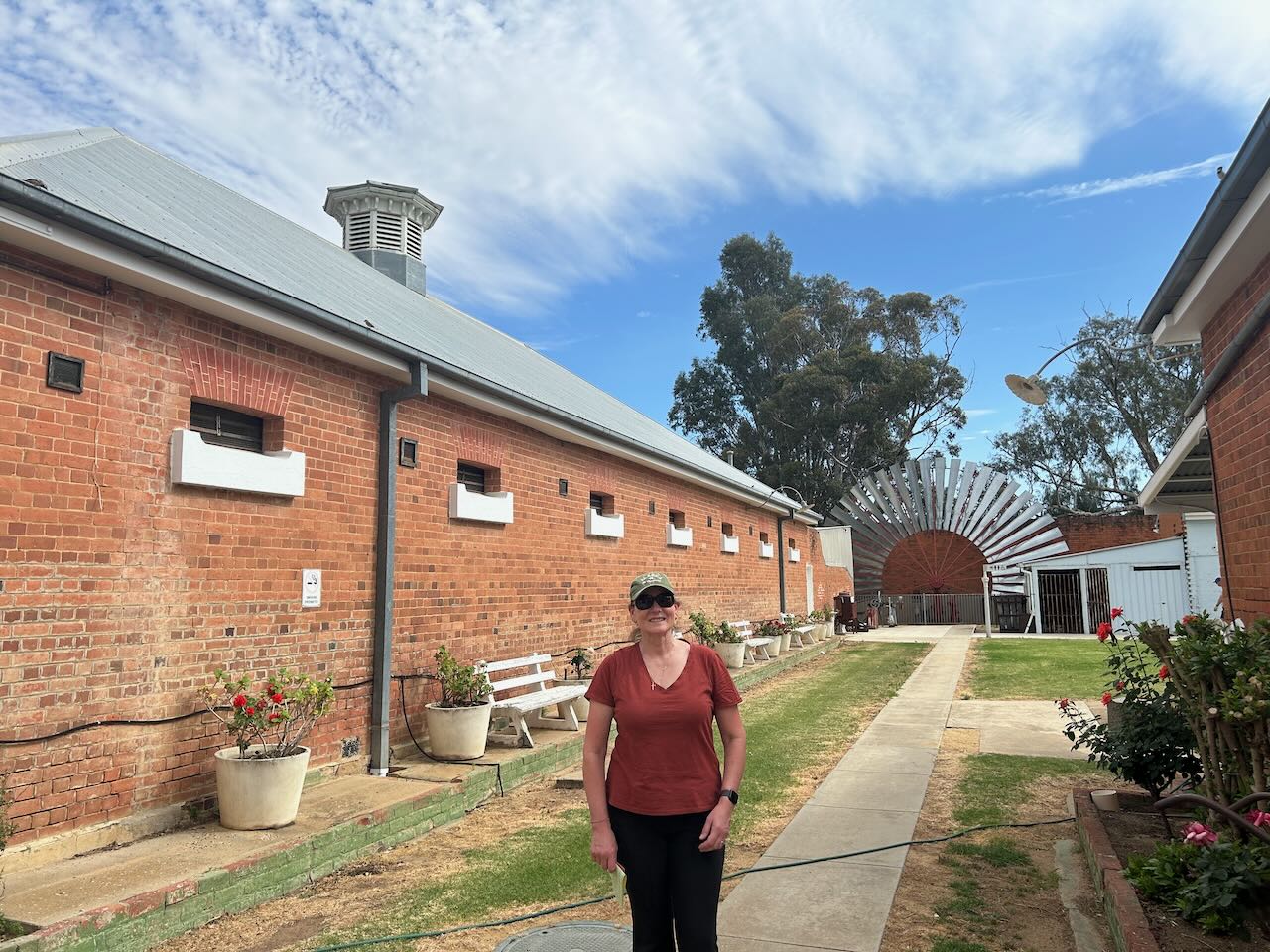
The cell block contains 14 cells. The brick walls of the cell block are 46 centimetres thick. (Wikipedia 2025)
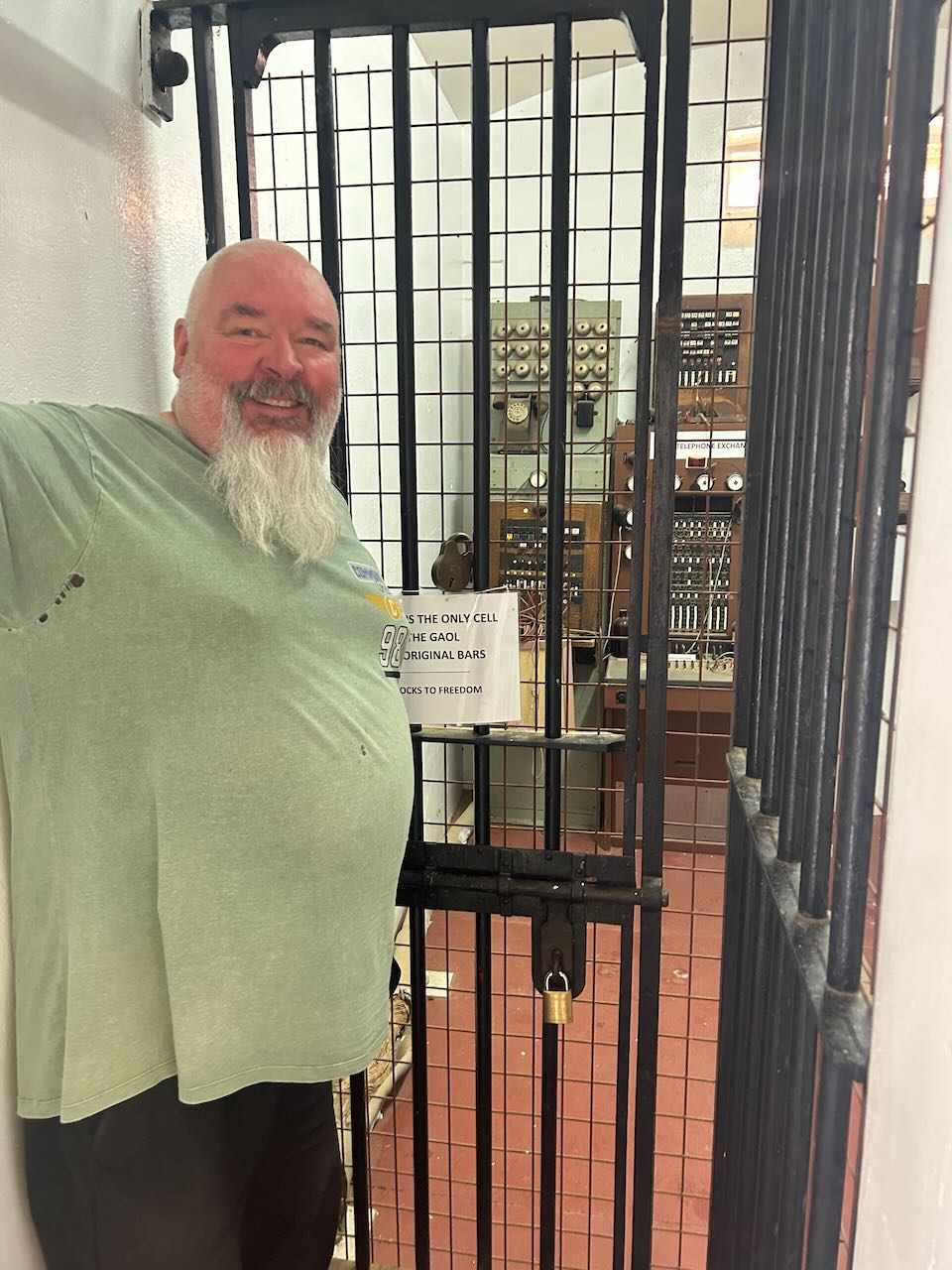
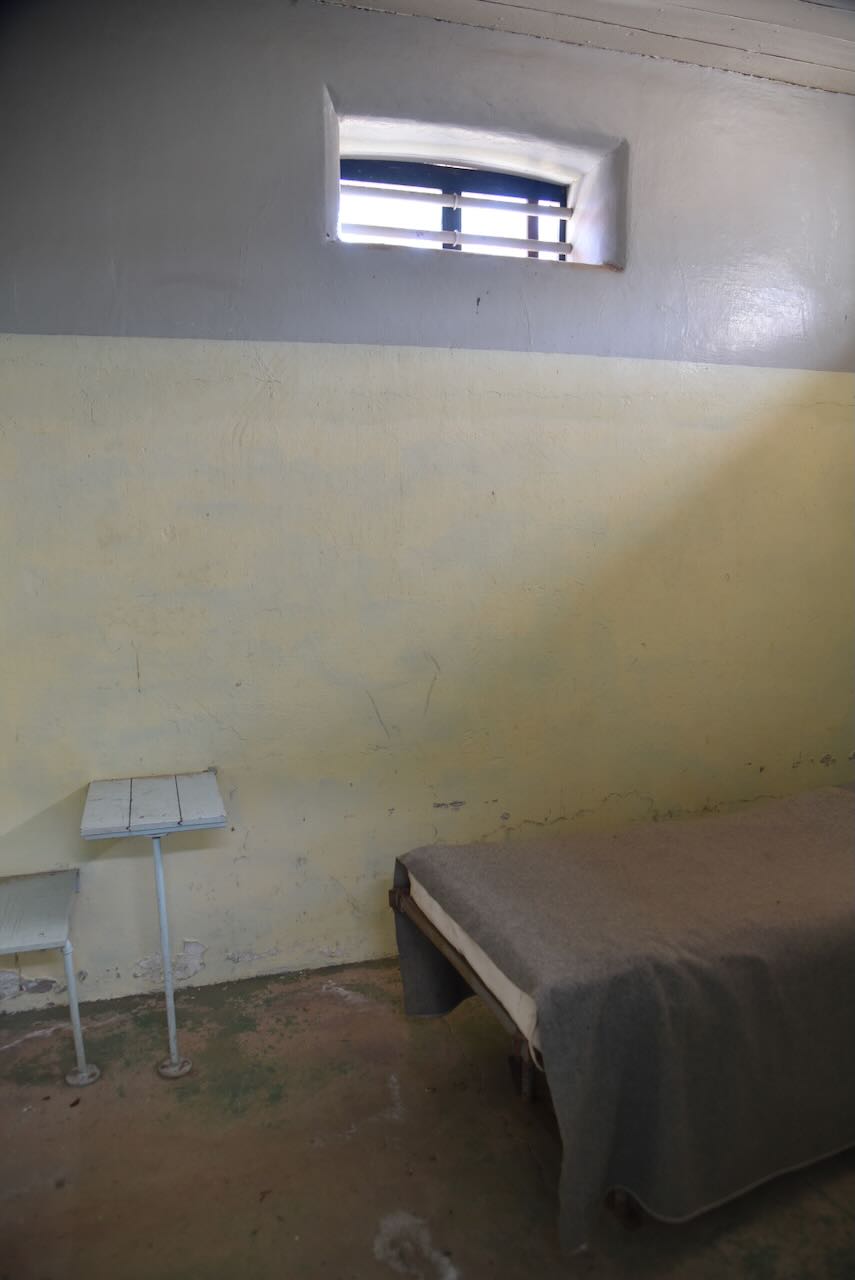
The cells have small barred windows and thick iron doors with peepholes. (Wikipedia 2025)
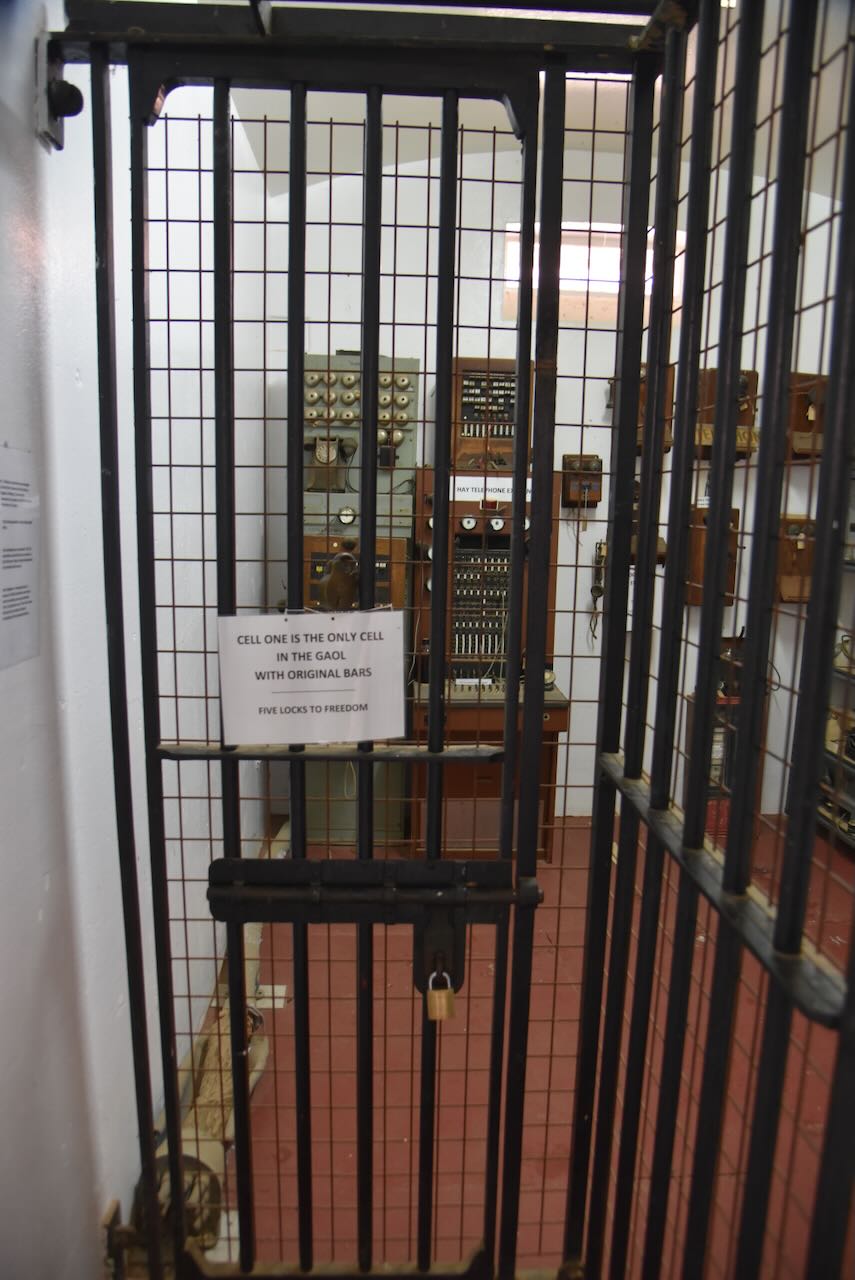
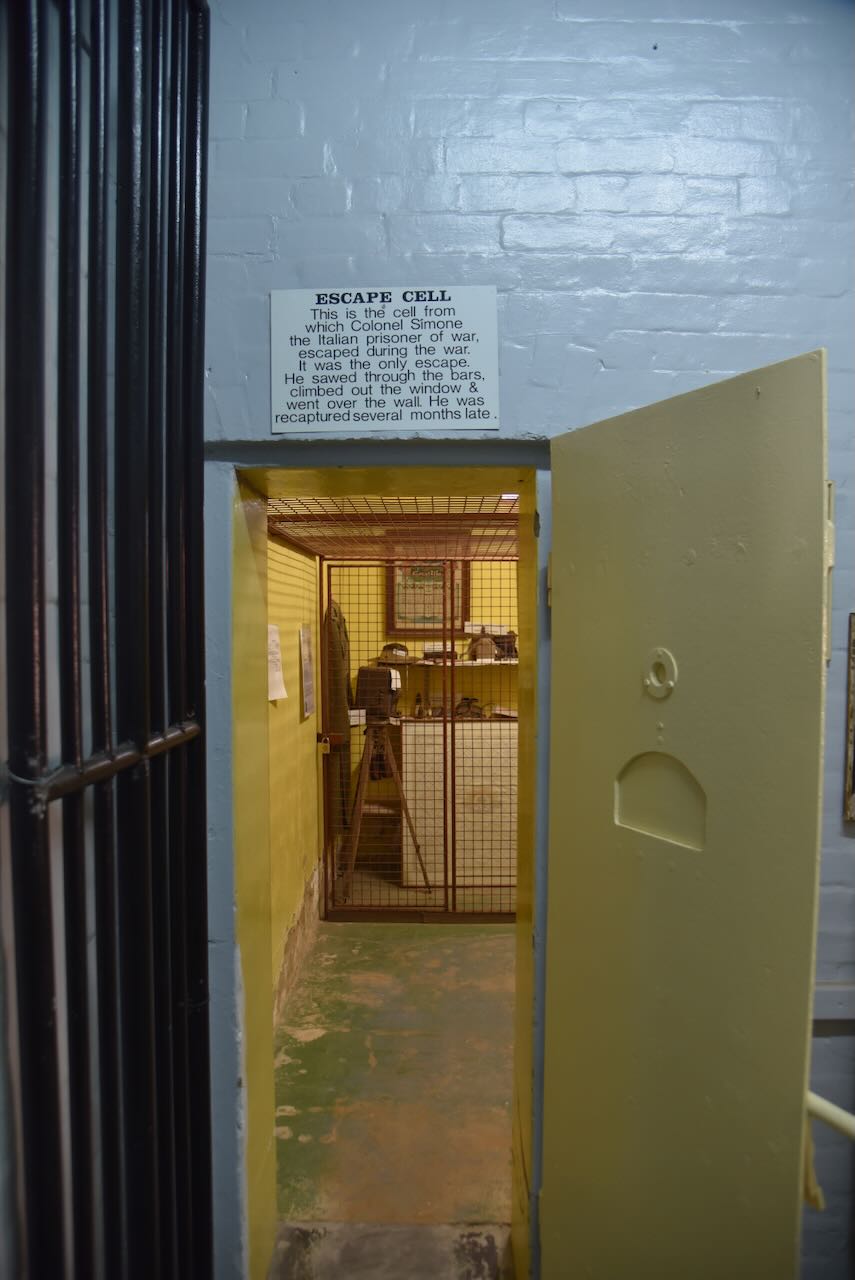
The cell below is the only cell in the Gaol with original bars.
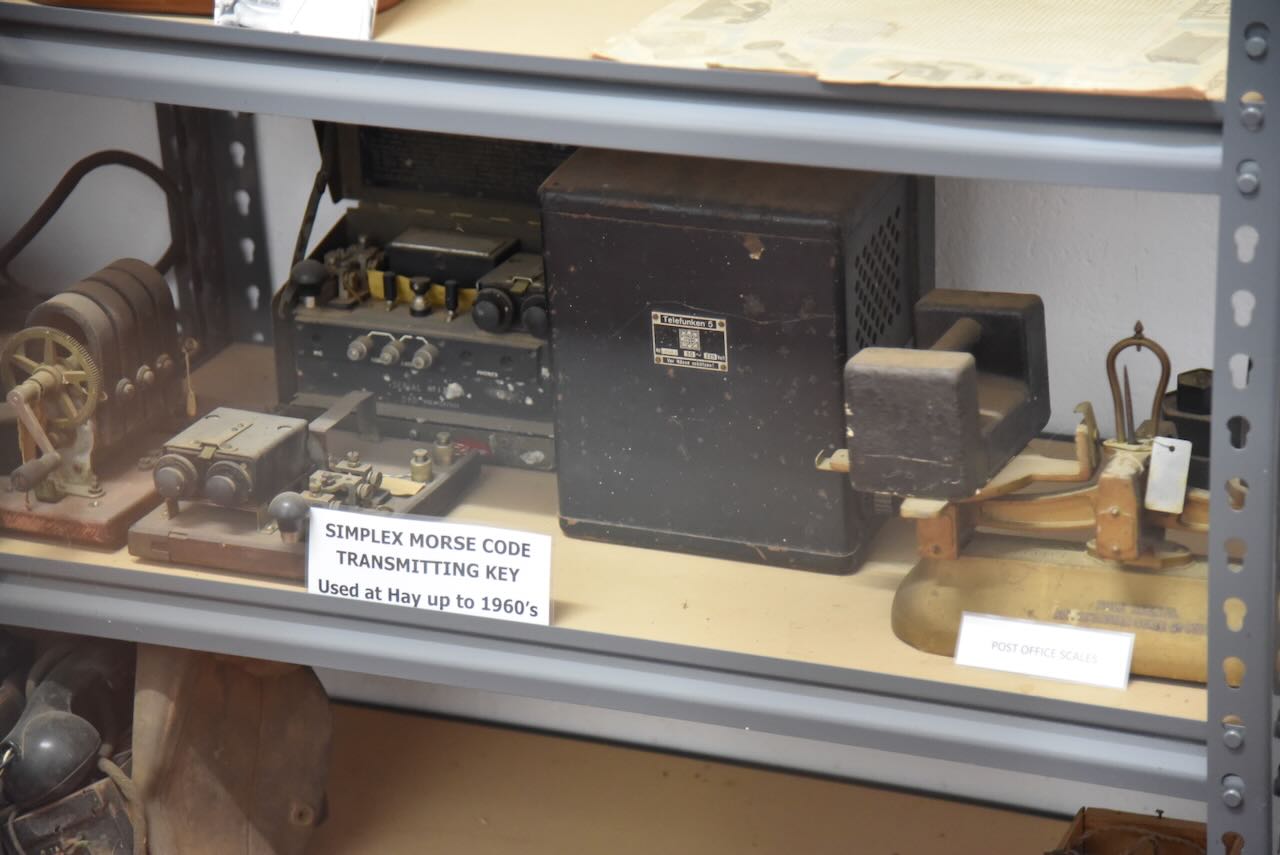
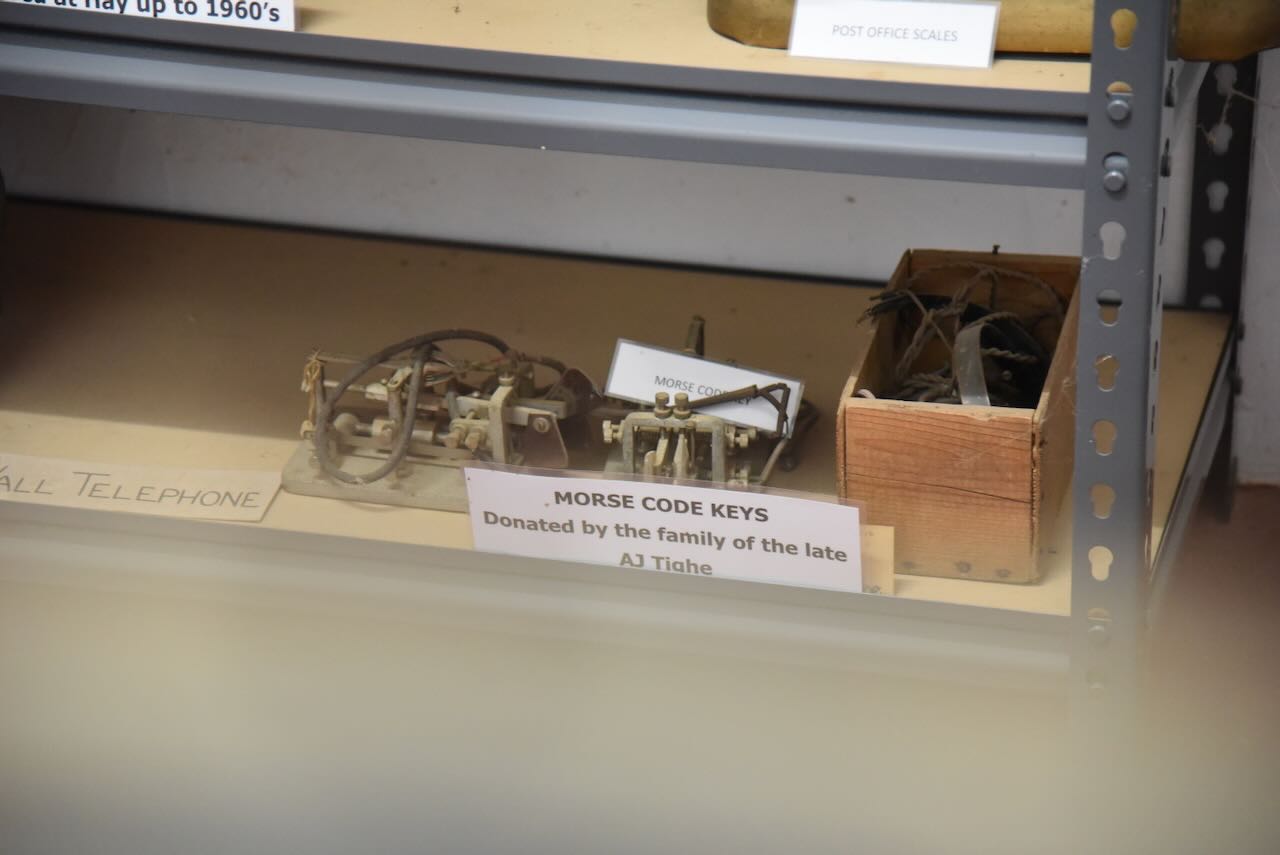
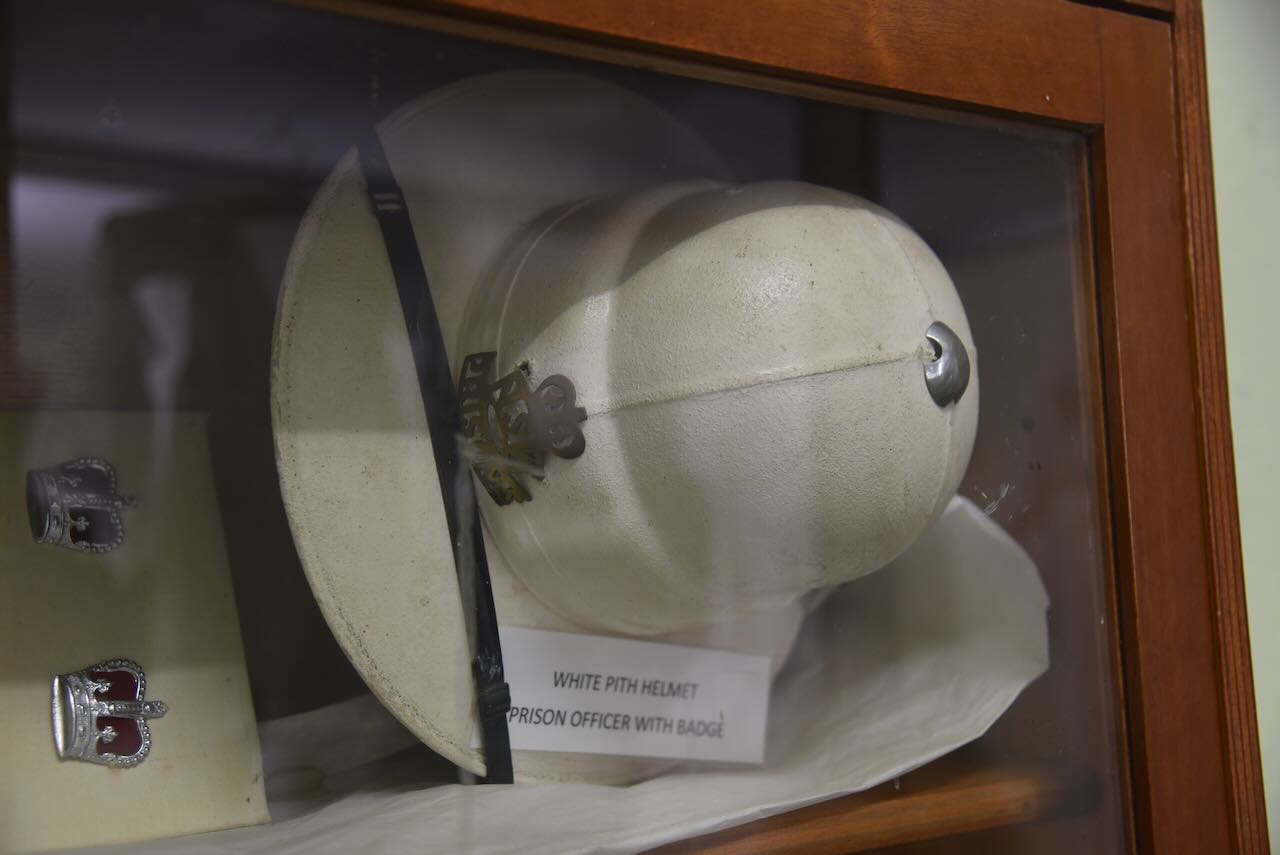
Each of the cells houses various displays.
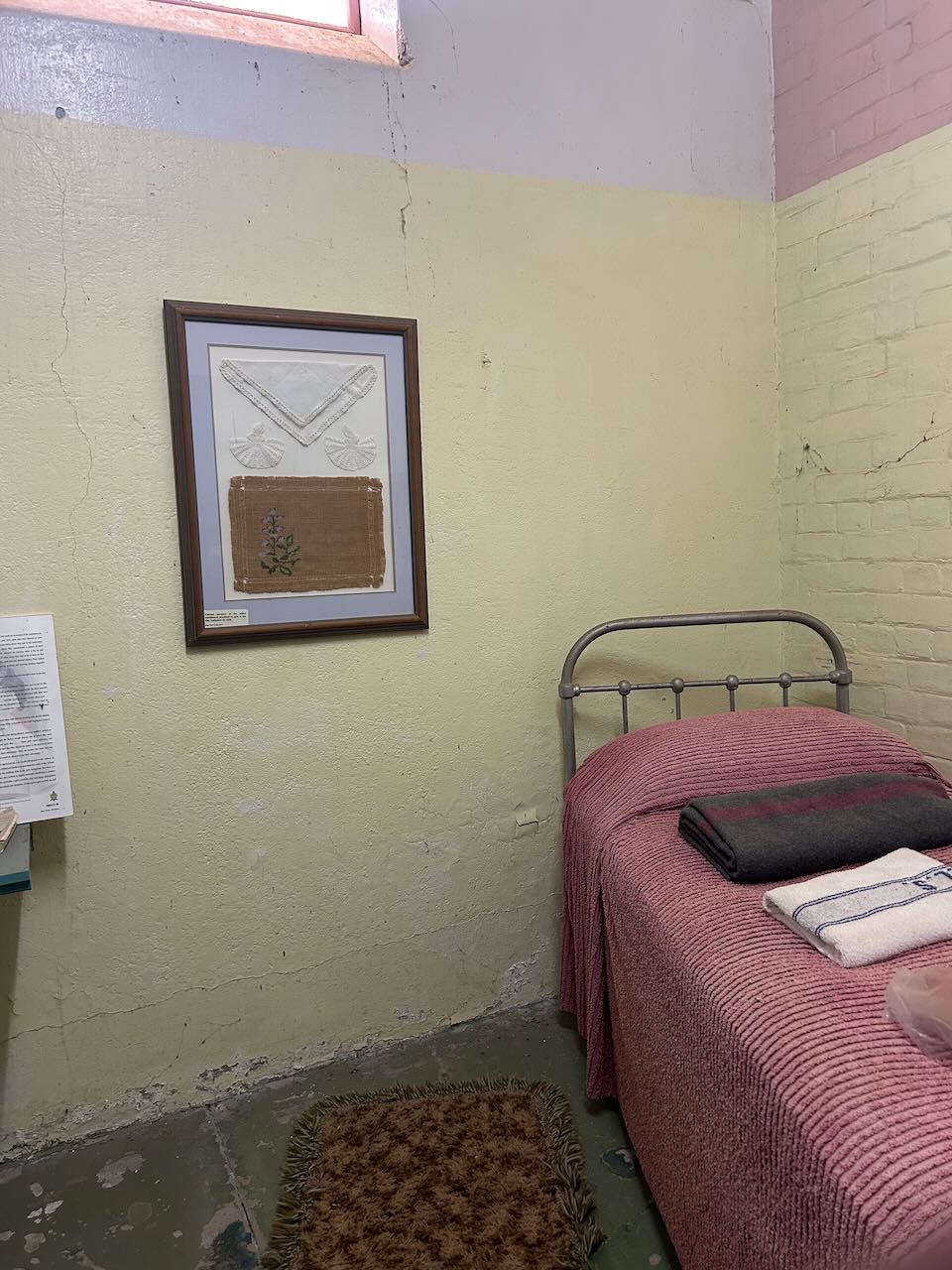
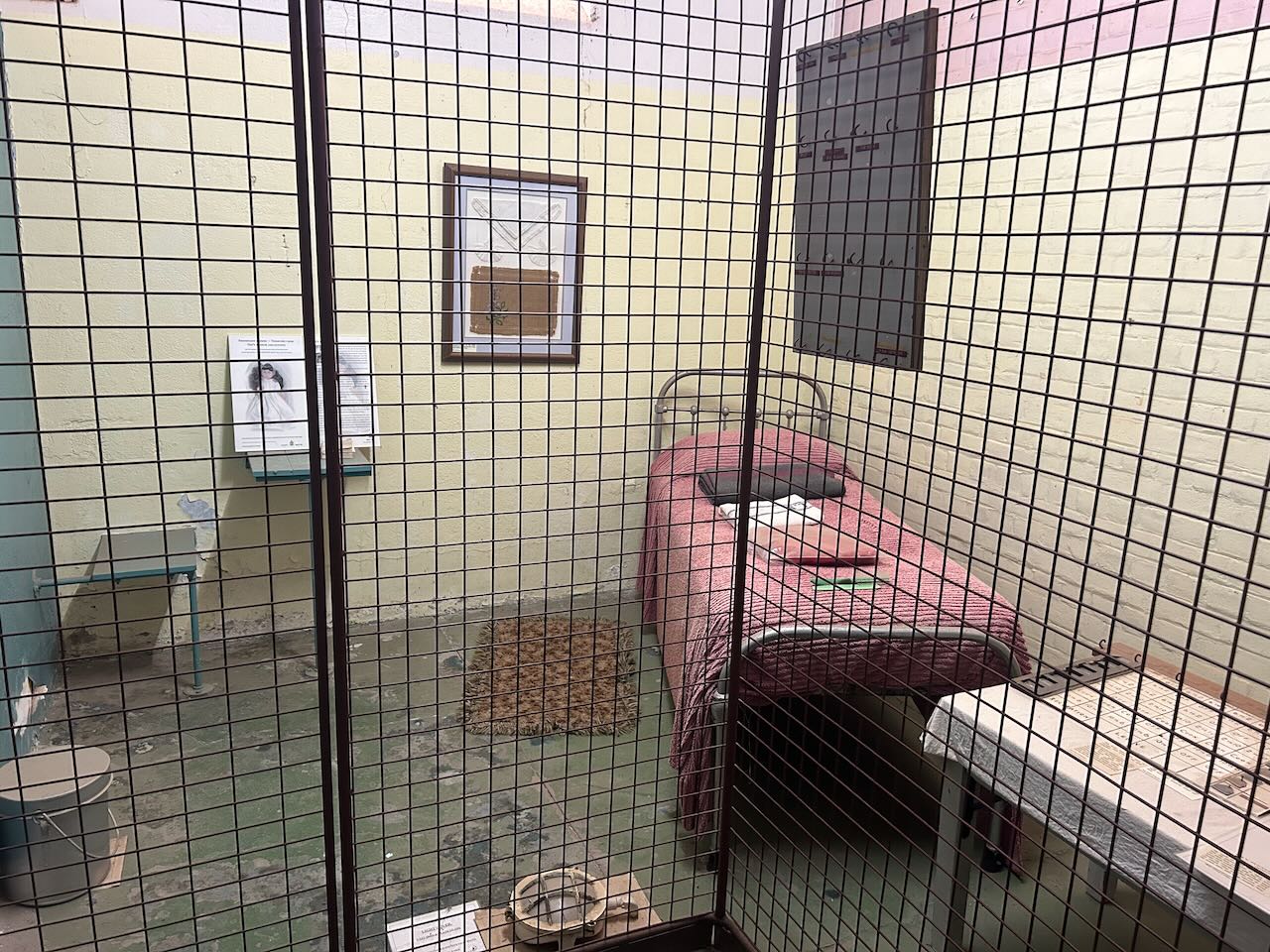
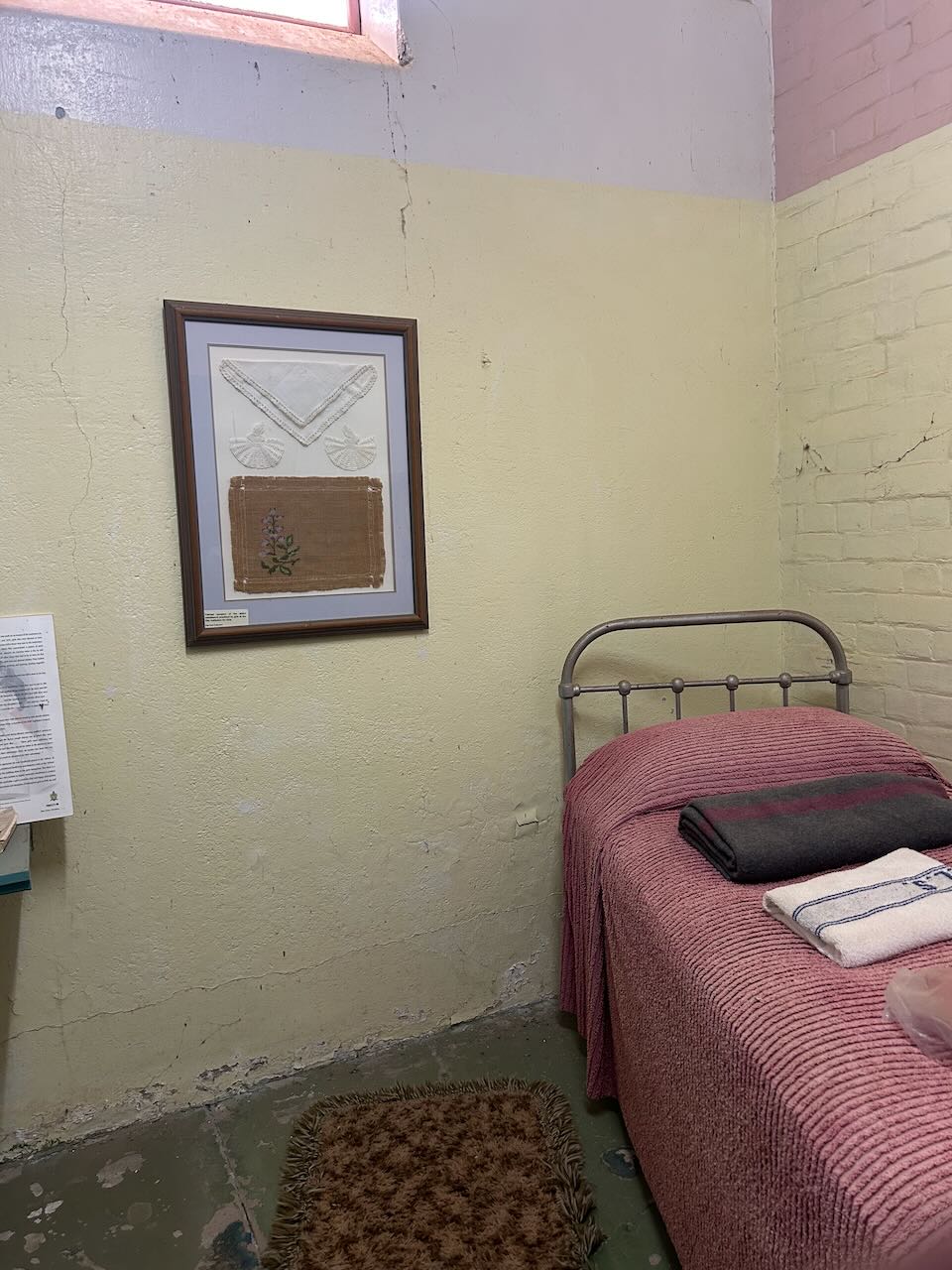
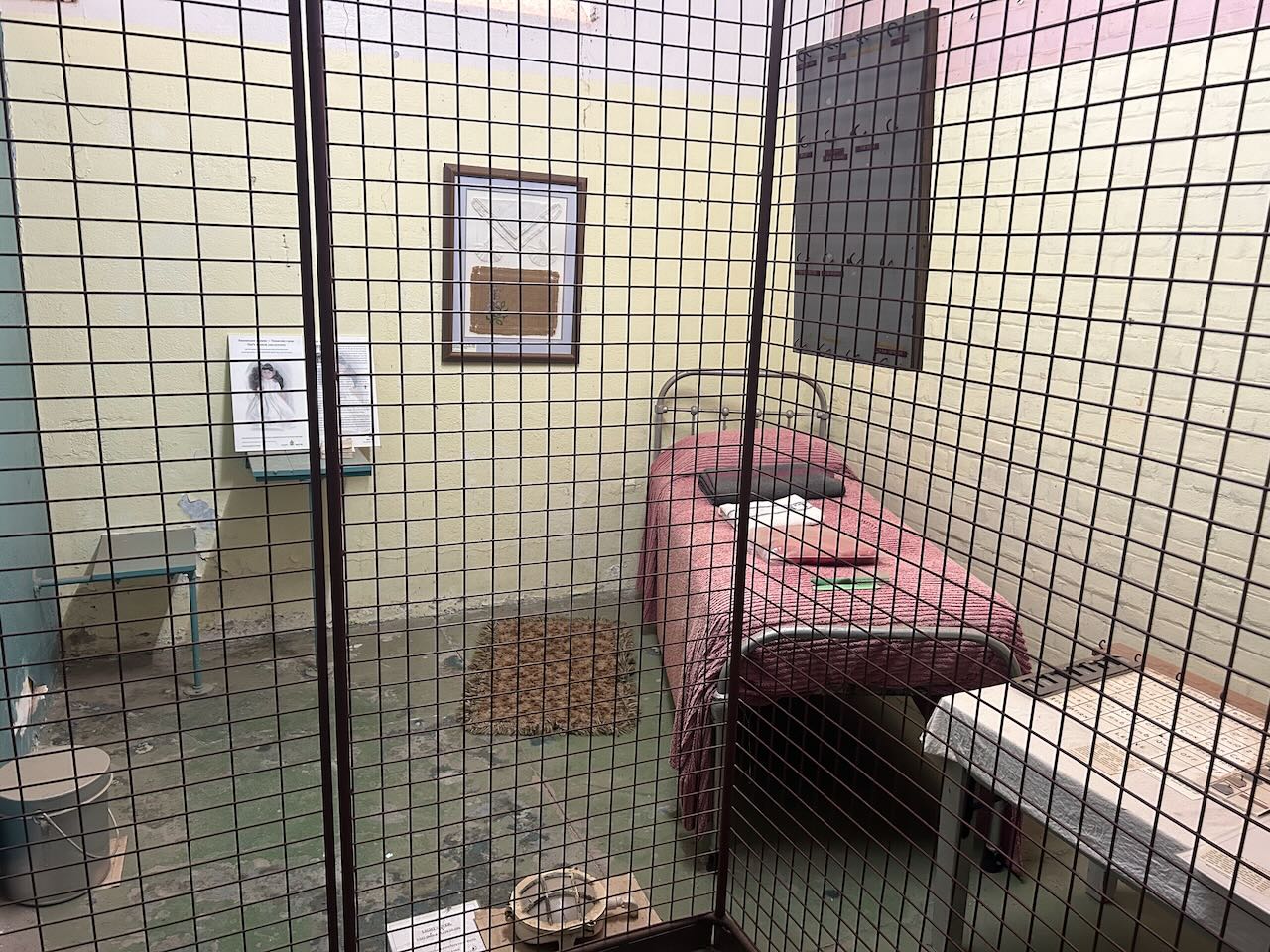
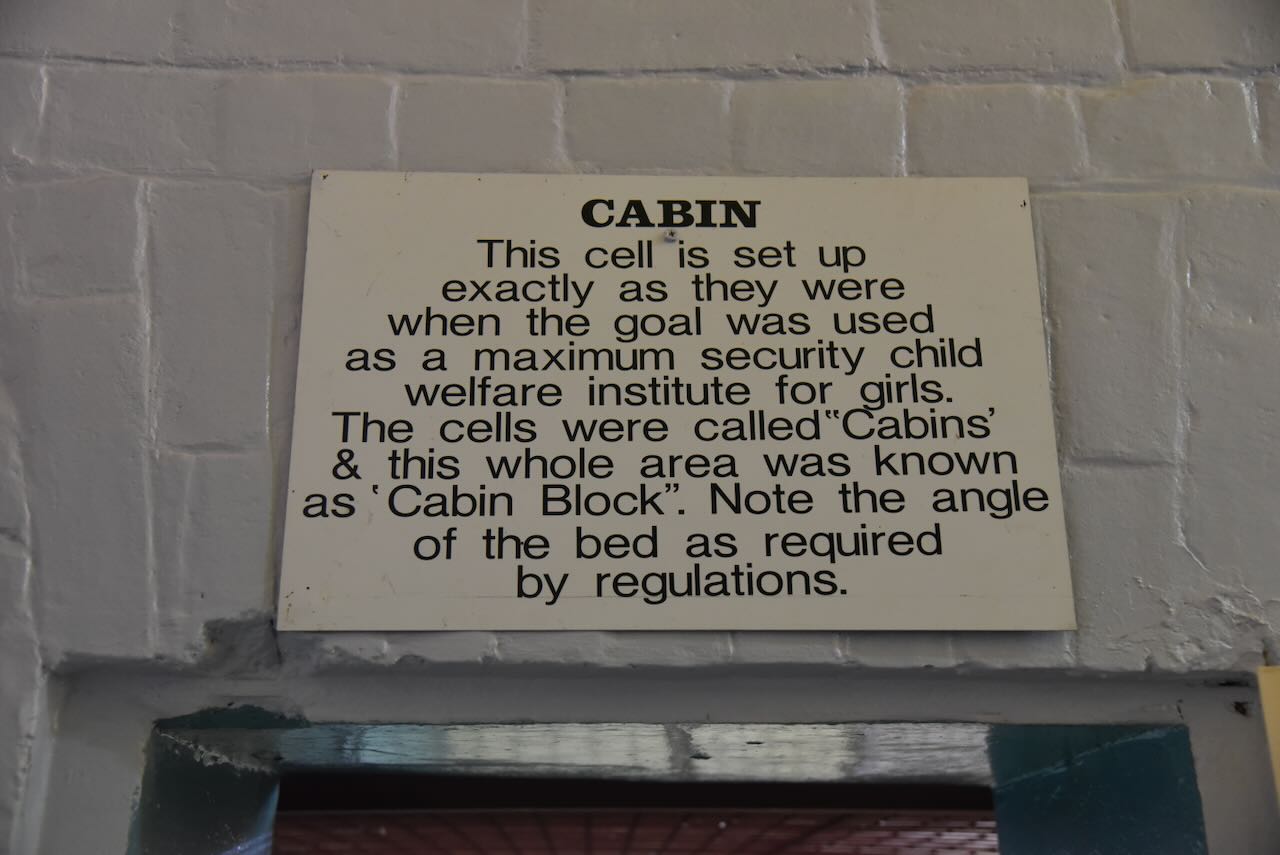
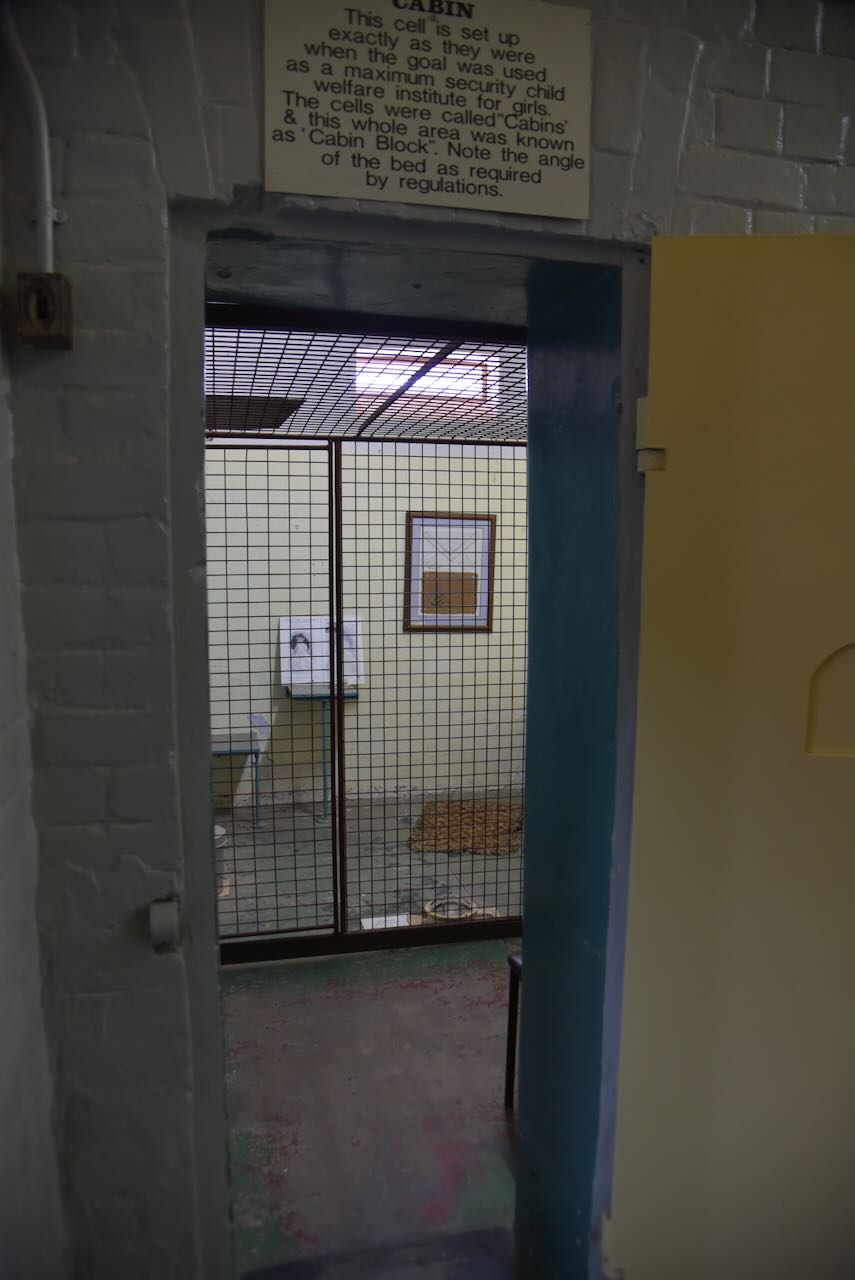
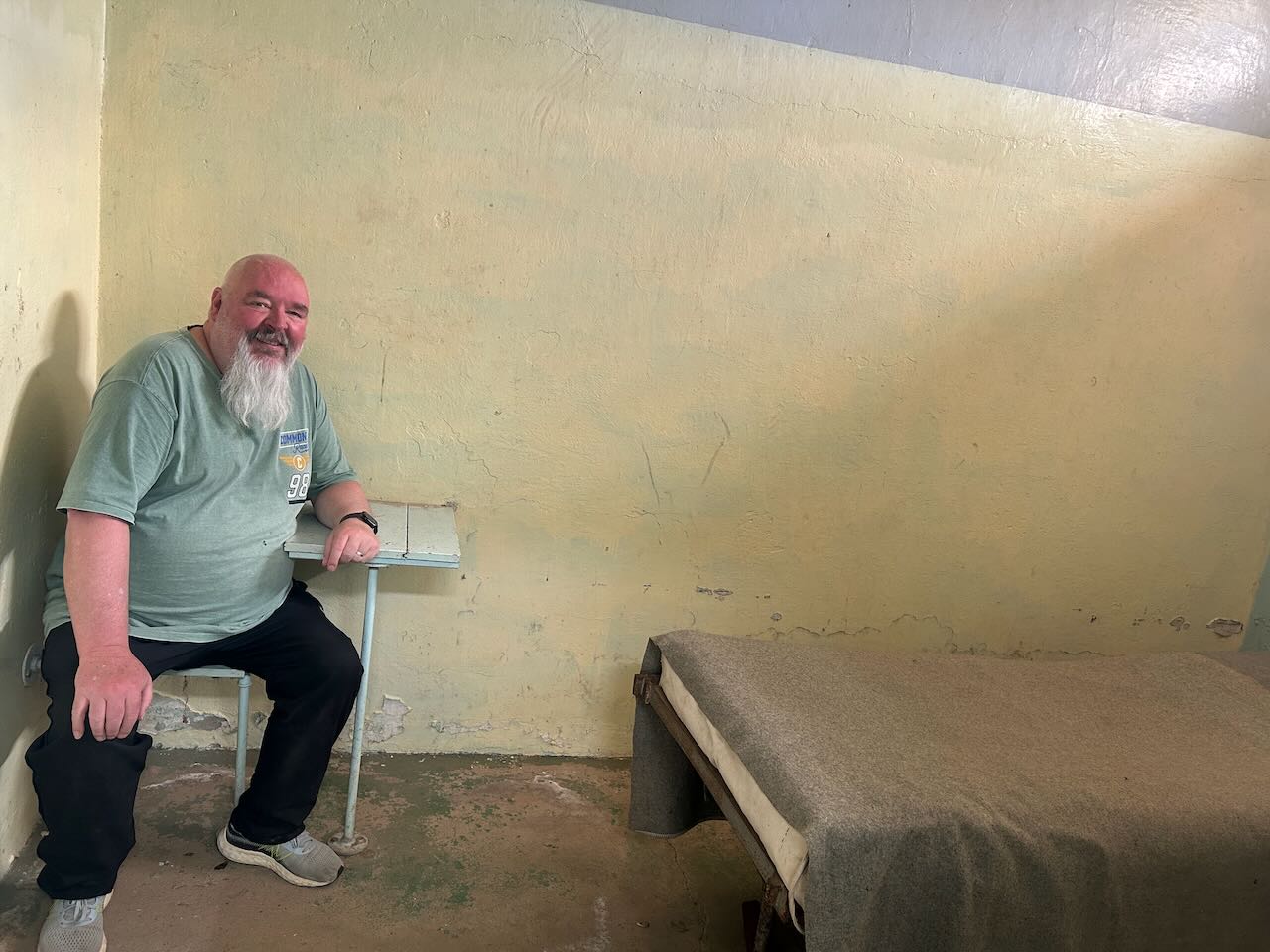
There is a cell which is set up exactly as it was when the gaol was used to house wayward girls. The cells were called ‘Cabins’, and the whole area was known as ‘Cabin Block’.
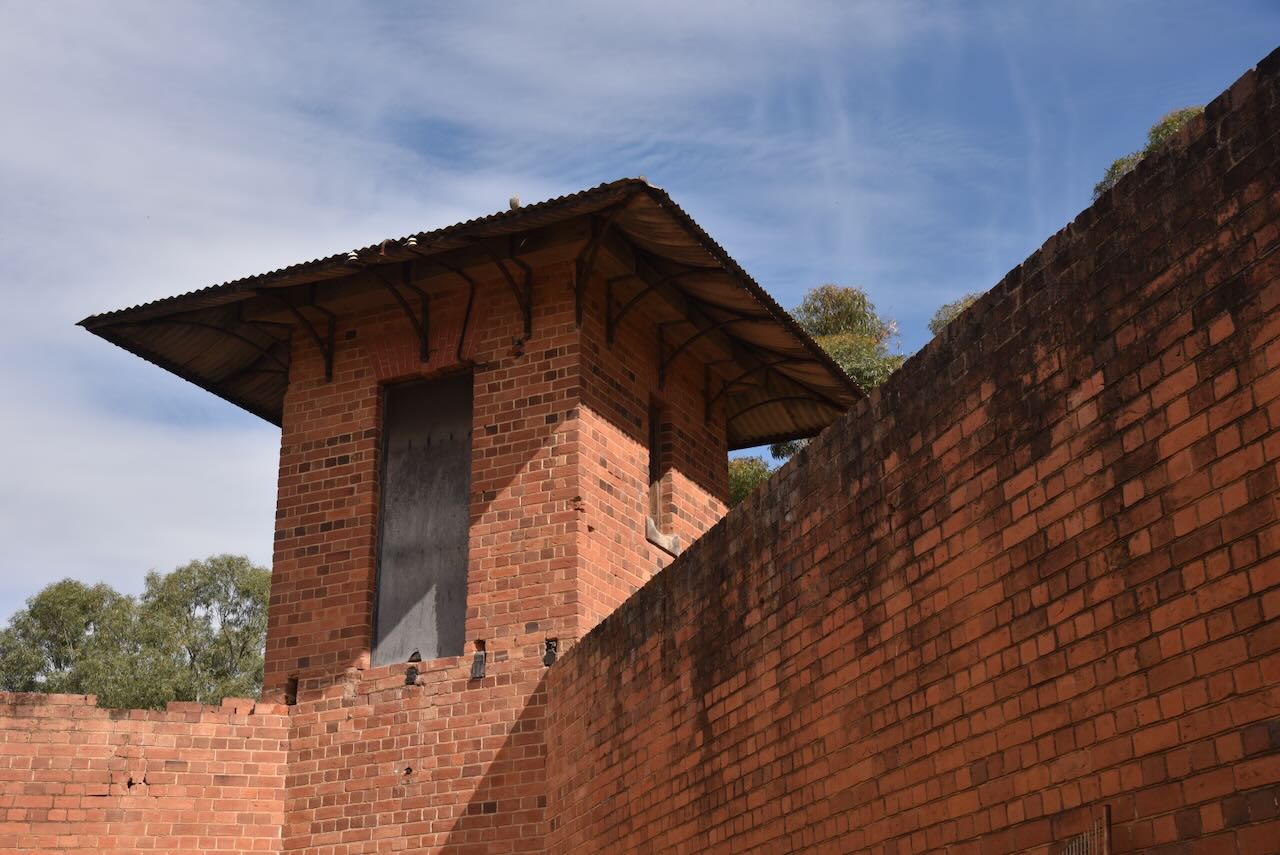
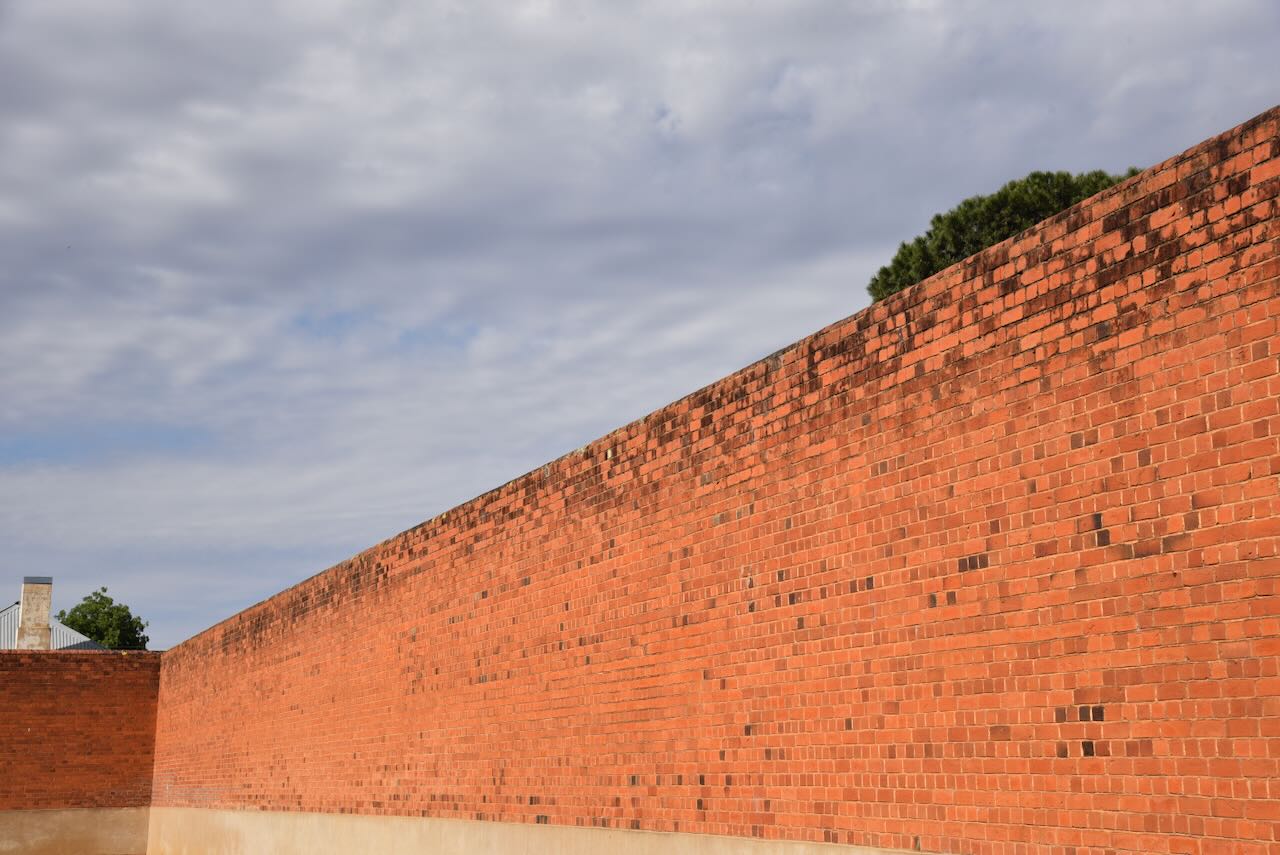
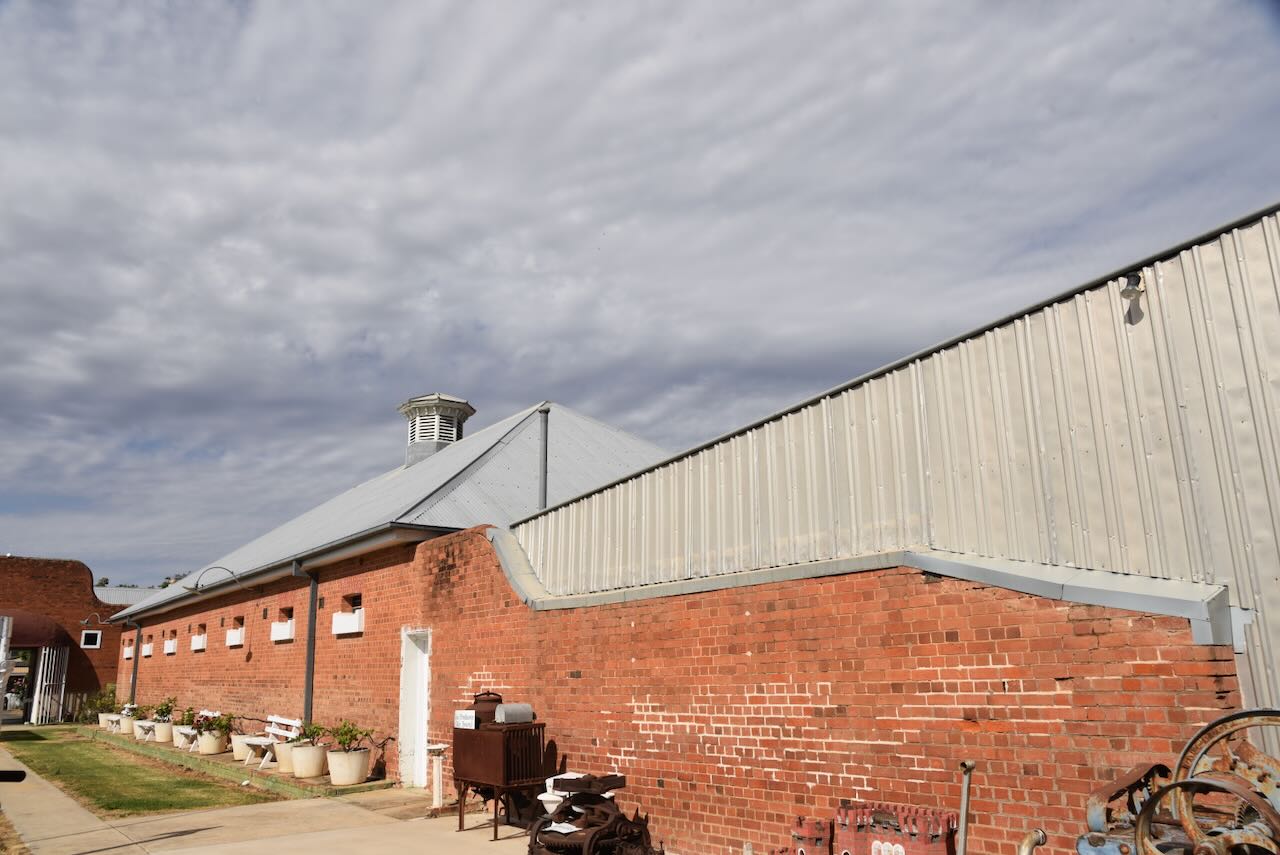
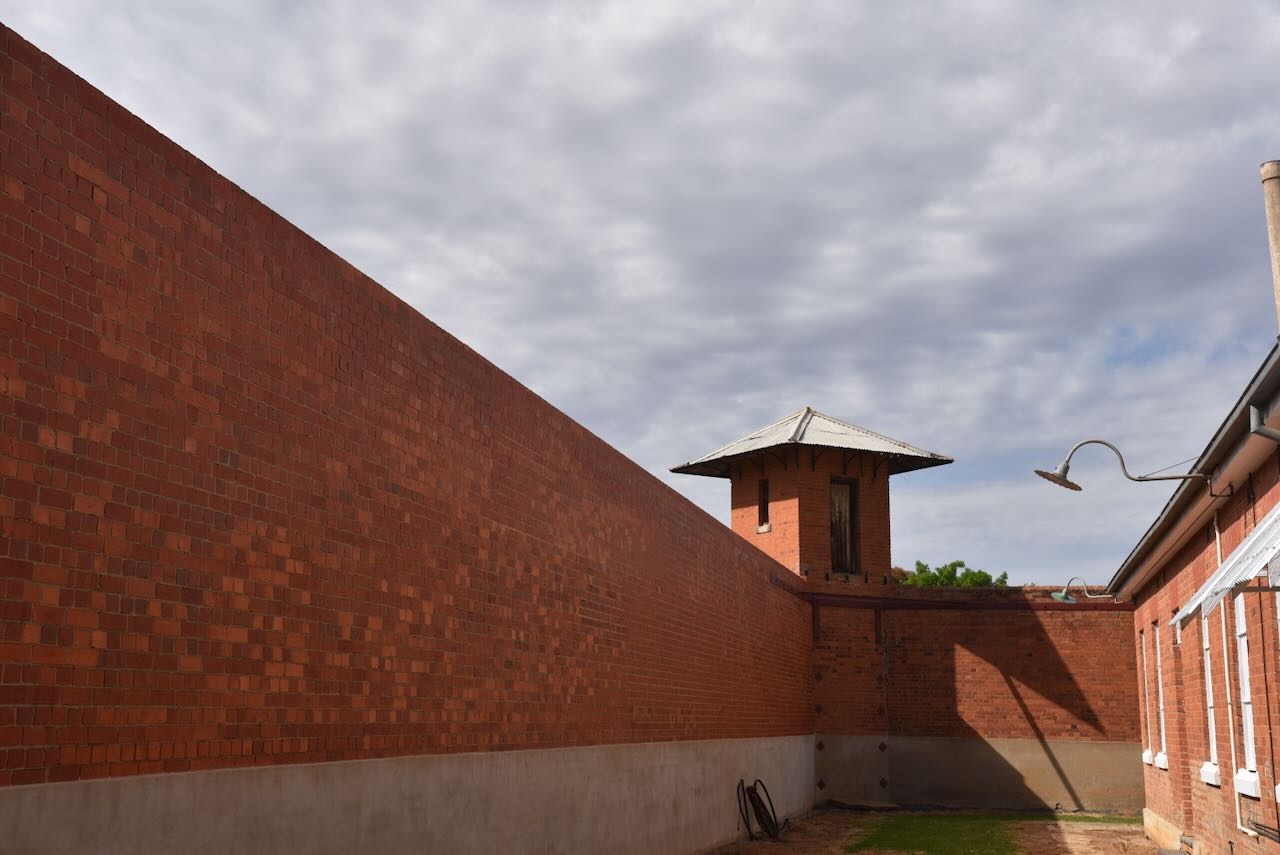
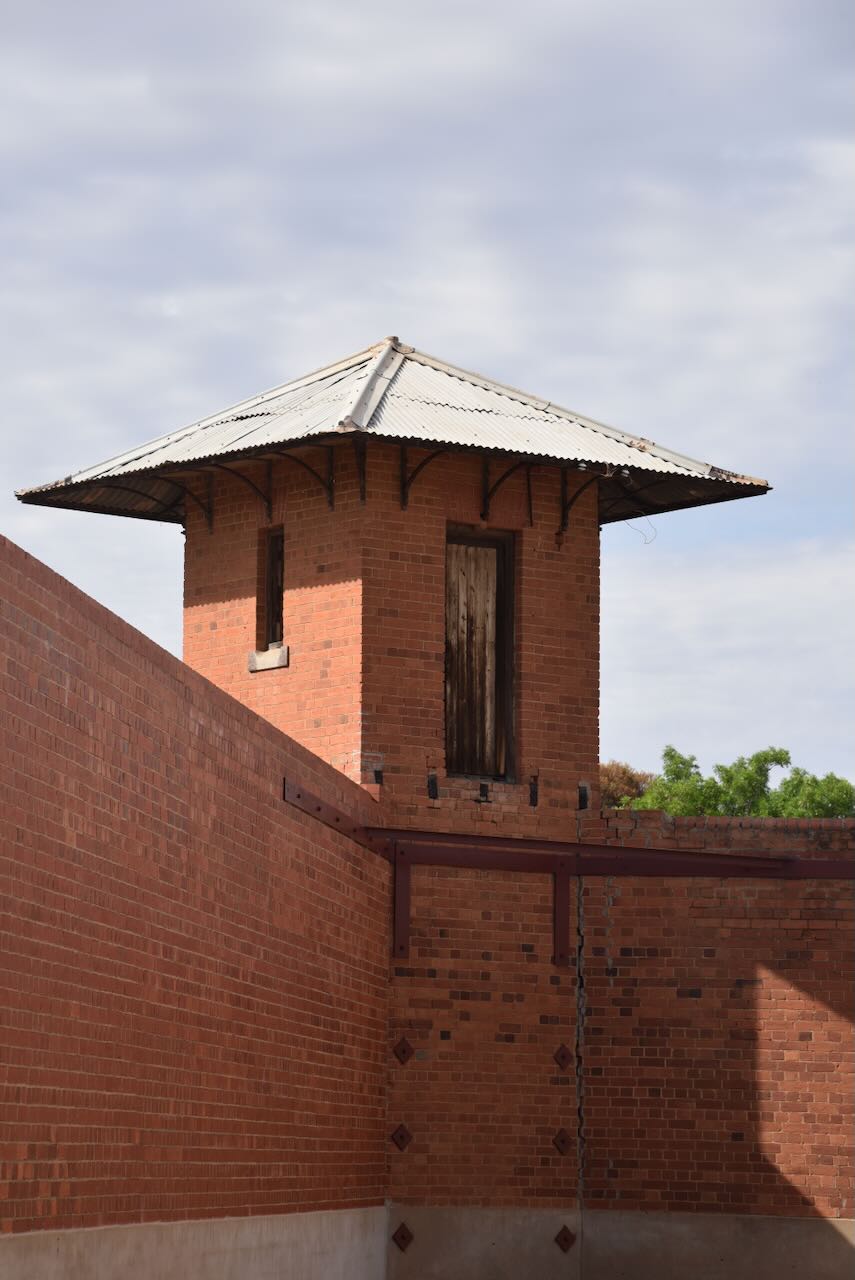
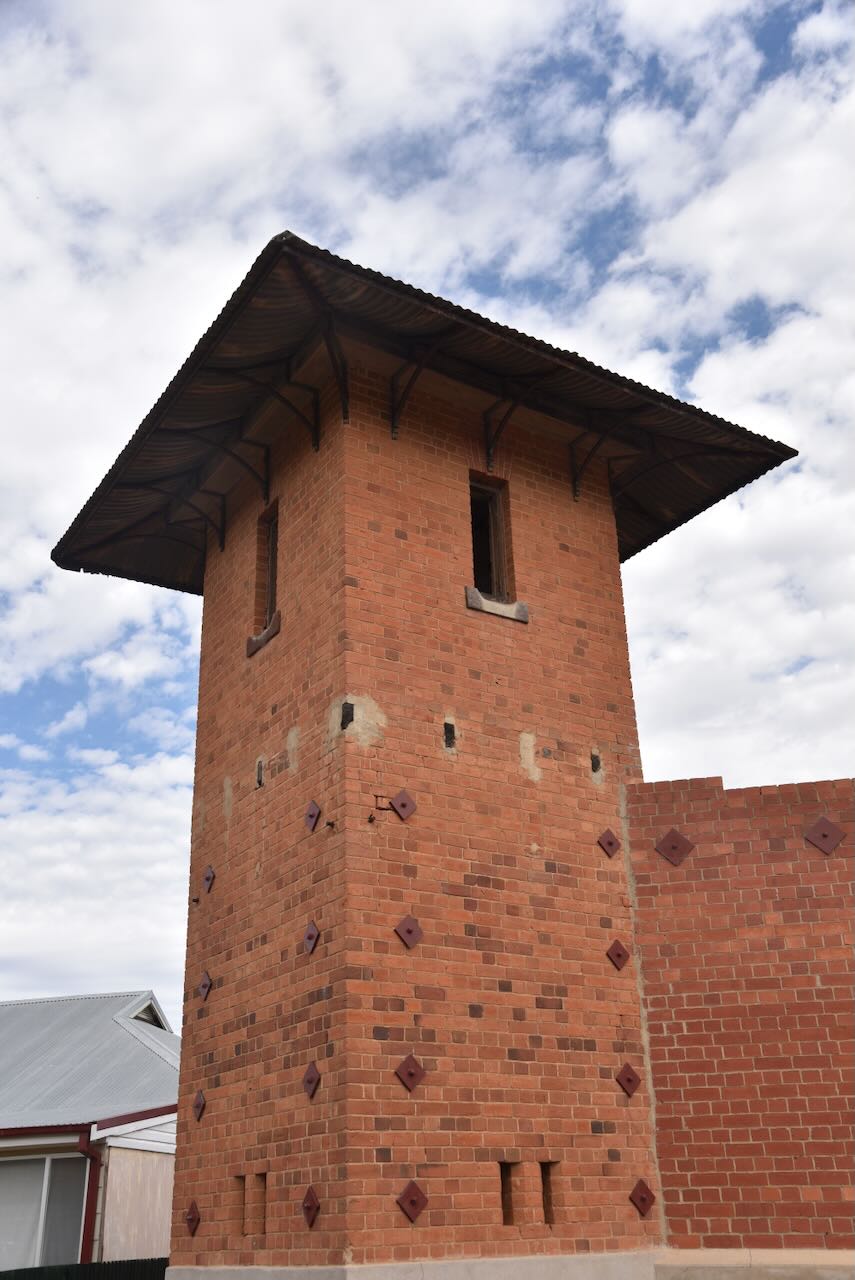
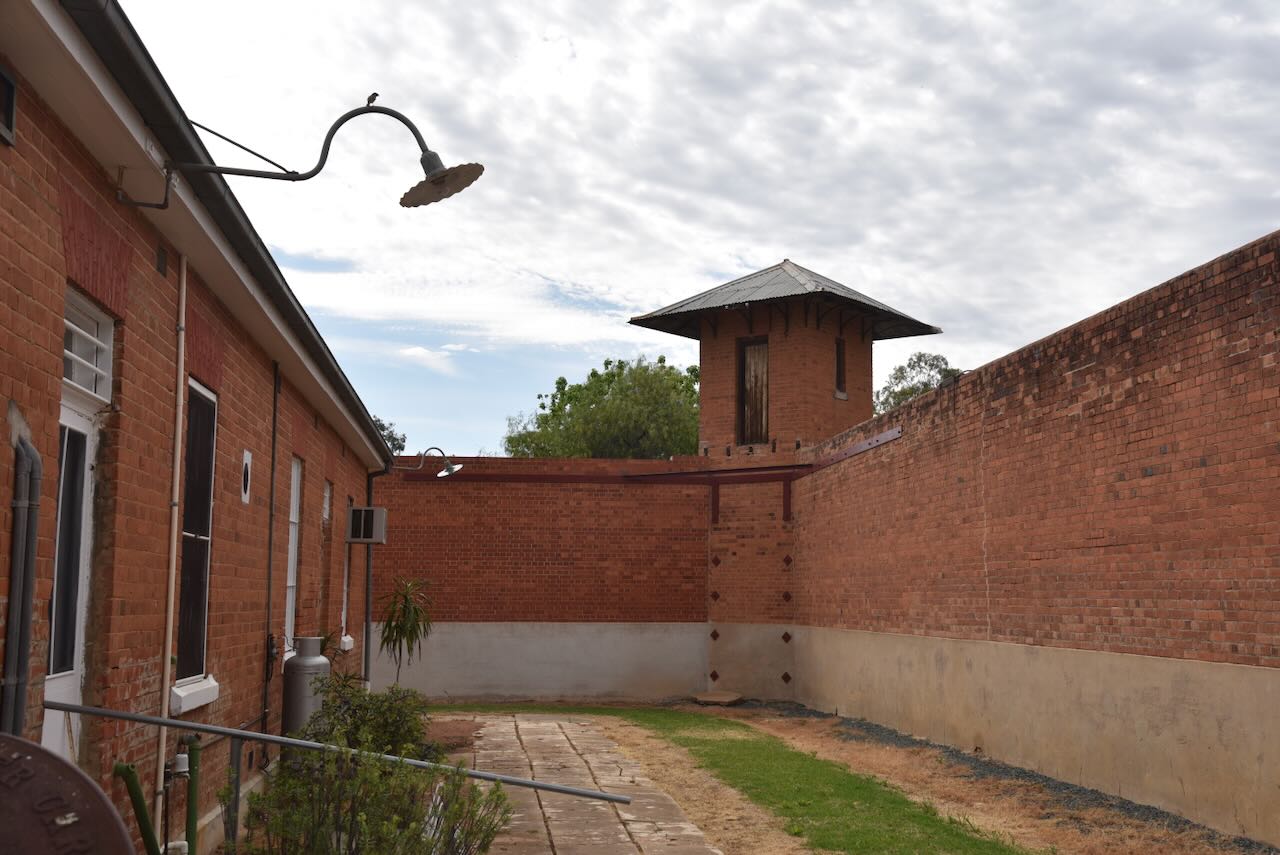
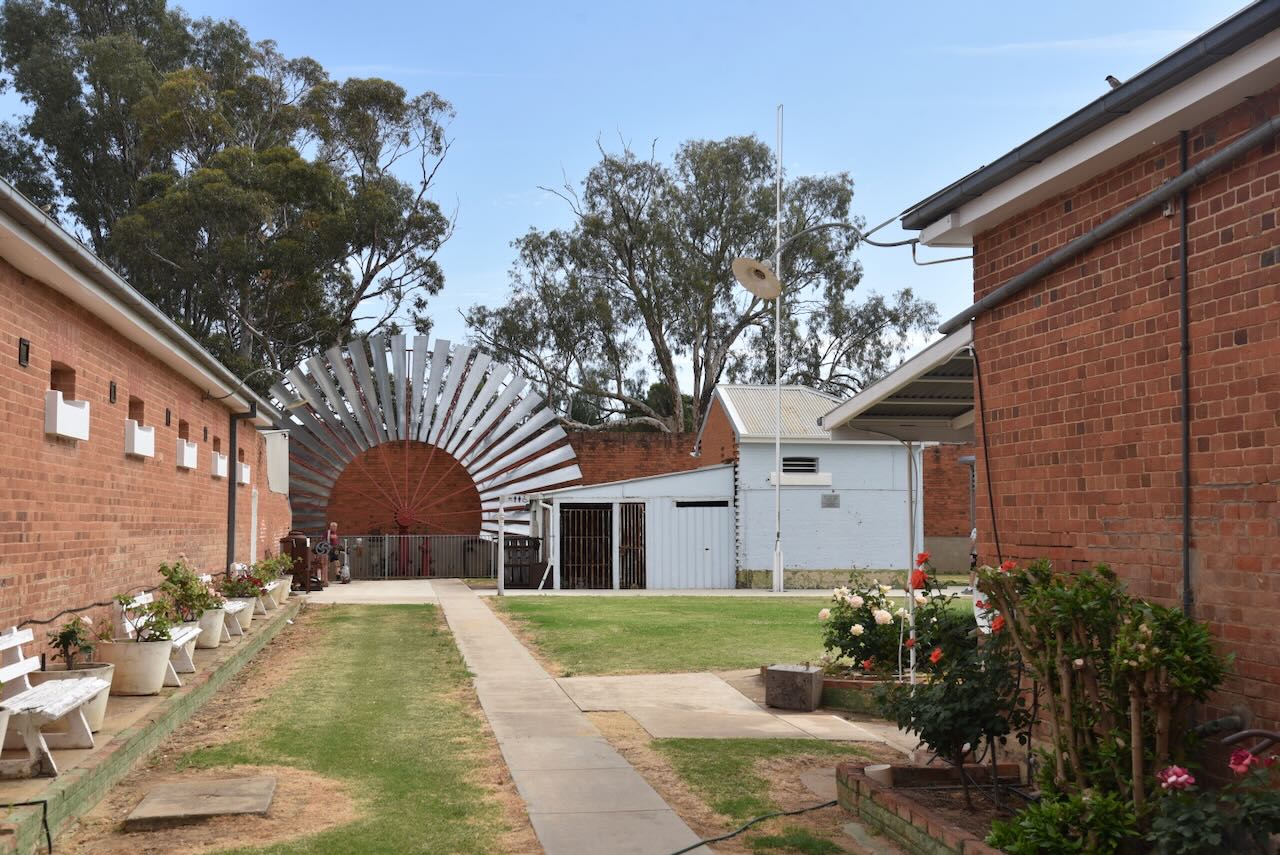
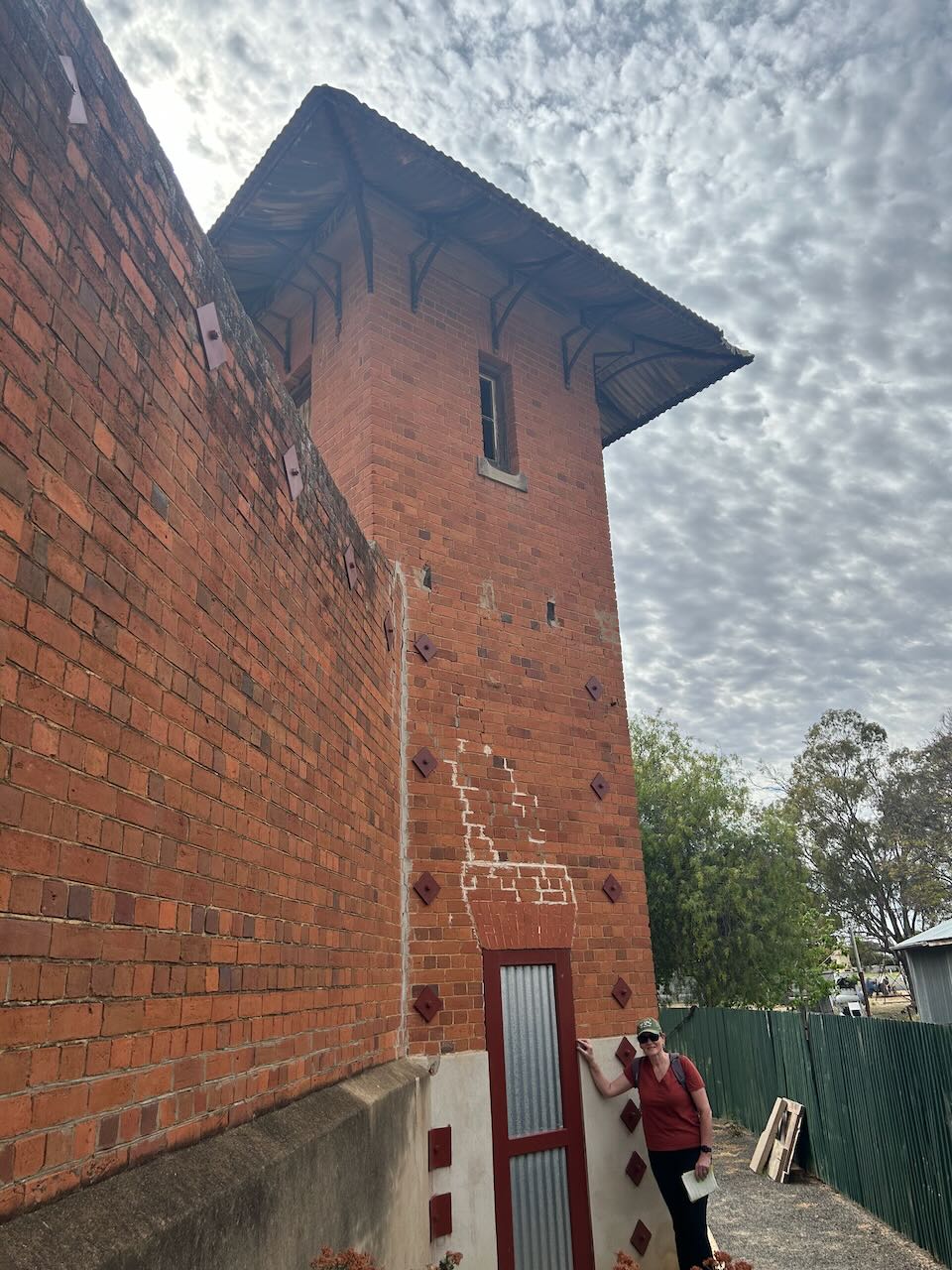
The perimeter of the Hay Gaol consists of a 5 metre high wall, which was constructed of locally produced red bricks. Two guard towers were placed at diagonally opposite corners of the perimeter wall. (Wikipedia 2025)
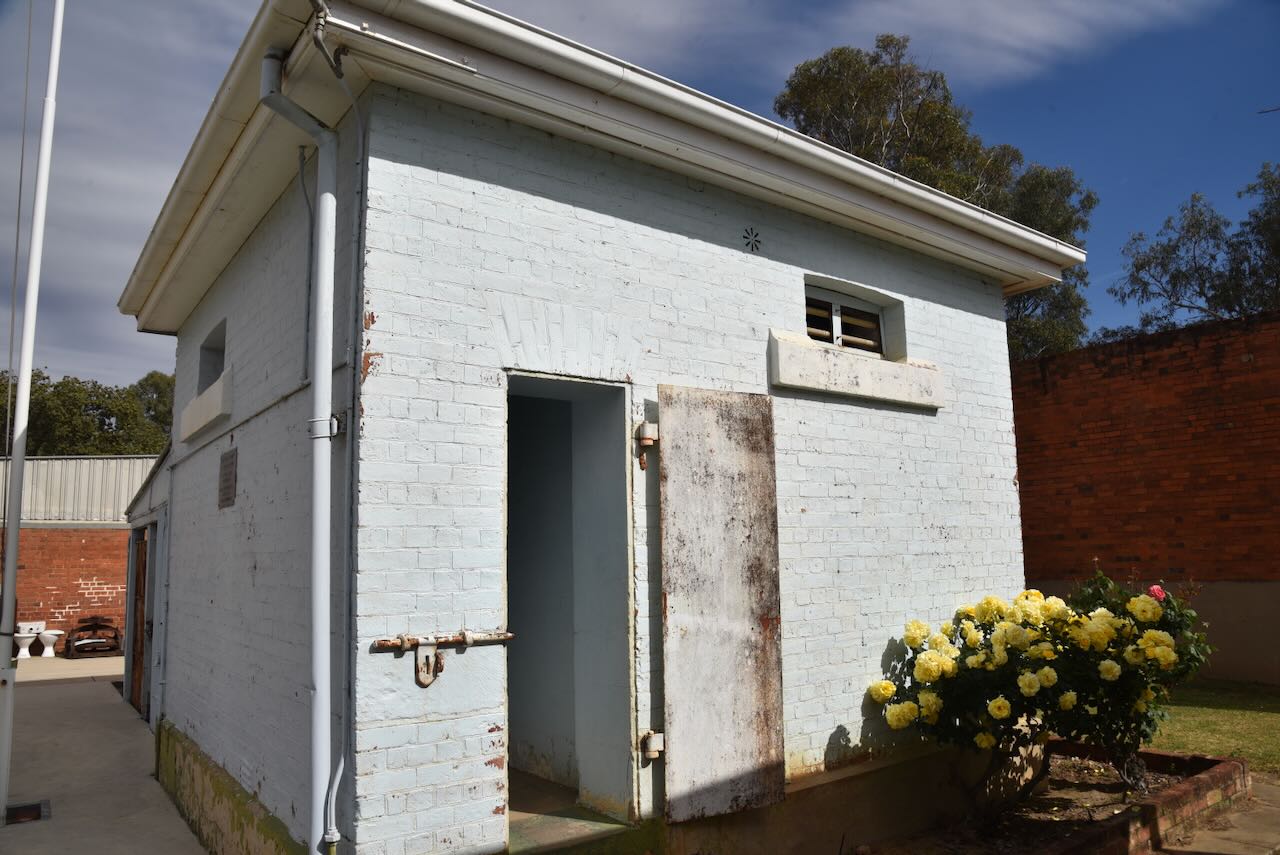
In the centre of the outside compound is a solitary confinement cell.
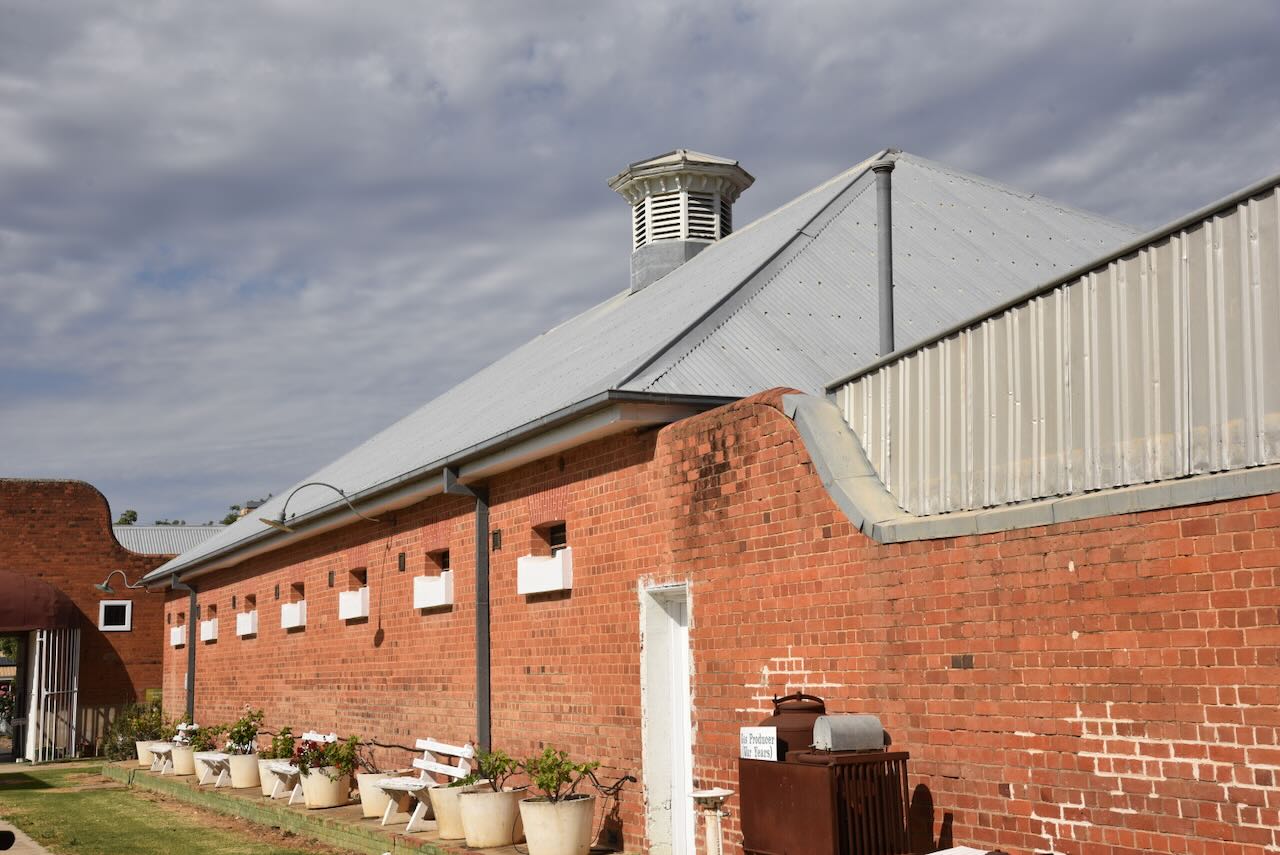
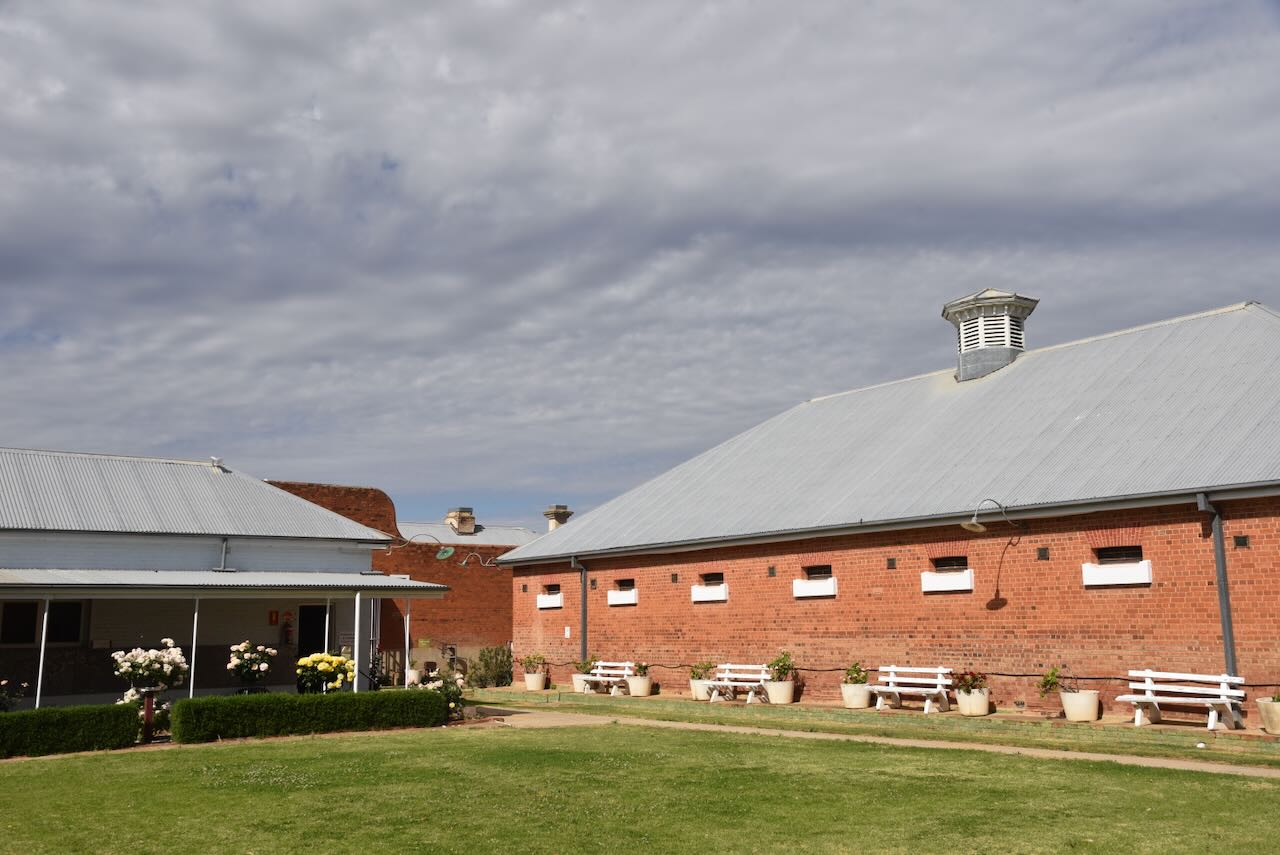
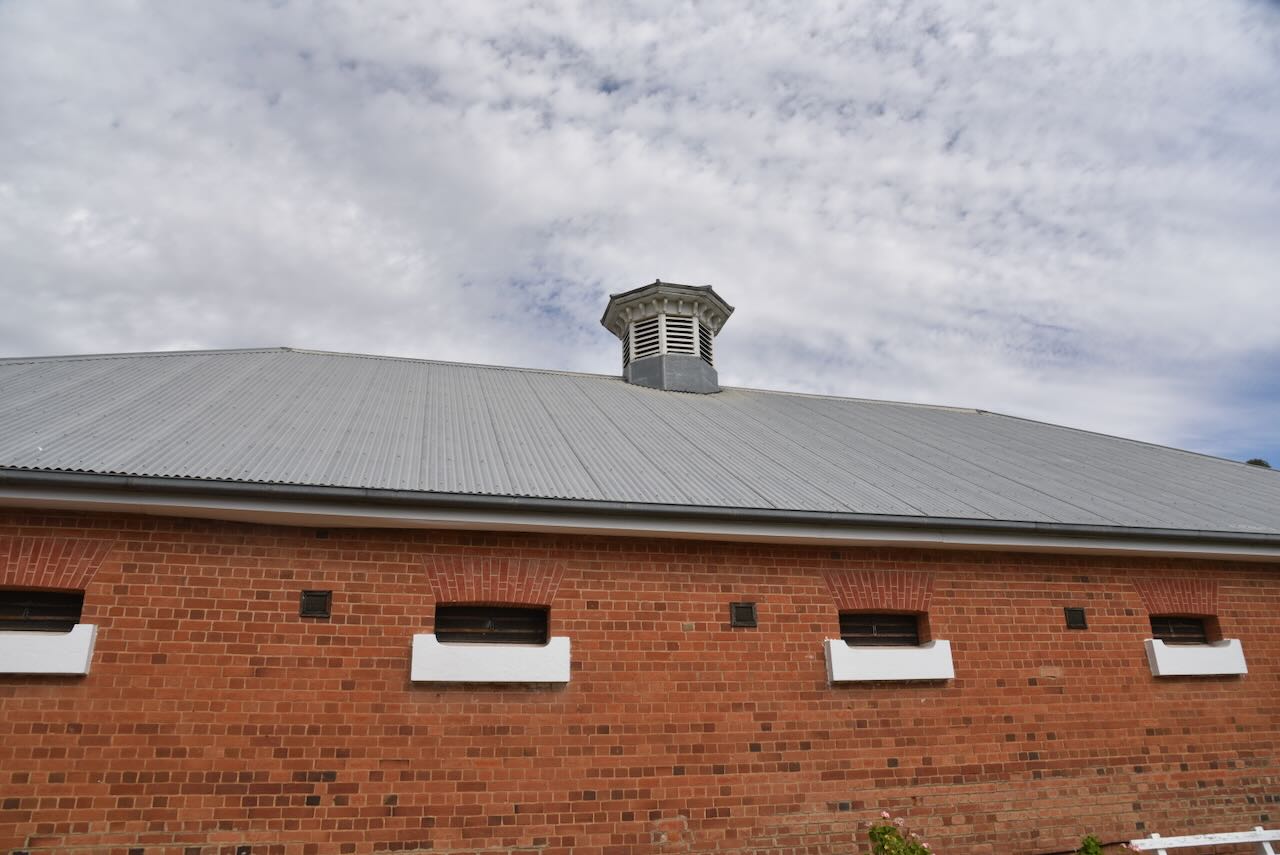
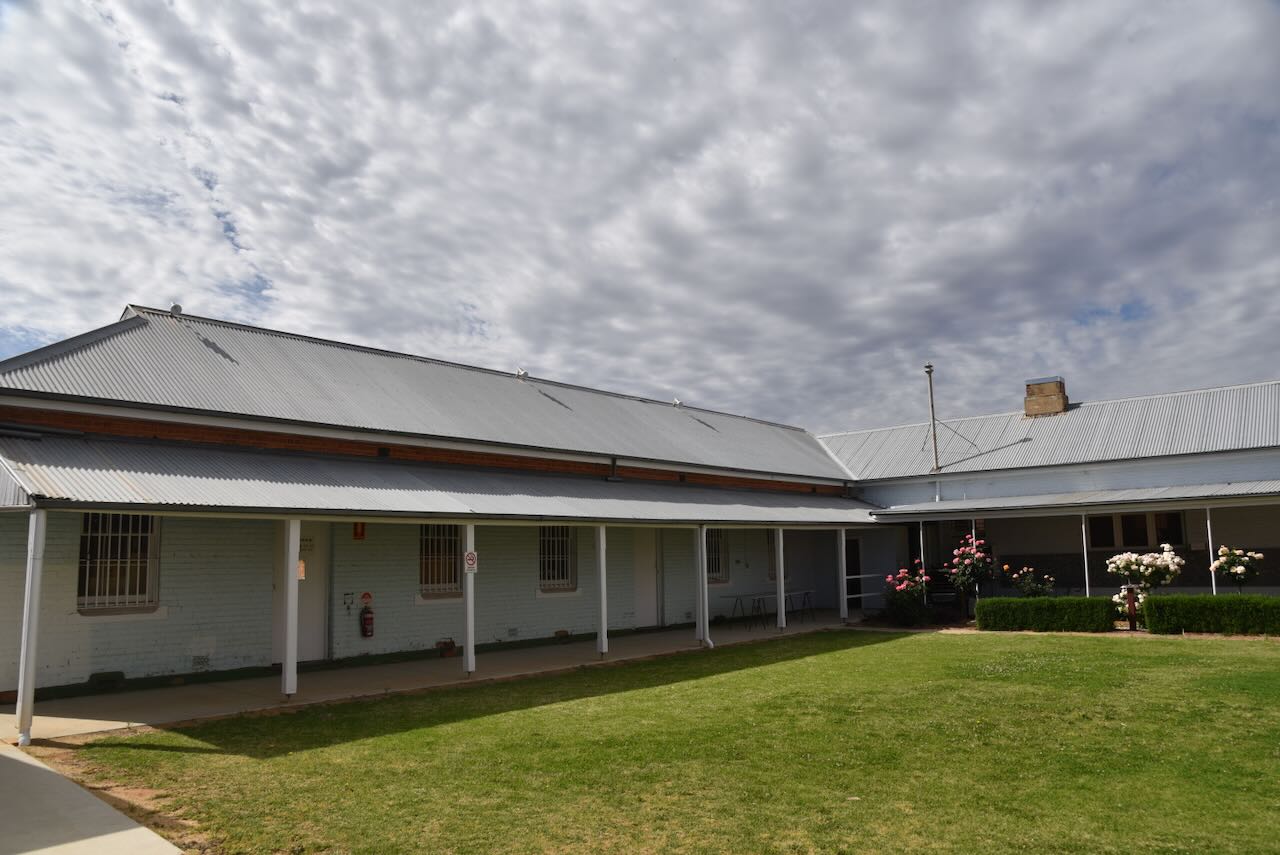
The services block is an L-shaped block with a hipped iron roof and verandah. It houses the kitchen, hospital, dispensary, bathroom, store, and a large workshop. (Wikipedia 2025)
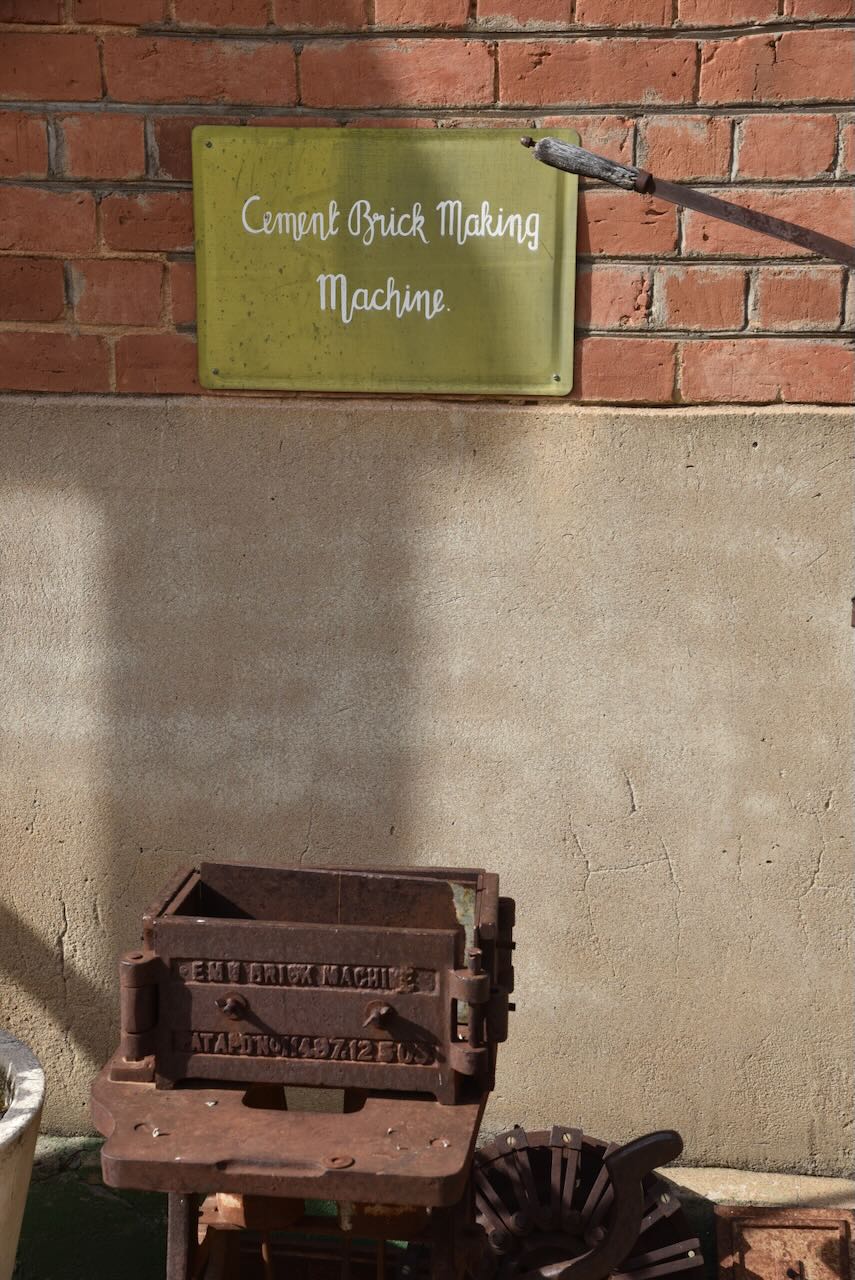
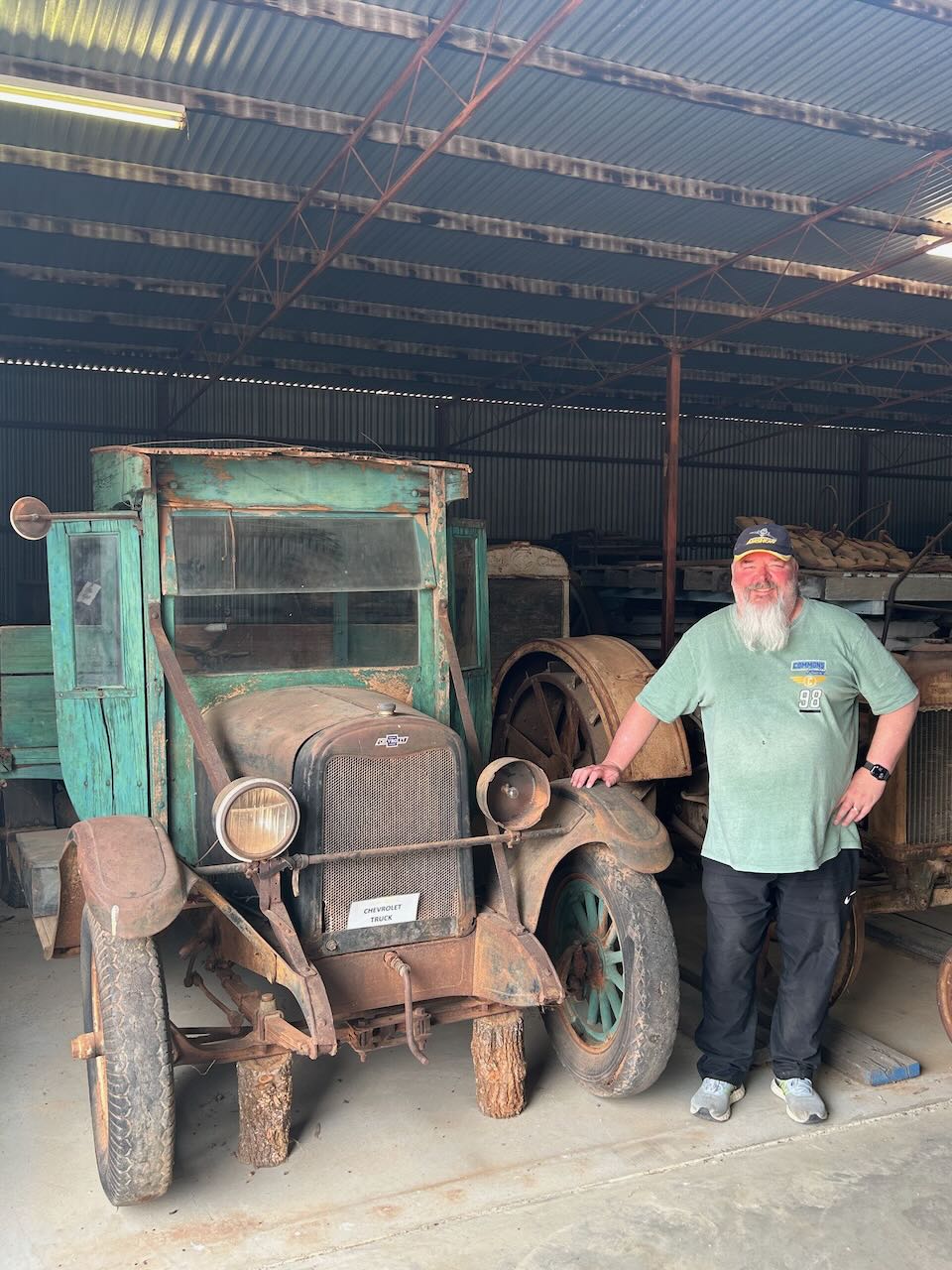
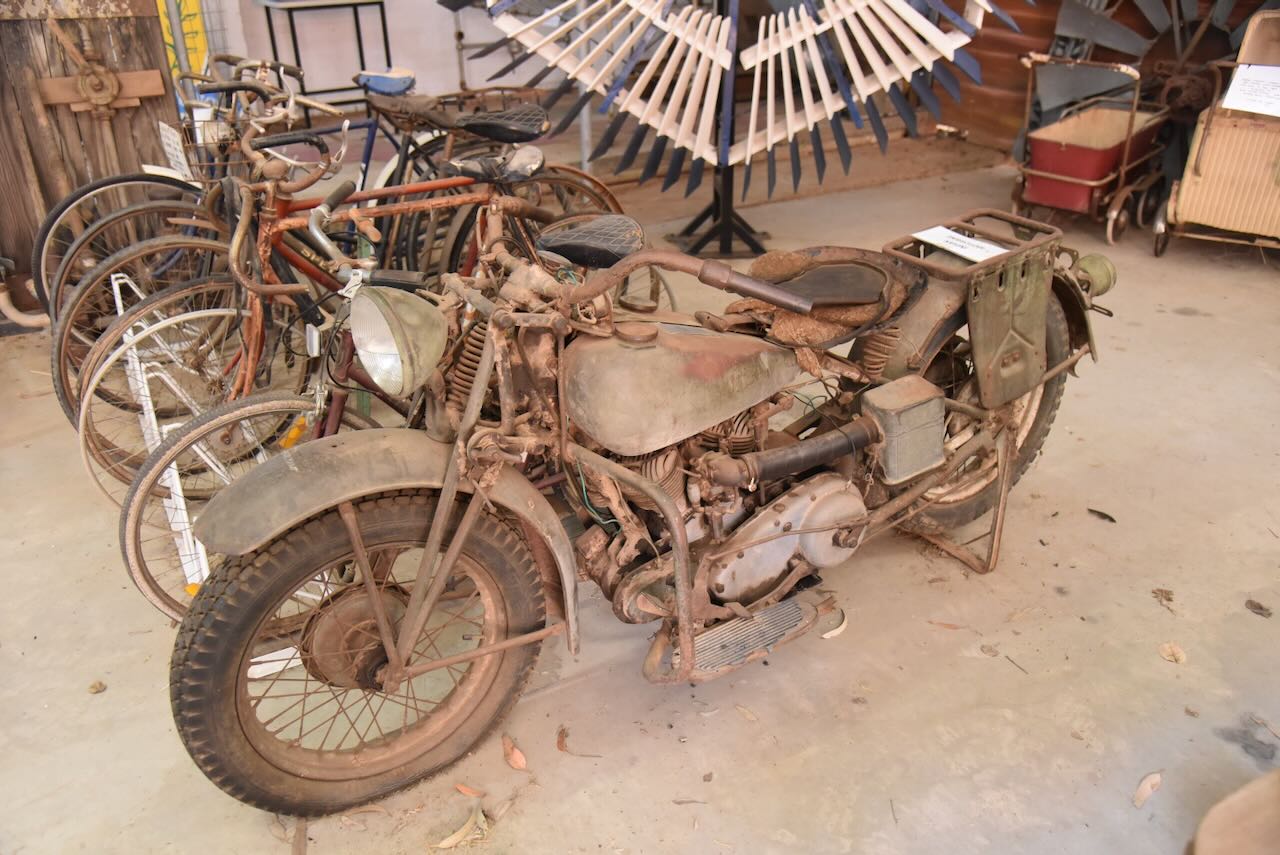
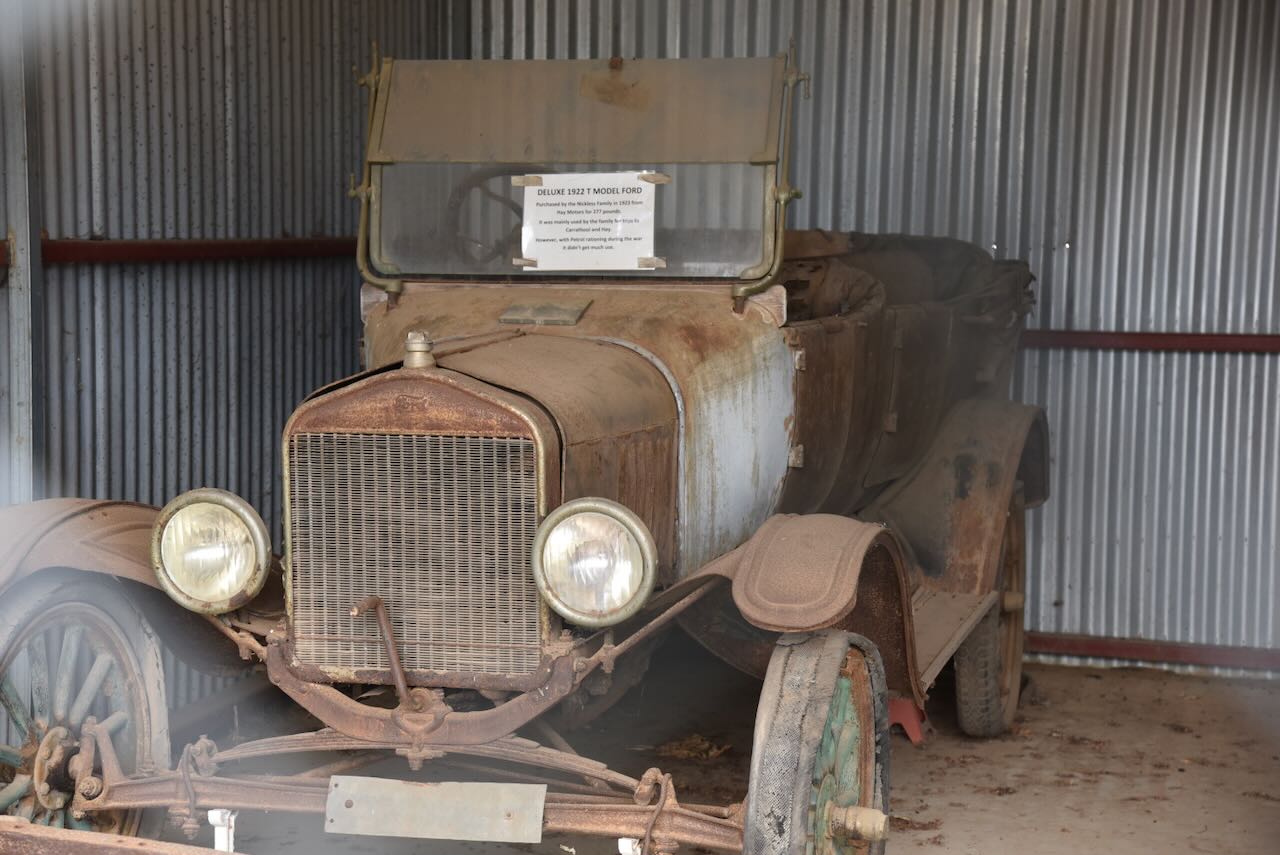
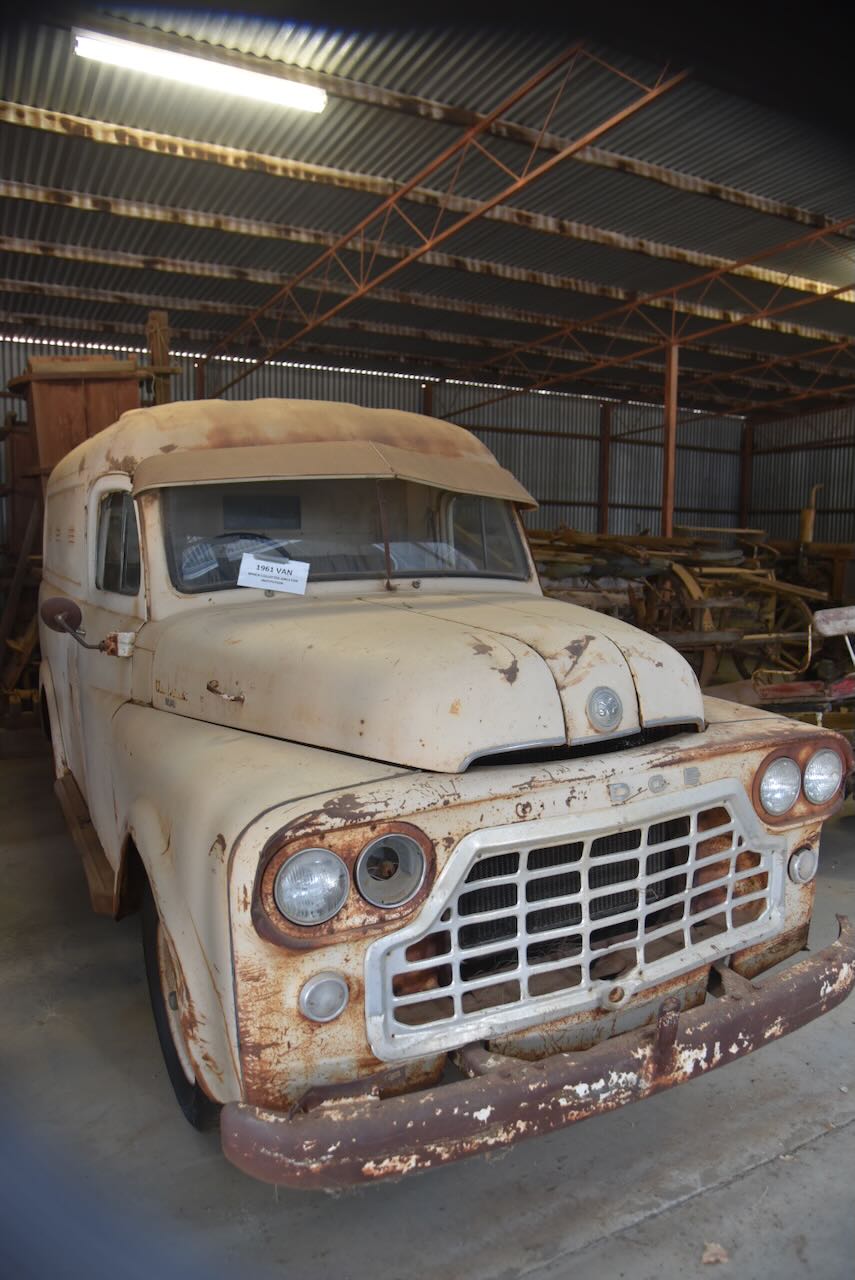
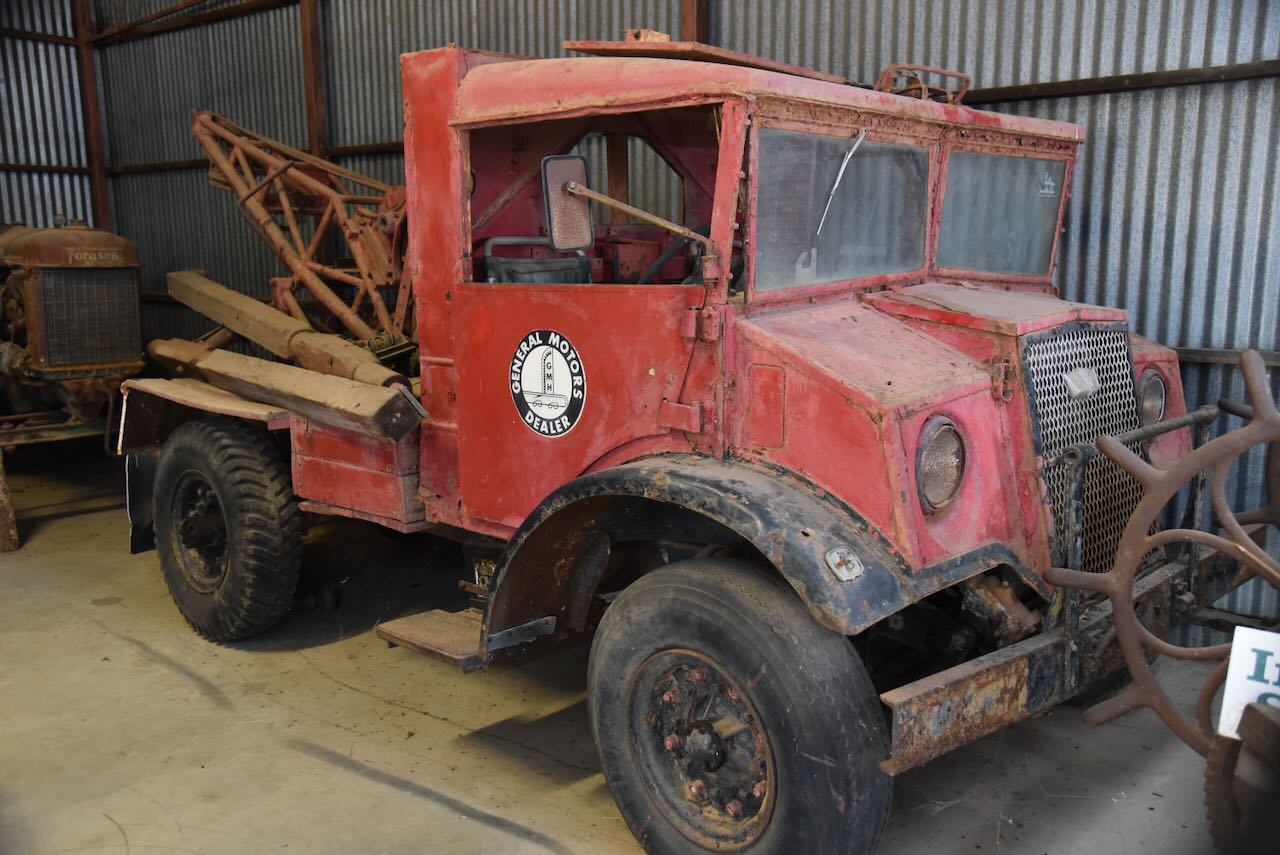
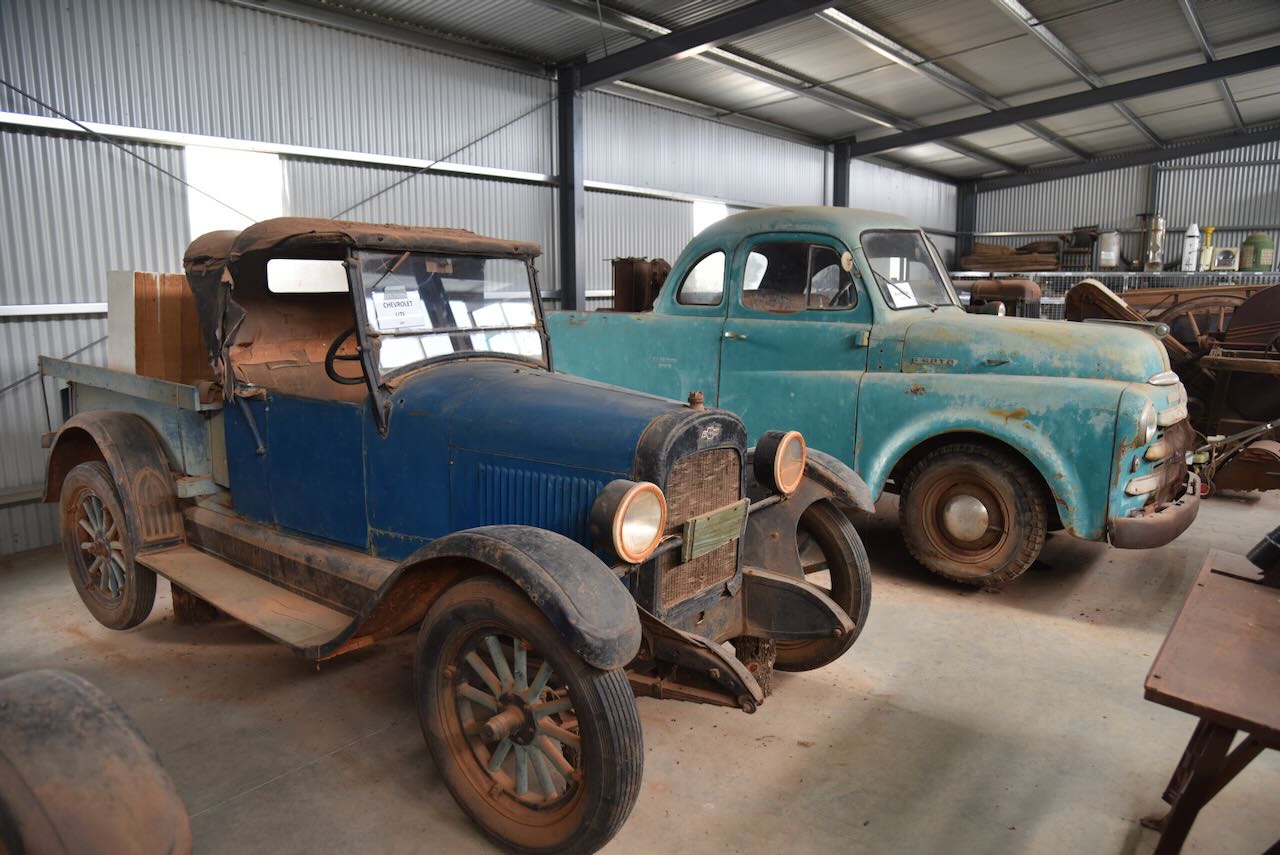
The Gaol also features a display of old vehicles.
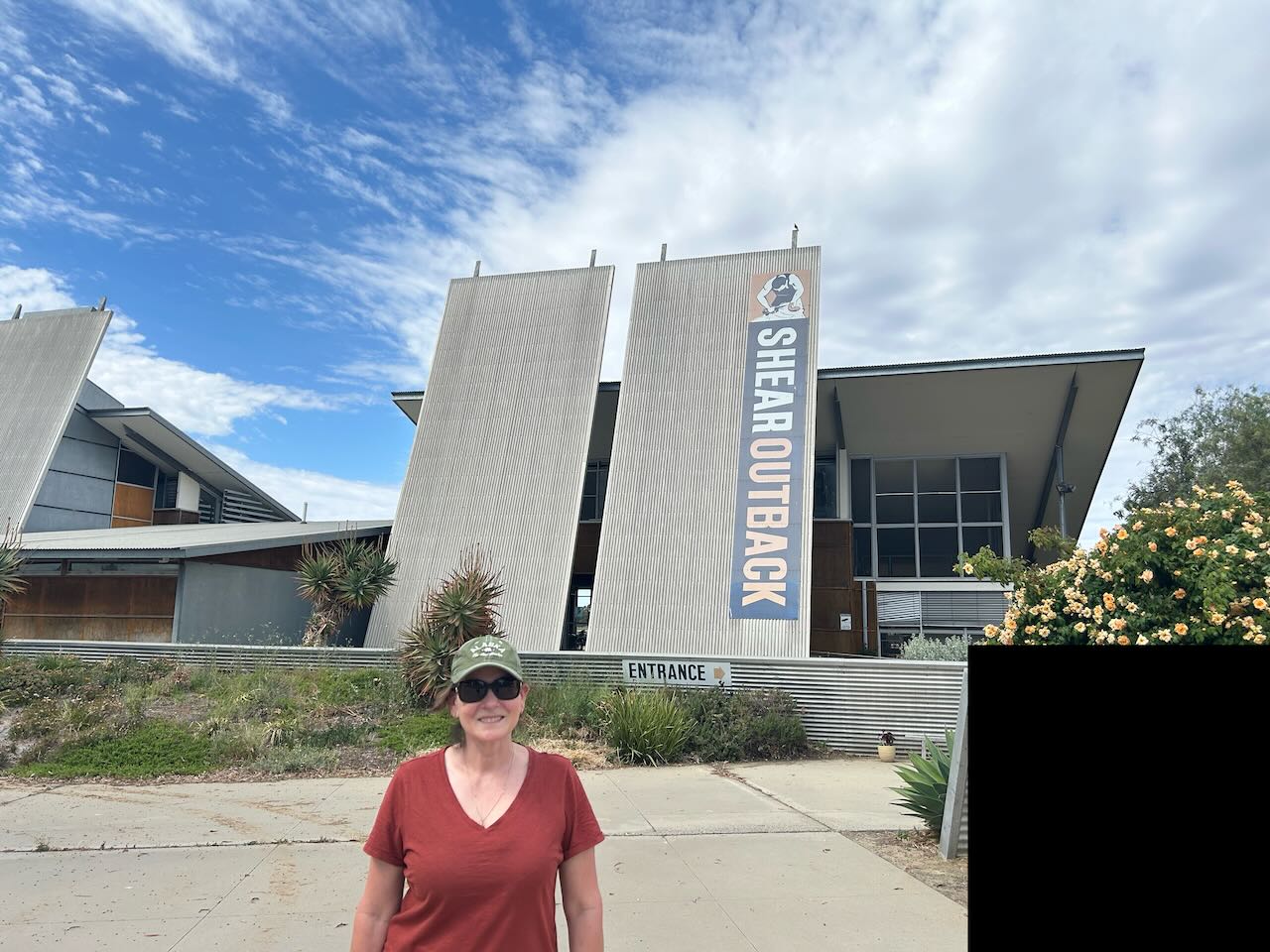
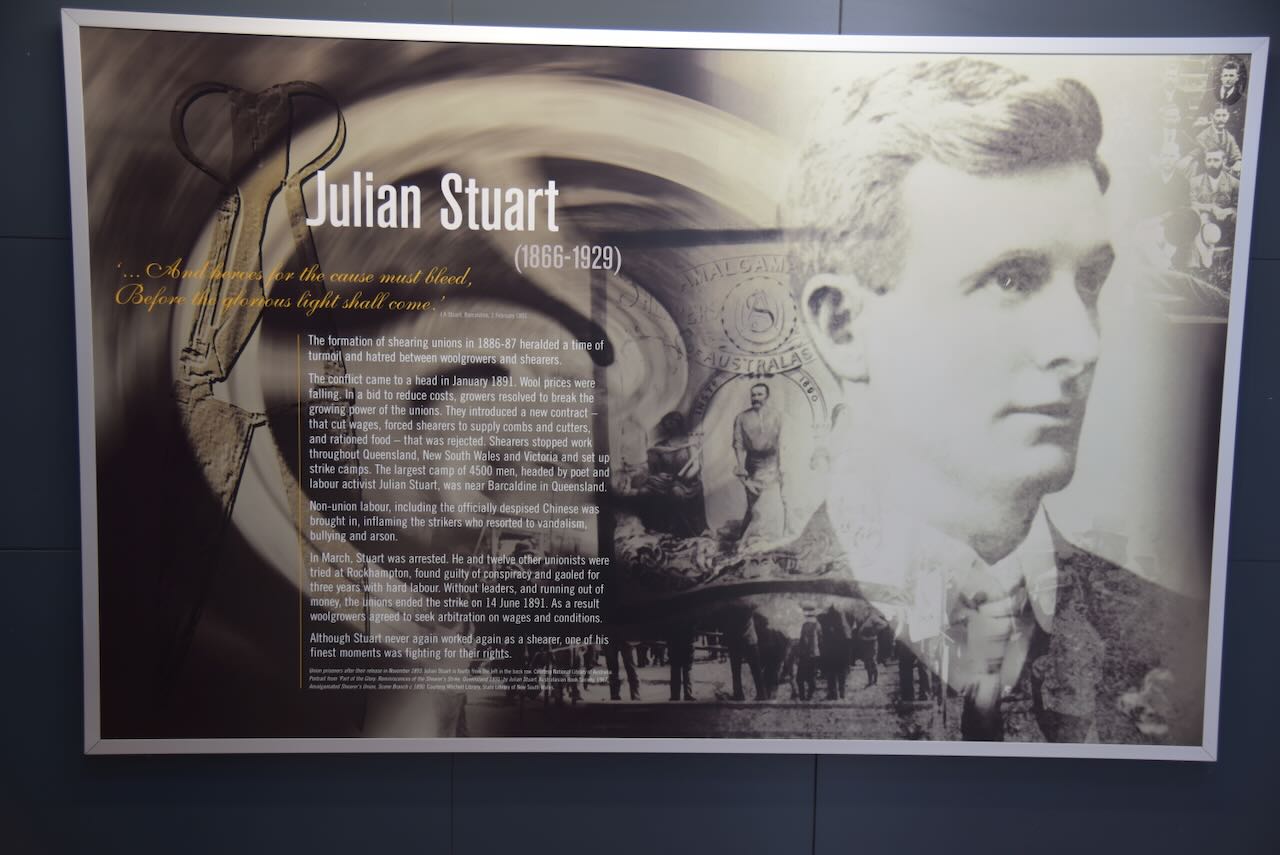
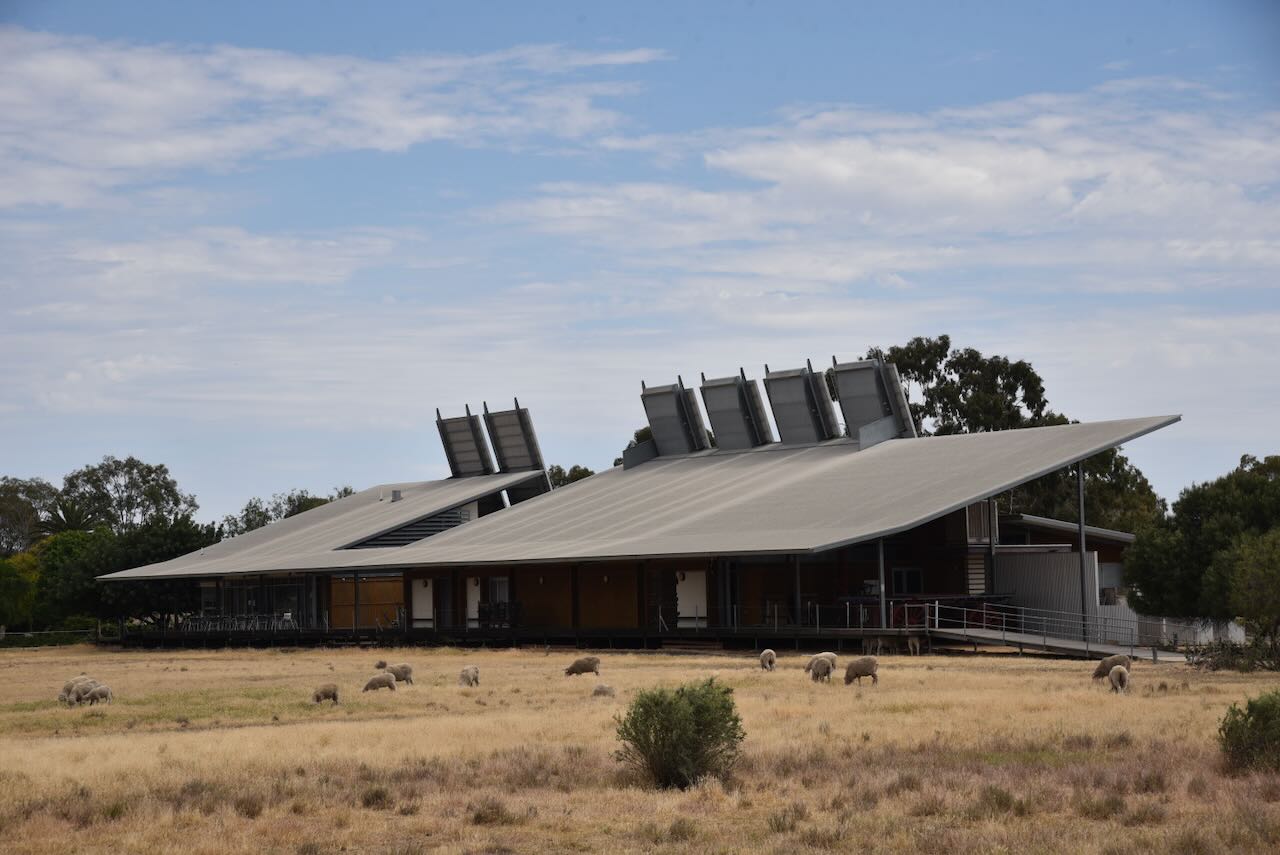
We then visited the Shear Outback, which includes the Australian Shearers’ Hall of Fame, the Shear Outback Exhibition, the historic Murray Downs Woolshed, a retail and souvenir shop, and a cafe. (Shear 2019)
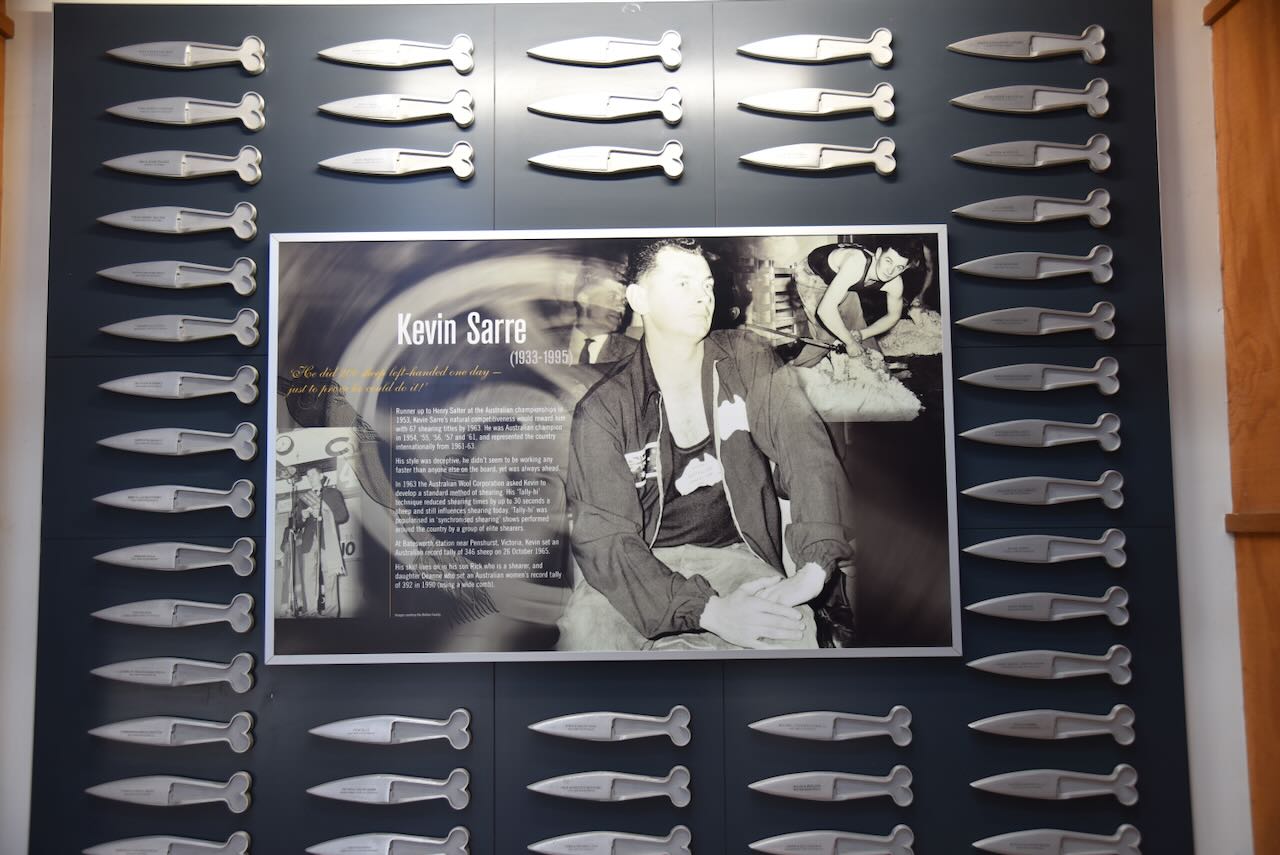
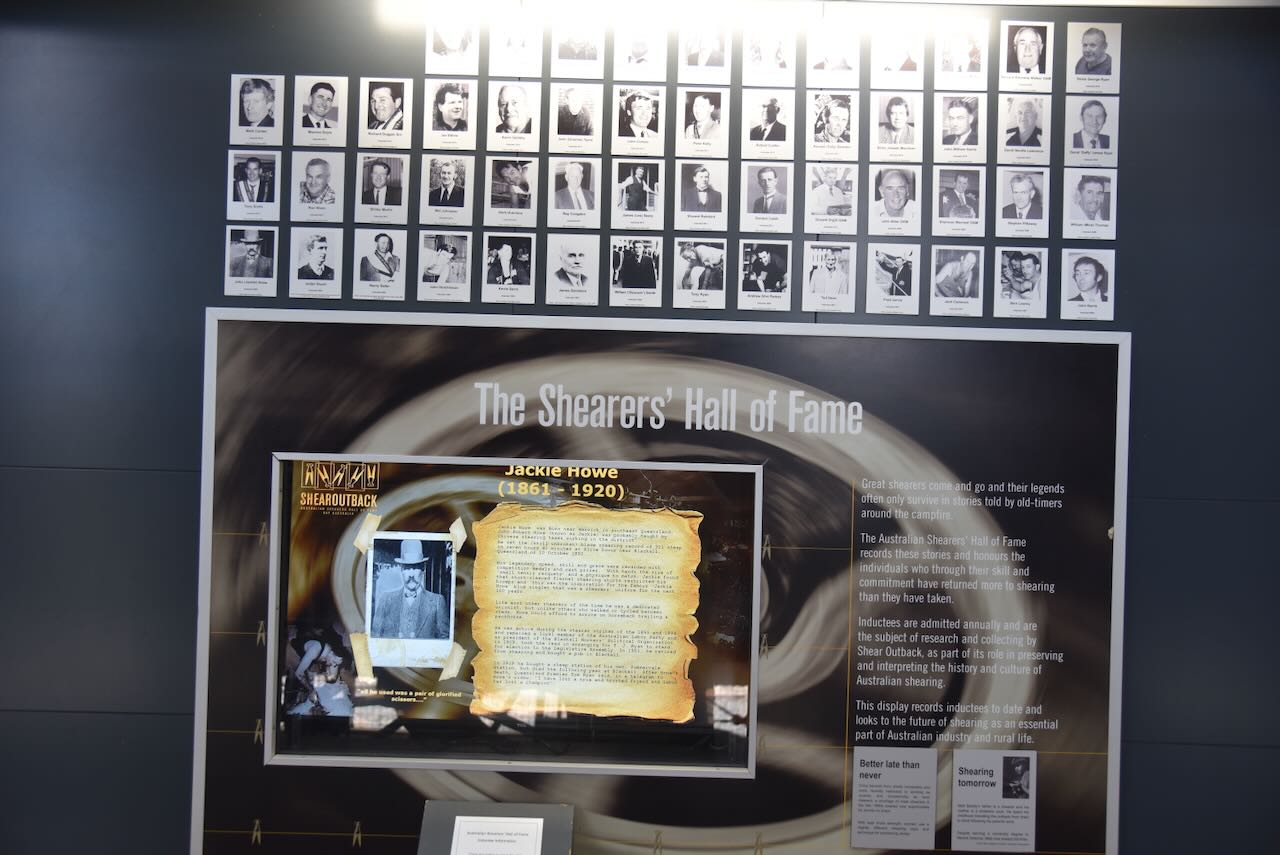
Over 50 people feature in the Australian Shearers’ Hall of Fame. Inductees are admitted annually and are the subject of research and collecting by Shear Outback.
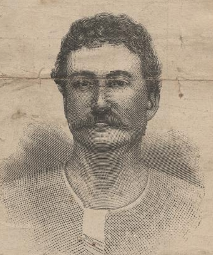
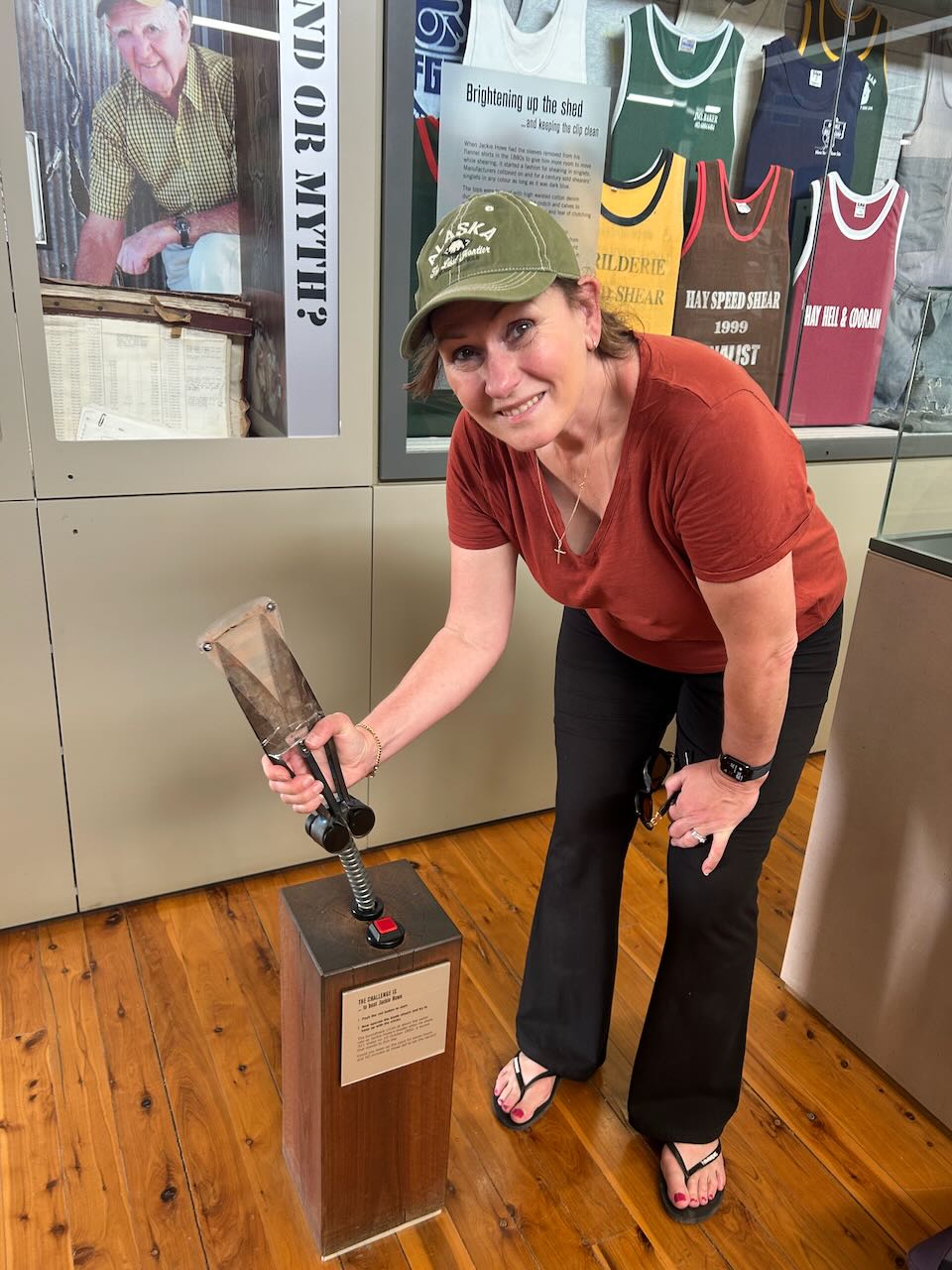
It features legendary shears such as John Robert ‘Jackie’ Howe. He was born in Killarney, Queensland in July 1861. His father was a shearer and a clown. Jackie became a shearer and was also involved in some gold prospecting. He was active during the shearer strikes of 1891 and 1894. In 1892, he shot to fame when he broke the daily and weekly shearing records. He was considered one of the three wonders of Queensland. (Wikipedia 2023)
Above: Jack Howe. Image c/o Wikipedia
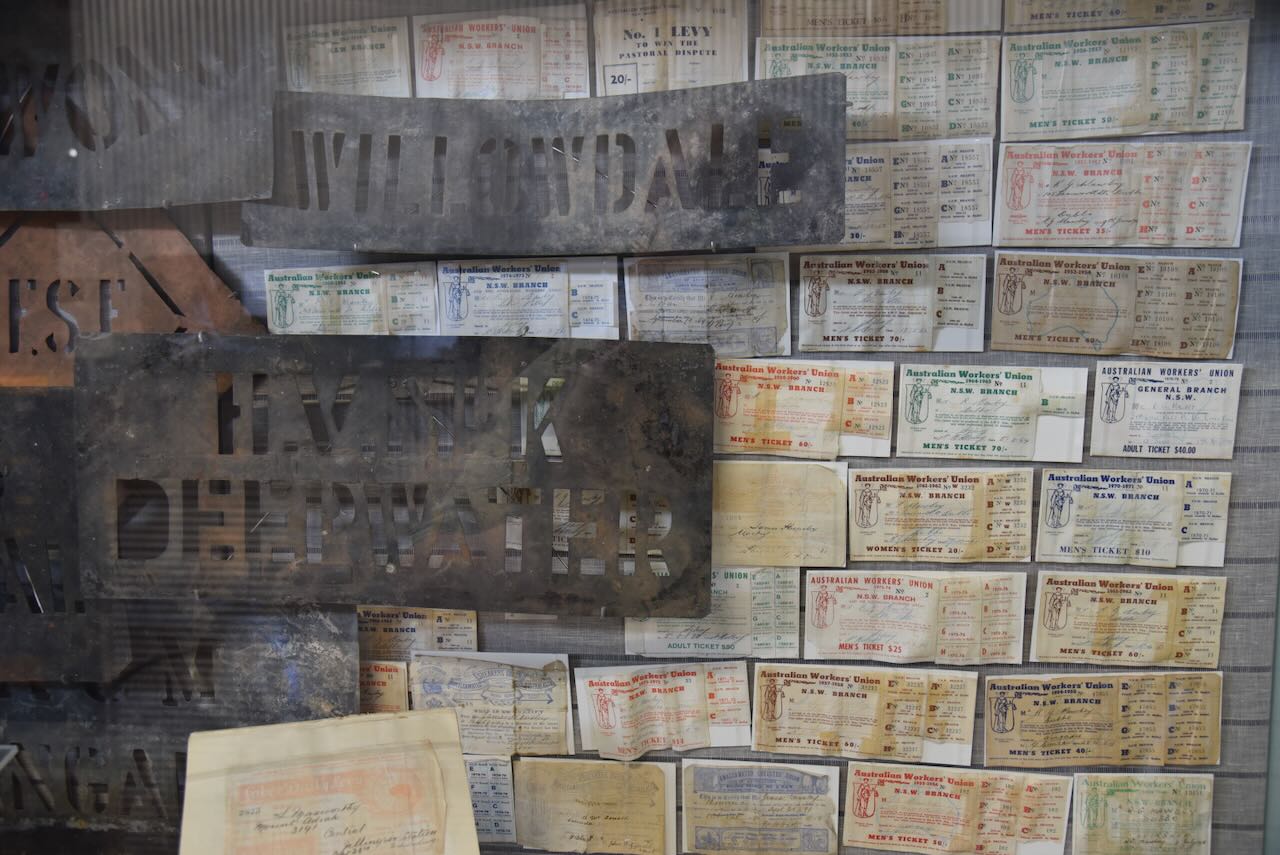
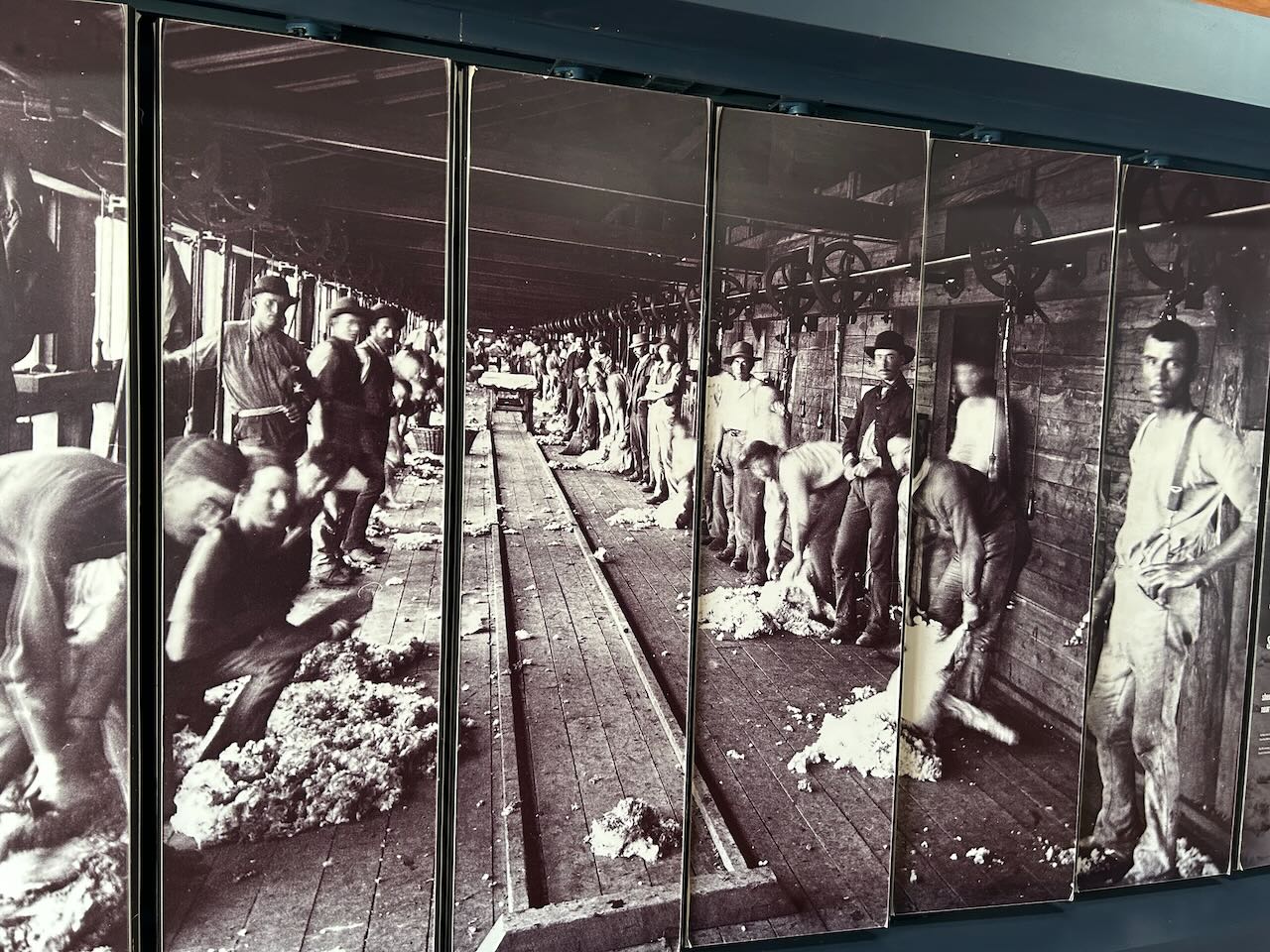
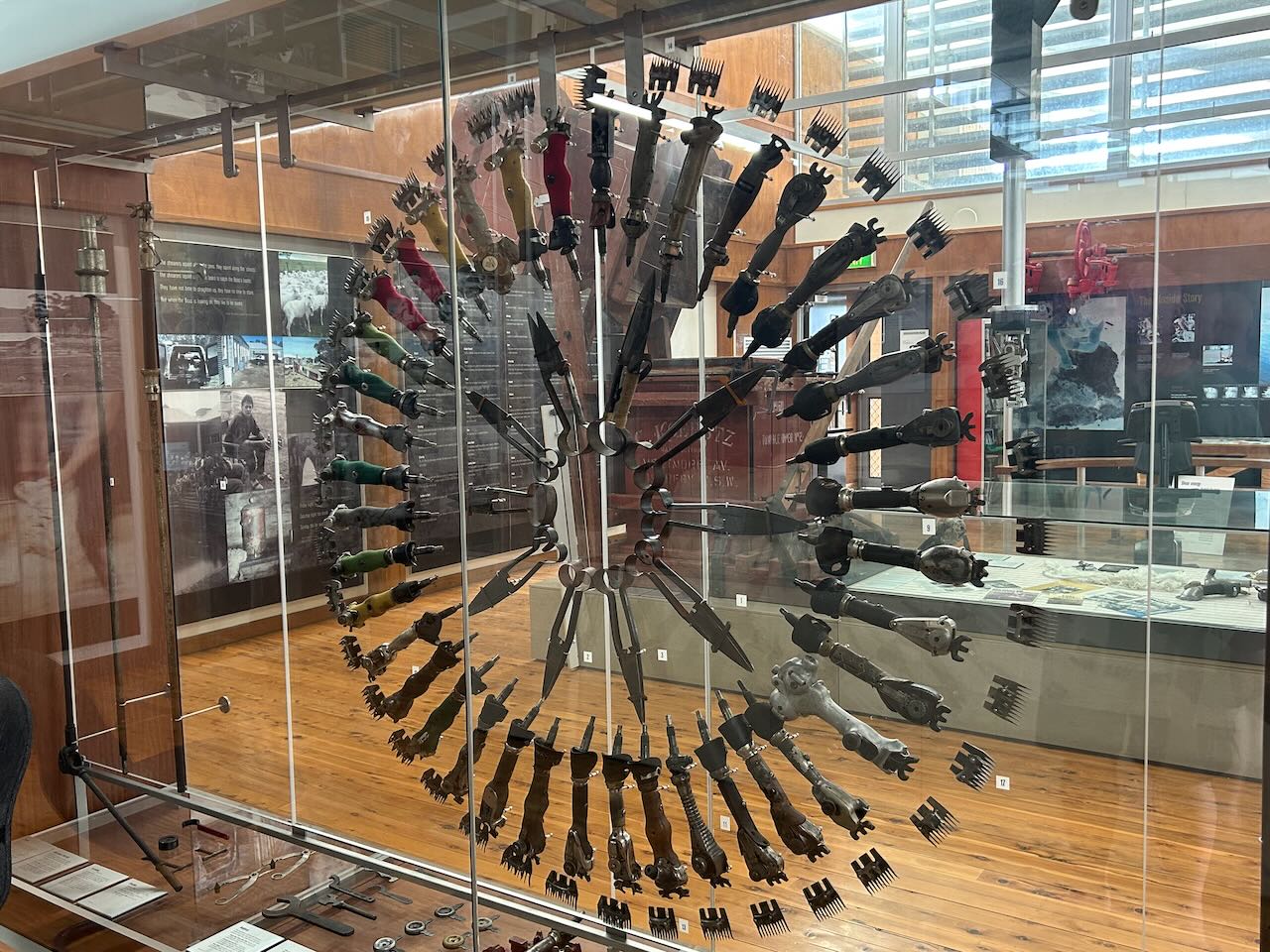
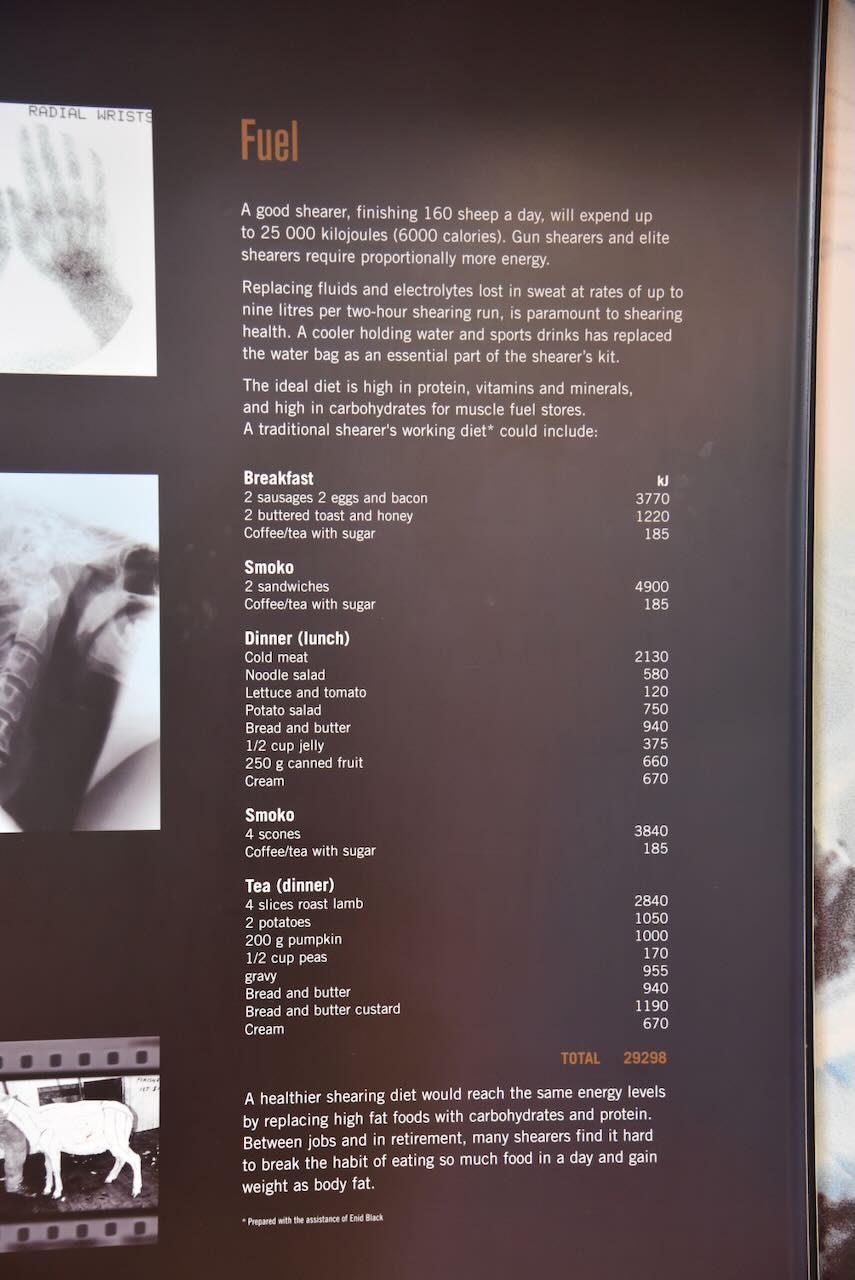
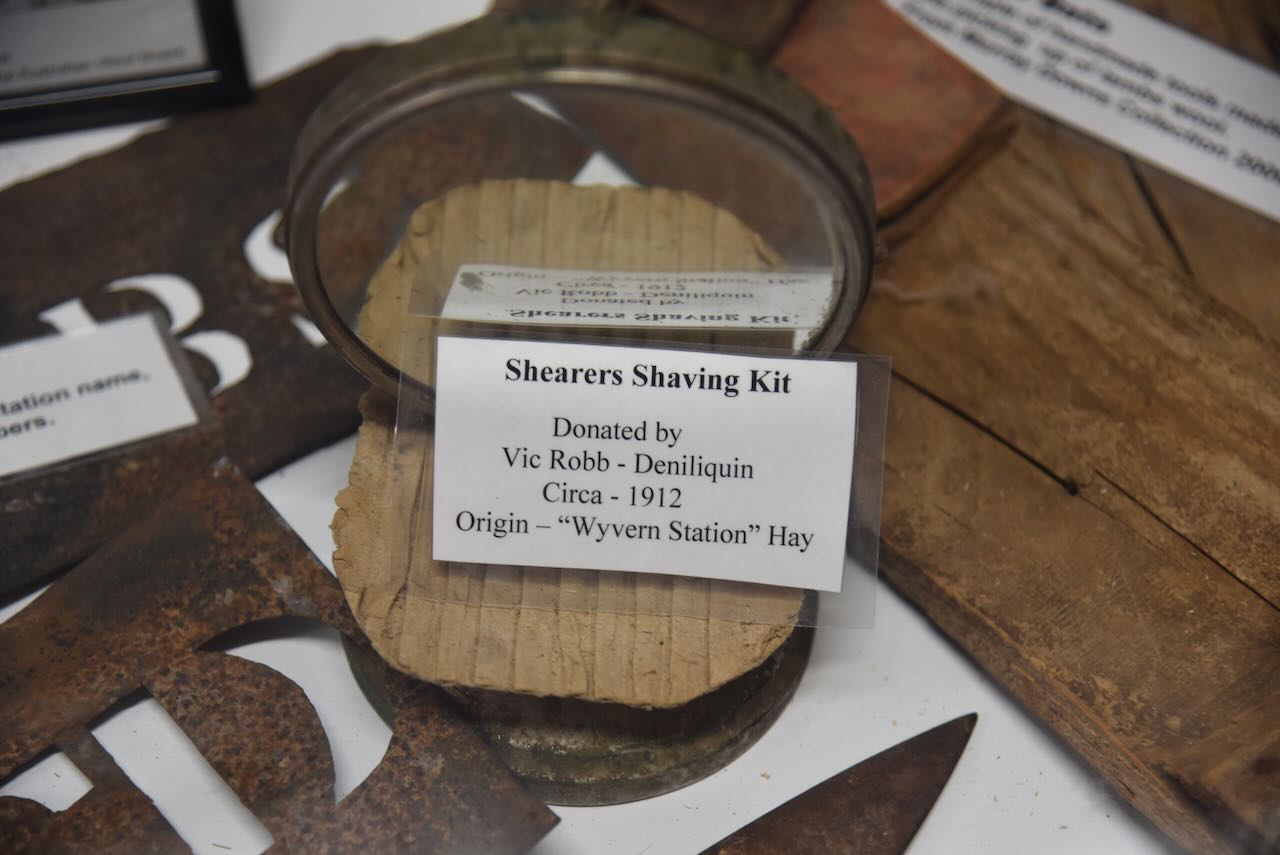
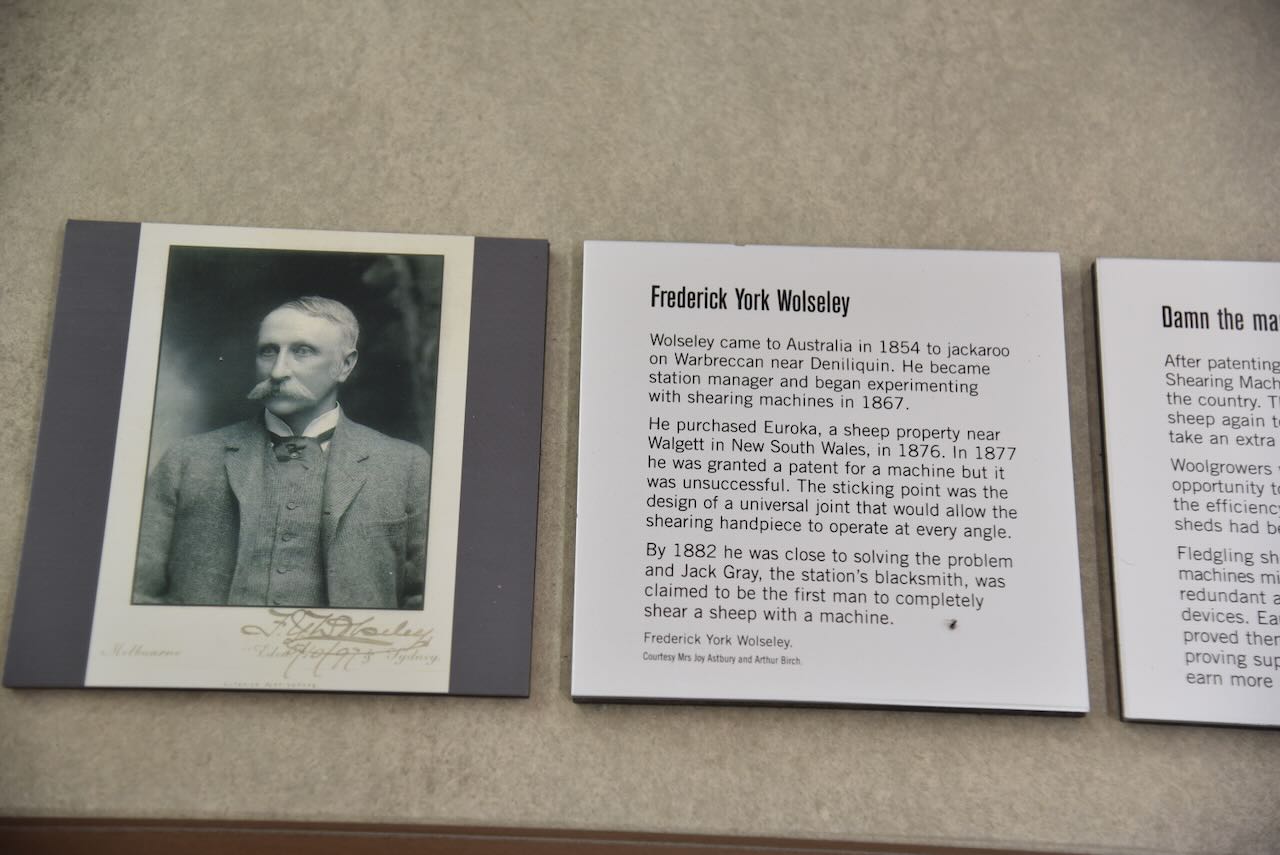
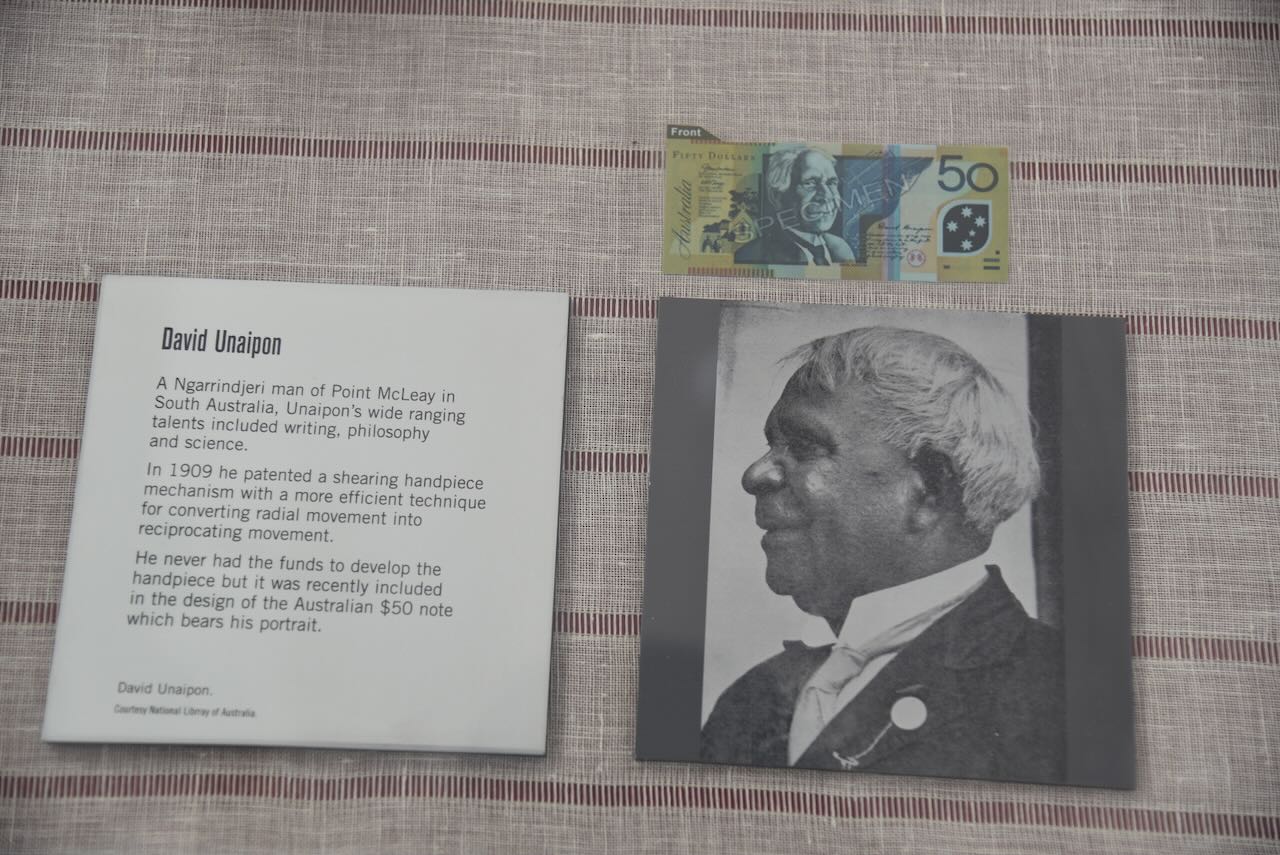
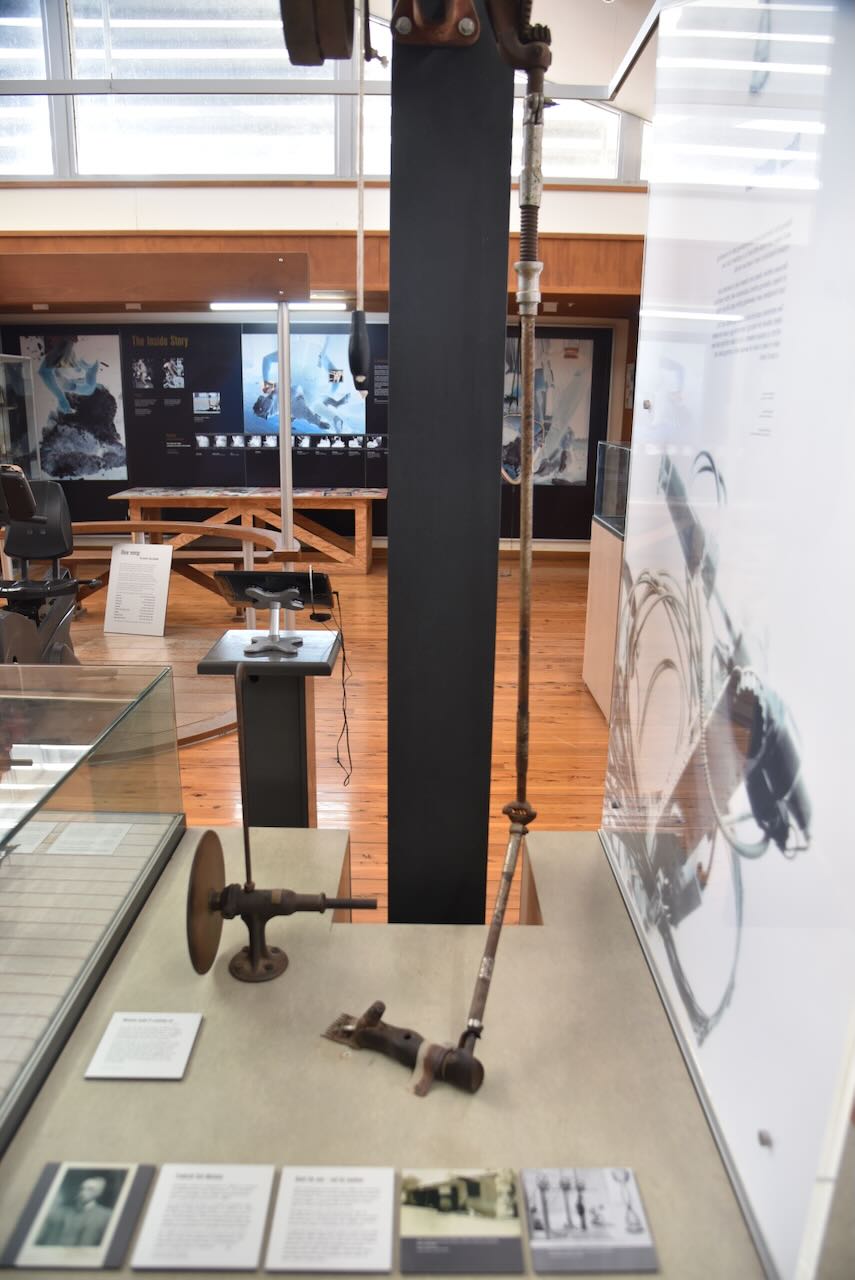
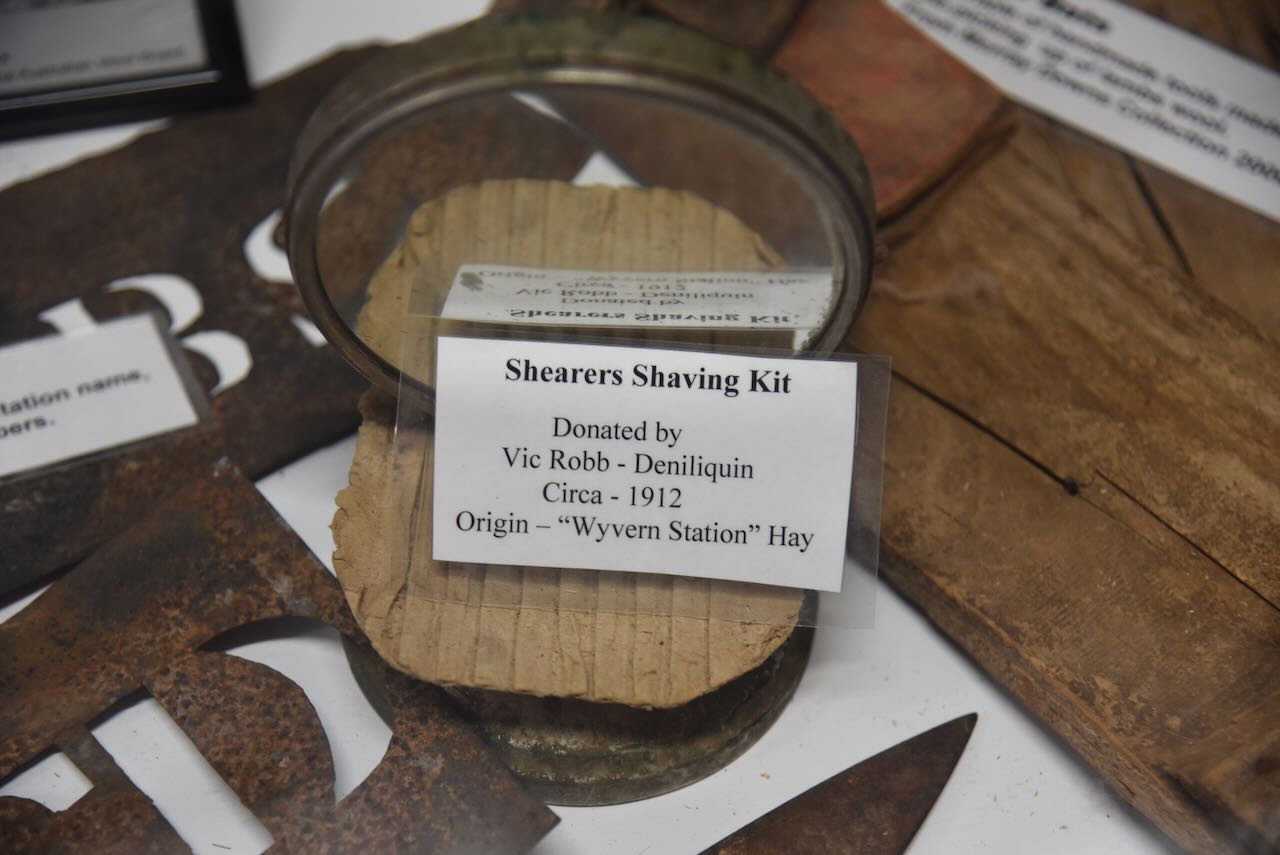
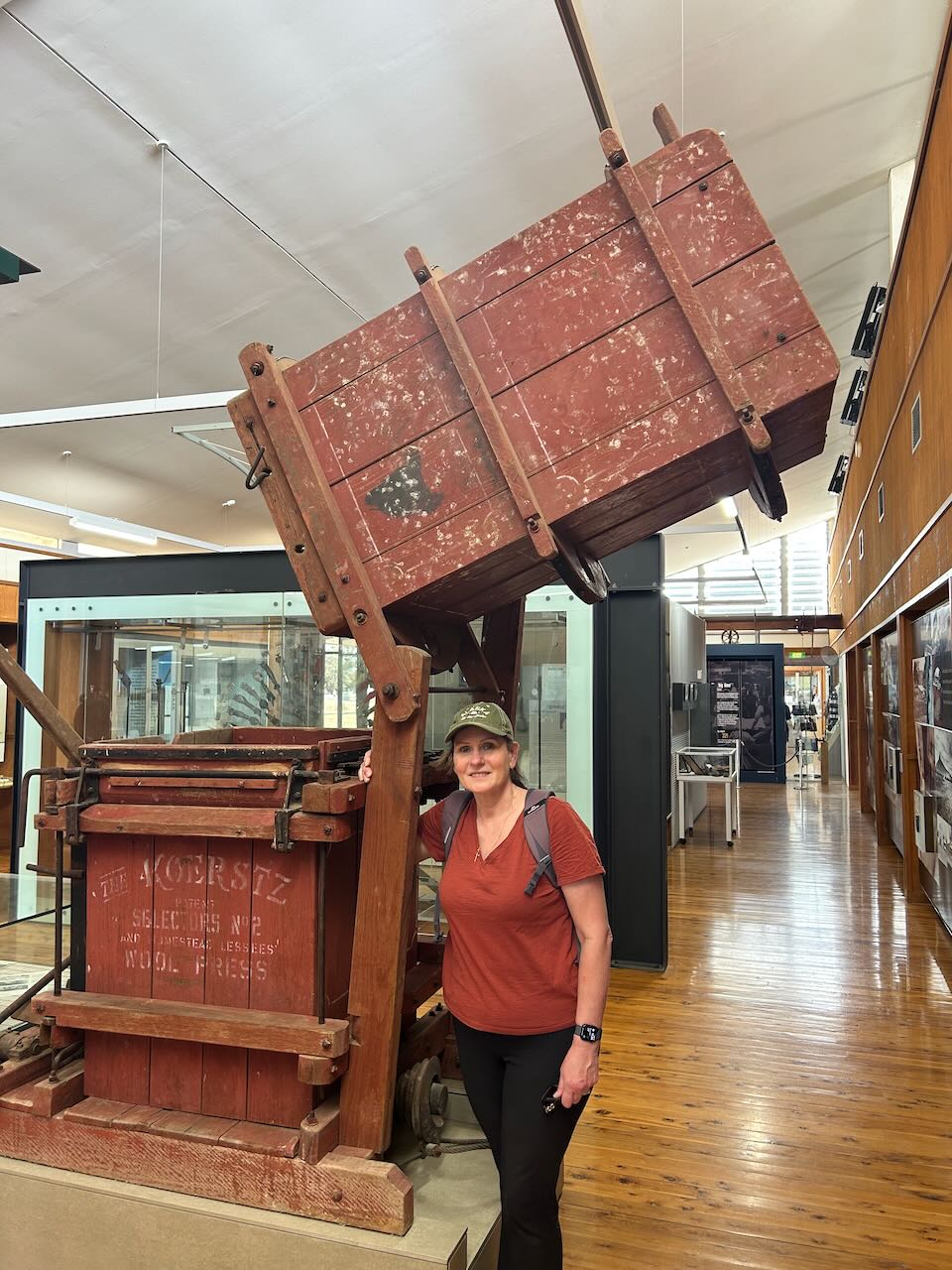
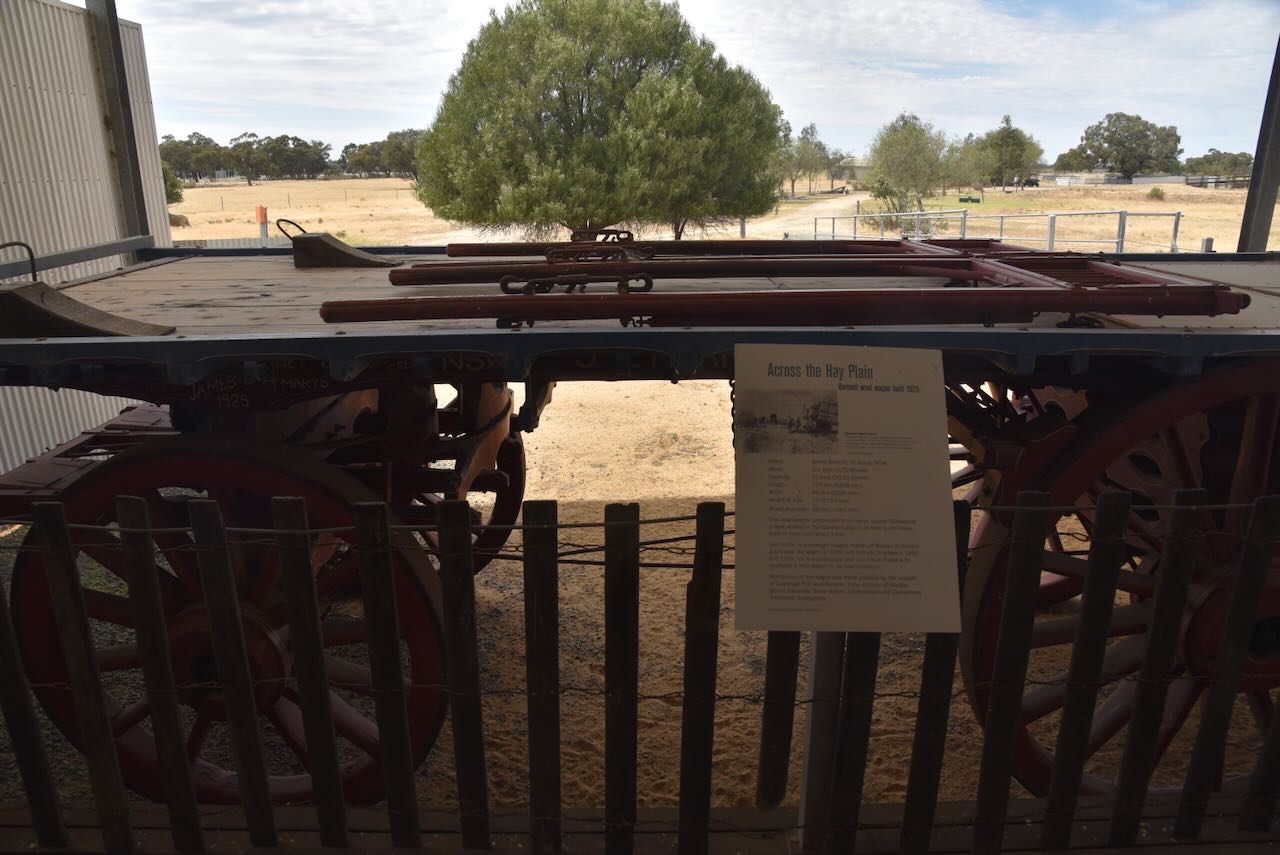
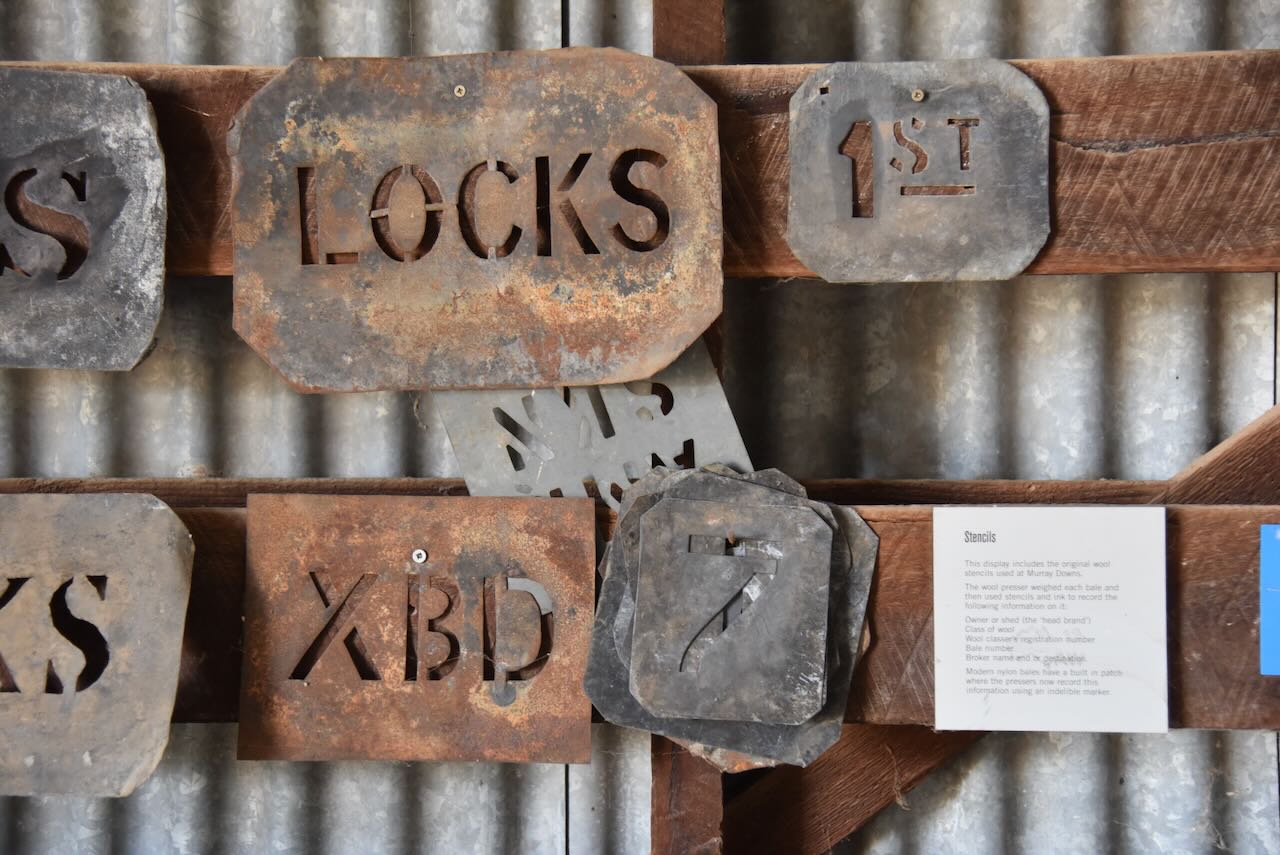
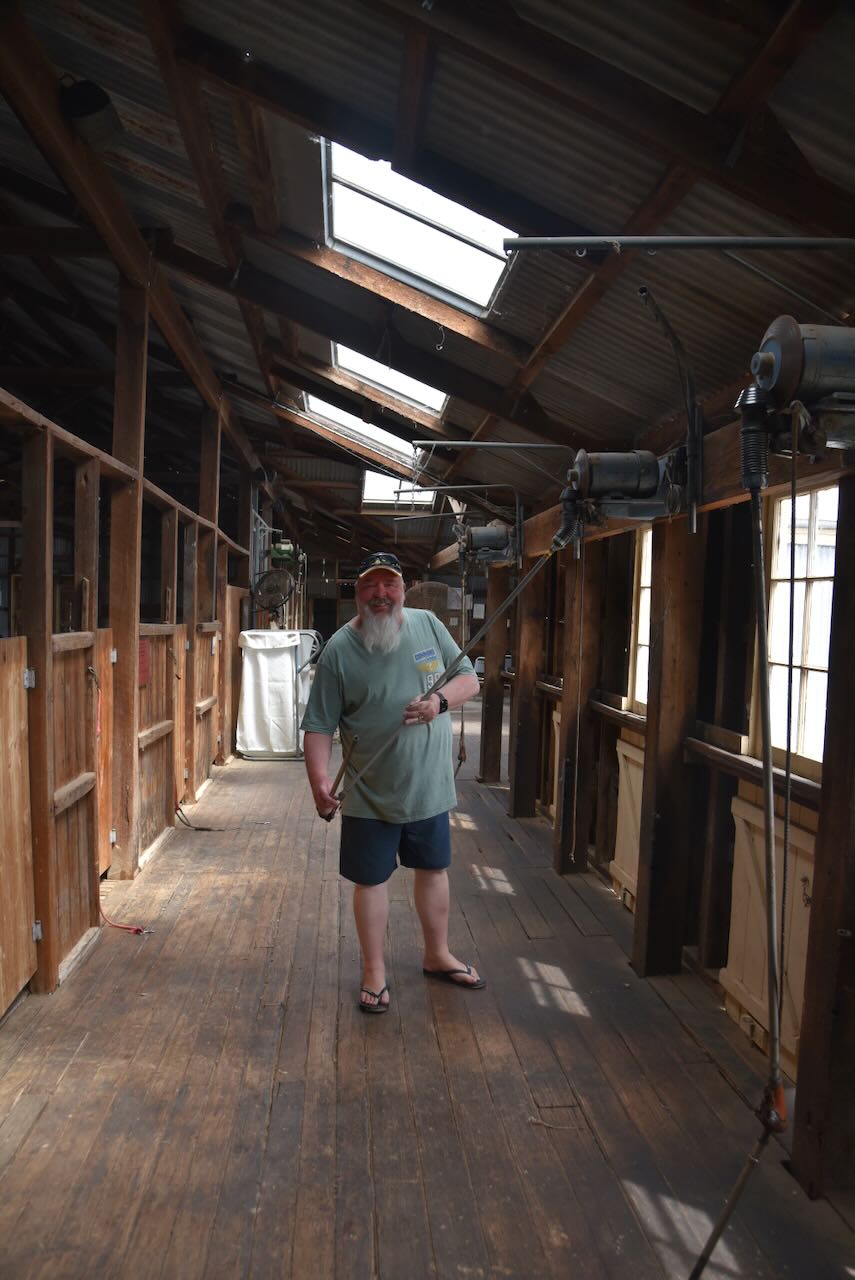
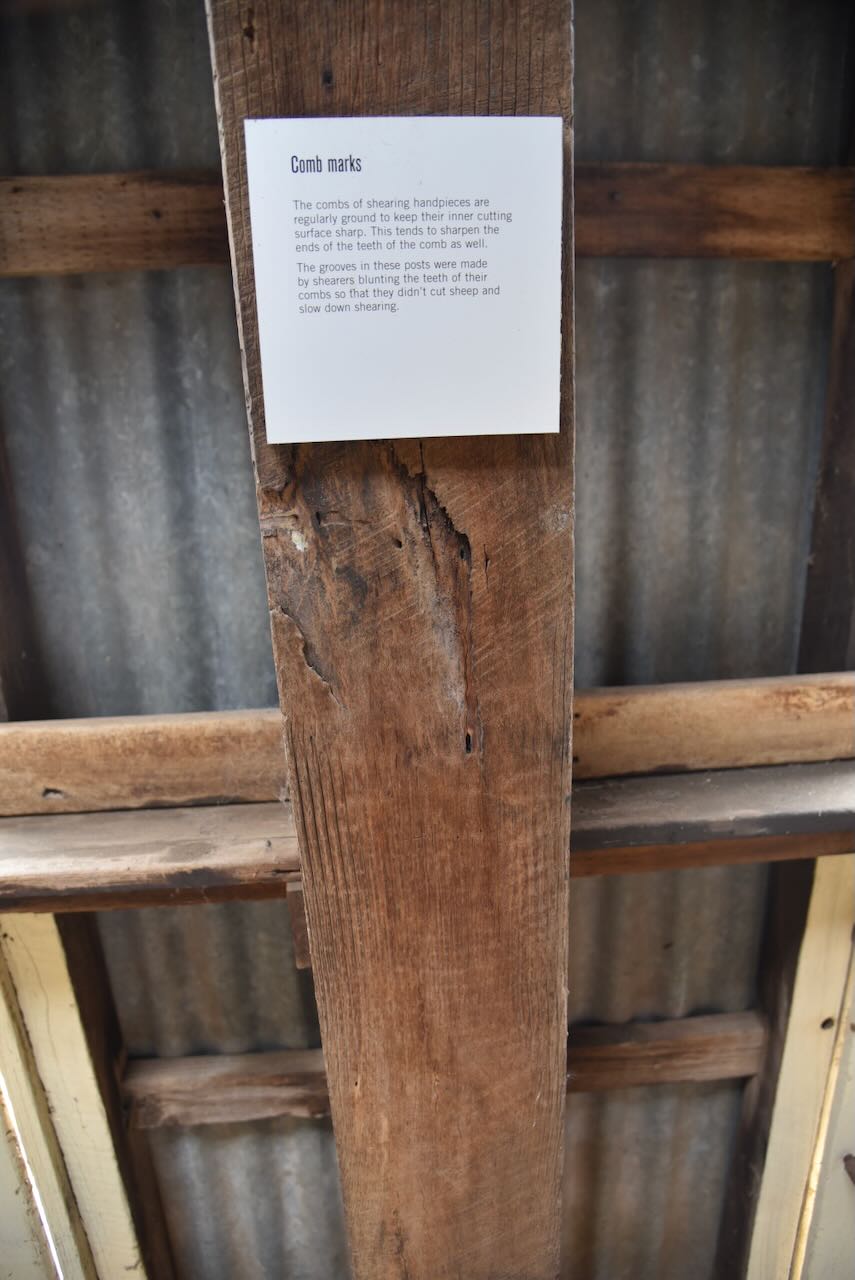
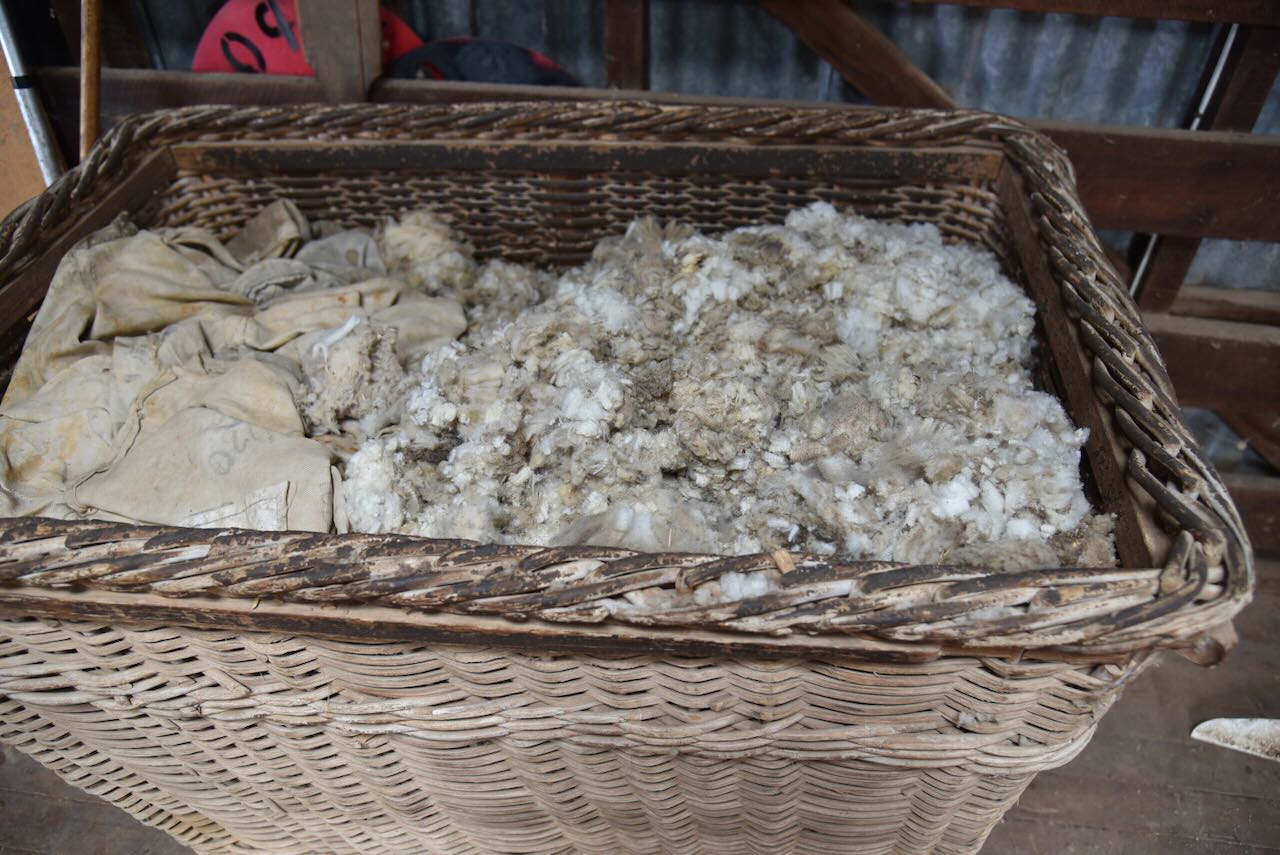
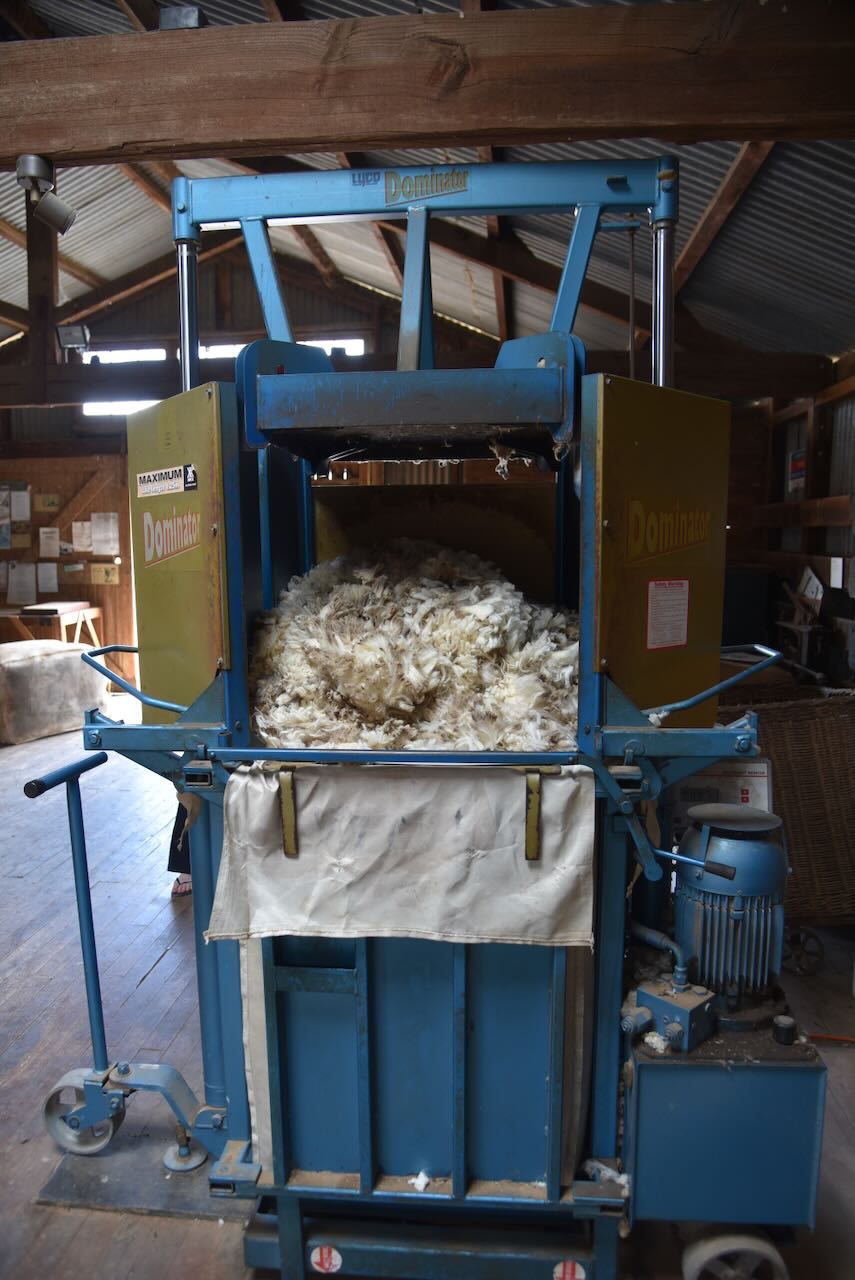
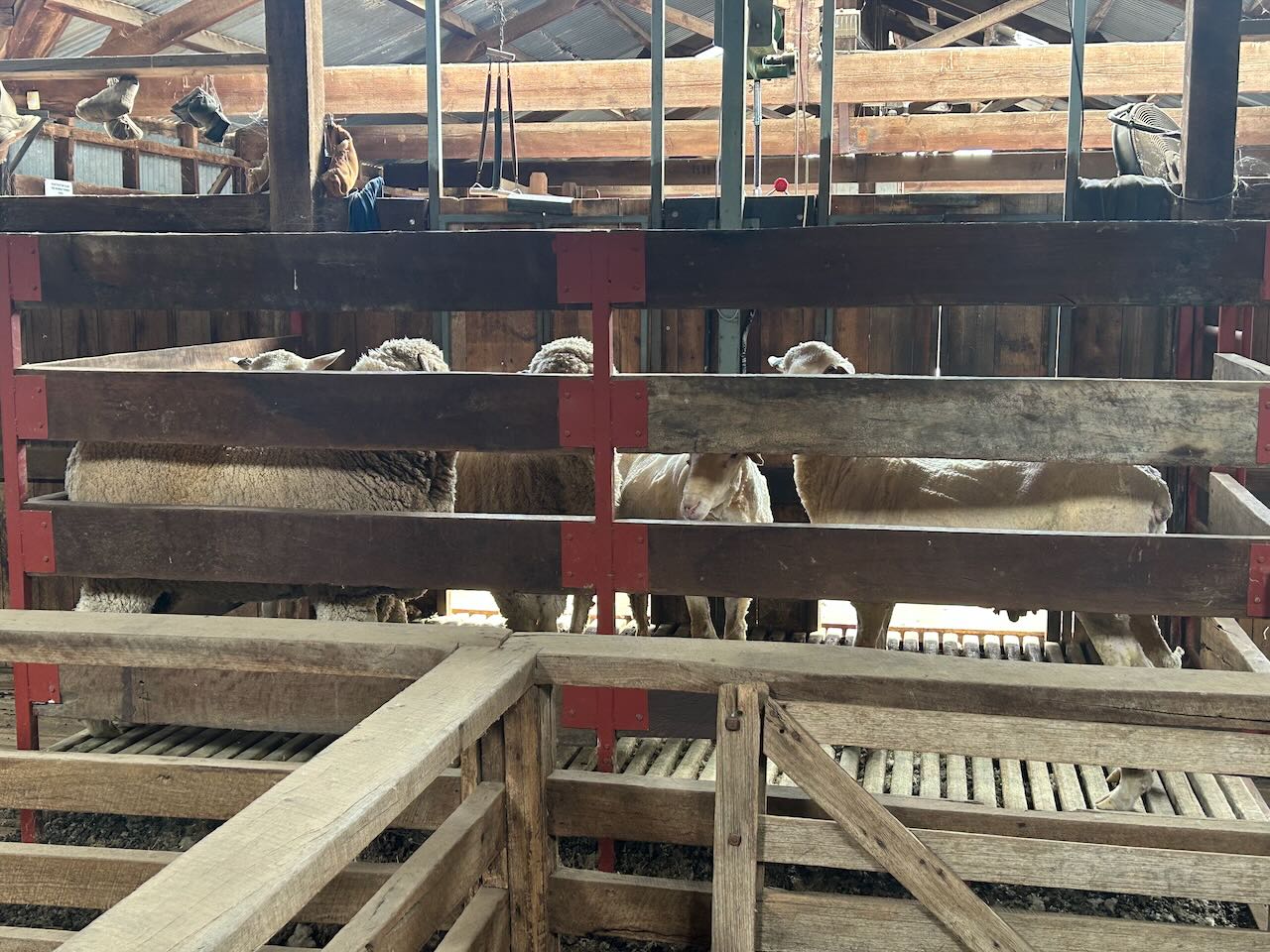
We spent quite a bit of time wandering around the museum, which contained some very interesting displays about the shearing industry.
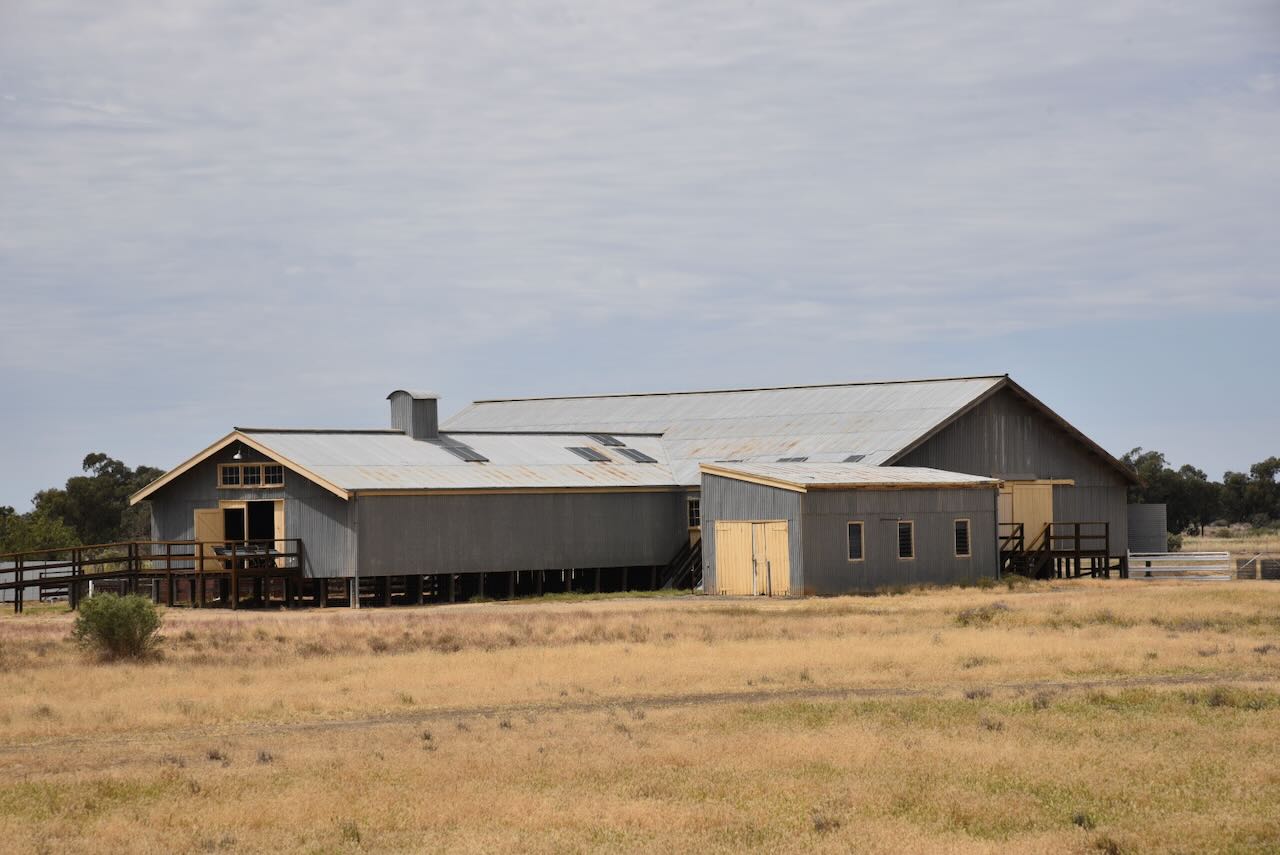
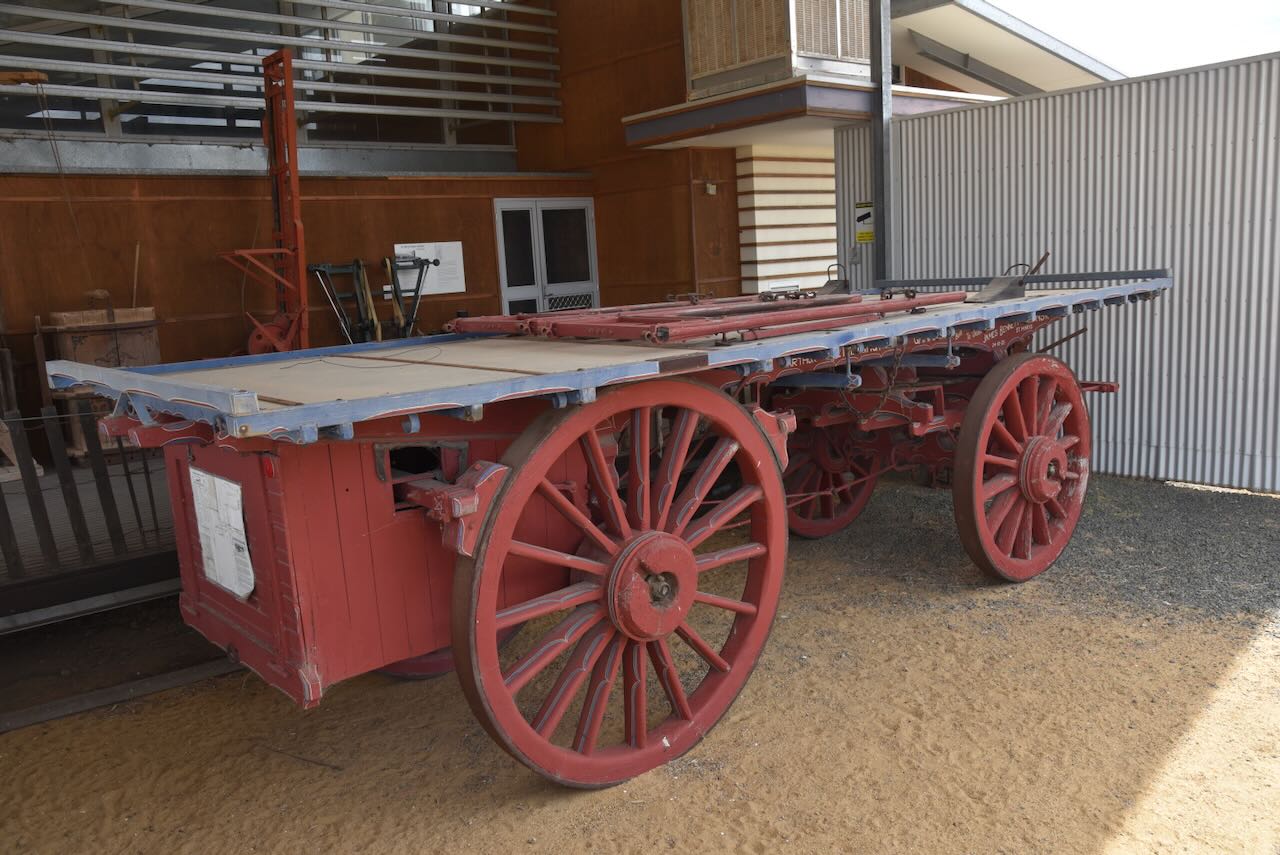
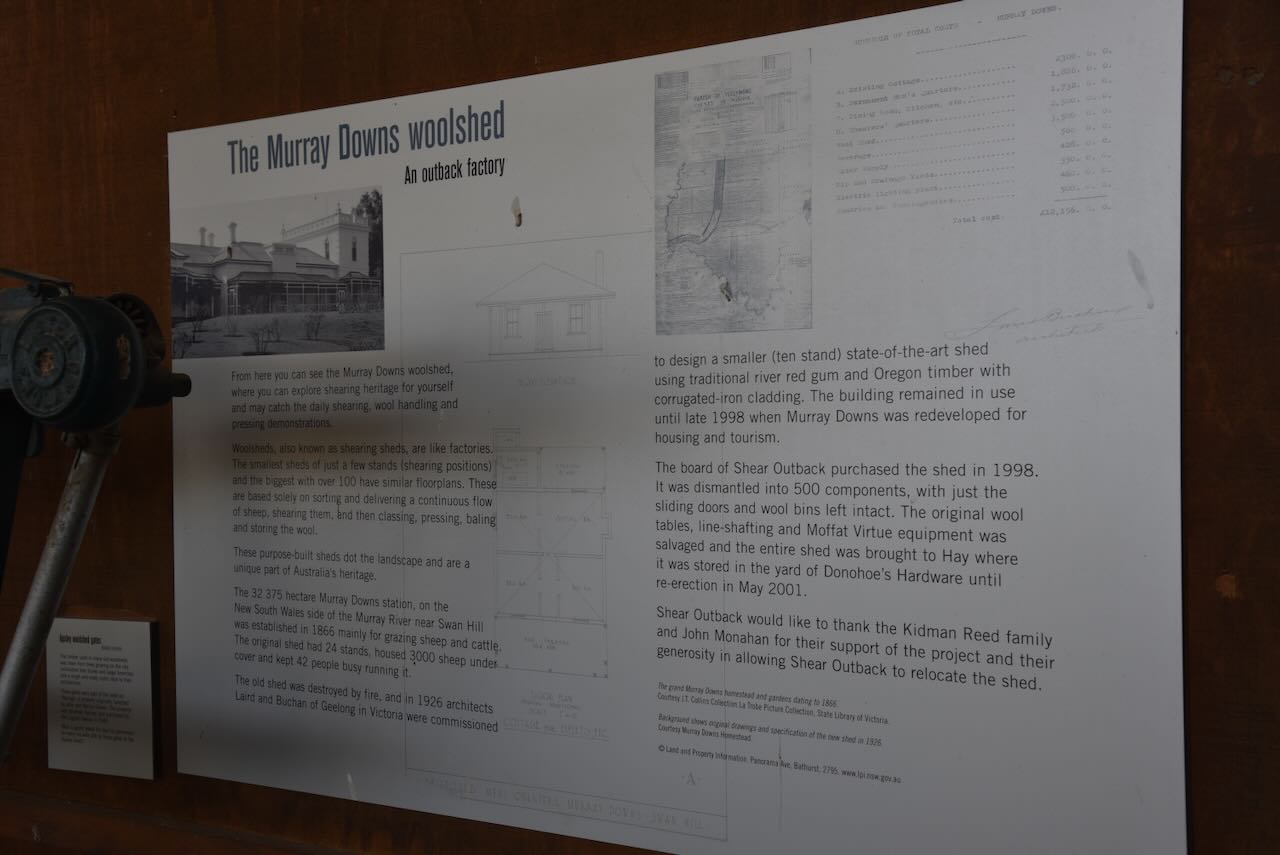
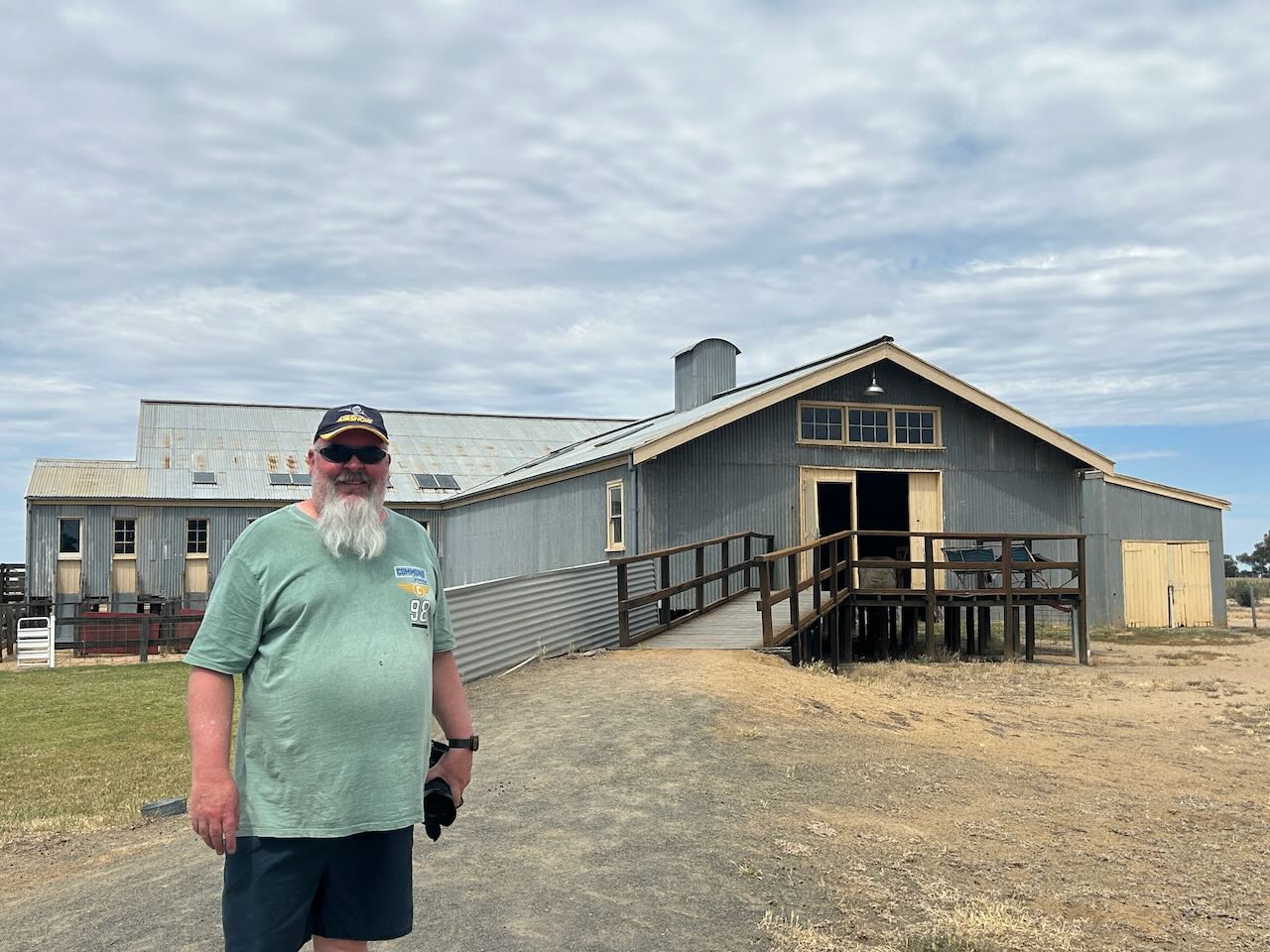
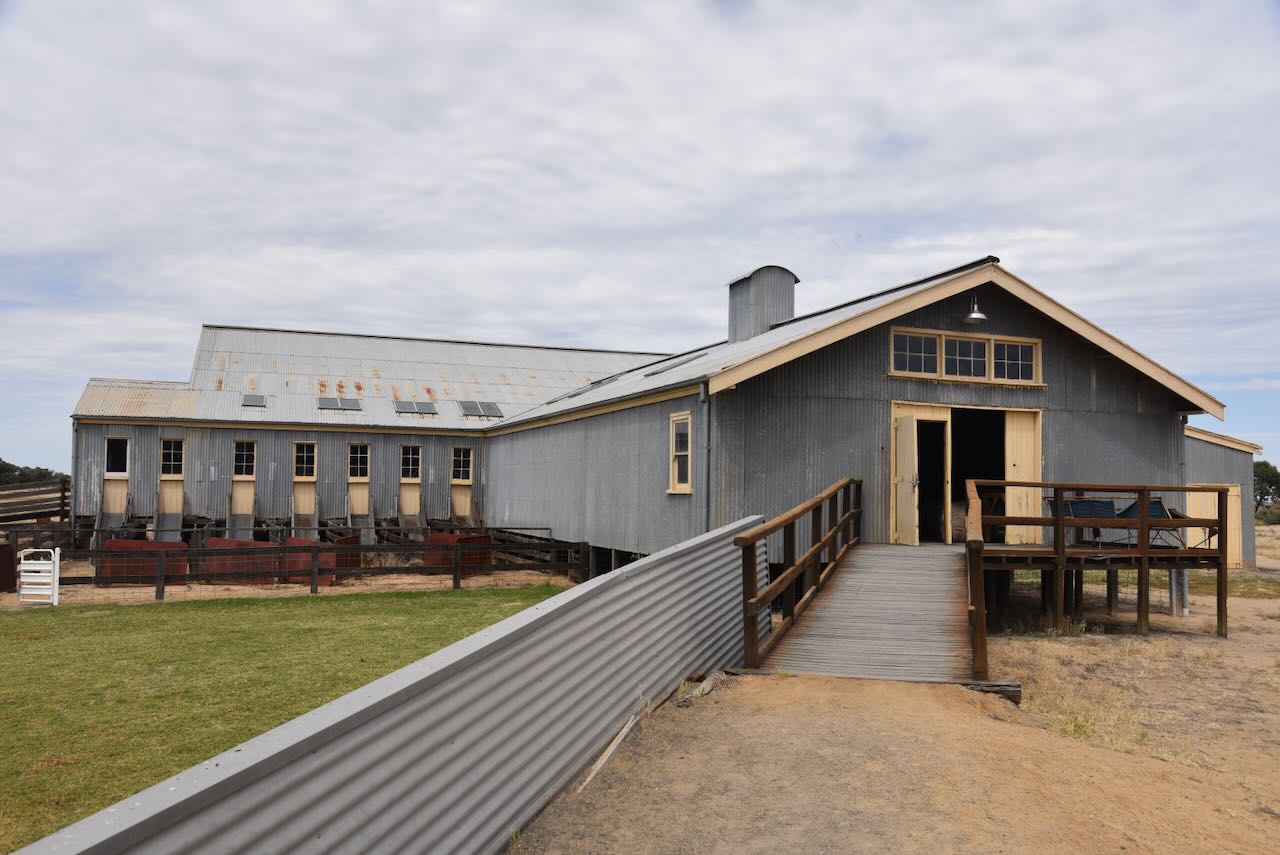
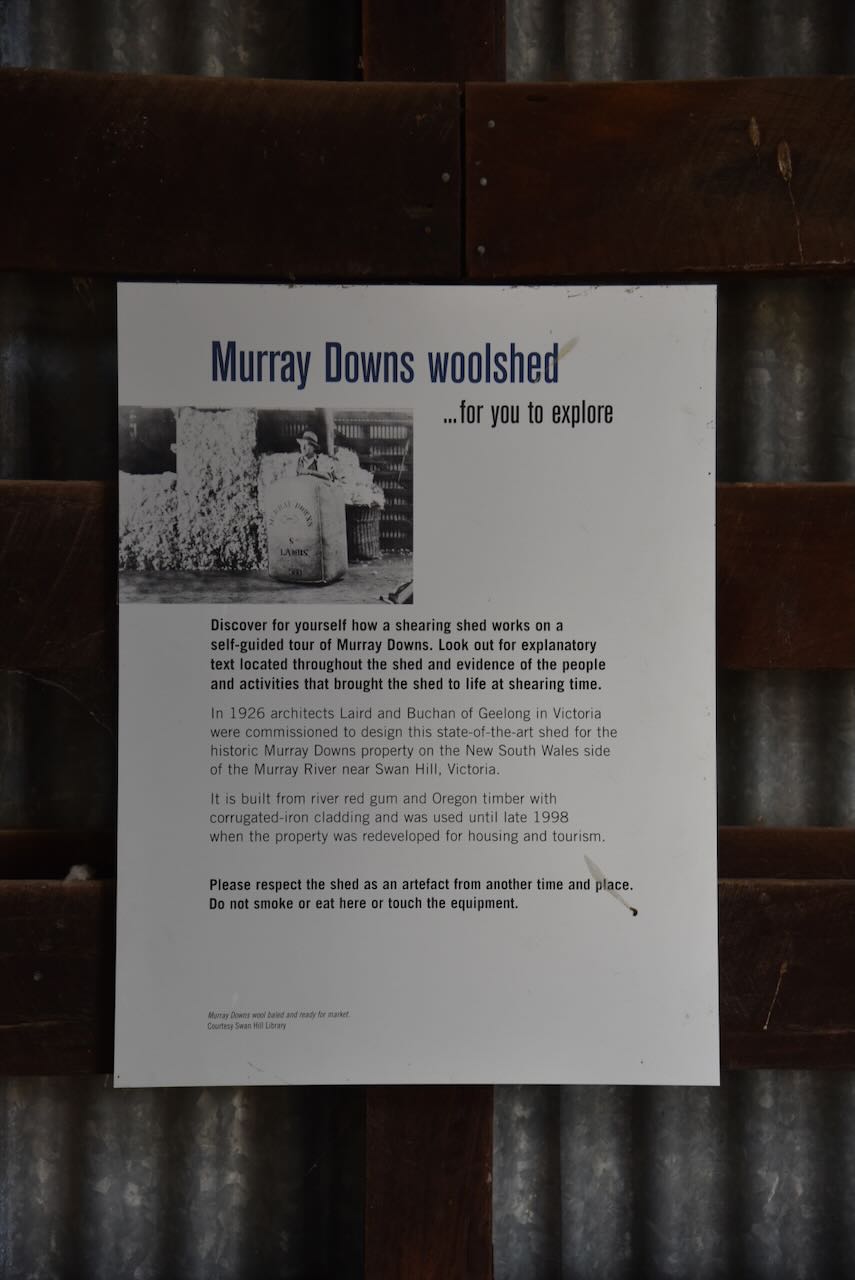
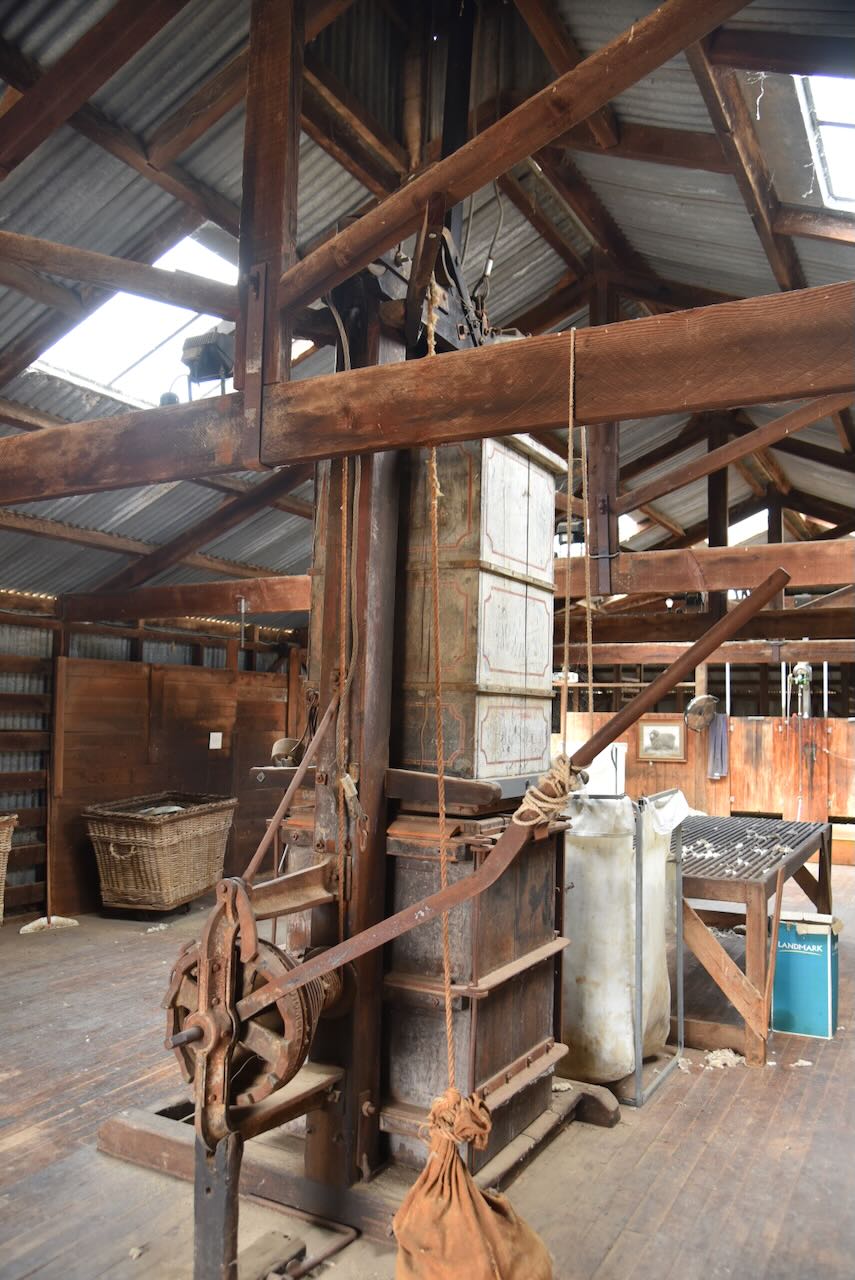
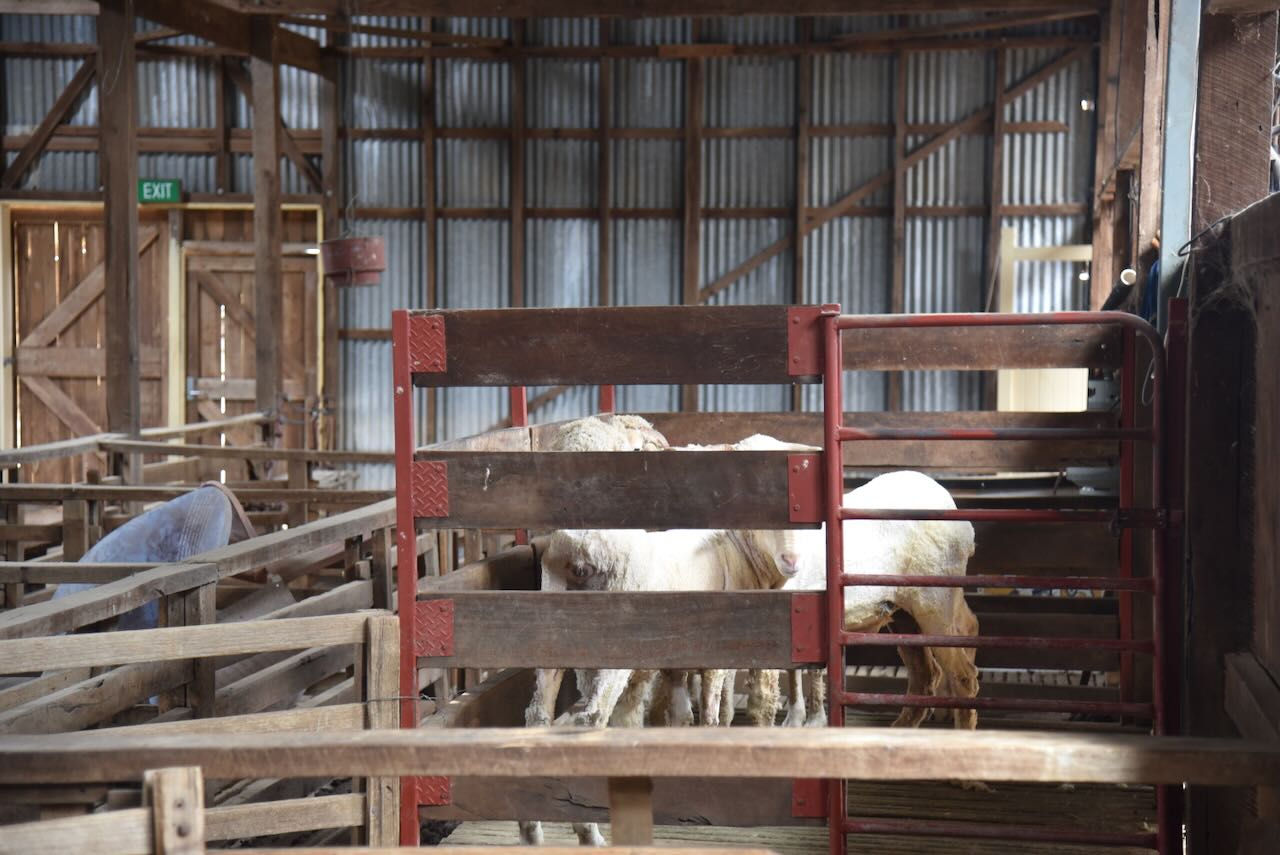
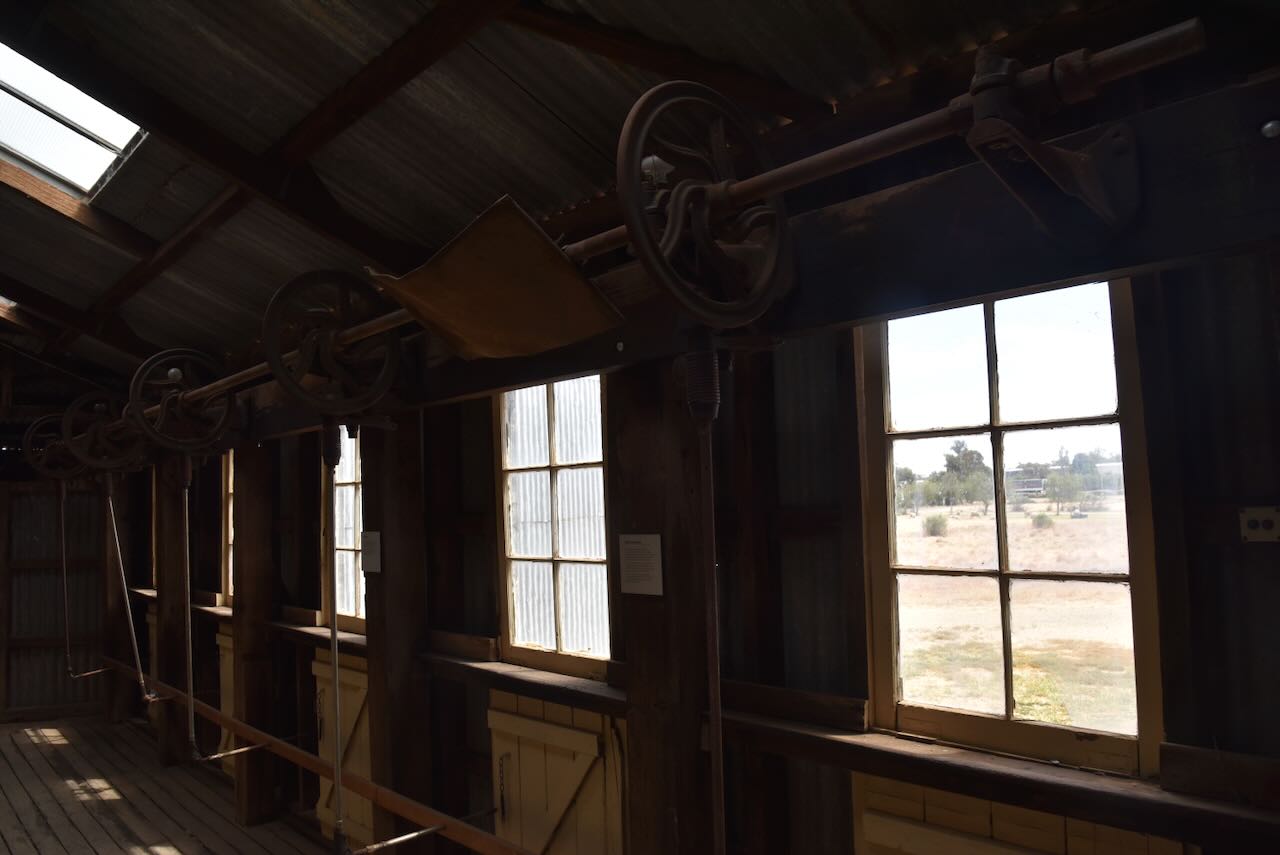
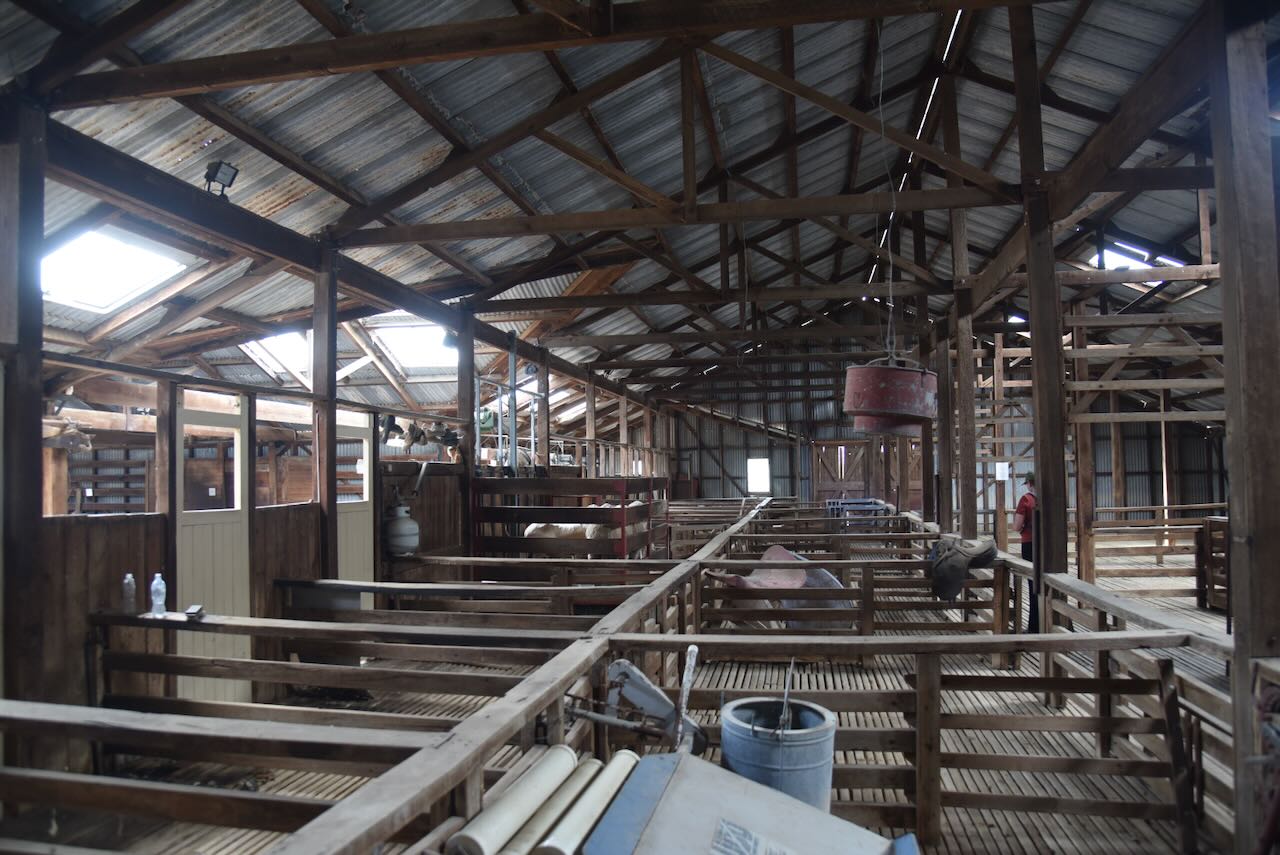
We then wandered over to the historic Murray Downs woolshed. In 1926, architects Laird and Buchan of Geelong were commissioned to design this state-of-the-art shed for the historic Murrau Downs property on the New South Wales side of the Murray River near Swan Hill. It is built from river red gum and Oregon timber with corrugated-iron cladding and was used until late 1998.
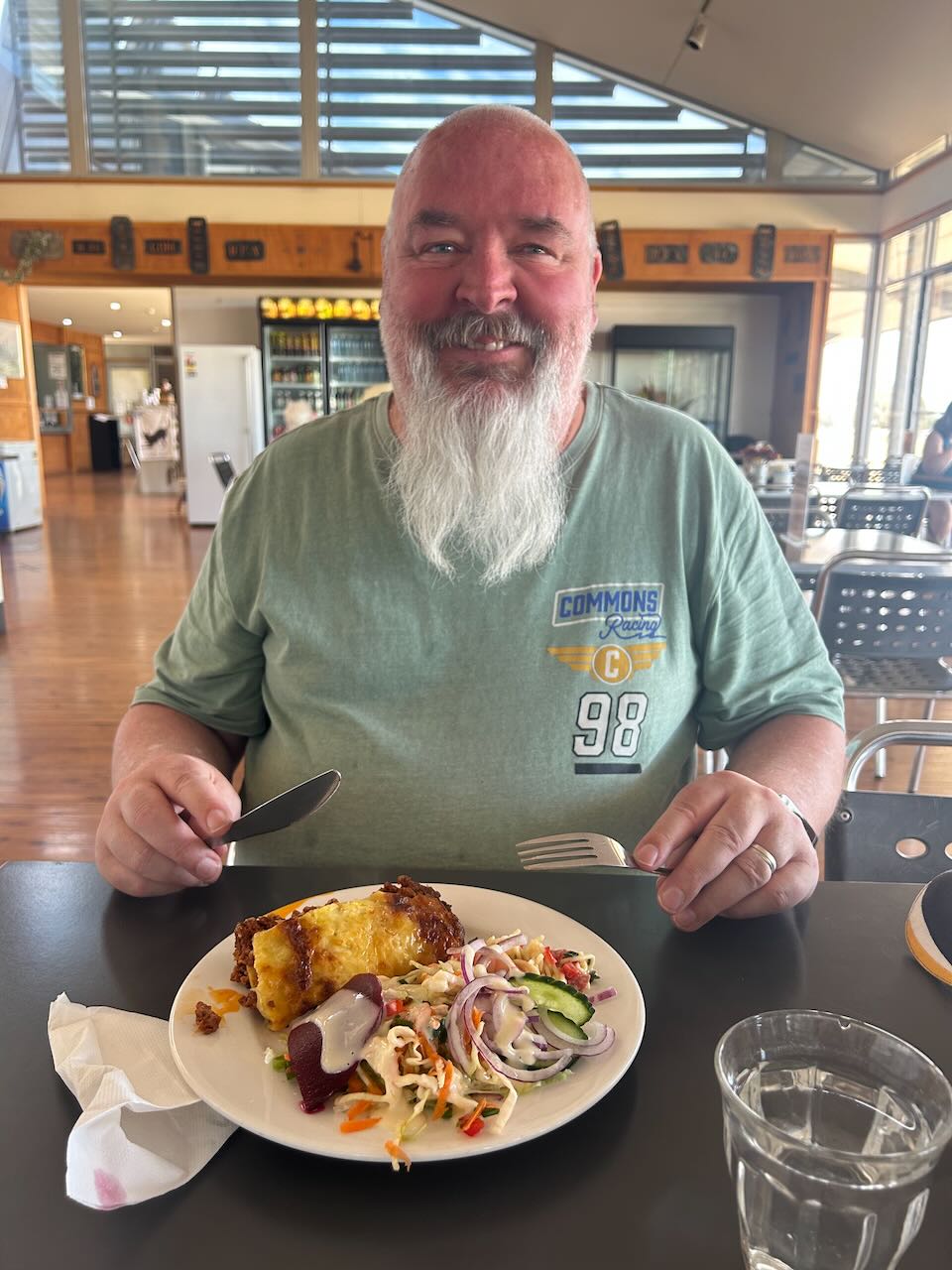
We then enjoyed a very enjoyable lunch in the cafe. I had a beautiful serve of lasagne.
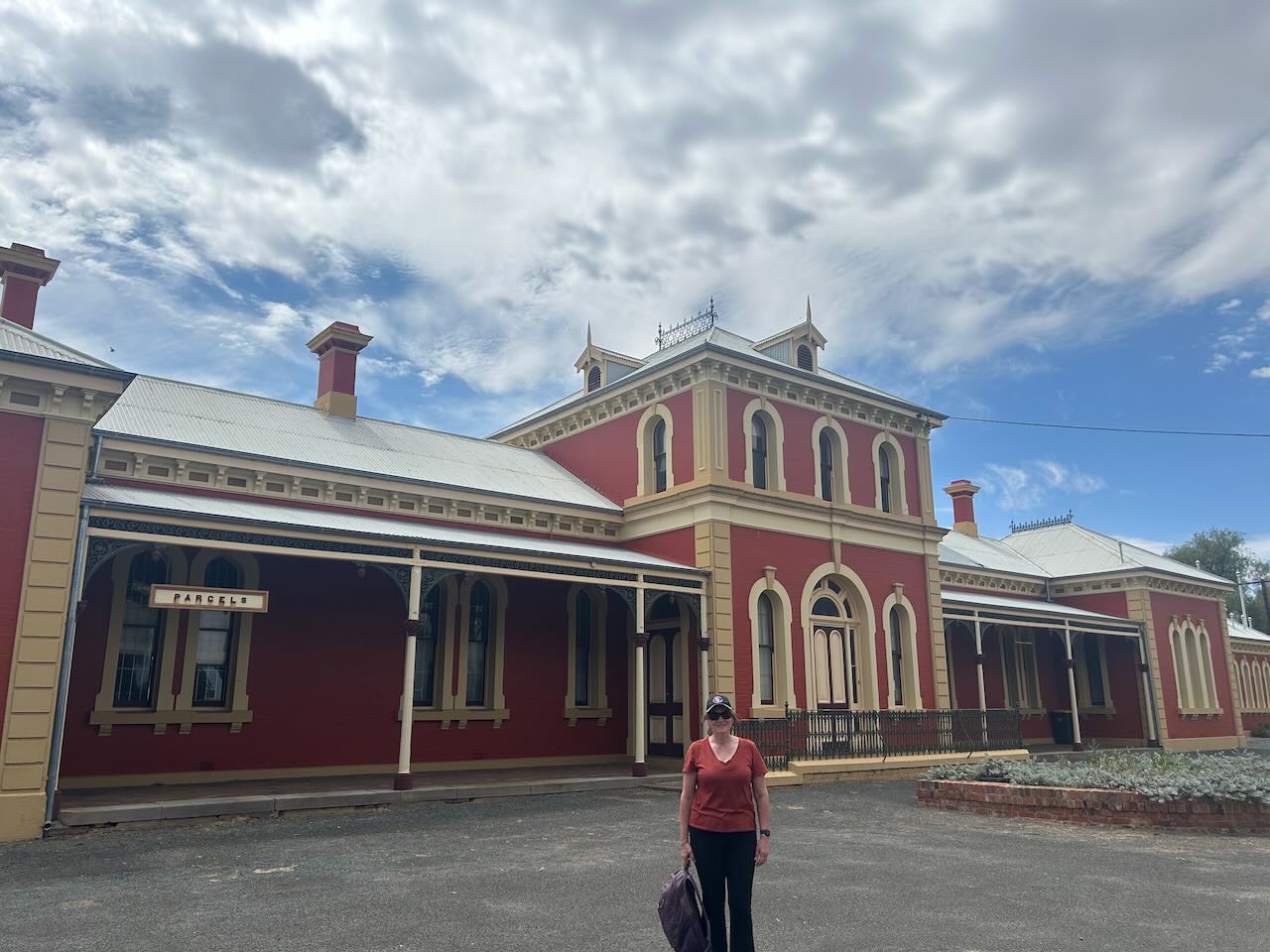
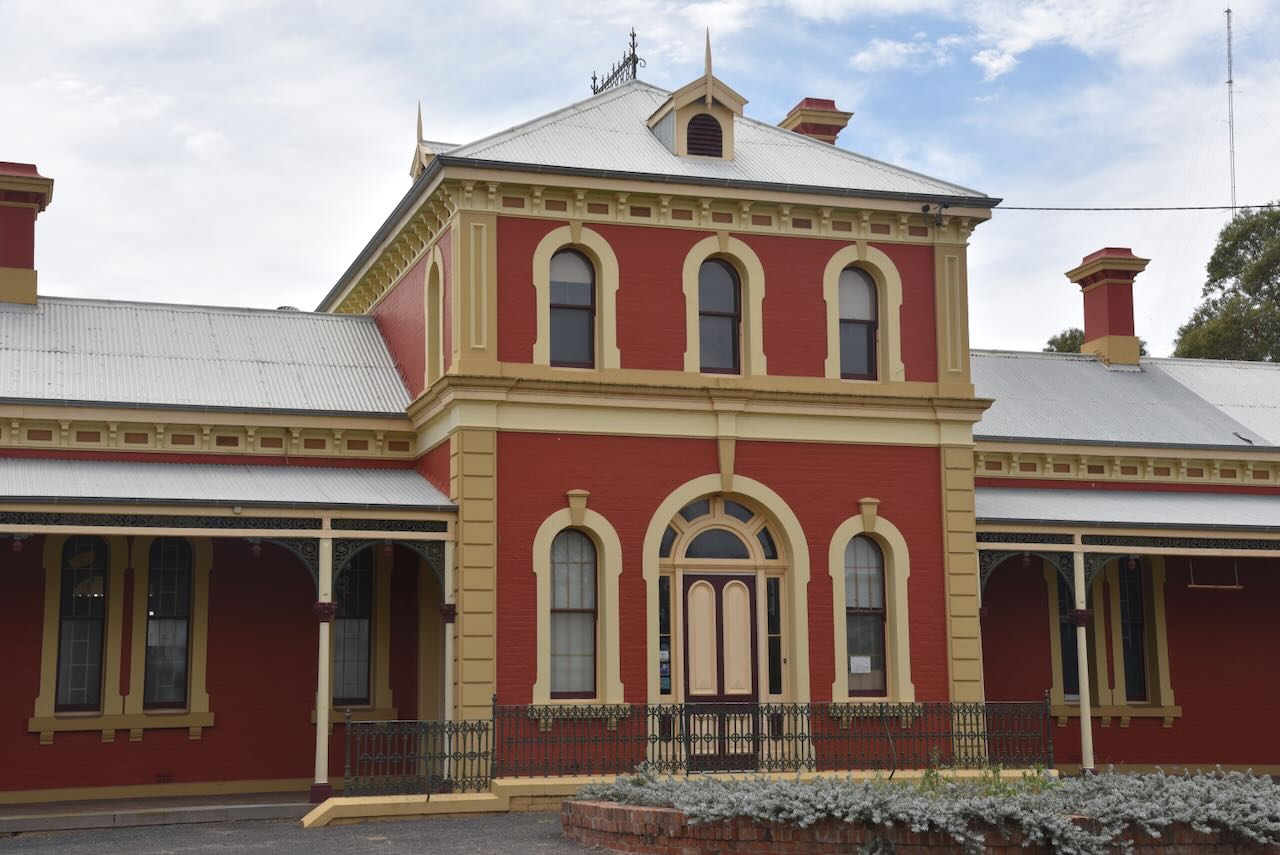
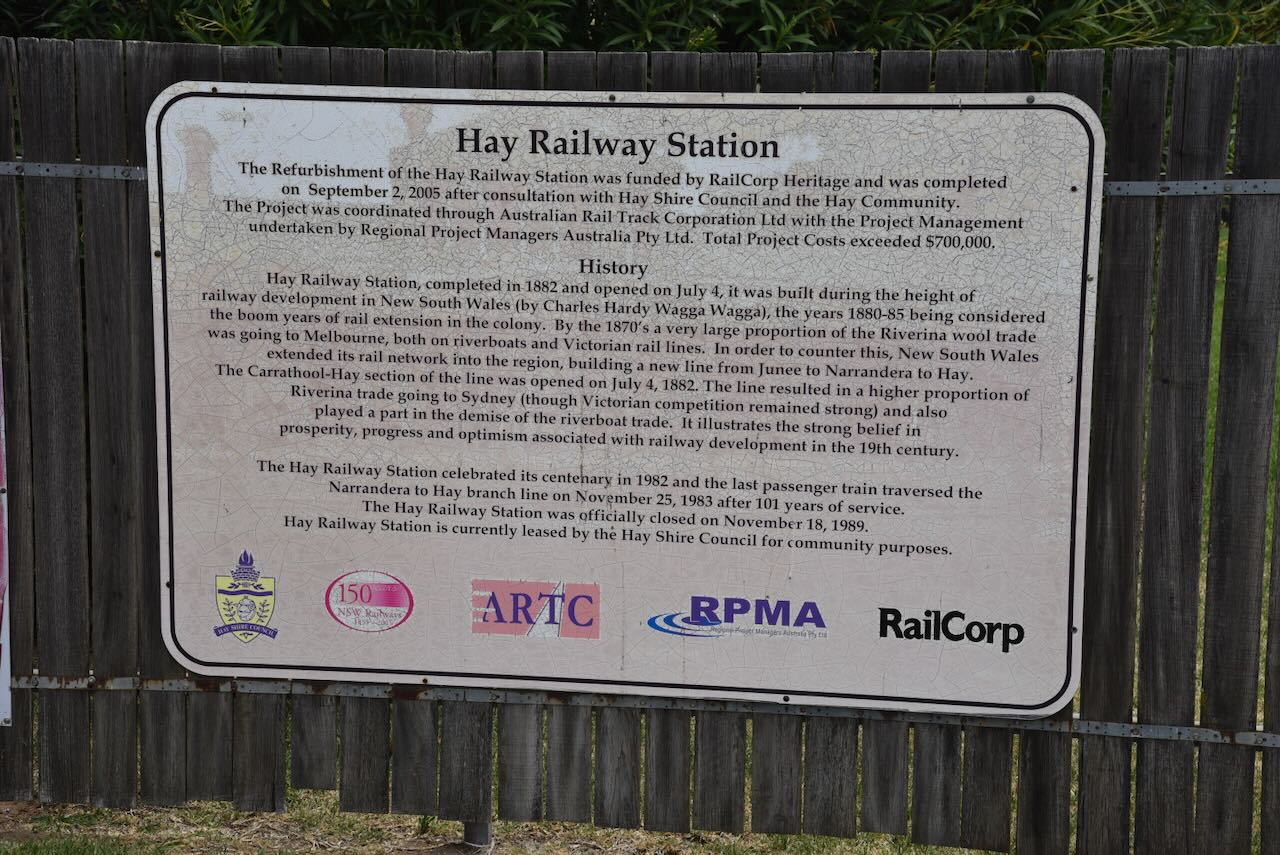
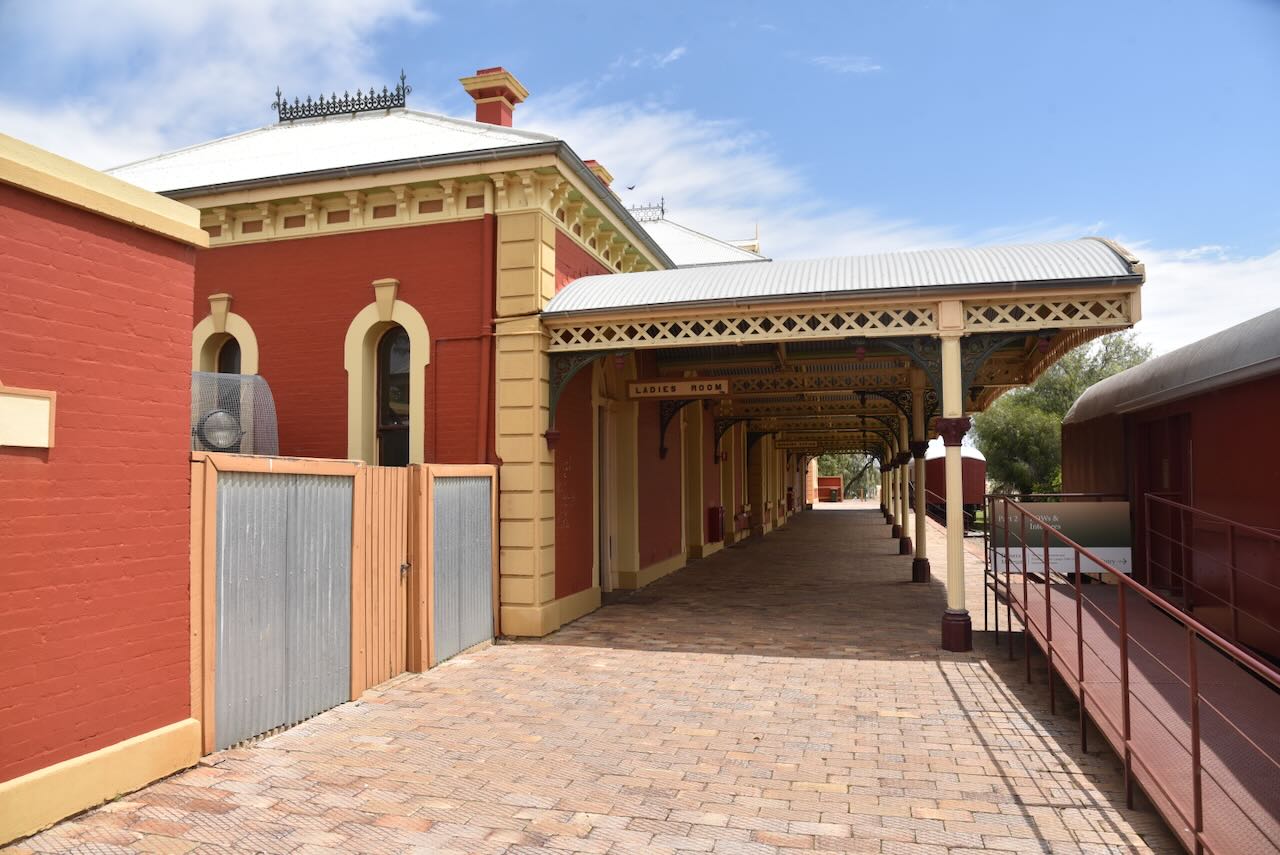
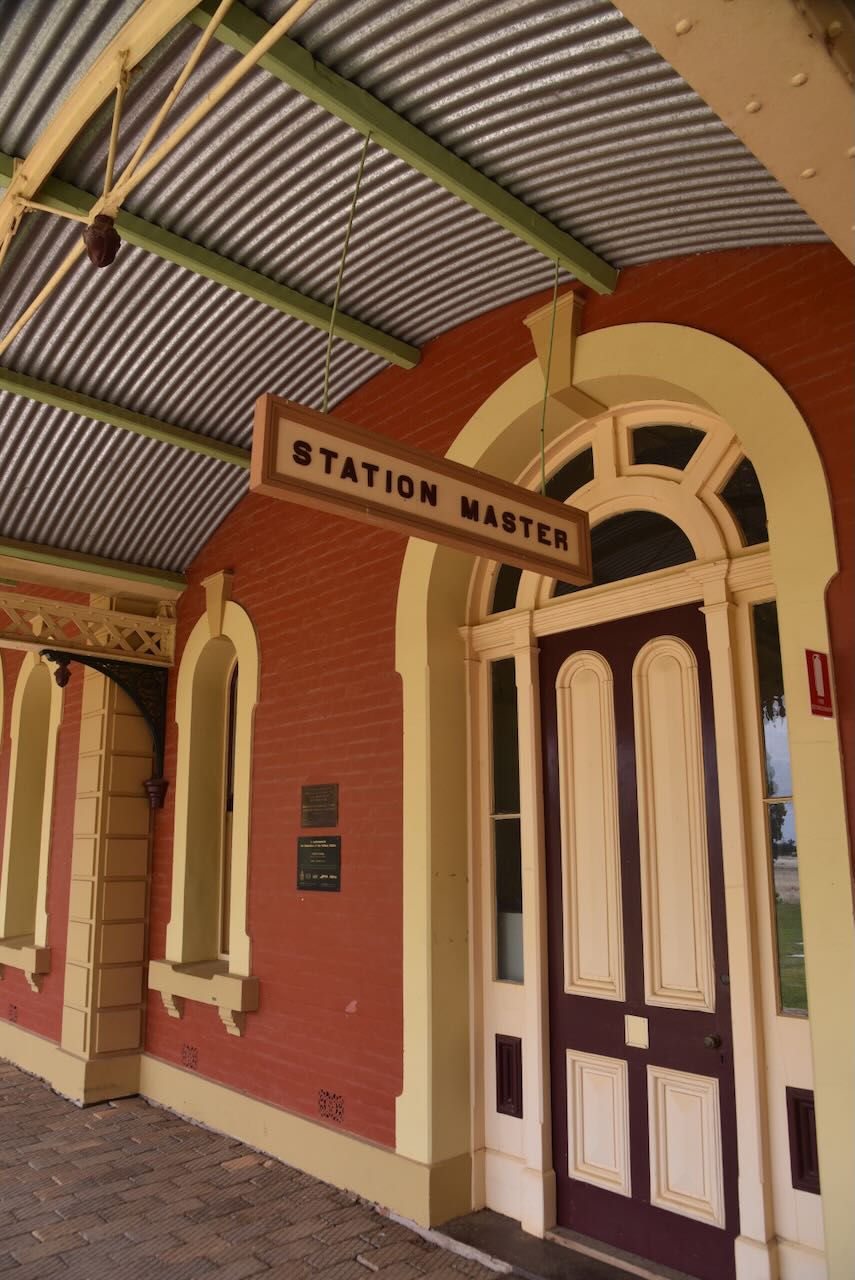
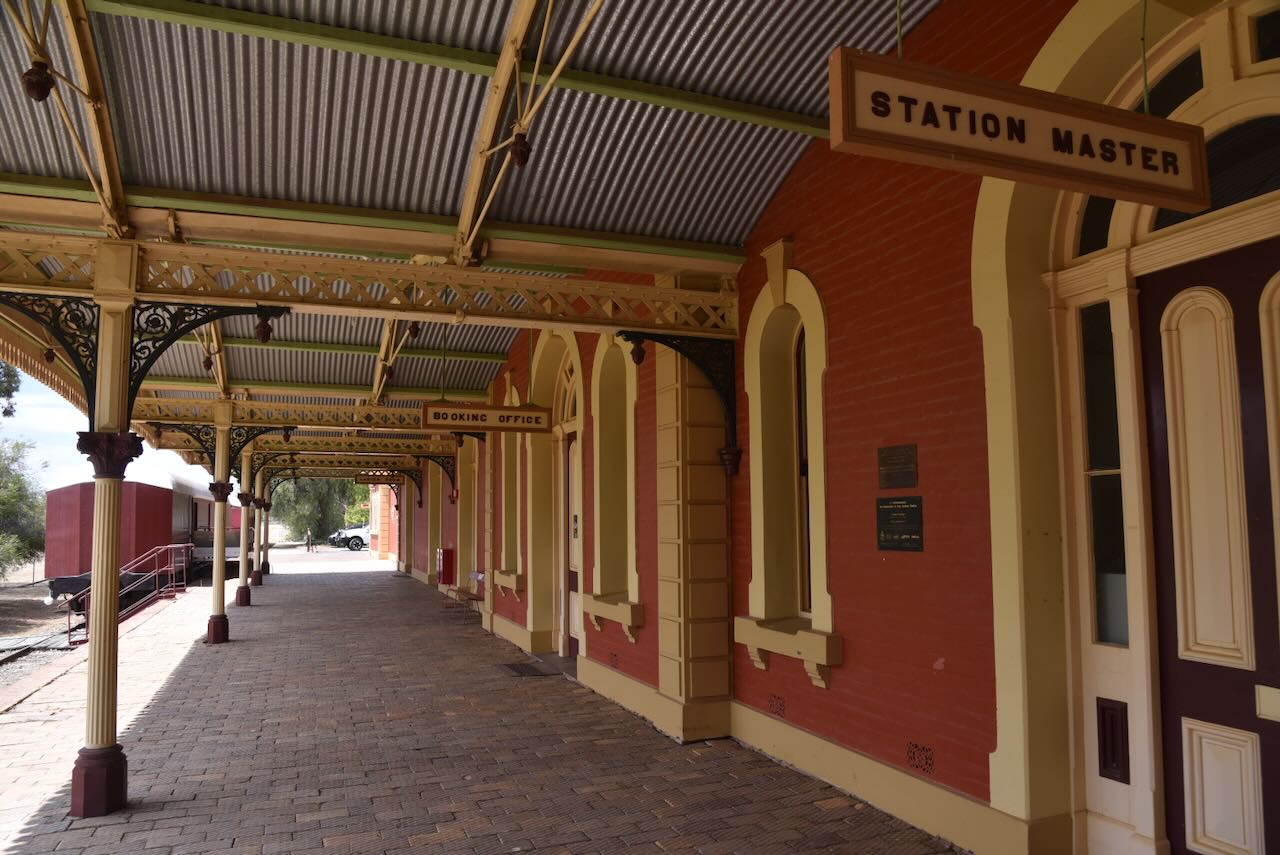
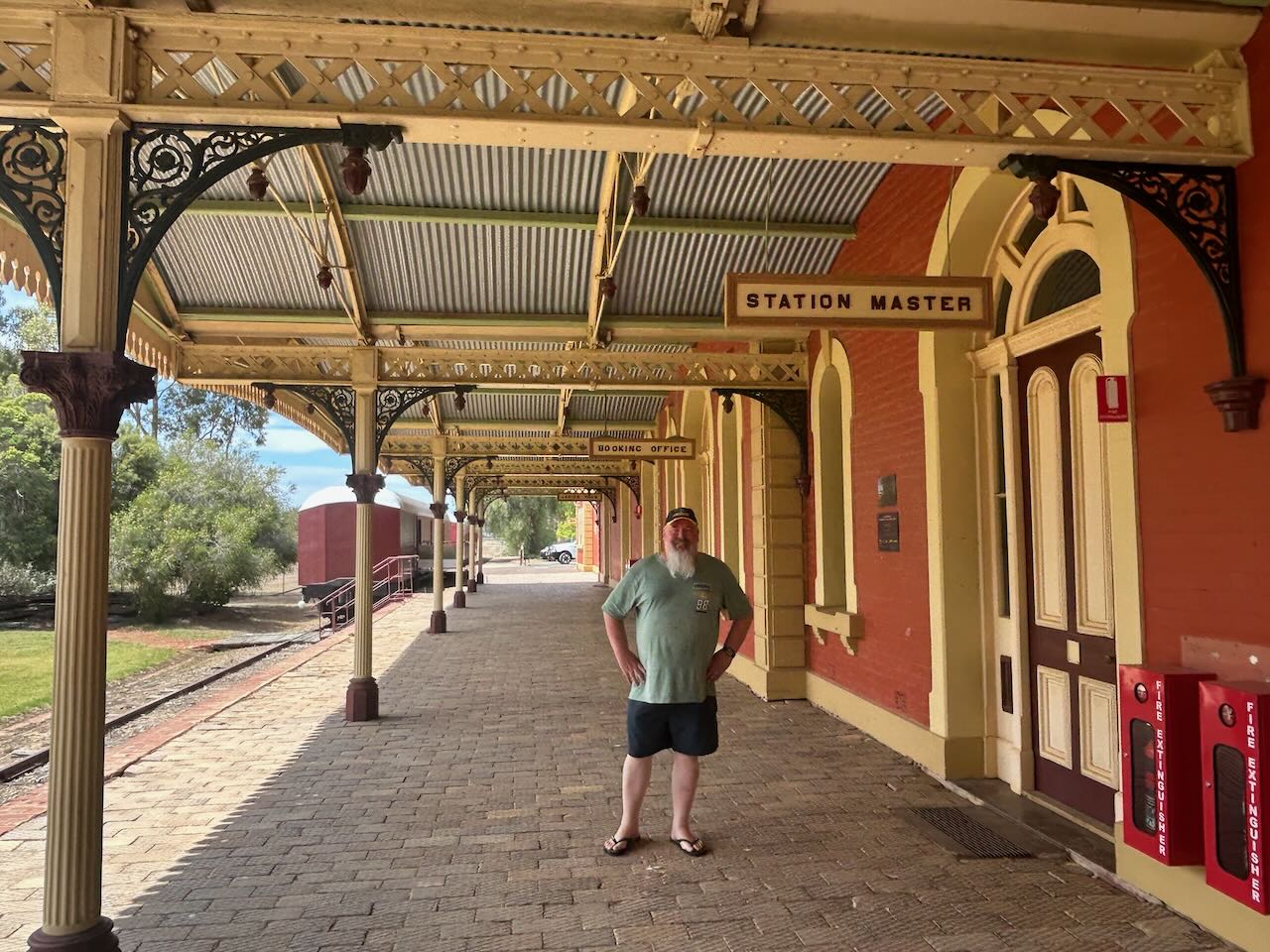
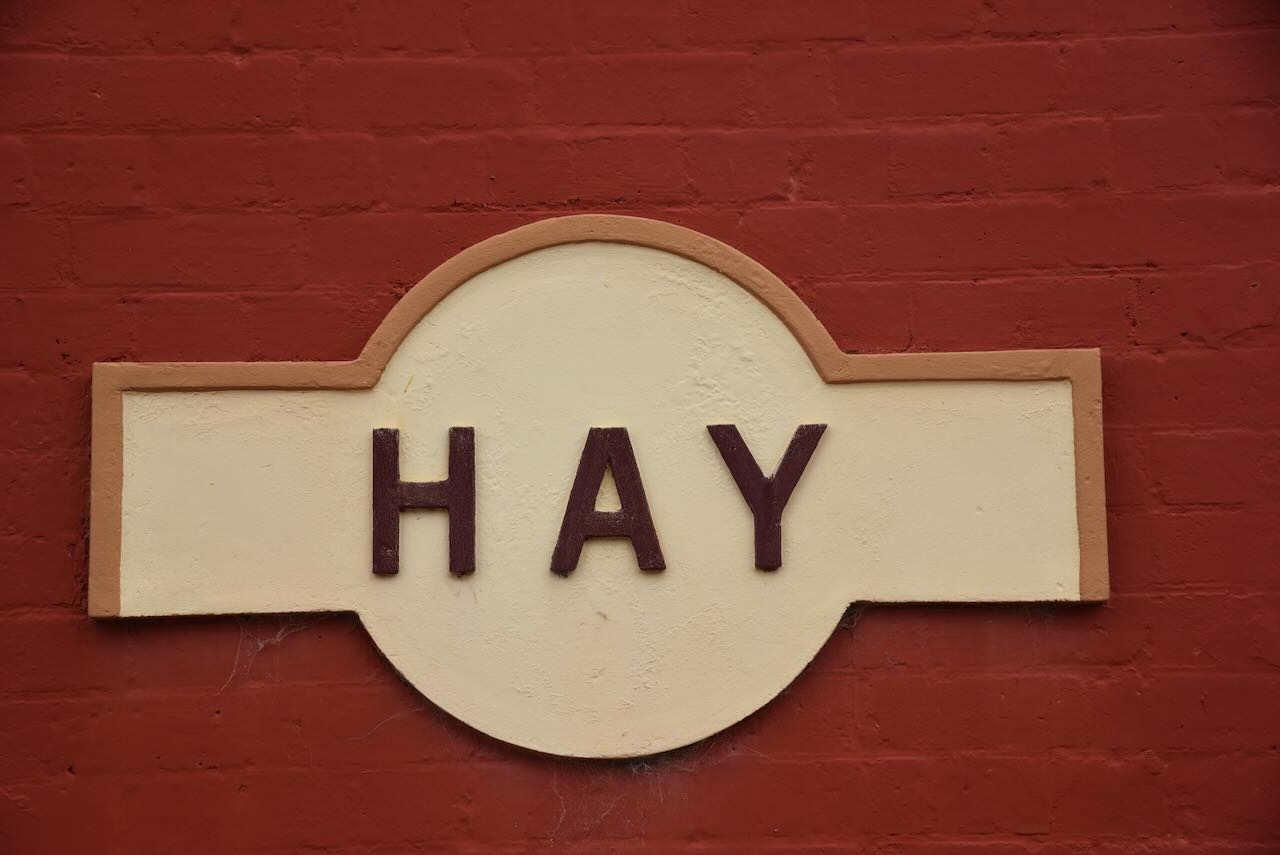
Our next stop was the Hay Railway Station, which opened in July 1882 and closed in 1989. The last passenger train service was in November 1983.
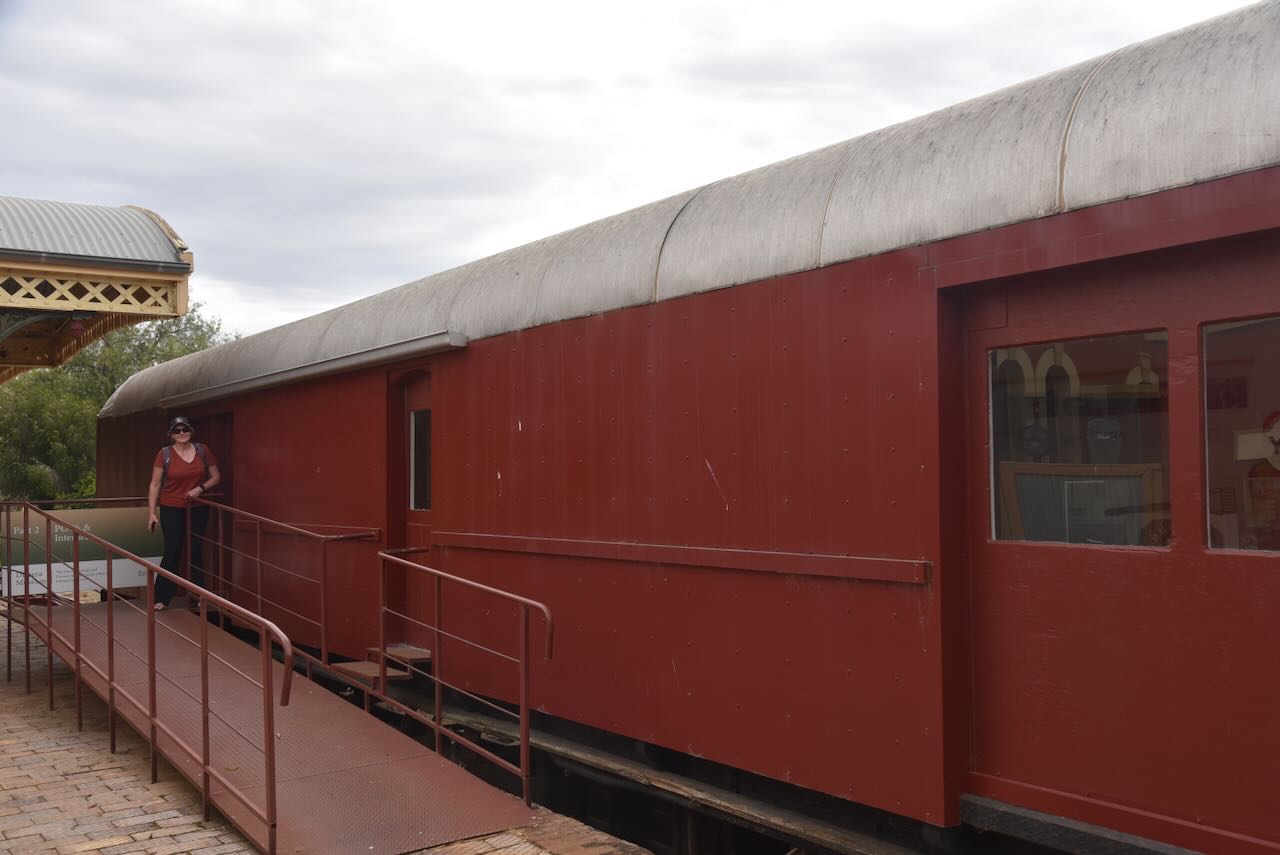
Located in some old train carriages at the railway station, you will find the Dunera Museum.
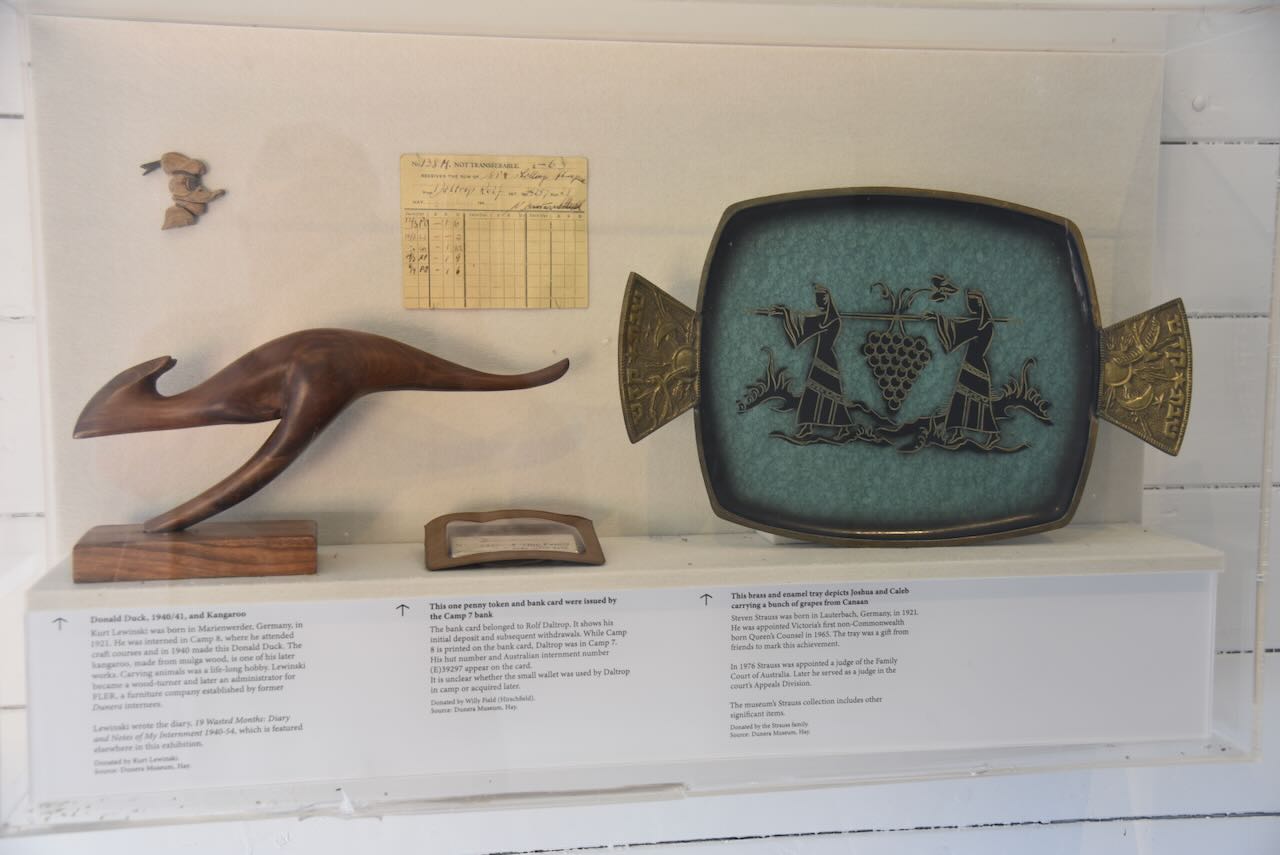
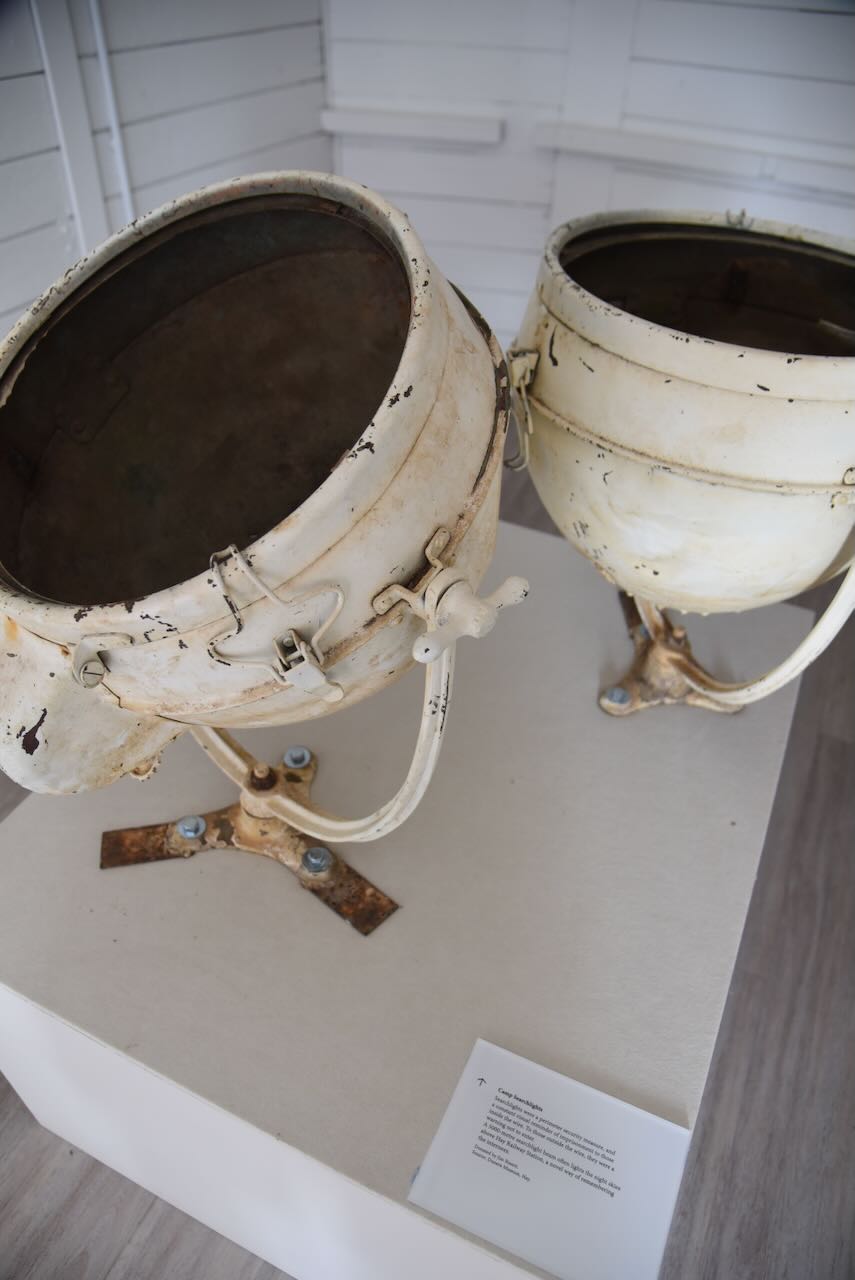
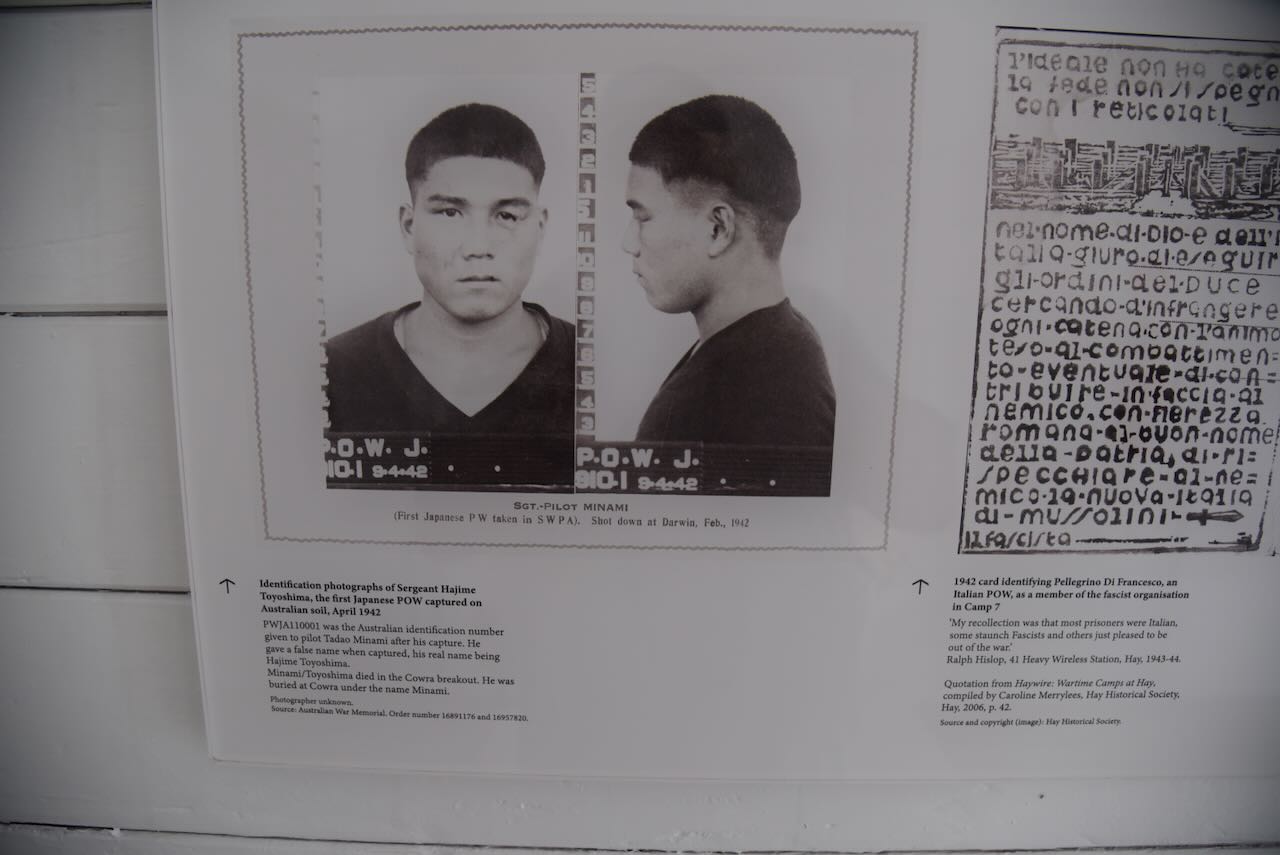
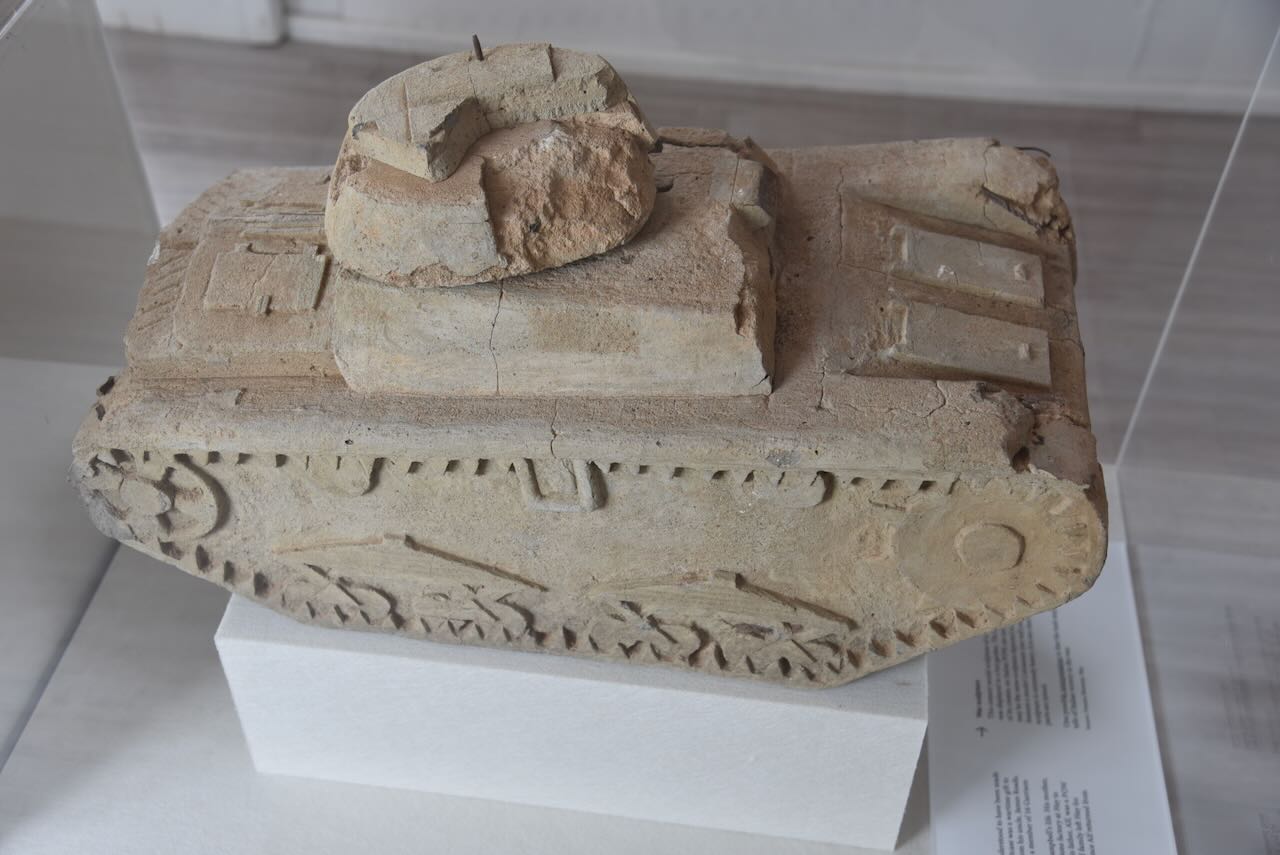
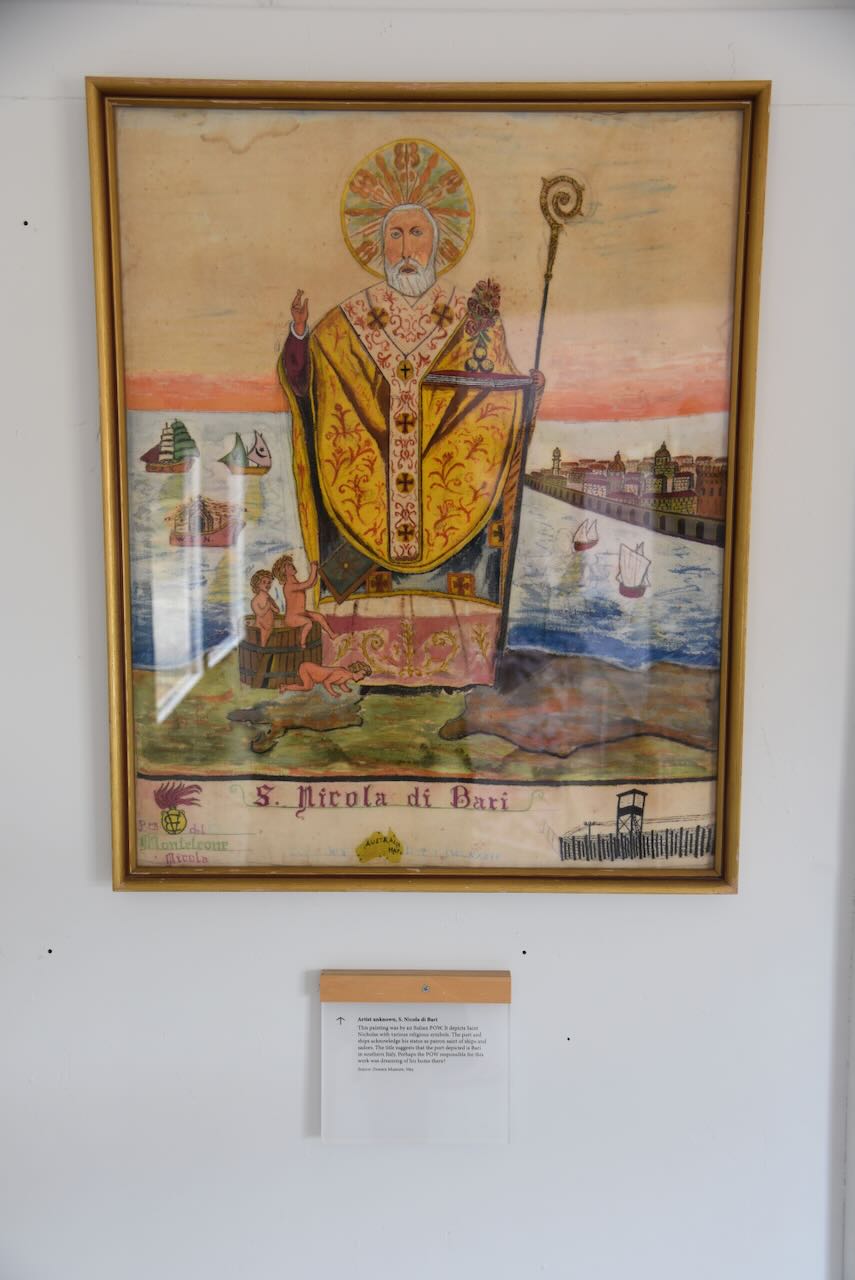
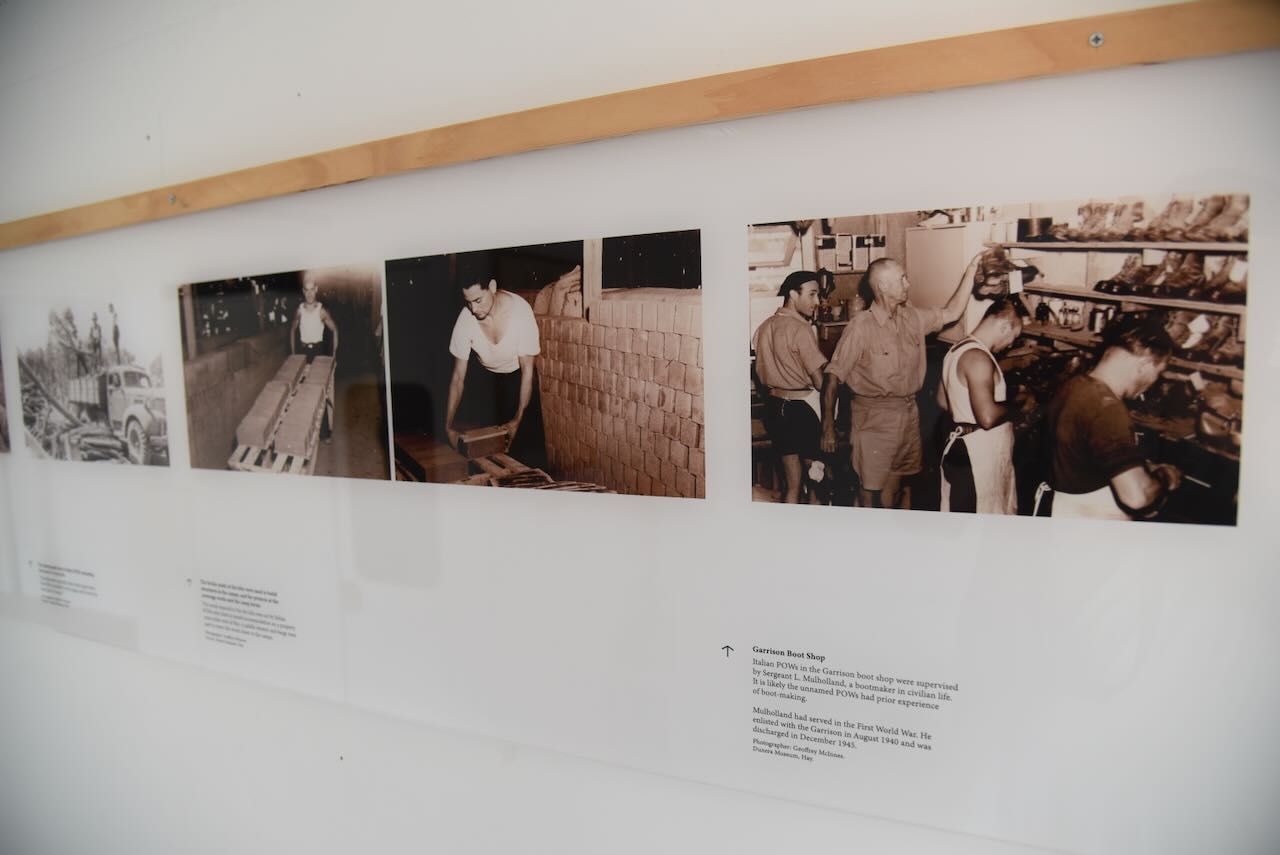
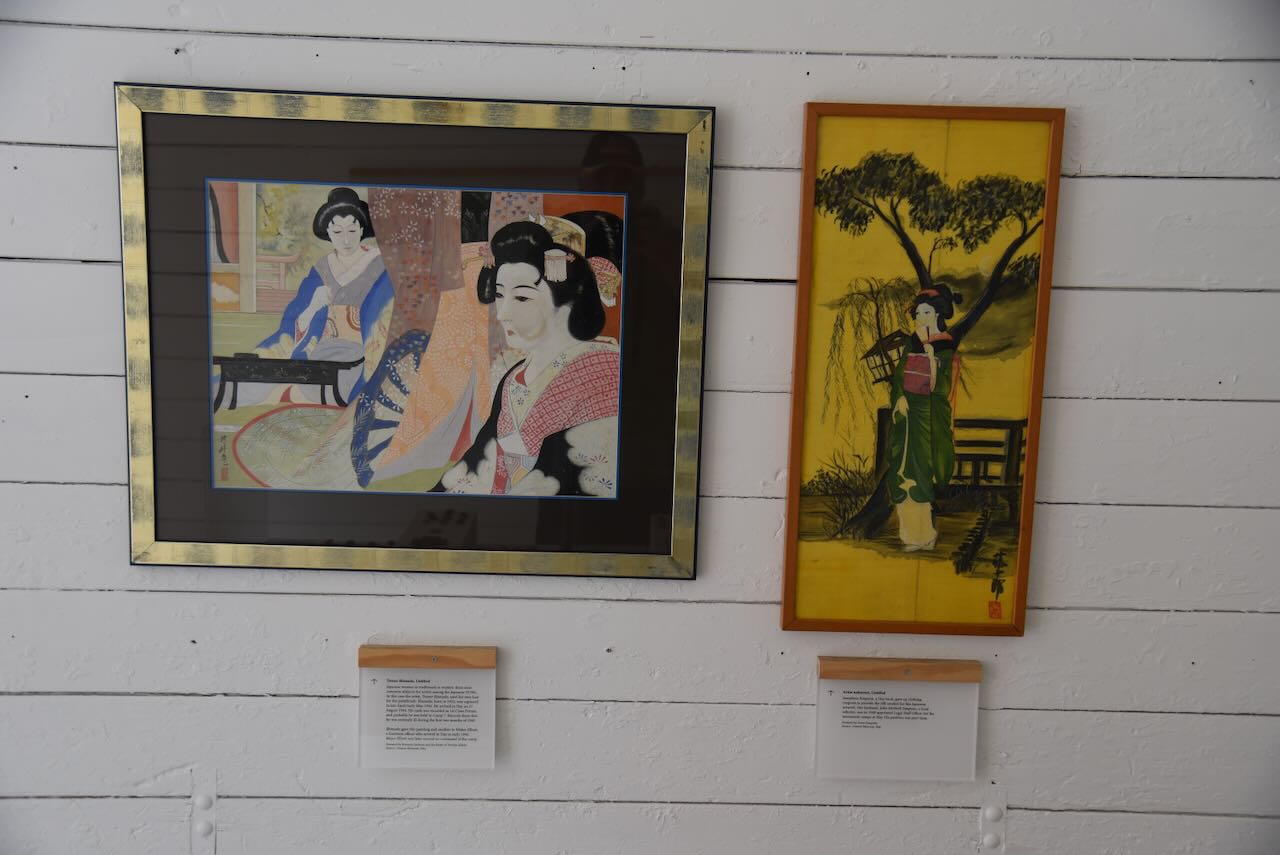
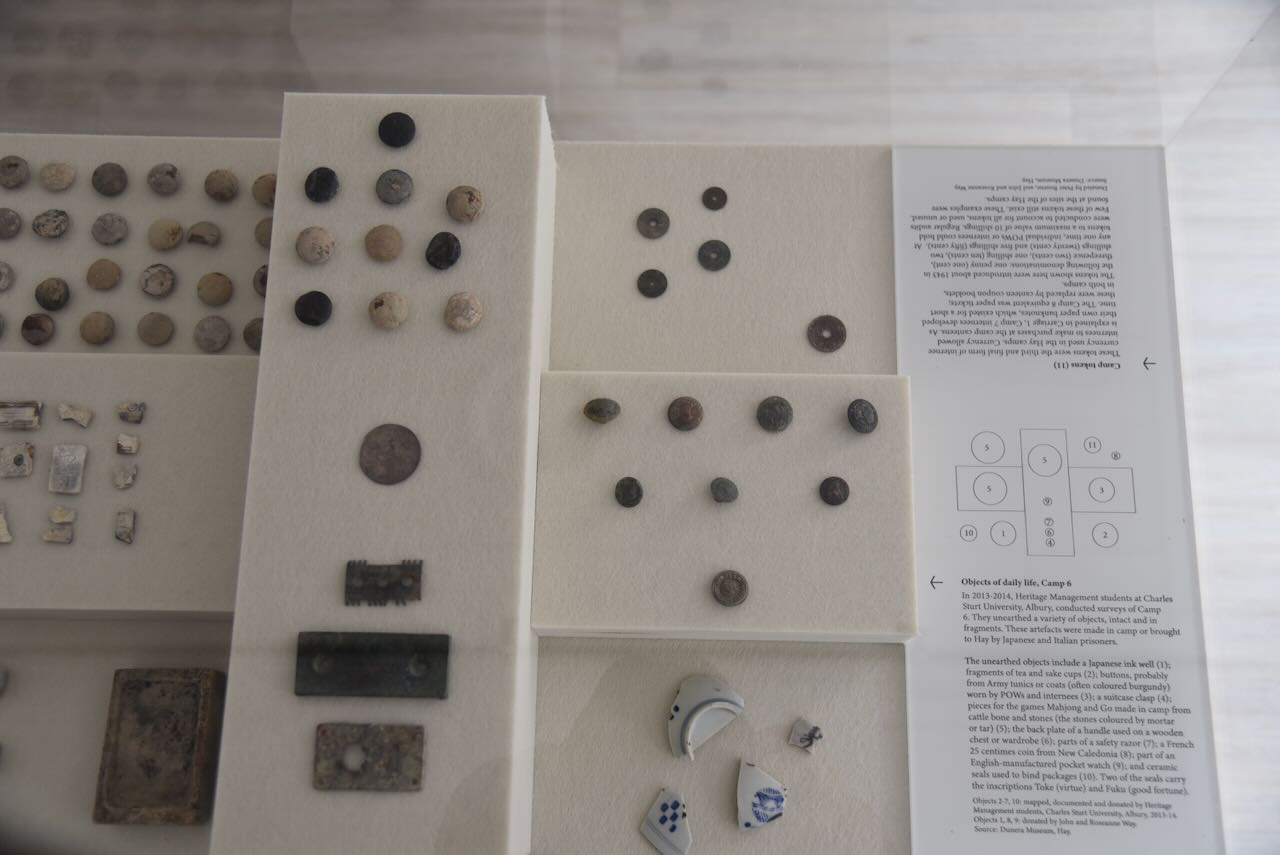
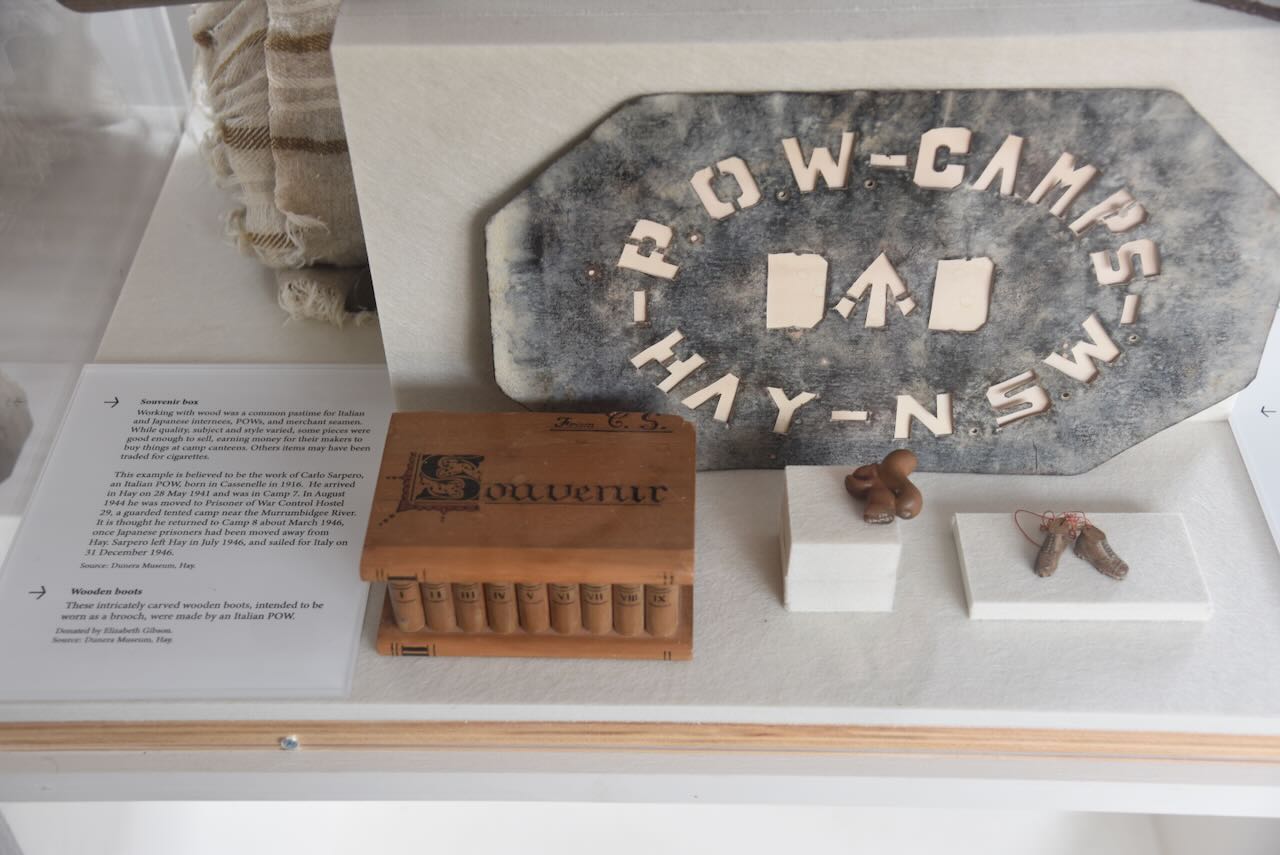
Between 1940 and 1946, over 6,000 German, Italian and Japanese civilian internees and prisoners of war were kept in three prison camps at Hay. The museum houses exhibits, photographs and stories about their experiences. (Dunera 2025)
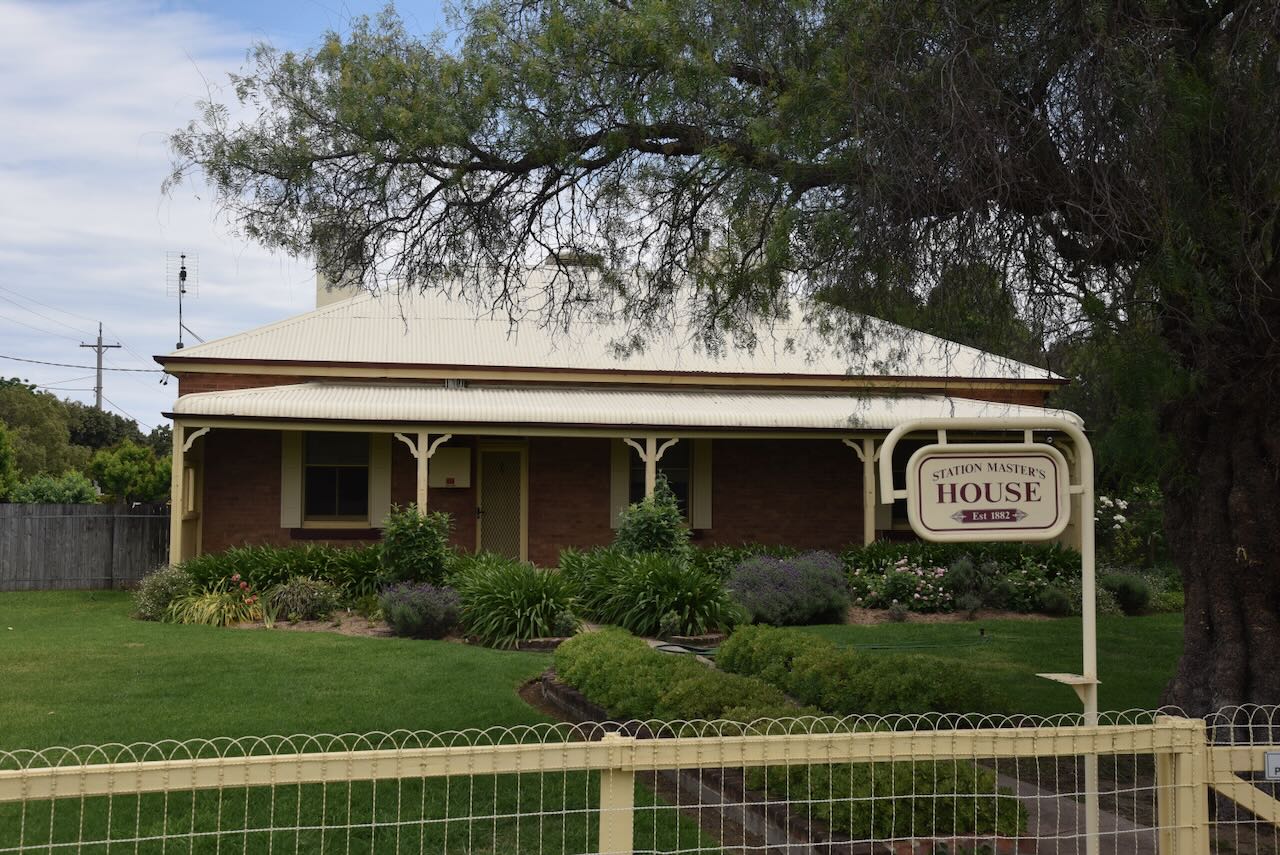
Adjacent to the railway station is the old station master’s house that was built in 1882.
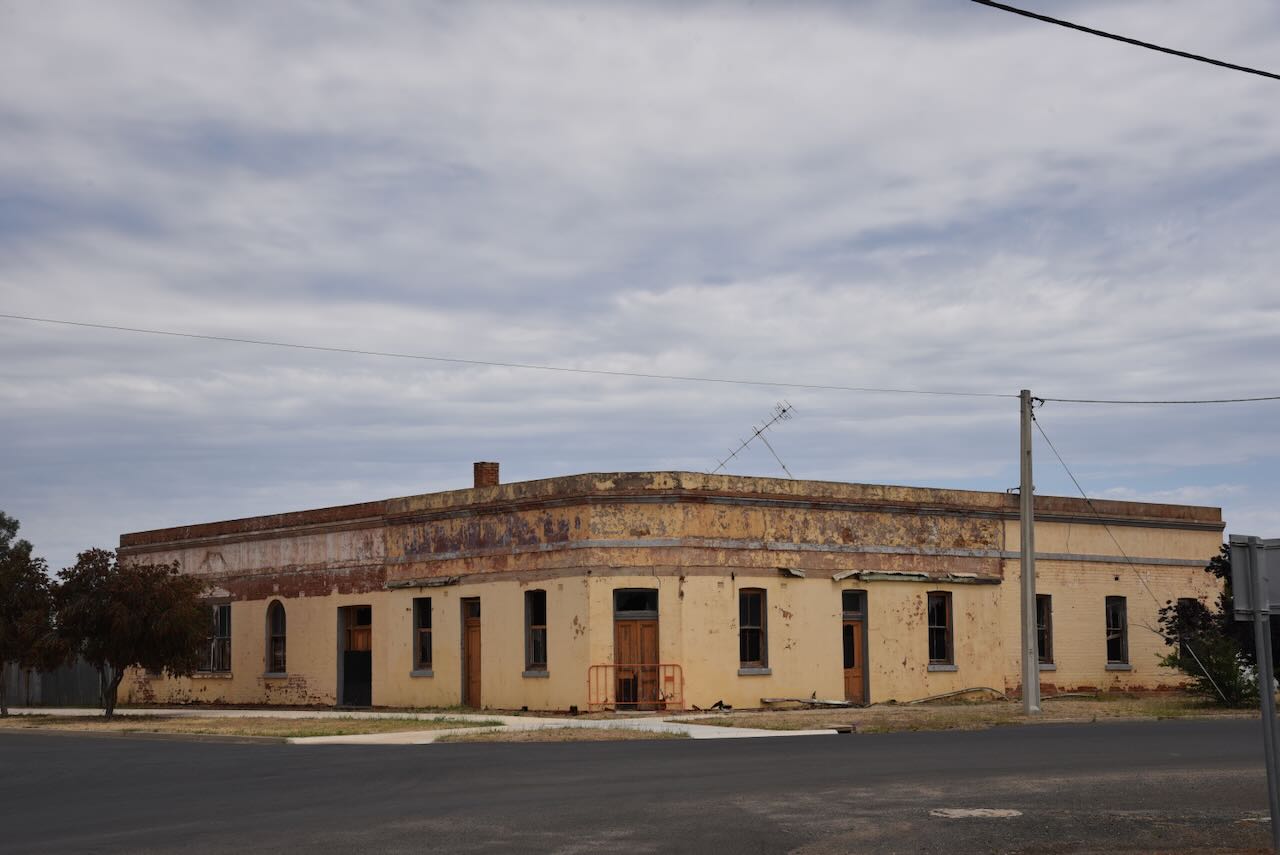
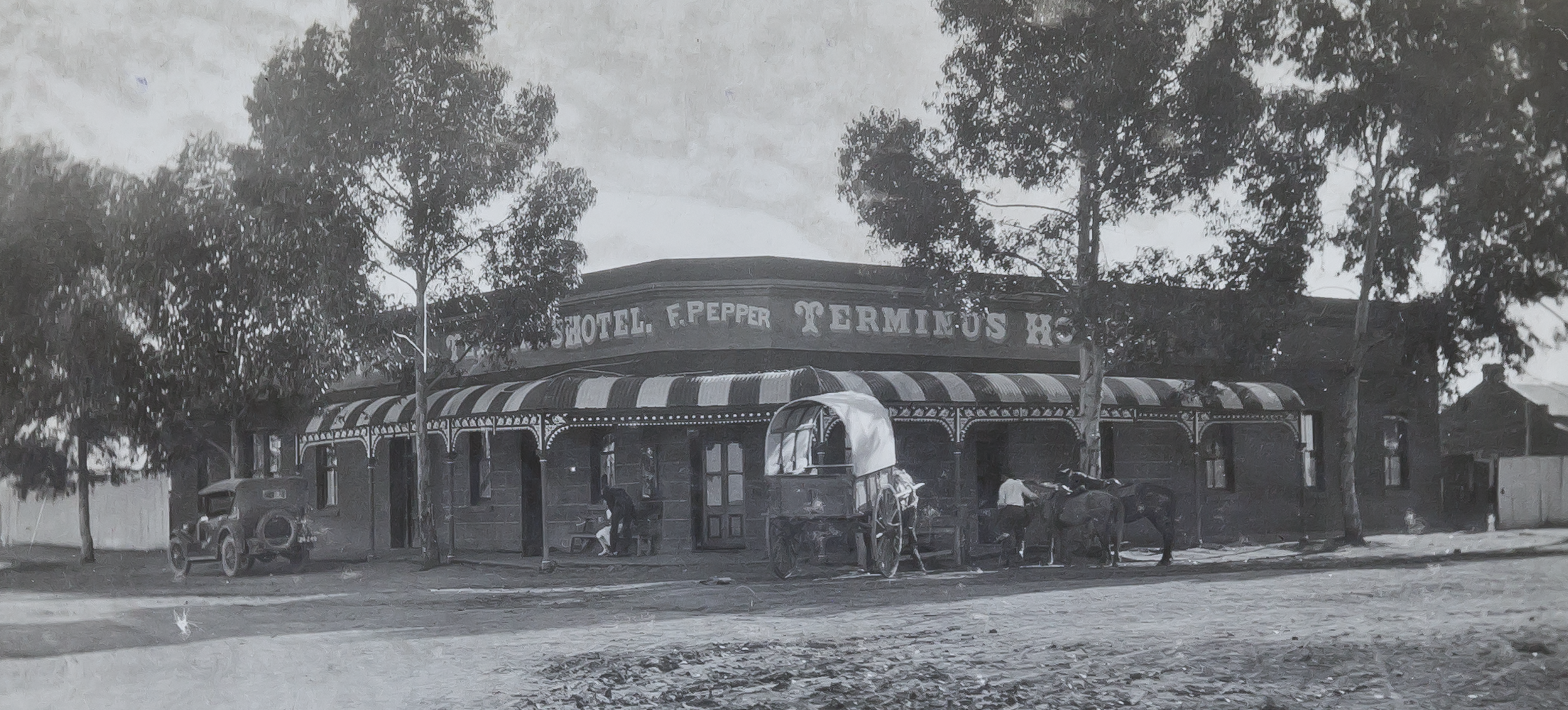
Located opposite the railway station is the old Terminus Hotel, which opened in 1880 and closed in 1940. (Chirp Internet 2025)
I found the photograph below showing the hotel in 1924. Being opposite the railway station, I can imagine that the hotel would have been well patronised back in the day. It is a great shame to see the hotel in its current condition.
Above: Terminus Hotel, c. 1924. Image c/o Australian National University.
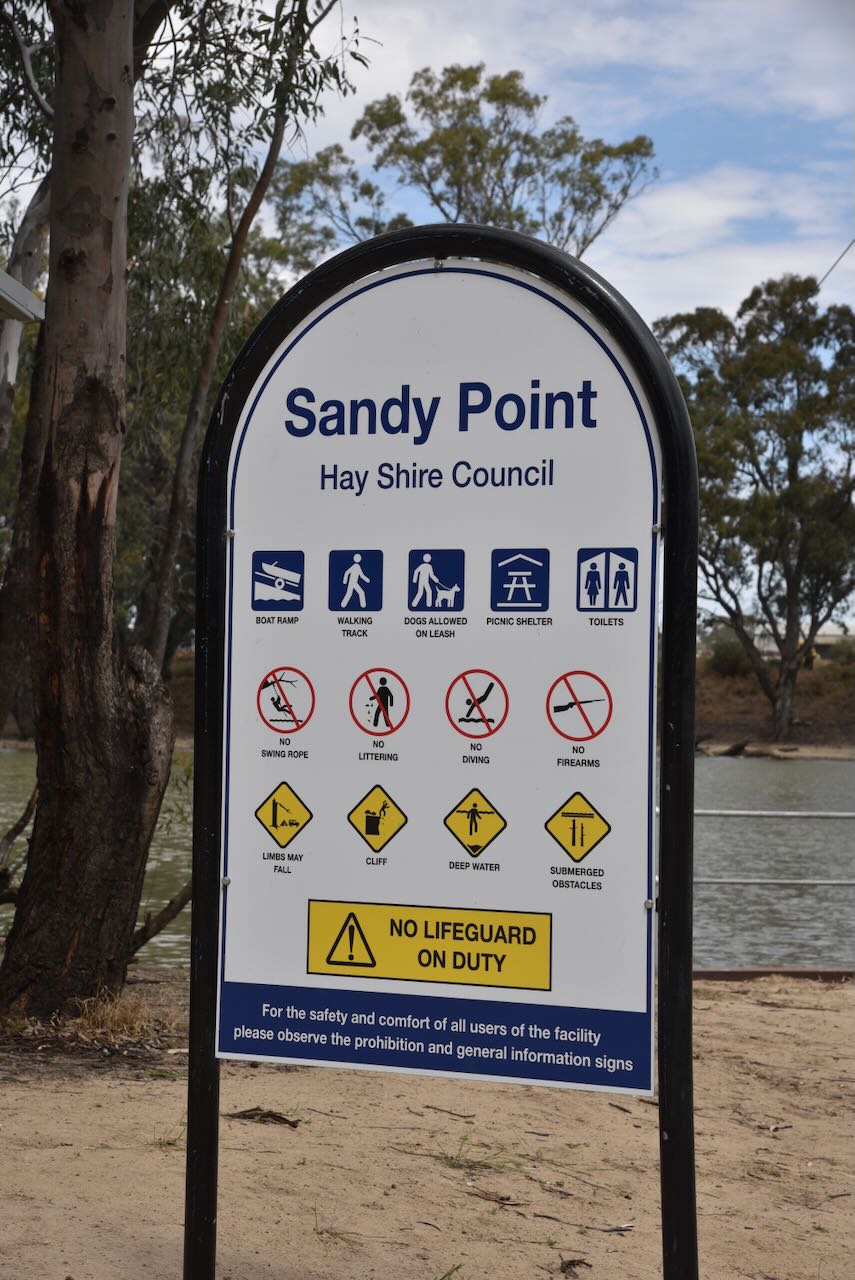
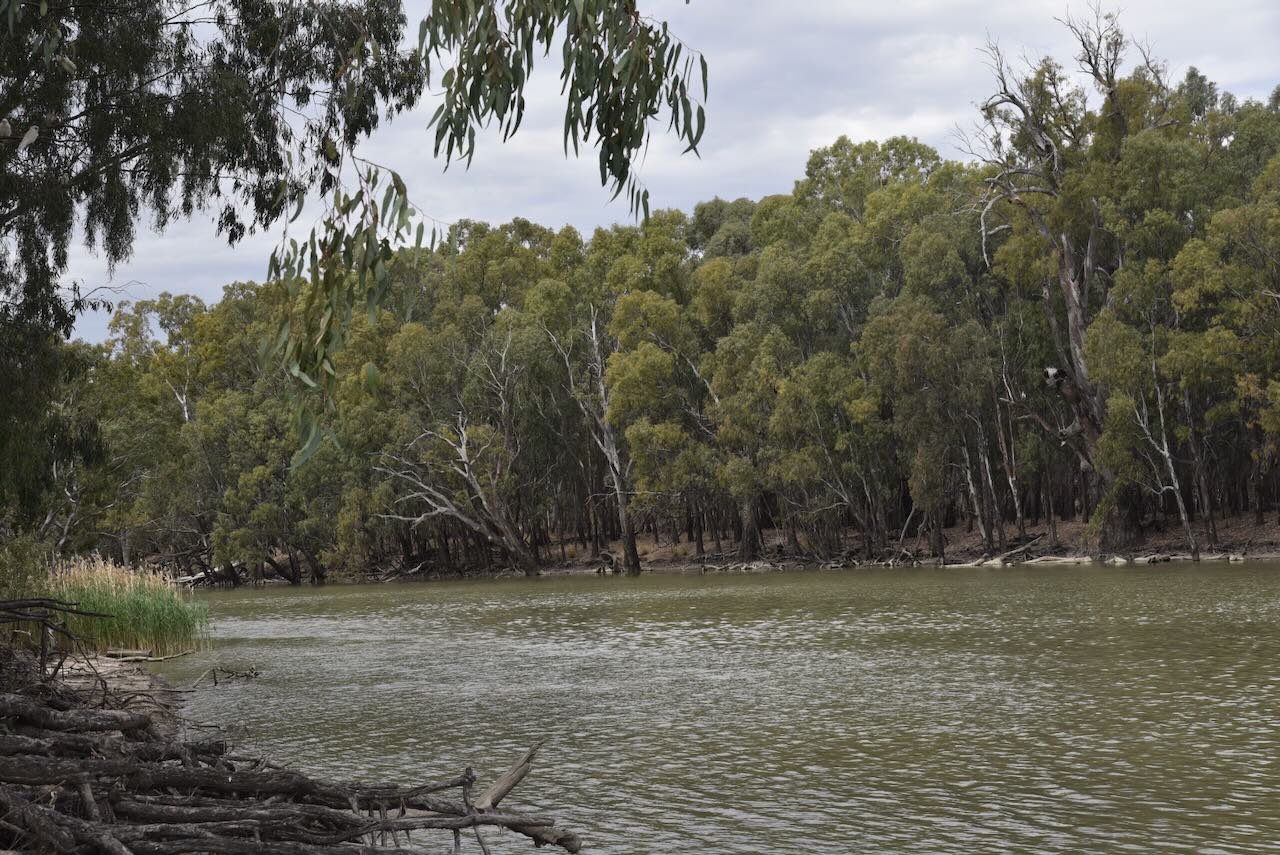
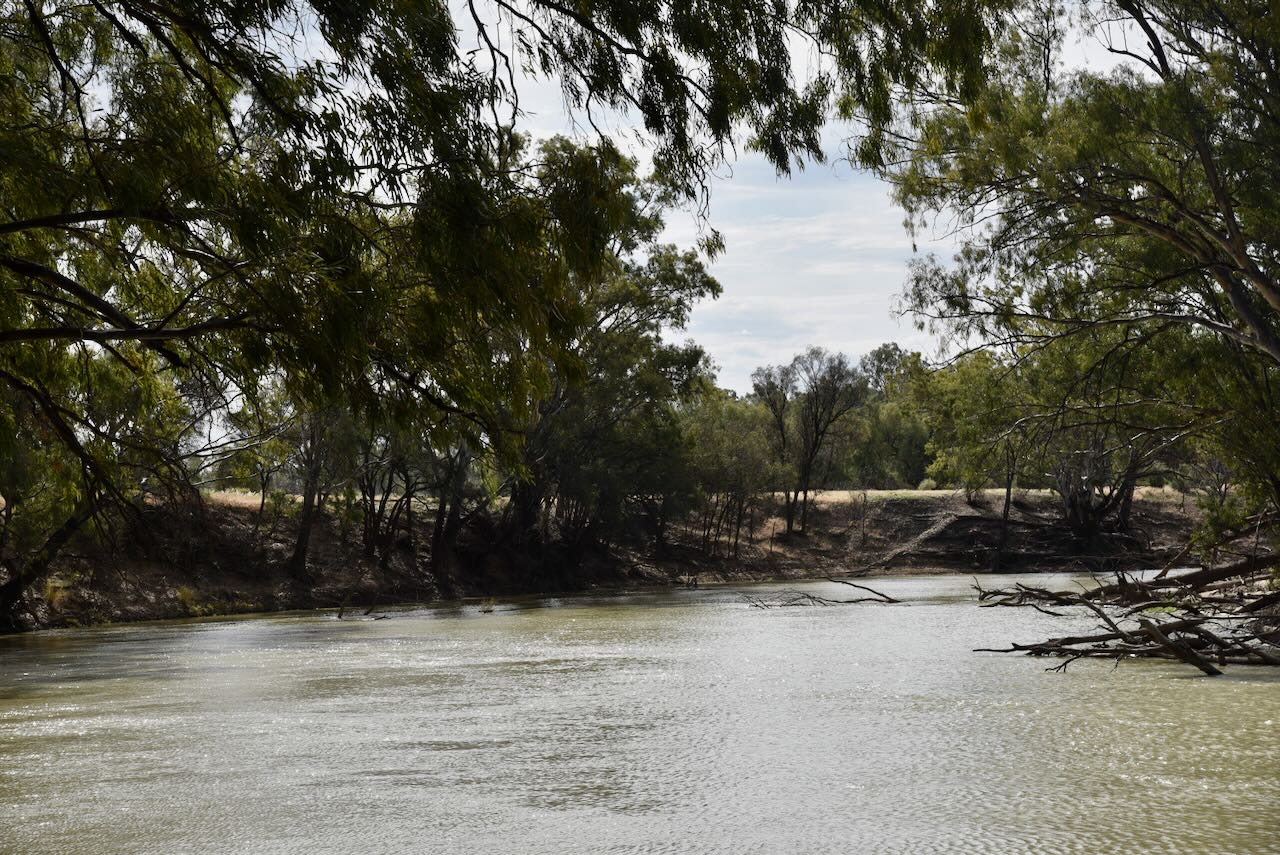
We then drove out to Sandy Point on the Murrumbidgee River. What a beautiful spot.
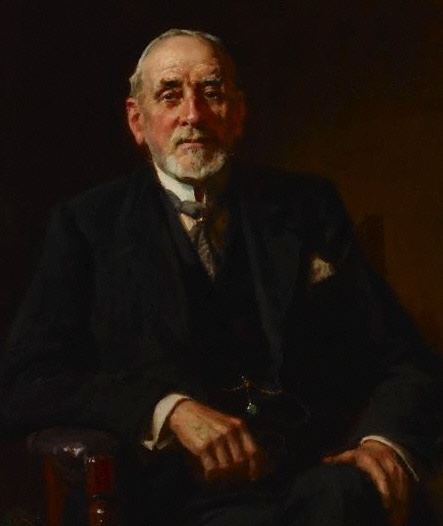
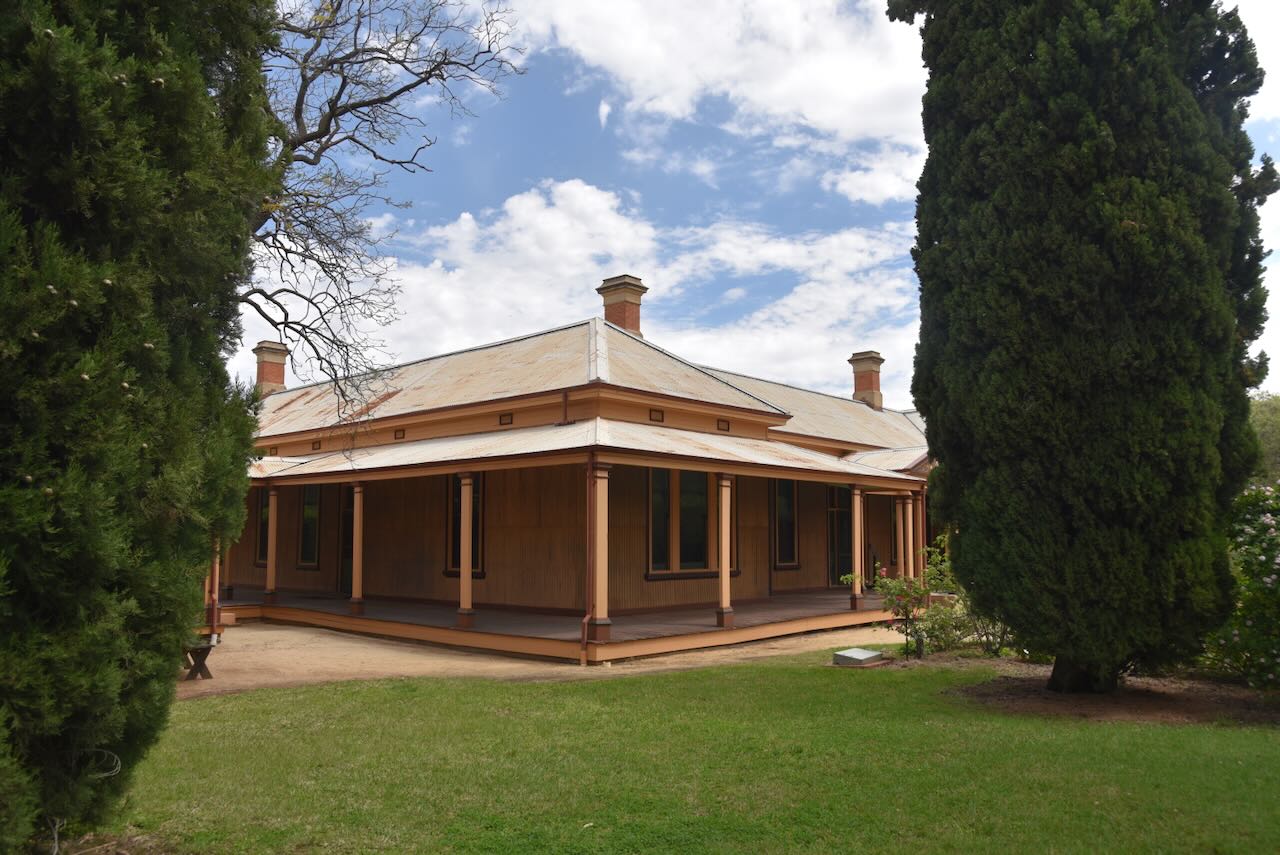
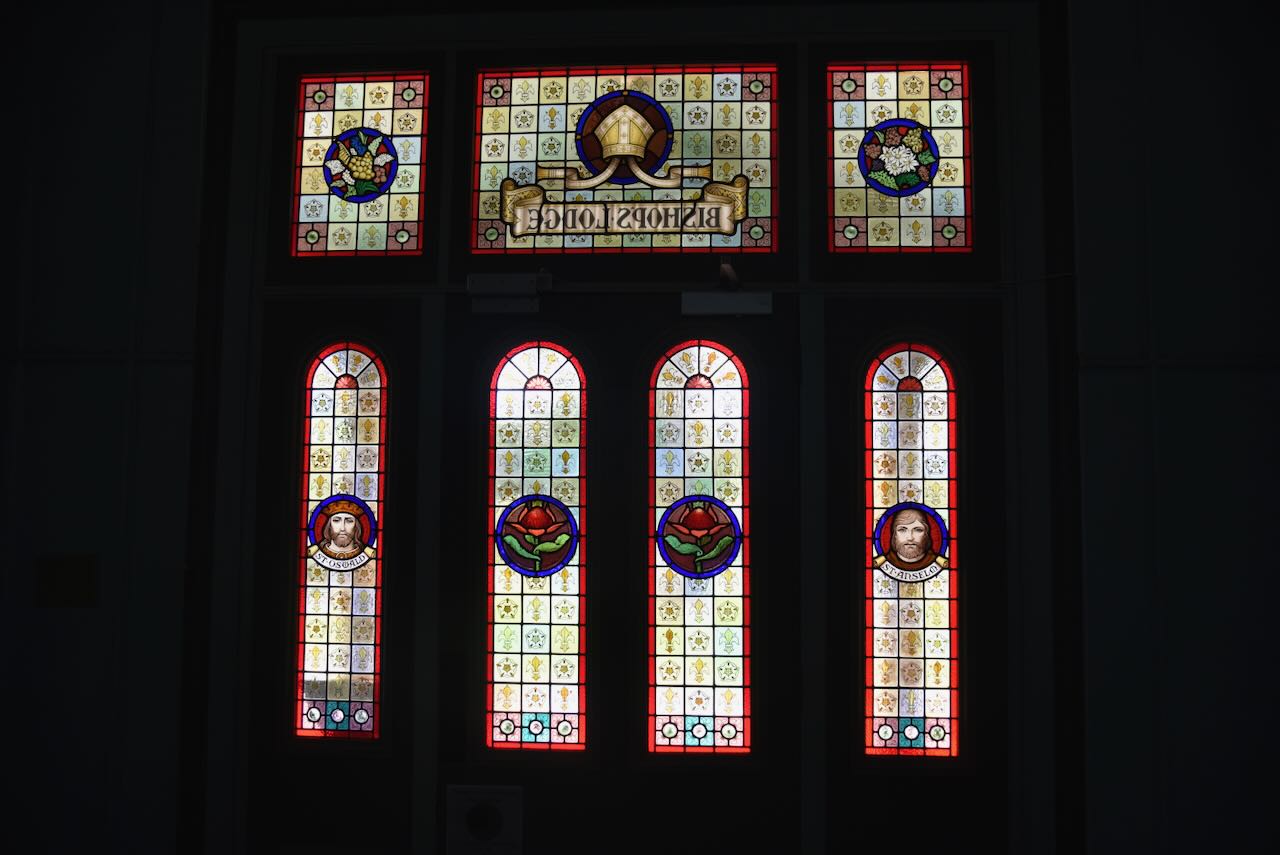
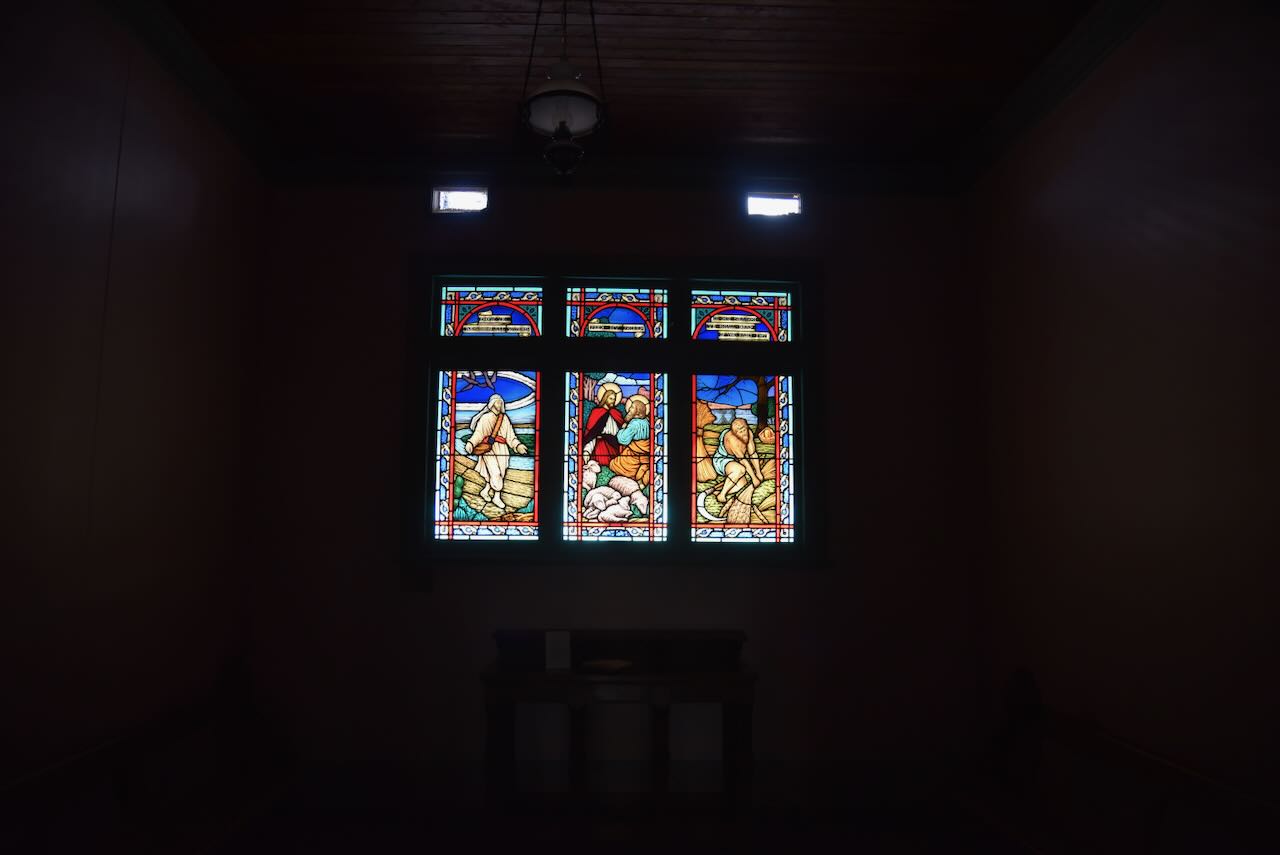
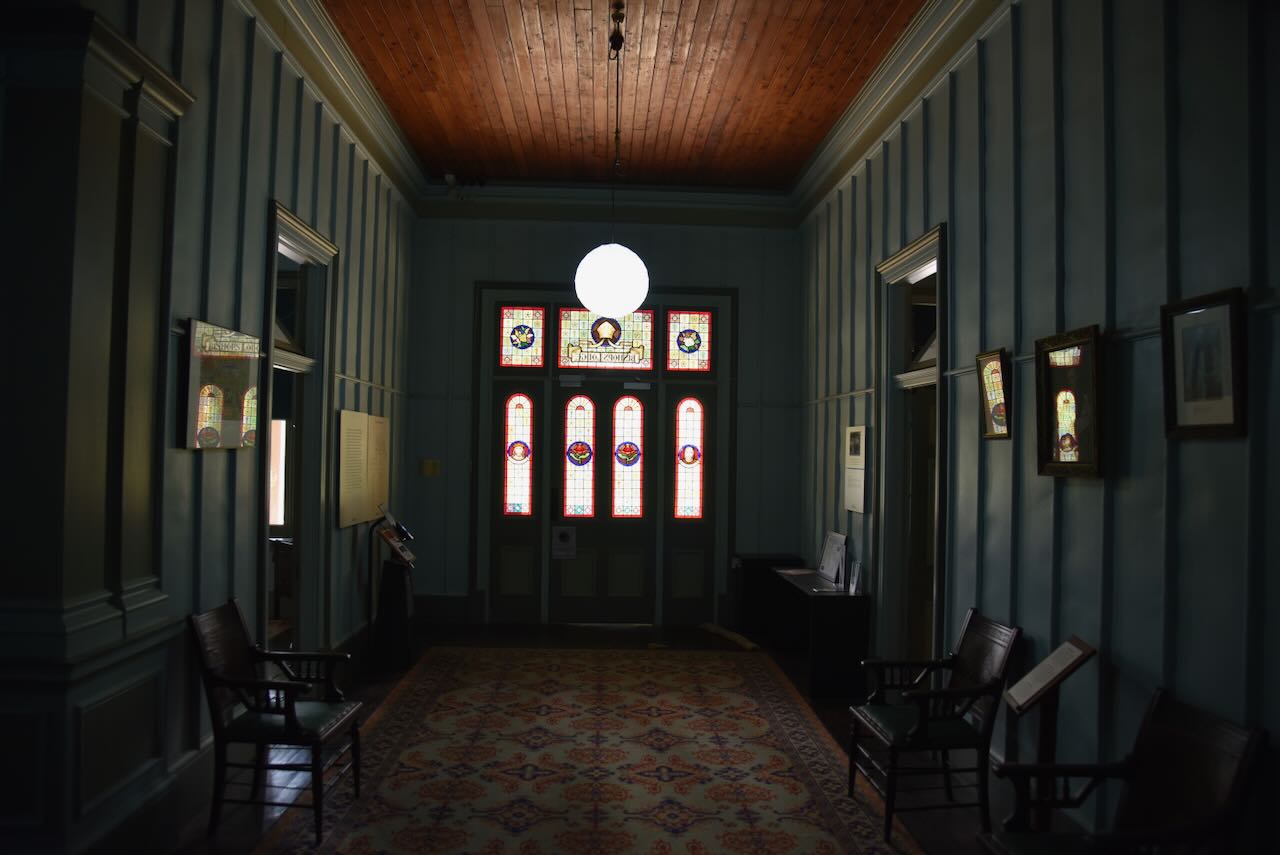
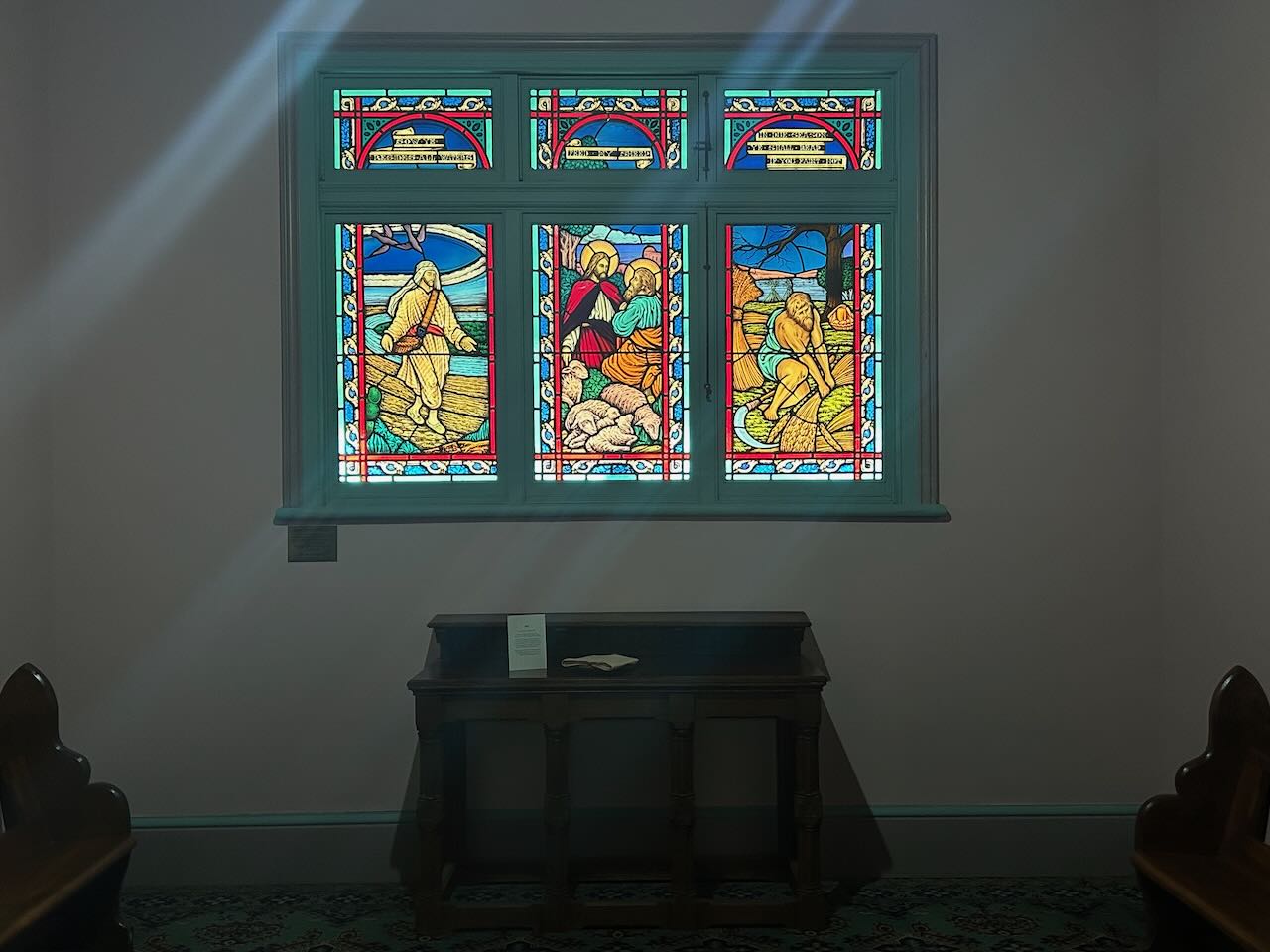
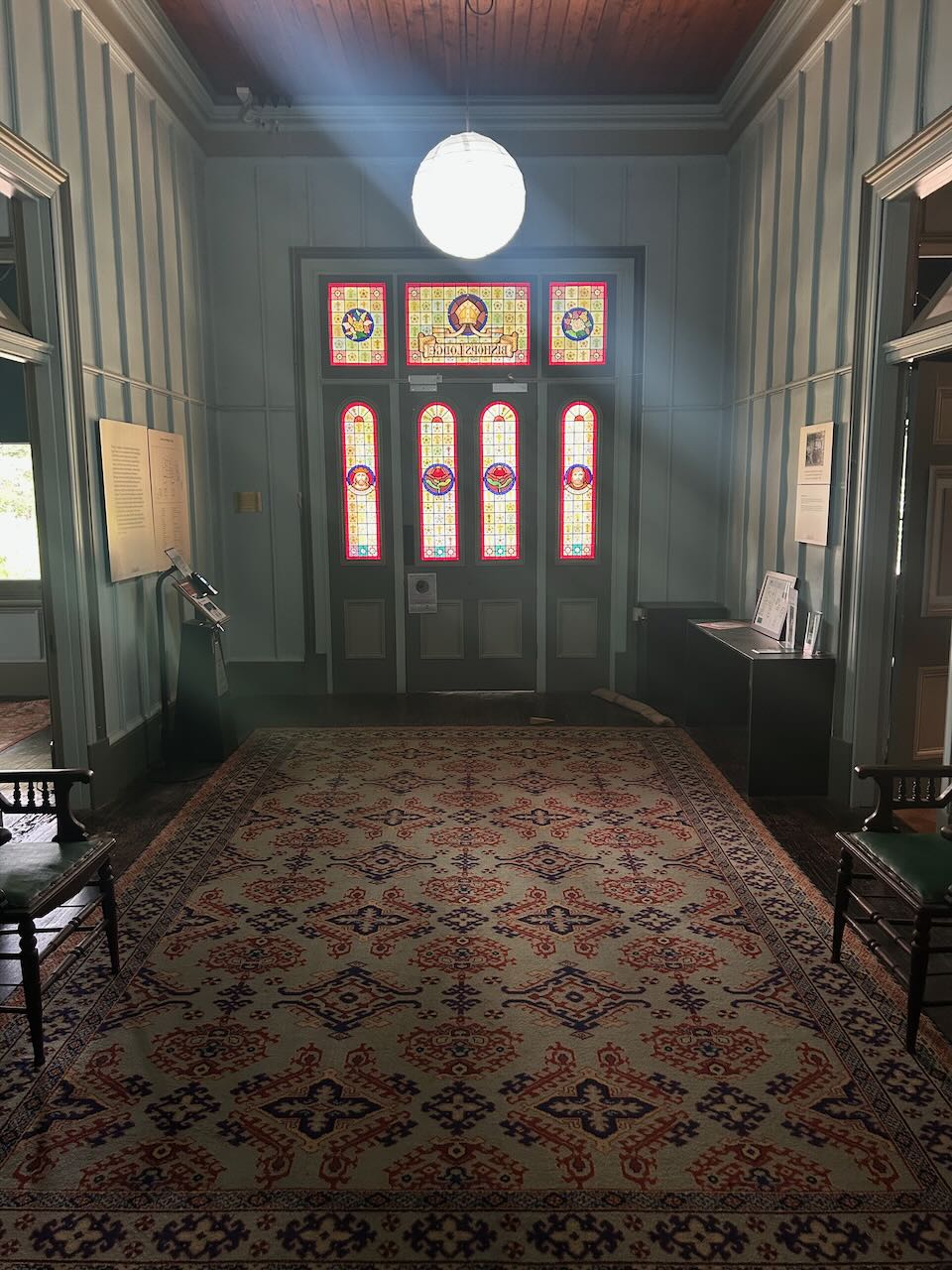
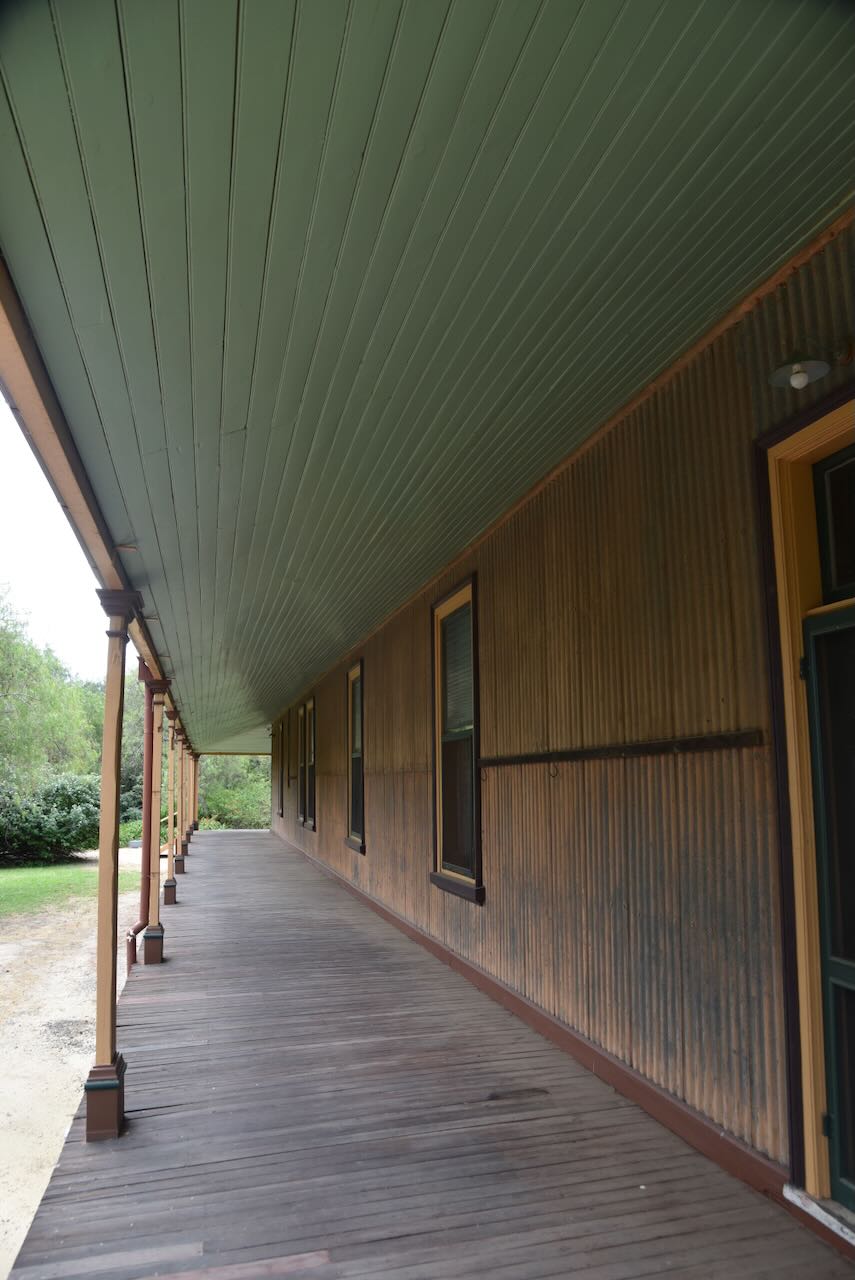
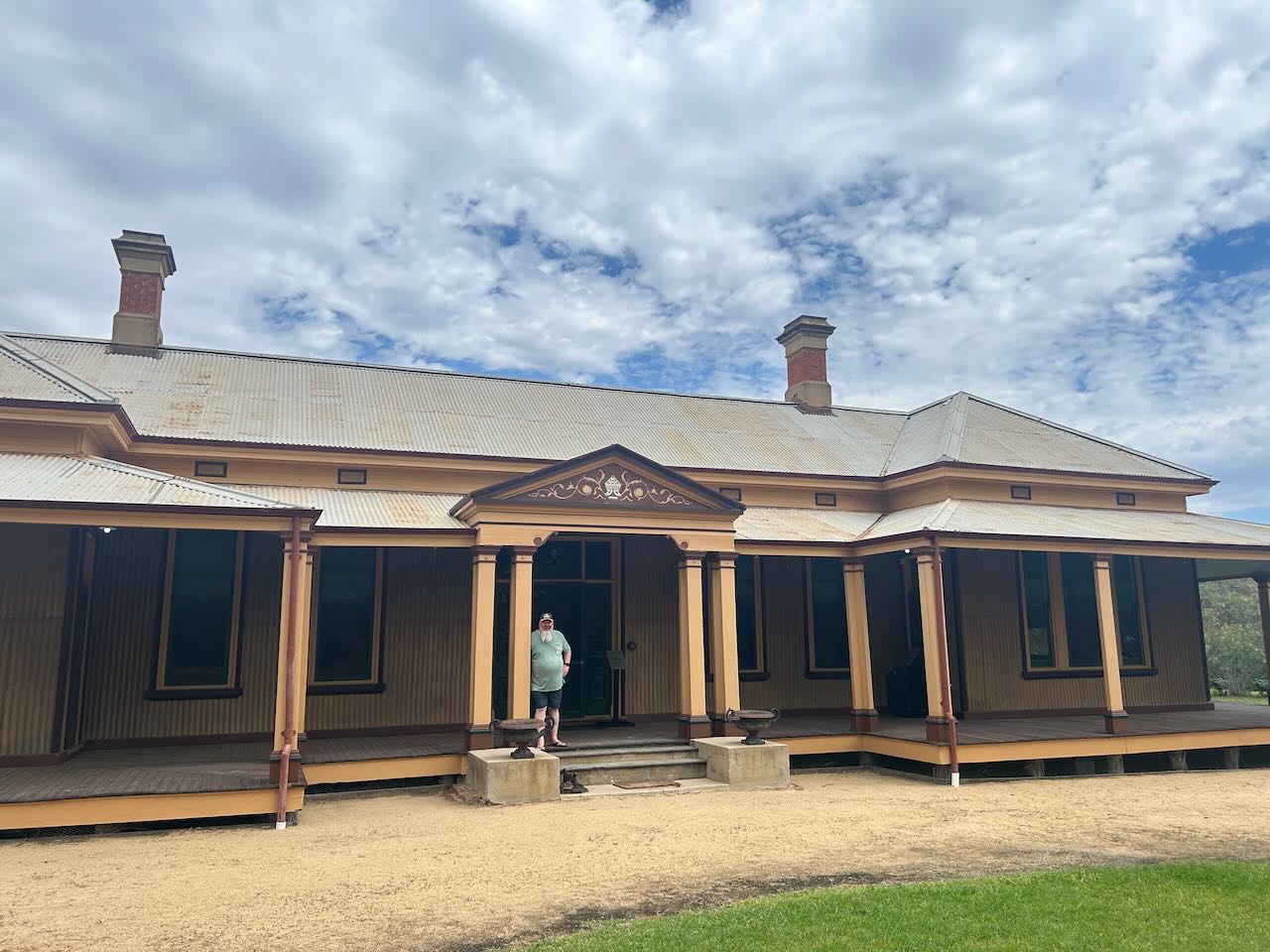
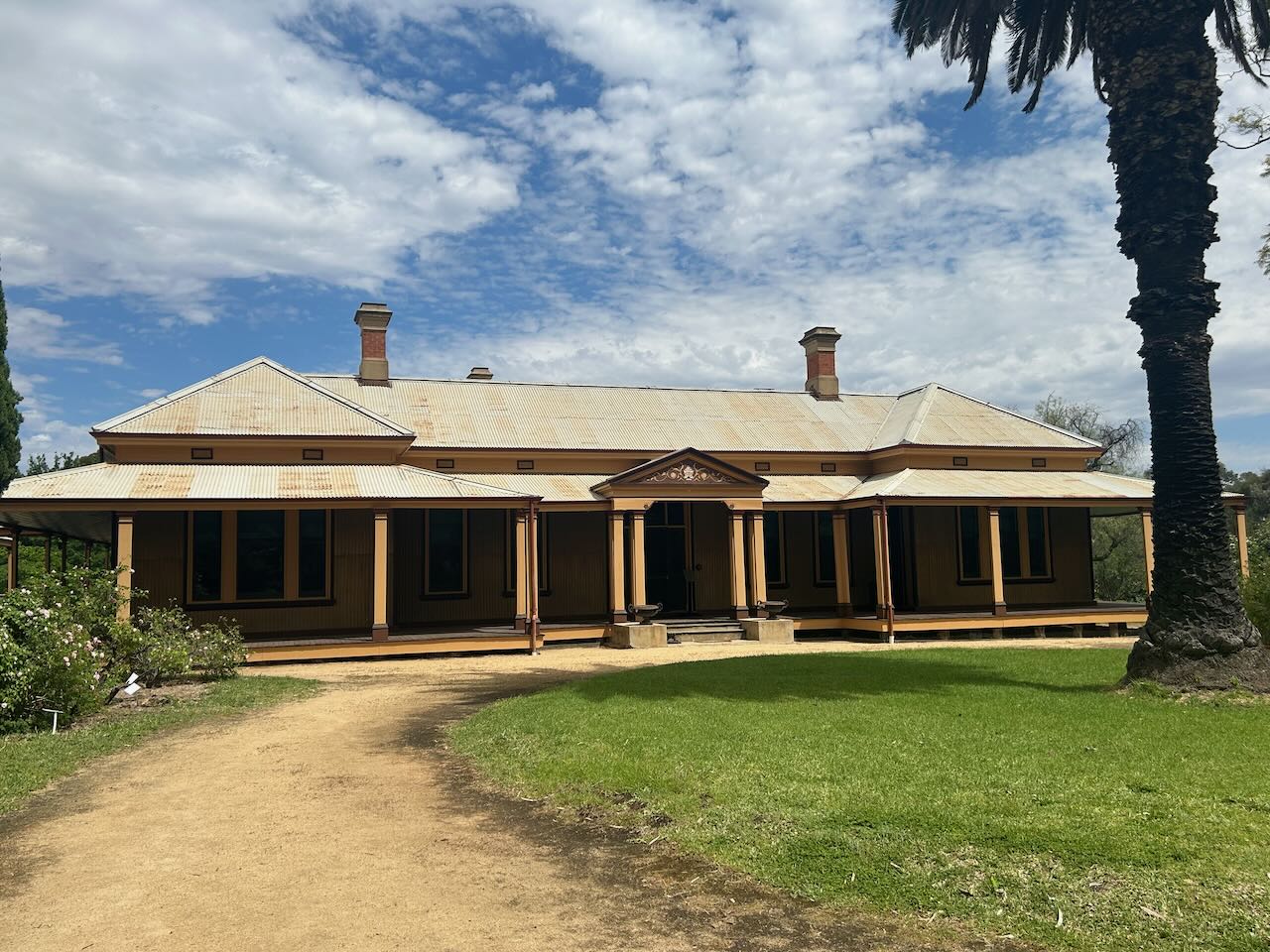
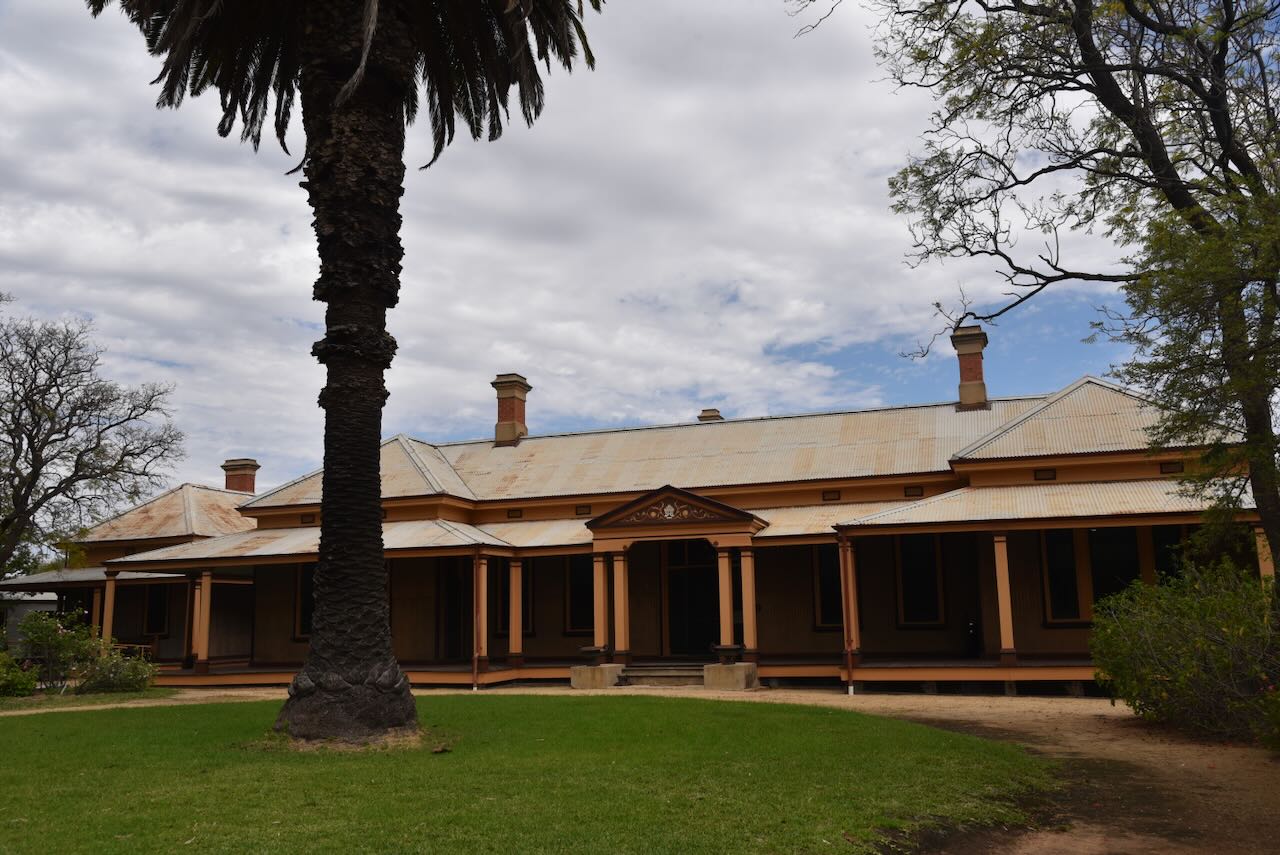
We then drove back into Hay and visited Bishops Lodge, which was built in 1889 as the official residence for Sydney Linton, the Anglican Bishop of the Riverina. The lodge was designed by architect Sir John Sulman (b. 1849. d. 1934) and built at a cost of £6,800. (Hay 2021)
Above: Sir John Sulman. Image c/o Wikipedia
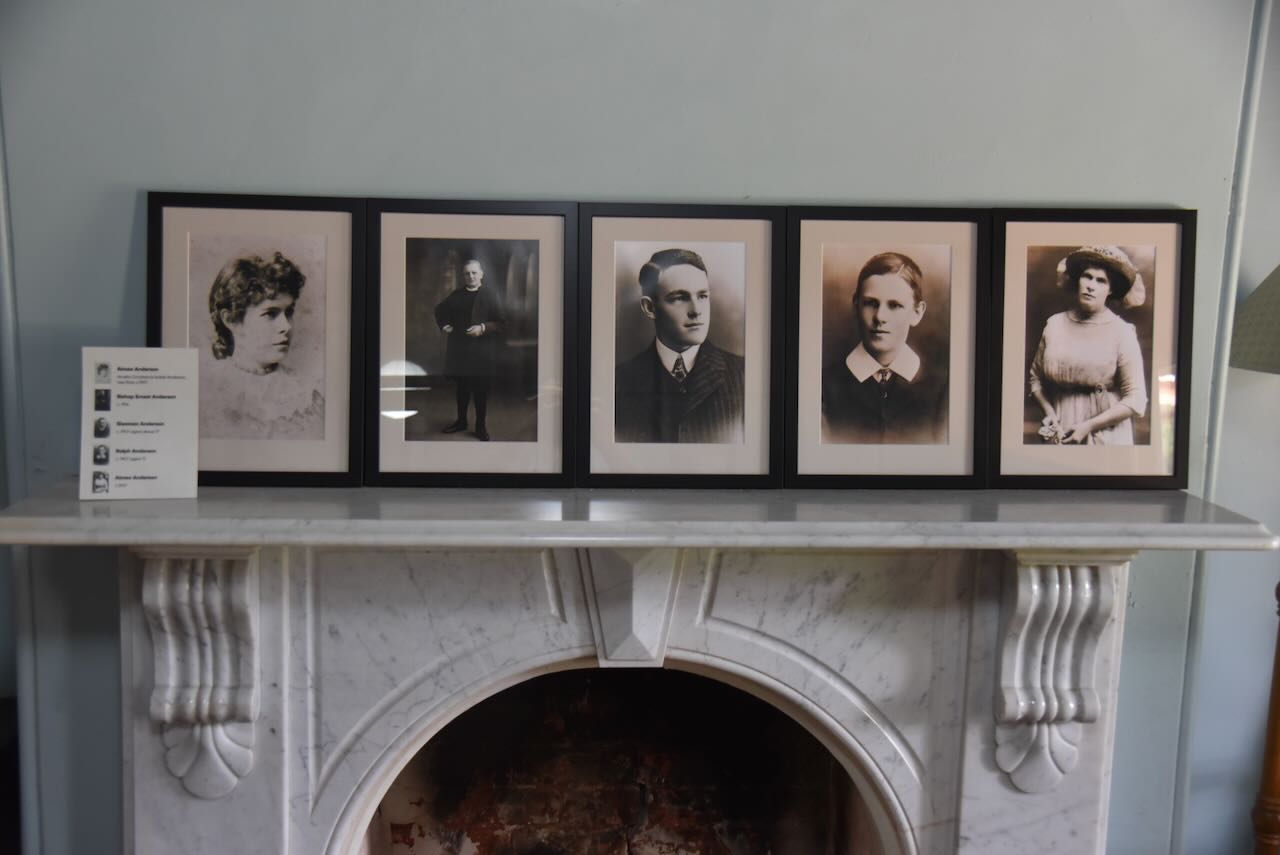
Following Linton, two more bishops lived in the Lodge: Ernest Anderson and Reginald Haslse. Between 1935 and 1946, the Lodge was known as Linton House, a hostel for boys attending the Hay War Memorial High School. From 1946 until 1985, it was a private residence before being purchased by the Hay Shire Council.
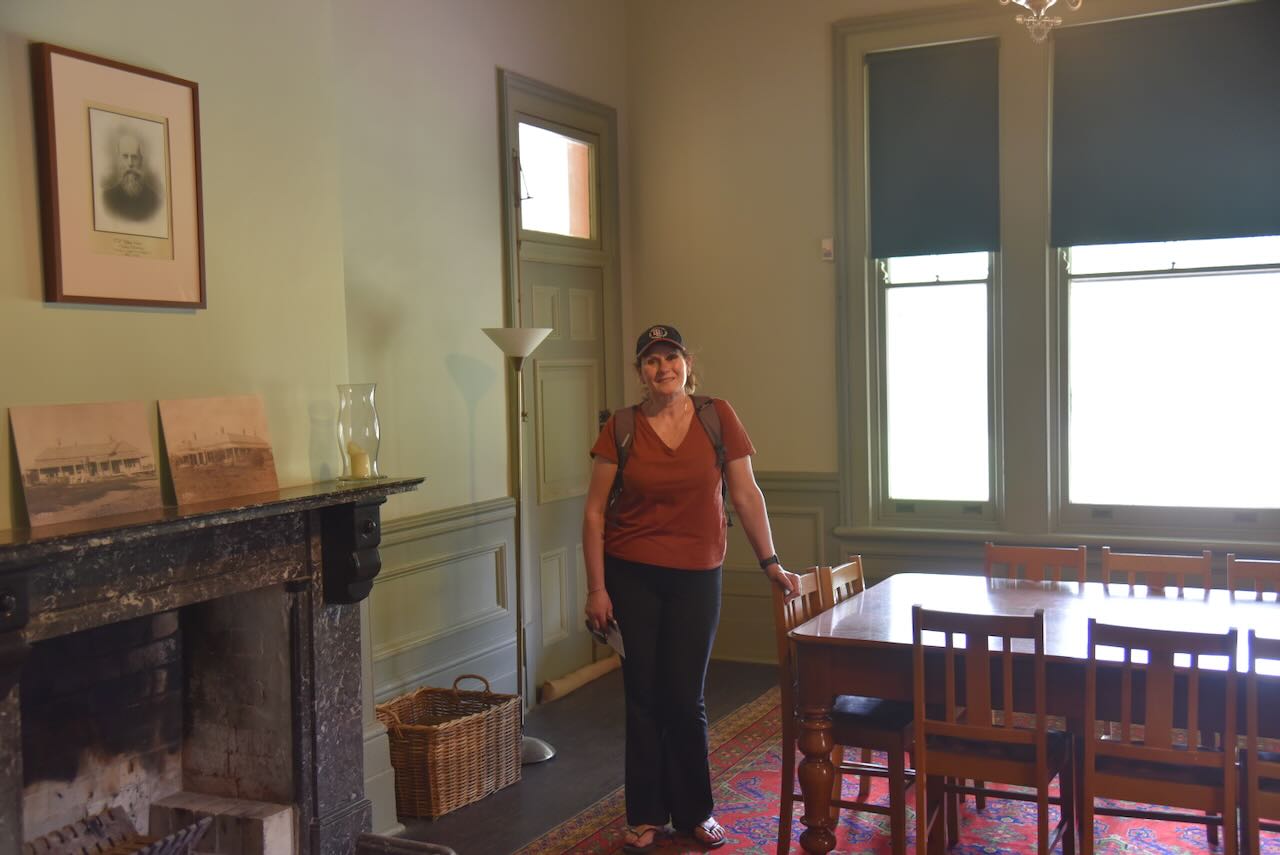
We did find the Lodge a little disappointing when we compared it to several other historic homes we have been to over the years. There is very little furniture inside.
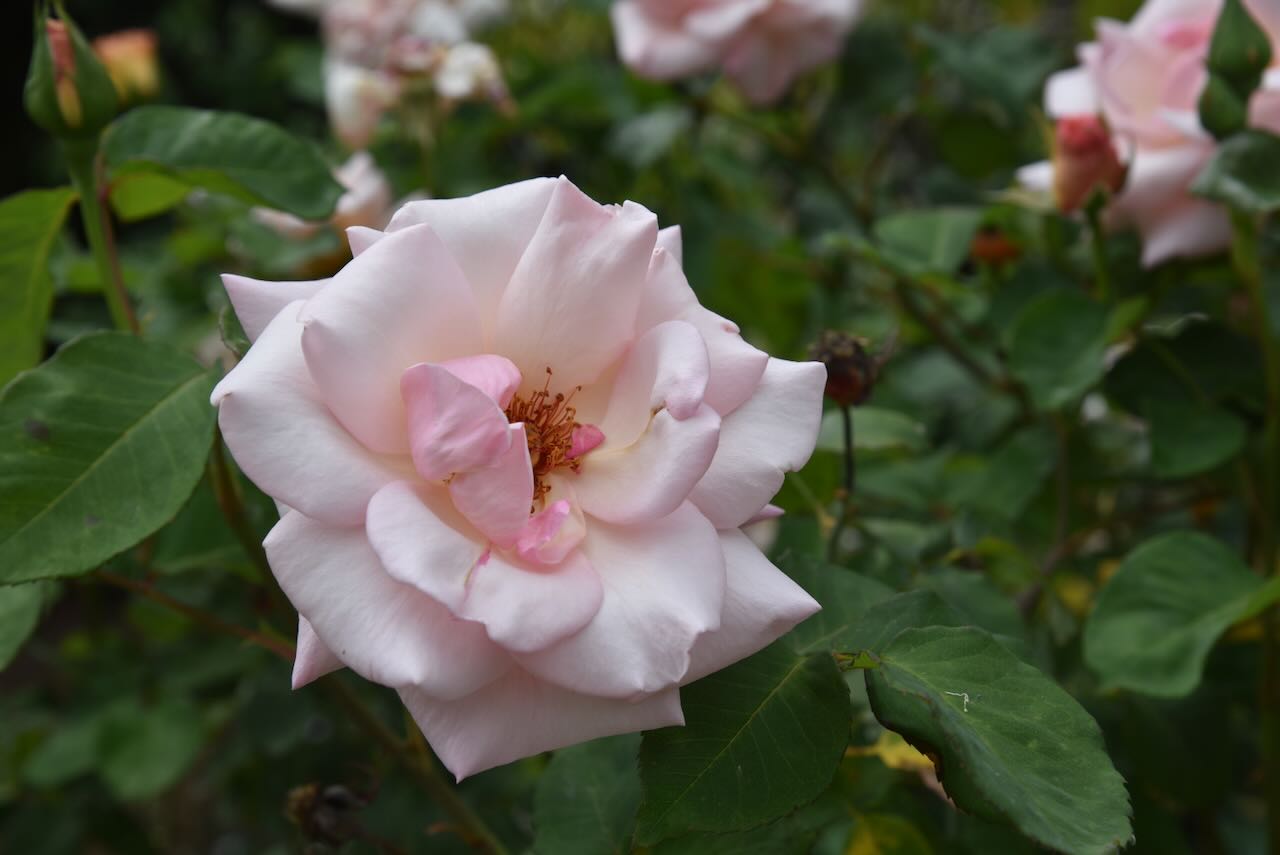
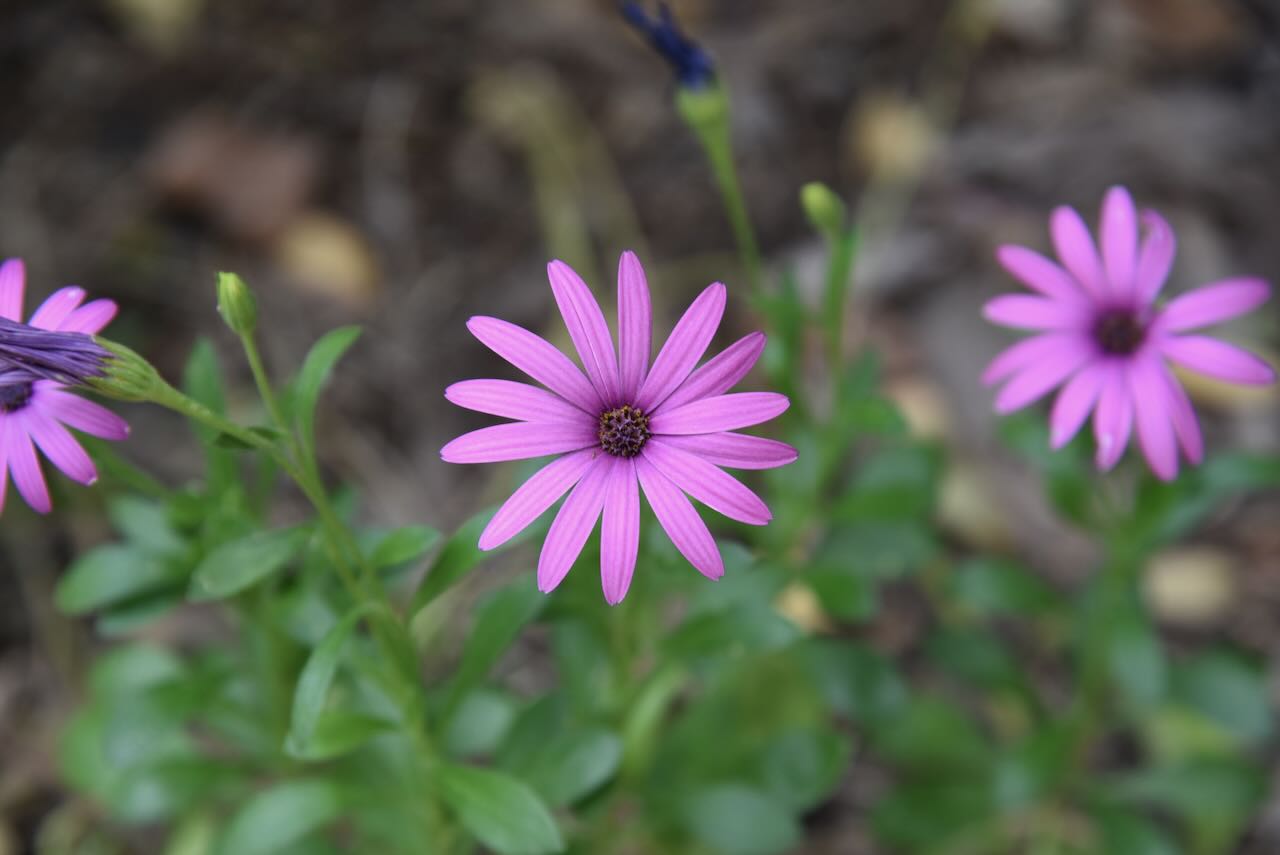
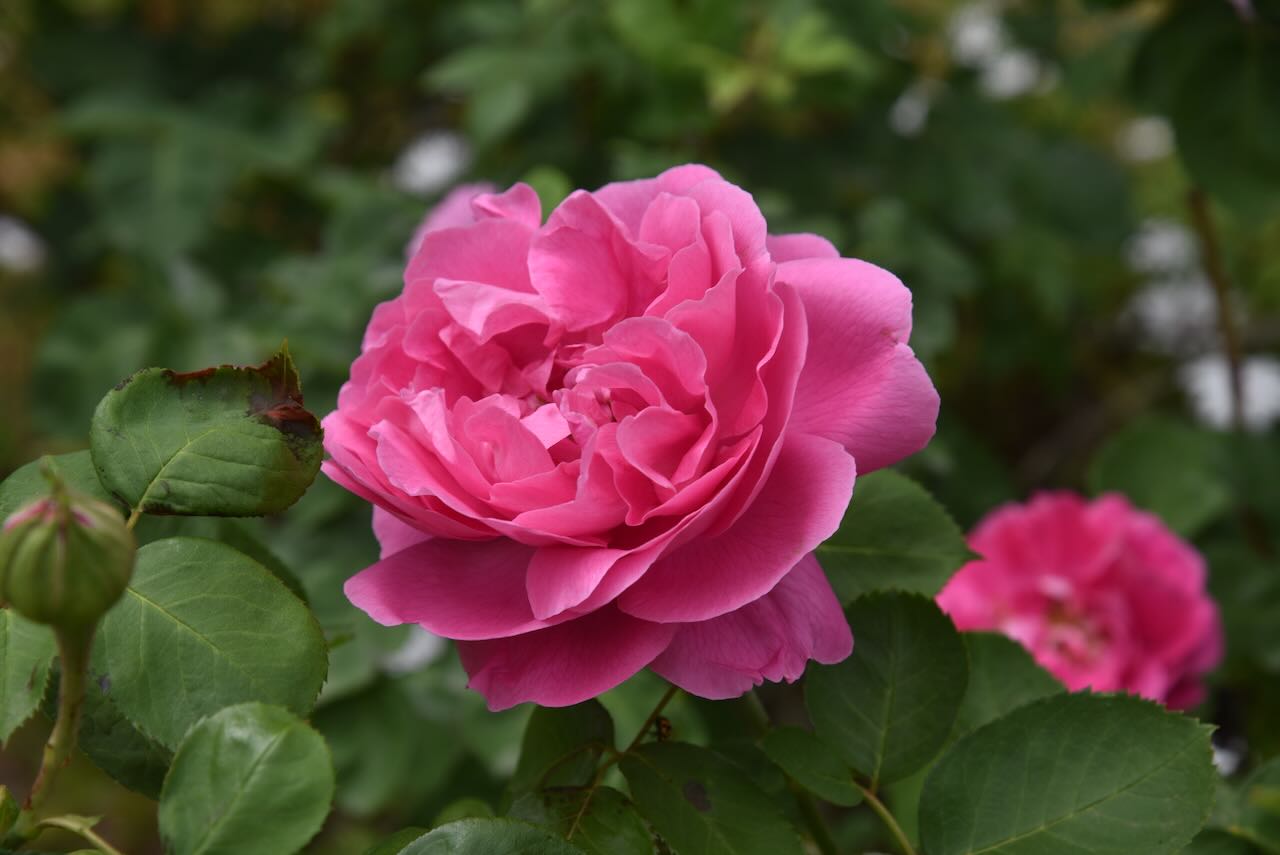
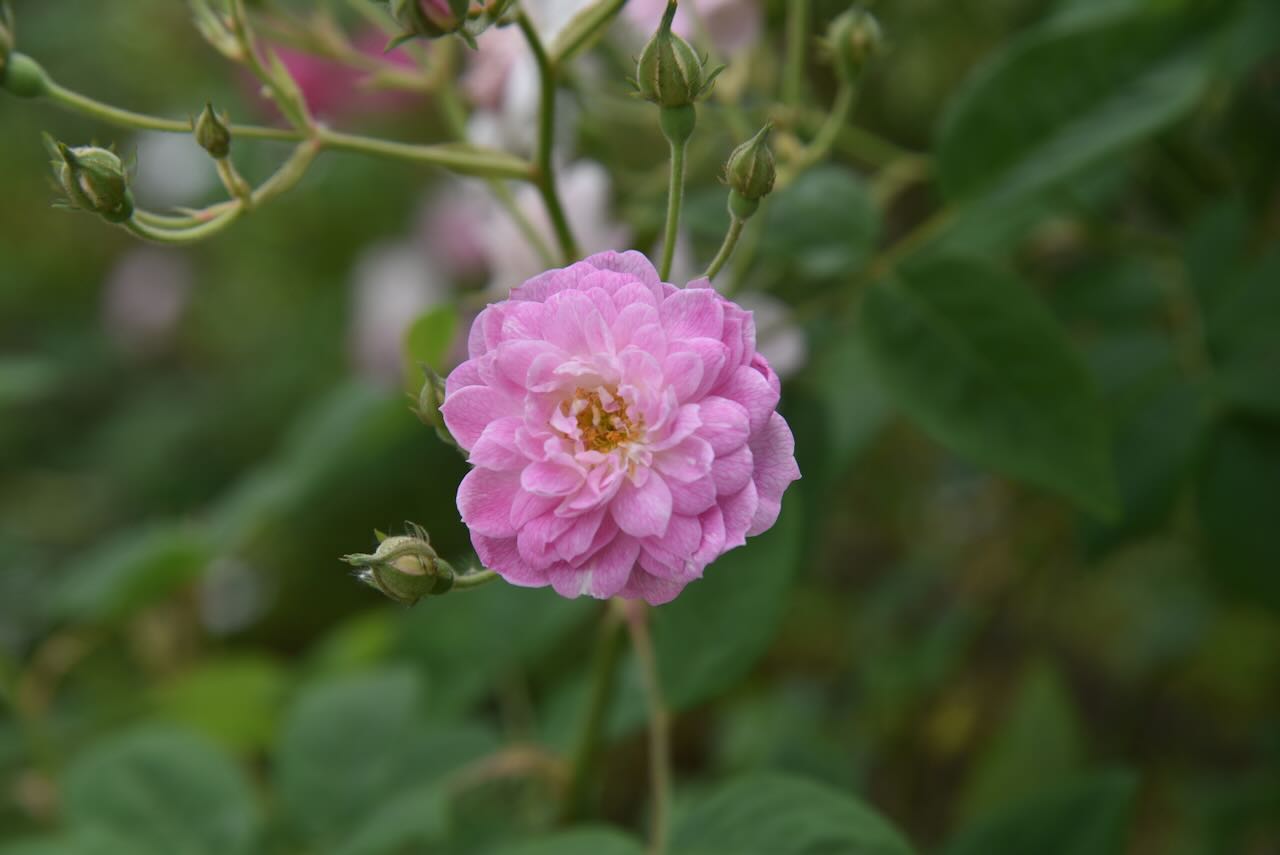
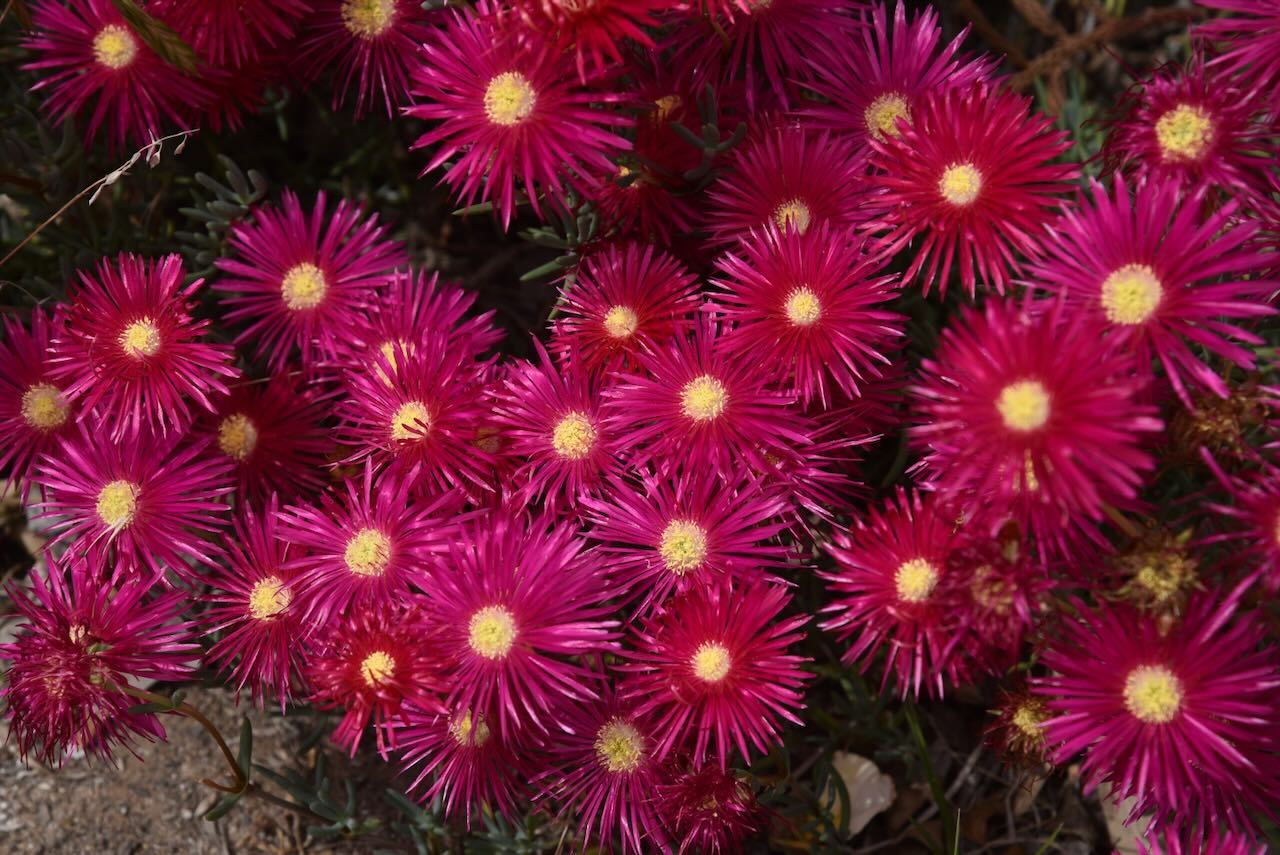
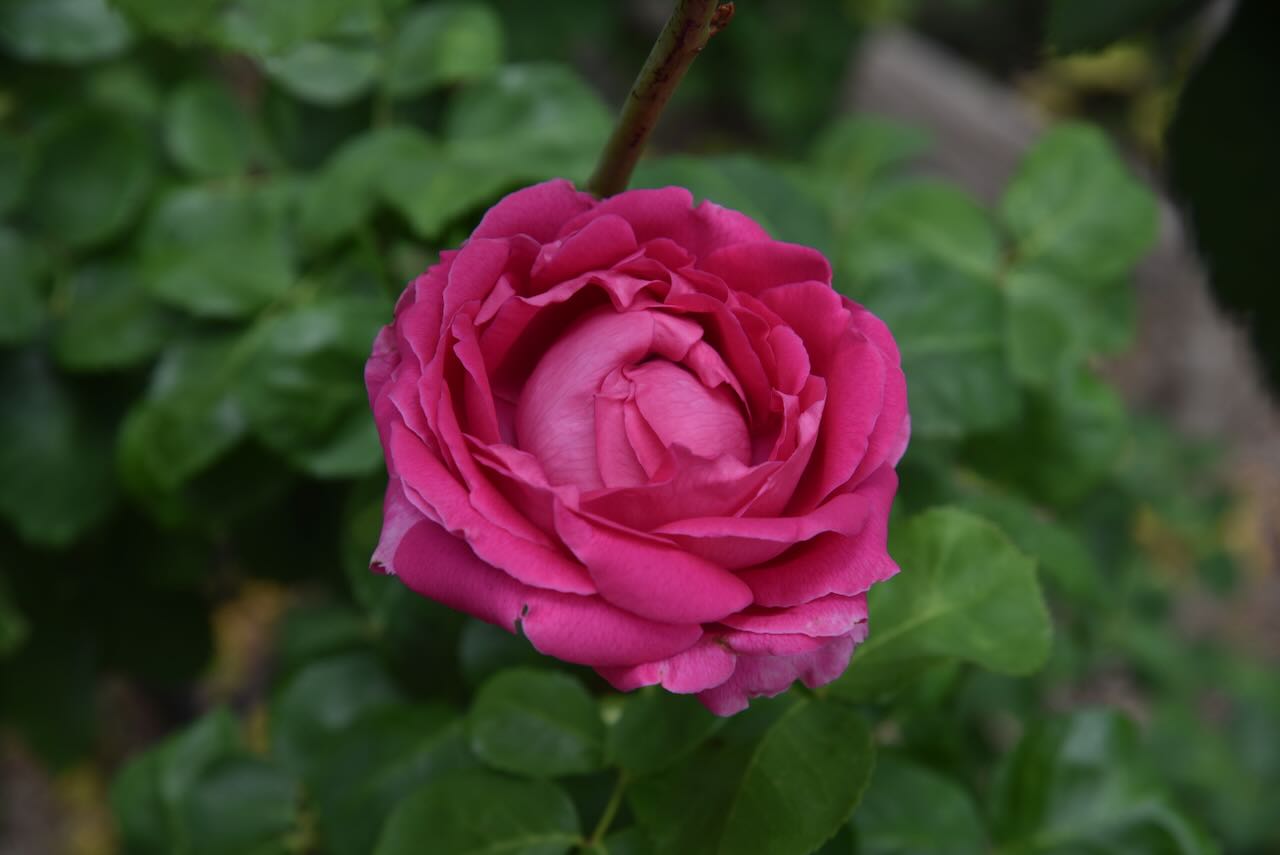
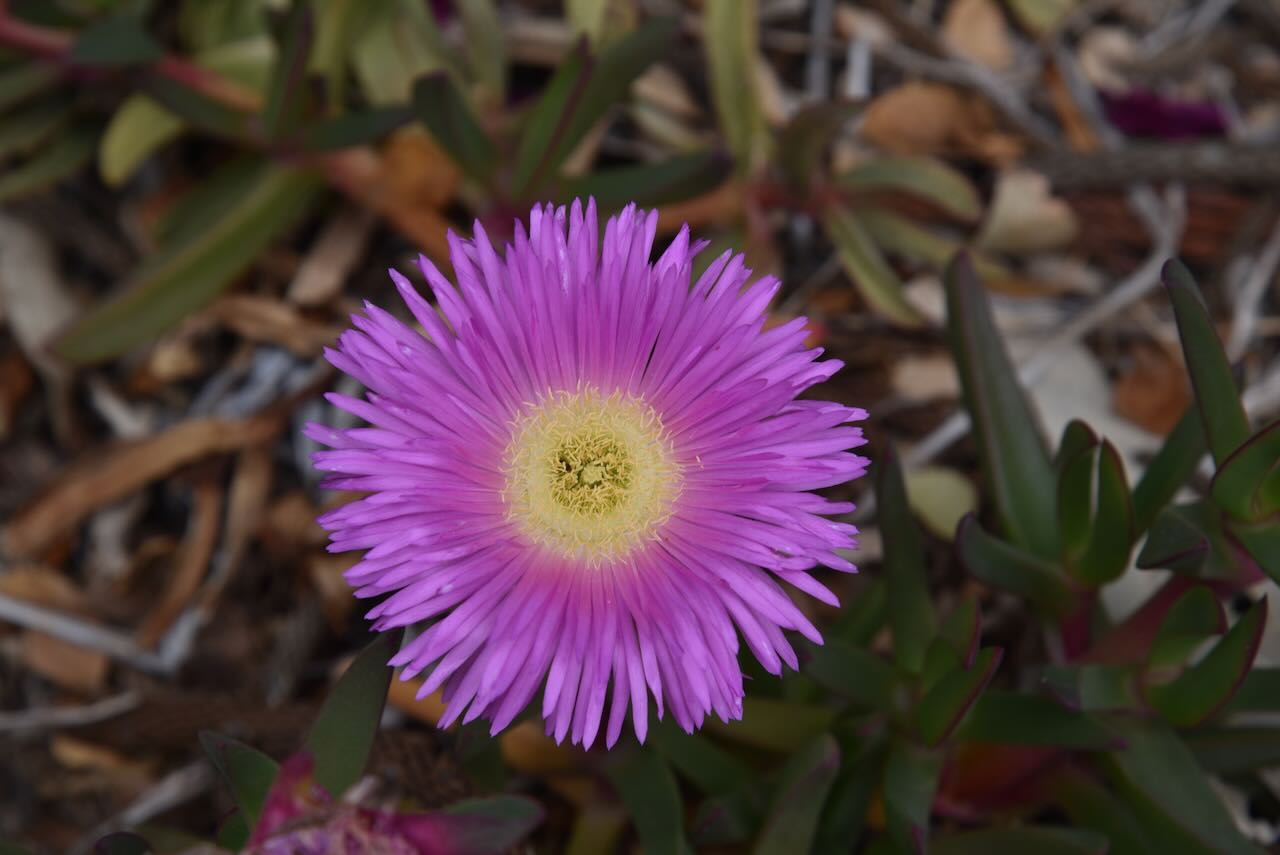
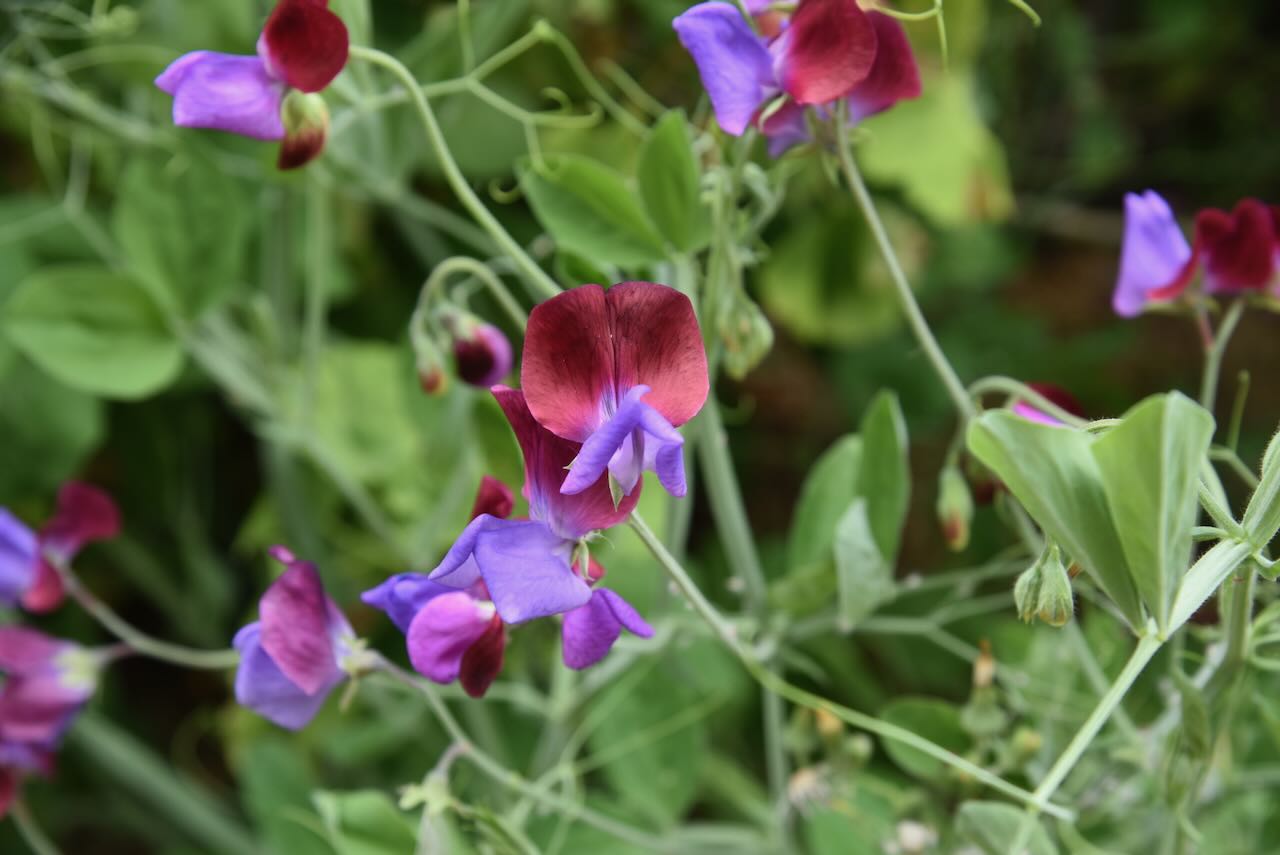
We visited the gardens at the Lodge, and quite frankly, we were bitterly disappointed. The photographs of the roses and flowers below look impressive, but the garden was completely overgrown and totally uncared for. The roses clearly had not been pruned, and most of the paths were not accessible due to very high weeds.
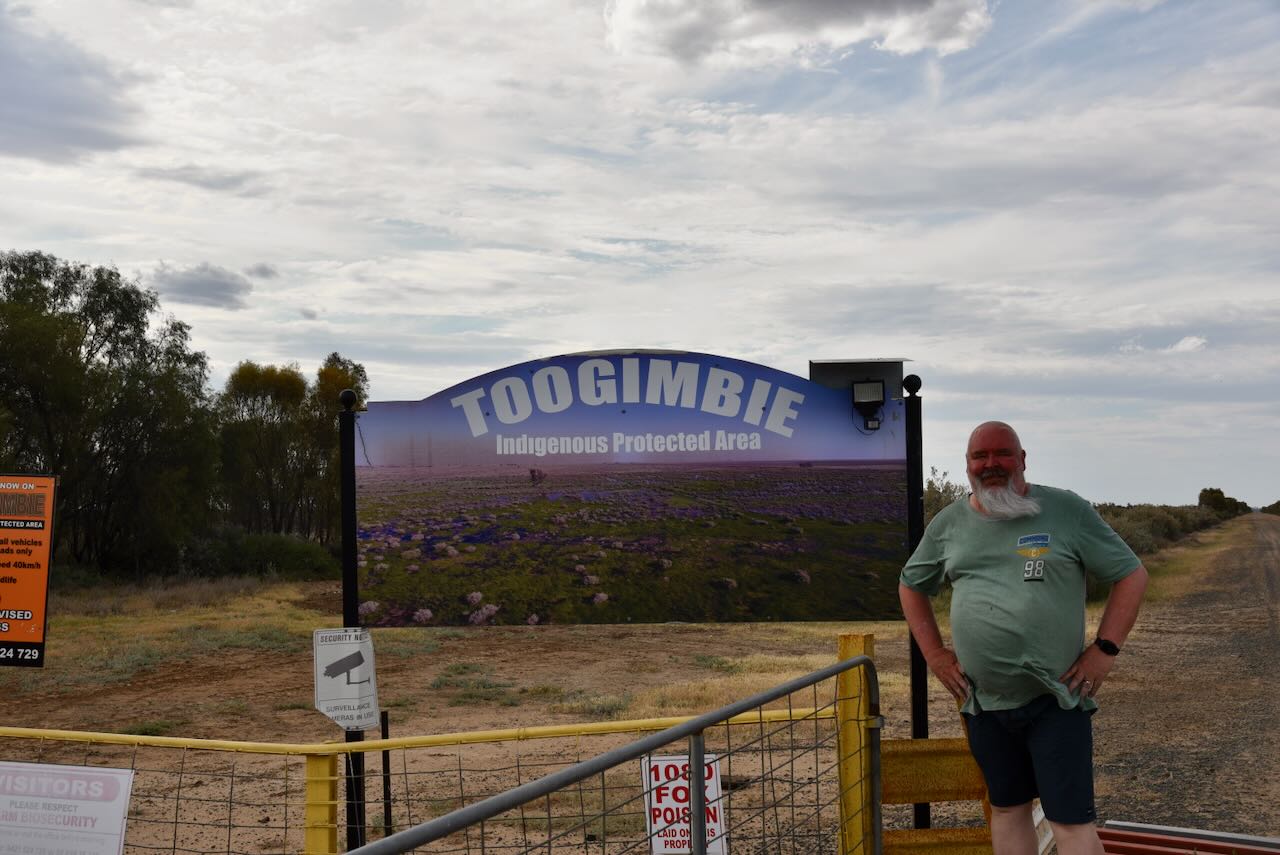
We had received permission to access the Toogimbie Indigenous Protected Area VKFF-3121, so we headed there.
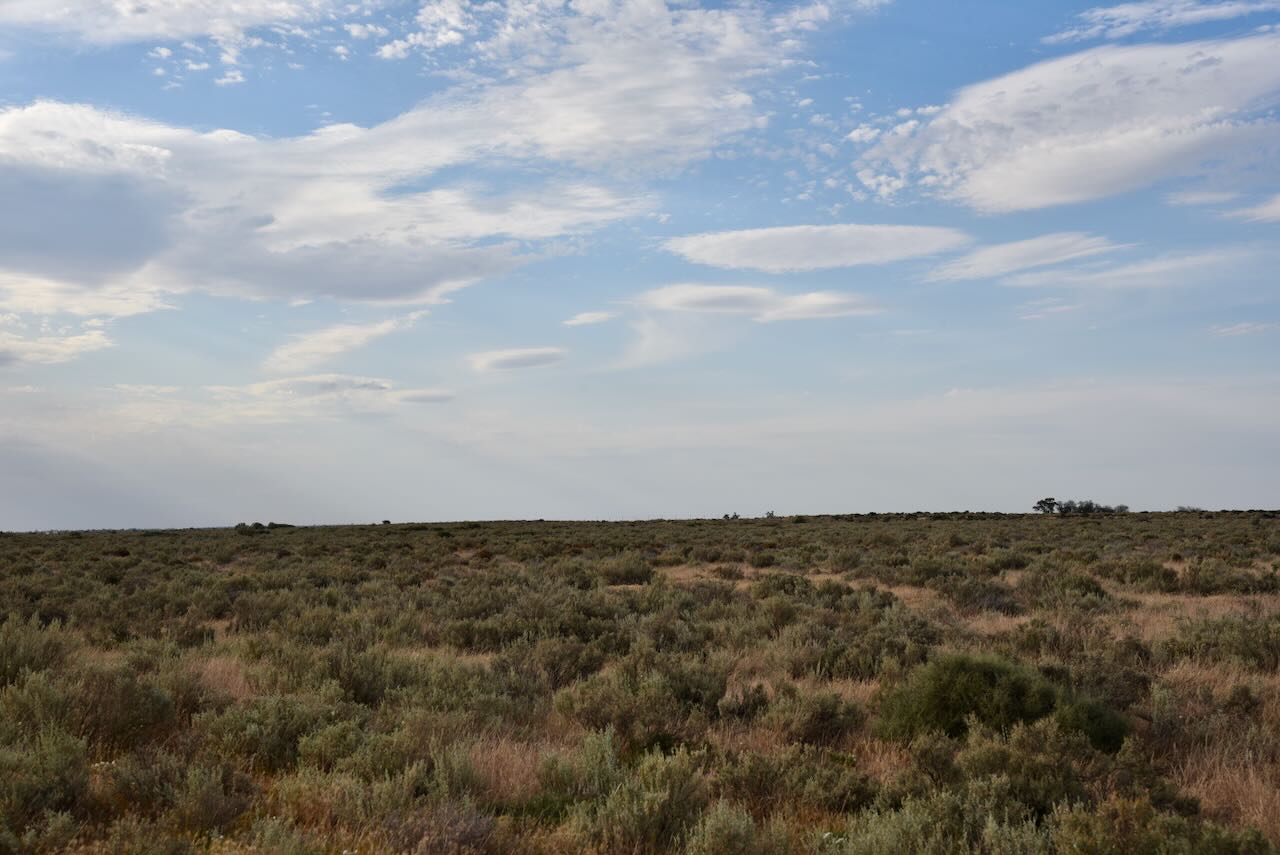
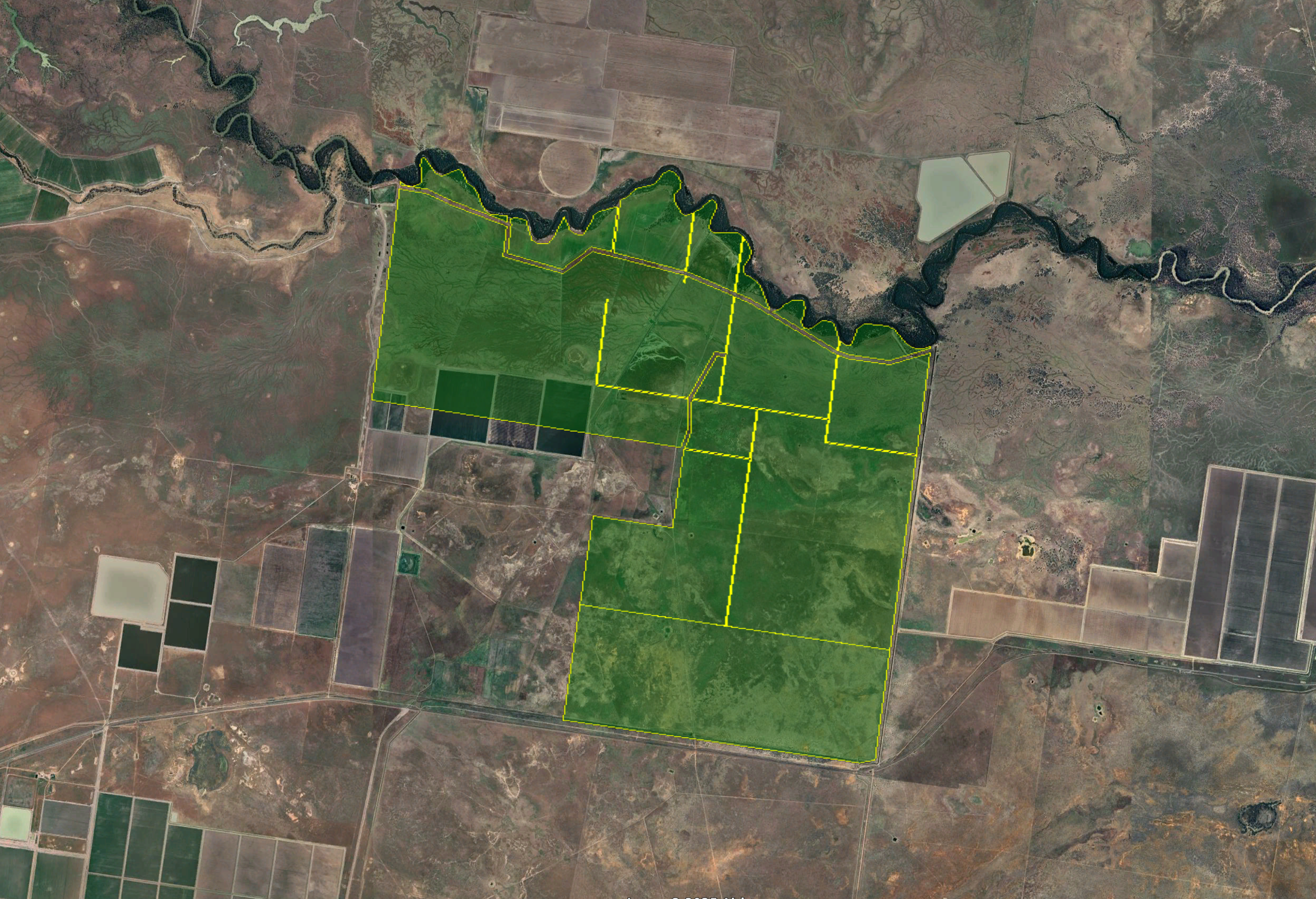
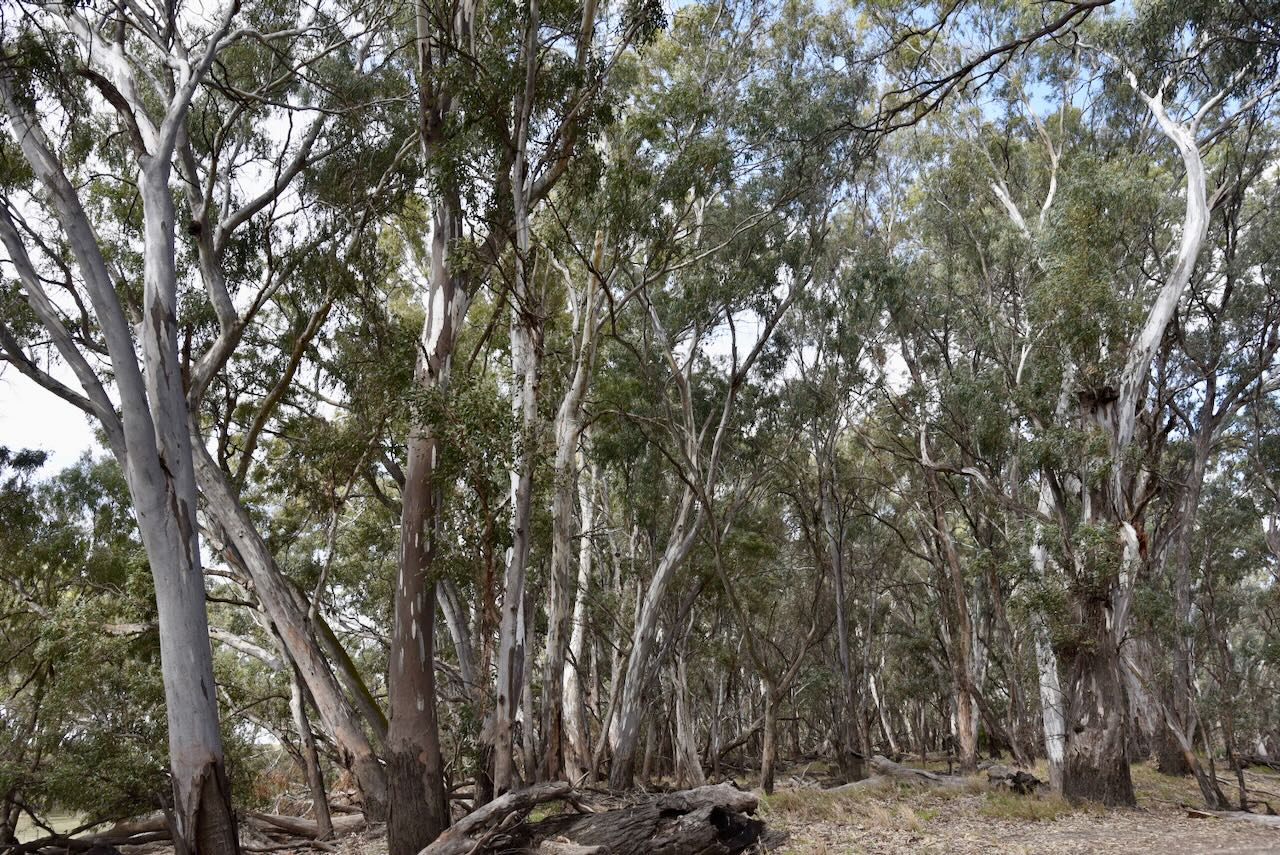
The park is located on the northern side of the Sturt Highway. Its northern boundary is the Murrumbidgee River.
Above: the boundaries of the Toogimbie IPA. Image c/o Google Earth
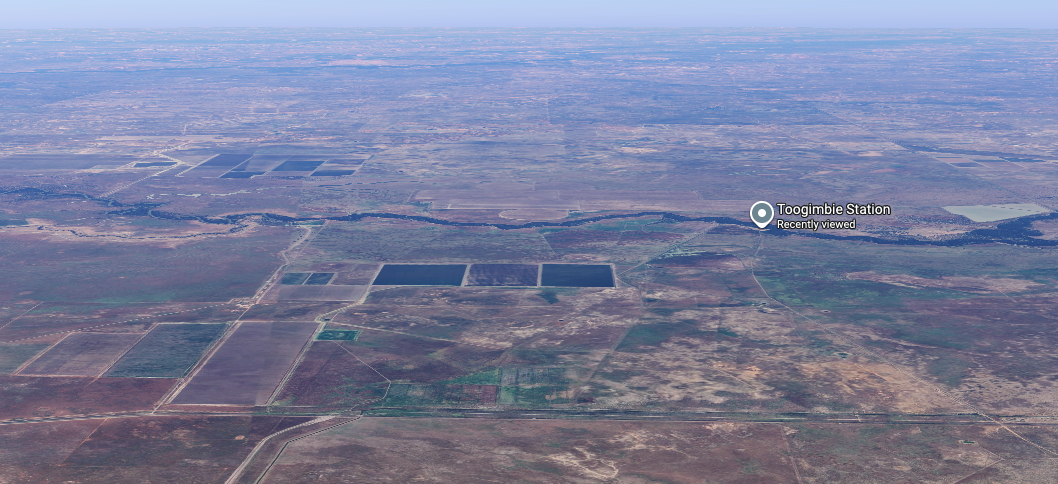
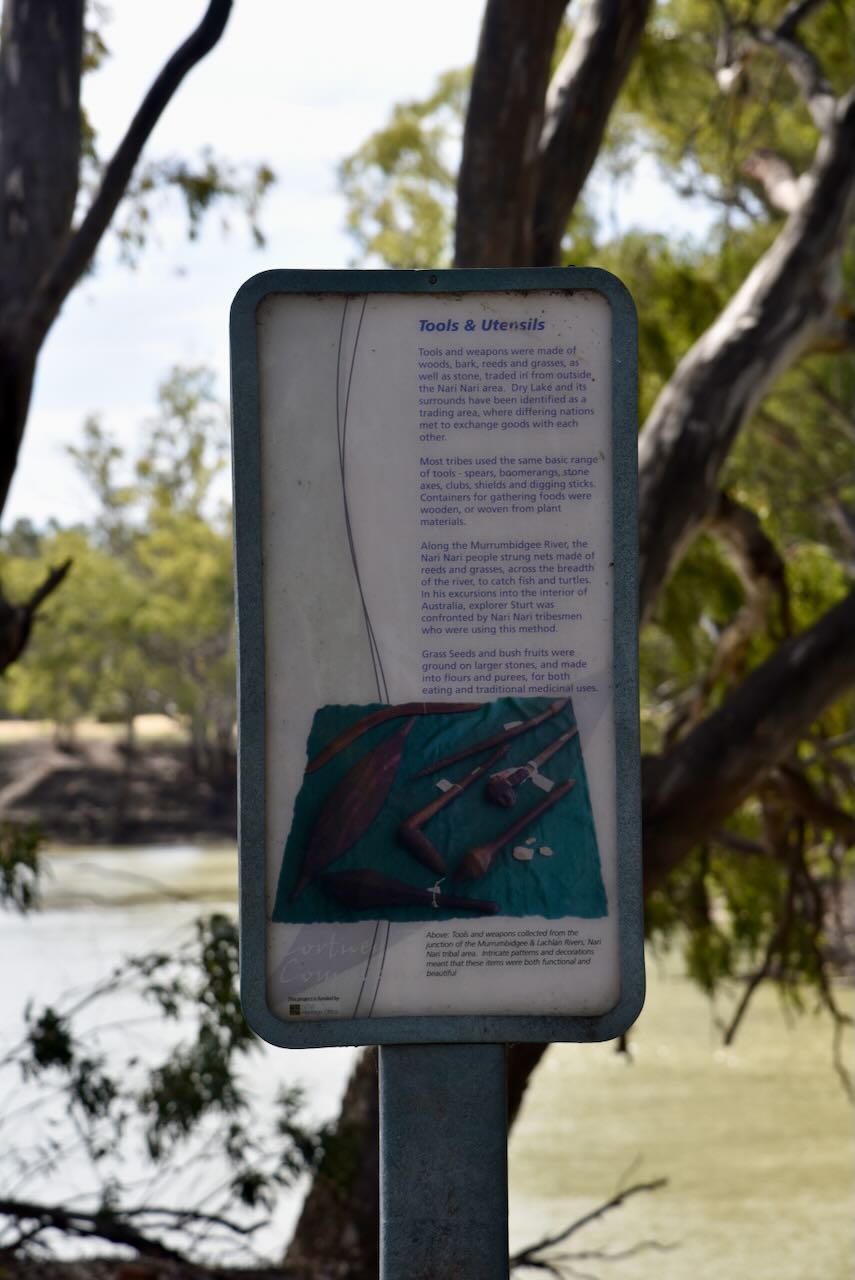
The Toogimbie Indigenous Protected Area (IPA) is about 4,600 hectares in size on the Murrumbidgee River’s floodplain. It is managed by the Narri Narri Aboriginal people, who took ownership of Toogimbie, Glenhope, & Lorenzo stations in February 2000. (nntc 2016)
Above: An aerial view of Toogimbie. Image c/o Google Maps
During the mid-1800s, squatters took up Toogimbie Station. The station had a large wooden wharf on the Murrumbidgee River where the paddlesteamer PS Pevensey would load wool from the station. There was also a swing bridge across the river. Many of the stockmen employed on the station were Aboriginal. (Hay Public School 2016)
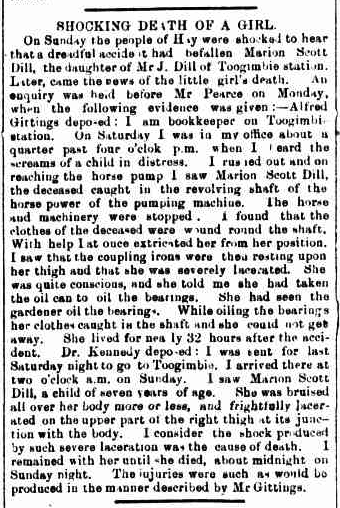
From the late 1880s to the early 1900s, Toogimbie was owned by John Dill (b. 1842. d. 1927). Dill was involved in a shearing dispute. Dill also suffered the loss of his little 7-year-old daughter, who was caught in the revolving shaft of the pumping machine.
Above: Article from The Riverine Grazier, Hay, Tue 22 Mar 1887. Image c/o Trove
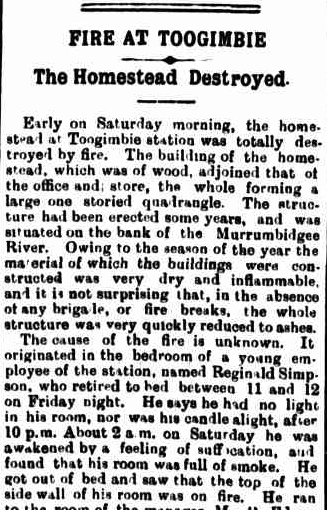
In January 1907, the homestead at Toogimbie Station was totally destroyed by fire. The cause of the fire was unknown, but it did originate in the bedroom of a young employee who denied having his candle alight. (Trove 2025)
Above: part of an article from The Riverine Grazier, Hay, Tue 8 Jan 1907. Image c/o Trove
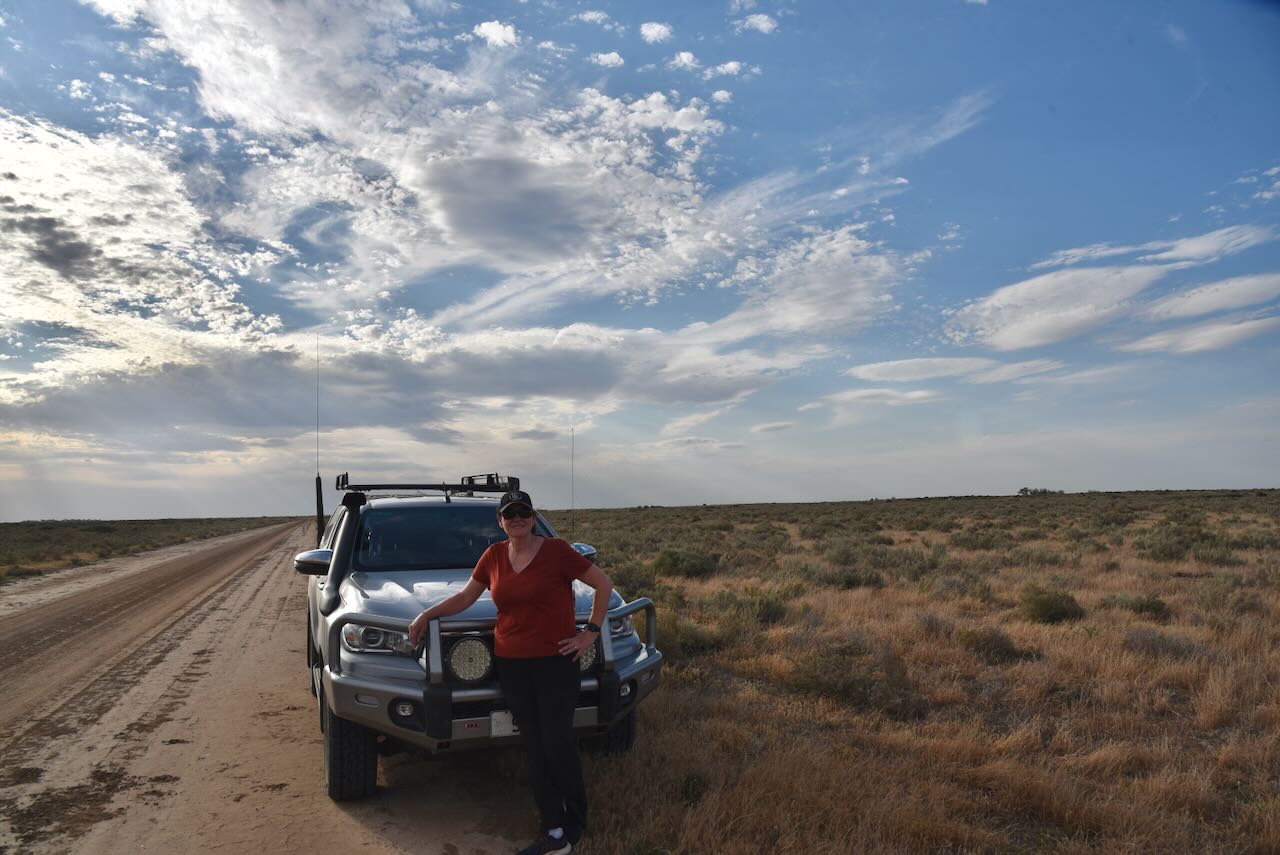
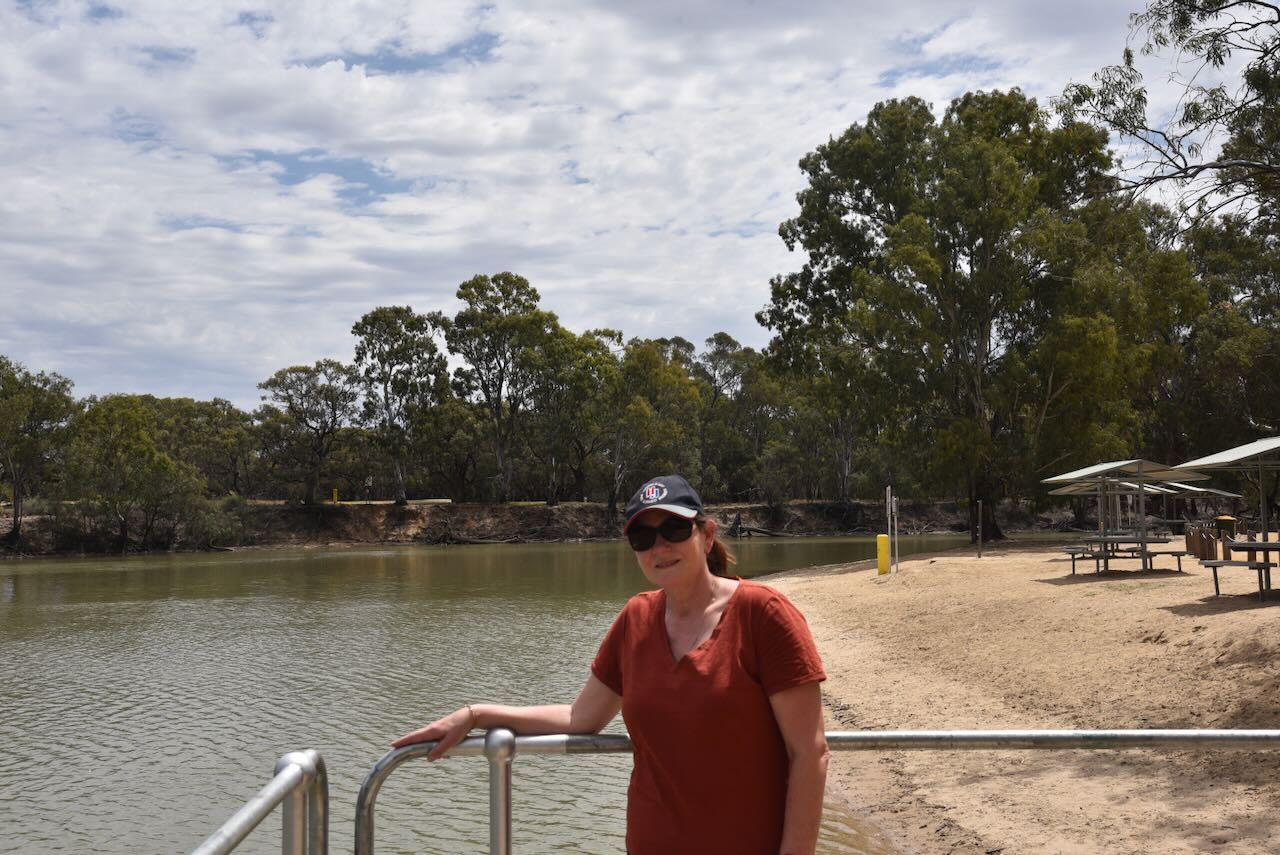
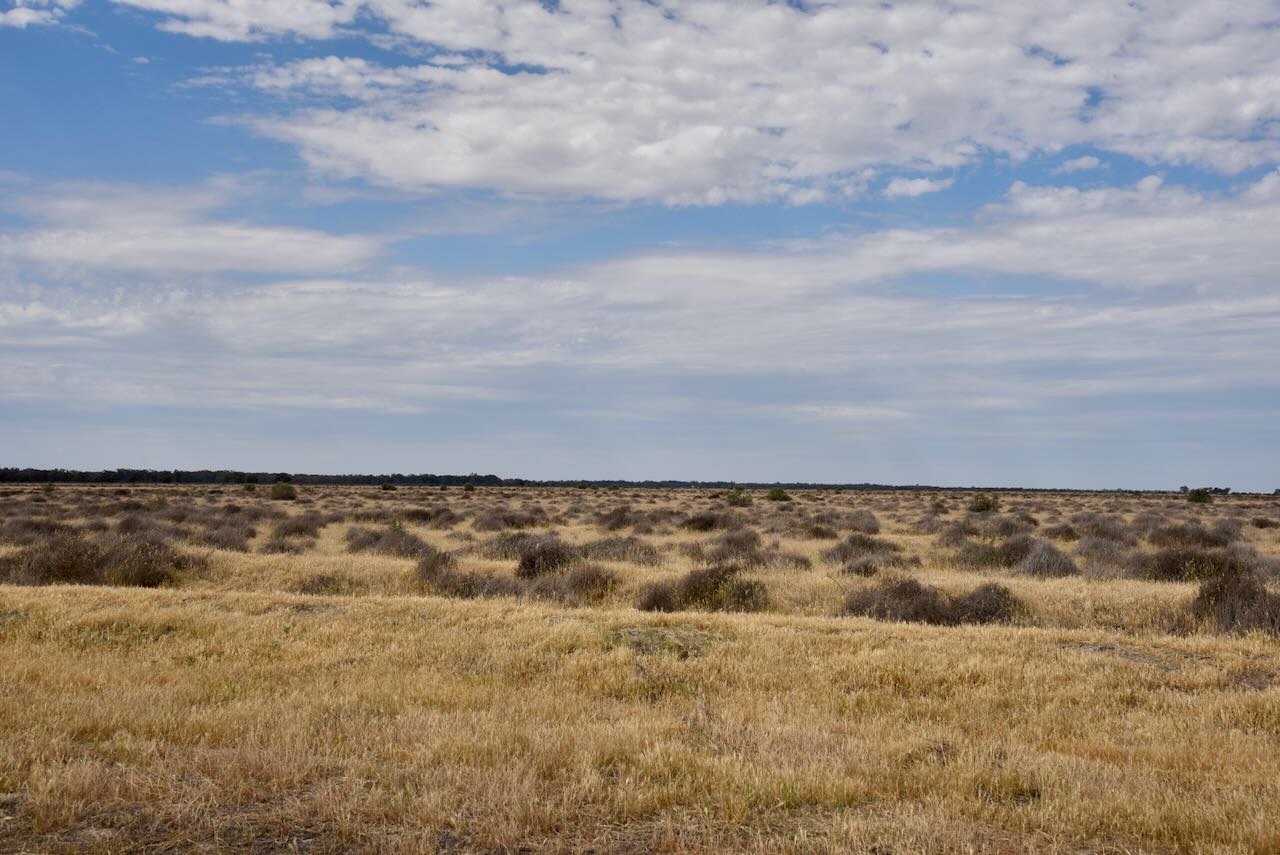
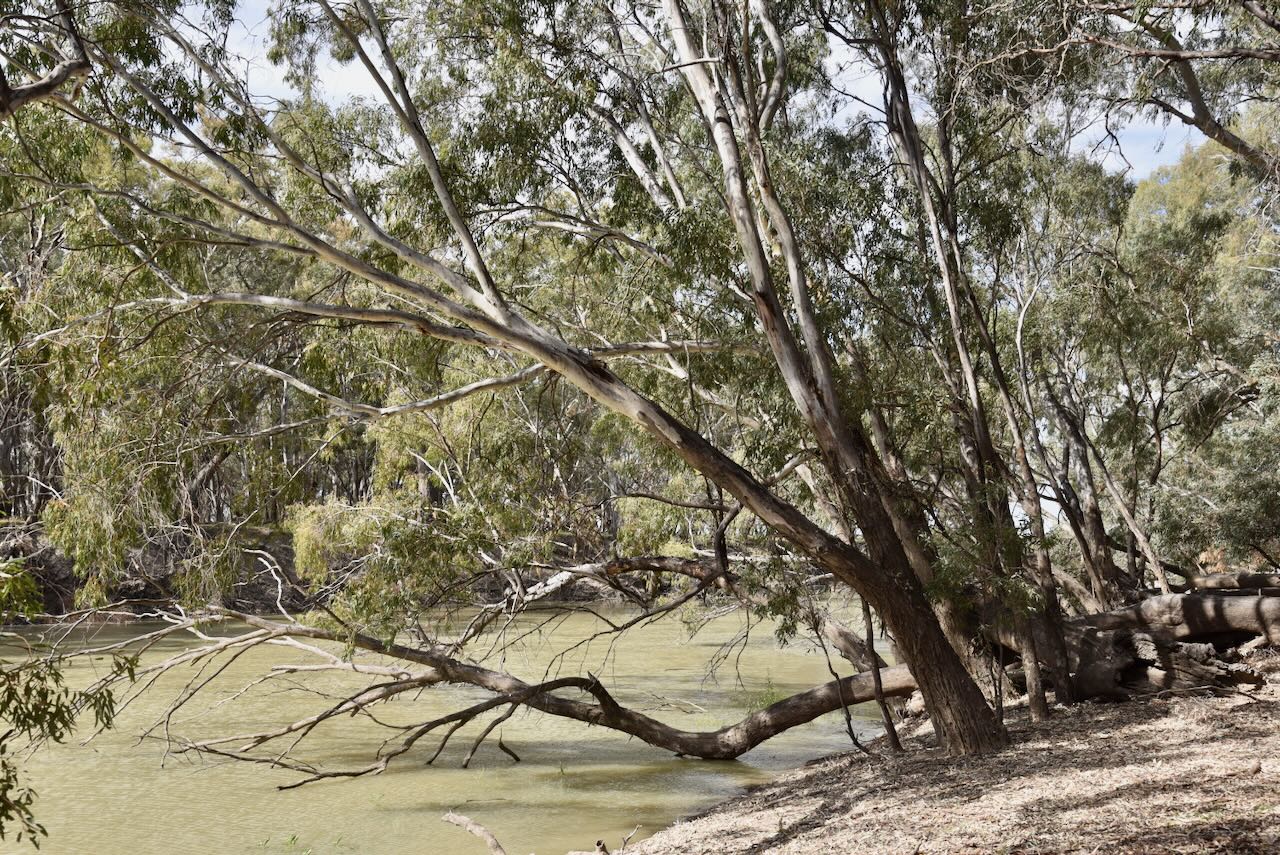
After entering the property with approval, Marija and I drove down to a home on the property and had a long chat with the gentleman who lived there, to inform him what we would be doing. He allowed us access a short distance away on the banks of the Murrumbidgee River.
We ran the Yaesu FT857, 40 watts, and the 20/40/80m linked dipole for this activation.
Marija worked the following stations on 40m SSB:-
- VK1AO/p (VKFF-1309)
- VK2MET/p (VKFF-1309)
- VK2PF
- VK3KAI
- VK3ACZ
- VK3CEO
- VK3BWS
- VK3BEB
- VK3BEL
- VK3WSG
- VK2DA
- VK1DA
- VK2MOE
- VK1MO
- VK4DNO
- VK5WU
- VK3DCQ
- VK2MZ
- VK2VW
- VK2HFI
- VK2AKA
- VK2BUG
- VK2IO
- VK2GEZ
- VK5ADP
- VK3CDS
- VK3SQ
- VK3JT
- VK2BD
- VK5LA
- VK5KAW
- VK3AKD
- VK3VPM
- VK3APJ
- VK2ZR
- VK3UH
- VK5HS/m
- VK5IS
- VK1CHW
- VK5FANA
- VK2RO
- VK3MH/m
- VK3TBS
- VK5UV
- VK5HRB
I worked the following stations on 40m SSB:-
- VK1AO/p (VKFF-1309)
- VK2MET/p (VKFF-1309)
- VK2PF
- VK3KAI
- VK3ACZ
- VK3CEO
- VK3BWS
- VK3BEB
- VK3BEL
- VK3WSG
- VK2DA
- VK1DA
- VK2MOE
- VK1MO
- VK4DNO
- VK5WU
- VK3DCQ
- VK2MZ
- VK2VW
- VK2HFI
- VK2AKA
- VK2BUG
- VK2IO
- VK2GEZ
- VK5ADP
- VK3CDS
- VK3SQ
- VK3JT
- VK2BD
- VK5LA
- VK5KAW
- VK3AKD
- VK3VPM
- VK3APJ
- VK2ZR
- VK3UH
- VK5HS/m
- VK5IS
- VK1CHW
- VK5FANA
- VK2RO
- VK3MH/m
- VK3TBS
- VK5UV
- VK5HRB
- VK5KVA
- VK4SOE/p
- VK4COA/p
- VK3LDX
- VK4EW
I worked the following stations on 20m SSB:-
- VK4EW
- VK3PF
- VK3KAI
- VK4EMP
- VK4TI
- VK4GKO
References.
- Chirp Internet (2025). Former Terminus Hotel in Hay < New South Wales | Gday Pubs – Enjoy our Great Australian Pubs. [online] Gdaypubs.com.au. Available at: https://www.gdaypubs.com.au/NSW/hay/50011/former-terminus-hotel.html [Accessed 17 Dec. 2025].
- Duneraassociation.com. (2025). Dunera Museum – Dunera and Queen Mary Association. [online] Available at: https://www.duneraassociation.com/dunera-boys-museum/ [Accessed 17 Dec. 2025].
- Hay, V. (2021). Bishop’s Lodge Historic House | Visit Hay. [online] Visithay.com.au. Available at: https://www.visithay.com.au/explore/location/bishop-lodge-historic-house/#about [Accessed 17 Dec. 2025].
- Hay Public School, 2016, Terrific Traditions of Toogimbie
- nntc. (2016). Toogimbie IPA | nntc. [online] Available at: https://www.narinari.org/copy-of-conservation-land-management-1 [Accessed 17 Dec. 2025].
- Shear (2019). Shear Outback. [online] Shear Outback. Available at: https://www.shearoutback.com.au/about [Accessed 17 Dec. 2025].
- Trove. (2025). HAY GAOL TO BE ABANDONED – The Riverine Grazier (Hay, NSW : 1873 – 1954) – 24 Oct 1947. [online] Available at: https://trove.nla.gov.au/newspaper/article/137224879?searchTerm=hay%20gaol [Accessed 17 Dec. 2025].
- Trove. (2025). HAY GAOL CLOSED. – The Sydney Stock and Station Journal (NSW : 1896 – 1924) – 25 Jun 1915. [online] Available at: https://trove.nla.gov.au/newspaper/article/126217244?searchTerm=hay%20gaol%20closed# [Accessed 17 Dec. 2025].
- Trove. (2025). The Riverine Grazier (Hay, NSW : 1873 – 1954) – 8 Jan 1907 – p2. [online] Available at: https://trove.nla.gov.au/newspaper/page/16301547?searchTerm=toogimbie%20station [Accessed 17 Dec. 2025].
- Wikipedia. (2023). Jackie Howe. [online] Available at: https://en.wikipedia.org/wiki/Jackie_Howe.
- Wikipedia Contributors (2025). Hay Gaol. Wikipedia.

 VK5PAS