
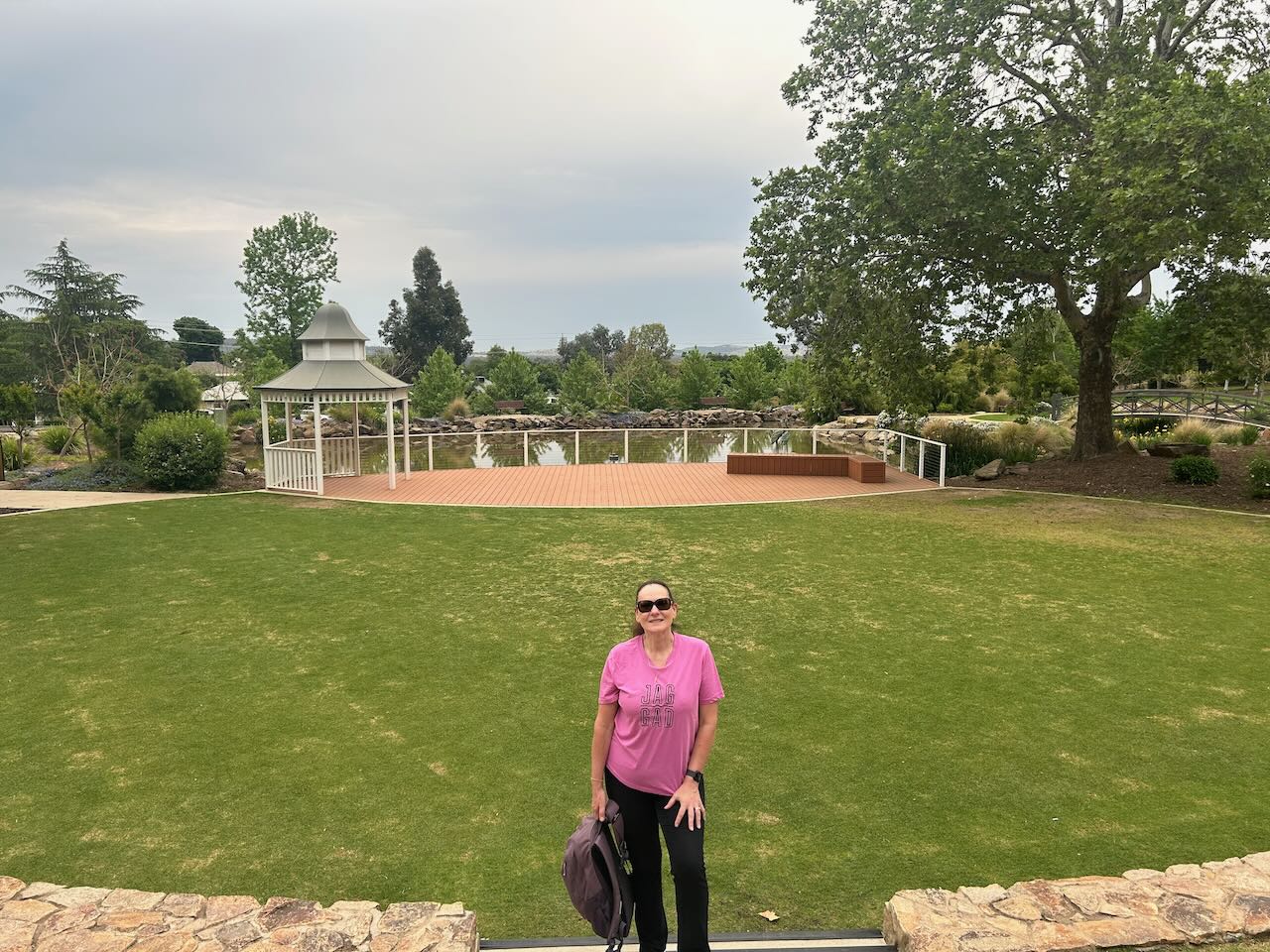
It was now Wednesday, 22nd October 2025, and our first morning in Wagga Wagga. After breakfast, we headed to the Wagga Wagga Botanic Gardens for a walk.
The Botanic Gardens are set over 22 acres and are located at Willans Hill. There is a mini zoo here and a flight aviary, but unfortunately, they were closed during our visit. Planning for the gardens commenced in 1969, and they were completed in 1969. (Wikipedia 2025)
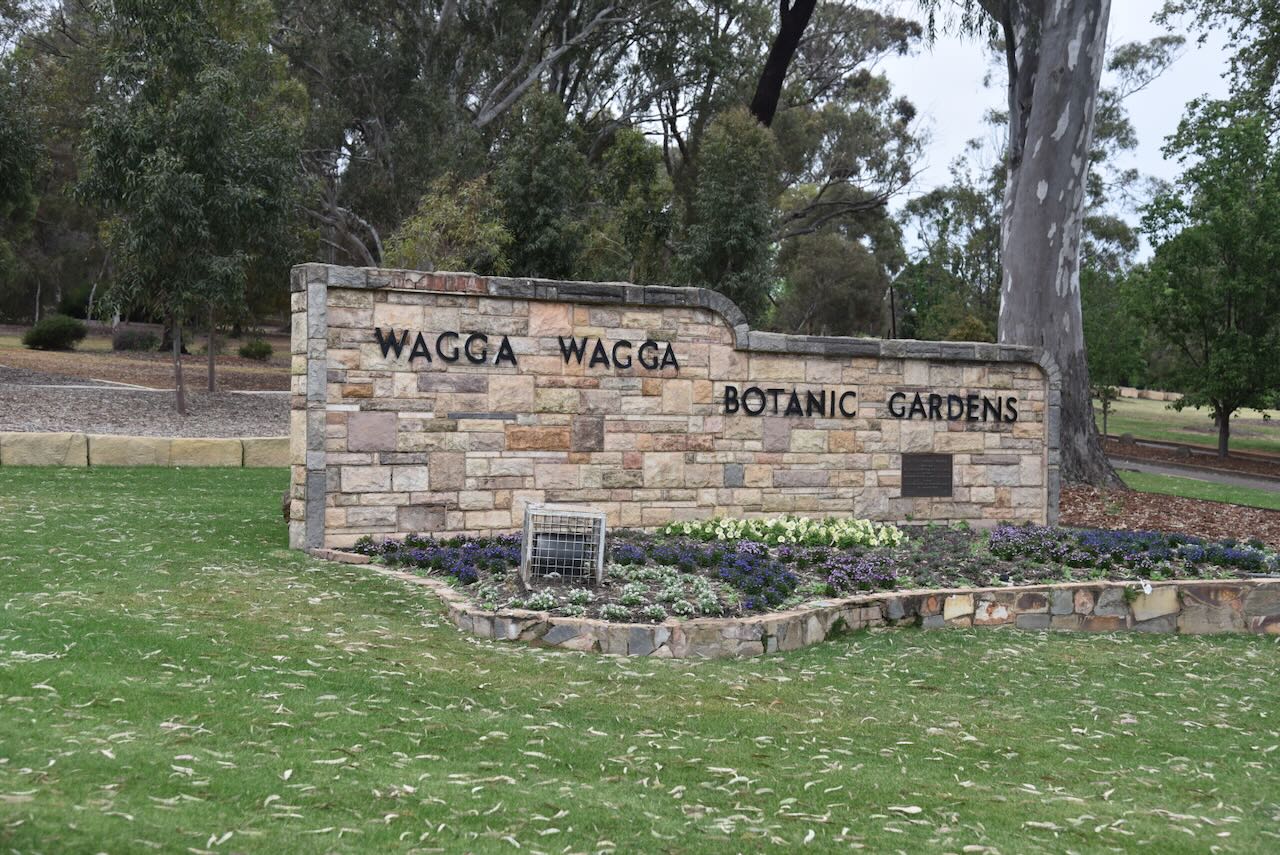
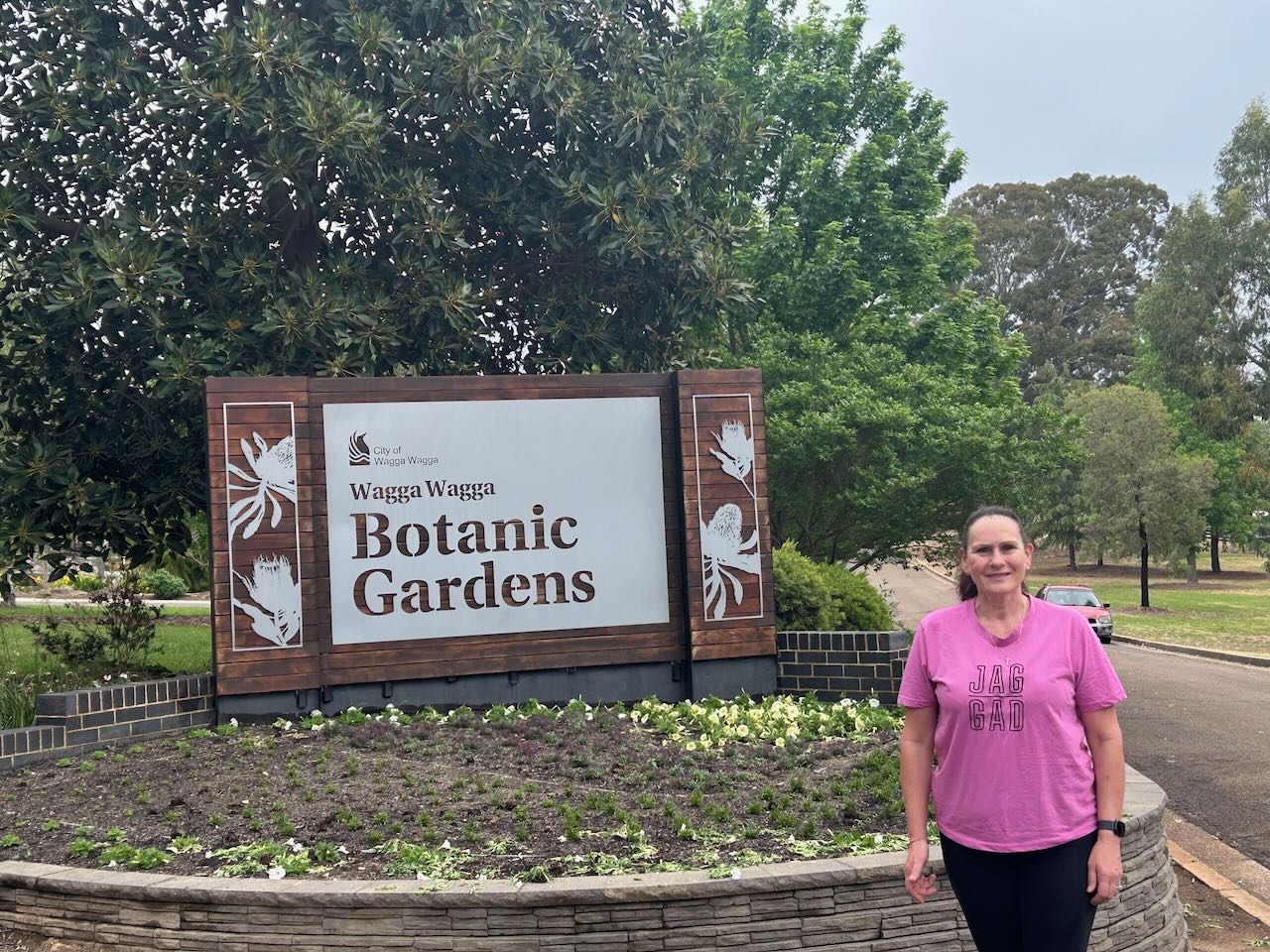
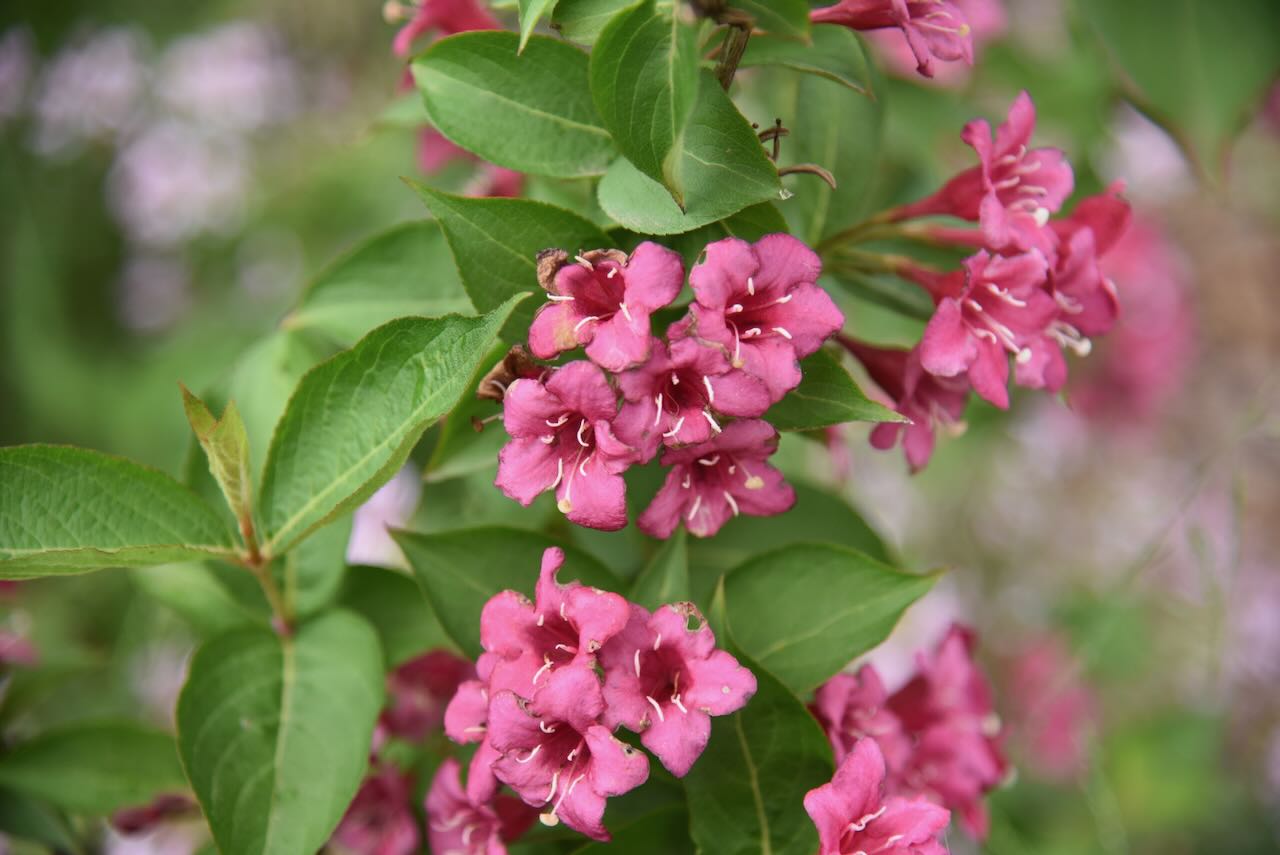
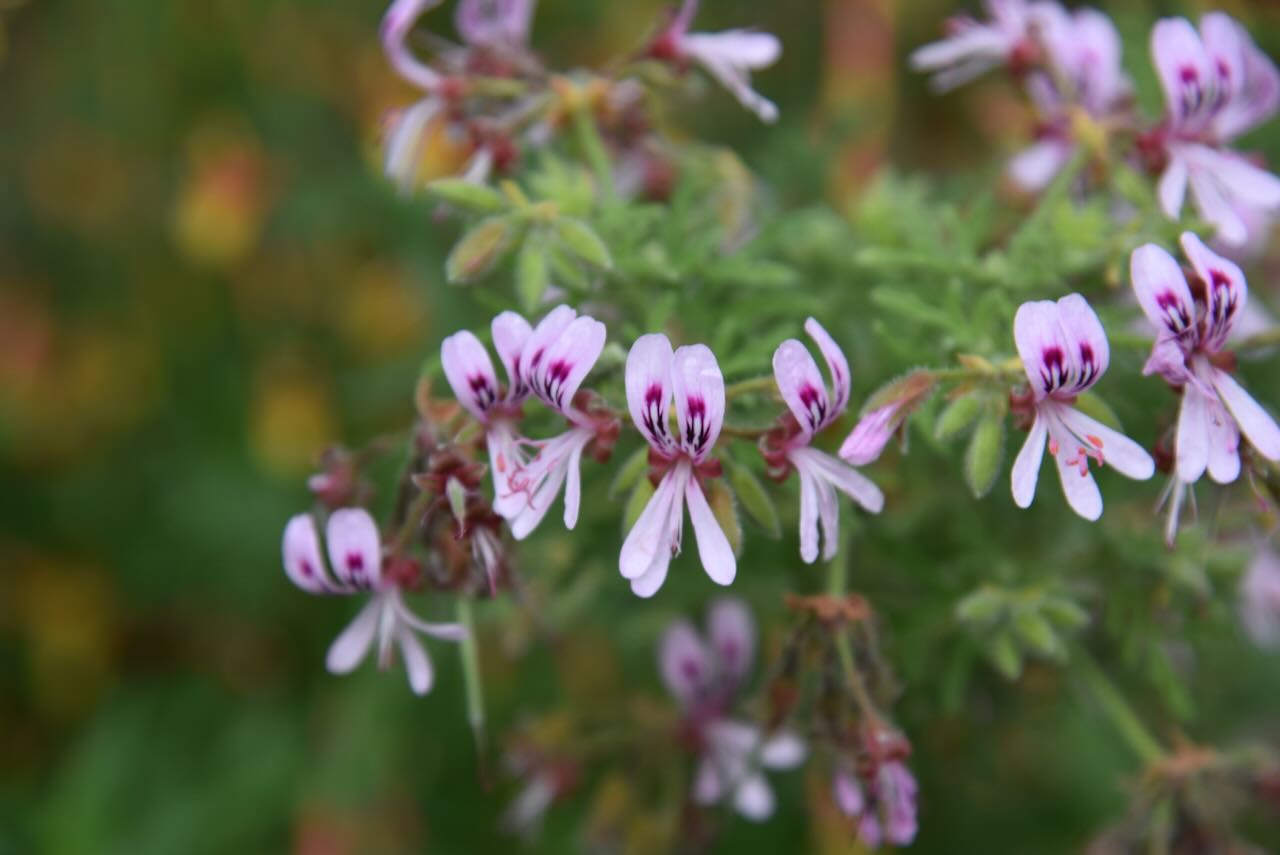
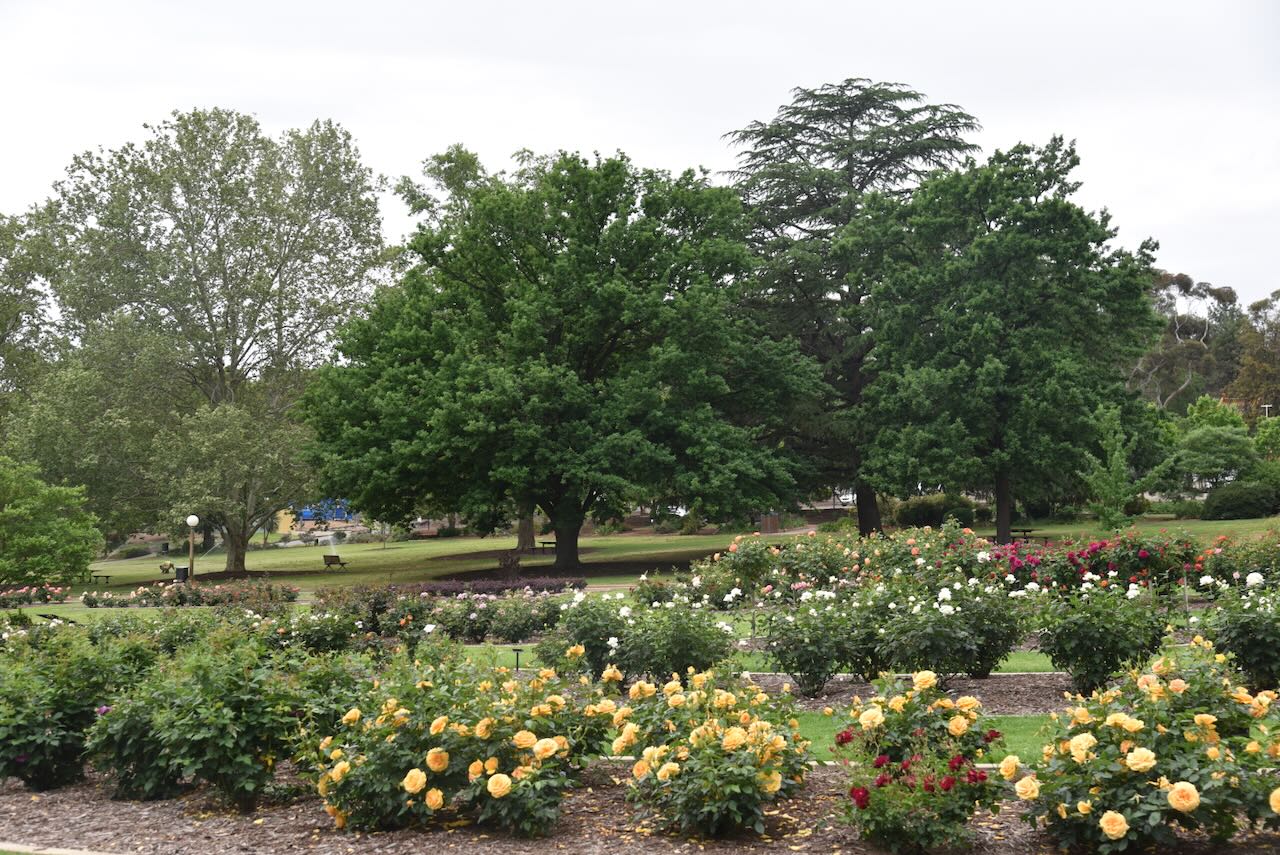
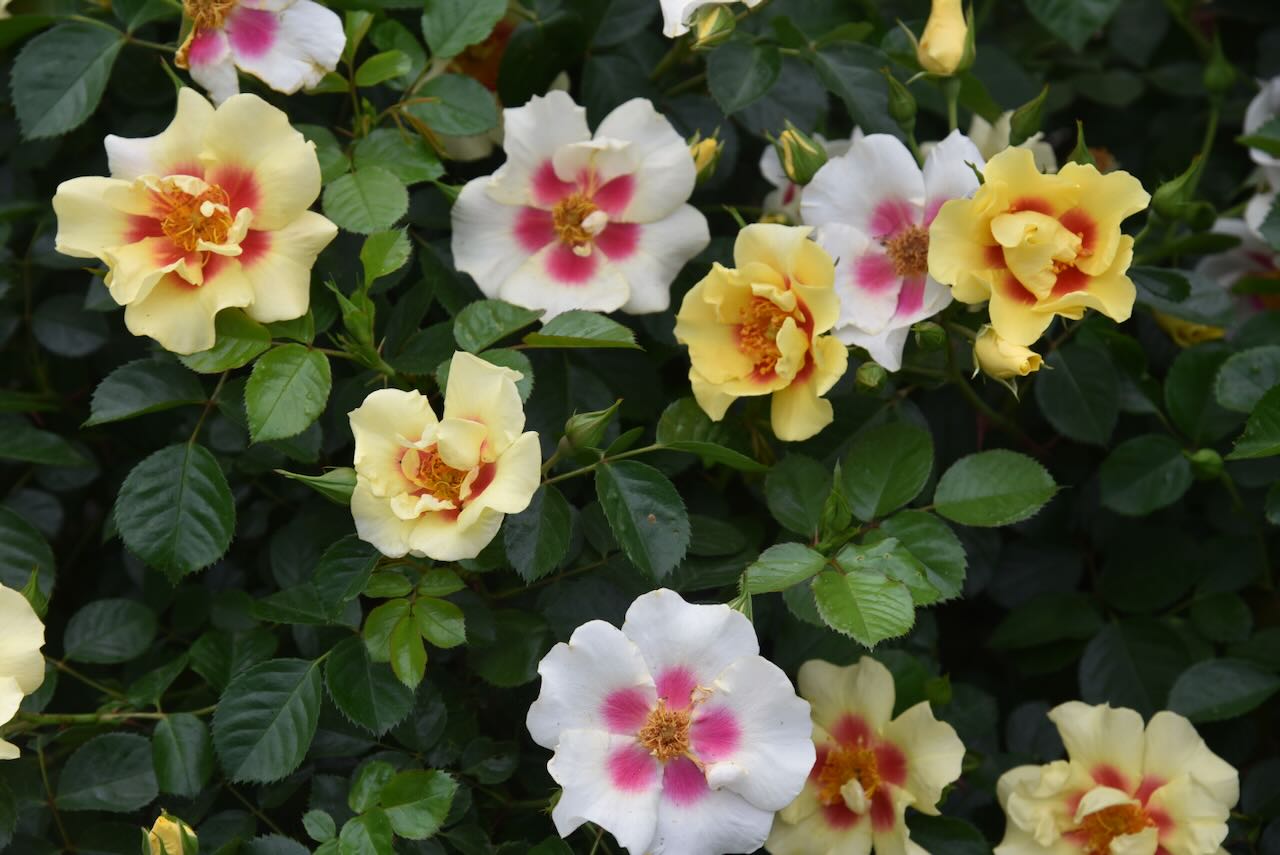
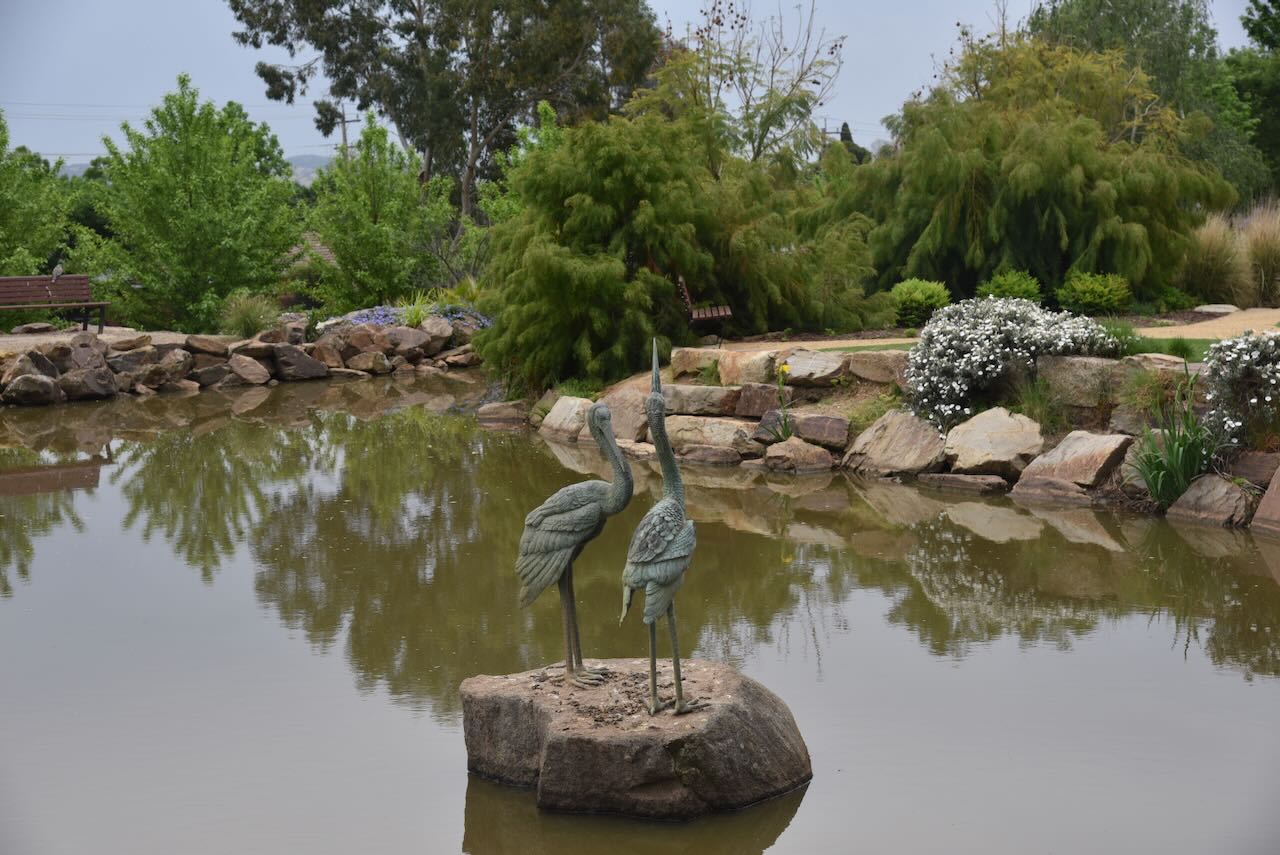
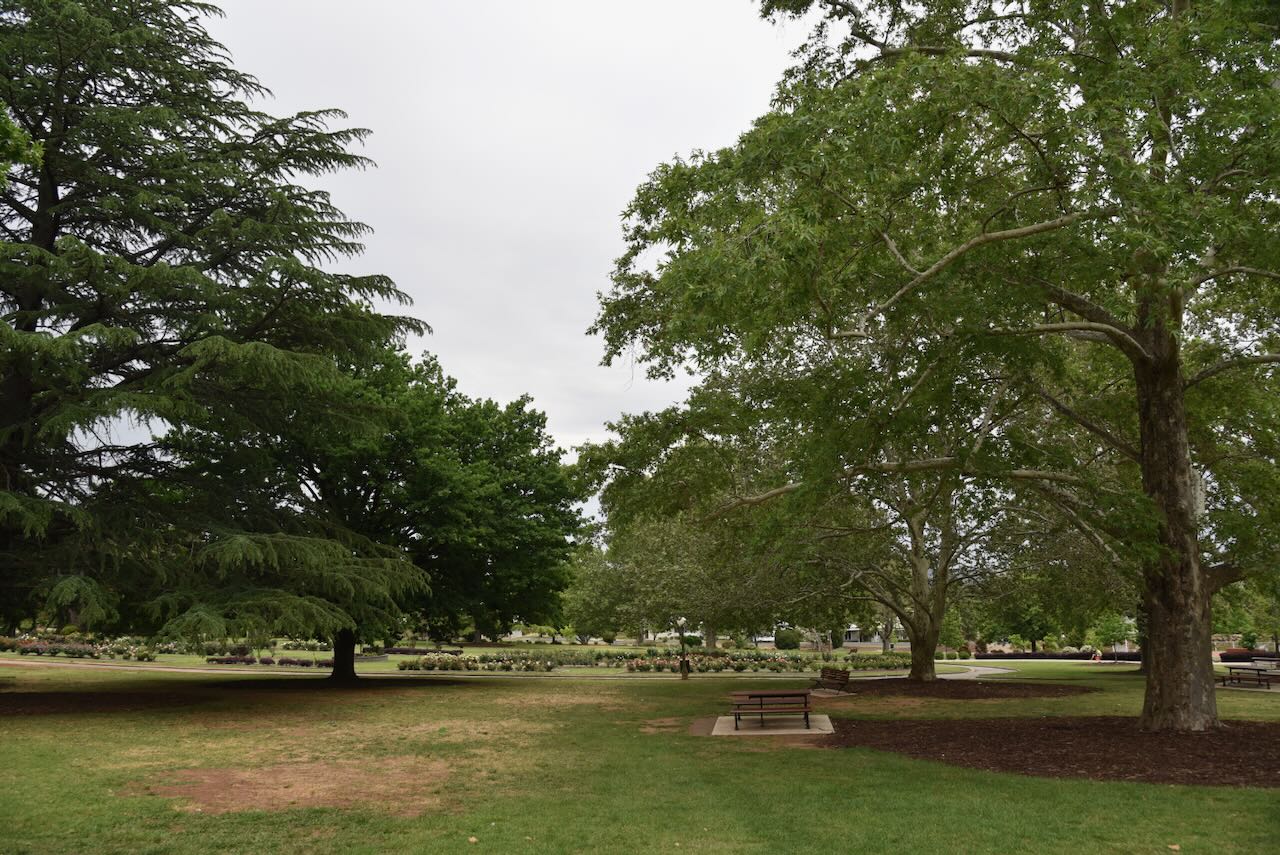
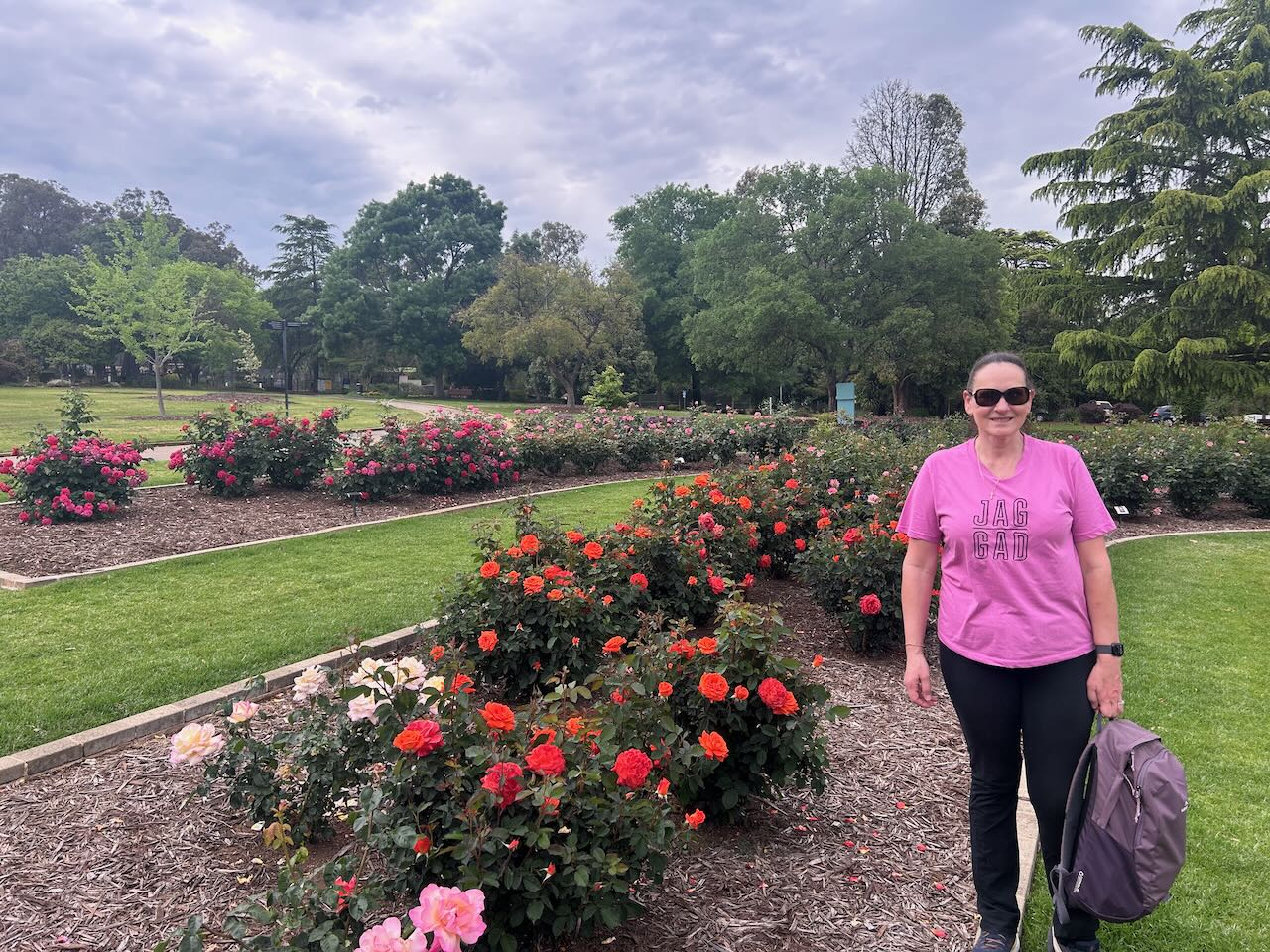
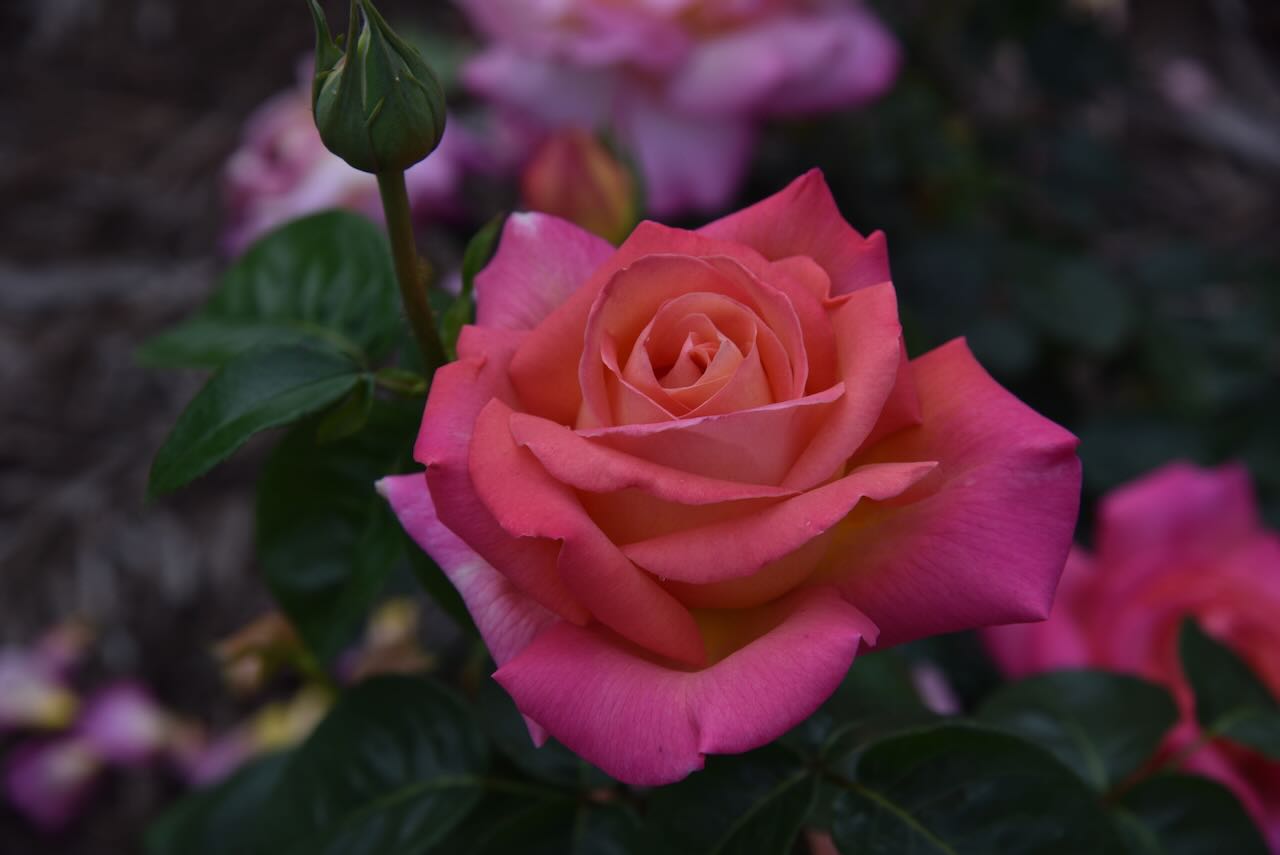
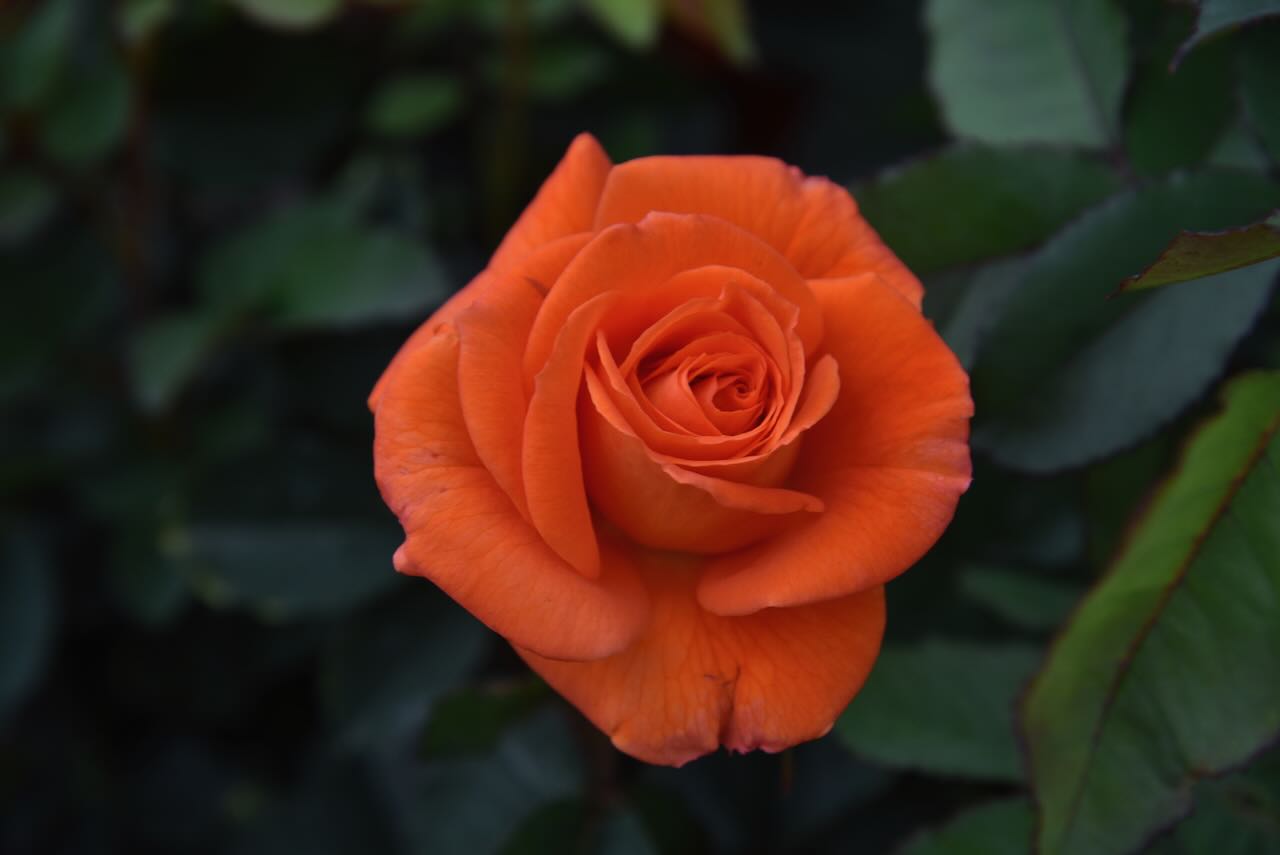
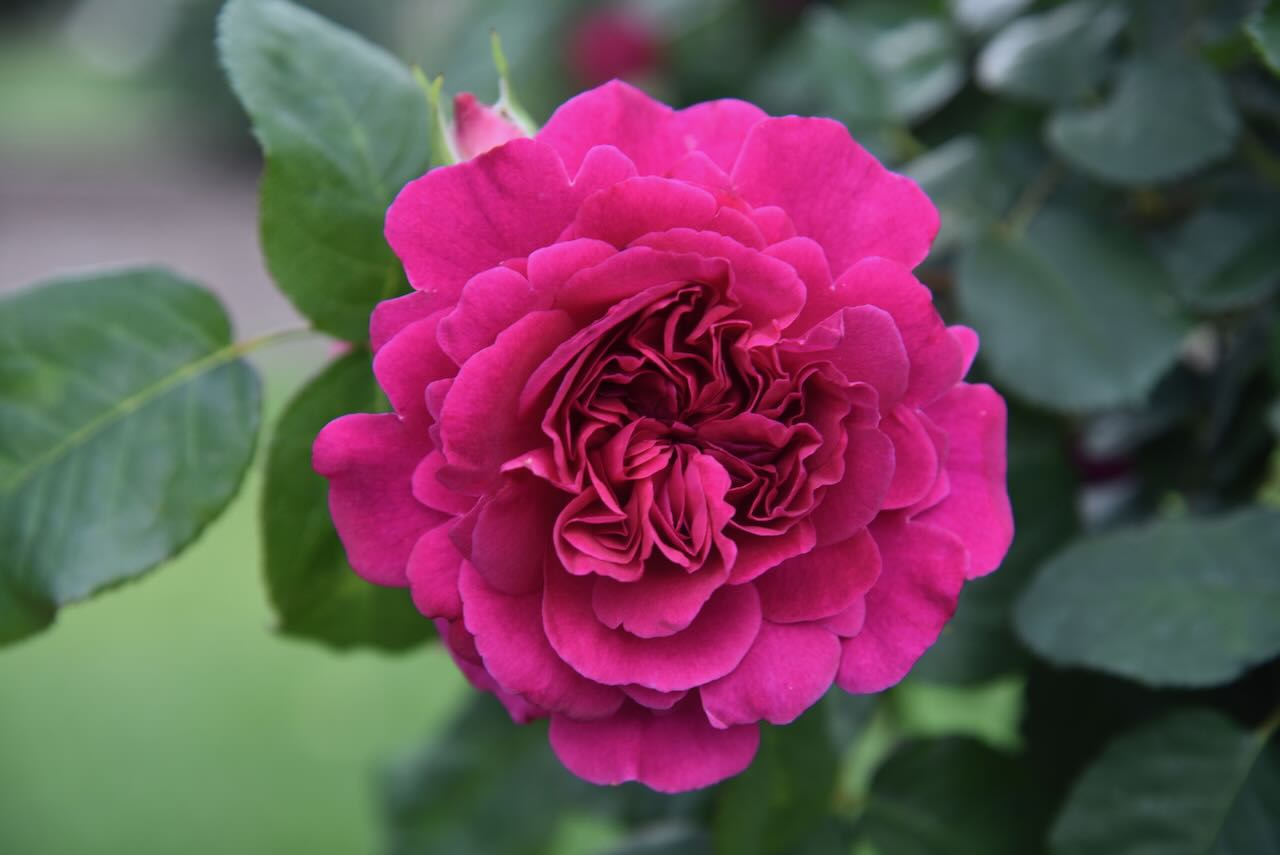
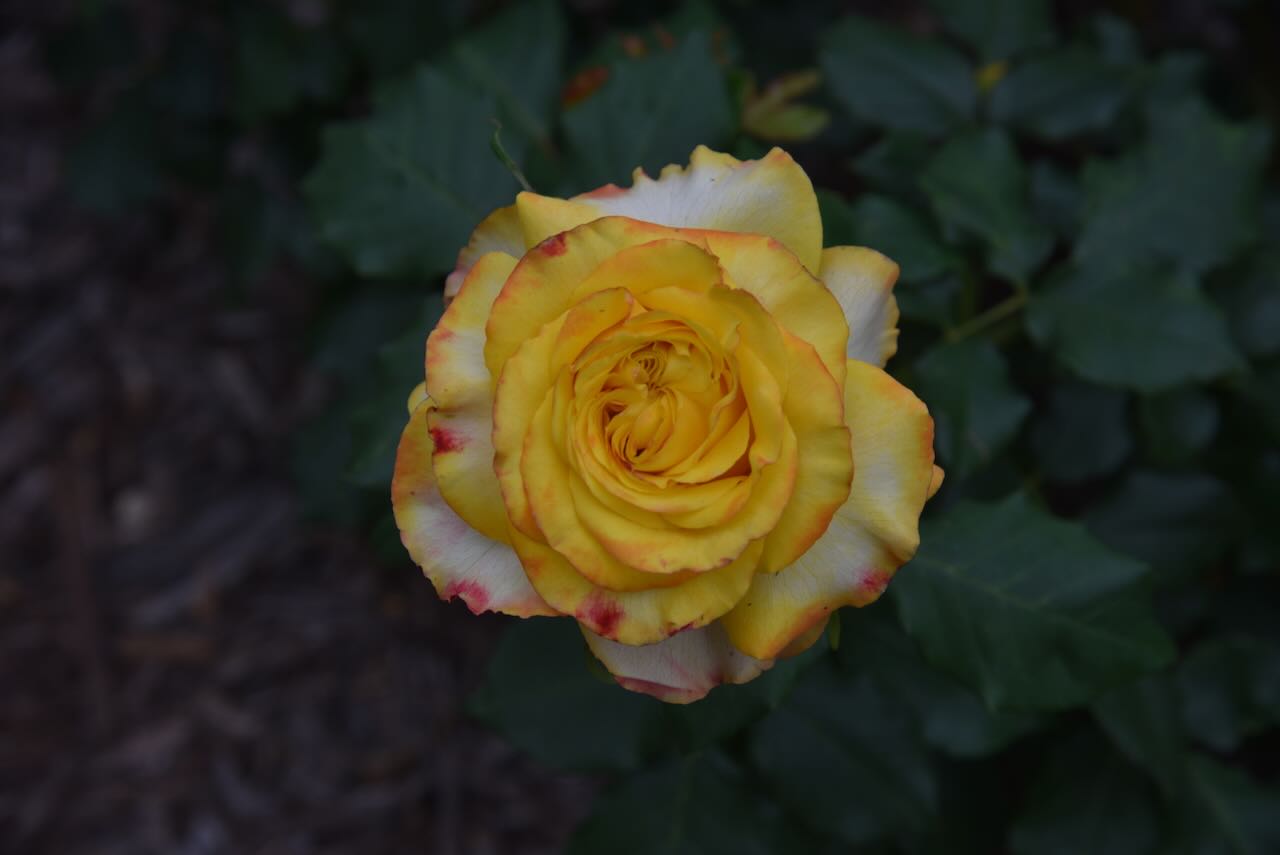
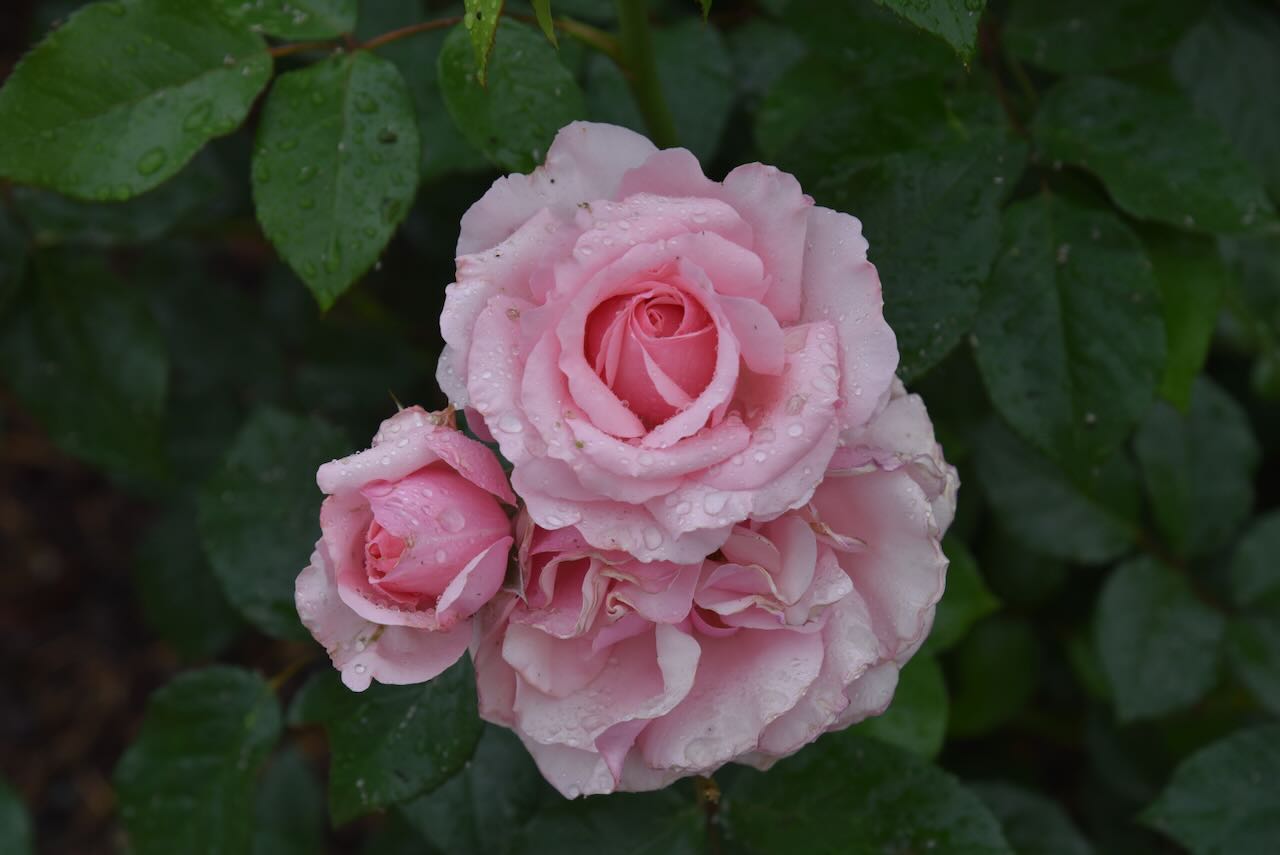
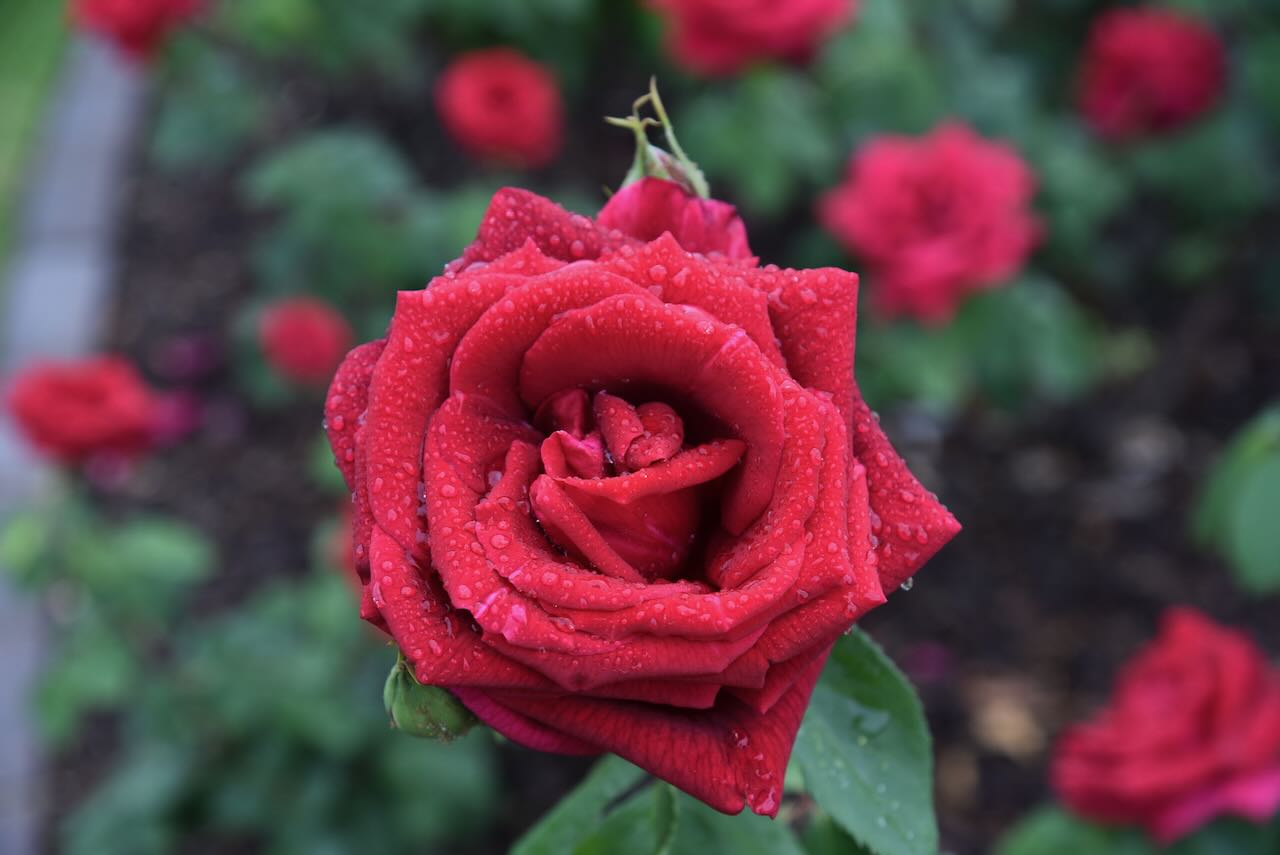
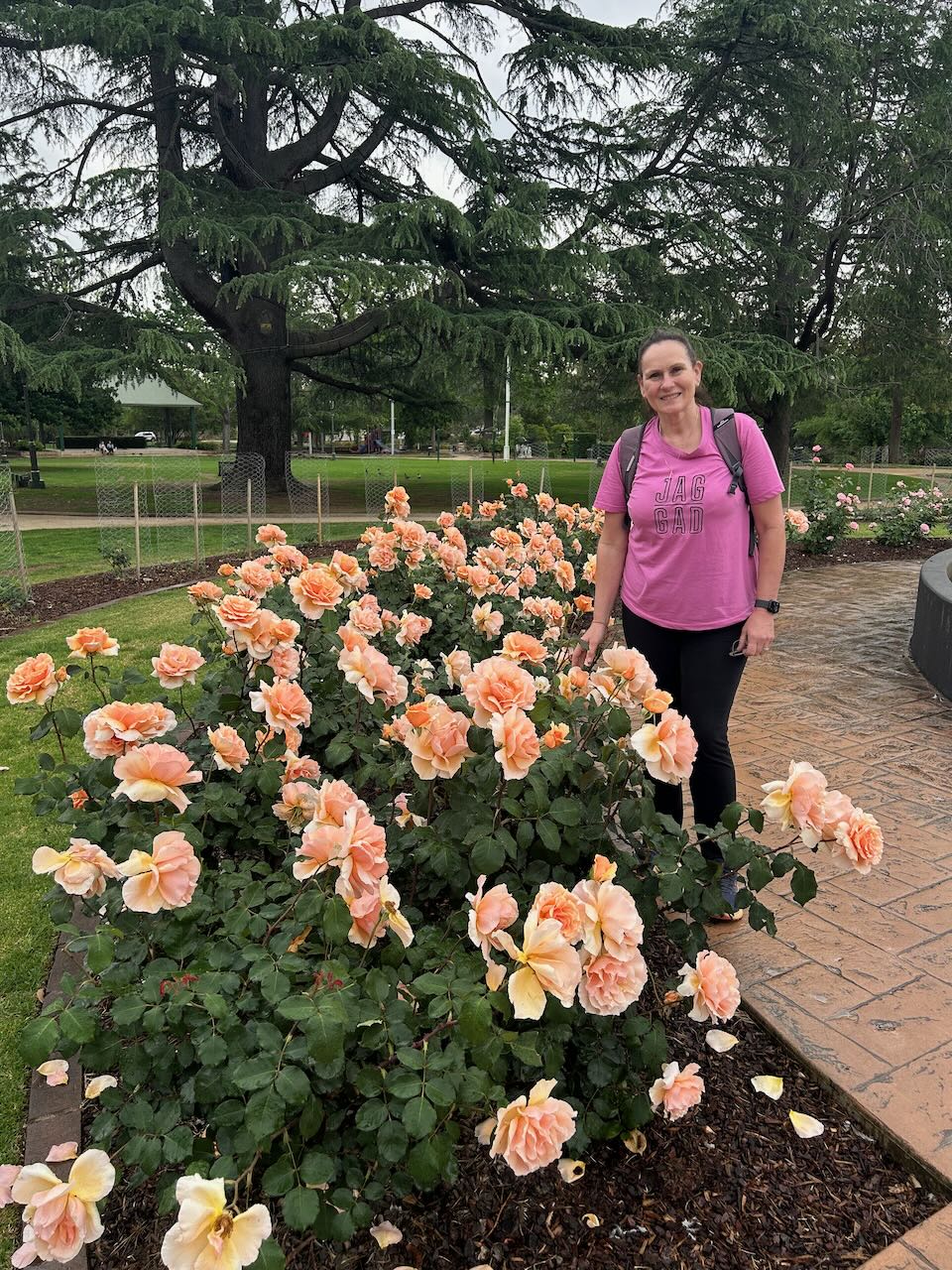
The roses in the rose garden were in full bloom and absolutely beautiful.

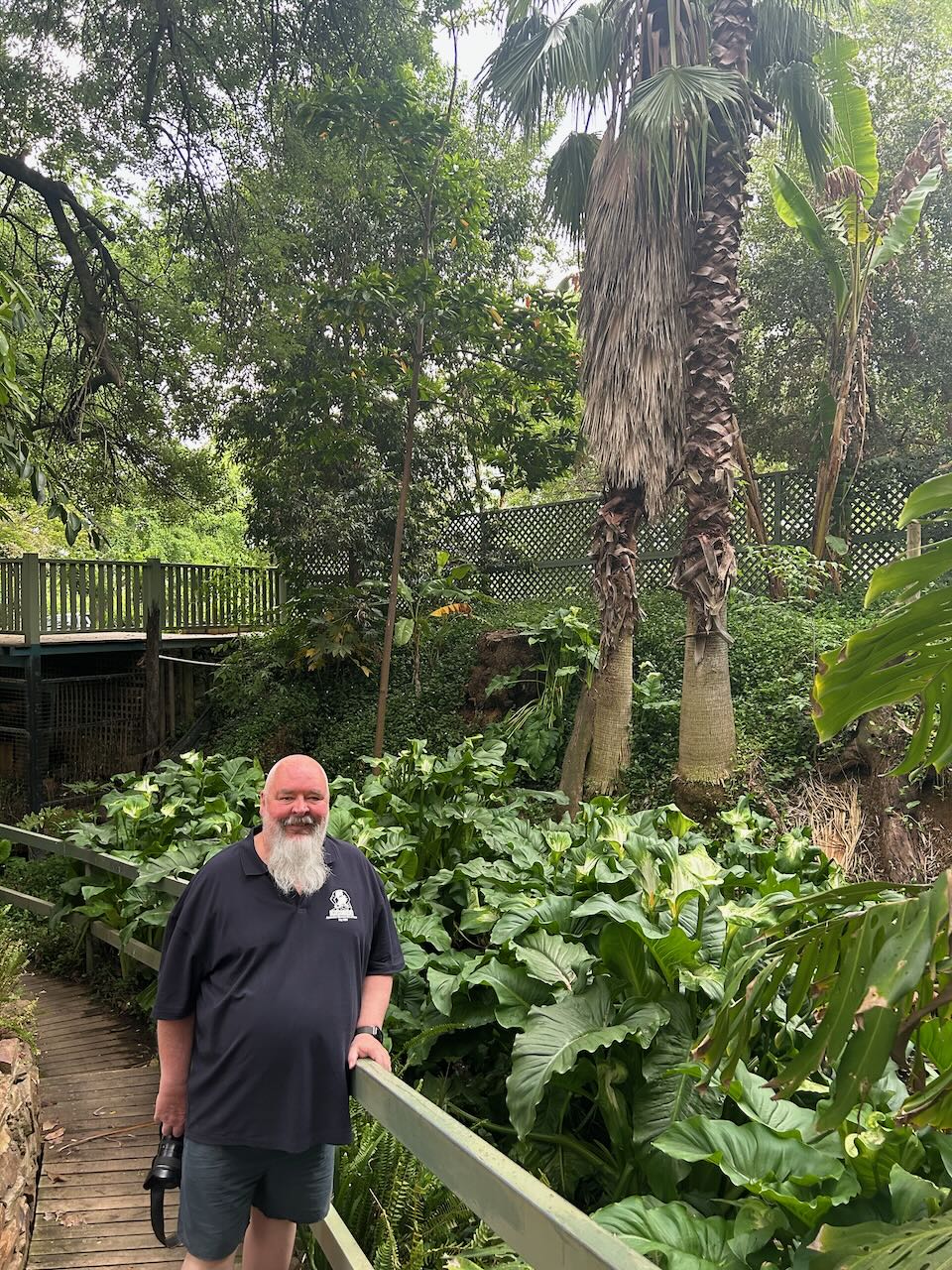
There is a beautiful rainforest section to walk through.

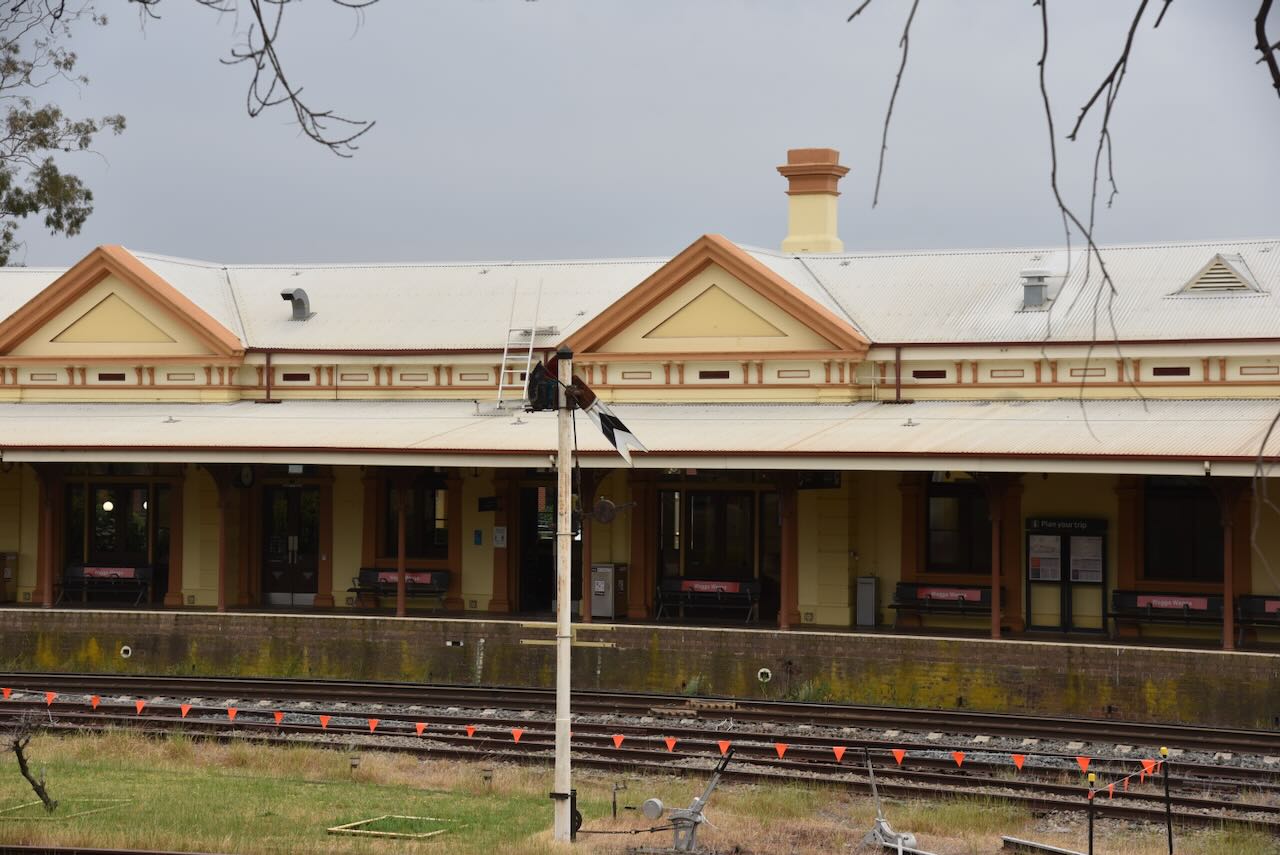
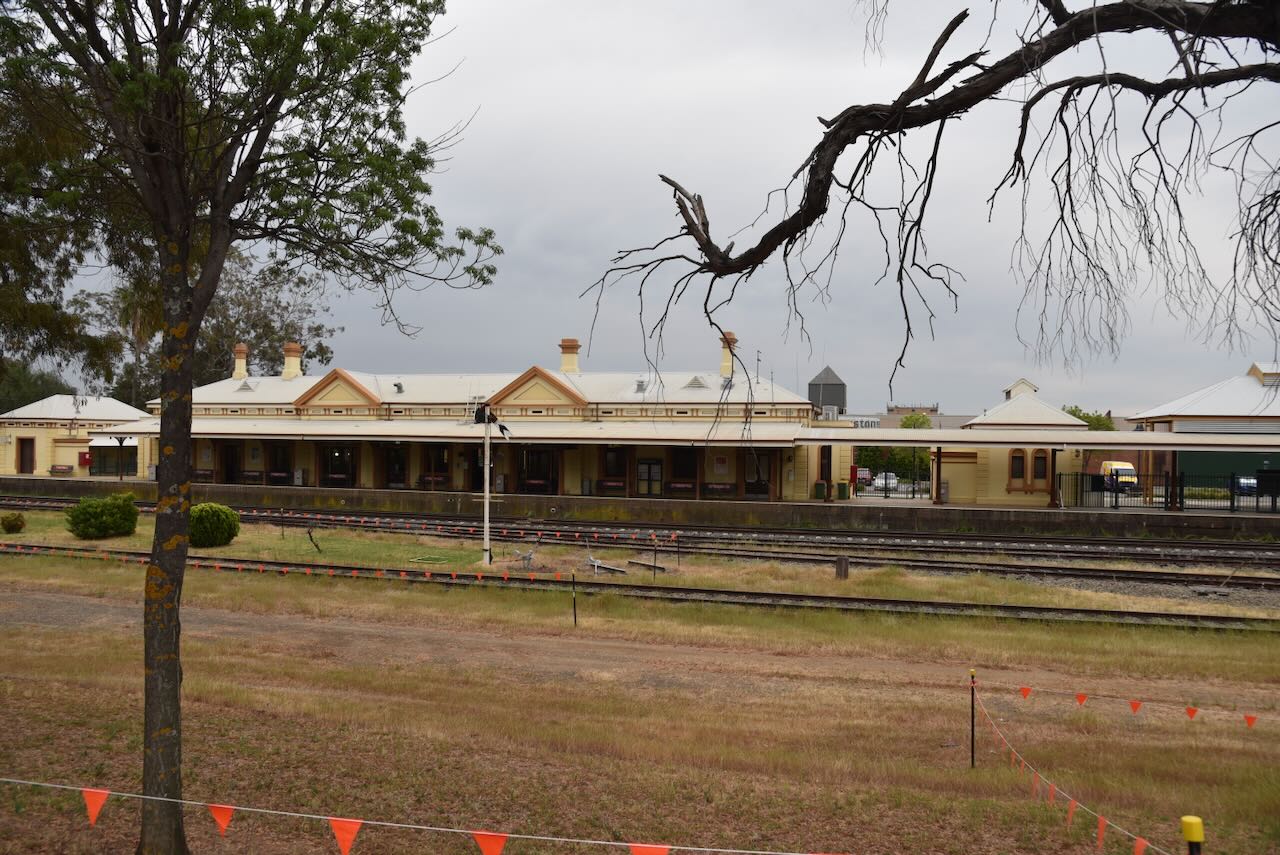
We then headed to the Wagga Wagga silo for an activation for the Silos On The Air (SiOTA) program. On the way, we stopped to admire the historic Wagga Wagga Railway Station. The station building was completed in 1879.
The Wagga Wagga silos are located on the southern side of Edward Street and are alongside the Main Southern railway line connecting Sydney and Melbourne.
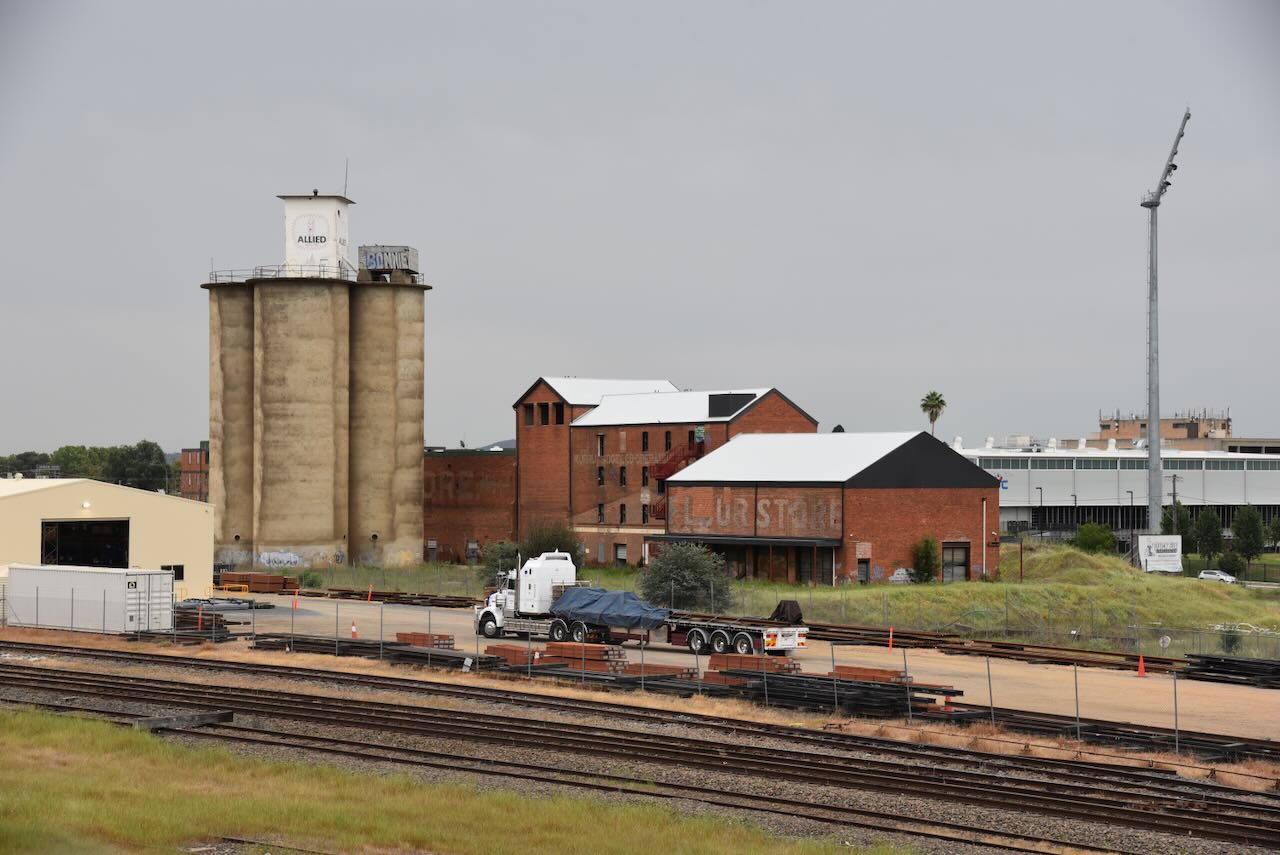
The silos are located alongside the old Murrumbidgee Co-operative Milling buildings.
On the 16th day of February 1889, a meeting was held at Monk’s Pastoral Hotel to discuss the establishment of a Co-operative Flour Mill. In August 1889, a general meeting of shareholders was held. A ballot resulted in the election of six gentlemen as directors to manage the Murrumbidgee Co-operative Milling business. (Trove 2025)
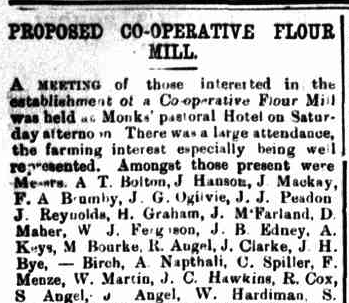
Above: part of an article from the Wagga Wagga Advertiser, Tue 19 Feb 1889. Image c/o Trove
A site for the mill was found alongside the railway line, and advertisements for tenders for the construction of the mill were circulated in newspapers in New South Wales and Victoria. (Trove 2025)
The mill was built in 1890 by Charles Hardy (b. 1864. d. 1934). The official opening of the mill took place on the 28th day of June 1890. One week later, the mill commenced operation. The mill initially had a 12 sack capacity plant. It was the second largest flour milling company in the state of New South Wales, outside of the city of Sydney. (Maddison 2023) (Nesbitt, 2025) (Trove 2025)
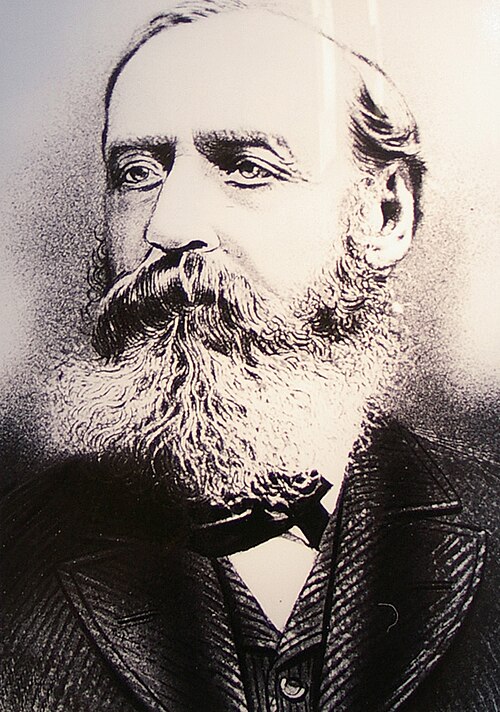
Above: Charles Hardy. Image c/o Wikipedia
The first managers were J.P. Adkins and his brother C.W. Adkins. They were members of a well-established English milling family. The trade name of ‘Wagga Lily Flour’ was adopted. With their expertise, the Wagga business rapidly expanded. Within 20 years, the mill was exporting flour around the world, including Europe, South Africa, and Egypt. (Maddison 2023)
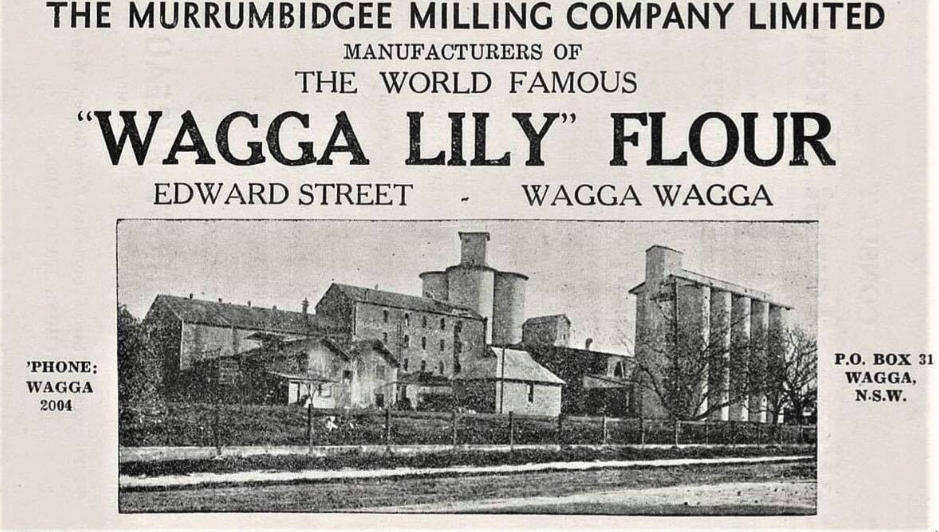
Above: An advertisement for the mill. Image c/o Lost Wagga Wagga Facebook page
In 1908, the mill gained a gold medal diploma at the Franco-British Exhibition that was held in London. (Trove 2025)
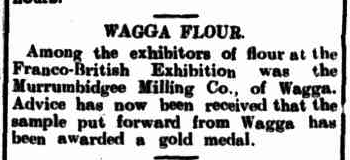
Above: article from the Wagga Wagga Advertiser, Sat 12 Dec 1908. Image c/o Trove
By 1913, the mill was producing about 12,000 to 13,000 tons of flour per year. A Wolfe compound condensing superheating steam engine was installed at a cost of £4000. (Maddison 2023)
Four concrete grain silos were constructed in 1918.
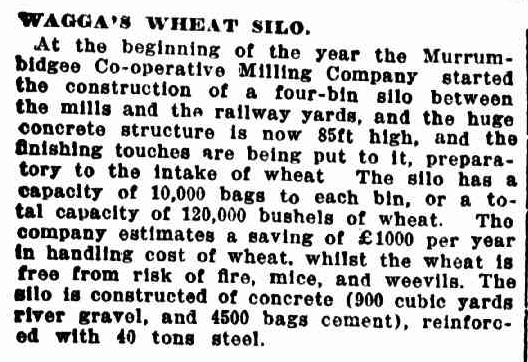
Above: article from Australian Town and Country Journal, Sydney, Wed 5 Jun 1918. Image c/o Trove
In 1927, a further 10 silos were constructed. During that same year, the mill was producing 20,000 to 22,000 tons of flour per year. The old steam engine was replaced with electric power. (Maddison 2023)
Sunicrust Bread established a bakery alongside the mill. It closed in May 2003, and the building was demolished in 2007. (Wikimedia.org, 2006)
The mill ceased operation in August 1978. (Maddison 2023)
In 1981, the former flour mill was listed by the National Trust. (Maddison 2023)
In 2014, the site was cleared of a substantial amount of infrastructure, including some of the silos. Fortunately, the historic mill buildings survived. (Nesbitt, 2025)
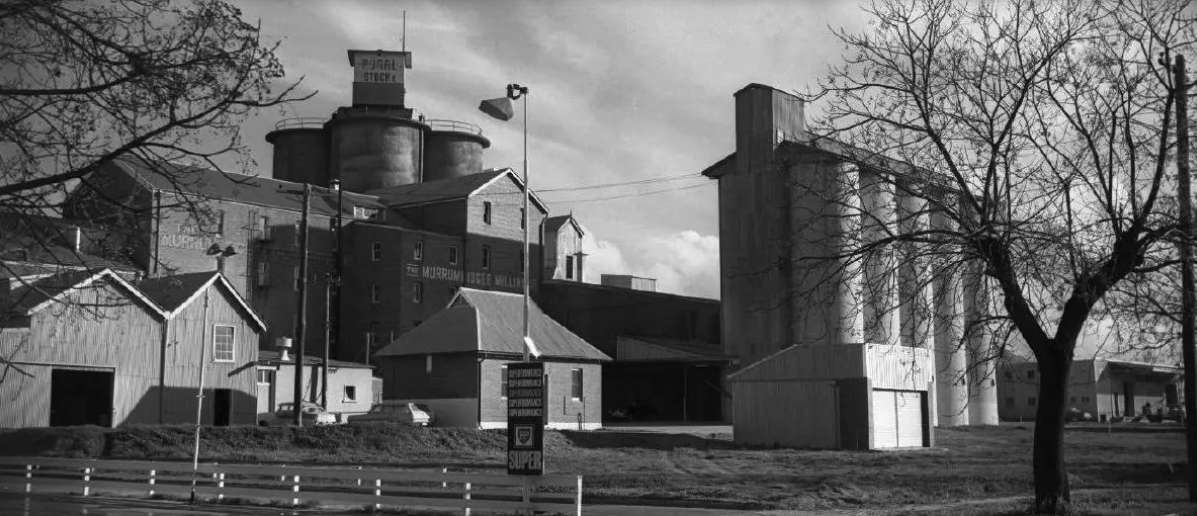
Above: A view of the mill and silos, showing the surviving silos and the destroyed silos. Image c/o Lost Wagga Wagga Facebook page
Marija and I operated from the 4WD in Bolton Park opposite the silos. We ran the Icom IC-7000, 100 watts, and the Codan 9350 antenna with the 1.5 metre stainless steel whip.
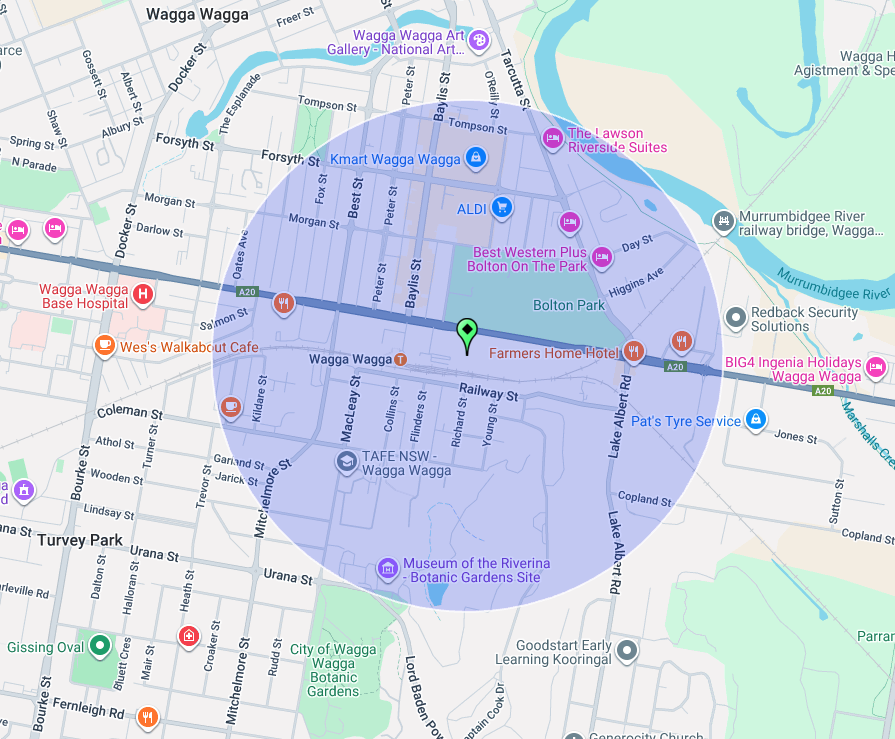
Above: the activation zone at the Wagga Wagga silos. Image c/o SiOTA website
Marija worked the following stations on 40m SSB:-
- VK3MCK
- VK3PF
- VK1AO
- VK2MET
- VK2LEE
- VK2BAI
- VK2MOE/m
- VK1MO/m
- VK5IS
- VK2IO
- VK1CHW
- VK2MRF
- VK3CLD
- VK5QA
- VK2DBF
- VK7VZ
- VK5CZ
- VK2VAR
- VK2GOM
- VK2ZDM
I worked the following stations on 40m SSB:-
- VK3MCK
- VK3PF
- VK1AO
- VK2MET
- VK2LEE
- VK2BAI
- VK2MOE/m
- VK1MO/m
- VK5IS
- VK2IO
- VK1CHW
- VK2MRF
- VK3CLD
- VK5QA
- VK2DBF
- VK7VZ
- VK5CZ
- VK2VAR
- VK2GOM
- VK2ZDM
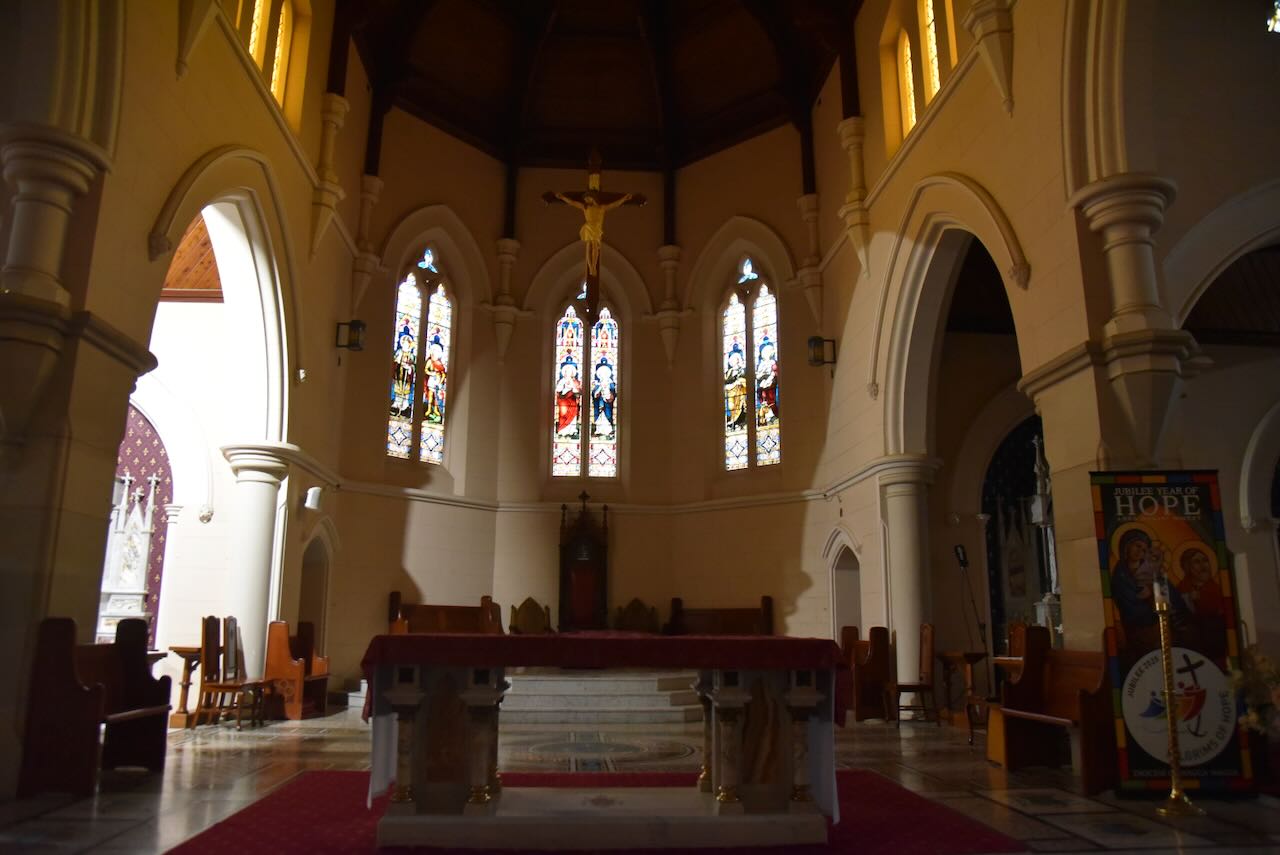
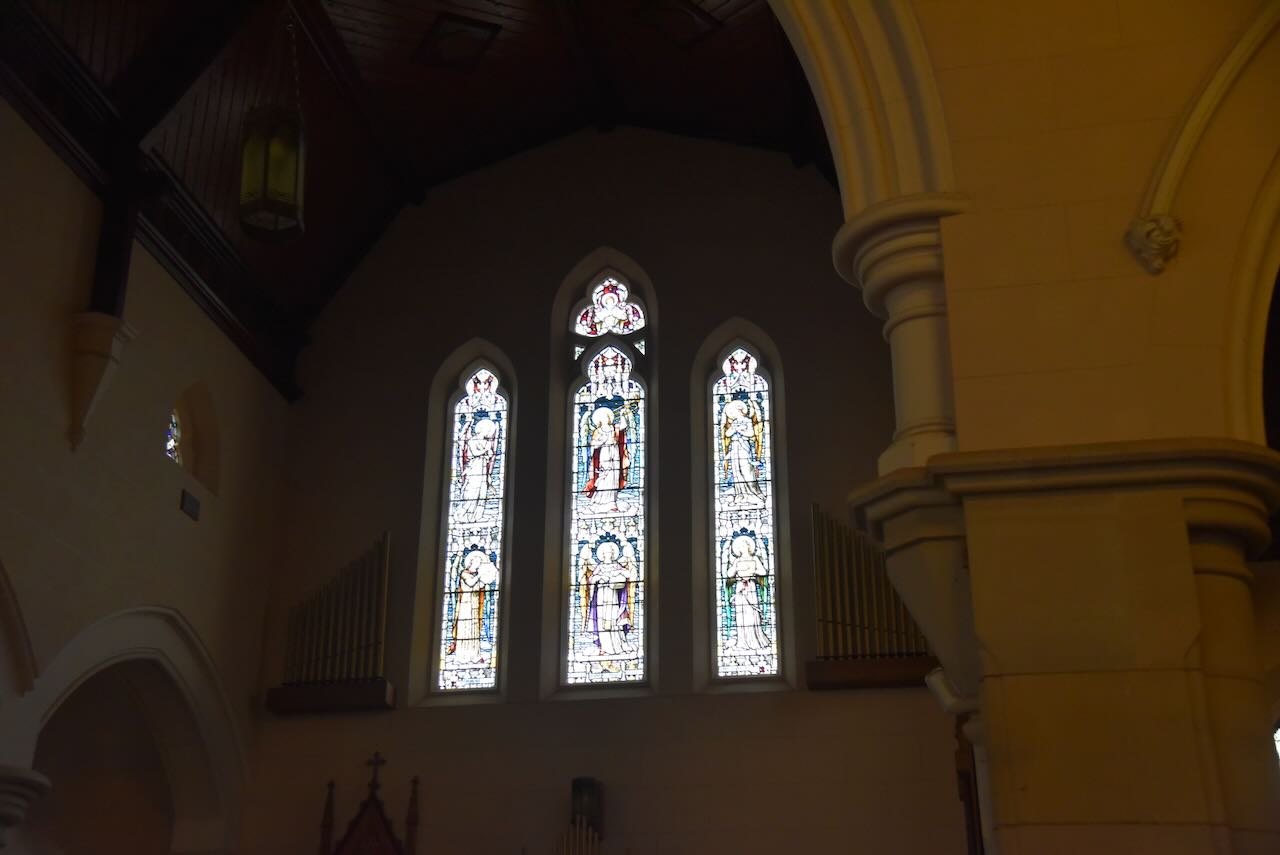
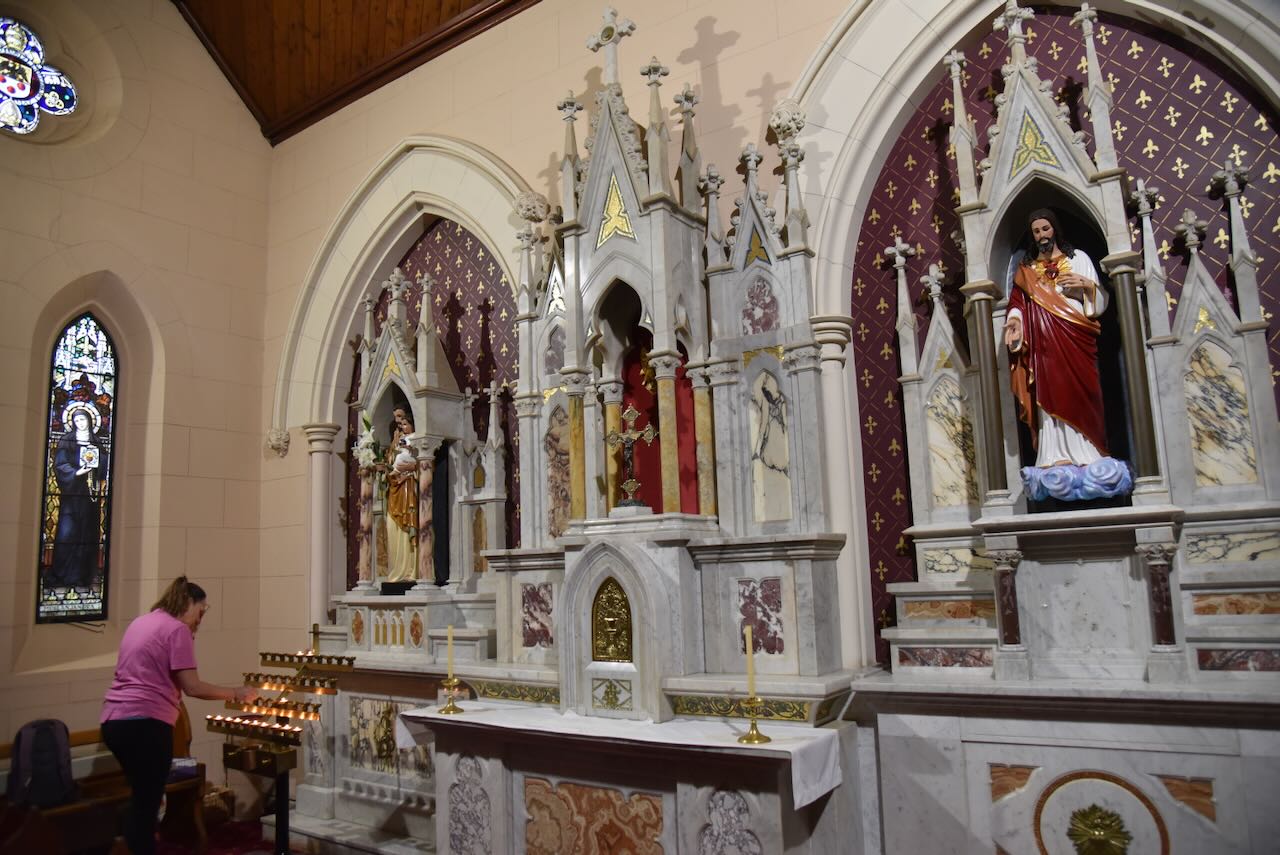
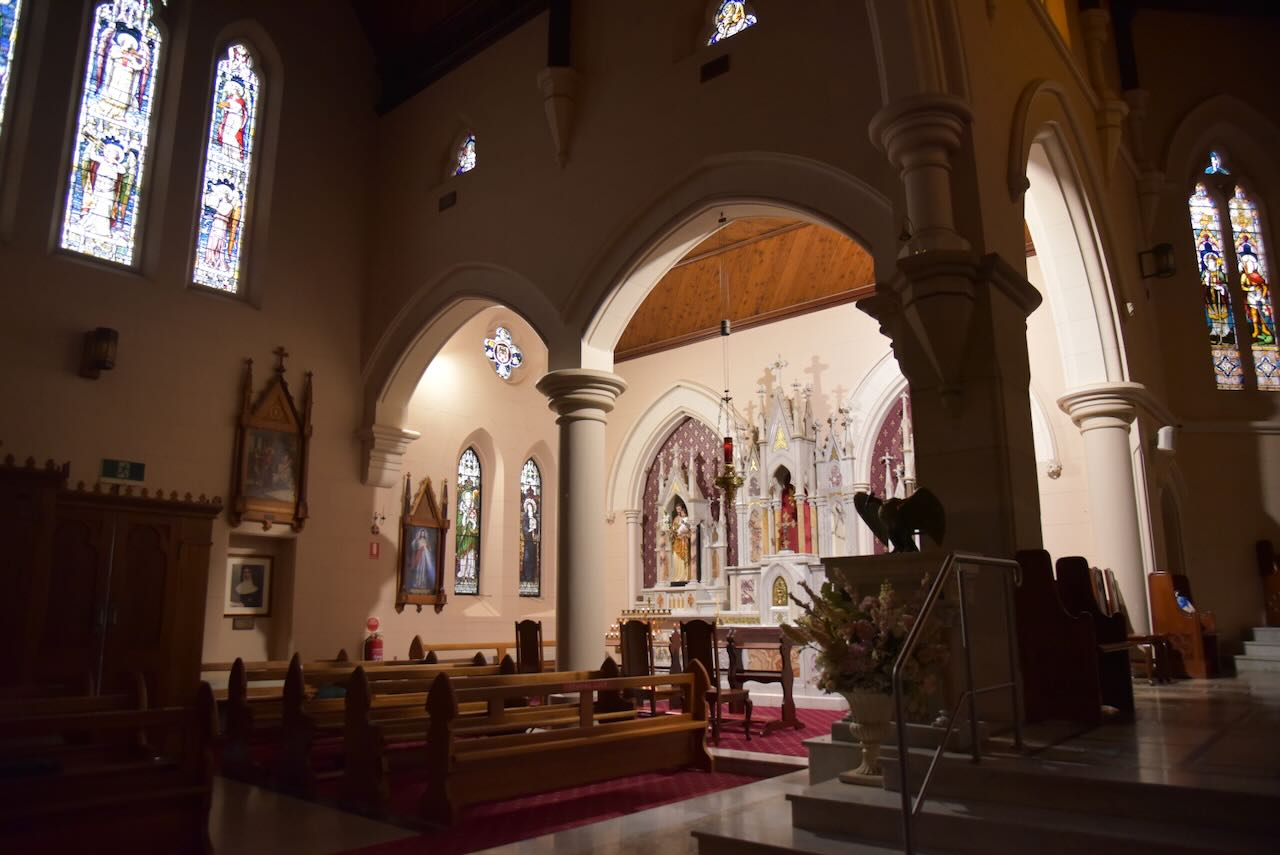
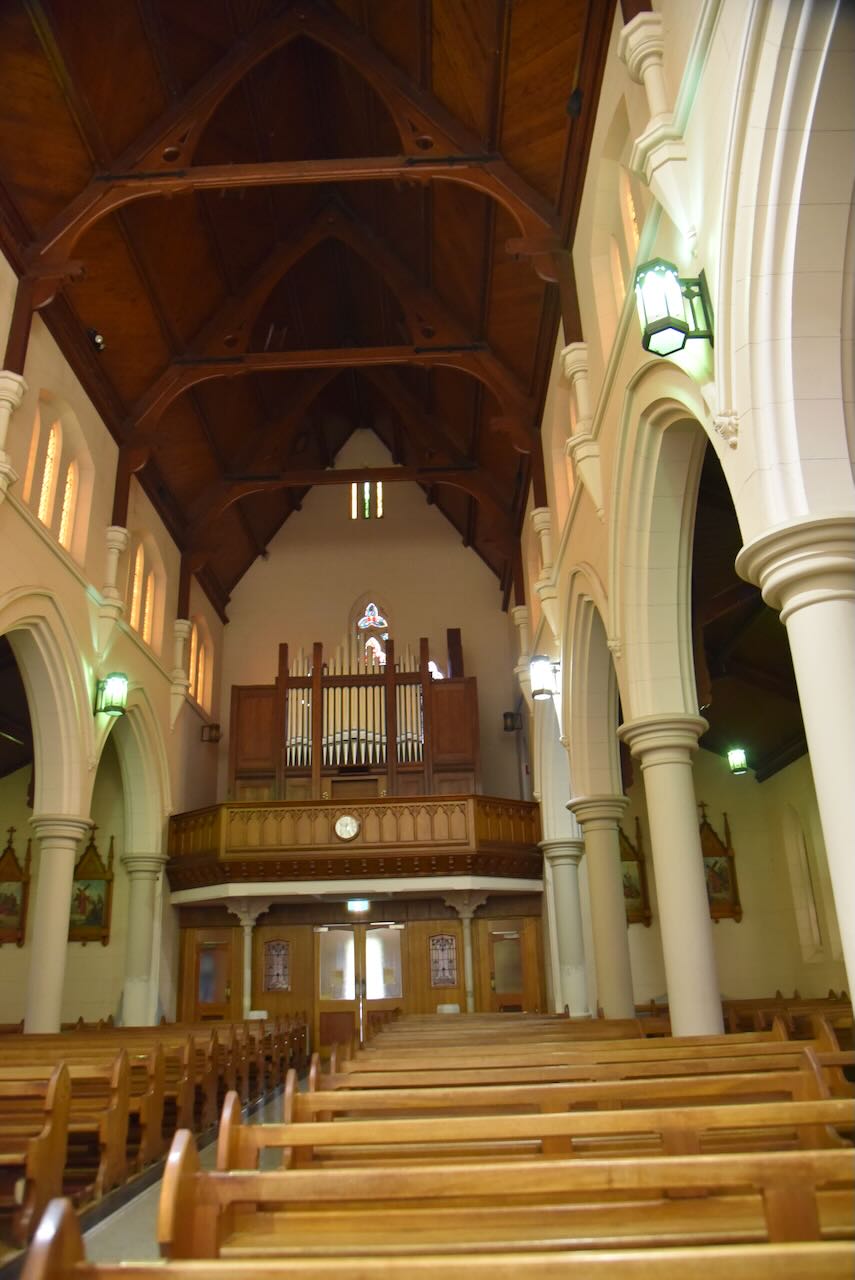
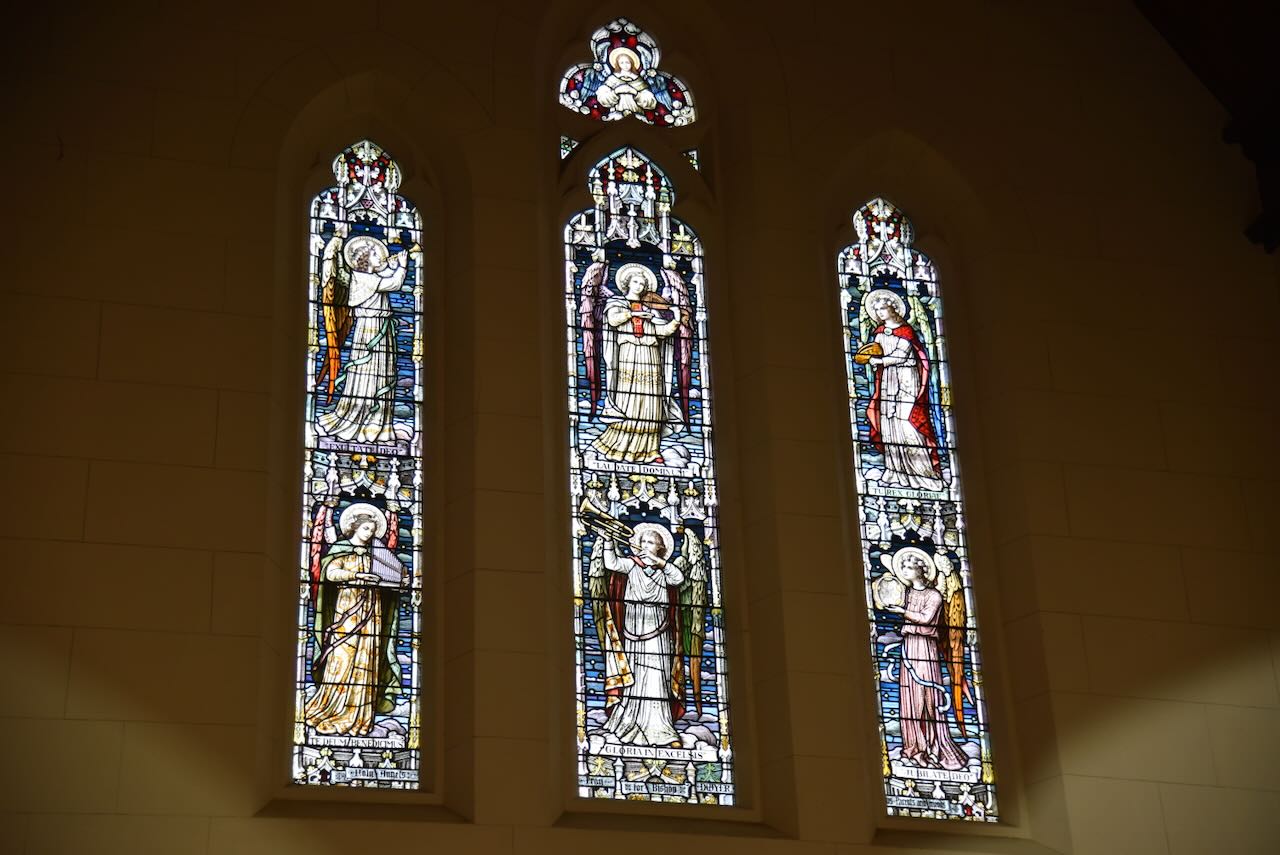
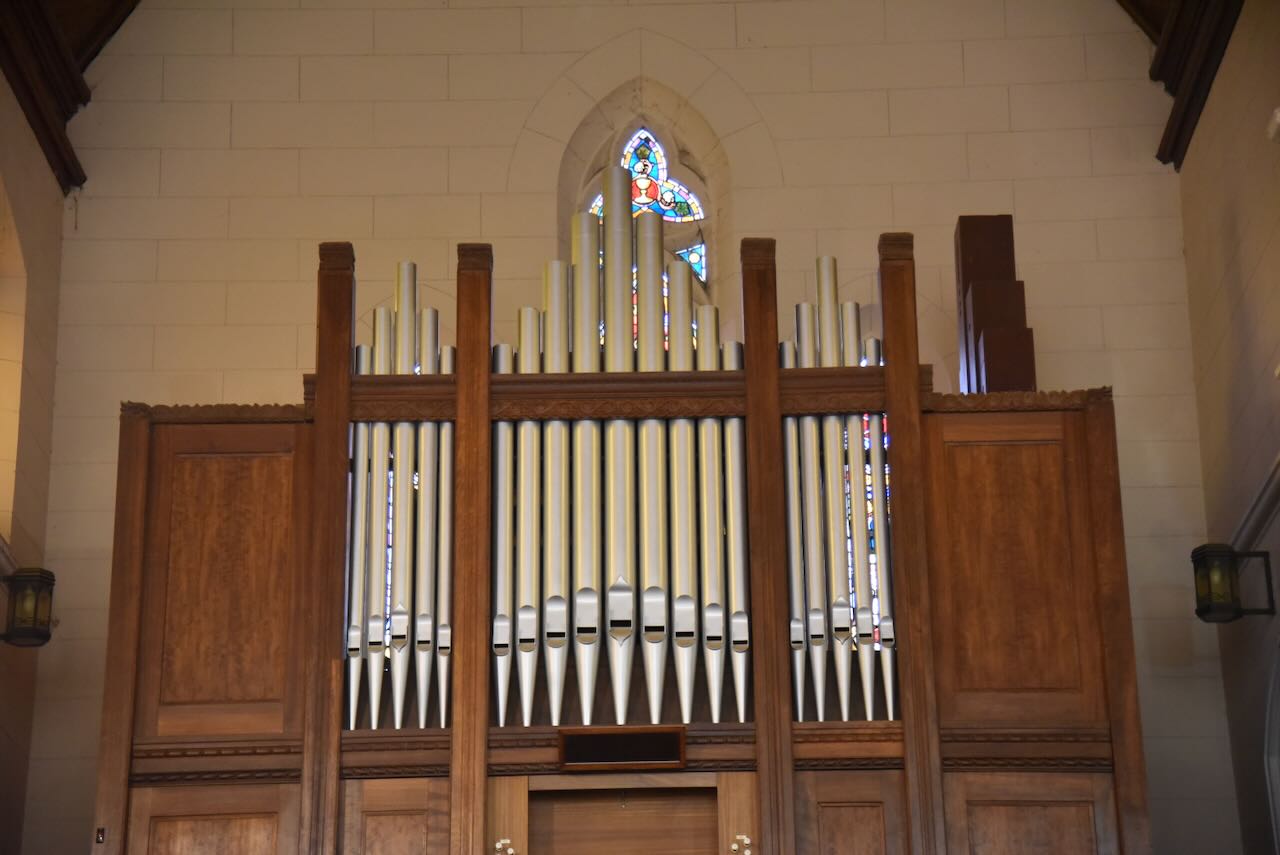
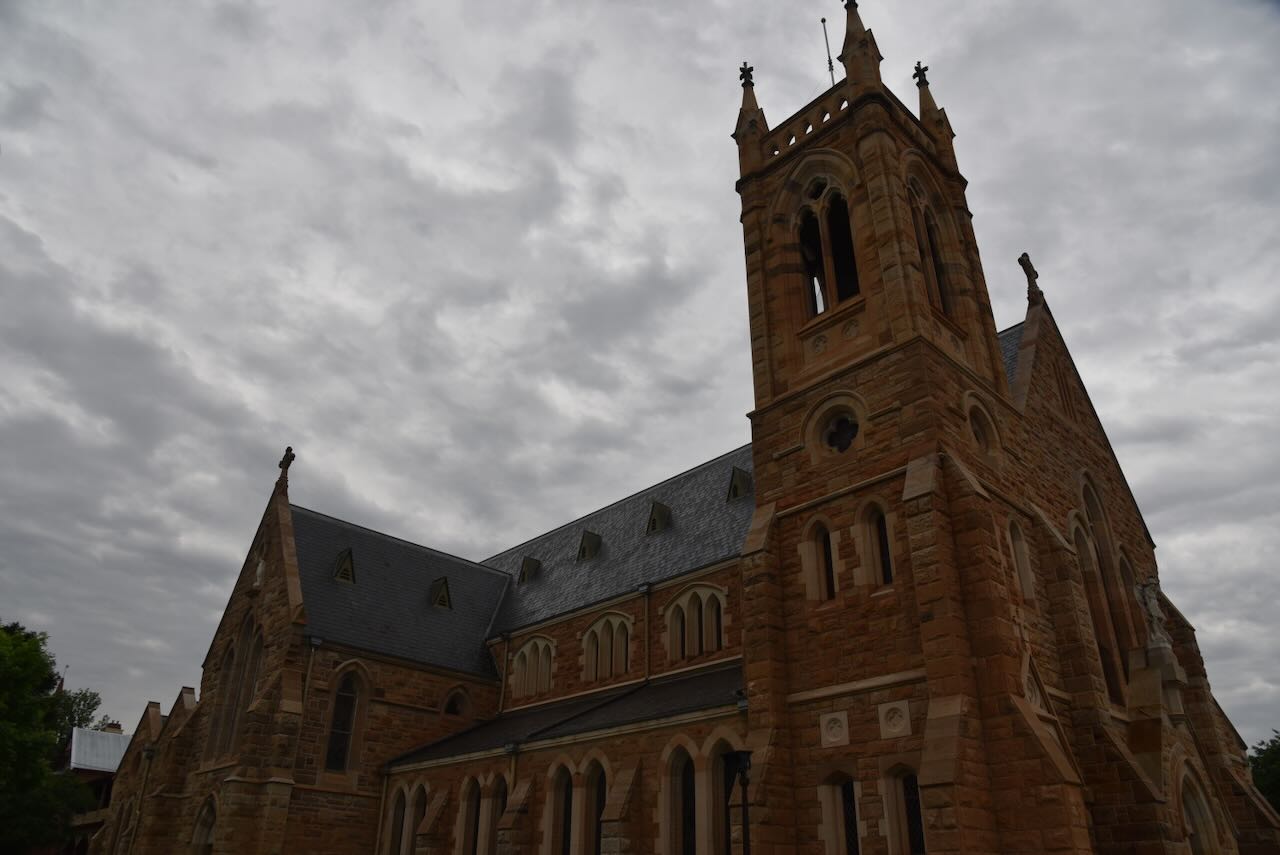
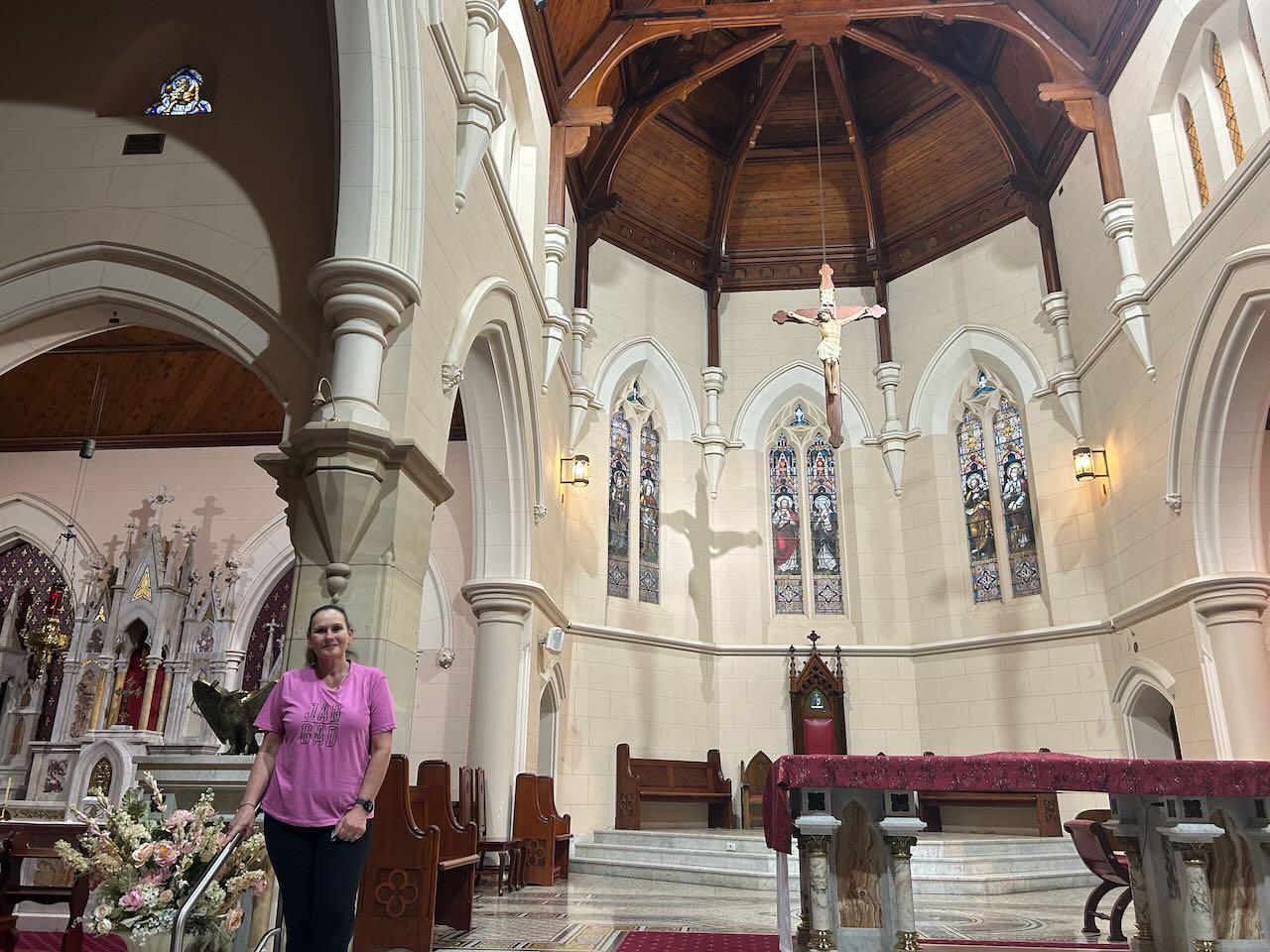
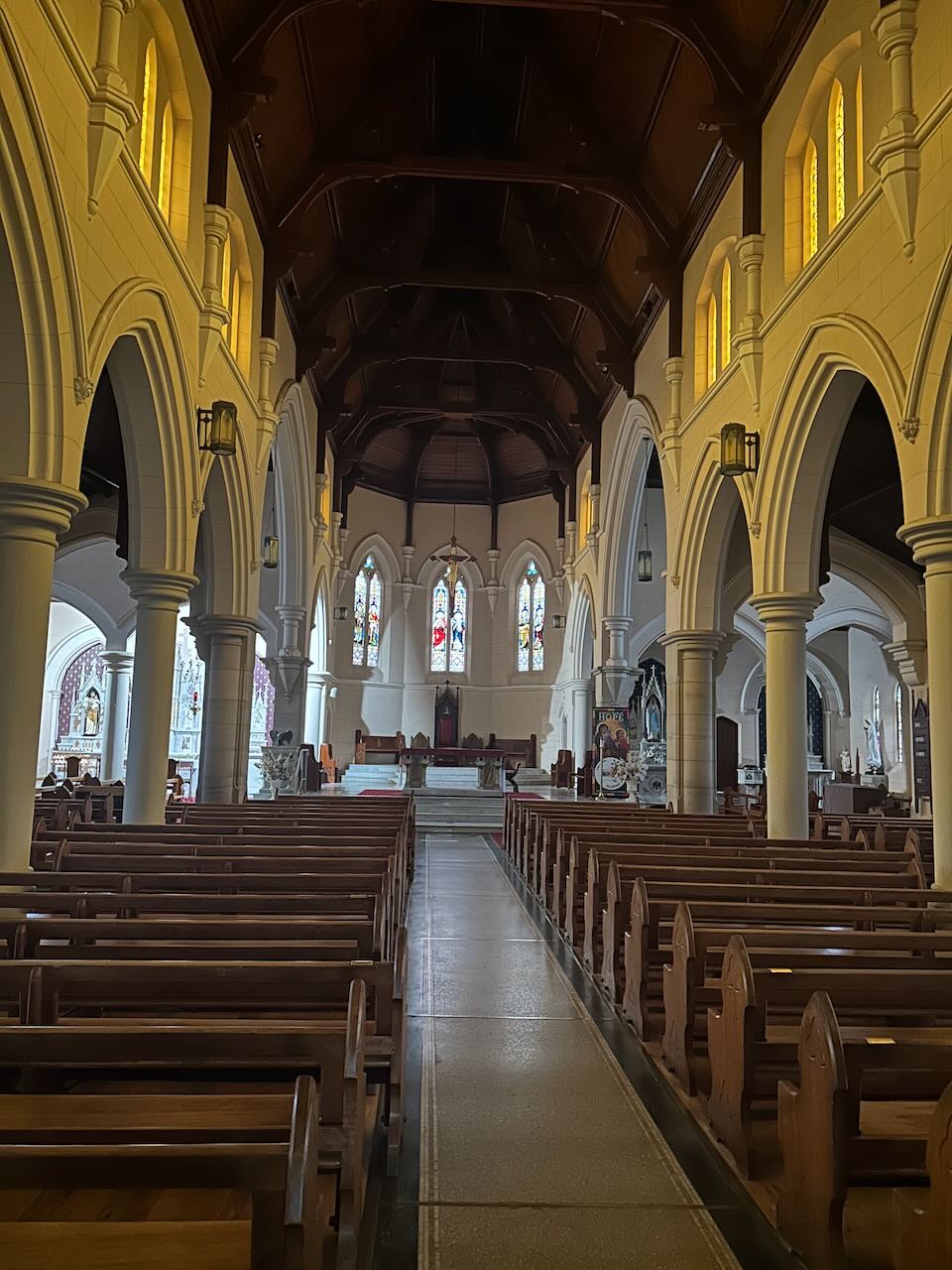
After the silo activation, we visited St Michael’s Cathedral at Wagga Wagga. The foundation stone was laid on the 26th day of April 1885, with the church opening in 1887. The architects were Tappin, Gilbert & Dennehy of Melbourne. A second stage of the church was built between 1922 to 1925 with the architect being W.J. Monks.
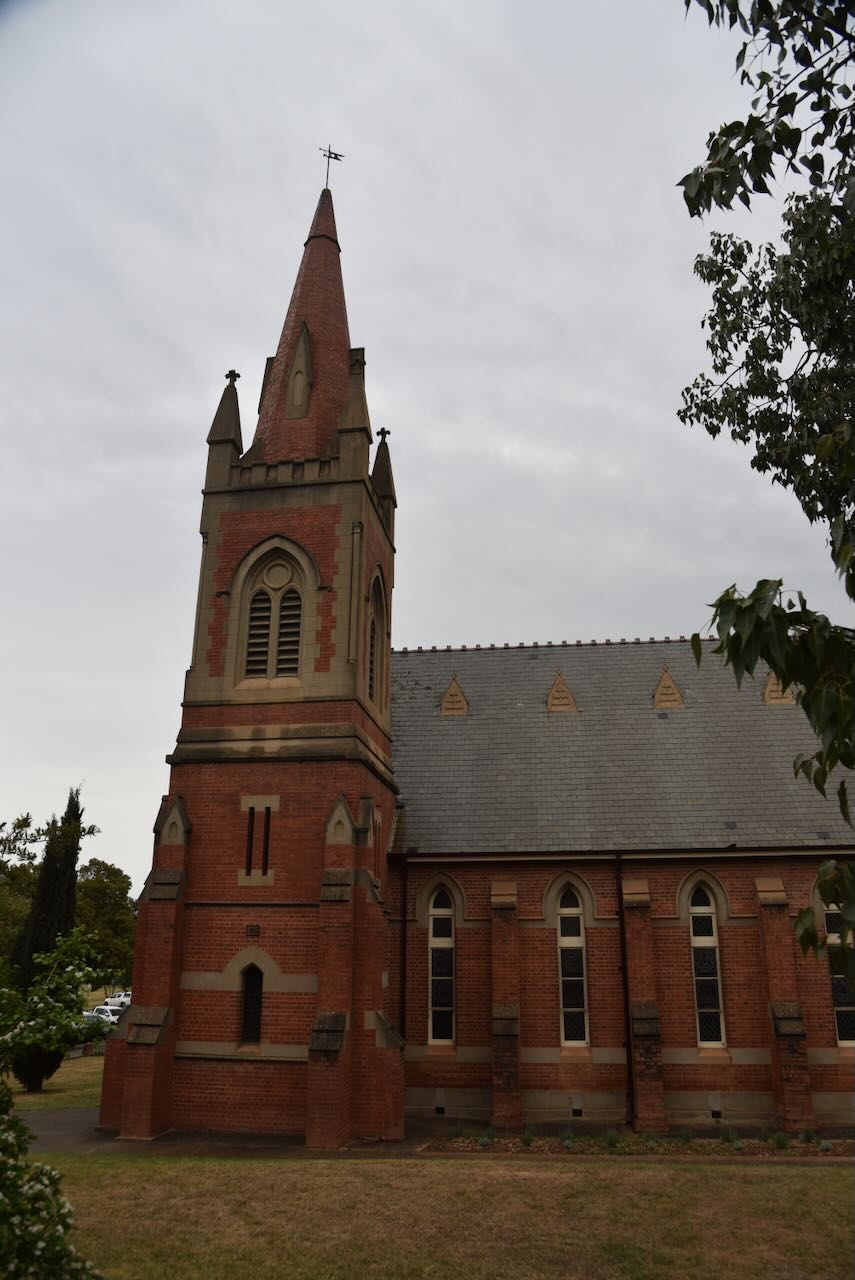
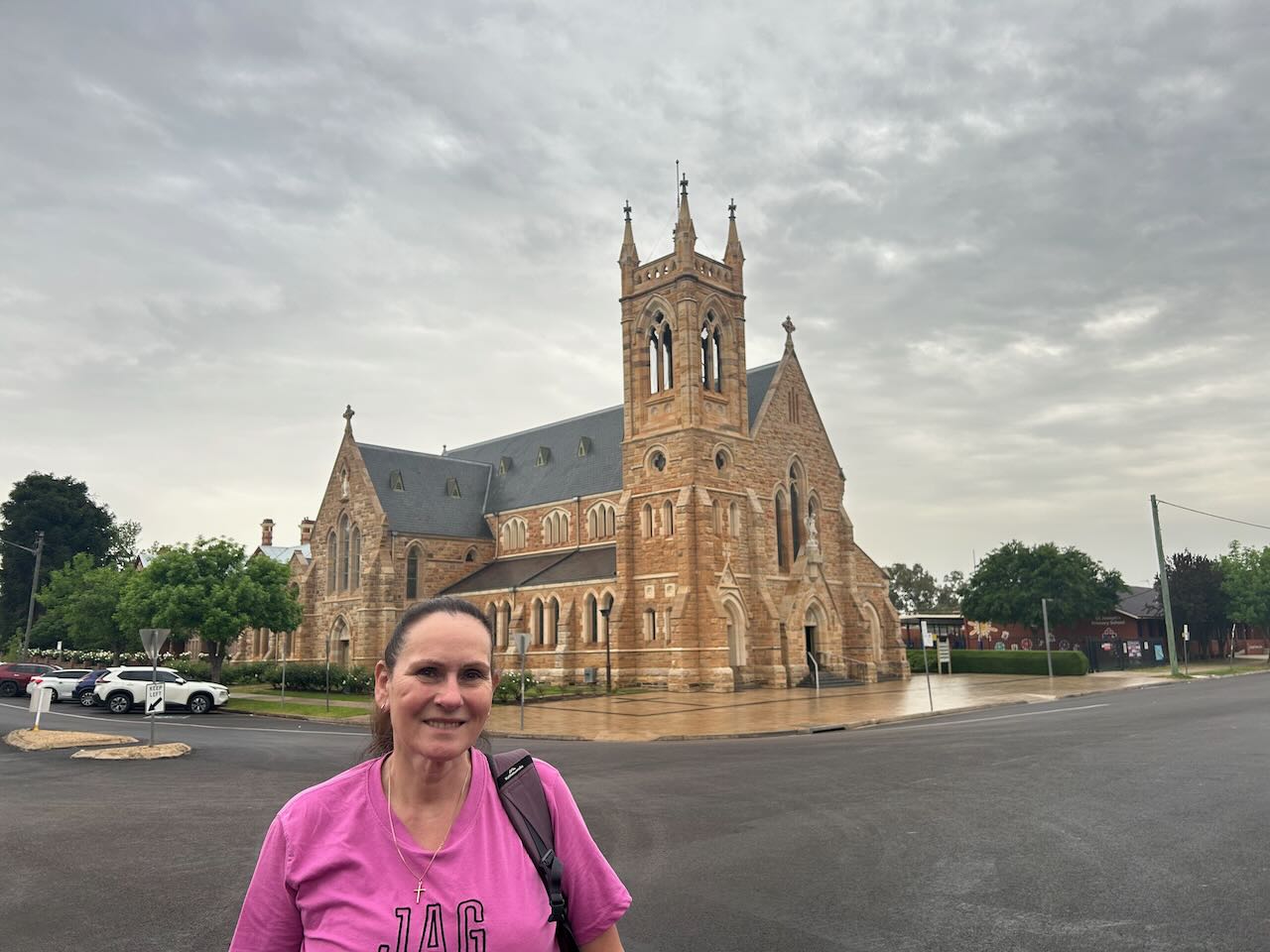
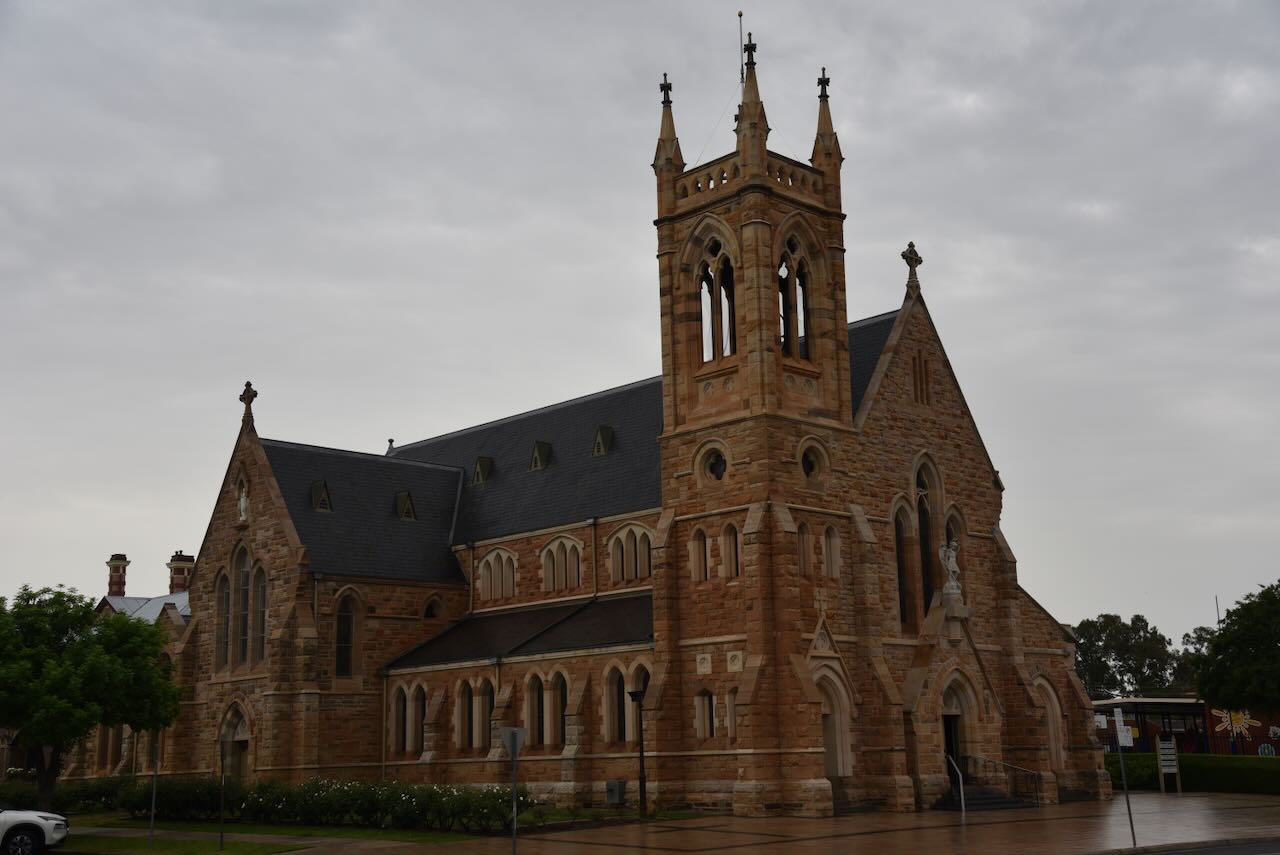
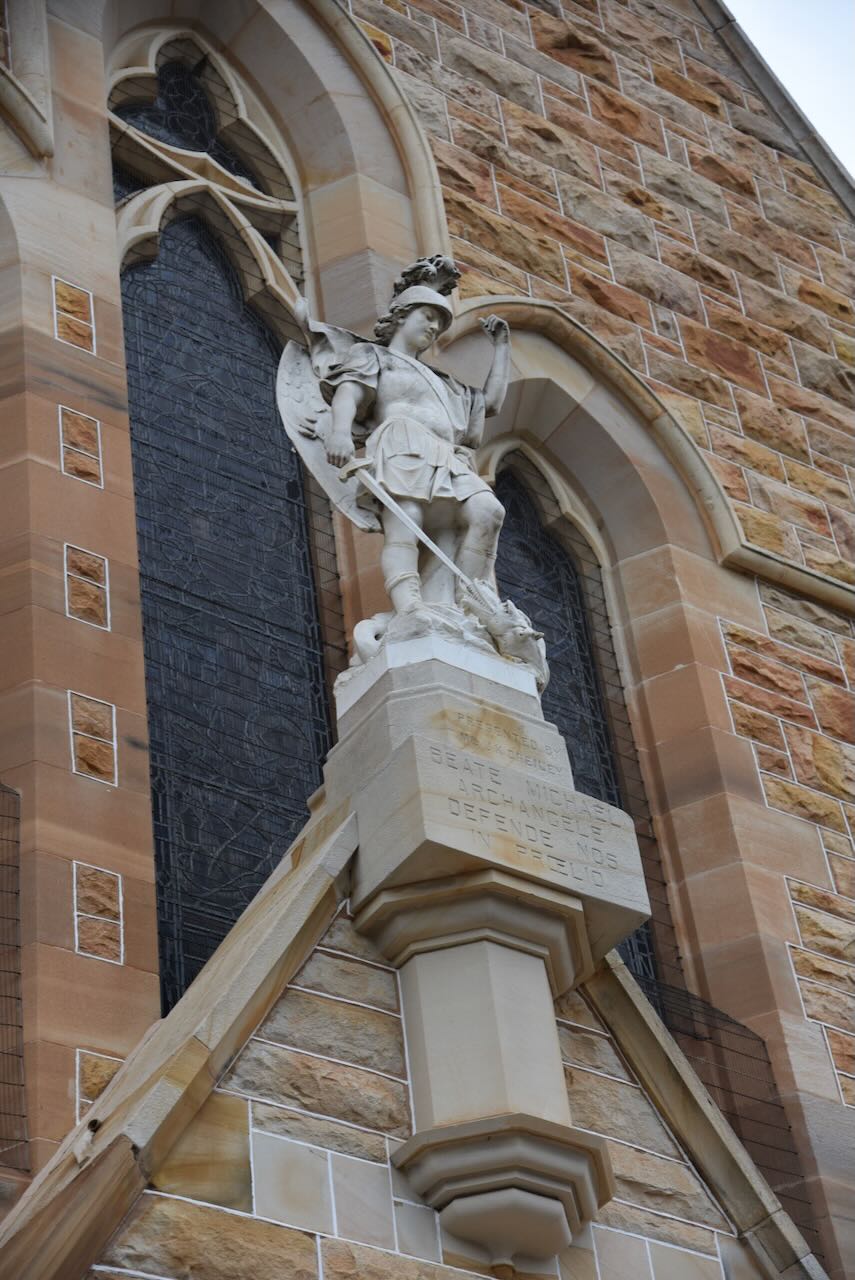
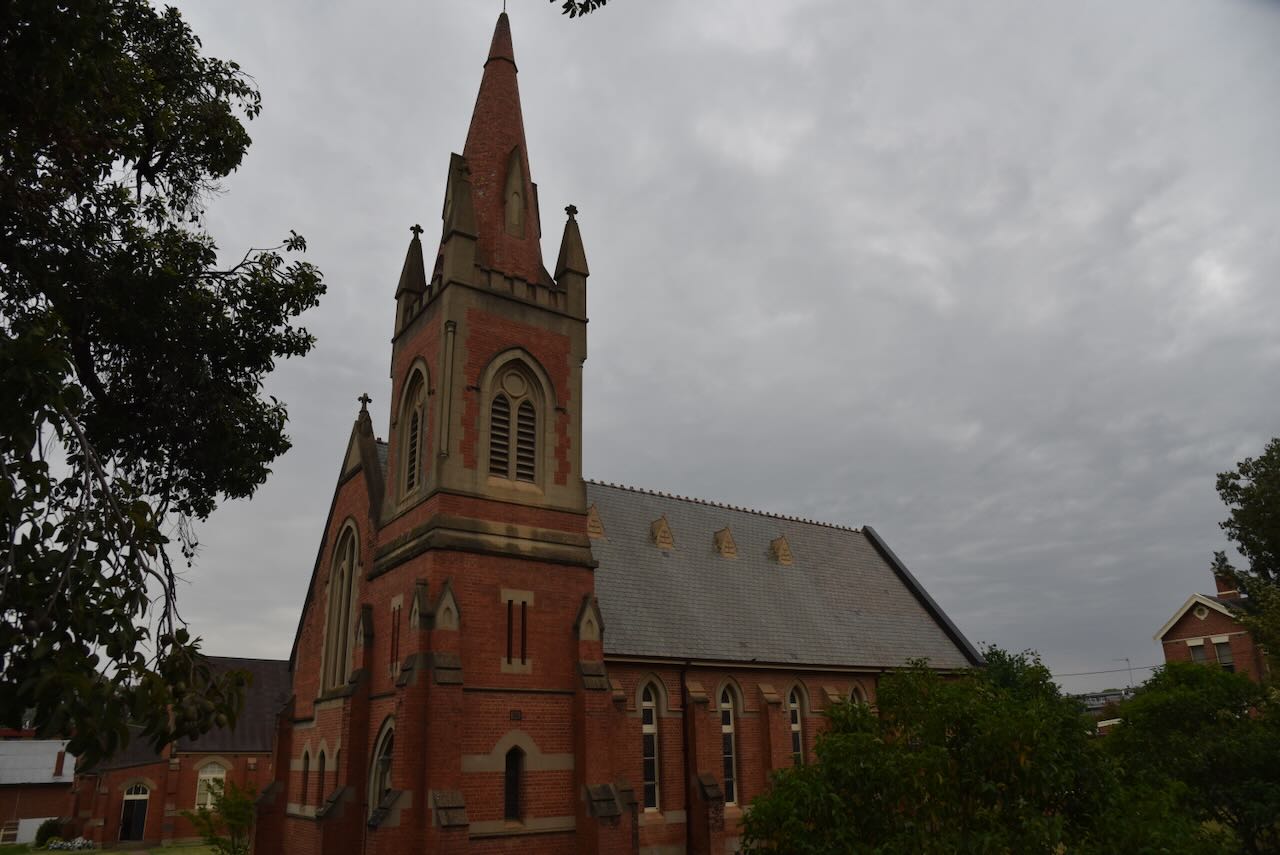
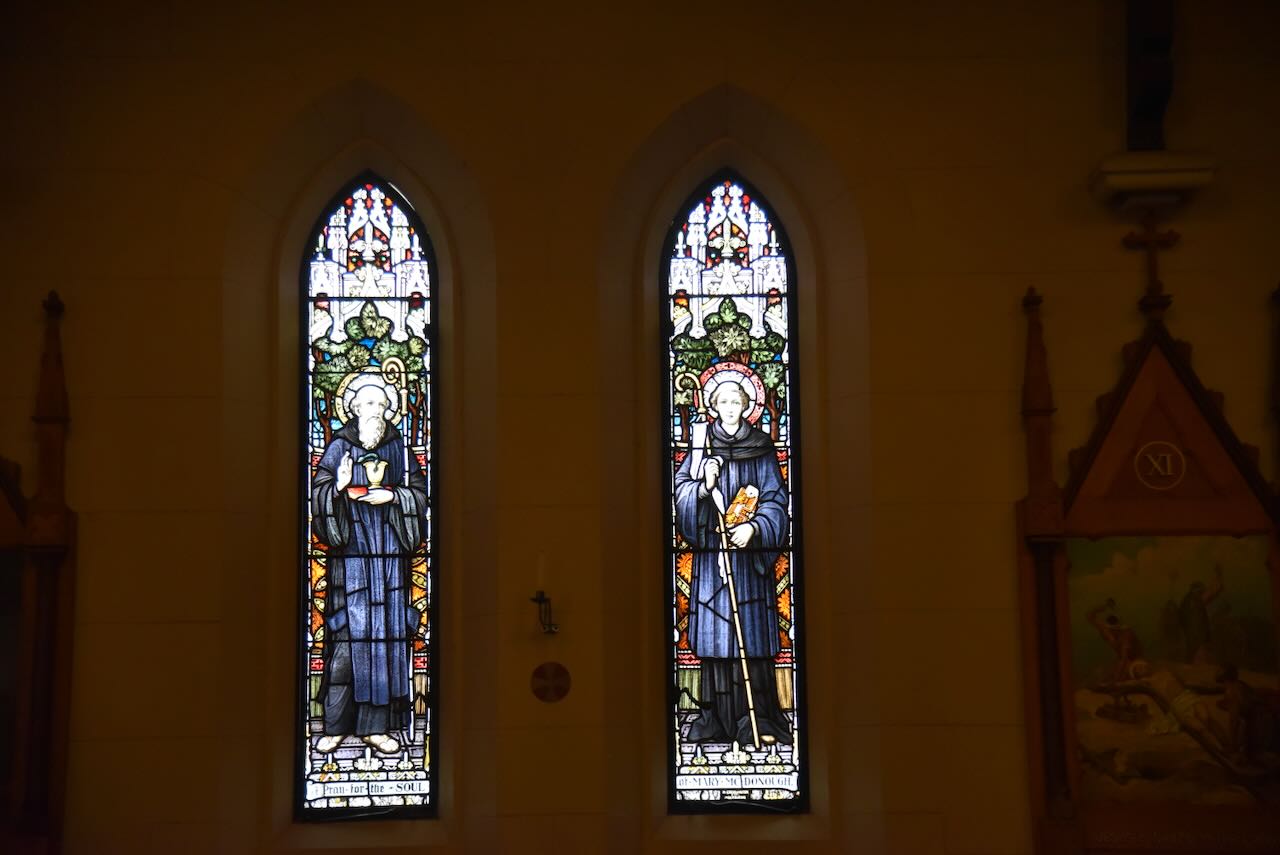
The internal roof timbers are exposed. The altars display some finely crafted marble.
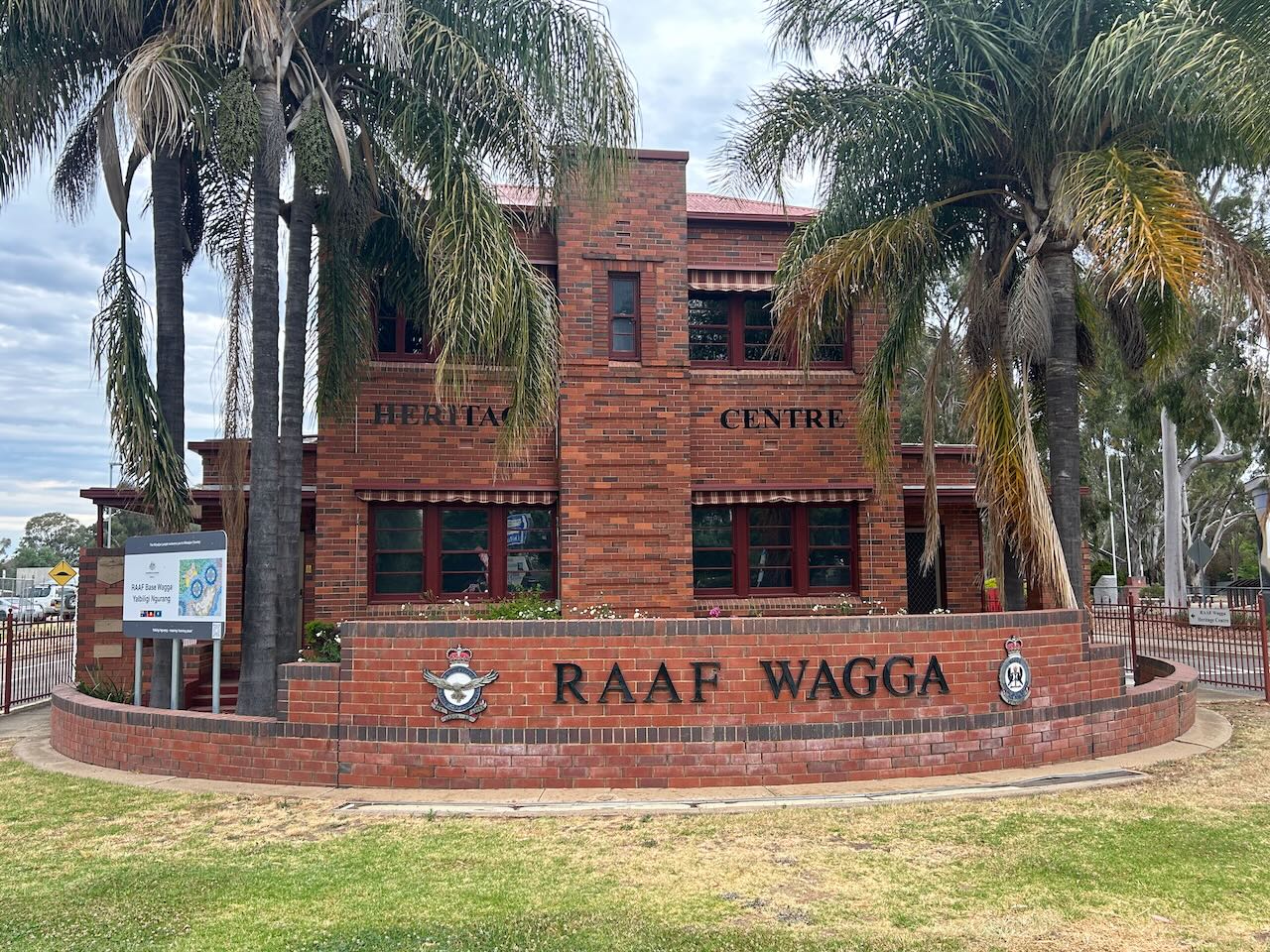
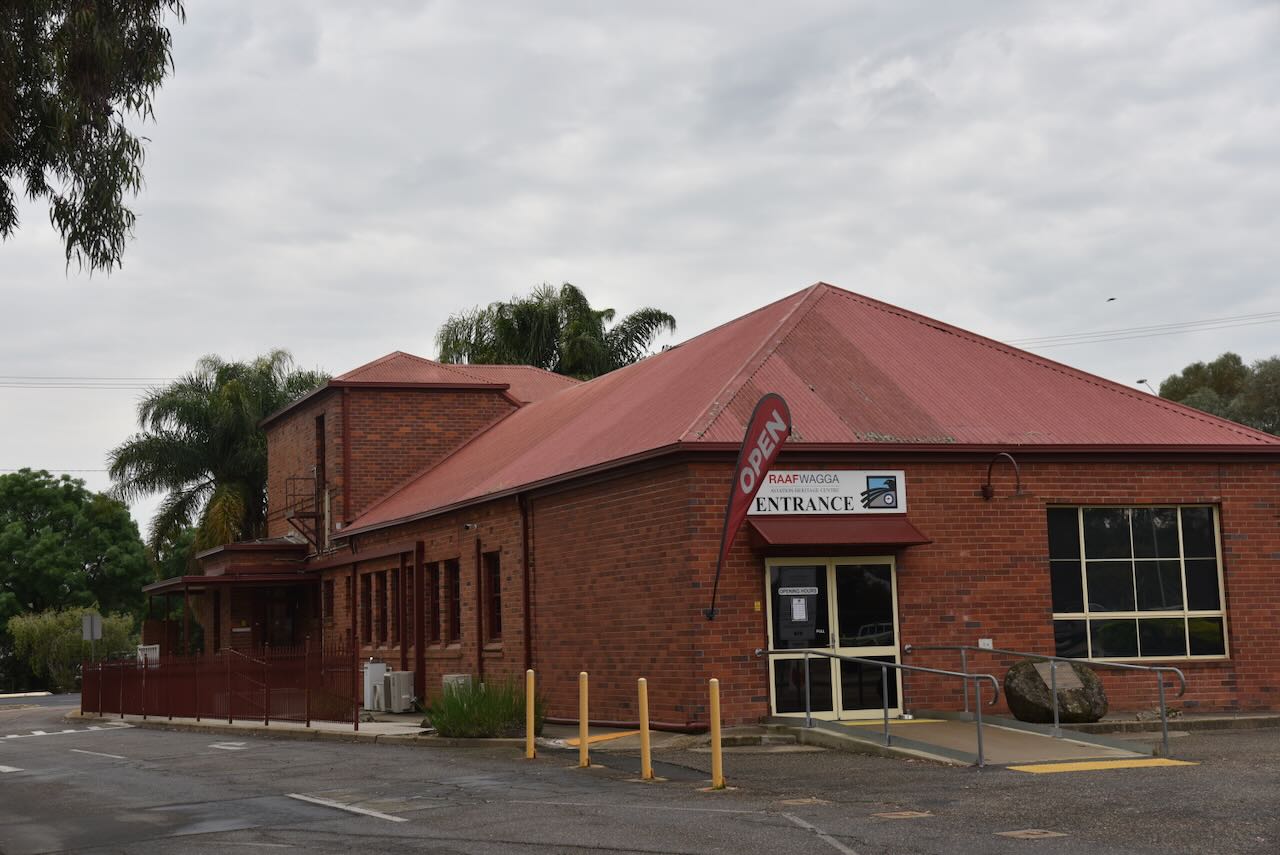
We then visited the Royal Australian Air Force (RAAF) museum at Wagga Wagga. The museum is housed in the original guardhouse at the entrance to the RAAF base.
Below is an excellent video explaining the history of the RAAF base at Wagga Wagga.
Before you enter the museum building, you are greeted by several former RAAF aircraft, which are on display.
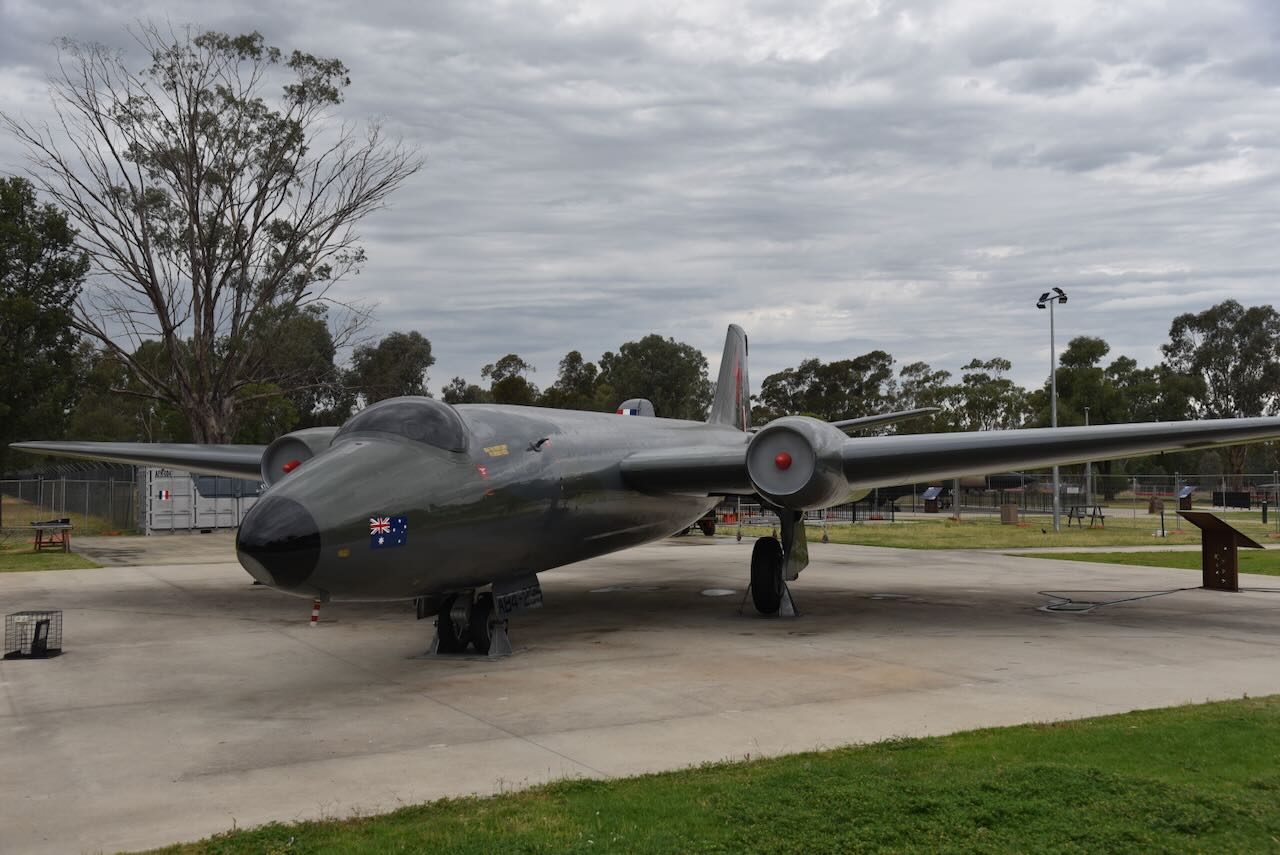
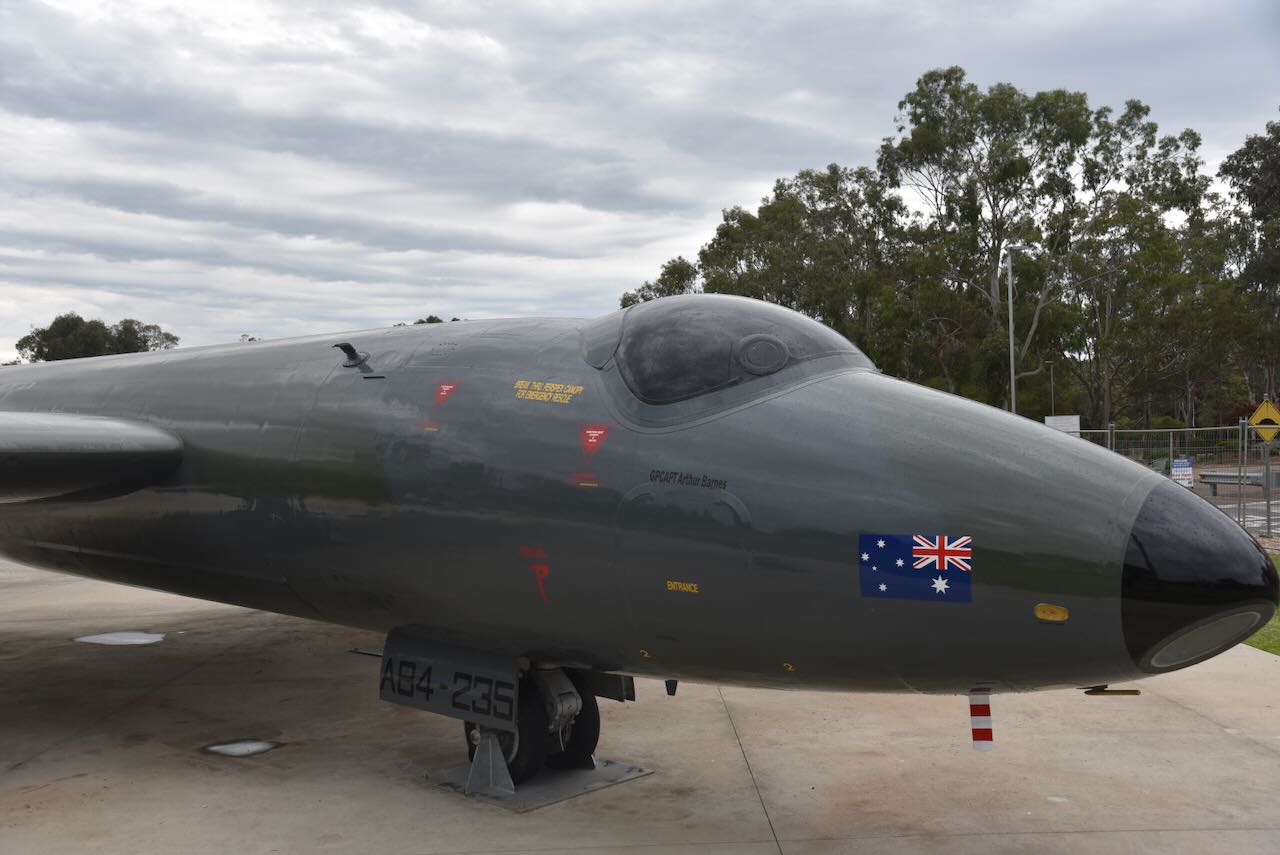
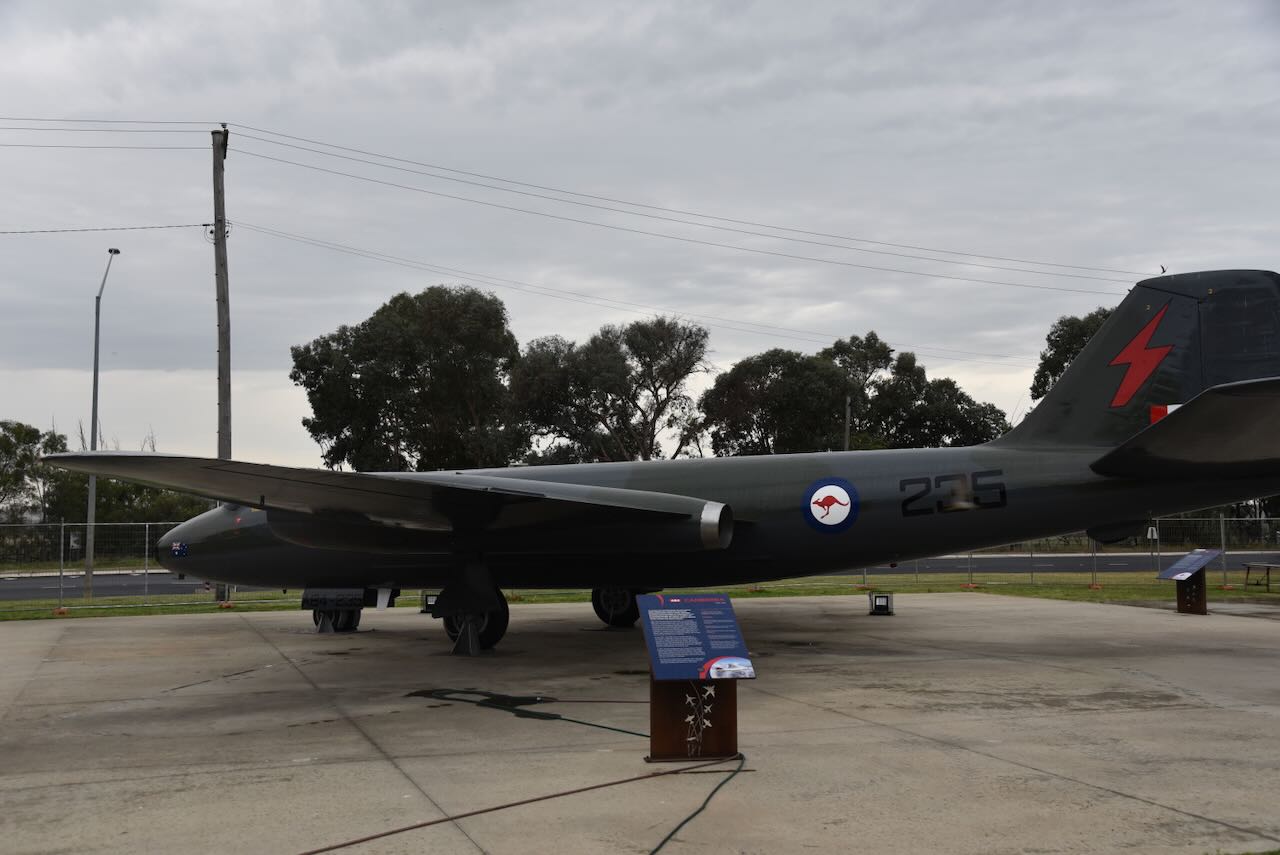
The first is a historic Canberra bomber. The Canberra was produced by the Australian manufacturing company, Government Aircraft Factories (GAF). They produced 48 Canberra aircraft, with the Commonwealth Aircraft Corporation producing the Avon engines. On the 19th day of January 1951, the Canberra aircraft was officially named after Canberra in the Australian Capital Territory. (Air Force 2023)
The Canberra aircraft on display at Wagga Wagga first flew on the 3rd day of September 1956 and was delivered to the RAAF in October 1956. It served with No 2 Squadron and was deployed to Butterworth in 1958 and Vietnam in 1967. It was used as a training aid from 1973 at the RAAF School of Technical Training, Wagga. (Air Force 2023)
Another one of the legendary aircraft on display is a Mirage.
In March 1961, the Mirage was chosen as the replacement for the Sabre. On the 14th day of March 1963, the first RAAF Mirage flew in France. The following month, on the 9th day of April 1963, it was delivered to the RAAF. The Mirage became the RAAF’s frontline fighter for over 20 years. (Air Force 2023)
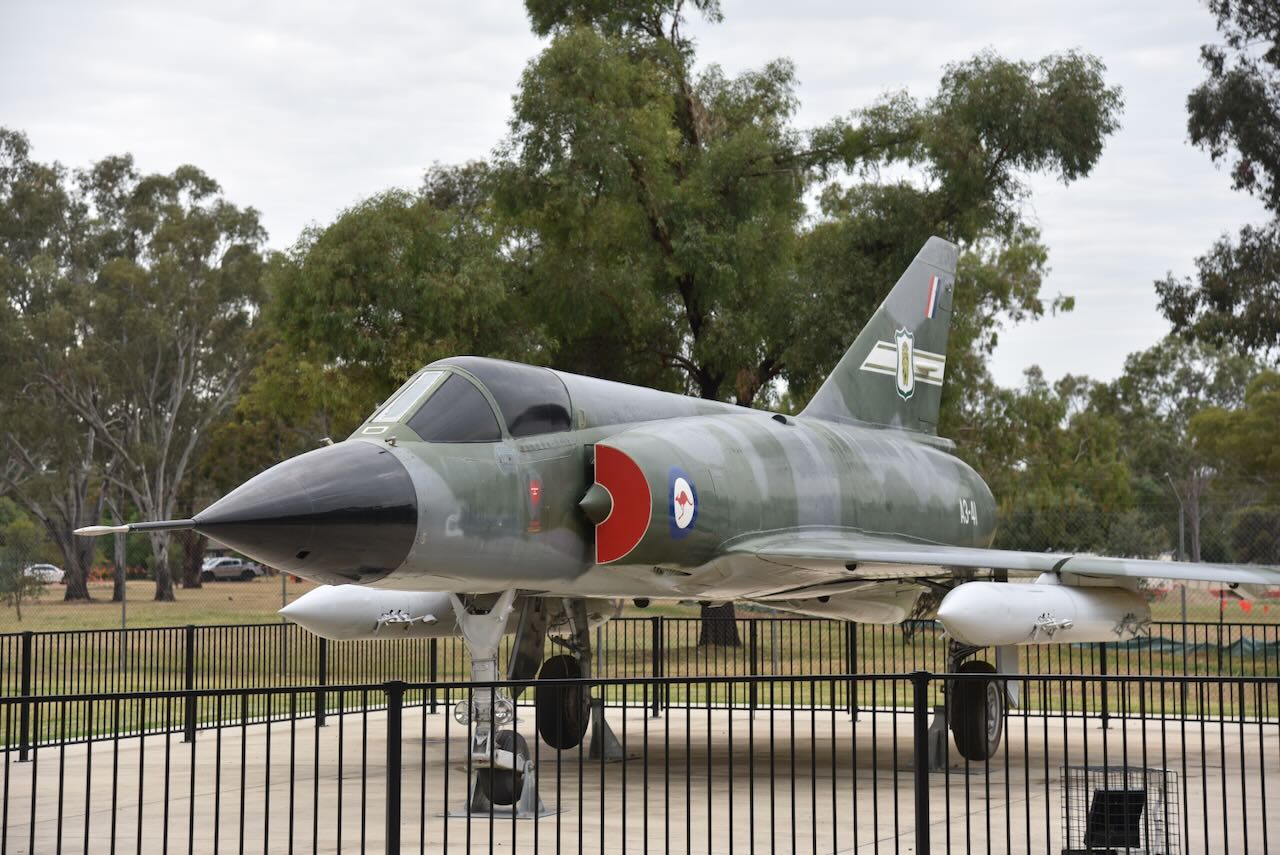
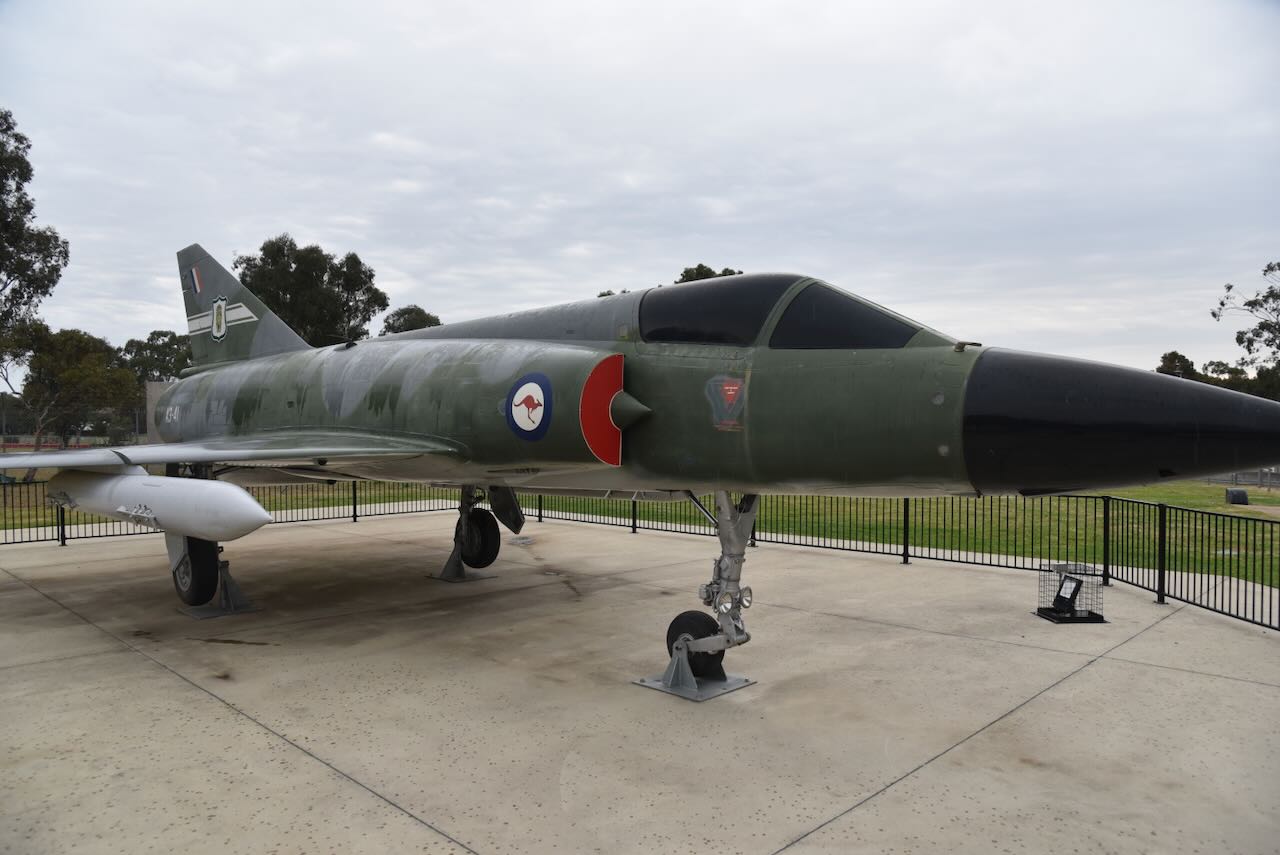
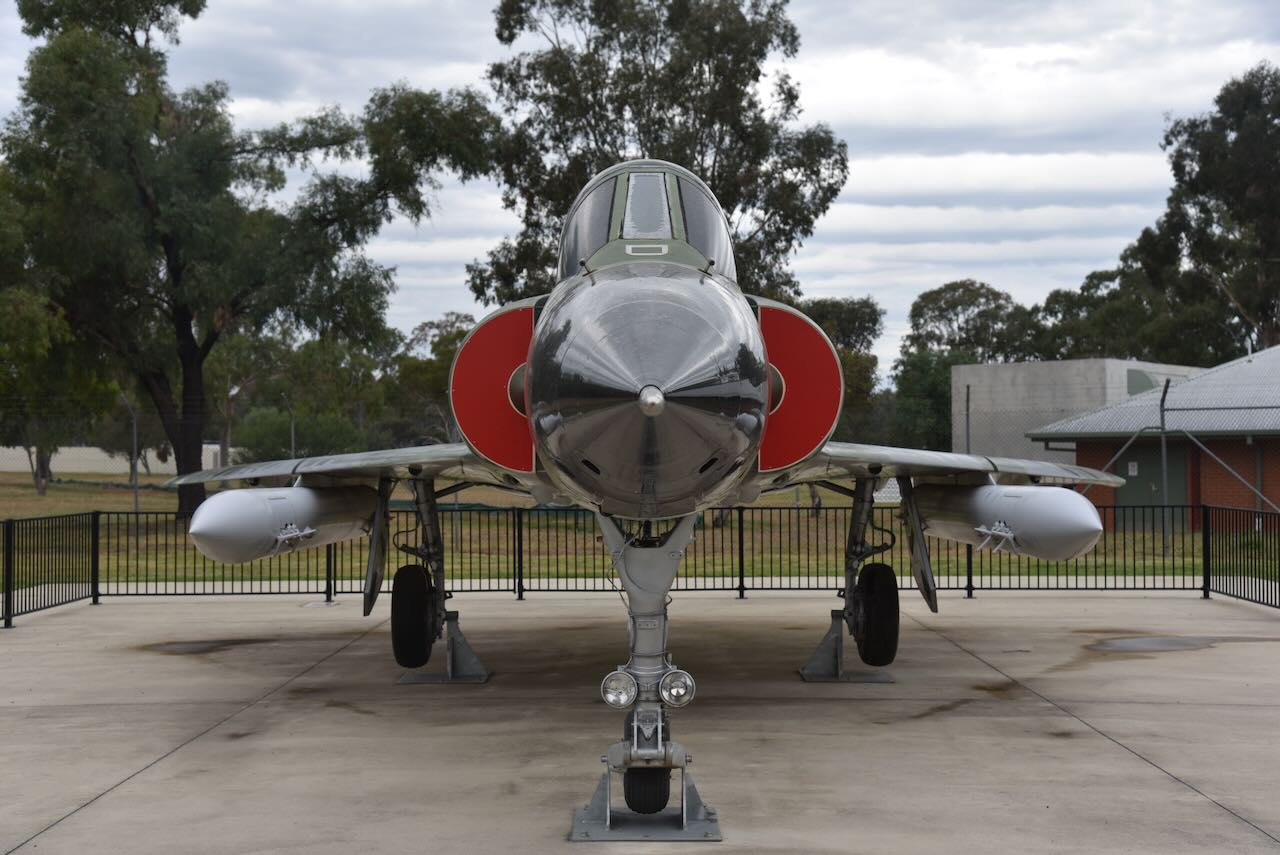
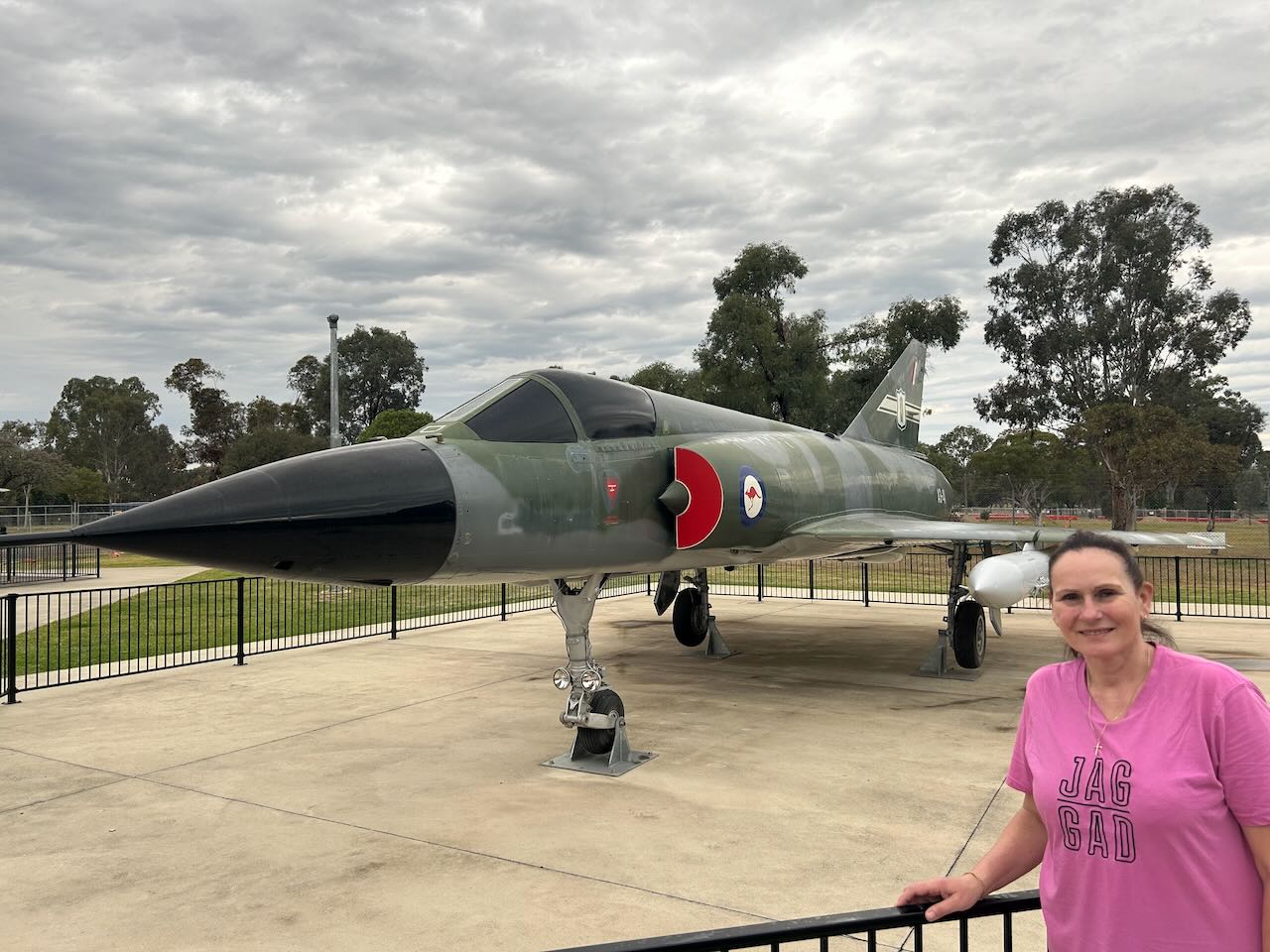
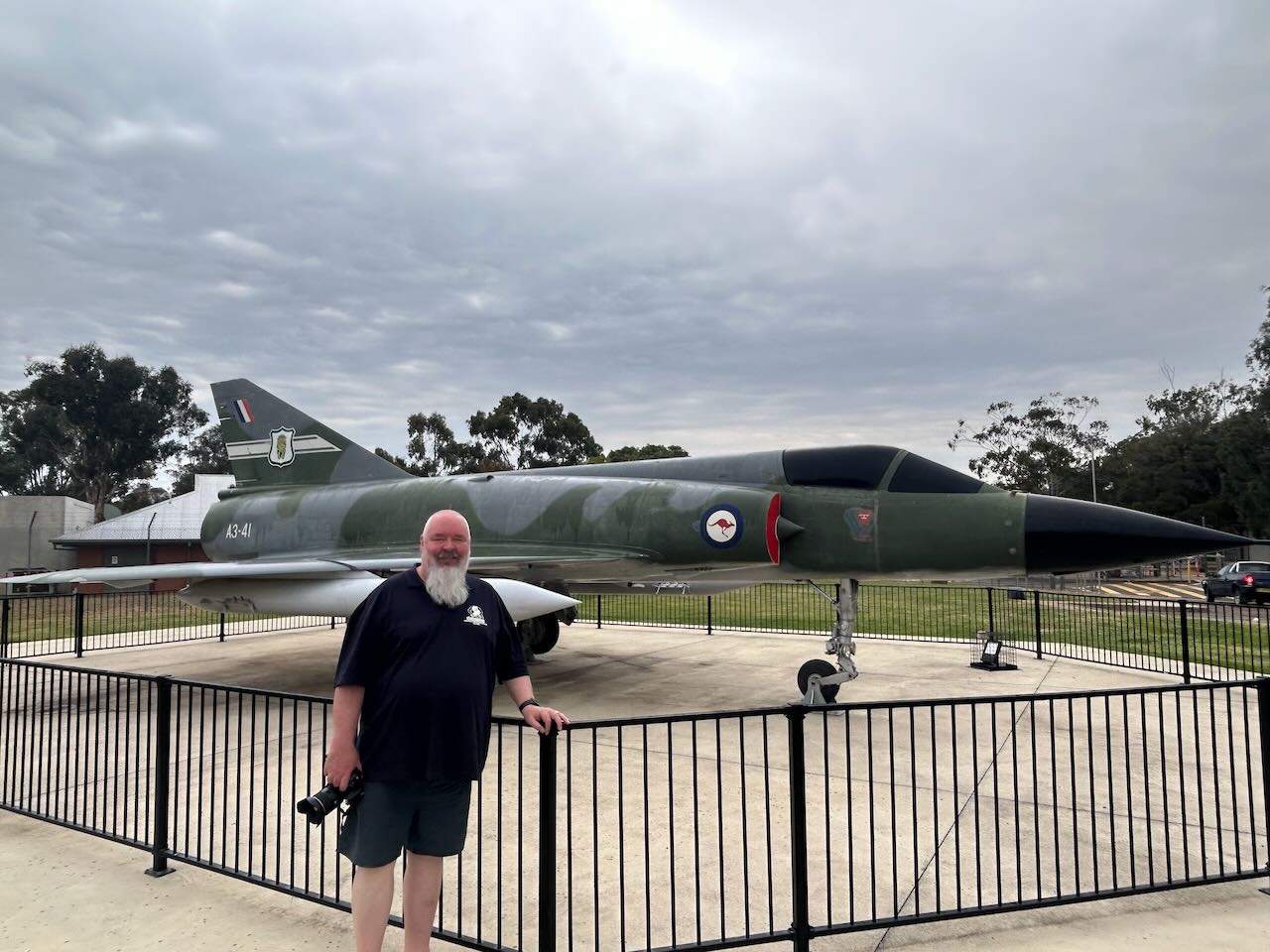
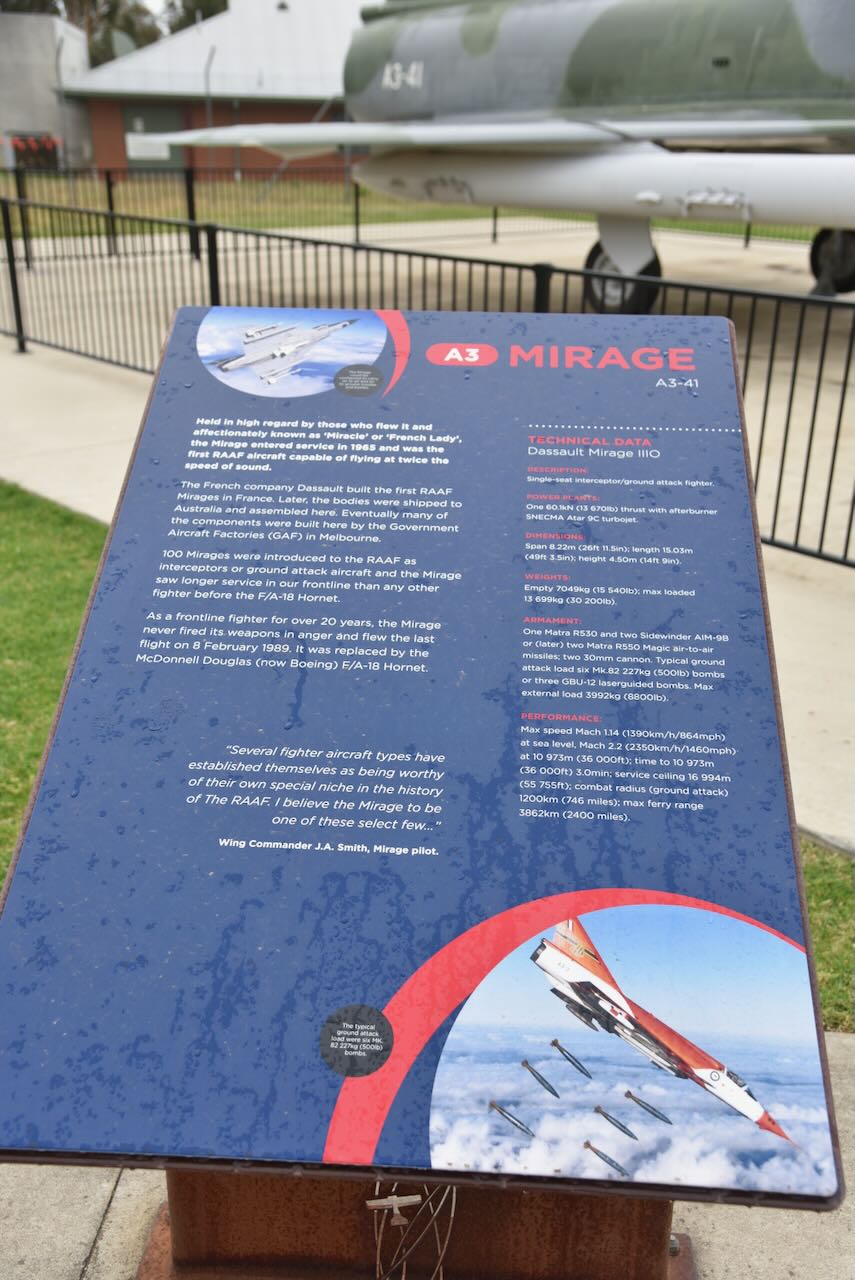
The aircraft on display, Mirage A3-41, was delivered to the RAAF on the 4th day of August 1966 and served with Nos 75, 76, and 77 Squadrons. It caught fire on the 6th day of April 1976 and was forced to make an emergency landing in Nowra, New South Wales. In April 1977, the RAAF School of Technical Training received approval to rebuild the aircraft. (Air Force 2023)
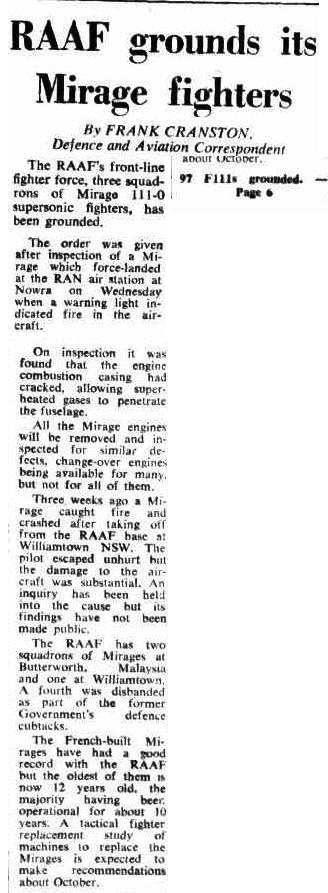
Above: article from The Canberra Times, Sat 10 Apr 1976. Image c/o Trove
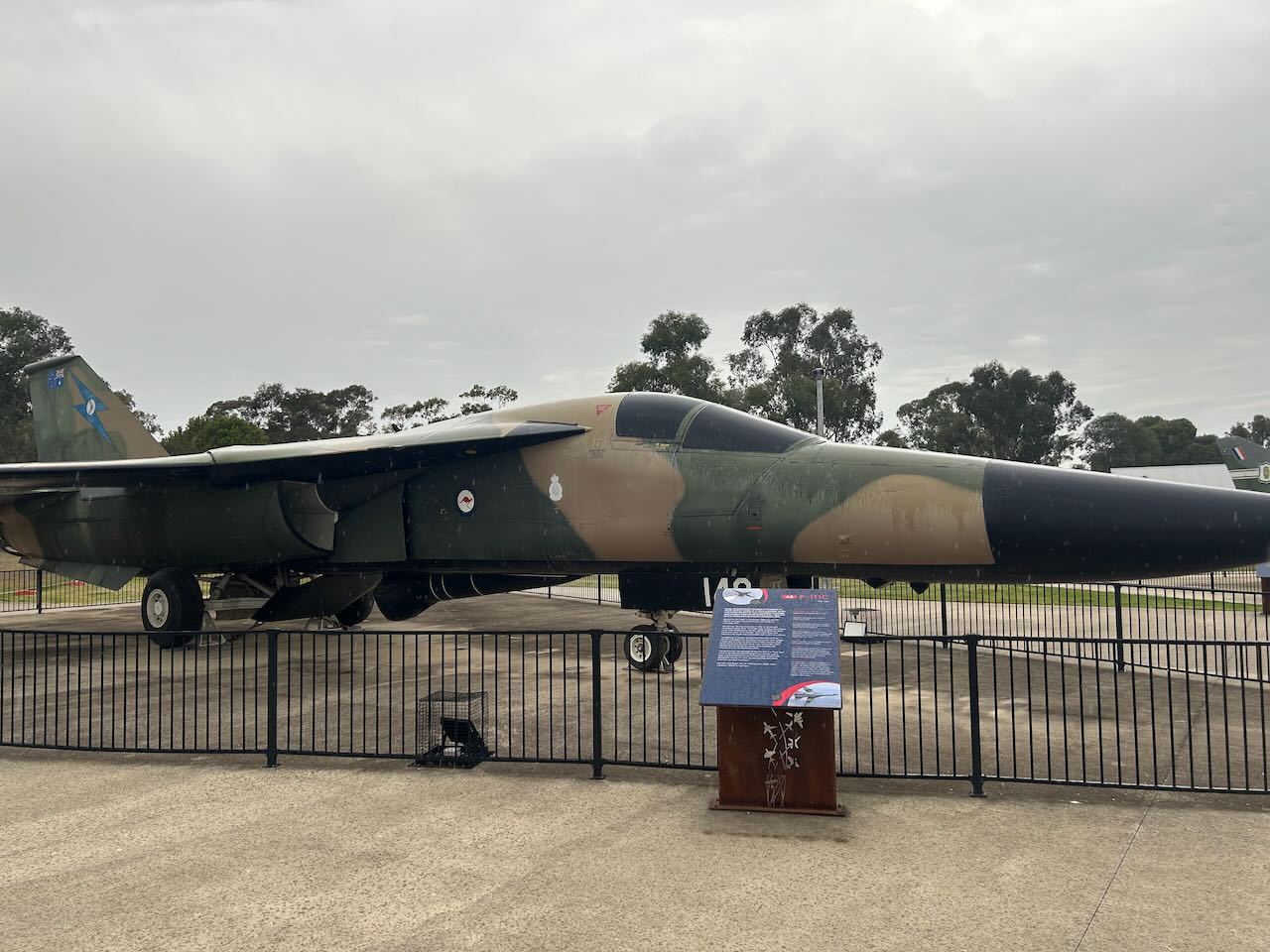
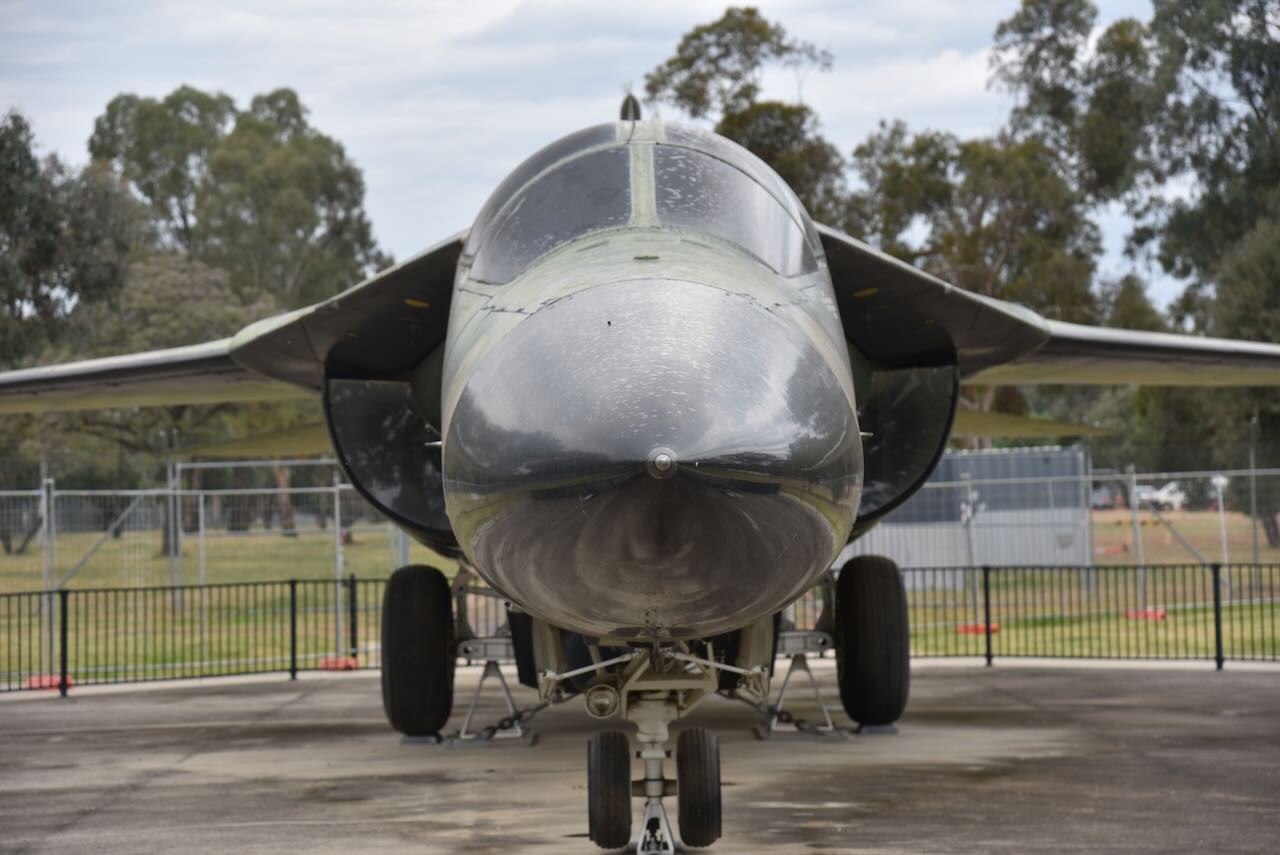
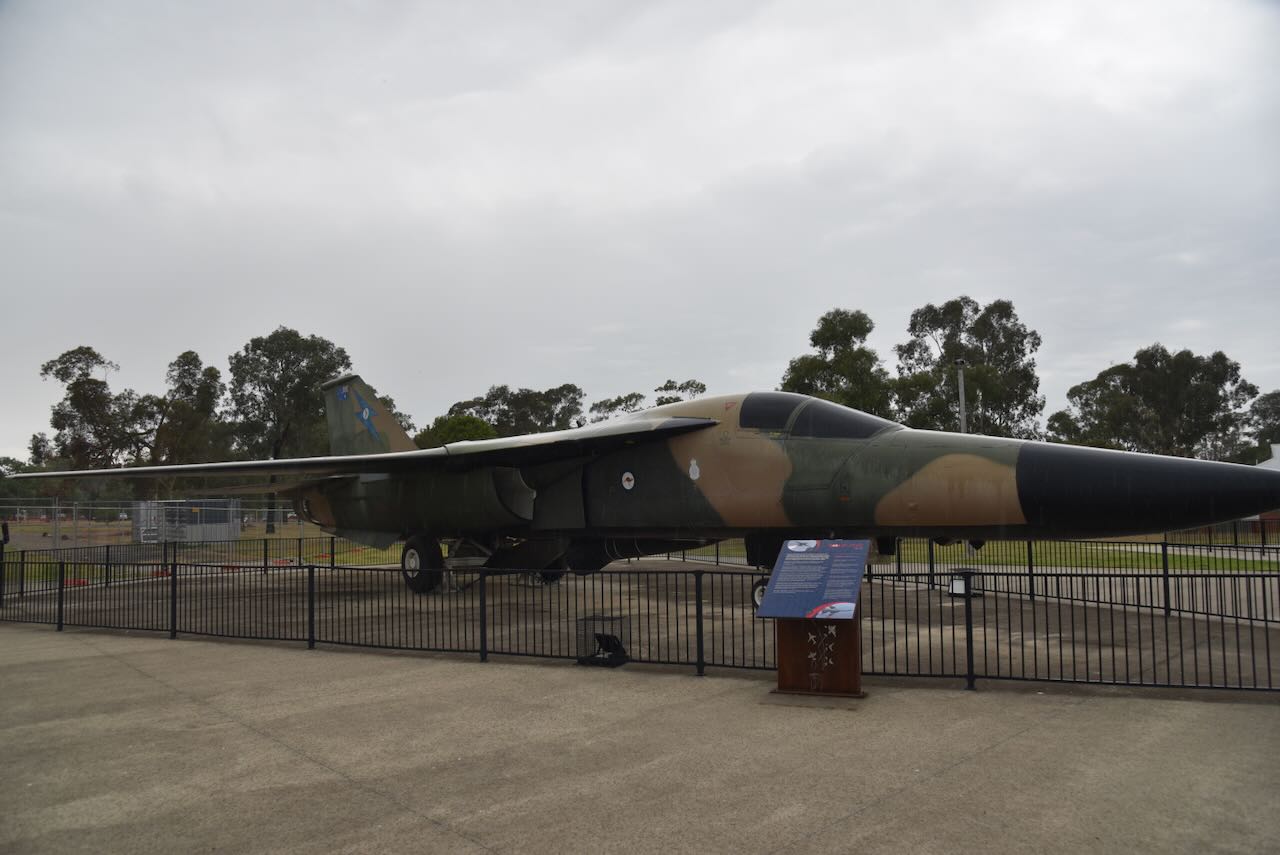
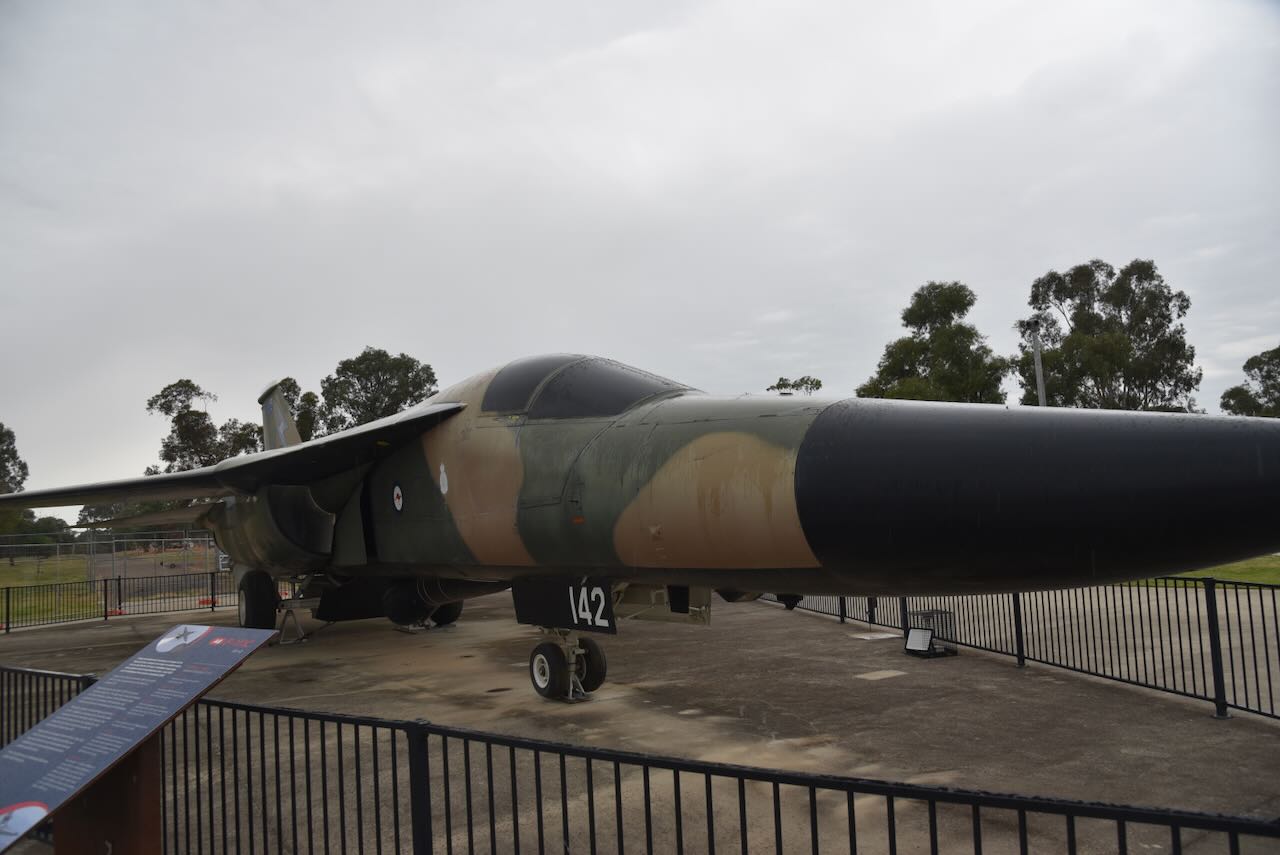
There is also an F-111 on display. This particular aircraft was chosen in 1963 to replace the Canberra. It took a further 10 years before the first F-111’s arrived in Australia. The F-111 served the RAAF for a total of 37 years.(Air Force 2023)
The F-111 on display is F-111 A8-142, which first flew on the 18th day of December 1968. It arrived in Australia on the 1st day of October 1973. It retired in 2010. (Air Force 2023)

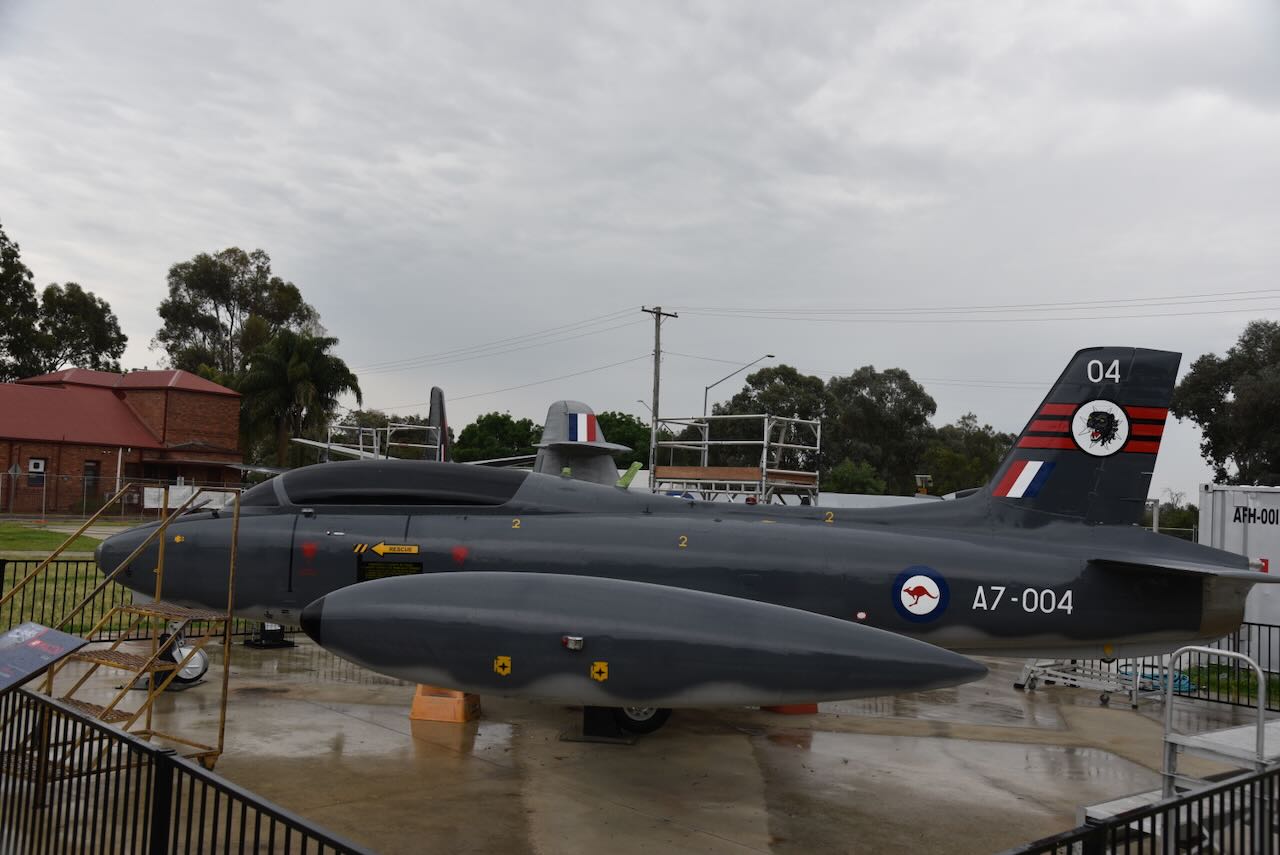
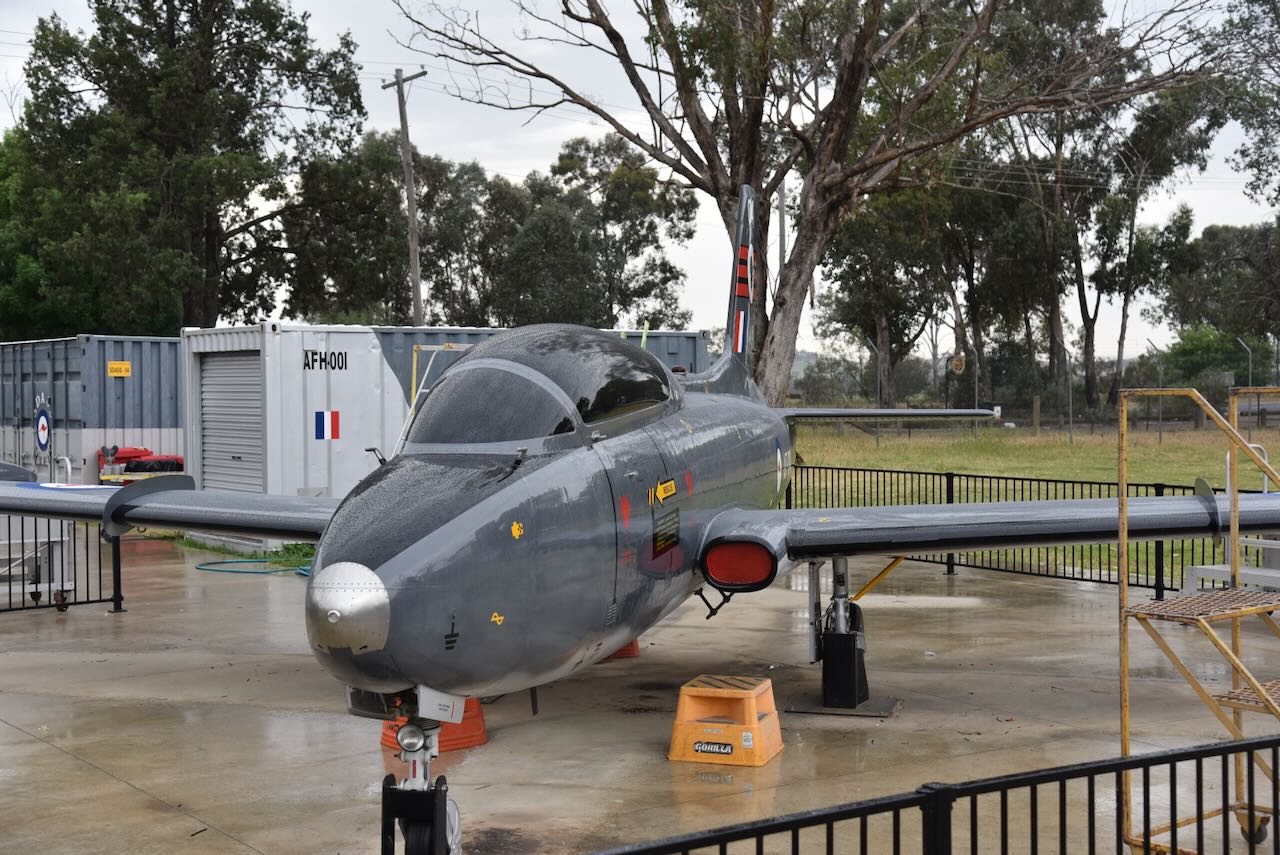
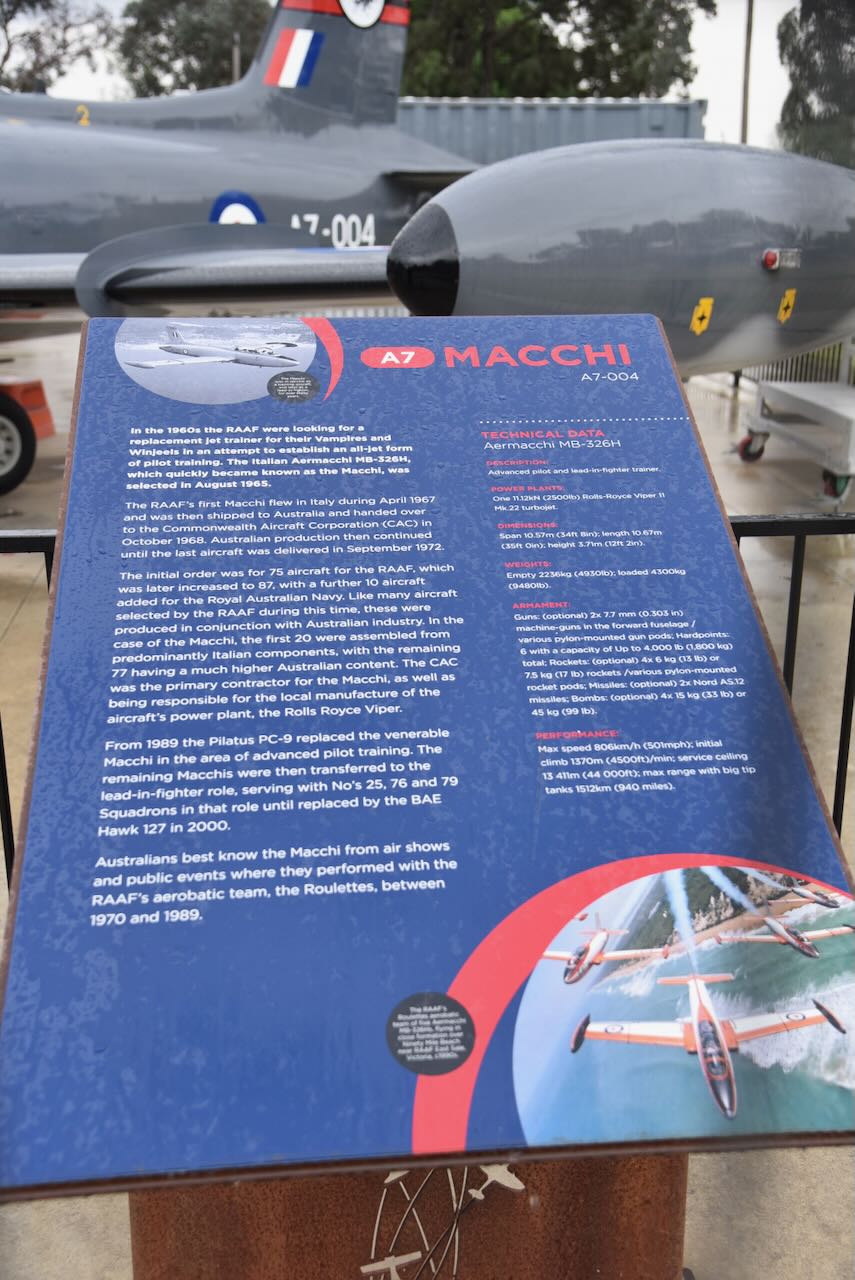
Another aircraft on display is an Aermacchi MB-326H (Machi). These were selected by the RAAF in 1965 as a replacement for the Vampire trainer in 1965. (Air Force 2023)
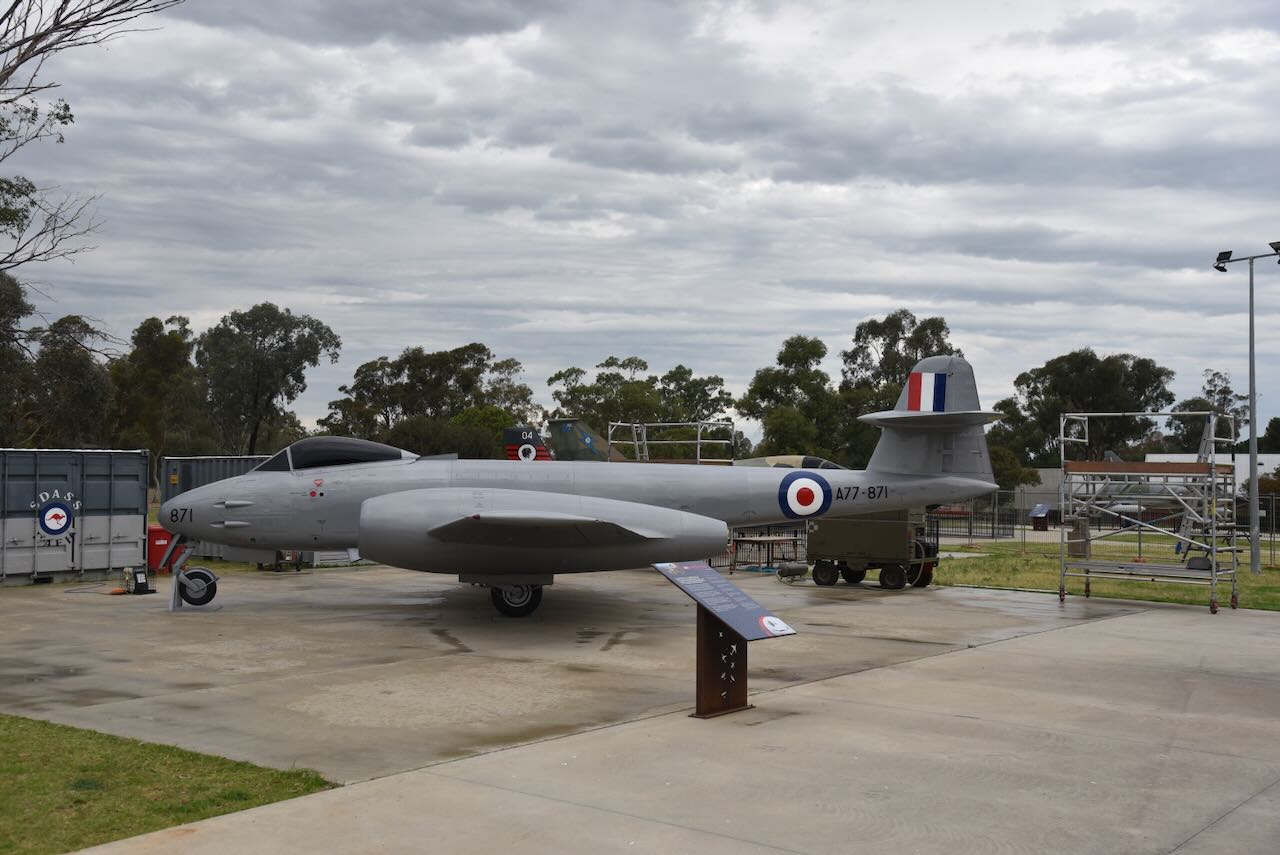
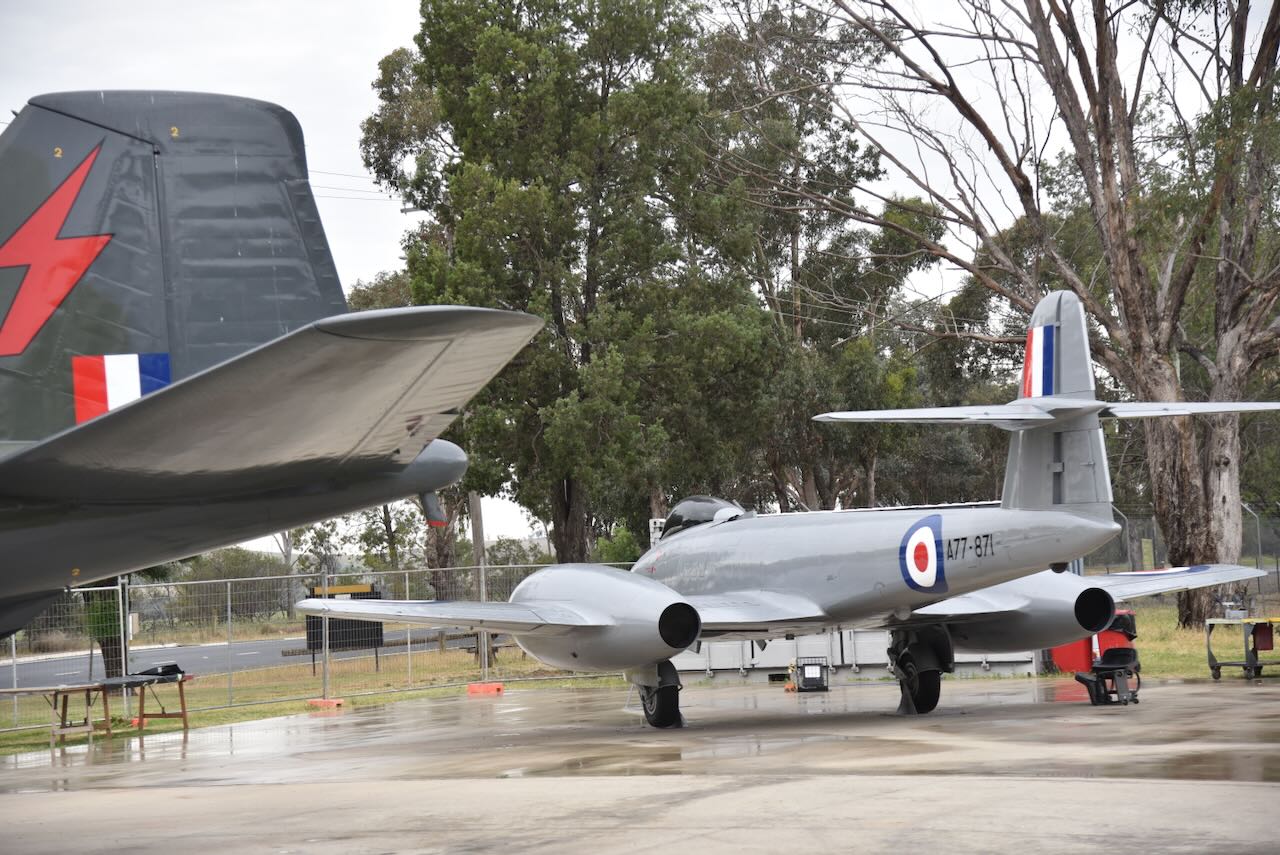
And finally, there is a Meteor Mk.8. This was the first RAAF jet to be deployed in a war, with a total of 93 Meteors delivered to the RAAF for service in Korea. (Air Force 2023)
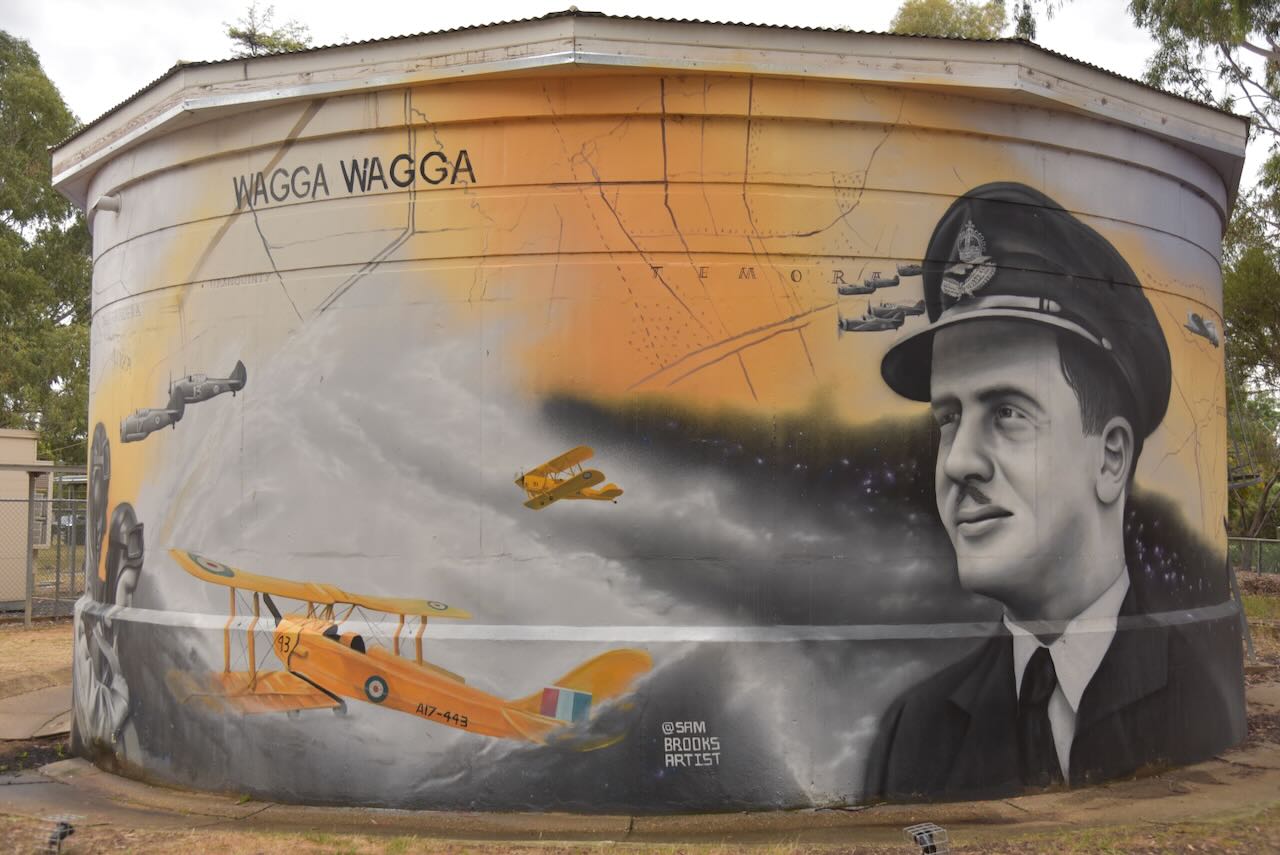
The museum also features a painted water tank. It is the work of artist Sam Brooks. The art features Norman Parry who was a famed pilot and instructor. You can also find a Tigermoth aircraft which was used as a training aircraft. Another person featured is Bill Newtown, a Victoria Cross recipient. (Australiansiloarttrail.com, 2025)
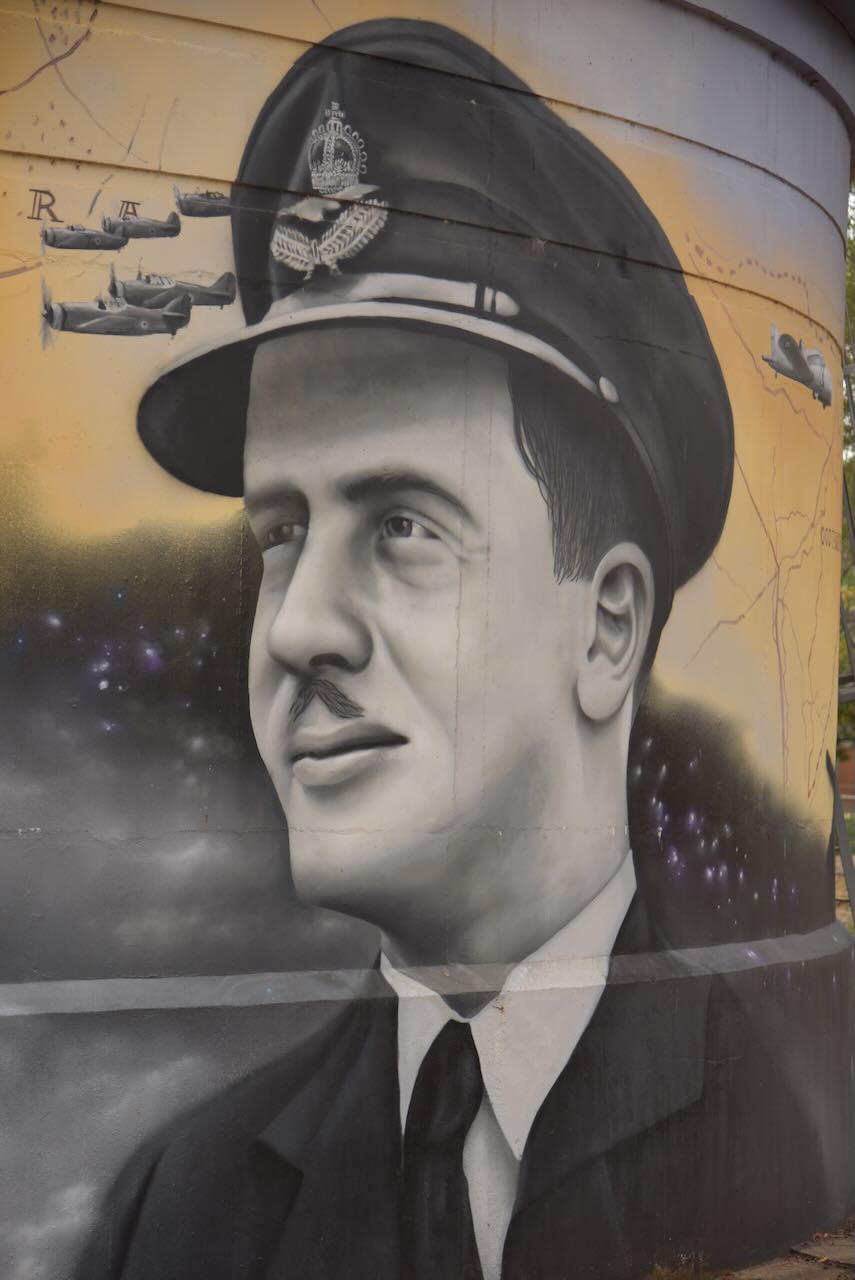
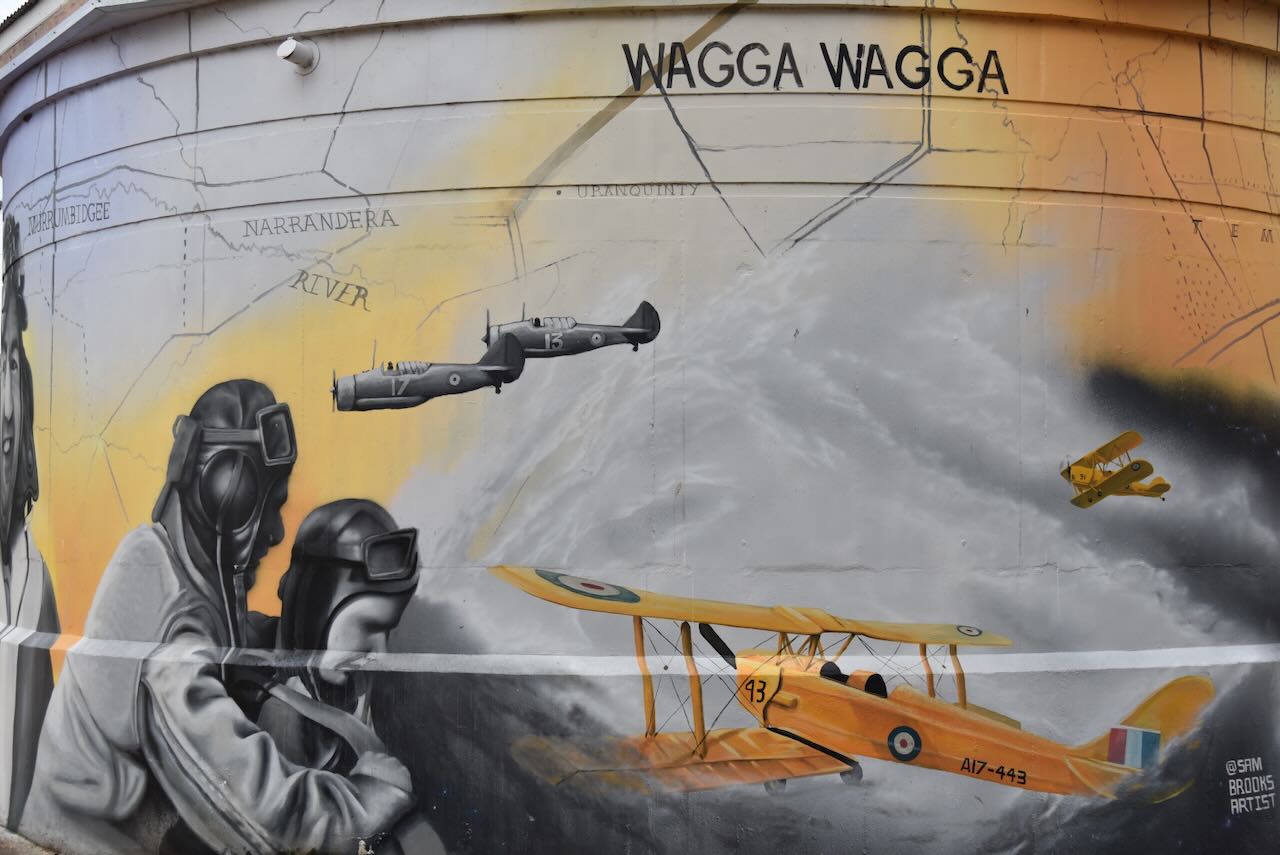

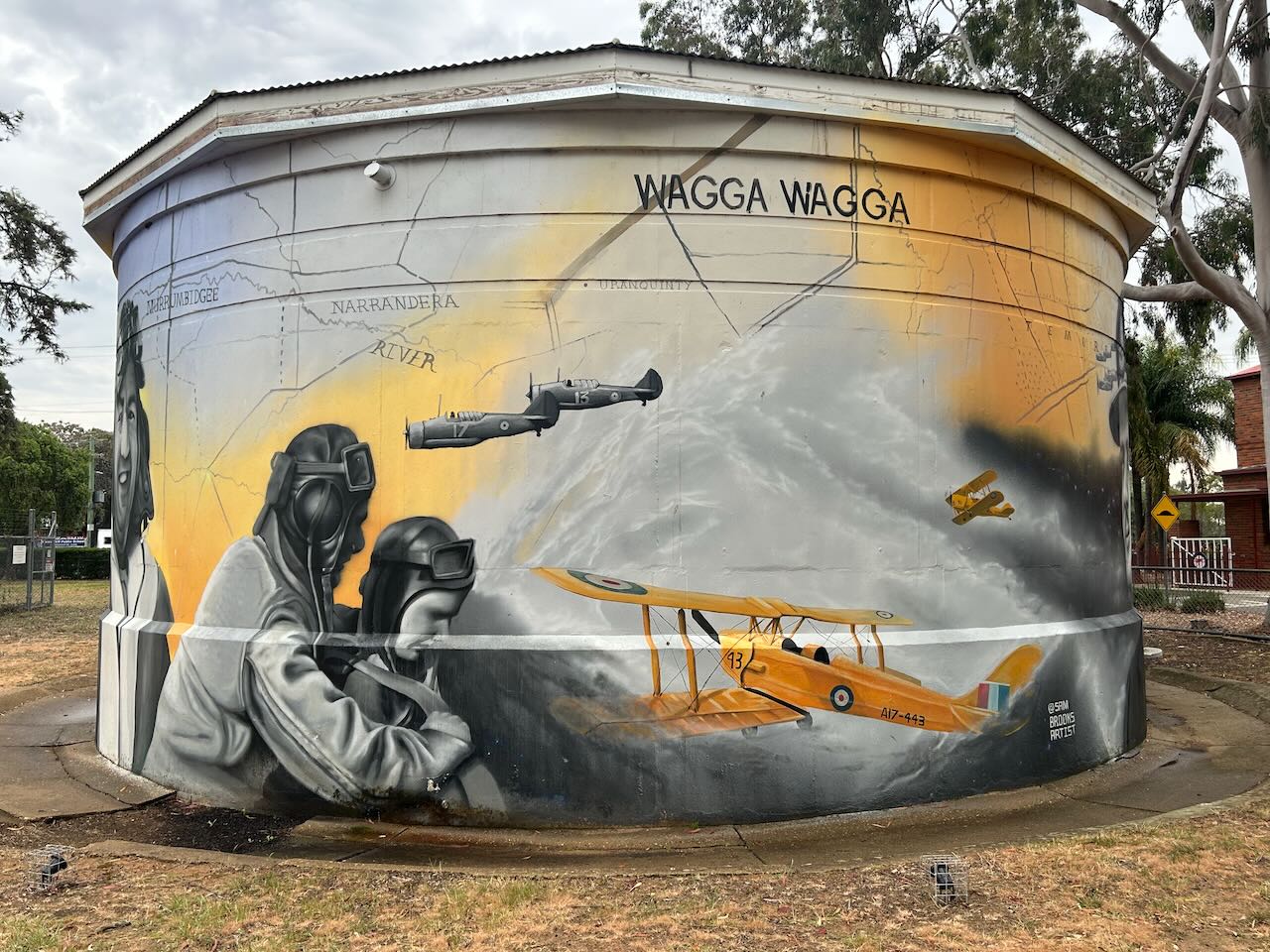
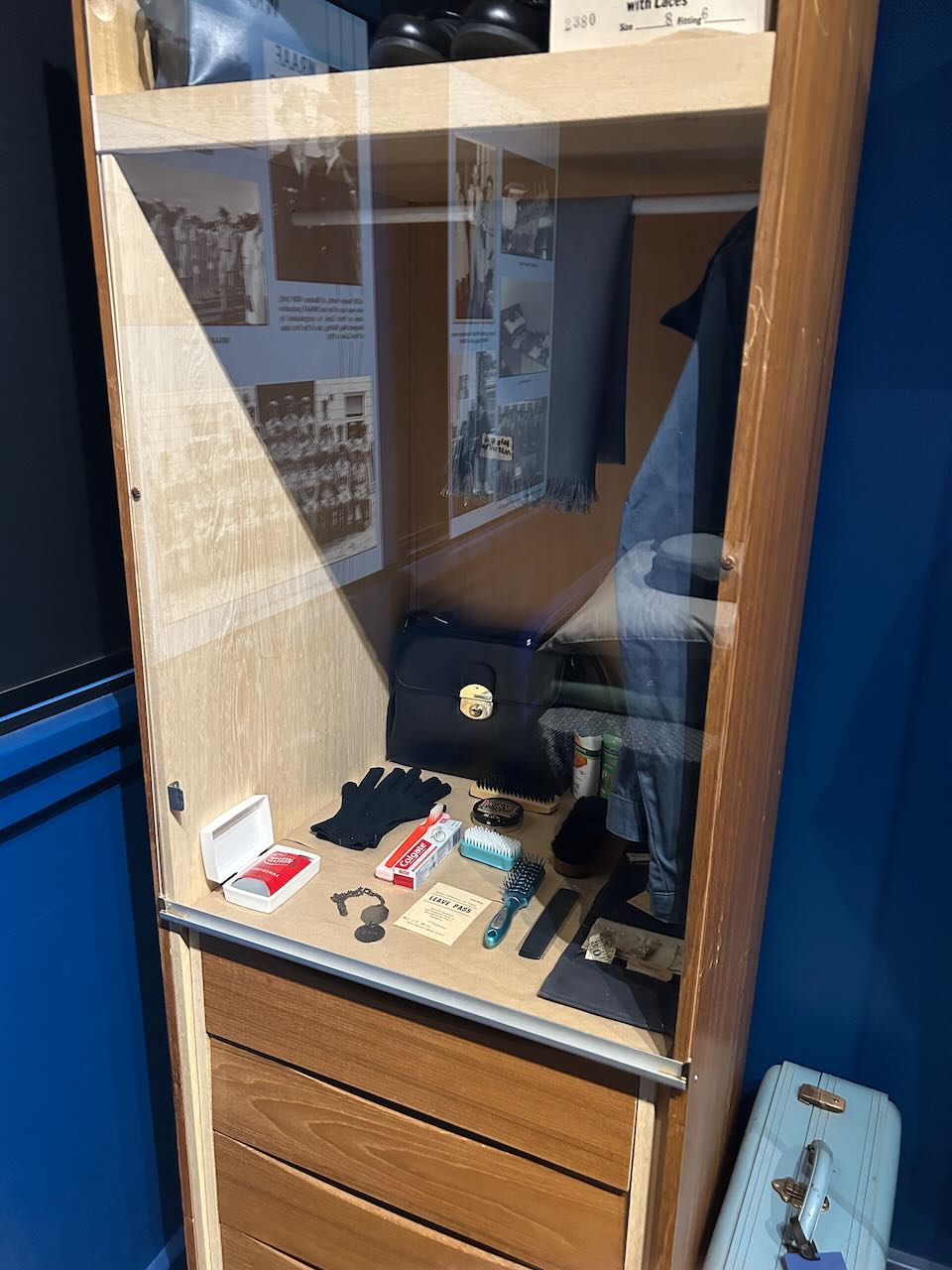
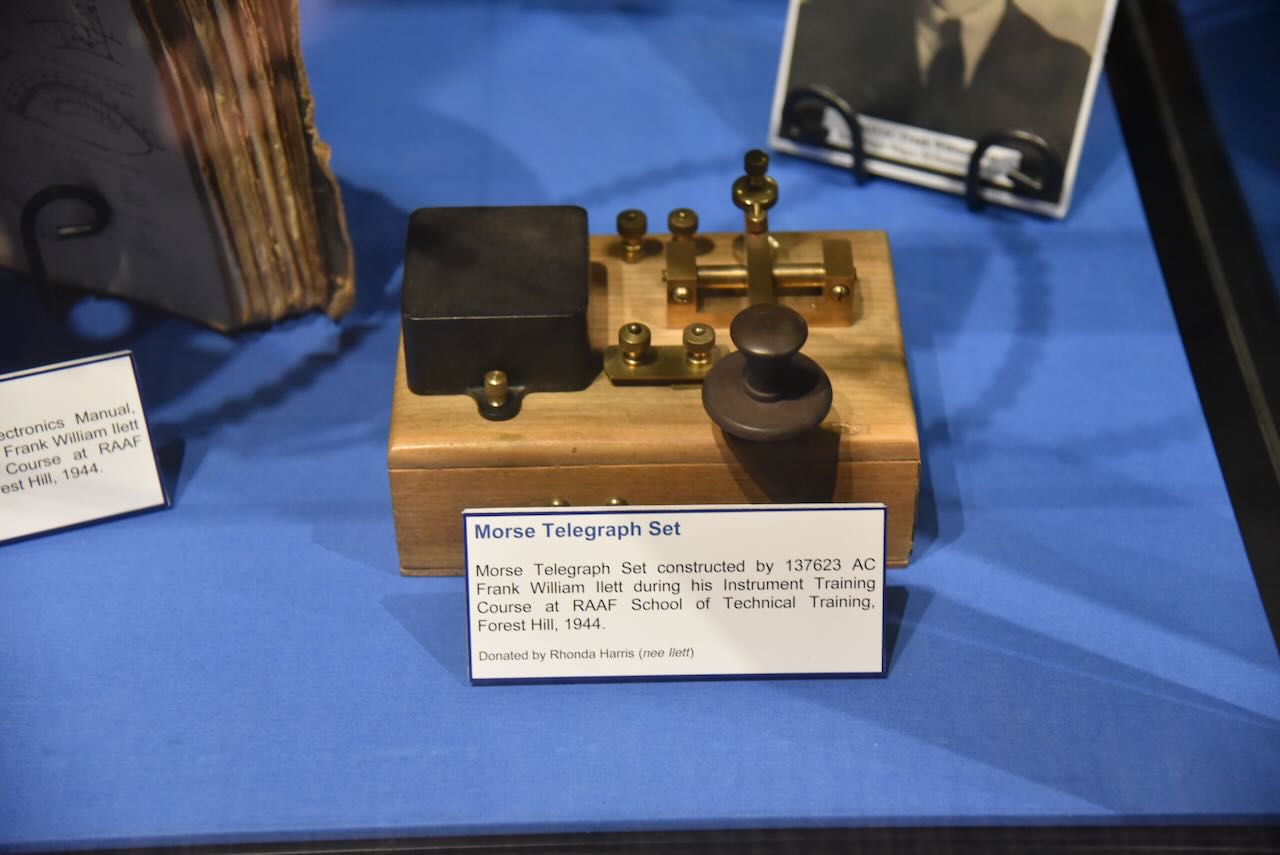
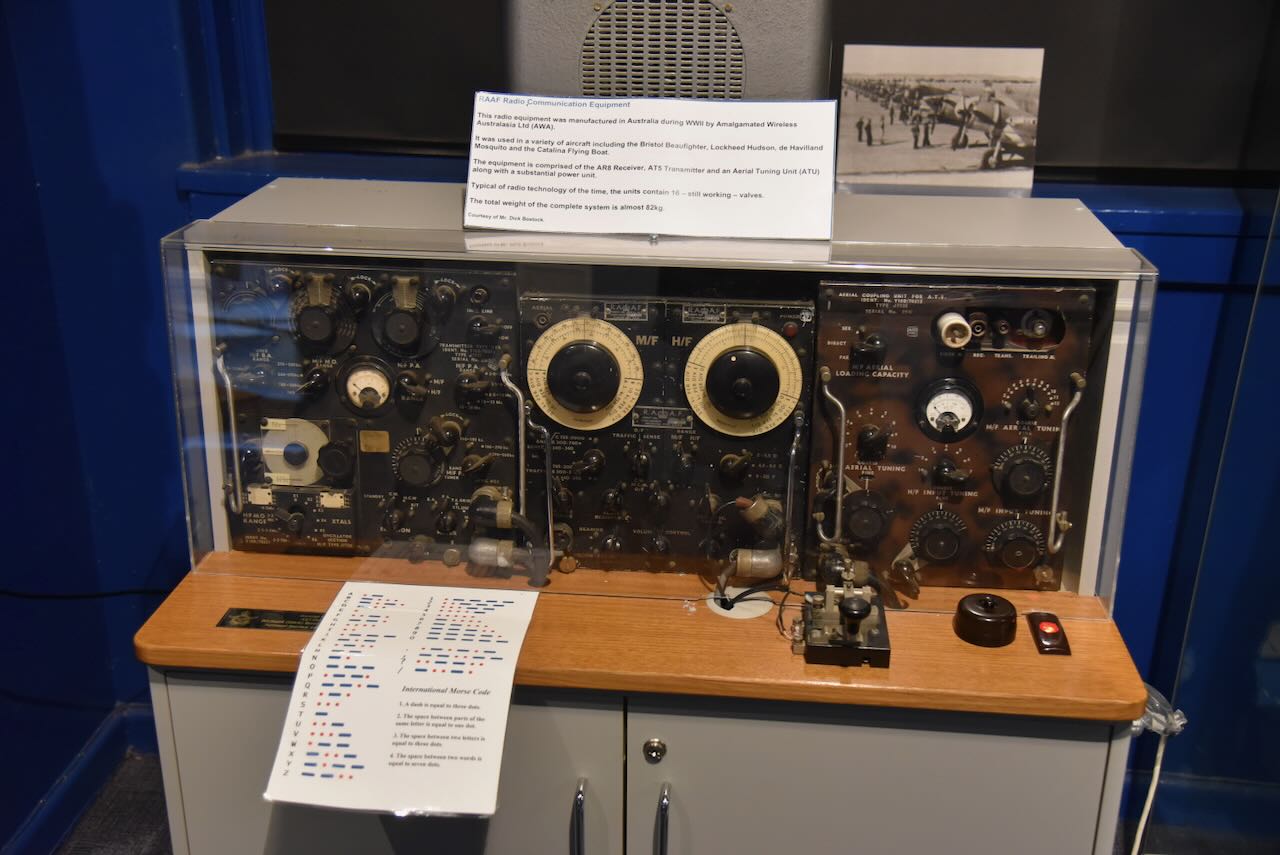
The museum features several rooms with very interesting displays.

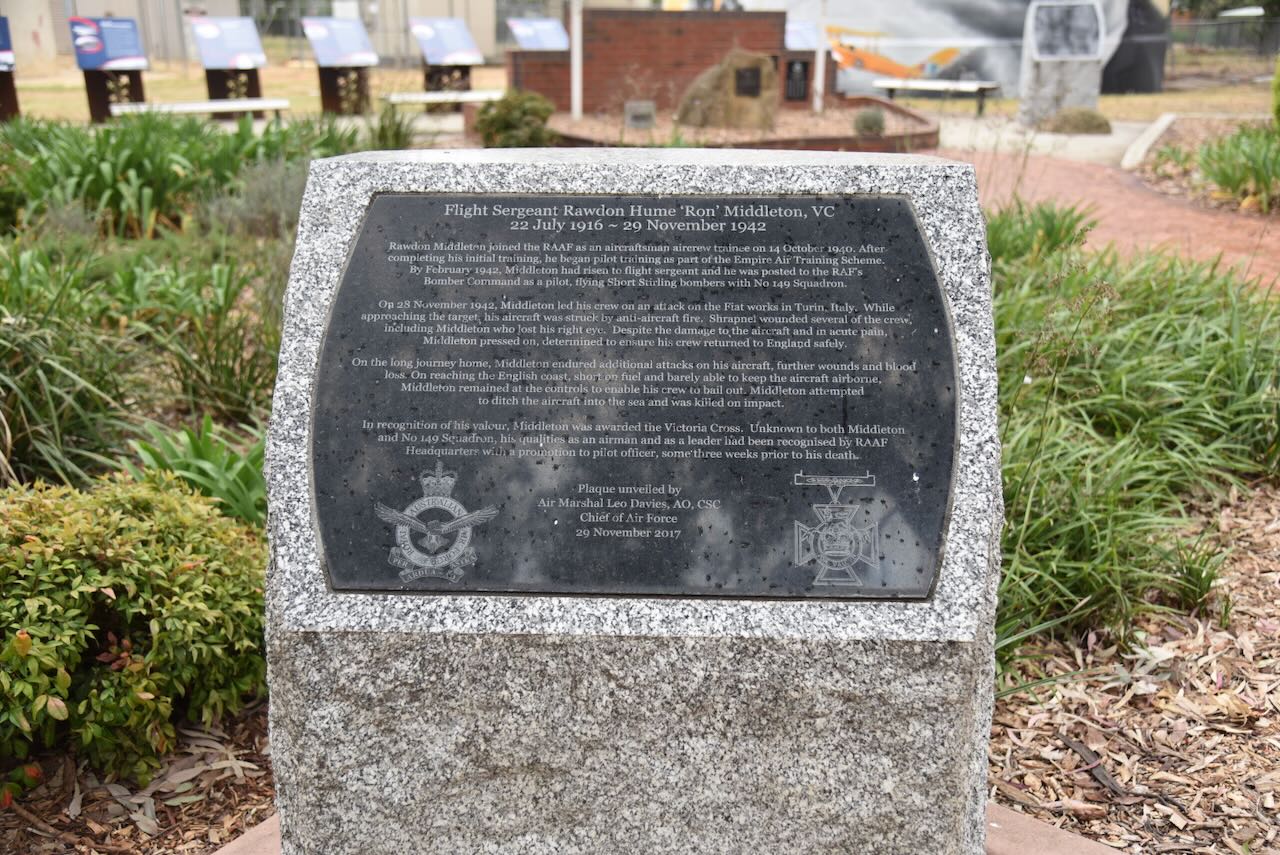
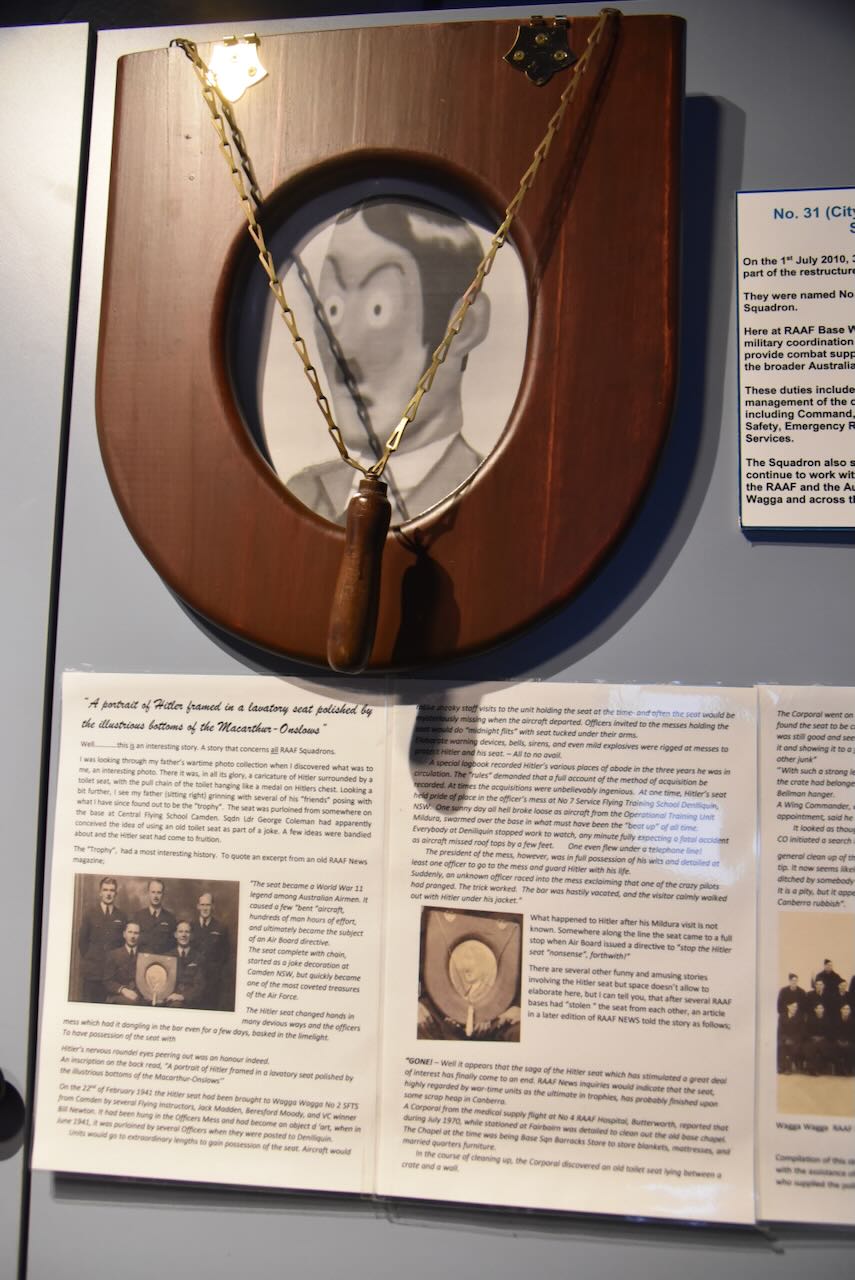
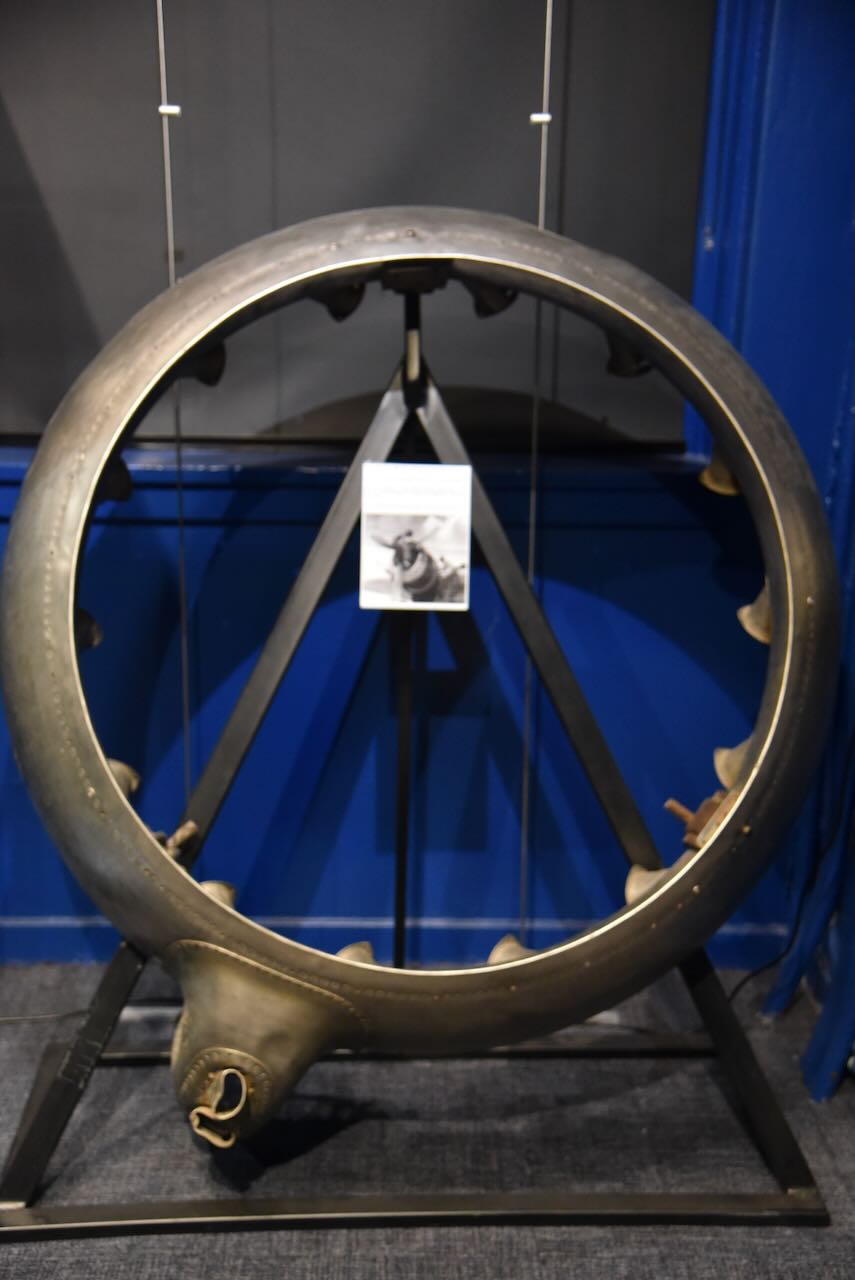
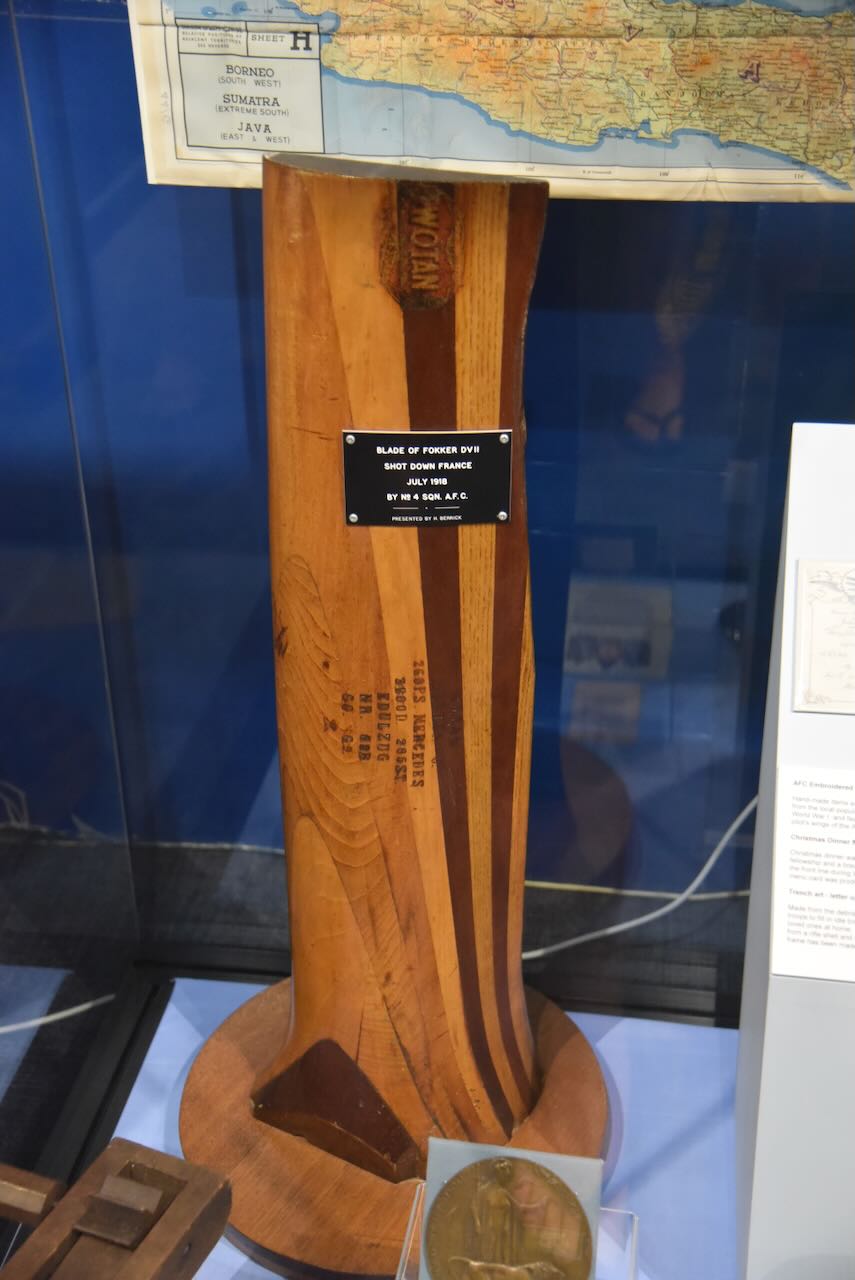
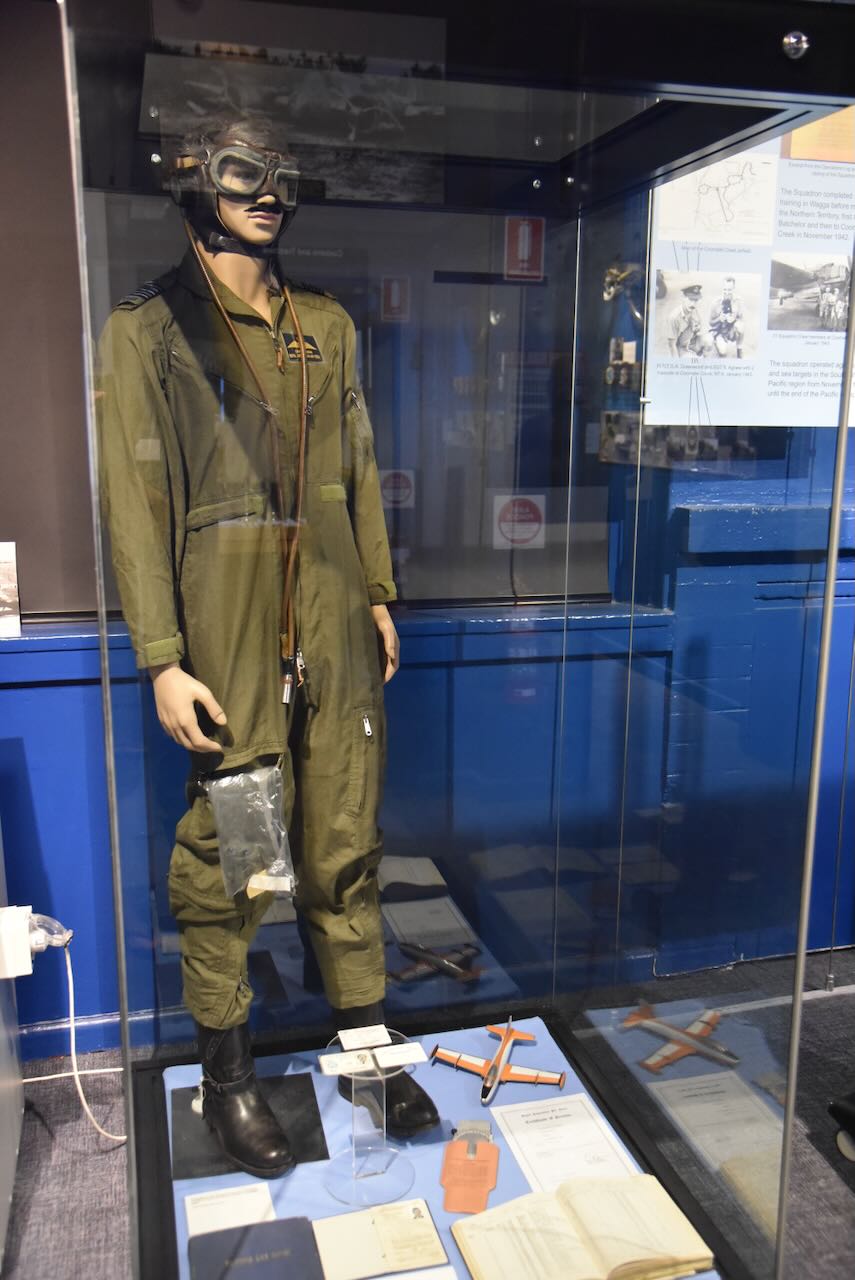
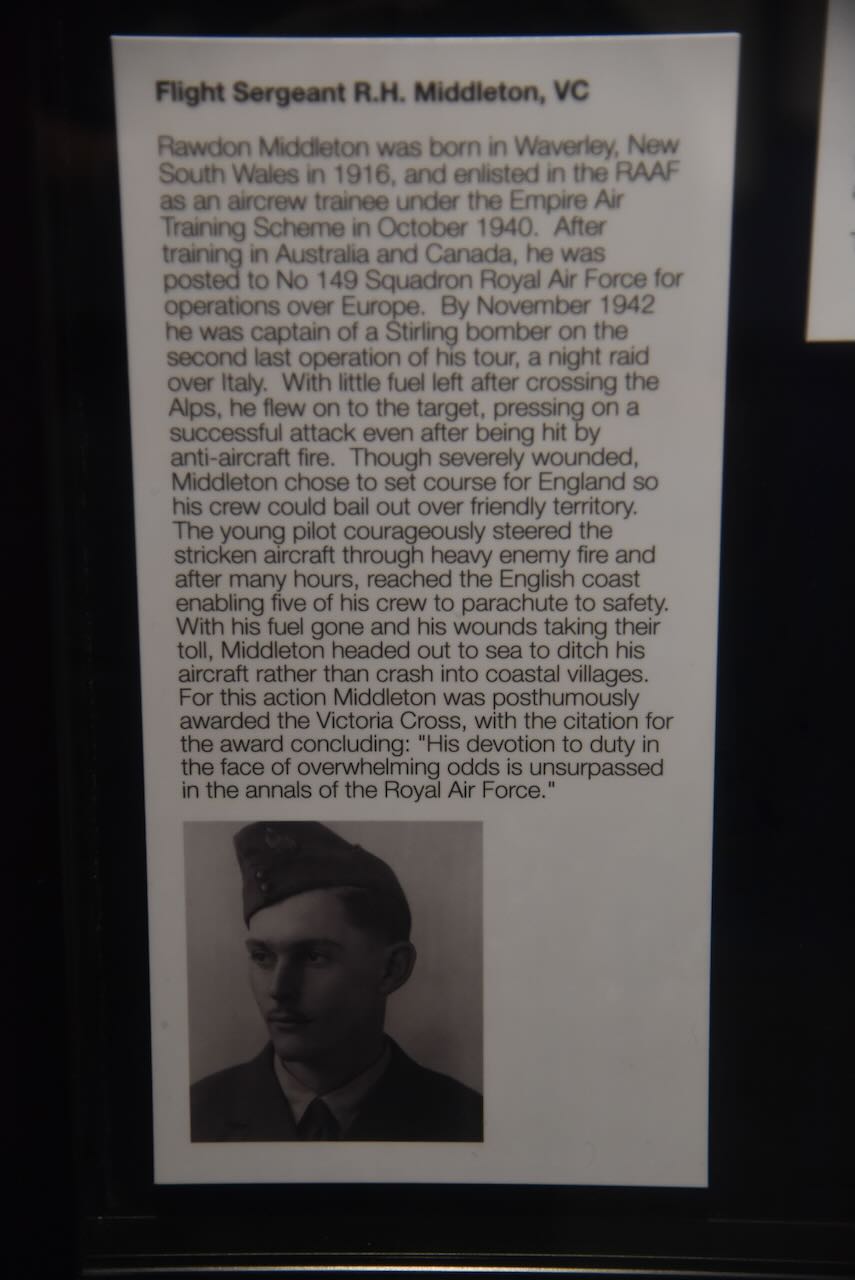
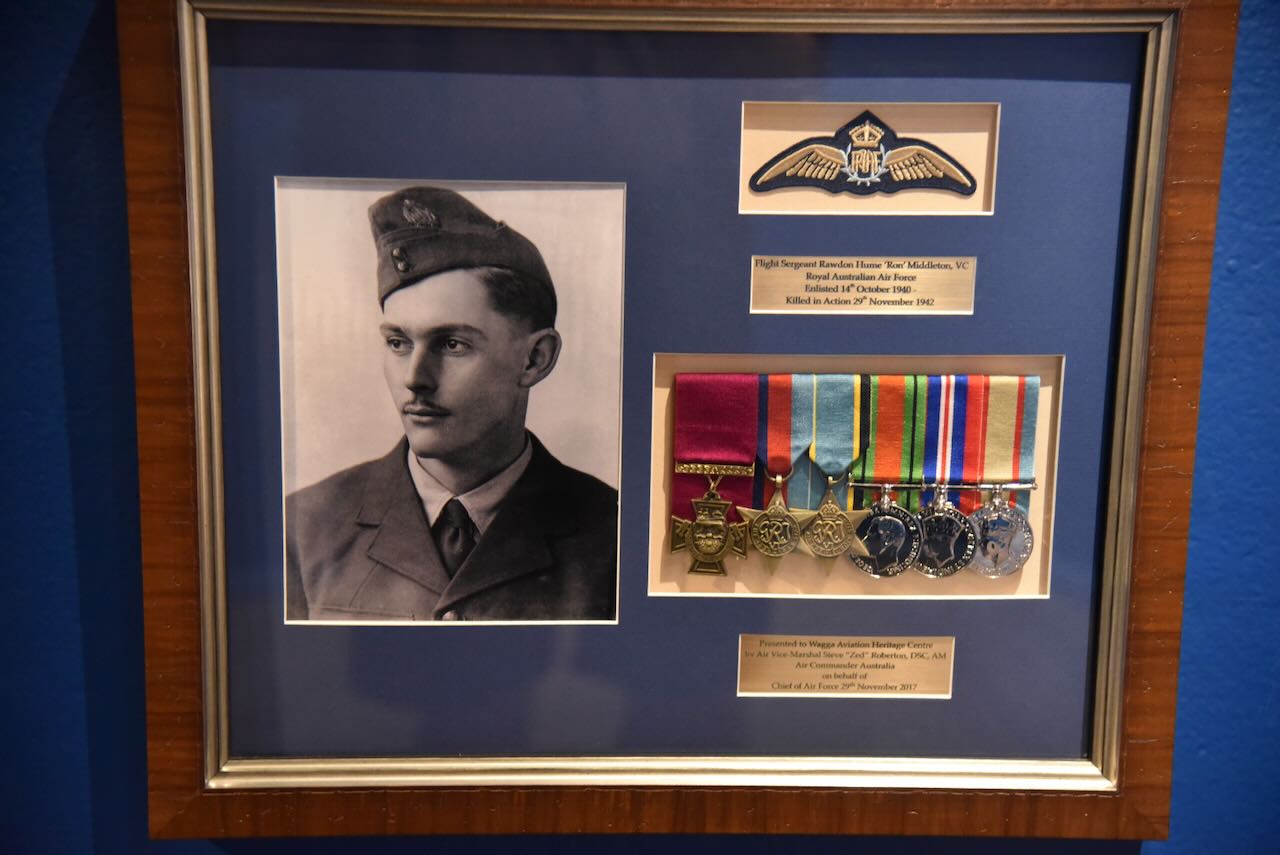
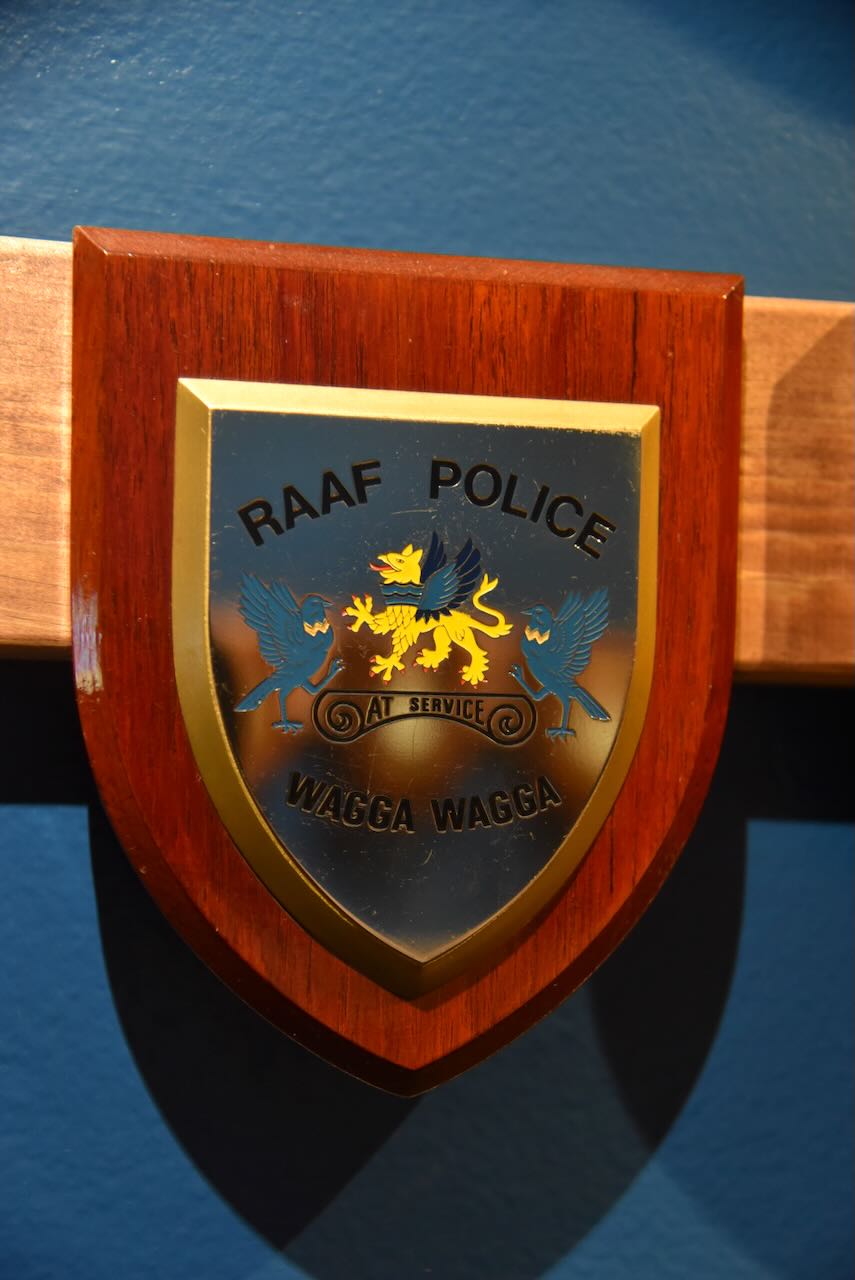
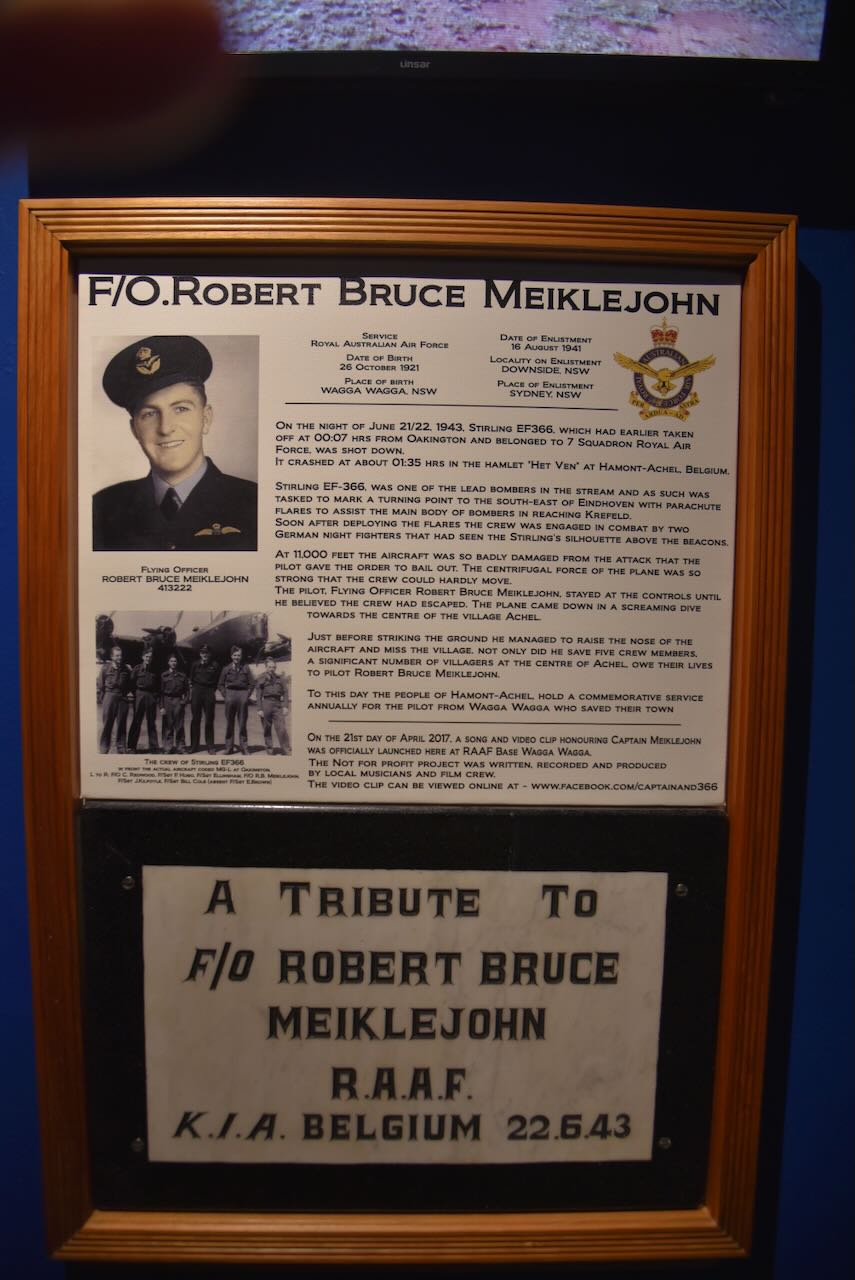
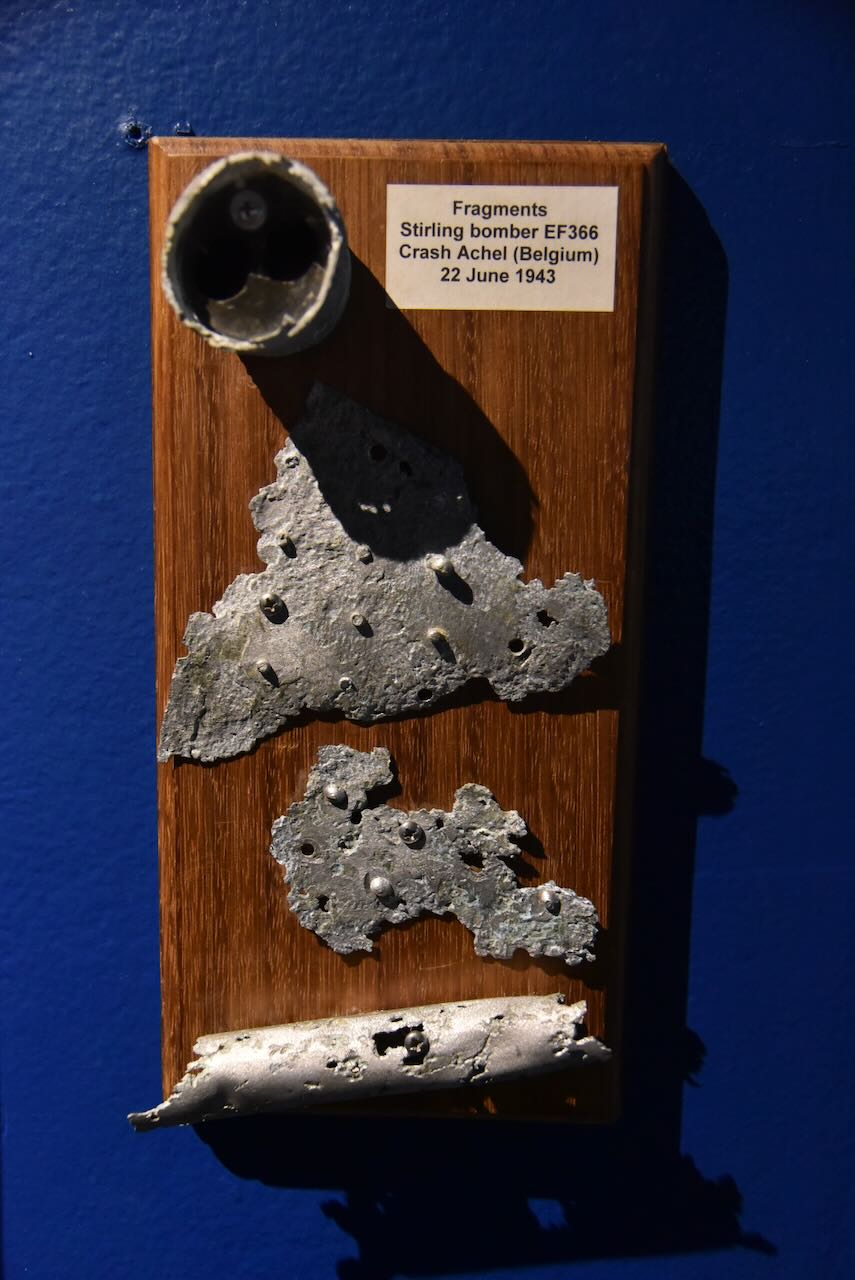
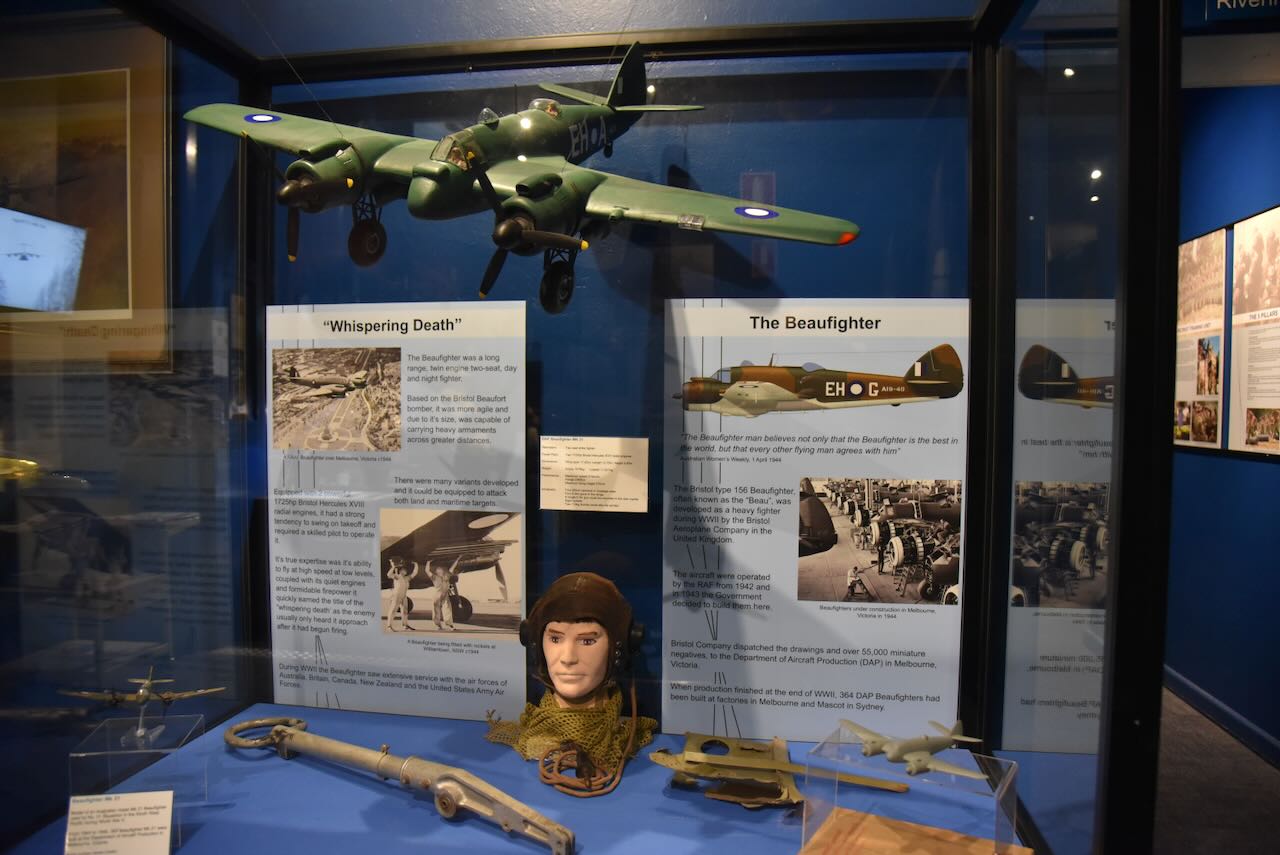
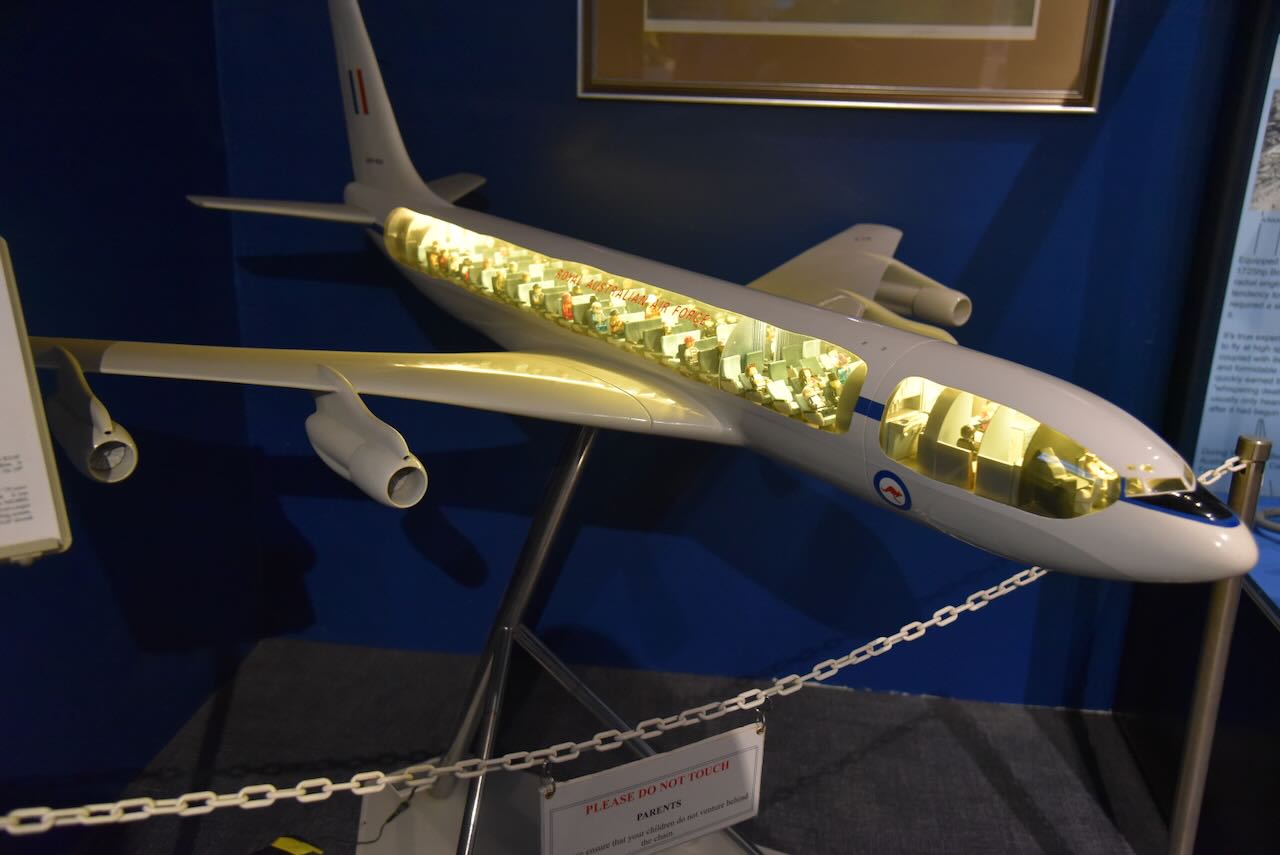
I even found an old Amalgamated Wireless Australasia Ltd (AWA) receiver, transmitter/ATU.

They had a Morse key set up, and I tried my luck. Below is a video showcasing my limited Morse Code skills.
We then headed back into Wagga Wagga. The photograph below shows Wollundry Lagoon.
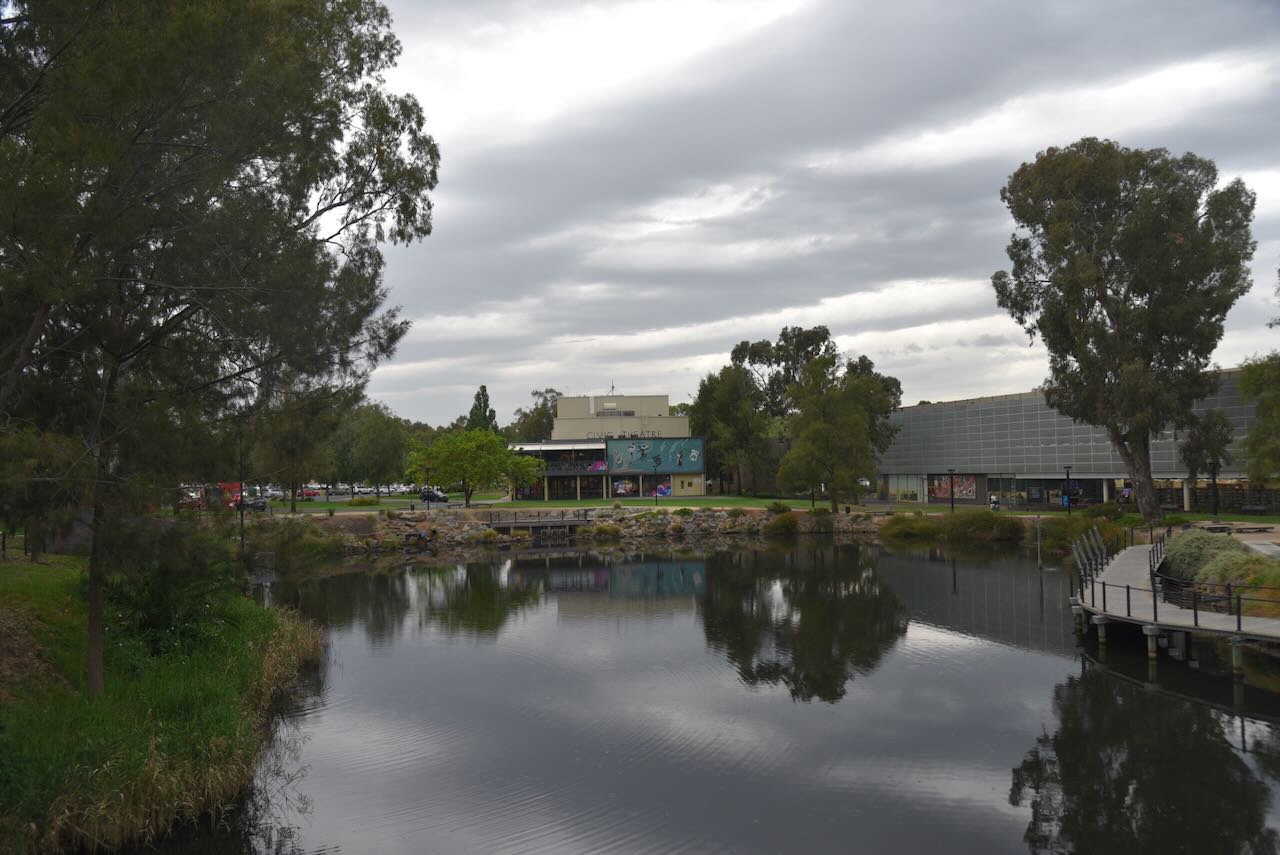
We drove past the old 2WG building in Fitzmaurice Street, Wagga Wagga, just over the bridge over Wollundry Lagoon.
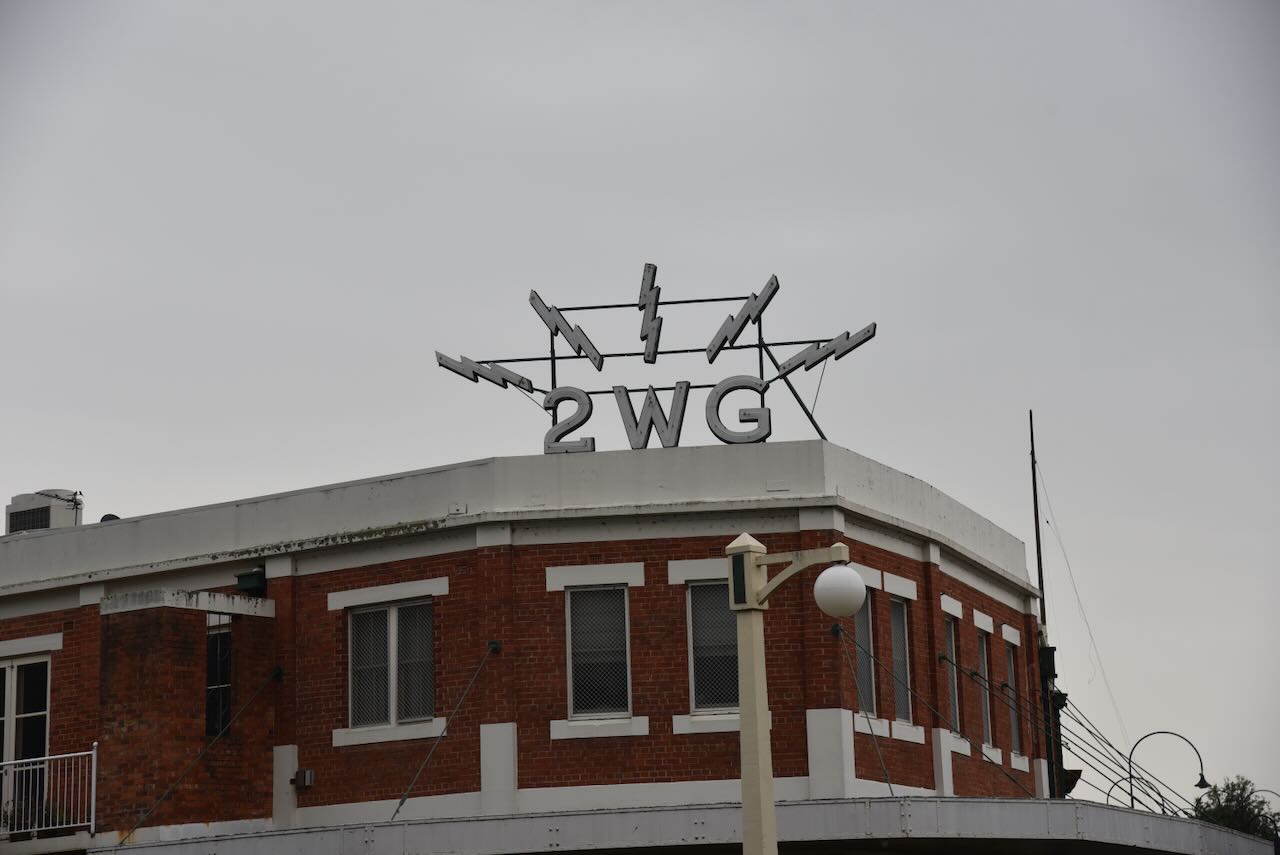
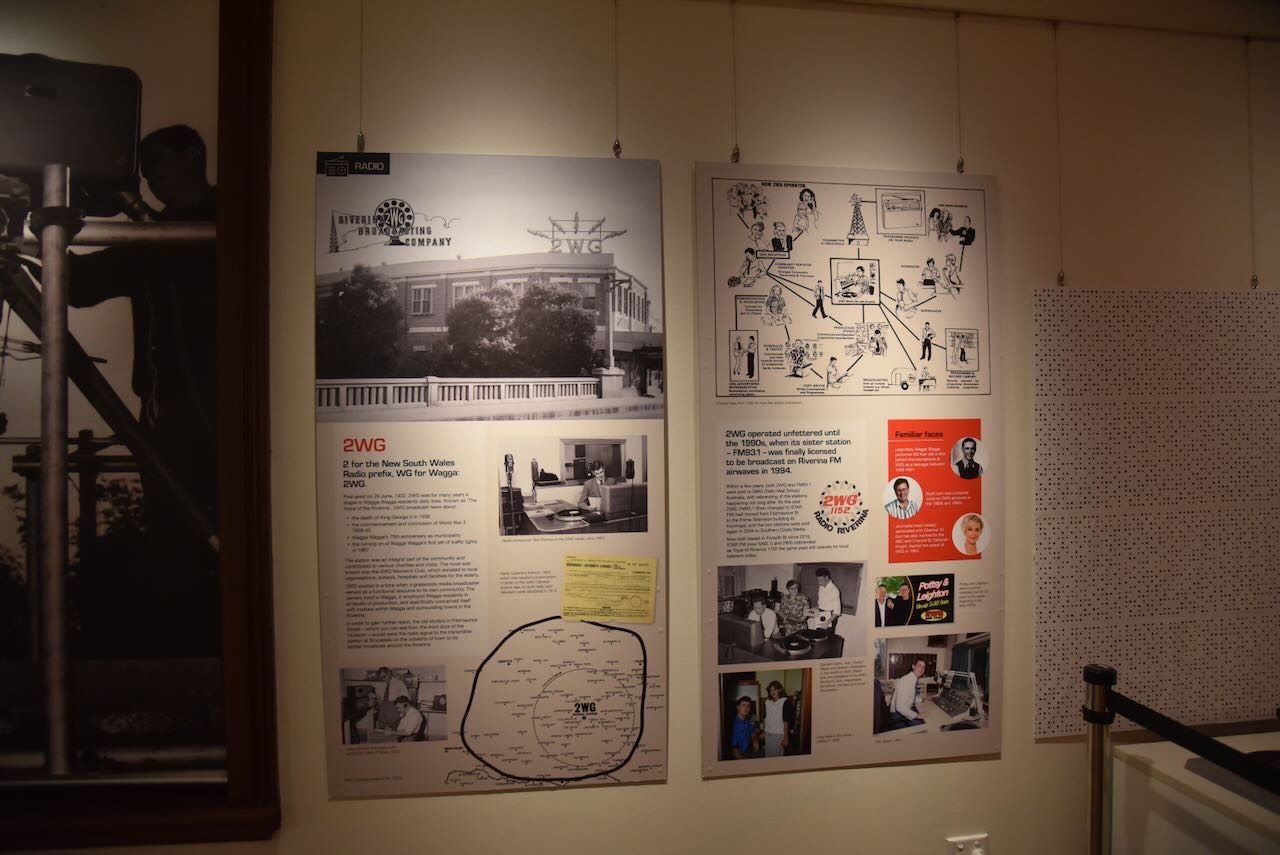
Radio station 2WG was launched on Wednesday, the 29th day of June 1932, by husband and wife team Eric and Nan Roberts. The station initially broadcast on the frequency of 1155 kHz, but by 1935 it had moved to 1150 kHz. Nearly 50 years later, in 1978, 2WG moved to 1152 kHz. (Facebook 2022) (Trove 2025)
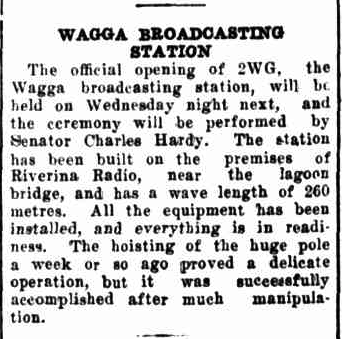
Above: article from the Daily Advertiser, Wagga Wagga, Sat 25 Jun 1932. Image c/o Trove
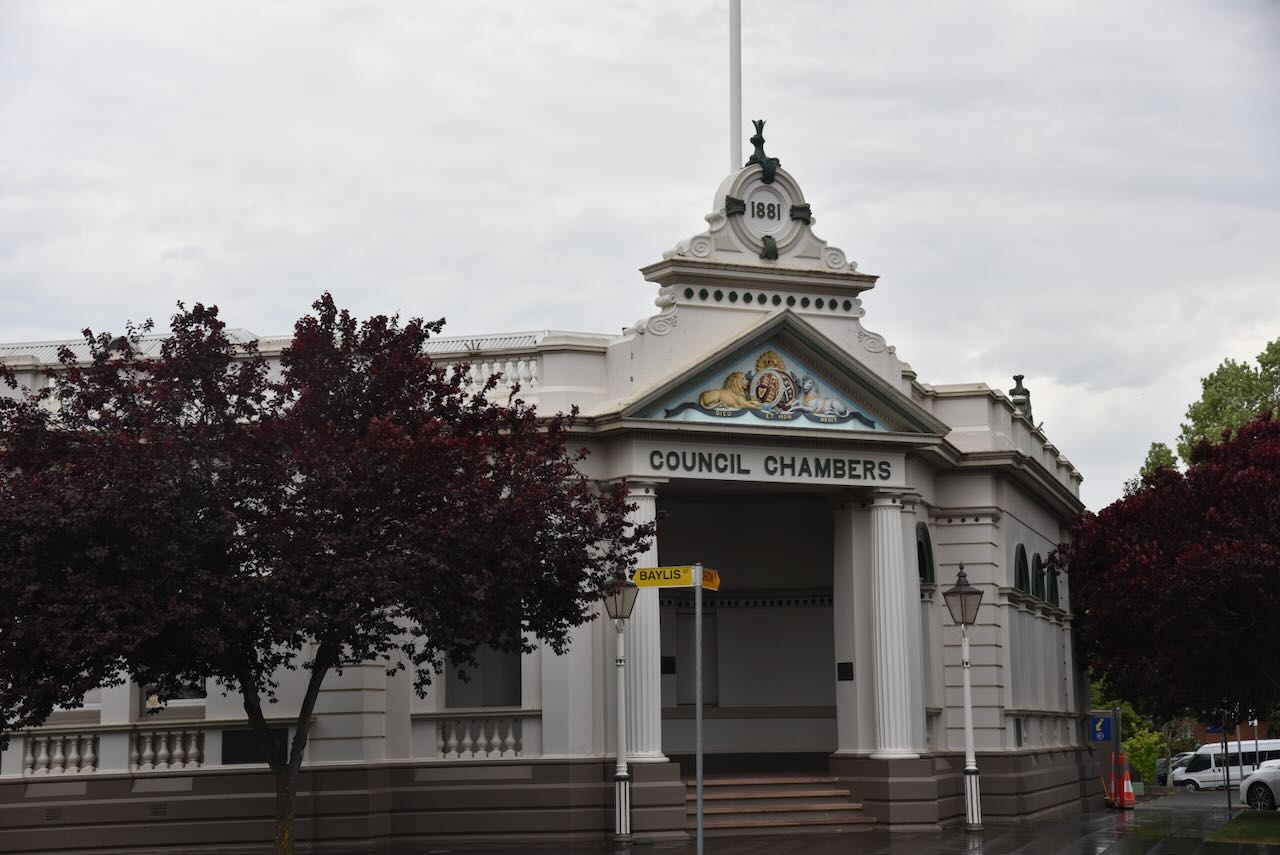
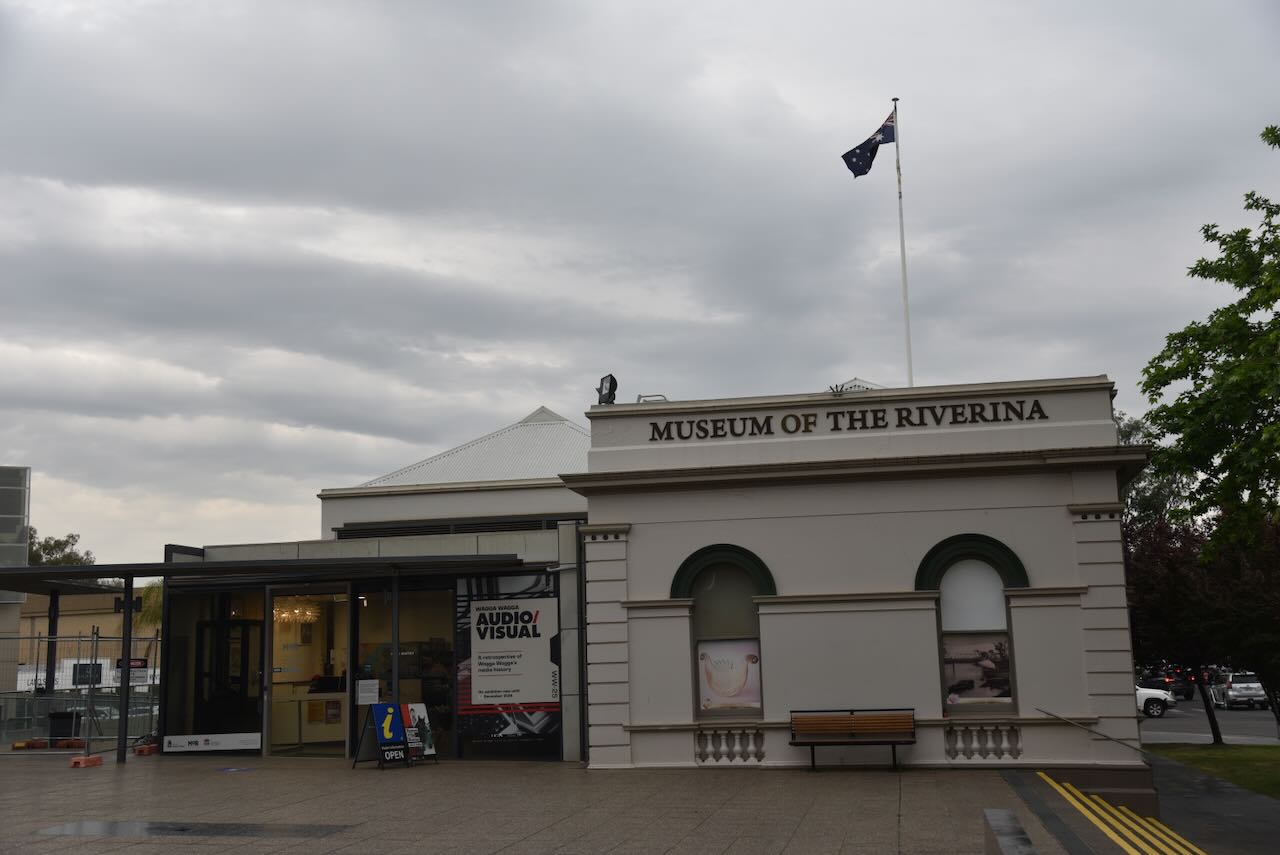
Our next stop was the Museum of the Riverina, which is contained in the historic Council Chambers building, which was constructed in 1881. In 1998, the building was converted to a museum. (Museum Riverina, 2025)
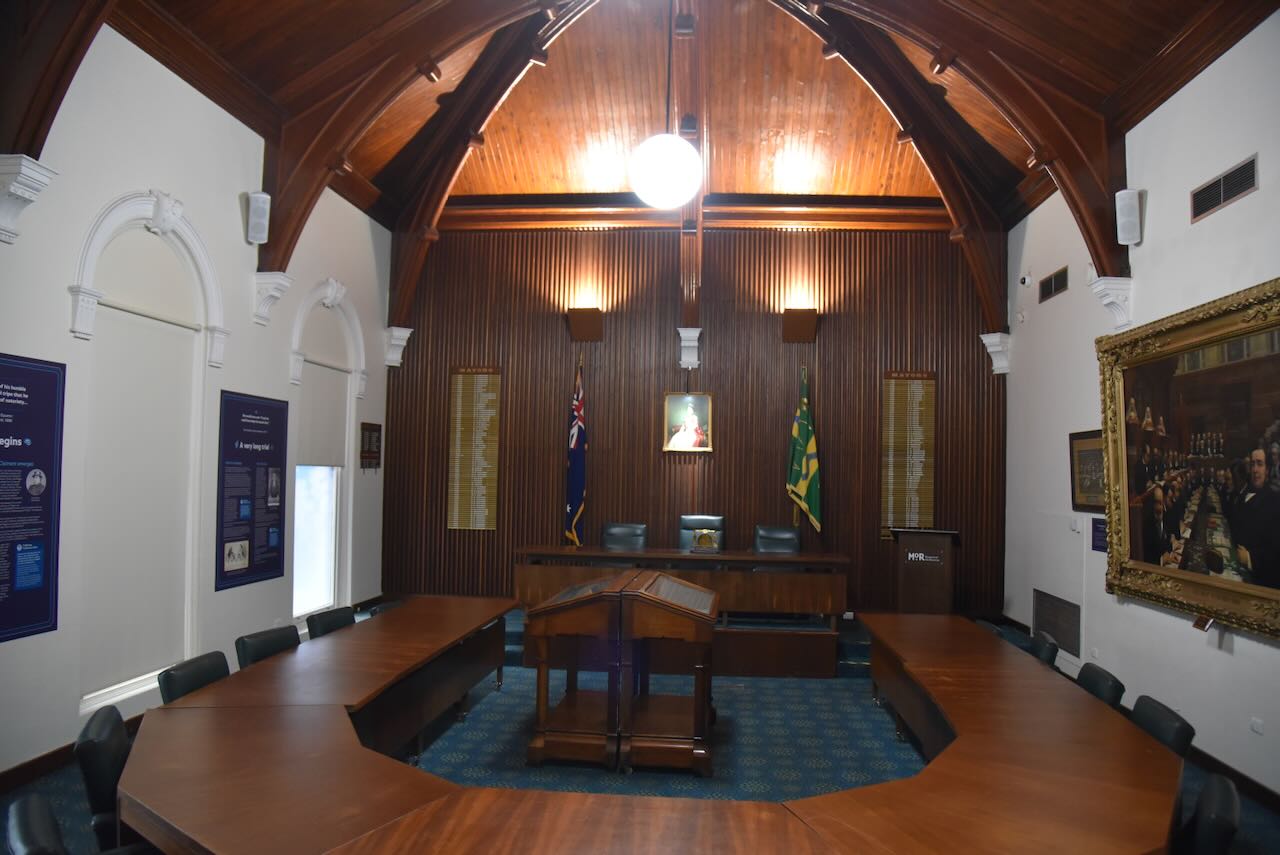
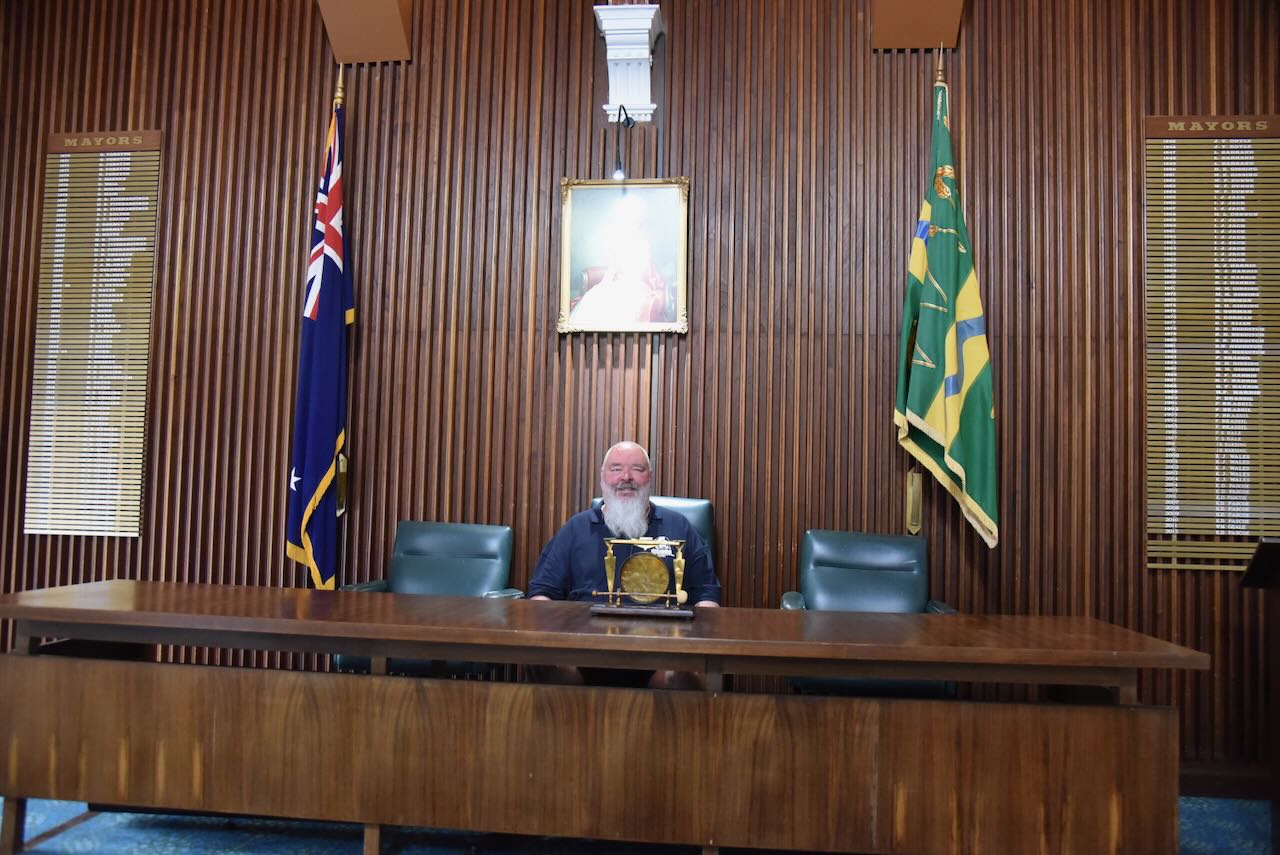
The old council meeting room is most impressive.
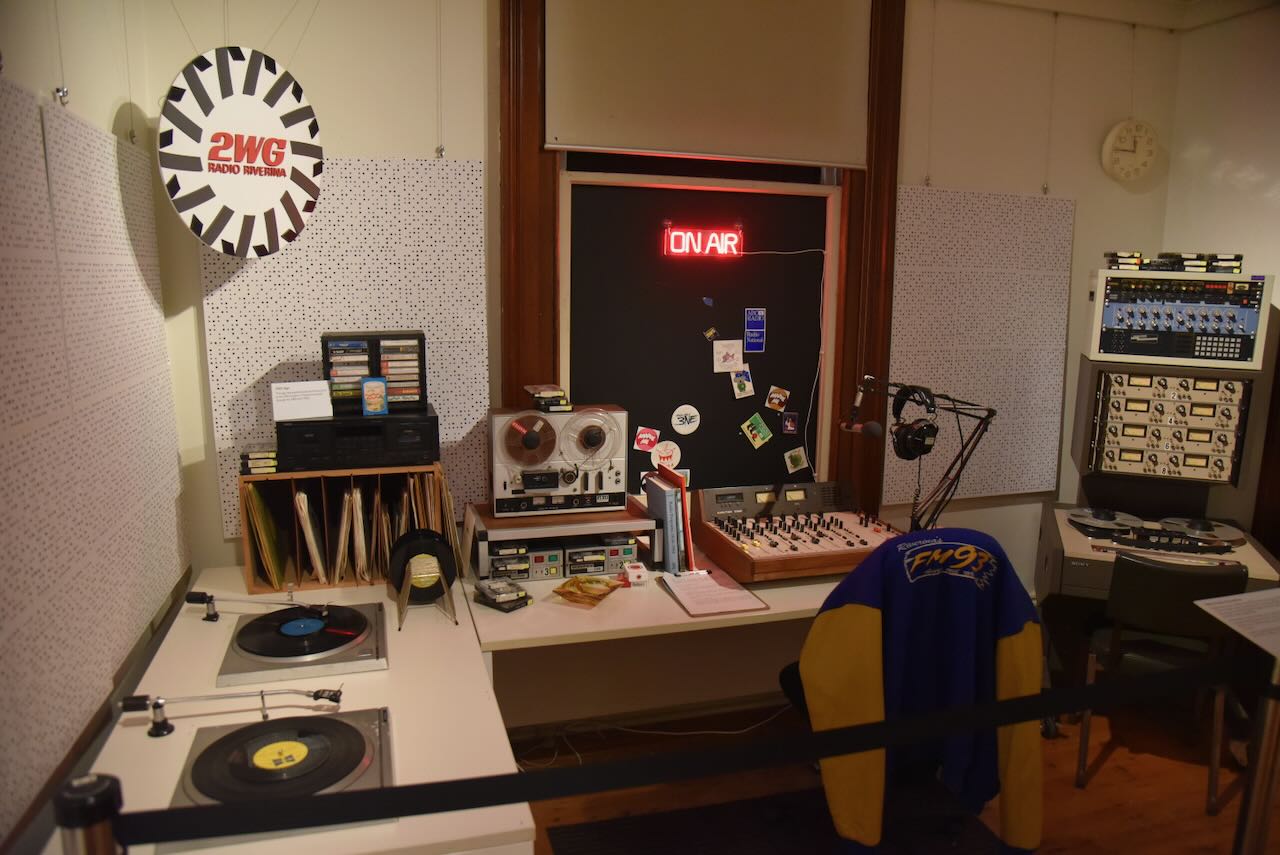
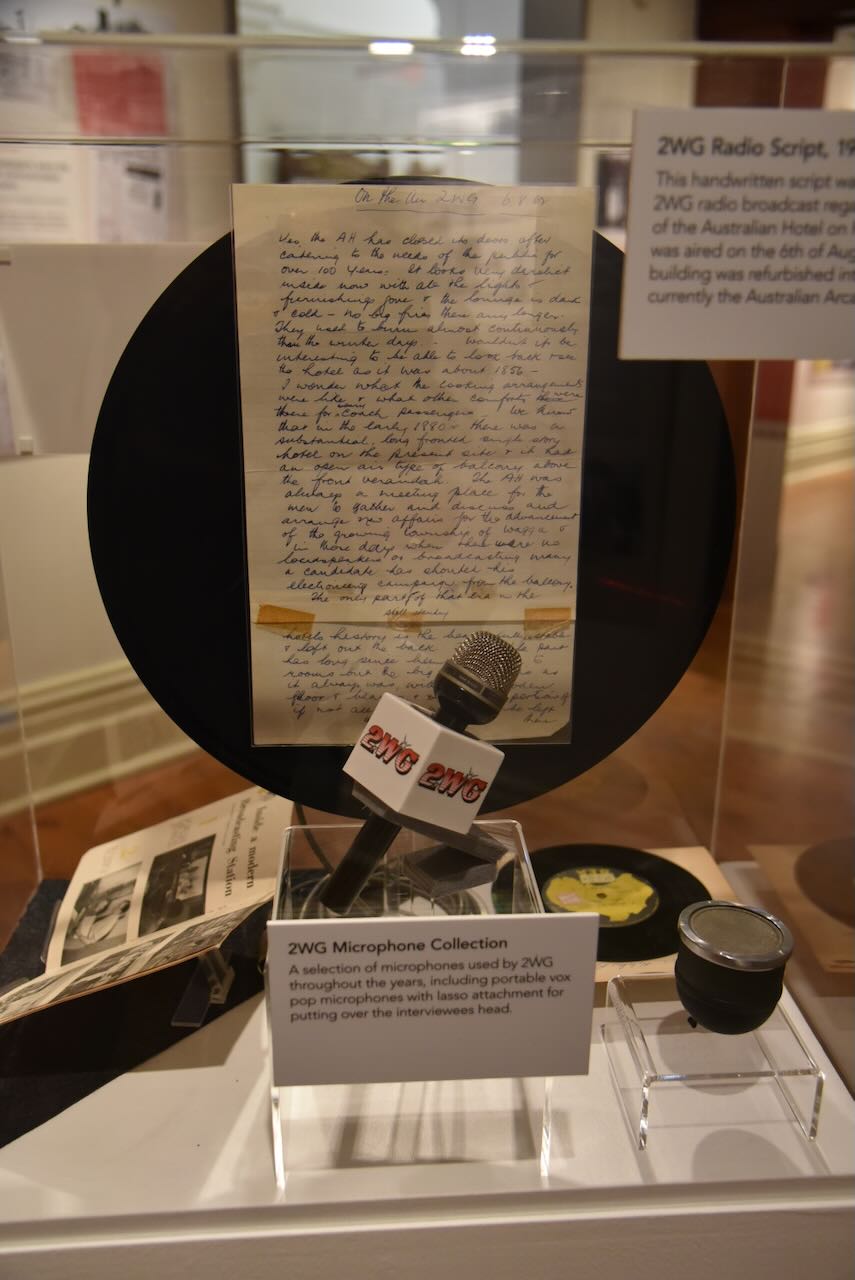
During our visit, there was a display on Wagga Wagga’s media history. This included quite a bit of information about 2WG.

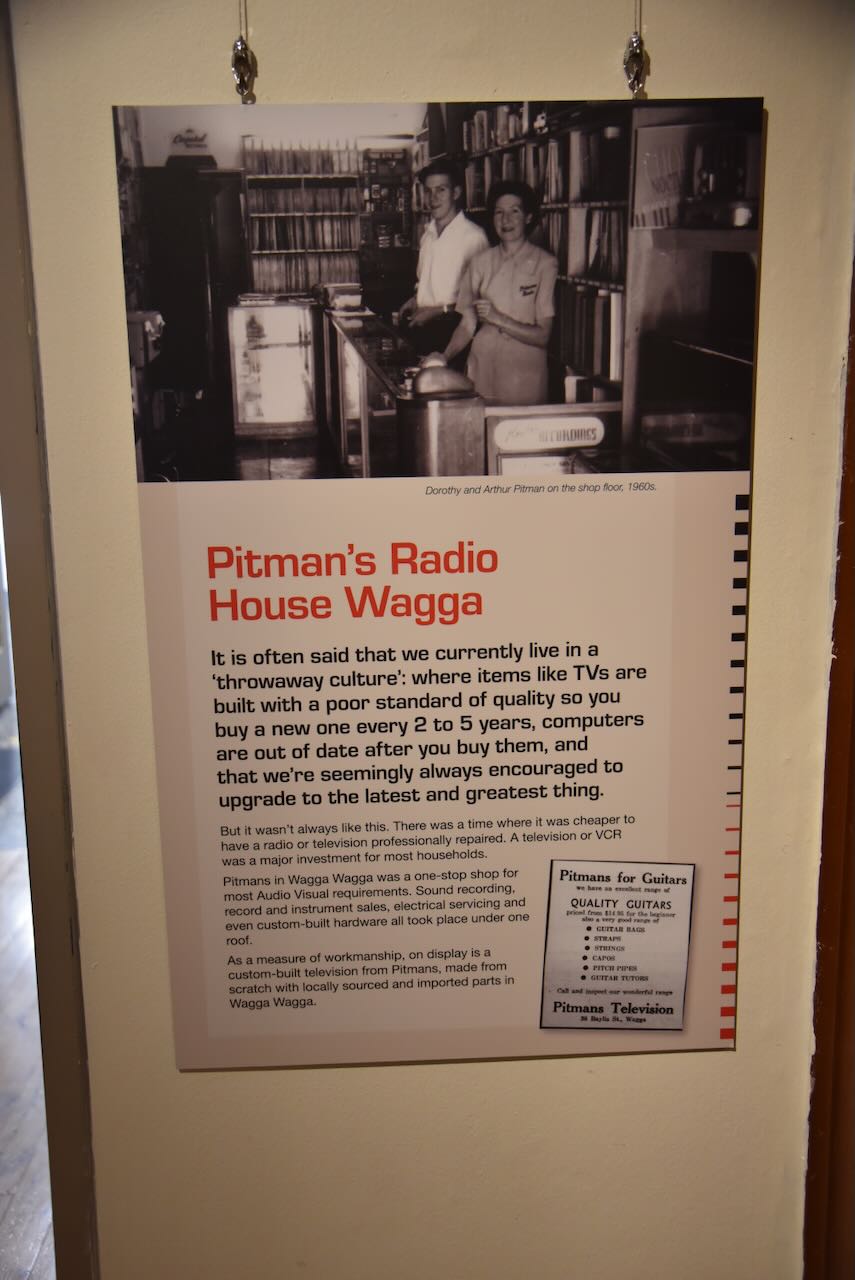
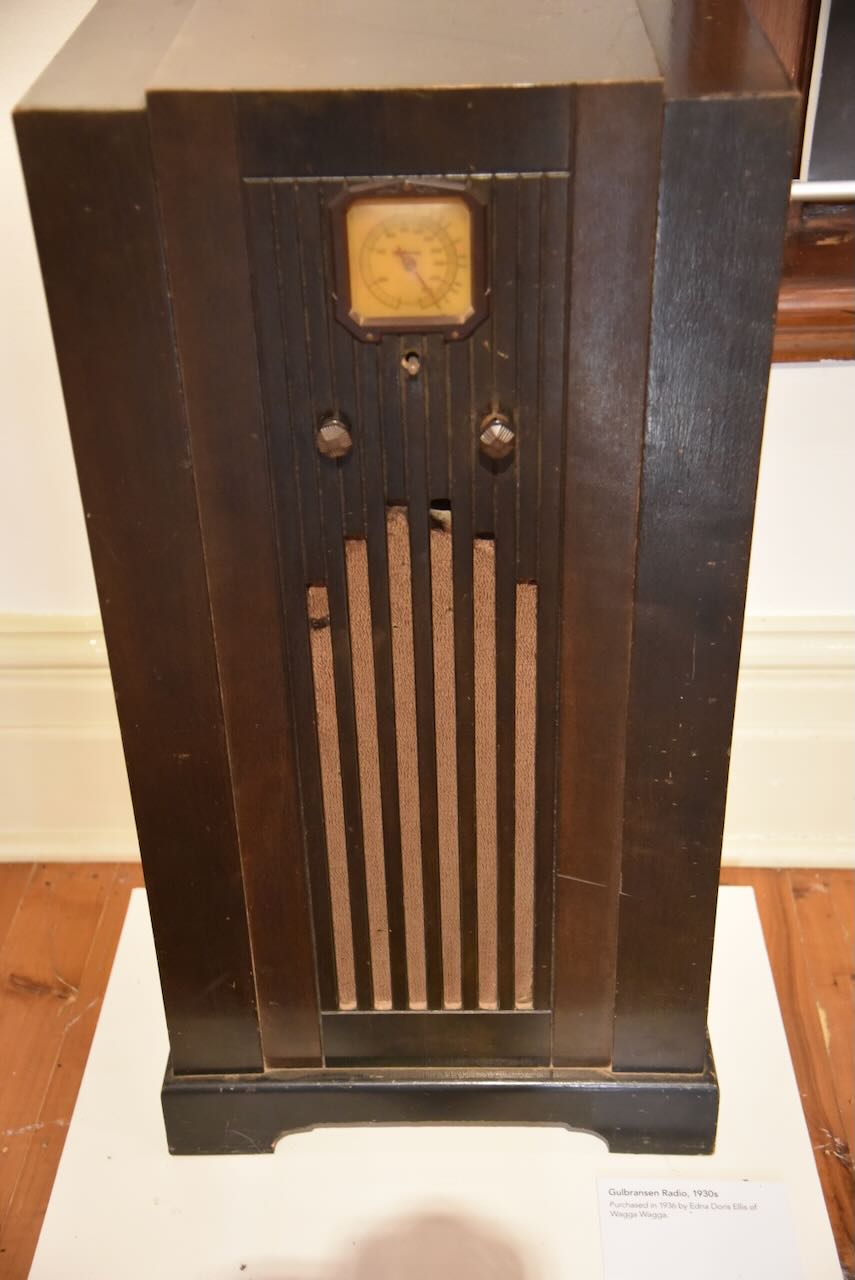
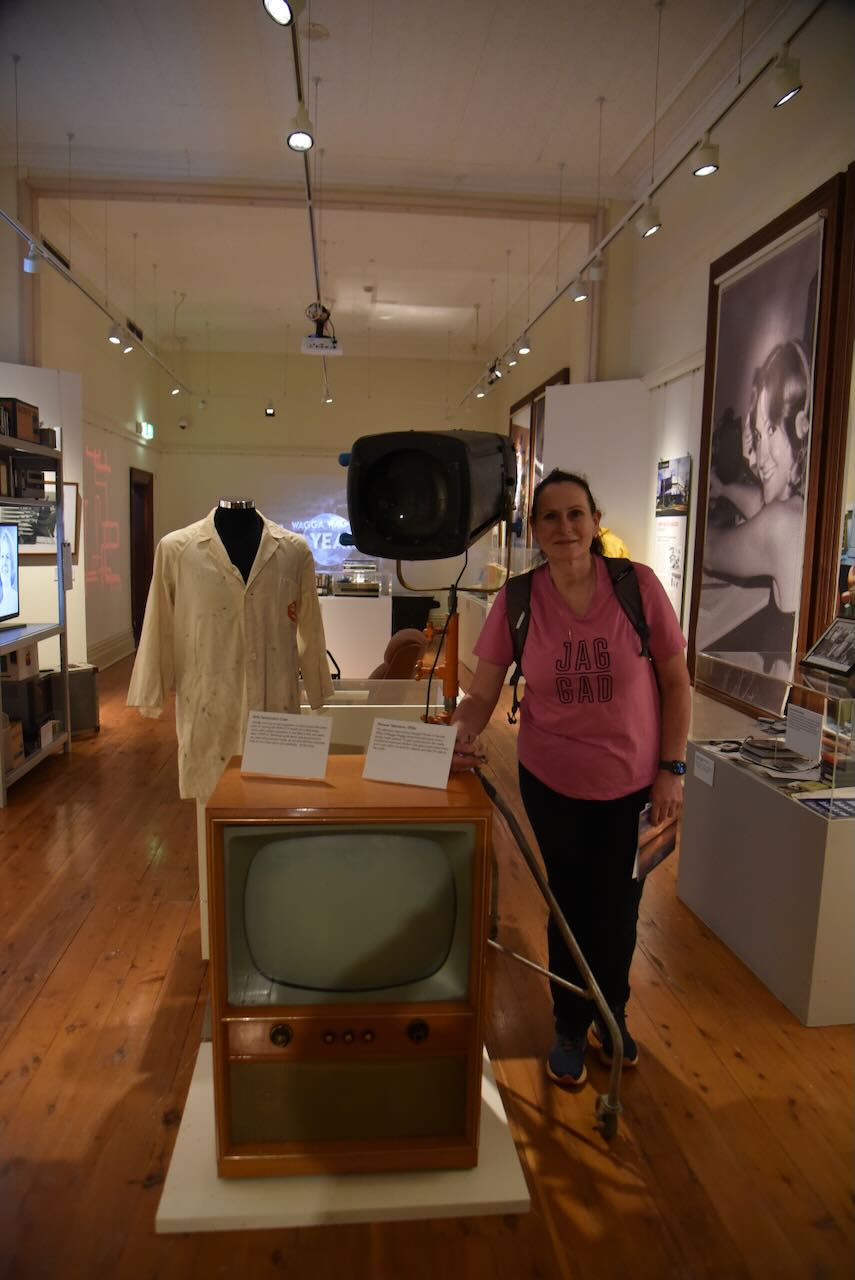
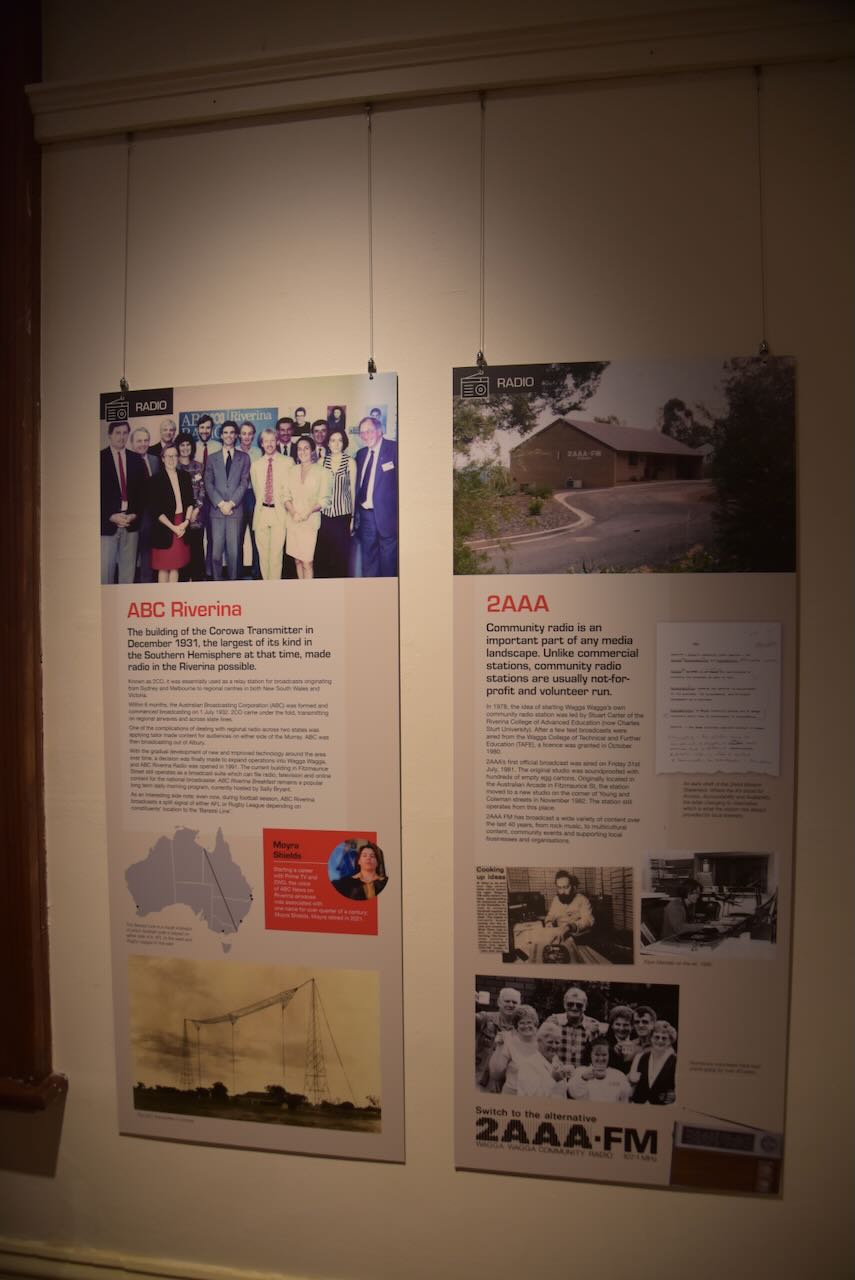


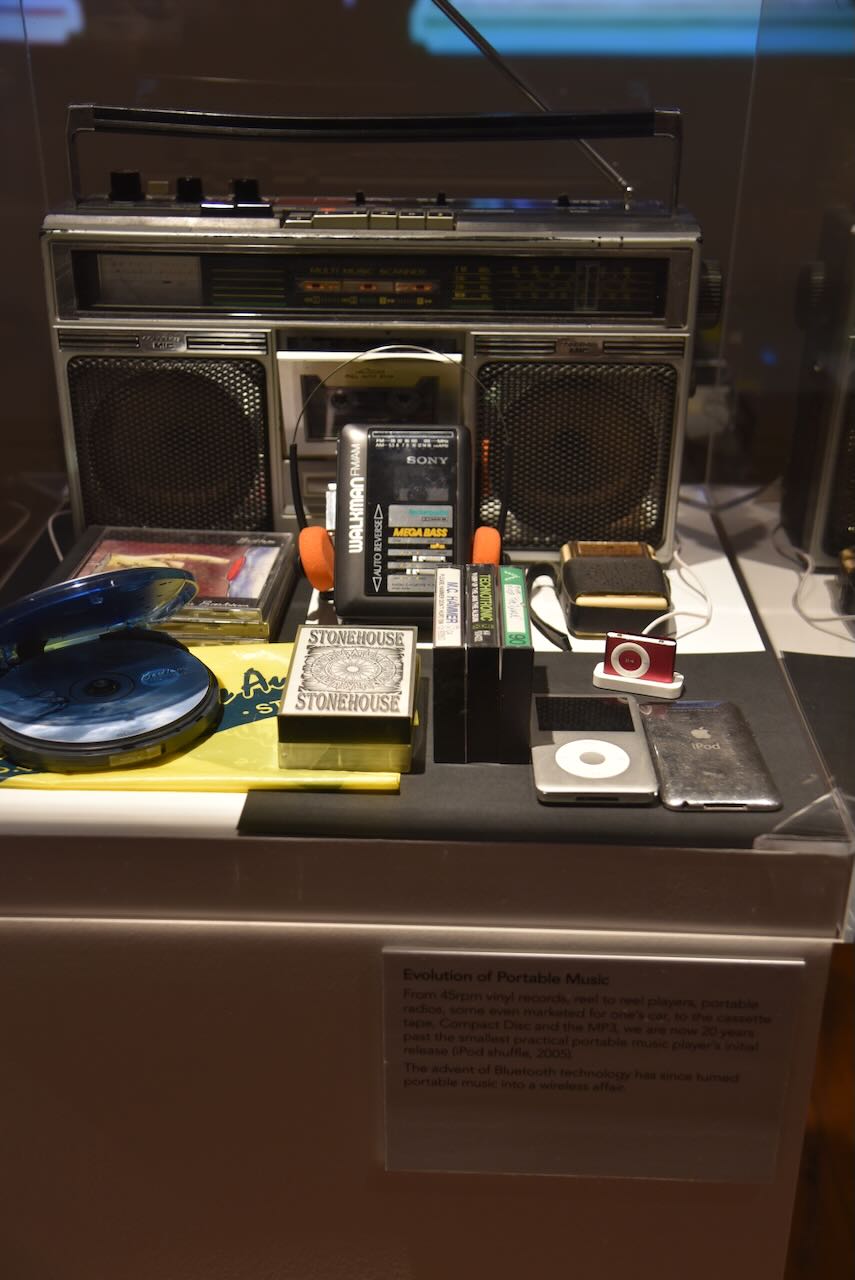
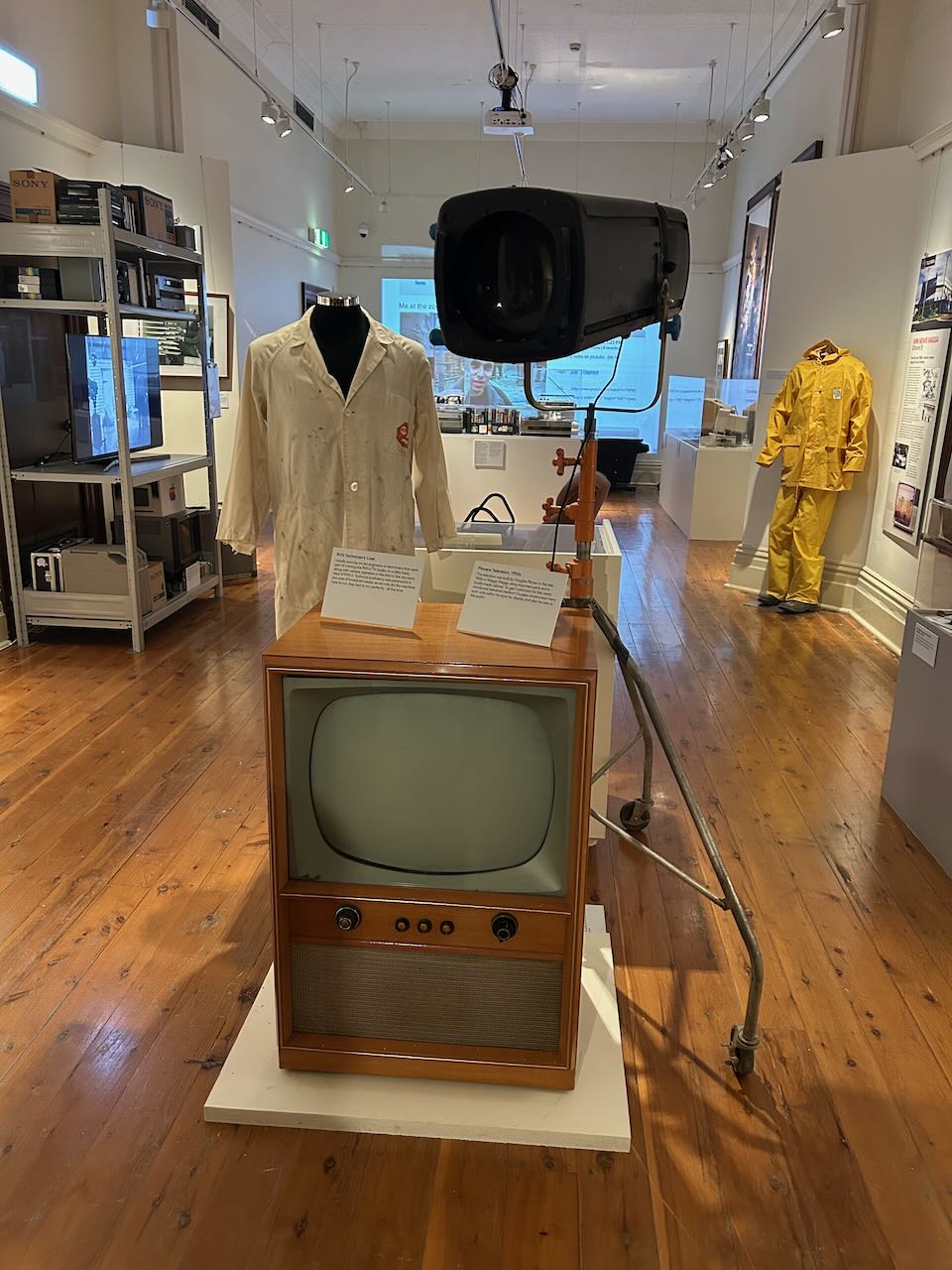
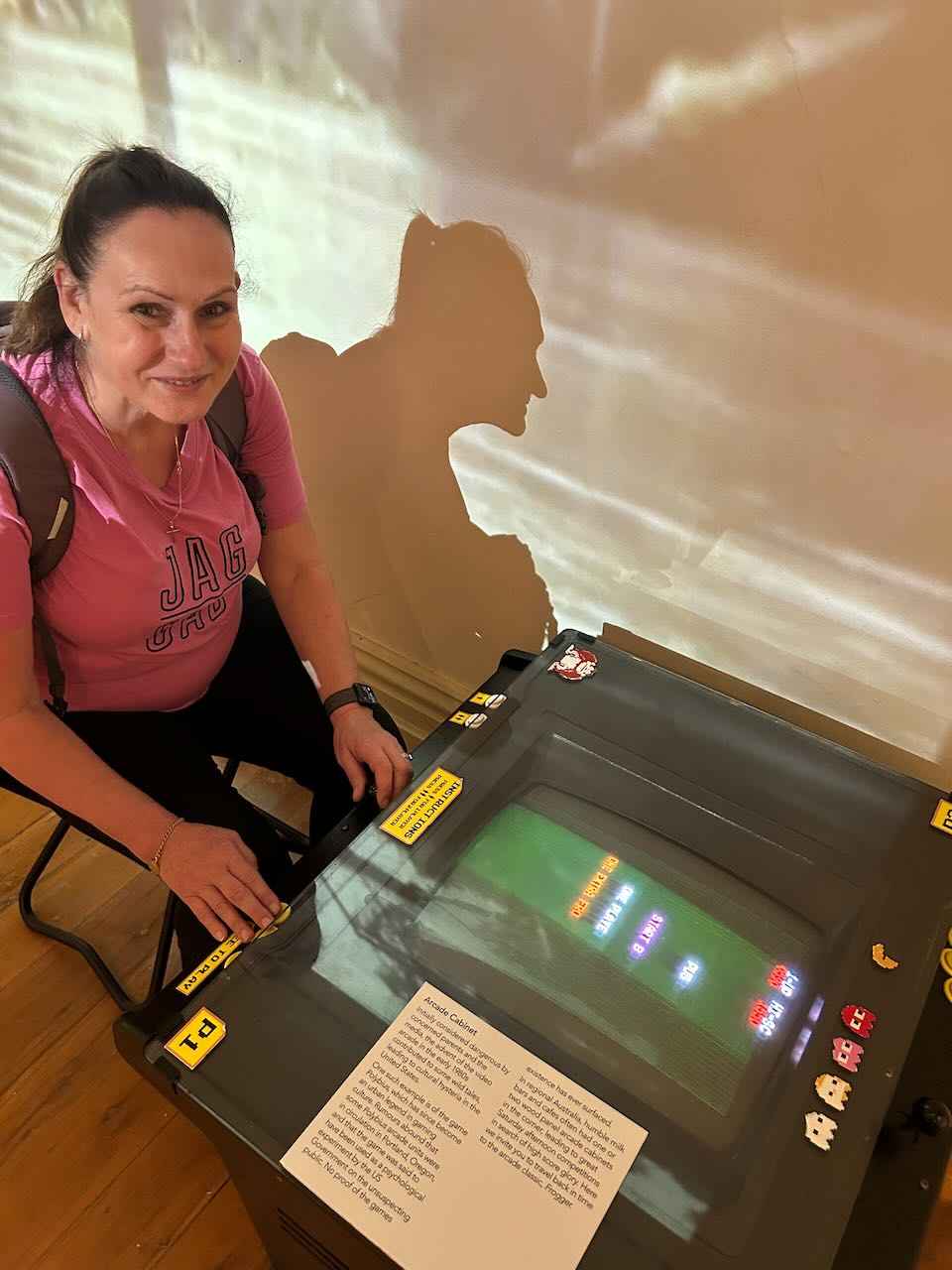
We then wandered over the road to the Victory Memorial Gardens on the corner of Baylis and Morrow Streets. The gardens were established as a memorial for those men and women who served during the First World War. The land on which the gardens are now located was formerly the site of the Old Police Barracks. (Waggawaggaaustralia.com.au 2025)

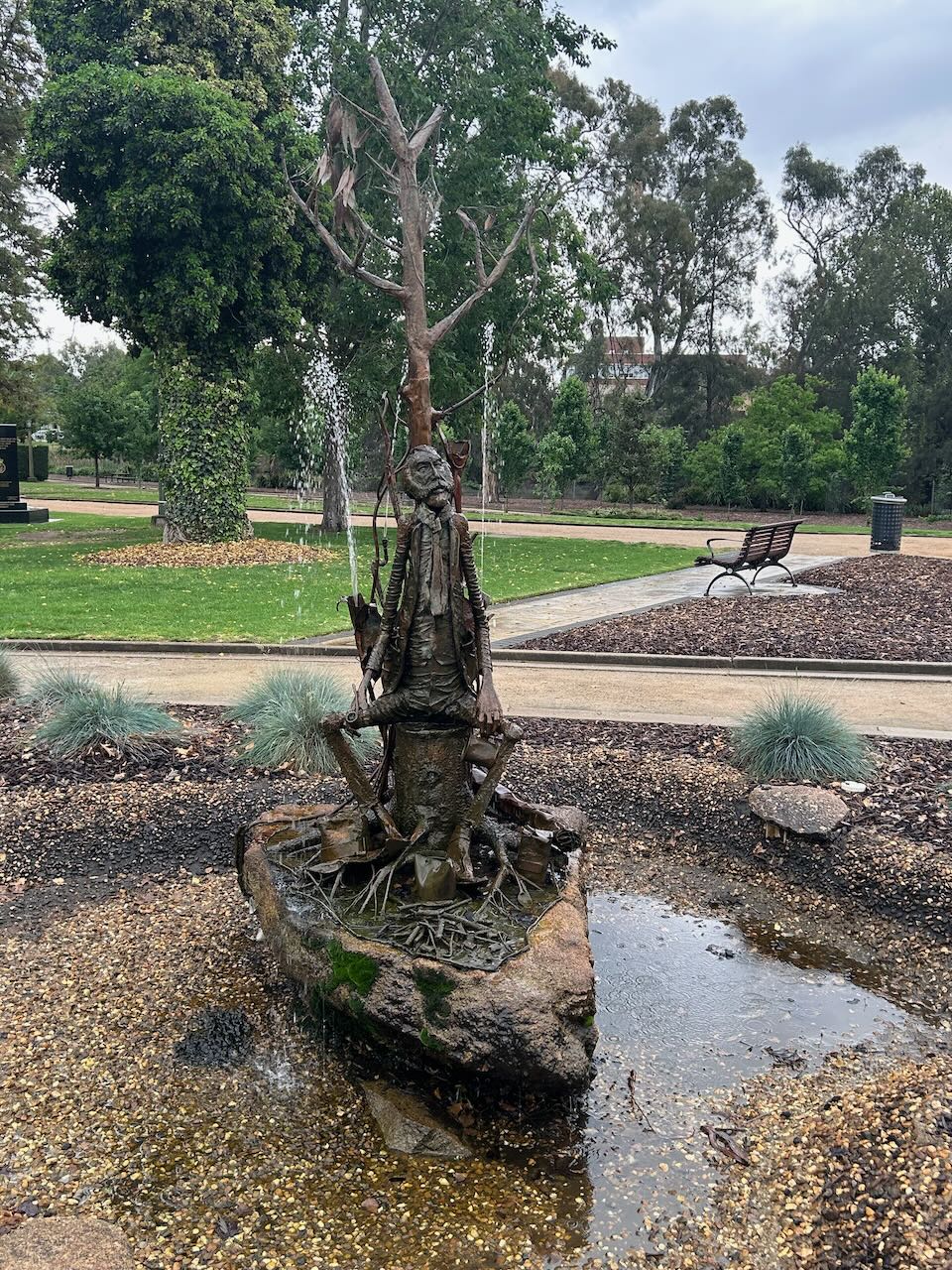

The Chisholm fountain in the gardens was donated to the City of Wagga Wagga in 1885. It was presented to the Wagga Wagga Hospital by Frederick Chisholm who was the Hospital President. (Gissing 2016) (Waggawaggaaustralia.com.au 2025)
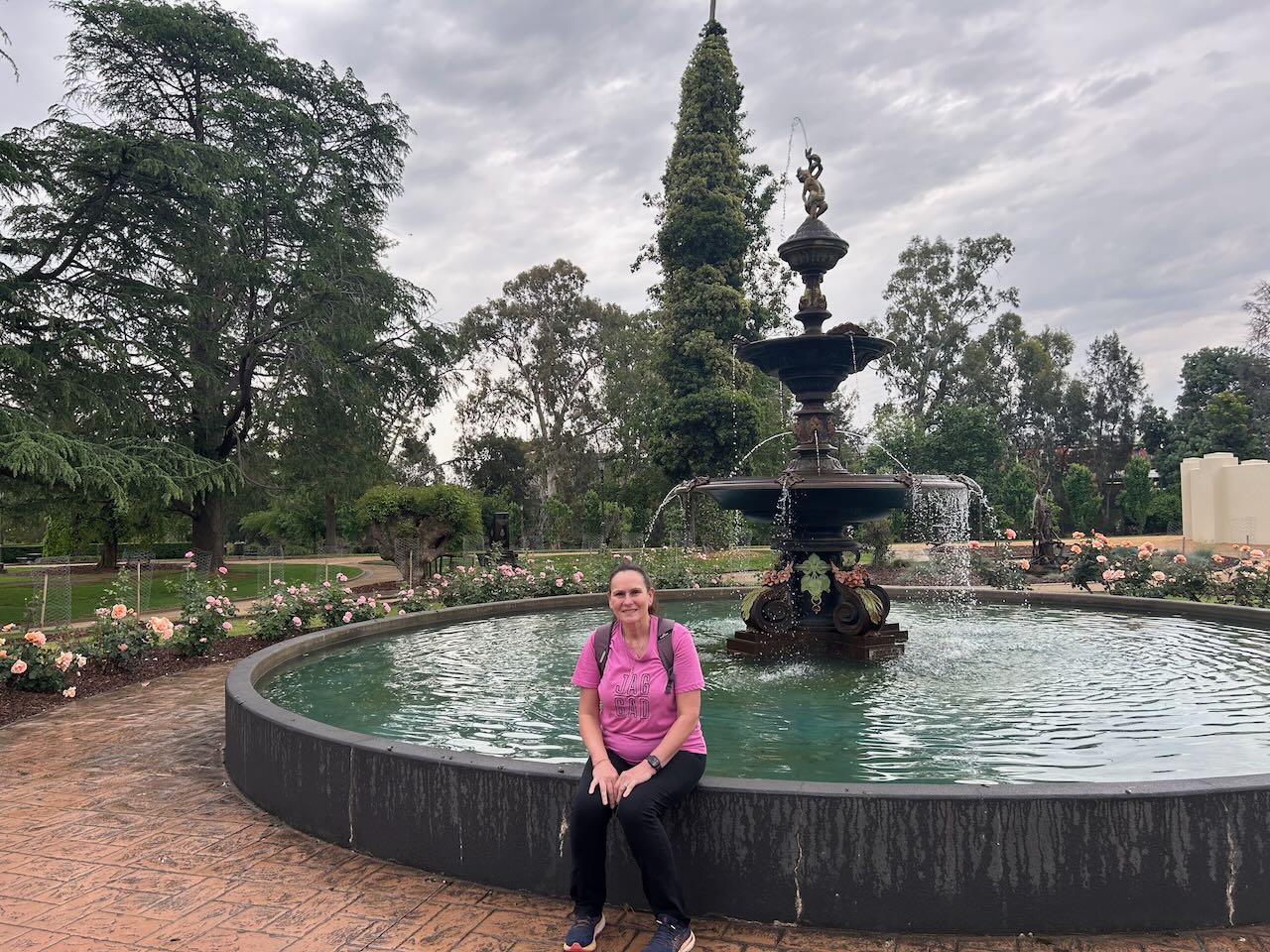
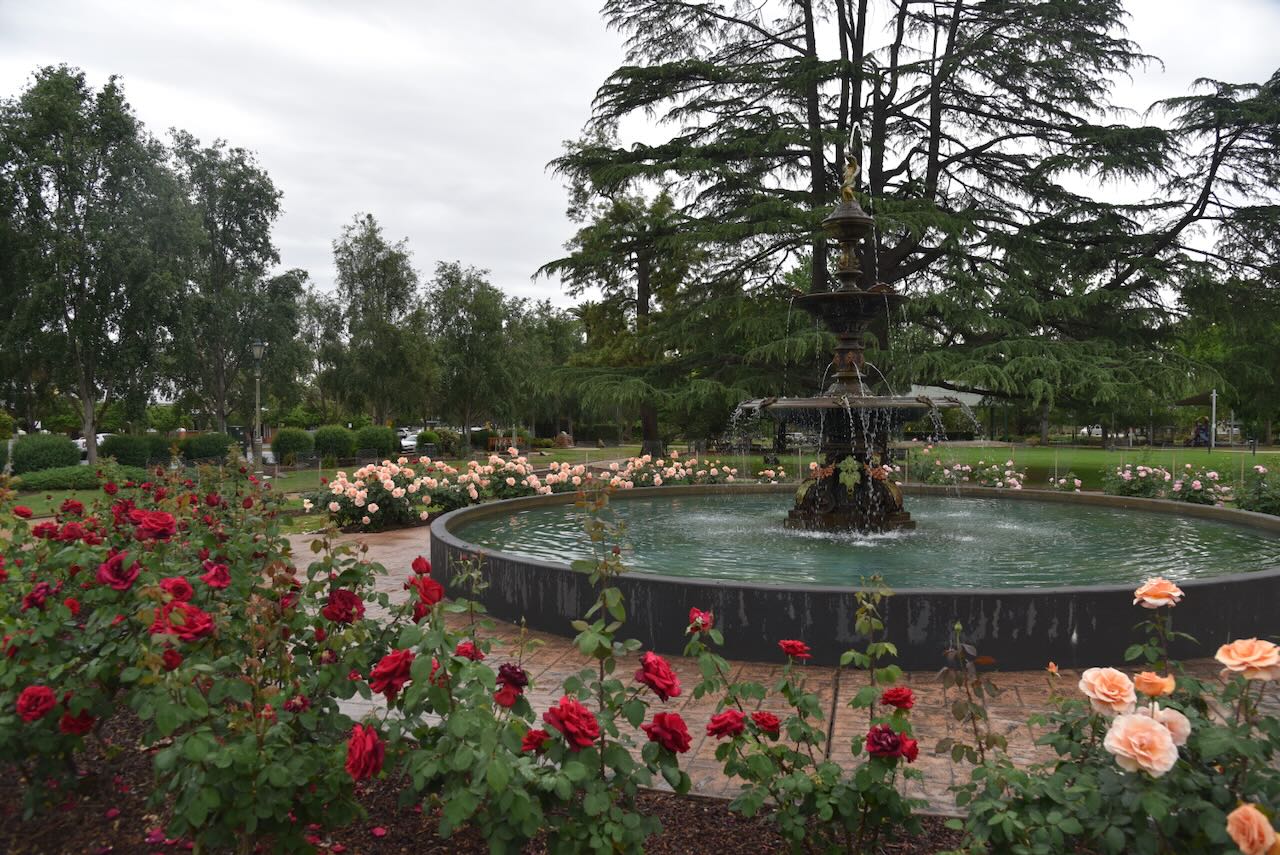
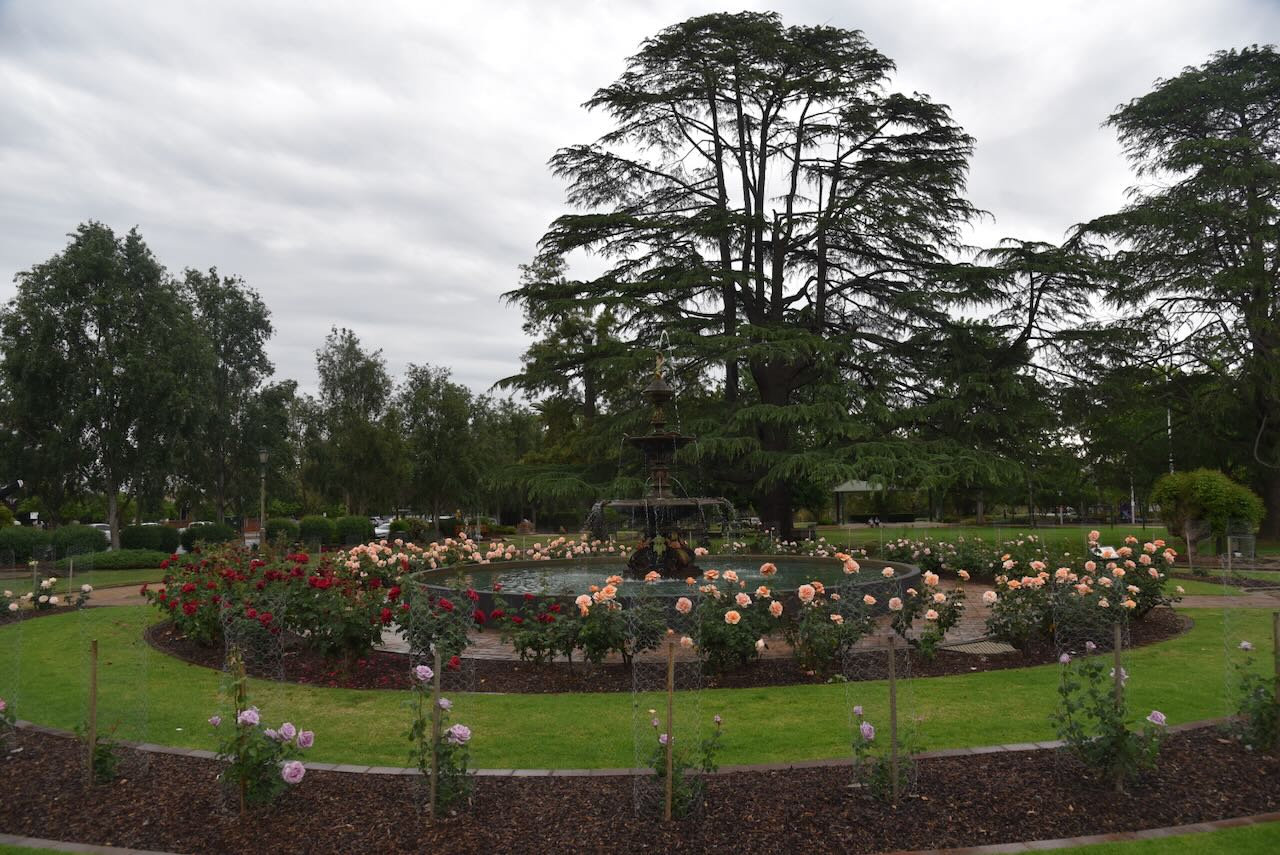
There are several military monuments in the park. The photo below is the monument to commemorate the 50th anniversary of RAAF base Forest Hill which commenced operations on the 1st day of July 1940.
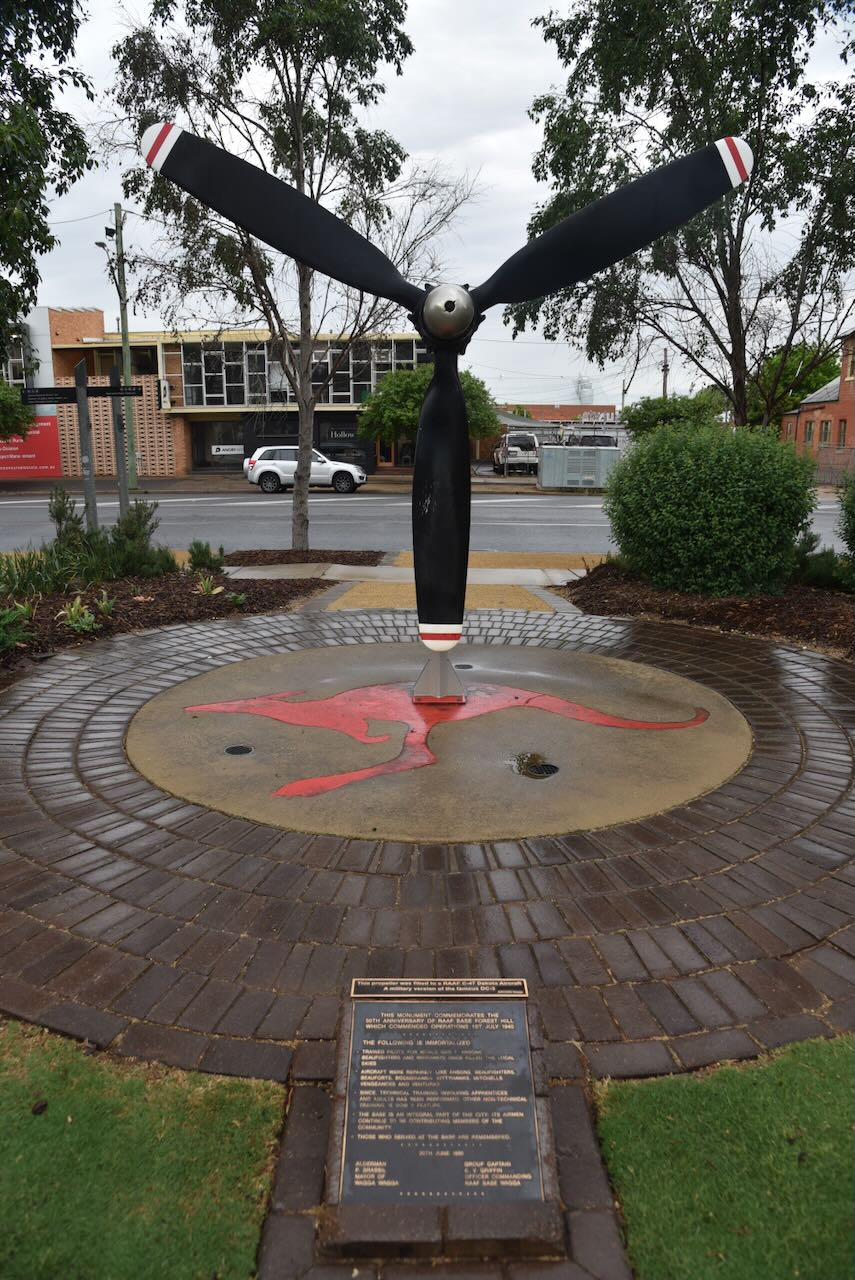
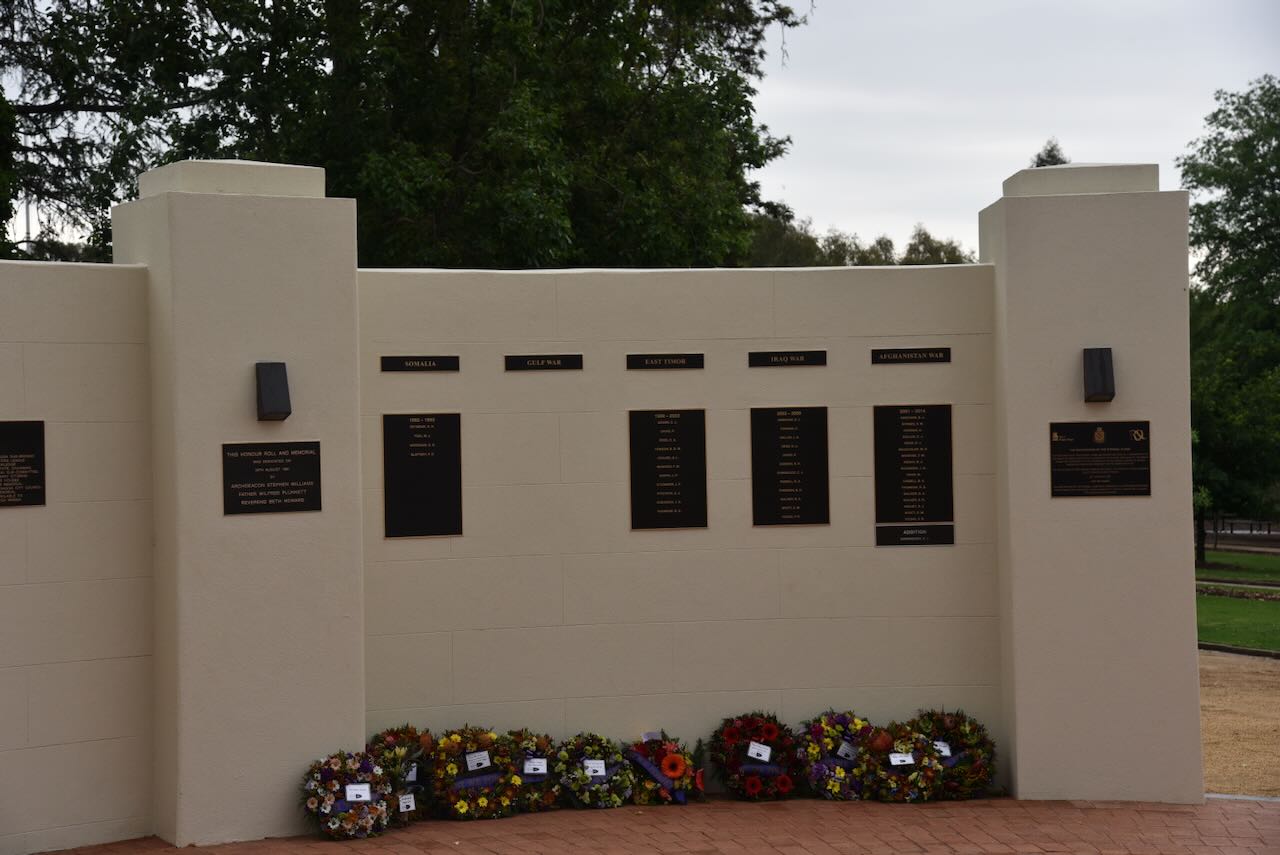
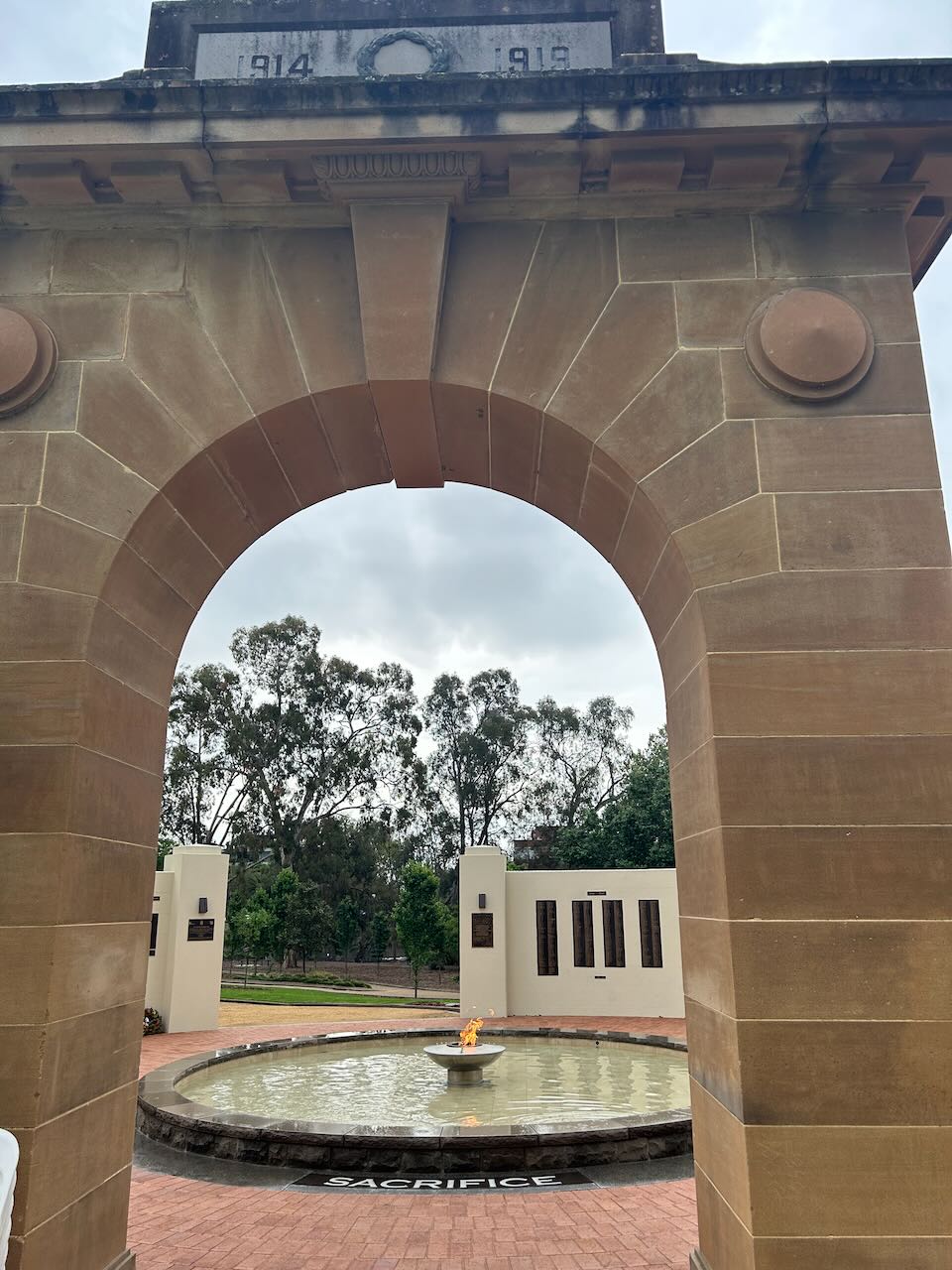
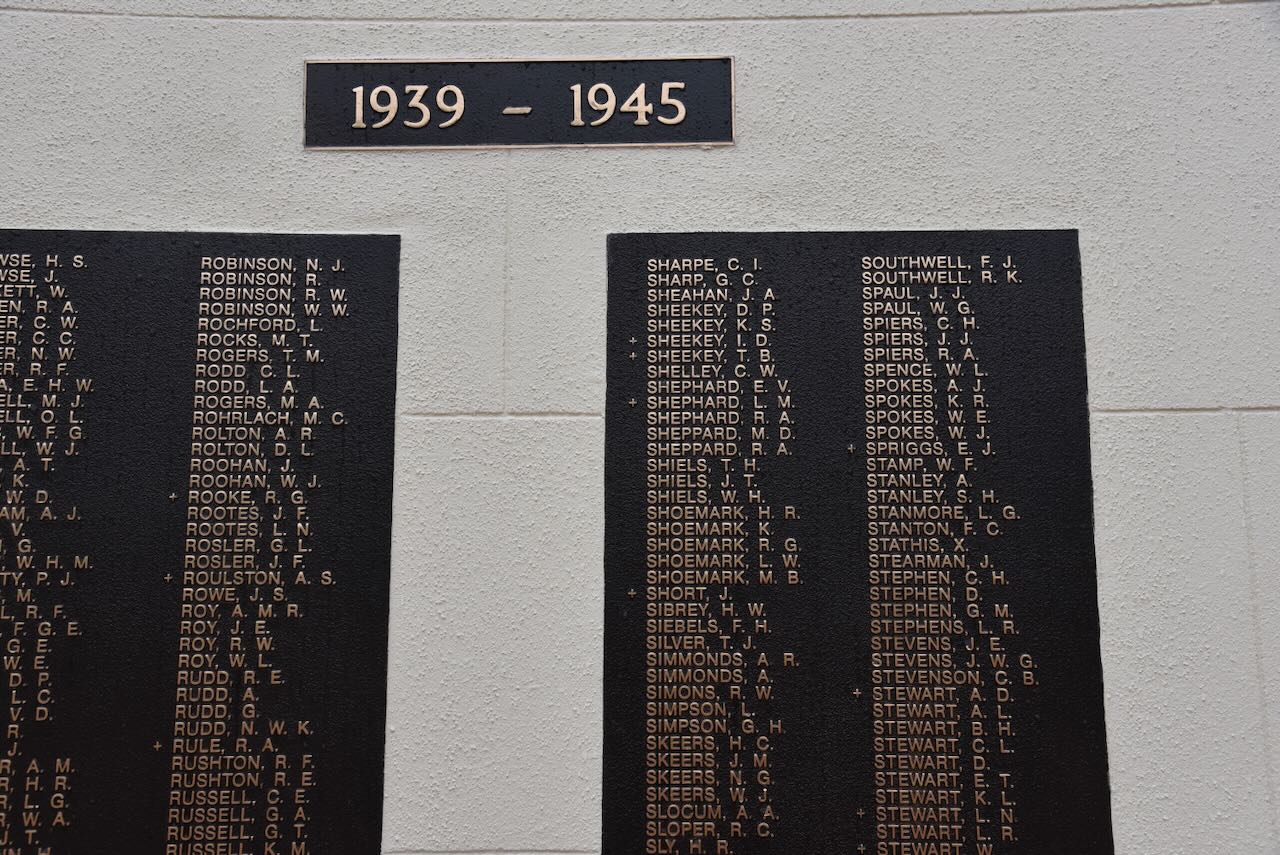
The World War II memorial contains the names of service men and women who enlisted from the Wagga Wagga district during the Second World War. The memorial contains the eternal flame which was officially lit in 1990 by Ted Drake, on the 75th anniversary of the ANZA landing at Gallipoli. Ted was a former WWI serviceman. (Waggawaggaaustralia.com.au 2025)


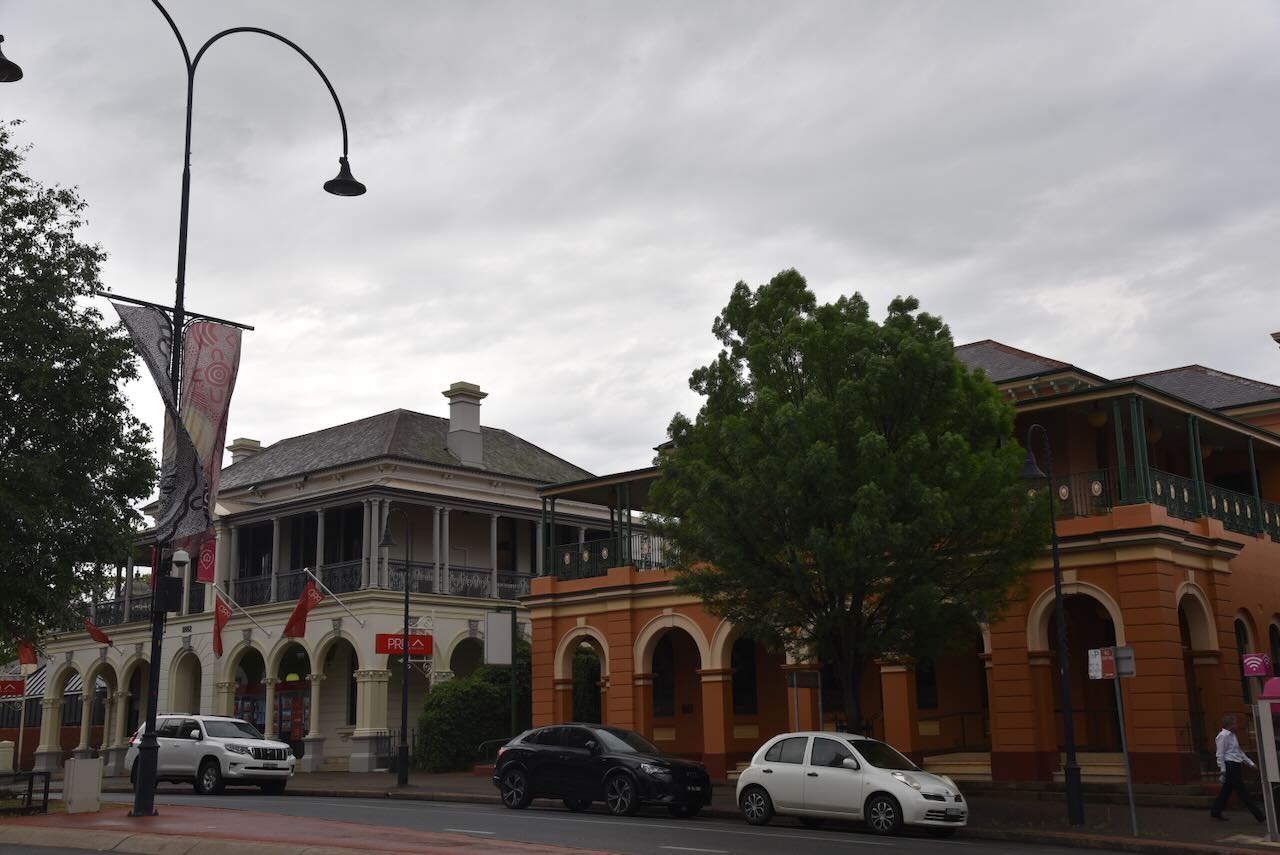
Marija and I then wandered around Wagga Wagga admiring the historic buildings.
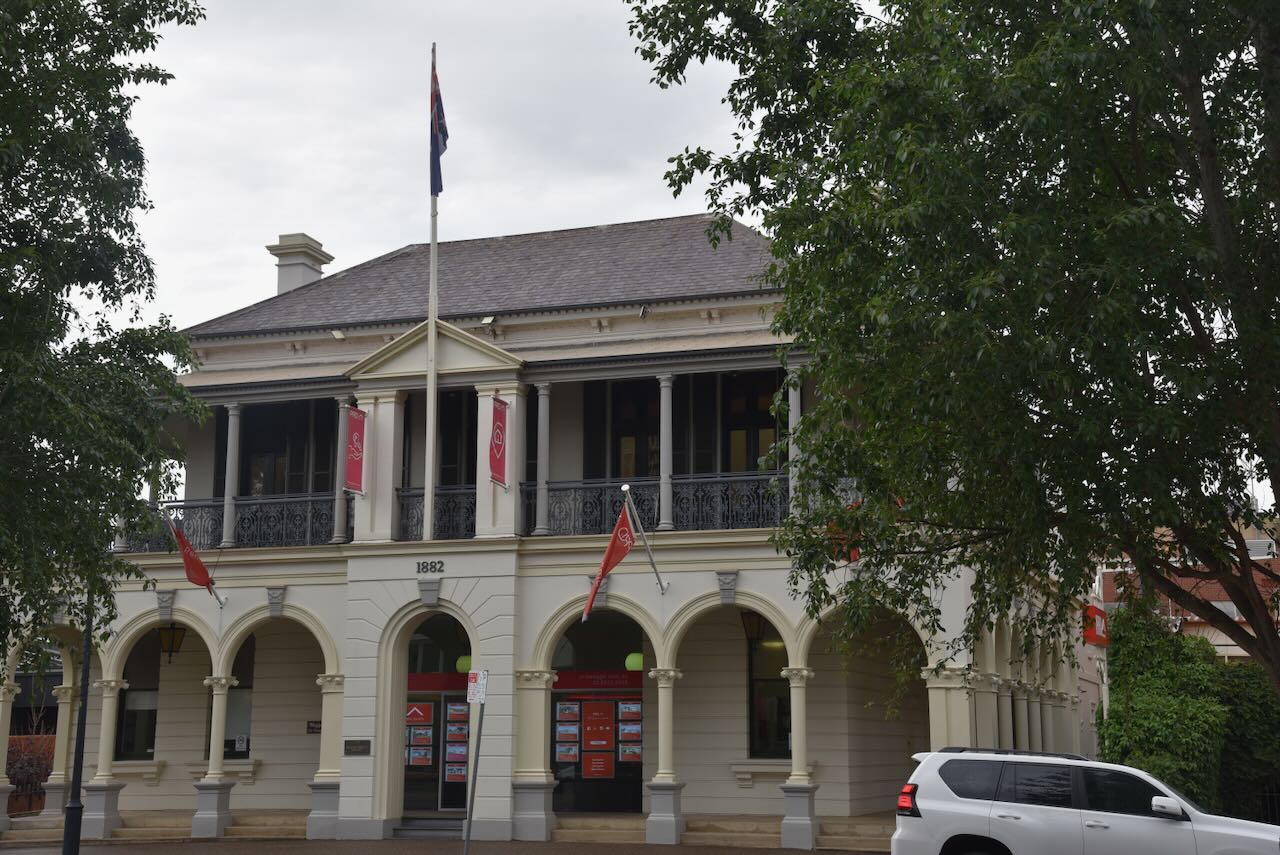
The former Post office building was opened in 188. Two years earlier in 1886, plans commenced for the construction of a new Post office. (UBC Web Design 2025)
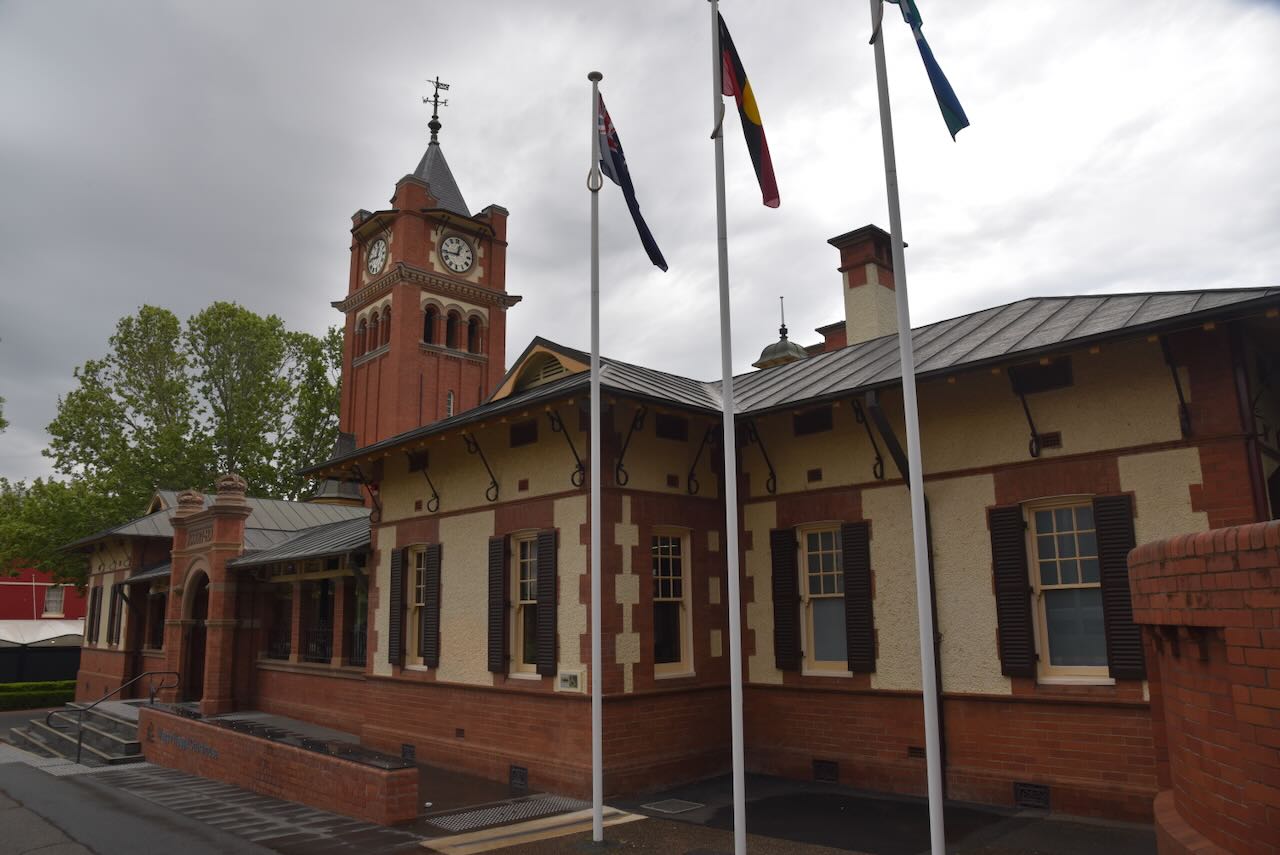
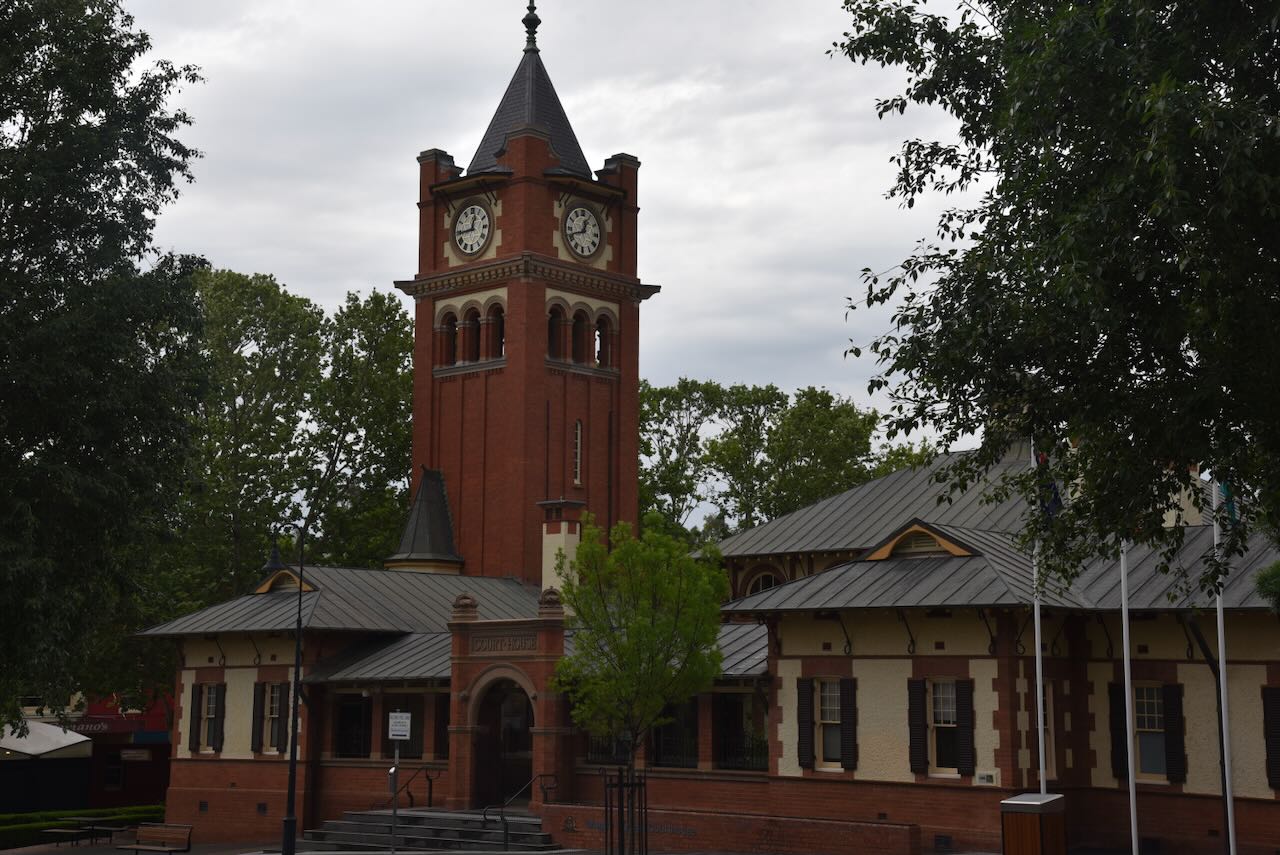
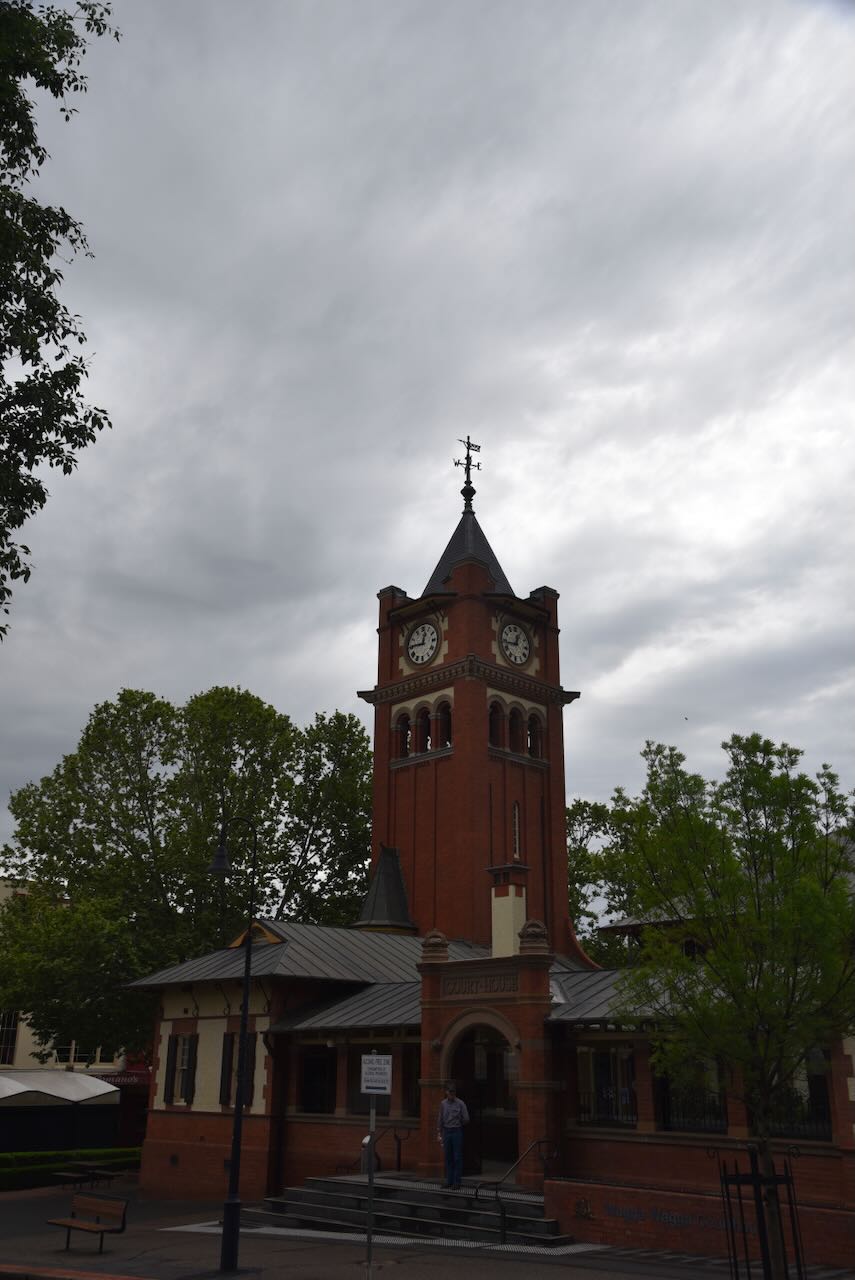
The old Wagga Wagga courthouse features an impressive clock tower.
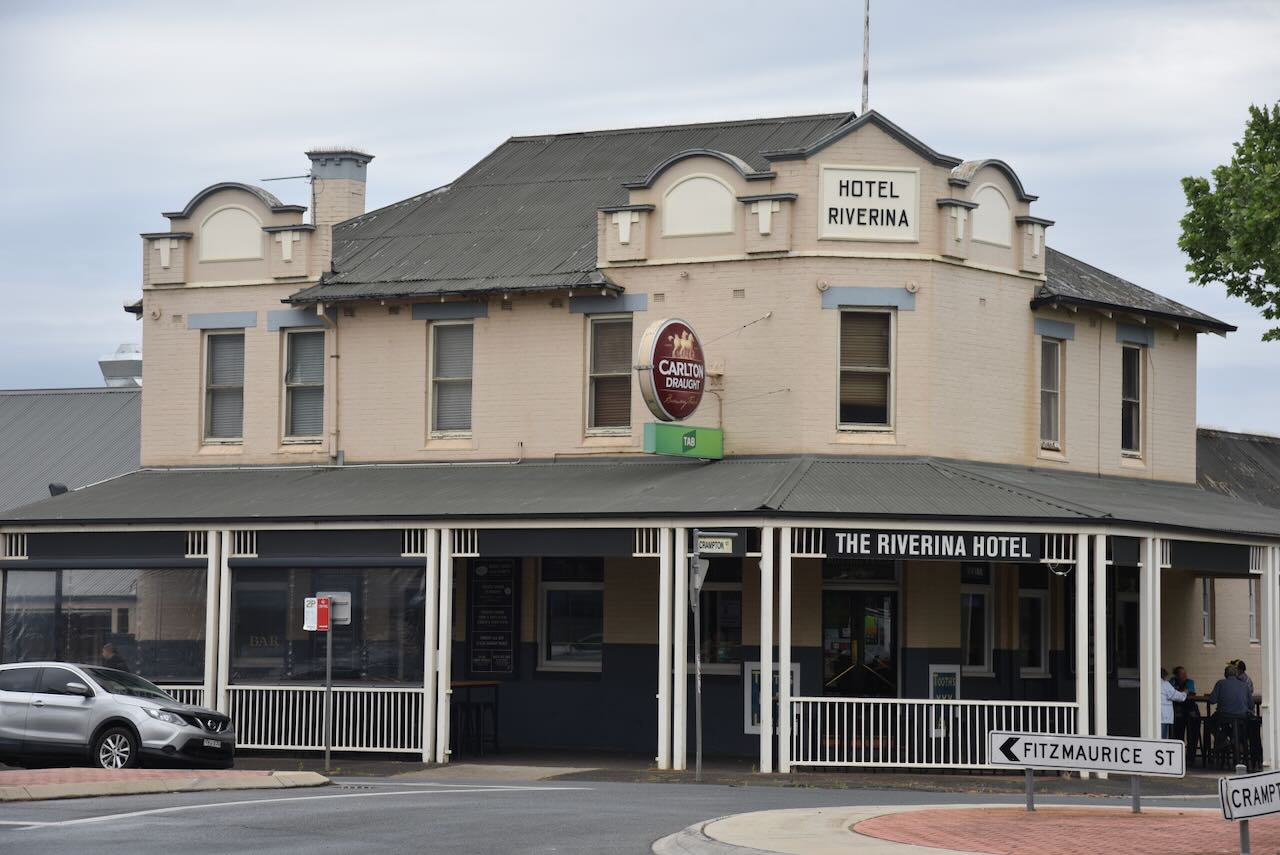
The Hotel Riverina is Wagga’s oldest hotel and is located on the corner of Fitzmaurice and Crampton Streets. The hotel was originally established as the Hope Inn in 1851. In 1865v the name changed to the Bridge Hotel. In 1925 it became the Riverina Hotel. (Facebook n.d.)
Hunters on the Hill has been in the same premises since 1872. The business was established in 1866 and is one of Wagga Wagga’s oldest and longest running businesses. It specialises in custom corporate uniforms, workwear and sporting apparel. (Hunters 1866, 2025)
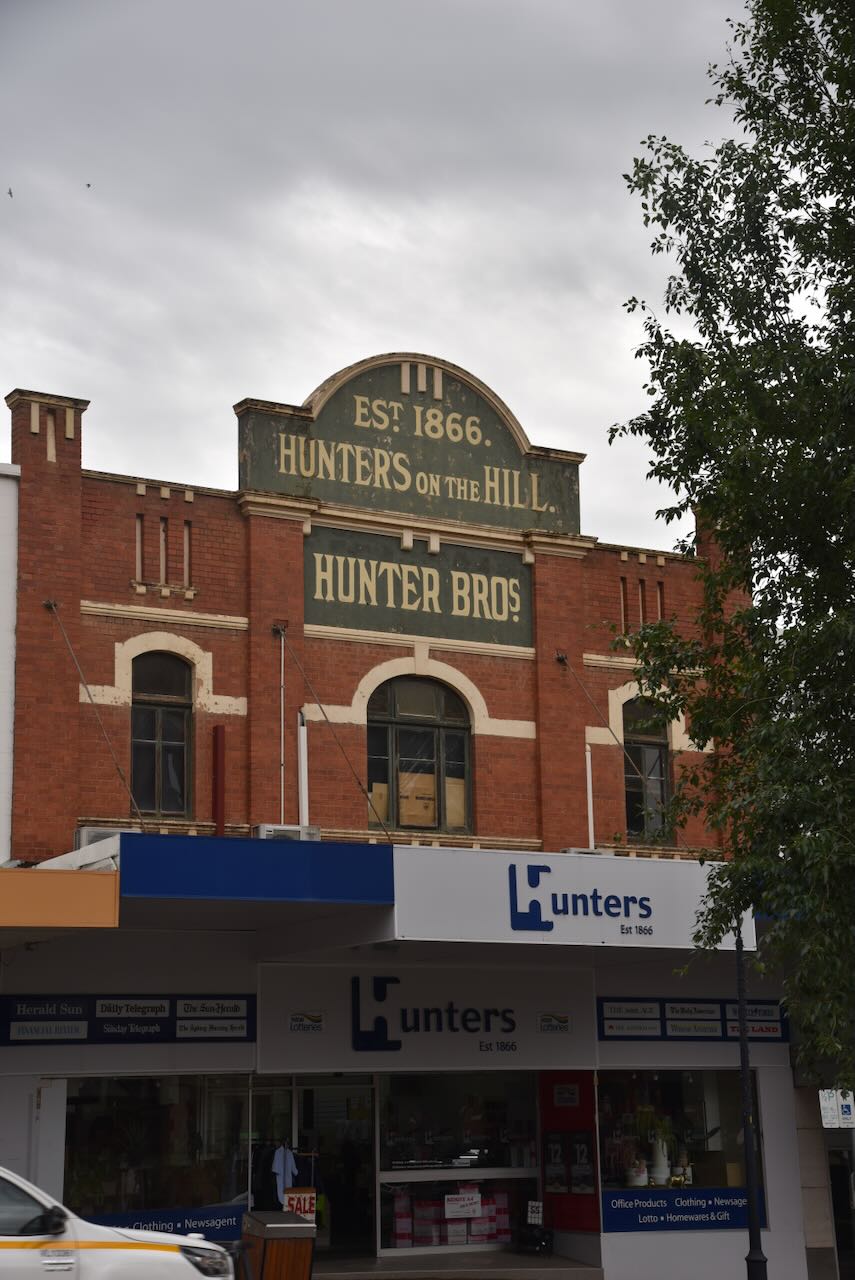
The business was established by William Cowan Hunter who was born in December 1823 in Derry, Ireland. He arrived in Australia in 1859 and in the following year he married Emily Hunter Bushell. They had 11 children. In 1866 he established Hunters. The business was originally located at 110 Fitzmaurice Street, and in 1872 it was relocated to the present site following the severe floods in 1870. (ancestry 2016) (Hunters 1866, 2025)
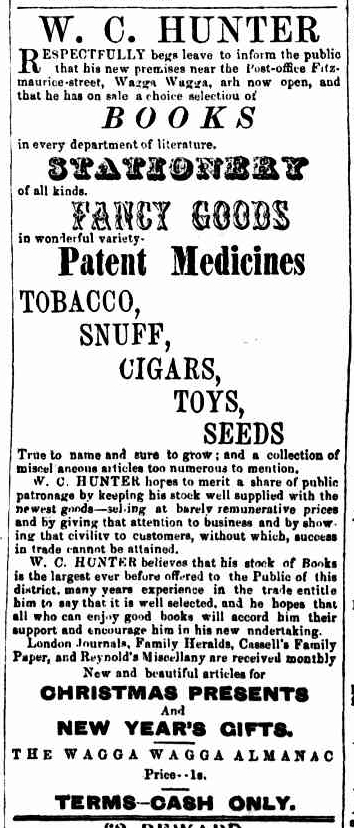
Above: 1866 advertisement for W.C. Hunter’s store. Image c/o Trove
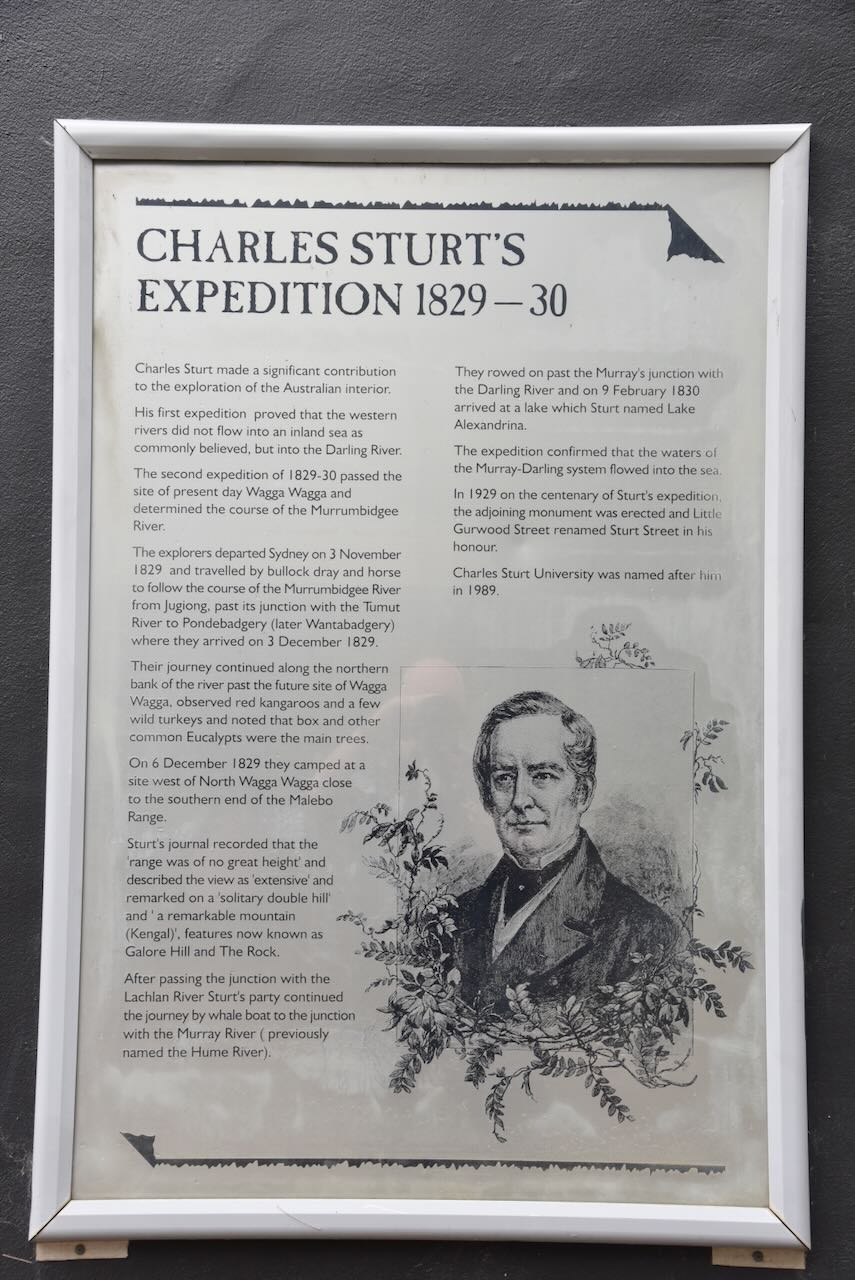
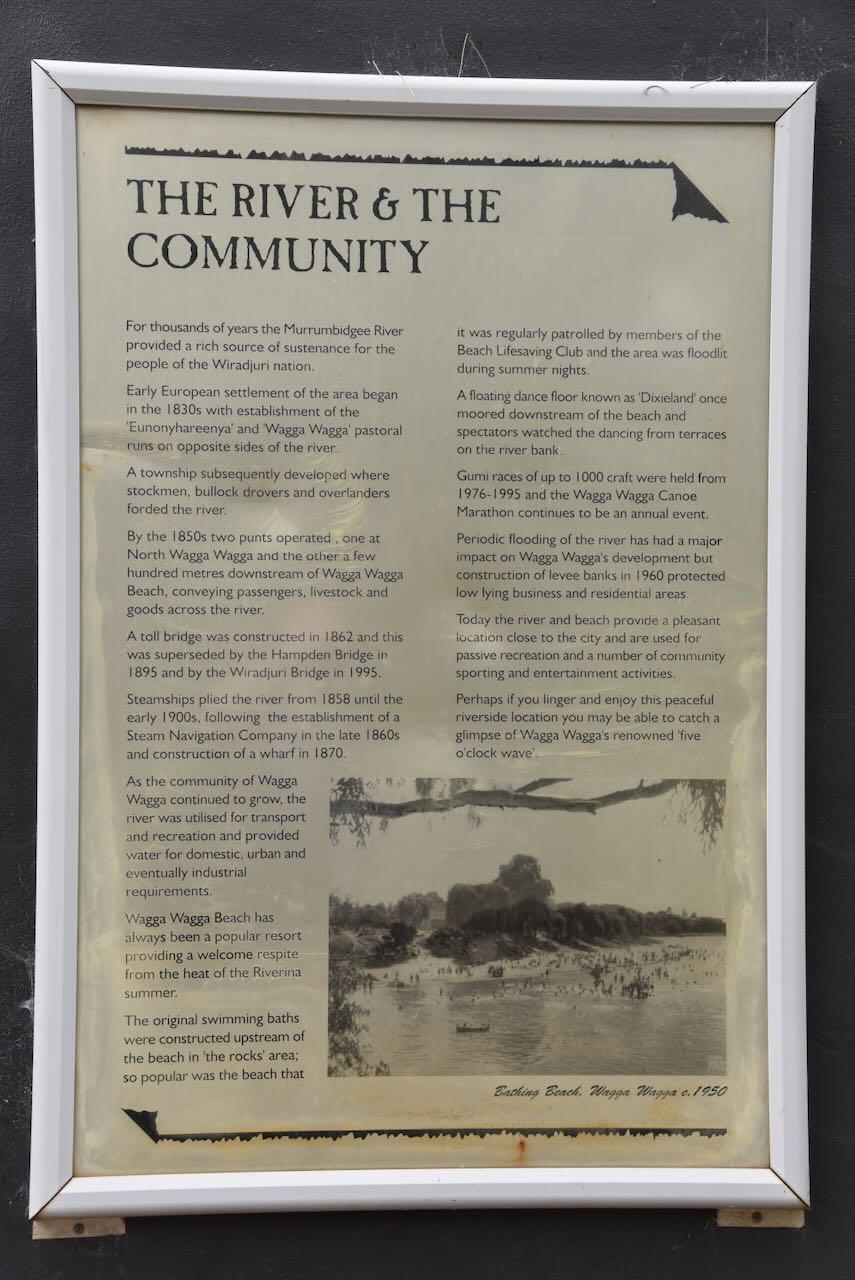
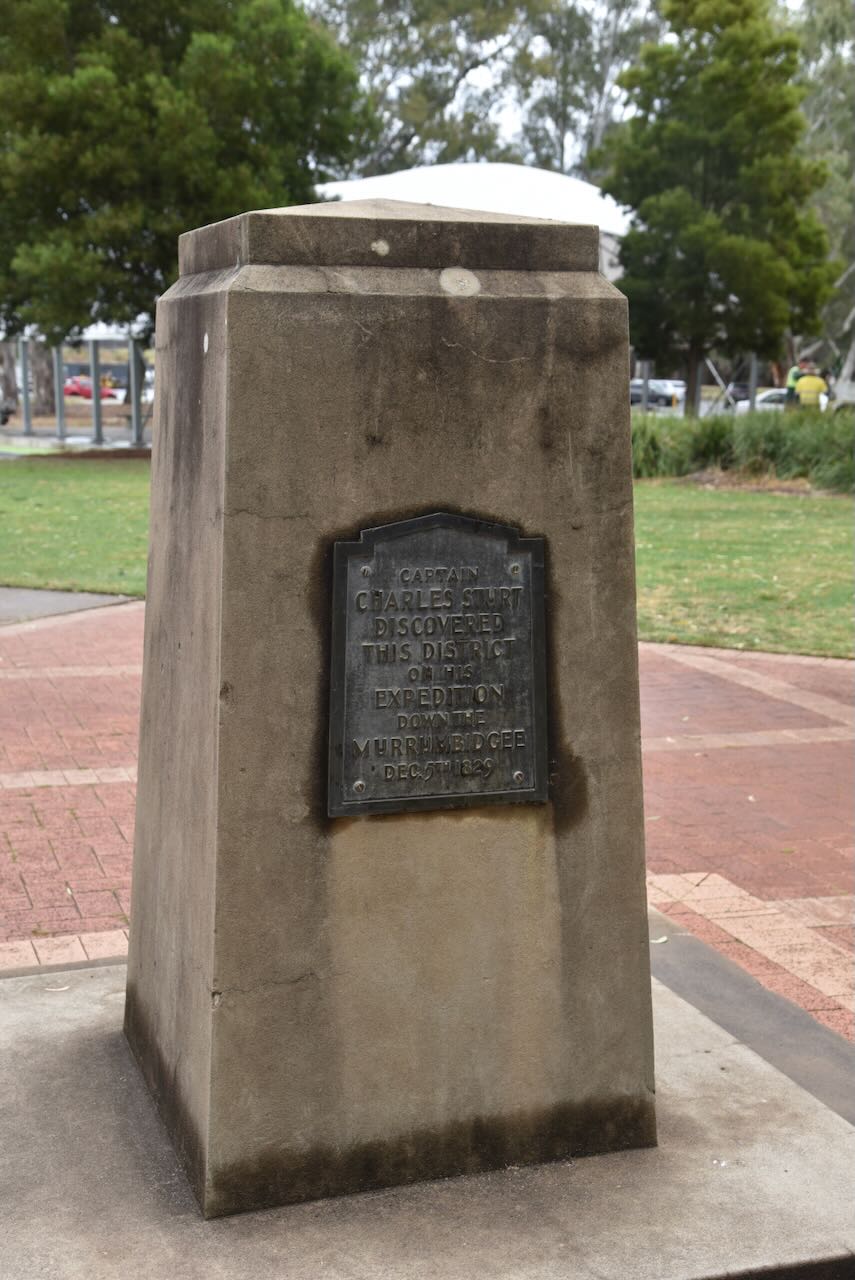
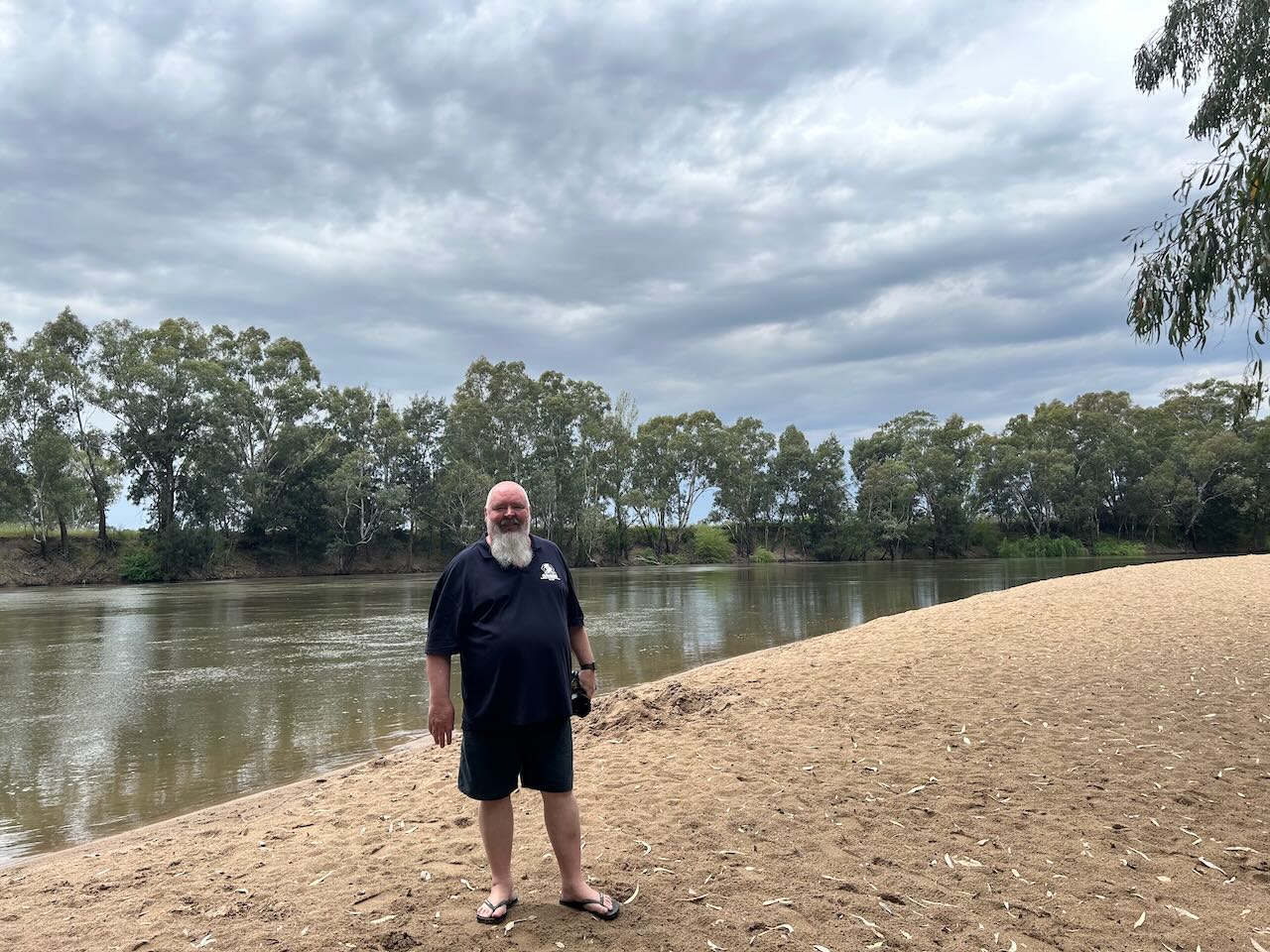
Marija and I then drove down to the Murrumbidgee River at Wagga Wagga. There is a monument to commemorate the discovery of the district in 1829 by Captain Charles Sturt. There are also sevreal information boards about Sturt and the river.


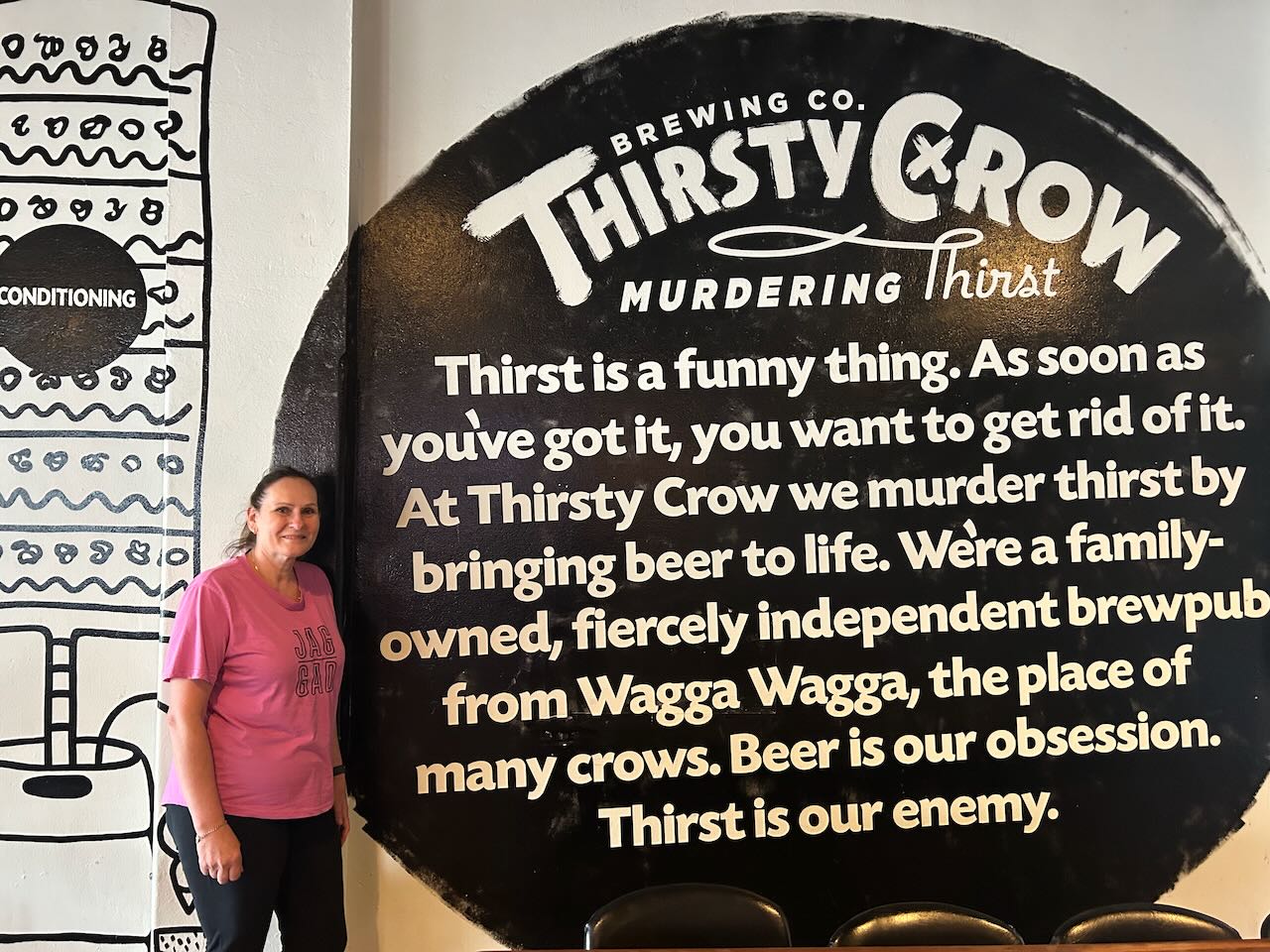
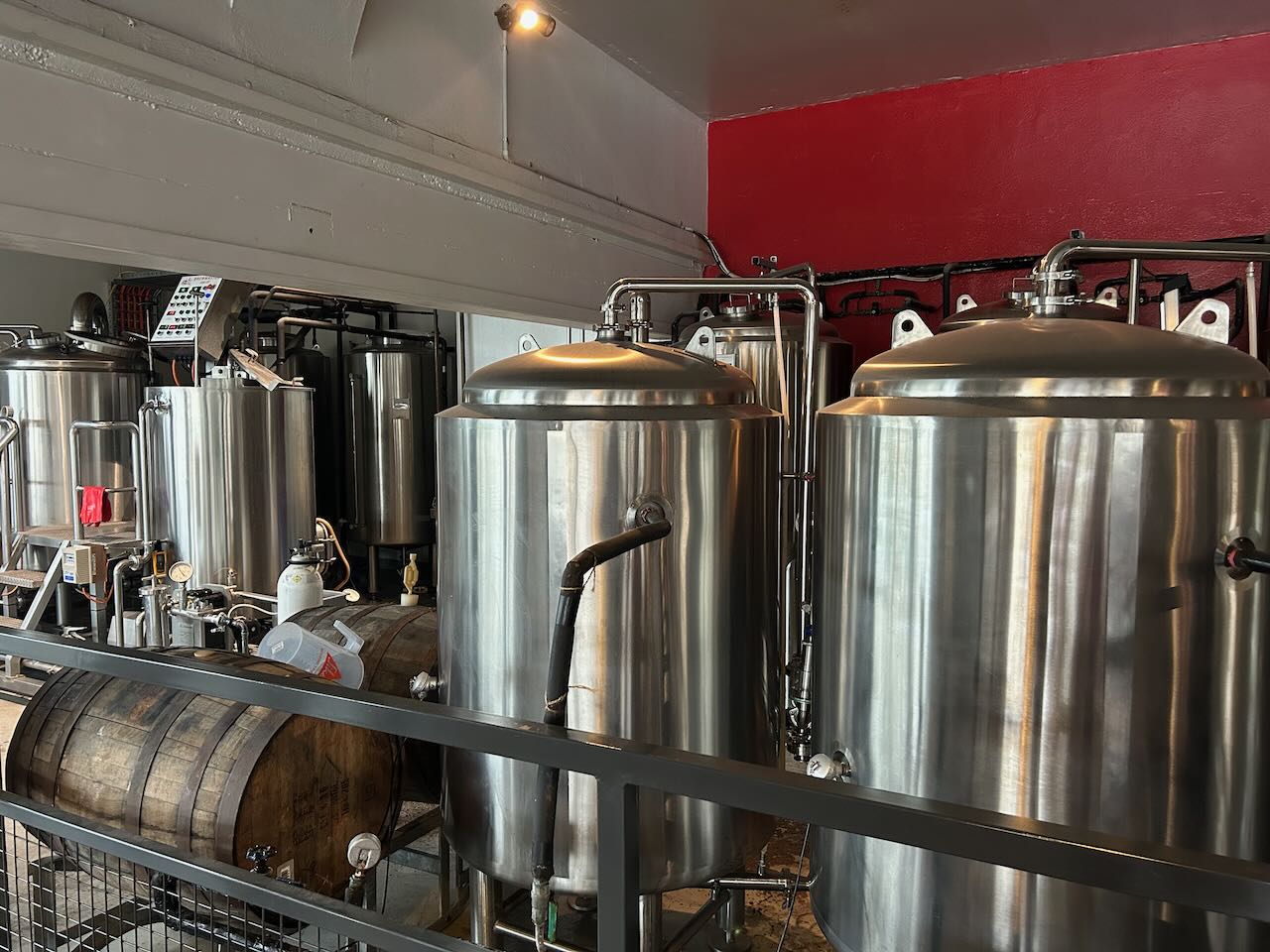
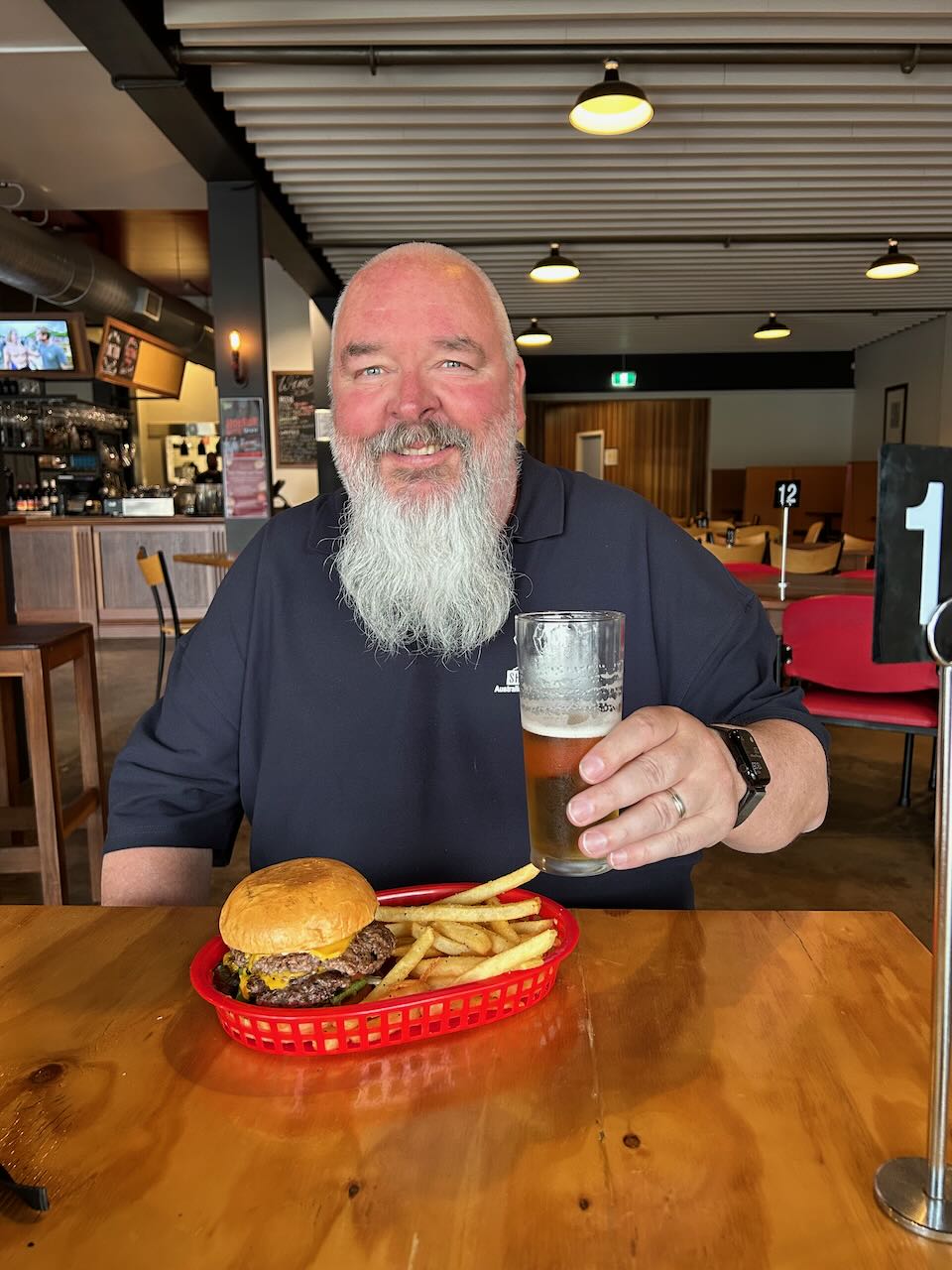
We then had lunch at the Thirsty Crow in Wagga Wagga. It was a very nice meal and the beer went down exceedingly well.
References.
- ancestry (2016). Ancestry® | Genealogy, Family Trees & Family History Records. [online] Ancestry.com.au. Available at: https://www.ancestry.com.au/. [Accessed 28 Dec. 2025].
- Australiansiloarttrail.com. (2025). Wagga Wagga Water Tank Art RAAF Base. [online] Available at: https://www.australiansiloarttrail.com/wagga-wagga-raaf-base [Accessed 29 Dec. 2025].
- Churchhistories.net.au. (2024). Australian Christian Church Histories – Wagga Wagga, NSW – St Michael’s Catholic Cathedral. [online] Available at: https://www.churchhistories.net.au/church-catalog/wagga-wagga-nsw-st-michaels-catholic-cathedral. [Accessed 28 Dec. 2025]
- Gissing, P. (2016). Chisholm Fountain presented to Wagga Wagga Hospital – WWDHS. [online] WWDHS – Wagga Wagga & District Historical Society. Available at: https://www.wwdhs.org.au/chisholm-fountain-presented-to-wagga-wagga-hospital/ [Accessed 28 Dec. 2025].
- Maddison, M. (2023). Riverina Rewind: The final days of the Murrumbidgee Mill | Region Riverina. [online] Region Riverina. Available at: https://regionriverina.com.au/riverina-rewind-the-final-days-of-the-murrumbidgee-mill/44468/ [Accessed 29 Dec. 2025].
- Museum Riverina (2025). Historic Council Chambers site | Museum of the Riverina. [online] Museumriverina.com.au. Available at:https://museumriverina.com.au/about-us/historic-council-chambers-site [Accessed 28 Dec. 2025].
- Nesbitt, R. (2025). Murrumbidgee Milling Company Limited. [online] Blogspot.com. Available at: https://buildingwagga.blogspot.com/2024/02/murrumbidgee-milling-company-limited.html [Accessed 29 Dec. 2025].
- Trove. (2025). Daily Advertiser (Wagga Wagga, NSW : 1911 – 1954) – 25 Jun 1932 – p2. [online] Available at: https://trove.nla.gov.au/newspaper/page/15641608?searchTerm=2wg%20wagga [Accessed 28 Dec. 2025].
- Trove. (2025). PROPOSED CO-OPERATIVE FLOUR MILL. – Wagga Wagga Advertiser (NSW : 1875 – 1910) – 19 Feb 1889. [online] Available at: https://trove.nla.gov.au/newspaper/article/101887182?searchTerm=monks%20pastoral%20hotel [Accessed 29 Dec. 2025].
- UBC Web Design (2025). Centenary of Wagga Wagga Post Office Building | Monument Australia. [online] Monumentaustralia.org. Available at: https://www.monumentaustralia.org/themes/government/colonial/display/114071-centenary-of-wagga-wagga-post-office-building- [Accessed 28 Dec. 2025].
- Waggawaggaaustralia.com.au. (2025). Victory Memorial Gardens | History | Visitor Information | Wagga. [online] Available at: https://www.waggawaggaaustralia.com.au/visitor-information/history/victory-memorial-gardens/. [Accessed 28 Dec. 2025]
- Wikimedia.org. (2006). File:Former Sunicrust Bakery.jpg – Wikimedia Commons. [online] Available at: https://commons.wikimedia.org/wiki/File:Former_Sunicrust_Bakery.jpg [Accessed 29 Dec. 2025].
- Wikipedia Contributors (2025). Wagga Wagga Botanic Gardens. Wikipedia.
- Wikipedia Contributors (2025). Wagga Wagga railway station. Wikipedia.
- http://www.facebook.com. (n.d.). Log in or sign up to view. [online] Available at: https://www.facebook.com/lostwaggawagga.
 VK5PAS
