
On Wednesday the 1st day of July 2026, I ventured down to the city to collect a prize from RFShop Australia for the upcoming 2026 VKFF National Get Together.
After collecting the roll of coax and chatting to the staff, I headed for a coffee at the home QTH of Chris VK5FR.
After leaving Chris’ home, I decided to activate the Glenthorne-Ityamiitpinna Yarta National Park VKFF-3027. This would be a first-time activation for me for the World Wide Flora Fauna (WWFF) program. I activated this park when it was previously known as the O’Halloran Hill Recreation Park.
The Glenthorne-Ityamiitpinna Yarta National Park is located in the southern suburbs of Adelaide, about 16 km south of the Adelaide CBD.
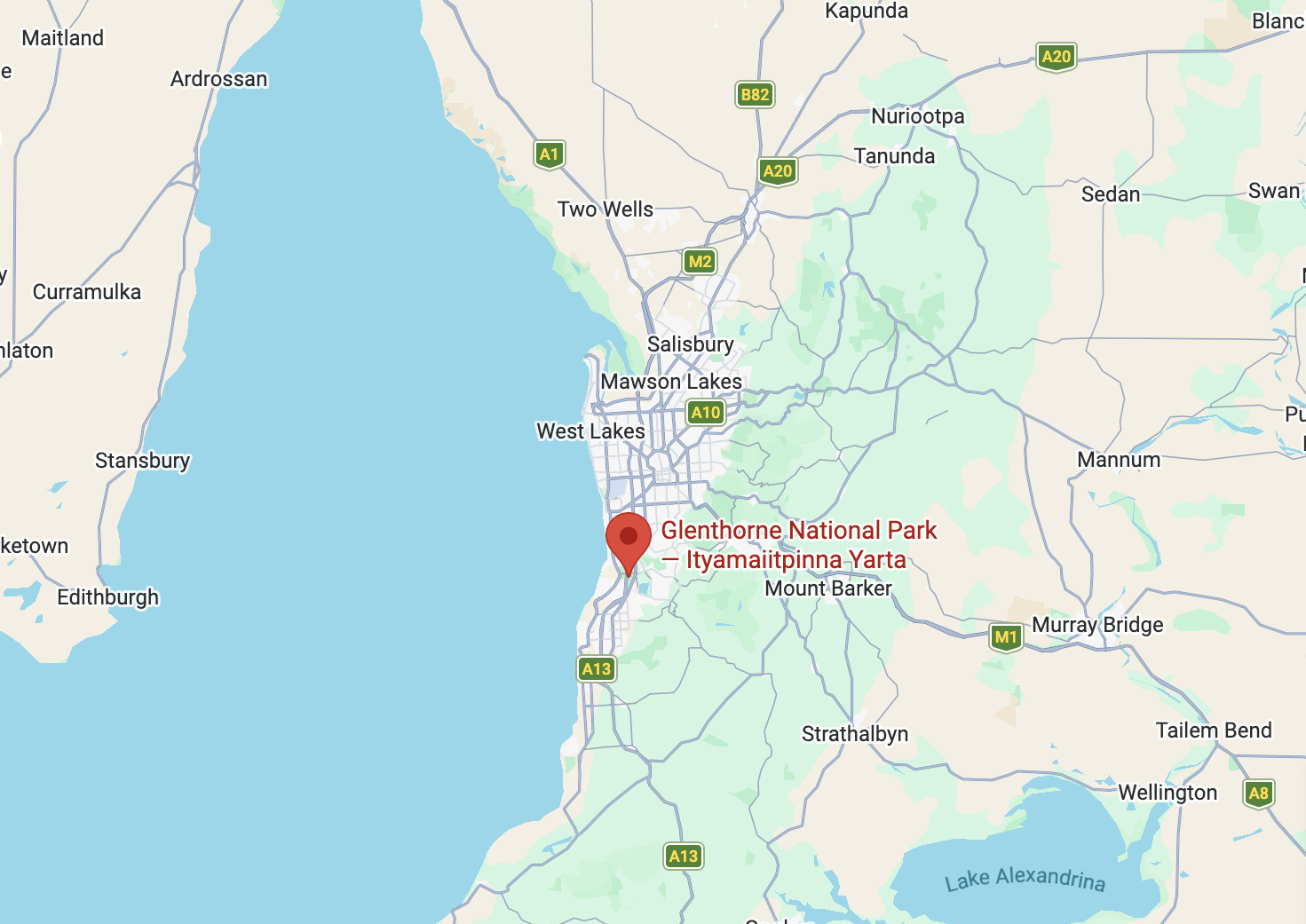
Above: Map showing the location of Glenthorne-Ityamiitpinna Yarta NP. Map c/o Google Maps
The park opened to the public in November 2020. (Wikipedia 2001)
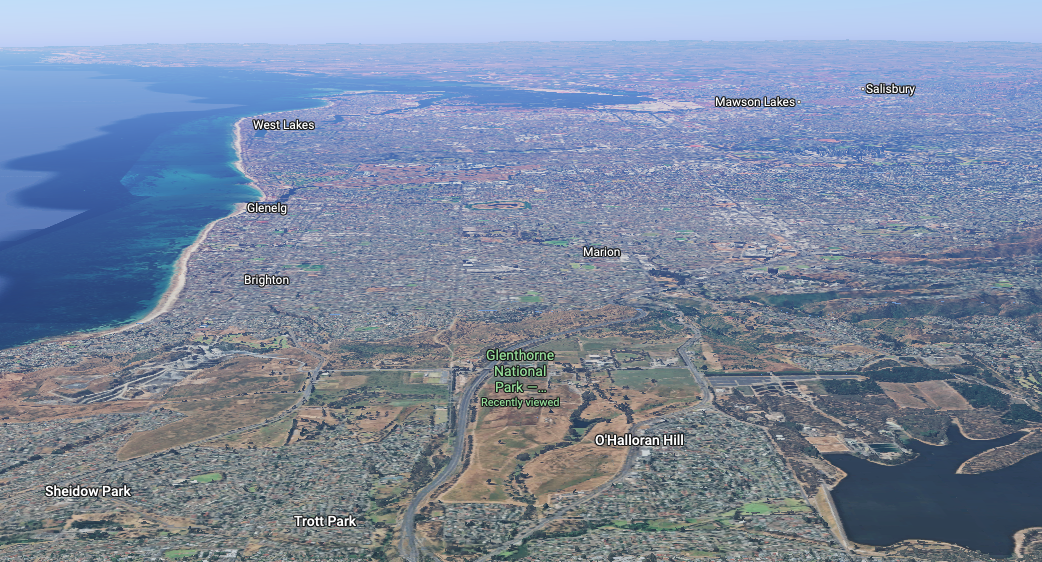
Above: An aerial view showing the park looking north towards Adelaide. Image c/o Google Maps
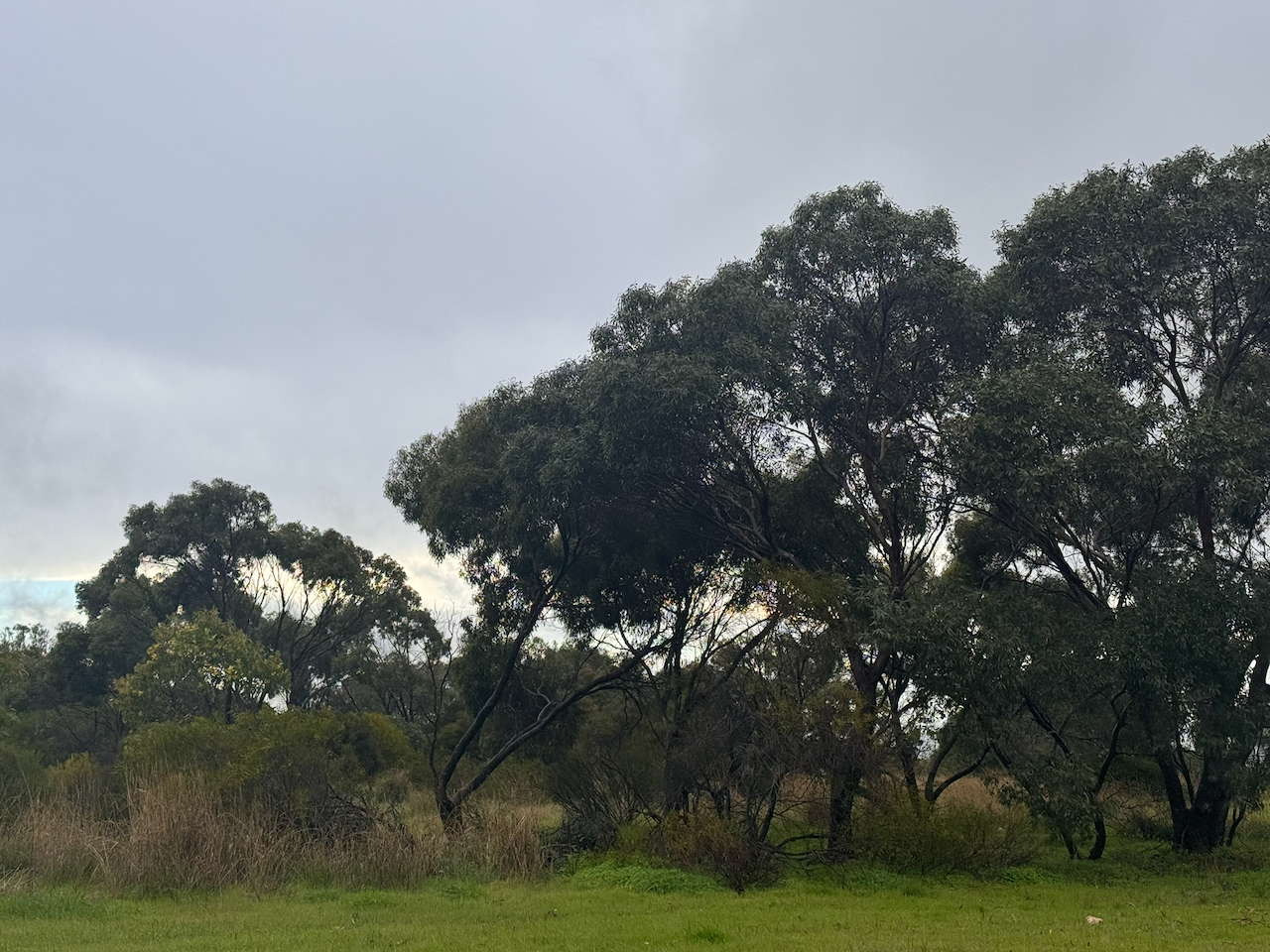
Over 90 species of birds have been recorded in the park, including Adelaide Rosella, Grey Fantail, Kookaburra, Willie Wagtail, Yellow-tailed black cockatoo, and Yellow-faced Honeyeater. (Wikipedia 2001)
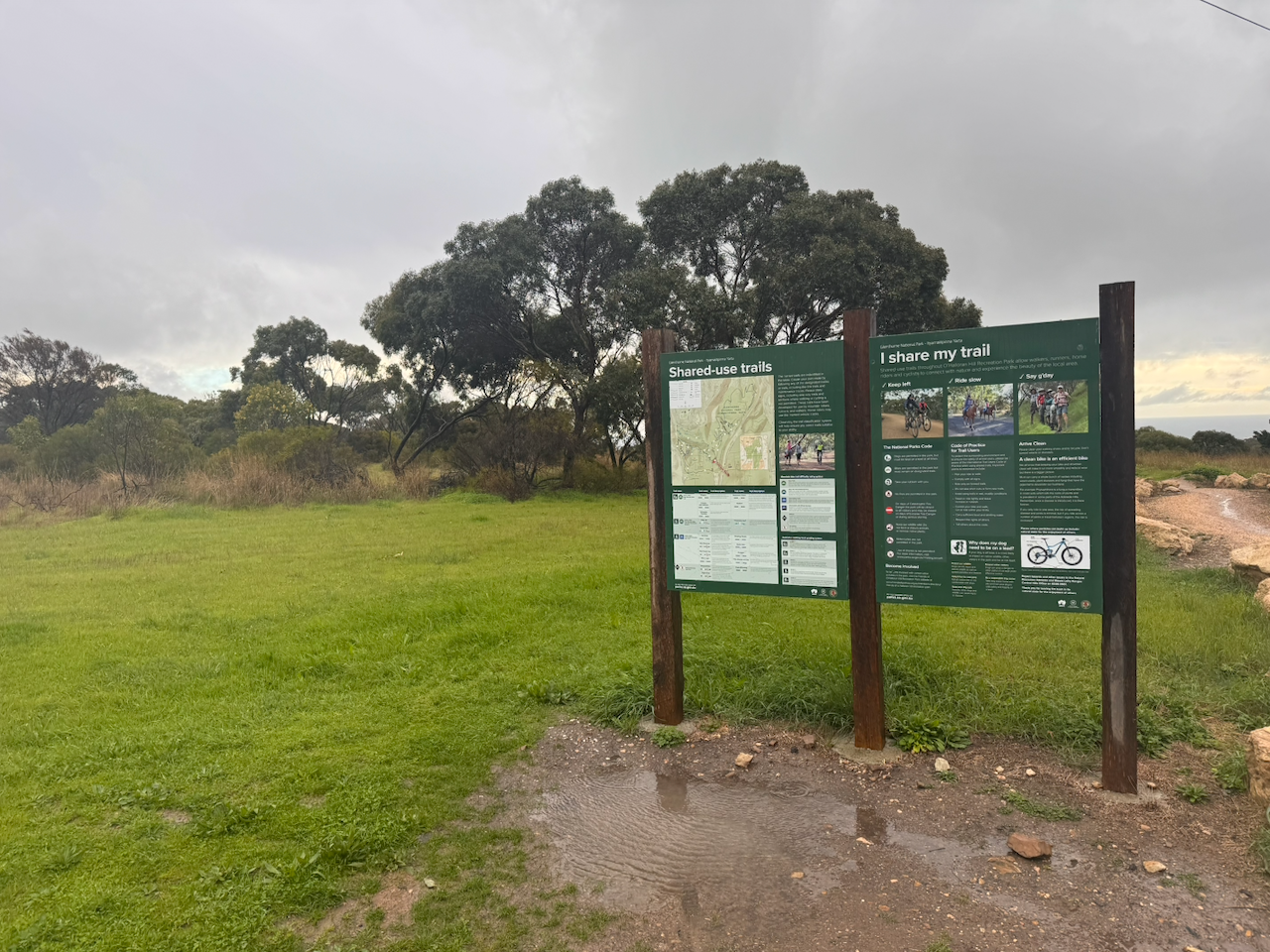
The park is located on the former Glenthorne property owned by South Australia’s first Police Commissioner, Major Thomas Shuldham O’Halloran. He arrived in the colony of South Australia in 1838. By 1839, he had been gazetted as a Justice of the Peace and had been sworn in as a Magistrate. In 1840, he was appointed the first Police Commissioner. By 1840, he was living with his family at their home, ‘Lizard Lodge’ at O’Halloran Hill. He established wells and a lime kiln. (NPWS 2024)
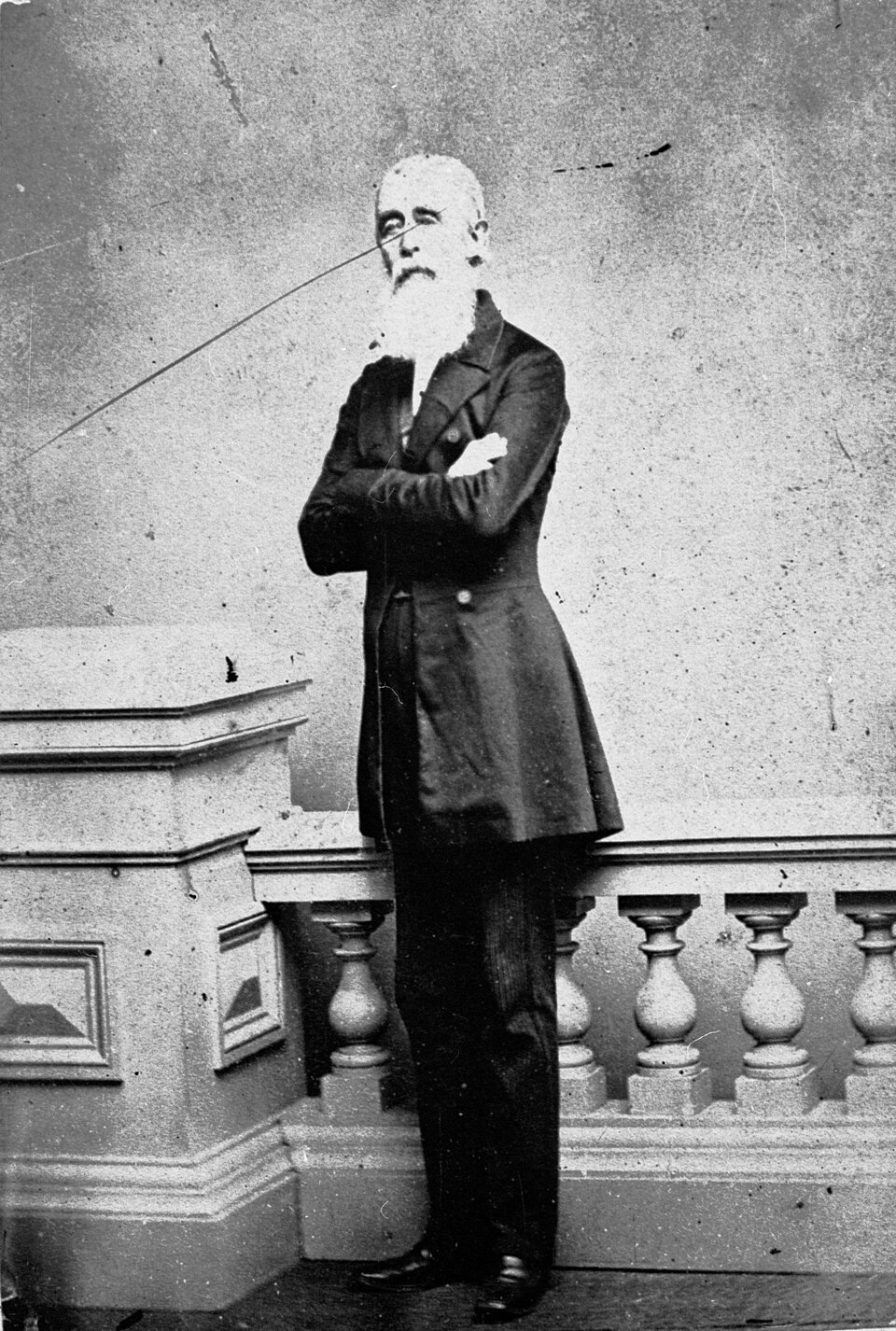
Above: Major O’Halloran. Image c/o Wikipedia
In 1913, about 208 hectares of Glenthorne was purchased by the Australian Commonwealth Government and used by the Australian Army as a remount depot between 1913 to 1947. Between 1948 to 1996, Glenthorne was used as a field station by the CSIRO for experimental work. In 1998, the South Australian State Government entered into an agreement with the Federal Government to purchase the property. (Smith 2015)
Glenthorne National Park was proclaimed on the 28th day of May 2020.
The video below explains the Aboriginal name for the park.
I ran the Icom IC-7000, 100 watts, and the Codan 9350 antenna with the 1.5 metre stainless steel whip.
After a slow start, I managed to qualify the park for the WWFF program with 46 QSOs.
I worked the following stations on 40m SSB:-
- VK3CLD
- VK5QA
- VK2DBF
- VK5MAZ
- VK3PF
- VK3KAI
- VK3VBA
- VK3LF
- VK3FB/P
- VK2EXA
- VK2AGS
- VK2MAB
- VK2VW
- VK2HFI
- VK2AKA
- VK2BUG
- VK4NH
- VK4DXA
- VK2NP
- VK2IO
- VK2GEZ
- VK4FW
- VK2VH
- VK4AAC
- VK3AXH
- VK3DL
- VK3ZSC
- VK3BSC
- VK5HS
- VK3AMO
- VK3UAO
- VK2VAR
- VK2GOM
- VK3VIN
I worked the following stations on 20m SSB:-
- F5PYI
- VK6XL
- VK4CK
- VK1AD
- VK1NAM
- VK1OE
- VK6LDX
- VK7ZR
- VK6DS/M
- VK7PJM
I worked the following stations on 15m SSB:-
- VK4FW
- VK6MFP
References.
- National Parks and Wildlife Service South Australia. (2024). Glenthorne National Park-Ityamaiitpinna Yarta. [online] Available at: https://www.parks.sa.gov.au/parks/glenthorne-national-park-ityamaiitpinna-yarta.
- Smith, P. 2015, Review of the current status of the South Australian State heritage listed buildings at Glenthorne
- Wikipedia (2001). Wikipedia. [online] Wikipedia. Available at: https://en.wikipedia.org.

