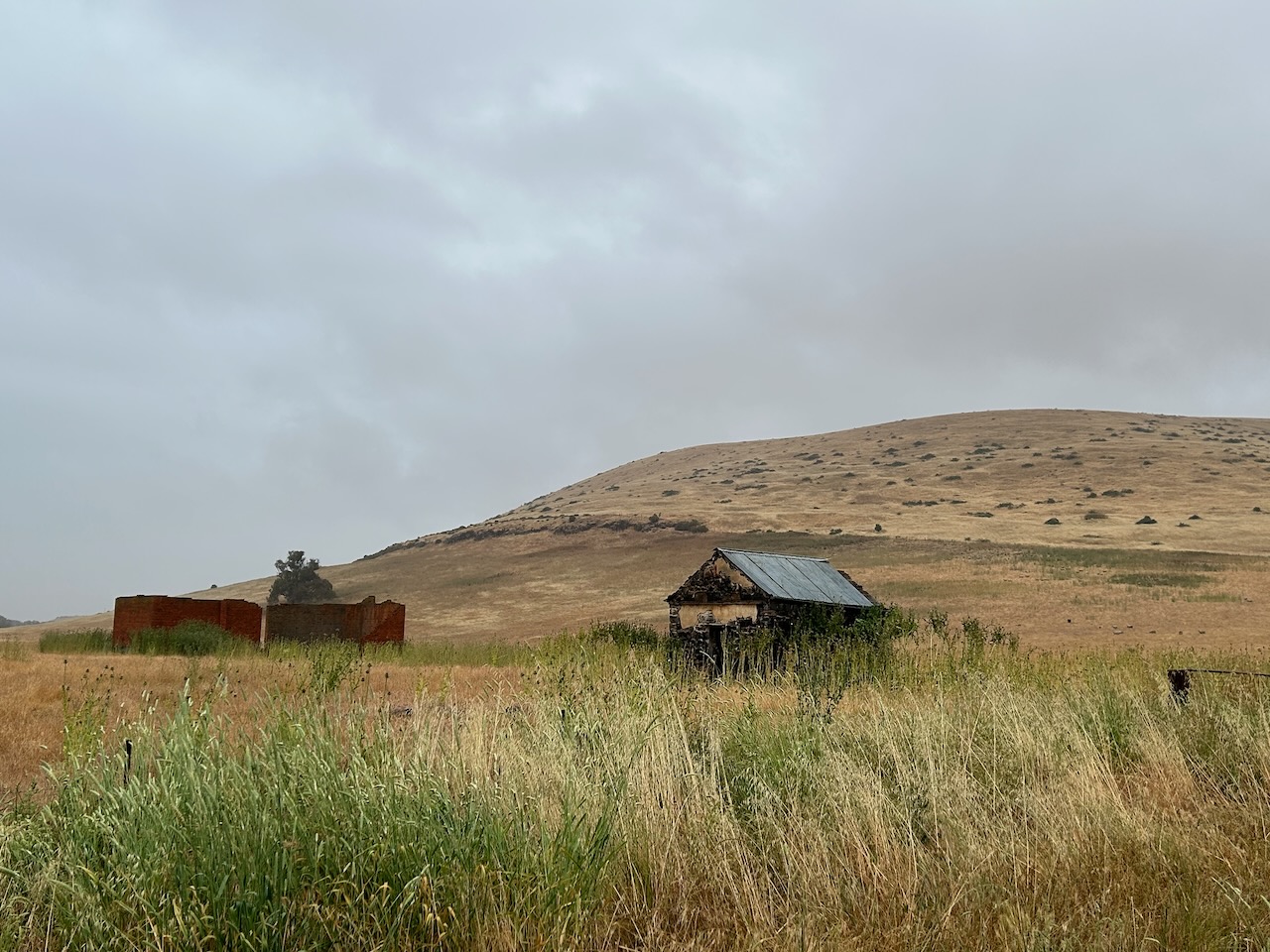
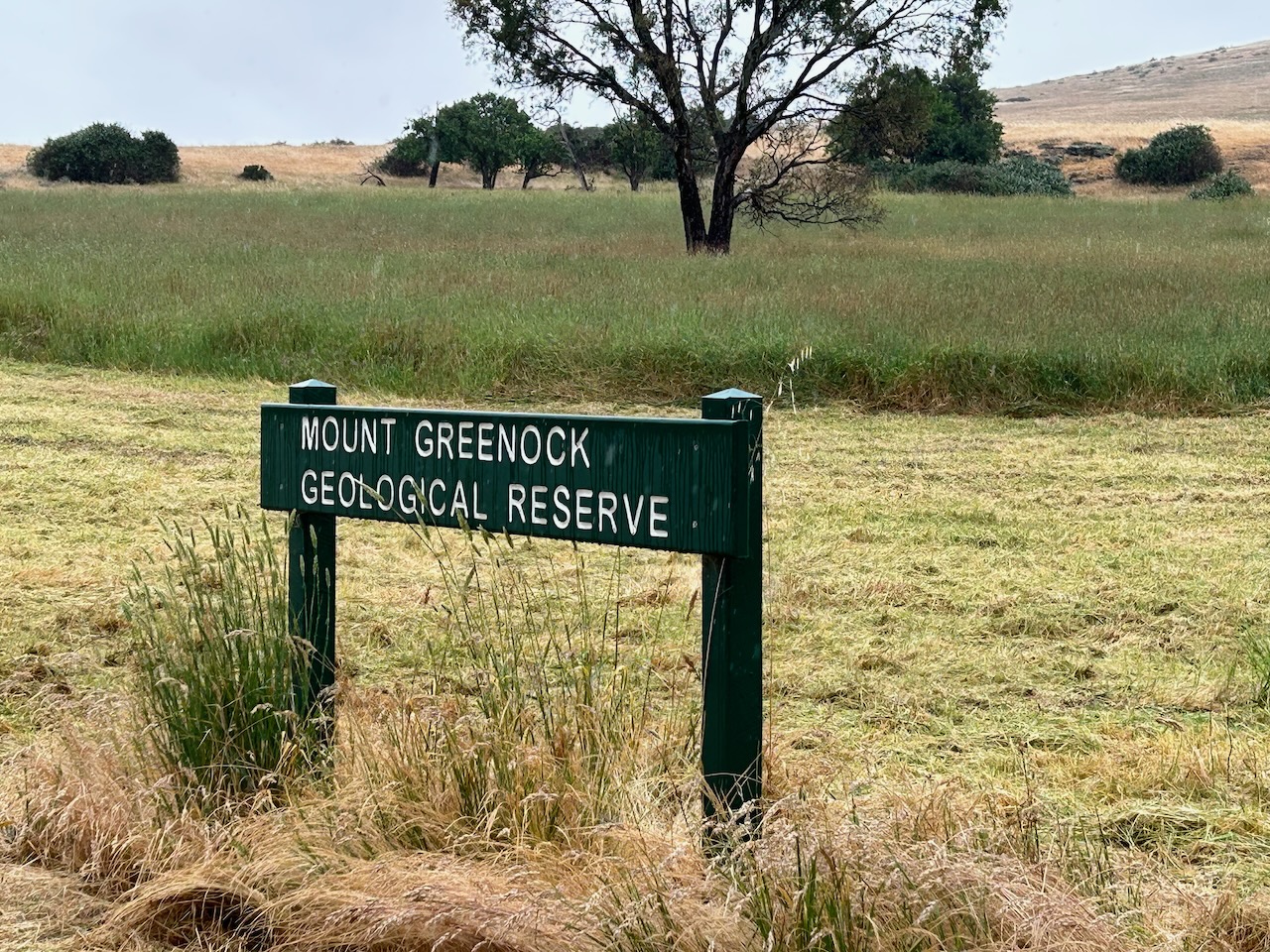
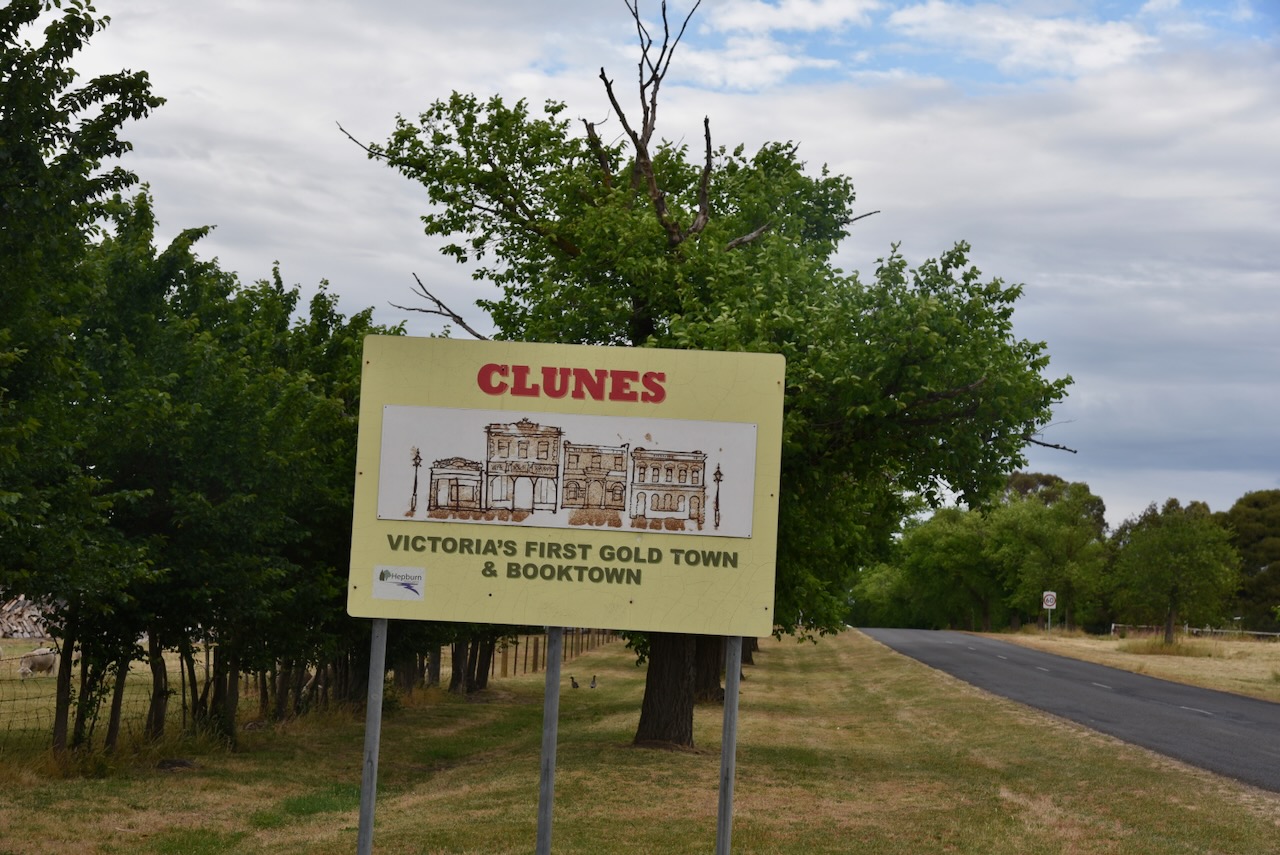
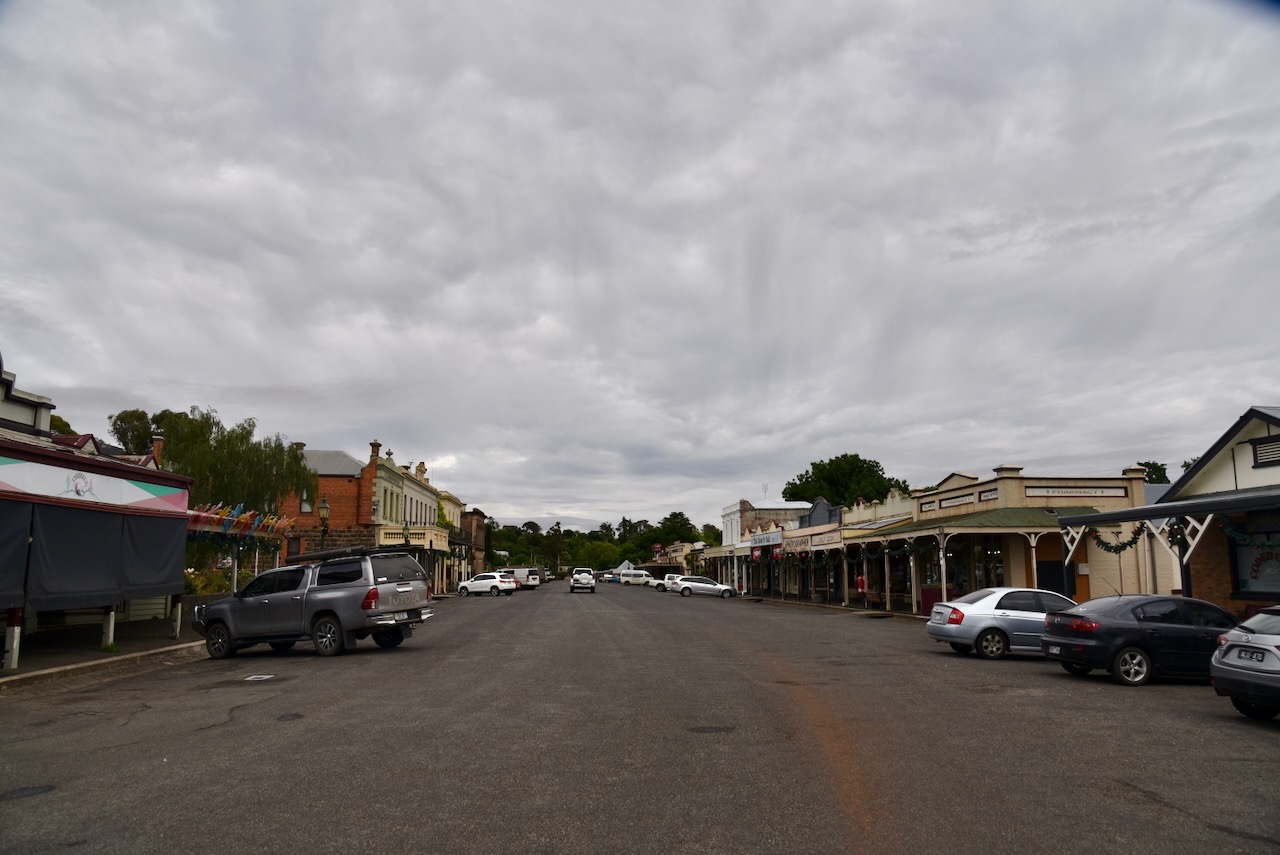
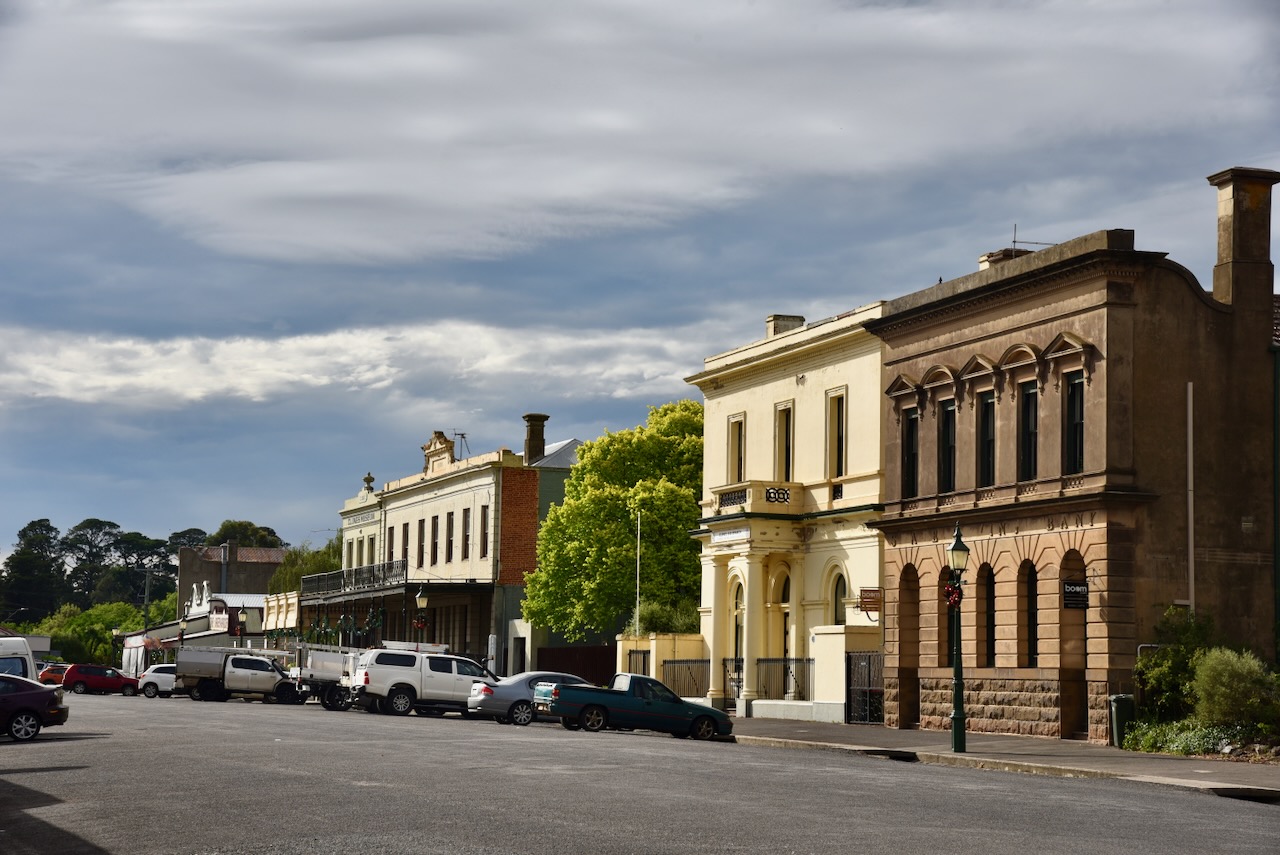
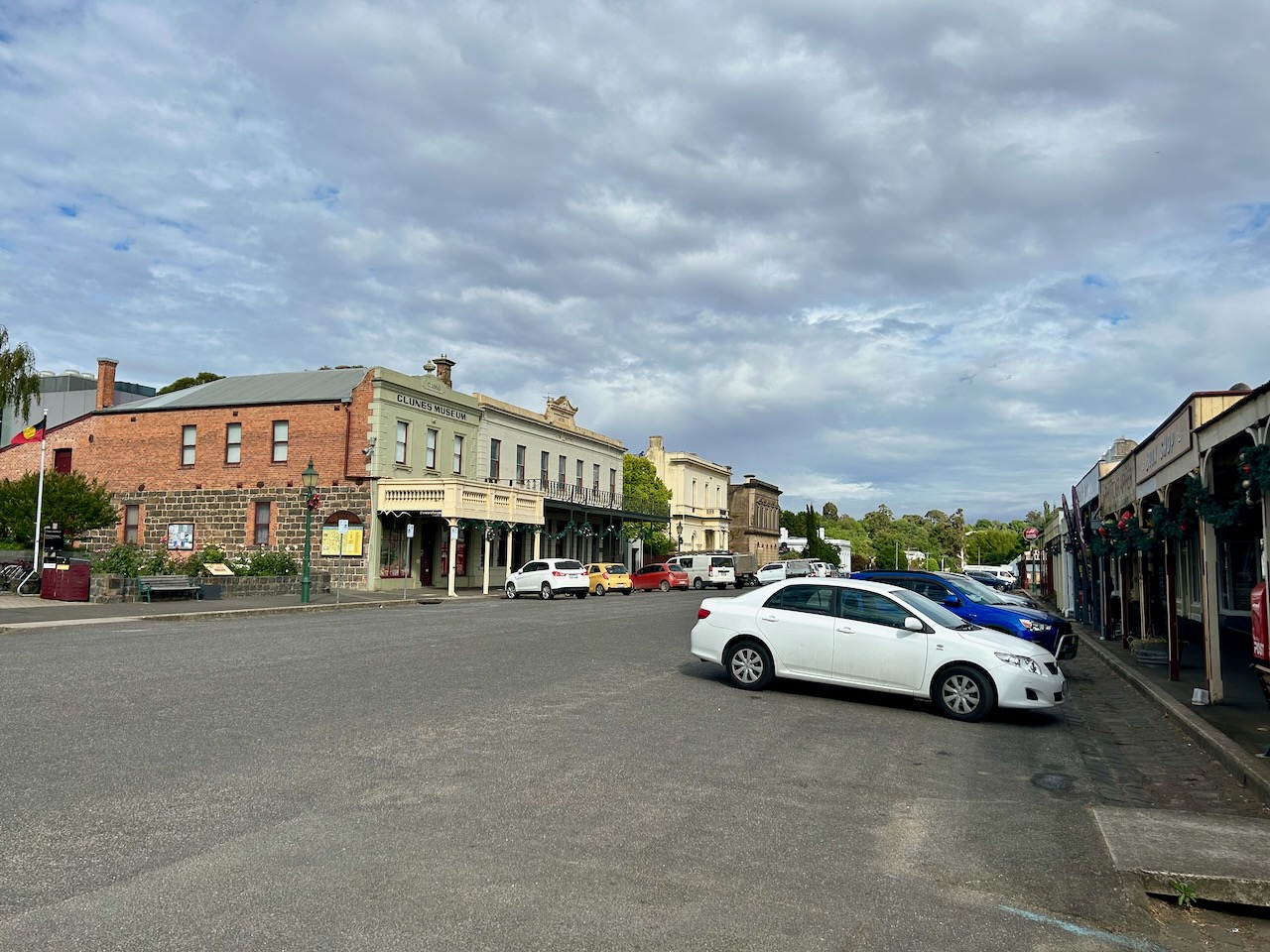
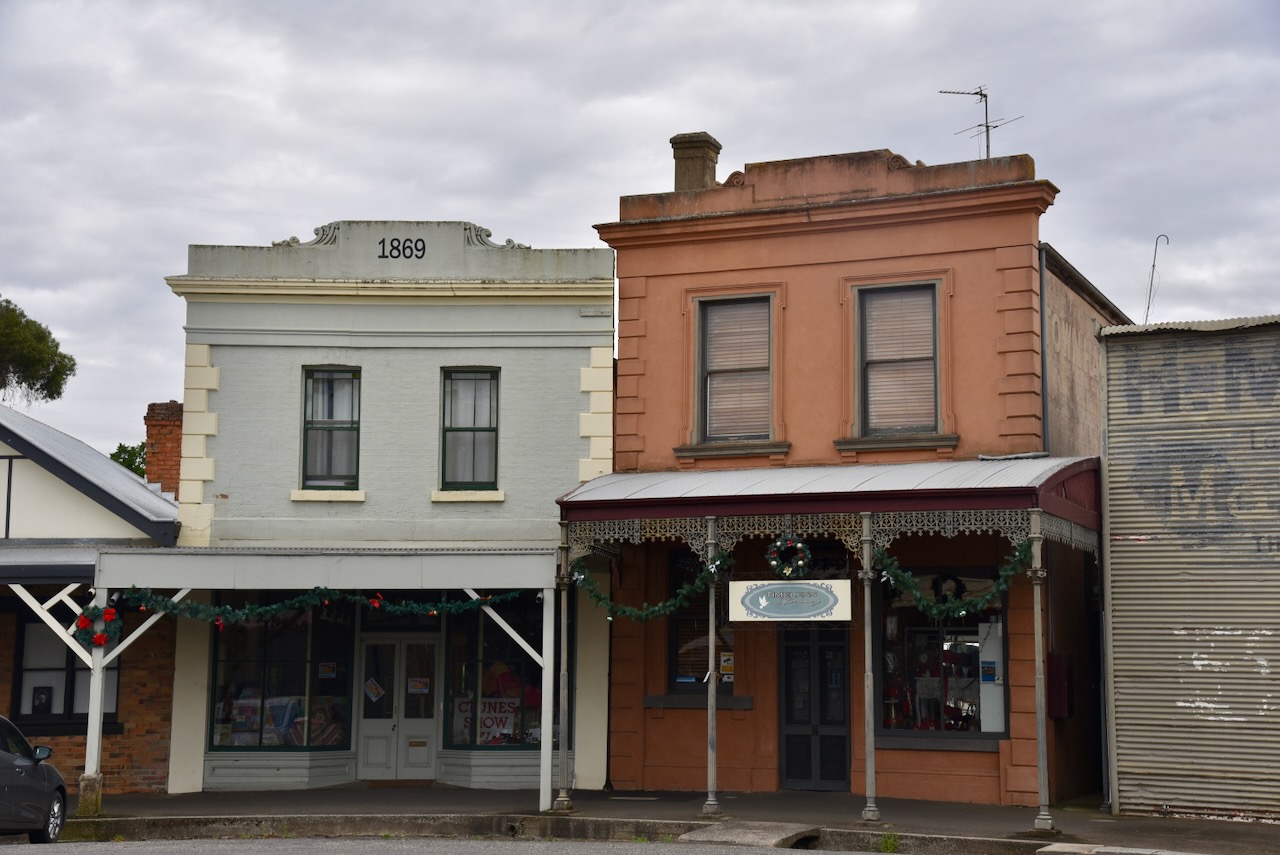
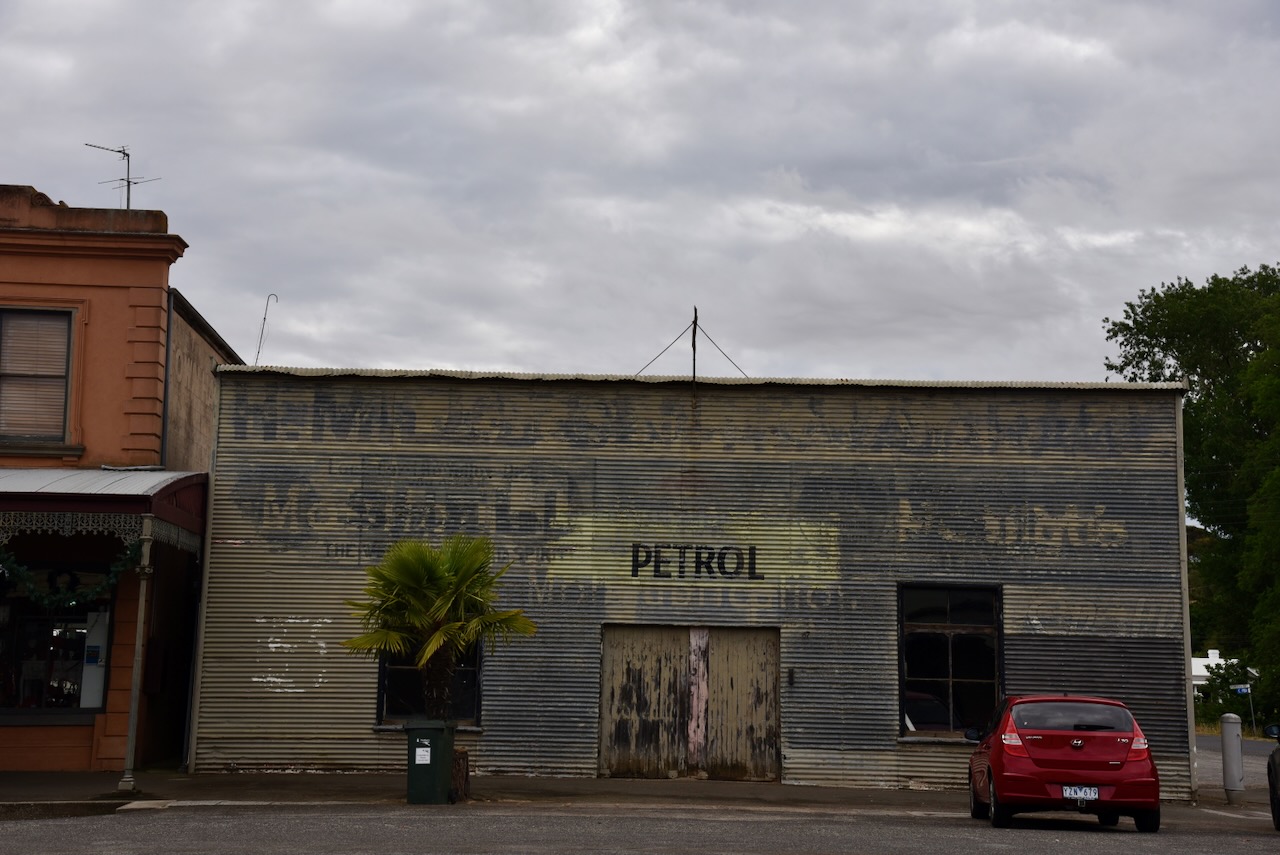
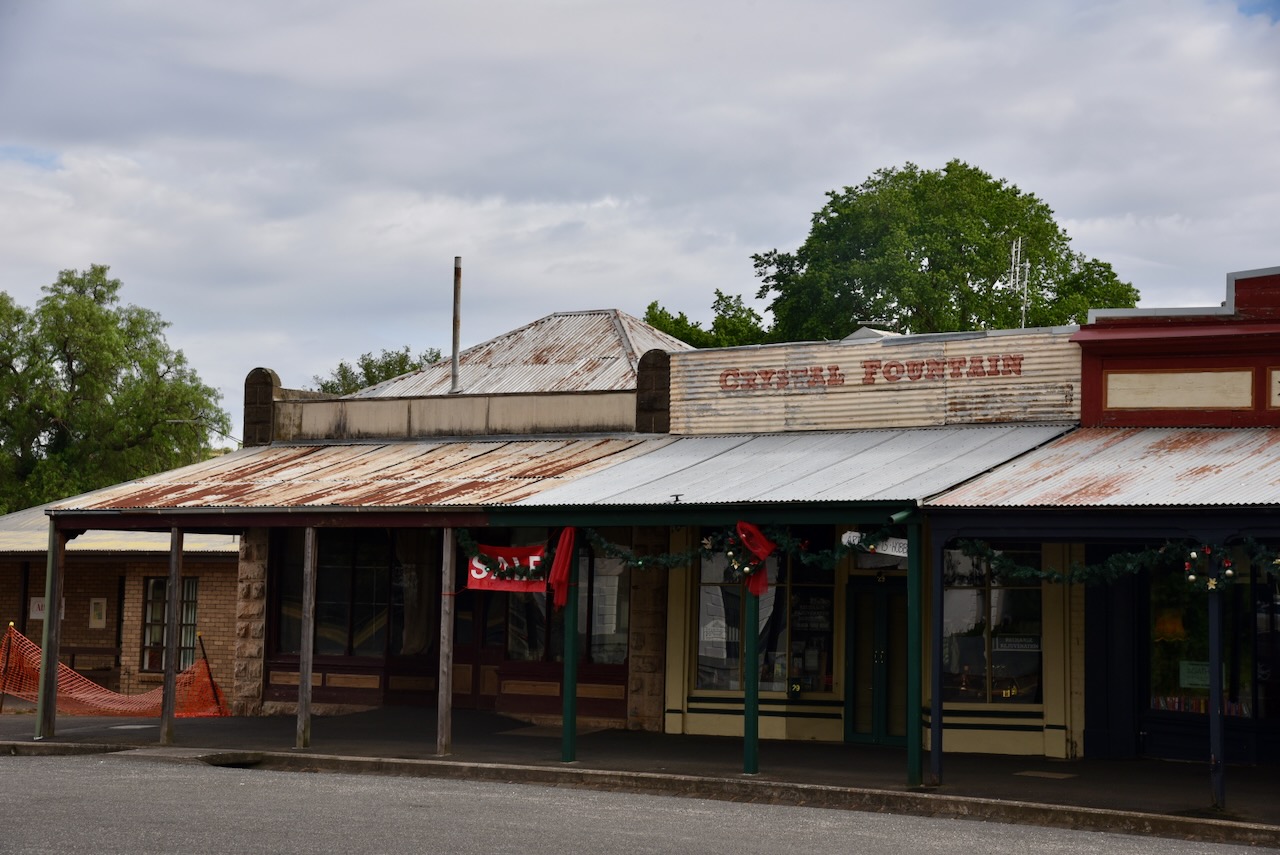
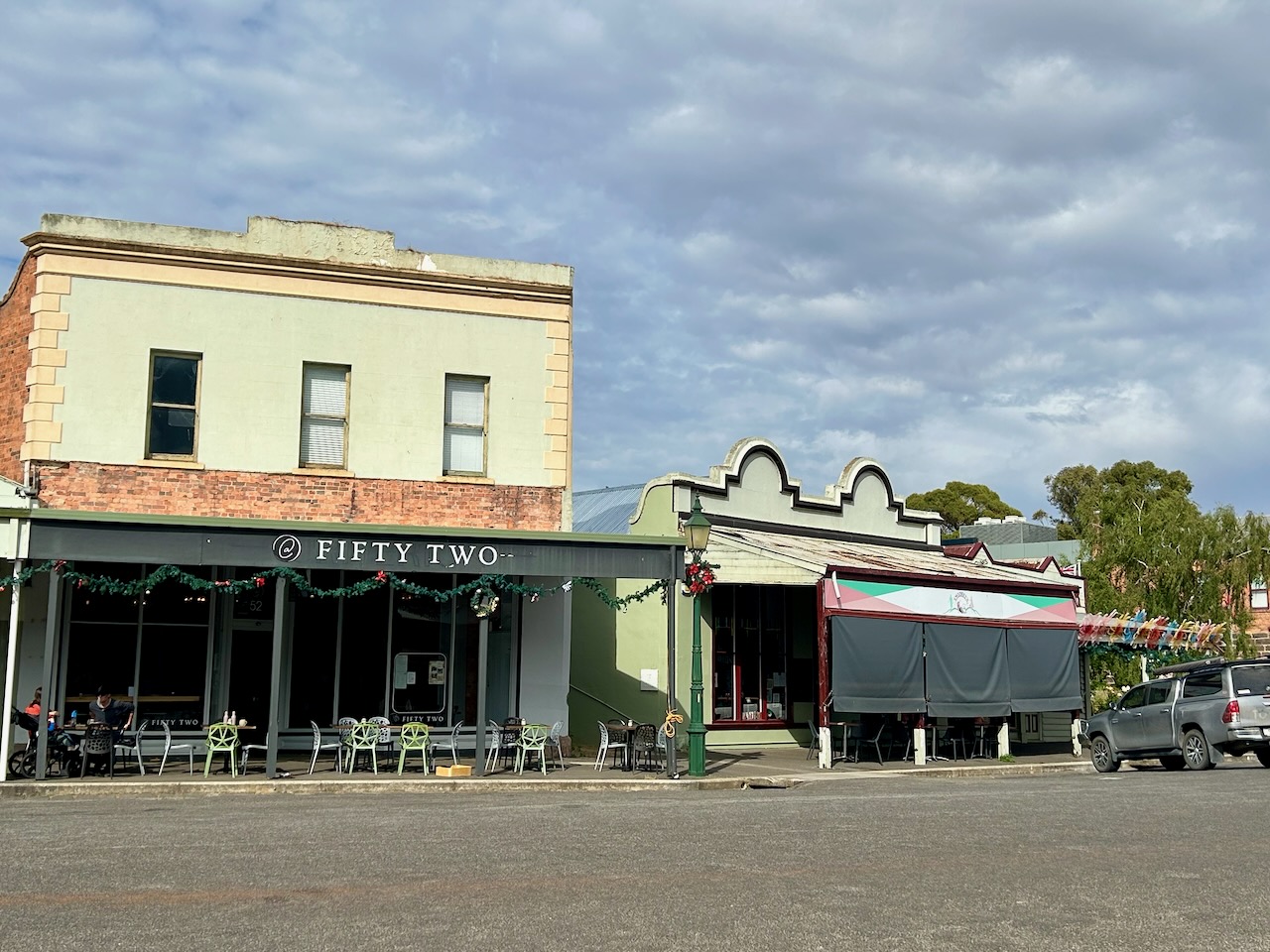
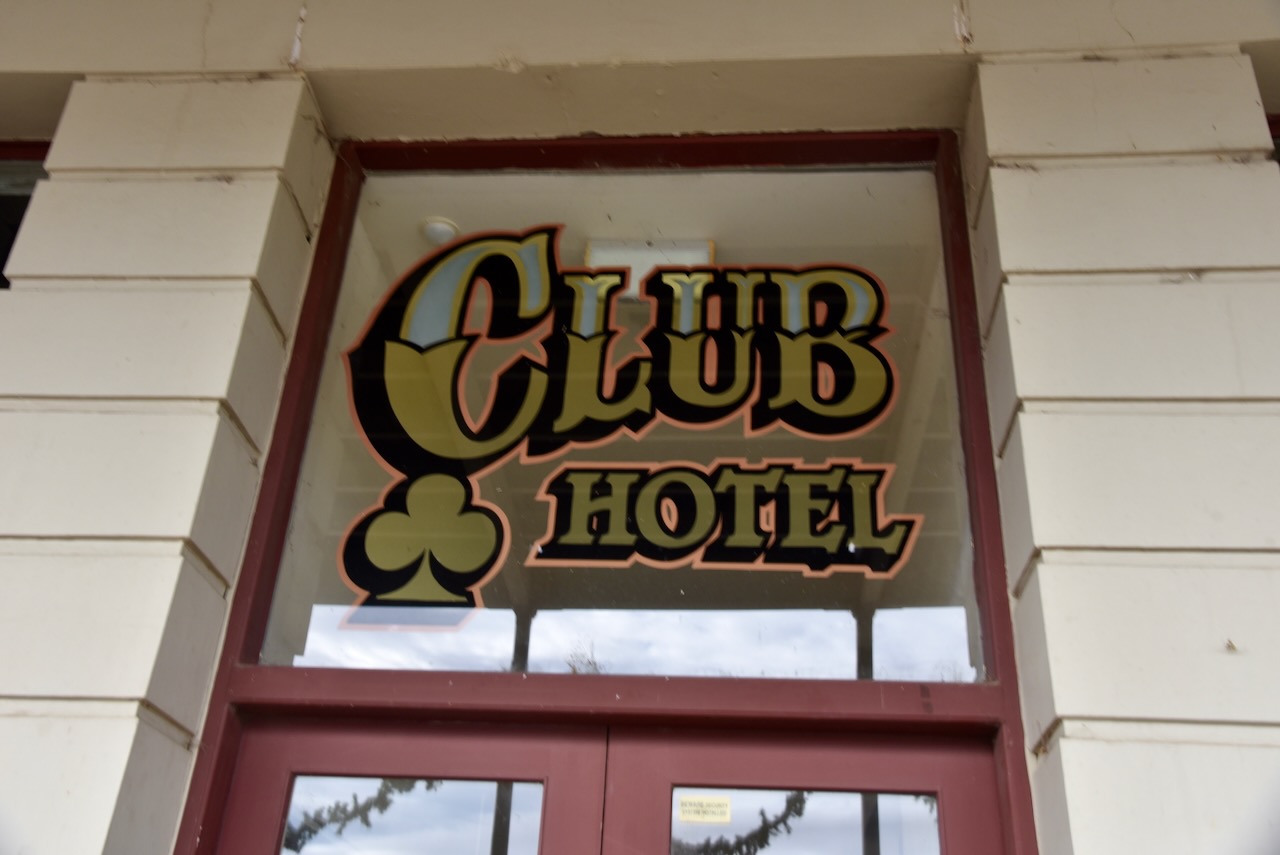
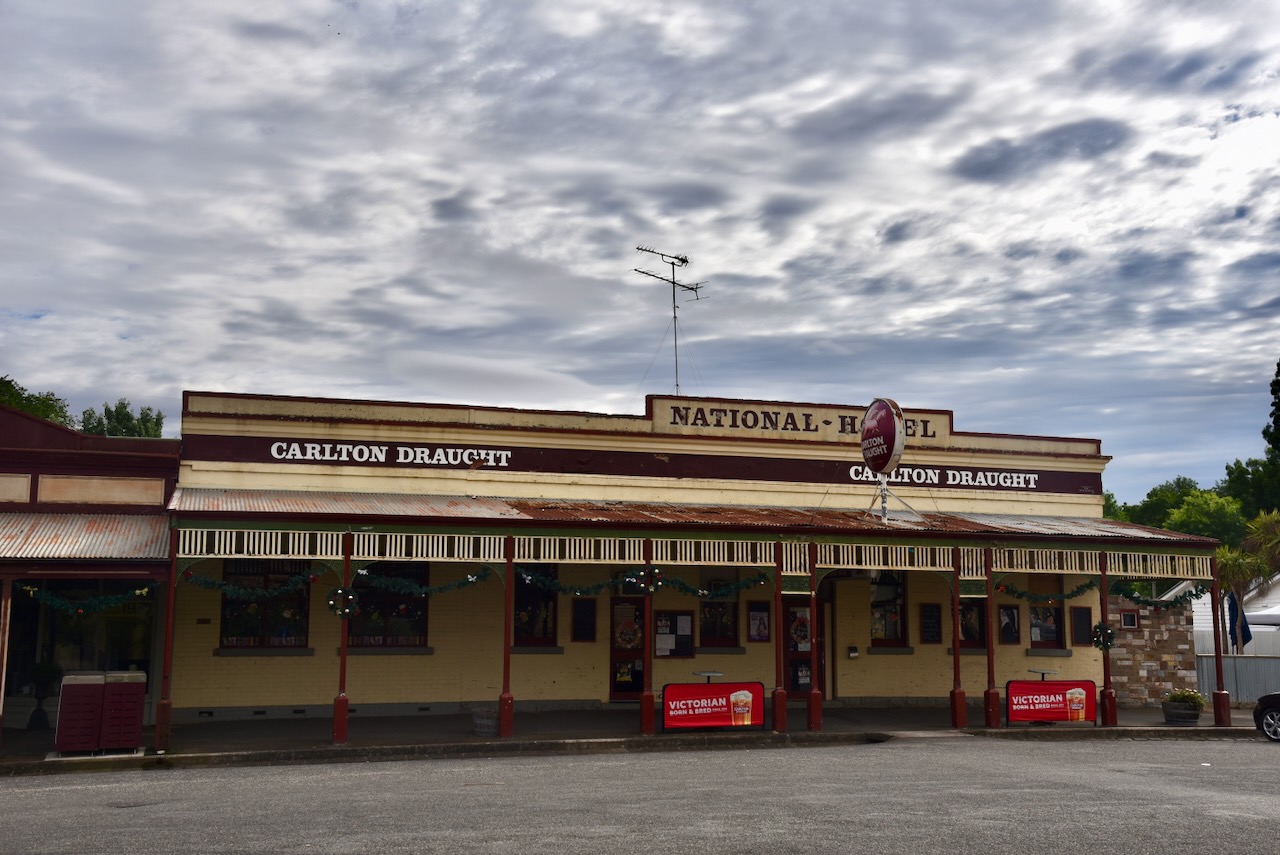
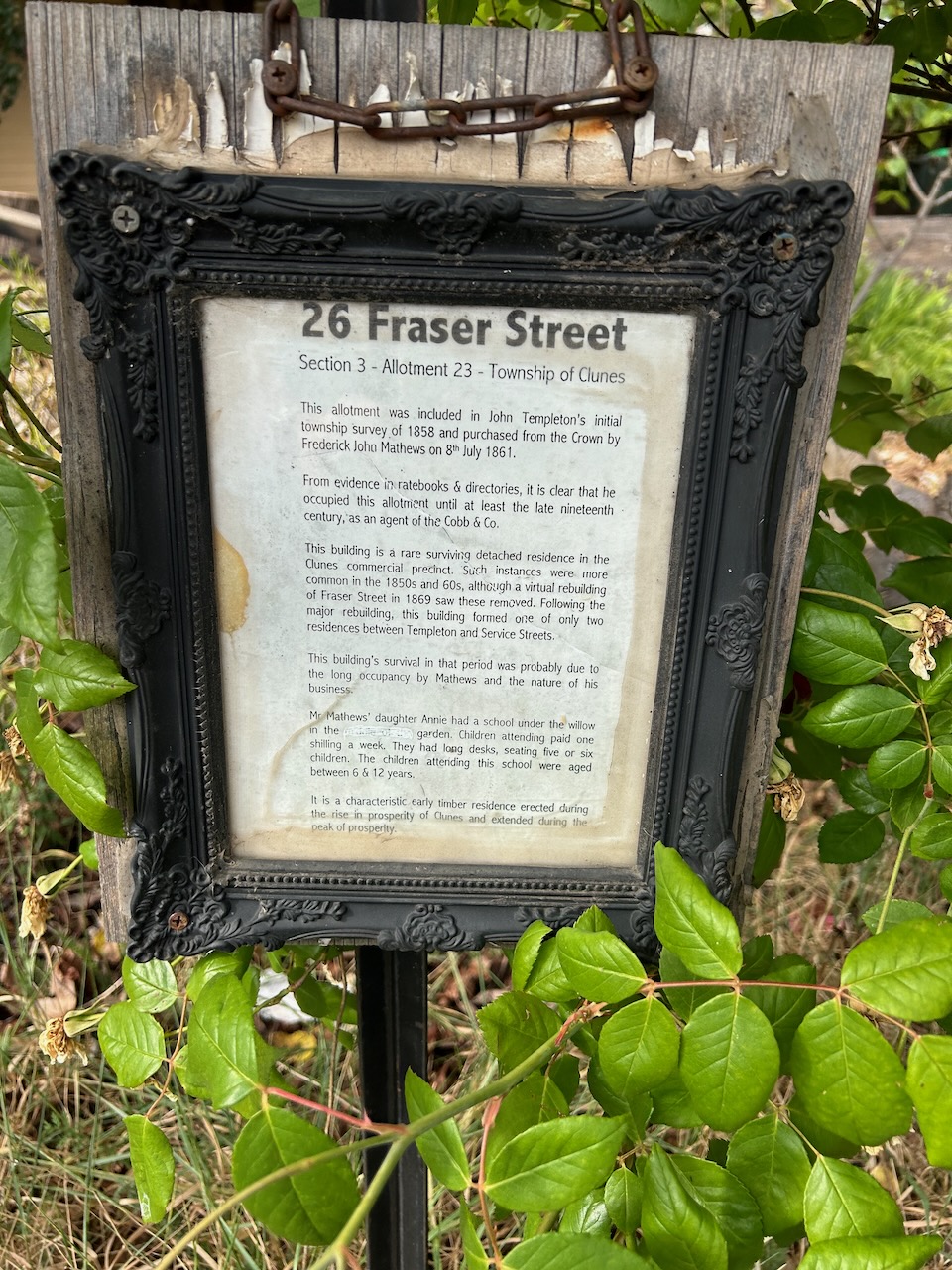
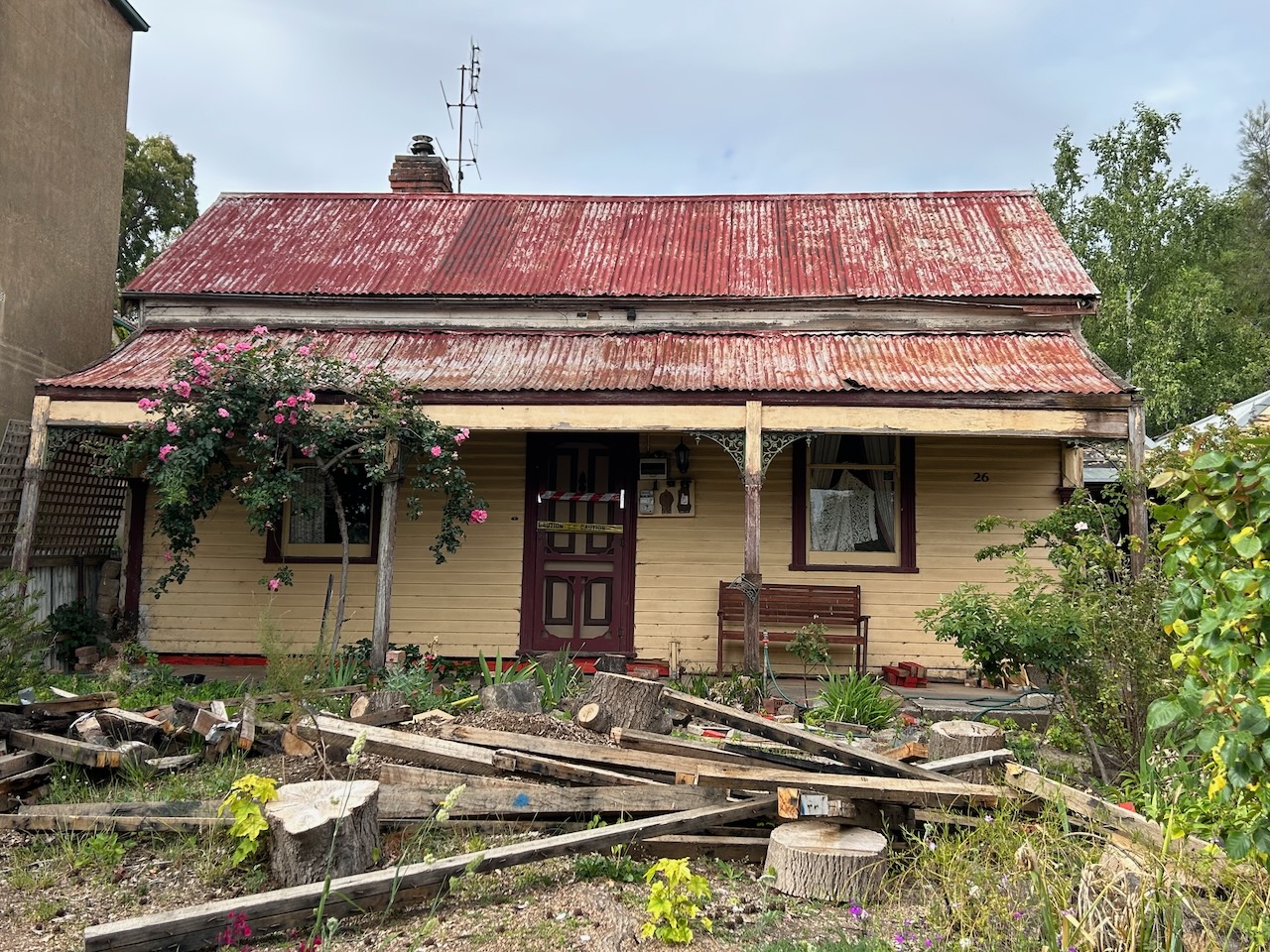
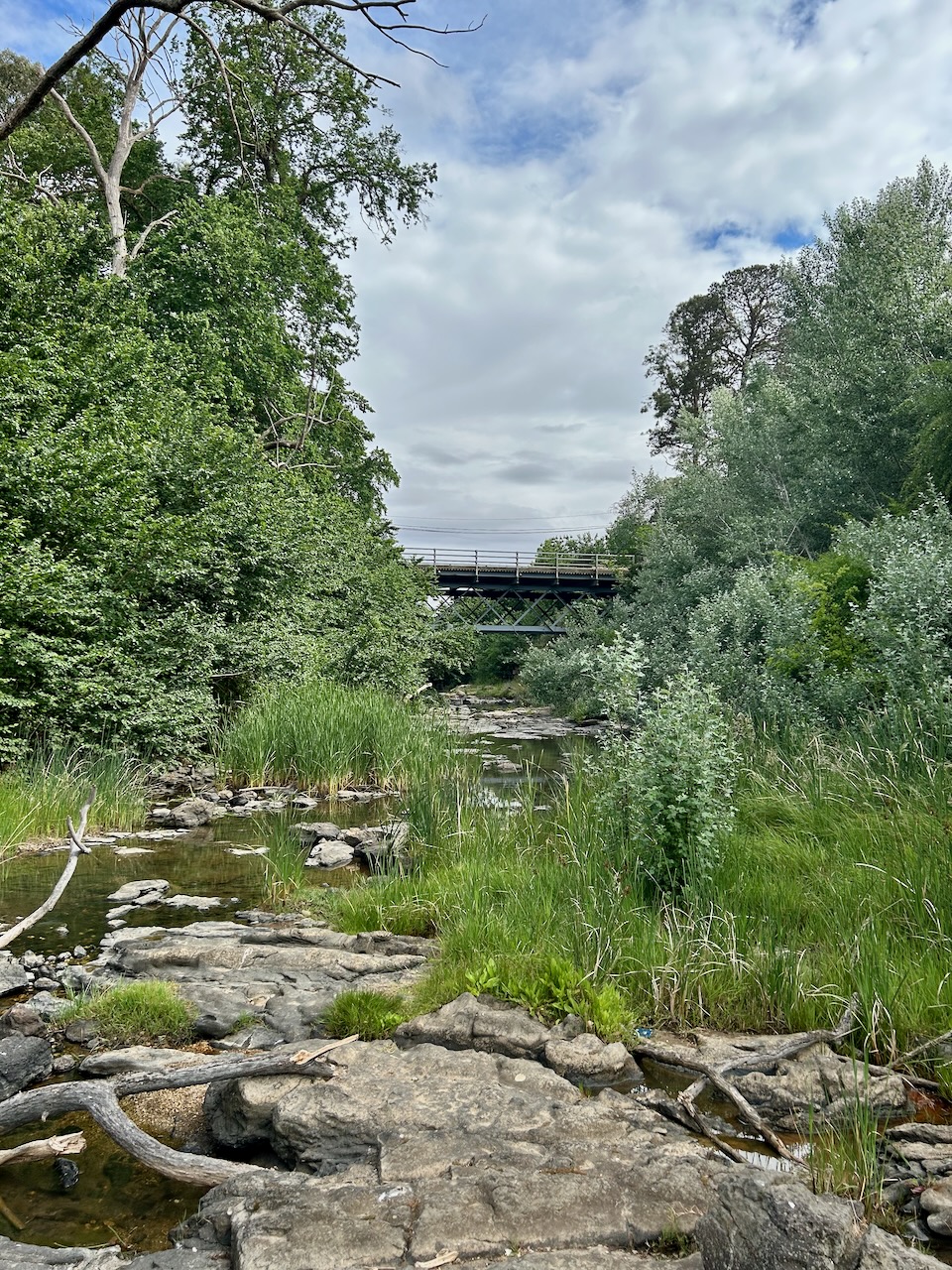
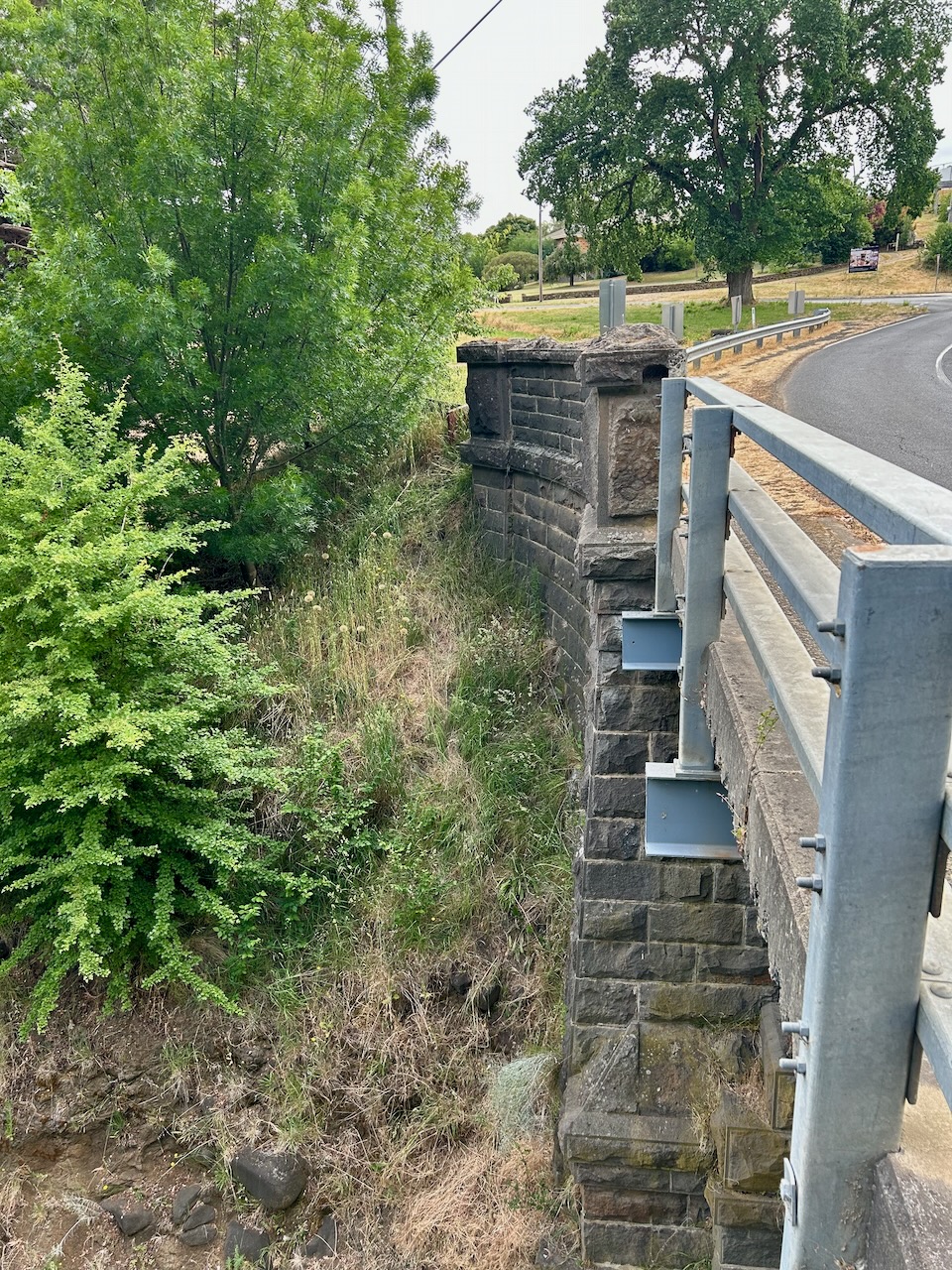
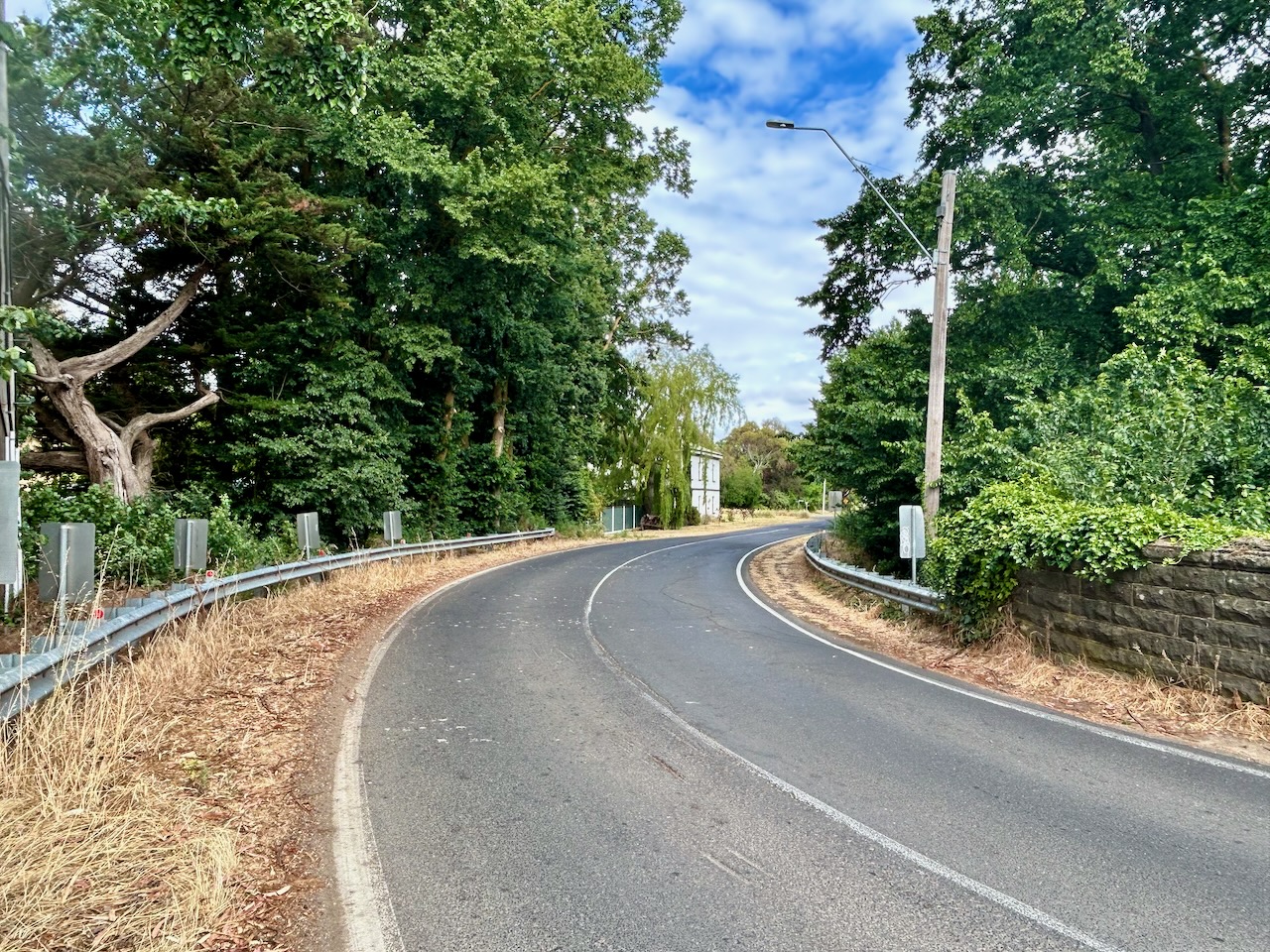
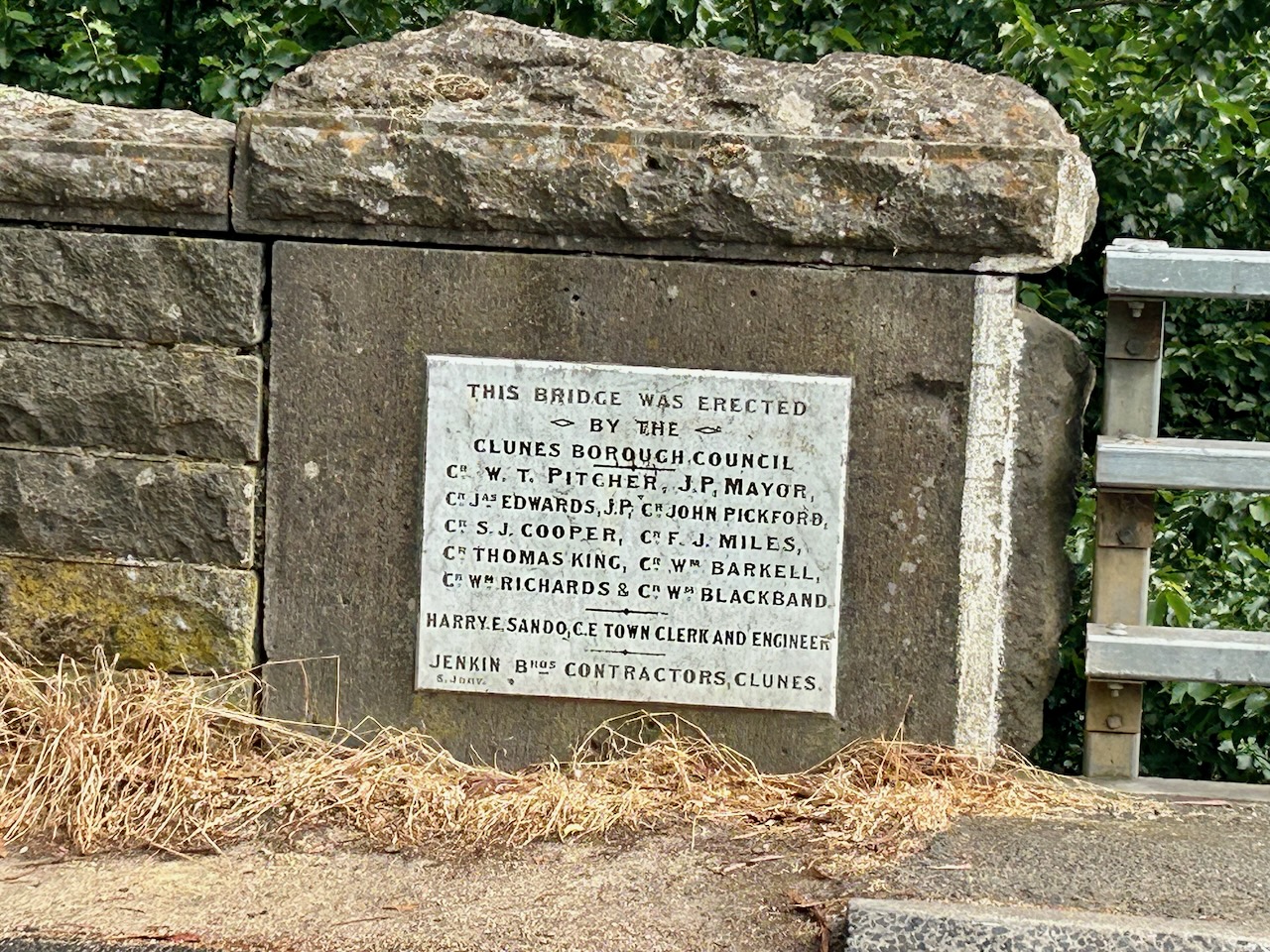
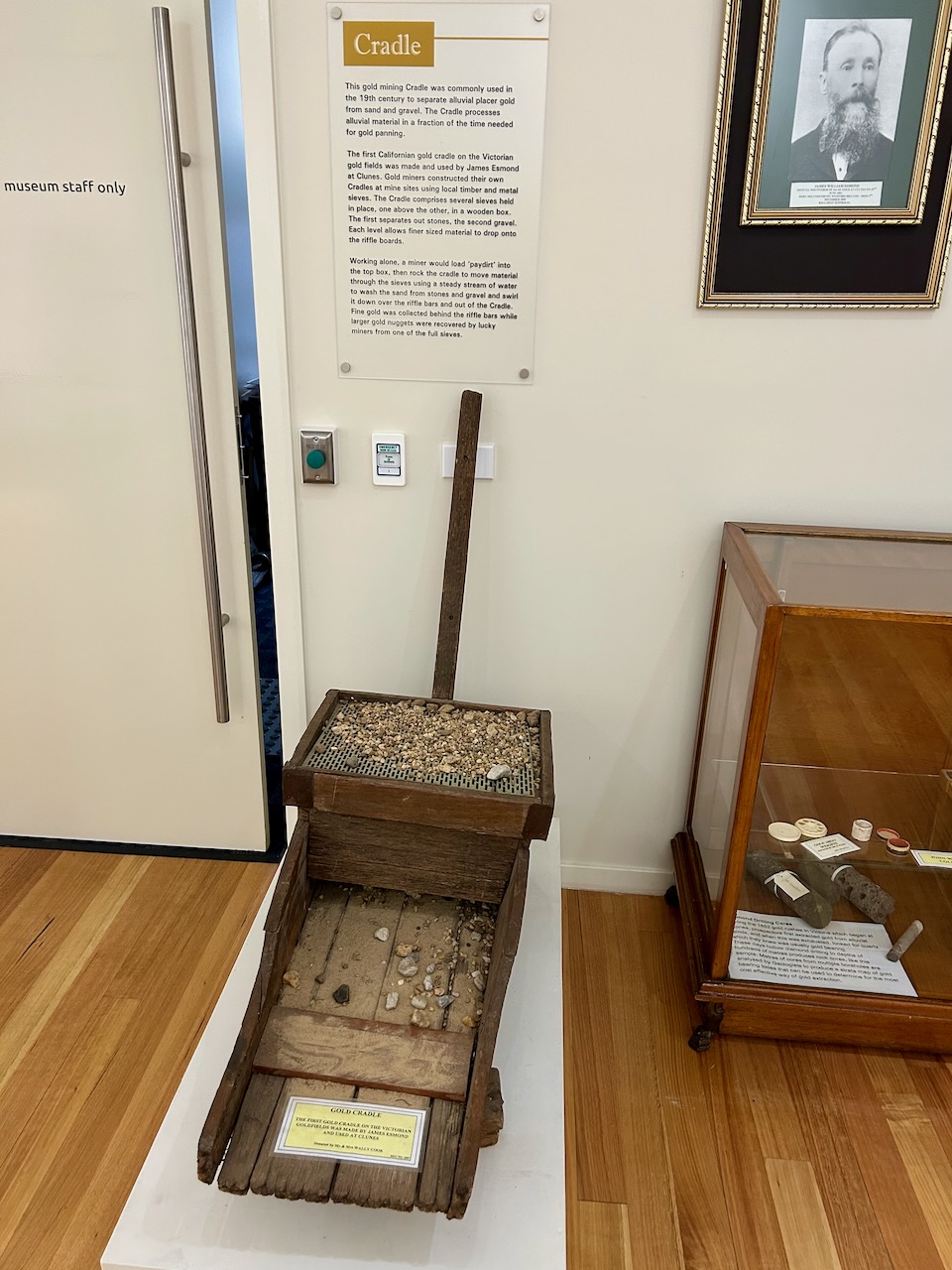
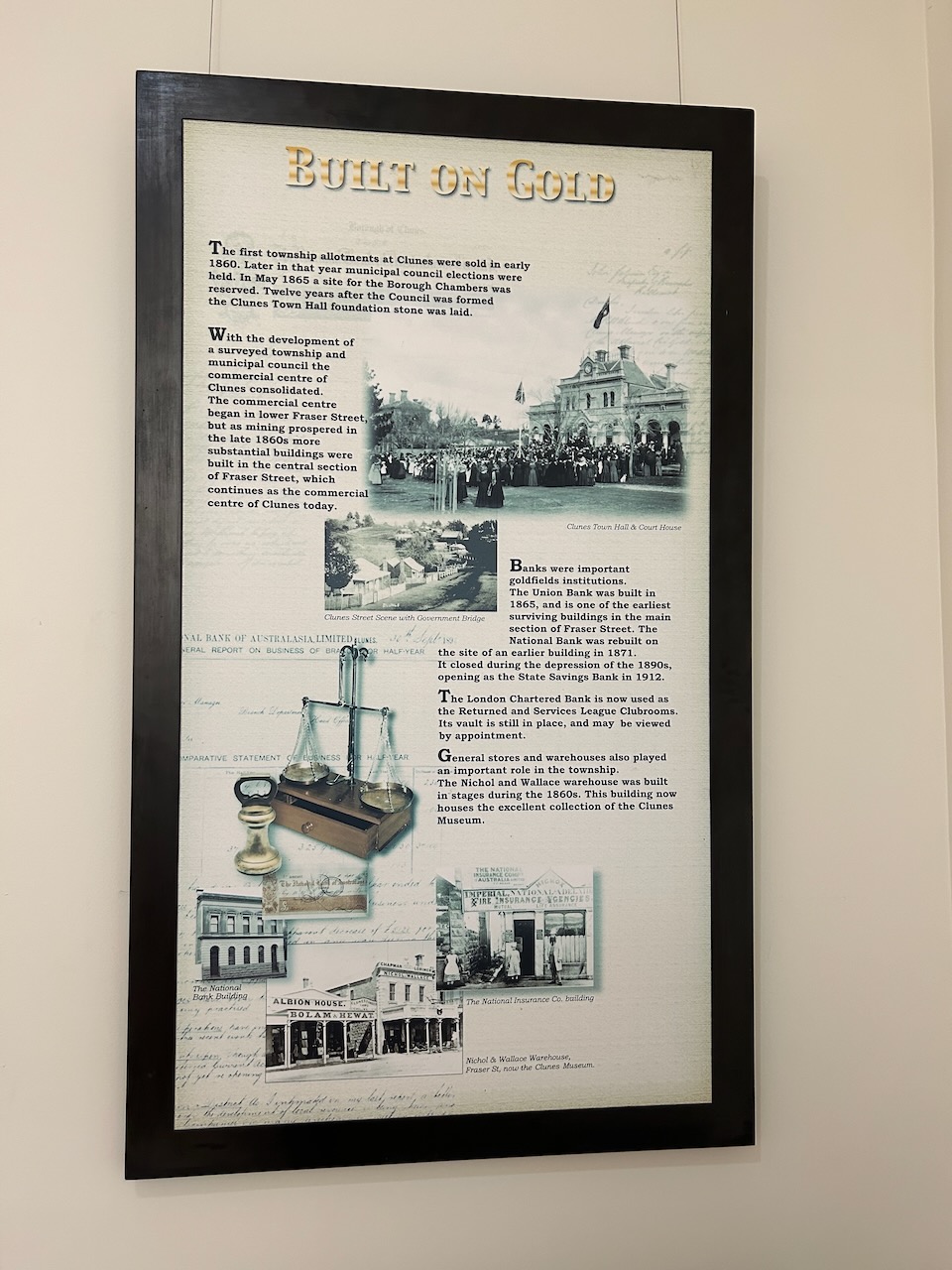
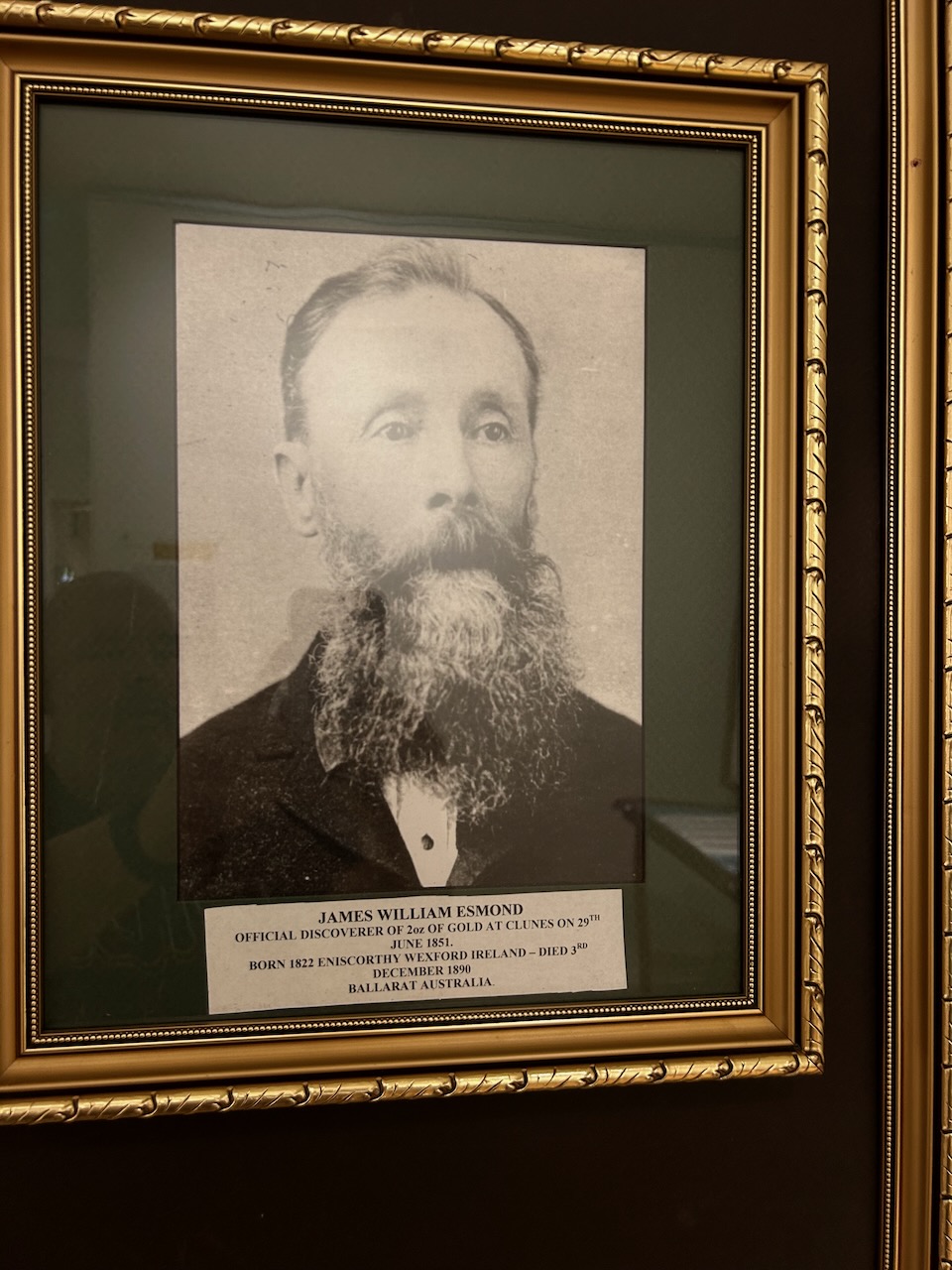
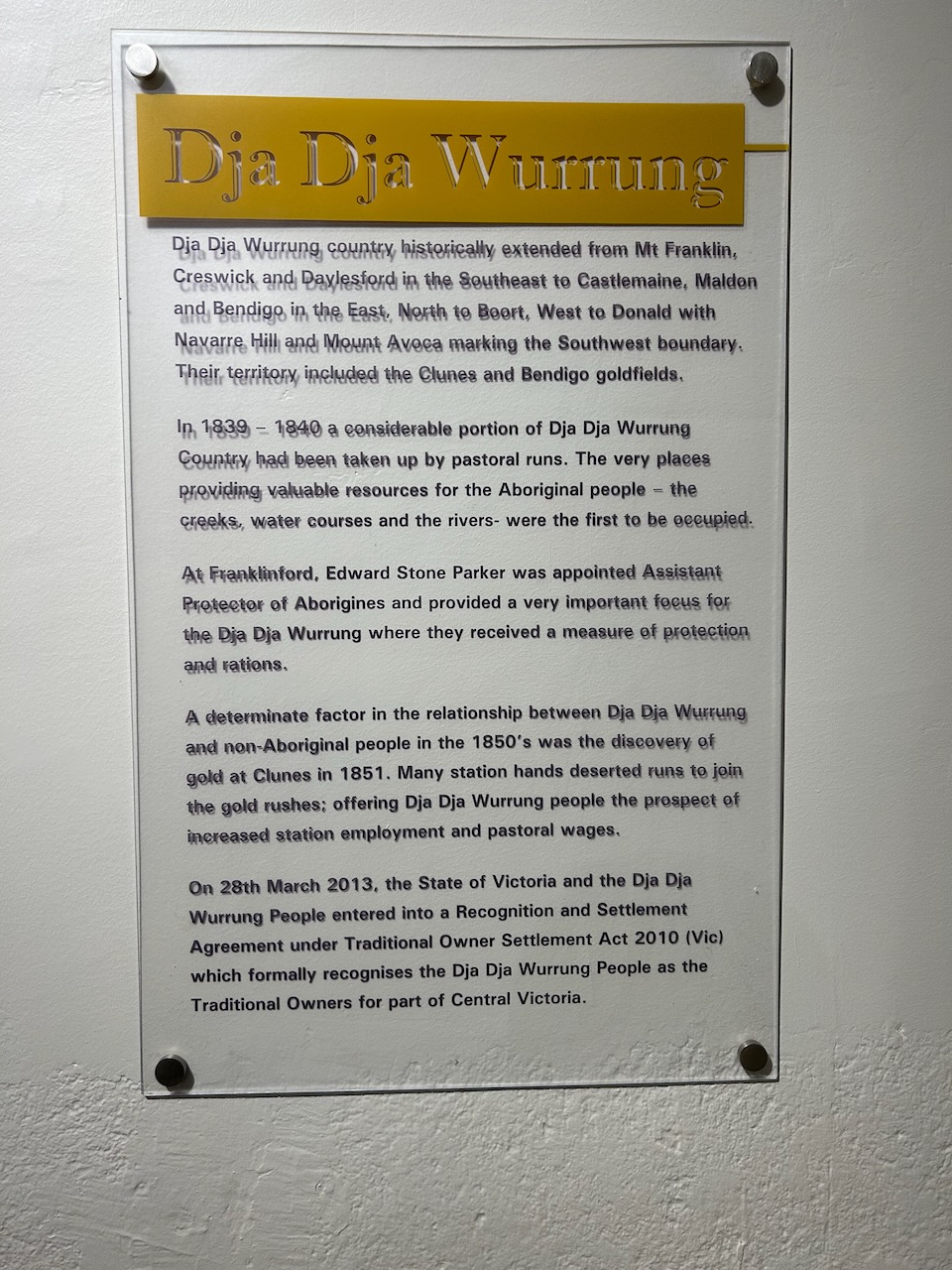
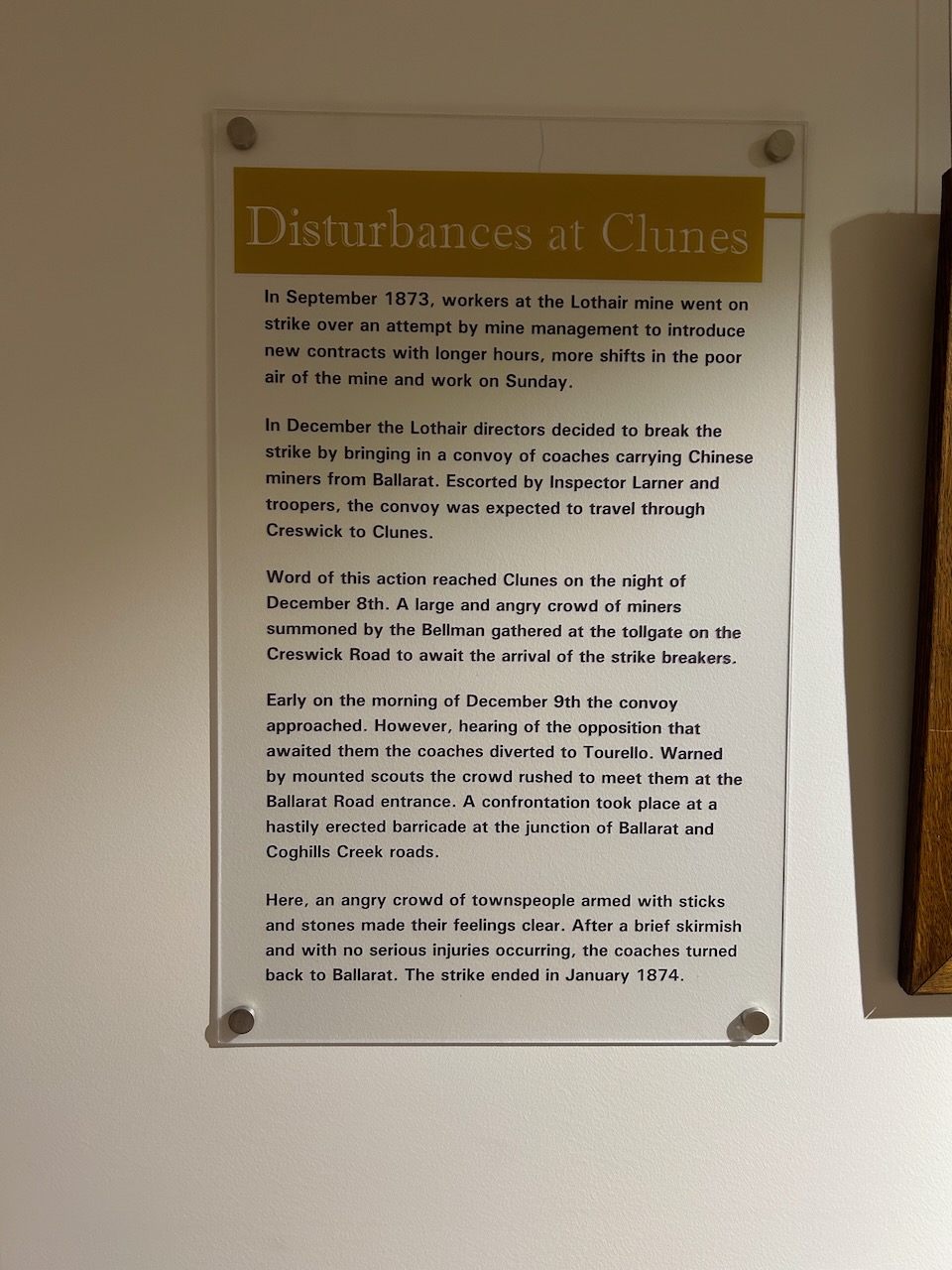
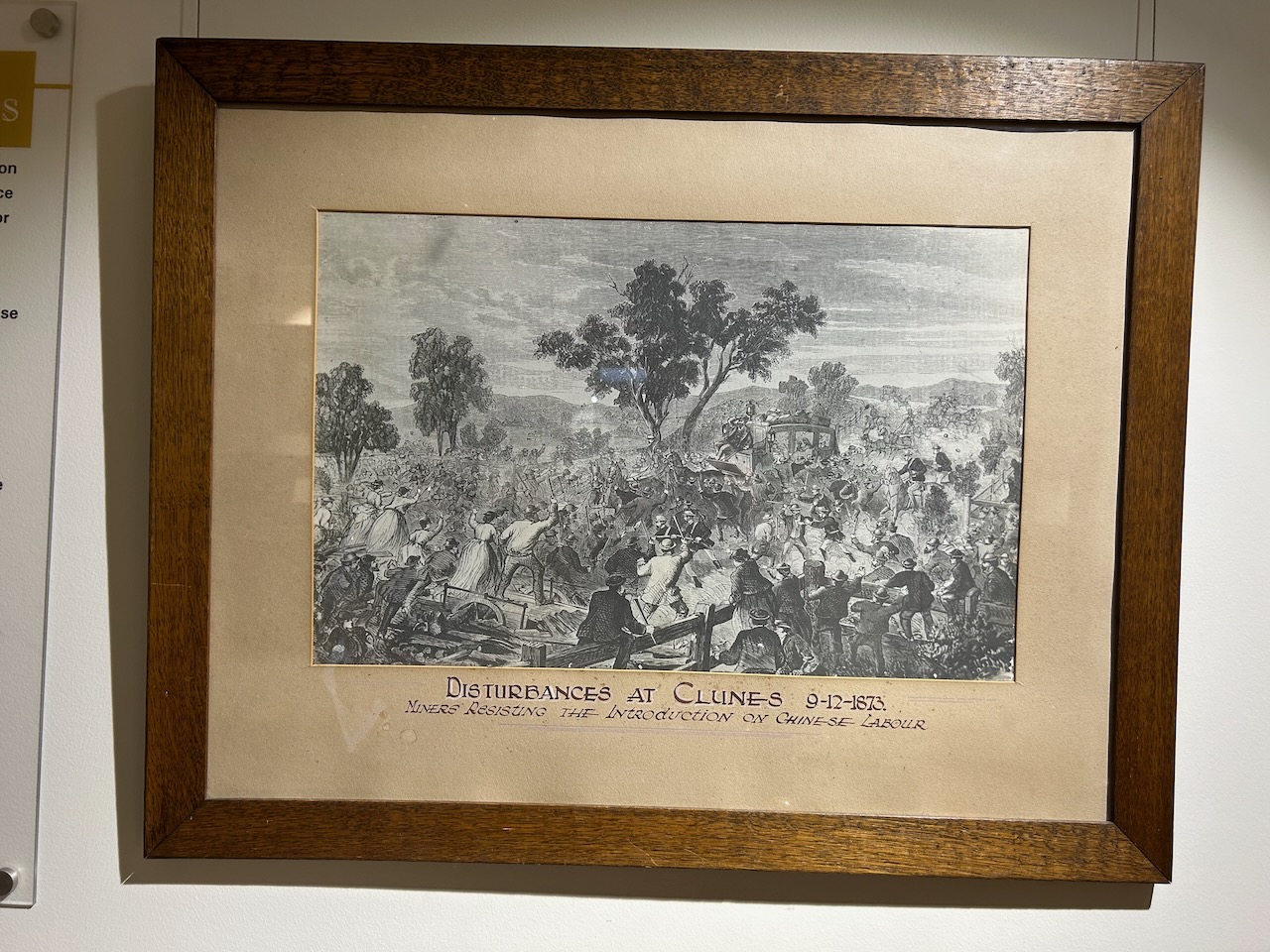
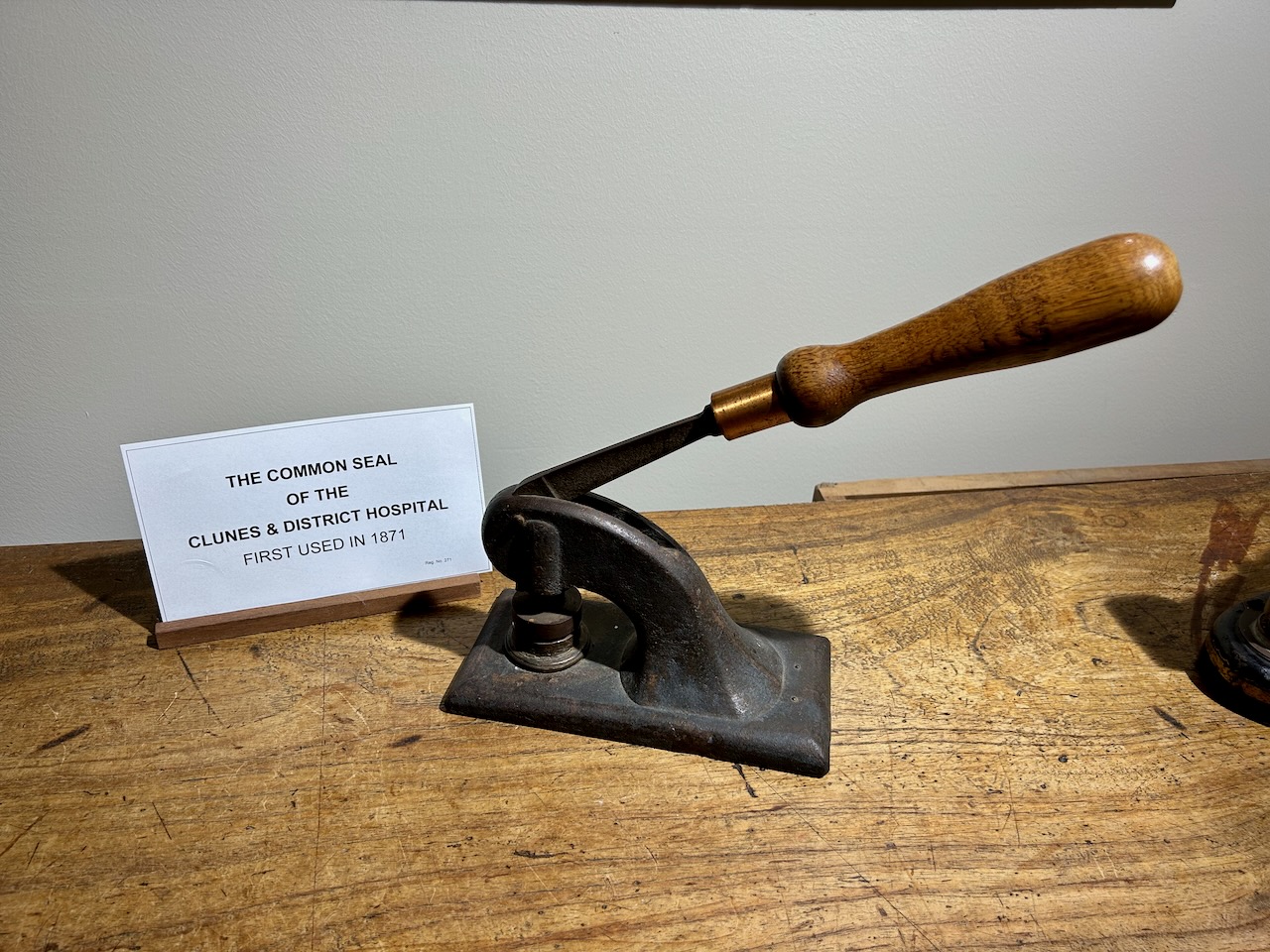
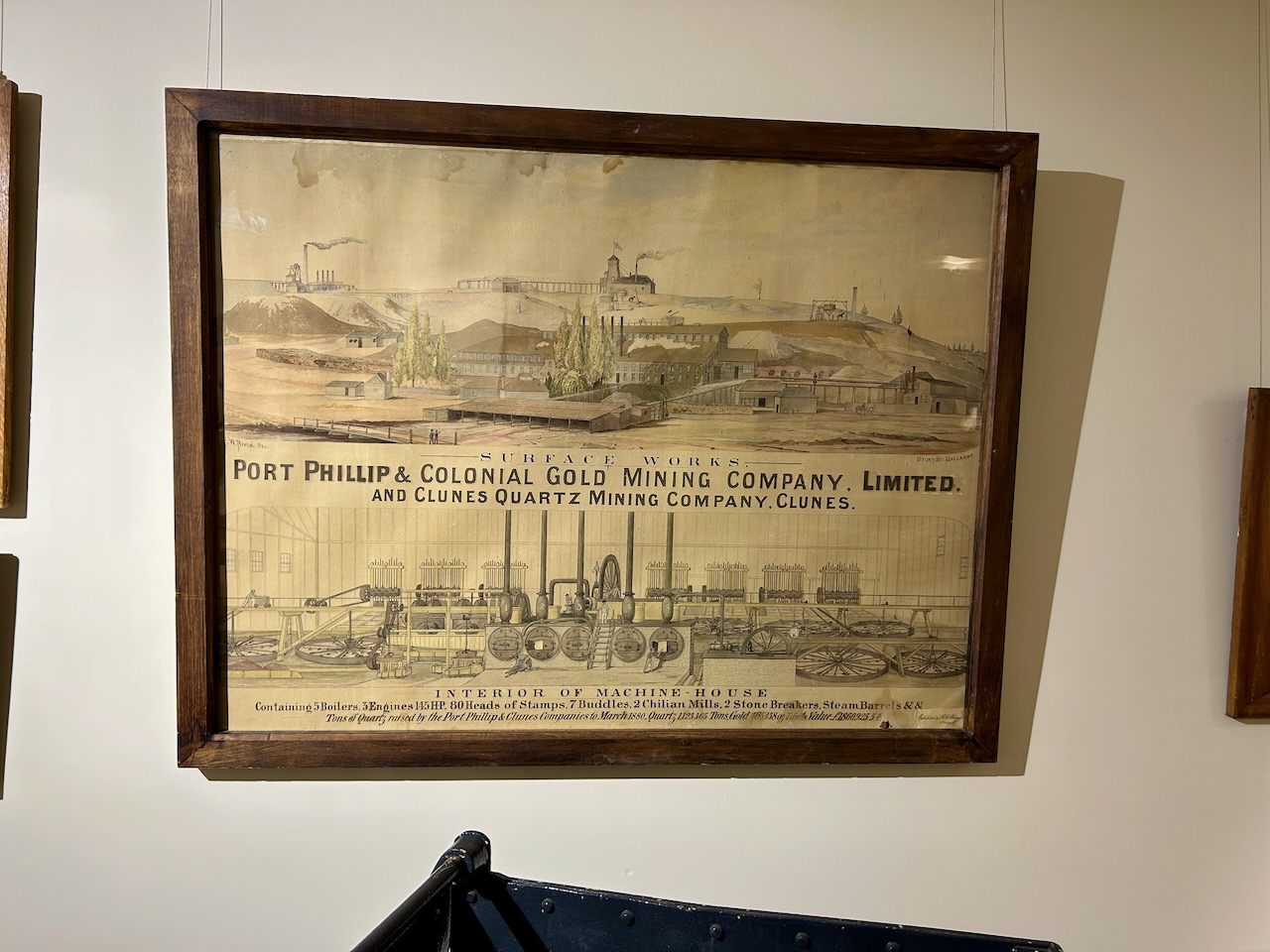
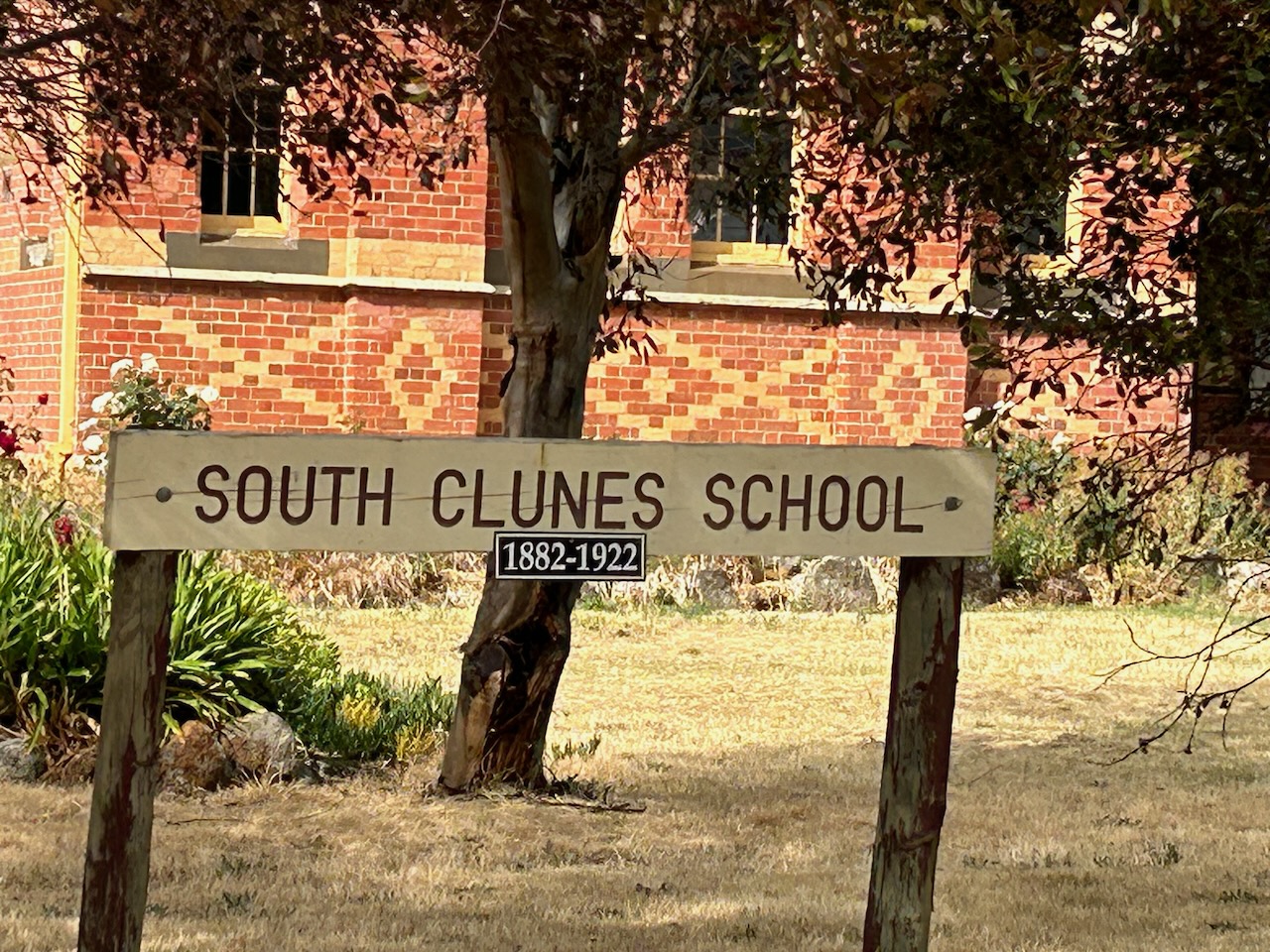
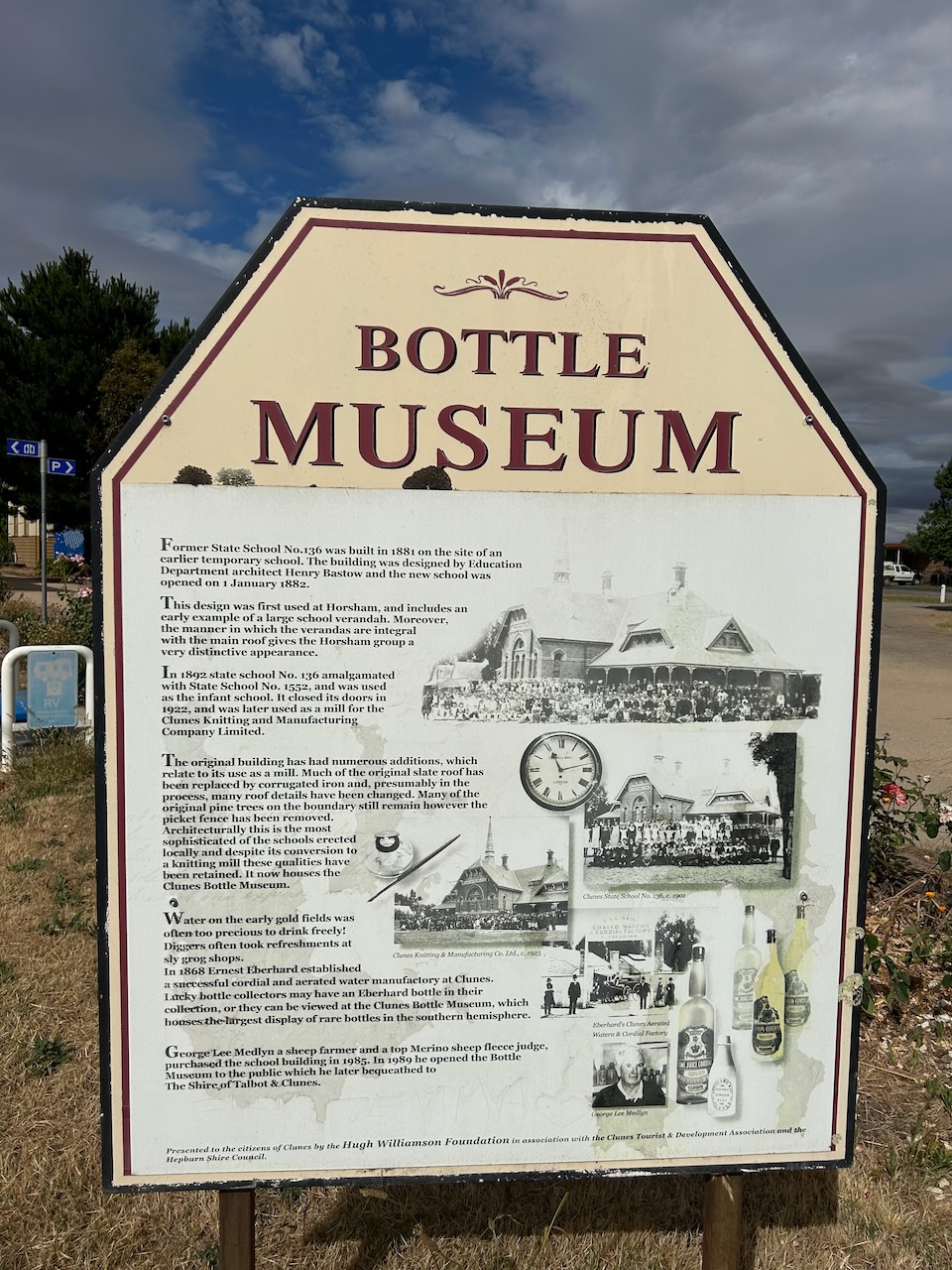
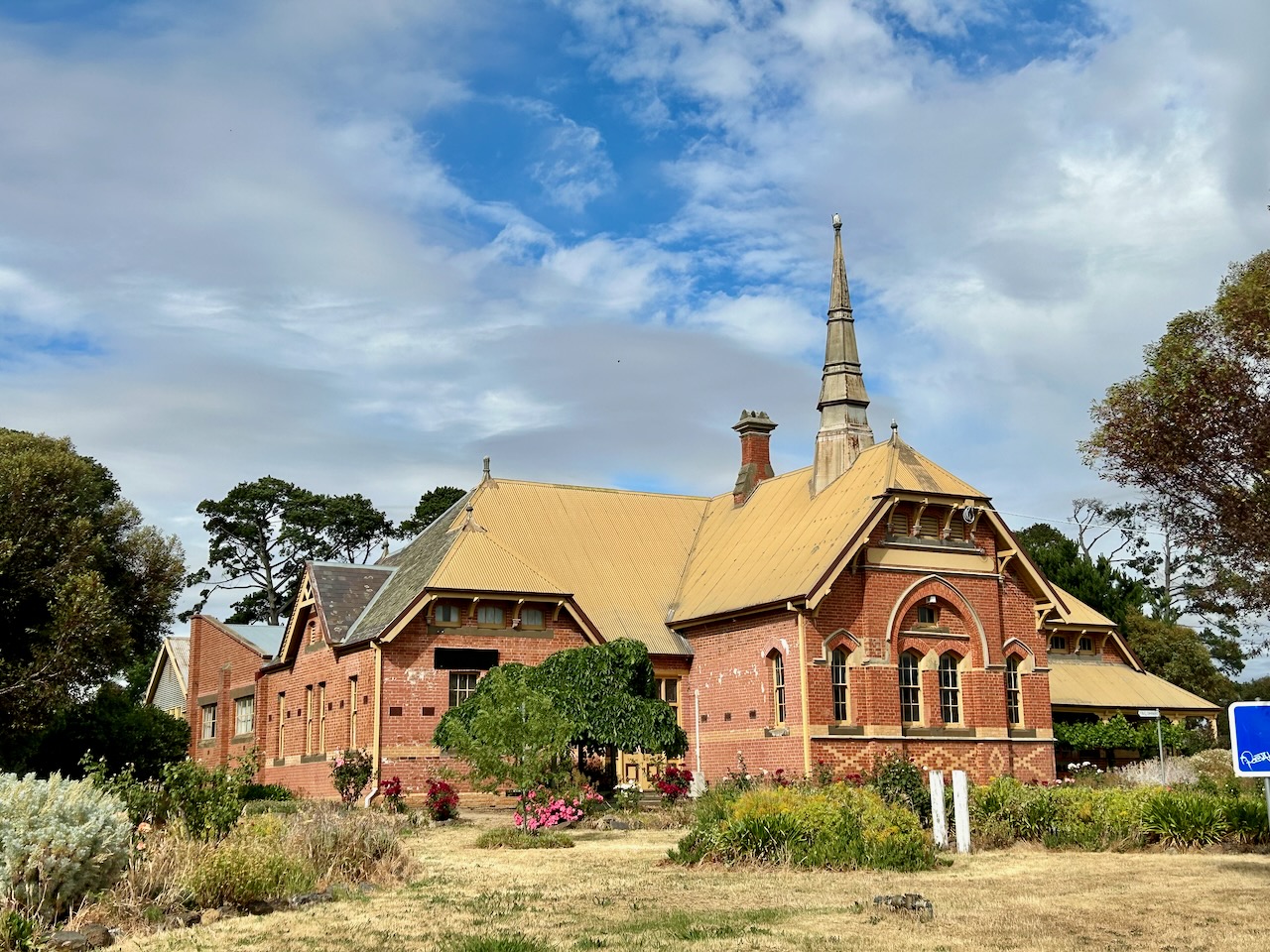
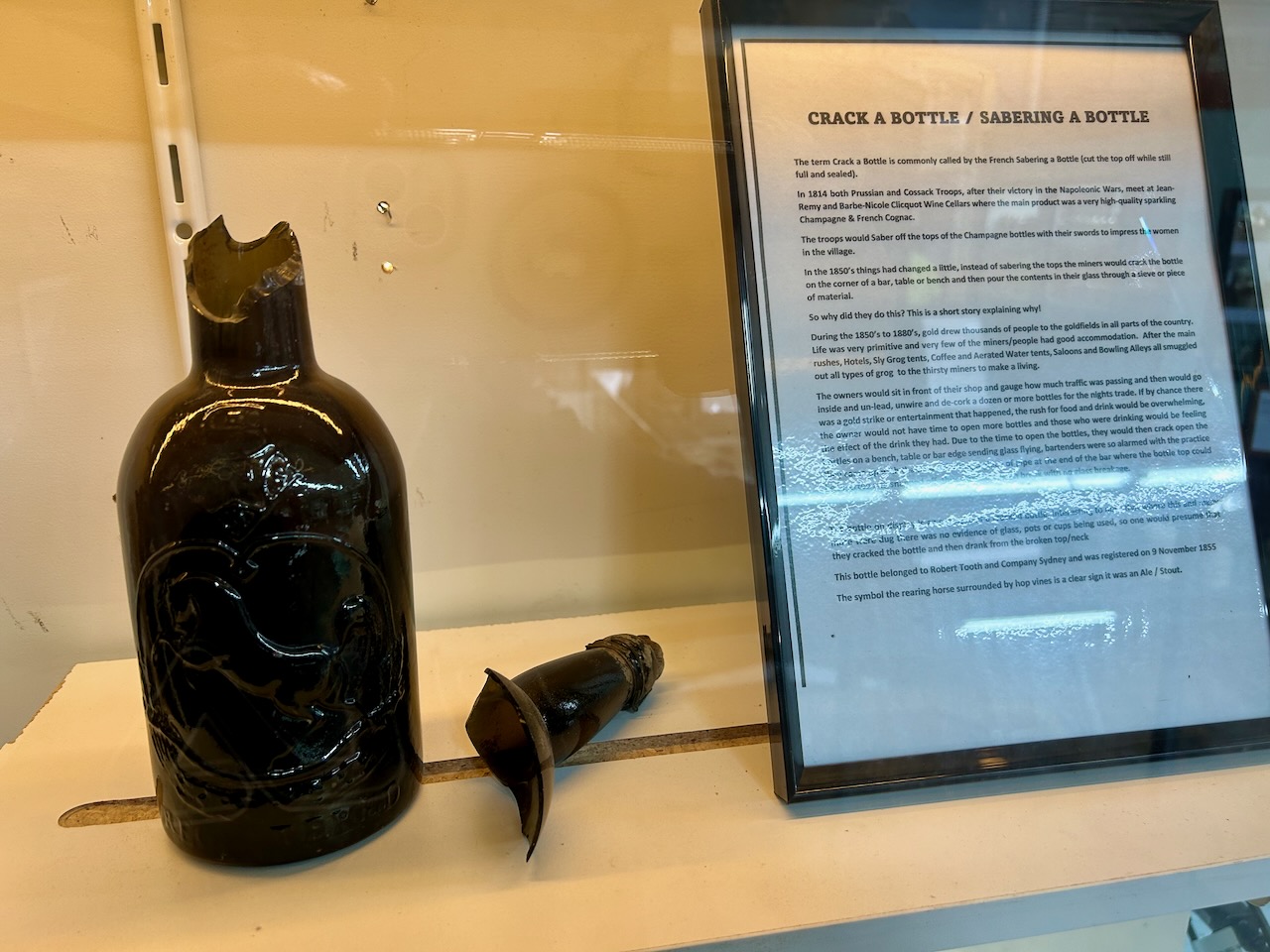
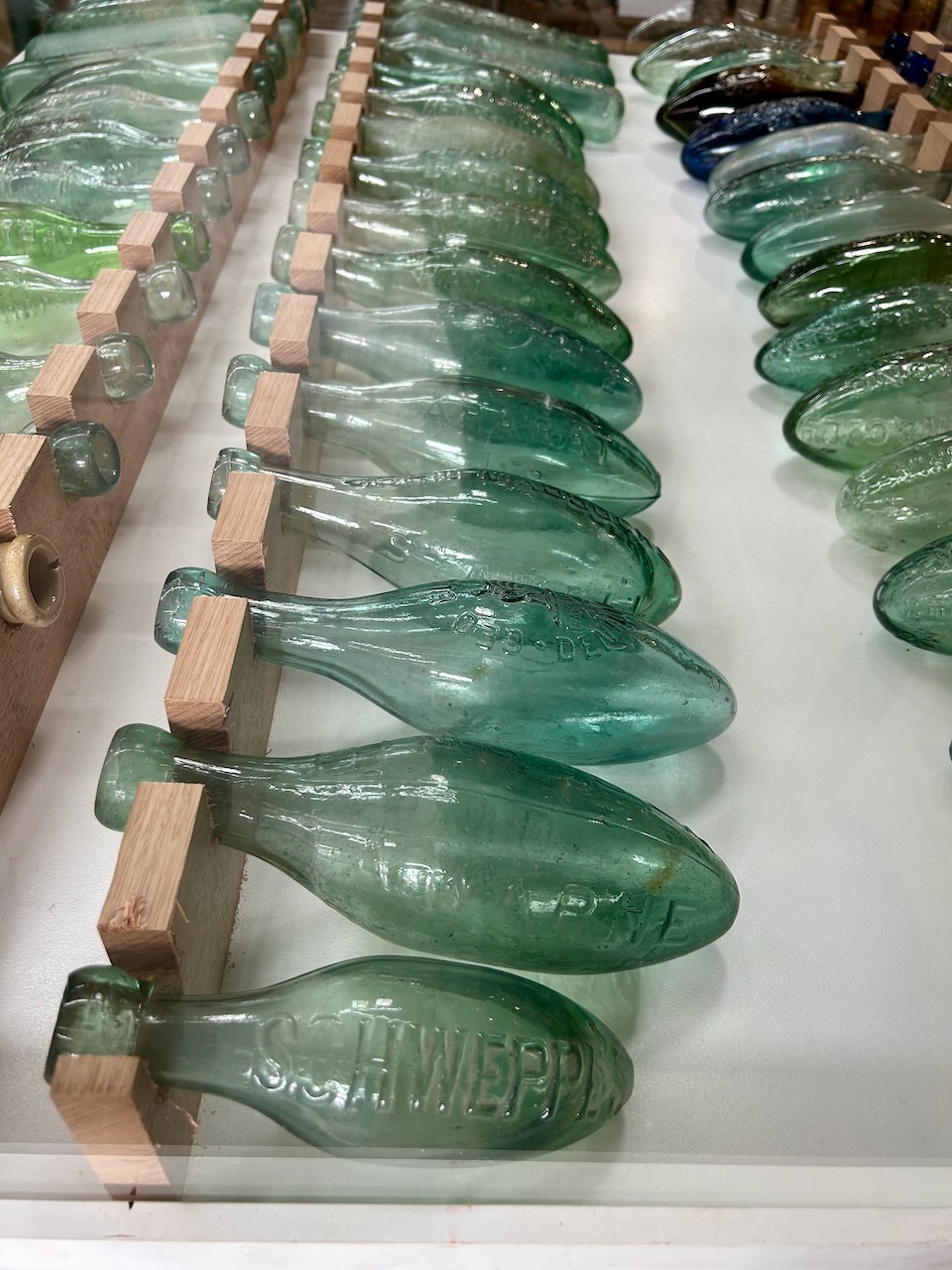
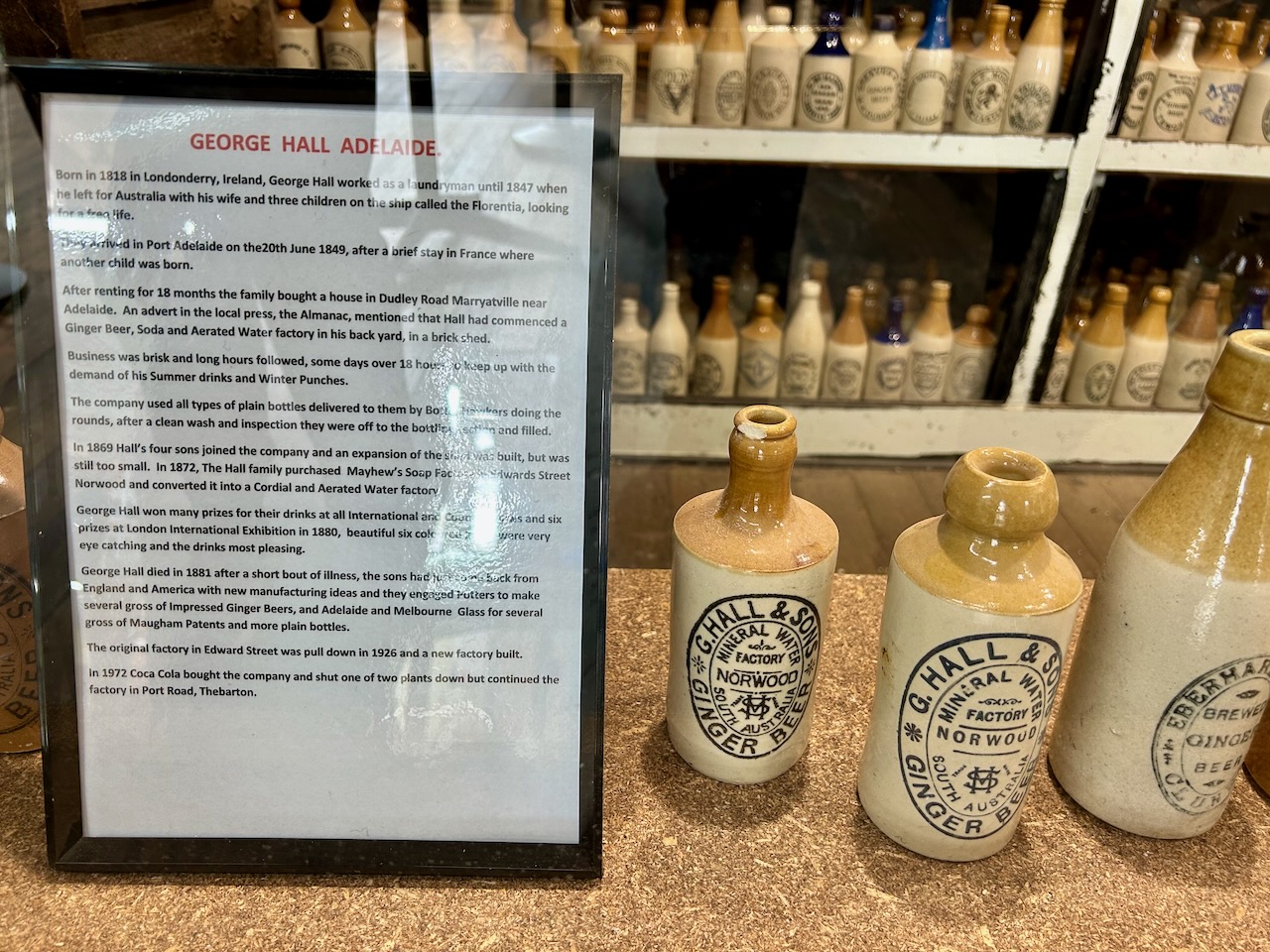
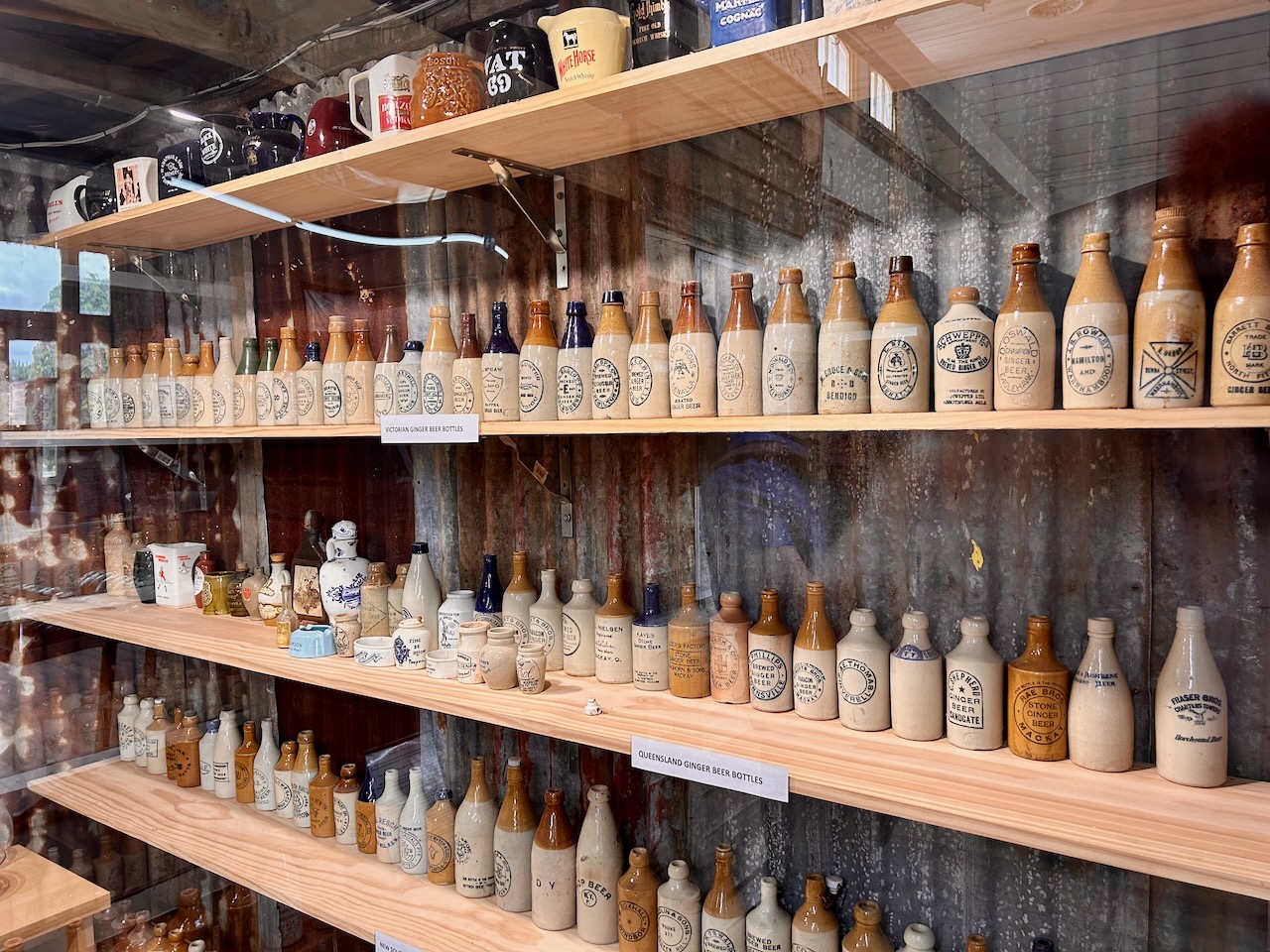
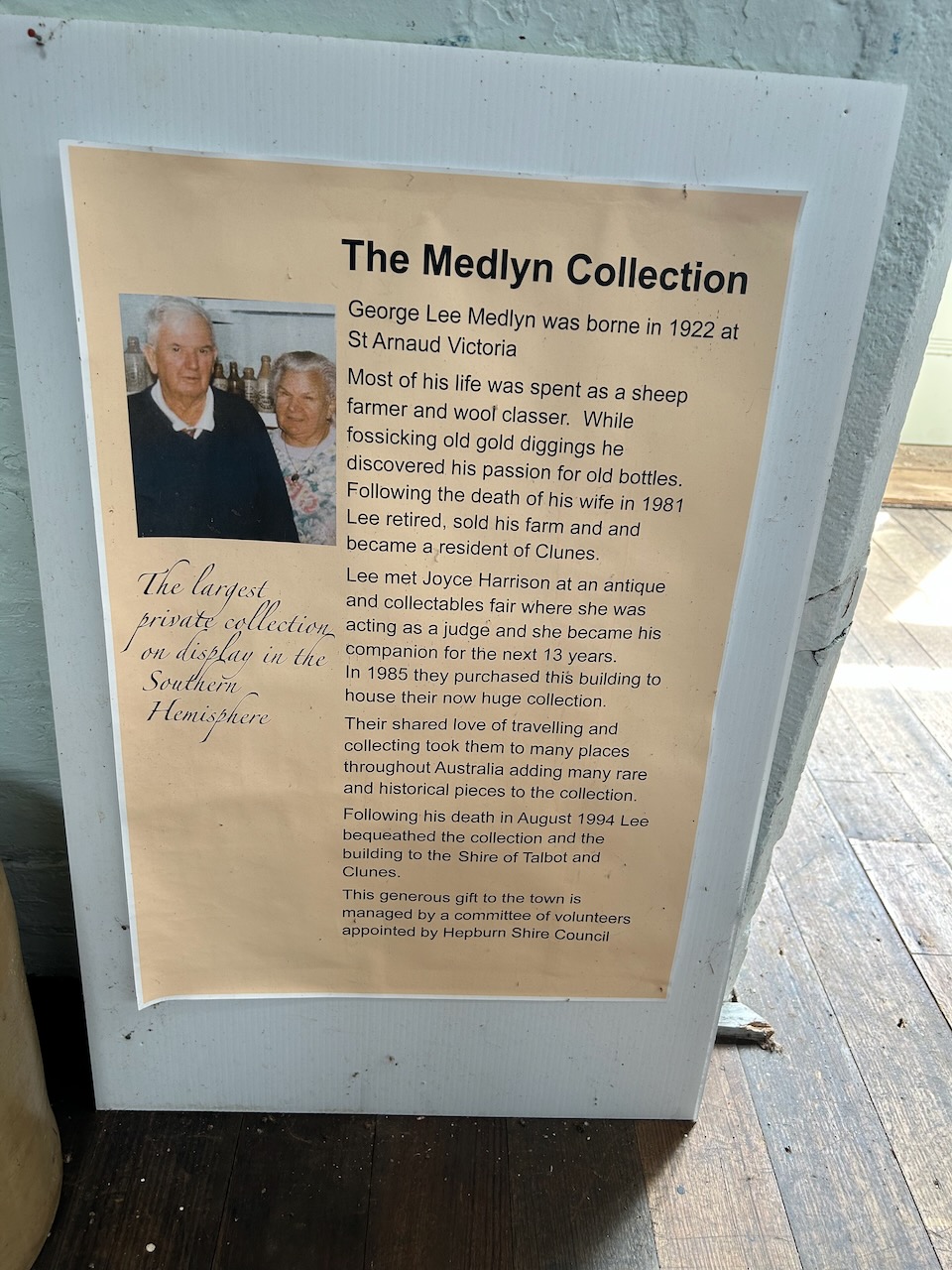
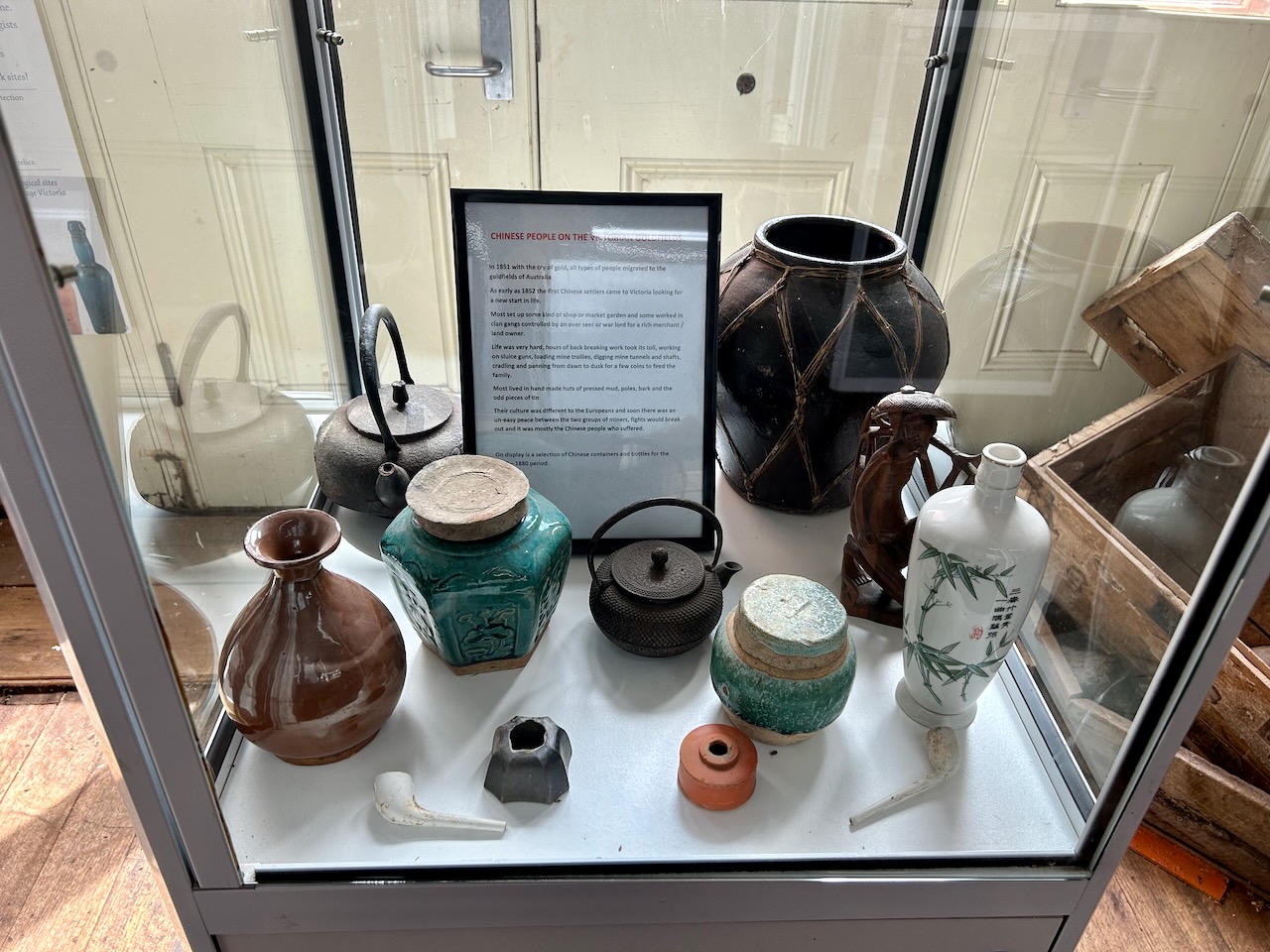
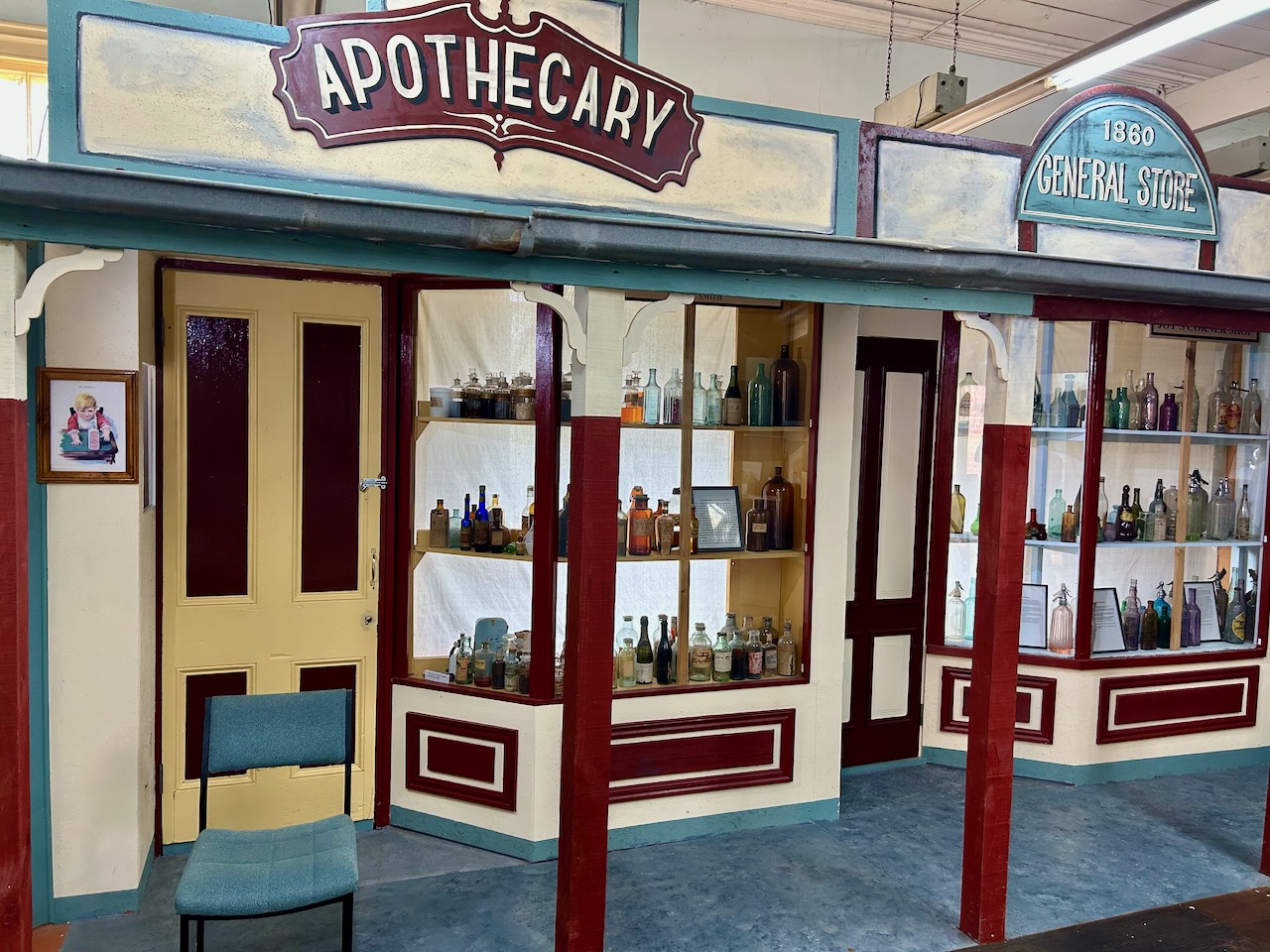
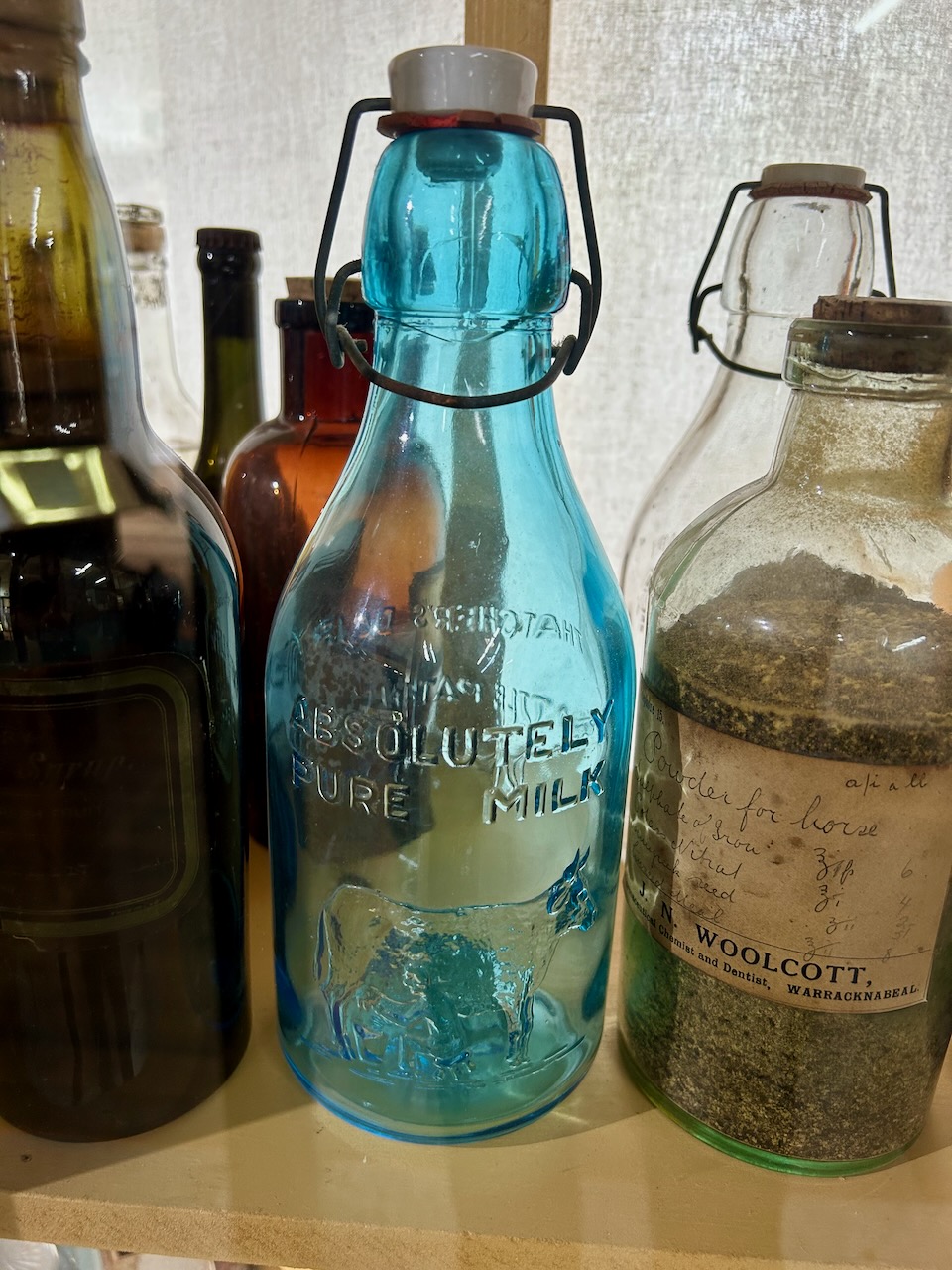
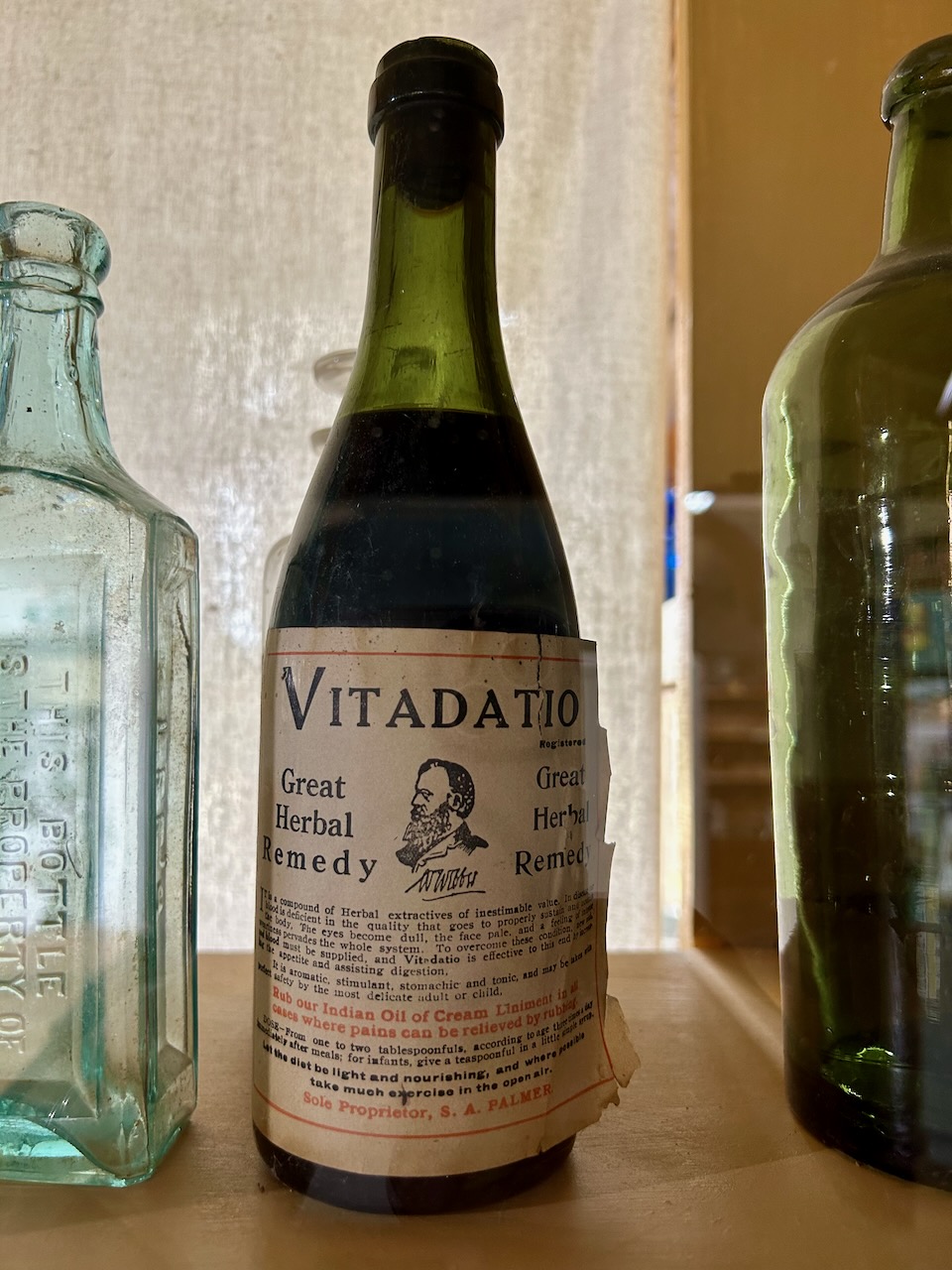
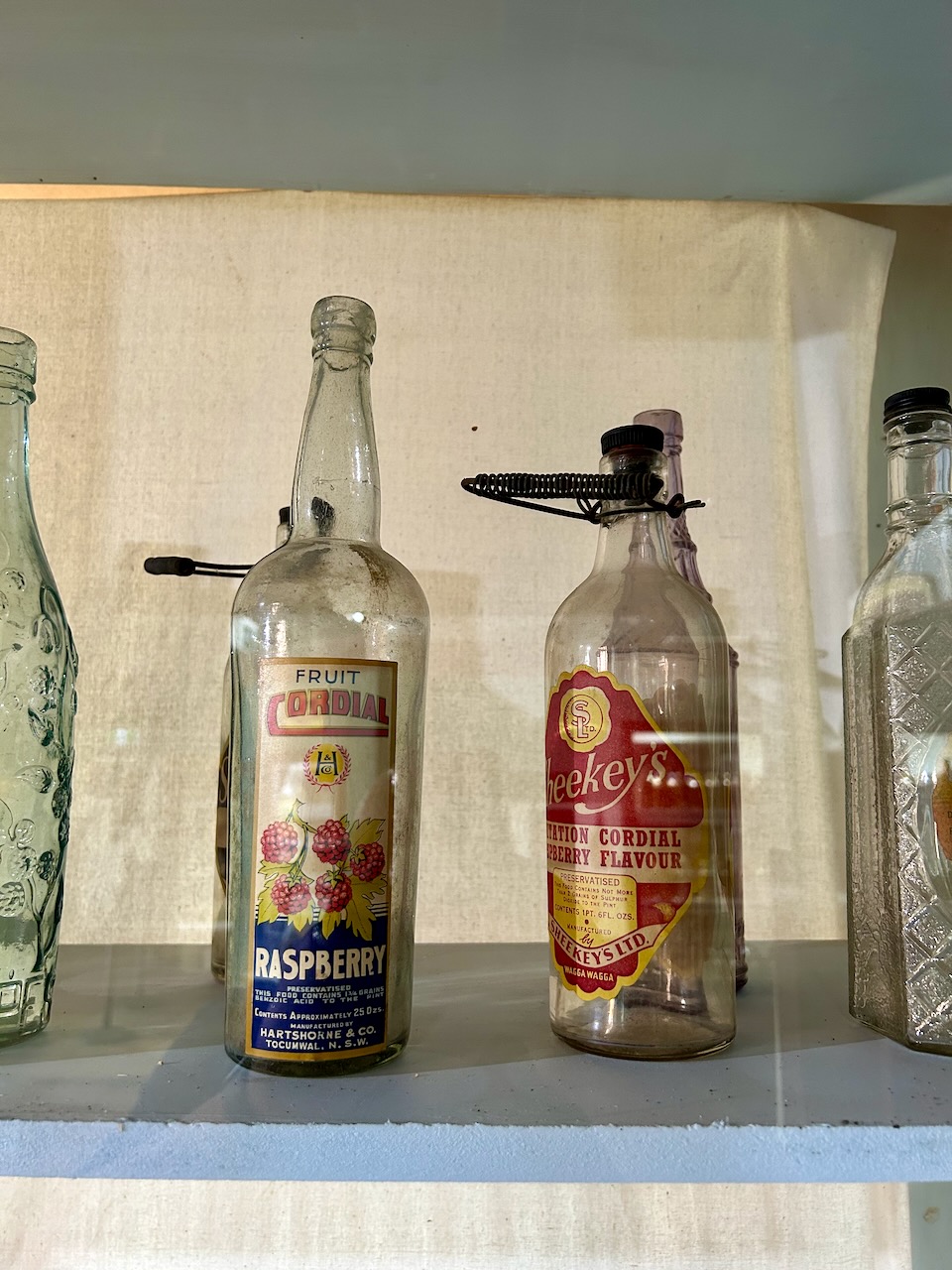
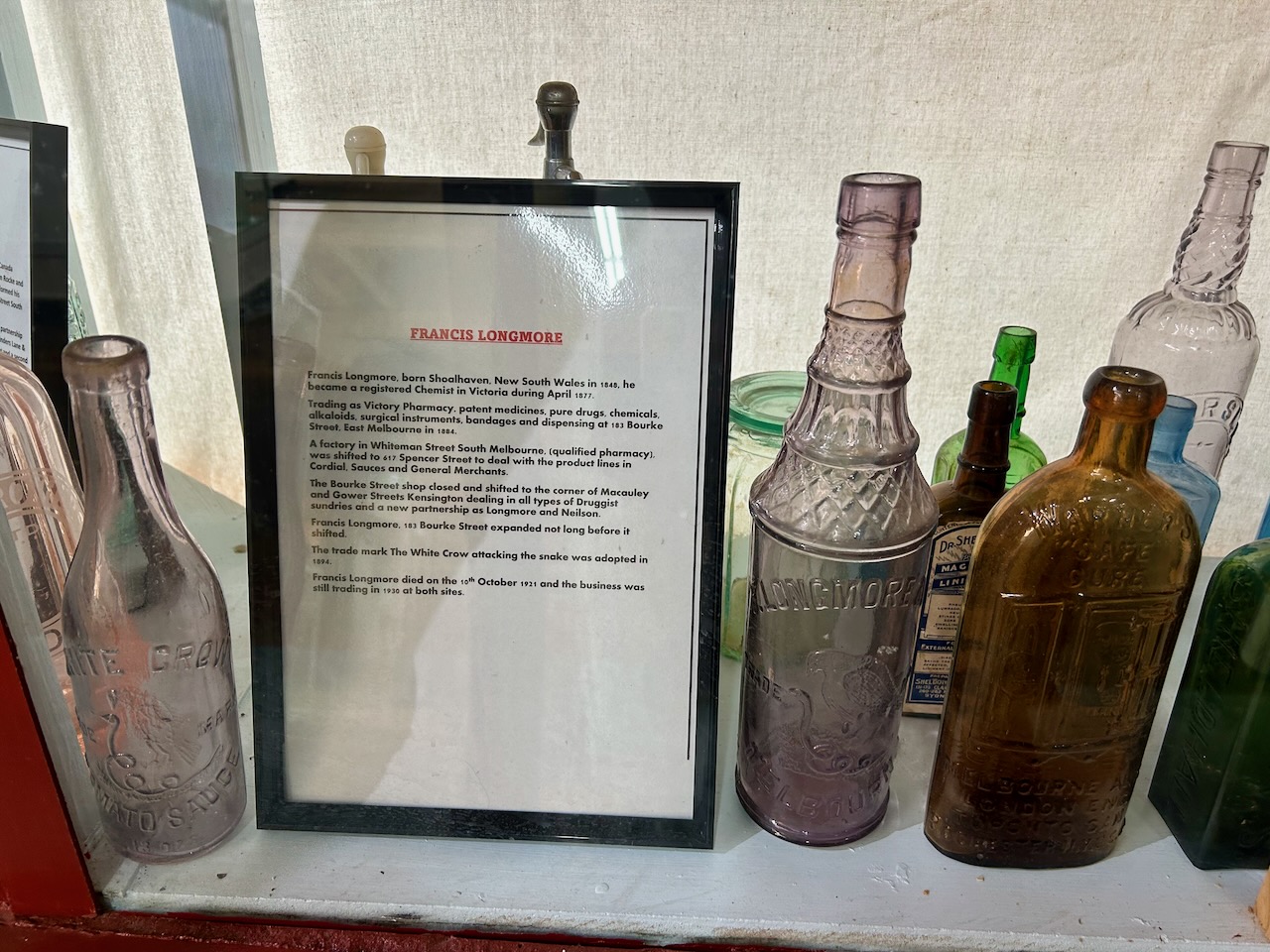
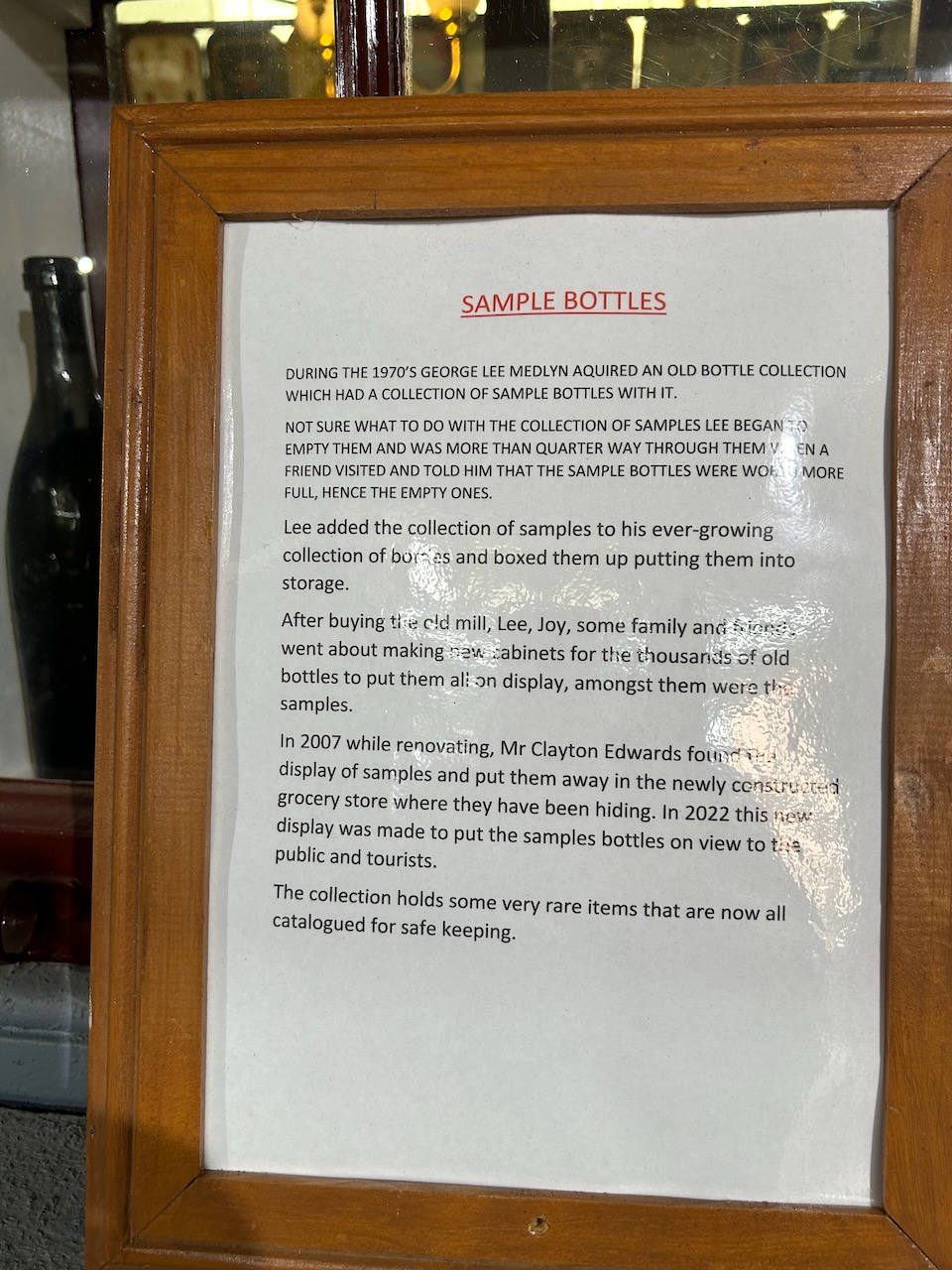
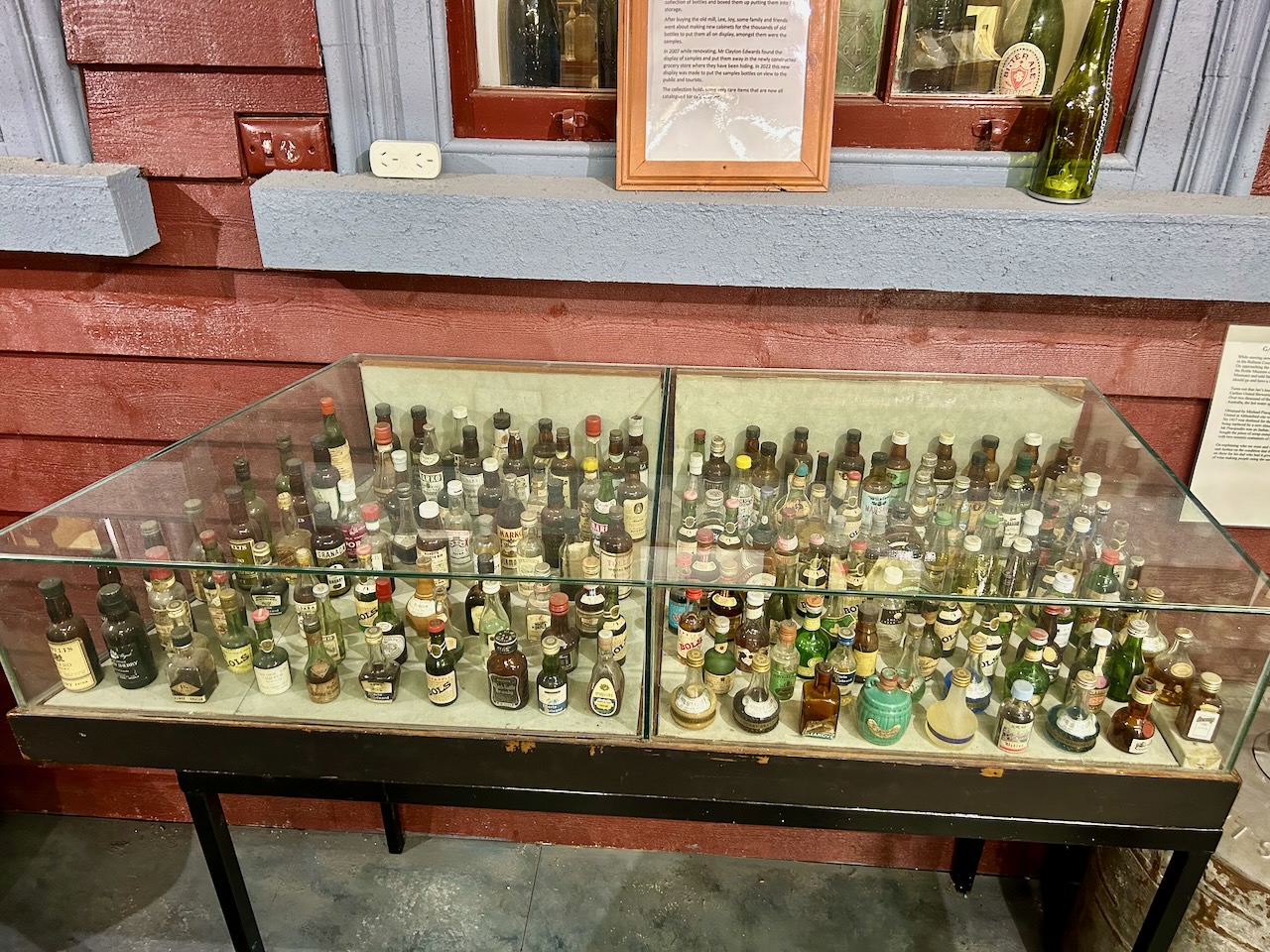
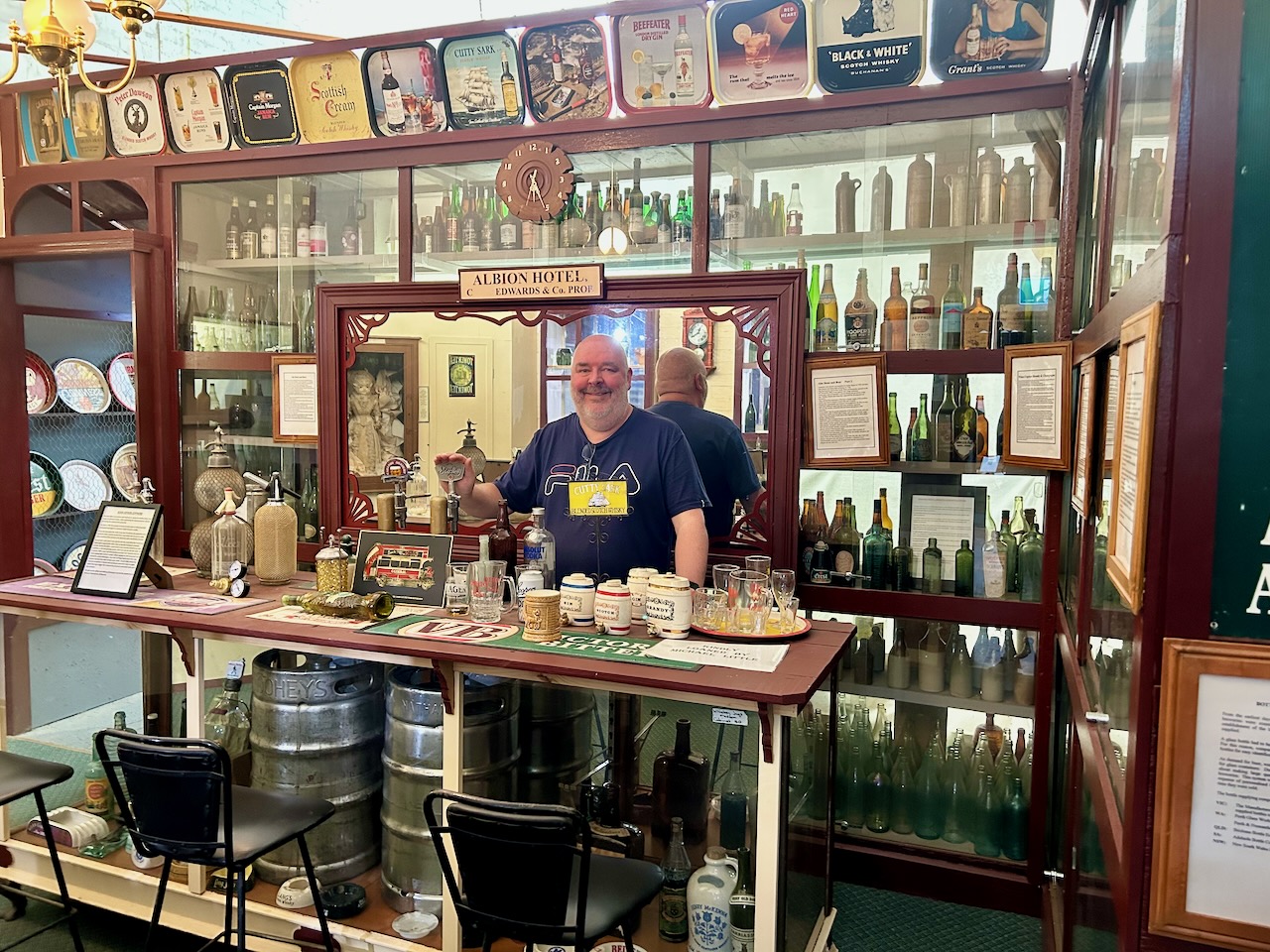
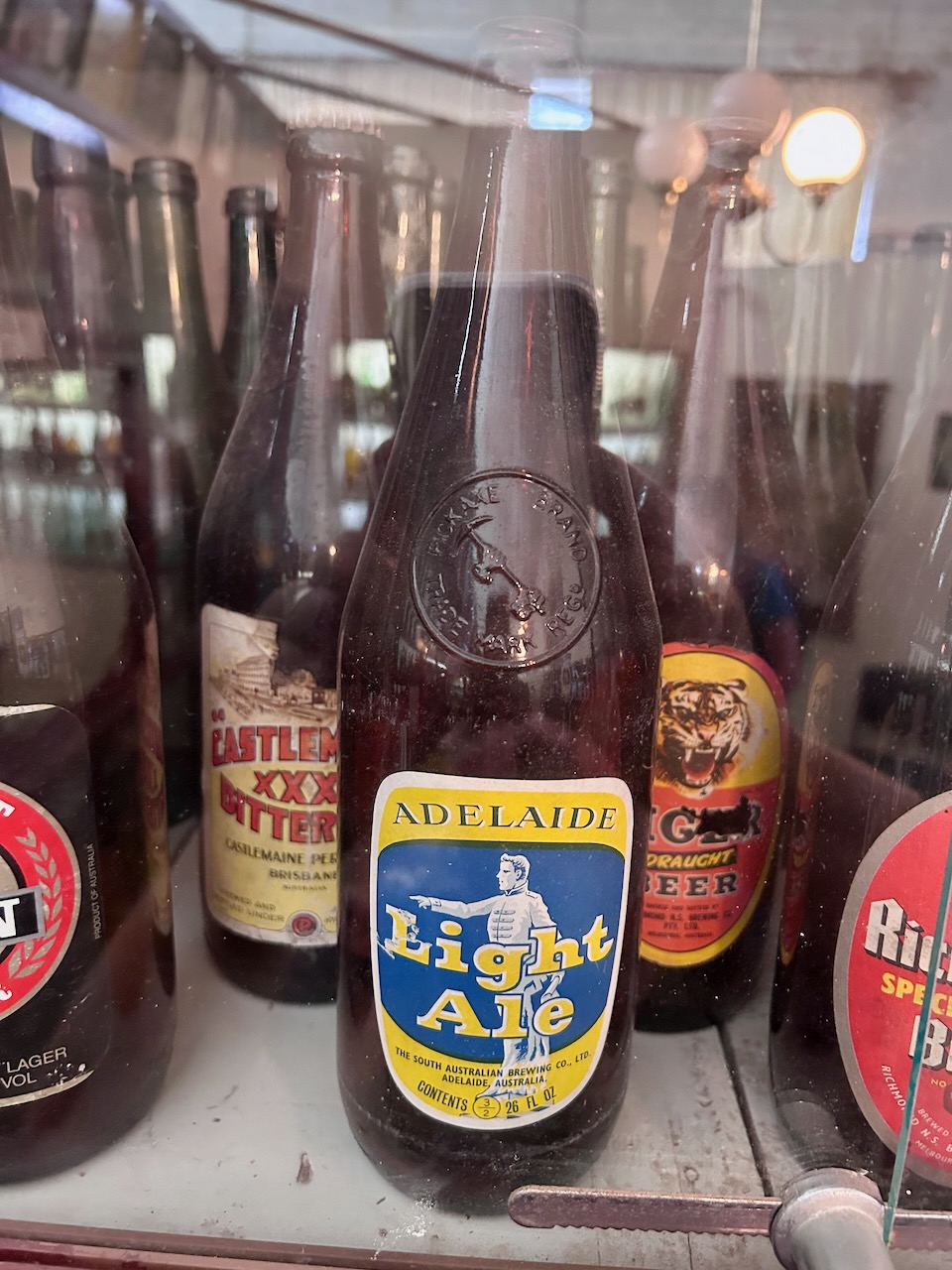
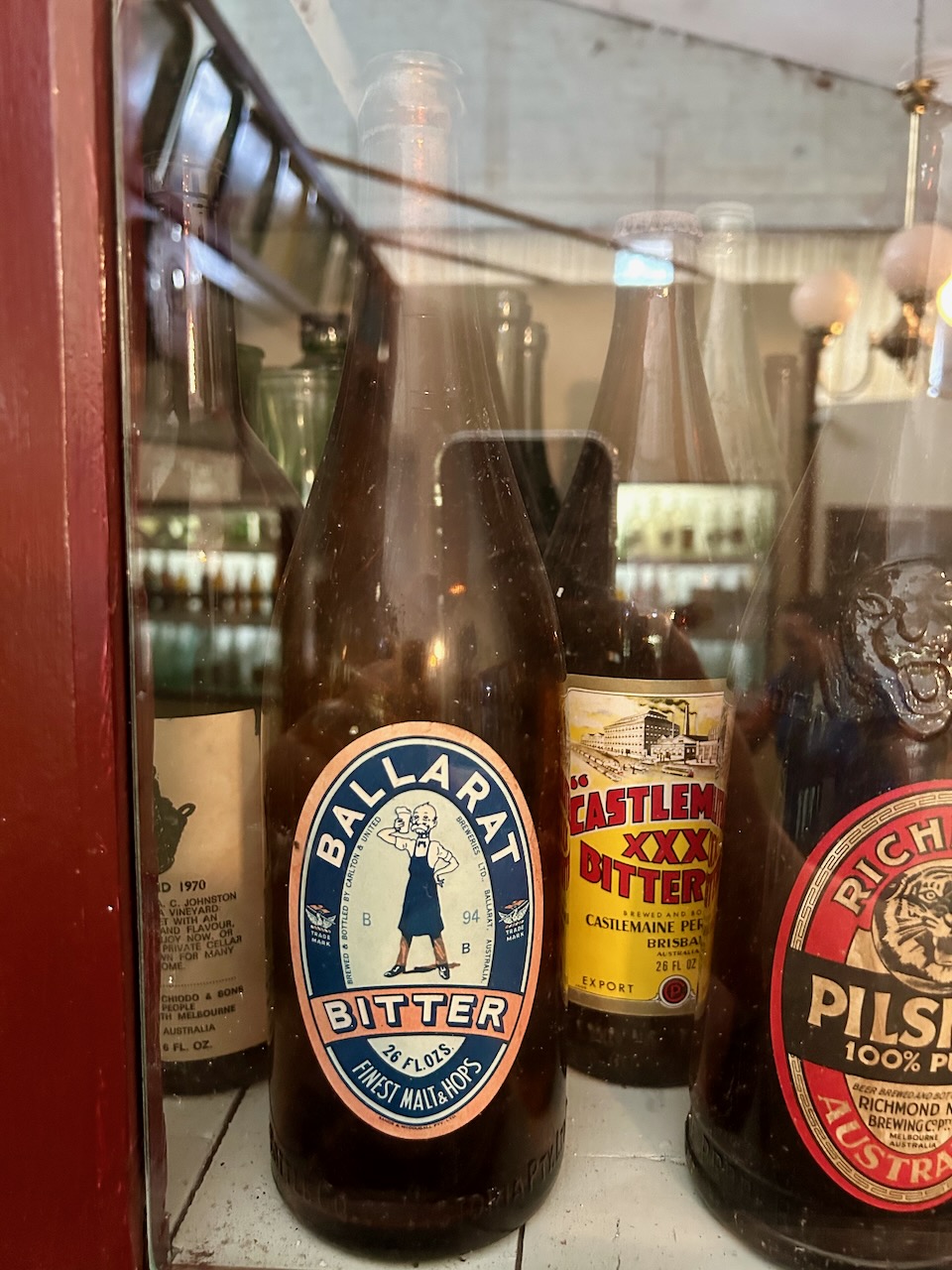
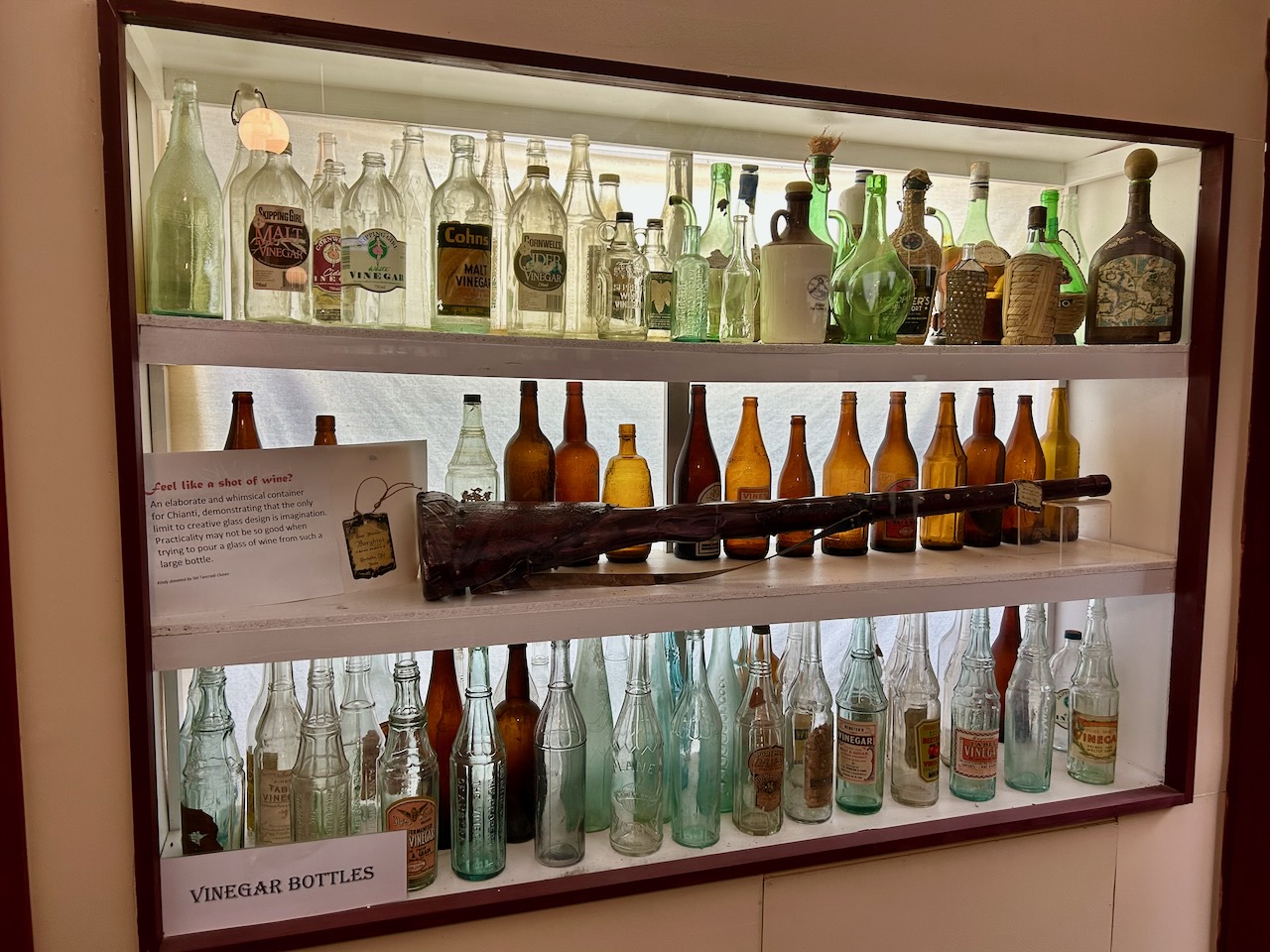
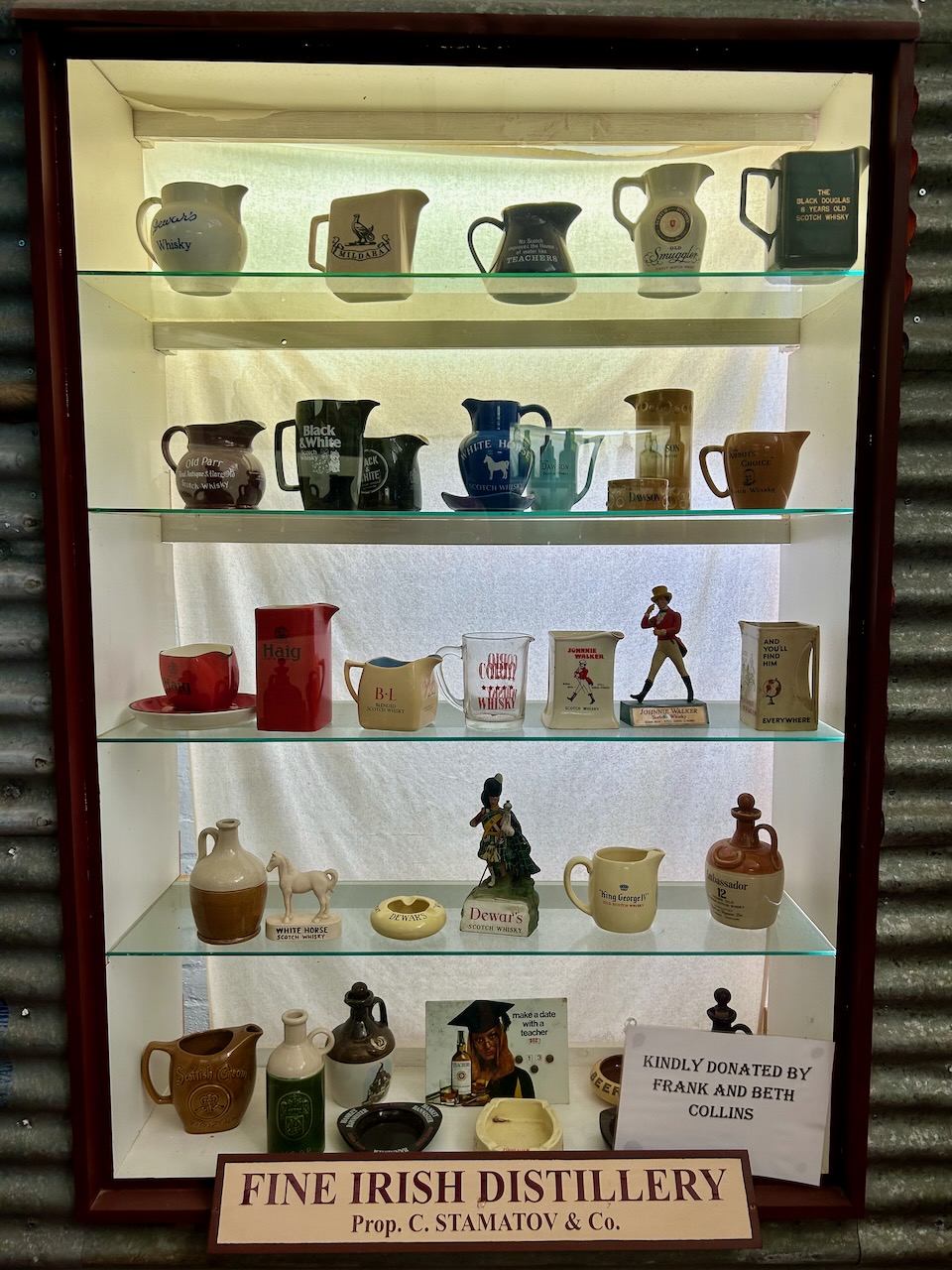
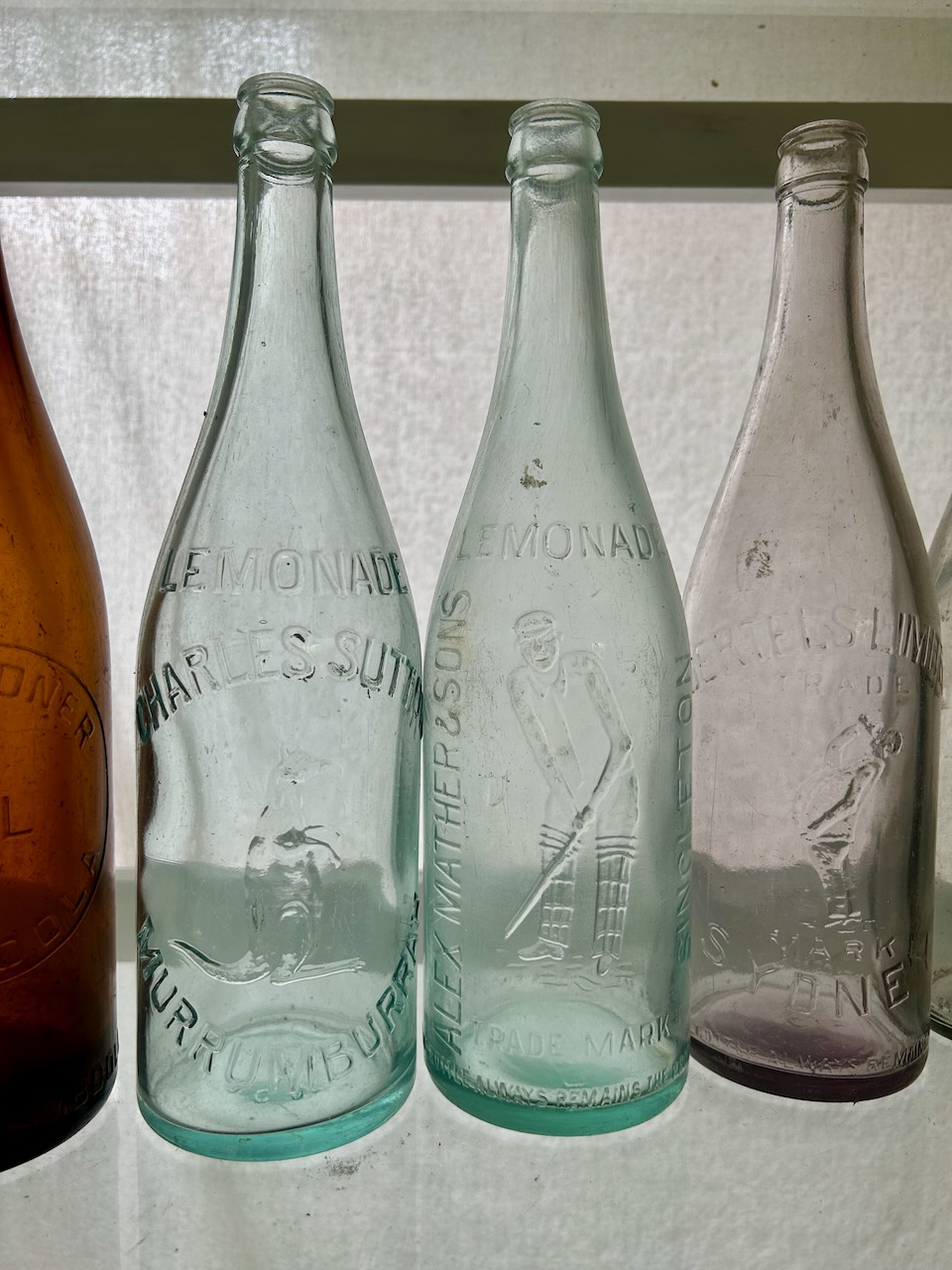
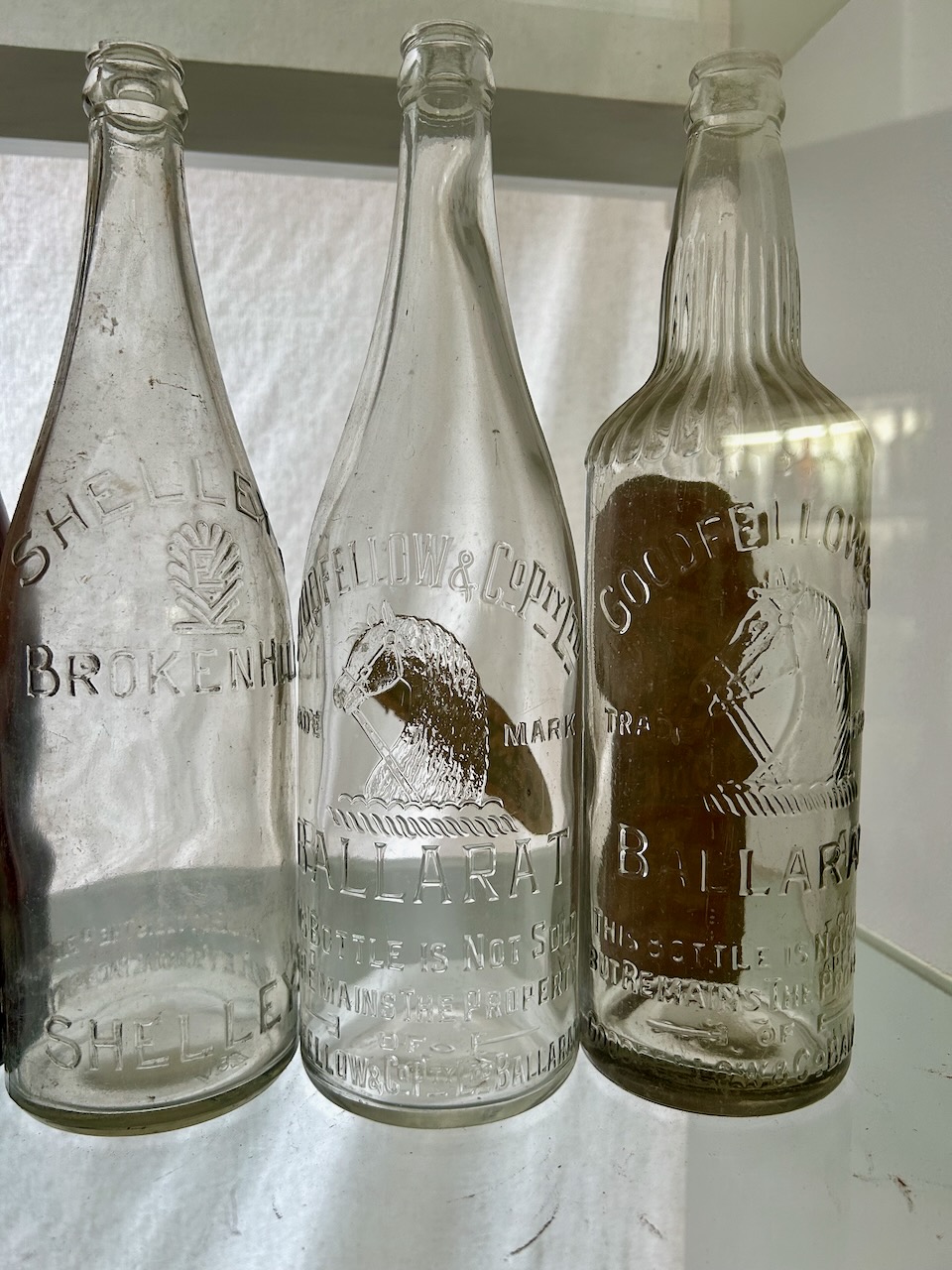
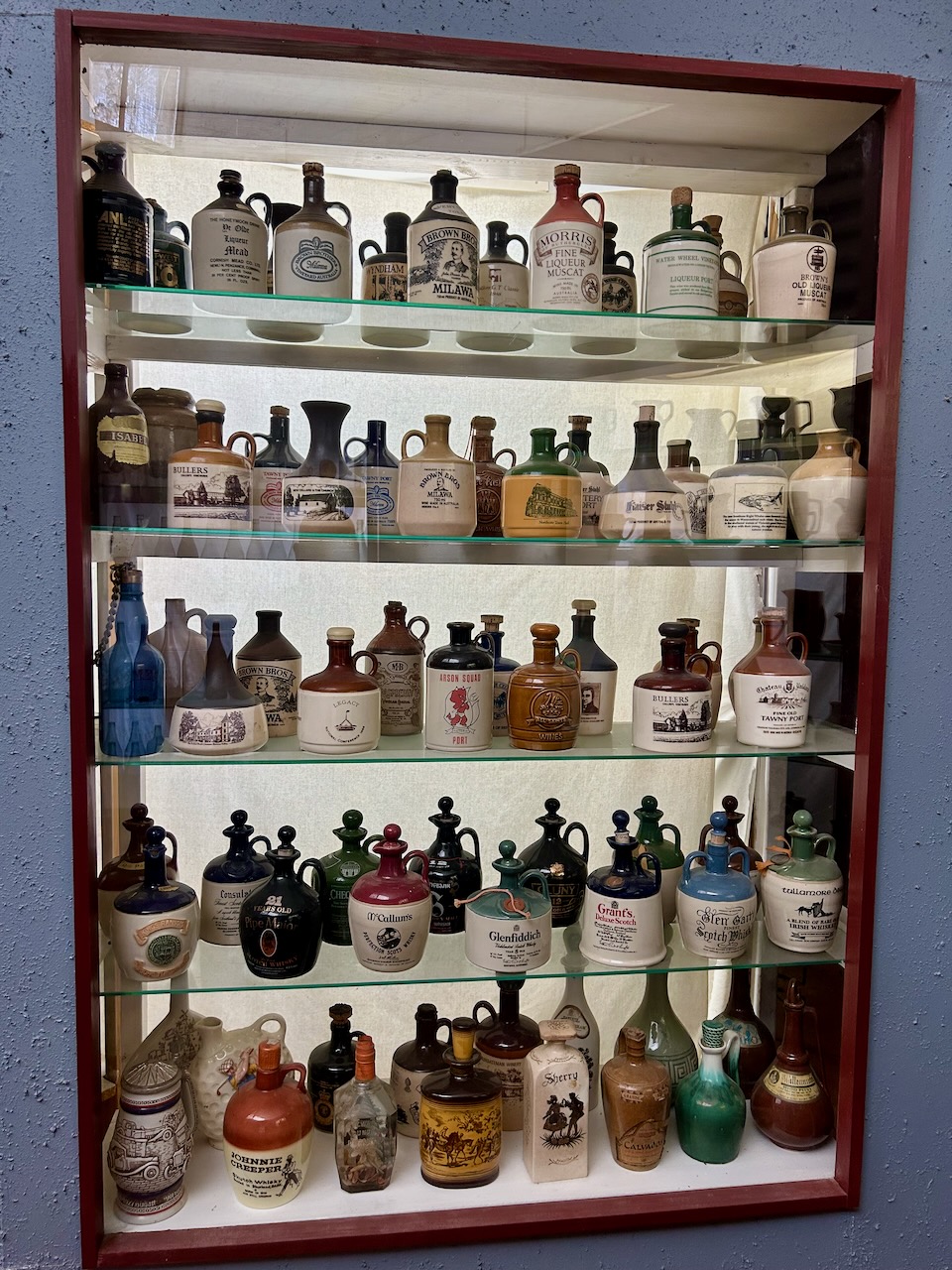
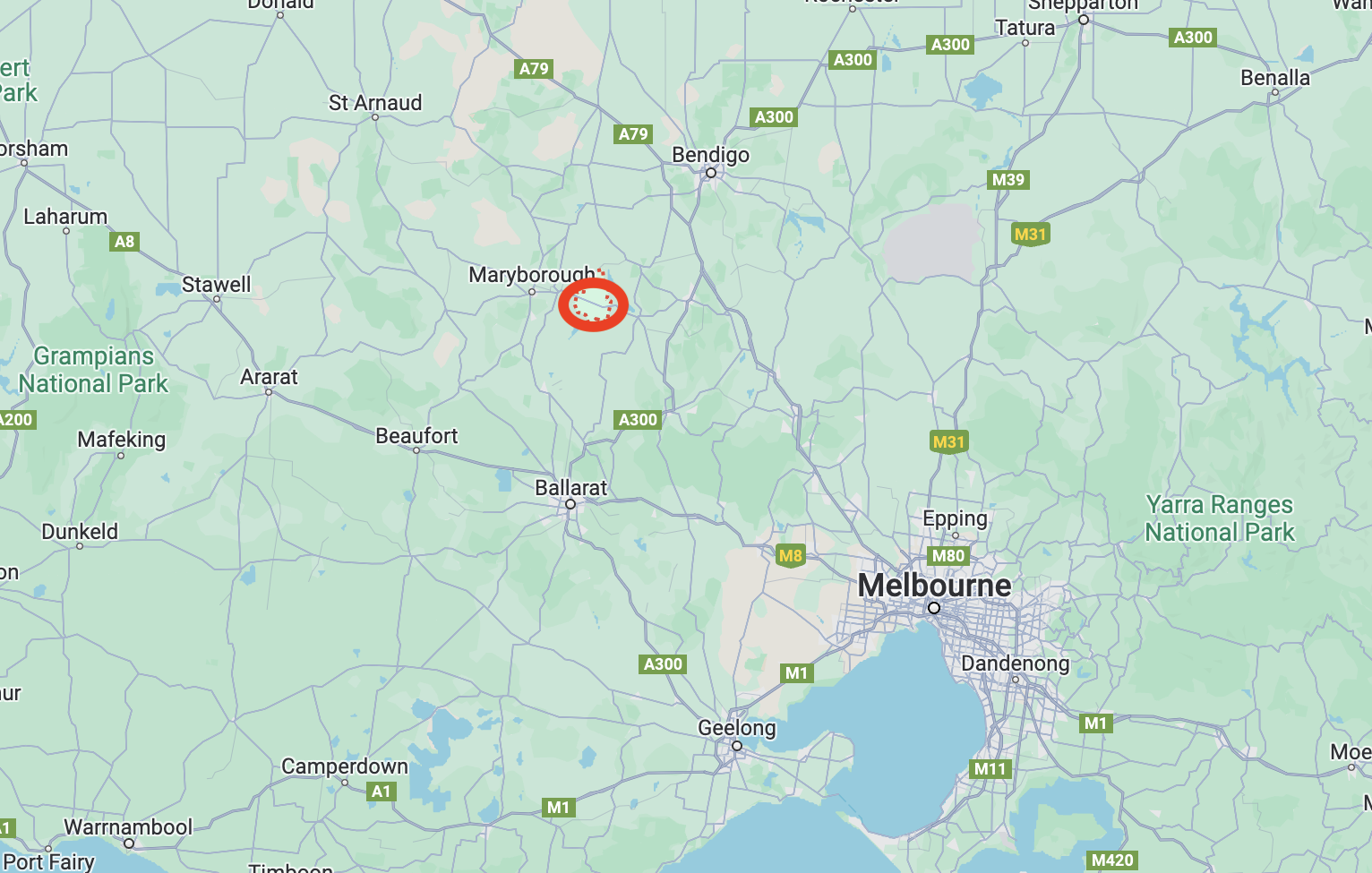
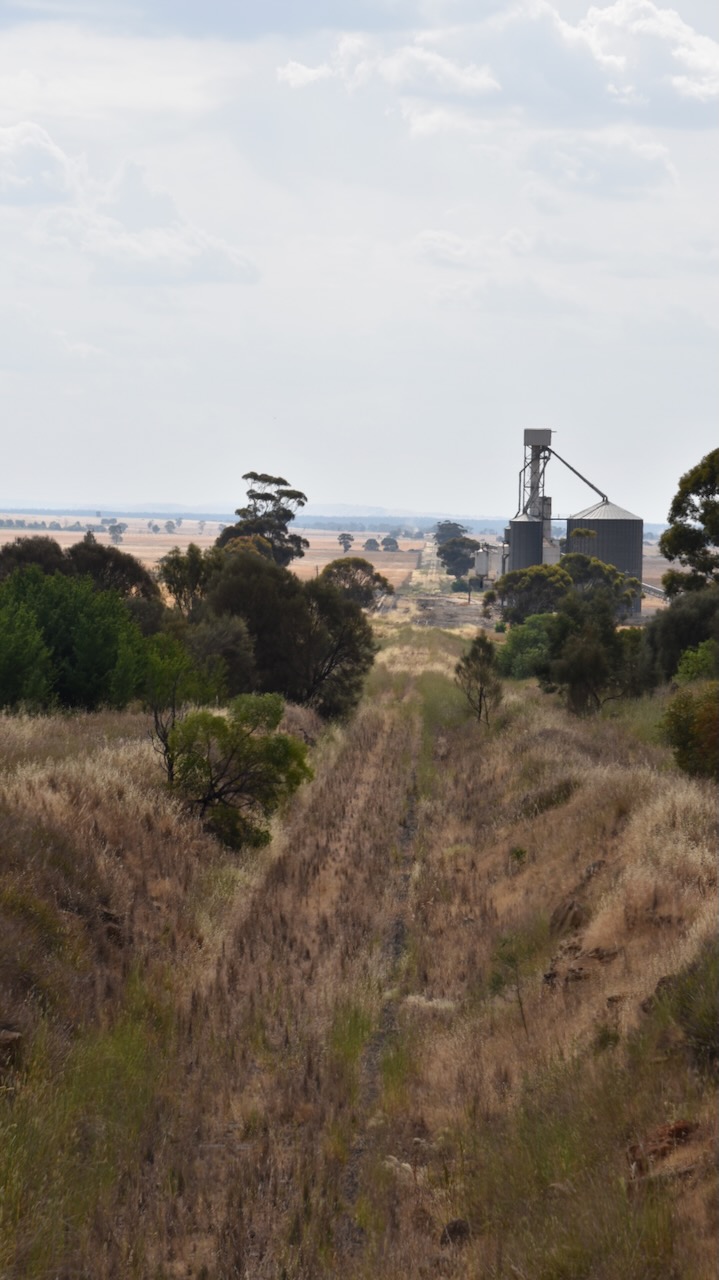
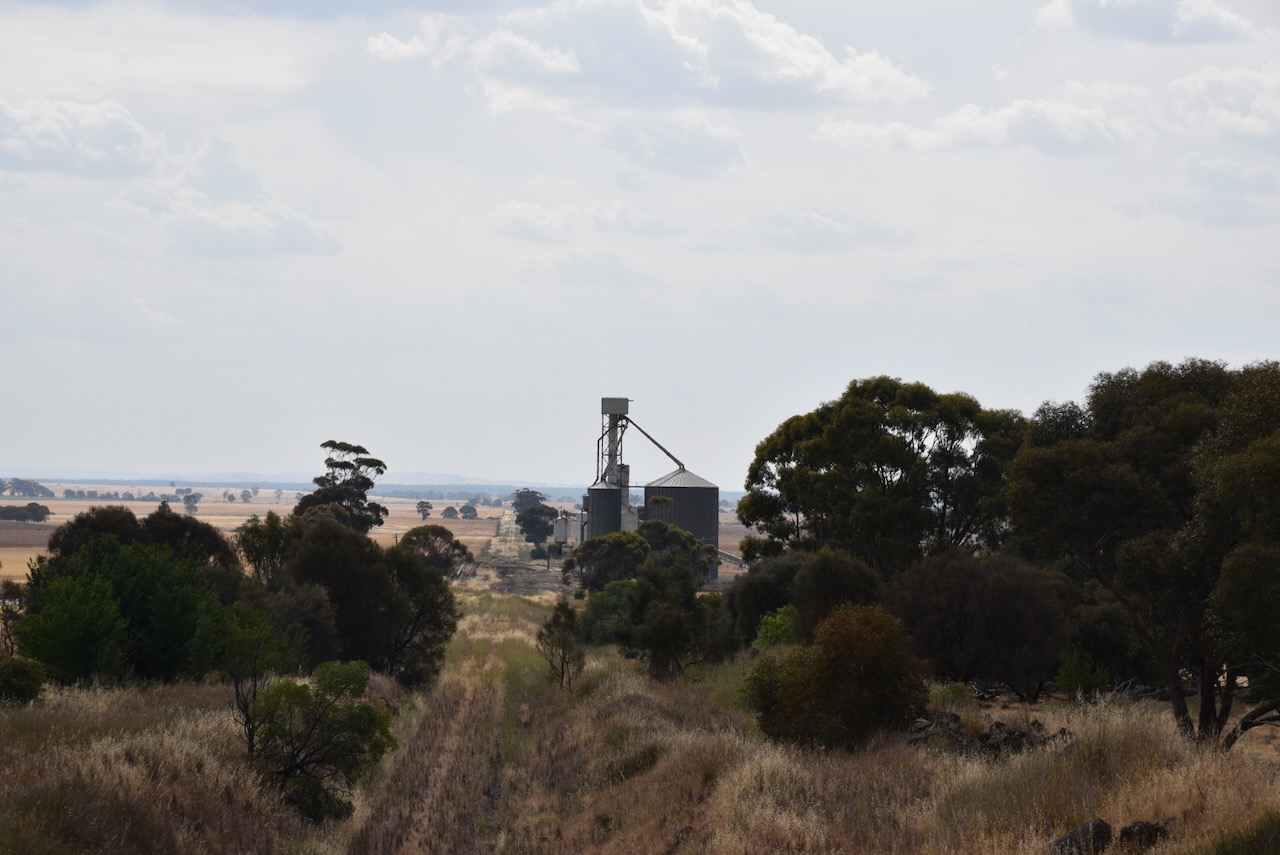
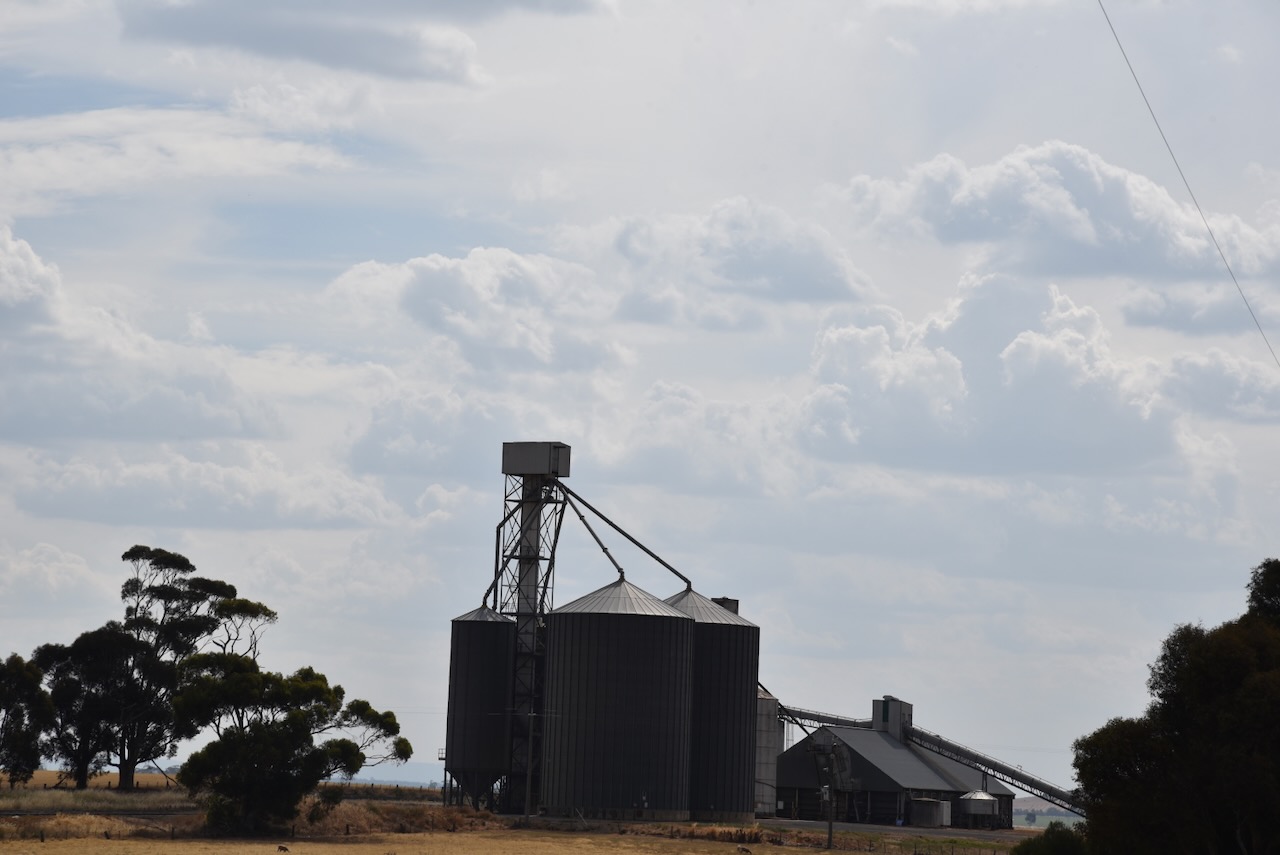
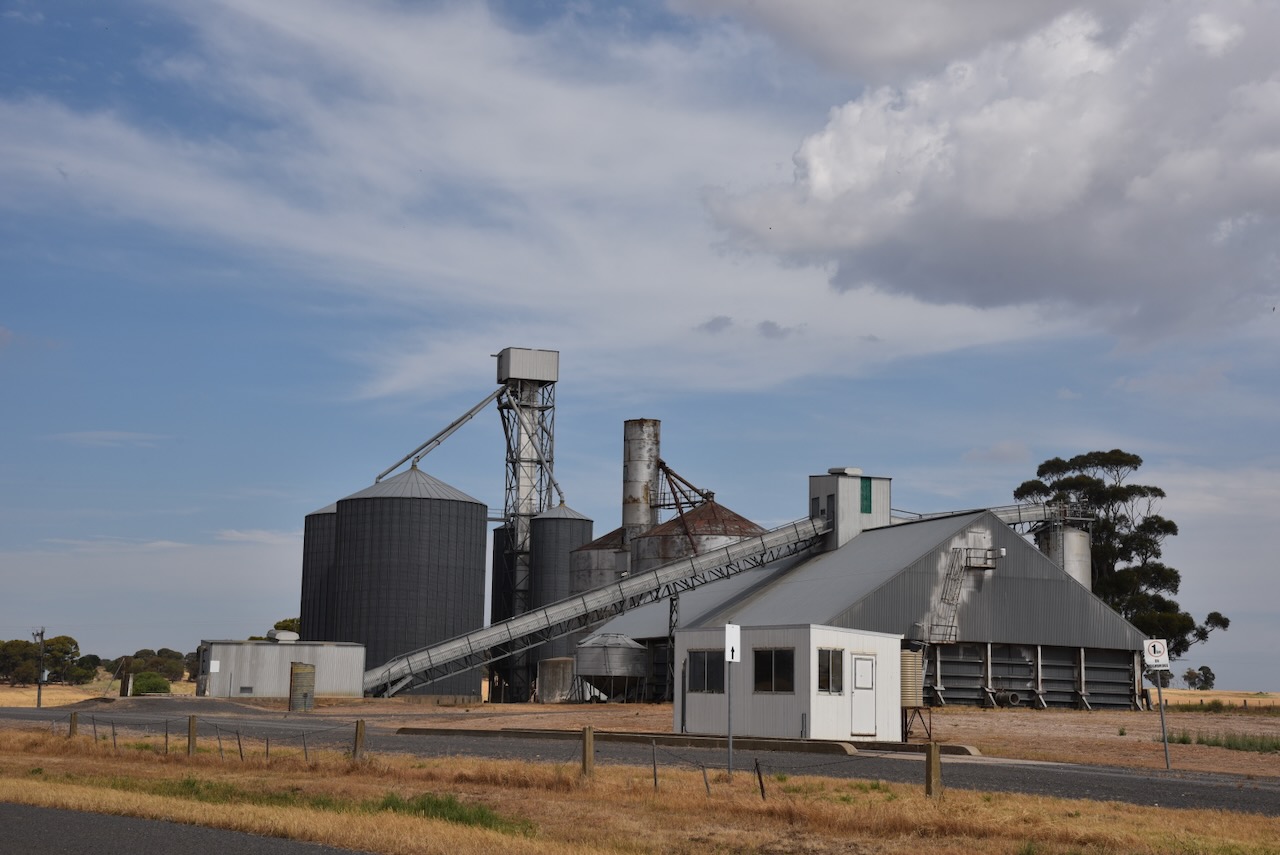
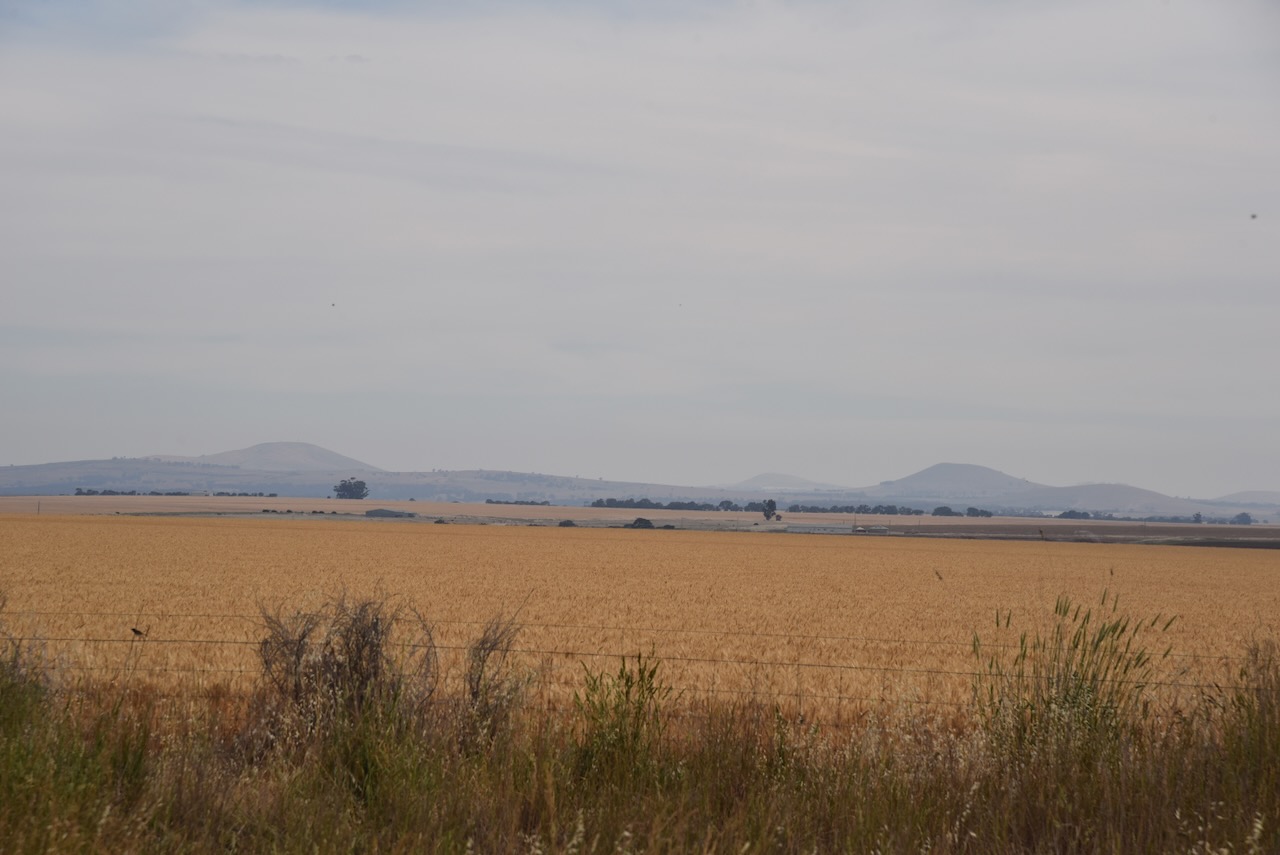
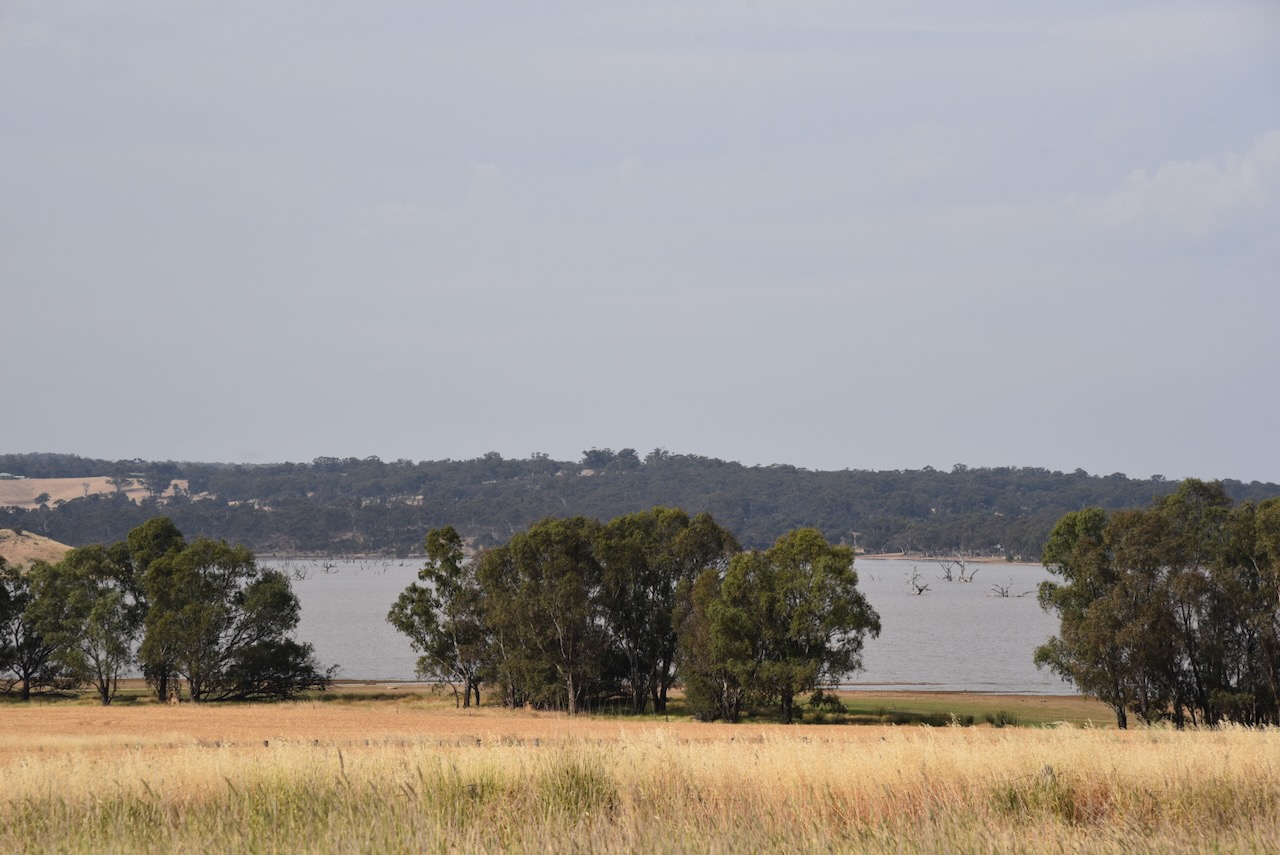
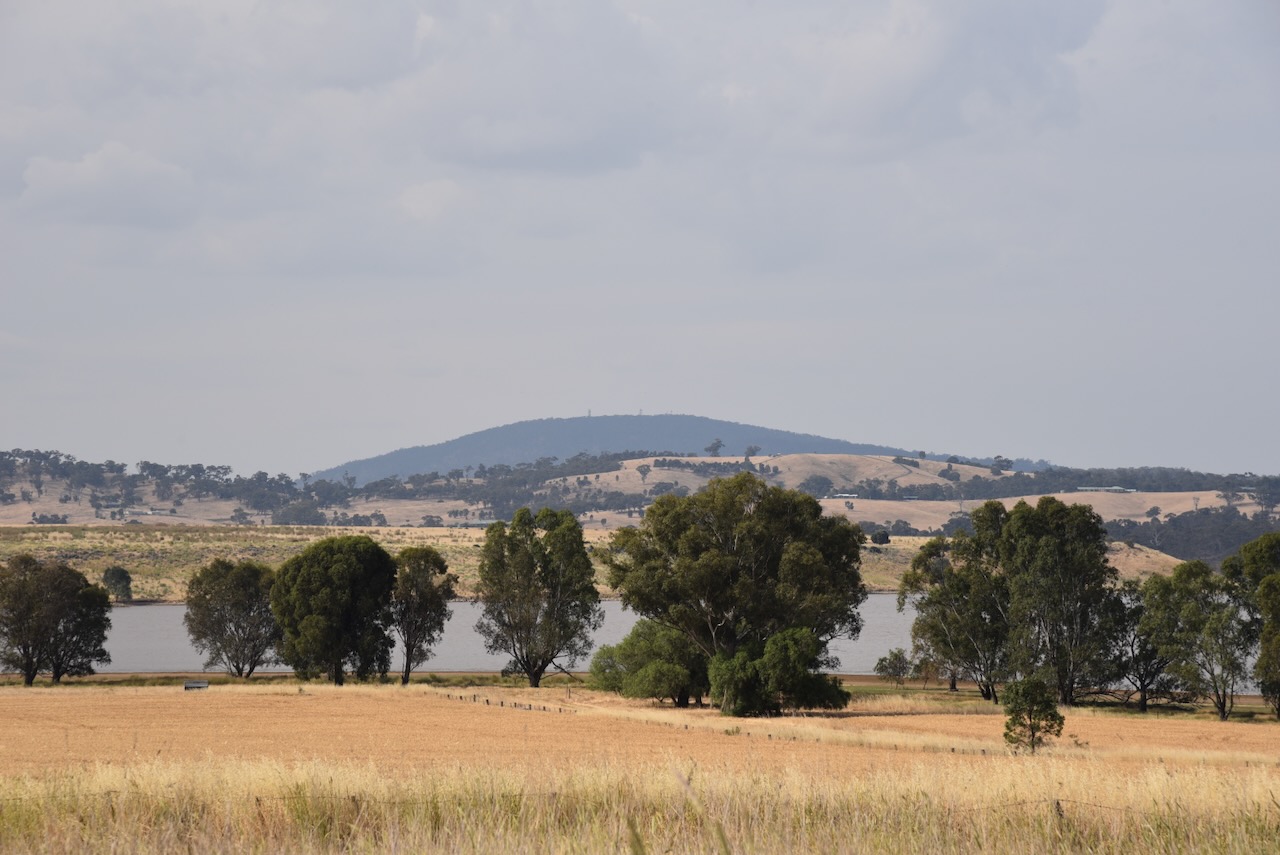
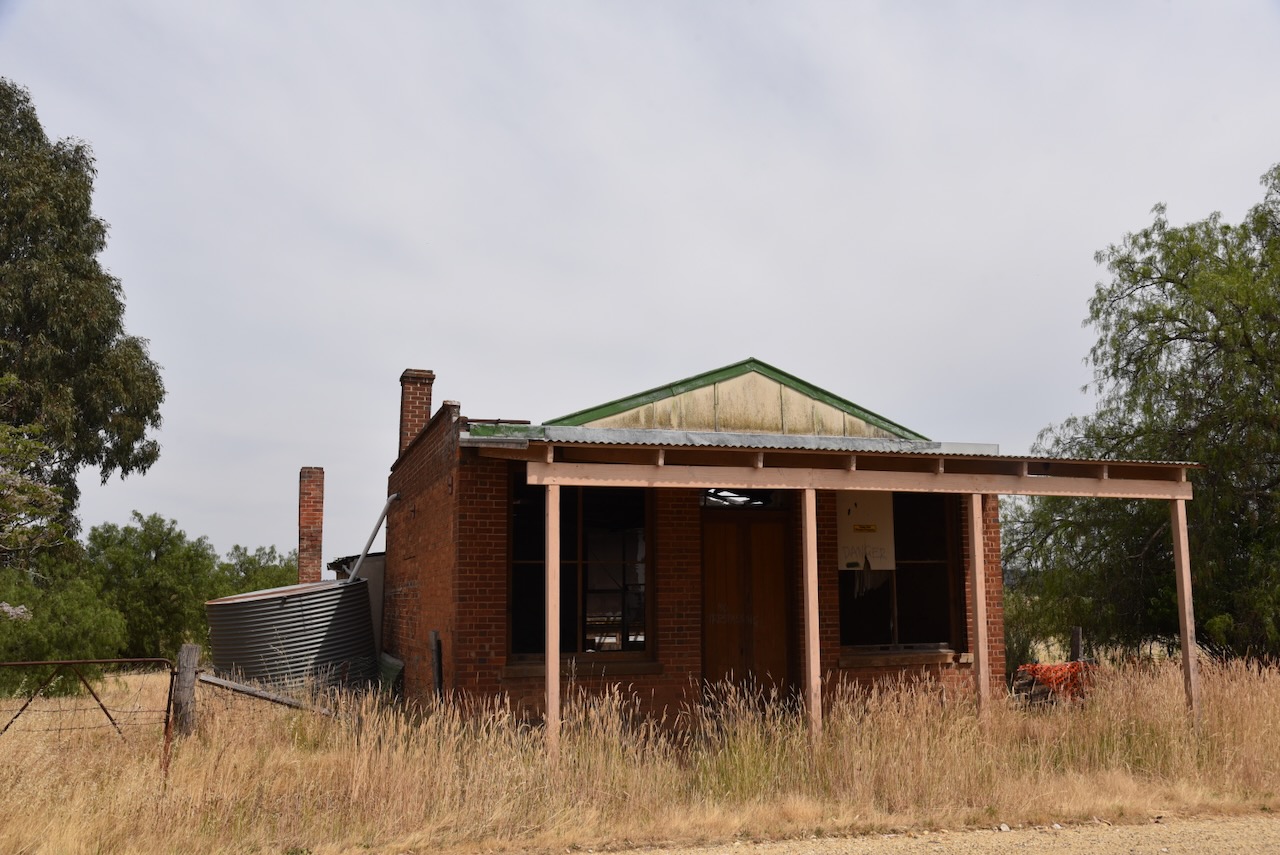
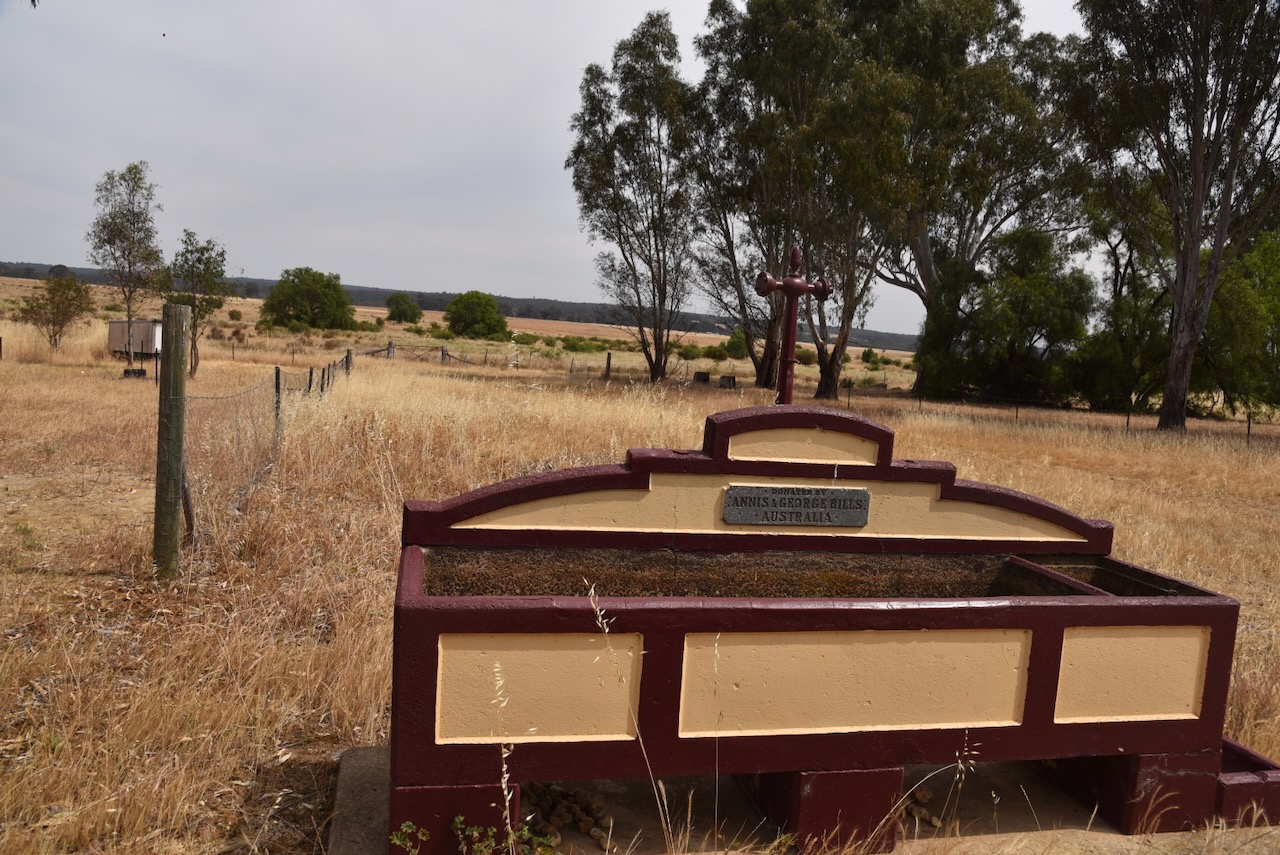
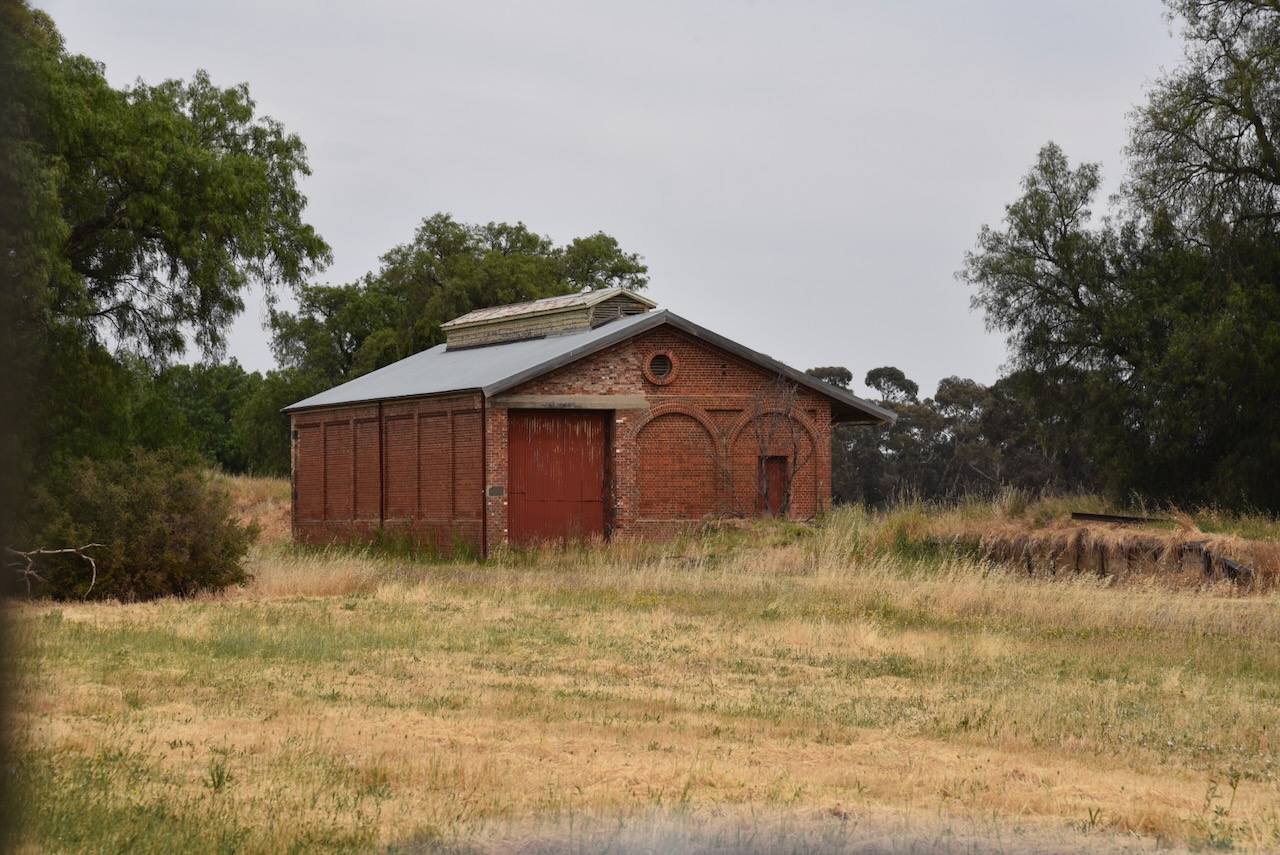
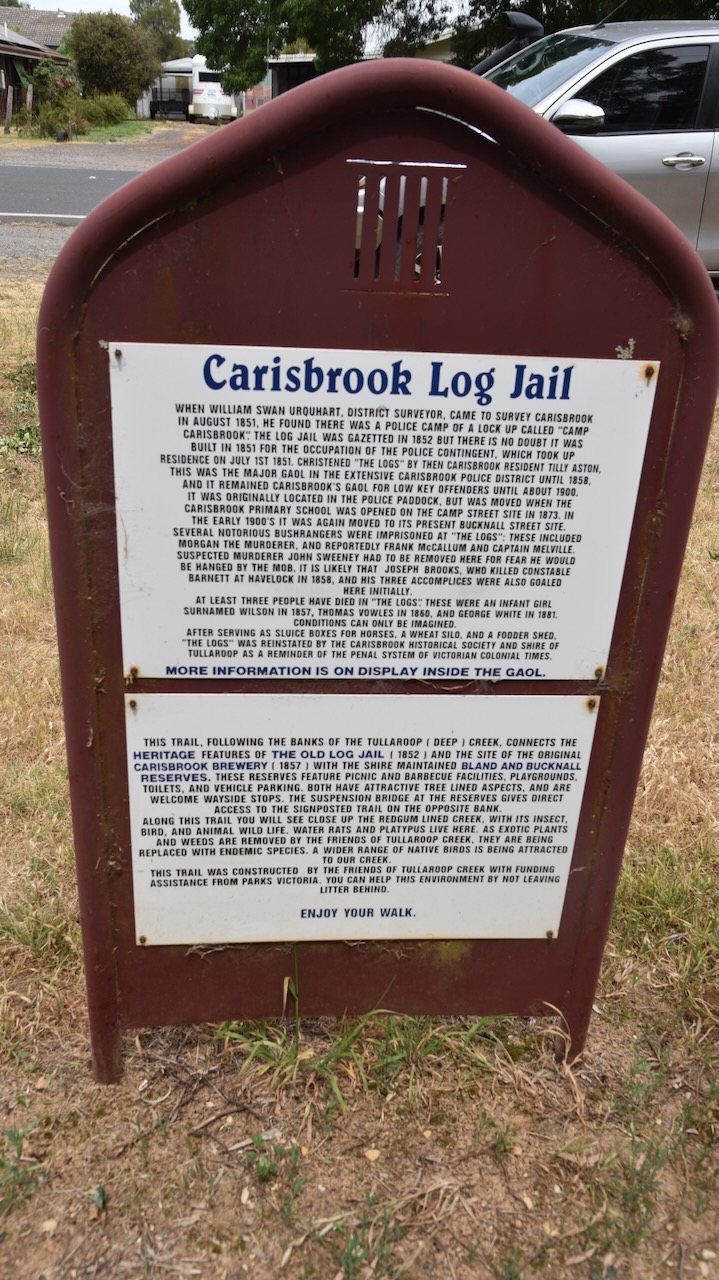
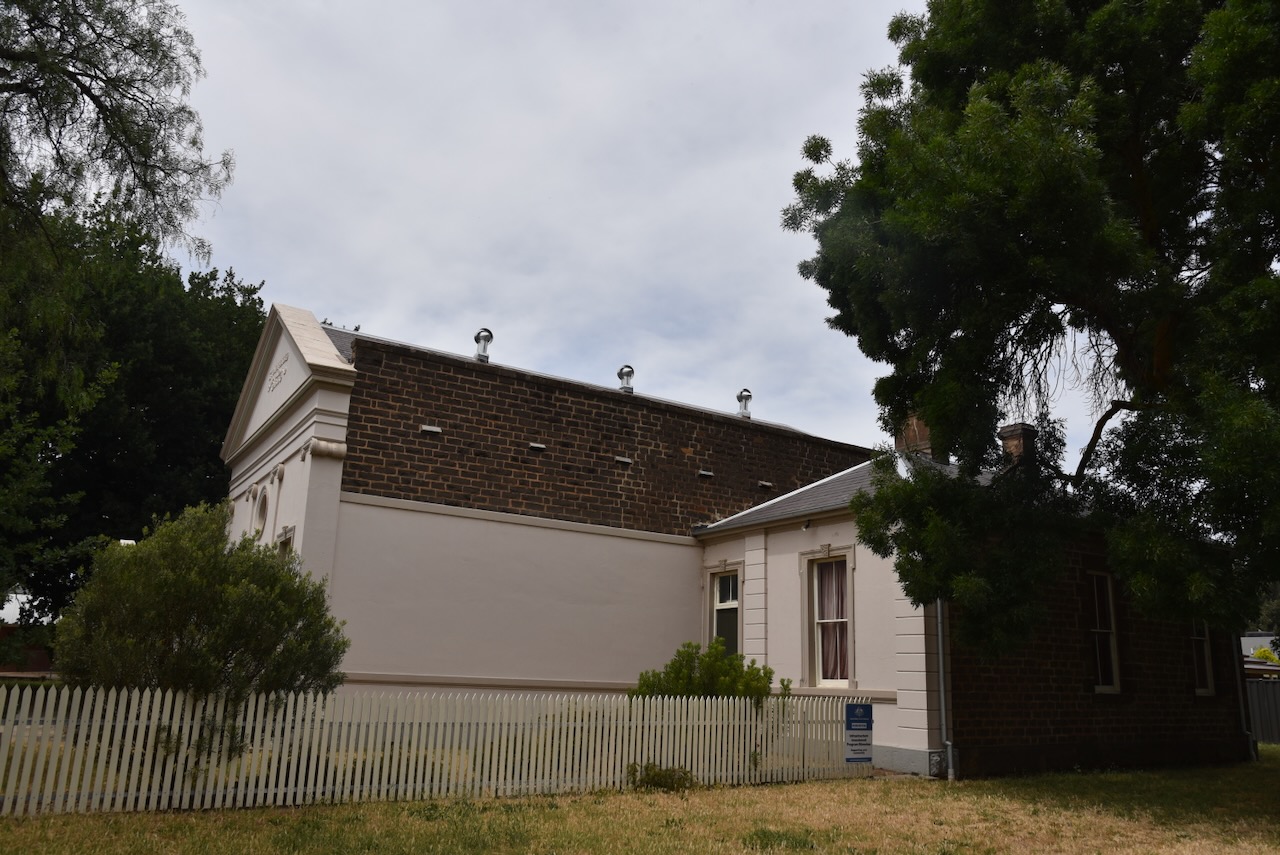
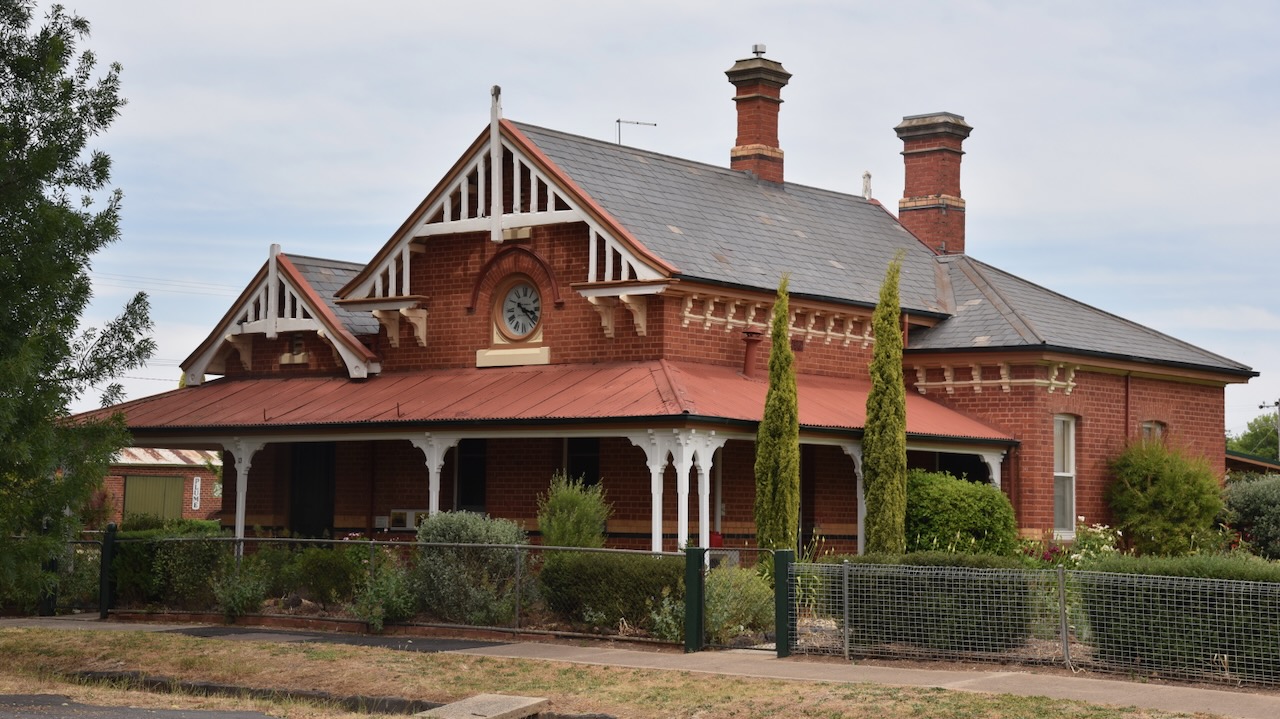
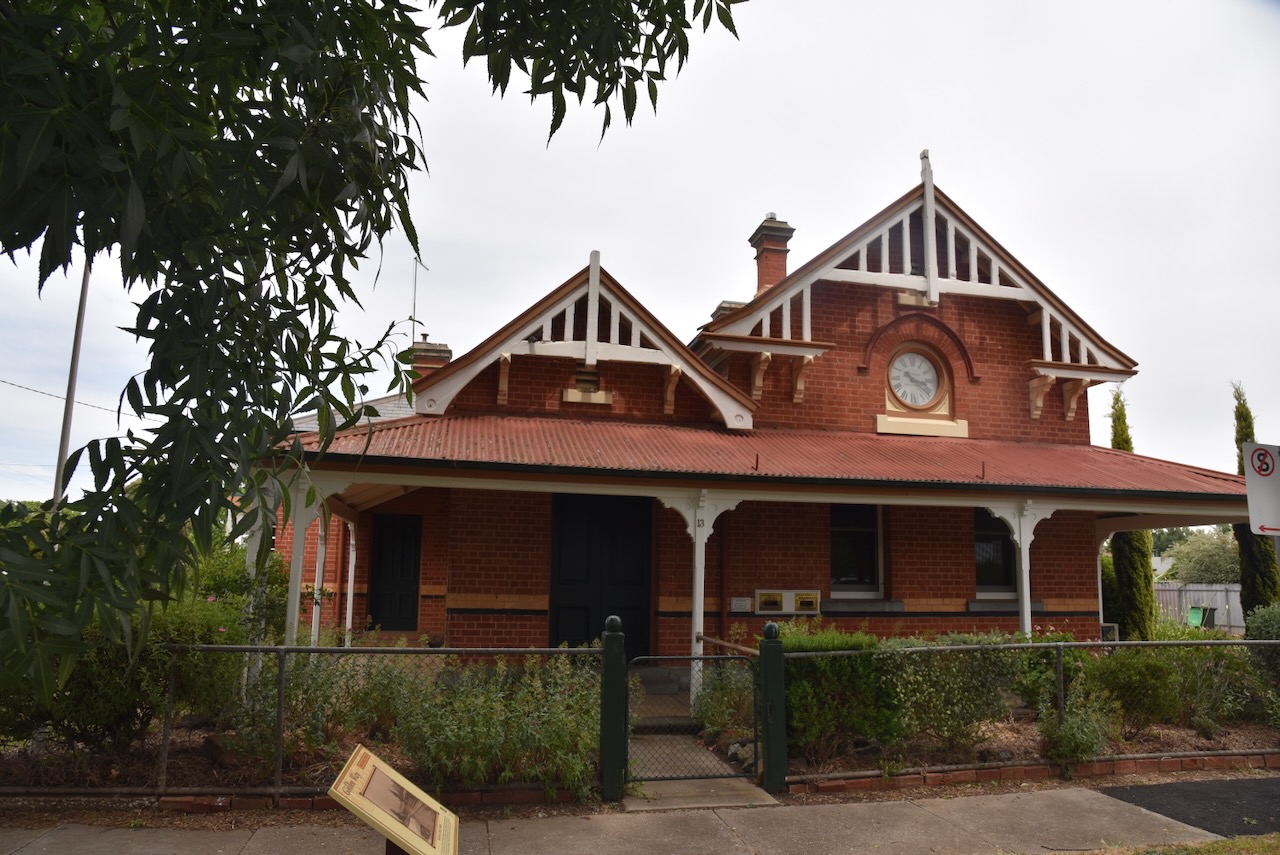
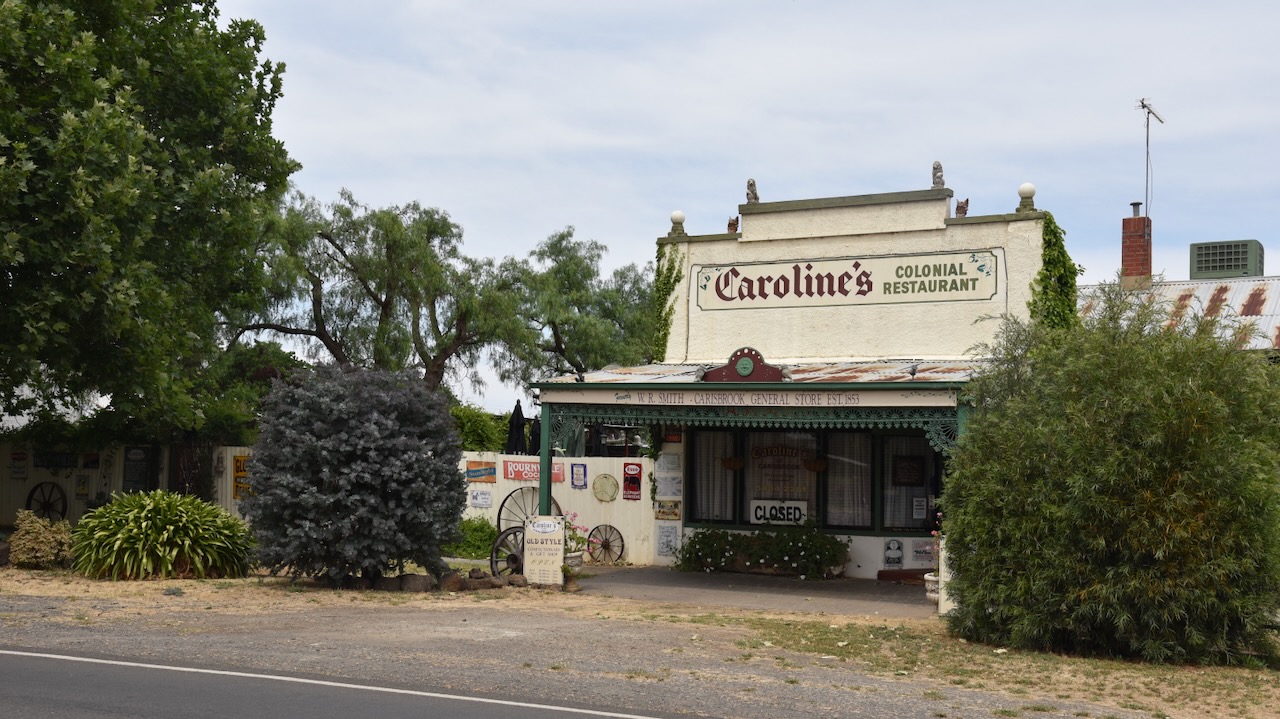
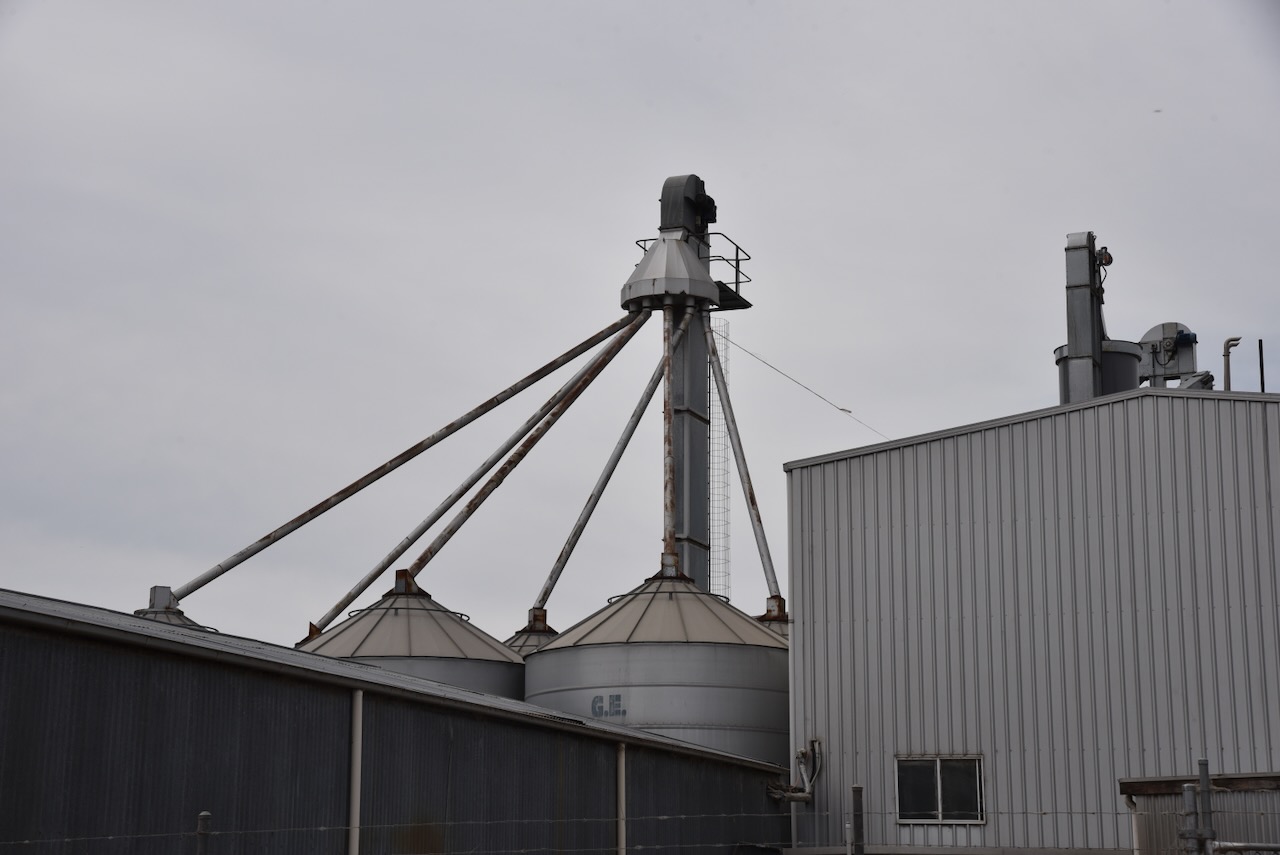
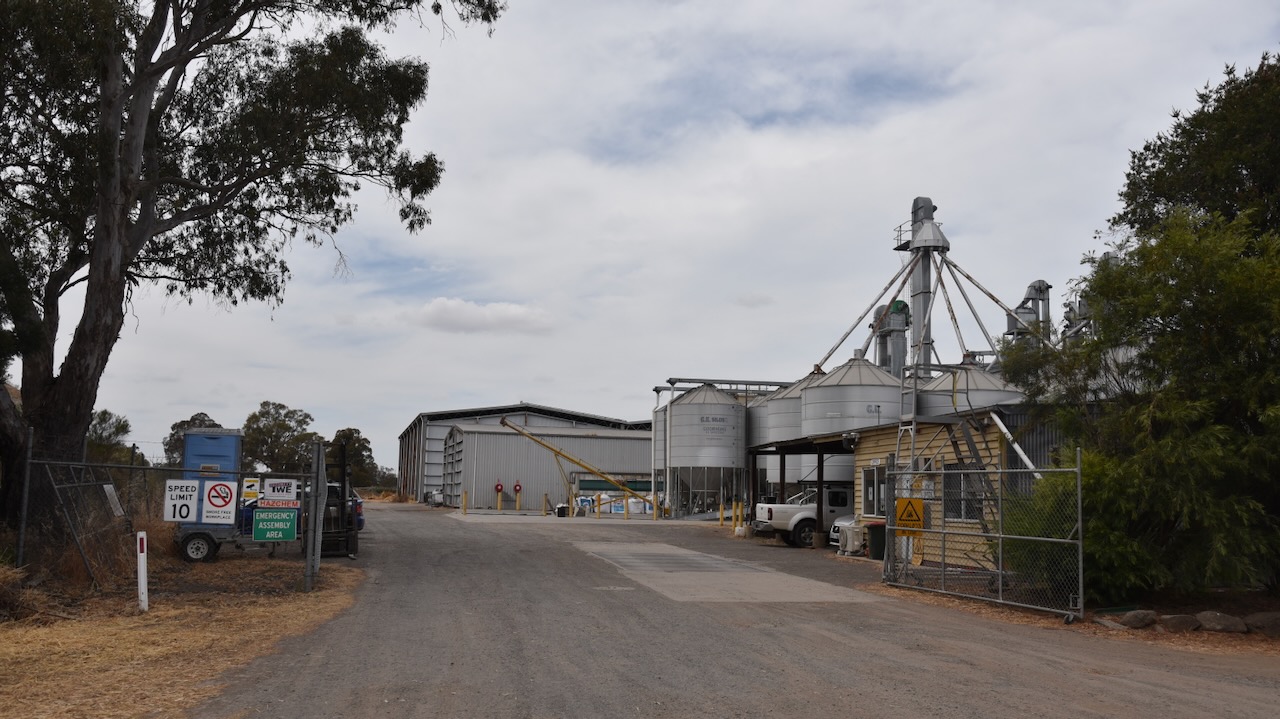
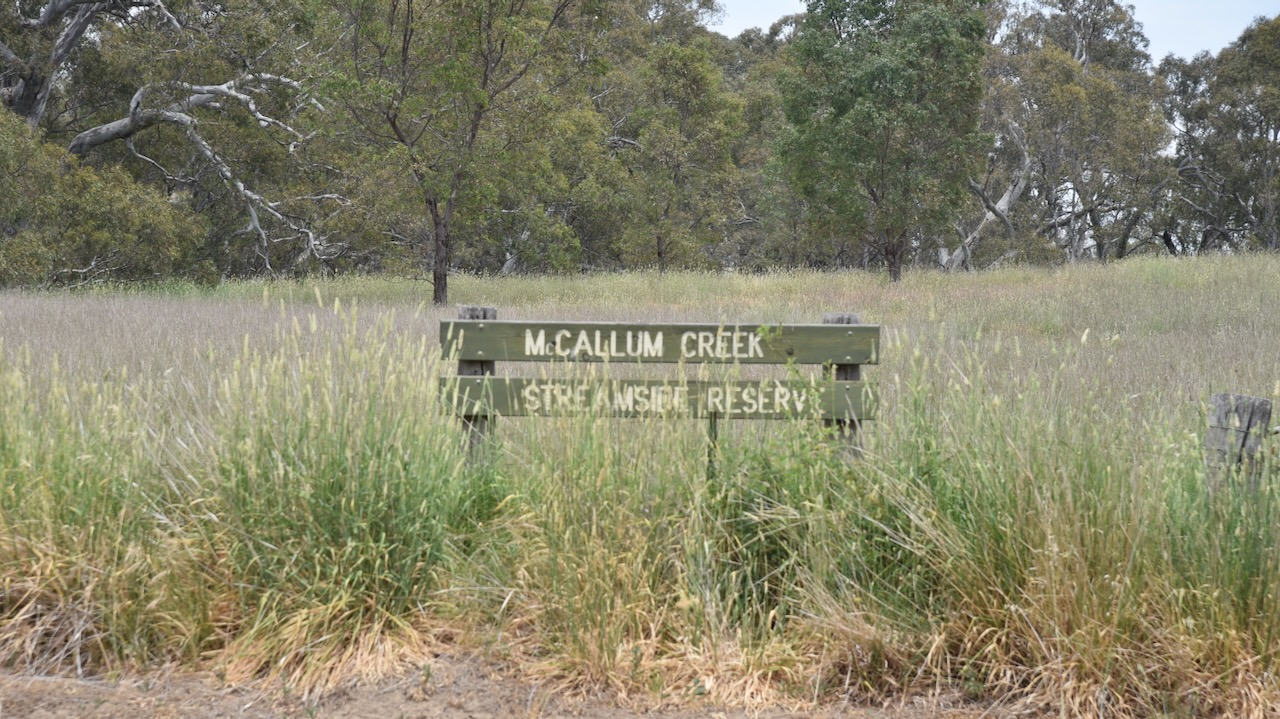
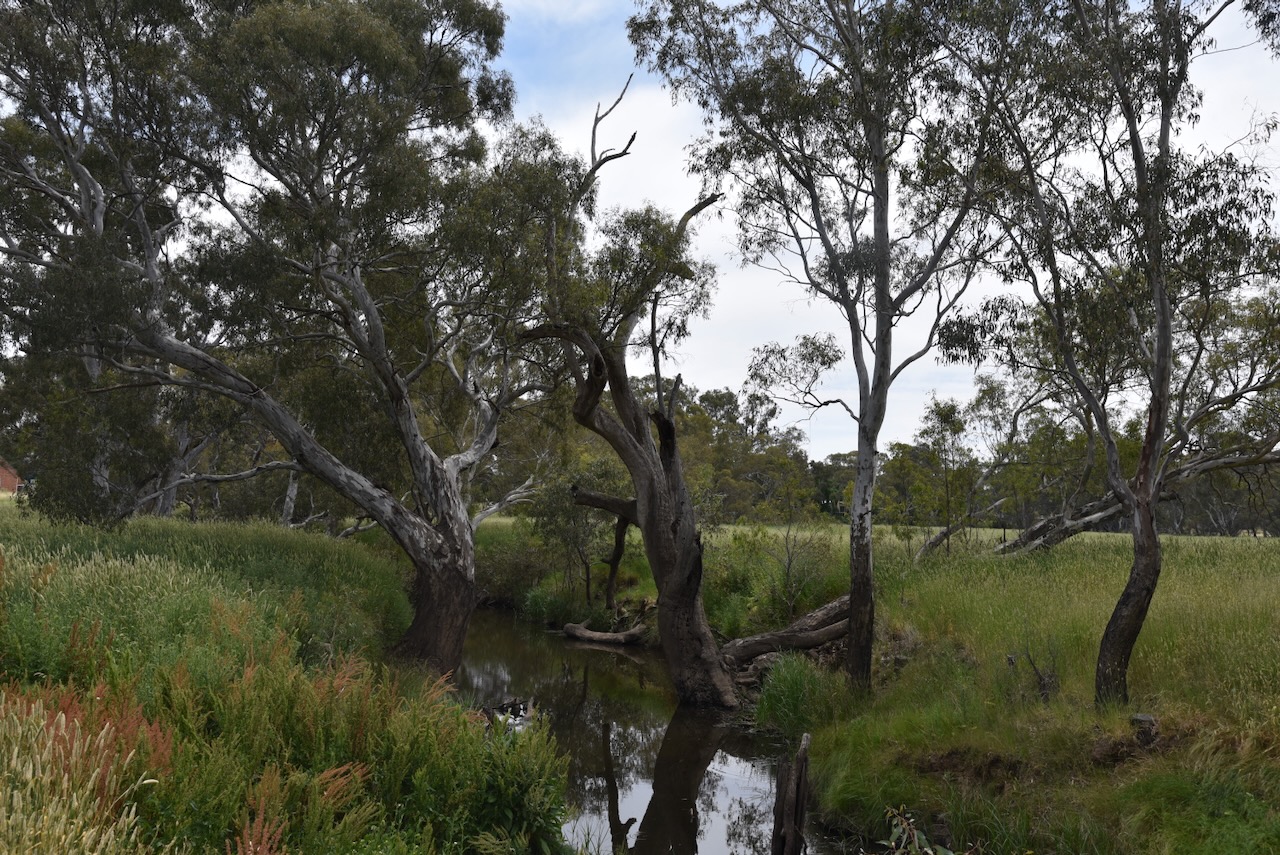
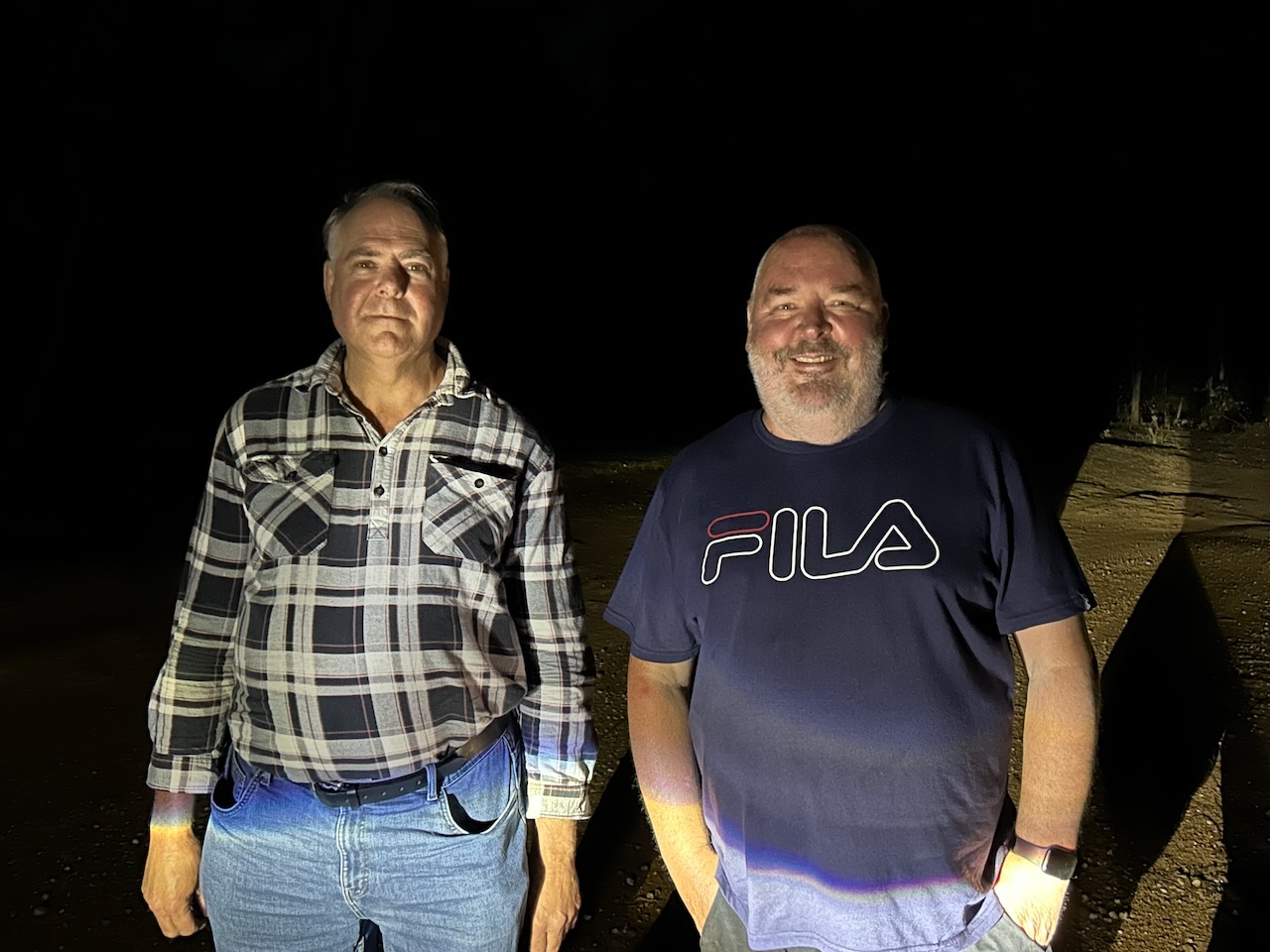
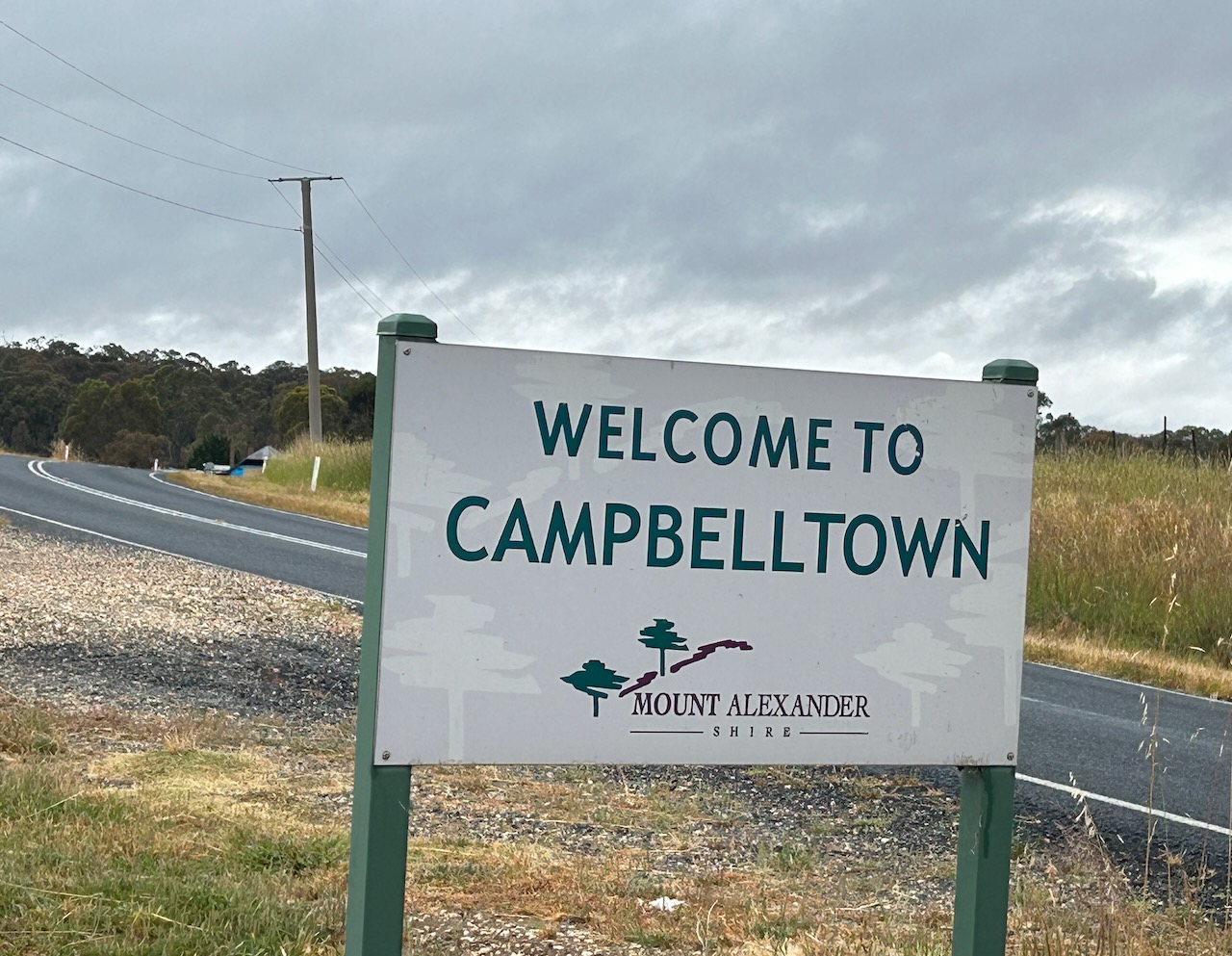
Our next destination for Friday 24th November 2023 was the town of Guildford. Marija and I travelled back into Clunes and headed northeast on Glengower Road. Along the way, we passed through the little town of Campbelltown. Don’t blink….there is not much here nowadays.
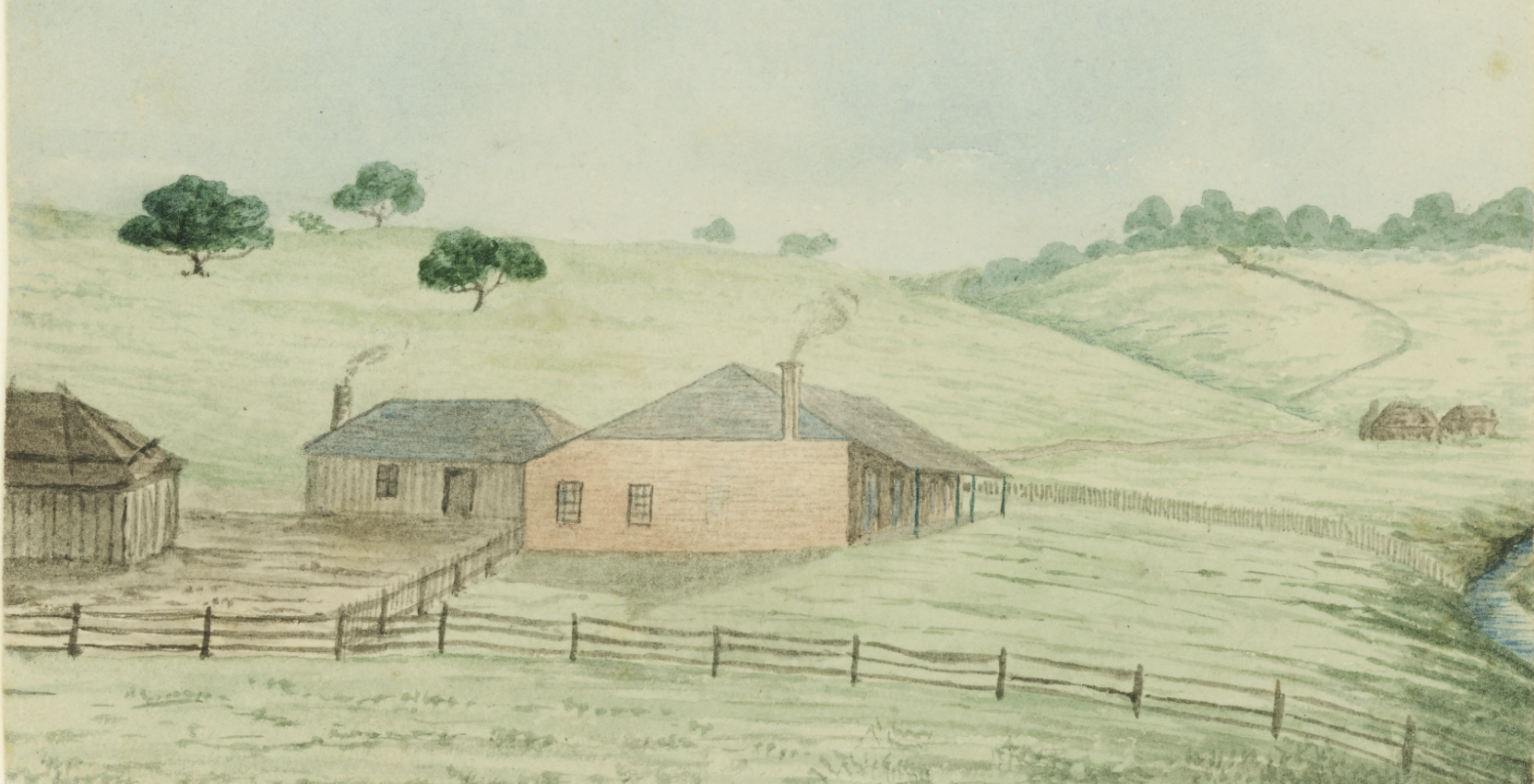
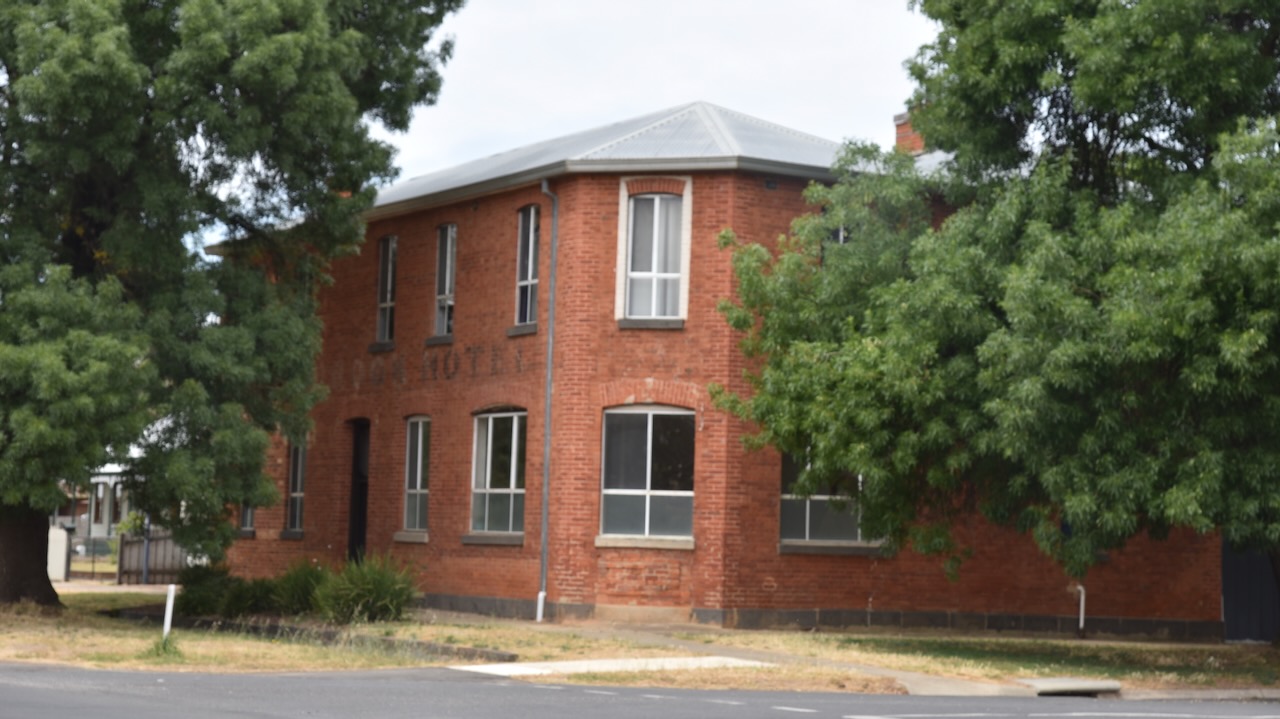
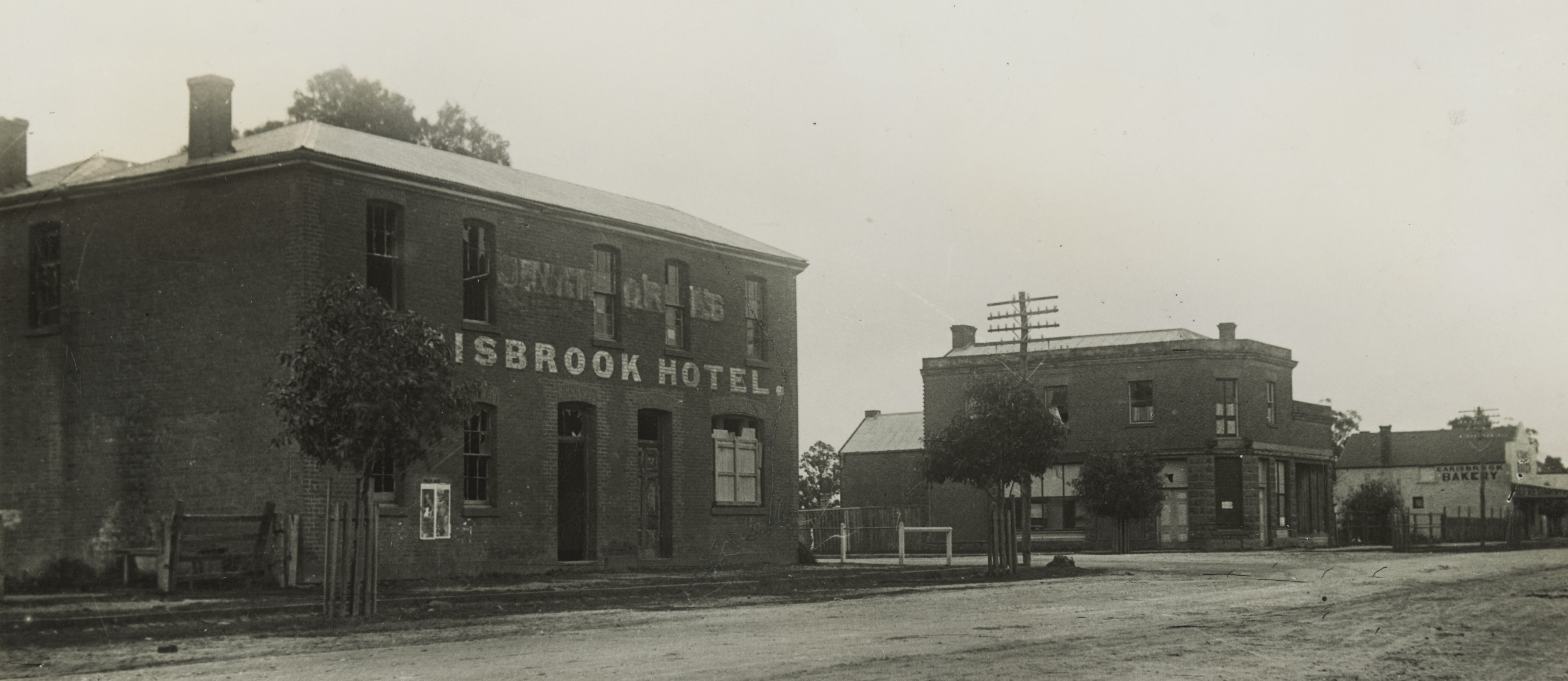
One of the historic buildings that does remain is the Black Duck Hotel. Originally known as the Campbell Town Hotel, it was built in 1871. It is the only surviving hotel from this once thriving town. (State Library Victoria 2024)

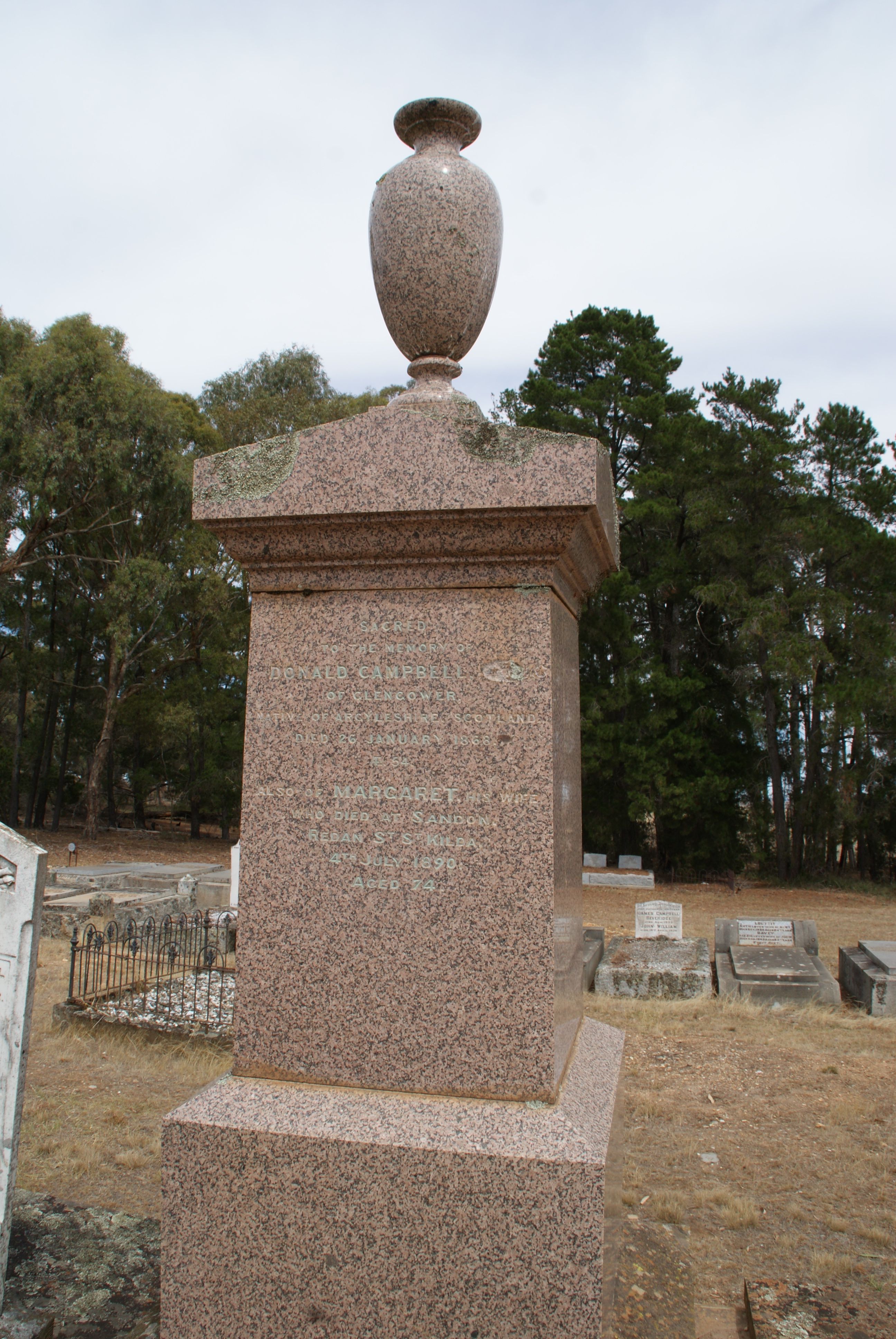
Campbelltown takes its name from Donald Campbell (b. 1813. d. 1868) who settled in the area following his emigration from Scotland to Australia. Donald arrived in Sydney in November 1841 aboard the Trinidad as a bounty immigrant. In 1842 he overlanded to Gippsland with sheep and squatted at Bullock Creek, near current day Bendigo. He opened Campbell’s (or Bullock Creek) Camping Ground and Inn. In 1851 he married Margaret Sinclair in Melbourne. By 1854, Hugh Glass employed Campbell to manage Glengower pastoral run, a 44,000-acre property. At the time, Glass was one of the richest men in Victoria. In February 1866, Campbell acquired Glengower from Glass. Campbell built the Glengower Hotel catering for miners from the nearby goldfields. Campbell died suddenly in January 1868 leaving an estate valued for probate at £18,000. He is buried at the Campbelltown cemetery. (Ancestry.com.au 2024) (Andrew Warland 2024) (Aust Dict of Biography 2024) (Blake 1998)
We continued to Guildford, about 126 km northwest of Melbourne and about 10 km south of Castlemaine.
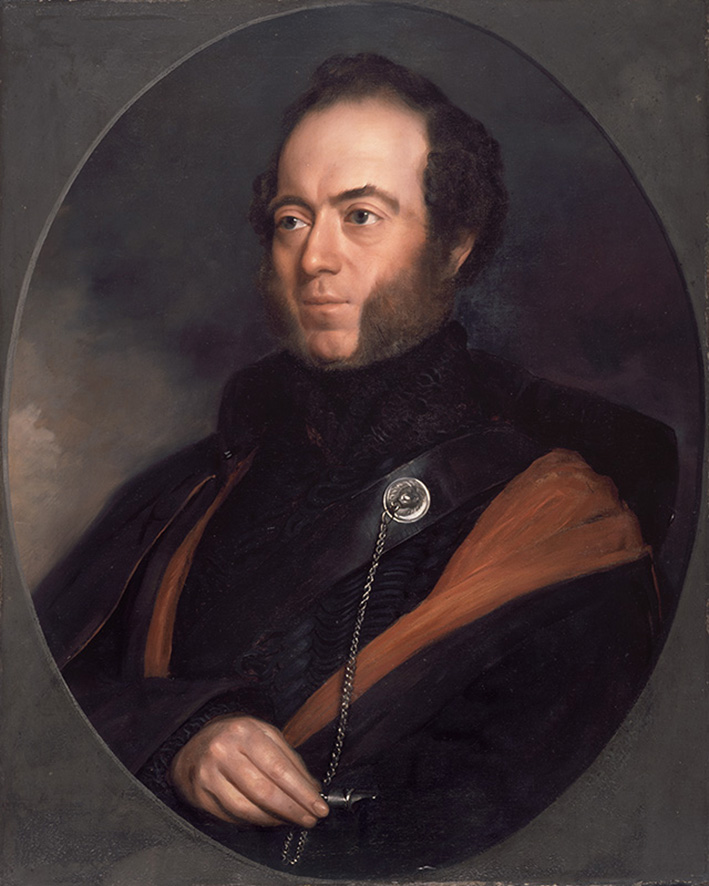
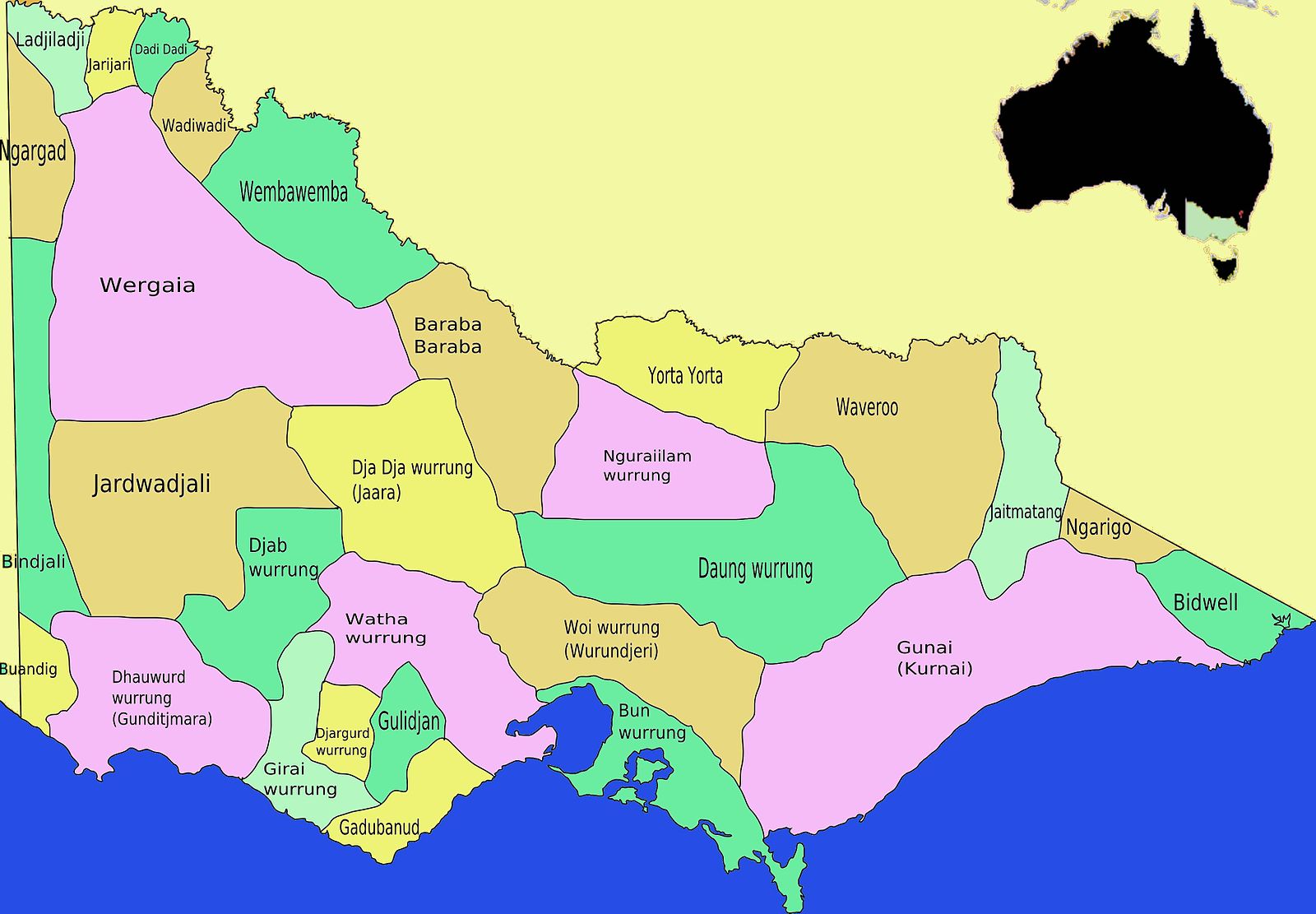
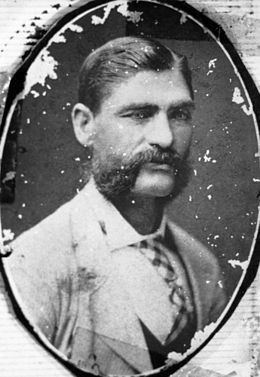
It is believed that the name comes from Guildford in Surrey, England (geltford meant a crossing where a toll was paid). Prior to European settlement, the area was inhabited by the Jaara Jarra aboriginal people who called the area ‘Yarrayne’. The first known European settler in the Guildford area was John Stuart Hepburn (b. 1803. d. 1860).

Above:- John Stuart Hepburn. Image c/o WIkipedia.
Gold was discovered in the Guildford area during the early 1850s. In 1860 a school was opened. The Guildford borough was created in November 1866. (Amcestry.com.au 2024) (Aussie Towns 2024) (Victorian Places 2024)
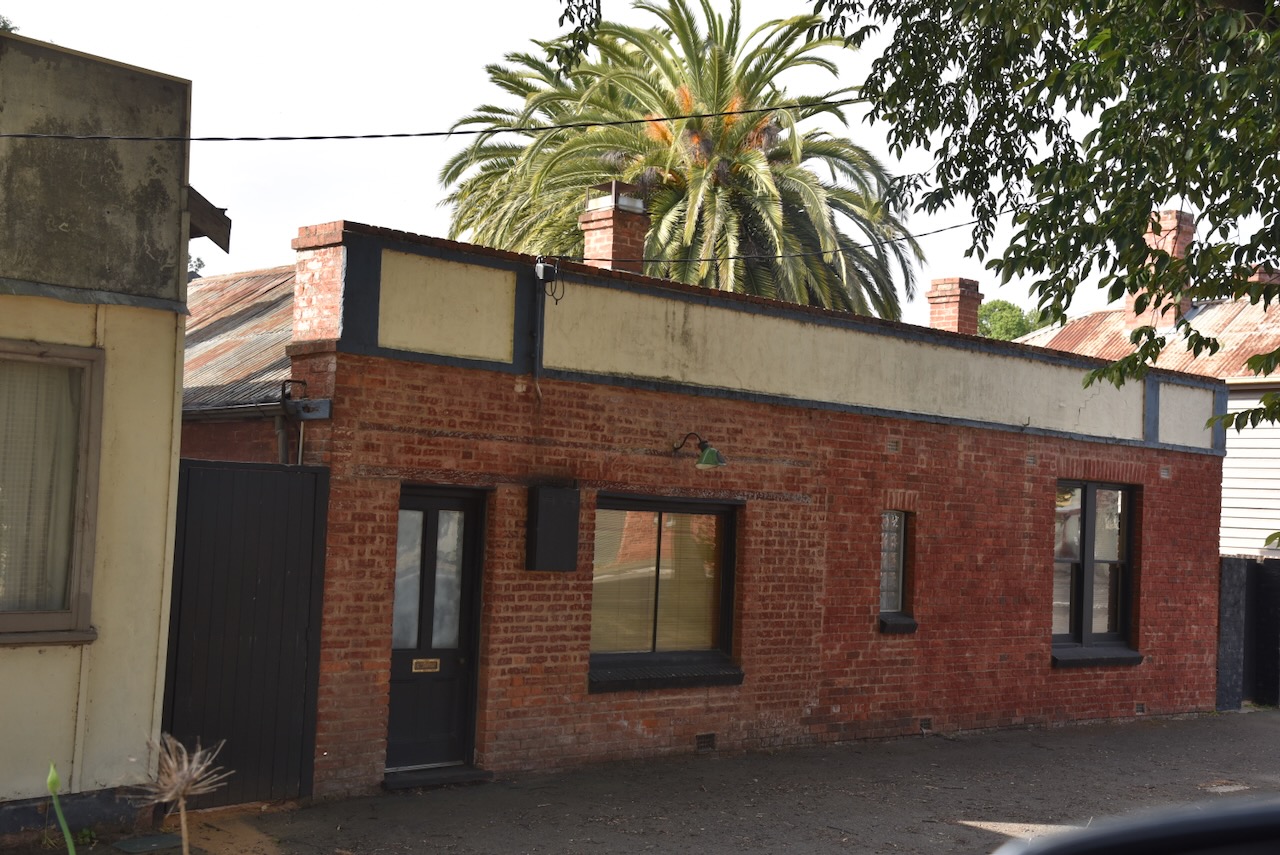
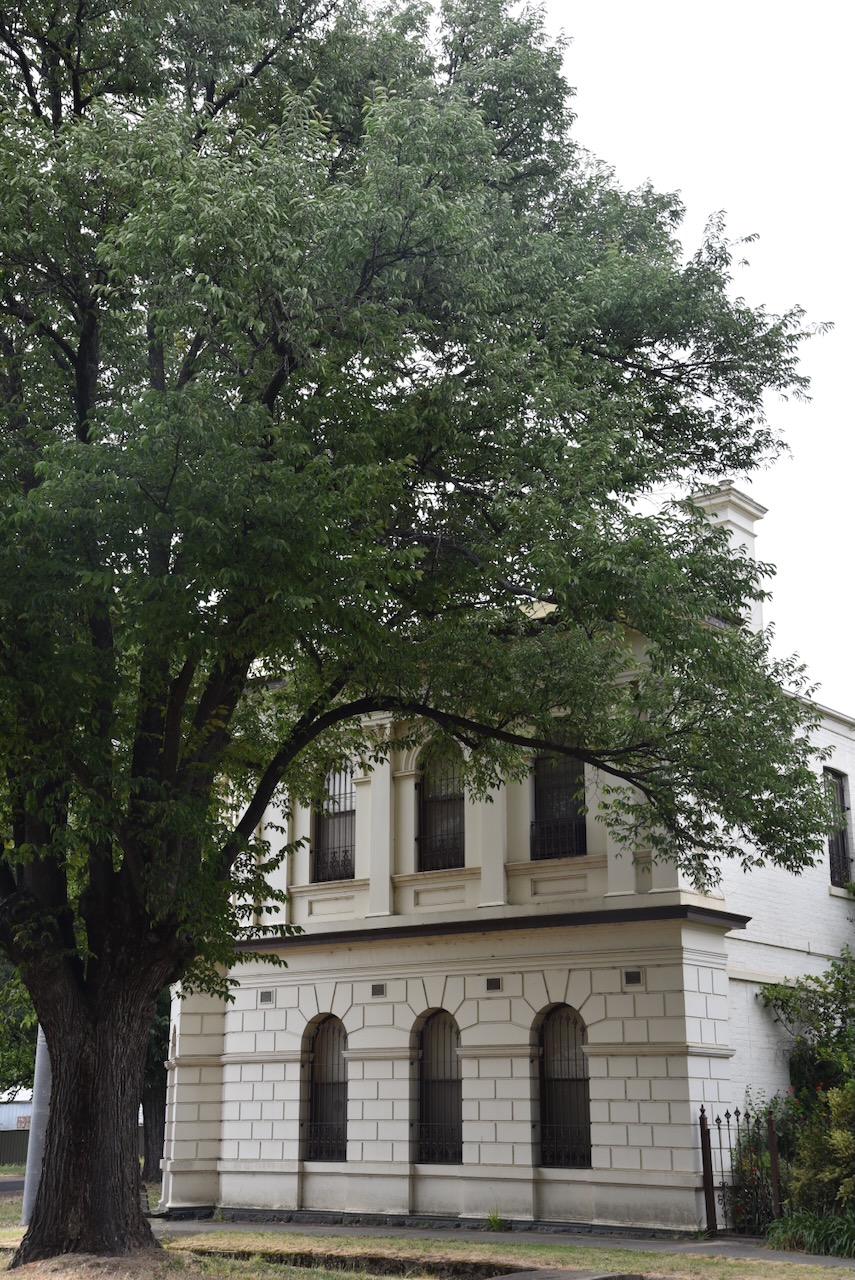
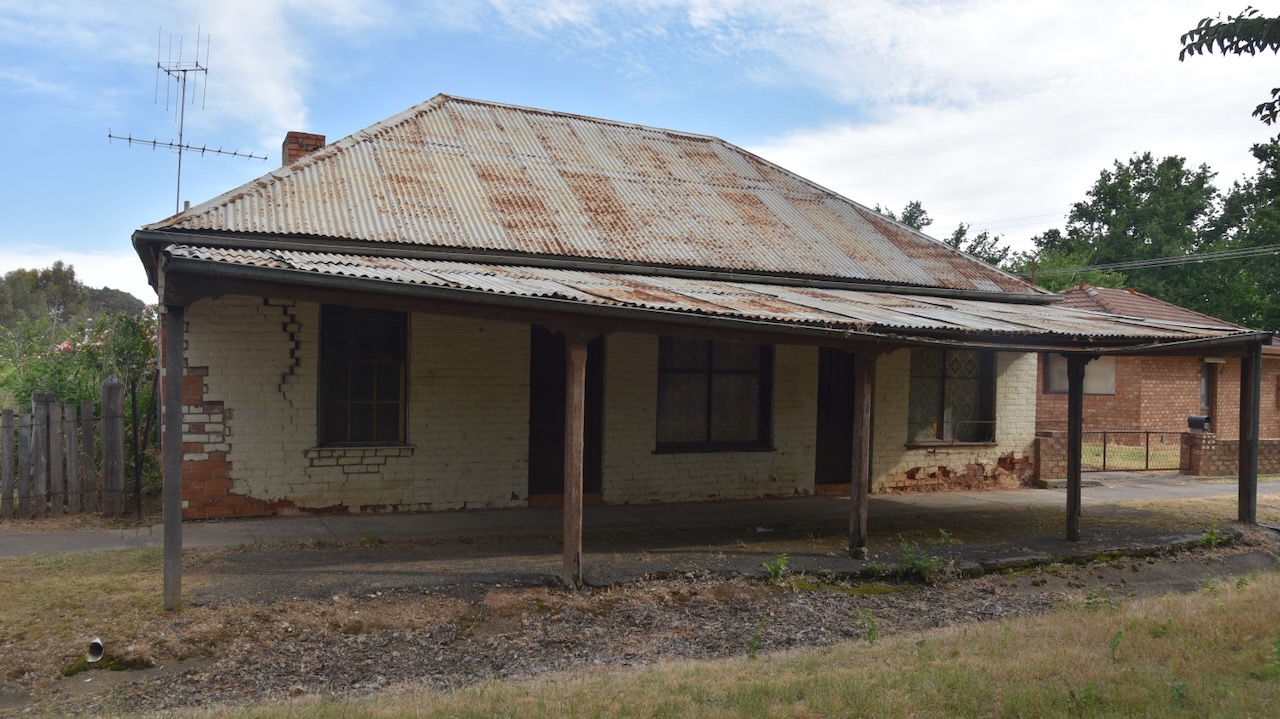
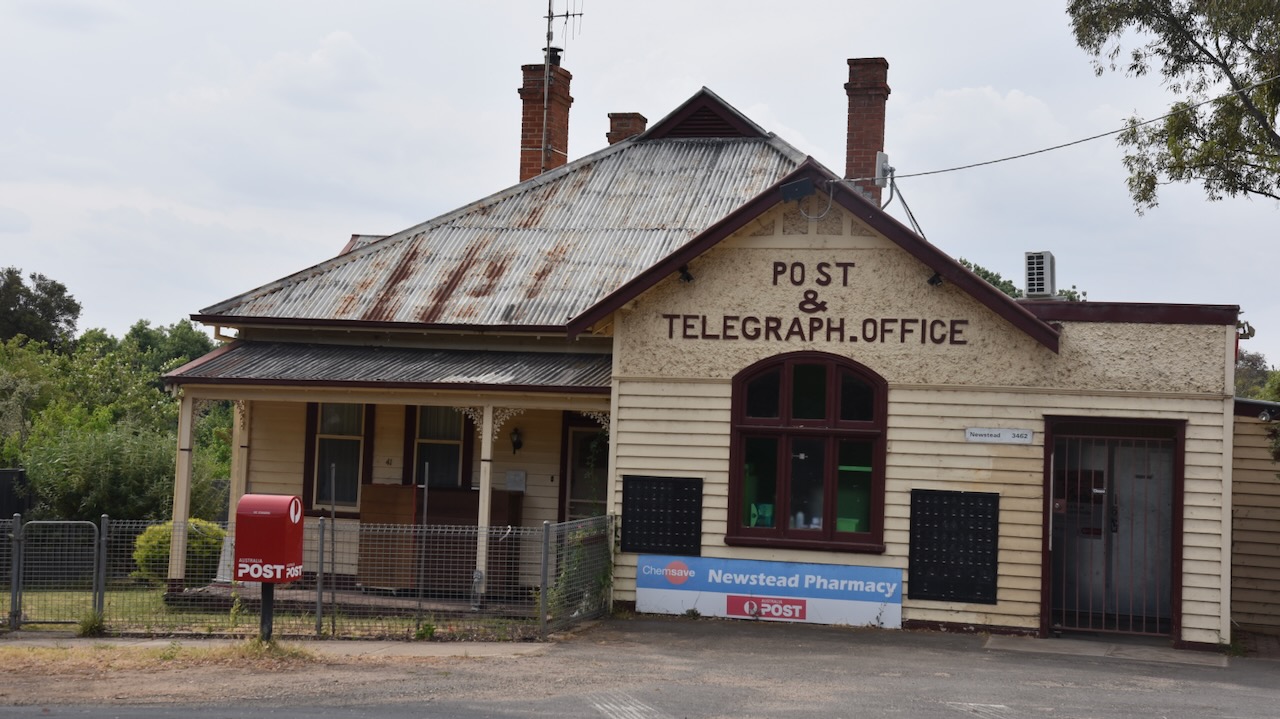
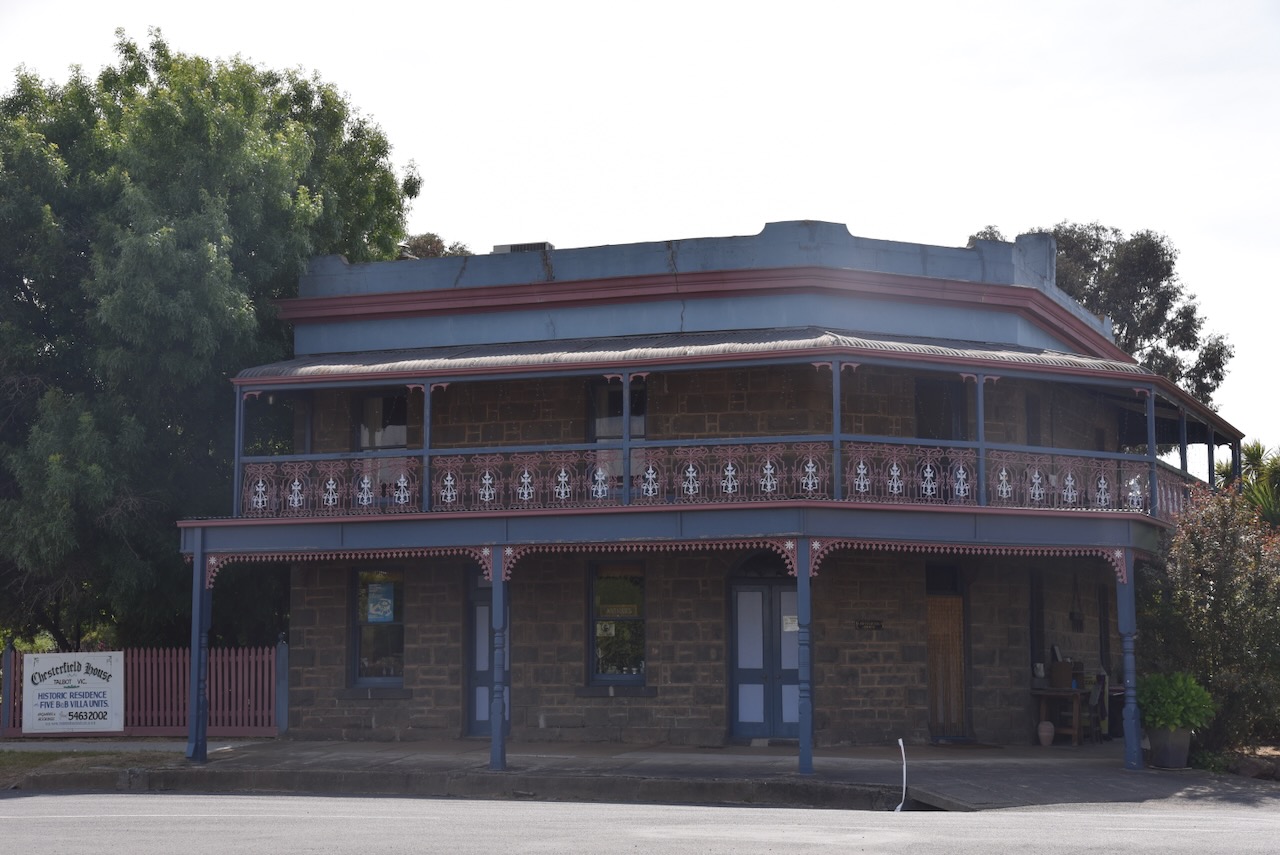
Guildford is another small Victorian town whose many historic buildings have survived.


The Guildford Hotel was built in 1856 for Joseph Sherer (b. 1829. d. 1898). Sherer had acquired an acre of land in 1859 and the eleven-room hotel was built. In 1857 the hotel was offered for lease and it was described as having a large bar, parlours, dining rooms and bedrooms, and a newly erected concert hall and stable which could accommodate 16 horses. (Victorian Heritage Database Report 2007)
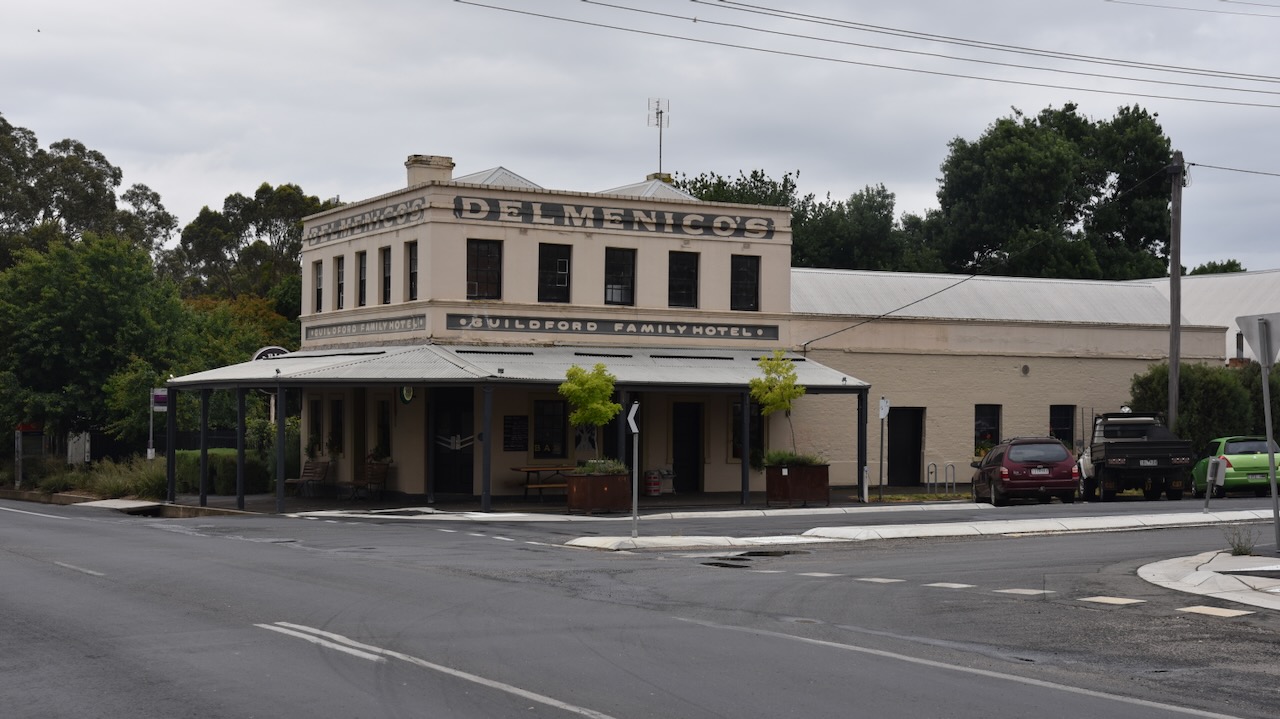
In 1861 William Gaffney became the hotel licensee. The hotel was reported as having stabling for 50 horses and a long room fitted as a theatre. It was used as a Cobb & Co coach office. (Victorian Heritage Database Report 2007)
The Mount Alexander Mail, Friday 7th August 1863 reported:
“…the spirit of Mr Gaffney has been appreciated by the people of the town and neighbourhood, who have now an opportunity of joining in a night’s entertainment without incurring the inconvenience and expense of travelling to Castlemaine.” (Mount Alexander Mail 1863, Trove)
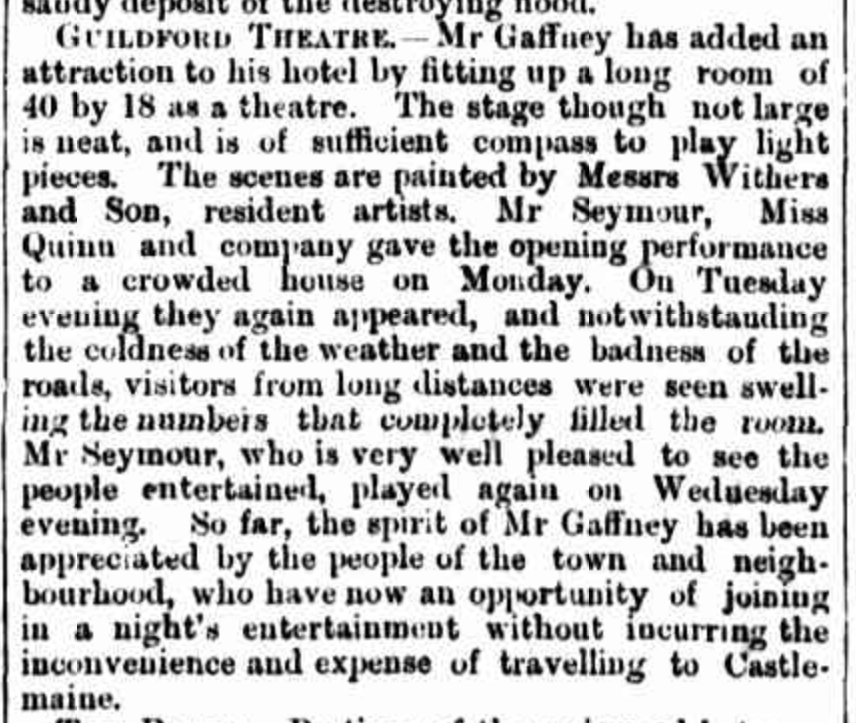
Above:- Article from the Mount Alexander Mail, Fri 7 Aug 1863. Image c/o Trove.
In 1865 the hotel was sold to Giles Church who was a local hotelier. Guildford Borough Council meetings were held at the hotel. An ornamental verandah was added to the hotel in 1885 by the new owner, Wearn Dunstan. The hotel was known as Dunstan’s Family Hotel. (Victorian Heritage Database Report 2007)
During the early 1920s, Pasqual Delmenico (b. 1872. d. 1948) purchased the Guildford Hotel. His family had arrived in Guildford in 1855 as part of a significant number of Swiss immigrants who settled in the Guildford district. The hotel remained with the Delmenico family until 1922. (Banjo Jamboree 2022)
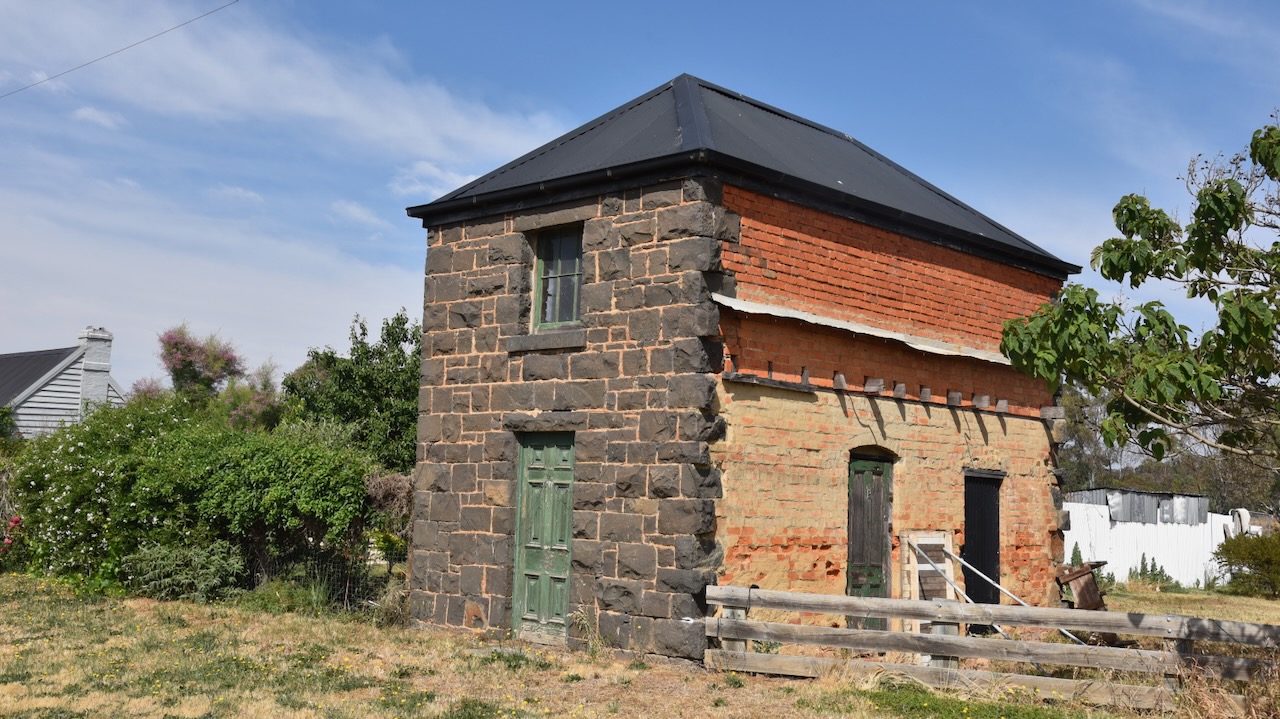
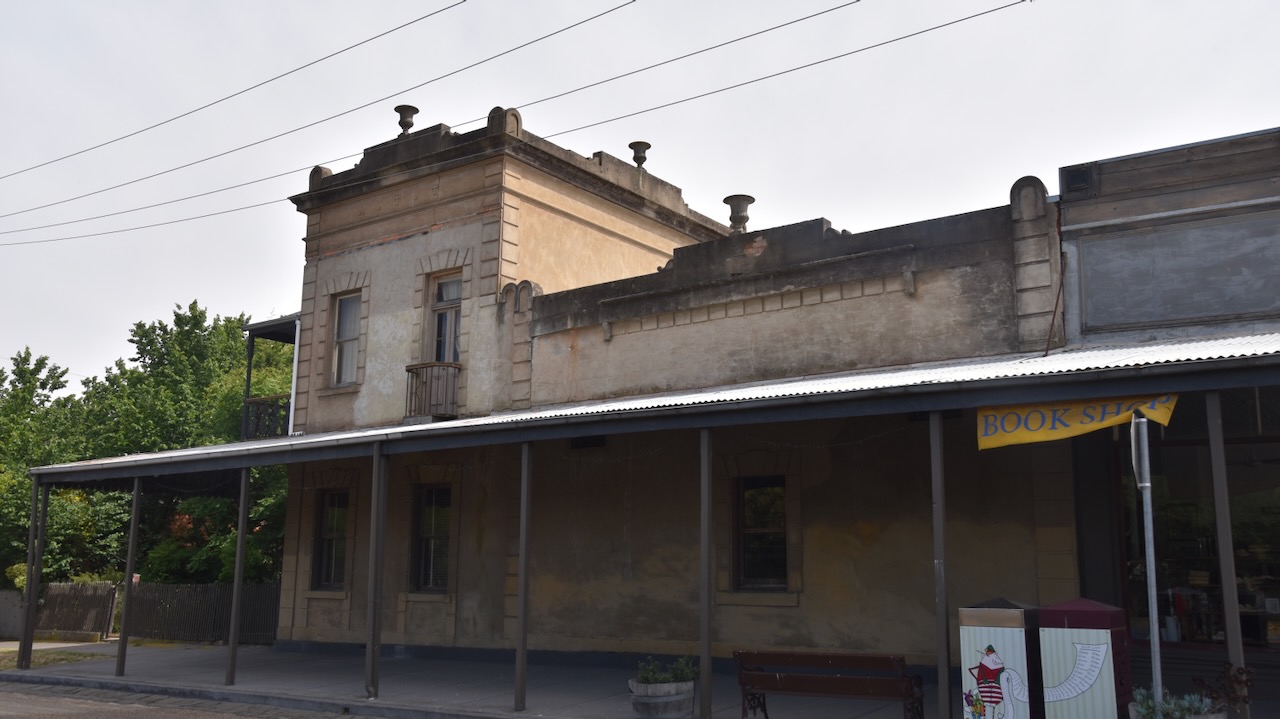
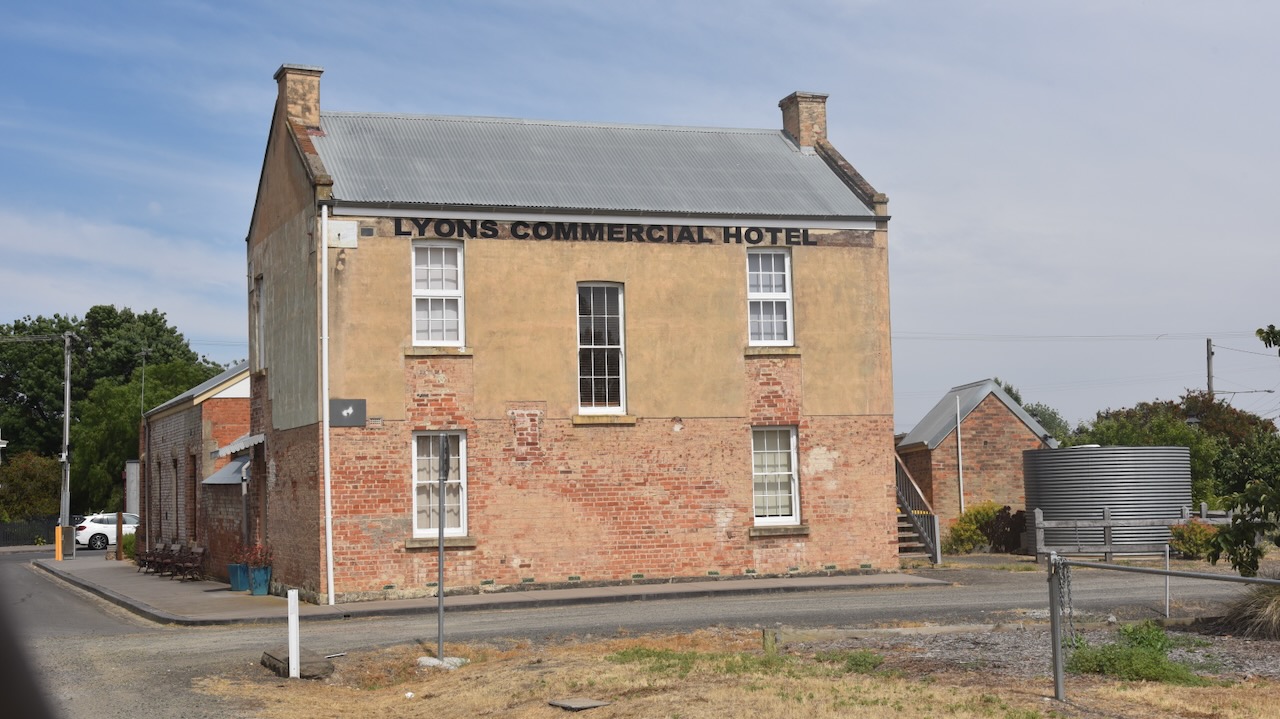
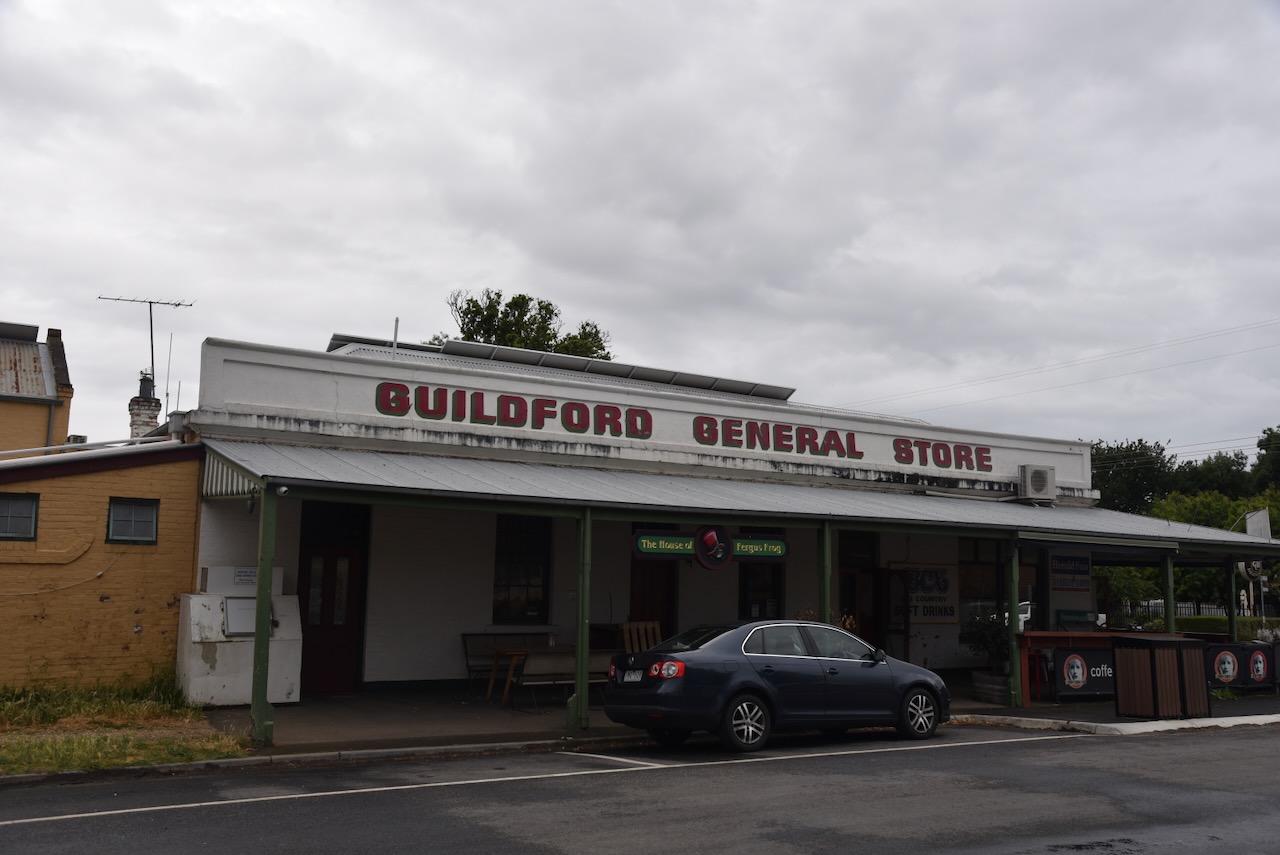
The Commercial Hotel was built in 1865 and now serves as the Guildford general store. On its northern side are the stables and outbuildings of a large department store that burned down in 1916. (Aussie Towns 2024)
Several Swiss-Italian families settled in Guildford. Perhaps the most famous descendant of those settlers is Ronald Dale Barassi AM, an Australian Rules footballer, coach, and media personality. Barassi was a third-generation Australian. He was born in nearby Castlemaine in 1936. He spent a significant part of his early years and attended school at Guildford. (Victorian Places 2024) (Wikipedia 2024)

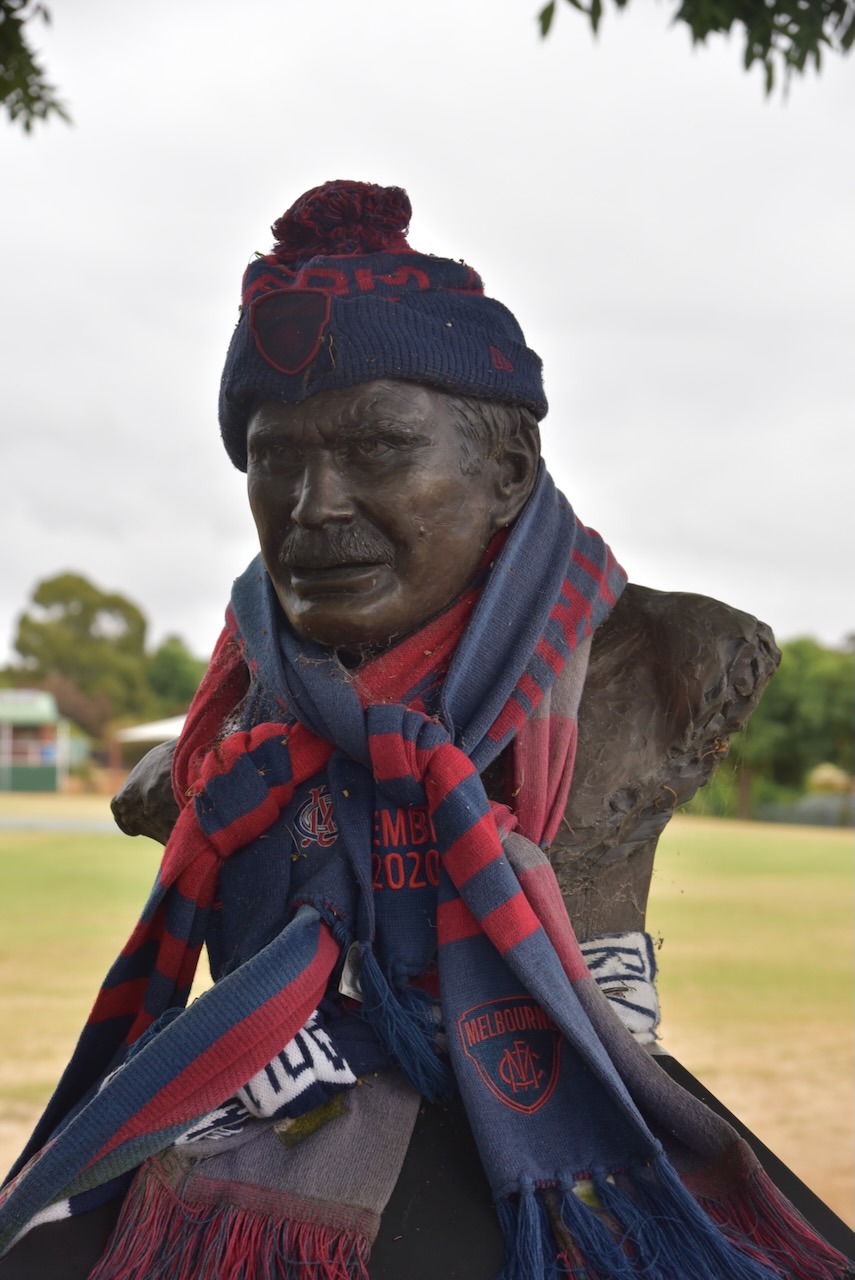
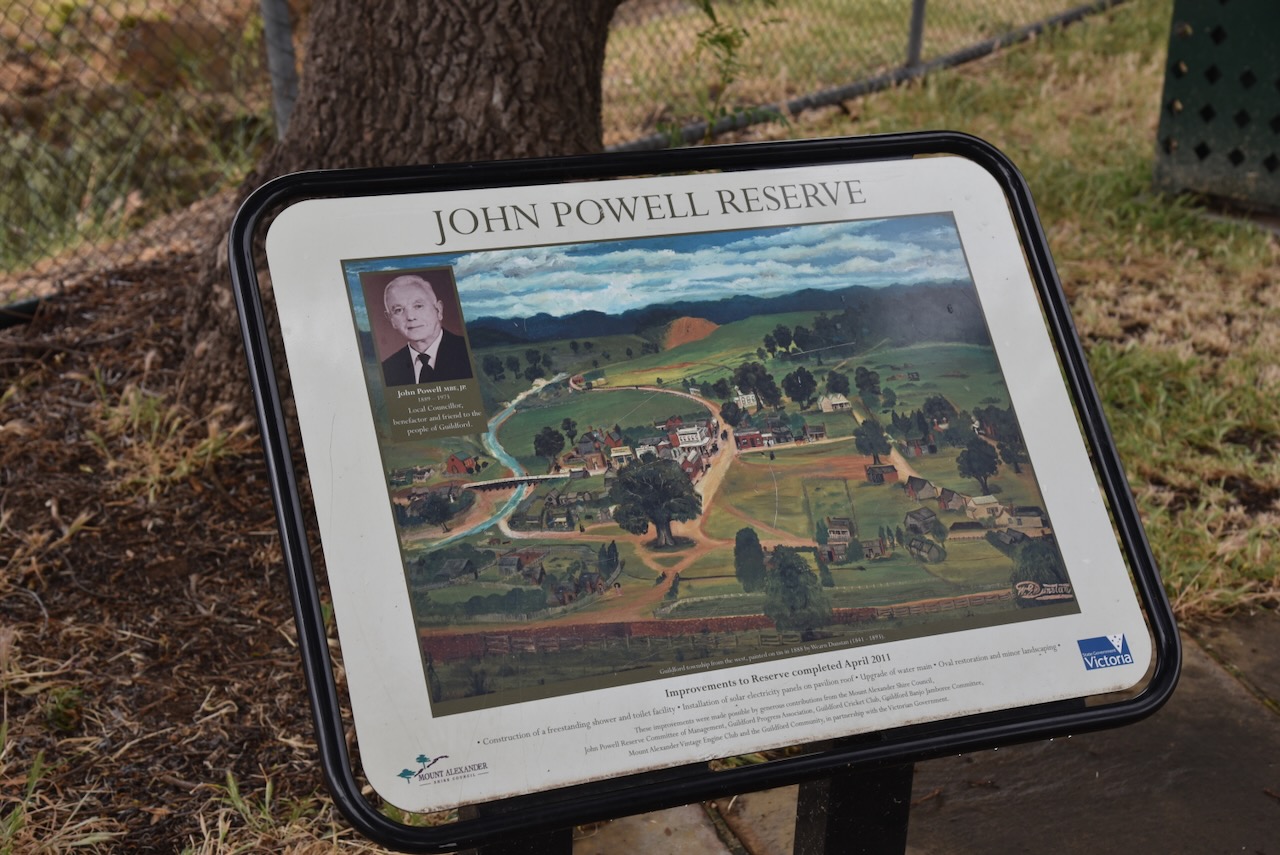
We then visited John Powell Reserve at Guildford. The park is named in honour of John Powell MBE, JP (b. 1889. d. 1973) who was a local Councillor, benefactor and friend to the people of Guildford.
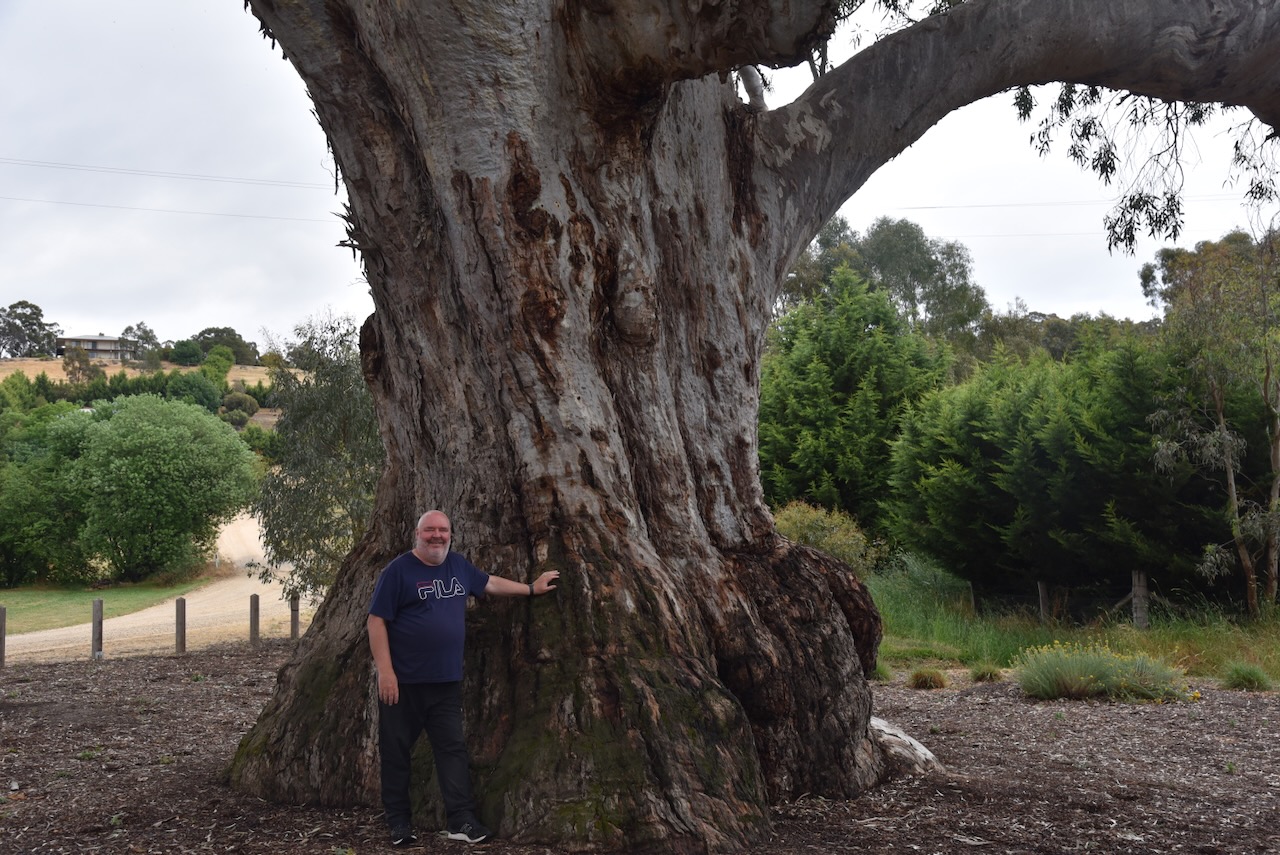
If you are in Guildford, you can’t miss a visit to ‘The Big Tree’ (Eucalyptus camaldulensis). It is located at the intersection of Fryers Street and Ballarat Street. The Big Tree is a large River Red Gum which is believed to be the largest of its species in the state of Victoria. Its base is 12.8 metres while its height is 25.9 metres. It is believed that Buke and WIlls camped beneath the tree on their journey from Melbourne to the Gulf of Carpenteria. (Aussie Towns 2024)


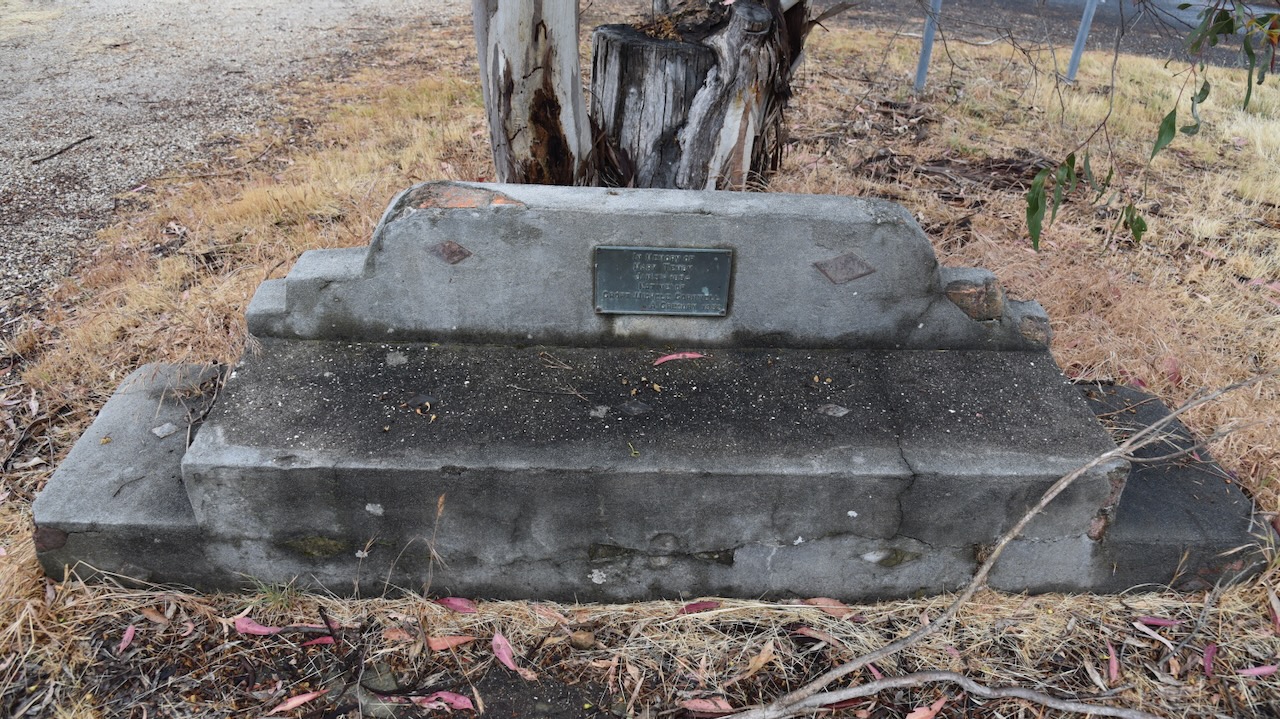
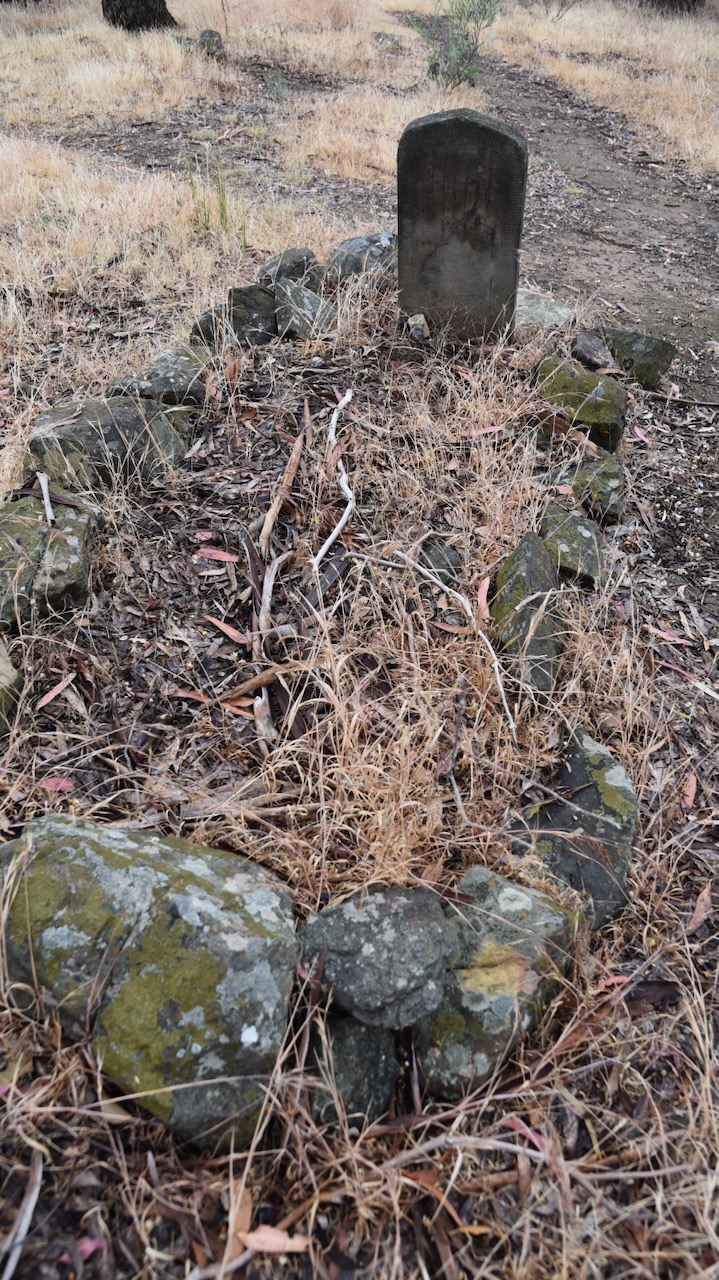
After leaving Guildford we visited the old Chinese cemetery at Vaughan Springs. The cemetery was established during the great Mount Alexander gold rush during the early 1850s. The cemetery is located on a small hill overlooking one of the richest locations on the goldfields. It was located at this position as gold was not likely to be discovered at this spot. The cemetery was used until 1857. (Goldfields Guide 2024)


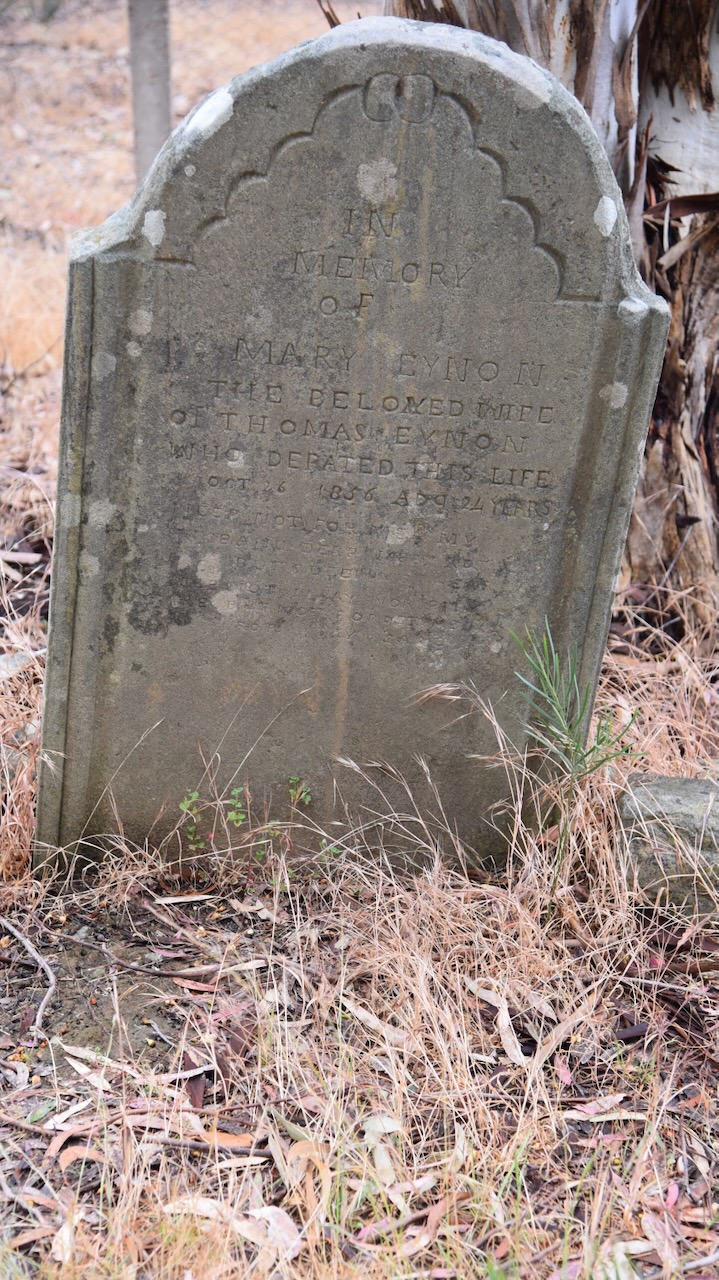

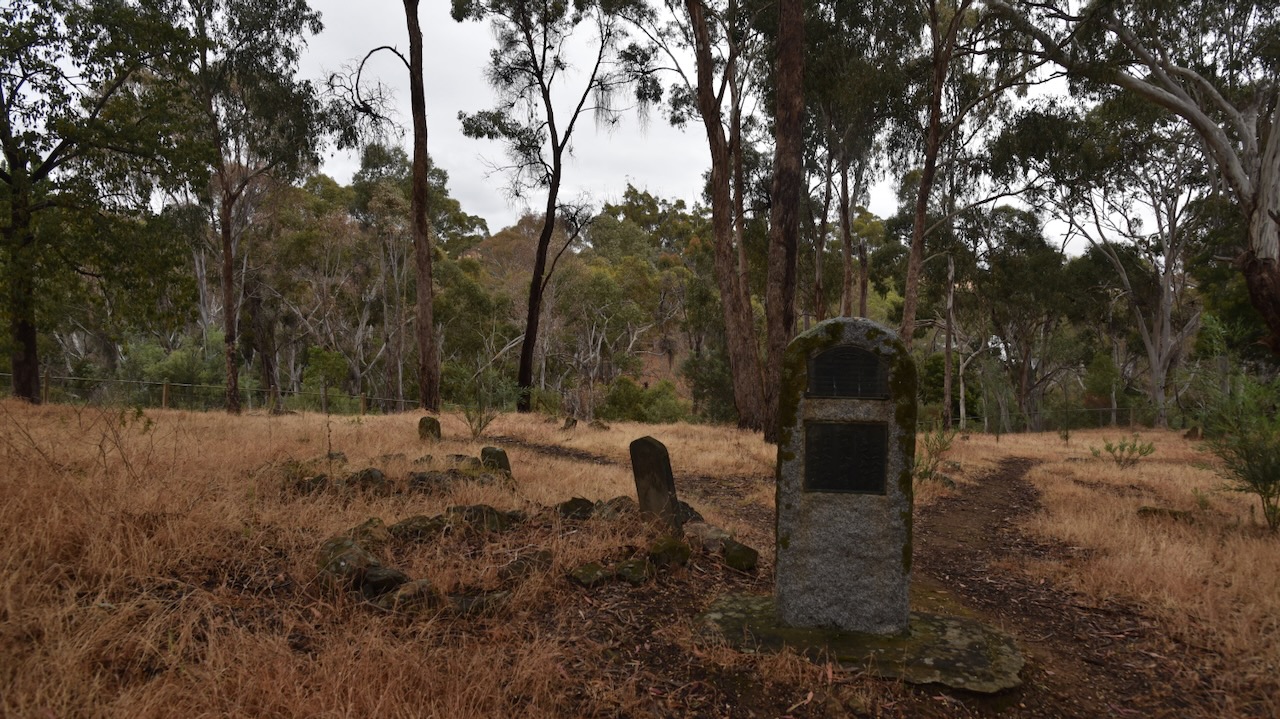
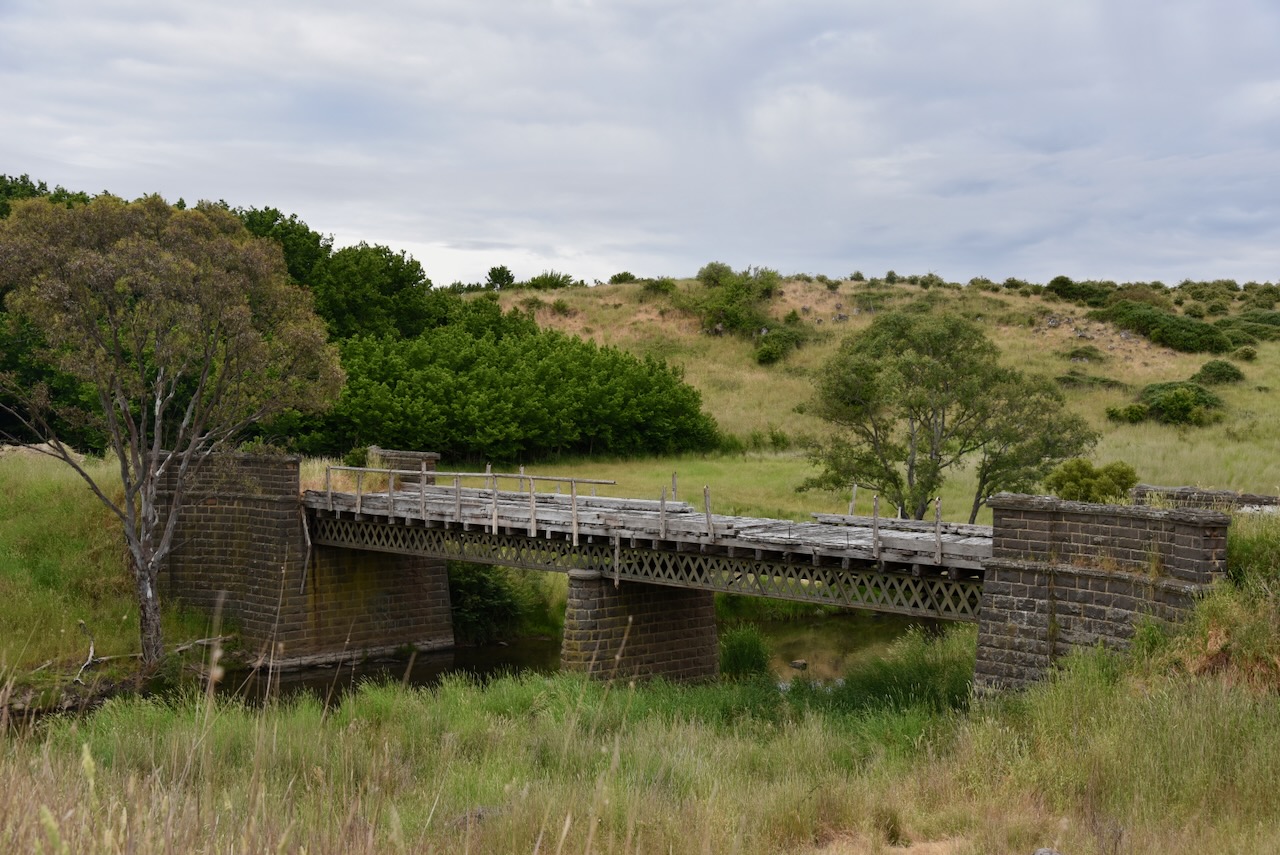
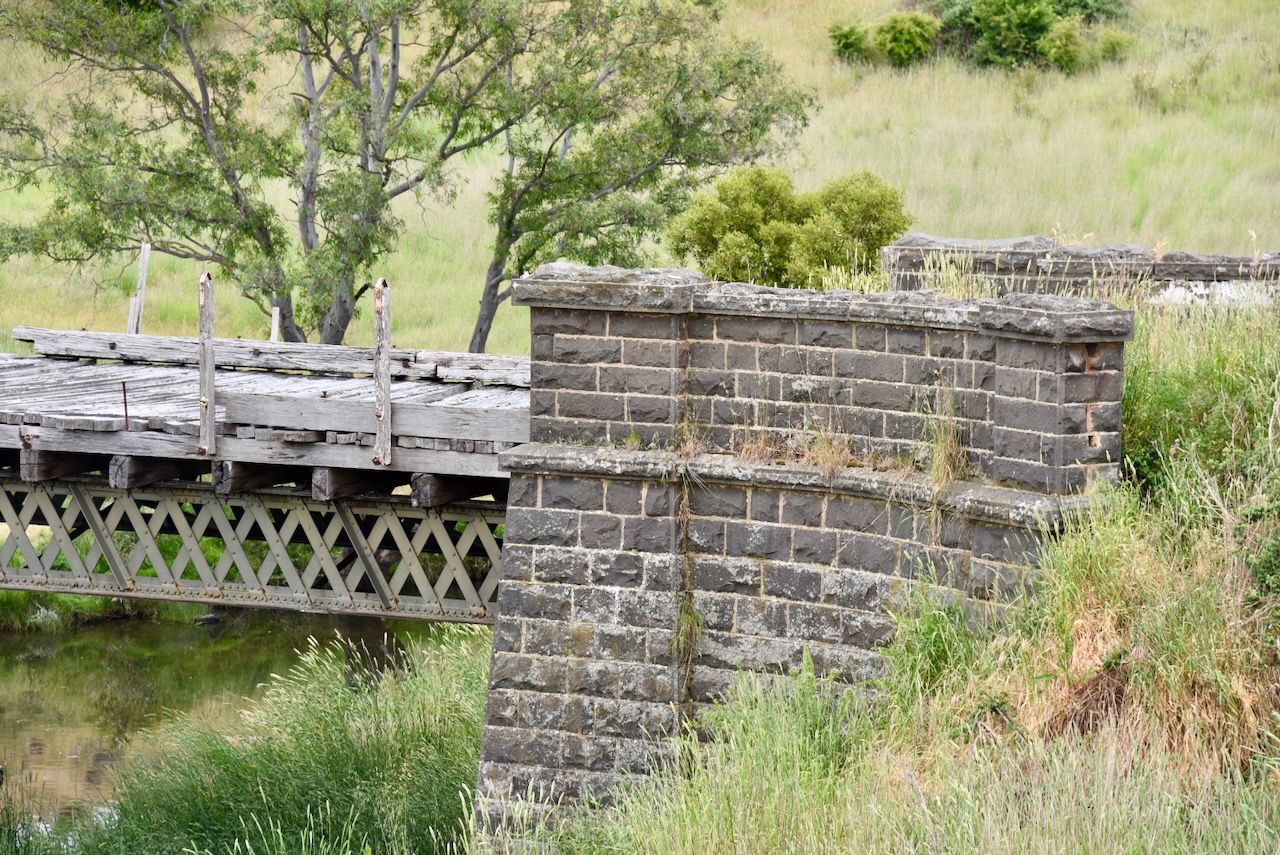
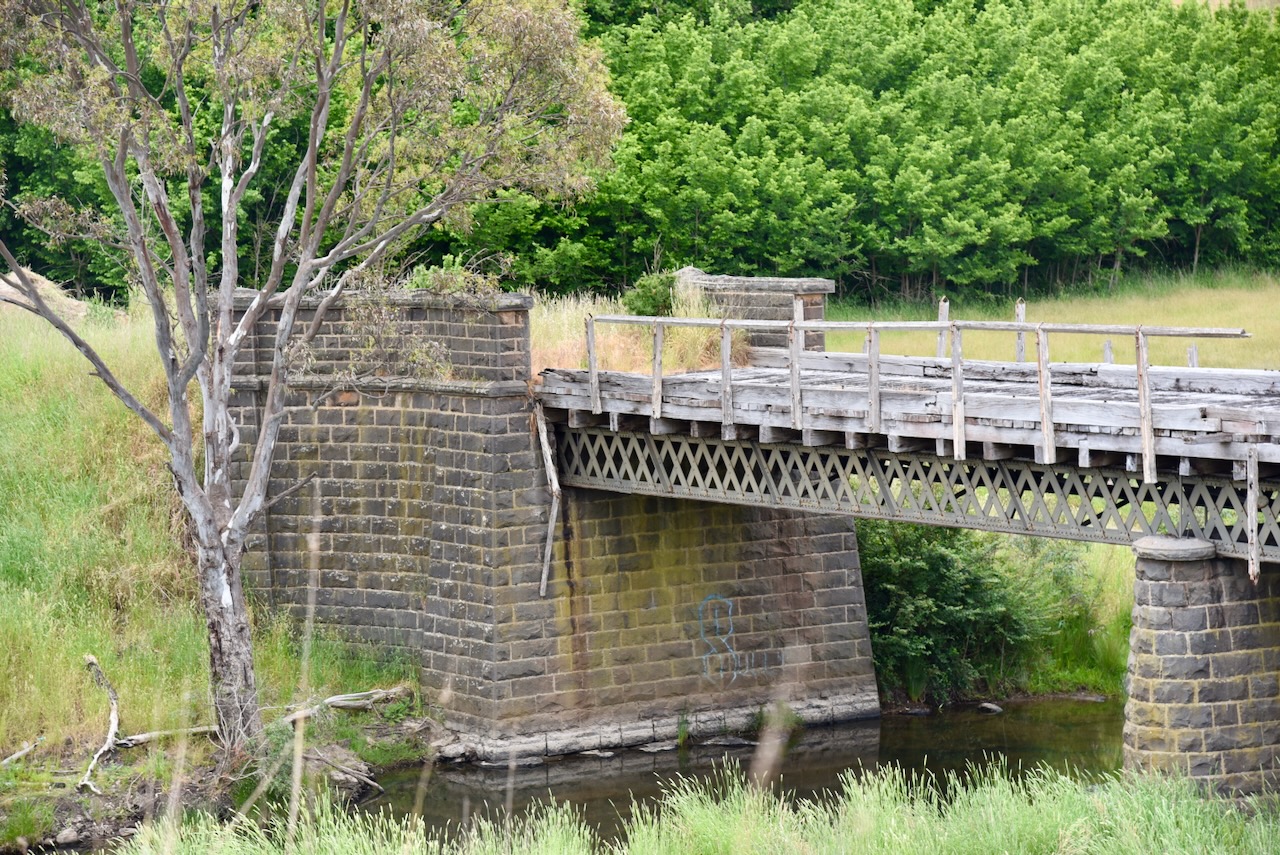
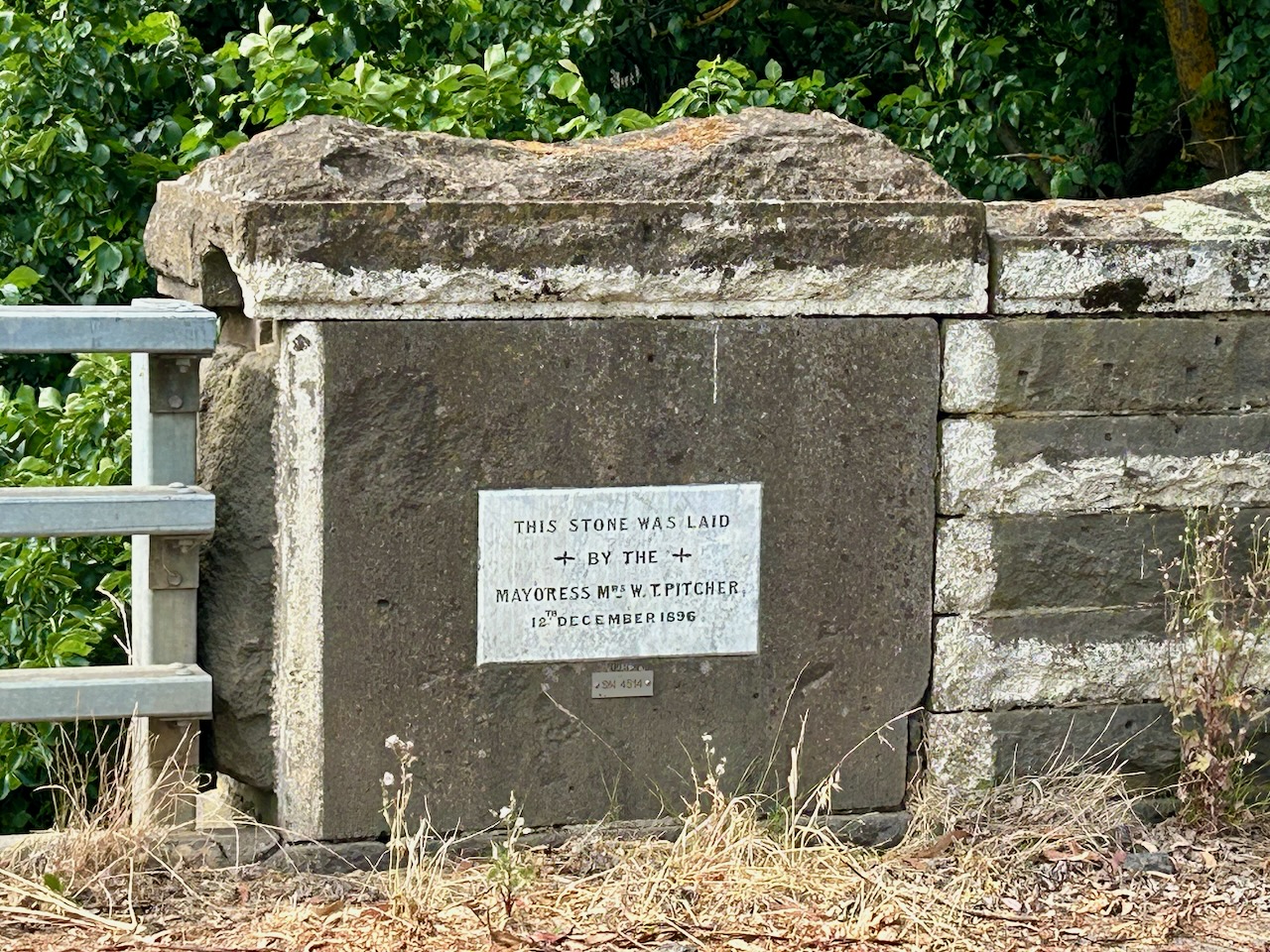
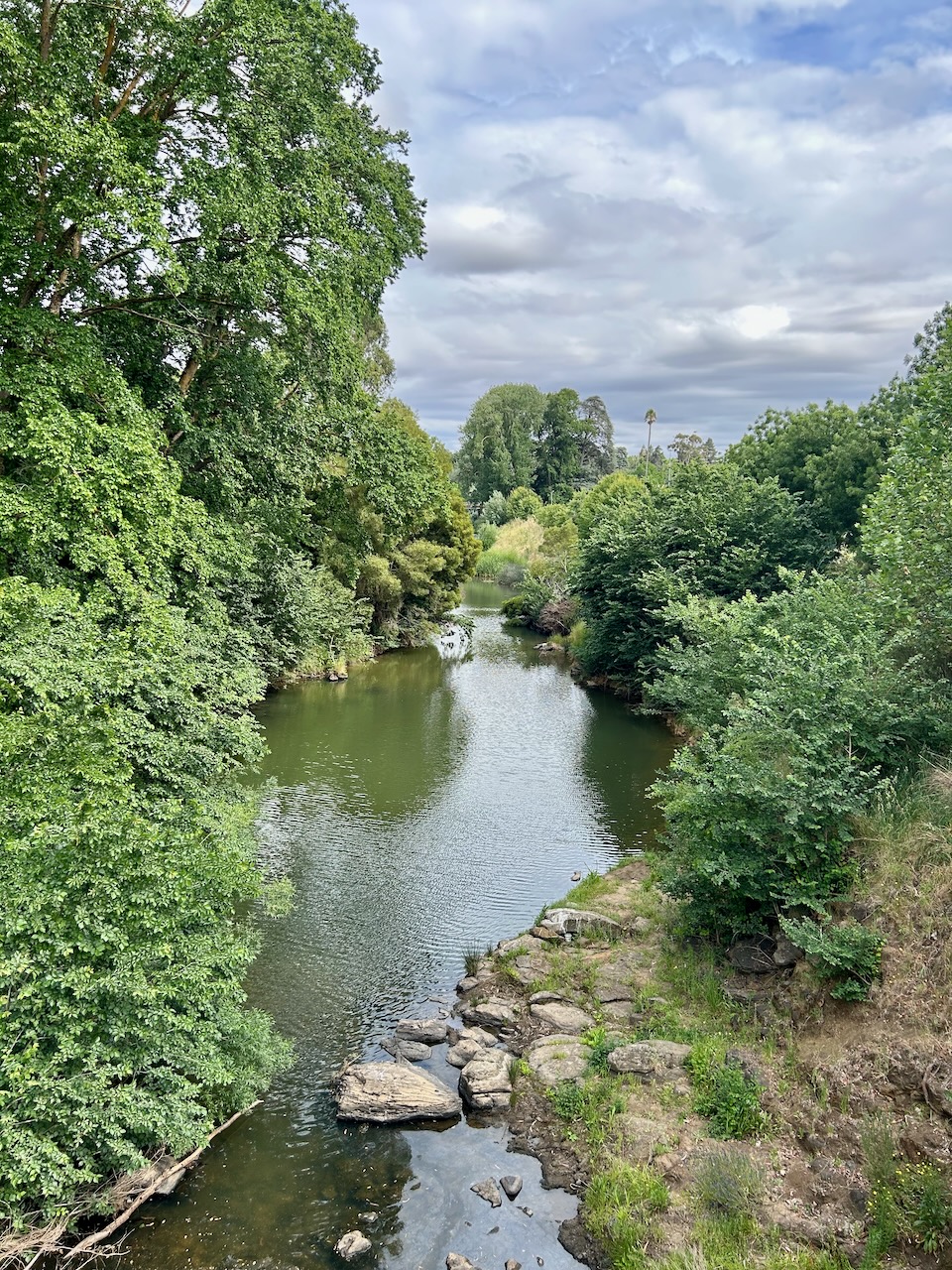
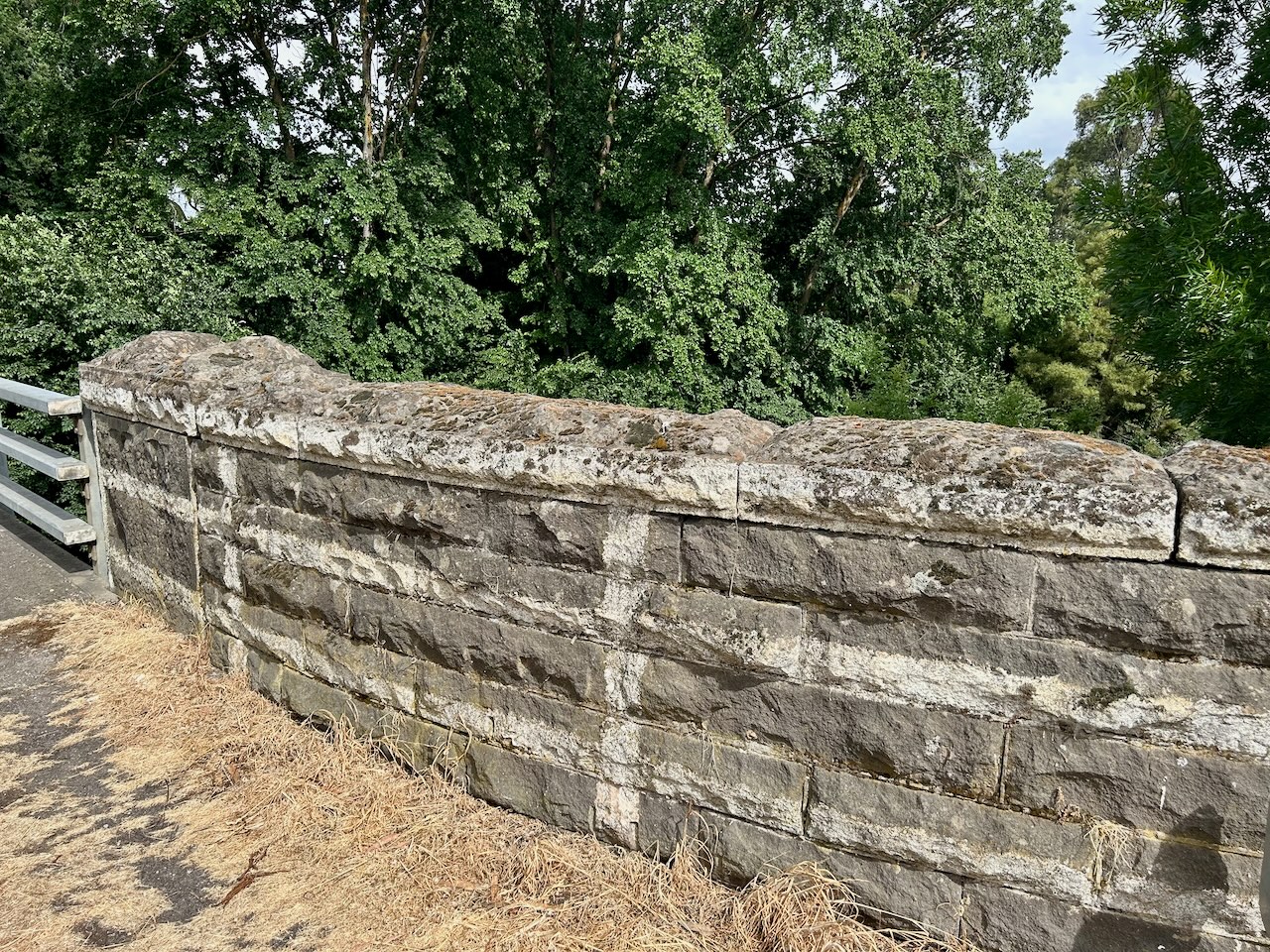
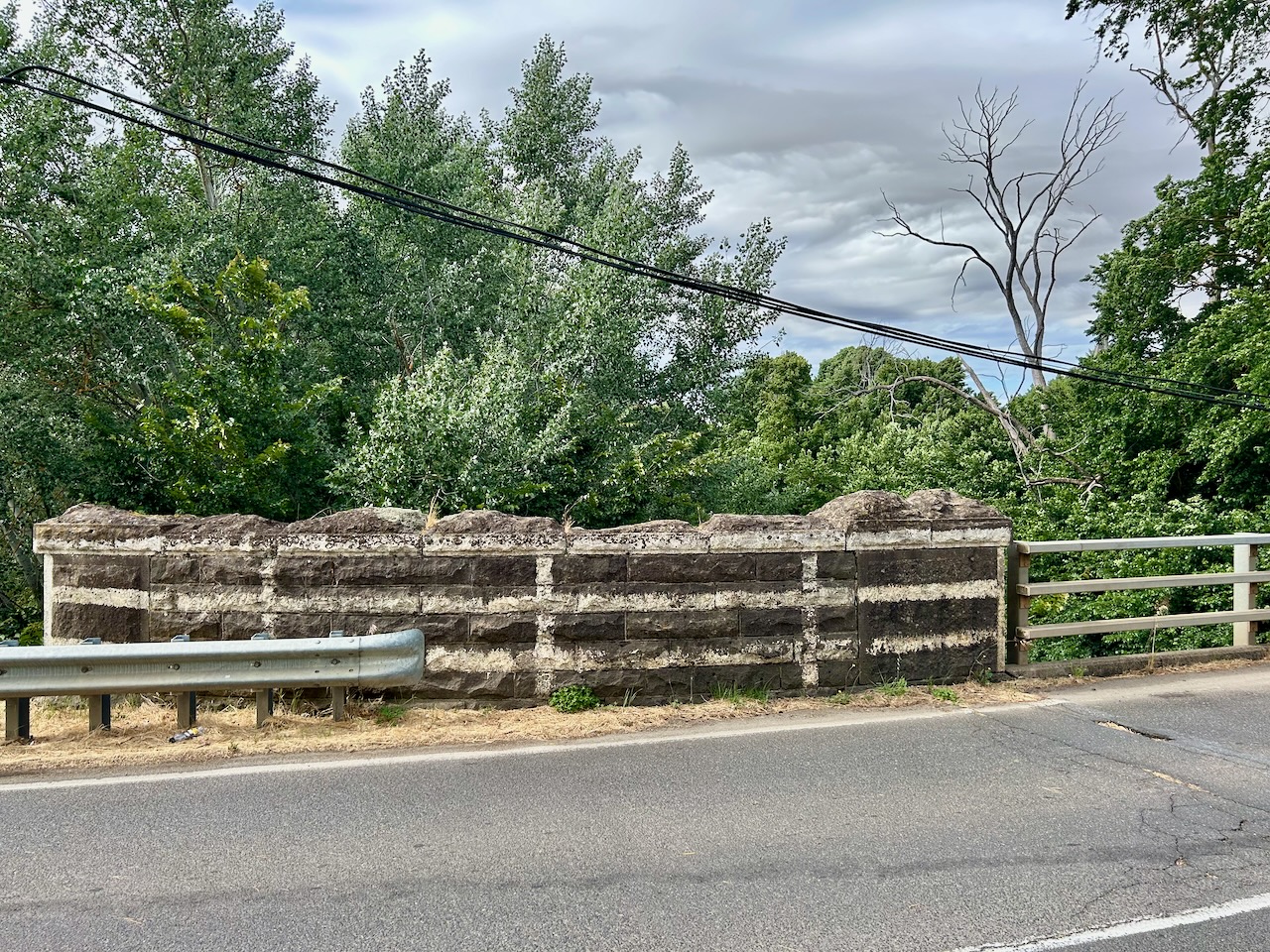
We also got a glimpse of the old bridge between Vaughan and Tarilta. The bridge was built in 1868 and was closed in September 2012. (stackunderflow.com 2023)

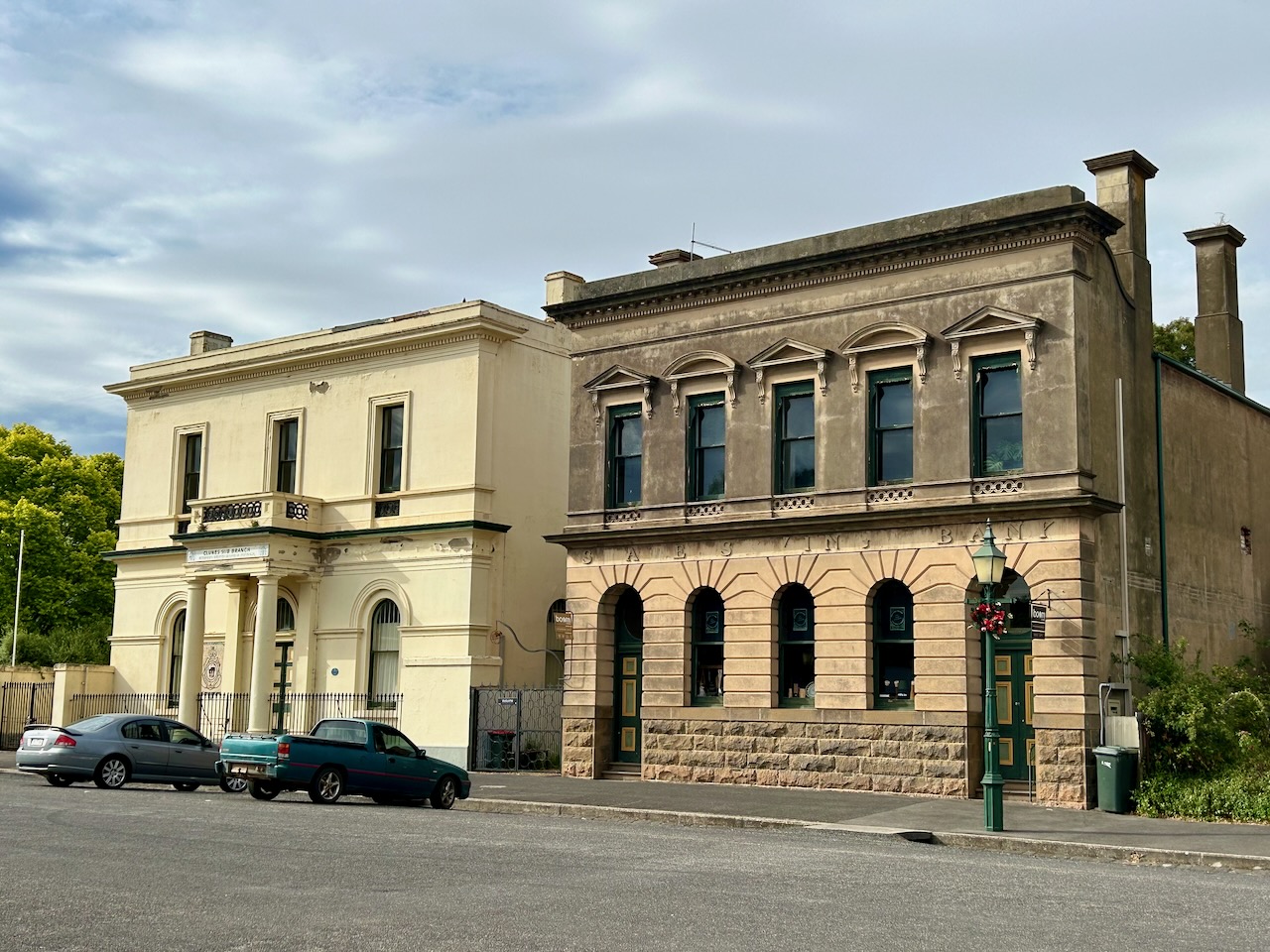
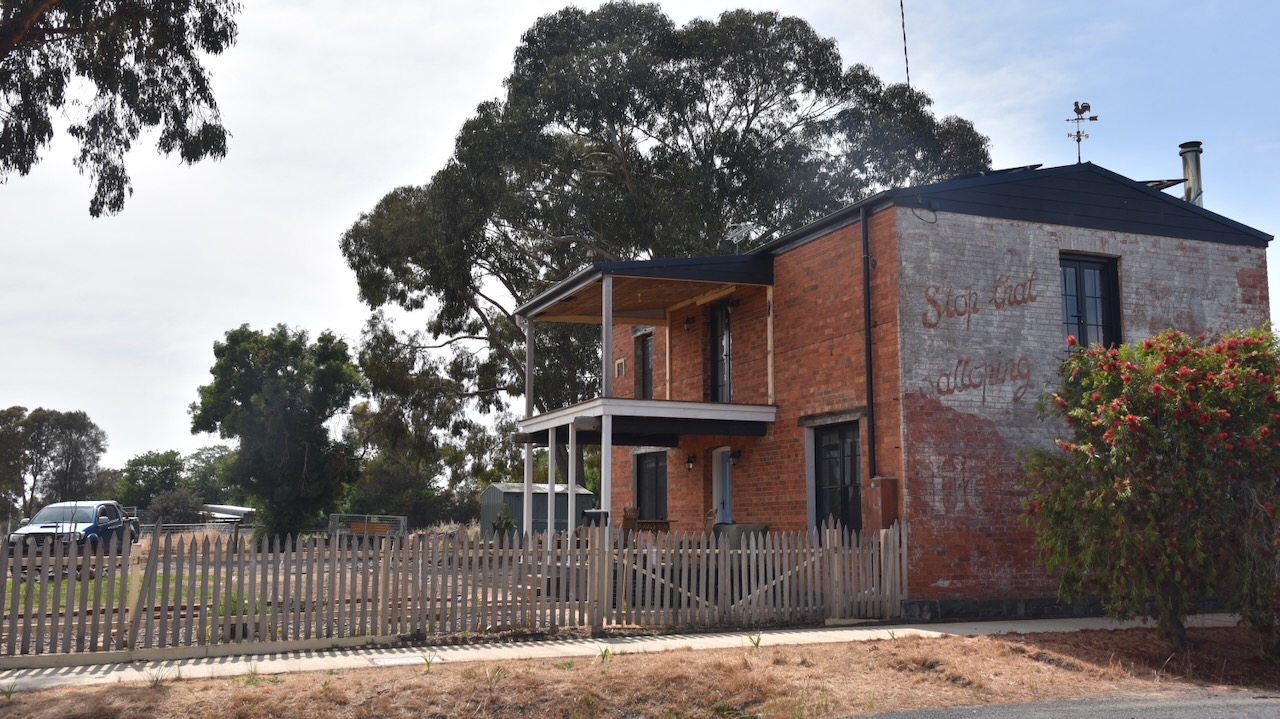
One of the impressive surviving historic buildings in Vaughan is the Bank of Victoria building, built in the early 1850s. It is now a private residence.

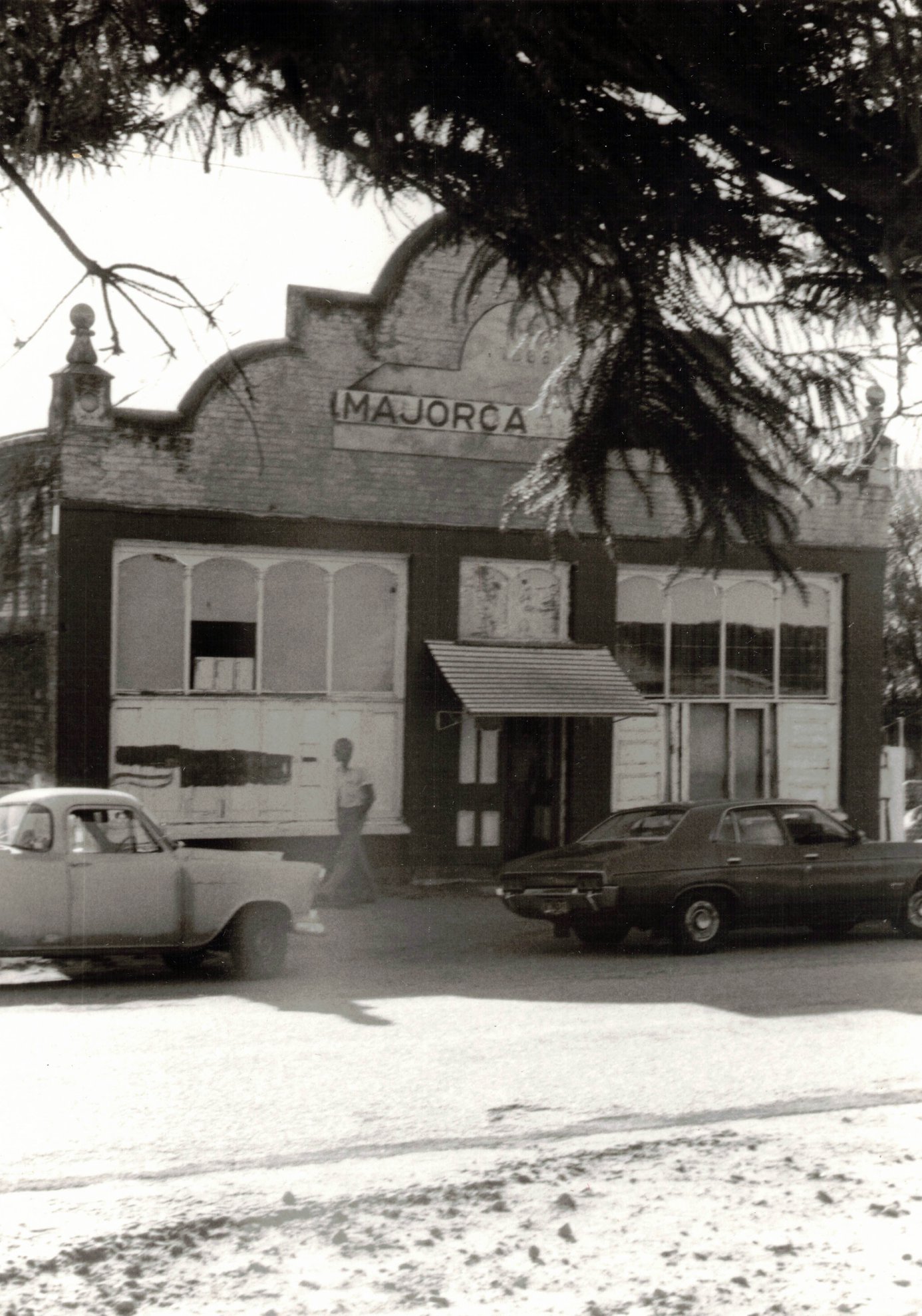
Marija and I then stopped at the former site of Ball & Welch Ltd. The company was a prominent department store in Melbourne from the 1800s through to the 1970s. In its heyday, the company was Melbourne’s leading family draper.

In May 1862 Charles Ball married Tabitha Reardon. About 3 weeks later her sister Eliza married William Welch. In some sources, Charles and Williams are credited as forming Ball & Welch. Other sources, including one of Tabitha’s daughters, claim that Tabitha and Eliza were responsible for starting the drapery store as they imported ‘silks and fashionable furbelows’ from London and their lady friends in Vaughan would often ask for some themselves. Charles and William had been drapers and silk mercers in England and were apparently encouraged by their wives to commence the business. (Inner City News 2024)

Above:- Advertisement from The Herald, Melbourne, Mon 24 Dec 1906. Image c/o Trove.
We stopped to have a look at the cliffs at Vaughan known as Red Knob. These red cliffs are the result of hydraulic sluicing operations during the mid-1900s. (Goldfields Guide 2024)

We then drove on to the little town of Fryerstown, about 10km southeast of Castlemaine.
The town is located on the banks of Fryers Creek, a tributary of the Loddon River, and was named after pastoralist Peter Fryer who settled in the area during the 1840s. In October 1851 gold was discovered in Fryers Creek, with a significant number of the miners being of Metholidst faith. By 1853 a school had opened. One of the school’s most famous students was Frank Tate (b. 1864. d. 1939). He was born in Mopoke Gully, east of Fryserstown. He was Director of Education from 1902 to 1928. (Victorian Places 2024)
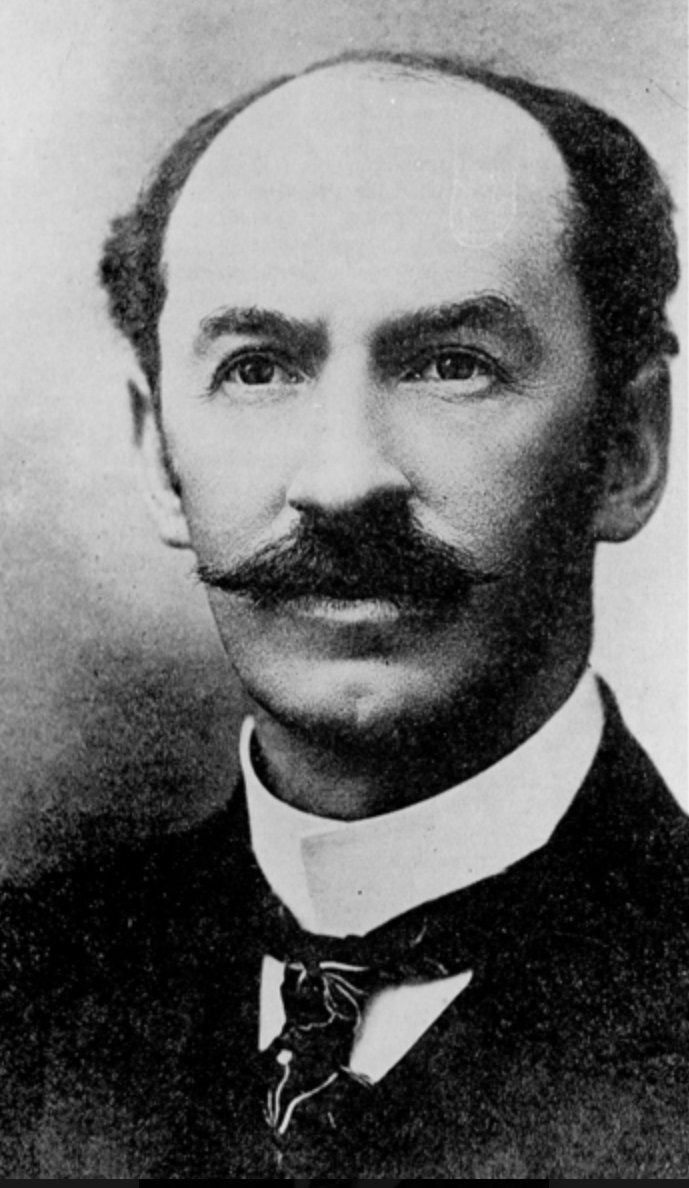
Above:- Frank Tate. Image c/o Victorian Collections.
The Post Office opened on the 19th day of April 1854 as Fryer’s Creek, and in 1856 was renamed Fryerstown. It closed in 1975. The old Methodist church at Fryerstown was opened in 1861. The Anglican church was also opened in that year. The predominant mining method in the area by the 1860s was auriferous quartz mining. However, Chinese miners continued with alluvial gold mining and formed a substantial portion of the Fryerstown community. (Phoenix 2005) (Victorian Places 2024)

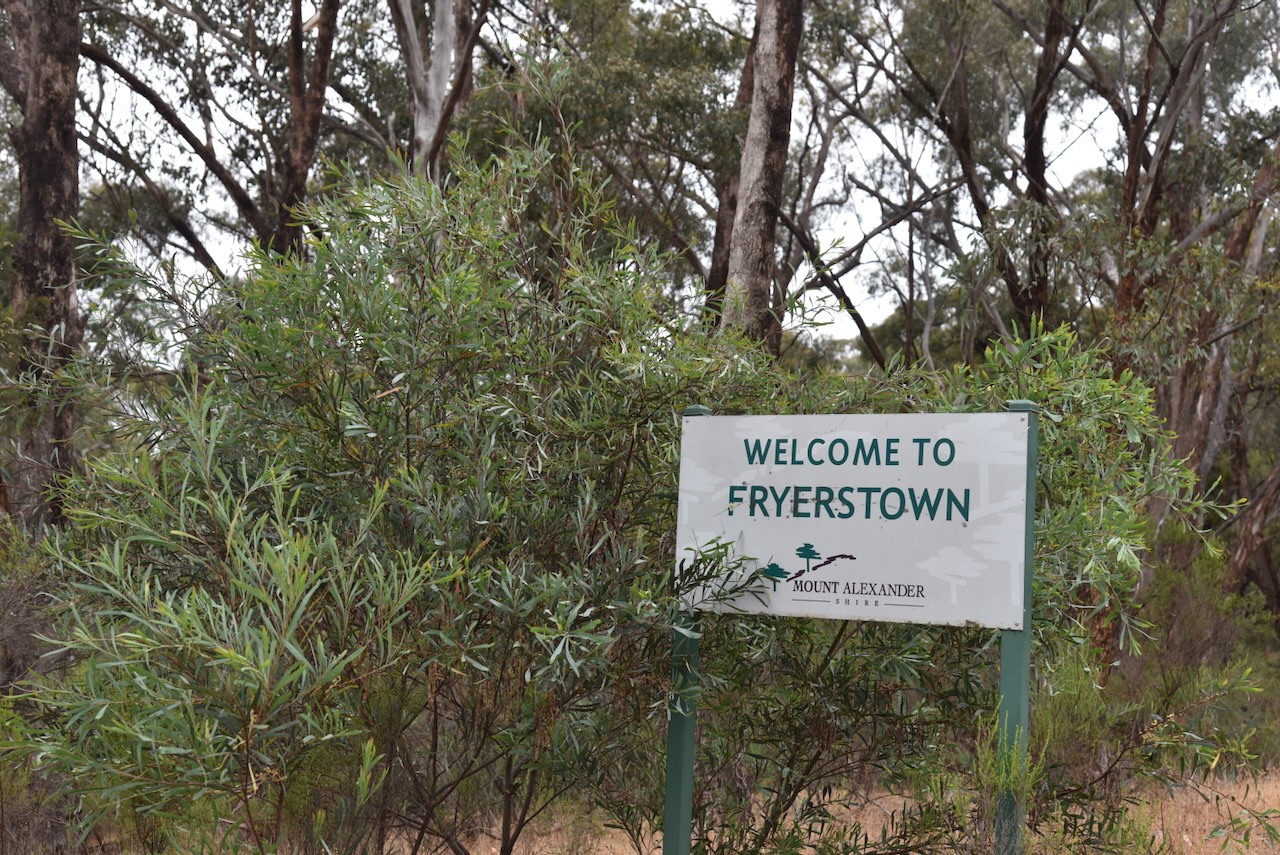


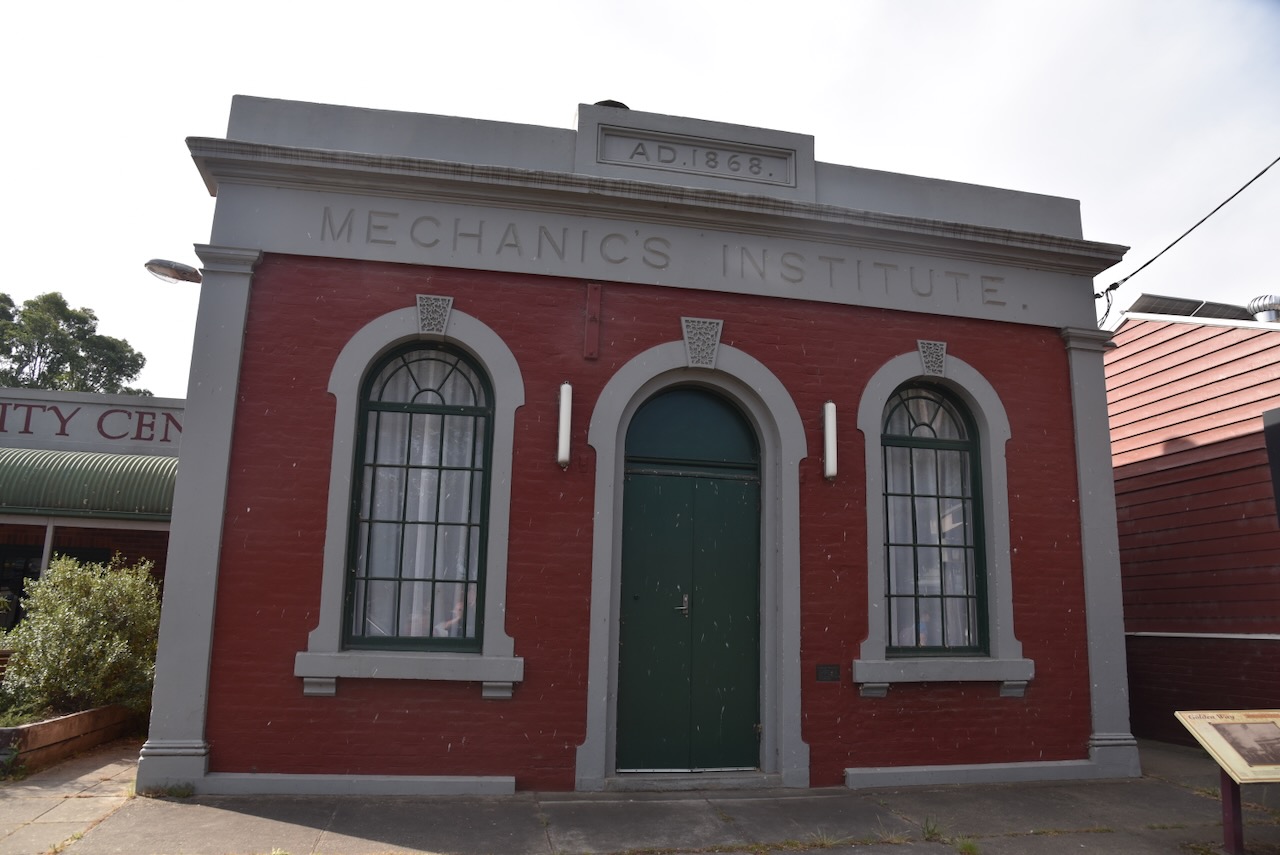
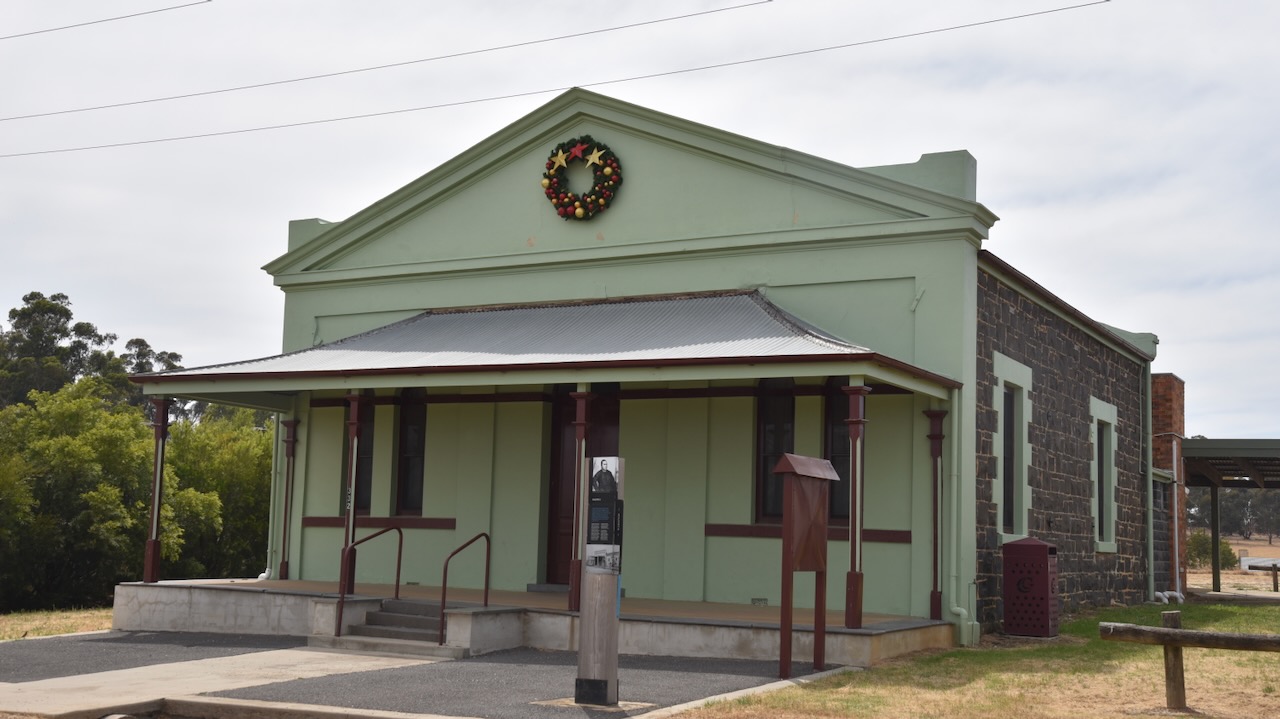
Some historic buildings remain at Fryerstown. This includes the Fryerstown mechanics institute.

The locals of Fryerstown decided to construct a memorial mechanics institute for the explorers Burke and Wills. In November 1861 they raised £300 and the institute was built. In Mid 1863 the foundation stone was laid and the building was completed about 4 months later. (burkeandwills.net.au 2024)

Above:- part of an article from the Mount Alexander Mail, Thu 9 April 1863. Image c/o Trove.
Another historic building is the old boot manufacturer building built in 1854, run by George Levi Carter. George was born in 1845 in Middlesex, England and emigrated to Australia. He established a boot manufacturing business. He died in 1941 at Fryserstown. (ancestry.com.au 2024)
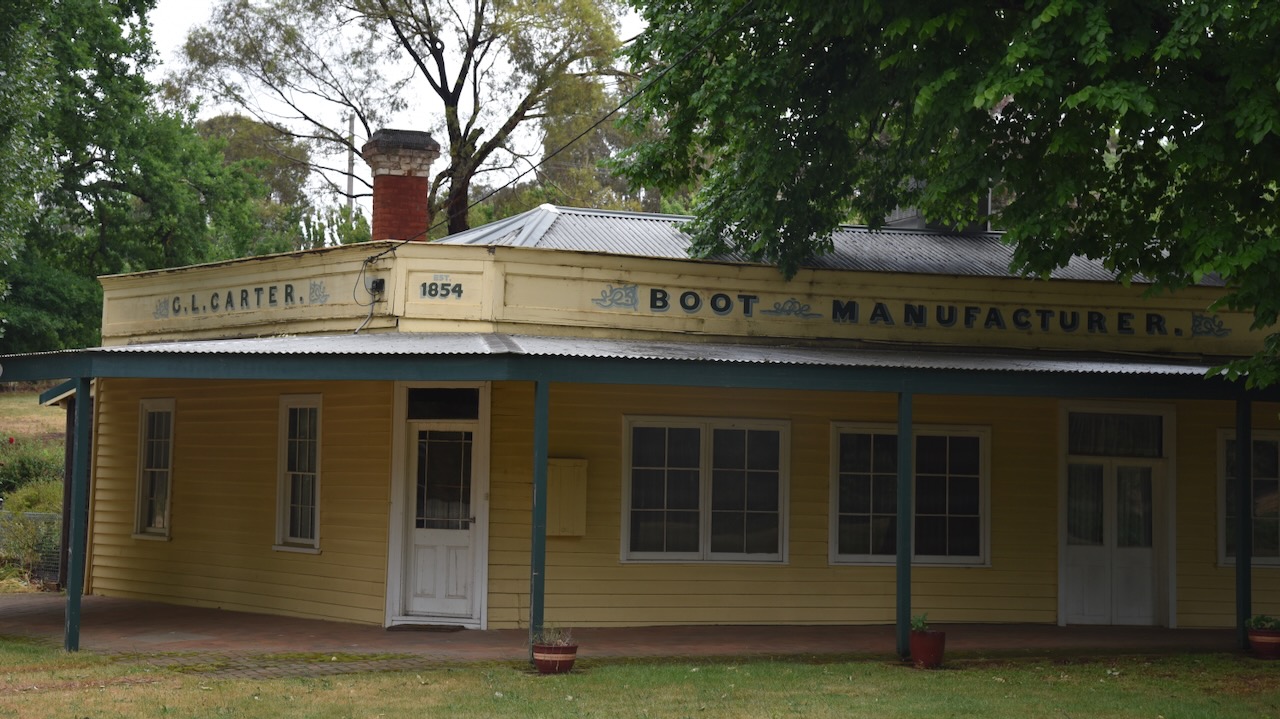
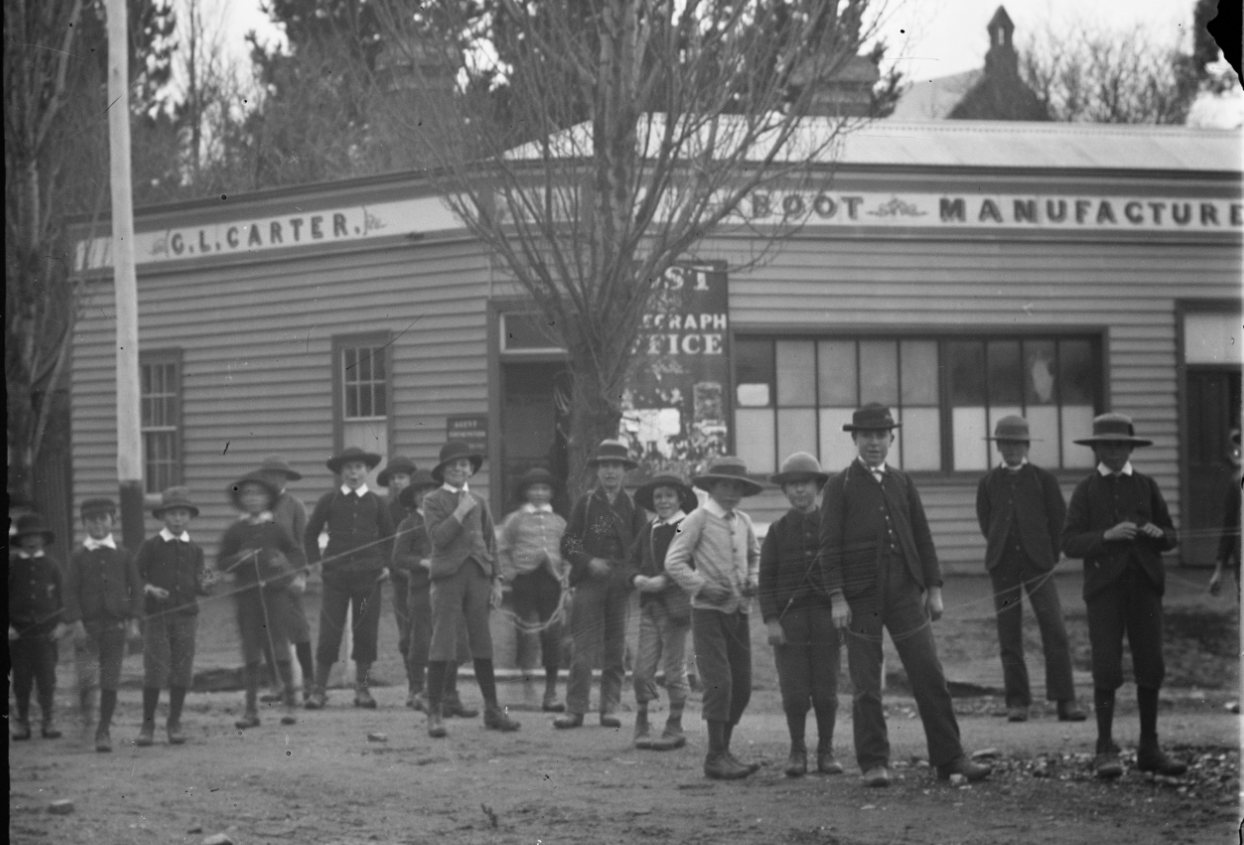
Above:- a groupf of boys in front of the shop (between 1870-1910. Image c/o State Library Victoria.
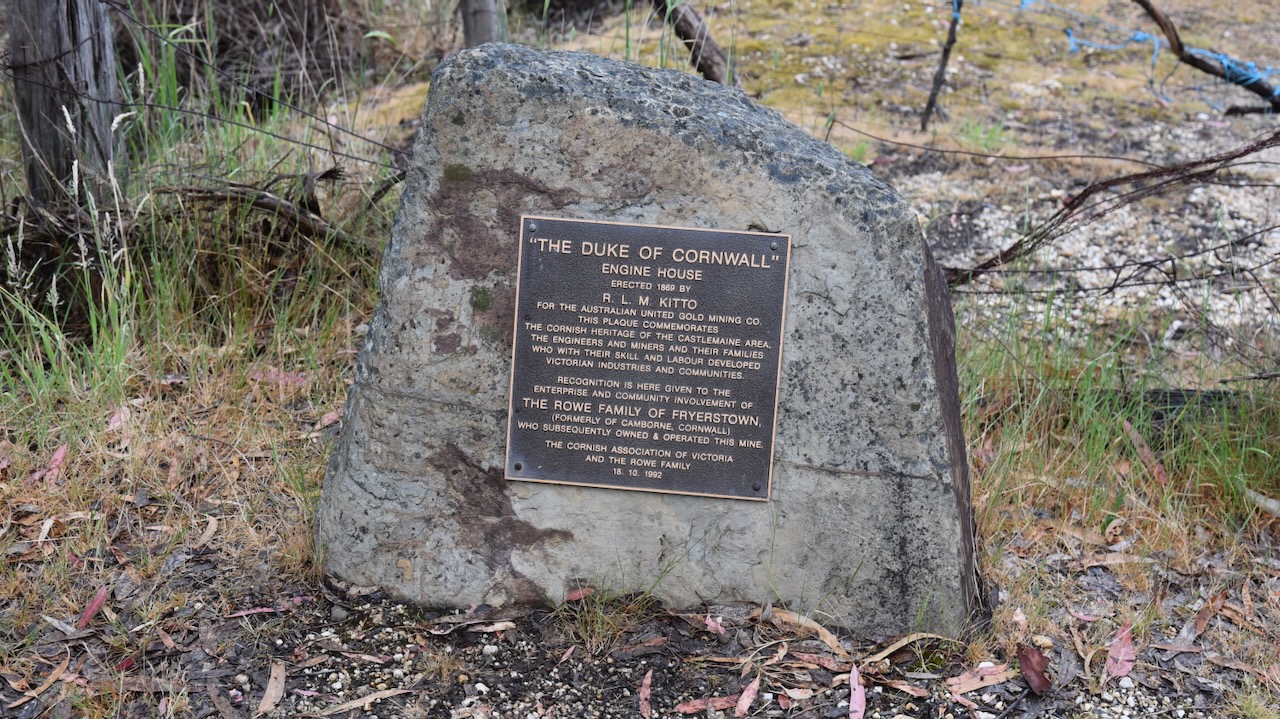
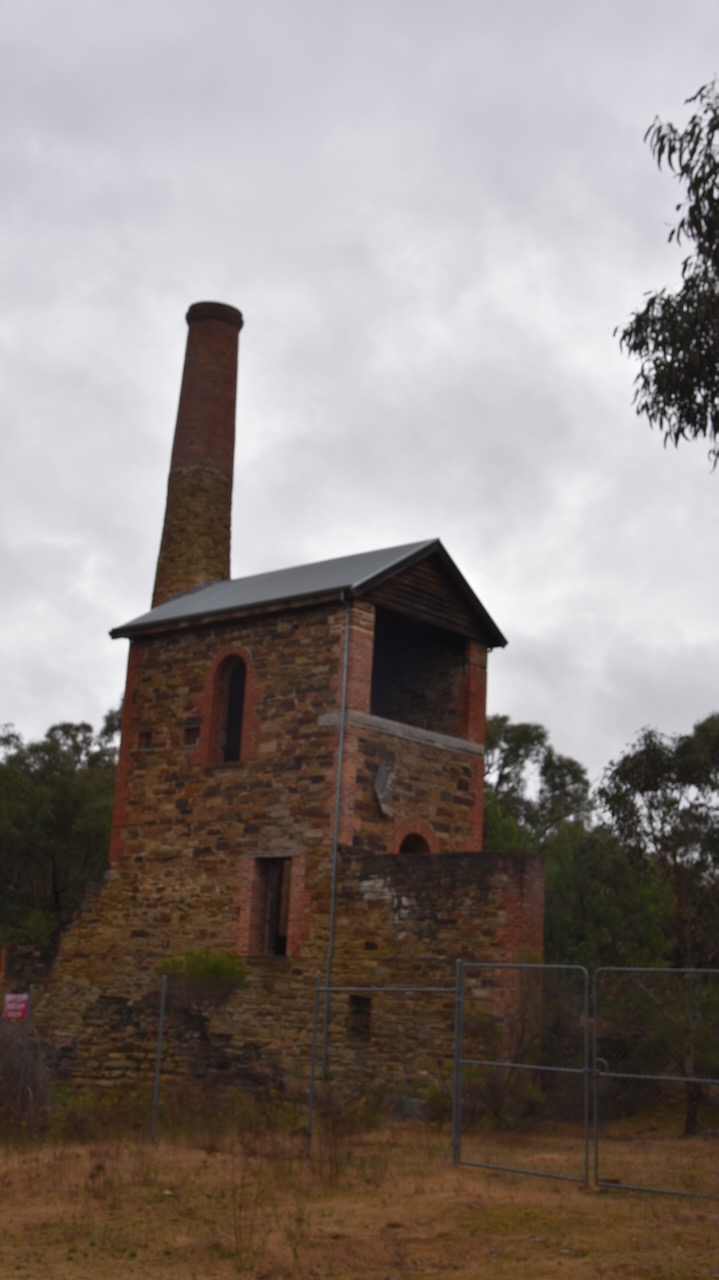
The Duke of Cornwall mine engine house was built c. 1865. The ruin is now on the Victorian and Australian historic buildings registers. (Victorian Places 2024)

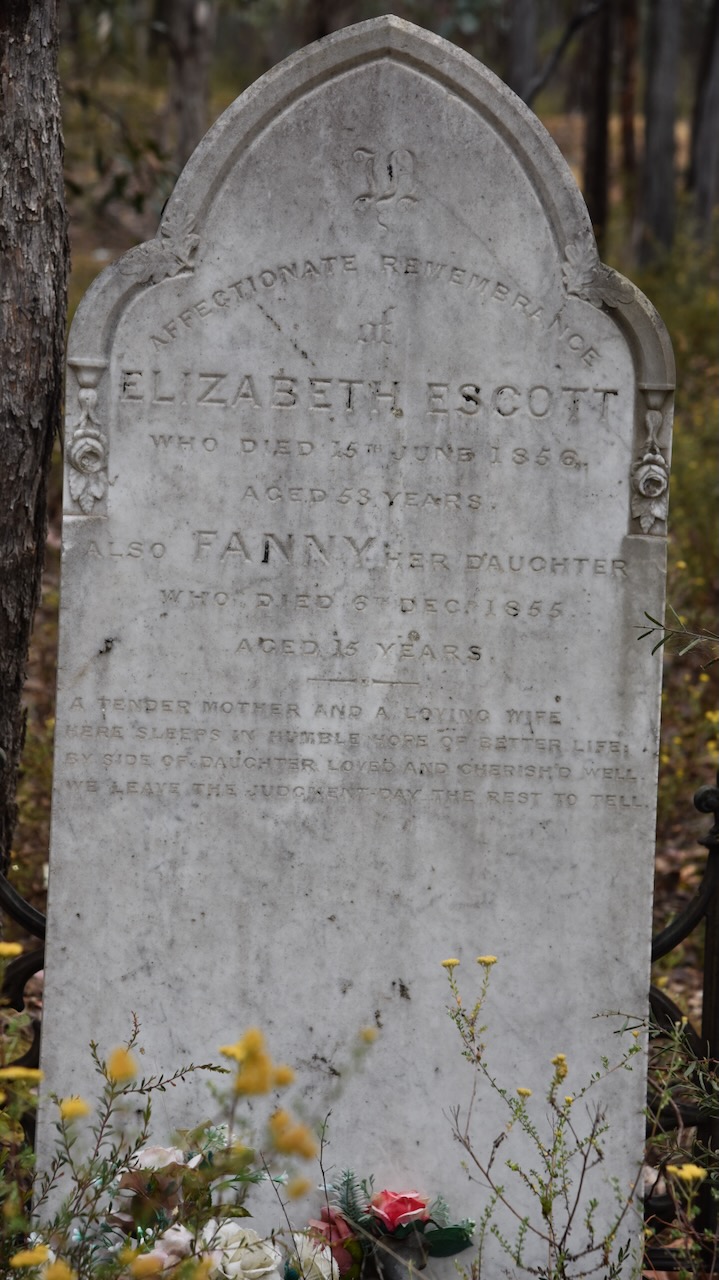
We then visited the remote gravesite of Elizabeth and Fanny Escott. It is located on Evanmore Track in Chewton.
Elizabeth Bruford was born in August 1803 in Somerset, England. In 1825 she married Thomas Escott. Following his death, Elizabeth emigrated to Australia in 1853 with her children. Upon arrival in Australia they headed to Fryerstown in the goldfields. Sadly, after only a few years in Australia, Elizabeth’s daughter Fanny died in Decenber 1855. Six months later in June 1856, Elizabeth also died. (Ancestry.com.au).

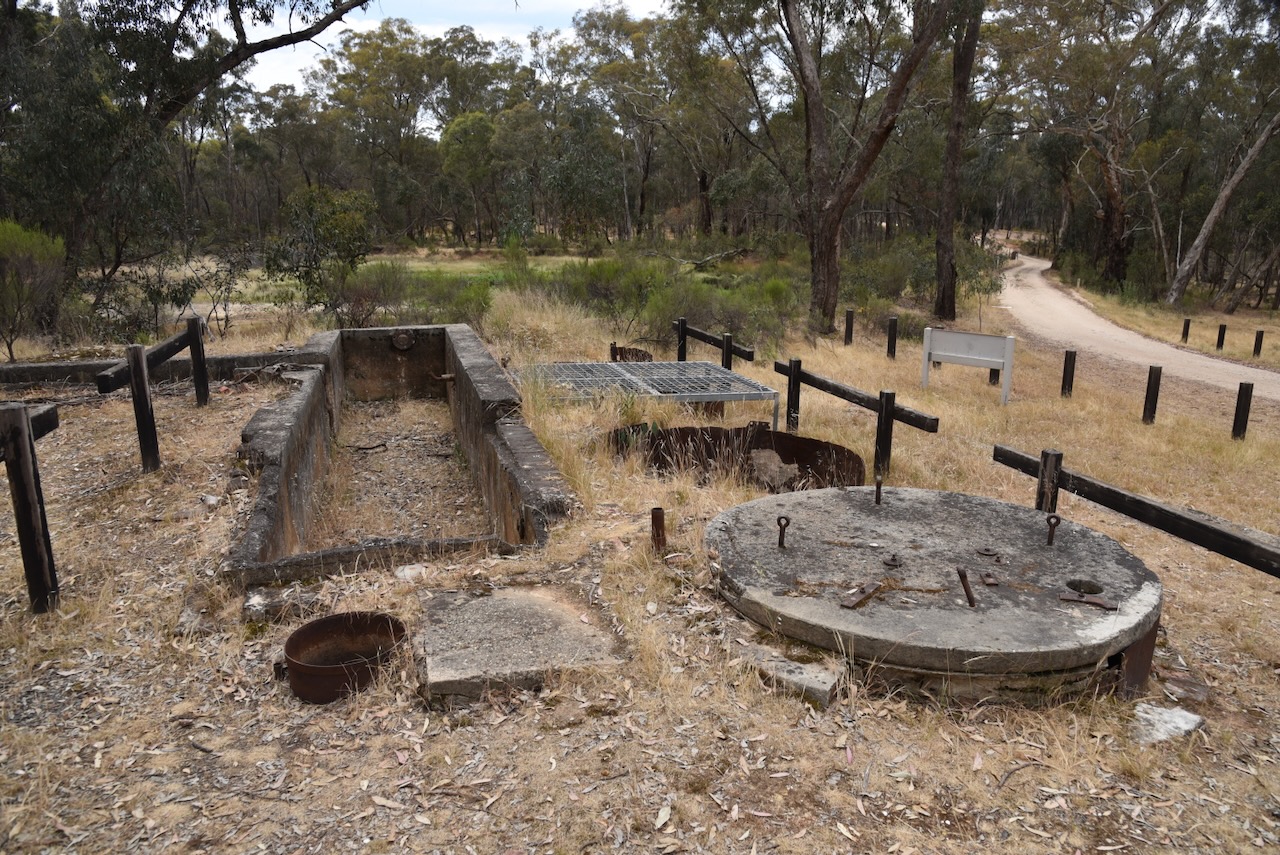
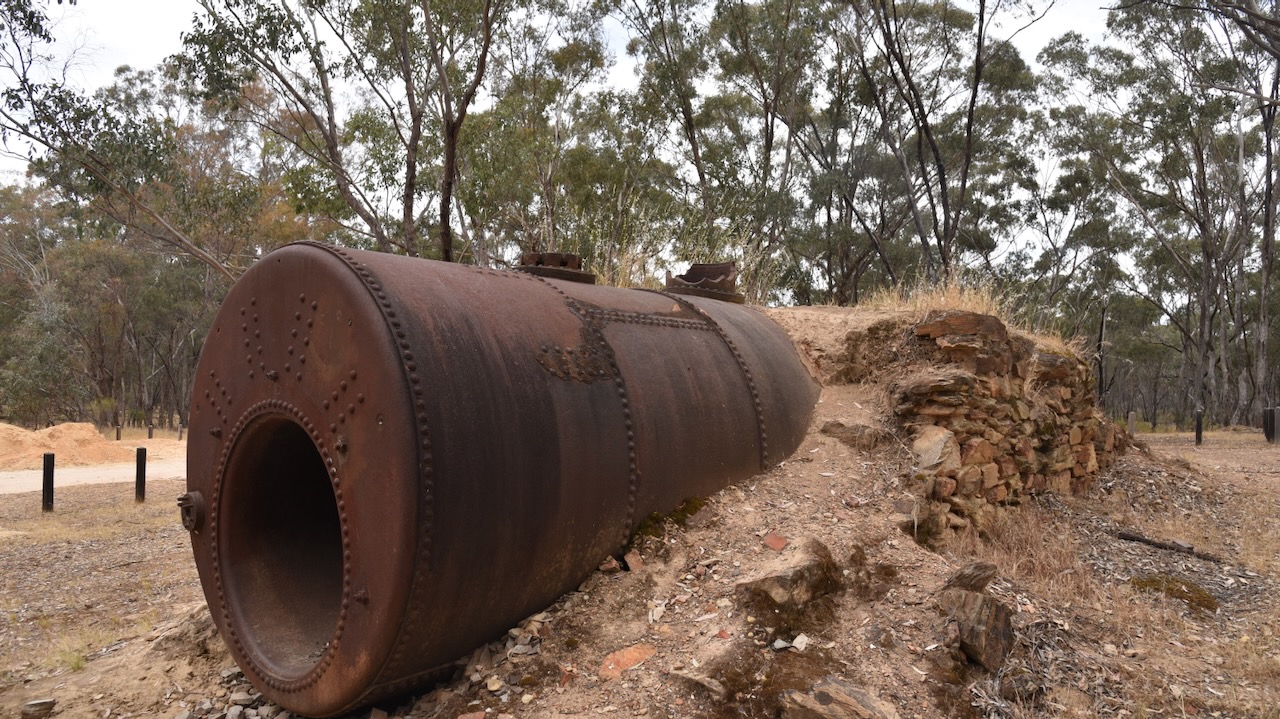
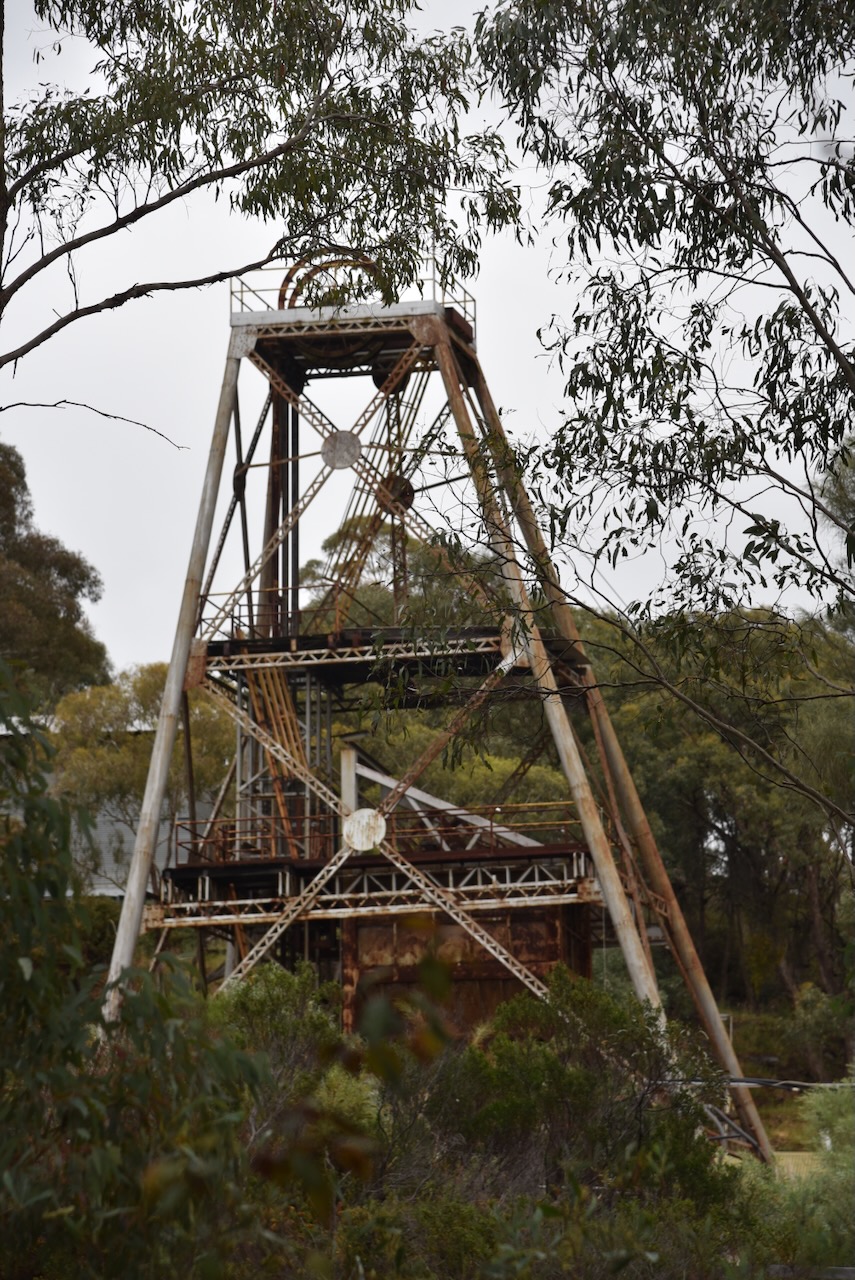
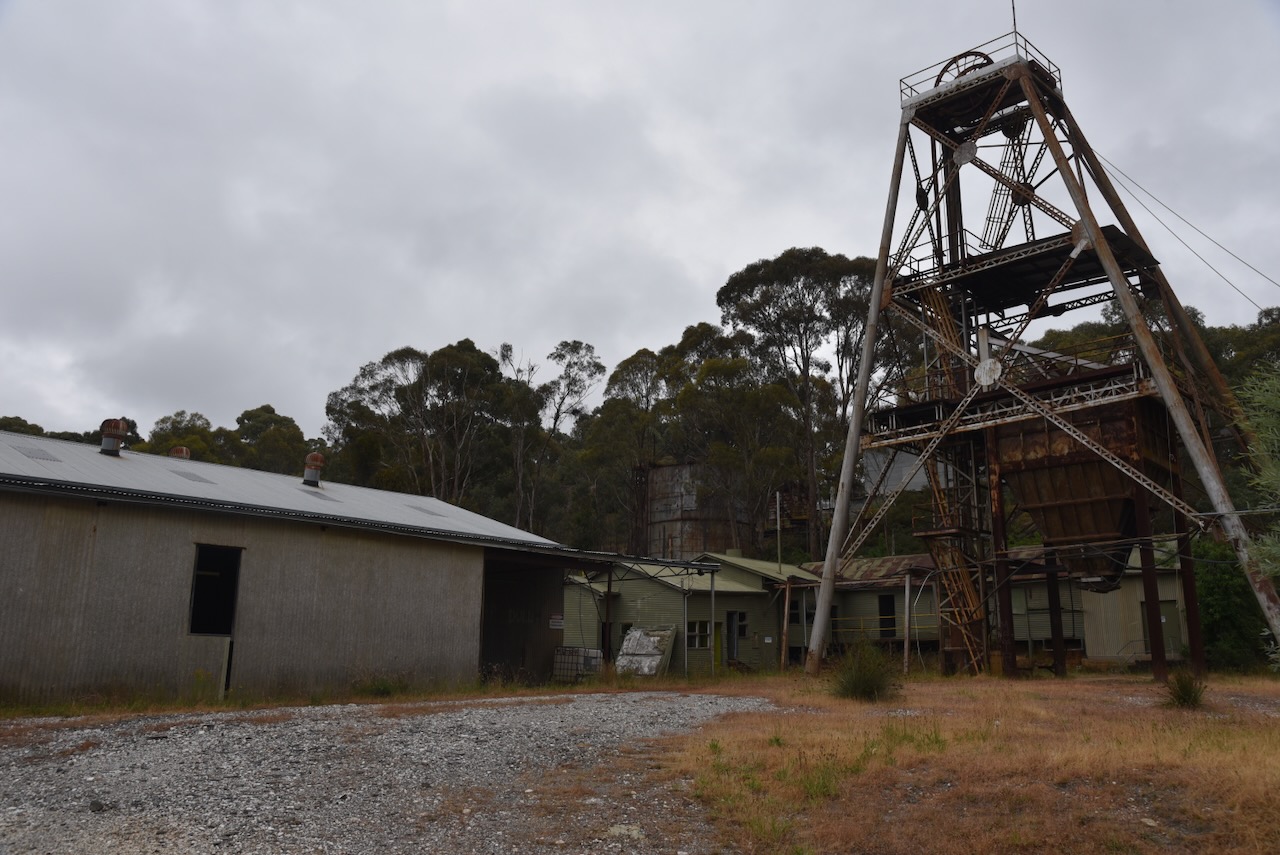
Our next stop was the Wattle Gully Mine at Chewton.
Wattle Gully was first worked in 1853. The miners located large amounts of alluvial gold, and also unearthed a quartz reef studded with gold. (FOMAD 2010)
About 80 years after the first discover of gold, a shaft was sunk in 1934 from the bottom of an old 1890s shaft to intersect the gold reef. However, when the correct depth was reached scarcely any gold was found. A survey was conducted and this found that the drill had been deflected westwards and struck a new lode of gold. By chance, the area’s largest and richest quartz gold deposit had been located. Over the next 30 years the mine would yield 350,000 ounces of gold worth about $140 million. (FOMAD 2010)




As we drove along Fryers Road we came across the old Blackwall Arms Hotel & Store that was built c. 1865. It was established by John Lockwood Westoby (b. 1827. d. 1880) and serviced the miners of the Chewton goldfields. Westoby was born in London, England in Decenber 1827 and emigrated to Australia in 1852. In 1911 George Archer purchased the property and it remained with the family until 2014. (Ancestry.com.au 2024) (Real Estate 2023)

As we approached Chewton we drove under the historic granite and red brick railway bridge.

We then reached the town of Chewton, about 4 km east of Castlemaine.
Chewton was first known as Forest Creek, named after Forest Creek which flows from Chewton to Castlemaine. The name was changed to Chewton, in honour of Lord Chewton, an acquaintance of Lady Castlemaine. Chewton initially started as a canvas town with gold miners and soon became a brick and timber township. Several of the town’s historic 1860 and 1870 buildings still remain. During the 1860s Chewton had a court, a mining survey office, two banks, 14 hotels, butchers, grocers and blacksmiths. In December 1860, Chewton had been proclaimed a borough. (Victorian Places 2024)
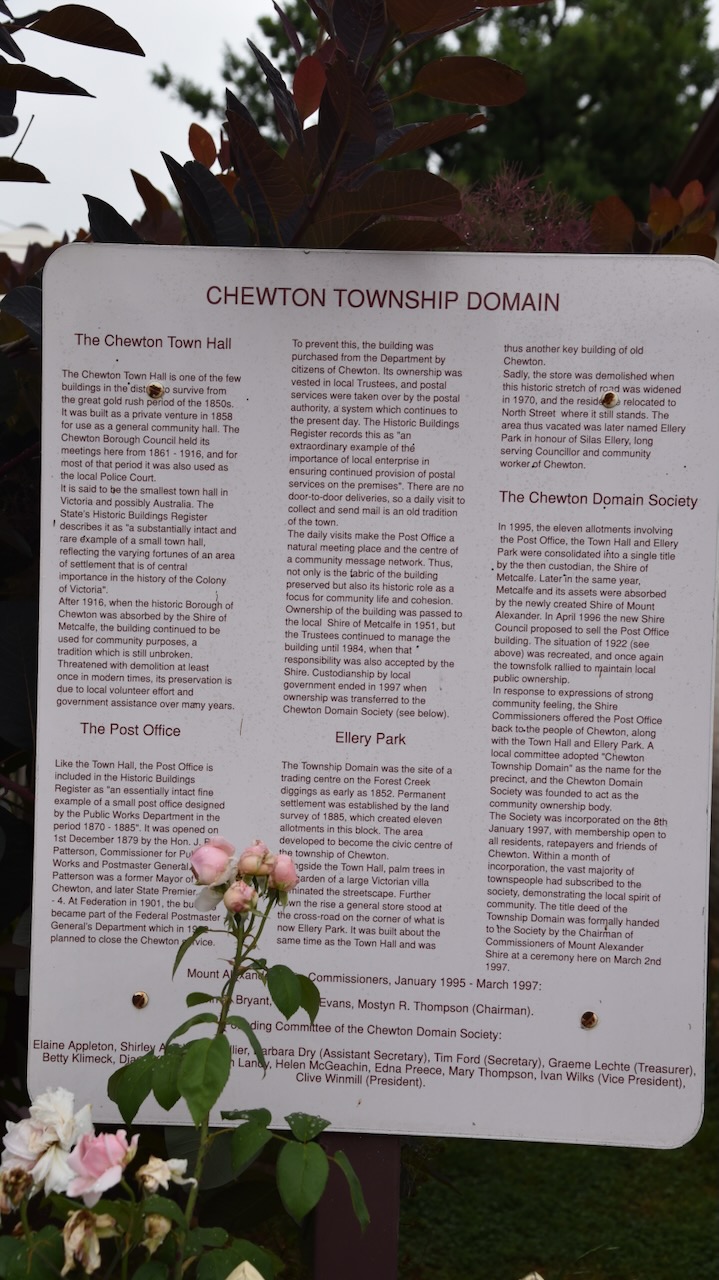

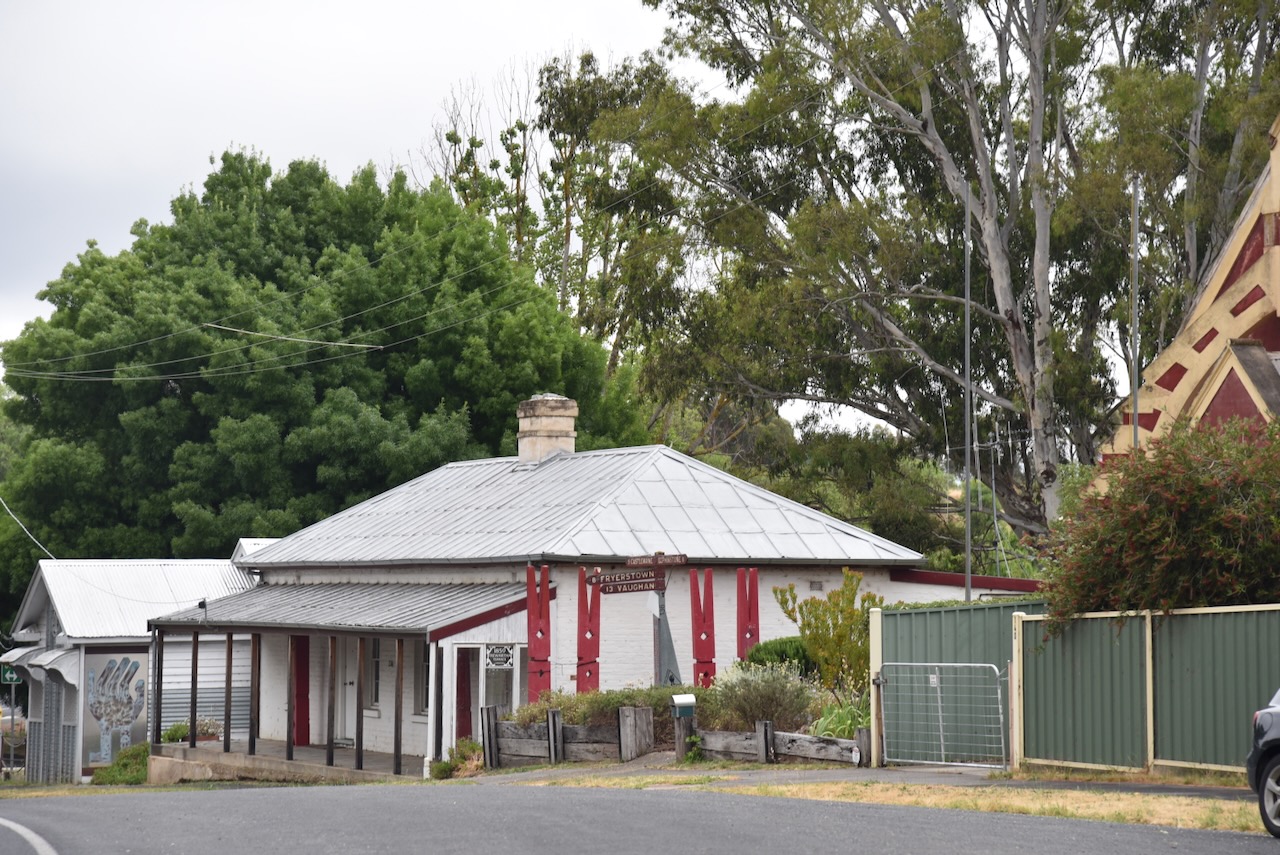

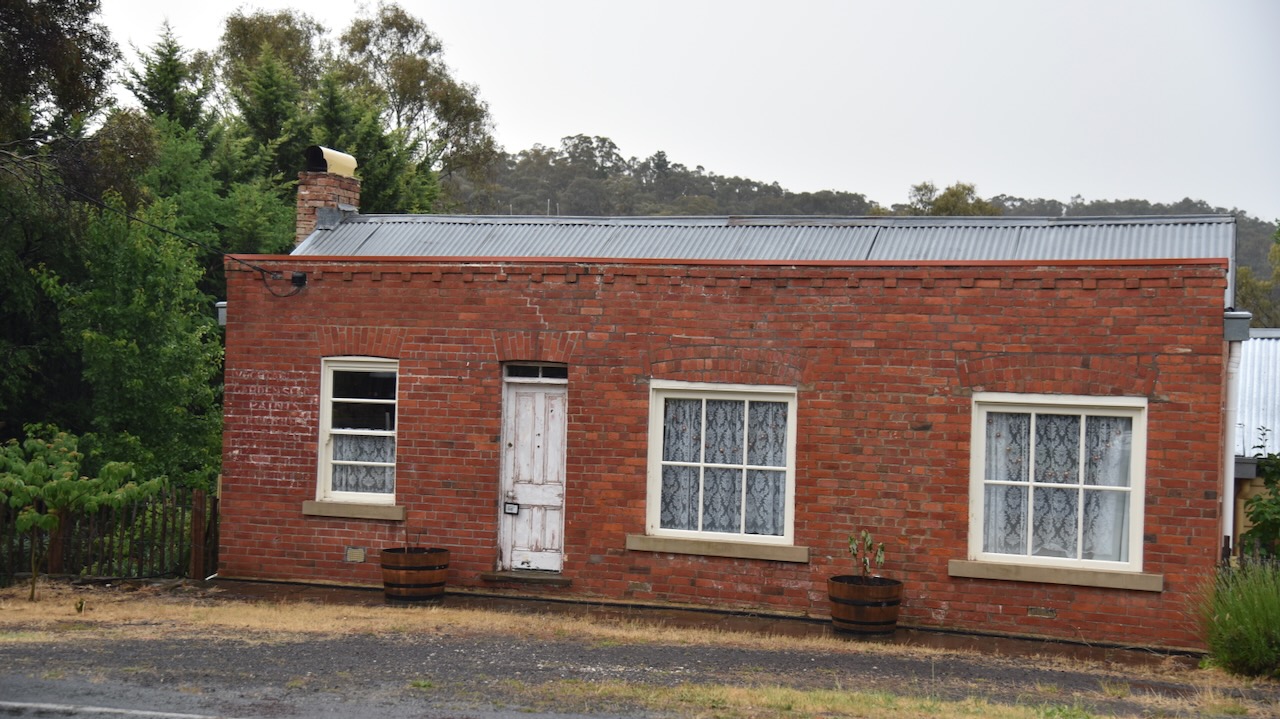
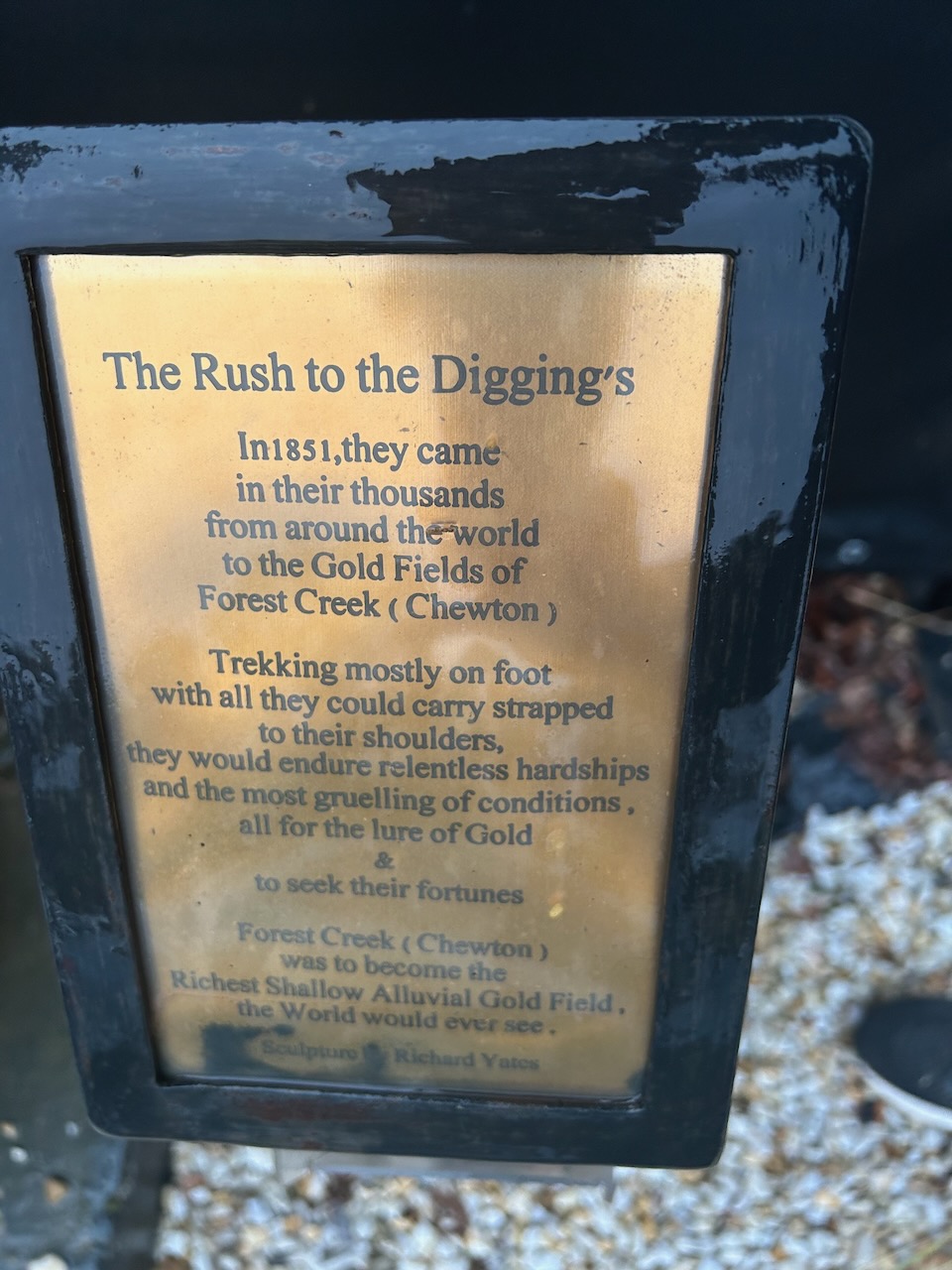
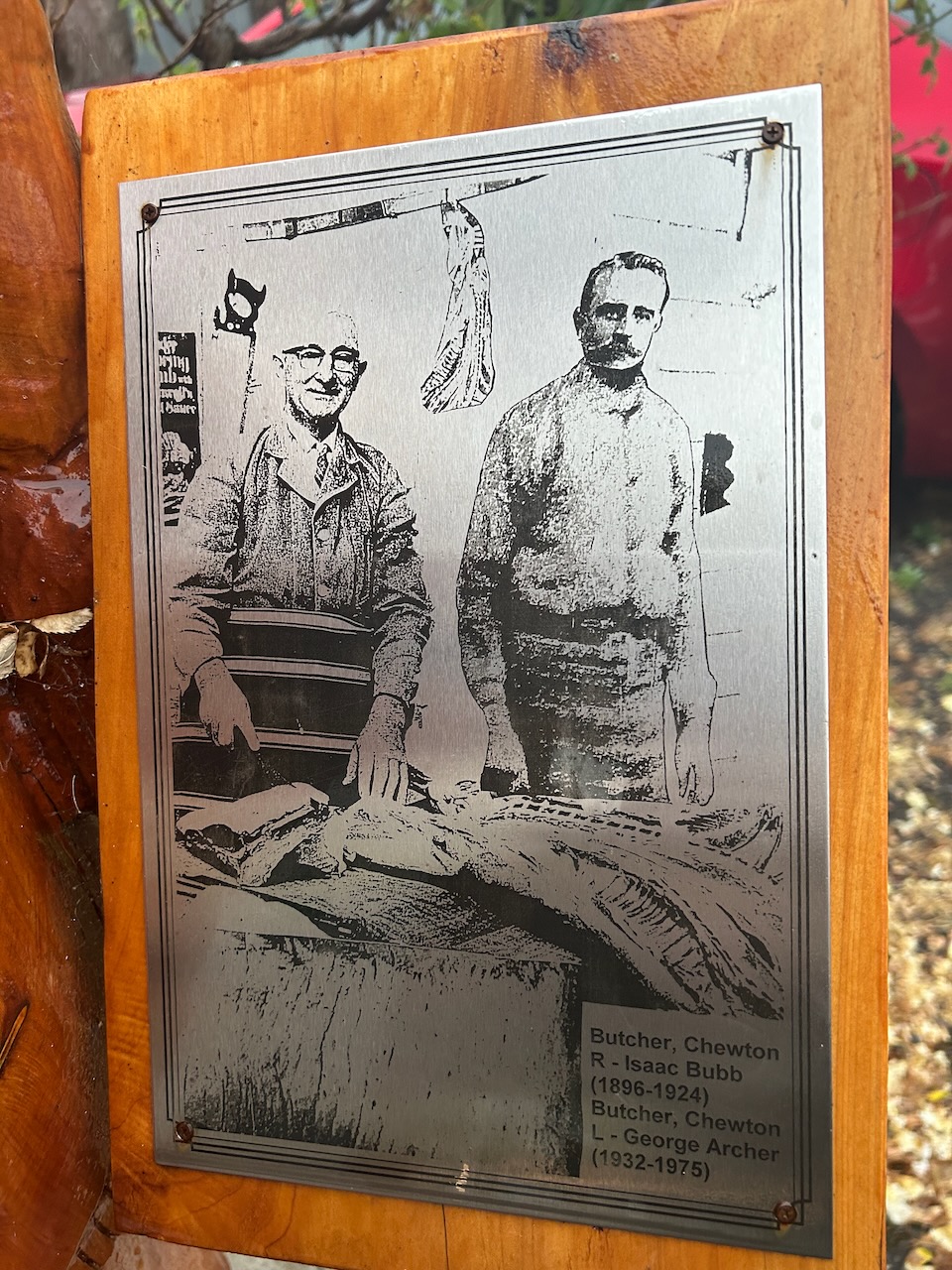
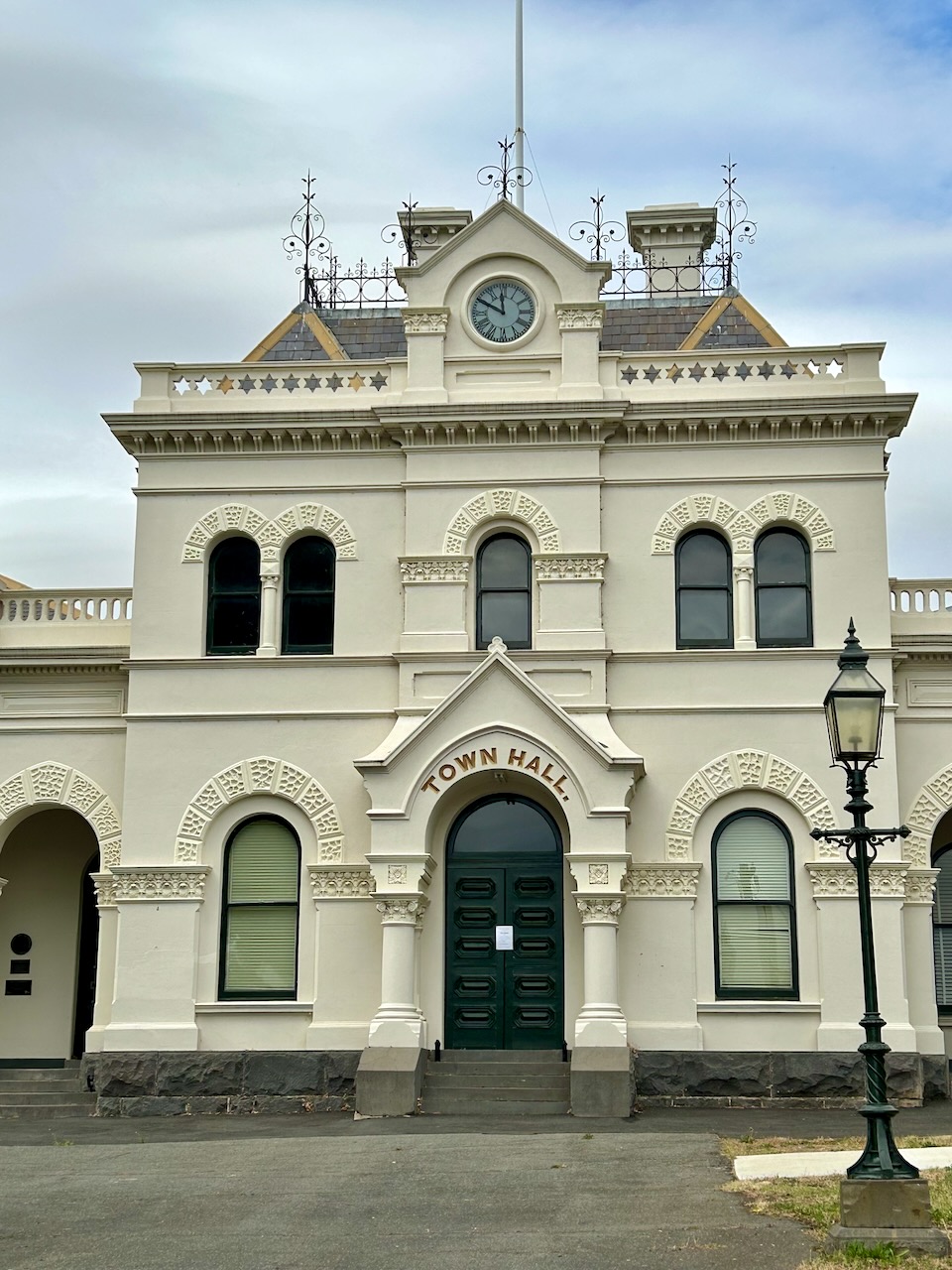
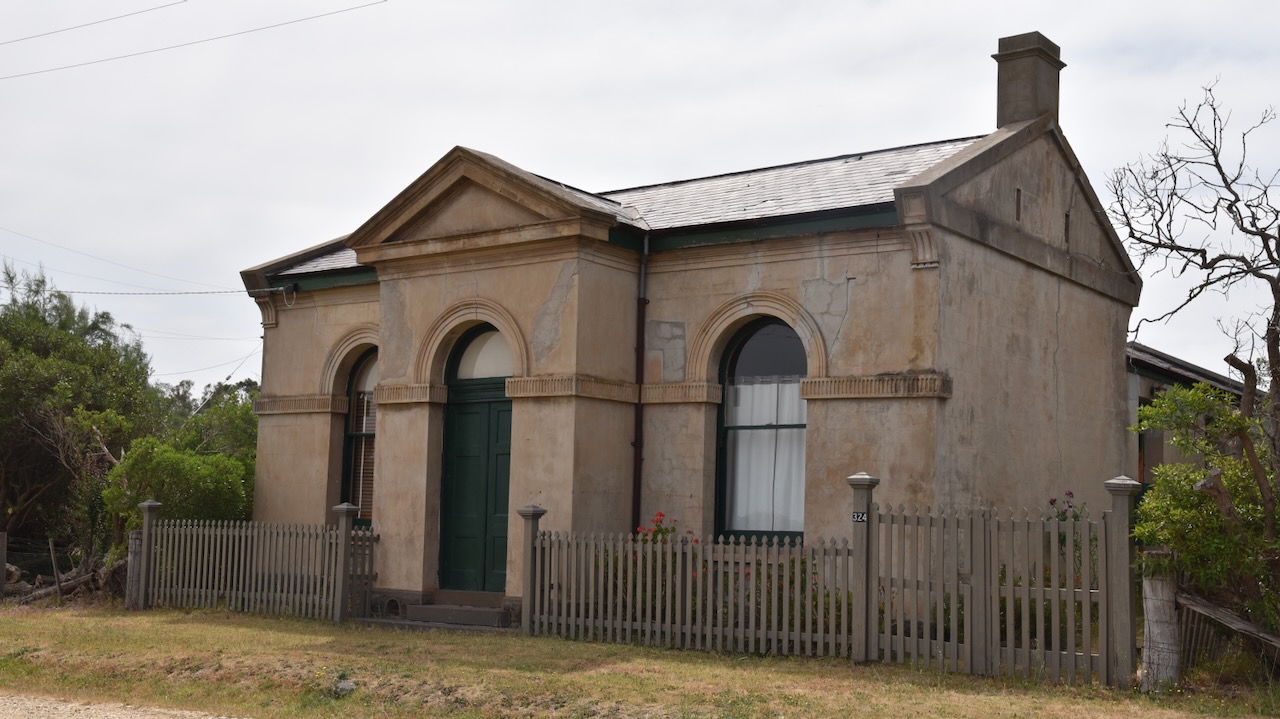
The old Chewton Town Hall was built in 1858 as a private venture for use as a general community hall. From 1861 to 1916 the Chewton Borough Council held its meetings in the building. During that time it was also used as a local Police Court. (chewton.net 2024)

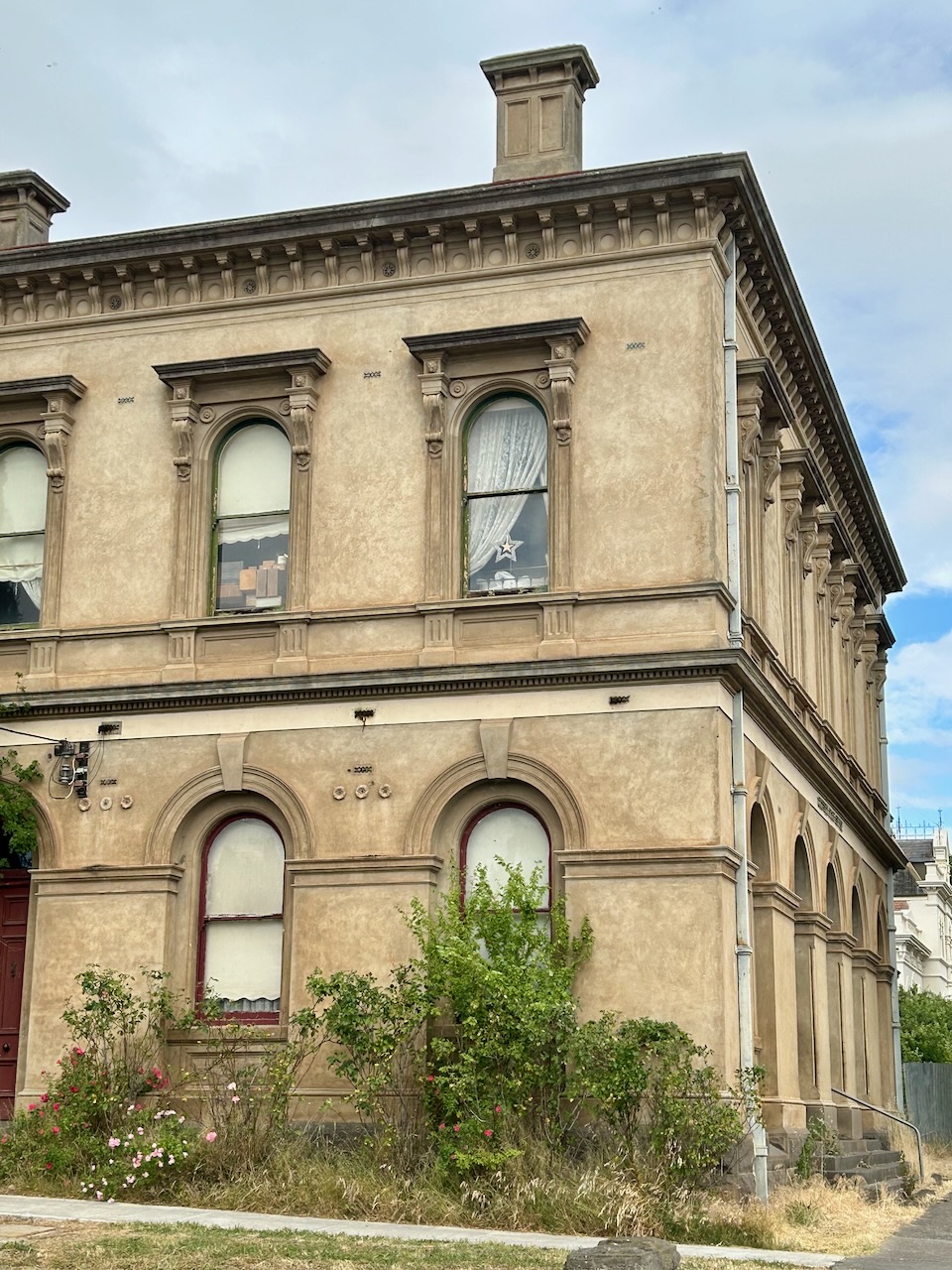
The Chewton Post Office was opened on the 1st day of December 1879 by Victoria’s Commissioner for Public Works, the Hon. J.B. Patterson, formerly a Mayor of the Borough of Chewton, and later a Premier of Victoria from 1893 to 1894. In 1901 at Federation the building became part of the Postmaster-General’s Department. In 1922 there were plans to close the Post Office, but this was overcome by the purchase of the building by the citizens of Chewton. (chewton.net 2024)

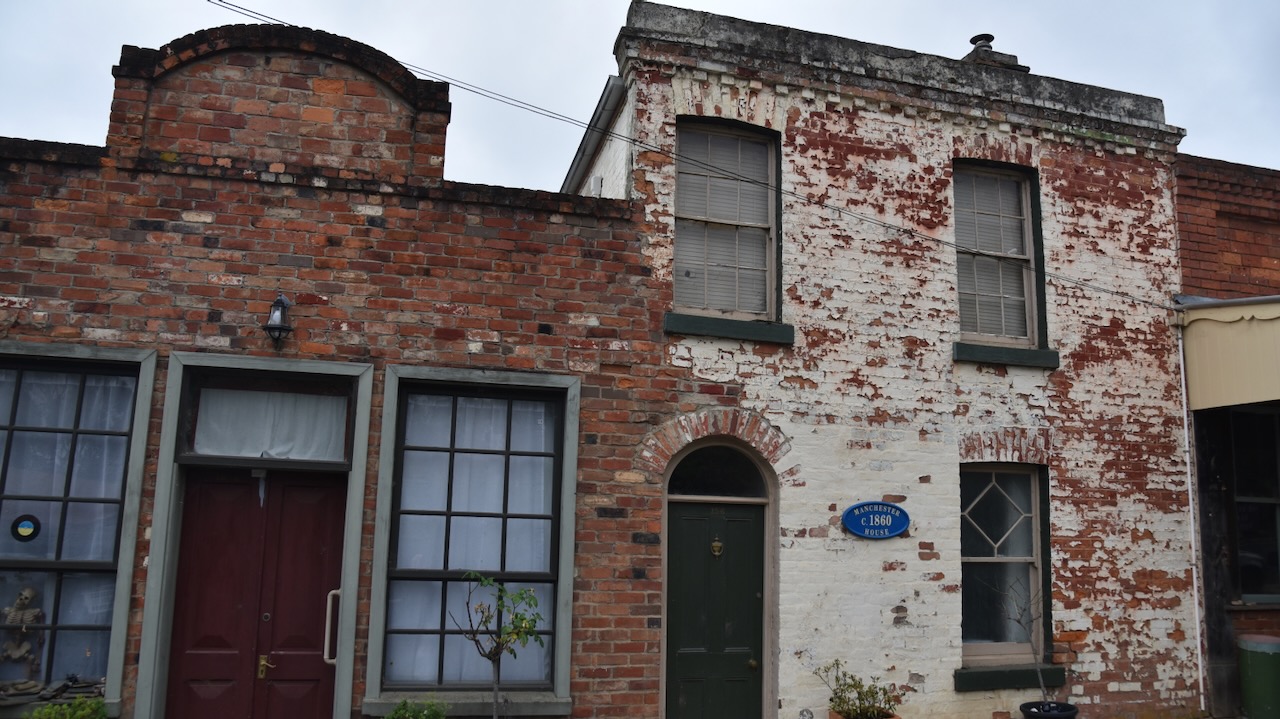
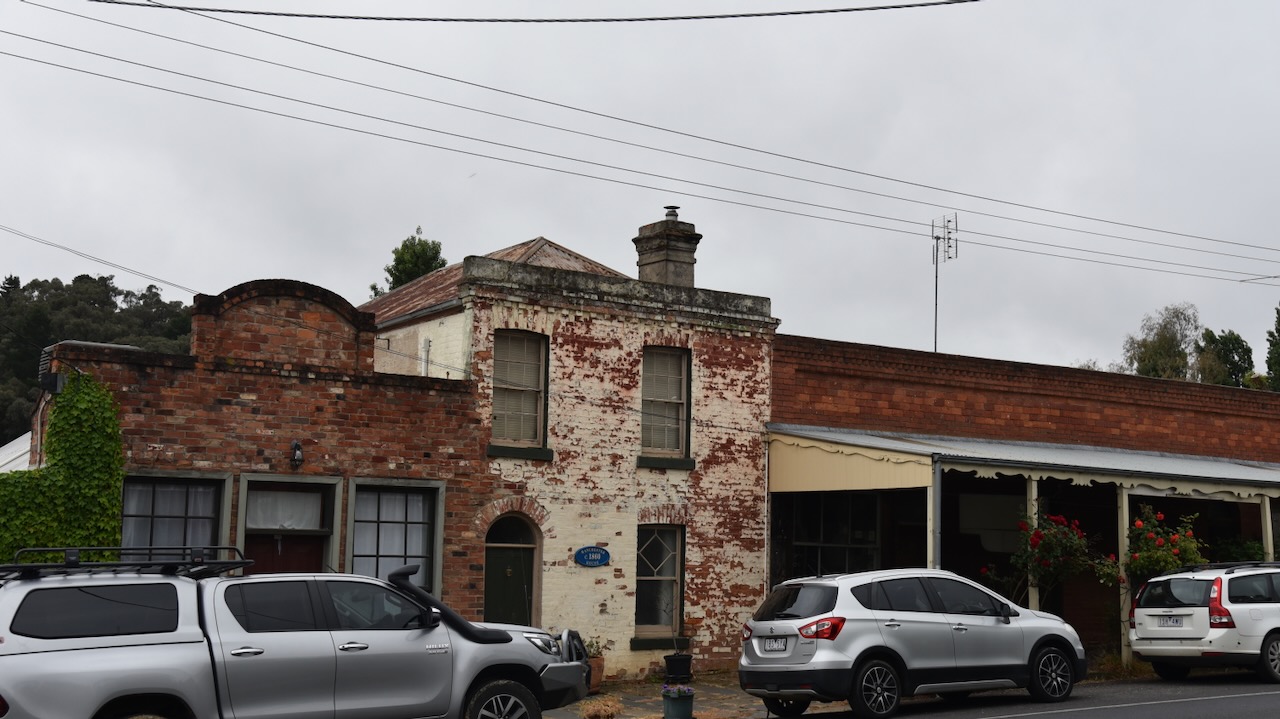
The Chewton bakery building was built in 1858/1859. C. McDonald, a photographic artist was one of the first owners of the building, who conducted a photography business from the building for a short time.
In 1859 the Mount Alexander Mail listed a mortgagee’s auction of the property as a brick store, stables, oven, and photographic room. (Trove, Mount Alexander Mail 1859)
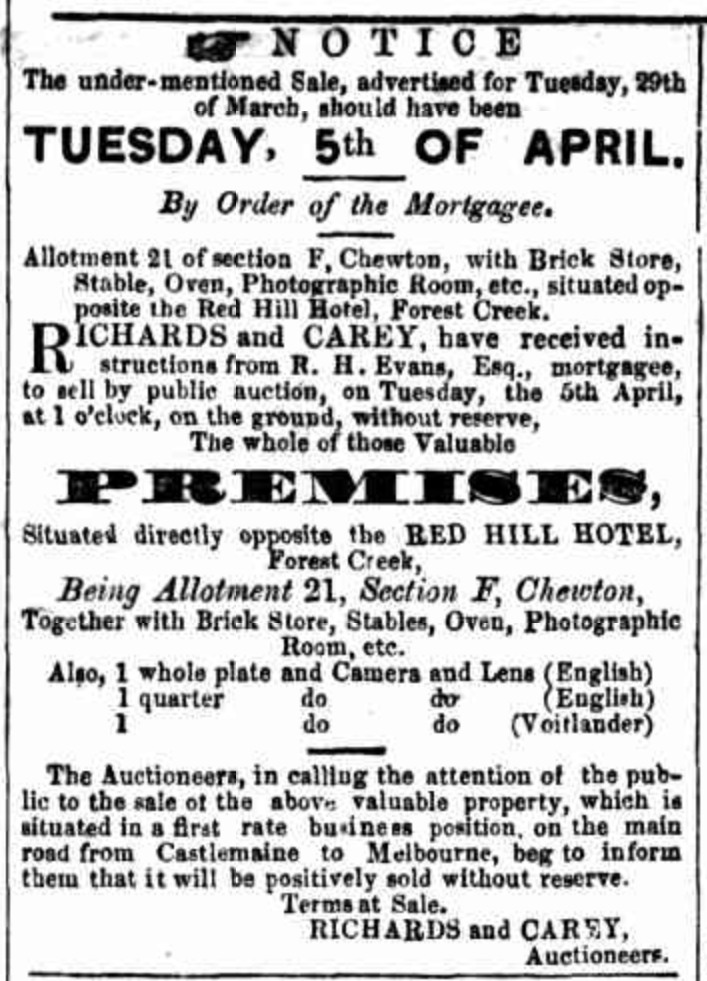
Above:- Article from the Mount Alexander Mail, Fri 1 Apr 1859. Image c/o Trove.
During the 1860s the building was referred to as ‘Manchester House’ and was used for board and lodgings.
In the 1870s Robert Penney (b. 1848. d. 1932) purchased the building and ran his ‘Bread and Biscuit Baker, Confectioner & General Grocer’ business for about 50 years.

Above:- Advertisement in the Mount Alexander Mail, Thu 9 Apr 1903. Image c/o Trove.
In 1912 the building was sold to John White, and then to William Minhan in 1926. In 1955 it was purchased by Earl Ralph and it operated as a bakery until 1976. Following this the building functioned as a Tea Rooms, an Antique store, and a private residence



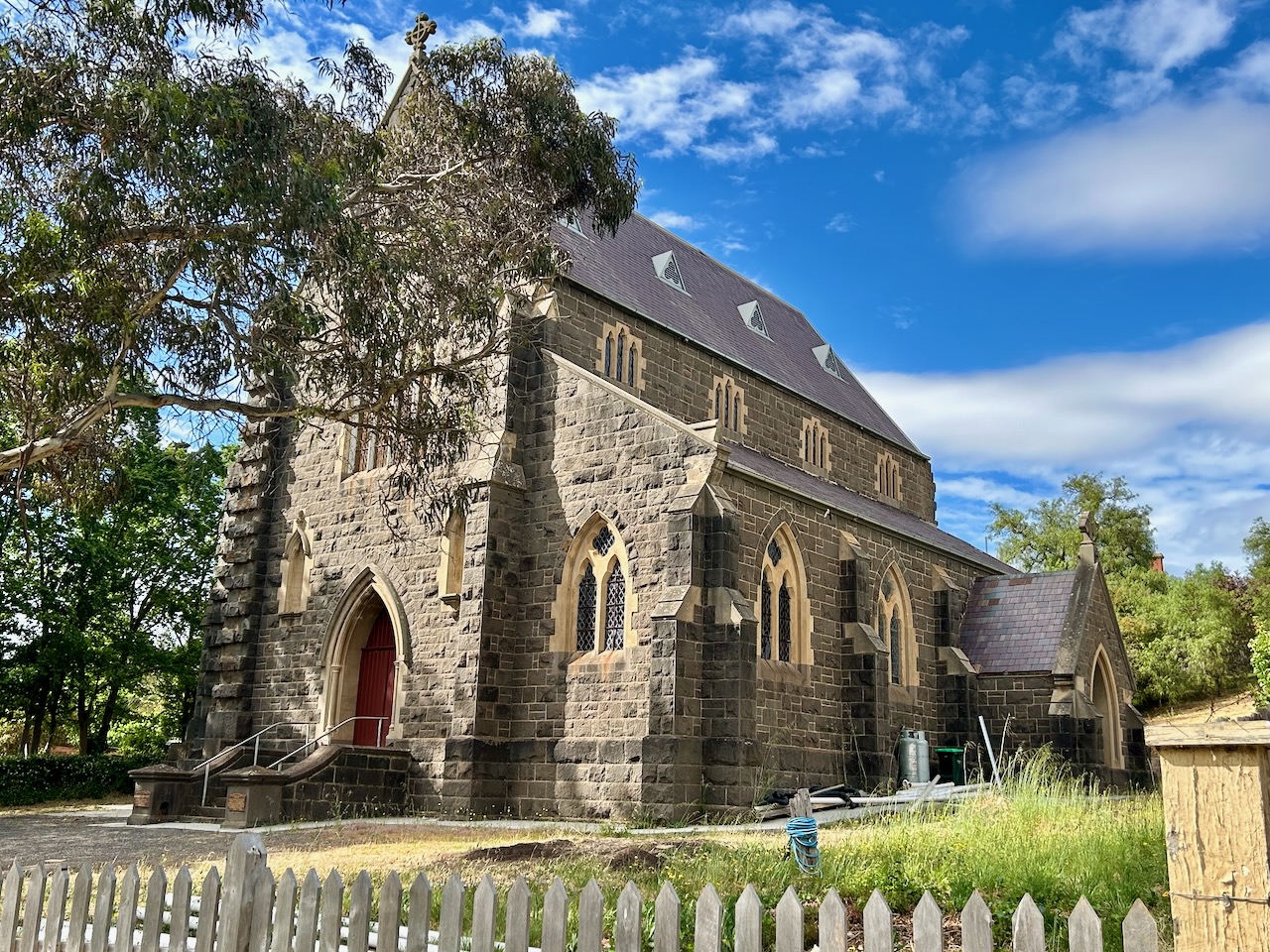
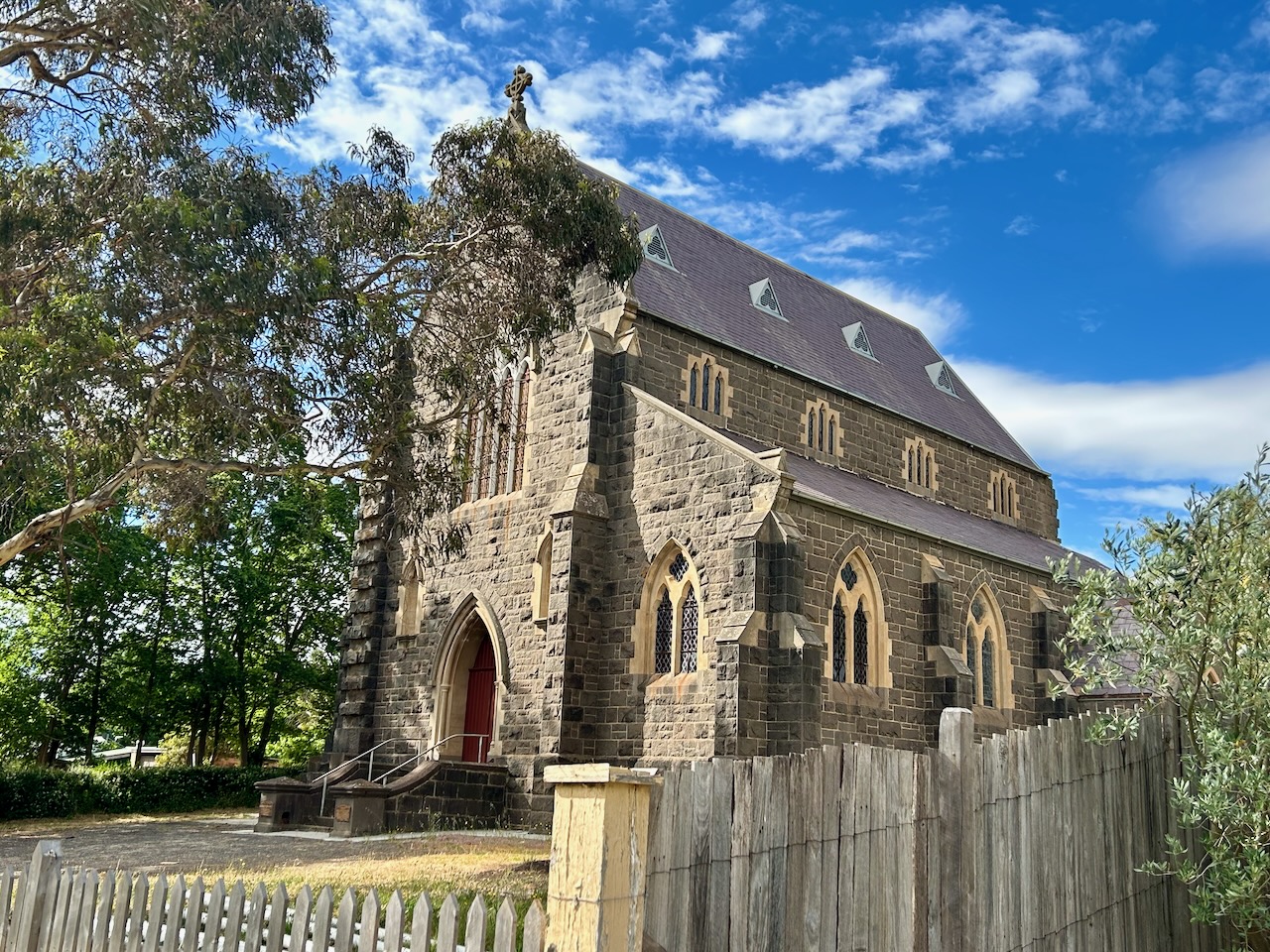
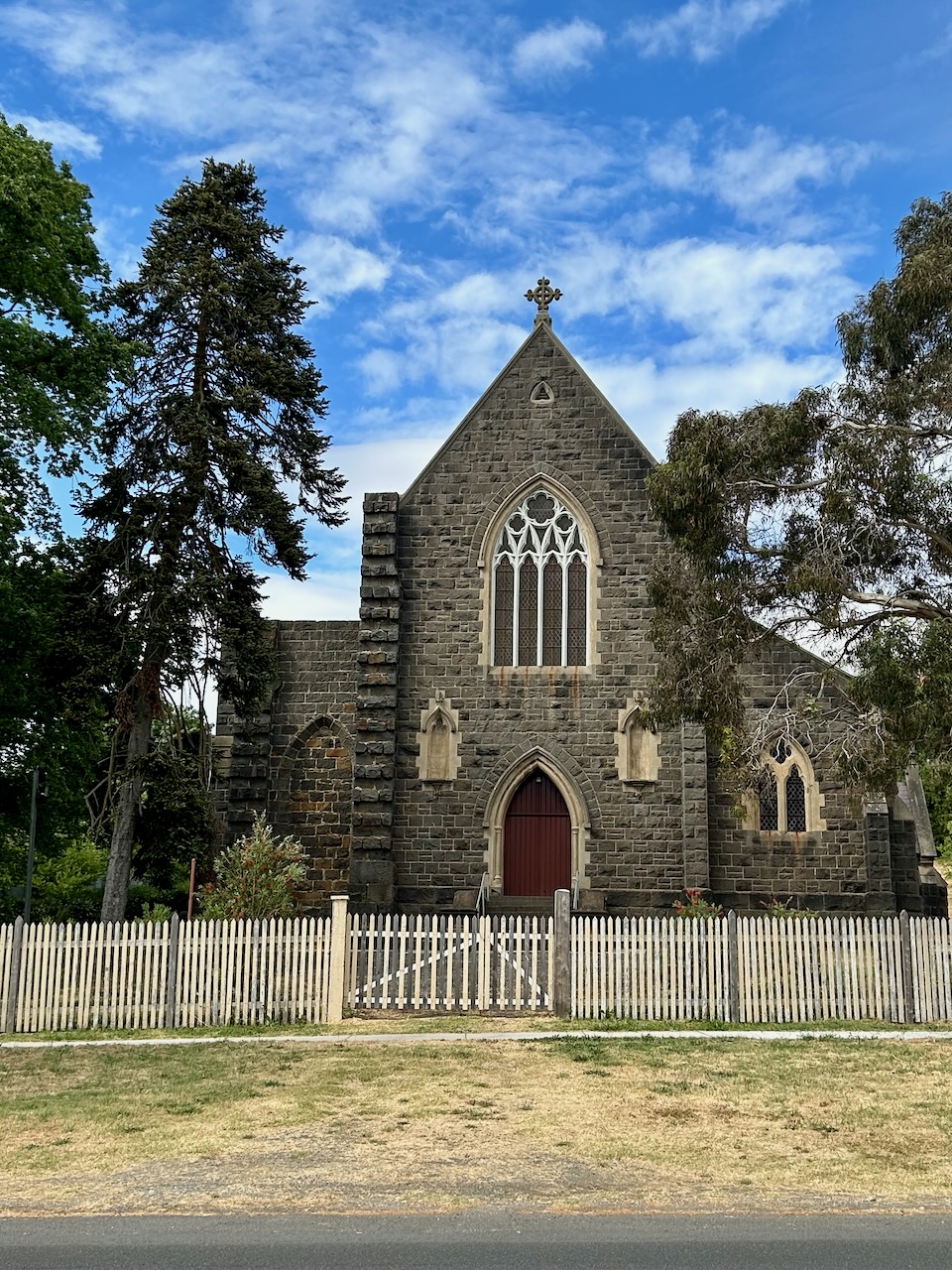
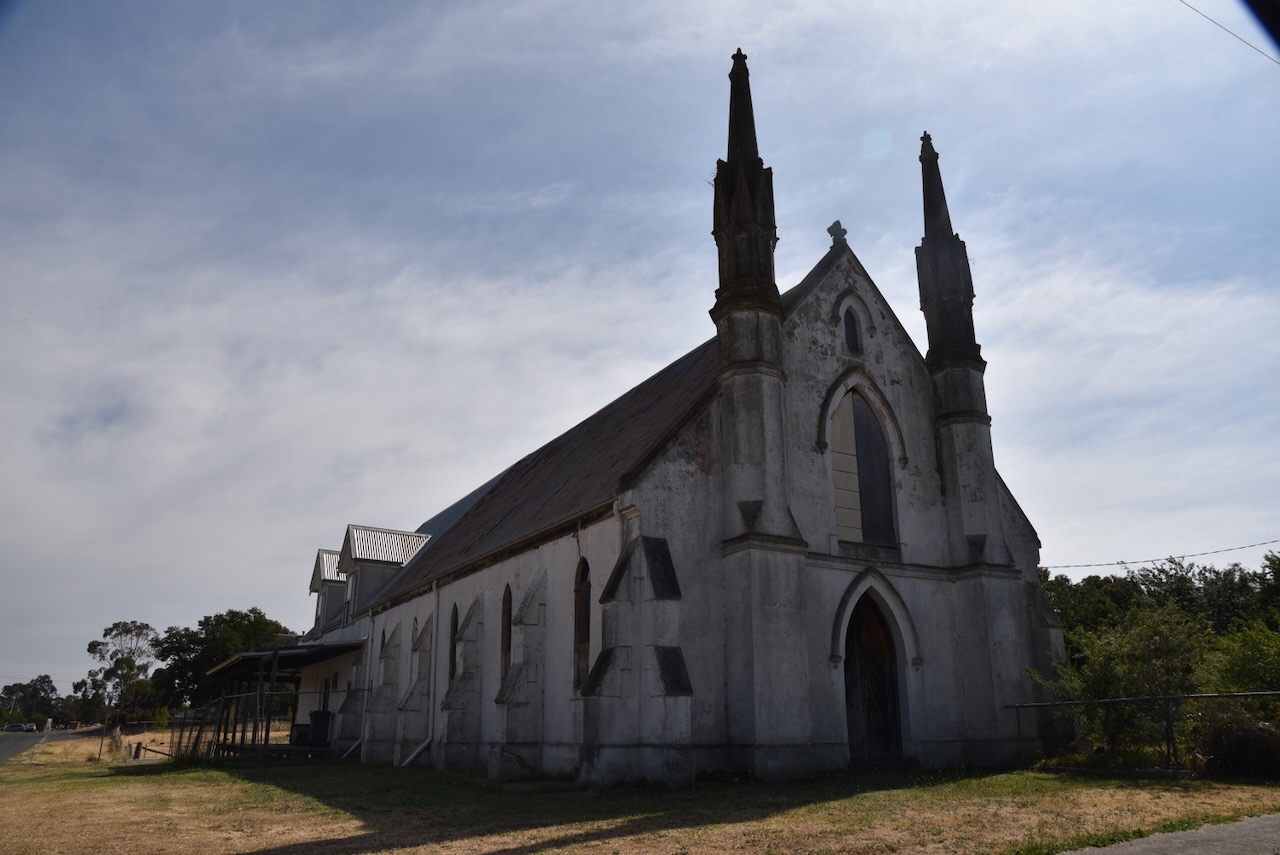
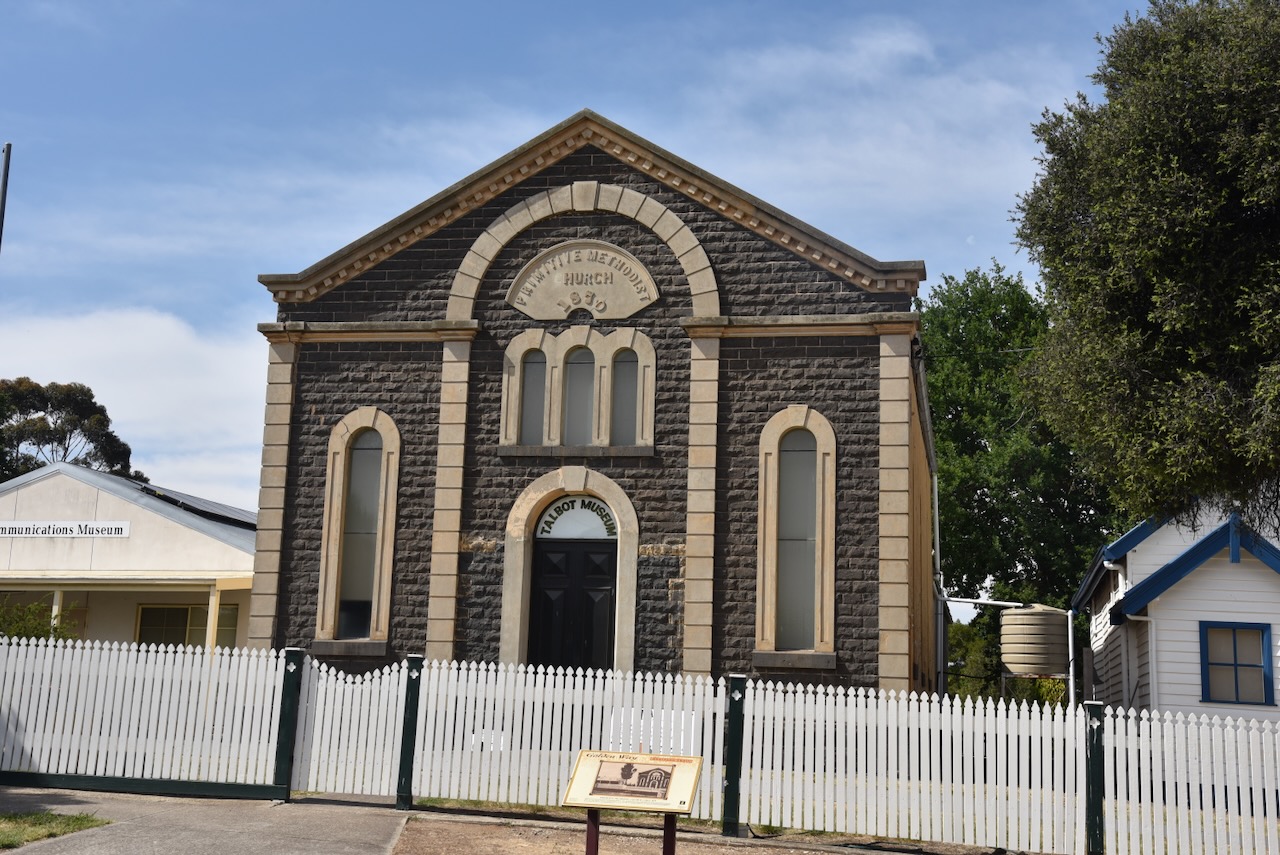
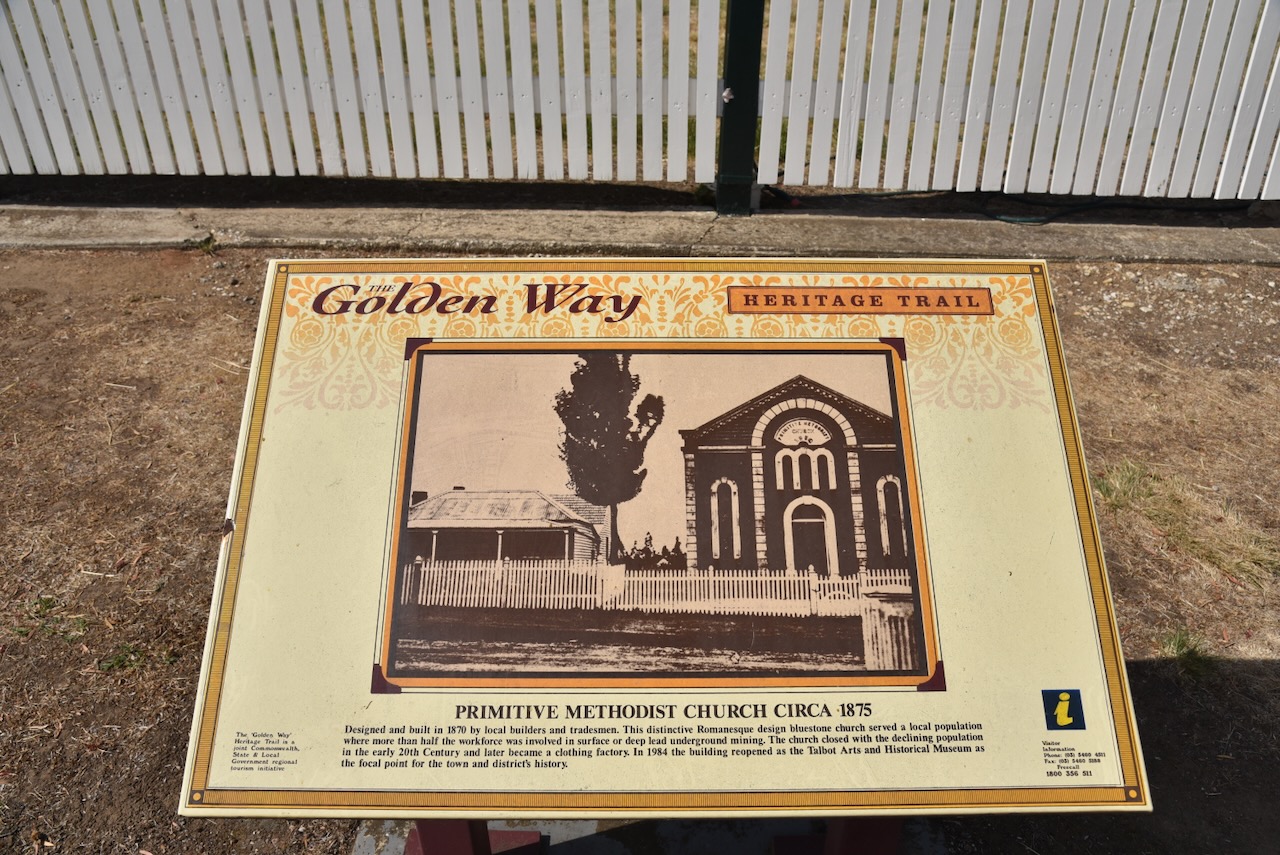
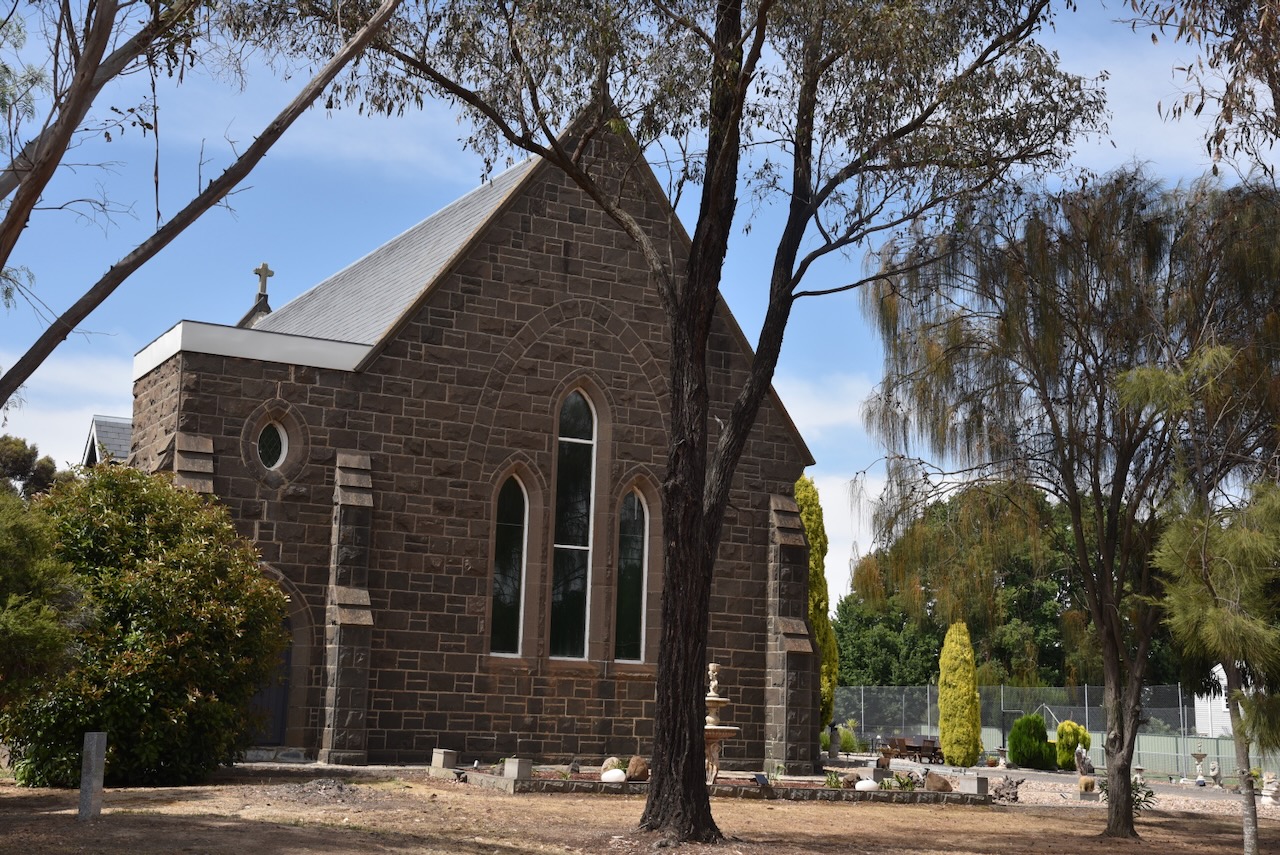
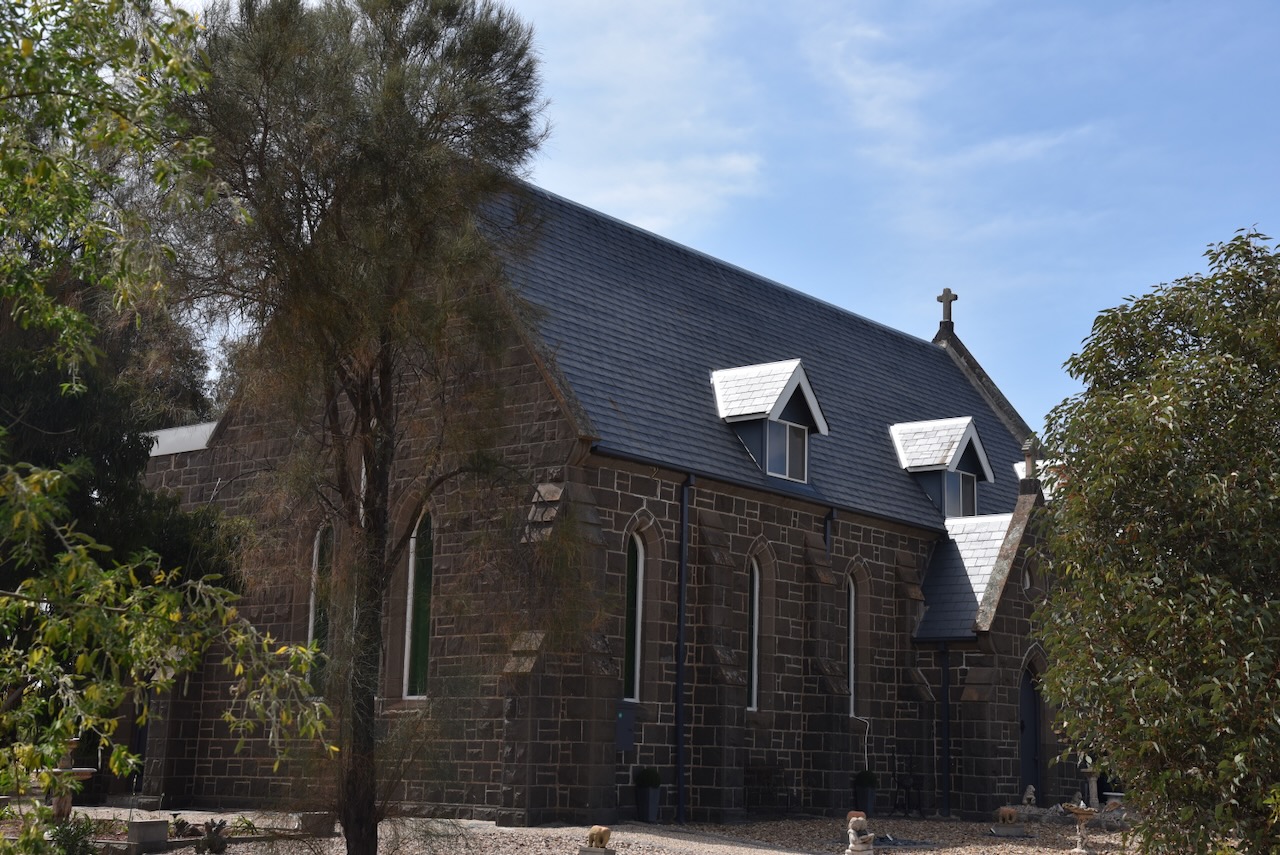
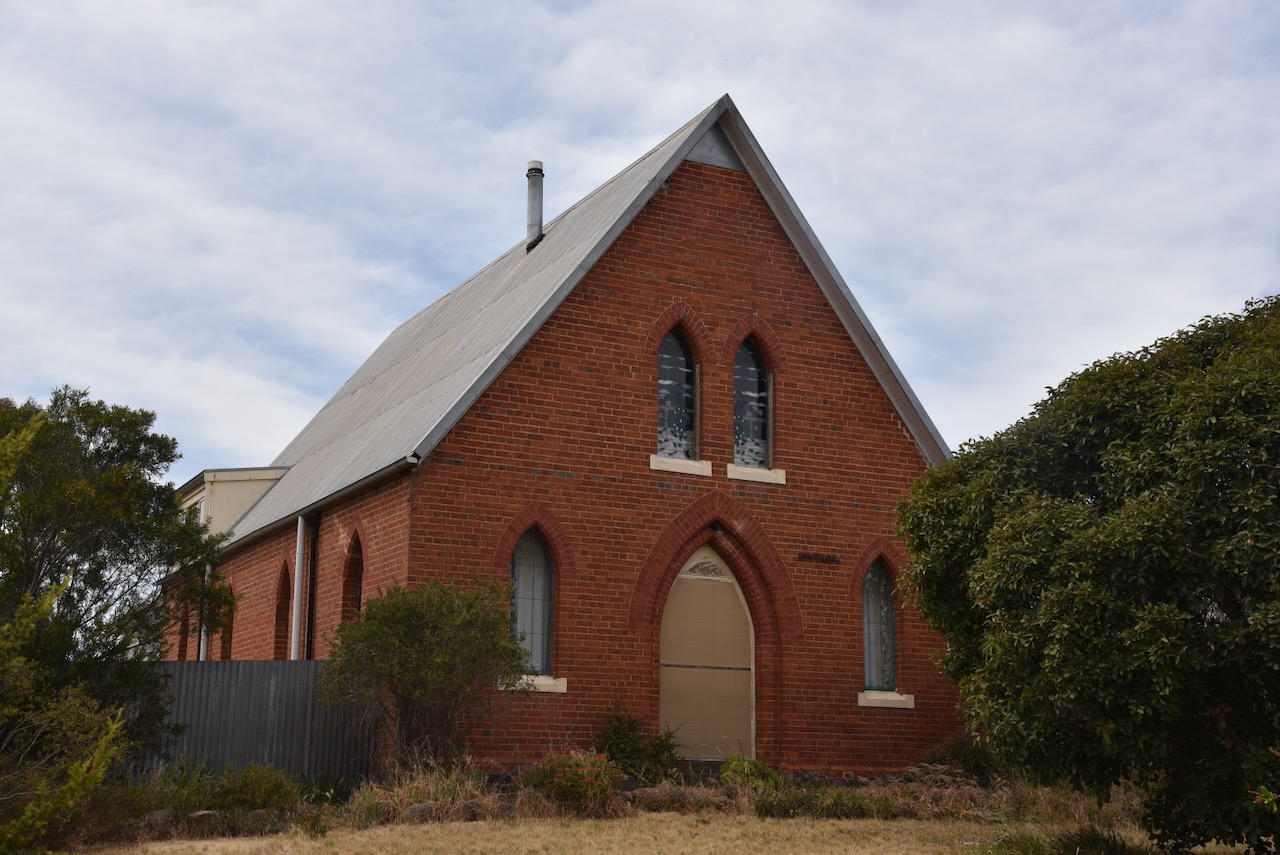
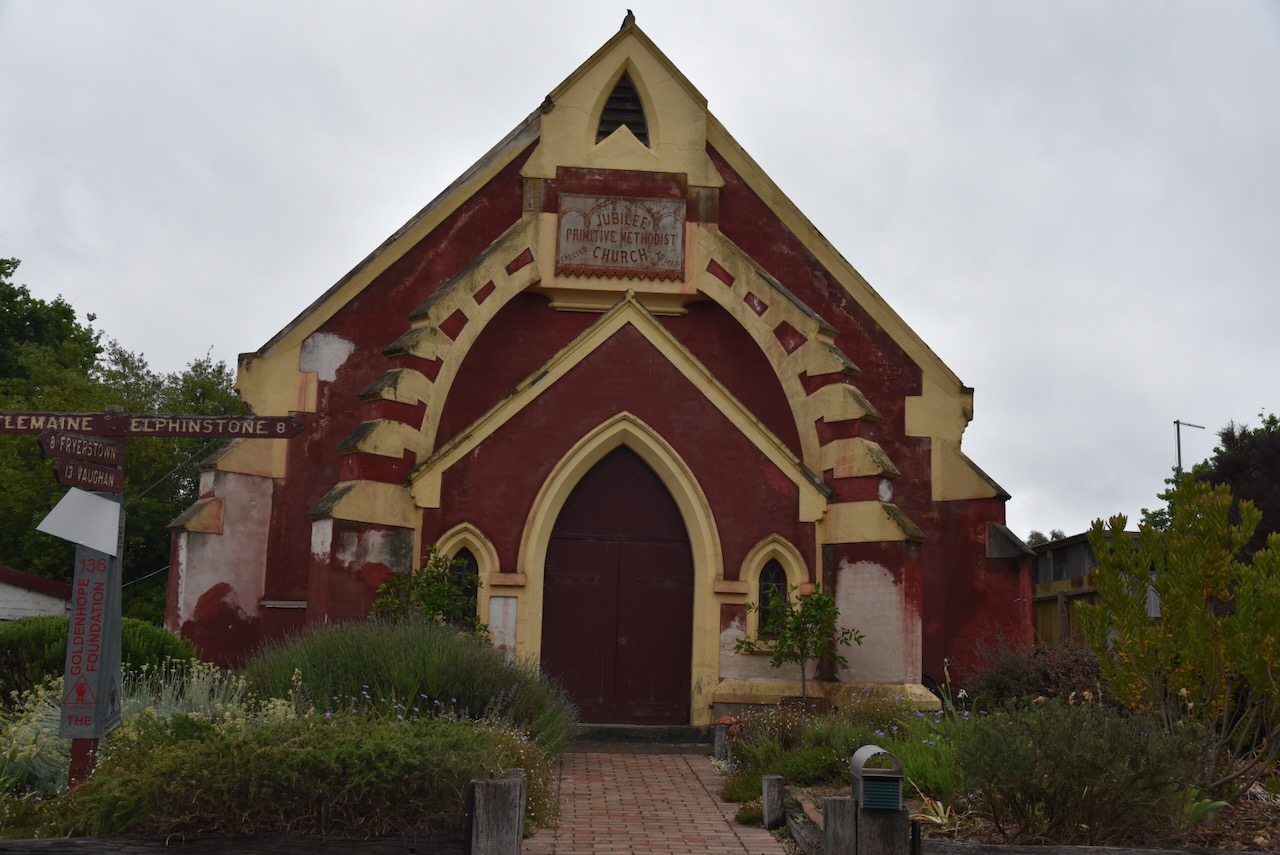
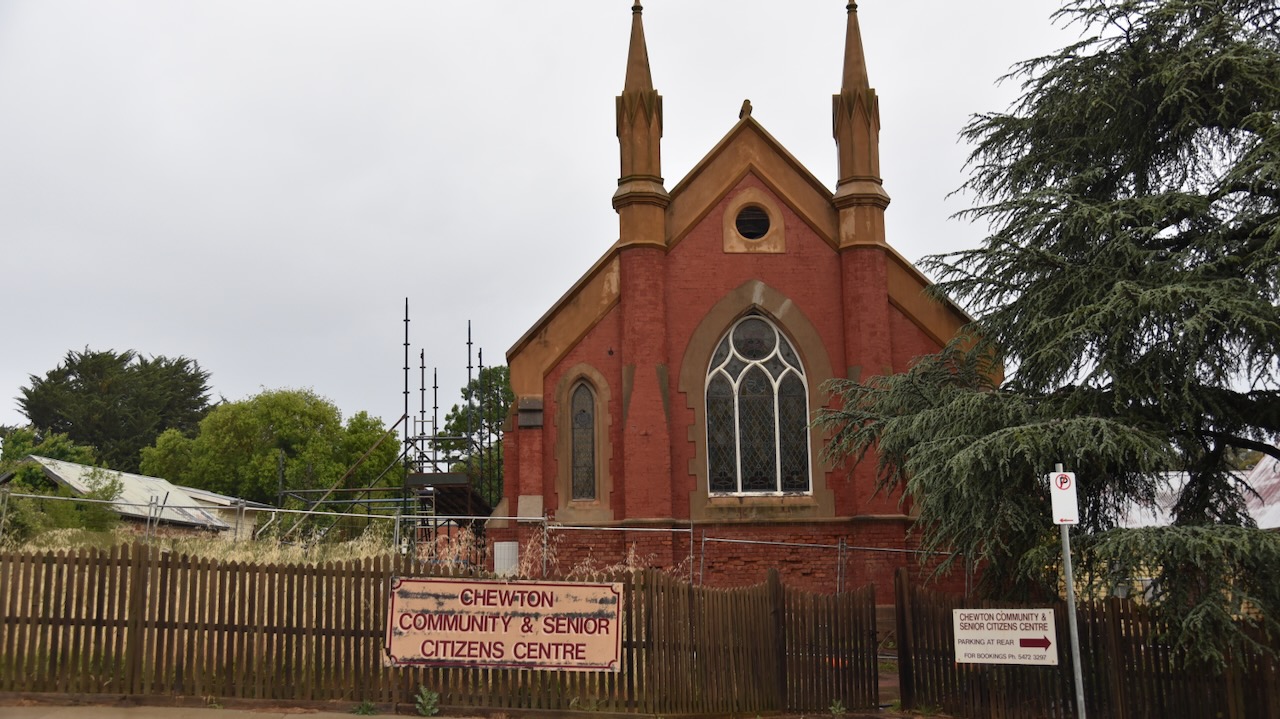
The former Primitive Methodist Church was built in 1860 and was designed by Crouch and Wilson. The church is an unusually early use of the Gothic style by the Primitive Methodists. (Victorian Heritage Database 1989)
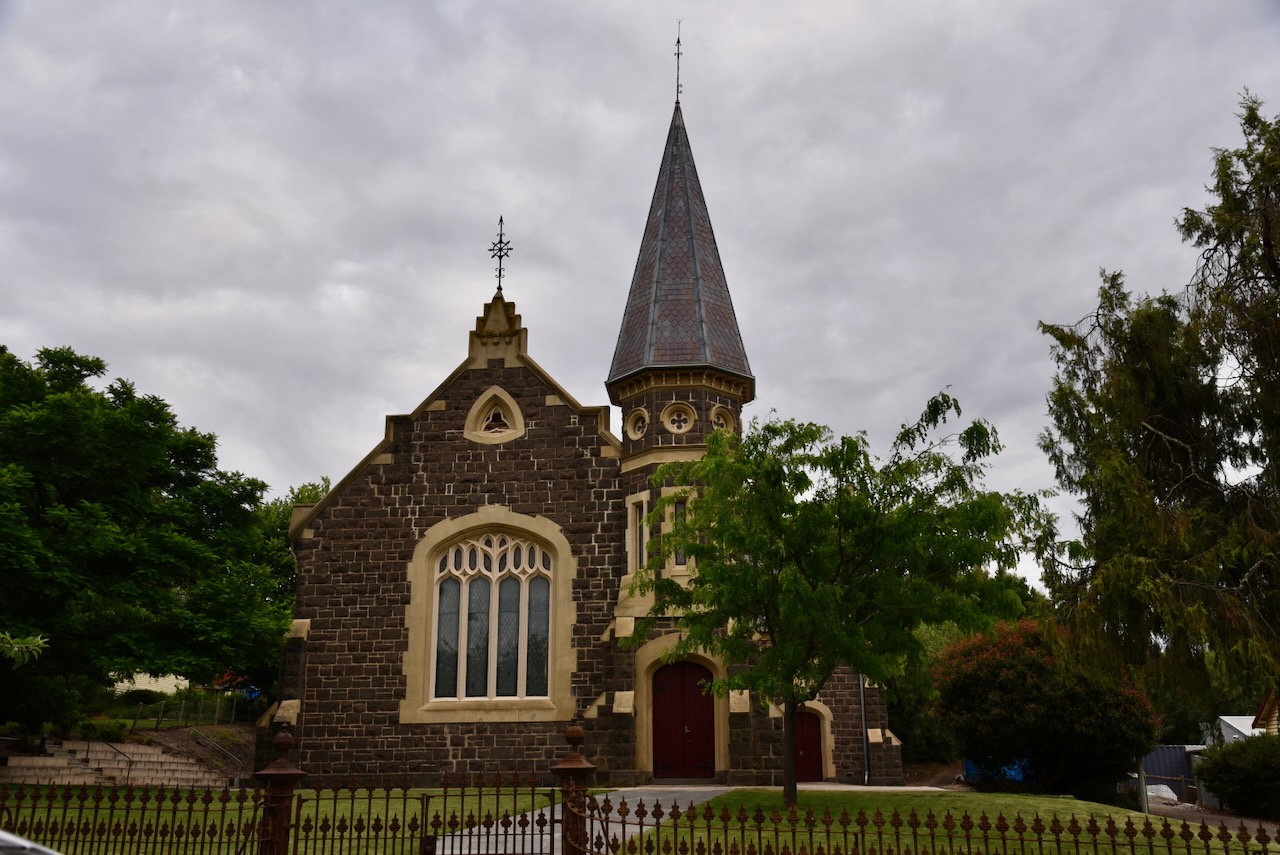
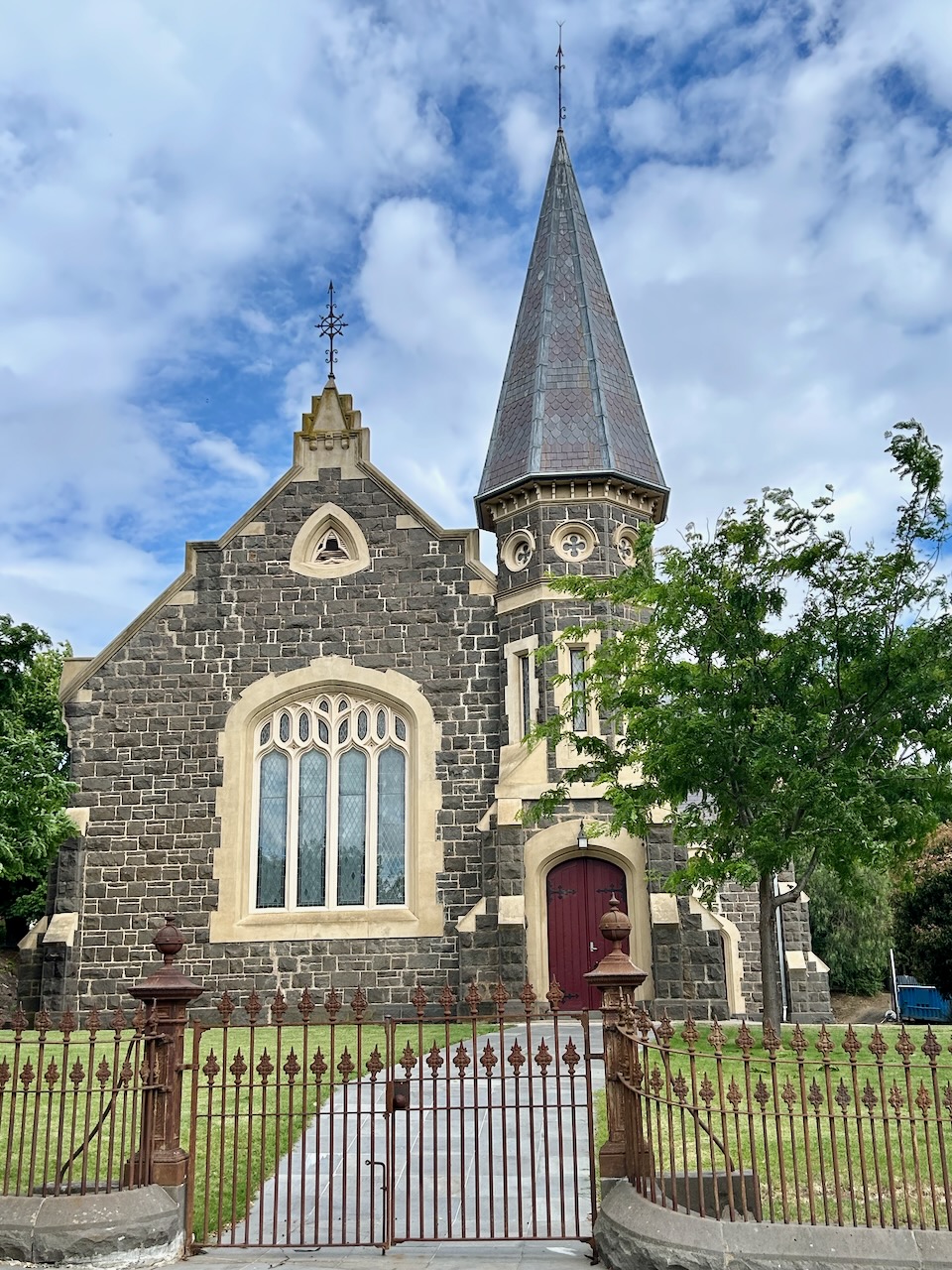
The former Wesleyan church at Chewton was opened in 1861.
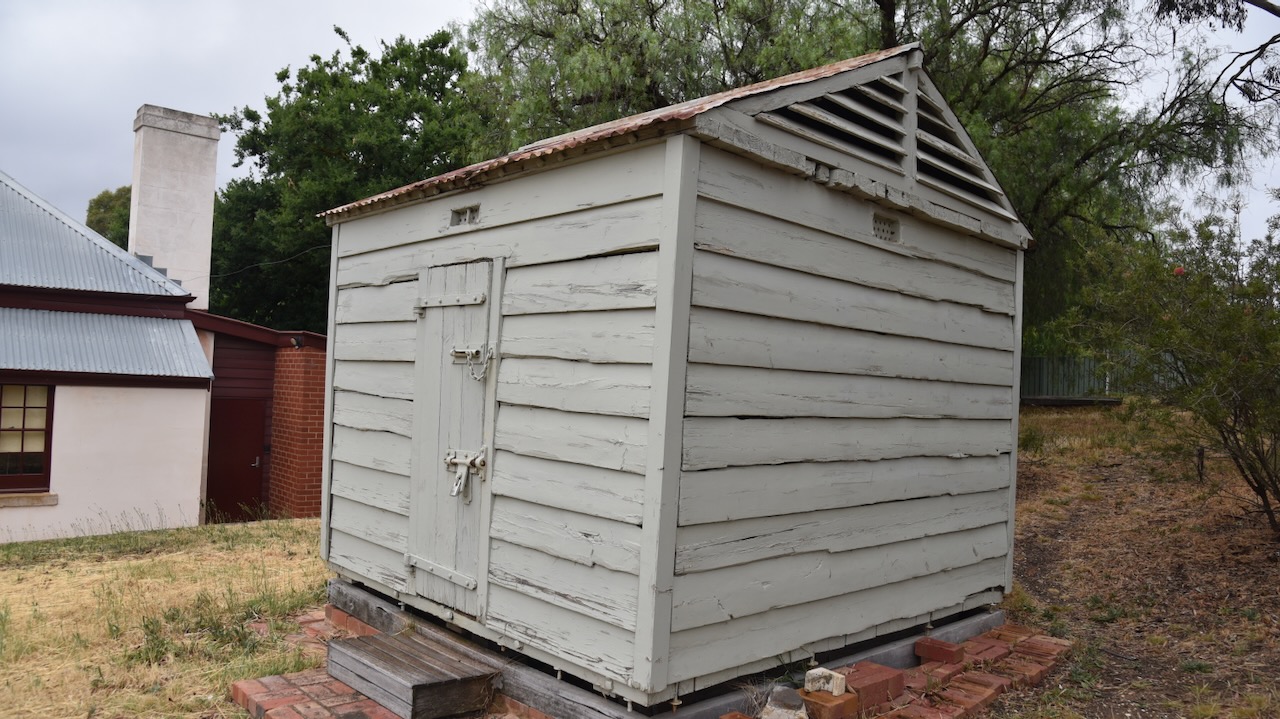
One of the oldest portable police lockups can be found in Chewton. It was built in the 1860s and was relocated from the former police quarters behind the town hall following restoration in 1994/1995.


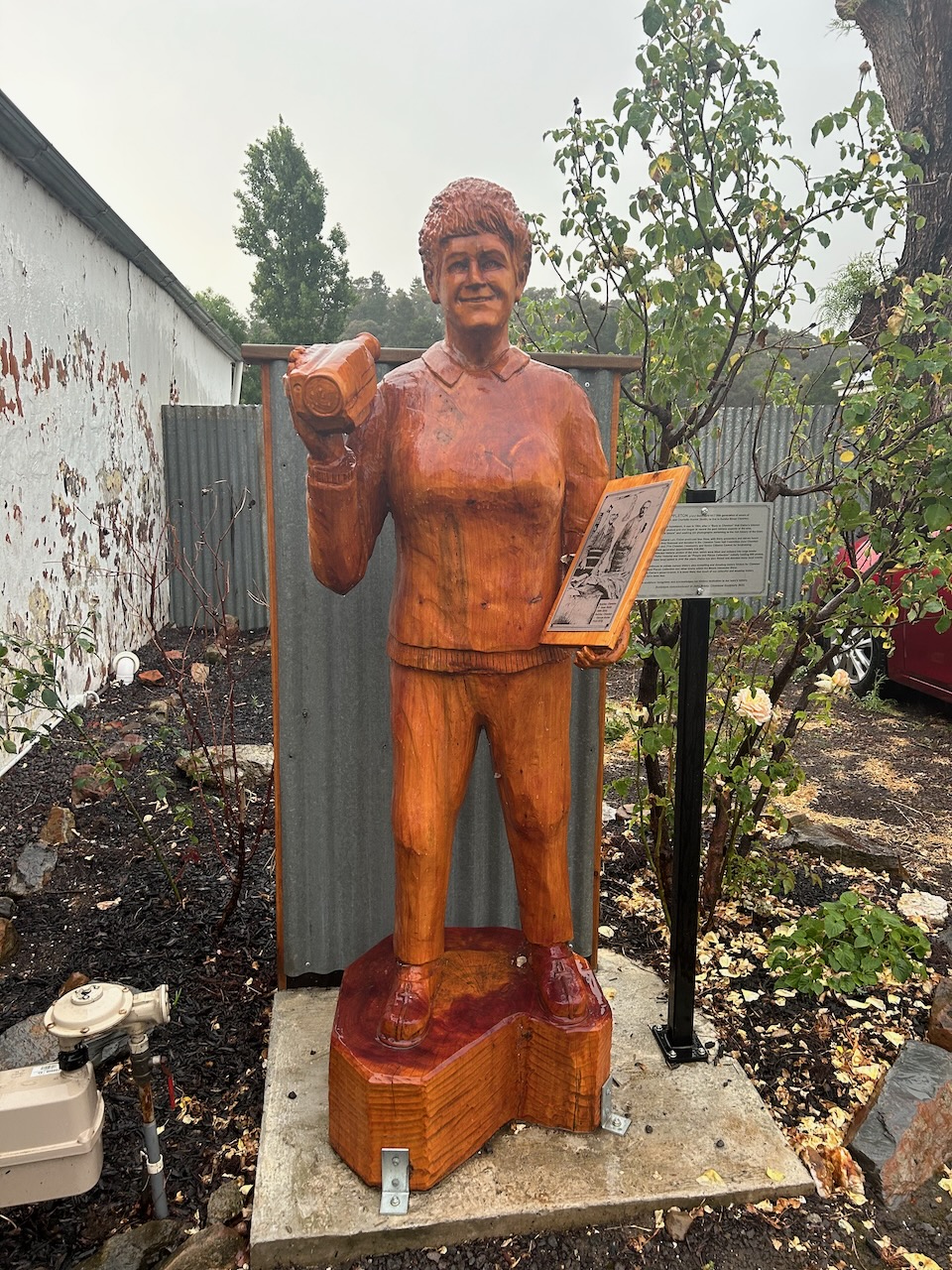
In June 1948, a Chewton resident miraculously survived a freak accident at her home. Mrs. Frances White was at her home in Main Road Chewton, when part of her backyard suddenly caved in and left her hanging precariously at the edge of a hole 80 feet deep and 8 feet in diameter. Her home was located on an old disused Gold mine shaft.
There is a magnificent wooden sculpture of Mrs. White at this location.


Another wooden sculpture to be found in the town is that of Elaine Mary Appleton who has been passionate in capturing Cheston’s history.

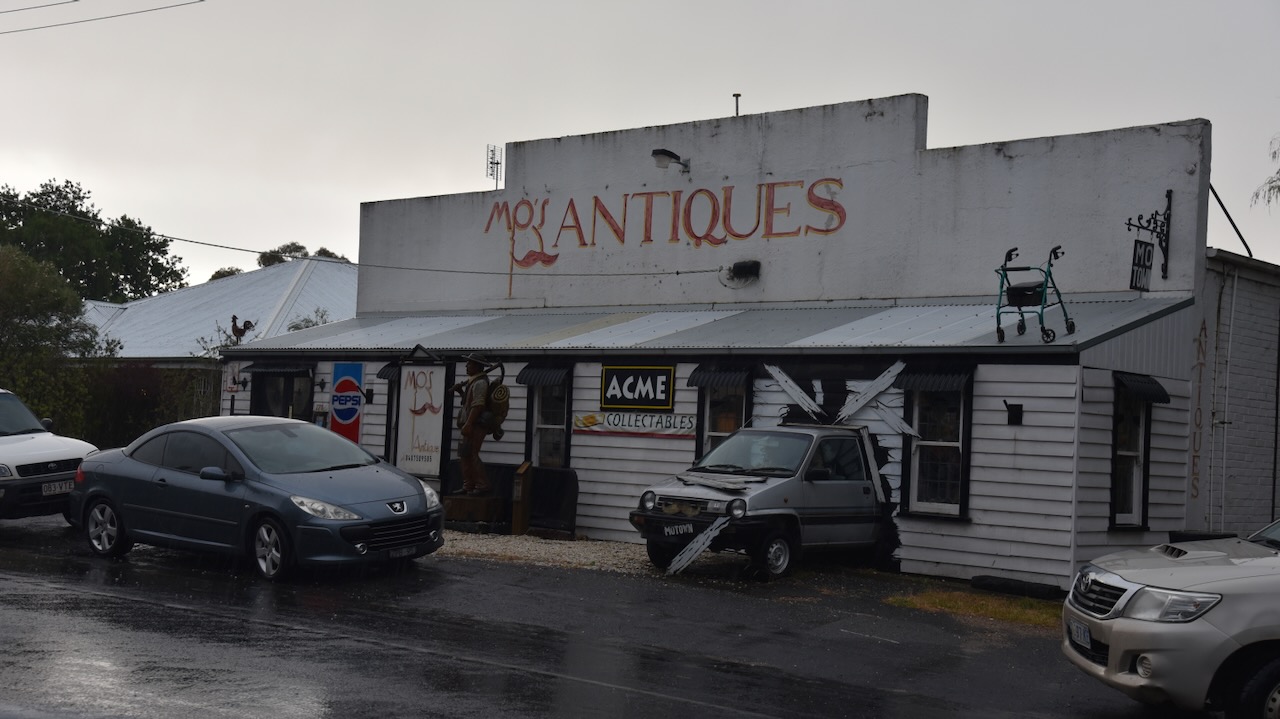
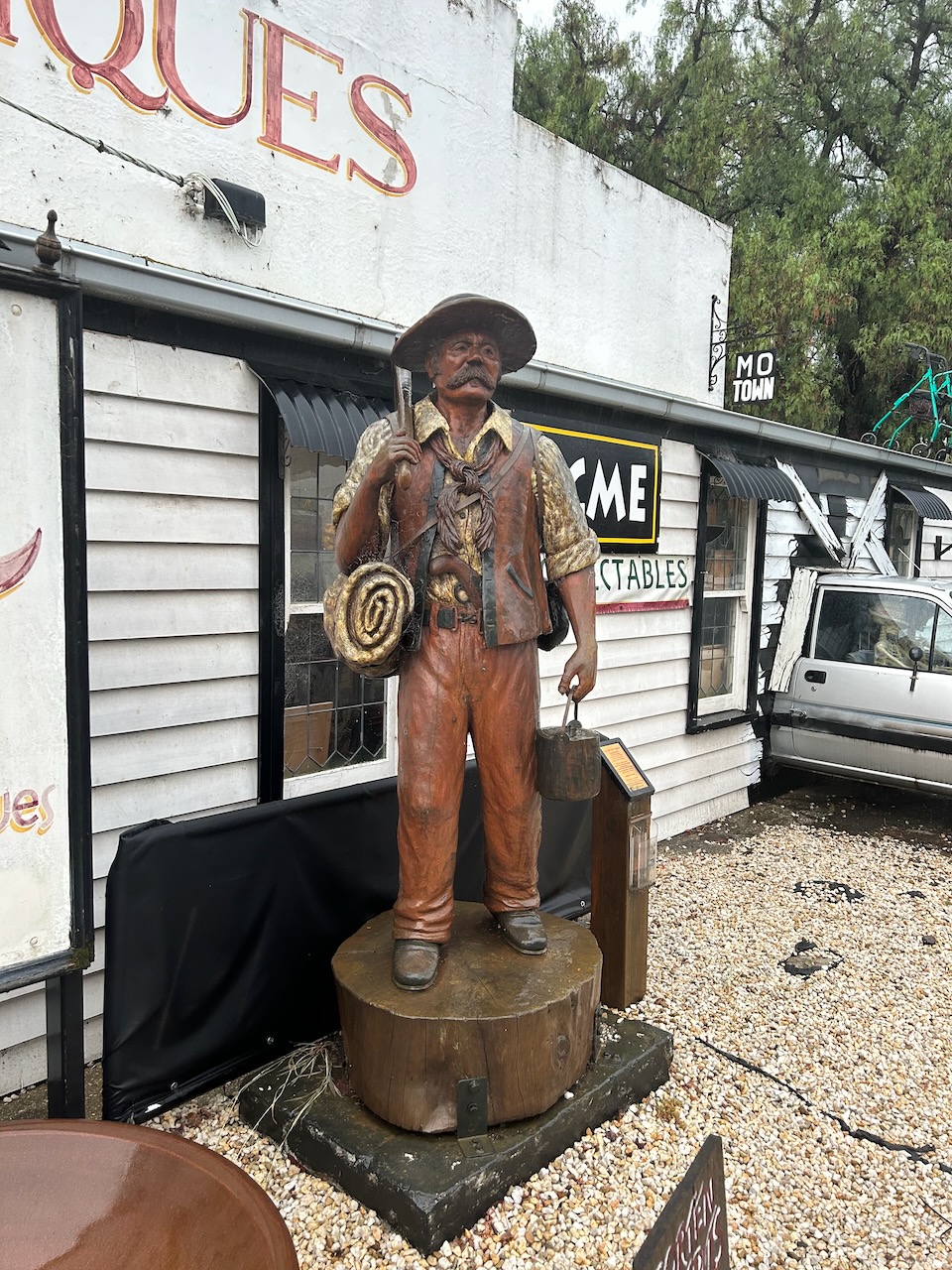
Mo’s Antiques is a unique building where you can view a car that appears to have crashed through the building’s front wall from inside the building. Outside Mo’s is the Mo the Miner sculpture, an 1850s gold miner. The sculpture was commissioned in 2015 by Gerald ‘Mo’ St John and was created by local sculptor Richard Yates. (Goldfields Guide 2024)
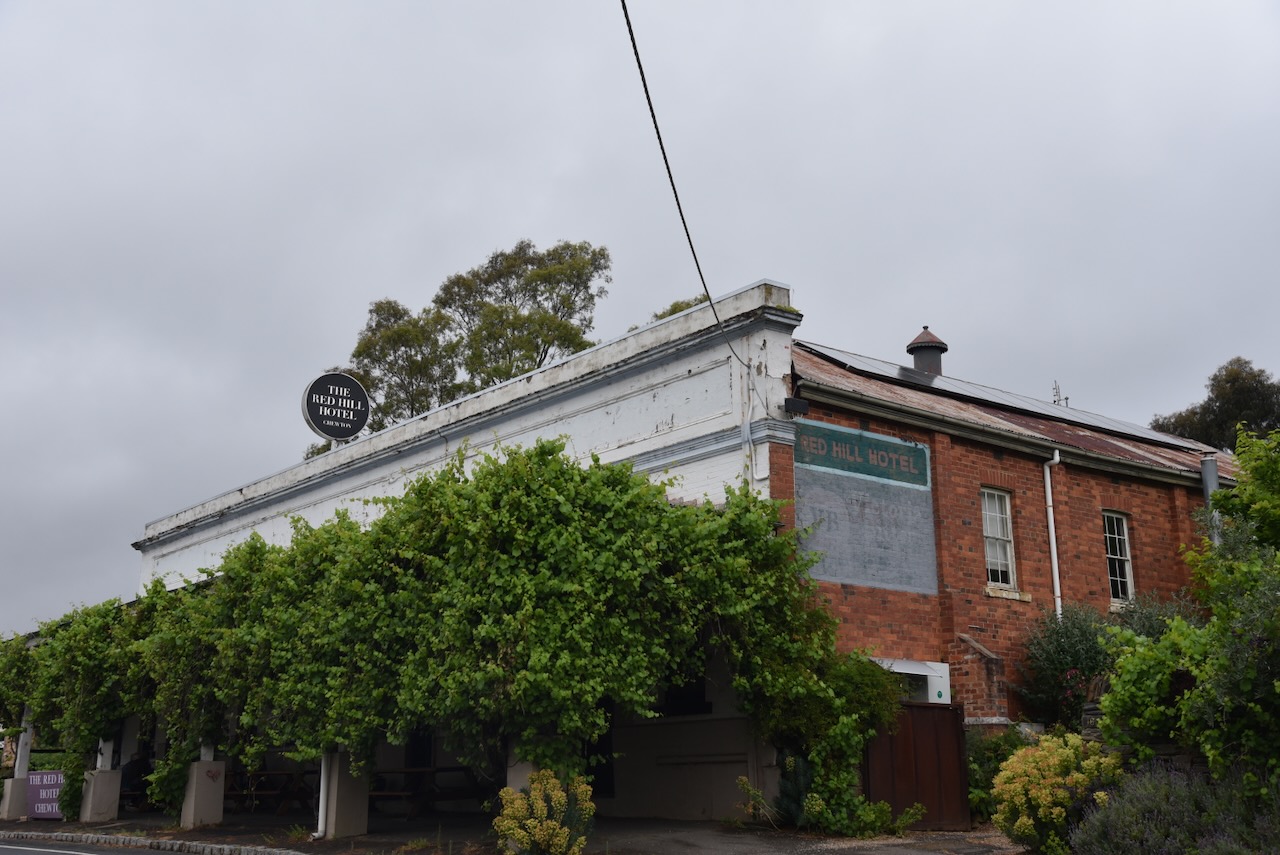
It was dinner time so we headed to the Red Hill Hotel. This historic hotel was opened in 1854.
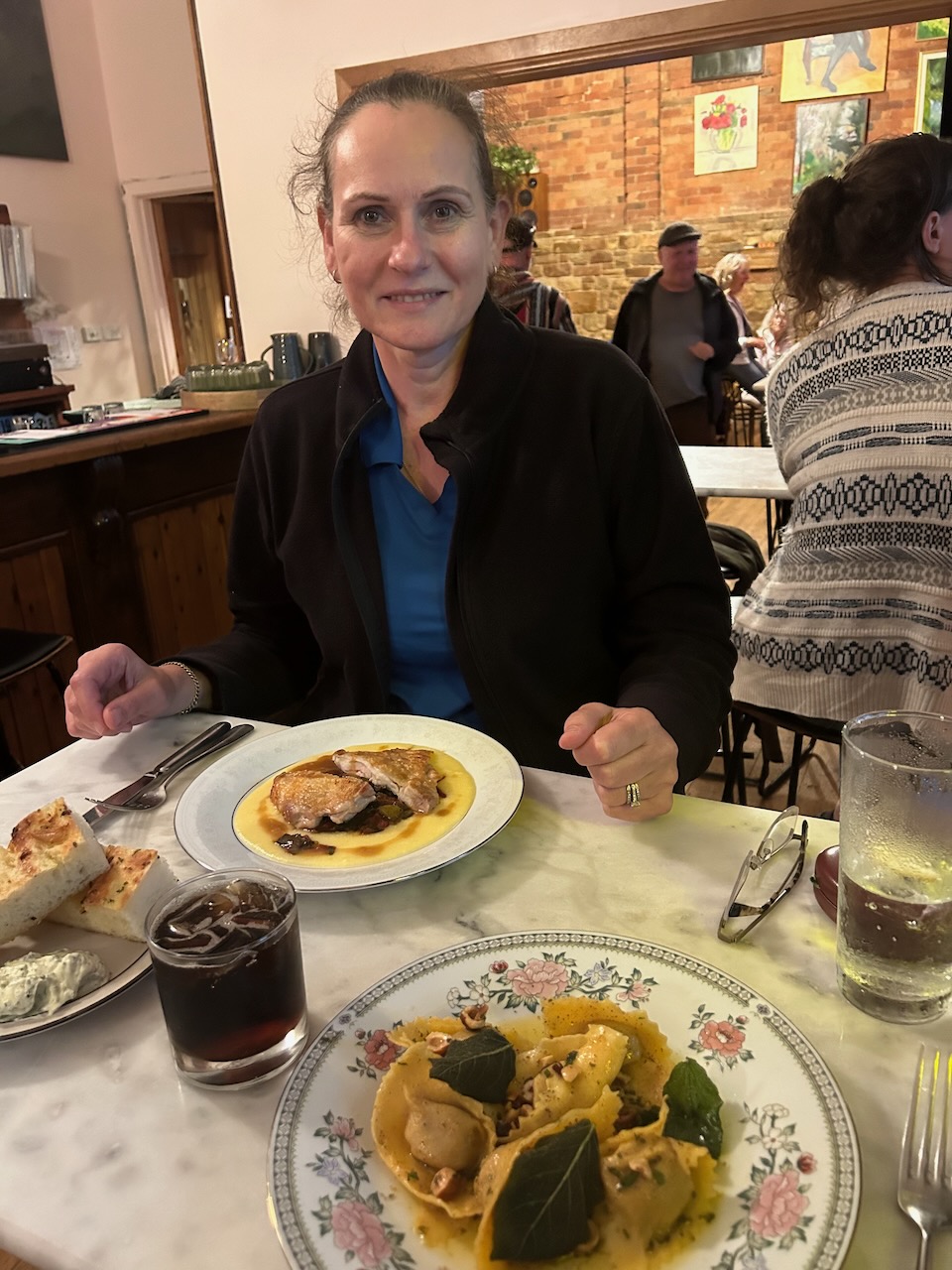
We enjoyed a very nice meal and a few quiet drinks.
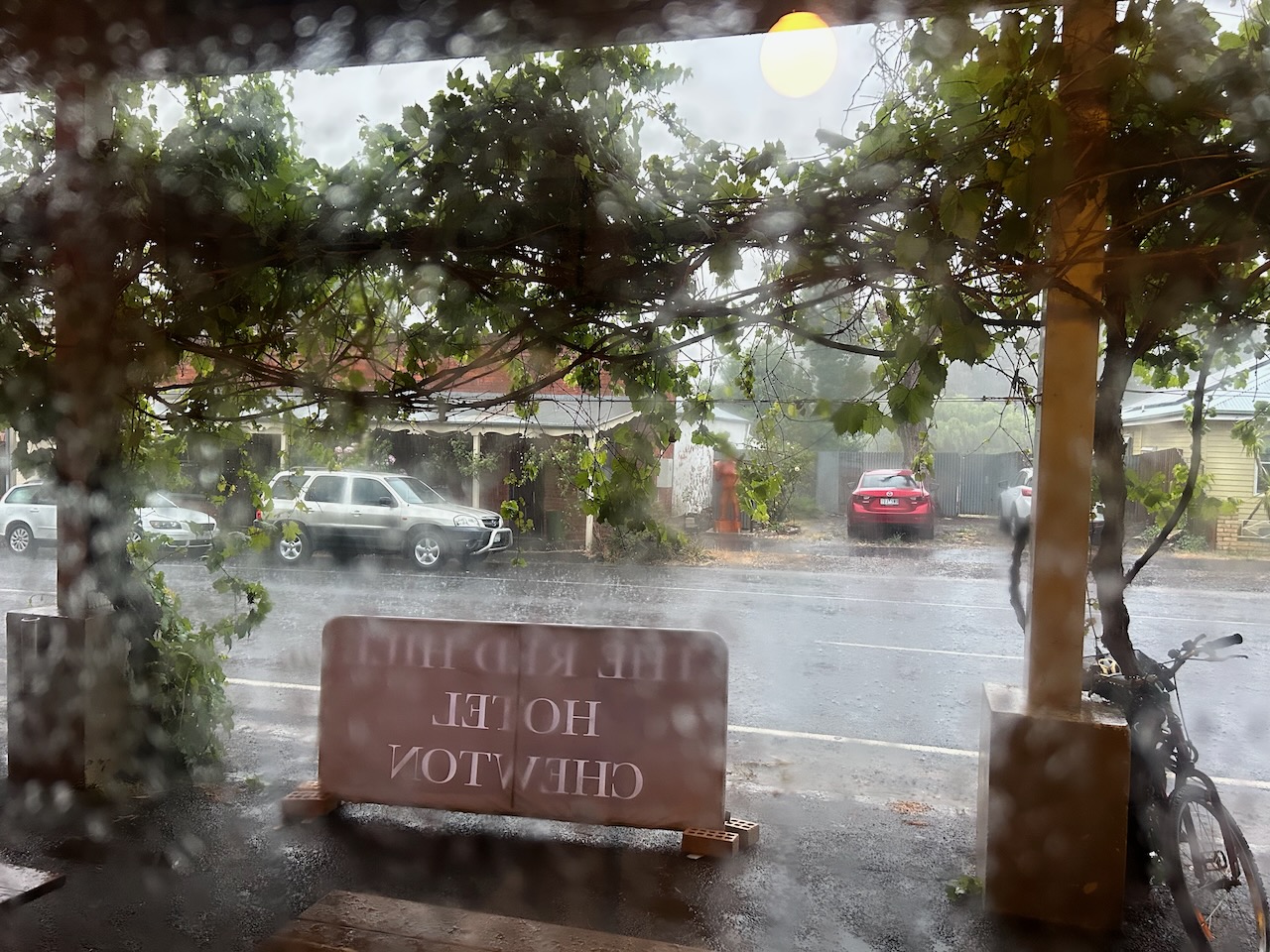
Whilst we were at the hotel, the heavens opened up and Chewton had torrential rain. Even the pub experienced flooding.
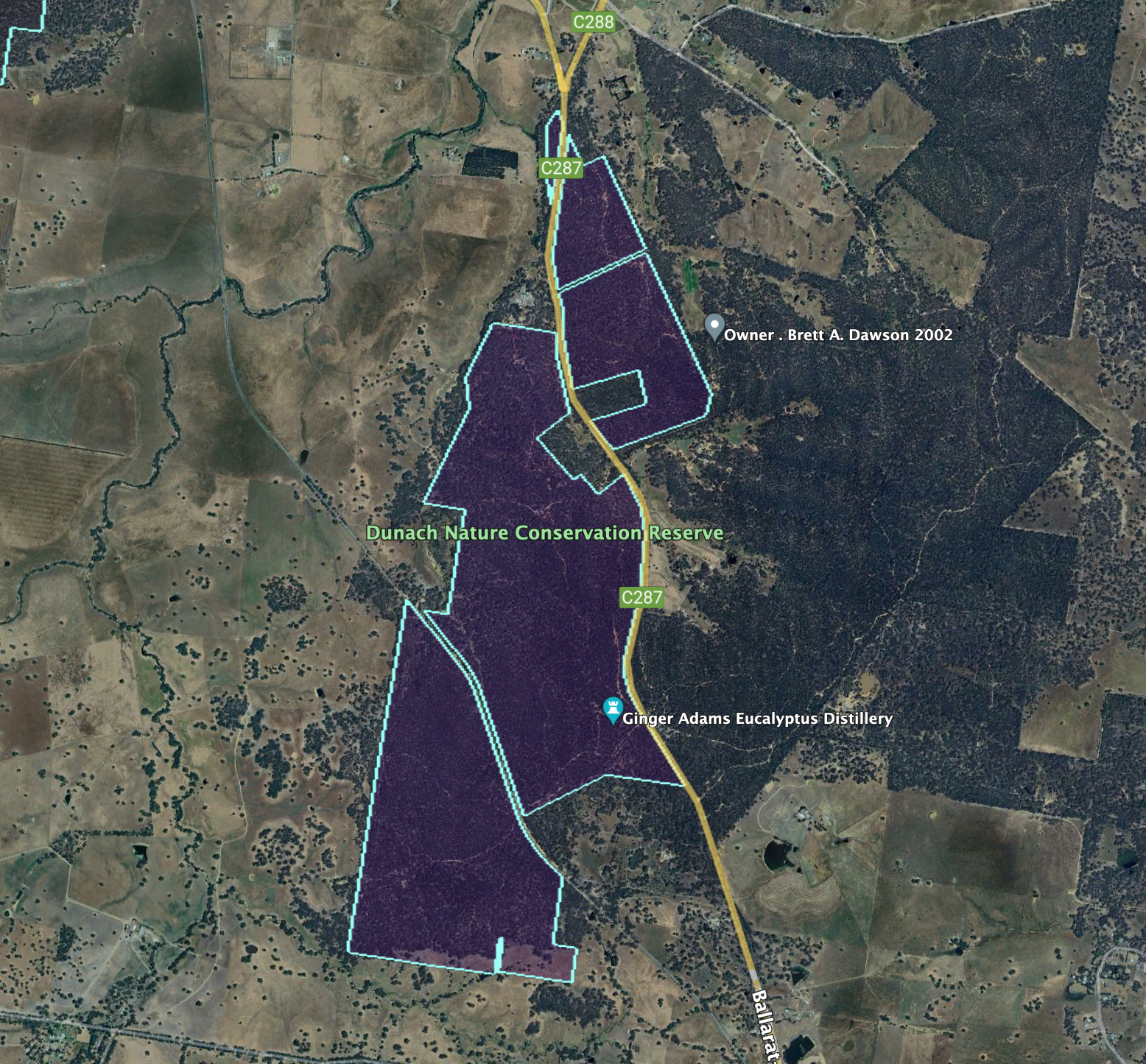
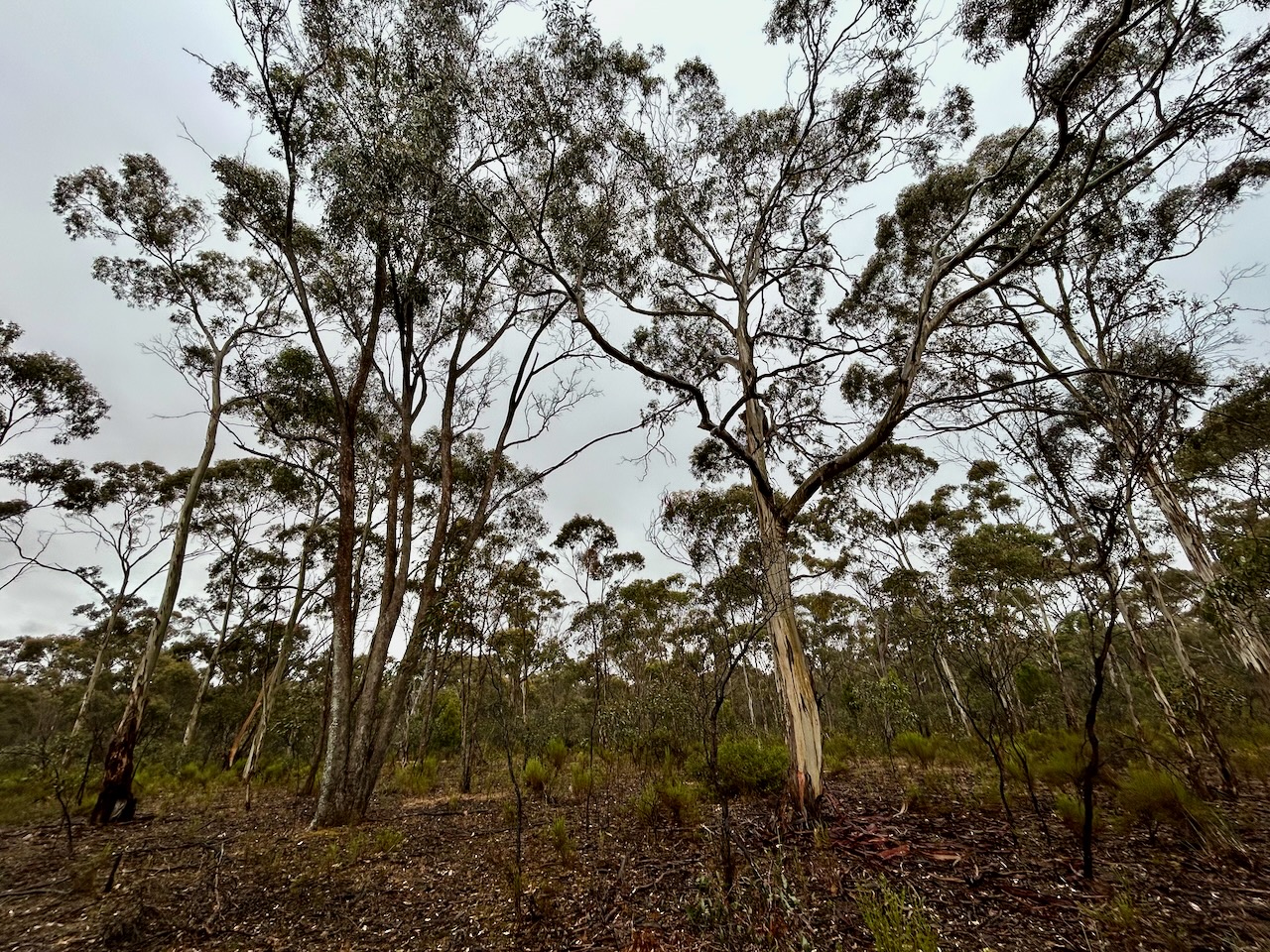
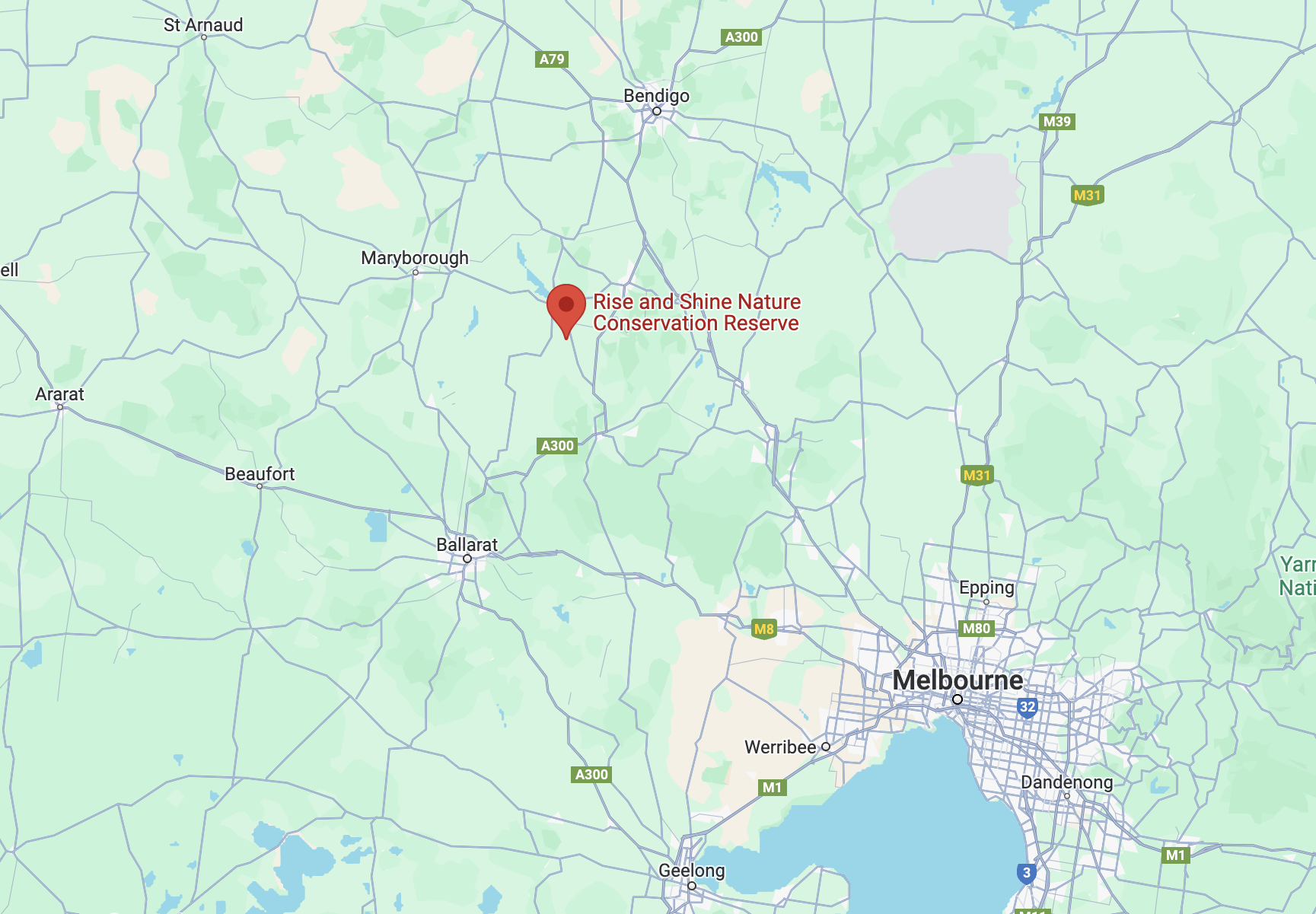
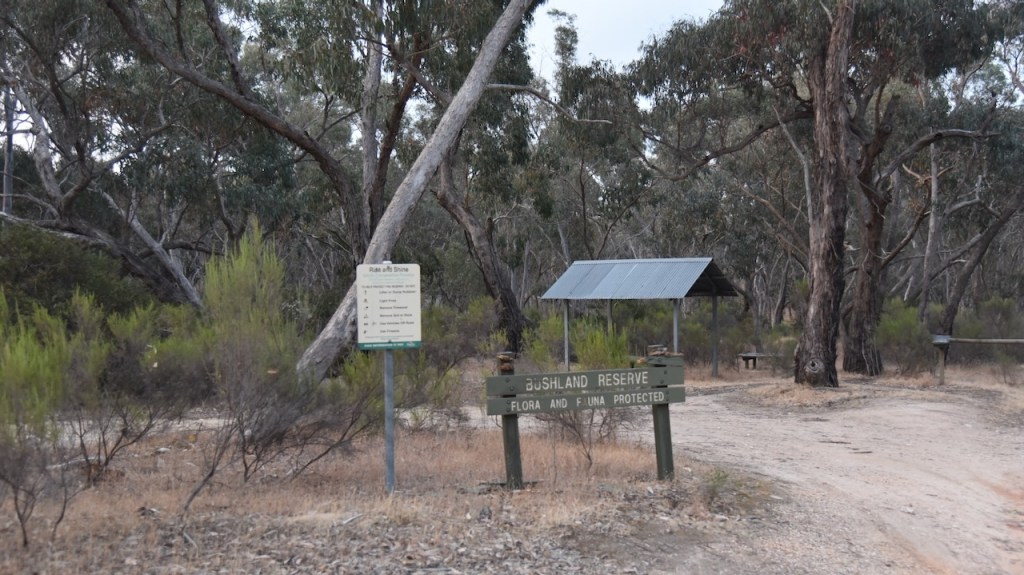
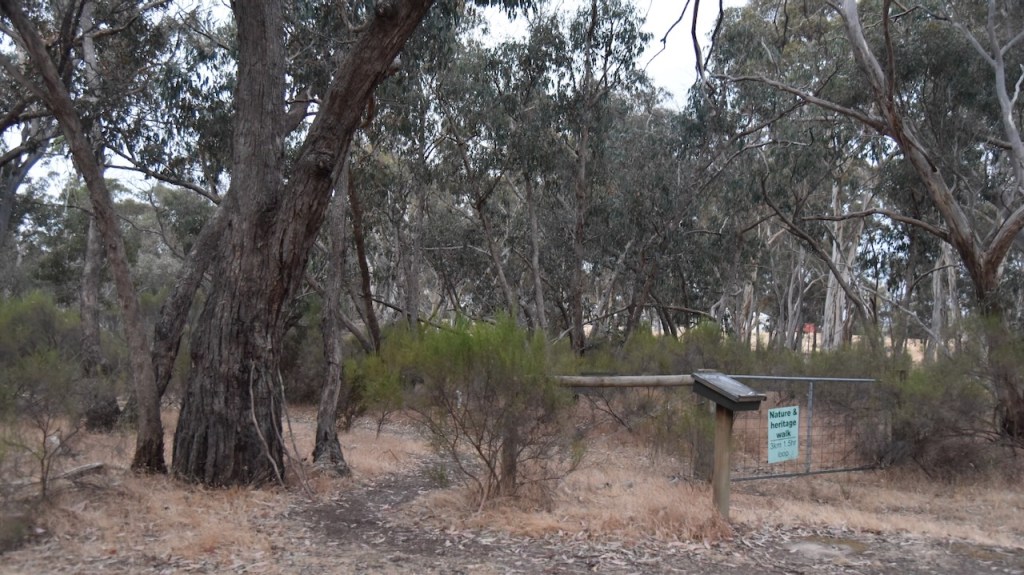
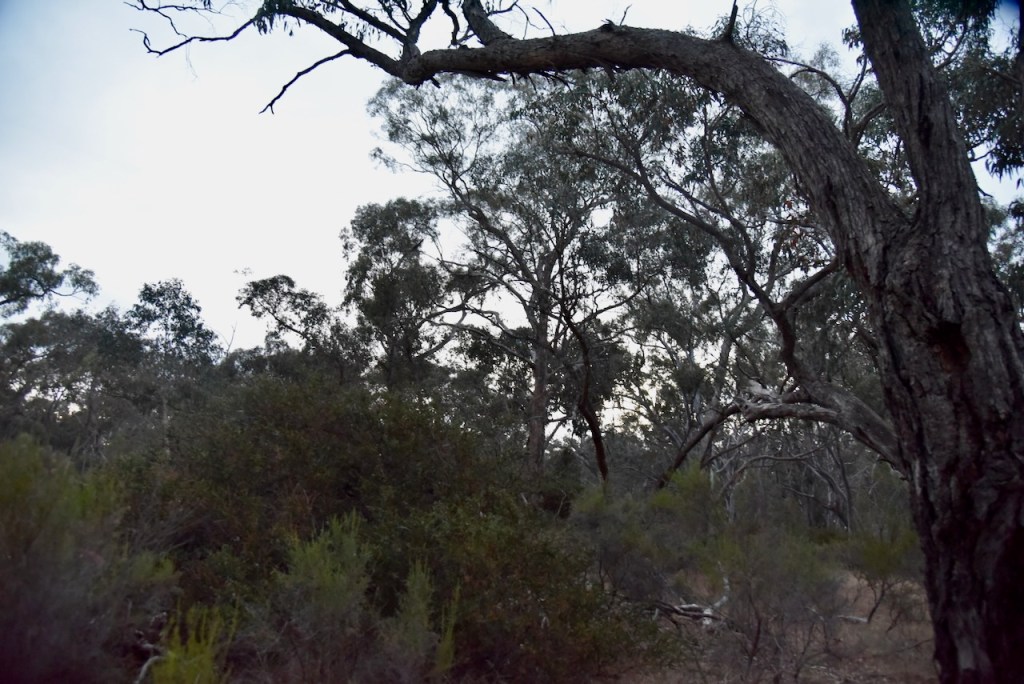
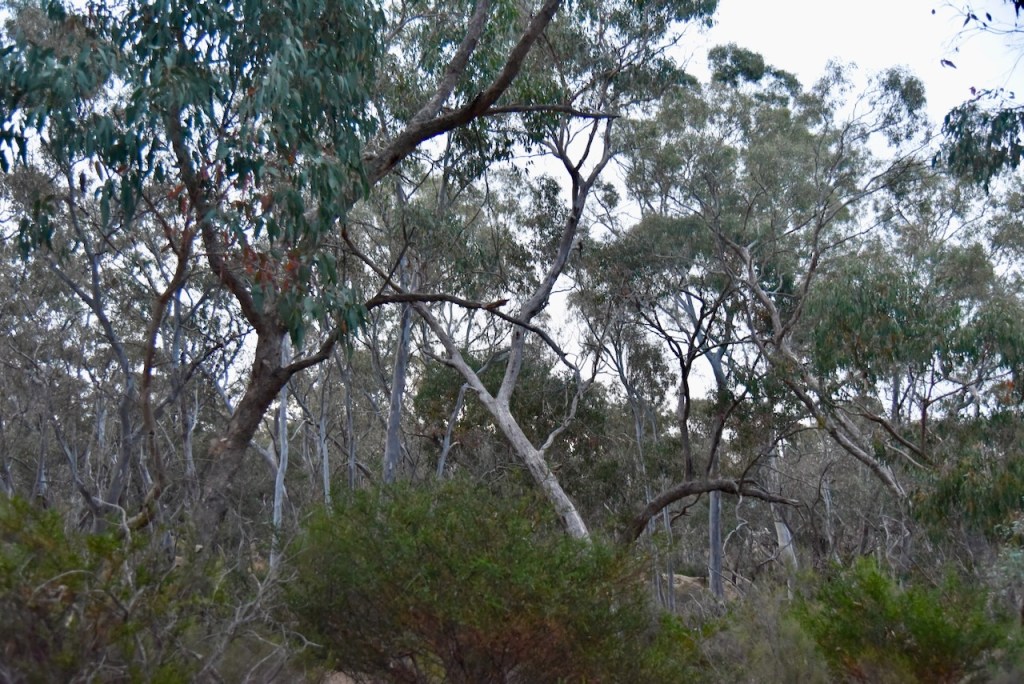
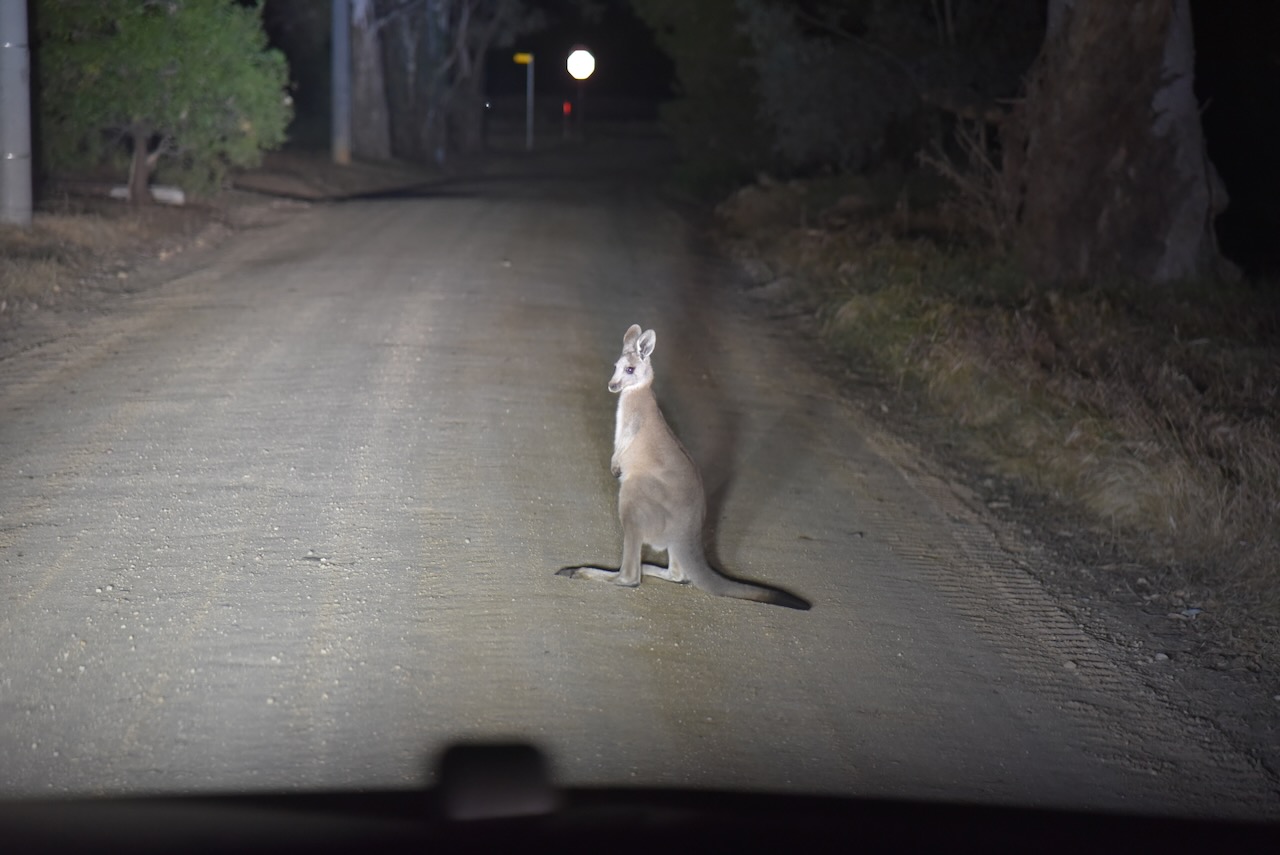
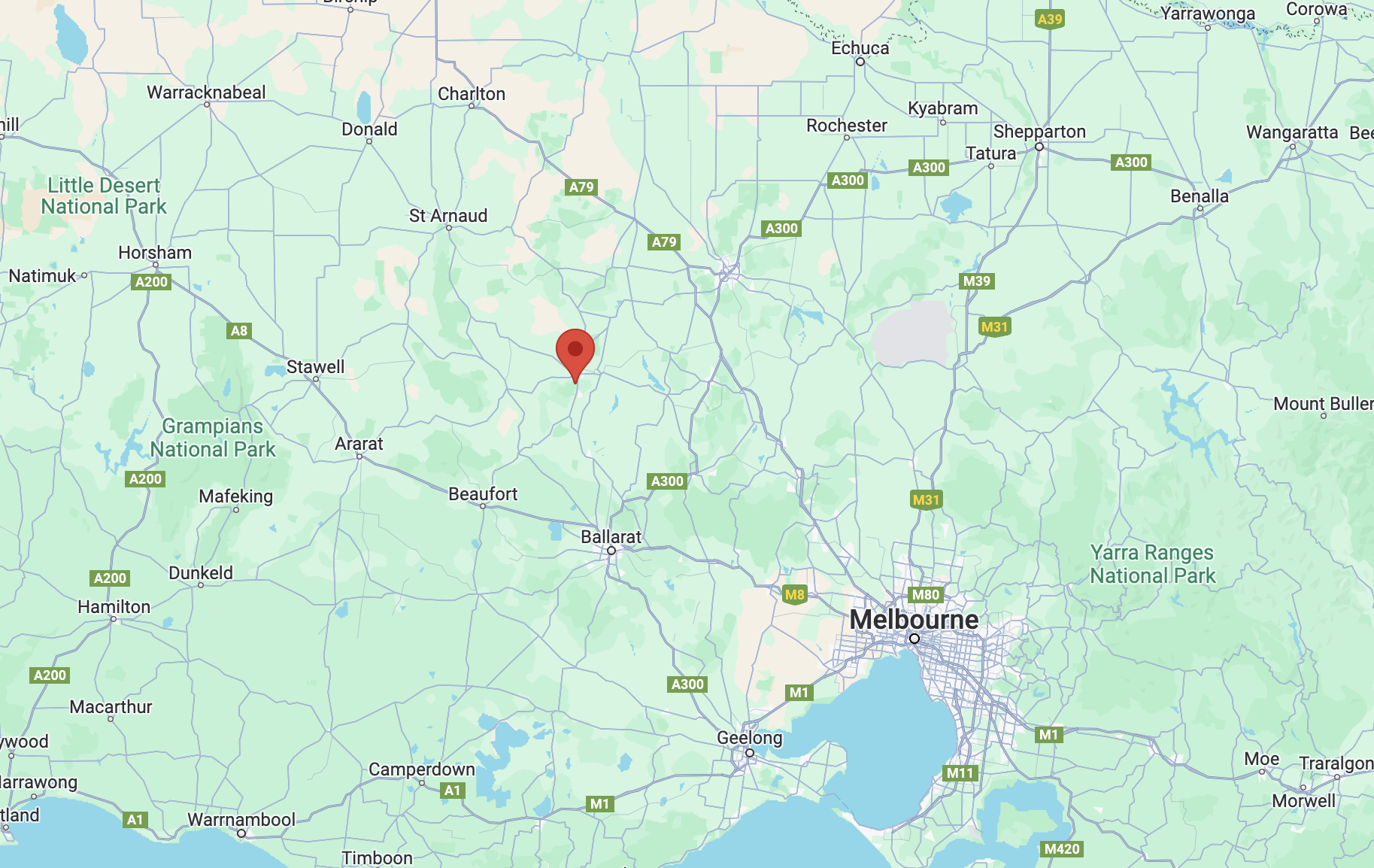
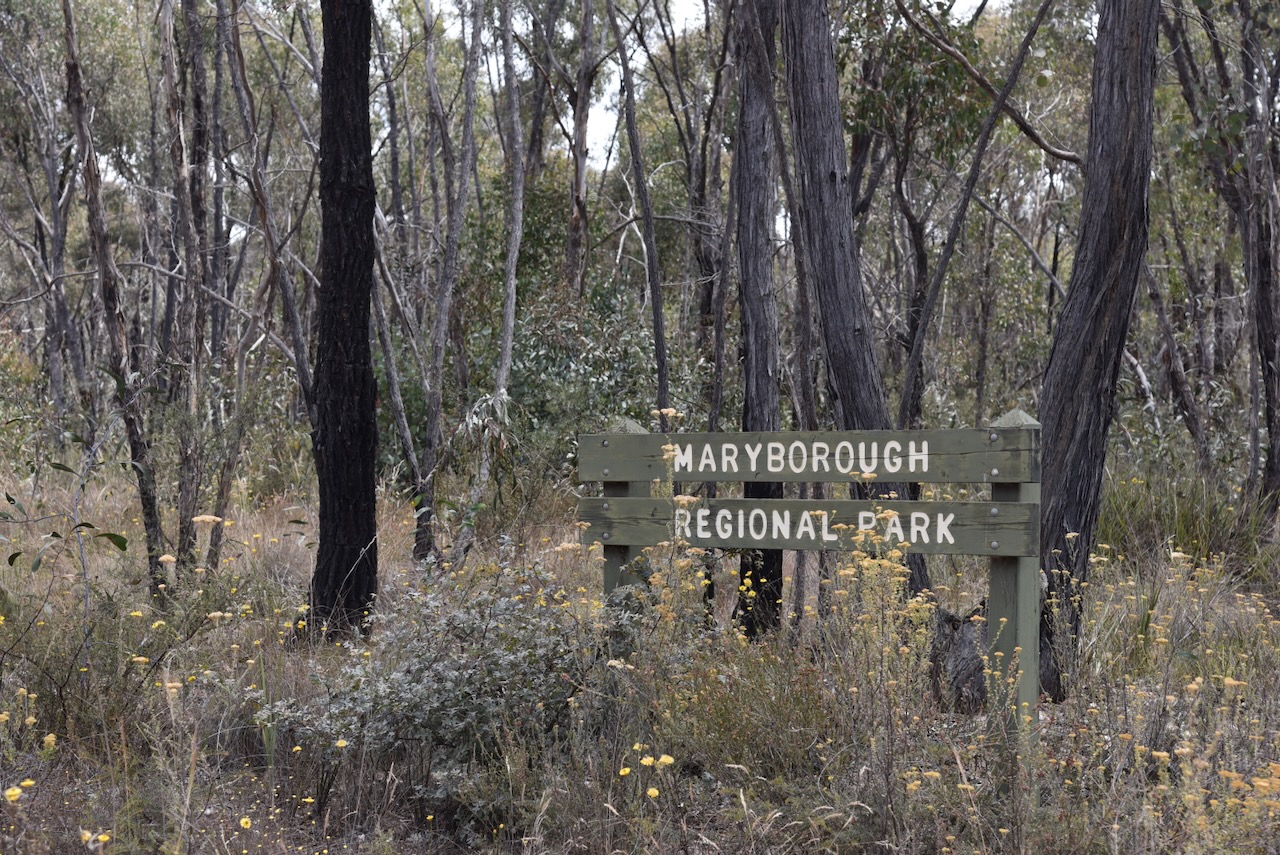
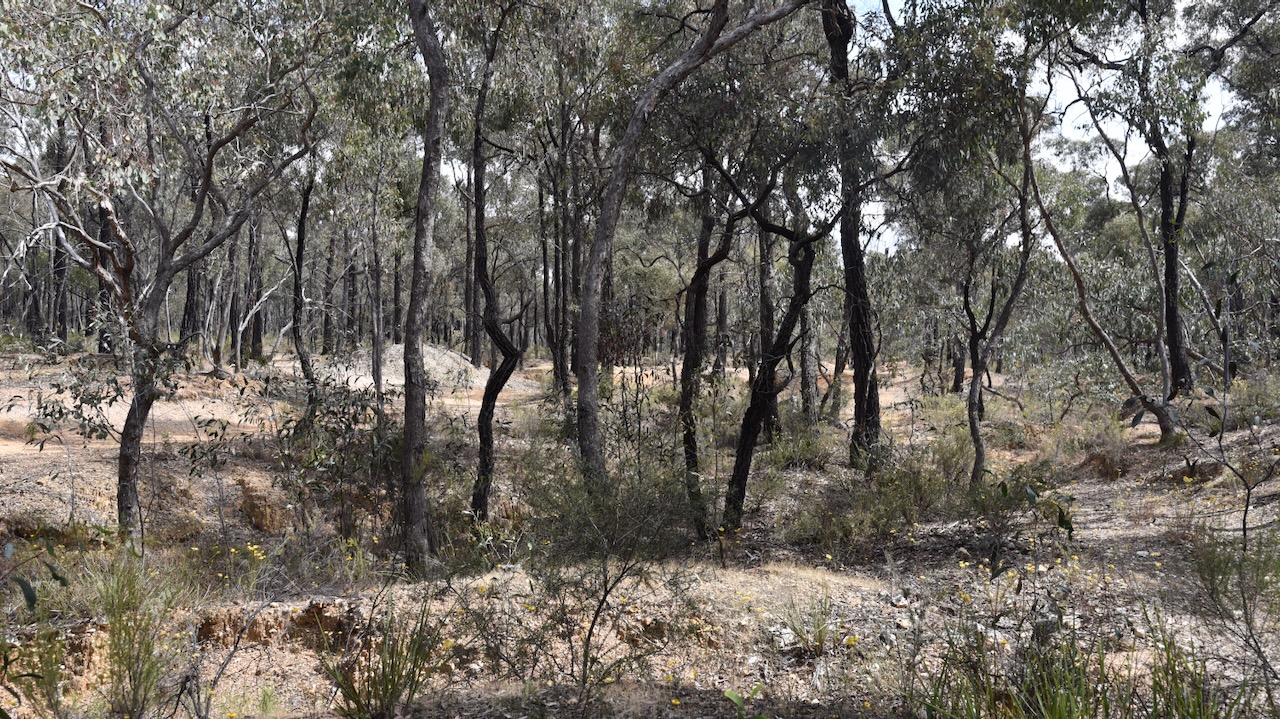
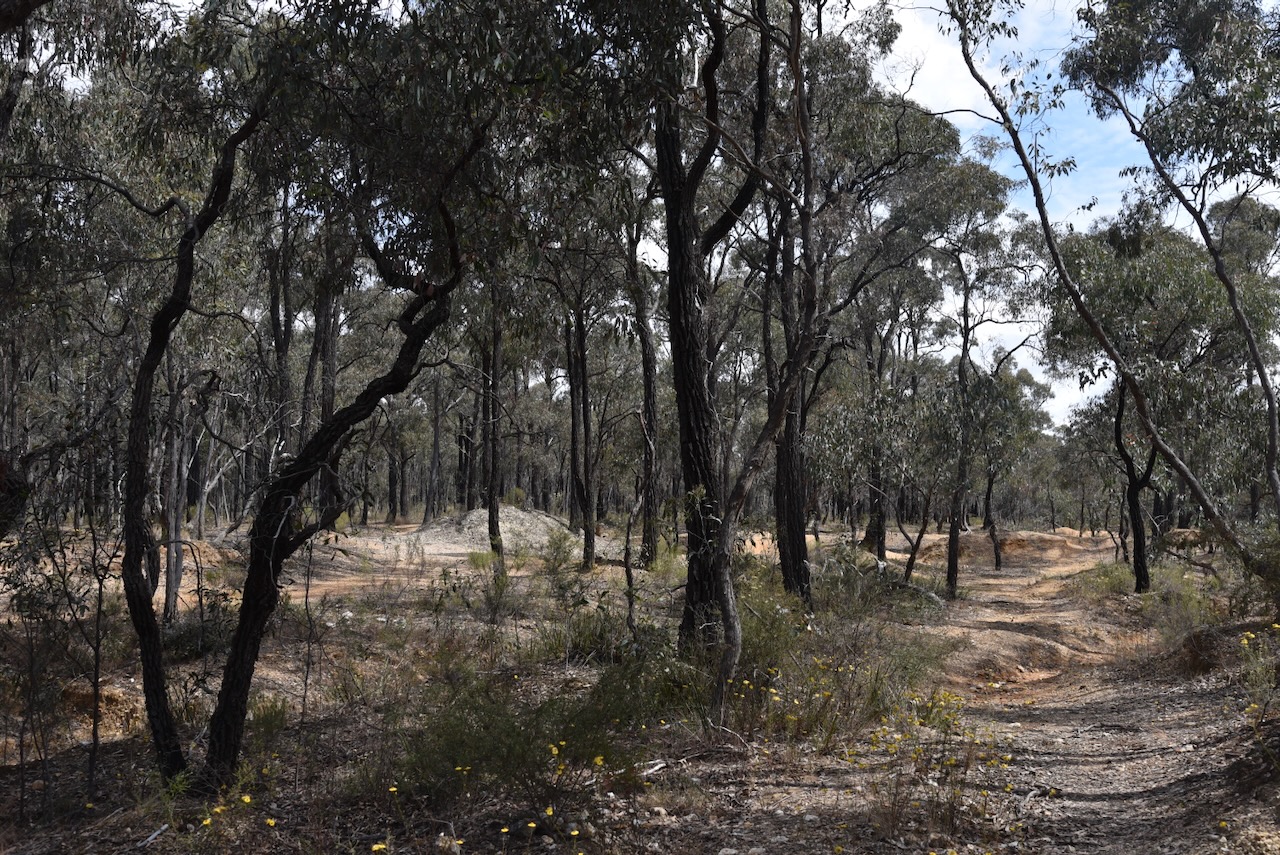
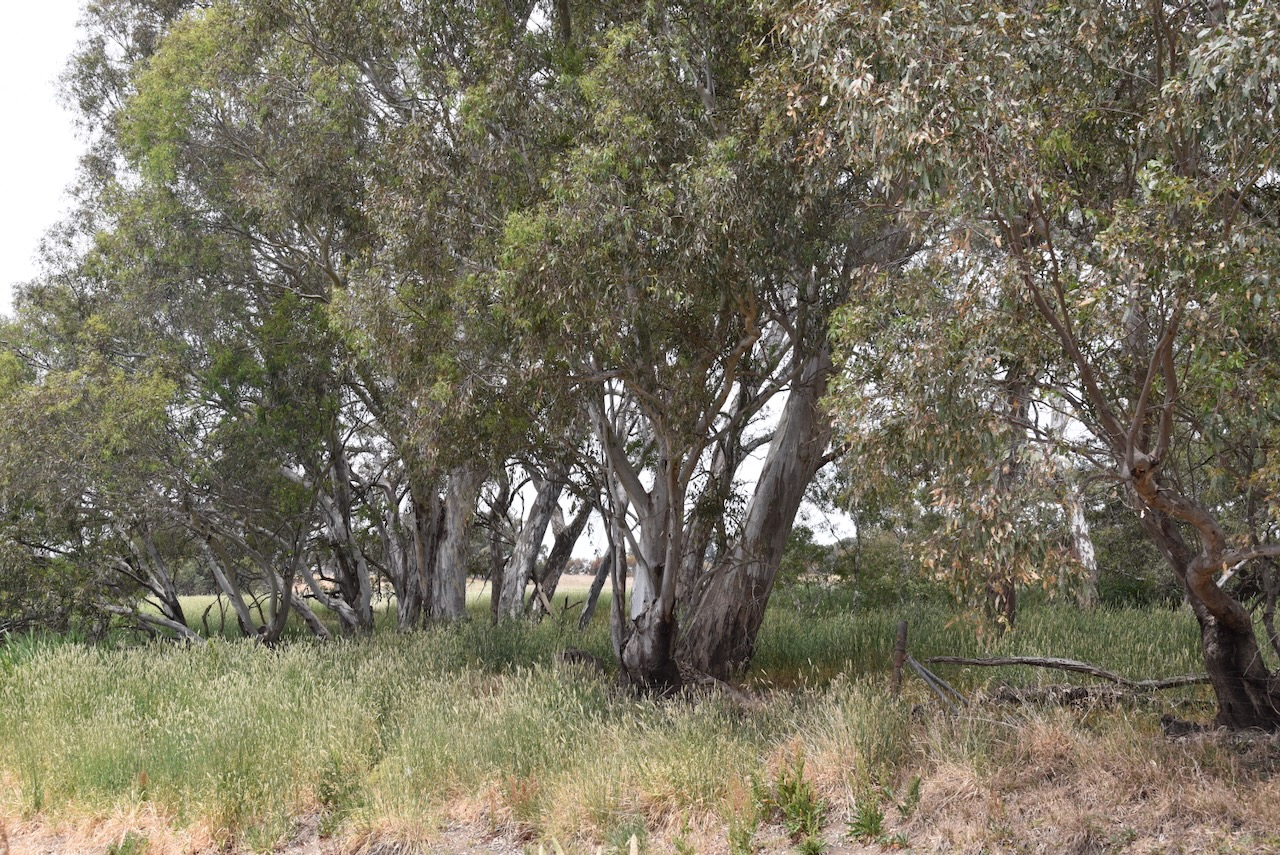
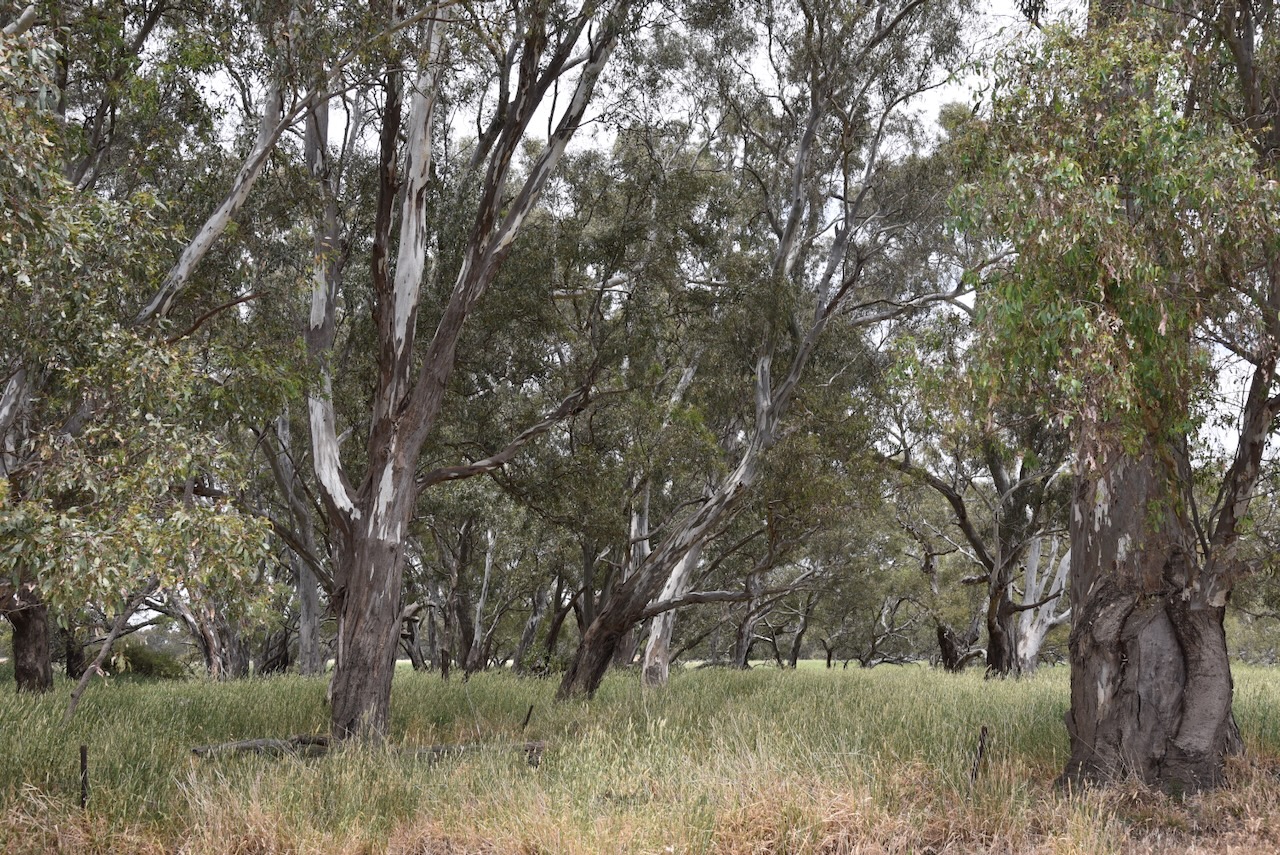
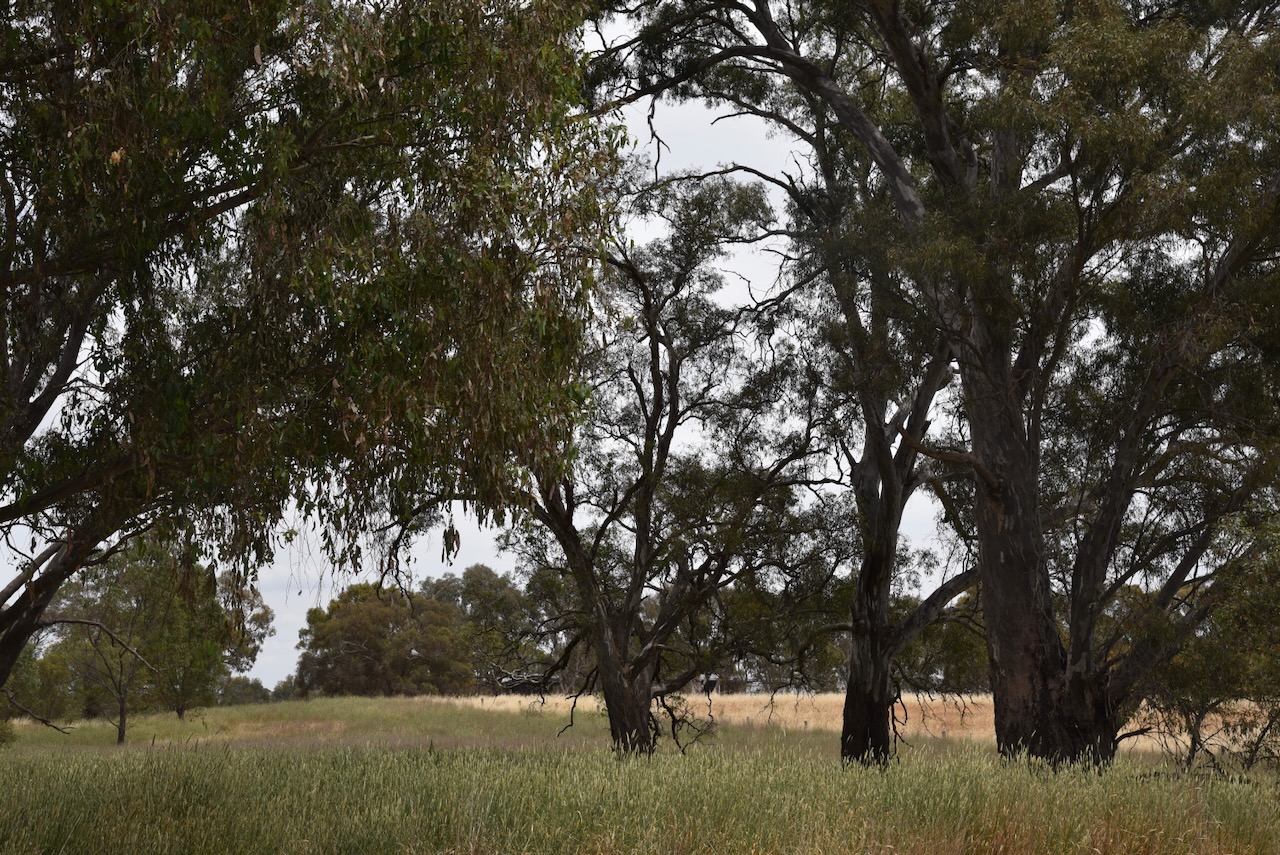
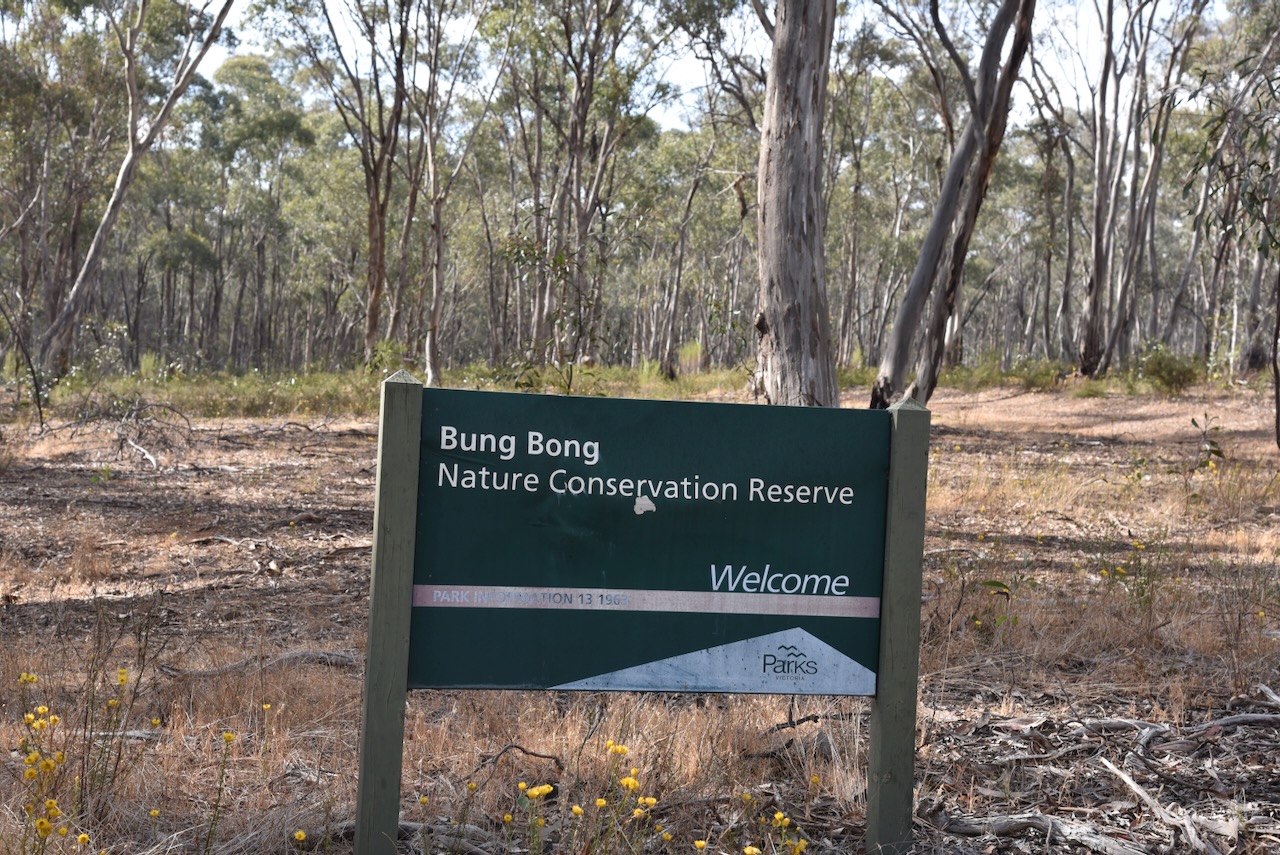
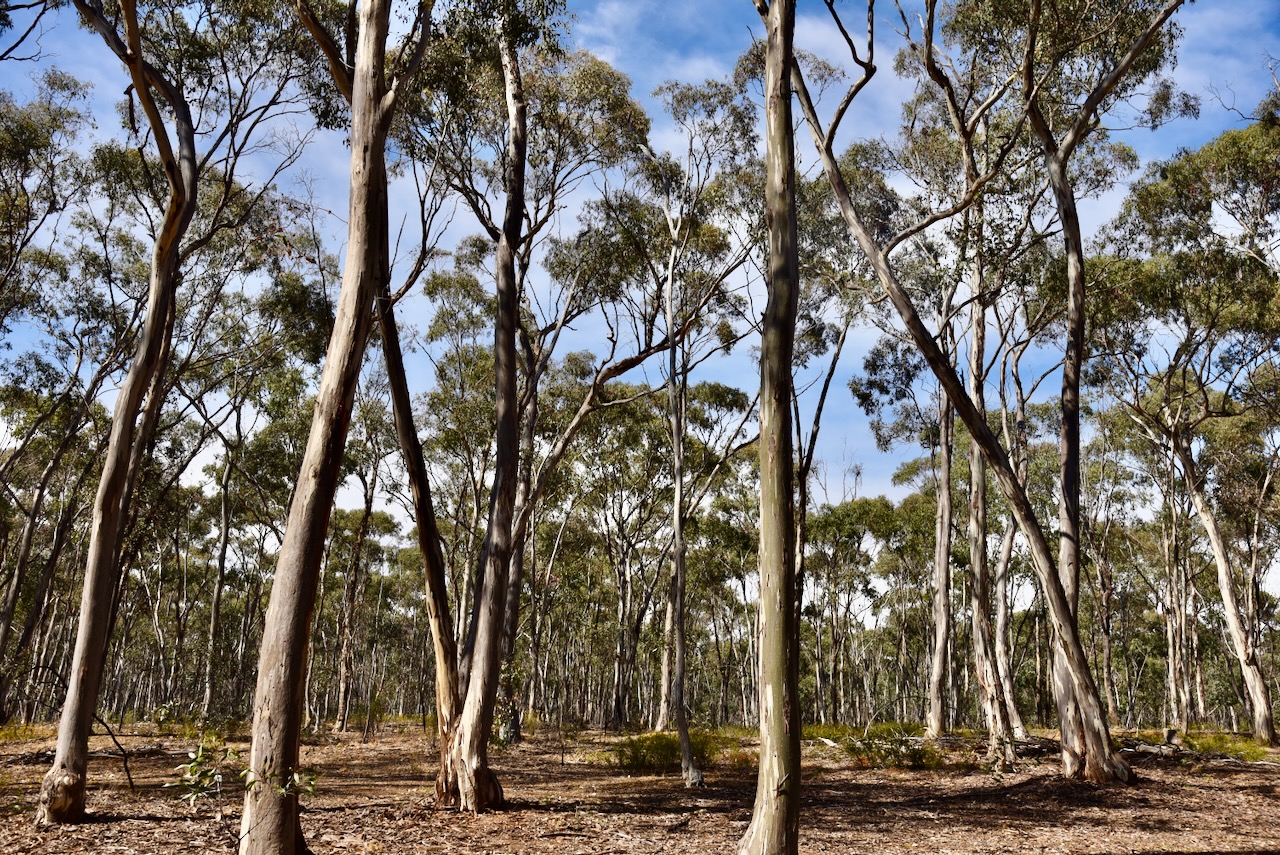
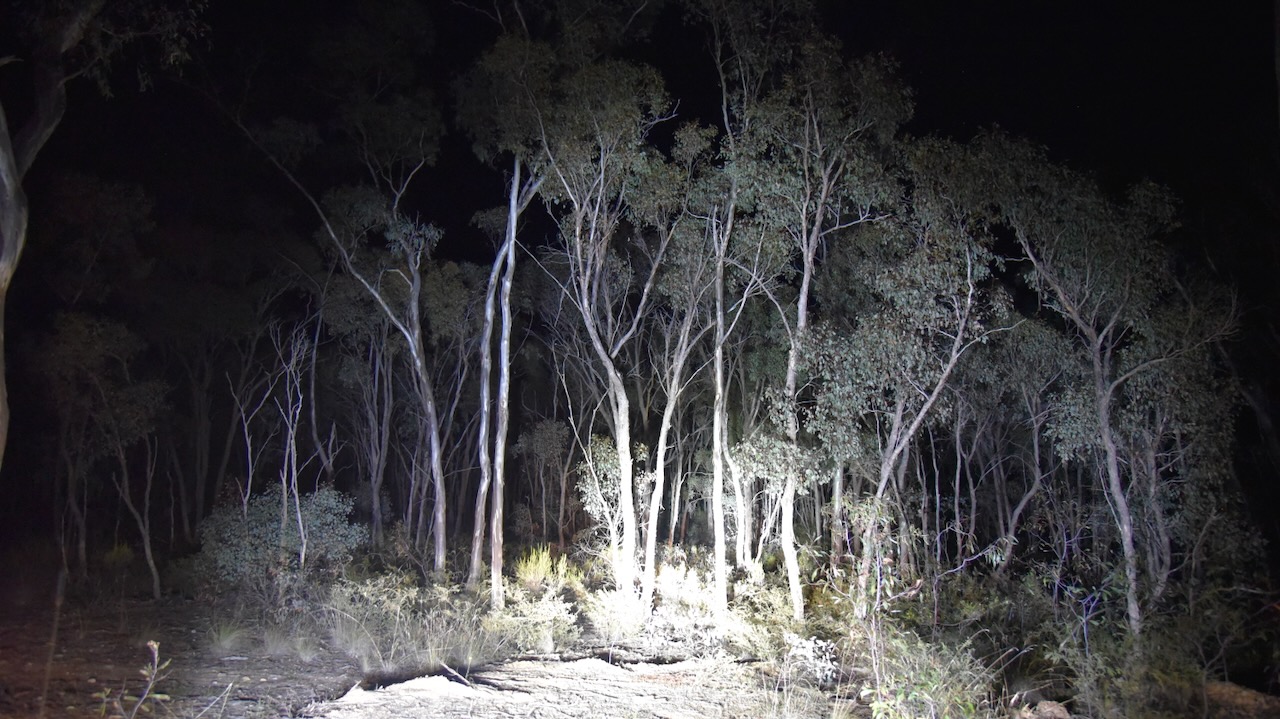
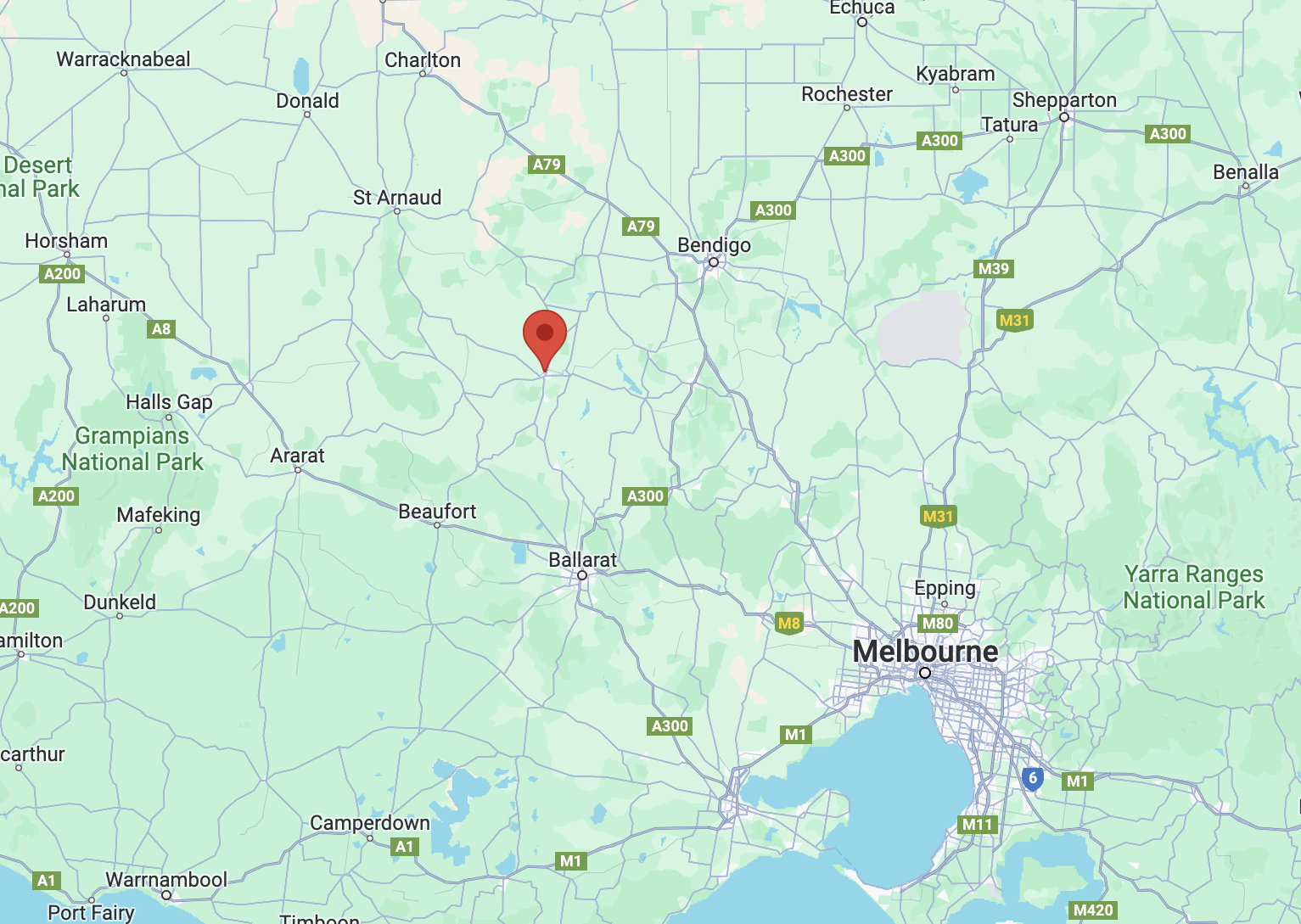
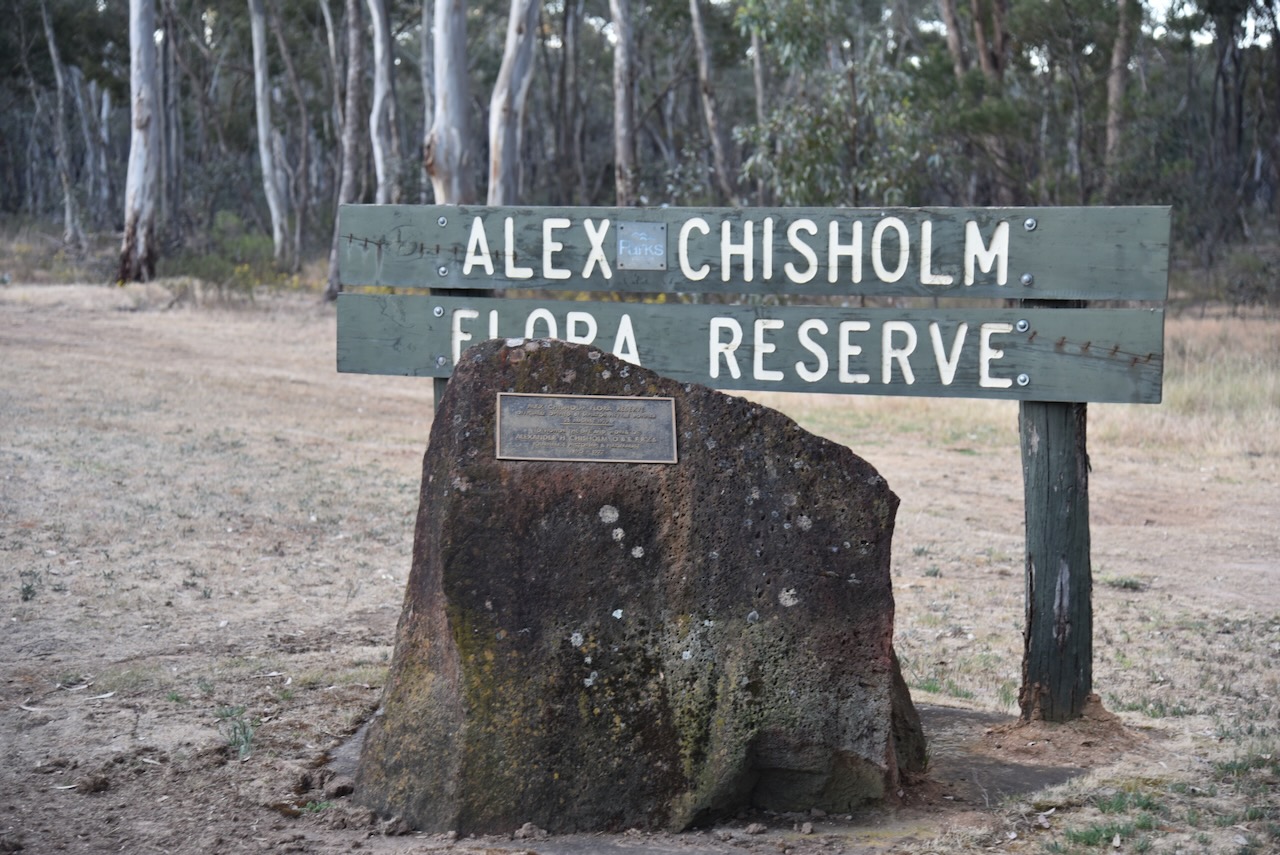
The weather had cleared a little, so we decided to activate the Clydesdale Bushland Reserve VKFF-4278.
The reserve is located in two parts on the eastern and western sides of Jones and Rece Road at Clydesdale. The reserve is about 3.5 hectares in size and was established on the 23rd day of August 1988. (Blake 1978) (CAPAD 2022)
Clydesdale takes its name from Clyesdale, near Mossend, North Lanark, Scotland. (Blake 1978)


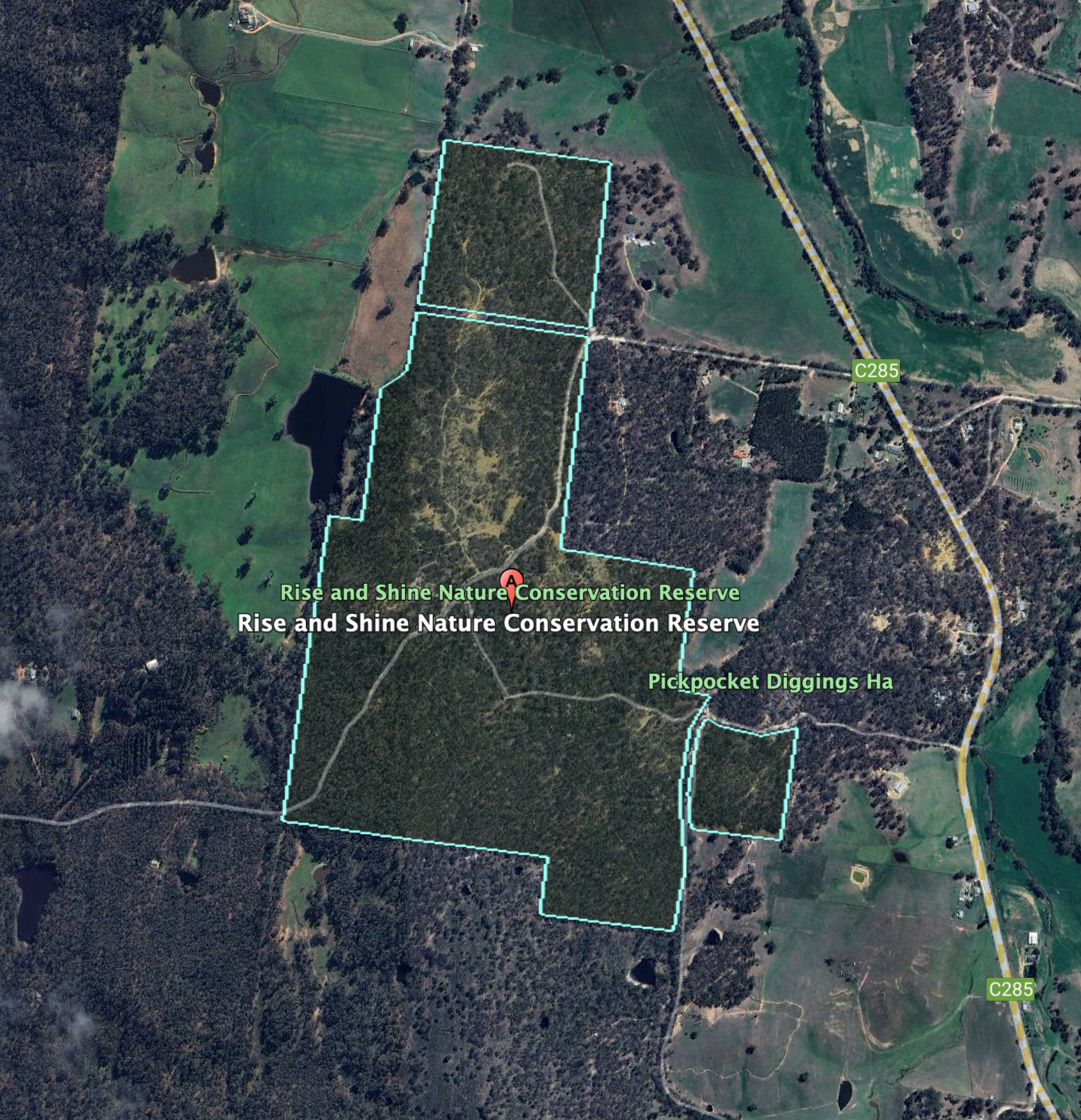
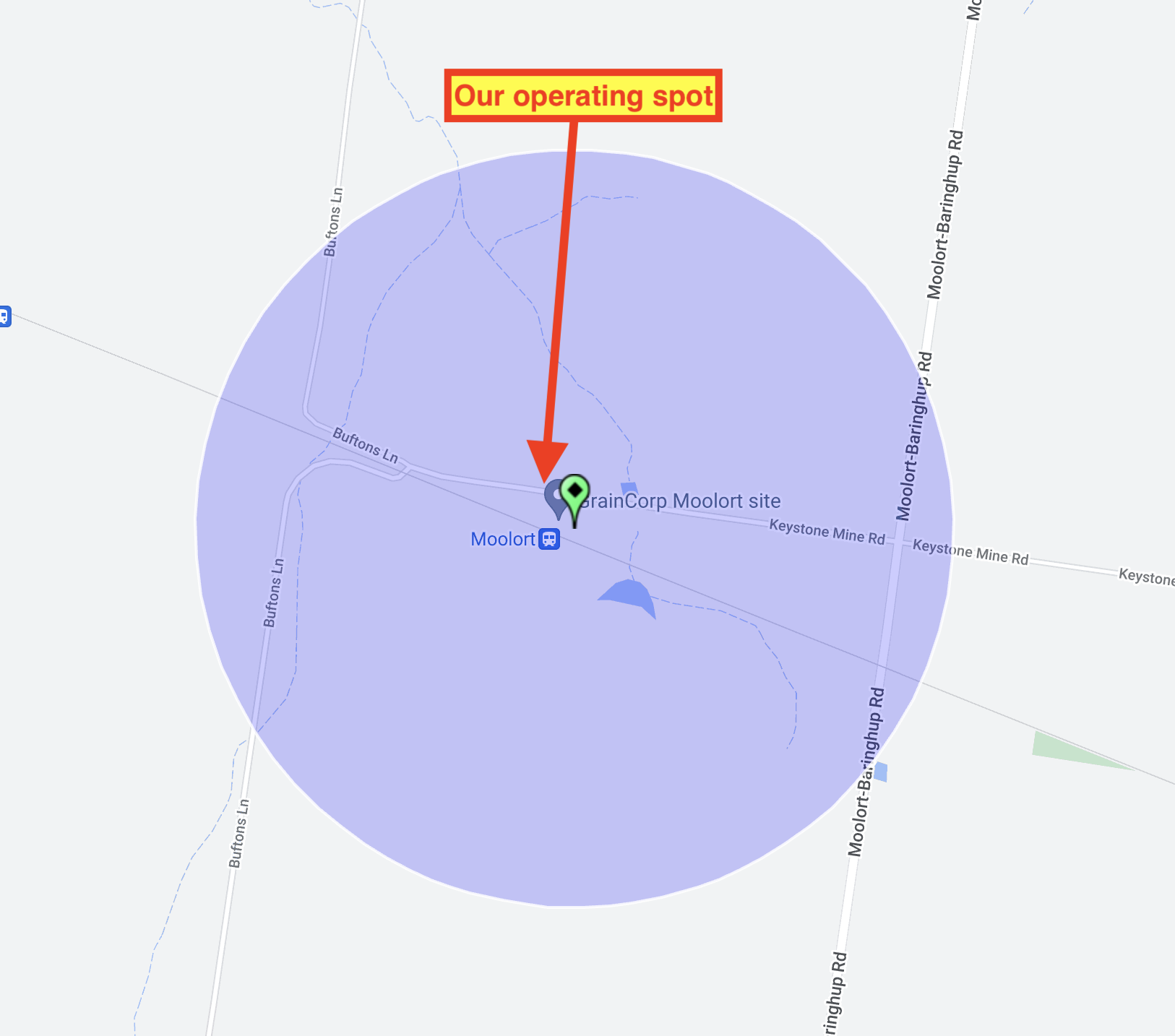
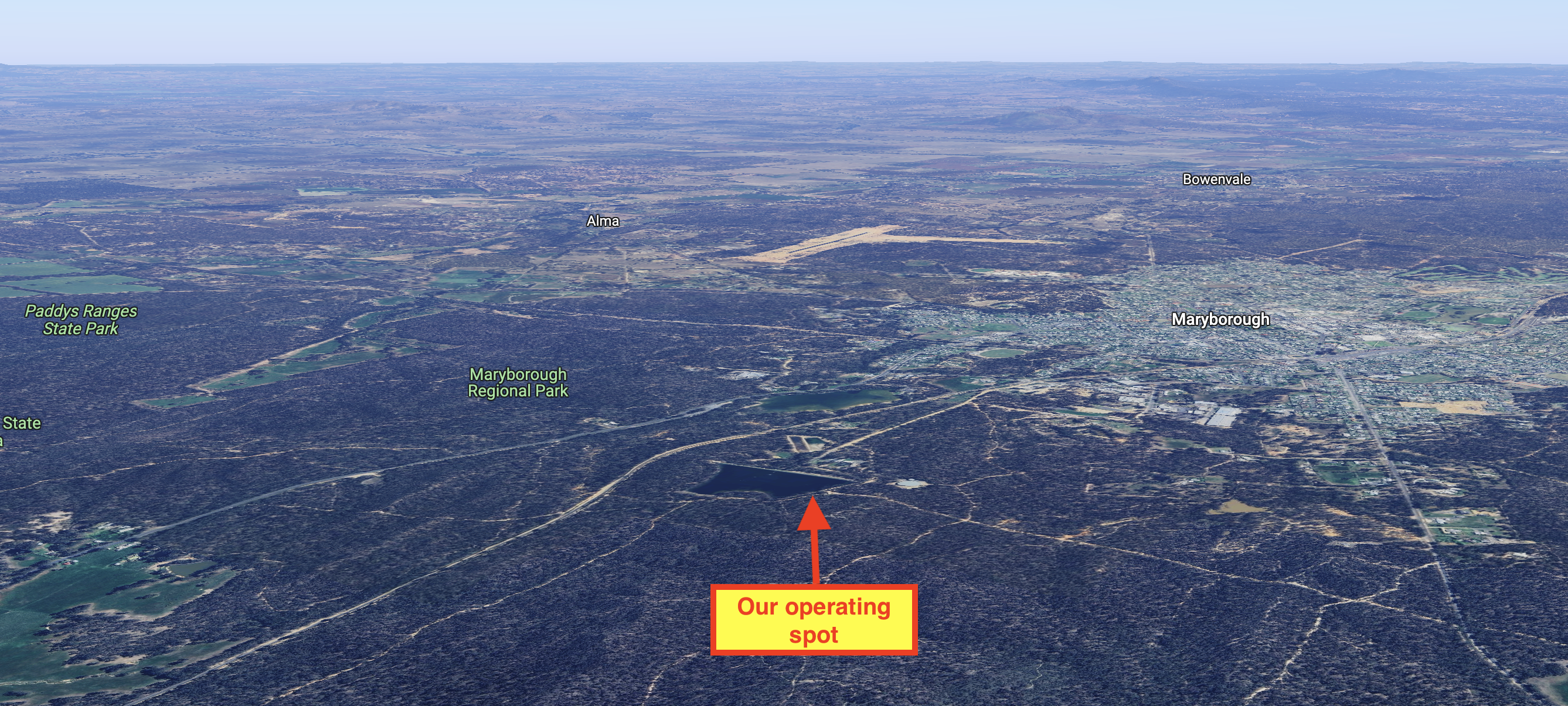
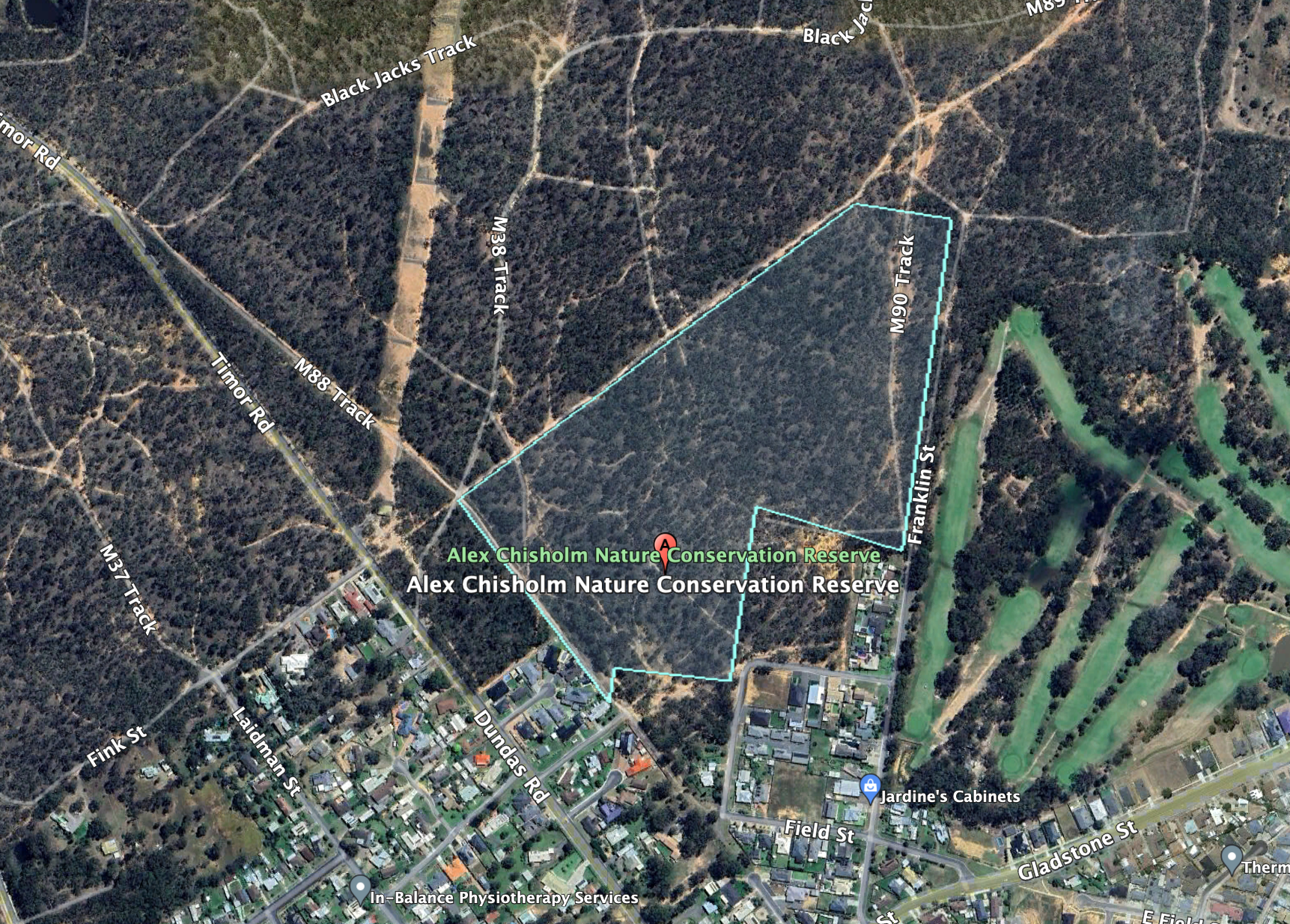
We found a dirt track running off Jones and Reece Road. We ran the Yaesu FT857, 40 watts, and the 20/40/80m linked dipole for this activation. I used the special event callsign of VI10VKFF to celebrate the 10 year anniversary of the World Wide Flora Fauna program in Australia.
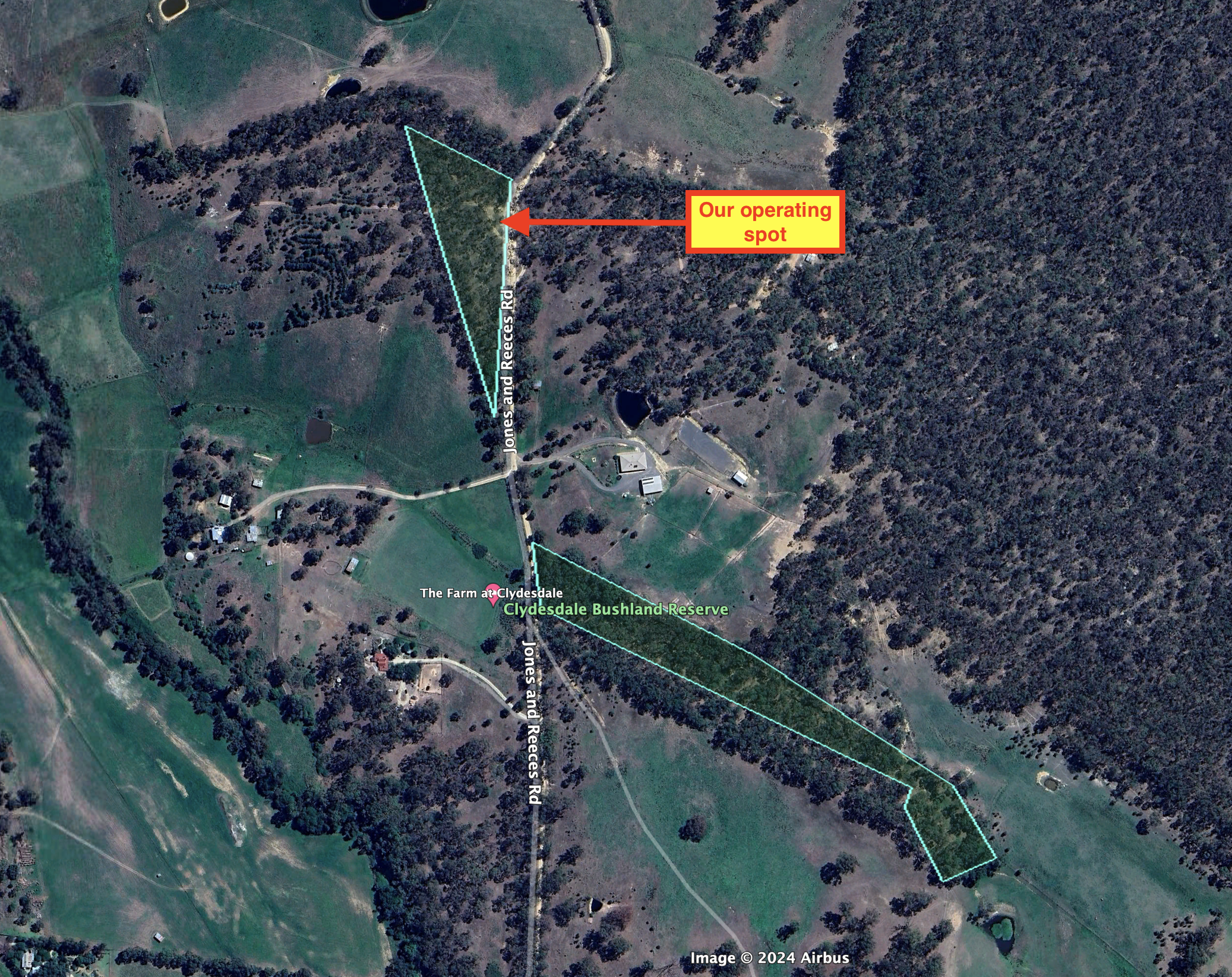
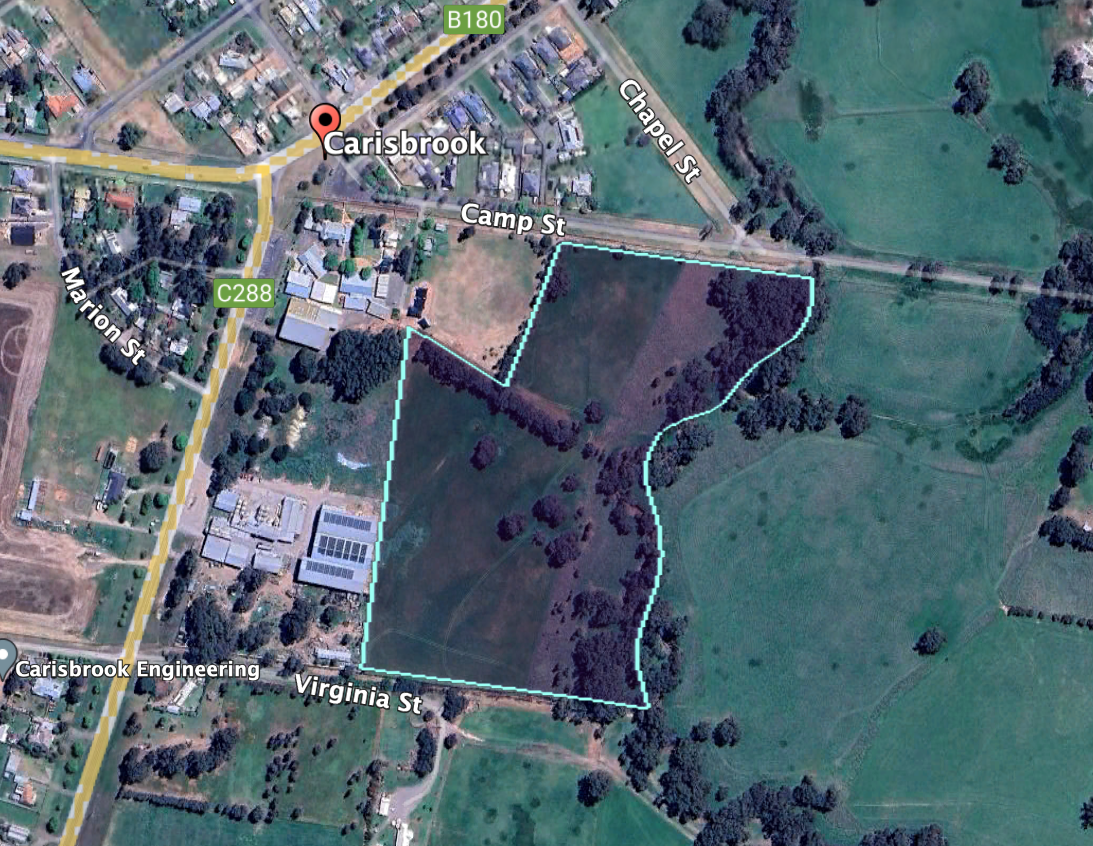
Above:- An aerial view of the reserve showing our operating spot. Image c/o Google Earth.
Marija worked the following stations on 40m SSB:-
- VK1AO
- VK2MET
- VK3YV
- VK3YNL
- VK3APJ
- VK4SMA
- VK2IO/p (Molonglo Gorge Nature Reserve VKFF-0991)
- VK2KET
- VK2YW
- VK3PF
- VK3KAI
- KG5CIK
- VK3BBB
- VK2CCP
- VK3CEO
- VK2MOE/p (Coolah Tops National Park VKFF-0111)
I worked the following stations on 40m SSB:-
- VK1AO
- VK2MET
- VK3YV
- VK3YNL
- VK3APJ
- VK4SMA
- VK2IO/p (Molonglo Gorge Nature Reserve VKFF-0991)
- VK2KET
- VK2YW
- VK3PF
- VK3KAI
- KG5CIK
- VK3BBB
- VK2CCP
- VK3CEO
- VK2MOE/p (Coolah Tops National ParkcVKFF-0111)
- VK4NH
- VK4DXA
- VK3SO
- VK2GWB
- VK3EJ
- VK7MAT
- VK5HW
- VK1CHW
- VK2MOP
- VK2PBC
- VK3VIN
- VK3CLD/p
- VK3SMW
- VK3UAO
- VK2DHN
- VK5HS
- VK5AEZ
- VK3SG
- VK1CT
- VK1KAZ
I worked the following stations on 40m AM:-
- VK5HS
- VK3CEO
I worked the following stations on 80m SSB:-
- VK3PF
- VK3KAI
- VK5HS
I worked the following stations on 20m SSB:-
- VK4SMA
- IK4IDF
References.
- Ancestry.com.au. (2016). Ancestry® | Genealogy, Family Trees & Family History Records. [online] Available at: https://www.ancestry.com.au/ [Accessed 28 Mar. 2024].
- Aussie Towns. (n.d.). Guildford, VIC. [online] Available at: https://www.aussietowns.com.au/town/guildford-vic [Accessed 27 Mar. 2024].
- Carnegie, M. (n.d.). John Archibald Campbell (1854–1916). [online] Australian Dictionary of Biography. Available at: https://adb.anu.edu.au/biography/campbell-john-archibald-195 [Accessed 1 Apr. 2024].
- chewton.net. (n.d.). History – Chewton. [online] Available at: https://chewton.net/history/ [Accessed 28 Mar. 2024].
- Dcceew.gov.au. (2023). Collaborative Australian Protected Areas Database (CAPAD) 2022 – DCCEEW. [online] Available at: https://www.dcceew.gov.au/environment/land/nrs/science/capad/2022 [Accessed 1 Apr. 2024].
- find.slv.vic.gov.au. (n.d.). https://find.slv.vic.gov.au/discovery/fulldisplay/alma9939813562707636/61SLV_INST:SLV. [online] Available at: https://find.slv.vic.gov.au/discovery/fulldisplay/alma9939813562707636/61SLV_INST:SLV [Accessed 1 Apr. 2024].
- Guildford BanjoJambo. (n.d.). Around Guildford. [online] Available at: https://www.banjojamboree.org/around-guildford [Accessed 28 Mar. 2024].
- https. (n.d.). Vaughan Chinese Cemetery. [online] Available at: https://www.goldfieldsguide.com.au/explore-location/14/vaughan-chinese-cemetery/ [Accessed 28 Mar. 2024].
- https. (n.d.). Mo the Miner Sculpture. [online] Available at: https://www.goldfieldsguide.com.au/explore-location/692/mo-the-miner-sculpture/ [Accessed 29 Mar. 2024].
- https. (n.d.). Red Knob Mining Landscape. [online] Available at: https://www.goldfieldsguide.com.au/explore-location/453/red-knob-mining-landscape/ [Accessed 1 Apr. 2024].
- Leslie James Blake, 1978, Place Names of Victoria.
- Phoenixauctions.com.au. (2022). Post Office List – Phoenix. [online] Available at: https://www.phoenixauctions.com.au/cgi-bin/wsPhoenix.sh/Viewpocdwrapper.p?SortBy=VIC&filter=.[Accessed 28 Mar. 2024].
- Real estate (2023). Real Estate, Property & Homes for Sale – realestate.com.au. [online] Realestate.com.au. Available at: https://www.realestate.com.au. [Accessed 28 Mar. 2024].
- stackunderflow.com. (2023). DropTableAdventures – DTA Shorts: The Vaughan-Tarilta Road Bridge. [online] Available at: https://stackunderflow.com/post/droptableadventures-dta-shorts–the-vaughan-tarilta-road-bridge/ [Accessed 1 Apr. 2024].
- Trove. (n.d.). Mount Alexander Mail (Vic. : 1854 – 1917) – 7 Aug 1863 – p2. [online] Available at: https://trove.nla.gov.au/newspaper/page/22190249?searchTerm=guildford%20hotel [Accessed 28 Mar. 2024].
- Trove. (n.d.). Mount Alexander Mail (Vic. : 1854 – 1917) – 1 Apr 1859 – p1. [online] Available at: https://trove.nla.gov.au/newspaper/page/21947493?searchTerm=chewton%20bakery%20%2B%20photographic%20shed [Accessed 29 Mar. 2024].
- Victorian Heritage Database Report, 2007, Guildford Hotel Music Hall and Stables.
- Victorian Heritage Database Report Location Municipality Level of significance Statement of Significance. (n.d.). Available at: https://vhd.heritagecouncil.vic.gov.au/places/69241/download-report [Accessed 29 Mar. 2024].
- victorianplaces.com.au. (n.d.). Fryerstown | Victorian Places. [online] Available at: https://victorianplaces.com.au/fryerstown [Accessed 29 Mar. 2024].
- Wikipedia. (2023). Ron Barassi. [online] Available at: https://en.wikipedia.org/wiki/Ron_Barassi. [Accessed 27 Mar. 2024].
- www.andrewwarland.com.au. (n.d.). The life of Alexander Clarke of Glengower. [online] Available at: http://www.andrewwarland.com.au/maustralia/alexanderclarkeglengower.html [Accessed 1 Apr. 2024].
- http://www.burkeandwills.net.au. (n.d.). Fryerstown Hall. [online] Available at: https://www.burkeandwills.net.au/Memorials/fryerstown.htm [Accessed 1 Apr. 2024].
- www.fomad.org.au. (n.d.). Friends of Mount Alexander Diggings. [online] Available at: https://www.fomad.org.au/wattle-gully-mine.html [Accessed 29 Mar. 2024].
- www.innercitynews.com.au. (n.d.). A tale of two sisters. [online] Available at: https://www.innercitynews.com.au/a-tale-of-two-sisters/ [Accessed 29 Mar. 2024].
- www.victorianplaces.com.au. (n.d.). Guildford | Victorian Places. [online] Available at: https://www.victorianplaces.com.au/guildford [Accessed 27 Mar. 2024].
- http://www.victorianplaces.com.au. (n.d.). Chewton | Victorian Places. [online] Available at: https://www.victorianplaces.com.au/chewton [Accessed 29 Mar. 2024].