Brownhill Range, VK5/ SE-004

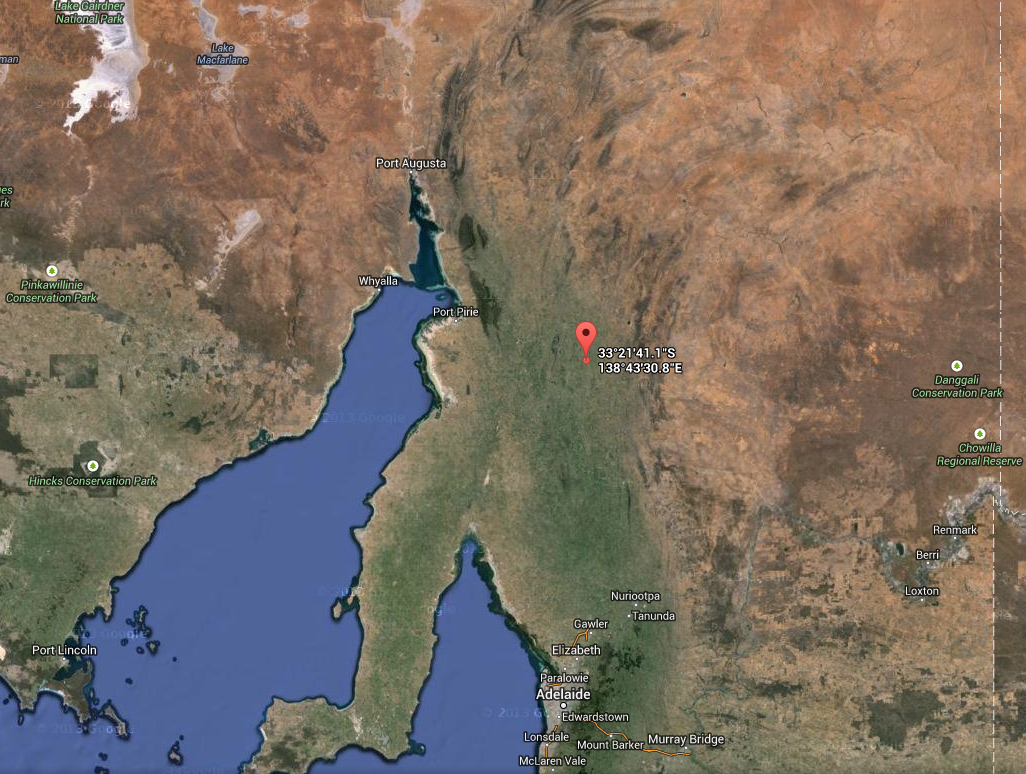
My last Summits on the Air ((SOTA) activation for Friday 3rd October, 2014, was Brownhill Range, VK5/ SE-004, which is located about 212 km north of Adelaide, and about 5 km south east of Jamestown, in the Mid North of South Australia.  I last activated this summit in July 2013, so another 4 points as a SOTA activator were there for the taking.
Screenshot 2014-10-07 09.29.22

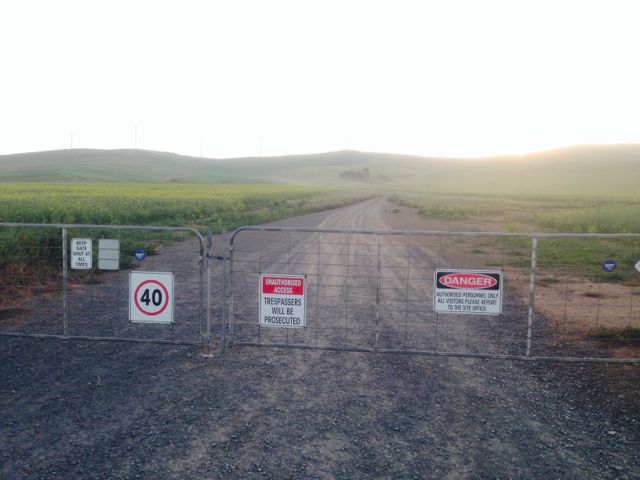
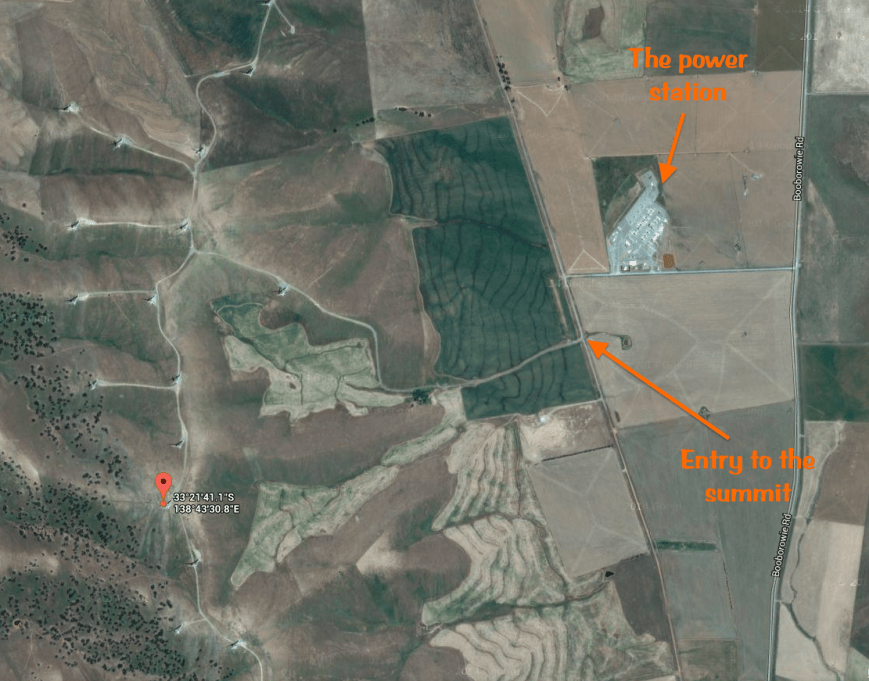
Access to the summit is via Seven Trees Road.  Turn onto the Booborowie Road, from the Wilkins Highway (Jamestown to Hallet Road).  Travel about 5 km south along the Booborowie Road and you will see The Willows Road, on your right.  Travel west along The Willows Road until you reach the T junction with Seven Trees Road.  Turn left onto Seven Trees Road.  Diagonally opposite the power plant, you will see some double gates with various signs on the gates including ‘Unauthorised access.  Tresspassers will be prosecuted‘.  This is the access point to the summit.  The summit is located on private property, so please obtain permission prior to access.
IMG_1588

The Brownhill wind farm consists of 45 Suzlon S88 turbines each of a rated 2.1 megawatt (MW) for a total of around 95 MW.  It is adjacent to an existing 180 MW gas fired peaking power plant. The wind farm construction was carried out by Suzlon Energy Australia Pty. Ltd.   This site utilises an innovative rock anchor solution to support the turbines using only one third of the concrete and reinforcement required in traditional foundations.

I travelled up the dirt road towards the top of the hills, through some gates, and then south along the ridge line to reach the remnants of the trig point.  If you do access this summit, please remember to shut the gates, as cattle are kept in the paddocks amongst the wind turbines.  The trig point now consists of three blue painted poles set amongst a clump of moss rocks.  The views from here are truly grand, with a 360 degree panorama of the surrounding countryside.  To adhere to the ‘activation zone’ rule for SOTA, I parked my car down the hill and walked up to the trig point.
Screenshot 2014-10-07 09.42.38

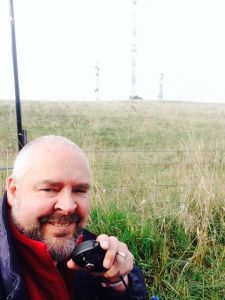
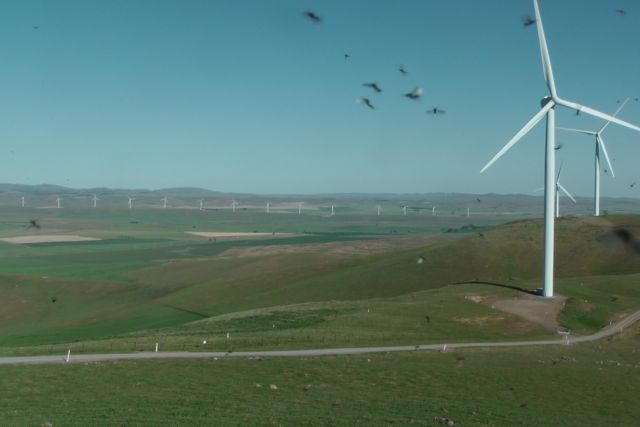
Much to my displeasure, the trig point was absolutely alive with flies and bugs.  Not really sure why.  I guess they just wanted to call it home for the afternoon, and join me in a SOTA activation.  Even the ‘Aerogard’ didn’t keep them away!  The photo below is looking south east from the summit, and you can clearly see the very active flies and bugs, which were relentless!
IMGA0053

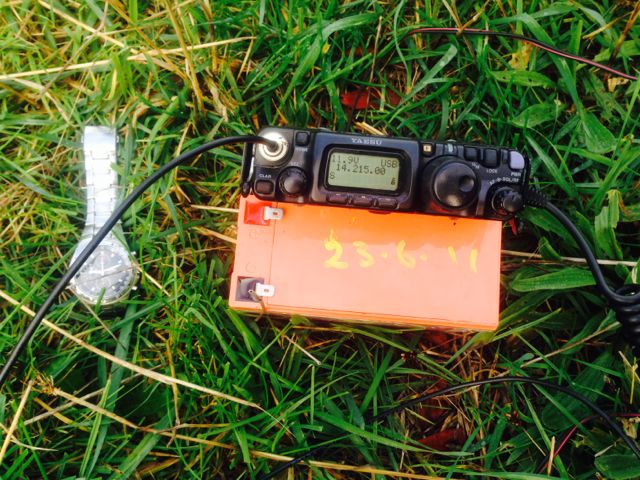
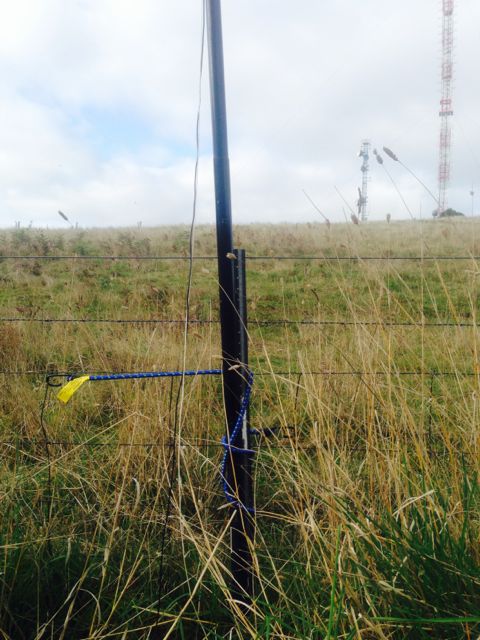
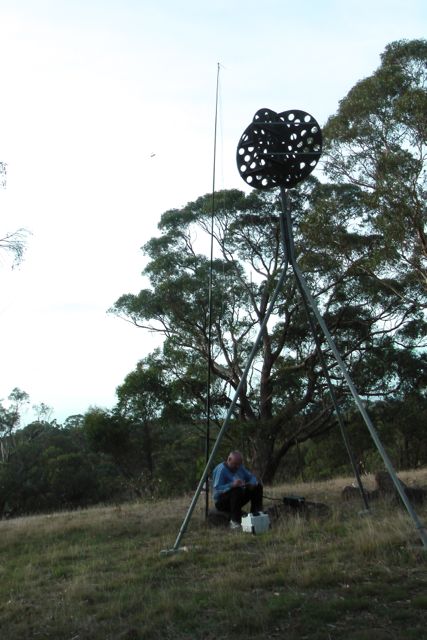
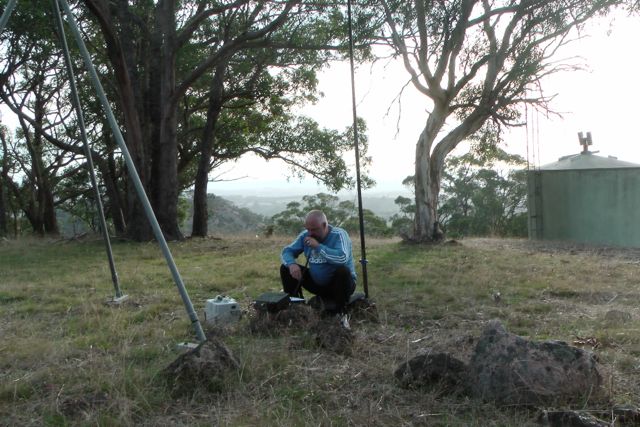
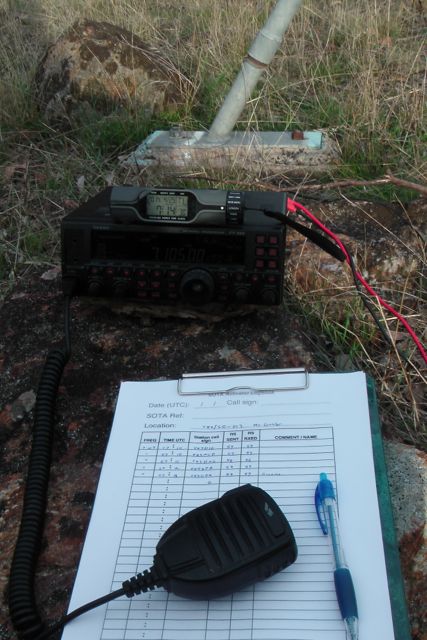
I ran the little Yaesu FT-817nd again for this operation, running just QRP, 5 watts.  My antenna was the Band Hopper 20m/40m linked dipole which I supported on the 7 metre squid pole.  I used one of the trig point poles as an anchoring point for the squid pole, securing it with some octopus straps.  Fortunately, the breeze had dropped and it was beautiful late afternoon on the summit.  This was in stark contrast to my previous activation of this summit in July, 2013, when there was a howling westerly wind blowing.

One other thing different this time around, was that the noise floor was very low.  Last time I activated this summit, there was a terrible squealing noise on the band, apparently generated by the wind turbines.  But fortunately, the band was very quiet today.

Prior to calling CQ, I checked my phone and saw that Brian VK3MCD, was portable on SOTA peak, Mount Stanley, VK3/ VE-126, near Beechworth in north east Victoria.  So I turned the radio on and tuned to 7.085 and there was Brian with a very nice 5/8 signal.  After working Brian ‘summit to summit’, I tuned down to 7.080 and put out a CQ call and was greeted by Tony VK3CAT.  This was followed by Larry VK5LY and my fourth qualifying contact was with Greg VK5ZGY who was mobile at Mount Gambier in the South East of South Australia.

This slideshow requires JavaScript.

The regular crowd of SOTA chasers then called in, from VK1, VK2, VK3, and VK5.  Band conditions appeared to be quite good, with very good signals coming in locally from VK5, and from the eastern states.  However, there didn’t seem to be the same number of SOTA chasers as normal.  However, it was a weekday, and most people in Australia were either still at work or about to finish work.

After working a total of 21 stations on 40m SSB, I lowered the squid pole and removed the links from the dipole and then raised the squid pole back to its 7 metre limit.  I was keeping a close eye on SOTAWatch on my iPhone and saw that there were a number of intended SOTA activations from the United Kingdom and Europe.  So I was hoping for some ‘DX summit to summit’ contacts whilst I was on Brownhill Range.

One of those was Klaus DF2GN, who was portable on SOTA peak, Hohenkarpfen, DM/ BW-074.  I saw Klaus had been spotted on 14.130, so I tuned down the band to that frequency and heard Klaus well, with a very good strong 5/8 signal.  Klaus had posted that he was suffering from high VSWR when operating higher in the band, and thus the reason for being all the way down here.  However, there was clearly no issue with Klaus’ antenna, as his signal was very strong.  My only problem was, Klaus had a big pile up going, from both Europe and Australia.  I called a number of times but just couldn’t break through the Australians calling him.  After about 10 attempts, I heard Klaus come back to my call.  Elation!  Klaus gave me a 5/7 signal report, which I was very pleased with considering my 5 watts.

Hohenkarpfen summit is 912 metres above sea level, and is worth 10 points.  It is an extinct volcano and is located near Spaichingen, Baden-Württemberg, Germany.
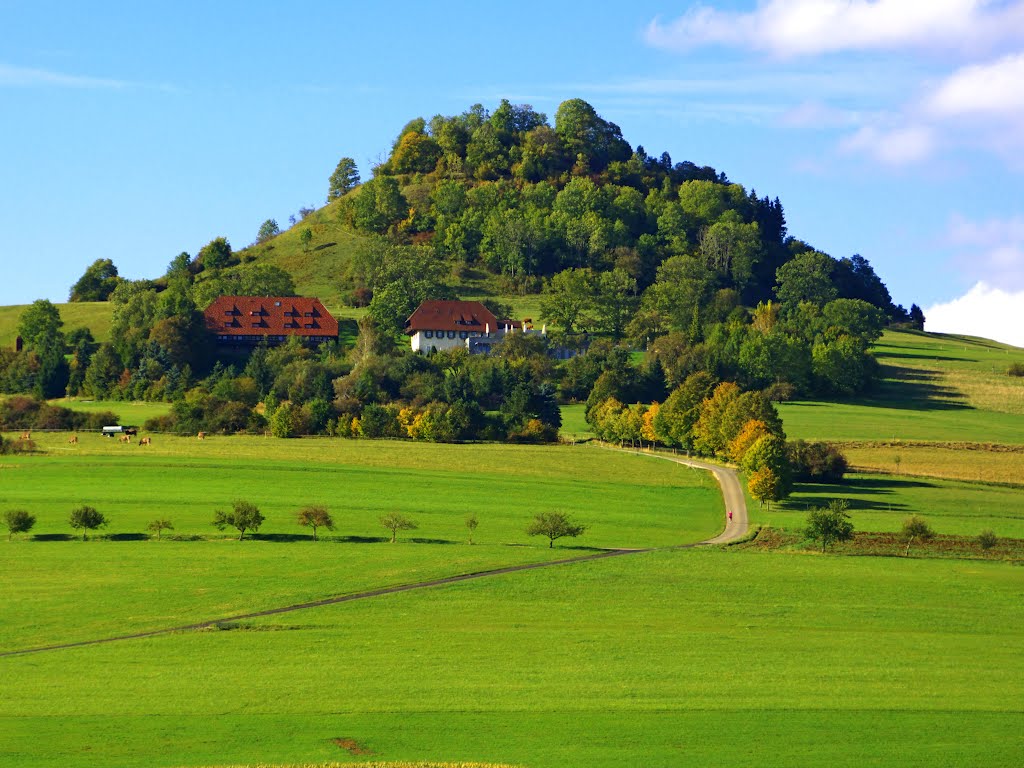
79715824

Image courtesy of http://www.panoramio.com

I then saw a spot for Barry, M0IML, who was portable on Dettling Hill, G/ SE-013.  So I quickly tuned up to 14.327.5 and I was pleased to hear Barry coming through quite well, at about 5/4.  Fortunately Barry was not quite as busy as Klaus, and it only took a few calls for Barry to respond with a 4/4 signal report for me.  I was really excited…another ‘DX summit to summit’.

Dettling Hill is 200 metres above sea level and is worth 1 SOTA point.  It forms part of the North Downs in Kent, a ridge of chalk hills.  The summit is located north east of Maidstone, and is situated in the Kent Downs Area of Outstanding Natural Beauty.  The name, taken from the village of Detling that sit at the foot of the hill, derives from Old English and means “hill at the settlement of the family of a man called Dyttel”.

Detling_Hill

Image courtesy of http://en.wikipedia.org

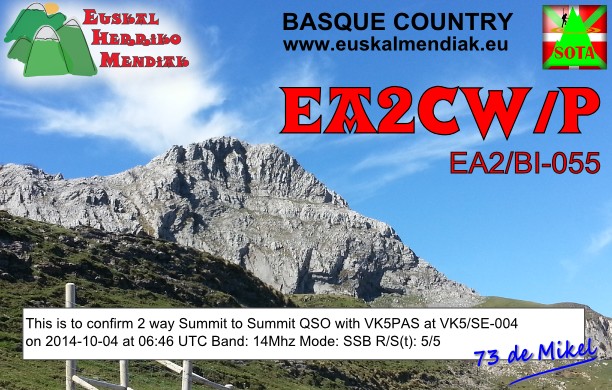
After working Barry I found a clear frequency on 14.295 and put out a CQ call.  Much to my surprise, the first taker was Mikel EA2CW, who was portable on SOTA peak, Ganguren, EA2/ BI-055.  Mikel was coming through at signal strength 5/5.  Following Mikel, I received a call from Marcial, EA2BDS who was also on Ganguren, EA2/ BI-055.
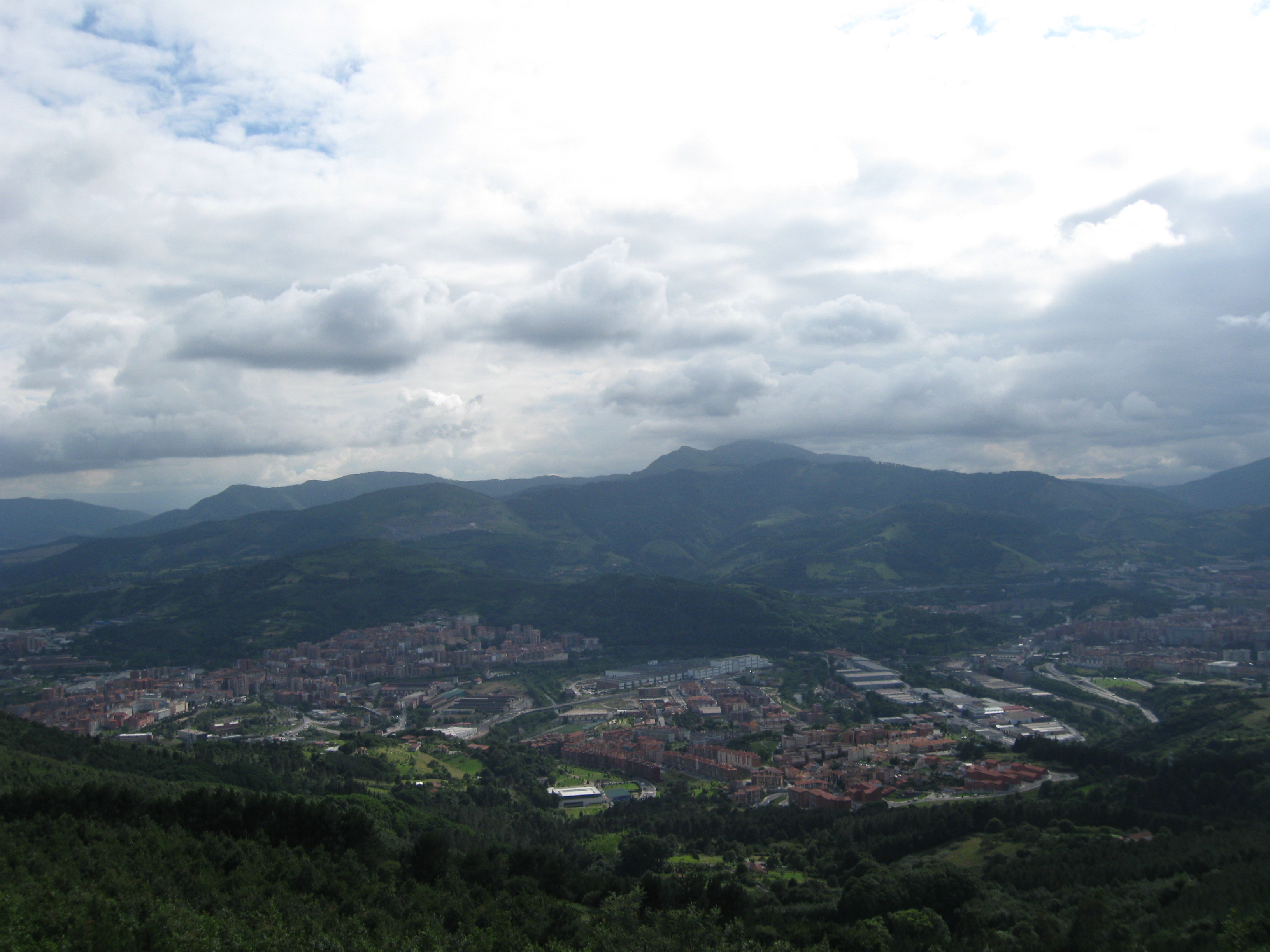
544504

Image courtesy of http://www.summitpost.org
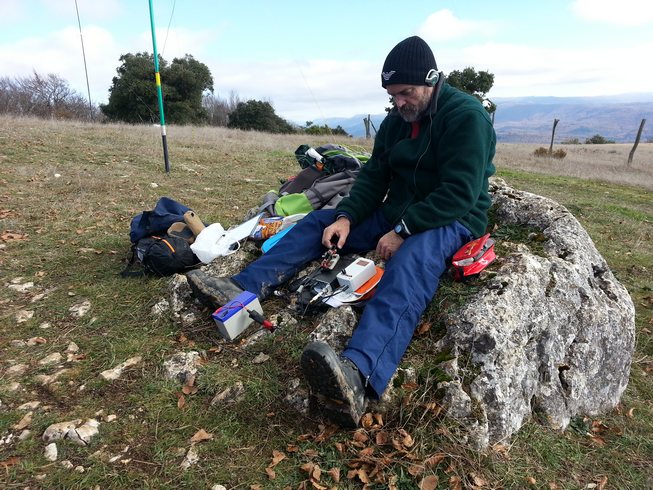
ea2cw_operating

EA2CW-P

A handful of stations followed on 14.295 including Viktor HA5LV, Paul VK2KTT, Dave VK4DD and Mike VK6MB.  But I then saw a spot for Mike 2E0YYY who was portable on Shining Tor, G/ SP-004.  So as it had gone a little quiet with callers, I quickly tuned to 14.285 and made contact with Mike who was a good 5/3 signal (5/3 received from Mike).  Mike is the most prolific DX SOTA activator that I have worked.

wildboarclough_from_shining_tor

Image courtesy of http://www.knowledge.me.uk

The SOTA goat app then bleated on my i-phone, alerting me to Allan, GW4VPX who was portage on Mynydd y Betws, GW/ SW-028, on 14.280.  I put a few calls out to Allan before being answered with a 4/4 signal report.  Alan was a good 5/3 signal coming in to Brownhill Range.  Mynydd y Betws is 374 metres above sea level and is worth 1 SOTA point.
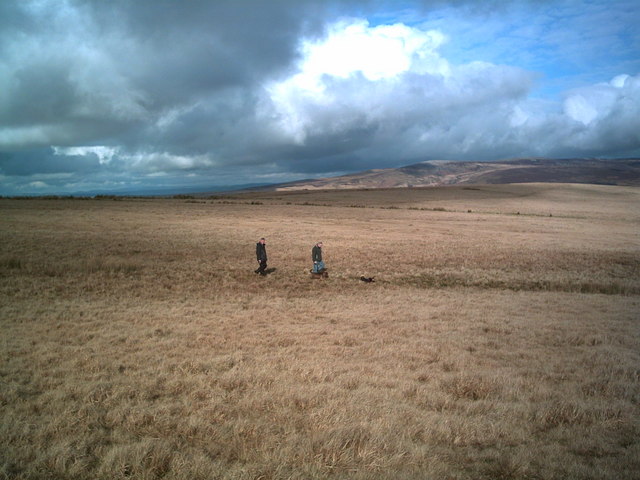
Mynydd_y_Betws_-_geograph.org.uk_-_272296

Image courtesy of en.wikepedia.com

I then went back to 14.295 and put out some CQ calls, and Adam VK2YK responded.  This was followed by Hans OE7PHI.  And then to my surprise I received a call from Martin OE5REO who was portable on SOTA peak, Grillenparz, OE/ OO-316.  Although Martin was not strong, and was only 5/1, he was perfectly readable due to the very low noise floor on the summit.  I received a 3/1 signal report from Martin.  Now I was really excited.  This was my 9th summit to summit contact for the activation, and my 7th DX summit to summit.  Grillenparz is 842 metres above sea level, and is with 2 SOTA points.  Martin was running just 10 watts into a linked dipole on a 6 metre mast.

P1000830

Above: a previous activation at grillenparz by OE5REO.  Image courtesy of http://oe5reo.blogspot.com.au

A number of DX stations followed from Austria and Germany.  Sadly, an Italian station came up on 14.297 and was causing just too much QRM for me to continue on 14.295.  So I tuned around the band and found another clear frequency on 14.191 and put out another CQ call, to be greeted by Albert S58AL.  This was followed by a number of DX stations from Czech Republic, Belgium, Germany, Italy, France, and Sweden.  All probably due to Albert’s efforts of placing me on the DX cluster.  Many thanks Albert.  There was also an original spot from OO2T (vanity call of ON5SWA).  Thanks Francois ‘Swa’.  Spots on the DX cluster are always extremely helpful.
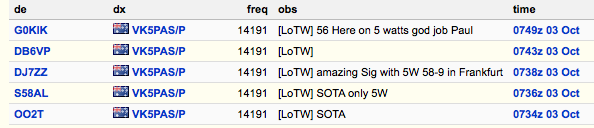
Screenshot 2014-10-07 14.37.35

I even got a call from my old mate Marnix, OP7M, who had seen me spotted on the DX cluster.  I stayed with Marnix and his wife Martine, and son Goan, during my recent Europe trip.  So it was a real pleasure to make contact with him.  Particularly when conditions were so good.  Marnix was an excellent 5/9 signal and with my tiny 5 watts I received a 5/7 signal report from Marnix.

One of the strongest signals of the afternoon was that of Steve, G0KIK.  Steve had an excellent 5/9 plus signal coming in, and I received a 5/76 signal report.  Steve also placed me on the DX cluster.  Thanks Steve.

After the DX slowed down on 20m, I then went back to 40m and worked some of the stragglers, including Sam VK2AFA, Ian VK5CZ, Nigel VK5NIG and Rod VK5VRB.

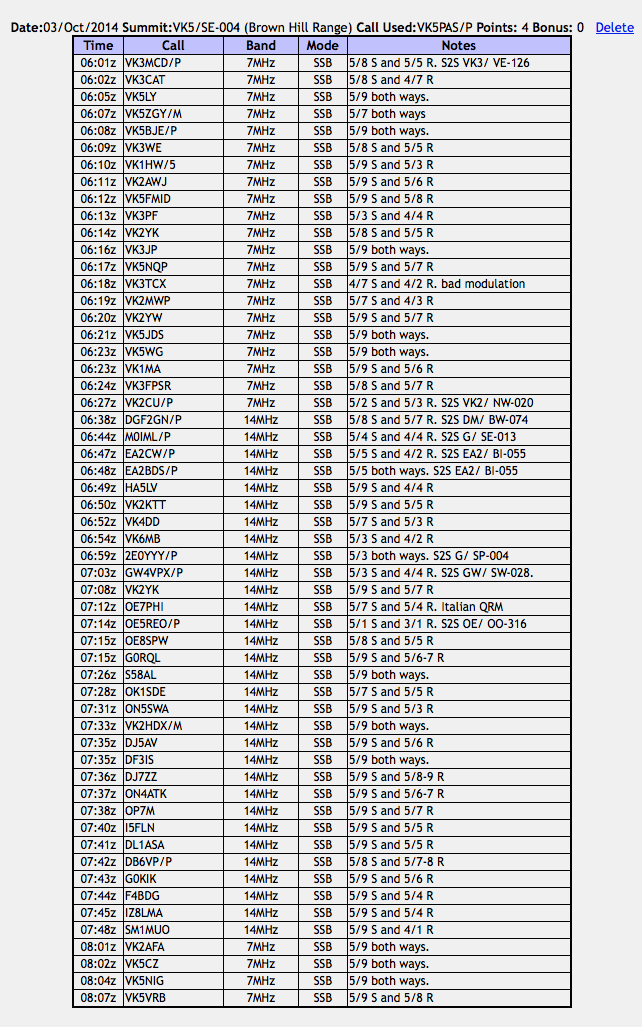
So after 2 hours on Brownhill Range, it was time to head back to the hotel at Jamestown.  I had a total of 57 contacts on 40m SSB and 20m SSB, including 9 summit to summit QSOs.  I was very happy.

The following stations were worked:-
Screenshot 2014-10-06 11.22.43

I have posted a short video on You Tube of the activation…..


References.

Summits on the Air, 2014, viewed 7th October 2014, <http://www.sotadata.org.uk&gt;

Wikipedia, 2014, viewed 7th October 2014, <http://en.wikipedia.org/wiki/Hallett_Wind_Farm&gt;

Wikipedia, 2014, viewed 7th October 2014, <http://en.wikipedia.org/wiki/Detling_Hill&gt;

Hogshead Hill, VK5/ NE-051

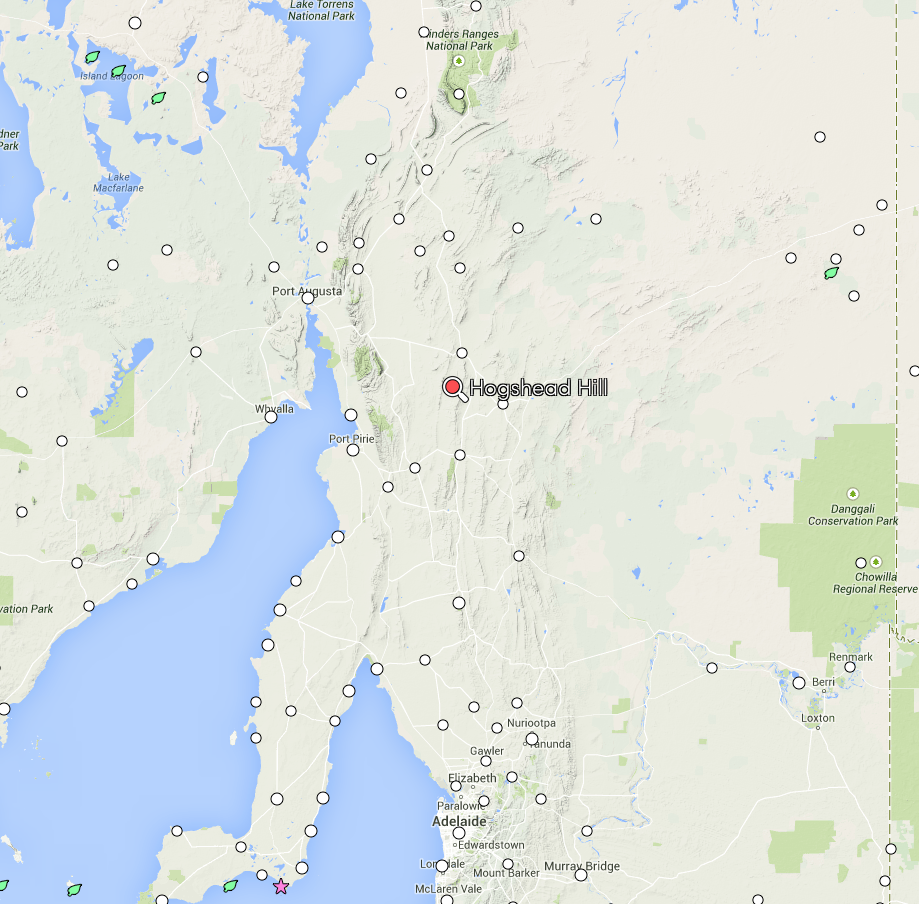
My second activation for Friday 3rd October, 2014, was Hogshead Hill, VK5/ NE-051, which is located about 7 km south east of the little town of Pekina in the mid north of South Australia (about 272 km north of Adelaide).  It was just a short 60 minute drive north from my first activation at Mount Ngadjuri up to the town of Orroroo and then to Pekina.

Screenshot 2014-10-06 15.42.42

Hogshead Hill is about 770 metres above sea level and is worth 4 SOTA points.  I had previously activated the summit in August 2013 with Ian, VK5CZ.  However, this was a new calendar year, and another 4 SOTA activator points were there for the taking.  The summit is located on private property, so prior to access, please make contact with the owner (details can be found on the SOTA site under the Hogshead Hill listing).

Screenshot 2014-10-06 15.42.29

Please refer to my previous post for some interesting facts on the summit and the nearby town of Pekina.

https://vk5pas.wordpress.com/2013/08/14/hogshead-hill-vk5-ne-051/

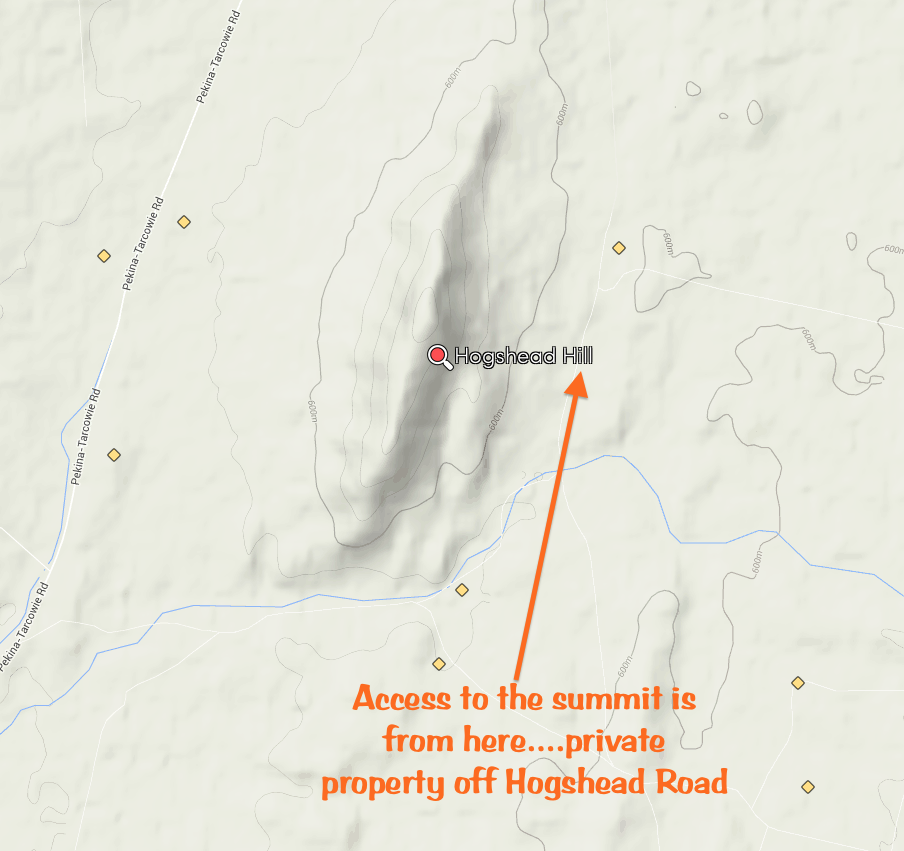
I accessed the summit via Hogshead Road.  I had spoken to the land owner prior to access, and it appears that last time, Ian and I accessed the summit via his neighbour’s land.  Fortunately there was no problem with us doing this, but this time I made sure I had very good directions regarding access.  This time I parked my car on Hogshead Road, opposite a farmhouse on the eastern side of Hogshead Road.  Directly opposite the farmhouse is a ‘cocky’s gate’.  This is where I entered, following the scrub lined creek, up to a 2nd gate and fence line.  As it turns out, there is a track leading through this paddock following the creek line which could be negated with care by a 2wd vehicle.  However, I decided to leave my Falcon parked on Hogshead Road.  At a recent service of my car, the mechanic had asked if I had gone off road, as there was a large build up of dirt under the car, along with some damage to the undercarriage.

The walk to the top of the summit takes between 45 minutes – 60 minutes.  There is no formal track, and there is quite a bit of fence climbing and rock clambering to be done to reach the summit.  It is a bit of a strenuous walk, particularly if the weather is warm, as it was on this day.

This slideshow requires JavaScript.

The creek line and summit were alive with kangaroos and euros.  Many trying to shelter under the trees out of the sun.  There were also quite a few sleepy lizards around in the long grass.  This made me wonder, whether there were some snakes out and about as well.  I am sure there were, but fortunately I didn’t encounter any.

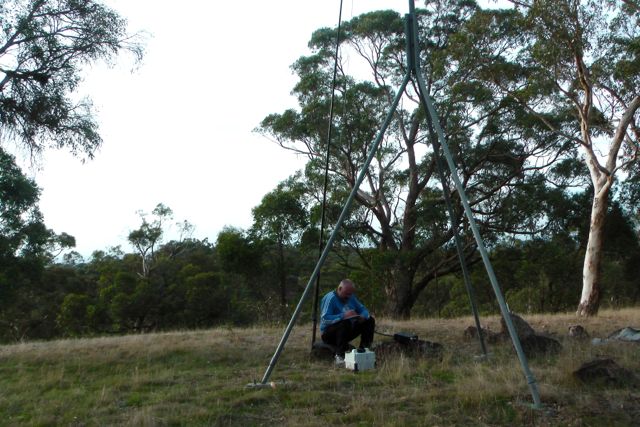
Again for this activation I used the Yaesu FT-817nd and ran 5 watts.  My antenna was the 20m/40m linked dipole, supported on the 7 metre squid pole.  The temperature was creeping up into the mid 30’s, so I choose a shady spot under a tree to place the radio.  I used a fallen tree to secure the squid pole with a few octopus straps.  The top of this summit is a flat plateau, so there are plenty of options for establishing your station and erecting an antenna.

Just after setting up, my i-phone bleated at me, and I saw that Justin VK2CU was on the top of a summit in New South Wales.  So I quickly tuned to 7.090 and there was Justin with a weak, but very audible signal.  Justin was on the top of Mount Kaputar VK2/ NW-001, in north eastern New South Wales.  The summit is also located within the Mount Kaputar National Park which qualifies for the World Wide Flora Fauna (WWFF) program.  We exchanged signal reports (5/1 sent and 3/1 received), and I then moved up to 7.095 where I put out a CQ call, only to be greeted by the ever keen, Nev, VK5WG, with a very strong 5/9 plus signal.

It was a week day, and it was the middle of the day, so a lack of SOTA chasers and band conditions were conspiring against me.  As we all know, the 40m band tends to ‘go to sleep’ during the middle of the day.  But I pressed on and made a total of 10 contacts on 40m SSB into VK1, VK2, VK3, and VK5, before lowering the squid pole and removing the links in the dipole, for 20m.

I then tuned to 14.310 and my first caller on 20m was Matt VK1MA who had a very good 5/9 signal (5/8 received).  Mike VKMB then called me, but despite our best efforts, I was just not able to get a signal report through to Mike who was very weak (5/1), but very audible on the summit due to the very low noise floor.  If only it was like that in everyone’s homes.  I had similar problems with Ron VK3AFW who called and called and called, but sadly I just could not exchange a signal report with him for a valid contact.  Conditions however, to New South Wales, the ACT, and Tasmania appeared quite good.

I operated on the summit for about 50 minutes, before deciding to pack up and head down, and off to the next summit.  I had a total of 19 stations in the log on 40m SSB and 20m SSB.

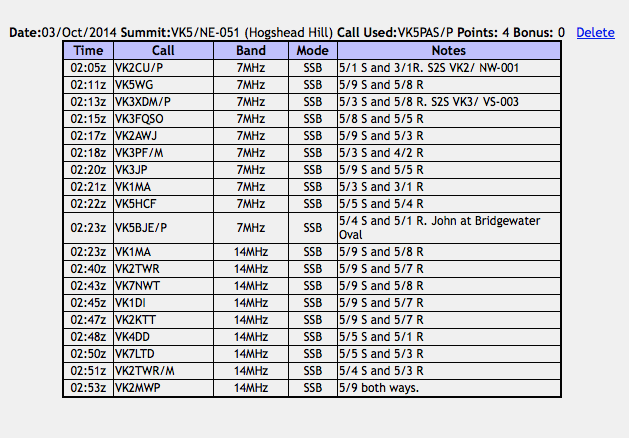
The following stations were worked:-

Screenshot 2014-10-06 10.47.03

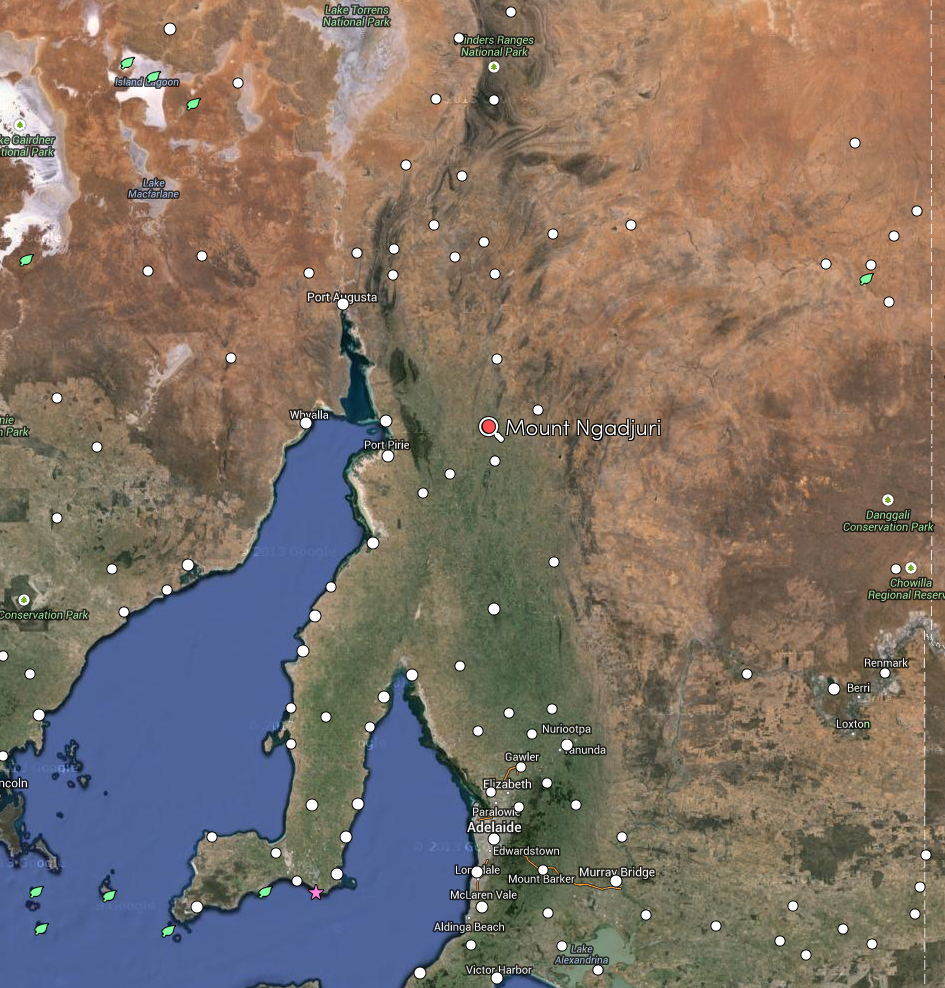
Mount Ngadjuri, VK5/ NE-058

On Thursday night I stayed at the Commercial Hotel at Jamestown.  The room was small and basic, but very clean and all I needed for my 2 nights stay in the town, so I could activate some of the nearby peaks for the Summits on the Air (SOTA) program.  Sadly, other than Mount Lofty and Mount Gawler and VK5/ SE-016, the nearest summits to me are located a minimum of 100 km away.  That is despite the fact that I live in the Mount Lofty Ranges.  Yes, I know, I live in the ‘mountains’ but only 2 nearby summits qualify for SOTA.  Go figure!  One of those quirky rules of SOTA….150 metres of prominence.  So after breakfast, I packed up my gear and headed north out of Jamestown to Mount Ngadjuri, VK5/ NE-058.  This was my second time to Mount Ngadjuri. I had previously activated the summit in July, 2013, and as this was a new calendar year, another 4 SOTA points were up for grabs.

Screenshot 2014-10-06 14.20.09

Map courtesy of mapcarta.com

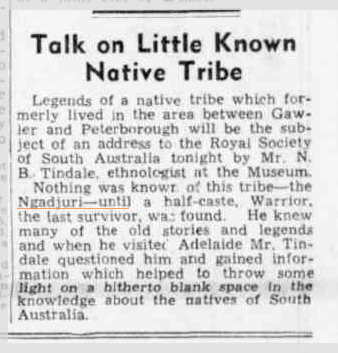
Mount Ngadjuri is 755 metres above sea level, and as mentioned is worth 4 SOTA points.  The summit is incorrectly spelt on the SOTA site as ‘Nadjuri’.  It is correctly spelt as ‘Ngadjuri’ after the local Ngadjuri aboriginal tribe.  I found the article below, which appeared in The News, on 12th August 1937.  Interesting how terms that are totally taboo now, were obviously commonplace way back then.

Screenshot 2014-10-07 21.46.58

Courtesy of trove.nla.gov.au

Today, the area around Mount Ngadjuri is used for agricultural purposes.  However, prior to Europeans settling in the area, the Ngadjuri aboriginal people inhabited the area and led nomadic lives living off the land.  I would imagine that Mount Ngadjuri itself would have been an important point in the landscape for the Ngadjuri tribe.  Sadly, their numbers were decimated by introduced European diseases, including smallpox. By the 1870s few of the Ngadjuri remained on their traditional lands and most of those left had become dependent upon the white population through land dispossession.  Although there were some late attempts to arrest their decline, by the end of the nineteenth century the language group, as it had been, had ceased to exist.

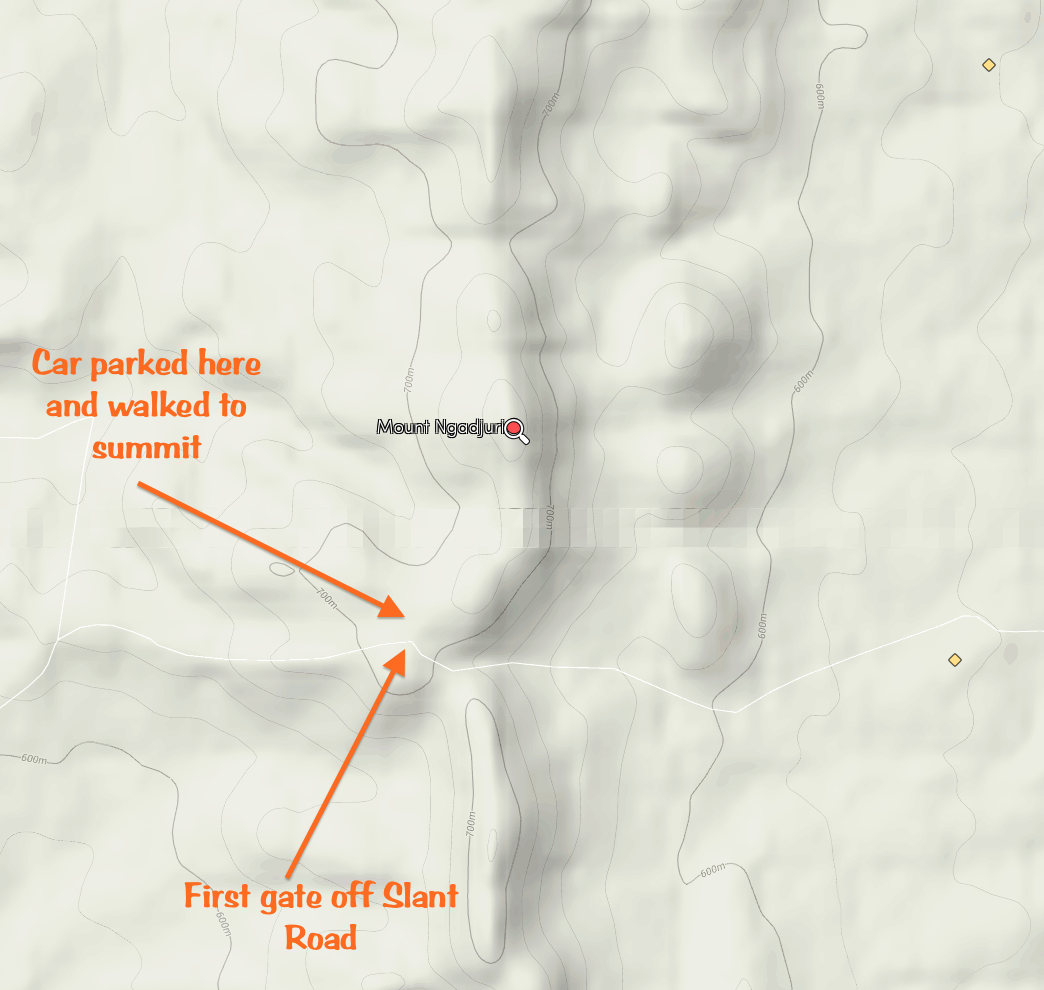
As per my last activation, I accessed the summit by travelling west along Slant Road, which runs off the western side of RM Williams Way.  Slant Road is about 13 km north of Jamestown.  You need to travel up Slant Road to the hills and through the gorge.  You will reach a point at the top of the hills, where you will see a gate on your right with a rapid number of ‘730 403’ on it.  This is where you need to enter.  However, remember that the summit is on private property.  So prior to entry, please obtain permission from the landowner.  Details can be found on the SOTA site under the notes for Mount Ngadjuri.

Screenshot 2014-10-06 14.23.52

map courtesy of googlemaps.com

I parked my car at the second gate which is a short drive through the paddock, and walked the remainder of the way to the actual summit, which is a distance of about 1.5-2 km.  The walk is quite easy and certainly not at all taxing.  This particular morning was much more pleasant than my last activation.  In July 2013, it was a cool foggy morning.  But this morning was beautiful and clear.  Even though the sun was out, I still saw quite a few kangaroos in the paddocks amongst the sheep.

This slideshow requires JavaScript.

There is no trig point at the summit.  However there is a rock cairn.  There is also no shelter on the summit, and it does tend to get quite windy there.  So I tried to nestle as close as I could to the rock cairn, to get out of the blustery westerly winds.

For this activation I used my Yaesu FT-817nd and ran just 5 watts.  I powered the radio with a 12 volt 4 ah sealed lead acid battery.  My antenna was the BandHopper 20m/40m linked dipole, which I supported on a 7 metre squid pole.

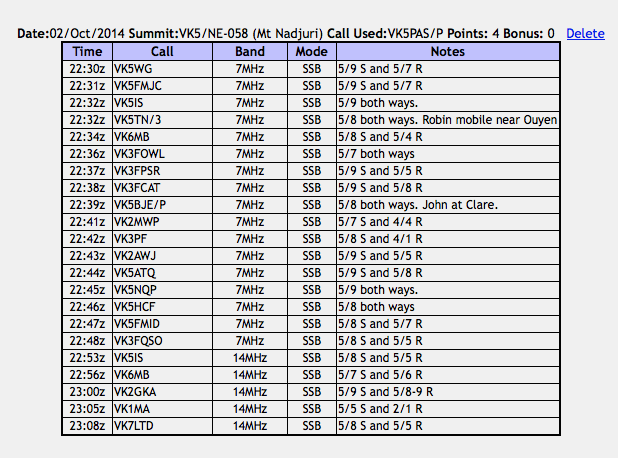
I started off on 40m SSB, with my first contact being with Nev VK5WG at nearby Crystal Brook (about 68 km to the south west by road).  As expected, Nev had a very strong 5/9 plus signal.  This was followed by John VK5FMJC, also in Crystal Brook, and then Ian VK5IS running QRP 5 watts from nearby Beetaloo Valley.  Robin VK5TN was my saving grace, as my fourth and qualifying contact for the summit.  Robin was mobile near Ouyen in Victoria and had a very good 5/8 signal.  My next contact was with Mike VK6MB in Western Australia.  It is often a challenge to work Mike on 40m, but this morning, conditions were good, and Mike was a good strong 5/8 and reciprocated with a 5/4 signal received.

As it was a weekday, it was a bit slow going on 40m.  Certainly not the hectic operating conditions with the normal mob of SOTA chasers that you experience on a weekend activation.  So after working a total of 17 stations on 40m SSB, I ventured up to 20m and put out a CQ call on 14.310 which was answered by Ian VK5IS.  This was followed by another contact with Mike VK6MB, who surprisingly was weaker on 20m than he was on 40m.  I worked a further 3 stations on 20m in VK1, VK2, & VK7.

After 40 minutes on the summit, it was time to pack up and head off to the next summit.  I had a total of 22 stations in the log on 40m and 20m SSB.  Sadly, I didn’t manage any summit to summit contacts during this activation.

The following stations were worked:-

Screenshot 2014-10-06 10.02.12


References.

National Library of Australia, 2014, viewed 8th October, 2014, <http://trove.nla.gov.au&gt;

Wikipedia, 2014, viewed 8th Oct 2014, <http://en.wikipedia.org/wiki/Ngadjuri&gt;

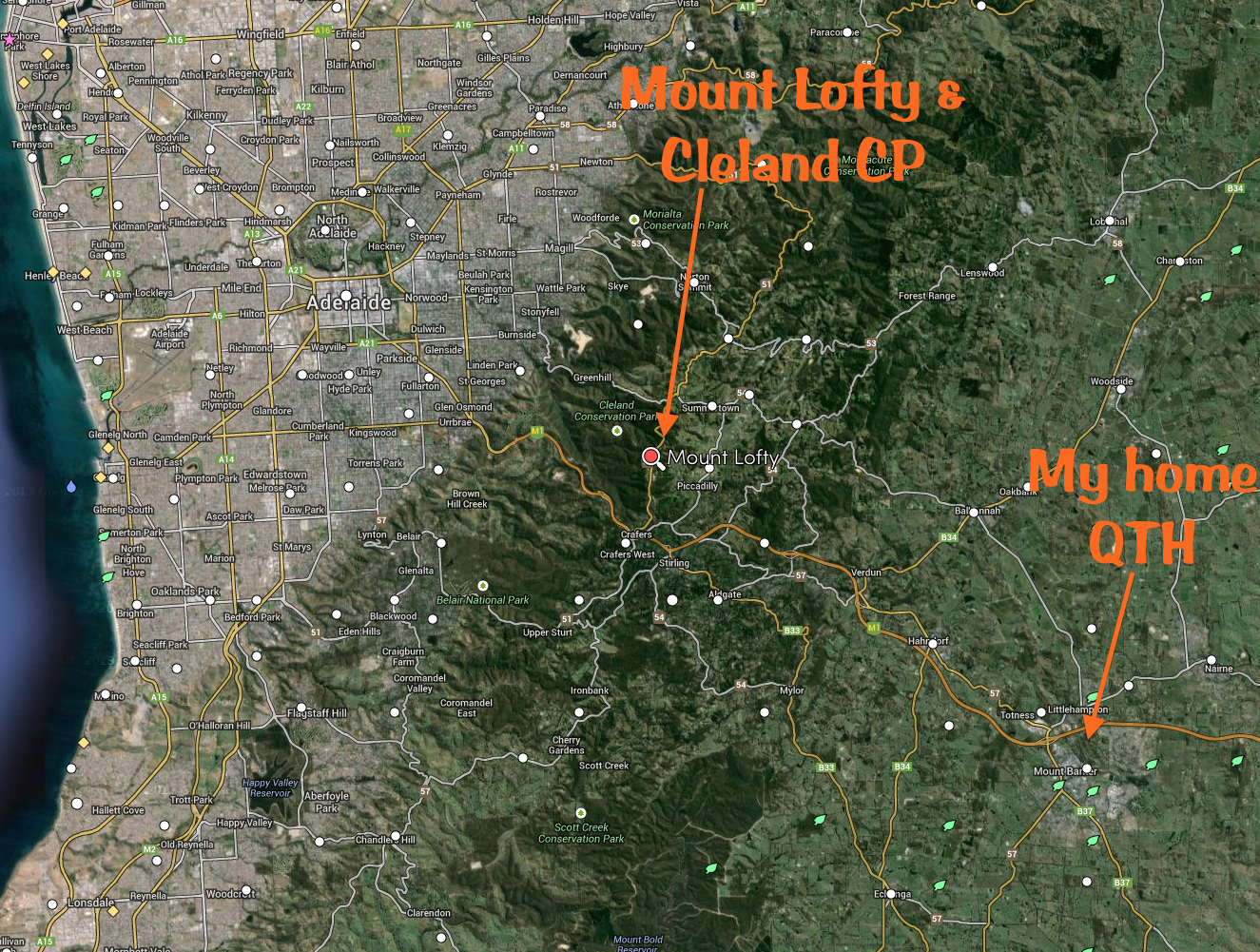
Mount Lofty VK5/SE-005 and Cleland Conservation Park

Yesterday afternoon (17th September, 2014) I headed over to Mount Lofty summit, VK5/ SE-005, which is located within the Cleland Conservation Park.  I had already activated this summit earlier in the year on two occasions, so there were no Summits on the Air (SOTA) activation points up for grabs for me.  But I could earn 1 point for the VK5 National and Conservation Parks Award.  My main motivation for heading to the summit was that I had seen a number of alerts on SOTA Watch for that afternoon, from activators in the United Kindgom and Europe, and I was hoping to make some ‘summit to summit’ contacts.

However, the weather was a bit ‘iffy’.  We had received a large amount of rain overnight and early in the morning here in the Mount Lofty Ranges, and it was still drizzling after lunch.  So I toyed with the idea of cancelling the activation.  About an hour out from the activation, I jumped onto the weather bureau website and saw that the weather was supposed to clear up.  So, with a degree of hesitation, I prepared the gear and loaded my equipment into the car, and headed towards Mount Lofty, which is just a short 15 minute drive from home.

Screenshot 2014-09-18 11.43.14

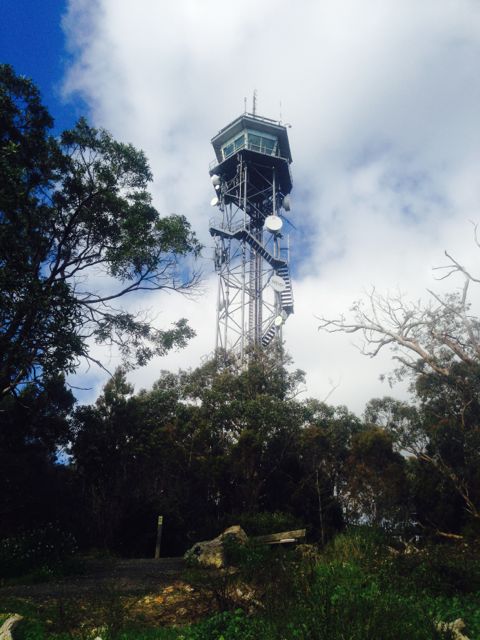
For this activation, I decided to set up in a different spot as opposed to my previous activations.  I normally set up my station on the eastern side of the summit away from the tourists at the lookout and the restaurant.  Mount Lofty offers spectacular views of the city of Adelaide, so the summit is generally quite busy.  But this time I headed very close to the summit obelisk, and set up my antenna a short distance from the Country Fire Service fire spotting tower.  This was to be a big mistake!

IMG_1548

IMG_1549

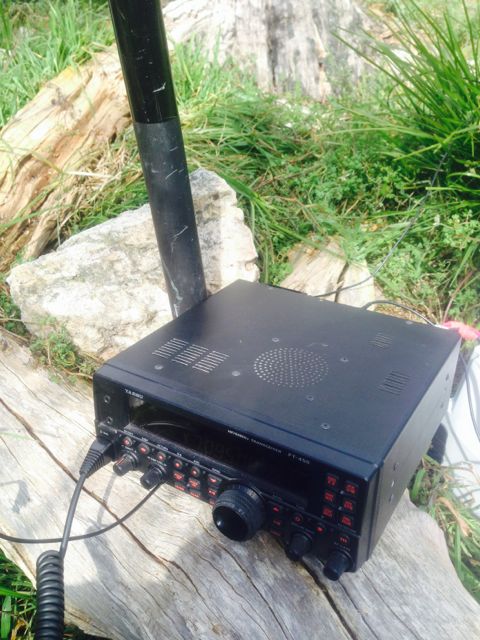
Because I had driven into the activation zone, I had to walk out of the activation zone and back in again with all of my gear.  Not easy work, considering I hard brought along the Yaesu FT-450 and my 44 amp hour power pack, so that I could run a bit of extra power (40 watts on 40m and about 60 watts on 20m).  And the fact that I had put on a fair bit of weight during my recent trip to Europe.  Fortunately there was a track leading down towards Waterfall Gully.  So I walked down the track, and slowly, slowly walked back up the track to my operating position.

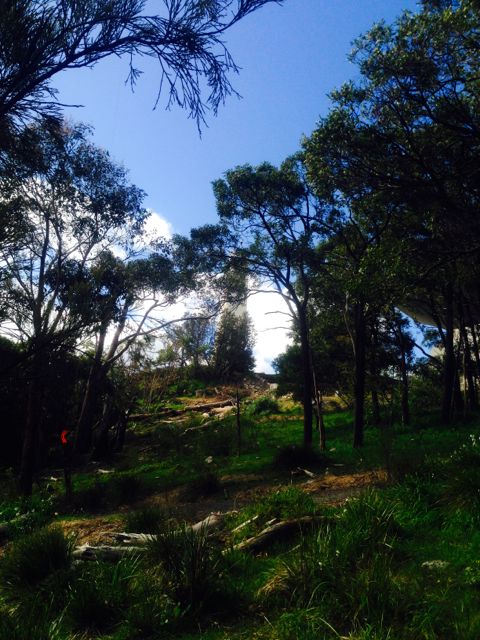
I took some minutes of well earned rest, under the watchful eye of some visitors to the restaurant, above me.  This location was a little more of a challenge in setting up the station.  My operating spot was on a slope which had a lot of fallen branches and rocks.  I secured the 7 metre squid pole to a fallen tree stump, which I also used as a seat and a bench for the radio.  I had some issues with the bottom cap of the squid pole coming apart, resulting in the squid pole de-telescoping.  Time for some running repairs.  And then with the squid pole falling down in the breeze, so I propped it up with a large rock.  Not a great start to the activation!

Upon turning on the radio, there was quite a bit of noise on the 40m band.  A lot more than I normally hear at Mount Lofty.  Obviously emanating from the nearby tower with its array of communications equipment.  My nominated frequency of 7.090 was impossible to work on.  There was simply too much noise.  Strike two!  So I headed up to 7.095 after sending out an SMS message to some of the keen park hunters here in VK5.

My first contact was with Larry VK5LY in Renmark who had a very strong 5/9 plus signal.  This was followed by Col VK5HCF in Mount Gambier who was also 5/9.  My third contact was a bit of a surprise.  I was contacted by Colin VK4FAAS who had a good 5/6 signal coming down from Brisbane in Queensland.  My fourth contact was with regular park hunter, Brian VK5FMID, also located down in Mount Gambier.

IMG_1547

Conditions on 40m appeared good, but not as good as they were on the weekend when signals were incredibly strong.  The noise floor was certainly not enjoyable either.  And the fallen log was not the most comfortable.  But I pressed on, and made a further 10 contacts on 40m SSB into VK3, VK5, and VK7.  I did note that there was not the normal pile up, most likely due to it being a week day.  After the first 7 contacts on 40m, I had to QSY up to 7.098, due to the Kandos Net on 7.093.

After working Peter VK3FPSR, the SOTA Goat application on my i-phone bleated, alerting me to the fact that Mike 2E0YYY was now on 20m on a summit in England.  So with no further takers on 40m, I lowered the squid pole and took out the crocodile clip links and then re-erected the squid pole.  I changed bands to 20m, but was greeted with noise, noise, and more noise.  Much worse than 40m.  It was clear that I had to change locations.  Strike three, but not quite out!

So, with a fair degree of frustration, I quickly took down the antenna, and lugged the equipment back to the car and drove a short distance away to the eastern side of the summit.  Where again, I had to walk out and walk back into the activation zone with all the heavy gear.  By the time I got back to my operating spot, I was exhausted.  I layed down on the ground to recuperate, only to be approached by a bushwalker to make sure I was still alive.

After re-erecting the antenna, I tuned to 14.333 and heard Mike 2E0YYY calling CQ from SOTA peak, Shining Tor, G/ SP-004.  Mike was not as strong as I normally hear him at home.  However he still had a good 5/5 signal and pleasingly, the noise floor here at the new location, had dramatically dropped.  Although it was noisier than usual.  I called Mike and received a 5/7 signal report from him.  I was very excited to get a summit to summit (S2S) in the UK.  Although I have worked a lot of DX from summits, I have not worked anywhere near the number of DX S2S contacts that some of the other Australian SOTA activators have.

I sas Barry M0IML also spotted on SOTAWatch and I tuned to Barry’s frequency, but his signal was a little too low to work.  For whatever reason, the noise on 20m was a little higher than normal at Mount Lofty.  I also saw a spot for Allan GW4VPX, but he too was just too weak for me to work.  This was very frustrating.

I then moved to 14.315 and put out a CQ call.  I was greeted by Borek, OK1SDE in the Czech Republic with a nice strong 5/9 signal.  I went to log Borek, only to find that in my haste to get to the 2nd operating spot, I had left my watch back at the original operating spot.  Strike four, if you can have such a thing!  So I was forced to use my i-phone to check the time.  This was to cause me problems later as well, with my phone going flat.

Five QSOs later I was thrilled to receive a call from Barry, M0IML who was portable on SOTA peak, Detling Hill, G/ SE-013.  Barry was not as strong as Mike, but was still a good 5/4 to Mount Lofty.  His signal had come up considerably from when I first heard him.  I received a 5/5 signal report from Barry who was one of the activators I was hoping to log during the afternoon.

This was followed by a contact with Hans DL6UHA, who informed me that I was his 1st ever VK summit.  This was followed by contacts into the USA, Belgium and VK1.

My next contact was with Martin OE5REO who was portable on SOTA peak, Grillenparz, OE/ OO-316.  Martin’s signal was a bit low (5/3), but as the noise floor was much lower here, I was able to hear Martin without too many difficulties.  I received a 5/5 signal report from Martin.  Martin was using just 10 watts into an inverted vee dipole.

This contact was immediately followed by a call from Erwin, OE5PEN, who was portable on SOTA peak, Kaiblinger Kogel, OE/ OO-325.  Erwin’s signal was stronger than Martin’s.  Erwin was a good 5/7 and I received a 5/7 signal report back from Erwin.  I was absolutely thrilled to now have four S2S contacts in the log.

I continued to work a steady flow of callers, including John VK6NU in Western Australia, and Ed DD5LP in Germany.  However, the band was a little noisier than usual, and I found that signals were either very good or extremely low.  I had enormous problems with one station, G0XQX or similar, who sadly I just couldn’t pull out of the noise.  And there were lots of other stations who I know were calling, but I was just unable to receive well enough to copy.

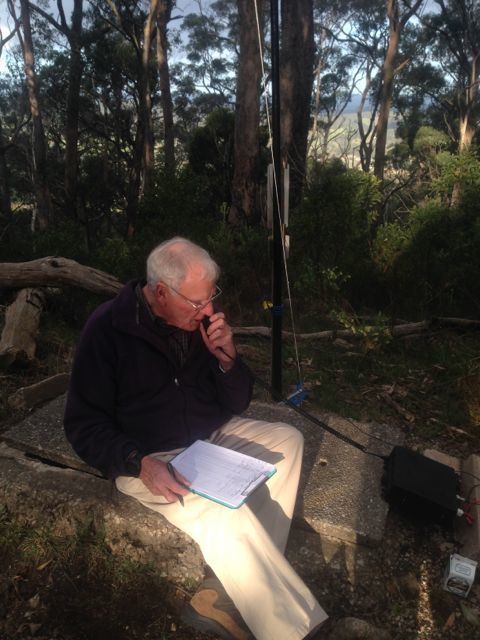
I was pleased to make contact with Kurt, ON3VHK, who was operating portable with 50 watts, from his camper van.  I was also Kurt’s first ever VK contact.  Kurst has sent me some photos (as seen below) of his operating set up.

IMG_0583[1]IMG_0517[1]

John VK5BJE and his wife Jenny then arrived.  I had spoken with John a bit earlier in the day and informed him of my intentions to activate the summit and the park, and I had invited him to join me if he was free.  They had even brought along an iced coffee for me.  So the ever keen, John took control of the mic and made some contacts, while Jenny and I returned to my original operating spot and retrieved my watch.  There it was, in the spot that I had left it.  At least I was out of a bit of trouble when I got home!

IMG_1553

After returning to John, Jenny and I and a bit of a chat.  Out of one ear I heard John being called by Andrew VK1NAM who was on SOTA peak, Mount Stromlo, VK1/ AC-043.  After John had logged Andrew, I also spoke with Andrew who had a beautiful 5/9 plus signal coming in from the Australian Capital Territory.  Andrew had called me on 20m earlier but it was a real struggle to try to make the contact.  Unfortunately we were not helped by the European chasers who were trying to relay at the time.  But there were certainly no issues here on 40m with hearing Andrew.

John continued on, and a few callers later was called by another Andrew.  This time, Andrew VK1MBE who was on SOTA peak, Mount Ainslee VK1/ AC-040.  I also logged Andrew, who again had a fantastic 5/9 plus signal.

John and I then took a break from the radio and the three of us chatted for a while.  Whilst doing so, keeping a watchful eye on a big koala that had placed himself in a very precarious position on the limb of a gum tree, about 30 metres away from us.  It was a long way down to the ground, and we were waiting for the sound of the limb snapping under his weight.  Fortunately this didn’t occur.  John and Jenny then headed off home to the warmth.

It was now approaching 5.30 p.m. and I toyed with the idea of whether I should stay or head home as well.  But my eagerness took control, and I put out another call on 40m to be greeted by Brian VK3MCD.  Lamont ZL2ALK then called in with a very good 5/9 plus 10 db signal.  This was followed by Julie VK3FOWL, Mark VK7FMPR, and Joe VK3YSP.

IMG_1554

I decided to head back to 20m and see if the long path to Europe was still open.  And I am pleased I did.  Despite the fact it was getting a bit late, and starting to get dark, the 20m band appeared to have improved, with some very strong signals coming in from Europe and the United Kingdom.  Those noise level appeared to have abated a little.

As I tuned across the band, I heard John, EA7/G1WUU calling CQ with no takers, so I gave him a call.  John had a beautiful 5/9 signal and I received a 5/7 signal report back from England.  John and I had a bit of a ‘chinwag’ for a while, before I wished him 73.  I then decided to try my luck and call CQ on 14.201 mhz.  First taker was Tom G0LVX, followed by Bjoern DG2BHB and then Derek MI0SDR in Northern Ireland.  Pat K4OAR from North Carolina then called me, and this was followed by Chris, N1GHZ/KH6 portable in Hawaii.  Oliver F4FSV then called, using just 5 watts and a dipole.  Oliver had a nice steady 5/3 signal.

A steady flow of callers continued from Europe, with very strong signals.  I was a little surprised, as it was starting to get dark, and normally by now the 20m band had closed for me.  So it was a real surprise to get a call from Sal, TI2SSO in Costa Rica (5/7 send and 5/5 received).

Daylight now was rapidly fading, and it was starting to get very cold.  But conditions were just too good to go QRT.  I was having too much fun.  I continued to work a steady flow of callers from Belgium, Portugal, Italy, Scotland, France, Russia, and Spain.  And I was then pleasantly surprised to receive a call from my old mate, Eddy ON6ZV.  Eddy is mates with Marnix OP7M, who I had stayed with during my recent trip to Europe.  Other than being an amateur, Eddy is also a police officer, like me.  And we had spent a lot of time with Eddy and his wife Carine whilst we were in Belgium.  So it was a real pleasure to have a chat to Eddy who was a good 5/8 signal.  Eddy returned a 5/5 signal report to me.

And then a further 6 QSOs down the log I received a call from Albert, ON2WAC, who I had also visited whilst I was in Belgium.  Albert was a little weaker than Eddy, but still had a good 5/5 signal to Mount Lofty.  Albert gave me a 5/7 signal report.

It was now totally dark, and I had mountain bikers passing me with their lights on, going for a night ride.  But the European stations kept calling with good signals, so I persevered despite the cold.   I’m pleased I did, because the word must have got out in Belgium.  I was called by Marnix OP7M with a very nice 5/7 signal, despite the fact that it was total darkness, and the local time was 6.53 p.m.  Marnix even lowered his power down to 30 watts and I was still able to hear him well with a 5/4 signal.  And then Wim ON7AB called in with a very strong 5/9 signal.  I had also met Wim whilst in Belgium so I was particularly pleased with being able to make contact with Wim from Mount Lofty.

Before I knew it, the time had crept up to 7.00 p.m. local time and I was now freezing.  There were still some European stations calling, but I decided to head to 40m quickly and I joined Roy VK7ROY on the 7.130 DX Net.  Whilst on the net, I made a total of 14 contacts including three into New Zealand, two into the United States of America, three into VK7, one into VK2, two into VK6, one into VK8, and two into VK3.

My fingers had almost frozen over by this time and I informed Roy that I would be leaving the net, but that I would be on 7.145 for any last ‘desperadoes’ that would like Mount Lofty and Cleland CP in their log.  I worked Terry VK3UP/p, Mark VK1EM, followed by Adrian VK4FBMW, Brian VK5FMID, and VK2FJ, before deciding that it was time to pack up and head home to a warm bath and a bottle of Cab Sav.

I had a total of 104 contacts in the log.  I was very satisfied.  This was one of the best SOTA and park activations I had ever experienced, with some amazing conditions on 20m.  Despite some hiccups, including a lost but recovered watch, and some very sore legs, I headed home with a real smile on my face.

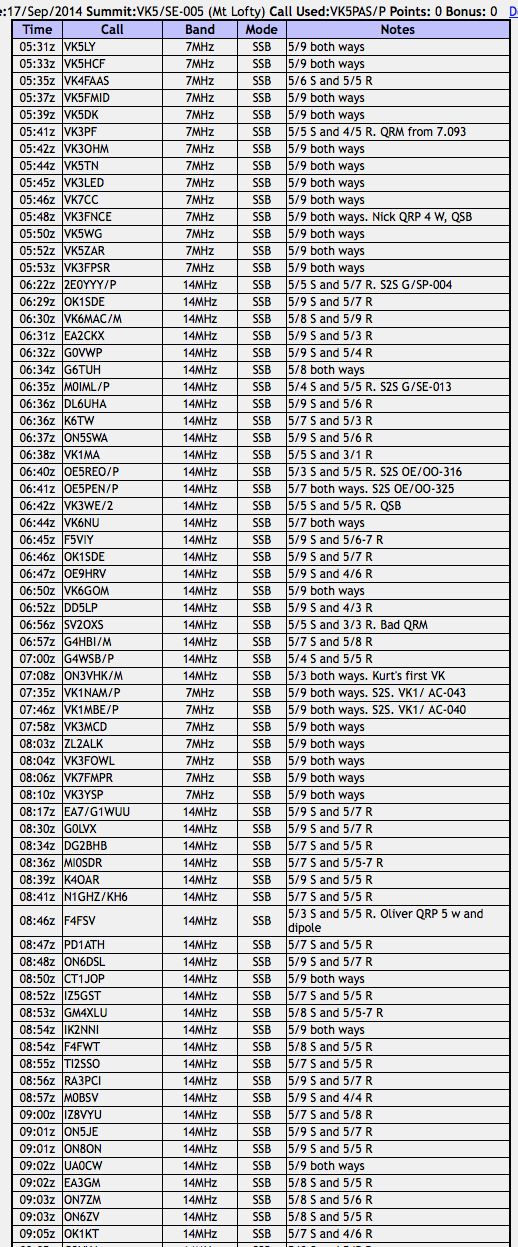
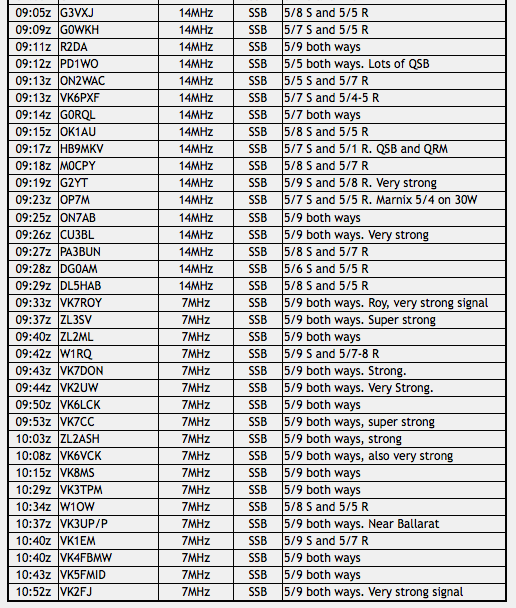
The following stations were worked:-

Screenshot 2014-09-18 11.36.18 Screenshot 2014-09-18 11.36.20

Signal de Botrange ON/ON-001 and ONFF-001

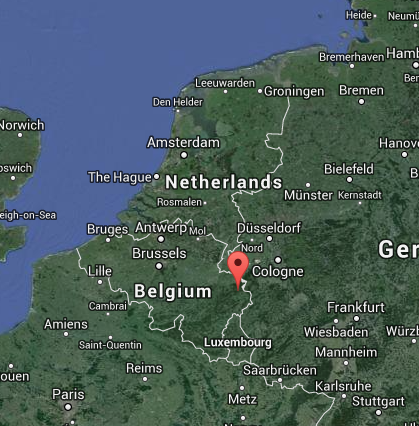
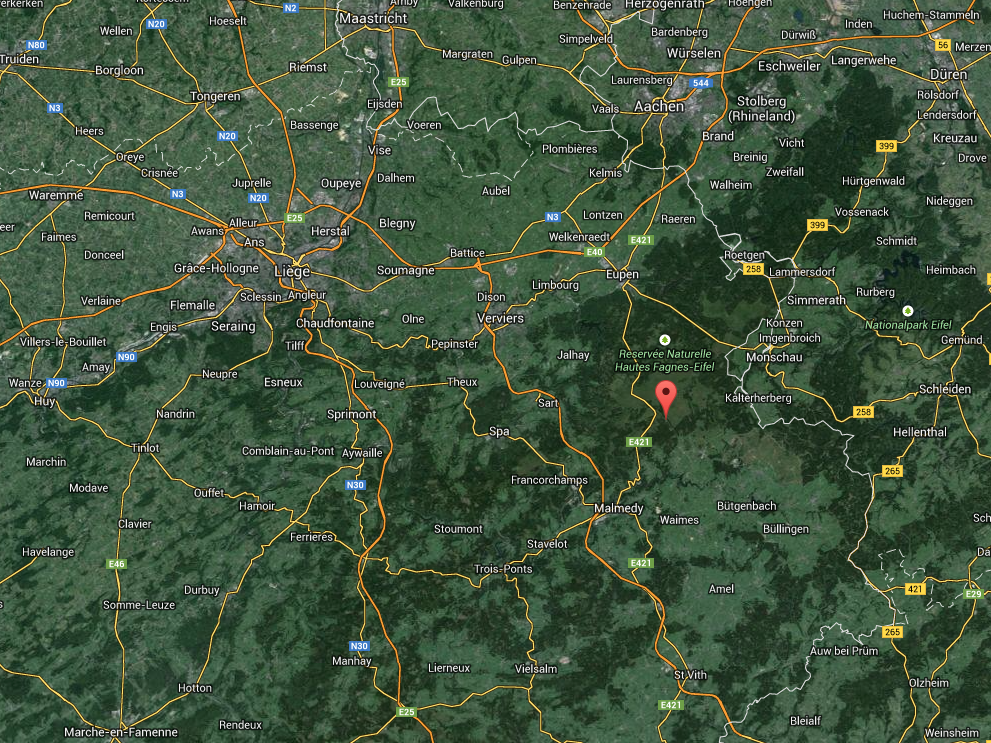
On Wednesday 30th July, we headed back over the German/Belgium border, into Belgium and activated Summits on the Air (SOTA) peak Signal de Botrange ON/ON-001 and World Wide Flora and Fauna (WWFF) area Hautes Fagnes-Eifel ONFF-001.

It was about a 90 minute drive from Prum through the mountains back into Belgium.  The countryside was spectacular as we passed through a number of small villages.  It was hard to believe that this was summer, as the landscape was so green.

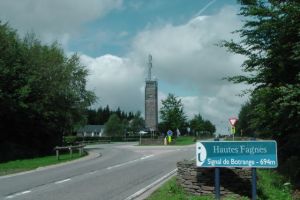
Signal de Botrange is the highest point in Belgium, climbing to 694 metres (2,277 feet).  It is worth a total of 8 SOTA points and is located at the top of a broad plateau, and a road crosses the summit, passing an adjacent cafe.

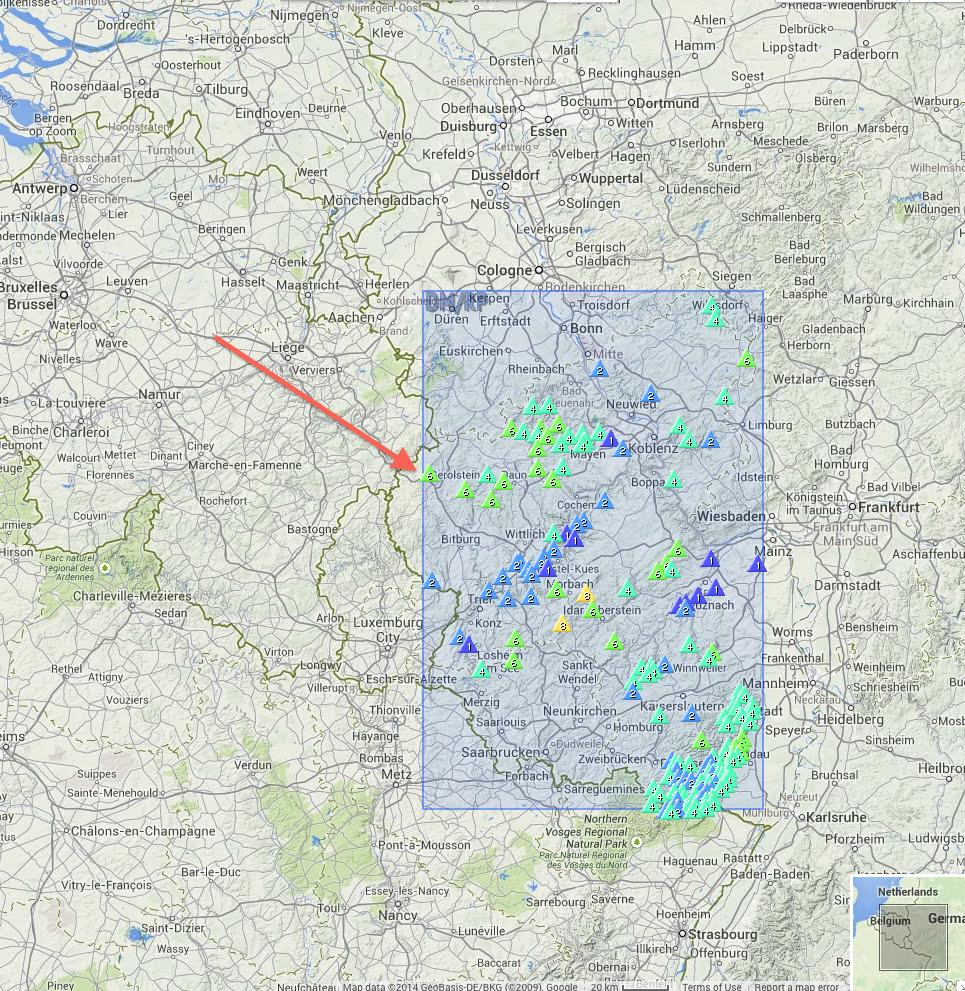
Screenshot 2014-09-09 13.41.34

Map courtesy of googlemaps.com

Screenshot 2014-09-09 13.44.26

Map courtesy of googlemaps.com

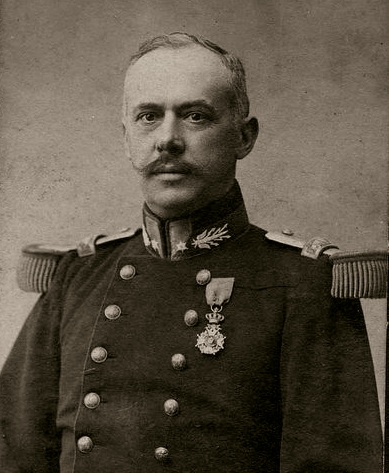
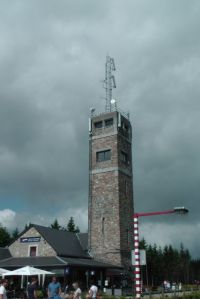
In 1923 a six metre high Baltia tower was built on the summit to allow visitors to reach an altitude of 700 metres.  The tower was named after Baron Herman Baltia, a Belgian military officer (1863-1938).  A stone tower was built in 1934 and this reaches 718 metres.

General_Baltia_Herman

Above: – Baron Herman Baltia.  Photo courtesy of wikipedia.

A meteorological station was located at the summit for many years, but in 1999, it was replaced by a nearby automatic station of the Royal Meteorological Institute of Belgium.  The summit experiences extreme temperatures and these are usually lower than at any other place in Belgium.  Fortunately on the day of our activation, the weather was overcast but fine.

IMGA0048_4

The summit is located within the Hautes Fagnes (High Fens) covers 12 municipalities of Belgium and was established in 1957.  It is the largest nature reserve in Belgium, with an area of 4,501.2 hectares (11,123 acres).  In winter, the area becomes Belgium’s premier cross country ski resorts.

IMGA0050_2

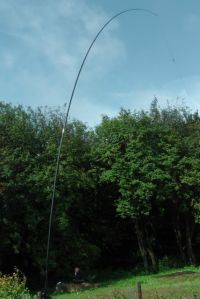
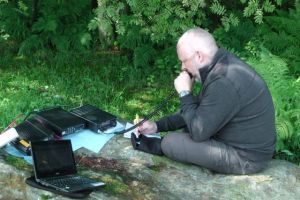
We operated from the edge of the carpark and attached Eddy’s end fed antenna to the 9 metre squid pole which in turn was attached to a nearby post.  Again for this activation we used the Kenwood TS-50.

IMGA0043_4

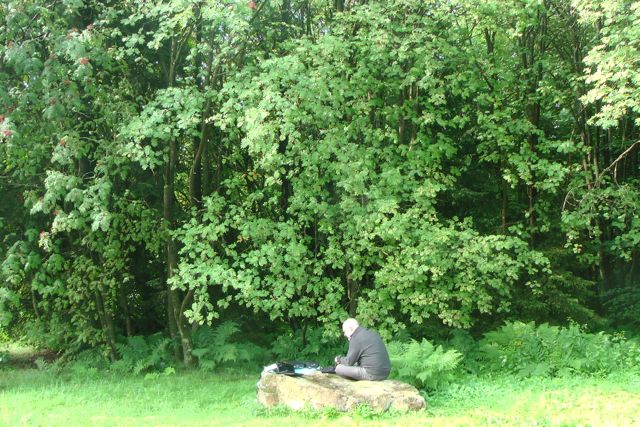
There was a nice large flat rock nearby which served well as an operating location.  As we were close by to the main carpark for the nature park, there was a lot of traffic.  I was surprised at how many visitors there were to the park, considering that it was a week day.  We certainly did attract some odd looks as people arrived and prepared to head off for a walk into the park.

IMGA0040_3

IMGA0047_4

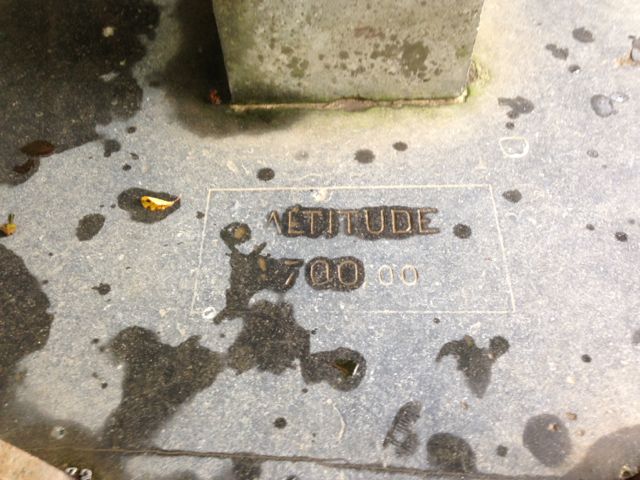
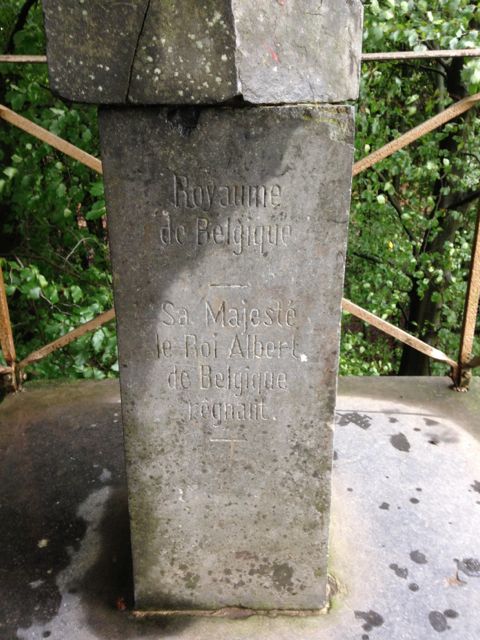
Whilst I was operating my tolerant wife Marija went for a walk along the boardwalk at the rear of the cafe, and took some photos of the 700 m marker.  The actual trig point is a short distance from here.

IMG_0435 IMG_0437 IMG_0438

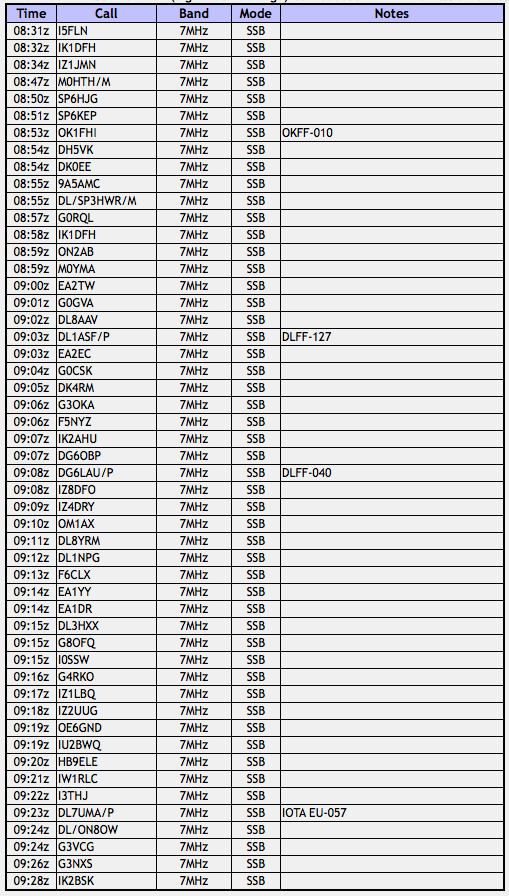
I commenced on 40 metres and remained there for the duration of the activation.  My first contact was with Luciano I5FLN, and this was followed by a steady flow of callers from Europe and the United Kingdom.

Again, it was a little too late for propagation to Australia on 20 m.  We had enjoyed a bit of a sleep in at the hotel and a nice breakfast, so we had just missed the window for long path propagation into Australia on 20 metres.

IMGA0042_4

I managed three WWFF park to park contacts during the activation:

  • OK1FHI, OKFF-010
  • DL1ASF, DLFF-127
  • DG6LAU, DLFF-040

Fortunately there were no equipment issues during this activation.  Everything went very smooth.  After an hour of operating I ended up with 51 contacts.  All on 40m SSB.  The following countries were worked:-

  • Austria
  • Belgium
  • Croatia
  • Czech Republic
  • England
  • France
  • Germany
  • Italy
  • Poland
  • Slovakia
  • Spain

Screenshot 2014-09-09 14.52.22

Another very enjoyable activation.  My second in Europe.  It was time to hit the road again, and journey north through Belgium back home to Ghent in northern Belgium.

I would like to thank Marnix and Eddy for their time and effort in allowing me to activate the 2 summit/WWFF areas in Germany and Belgium.  It was a hug he amount of fun.

Schwarzer Mann, DM/ RP-003 and DLFF-047

I have just returned from 7 very enjoyable weeks in Europe.  Whilst there I had the honour to stay for a week with Marnix OP7M, his wife Martine, and their 16 year old son Goan.  I have spoken with Marnix many times on the radio, and also on Skype, but this was the first time we had met in person.  My wife Marija and I had a very enjoyable time at Marnix and Martine’s home, with plenty of laughs, good food, lots of stories, and our fair share of Belgium beer.  Whilst staying with Marnix, we also met Eddy ON6ZV and his wife Carine and their son.

Marnix knew I was a keen SOTA & parks activator, so the day after arriving, on 29th July, Marnix, Eddy , myself and Marija headed over the border into Germany for a SOTA and WWFF activation.  It wasn’t a short drive to get there.  In fact it was about a 3 hour drive to our destination near Prüm.  However, Marnix had told me that this was a beautiful area, and was well worth the drive and an opportunity to see the Belgium countryside.  Indeed it was.  He and Eddy also had plans to activate another summit / WWFF area on the way home the following day, in Belgium.

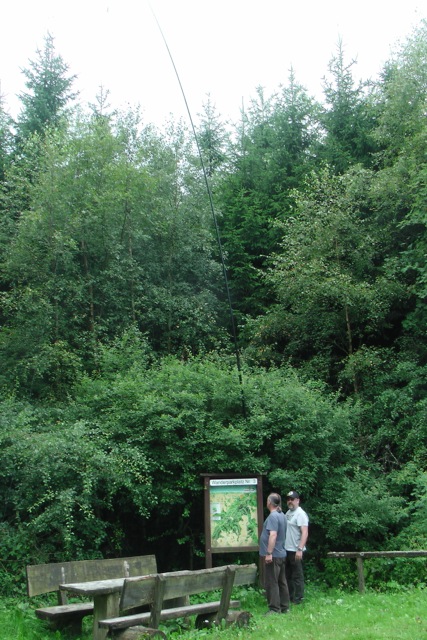
The chosen summit in Germany was Schwarzer Mann, DM/ RP-003, which is 697 metres (2,286 feet) above sea level and is worth 6 SOTA points.  Its grid square locator is JO30eg.  The summit is located in the German (Low Mountains) Association in the Rhineland-Palatinate Region.  It is located in the western part of the Eifel mountain range, which is known as Schnee Eifel (Snowy Eifel) and  is about 14 km from the little village of Prüm.  Schwarzer Mann means ‘Black Man”.  It is the highest peak in the Schnee Eifel and the third highest in the Eifel.  The summit was first activated by DL/ON6DSL/p on 24th December 2007, and has been activated a total of 42 times since.

Screenshot 2014-06-26 17.54.53

Map courtesy of sota.org.uk

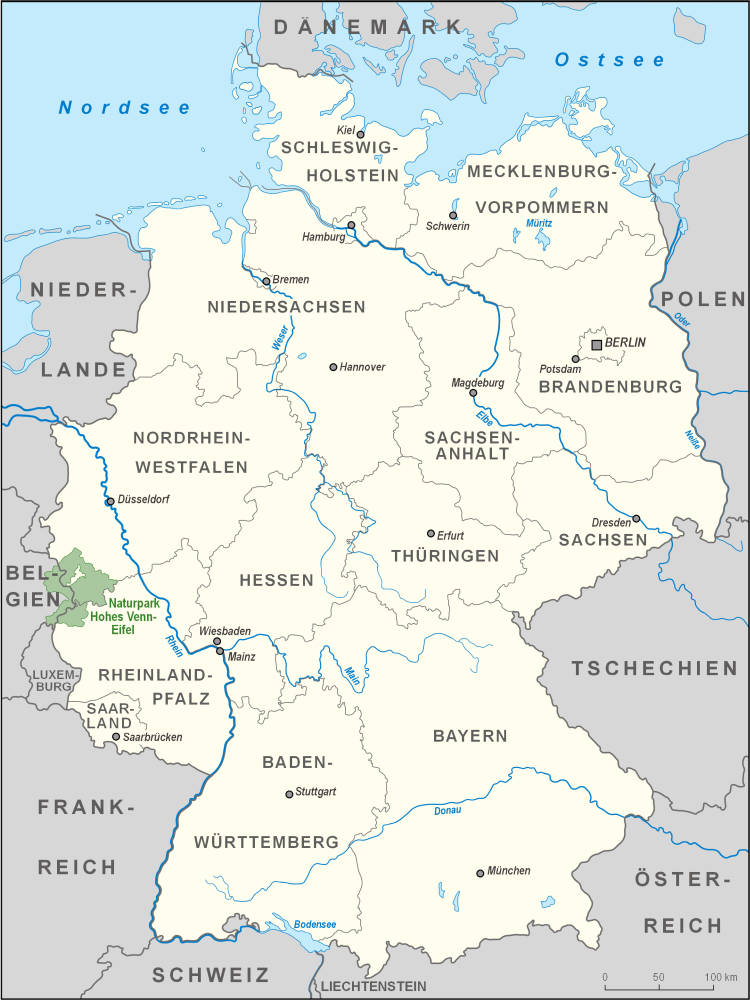
The summit is also located in World Wide Flora and Fauna area, DLFF-047, German-Belgian High Fens-Eifel Nature Park.  The area is known as Naturpark Hohes Venn-Eifel in German and is often called the North Eifel Nature Park (Naturpark Nord Eifel).  It is a cross border nature park with the German federal states of North Rhine-Westphalia and Rhineland-Palatinate, as well as the Belgian province of Liege.  The park comprises a total area of 2,485 km2.

Karte_Naturpark_Hohes_Venn-Eifel

Map courtesy of wikipedia.com

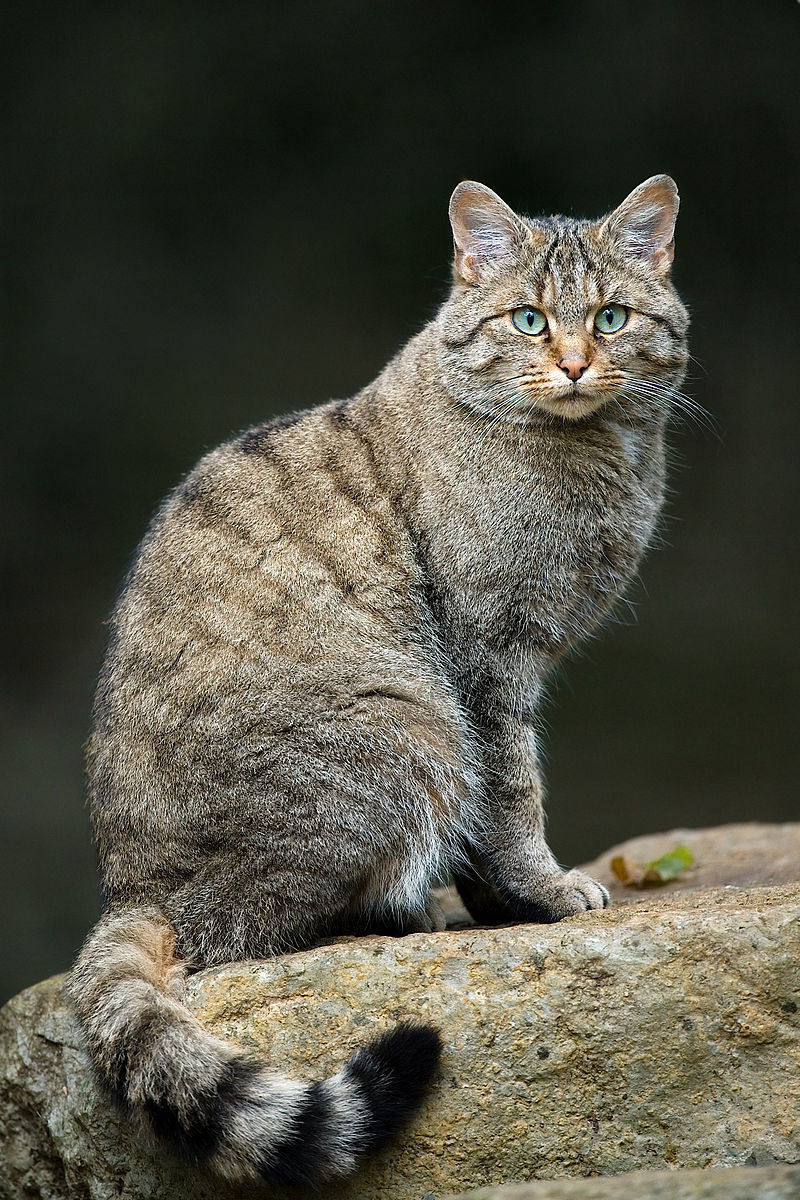
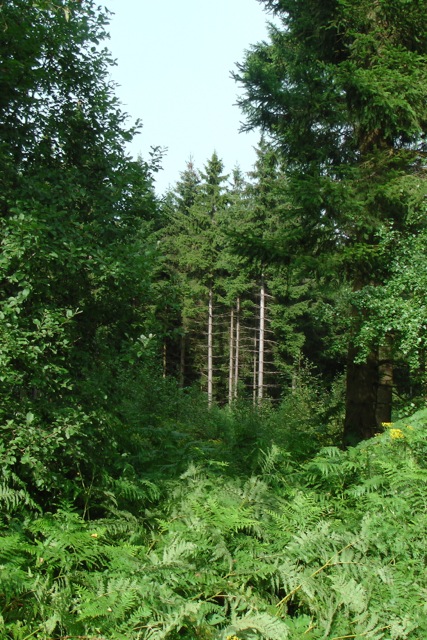
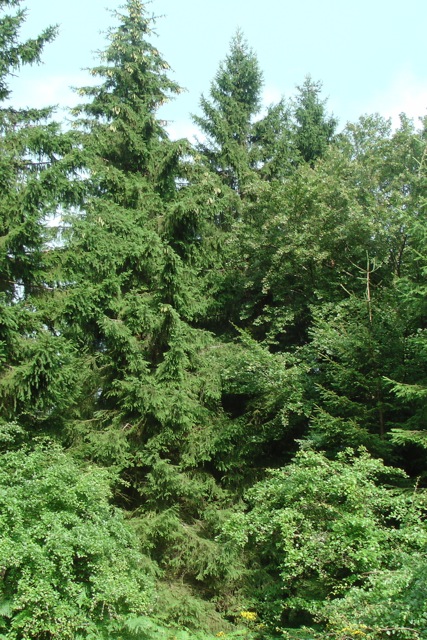
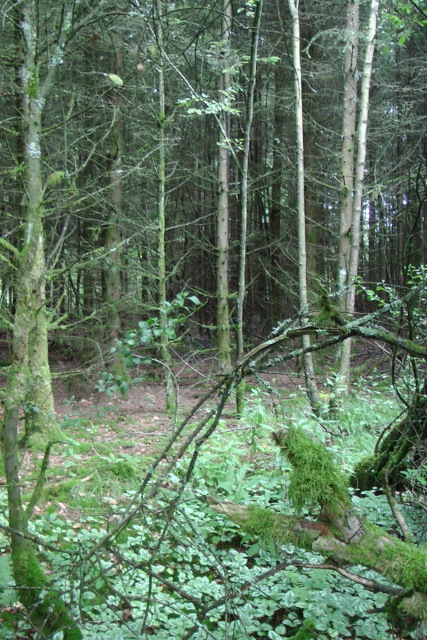
The areas surrounding Schwarzer Mann is a well developed hiking area and the largest skiing area in Rhineland-Palatinate.  The heavily wooded mountain side is covered mainly with spruce trees and is host to some rare wild animals including the wildcat, which sadly I didn’t see.  Or maybe that isn’t so bad!

Felis_silvestris_silvestris_Luc_Viatour

Image courtesy of wikipedia.com

We set up just north of the summit off the L20 road which passes through the park.

IMGA0095_3

The vegetation here was very different to home.  Despite it being summer time, he forest was lush and green and very thick.  A stark contrast to the parks in South Australia during summer.  And not a single gum tree or kangaroo in sight!

IMGA0005_4 IMGA0006_4 IMGA0011_5

Because of reciprocal licensing issues, I was not able to operate under my own call sign.  Germany did offer the option of a 3 month temporary licence, so prior to leaving for Europe I applied for a German temporary operating licence, which would have allowed me restricted operating rights.  However, I had left my run a bit too late, and did not receive the documentation from DARC until I had left Australia.  But there was another option.  As I am a police officer, and Eddy is a police officer, we used the call sign of ON4IPA, which belongs to the International Police Association (IPA).  In fact, Eddy is the caretaker of that special call sign and the Chairman of the IPA in Belgium.  As I am a Detective here in South Australia, this was a really neat call sign to use.

on4ipa

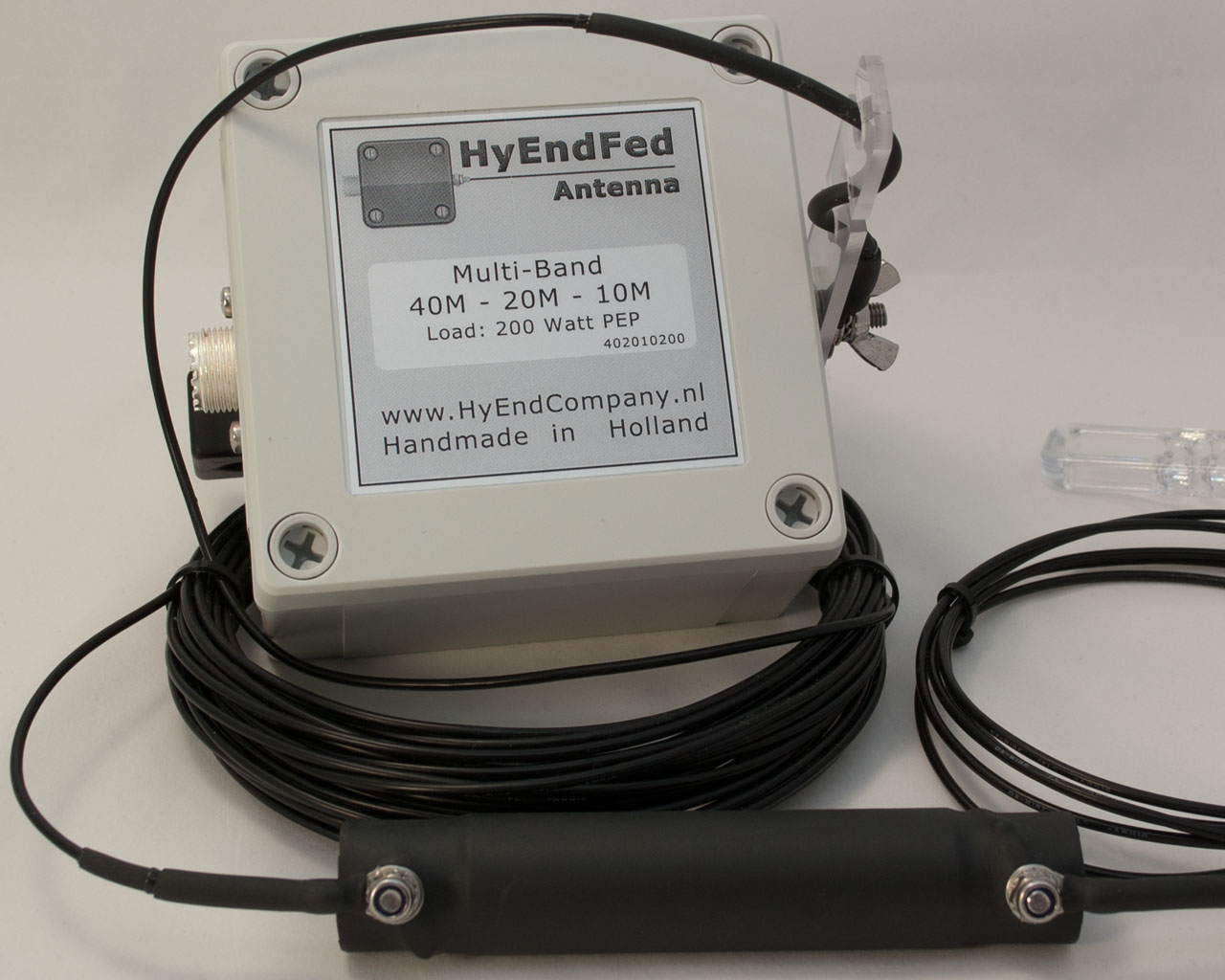
Our equipment was Eddy’s Kenwood TS50, and his ‘Hy End Fed’ half wave end fed antenna which we attached to the top of a 9 metre squid pole.  A very easy antenna to erect.  More information on this antenna can be found at…..

http://www.hyendcompany.nl/home

3b200pc

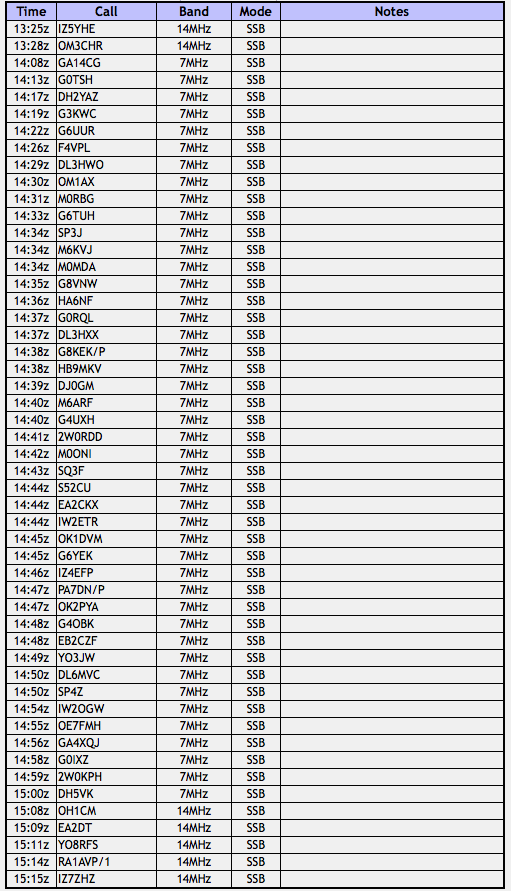
I initially started off on 20 metres on 14.244 and called CQ a number of times, with Eddy at my side doing the logging on the laptop.  But there were no takers.  I kept calling CQ for about 5 minutes, before being called by Vincenzo IZ5YHE and then Rudolf OM3CHR.  However their signals were extremely low and it was a struggle to make the contacts.  With a degree of frustration, we checked the antenna and it appeared ok.

I kept calling CQ for a few more minutes, but sadly there were no takers.  Now I was starting to get disappointed.  Perhaps band conditions on 20 m were not good?  So we QSY’d over to 40 metres where we tuned across the band and found the Commonwealth Games special event station, GA14CG.   Signals were still down despite being able to make the contact.  Something was clearly wrong.  Again we checked the antenna and it appeared all okay.

Again, I put out some CQ calls and no takers.  So this time we hooked up an LDG auto tuner, and found the VSWR to be very high.  After further checking we found an issue with one of the patch leads and replaced it. This solved the problem and we were back in business.  I breathed a sigh of relief.

IMGA0101_2

I then moved up the band a little to 7.144 and called CQ and this time I was greeted by a number of callers.  My first caller here was Keith G0TSH.  A steady flow of European and UK callers followed.  I worked a total of 43 stations before moving back to 20 m where I worked another 5 stations before handing the mic over to Eddy.

A number of the stations that I worked during the afternoon, recognised that I did not have a Belgian accent.  They must have been wondering why is an Aussie operating a Belgium call sign in Germany?  This included Manuel, EA2DT, who I have worked many times before whilst I’ve either been in a park or on a summit in Australia.  During the QSO Manual said; “One question.  Is you Paul, Victor Kilo 5 Papa Alpha Sierra.  Is you Paul, roger?'” Once I told Manuel that it was in fact me at the mic, he was very excited, as was I.

I ended up with a total of 51 contacts.  The majority of those being on 40 metres, and all from Europe and the United Kingdom.  The following countries were worked:-

  • Austria
  • Czech Republic
  • England
  • France
  • Germany
  • Hungary
  • Italy
  • Poland
  • Romania
  • Russia
  • Slovak Republic
  • Slovenia
  • Spain
  • Switzerland
  • Wales

Sadly it was the wrong time of the day for good propagation to Australia.

Screenshot 2014-09-09 14.54.18

As a result of this activation, I found that World Wide Flora and Fauna (WWFF) is extremely popular in Europe.  Many of the stations I worked were very keen on the WWFF reference number.  Who knows, maybe WWFF will kick off and become popular in Australia too.  It hasn’t been for the lack of trying!

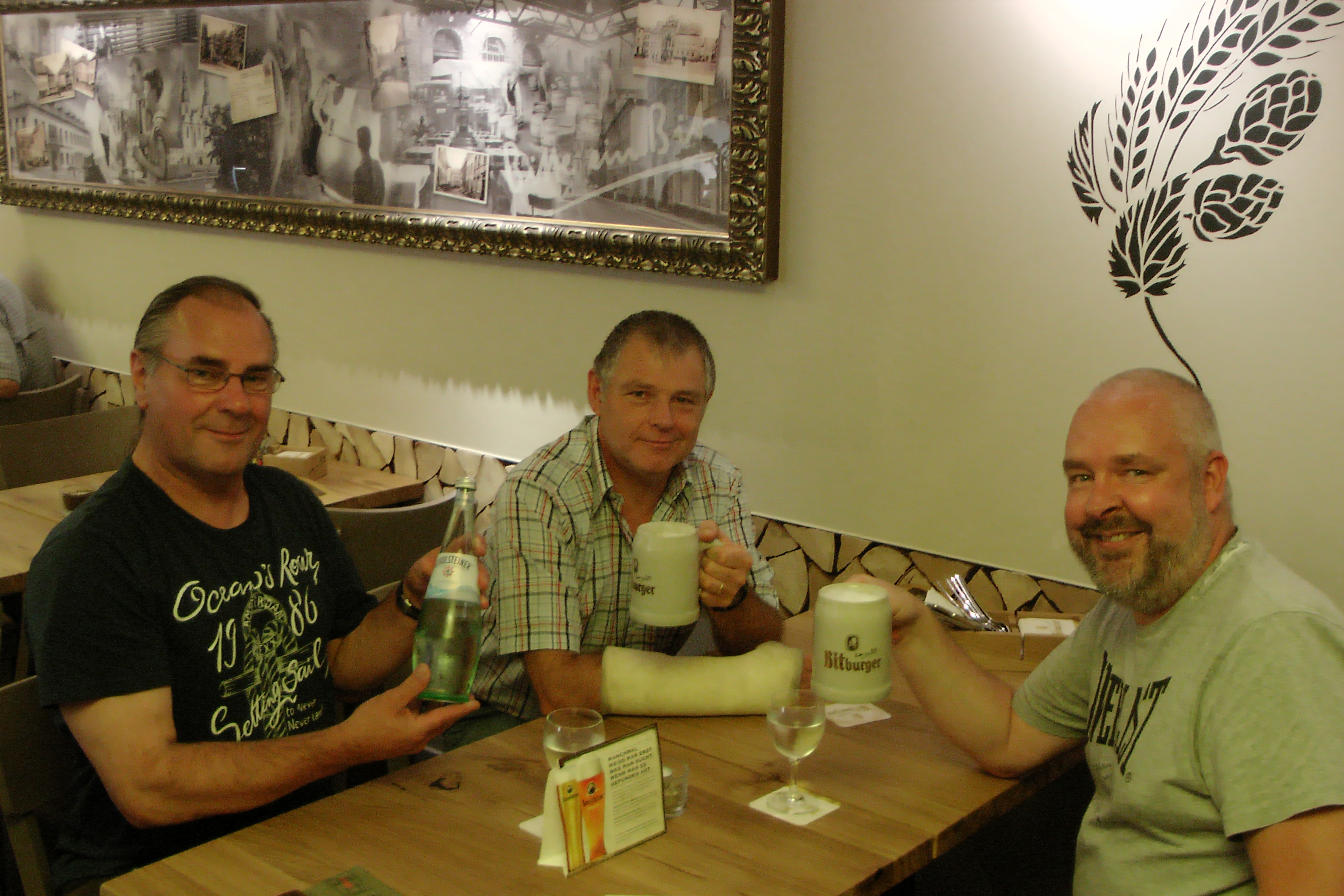
After the activation we retired to our accommodation, which was the Hotel Zum Goldenen Stern in Prüm.  That night we enjoyed a very nice meal and a few good German beers.IMGA0018_4IMGA0019_5

IMGA0024_5IMGA0022_5

References.

Wikipedia, 2014, ‘Schwarzer Mann’, accessed 9th September 2014, <http://en.wikipedia.org/wiki/Schwarzer_Mann&gt;

Wikipedia, 2014, “High Fens-Eifel Nature Park’, accessed 9th September 2014, <http://en.wikipedia.org/wiki/High_Fens_–_Eifel_Nature_Park&gt;

SOTA and balloons

Yesterday, I had a listen for Larry VK5LY and Ian VK5CZ who activated Mount Cone, VK5/ SE-002, in the mid north of South Australia.  They were up there to track the progress of the Wilkins1 balloon and act as a VHF relay station.

Larry and Ian had hoped to activate the summit a lot earlier than they did, but they were held at bay by ‘Hughey’ and had to wait for a break in the weather.  Larry had given me a call and Ian had sent me a few e-mails to advise that the rain was quite heavy and it was blowing a gale.  Not much different to when I activated Mount Cone with Ian last year.  It is a very windy exposed summit, overlooking Burra.

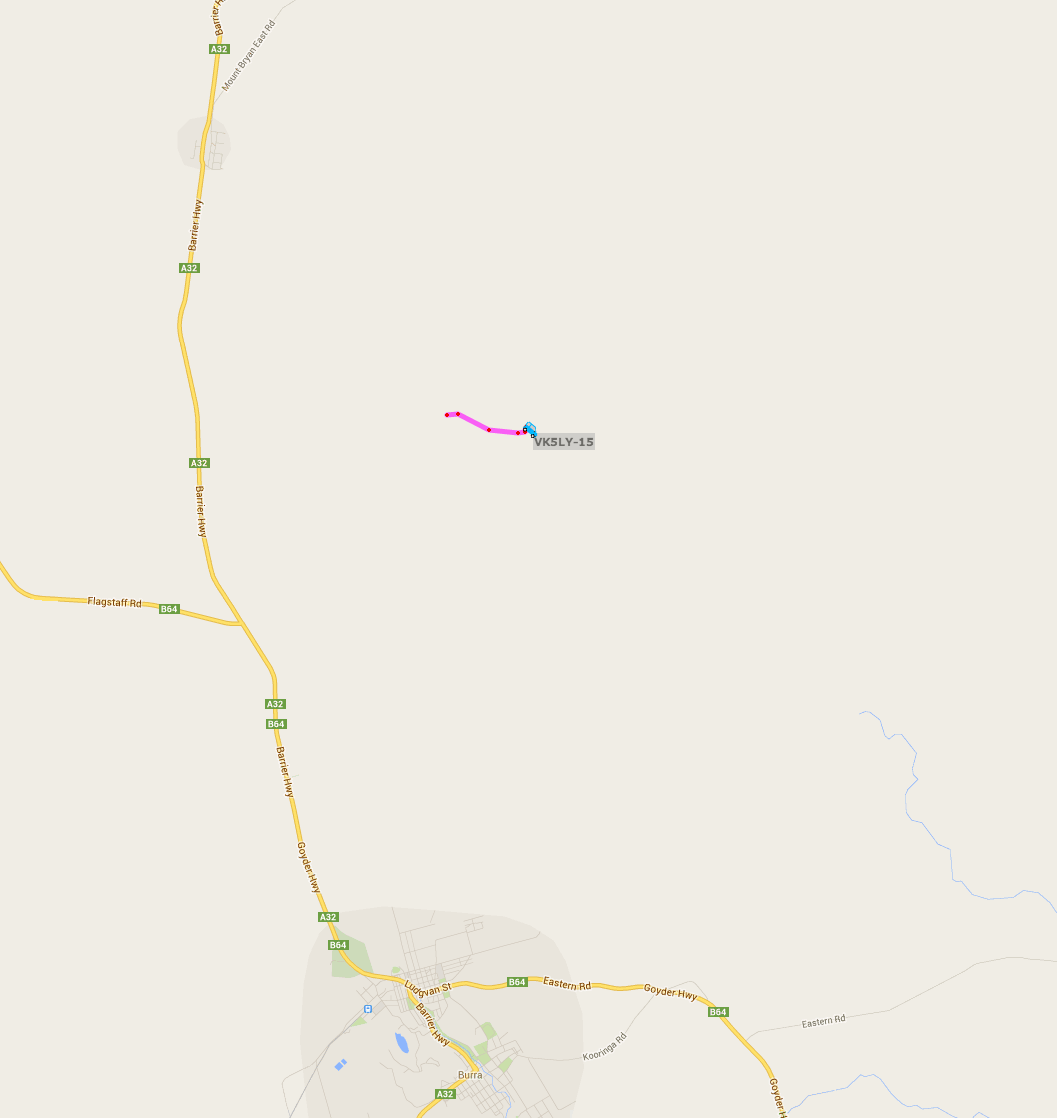
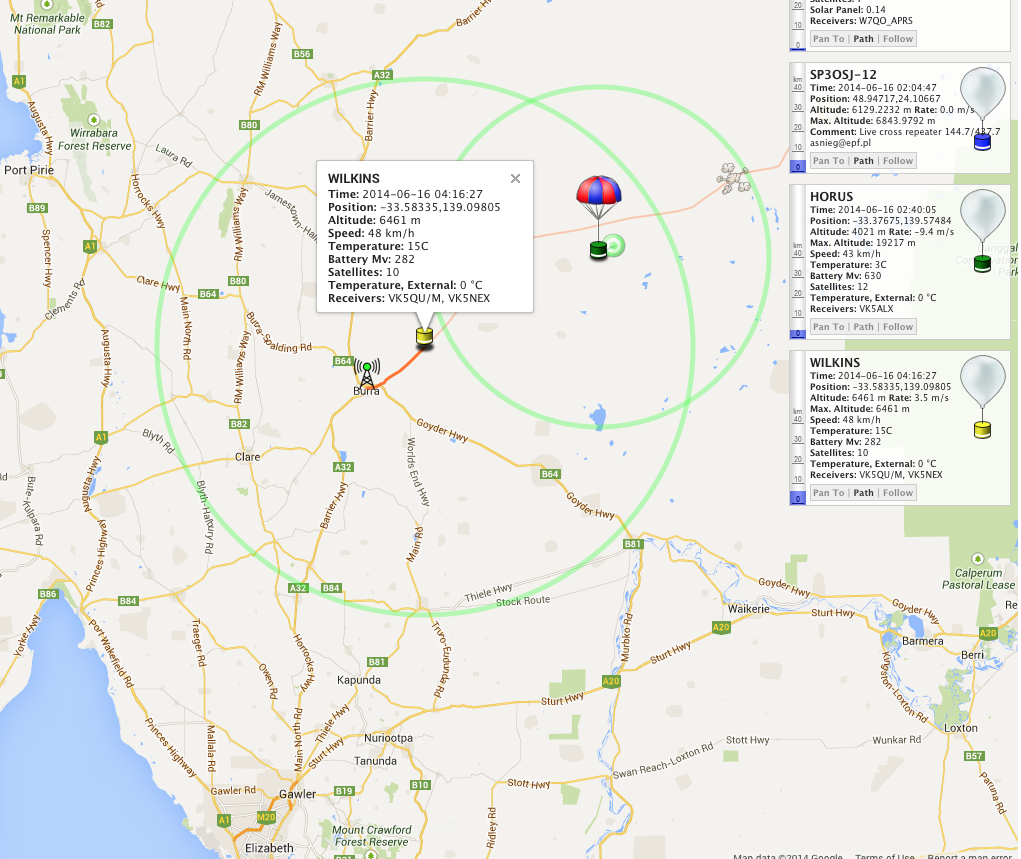
Larry is big into his APRS and he helped me also set up APRS on my tablet.  It was interesting to track Larry’s progress on his way to the summit.  Below is a screen shot of Larry’s progress, parked just down below the summit.  I am going to get my head around APRS, and start using this a lot more often.

Screenshot 2014-06-16 10.12.37

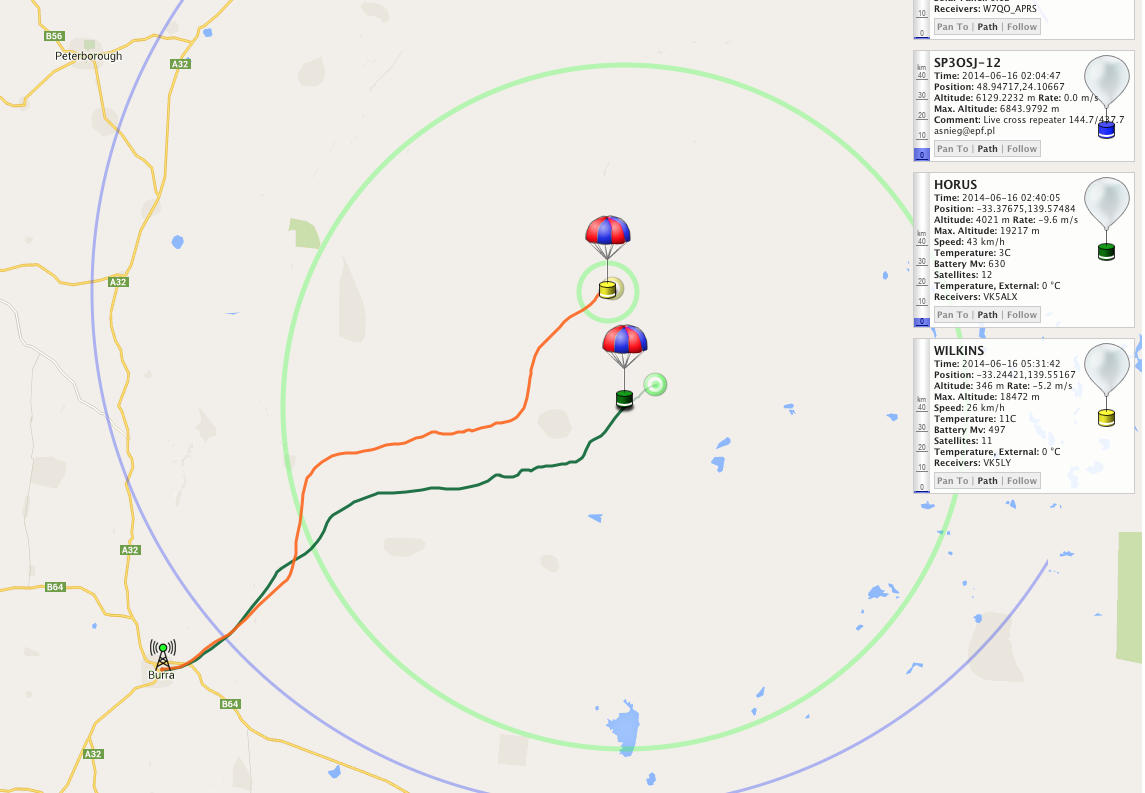
It was also very interesting to track the progress of the Wilkins 1 high altitude balloon which was launched from the Burra Community School as part of the UniSA Connect program.  The ballon was fitted with a high definition camera and tracking system.   The balloon weighs 500 grams.

I tracked the progress of the balloon on…..

http://spacenear.us/tracker/

2

Below is a screen shot showing the flight path of the Horus test balloon which was released first, and then Wilkins 1.

Screenshot 2014-06-16 15.05.11

Click on the link below to view some pictures of this balloon launch…..

https://imgur.com/a/XBs8f

For information on Project Horus, which is a high altitude balloon project based in Adelaide, have a look at…..

http://projecthorus.org

Mount Burr summit VK5/ SE-019

My first activation for Sunday 8th June, 2014 was Mount Burr summit, VK5/ SE-019.  I have activated Mount Burr previously, but as this was a new calendar year, it was another SOTA point for me.  Albeit, just a one pointer.

For details on my previous activation, click on the link below…..

https://vk5pas.wordpress.com/2013/09/12/mount-burr-vk5-se-019/

I headed out from Mount Gambier bright and early, and travelled along the Princes Highway, and then right onto The Springs Road towards the little town of Glencoe.  Before reaching Glencoe, I turned left onto Diagonal Road and travelled through Mount Burr forest, encountering lots of kangaroos along the way.  I then turned right onto the Glencoe-Mount Burr Road.

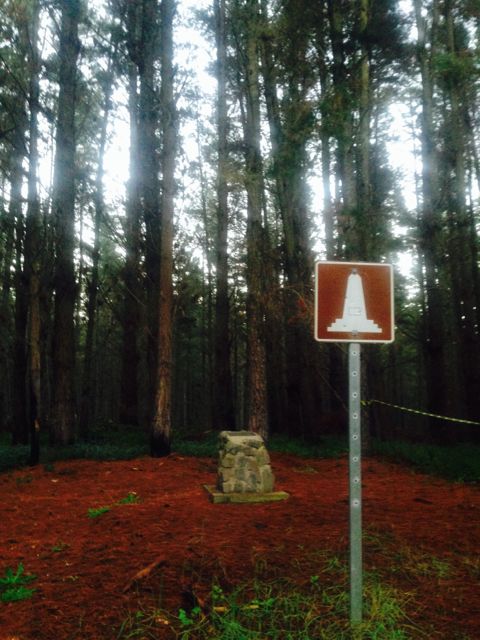
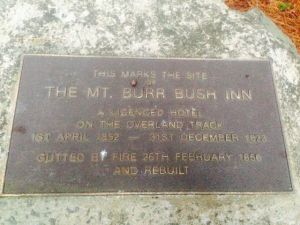
Prior to reaching the summit I stopped again to view the site of the former Mount Burr Bush Inn, which operated between 1852 – 1873.  My cold wasn’t much better this morning, and in fact I was now loosing my voice.  I wished that pub was still open so I could order a couple of straight scotches.

IMG_1446

IMG_1447

I found the following from the South Australian Register, dated Monday 15th March 1869…..

Screenshot 2014-06-12 12.57.39

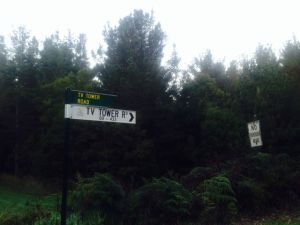
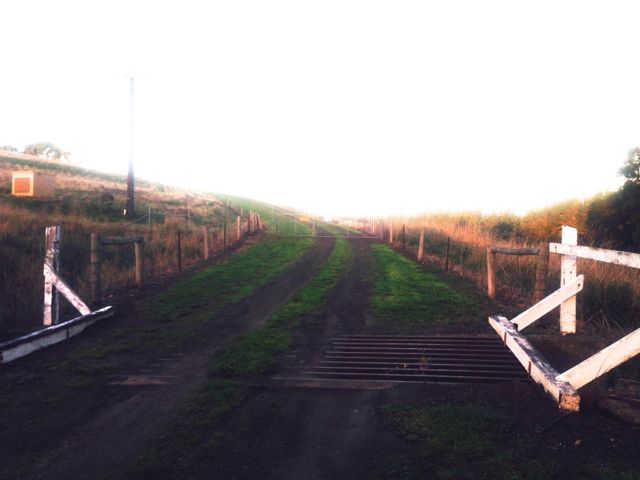
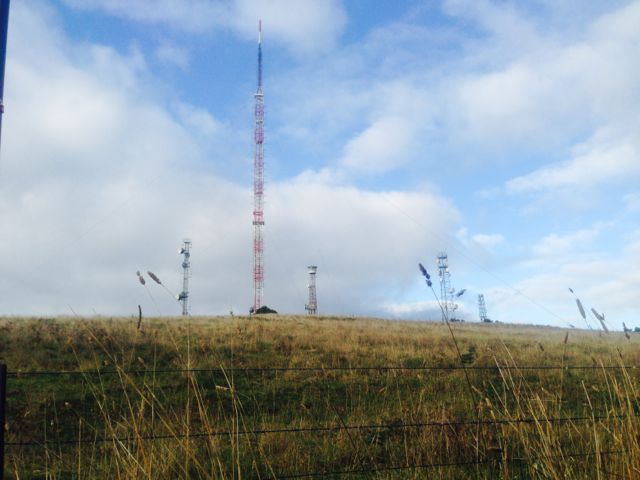
I continued along the Glencoe-Mount Burr Road, and then turned left onto TV tower road which takes you up towards the summit.  A few km along the road, there is a turn off to your left.  This little dirt road takes you direct to the summit.  Depending on the fog, you should be able to see the various antennas on the summit from this point on.

IMG_1449

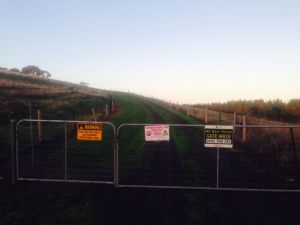
You can now no longer access the summit itself.  Unlike last time I activated the summit, there are now signs on the gate saying ‘Warning.  restricted Area.  Authorised Personnel only’.  There are also warning signs on the fence line.  However, Col VK5HCF has advised that permission can be granted should you wish to operate beyond the gate.  Please see the access instructions on the SOTA page for Mount Burr.

IMG_1450

IMG_1452

I didn’t bother, because you can legitimately activate the summit within the activation zone from near TV Tower Road.  I set up on the eastern side of TV tower road and used a star dropper in the fence line to secure my 7 metre telescopic squid pole with an octopus strap.

IMG_1453

This morning I ran QRP, with my little Yaesu FT-817nd.  I didn’t fancy lugging the power pack up hill.  I used a 7 amp hour SLAB battery to power the radio.  I stretched out the legs of the linked dipole and tied them off to the fence line.

IMG_1454

I started out on 40m on 7.090, and much to my surprise, my first caller was Mike VK6MB who had a very strong 5/9 signal.  Mike gave me a 5/7 signal report, which I was very happy with considering the distance covered and the fact I was running just 5 watts.  In fact it is about 3,000 km from where I was operating on Mount Burr to Mike’s location in Manjimup.  It is truly amazing what you can do with QRP and a simple little antenna.

But Mike was not the only contact I would attain into VK6.  My 5th contact of the morning was with Onno VK6FLAB who was running QRP 5 watts and yet still had a beautiful 5/8 signal all the way to the South East of South Australia.  Two contacts later, I was called by Max VK6FN who was also running QRP 5 watts from his Elecraft KX3 and had a 5/7 signal.  And that was not to be the end of my Western Australian contacts.  A number of QSOs later I was called by Daniel VK6LCK who was struggling with me (4/3 signal report received), but who had a very good 5/8 signal to Mount Burr.

IMG_1459

I had a few very good QRP to QRP contacts whilst on Mount Burr.  They included Derek VK3XY running 5 watts (5/7 both ways); Onno VK6FLAB running 5 watts (5/8 both ways); John VK5FTCT running 1 watt (5/7 sent & 5/6 received); Max VK6FN running 5 watts (5/7 sent & 5/6 received); Peter VK3PF running 5 watts (5/9 both ways); Greg VK5GJ running 5 watts on his home brew TX (5/9 both ways)

I was also very pleased to work Ken VK2BBQ and to be his first ever SOTA contact.  Welcome to the world of SOTA Ken.  I’m sure you will have a lot of fun.

And it was also a pleasure to work Richard VK2BO, who was portable in the Willandra National Park, which qualifies for the WWFF program.

IMG_1461

I also managed four Summit to Summit QSOs: Al VK1RX/p on VK1/ AC-032 (before and after the UTC rollover); Allen VK3HRA/p VK3/ VE-022; and Nick VK3ANL/p on VK3/ VW-007.

And every keen Peter VK3YE called in during my activation.  Peter was ankle deep in water again, pedestrian mobile on a beach near Melbourne.  And what a great signal Peter had….5/9 both ways.

At about 2320 UTC, after working 39 stations on 40m, I headed up to 20m.  My first caller there was Gerard VK2IO who had a lovely 5/9 signal into Mount Burr.  This was followed by Brenton VK2DDS.  However LY1TR then came up on frequency and started calling CQ DX which made things a little tough.  I did however manage to work Tom VK4ATH, Adam VK2YK, and Mike VK6MB, before I was forced to move.  Sadly my little signal was not being heard all the way to Lithuania.  I then tuned across the 20m band and heard quite a few USA stations coming through with moderate signals.  I worked 3 VK4s who were participating in the VK Shires contest, before heading back to 40m for the UTC rollover.

After operating for a total of just under 2 hours I had a total of 66 QSOs in the log.  I hadn’t planned on staying for the UTC rollover, however conditions were so good I decided to do exactly that.  It was time to head off to Tantanoola Caves Conservation Park.  My voice was very croaky and was slowly going, and it was quite ironic that a frog had taken up residence near to my operating position.  Maybe he/she found my voice attractive.  I’m sure the SOTA chasers didn’t!

The following stations were worked on 40 m SSB before the UTC rollover:

Mike VK6MB; Ian VK5CZ; Amanda VK3FQSO; Derek VK3XY; Onno VK6FLAB; John VK5FTCT; Max VK6FN; Theo VK3AP/,\m; Peter VK3PAH/m; Peter VK2EMU/p; Richard VK2BO/p; Nev VK5WG; Matt VK1MA; Phil VK3BHR; John VK2YW/m; Andrew VK1NAM/m; Leon VK3VGA; John VK5BJE; Peter VK3PF; Erwin VK3ERW; Peter VK3YE/pm; Daniel VK6LCK; Gerard VK2JNG/p; David VK5NQP; Errol VK2EGC/m; Tony VK2QW; Rob VK3EK; John VK5FMJC; Marshall VK3MRG; Tony VK5FTVR; Brian VK5FMID; Ron VK3AFW; Wayne VK5FWMT; Paul VK5FUZZ; Rhett VK3WE; Joe VK3YSP; Julie VK3FOWL; Scott VK7NWT; Mark VK1EM; Al VK1RX/p (S2S)

The following stations were worked on 40m SSB after the UTC rollover:

Al VK1RX/p (S2S); Ron VK3AFW; Marshall VK3MRG; John VK5BJE; Peter VK3PF; Ken VK2BBQ; Peter VK3FPSR; Amanda VK3FQSO; Allen VK3HRA/p (S2S); Gerard VK2IO; Gerard VK2JNG/p; VK5ET; Mark VK1EM; Phil VK3BHR; Nigel VK5NIG; Lee VK2LEE; Greg VK5GJ; and Nick VK3ANL/p (S2S0.

The following stations were worked on 20 m SSB:

Gerard VK2IO; Brenton VK2DDS; Tom VK4ATH; Adam VK2YK; Mike VK6MB; Stew VK4SC/m; Ken VK4WIL; and VK4DMC.

VK5 SOTA and Parks activation day

Early this morning I headed off to Crafers and met up with John VK5BJE.  John and I had organised an introduction day to SOTA & the Parks awards, with a planned SOTA activation at Mount Lofty, followed by a parks activation at Belair National Park.  The day was targeting those amateurs who had an interest in SOTA & parks activations, but for whatever reason had not previously completed an activation, or for those that wanted to pick up a few more operating tips.

We met at the Crafers bus interchange just before 8.00 a.m. and we were soon joined by a group of keen amateurs.  It was a very chilly morning, but the weather gods were smiling down on us, as the heavy rain from Saturday had disappeared and although the sky was grey and overcast, the weather was generally fine.  (As I type this, it has recommenced raining here at Mount Barker, so we were very lucky!).  I was also moving a bit slow after my neighbour’s 50th birthday party last night and the consumption of a little too much red wine.

John and I spoke briefly to the group about our respective introductions to SOTA and parks activities, and this was followed by some tips on portable operation.  Of the group, about 50 % had never conducted a SOTA or parks activation, so John and I warned them about pile up management and general operating tips.

At 8.30 a.m. we headed off in convoy, just up the road, to Mount Lofty summit, VK5/ SE-005 which is also located within the Cleland Conservation Park.  So apart from being a SOTA peak, it also qualifies for the VK5 Parks award.  We parked our cars just inside the main gate to the Mount Lofty summit, and then walked a few hundred metres down a track through the scrub, which leads out to the east.  This track leads to the spot where John and I have operated from previously.  It is away from the crowds at the obelisk and the restaurant, but is well within the activation zone.  So for those that showed a willingness to get on air, we did the ‘walk out, walk back in method’.   We walked out of the activation zone and then back in, after walking downhill for about 600 metres.

Because we had a number of willing hams, lugging gear was not a problem.  So we decided to share the load, and to take a few of the comforts from home, including a small fold up table and chair.  Our operating equipment was a Yaesu FT817nd, 5 watts output and a 40m / 20 m linked dipole, supported on a 7 metre squid pole.  The transceiver was powered by small SLAB batteries.

First in the ‘hot seat’ was Patrick VK5MPJ, who is one of the younger members of the Adelaide Hills Amateur Radio Society.  Well, Patrick didn’t really volunteer….it was more a case of Patrick being pushed into the operators chair.  Conditions appeared to be very good, and as we warned, Patrick was soon greeted with a pile up and had his first SOTA activation under his belt.

Tony VK5FTVR was next up.  Tony is recently licenced and is enjoying retirement.  This was Tony’s first ever SOTA and parks activation, and he performed admirably and also qualified the summit.  Next up was David VK5NQP with his mascot, a little goat, which can be seen in the photographs below.  David has activated parks previously, but I believe this was his first ever SOTA activation.  Well done David.

Mark VK5FMRK then followed.  Again, Mark is just recently licenced, and considering he had the preying eyes of all his peers on his on air performance, Mark did a great job and qualified the summit.  Chris VK4FR/5 then hopped in the driver’s seat, followed by Graham VK5GW.  This was the first SOTA activation for both Chris and Graham.  I think they may have been bitten by the bug.  Keith VK5OQ then qualified the summit.  You may recall Keith’s recent article in AR magazine re activating SOTA peaks in the Falls Creek area.

Not sure how it happened, but the boys encouraged me to warm up the operator’s chair for a short time, as did John VK5BJE, and Nigel VK5NIG.  And our final SOTA activator was Steve VK5AIM.  Again, this was Steve’s very first SOTA activation, although he has been active in the VK5 Parks Award.  Steve won the ‘biggest mascot of the day’ award with his kangaroo which can also be seen in the photographs below.

This slideshow requires JavaScript.

After completing our activation of Mount Lofty just after 11.00 a.m. local time we headed over to the Belair National Park, which was just a short 10 minute drive to the south.  We entered the park via Sheaok Road, and set up in a little clearing, about 500 metres down the track off Sheaok Road.  Belair National Park qualifies for both the VK5 National & Conservation Parks award, and the World Wide Flora Fauna (WWFF) program.

Again we set up the 40 m / 20 m linked dipole and initially used John’s Yaesu FT857 on the 10 watt setting.  John displayed to the guys his LIFePO4 battery with powered the radio, and passed on some tips re the various batteries.  We then moved to the Yaesu FT-450 and 40-50 watts, with the transceiver being powered by a 44 amp hour power pack.  The extra power made our signal just that little bit more readable considering that it was now lunch time, and the 40 m band was going to sleep.

Again Patrick was first up in the ‘hot seat’, followed by Mark VK5FMRK, then Tony VK5FTVR, Keith VK5OQ, and Steve VK5AIM.  A few of the guys managed park to park contacts with Bob VK5FO who was activating Morialta Conservation Park, and David VK5NQP who was activating Charleston Conservation Park.  As Bob and David had activated parks before, they decided after Mount Lofty, to head of to Montacute and Charleston to give the new guys an opportunity of having a ‘park to park’ contact for the VK5 Parks award.


This slideshow requires JavaScript.

The following amateurs took part…..

  1. Tony VK5FTVR
  2. Mark VK5FMRK
  3. Victor VK5KAB
  4. Chris VK4FR/5
  5. Graham VK5GW
  6. David VK5NQP
  7. Patrick VK5MPJ and his Dad
  8. Bob VK5FO
  9. Ray VK5RR
  10. Steve VK5AIM
  11. Keith VK5OQ
  12. Nigel VK5NIG

Many thanks to John VK5BJE for helping me out with the day.  And also thanks to Nigel VK5NIG @ Mr Mount Gawler, for helping out at Mount Lofty.  A lot of the guys walked away from the day, amazed with what 5 watts and a simple little antenna can achieve.

I would also like to say thank you to the many patient SOTA chasers and park hunters that called the activators today.  It was a big learning curve for many of the activators, and I would imagine it would not be easy performing to a crowd behind the mic.

Also thanks to the fellas who turned up this morning to brave the elements.  It was a pretty chilly day, but fortunately we dodged the rain which is the most important thing.  From feedback provided, I think everyone enjoyed themselves.

We are planning on running a similar day in Spring later in the year, so we hope to see some new faces at the next activation day.  I think we all learned today, that there are never ‘silly questions’ and it is all about giving it a go and learning from each other.

Mount Gawler summit, VK5/SE-013

On the way home (Sunday 27th April, 2014) from my Dad’s place where we had a very enjoyable lunch, my wife Marija and I detoured to Mount Gawler, VK5/ SE-013.  It was not a big change in our route home.  In fact we were driving straight passed Mount Gawler Road on our way to Kersbrook in the Adelaide Hills.  Although I had activated the summit back in January, which meant there were no further activator points for me, it was such a lovely afternoon, that I decided to activate the summit again.  The temperature was about 21 deg C and bright sunshine and it was great afternoon to be outdoors playing radio.

Mount Gawler summit is located on private property, although Mount Gawler Road is well and truly within the activation zone.  When I pulled up I found the gates open to the land owner’s property, so I gave Noel a phone call, and he was only too happy for me to come onto his land and operate underneath the trig point.  So Marija and I parked the car down the road, and we walked back into the activation zone, and set up right underneath the trig point.

Because this was an easy activation, and I had a willing helper (well maybe not all that willing) I carried up the Yaesu FT450 and the 44 amp hour power pack with the intention of running 40 watts.  My antenna was the trusty 40m/20m linked dipole.
IMGA0058

On the way to the summit I had heard John VK5BJE who was portable in the Mitchell River National Park.  I hedged my bets that John would not be moving in a hurry, so I didn’t give him a call from the car.  So after setting up at the summit, I tuned the radio to 7.095 and there was John with a beautiful 5/8 signal.  And this was a new park for me for the Keith Roget Memorial National Parks Award (KRMNPA).  This was my 42nd Victorian park, leaving me just 3 parks to hunt down, to have worked all 45 Victorian National Parks for the KRMNPA.

IMGA0059

After speaking with John, I then moved up to 7.105 and started calling CQ.  My second contact was with Ron VK5FRHB at Mannum who had a massive signal (40/9).  Tim VK5AV followed and then Bob VK5FBAA who was mobile.

A number of QRP stations called in during the activation, which included Peter VK3PF, Col VK5HCF, Rhett VK3GHZ who was portable in the Wilsons Promontory National Park, David VK5NQP who was portable in the Sandy Creek Conservation Park, Andrew VK2UH running just 2 watts, Gerard VK2IO, Andrew VK2FAJG running 2 watts, and Roy VK5NRG.  The 40m band was in very good condition, so even those stations that called me on just 2 watts were very good signals.

IMGA0062

After working a total of 39 stations on 40m SSB in VK1, VK2, VK3, & VK5, I moved to 20m SSB.  Nigel VK5NIG had been kind enough to find me a clear frequency on 20m before QSYing there.  Nigel followed me up to 20m and was my first contact there.  Nigel was then kind enough to spot me on SOTAWatch.  I then worked a total of 14 DX stations in Finland, Spain, England, Germany, Switzerland, and the Netherlands.  Most of the signal reports coming back to me were around the 5/5 mark.  Not bad for 40 watts and a simple wire dipole

There were more DX stations calling, however, ‘she who must be obeyed‘ had arrived back at the summit with strict instructions that it was time to pack up and yea dome for dinner.  Sorry to those who were still calling.  We also wanted to get home before it got dark, because the roads from Mount Gawler back to our home in the Adelaide Hills, are shared by kangaroos and emus at dusk and during the night.  Neither of those 2 creatures go well with the front fender of a car !

IMGA0065    IMGA0066

After an hour at Mount Gawler I had a total of 54 contacts in the log.

The following stations were worked on 40m SSB:-

John VK5BJE/3; Ron VK5FRHB; Tim VK5AV; Bob VK5FBAA/m; Greg VK5ZGY/m; Rod VK2LAX; Stuart VK5STU; Mark VK1EM; Mark VK3AC; Peter VK3FPSR; Compton VK2HRX; Peter VK5NAQ; Peter VK3PF; Col VK5HCF; Rhett VK3GHZ/p; David VK5NQP/p; Andrew VK2UH; Amanda VK3FQSO; Gerard VK2IO; Bowden VK4MBA/5; Tom VK5FTRG/m; Rob VK3EK; Erwin VK3ERW; Al VK1RX; VK2CCJ; Rod VK2TWR; Dick VK7DIK; Brian VK3MCD; Matt VK2DAG; Peter VK5KPR; Graeme VK3GRK; Andrew VK2FAJG; Roy VK5NRG; Ron VK3AFW; Adam VK2YK; Nigel VK5NIG; Mark VK3YN; Ken VK3DQW; and Mark VK3PI.

The following stations were worked on 20m SSB:-

Nigel VK5NIG; OH7XX; EA2LMI; Don G0RQL; Mike DJ5AV; DL1DVE; HB9MKV; Steve M0YCQ/p; Mike G6TUH; Colin G4XUH; EB2JU; Manuel EA2DT; EA2DZX; PA0SKP; and M0DAD.