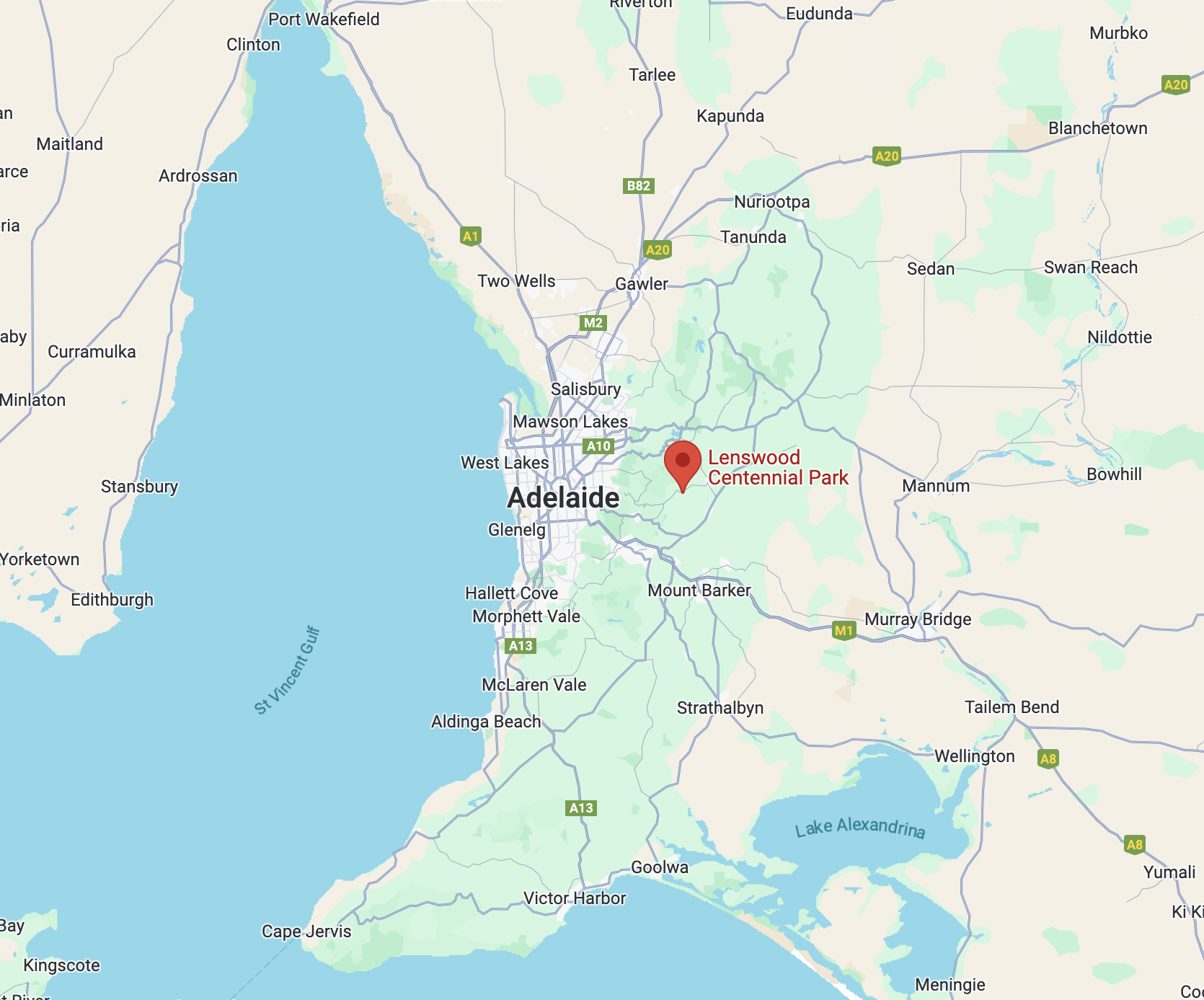
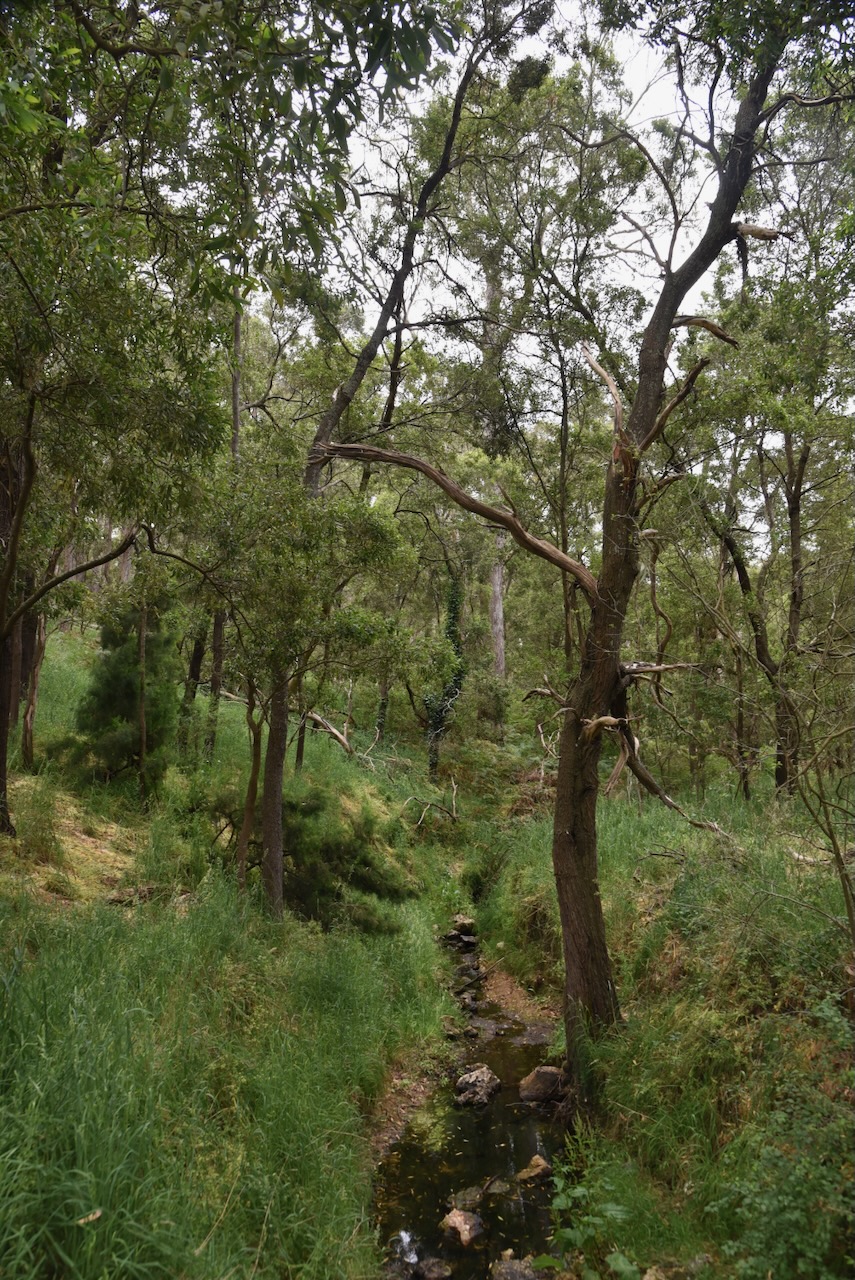
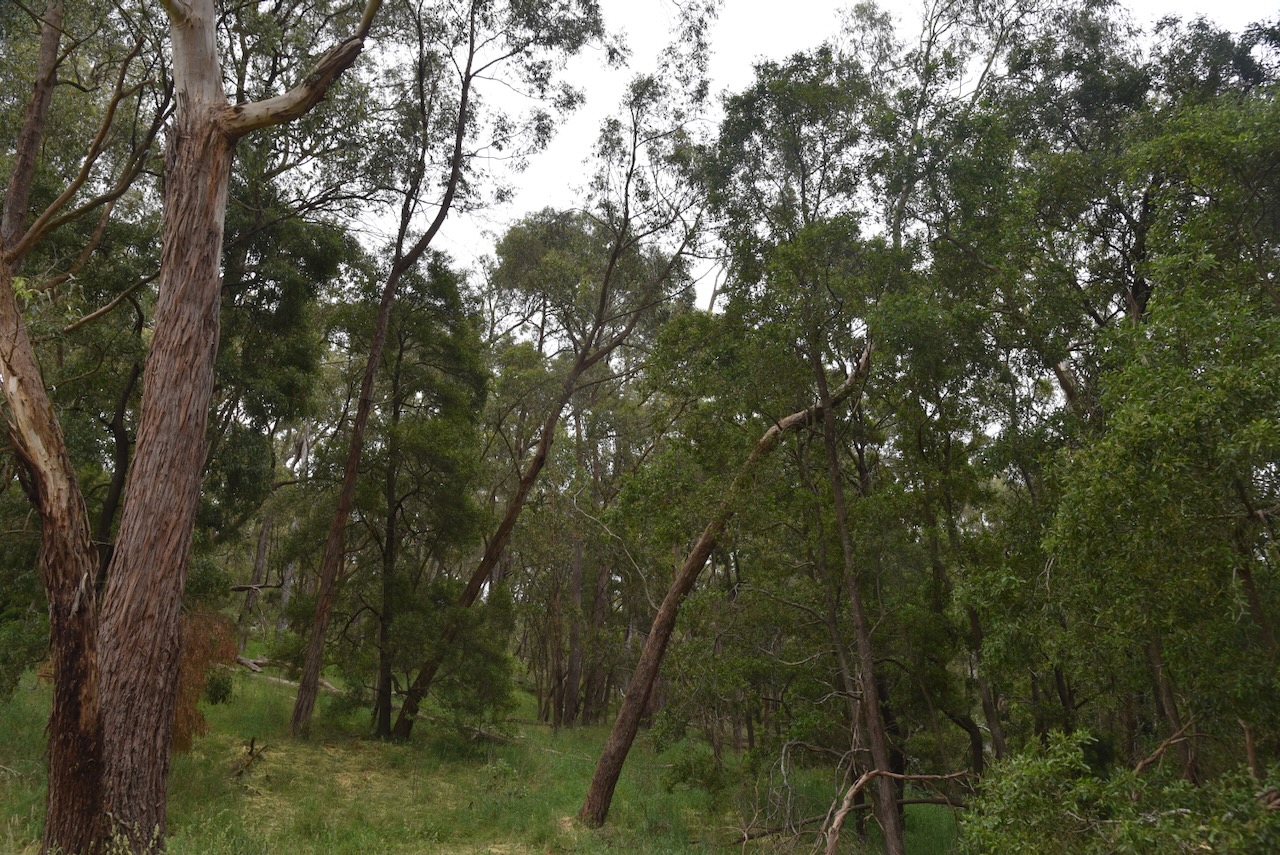
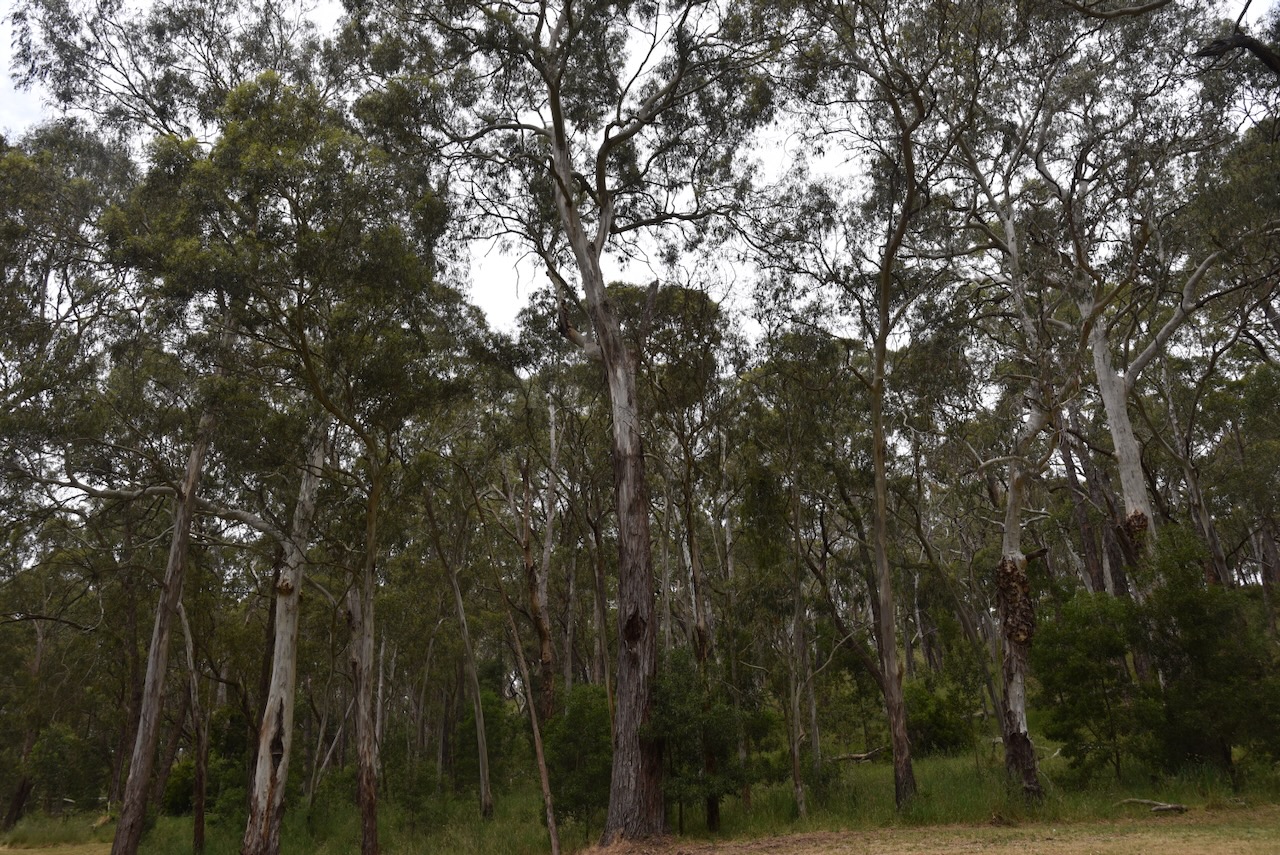
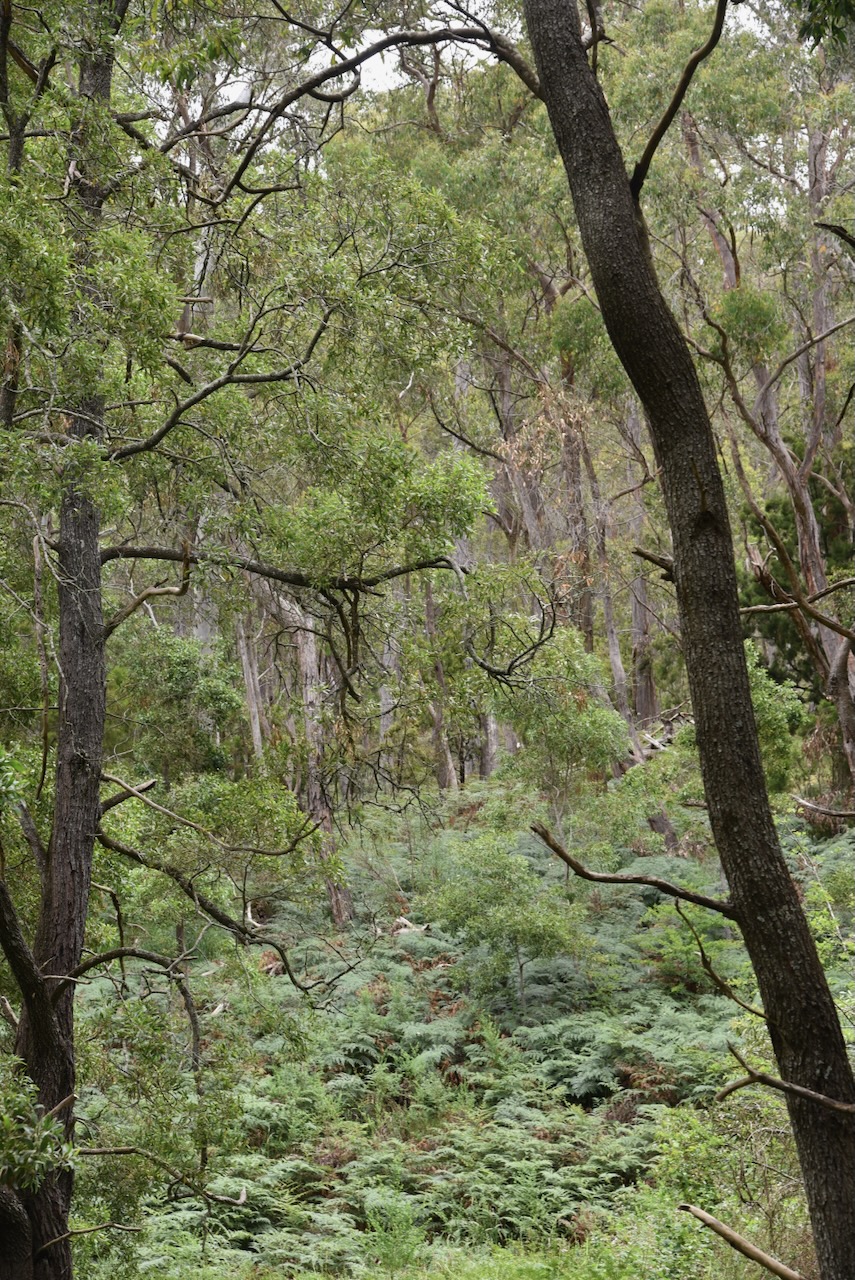
Our second park for Saturday, 23rd November 2024, was the Lenswood Centennial Park VKFF-4040. The park is located about 28 km east of Adelaide.
Above:- Map showing the location of the Lenswood Centennial Park. Map c/o Google Maps.
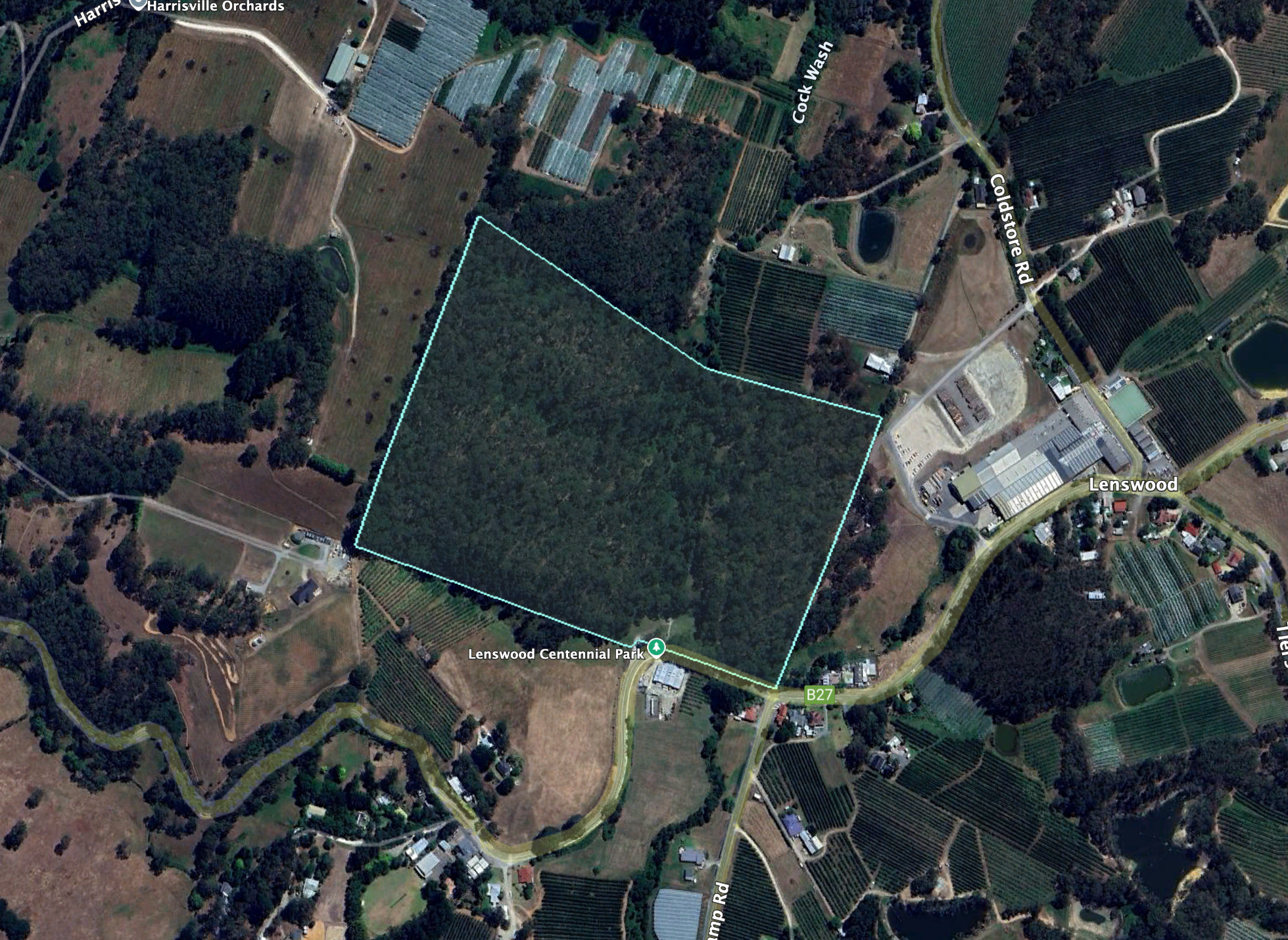
The park is located on the northern side of Lobethal Road at Lenswood.
Above:- An aerial view of the Lenswood Centennial Park. Image c/o Google Earth.
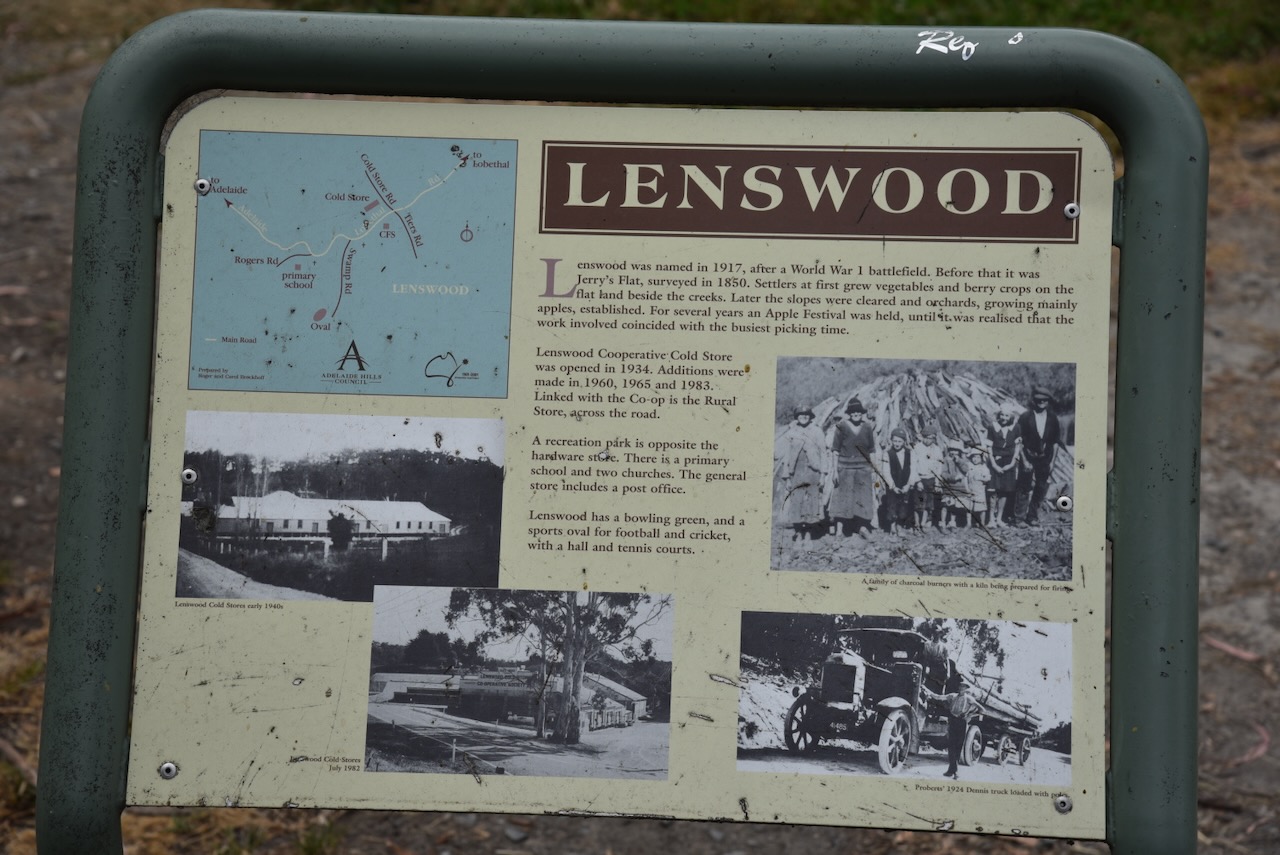
Prior to 1917, Lenswood was known as Jerry’s Flat, which was surveyed in 1850. Lenswood was named in 1917 after a World War One battlefield near the town of Lens in northwest France. (Wikipedia 2018)
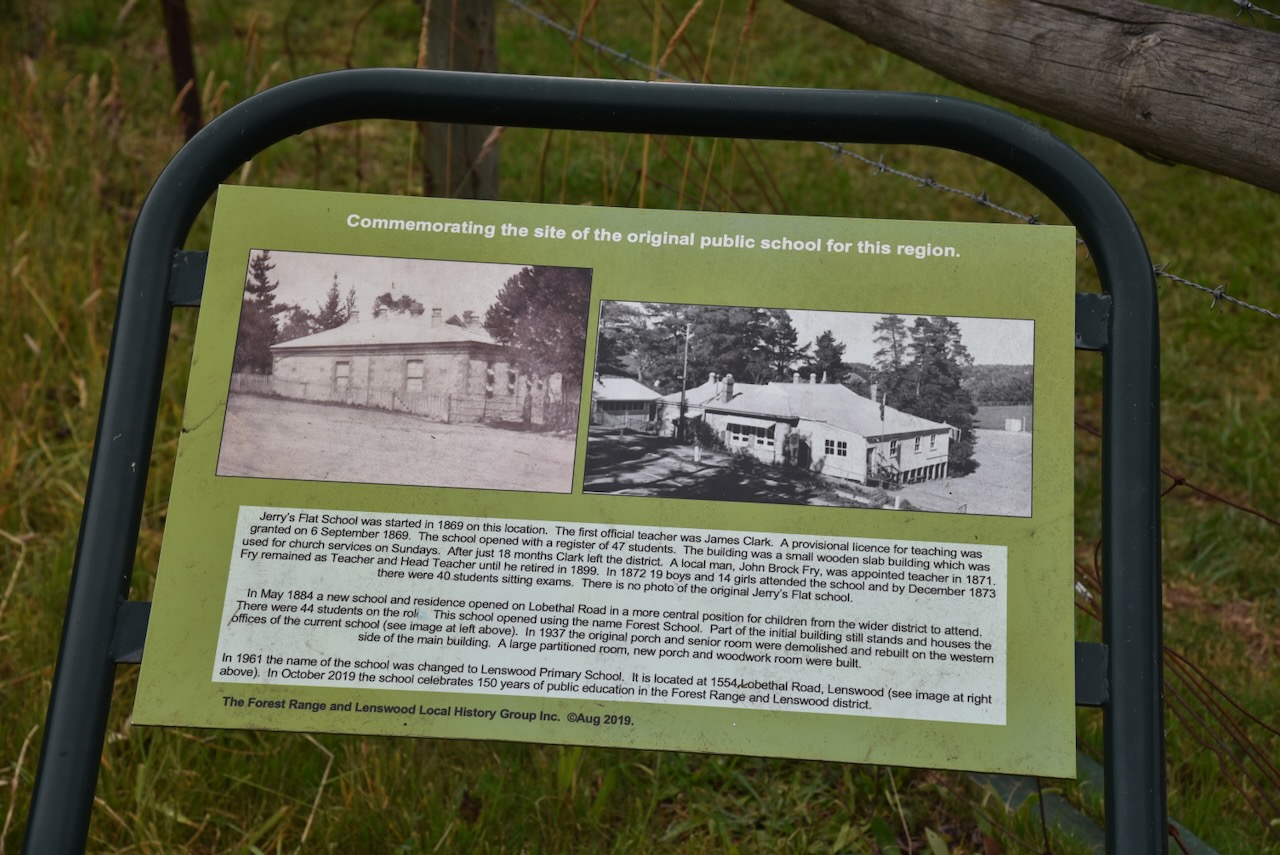
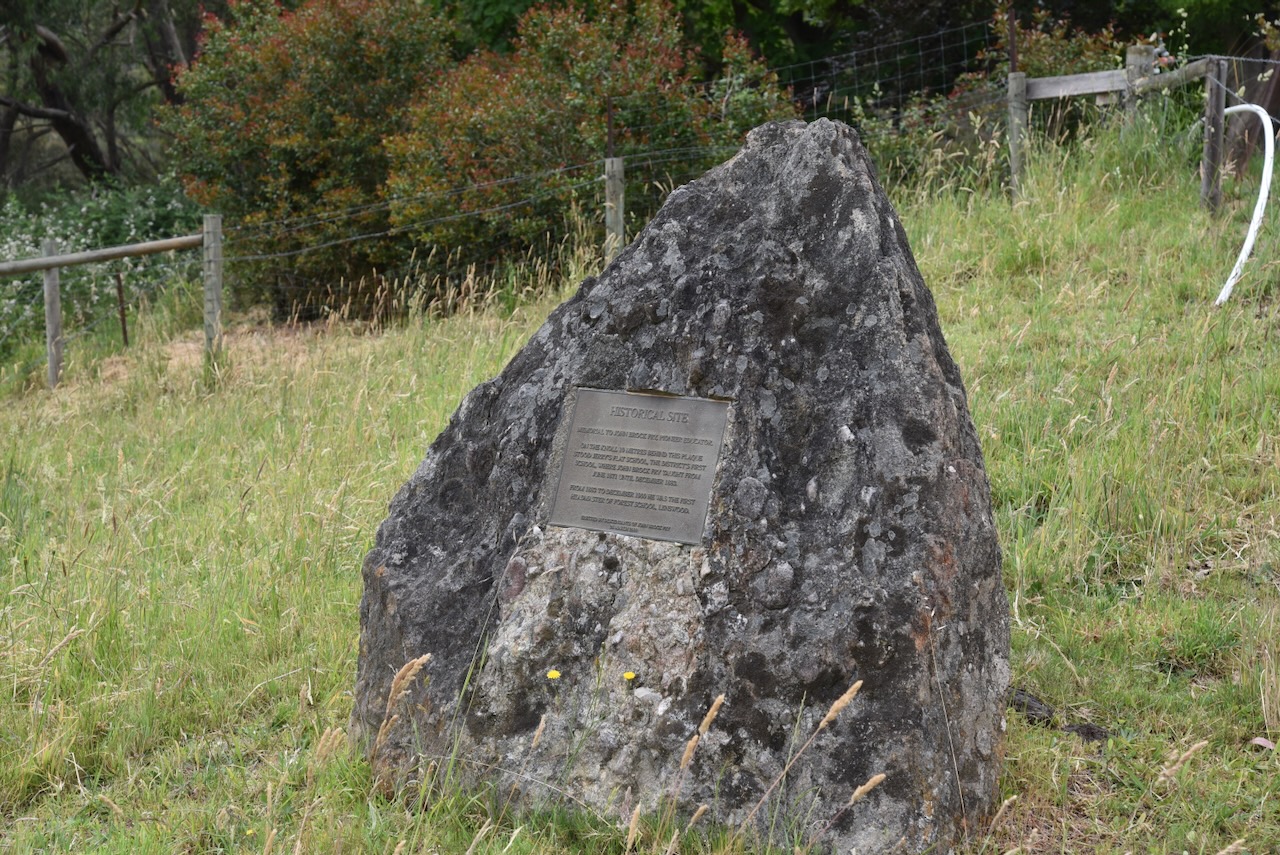
The site of Jerry’s Flat School, the original public school for the area, can be found just outside of Lenswood.
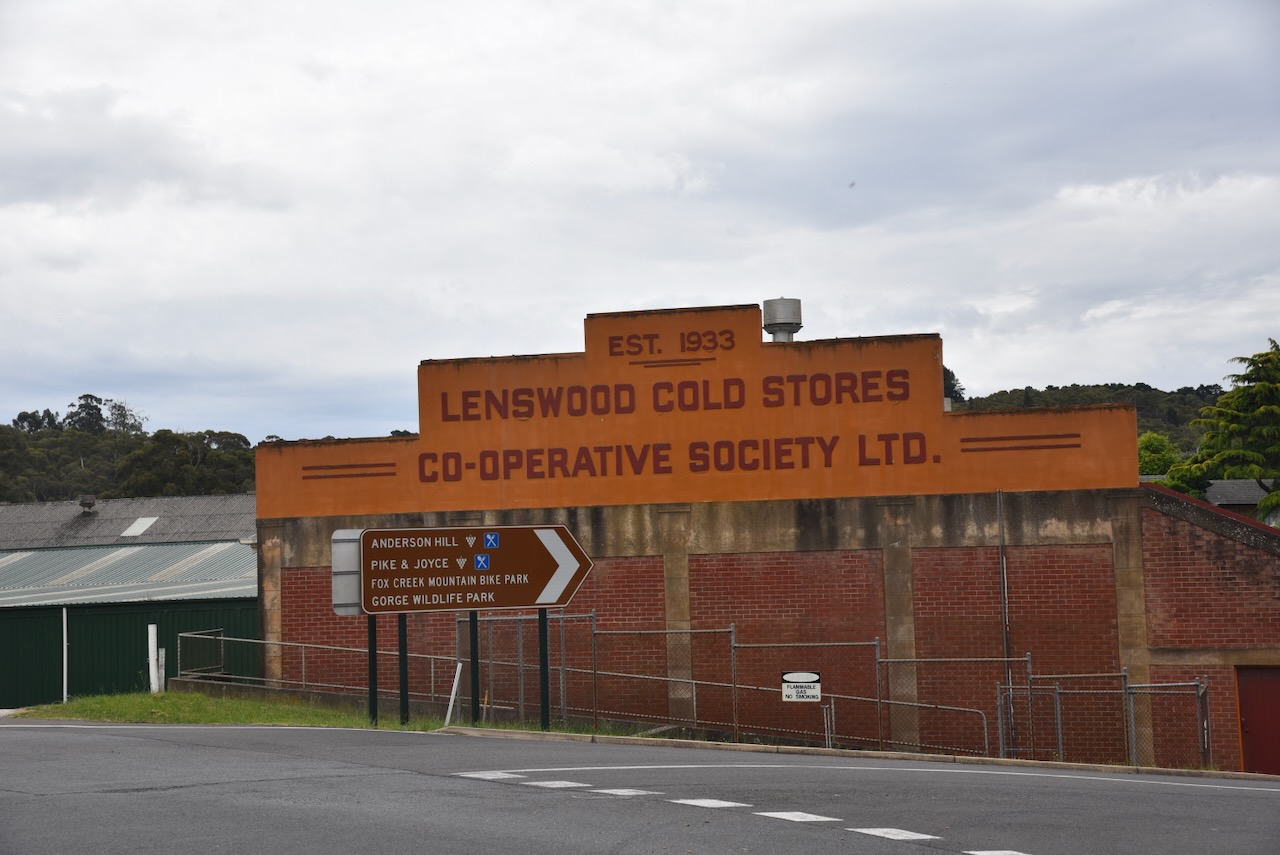
The Lenswood Cold Stores Co-operative Society was established in 1933.
The park is about 17 hectares in size and was established on the 26th day of June 1991. (CAPAD 2022)
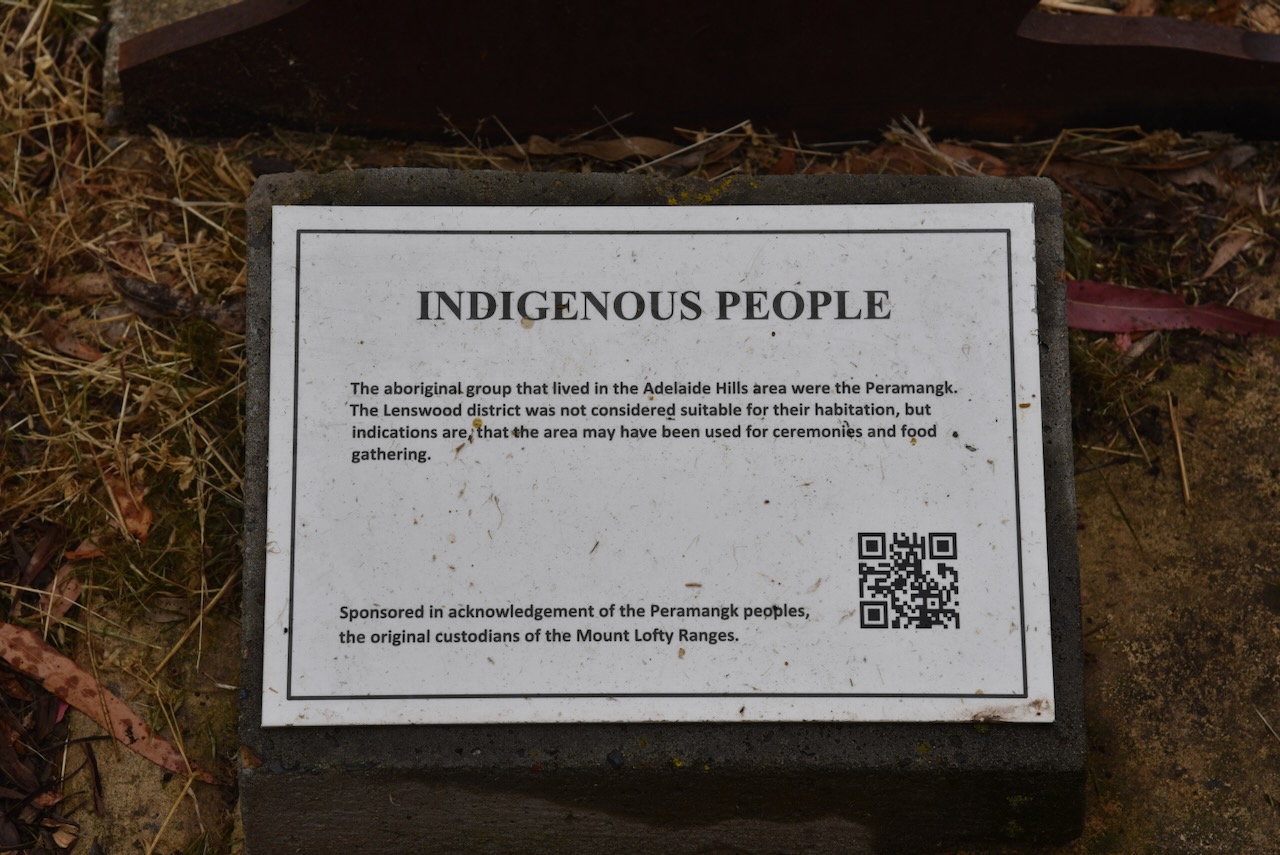
Prior to European occupation, the Peramangk Aboriginal people occupied the Lenswood area.
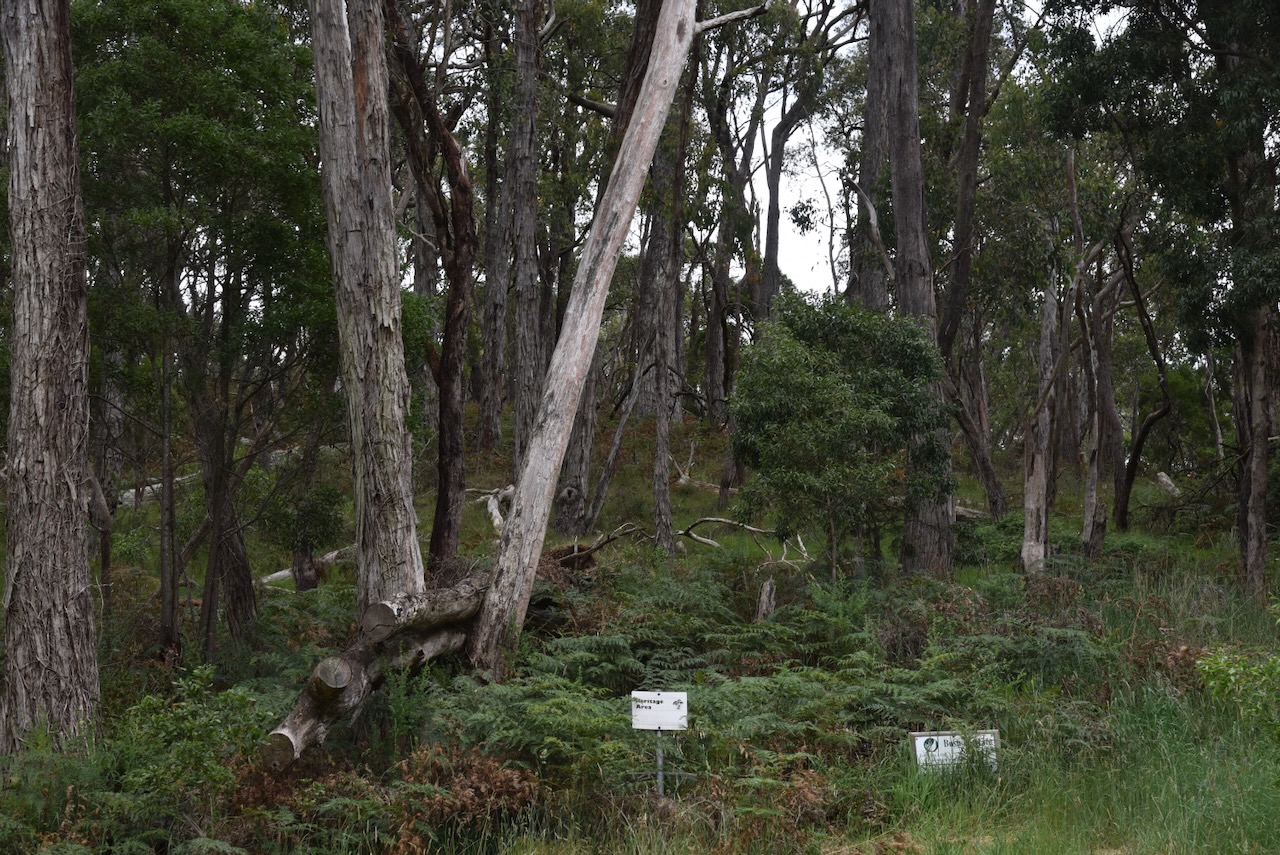
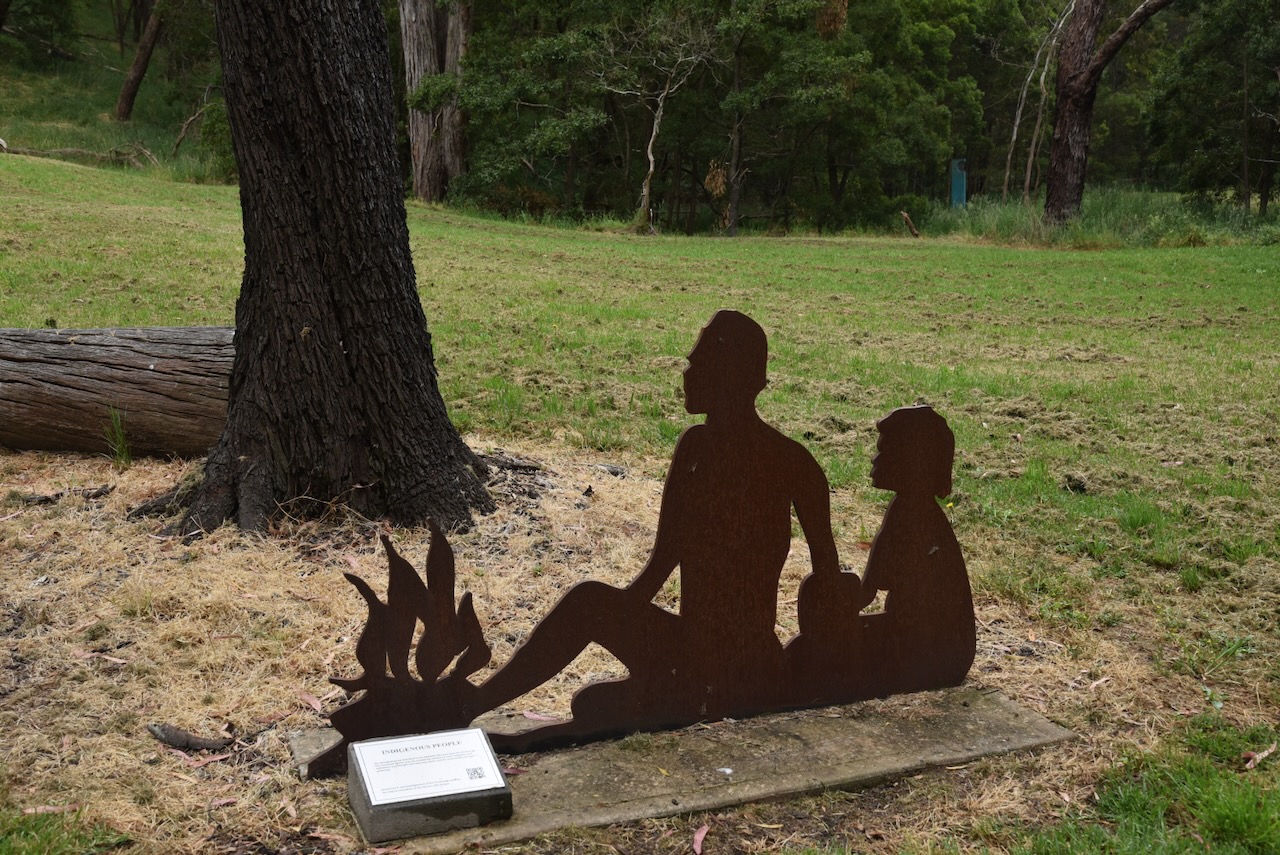
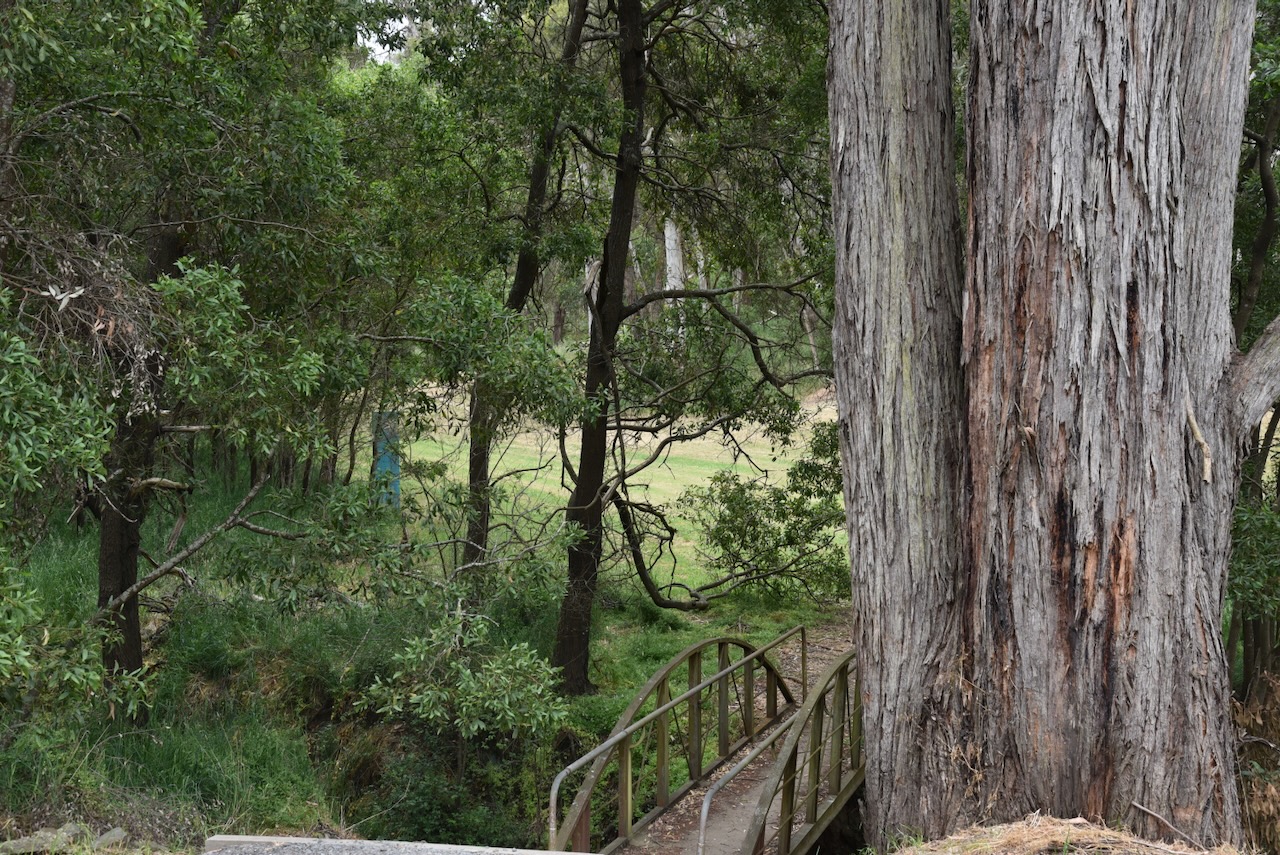
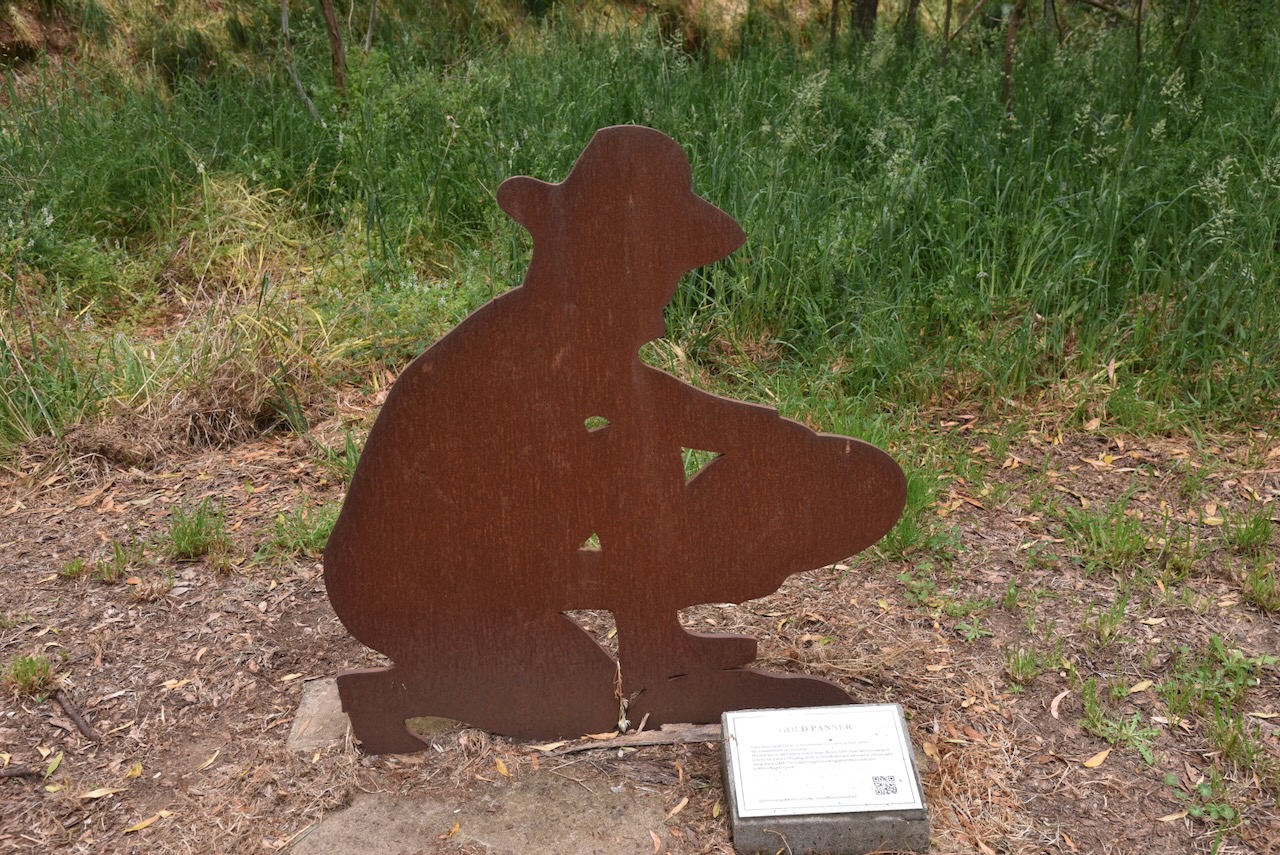
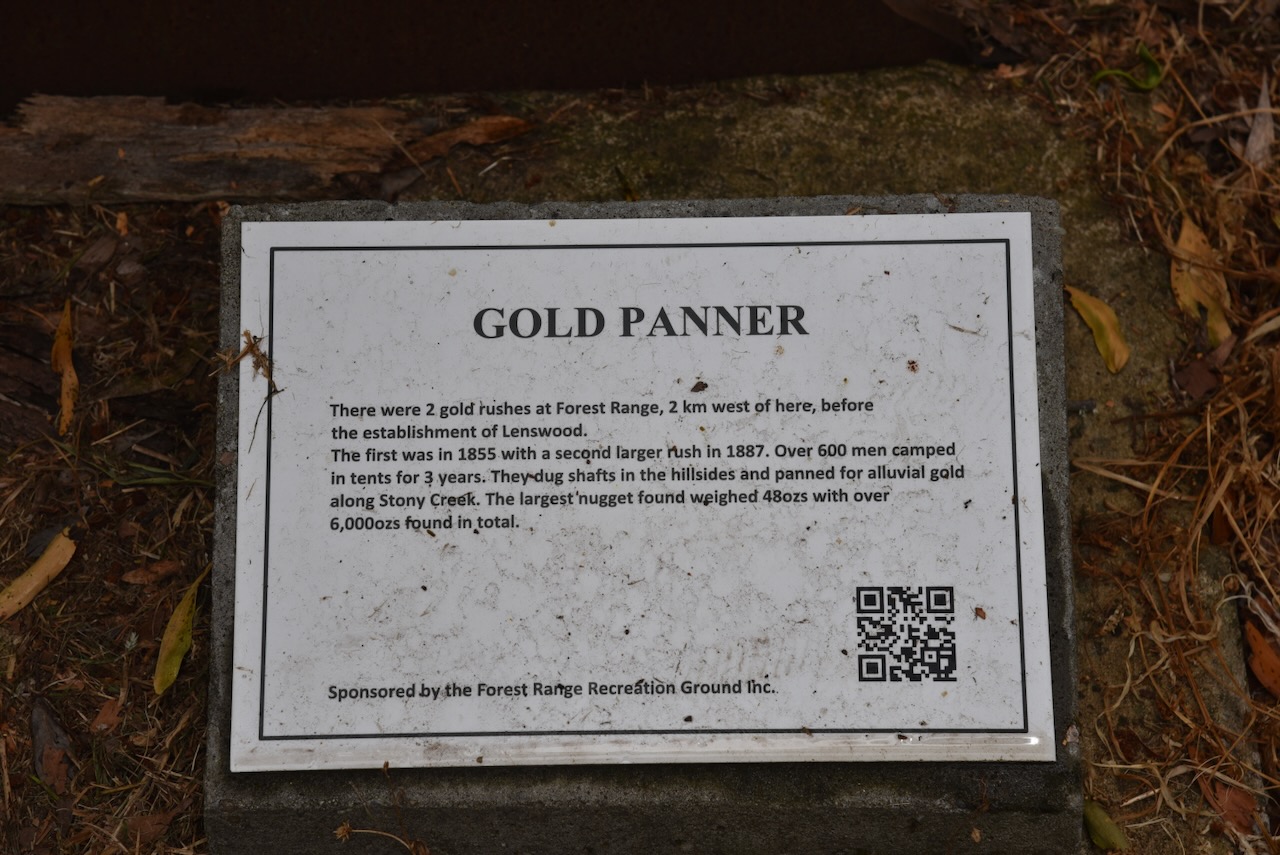
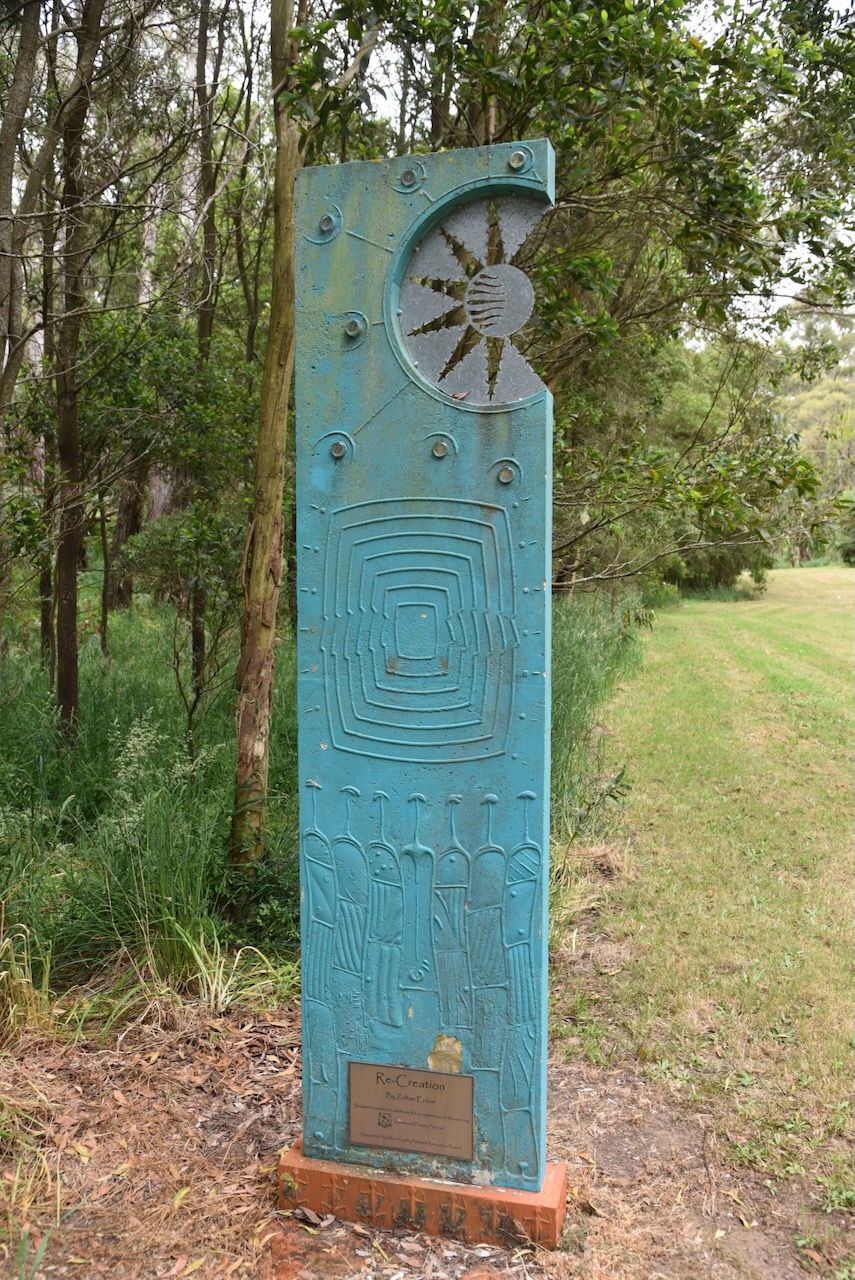
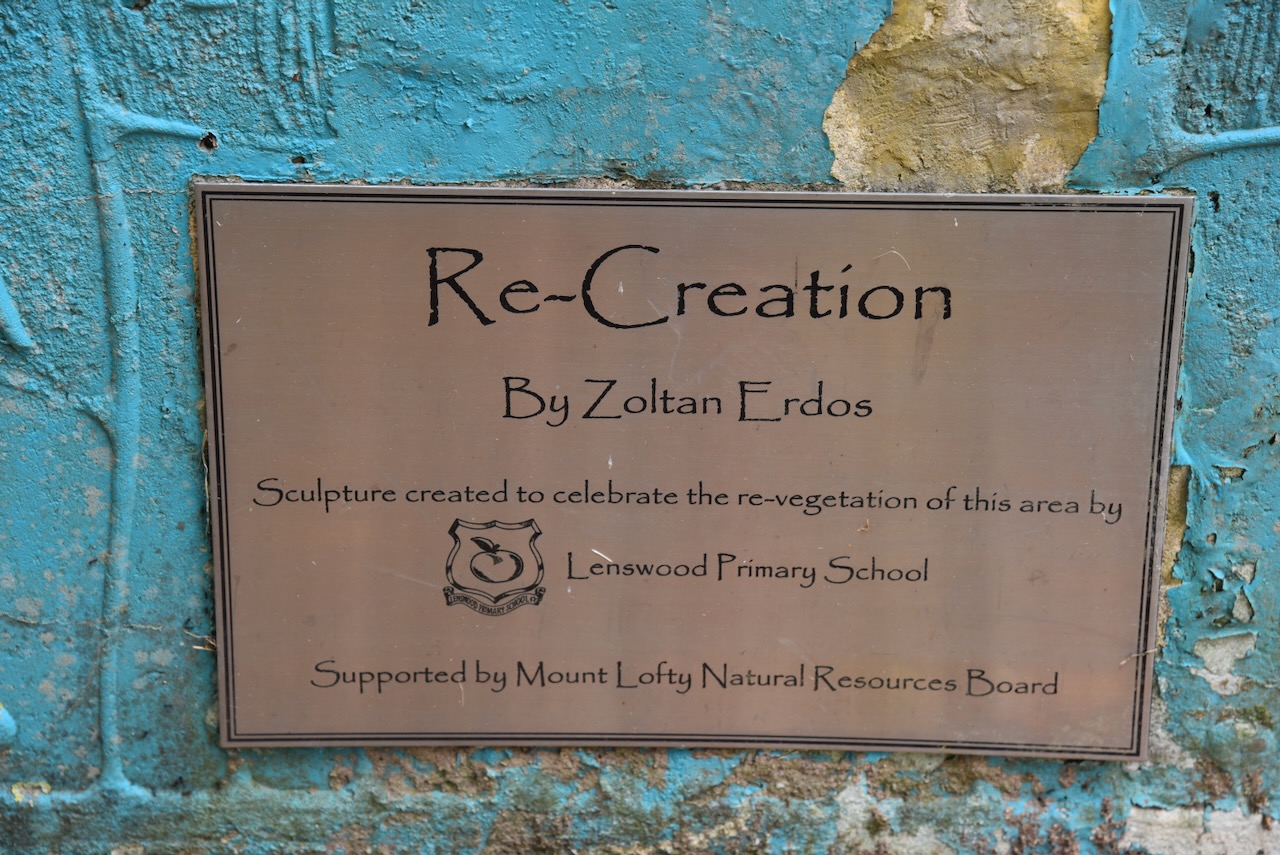
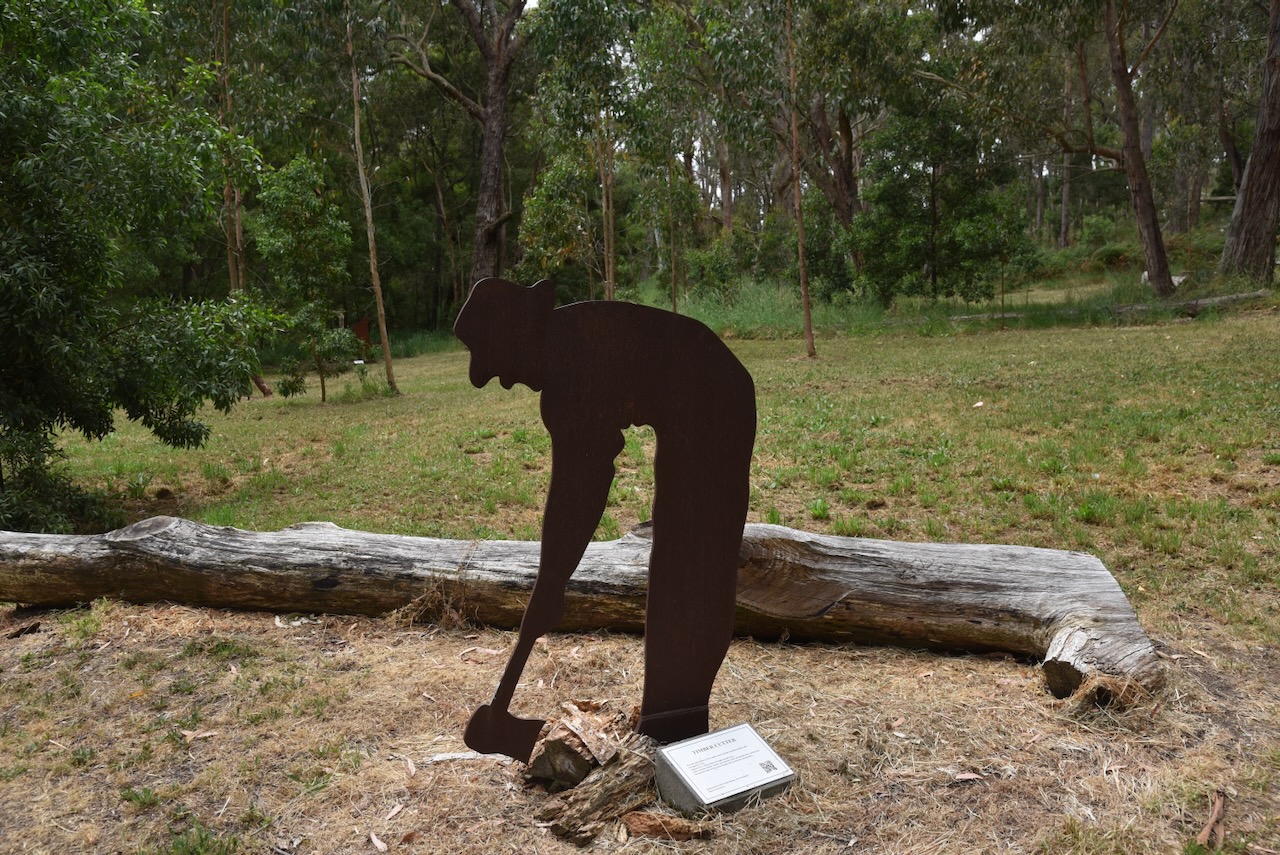
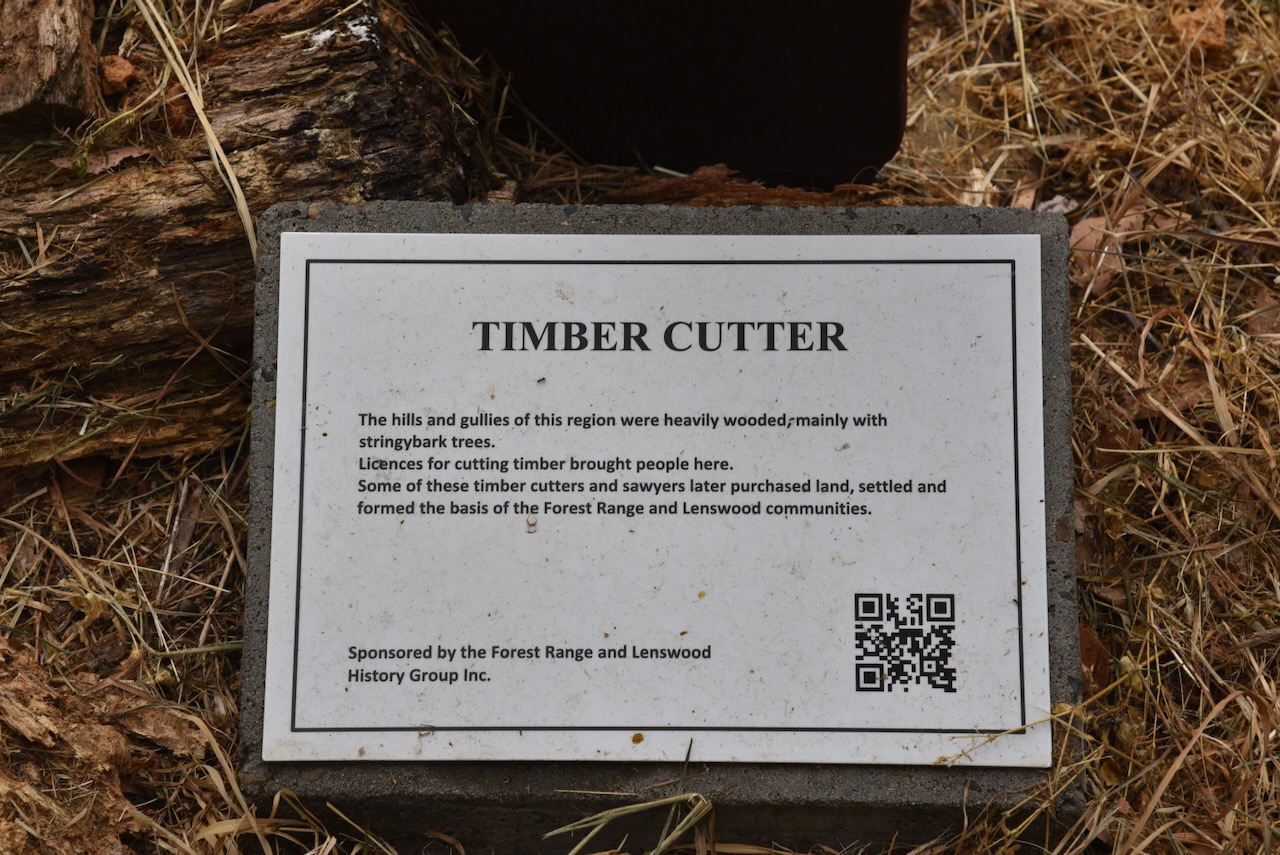
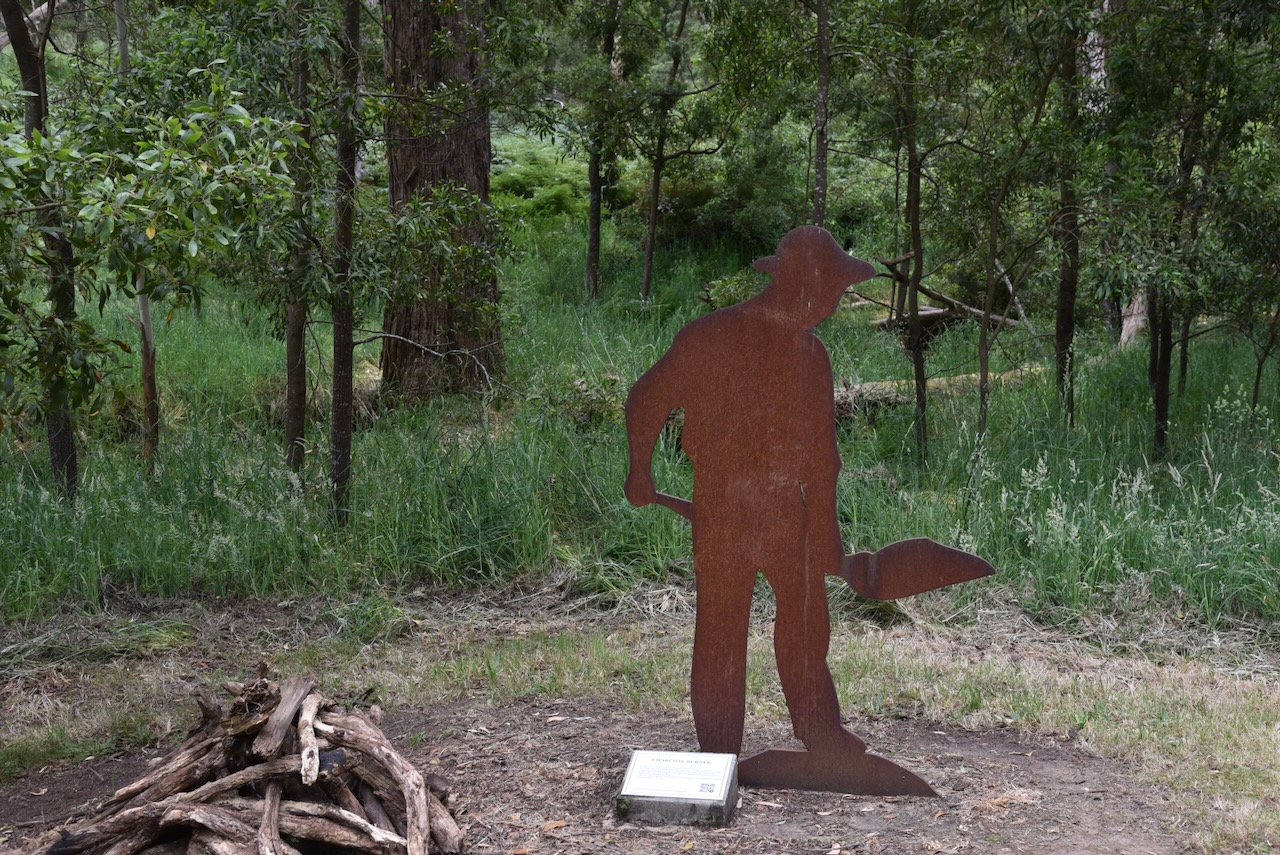
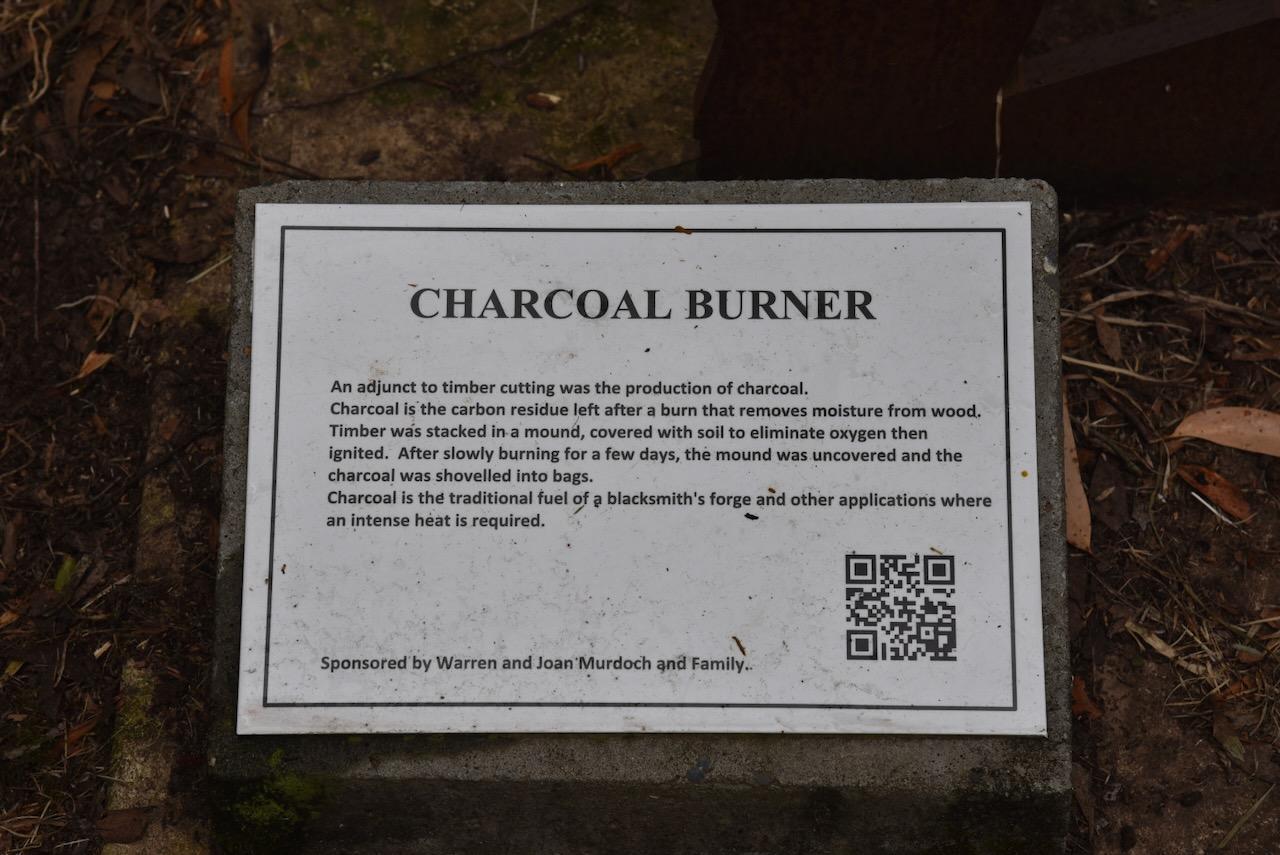
If you take the time to walk across the bridge over what is known as Cock Wash, you will be rewarded with some amazing bushland and a Heritage Trail featuring a series of interpretive signs and life size silhouettes.
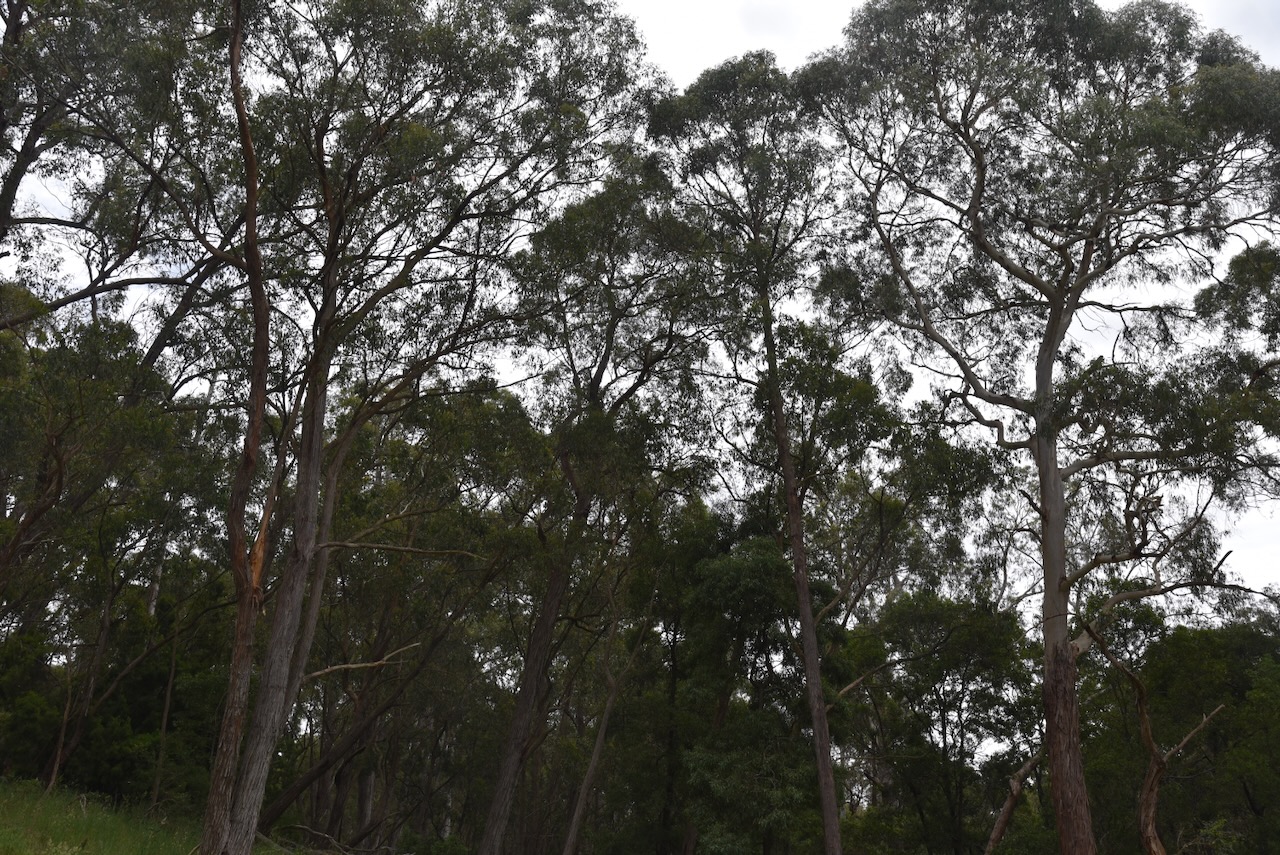
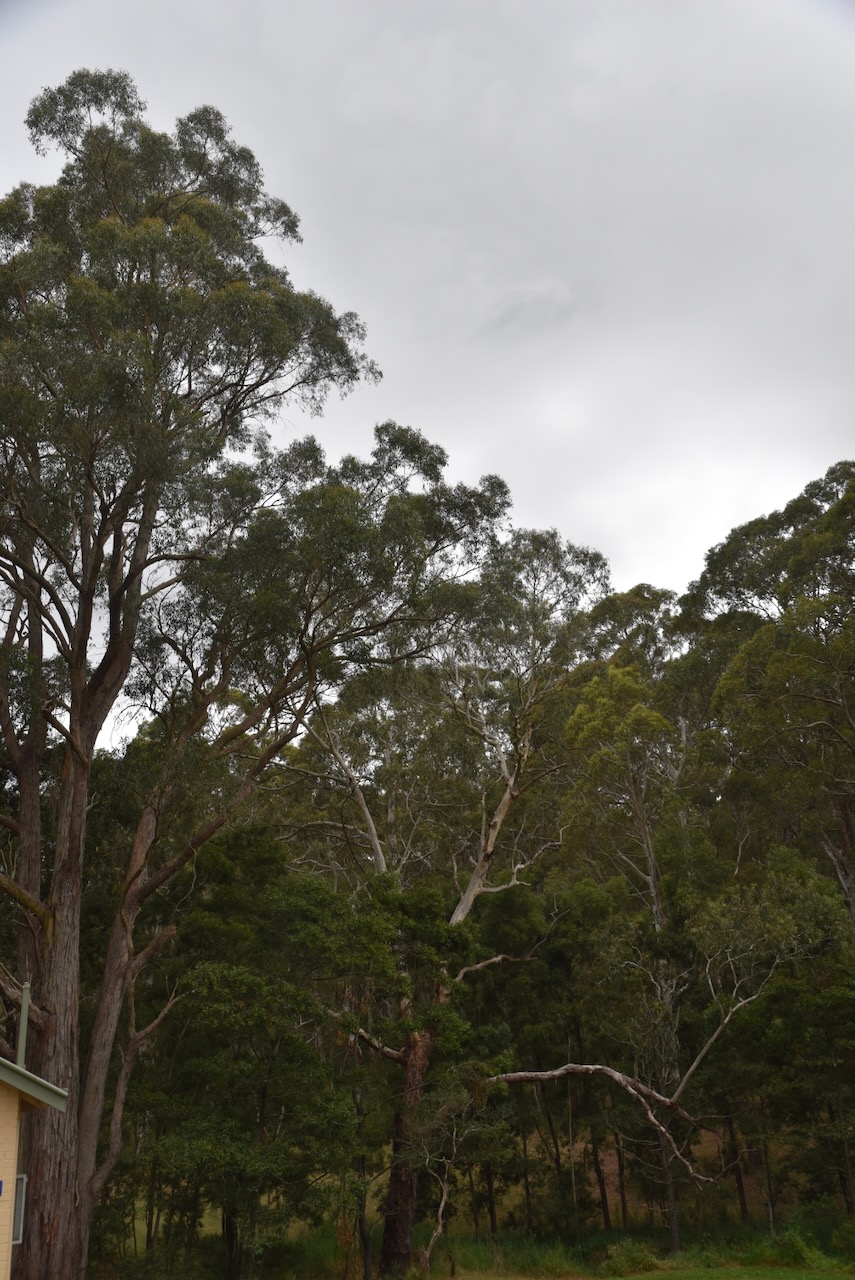
This is certainly a very pretty park.
This is an easy walk that takes about 20 minutes. Some of the interpretive signs relate to the gold panner, the timber cutter, and the Charcoal burner.
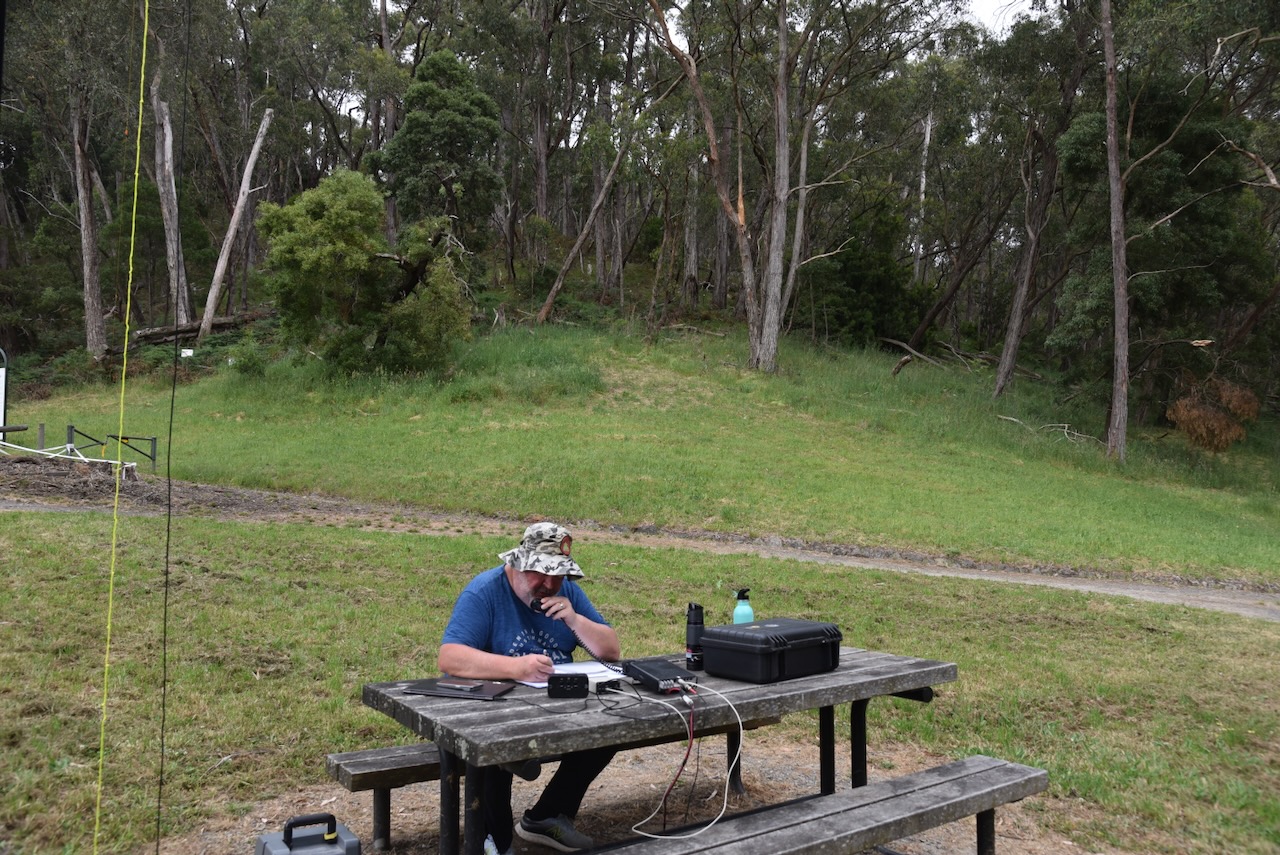
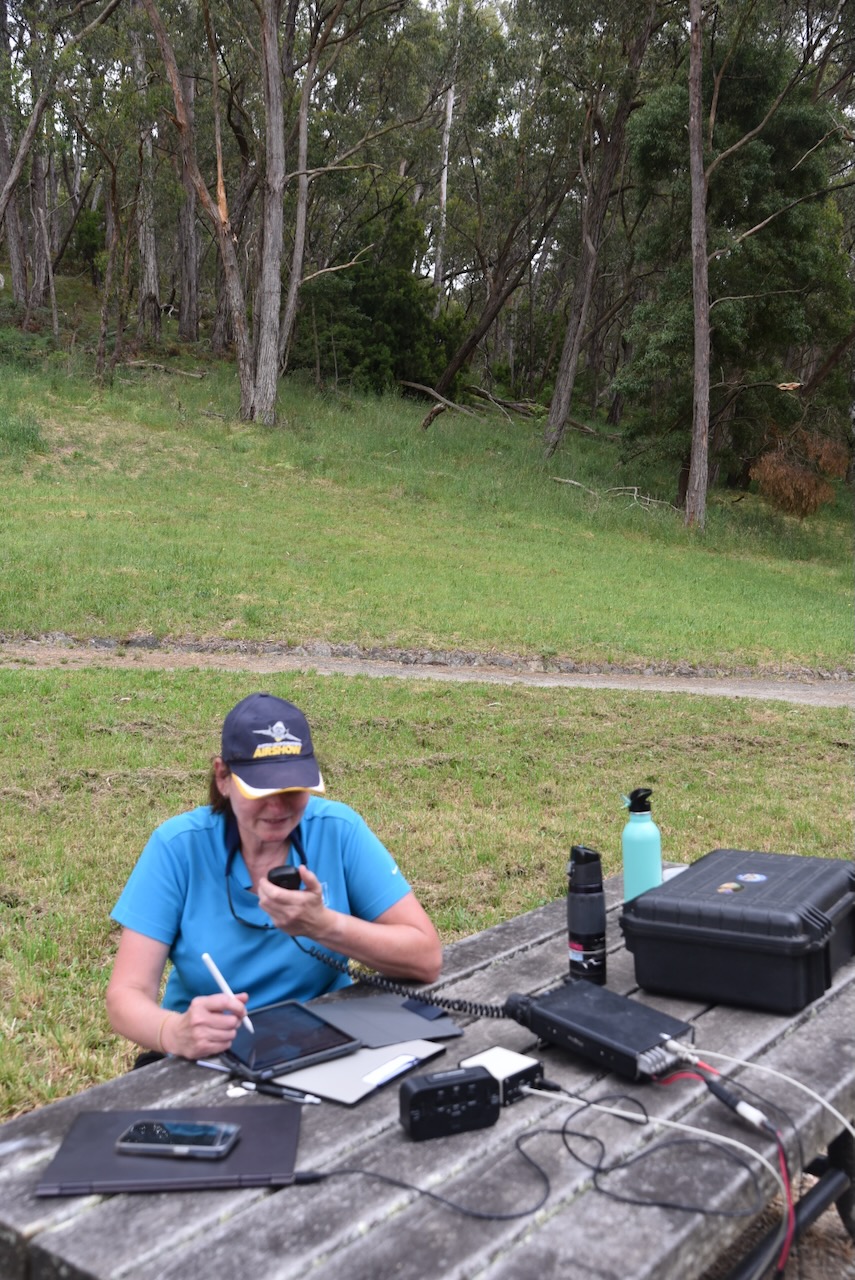
We set up on a wooden table and benches in the park. We ran the Yaesu FT857, 40 watts, and the 20/40/80m linked dipole.
It started spitting with rain midway during our activation, so we had to deploy the bothy bag.
The weekend of Saturday 23rd November and Sunday 24th November 2024 was the annual VKFF Activation Weekend. After our big road trip to Bendigo in October, we decided to activate some parks close to home.
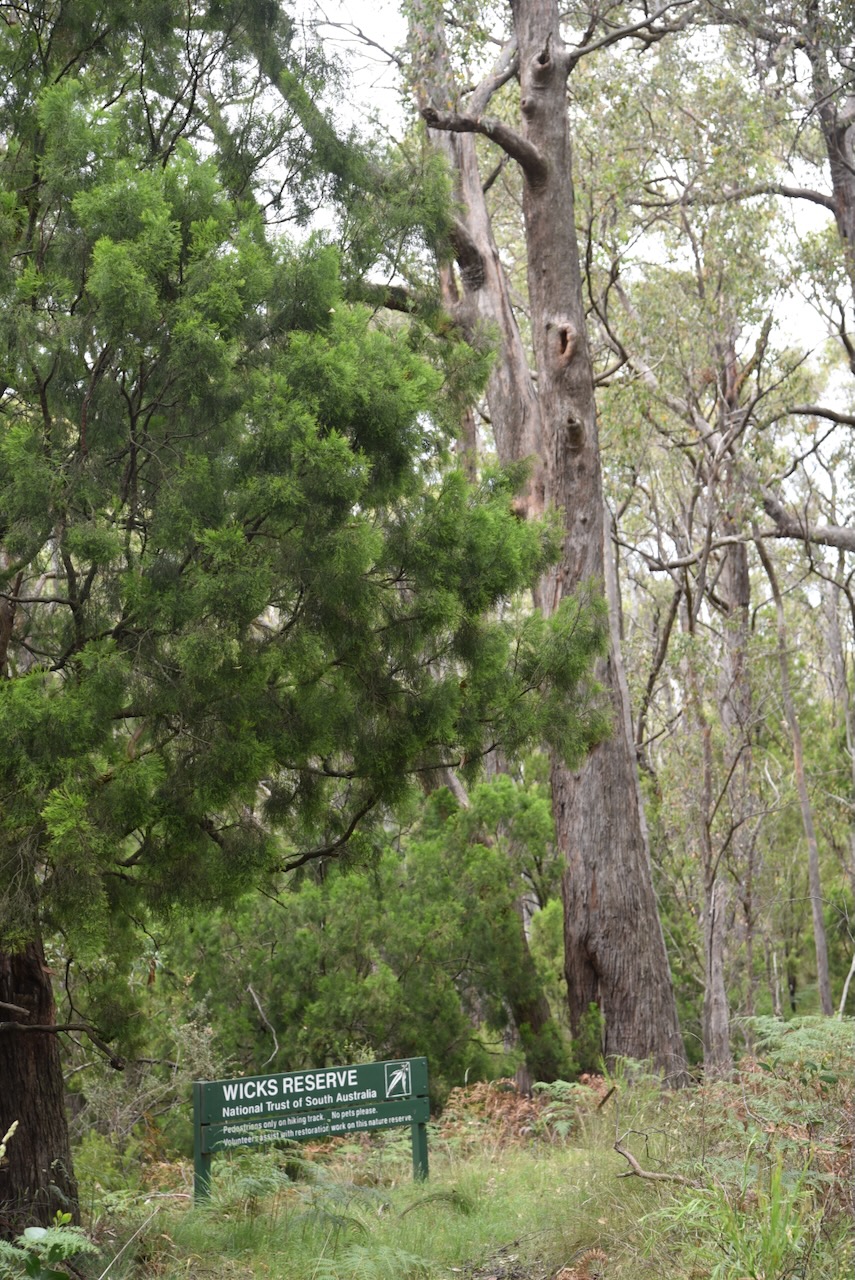
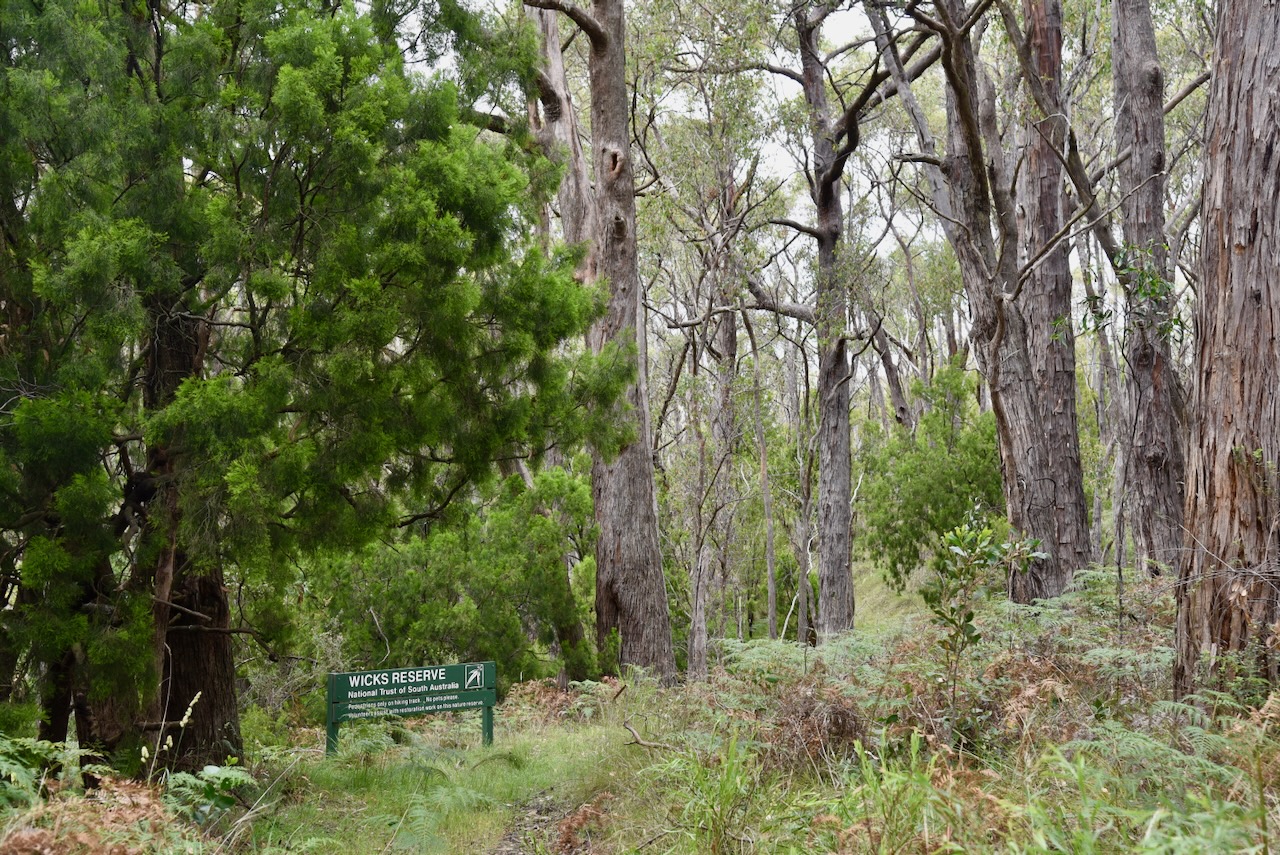
Our first park for Saturday was the Malcolm Wicks Reserve VKFF-4043. The reserve is located in the Mount Lofty Ranges ‘Adelaide Hills’, about 26 km east of the city of Adelaide.
Above:- Map showing the location of the Malcom Wicks Reserve. Map c/o Google Maps.
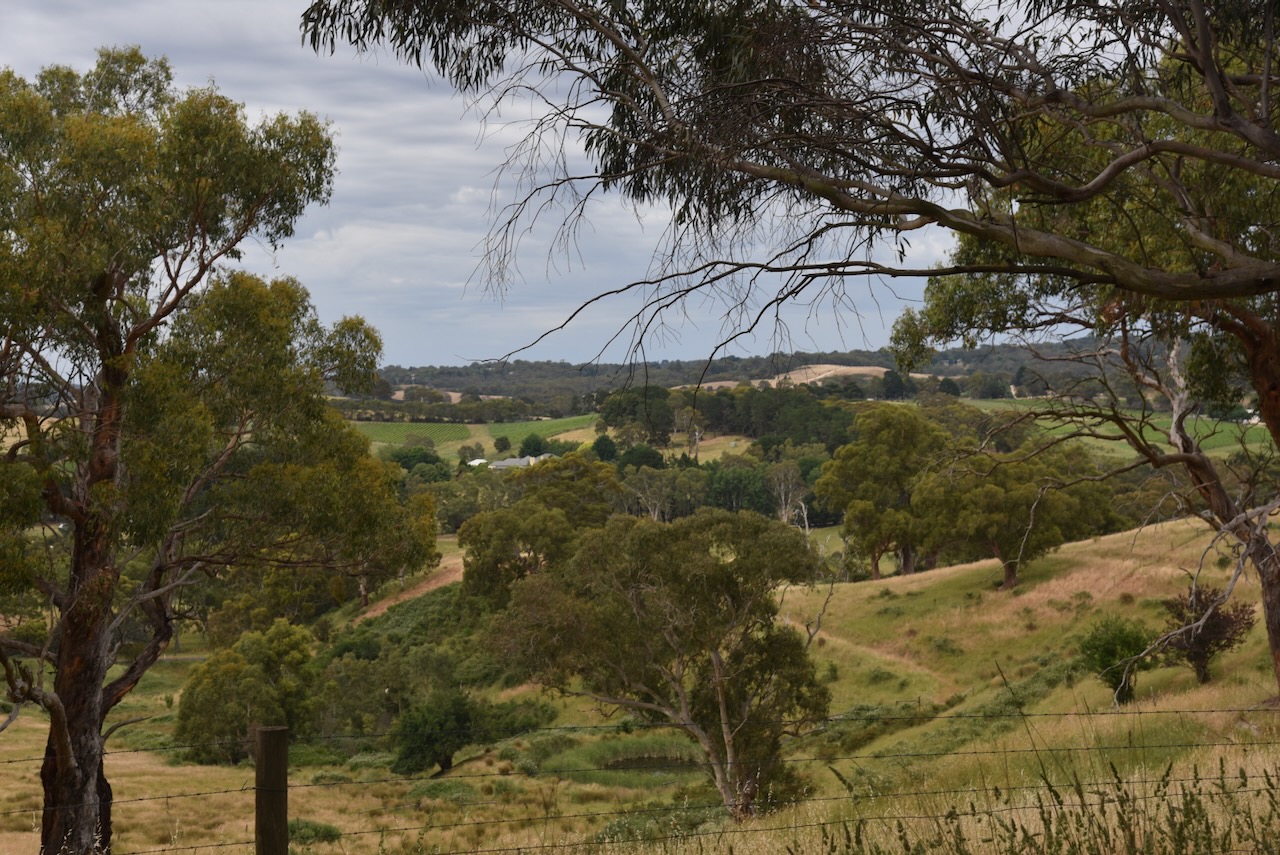
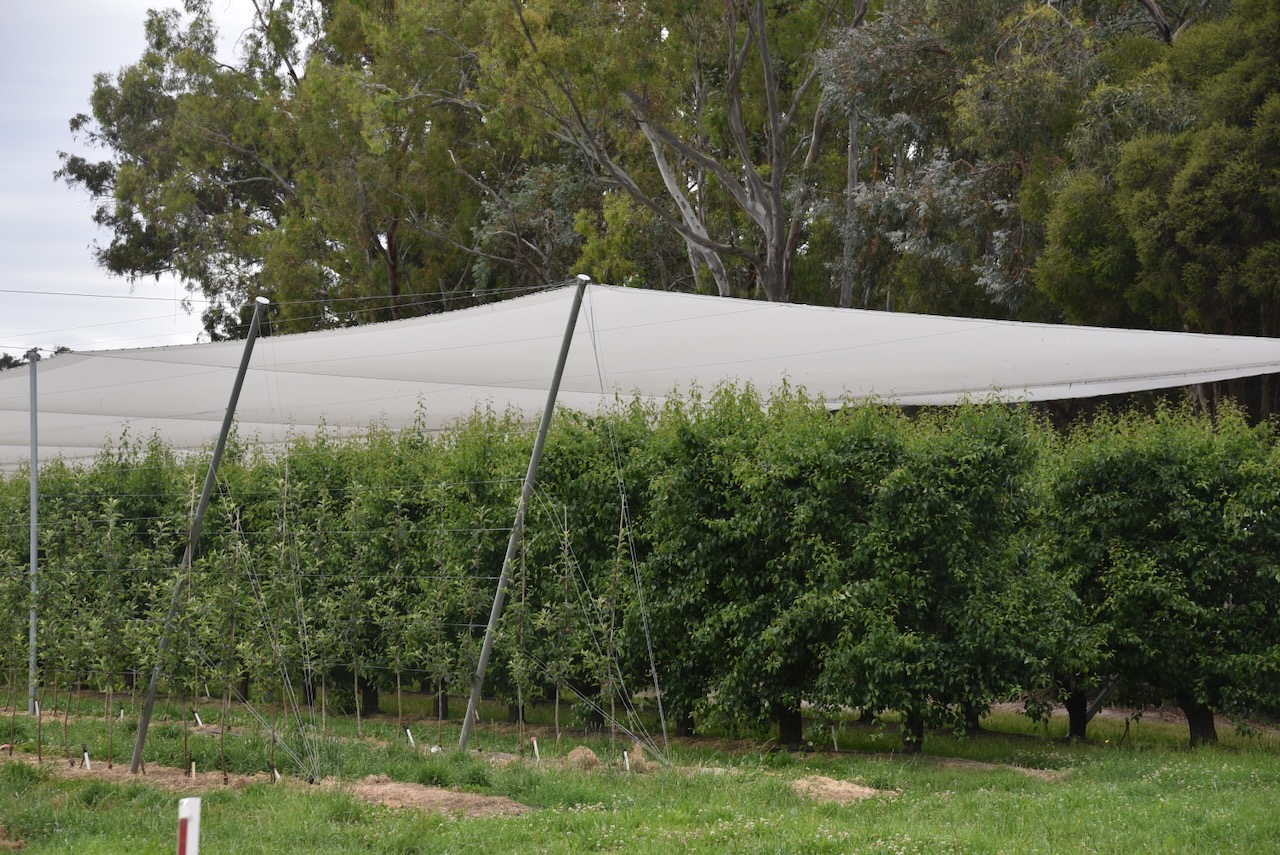
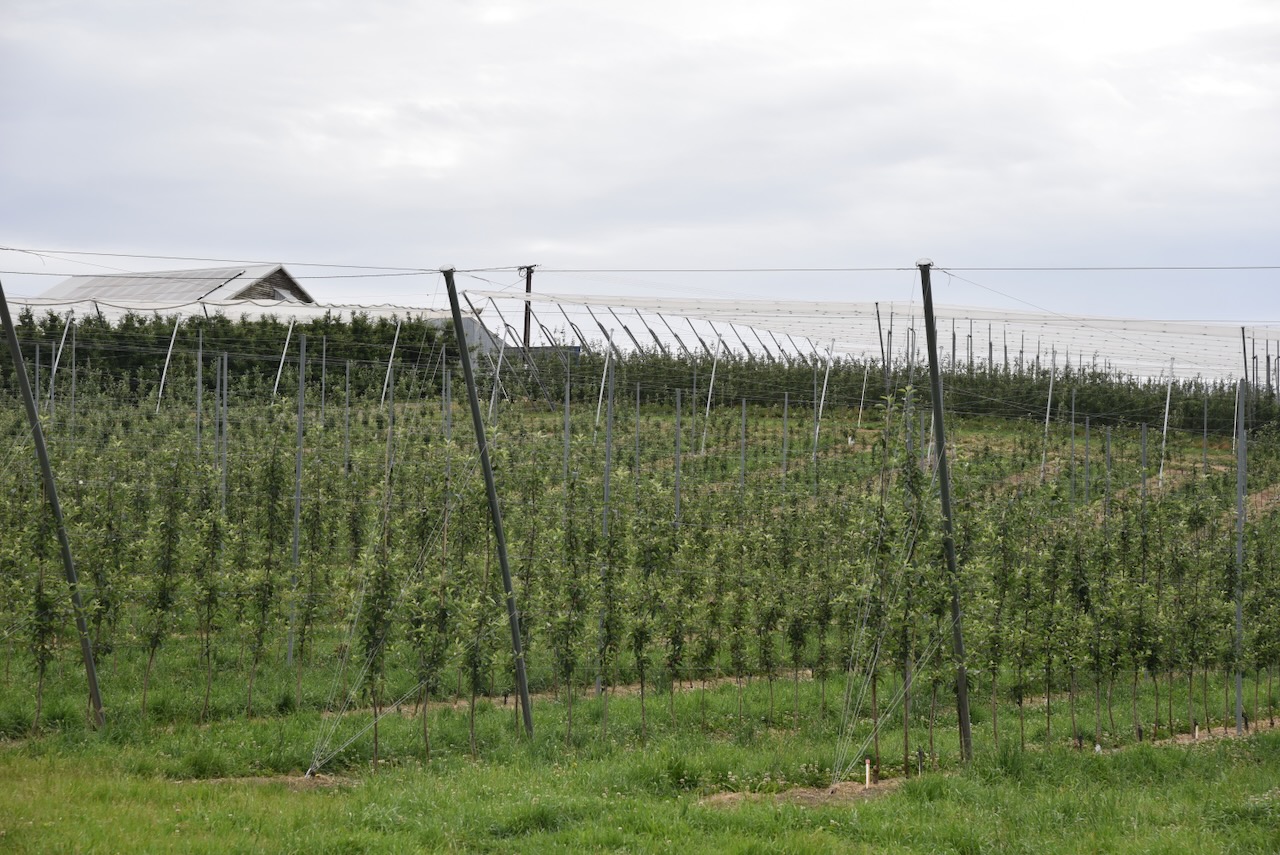
Our drive took us through beautiful countryside in the Adelaide Hills, including the apple, pear, and cherry-producing area of Lenswood.
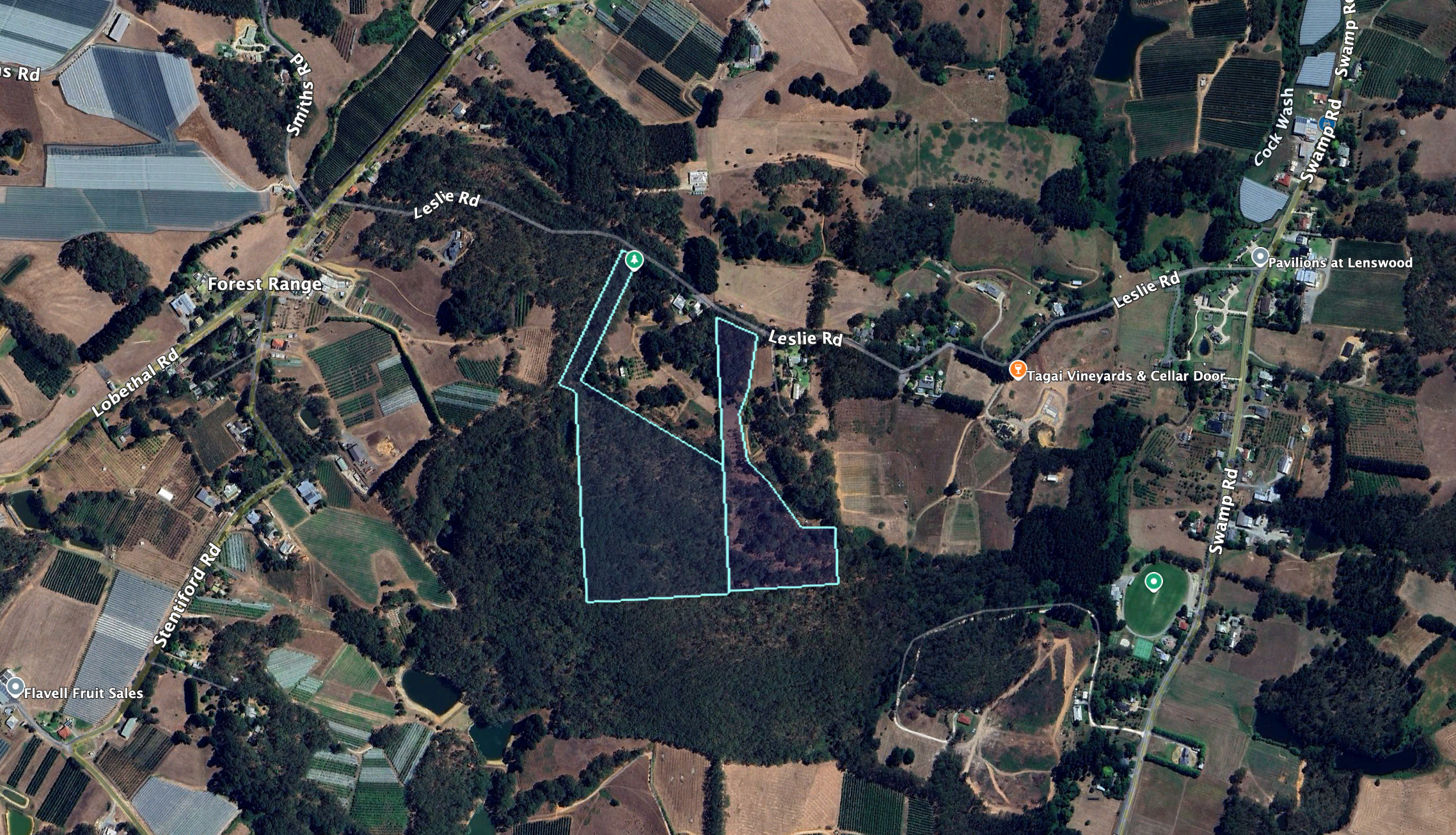
The Malcolm Wicks Reserve is located on the southern side of Leslie Road, Lenswood.
Above:- An aerial view of the Malcom Wicks Reserve. Image c/o Google Earth.
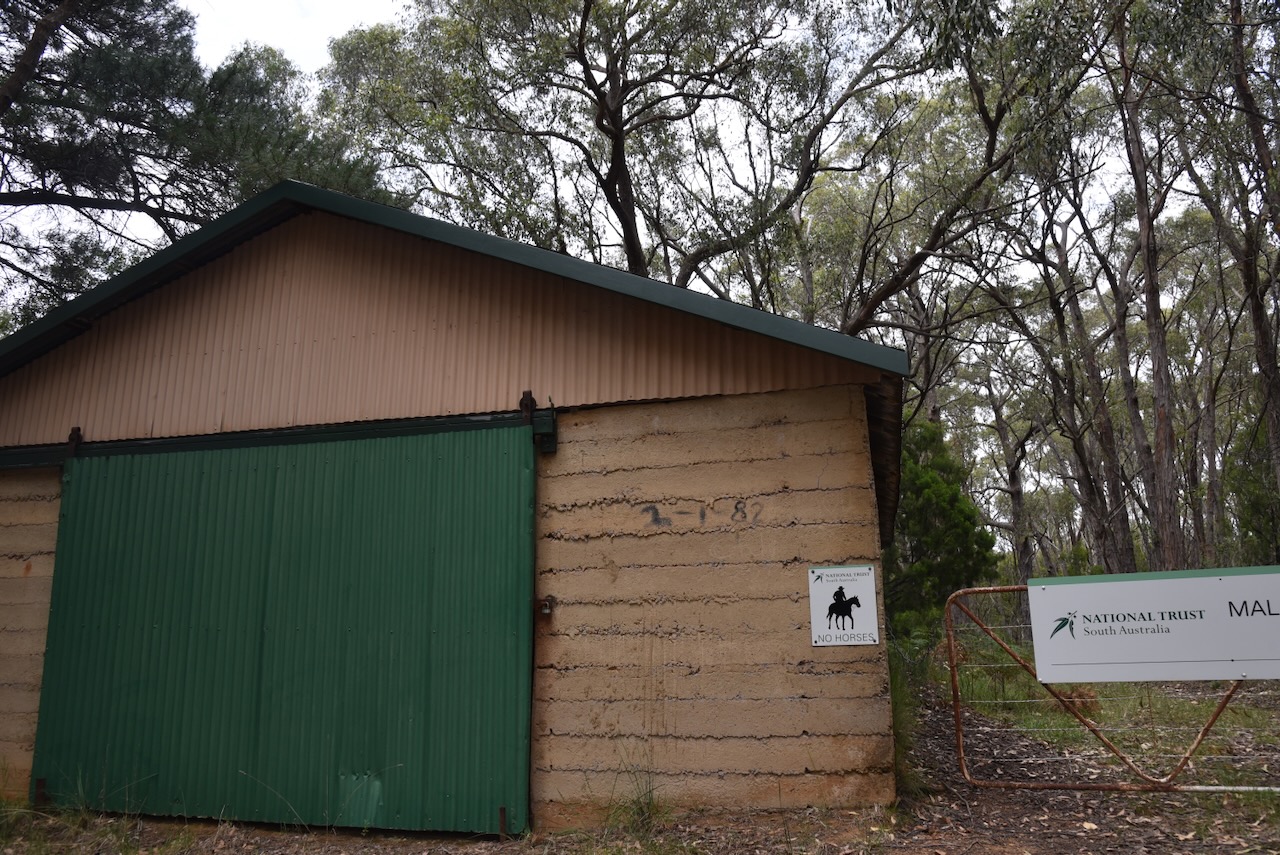
The park is signposted on Leslie Road. There is an old shed with a green door, and alongside that is a gate that leads into the park. There is no vehicular access; it is pedestrian only.
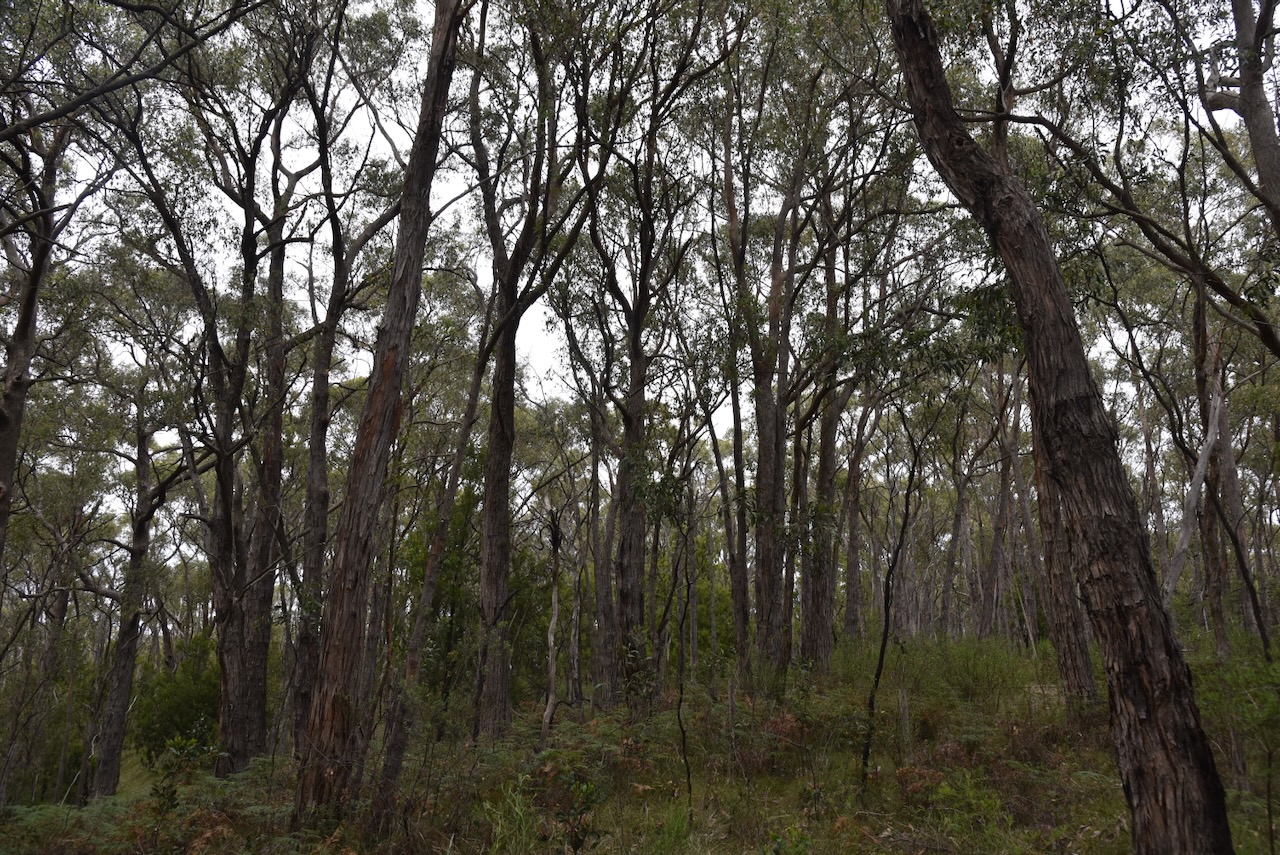
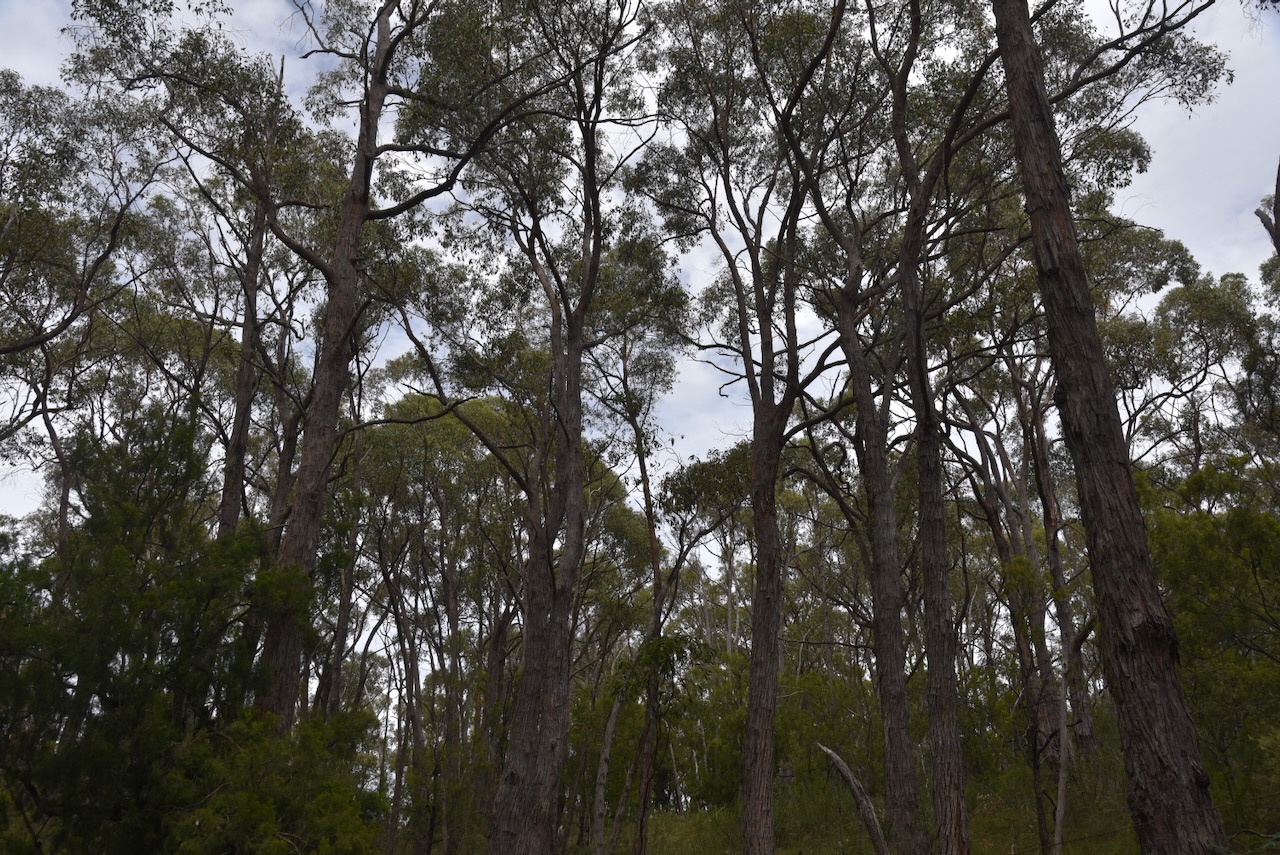
Malcolm Wicks Reserve is an excellent example of Stringybark Open Forest in the high rainfall area of the Mount Lofty Ranges. It is about 8 hectares in size and comprises undulating land. (National Trust, 2025)
Malcolm Wicks Reserve was donated to the National Trust of SA by Mr & Mrs M. Wicks and Mr & Mrs G. Nancarrow in 1979. The National Trust is a worldwide membership organisation that cares for natural and built heritage. (National Trust, 2025)
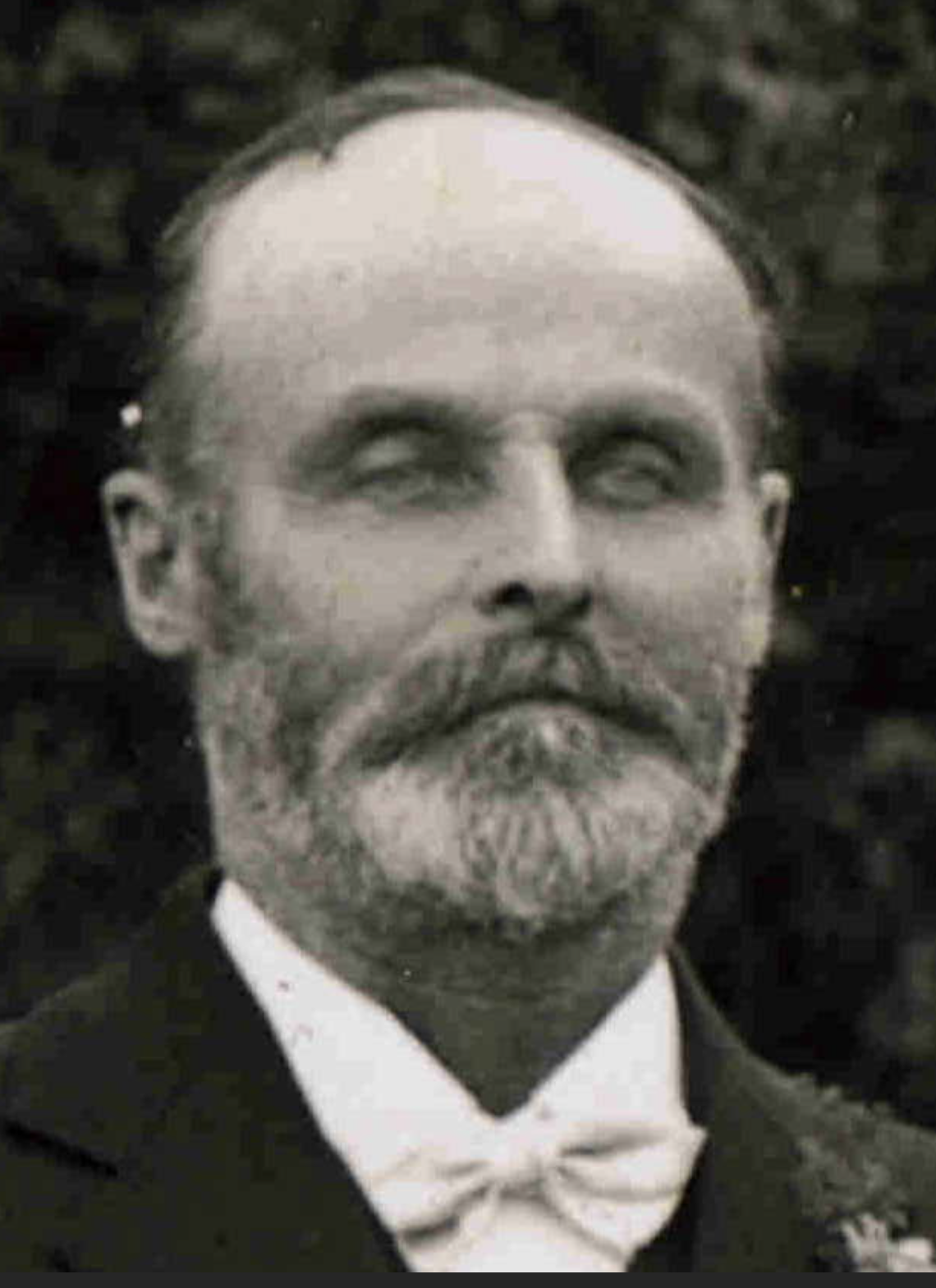
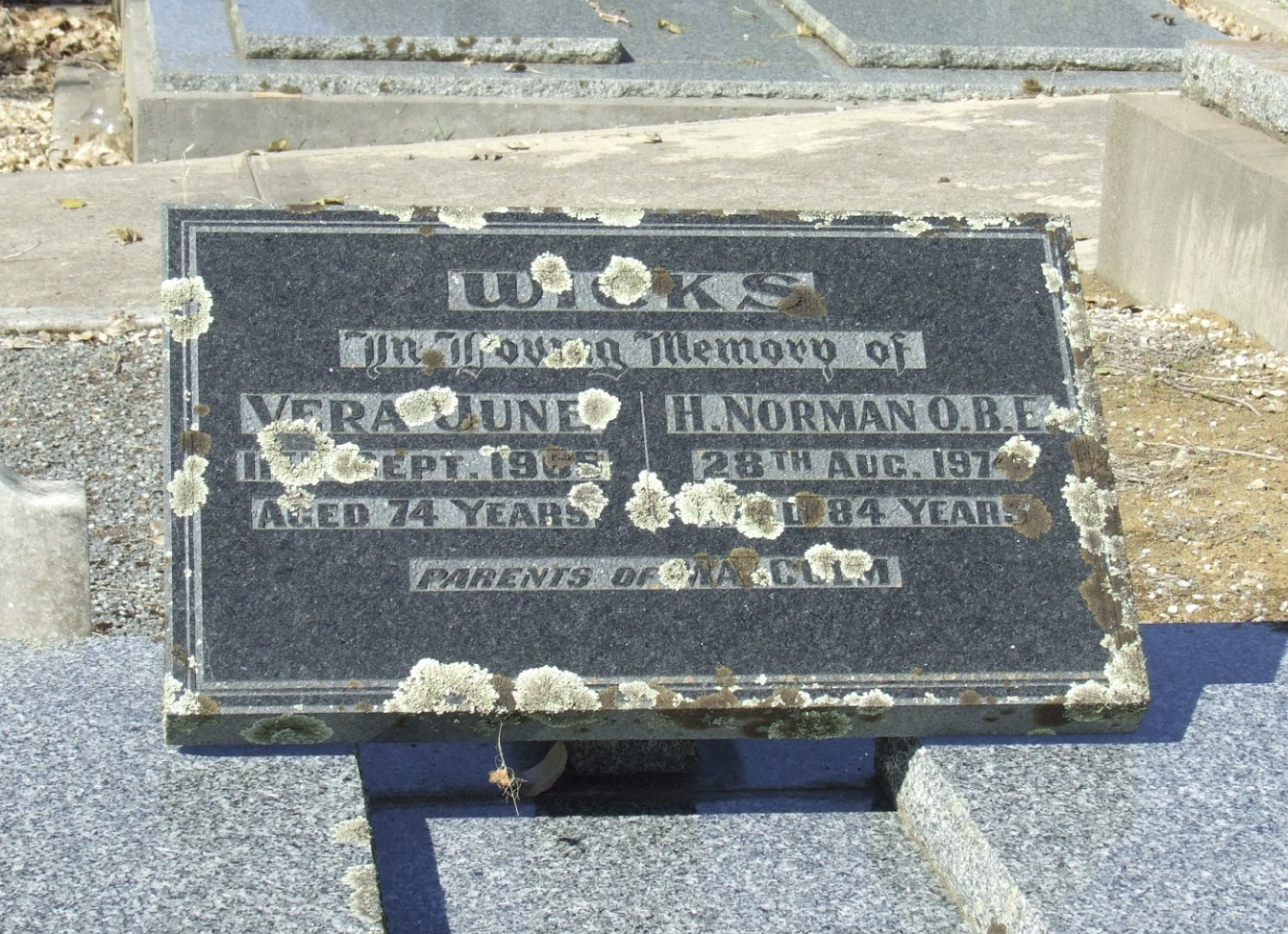
Malcolm Norman (Norman) Wicks OBE was born on the 15th day of May 1920 at College Town (Adelaide). His parents were Hubert Norman David Wicks and Vera June Wicks, nee James.
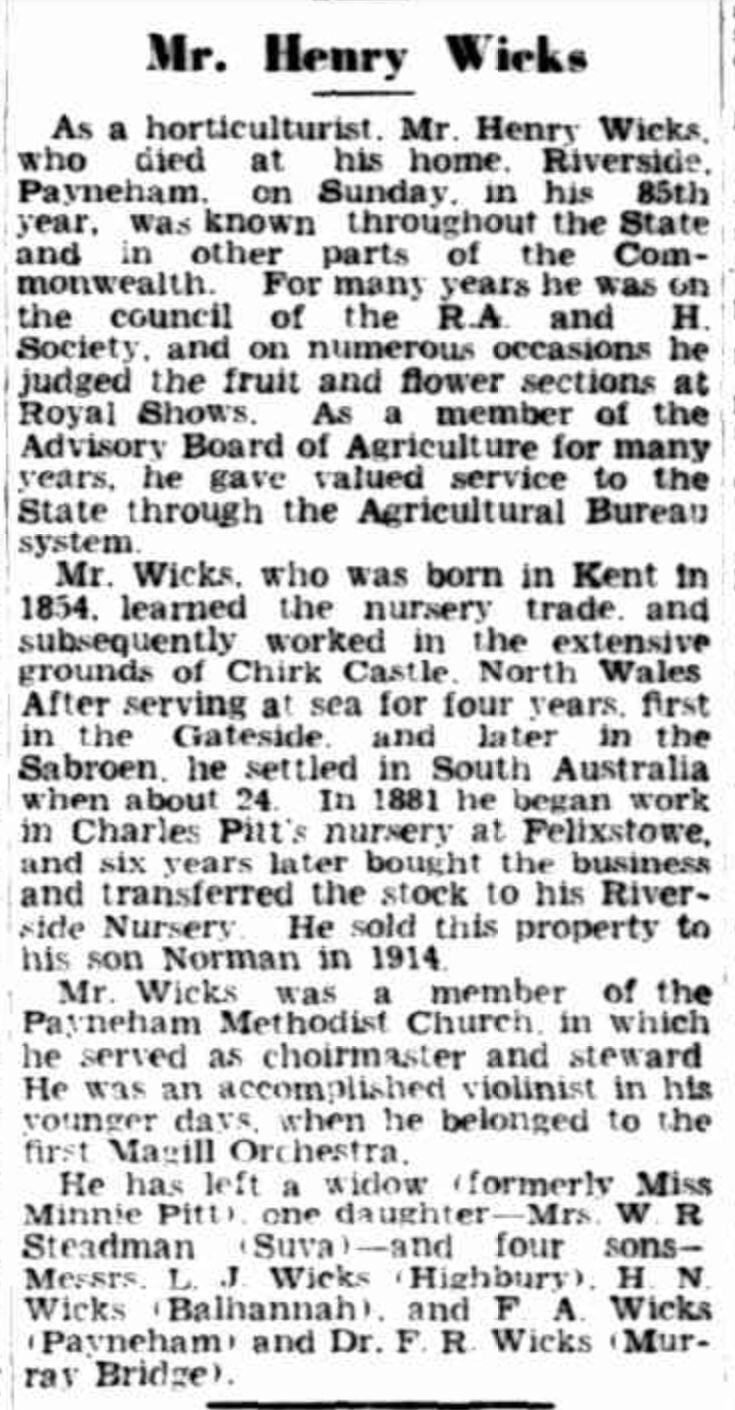
Malcom’s grandfather was Henry Wicks, who was born in 1854 in Berkshire, England. He emigrated to Australia in 1882 and married Emma Jane Pitt in 1884. Henry worked for Emma’s uncle Charles Pitt at a nursery at Felixstow (I grew up there as a child, not far from Wicks Avenue). In 1905, Henry purchased some land at Balhannah where he established an orchard, and in 1908, he commenced the business of Balhannah Nurseries. (Balhannahnurseries.com.au, 2025) (Trevenen Family in Australia, 2017)
Henry died in 1939 at his home in Payneham. He was 85 years old. Below is Henry’s obituary, which appeared in The Advertiser on Wednesday, 28th June 1939. (Trove, 2025)
Above:- Obituary of Henry ‘Norman’ Wicks, The Advertiser, Wed 28 Jun 1939. Image c/o Trove.
Henry’s son, ‘Norman’ Hicks, was born in October 1889 at Marden. Along with his brother Leonard ‘Len’, they traded as Wicks Brothers at Balhannah until 1917, when he purchased his father’s property. (Trevenen Family in Australia, 2017)
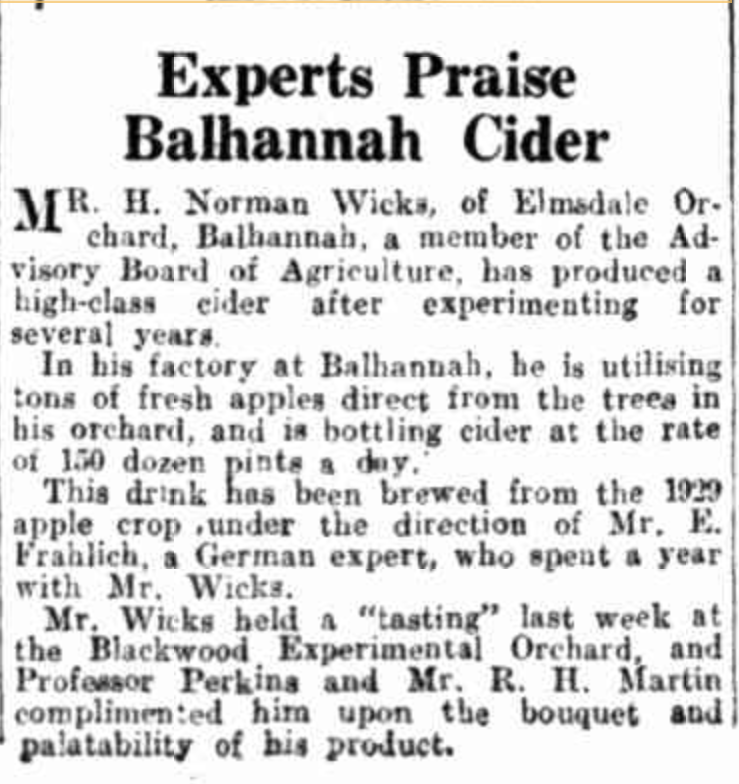
Norman subsequently established the Balhannah Cold Store Company with August Filsell. This was Australia’s first private cold store. Norman also established Elmsdale Cider, which was exhibited in 1935 in Japan at an Australian trade fair. (Trevenen Family in Australia, 2017)
Above:- Article from the Observer, Sat 8 Mar 1930. Image c/o Trove.
Norman died in August 1974 and is buried at the Bonney’s Flat Methodist Cemetery, Balhannah.
Norman’s son Malcolm continued his father’s nursery business and became the manager of Balhannah Nurseries in 1960. Malcom retired in 1981. He died on the 12th day of September 2009 and is buried at Bonney’s Flat Methodist Cemetery, Balhannah, with his parents.(Balhannahnurseries.com.au, 2025) (Trevenen Family in Australia, 2017)
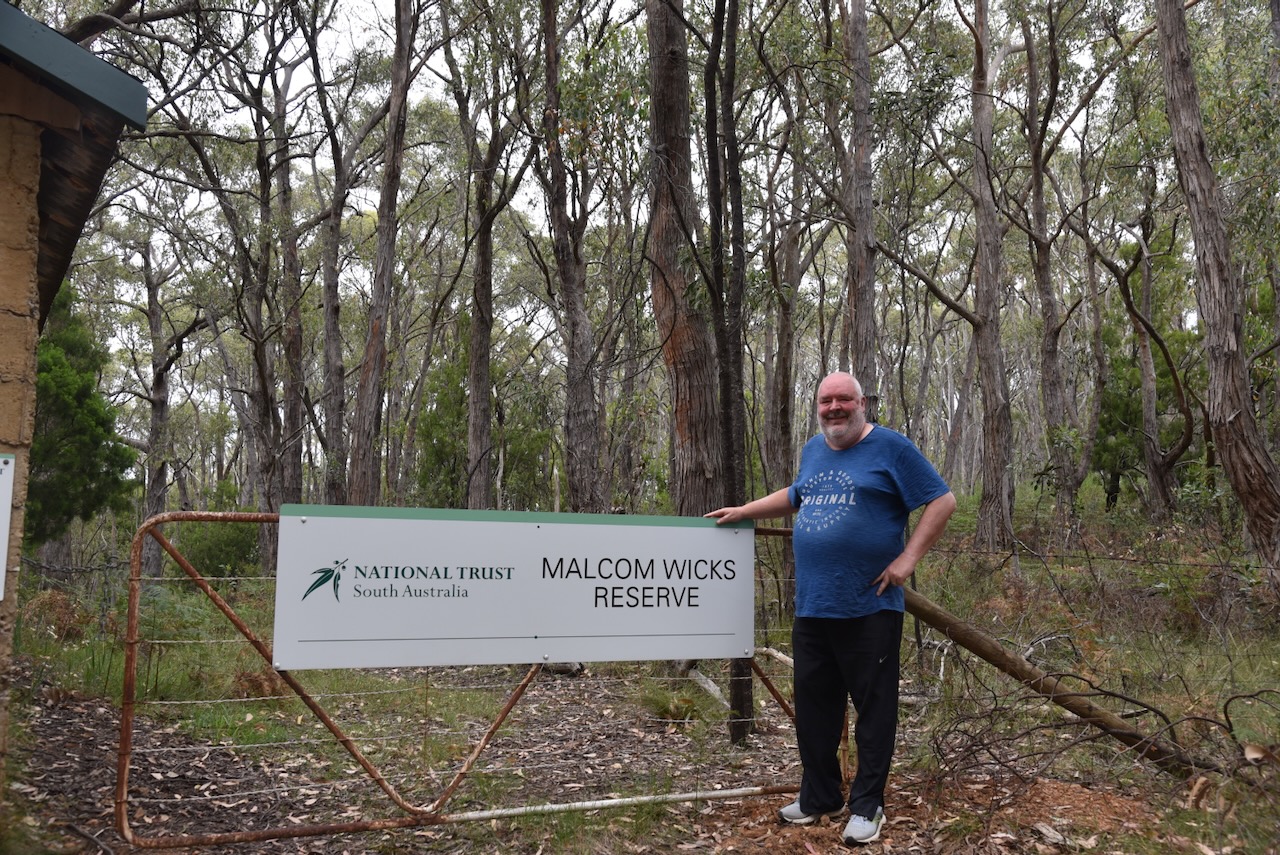
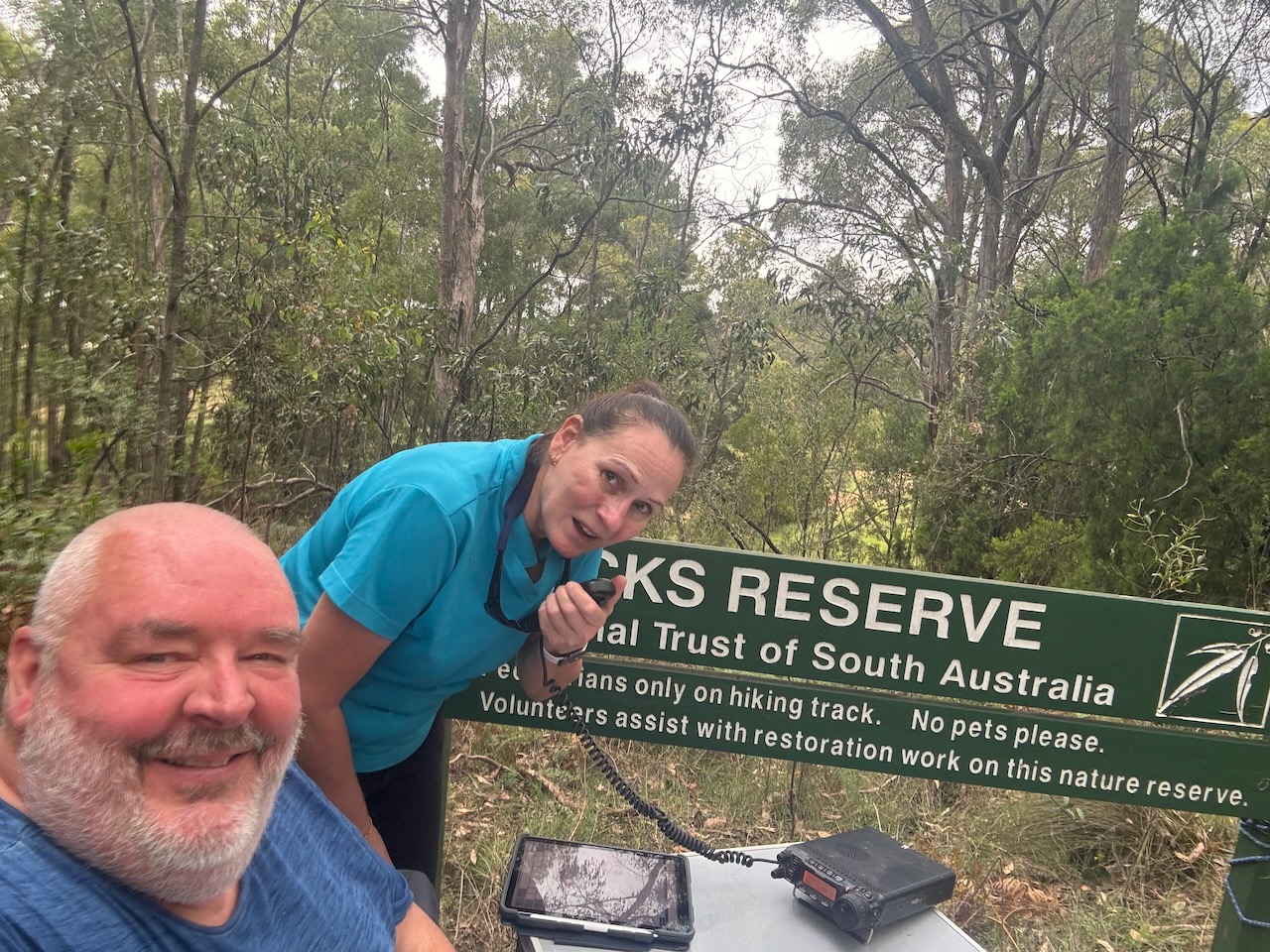
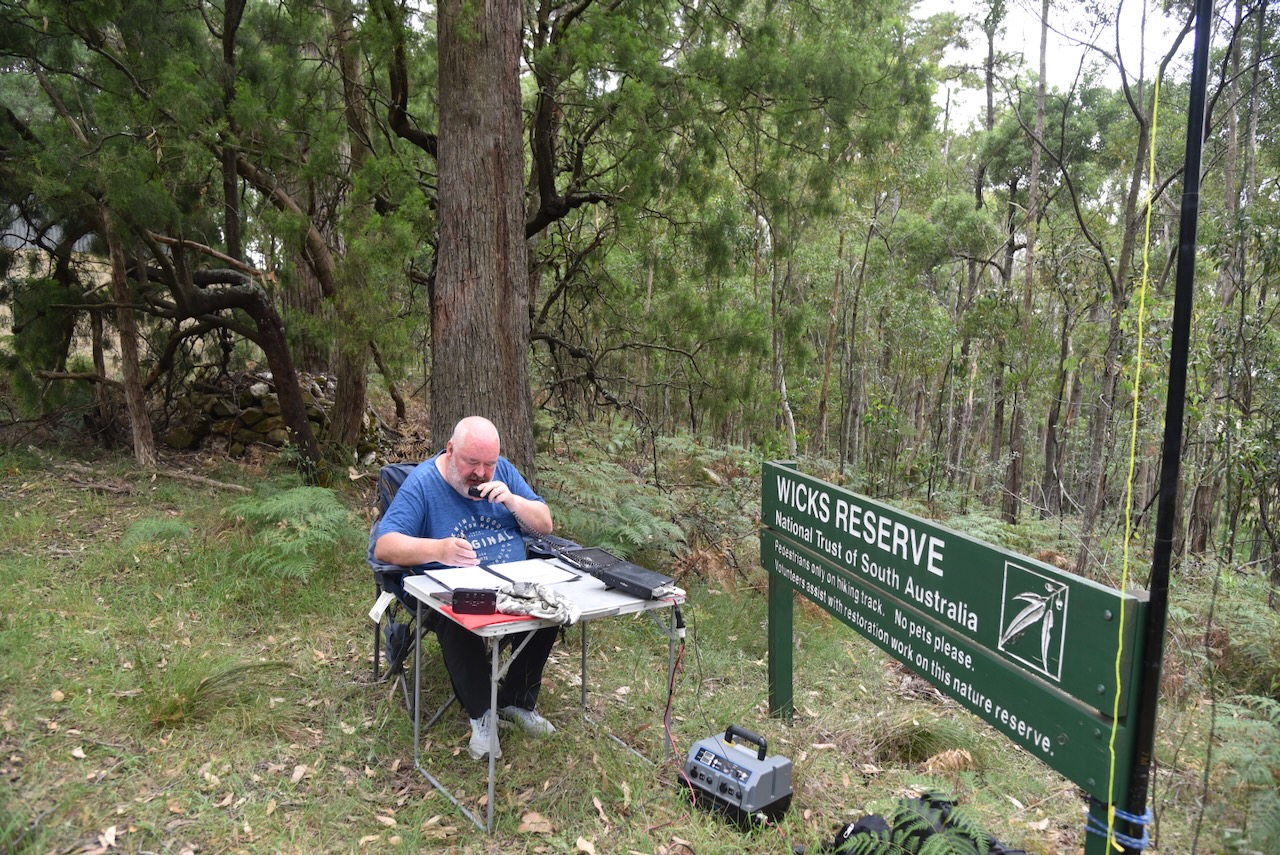
Marija and I set up just inside the gate alongside the park sign. We ran the Yaesu FT857, 40 watts, and the 20/40/80m linked dipole.
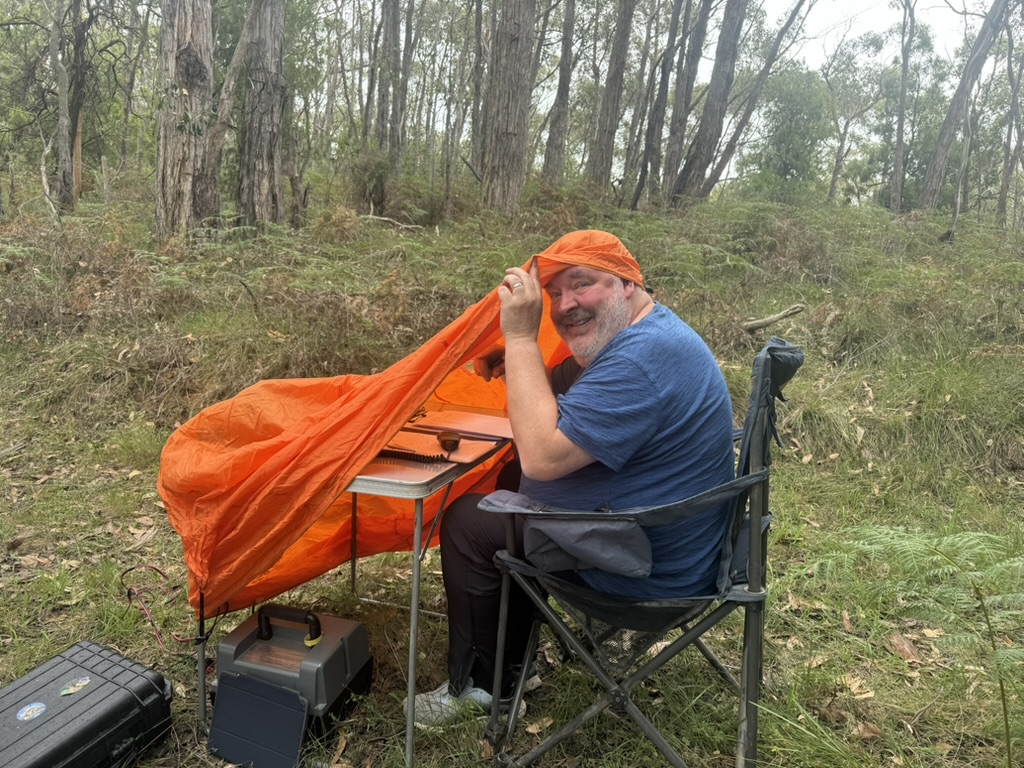
It was a little drizzly at times, and as a result, we had to deploy the bothy bag to offer some protection. In the end, the rain won, and we had to go QRT. But not before we made a total of 144 QSOs and 54 Park-to-Park contacts. It was a brilliant activation.
Marija worked the following stations on 40m SSB before the UTC rollover:-
VK1DI/p (VKFF-3181)
VK2IO/P (VKFF-347)
VK2GEZ/P (VKFF-0347)
VK3PF/P (VKFF-5823)
VK3KAI/P (VKFF-5823)
VK3WSG
VK3CAL
VK5DU/P (VKFF-0826)
VK3XV/P (VKFF-2263)
VK3UAO
VK2GOM/P (VKFF-2698)
VK2VAR/P (VKFF-2698)
VK5QA/P
VK2DBF/P
VK3CLD/P
VK1AO/P (VKFF-1386)
VK2MET/P (VKFF-1386)
VK3ZK/P (VKFF-0747
VK1CHW/P (VKFF-0835)
VK7LTD/P (VKFF-3370)
VK7AMP/P (VKFF-3370)
VK3APJ
VK3CEO
VK2SLB
VK2BRN
VK2KBT
VK3MCA/P (VKFF-6004)
VK3SPG
VK2LQ
VK2PCT
VK3KLI
VK3BYD/P (VKFF-3791)
VK3GJG/P (VKFF-5033)
VK2VW
VK2HFI
VK2AKA
VK2BUG
VK5CZ
Marija worked the following stations on 40m SSB after the UTC rollover:-
VK5CZ
VK1RF/P (VKFF-047)
VK2EXA
VK5HS
VK3APJ
VK3UAO
VK3GJG/P (VKFF-5033)
VK1CHW/P (VKFF-0835)
VK2IO/P (VKFF-0347)
VK2GEZ/P (VKFF-0347)
VK3MCA/P (VKFF-6004)
VK2GOM/P (VKFF-2698)
VK2VAR/P (VKFF-2698)
VK1DI/P (VKFF-3181)
VK5AYL/P (VKFF-1005)
VK3PF/P (VKFF-5038)
Marija worked the following stations on 20m SSB:-
VK2GOM/P (VKFF-2698)
VK2VAR/P (VKFF-2698)
VK1AO/P (VKFF-1386)
VK2MET/P (VKFF-1386)
VK1RF/P (VKFF-0847)
VK2IO/P (VKFF-0347)
VK2GEZ/P (VKFF-0347)
I worked the following stations on 40m SSB after the UTC rollover:-
VK1DI/p (VKFF-3181)
VK2IO/P (VKFF-347)
VK2GEZ/P (VKFF-0347)
VK3PF/P (VKFF-5823)
VK3KAI/P (VKFF-5823)
VK3WSG
VK3CAL
VK5DU/P (VKFF-0826)
VK3XV/P (VKFF-2263)
VK3UAO
VK2GOM/P (VKFF-2698)
VK2VAR/P (VKFF-2698)
VK5QA/P
VK2DBF/P
VK3CLD/P
VK1AO/P (VKFF-1386)
VK2MET/P (VKFF-1386)
VK3ZK/P (VKFF-0747
VK1CHW/P (VKFF-0835)
VK7LTD/P (VKFF-3370)
VK7AMP/P (VKFF-3370)
VK3APJ
VK3CEO
VK2SLB
VK2BRN
VK2KBT
VK3MCA/P (VKFF-6004)
VK3SPG
VK2LQ
VK2PCT
VK3KLI
VK3BYD/P (VKFF-3791)
VK3GJG/P (VKFF-5033)
VK2VW
VK2HFI
VK2AKA
VK2BUG
VK5CZ
I worked the following stations on 40m SSB after the UTC rollover:-
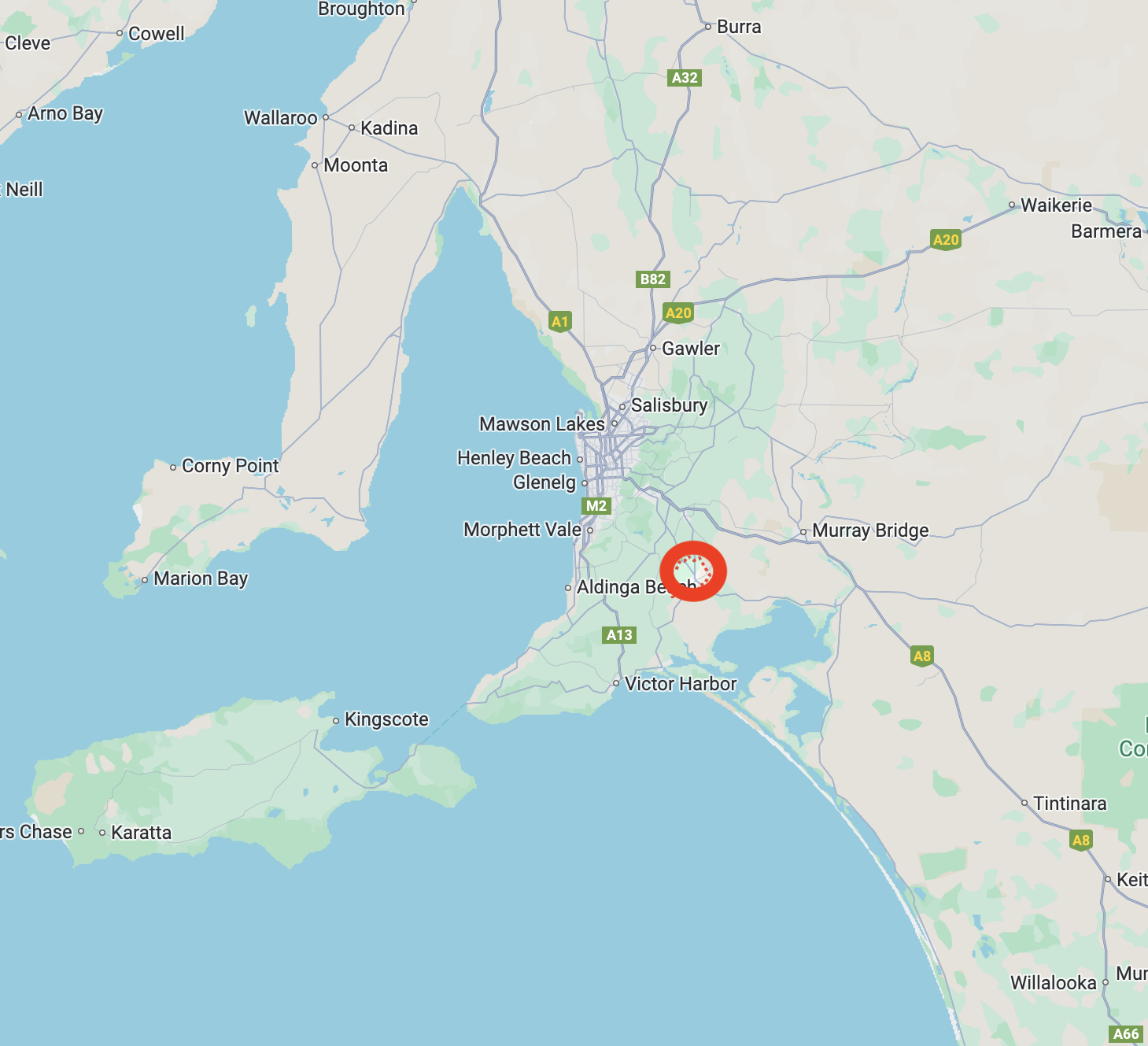
On Wednesday 13th November 2024, myself and other members of the Strathalbyn Amateur Radio Group, activated the Strathalbyn silo VK-STN5. Strathalbyn is about 55 km southeast of Adelaide.
Above:- Map showing the location of Strathalbyn. Map c/o Google Maps.
The town of Strathalbyn was founded in 1839. The first landholders were Dr. John Rankine (b. 1801. d. 1864) and Donald McLean (b. 1780. d. 1855).
Below is an excellent video on beautiful Strathalbyn.
The Strathalbyn silos are working silos and are located in Callington Road. The Strathalbyn silos are working silos and are part of the company Viterra, which is one of the largest buyers and exporters of Australian wheat, barley, canola, pulses, sorghum and cotton. It is also part of Laucke Flour Mills, the last of Australia’s industry founding family-owned and operated, independent Millers.
I have activated these silos several times previously, but this particular day was about having some fun out in the field, and for many of the fellas attending, this was their very first SiOTA activation.
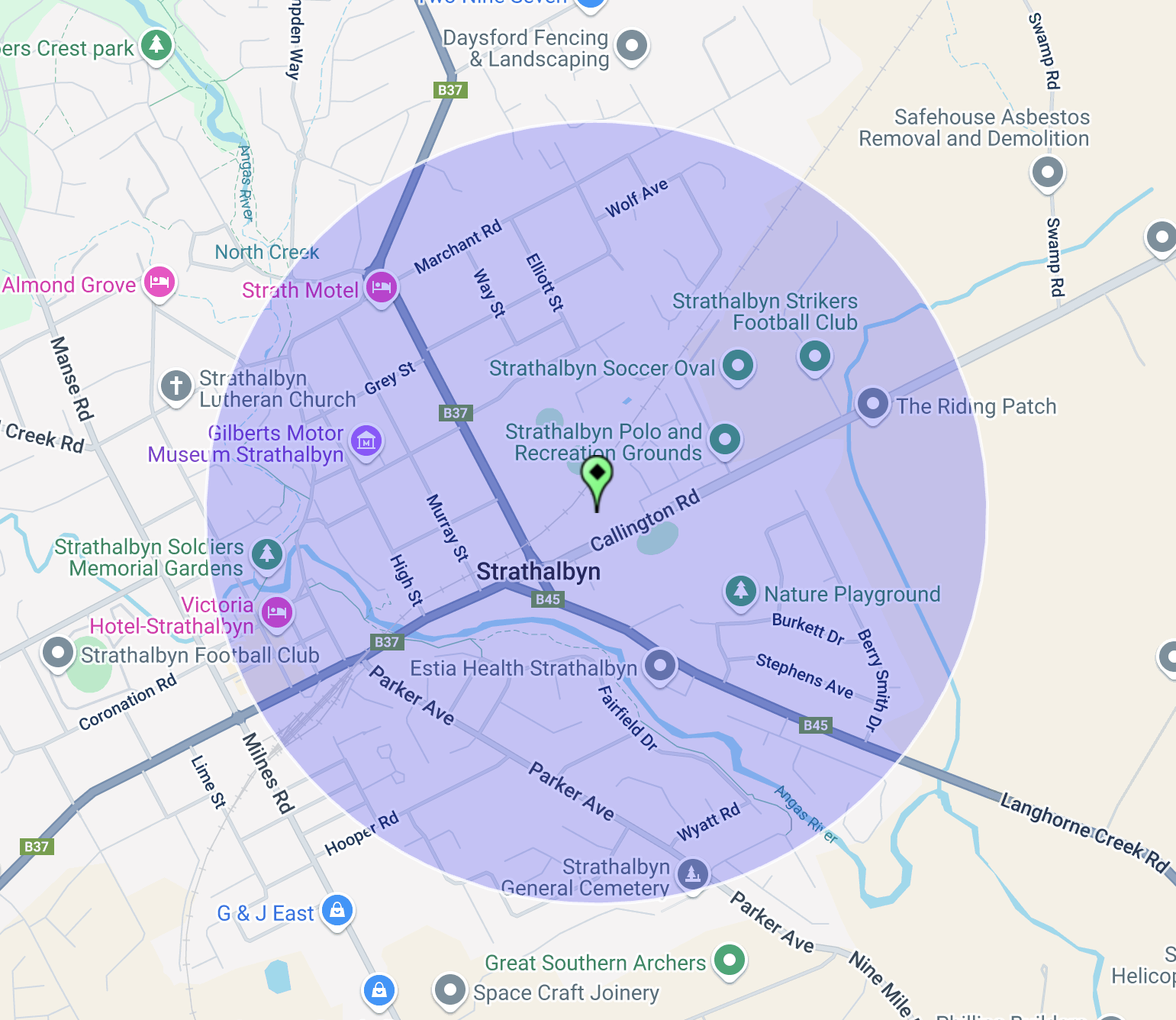
We set up on the Strathalbyn Strikers Football club oval, in the activation zone of the silo.
Above:- Map showing the activation zone at the Strathalbyn silo. Map c/o SiOTA website.
Our main station was my Yaesu FT857, running 40 watts, and the 20/40/80m linked dipole. Det VK5DET also brought along his military manpack.
We spent a few hours activating the silo, having lots of laughs, and all successfully activating the Strathalbyn silo.
I worked the following stations on 40m SSB:-
VK3WSG
VK3DX
VK5MAZ
VK5MRD
References.
Wikipedia Contributors (2019). Strathalbyn. Wikipedia.
Our final activation for Saturday, 2nd November 2024 and our Bendigo trip for the 2024 VKFF National Get Together, was the Frances silo VK-FRS5.
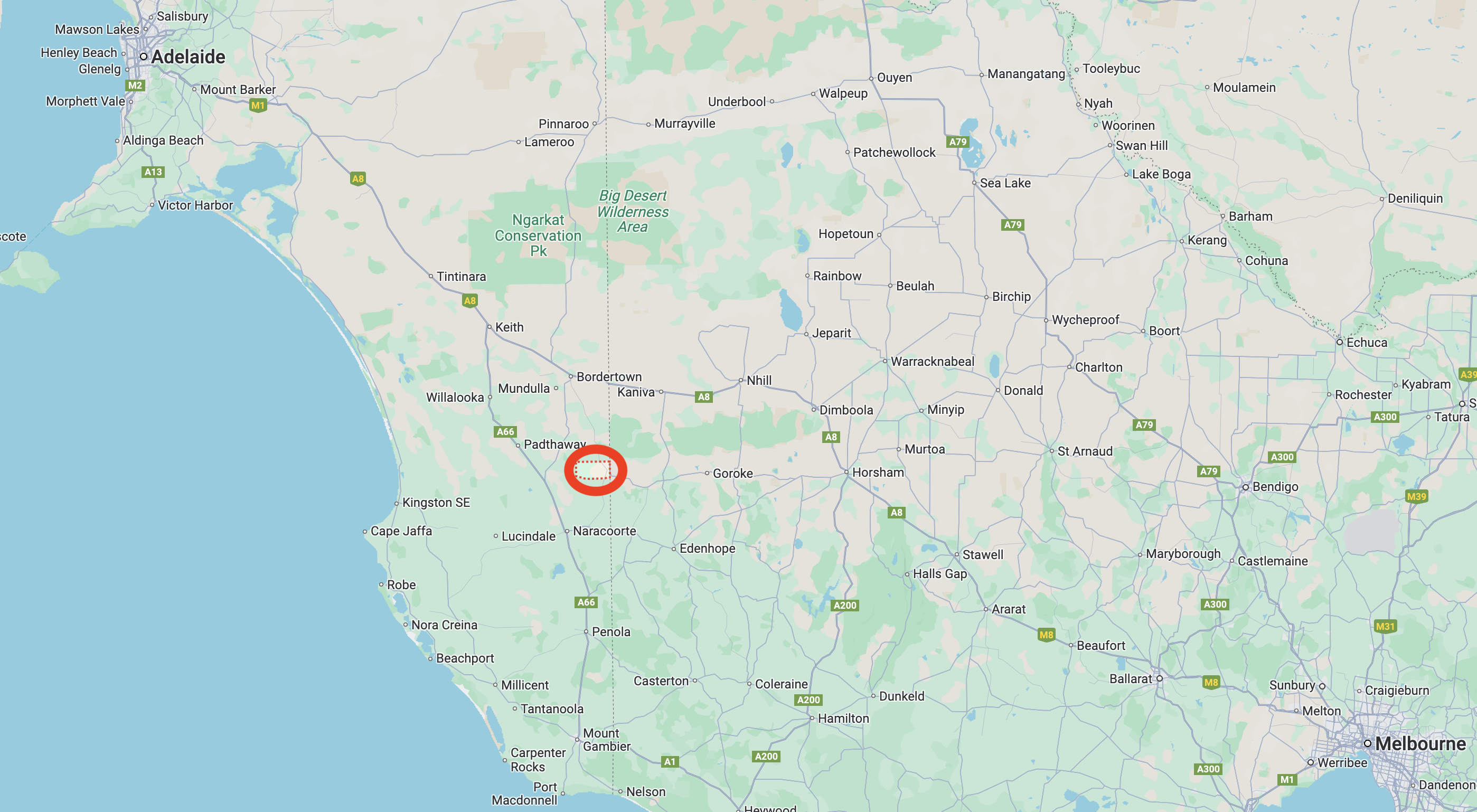
Above:- Map showing the location of Frances. Map c/o Google Maps.
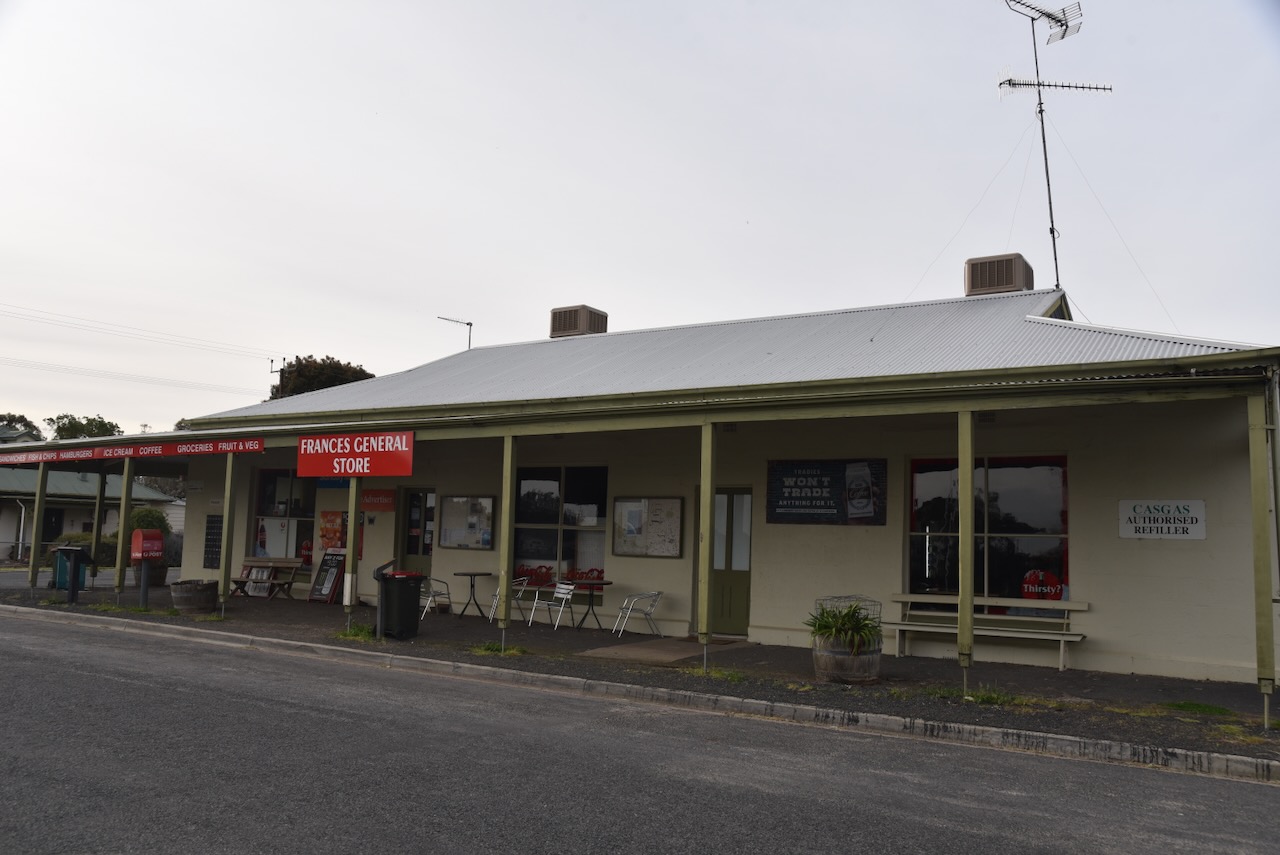
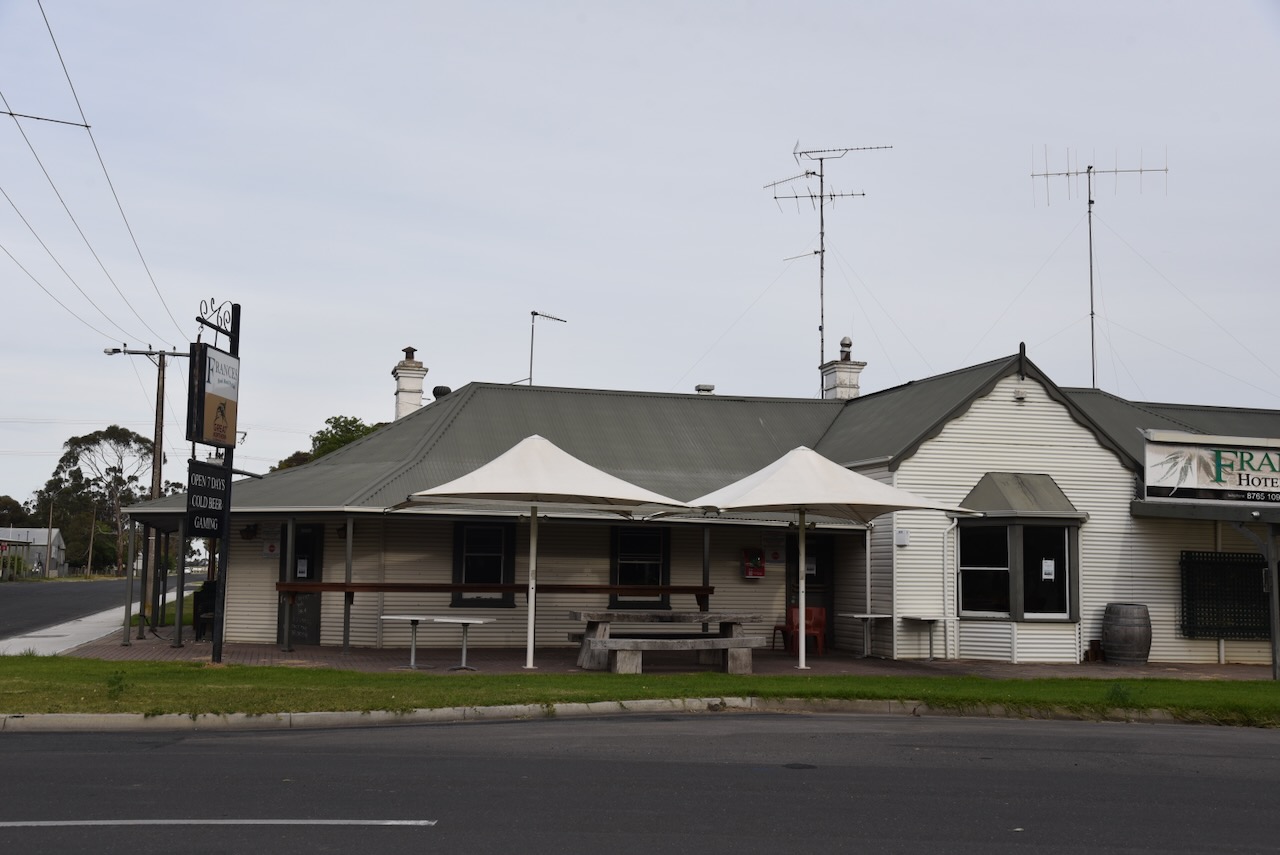
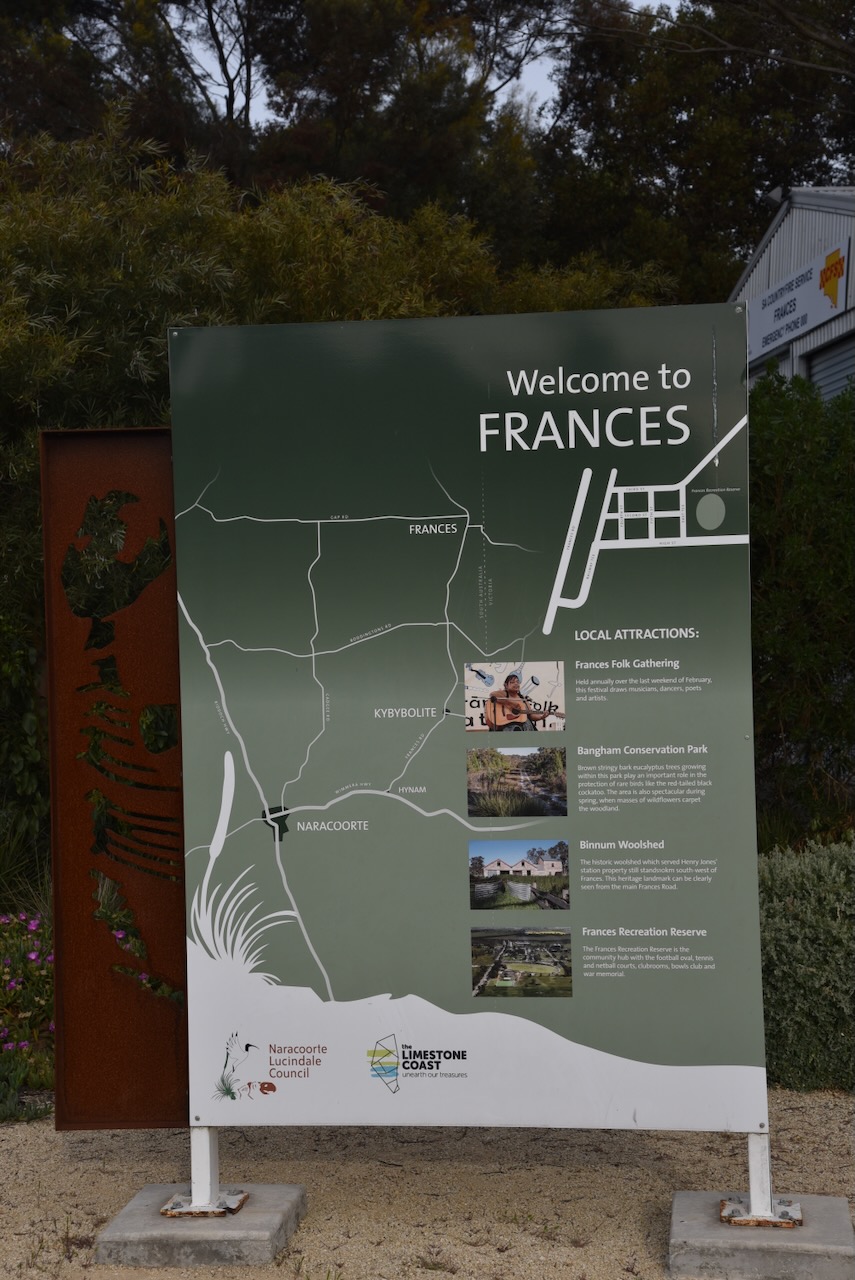
Frances is located about 291 km southeast of Adelaide and very close to the South Australia and Victoria state border.
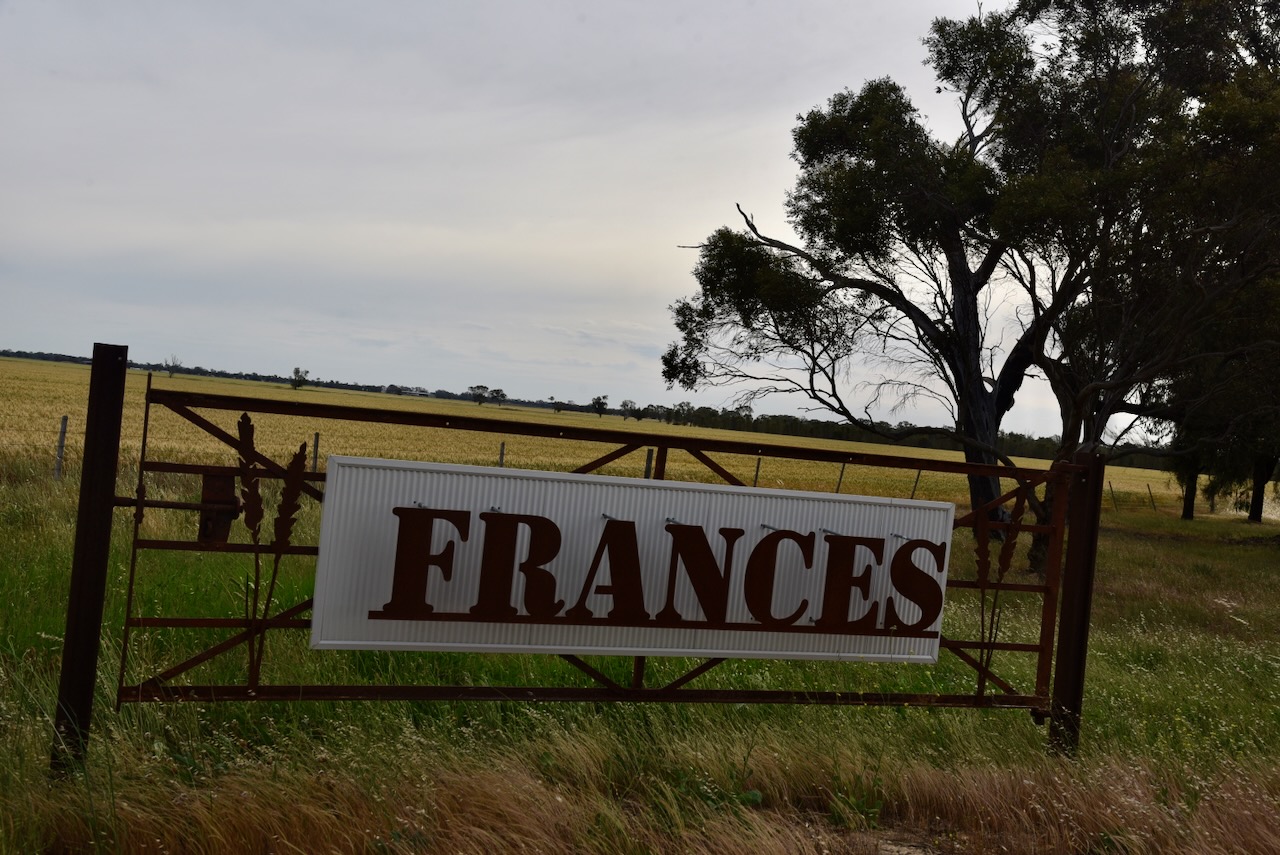
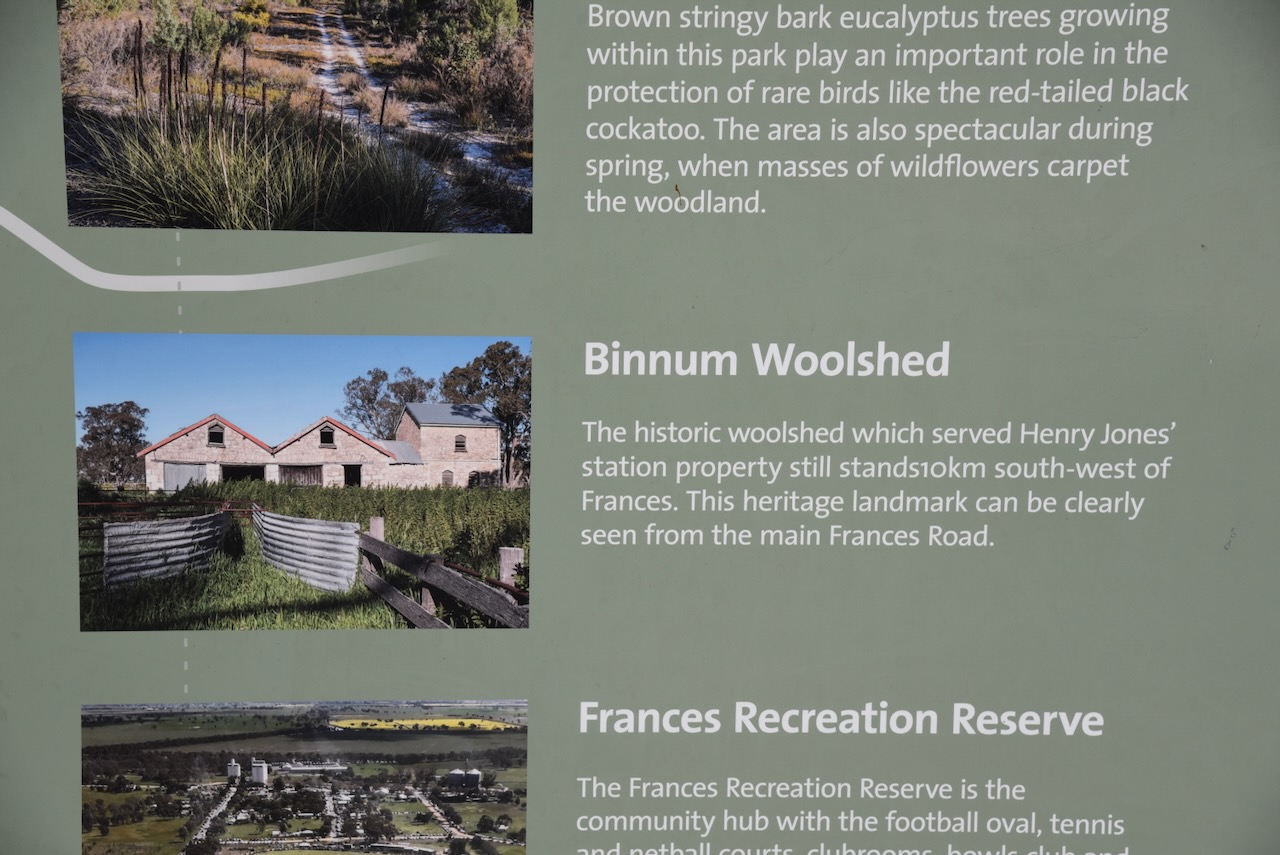
The town of Frances was first surveyed in July 1871. It is believed the name comes from the wife of Mr. Henry Jones of Binnum Station.
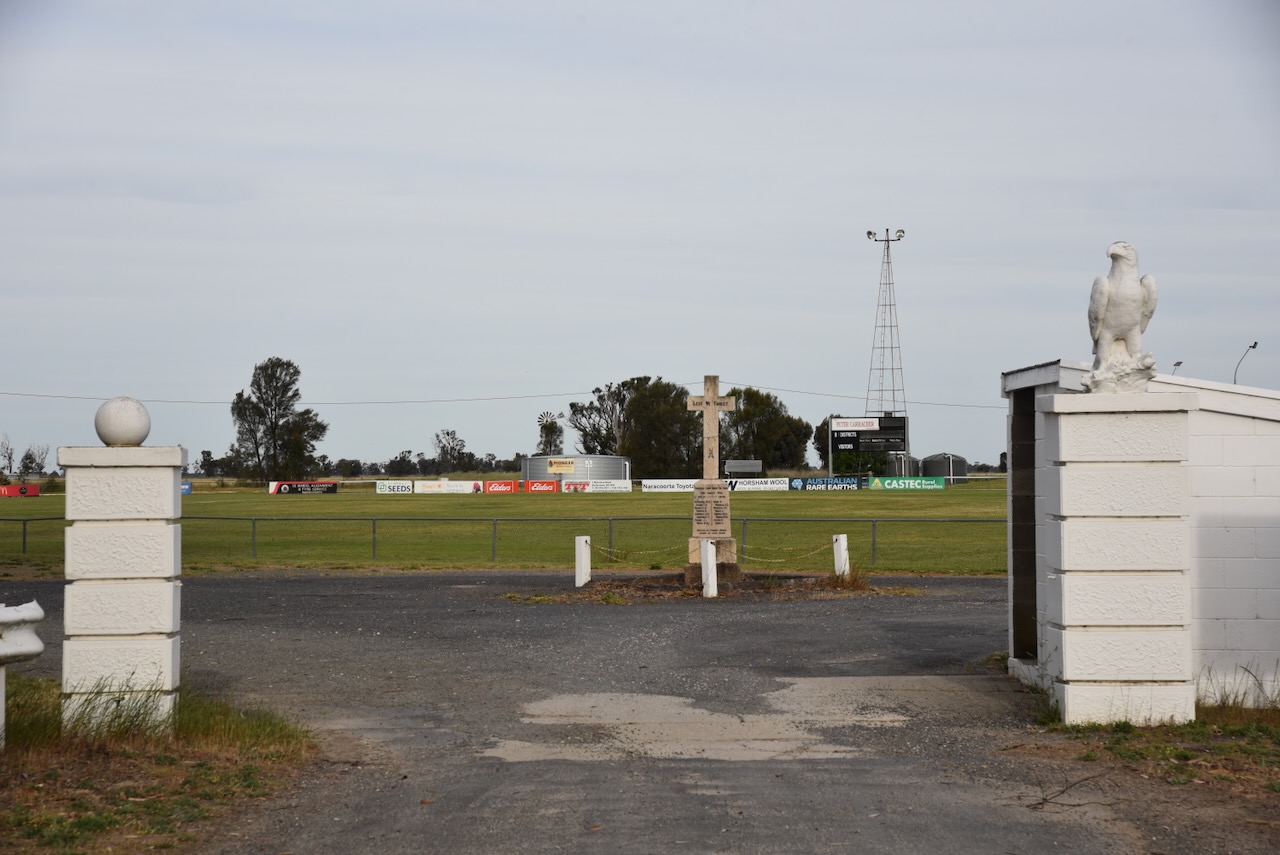
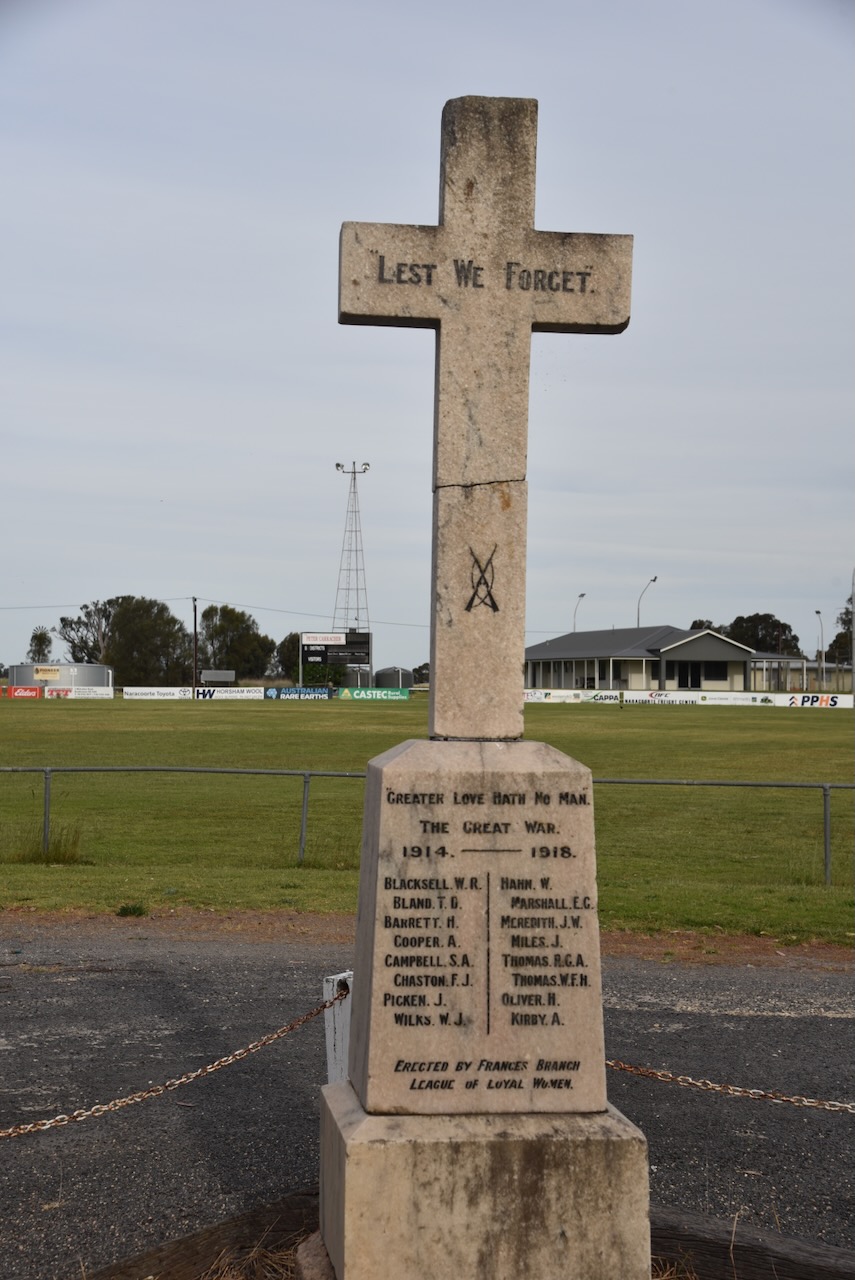
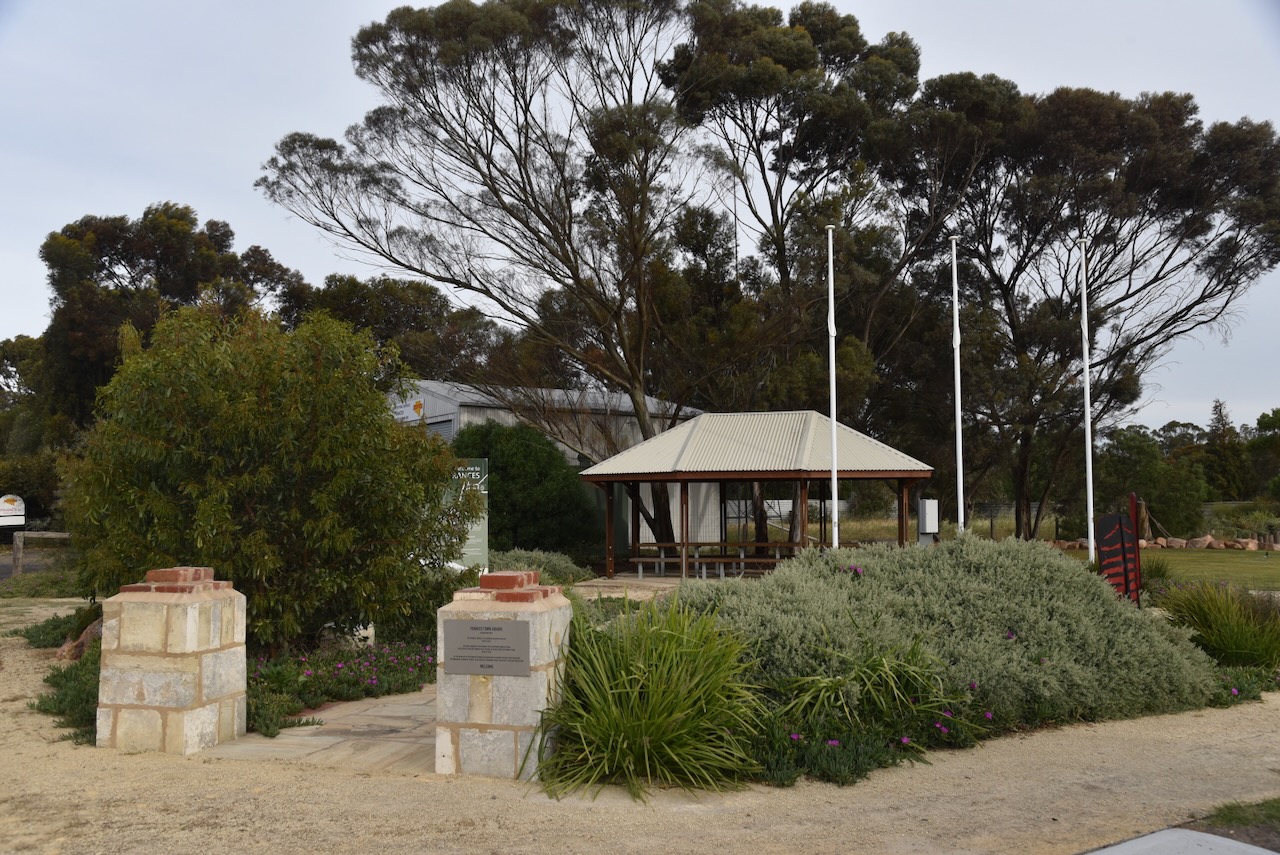
The Frances War Memorial is located just inside the entrance gates at the Recreation Reserve. It honours those brave men from the Frances district who lost their lives during the First World War.
The Frances Town Square was established in 2021. The Catholic Church of St Bernard occupied the site from 1953 to 2010. The site was acquired by the Frances Folk Gathering Committee who successfully ran the Frances Folk Festival for 20 years from 2000 to 2020. At the initiative of the Frances Progress Association, the vacant site was then purchased by the Naracoorte Lucindale Council to be used a community space for people to gather.
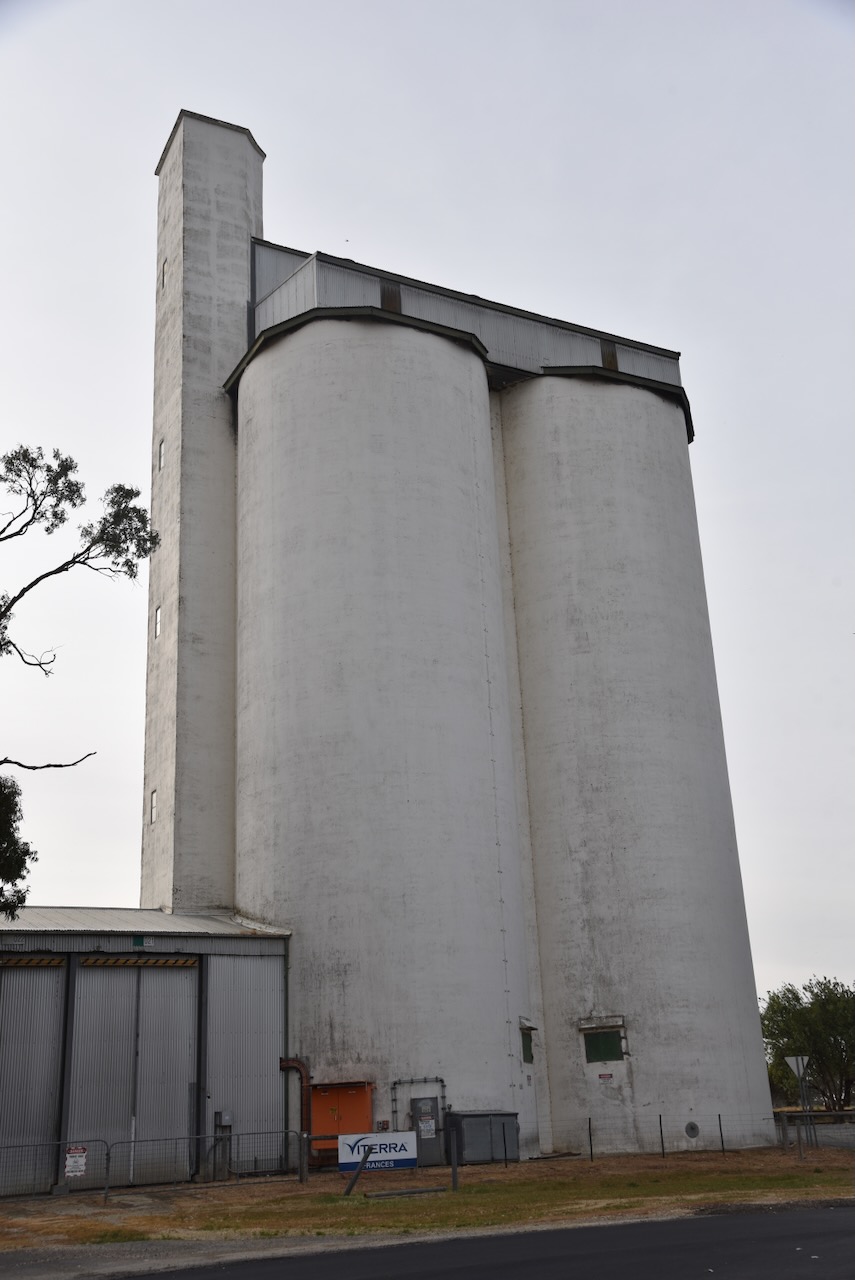
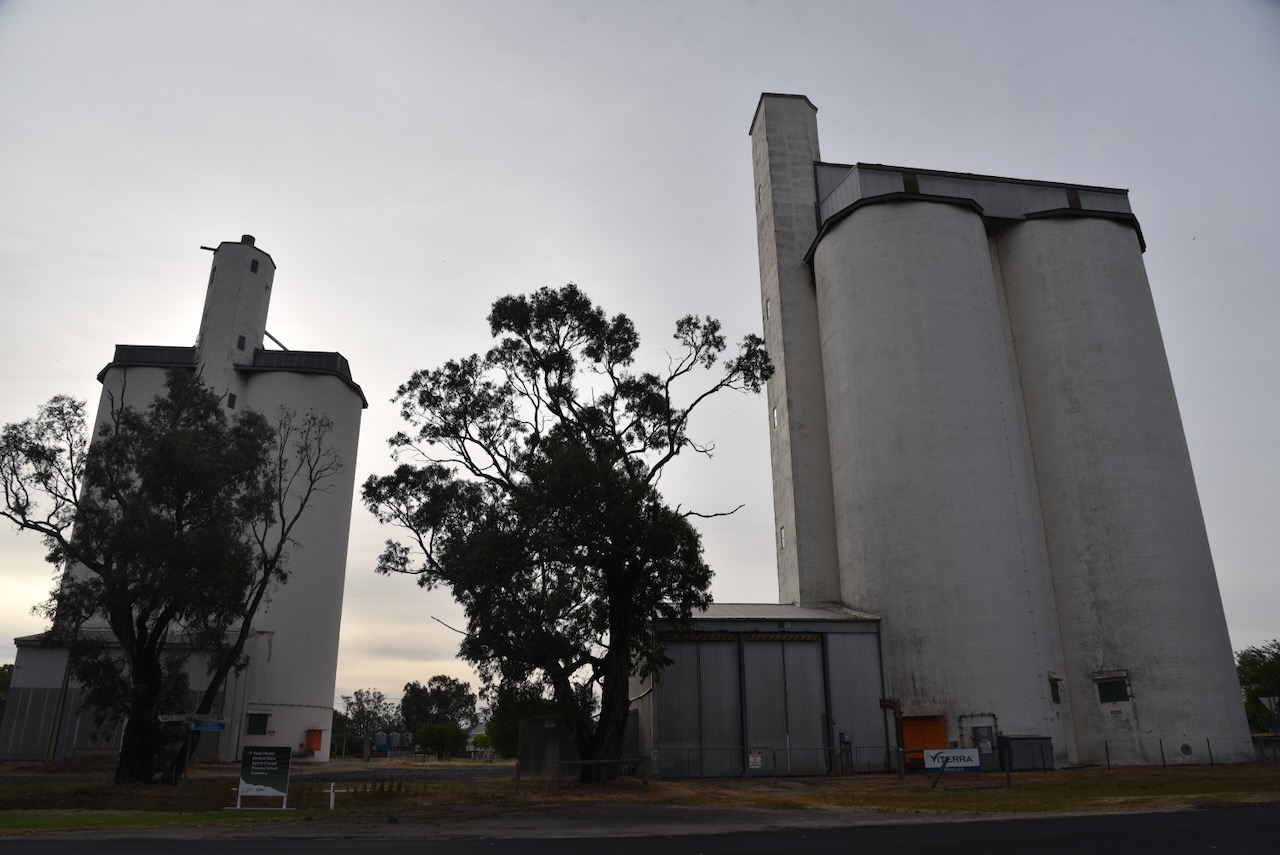
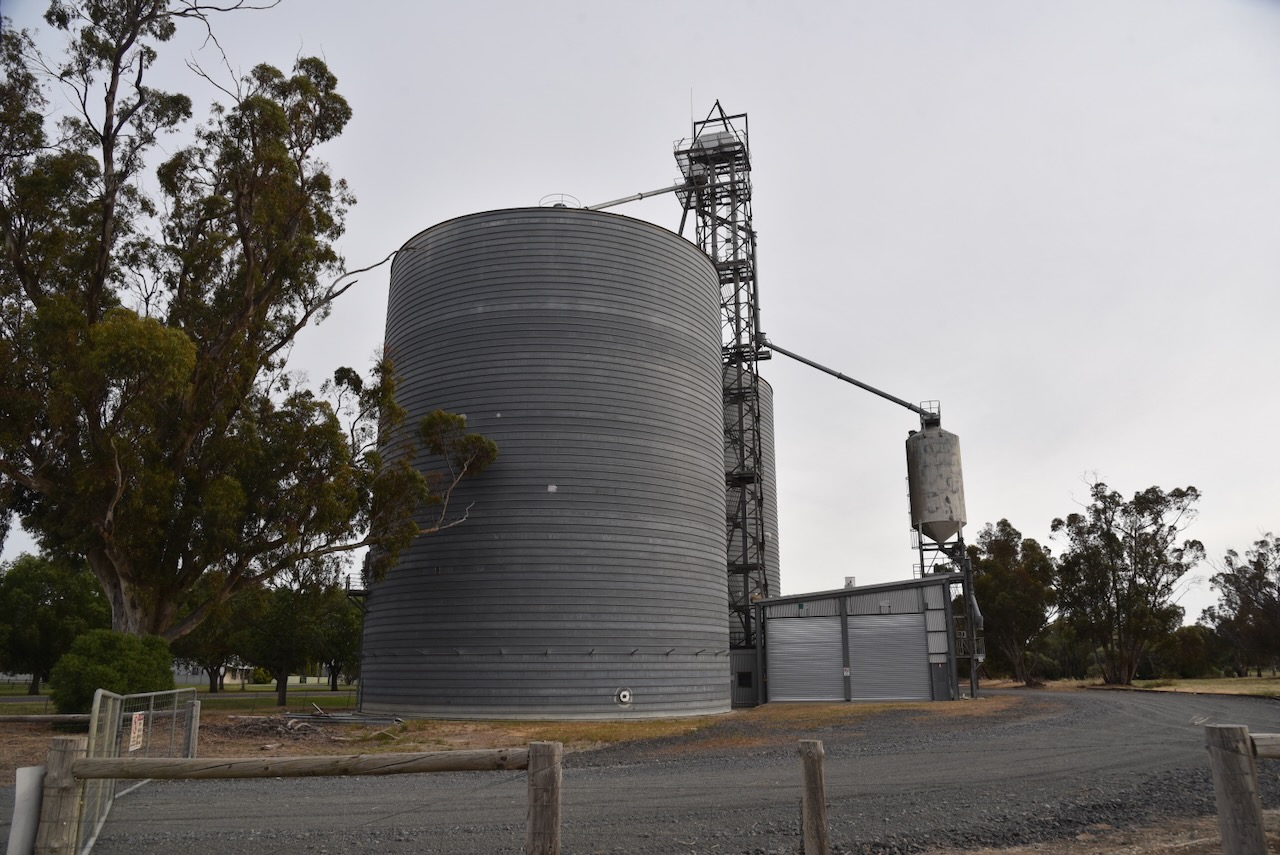
The Frances silos are located on the western side of Railway Terrace, between Frances Road. They consist of concrete silos and galvonised iron silos. The railway closed on the 12th day of April 1995. Despite this, Frances continues to be a receiving point for grain. (Wikipedia 2025)
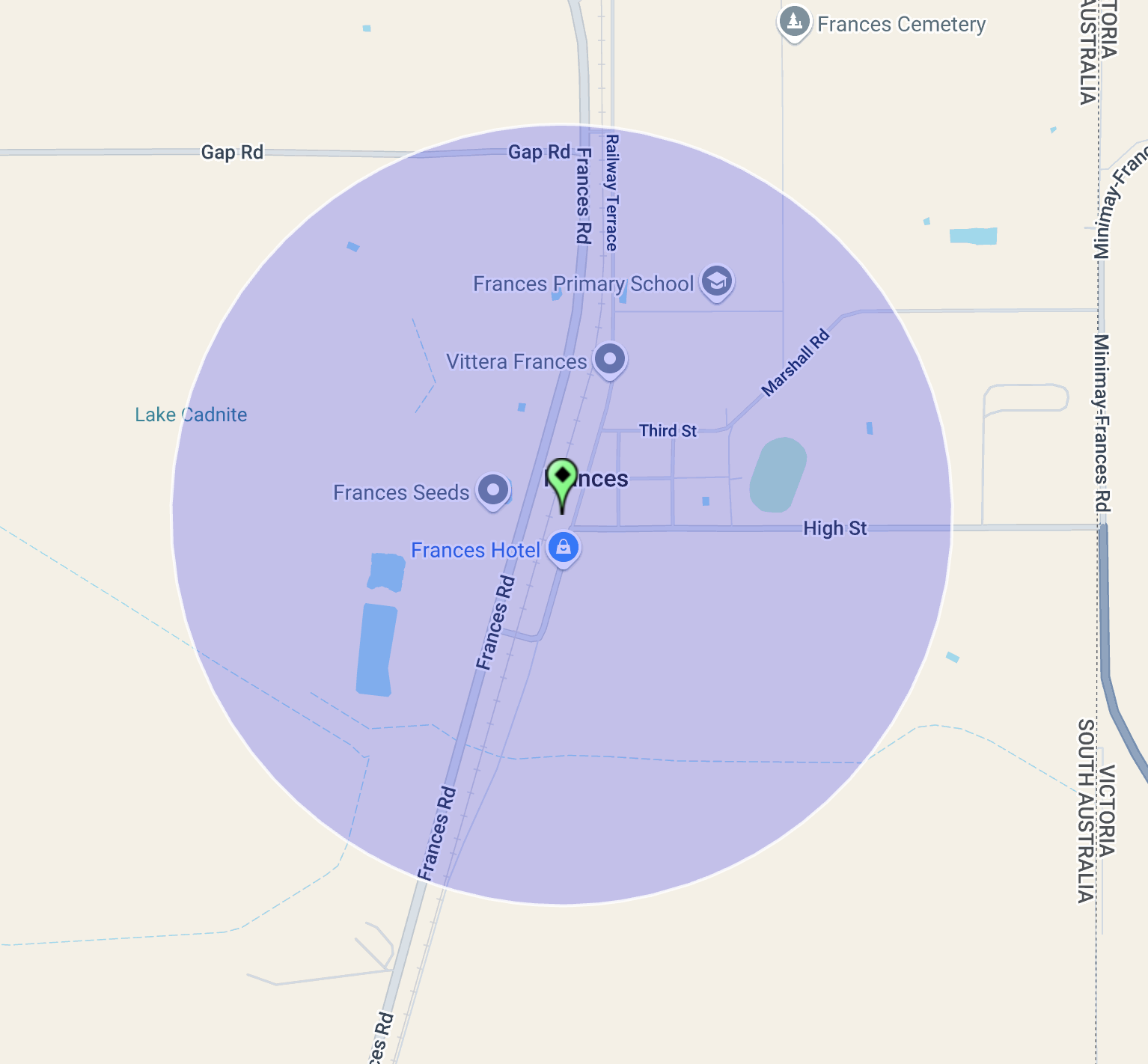
Marija and I parked on Gap Road near Frances Road in the silo activation zone.
Above:- the activation zone at the Frances silos. Image c/o SiOTA website.
We operated from the 4WD, running the Icom IC-7000, 100 watts, and the Codan 930 antenna with the 1.5 metre stainless steel whip.
I worked the following stations on 40m SSB:-
VK3PF
Vk1AO
VK2MET
VK2HAK
ZL3RIK
VK1CHW
VK5LA
References.
Wikipedia Contributors (2025). Frances. Wikipedia.
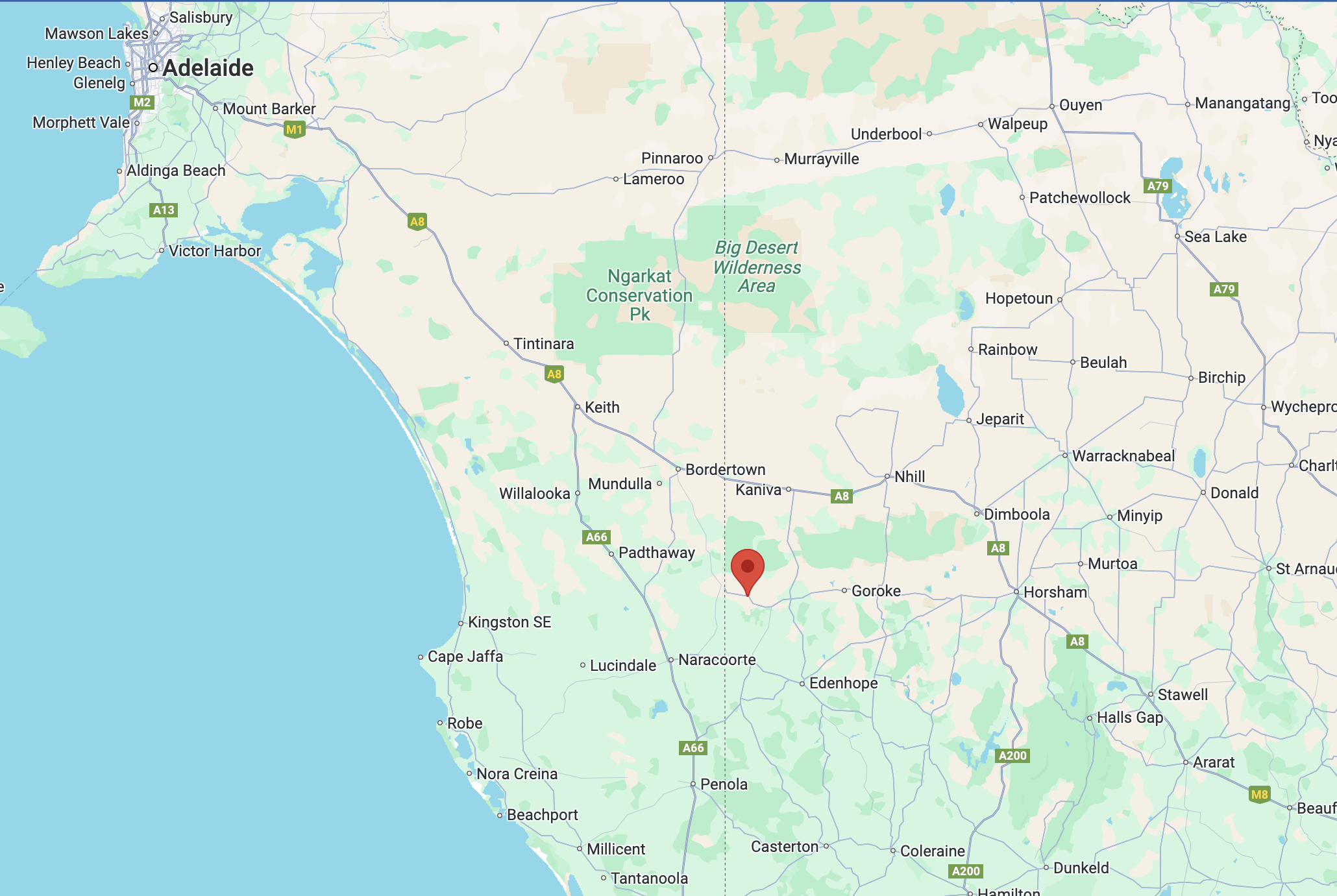
Our final park activation for Saturday, 2nd November 2024 and our Bendigo trip, was the Neuarpurr Bushland Reserve VKFF-5649. The park is located very close to the South Australia and Victoria state border.
Above:- A map showing the location of the Neuarpurr Bushland Reserve. Map c/o Google Maps.
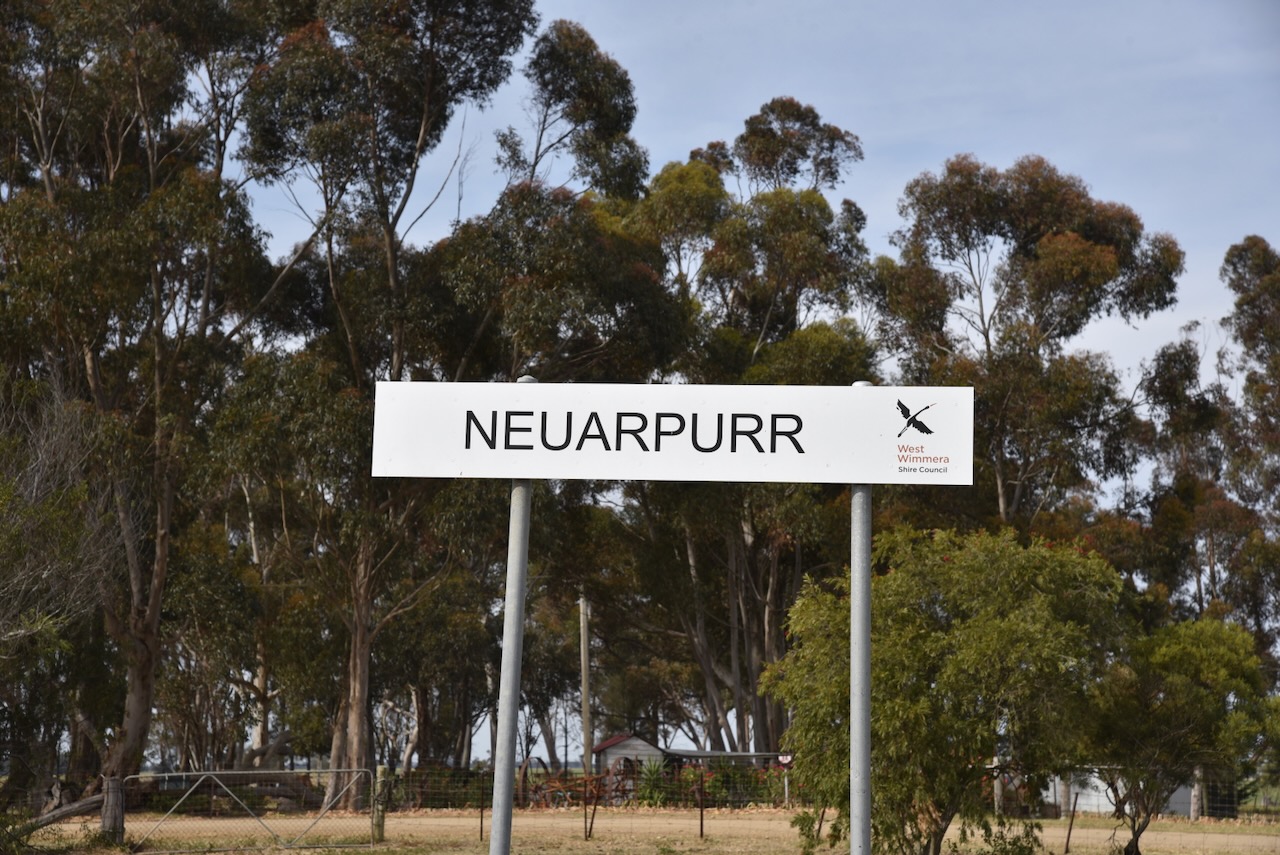
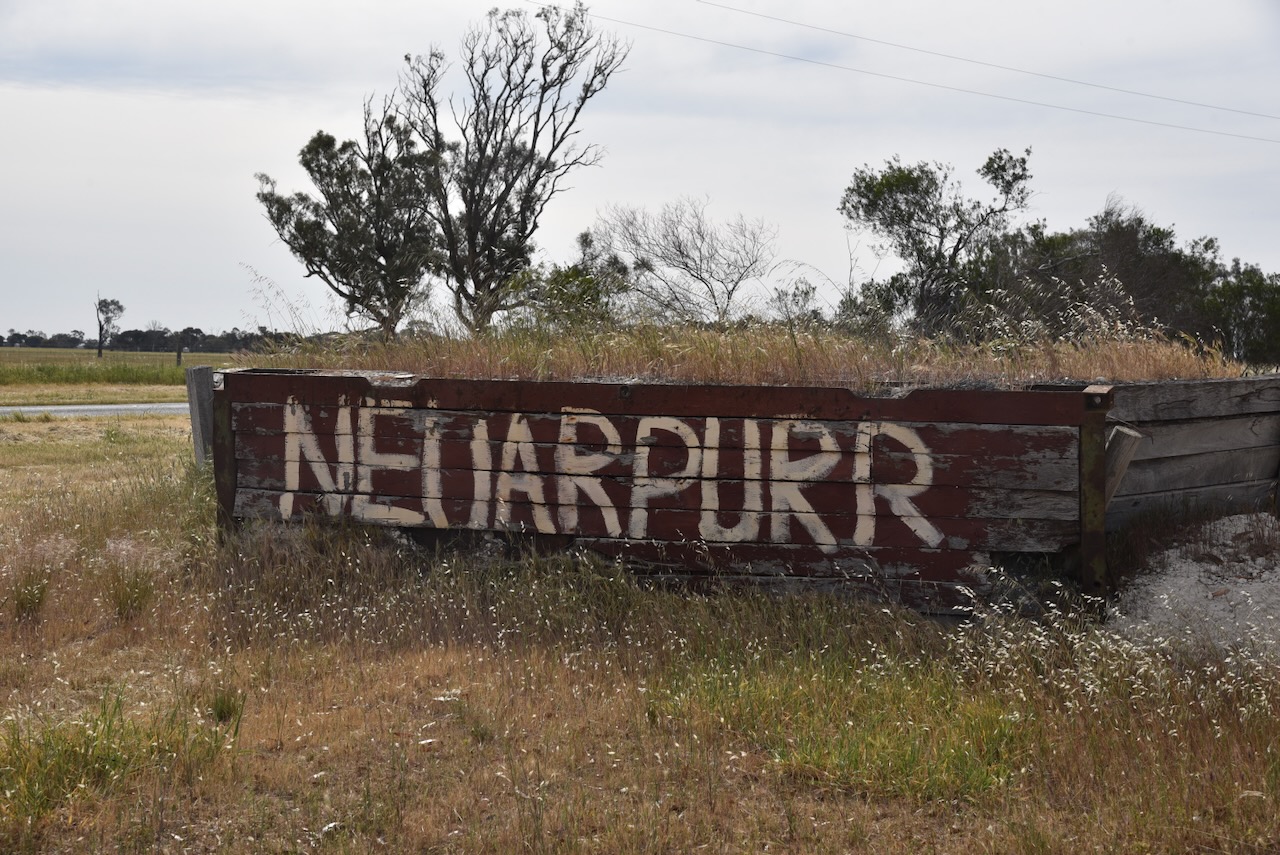
Neuarpurr is named after the Rhineland town in Germany. The first known European in the area was R.E. Ogilby, who squatted in the area in 1847. (Blake 1978)
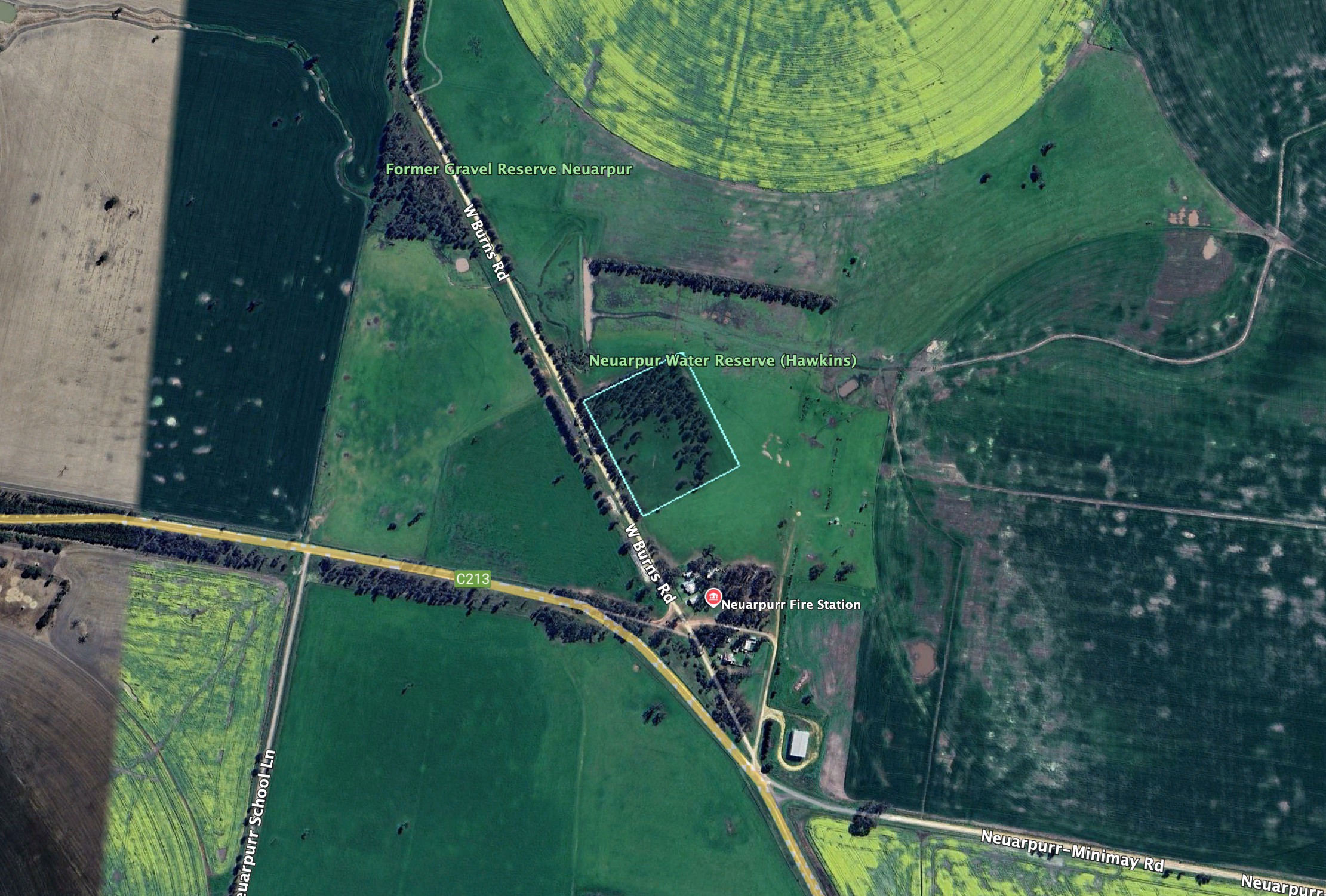
The reserve is located on the eastern side of W Burns Road, just north of the Natimuk-Frances Road.
Above:- An aerial view of the Neuarpurr Bushland Reserve. Image c/o Google Earth.
The reserve is about 6 hectares in size and was established on the 6th day of November 1996. (CAPAD 2022)
Marija worked the following stations on 40m SSB:-
VK3SQ
VK2BD
VK1VIC/P (VKFF-0269)
VK2VIC/P (VKFF-0269)
VK1ARQ/P (VKFF-0269)
Marija worked the following stations on 40m AM:-
VK3SQ
VK2BD
VK3PF
VK3KAI
VK3MCA
VK3ACZ
Marija worked the following stations on 20m SSB:-
VK4EMP/P (VKFF-3992)
VK4TI/P (VKFF-3992)
VK4GKO/P (VKFF-3922)
I worked the following stations on 40m SSB:-
VK3SQ
VK2BD
VK1VIC/P (VKFF-0269)
VK2VIC/P (VKFF-0269)
VK1ARQ/P (VKFF-0269)
VK3PF
VK3KAI
VK5LA
VK5KAW
VK3PI
VK7MAD
VK2YK
VK5GA
VK3MCA
VK3MAP
VK1TIM
VK1AO
VK2MET
VK7NRT
VK3CEO
VK3APJ
VK5PE
VK7PJM
VK7EE
VK2VAR
VK2GOM
VK2VW
VK2HFI
VK2AKA
VK2BUG
VK5PDR
VK3ZZS/P
VK5AV
VK5CZ
I worked the following stations on 40m FT8:-
VK3PF
VK5CZ
VK3KAI
VK4MGL
VK3APJ
VK3MCA
VK3MCK
VK5HS
I worked the following stations on 40m AM:-
VK3SQ
VK2BD
VK3PF
VK3KAI
VK3MCA
VK3ACZ
I worked the following stations on 20m SSB:-
VK4ANS
OH1MM
KG5CIK
OH1XT
VK4IM
F1BLL
VK6DS
VK4EMP/P (VKFF-3992)
VK4TI/P (VKFF-3992)
VK4GKO/P (VKFF-3922)
ZL3MR
F8GGV
SQ9CWO
References.
Leslie James Blake, 1978, Place Names of Victoria.
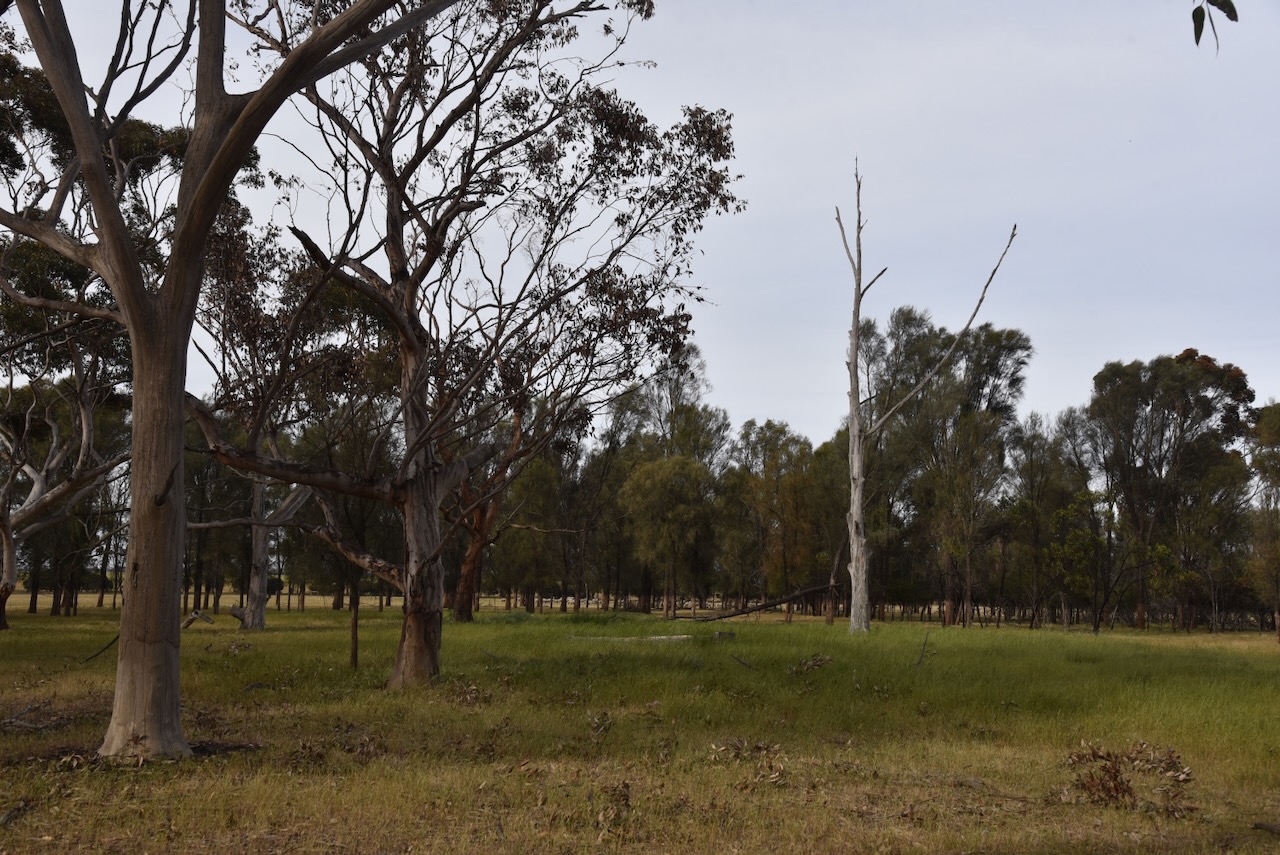
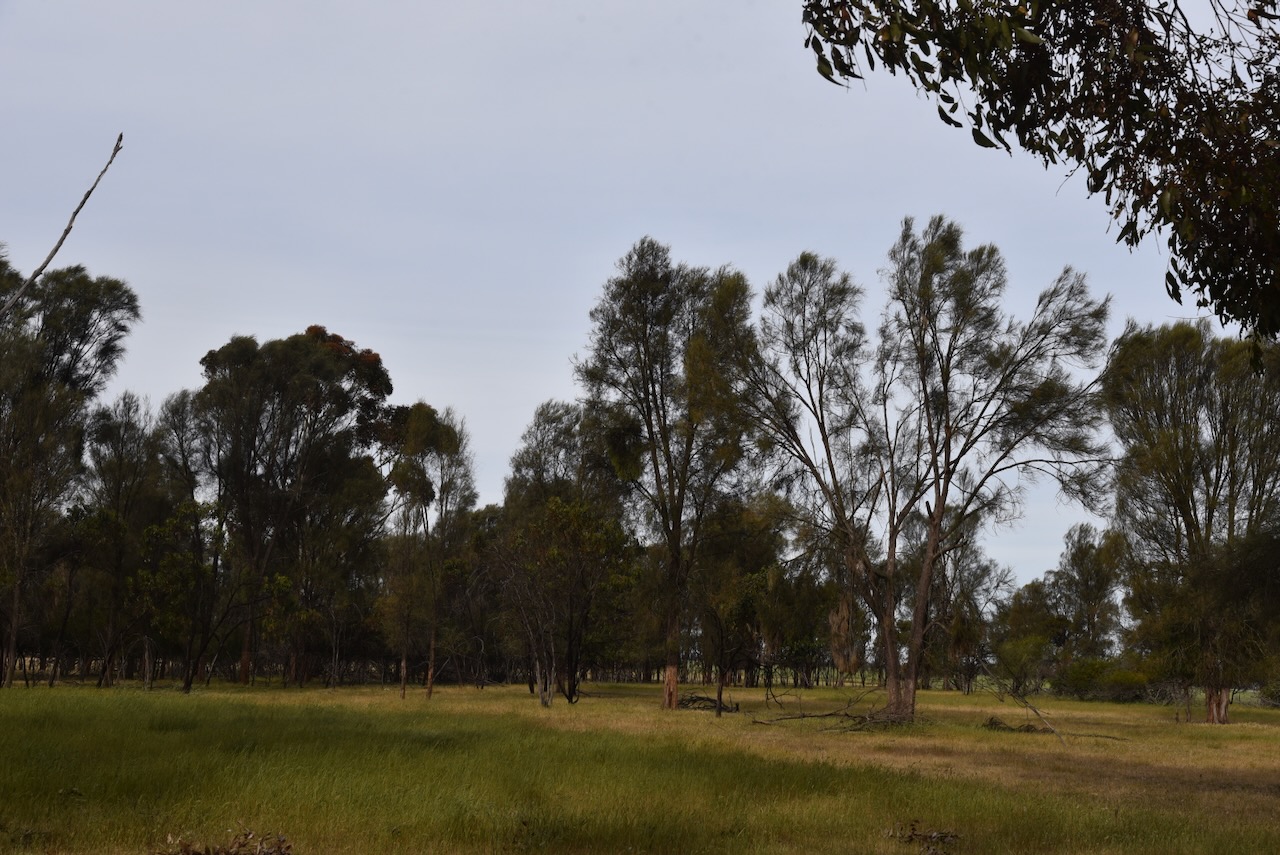
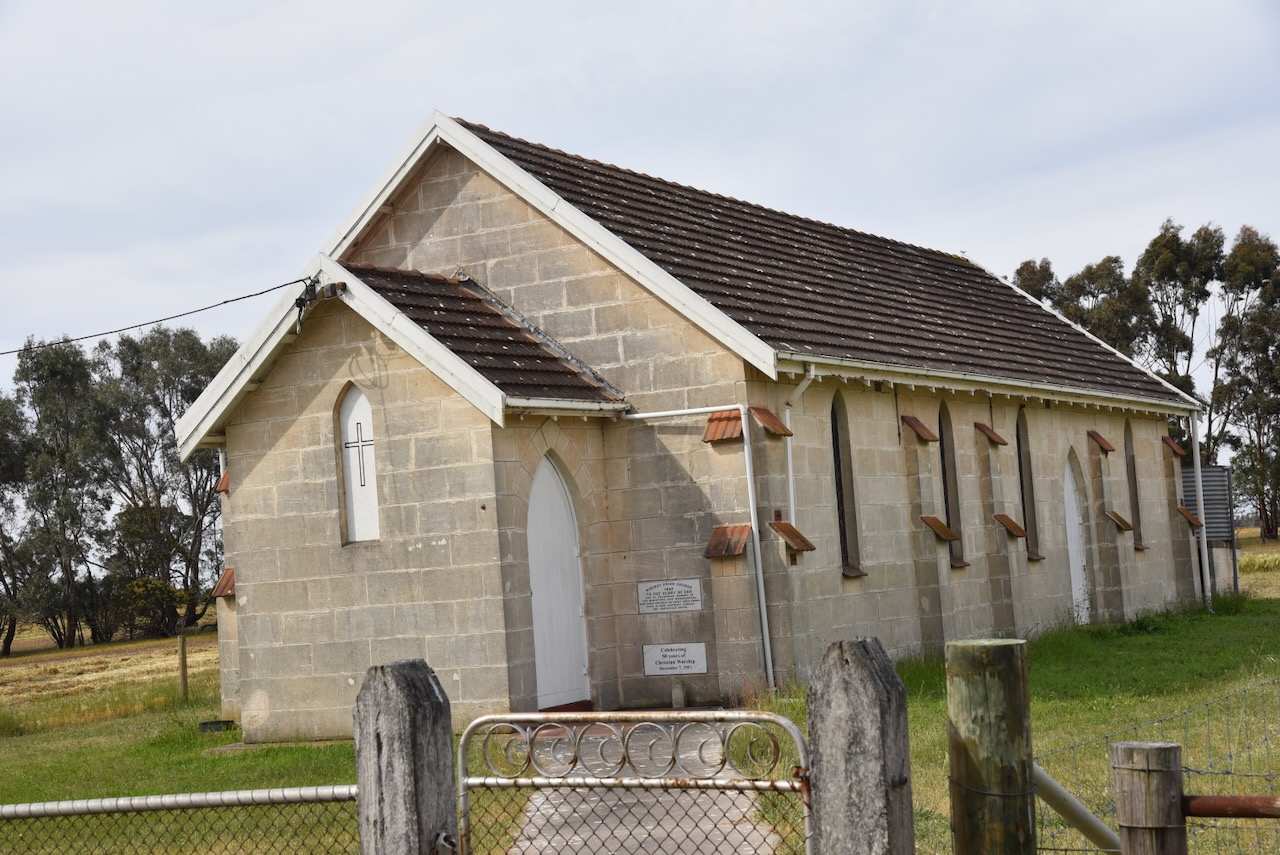
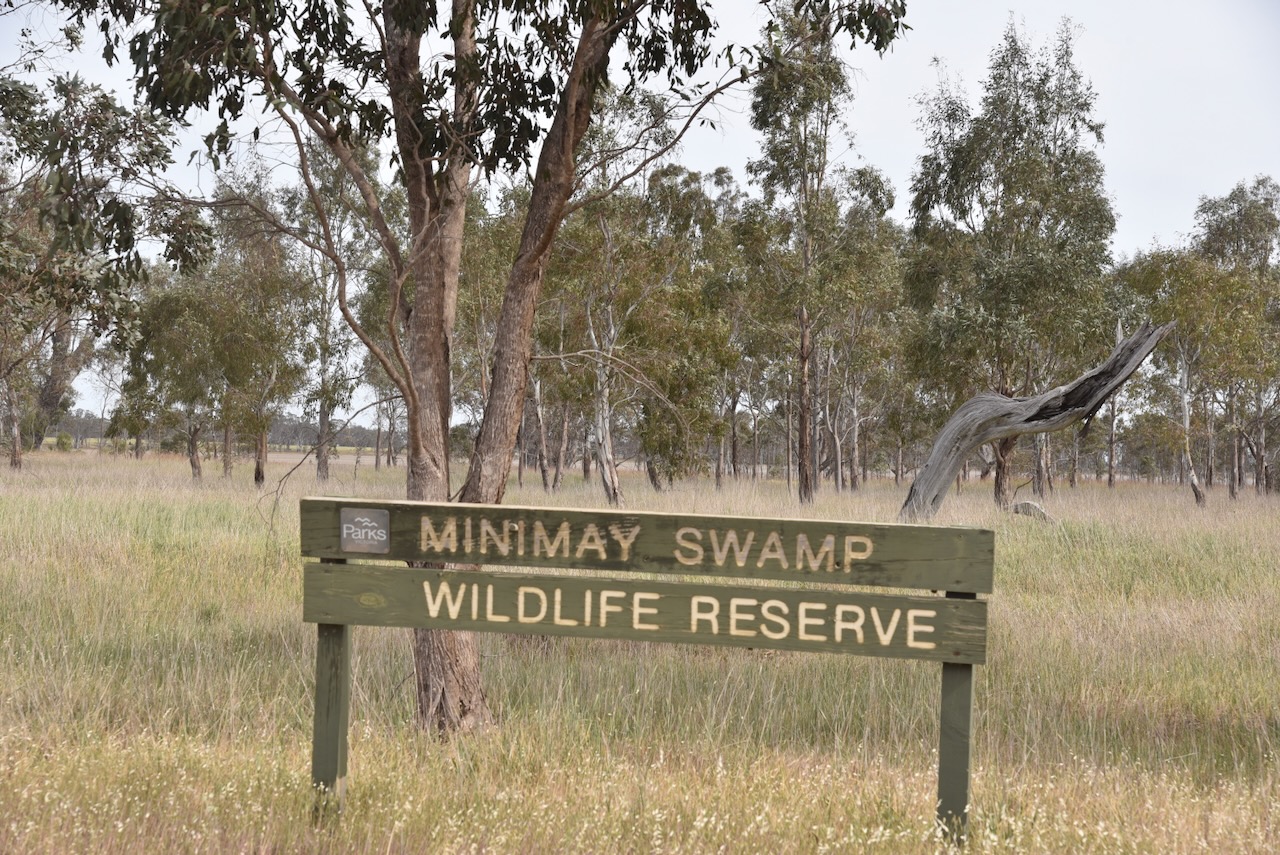
After leaving Tallageira, Marija and I doubled back a bit further into Victoria and headed to the Minimay Swamp Wildlife Reserve VKFF-5488.
Above:- Map showing the location of the Minimay Swamp Wildlife Reserve. Map c/o Google Maps.
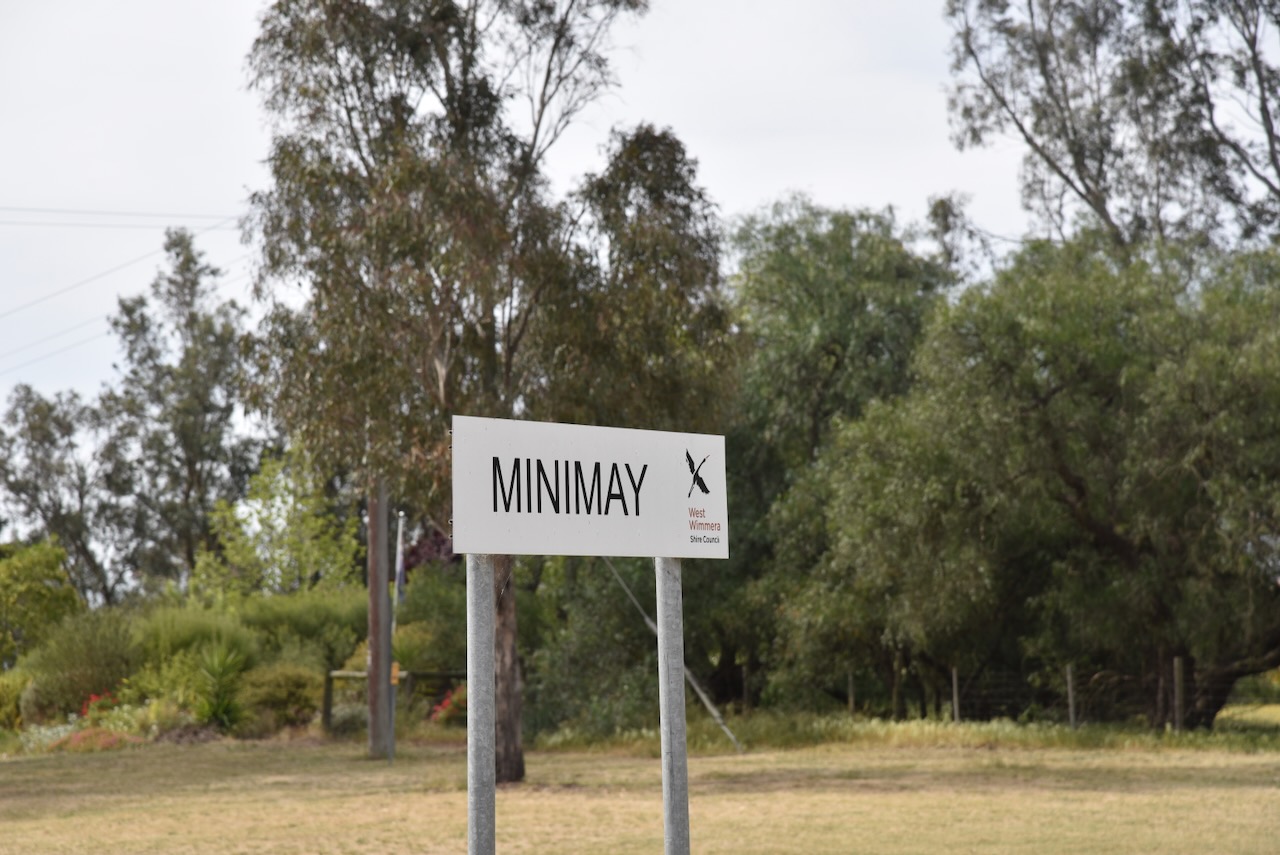
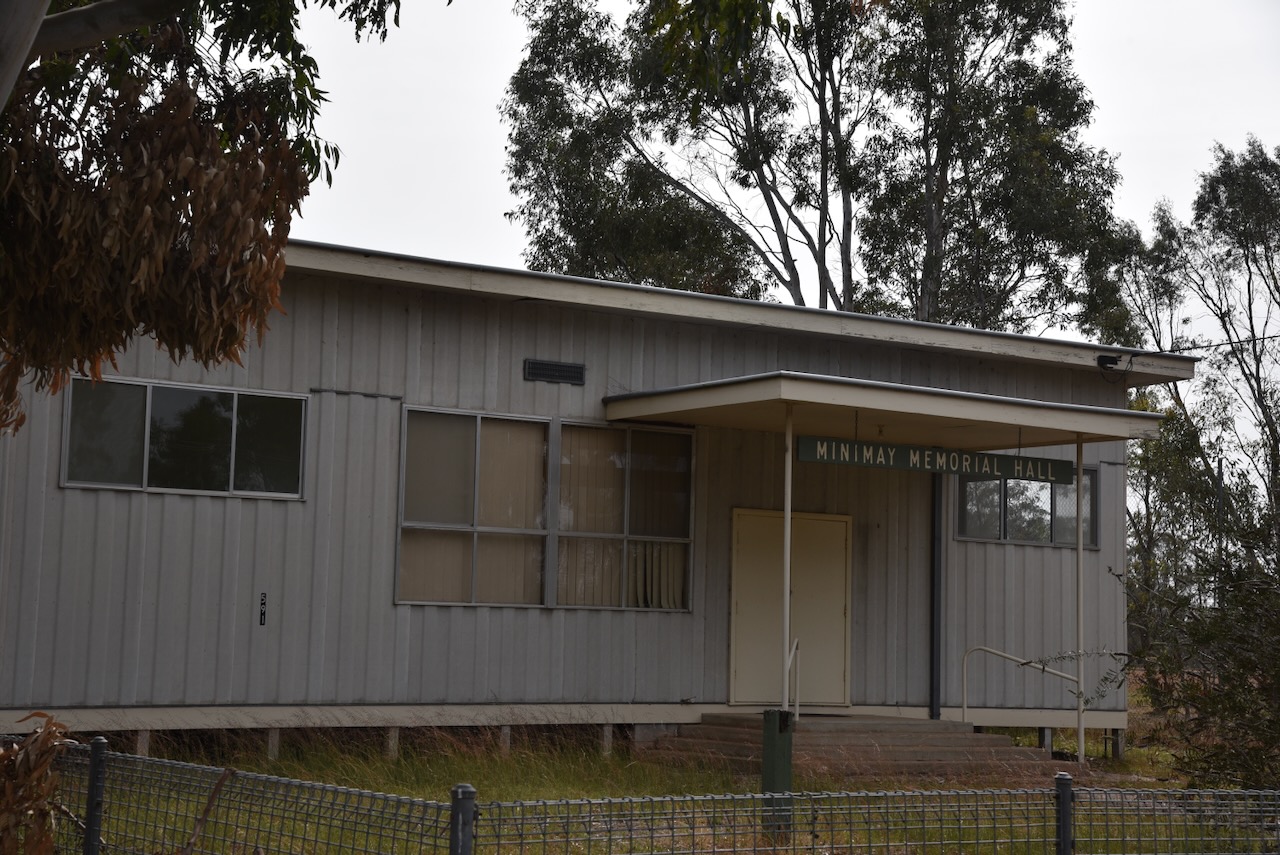
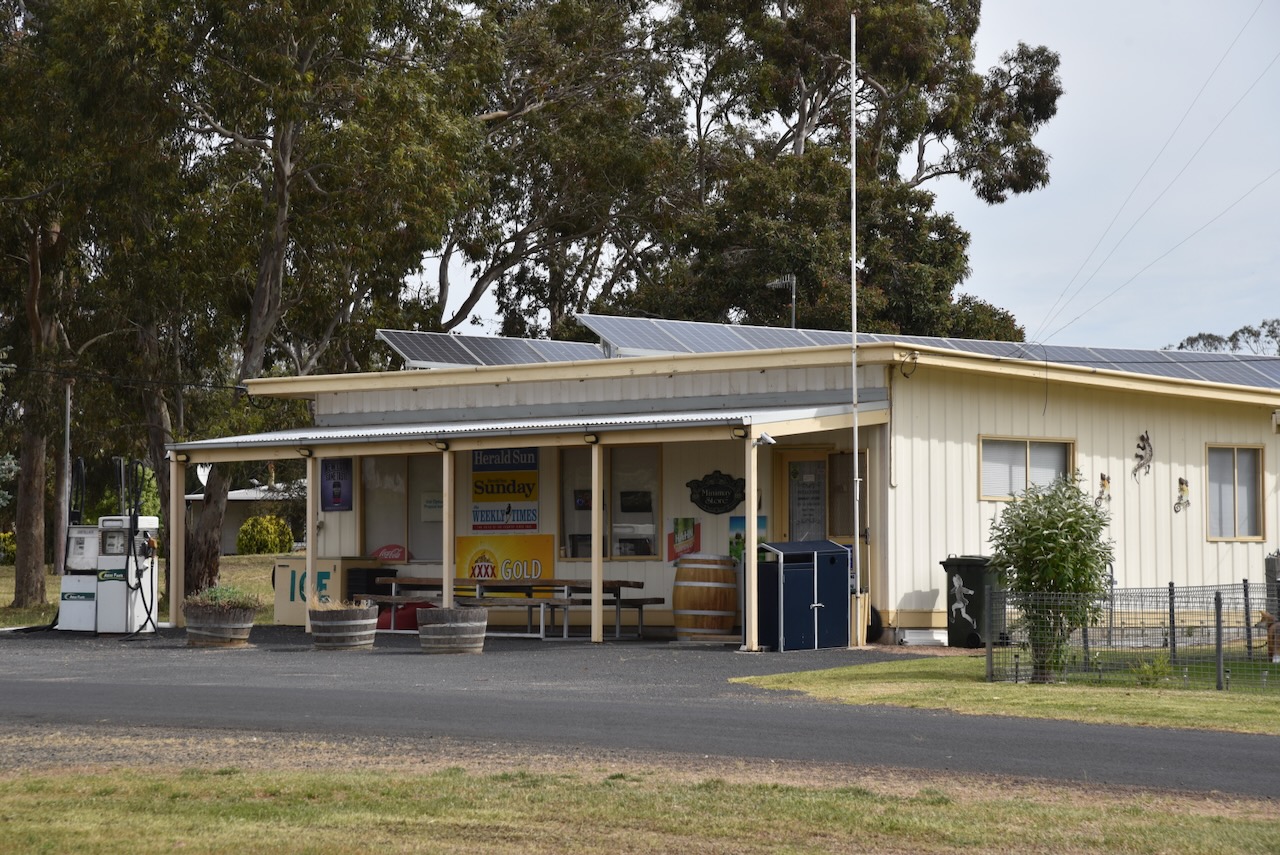
We drove through the little town of Minimay to get to the park. Minimay is derived from the Aboriginal words mina, meaning see, and may, meaning wind, e.g. see the wind or eye of the wind. (Blake 1978)
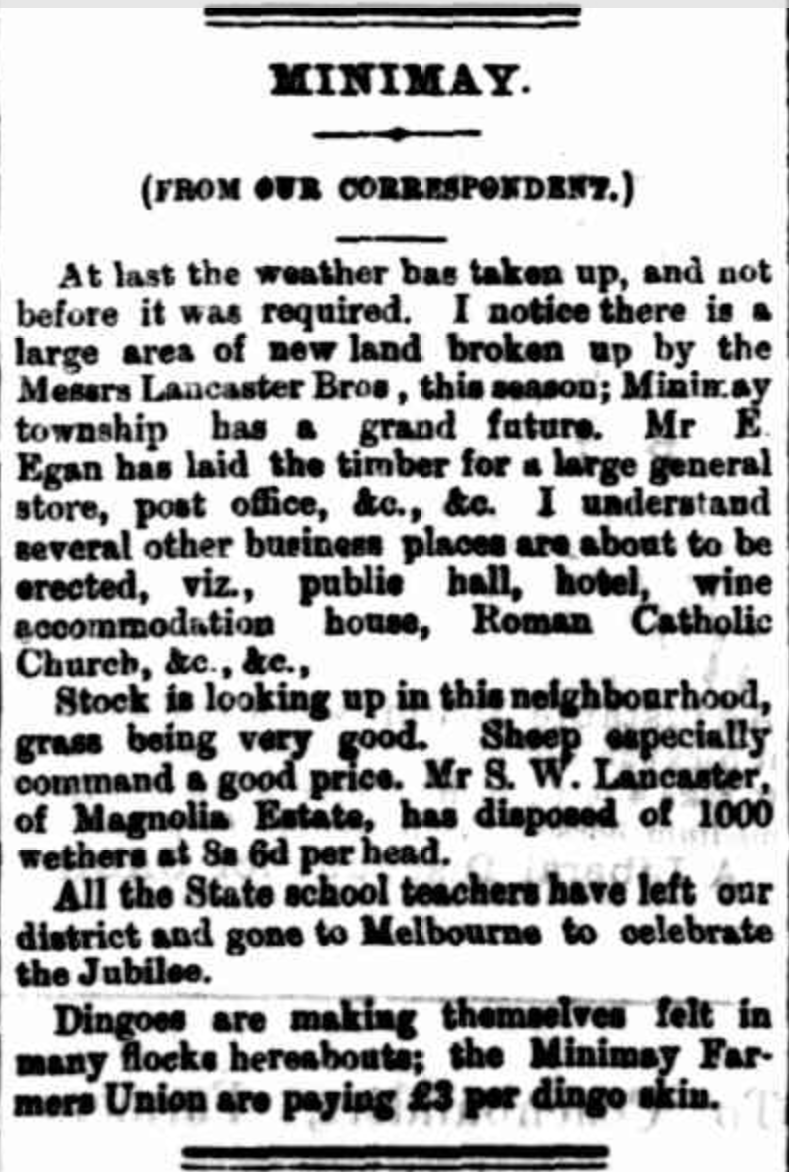
The Minimay Post Office opened on the 1st day of November 1877. During the early 1880’s selectors took up 320-acre blocks in the Minimay district. The first store in Minimay was opened in the 1880s and was operated by Mr & Mrs. Egan from the nearby town of Harrow. The store was destroyed by fire and was rebuilt in 1901. It was demolished in 1976. In 1885, Minimay School No. 2600 was opened and could hold 30-40 children in a small room. The school was closed in 1902 while being renovated and was reopened some years later. (Wikipedia 2025)
Above:- Article from The Horsham Times, Fri 24 Jun 1887. Image c/o Trove.
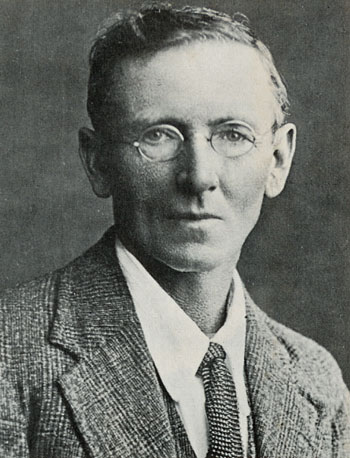
The Australian lyric poet John Shaw Neilson grew up in Minimay in the 1880s. (Wikipedia 2025)
Above:- John Shaw Nelson. Image c/o Wikipedia.
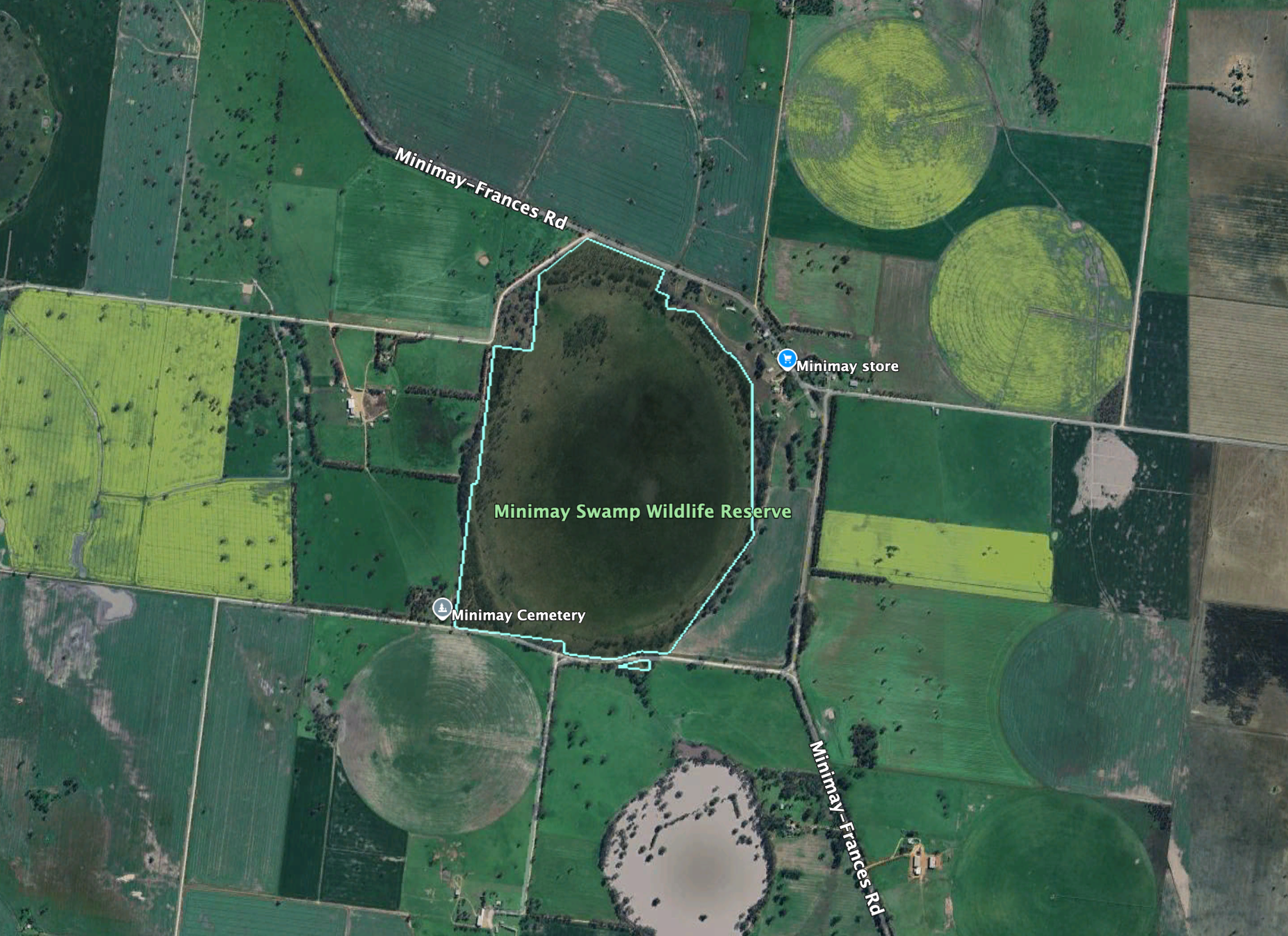
The Minimay Swamp WIldlife Reseve is located on the western side of Minimay-Frances Road.
Above:- An aerial view of the Minimay Swamp Wildlife Reserve. Image c/o Google Earth.
The reserve is about 167 hectares in size and was established on the 22nd day of September 1987. (CAPAD 2022)
On Saturday, 2nd September 2024, after leaving the Jallakin I15 Bushland Reserve, Marija and I continued on our journey to our home in South Australia.
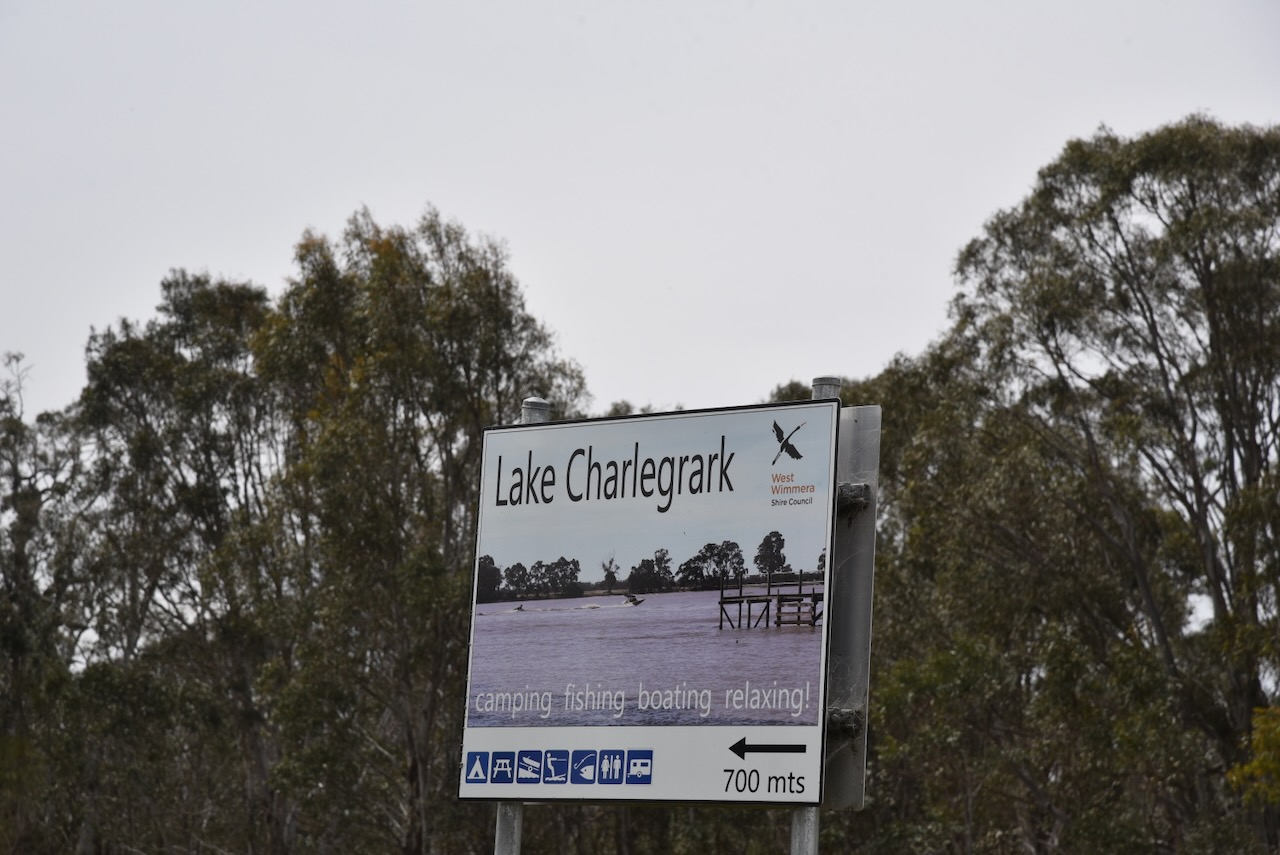
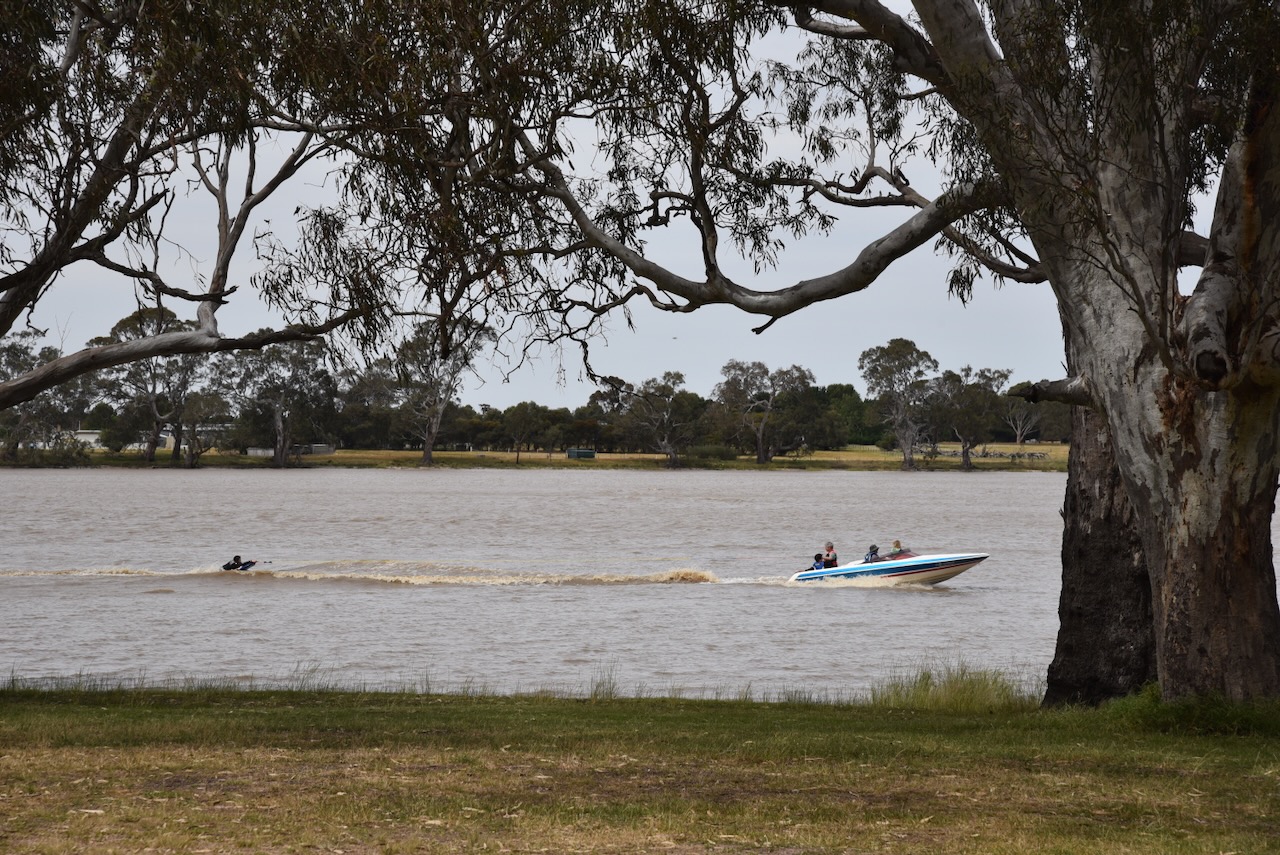
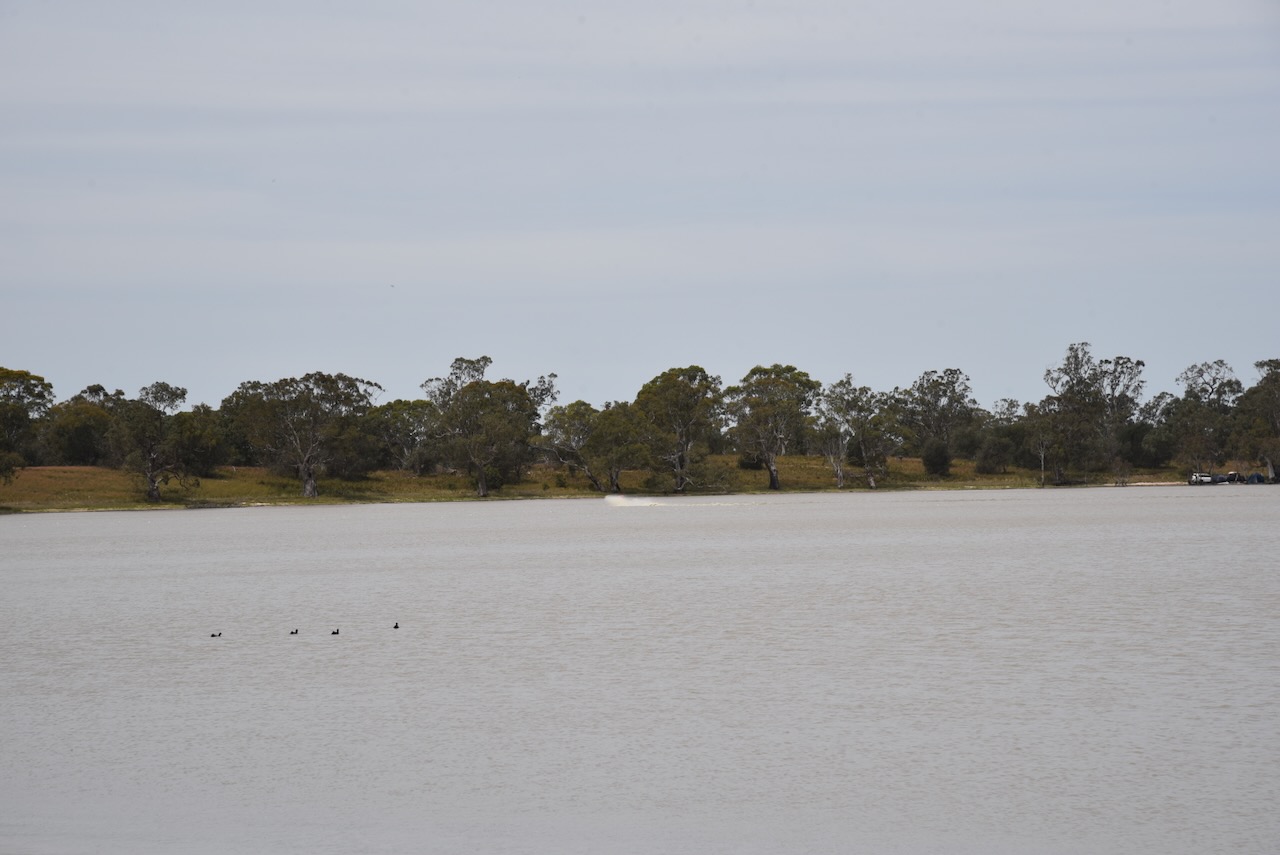
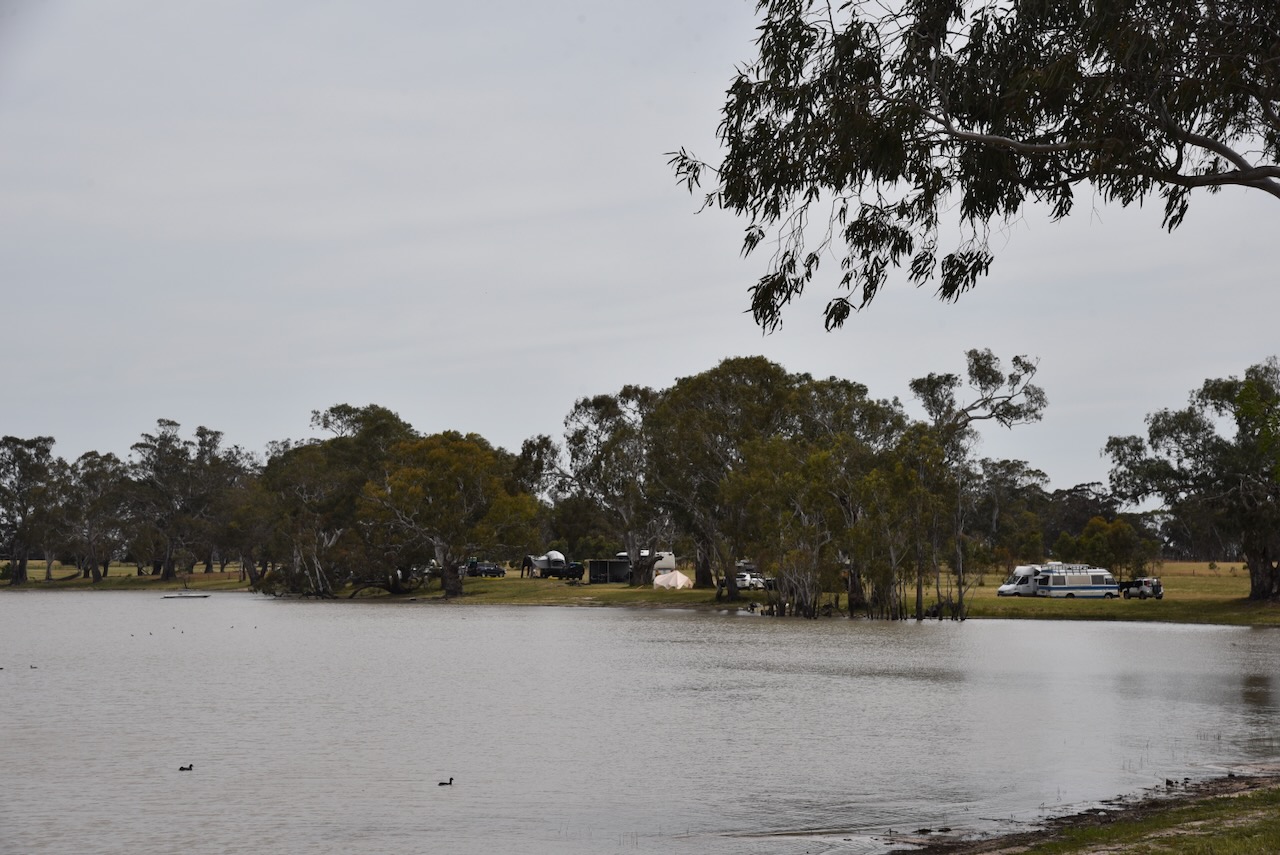
We stopped at Lake Charlegark, about 33 km north of Edenhope in southwest Victoria. Charlegark is from the Aboriginal words charrh, meaning earth and goorook, meaning big lake. The lake covers an area of about 40 hectares, and it was incredibly busy during our visit. (Blake 1978)
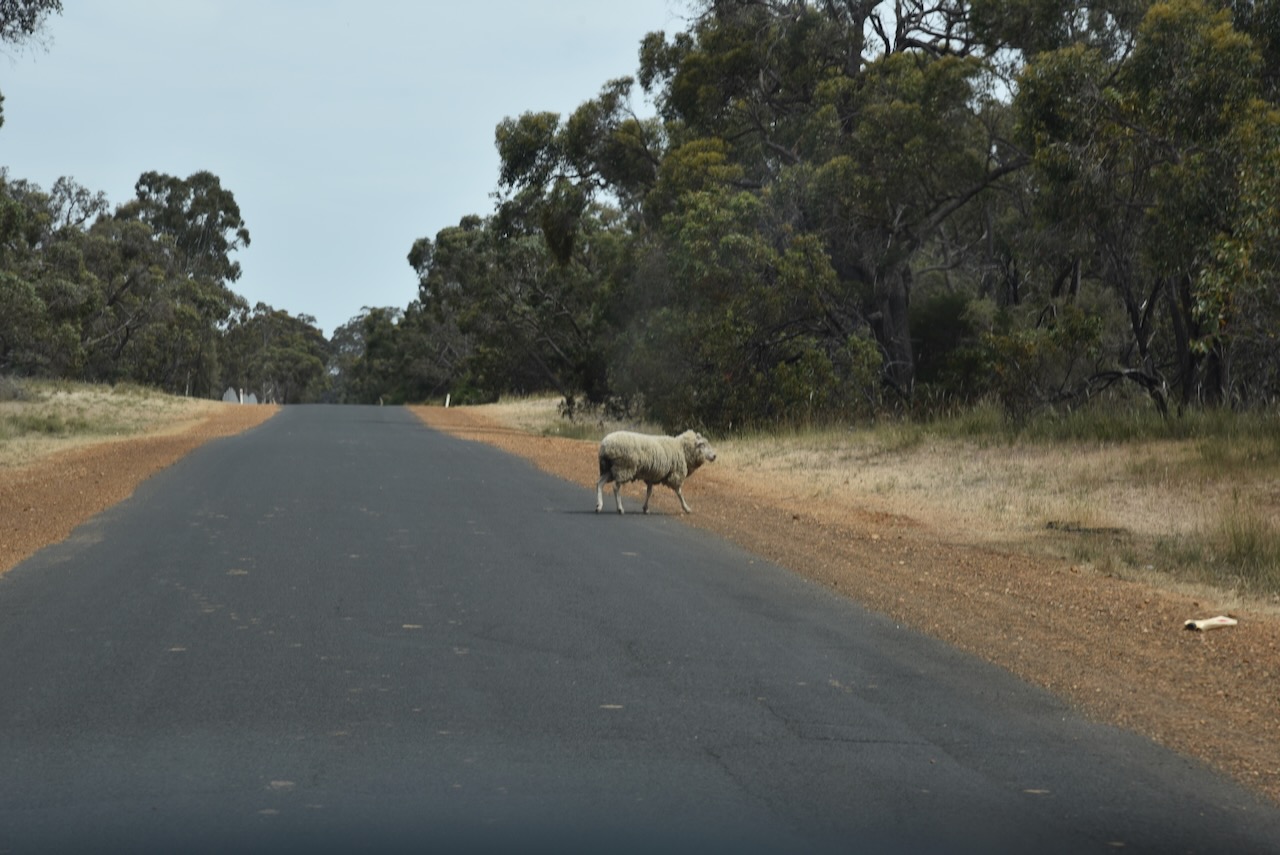
We left Charlegark and headed towards Lake Bringalbert. It was slow going at times along the way with kangaroos and stock crossing the road.
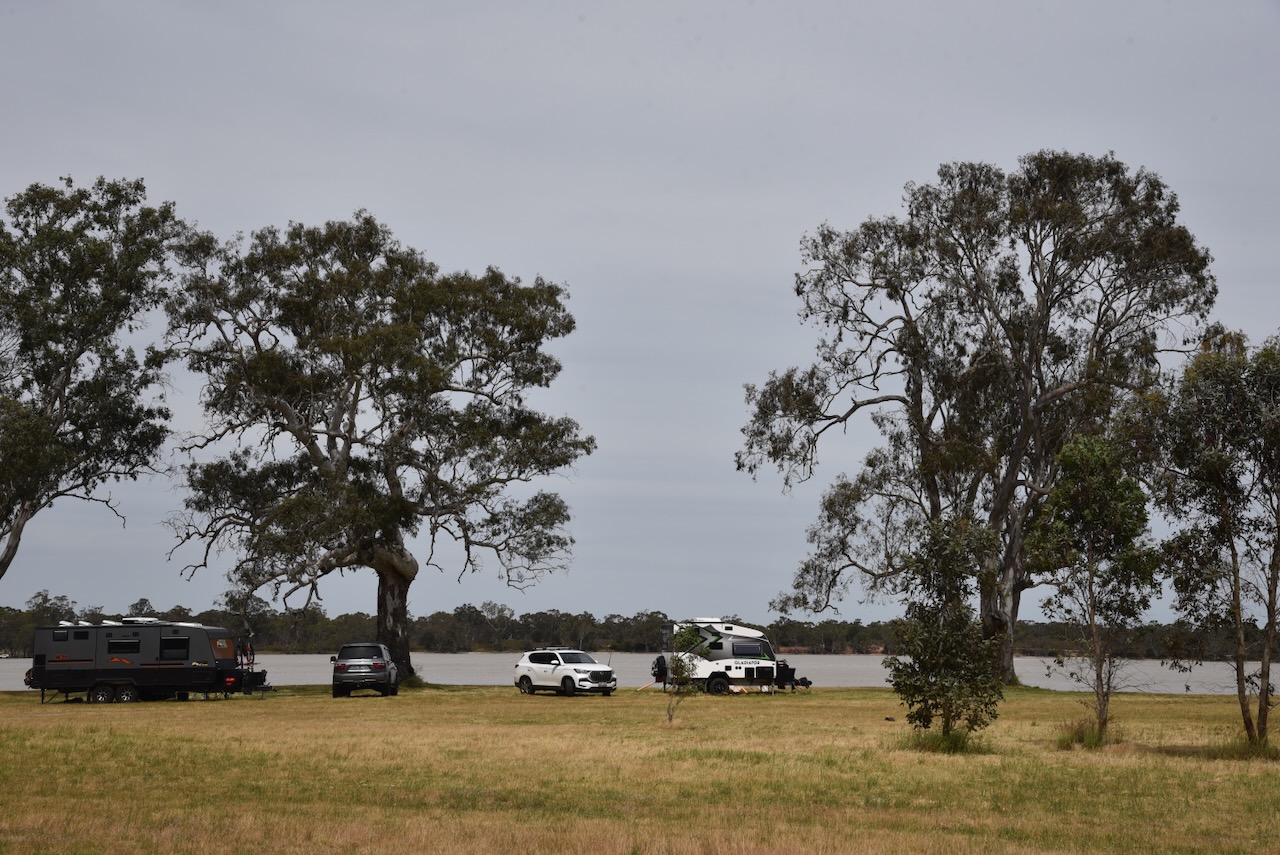
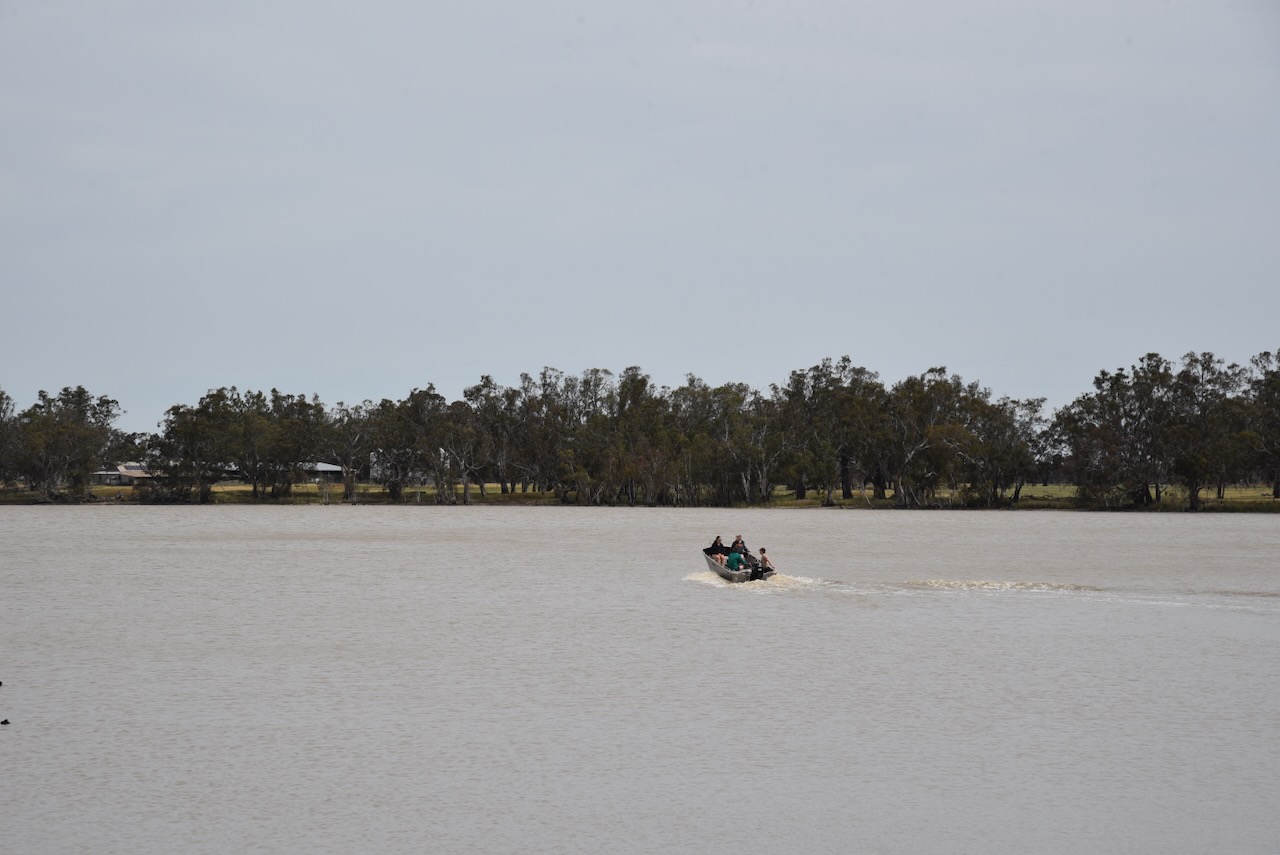
Lake Bringalbert takes its name from the Parish of Bringalbert. The earliest known European occupation of the area was Thomas Gibson, who squatted in the area in 1845. Bringalbert is an Aboriginal word for sandy spring or place of sickness. This was another place that was very busy with caravaners and campers during our visit. (Blake 1978).
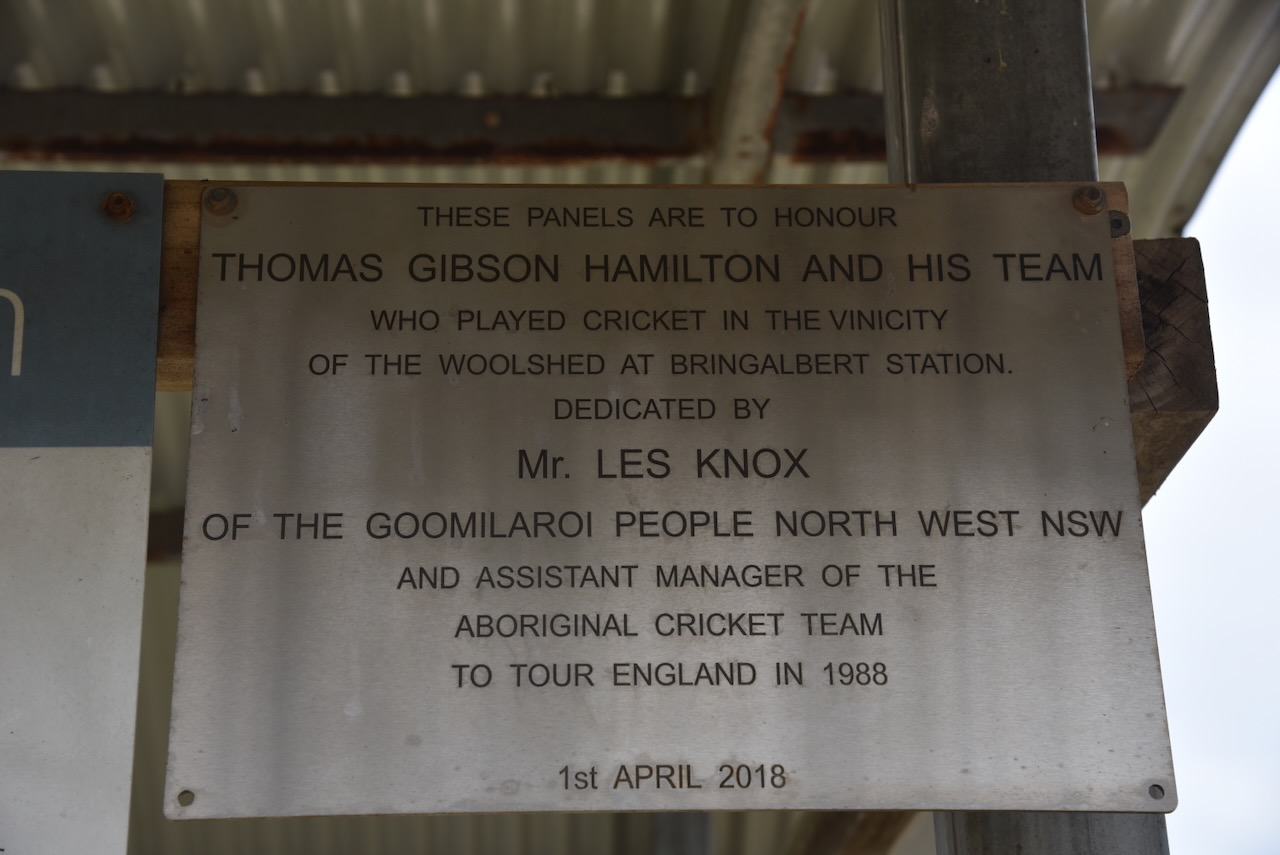
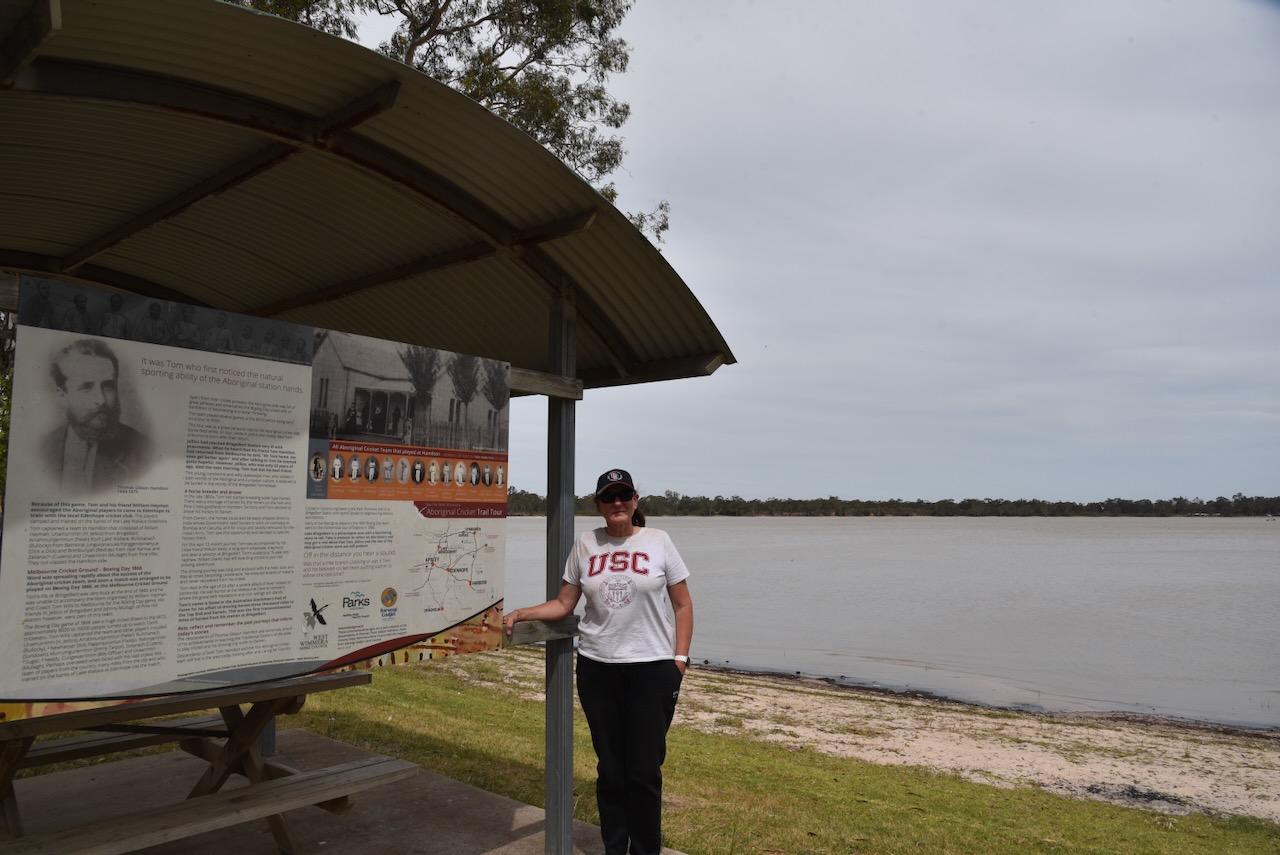
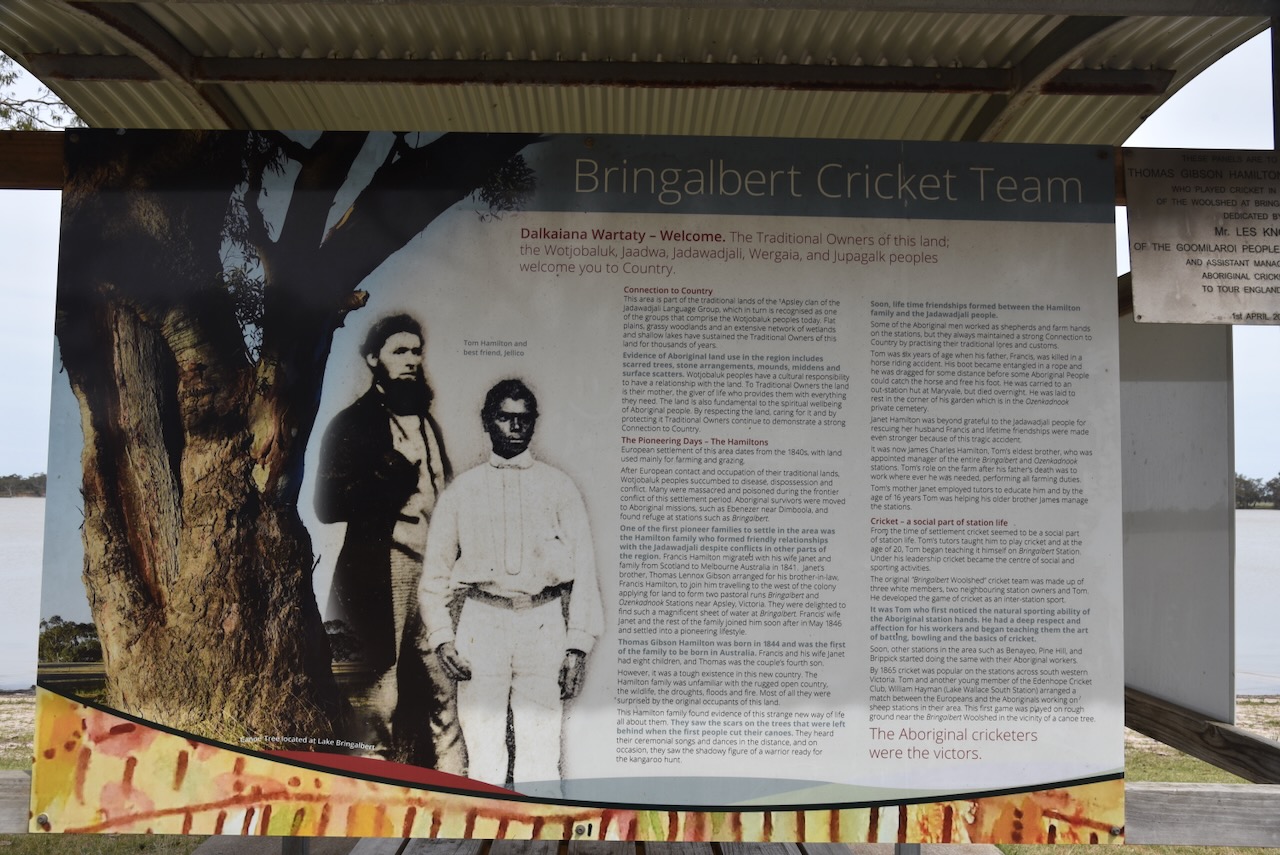
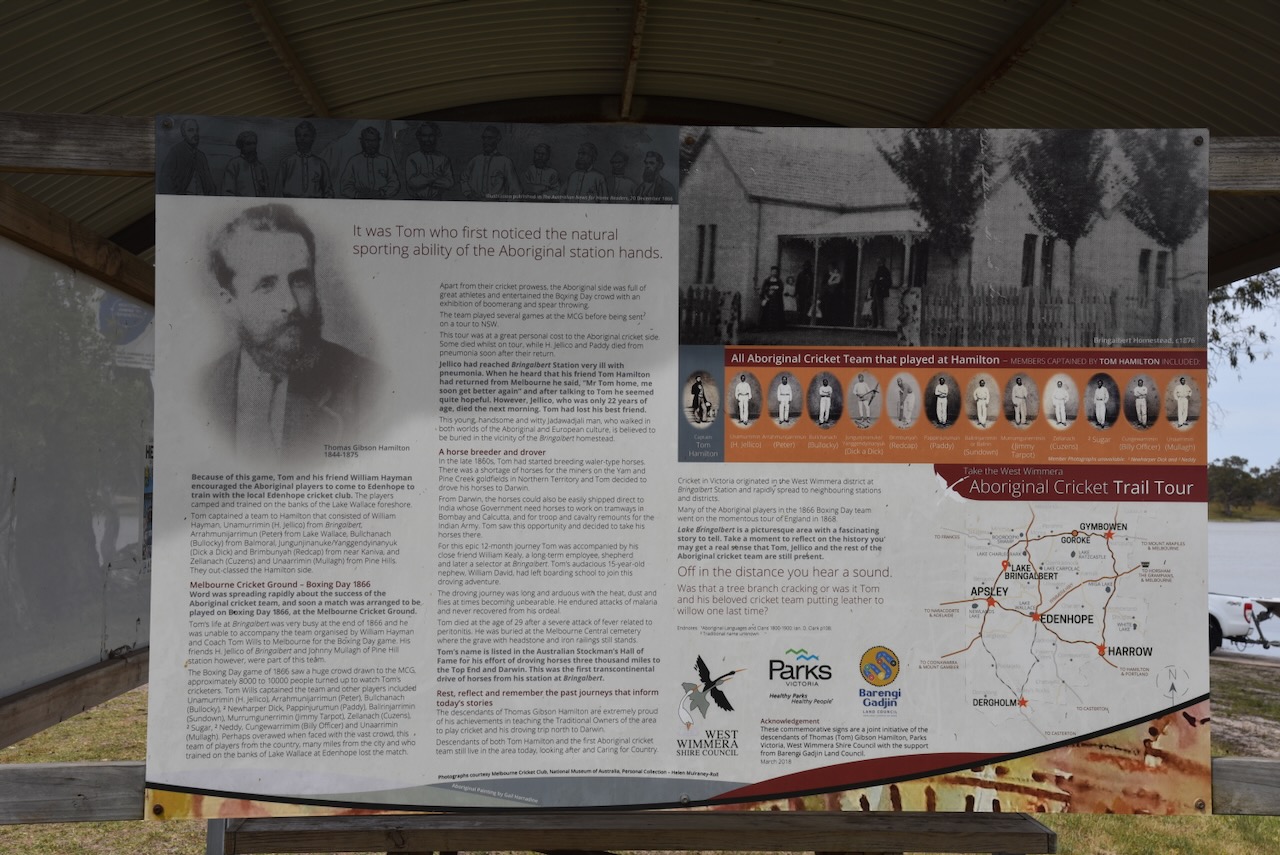
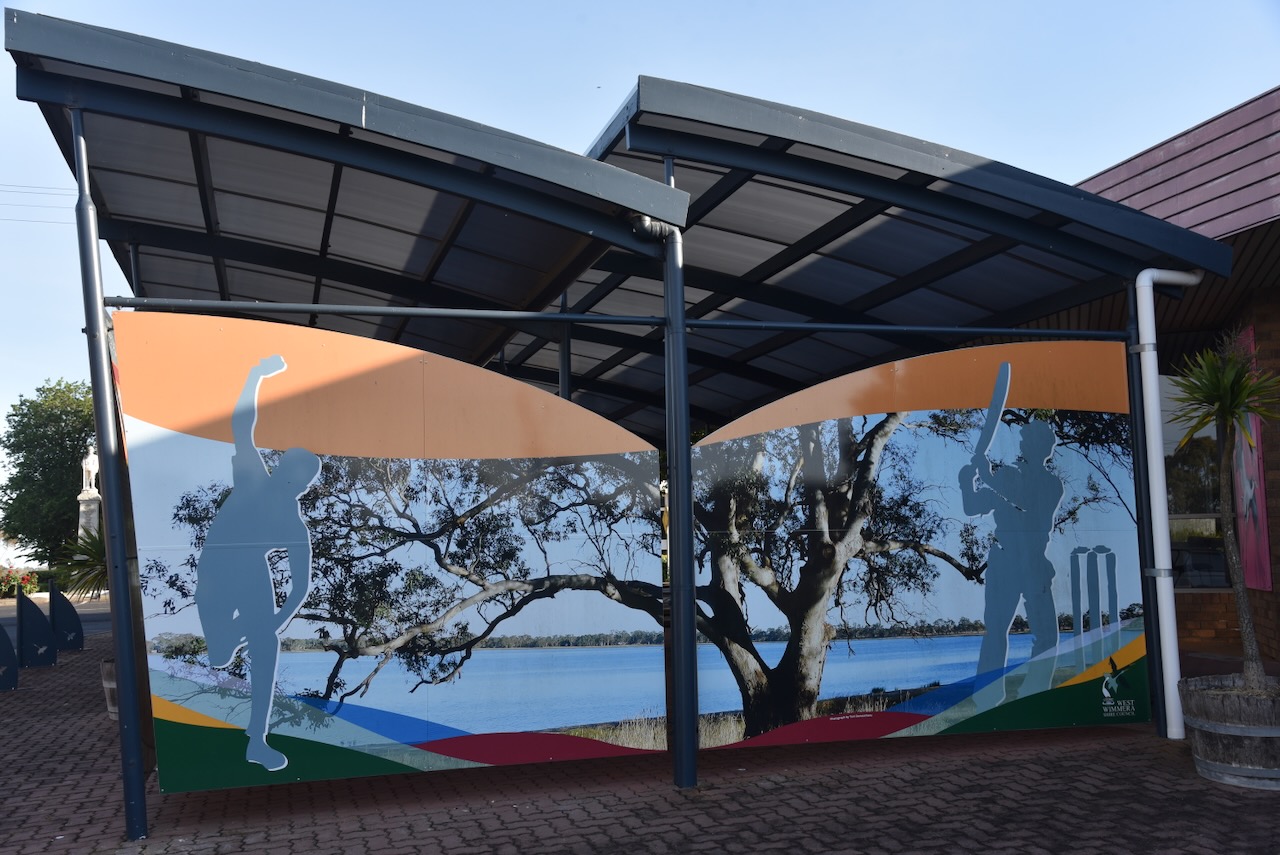
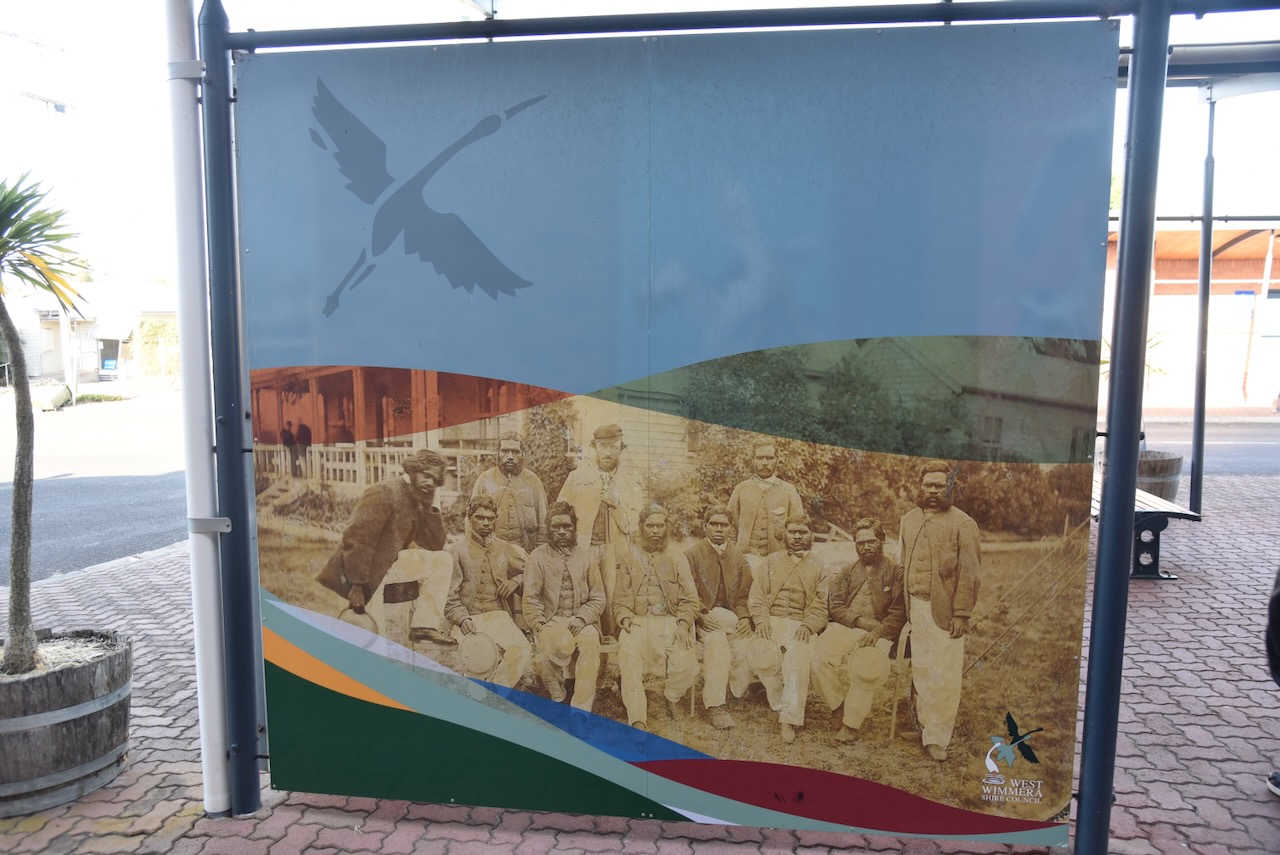
Lake Bringalbert was the site of the first cricket match between Aboriginal and European station hands. There is a monument here and some very interesting information boards.
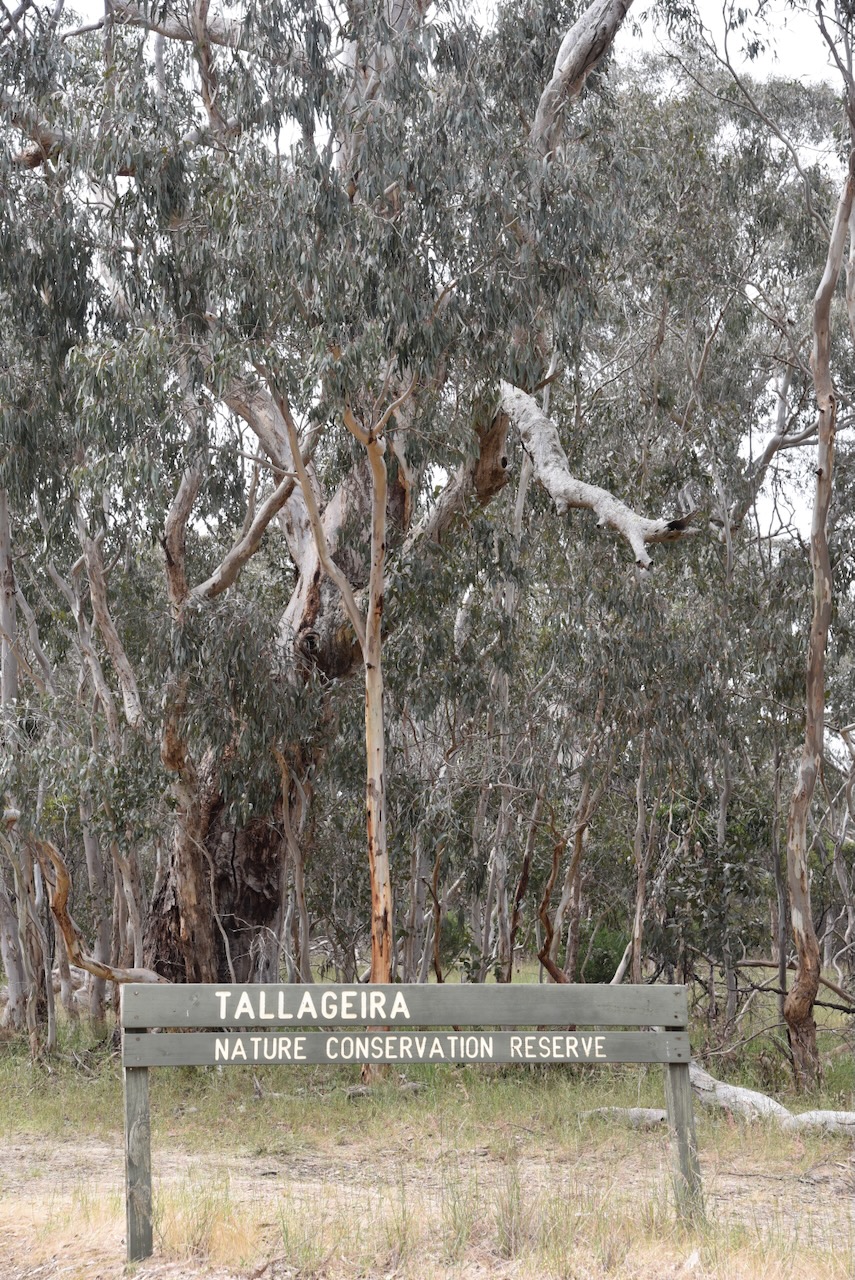
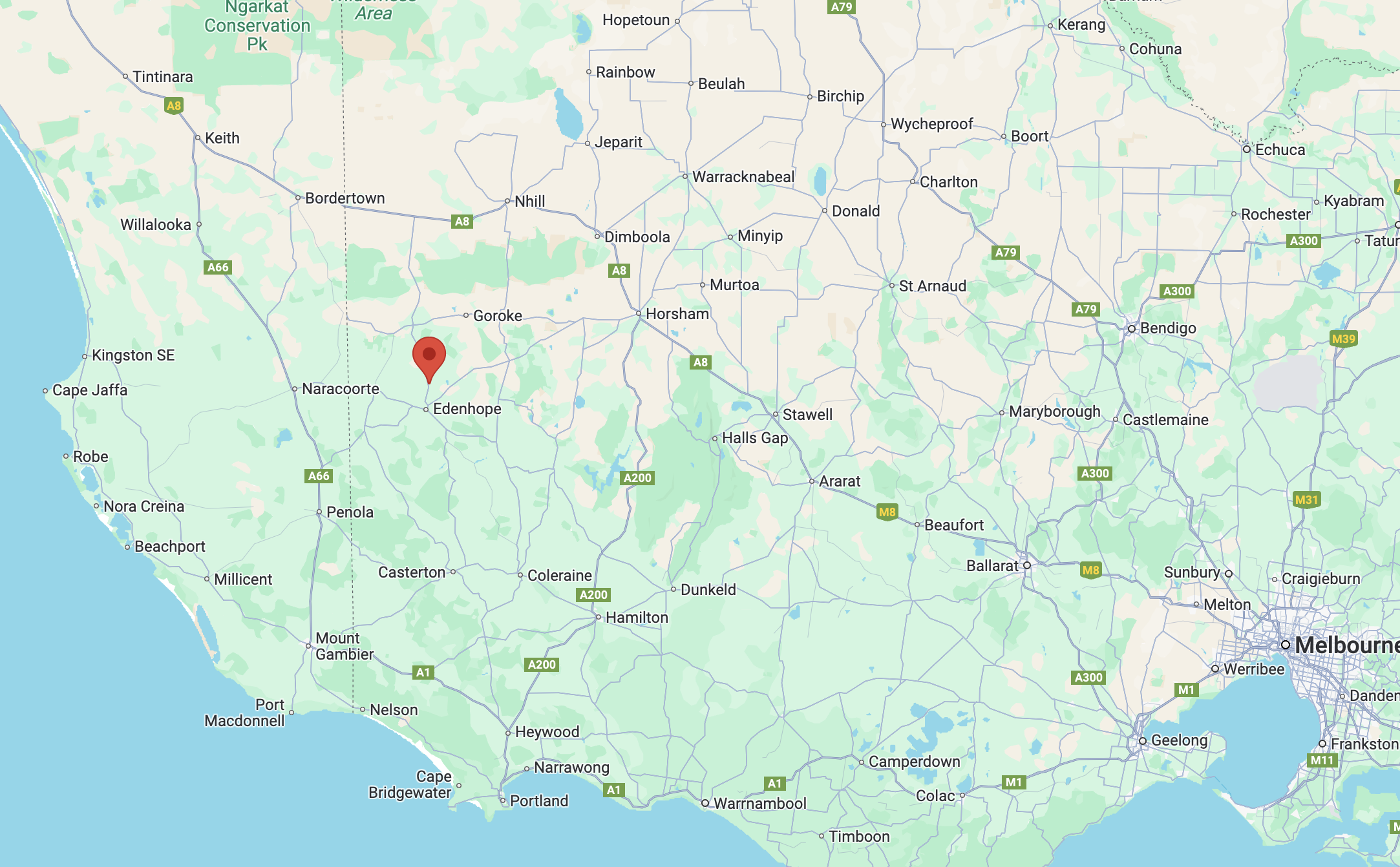
We left Lake Bringalbert and headed to the Tallageira Nature Conservation Reserve VKFF-2203, which is located very close to the South Australia and Victoria state border.
Above:- Map showing the location of the Tallageir NCR. Map c/o Google Maps.
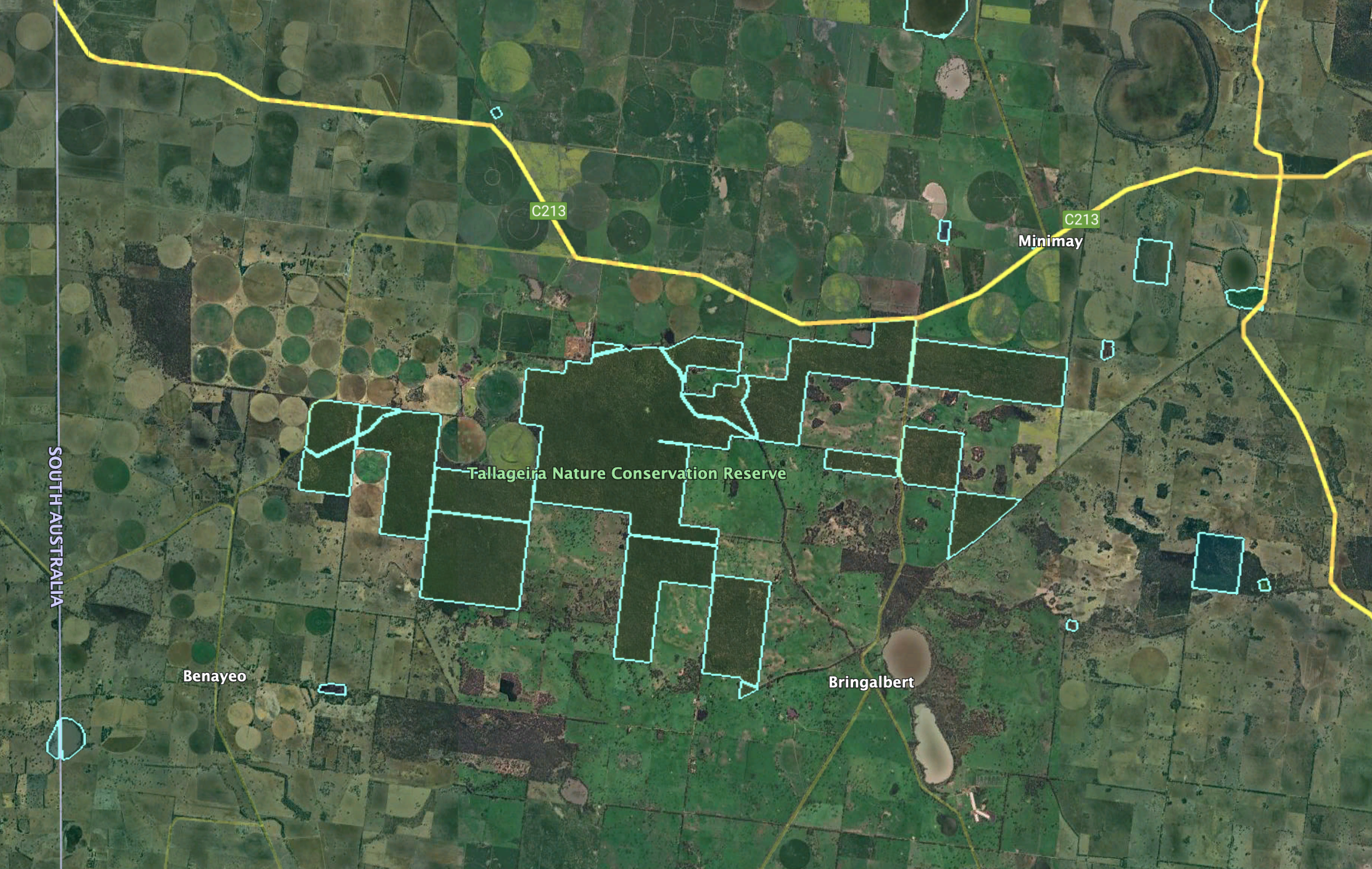
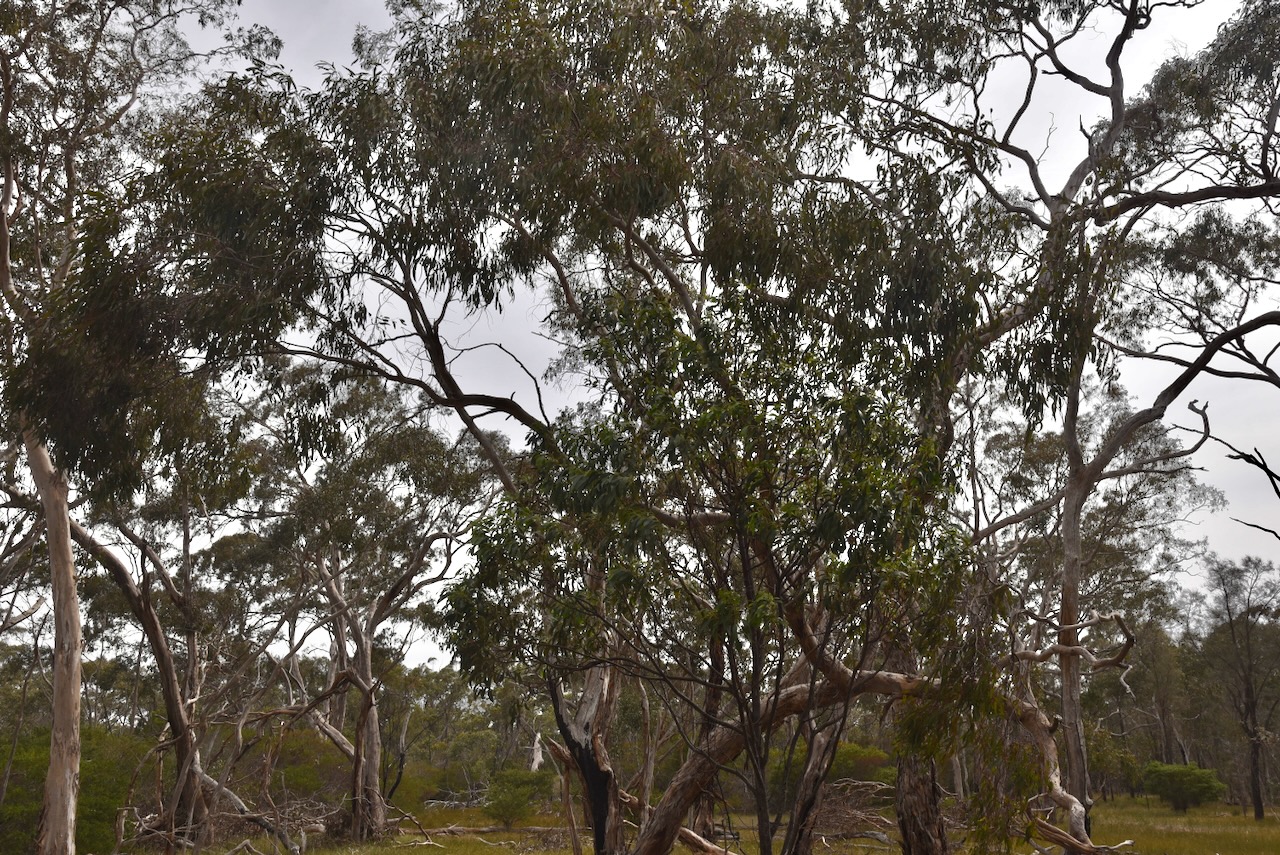
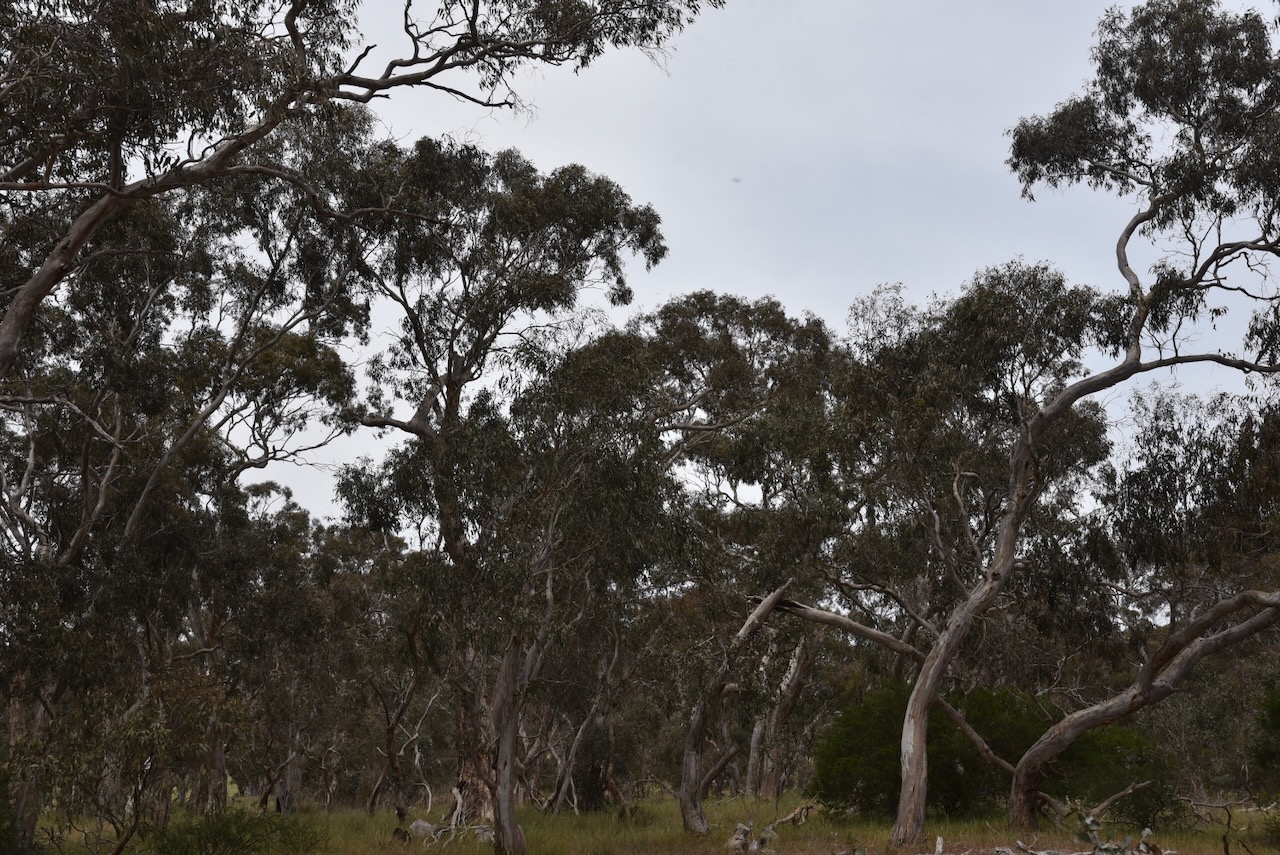
As can be seen below, the reserve is divided into several separate pieces of native scrubland.
Above:- An aerial view of the Tallageir NCR. Image c/o Google Earth.
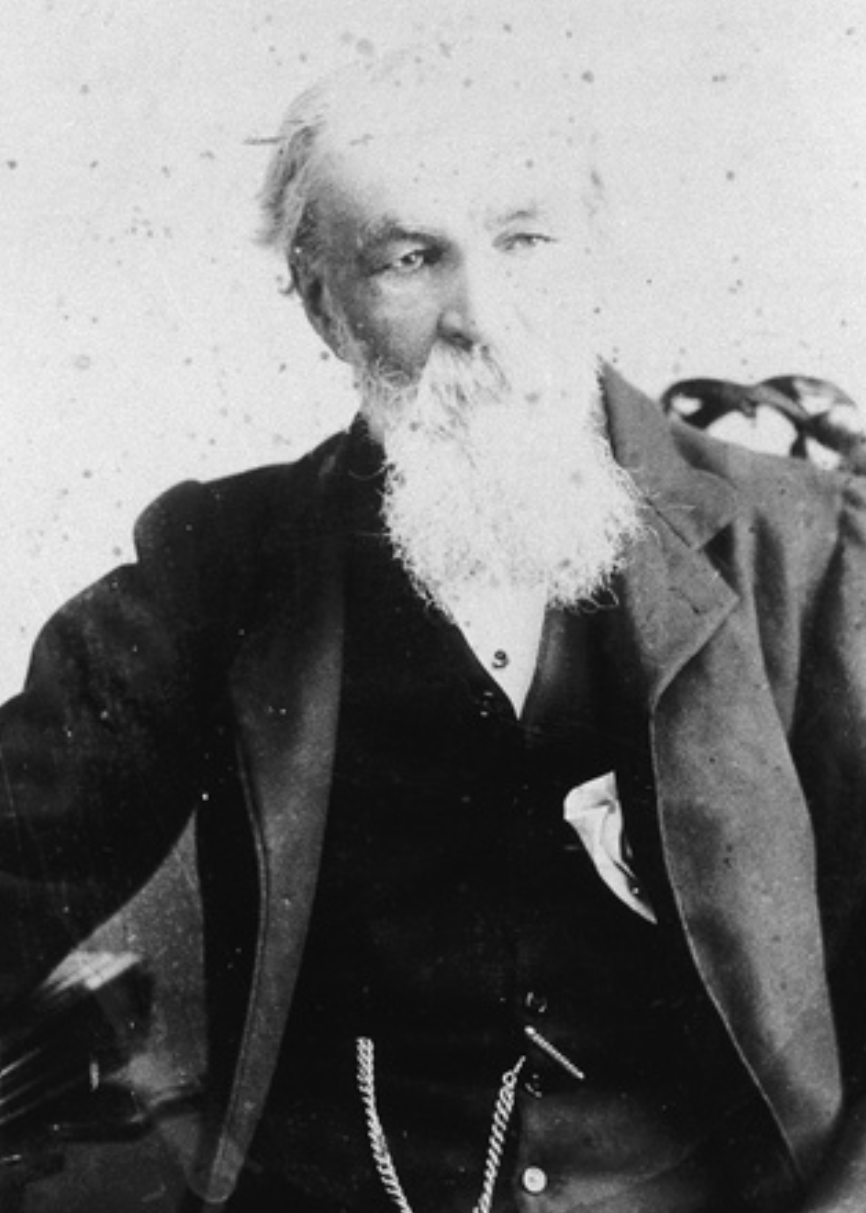
The reserve takes its name from the Tallageira pastoral run that was run by Derwas Jones in 1844. (Blake 1978)
Above:- Derwas Jones. Image c/o State Library South Australia.
The reserve is large, comprising about 3,750 hectares and was established on the 13th day of October 2004. (CAPAD 2022)
This was an easy park to access. We drove in and set up in a clearing amongst the scrub. We ran the Yaesu FT857, 40 watts, and the 20/40/80m linked dipole.
Our next park for Saturday, 2nd November 2024, was the Jallakin I15 Bushland Reserve VKFF-5165. The reserve is located about 13 km north of Edenhope in southwest Victoria.
Above:- Map showing the location of the Jallakin I15 Bushland Reserve. Map c/o Google Maps.
The reserve is located on the corner of Kaniva-Edenhope Road and Ian Forsters Road.
Jallakin is an Aboriginal word meaning kangaroo rat. (Blake 1978)
The reserve is about 7 hectares in size and was established on the 22nd day of November 1983. (CAPAD 2022)
We ran the Yaesu FT857, 40 watts, and the 20/40/80m linked dipole for this activation.
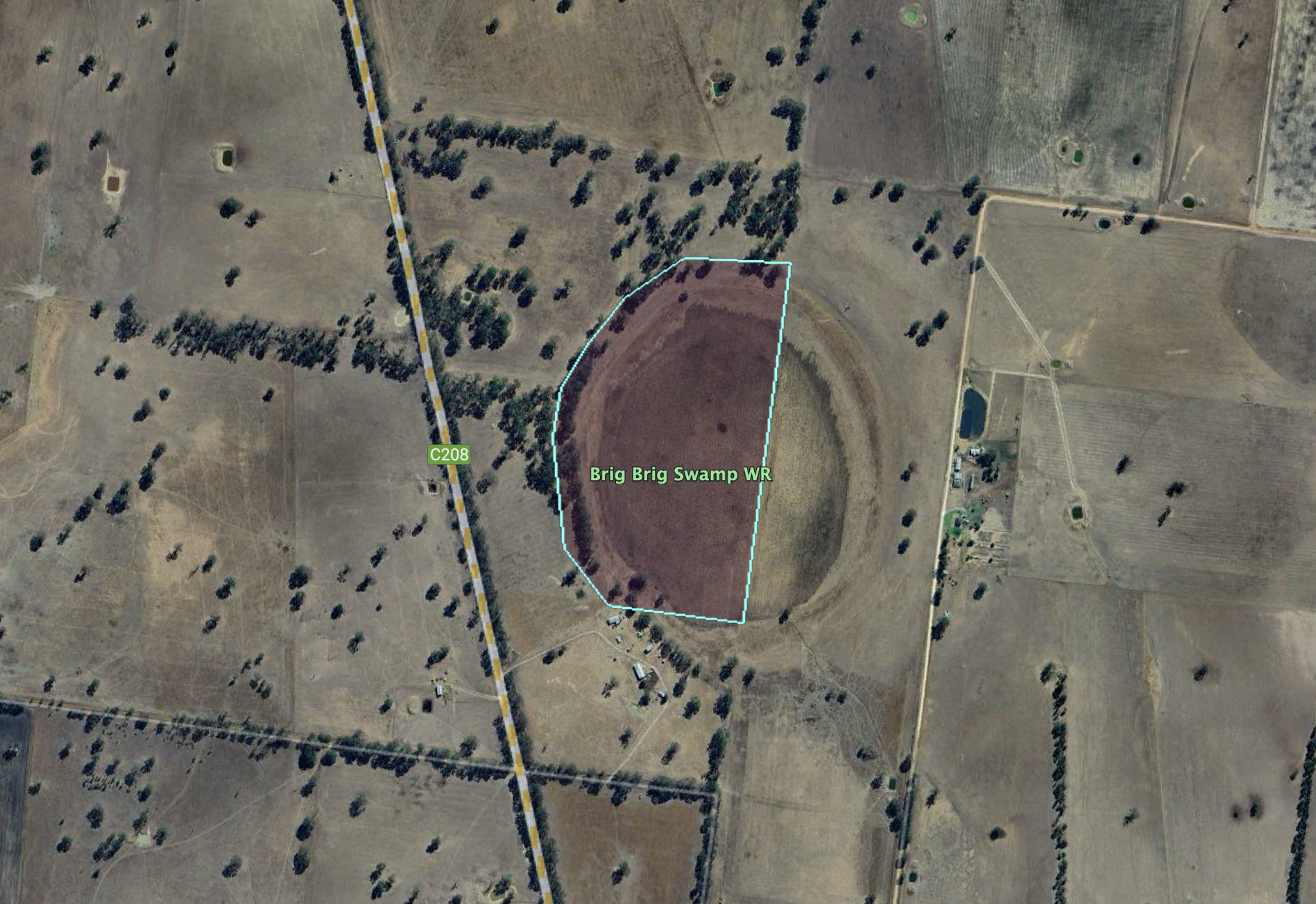
Our next activation for Saturday, 2nd November 2024, was the Brig Brig Swamp Wildlife Reserve VKFF-4662. The reserve is located about 11 km north of Edenhope.
We found that the reserve was on private property, but we were very fortunate that the farmer, Trevor, allowed us access to the reserve. We are very grateful. Thank you, Trevor.
The reserve is located on the eastern side of Kaniva-Edenhope Road, Patyah. Patya is an Aboriginal word meaning flower. (Blake 1978)
Above:- An aerial view of Brig Brig Swamp Wildlife Reserve. Image c/o Google Earth.
The reserve is about 83 hectares in size and was established on the 22nd day of November 1983. (CAPAD 2022)
Trevor informed us that the swamp had not had any water in it since the 1970s. Trevor stated that Redfin were once caught in the swamp. He also informed us that the lake was used as a watering point for bullock teams in the 1800s.
We ran the Yaesu FT857, 40 watts, and the 20/40/80m linked dipole for this activation.
It was now Saturday, 2nd November 2024, and the last day of our Bendigo trip. After breakfast, we had a look around the town of Edenhope.
Current day Edenhope is in the area that was occupied by the 120,000-acre Lake Wallace pastoral run established in 1845 by George and James Hope. The station takes its name from Lake Wallace, which was discovered in April 1843 by Scotsman William Wallace. (Blake 1978) (Victorian Places 2015)
The township of Edenhope was surveyed in 1862 by G.W. Langford. It was gazetted on the 8th day of January 1862. The town’s name derives from the Hope brothers’ fatherland of the River Eden in Scotland. In 1865, a school was opened. The town also had a hotel and a coach service operated from Edenhope to Hamilton. A school was opened in 1865. There was also a hotel and a coach service from Edenhope to Hamilton. (Blake 1978) (Victorian Places 2015)
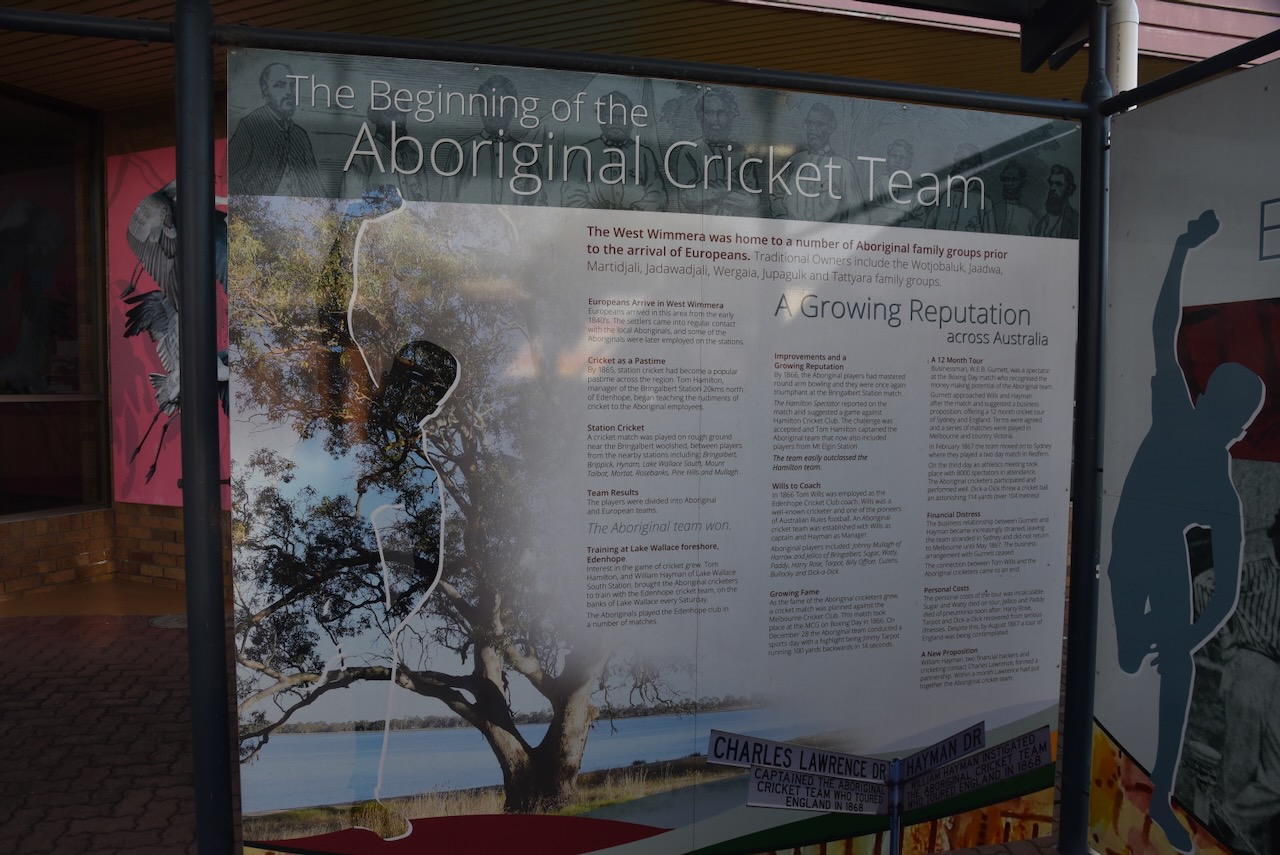
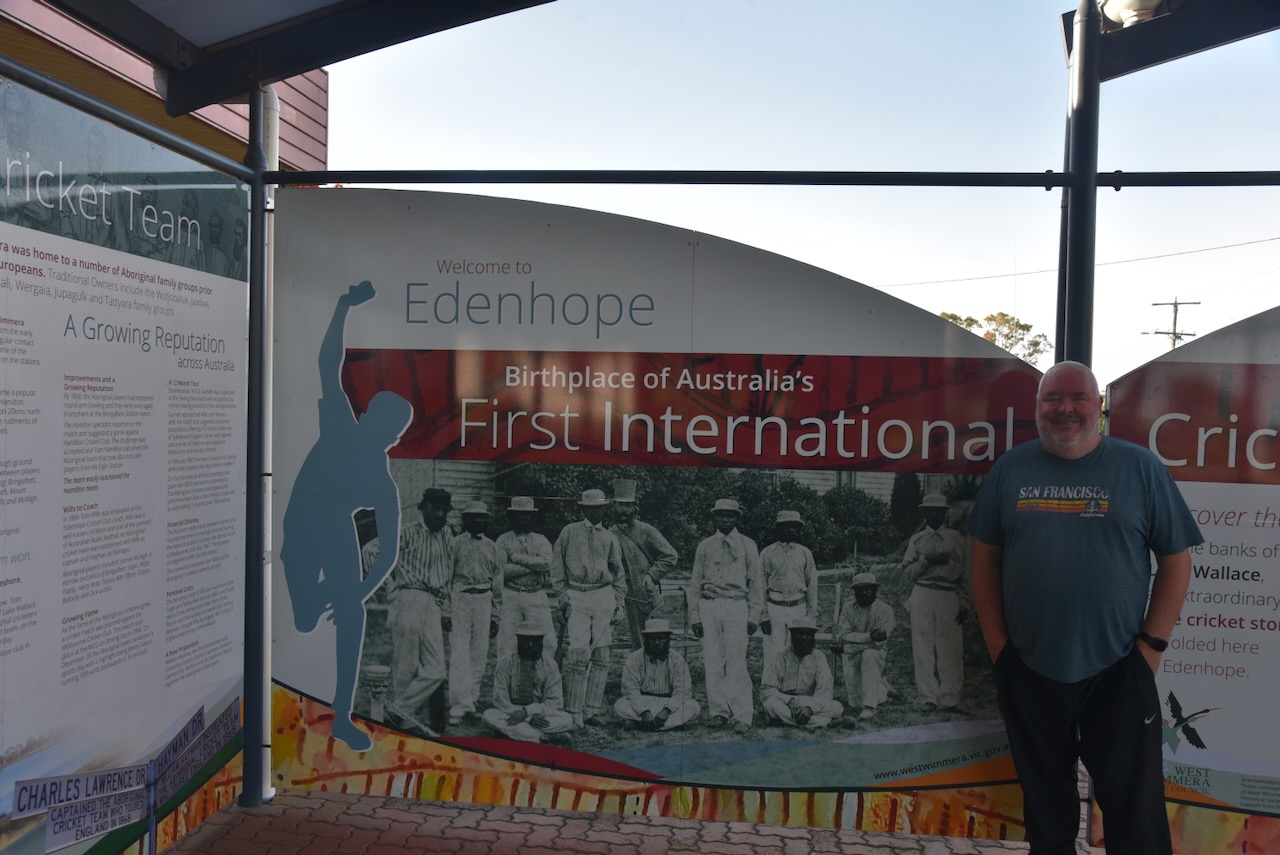
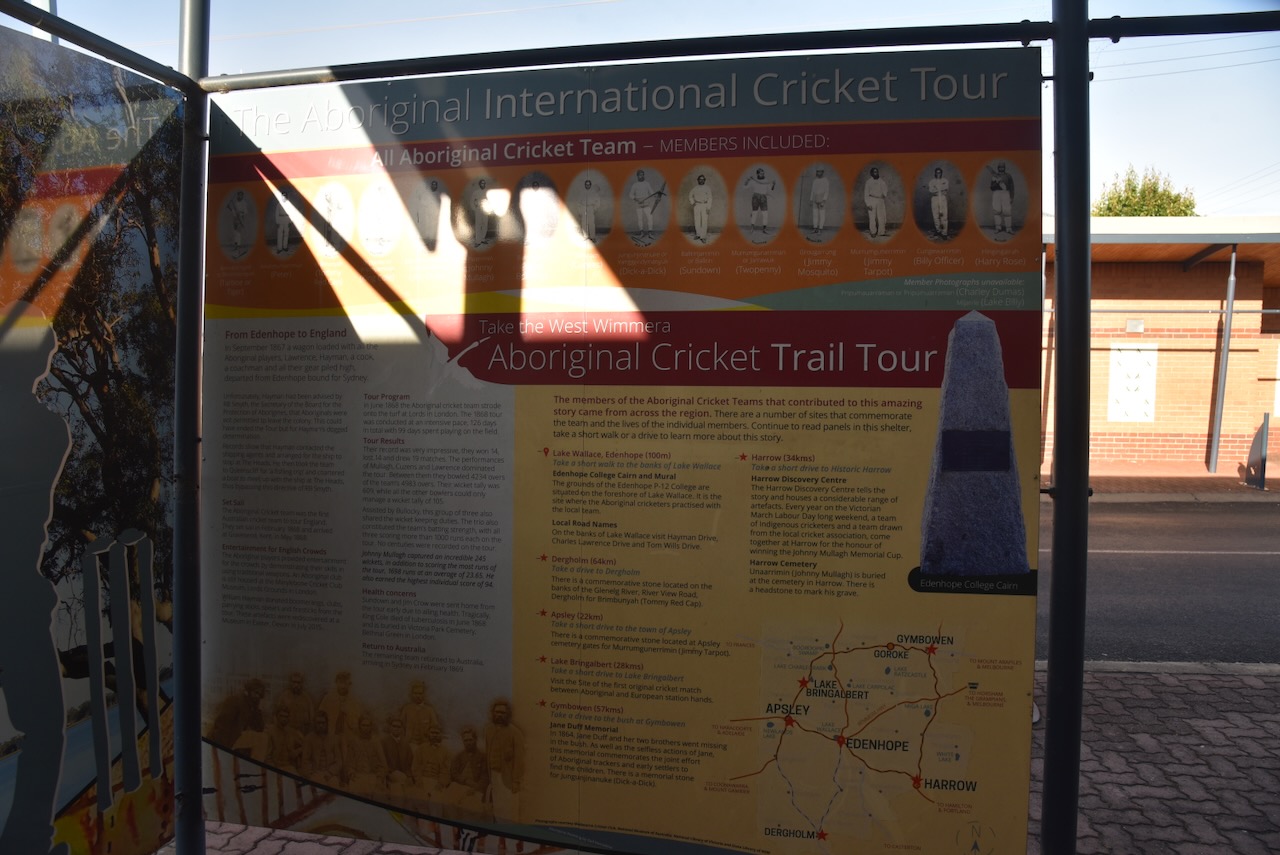
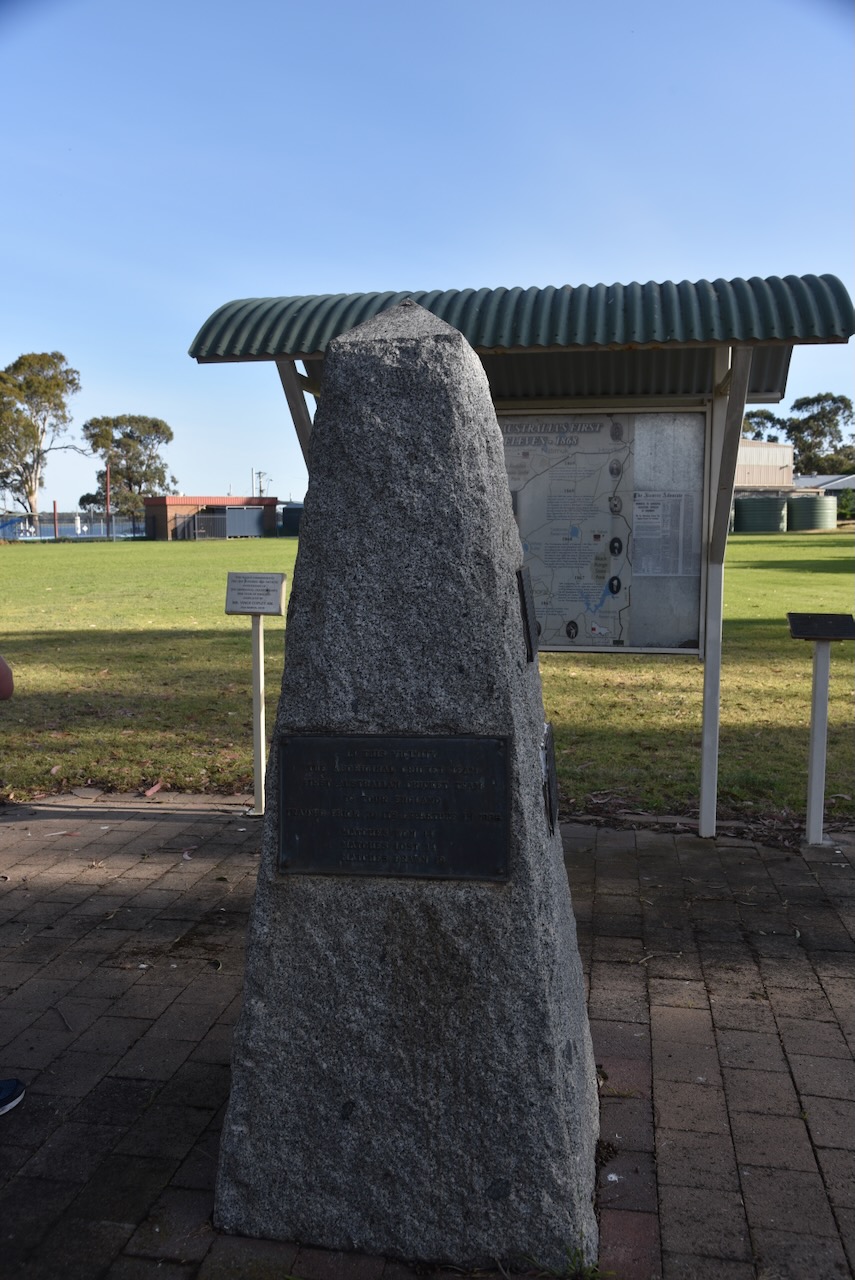
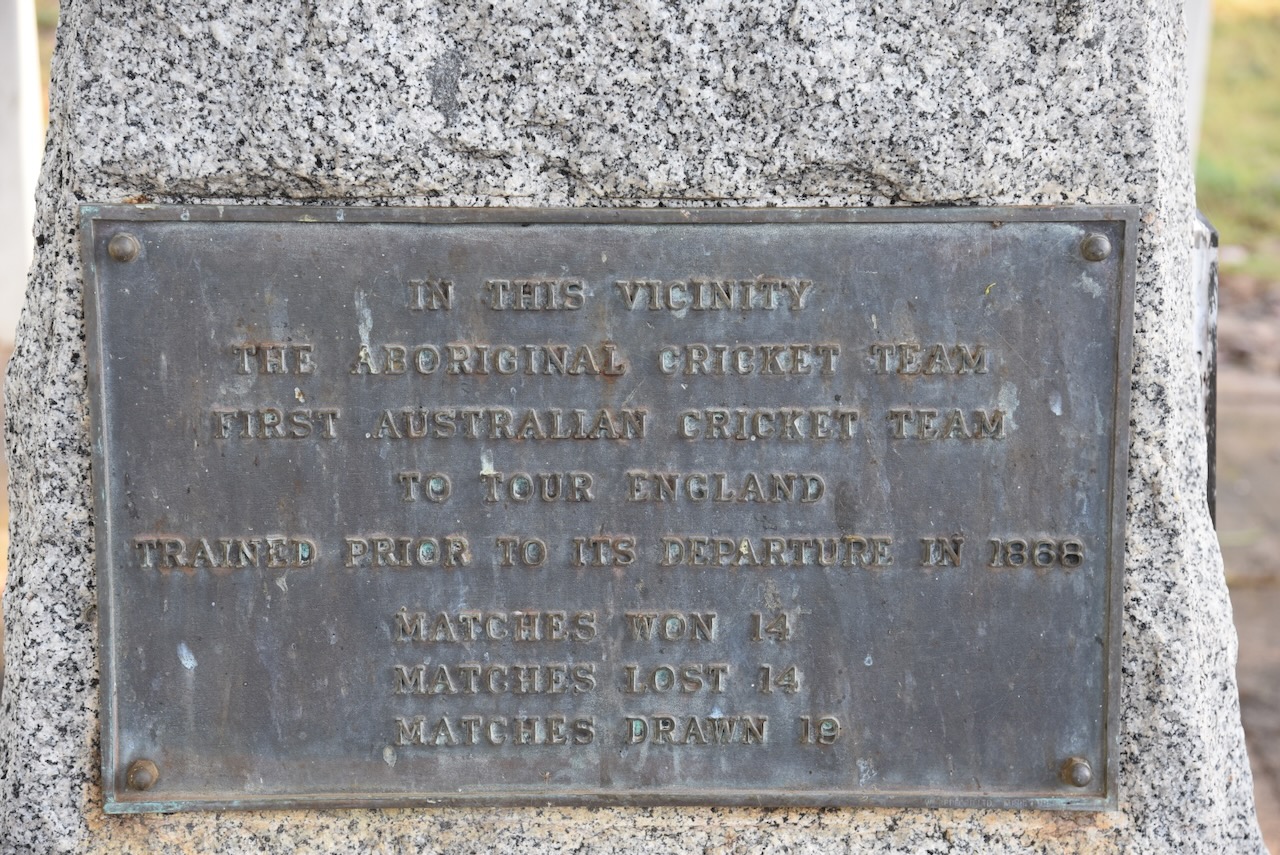
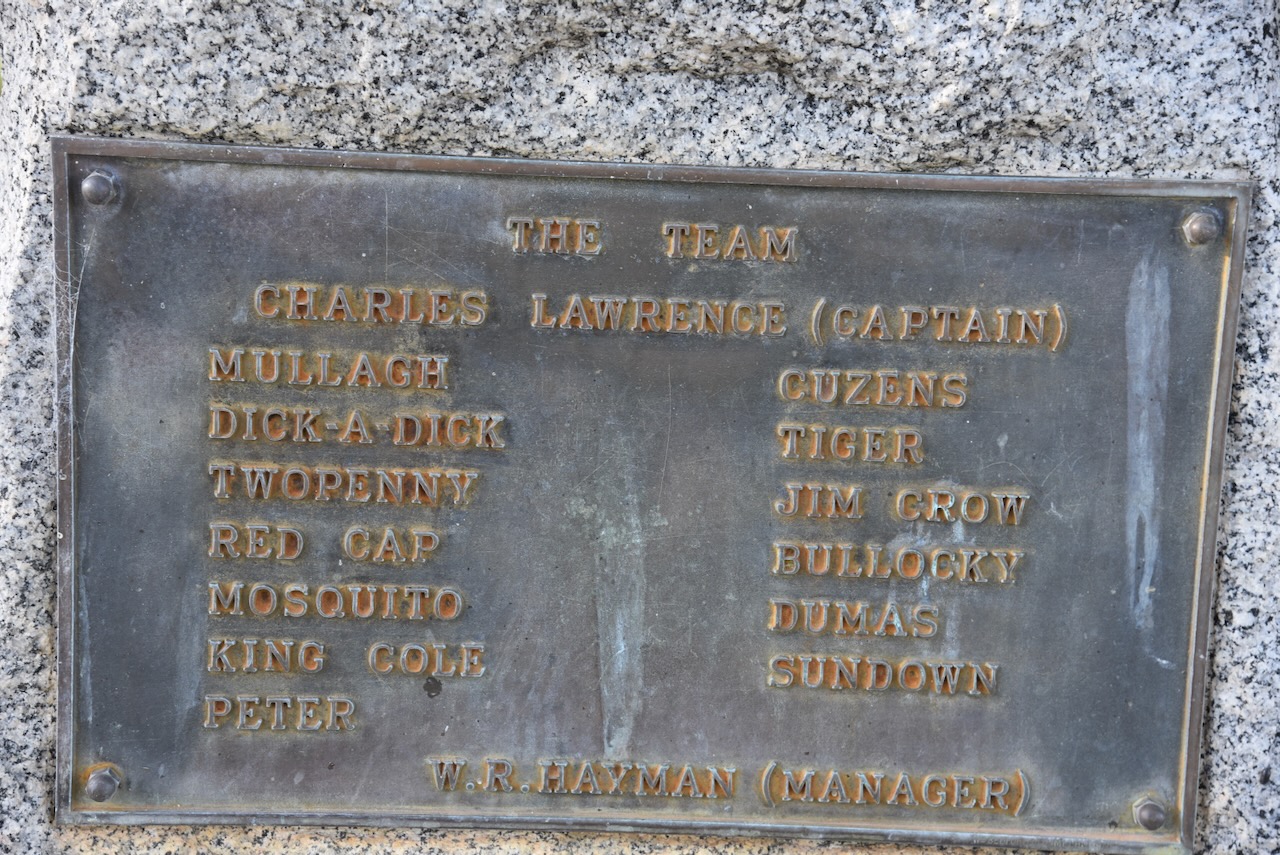
In the main street, you can find some information boards on the Aboriginal Cricket team that toured England in the 1860s.
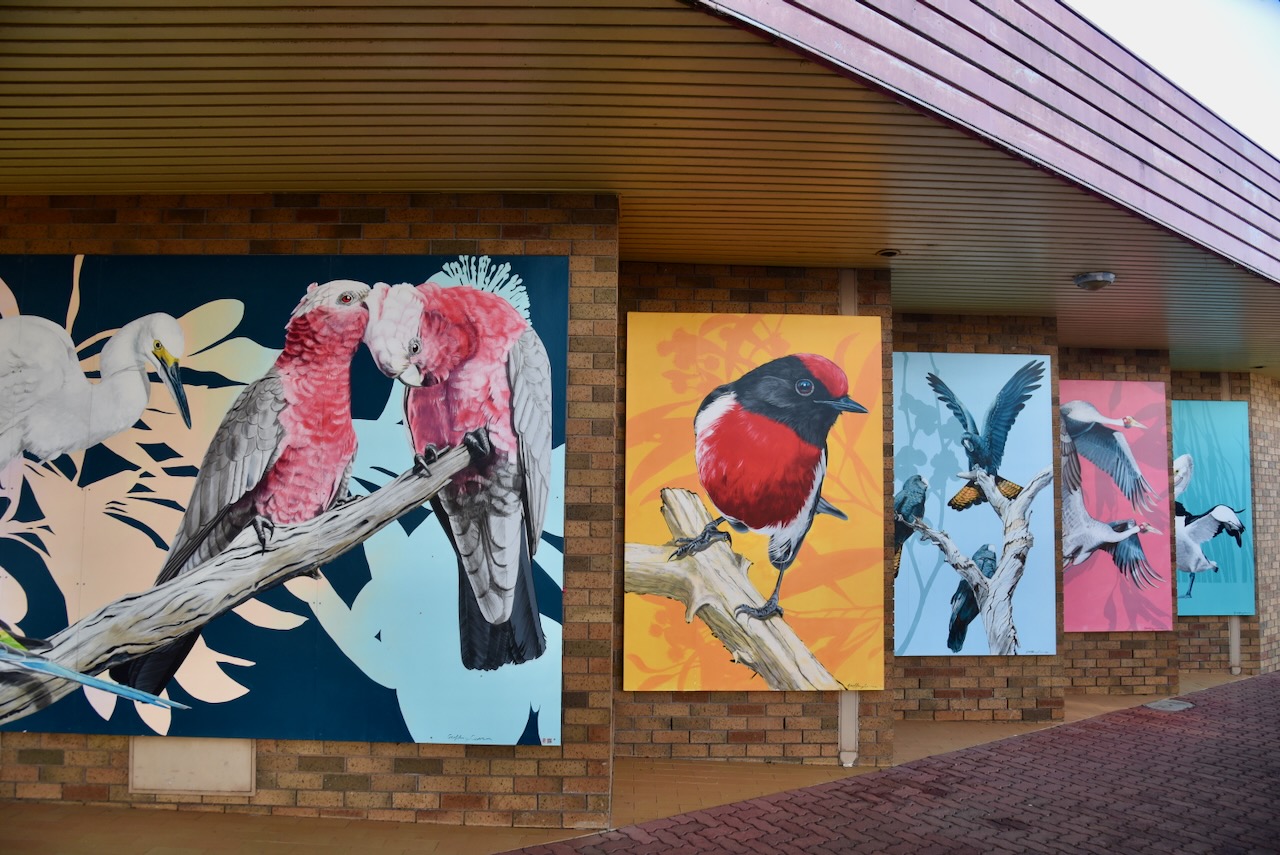
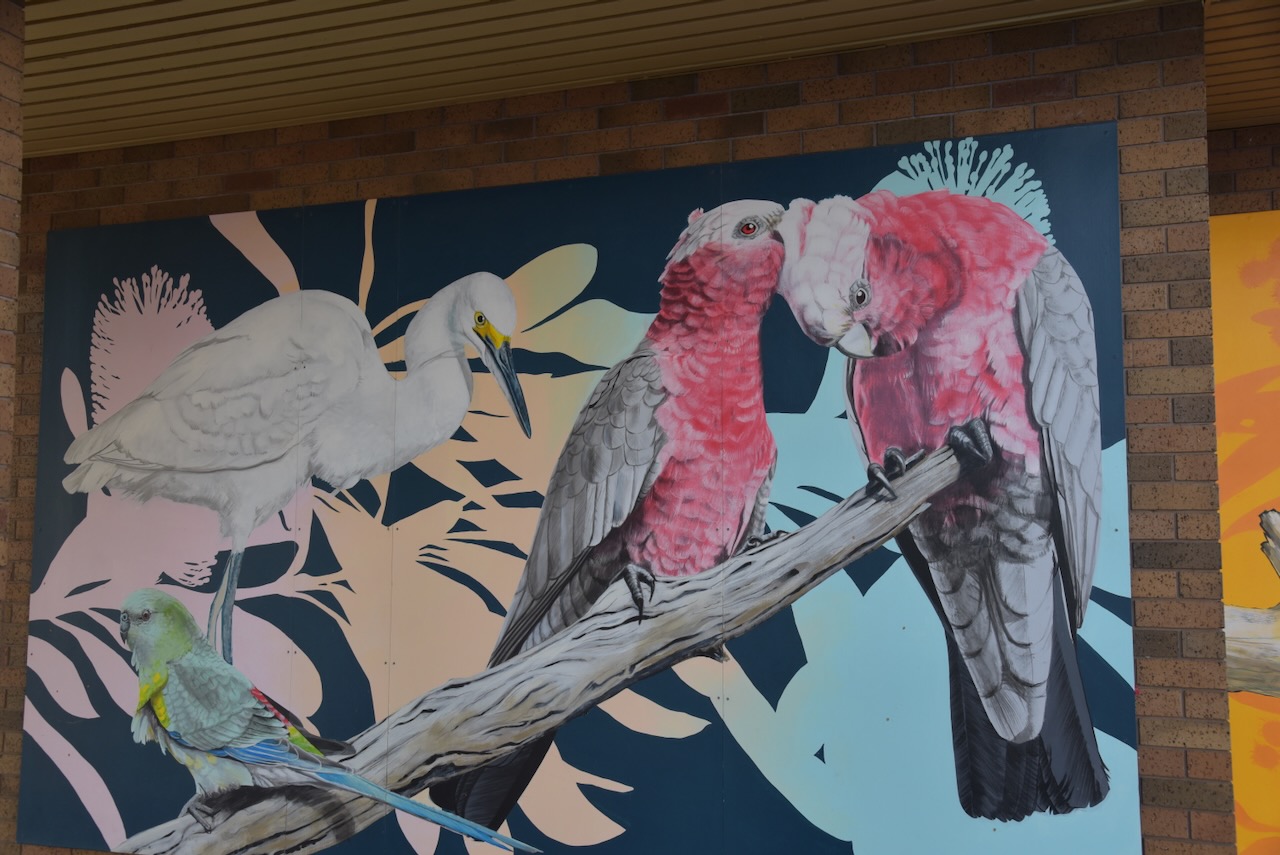
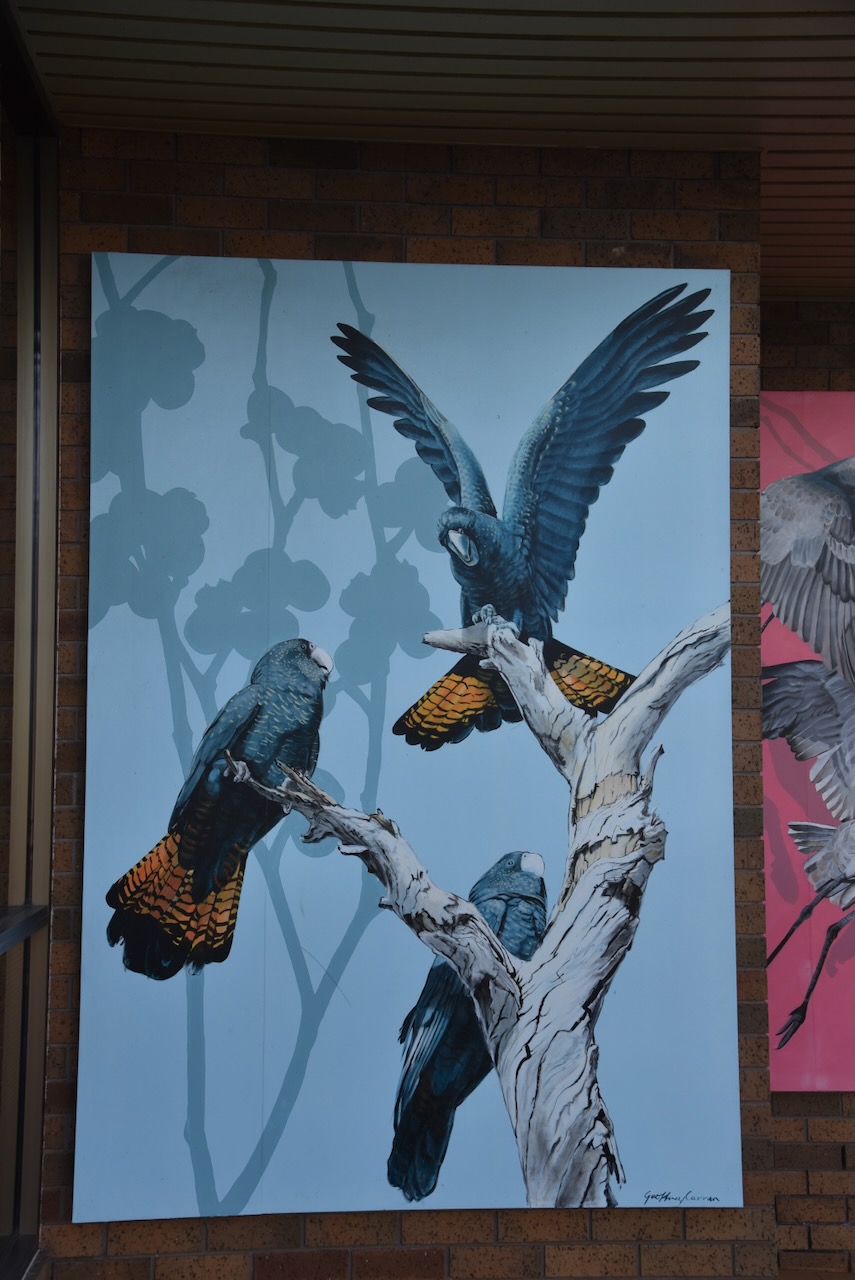
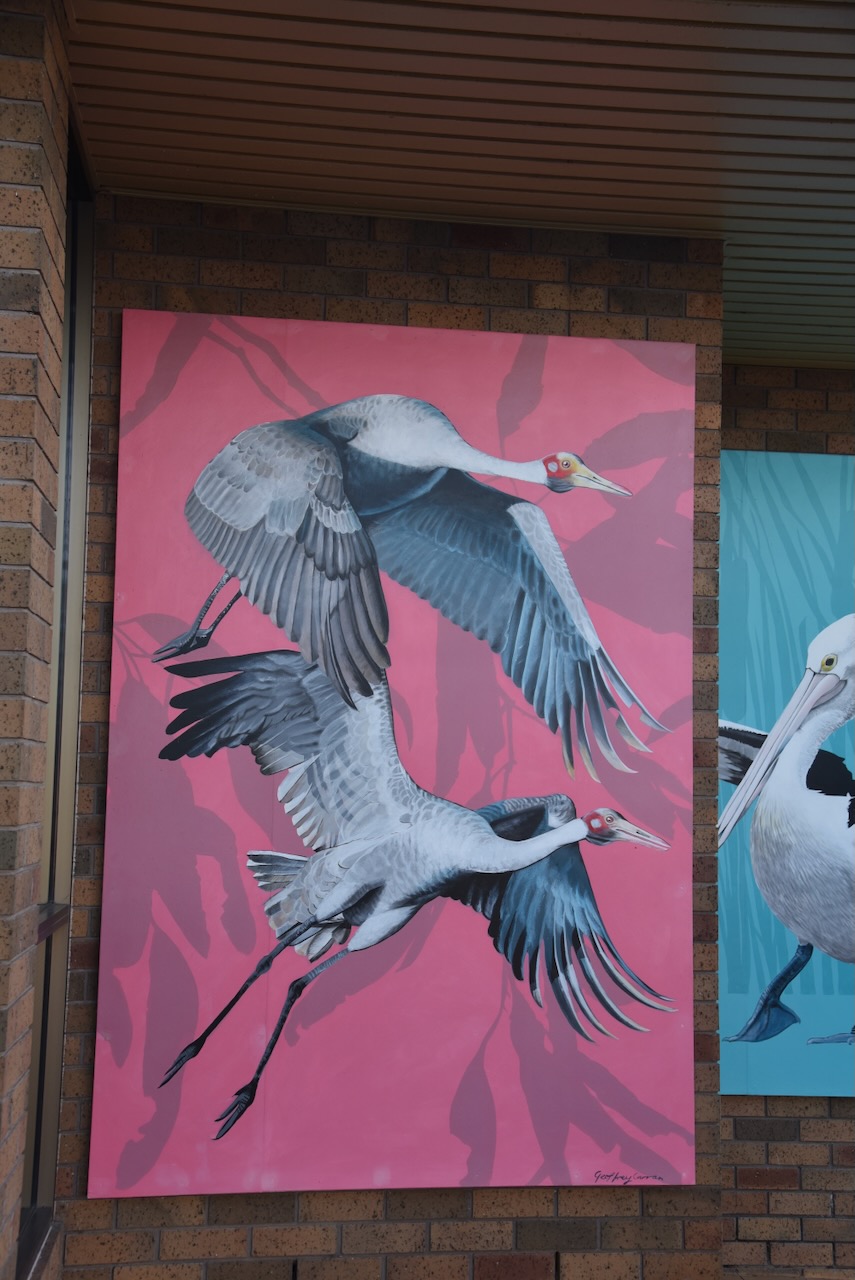
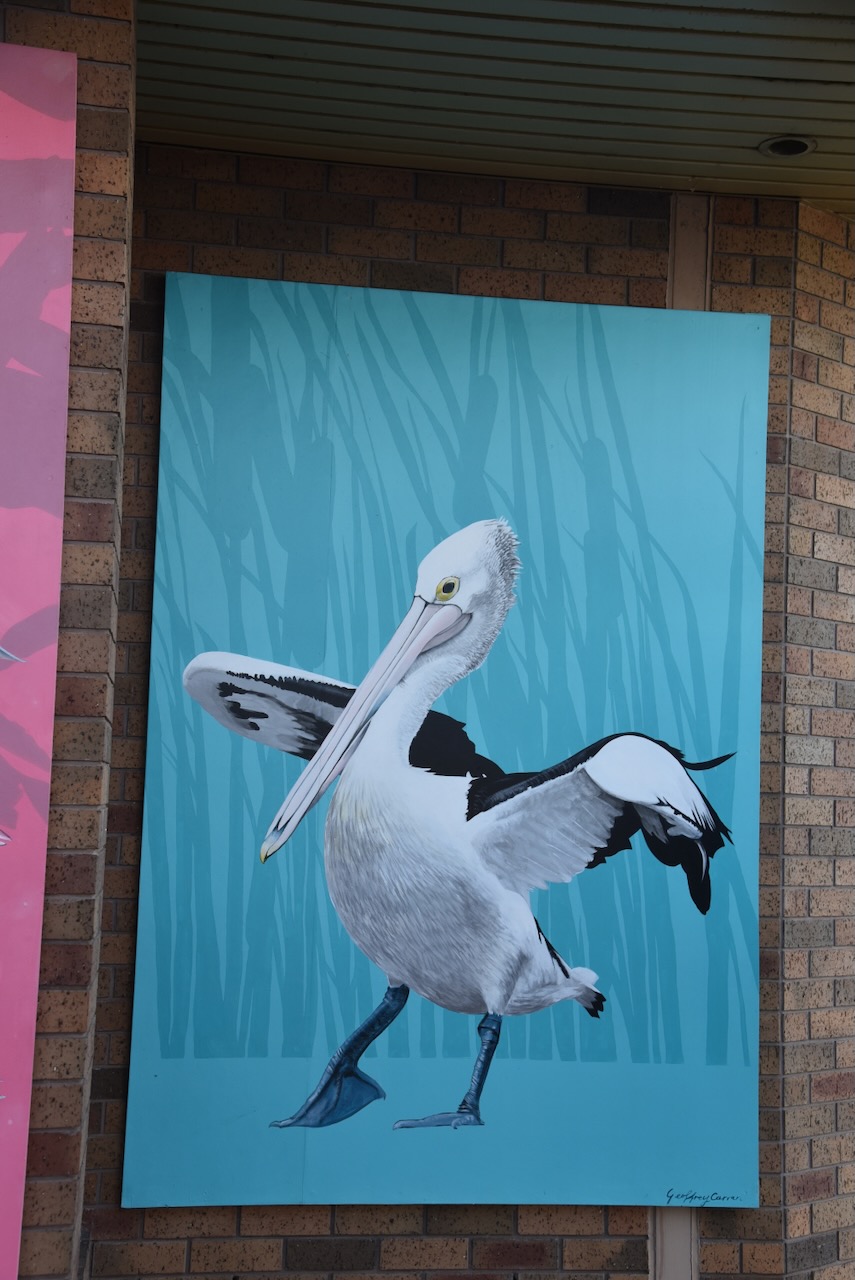
Another interesting point in Edenhope is ‘The Icons of Edenhope’, a series of large paintings in the main street that are the work of Geoffrey Carran, who grew up in the Wimmera region of Victoria. The murals feature the birdlife found in the district. (Carran 2021)
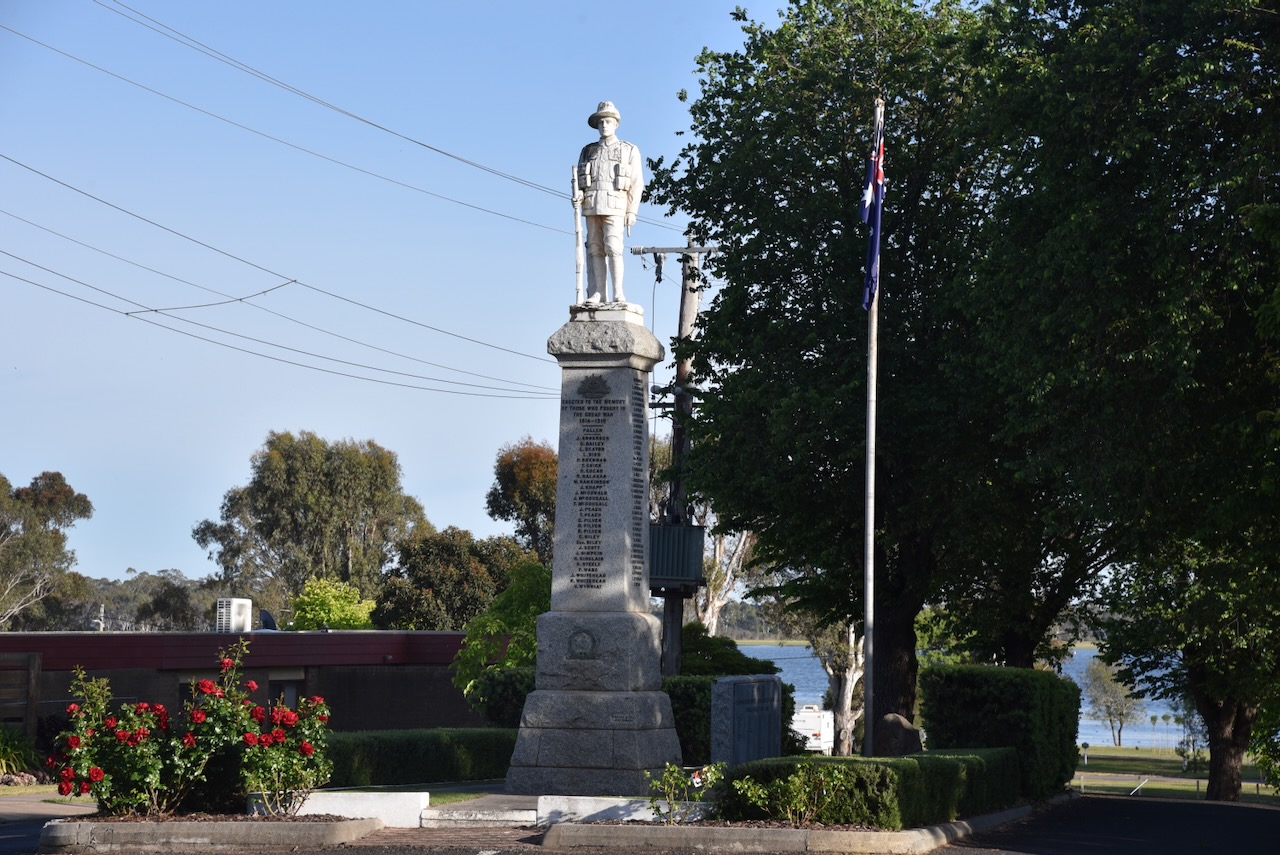
The Edenhope War Memorial can be found on the main street. The monument was unveiled by Senator Brigadier General Elliott, D.S.O., D.C.M., D.C., D.M. on the 2nd day of September 1922. The monument features a life-size Australian soldier and honours those men of the Edenhope district who served and died in service during the First World War. The names of those killed in action during the Second World War were added at a later time. (Monument Aus 2025)
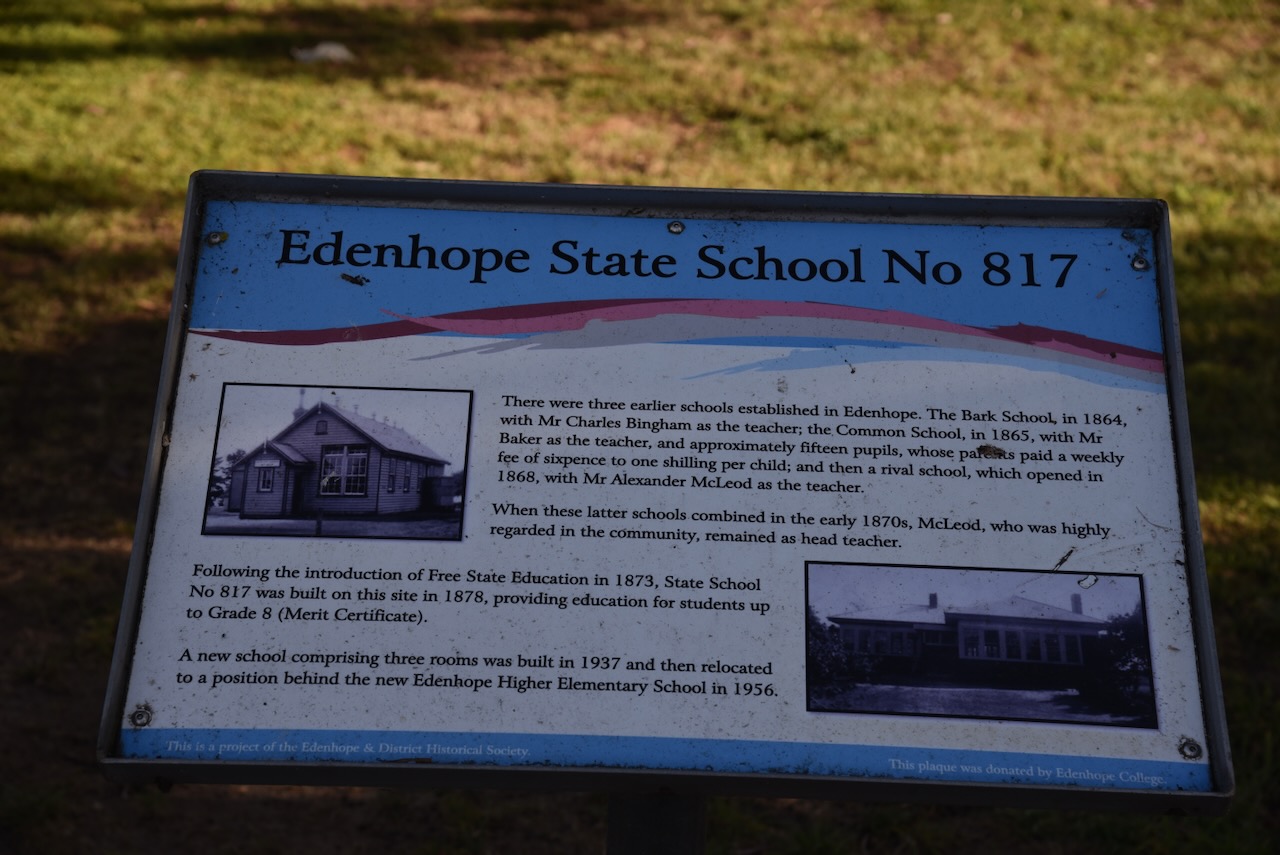
Also on the main street is a monument for the Edenhope State School No. 817, which was built in 1878. It provided education for students up to Grade 8 (Merit Certificate).
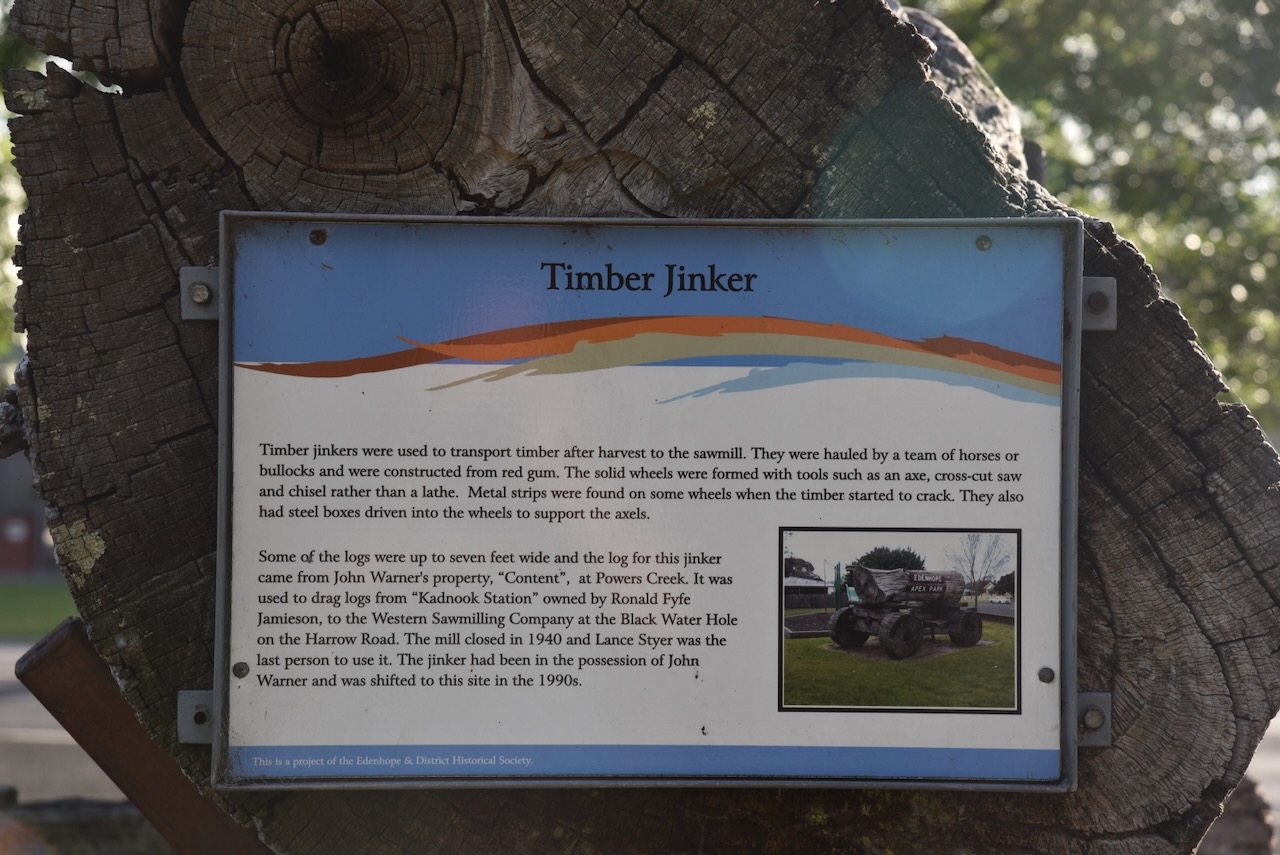
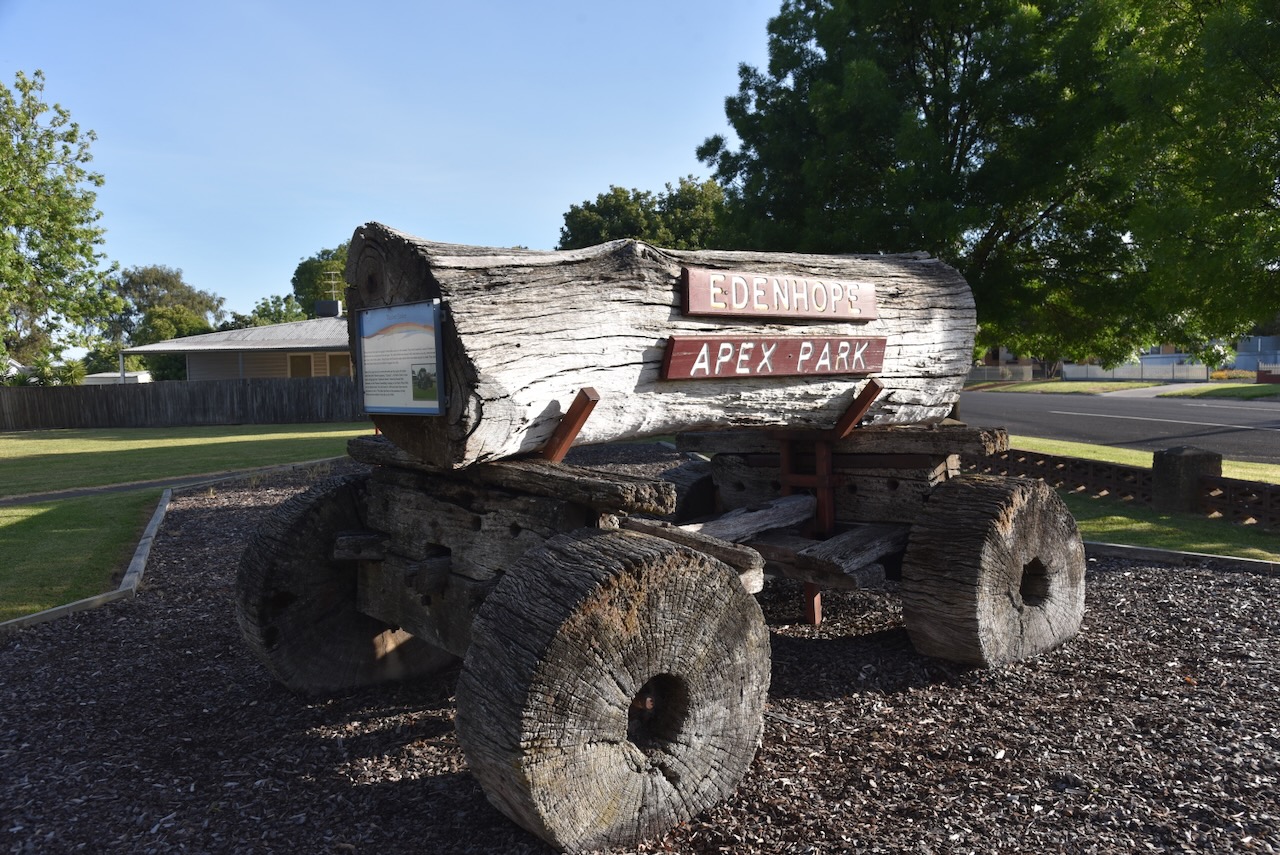
Nearby is an old timber jinker. They were used to transport timber after harvest to the sawmill. The log on this jinker came from John Warner’s property ‘Content’ at Powers Creek. It was used to drag logs from ‘Kadnook Station’ owned by Ronald Fyfe Jamieson, to the Western Sawmilling Company at the Black Water Hole on the Harrow Road.
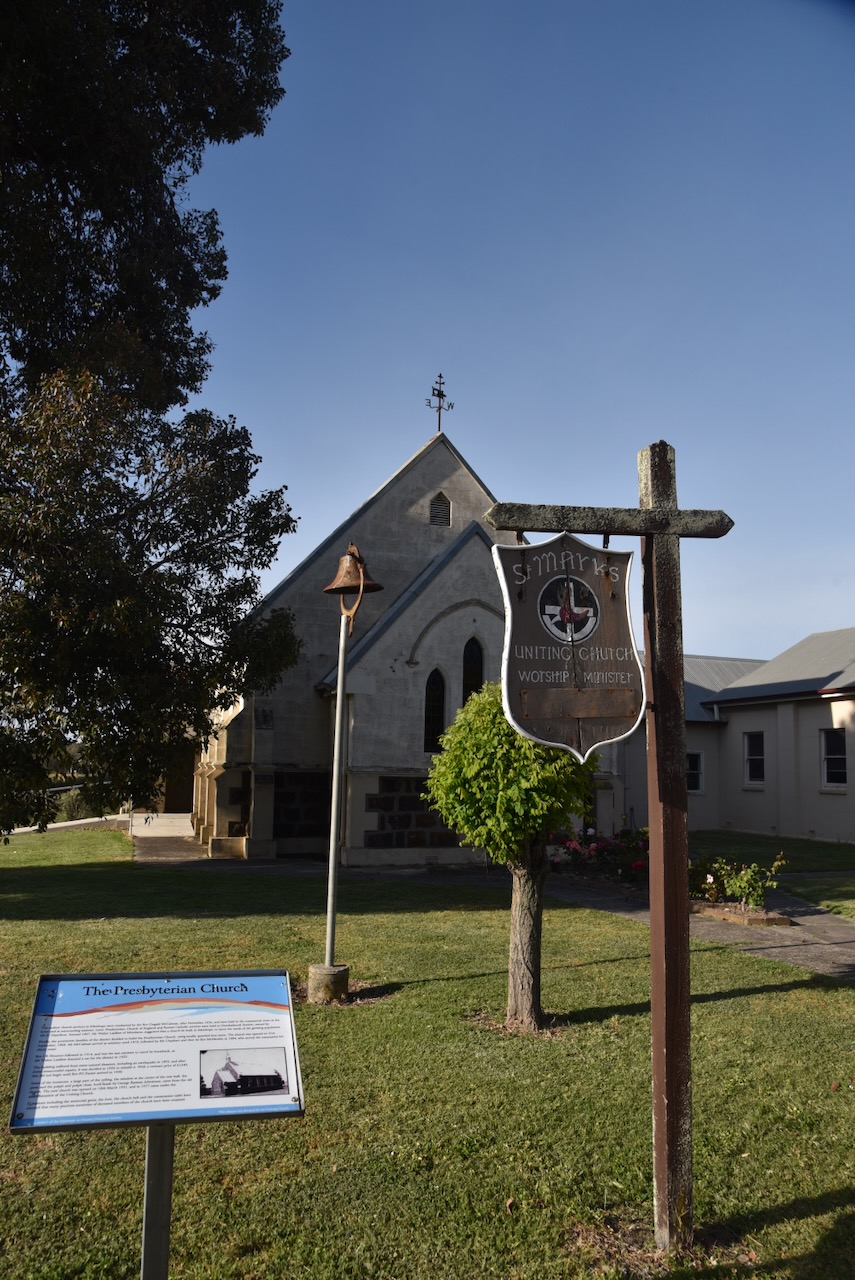
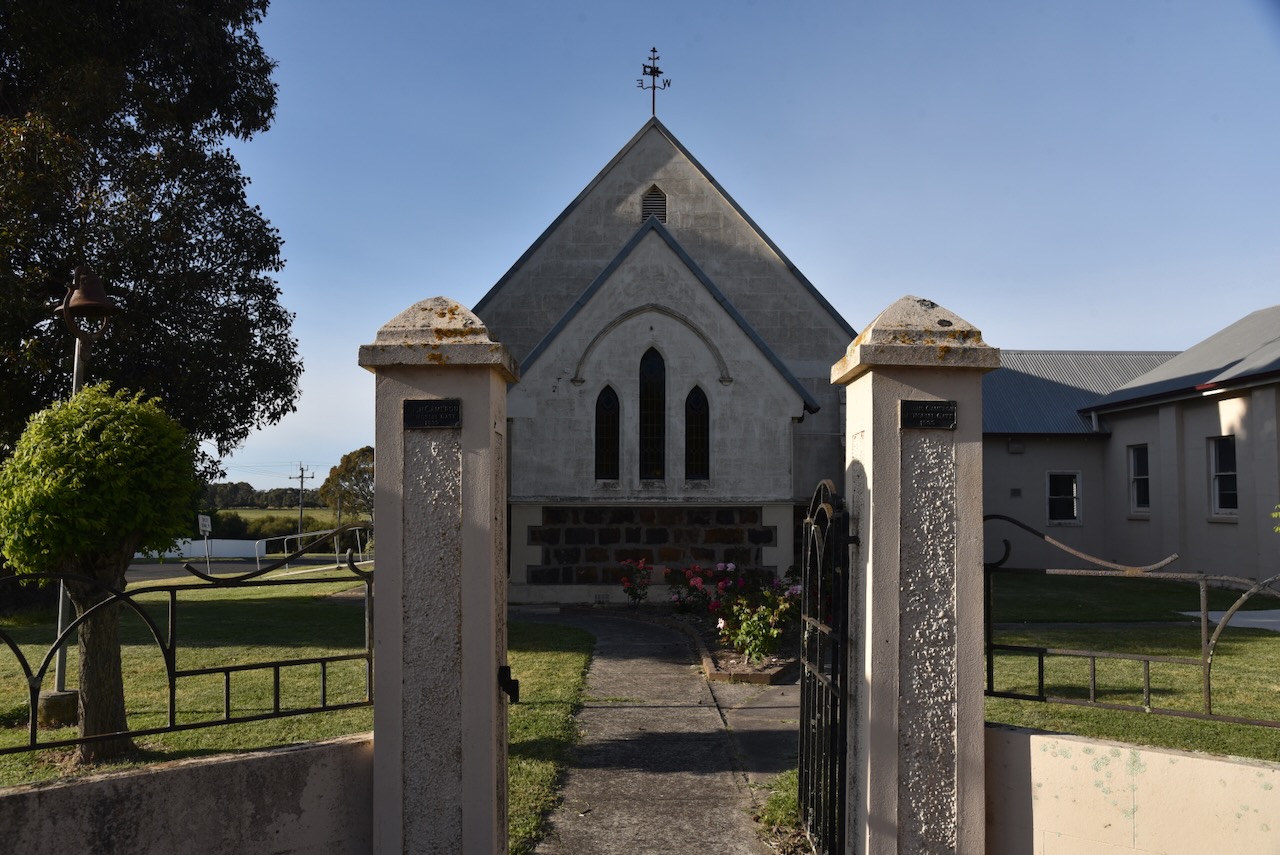
Across the road is the old Presbyterian Church, which was opened on the 21st day of September 1868.
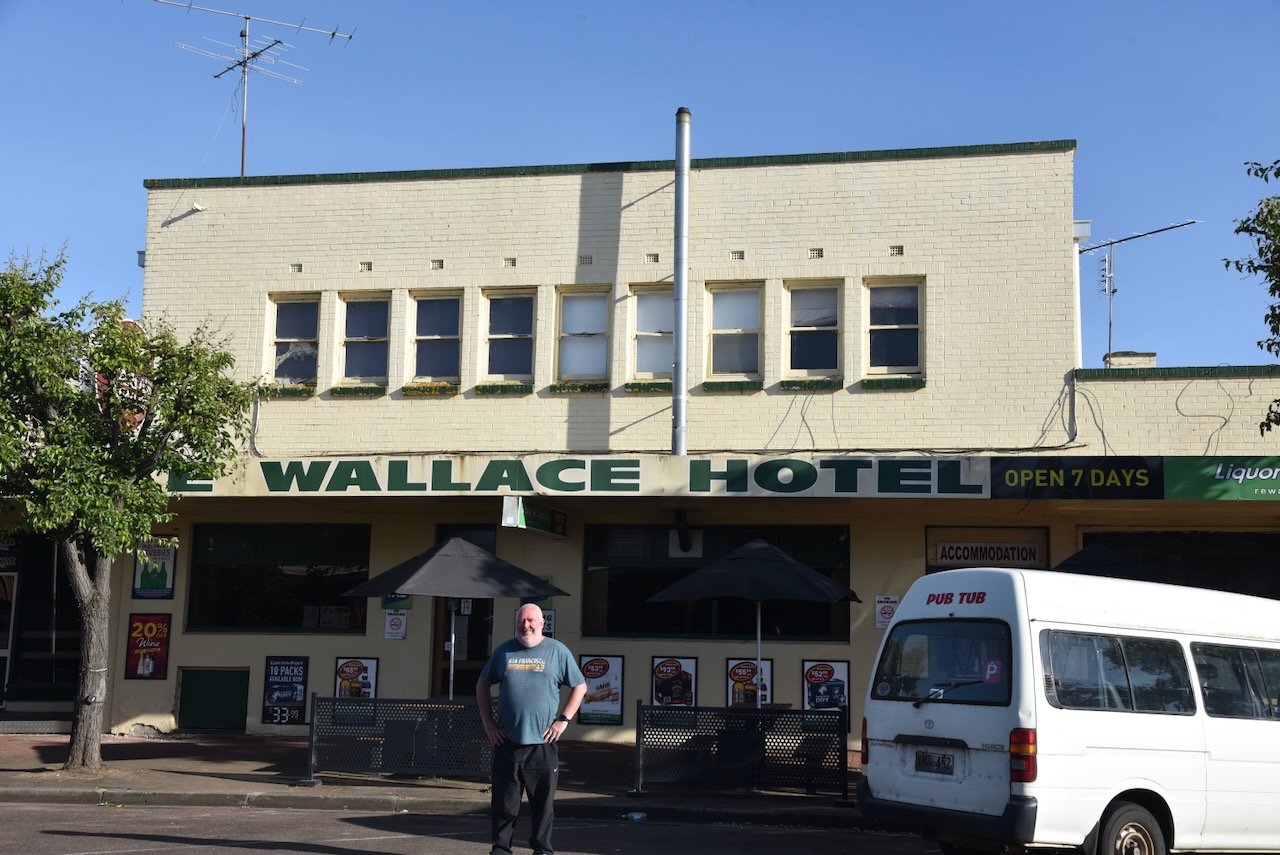
The Lake Wallace Hotel was established in 1862.
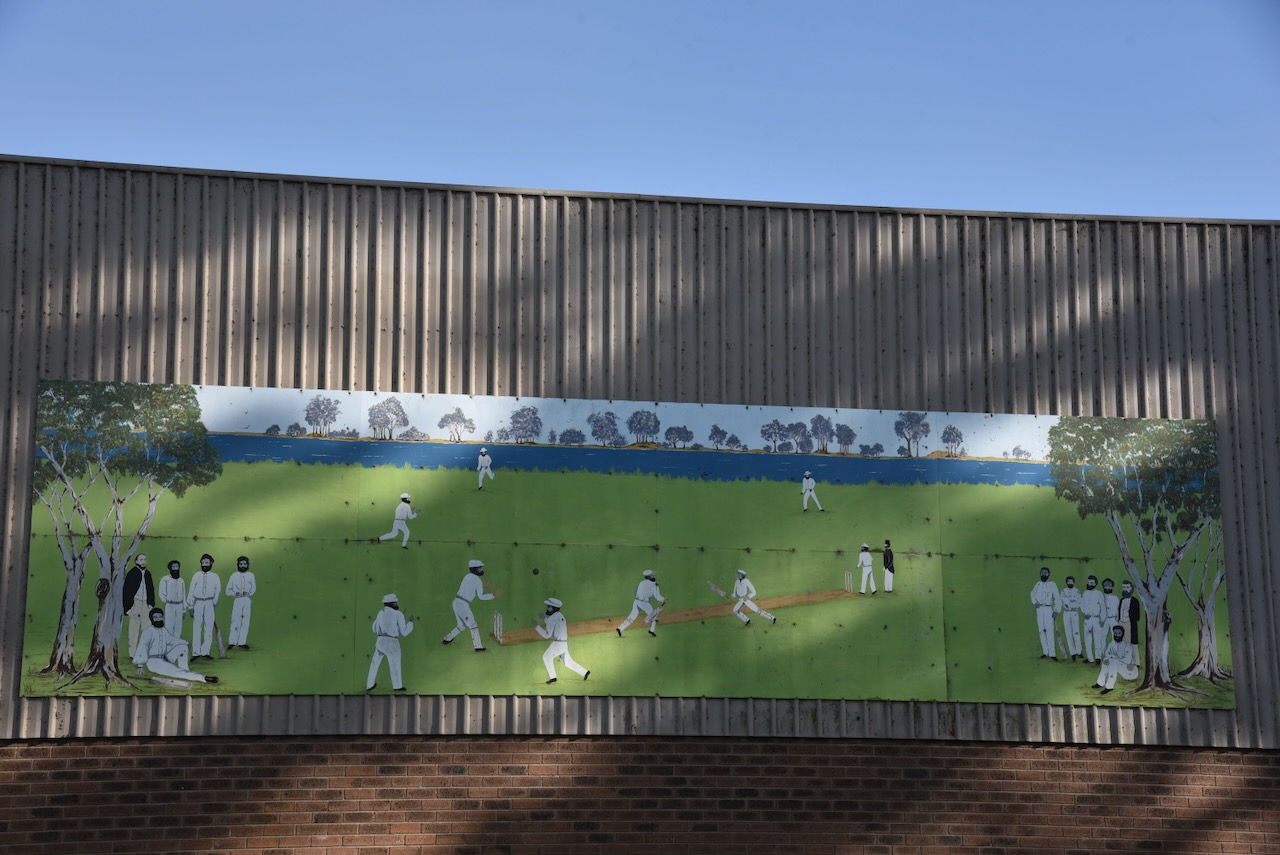
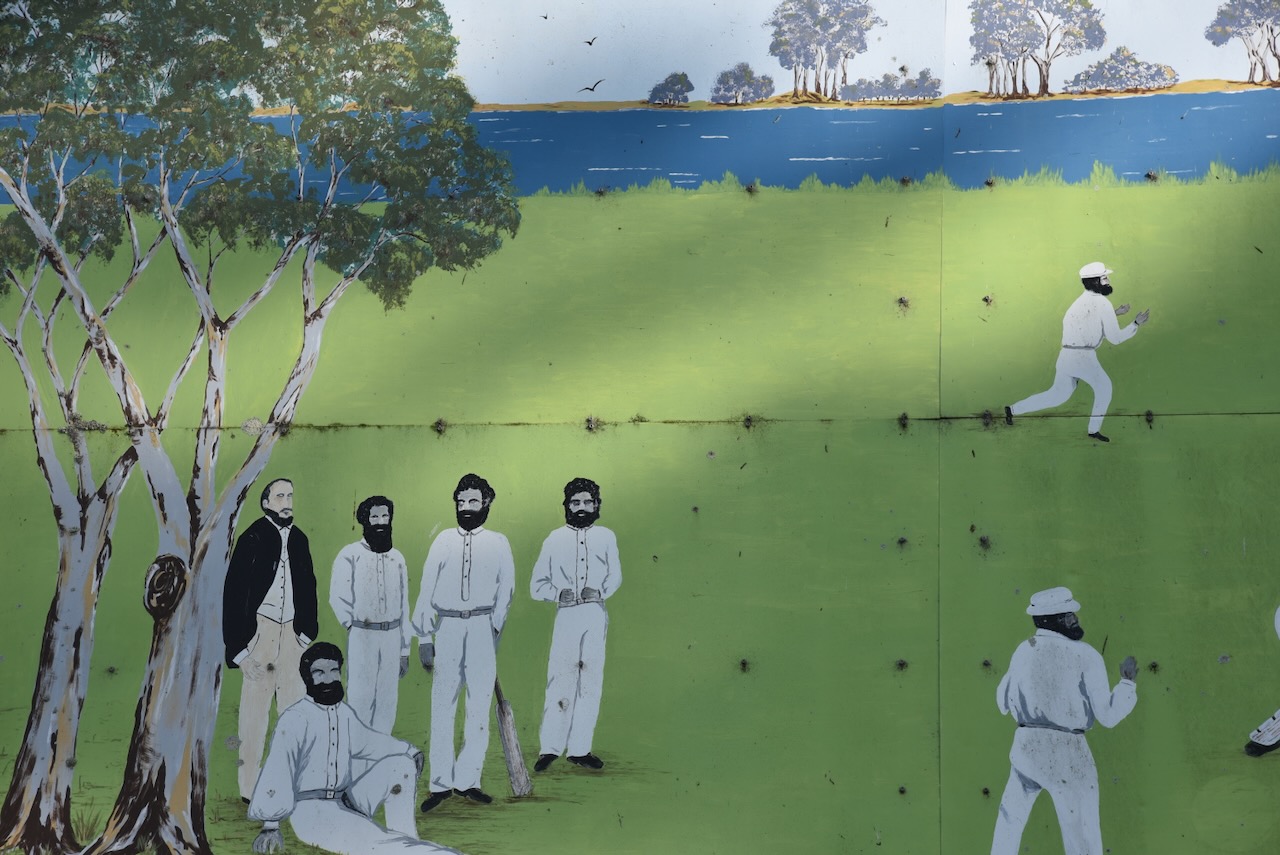
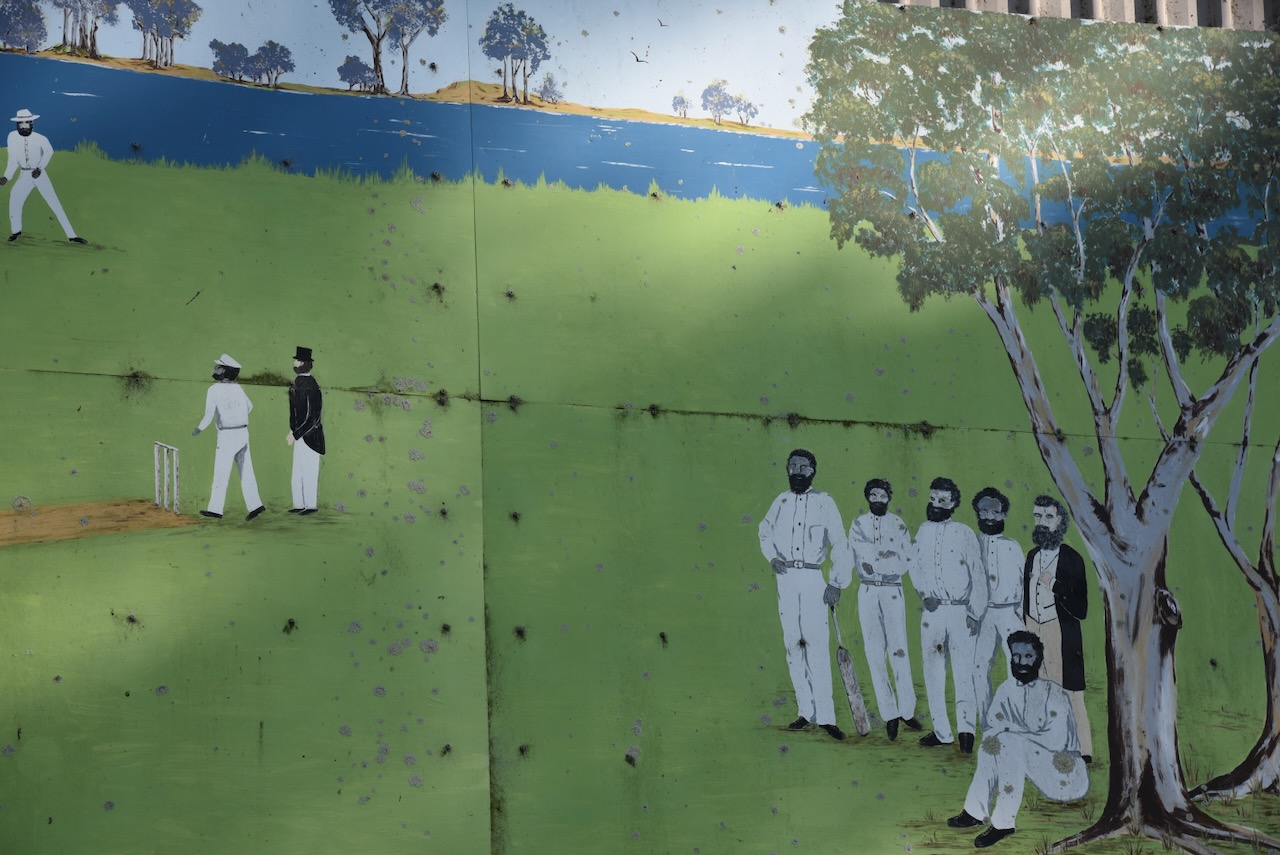
We then headed to the Edenhope College, where you can find a monument for the Aboriginal cricket team. It is near this site that the team trained prior to their departure for England.
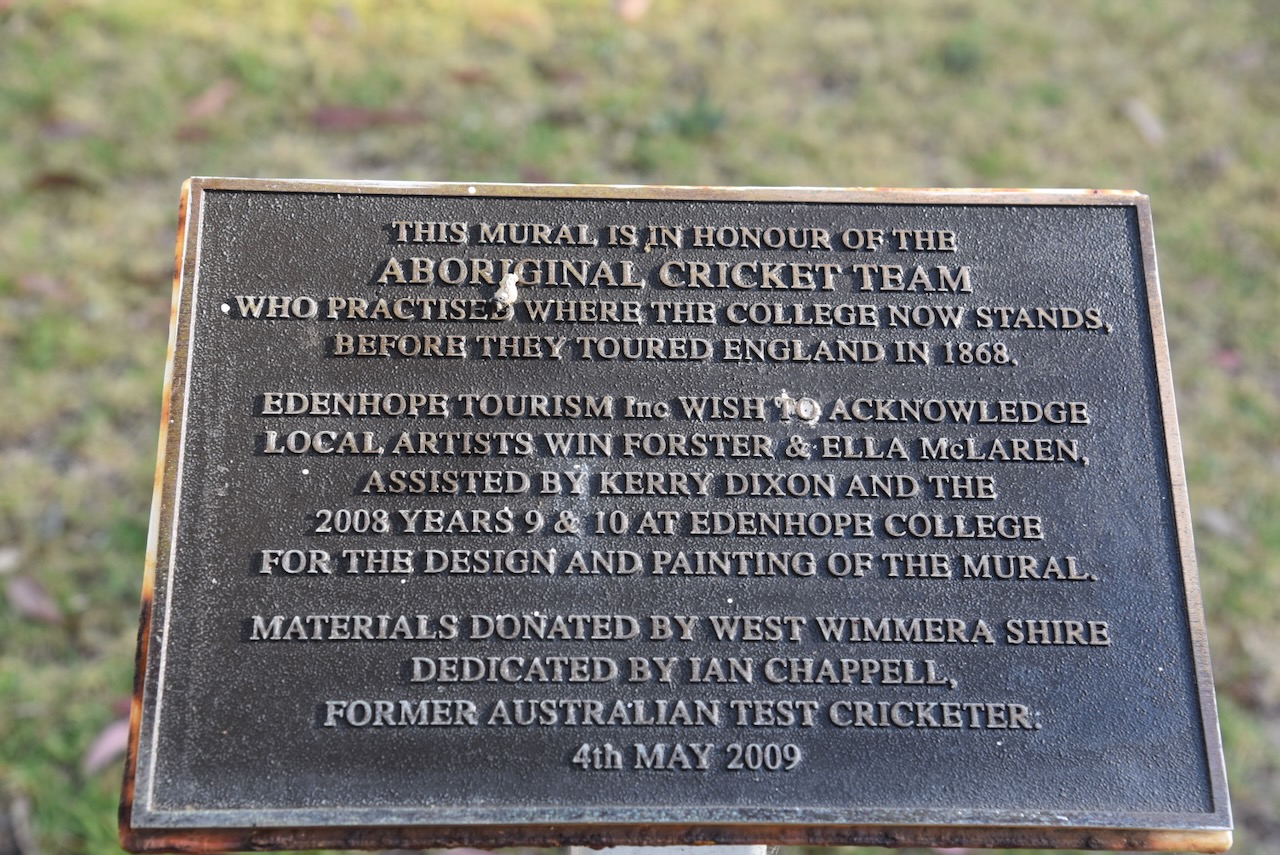
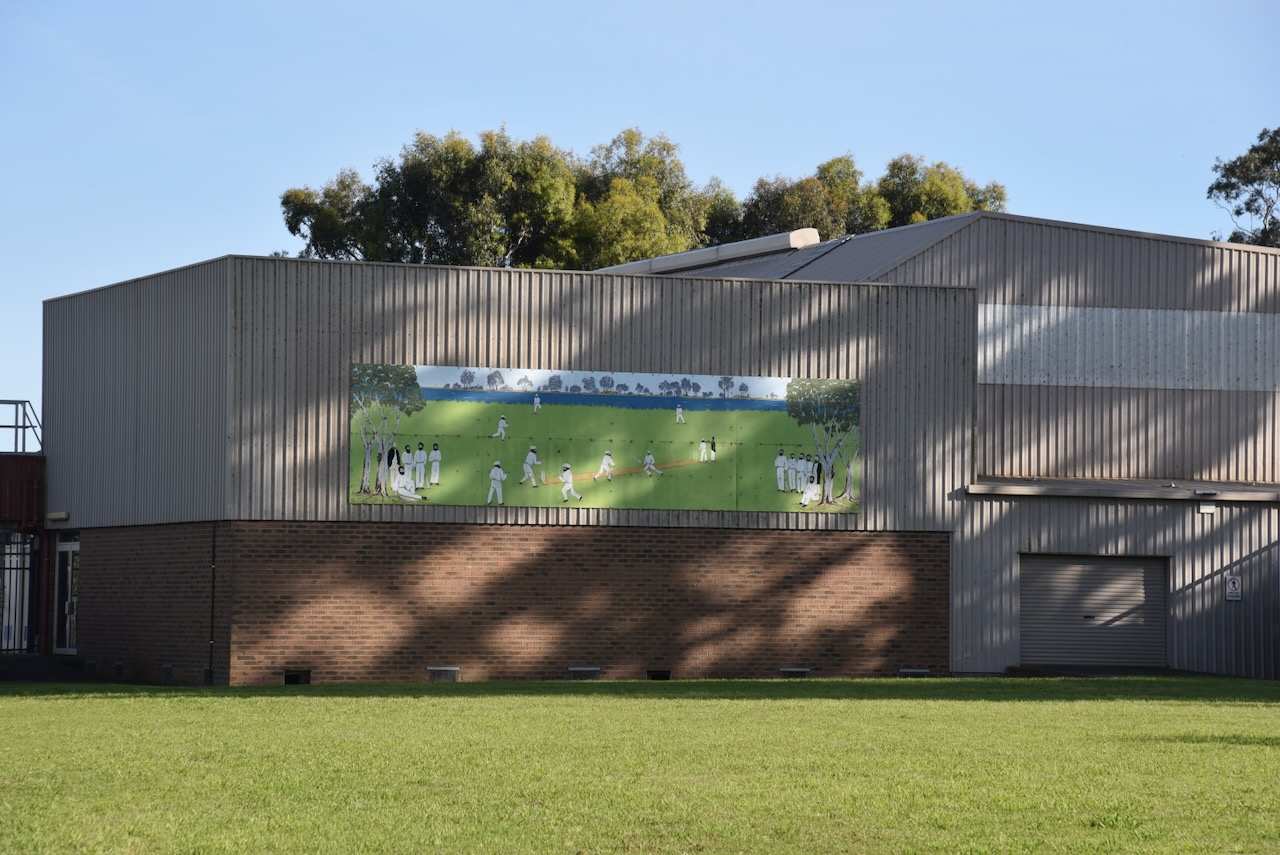
On the side of one of the college buildings is an excellent mural featuring the Aboriginal cricket team. The mural is the work of local artists Win Forster and Ella McLaren, assisted by Kerry Dixon and the 2008 Year 9 & 10 at Edenhope College.
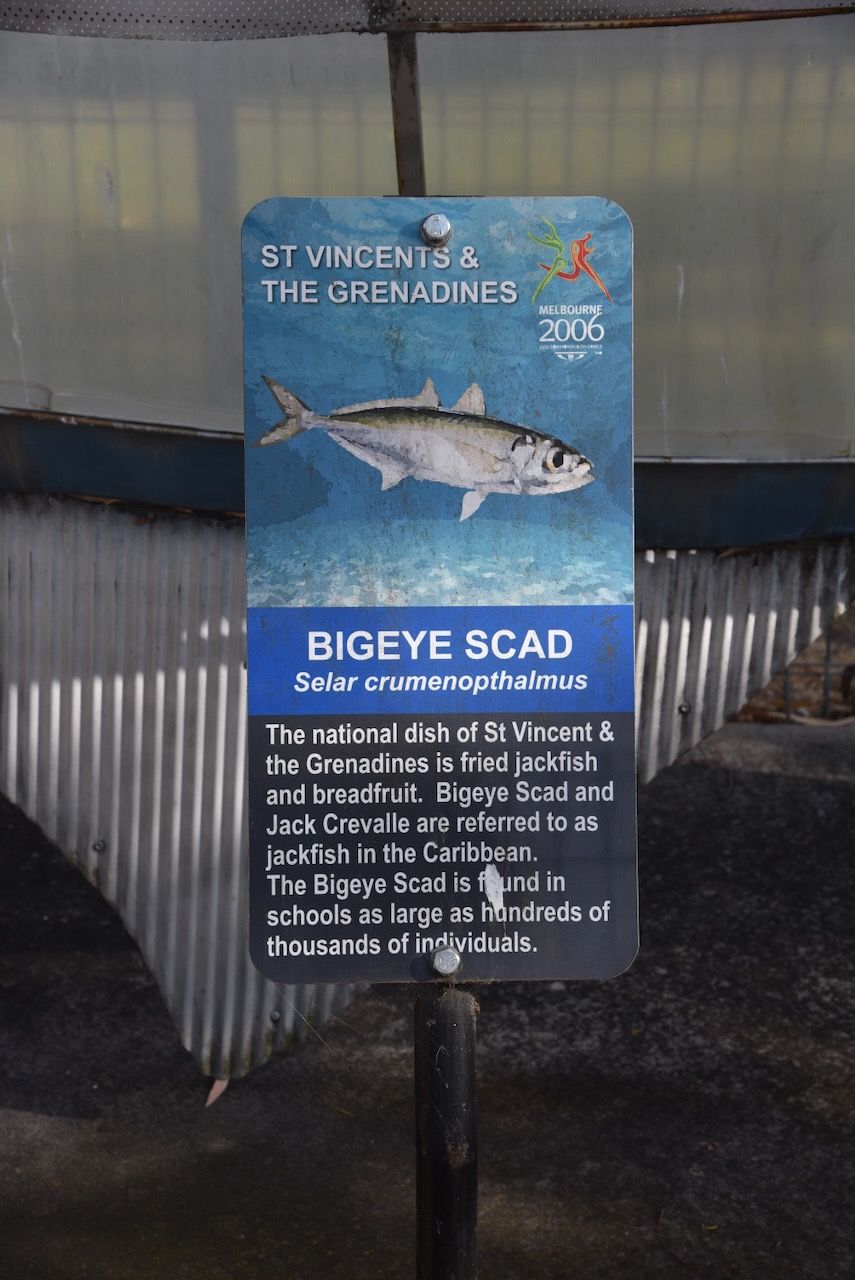
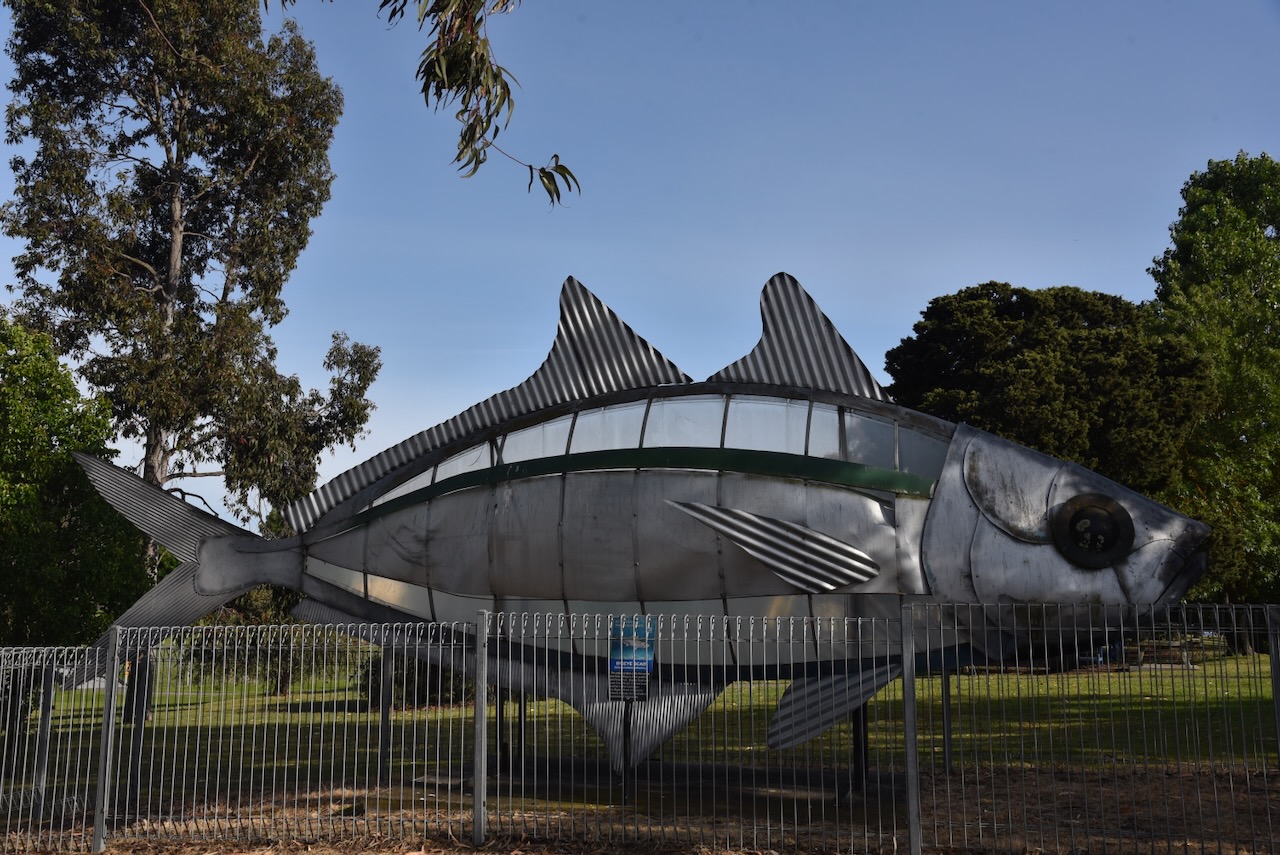
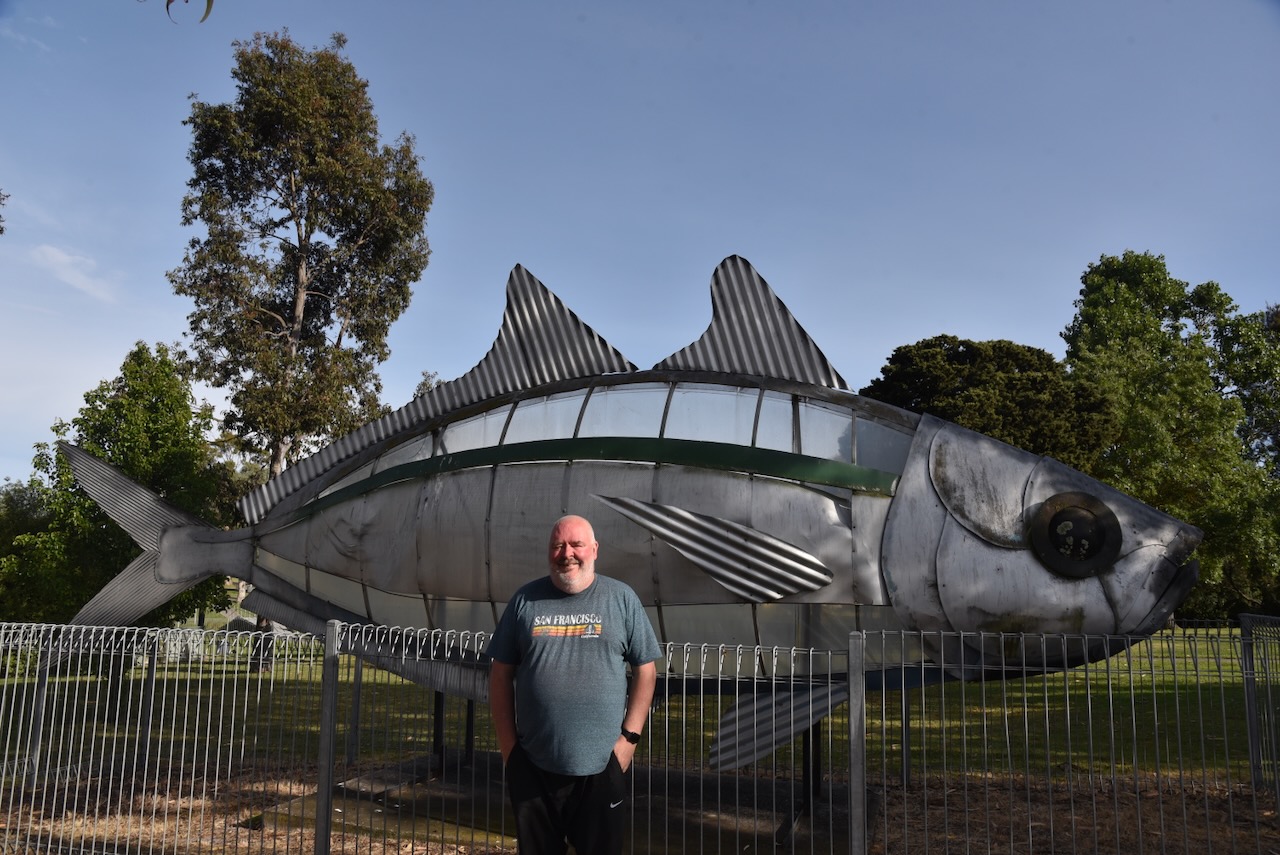
Our next stop was the Bigeye Scad sculpture, which was on one of the barges along the Yarra River during the 2006 Commonwealth 72 fish each representing a nation participating in the Games.
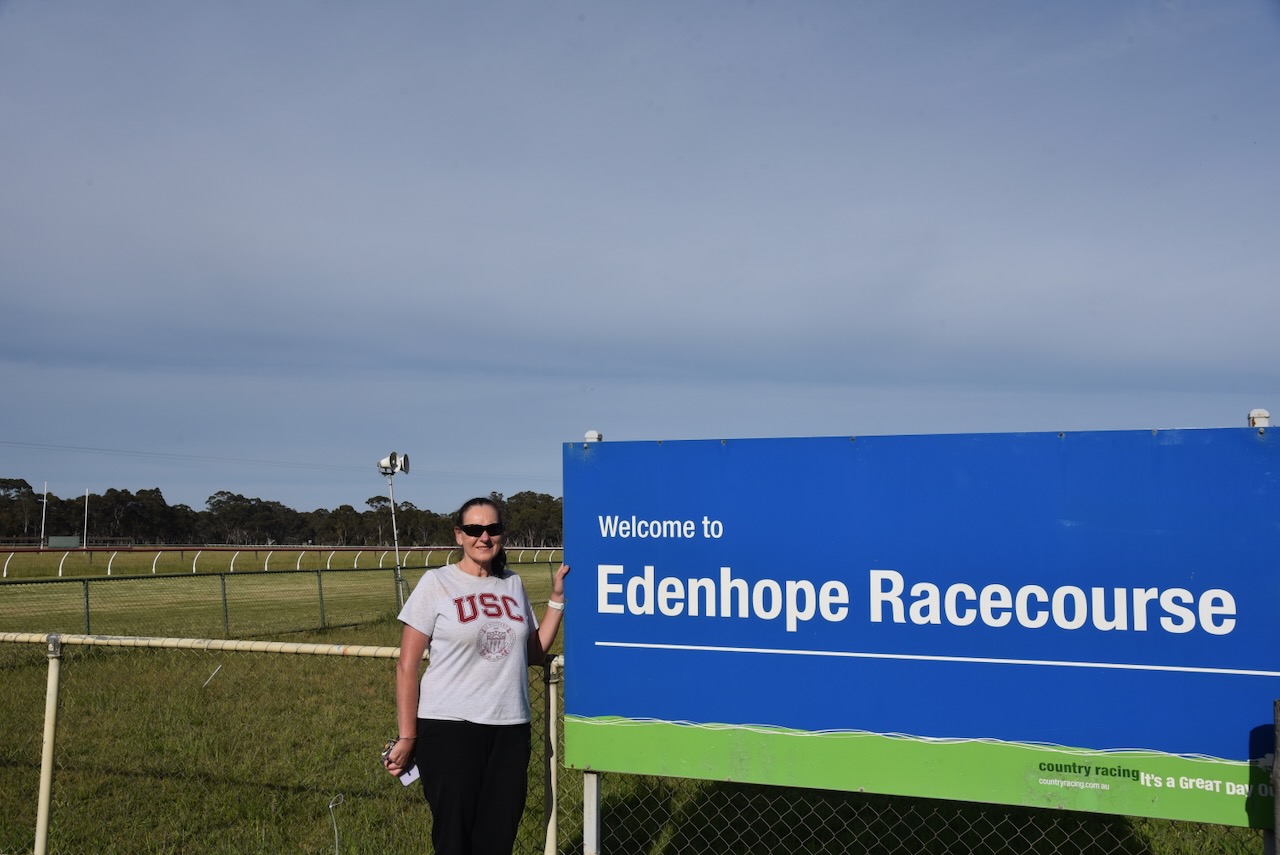
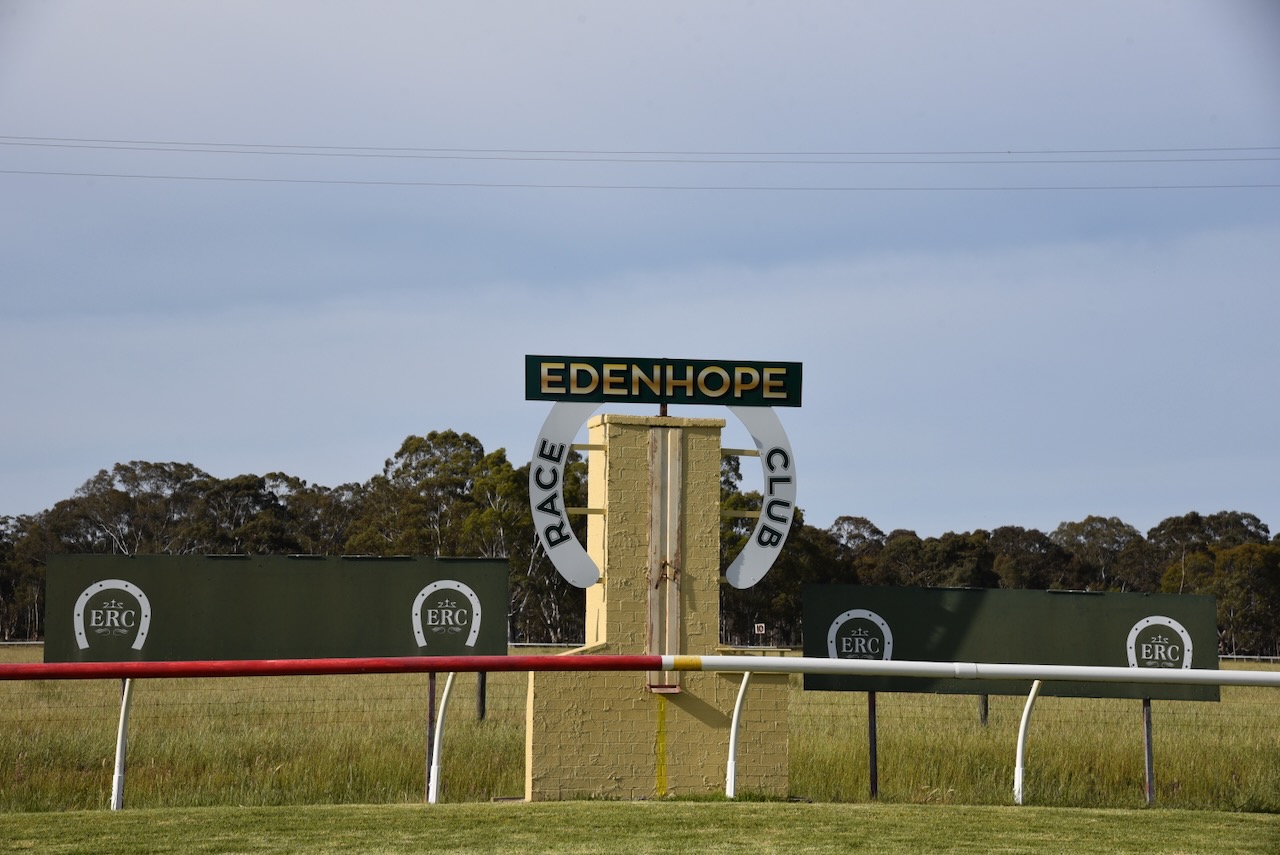
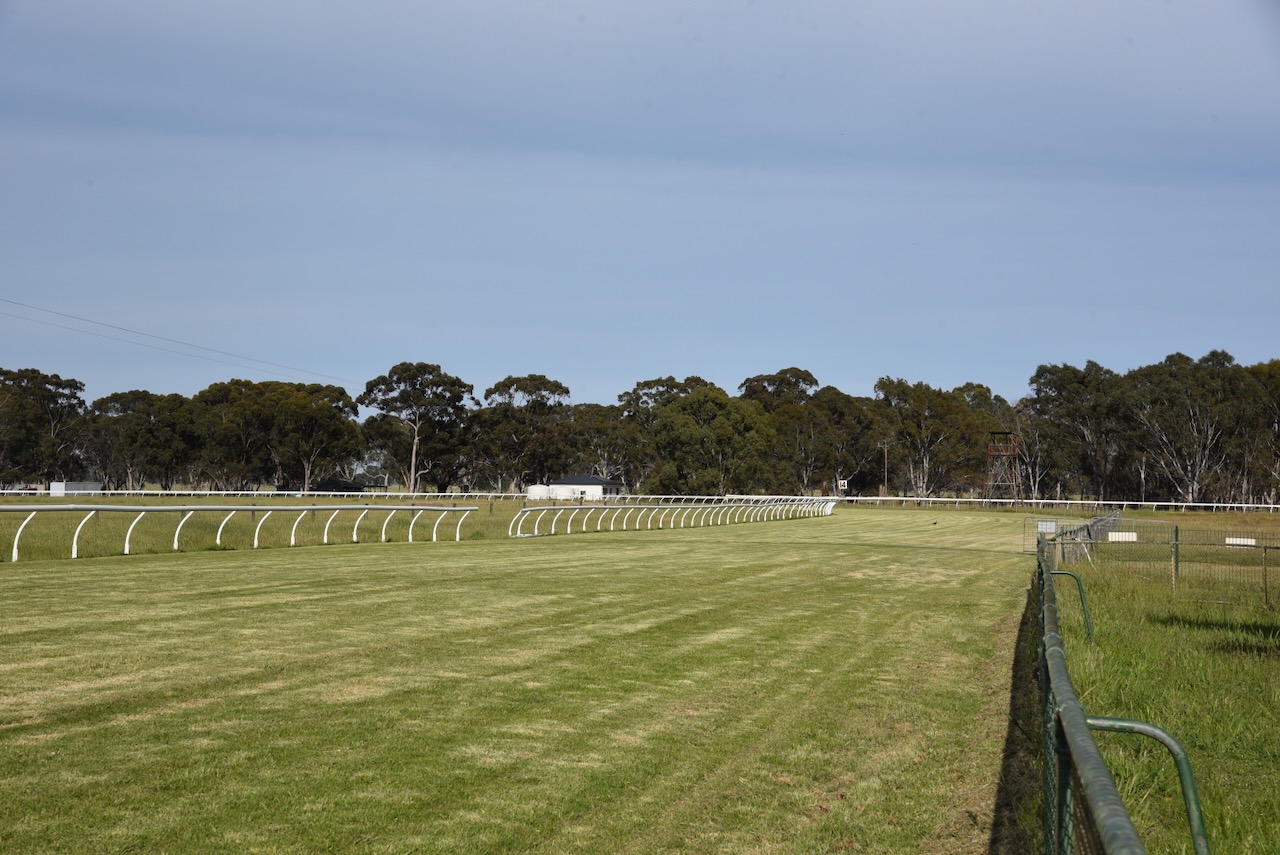
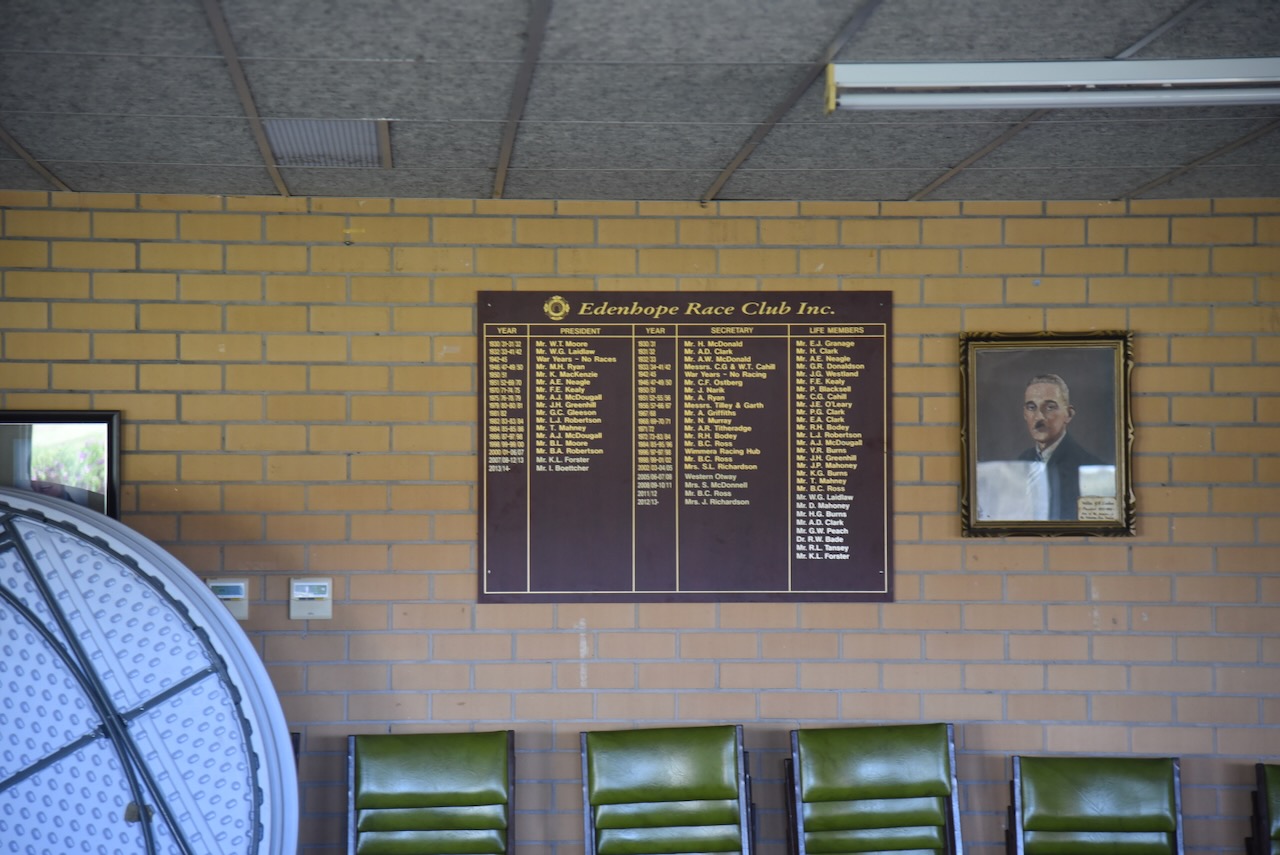
We then headed out to the Edenhope Racecourse.
It was then off to the Awonga I19 Bushland Reserve VKFF-4510, about 5 km northeast of Edenhope
Above:- A map showing the location of the Awonga I19 Bushland Reserve. Image c/o Google Maps.
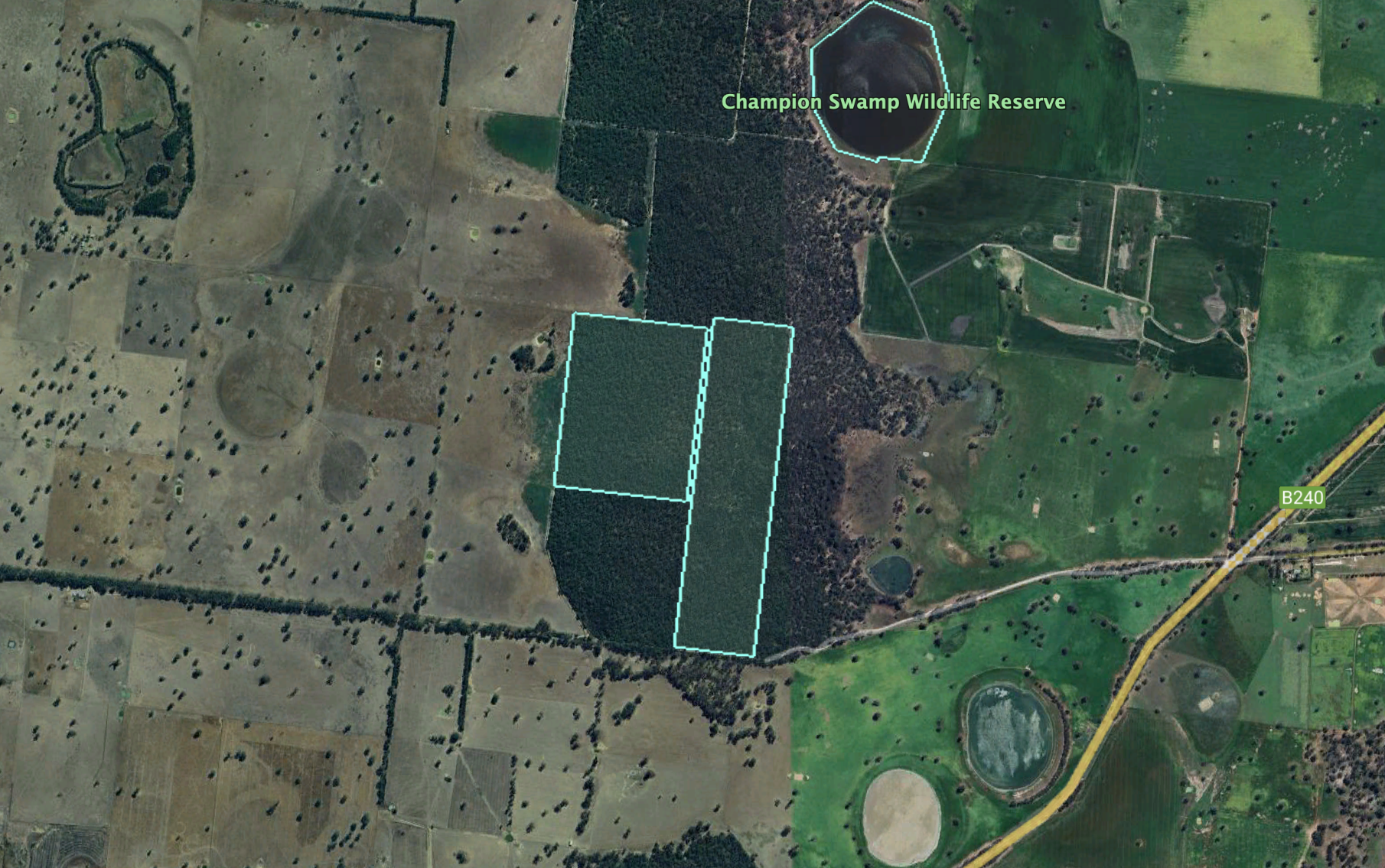
The reserve is located on the northern side of Sims Road, which runs off Wimmera Highway.
Above:- An aerial view of the Awonga I19 Bushland Reserve. Image c/o Google Earth.
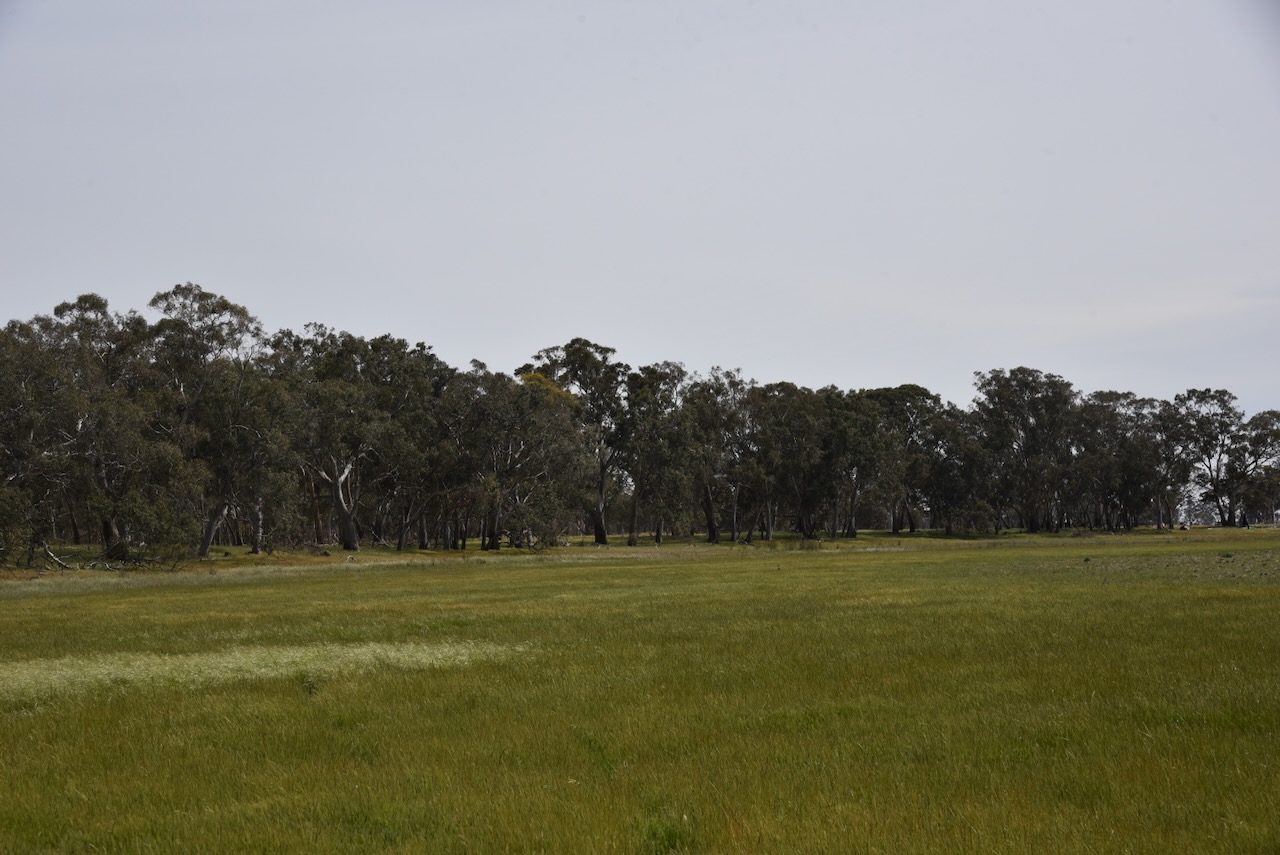
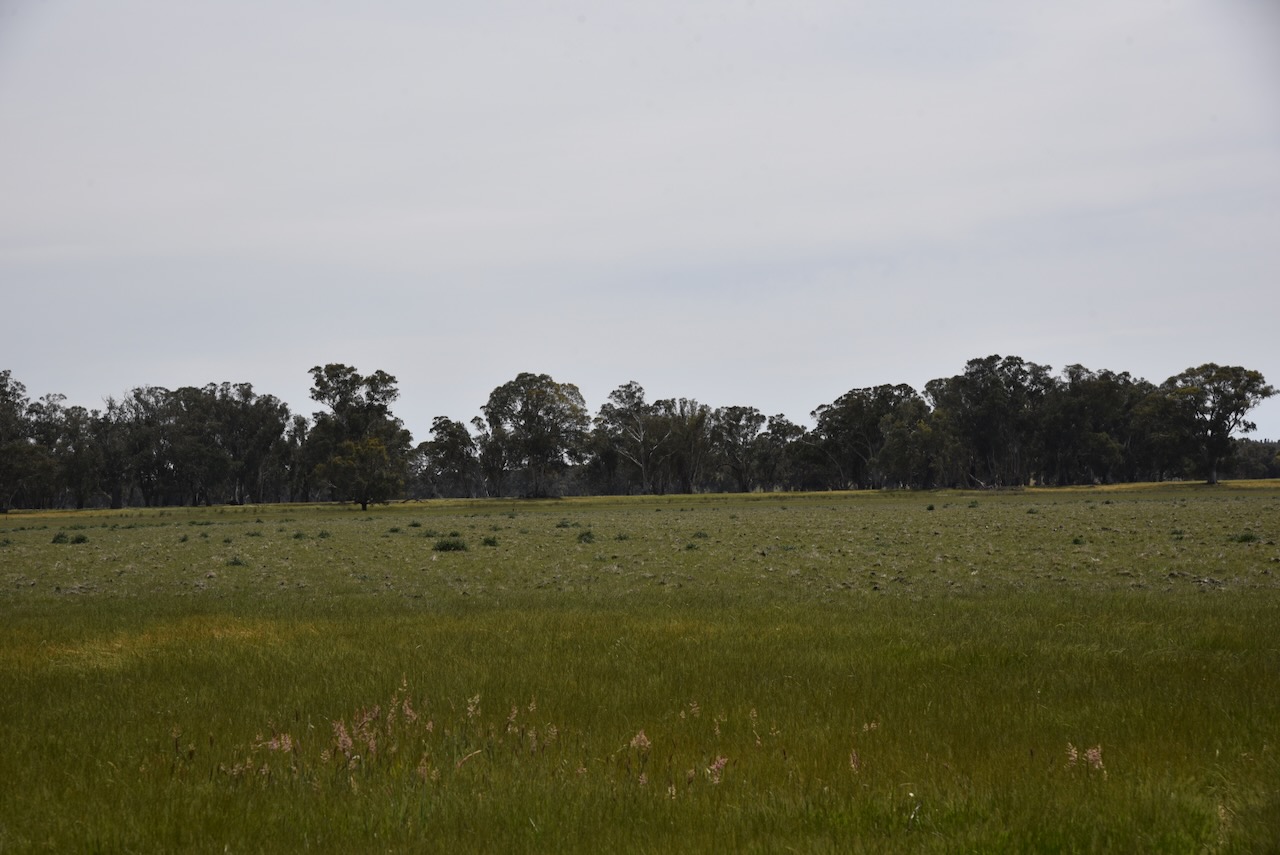
The reserve is about 91 hectares in size and was established on the 22nd day of November 1983. (CAPAD 2022)



















 VK5PAS