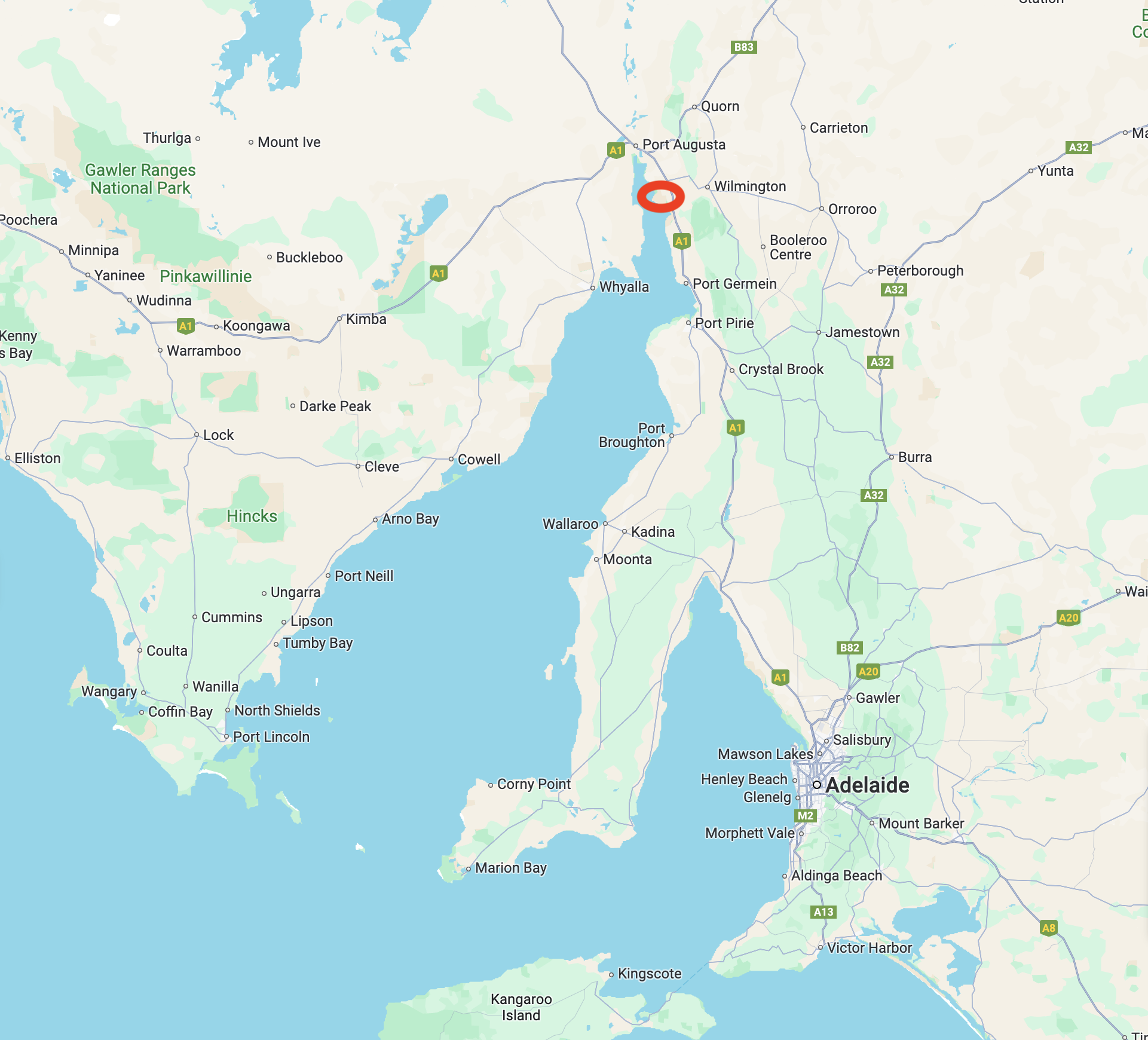
My final activation for my Eyre Peninsula/Flinders Island trip was the Winninowie Conservation Park VKFF-0820. The park is located about 20km south of Port Augusta
Above:- Map showing the location of the Winninowie Conservation Park. Map c/o Google Maps.
Winninowie is adapted from the aboriginal word wininawi meaning ‘the vanished water’. The Hundred of Winninowie was proclaimed on the 21st day of November 1878. The Winninowie School opened in 1899 and later became known as ‘Nectar Brook’. It closed in 1939. (Place Names 2012)
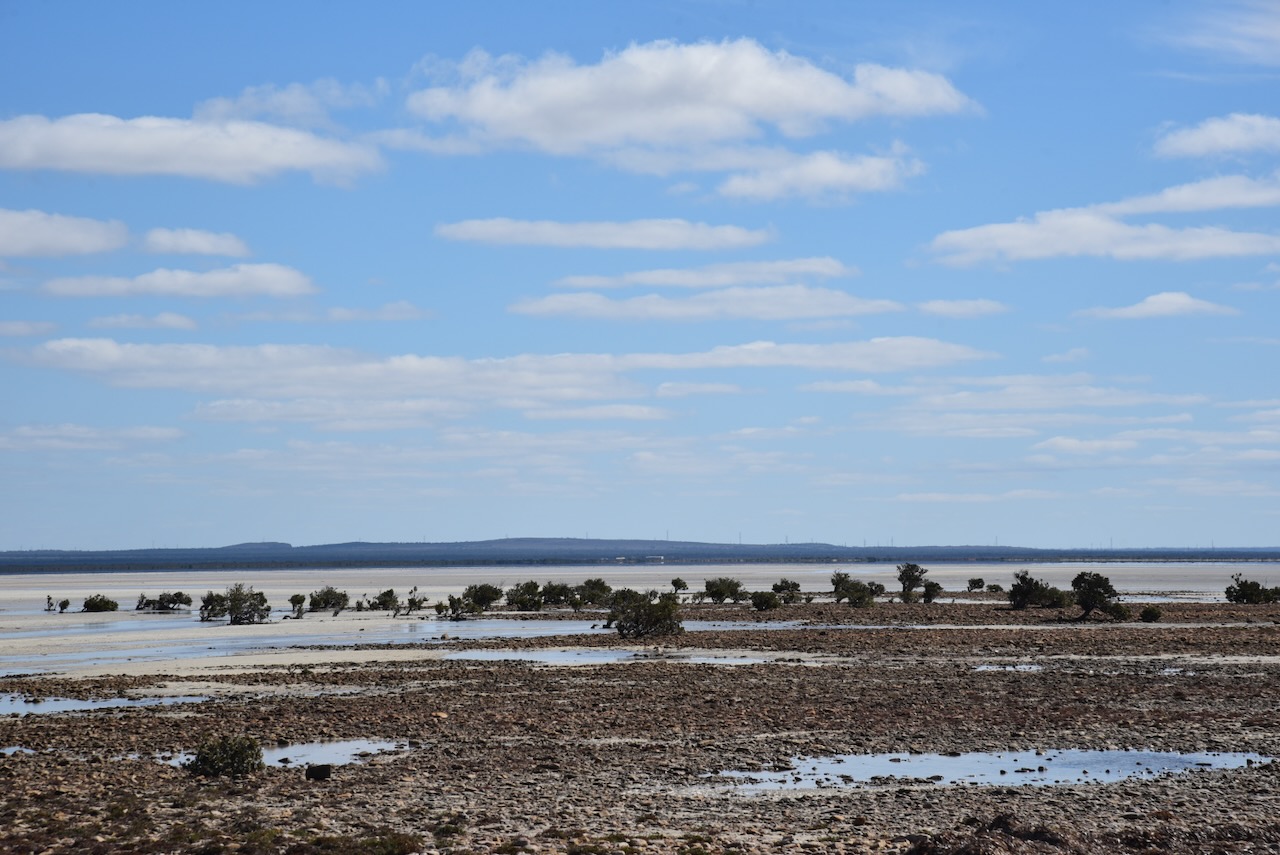
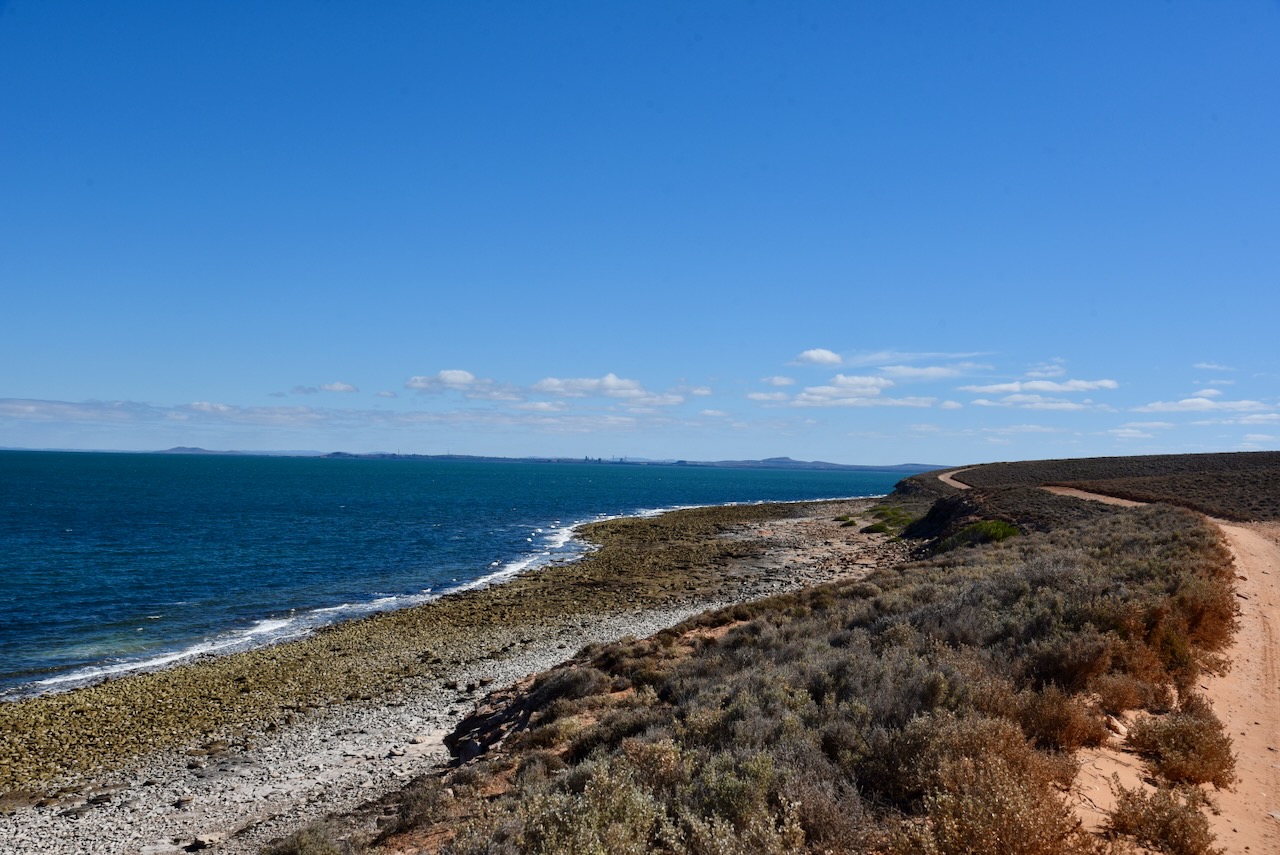
The Winninowie Conservation Park is about 19,400 acres in size and was established on the 15th day of March 1990. It was originally known as the Chinamans Creek Conservation Park. It is located on the east coast of Upper Spencer Gulf. It was proclaimed for the purpose of conserving several coastal and marine ecosystems including significant stands of grey mangrove, seagrass, and samphire salt marsh communities. (Place Names 2012) (Wikipedia 2024)
I drove along Chinamans Creek Road and set up my station, the Yaesu FT857, 40 watts, and the 20/40/80m linked dipole.
I logged a total of 78 QSOs including quite a bit of DX, long path on 20m into Europe and the United Kingdom.
On 26th April 2024, I farewelled Cowell and headed north. My next stop would be Whyalla where I was going to have lunch with my mother-in-law and brother-in-law.
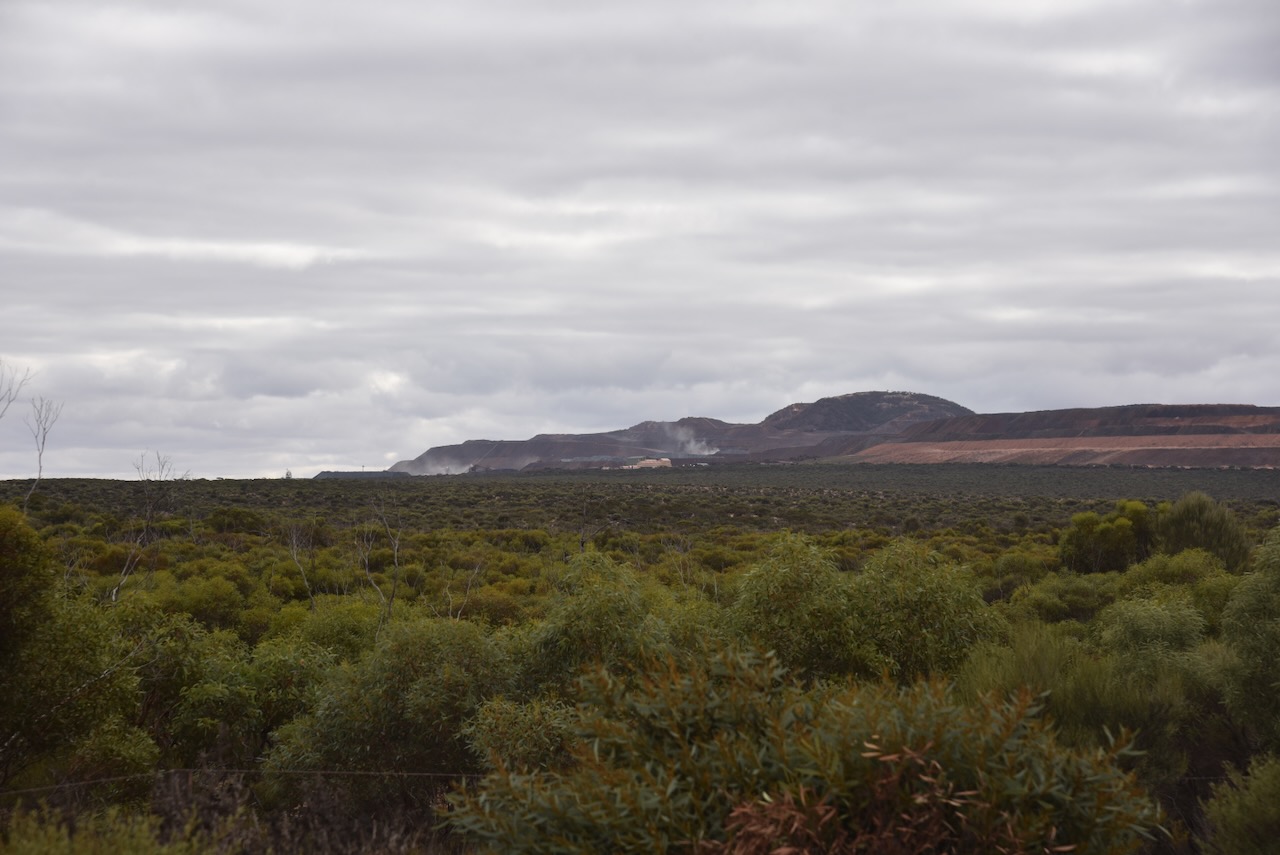
Along the way, I passed the Middleback Range mining operations. Iron ore is mined here.
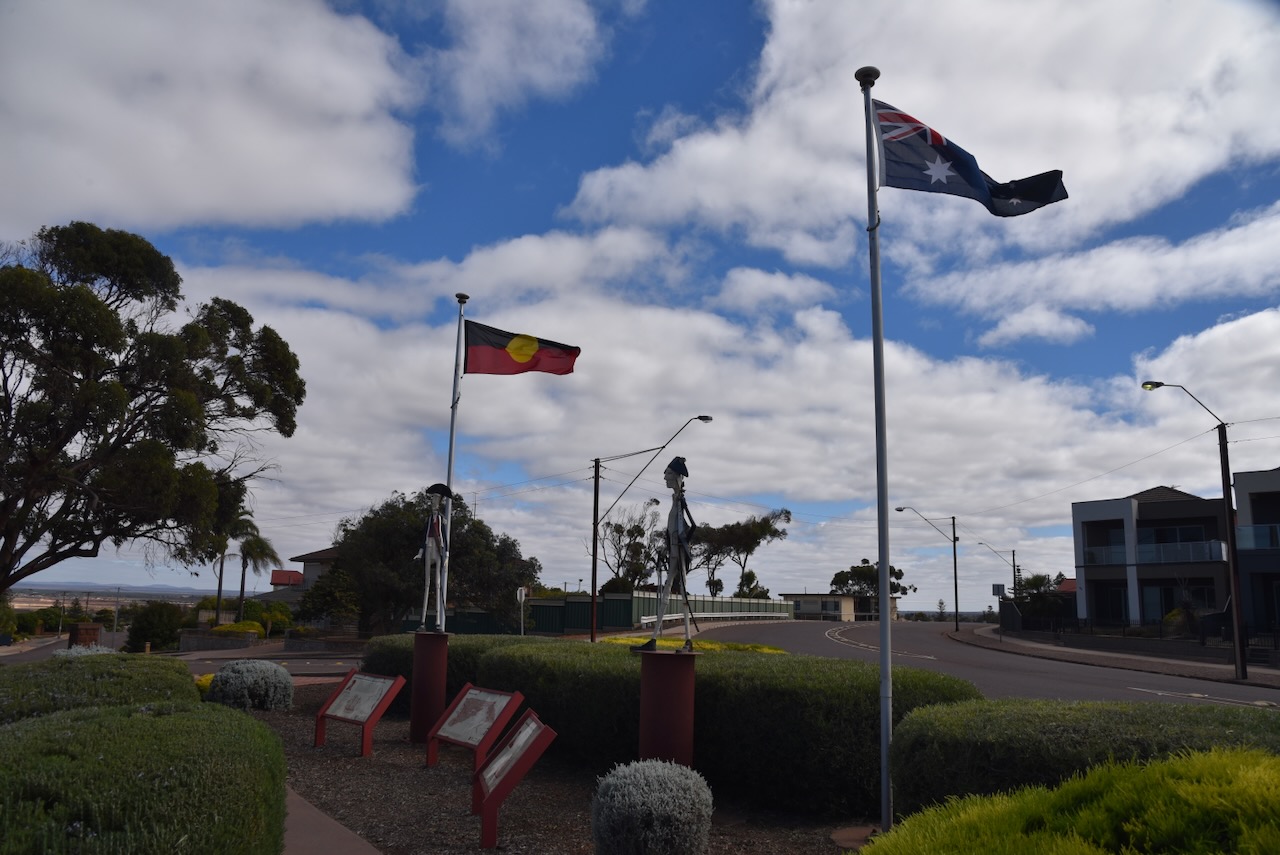
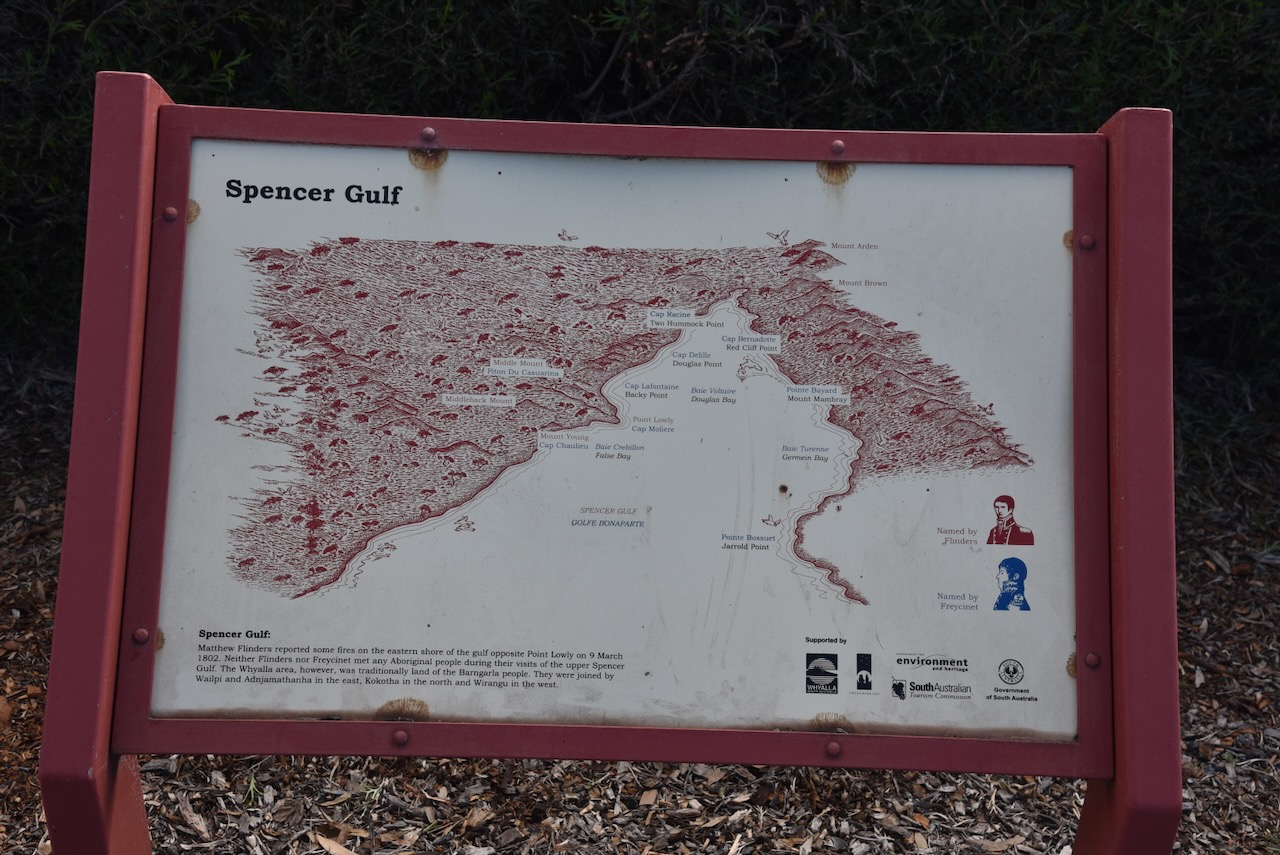
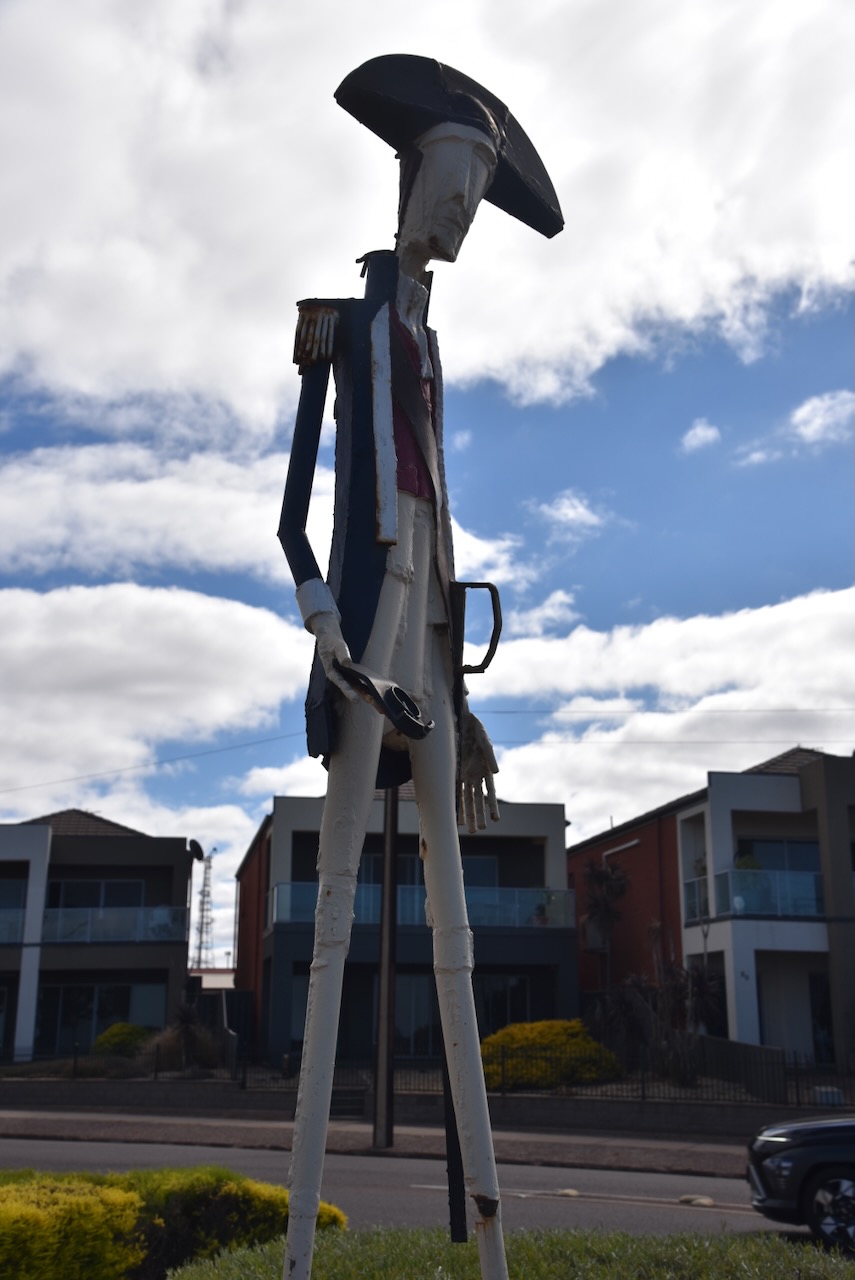
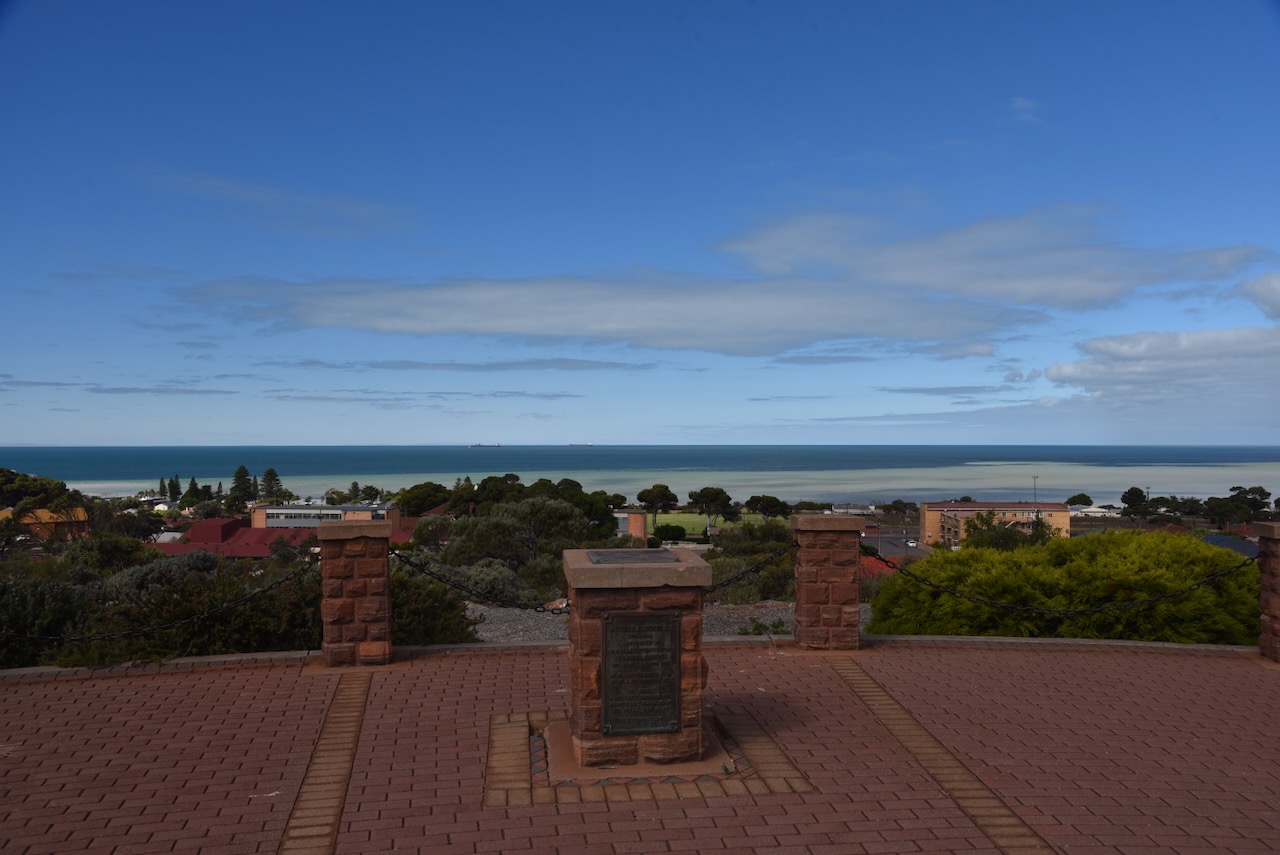
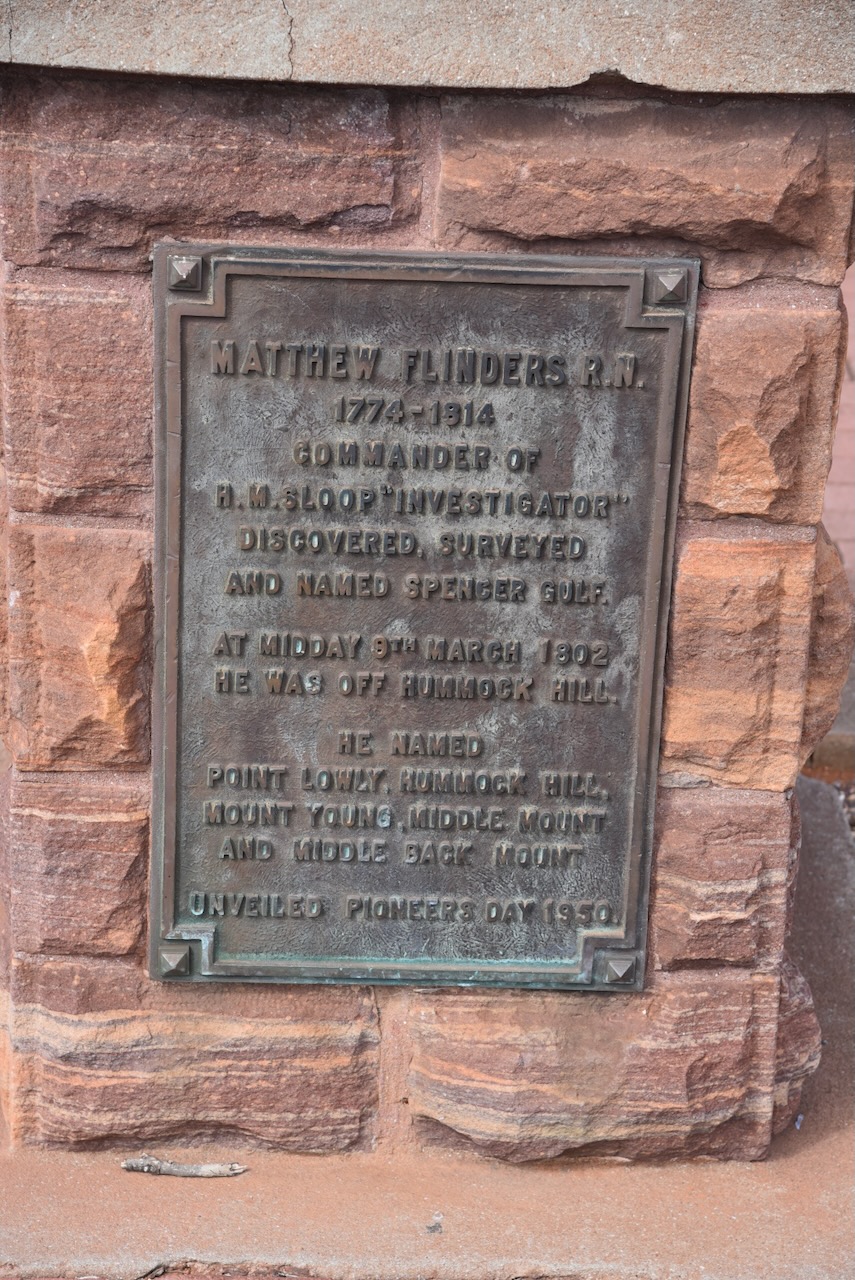
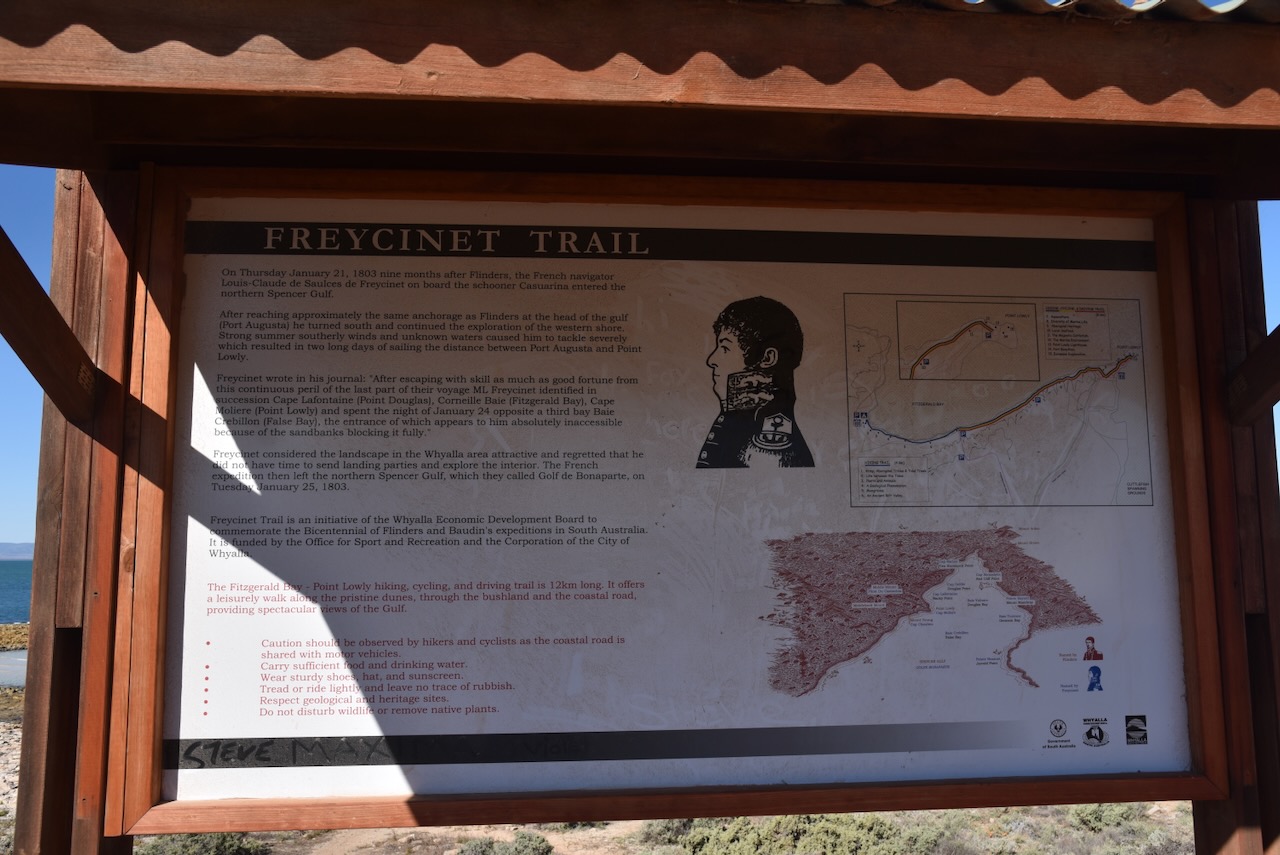
I continued on to Whyalla and stopped briefly at the Flinders and Reycinet monument and lookout. The monument is to honour Captain Matthew Flinders and Louis-Claude de Freycinet.
Flinders, the Commander of HMS Investigator, surveys and named the Spencer Gulf. He was the first European to navigate and chart the coast of South Australia in 1802. In January 1803, Freycinet navigated and chartered the coast for the Baudin expedition. (Whyalla 2024)
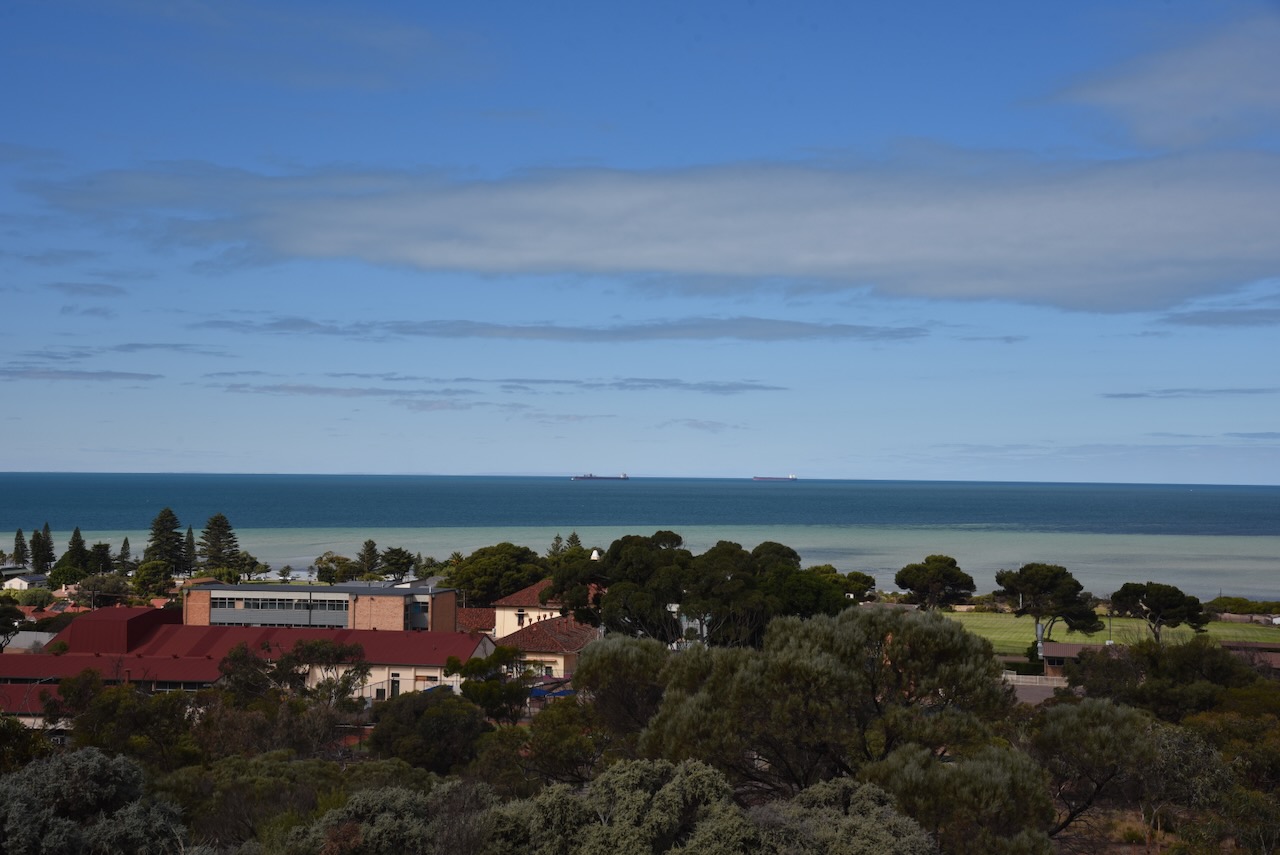
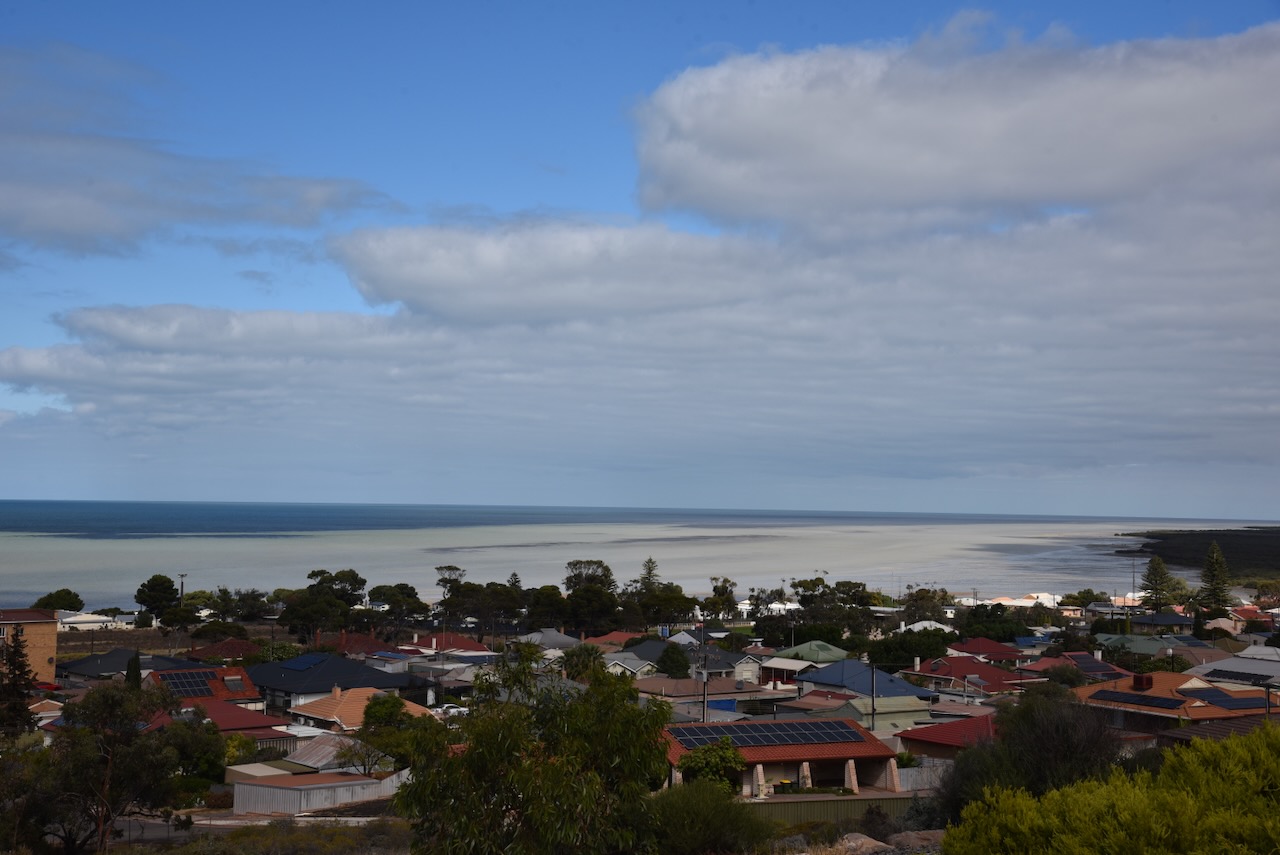
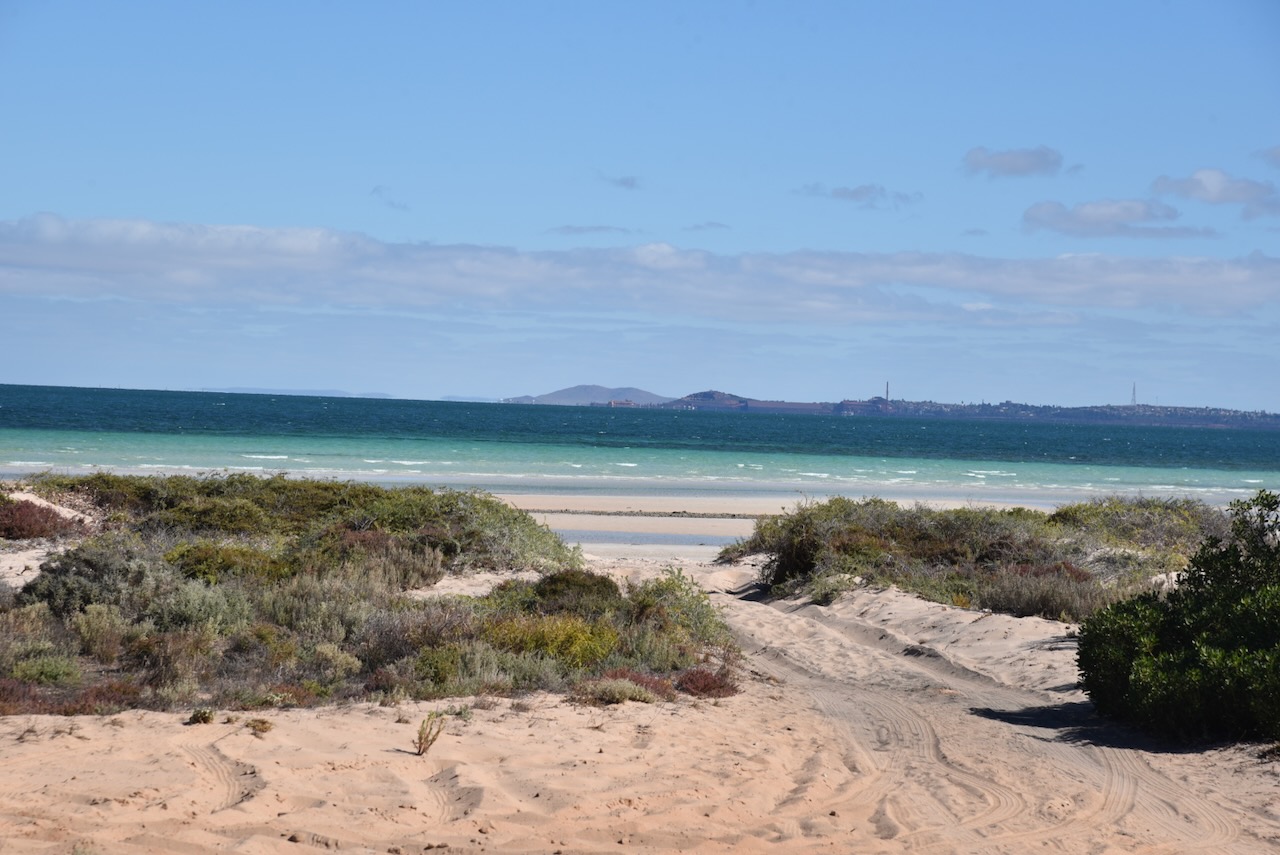
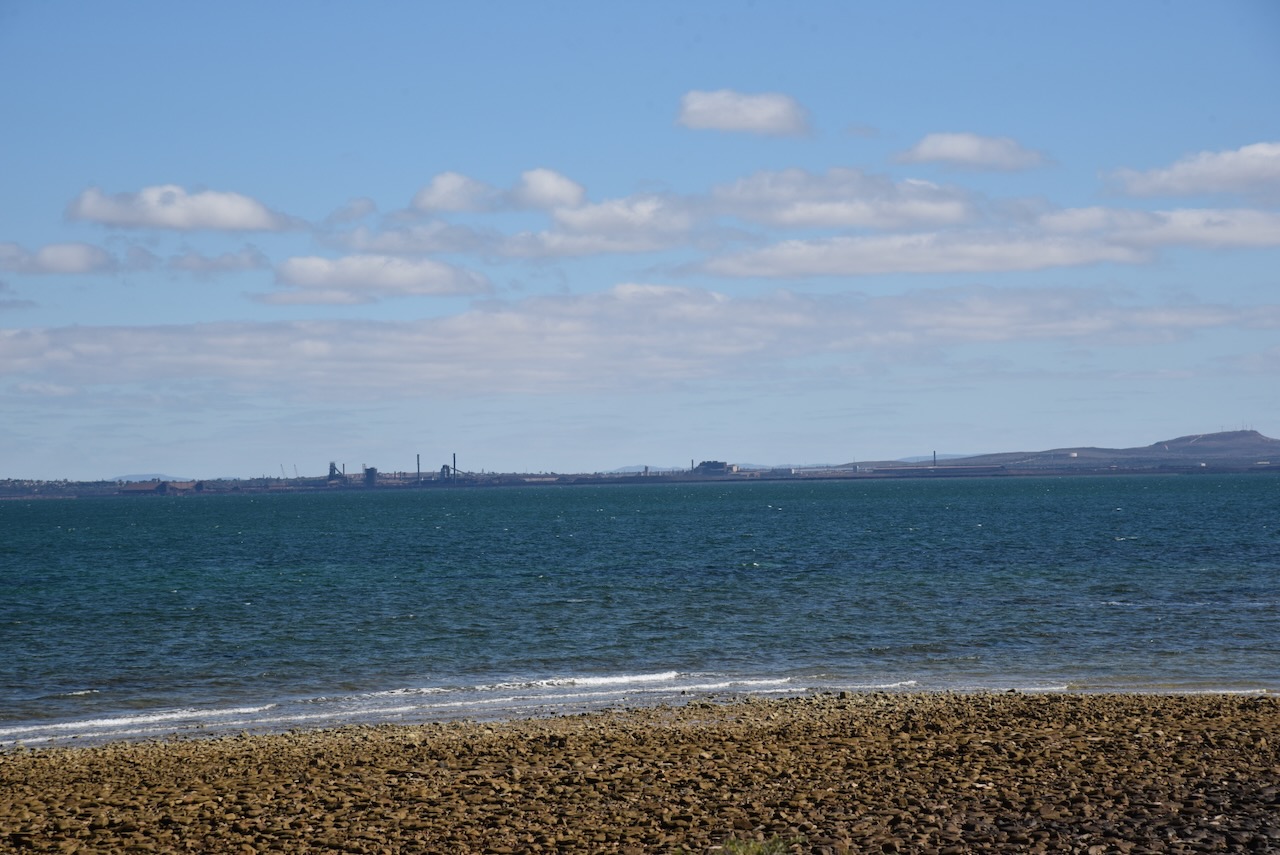
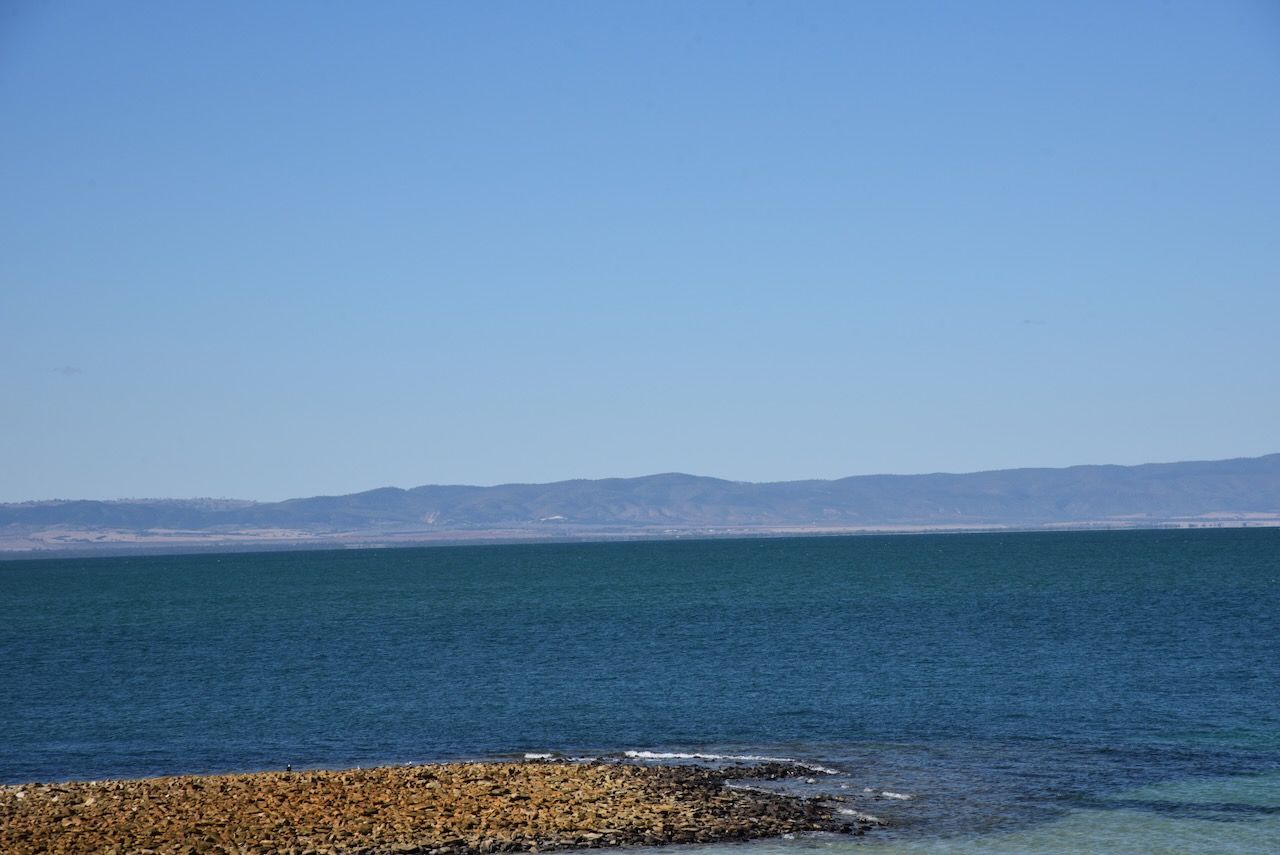
There are some nice views of Whyalla and Spencer Gulf from the lookout.
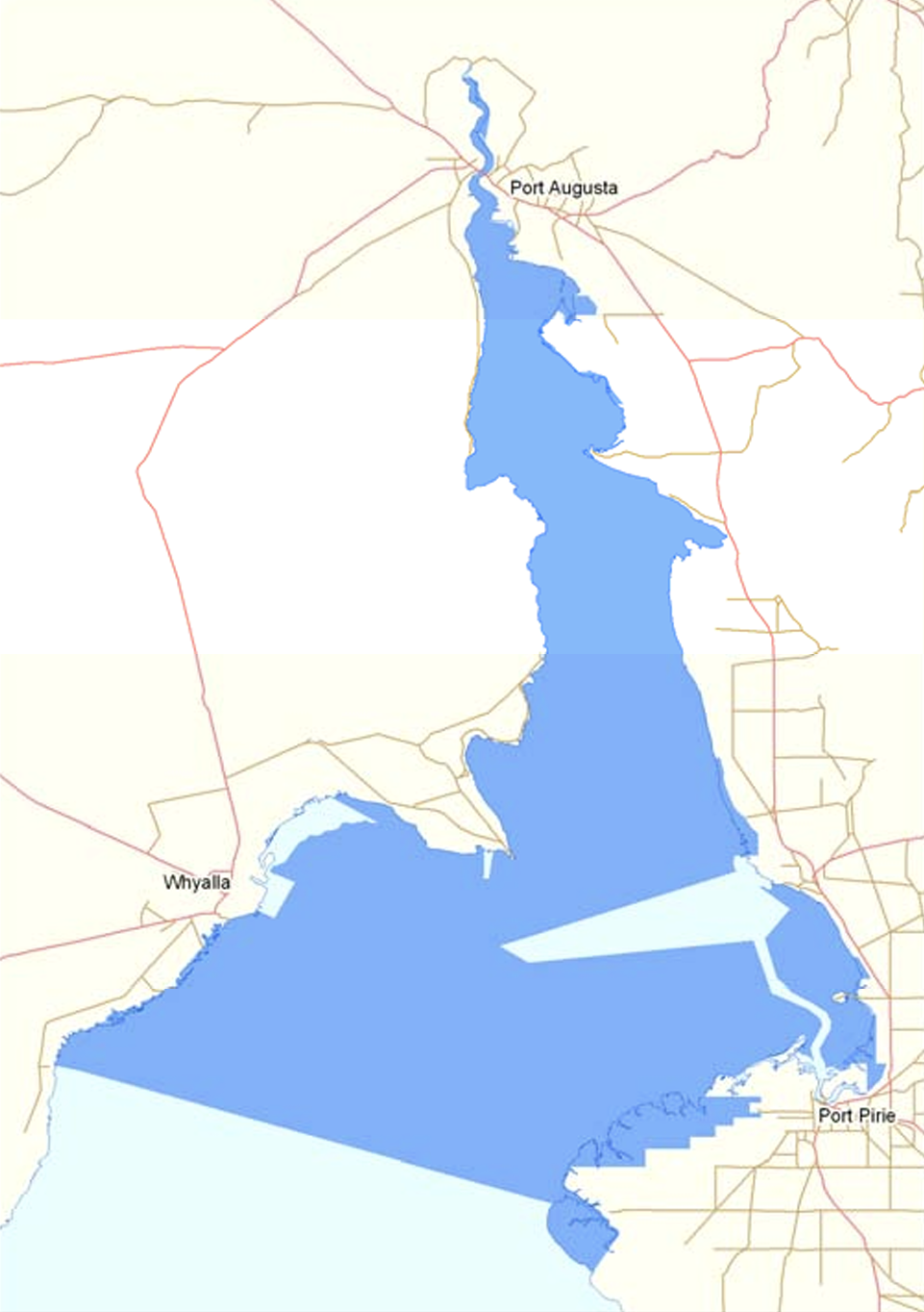
After a magnificent lunch, I left Whyalla and decided to activate the Upper Spencer Gulf Marine Park VKFF-1757. This was to be the first time I had activated the park.
Above:- Map showing the location of the Upper Spencer Gulf Marine Park. Map c/o DEWNR.
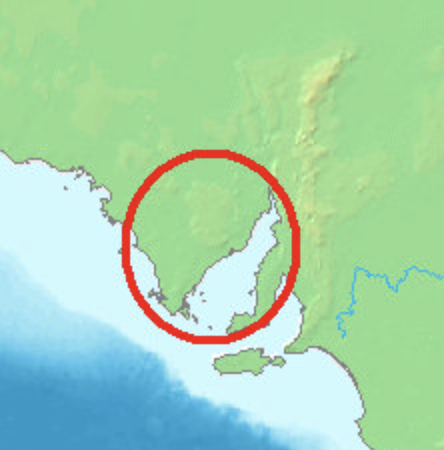
The Spencer Gulf is the westernmost and larger of two large inlets in South Australia. The other inlet is Gulf St Vincent. The Spencer Gulf spans from Cape Catastrophe on the Eyre Peninsula to Cape Spencer on the Yorke Peninsula. Several towns are located on the gulf and these include Whyalla, Port Pirie, Port Augusta, and Port Lincoln. (Wikipedia 2024)
Above:- Map showing the location of Spencer Gulf. Map c/o WIkipedia.
Captain Matthew Flinders was the first European to explore the gulf. In February 1802 he navigated inland from present-day Port Augusta to within 33 km of the termination of the gulf.
Above:- Captain Matthew Flinders. Image c/o Wikipedia.
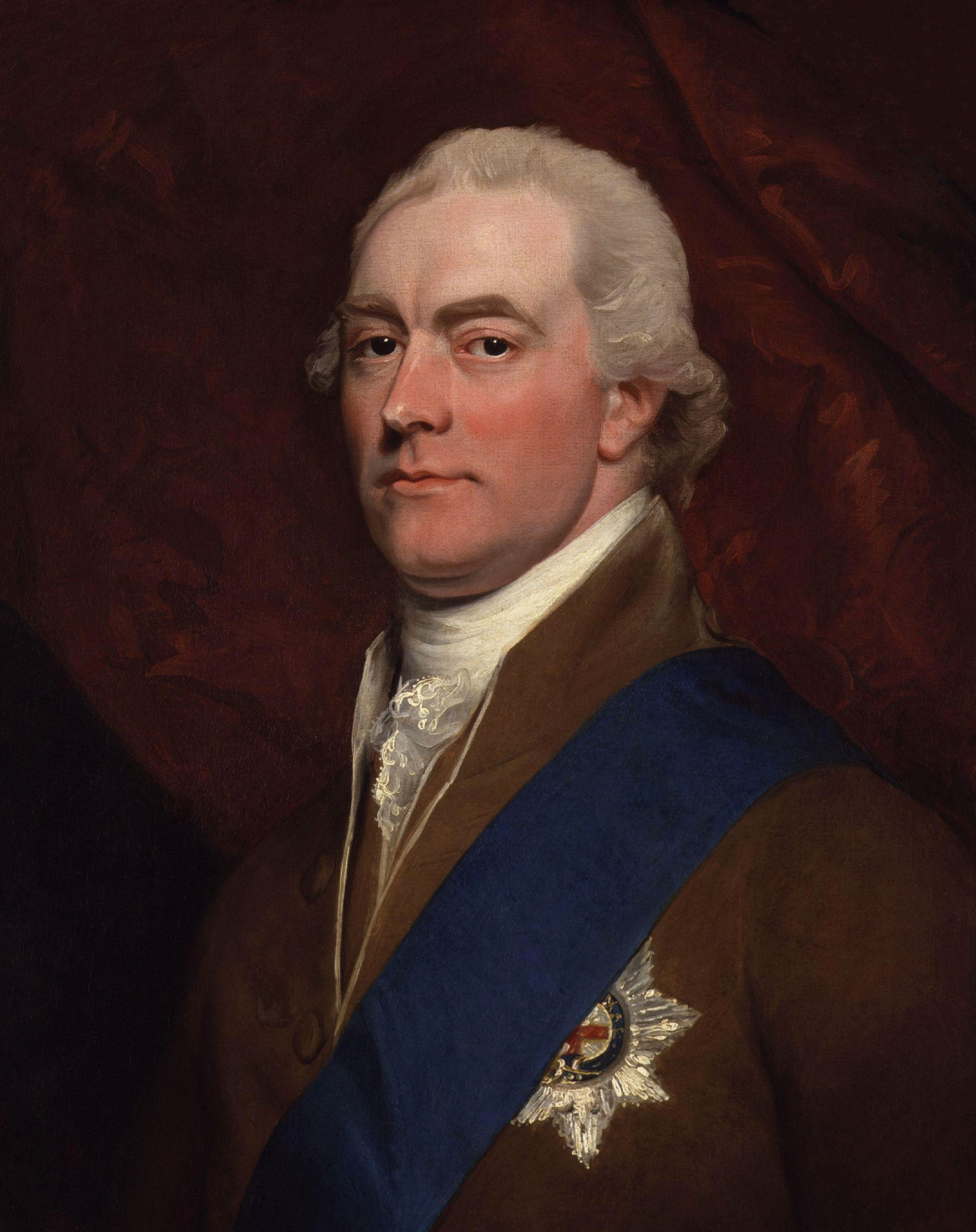
On the 20th day of March 1802, Flinders named the gulf Spencer’s Gulph in honour of George John Spencer, the 2nd Earl Spencer. During the Baudin exploration, Nicholas Baudin named the gulf, Golfe Bonaparte. Freycinet used the name Golfe de la Melomanie on the expedition’s published charts. (Wikipedia 2024)
Above:- George Spencer. Image c/o Wikipedia.
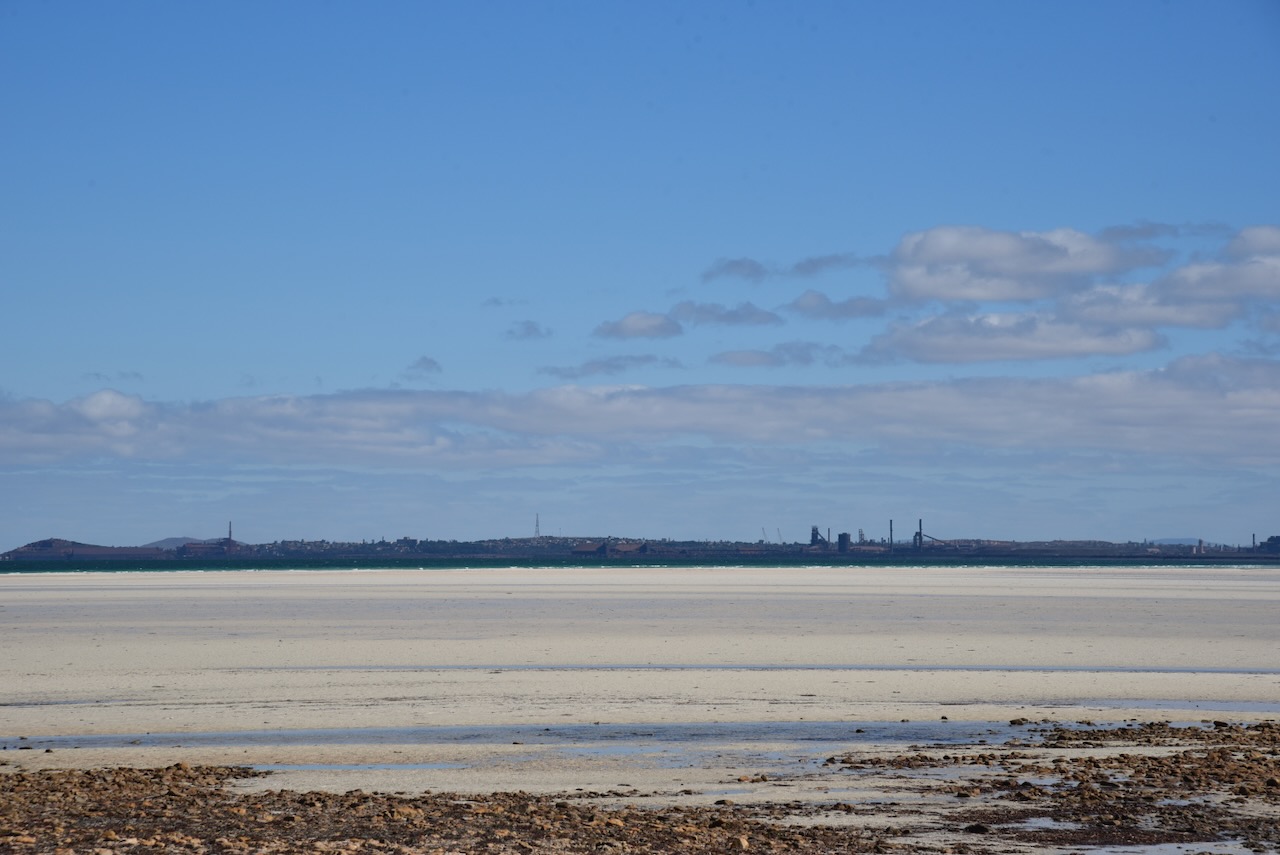
I decided to head to Port Bonython. I took the Point Bonython Road, stopping every now and again to admire the nice views back across the water to Whyalla.
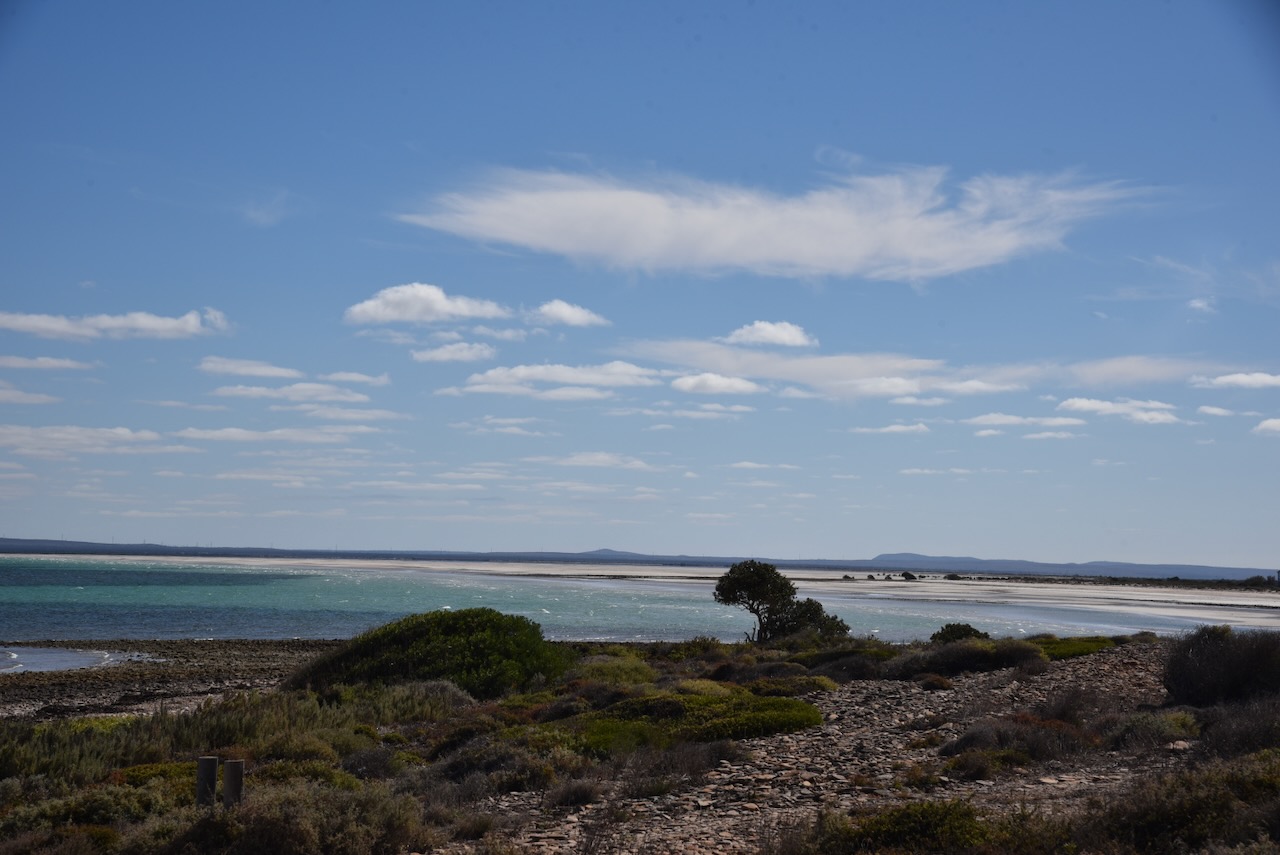
I continued along Point Bonython Road and stopped regularly. There are several parking spots along the way with information boards and spectacular views across the Upper Spencer Gulf.
This part of the coastline is The Cuttlefish Coast Sanctuary Zone. It is an internationally recognised location as a breeding area for Giant Australian Cuttlefish. The Cuttlefish gather in May when the water temperature drops below 16 degrees C and when salt levels are also at their lowest levels. The female cuttlefish will only lay her eggs when conditions are perfect and she attaches them to the underside of a rocky ledge in 1.5 metres of clear cool water. There is a permanent ban on fishing for Giant Cuttlefish in this area. The area is popular with divers who come from all around the world to view the Giant Cuttlefish.
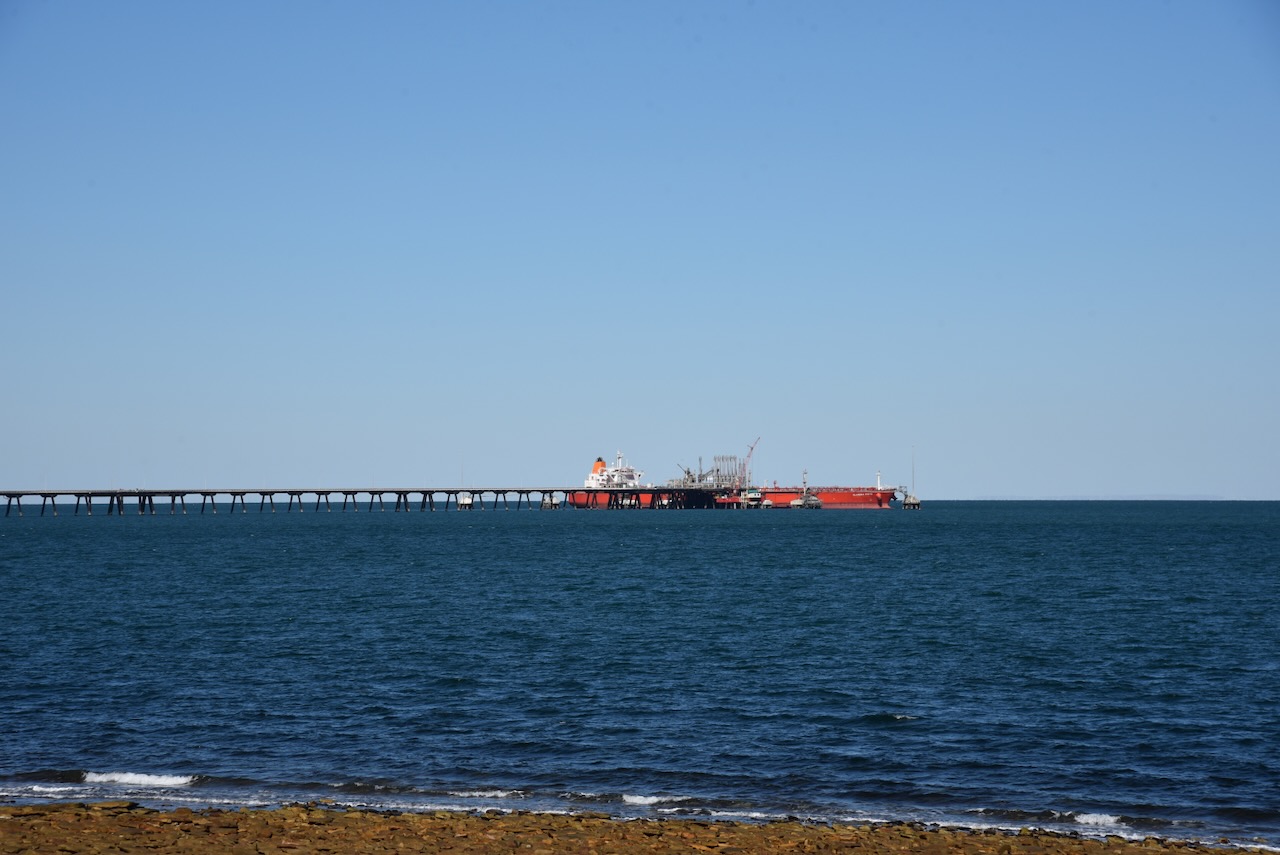
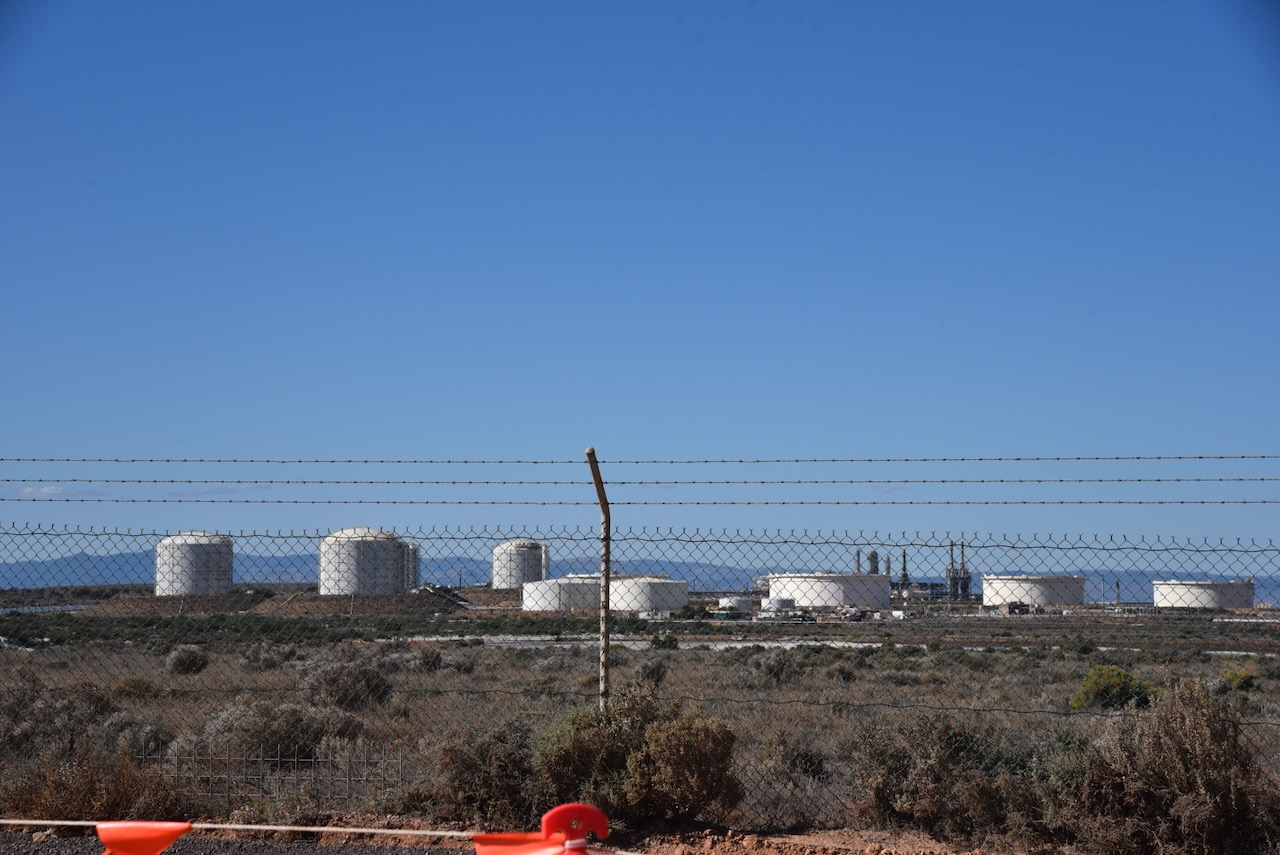
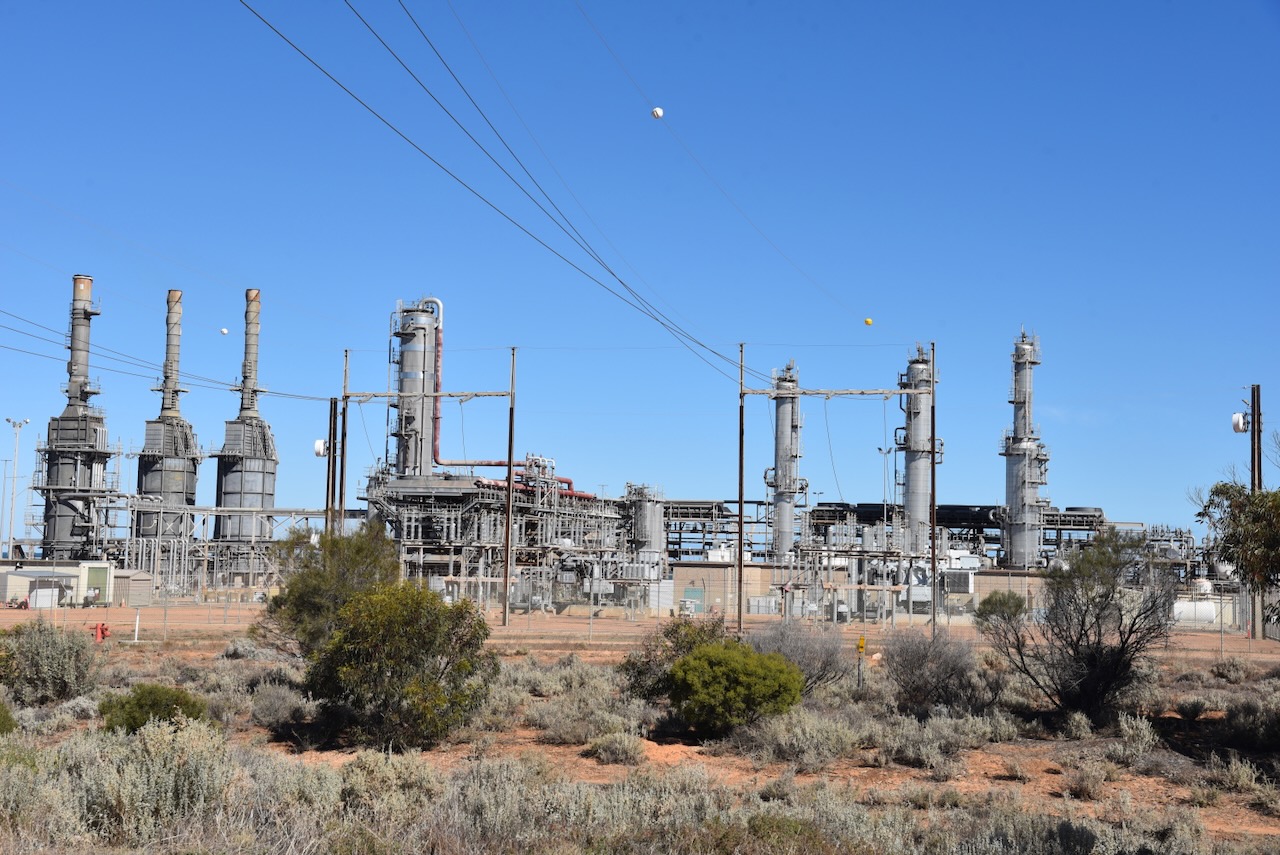
My next stop was Port Bonython, a deepwater port, gas fractionation plant and diesel storage facility. Santos established the gas fractionation plant in 1982. In 1983 a 2.4 km long wharf was constructed. (Wikipedia 2024)
I left Port Bonython and drove the short distance to Point Lowly. It was named by Matthew Flinders in 1802. It was named Cap Lafontaine by French explorer Nicolas Baudin. (Wikipedia 20240
The Point Lowly lighthouse was constructed in 1883 to guide ships safely through Spencer Gulf en route to Port Augusta and Port Pirie. The original tower was 15 metres in height. It was raised by 7.6 metres to its current height in 1909. (Wikipedia 2024)
This is part of the Freycinet Trail that extends 12 km along the coastline of Fitzgerald Bay in the Upper Spencer Gulf. It is to honour Louis-Claude de Freycinet.
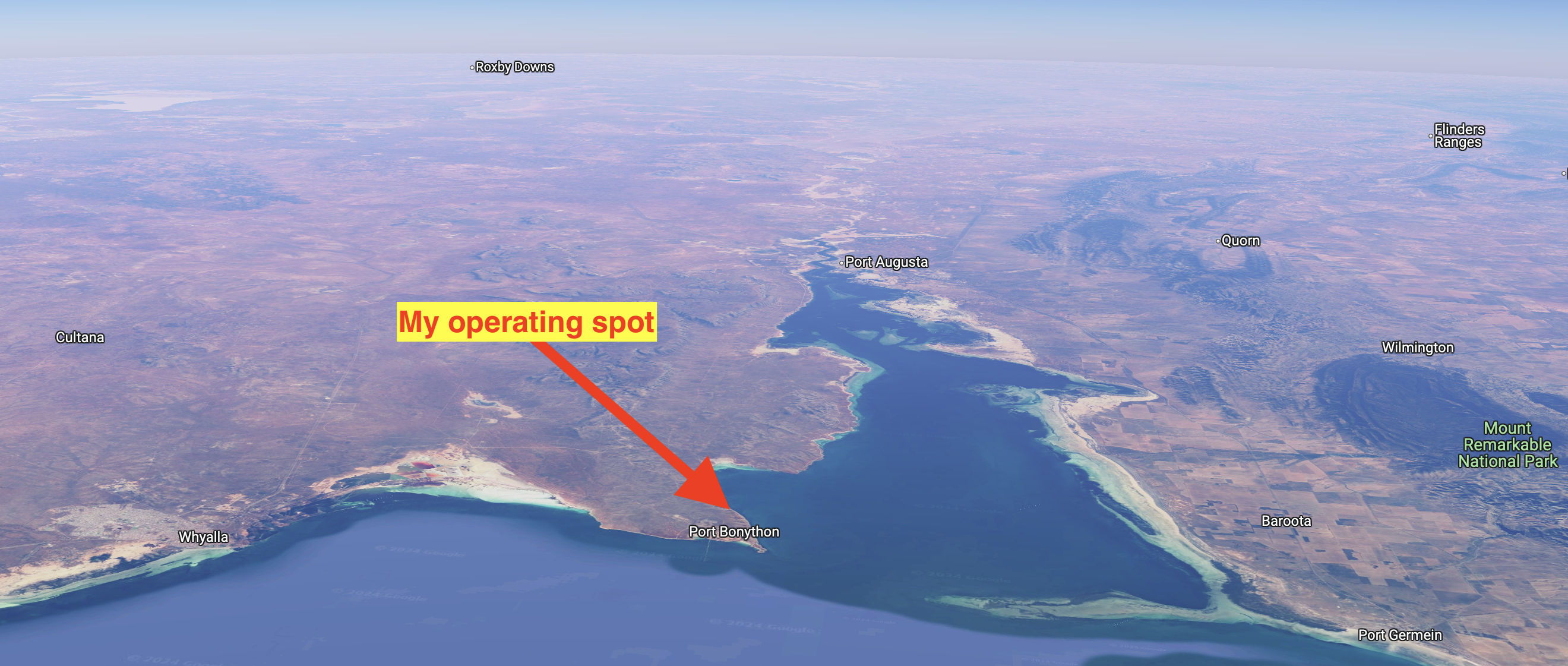
I parked on the edge of the cliff line on Coastal Road and operated from the 4WD, running the Icom IC-7000, 100 watts, and the Codan 9350 with the 1.5-metre stainless steel whip.
Above:- An aerial view showing my operating spot. Image c/o Google Maps
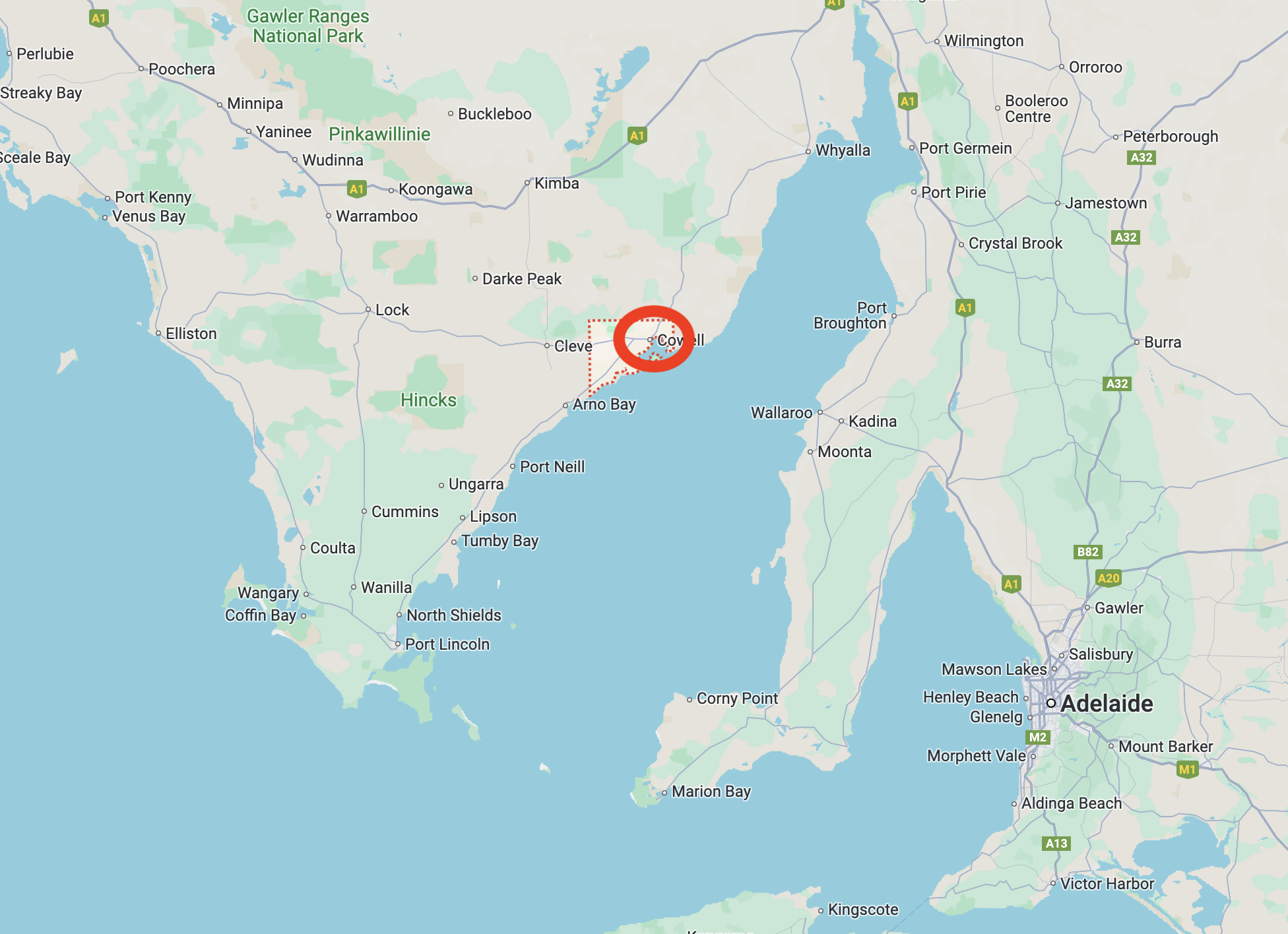
It was now Friday 26th April 2024, and time for me to head home. I had enjoyed a magnificent 2 weeks away including the DXpedition to Flinders Island as VK5FIL. I had really enjoyed my time in Cowell, and before leaving I planned on activating the Cowell silo and have a quick look around the town.
Above:- Map showing the location of Cowell, South Australia. Map c/o Google Maps.
Prior to European settlement, the land around Cowell was the traditional home of the Narangga aboriginal people. (Aussie Towns 2024)
The first European to sight Franklin Harbour was explorer and navigator Captain Matthew Flinders. He mistook the harbour as a large lagoon and decided it was not worth naming.
Above:- Matthew Flinders. Image c/o Wikipedia.
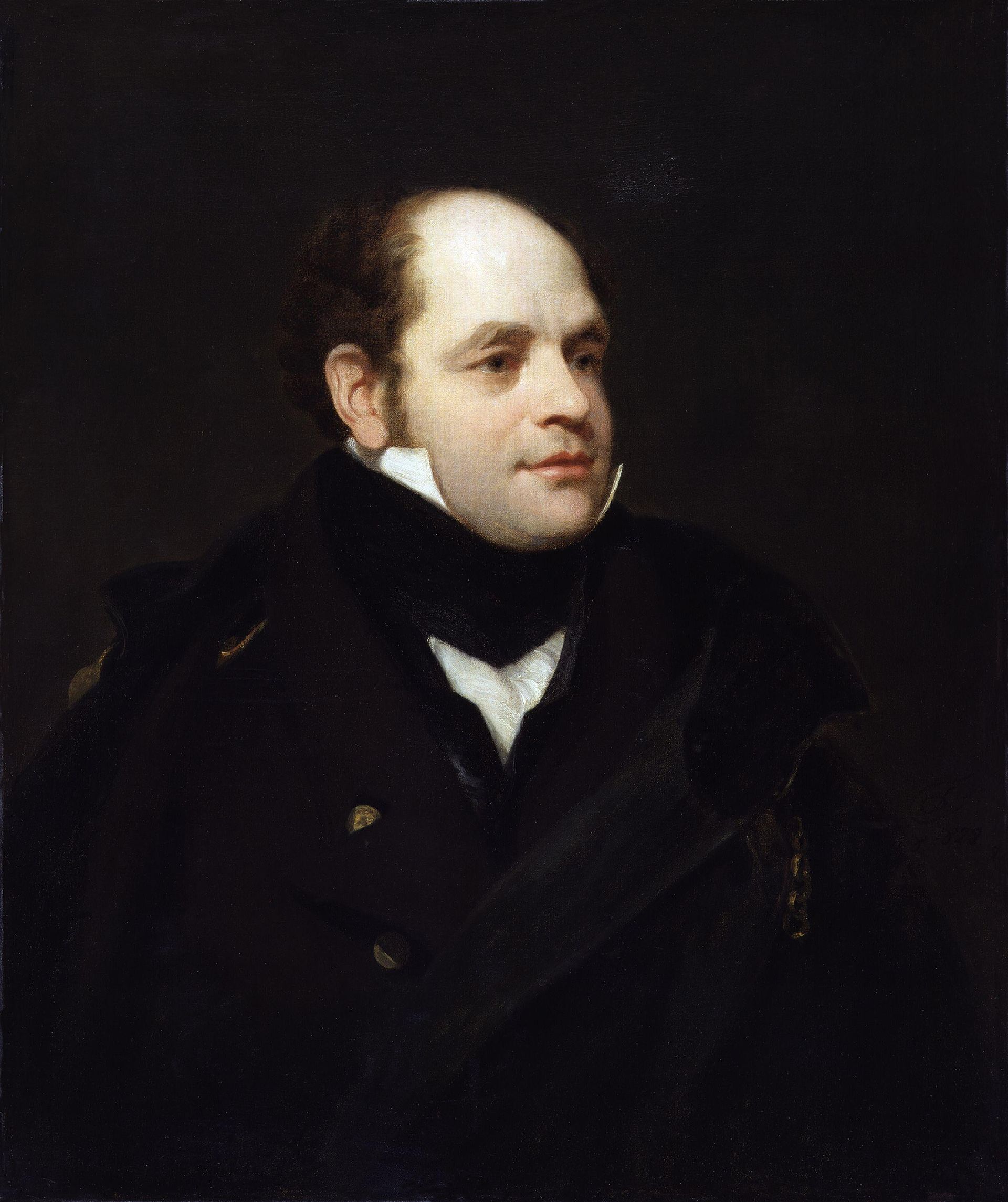
Franklin Harbour was named in 1840 by Governor Gawler in honour of Sir John Franklin, the Governor of Tasmania and famous Arctic explorer. As it so happens, Franklin was a midshipman on Flinder’s vessel the Investigator, when he unwittingly mistook the harbour as a lagoon in 1802. (Aussie Towns 2024)
Above:- John Franklin. Image c/o Wikipedia.
European settlement of the Cowell district commenced in 1853 when the McKechnie brothers took up land. Franklin Harbour became a place where ships were loaded for the export of wheat and wool. As a result, a small settlement commenced. (Wikipedia 2024)
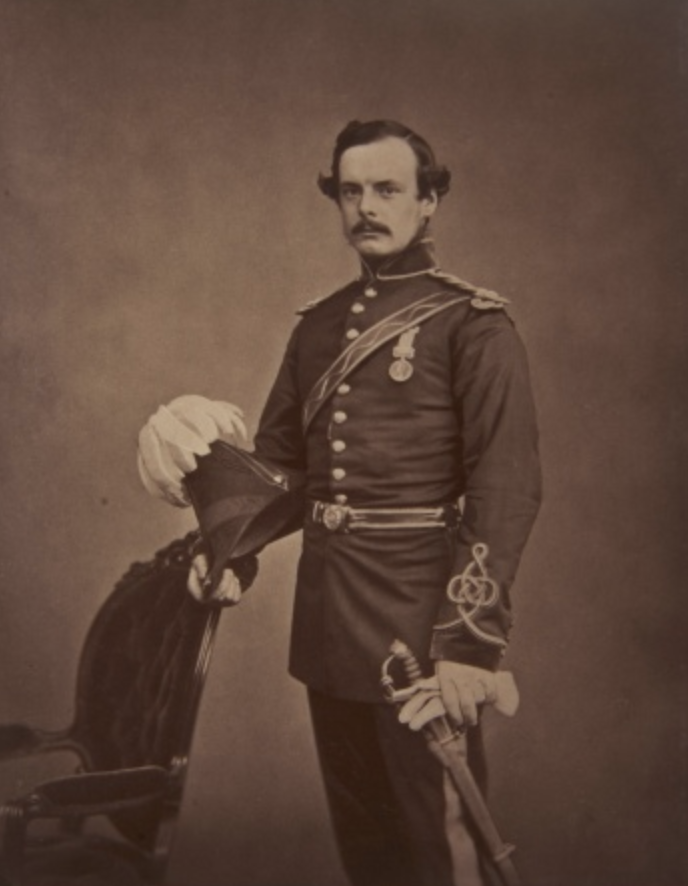
The town of Cowell was surveyed in July 1880 and was proclaimed on the 28th day of October 1880. It was named by Governor Jervois in honour of Sir John Clayton Cowell, PC, KCB, Master of the Household of Queen Victoria, Lieut-Governor of Windsor Castle and member of Governor Jervois’ corps, the Royal Engineers. (Place Names 2012) (Wikipedia 2024)
Above:- Sir John Clayton Cowell. Image c/o Find a Grave
The Cowell Post office opened in 1882. In 1892 the Cowell School opened. (Aussie Towns 2024)
Several historic buildings remain in Cowell. They include the Franklin Harbour Hotel. In 188, the single storey was constructed. Mr. Edward Speed purchased the Hotel in 1897 and a second storey was completed in 1907. Some of the first church services were held in the Hotel prior to the establishment of a church. (Walking SA 2024)
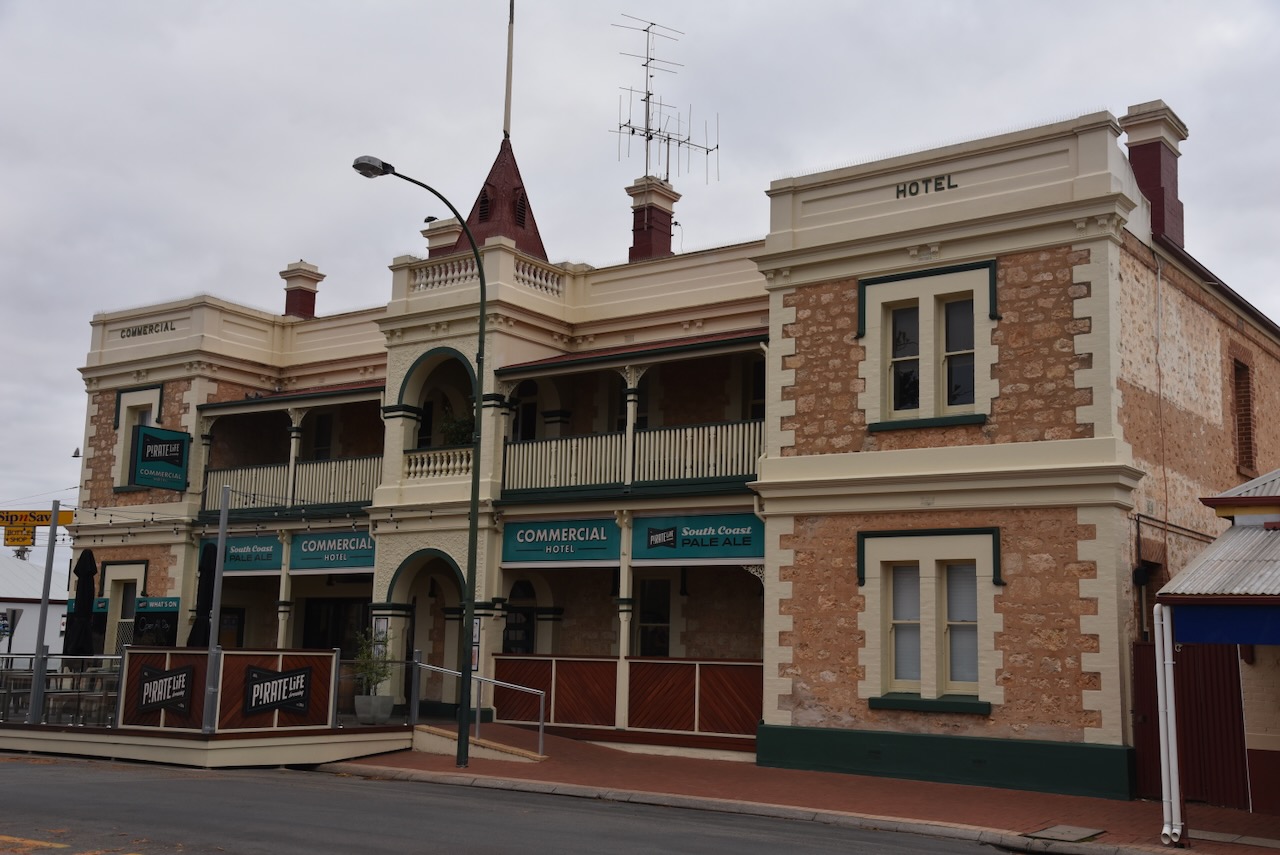
The Commercial Hotel was built in 1910 by Edward Speed in 1910. He was also the owner of the Franklin Harbour Hotel, but with the expansion of the town, he saw the need for a second hotel. (Walking SA 2024)
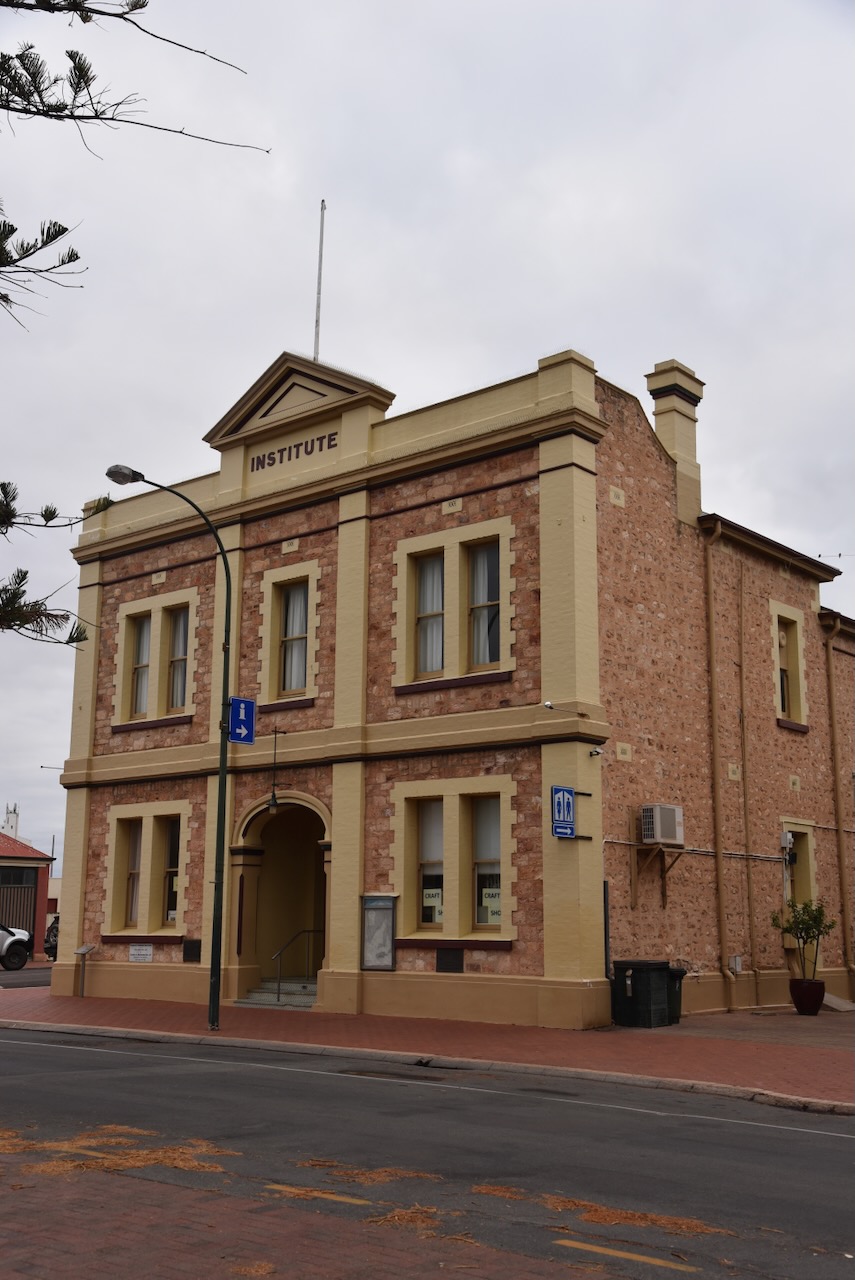
The Institute building was completed by December 1893. It has been used as a Council Office, Court Office, Social Functions, Theatrical/Musical Performances, and Sunday School & Church Services. In 1911 a second storey was added. (Walking SA 2024)
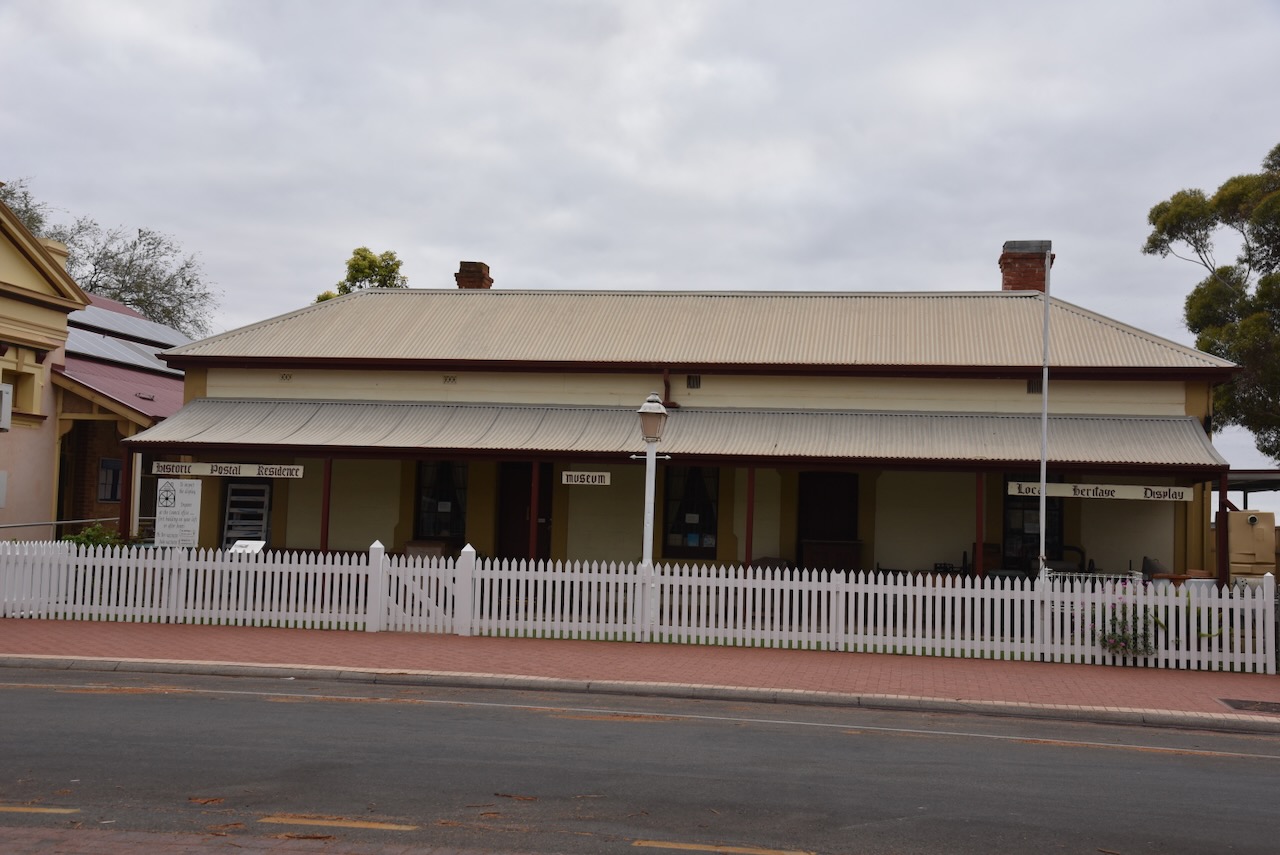
The old Post & Telegraph Office and Post Master’s residence was constructed in 1888. It now functions as a museum. (Walking SA 2024)
The District Council of Franklin Harbour Council Chambers were built in 1912 as a National Bank. By 1928 it was used by the Commercial Bank. In 1941 the CWA Rest Rooms utilised the building. In 1985 it was purchased by the Council and used as a Council Chambers. (Walking SA 2024)
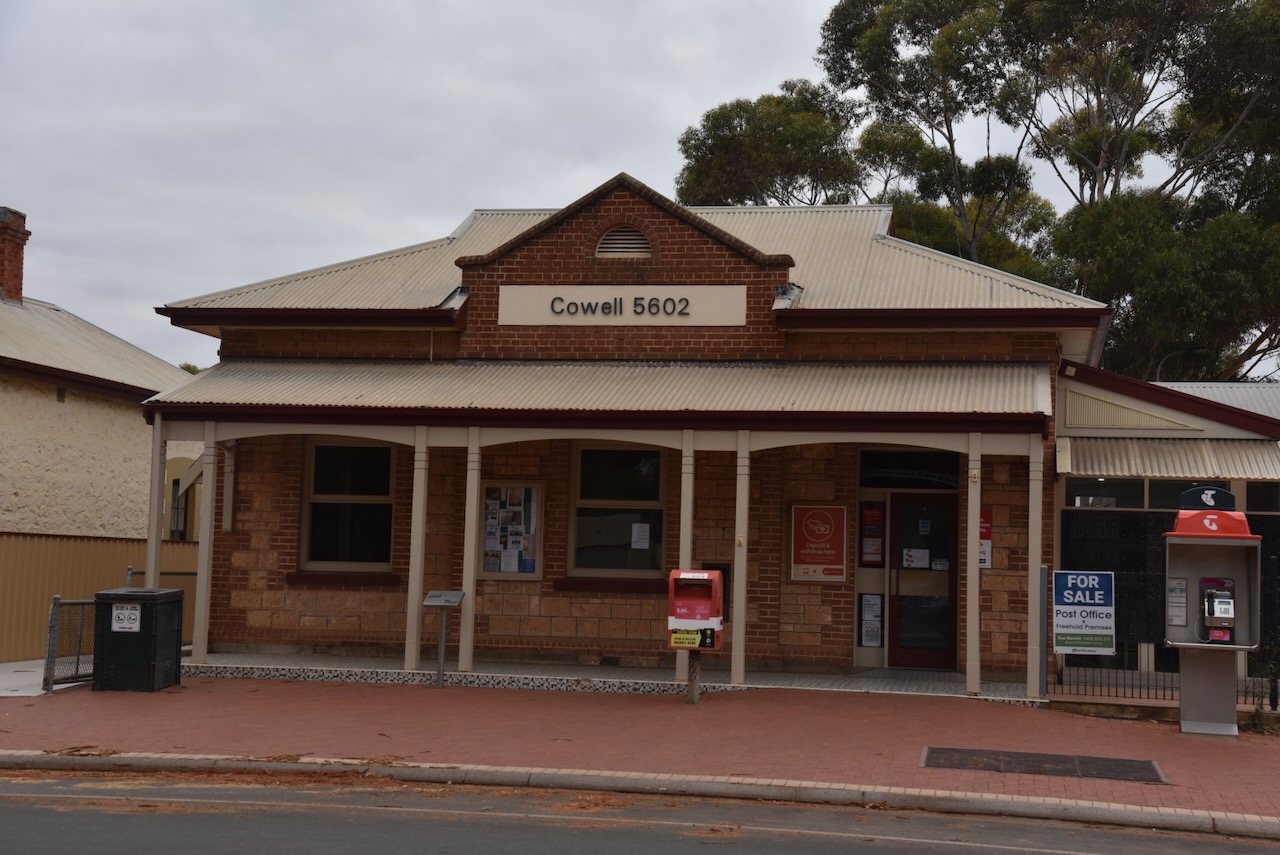
The Cowell Post office building was built in 1910. In 1922 a telephone exchange was introduced with 5 subscribers, progressing to 200 lines, manually operated in 1967. At this time 10 staff were employed at the Post Office until 1979 when the exchange became automatic. (Walking SA 2024)
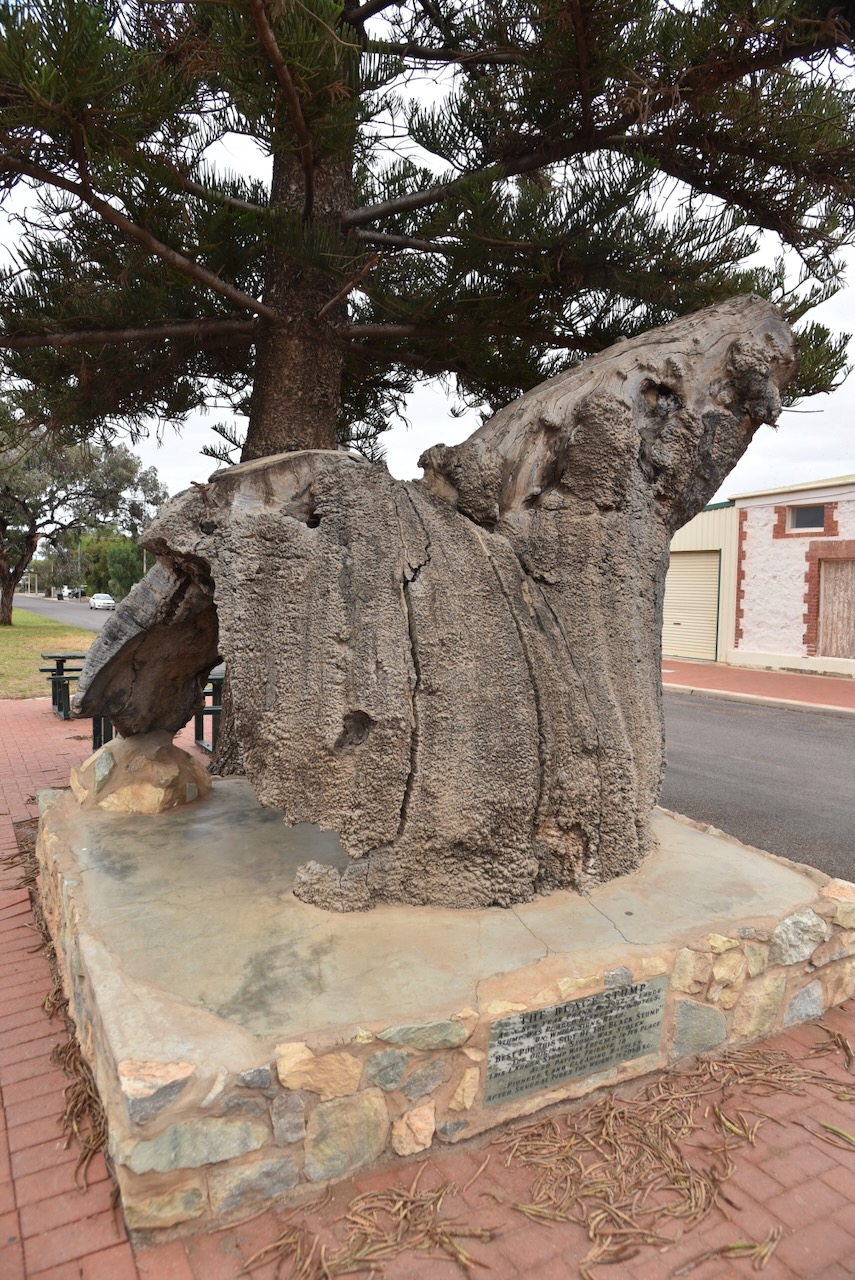
On the corner of Main Street and High Street, you can find ‘The Black Stump’. As a New Year prank in 1972, a large stump was placed between two hotels on which signs read ‘Best pub this side of the black stump’. The original stump was stolen. Also paying tribute to the pioneer land clearing battles after several fires.” (Aussie Towns 2024)
Below is a short video on Cowell.
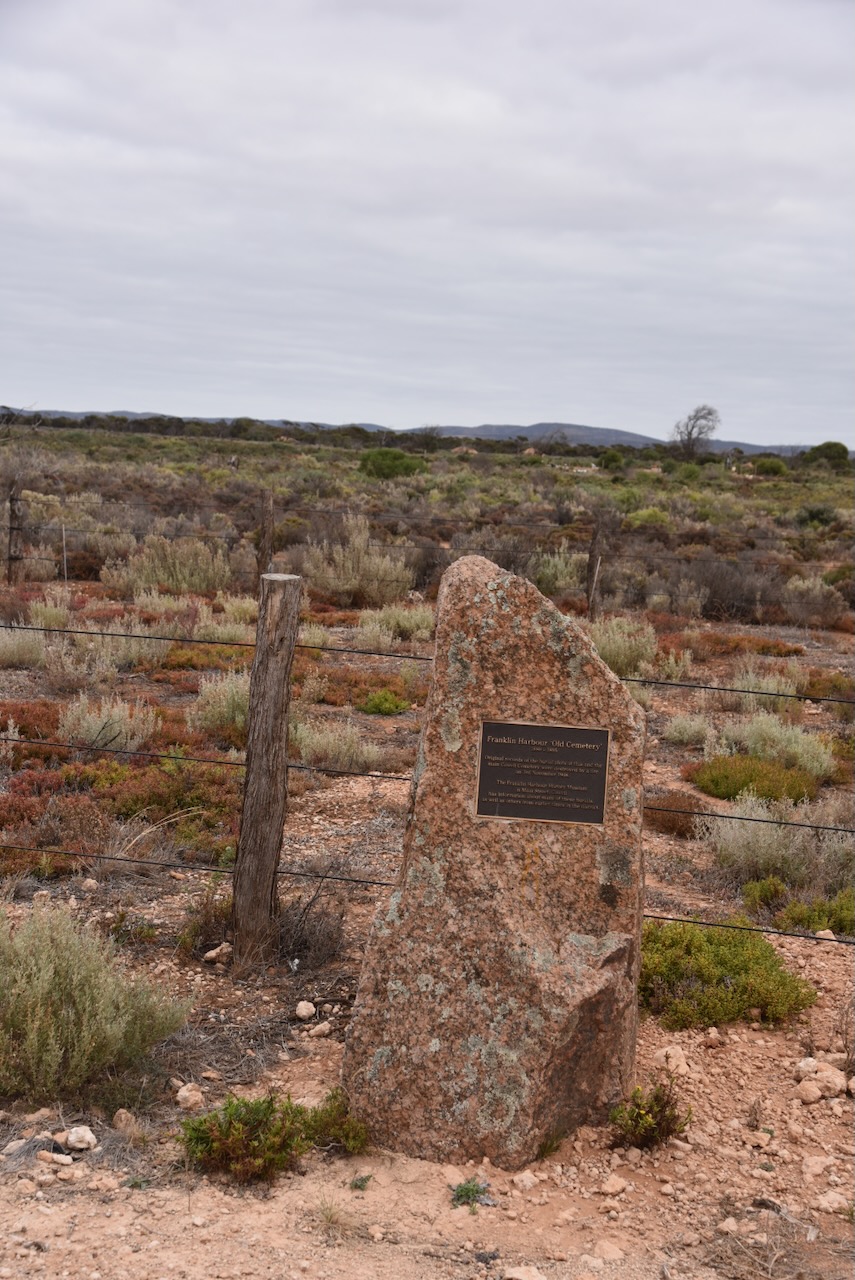
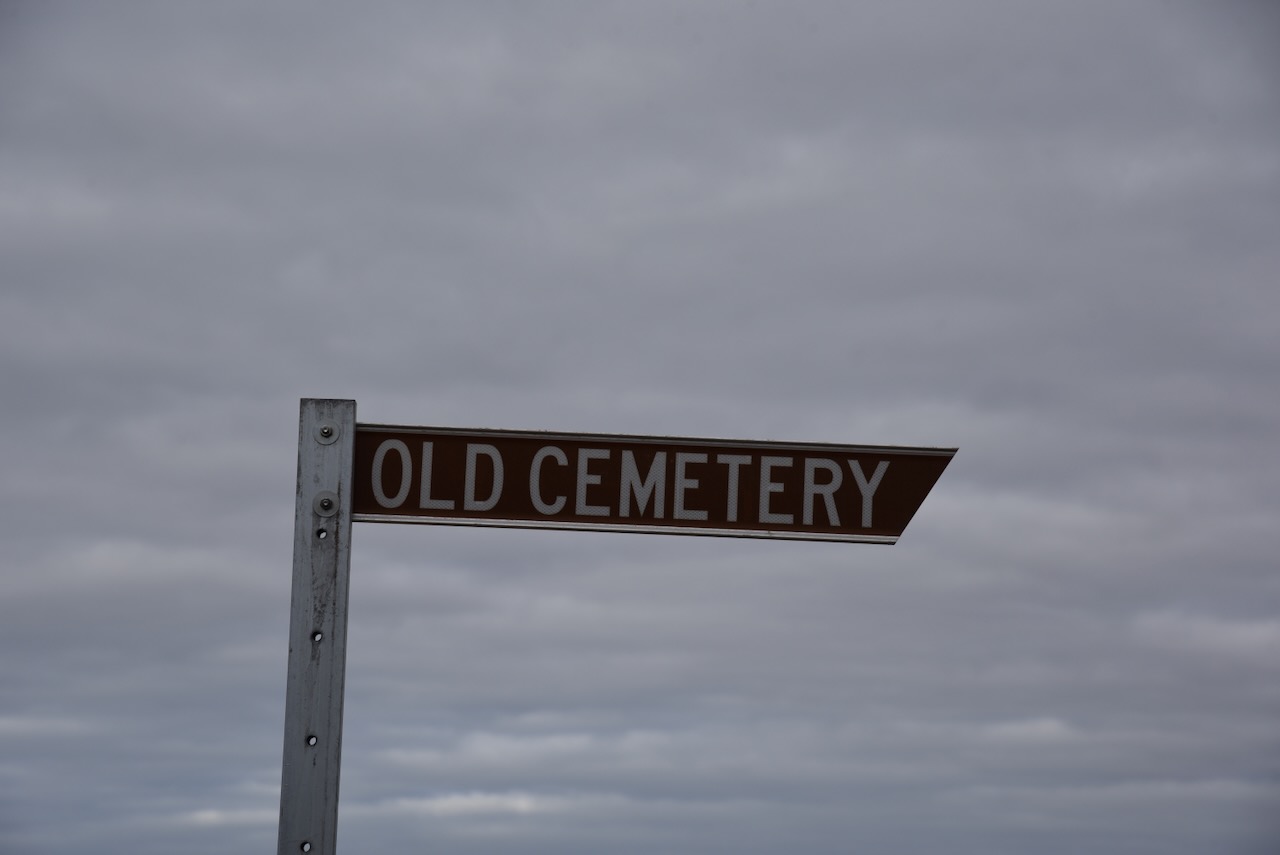
I then visited the old Cowell Cemetery on Beach Road. It was in use from 1880 to 1895. Sadly the burial records were destroyed in a fire in 1908.
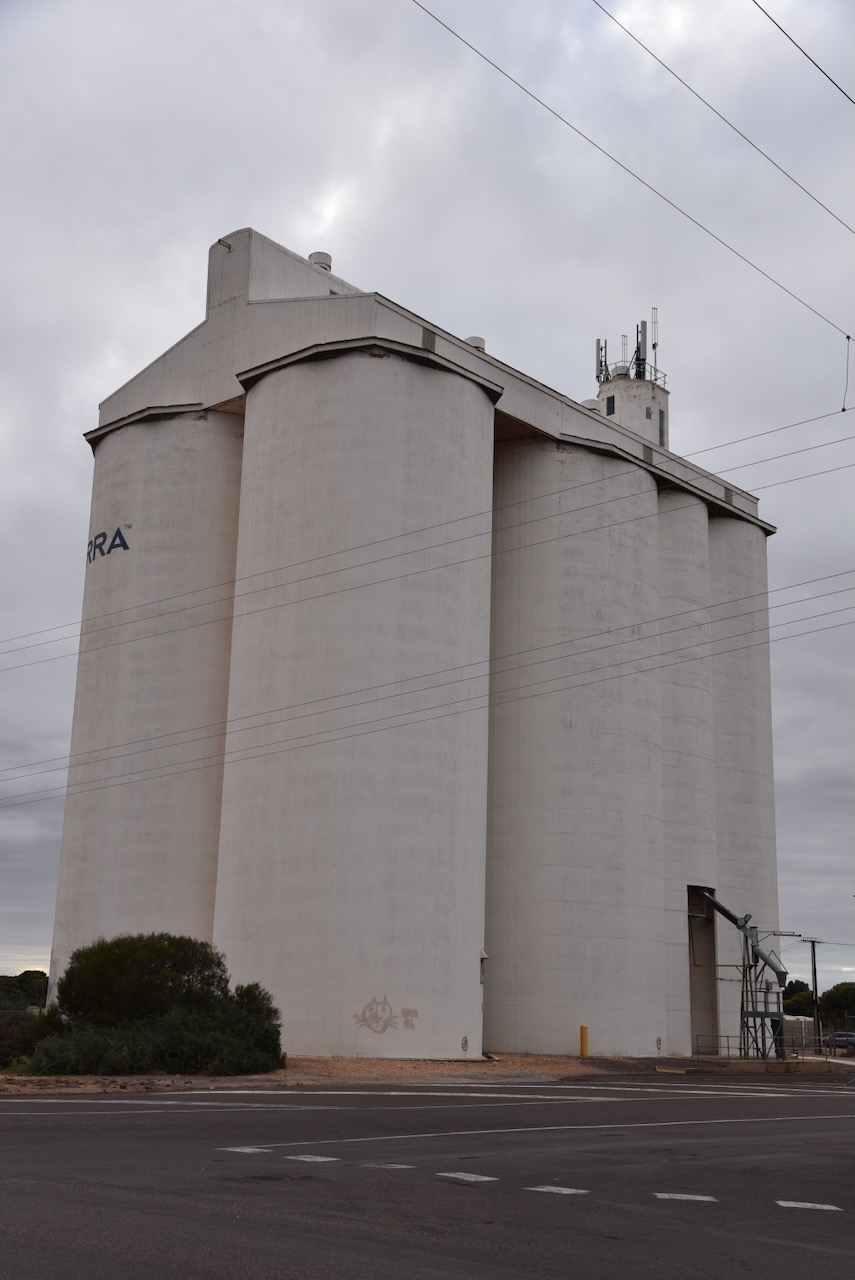
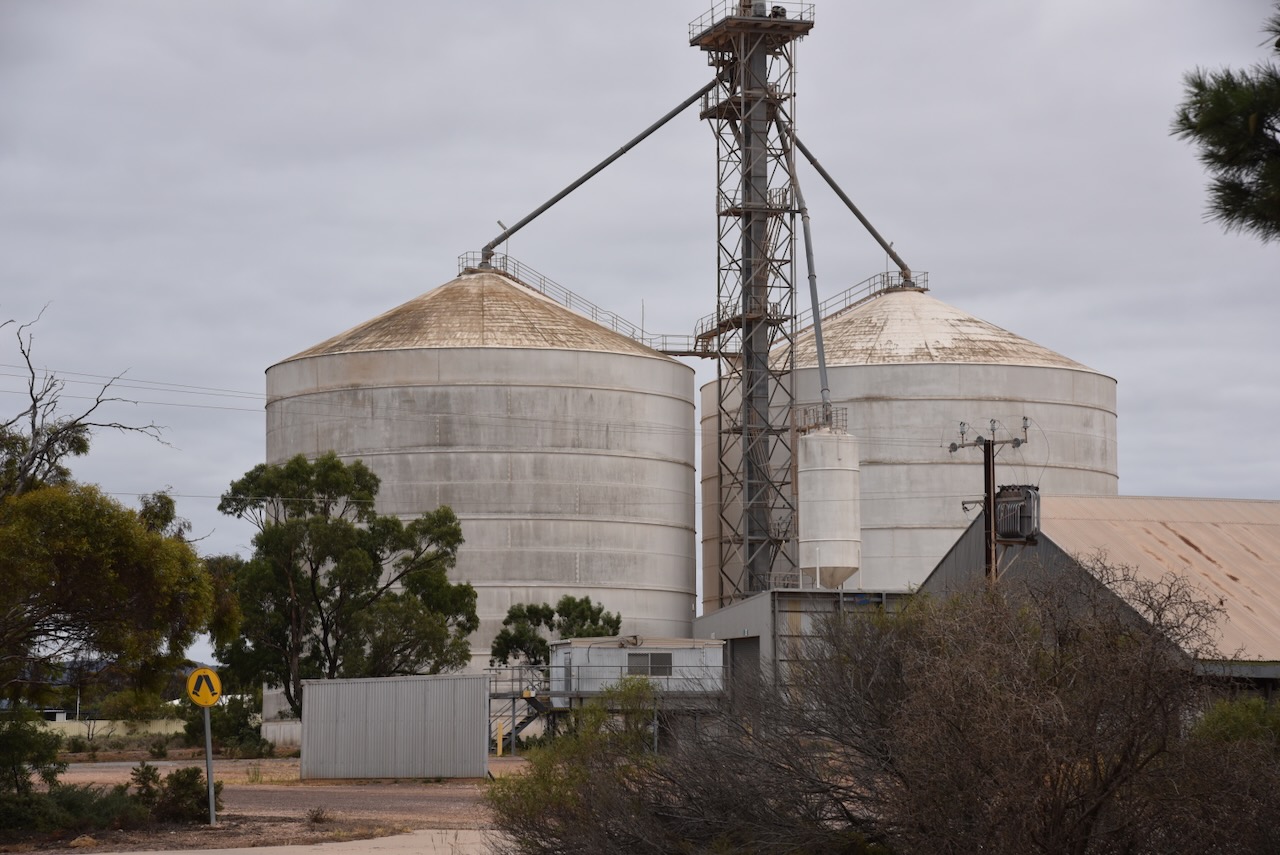
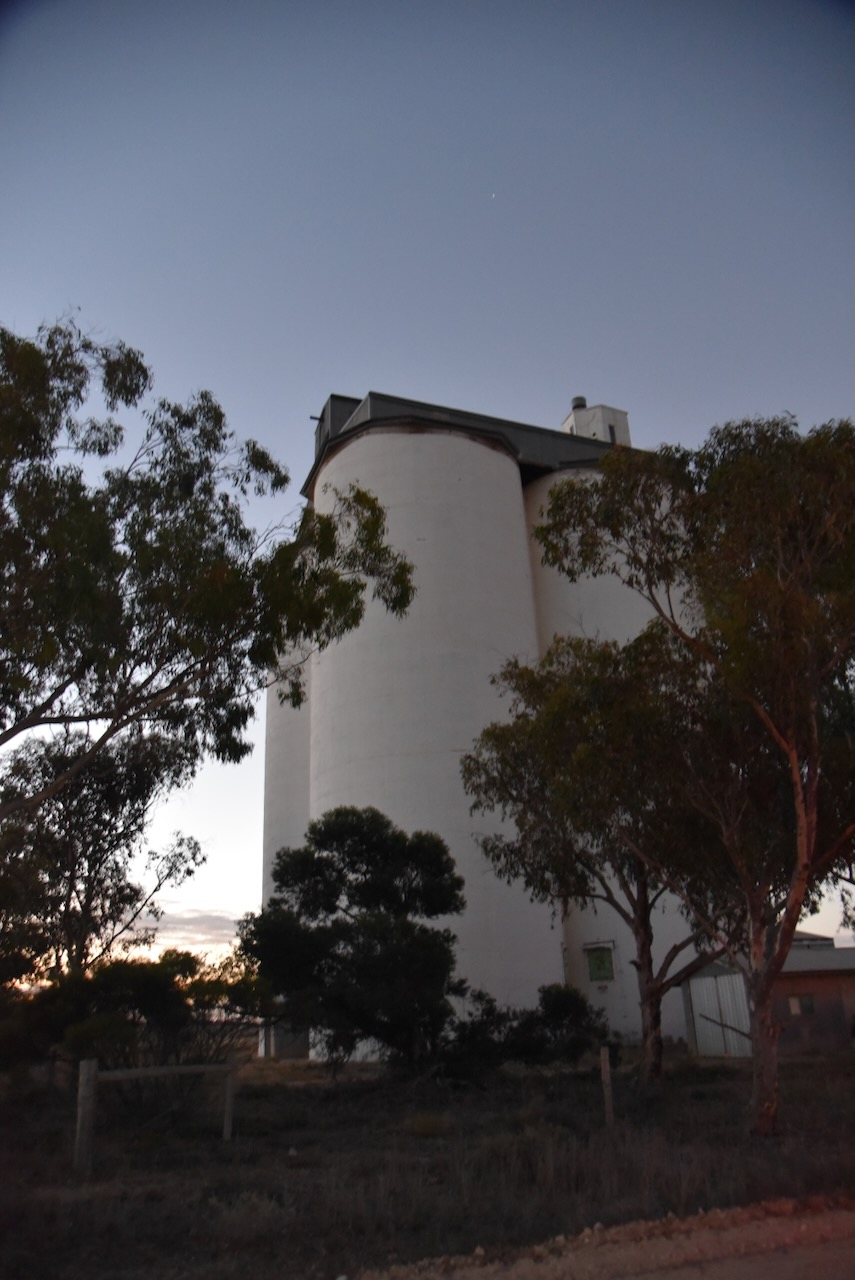
Initial impressions from the road of the Cowell silos are just a plain set of silos. The first silos here in Cowell were built in 1961. (Walking SA 2024)
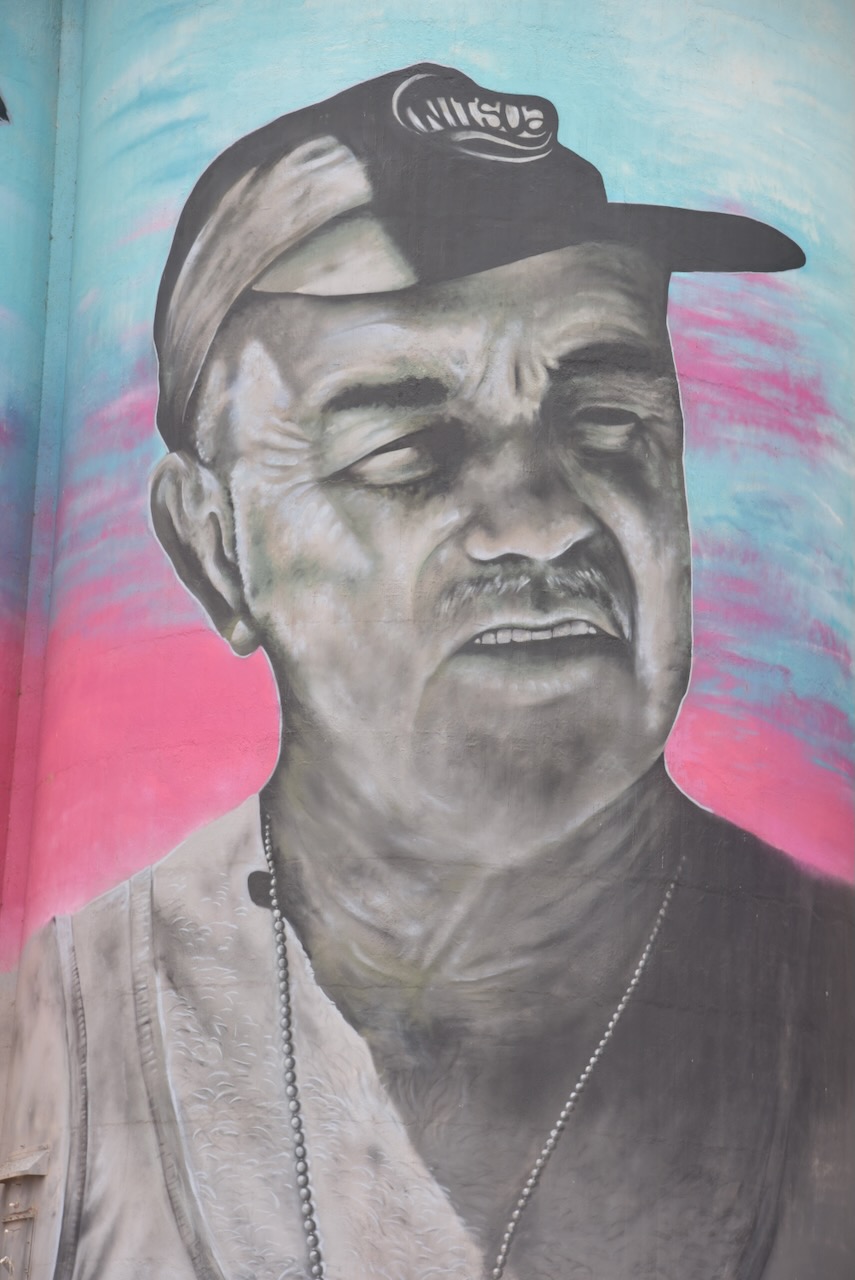
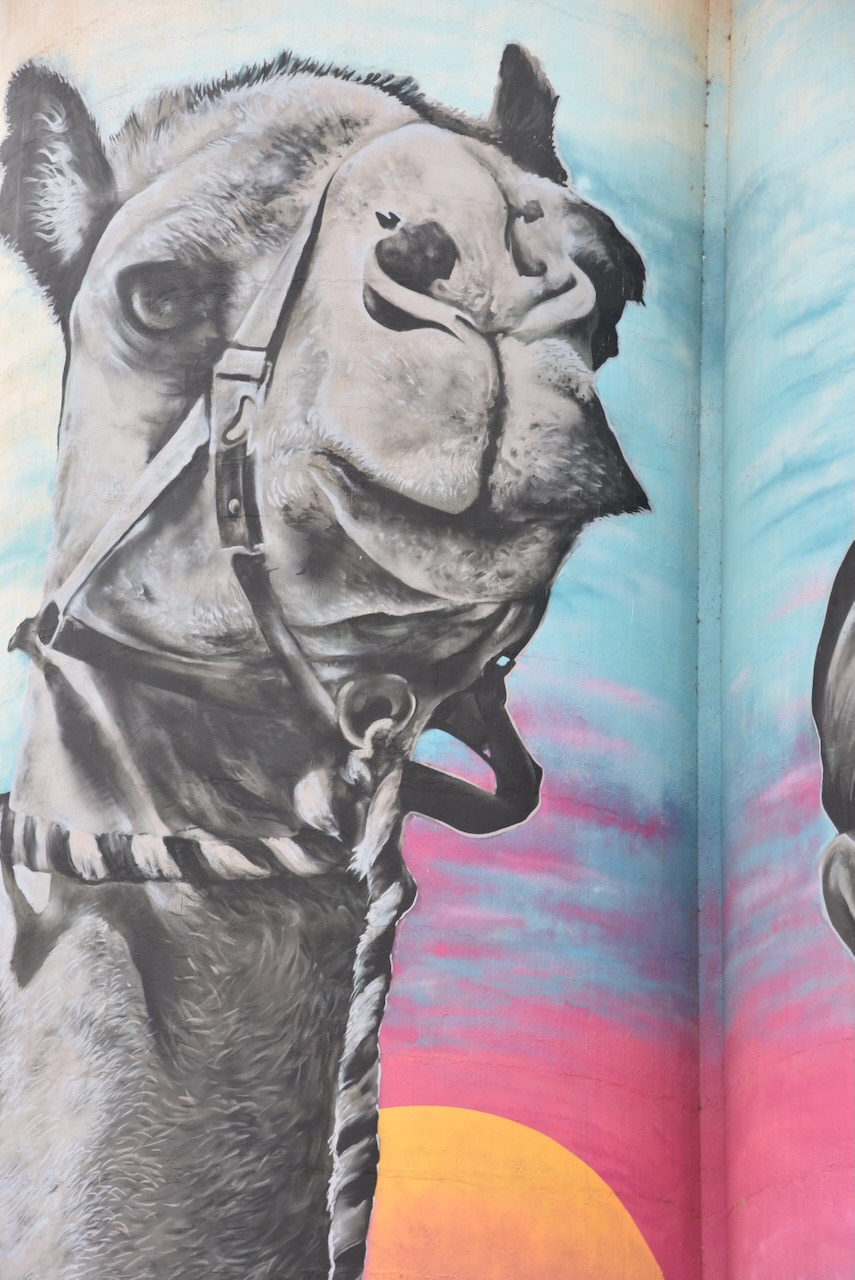
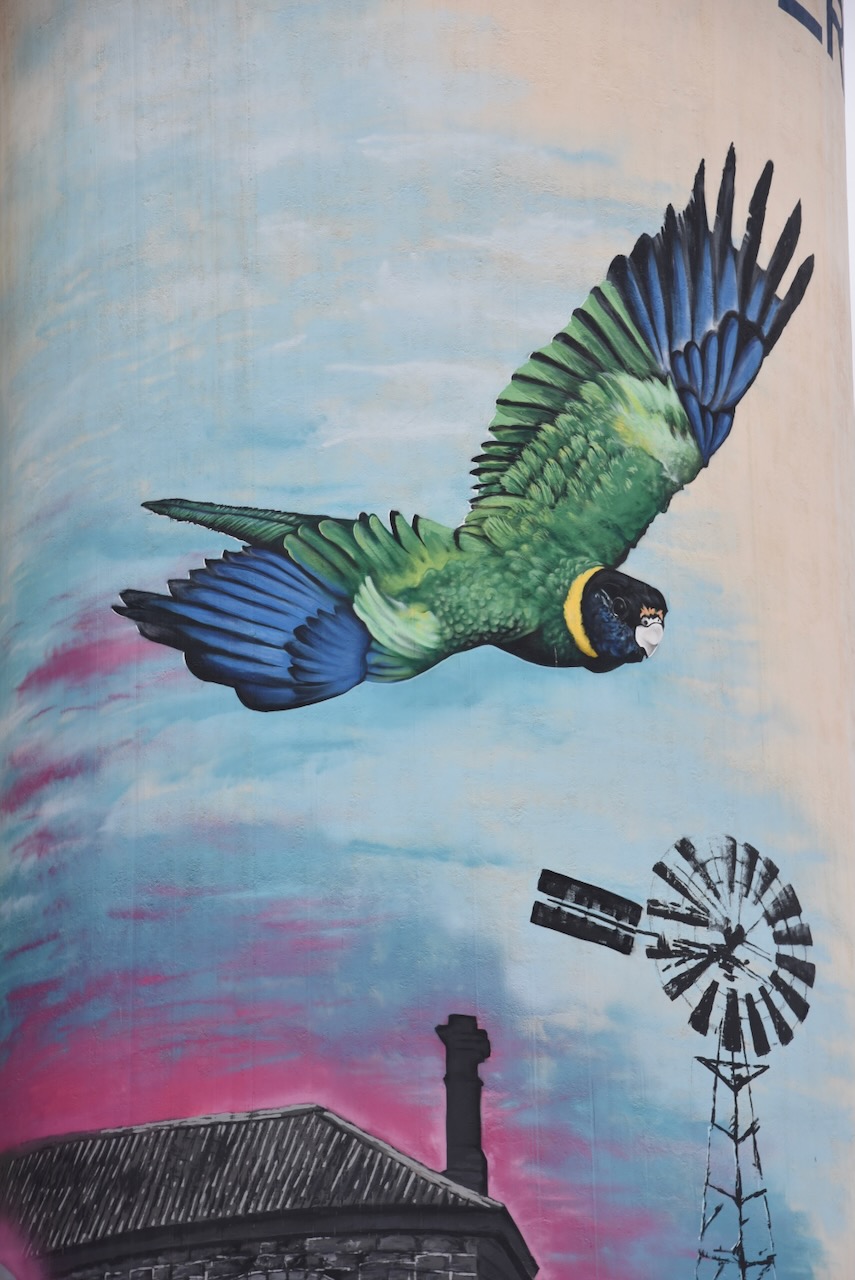
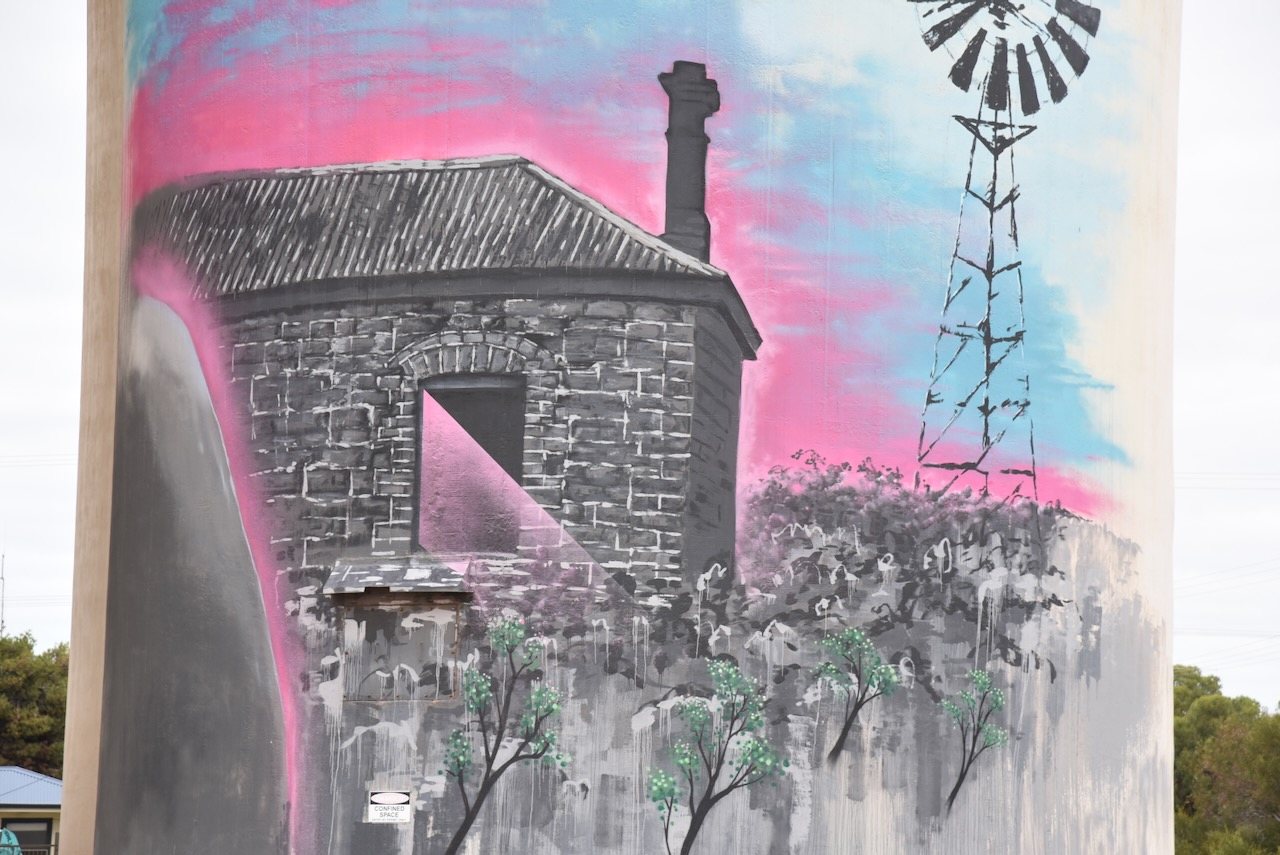
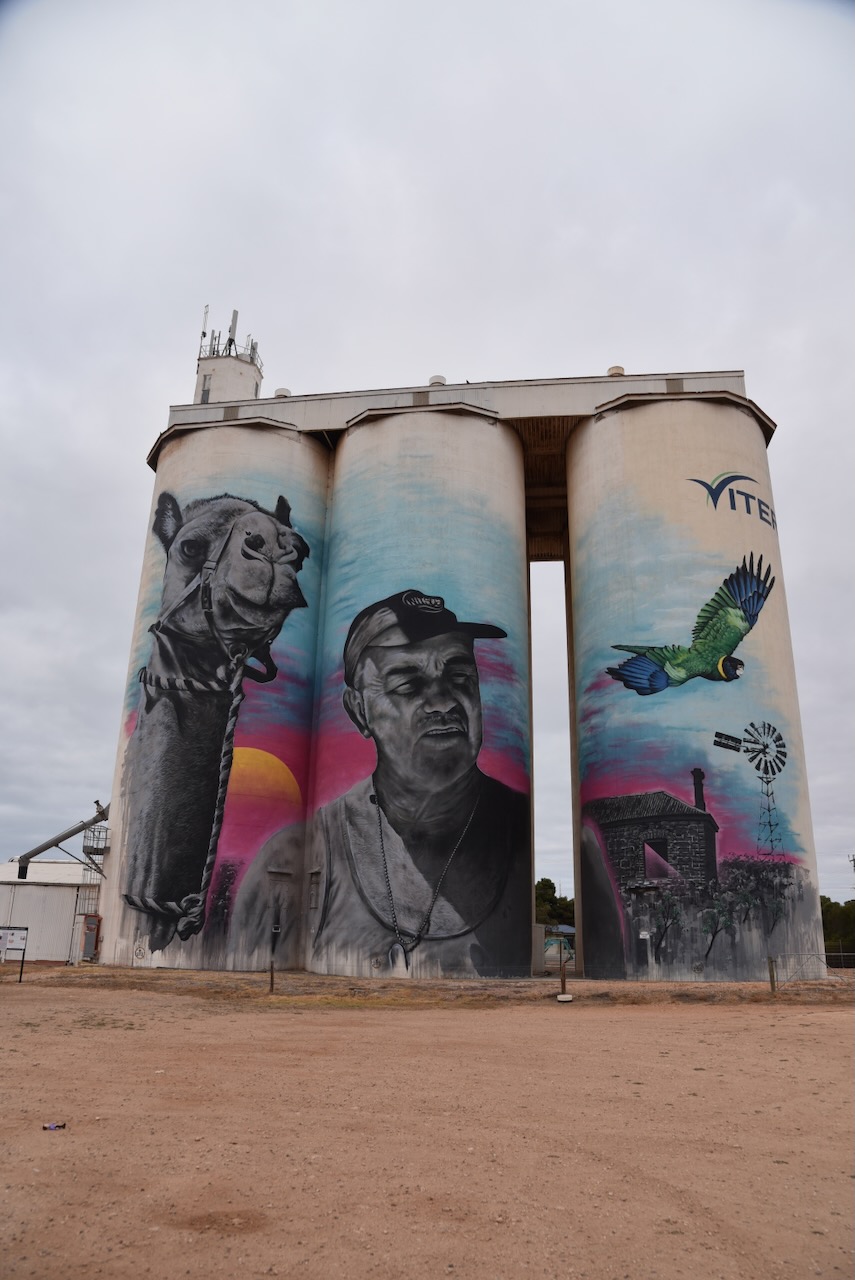
The Cowell silos were completed in September 2019 and are the work of artist Austin ‘! N I T S U A’ Moncrieff. He was assisted by Micheal ‘Schmick’ Motteran-Smith. The main feature of the silo art is that of local Cowell identity Lionel Deer and his camel Diamantina. He has been bringing his camels to the Cowell Christmas pageant for over 30 years. The mural also features a Port Lincoln Parrot and a farmhouse ruin. (Aust SIlo Art 2024)
Below is some drone footage from YouTube of the silo.
I worked the following stations on 40m SSB:-
VK5MAZ
VK2VW
VK2HFI
VK2AKA
VK2BUG
VK3CJN
VK4NH
VK4DXA
VK3CEO
VK3WSG
VK3VIN
VK3PF
VK3NBL
I worked the following stations on 20m SSB:-
VK7XX
VK5MAZ
VK1AO
VK2MET
VK3PF
VK3CJN
VK3QHU
VK7MD/m
VK2IO
VK2VW
VK2HFI
VK2AKA
VK2BUG
VK3CEO
VK3QH
VK4NH
VK4DXA
ZL1HIM
VK3FWR
VK3MAP
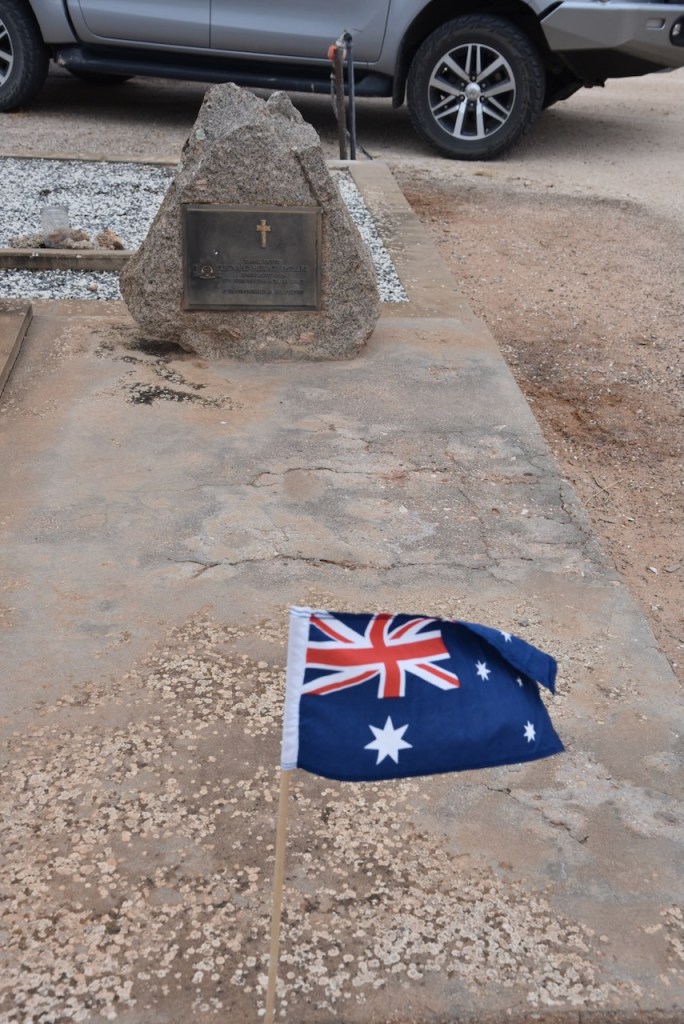
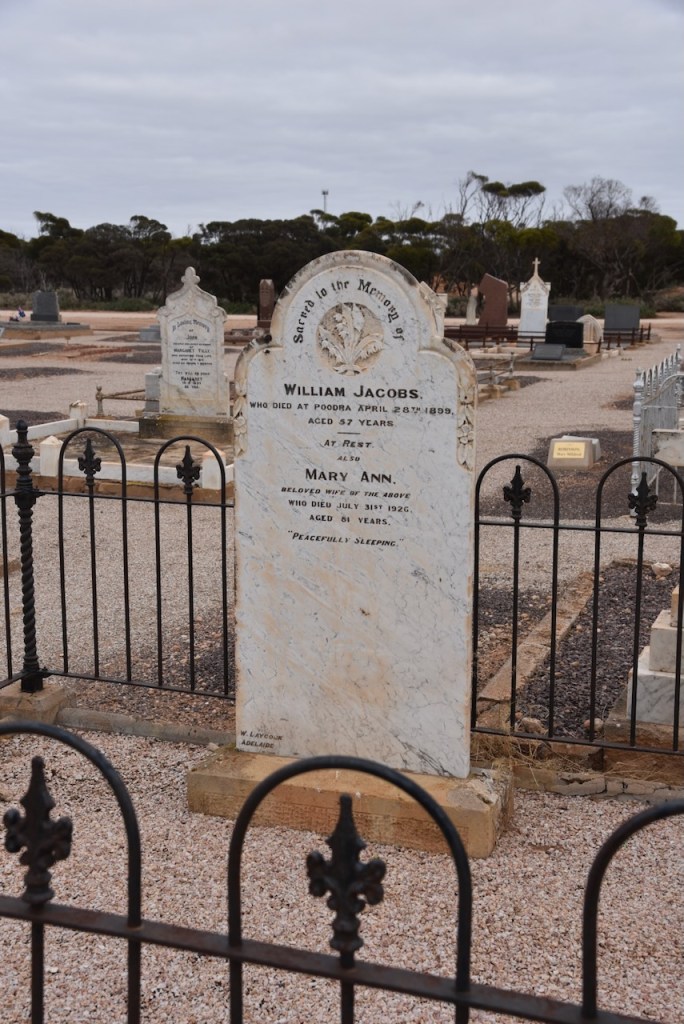
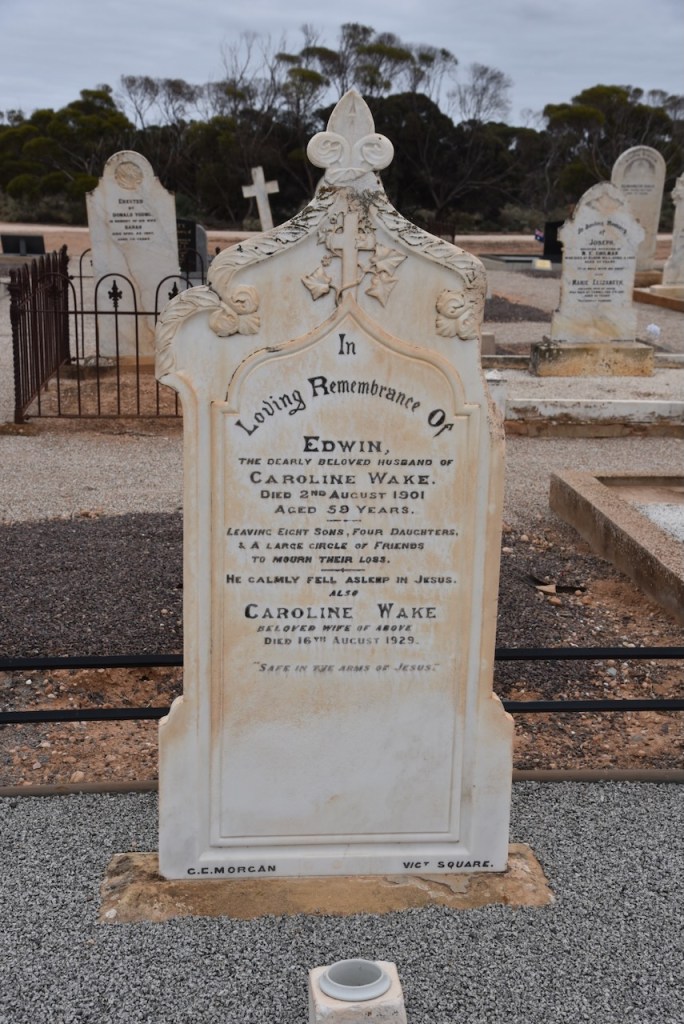
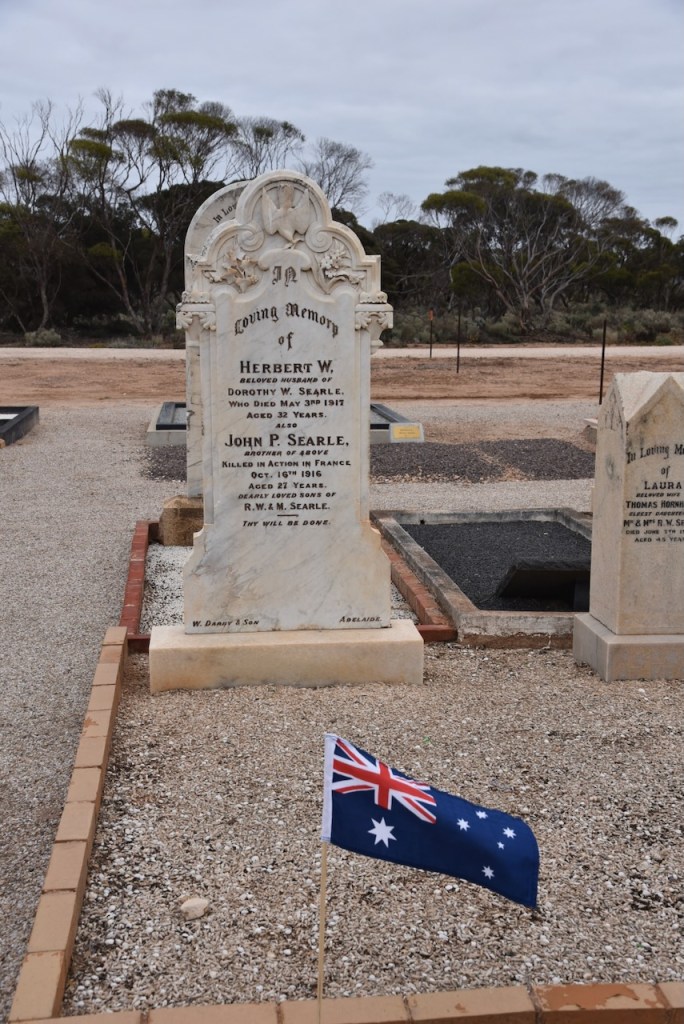
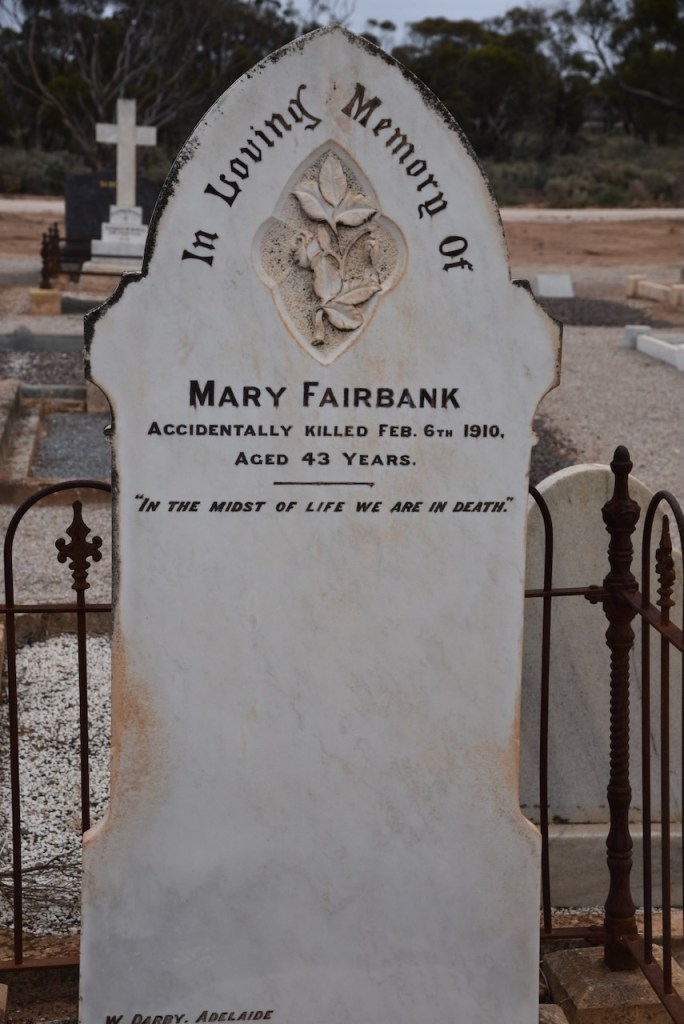
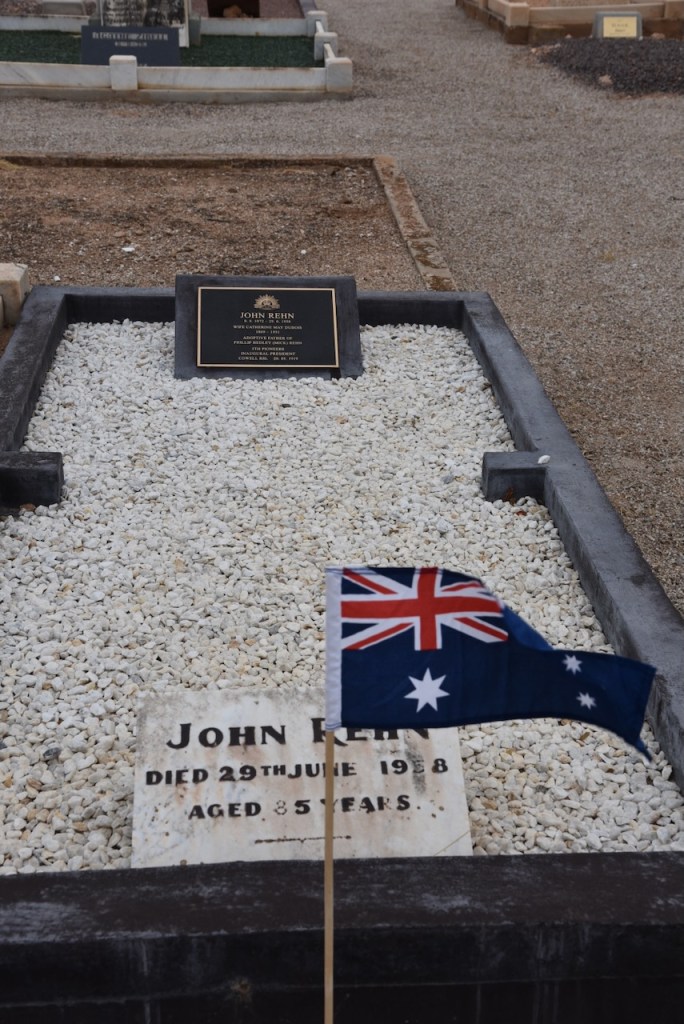
Following my activation of the silo, I paid a quick visit to the Cowell Cemetery. As it was the day after ANZAC Day, numerous burial plots and headstones had the Australian flag flying. It was a reminder of the impact that wars have had on little towns like Cowell.
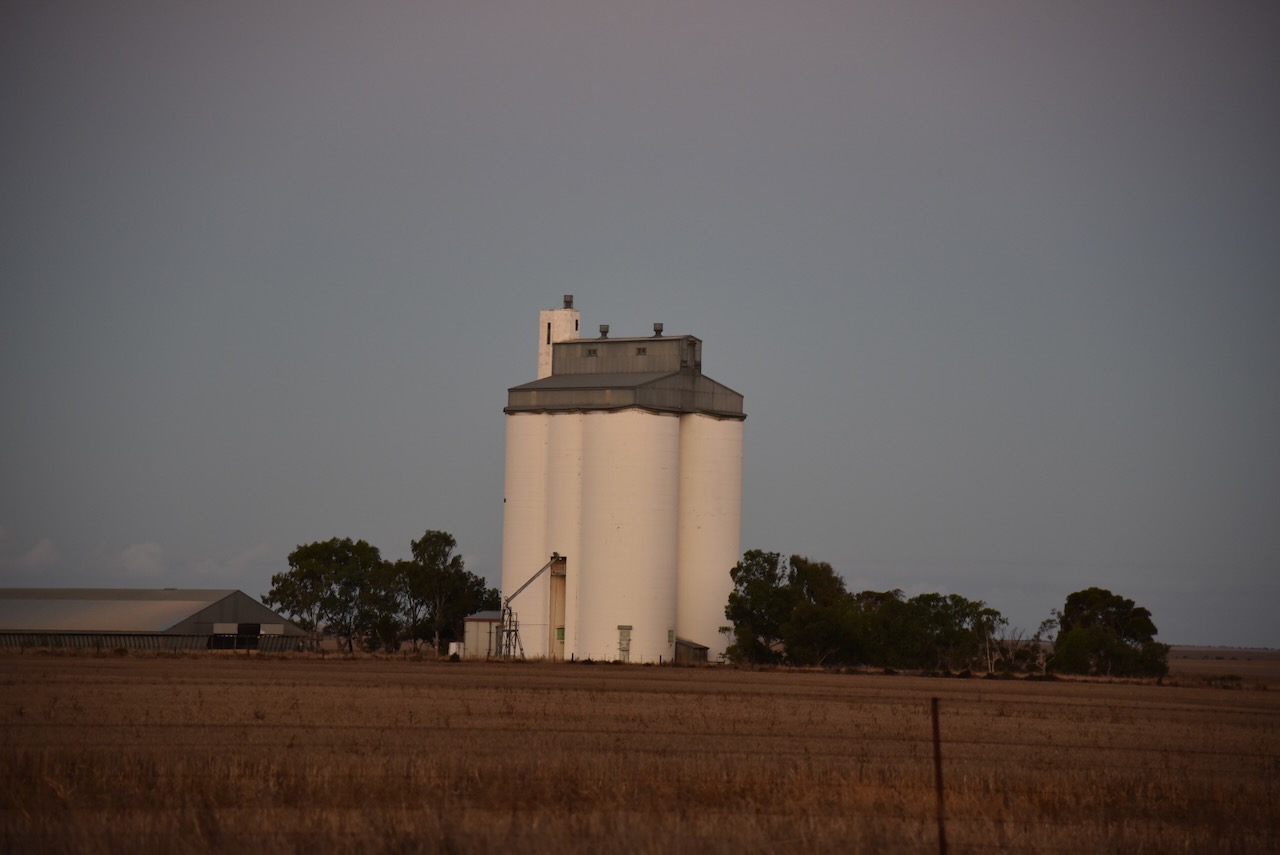
My final activation for Thursday 25th April 2024 was the Wharminda silo VK-WHA5. It was just a short drive from the Wharminda Conservation Park down to the little town of Wharminda.
Blink and you will miss Wharminda. There is not much here nowadays apart from the Wharminda War Memorial Hall.
The Wharminda silos are located on Wharminda Road.
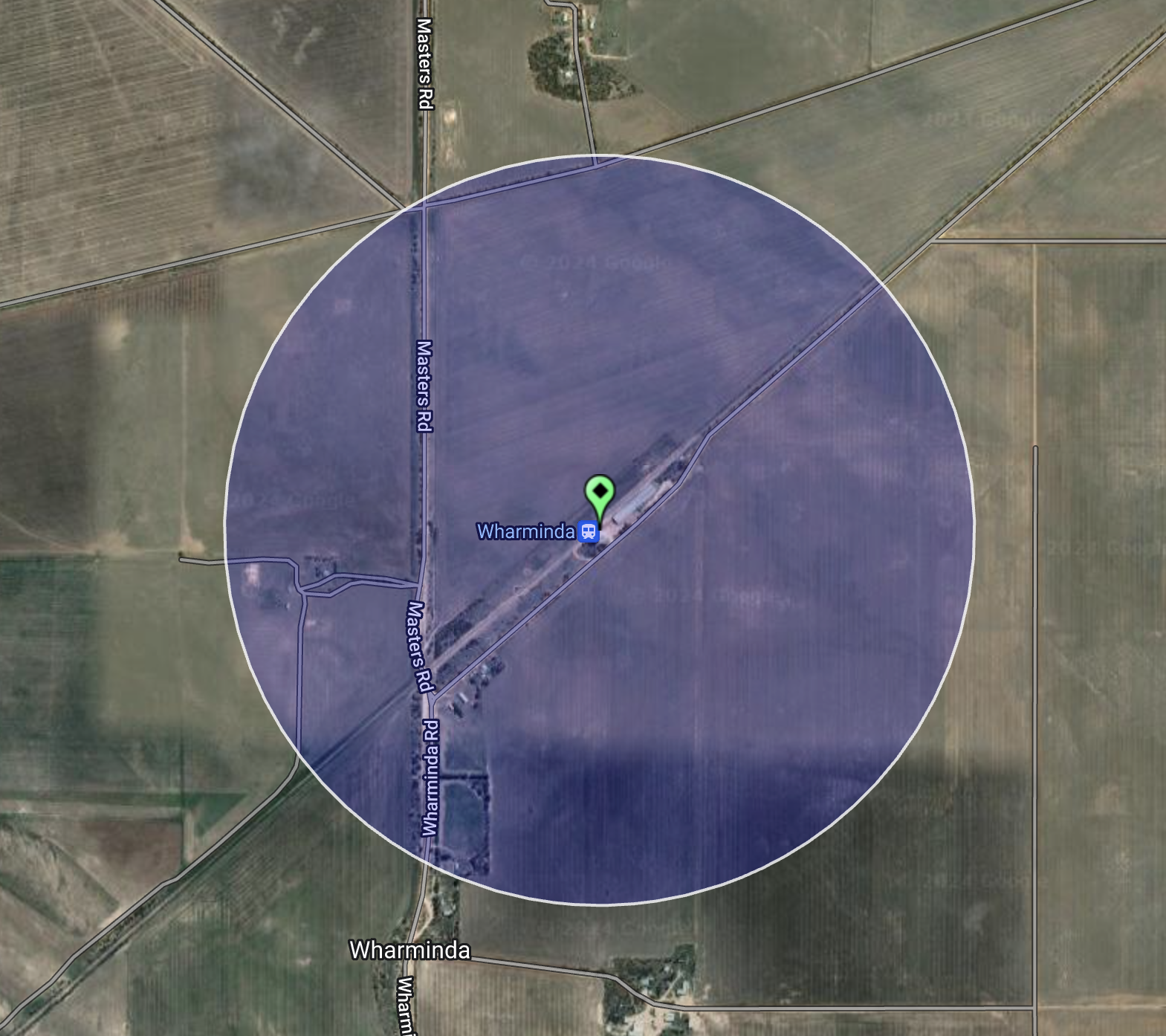
I parked on Wharminda Road right alongside the silo and operated from the 4WD. I ran the Icom IC-7000, 100 watts, and the Codan 9350 antenna with the 1.5-metre stainless steel whip.
Above:- The activation zone at the Wharminda silo. Image c/o SiOTA website.
I worked the following stations on 40m SSB:-
VK5MAZ
AX5MAZ
VK5TUX
VK1AO
VK2MET
AX1AO
AX2MET
VK3APJ
VK4FOX
VK4SMA
VK2IO
VK3GJG/p
VK7PJM
VK3PF
VK3DFG
VK2GMC/1
AX7WN
VK3EJ
After my activation, I went to the Arno Bay Hotel for a very enjoyable meal and then returned to my accommodation at Cowell.
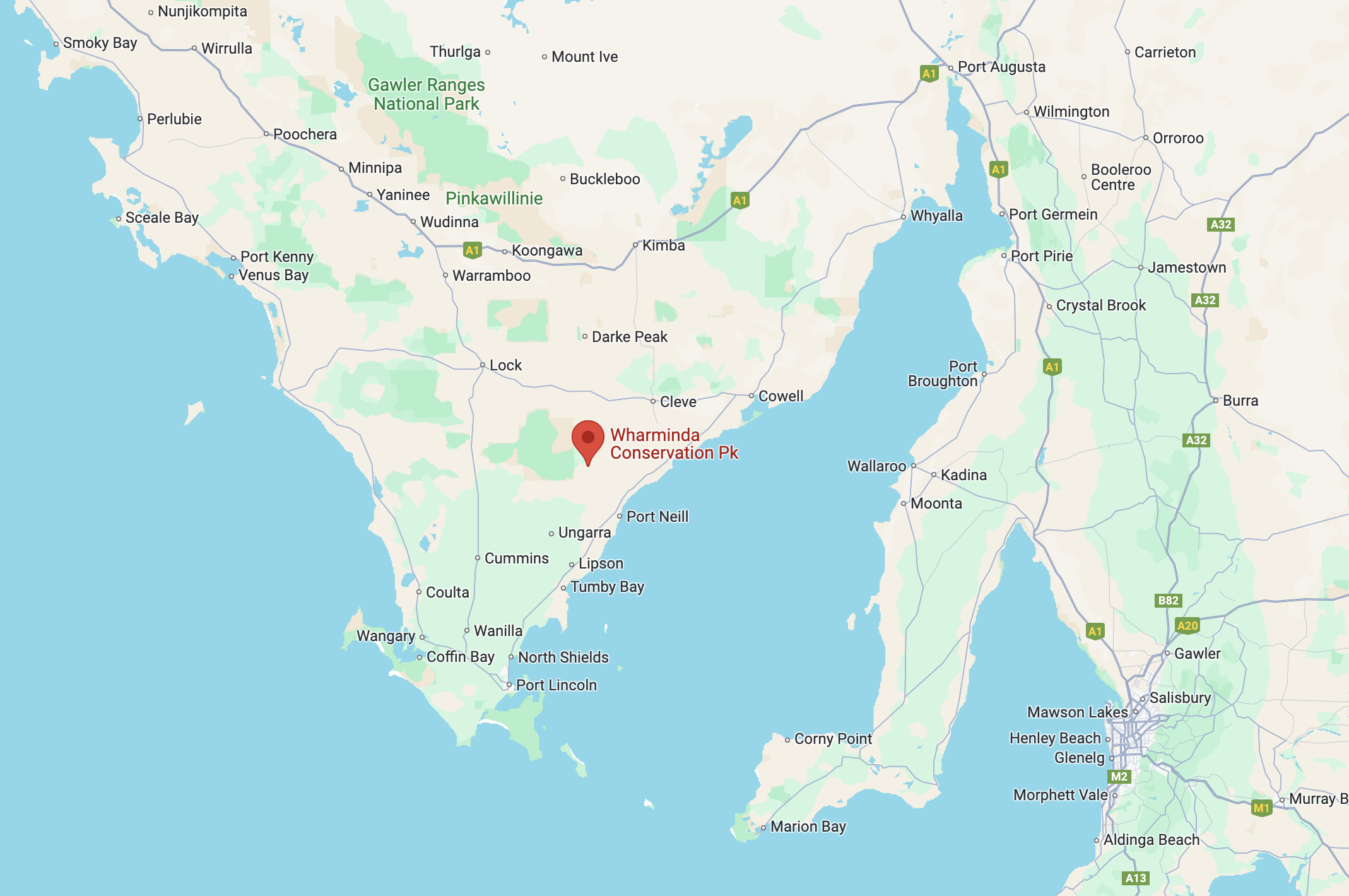
My last park for ANZAC Day, 25th April 2024, was the Wharminda Conservation Park VKFF-1120. The park is located about 334 km west of Arno Bay on the Eyre Peninsula.
Above:- Map showing the location of the Wharminda Conservation Park. Map c/o Google Maps.
Wharminda is an aboriginal word meaning ‘a range of hills’. In 1914 the Wharminda Post Office opened. In that same year, the Wharminda Siding School opened. (Place Names 2012)
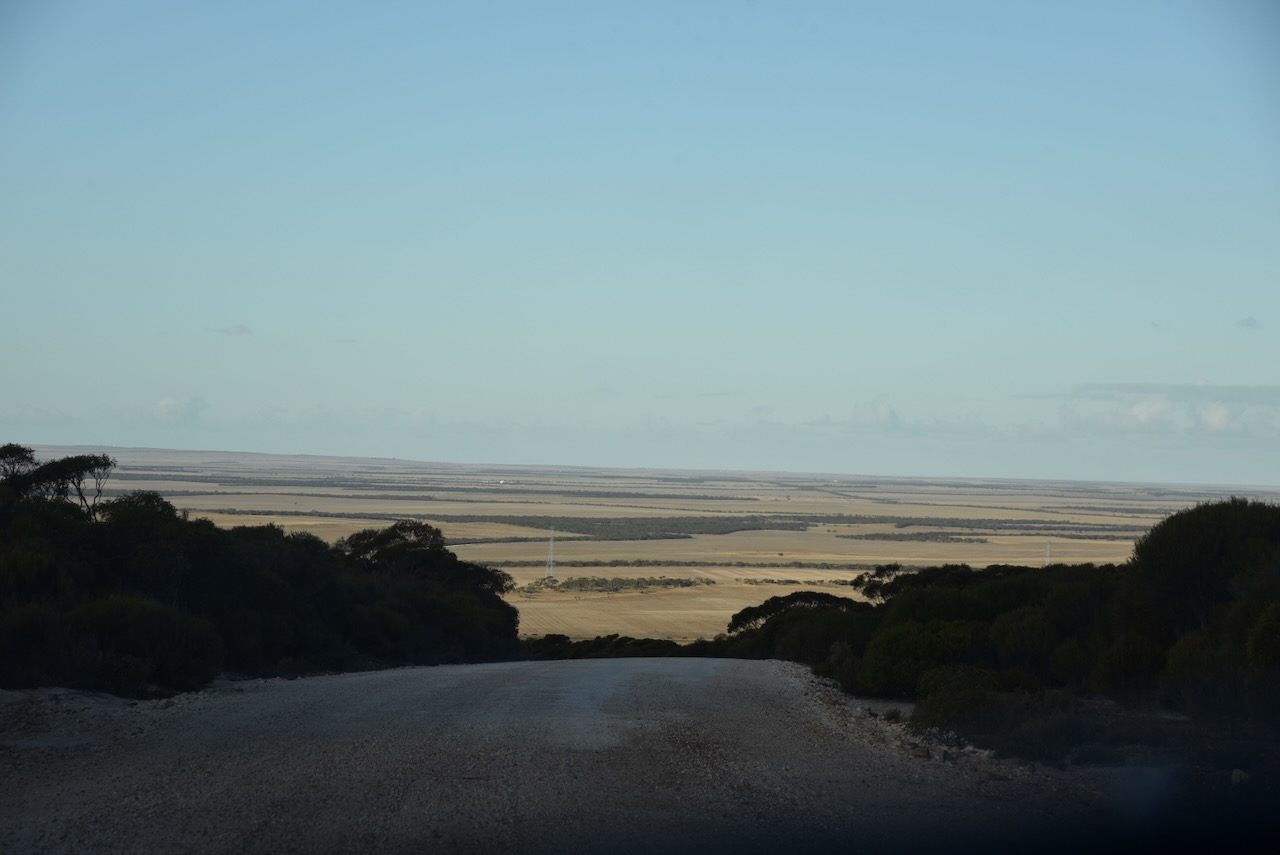
I headed down Range Road from Hincks and enjoyed some nice views of the surrounding countryside.
The park is about 662 acres in size and was established on the 7th day of November 1985. (Wikipedia 2024)
Above:- An aerial view of the park showing its boundaries. Image c/o Google Earth.
The park was gazetted to “conserve remnant vegetation” which is “dominated by mallee and shrubland”. The park has native plants within that are considered as ‘state and regionally rare.’ (Wikipedia 2024)
I ran the Yaesu FT857, 40 watts, and the 20/40/80m linked dipole for this activation.
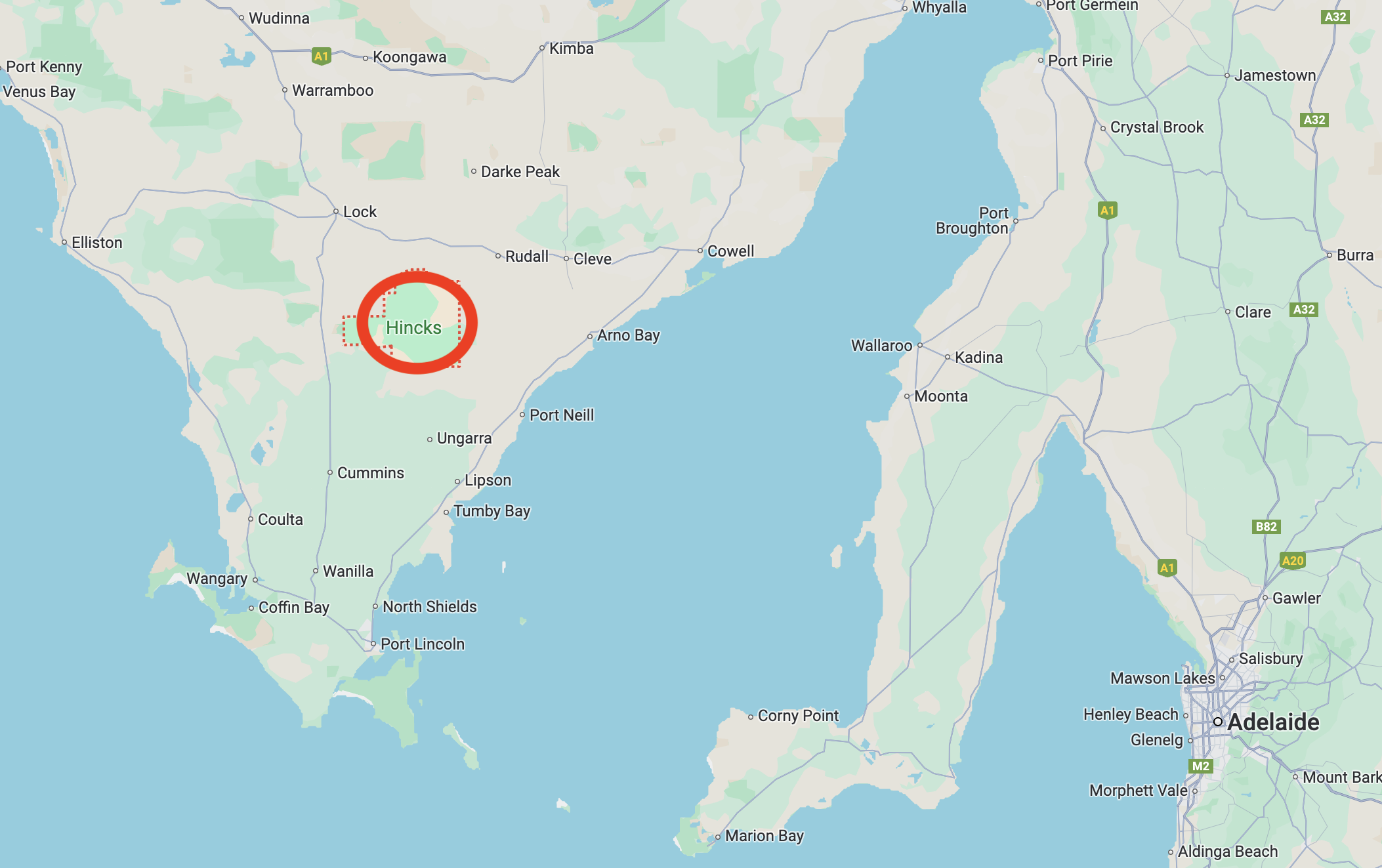
My next activation for ANZAC Day, 25th April 2024, was the Hinks Wilderness Protection Area VKFF-1715. The park is located on the Eyre Peninsula.
This was one of those parks, that had I not activated it and researched it, I probably would not have learnt about the remarkable man that the park is named in honour of.
Above:- Map showing the location of the Hincks Wilderness Protection Area. Map c/o Google Maps.
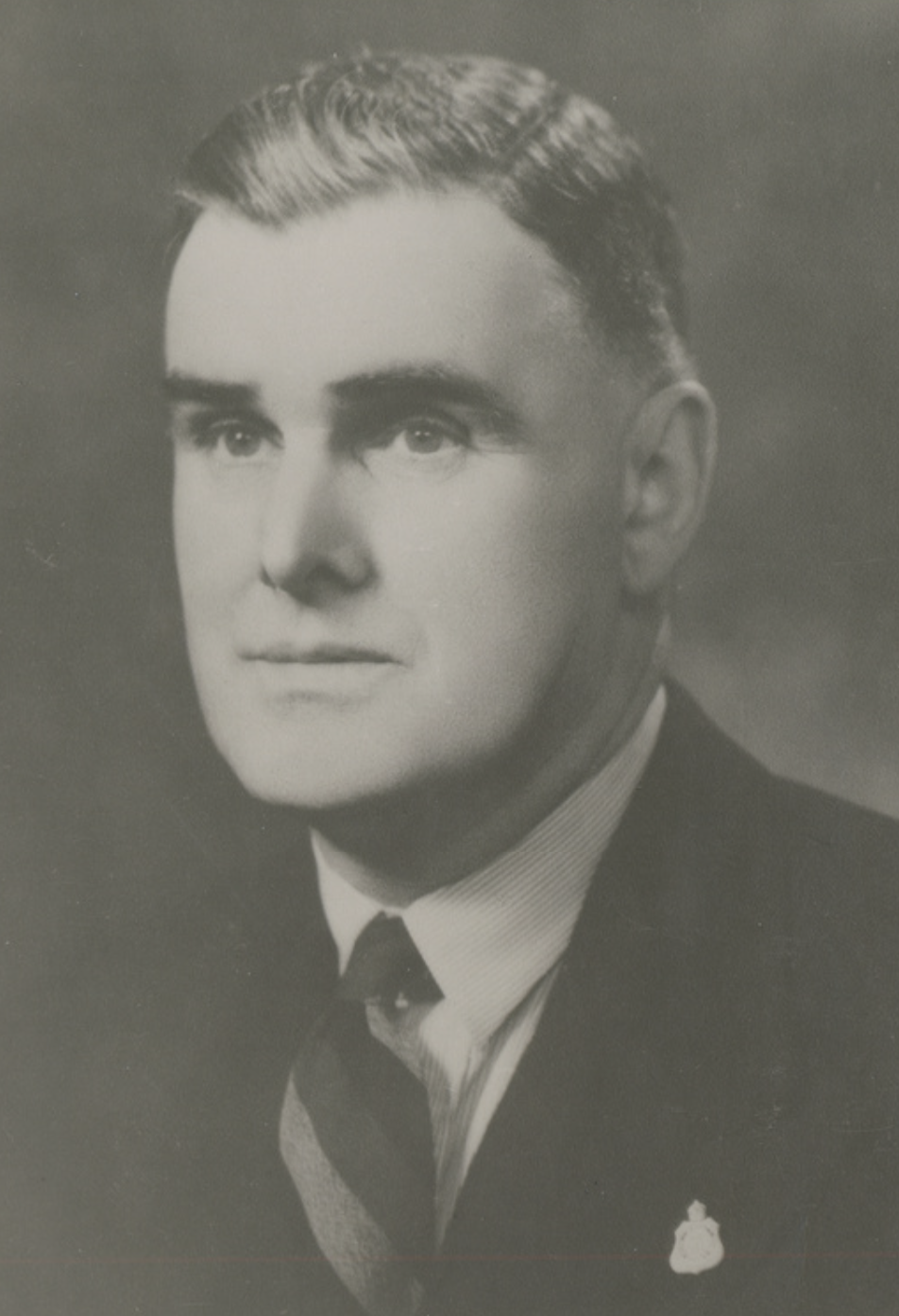
The Hundred of Hincks in the County of Jervois was proclaimed on the 31st day of October 1957. It was named in honour of Sir Cecil Stephen Hincks, an Australian politician who was a member of the South Australian House of Assembly. He was Minister of Lands, Irrigation and Repatriation in Thomas Playford’s government. Hincks was born in February 1894 in Maitland, South Australia. In 1914 he was considered to try out for the Port Adelaide Football Club, but this was cancelled due to the outbreak of the First World War. (Place Names 2012) (Wikipedia 2024)
Above:- Cecil Hincks. Image c/o State Library SA
Hincks served with the 10th Battalion in the Gallipoli campaign, landing at Anzac Cove on 25th April 1915. After developing influenza and an intestinal disease he was evacuated to Mudros and admitted to hospital. About one year later he was discharged from hospital and returned to rejoin his unit on the Western Front. (Wikipedia 2024)
In 1917 at the Battle of Lagnicourt, Hincks received gunshot wounds to his legs and chest. He was evacuated to England. His injured leg was amputated. (Wikipedia 2024)
During the Second World War, he served as an Australian Army recruiting officer. (Wikipedia 2024)
Upon his discharge from the Australian Army, Hincks worked for the Wheat Harvest Board. He then set up his own grain and insurance management business and set up a farm. Hincks was a member of several charitable organisations and a State Councillor in the Returned Sailors Soldiers (and Airmens ) Imperial League (RSL).
In August 1941 at the South Australian State election, Hincks was elected to the South Australian House of Assembly and represented the electoral district of Yorke Peninsula for the Liberal and Country League. In 1946 he was assigned the portfolio Minister of Lands, Irrigation and Repatriation.
He was made a Knight Bachelor in January 1960 for service as Minister of Lands and Repatriation in South Australia. Hincks died from cancer on the 1st day of January 1963. (Wikipedia 2024)
Above:- Sir Cecil Stephen Hincks. Image c/o Wikipedia.
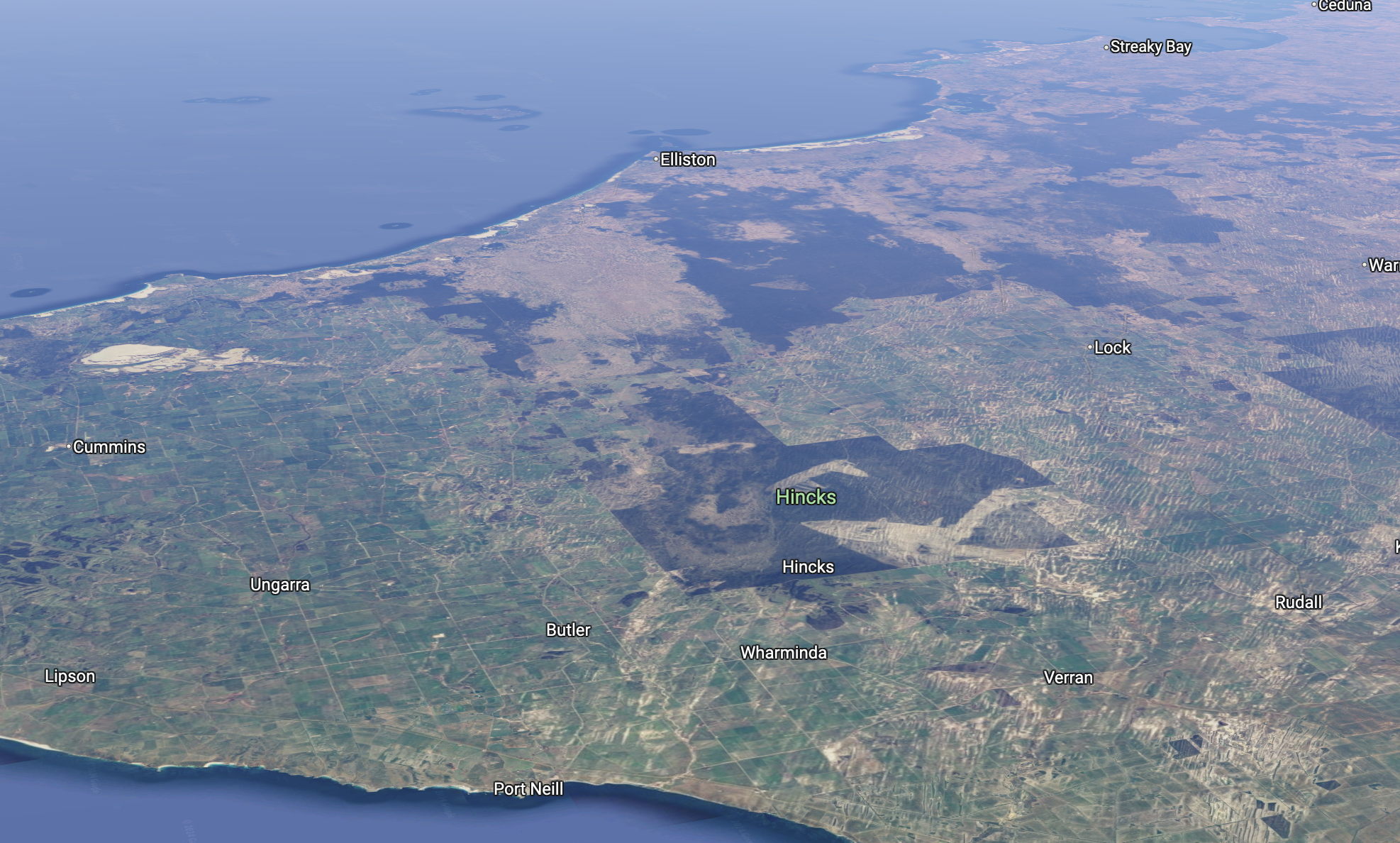
The Hincks Wilderness Protection Area is 16,471 acres in size and was proclaimed under the Wilderness Protection Act 1992 on the 30th day of September 2004 on land excised from the Hincks Conservation Park. The land was originally set aside as a Flora & Fauna Reserve in 1941. (Wikipedia 2024)
Above:- An aerial view of the park. Image c/o Google Maps.
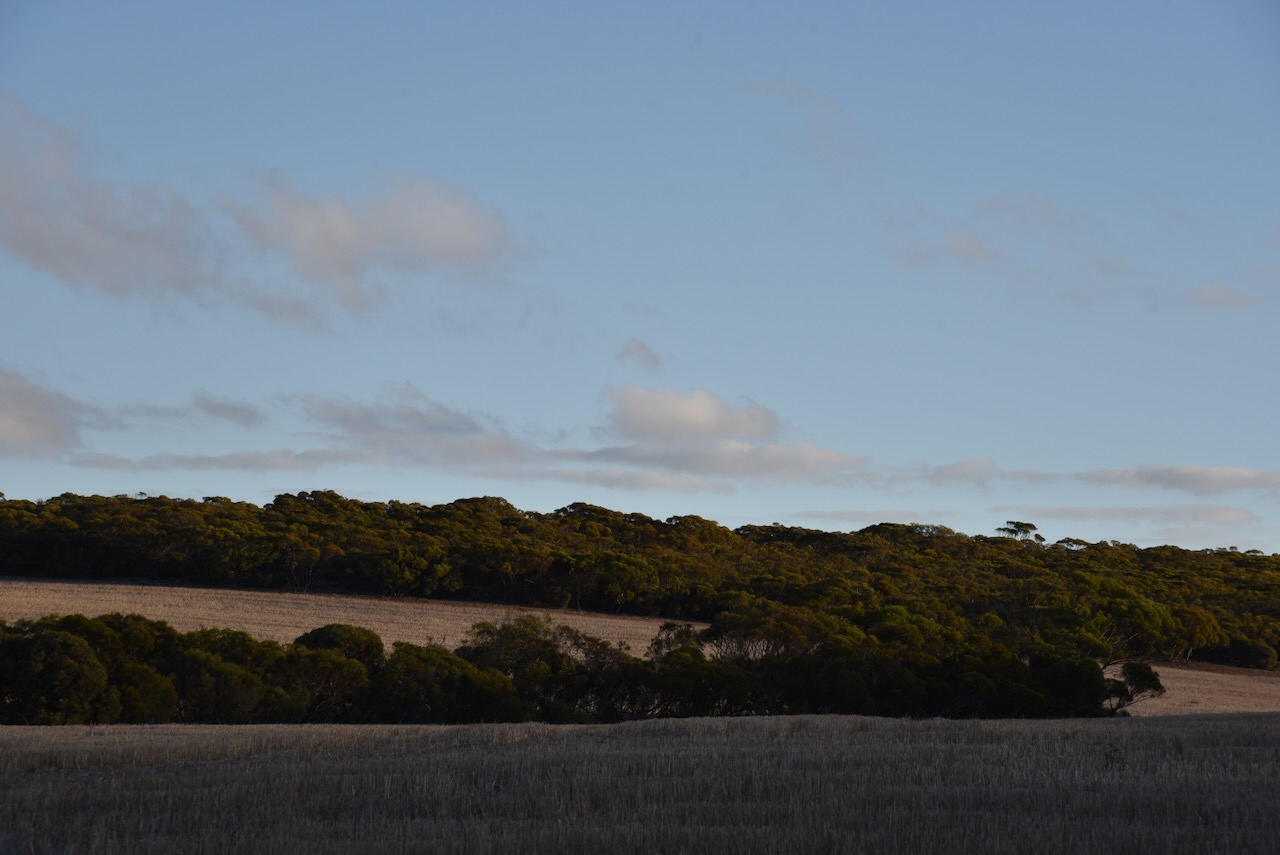
The Hincks Wilderness Protection Area is one of the largest expanses of Mallee on the Eyre Peninsula. About 420 species of native plants have been recorded in the park, including 28 orchids. Of the 420 species, 91 (including four species of orchid) had not previously been recorded on any other reserve in South Australia. The wilderness protection area is dominated by Mallee, with a small portion covered by forest, woodland, or shrubland. (Wikipedia 2024)
Above:- An aerial view of the park showing its boundaries.
I accessed the park via its eastern side. I ran the Yaesu FT857, 40 watts, and the 20/40/80m linked dipole.
I made a total of 100 QSOs including quite a bit of DX.
I worked the following stations on 20m SSB:-
VK7XX
VK3UAO
VK5MAZ
AX5MAZ
VK4EW
AX4EW
OH1MM
ON3YB
VK4NH
VK4DXA
AX4NH
AX4DXA
ON4VT
OH1XT
VK3PWG
VK3ZPF
VK2IO
VK3DL
VK3EJ
IZ5JMZ
VK3VIN
AX3PF/p (Traralgon South Flora & Fauna Reserve VKFF-2464)
ZL1TM
UT5PI
IK1GPG
VK2VW
VK2HFI
VK3CEO
VK3GJG
VK3SPG
AX7MAD
AX5HS
VK4MUD
VK3APJ
SQ2WKQ
F1BLL
S52KM
PH9HB
OH2LIO
OG7J
IW2BNA
OH2CGU
EA5JMN
VK1AO
VK2MET
AX1AO
AX2MET
VK4CZ
VK3CWF
VK3PI
VK3SQ
VK2BD
KG5CIK
IU3GKJ
VK2HAK
VK3SO
VK3SFG
VK2USH
SQ9CWO
VK4EMP
VK4TI
IZ2ZPT
AX3ACZ
DJ1SD
I worked the following stations on 40m SSB:-
VK5MAZ
AX5MAZ
AX3PF/p (Traralgon South Flora & Fauna Reserve VKFF-2464)
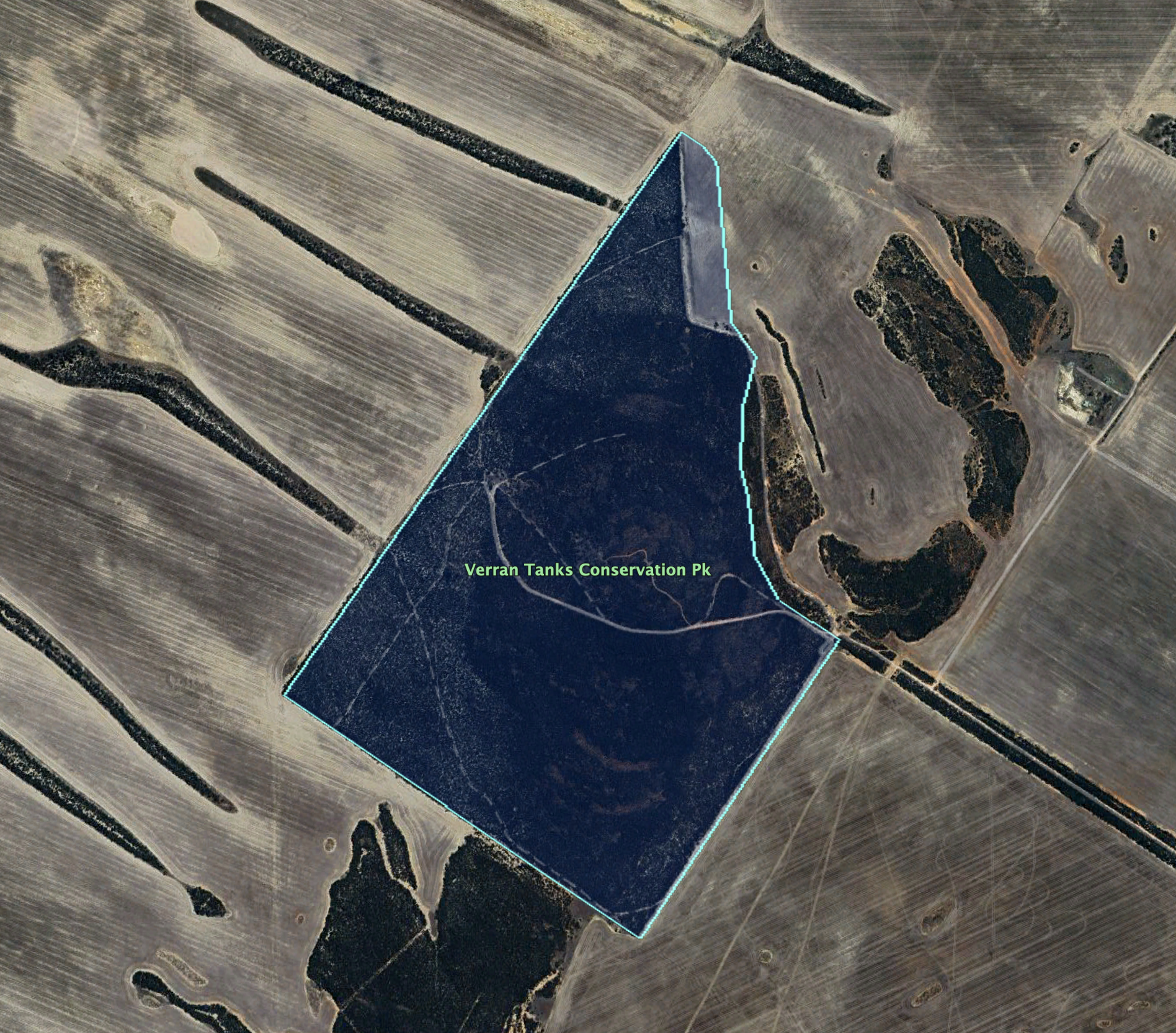
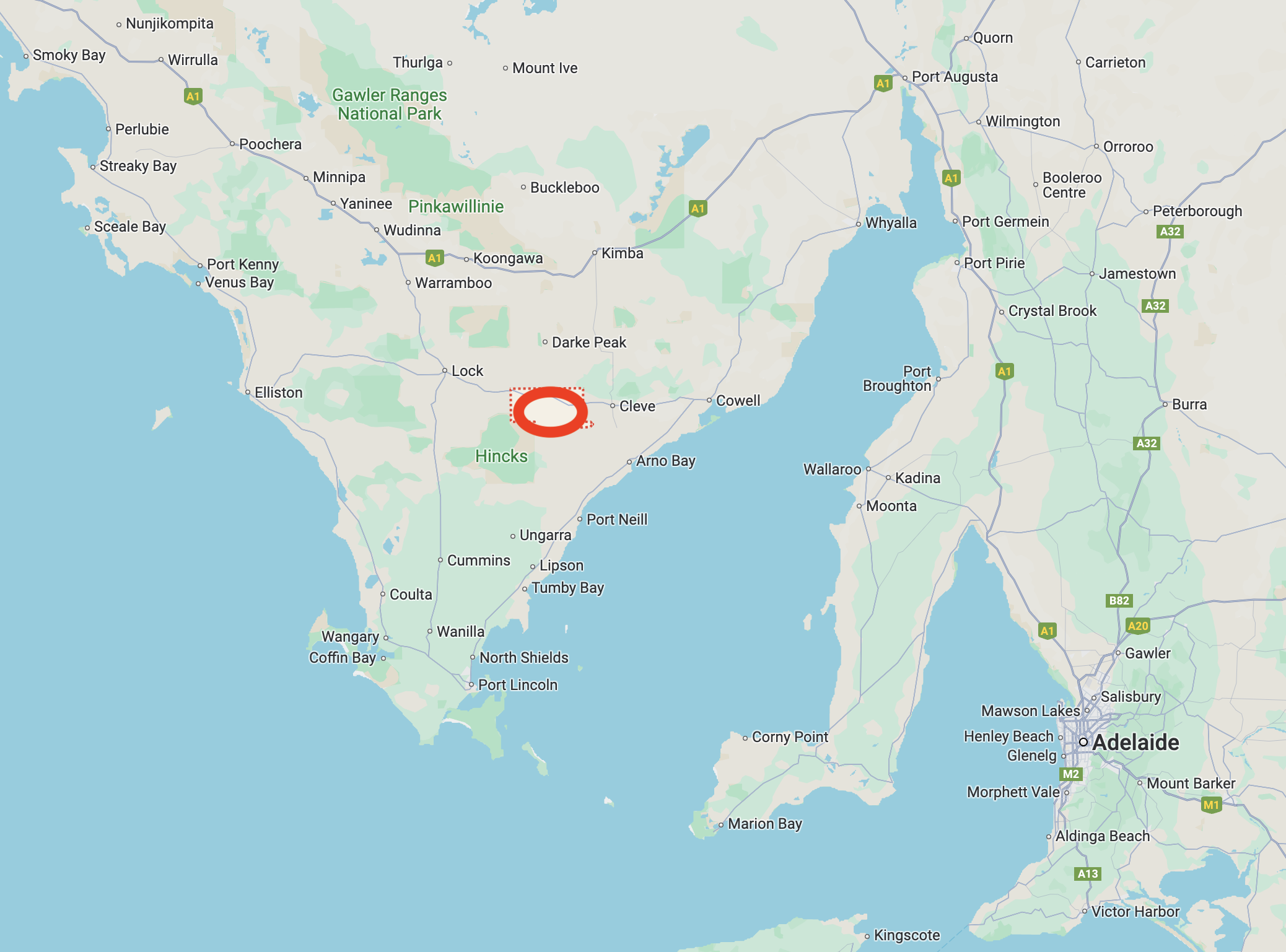
My next activation for 25th April 2024 was the Verran Tanks Conservation Park VKFF-1112. The park is located about 35 km west of Arno Bay on the Eyre Peninsula.
Above:- Map showing the location of the Verran Tanks Conservation Park. Map c/o Google Maps.
I headed south from Rudall and soon reached the little town of Verran. The town takes its name from the Hundred of Verran which in turn was named in honour of John Verran, an Australian politician and trade unionist. He served as Premier of South Australia from 1910 to 1912. (Cleve 2020) (Wikipedia 2024)
Above:- John Verran. Image c/o Wikipedia.
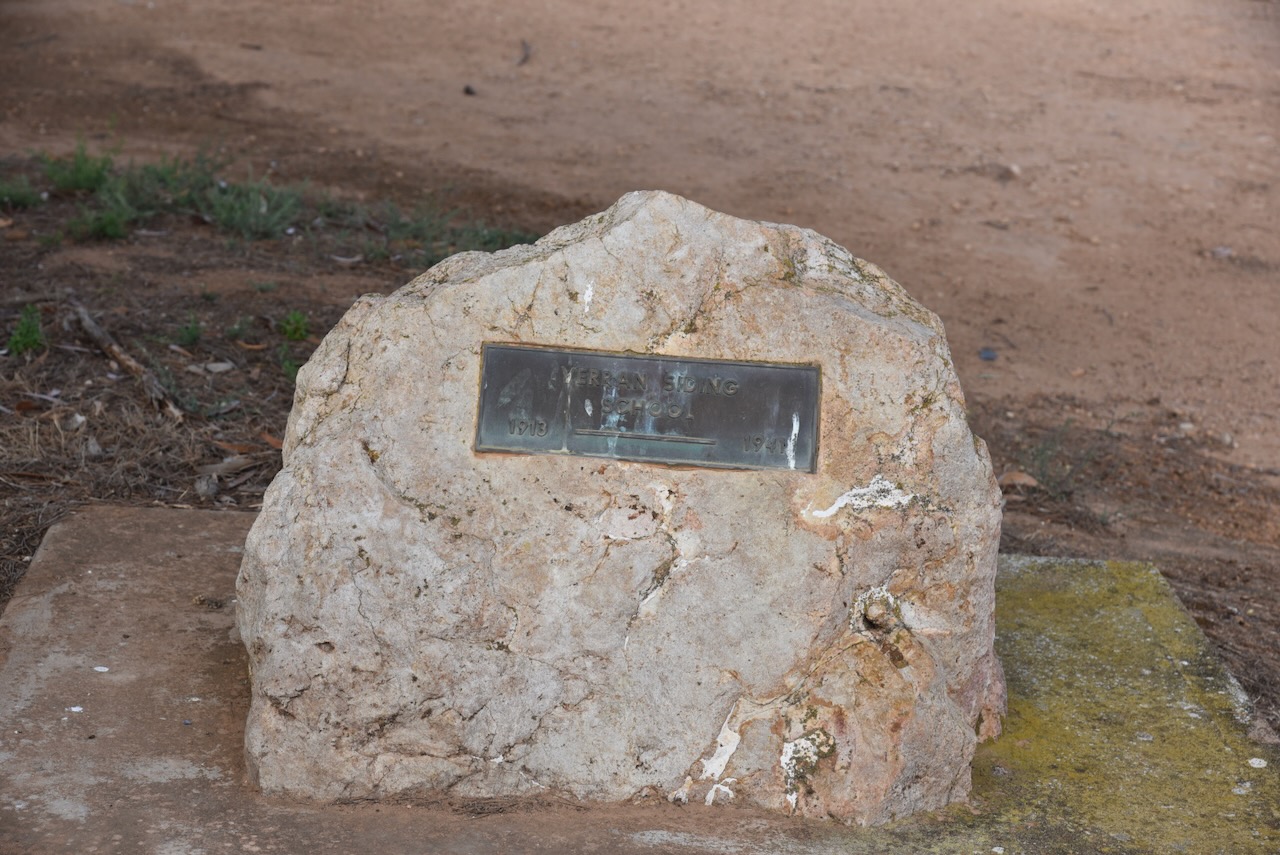
Verran has the Driver River Uniting Church and a monument to mark the site of the Verran SIding School which operated from 1913 to 1941. (Cleve 2020)
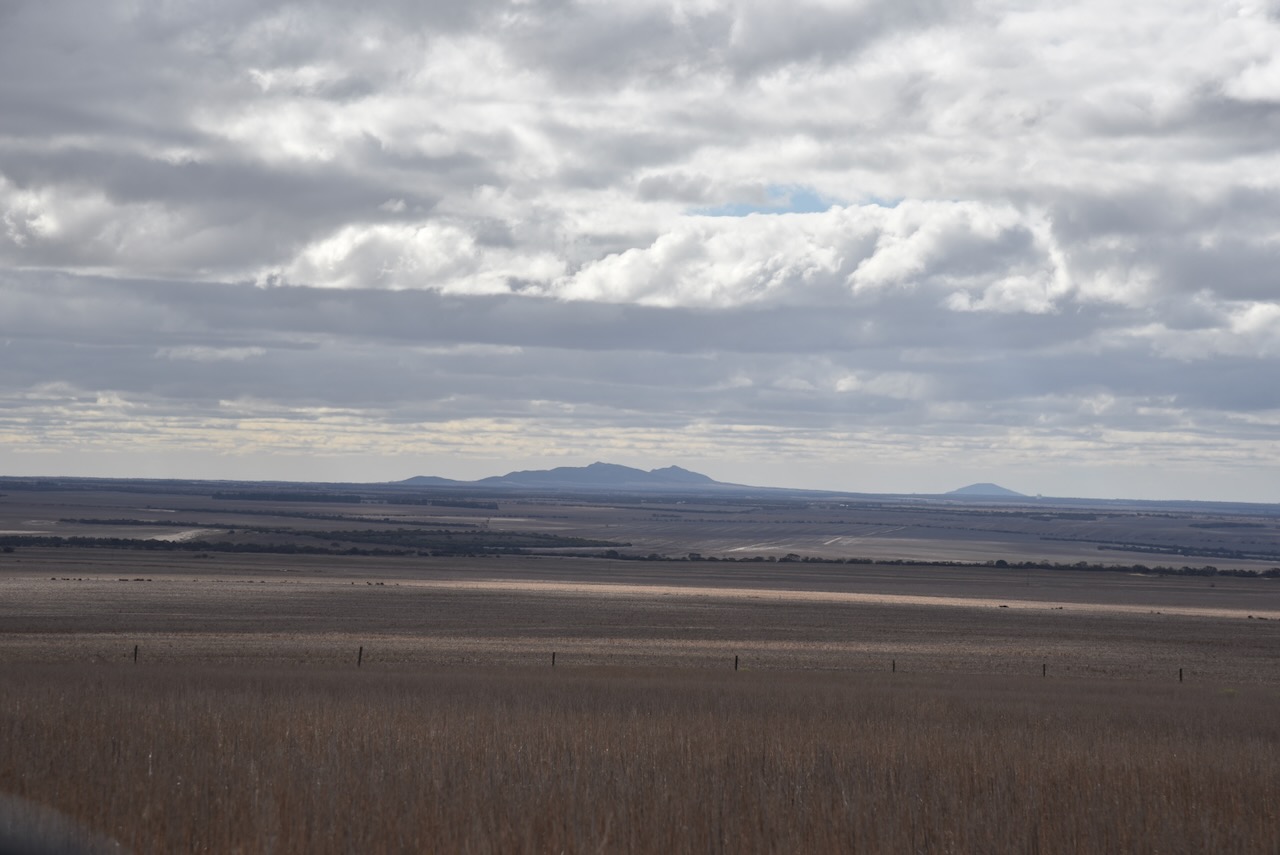
As I travelled to the park I could see some of the summits that qualify for Summits On The Air (SOTA) in the distance. Unfortunately, I did not have the time to activate them.
The park is about 294 acres in size and was 28th July 1983. The park was originally a water reserve. It takes its name from a water storage facility known as the “Verran Tank.” (Wikipedia 2024)
The park is on the northwestern side of Pahls Hill Road.
Above:- An aerial view of the Verran Tanks Conservation Park. Image c/o Google Earth.
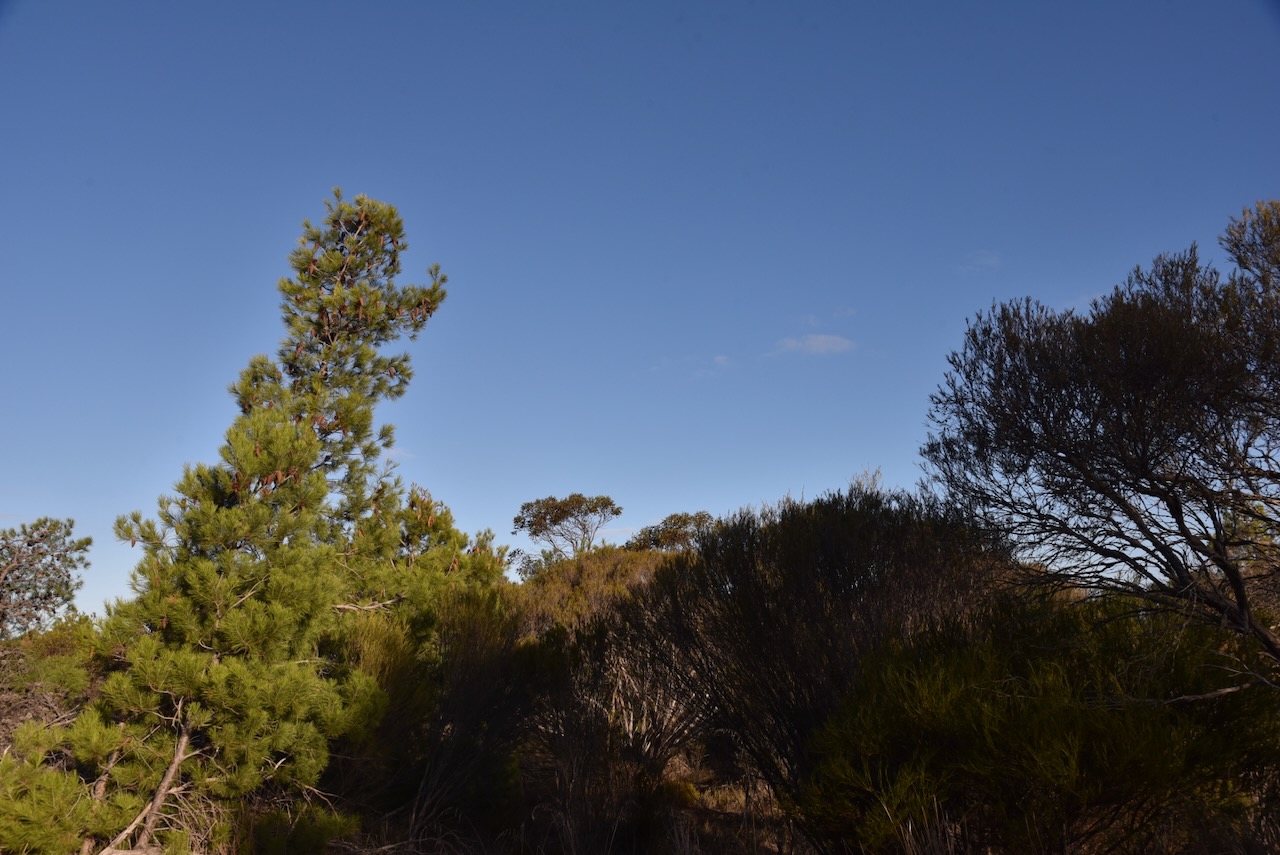
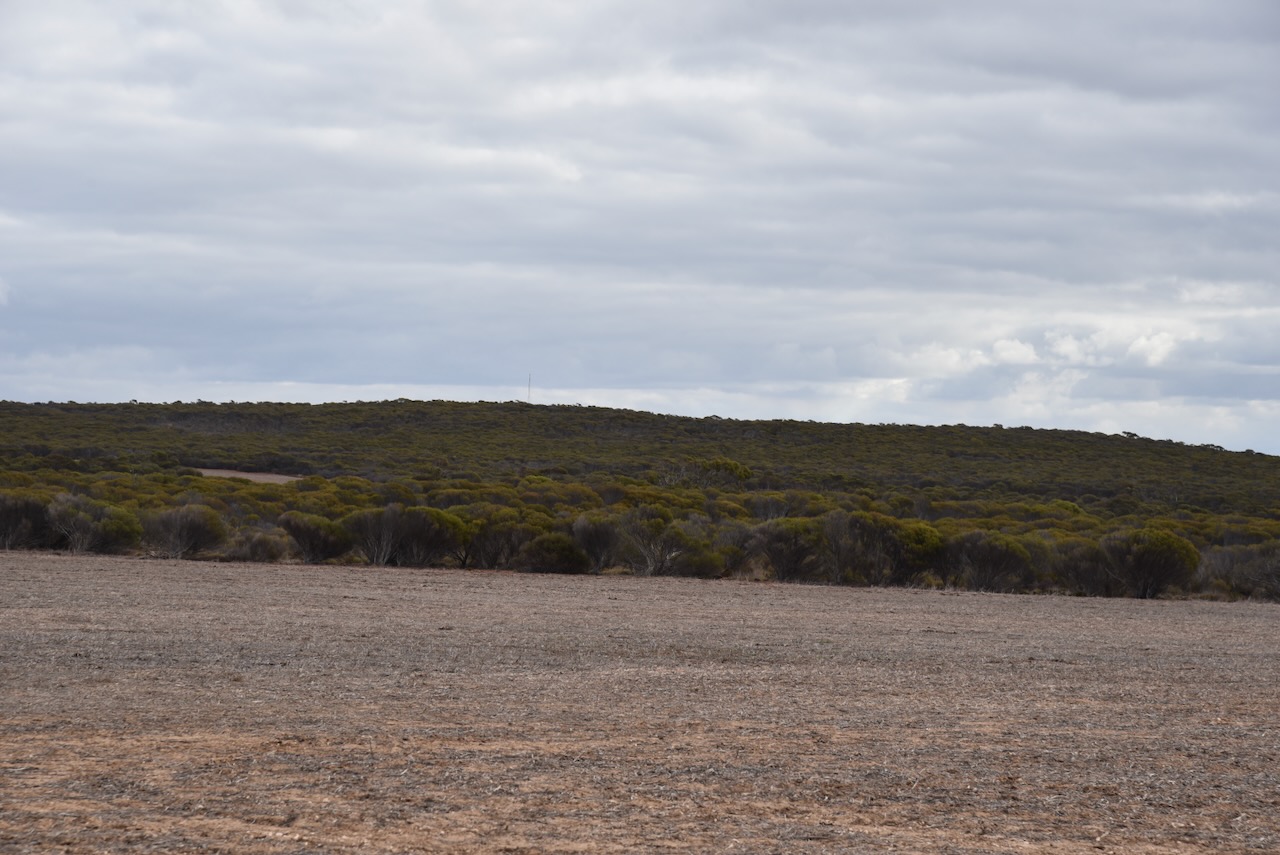
Verran Tanks Conservation Park consists of mallee scrub.
I ran the Yaesu FT857, 40 watts, and the 20/40/80 m linked dipole.
I worked the following stations on 20m SSB:-
VK7XX
ZL2GLG
VK2HDT
AX5QA
AX4DXA
AX4NH
VK4NH
VK4DXA
AX4EI
VK4PDX
I4RHP
IW2NXI
M7CBI
OH1MM
VK5MAZ
AX3PF/p (Traralgon South Flora & Fauna Reserve VKFF-2464)
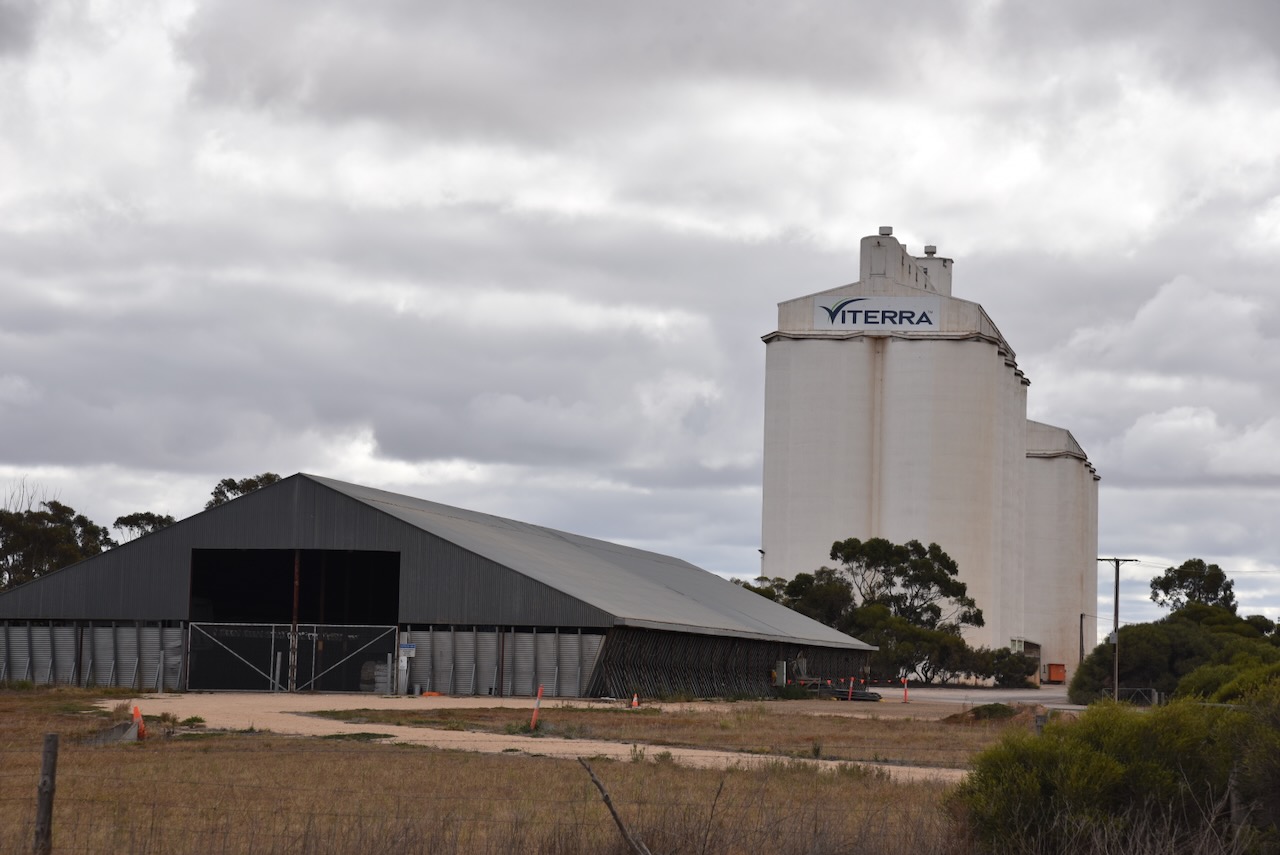
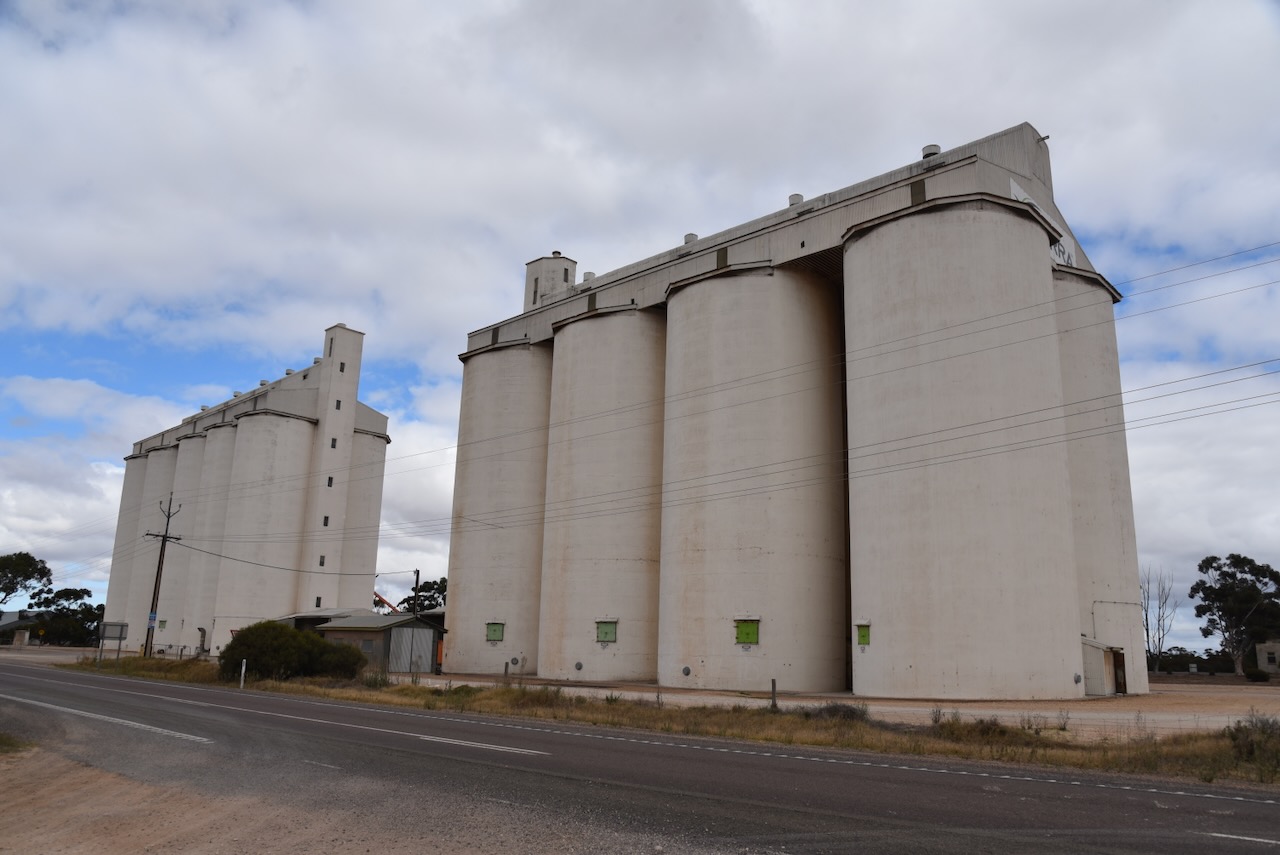
After packing up at the Rudall Conservation Park (25th April 2024), I headed into the little town of Rudall to activate the Rudall silo VK-RDA5.
Above:- Map showing the location of Rudall. Map c/o Google Maps.
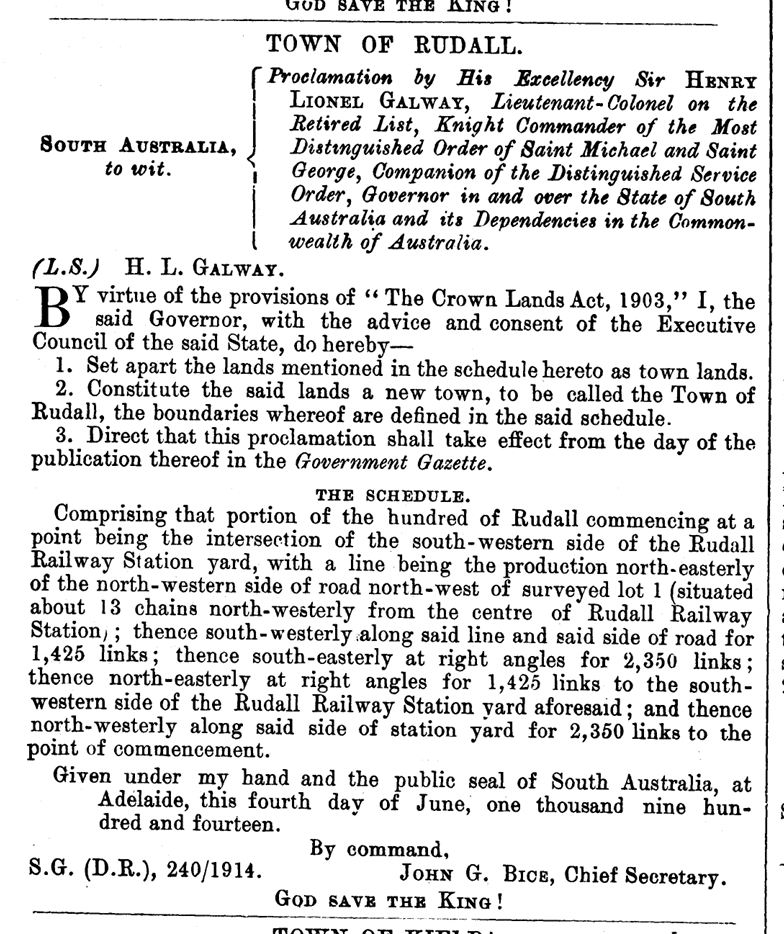
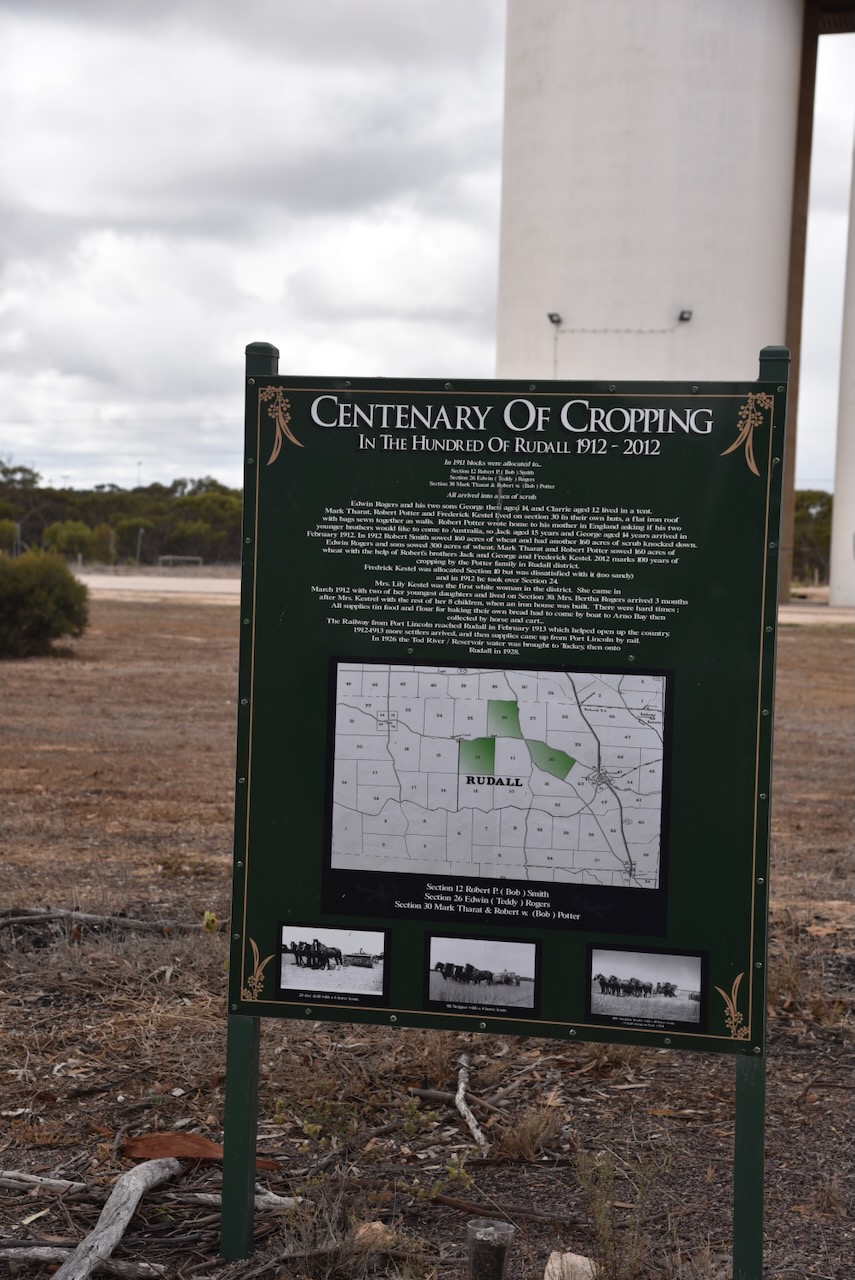
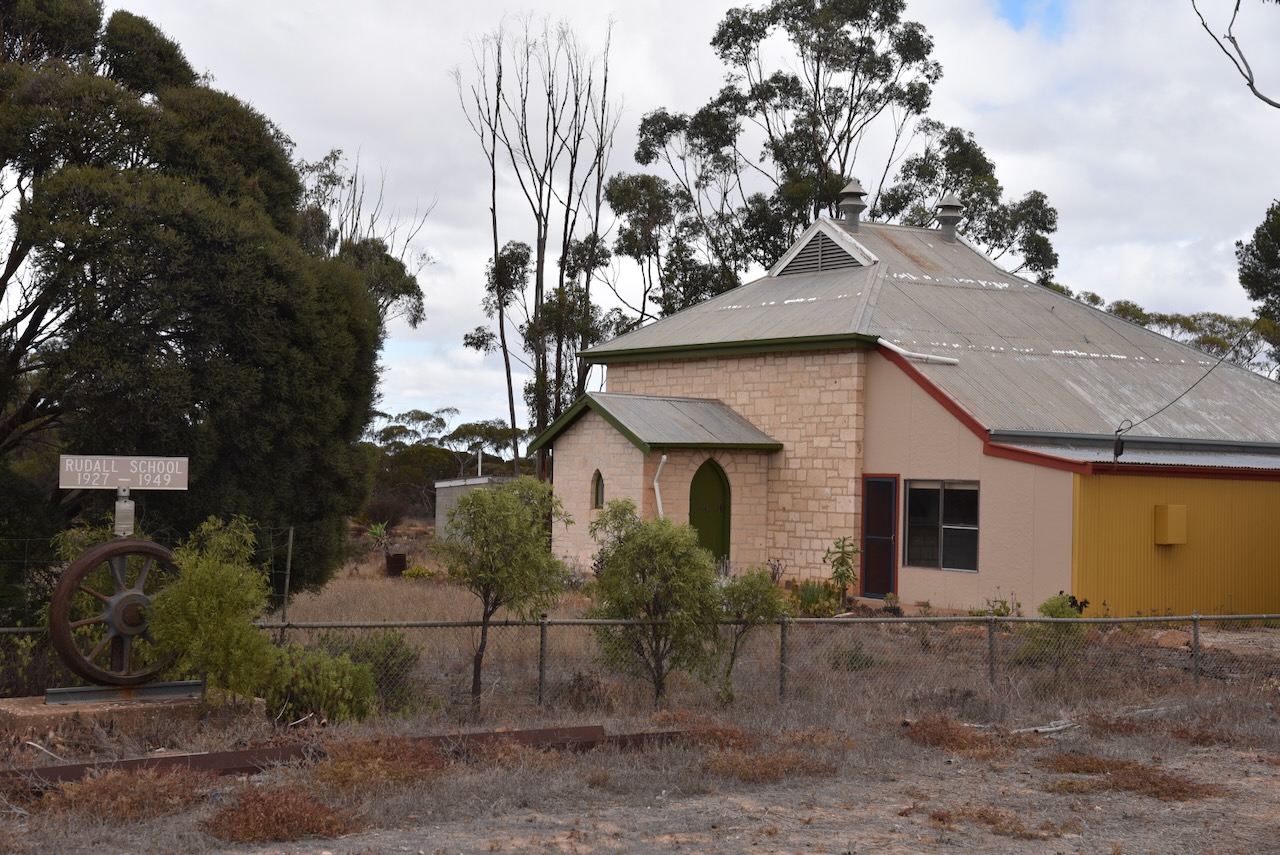
The Hundred of Rudall, County of Jervois, was proclaimed on the 3rd day of February 1910. The town of Rudall was proclaimed on the 4th day of June 1914. The Hundred of Rudall School opened in 1917 and closed in 1949. In 1921 the Rudall Centre School opened and closed in 1946. (Place Names 2012)
Above:- Proclamation of the town of Rudall in the SA Govt Gazette, 4 Jun 1914.
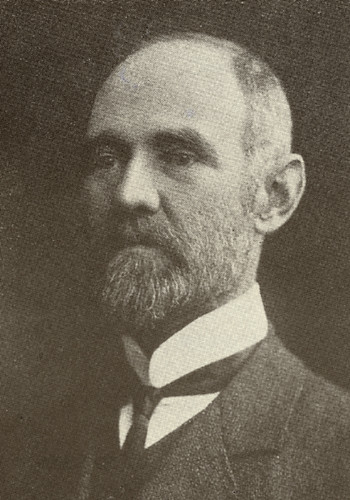
The town is named in honour of Samuel Bruce Rudall, a lawyer and politician. Samuel was the elder surviving son of John Rudall, the first town clerk of Gawler, and the first solicitor to practise there. (Wikipedia 2024)
Above:- Samuel Bruce Rudall. Image c/o gawlerhistory.com
Today Rudall is a tiny little town with a population of about 70 people (Wikipedia 2024)
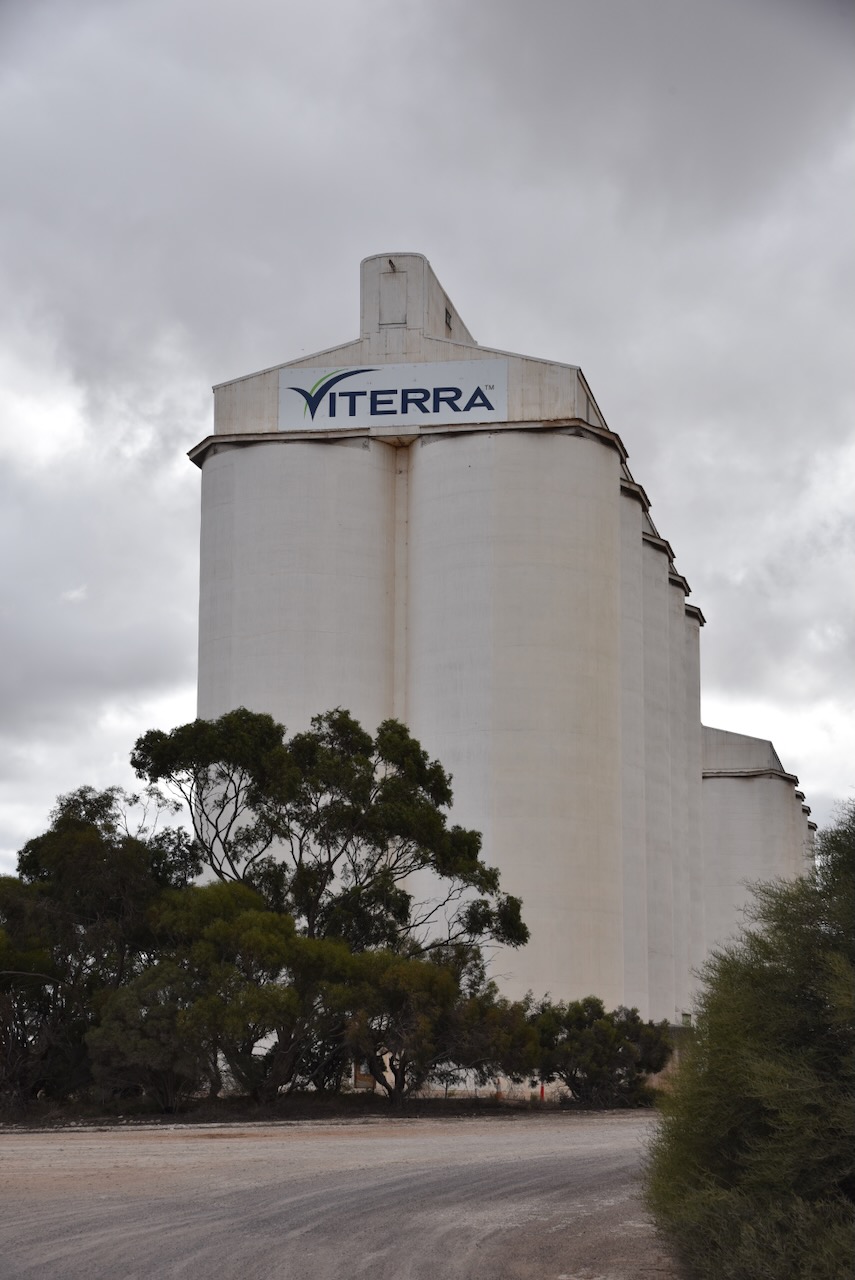
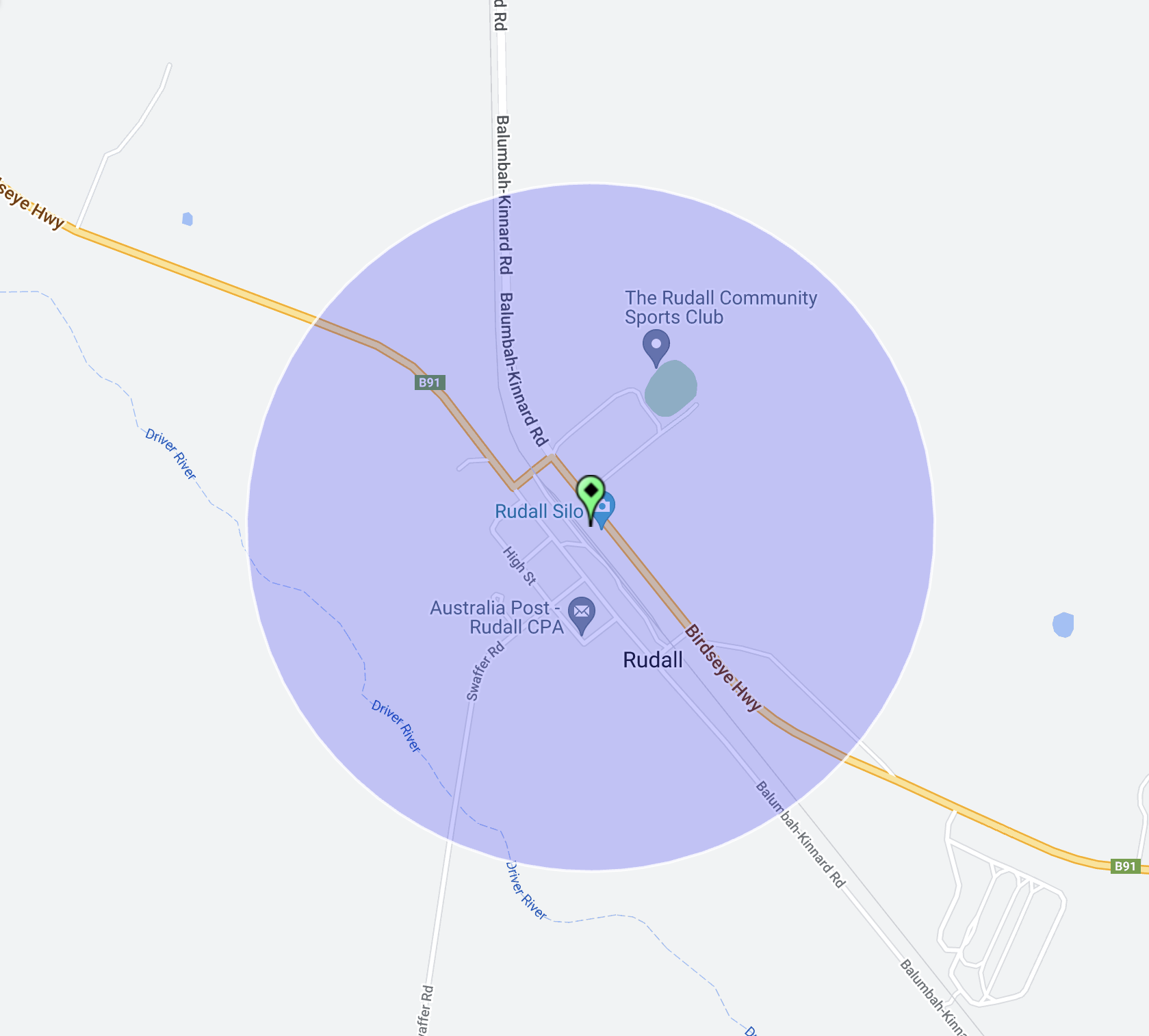
The Rudall silo is located on the southwestern side of Birdseye Highway.
I set up on the side of Birdseye Highway and ran the Icom IC-7000, 100 watts, and the Codan 9350 antenna with the 1.5-metre stainless steel whip.
Above:- The activation zone at the Rudall silo. Image c/o SiOTA website.
I worked the following stations on 40m SSB:-
VK5MAZ
AX5MAZ
AX3UCD
VK3BEL
I worked the following stations on 20m SSB:-
VK7XX
AX3TKK/p (Wyberjong Streamside Reserve VKFF-3924)
VK3PWG
AX3UCD
VK2IO
VK4NH
VK4DXA
AX4NH
AX4DXA
VK1AO
VK2MET
AX1AO
AX2MET
VK7HBR
AX3JBL/p (SOTA VK3/ VC-037)
VK3APT
VK4SMA
VK3OAK
VK7PAL
VK3DCQ
AX3PF/p (Traralgon South Flora & Fauna Reserve VKFF-2464)
Wikipedia Contributors (2024). Rudall, South Australia. [online] Wikipedia. Available at: https://en.wikipedia.org/wiki/Rudall [Accessed 15 Aug. 2024].
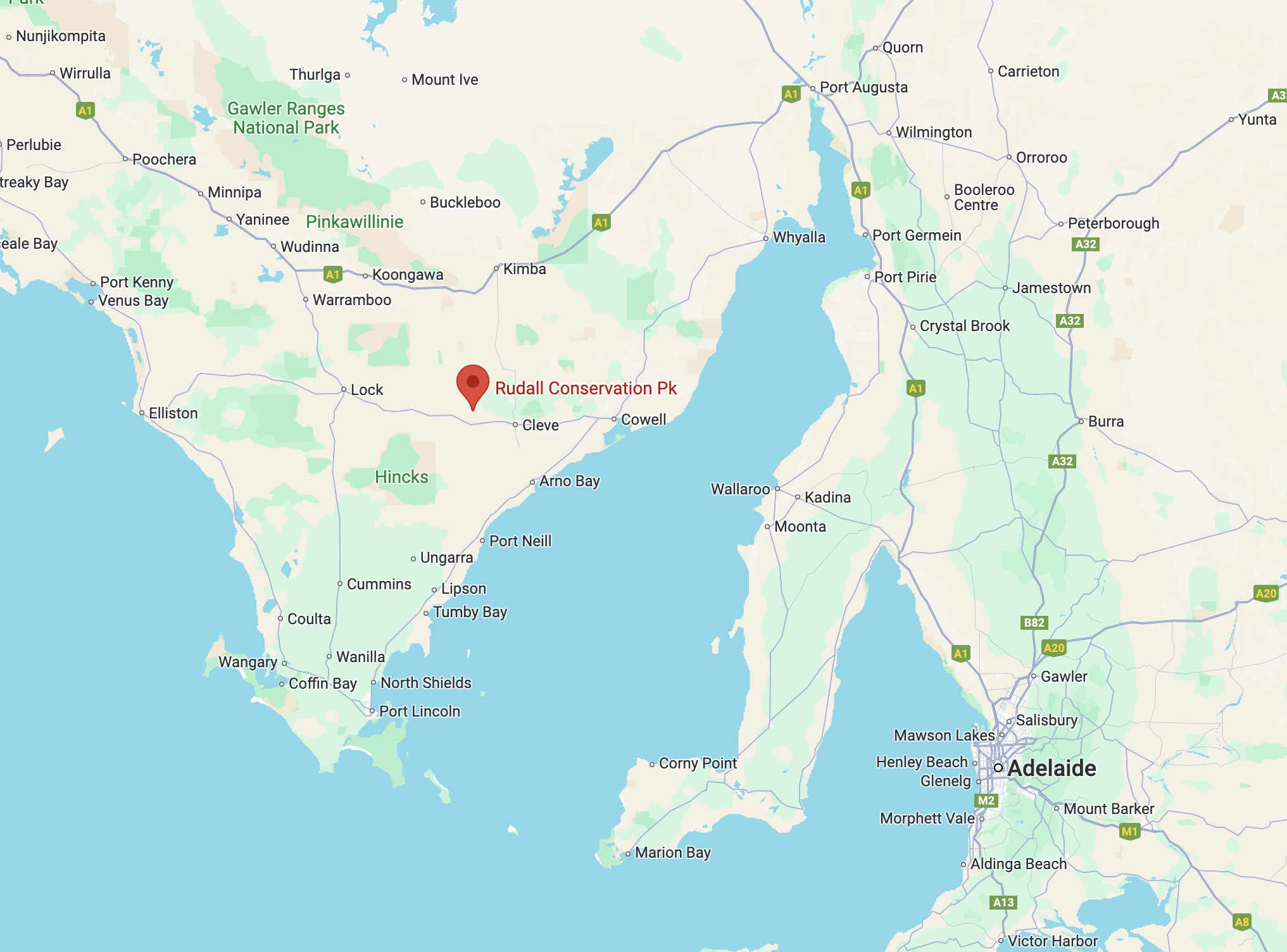
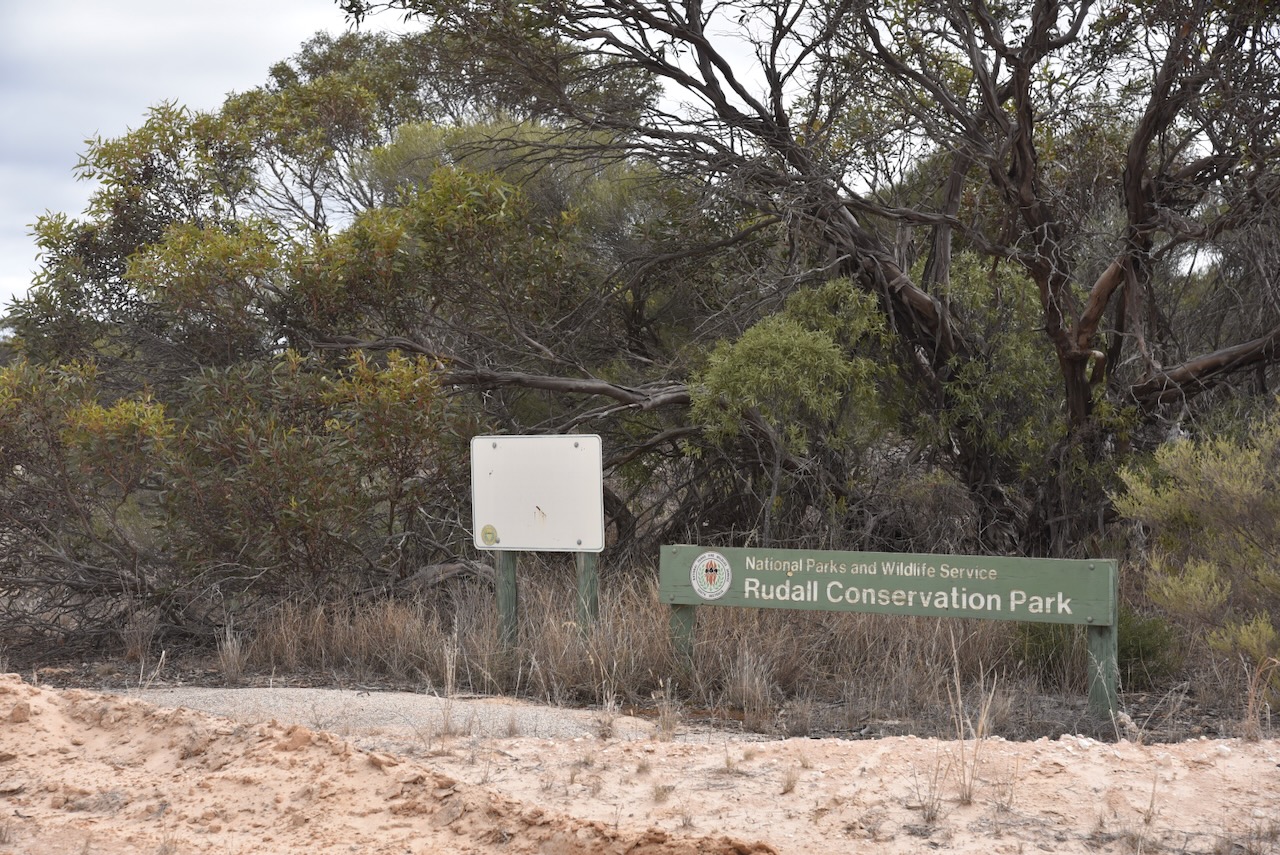
My next activation for ANZAC Day 25th April 2024, was the Rudall Conservation Park VKFF-1091. The park is located on the Eyre Peninsula, about 23 km (by road) northwest of Cleve.
Above:- Map showing the location of the Rudall Conservation Park. Map c/o Google Maps.
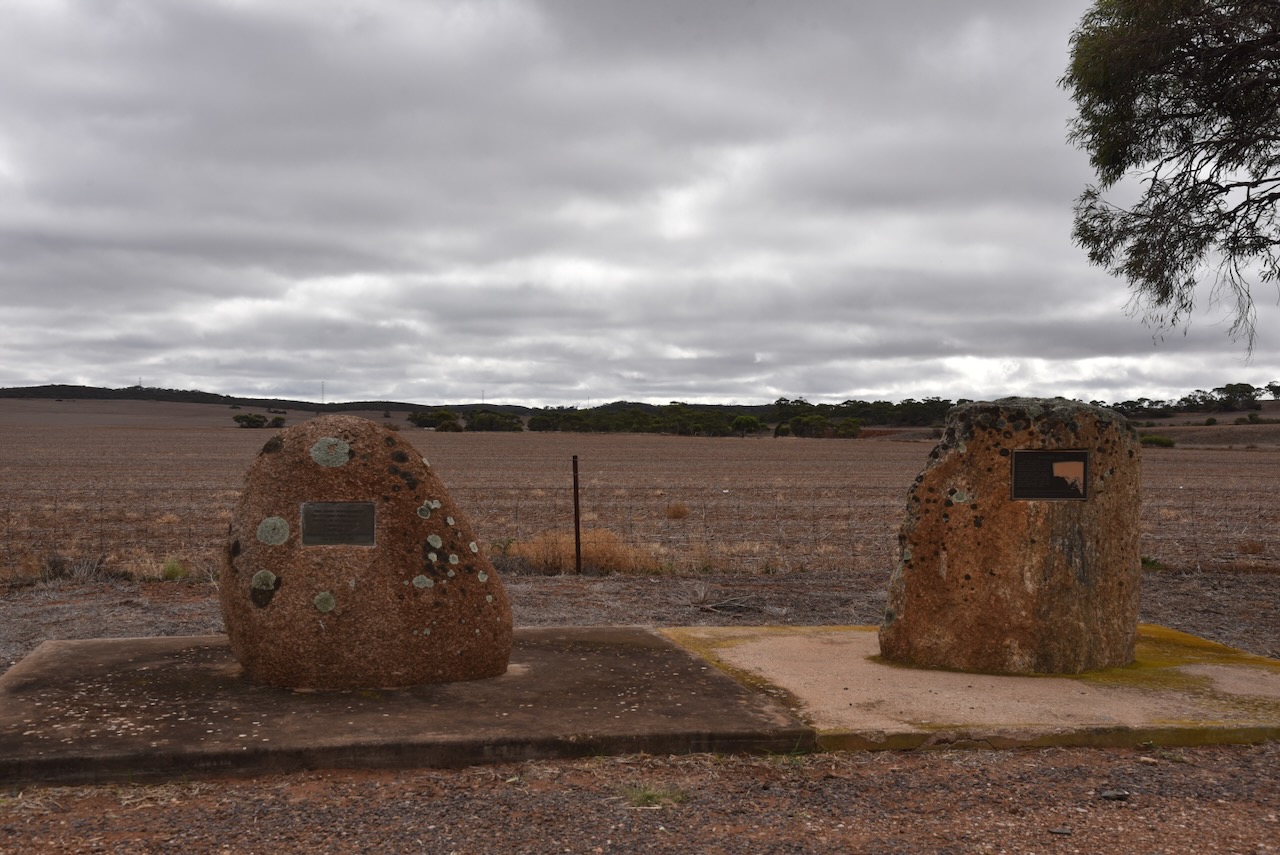
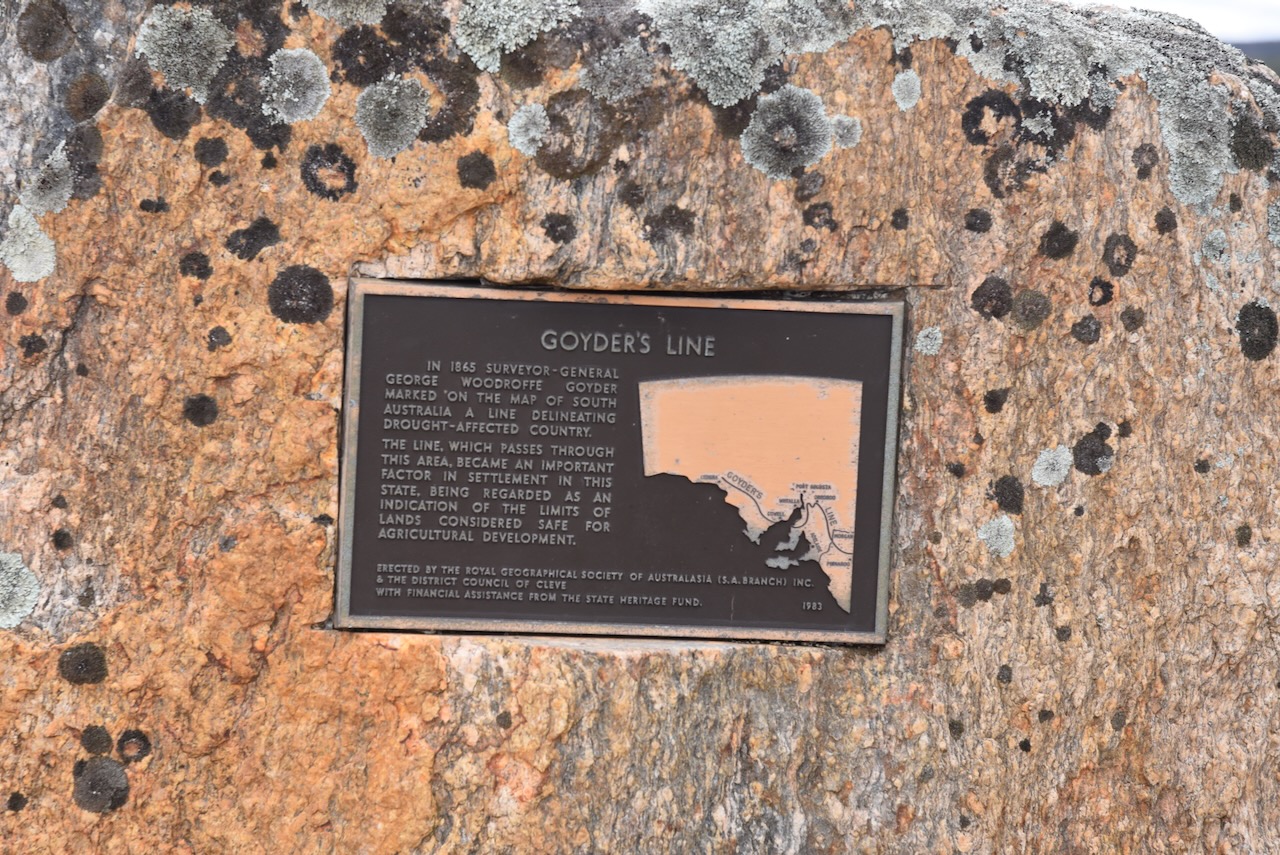
On the way to the park, I stopped at the Goyders Line Monument and the Wheat Crop monument.
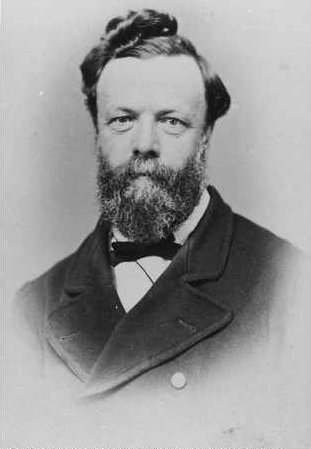
In 1865 Surveyor General George Woodroofe Goyder, marked on a map of South Australia, a line delineating drought-affected country. The line which passes through this area became an important factor in settlement in the state of South Australia. The line was regarded as an indication of the limits of lands considered safe for agricultural development.
Above:- George Goyder. Image c/o Wikipedia.
The wheat crop monument commemorates the first wheat crop grown on Section 65 Hundred Yadnarie by E. Bradley in 1879.
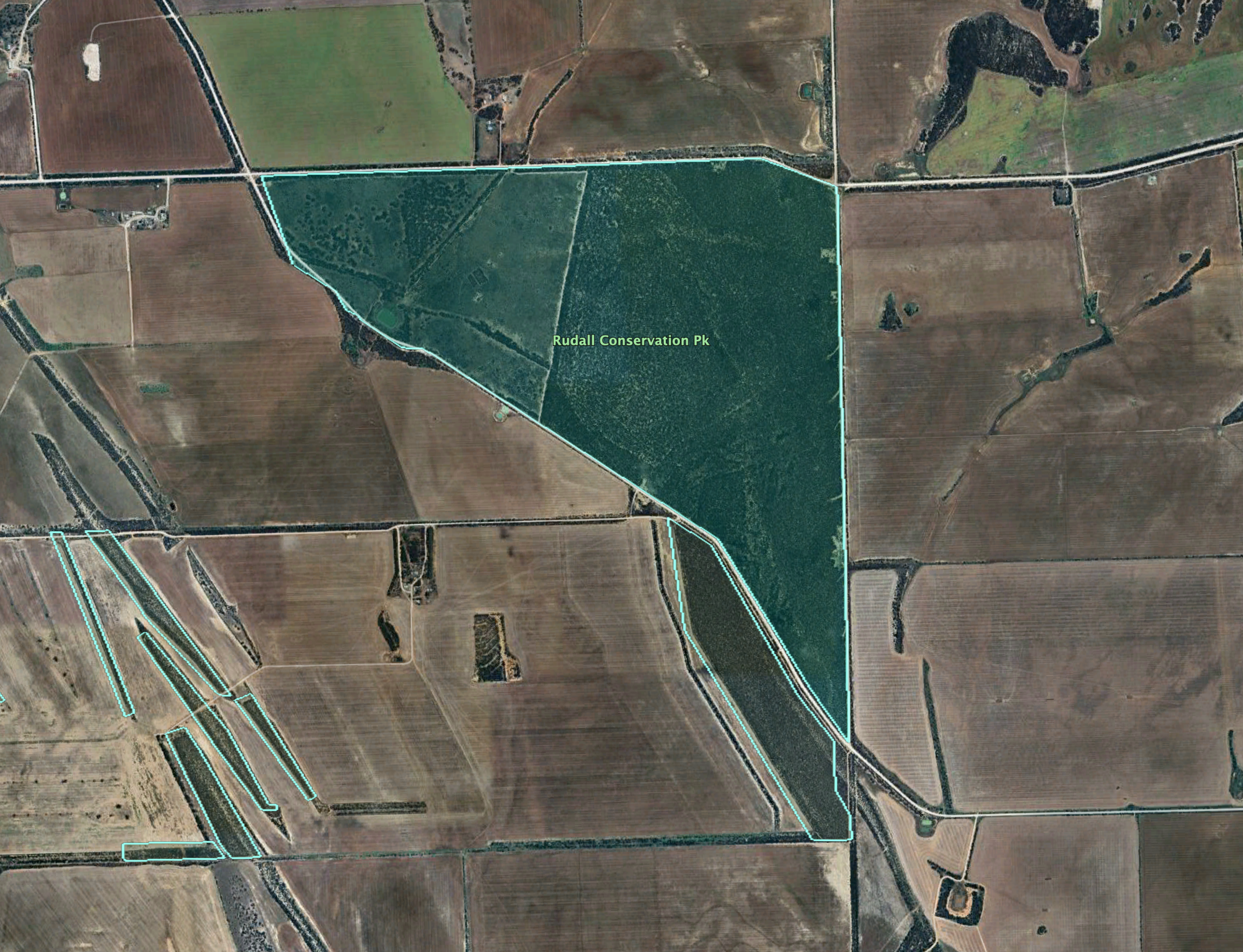
The park is located at the southeastern corner of the intersection of Old Darke Peake Roaad and Syvertsen Road.
Above:- An aerial view of the park showing its boundaries. Image c/o Google Earth.
The park is about 882 acres in size and was proclaimed on the 16th day of August 1973.
Above:- An aerial view of the park looking east. Image c/o Google Maps.
I ran the Yaesu FT857, 40 watts, and the 20/40/80m linked dipole for this activation.
I was getting towards the end of my trip and it was now ANZAC Day, the 25th day of April 2024.ANZAC stands for Australian and New Zealand Army Corps. It is one of Australia’s most important national occasions. It is Australia’s national Day of Remembrance.
After breakfast, I headed out towards Cleve. I had planned on activating several parks and silos during the day.
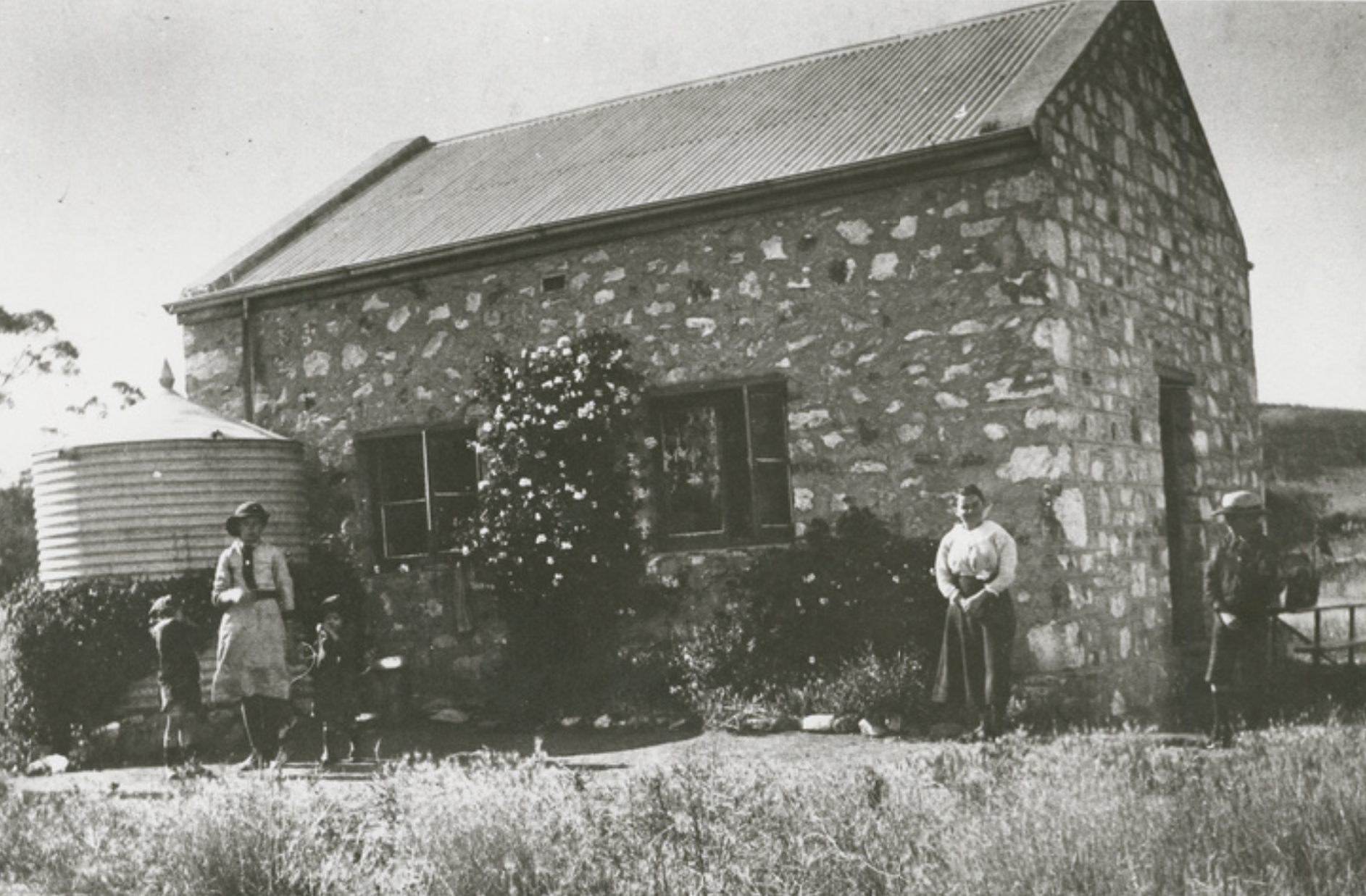
My first stop was the site of the old Mindrow Creek School on Birdeye Highway. The school opened in 1913 and closed in 1938.
During its life, the school had a total of 13 teachers.
Above:- The Mindorw Creek school, c. 1916. Image c/o State Library SA.
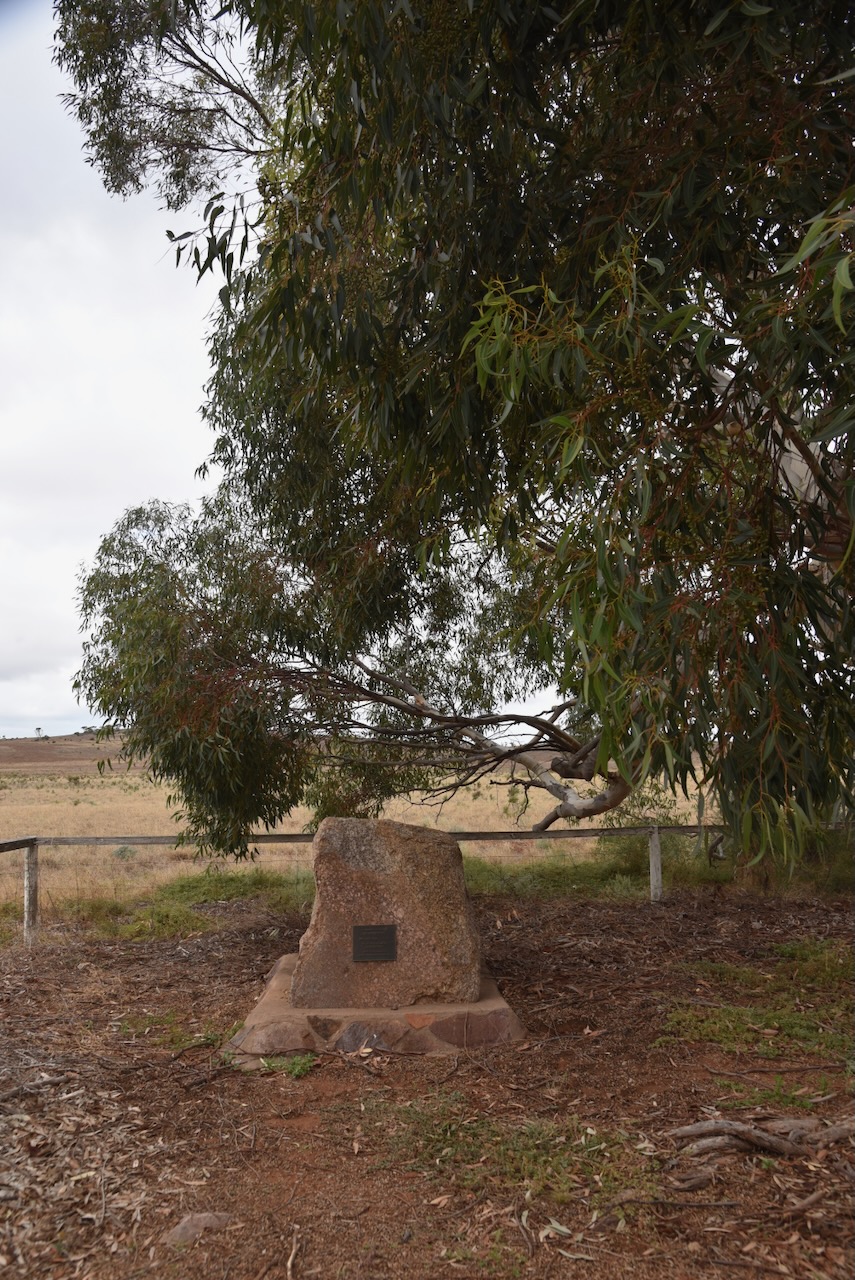
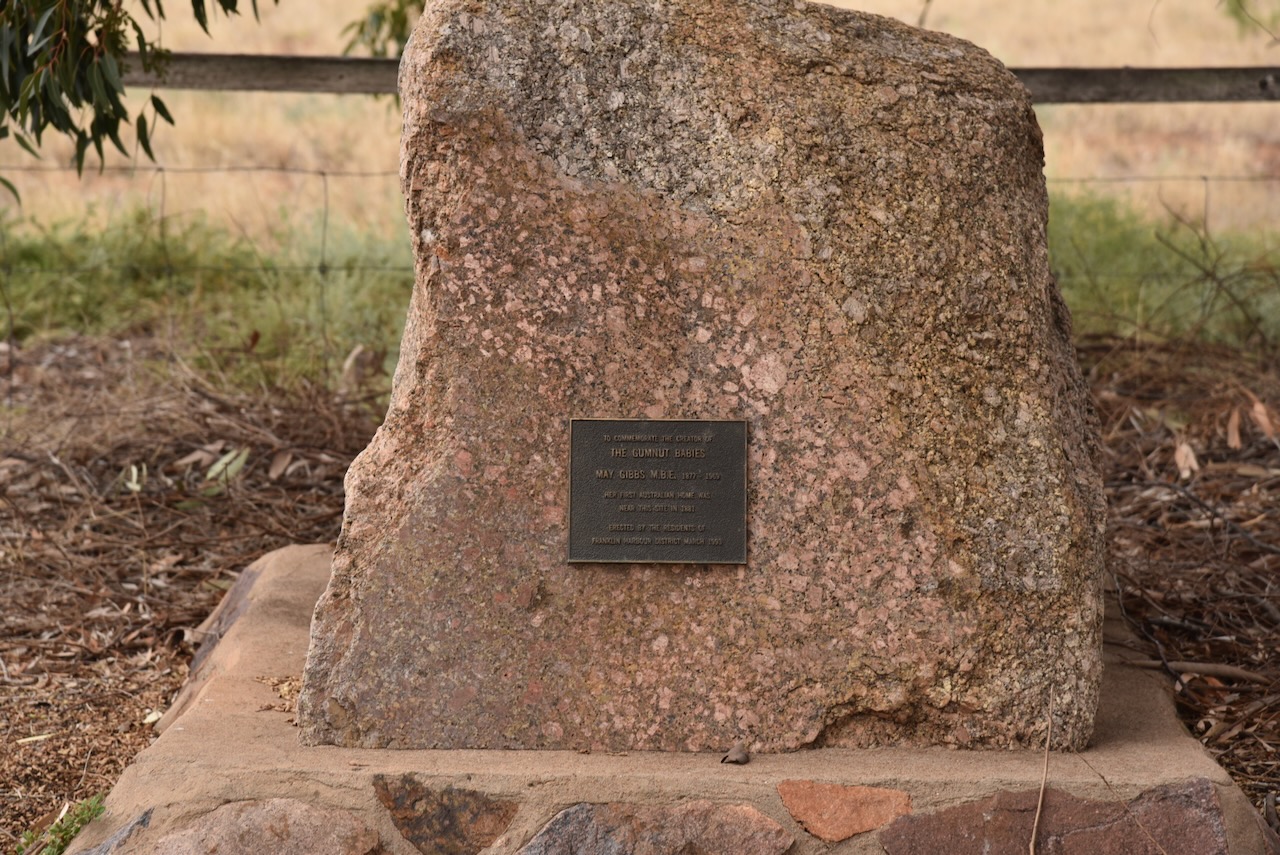
I continued on to the May Gibbs monument.
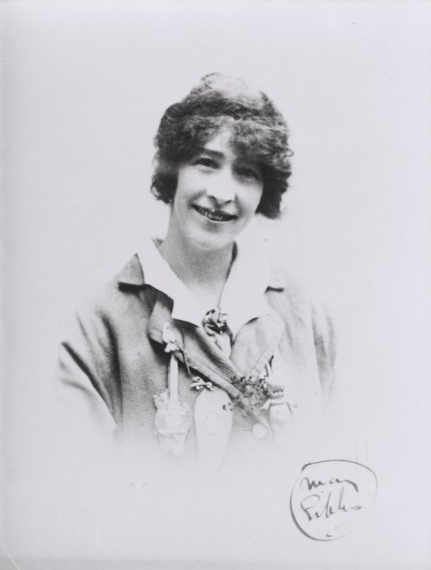
Cecilia May Gibbs MBE (b. 1877. d. 1969) was an Australian children’s author, illustrator, and cartoonist. She is best known for her Gumnut babies and the book Snugglepot and Cuddlepie. Her first Australian home was near the site in 1881. (Wikipedia 2024)
Above:- May Gibbs. IMage c/o Wikipedia.
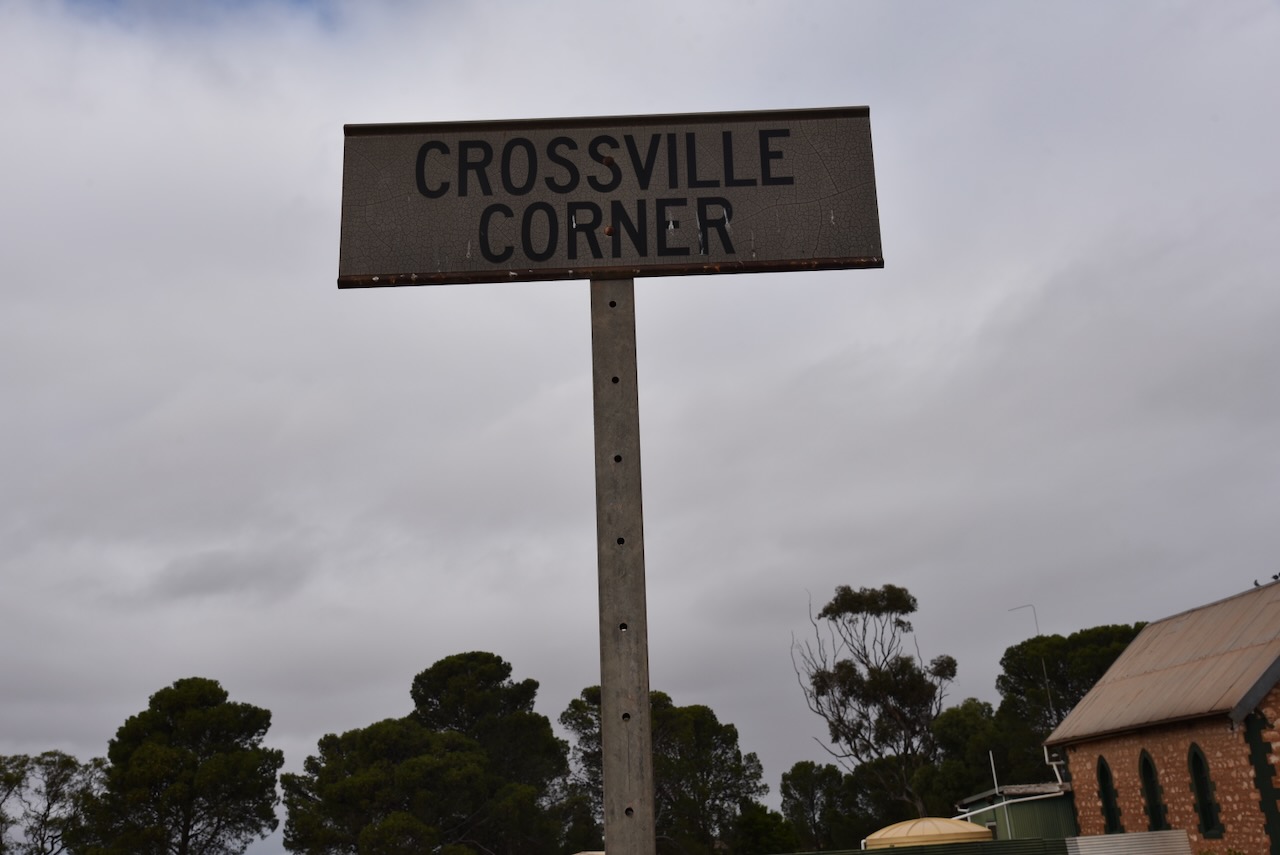
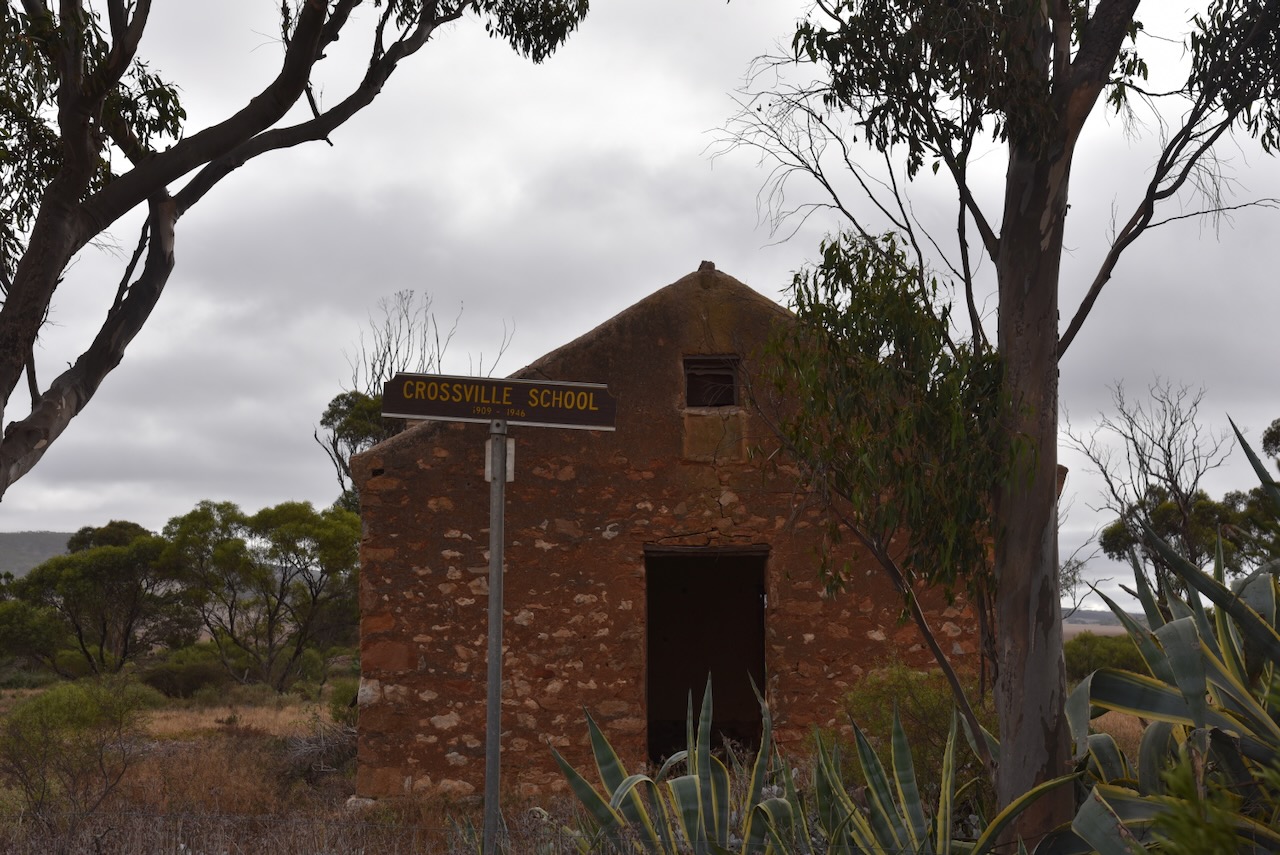
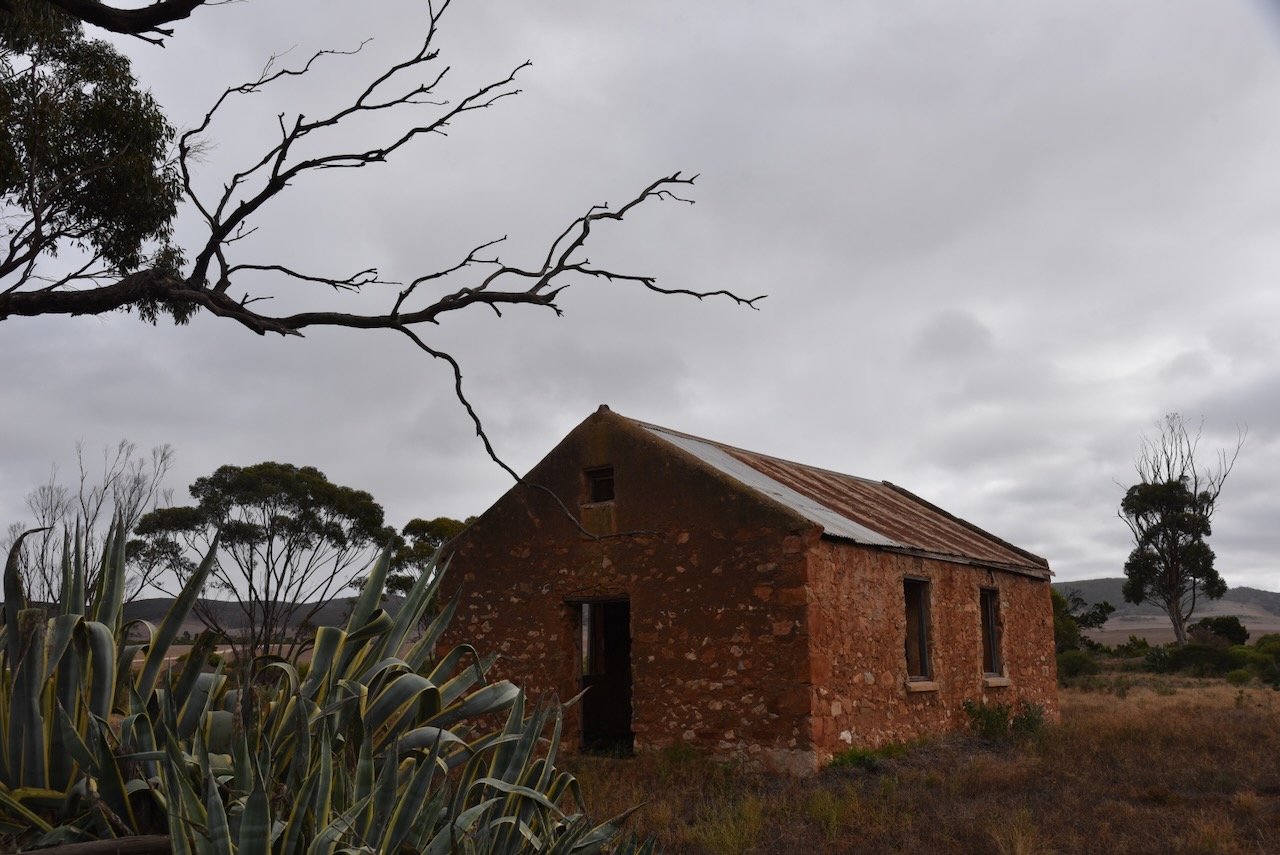
My next brief stop was at Crossville Corner. about 11 km east of Cleve. A school was opened here in 1909 and closed in 1947. It was named after a local homestead. The former St Pauls Lutheran church was built in 1927 and closed in 1960. (Flickr 2024) (Place Names 2012)
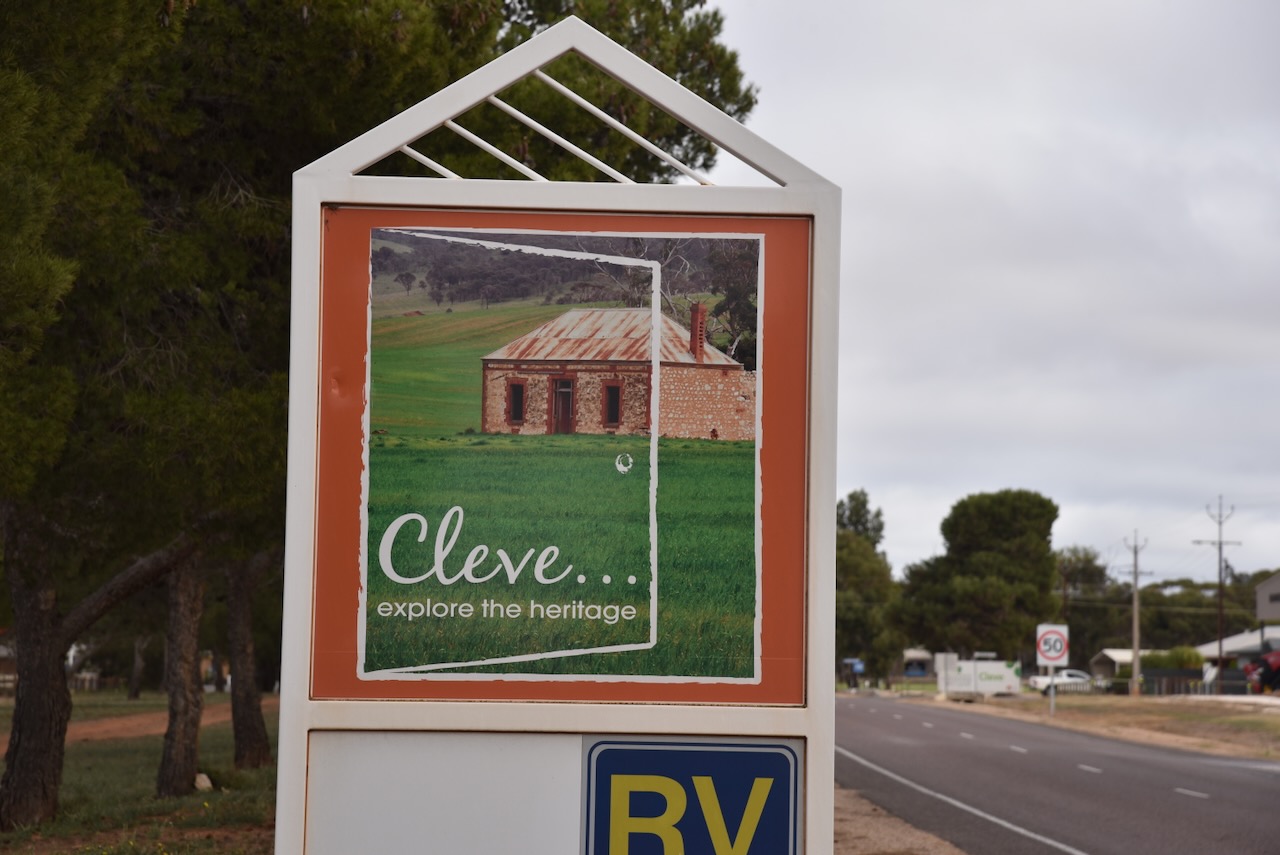
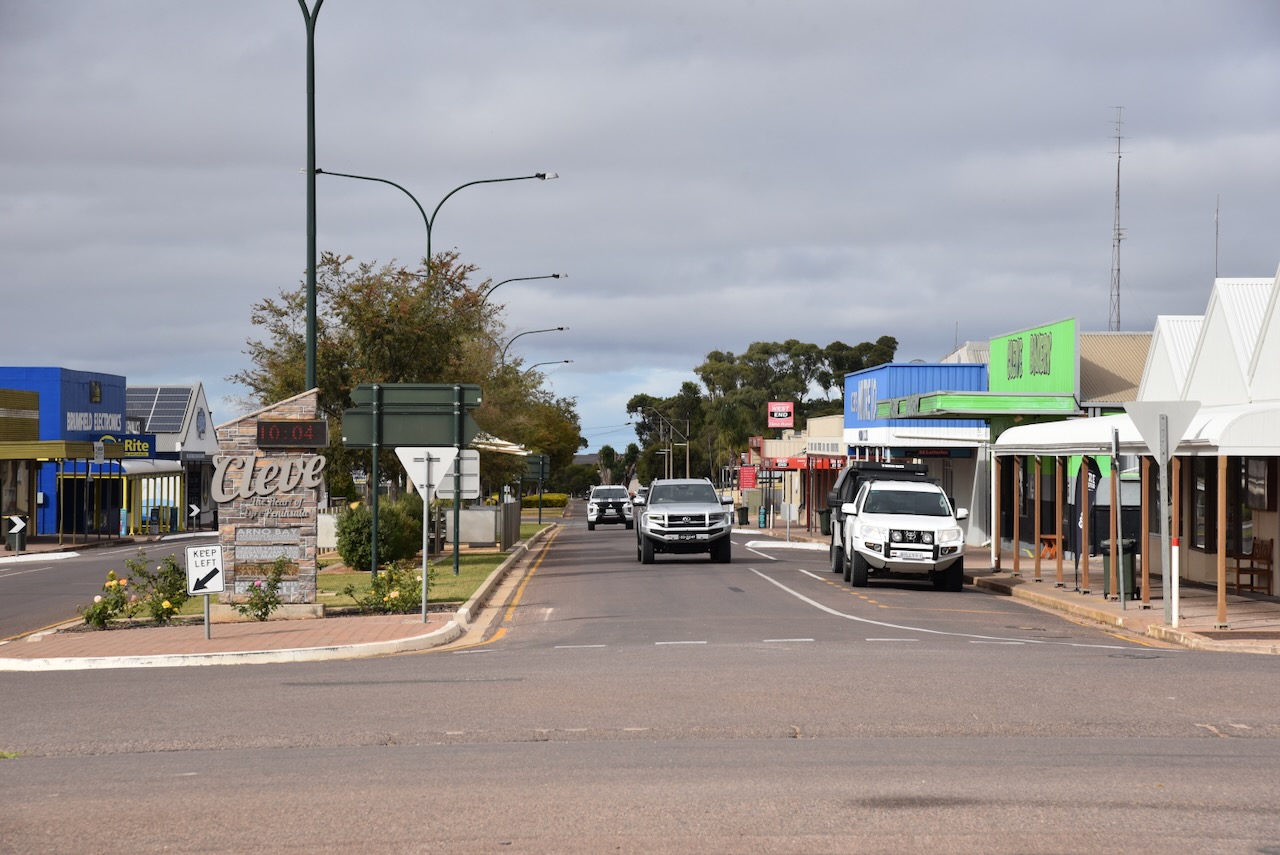
I continued on to the town of Cleve. European occupation of the Cleve district commenced in about 1855 with Dr James McKechnie (b. 1810. d. 1869) and his two brothers Donald and Peter, holding pastoral lease no. 401. In 1877 much of the land in the district had been resumed by the government.
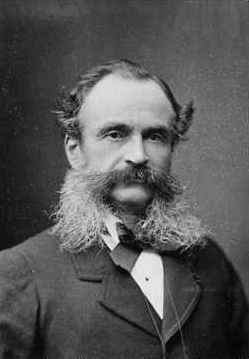
The town of Cleve was proclaimed on the 6th day of March 1879. It was named by Governor William Jervois after a property in Devonshire, England, held by the Snow family who were related to the Governor.
Above:- Governor WIlliam Jervois. Image c/o Wikipedia.
Today Cleve is located in sheep and wheat growing country and services the surrounding farmers. I stopped off at a local cafe to get a bite to eat and a coffee.
Below is a short video on Cleve and its surroundings.
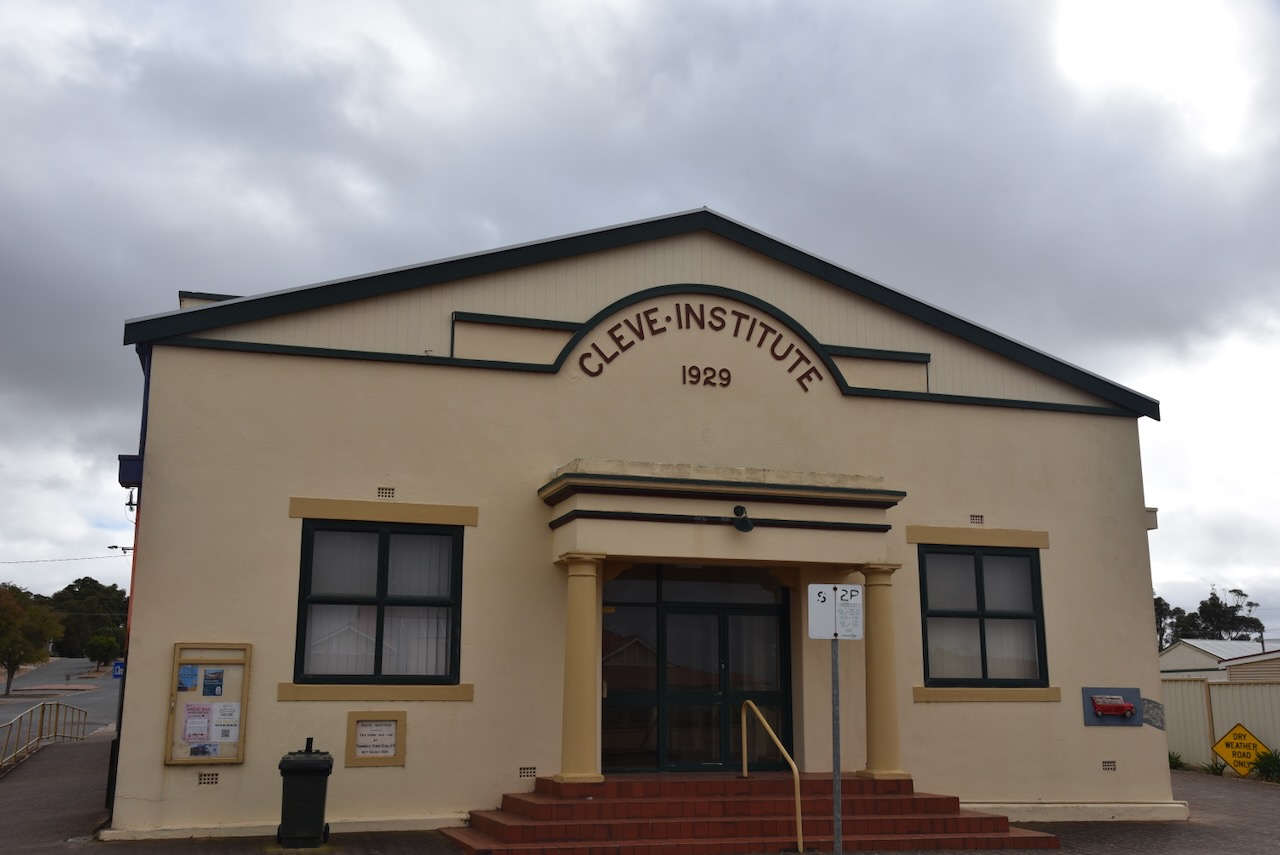
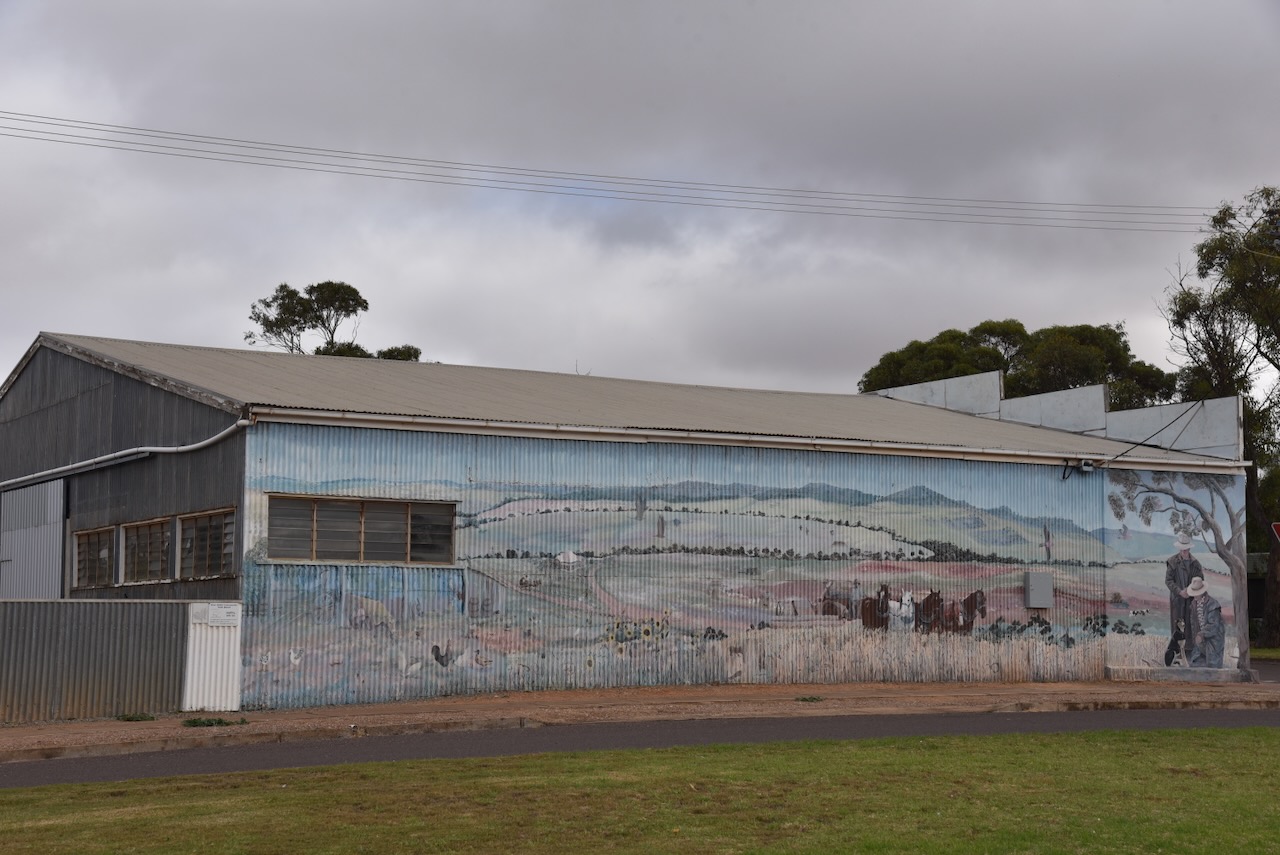
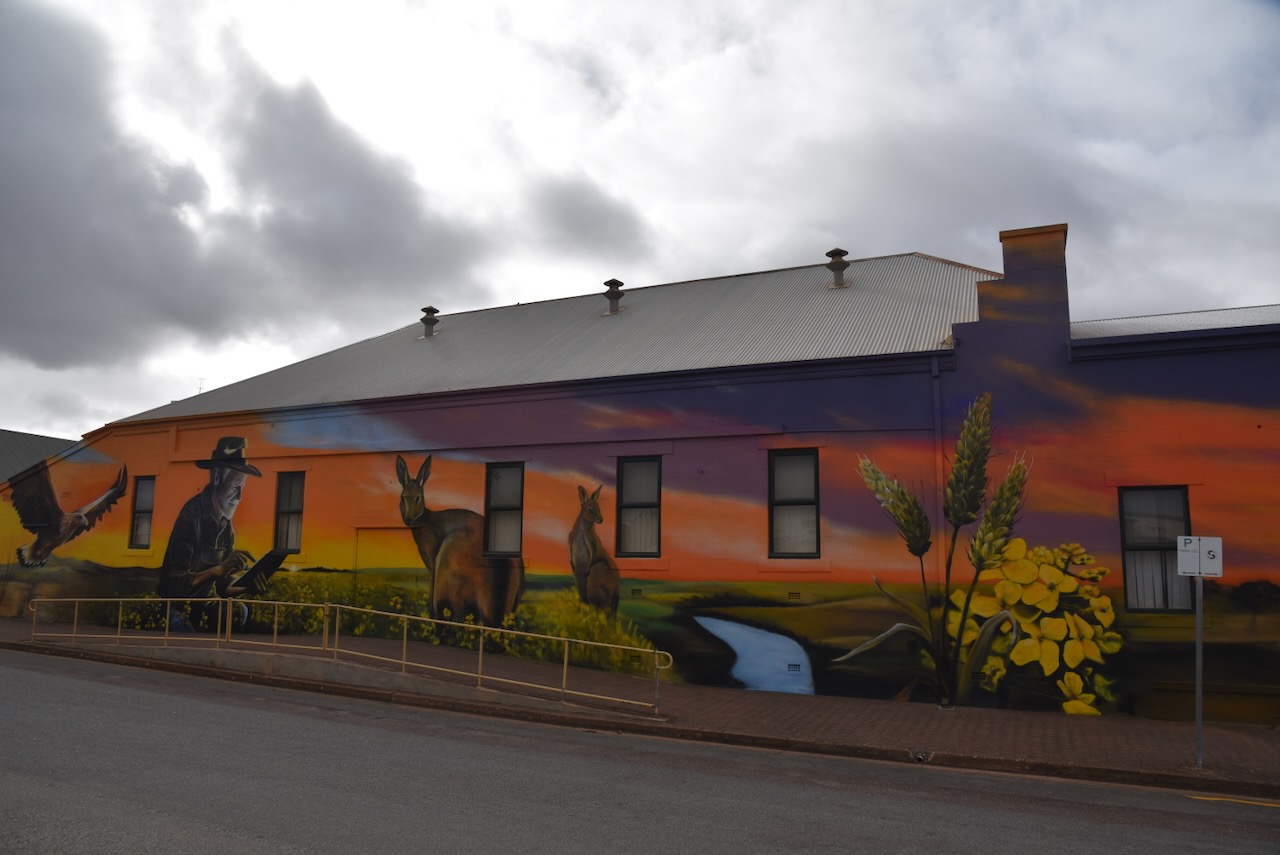
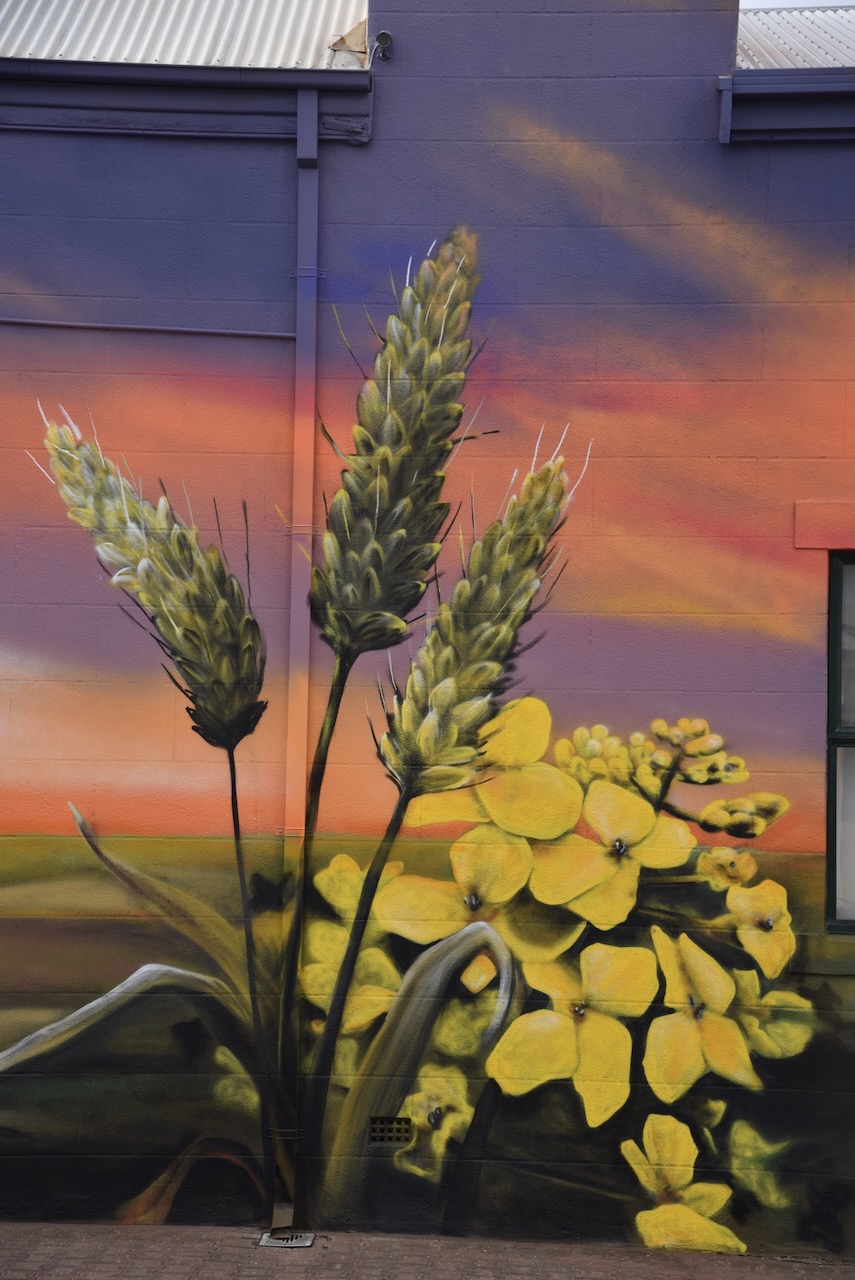
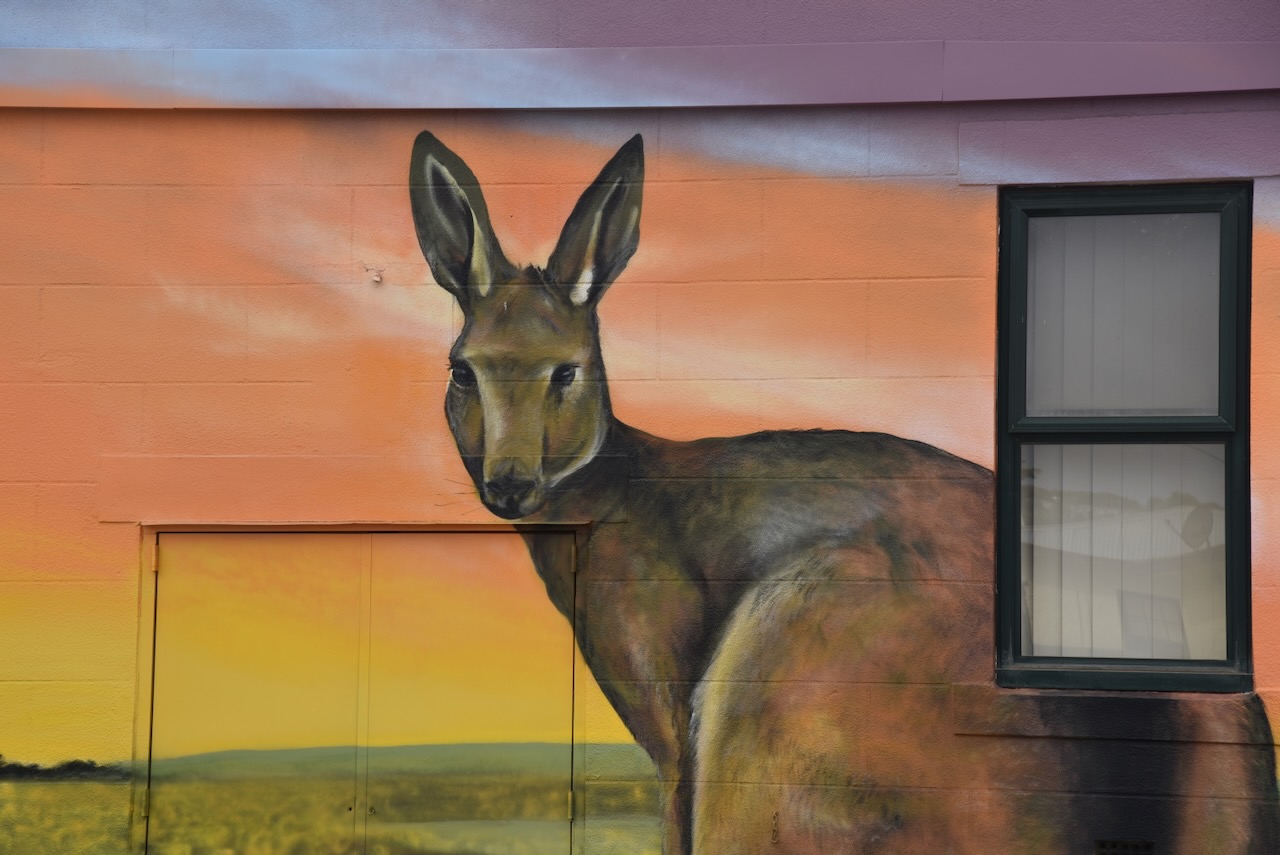
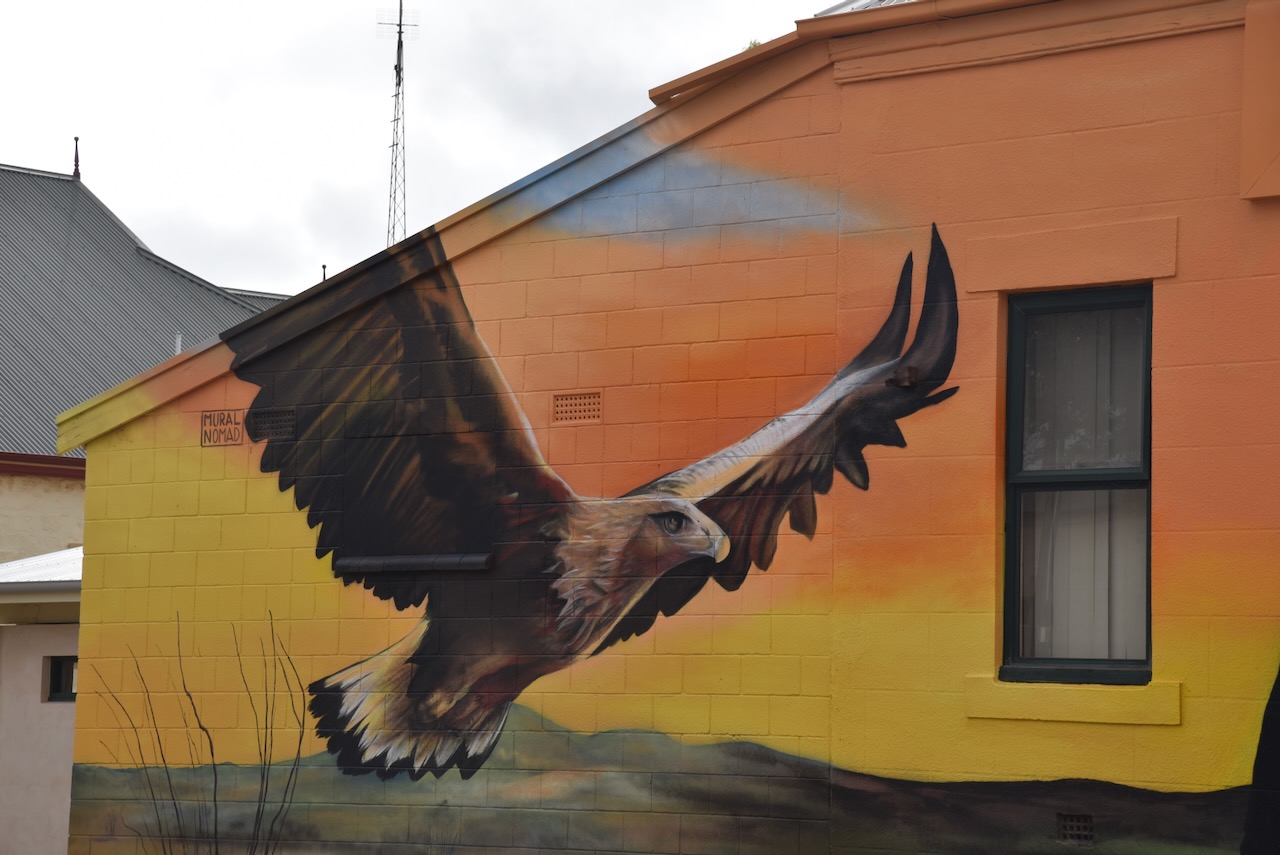
An interesting attraction in Cleve is the brilliant mural painted on the side of the Cleve Institute building. It is the work of artist Patrycja Hannagan, @ Mural Nomad. The mural was part of Hannigan’s mission to paint 100 murals around Australia, with $100.00 from each commission committed to the Black Dog Institute. (5cc 2024)
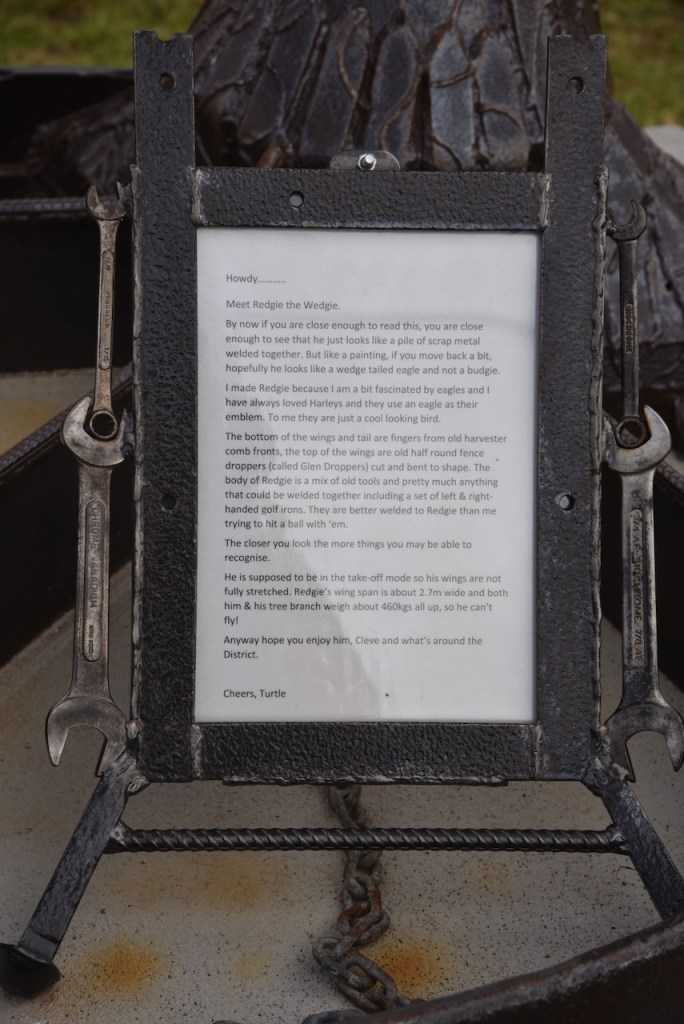
Another interesting attraction is Redgie the Wedgie, a sculpture of a Wedge Tailed Eagle. It is the work of Peter Crosby.
And there is Bonnie the Clydesdale.
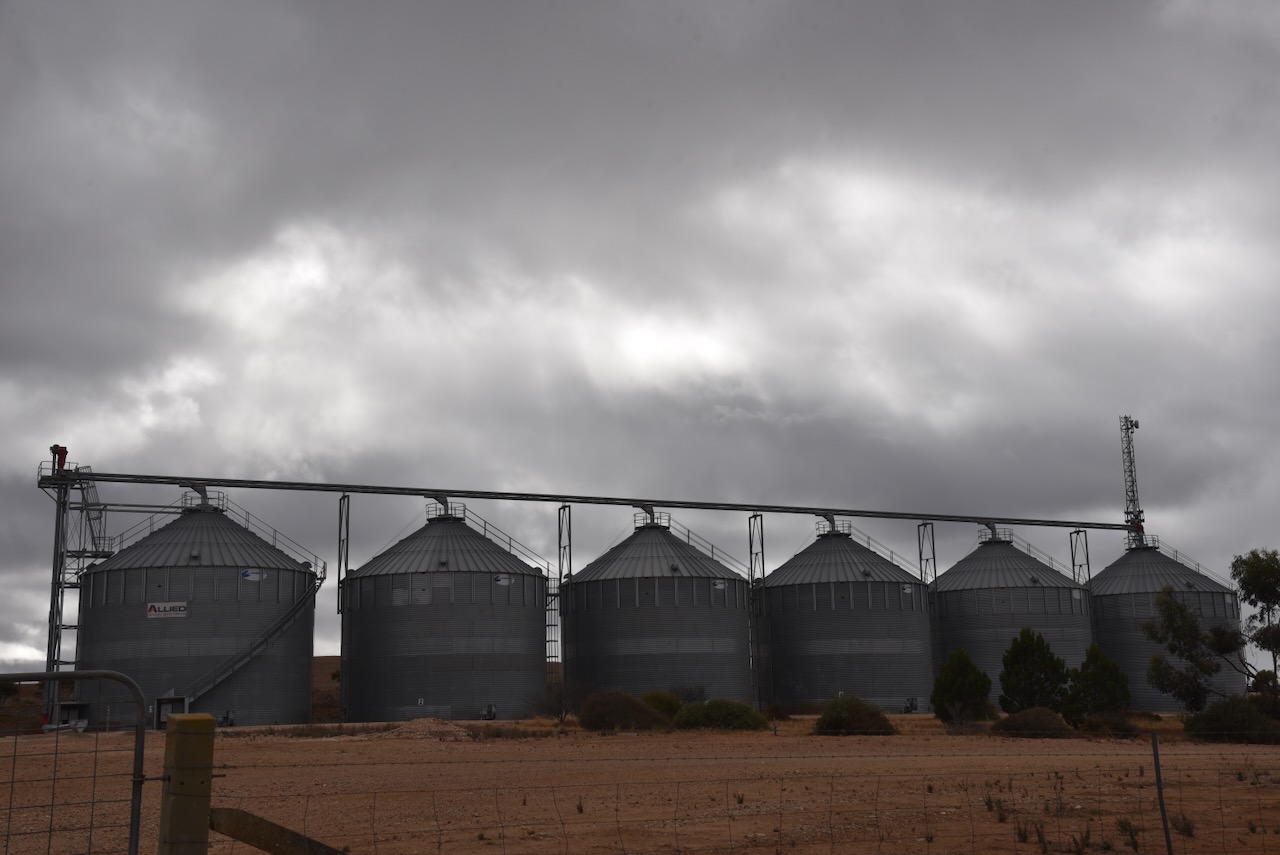
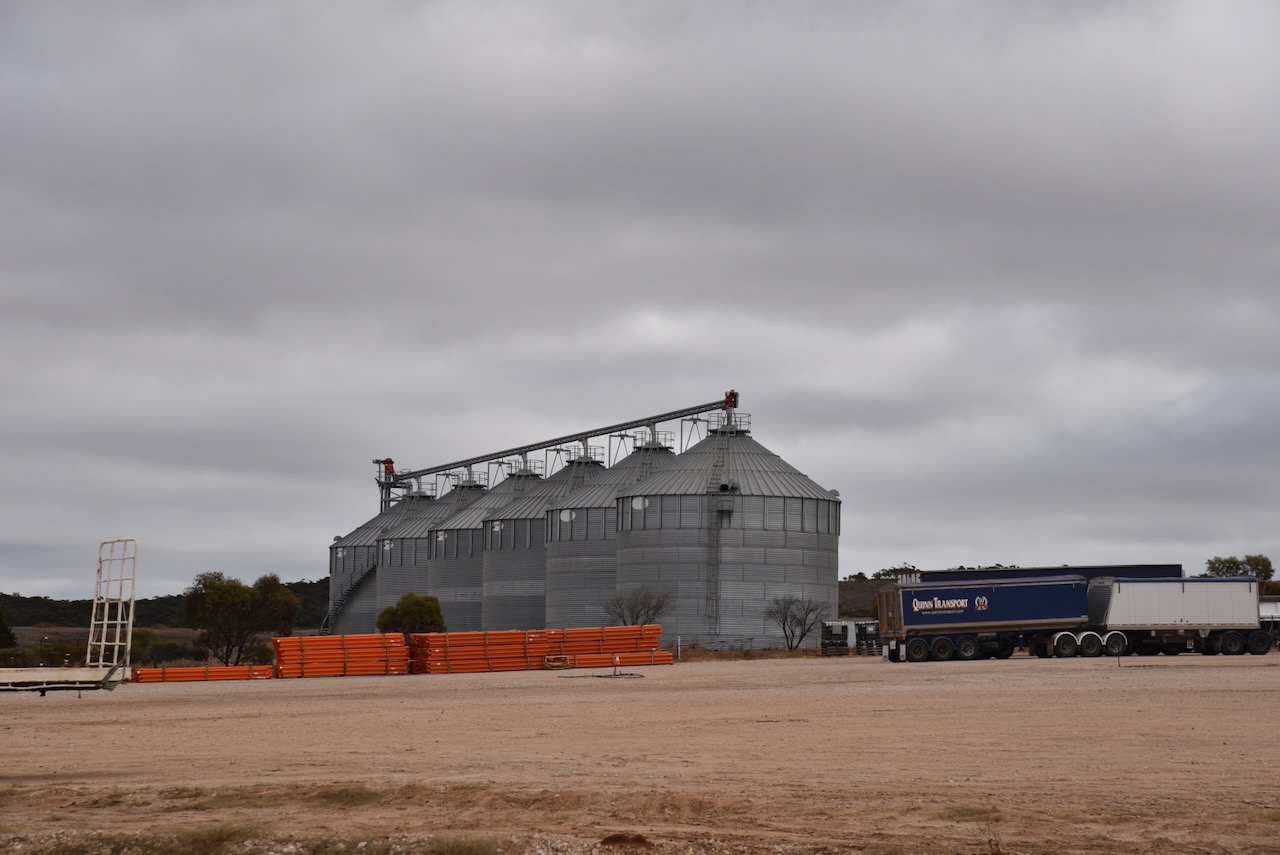
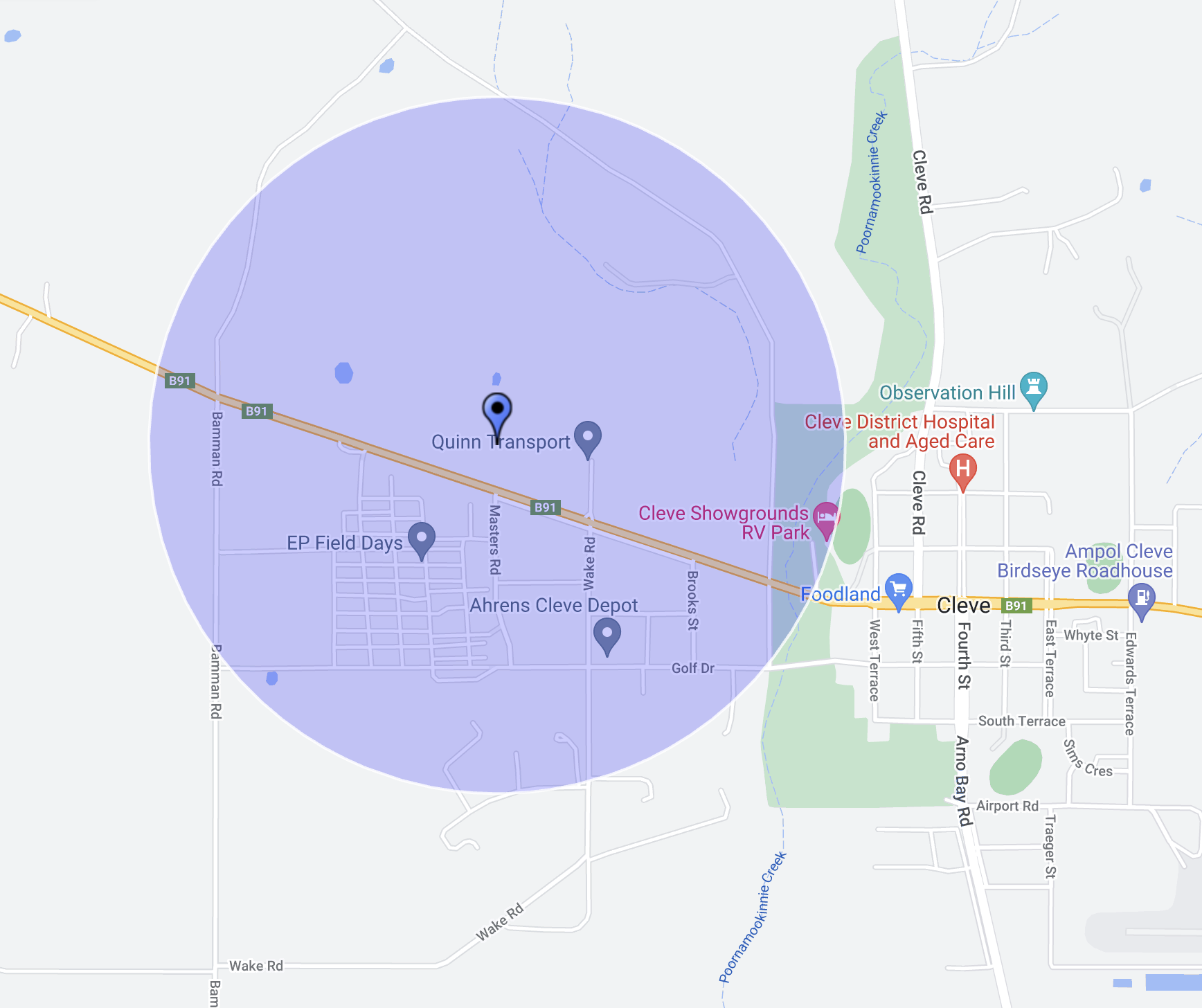
The Cleve silo is located on the northern side of Birdseye Highway on the western side of Cleve.
I parked on the side of Birdseye Highway and operated from the 4WD. I ran the Icom IC-7000, 100 watts, and the Codan 9350 antenna with the 1.5-metre stainless steel whip. As this was ANZA Day, I was permitted to use the special AX prefix.
Above:- Map showing the activation zone at the Cleve silo. Image c/o SiOTA website.
I worked the following stations on 40m SSB:-
AX5AAF/p (Pike River Conservation Park VKFF-0831)
AX5HS/p (Chowilla Regional Reserve VKFF-1698)
VK5LA
VK5KAW
VK3PF
VK5AYL
VK5MAZ
AX5MAZ
AX5QA
AX3CLD
AX5AV
VK5KVA
AX3SPG
I worked the following stations on 20m SSB:-
VK7XX
VK1AO
VK2MET
AX1AO
AX2MET
VK3PF
VK3DCQ
VK5MAZ
VK4NH
VK4DXA
VK2IO
AX5QA
AX3CLD
AX3SPG
AX7MAD
AX3IFR/am
VK3MCK
VK3APT
AX3VIN
VK2ZRD
VK2VW
VK2HFI
AX4MWL
VK5LRB
ZL1XS
AX3UCD
AX1AD
References.
Flickr. (2024). Crossville Corner South Australia. The former St Pauls Lutheran Church built 1927. Closed 1960 Now a private residence. [online] Available at: https://www.flickr.com/photos/82134796@N03/31899908188 [Accessed 15 Aug. 2024].


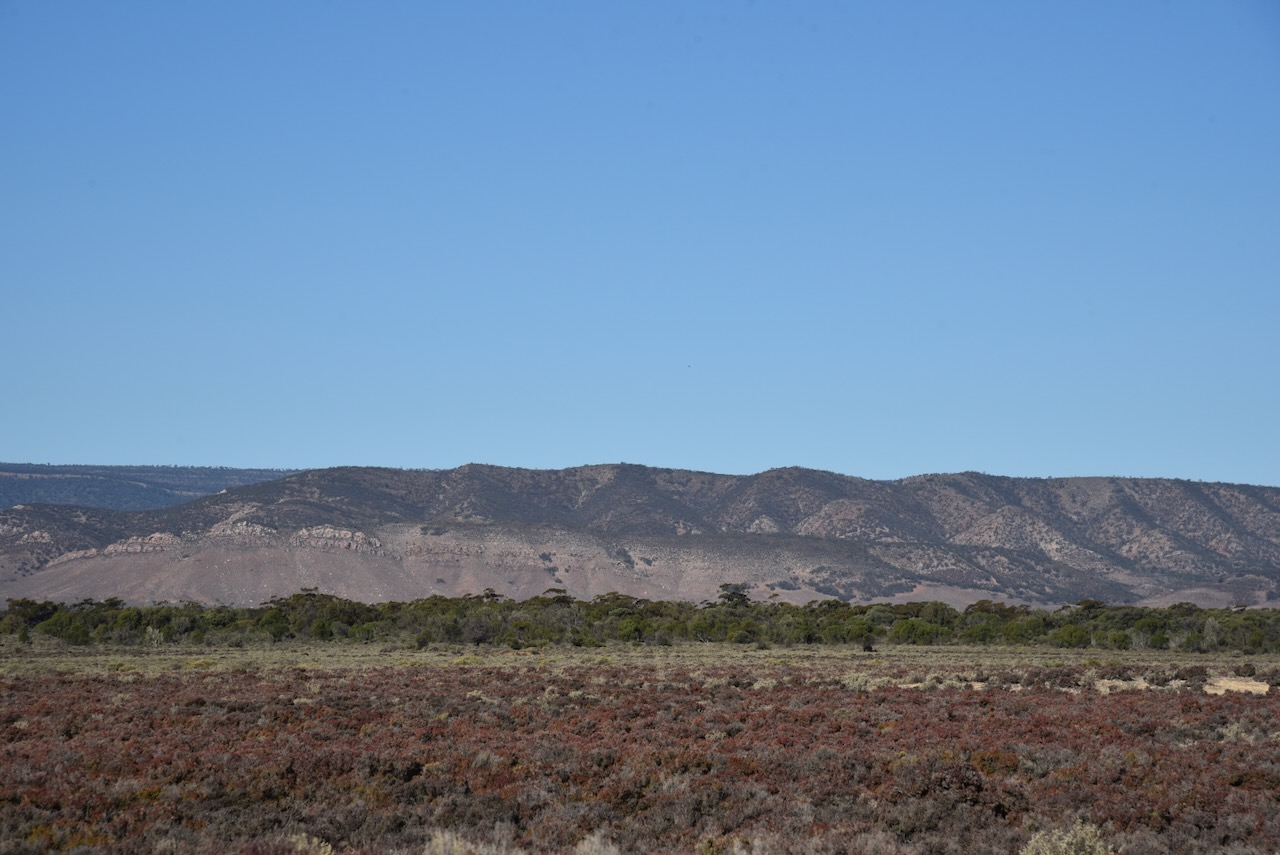
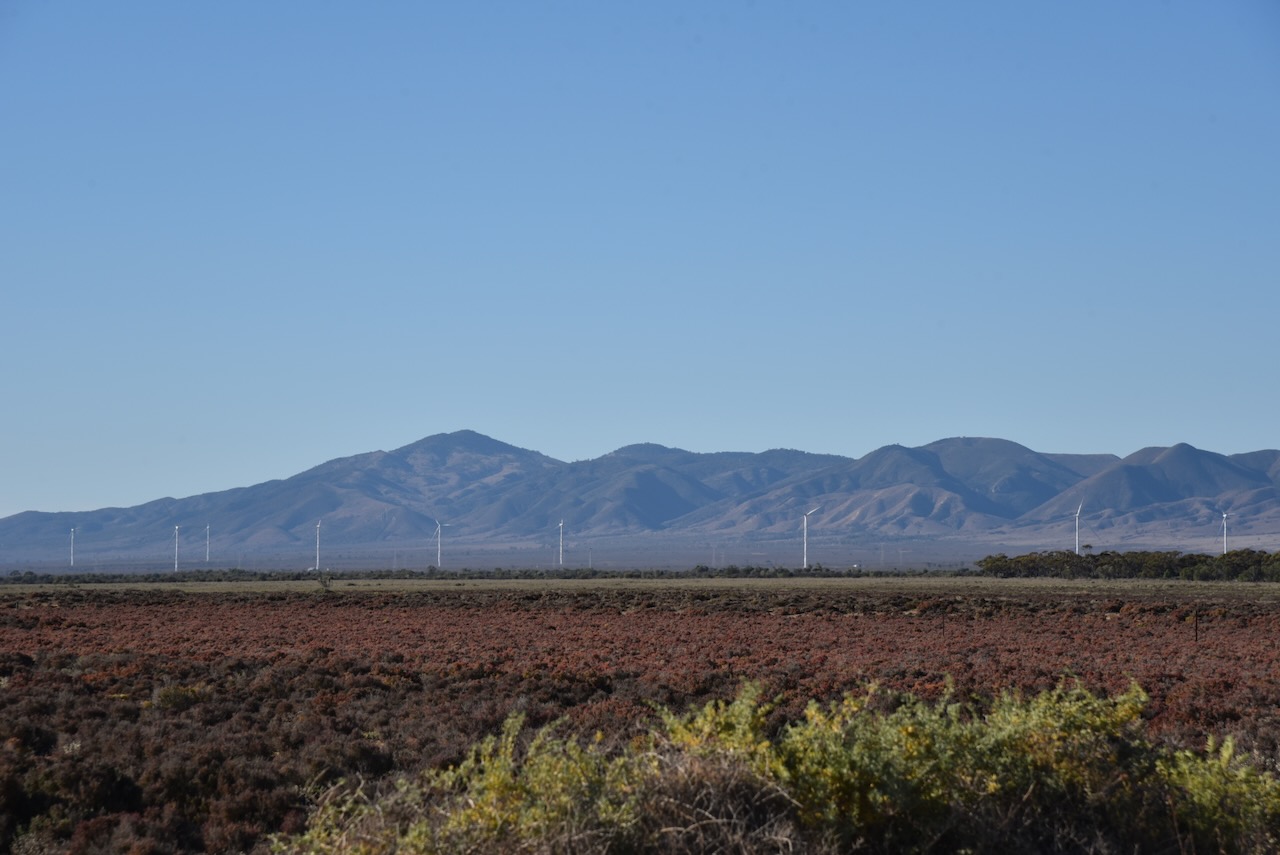
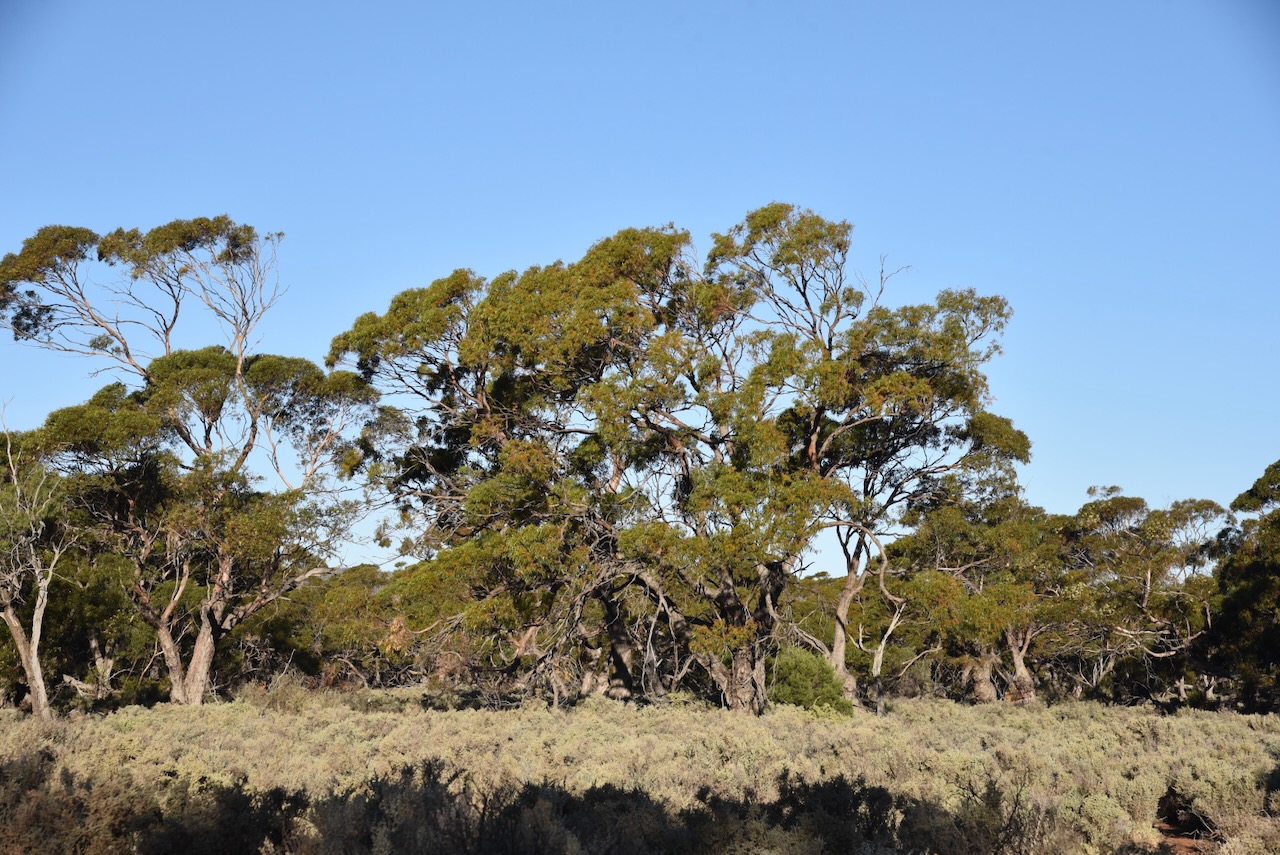














































 VK5PAS