It was now Sunday 3rd December 2023 and time for Marija and me to leave Stawell and head back home. It had been another fantastic trip away, but we were looking forward to getting back home.
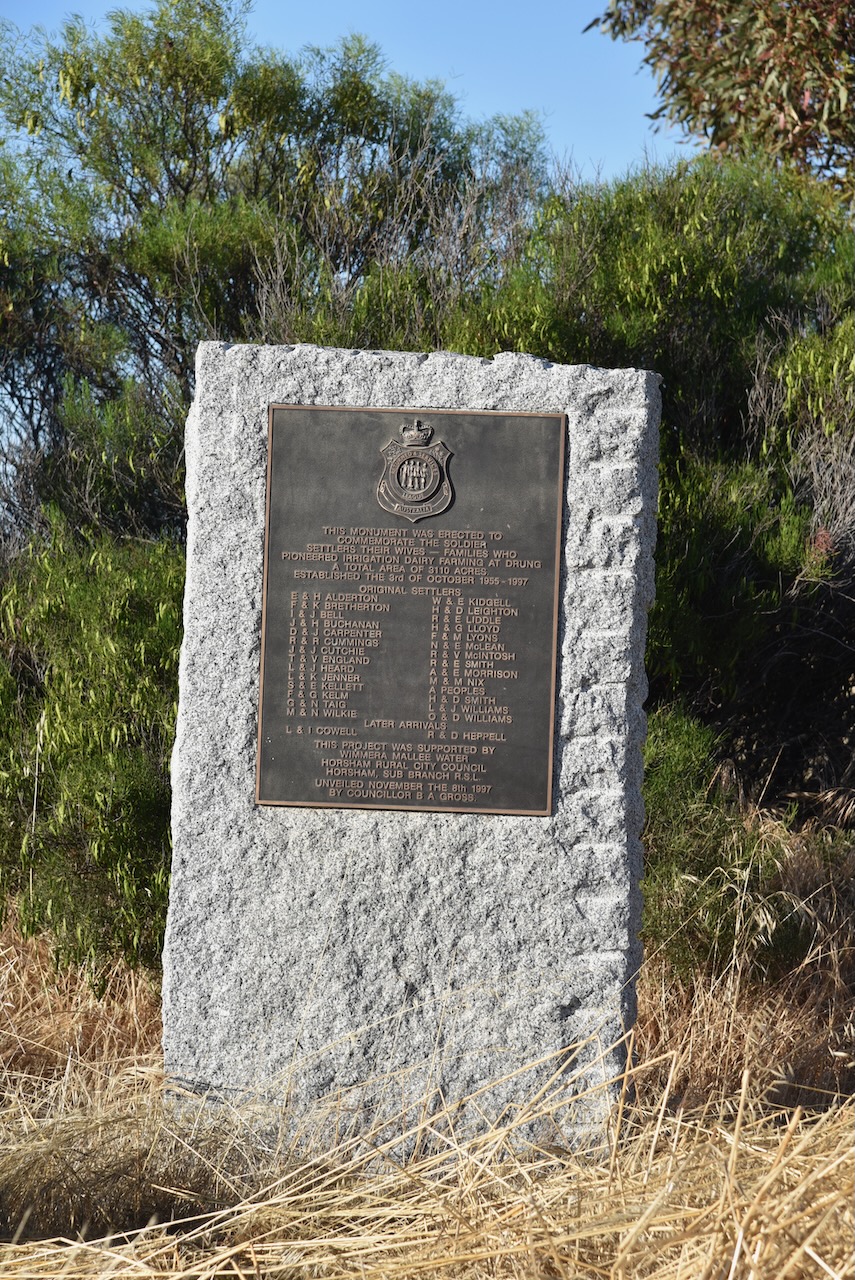
After breakfast, we headed out to view the monument at Drung for the soldier settlers and their wives and families who pioneered irrigation dairy farming at Drung. Drung is just a few km southeast of Horsham. Drung is an aboriginal word for ‘much spoiled’ and is the name of an Irish village in COunty Donegal. (Blake 1978)
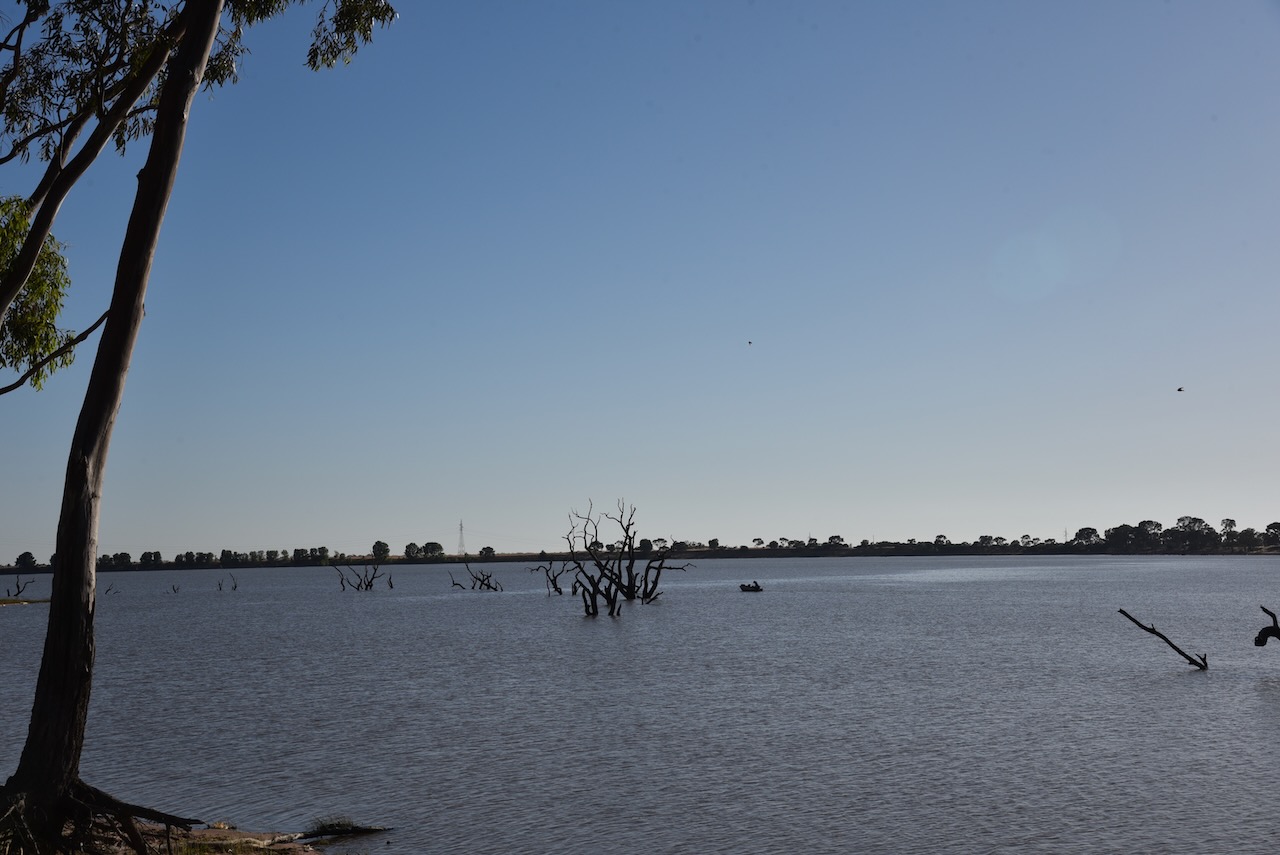
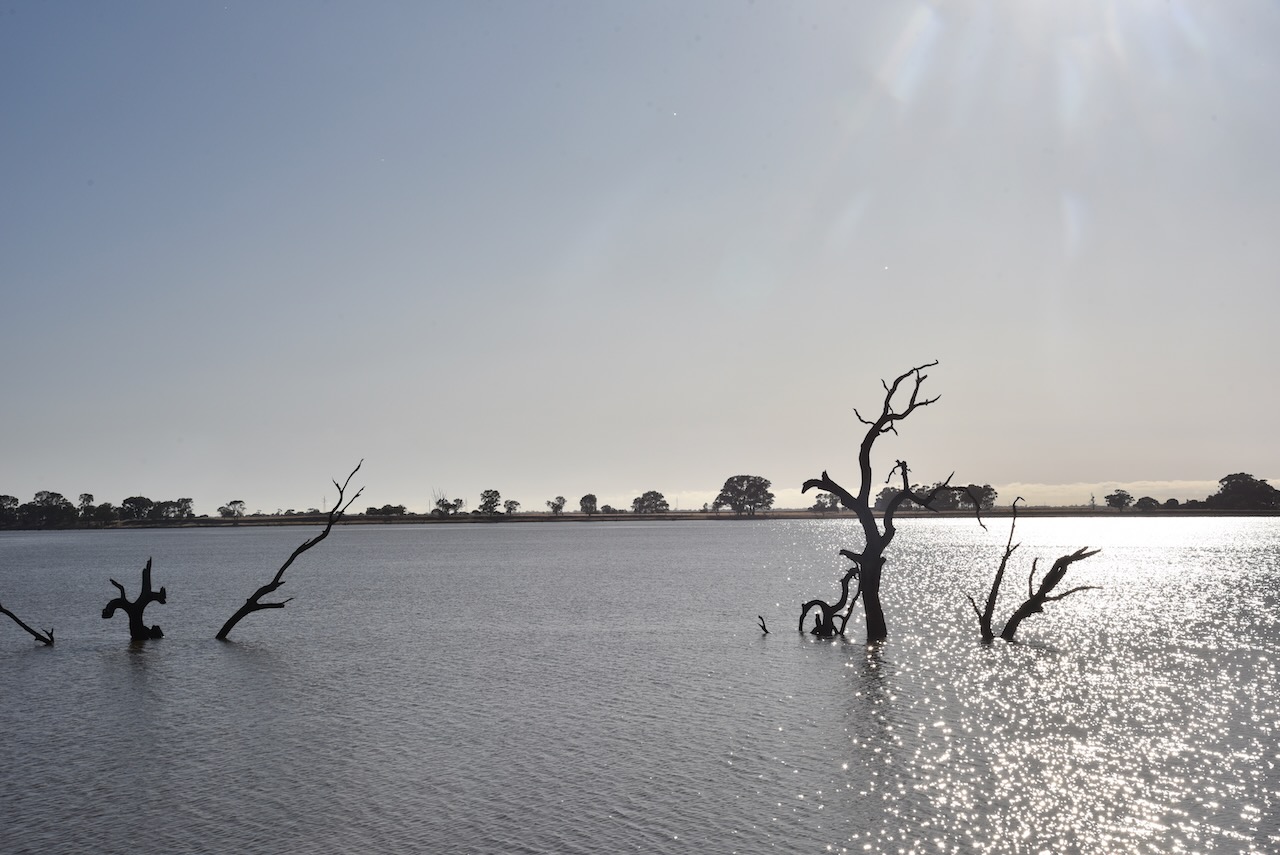
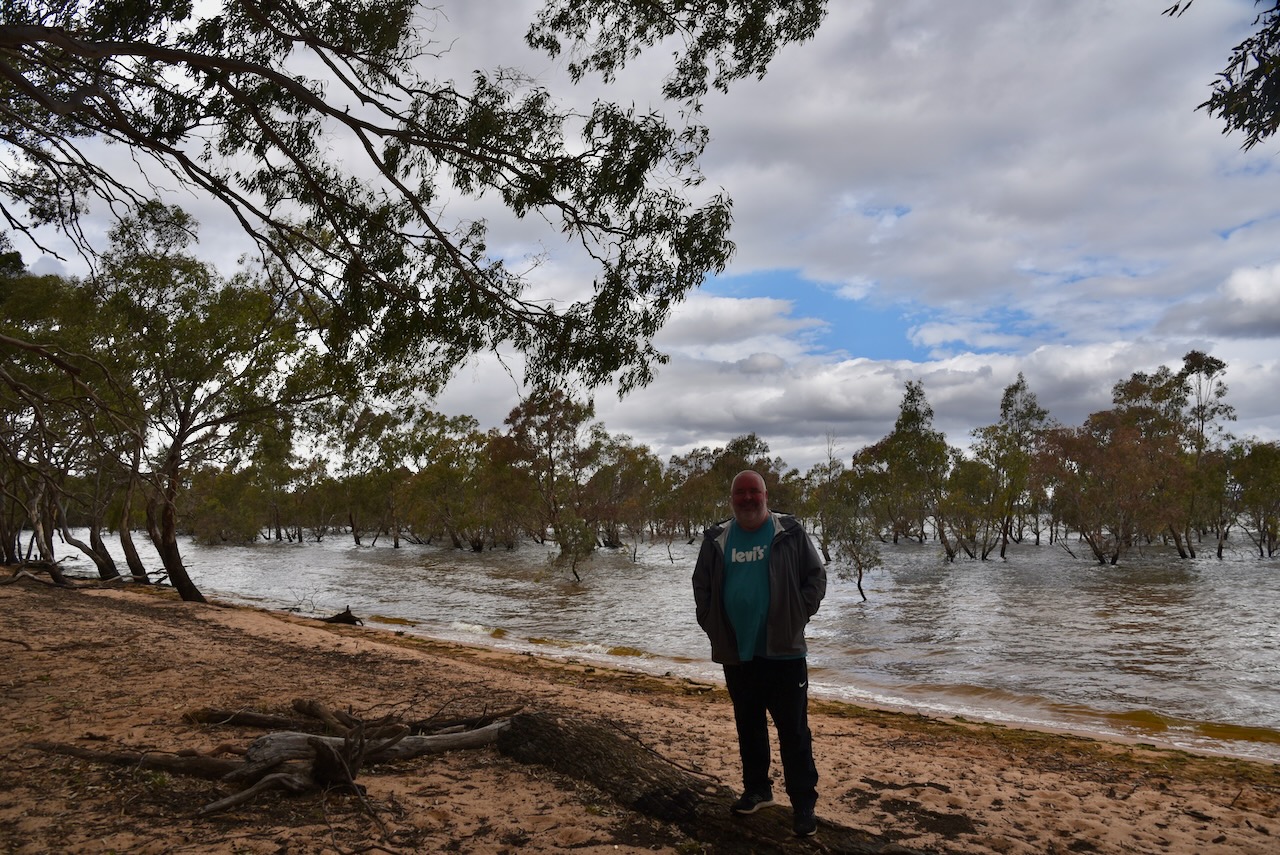
We then visited Taylors Lake which is on the edge of my Uncle’s property, about 20 km southeast of Horsham. The lake is an off-stream reservoir and a water source for the district. It is popular with locals for camping, fishing and water skiing. (GWM Water 2024)
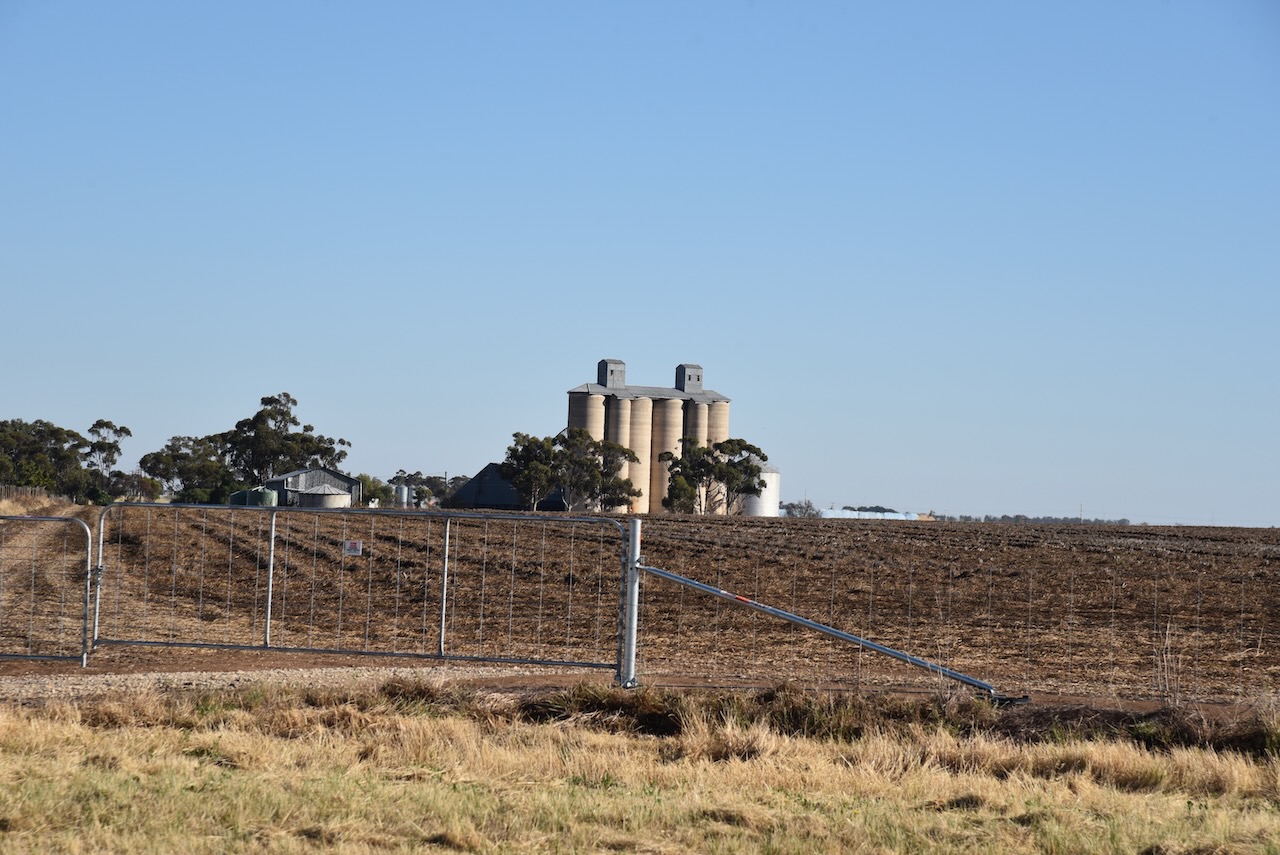
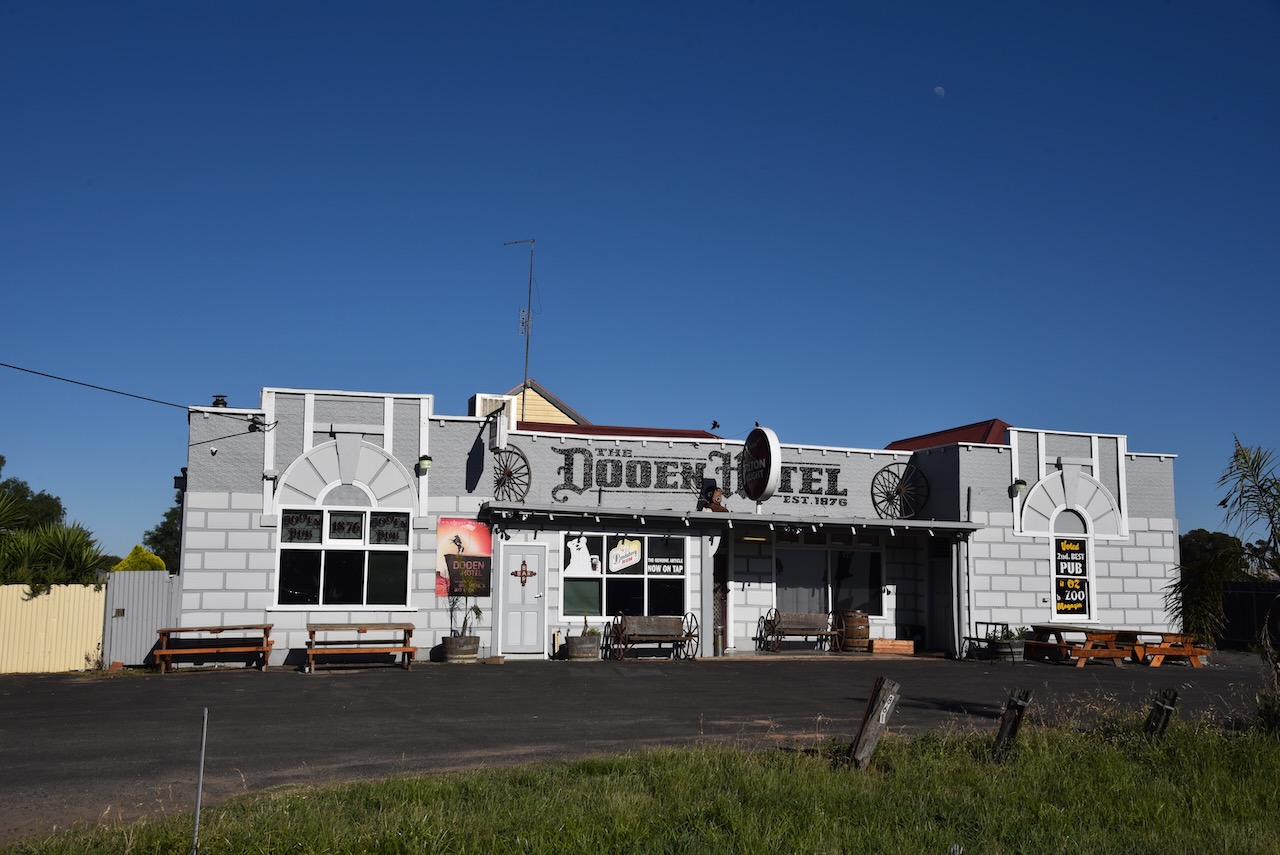
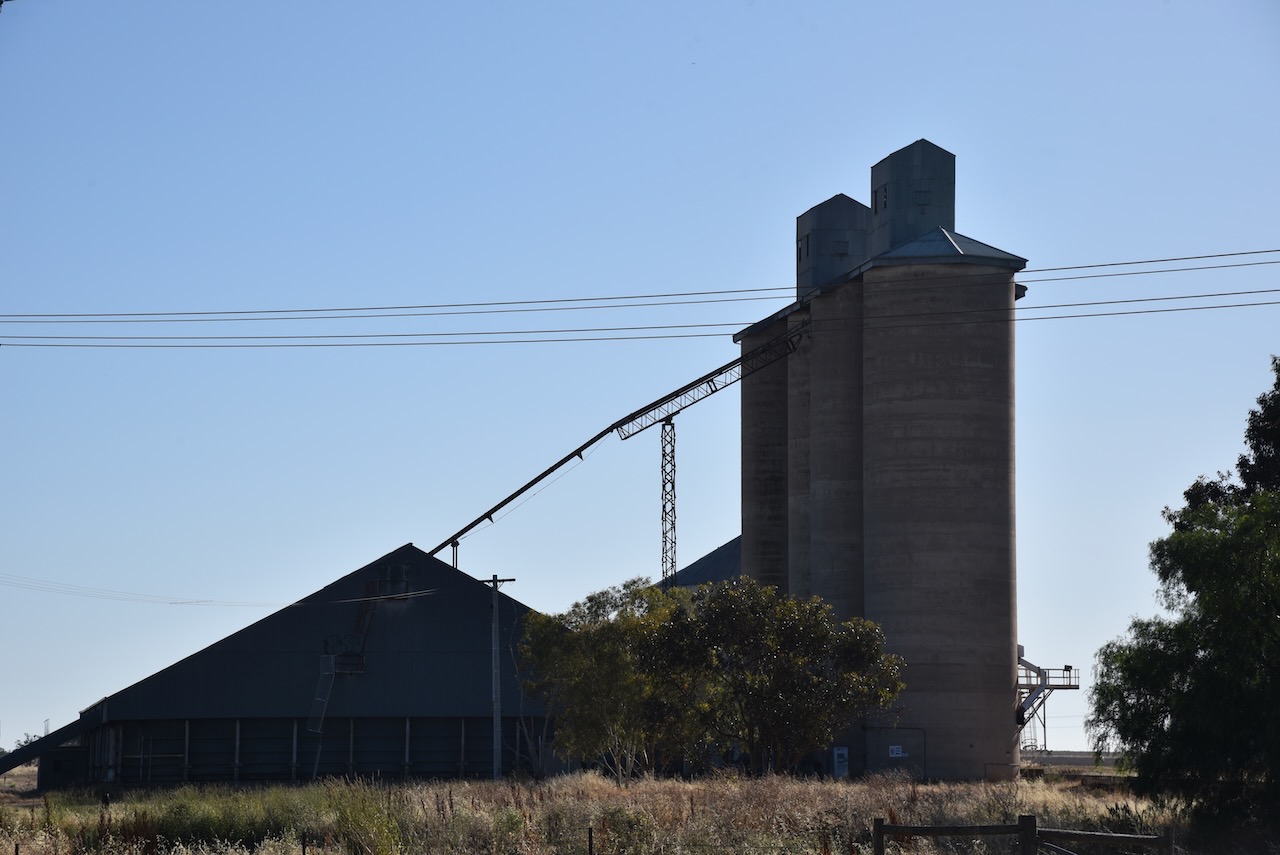
Our first activation for the day was the Dooen silo VK-DNE3 for the Silos On The Air (SiOTA) program. Dooen is an aboriginal word meaning ‘big swamp or a circle used in tribal rites. (Blake 1978)
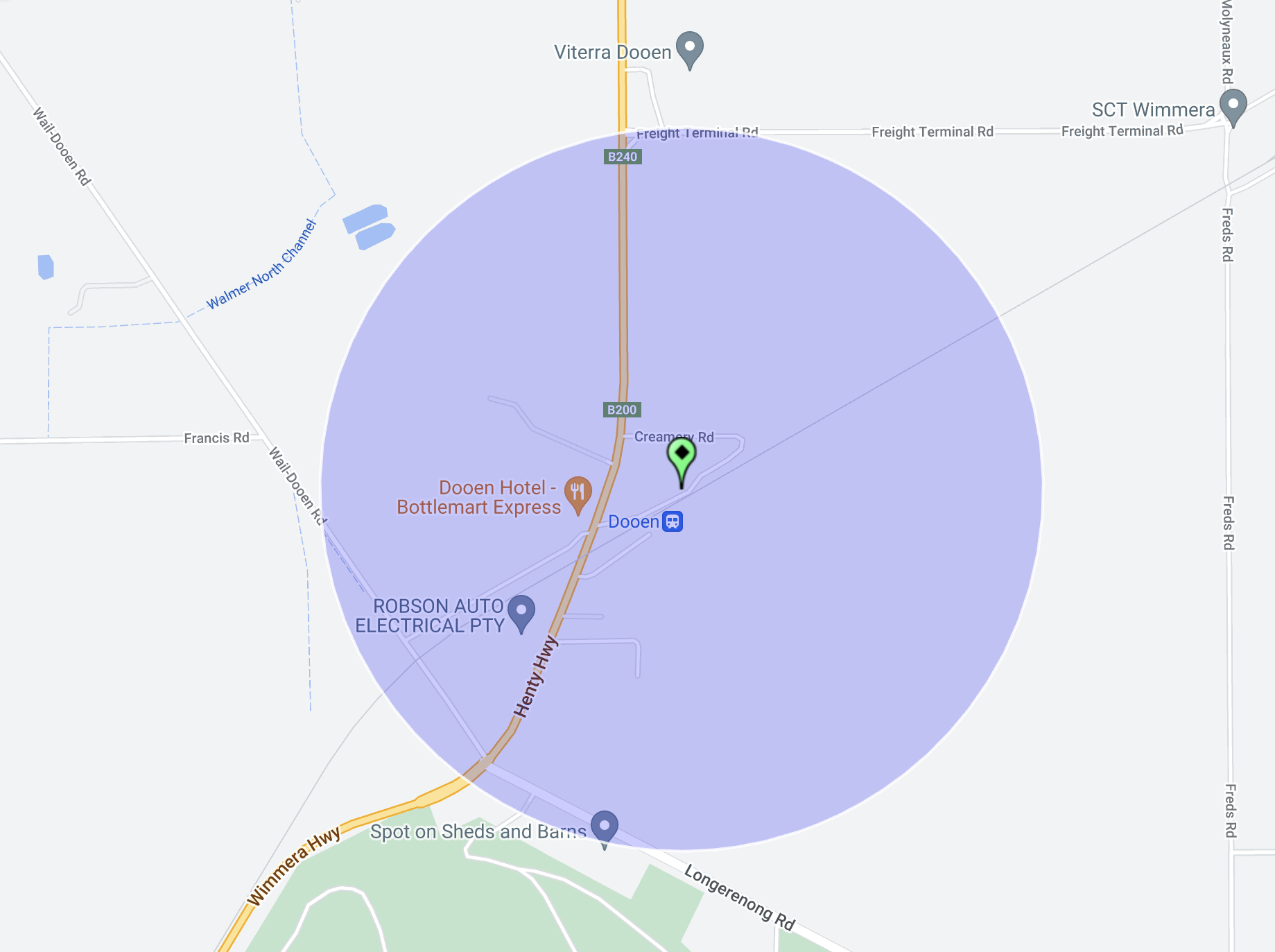
Marija and I parked on Creamery Road
Above:- Map showing the activation zone at the Dooen silo. Image c/o SiOTA website.
Marija worked the following station on 40m SSB:-
VK3VIN
VK3APJ
VK2VH
VK4AAC
VK3ZK/p (Wilsons Promontory Marine National Park VKFF-0956)
I worked the following stations on 40m SSB:-
VK3VIN
VK3APJ
VK2VH
VK4AAC
VK3ZK/p (Wilsons Promontory Marine National Park VKFF-0956)
VK2USH
VK1AO
VK2MET
VK3AWA
VK3ZPF
VK2EXA
VK2AX
VK3UAO
VK2RP/m
VK2BDR/m
VK7LJP
I worked the following stations on 20m SSB:-
VK1AO
VK2MET
VK7AAE
VK2IO
References.
Leslie James Blake, 1978, Place Names of Victoria.
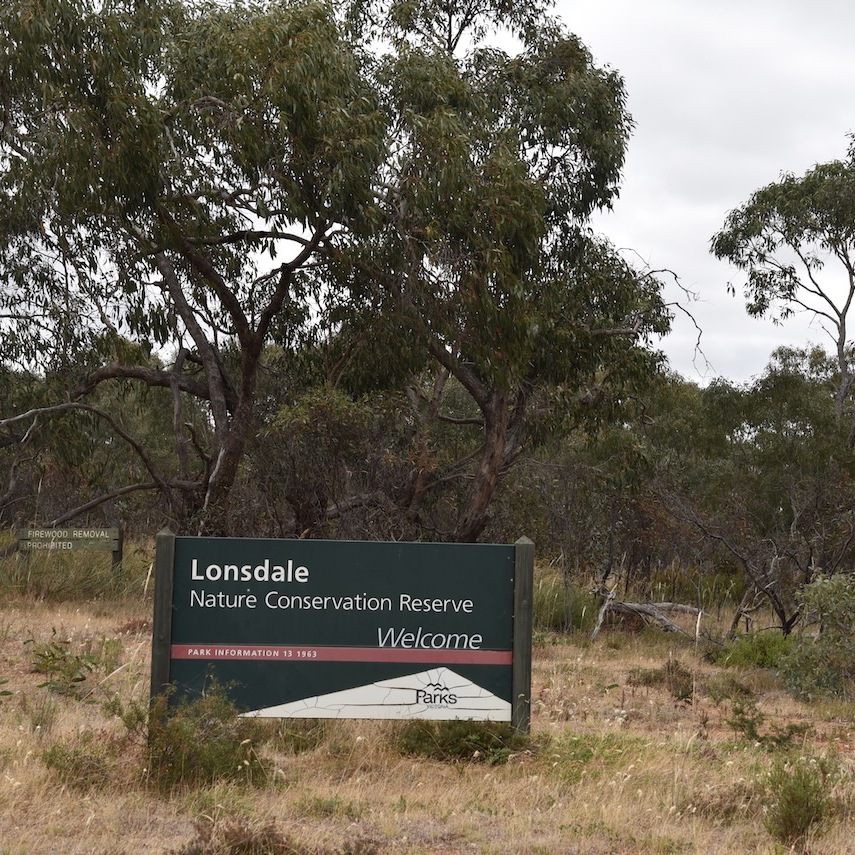
Our final activation for Saturday 2nd December 2023 was the Lonsdale Nature Conservation Reserve VKFF-2132.
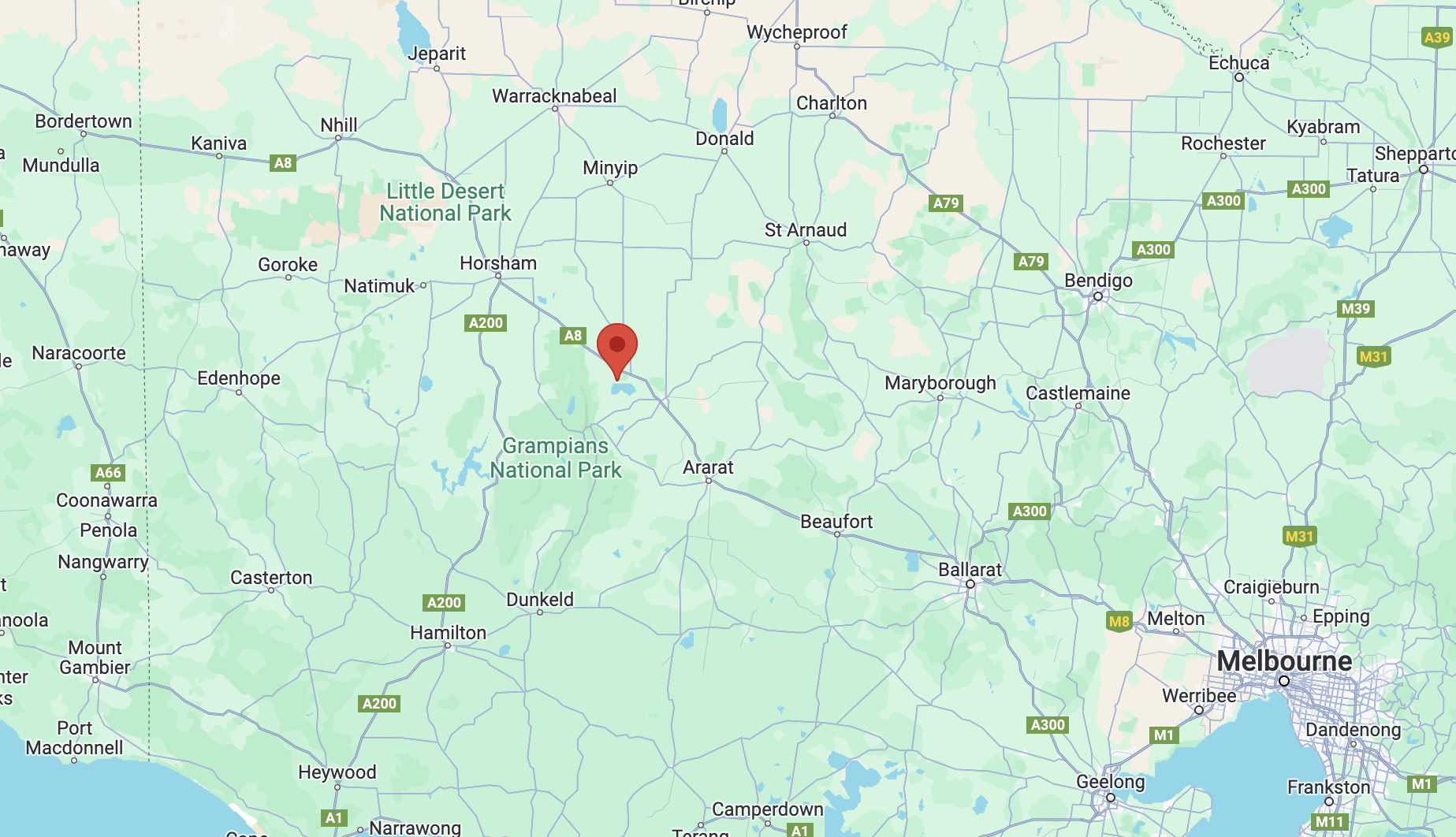
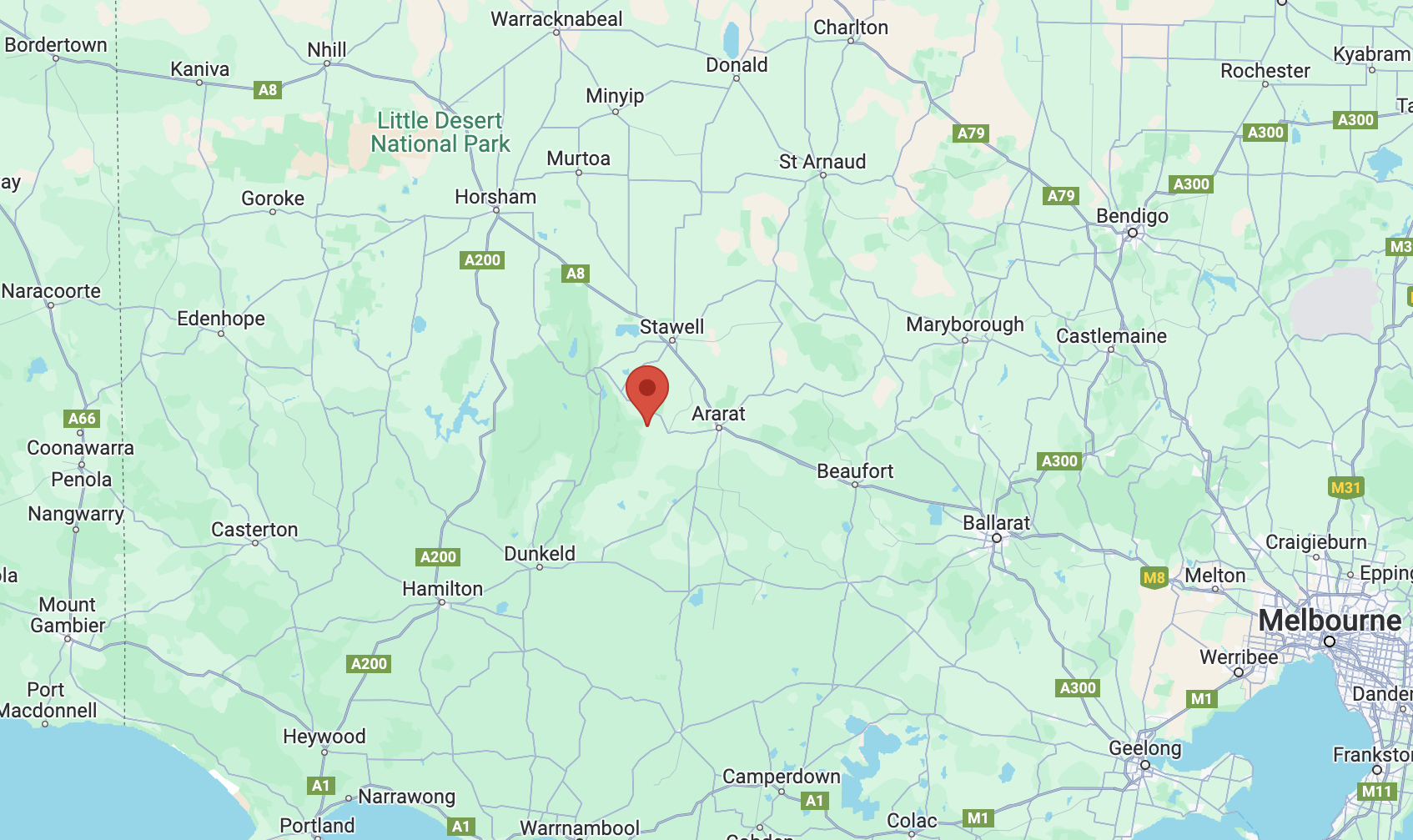
The reserve is located about 17 km northwest of Stawell and about 250 km northwest of the city of Melbourne.
Above:- Map showing the location of the Lonsdale NCR. Map c/o Google Maps.
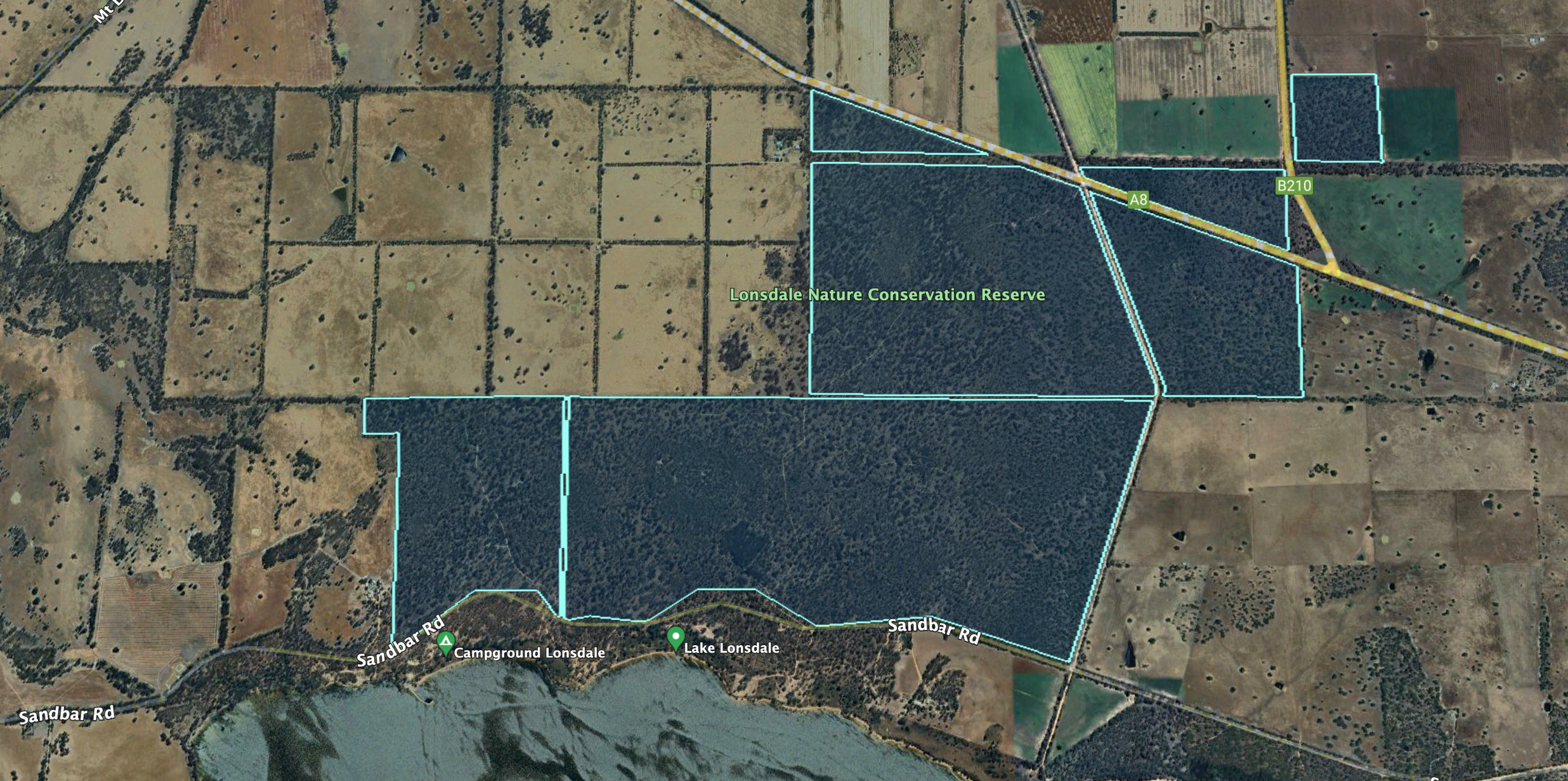
The reserve’s northern boundary is the Western Highway, while its southern boundary is Sandbar Road.
Above:- An aerial view of the Lonsdale NCR. Image c/o Google Earth.
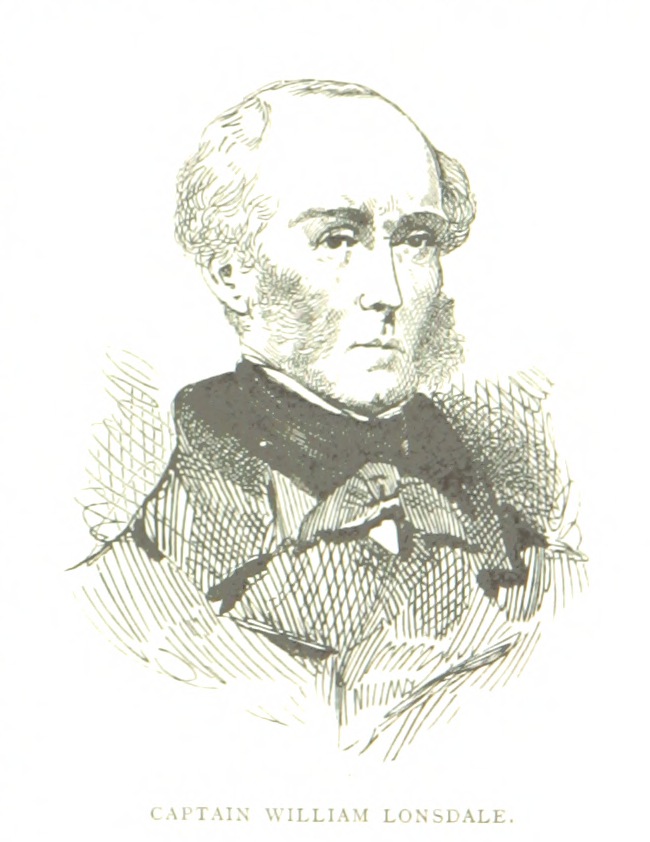
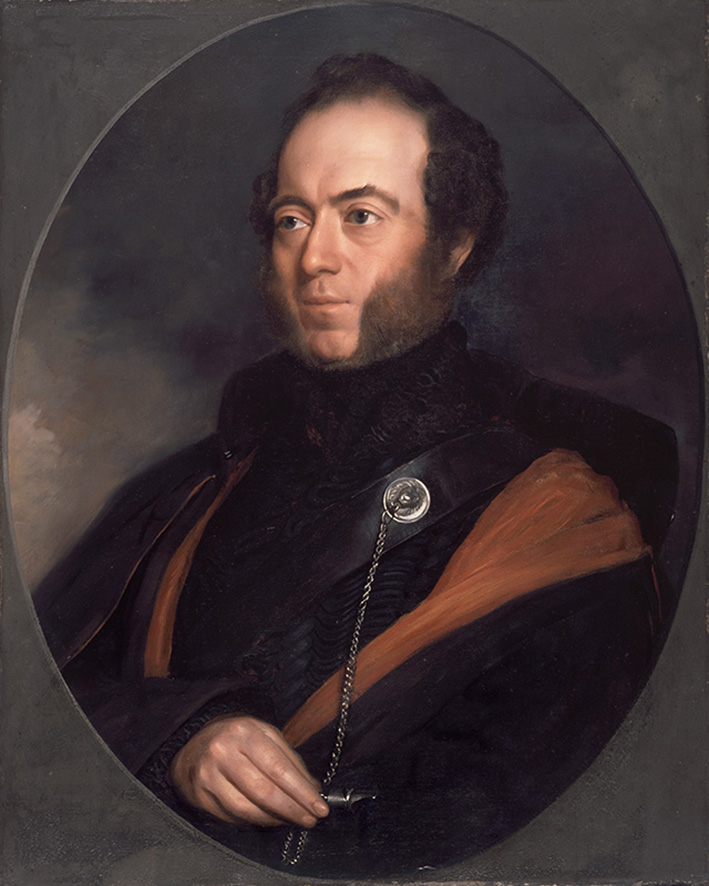
The reserve is named in honour of William Lonsdale (b. 1799. d. 1864). He supervised the founding of the official settlement at Port Phillip (later named Melbourne) and went on to serve under Superintendent La Trobe from 1839 to 1854.
Above:- William Lonsdale. Image c/o Wikipedia.
The reserve is about 686 hectares in size and was established on the 26th day of February 2002. (CAPAD 2022)
Marija worked the following stations on 40m SSB:-
VK3TKK/p (Rise and Shine Bushland Reserve VKFF-4277)
VK2BKT/p
VK1AO
VK2MET
VK5FANA
VK2YK
VK5GA
VK3PF
VK3KAI
VK4CZ
I worked the following stations on 40m SSB:-
VK5HS
VK3TKK/p (Rise and Shine Bushland Reserve VKFF-4277)
VK2BKT/p
VK1AO
VK2MET
VK5FANA
VK2YK
VK5GA
VK3PF
VK3KAI
VK4CZ
VK7AN
VK4EW
VK1AAF
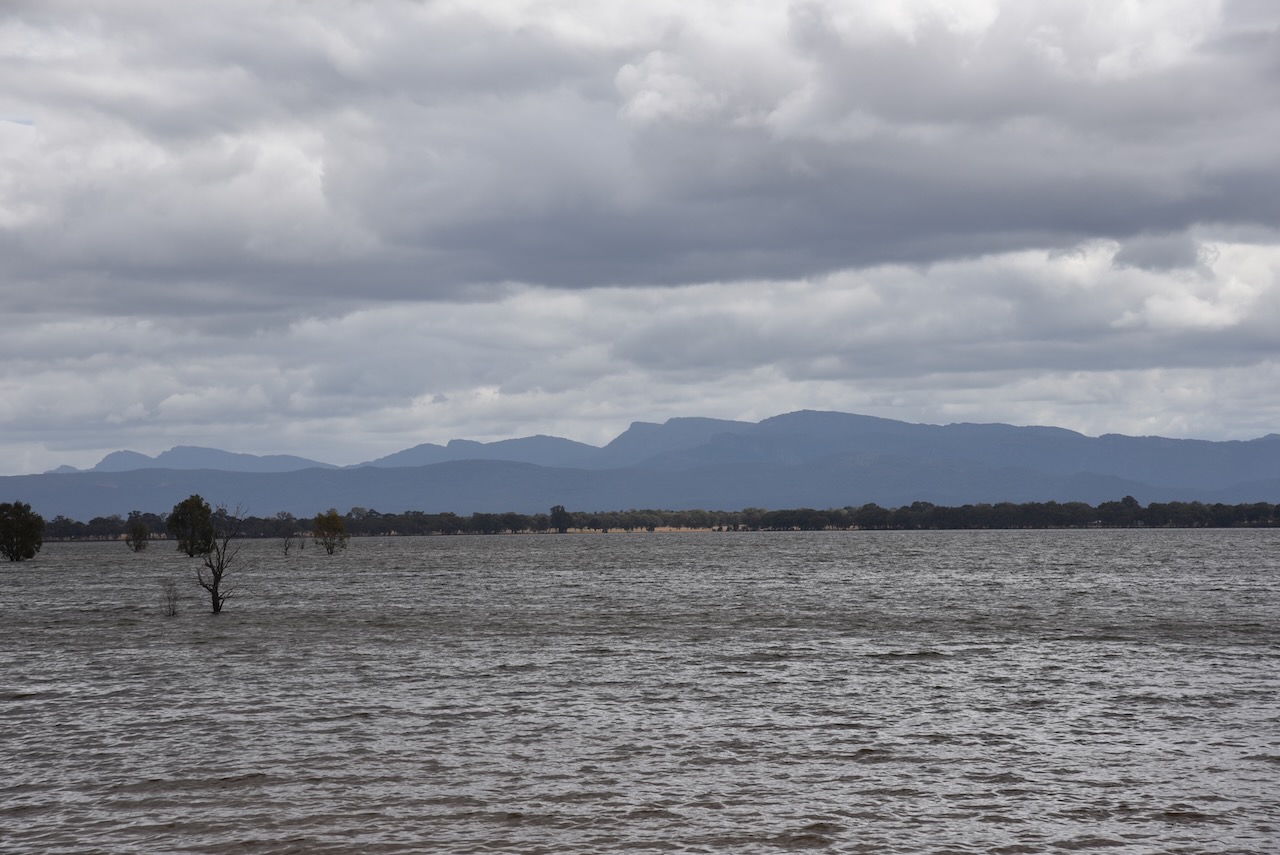
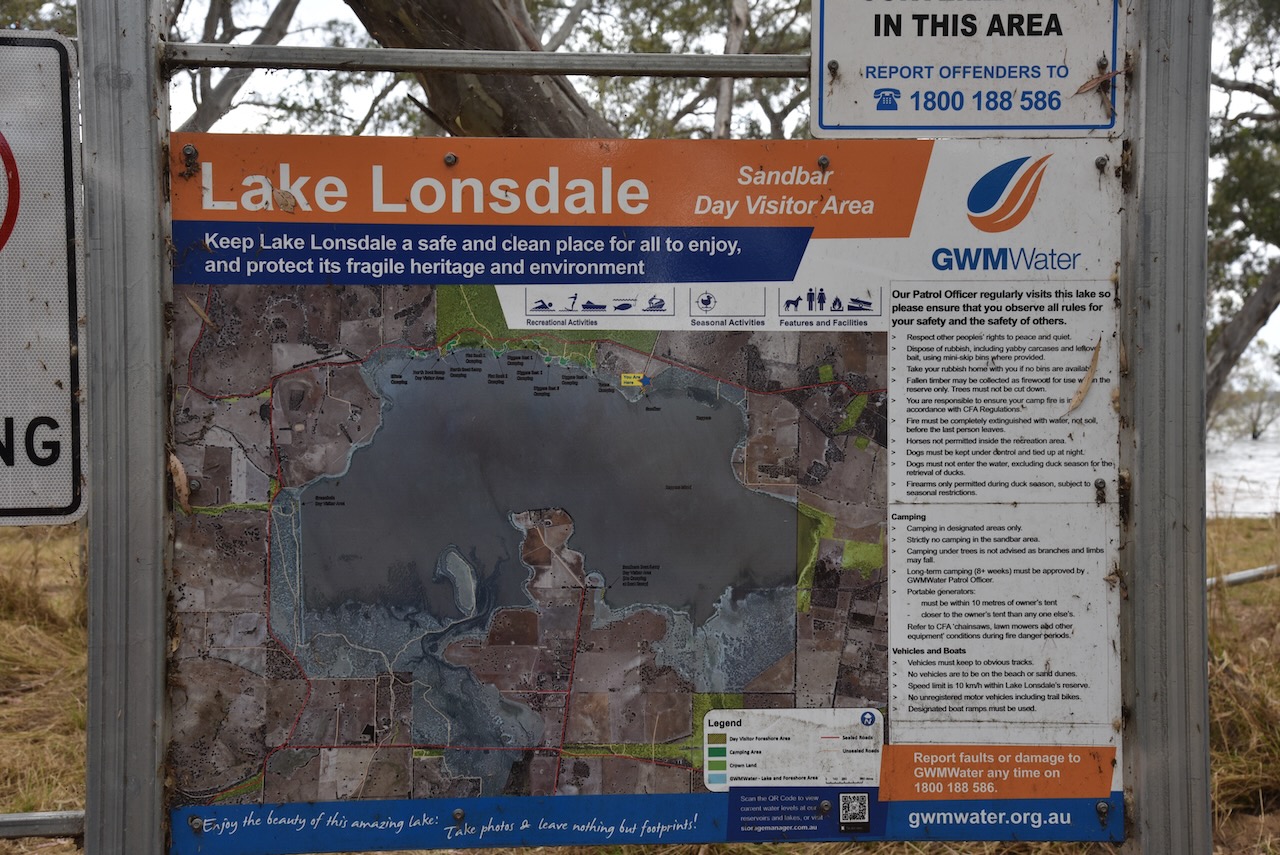
After packing up Marija and I visited Lake Lonsdale. It is a popular spot for fishers and water sporting enthusiasts.
Marija and I then headed into Stwell where we booked into our accommodation.
That evening Marija and I went to my cousin’s house to catch up with the extended family including my Uncle Jack. Sadly my Aunty Dawn passed away during our trip. It was a sad occasion, but we shared many laughs and reflected on the good times.
Our next activation for Saturday 2nd December 2023 was the Black Range Natural Features Reserve VKFF-3601.
The park is about 14 km (by road) south of Stawell and about 246 km northwest of the city of Melbourne.
Above:- Map showing the location of Black Range NFR. Map c/o Google Maps.
The Black Range Natural Features Reserve comprises three separate sections.
Above:- An aerial view of the Black Range NFR. Image c/o Google Earth.
The reserve is about 527 hectares in size and was established on the 22nd day of November 1983 (CAPAD 2022)
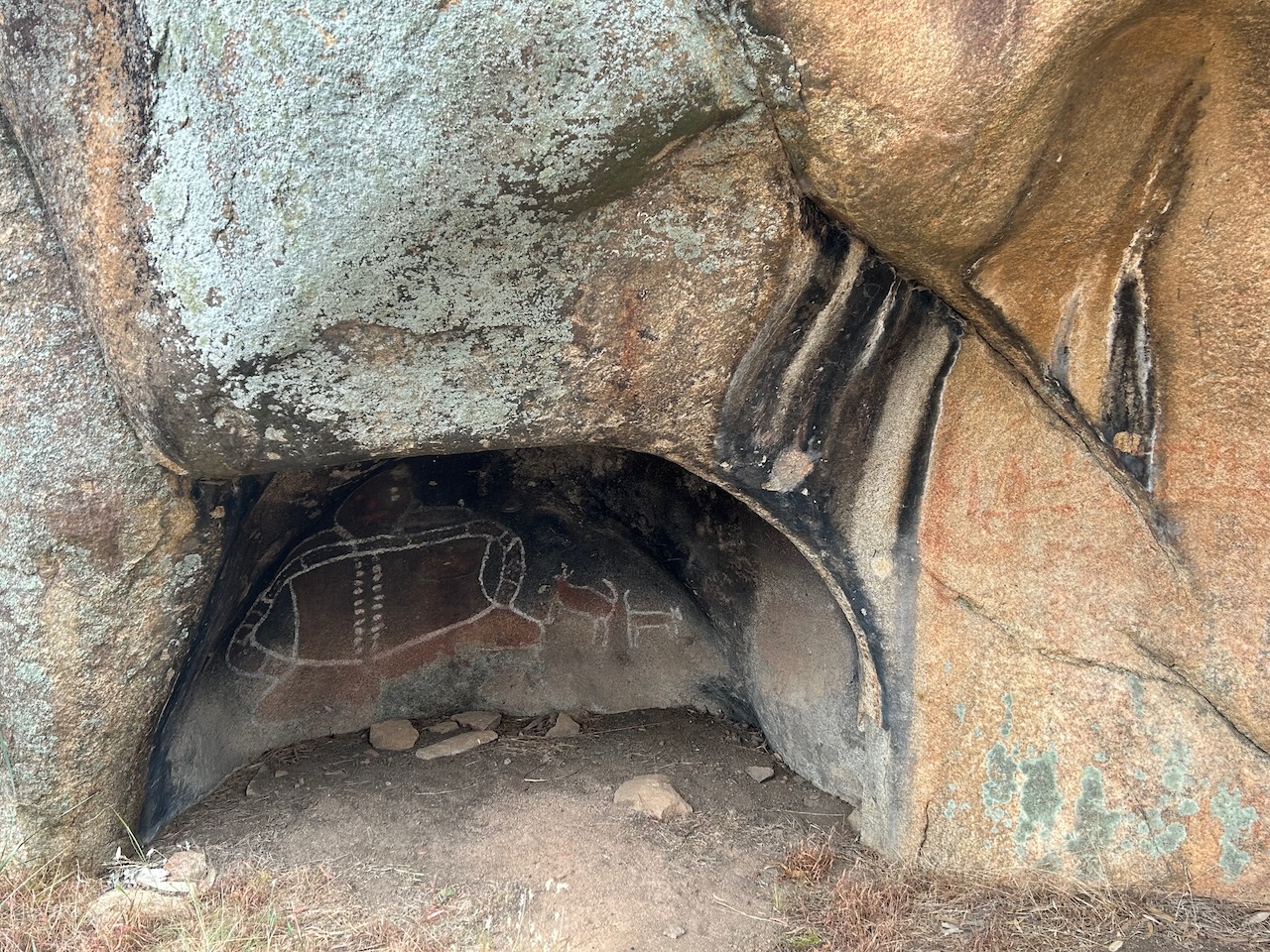
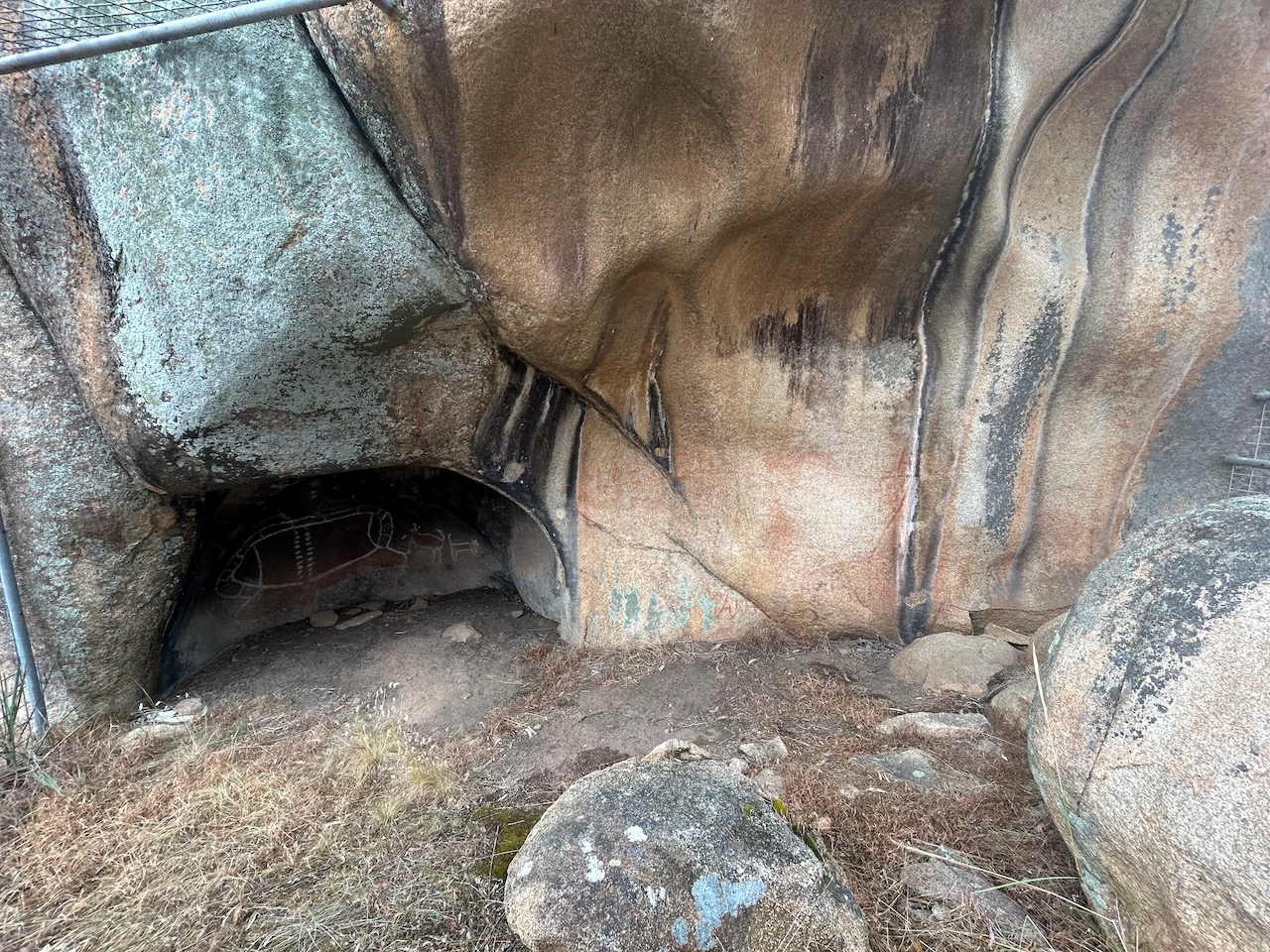
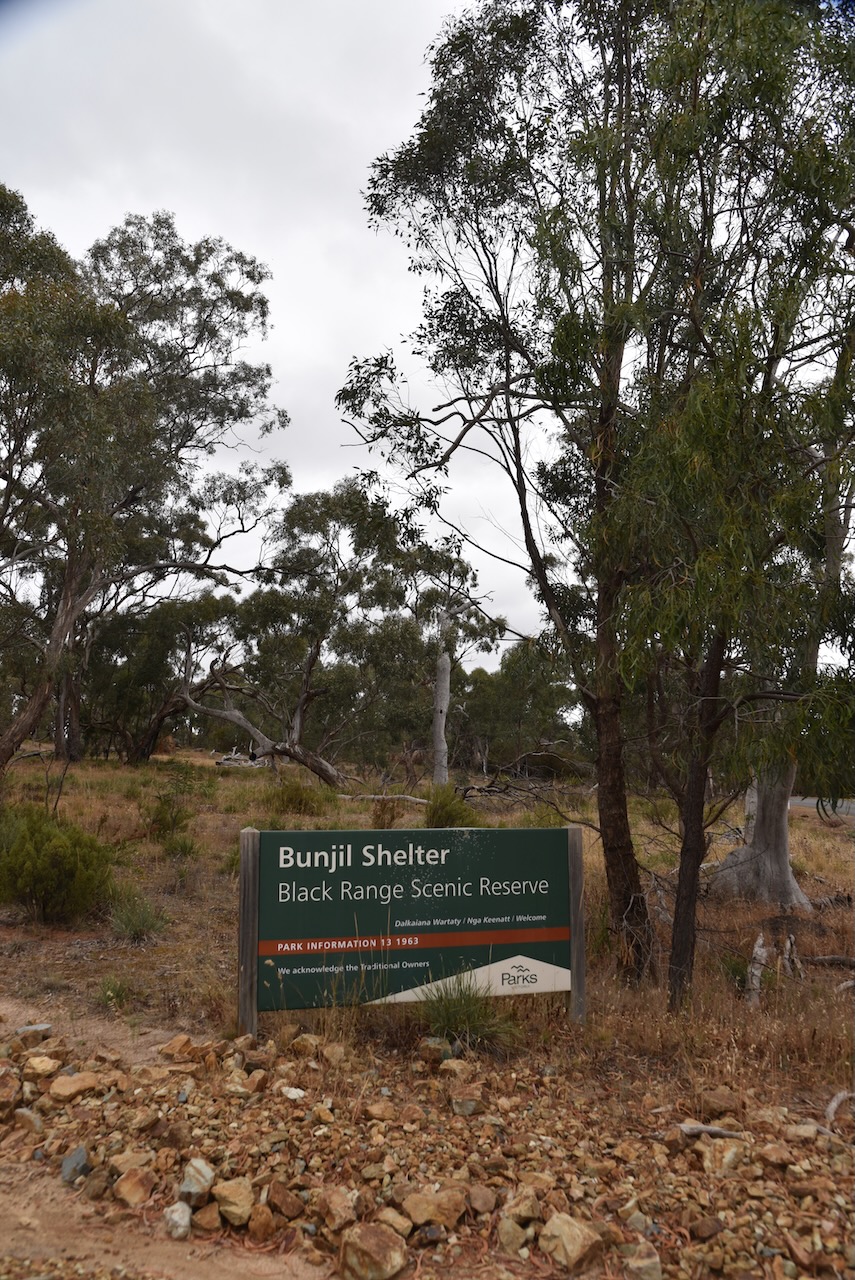
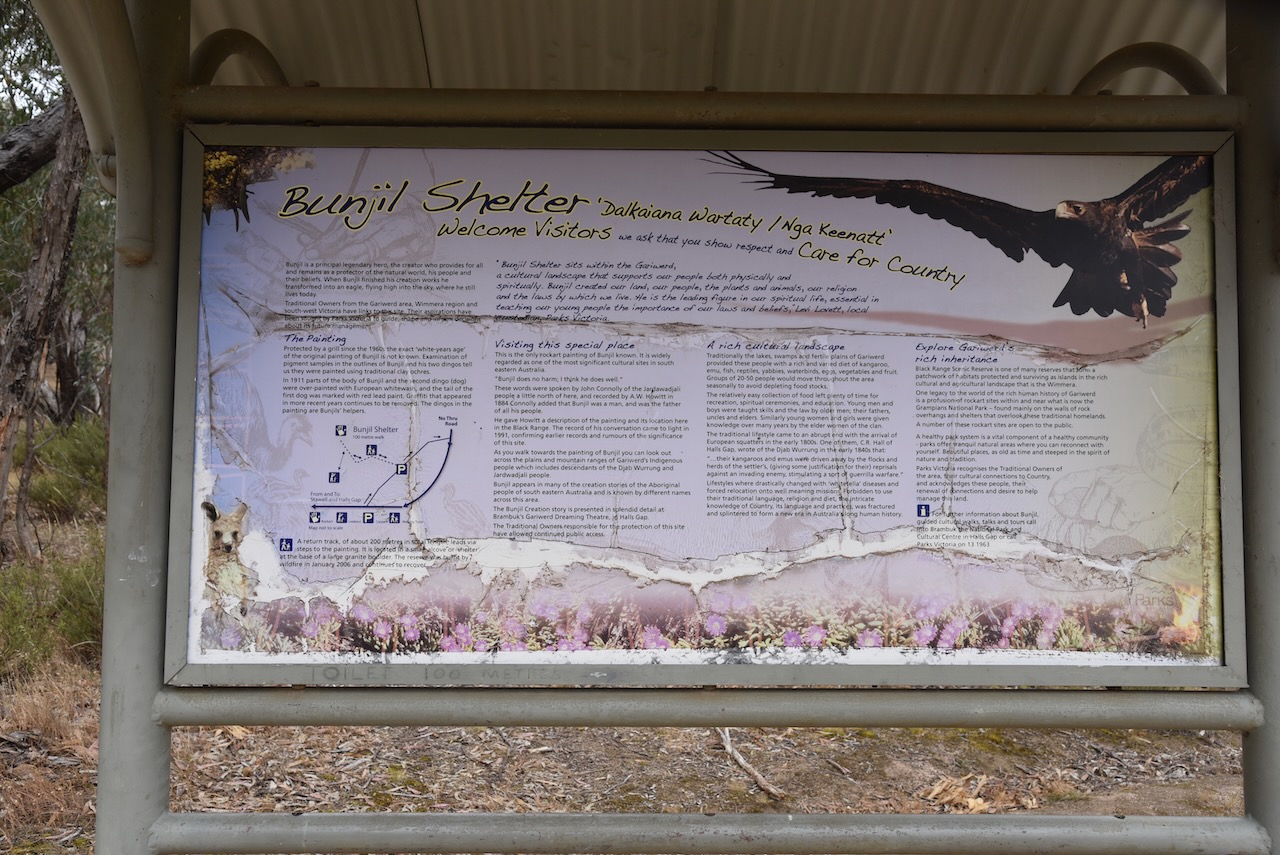
Within the park is Bunjil Shelter. Bunjil is a principal legendary hero, the creator who provides for all and remains a protector of the natural world, his people and their beliefs. When Bunjil finished his creation works he transformed into an eagle, flying high in the sky, where he still lives today. This is the only knock rock art painting of Bunjil. The age of the painting is not known.
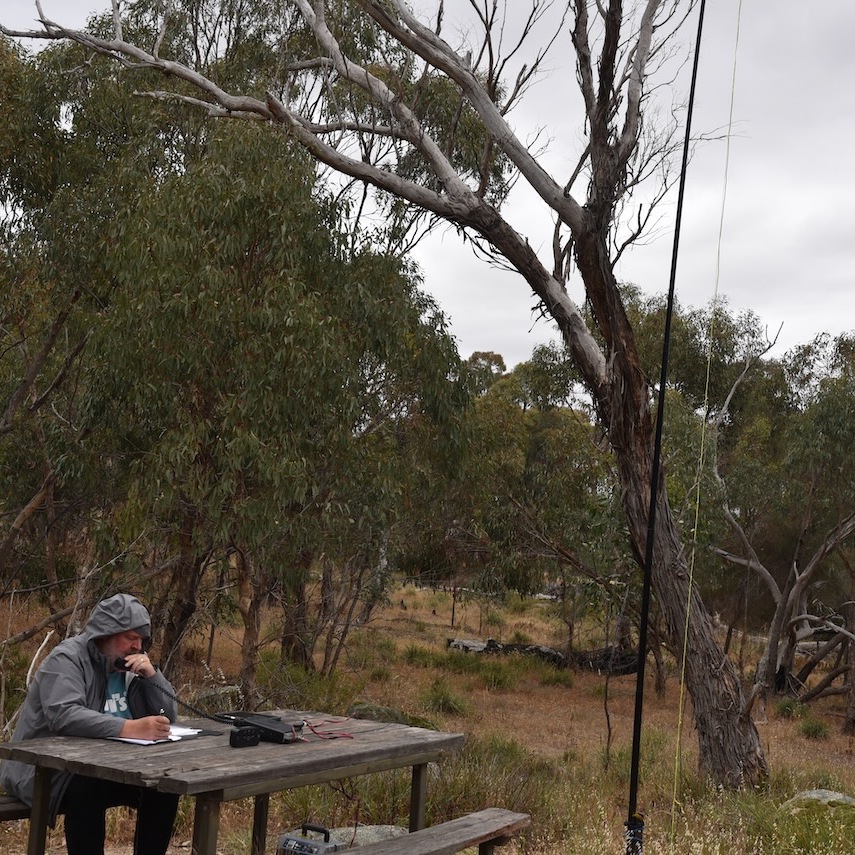
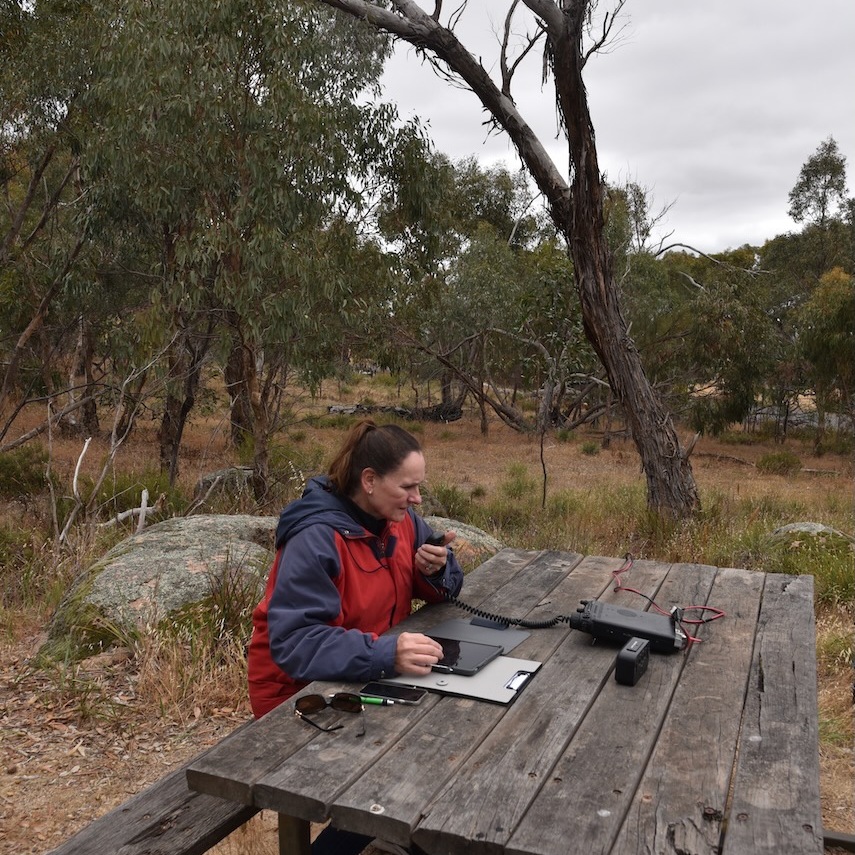
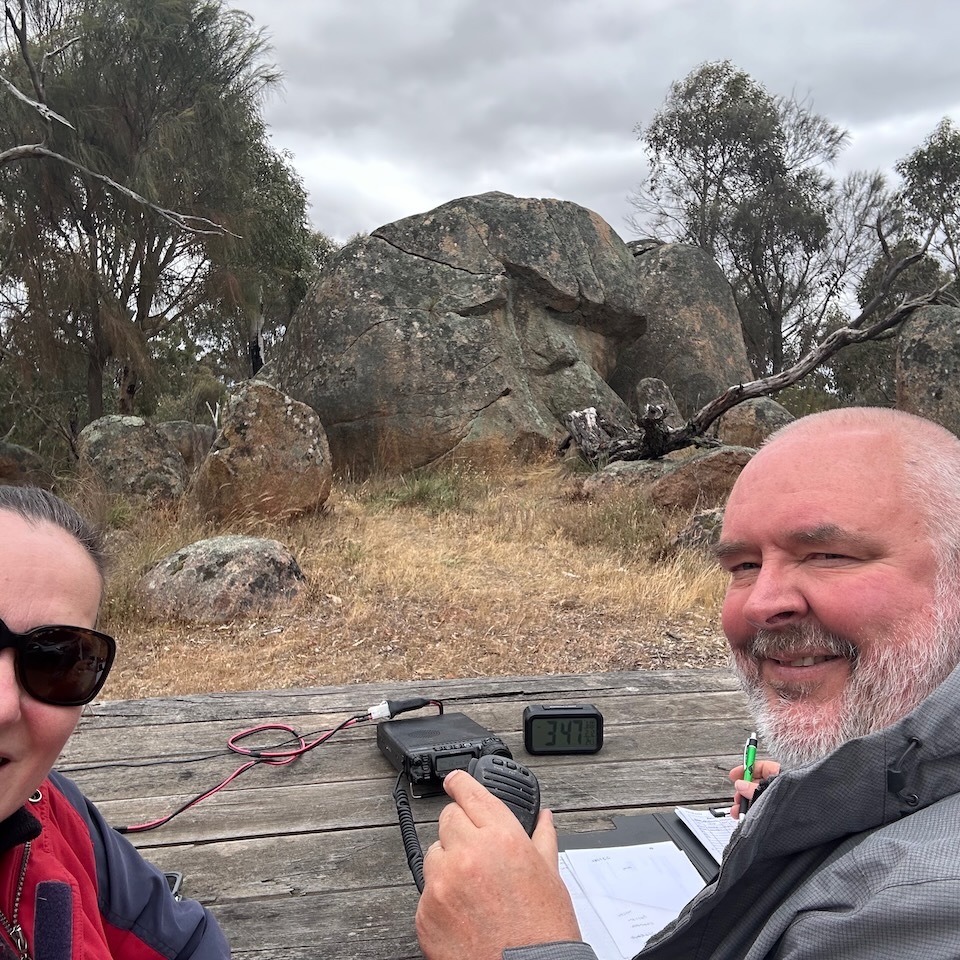
We set up on a wooden table and benches. We ran the Yaesu FT857, 40 watts and the 20/40/80m linked dipole. I used the special call of VI10VKFF.
Marija and I started on the 40m band, but just as we started calling CQ, 2 cars arrived and our noise floor went from strength 0 to strength 7-8. The minute the engines of both vehicles were switched off, our noise floor dropped to zero again.
Marija worked the following stations on 20m SSB:-
VK1AO
VK2MET
Marija worked the following stations on 40m SSB:-
VK3SQ
VK2BD
VK5LA
VK5KAW
VK5HS
VK5MK/p (Wapma Thura – Southern Flinders Ranges National Park VKFF-3189)
VK2EXA
VK3CLD
VK5FANA
I worked the following stations on 20m SSB:-
VK1AO
VK2MET
I worked the following stations on 40m SSB:-
VK3SQ
VK2BD
VK5LA
VK5KAW
VK5HS
VK5MK/p (Wapma Thura – Southern Flinders Ranges National Park VKFF-3189)
Our third activation for Saturday 2nd December 2023 was the Jallukar Nature Conservation Reserve VKFF-2115.
The reserve is about 25 km (by road) west of Ararat and about 231 km northwest of the city of Melbourne.
Above:- Map showing the location of the Jallukar NCR. Map c/o Google Maps.
Before activating the park, Marija and I visited the Moyston cemetery.
One of the interesting headstones in the cemetery is that of Hugh McDonald. He was born in 1834 in Kilmahalmah, Ross-Shire, Scotland, and emigrated to Australia in 1854 aboard the Tasmania. Upon his arrival in Australia, he commenced gold mining in Victoria. He subsequently purchased land at Mount Ararat known as Mount Ararat Estate. McDonald died in 1917 at the age of 83 years. (Find a Grave 2024)
The Jallukar Nature Conservation Reserve is located on the northern side of Ararat-Halls Gap Road.
Above:- An aerial view of the Jallukar NCR. Image c/o Google Earth.
Jallukar is an aboriginal word for the valley between the Sierra and Victoria Ranges. The reserve is about 1,207 hectares in size and was established on the 26th day of February 2002. (Blake 1978) (CAPAD 2022)
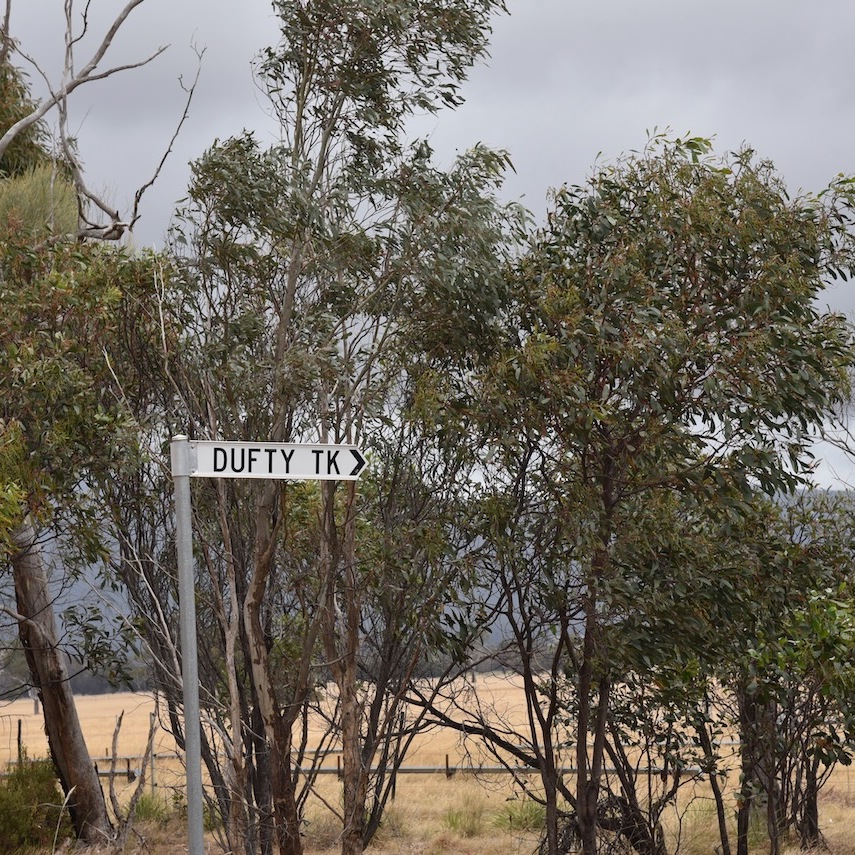
We accessed the park via Dufty Track. We ran the Yaesu FT857, 40 watts, and the 20/40/80m linked dipole. I used the special event callsign of VI10VKFF.
Marija worked the following stations on 40m SSB:-
VK3PF
VK3KAI
VK3SQ
VK2BD
VK5HS
VK2EM/p (Lake Innes State Conservation Area VKFF-1339)
VK2OKR/p (Lake Innes State Conservation Area VKFF-1339)
VK2AUS/p (Lake Innes State Conservation Area VKFF-1339)
VK1AO
VK2MET
VK1ACE/p (Batemans Marine Park VKFF-1406)
I worked the following stations on 40m SSB:-
VK3PF
VK3KAI
VK3SQ
VK2BD
VK5HS
VK2EM/p (Lake Innes State Conservation Area VKFF-1339)
VK2OKR/p (Lake Innes State Conservation Area VKFF-1339)
VK2AUS/p (Lake Innes State Conservation Area VKFF-1339)
VK5LA
VK5KAW
VK1AO
VK2MET
VK1ACE/p (Batemans Marine Park VKFF-1406)
VK5FANA
VK5DW
VK2YK
VK5GA
VK2EXA
VK2YAK
VK4YAK
VK4CEG/p
VK1AAF
VK3UH
I worked the following station on 20m SSB:-
VK2IO/m
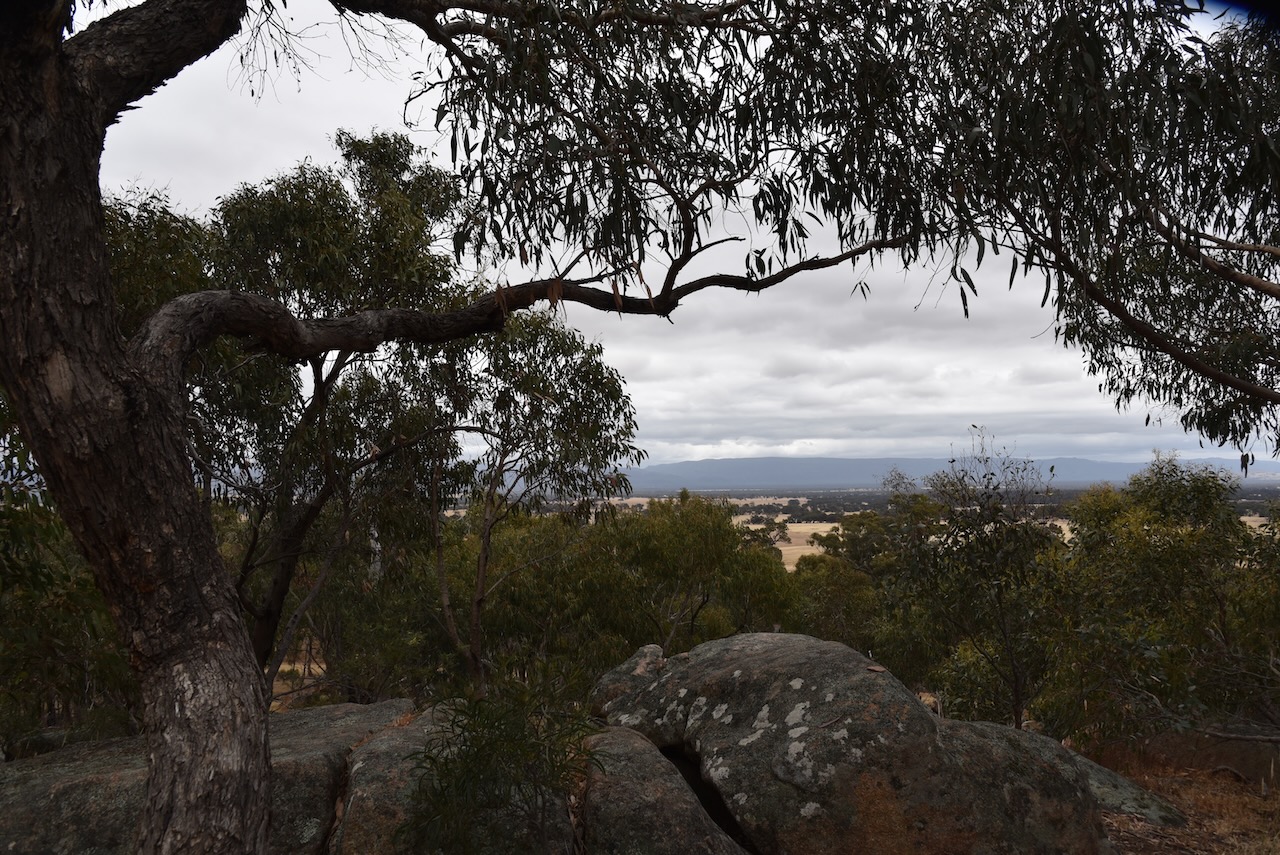
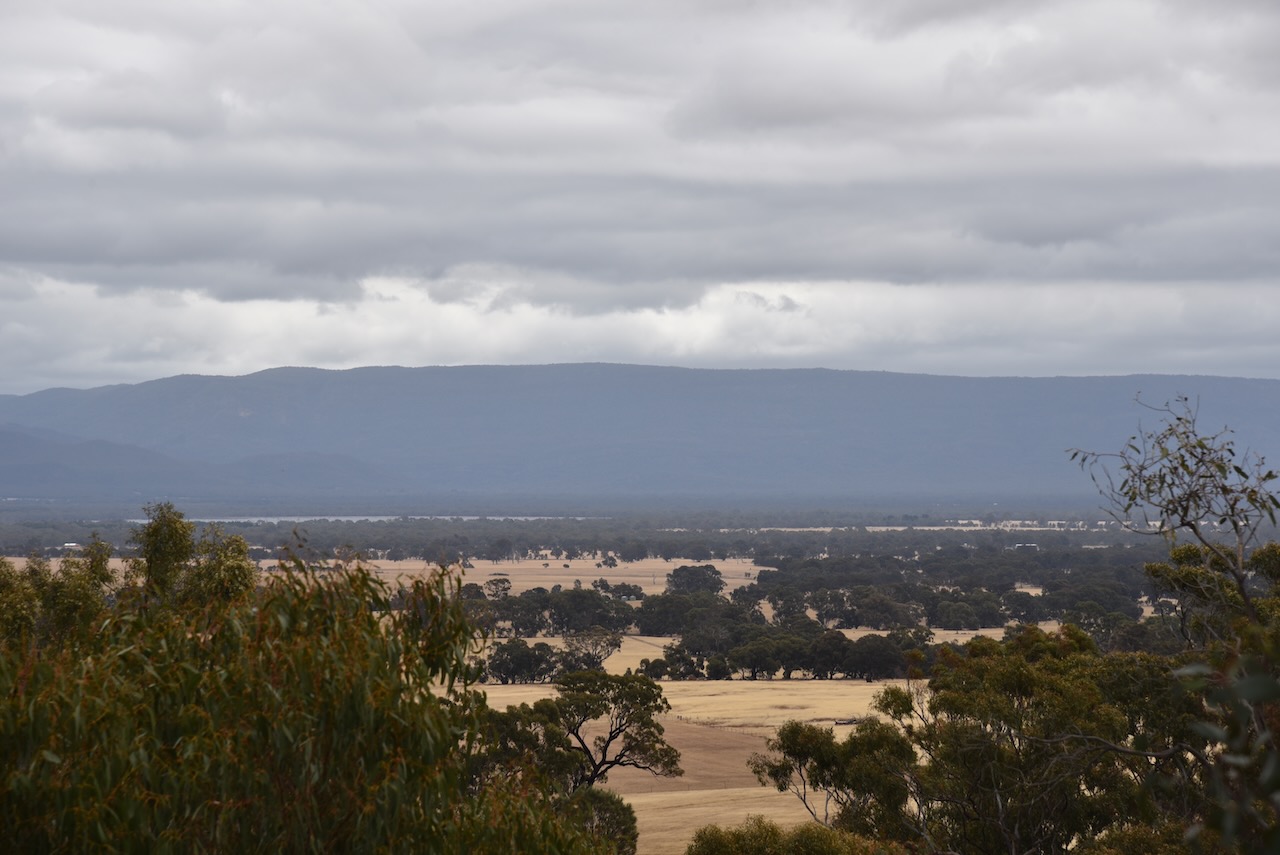
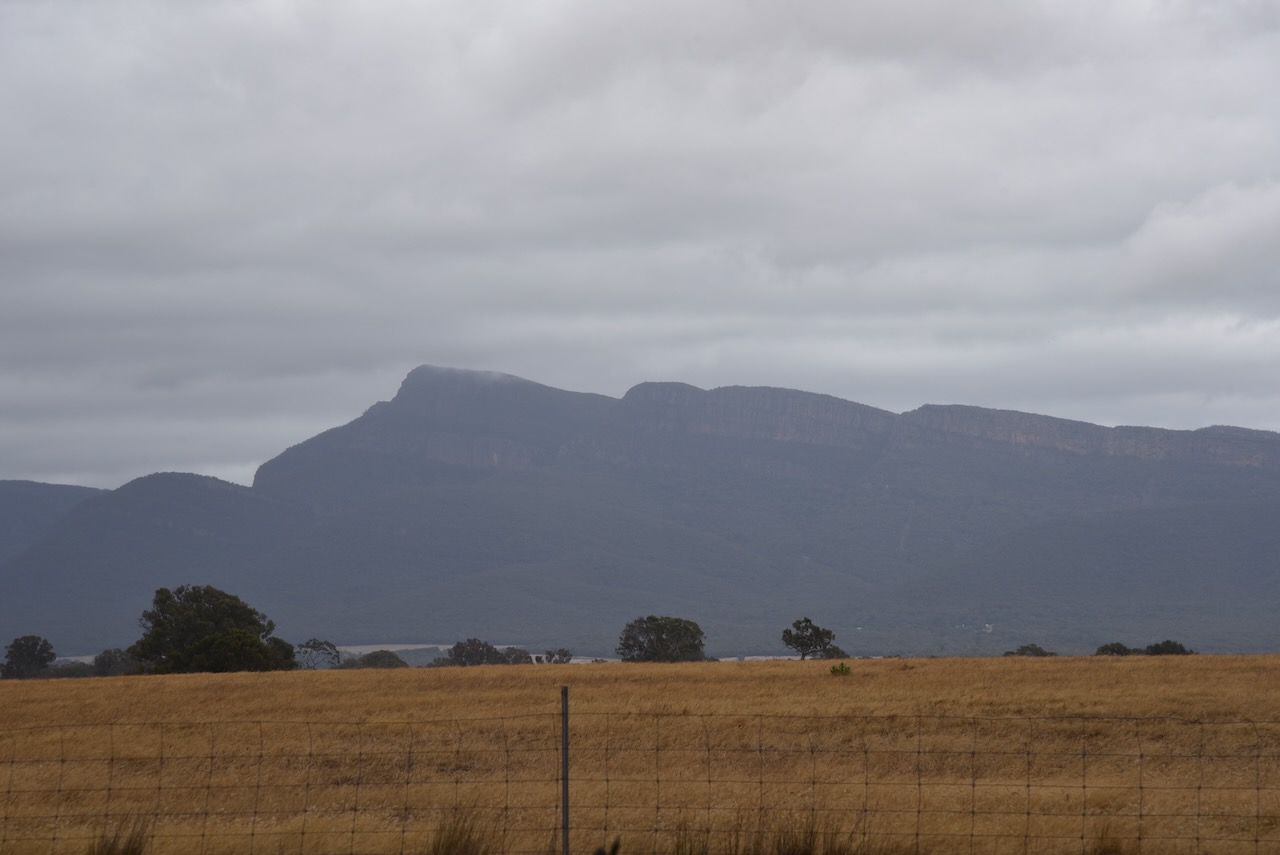
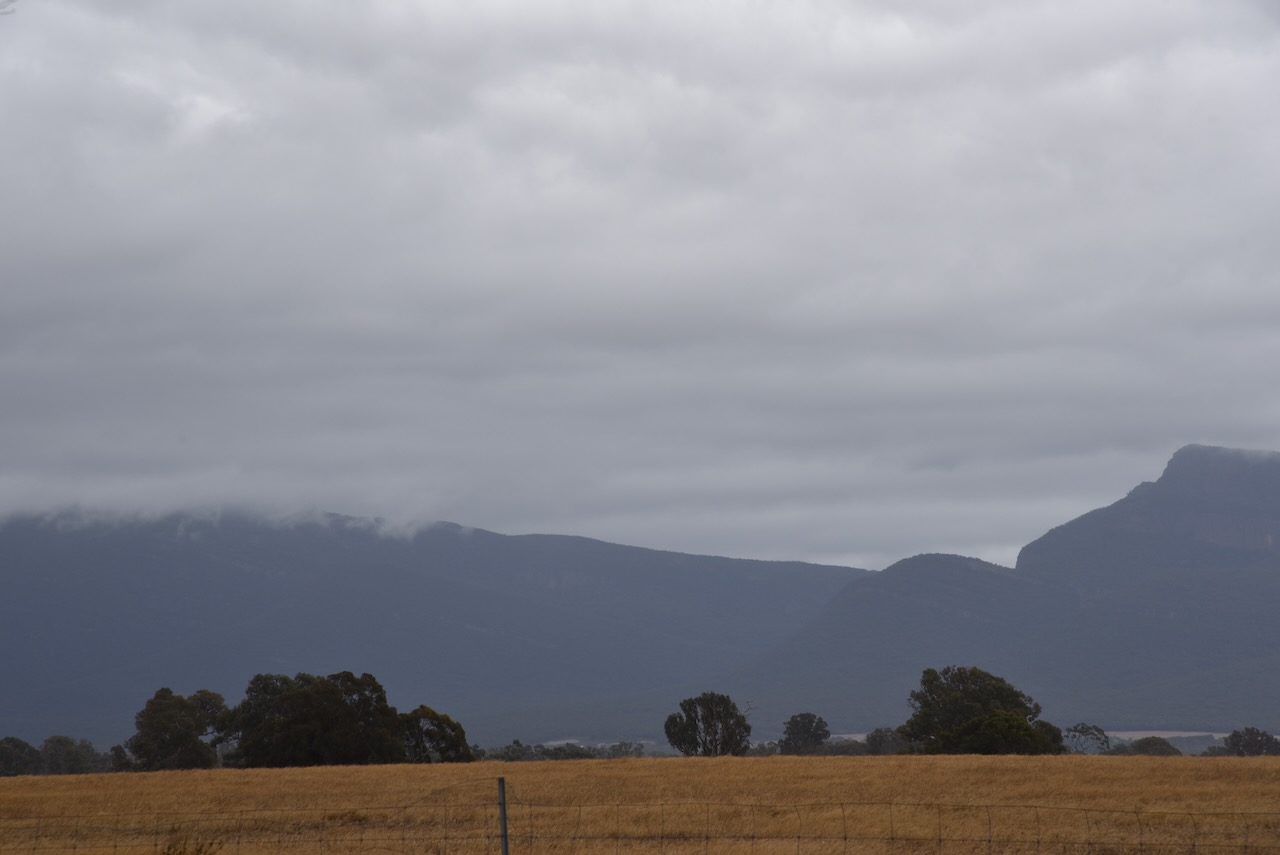
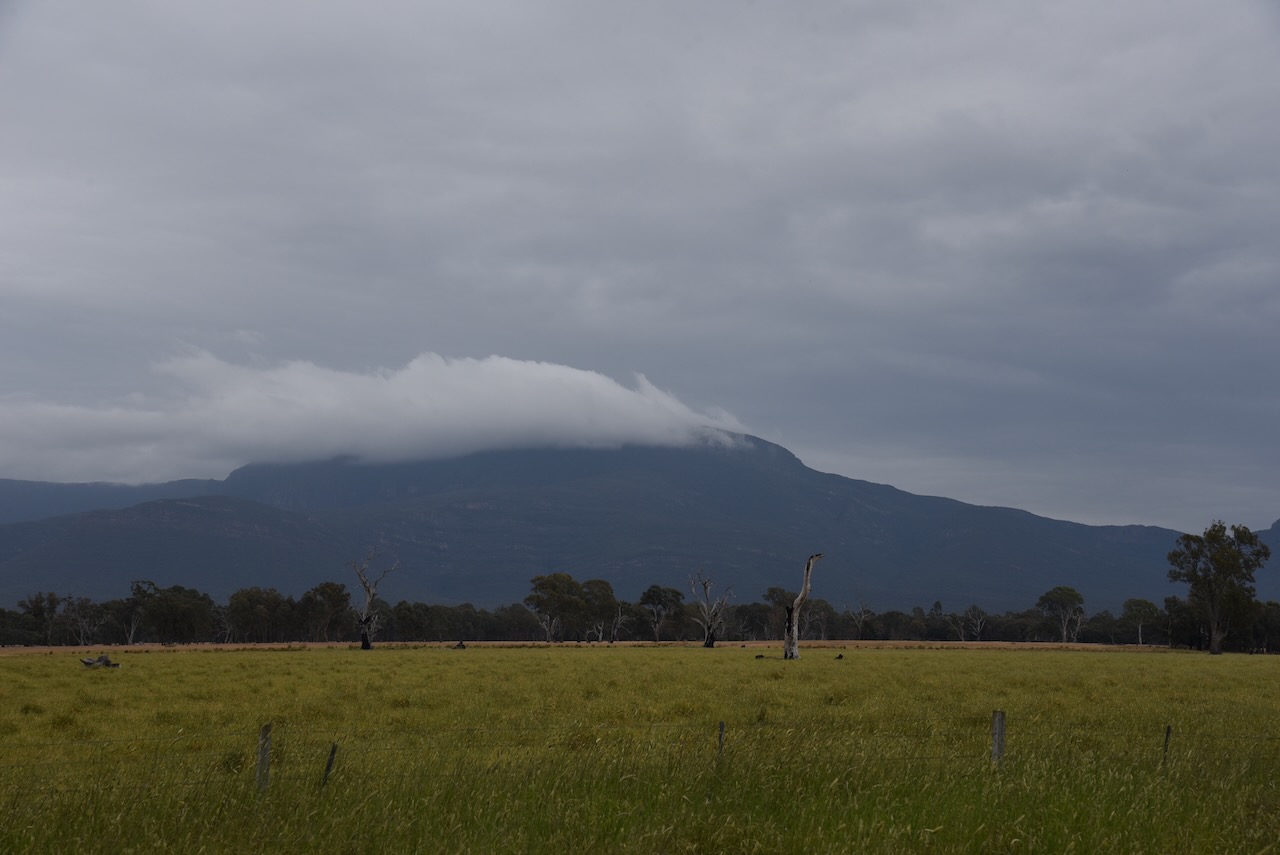
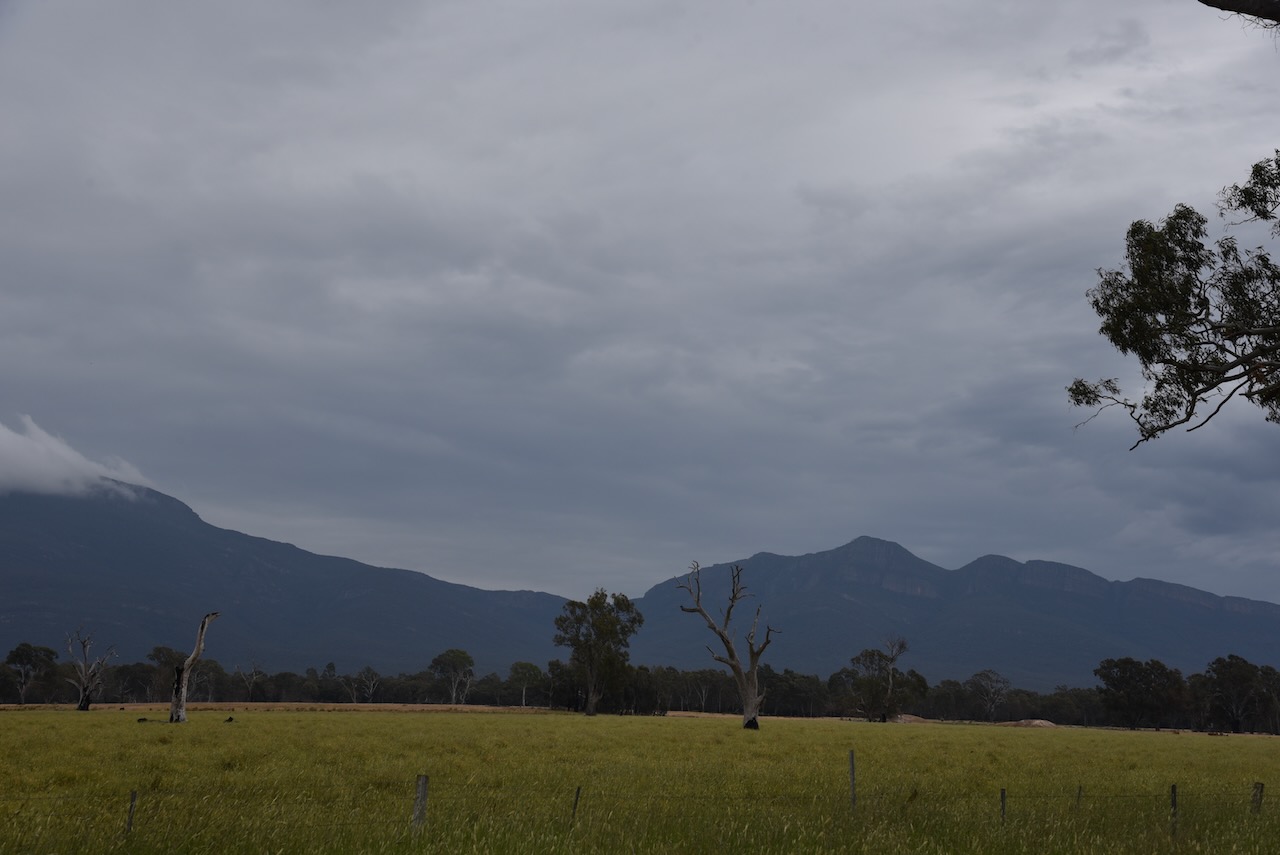
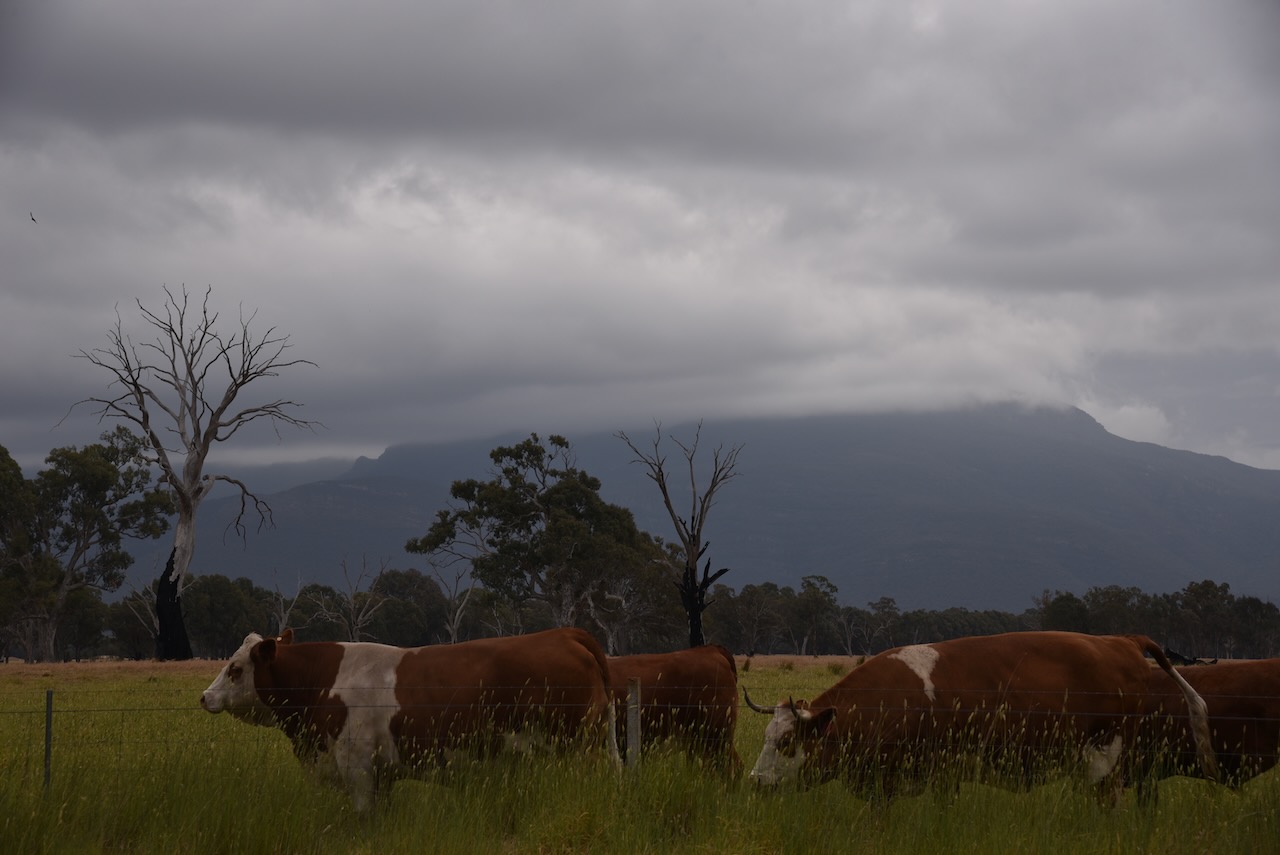
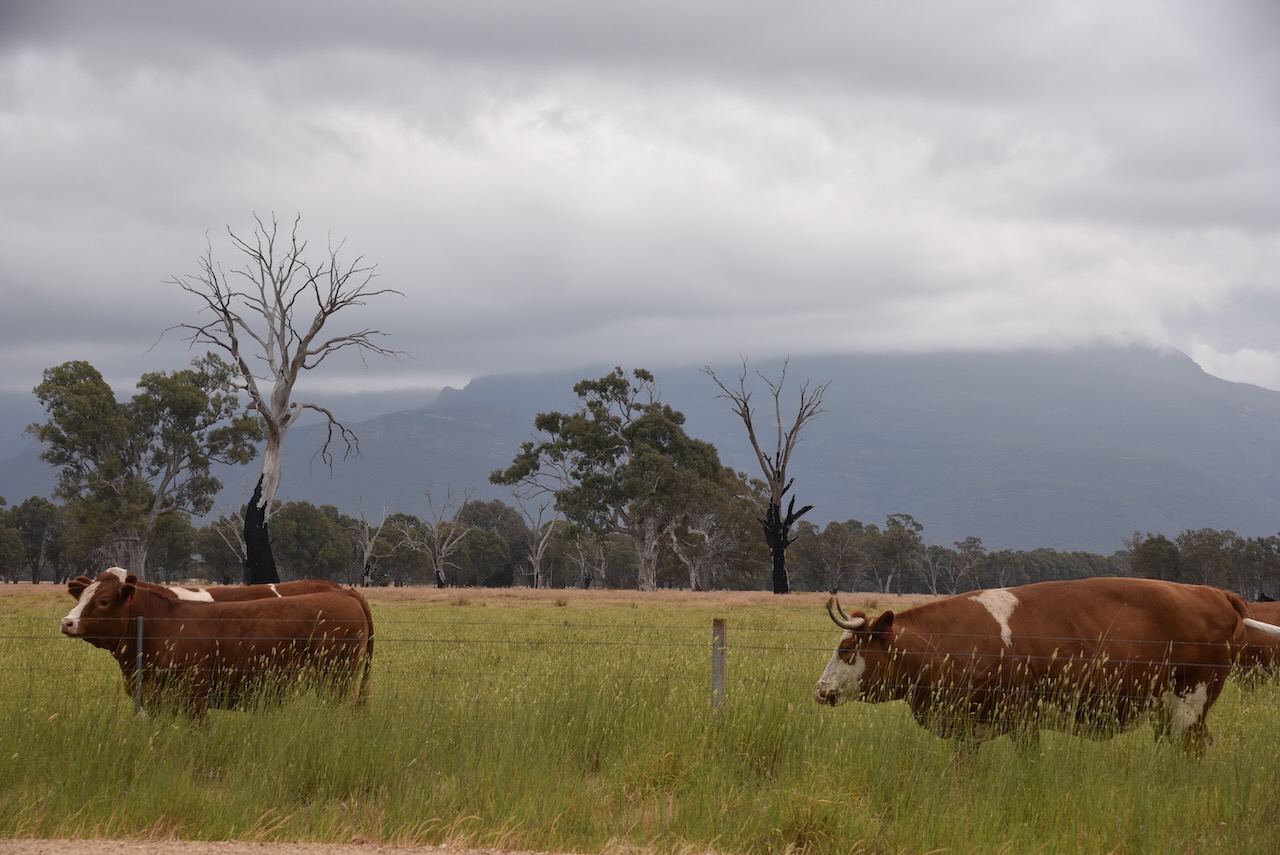
Marija and I packed up and headed to Pomonal. It was an overcast drizzly day, but there were still some nice views through the cloud of The Grampians National Park.
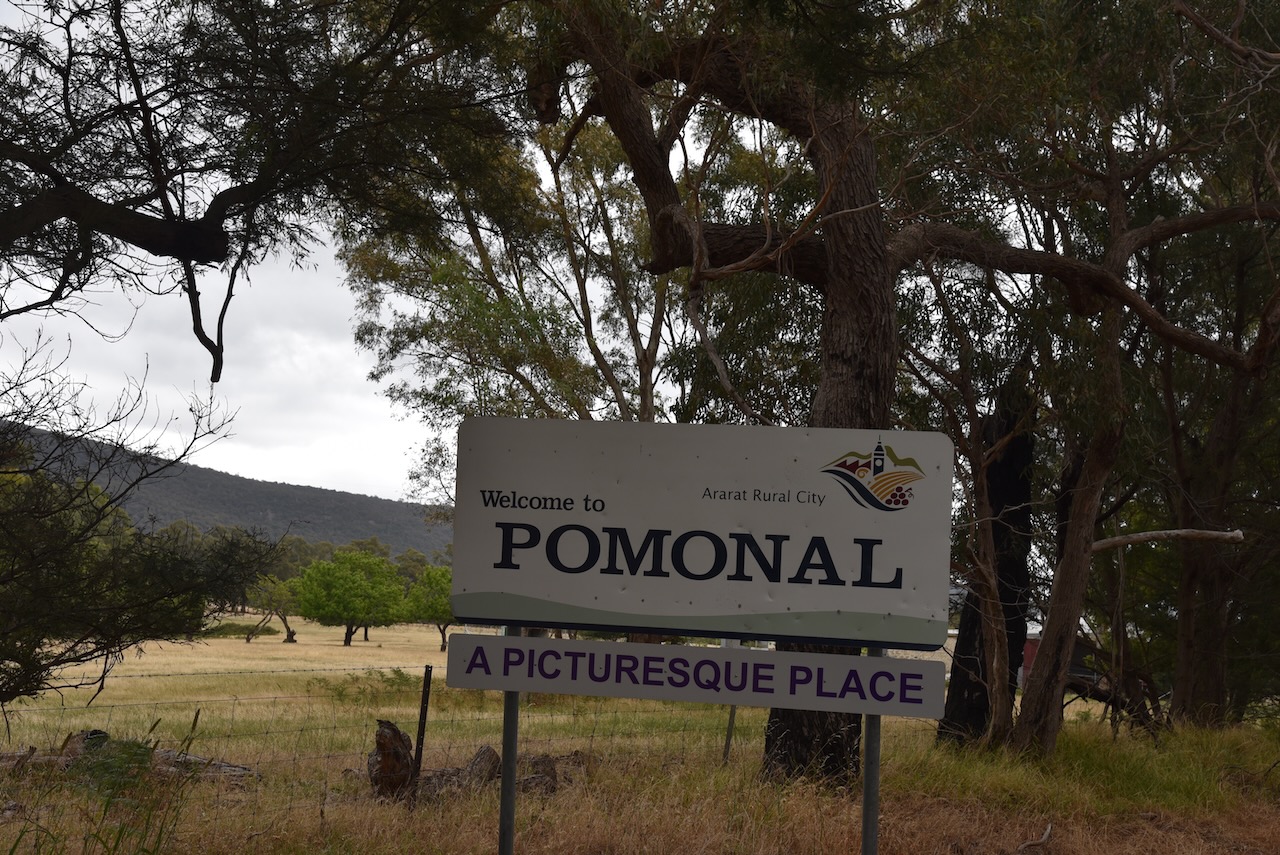
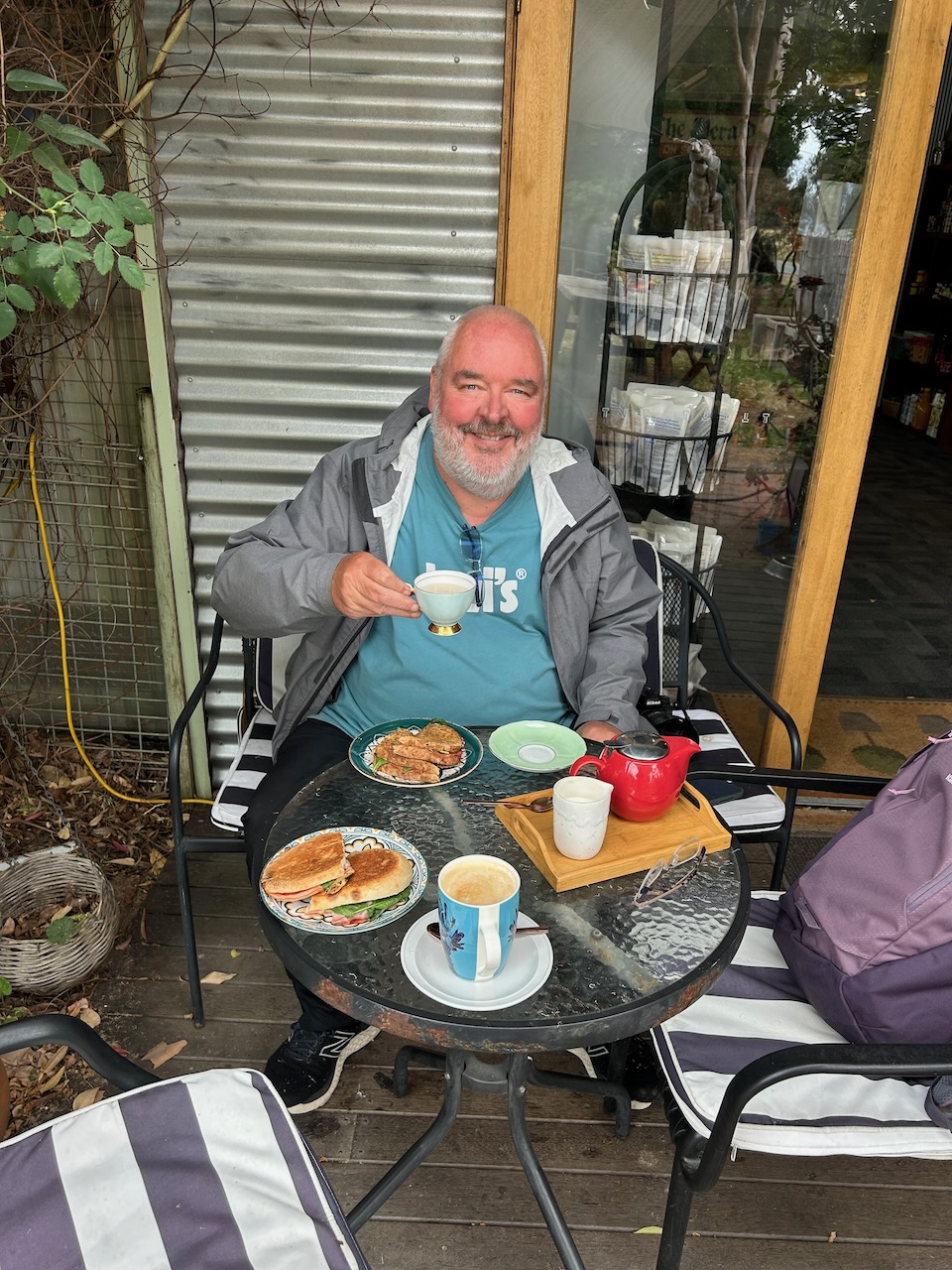
We stopped at Pomonal and had some lunch. Pomonal is a small town on the eastern side of the Grampians, about 21 km southwest of Stawell. During the 1890s orcharding became widespread in the area and the area was known as Pomona, the goddess of gardens and fruit. In 1927 the name was changed to Pomonal. (Victorian Places 2024)
Sadly, this town was absolutely devastated during the recent Victorian bushfires. Over 50 homes were destroyed in Pomonal. Marija and I were very saddened to hear about this tragedy, and know someone from Pomonal who lost their home.
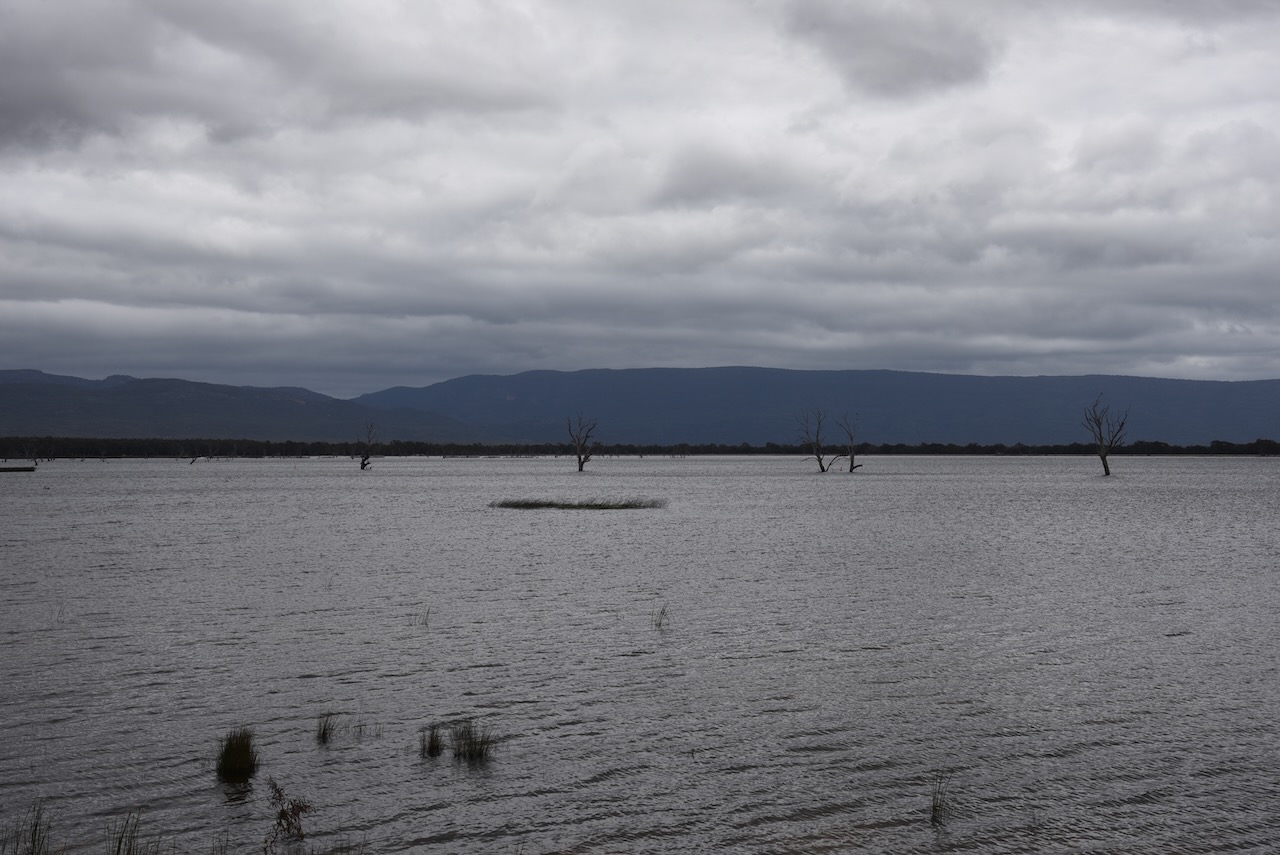
After leaving Pomonal, Marija and I visited Lake Fyans. It is a man-made lake and was constructed in 1916. It has a capacity of 1840 megalitres.
Our next activation for Saturday 2nd December 2023 was the Rocky Point Bushland Reserve VKFF-4303.
The reserve is located about 14 km (by road) southwest of Ararat and about 219 km northwest of the city of Melbourne.
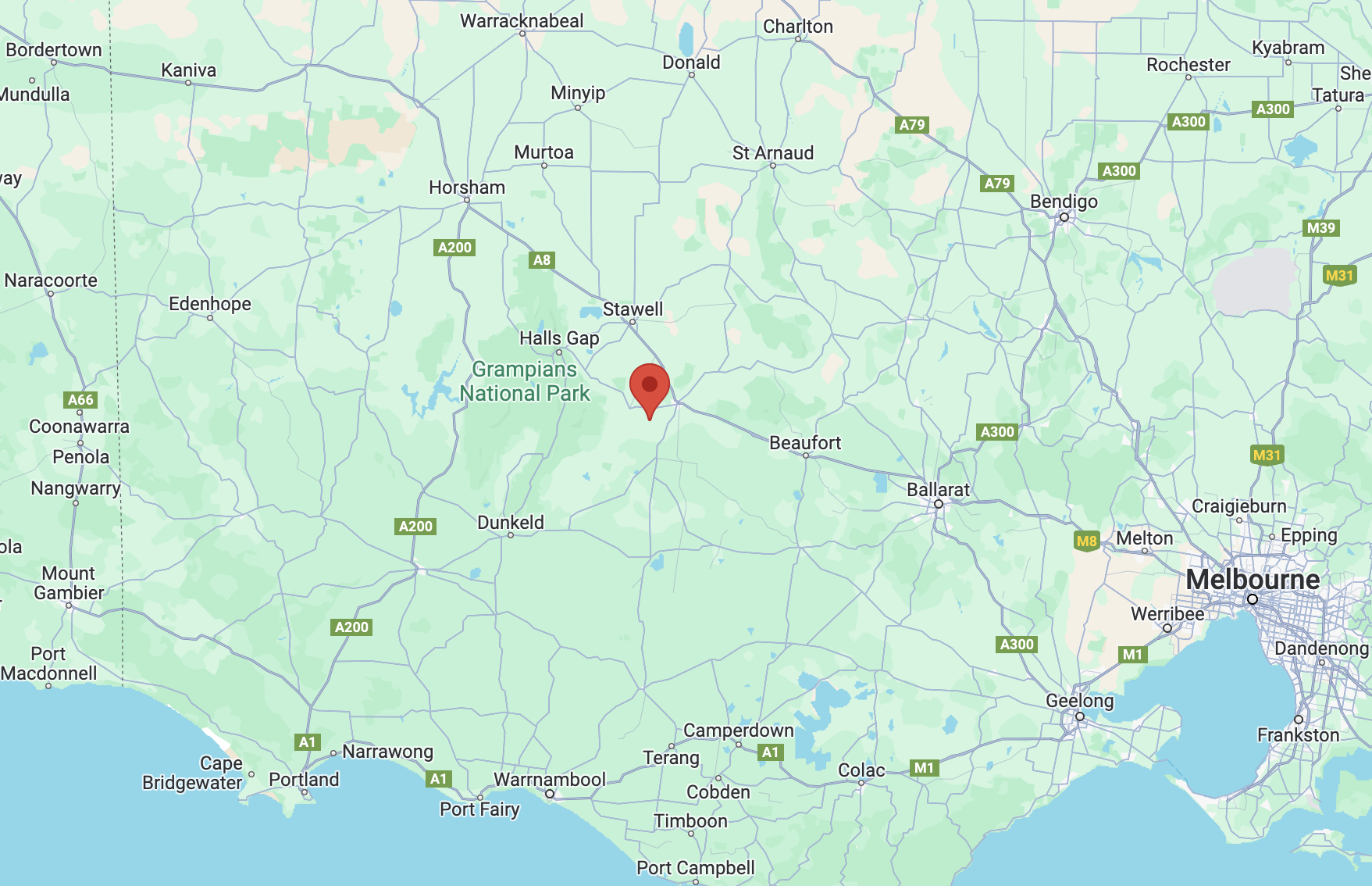
Above:- Map showing the location of the Rocky Point Bushland Reserve. Map c/o Google Maps.
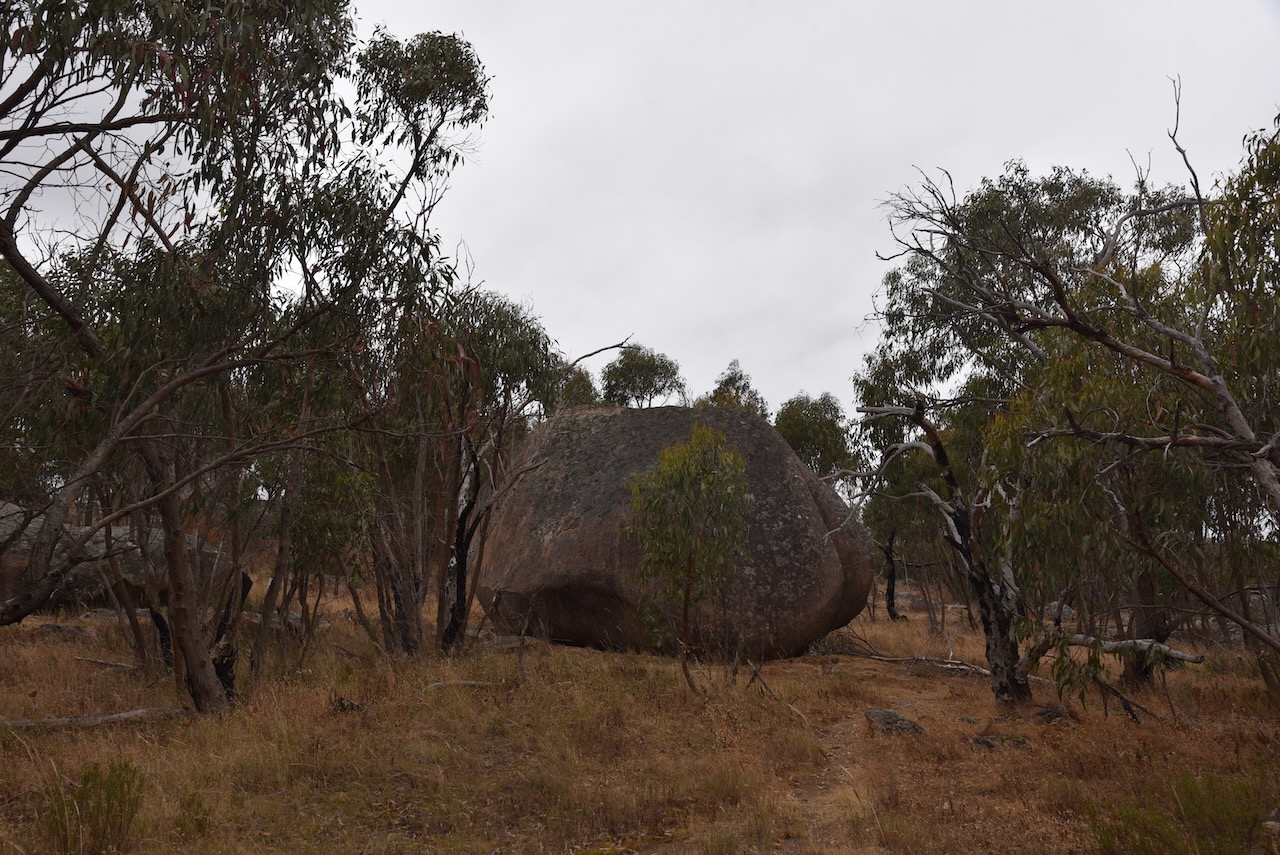
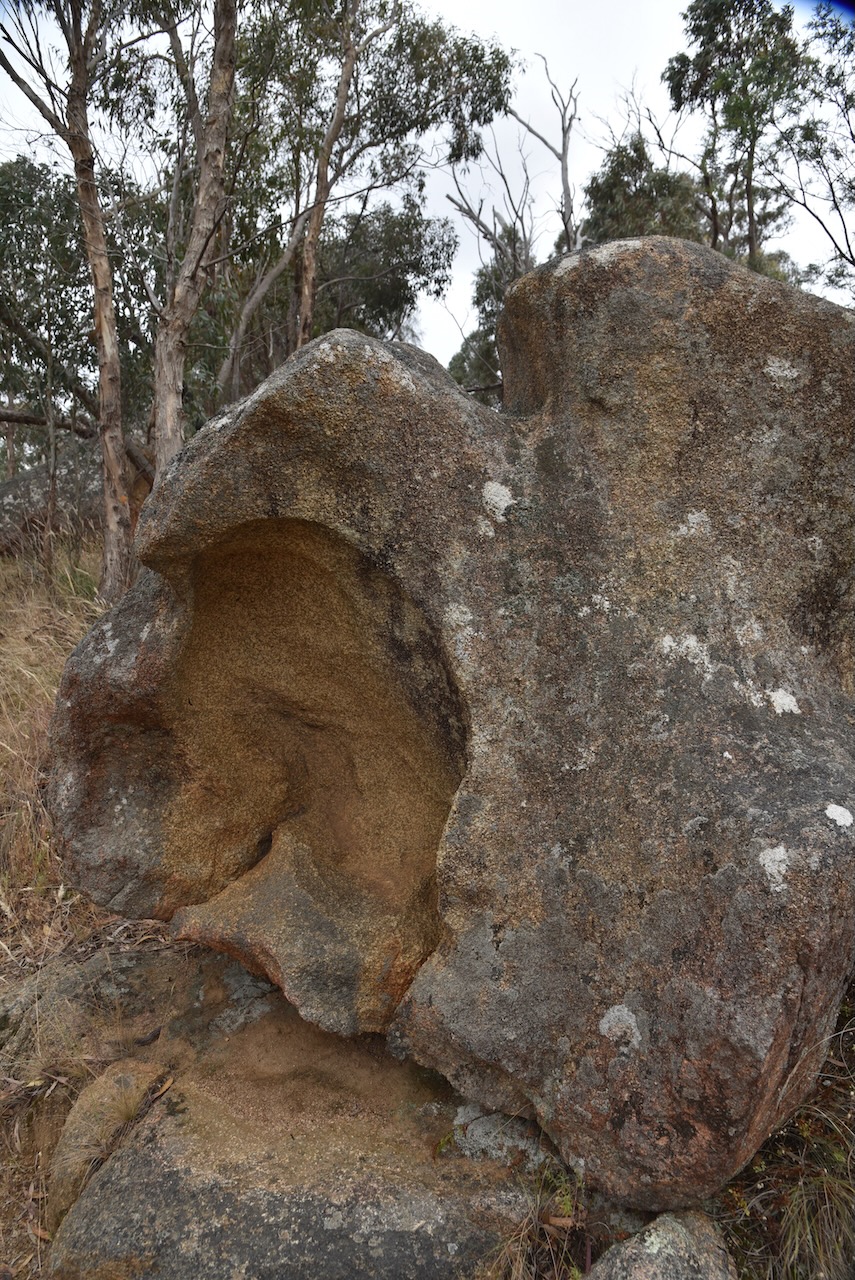
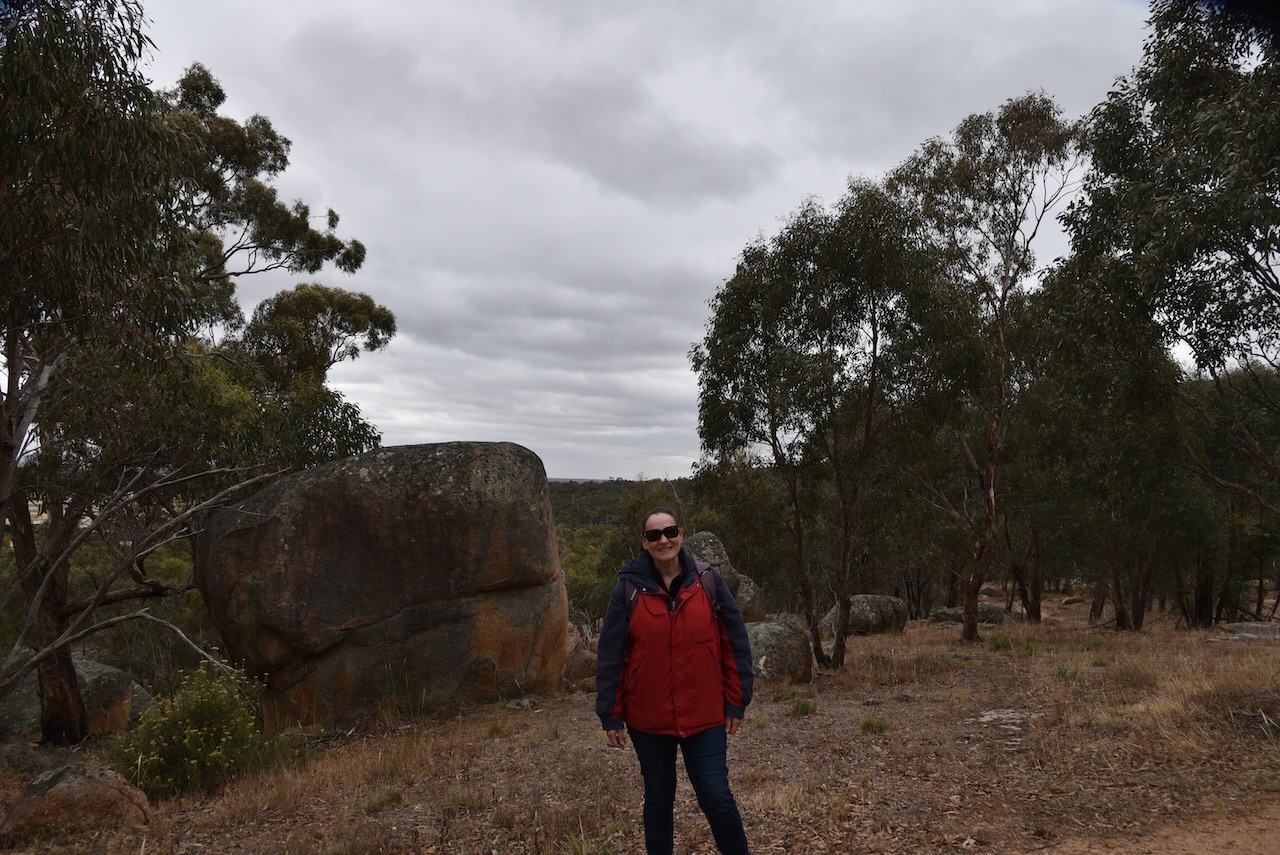
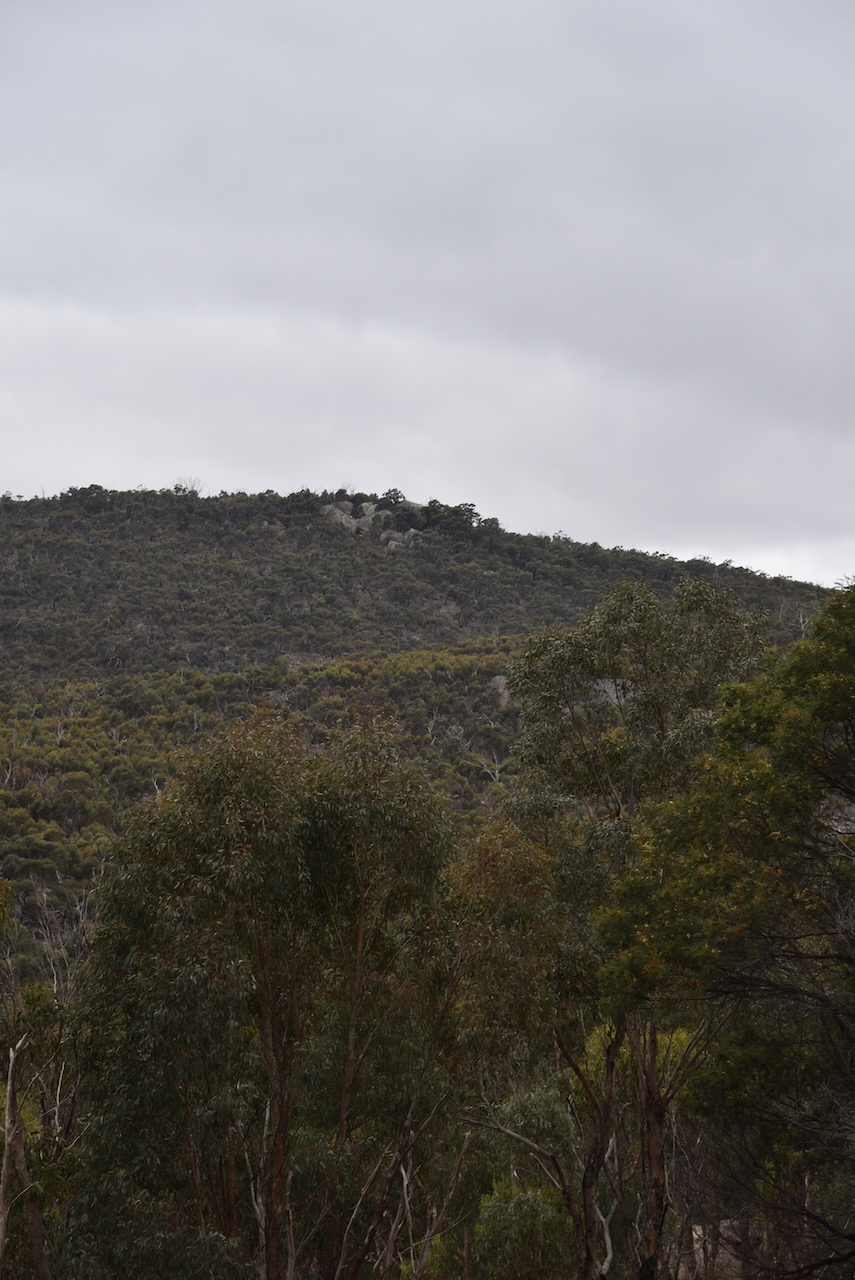
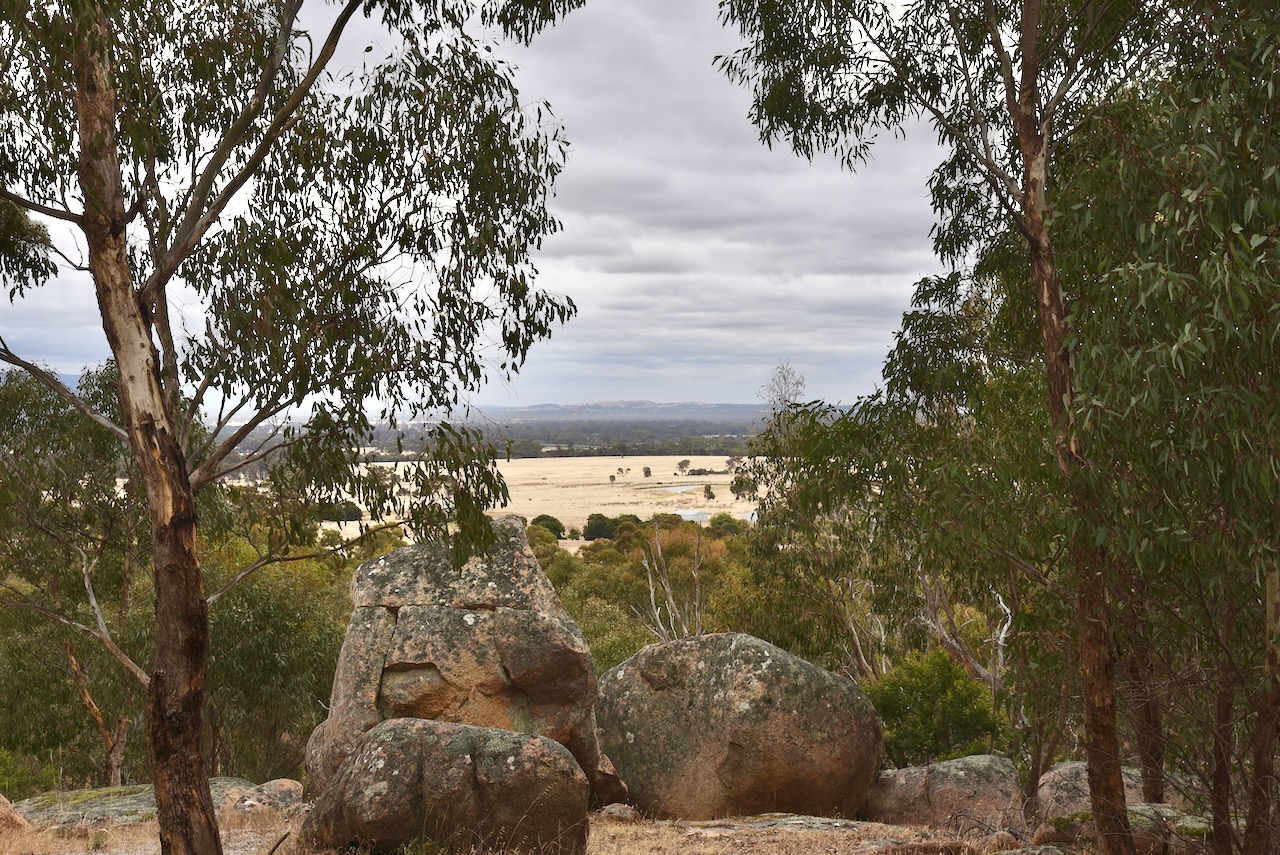
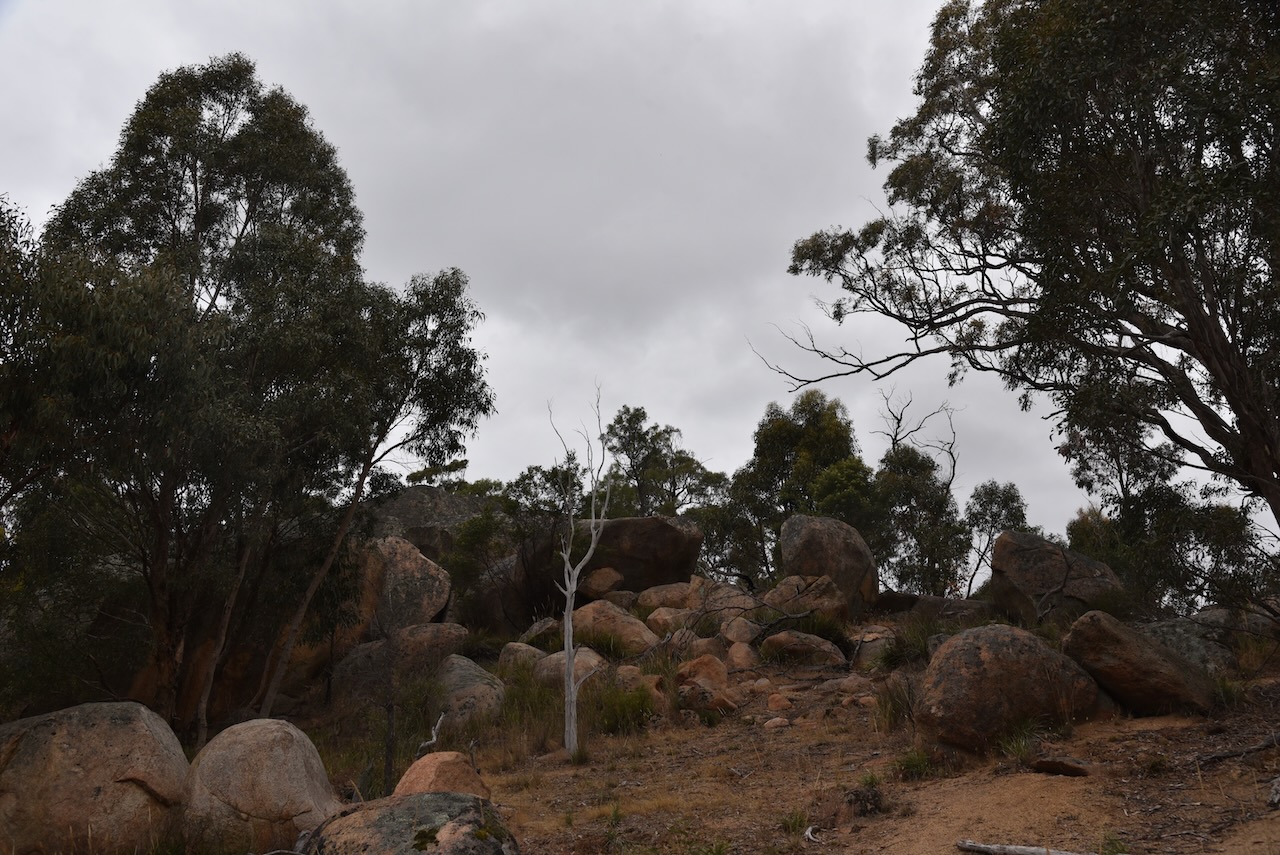
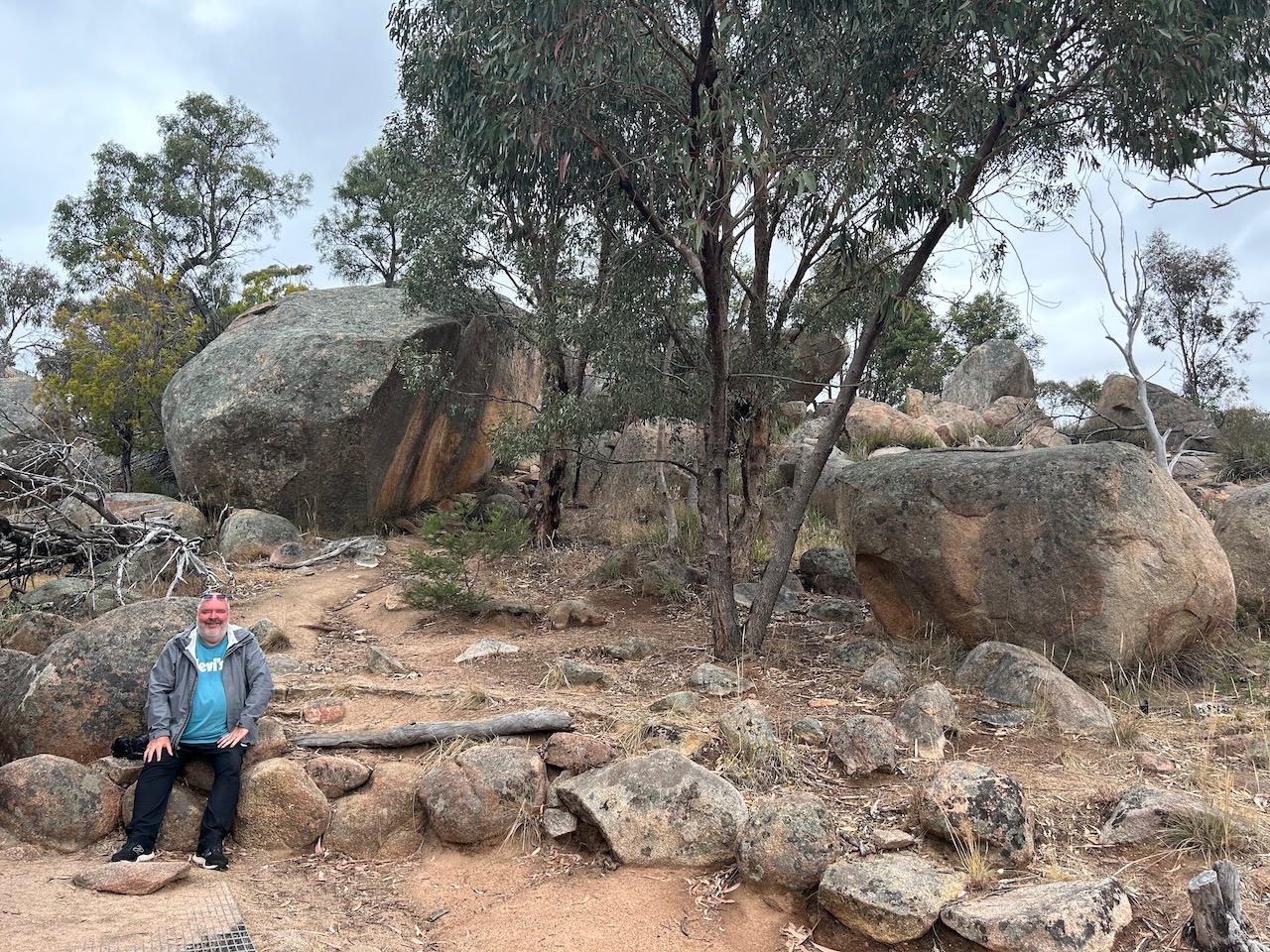
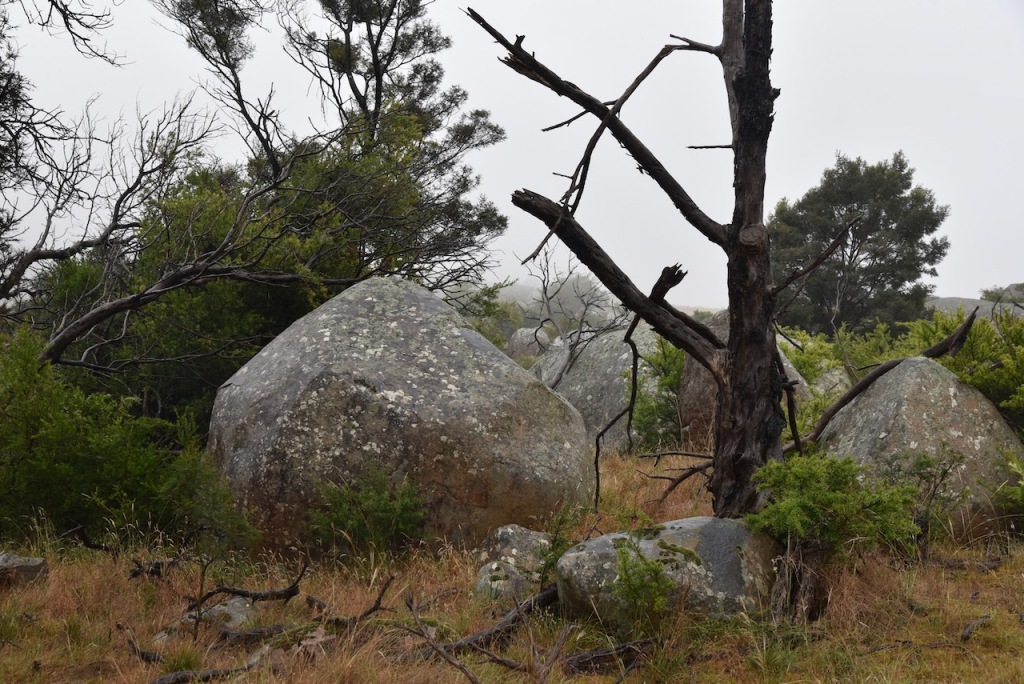
As we approached the park it was apparent why it was called Rocky Point. There were numerous large boulders in the area.
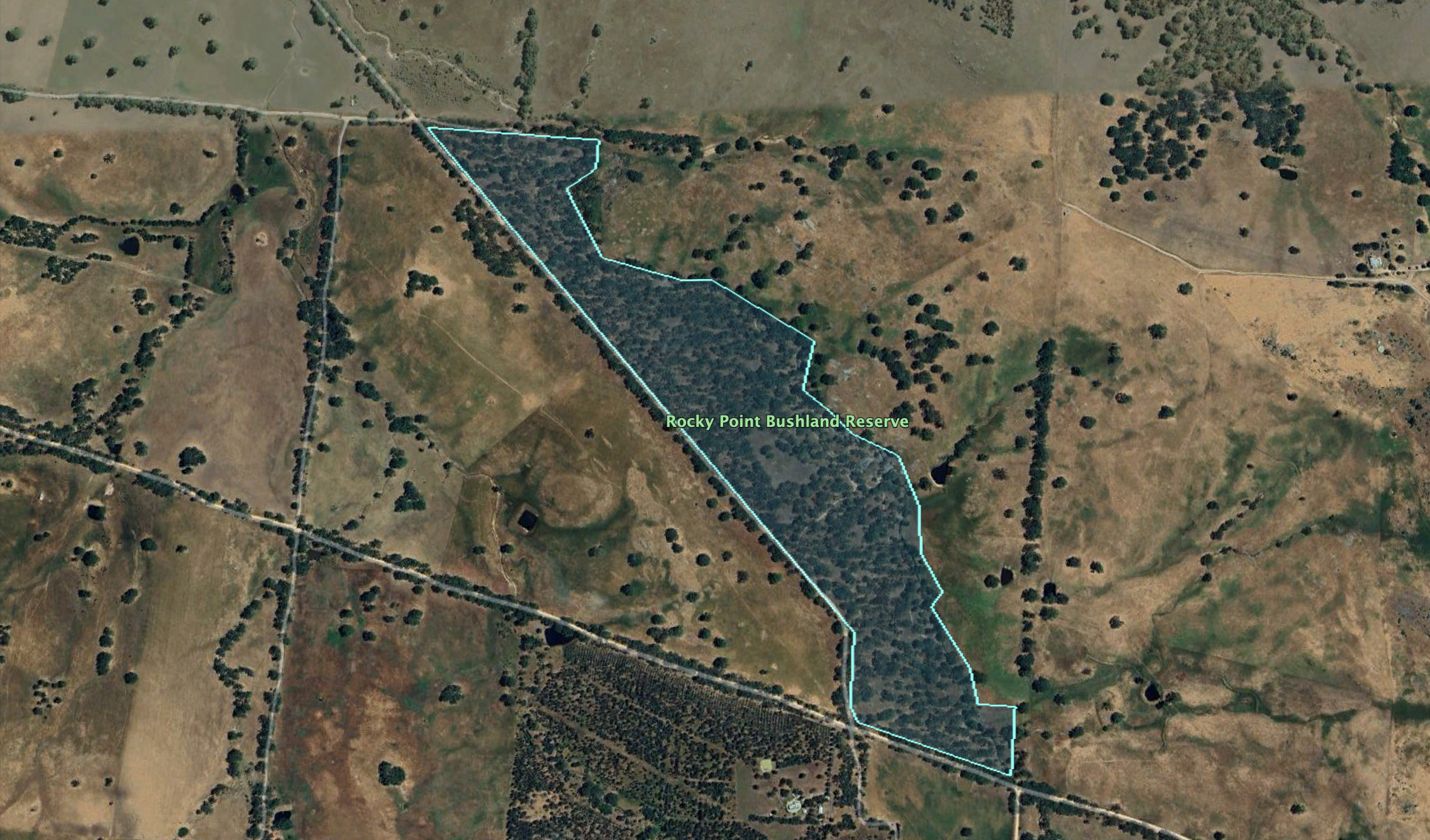
The reserve’s southern boundary is adjacent to Moyston-Rocky Point Road, while its western boundary is Rocky Point Road.
Above:- An aerial view of the Rocky Point Bushland Reserve. Image c/o Google Earth.
The reserve is about 42 hectares in size and was established on the 22nd day of November 1983. (CAPAD 2022)
Marija and I ran the Yaesu FT857, 40 watts, and the 20/40/80m linked dipole for this activation. I used the special event call of VI10VKFF. Unfortunately, it drizzled with rain for the entire activation, and we both got wet jumping out of the 4WD to change the links in the dipole.
Marija worked the following stations on 40m SSB before the UTC rollover:-
VK3TKK/p (Chewton Bushland Reserve VKFF-4290)
VK2YK
VK5GA
VK5IS
VK5HAA
VK5WWW
VK3SQ
VK2BD
VK5TRM
VK5FANA
VK1AO
VK2MET
I worked the following stations on 40m SSB before the UTC rollover:-
VK3TKK/p (Chewton Bushland Reserve VKFF-4290)
VK2YK
VK5GA
VK5IS
VK5HAA
VK5WWW
VK3SQ
VK2BD
VK5TRM
VK5FANA
VK1AO
VK2MET
VK3BEL
VK2EXA
VK1AAF
VK3PF
VK3KAI
VK3UH
VK2IO/m
VK5LA
VK5KAW
VK1RF
VK2MK
VK4CEE
I worked the following stations on 40m SSB after the UTC rollover:-
VK1RF
VK2MK
VK4CEE
VK2EXA
VK3SQ
Vk2BD
VK5IS
VK3TKK/p
VK3UH
VK5LA
VK5KAW
I worked the following stations on 80m SSB before the UTC rollover:-
VK3PF
VK3KAI
VK3ANL
VK3DAC
VK3BEL
I worked the following stations on 80m SSB after the UTC rollover:-
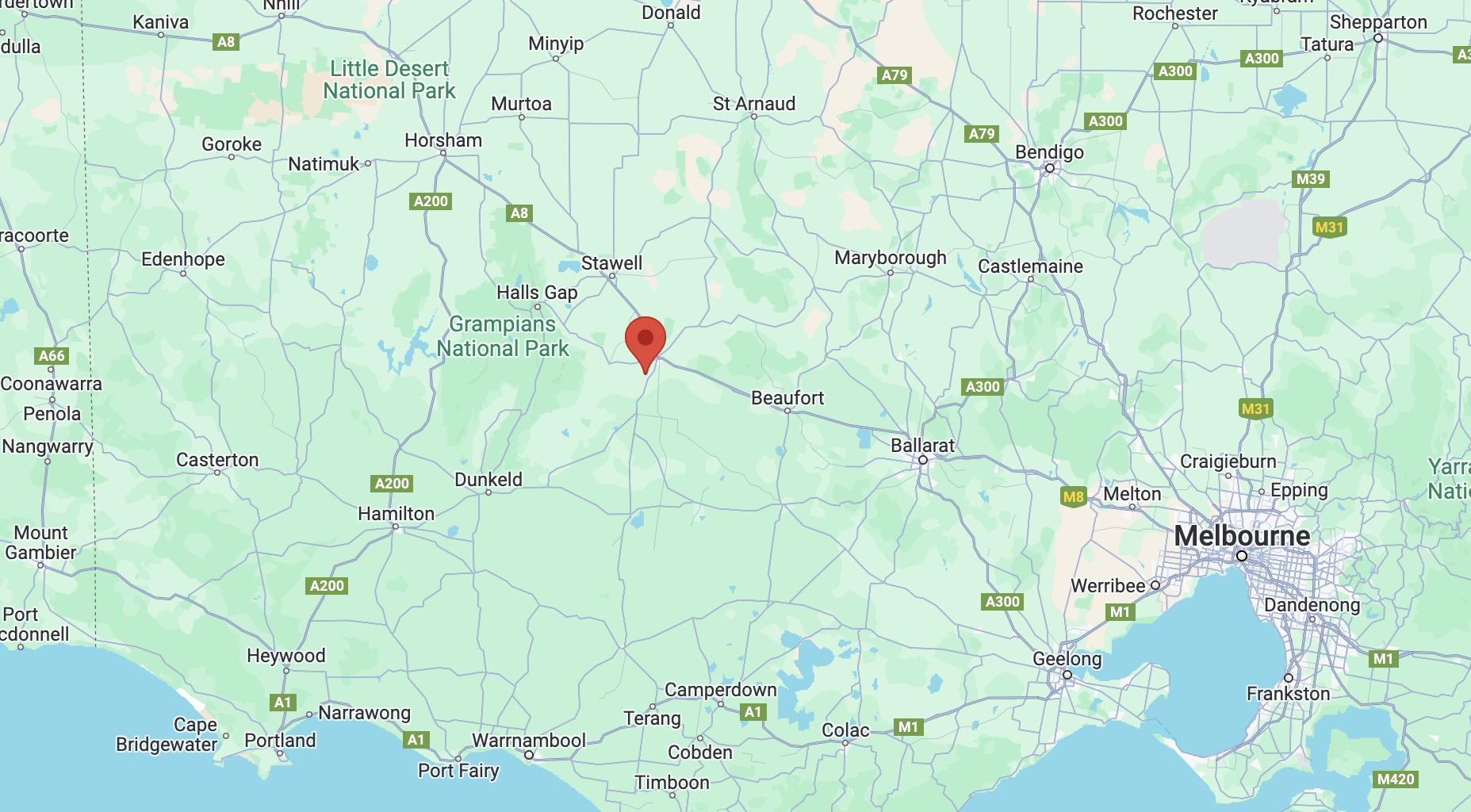
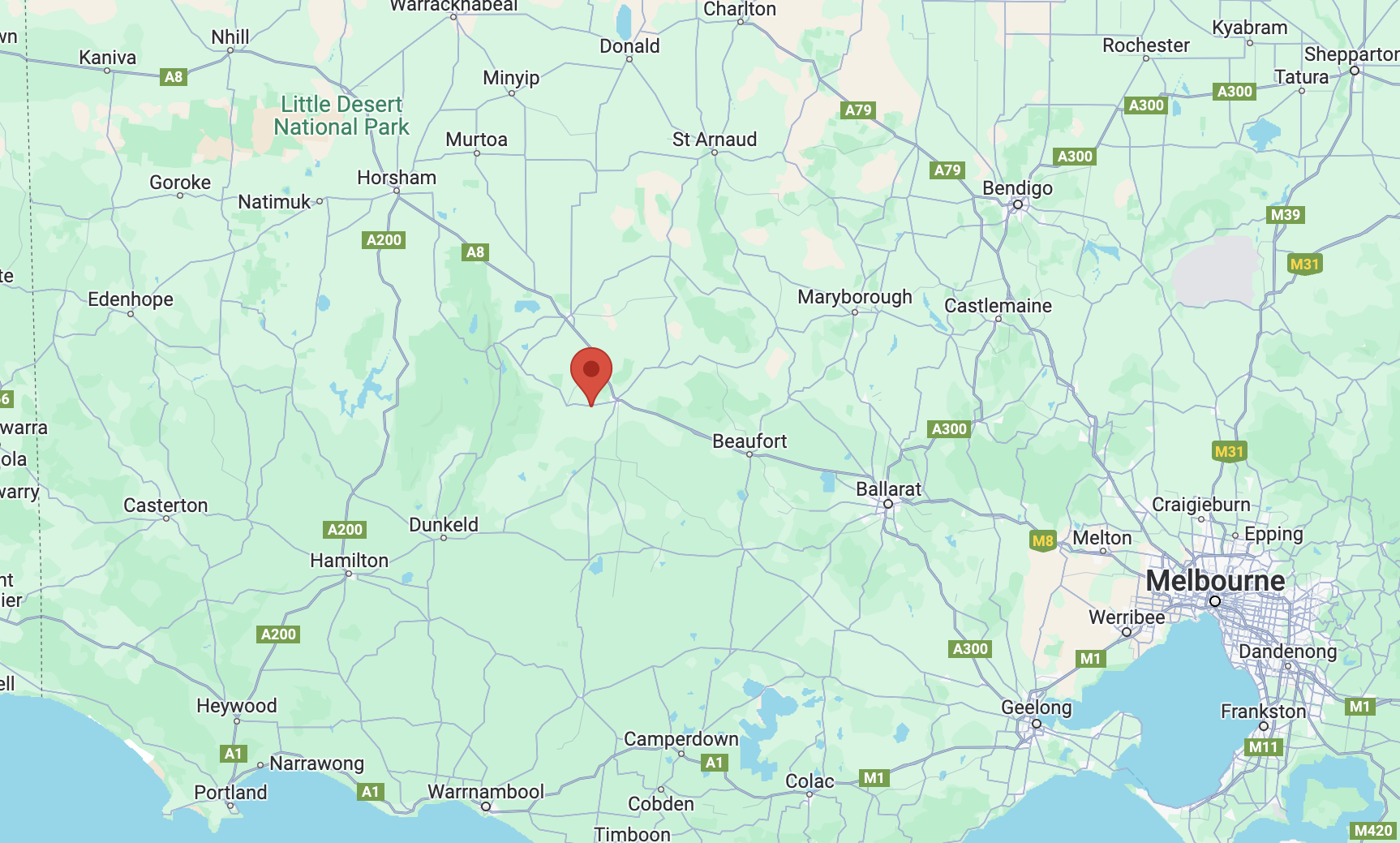
It was now Saturday 2nd December 2023. Marija and I had plans to activate several parks. Our first park for the day was the Cathcart Bushland Reserve VKFF-4299.
The reserve is located about 7 km south of Ararat and about 214 km northwest of the city of Melbourne.
Above:- Map showing the location of the Cathcart Bushland Reserve. Map c/o Google Maps.
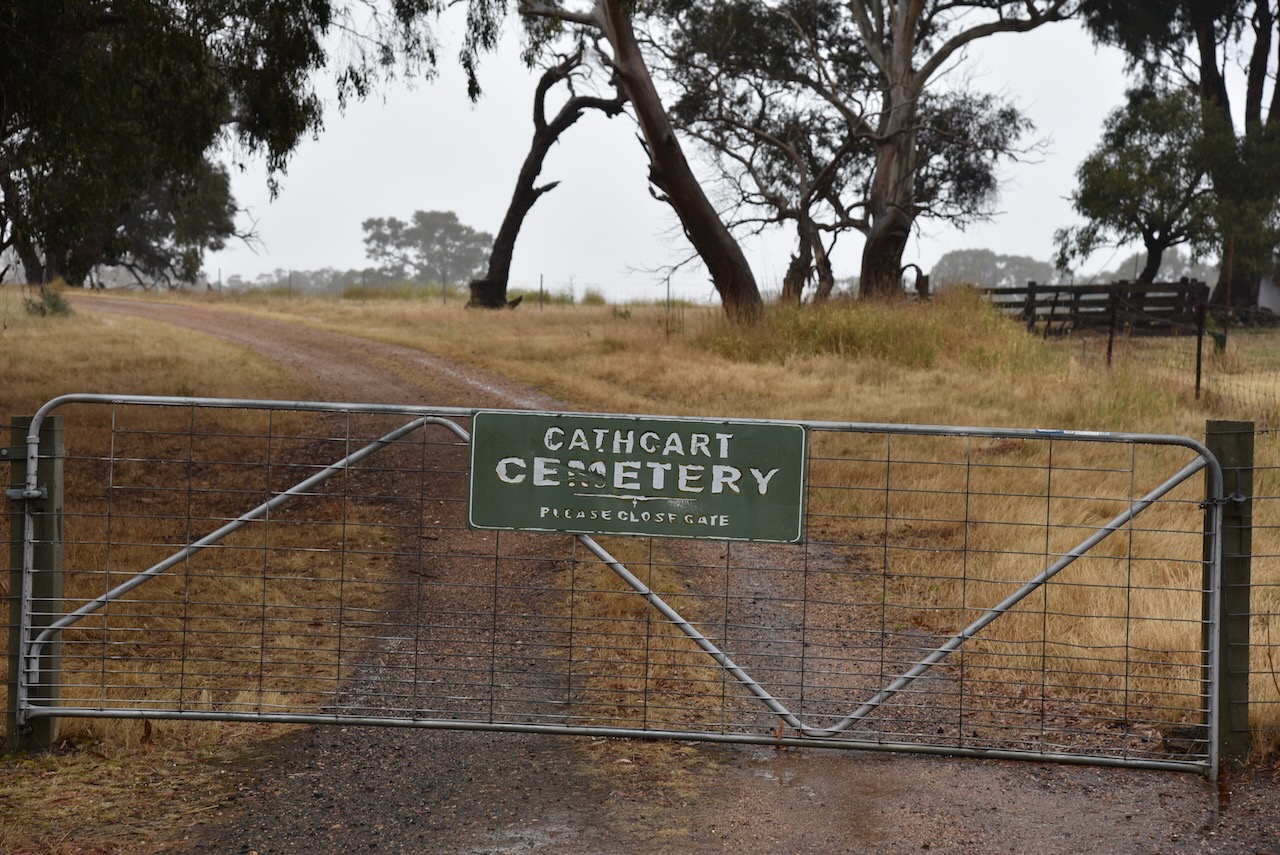
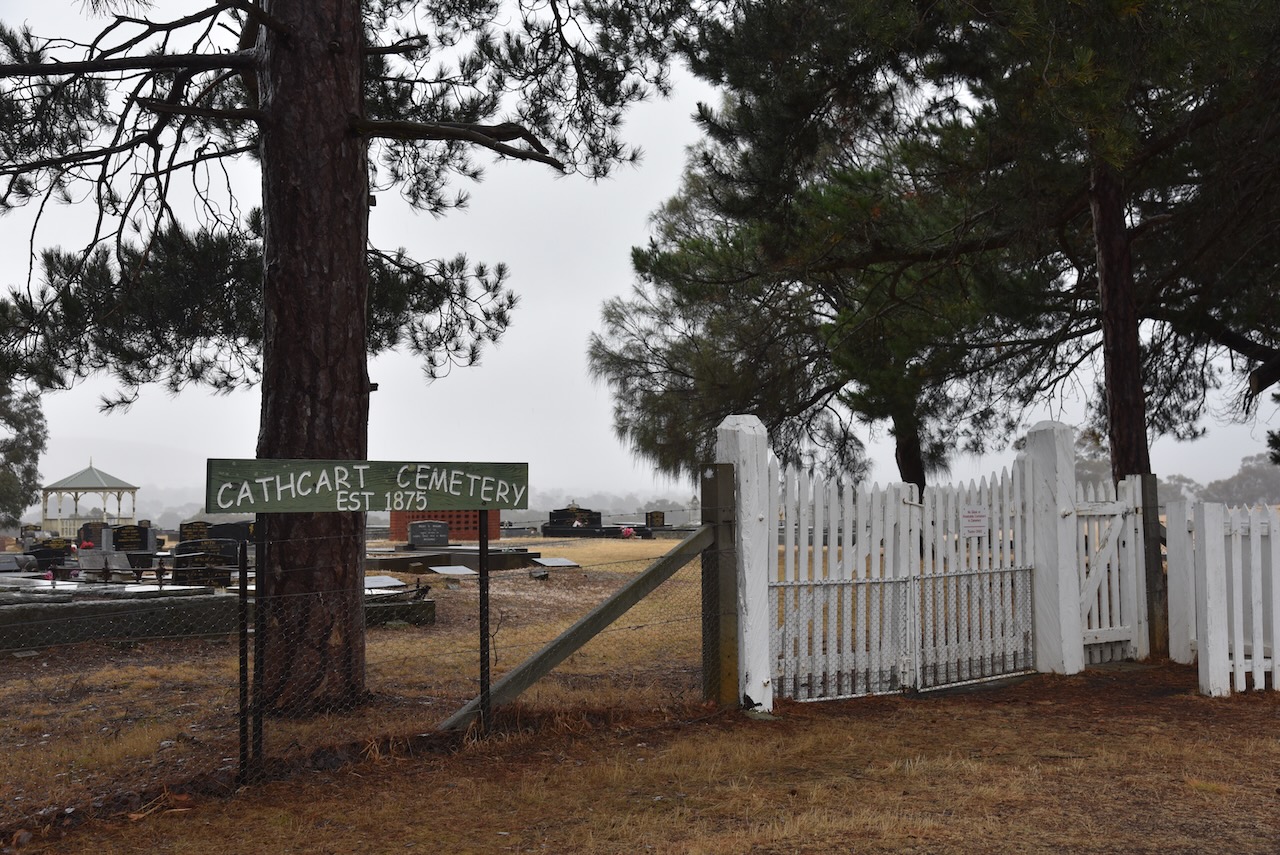
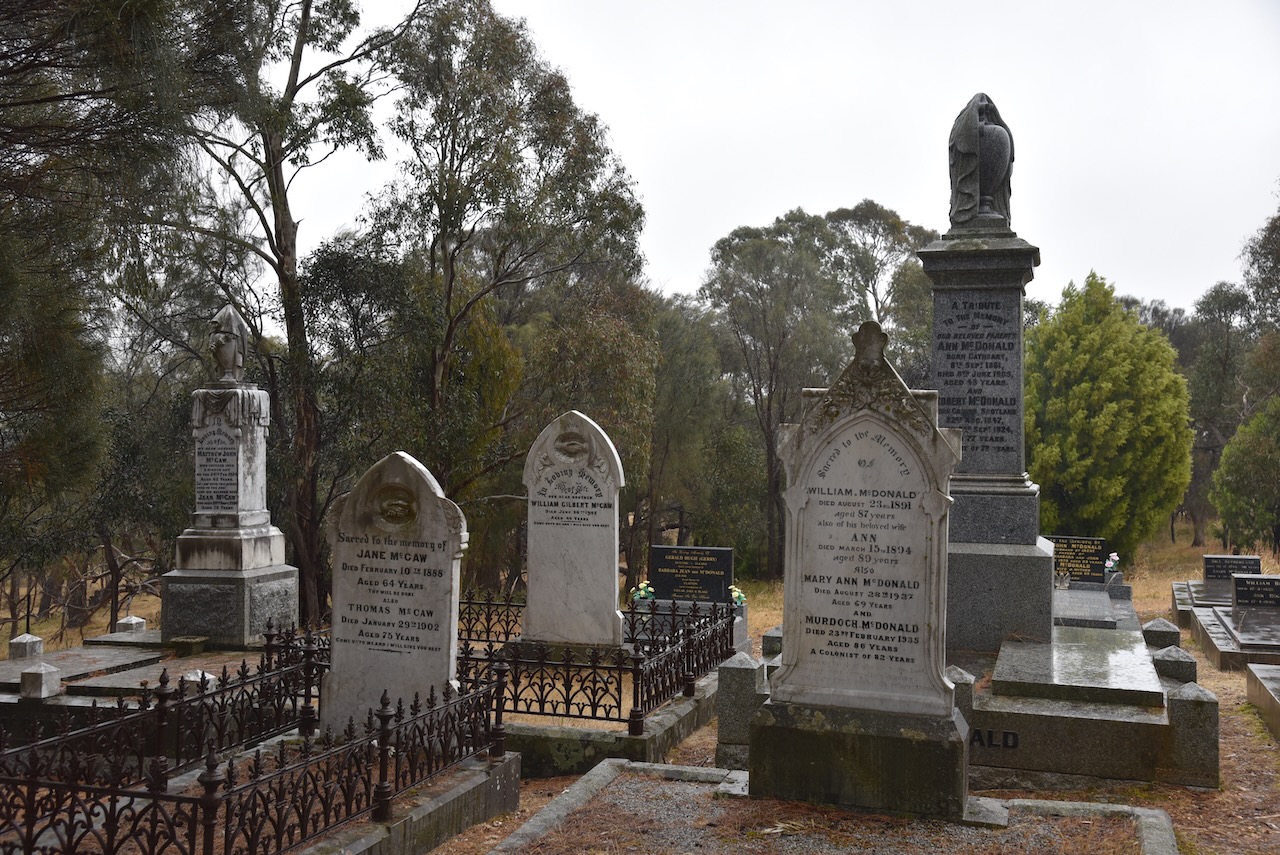
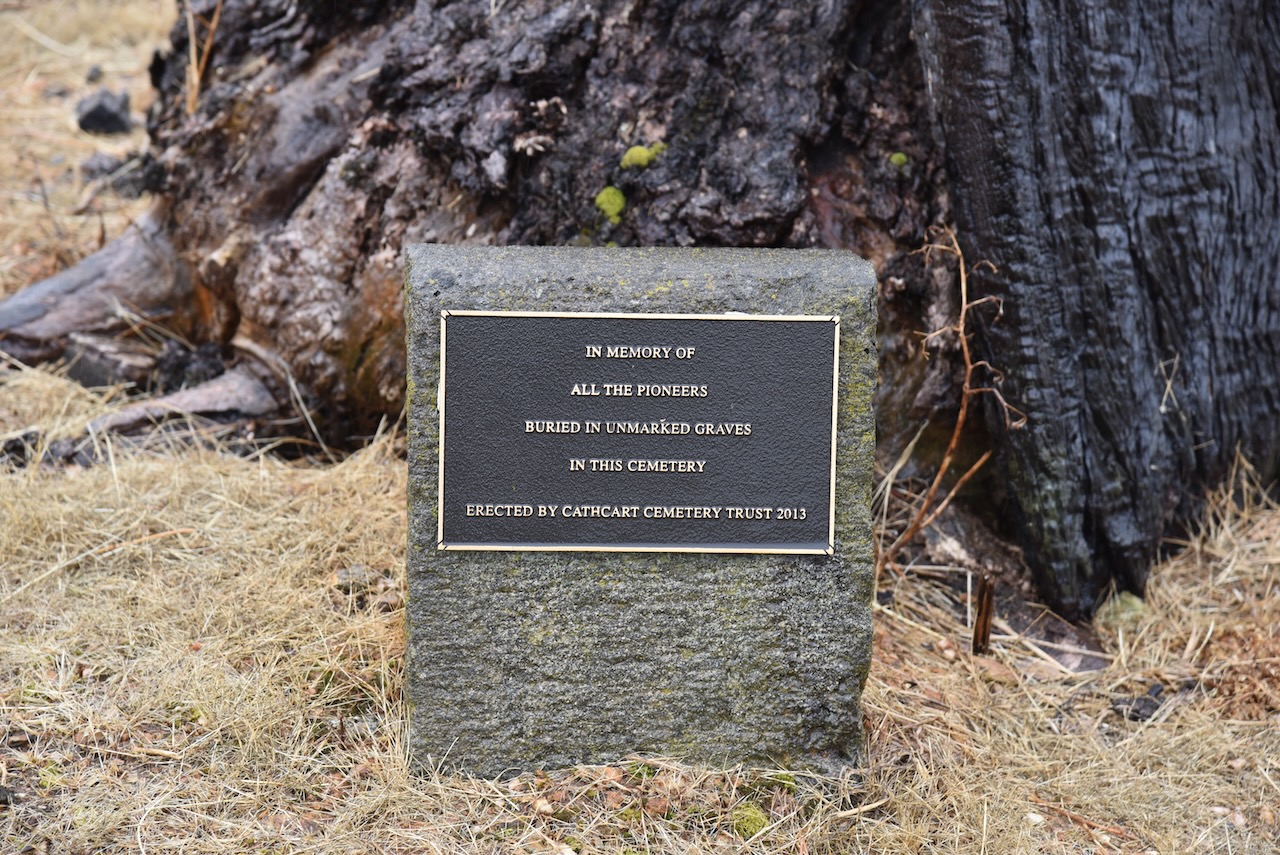
Before activating the reserve, Marija and I visited the Cathcart cemetery which dates back to 1875.
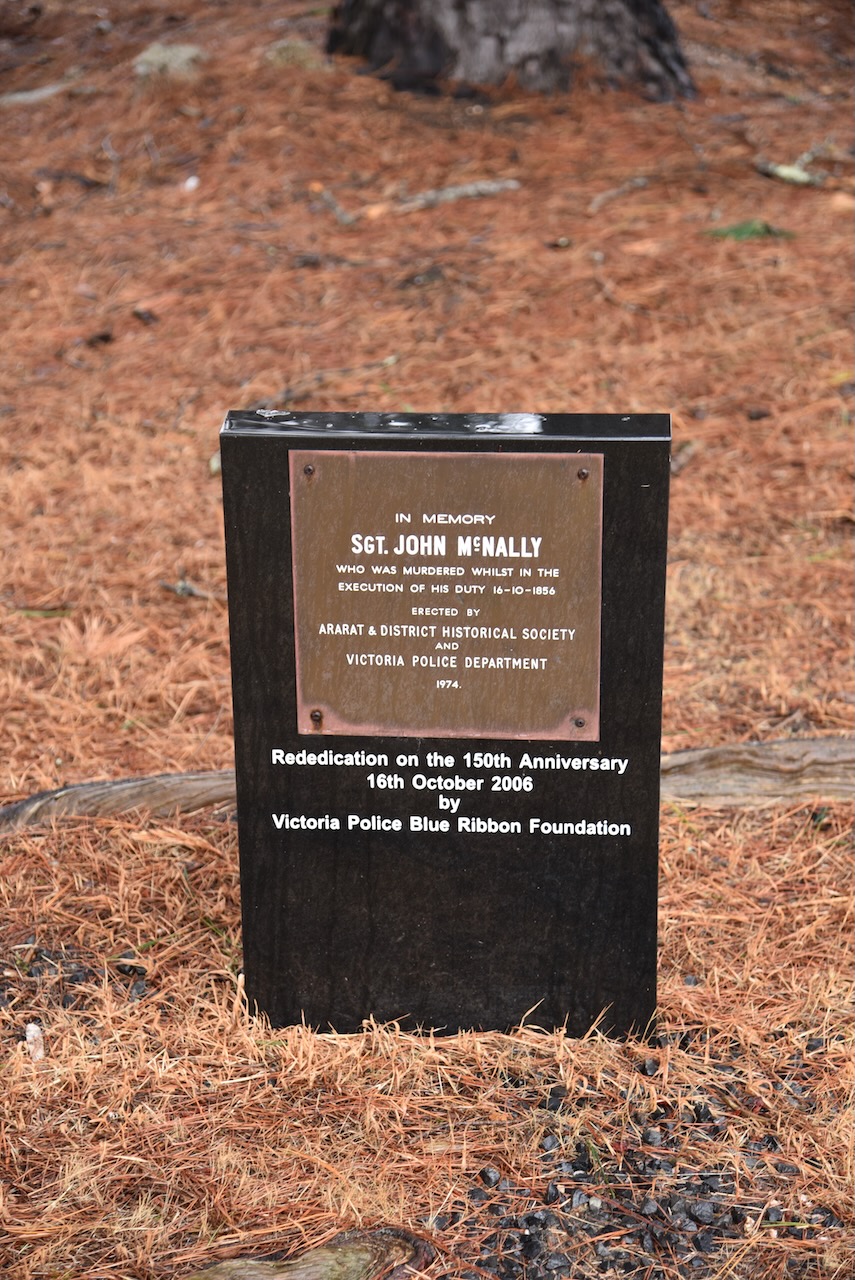
One of the interesting gravesites in the cemetery is that of St John McNally who was murdered while in the execution of his duty on the 16th day of October 1856. He was the first member of Victoria Police to be murdered in the line of duty. In 2006 a new memorial plaque was erected at the cemetery in his honour. (Monument Australia 2024)
Sergeant McNally joined the Victoria Police on the 18th day of June 1855, at the age of 29. He had previously served with the Royal Irish Constabulary in County Longford for eight years. (EGHS 2024) (Monument Australia 2024)
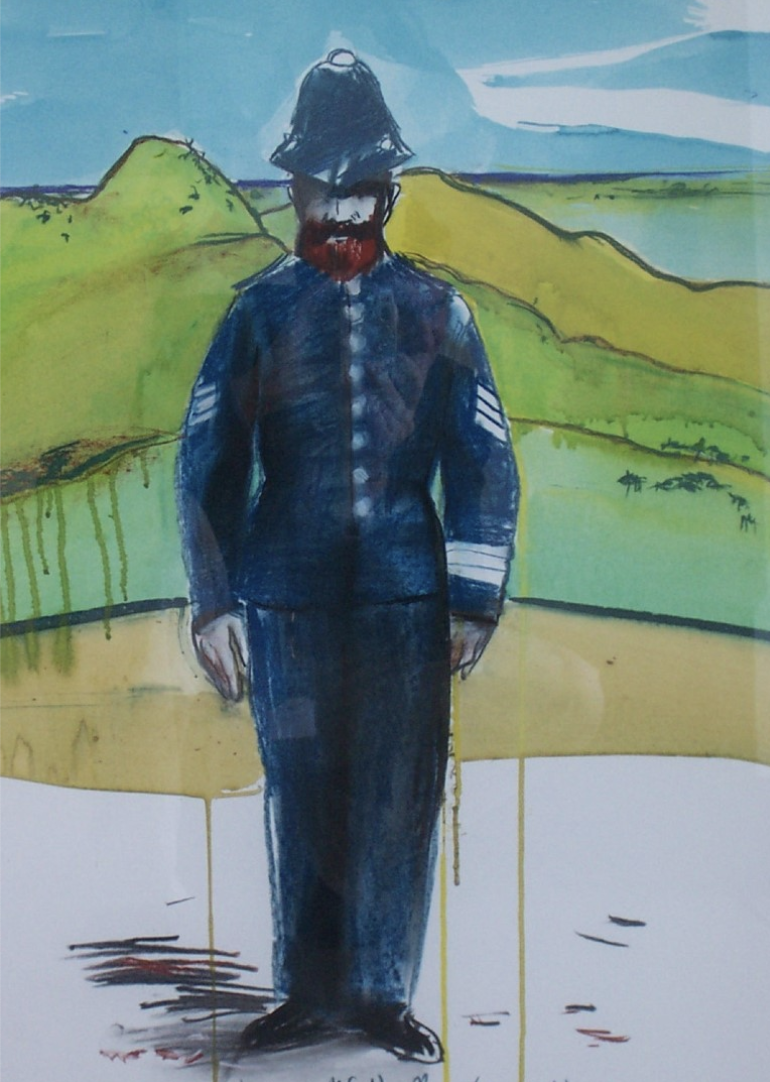
Above:- Painting of Sergeant John McNally by Ararat artist Geoff Todd. Image c/o Victoria Police Historical Society.
On the evening of Thursday the 16th day of October 1856, Sergeant McNally and his partner Constable John Moore, received information that two wanted men, William Turner @ ‘Gipsy Smith’ and William Twigham @ Twiffen, Twiggem, Laxton, Cockney Bill were at a miner’s tent at the Cathcart diggings. The two officers located Turner at the tent who made a desperate struggle to escape. He called upon his associate Twigham to assist. Twigaham produced a double-barrelled shotgun and fired at the two officers, killing Sergeant McNally and seriously injuring Constable Moore. (EGHS 2024)
Turner and Twigham fled the scene but were captured on the 23rd day of October 1856 at the Adelaide Lead diggings near Amherst. (EGHS 2024)
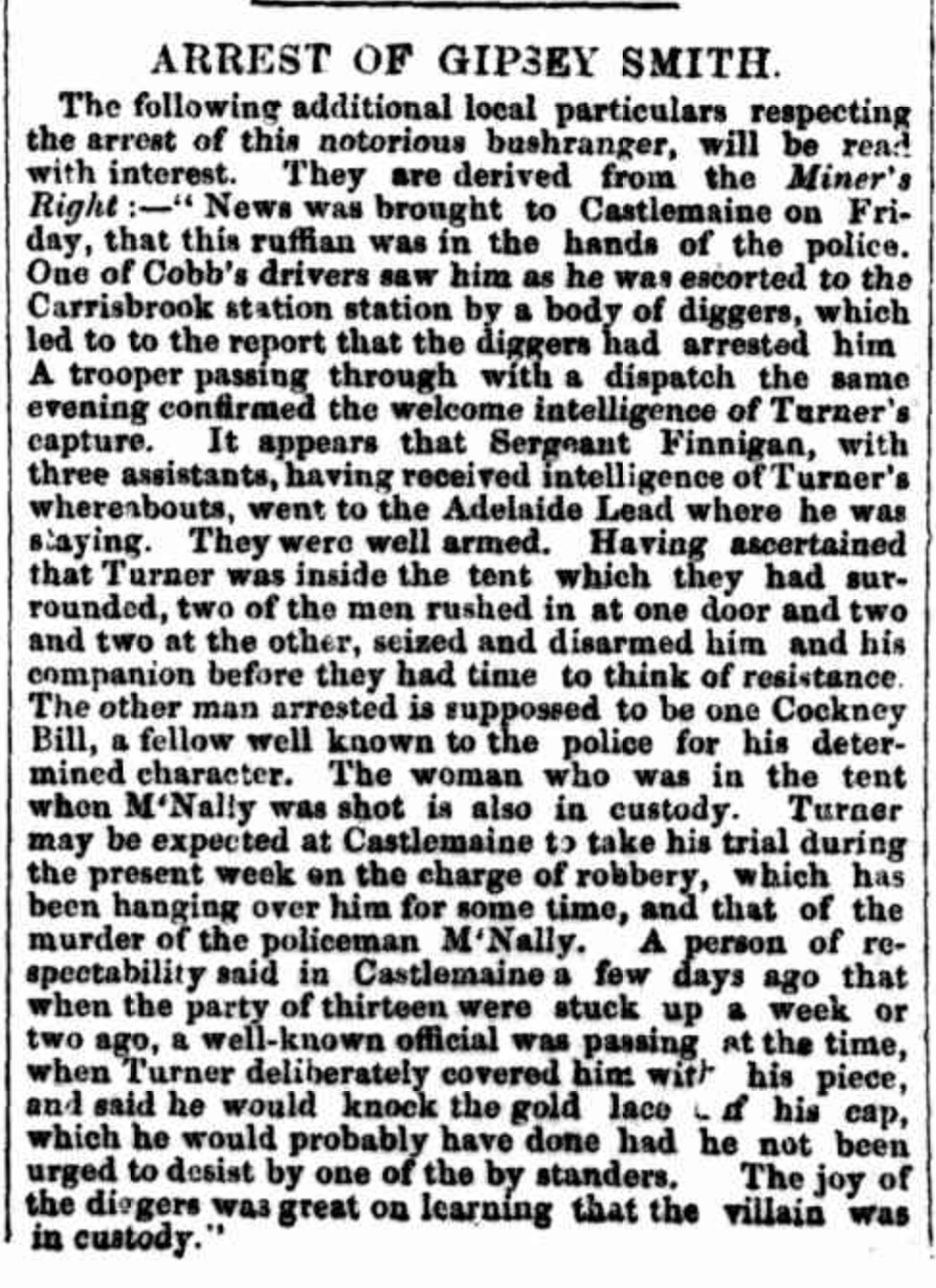
Above:- Article re the capture of Gipsy Smith, The Age, Tue 28 Oct 1856. Image c/o Trove.
Both men were charged with the murder of Sergeant McNally and they appeared in the Castlemaine Circuit Court. Twigham was convicted and sentenced to death. He was hanged on the 11th day of March 1857 at the Melbourne Gaol. He was asked at sentencing if he had anything to say, and only stated that the witness Adams by whose testimony he was convicted, was a perjured man and that his statements were false. The charge of murder was not proceeded with against Turner and he pleaded guilty to manslaughter and was sentenced to 15 years hard labour. At his sentencing in court, Turner was described as ‘one of the most hardened ruffians in the colony.‘ (EGHS 2024) (Monument Australia 2024) (Mount Ararat Murder 1857)
Above:- Article from Bell’s Life, Melbourne, Sat 14 Mar 1857. Image c/o Trove.
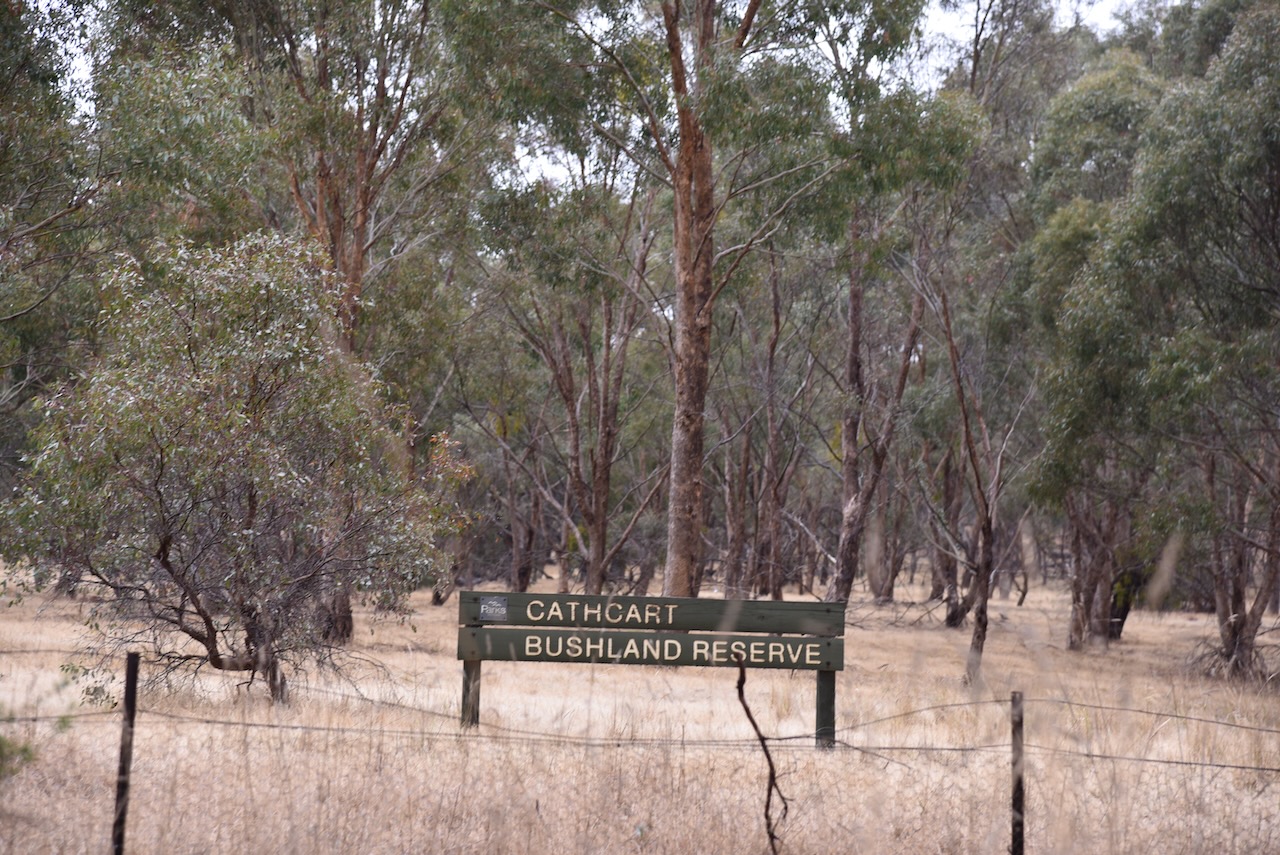
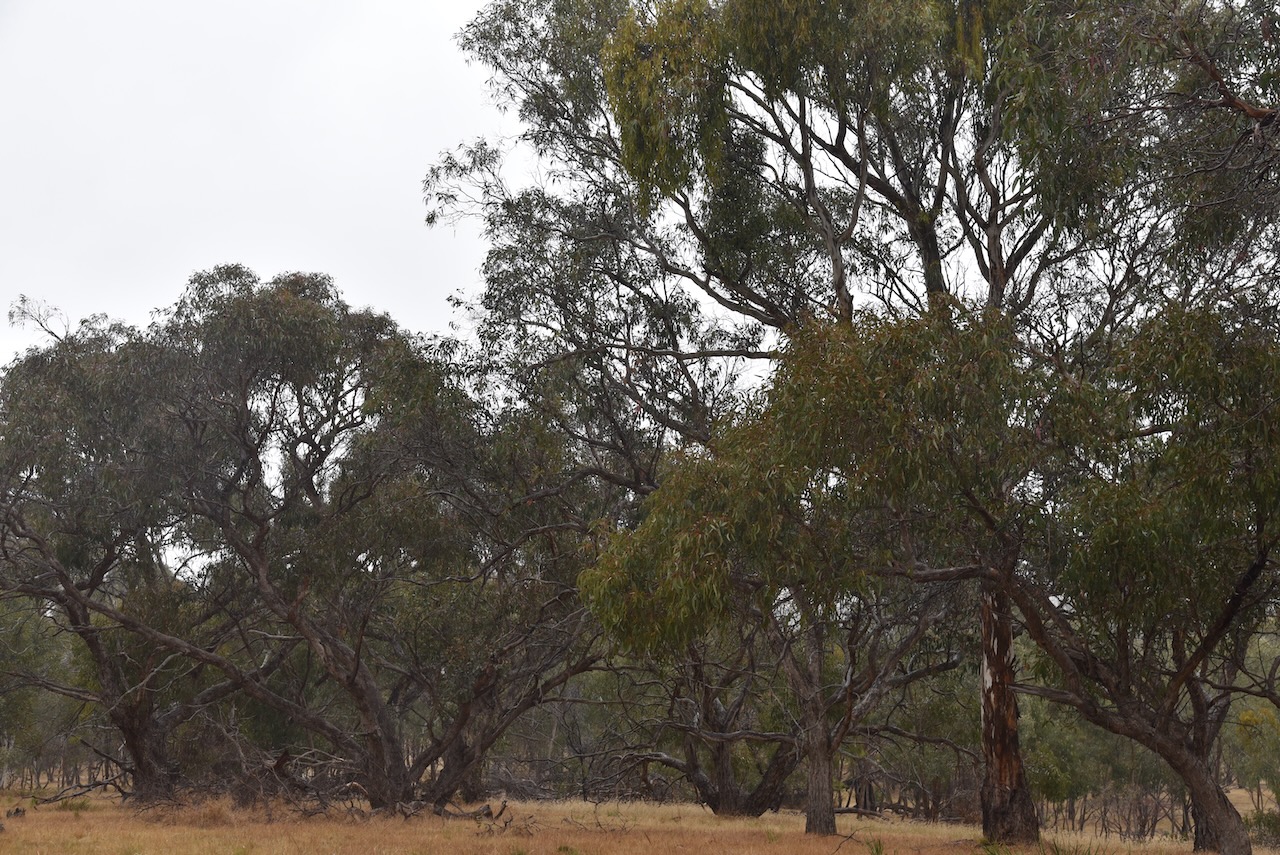
The Cathcart Bushland Reserve is located on the northern side of Phillips Flat Road.
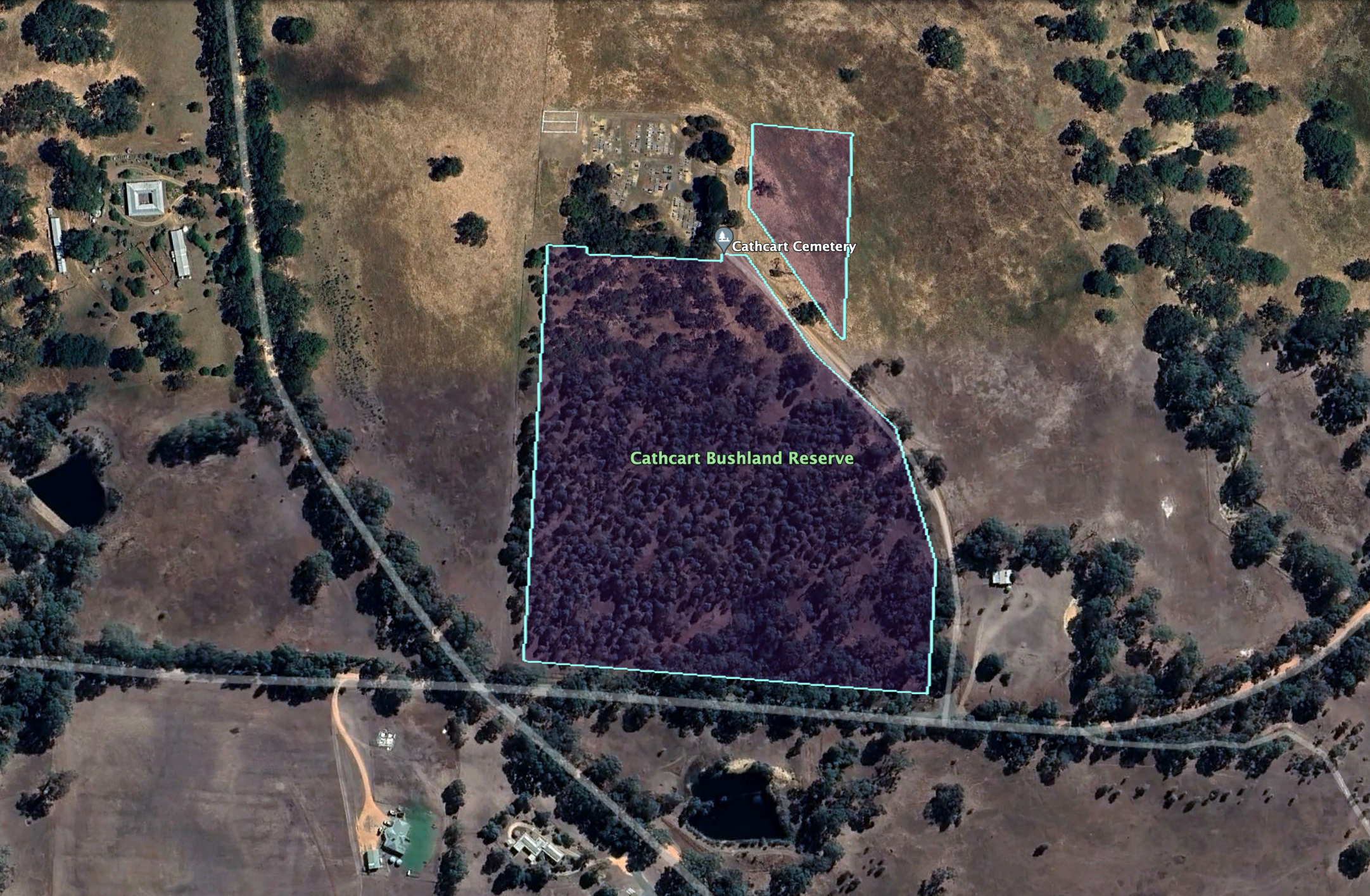
Above:- An aerial view of the reserve. Image c/o Google Earth.
The reserve is about 7 hectares in size and was established on the 22nd day of November 1983. (CAPAD 2022)
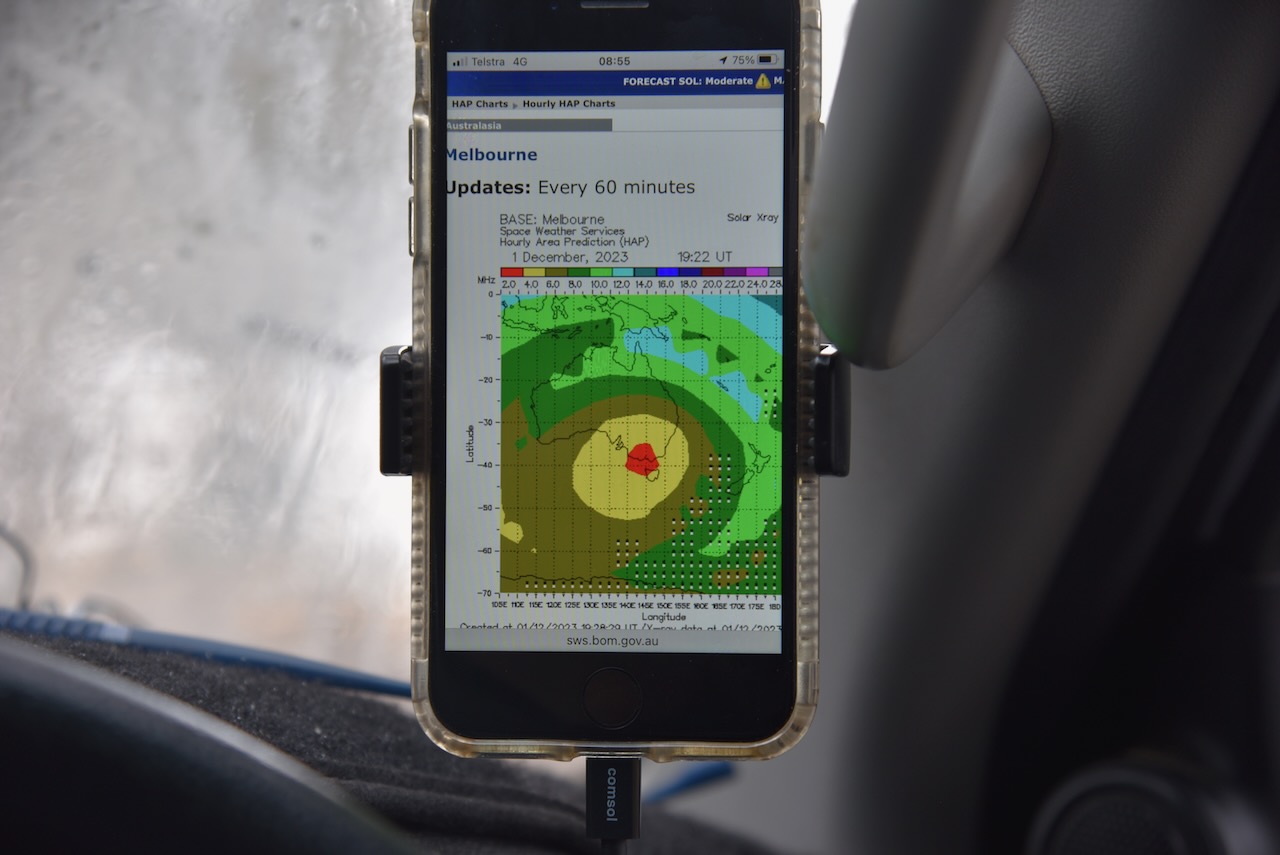
Marija and I ran the Yaesu FT857, 40 watts and the 20/40/80m linked dipole for this activation. I used the special event callsign of VI10VKFF. The band conditions were absolutely terrible as is indicated in the HAP chart screen shot below.
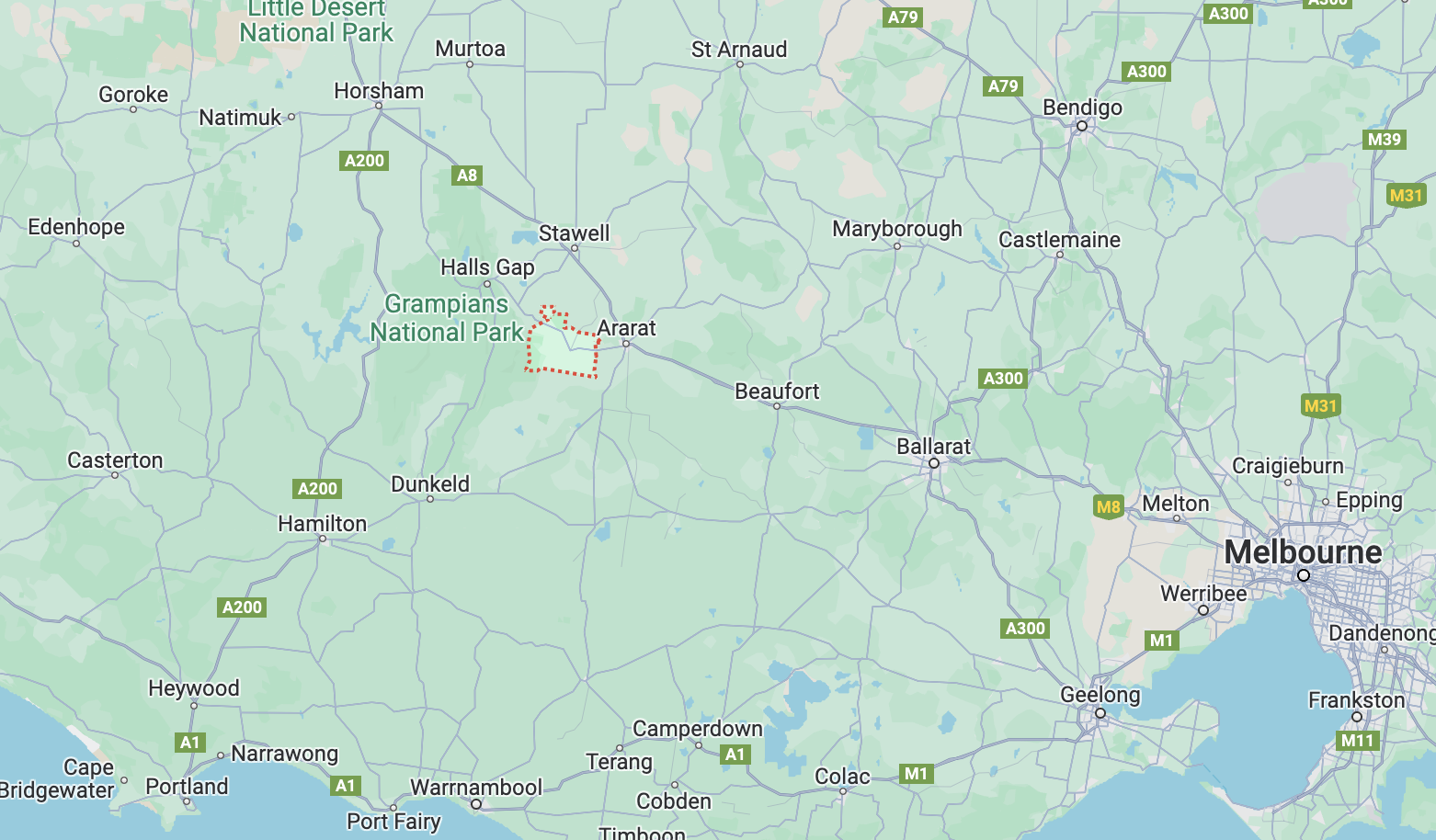
Our next activation for 1st November 2023, was the Mount William Creek Streamside Reserve VKFF-3801. The reserve is about 7 km northwest of the town of Moyston and about 226 km northwest of the city of Melbourne.
Above:- Map showing the location of Mt William Creek Streamside Reserve. Map c/o Google Maps.
Mount William (Mount Duwul) is the highest point in the Grampians (Gariwerd) National Park at 1,167 metres. Explorer Major Thomas Mitchell climbed the mountain in July 1836 and named it Mount William in honour of King WIlliam IV. (Blake 1978) (Visit Grampians 2024)
The Grampians National Park is known by the Jardwadjali aboriginal people as Gariwerd. The park is 167,219 hectares in size and was proclaimed a national park on the 1st day of July 1984. Major Mitchell first referred to the Grampians as the Coast Mountains and in July 1836 he referred to them as the Gulielmian Mountains after William IV of the UK. Members of Mitchell’s party referred to the mountains as Gulielmean, Gulielman, and the Blue Gulielmean Mountains. Later in 1836 Mitchell referred to them as The Grampians after the Grampian Mountains in his native homeland of Scotland. (Places Names 2021) (Wilkie 2020)
Above:- Major Mitchell. Image c/o Wikipedia.
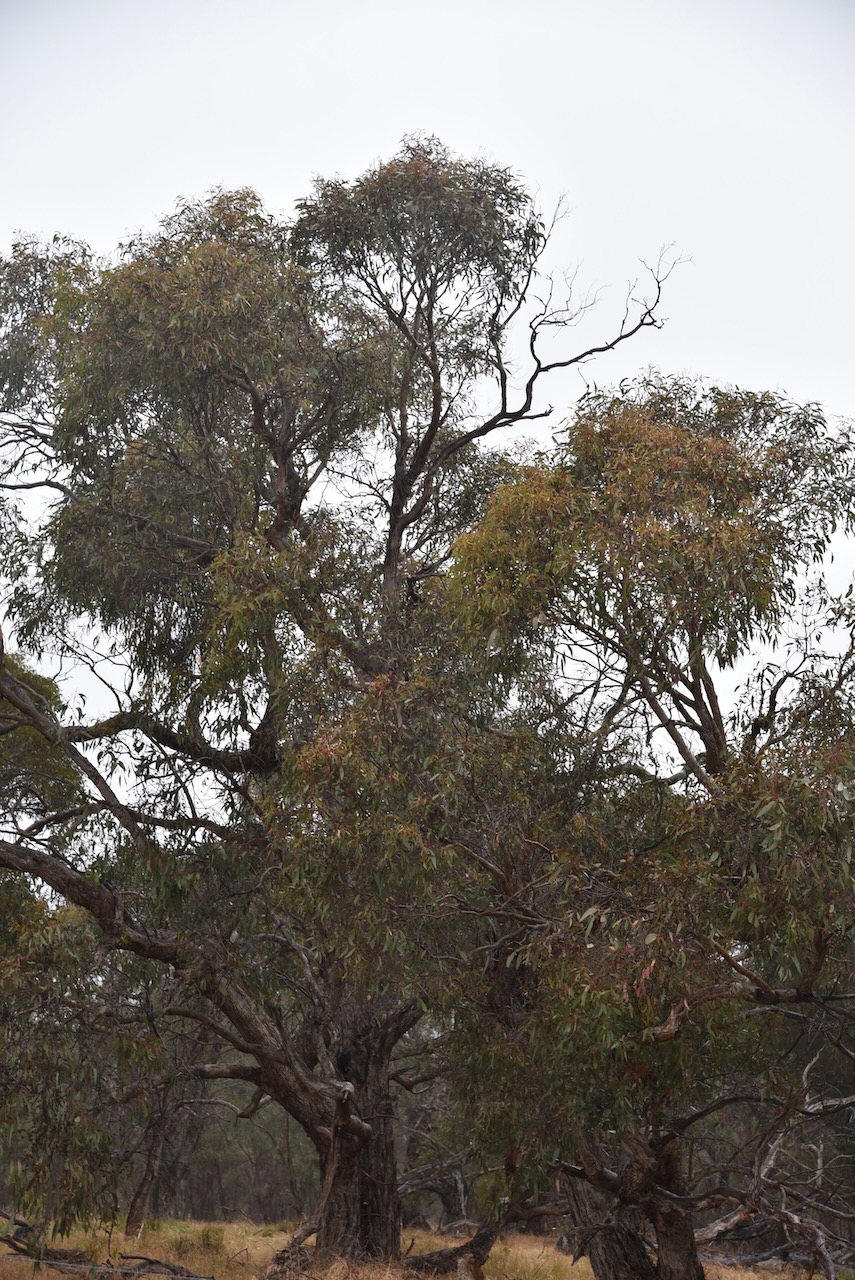
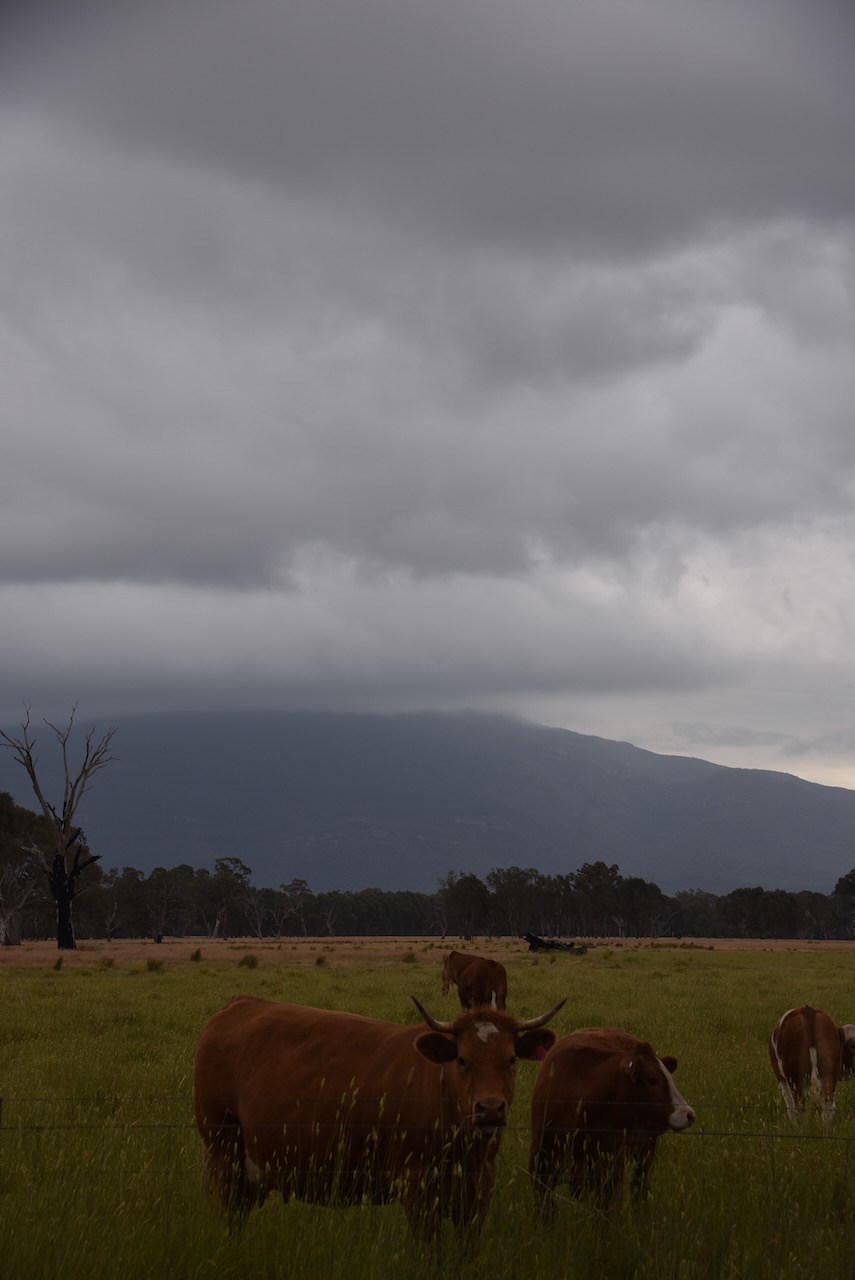
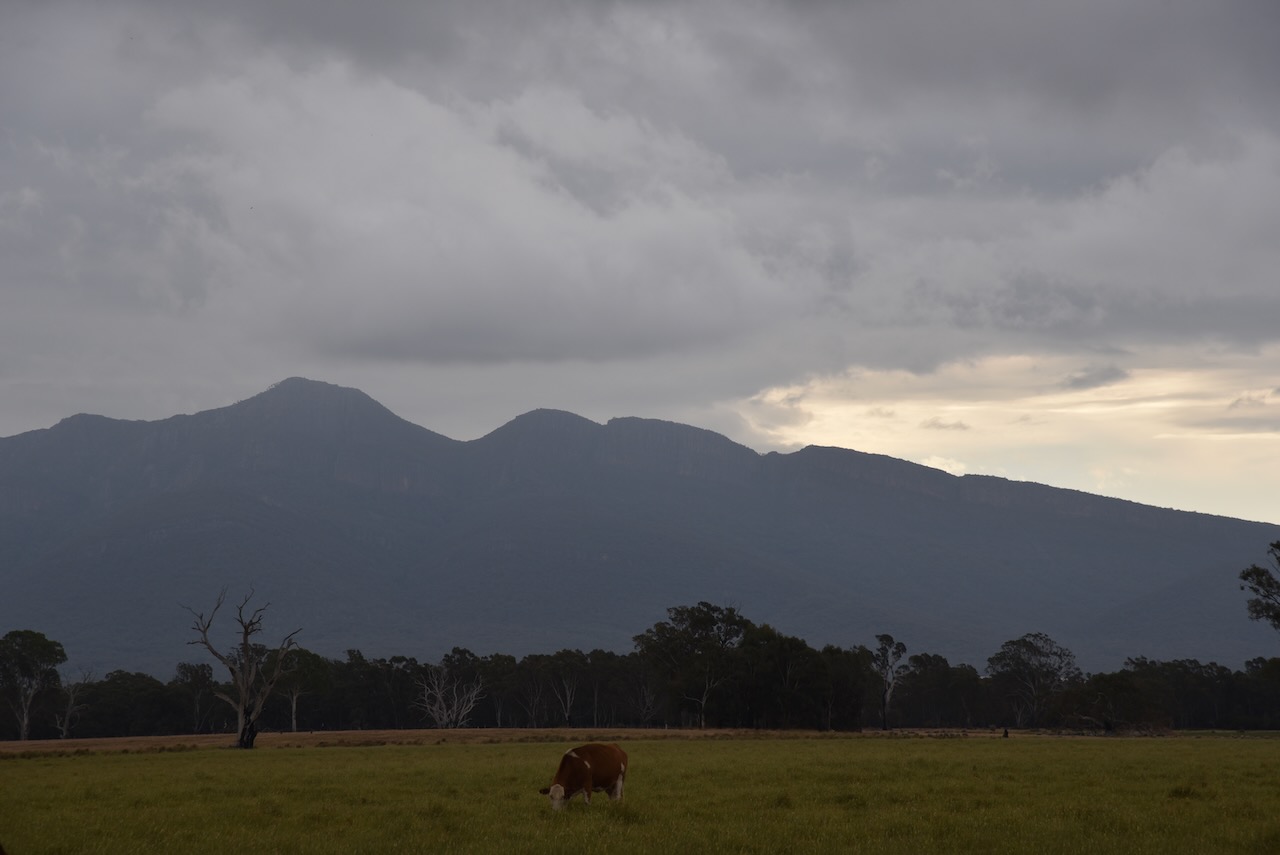
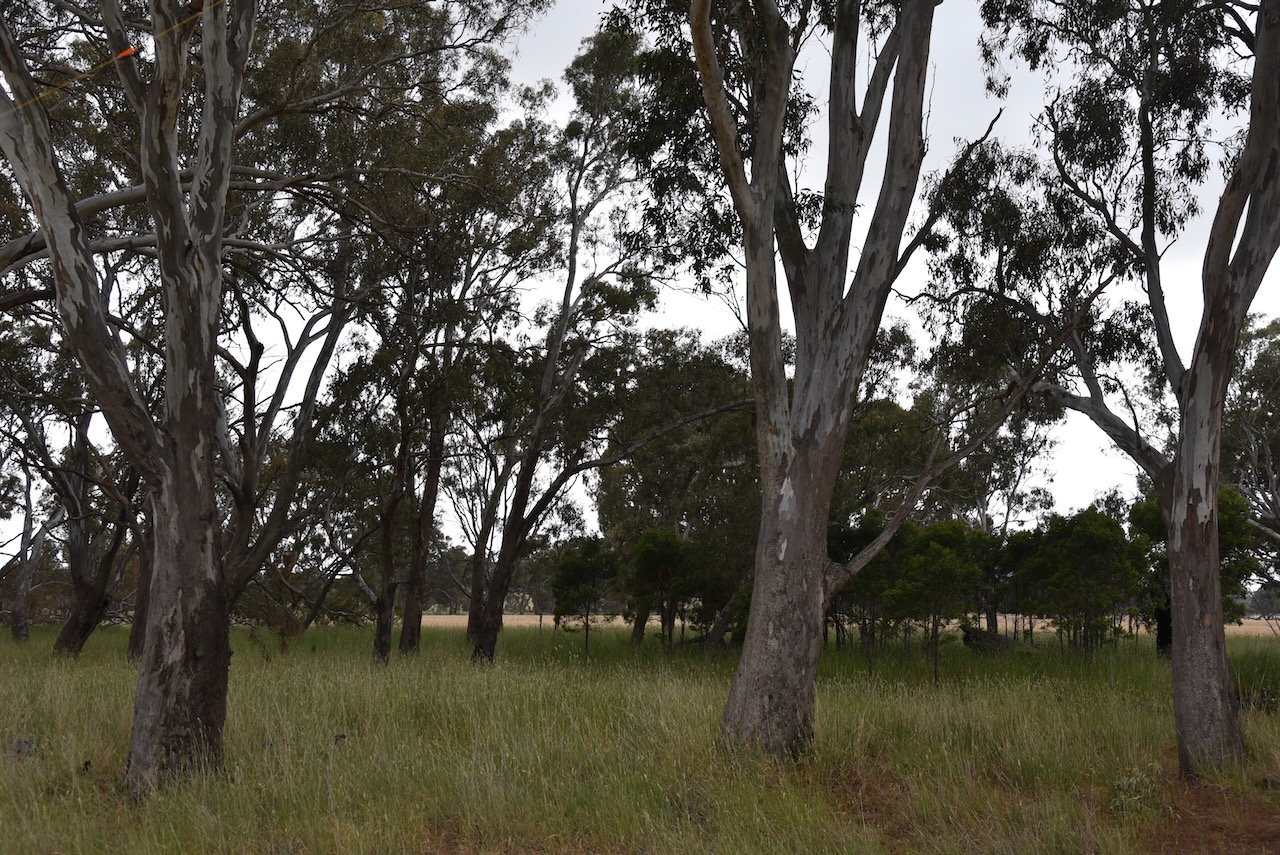
It was an overcast and stormy day, but Marija and I still enjoyed some nice views of Mount William and The Grampians from our operating spot in the reserve.
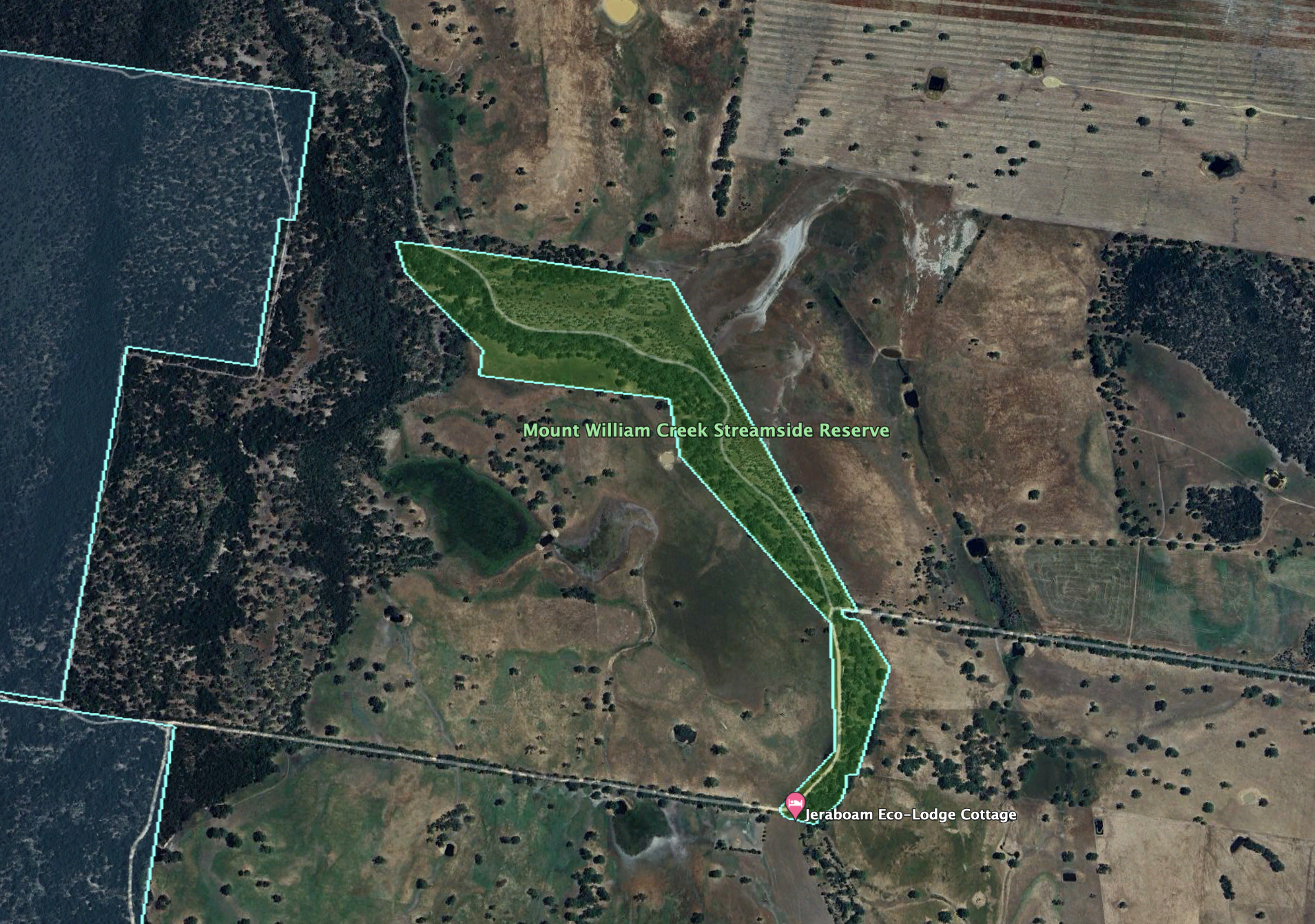
The reserve is located along the Moyston West Road.
Above:- An aerial view of the Mount William Creek Streamside Reserve. Image c/o Google Earth.
The reserve is about 38 hectares in size and was established on the 22nd day of November 1983. Although called the Mount William Creek Streamside Reserve, Mount William Creek does not flow through the park. Mount William Creek is just to the west. A tributary of Mount WIlliam Creek, Reservoir Creek flows through the reserve. (CAPAD 2022)
We ran the Yaesu FT857, 40 watts, and the 20/40/80m linked dipole for this activation. I used the special call of VI10VKFF to celebrate the 10 year anniversary of the World Wide Flora Fauna (WWFF) program in Australia.
Marija worked the following stations on 40m SSB:-
VK3PF
VK3KAI
Marija worked the following stations on 40m AM:-
VK3PF
VK3KAI
VK3DJC
VK5HS
VK2EXA
VK3SG
VK3CLD/p
VK3BWS
I worked the following stations on 40m SSB:-
VK3PF
VK3KAI
VK2EXA
VK7PSJ
VK3SG
VK3BBB
VK2CCP
VK2USH
VK3CLD/p
VK3OY/p
VK5TN
VK3DJC
VK3PWG
VK3VIN
VK1AO
VK22MET
VK5KLV
VK3BWS
VK7EE
VK3ABI
KG5CIK
VK4HMI
VK4EMP
VK4TWI
VK3HQZ
KG8P
VK3UAO
VK3SPG
VK3CEO
VK5AKB
VK5AE
I worked the following stations on 40m AM:-
VK3PF
VK3KAI
VK3DJC
VK5HS
VK2EXA
VK3SG
VK3CLD/p
VK3BWS
VK2USH
VK3UAO
I worked the following stations on 20m SSB:-
VK4EMP
VK4TI
SQ9CWO
IK4IDF
KG5CIK
KG8P
I4RHP
IW2NXI
OH6GAZ
IK1GPG
IW2BNA
UT5PI
IK4IDF
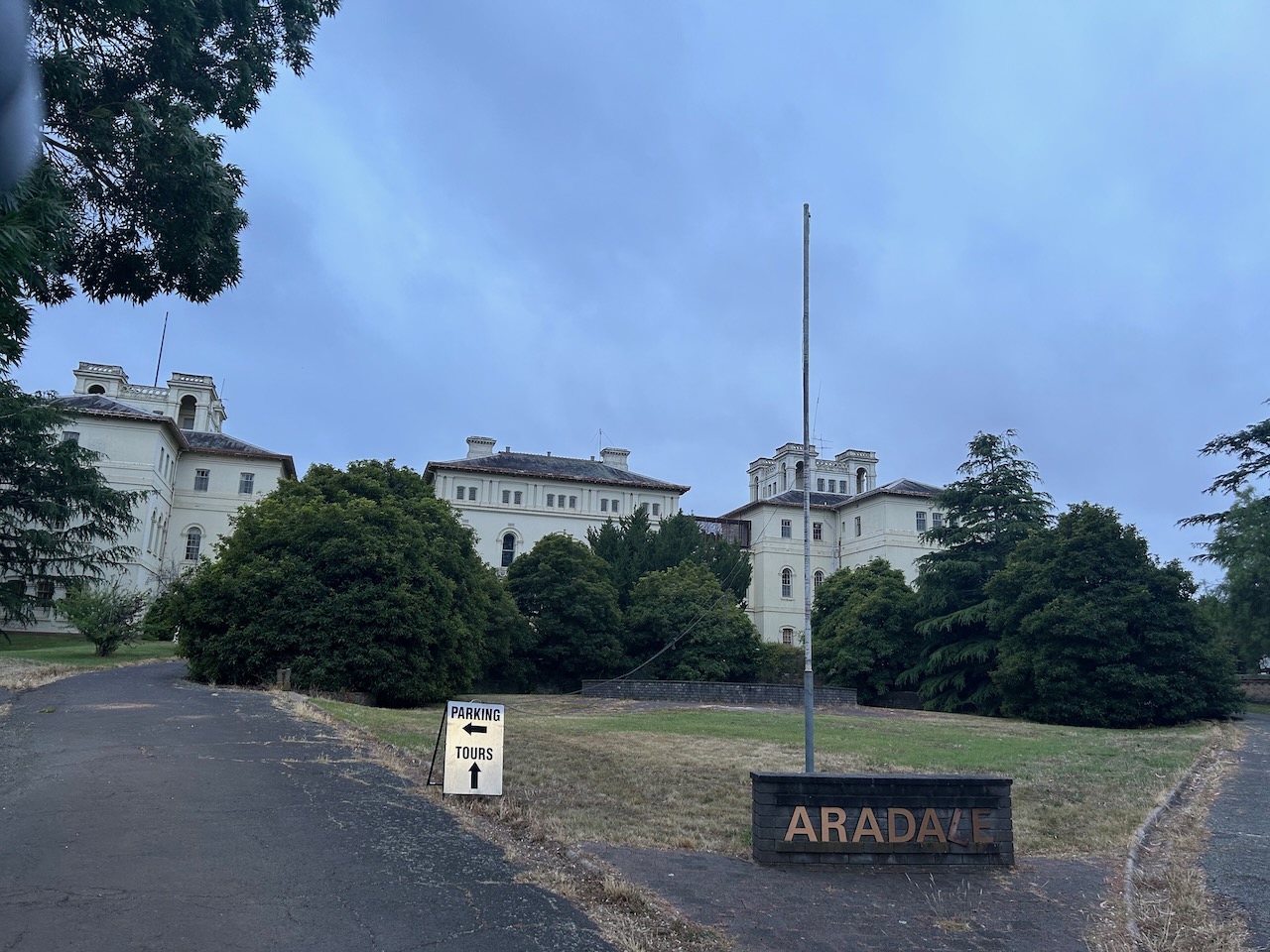
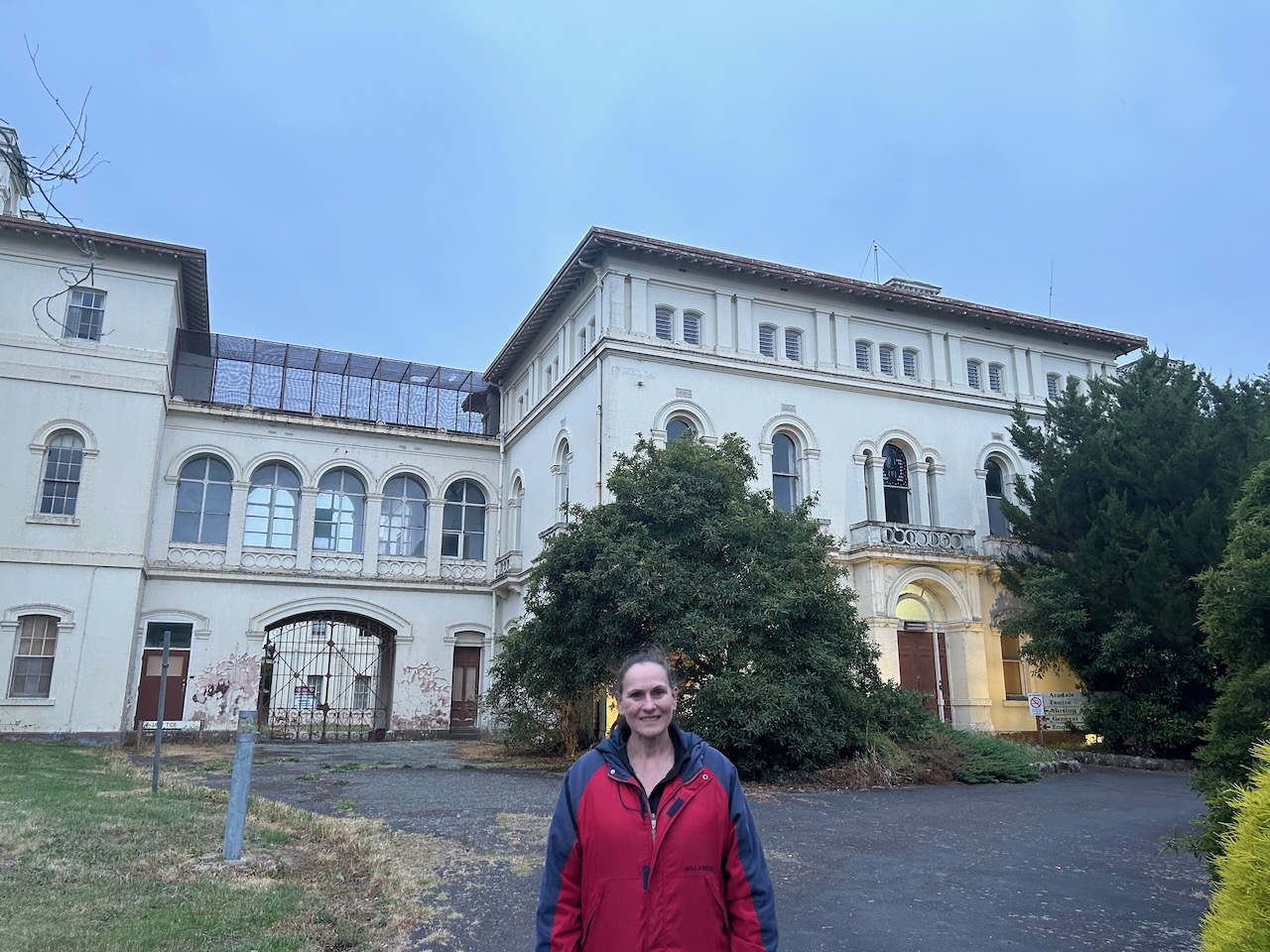
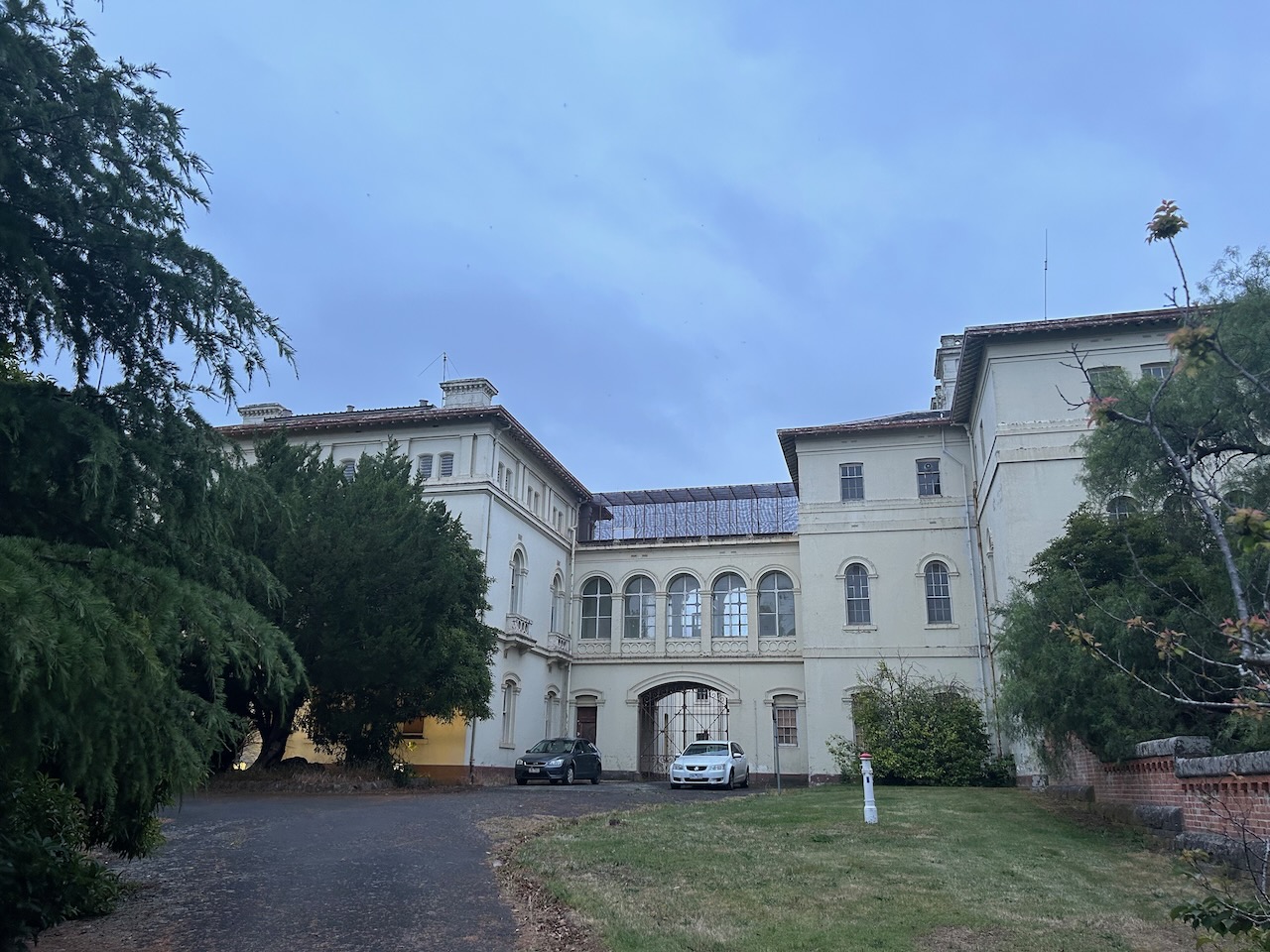
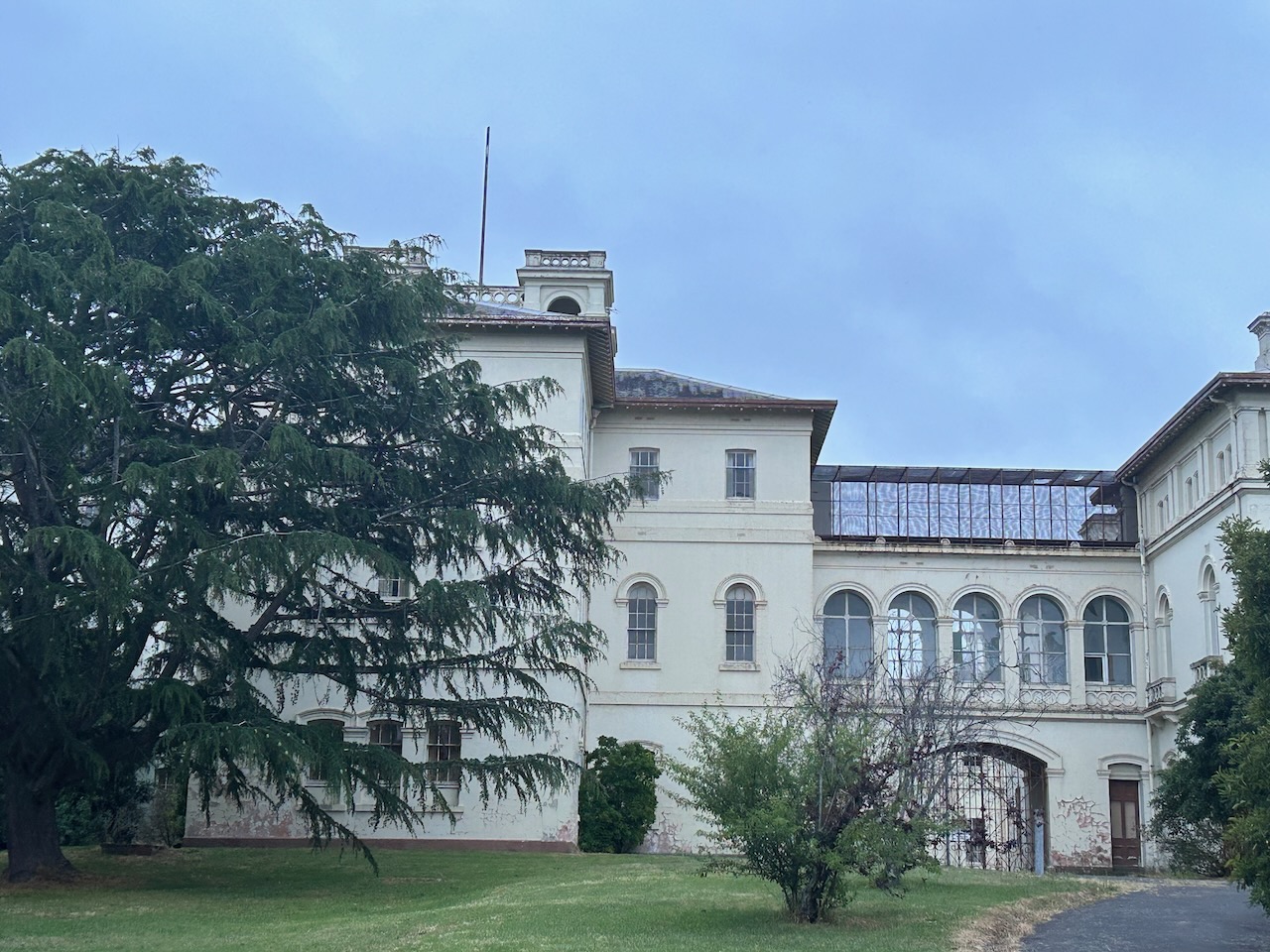
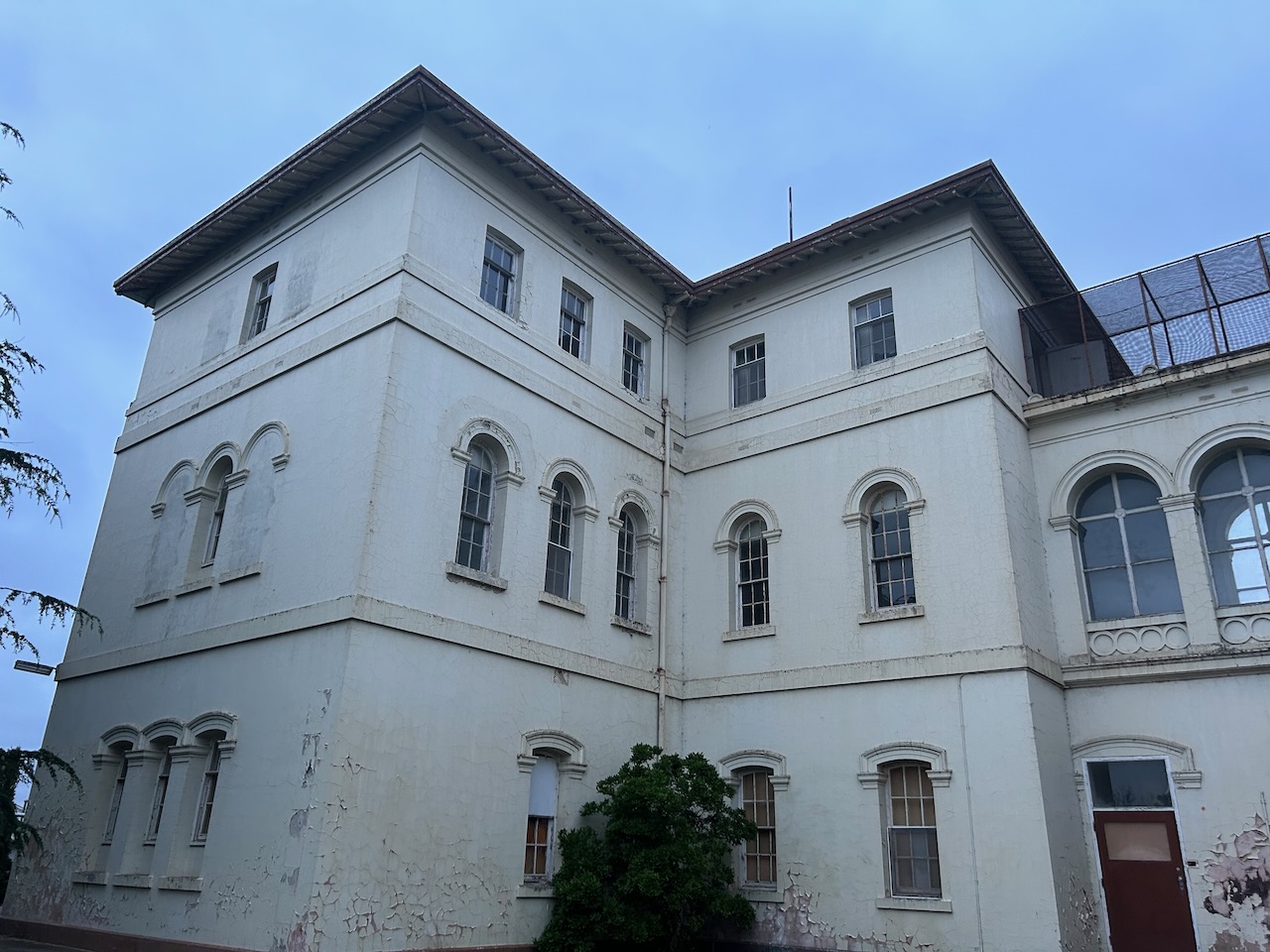
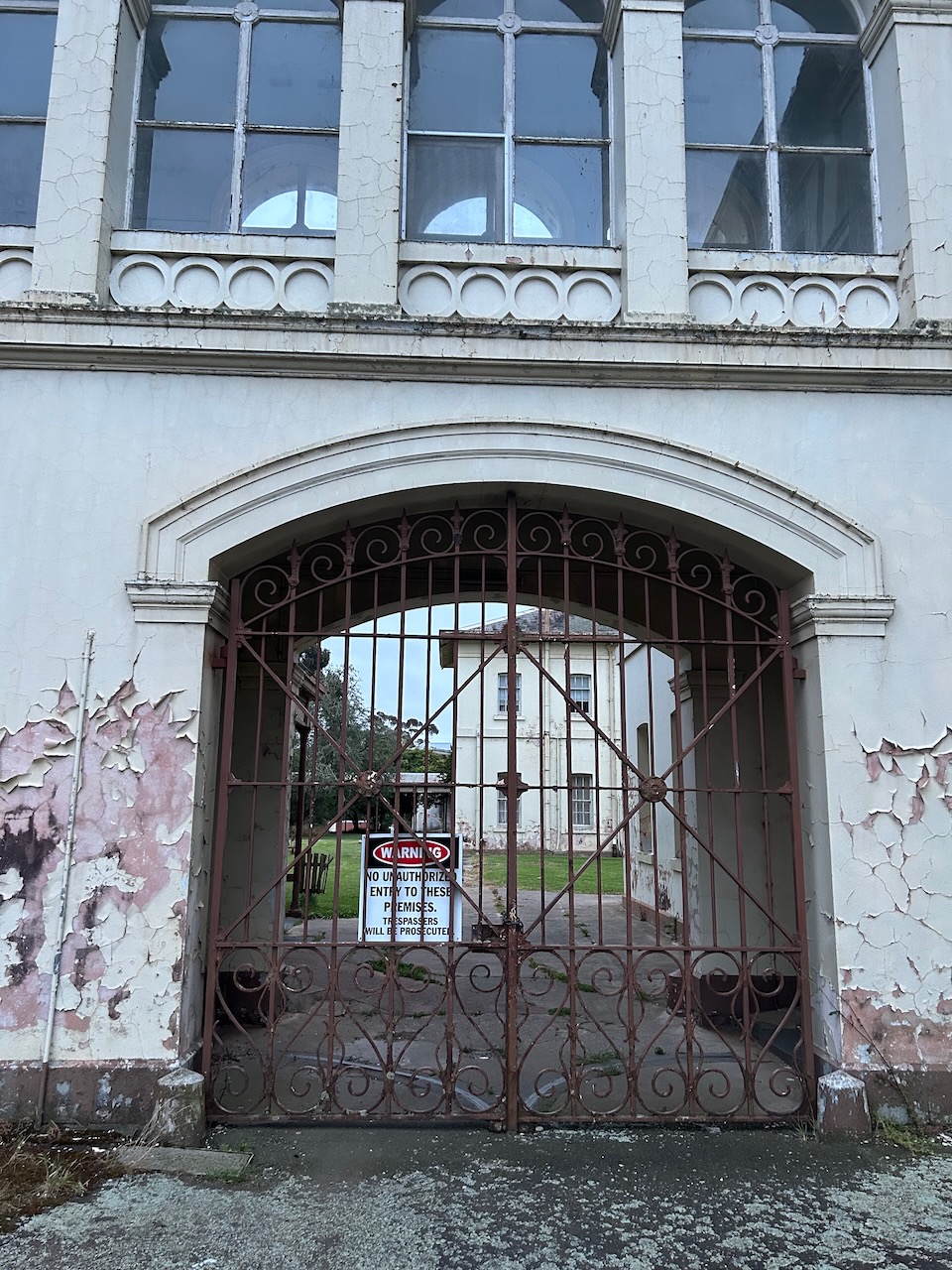
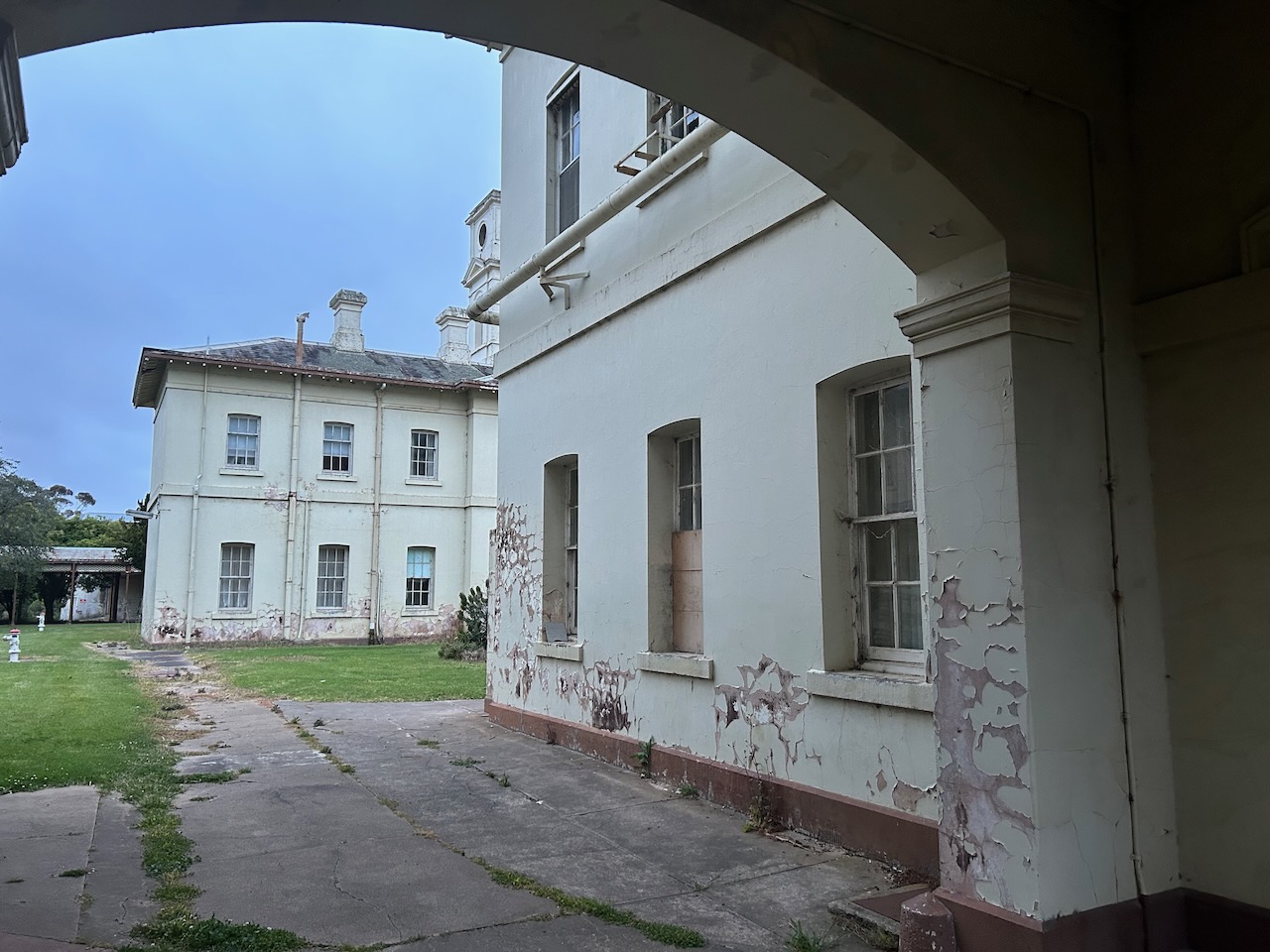
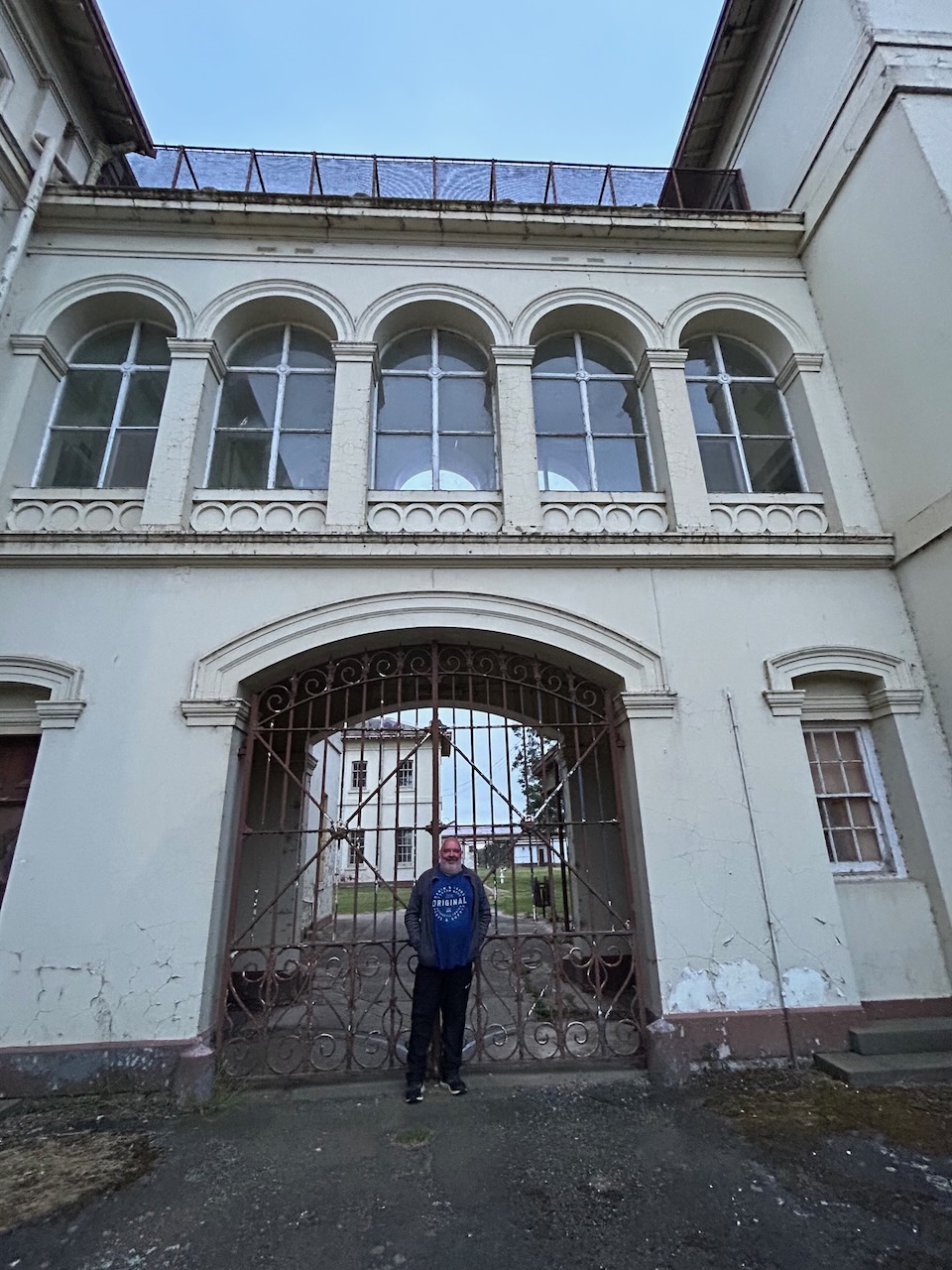
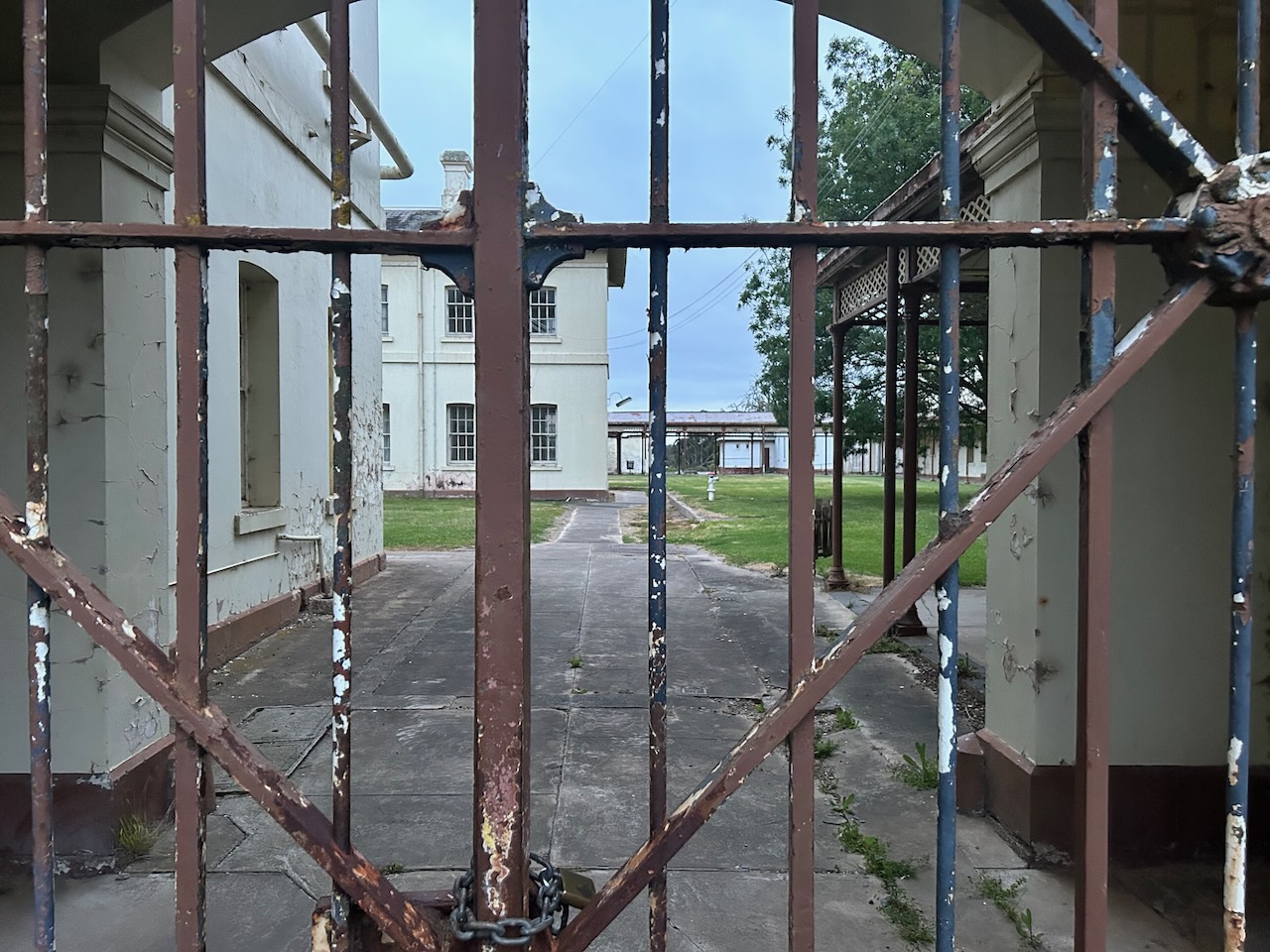
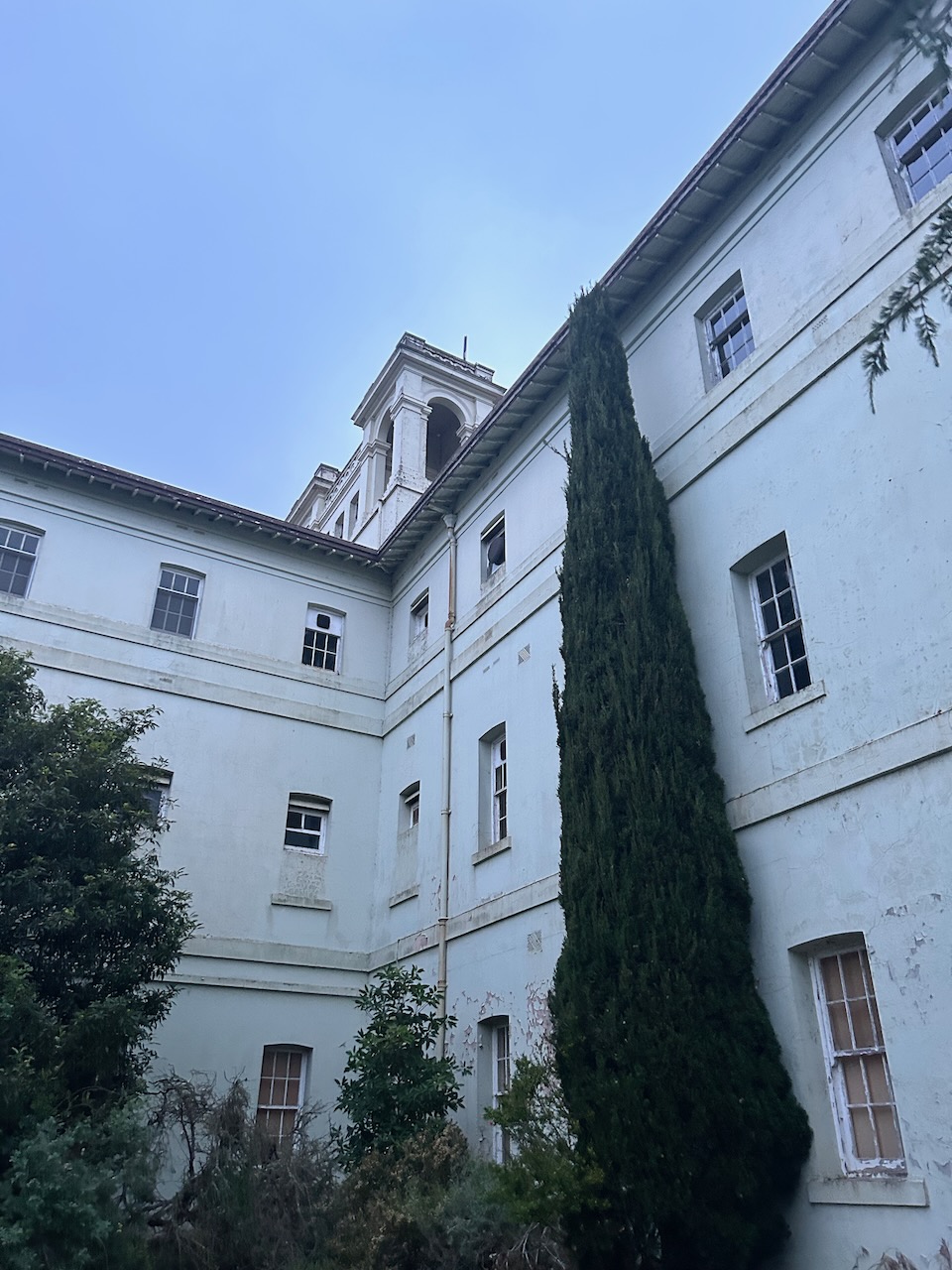
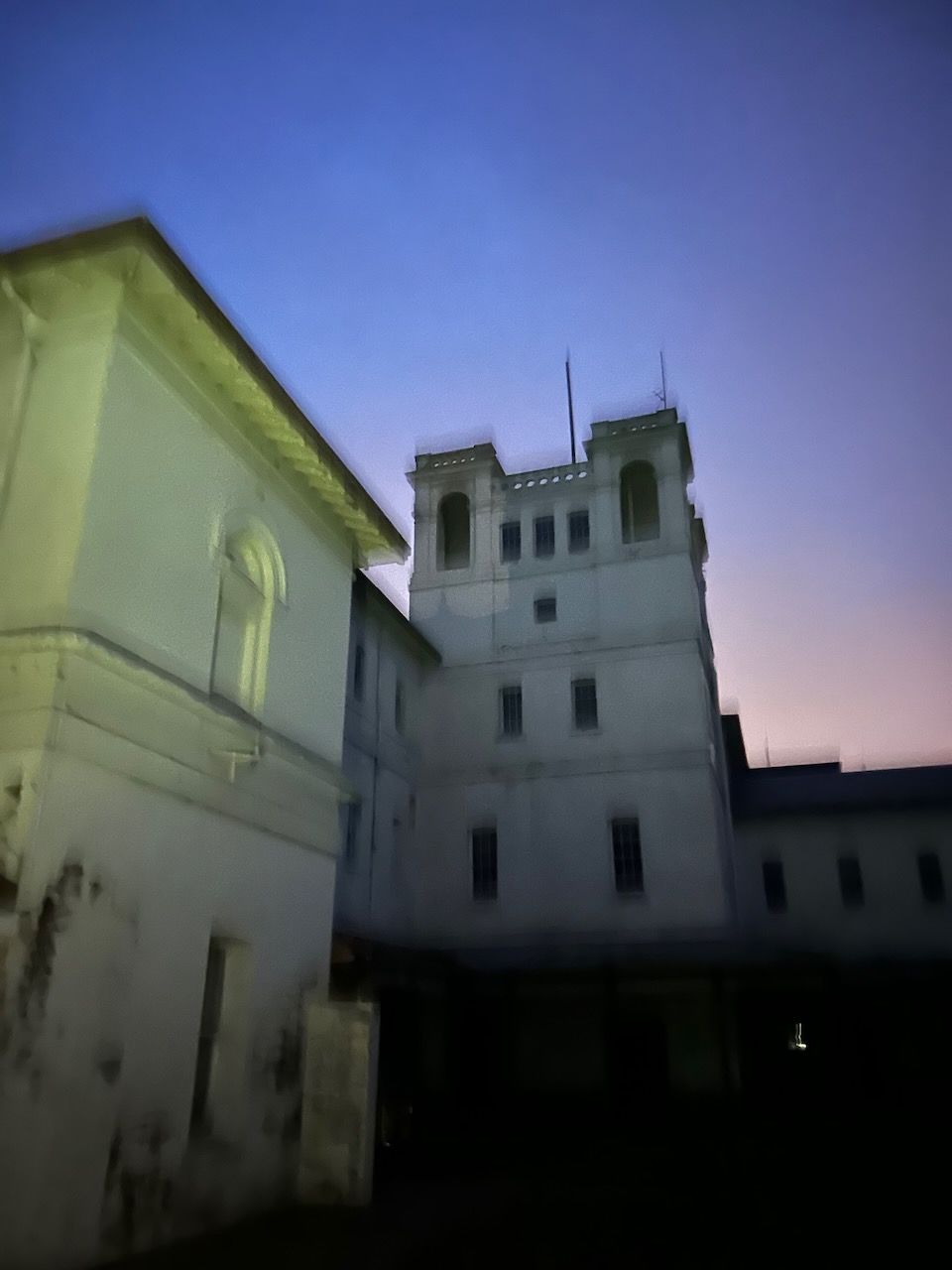
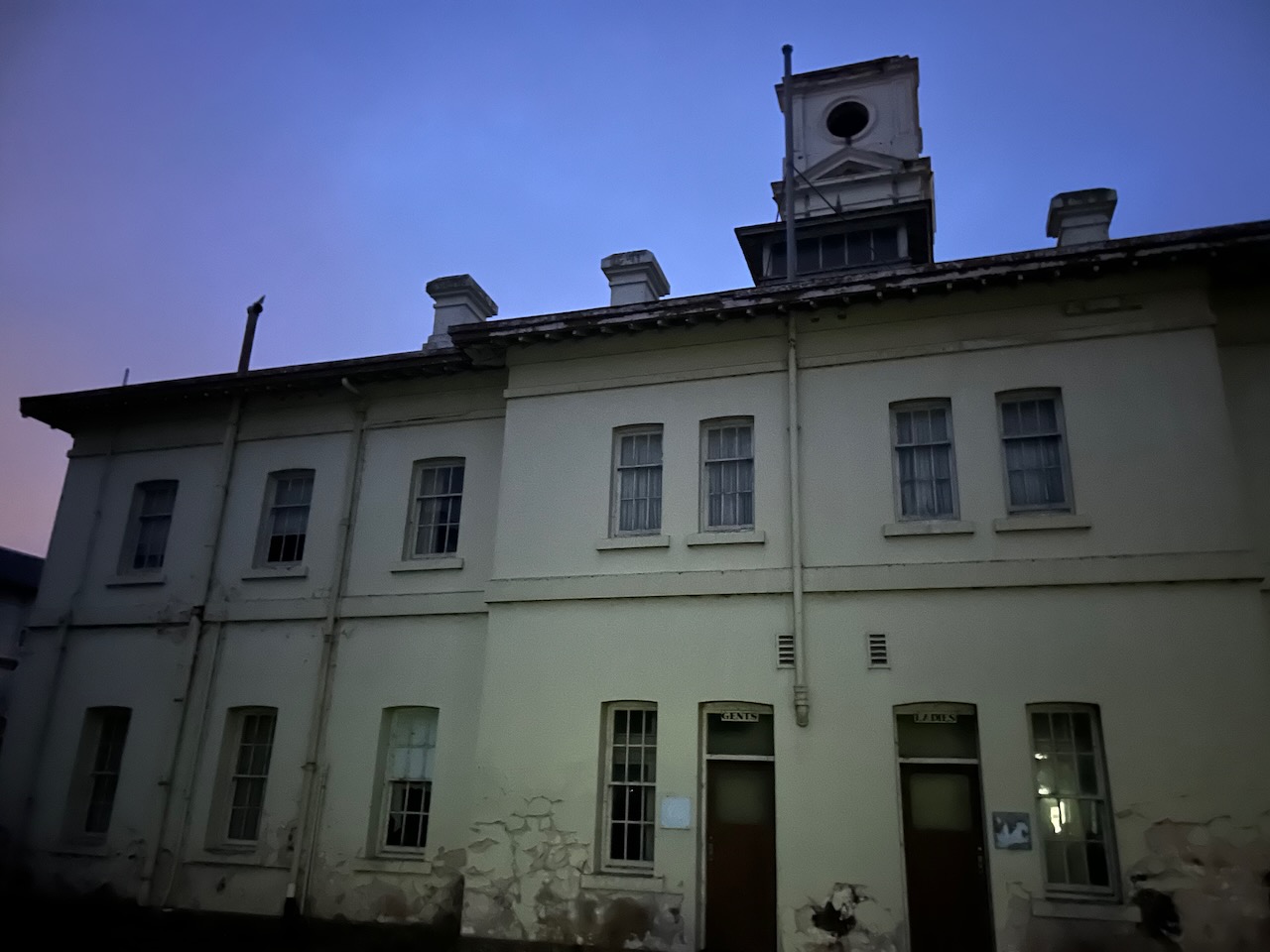
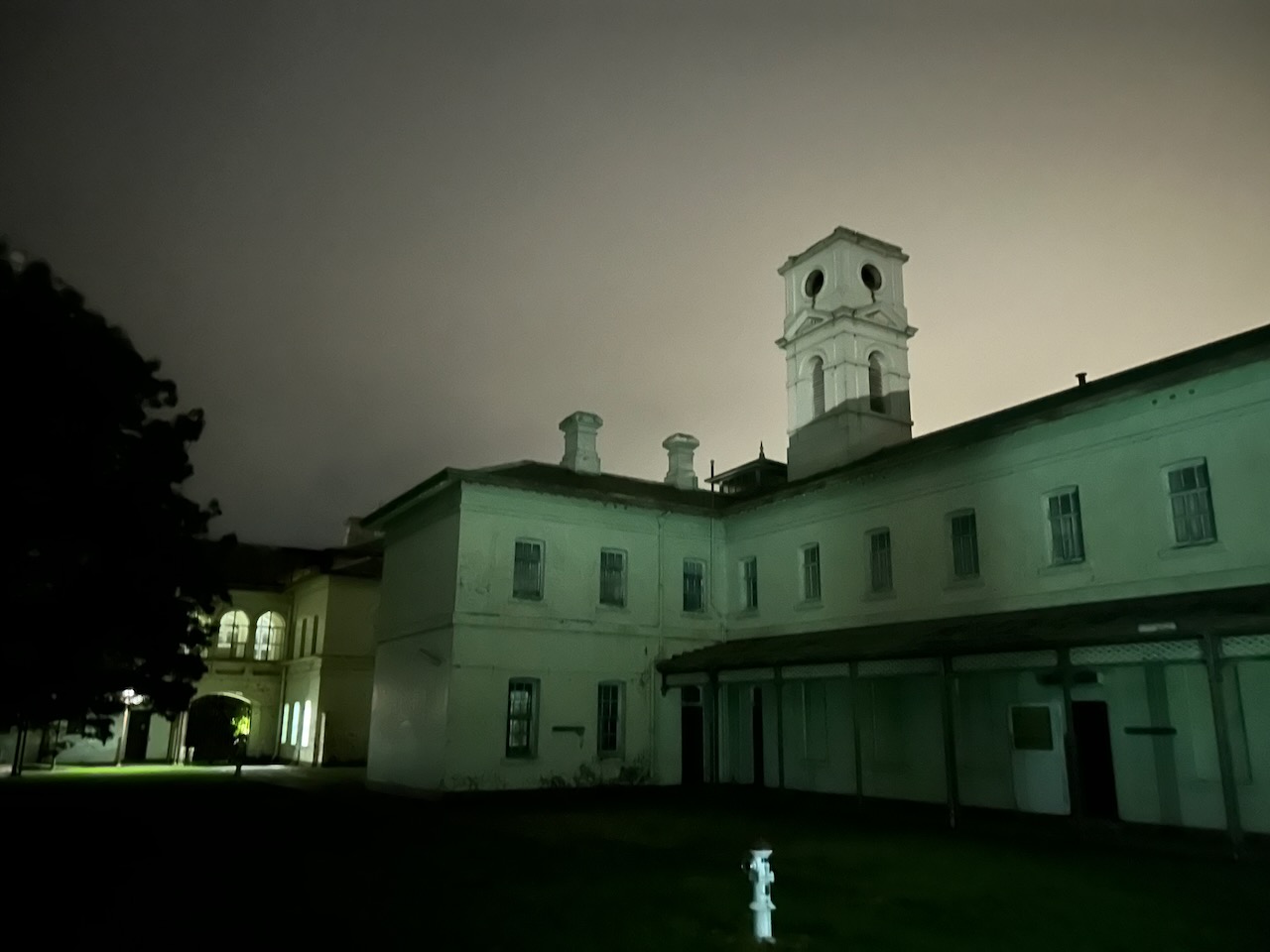
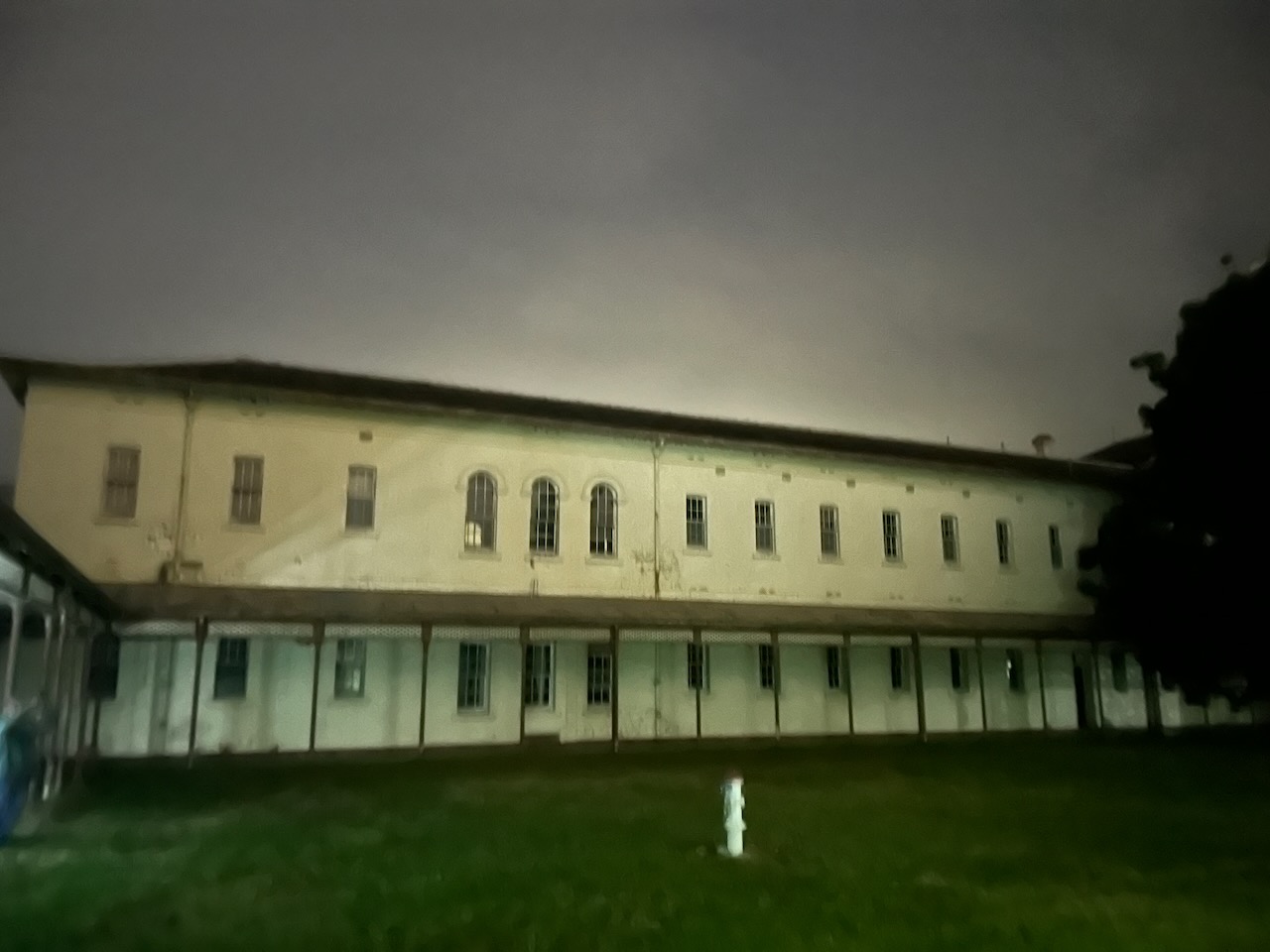
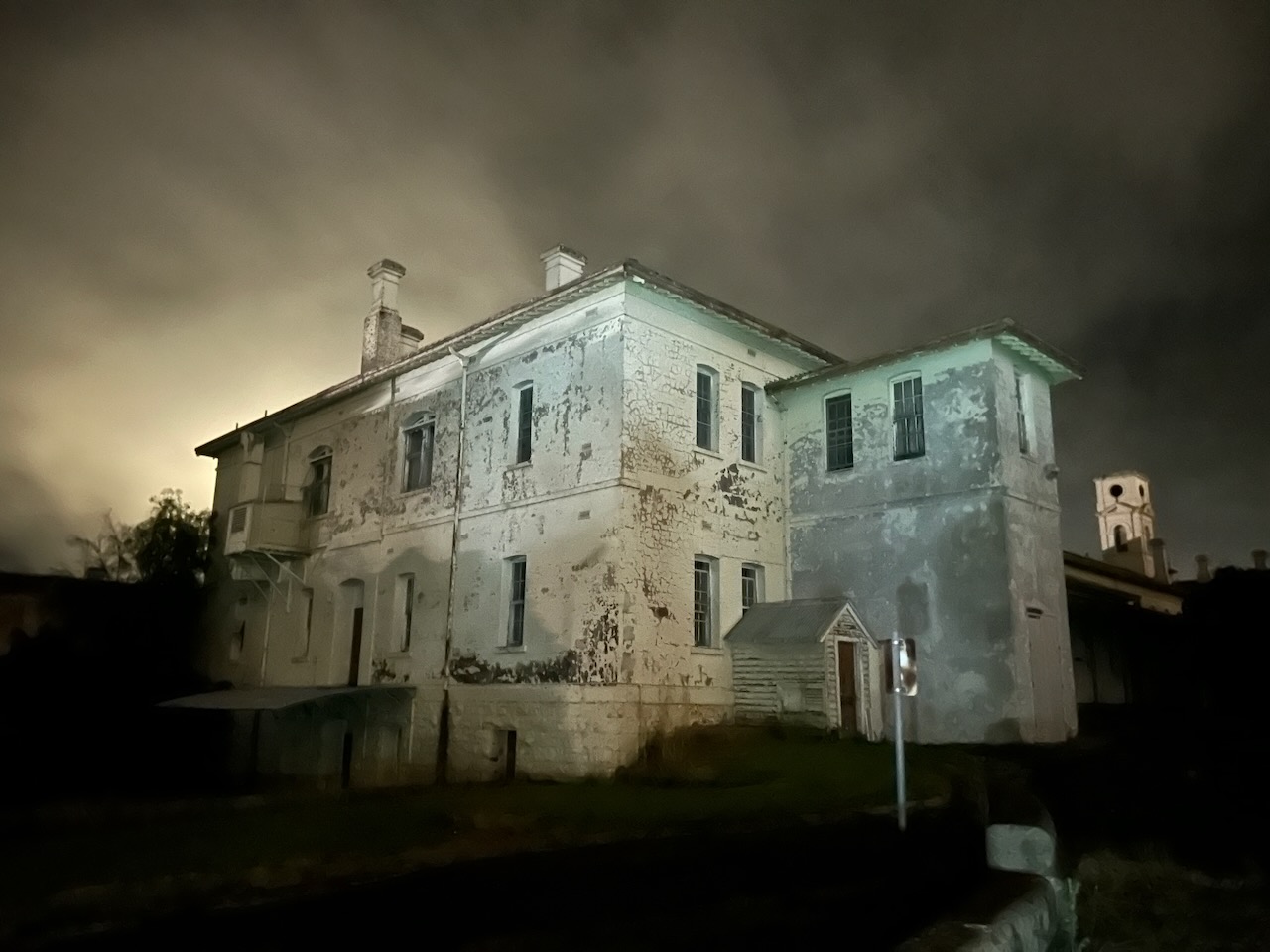
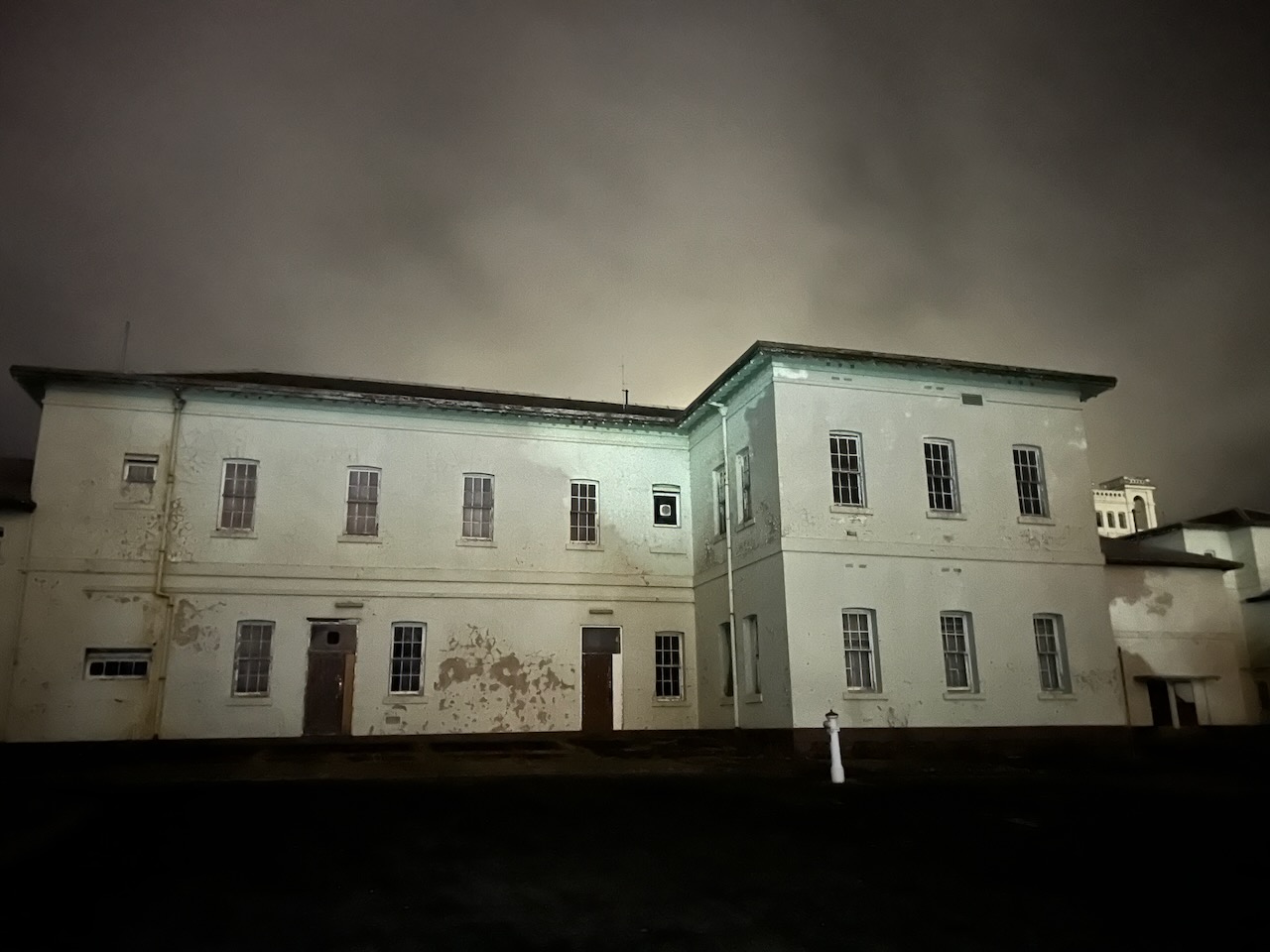
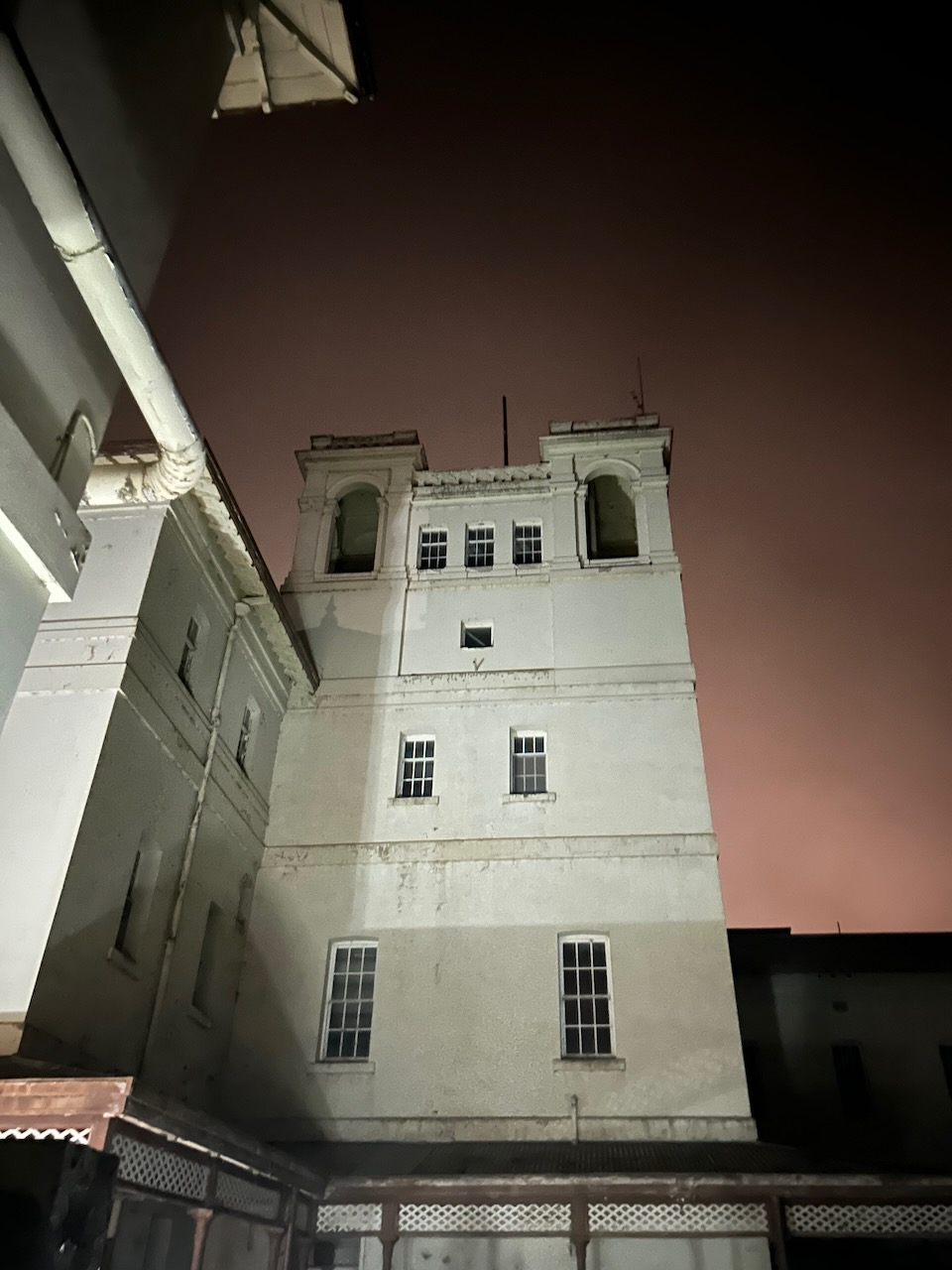
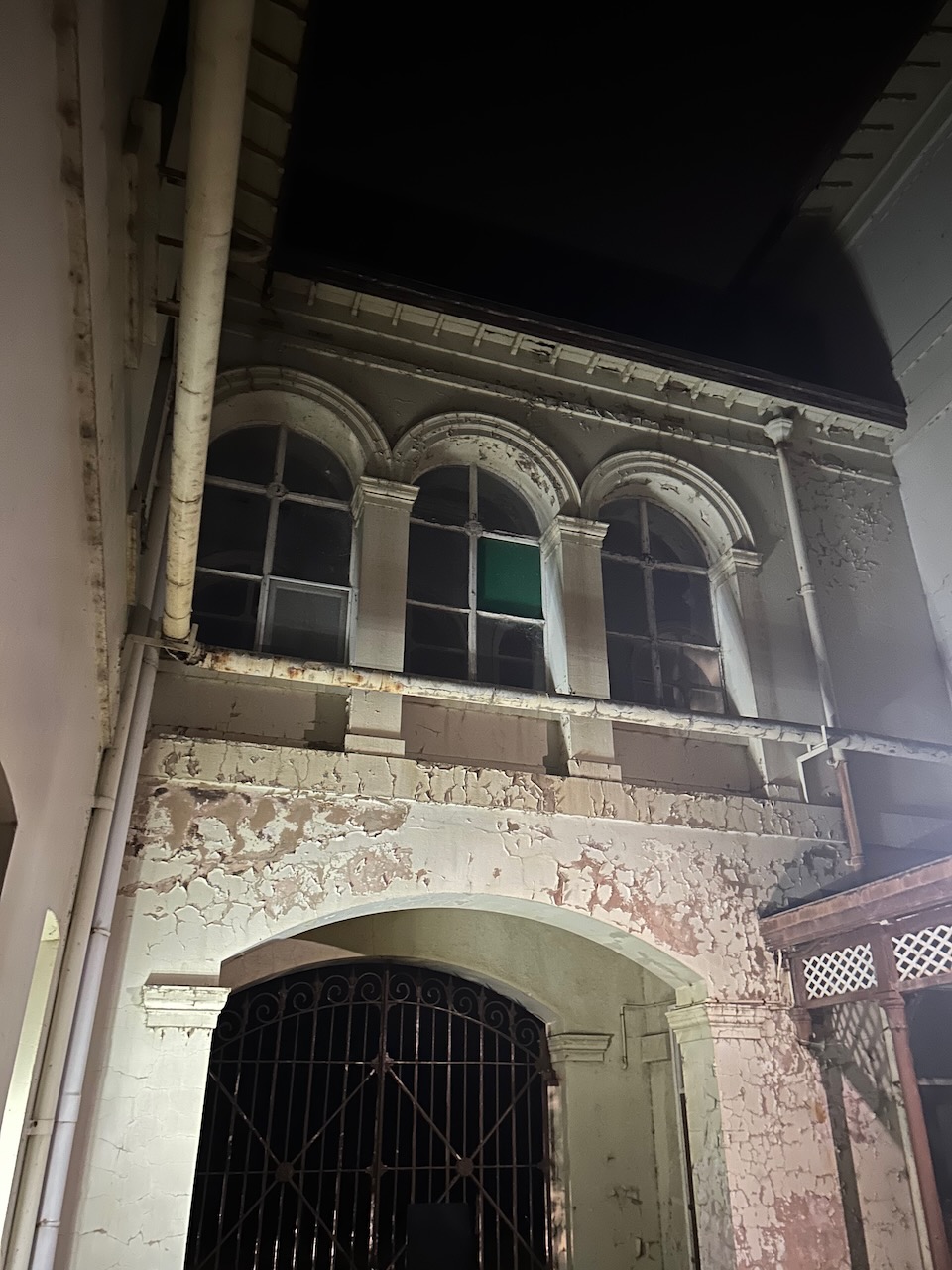
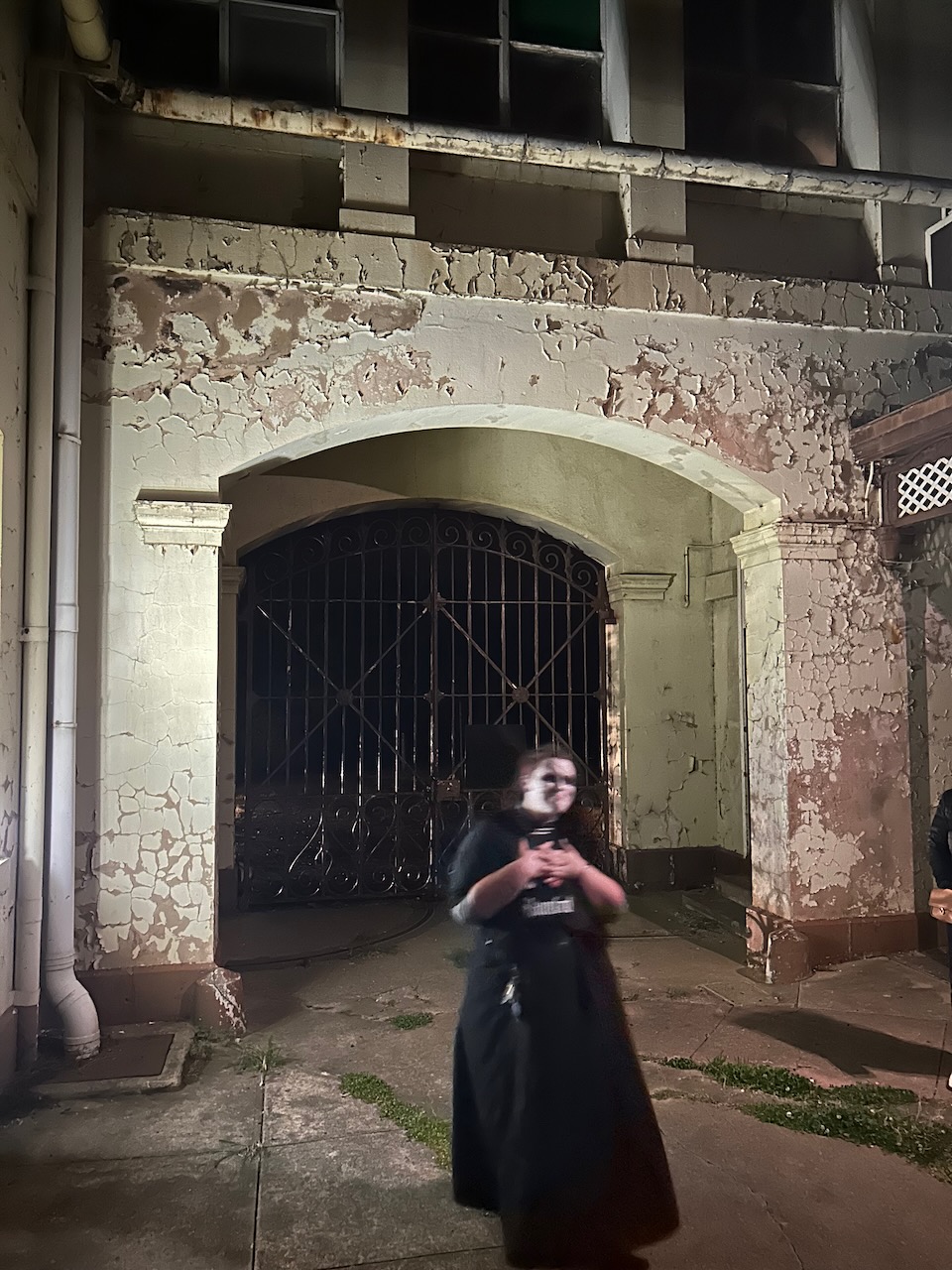
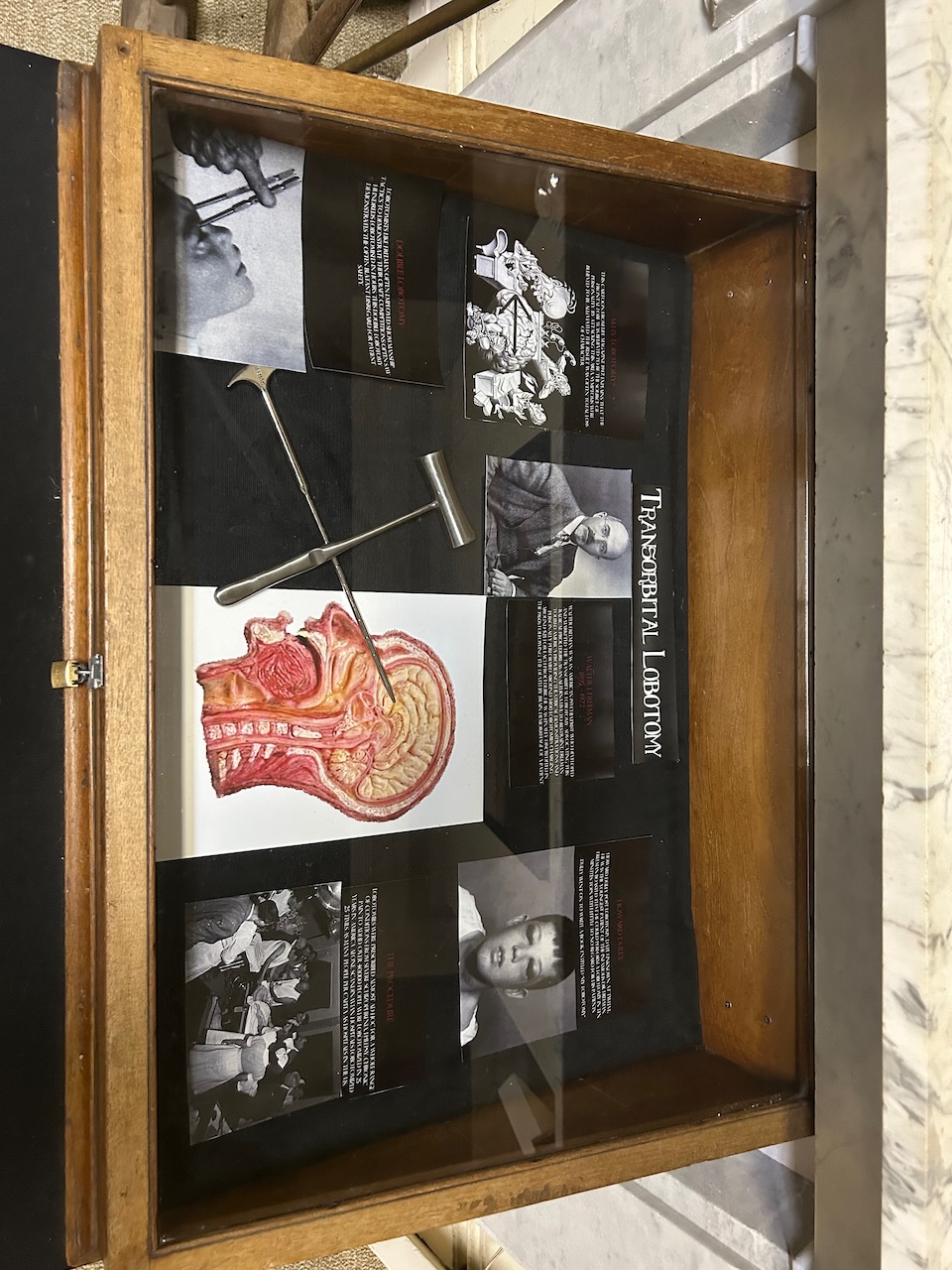
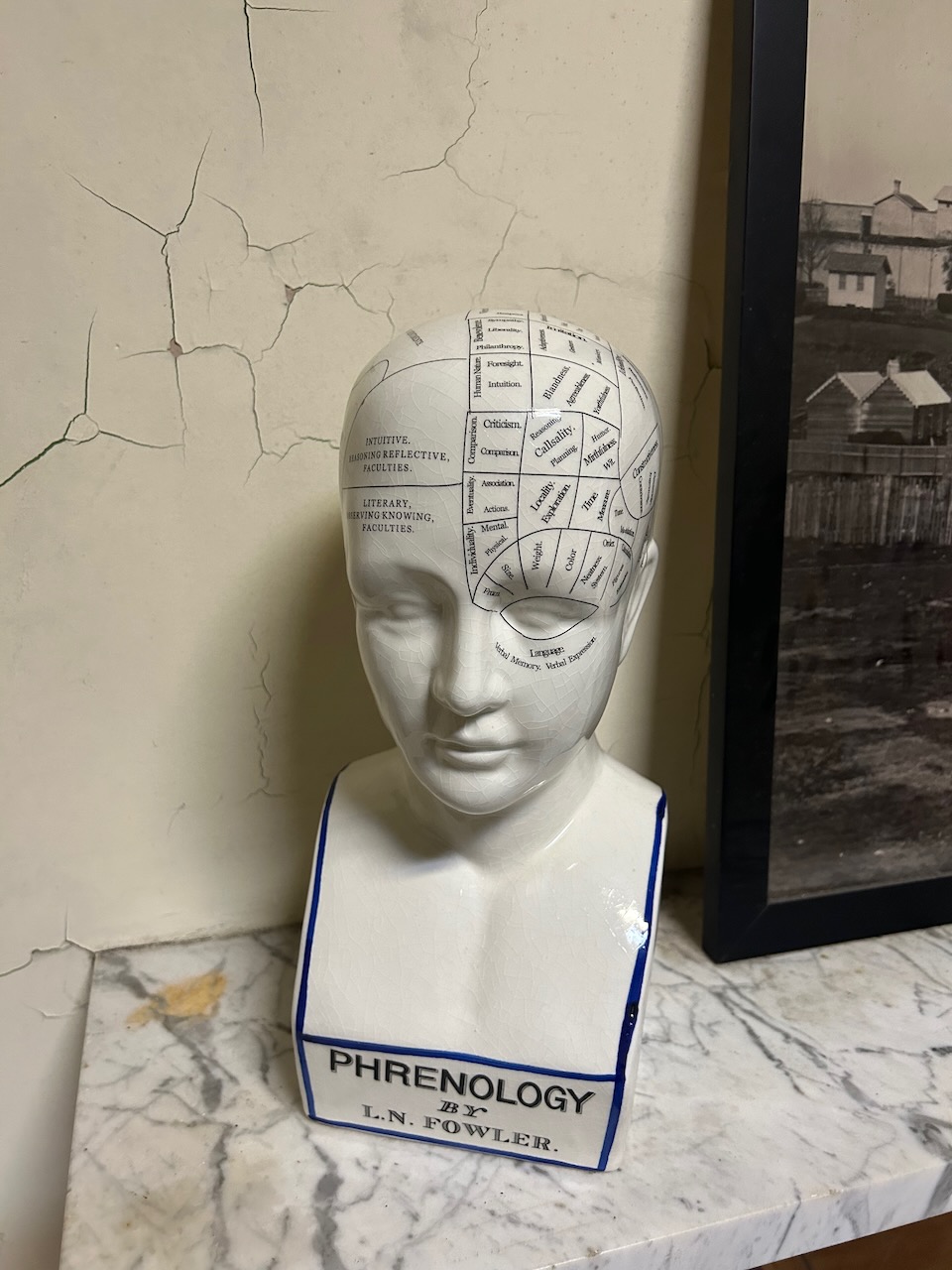
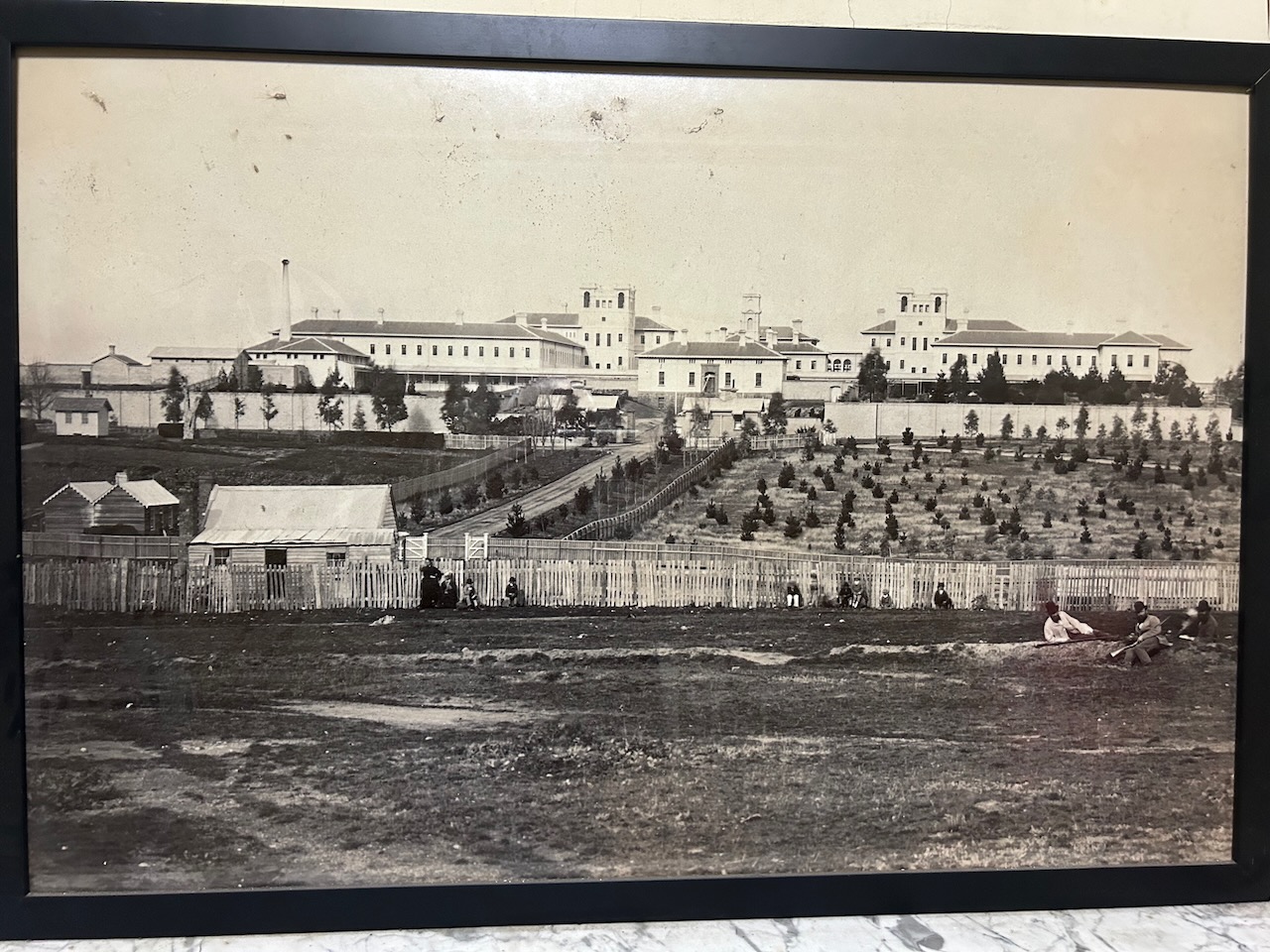
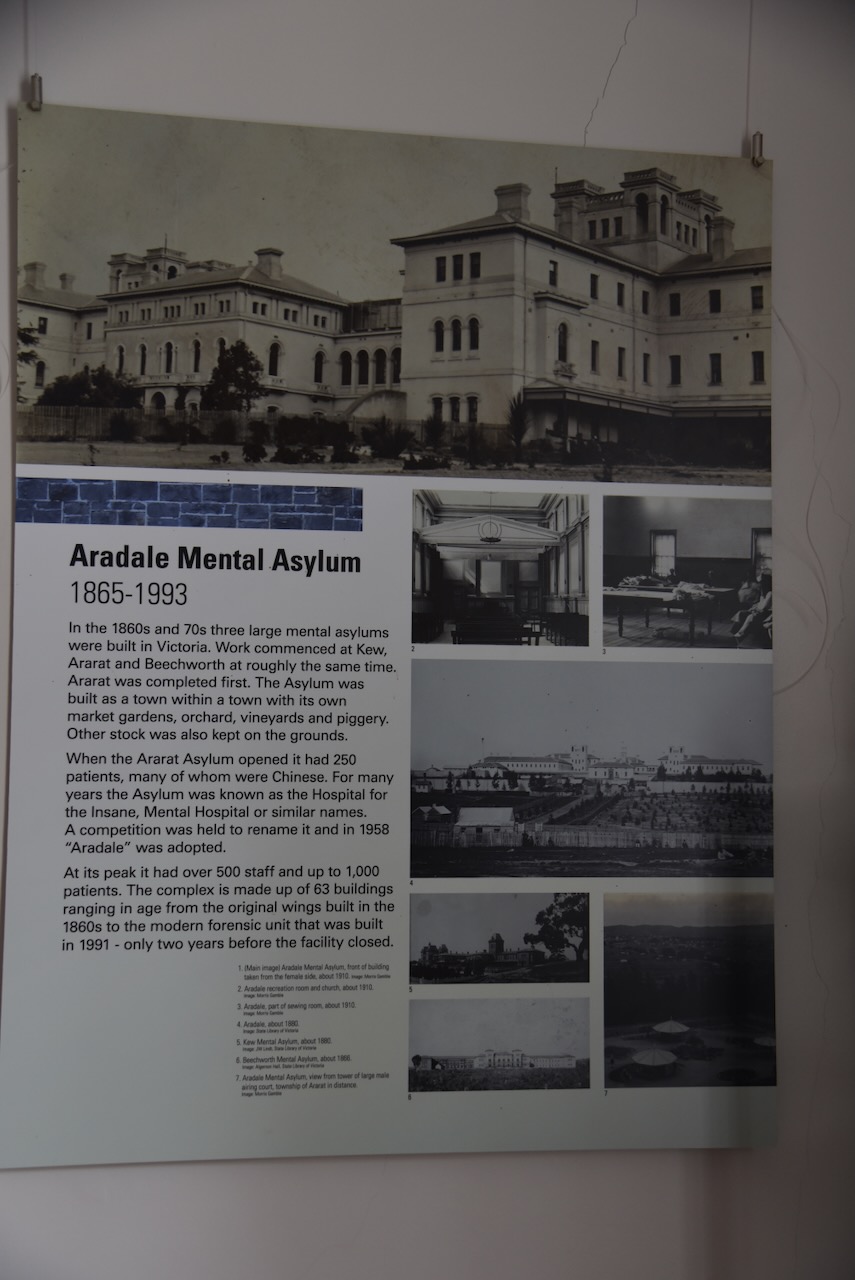
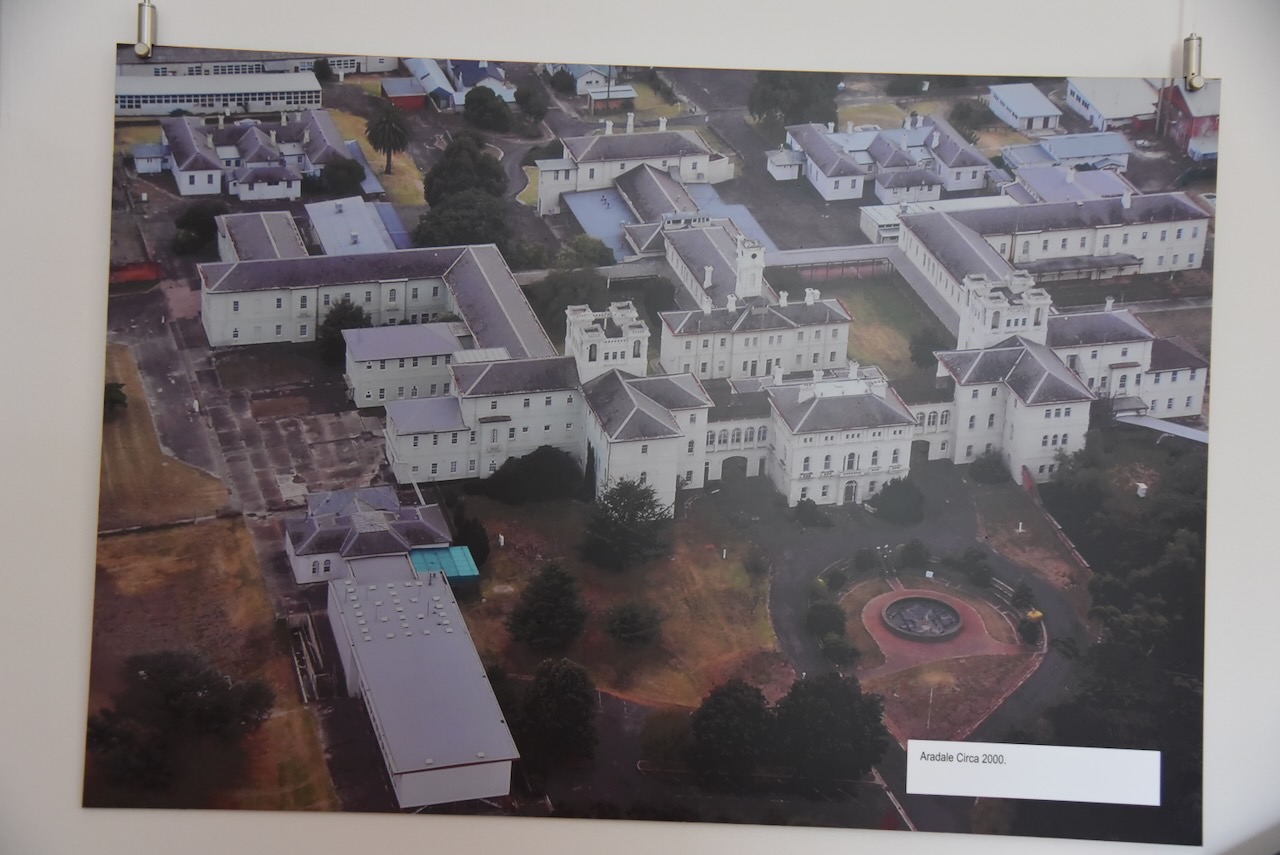
Later that evening Marija and I undertook a night time ghost tour at the old Aradale Lunatic Asylum. Aradale was commissioned to accommodate the growing number of “lunatics” in the colony of Victoria, with construction commencing in 1865. In 1867 it was opened for patients and was closed in 1993. AT its peak, Aradale had up to 1,000 patients. (Aradale 2024)
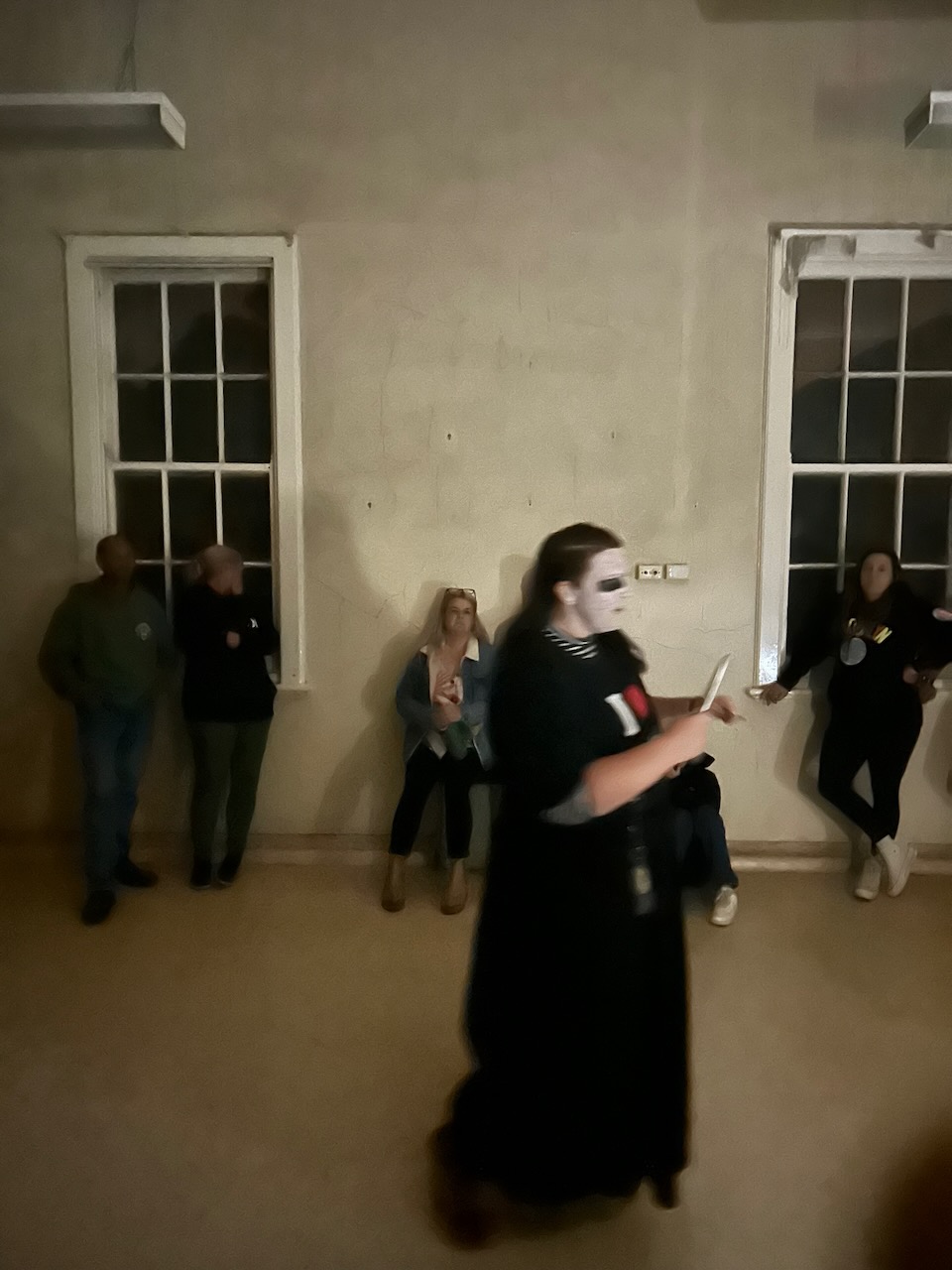
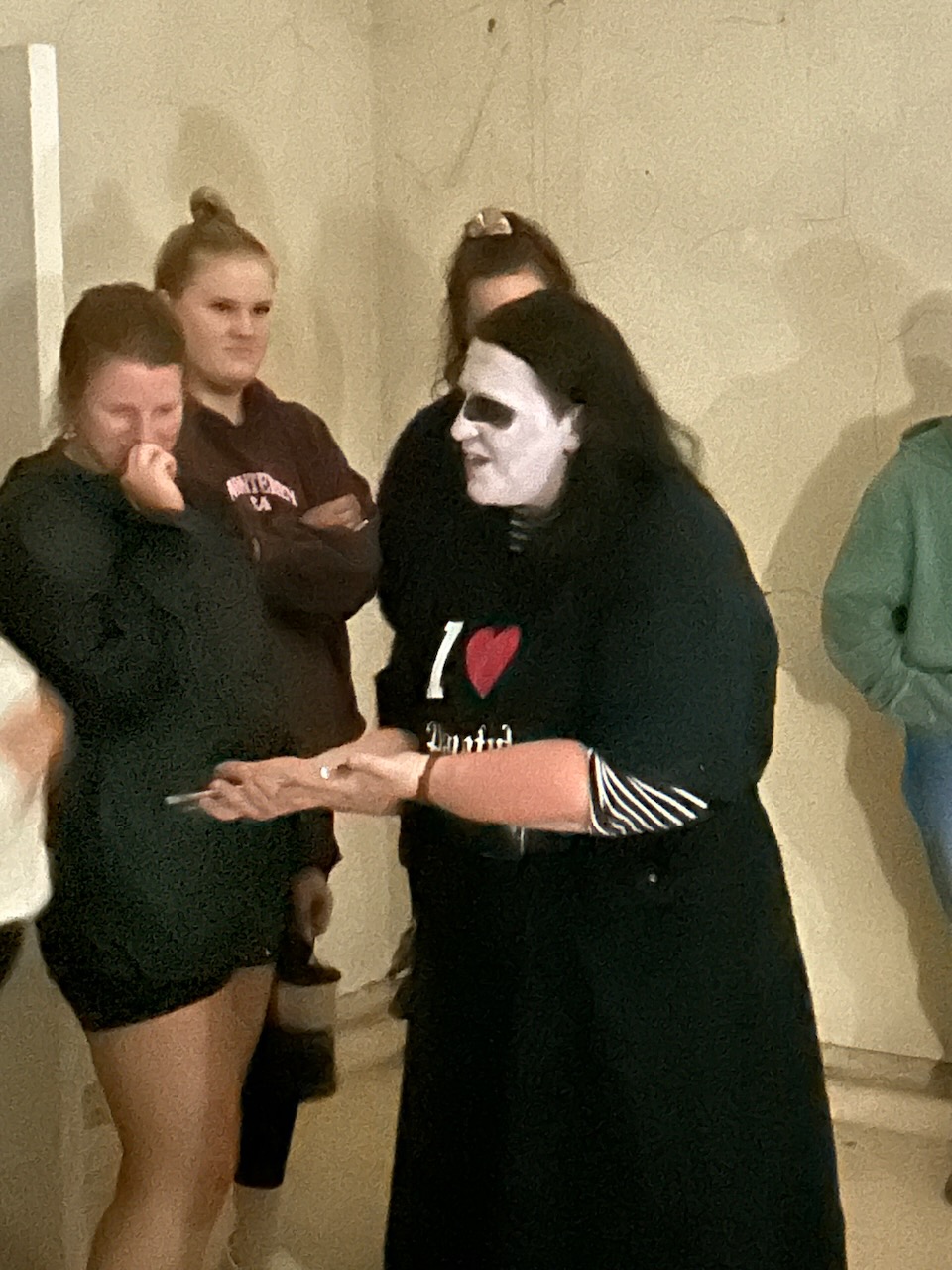
It was at night that Aradale took on a completely different feel.
We had an excellent guide who told some very interesting stories about Aradale and its patients.
This was a very enjoyable evening and Marija and I would highly recommend it for anyone visiting Ararat.
References.
“Aboriginal Placenames 7. Reviving old Indigenous names for new purposes”. Australian National University. Retrieved 25 January 2021.
Aradale.com.au. (2017). Aradale, Lunatic Asylum. [online] Available at: https://www.aradale.com.au/ [Accessed 2nd May 2024].
Our next activation for Friday 1st December 2023 was the Moyston Nature Conservation Reserve VKFF-2404. The reserve is located about 5 km northwest of the town of Moyston and about 234 km northwest of the city of Melbourne.
Above:- Map showing the location of the Moyston Bushland Reserve. Map c/o Google Maps.
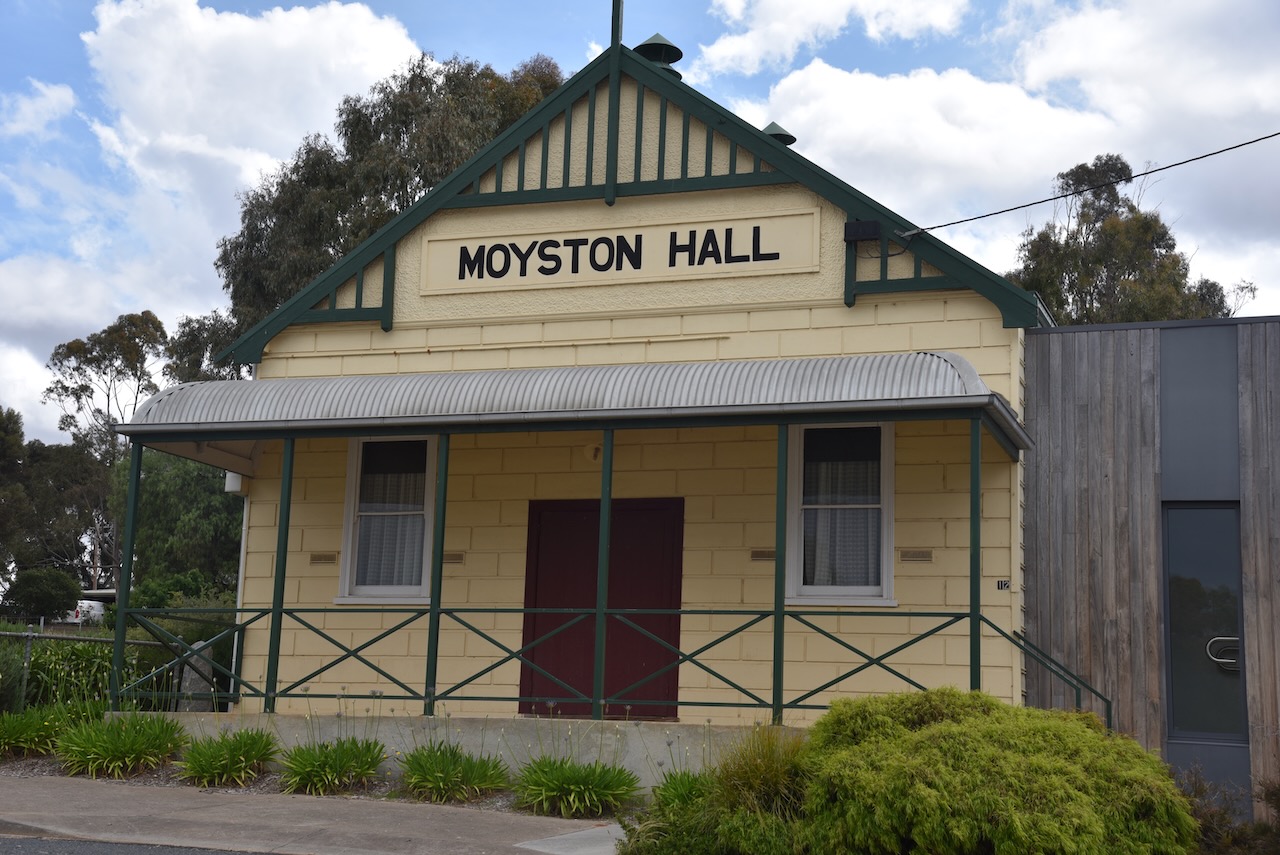
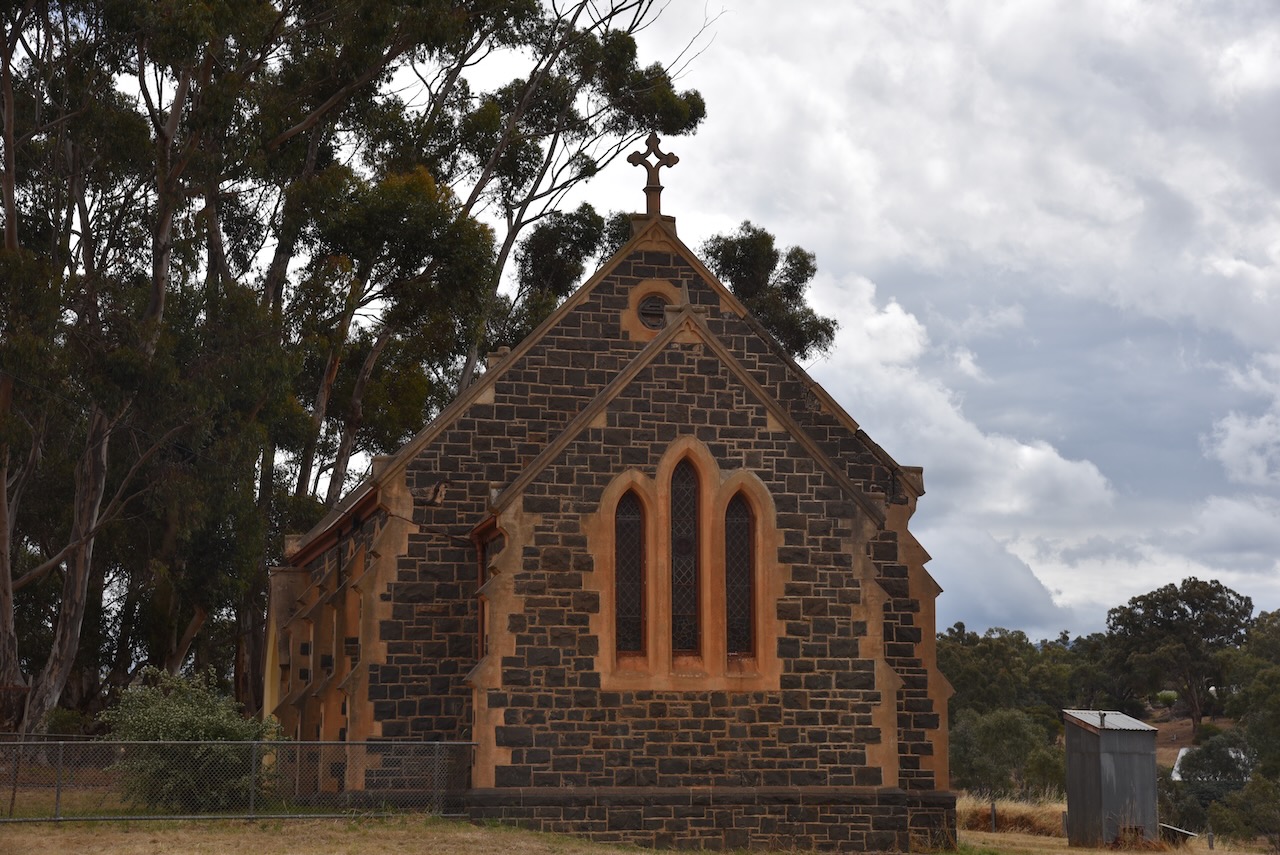
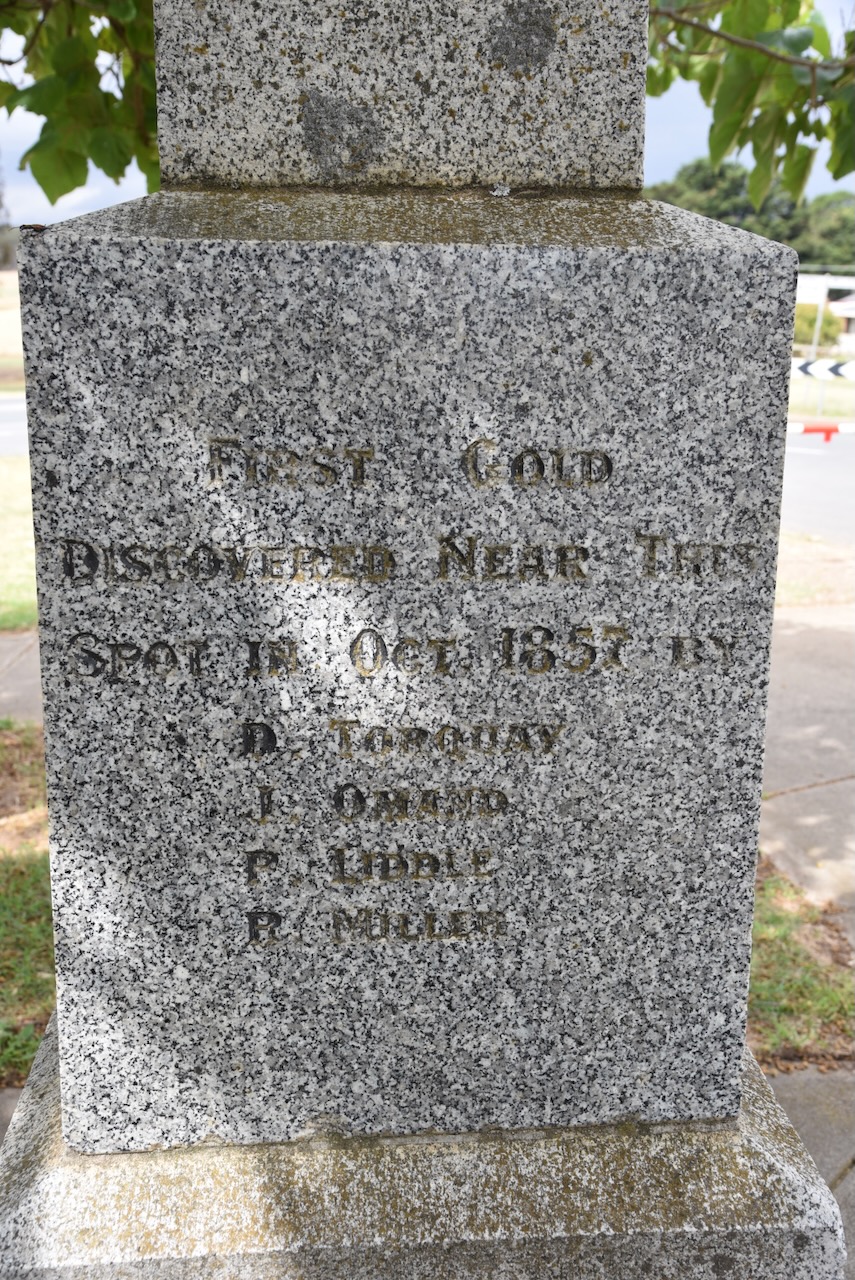
Moyston developed following the discovery of gold in 1857 and then the rich Campbell’s Reef in 1858. By 1858 an Anglican school was opened and three years later the township of Moyston was surveyed. During the early 1860s, the name was changed from Campbell’s Reef to Moyston, named after Moystown in Country Tyrone, Ireland. This was due to the numerous Irish miners from that area. In 1865 Bailliere’s Victorian gazetteer recorded Moyston as having six quartz-crushing and pumping machines, and observed that the surrounding country was well-suited for agriculture. There were three hotels, and a Presbyterian church was built in 1865, along with a courthouse. (Victorian Places 2024)
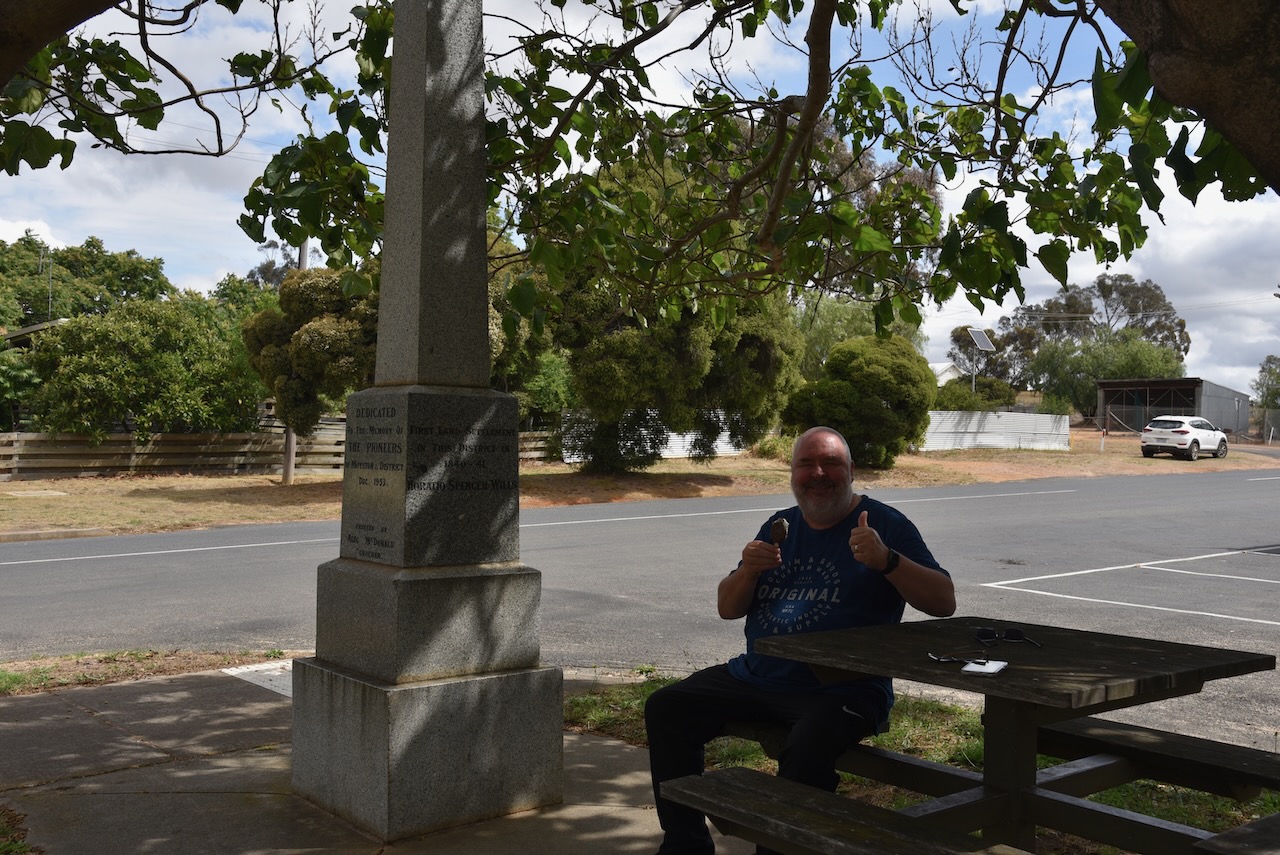
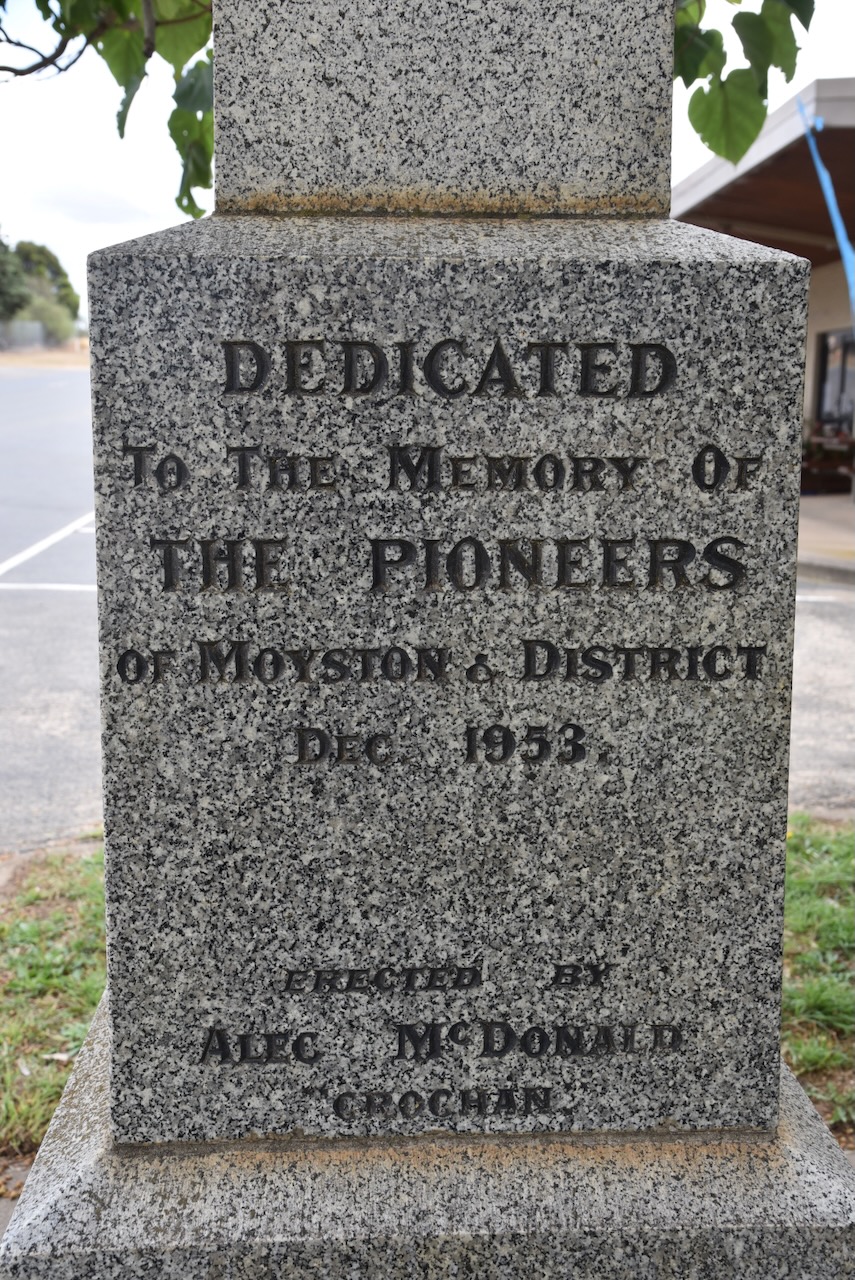
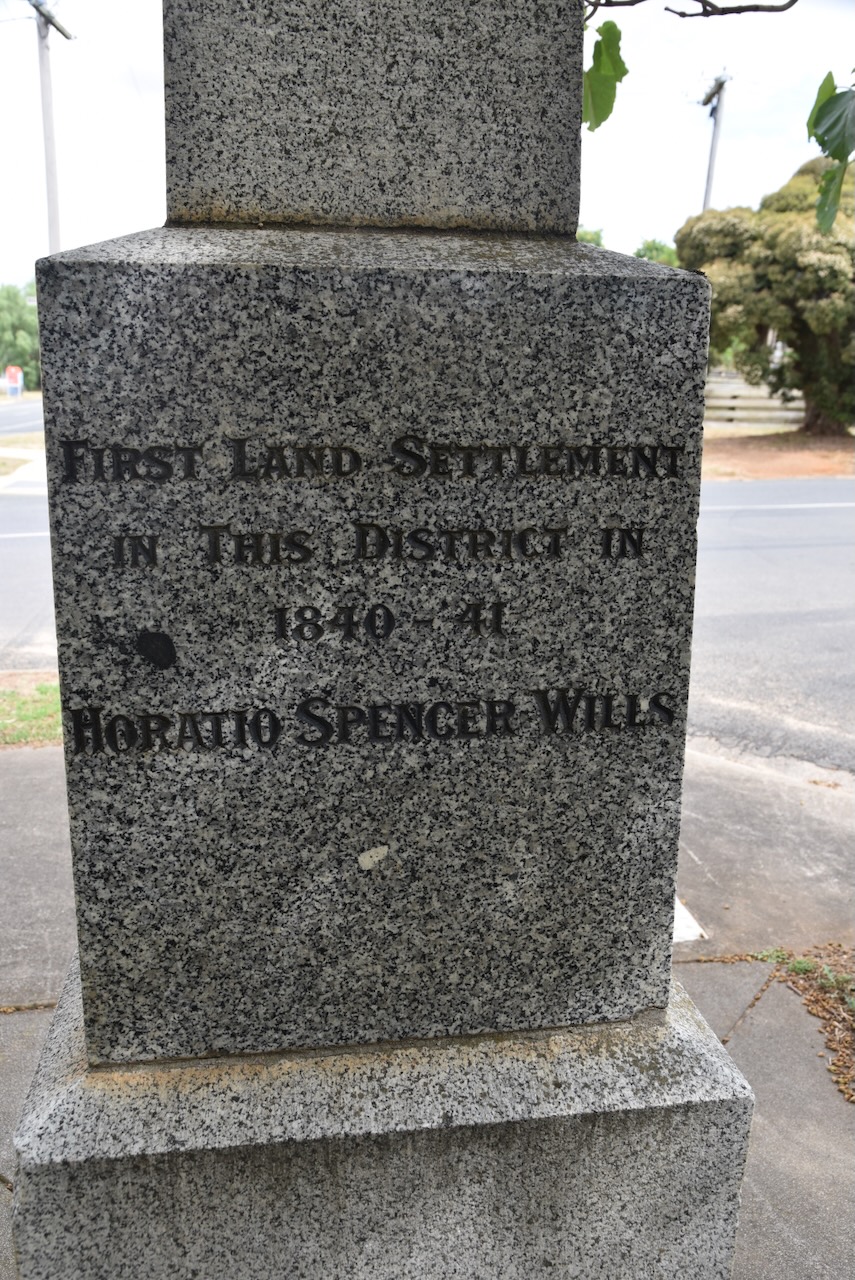
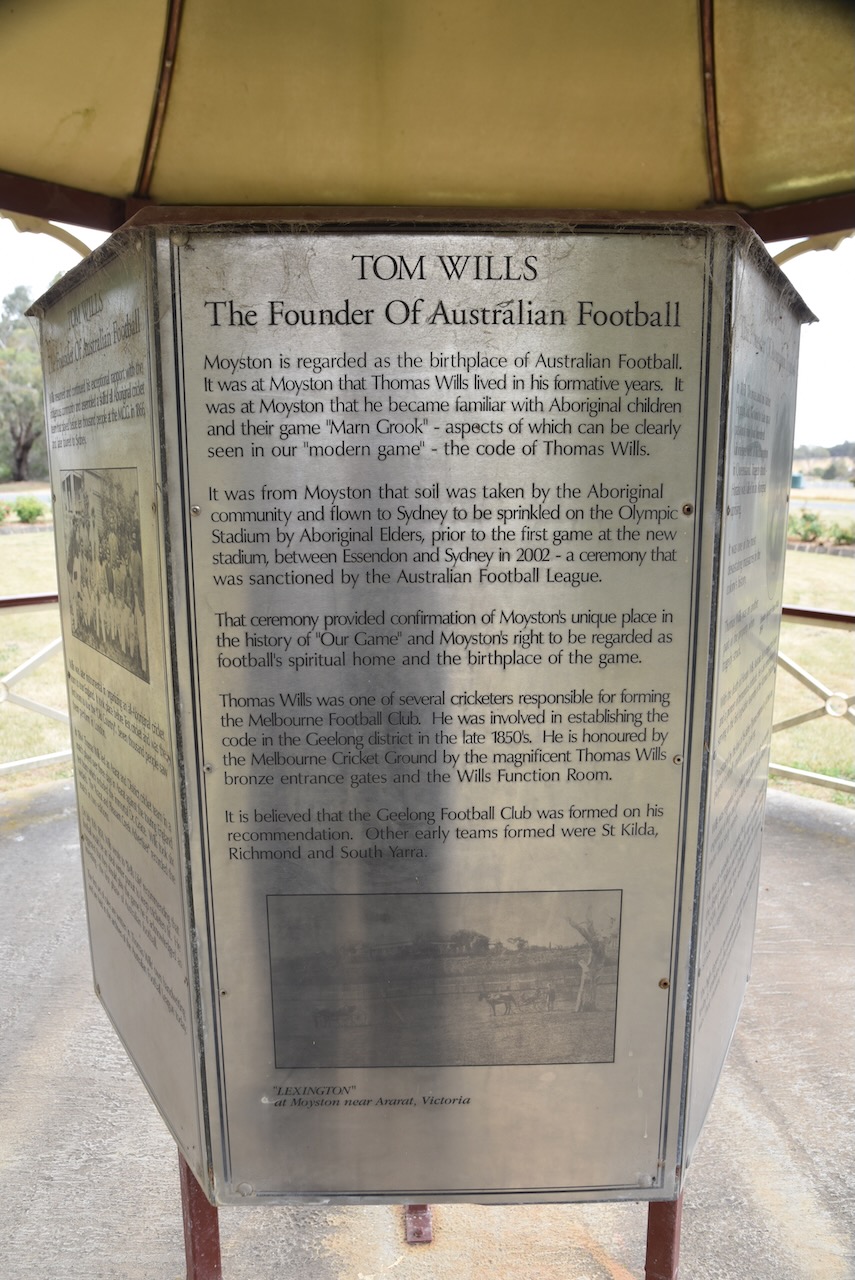
There is a monument at Moyston for Major Thomas Mitchell who passed through the district in July 1836. The monument is also dedicated to the pioneers of Moyston and district.
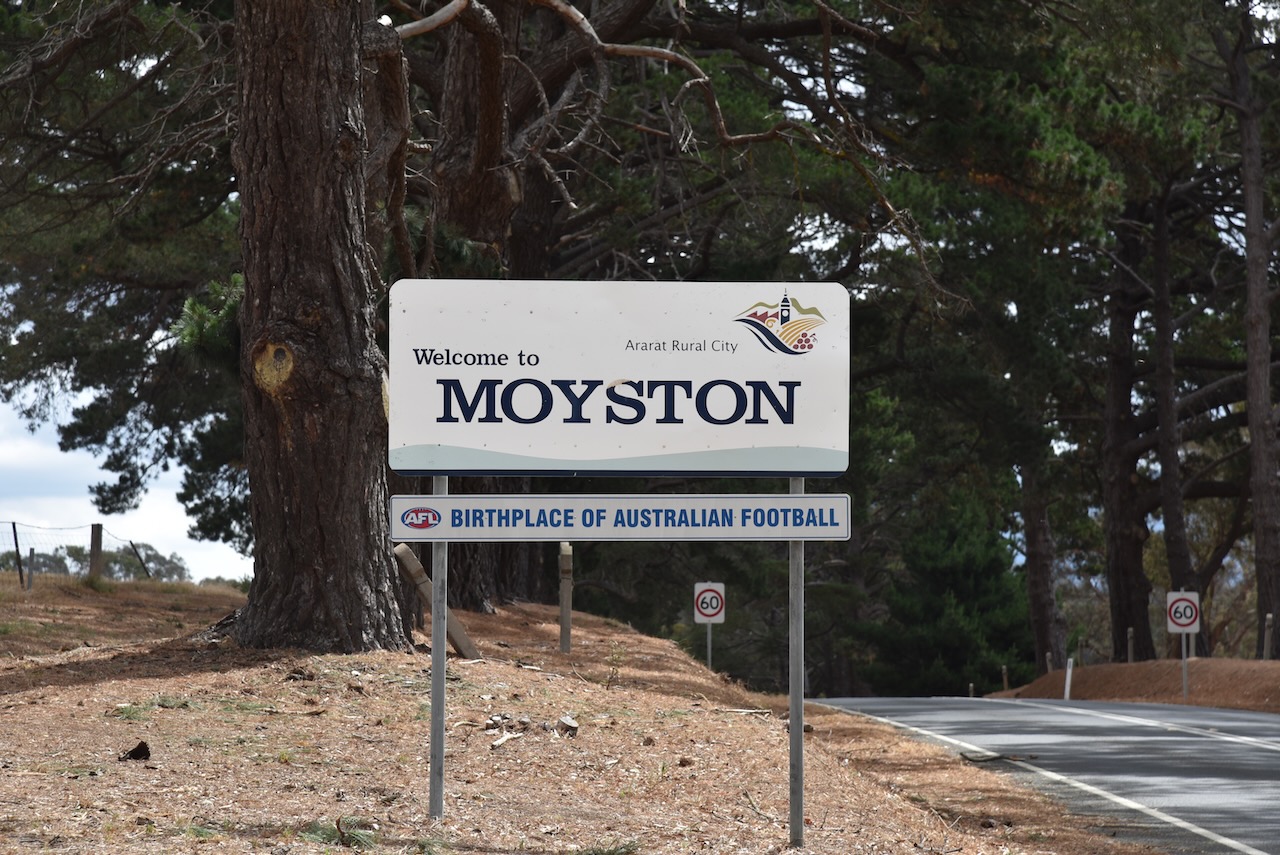
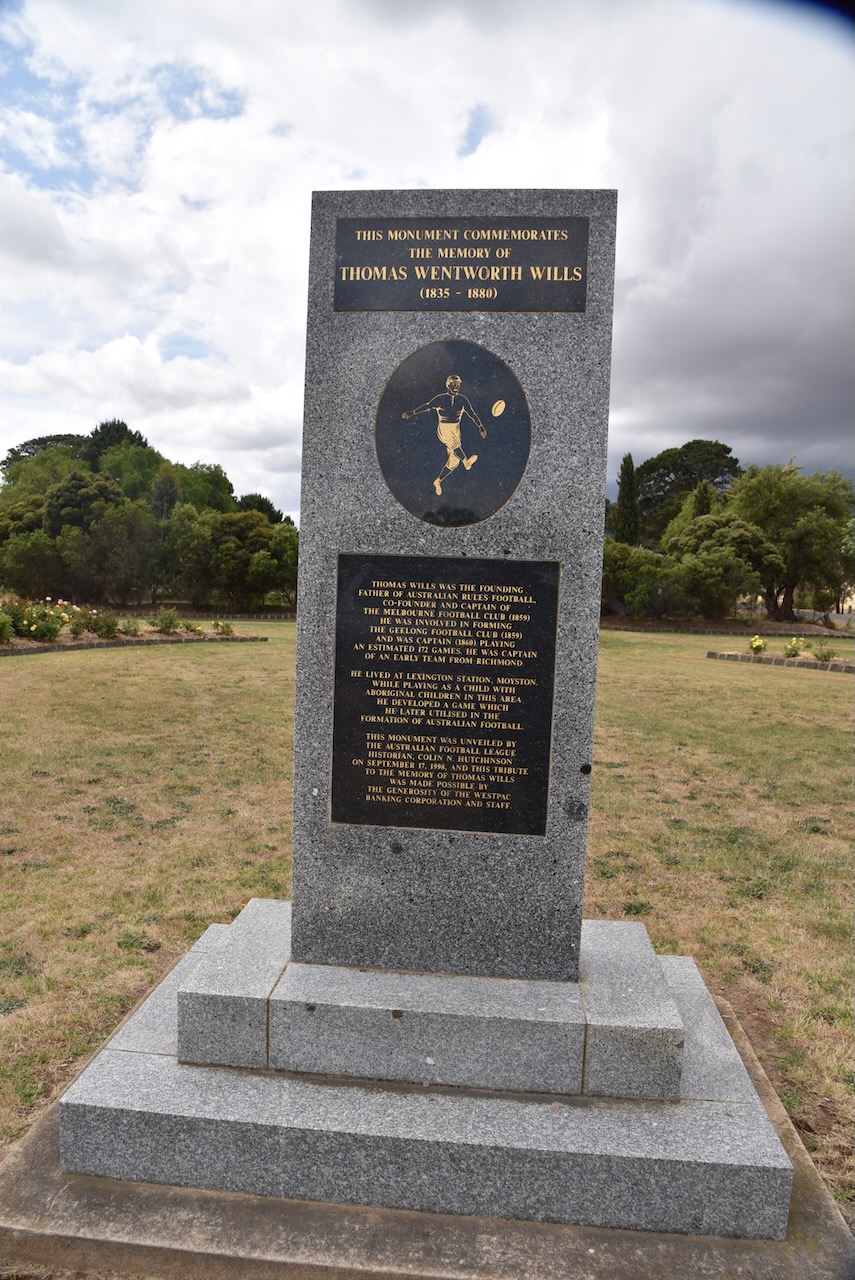
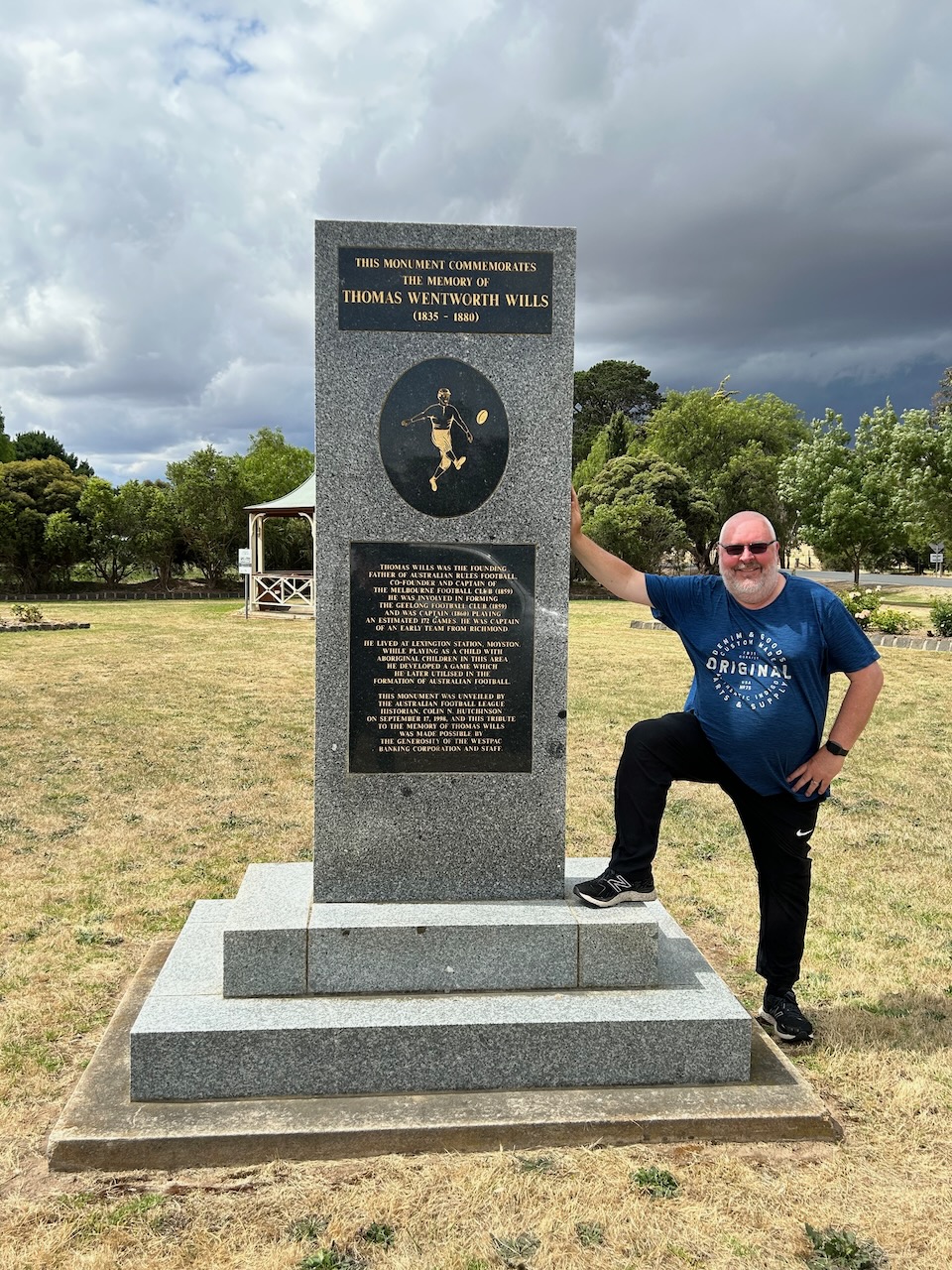
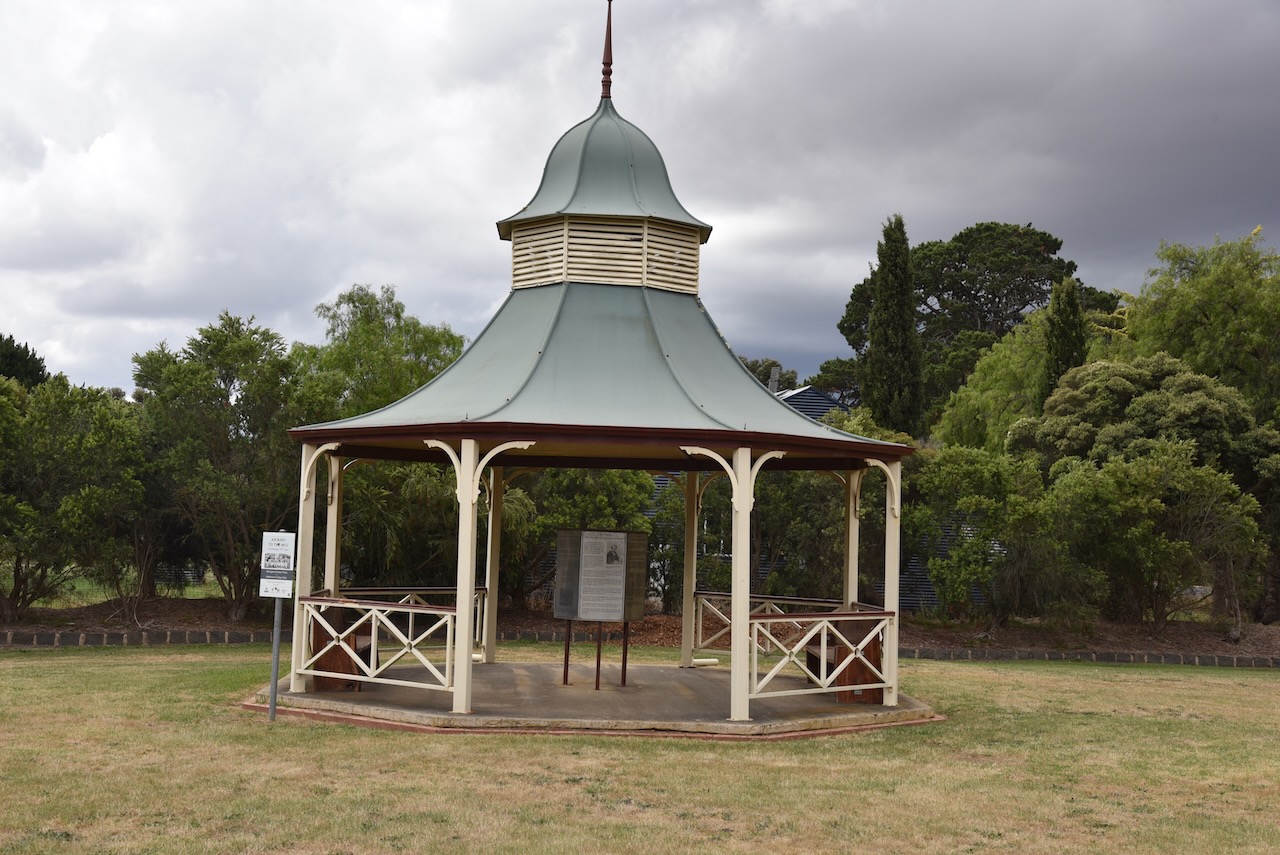
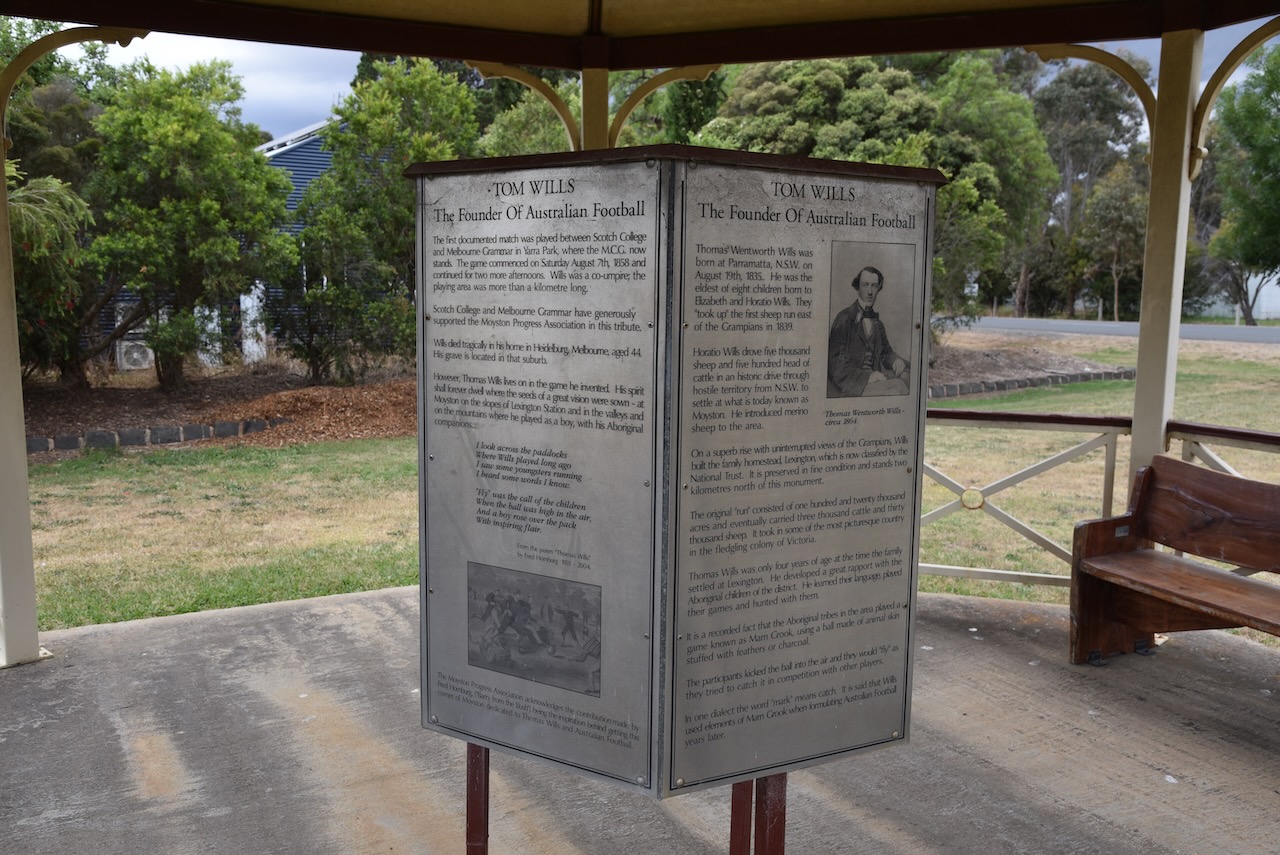
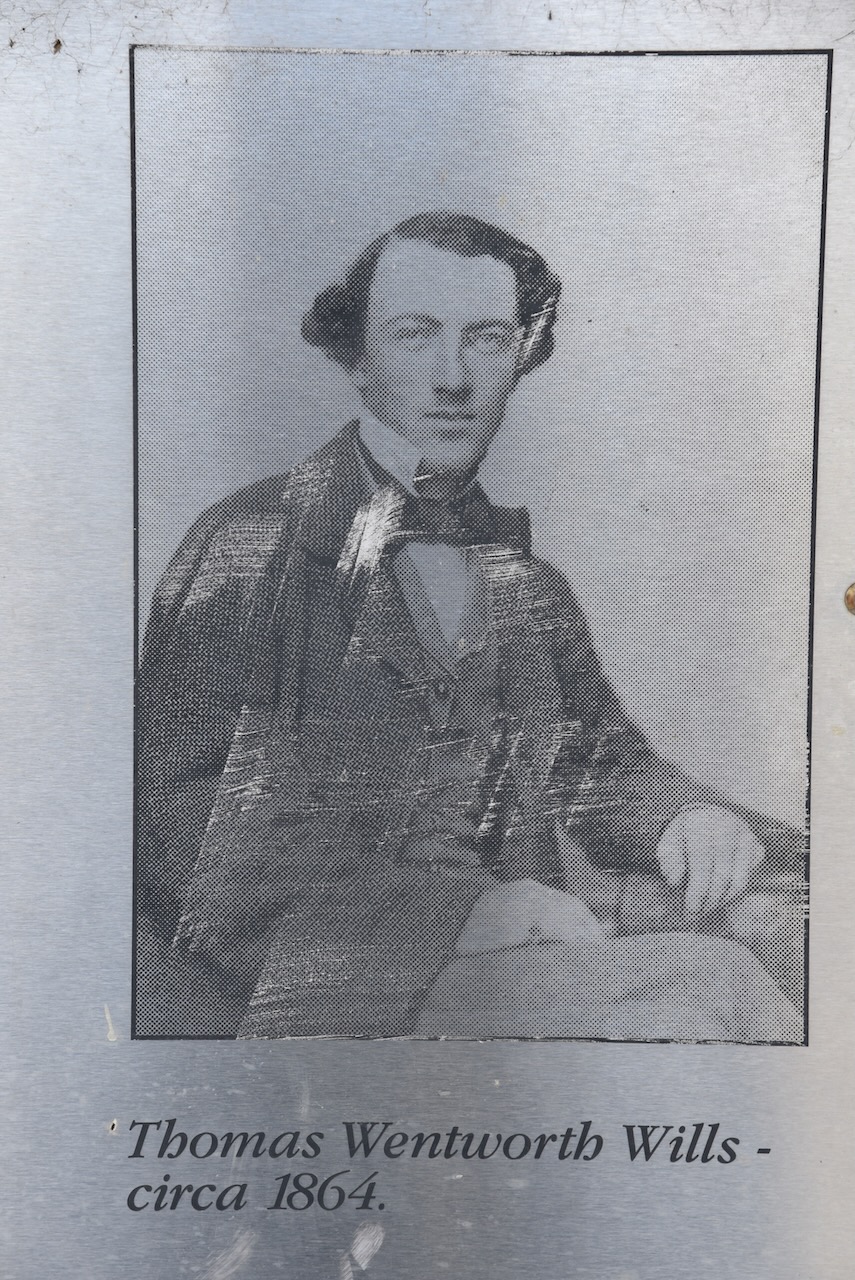
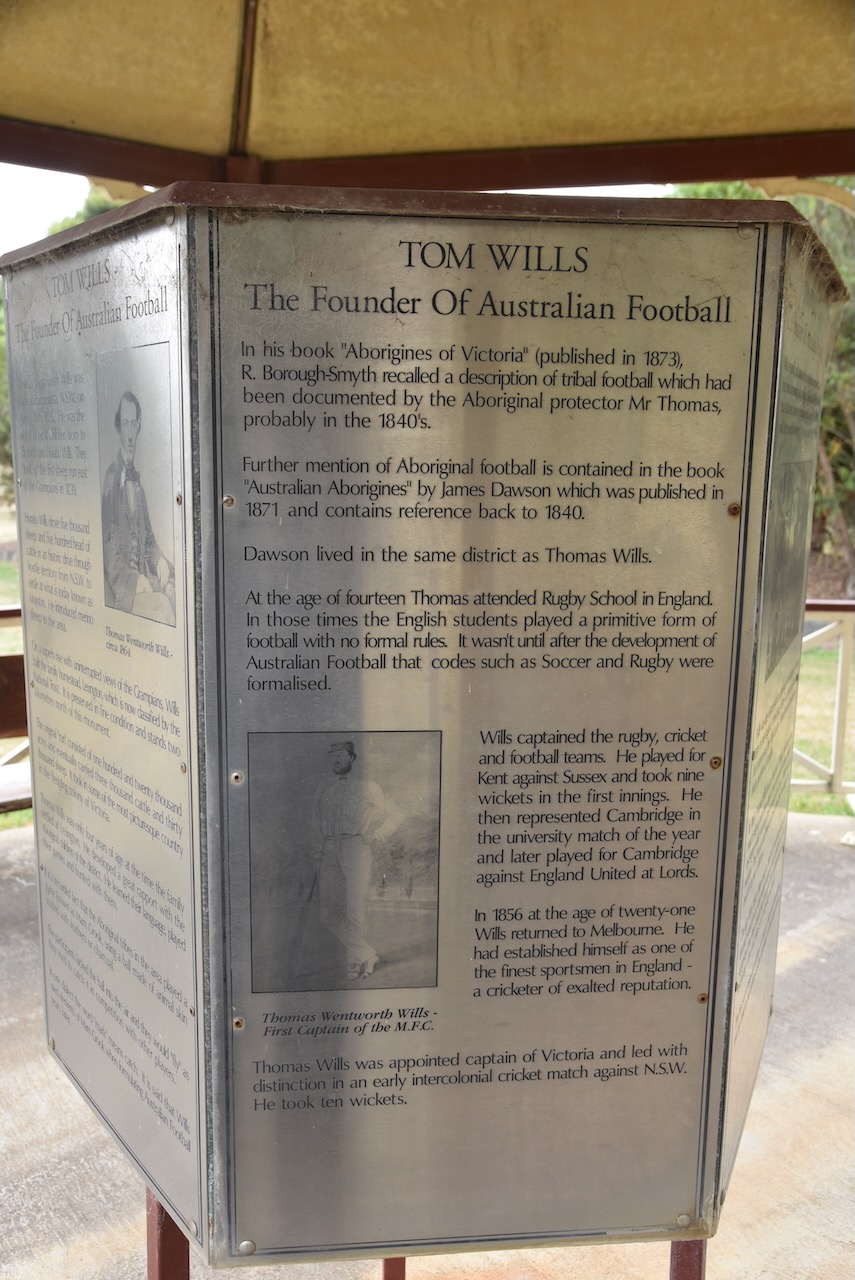
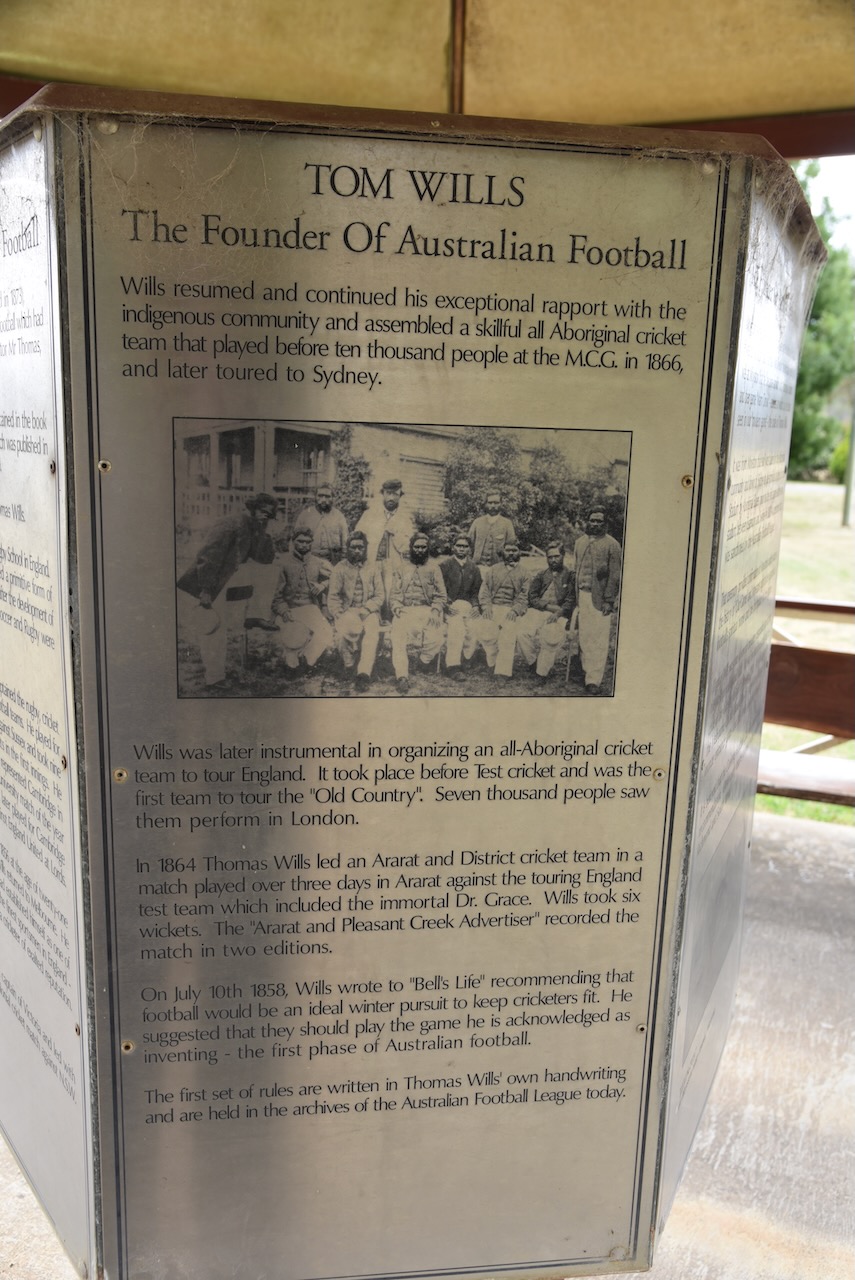
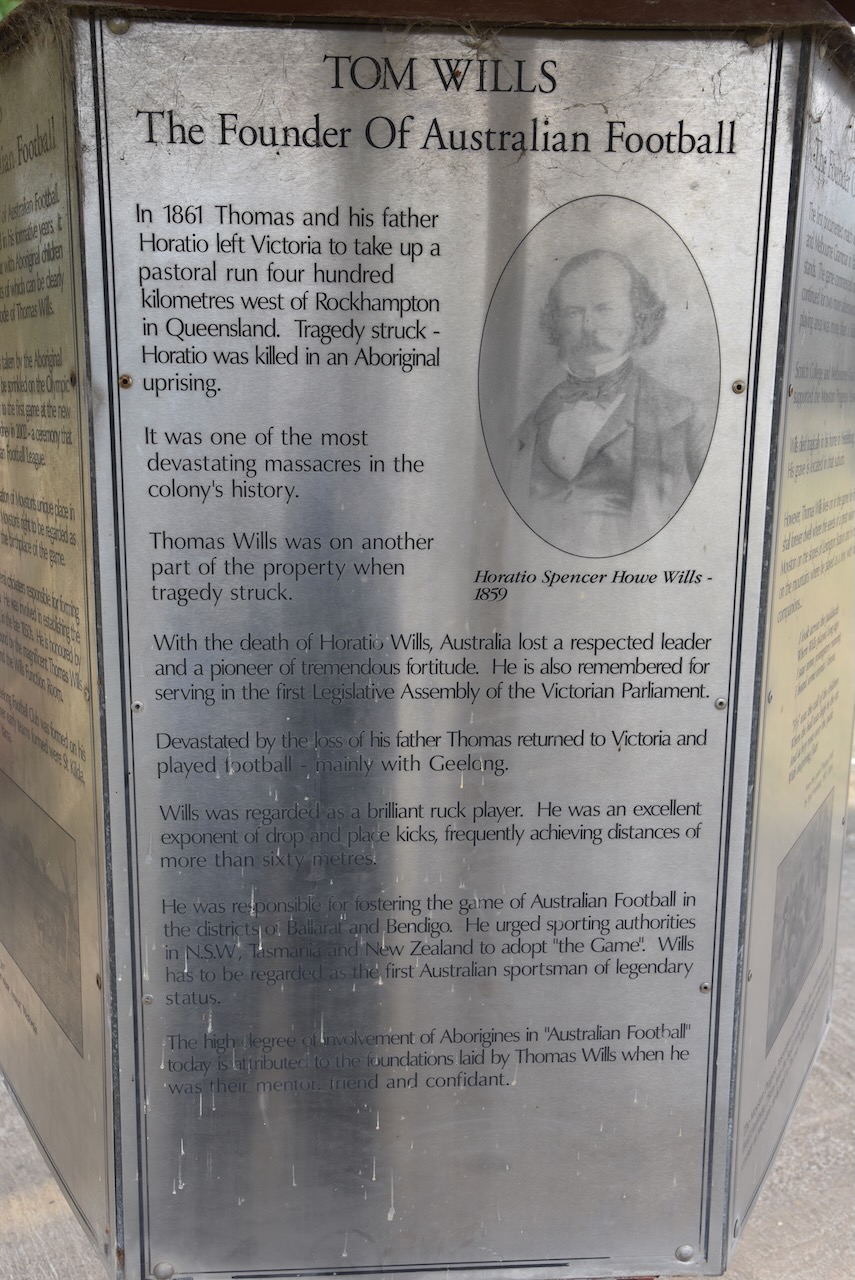
There is also a monument to commemorate the life of Thomas Wentworth Wills (b. 1835. d. 1880), a talented cricketer and footballer who is credited with being a founder of Australian Rules Football. He was the Captain of the Melbourne Football Club in 1858 and was involved in forming the Geelong Football Club. He was captain of the Geelong Football Club in 1860 and played an estimated 172 games. He was Captain of an early team from Richmond. Wills lived at Lexington Station at Moyston. While playing as a child with aboriginal children in the area he developed a game that he later utilised in the formation of Australian Football.
Below is a short documentary on the life of Tom Wills.
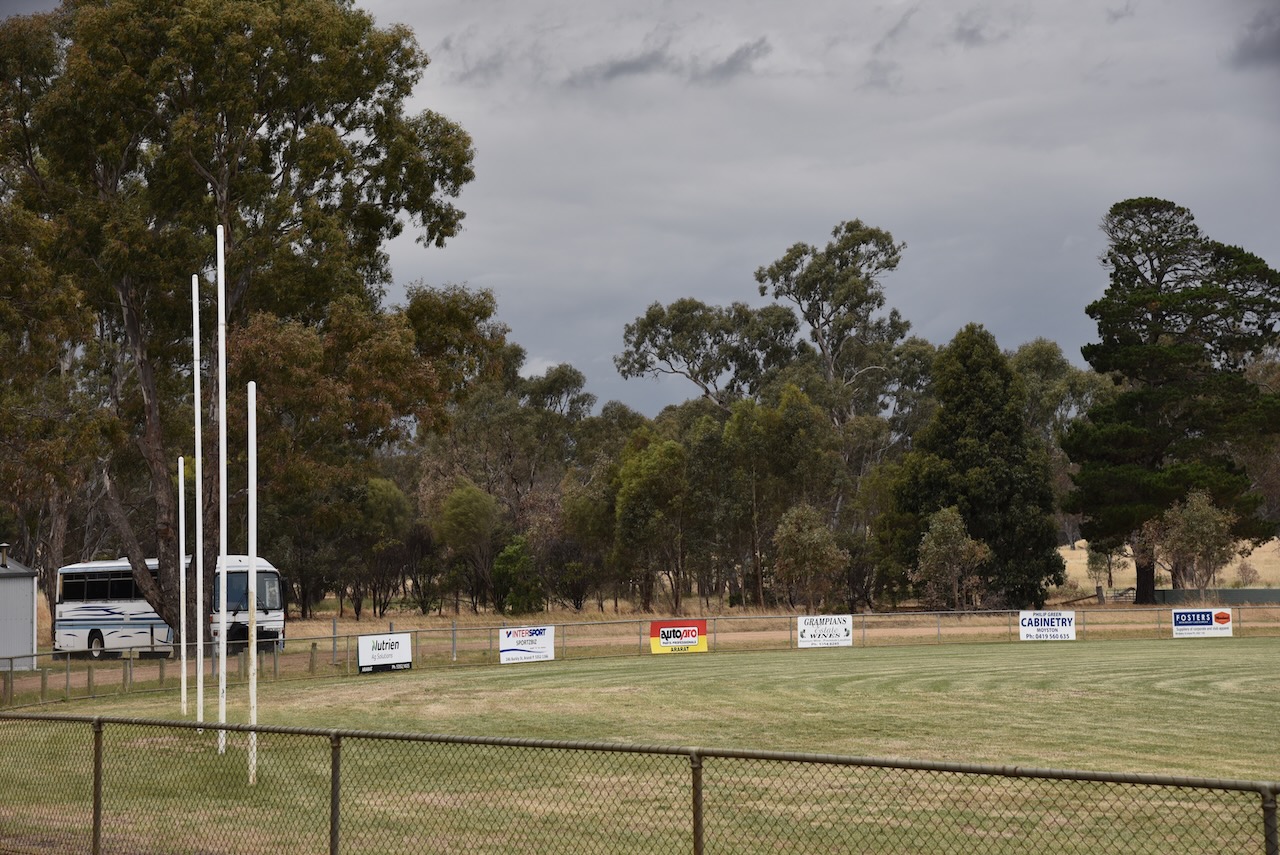
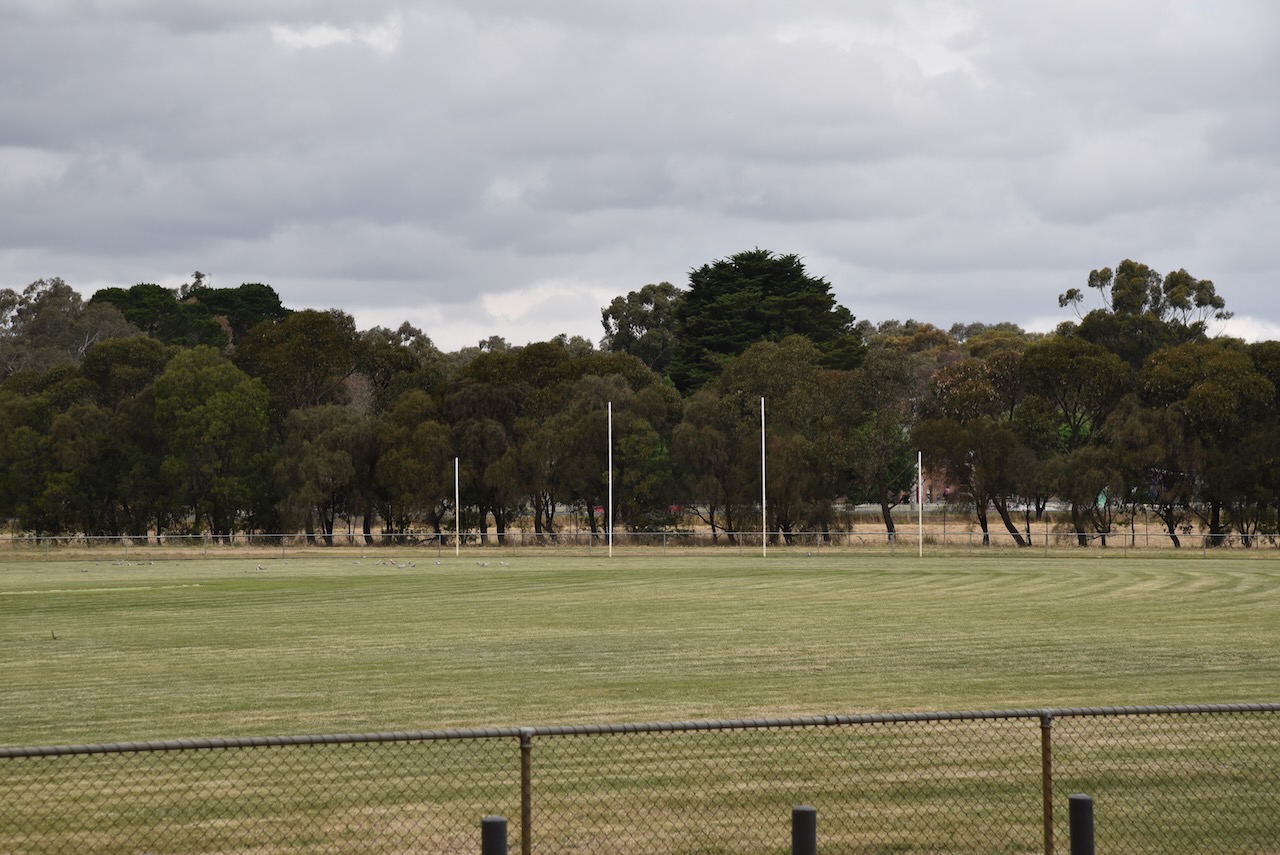
The famous Moyston football oval is adjacent to the monument.
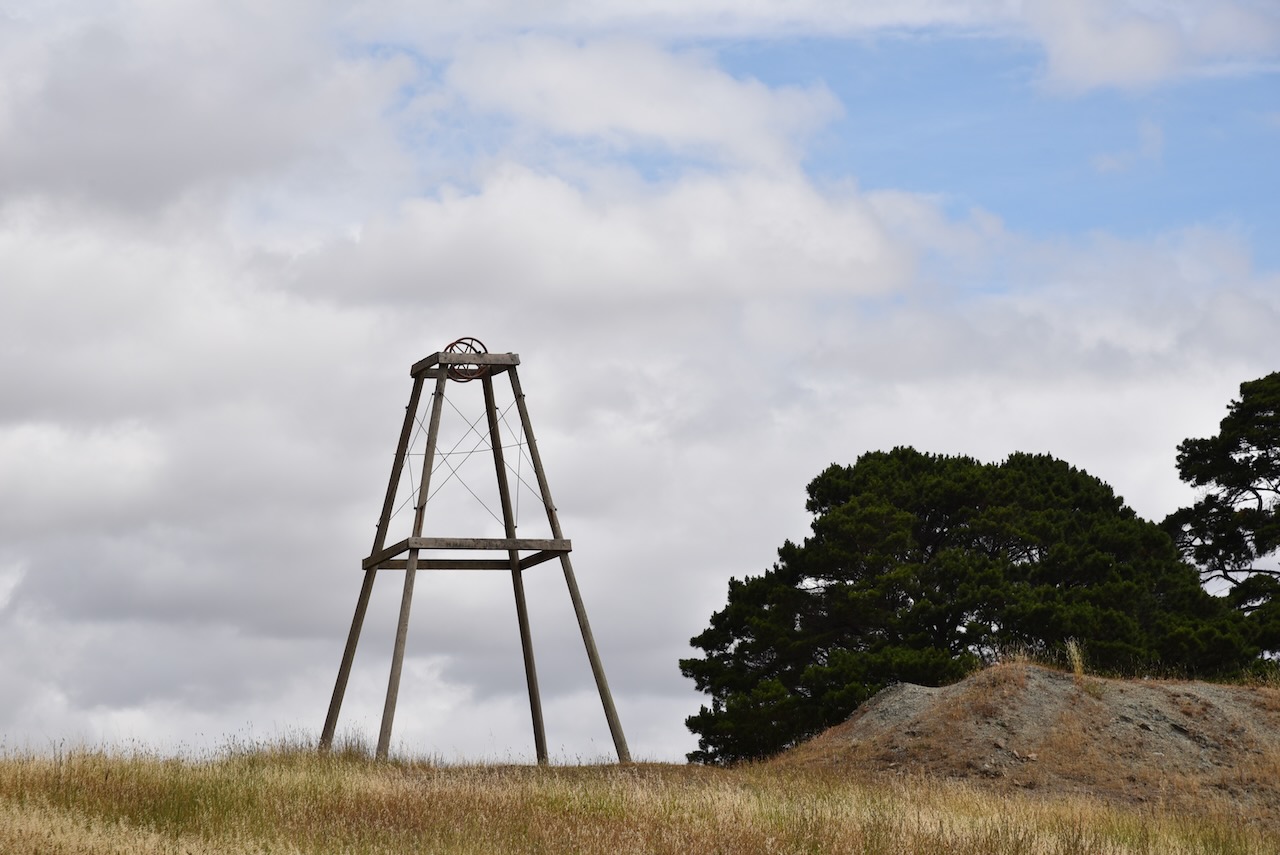
There are still some signs of the old gold mining history of the Moyston district.
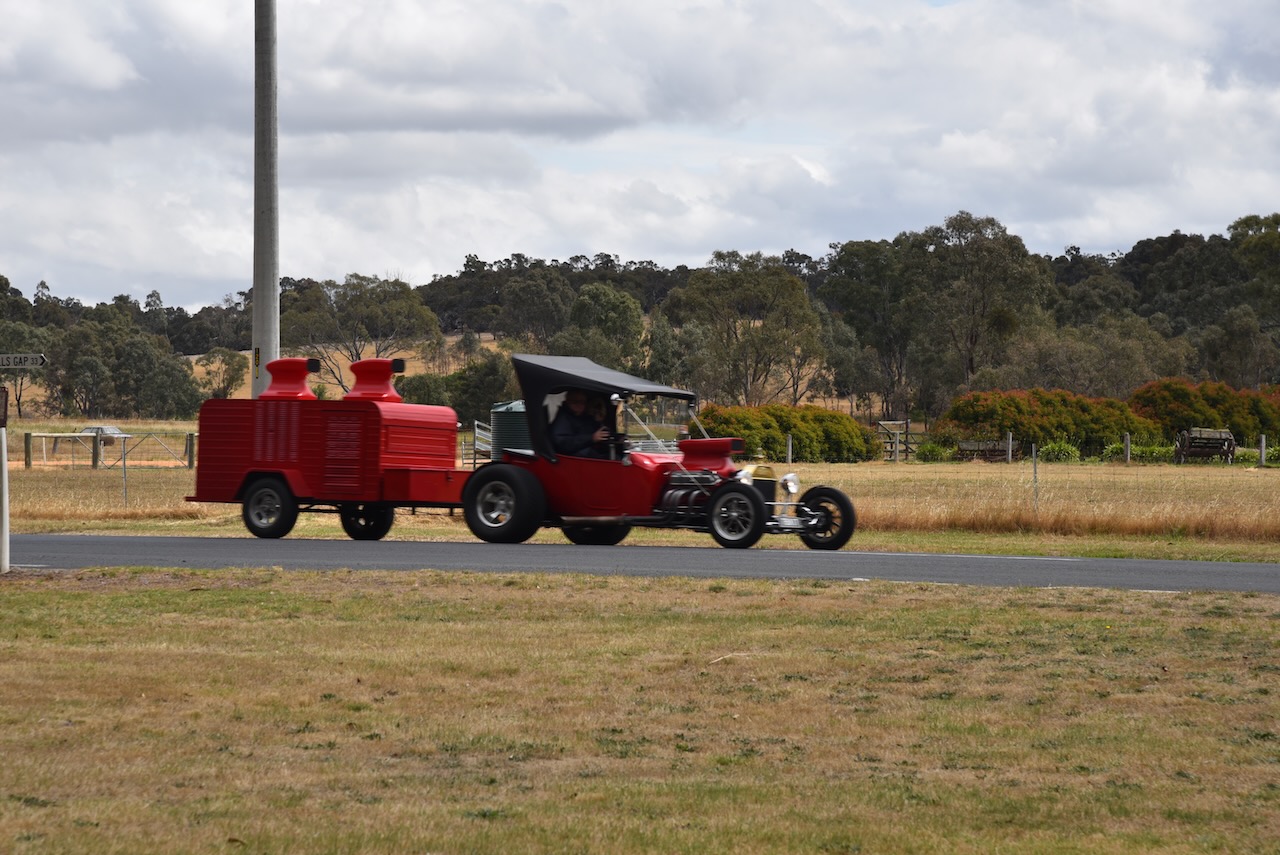
Whilst in Moyston we saw some more hot rods towing their small caravans.
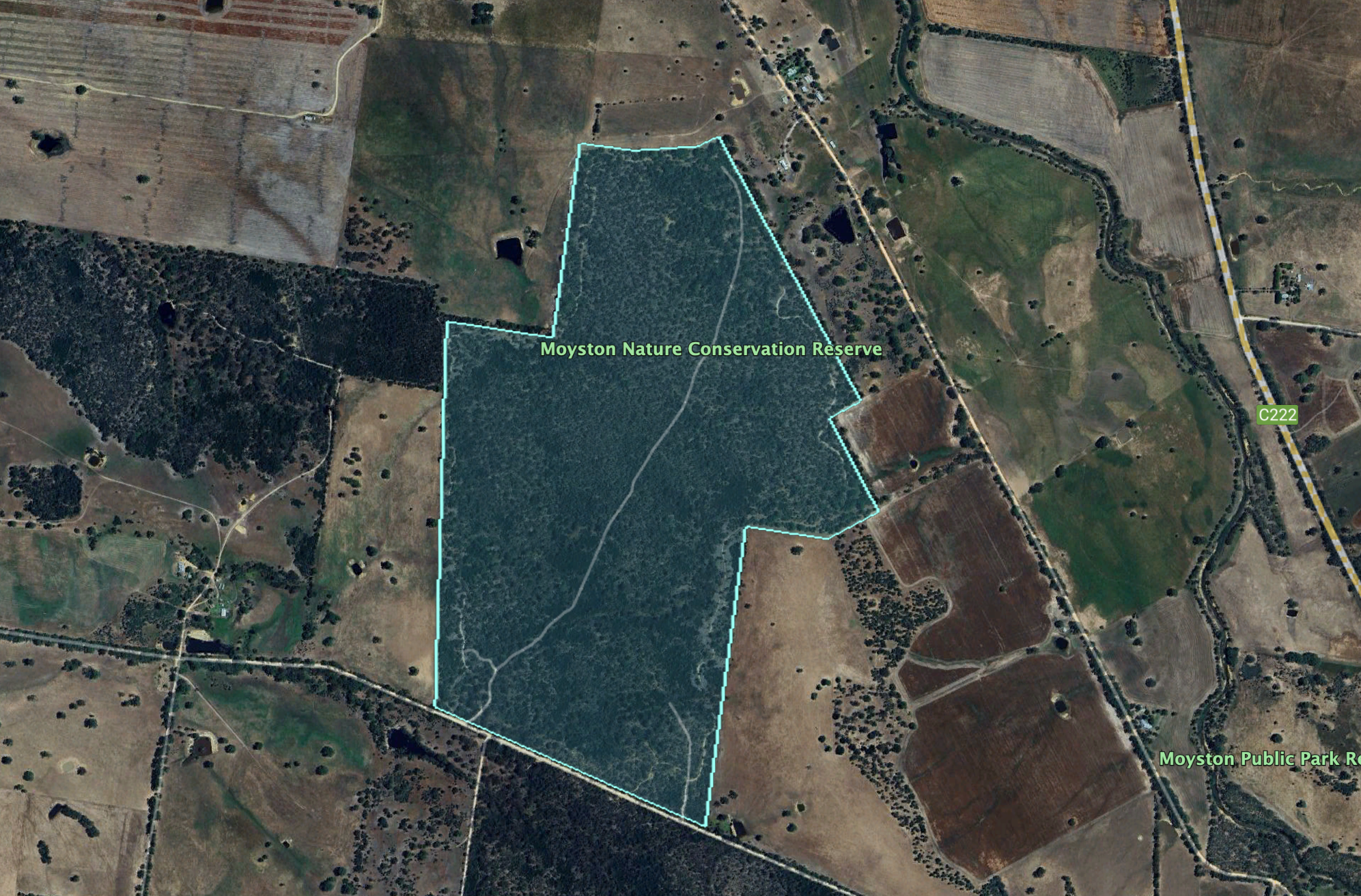
The Moyston Nature Conservation Reserve is located on the northern side of Moyston West Road.
Above:- An aerial view of the Moyston NCR showing its boundaries. Image c/o Google Earth.
The reserve is about 134 hectares in size and was established on the 22nd day of November 1983. (CAPAD 2022)
We ran the Yaesu FT857, 40 watts and the 20/40/80m linked dipole. I used the special call of VI10VKFF for this activation.
It was now Friday 1st day of December 2023, and Marija and I had just 2 more days in Victoria before heading home.
Although we have been to Ararat dozens of times, we never tire of visiting this town. It is one of our favourite towns in Victoria.
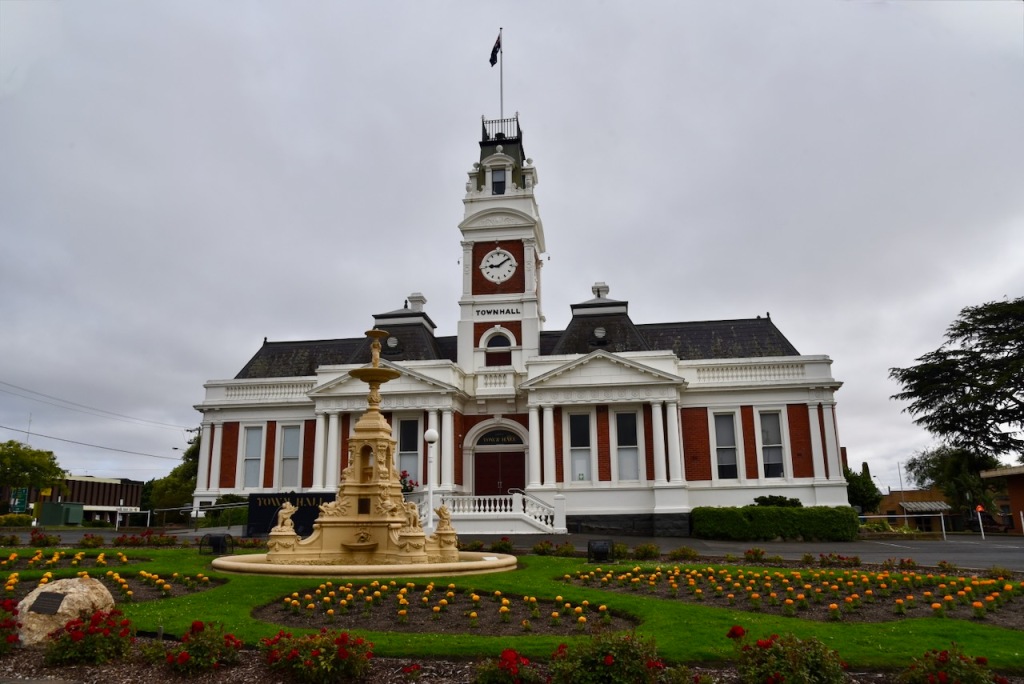
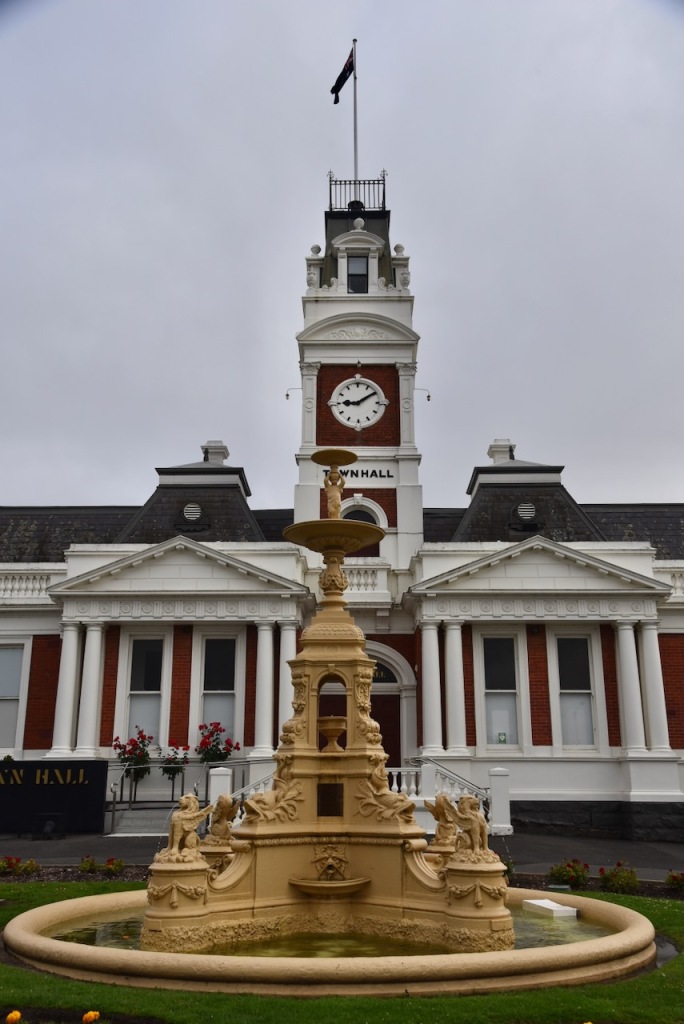
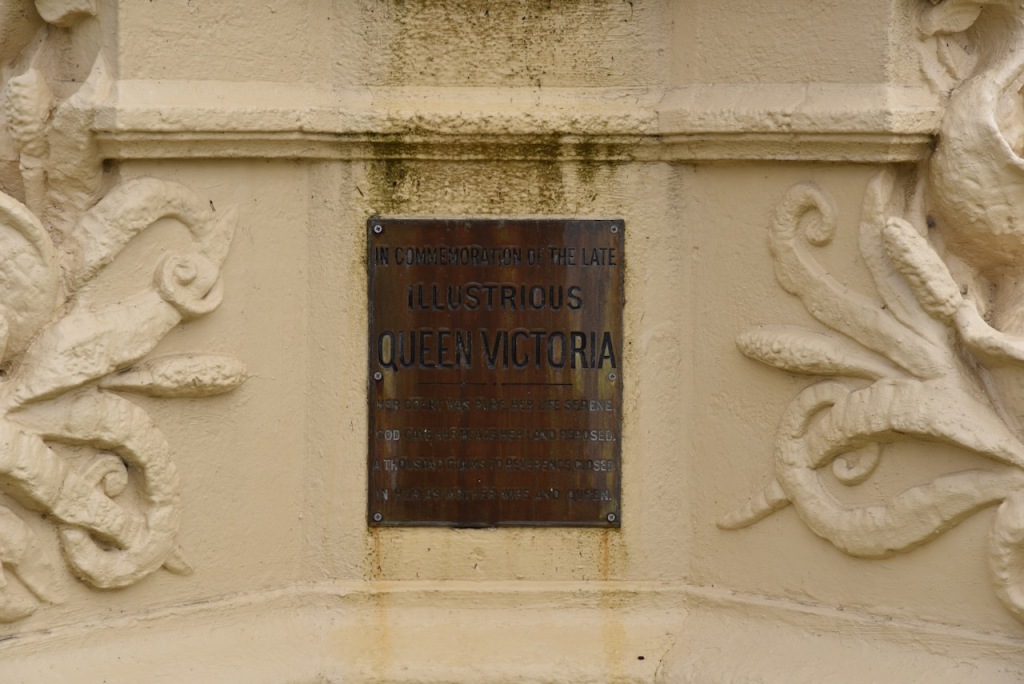
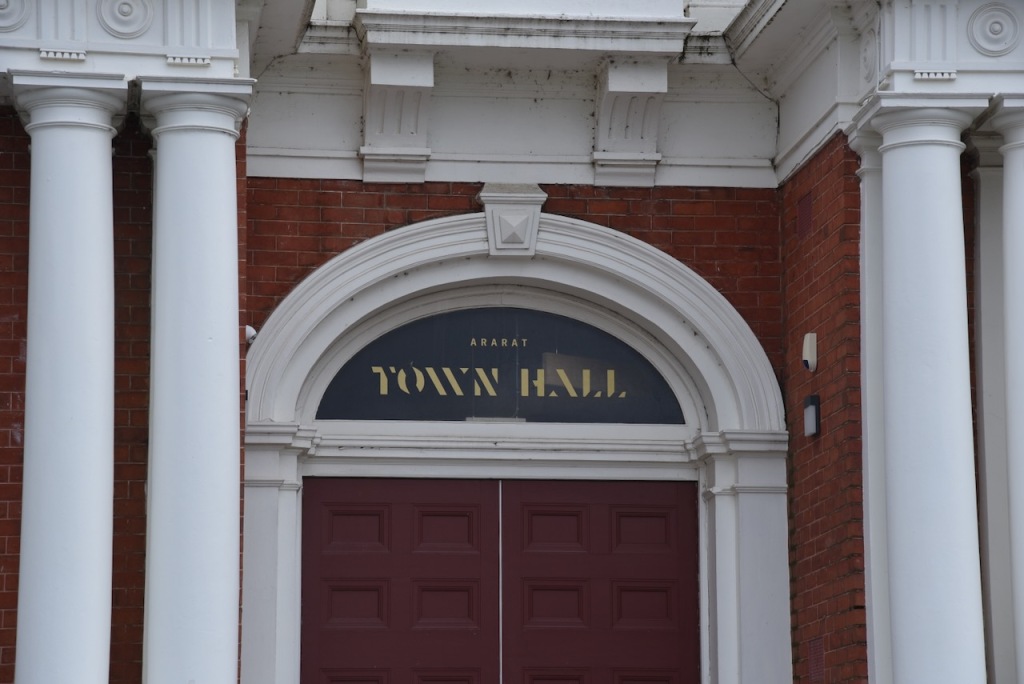
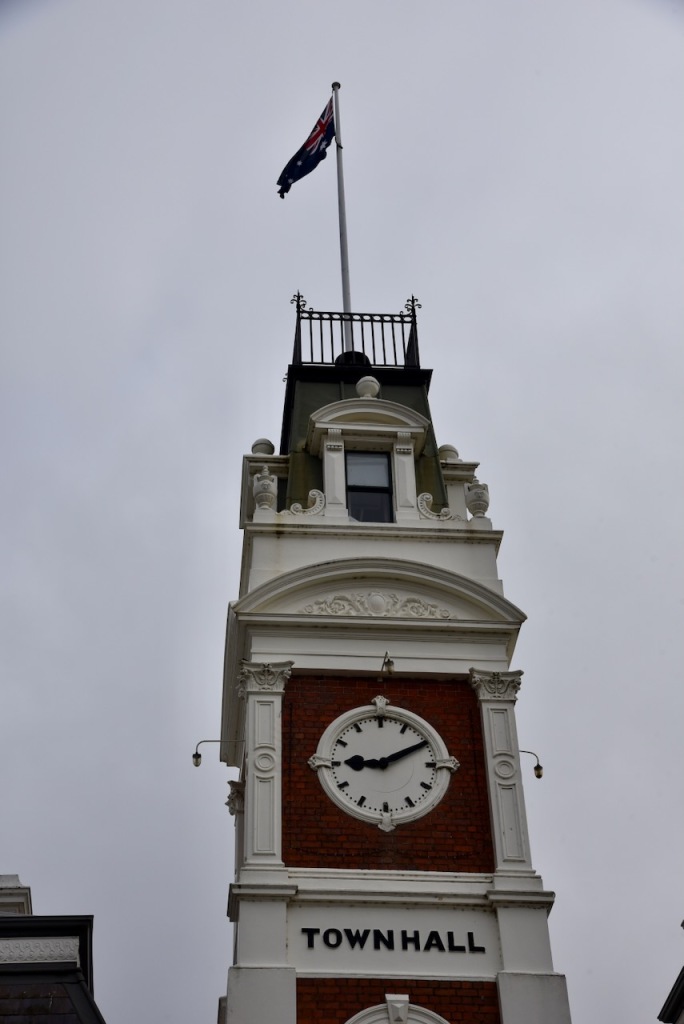
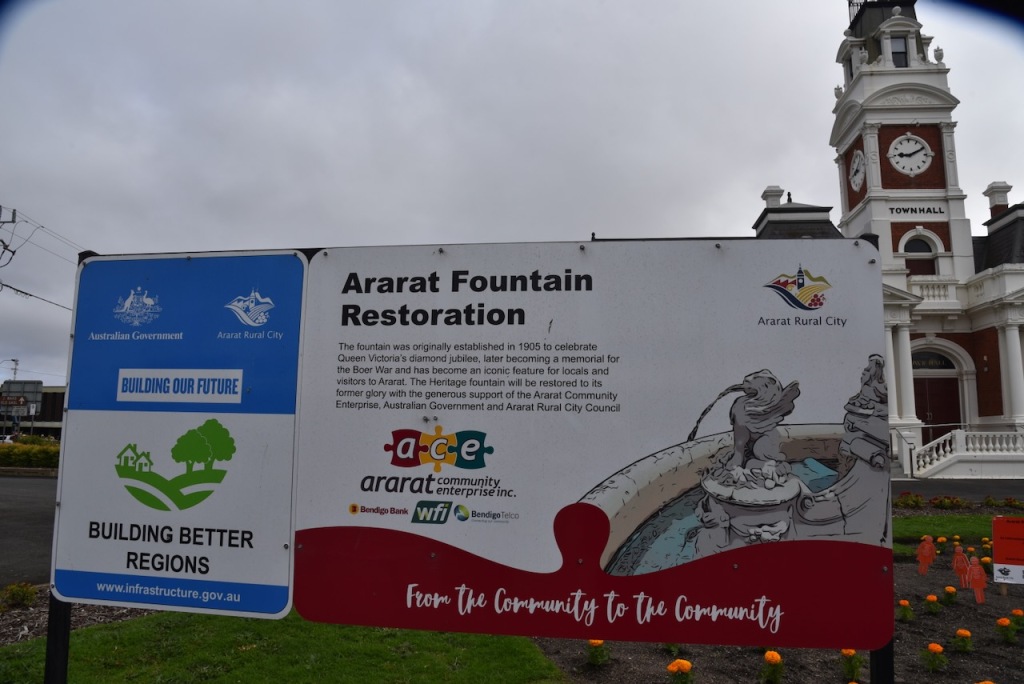
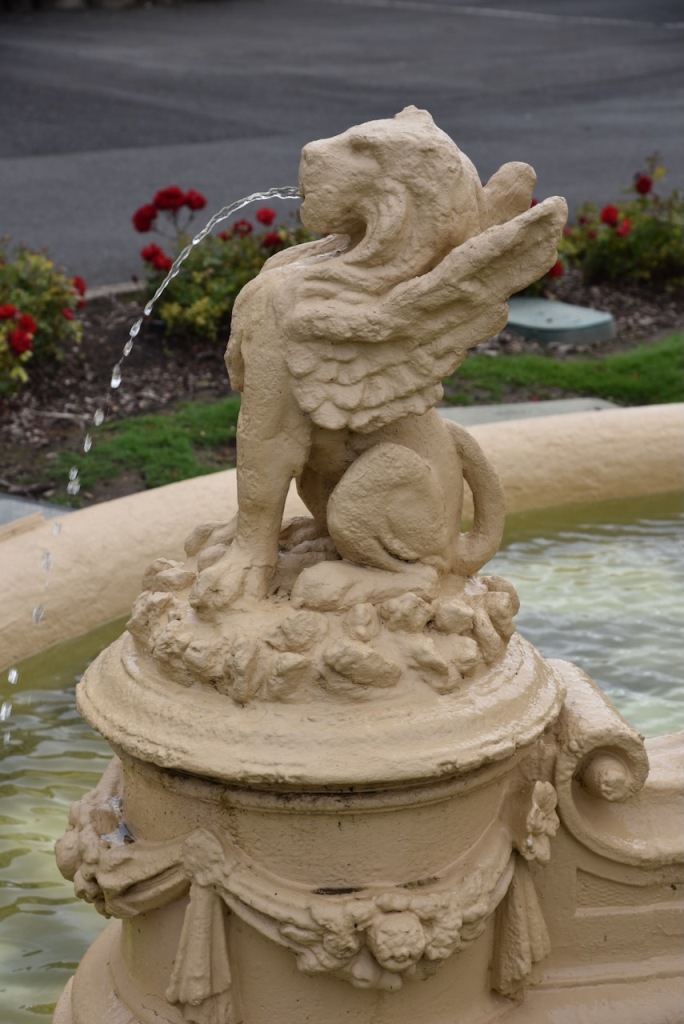
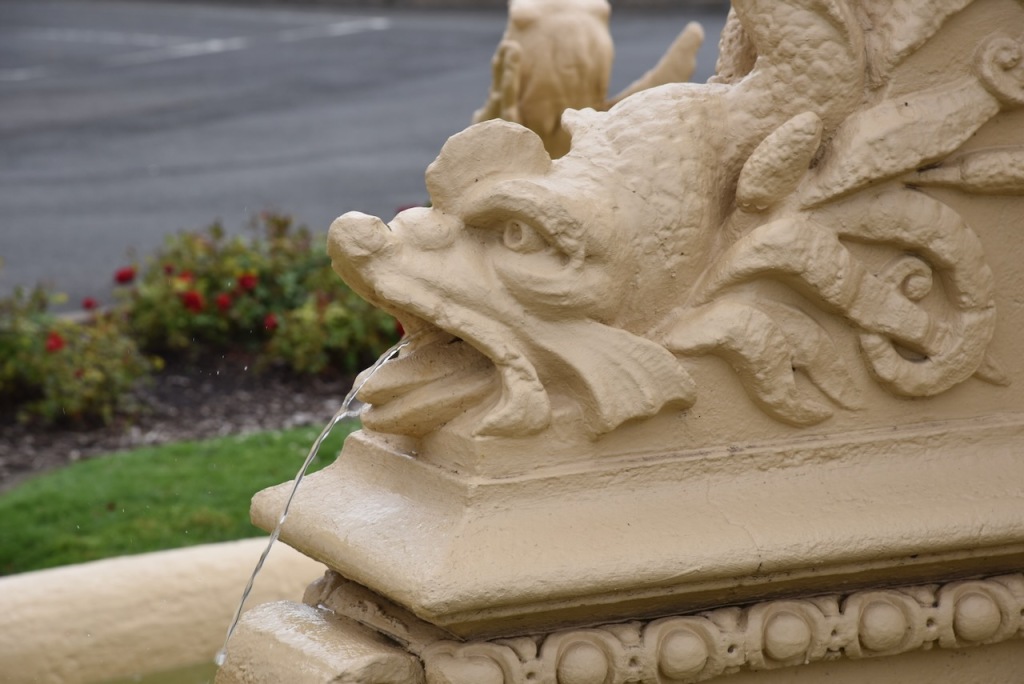
We visited the Ararat Town Hall and War Memorial Fountain. The town hall was built in 1869. The fountain was planned to mark Queen Victoria’s diamond jubilee, but also commemorates volunteers who fought in the Boer War. (Walking Maps 2024)
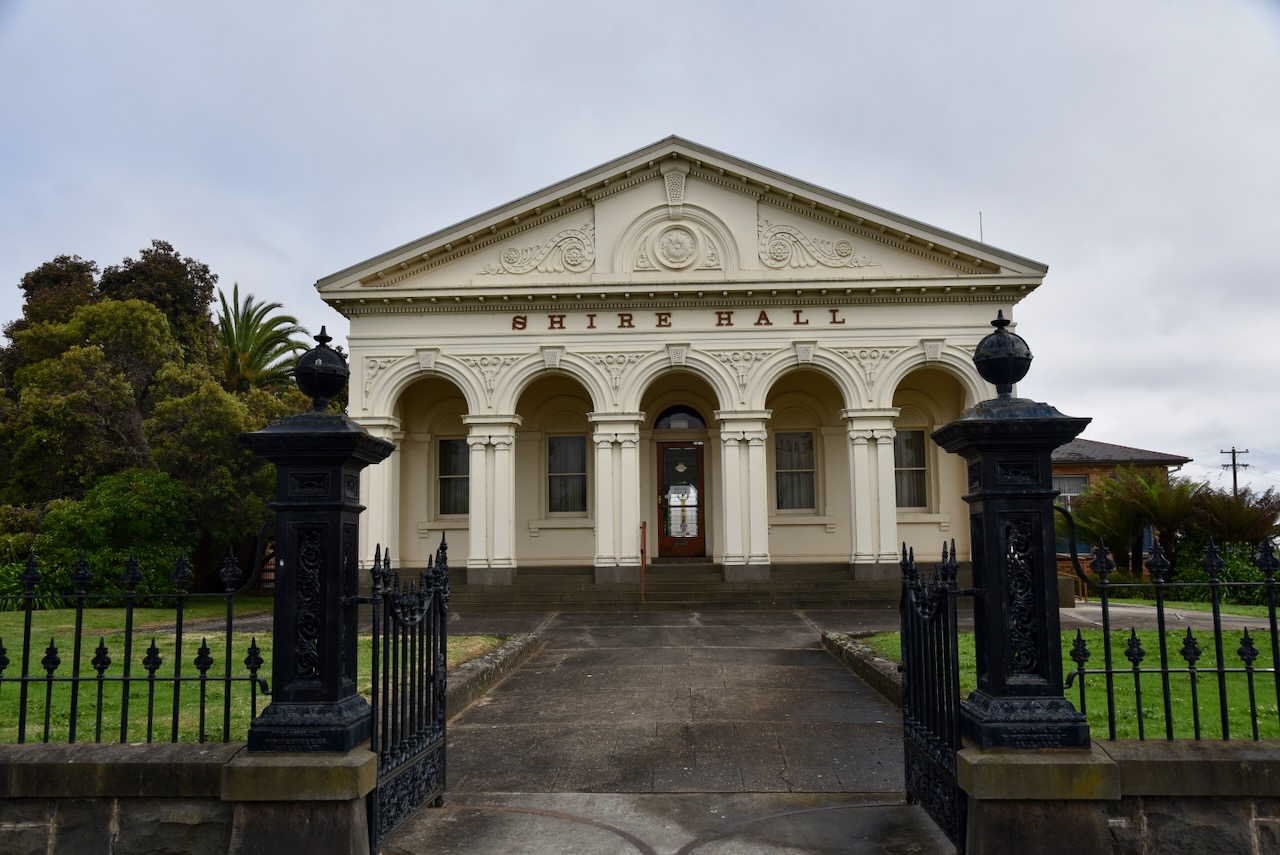
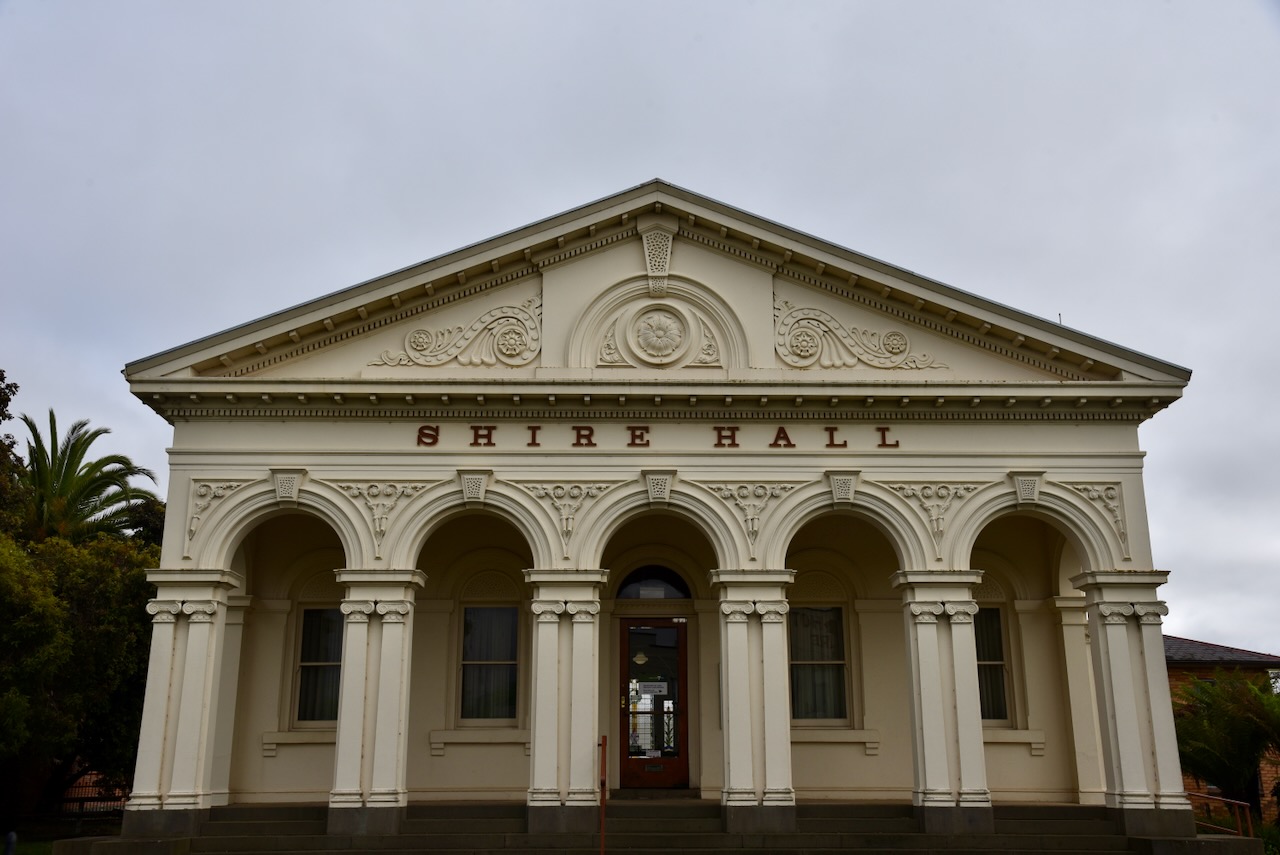
The Ararat Shire Hall was built in 1871 and is one of Ararat’s most distingished building. The hall houses a WW1 Honour Board and a beautiful stained glass window that honours the fallen. (Walking Maps 2024)
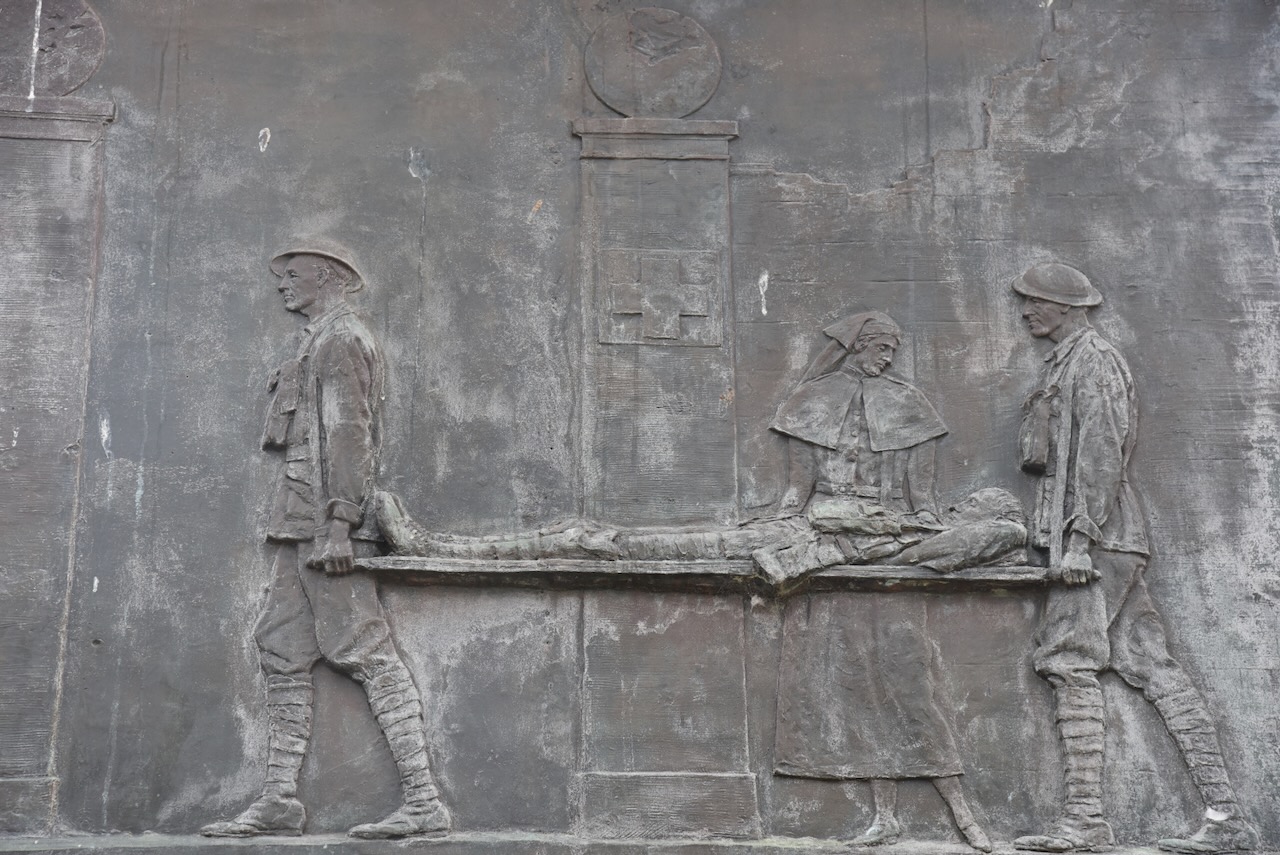
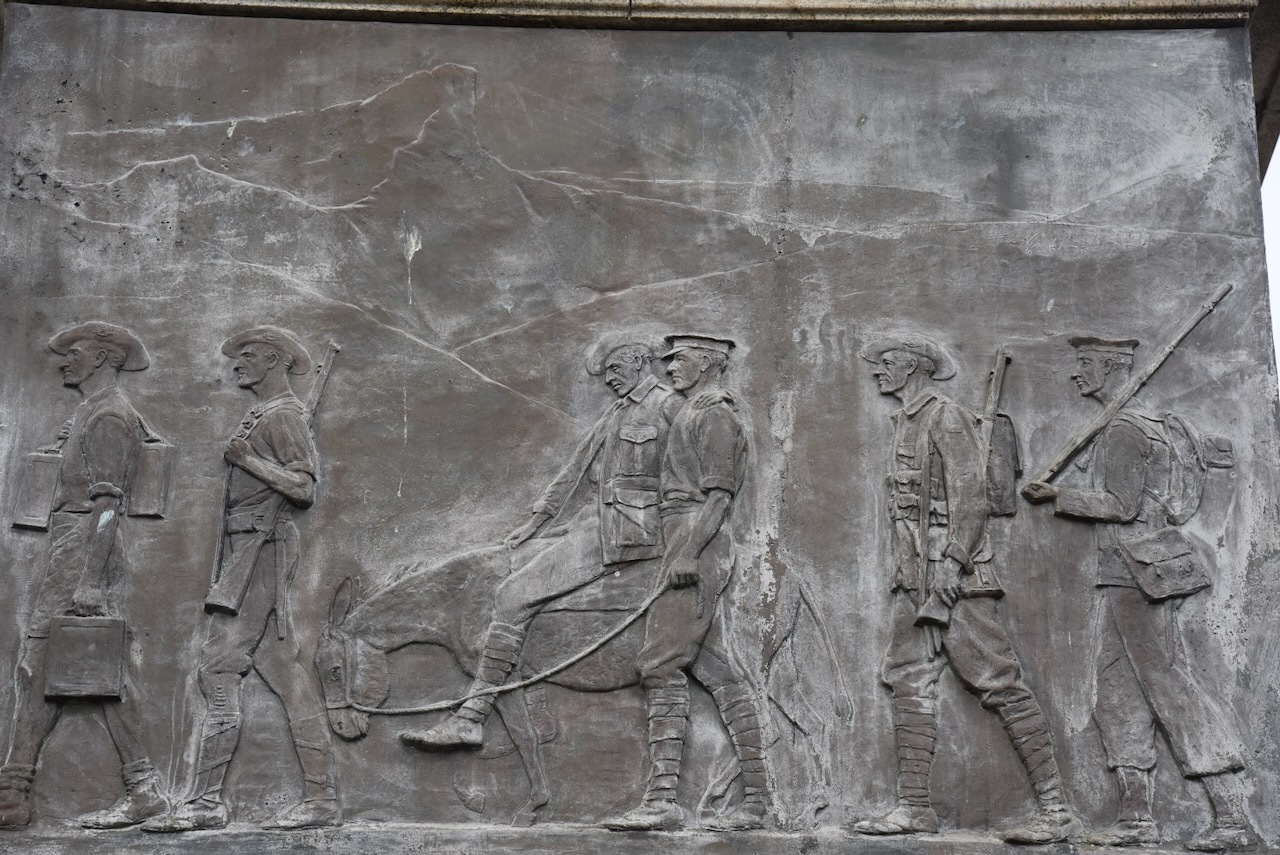
The Cenotaph monument was dedicated in 1930 to those who served Australia in various conflicts and in memory of those who died. (Walking Maps 2024)
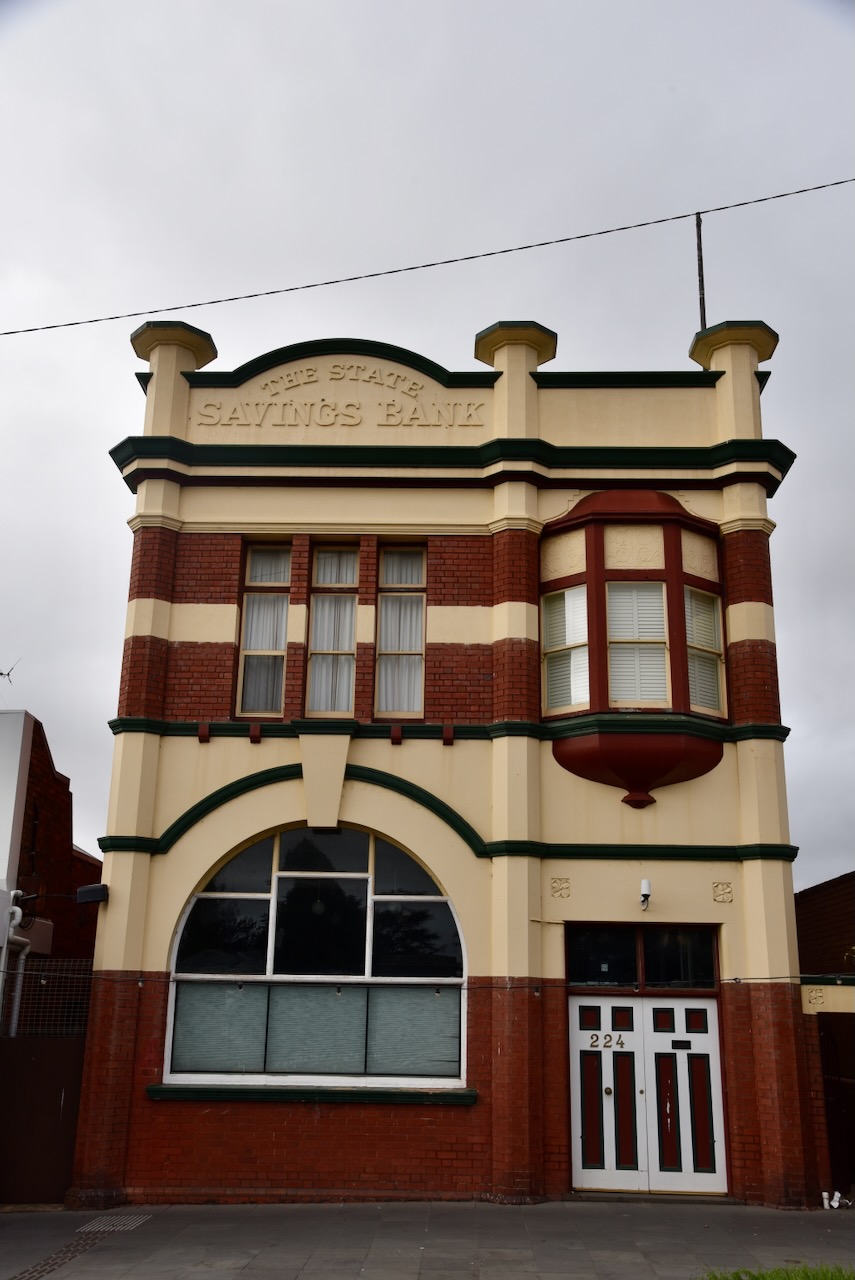
The old State Savings Bank building in Barkly Street operated as a bank from 1912 to 1962. It has an oriel window which is Queen Anne style and a large semi-circular window which is pure Romanesque Revival. (Aussie Towns 2024)
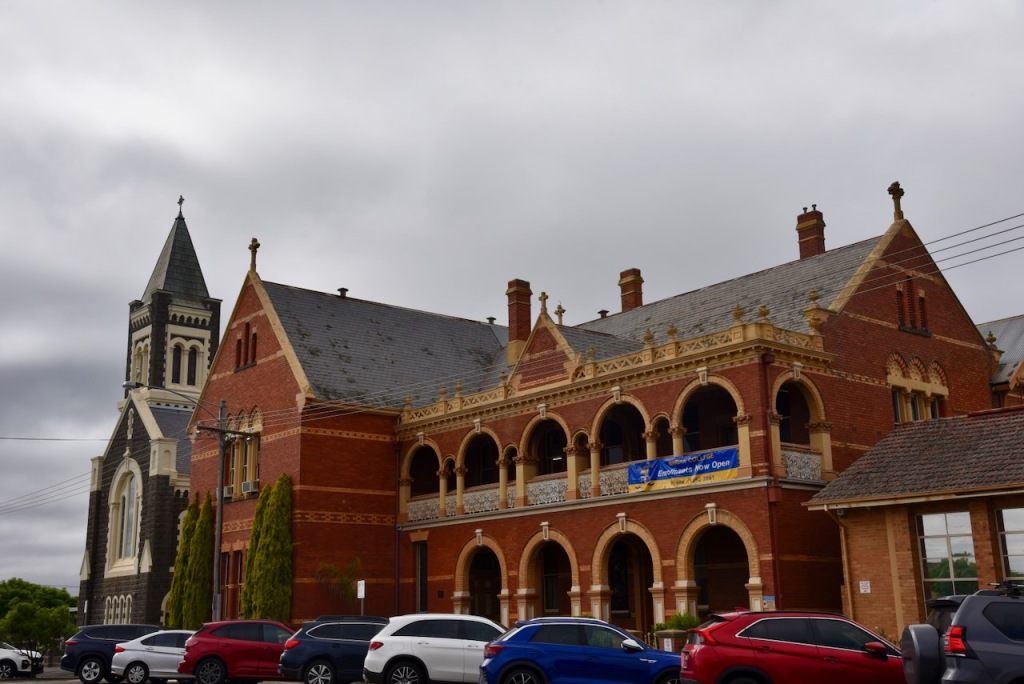
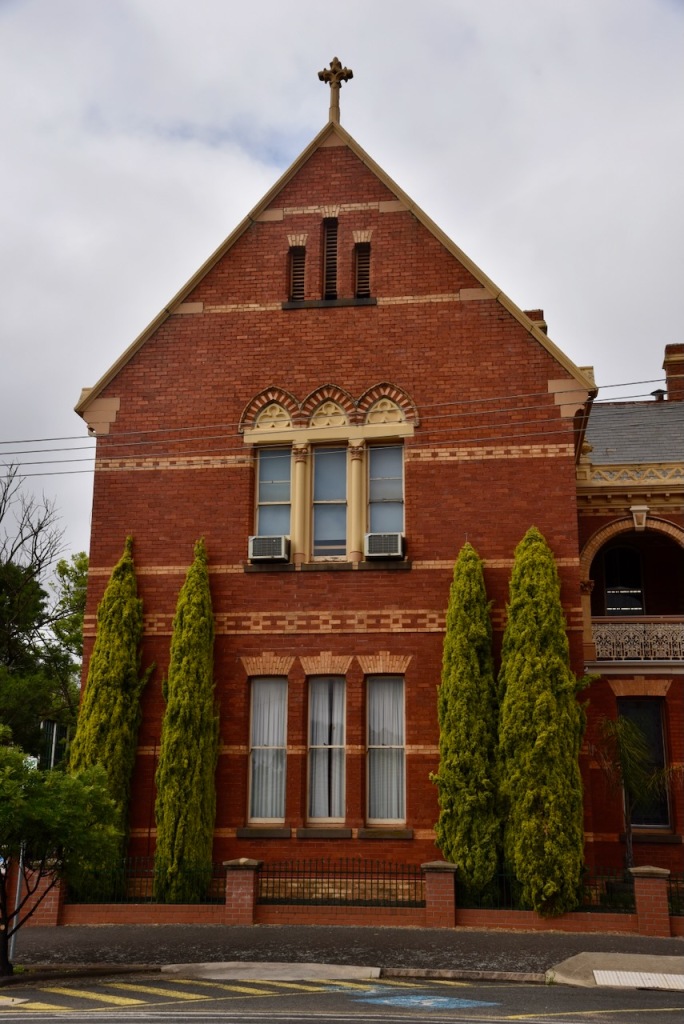
The Brigidine Catholic Convent was built in 1889 and is now part of the Marian Catholic College. The foundation stone was laid in August 1889. The convent was built in stages and was finally completed in 1900. (Marian College 2024)
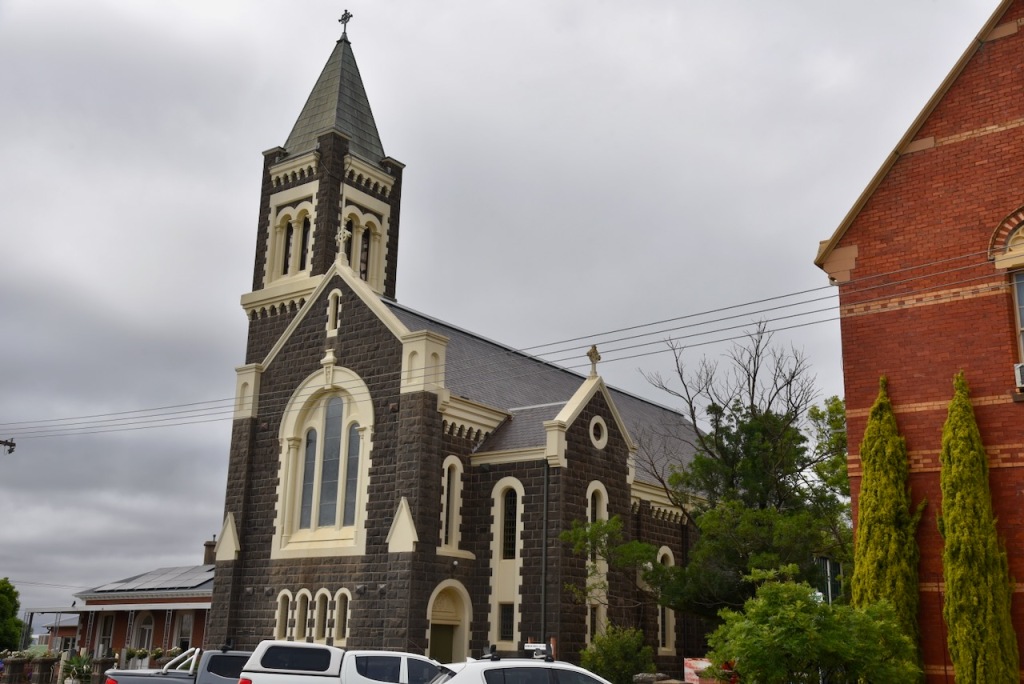
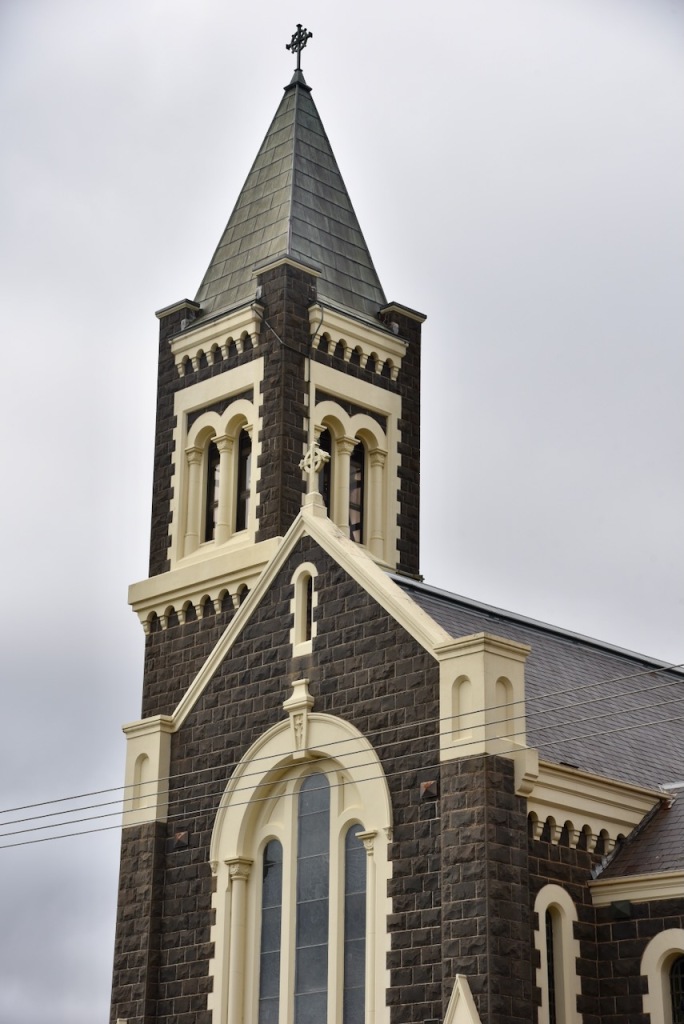
The Immaculate Conception church is a bluestone building designed by A.A. Fritsch in a Romanesque Revival style. (Aussie Towns 2024)
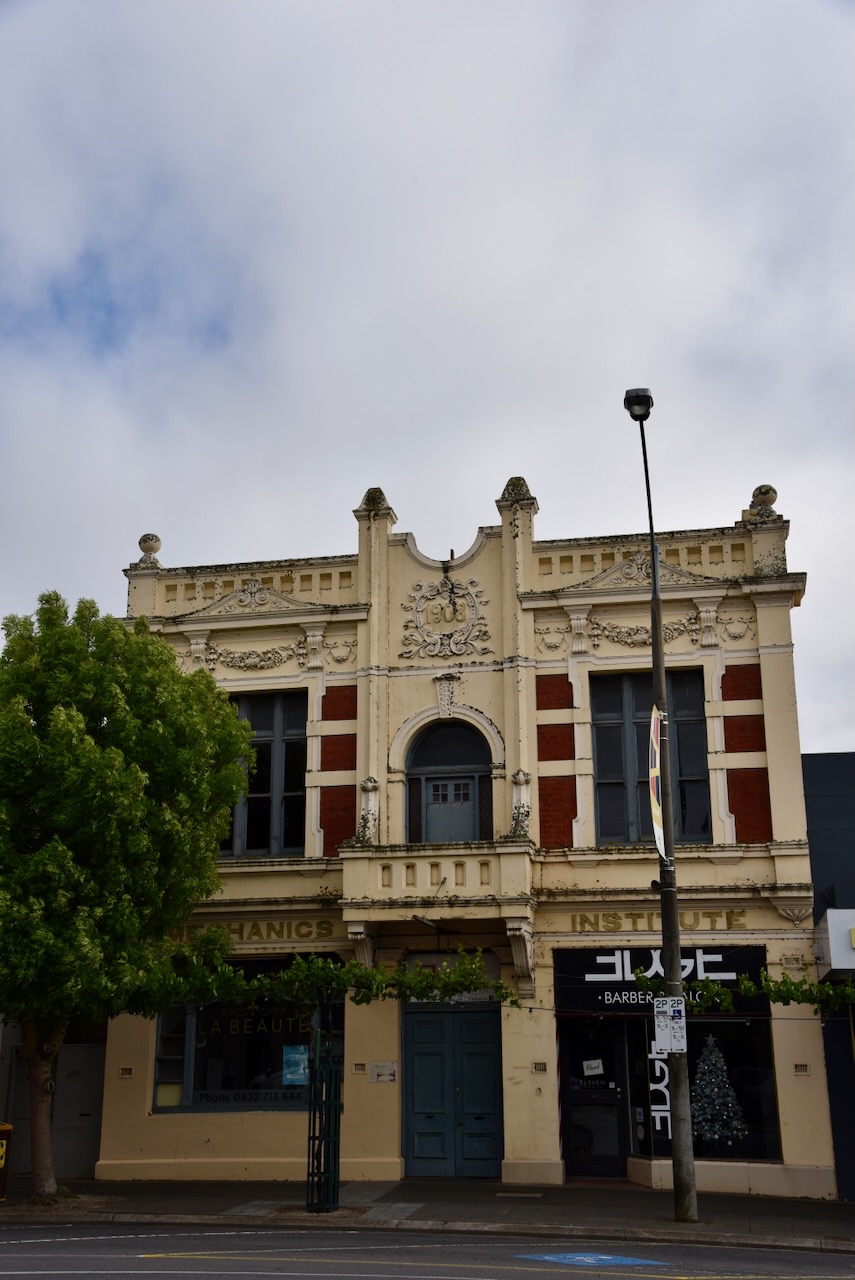
The Mechanics Institute was built in 1909 and was designed by James Irwin. (Aussie Towns 2024)
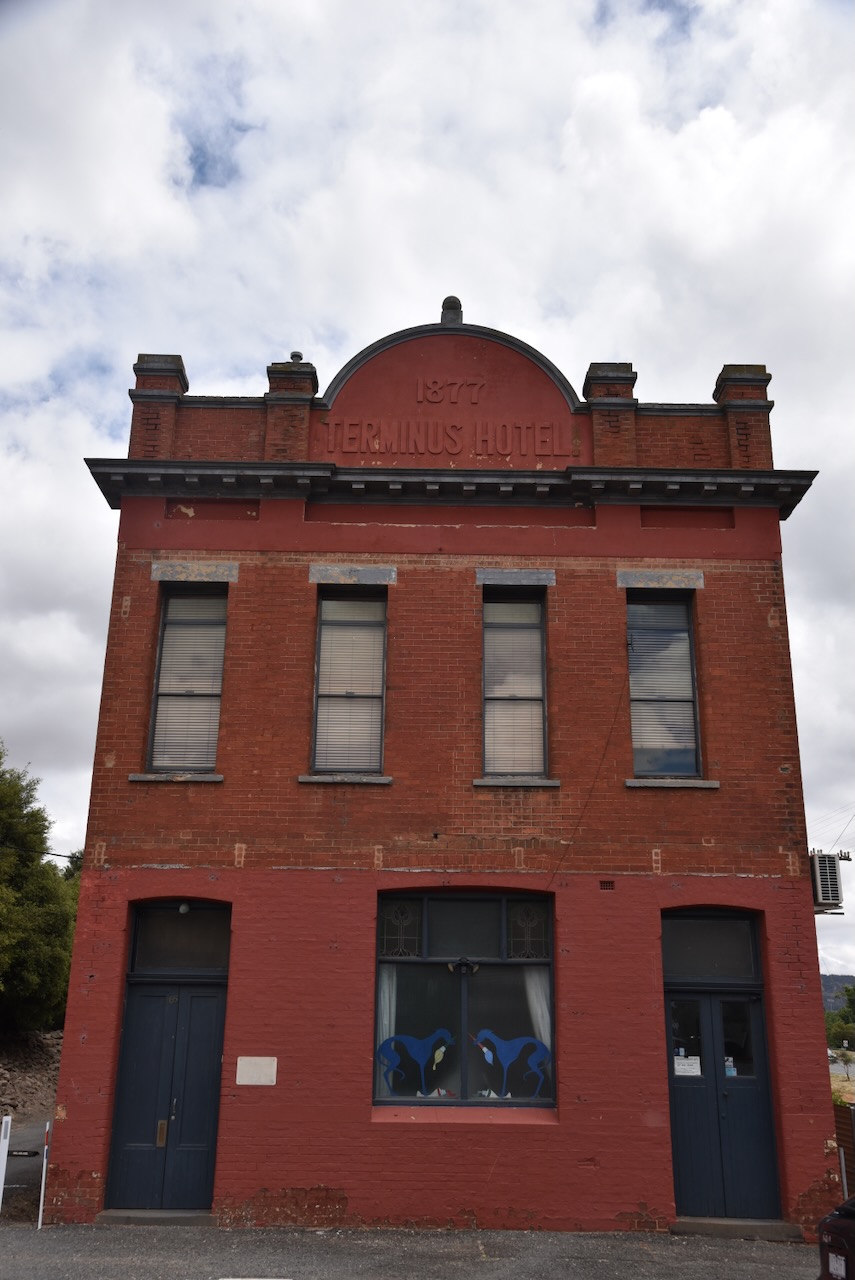
The old Terminus Hotel was built in 1877.
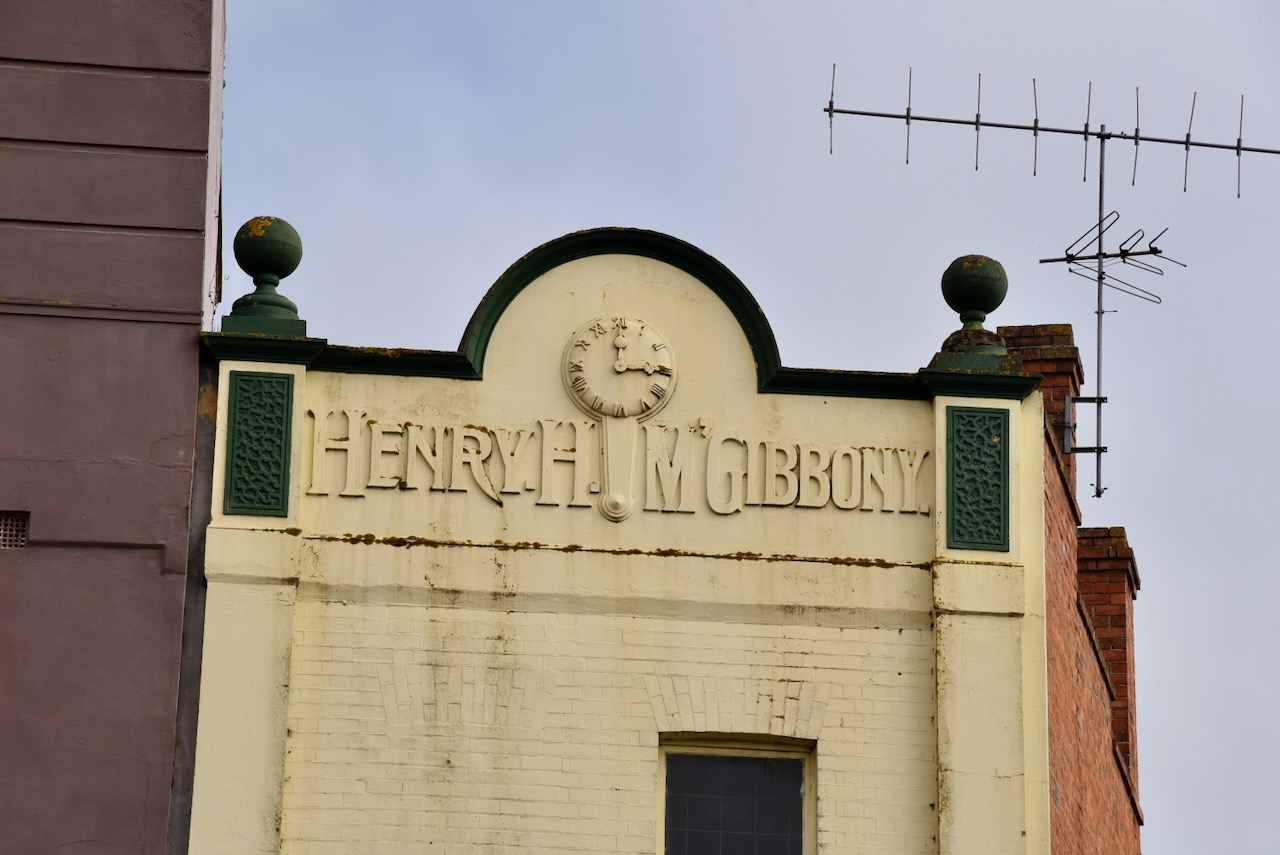
The McGibbony building located in Barkly Street was completed in 1865 and subsequently restored in 1870 and then remodelled in 1910. (Aussie Towns 2024)
Vindel House was built in two parts, the Sub-Treasury and Assay office in 1858, with the post office attached in 1862. The clock was installed in 1890. (Walking Maps 2024)
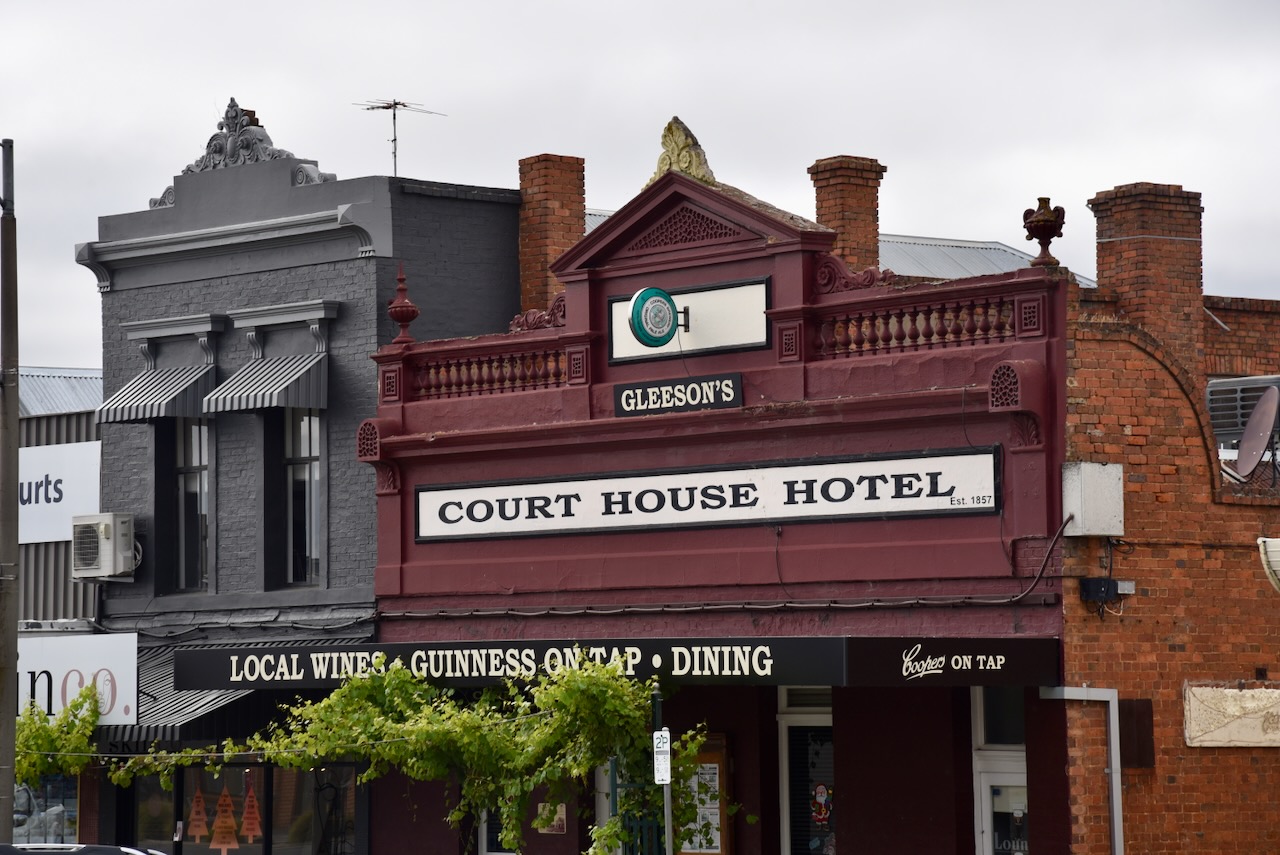
The original Court House Hotel was constructed on this site in 1848-1859, and was made from wood and iron. The hotel once had a huge ballroom and a special supper room. (Aussie Towns 2024)
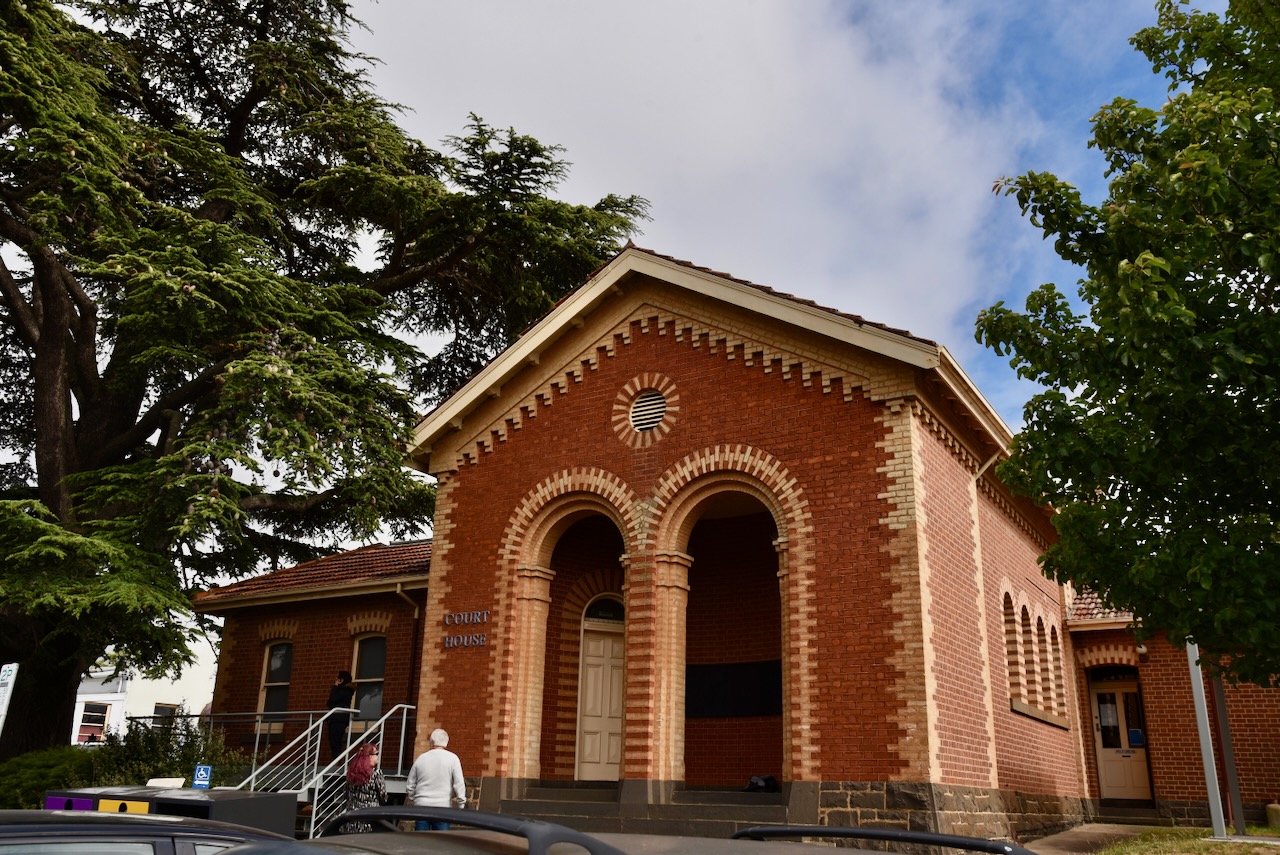
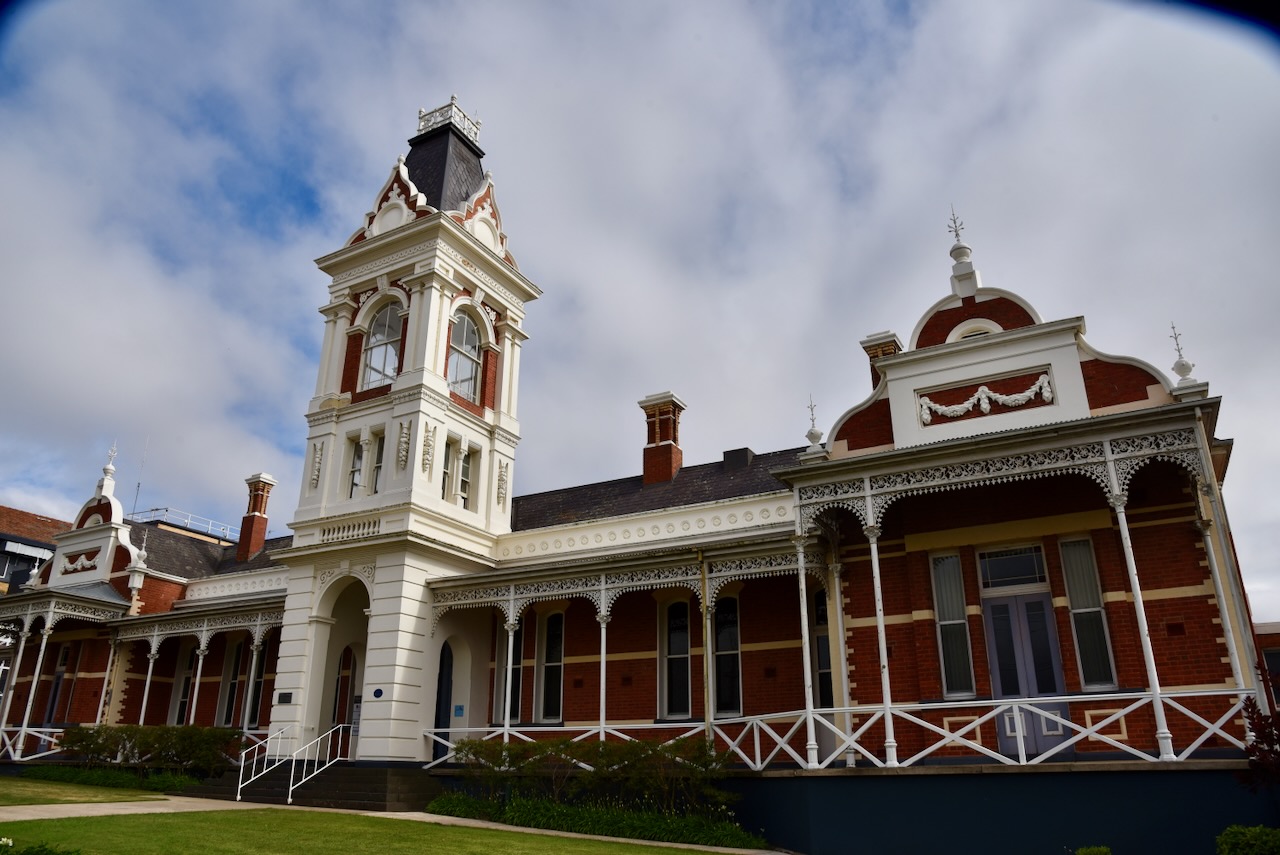
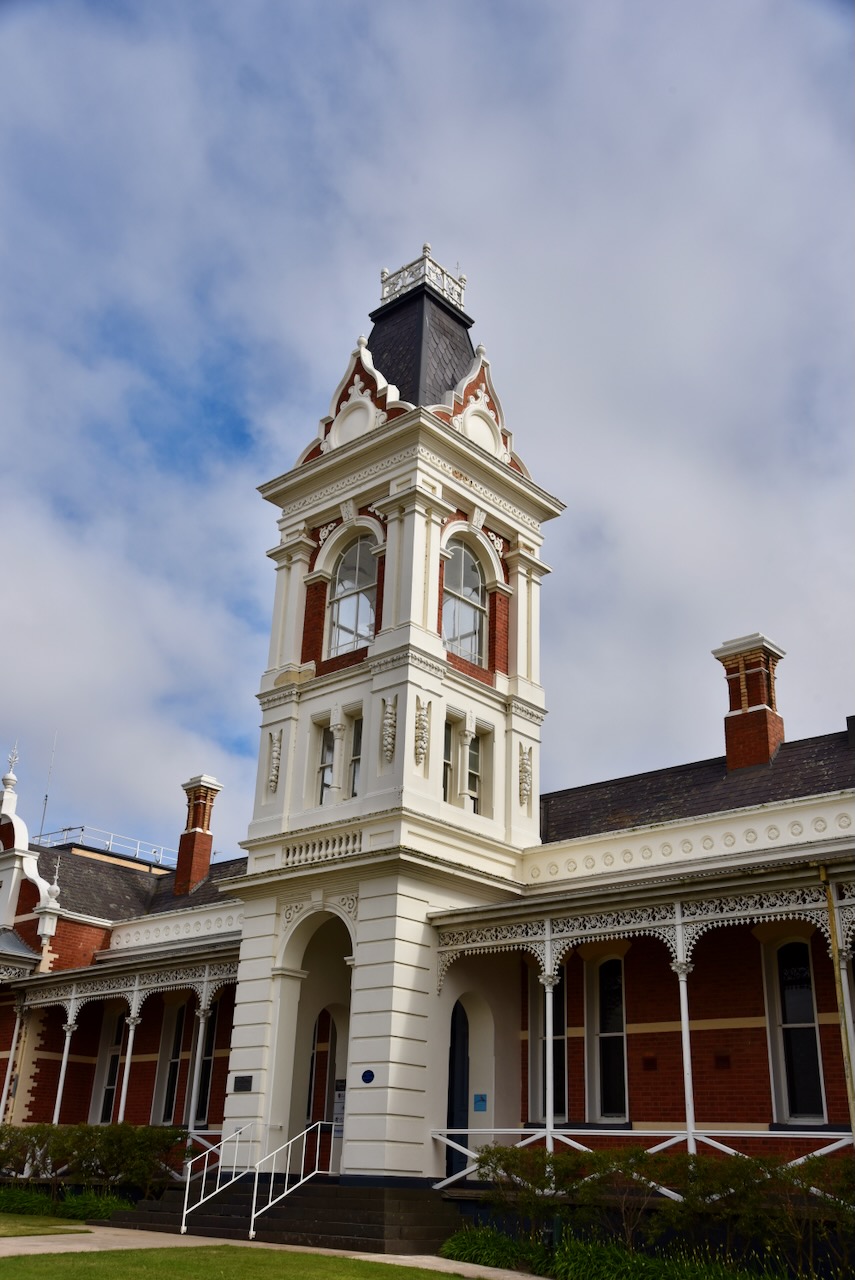
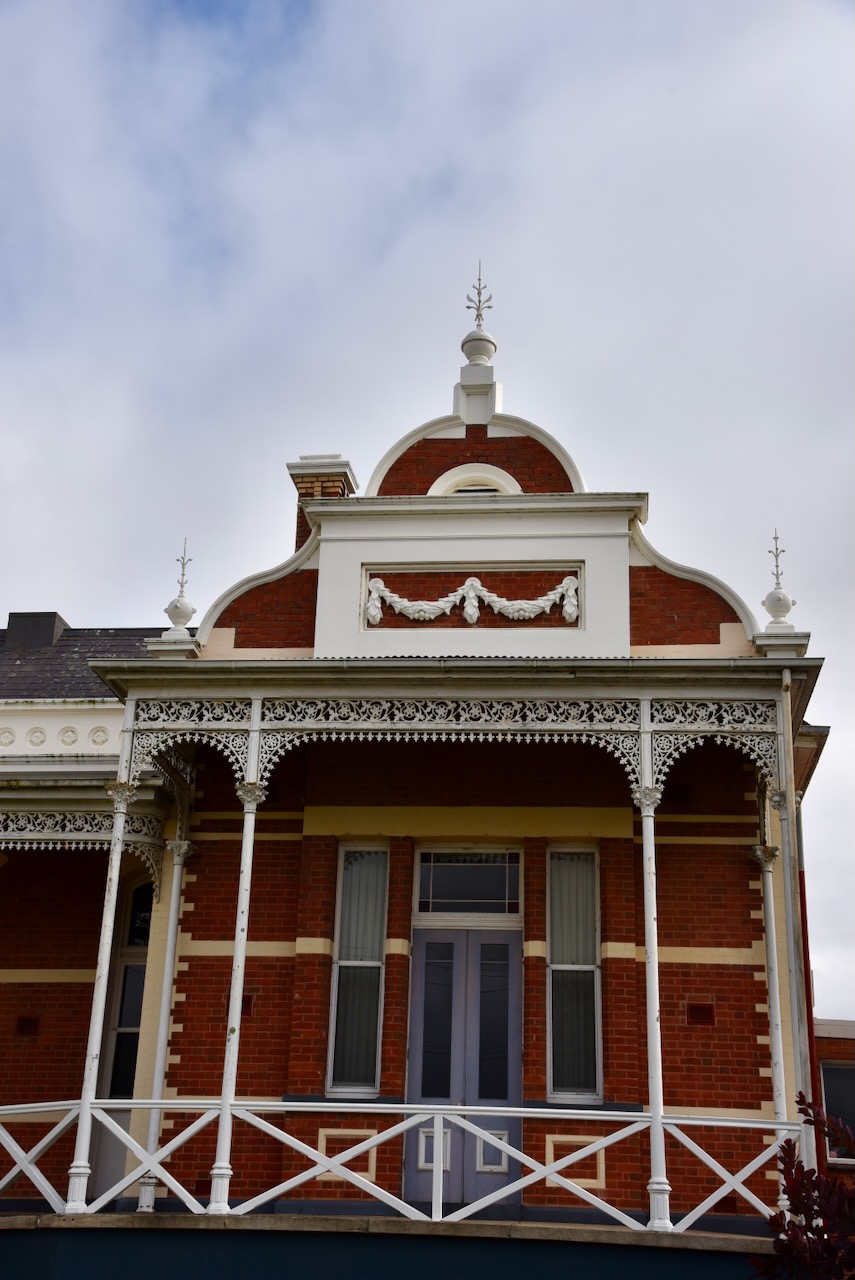
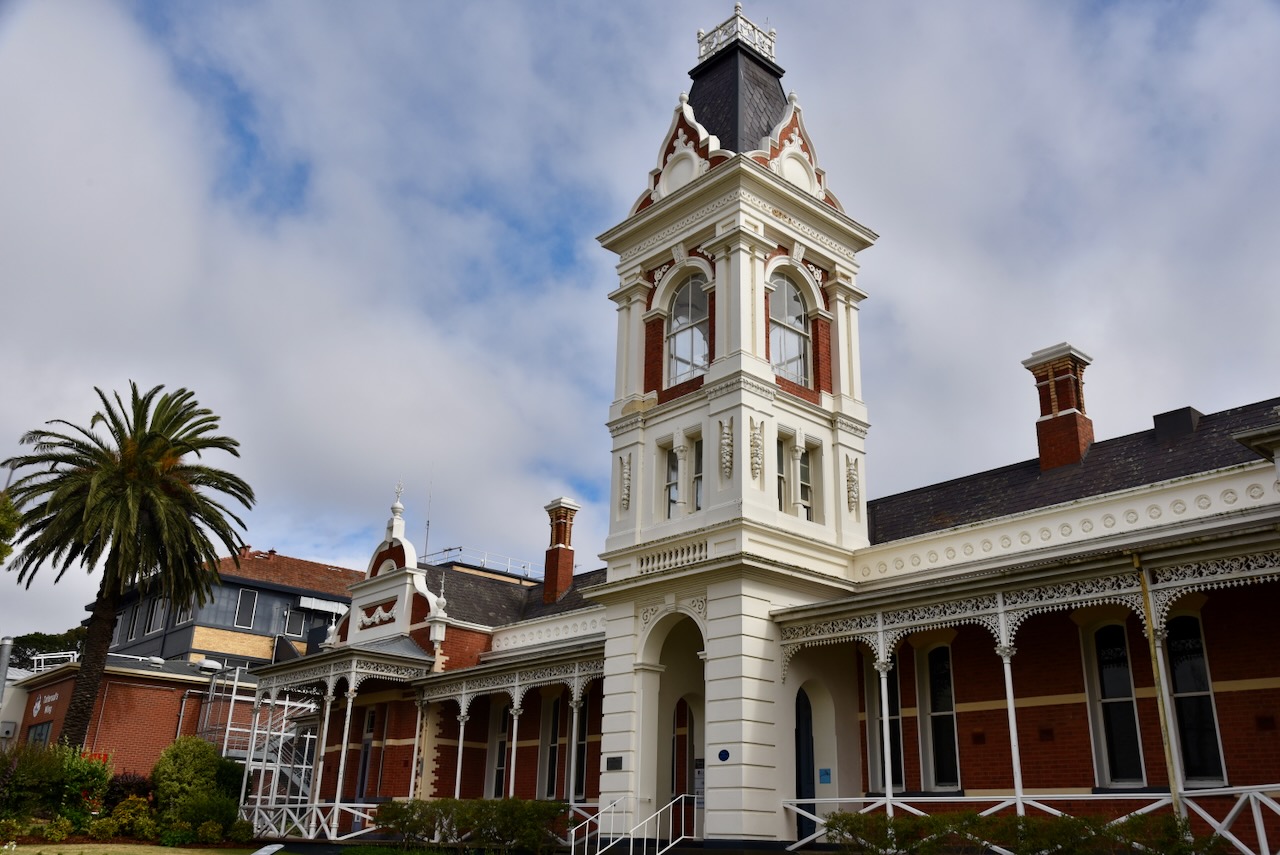
The Ararat Court House is located on the corner of Barkly Street and Ligar Street. It is Ararat’s second courthouse and was built in 1866-1867 to a Romanesque design. (Aussie Towns 2024)
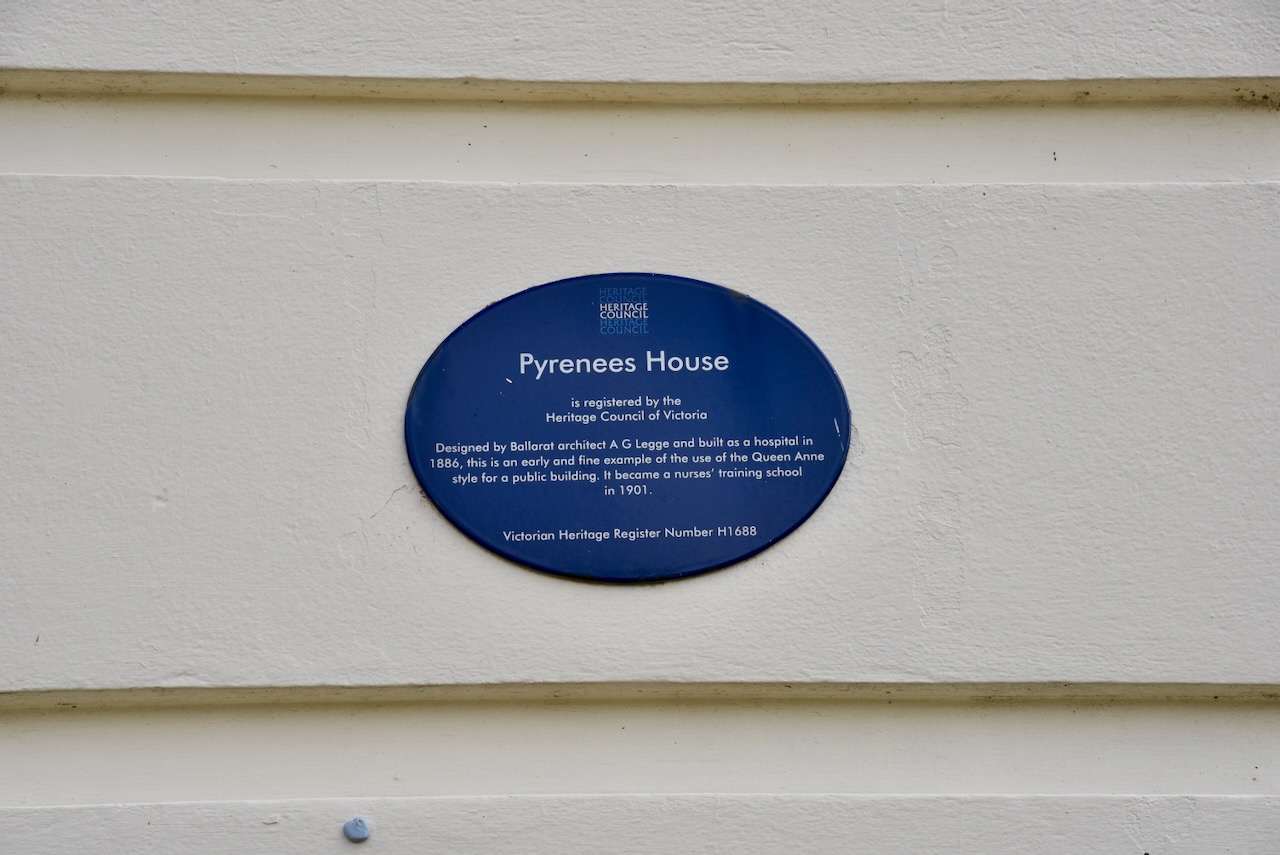
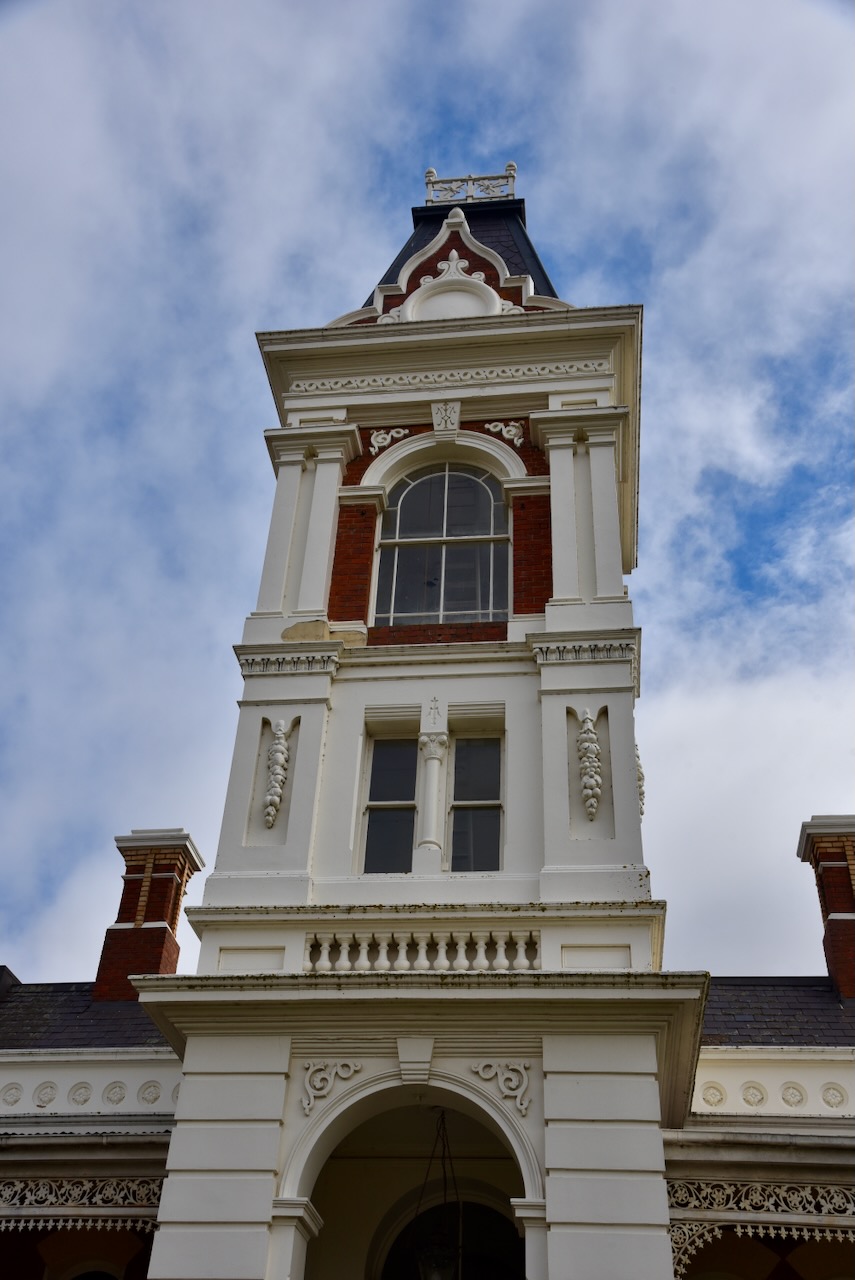
Pyrenees House was completed in 1886 in the Queen Anne style. The building operated as a general hospital until 1937. Since 1988 it has been used as administration offices and a nurse education centre. (Walking Maps 2024)
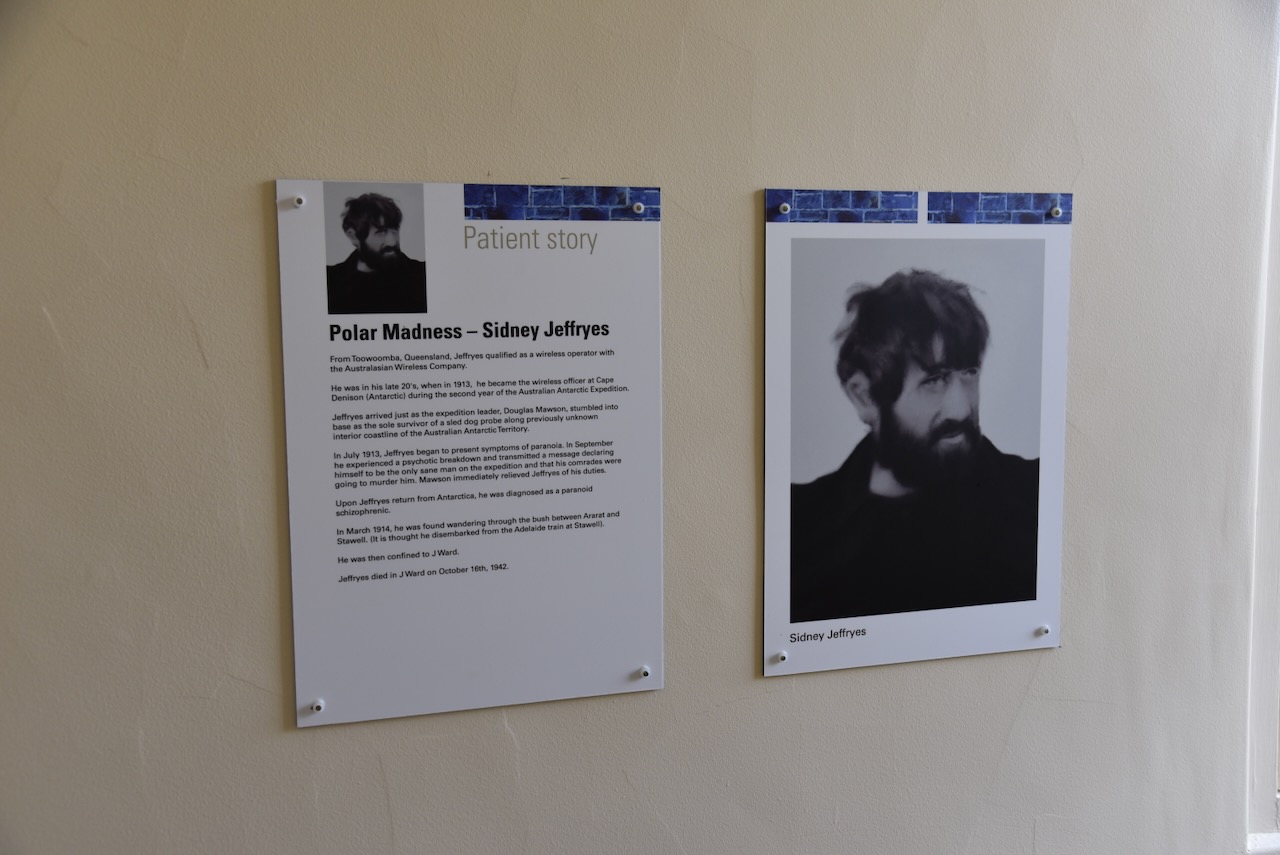
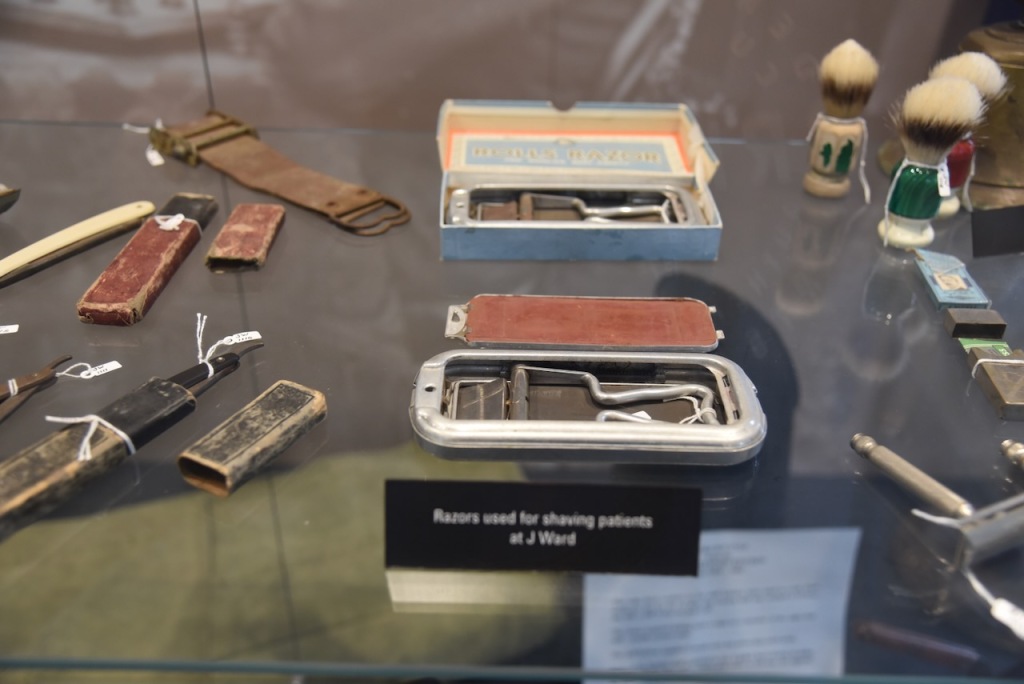
Although we had visited J Ward many times before, Marija and I decided to revisit this absolutely fascinating place.
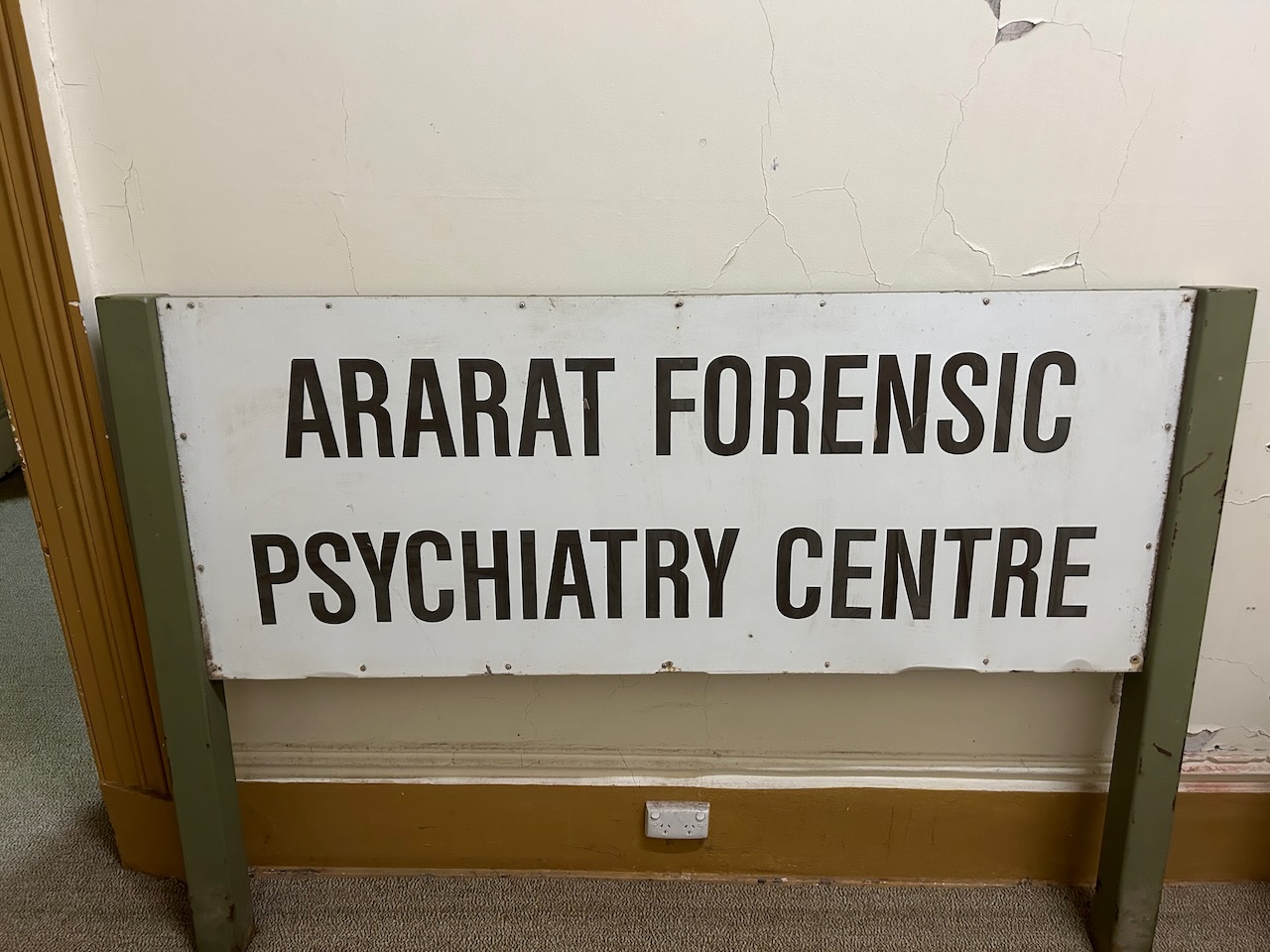
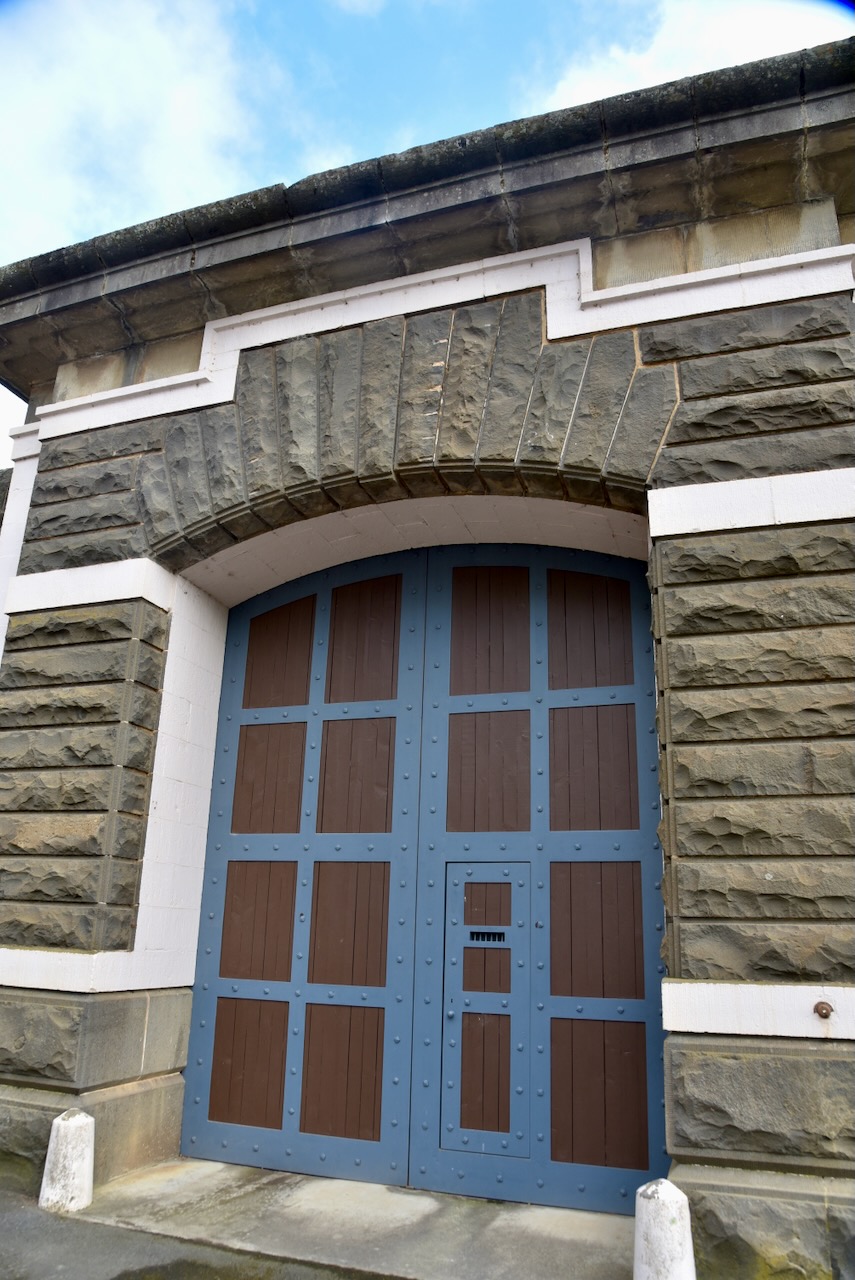
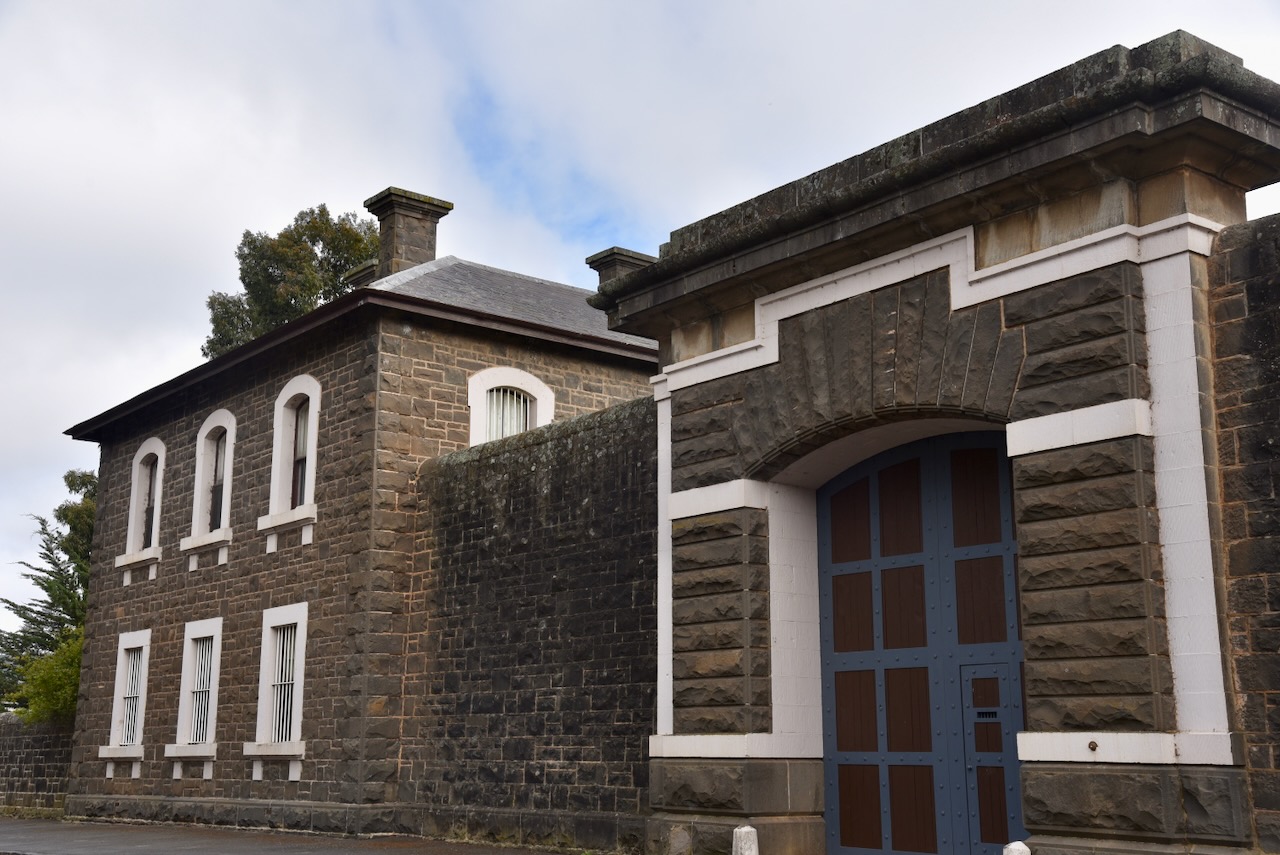
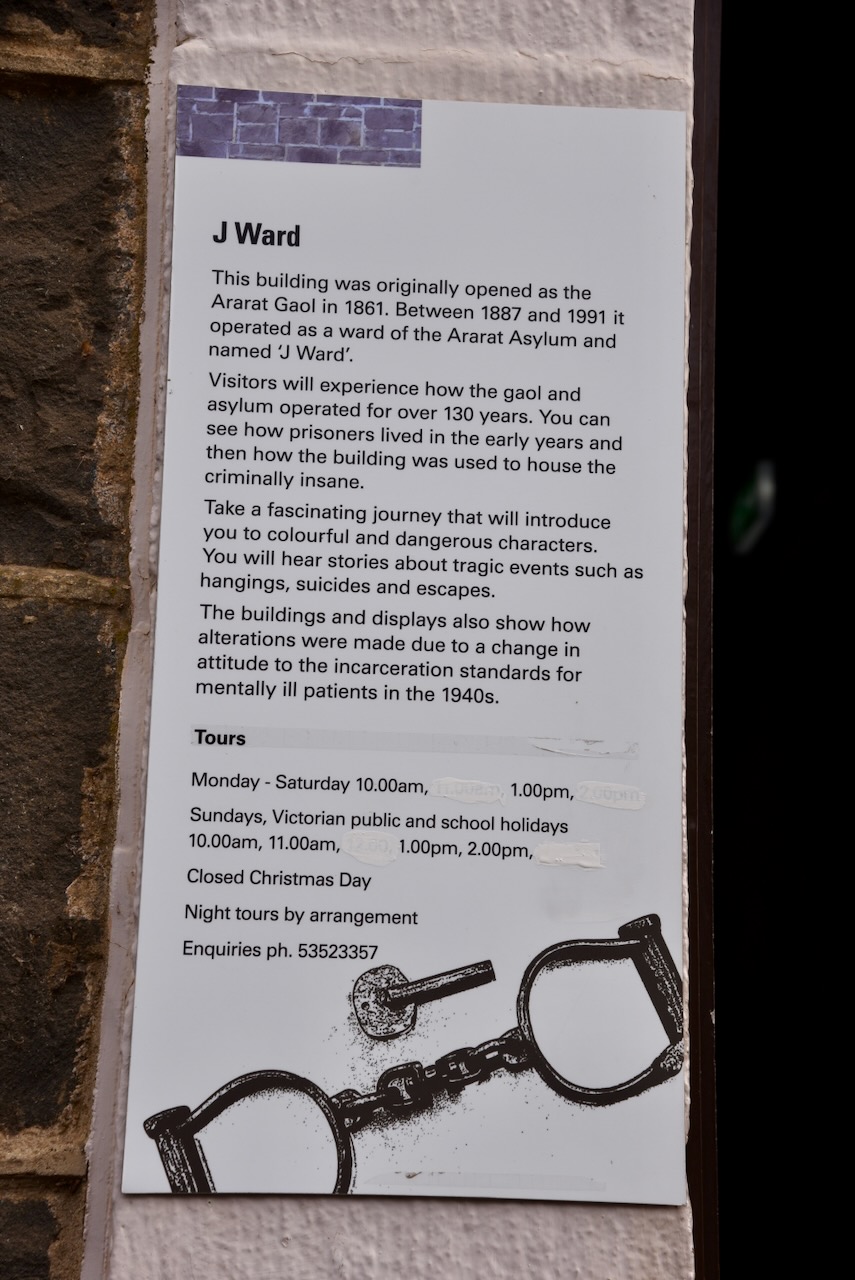
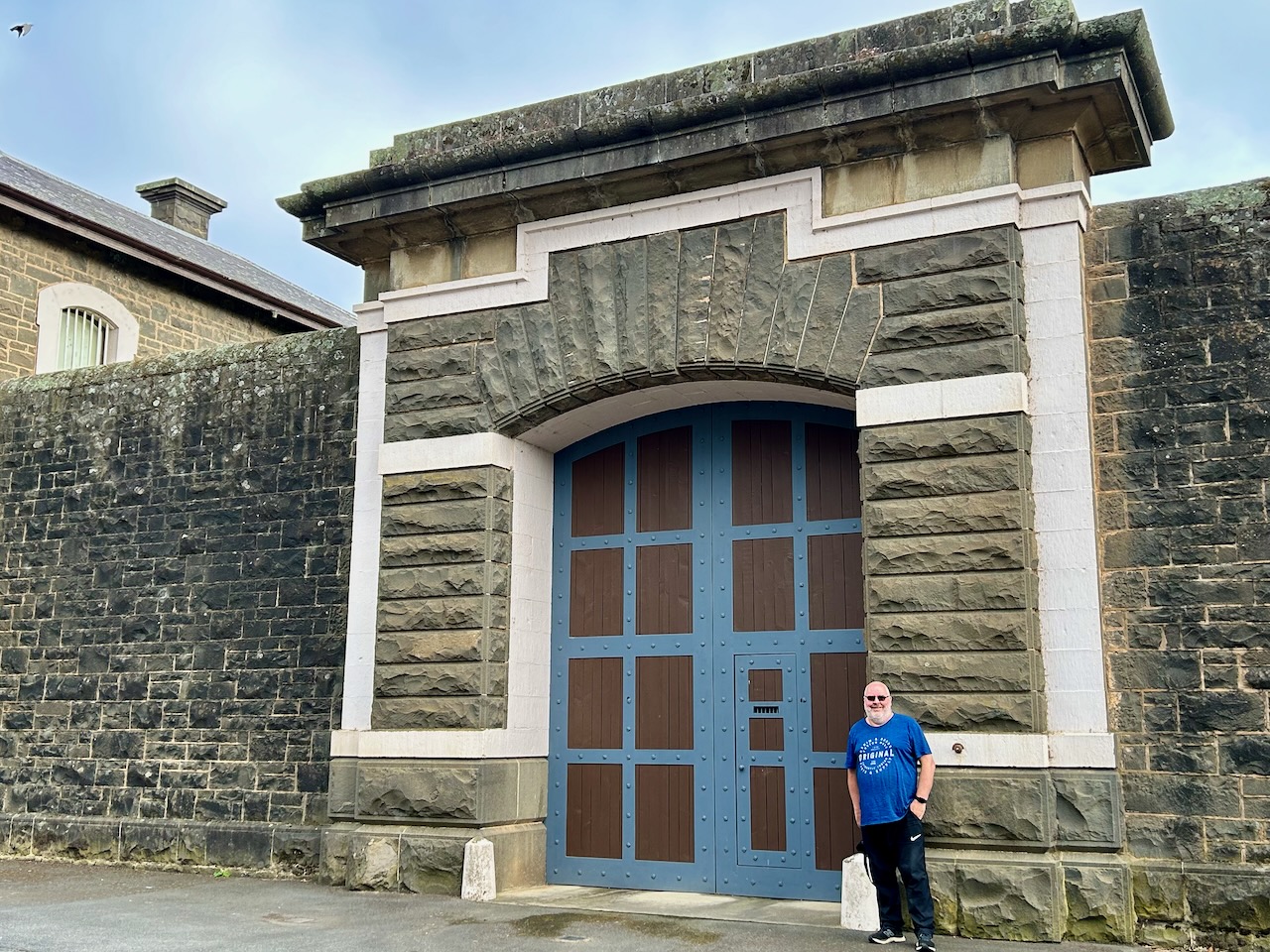
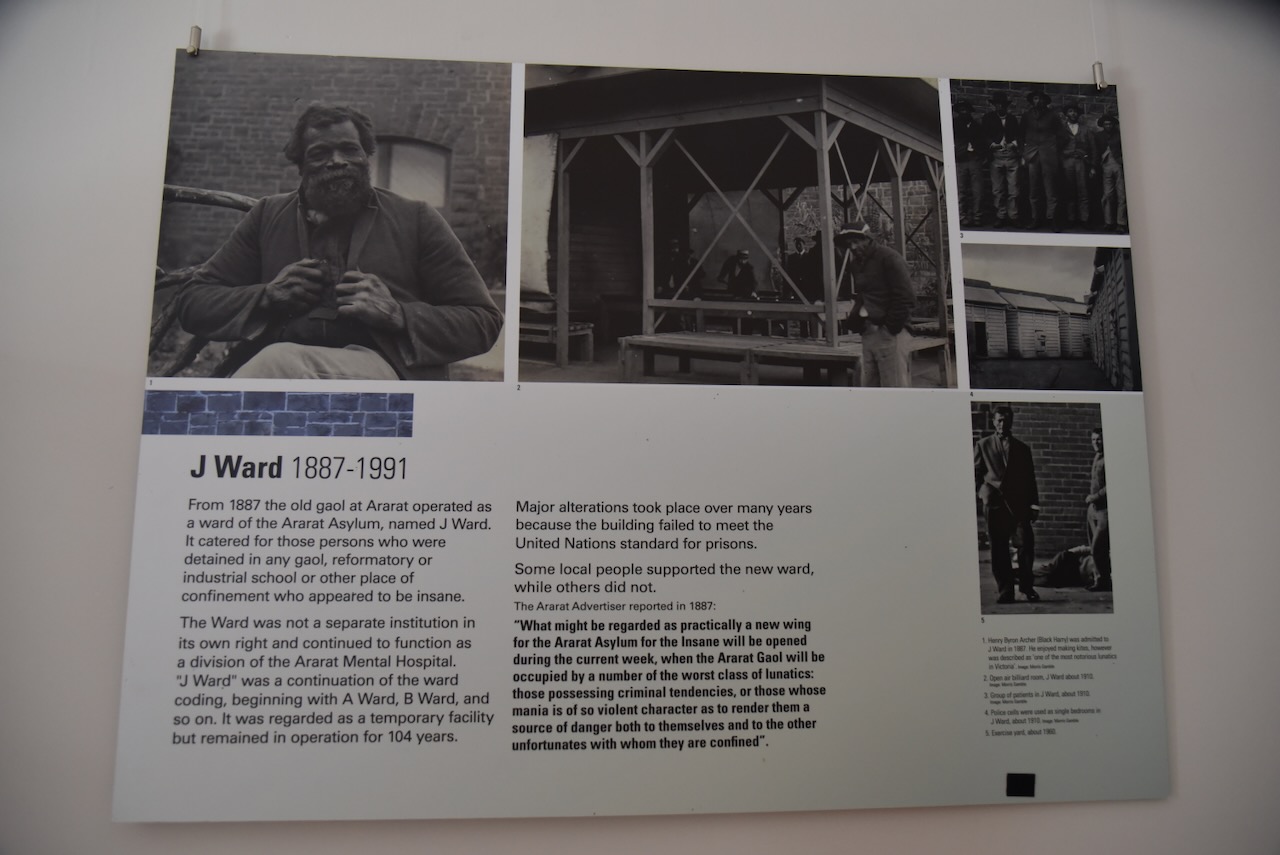
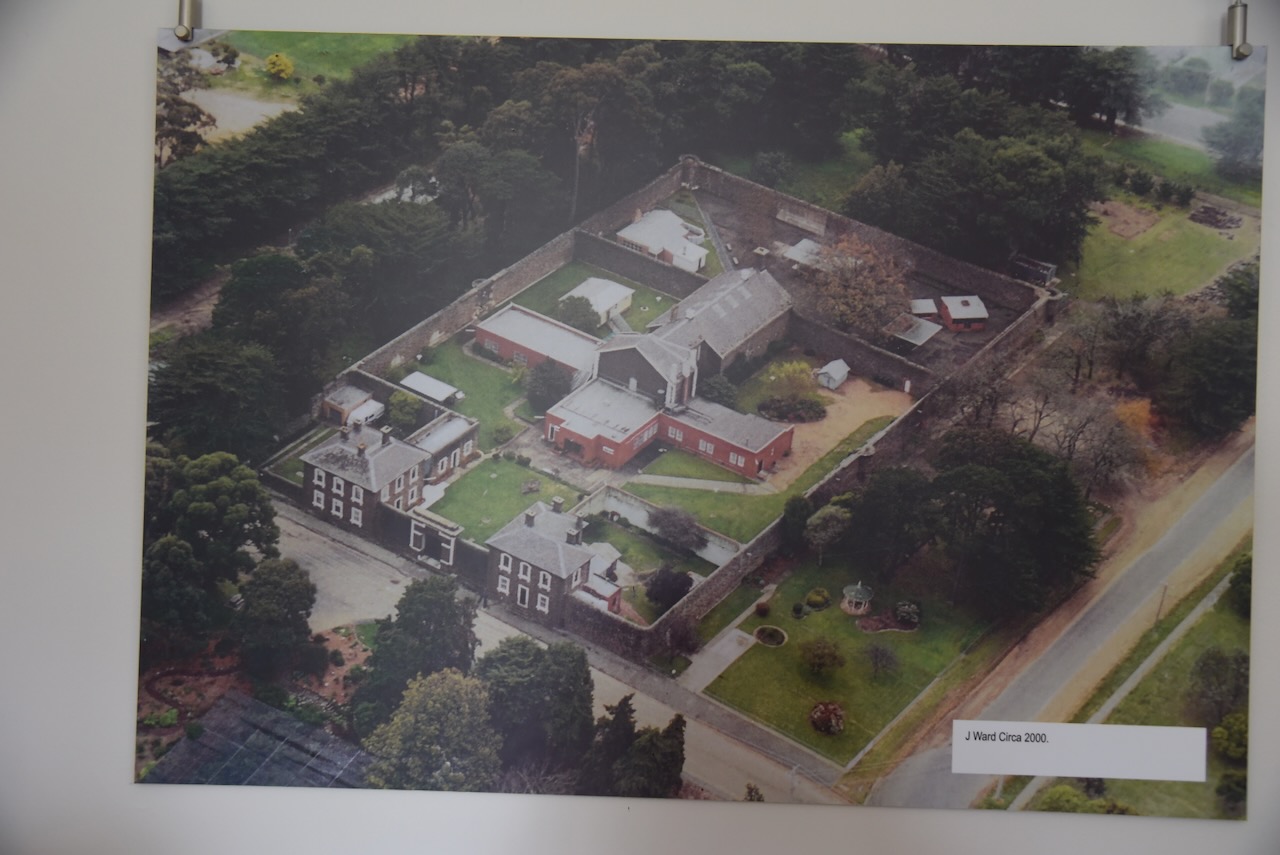
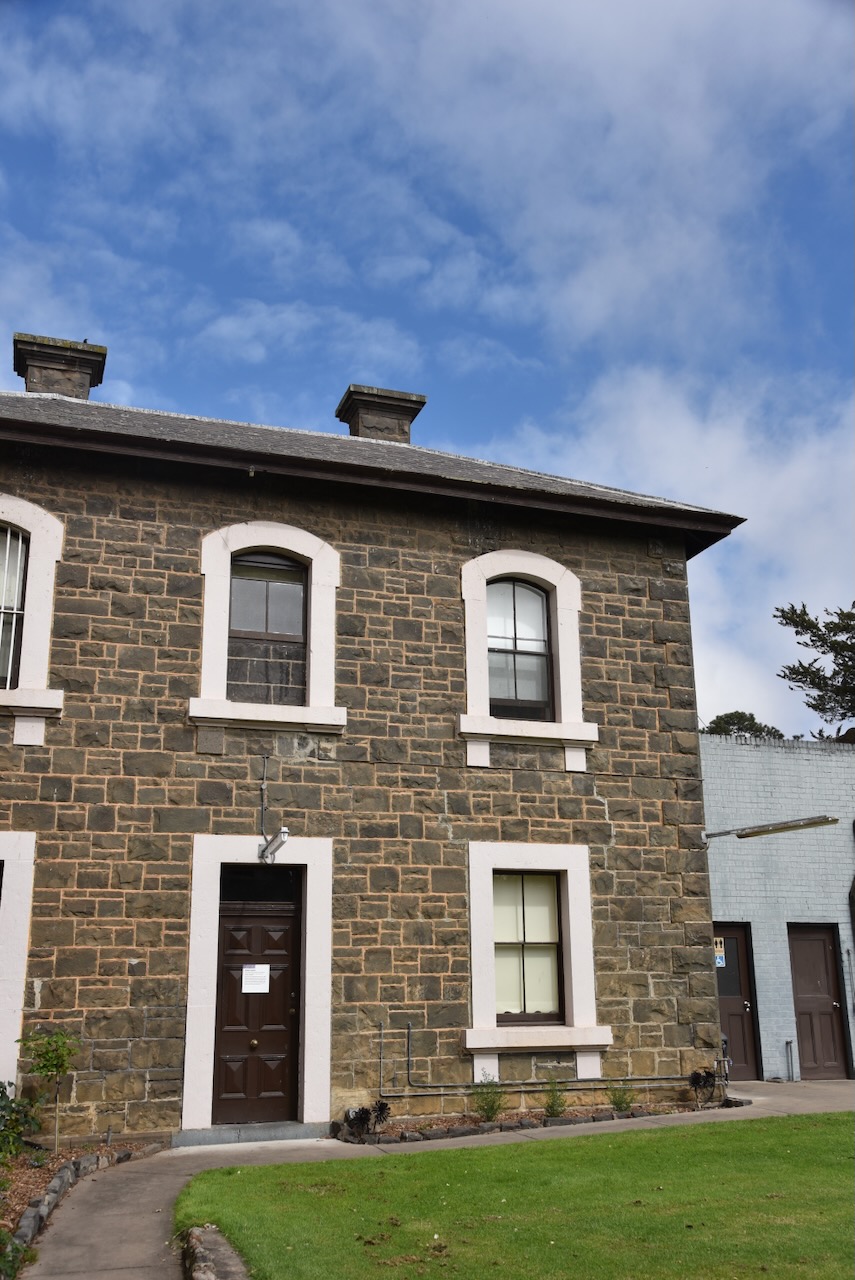
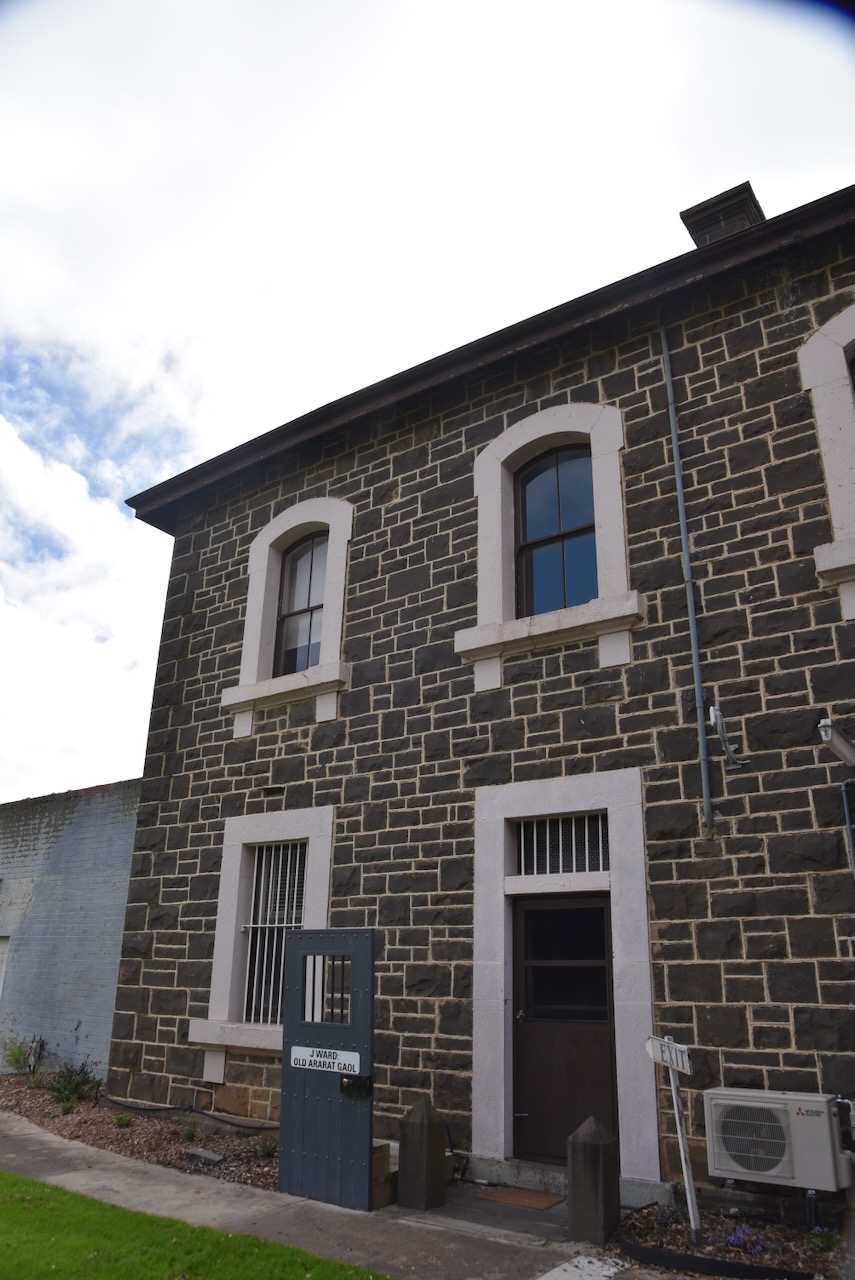
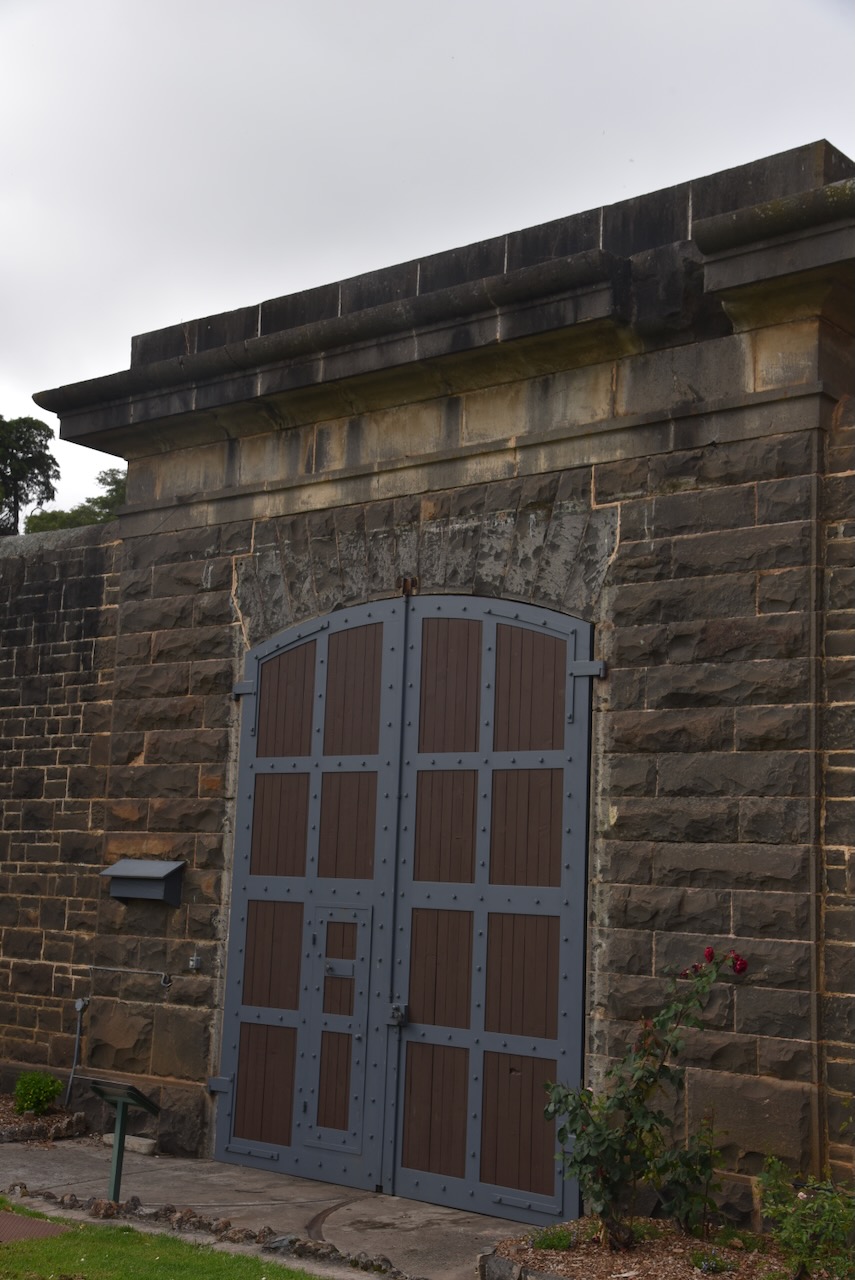
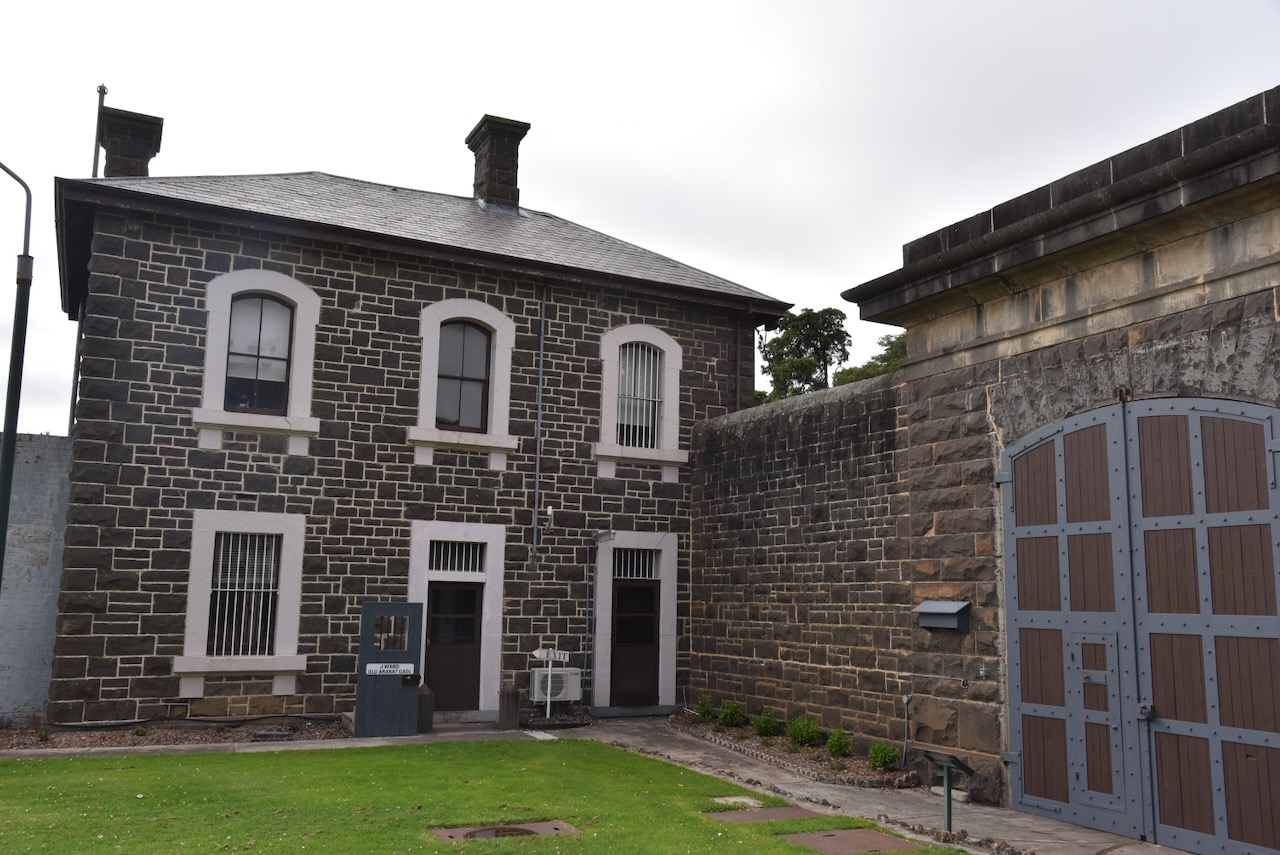
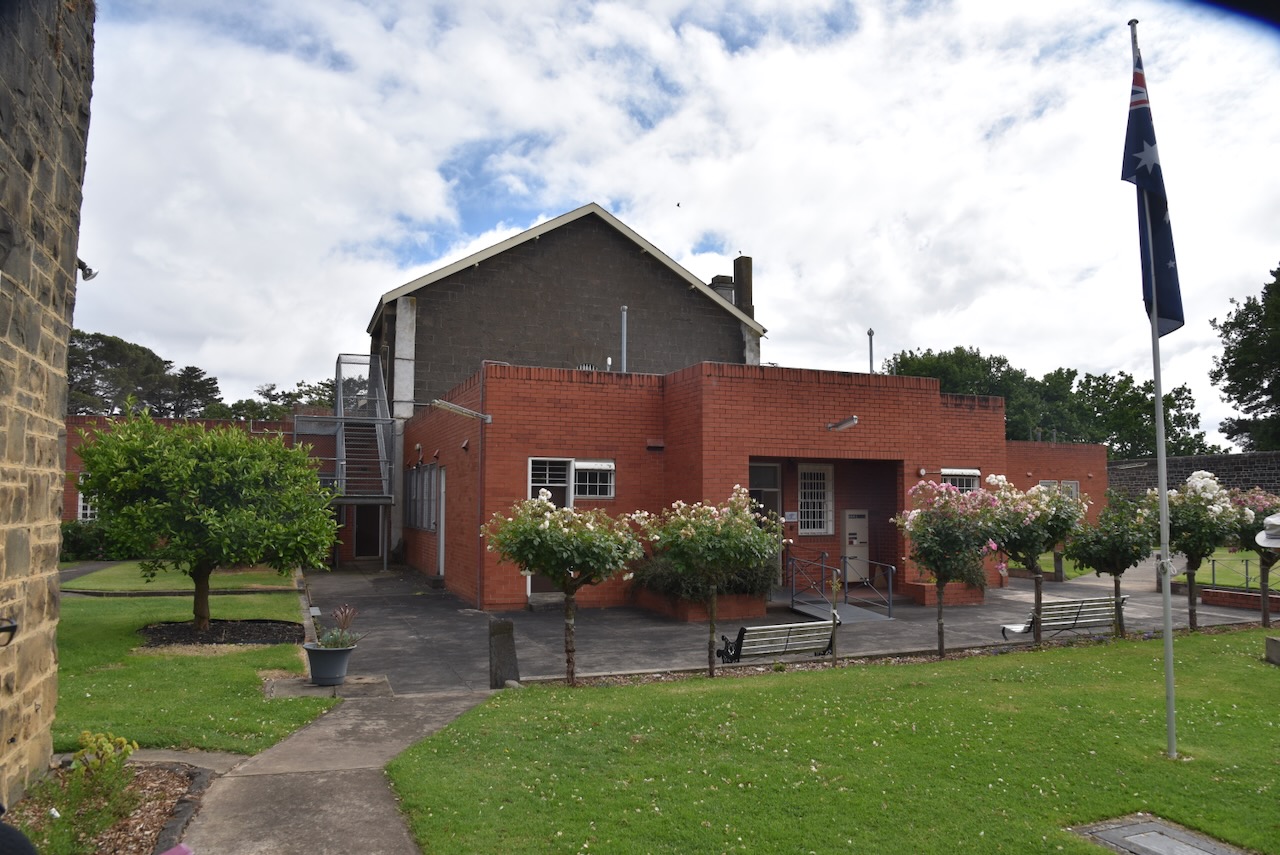
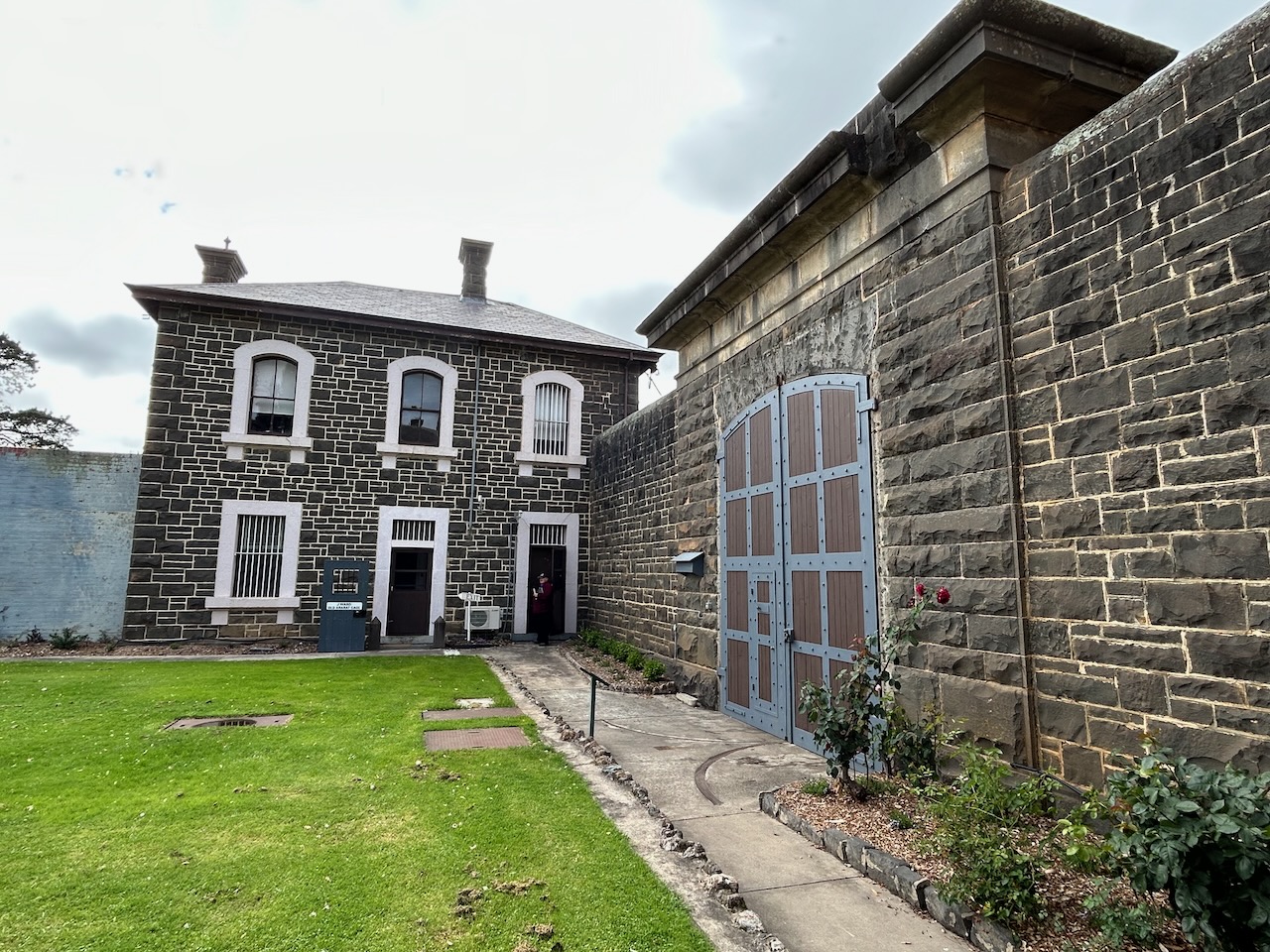
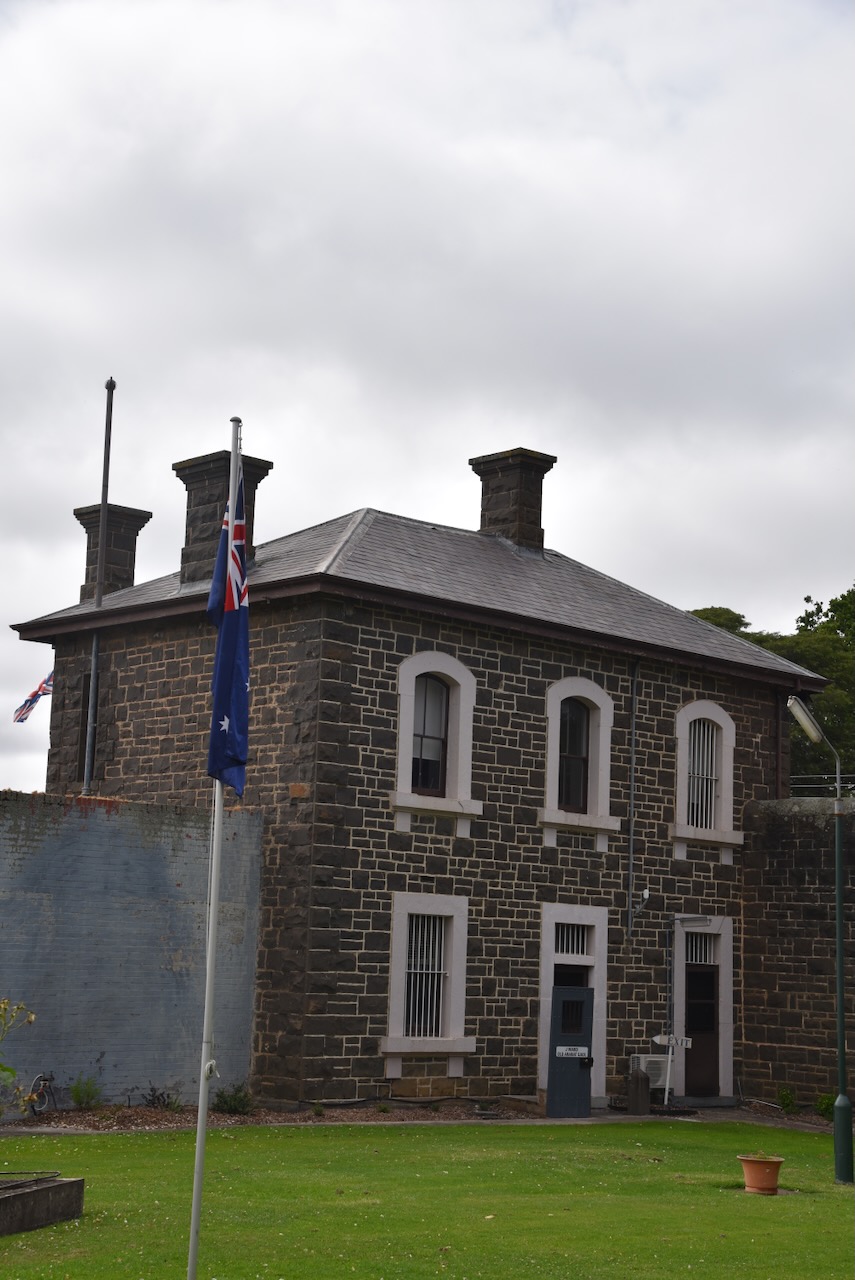
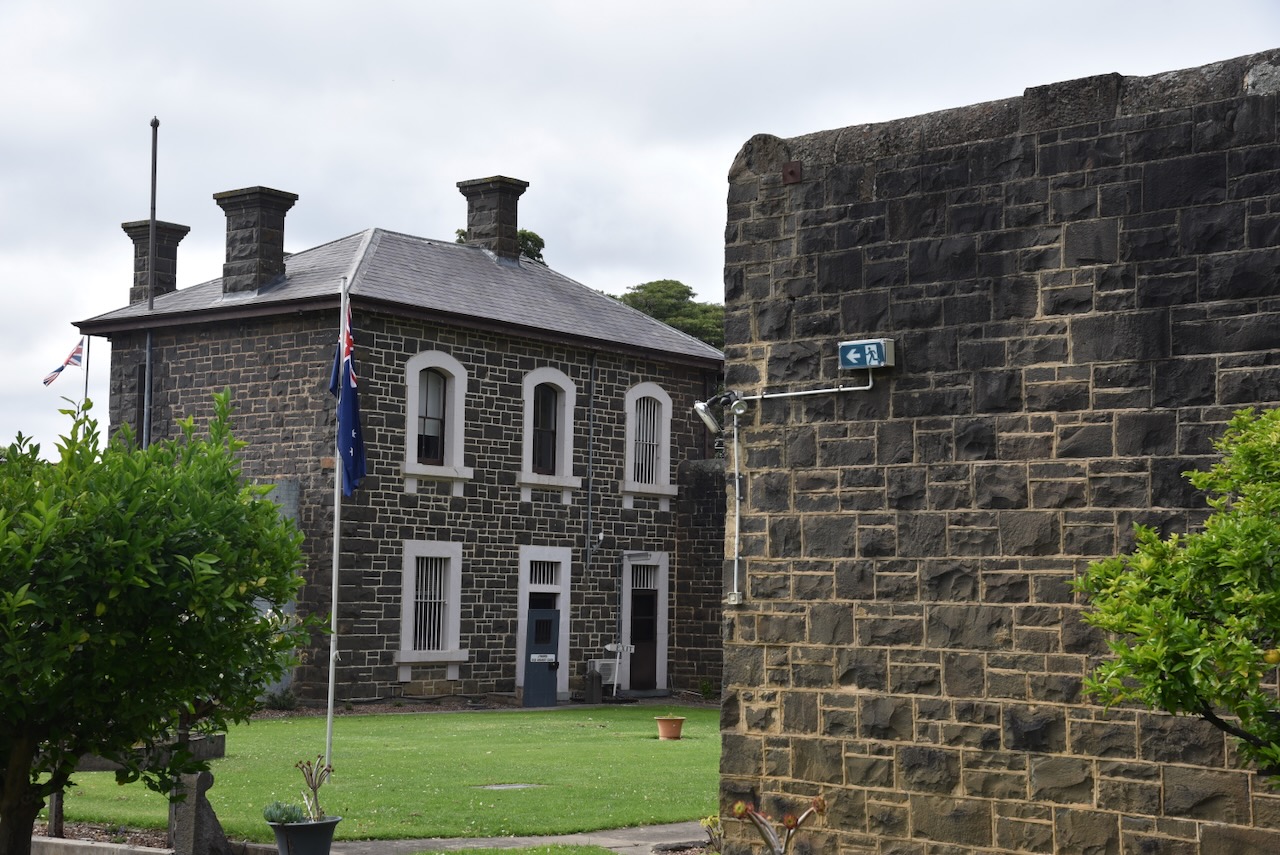
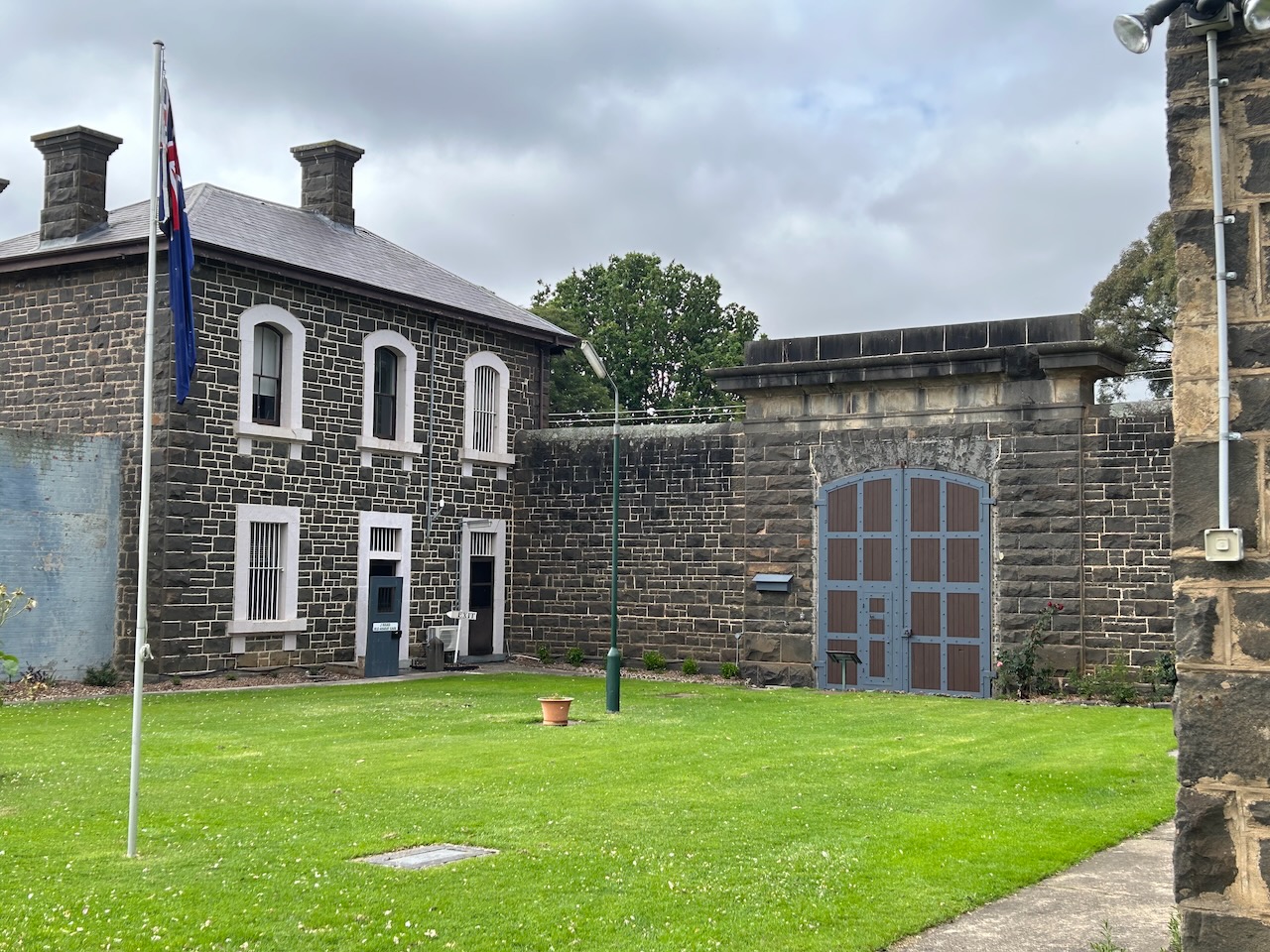
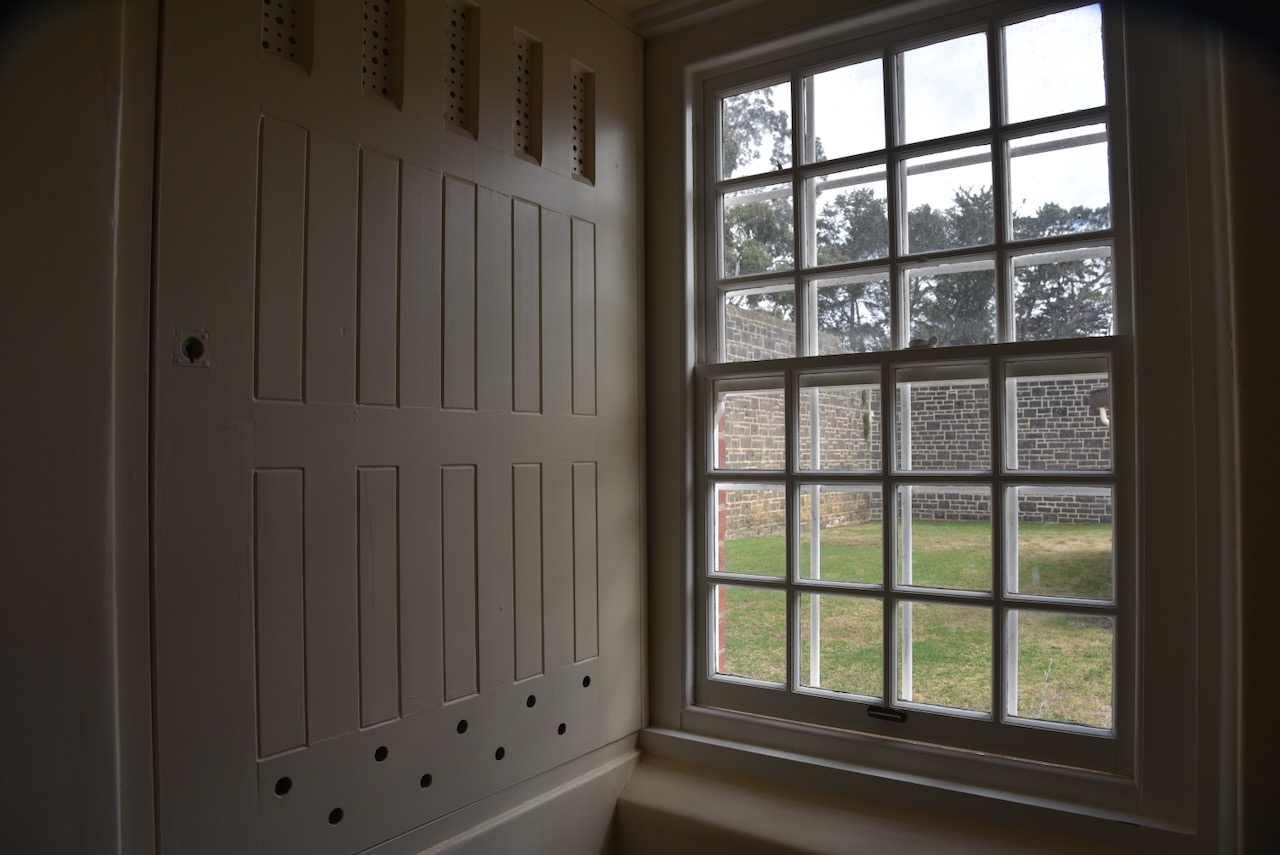
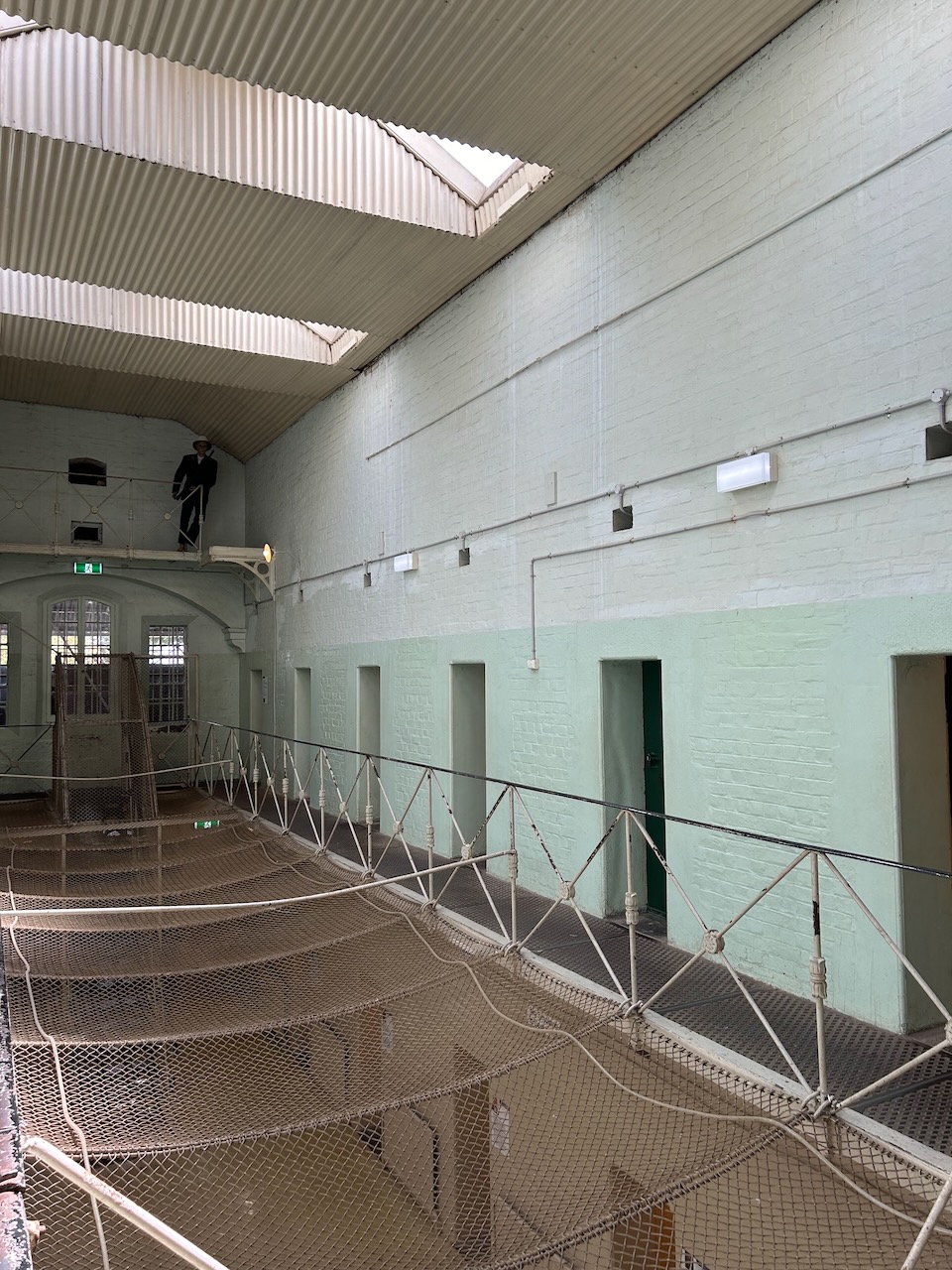
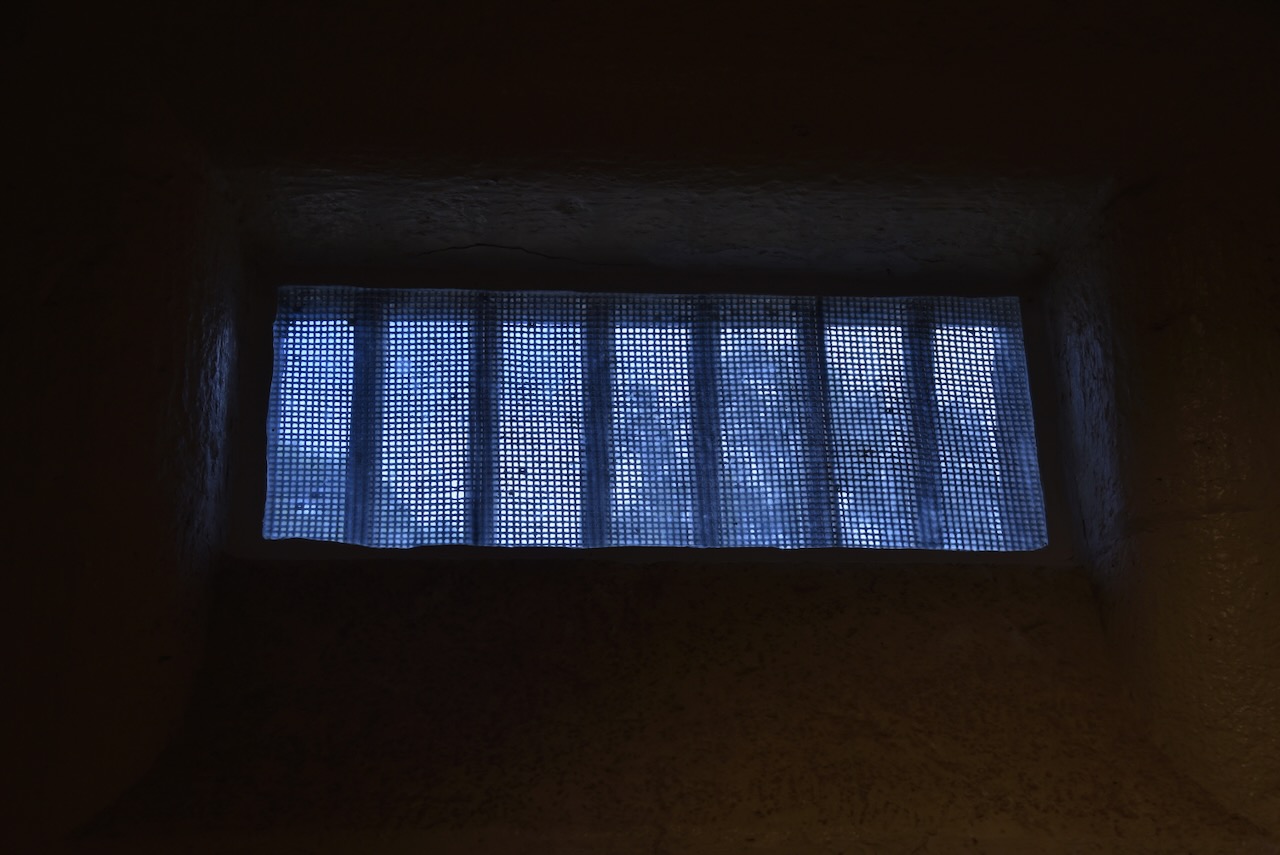
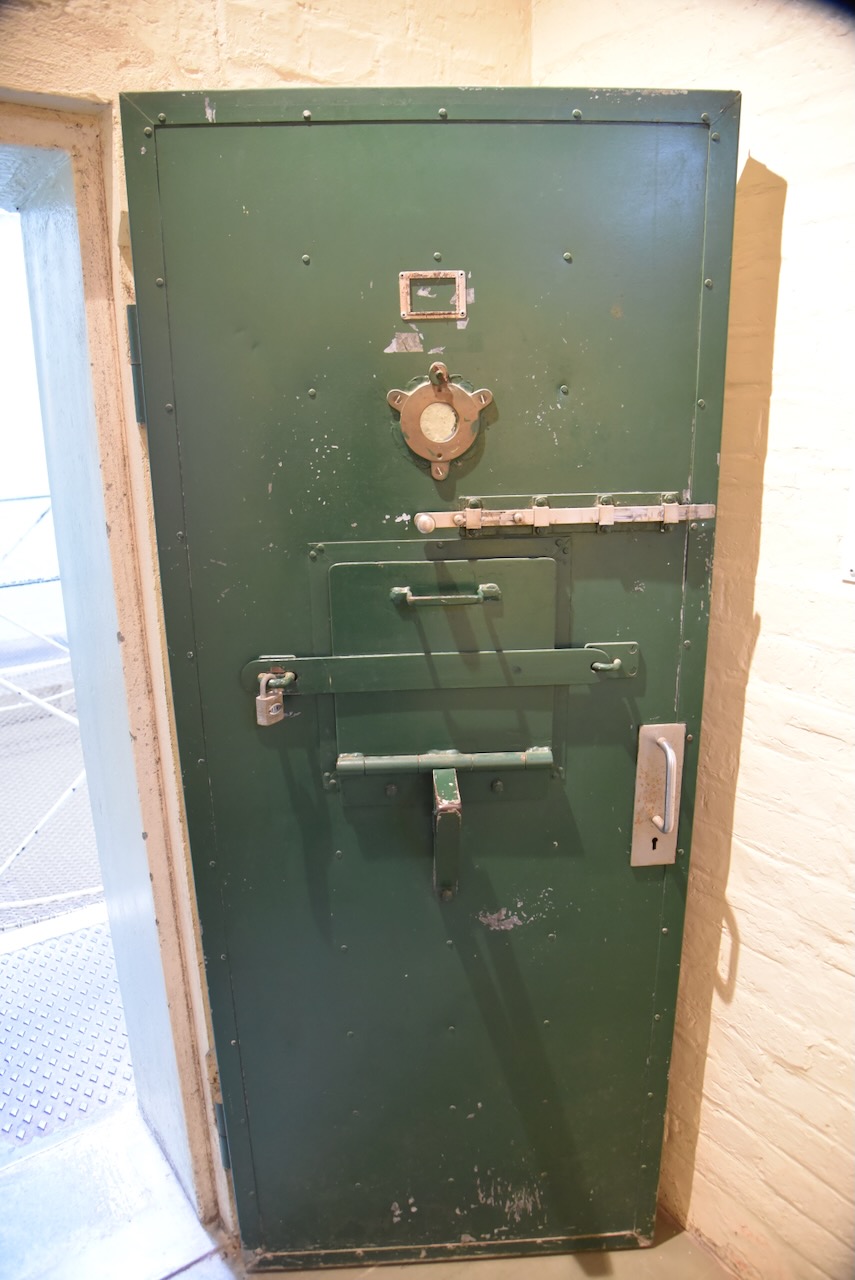
J Ward was originally the Ararat County Gaol with construction commencing om 1859. The gaol was opened in October 1861. In 1867 it was converted for use as a maximum security psychiatric ward for the criminally insane. It was officially closed in January 1991, and in 1993 was re-opened as a museum providing tours for the public.
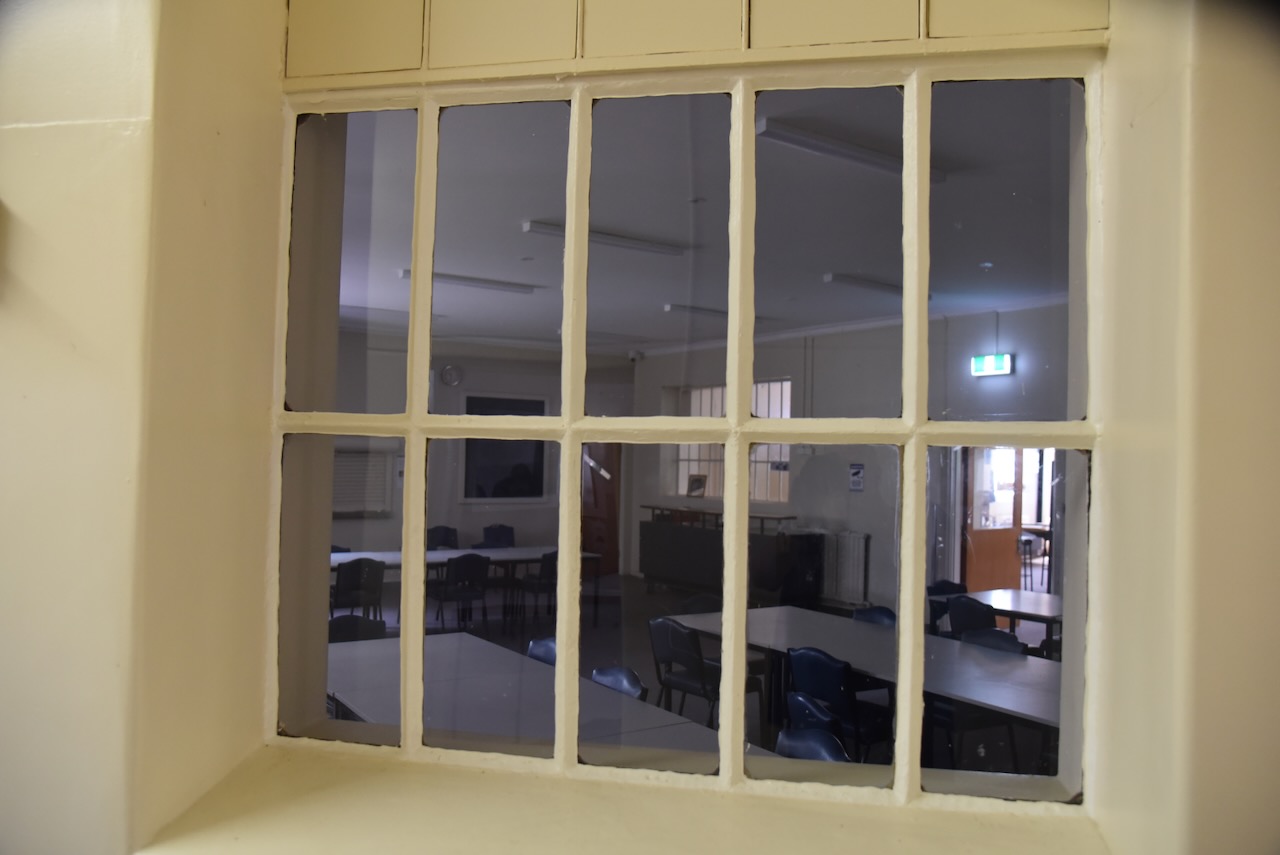
While waiting for your guide, there are a number of rooms to visit with various information about J Ward and the nearby Aradale Mental Asylum.
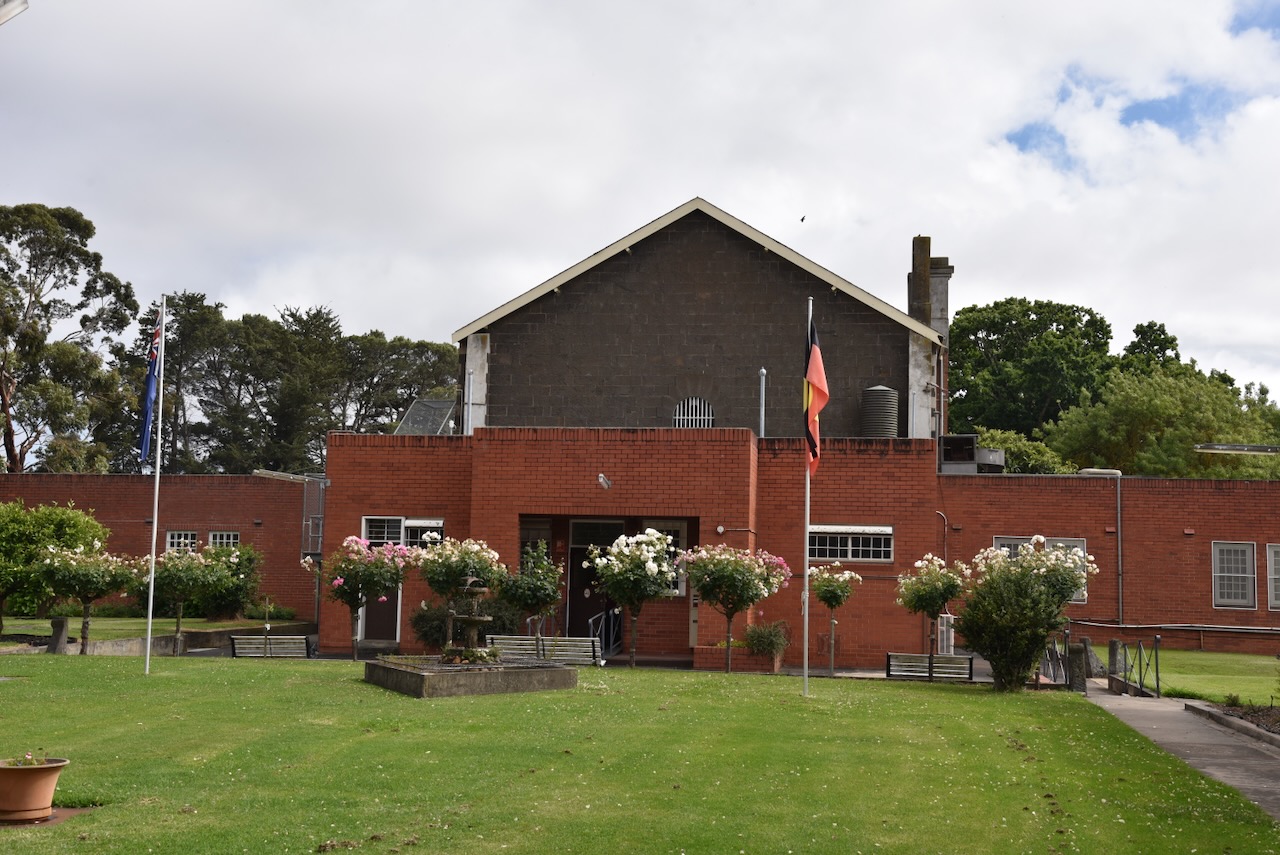
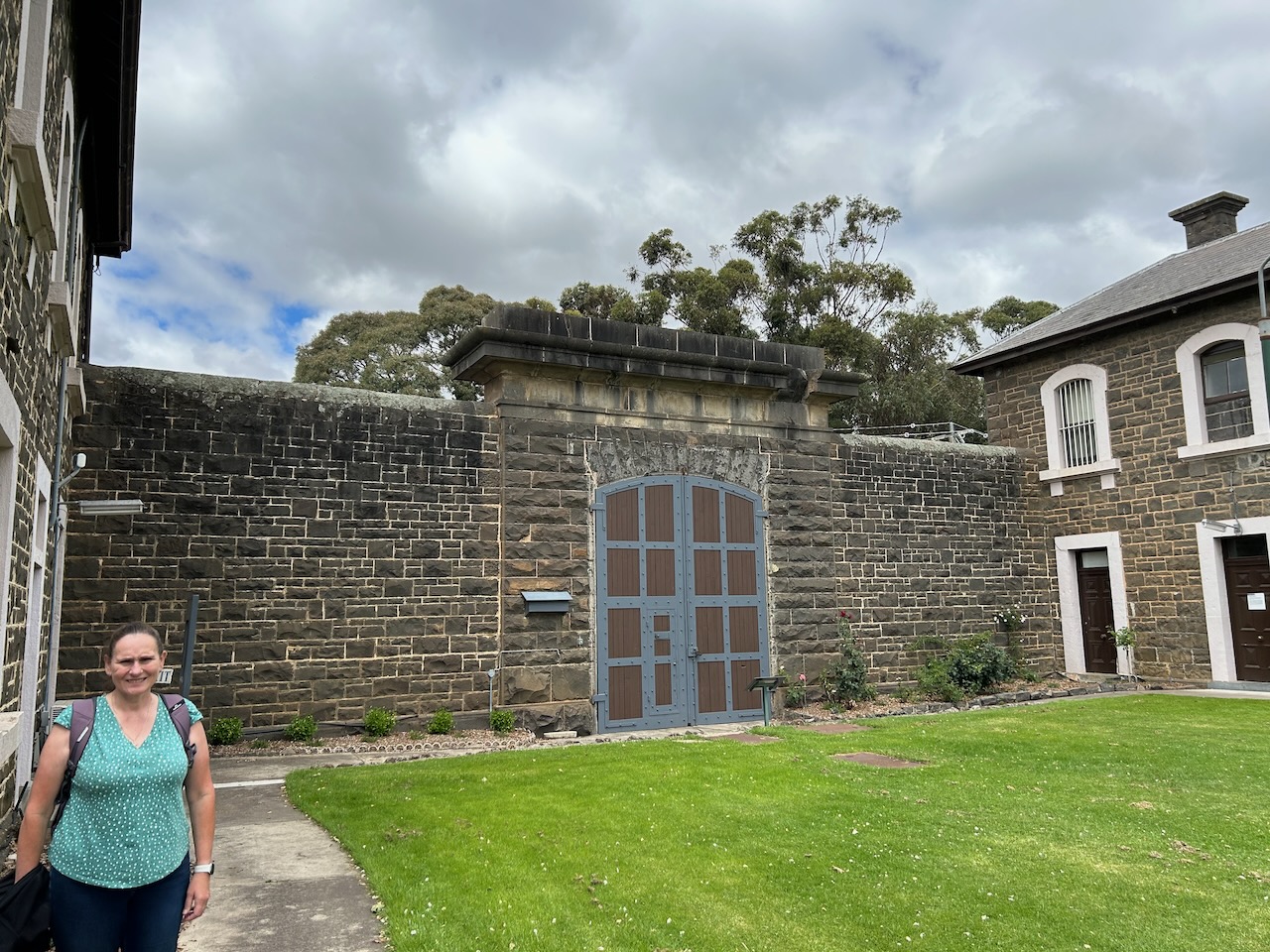
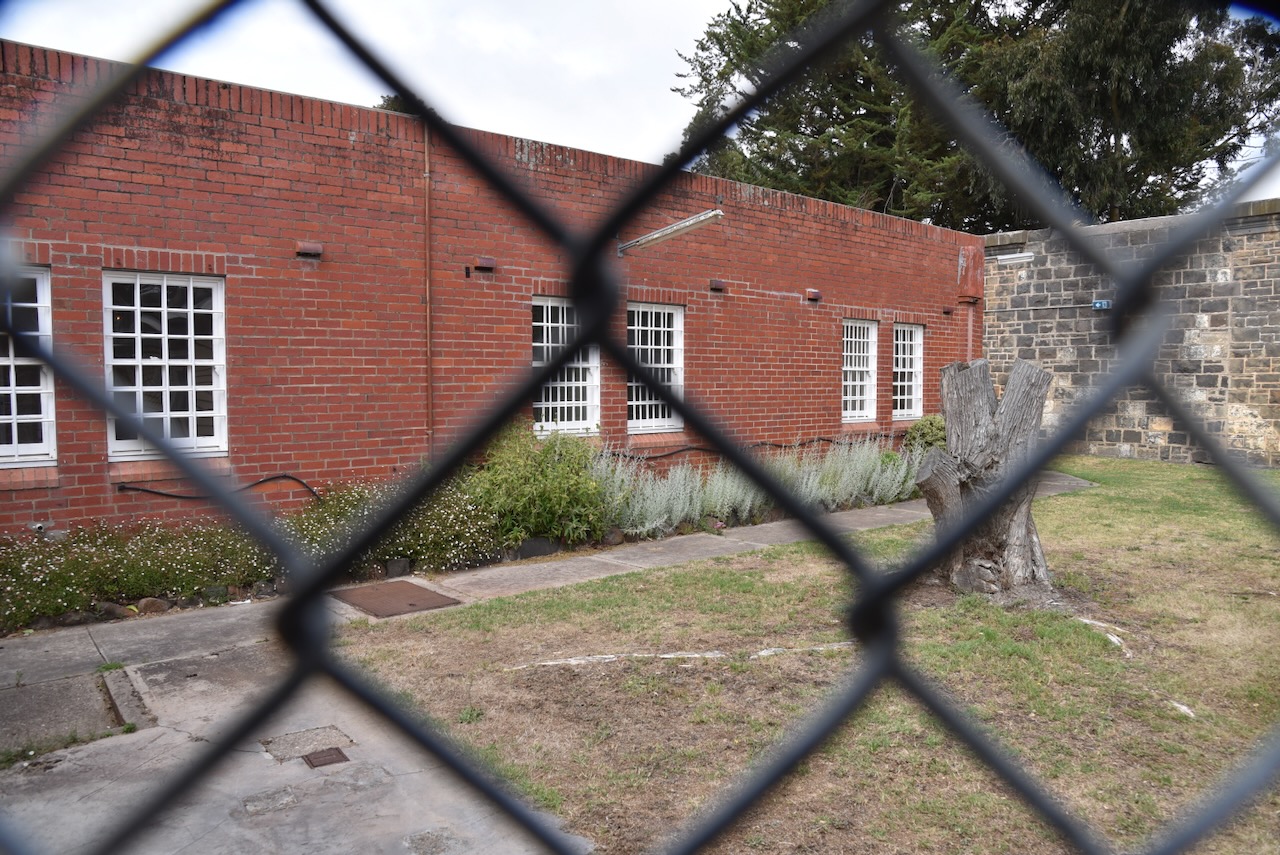
Our guide greeted us and we walked into the open garden area of J Ward.
This is a place where it is a little hard to smile knowing what has occurred here over the years.
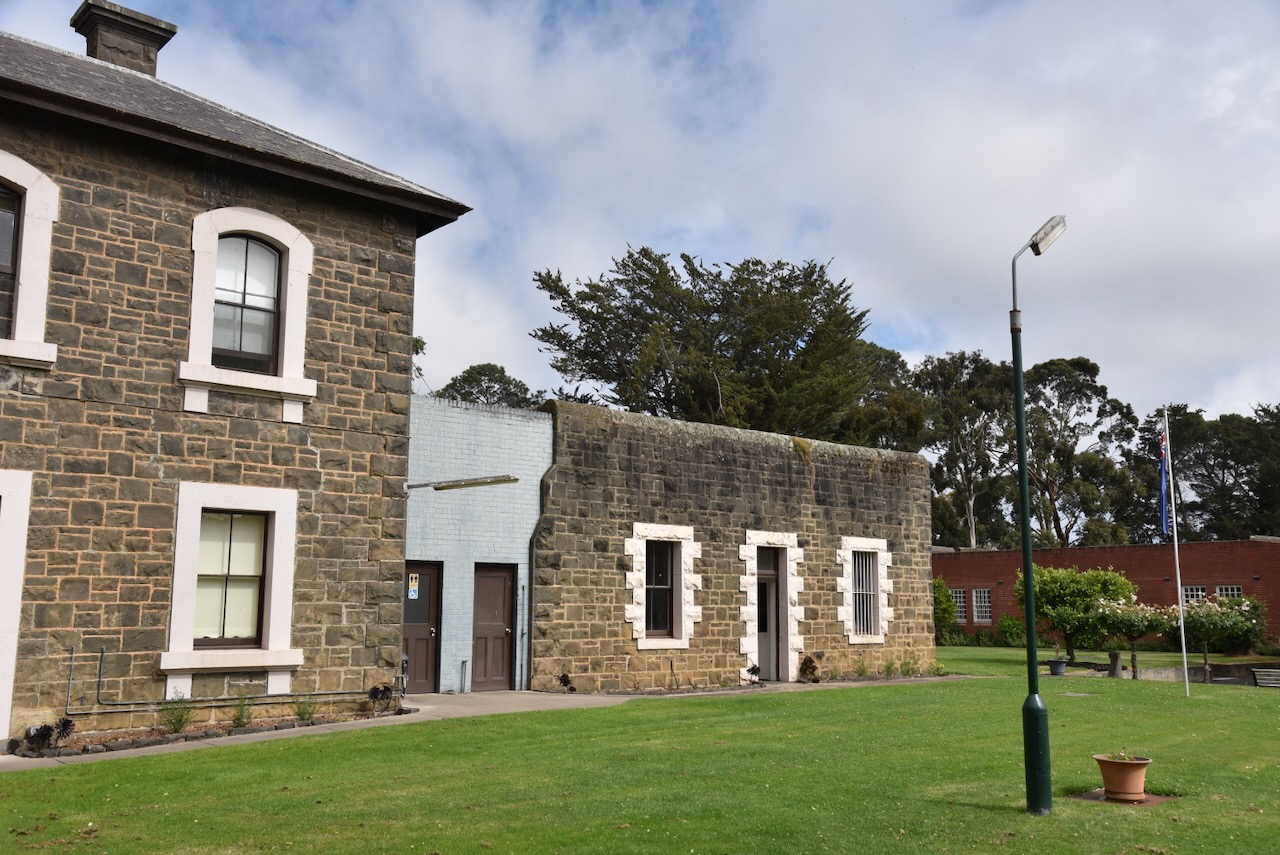
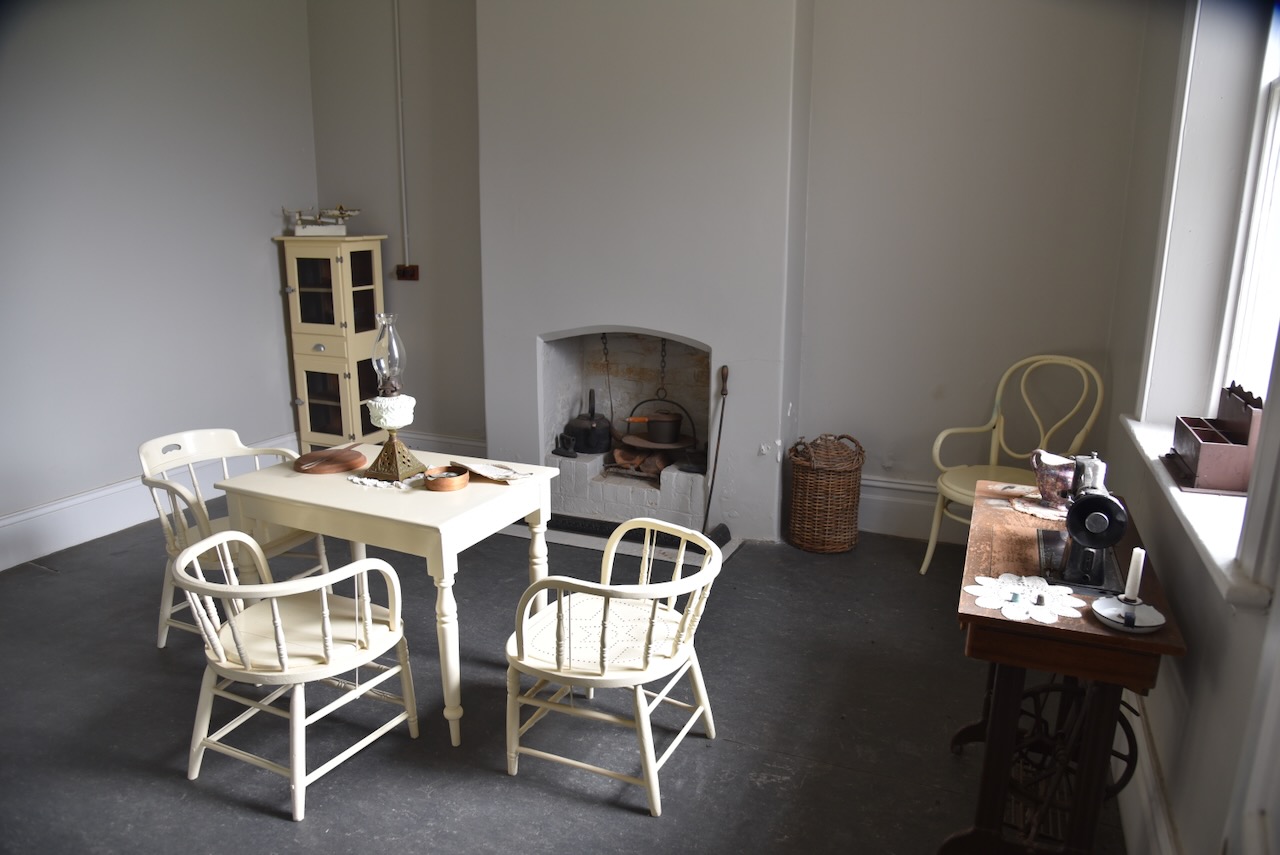
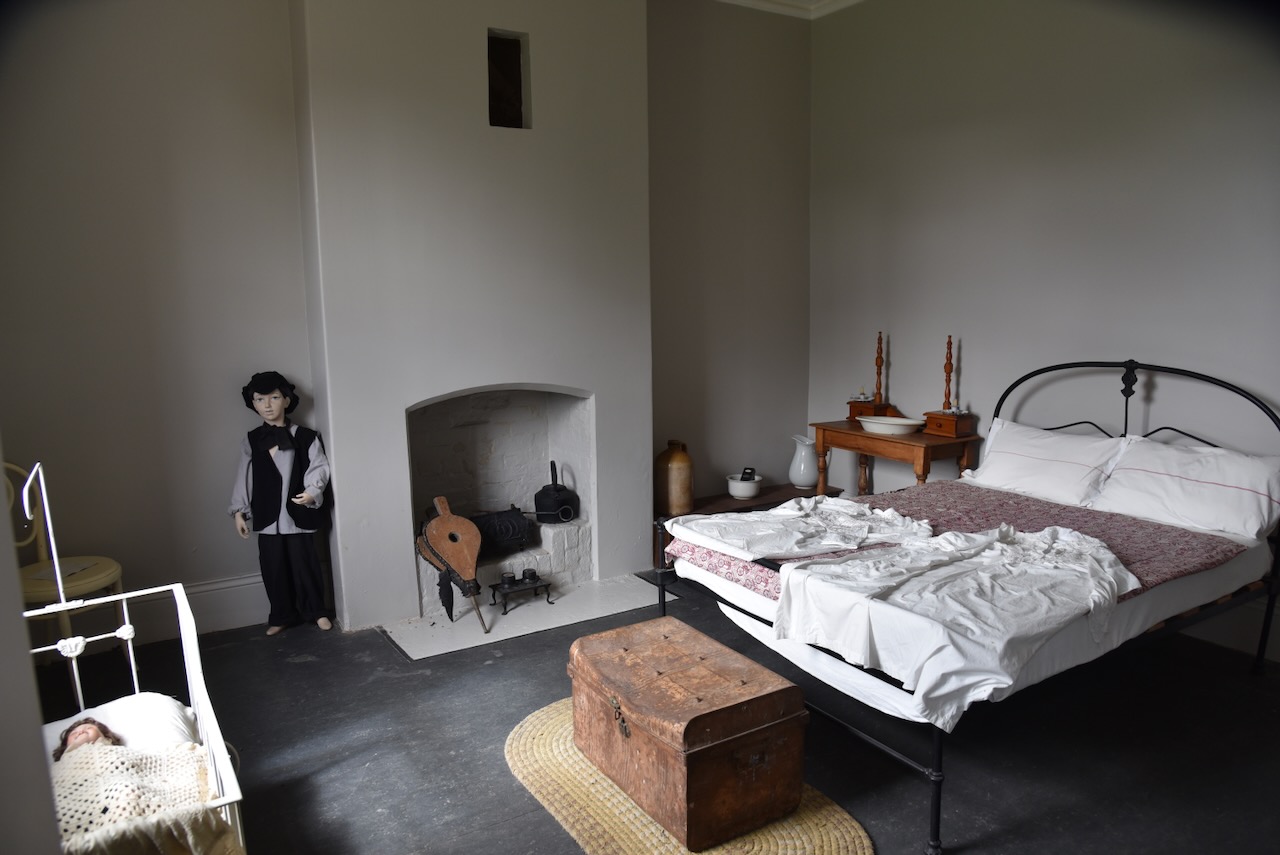
The Warden’s bedroom is contained in this area.
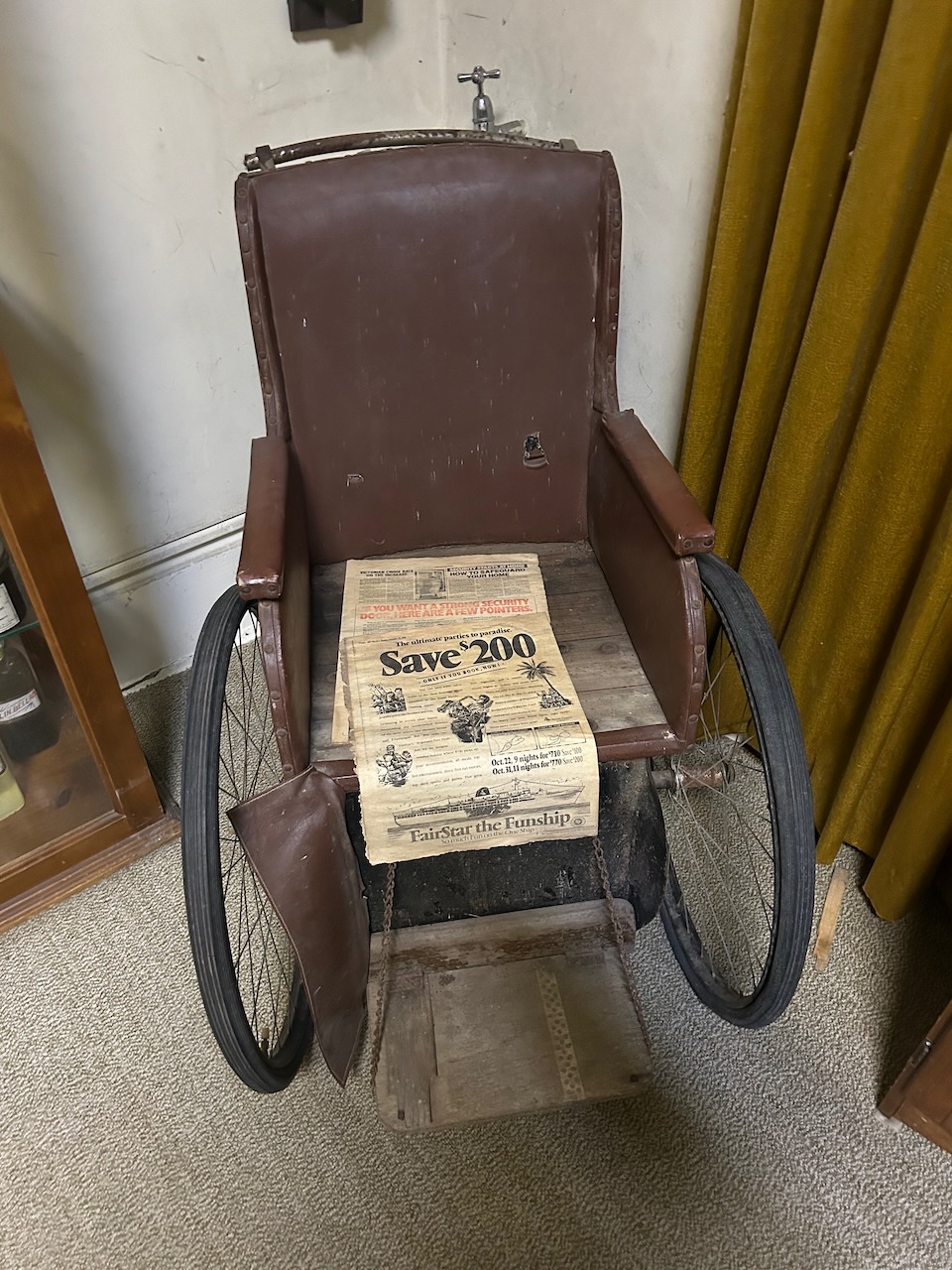
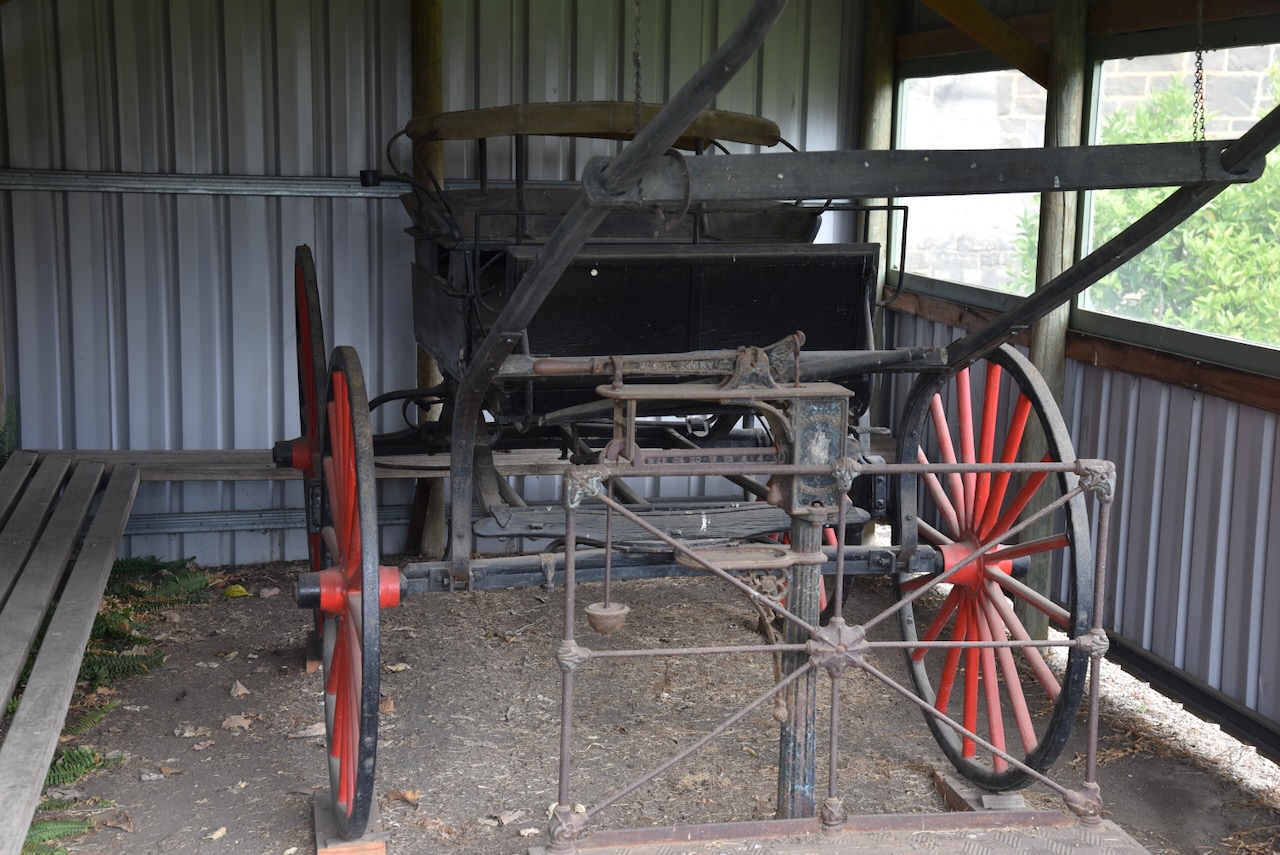
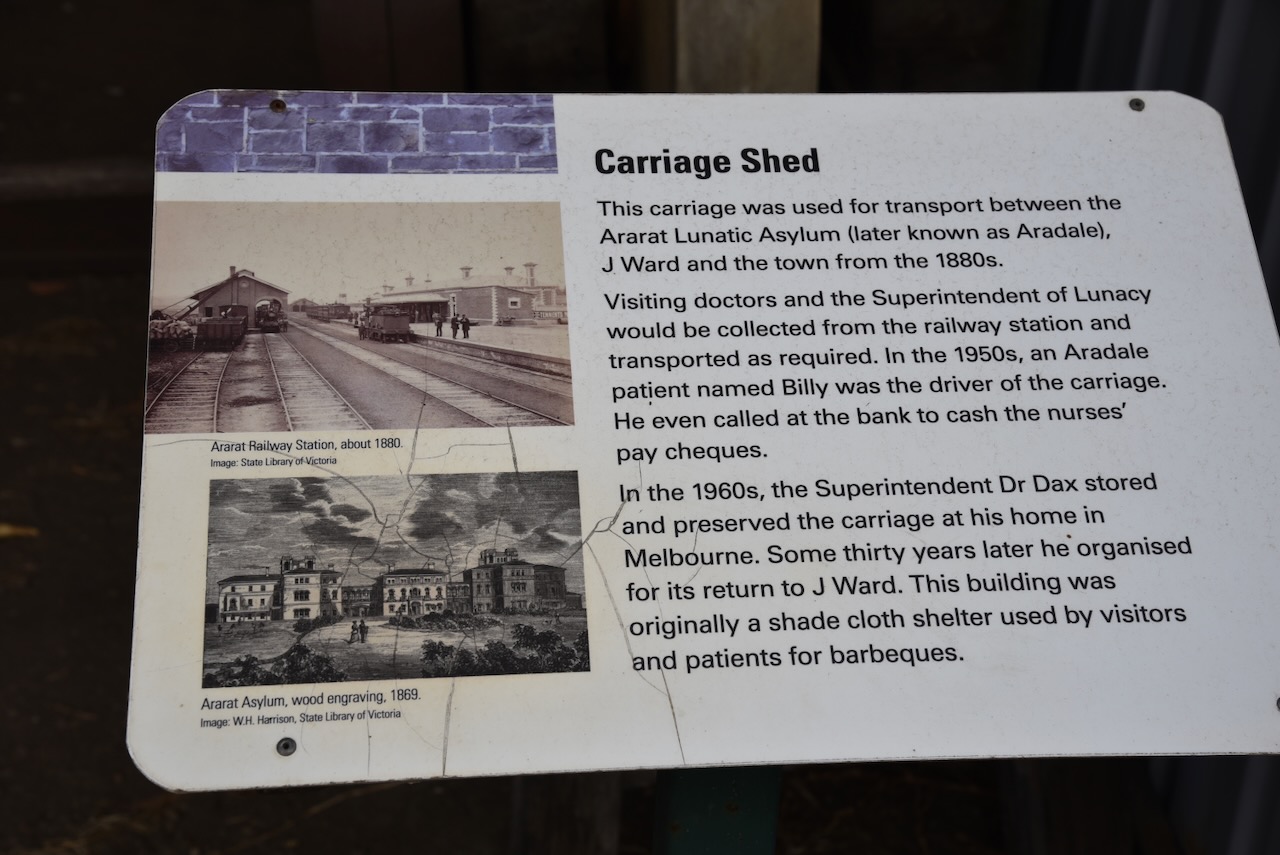
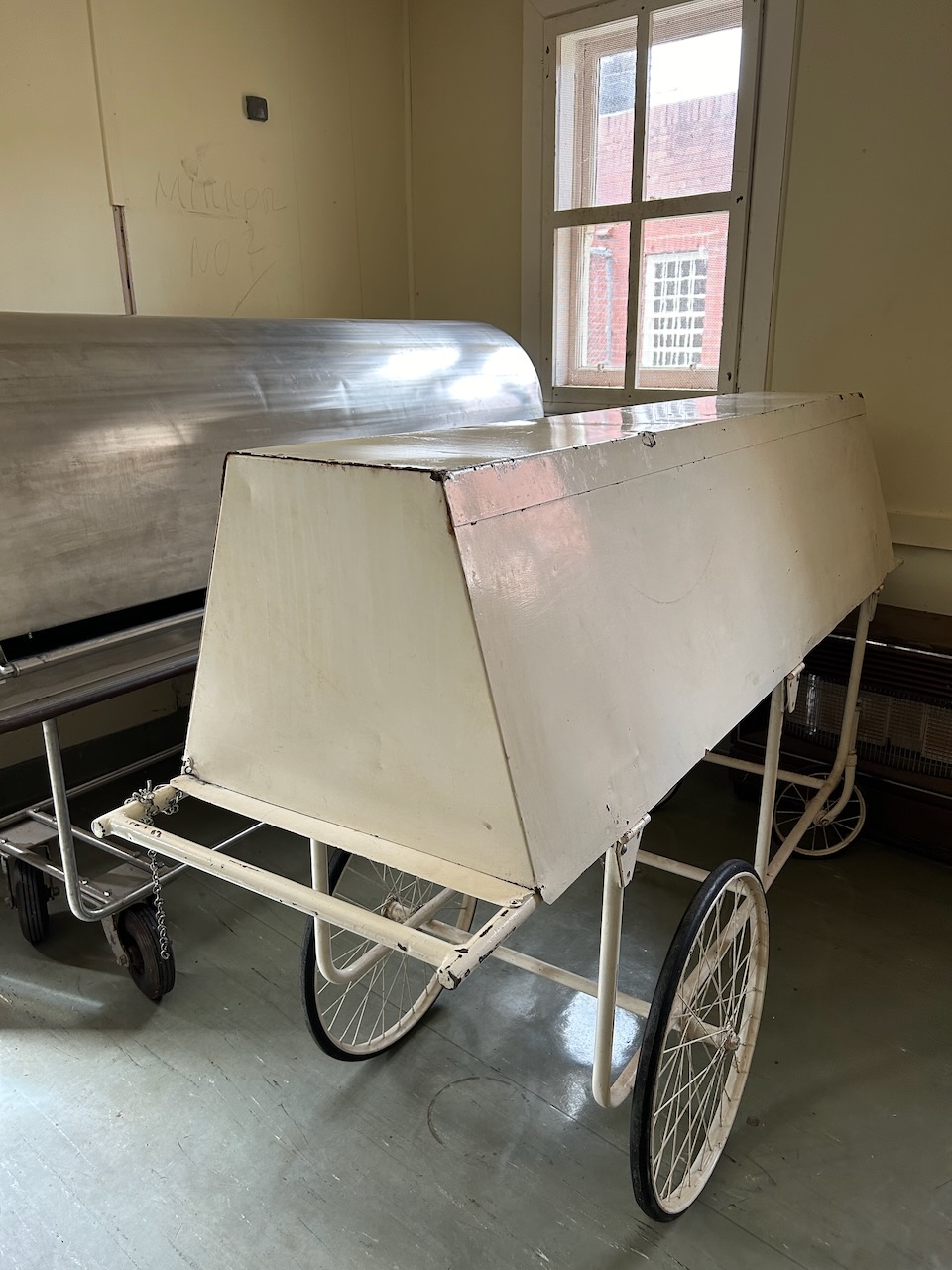
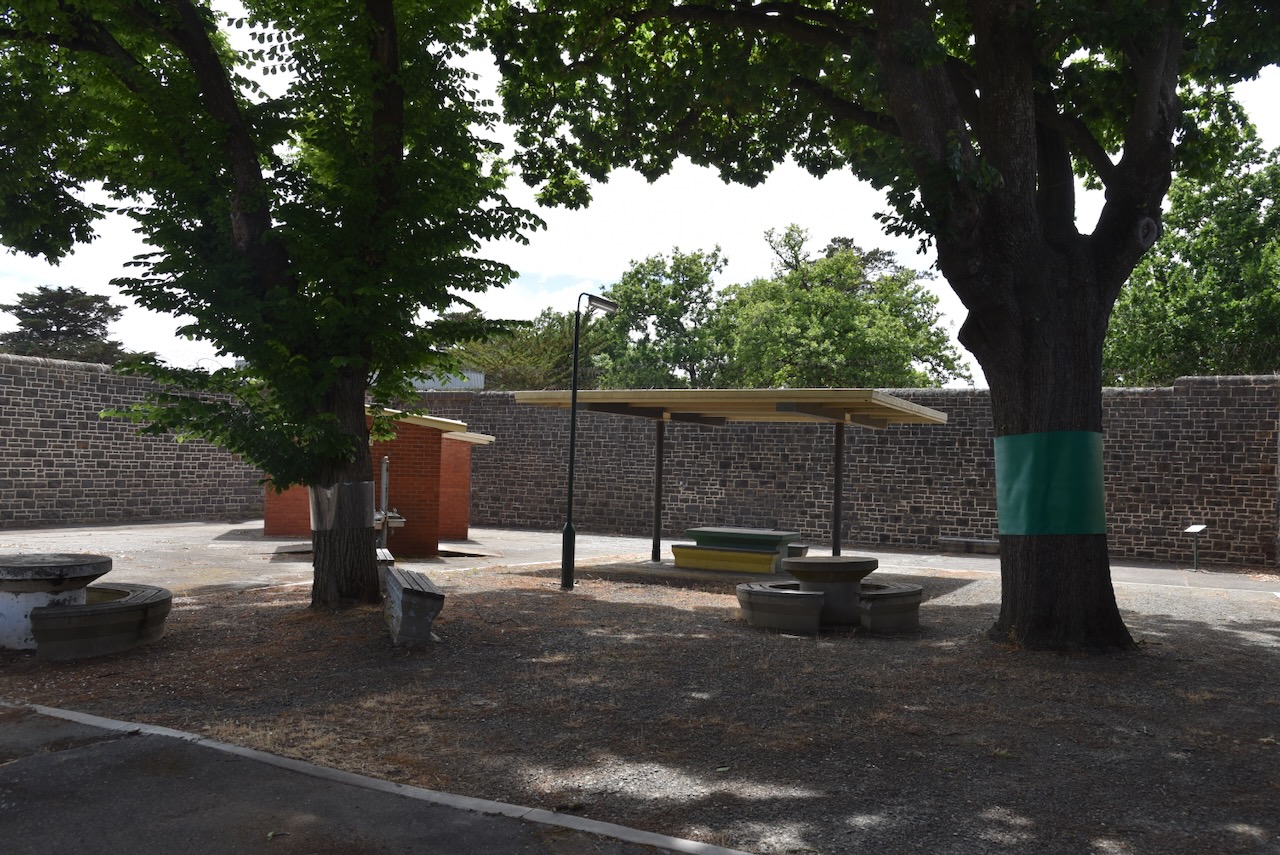
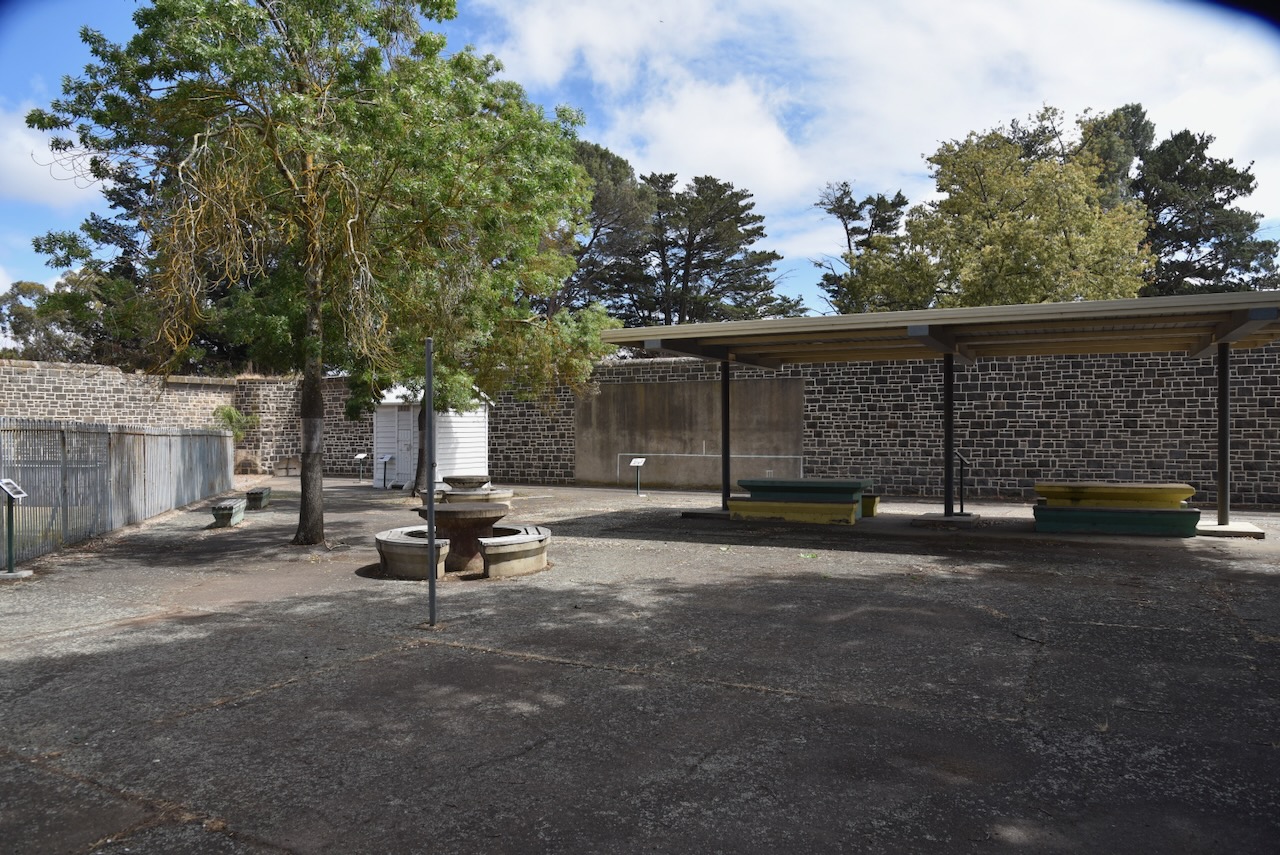
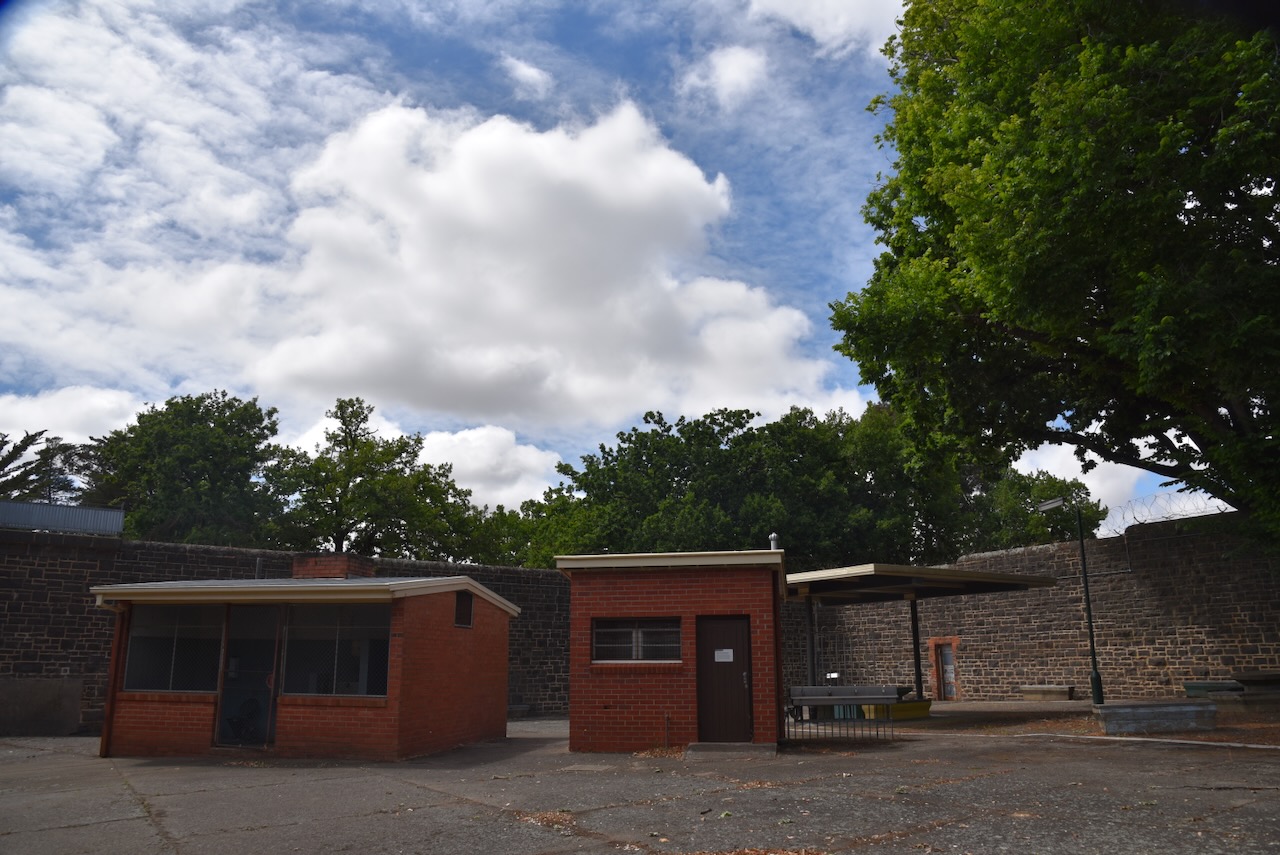
The carriage was used for transport between the Ararat Lunatic Asylum (later known as Aradale), J Ward and the town of Ararat from the 1880s. Visiting doctors and the Superintendent of Lunacy would be collected from the railway station and transported as required. In the 1950s an ARadale patient named Billy was the driver of the carriage. He even called at the bank to cash the nurses’ pay cheques. In the 1960s the Superintendent Dr Dax stored and preserved the carriage at his home in Melbourne. Some thirty years later he organised for its return to J Ward. This building was originally a shade cloth shelter used by visitors and patients for barbeques.
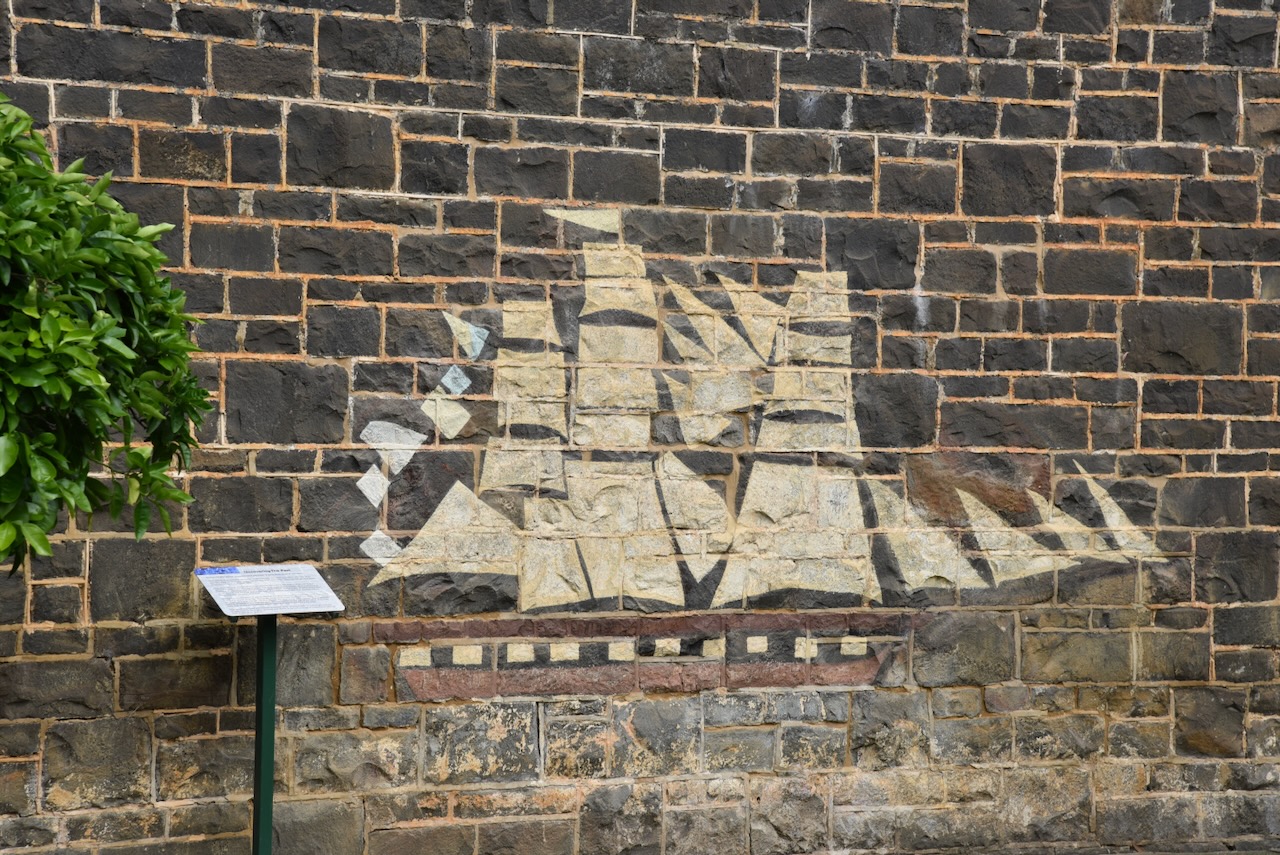
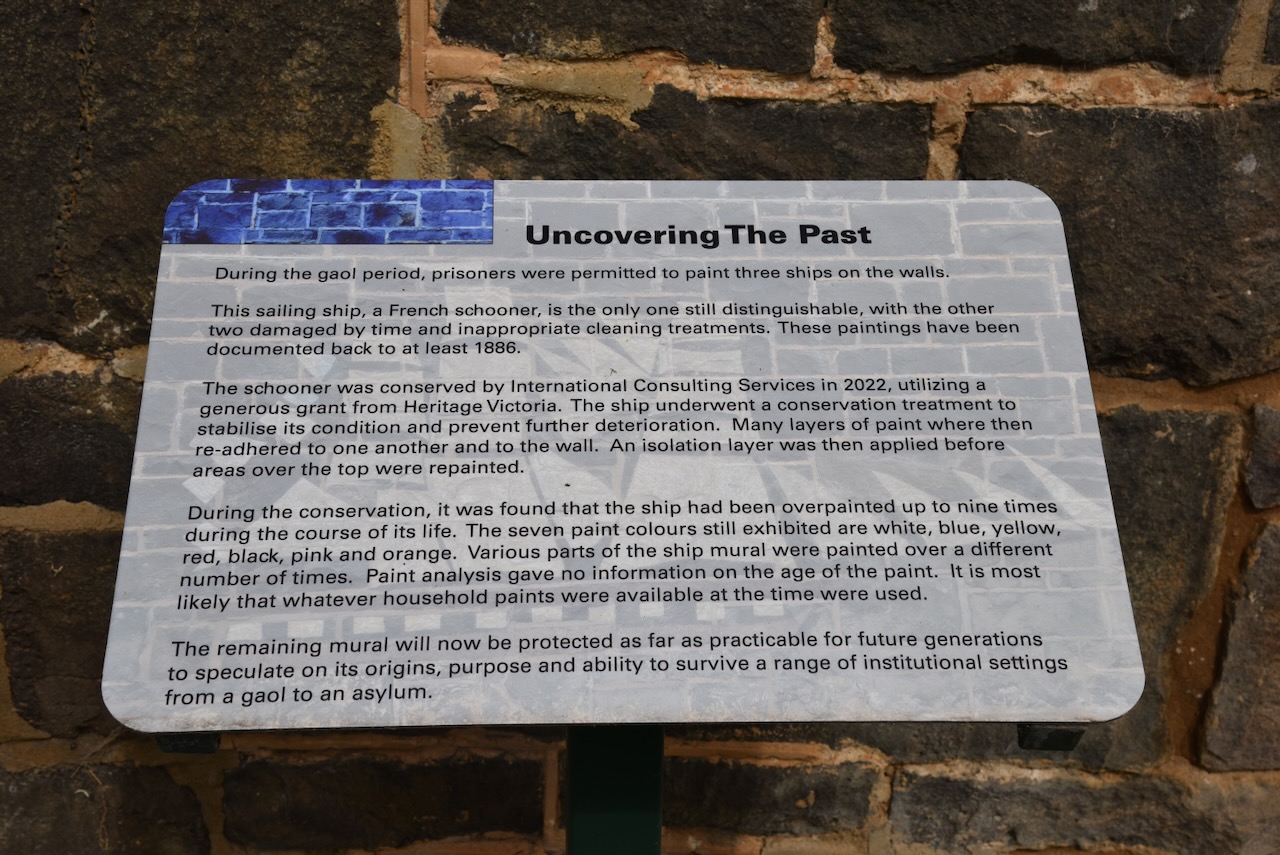
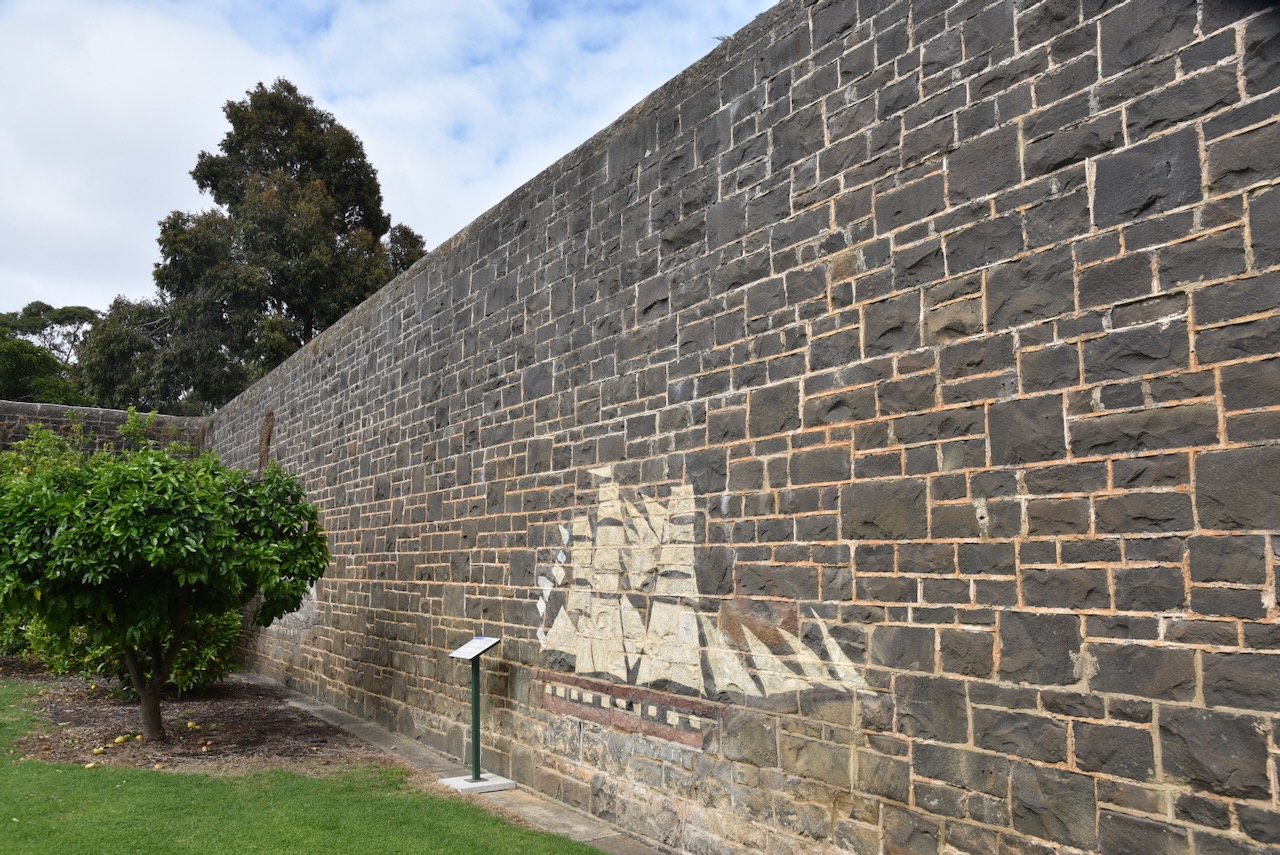
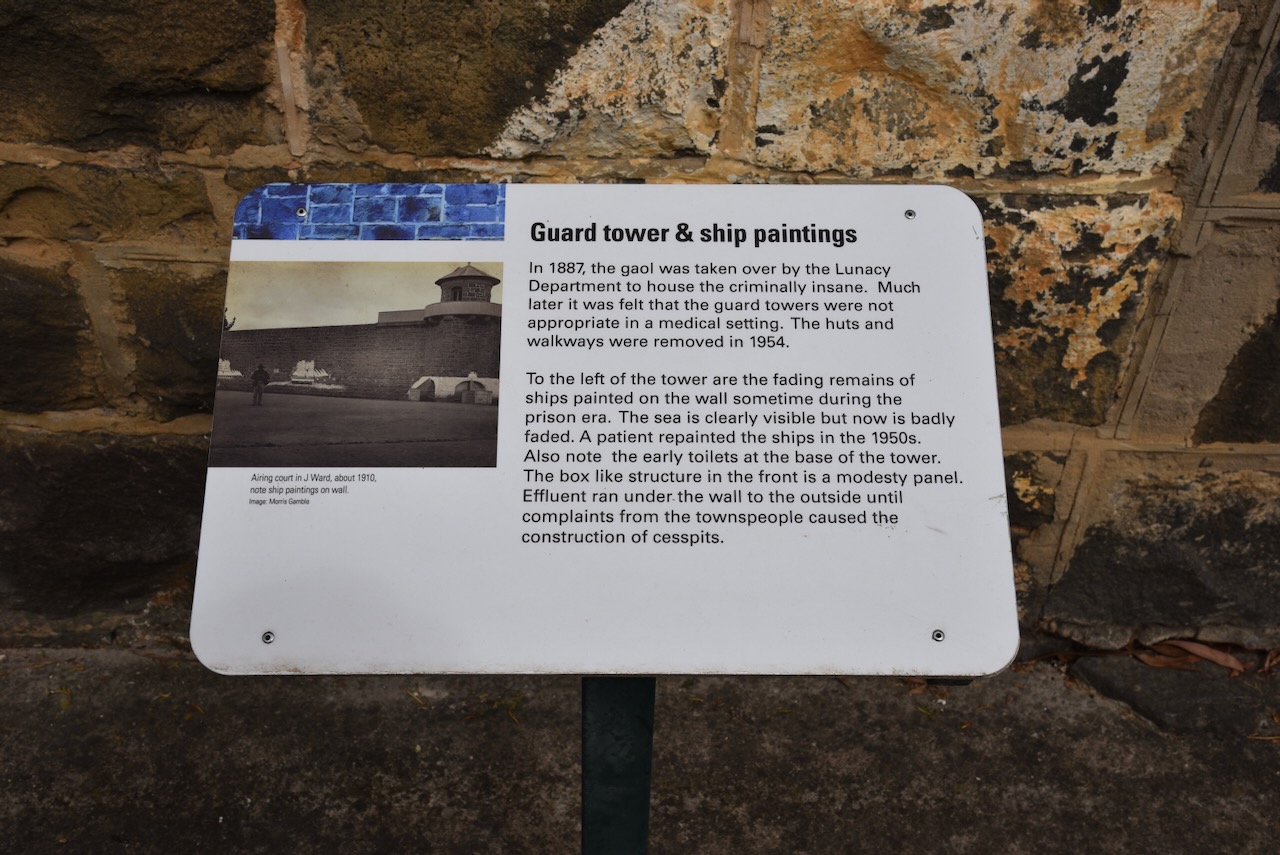
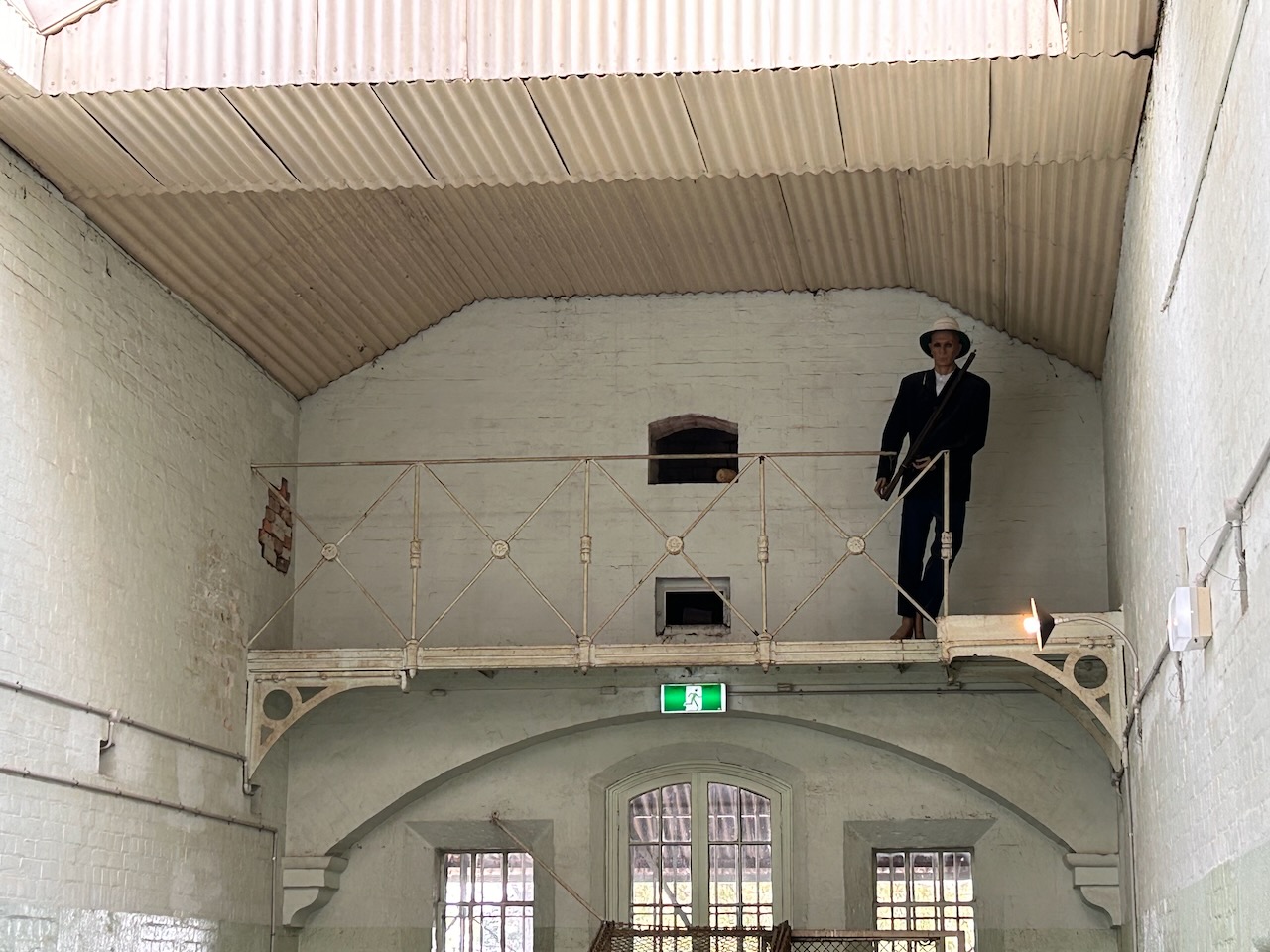
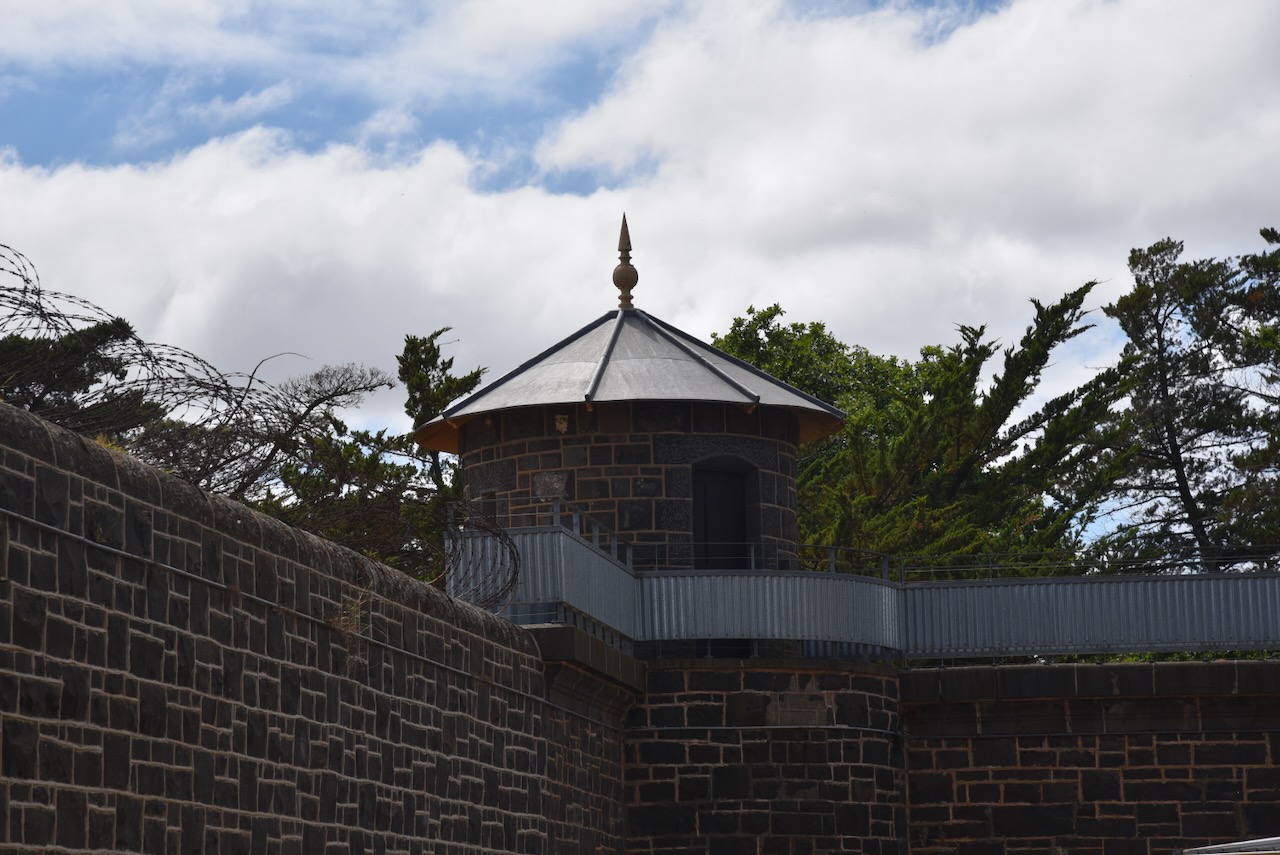
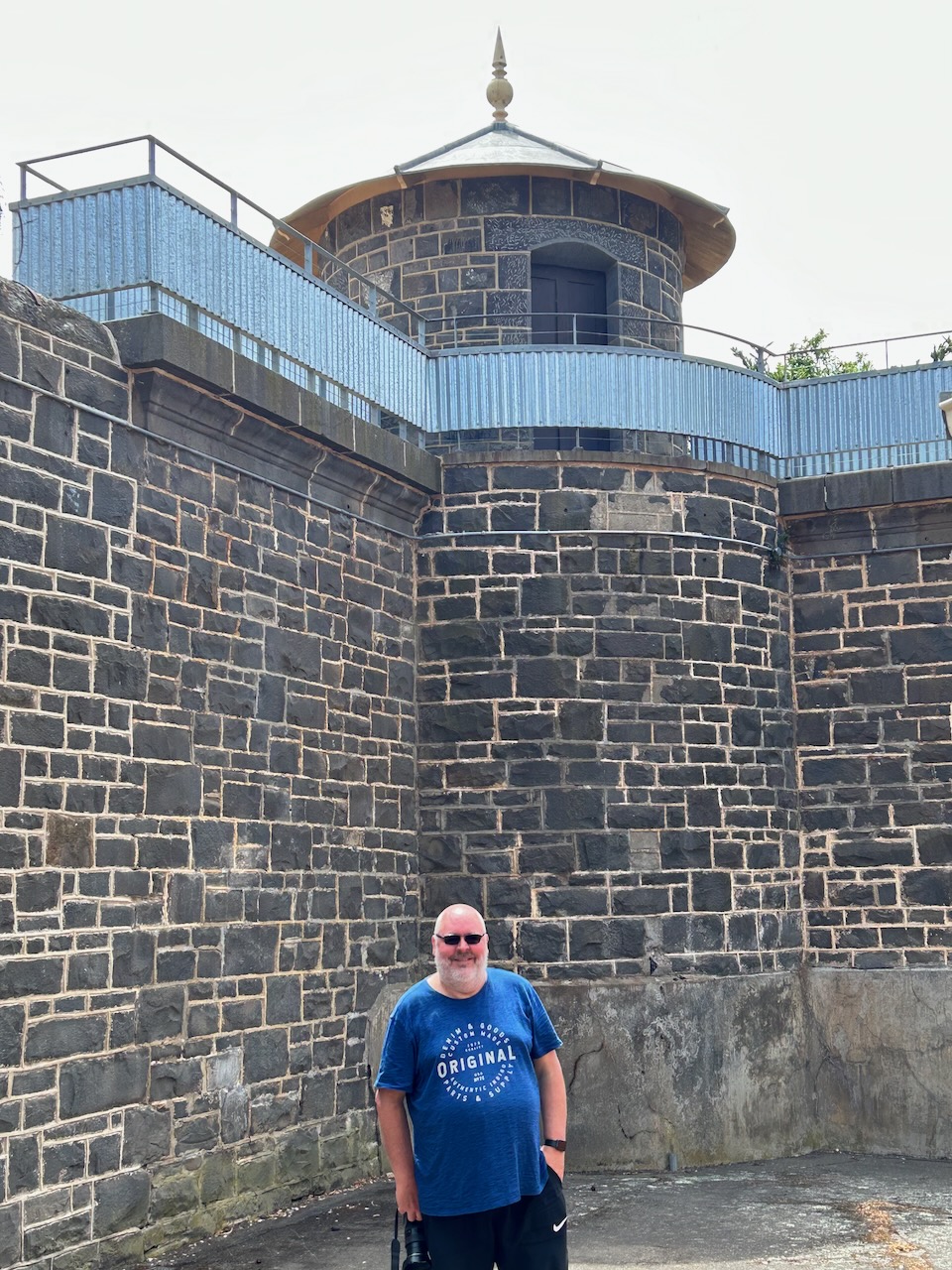
In 1887 the gaol was taken over by the Lunacy Department to house the criminally insane. Much later it was felt that the guard towers were not appropriate in a medical setting. The huts and walkways were removed in 1954. To the left of the tower are the fading remains of ships painted on the wall sometime during the prison era. The sea is clearly visible but now is badly faded. A patient repainted the ships in the 1950s.
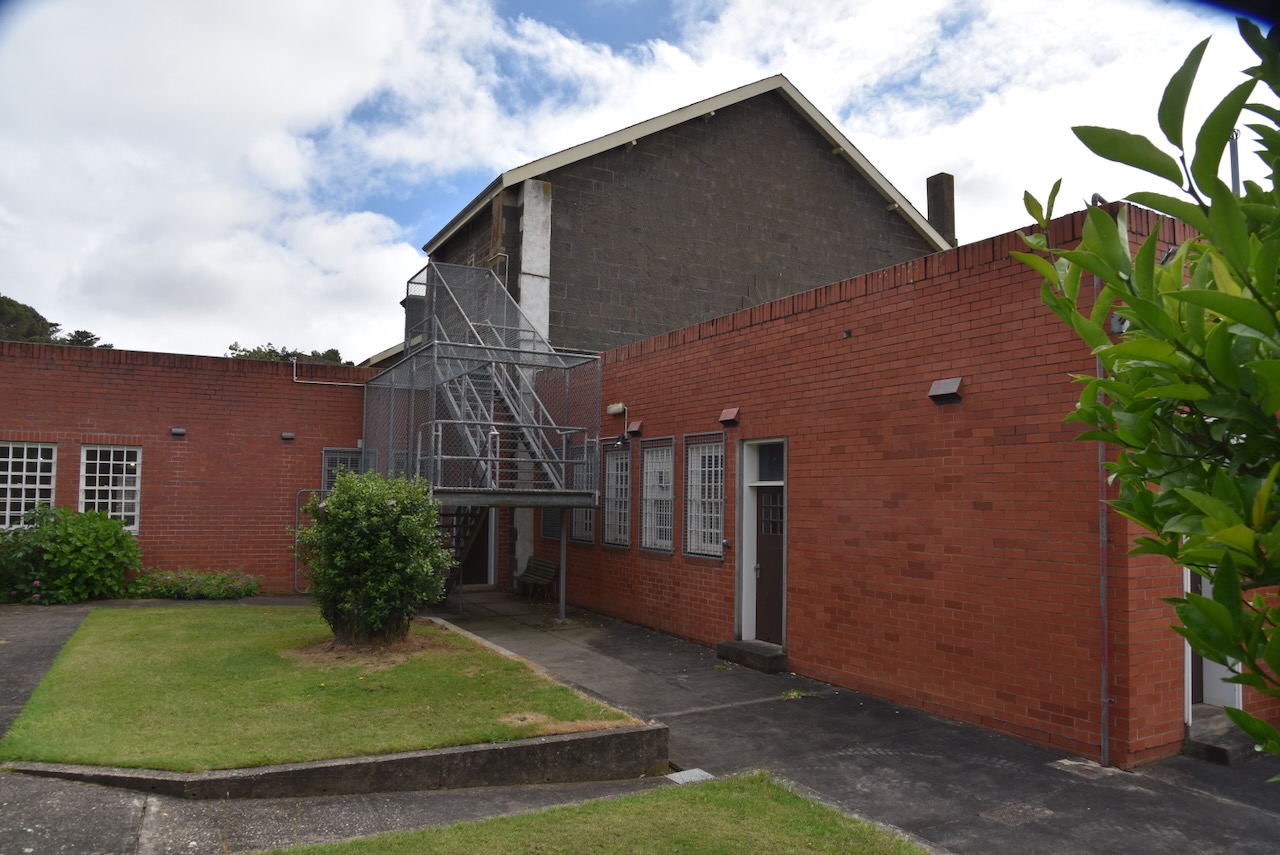
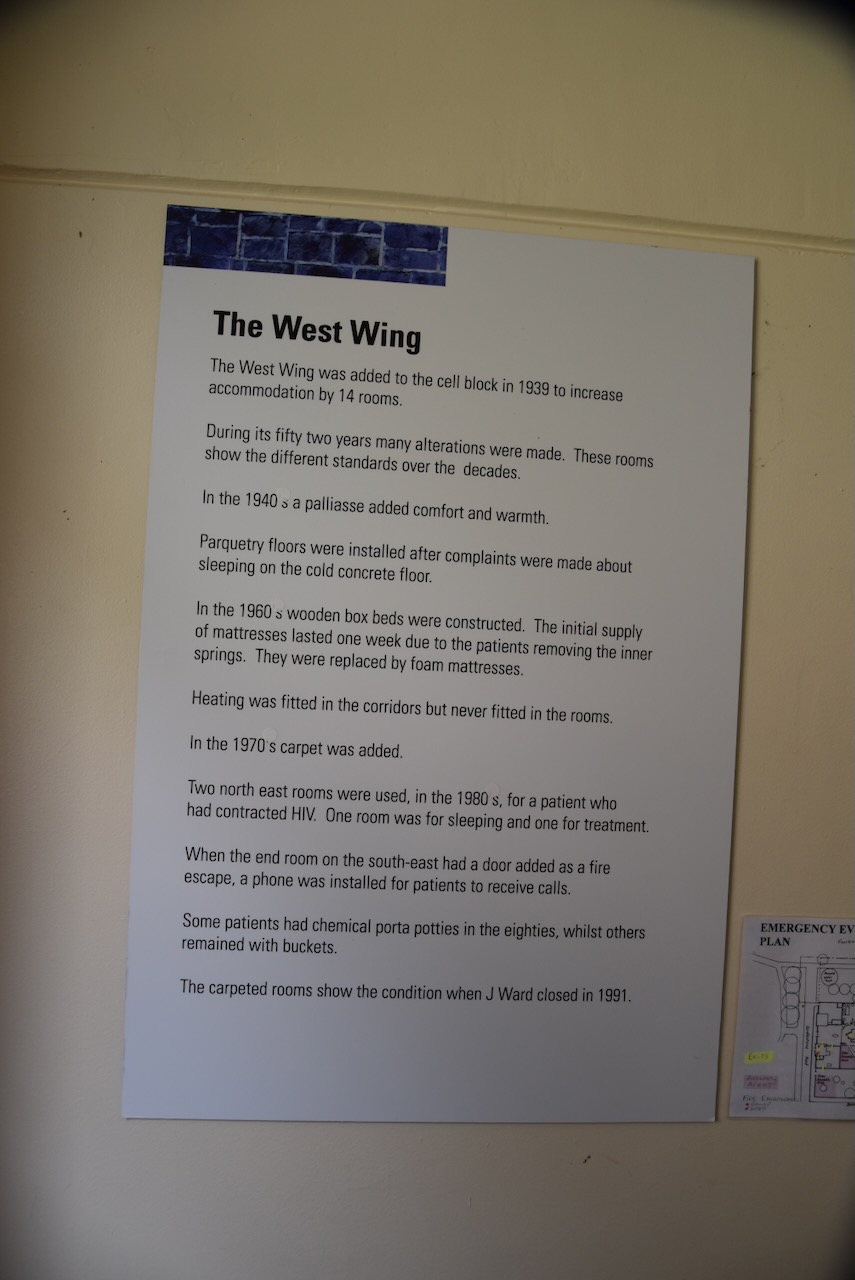
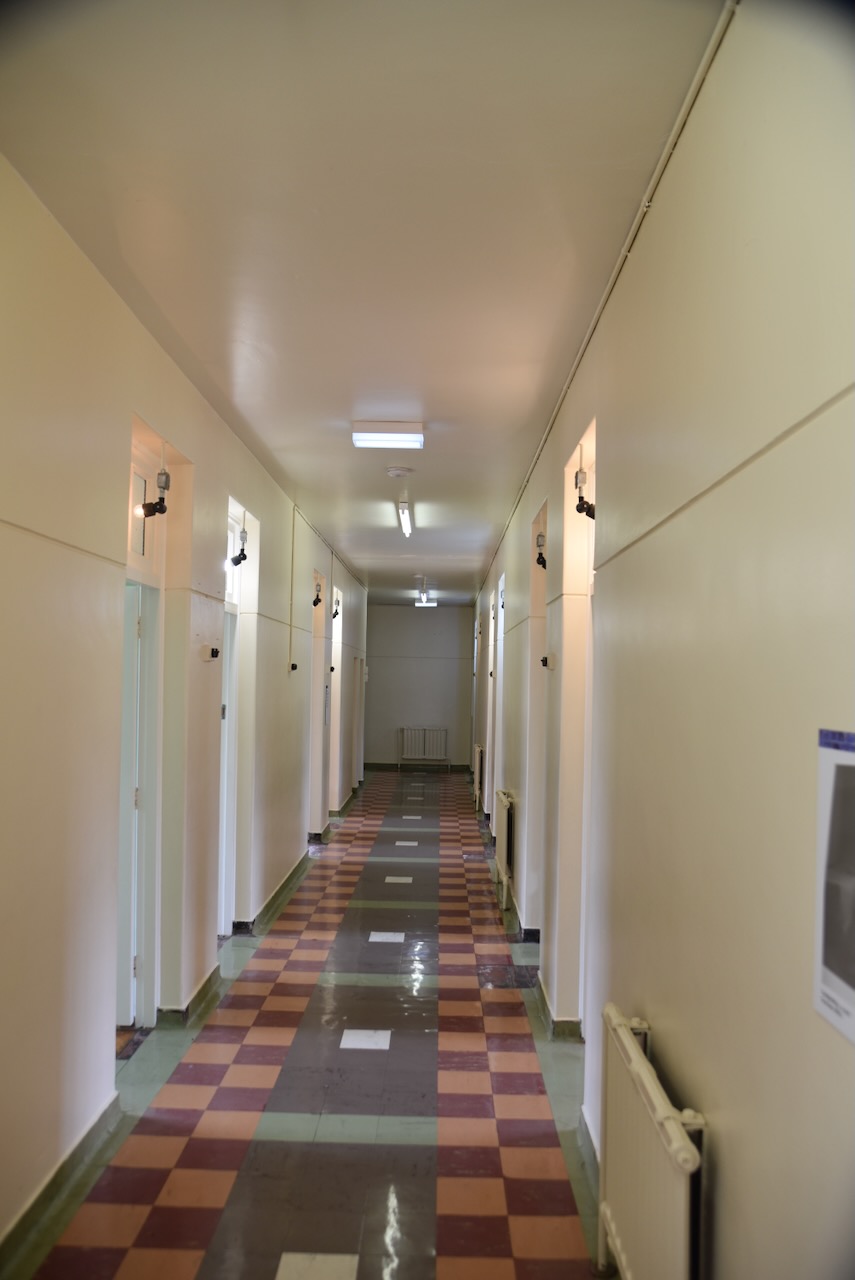
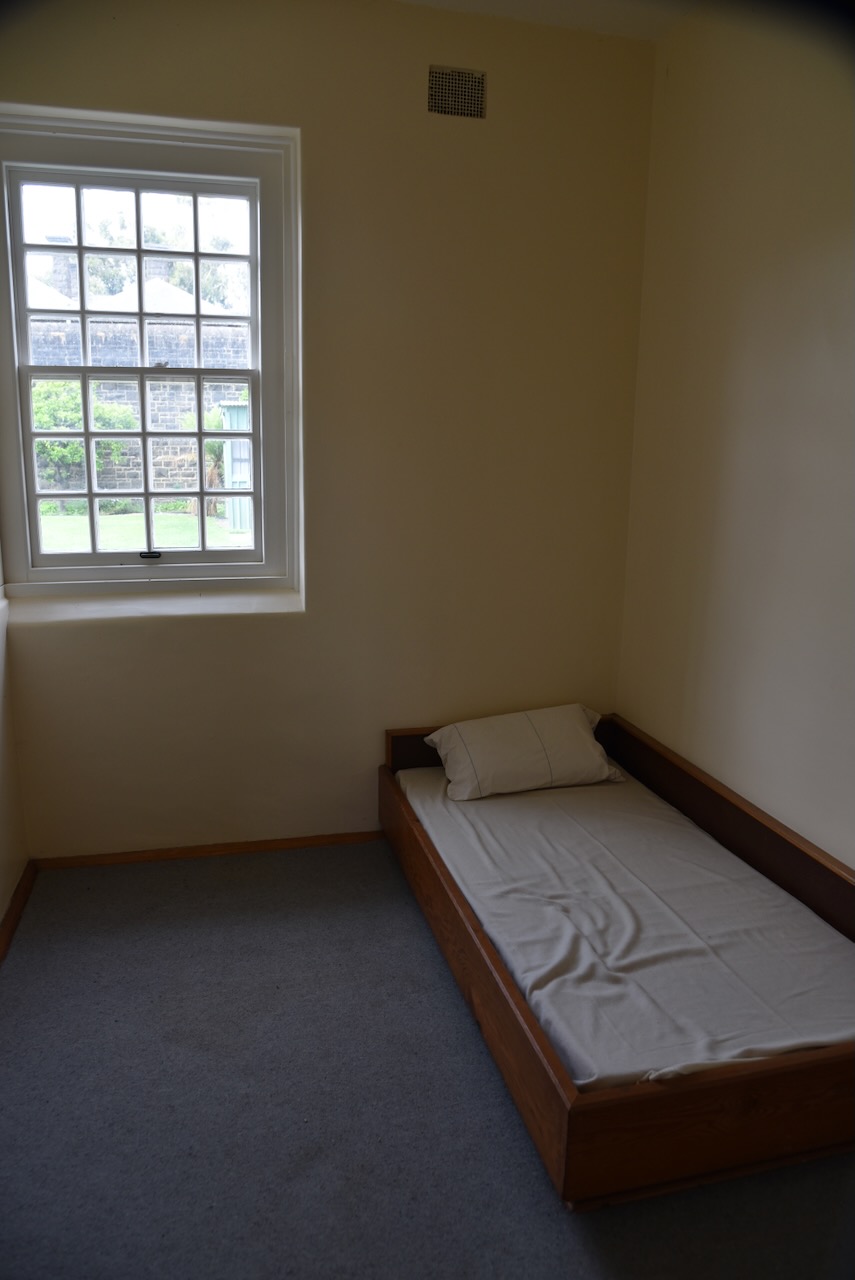
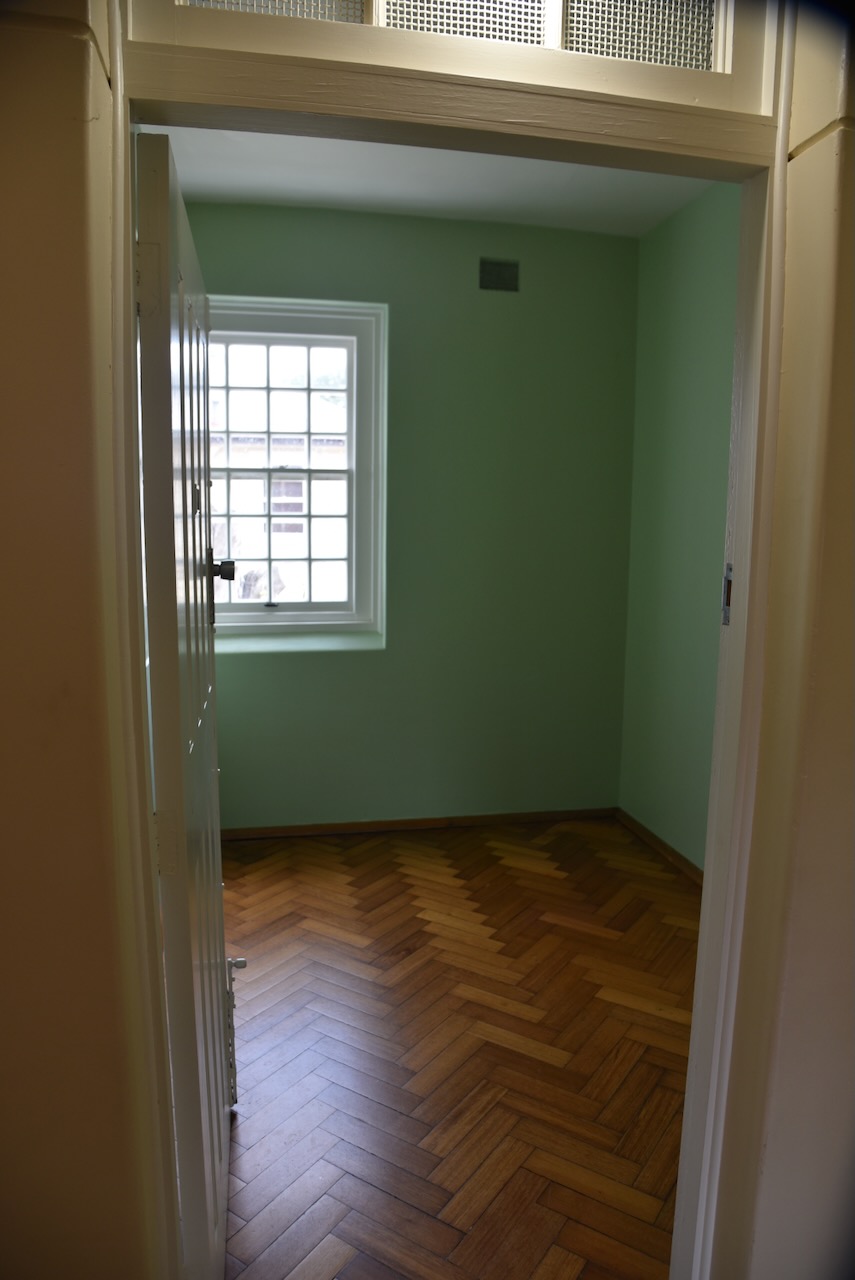
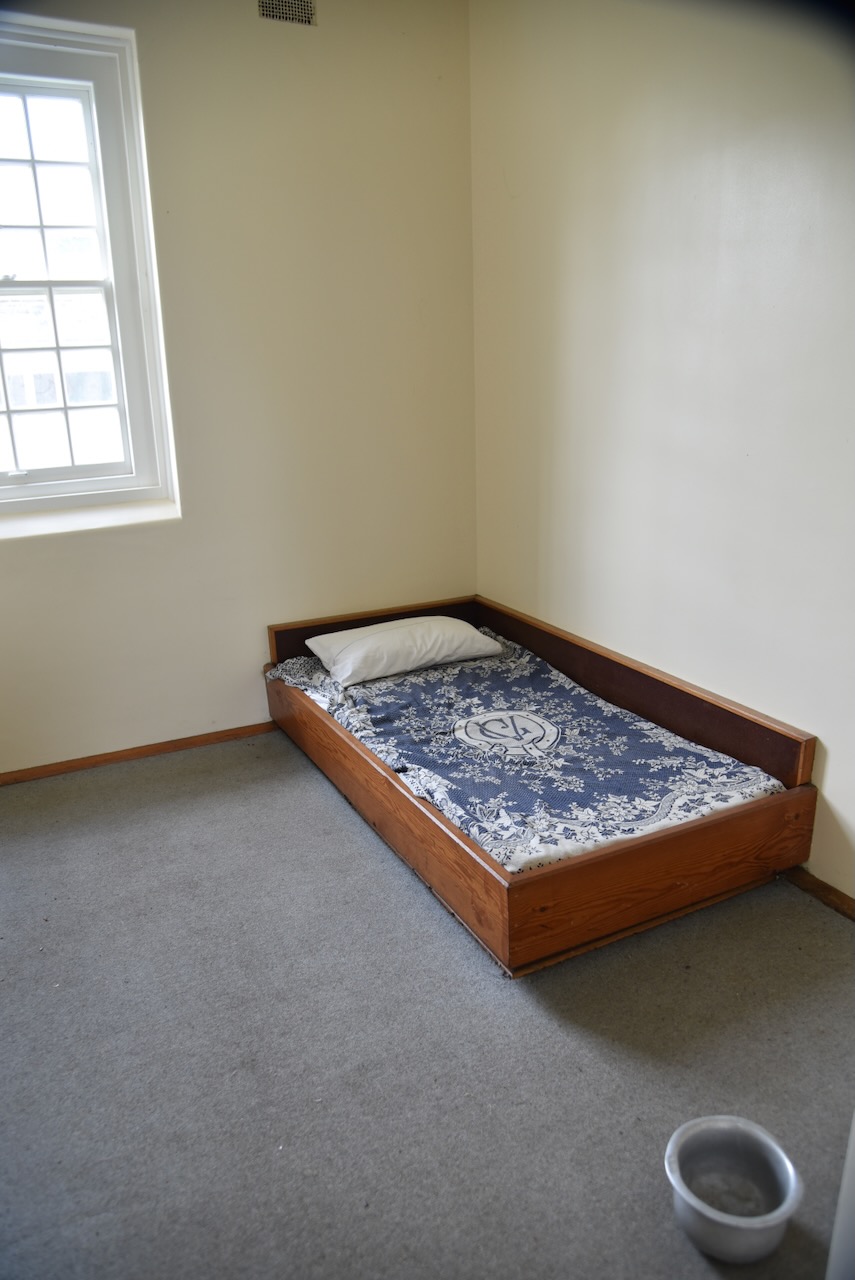
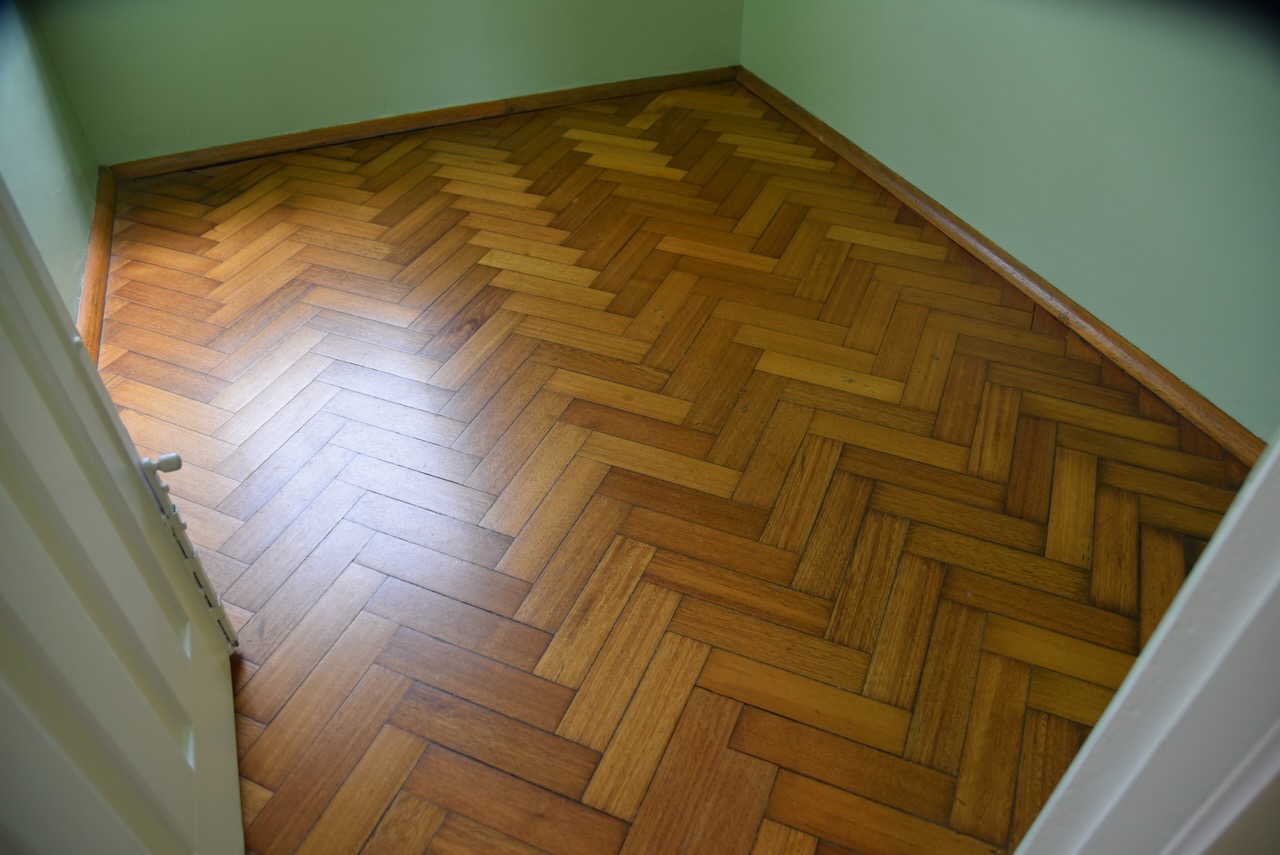
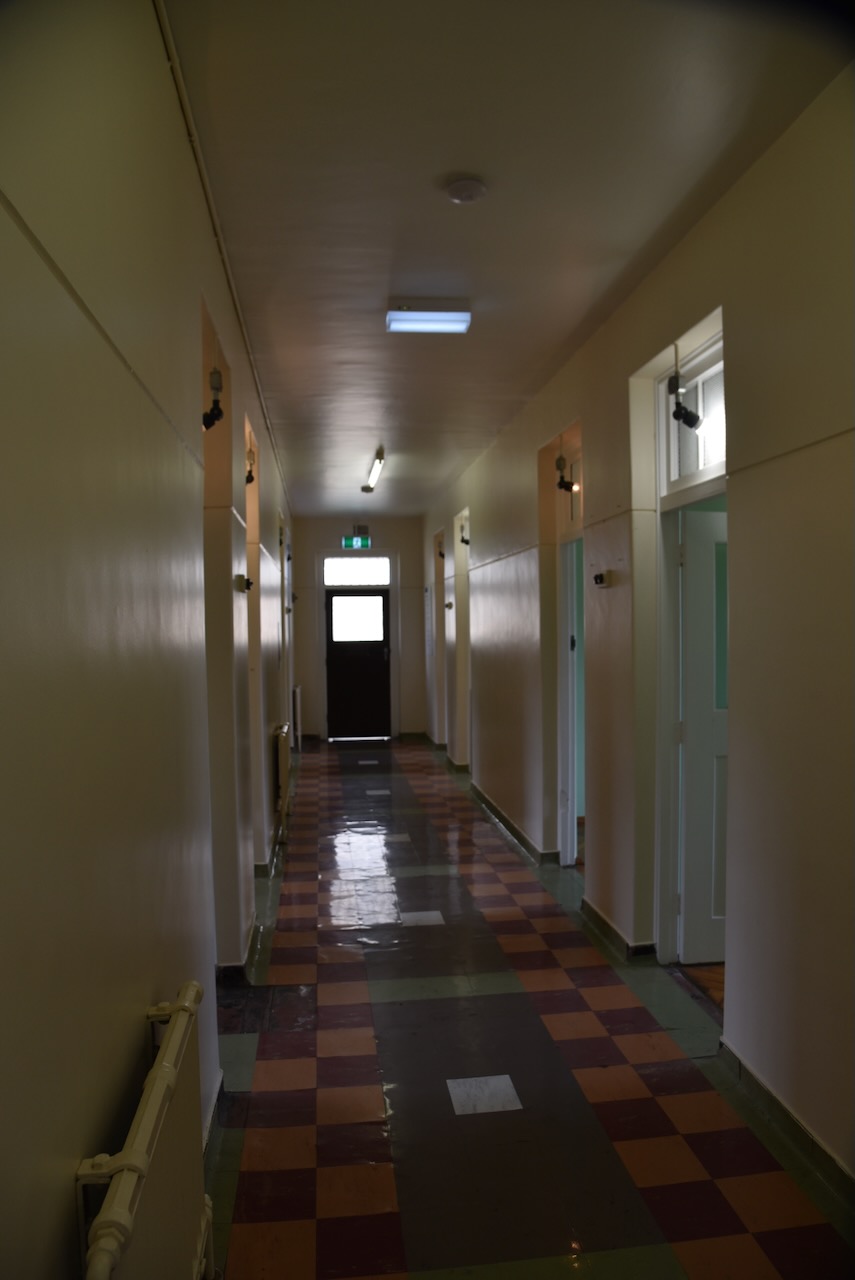
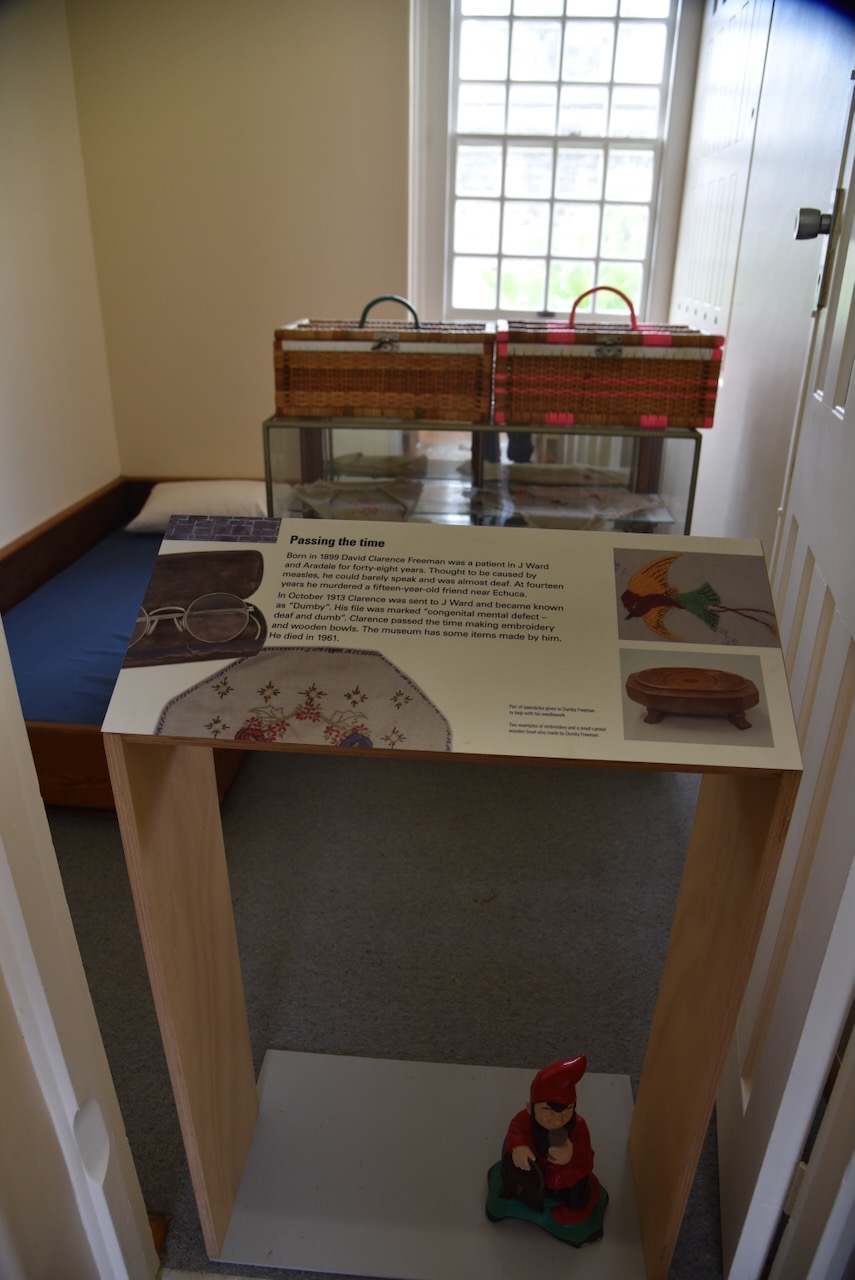
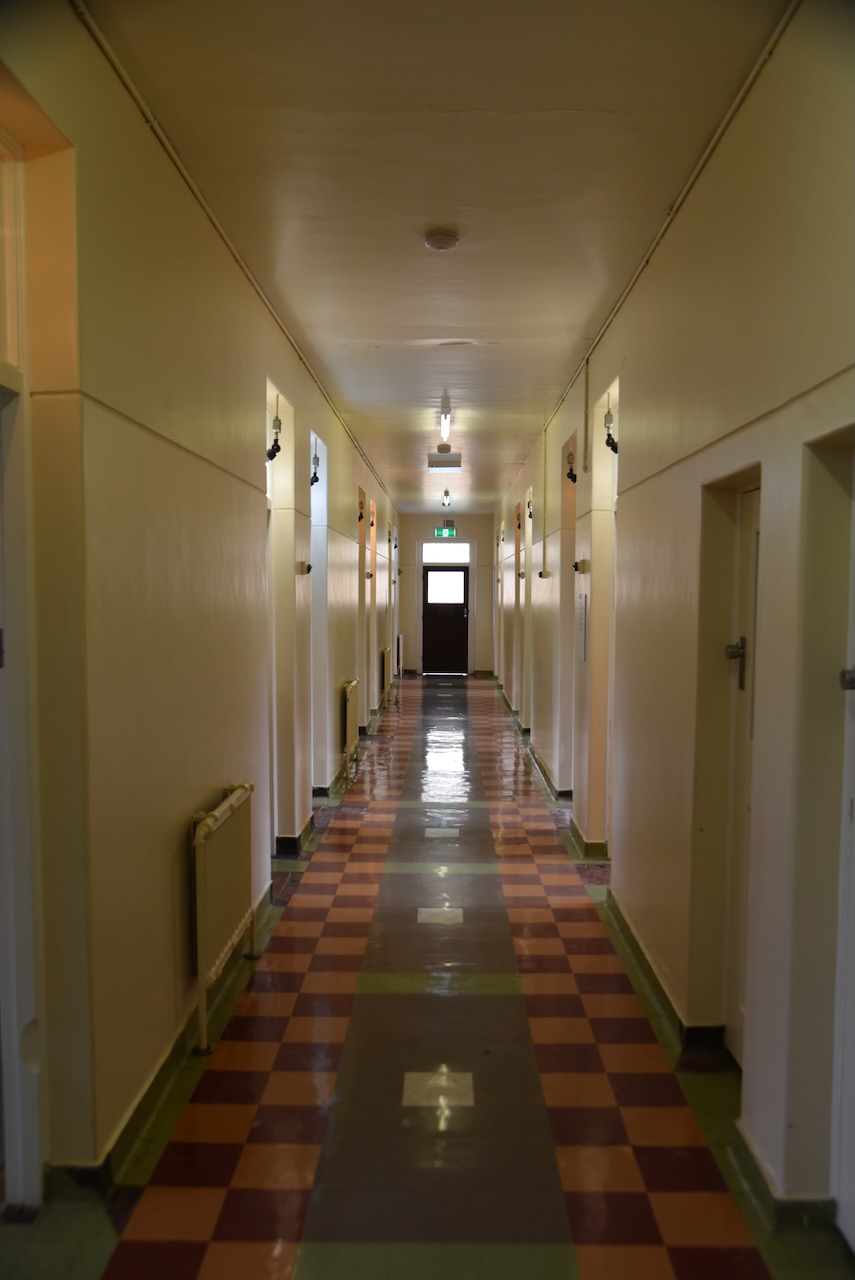
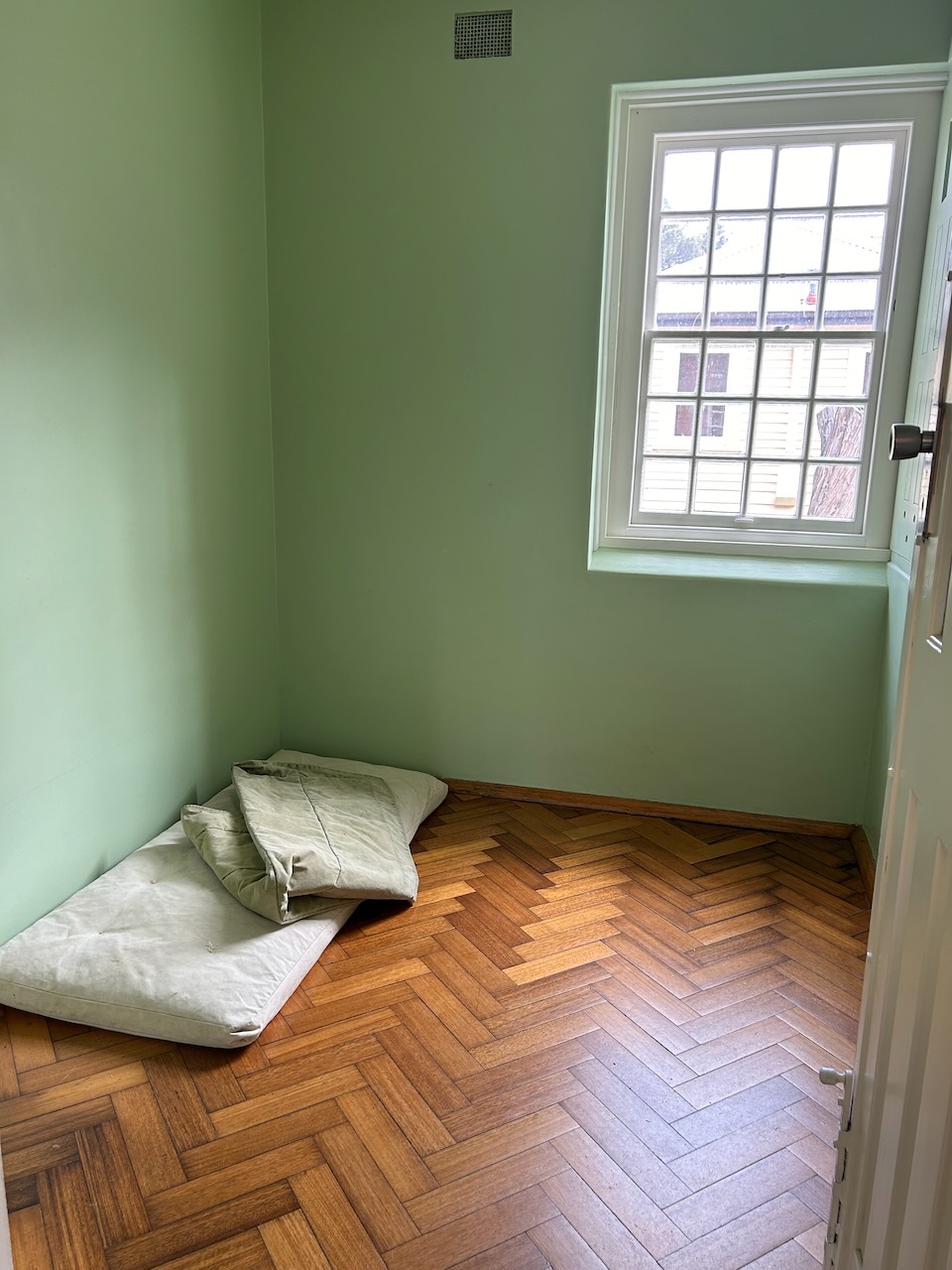
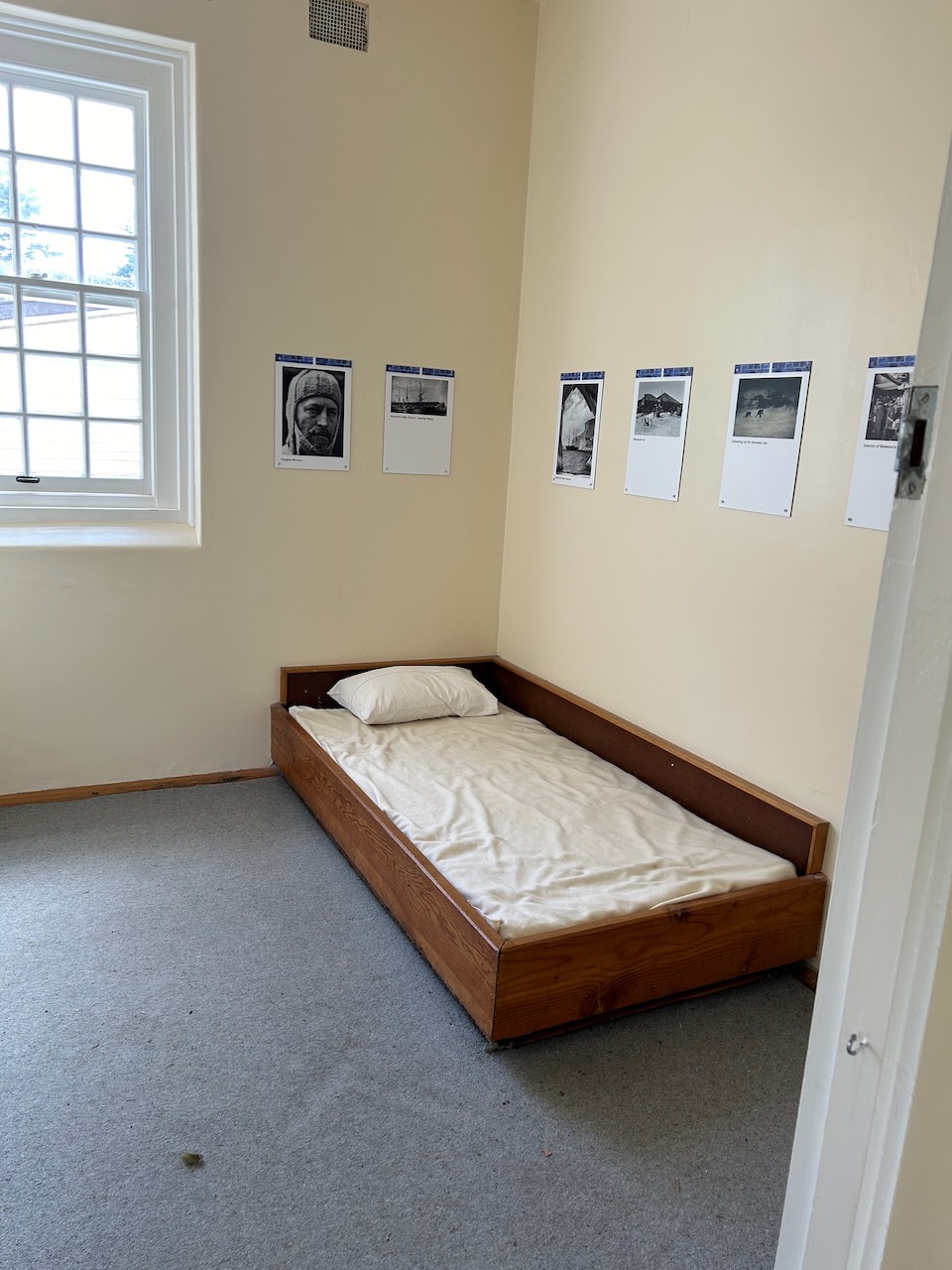
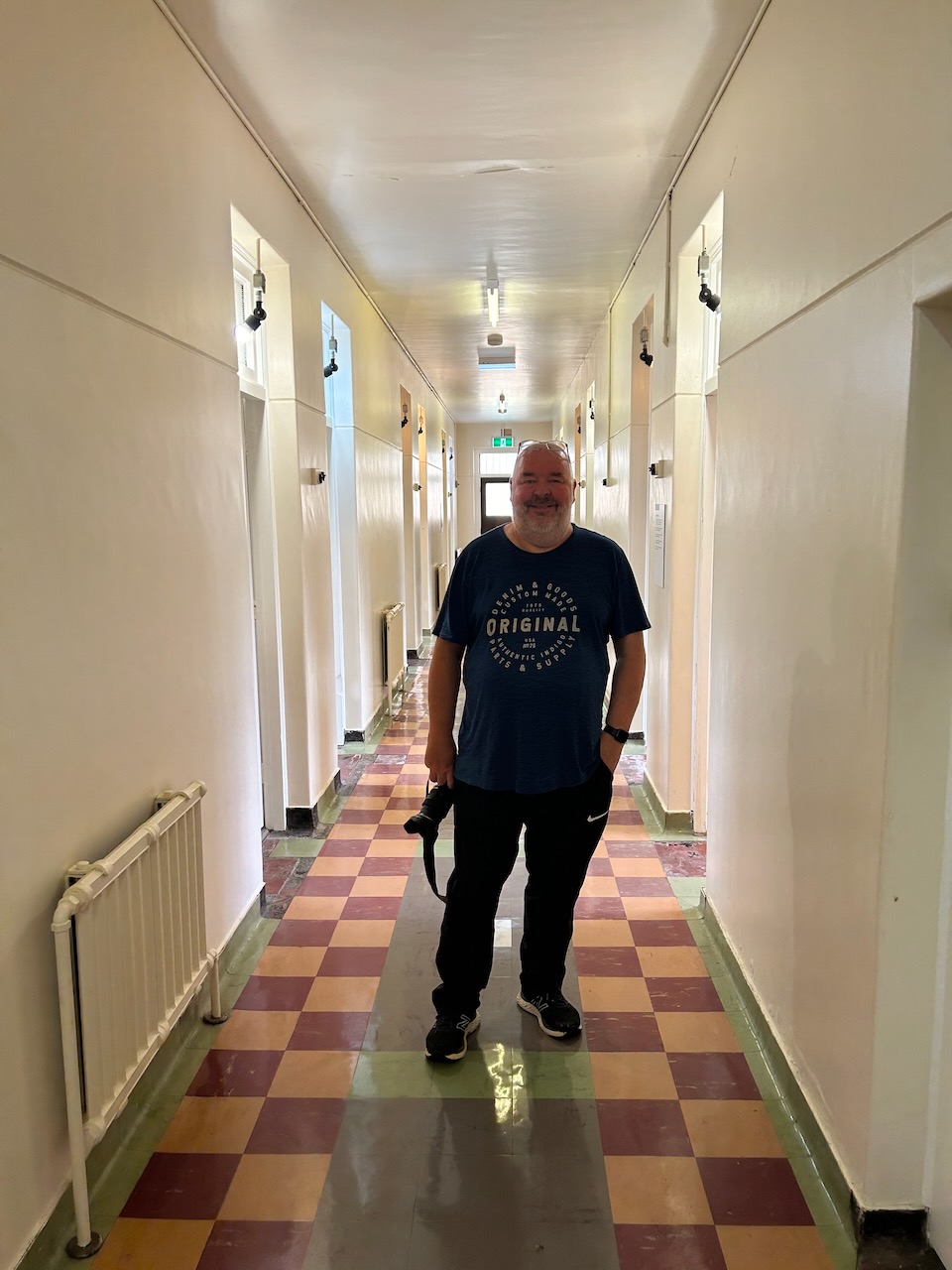
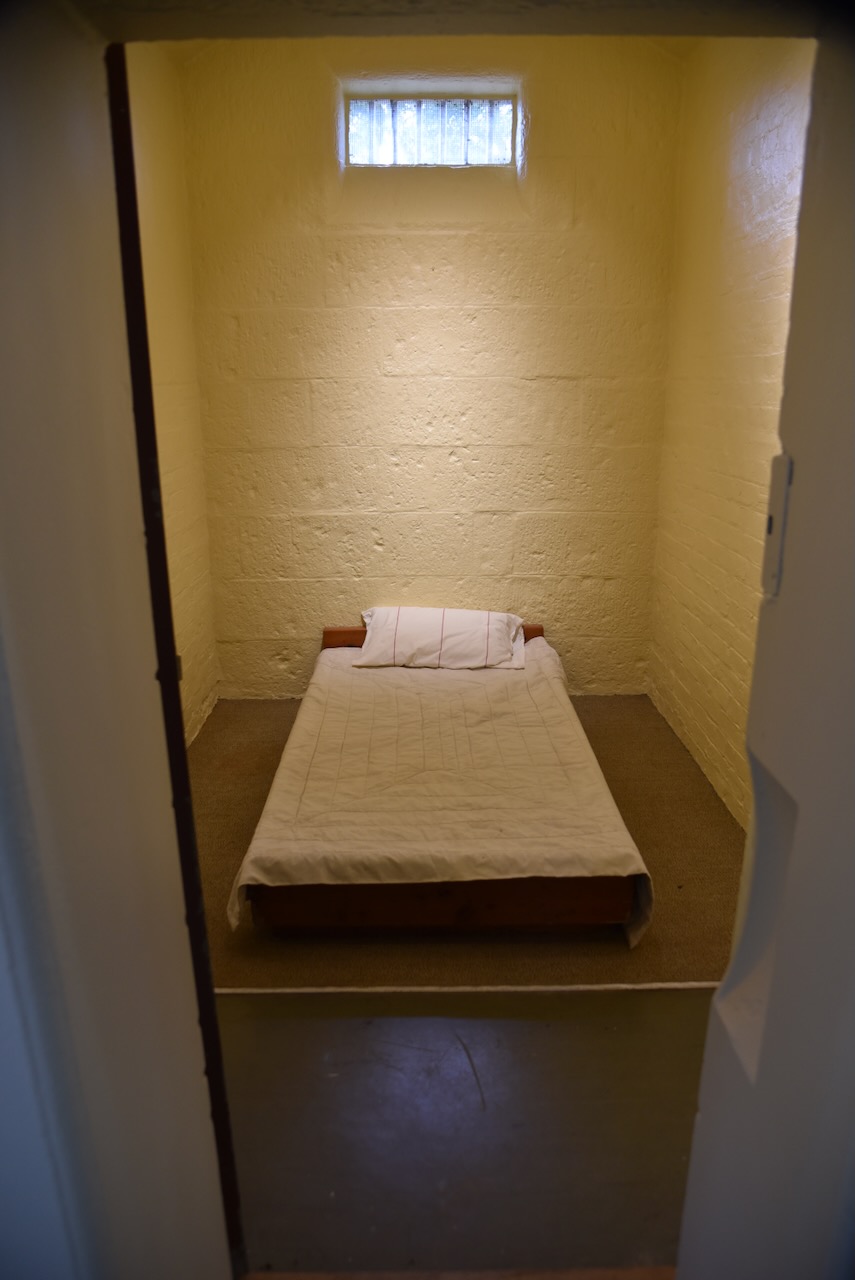
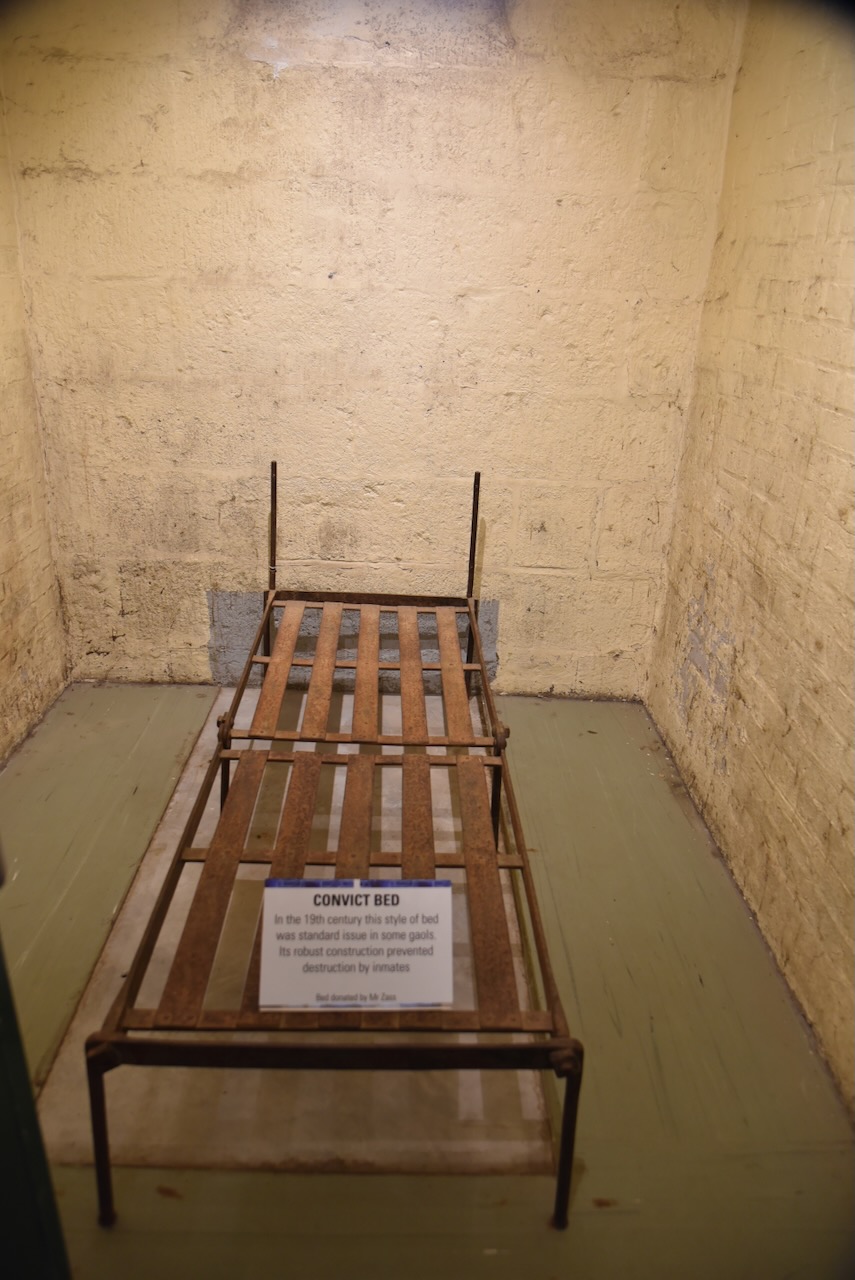
We then entered the West Wing which was added to the cell block in 1939 to increase accomodation by 14 rooms. During the 1940s a palliasse added comfort and warmth. Parquetry floors were installed after complaints were made about sleeping on the cold concrete floor. In the 1960s, wooden box beds were constructed. The initial supply of matresses lasted one week due to the patients removing the inner springs. They were replaced by foam mattresses. Heating was fitted in the corridors but never fitted in the rooms. Carpet was added in the 1970s.
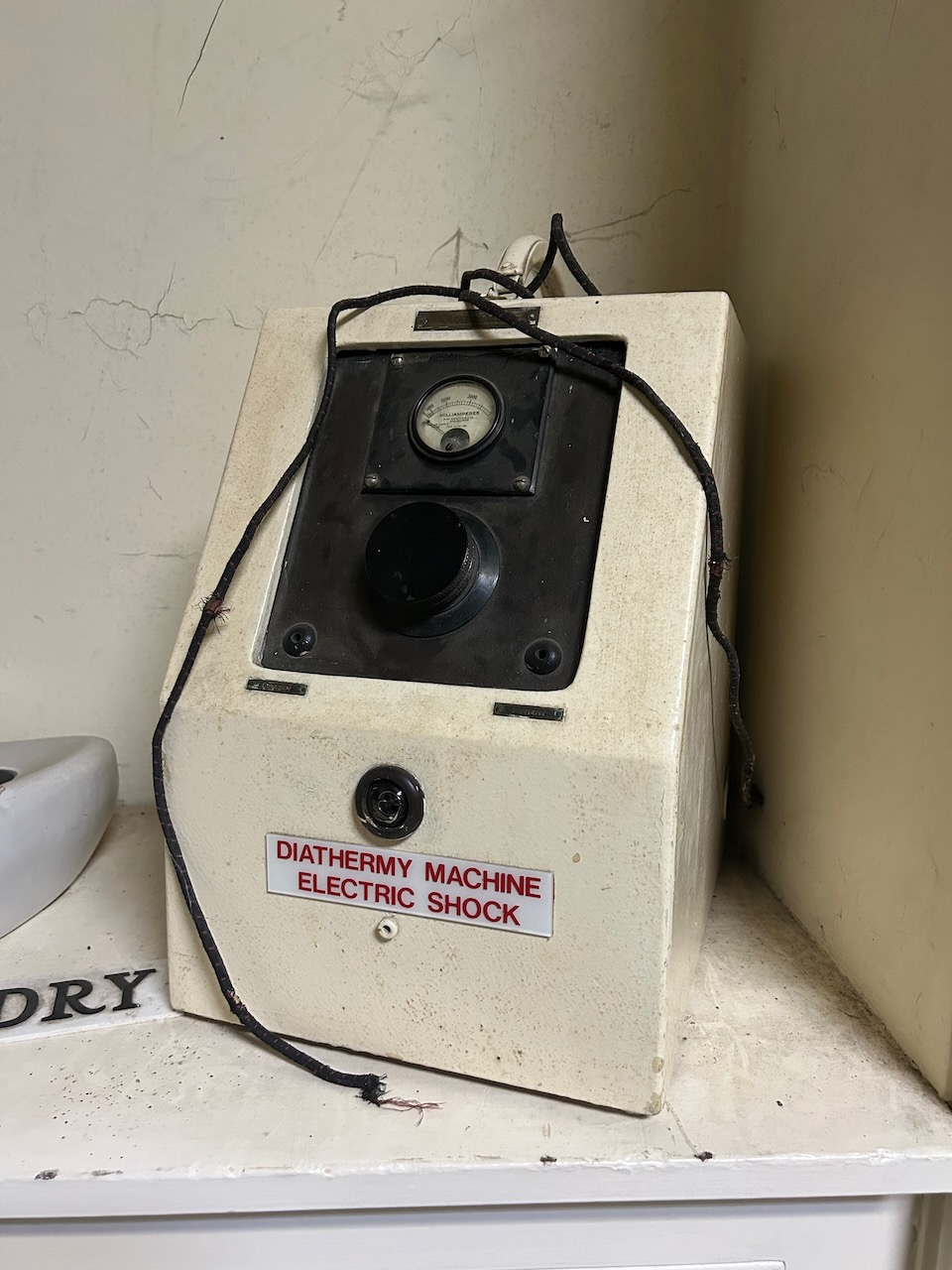
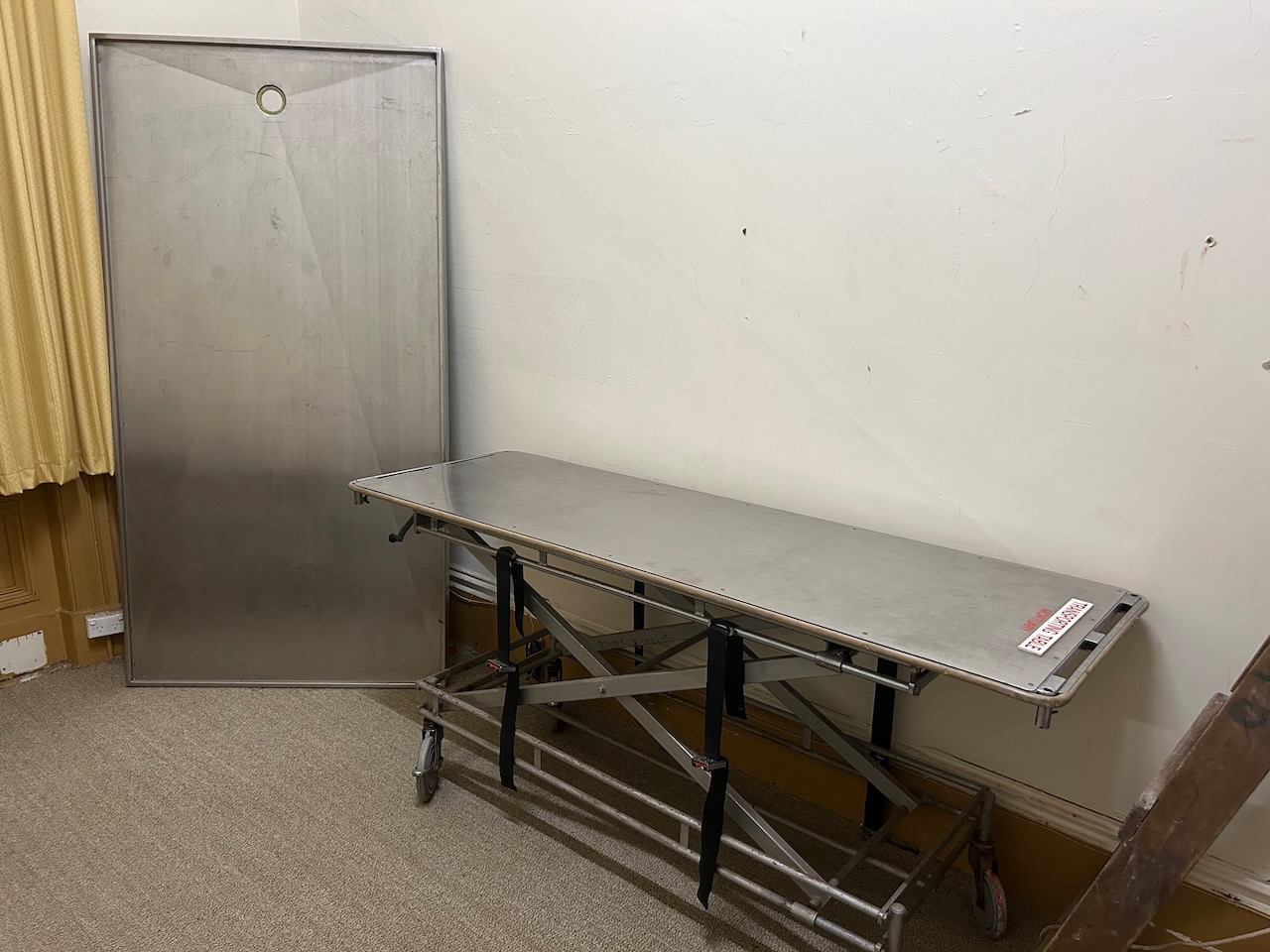
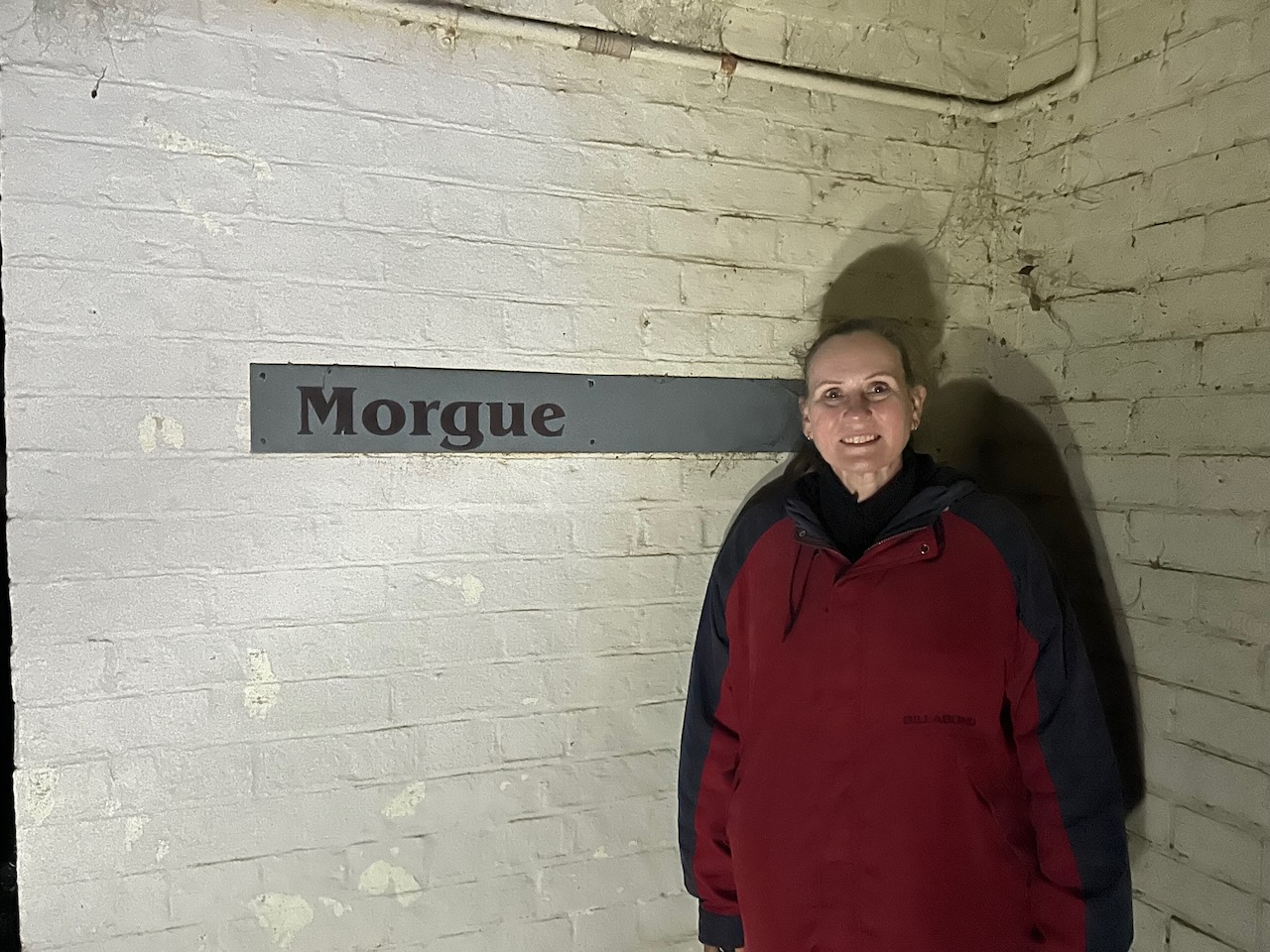
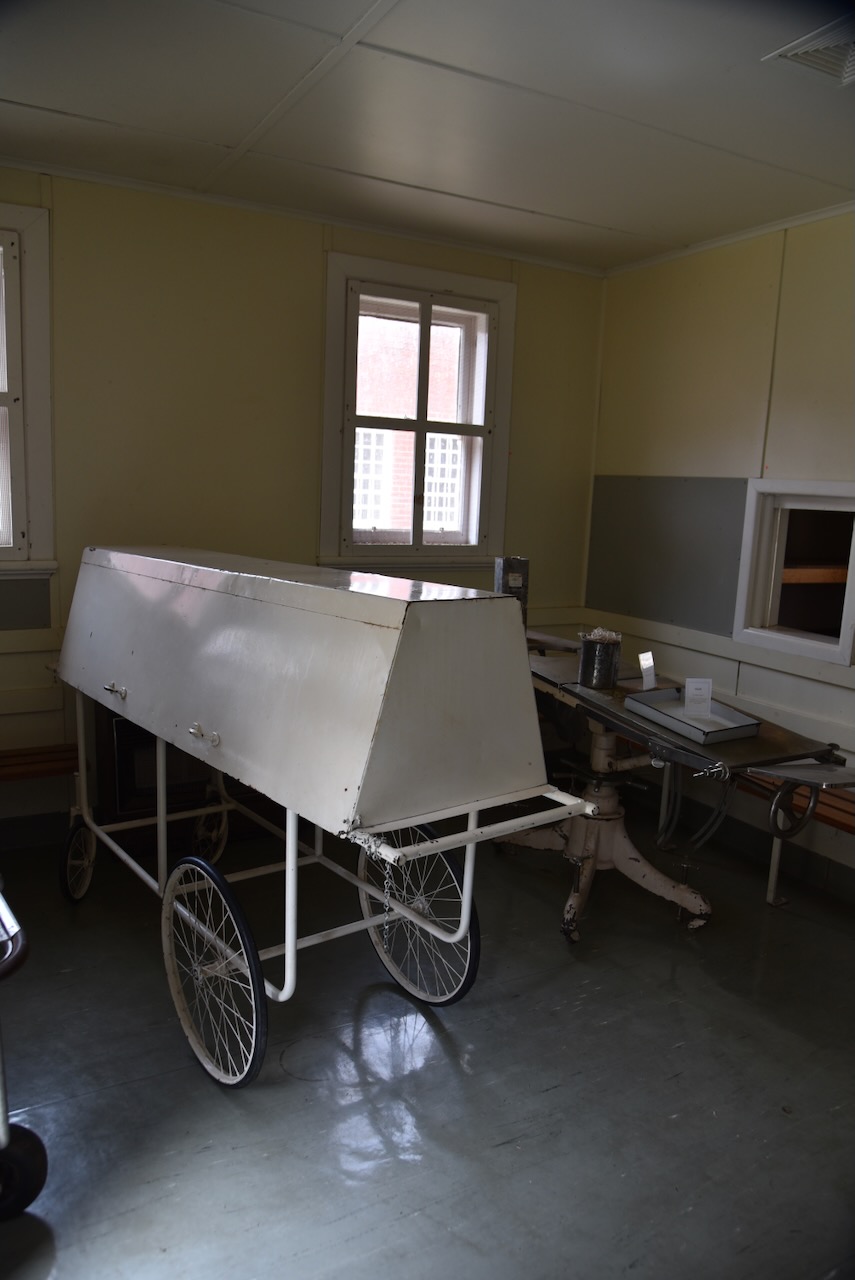
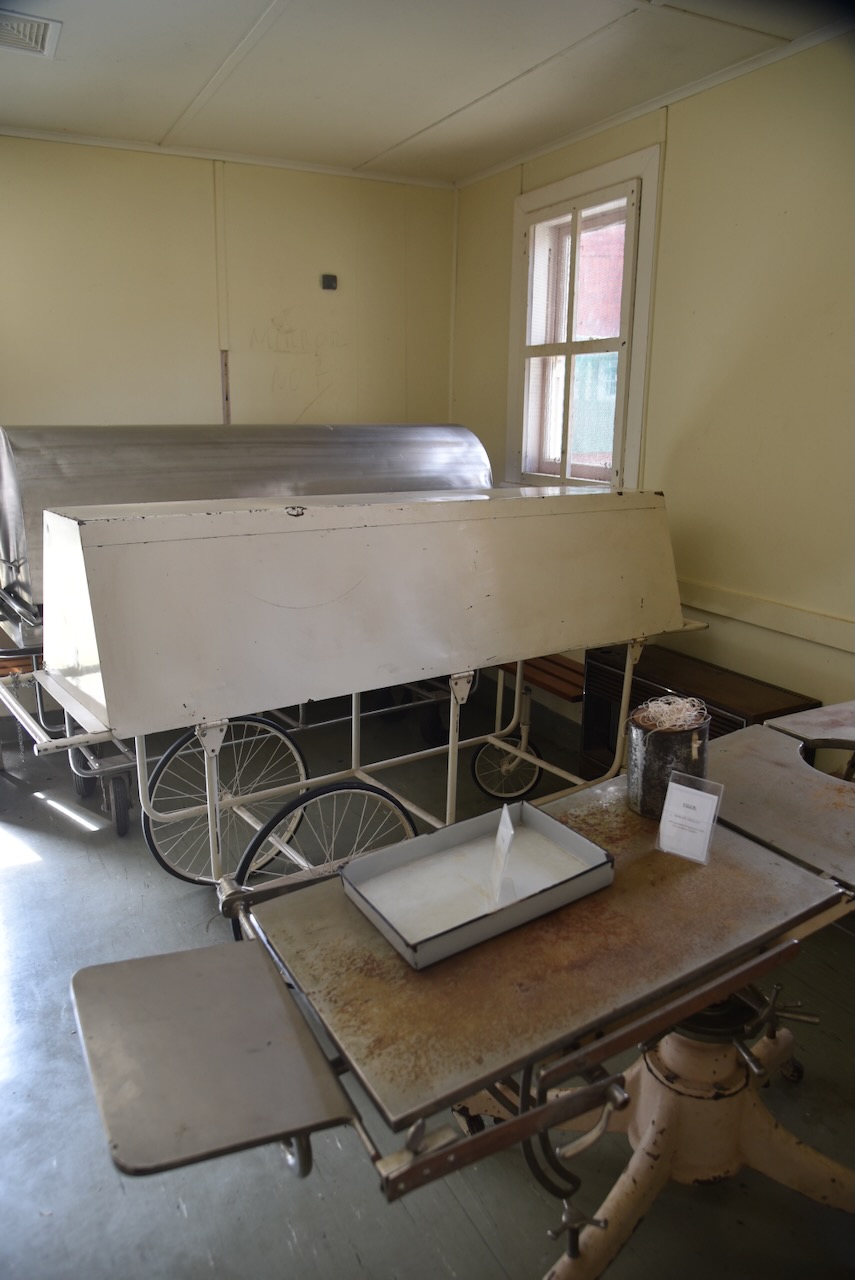
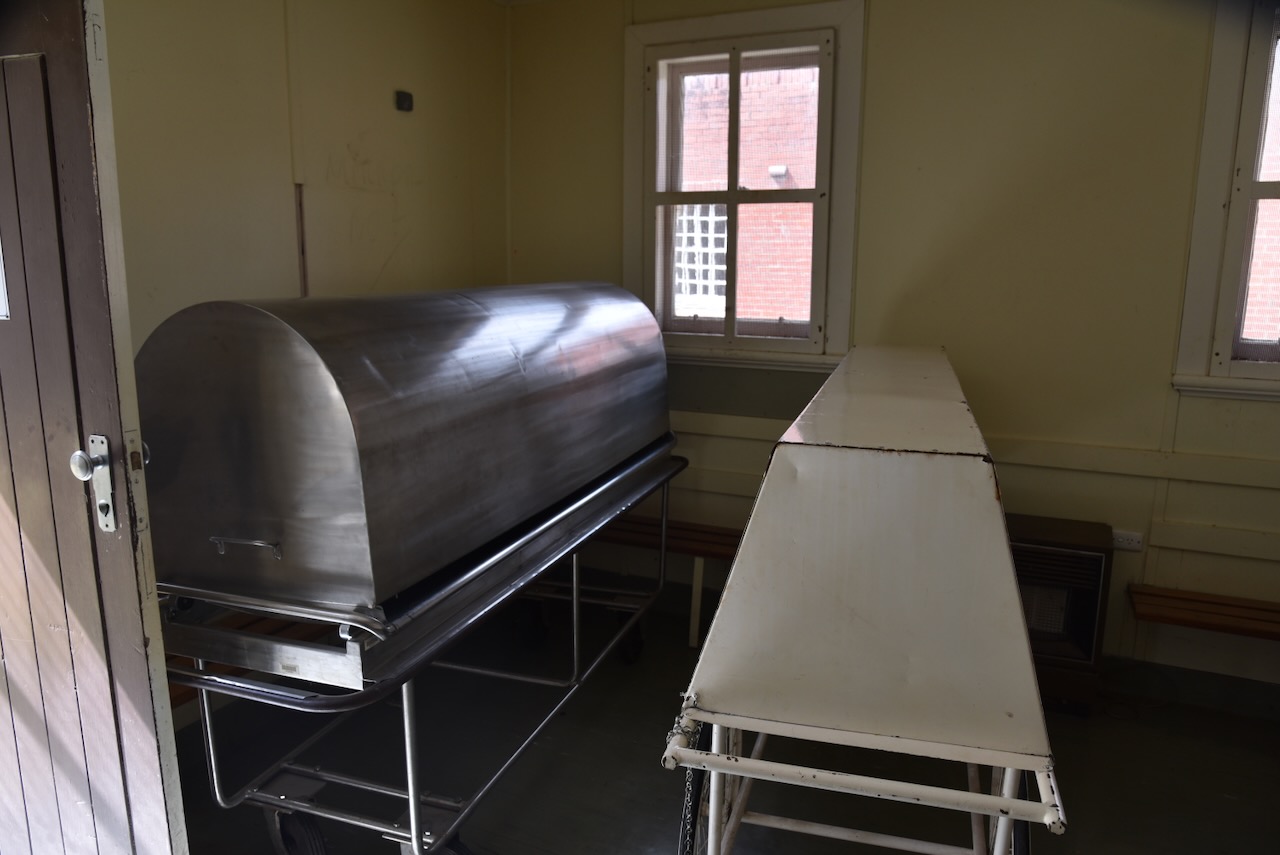
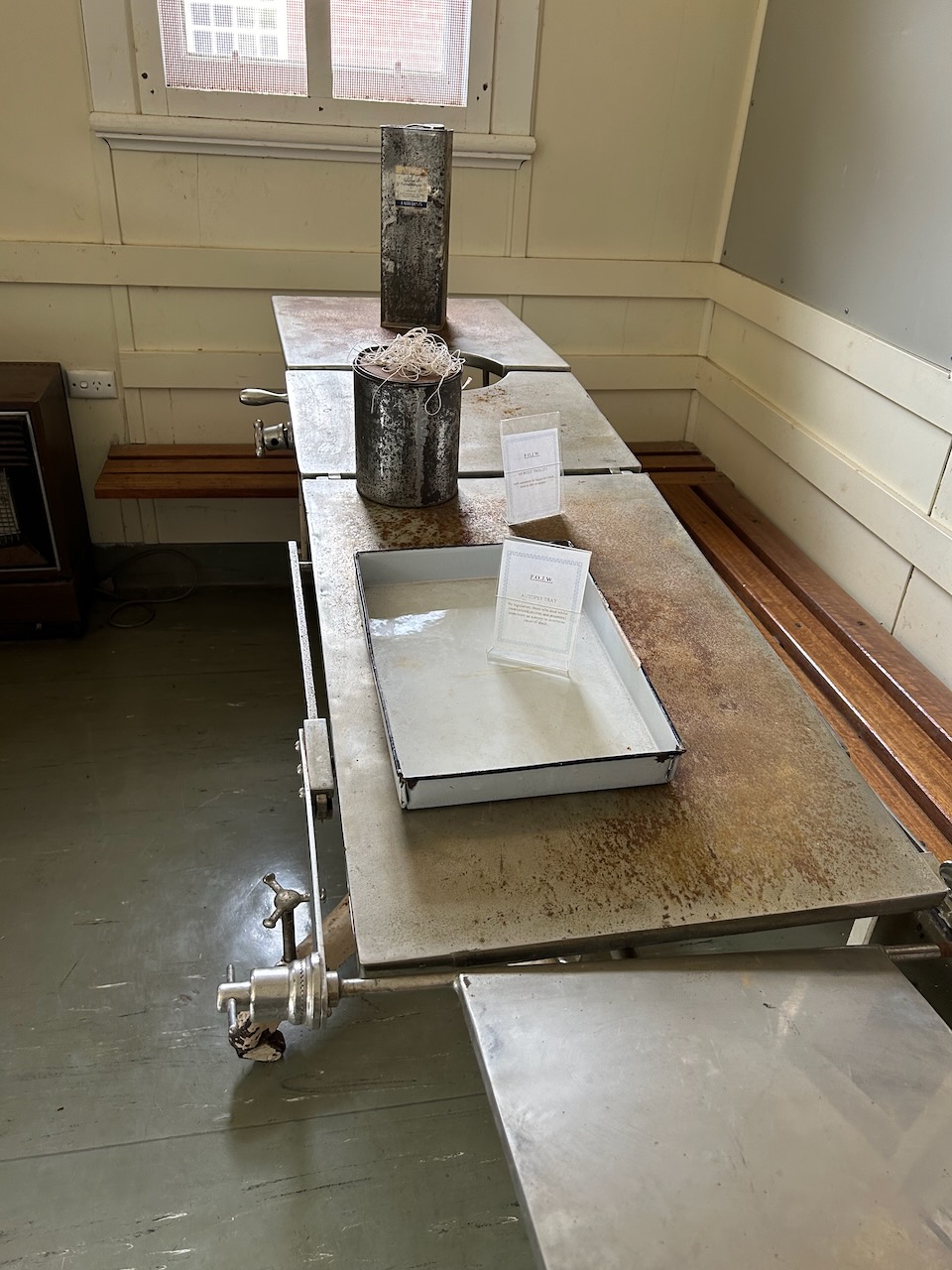
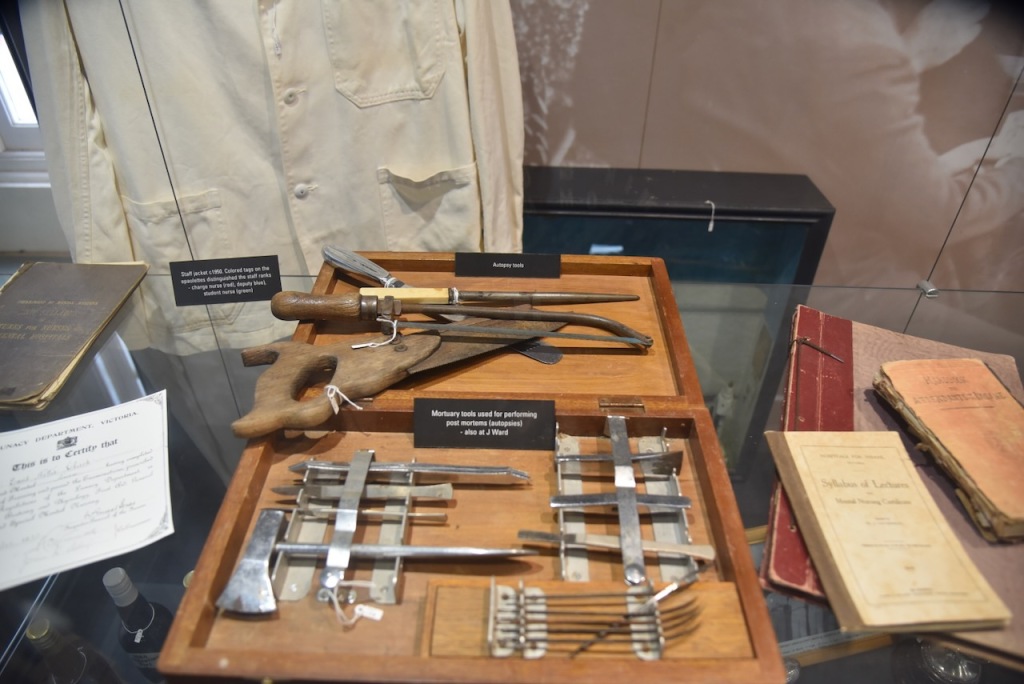
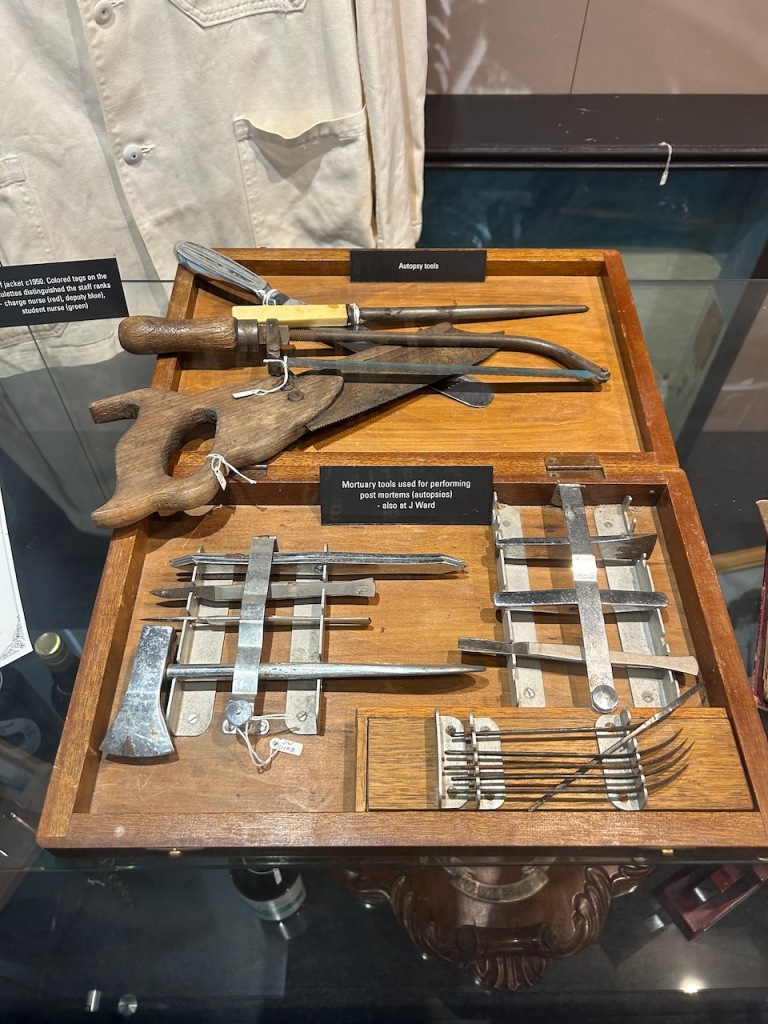
The J Ward mortuary contains a number of mortuary trolleys and various autopsy equipment.
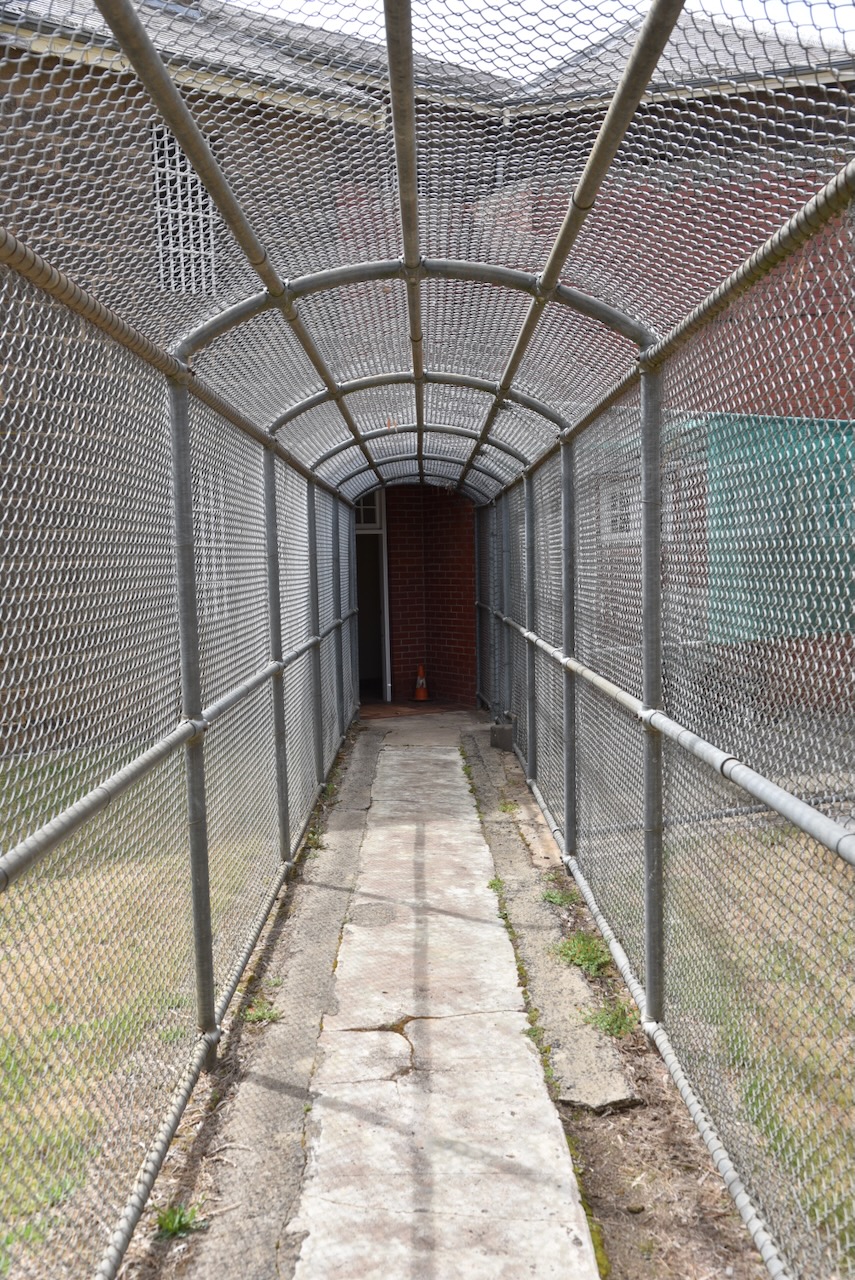
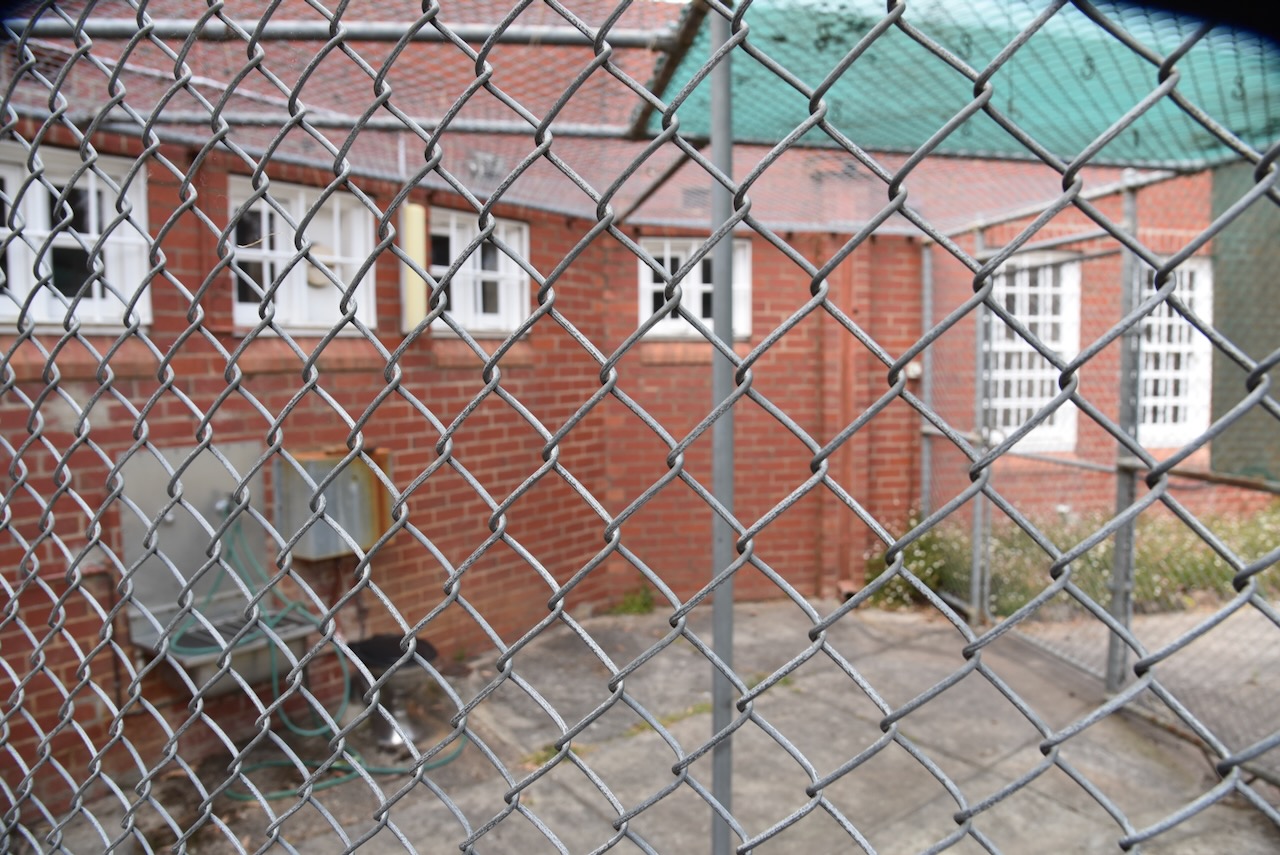
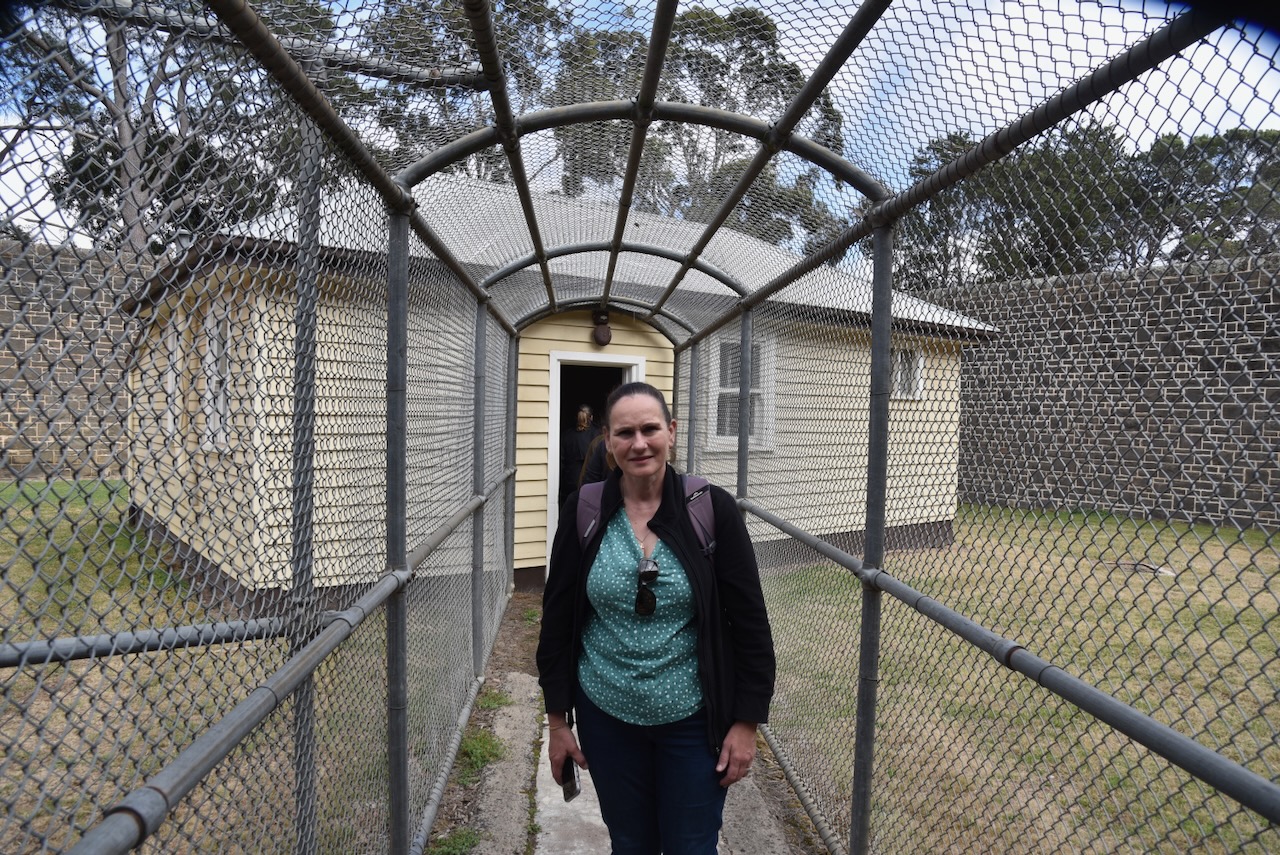
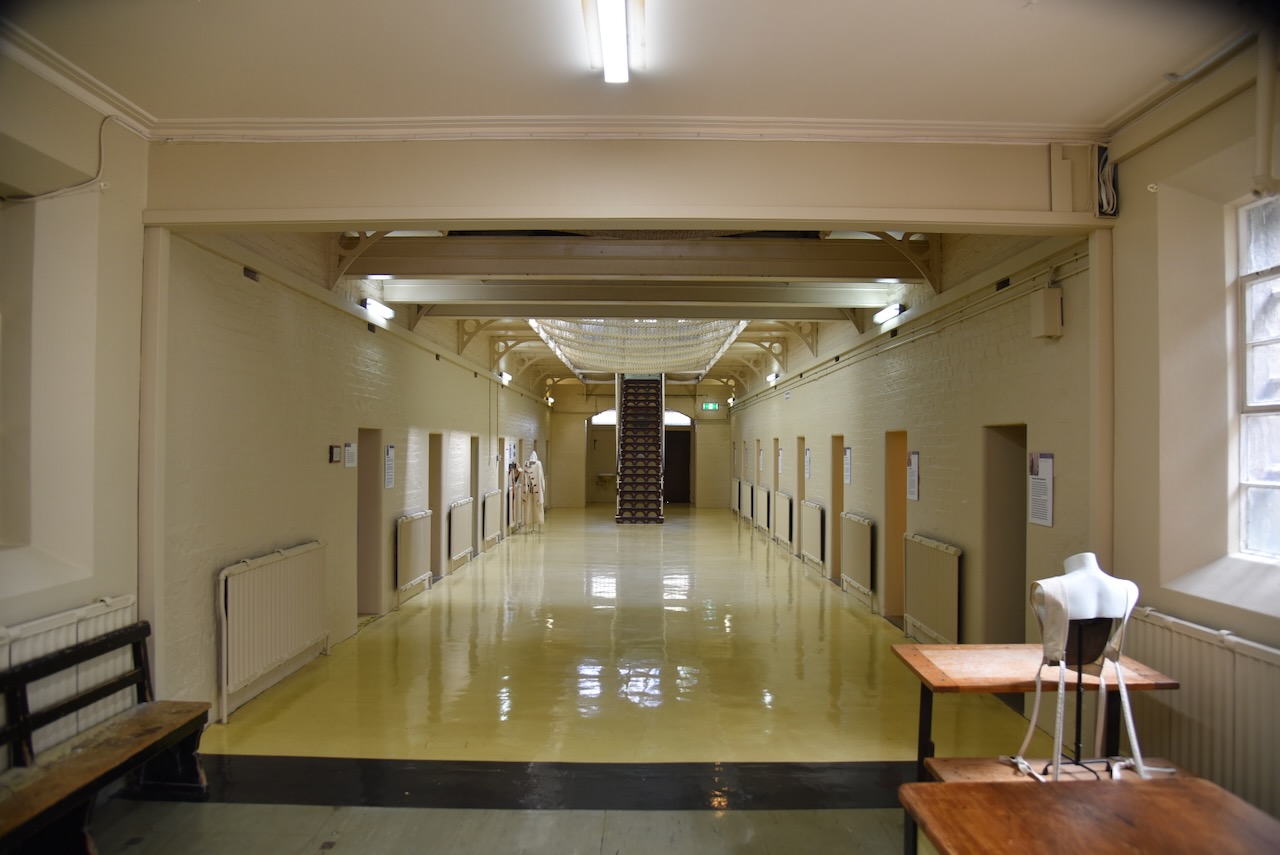
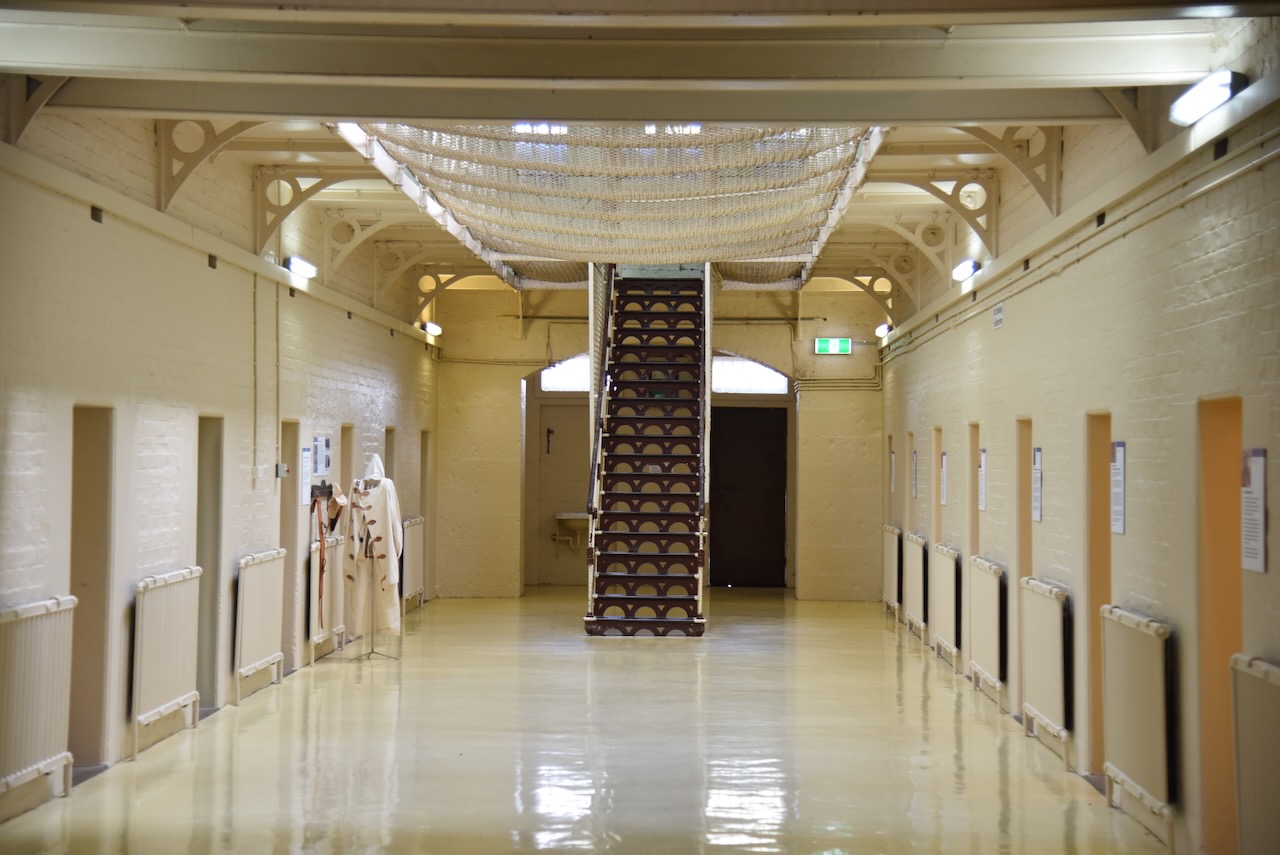
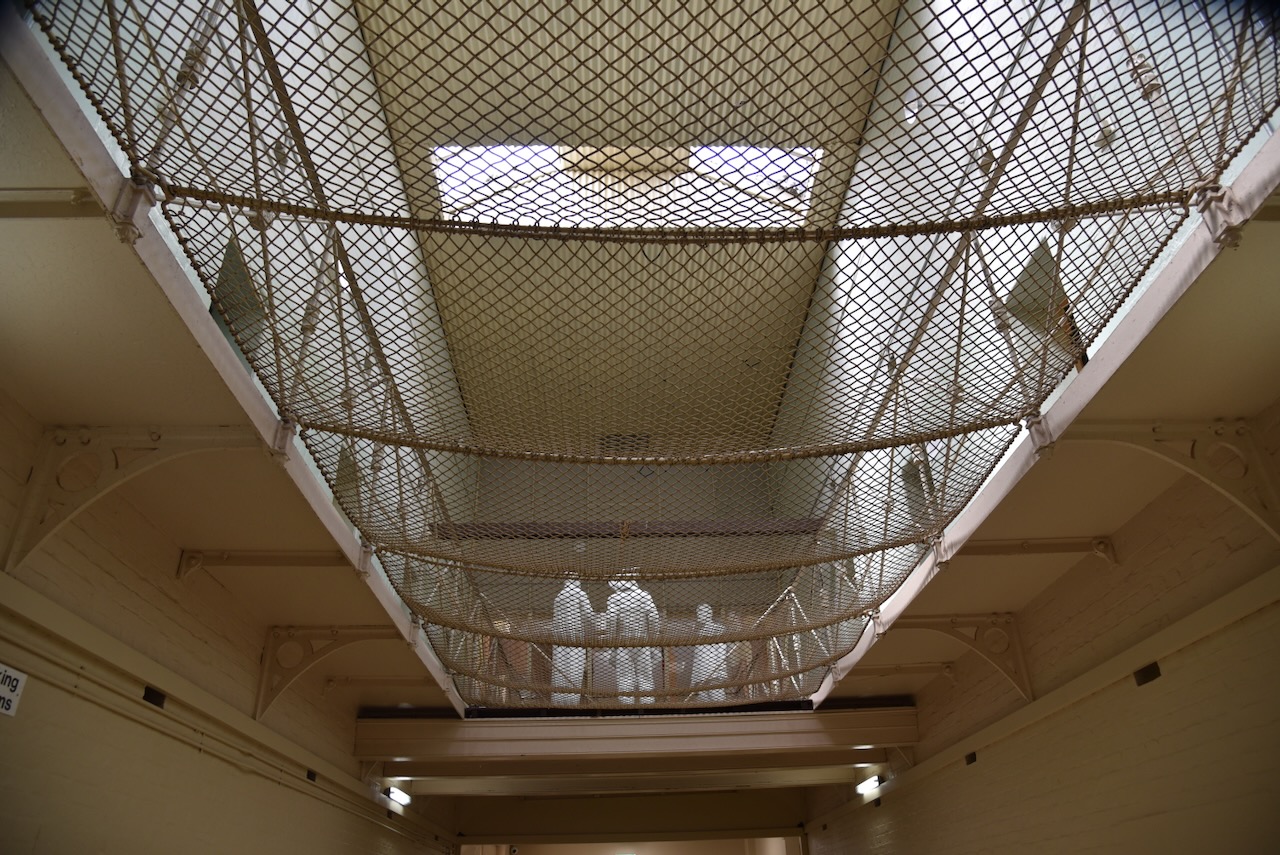
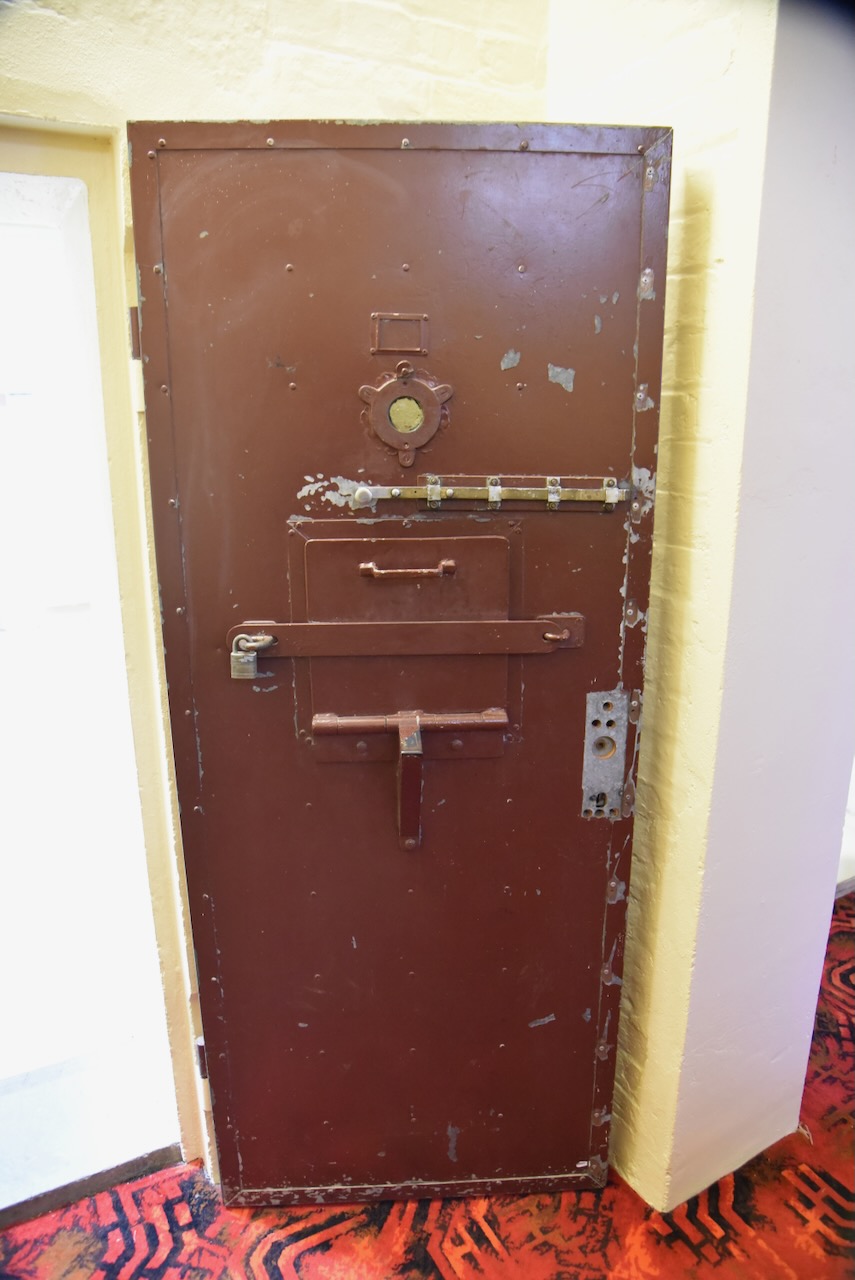
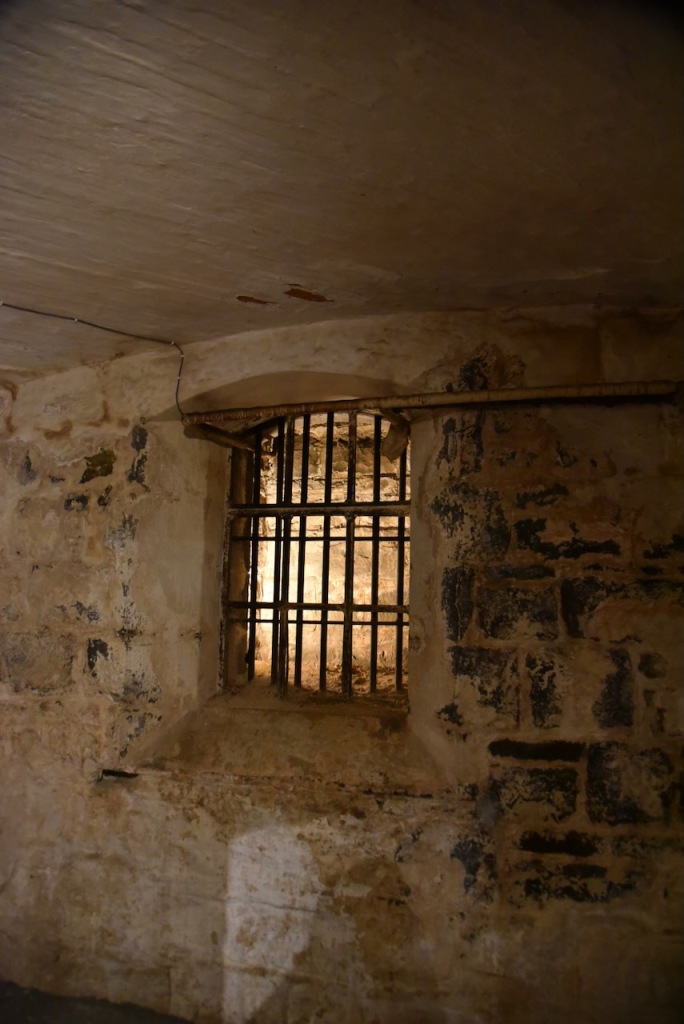
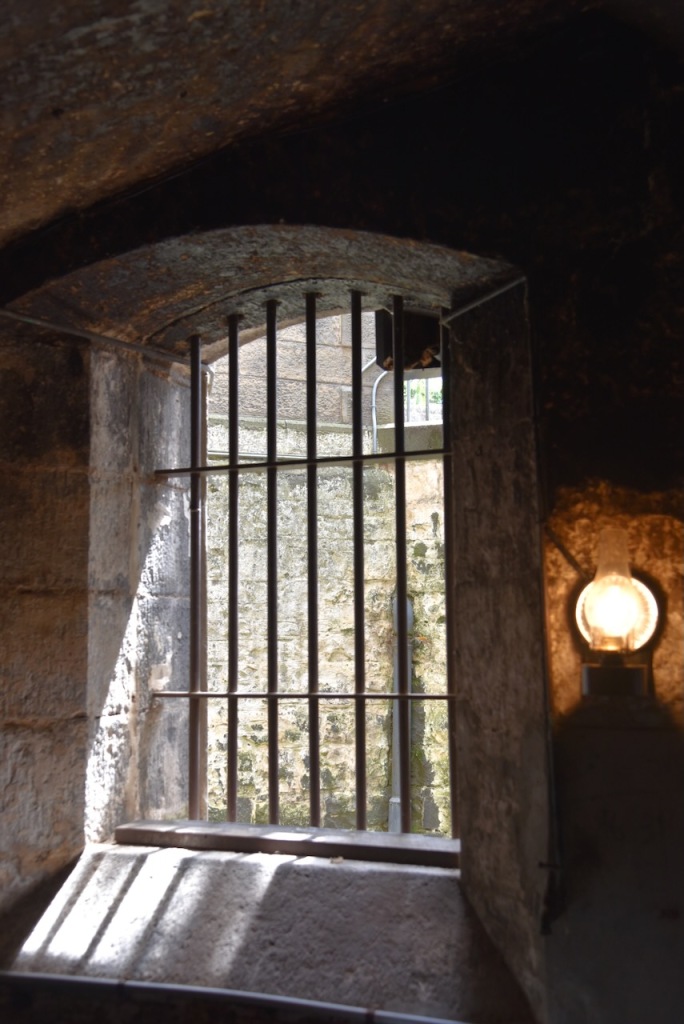
We then headed to the main cell area along a caged walkway.
When the gaol was opened on the 10th day of October 1861, it held a total of 21 prisoners. By 1864 the faol housed 40 prisoners.
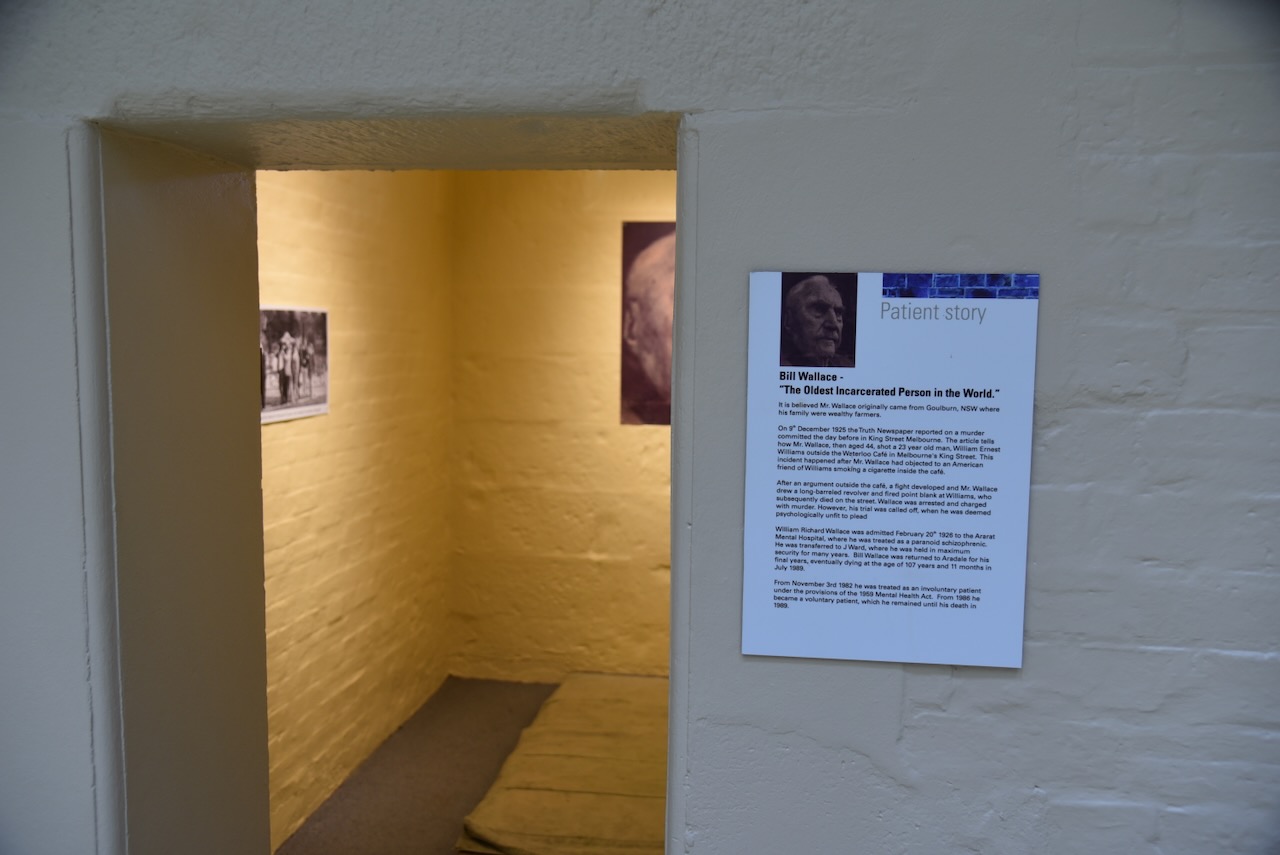
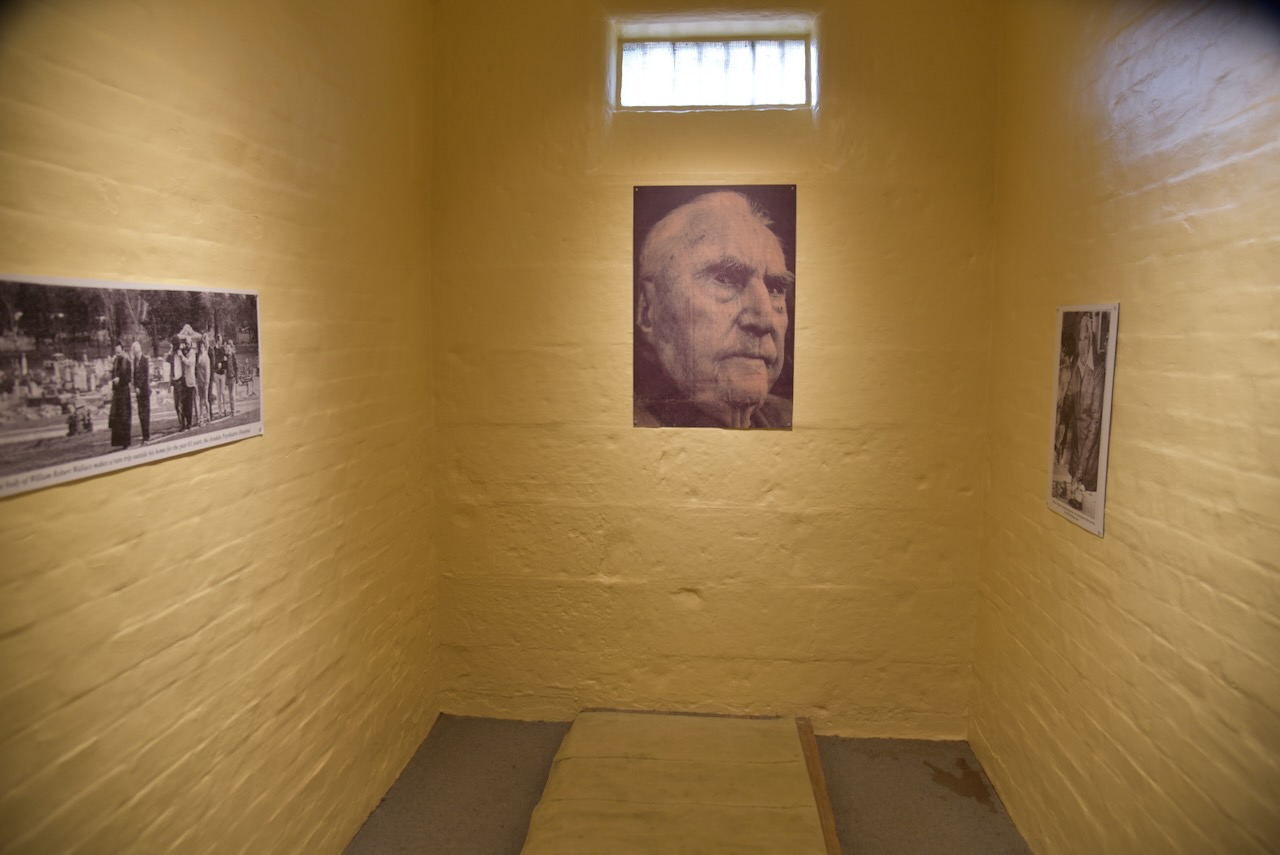
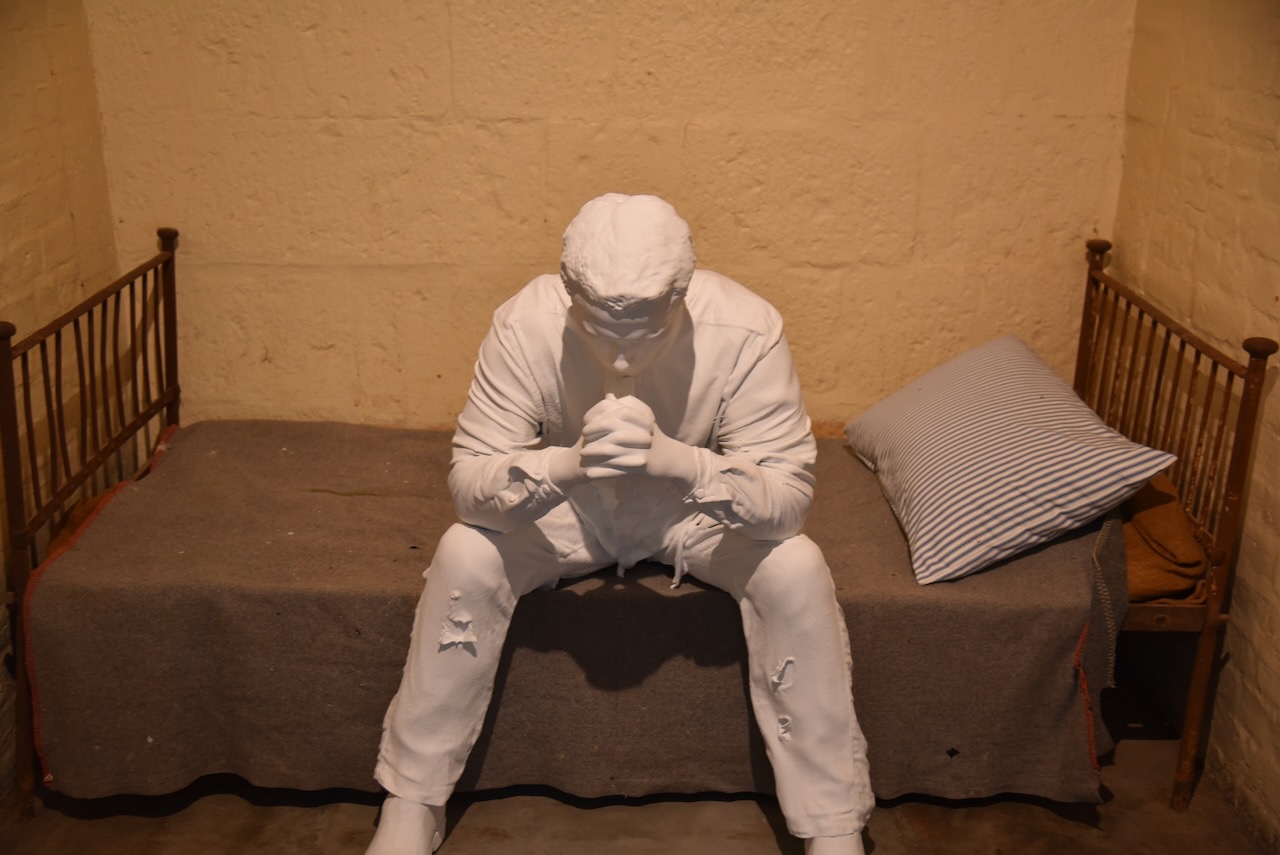
Bill Wallace was at one time the oldest incarcerated person in the world.In December 1925 a 23 year old man was shot in King Street Melbourne by Wallace who was aged 44 years. The shooting occurred after a dispute re the smoking of a cigarette inside the Waterloo Cafe. Wallace was found psychologically unfit to plead and was admitted to the Ararat Mental Hospital on the 20th day of February 1926 and was transferred to J Ward where he was held in maximum security for many years. Wallace returned to Aradalde for his final years and died in July 1989, aged 107 years and 11 months.
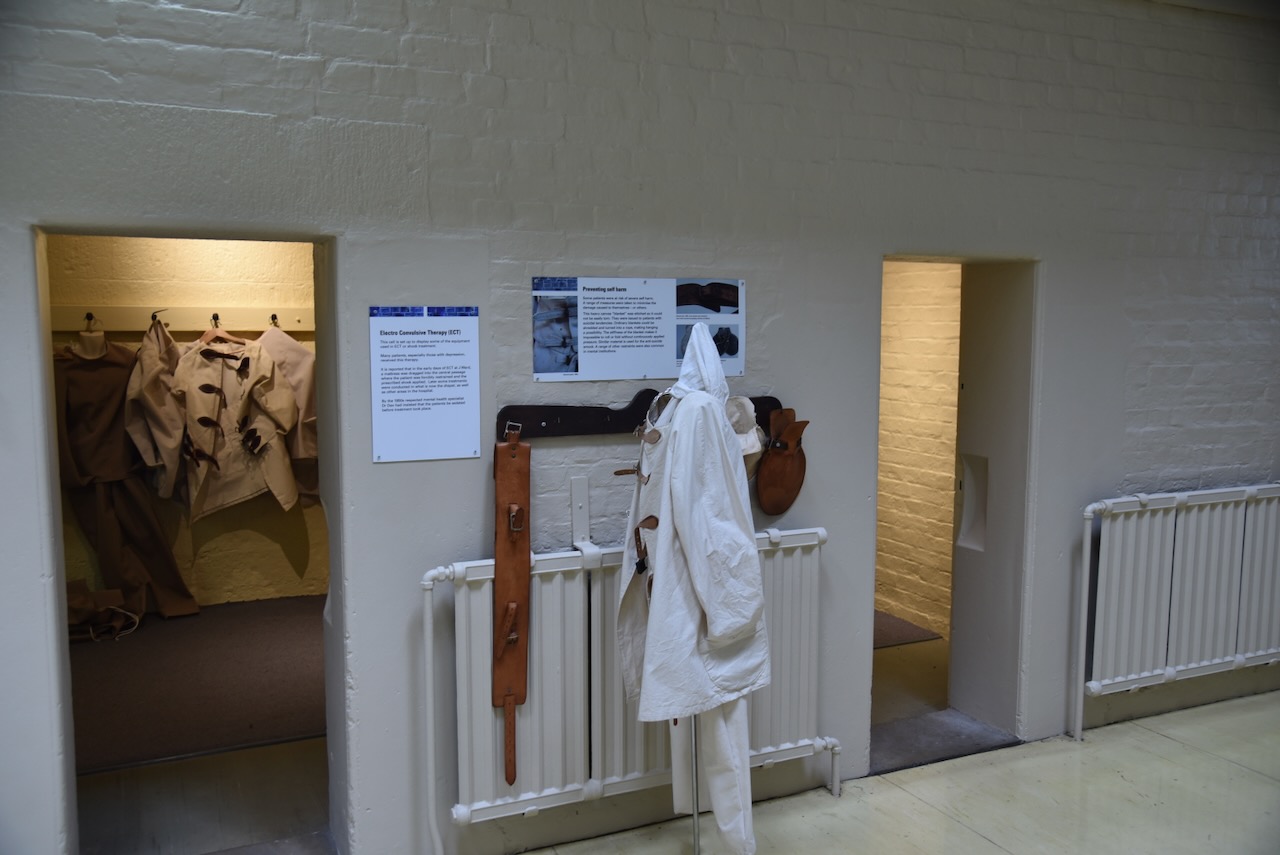
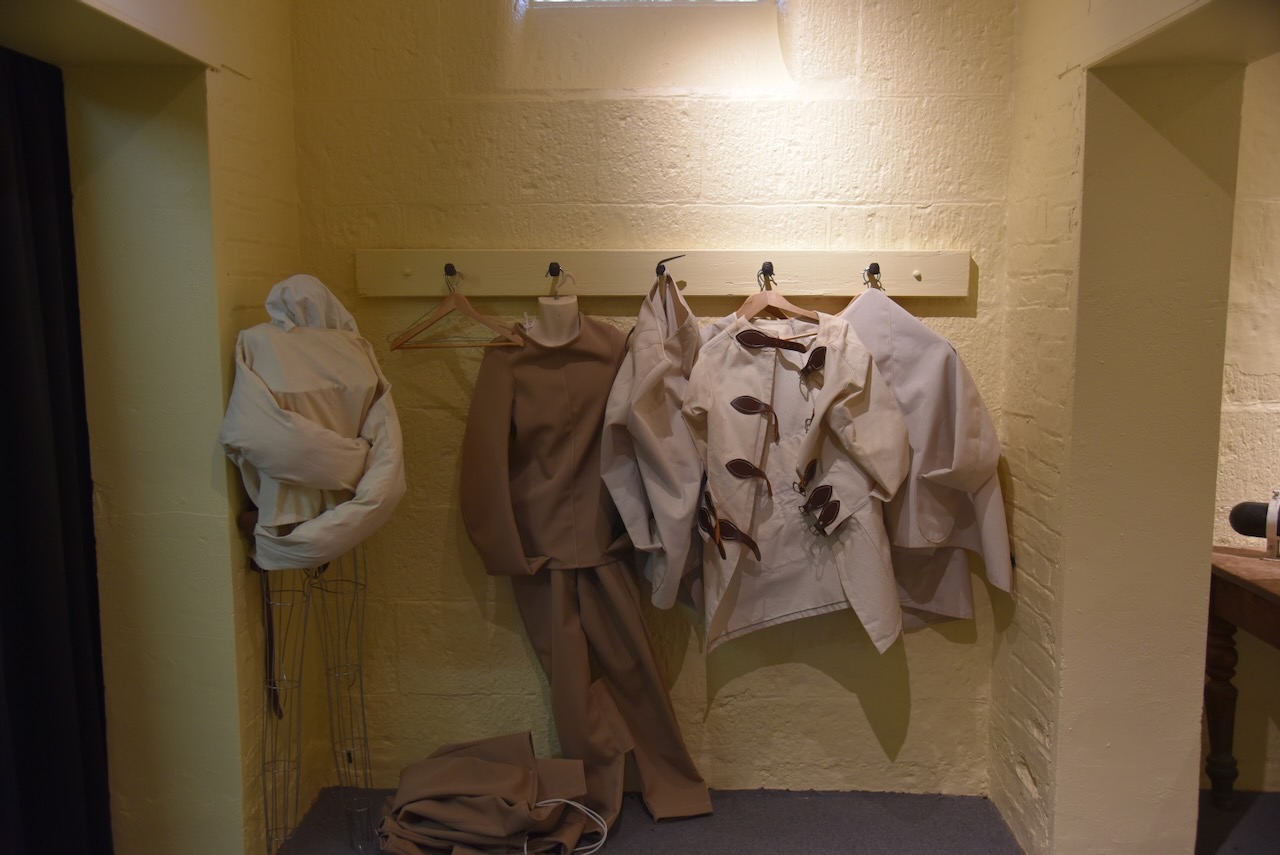
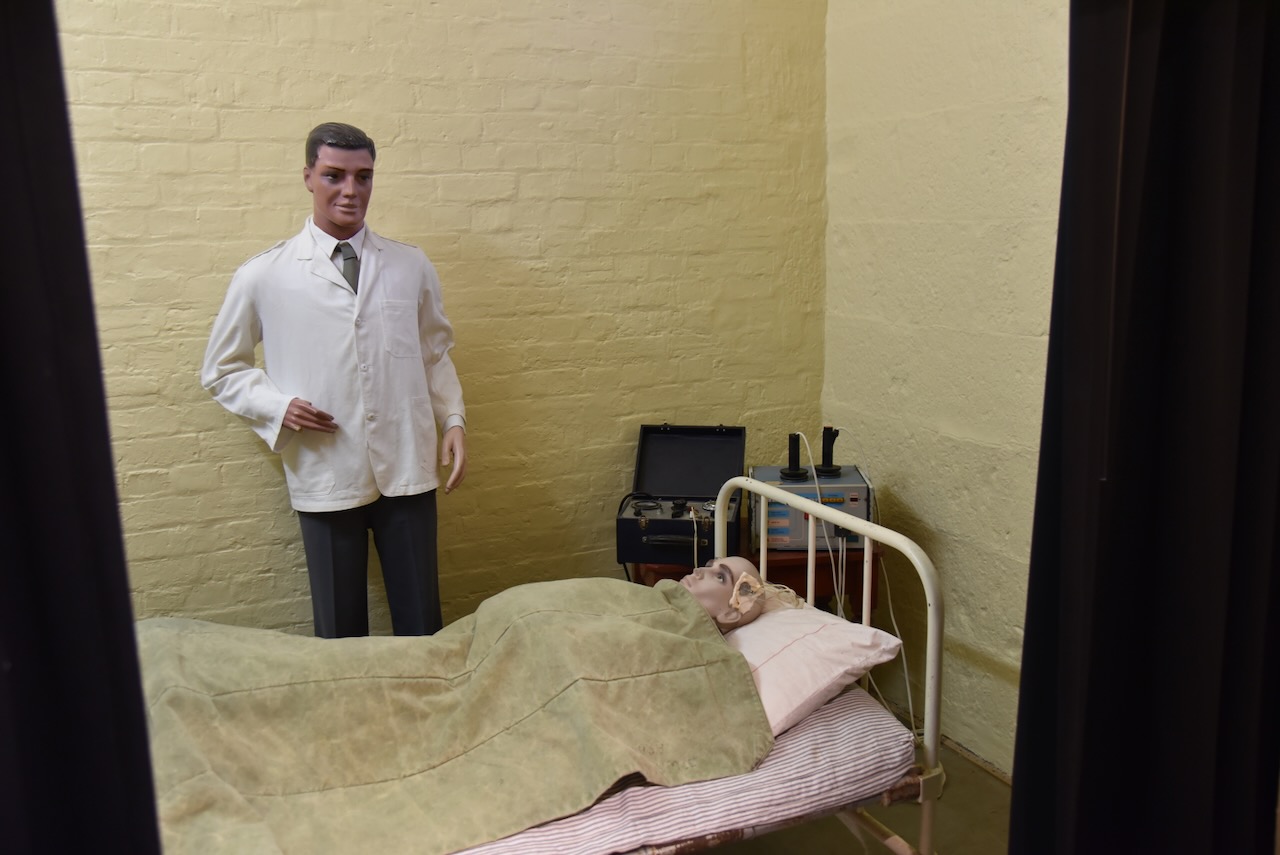
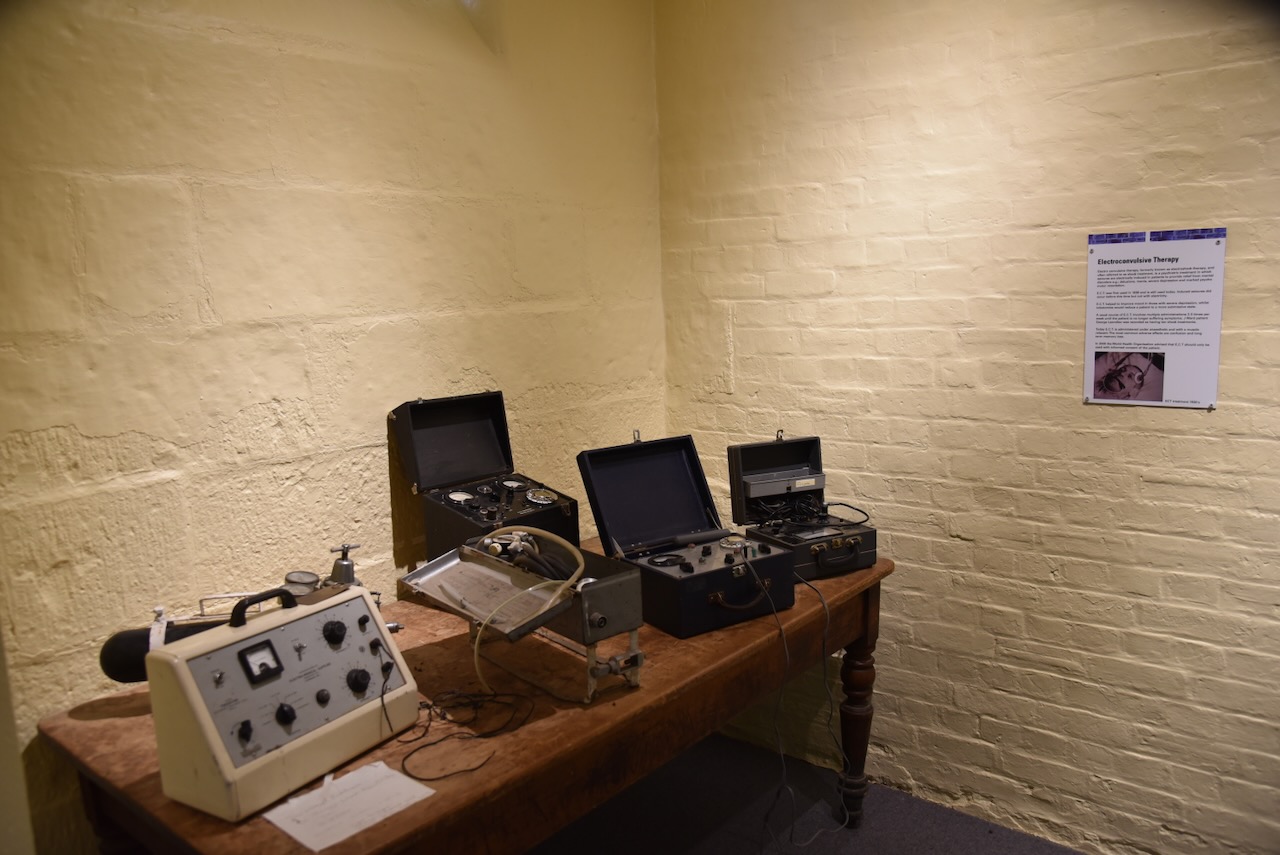
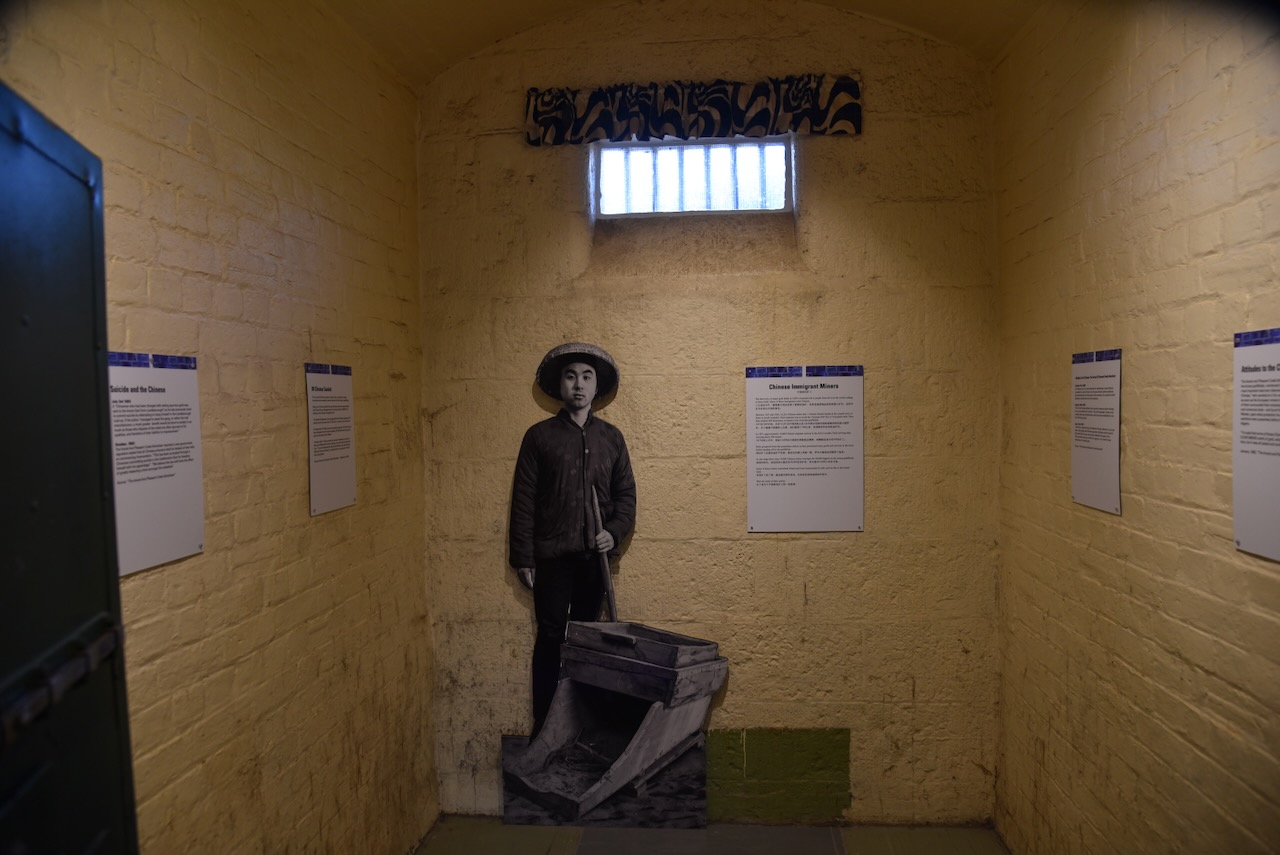
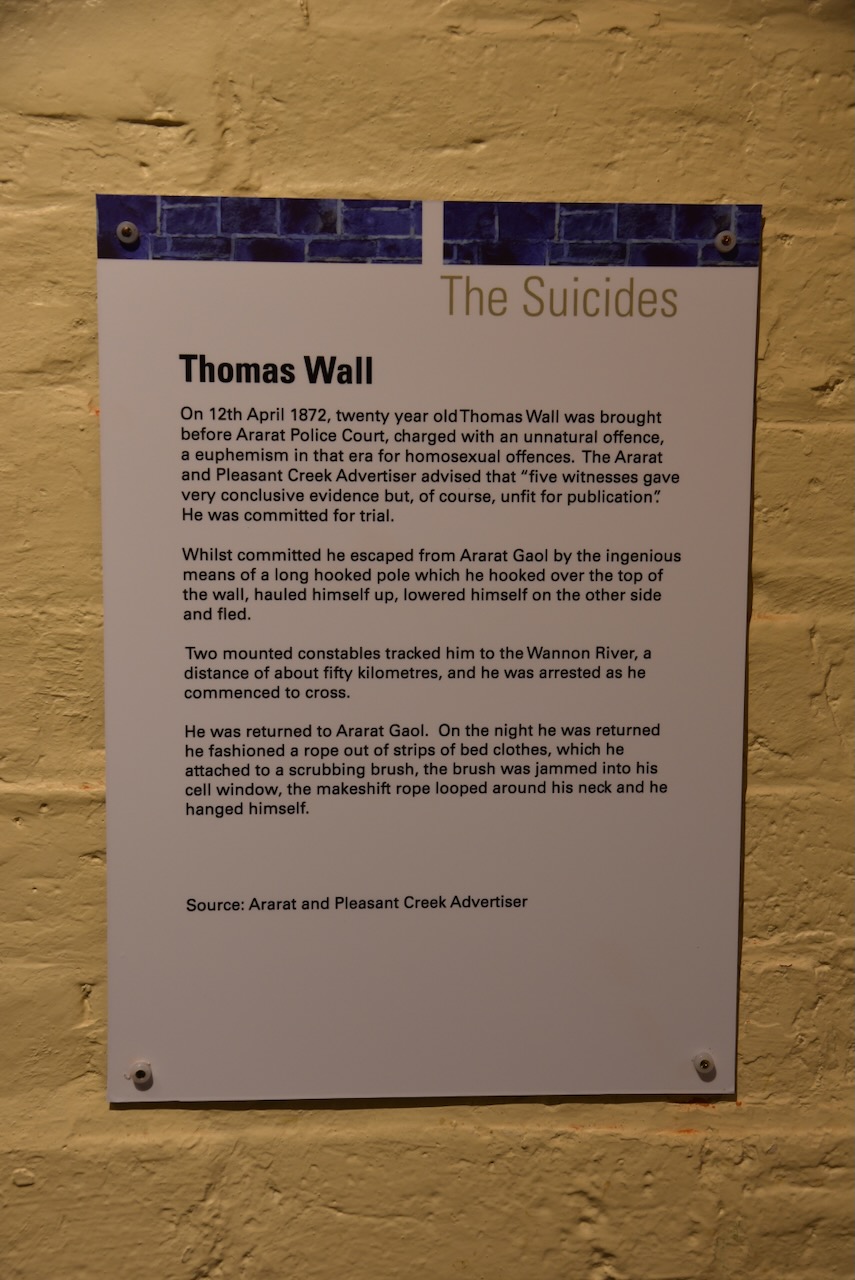
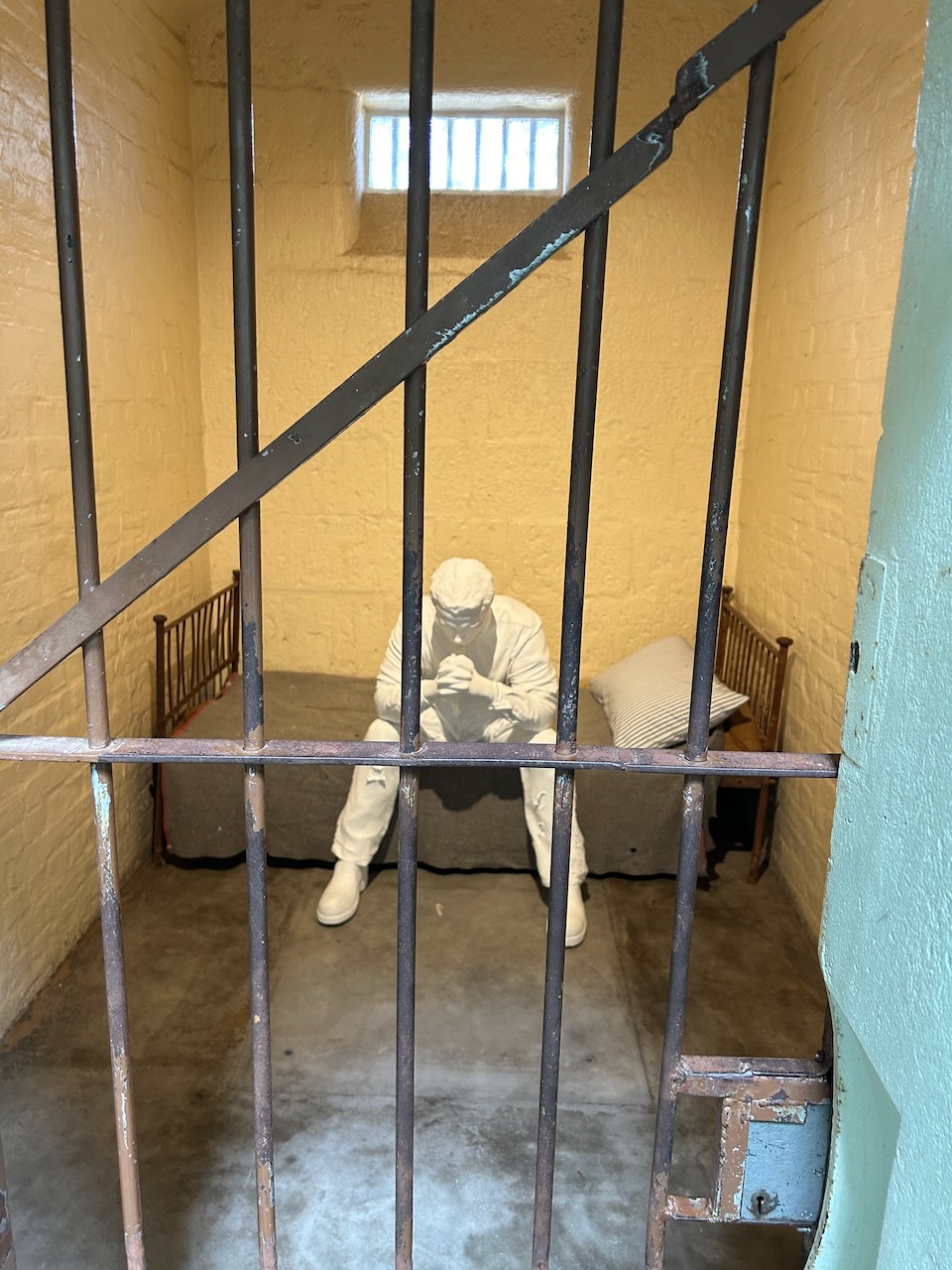
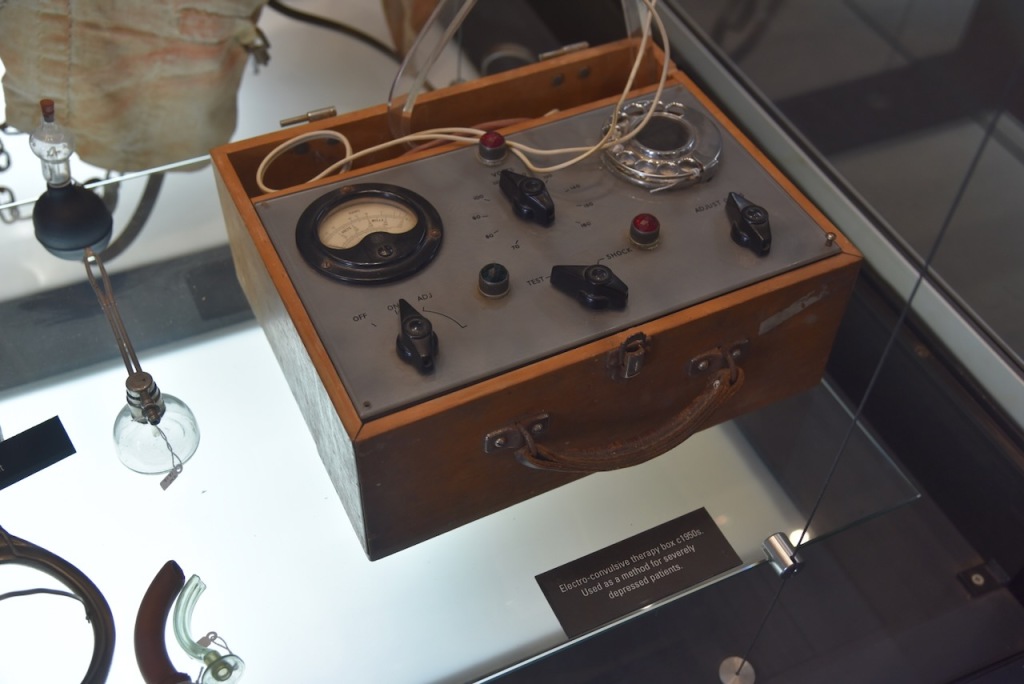
Many of the cells have information boards detailing various aspects of J Ward including electroconvulsive therapy.
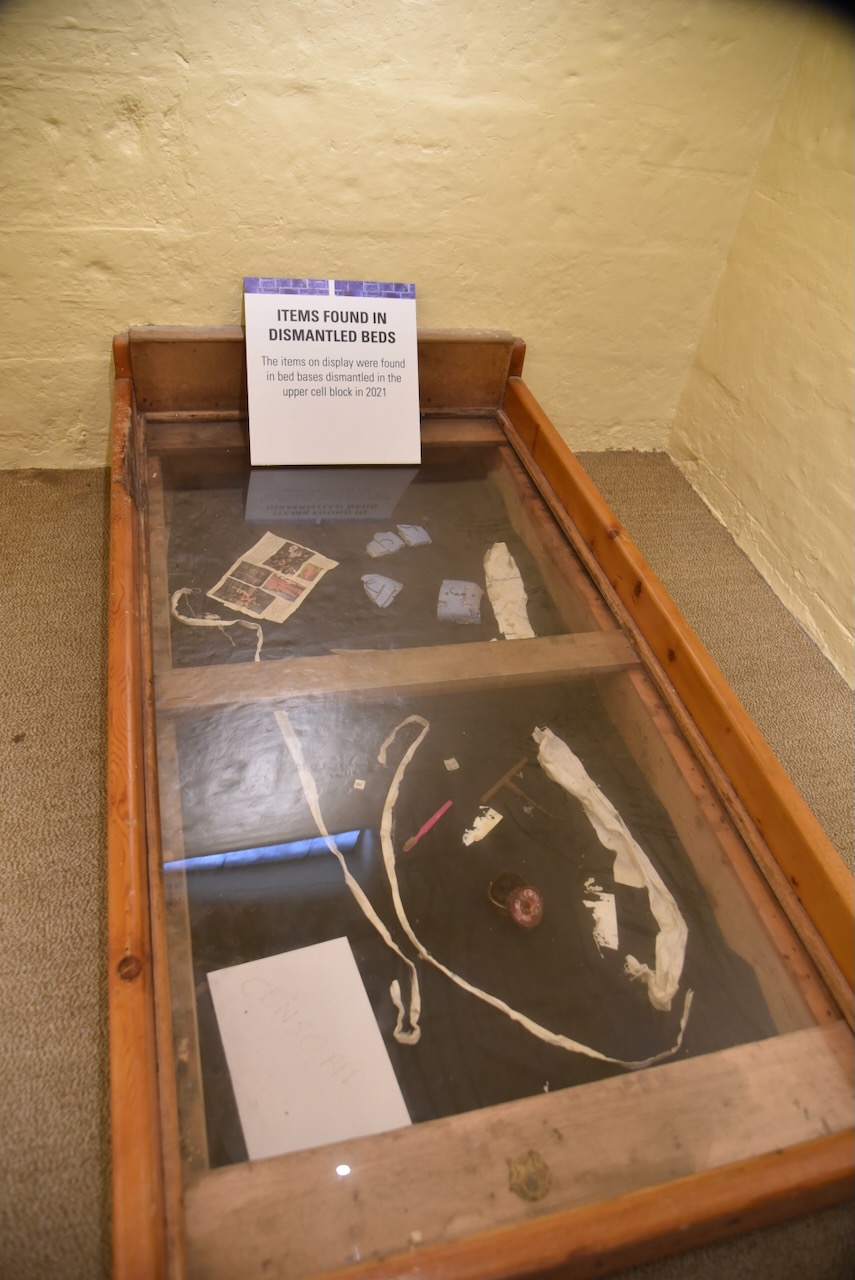
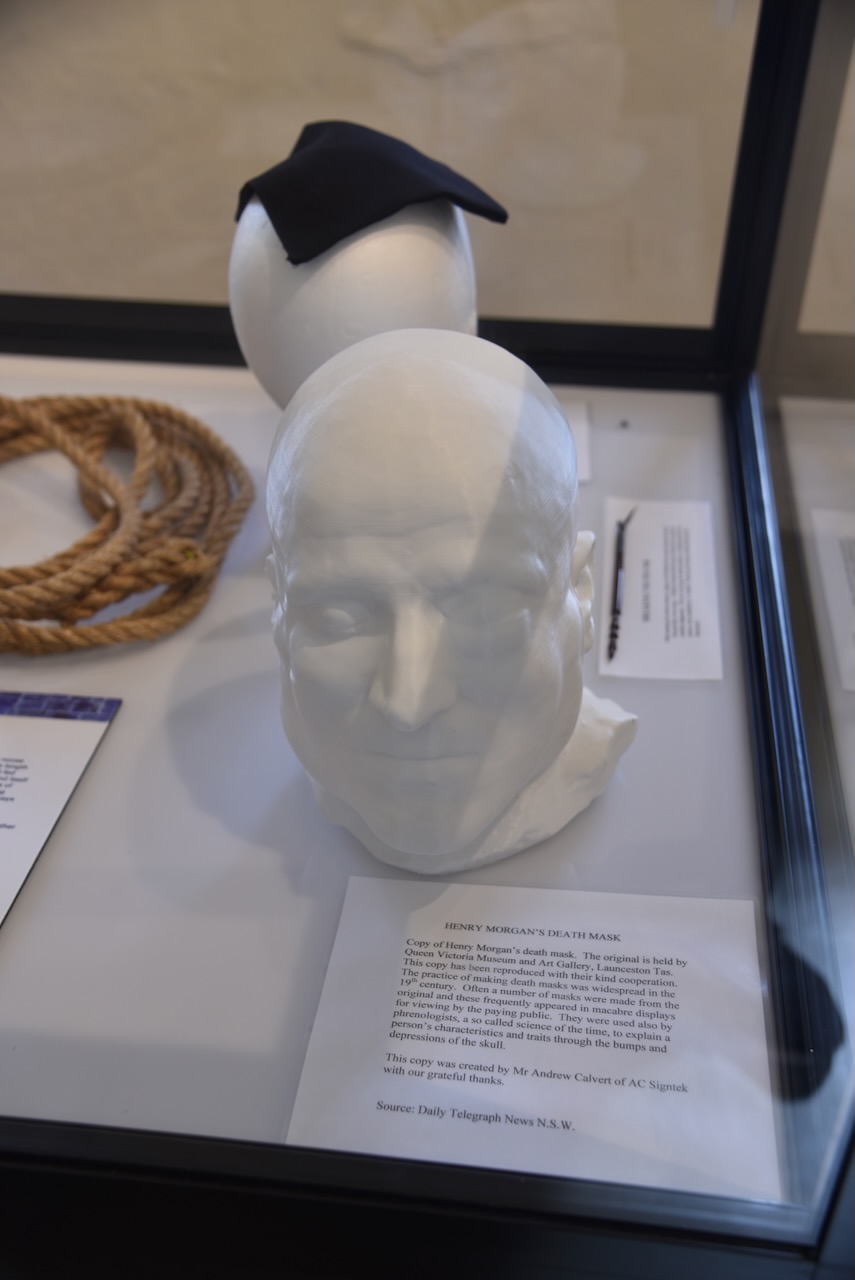
Other displays include items found in dismantled beds and death masks.
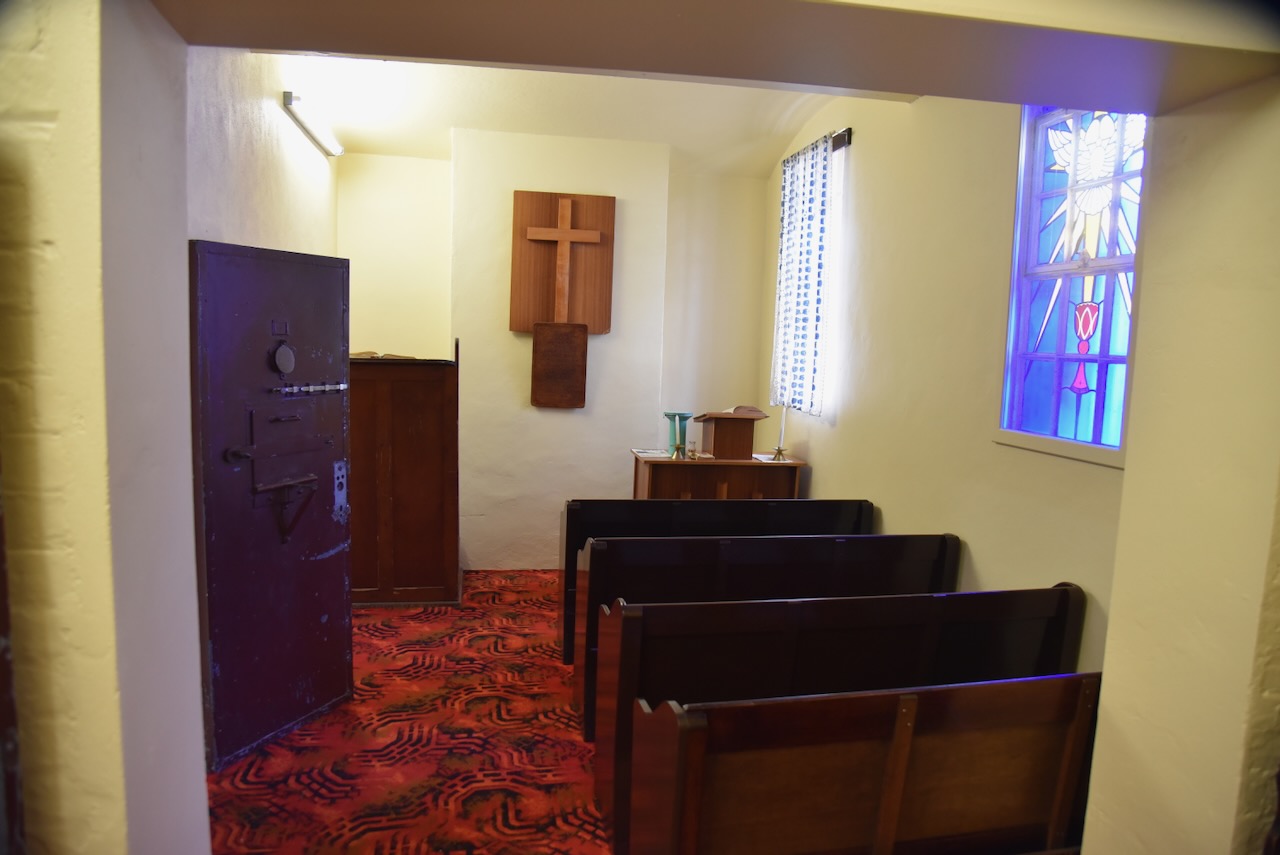
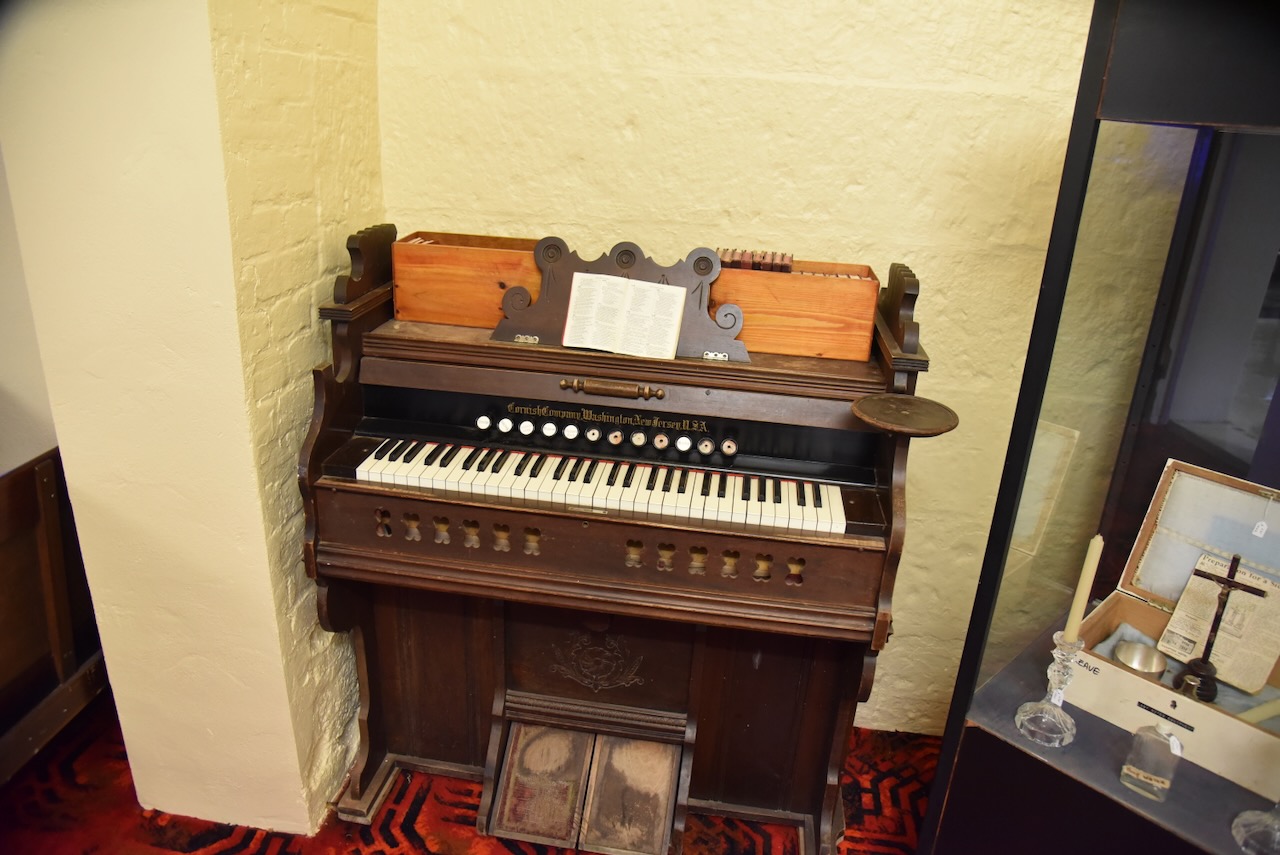
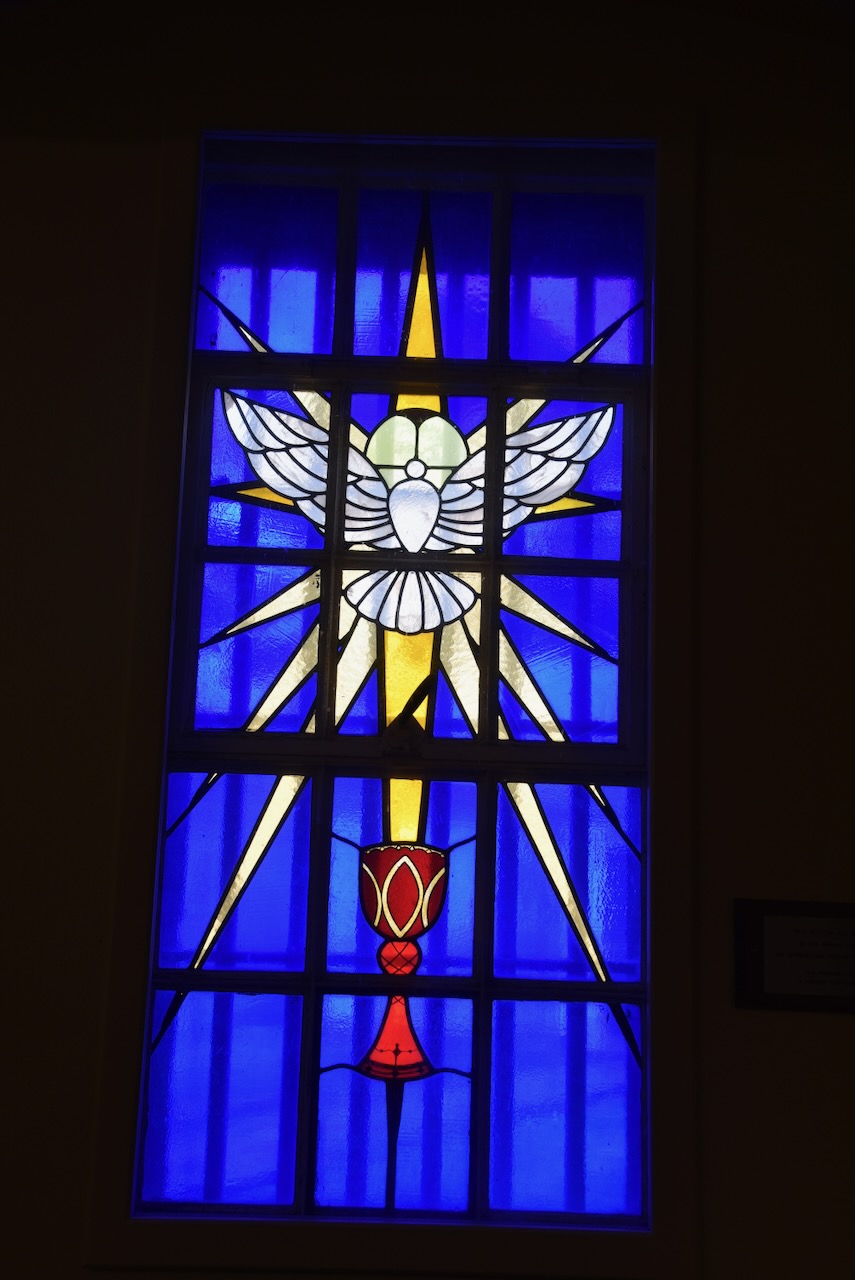
This section of J Ward also contains a small chapel.
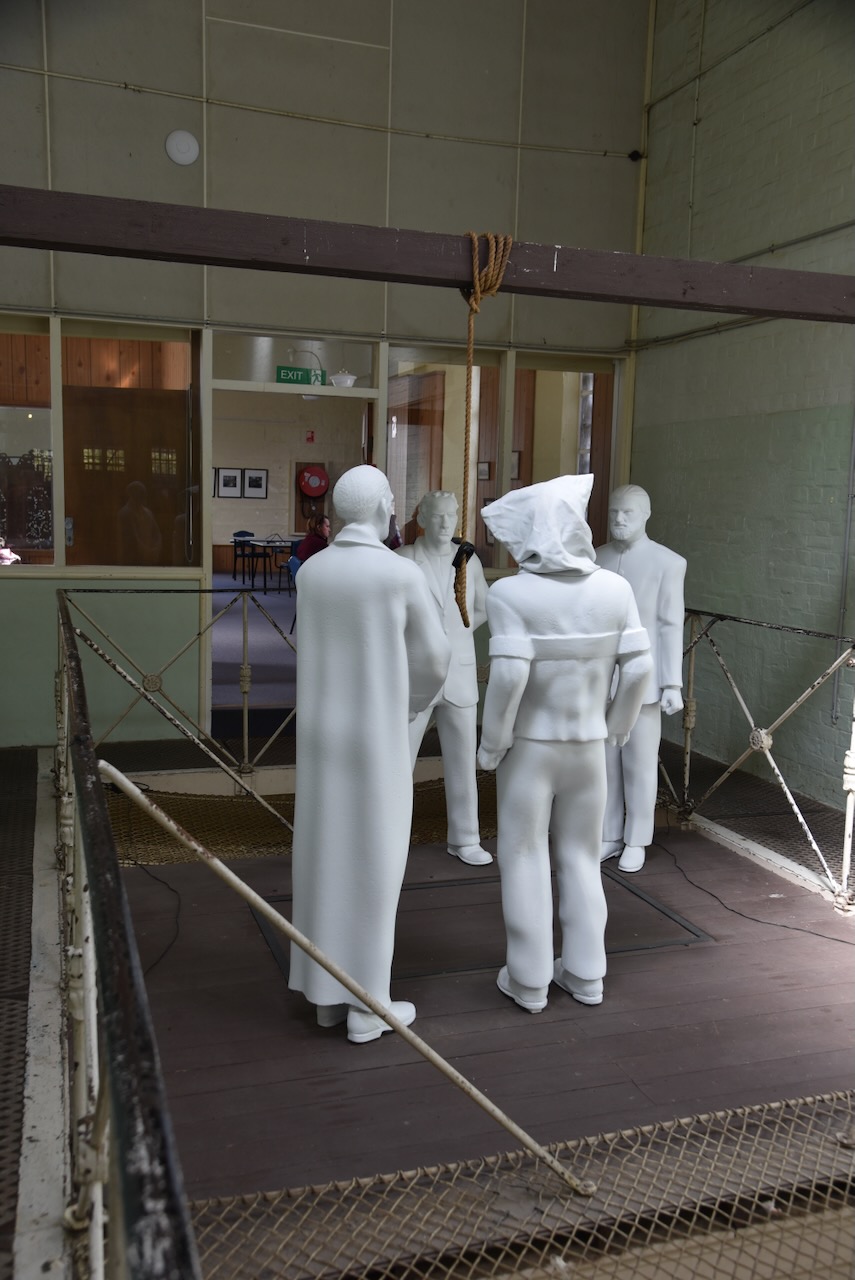
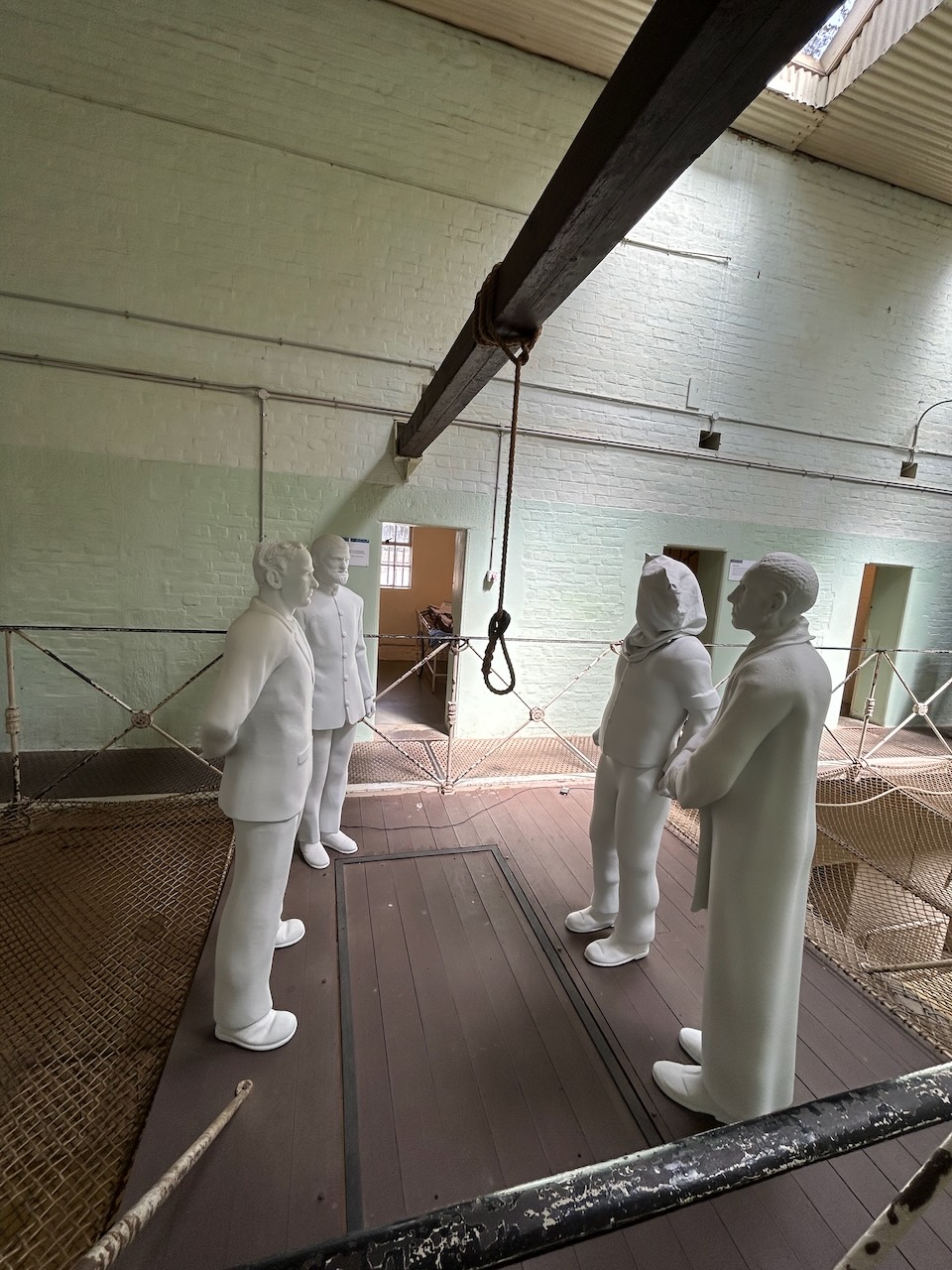
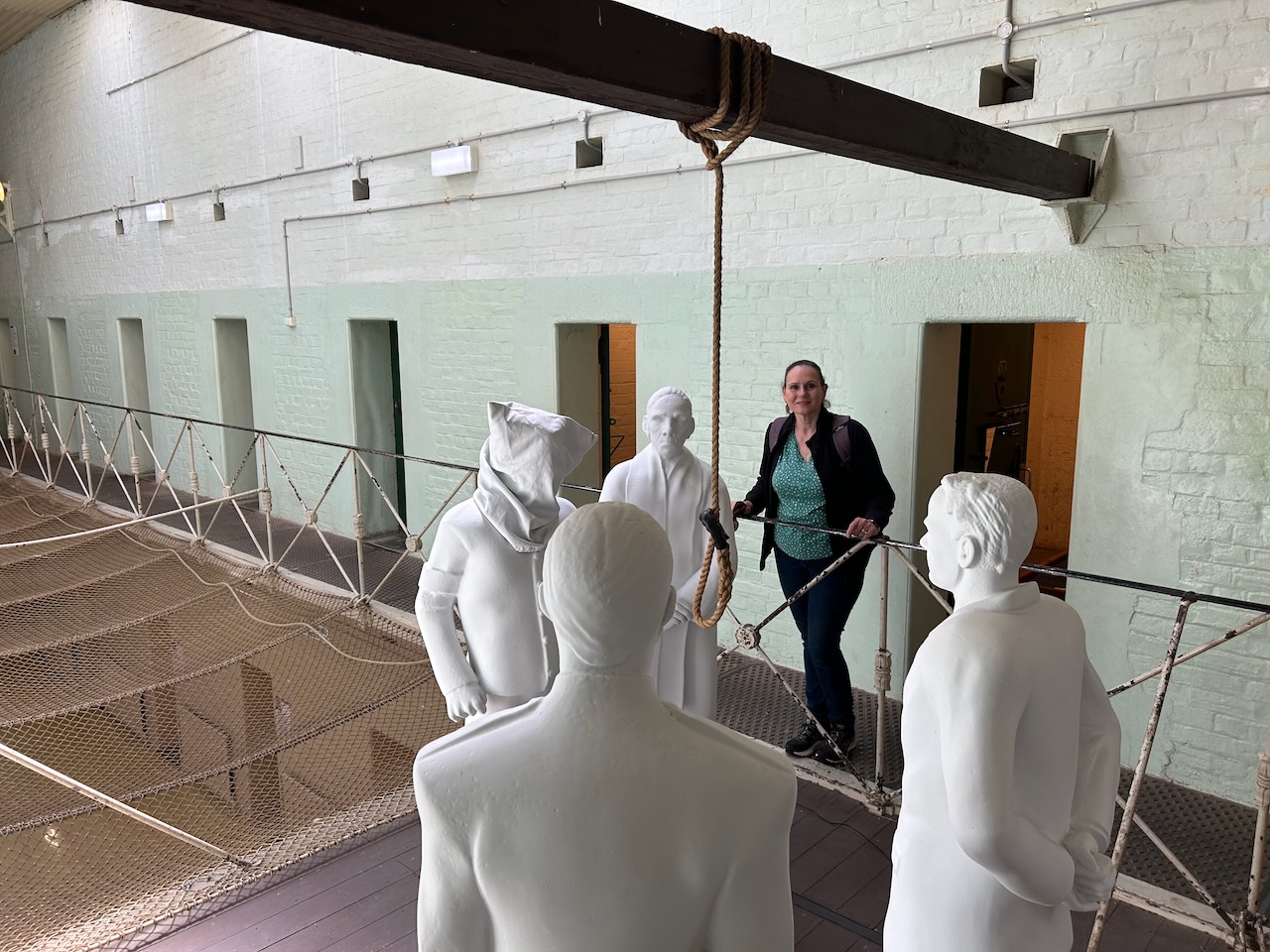
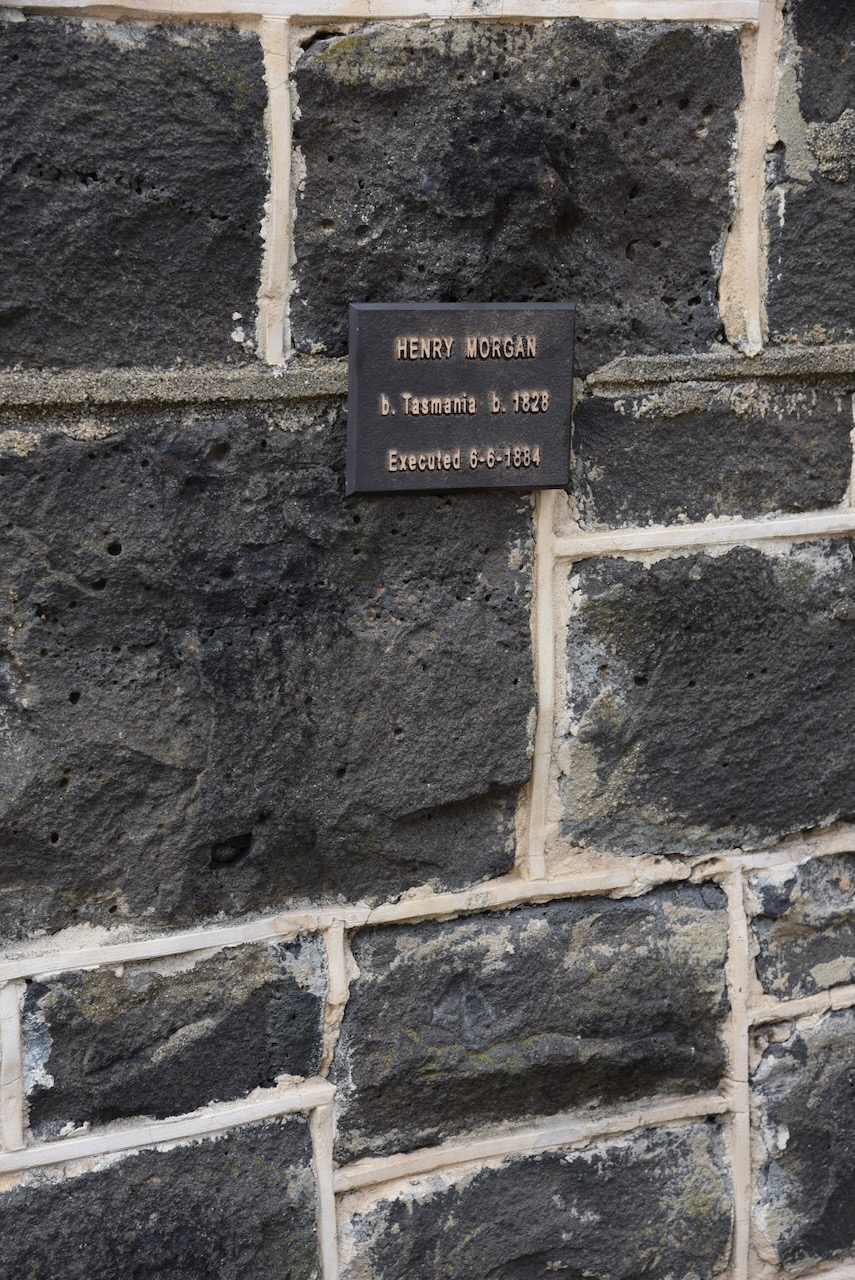
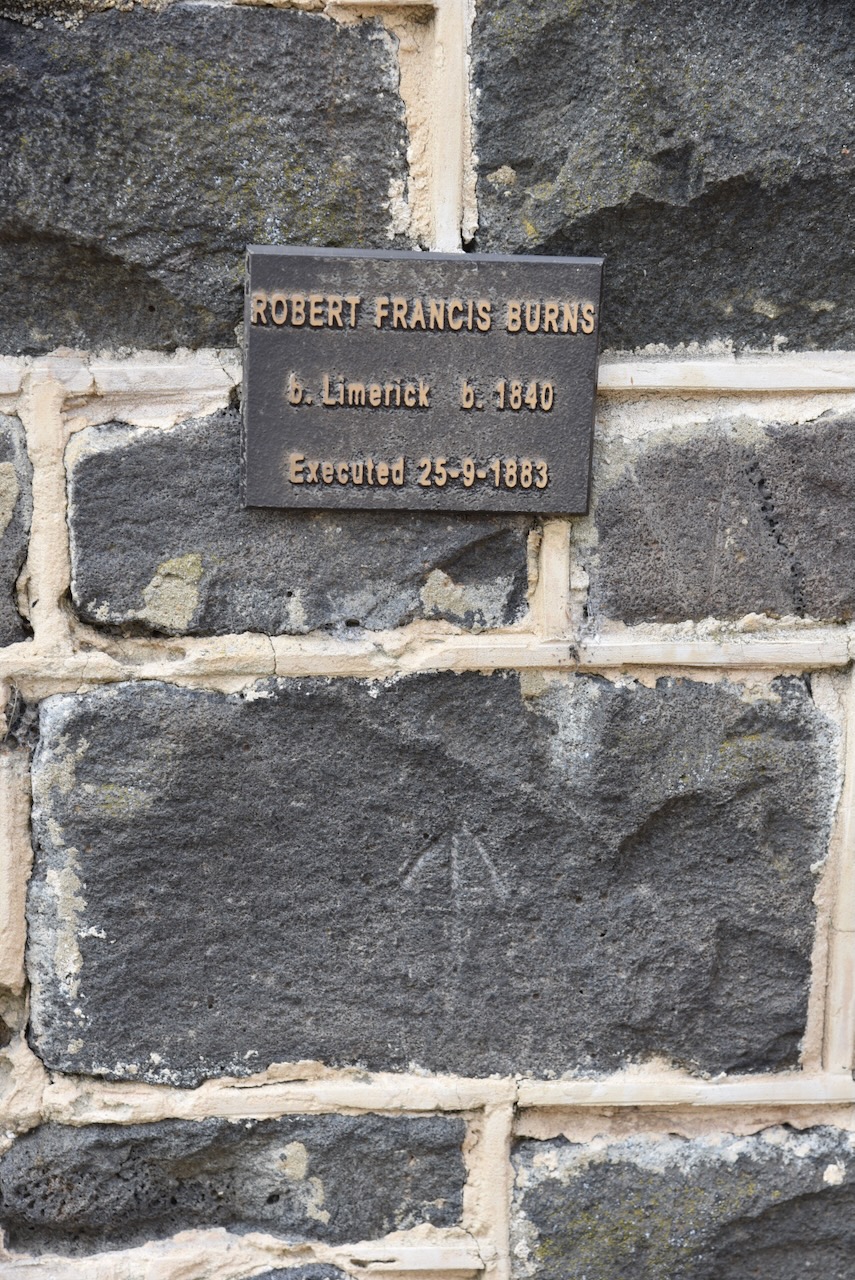
Executions at the gaol including Andrew Vere in 1870 who was convicted of a shooting murder. Robert Francis Burn was hung for muder in September 1883. Henry Morgan was hung after being convicted for murder where he cut the throat of 10 year old Margaret Nolan after sexually assaulting her.
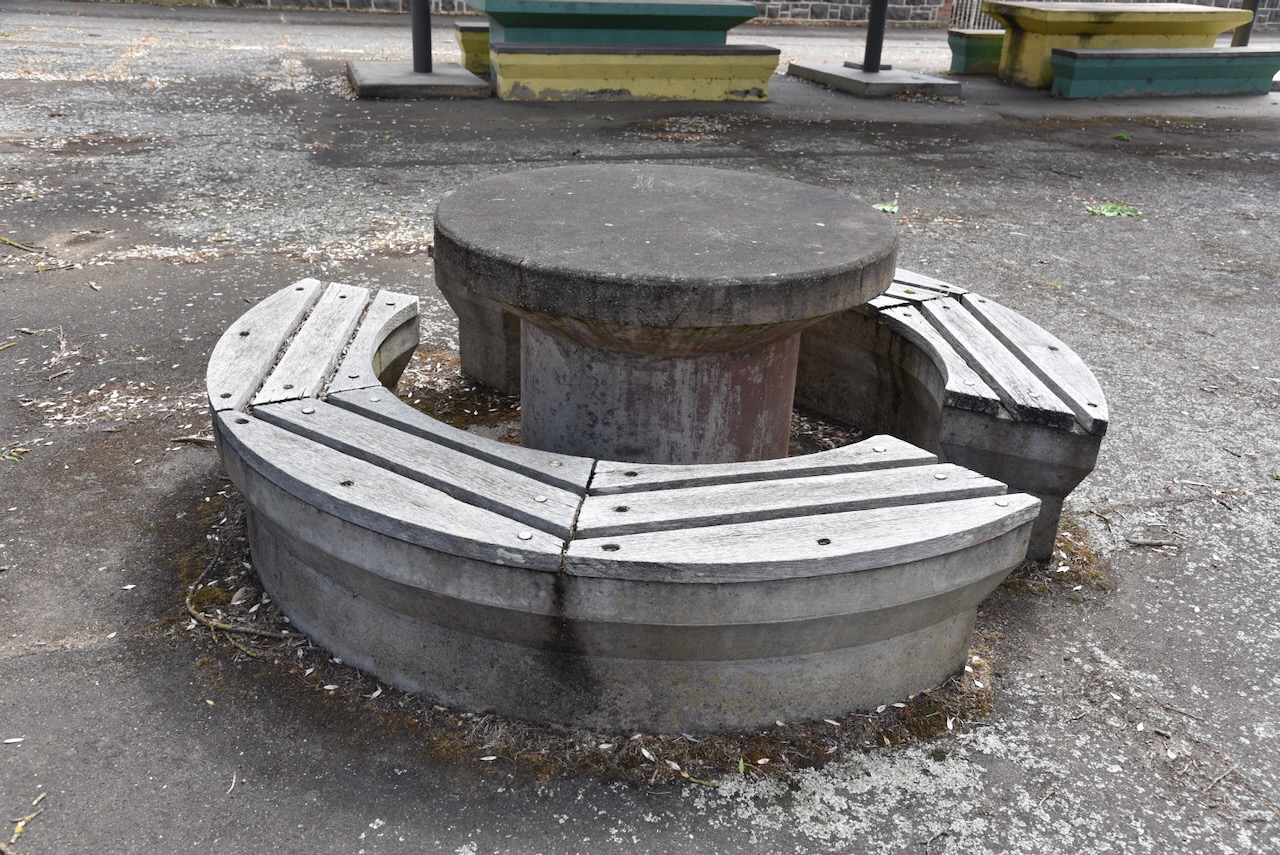
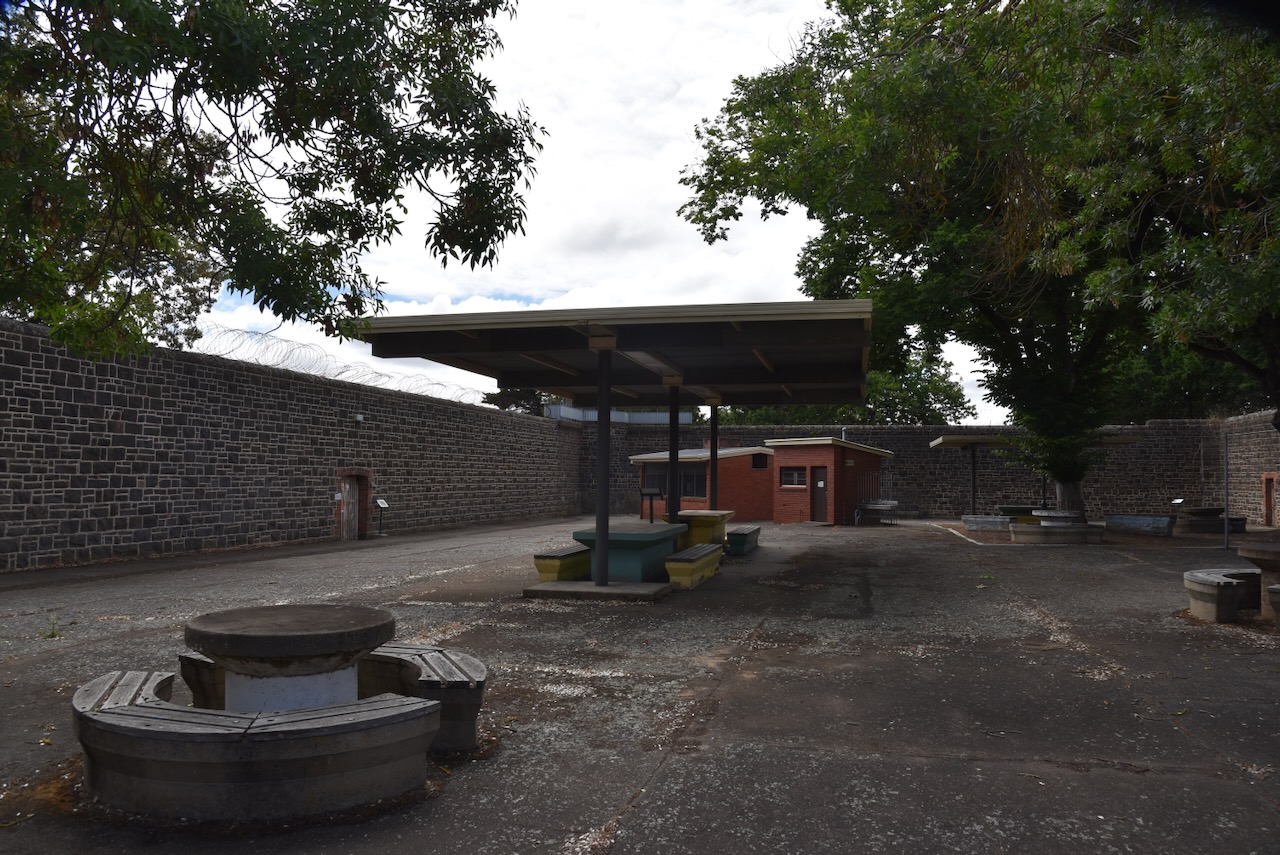
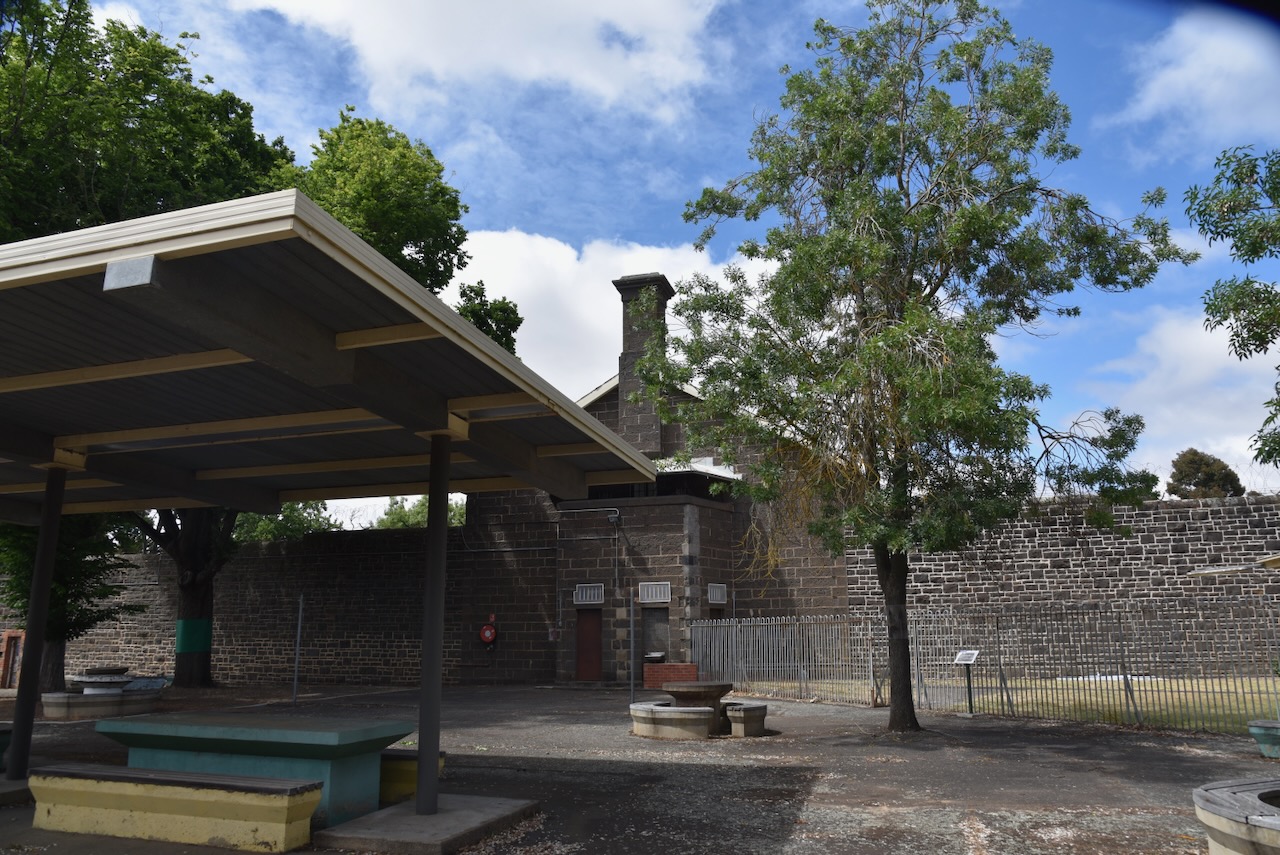
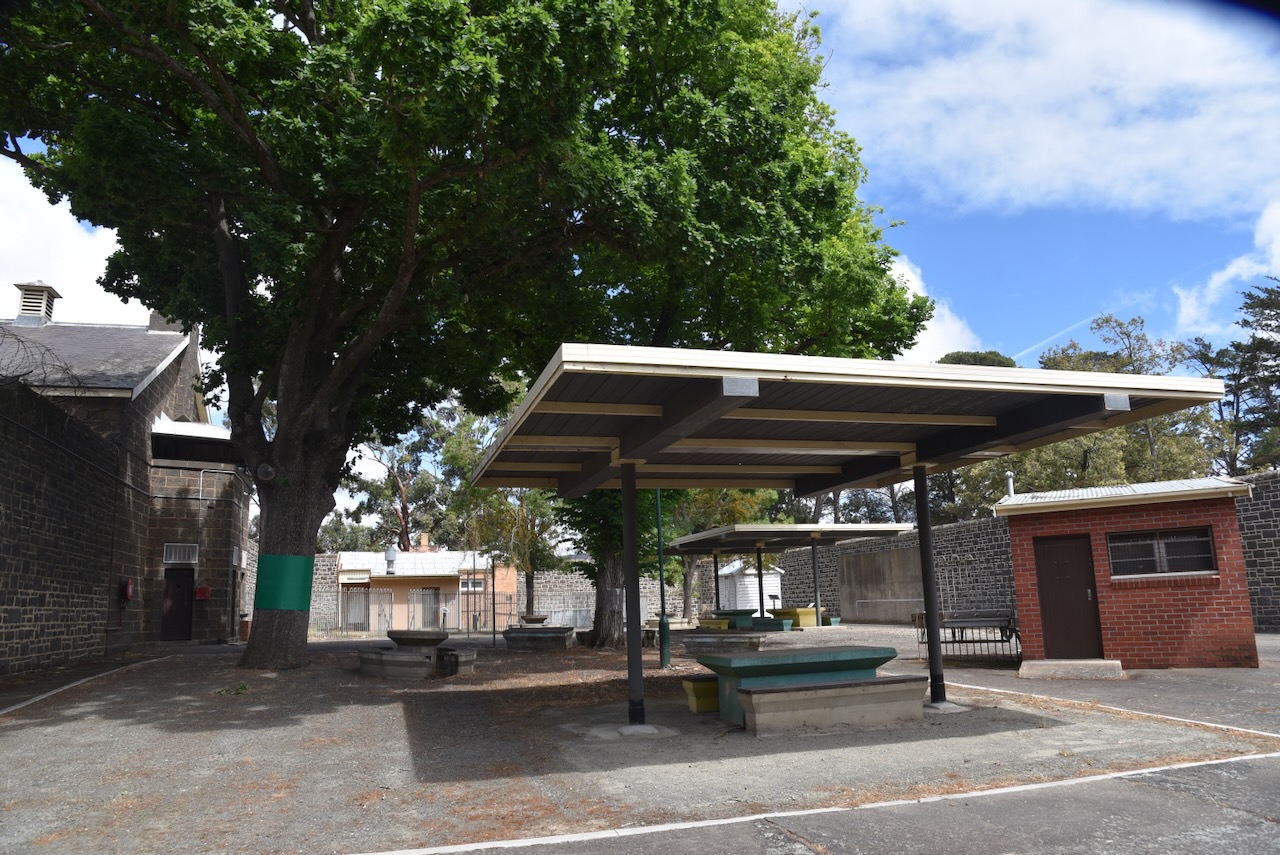
We then moved outside to the exercise yard.
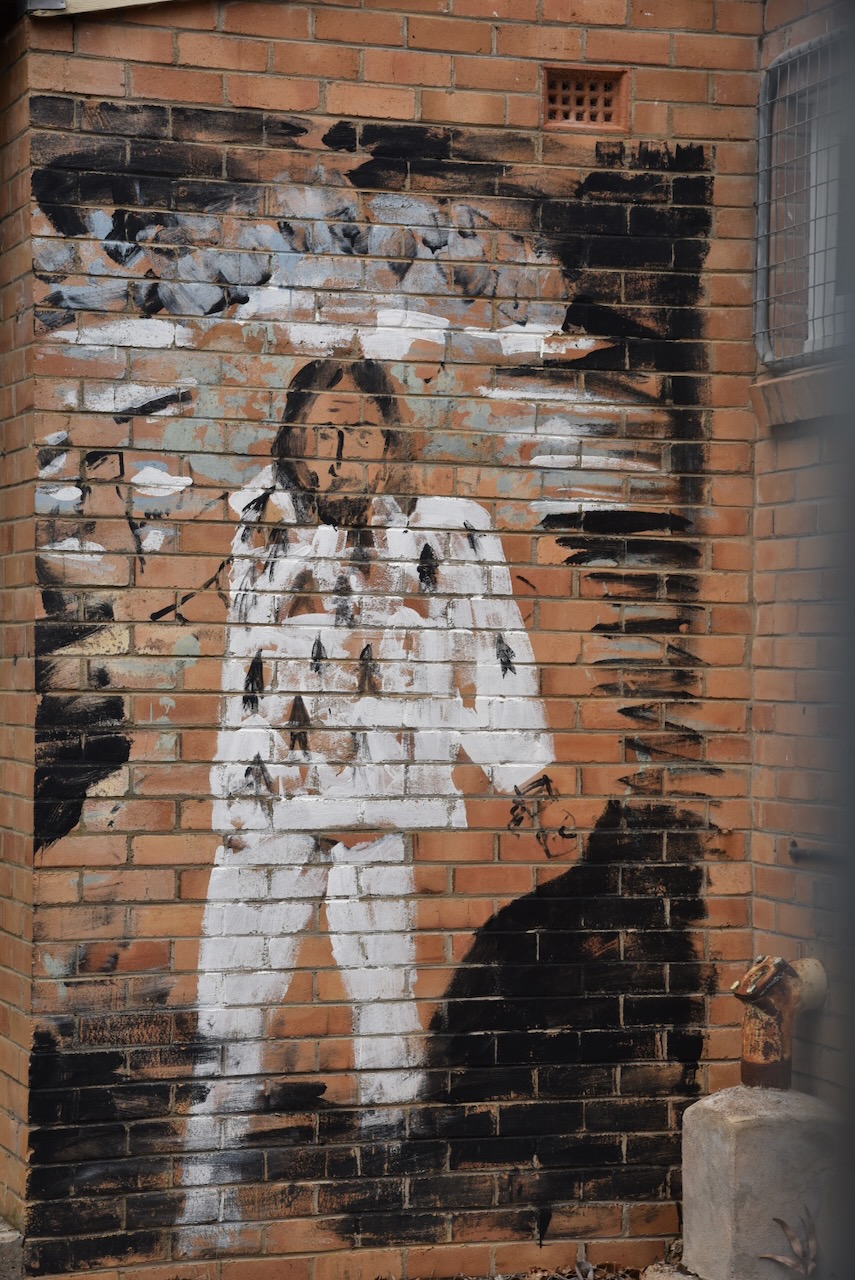
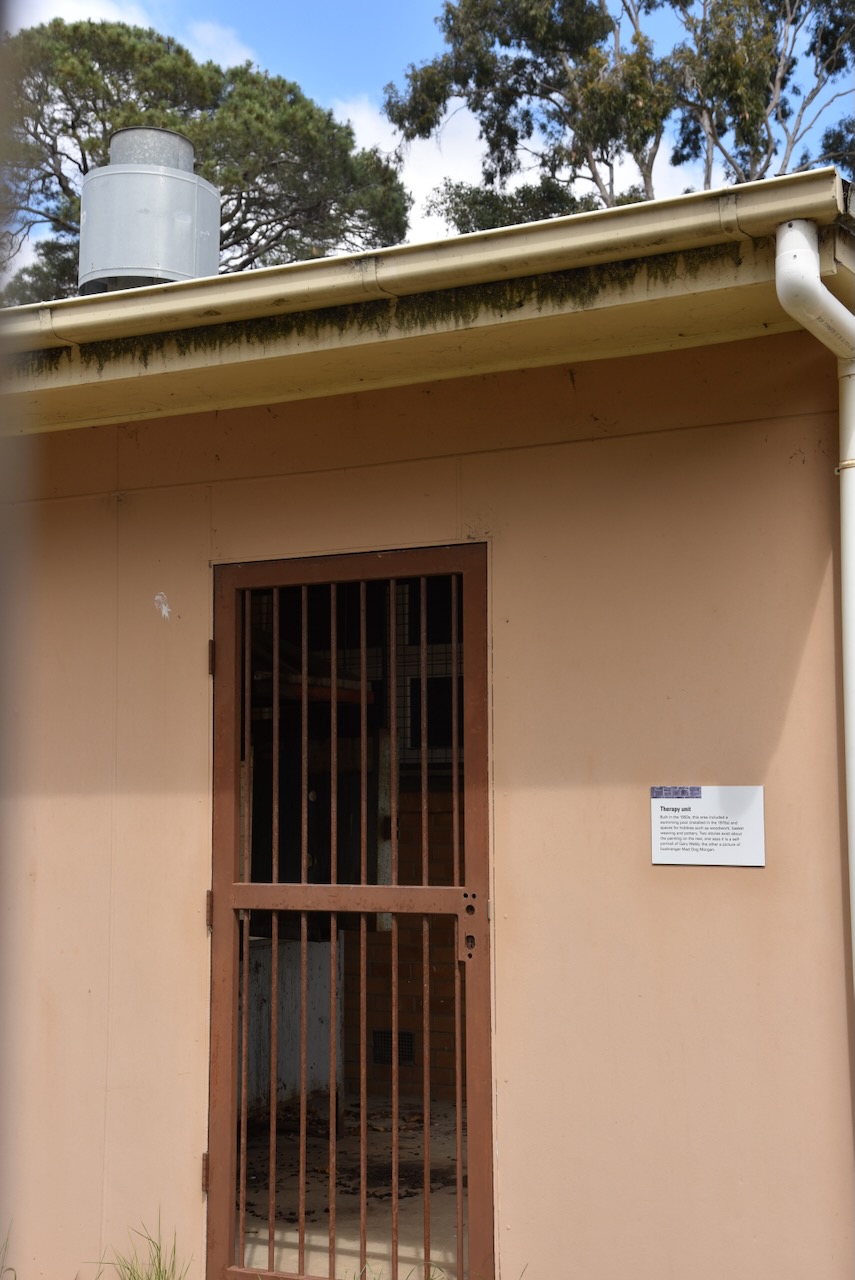
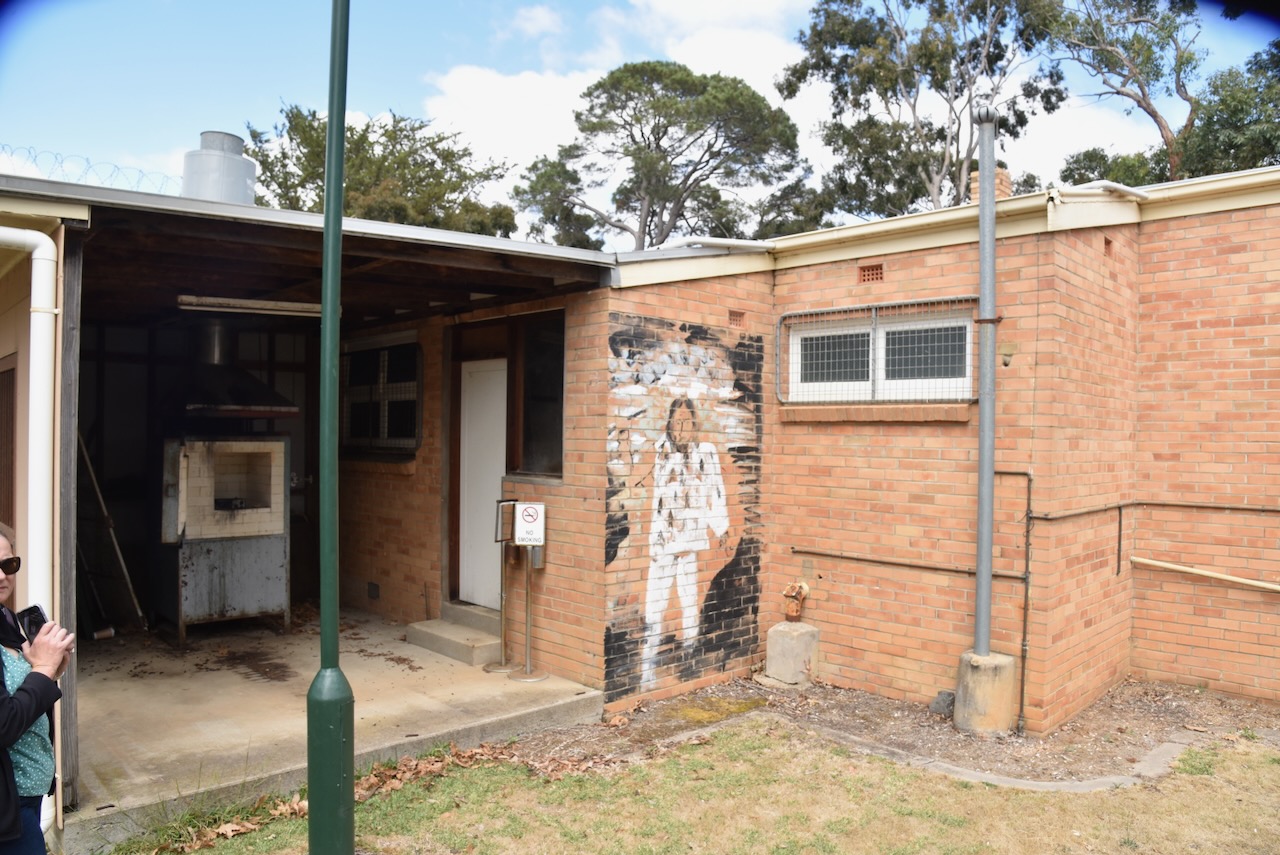
The therapy unit was built in the 1950s and included a swimming pool installed in the 1970s, spaces for hobbies such as woodwork, basket weaving and pottery. A picture can be found in the building. There are two stories about the painting, with once claiming it is a portrait of J Ward patient Gary Webb, while another is that it is bushranger Mad Dog Morgan.
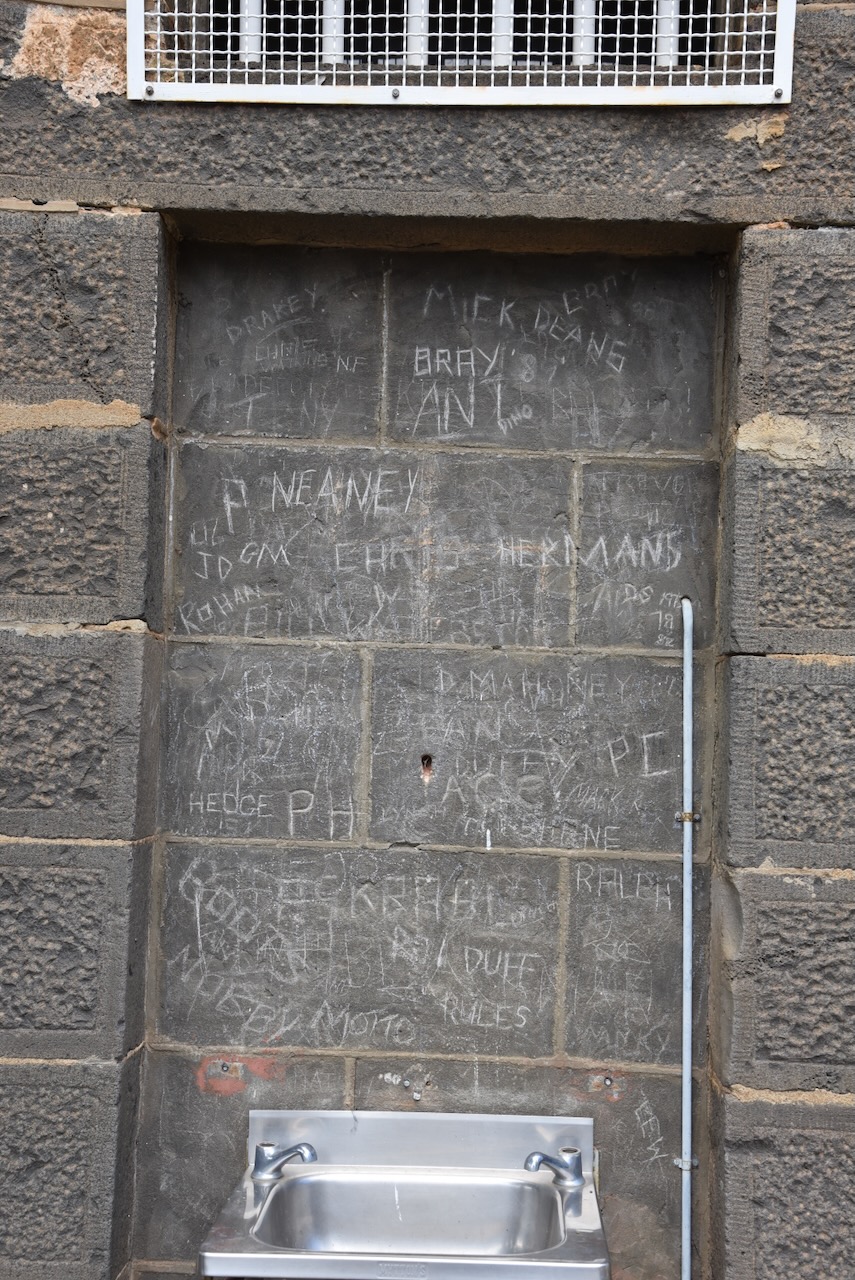
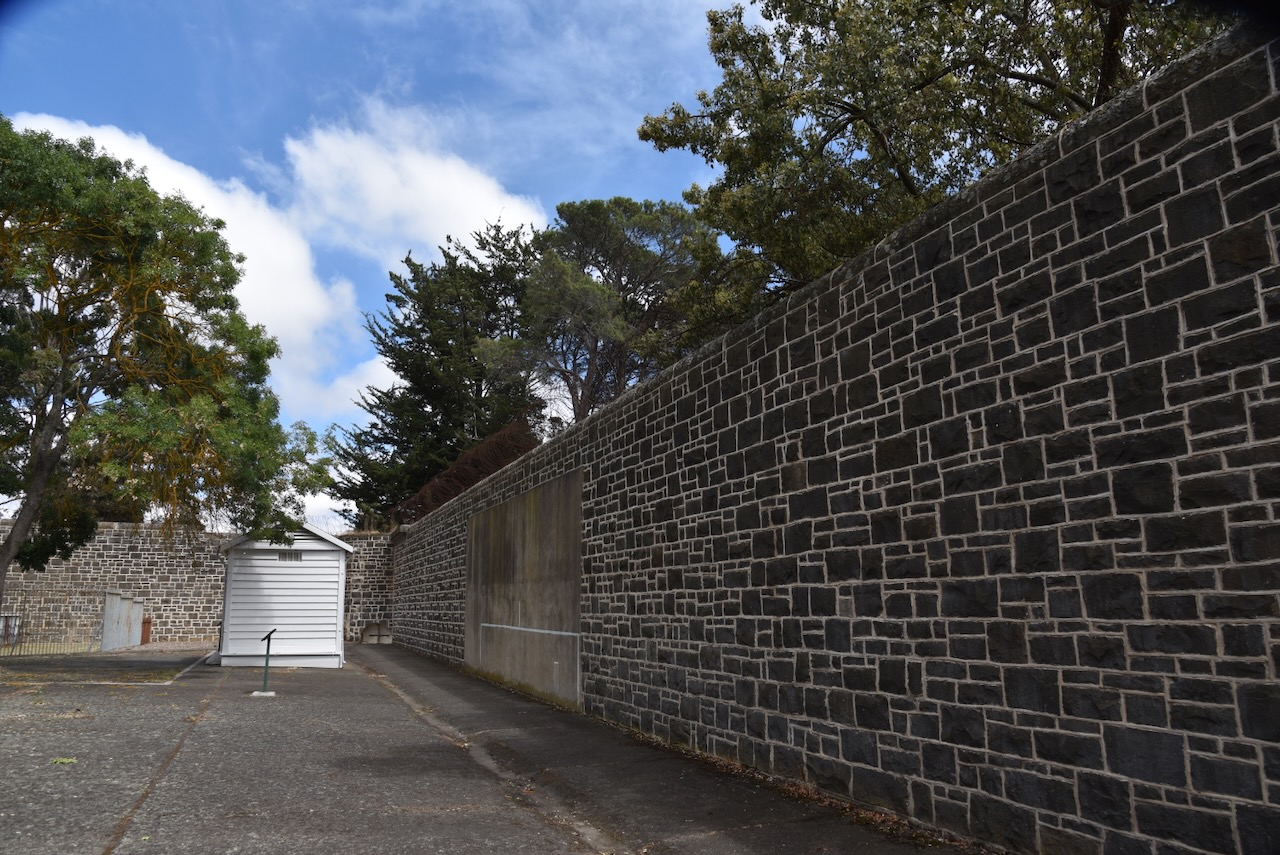
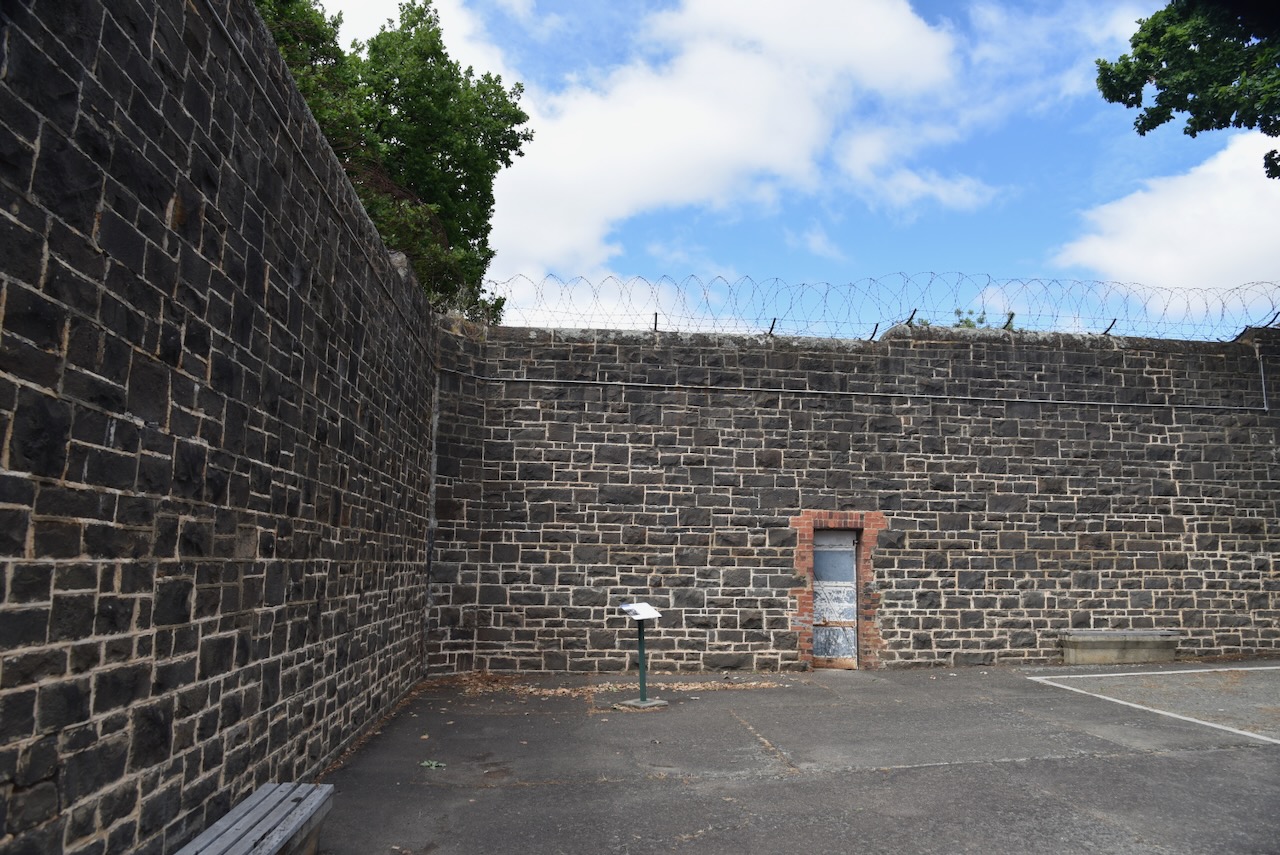
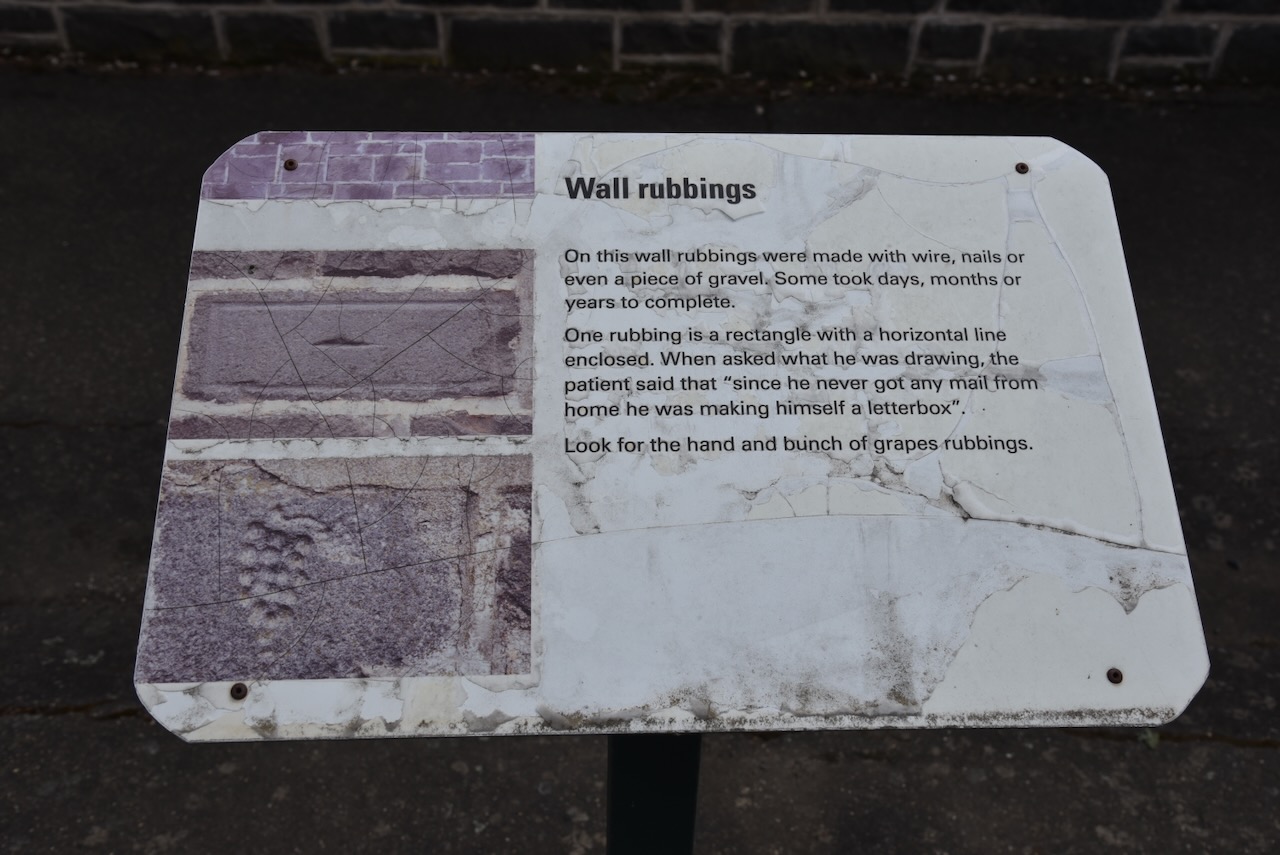
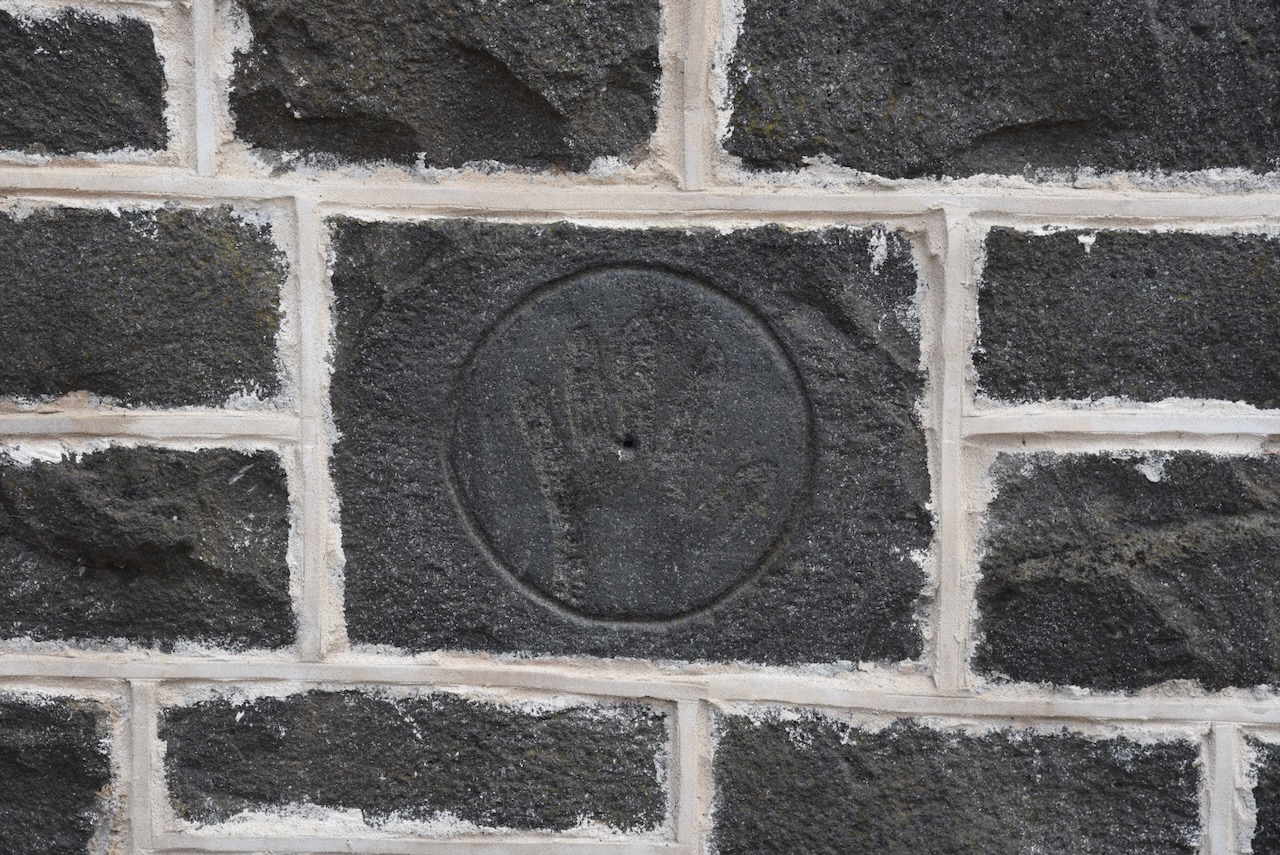
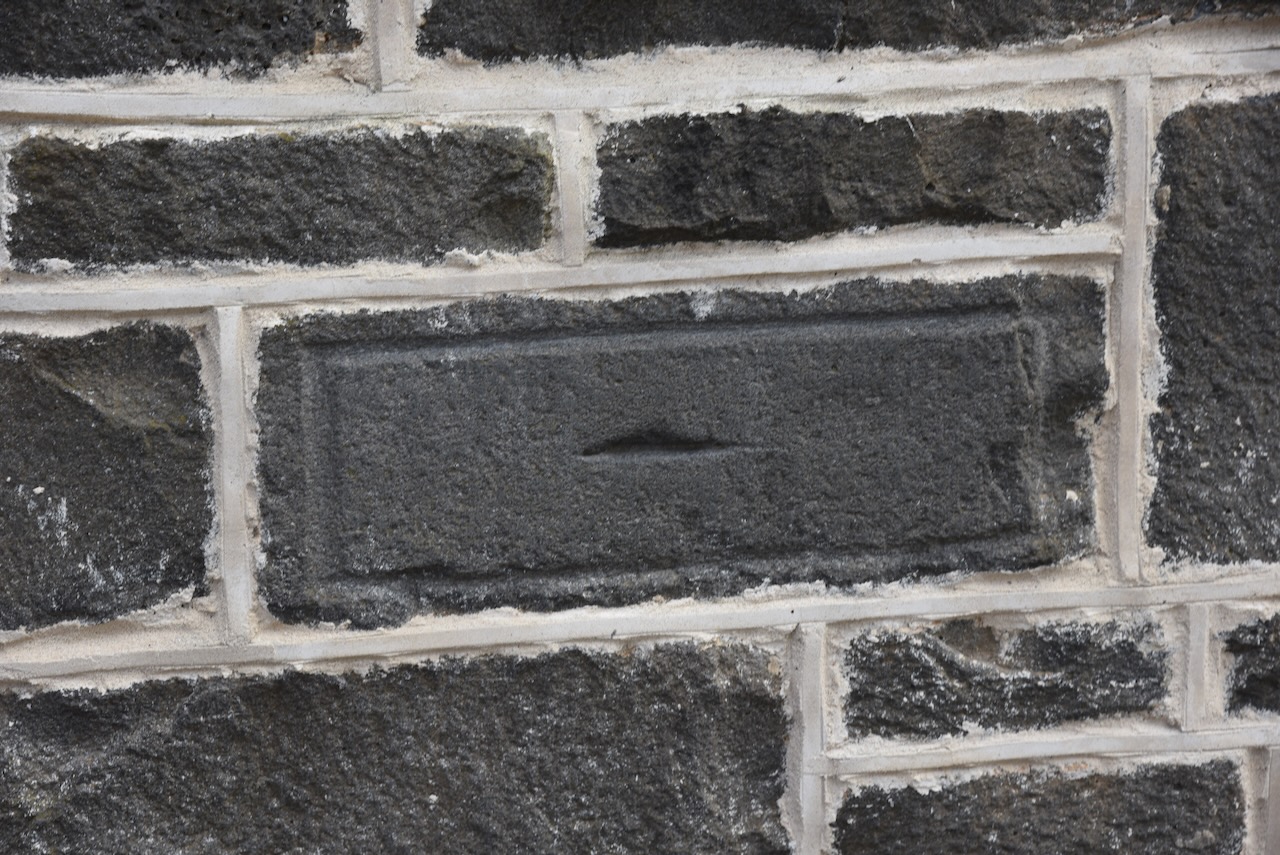
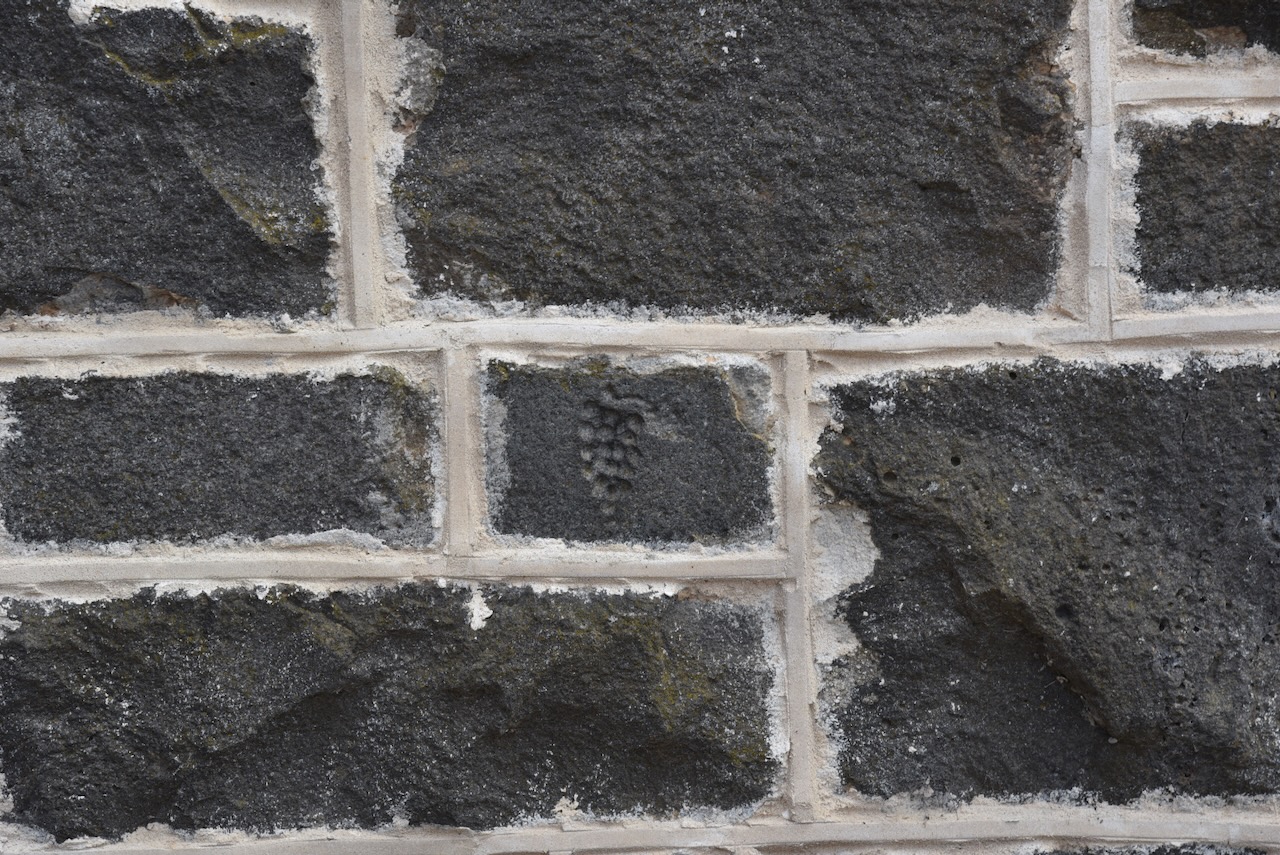
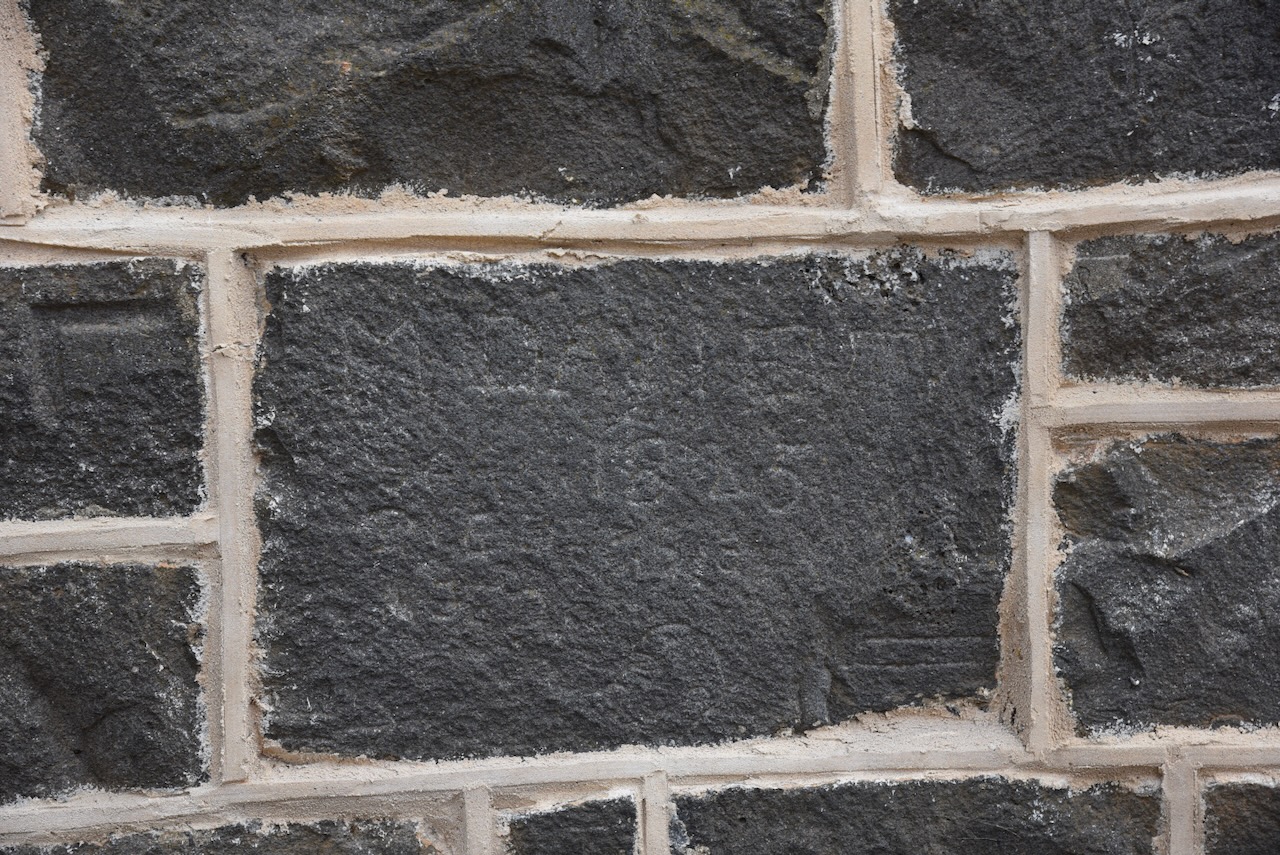
On the wall in the exercise yard you can view wall rubbings which were made with wire, nails, or even a piece of gravel. Some took days, months, or years to complete. One rubbing is a rectangle with a horizontal line enclosed. When asked what he was drawing, the patient said that ‘since he never got any mail from home he was making himself a letterbox.’ You can also see a bunch of grapes.
There are also a number of prisoners names and dates.
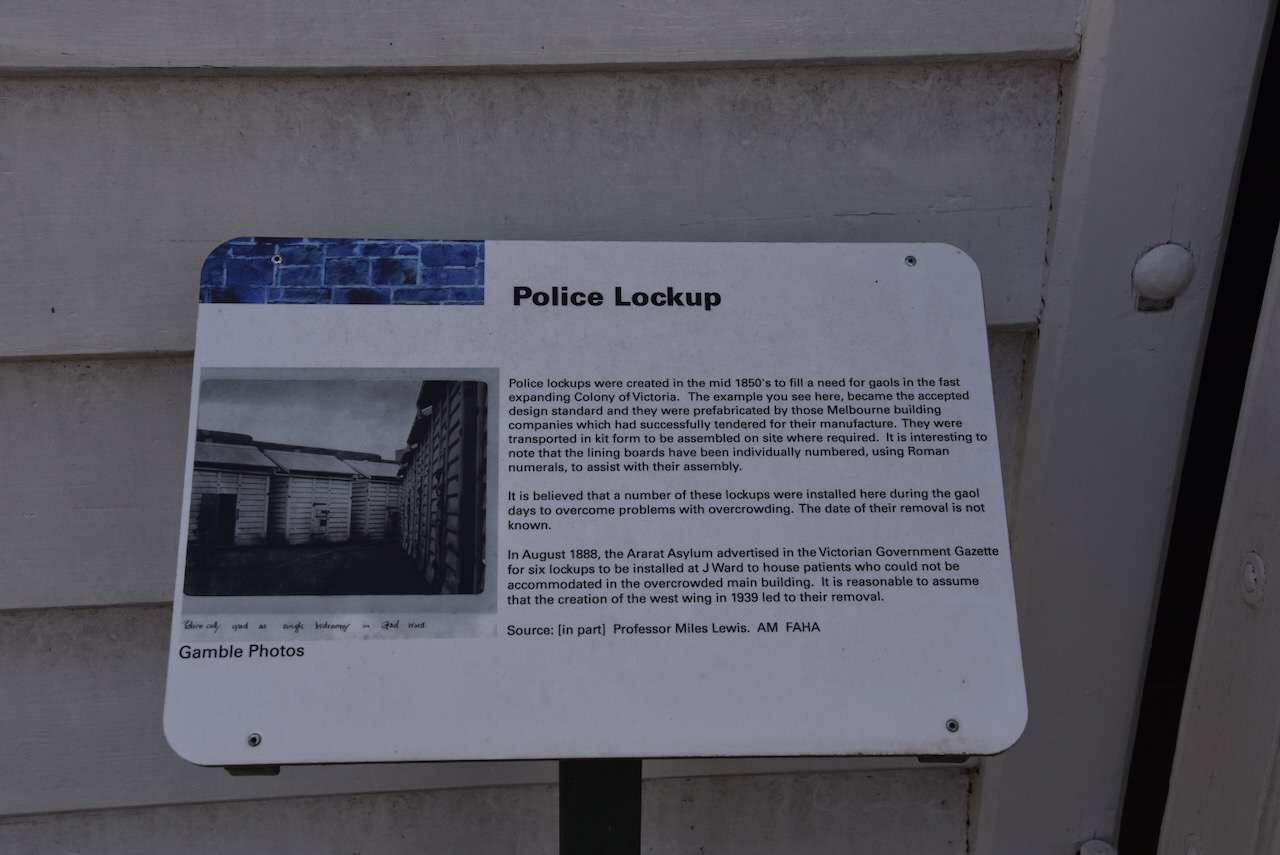
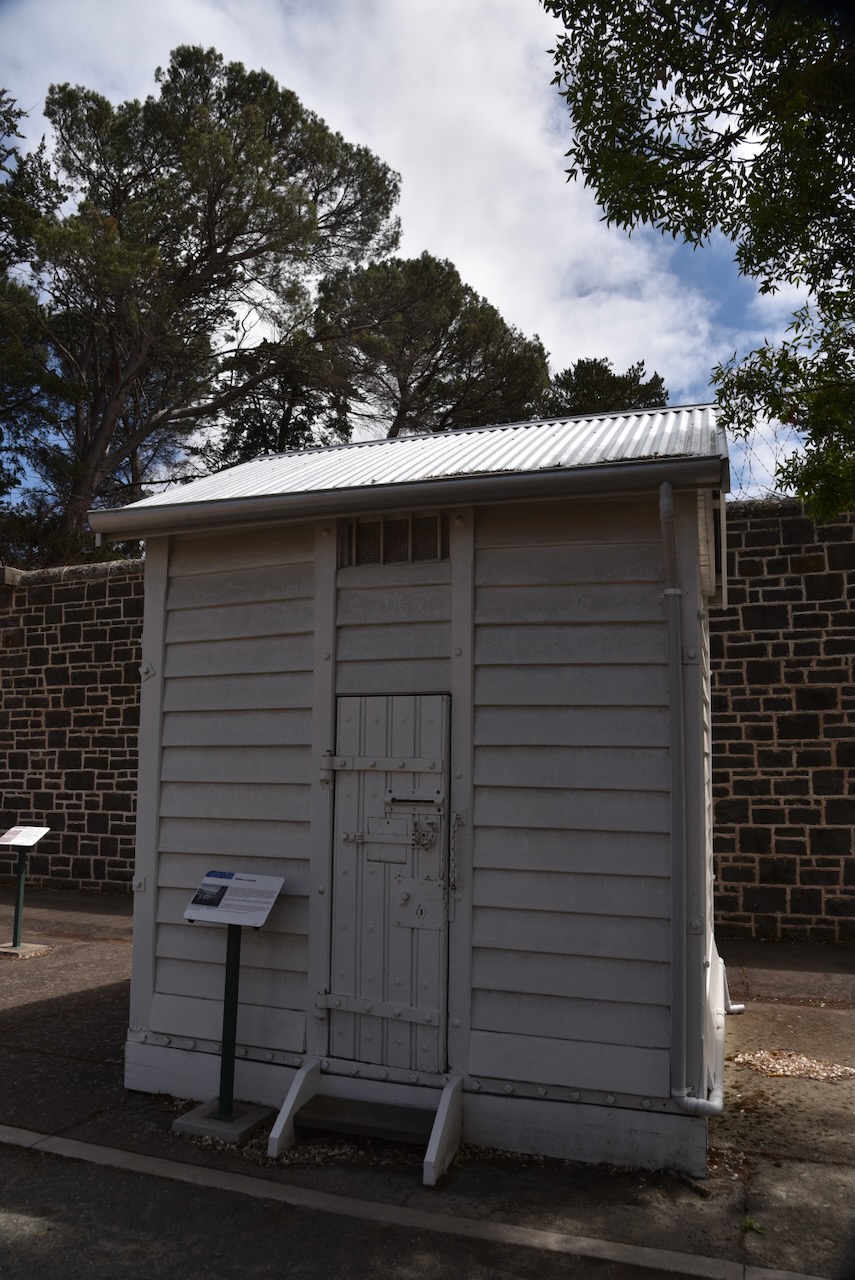
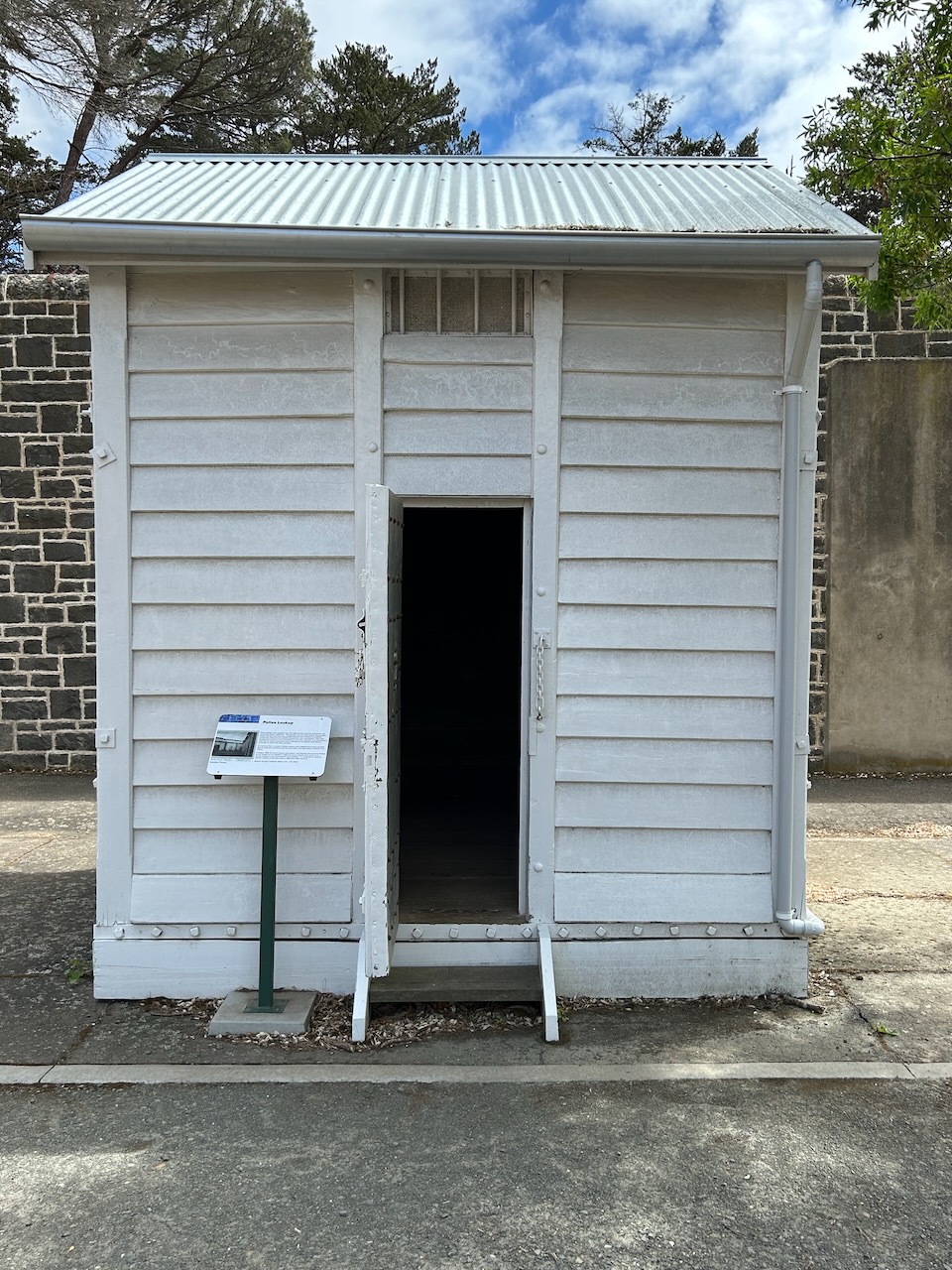
An old Victorian Police Lockup is on display in the exercise yard.
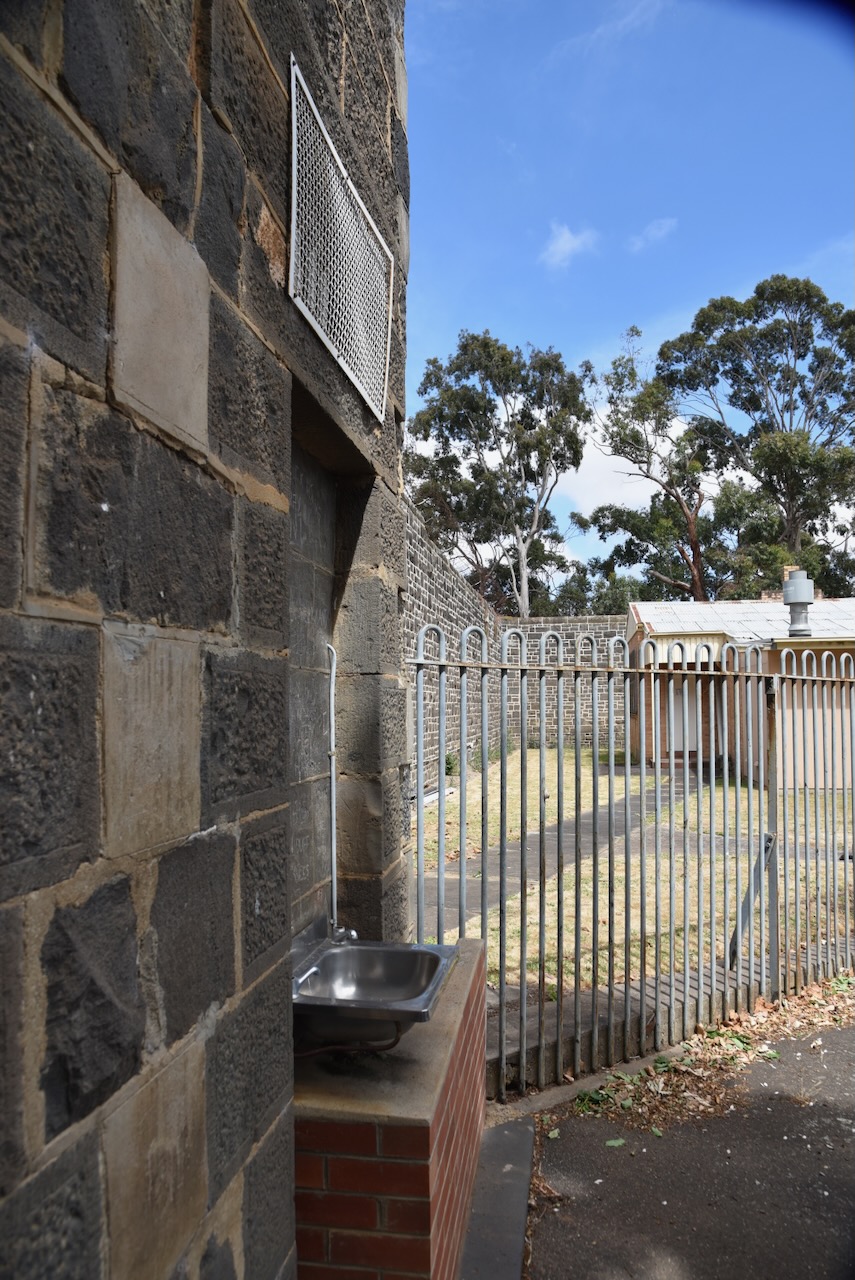
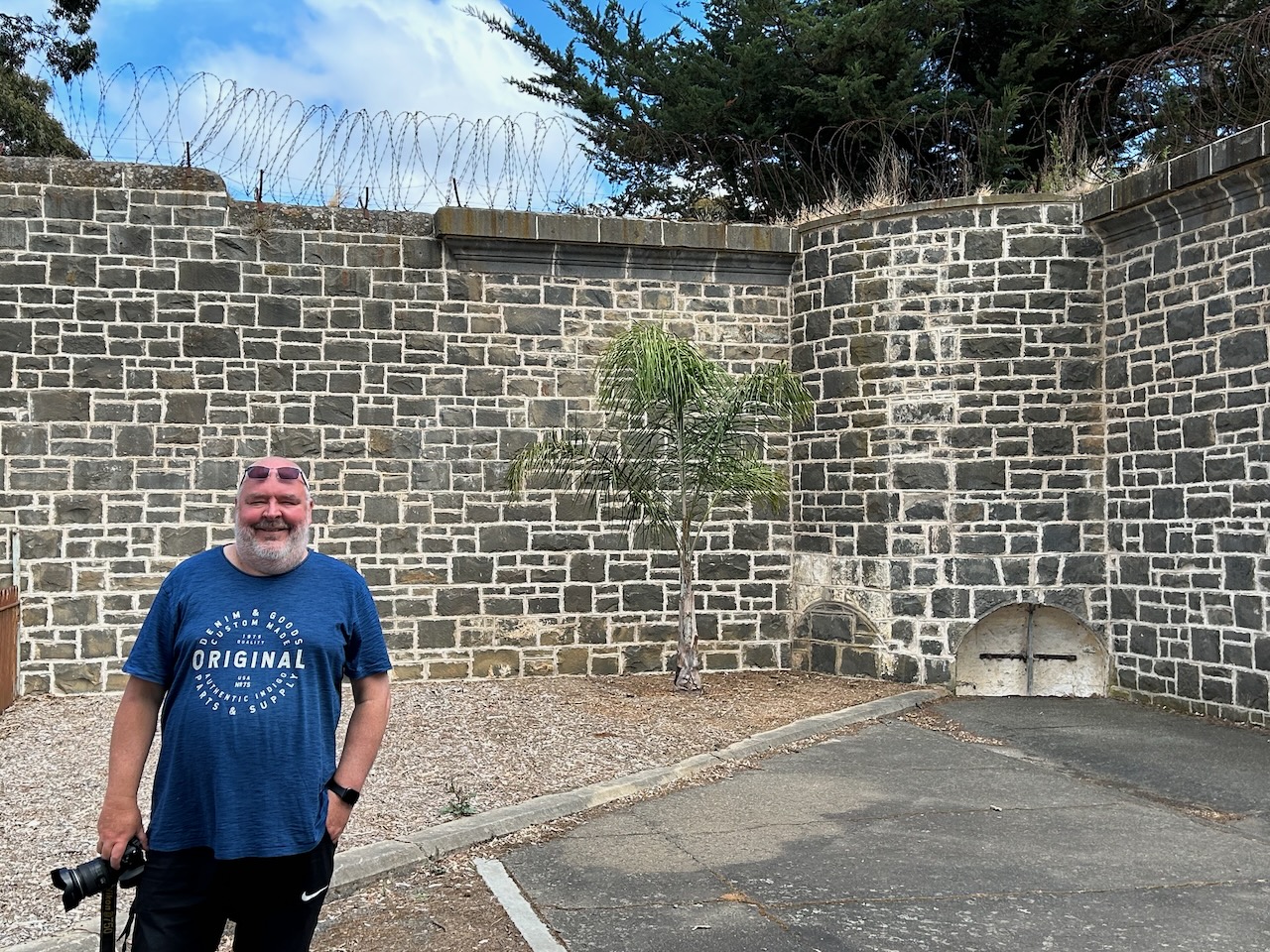
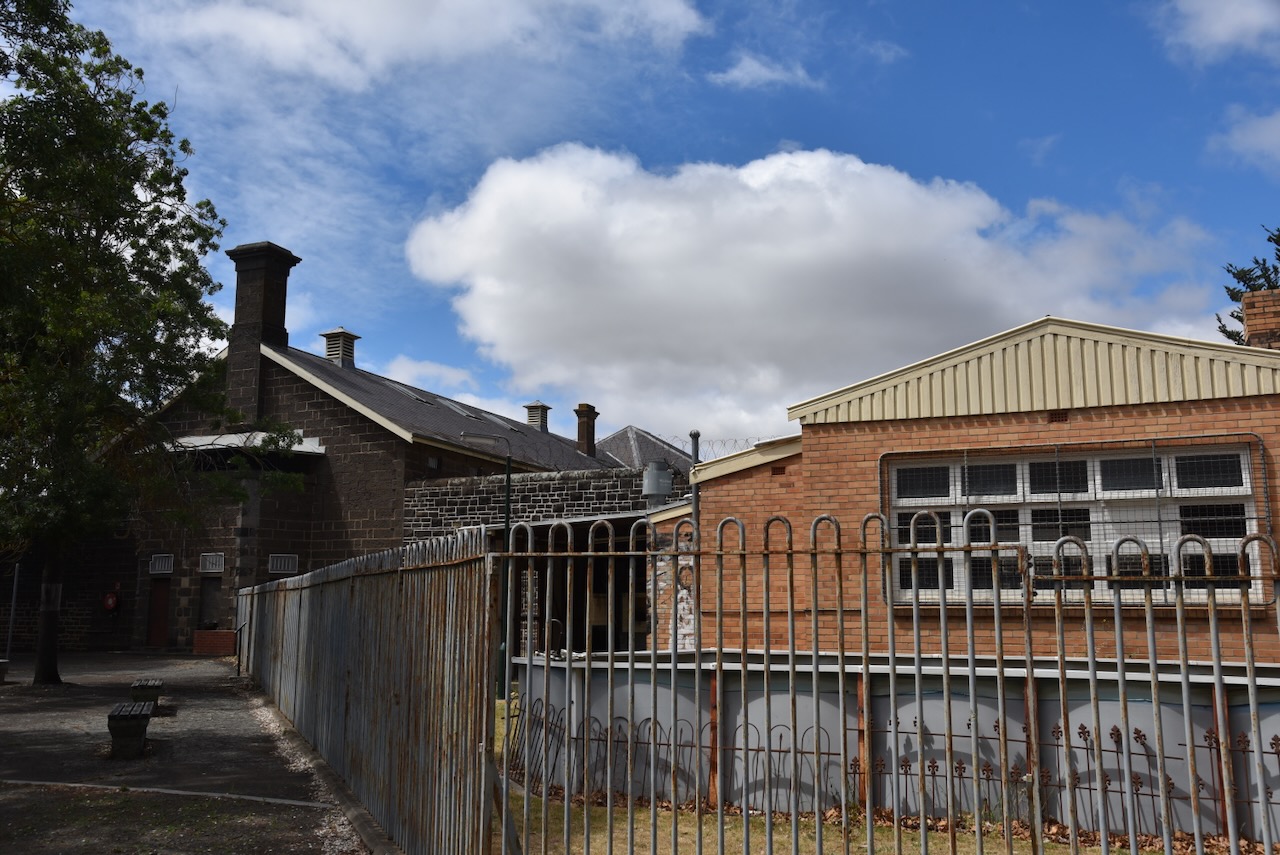
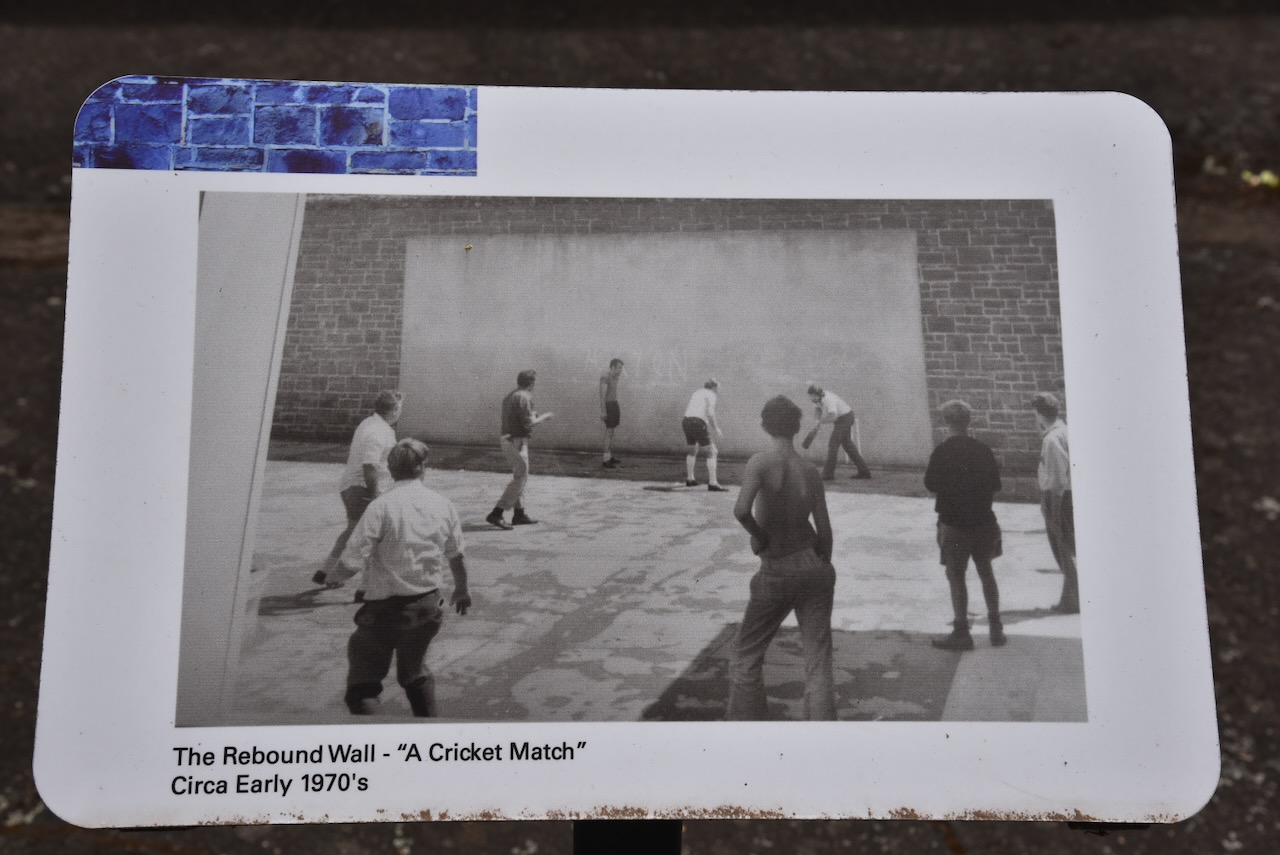
Another feature of the perimeter wall is the Rebound Wall.
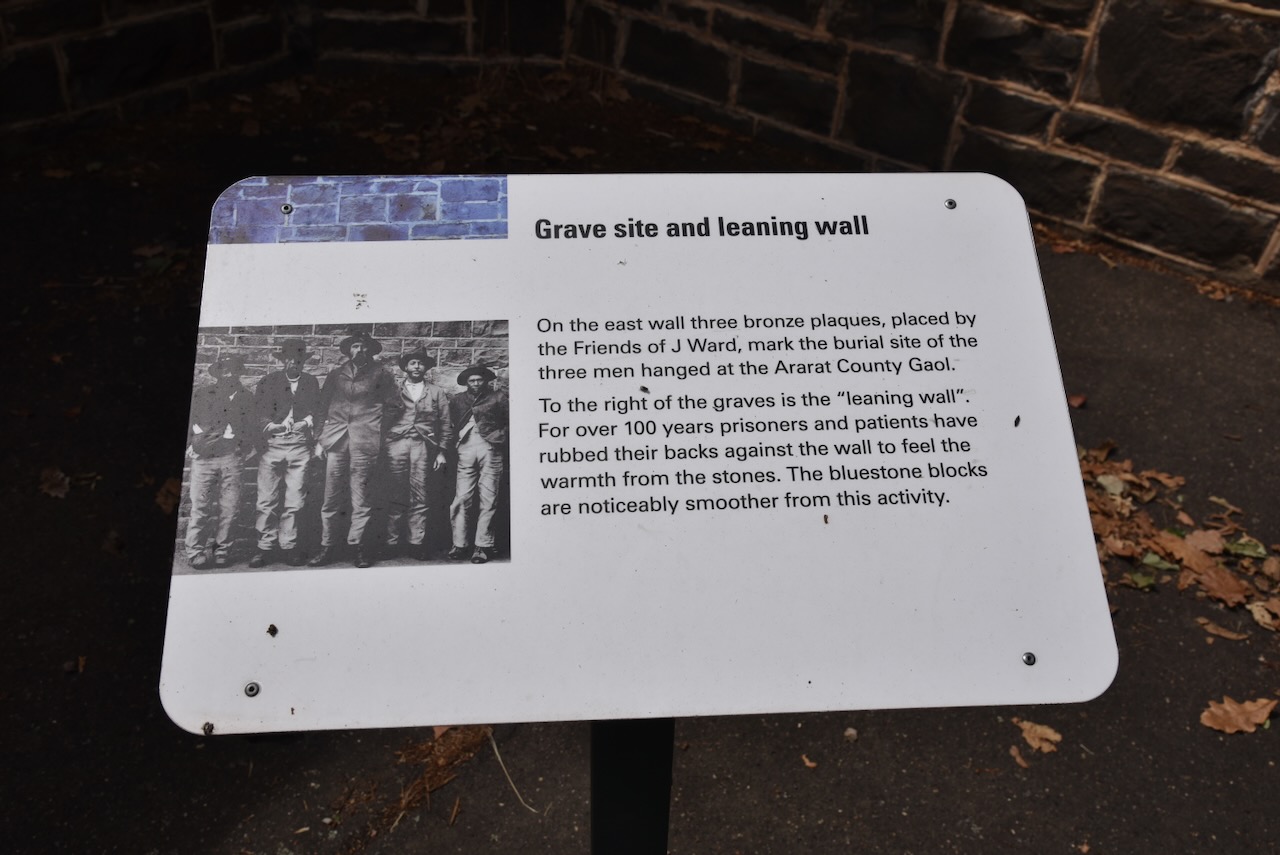
On the east wall there are three bronze plaques placed by the Friends of J Ward to mark the burial site of the three men hanged at the Ararat County Gaol. To the right of the graves is the ‘leaning wall’. For over 100 years prisoners and patients have rubbed their backs against the wall to feel the warmth from the stones. The bluestone blocks are noticeably smoother from this activity.
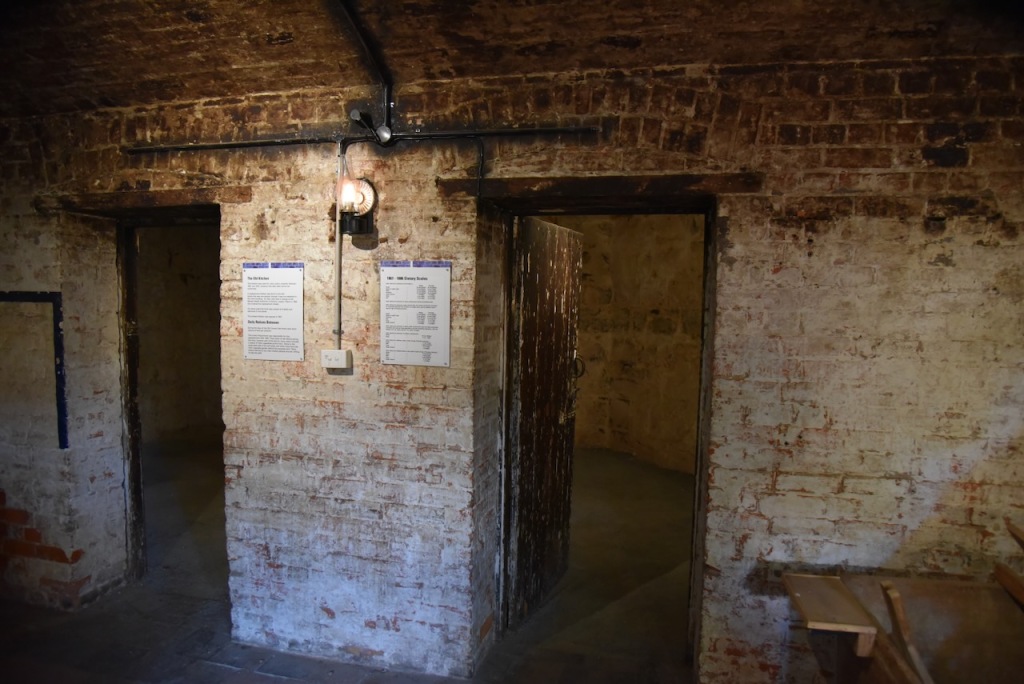
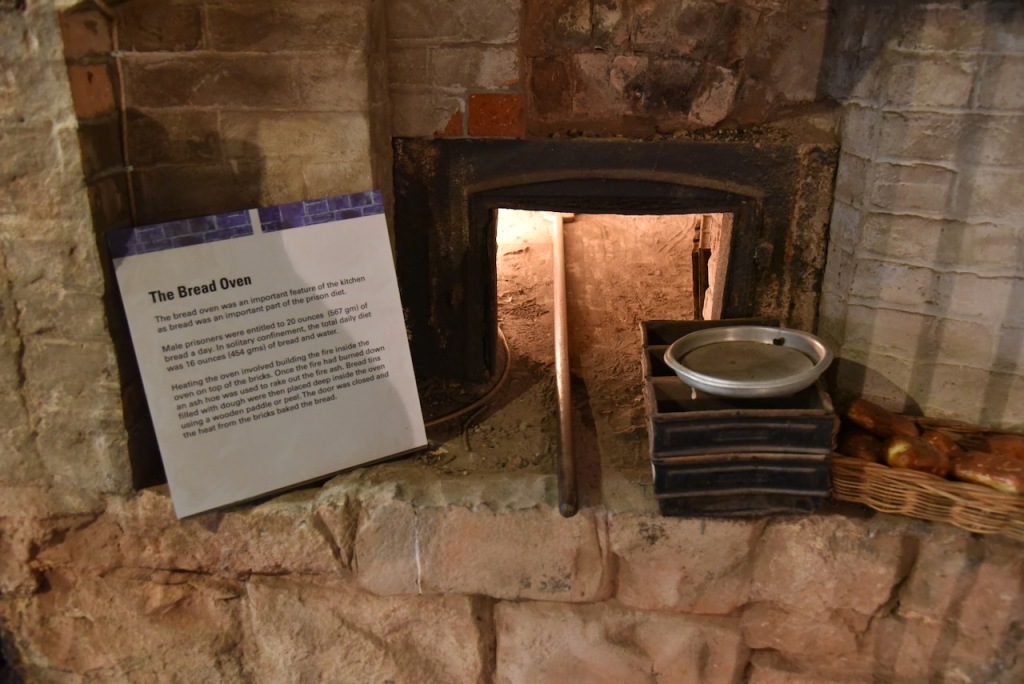
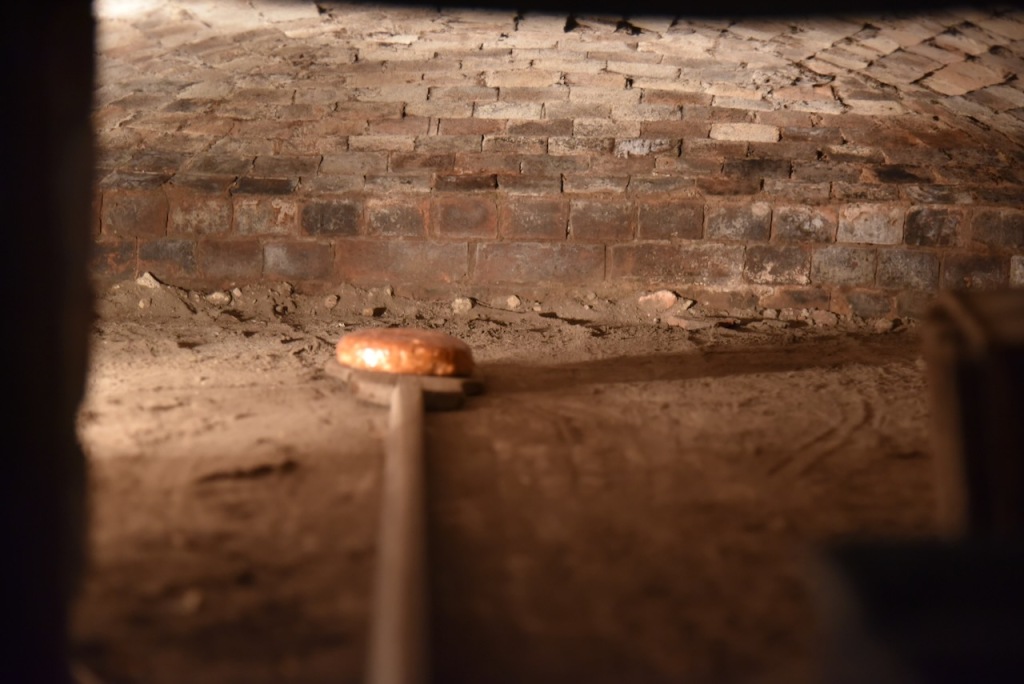
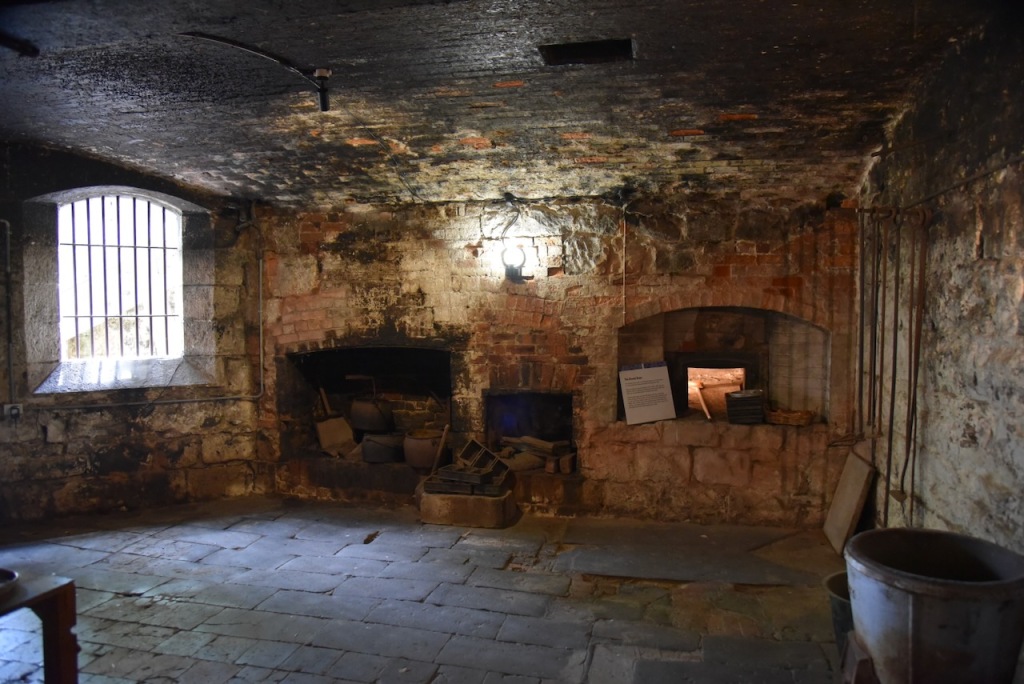
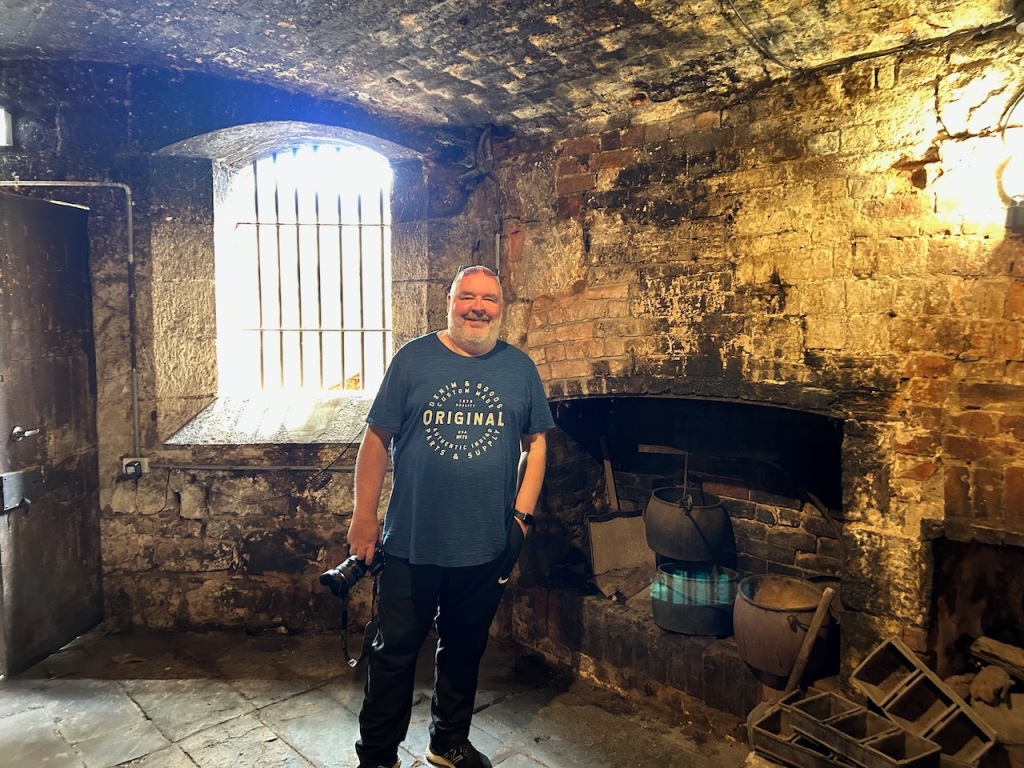
We then entered the kitchen, a gloomy downstairs section of J Ward.
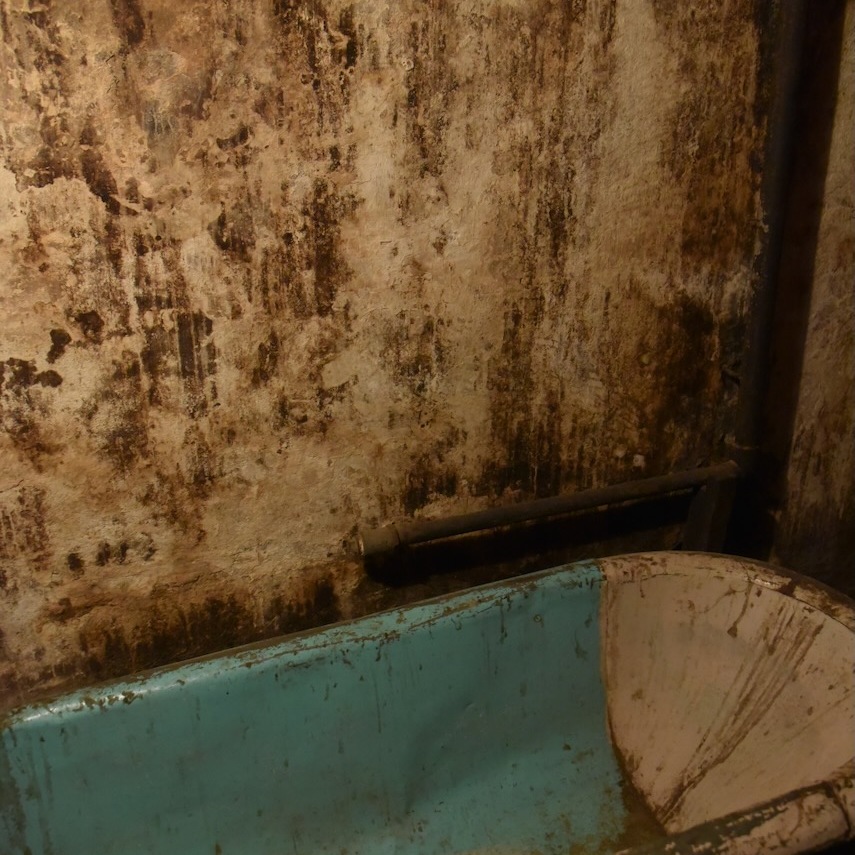
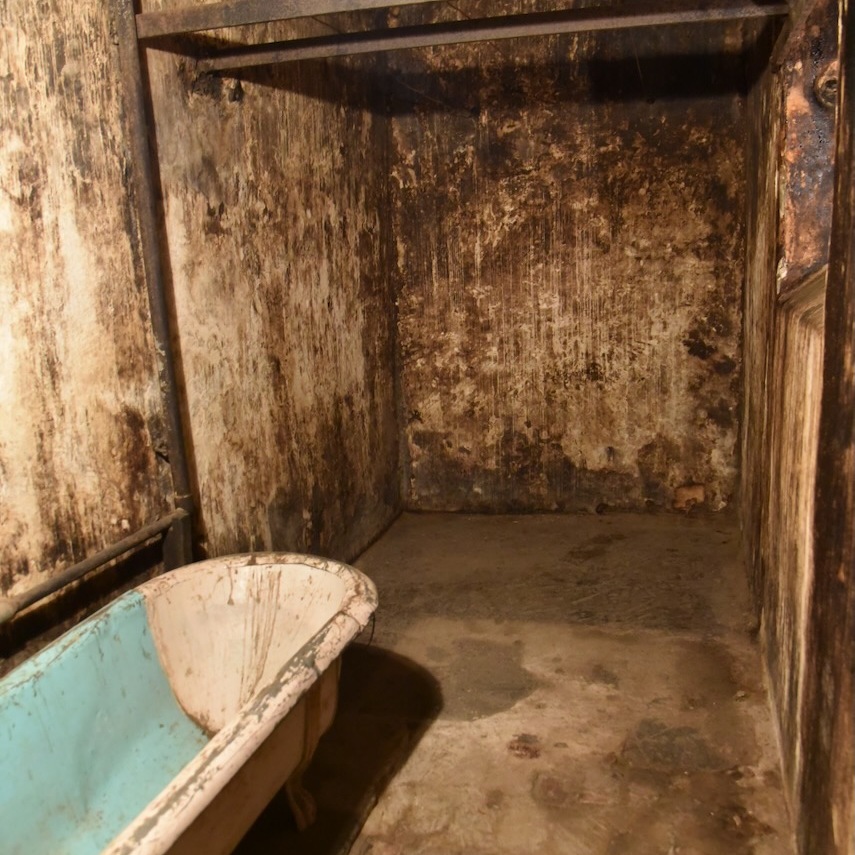
But perhaps the creepiest place in J Ward is the old bath area. This is something out of a horror movie.
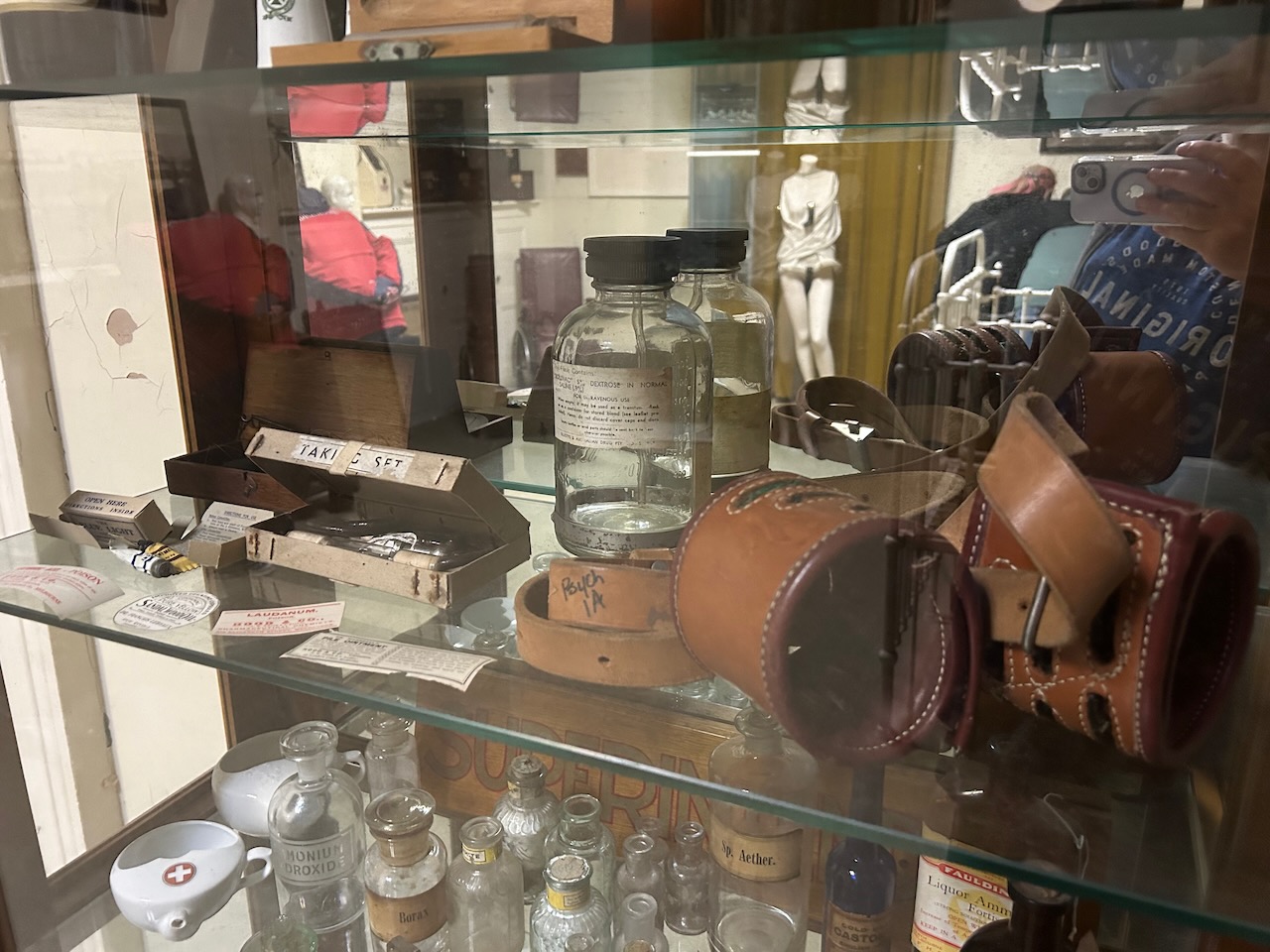
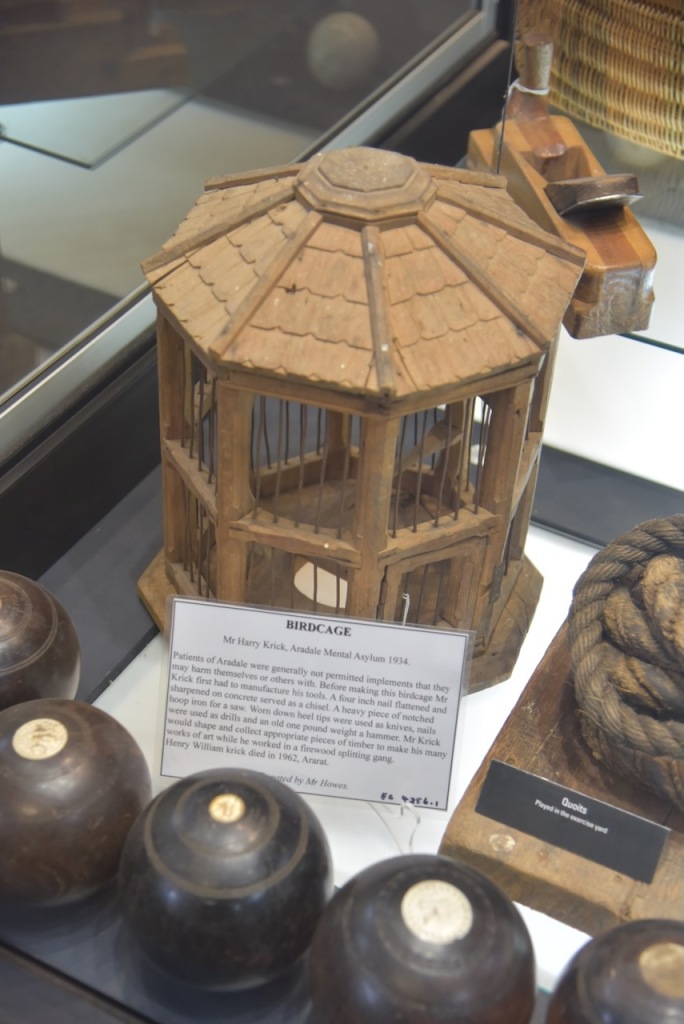
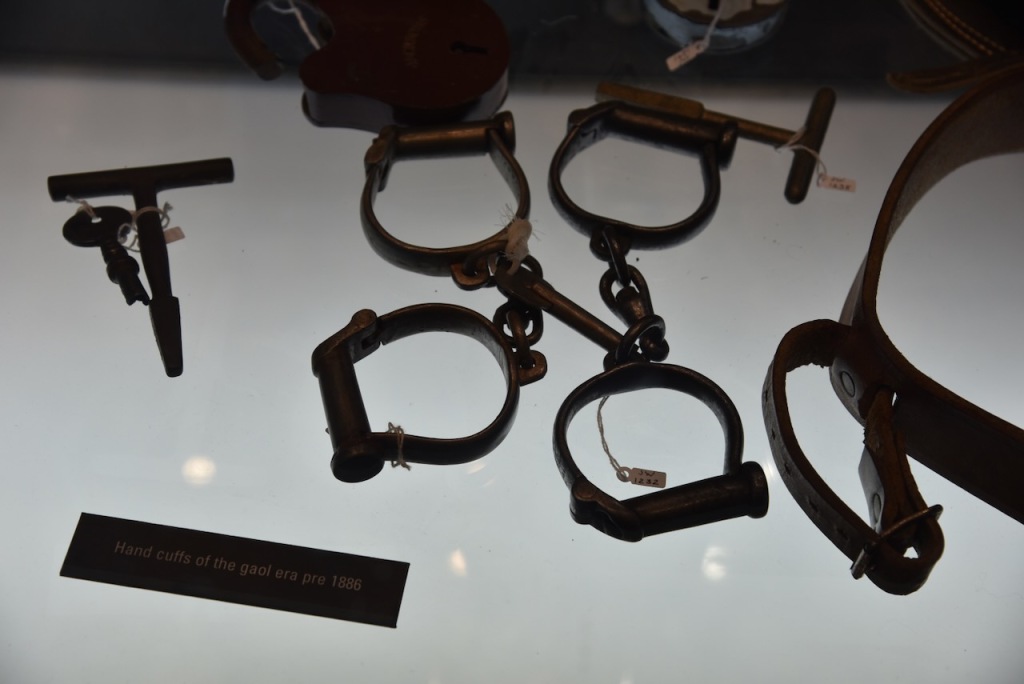
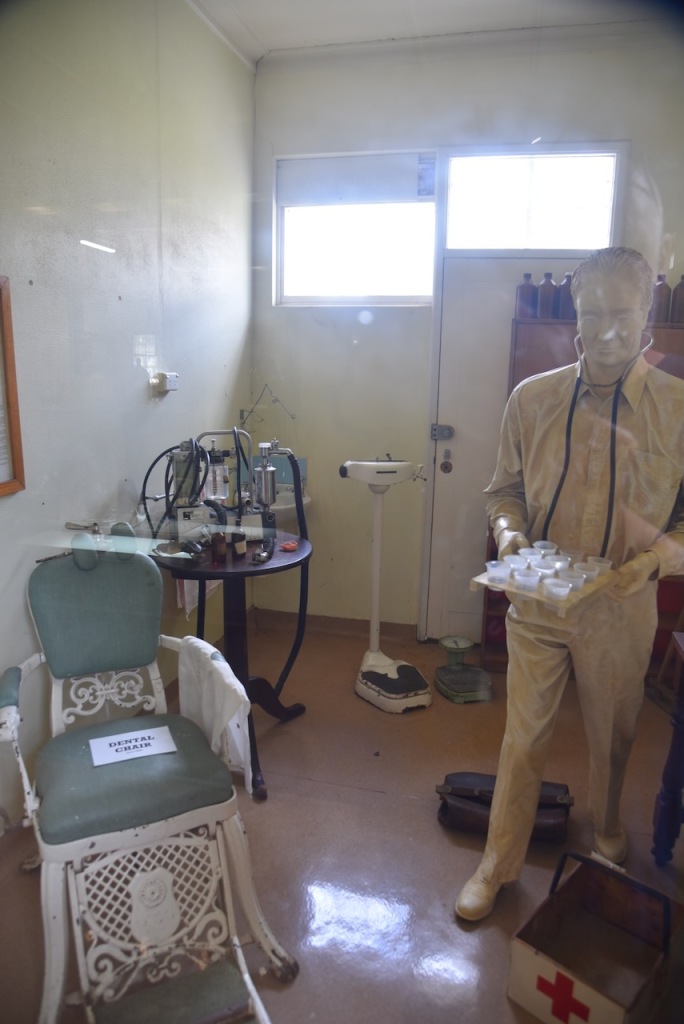
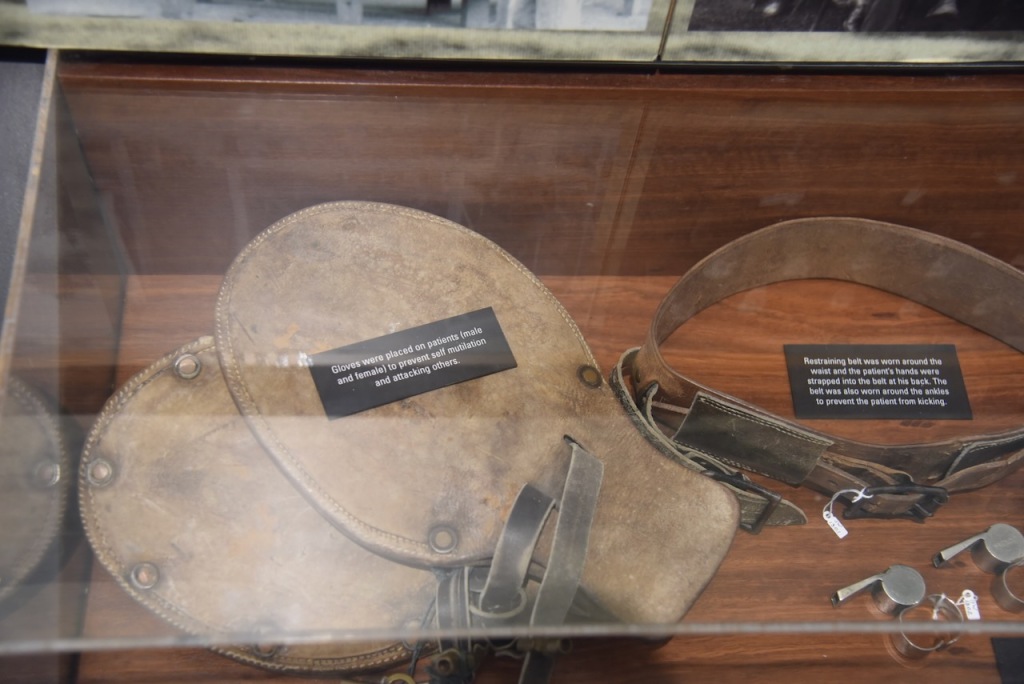
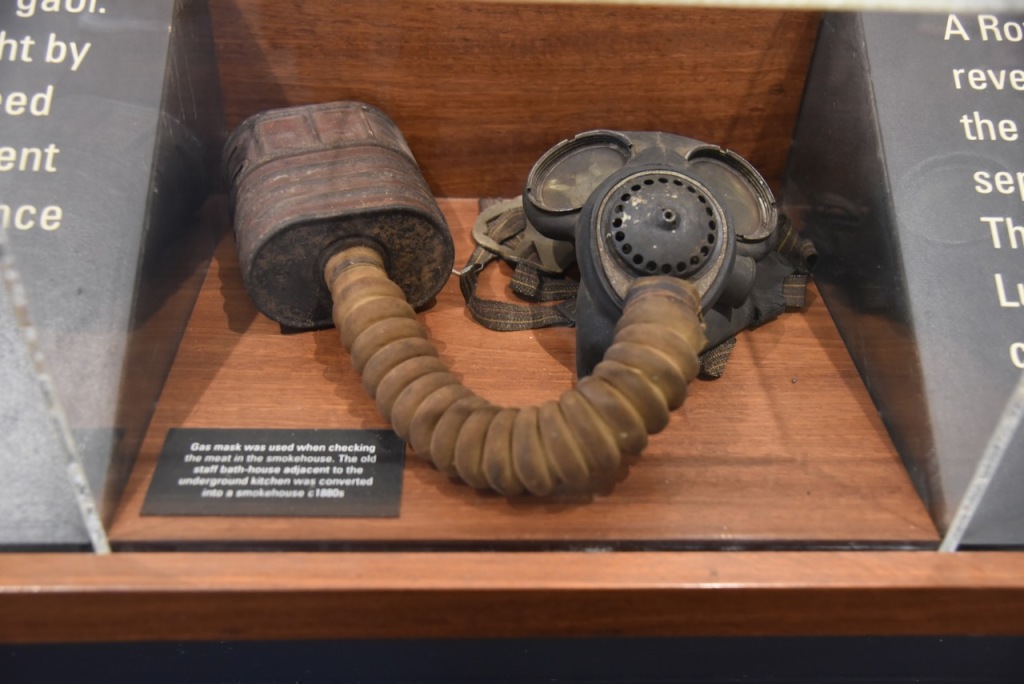
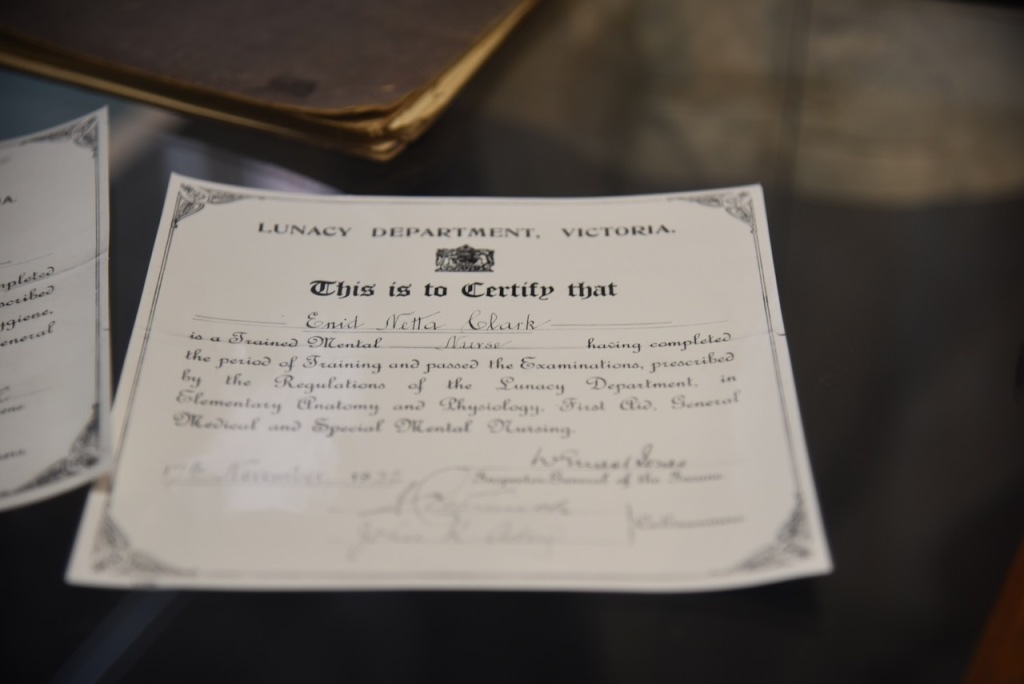
To finish the tour we spent some time wandering around the J Ward Museum which contains some fascinitating items.
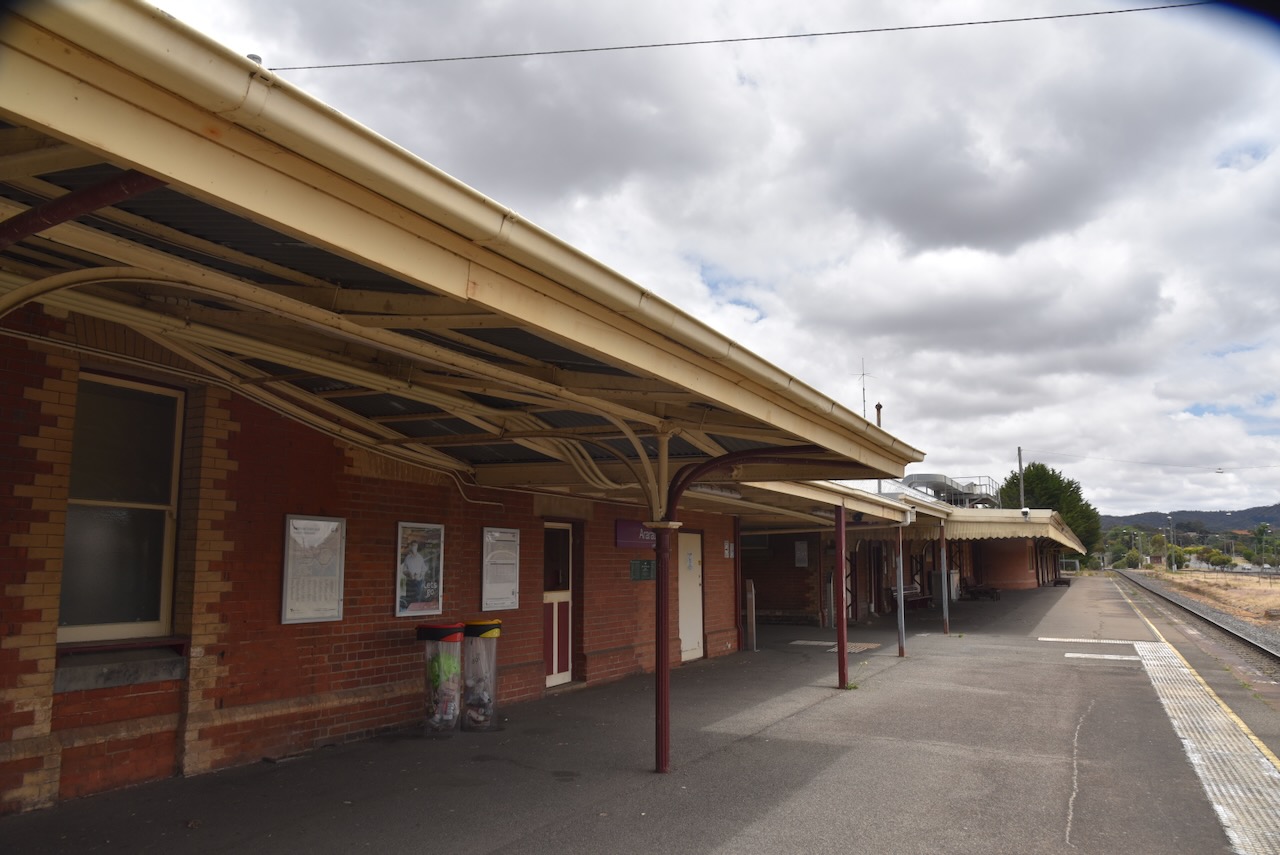
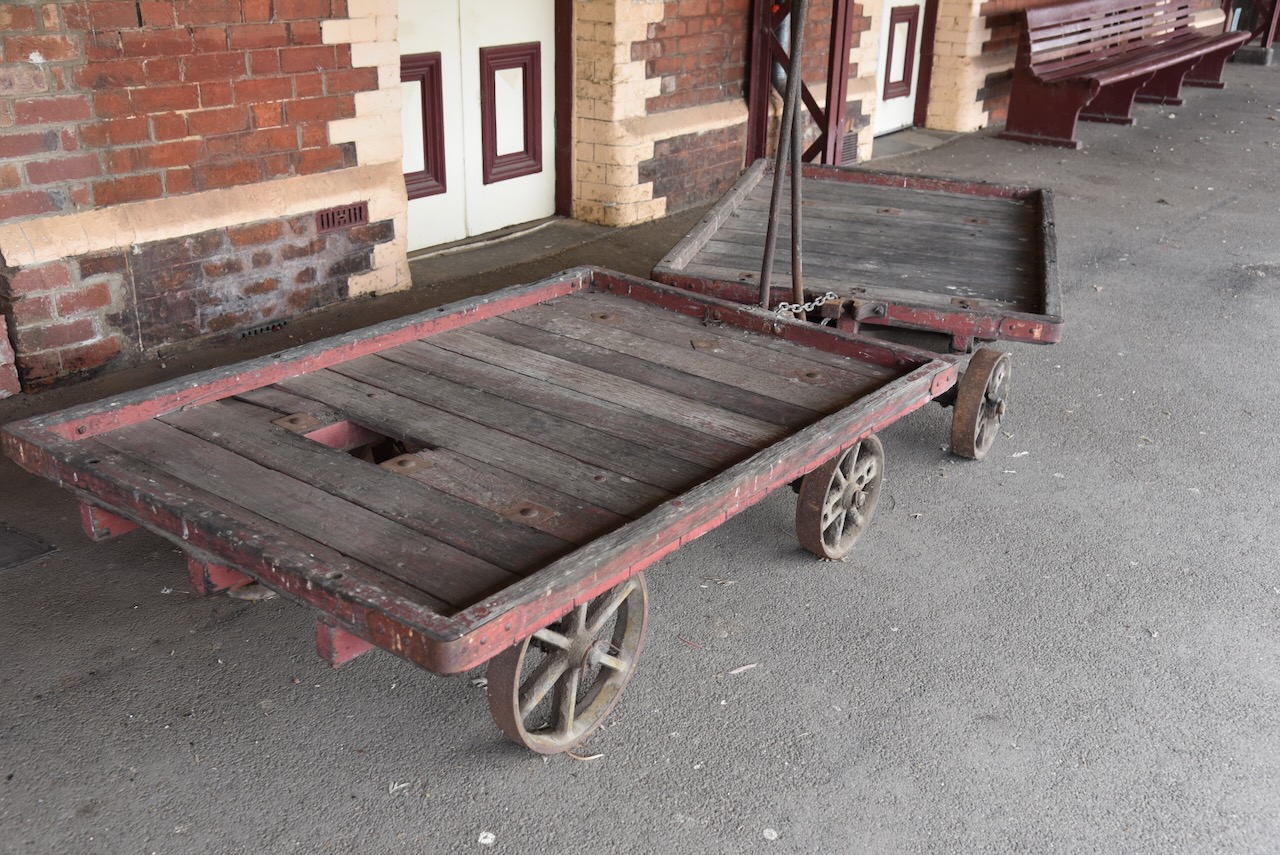
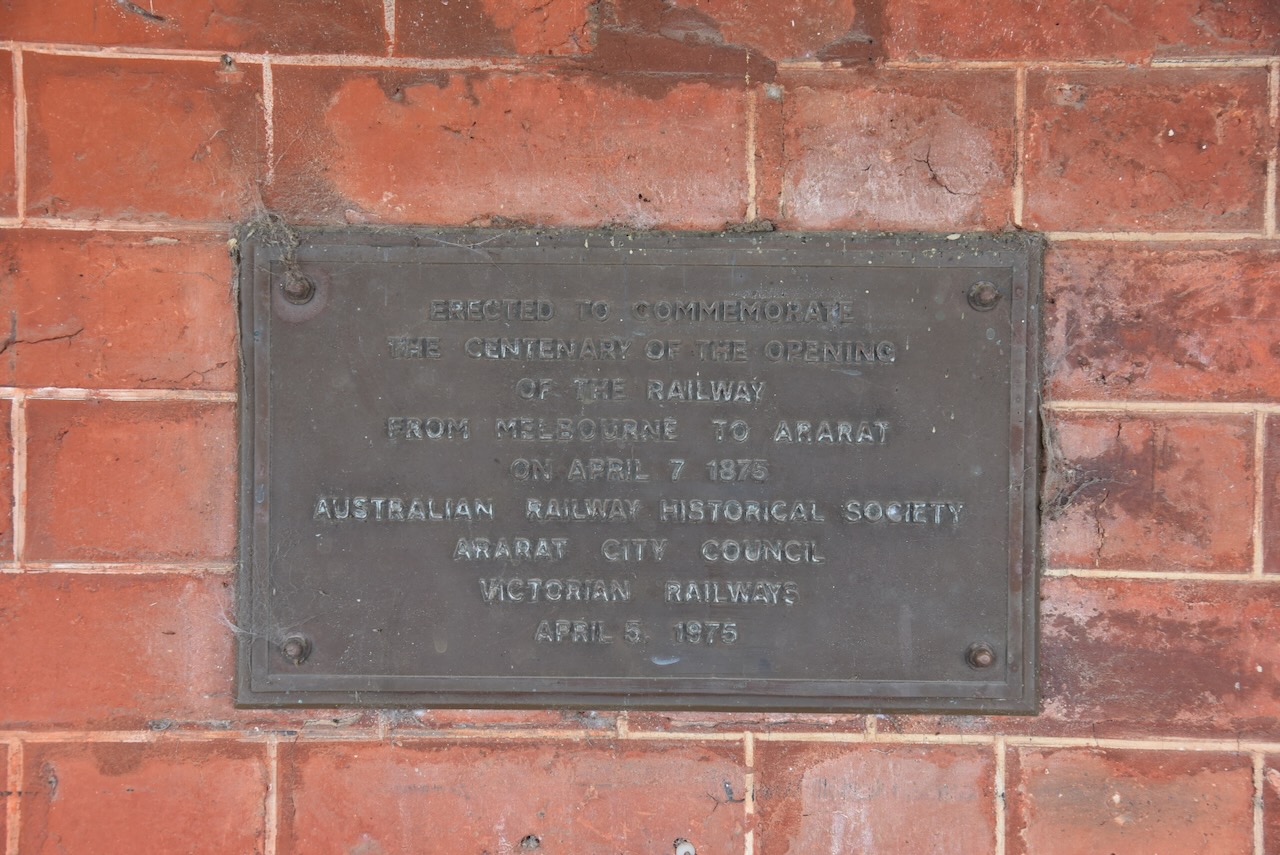
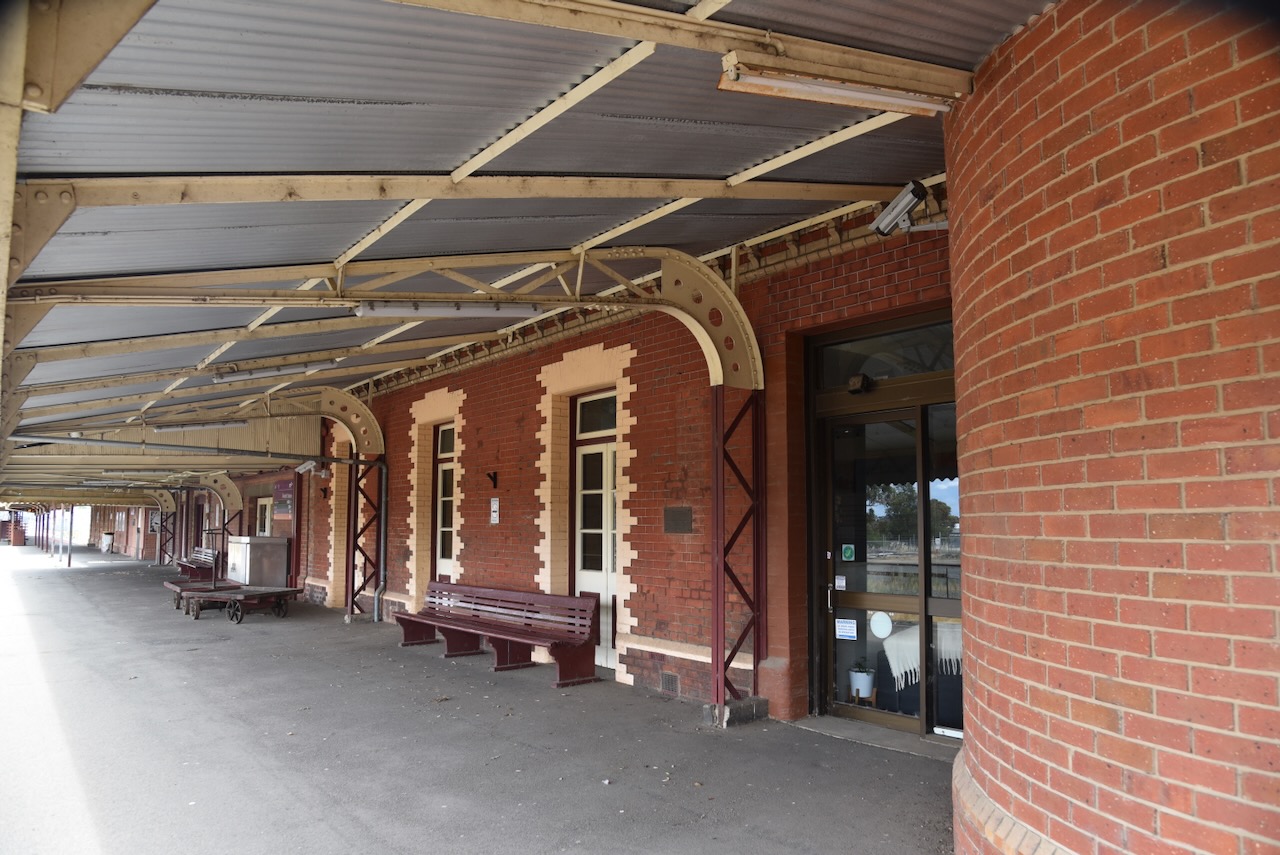
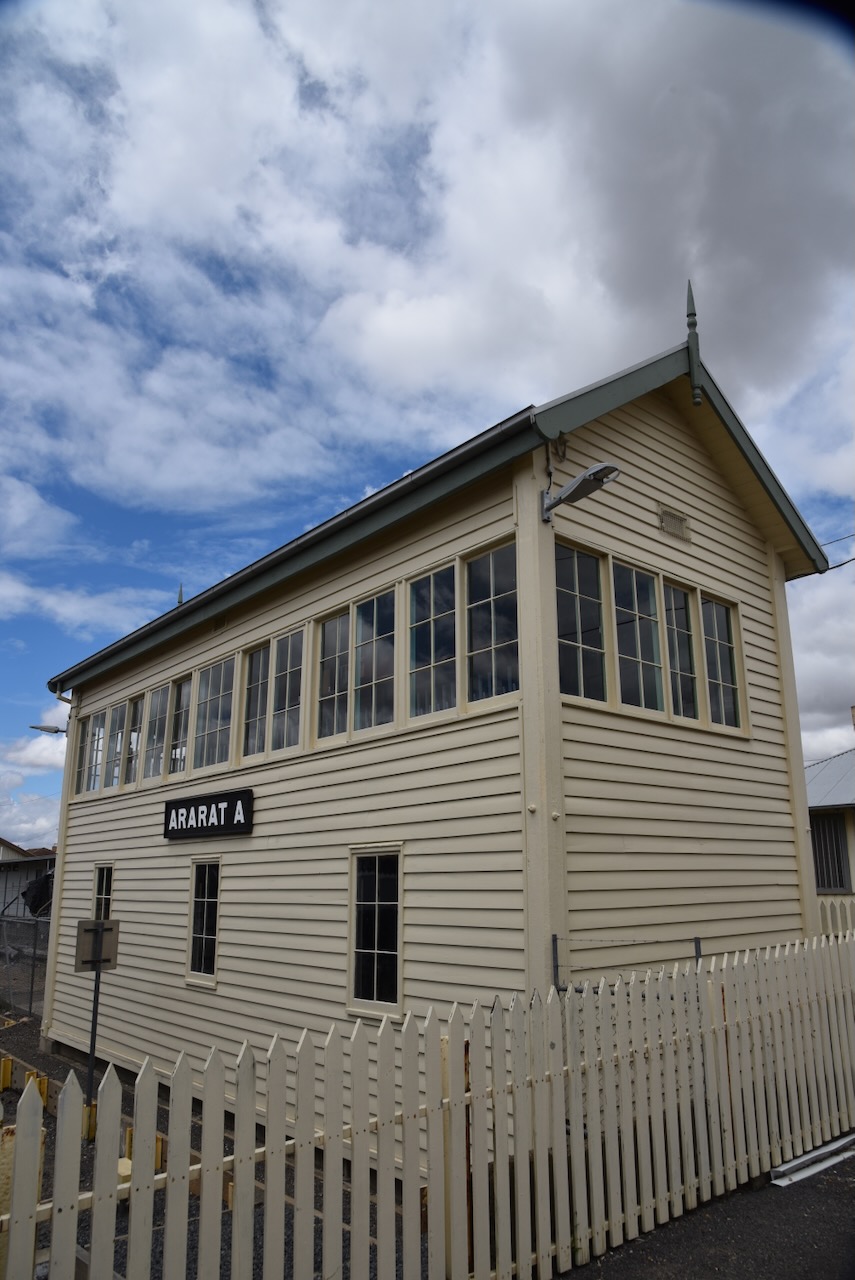
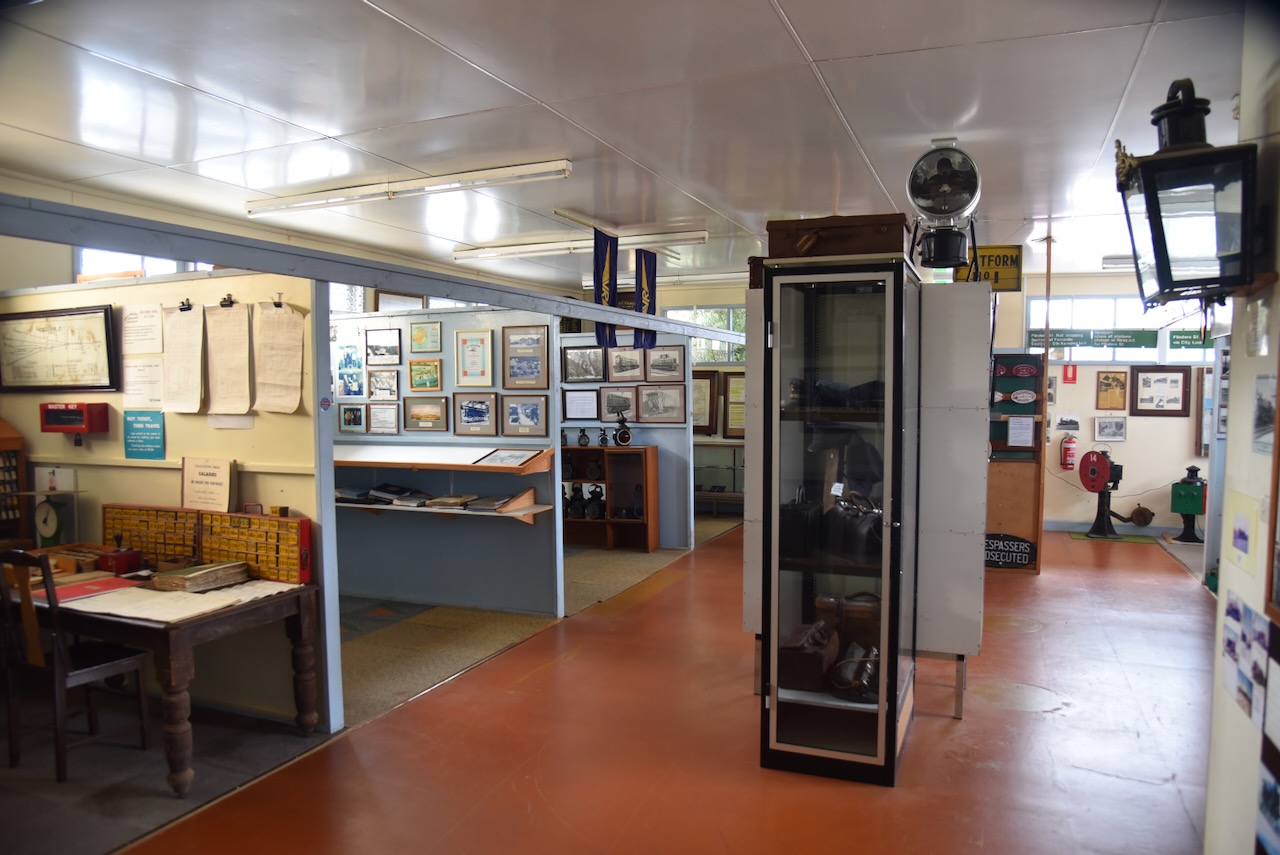
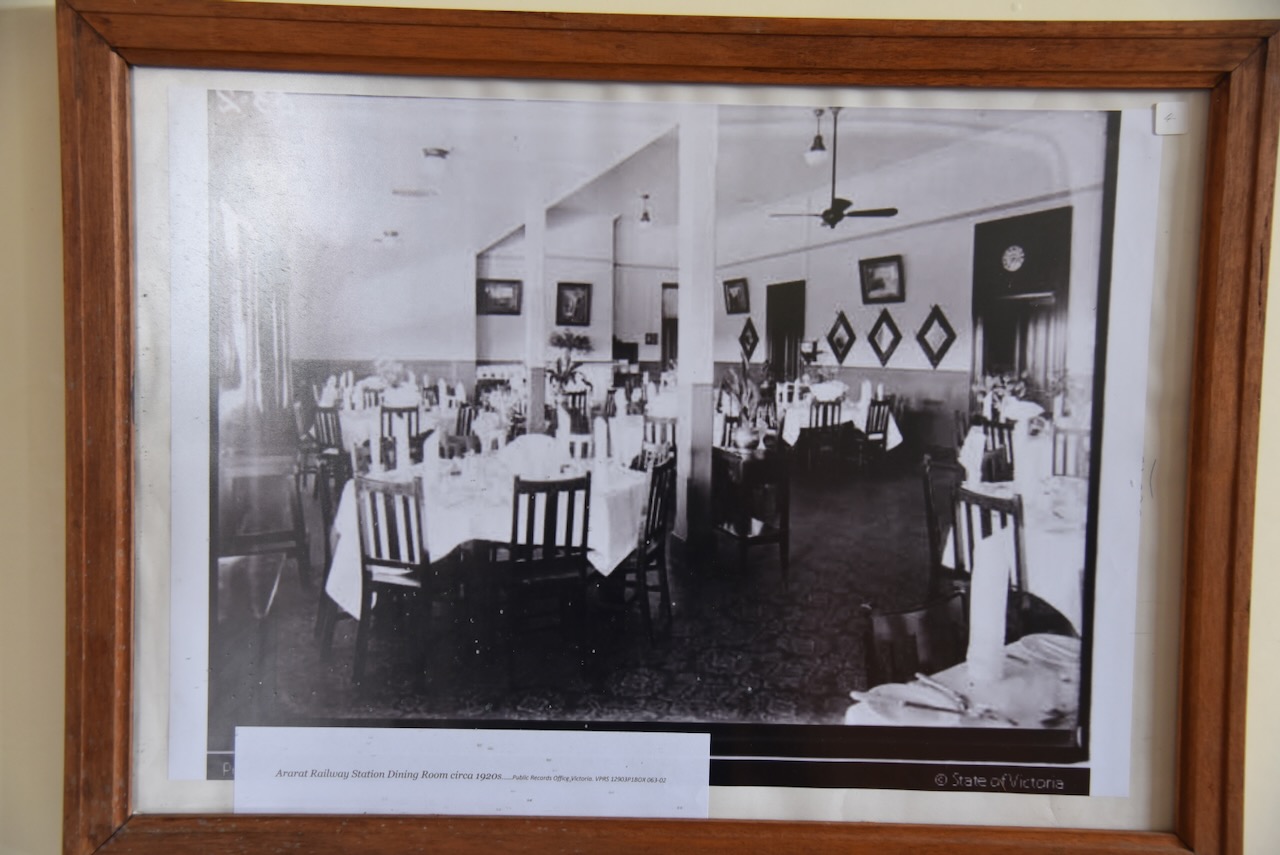
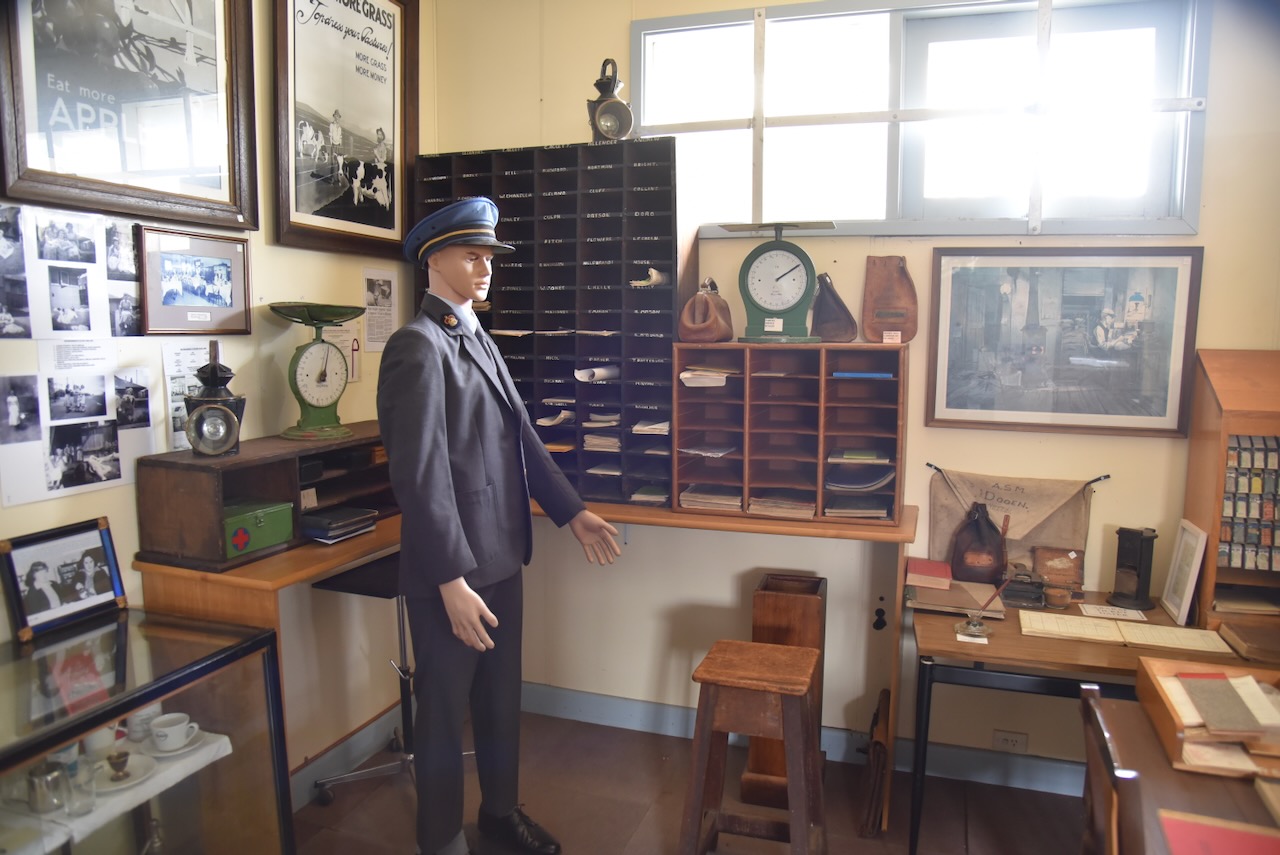
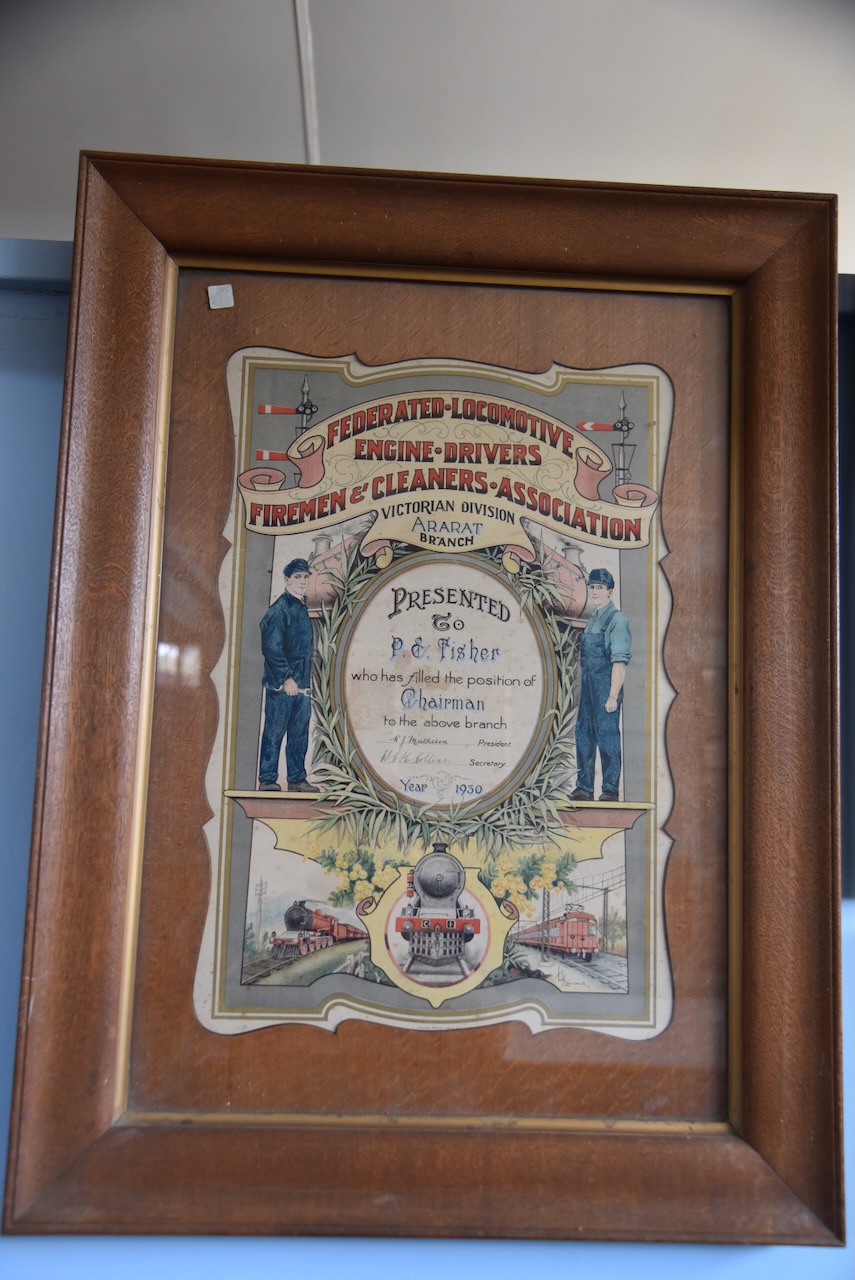
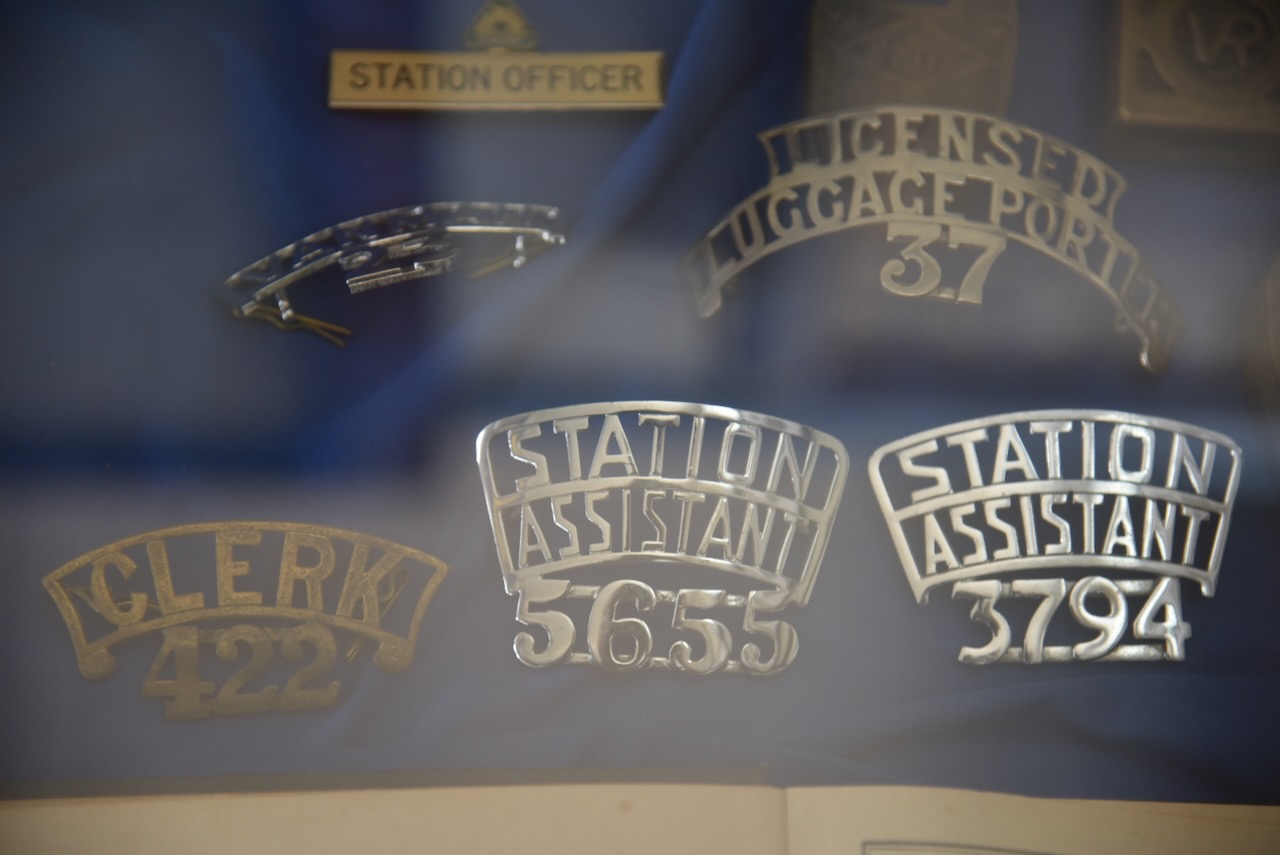
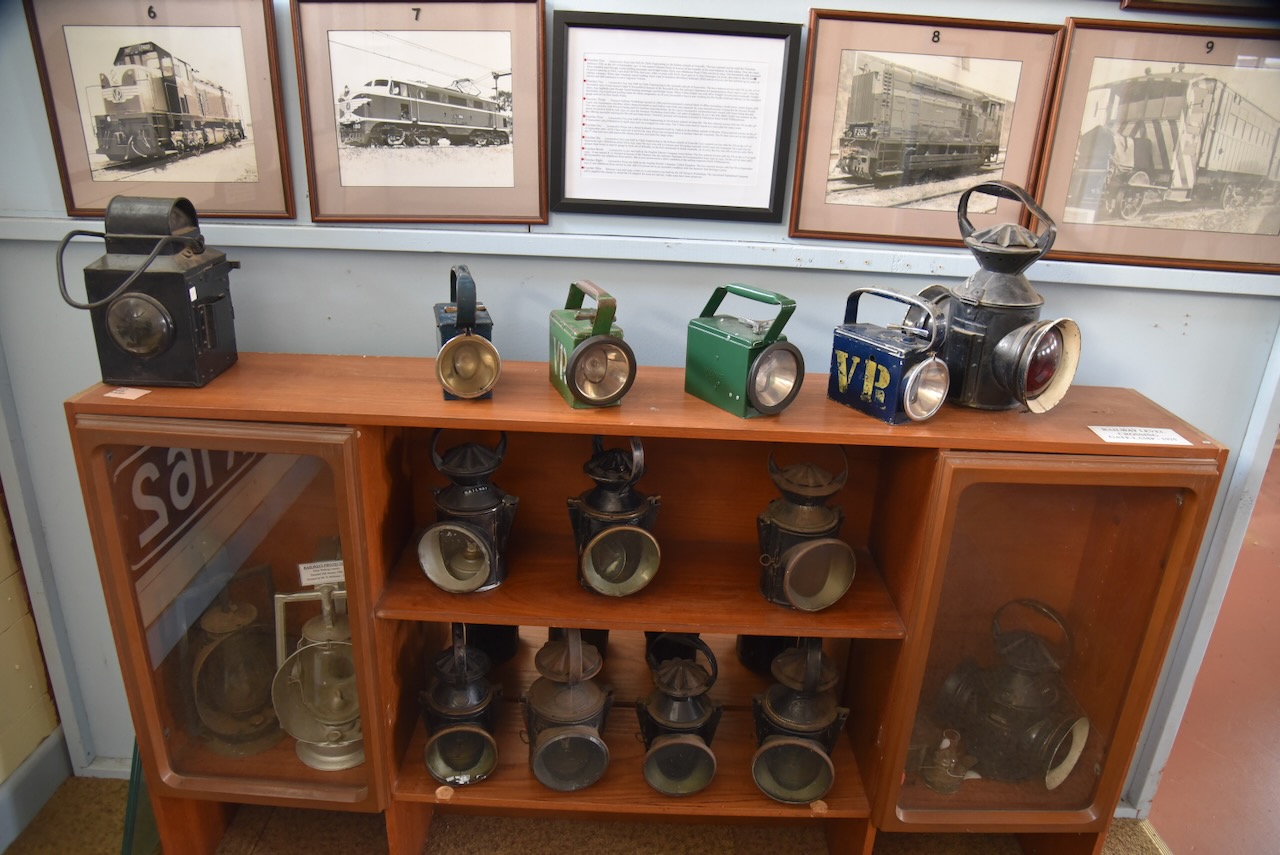
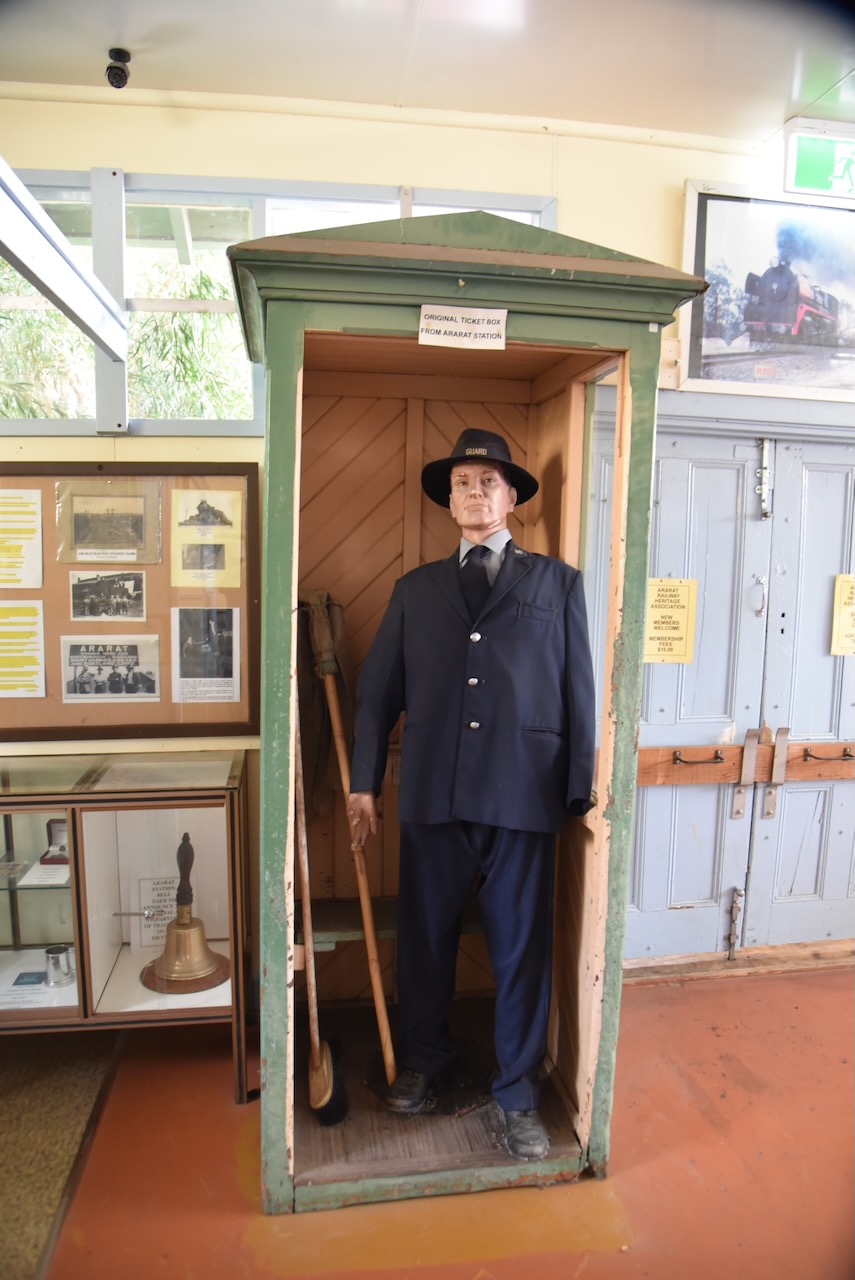
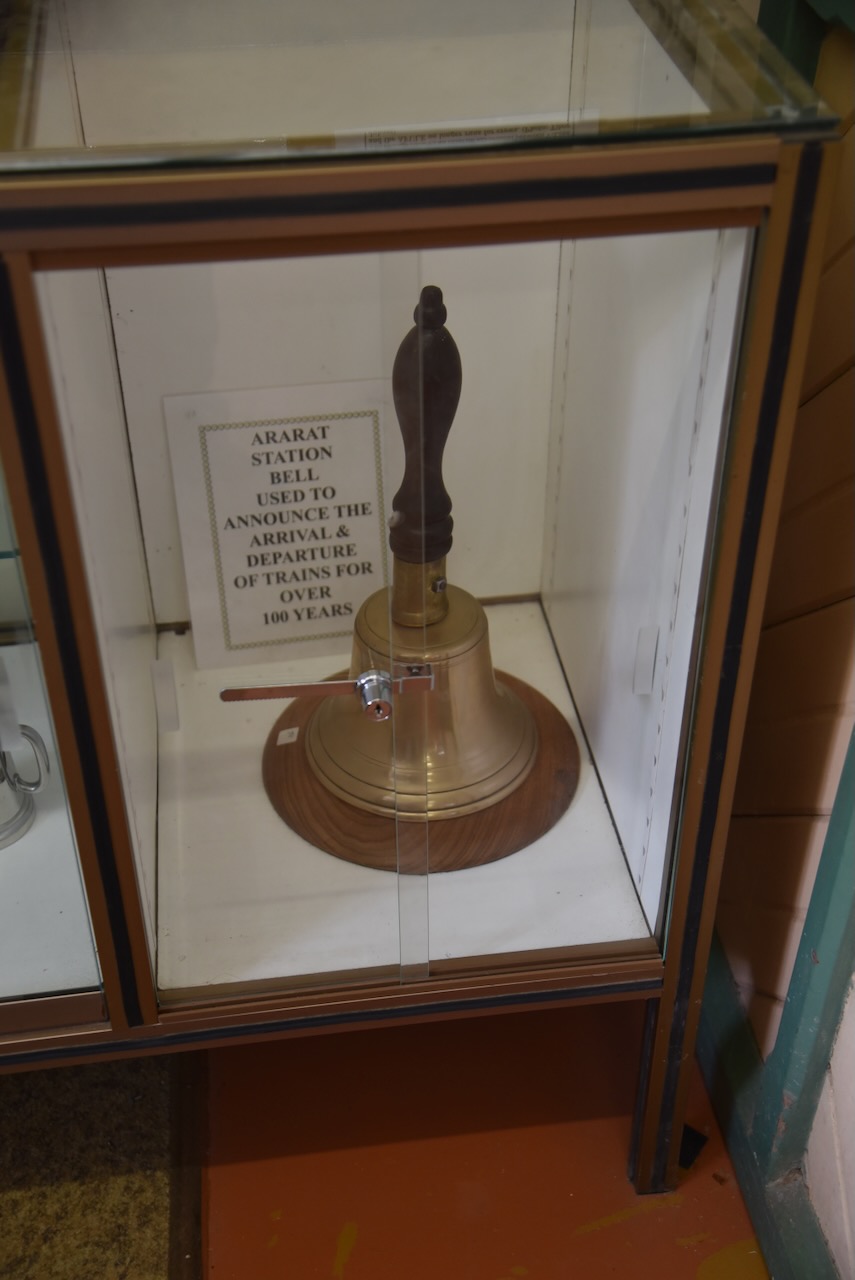
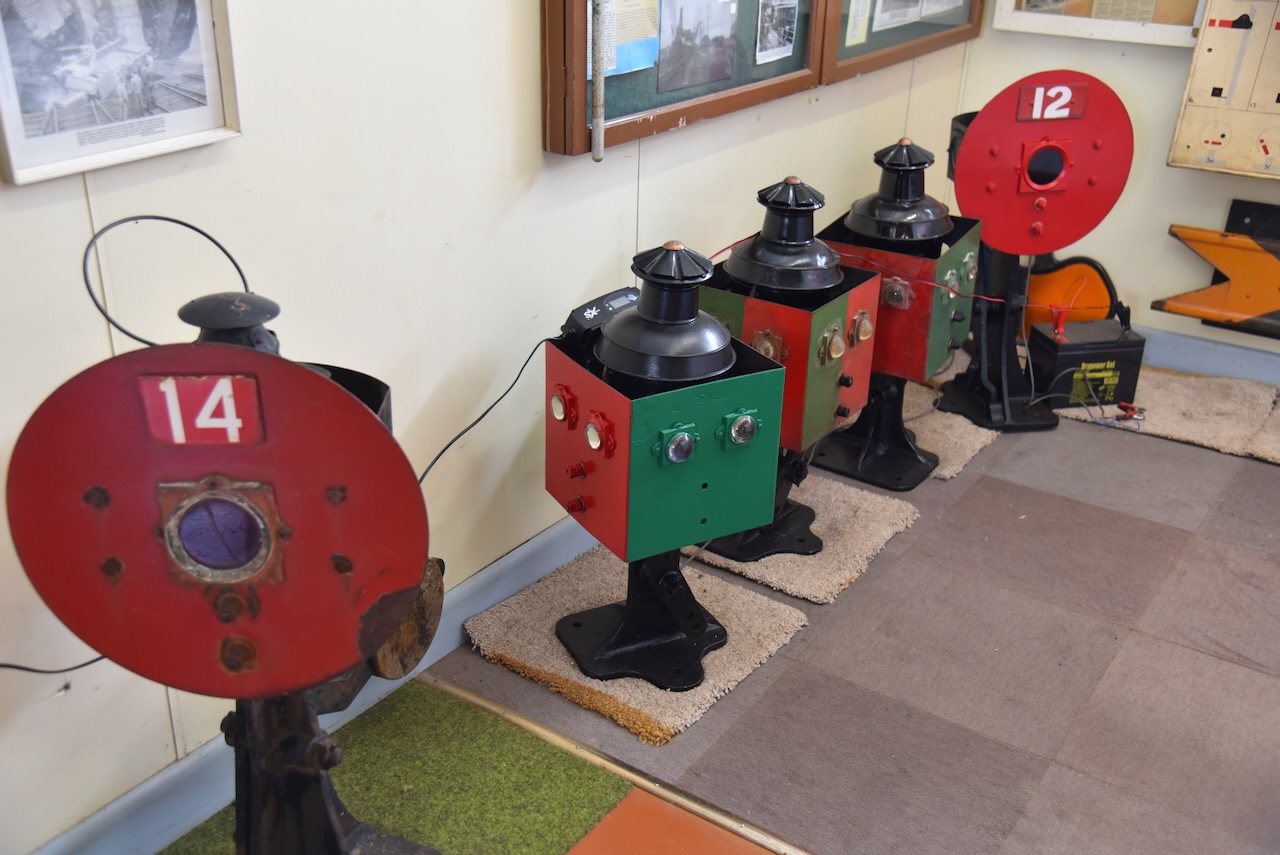
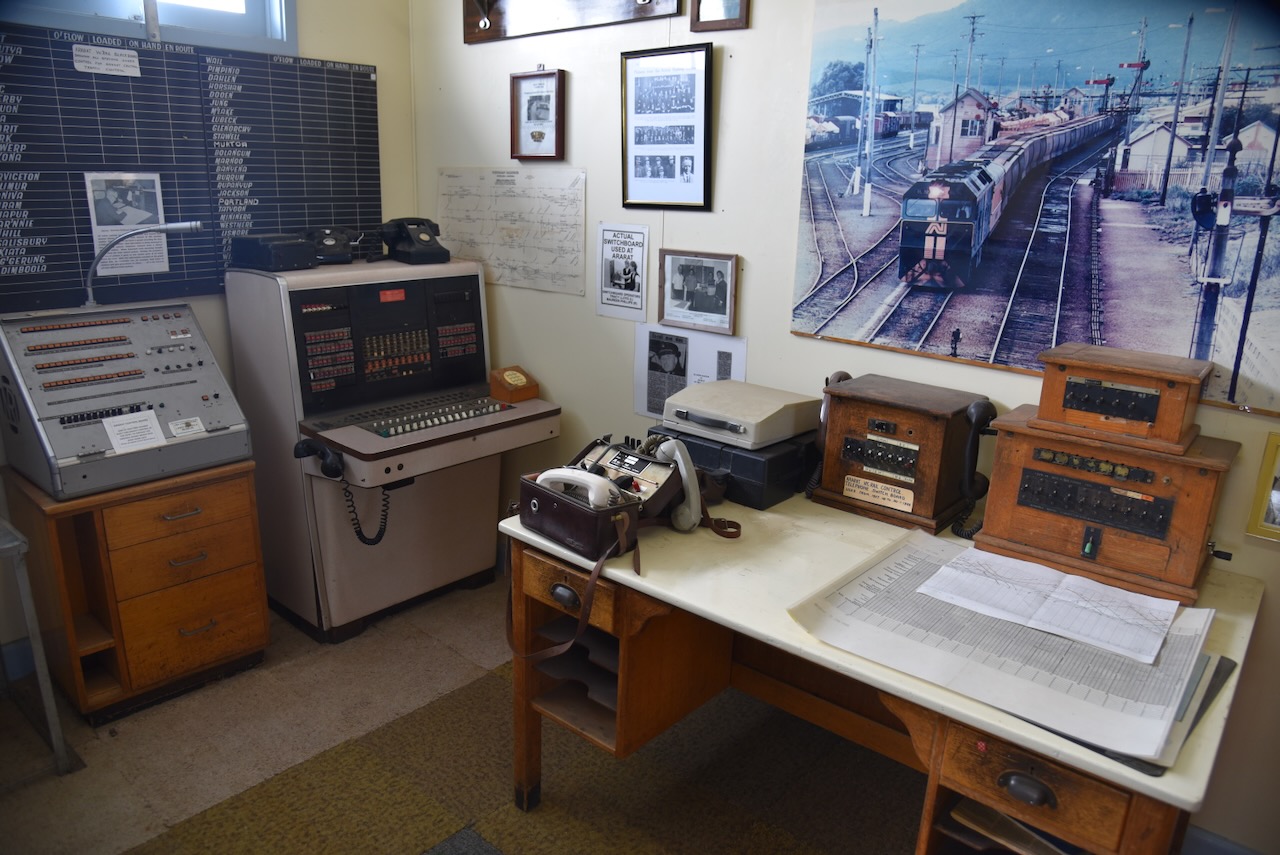
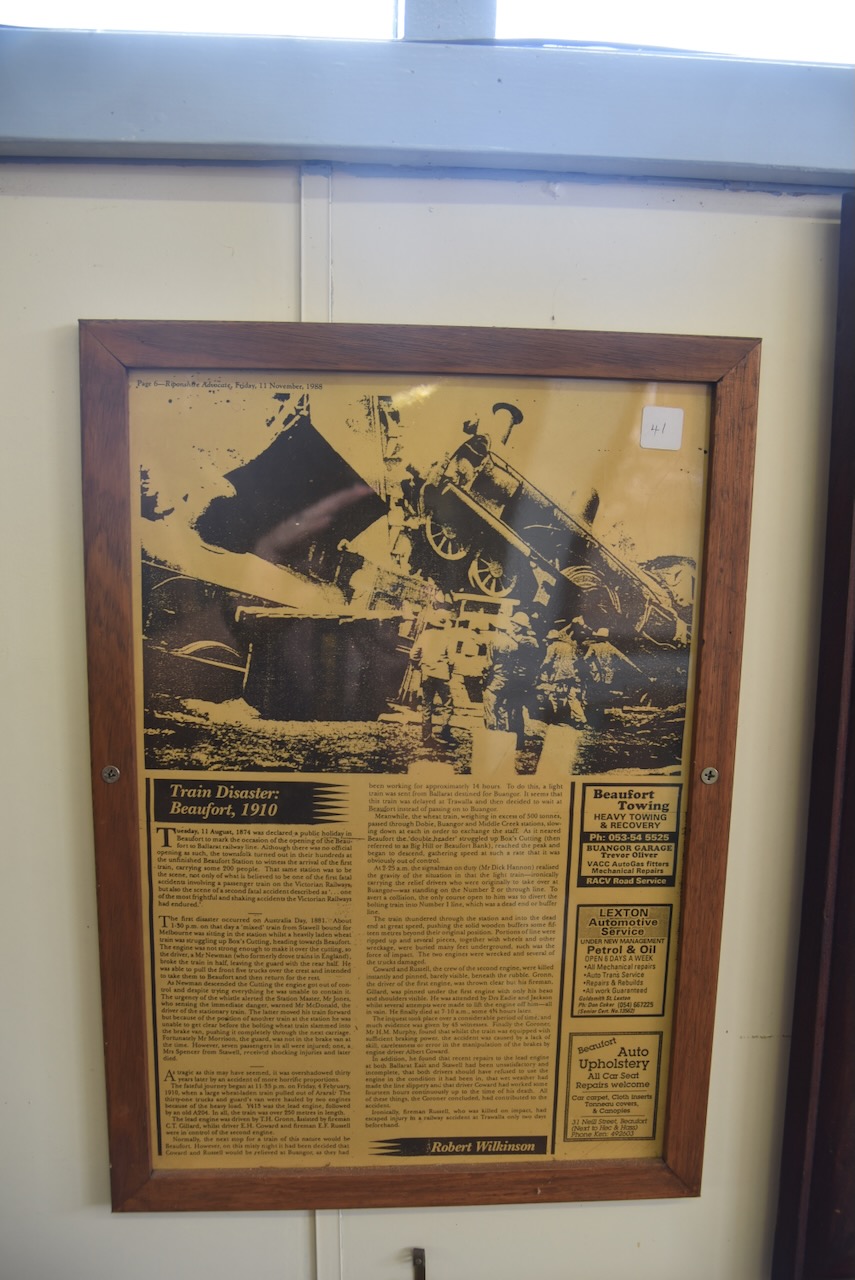
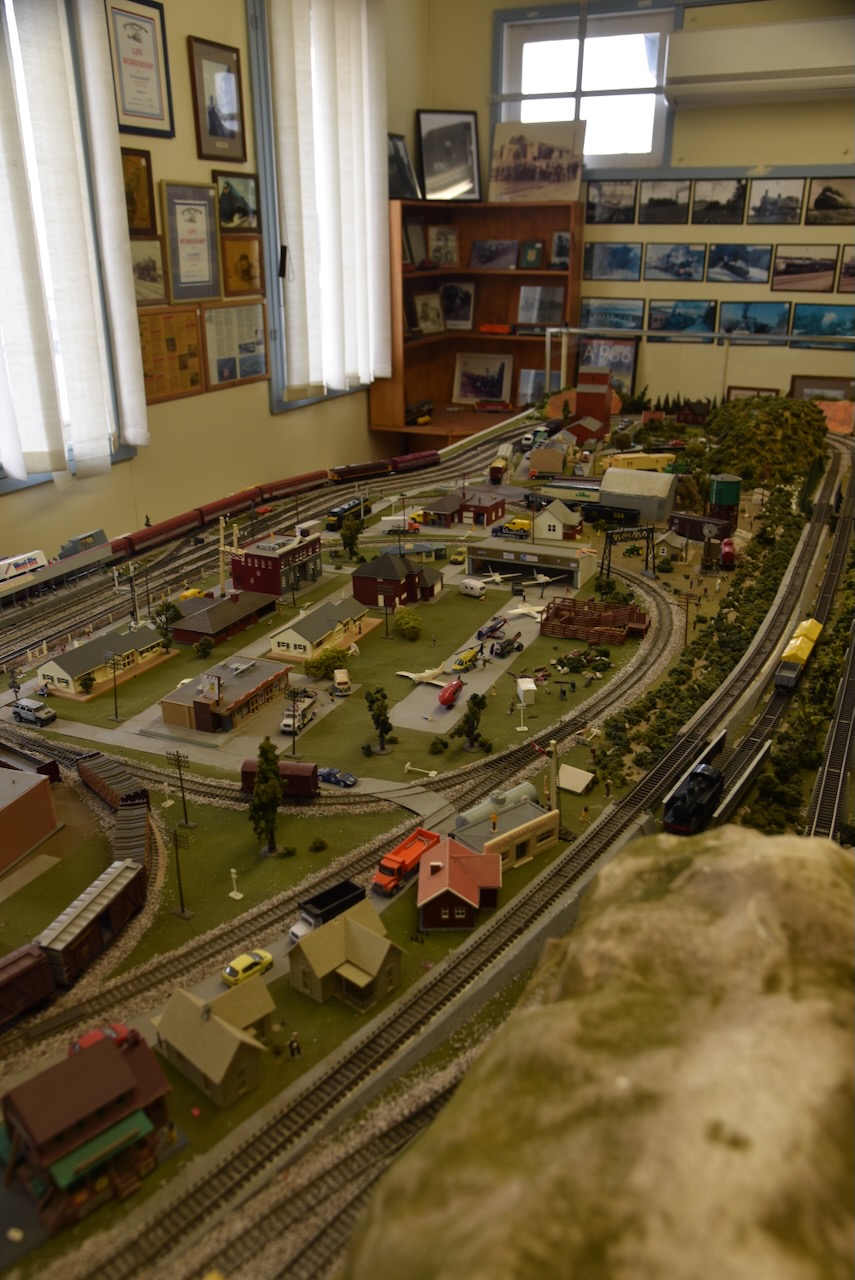
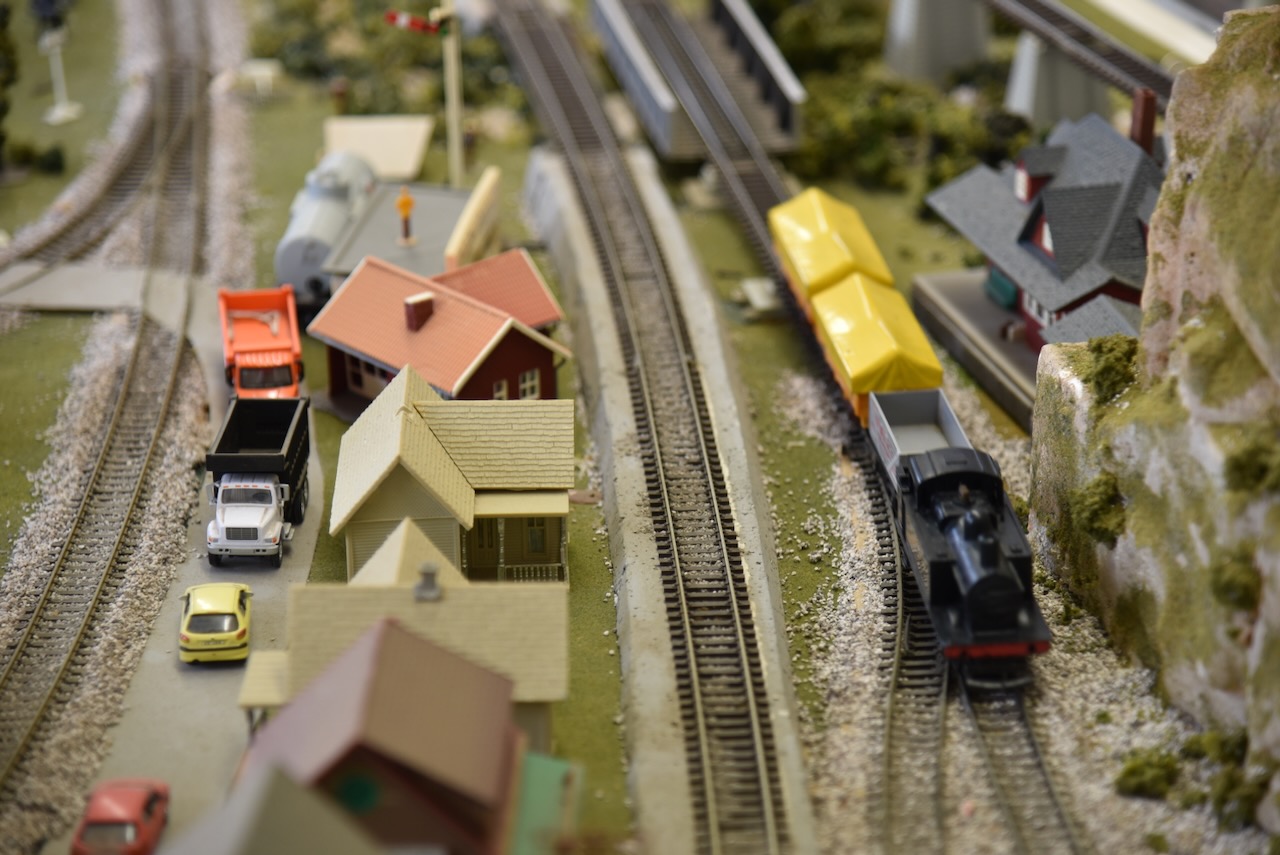
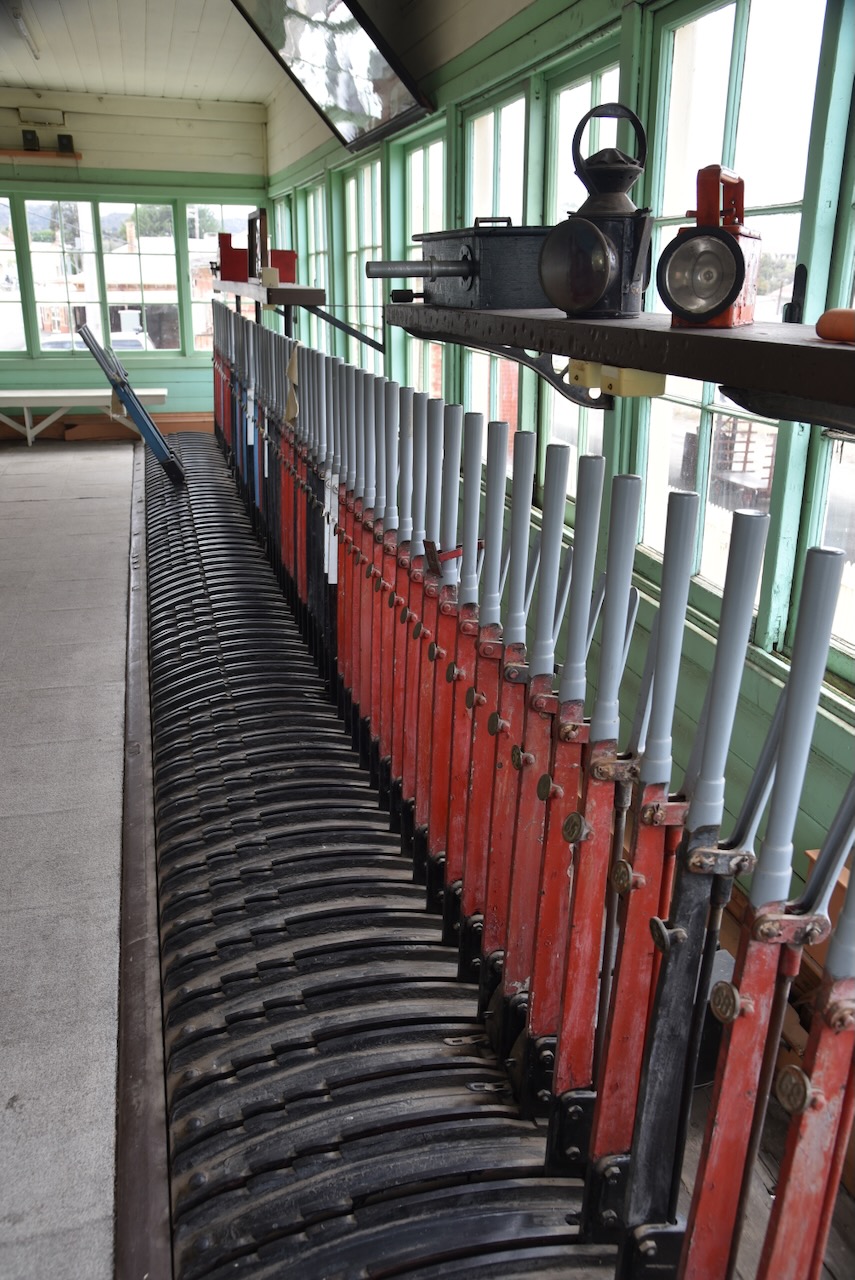
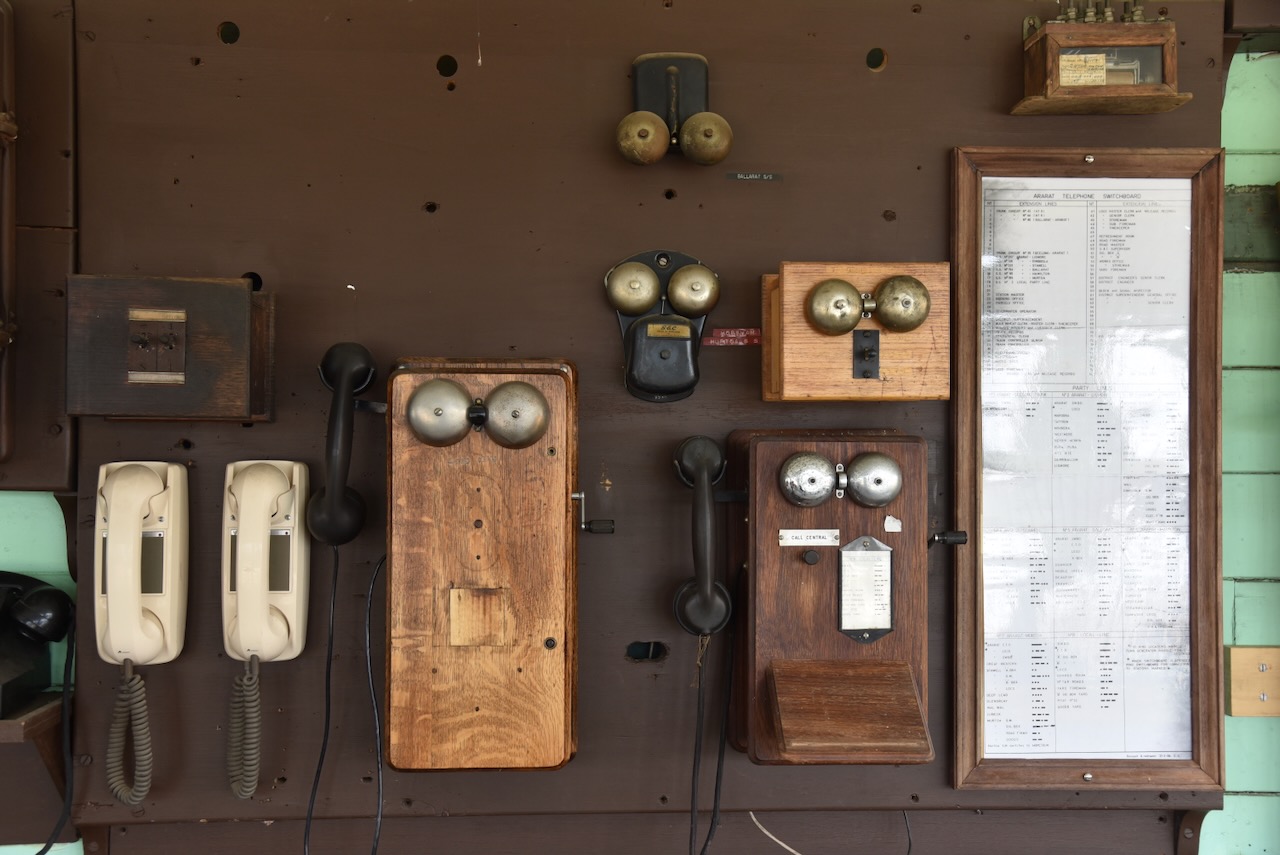
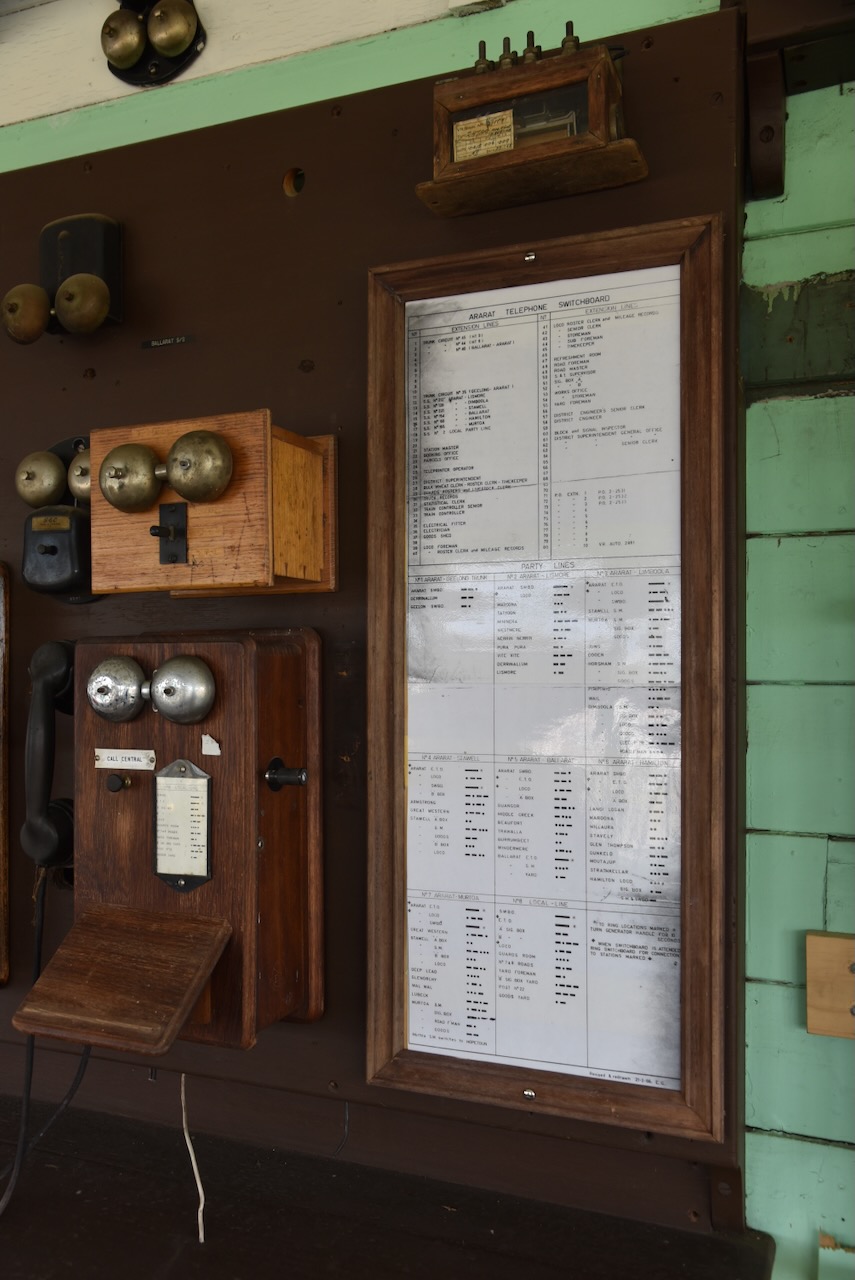
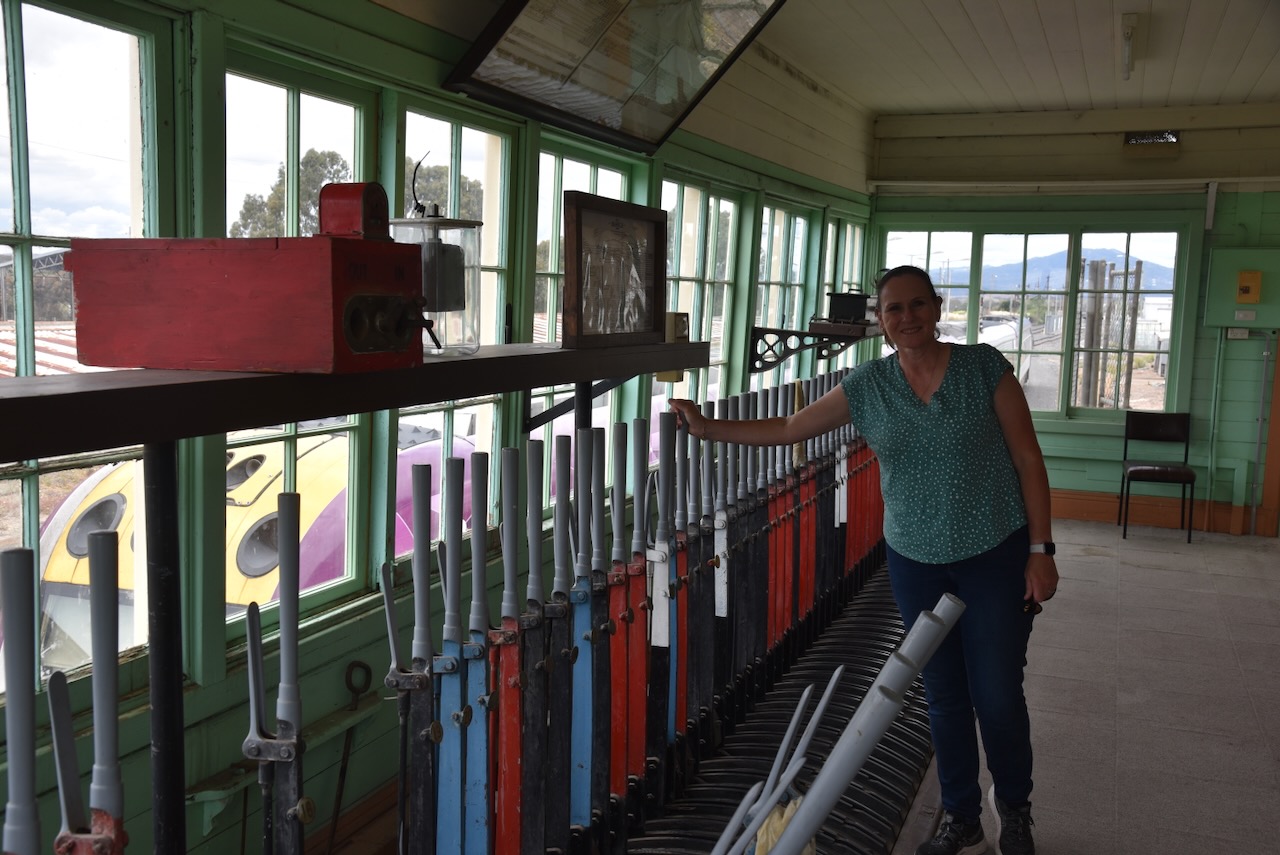
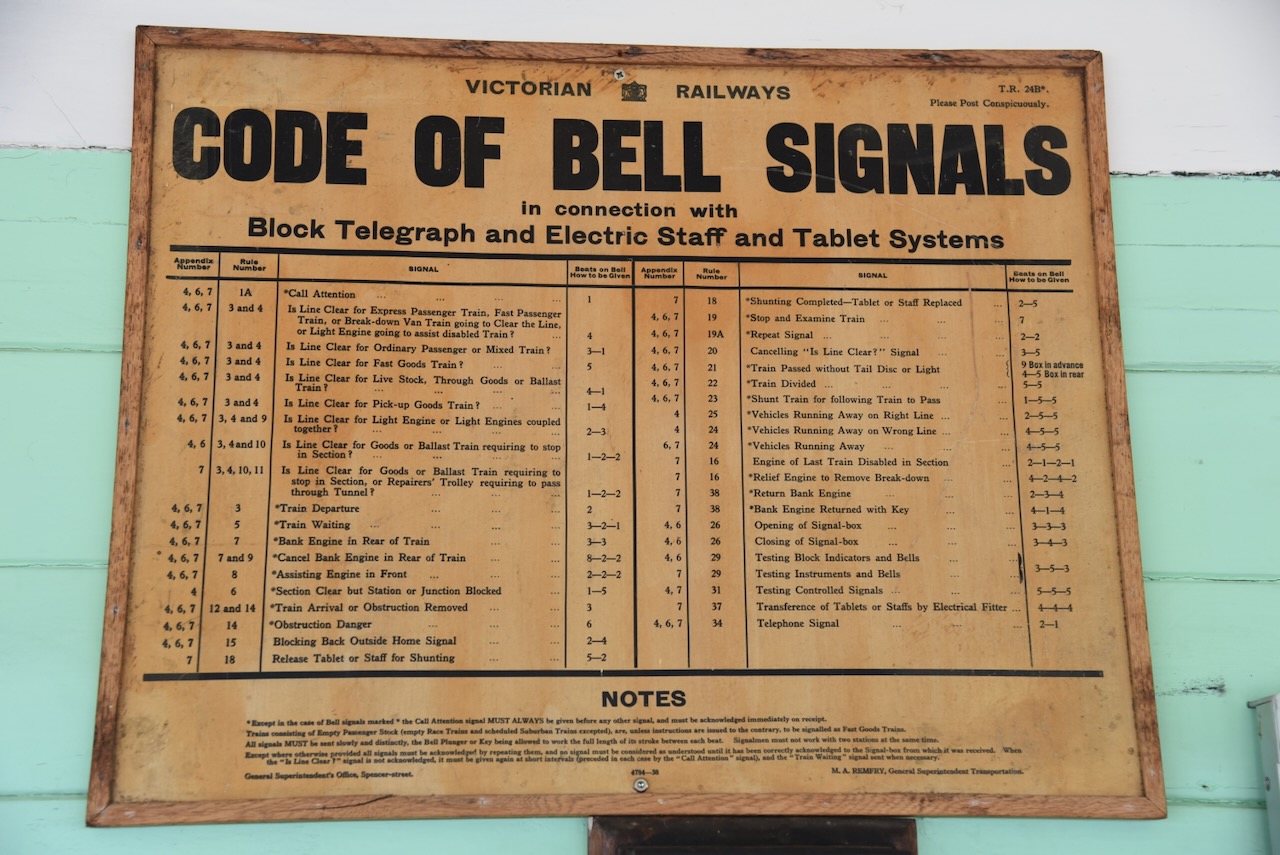
Our next stop of the day was the Ararat railway museum which contains a magnificent collection of railway memorabillia. The volunteers here were very friendly and took us up into the old Control Box.
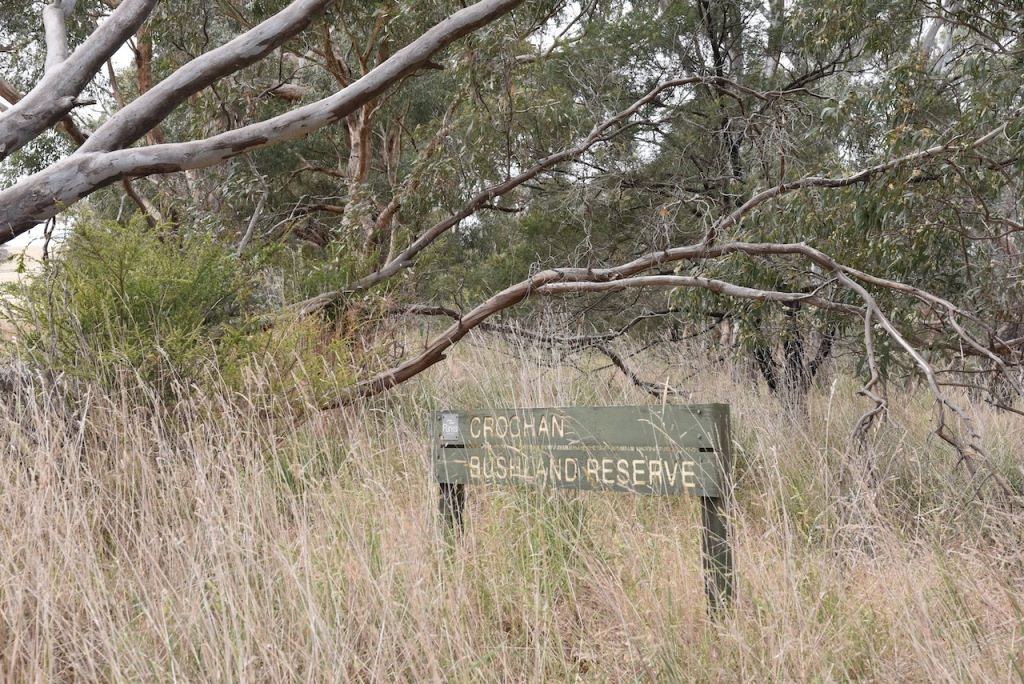
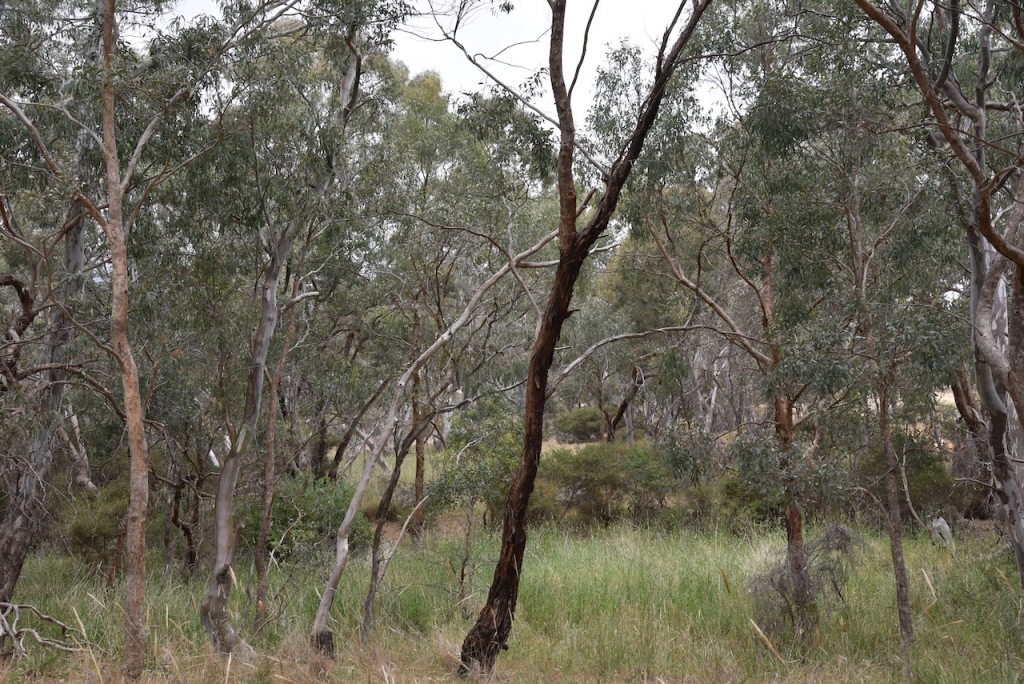
Our first activation for Friday 1st day of December 2023, was the Crochan Bushland Reserve VKFF-4302. The reserve is about 8km west of Ararat and about 217 km northwest of the city of Melbourne.
Above:- Map showing the location of the Crochan Bushland Reserve. Map c/o Google Maps.
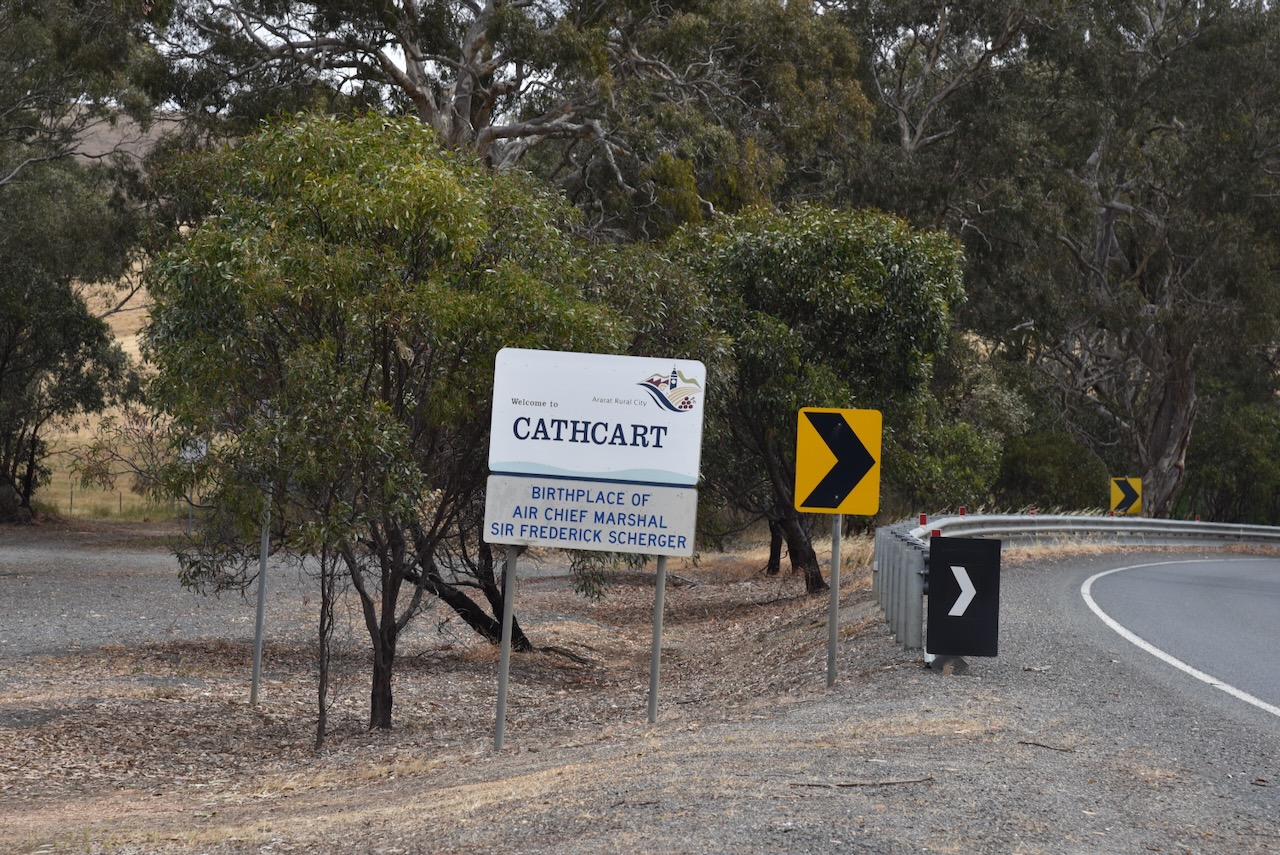
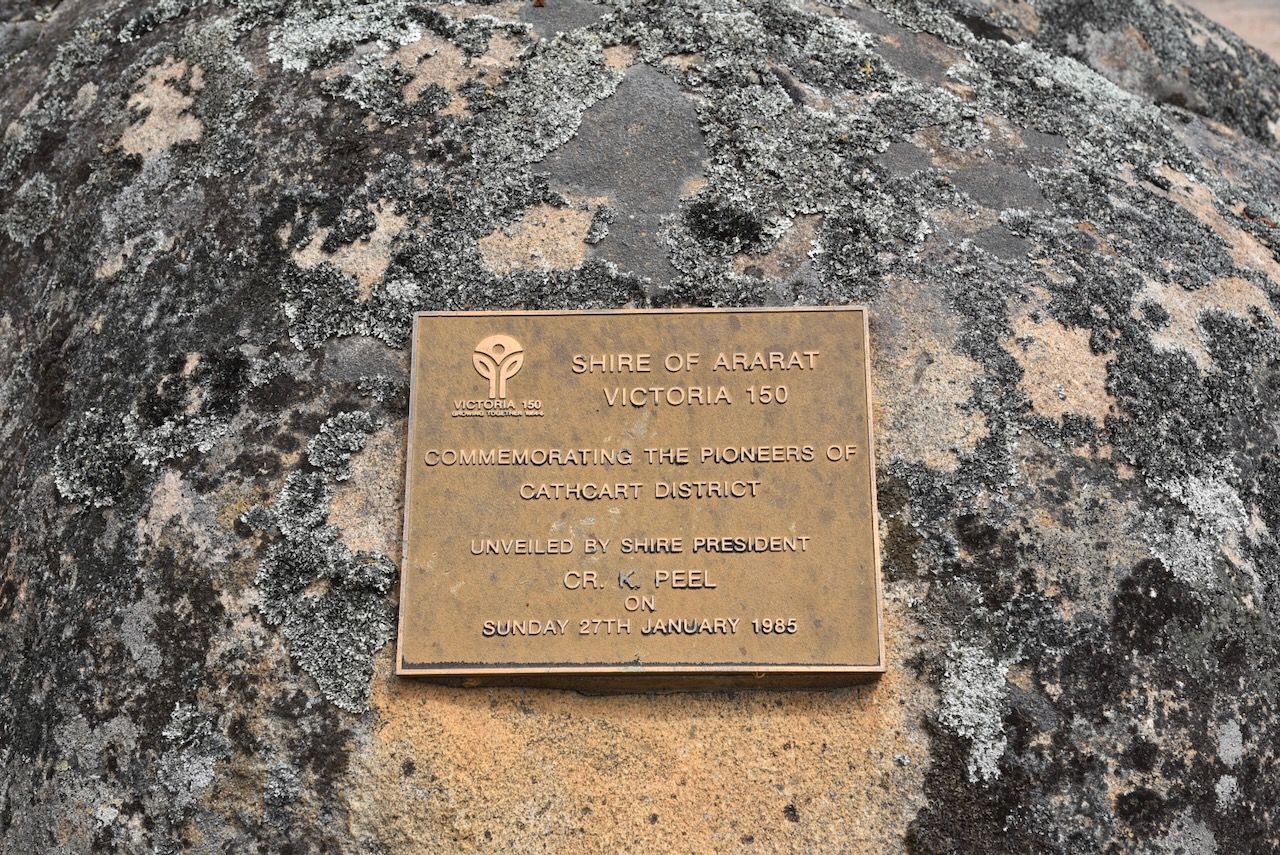
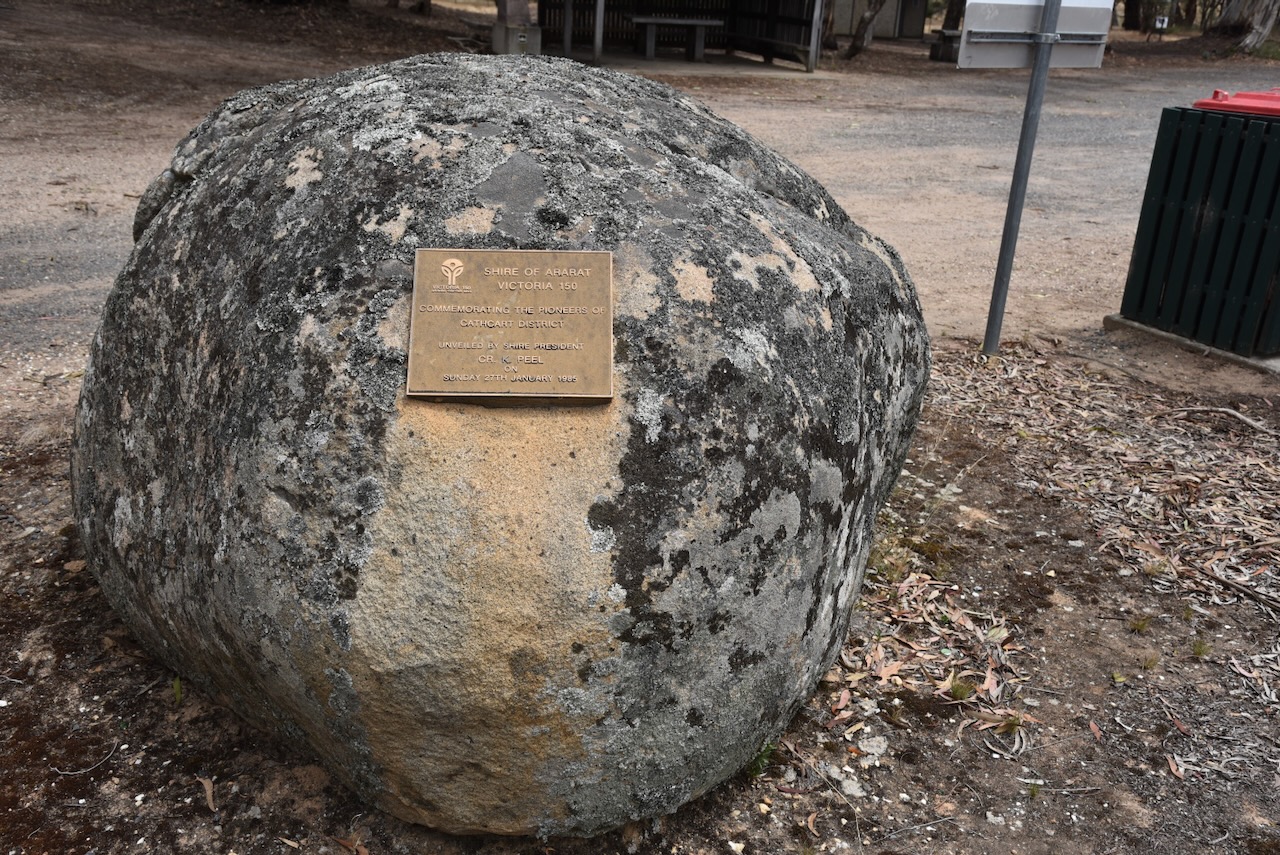
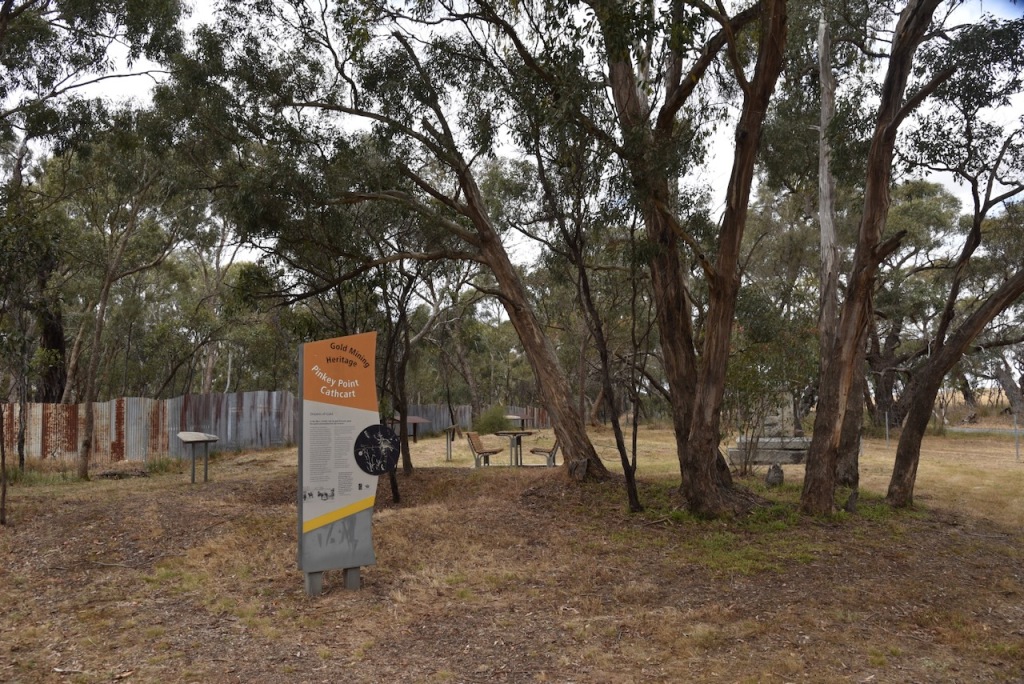
The reserve is located at Cathcart, a former gold mining town about 8 km southwest of Ararat. It was named in honour of Major General Sir George Cathcart (b. 1794. d. 1854) who was killed in the battle at the Crimean War. (Victorian Places 2024)
Above:- Major General Cathcart. Image c/o Wikipedia.
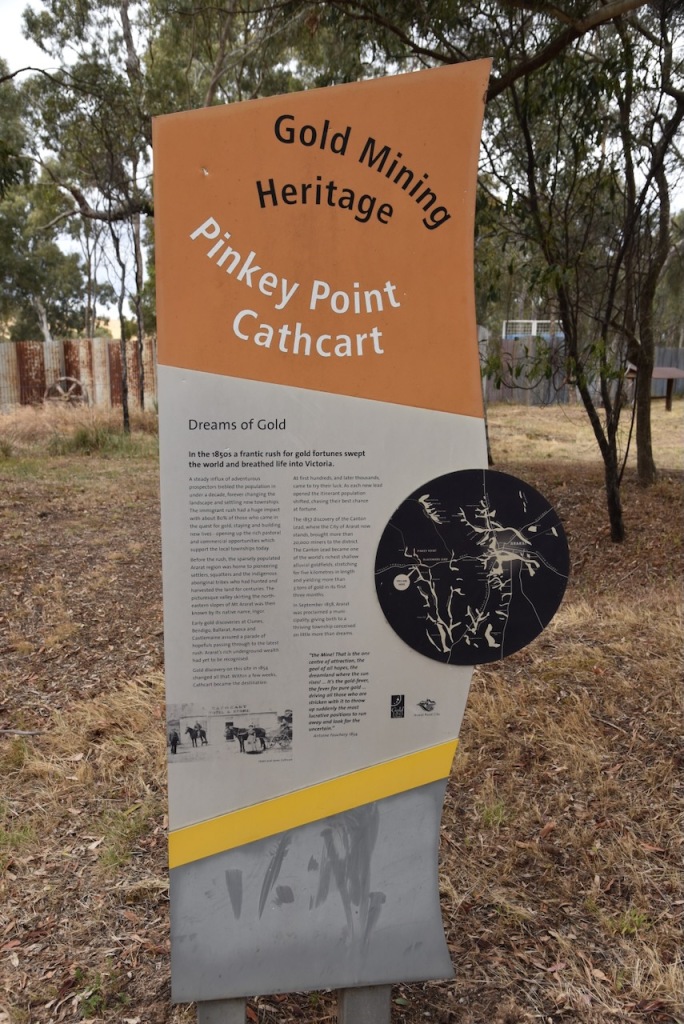
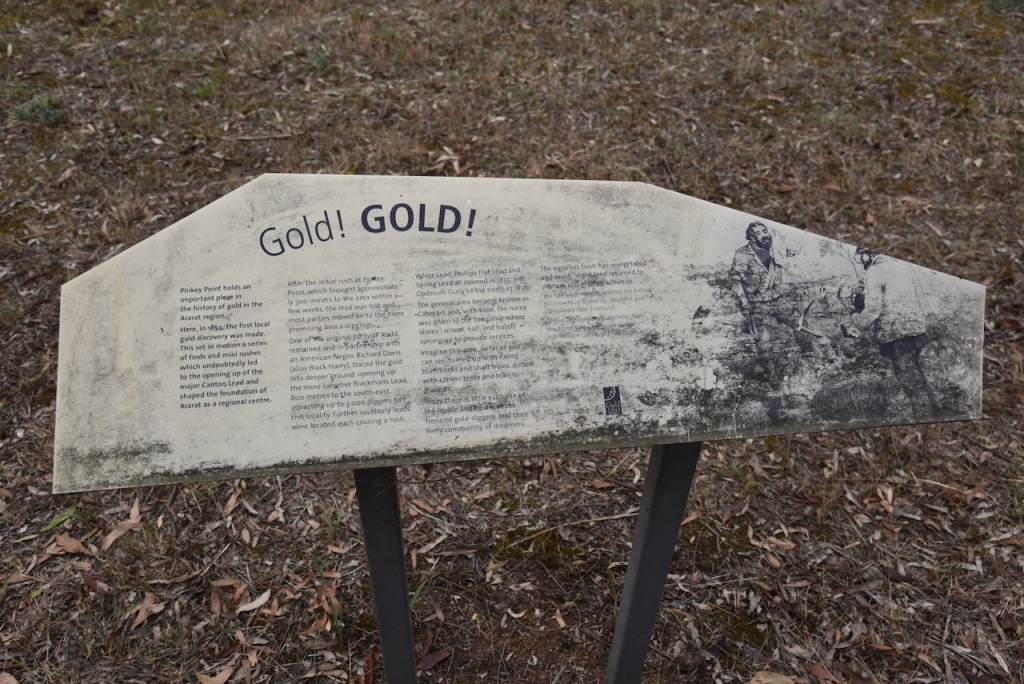
Gold was discovered at Cathcart in 1854, the earliest gold discovery in the Ararat district. Cathcart has also been known as Old Ararat. The town of Cathcart was surved in c. 1856 with a school opening in 1858. Bailliere’s Victorian gazetteer (1865) recorded Cathcart as having three hotels. (Victorian Places 2024)
Gold was discovered at Cathcart in 1854. At first hundreds, and later thousands came to the Cathcart area to try their luck at finding gold. The 1857 discover of the Canton Lead where the city of Ararat now stands, brought more than 20,000 miners to the fistrict. The Canton Lead became one of the world’s richest shallow alluvial goldfields, stretching for 5 kms in length and yielding more than 3 tons of gold in its first 3 months.
We then headed to the reserve, admiring the views of the surround countryside along the way.
The reserve is located on the corner of Ararat-Halls Gap Road and Port Curtis Road.
Above:- Aerial view of the reserve showing its boundaries. Image c/o Google Earth.
The reserve is about 4.3 hectares in size and was established on the 22nd day of Novemner 1983. (CAPAD 2022)
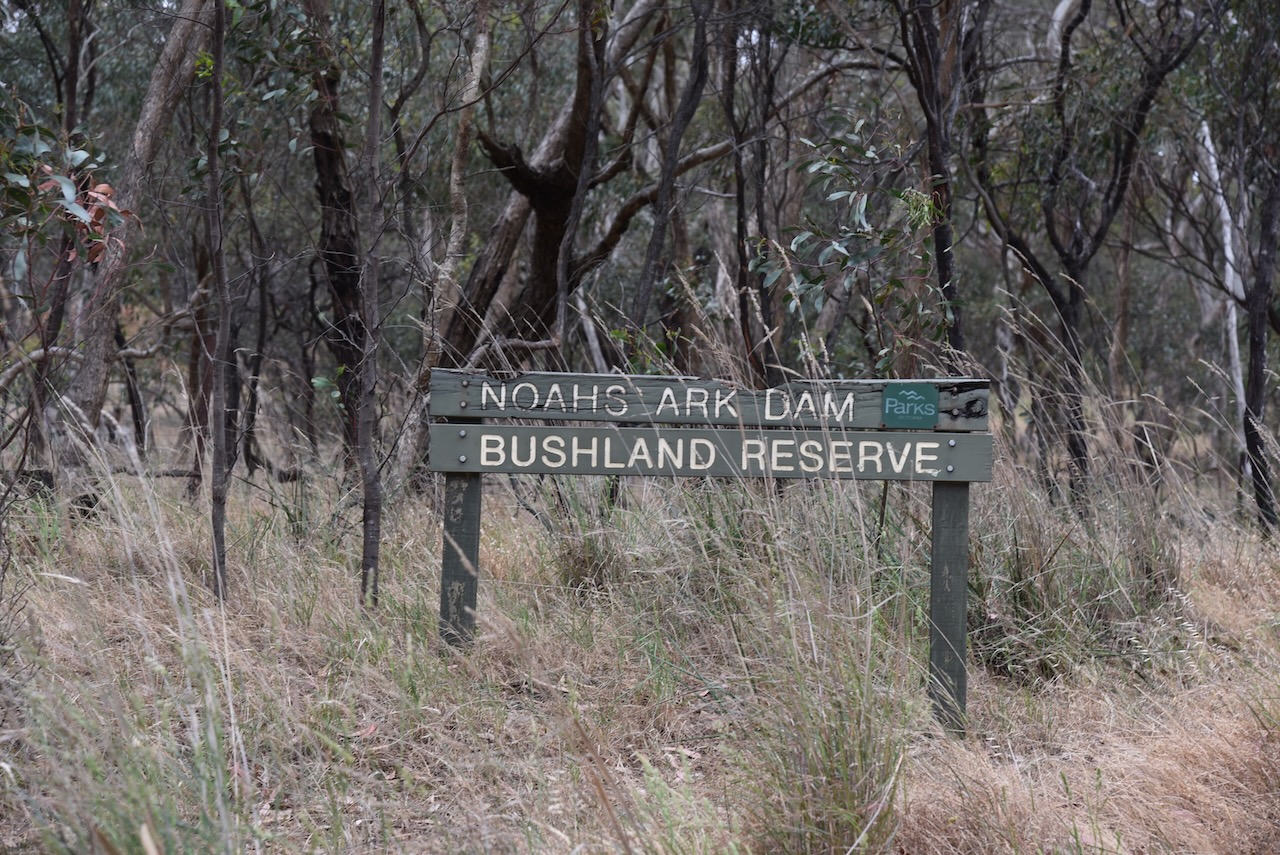
Our next activation for Thursday 30th November 2023 was the Noahs Ark Dam Natural Features Reserve VKFF-4301.
The reserve is located about 5 km northeast of Ararat and about 207 km northwest of the city of Melbourne.
Above:- Map showing the location of Noahs Ark Dam Bushland Reserve. Map c/o Google Maps.
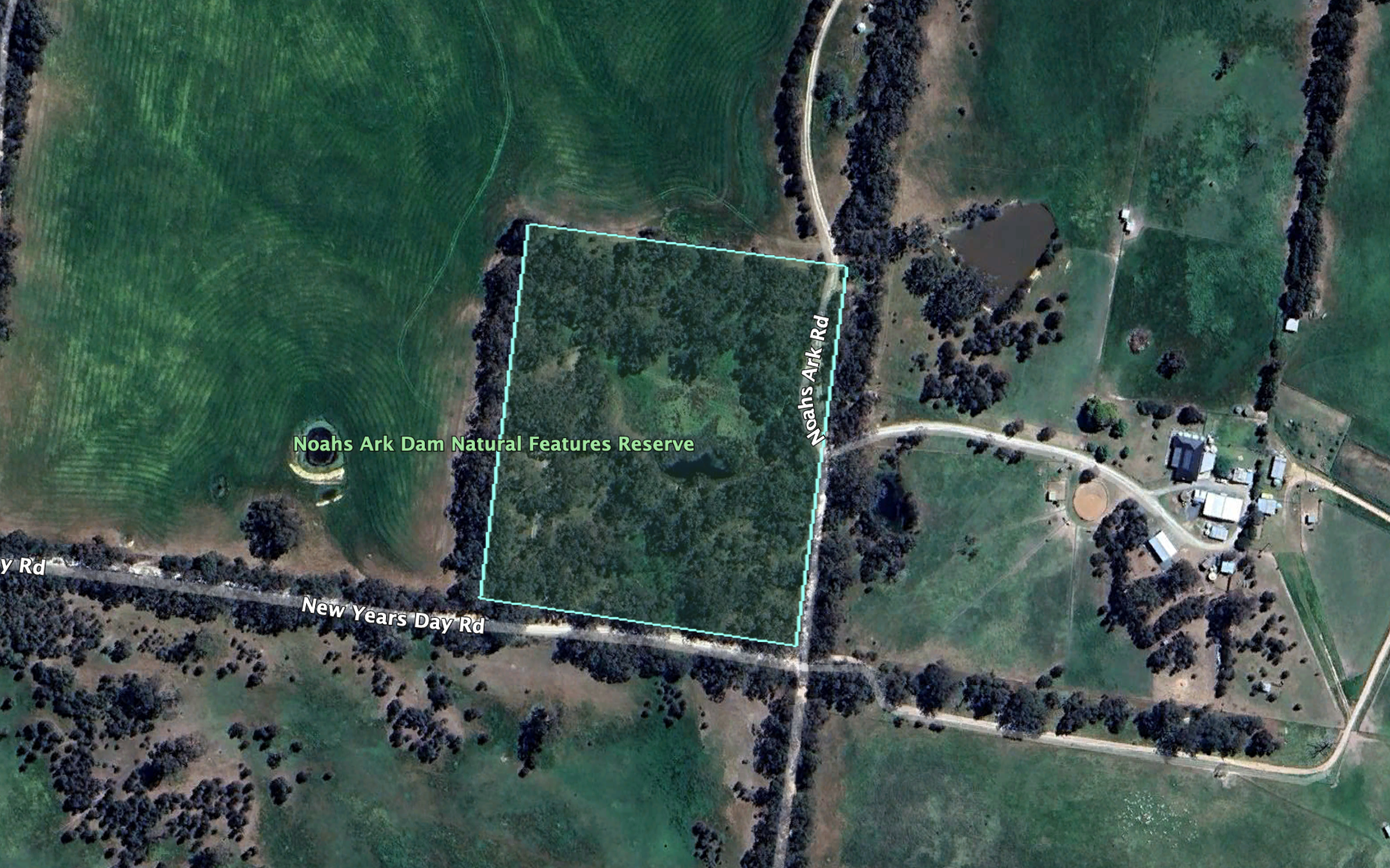
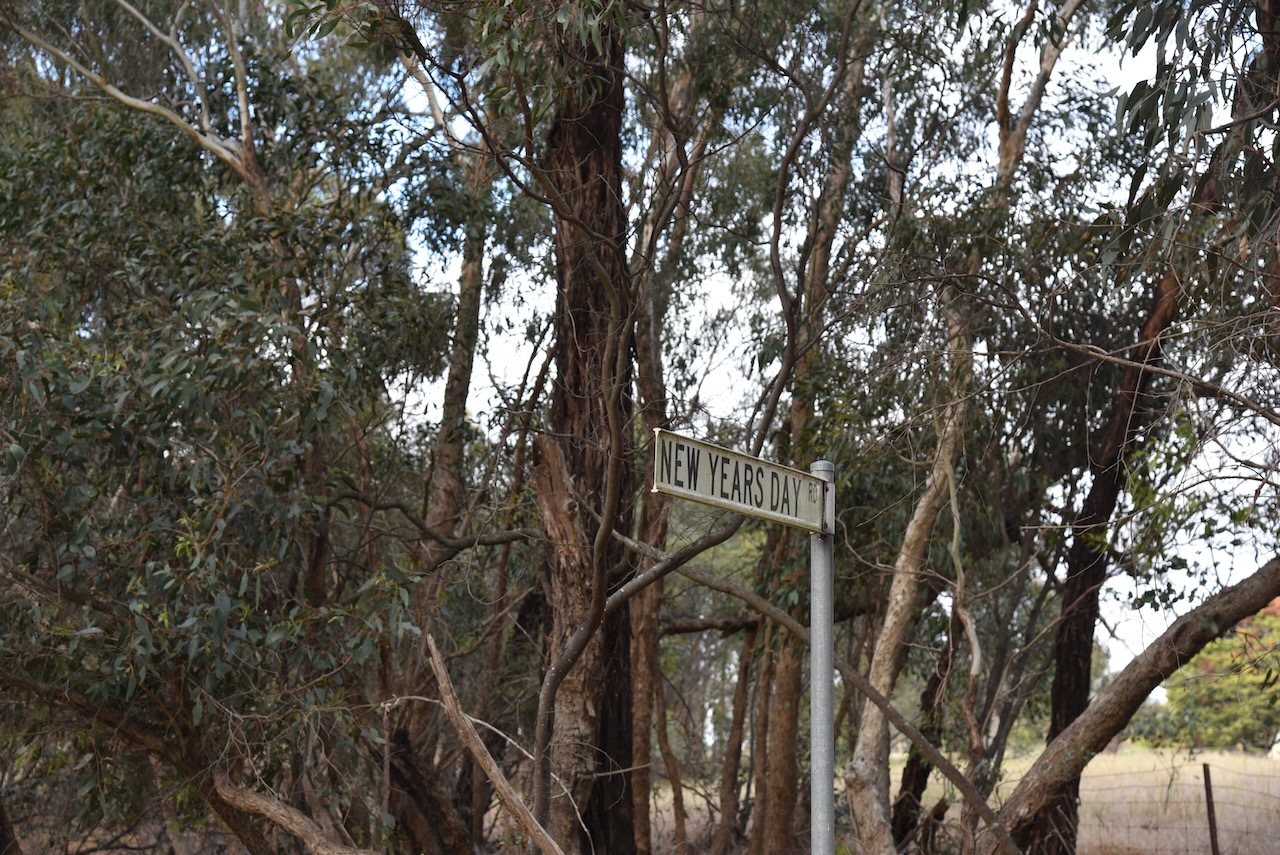
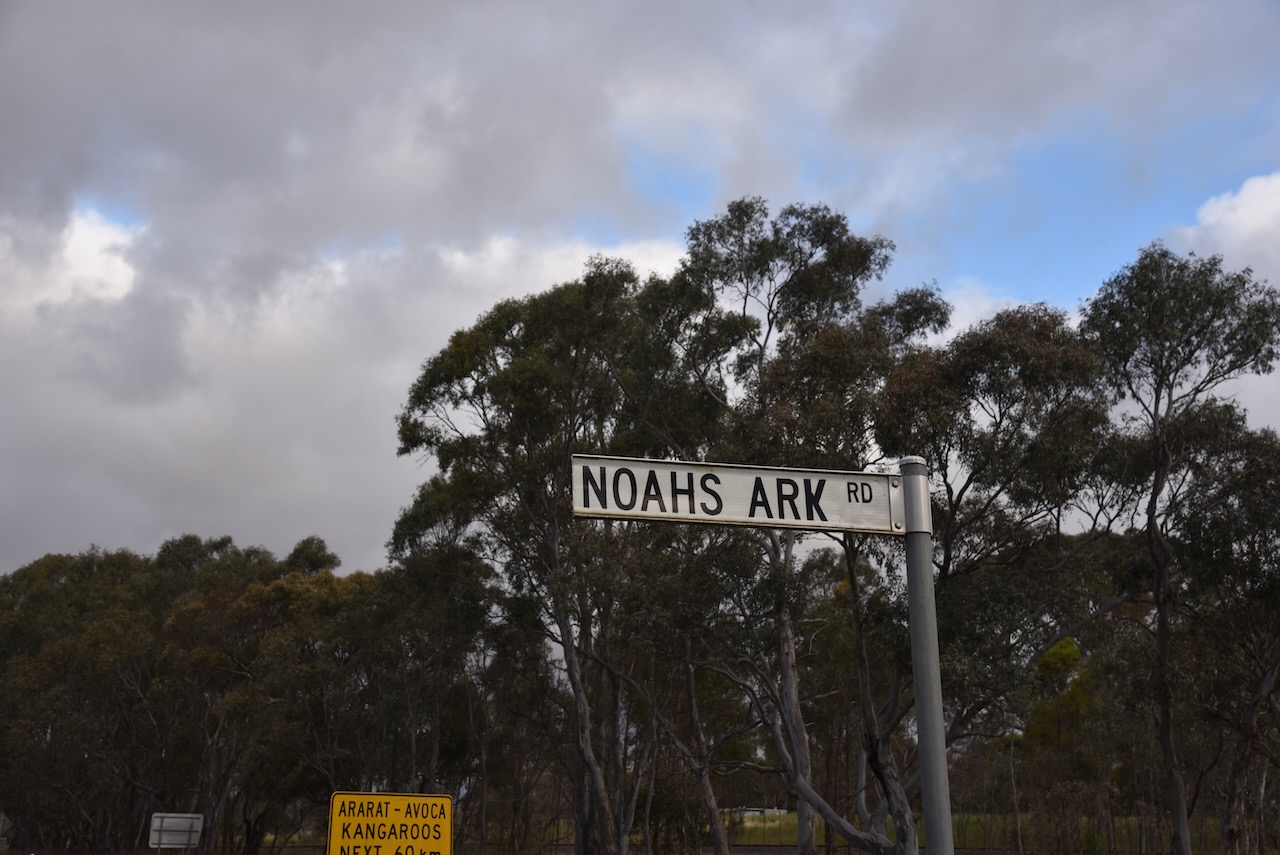
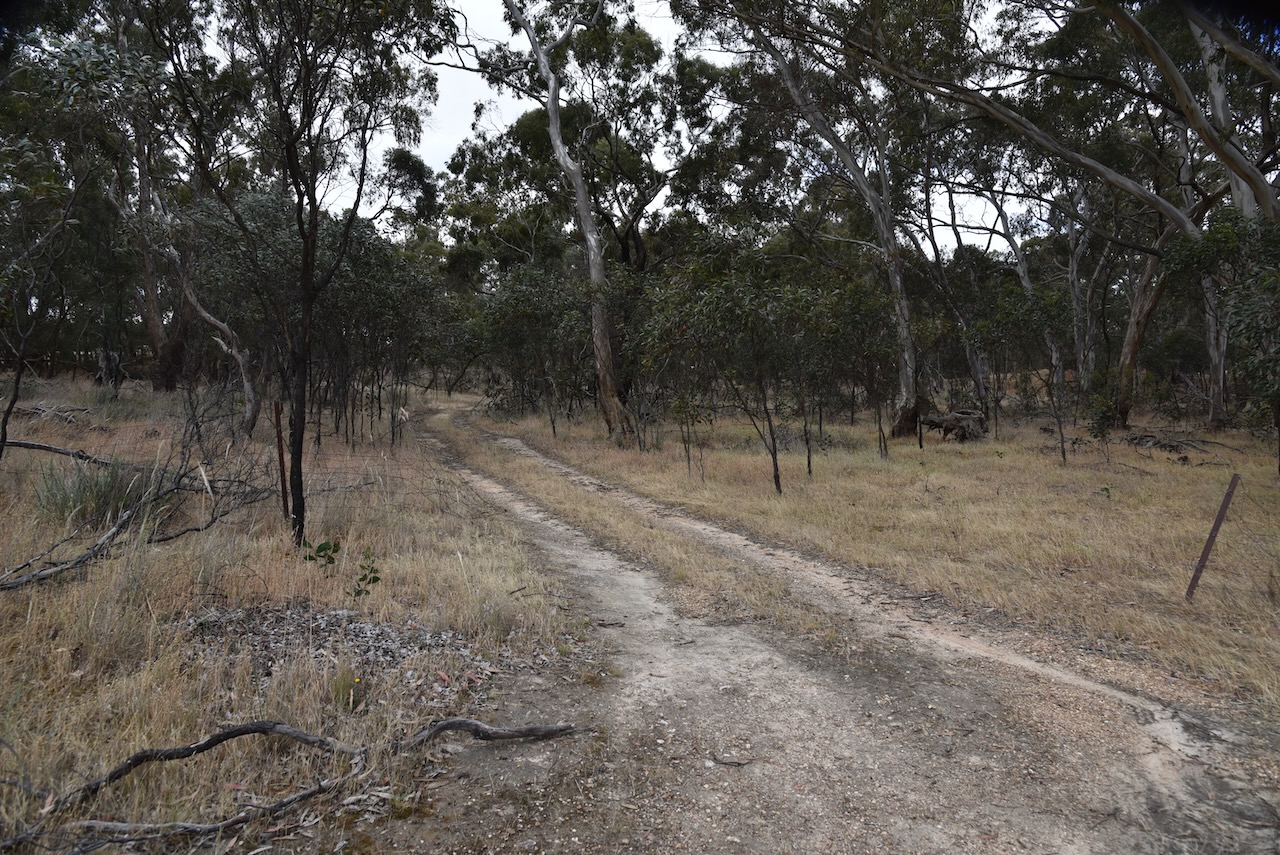
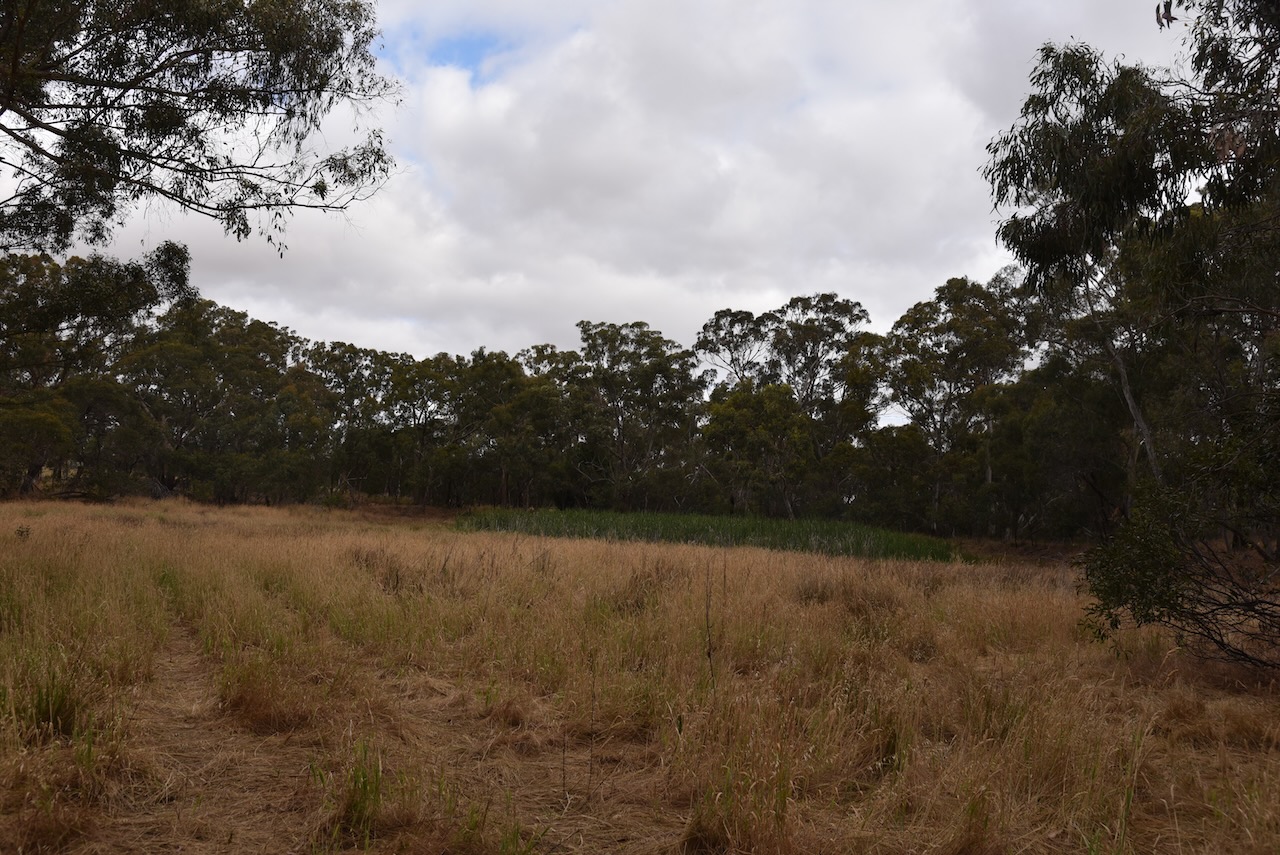
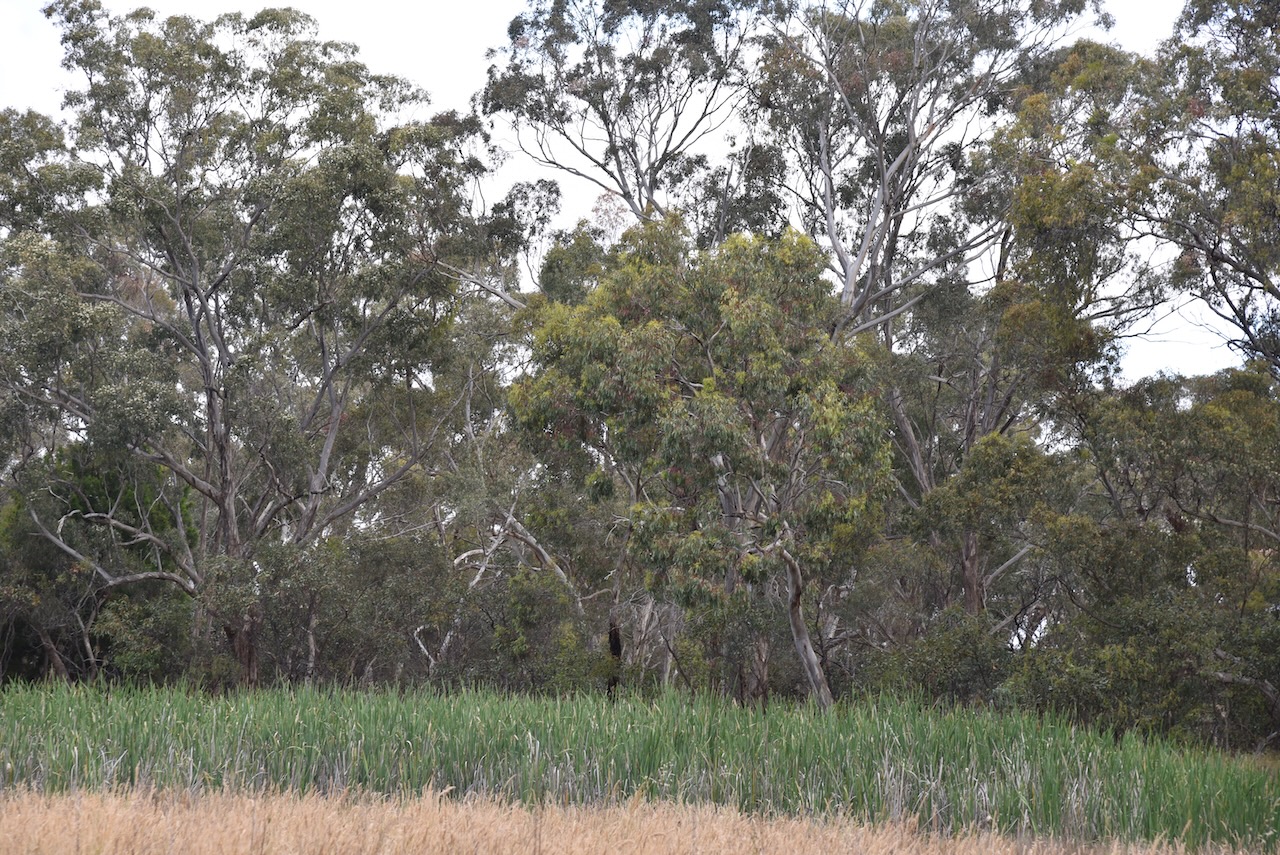
The reserve is located on the northern side of New Year’s Day Road, Ararat, at the intersection with Noahs Ark Road.
Above:- An aerial view of the reserve showing its boundaries. Image c/o Google Earth.
The reserve is about 3.4 hectares in size and was established on the 16th day of October 2001. (CAPAD 2022)
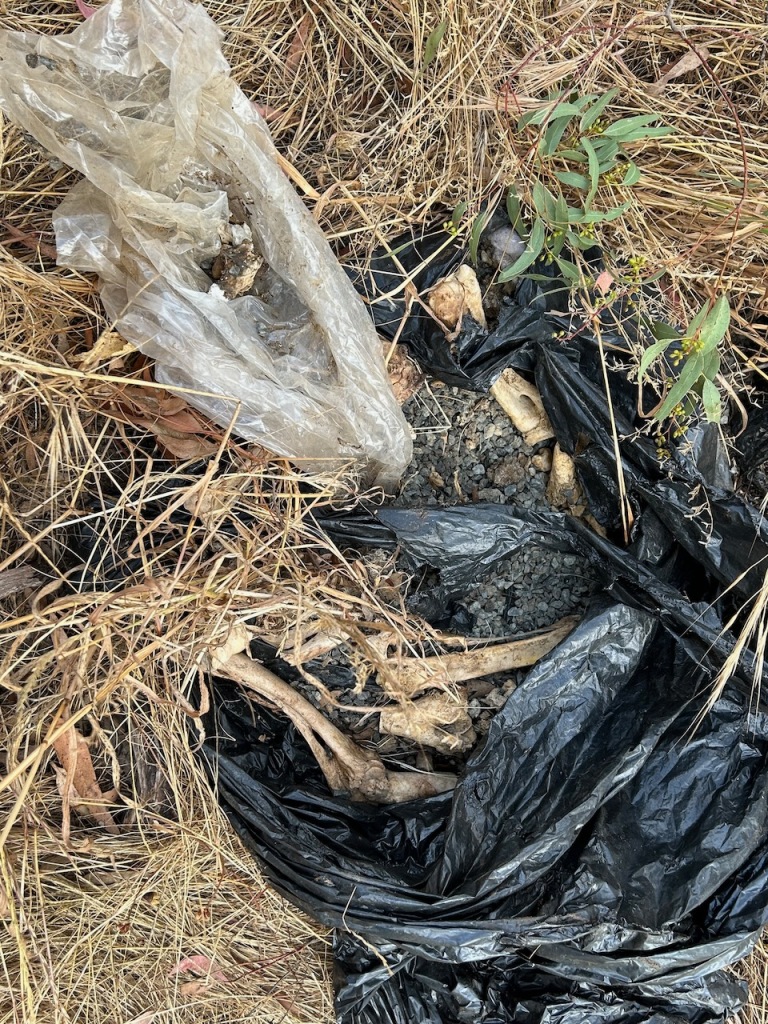
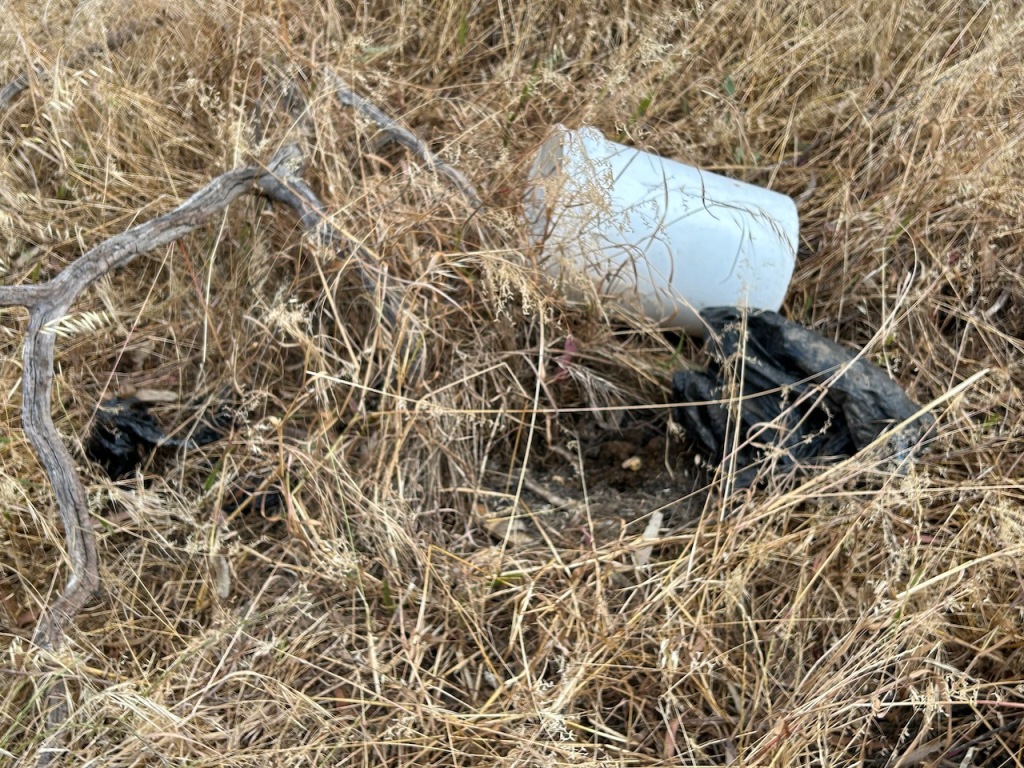
During our time in the park, Marija made an unusual discovery of bones wrapped in black plastic which had been weighted down with gravel. There were also some items of clothing. To be on the safe side I telephoned the local police who said they would come out to have a look. I never heard anything back, so I assume everything was okay.
Marija worked the following stations on 40m SSB:-
VK3PF
VK3KAI
VK3SQ
VK2BD
VK3BBB
VK2CCP
Marija worked the following stations on 40m AM:-
VK3PF
VK3KAI
VK3SQ
VK2BD
I worked the following stations on 40m SSB:-
VK3PF
VK3KAI
VK3SQ
VK2BD
VK3BBB
VK2CCP
VK5FANA
VK2CDB
VK5TN
VK5CZ
VK5NFT
VK1AO
V K2MET
VK2HHA
VK7AAE
VK3SG
VK3SPG
VK2USH
VK3MDC
VK7LJP
VK3MTT
V4DJF
VK3APJ
VK2EXA
VK2NZ
VK3MCK
VK4EW
VK3CLD
VK3UAO
VK5AAF
KG5CIK
VK2KA/3
I worked the following stations on 40m AM:-
VK3PF
VK3KAI
VK3SQ
VK2BD
I worked the following stations on 20m SSB:-
VK4EW
IK4IDF
OH1MM
KG5CIK
IW2BNA
VK4EMP
VK4TI
F1BLL
ZL1HIM
DG1YBN
I worked the following station on 20m AM:-
VK4EW
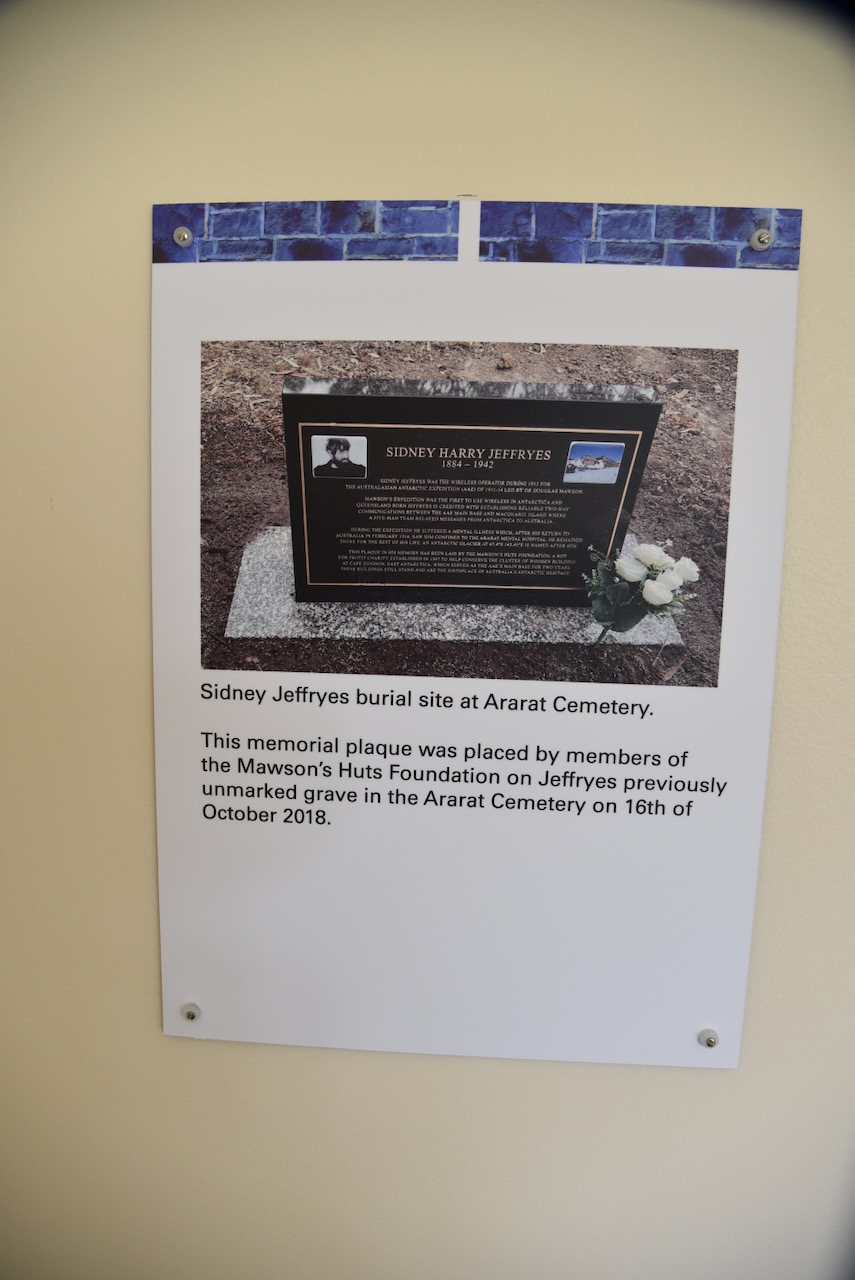
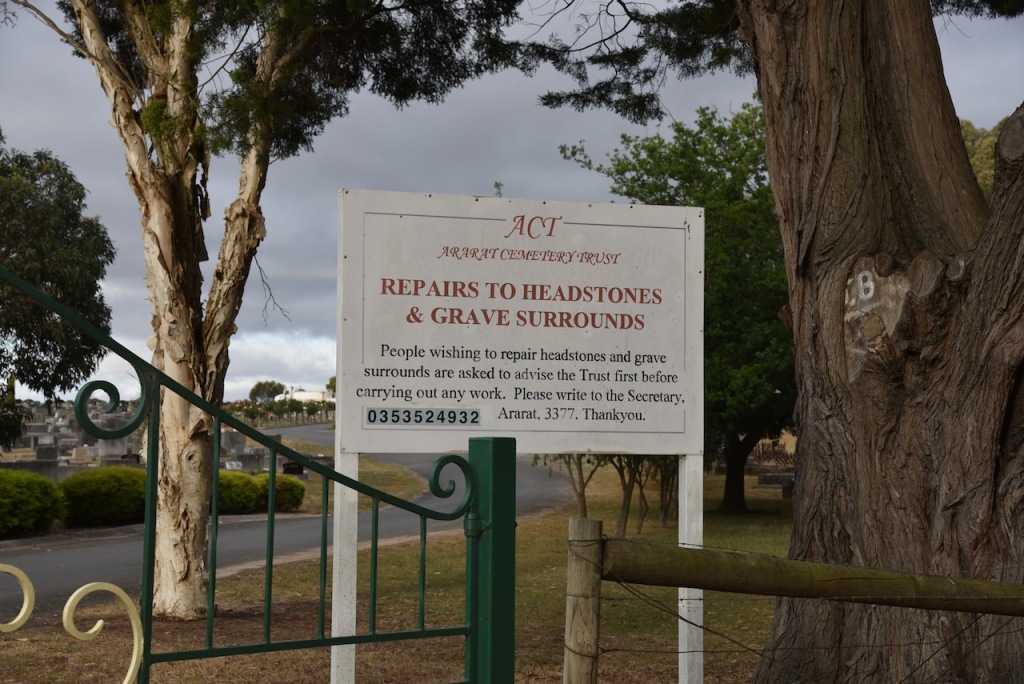
Marija and I then visited the Ararat cemetery.
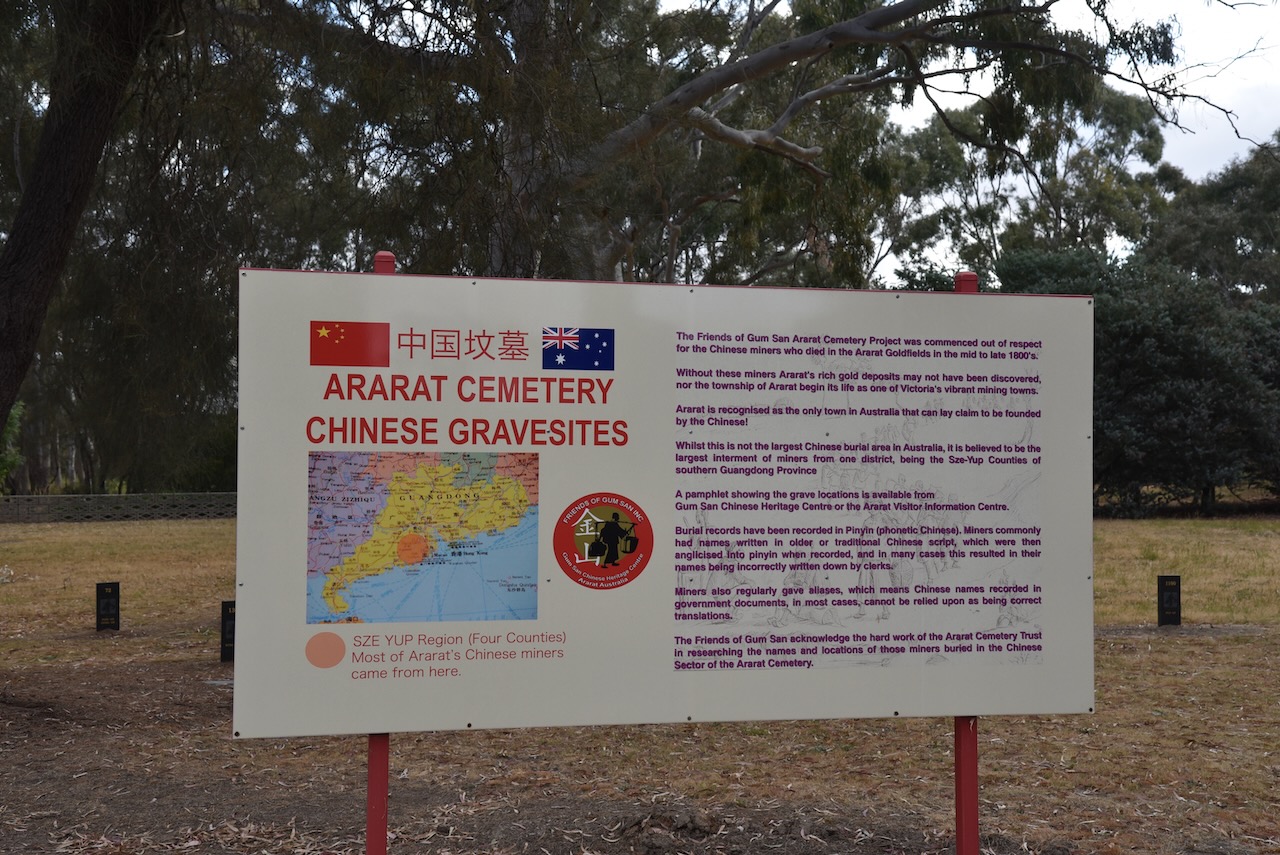
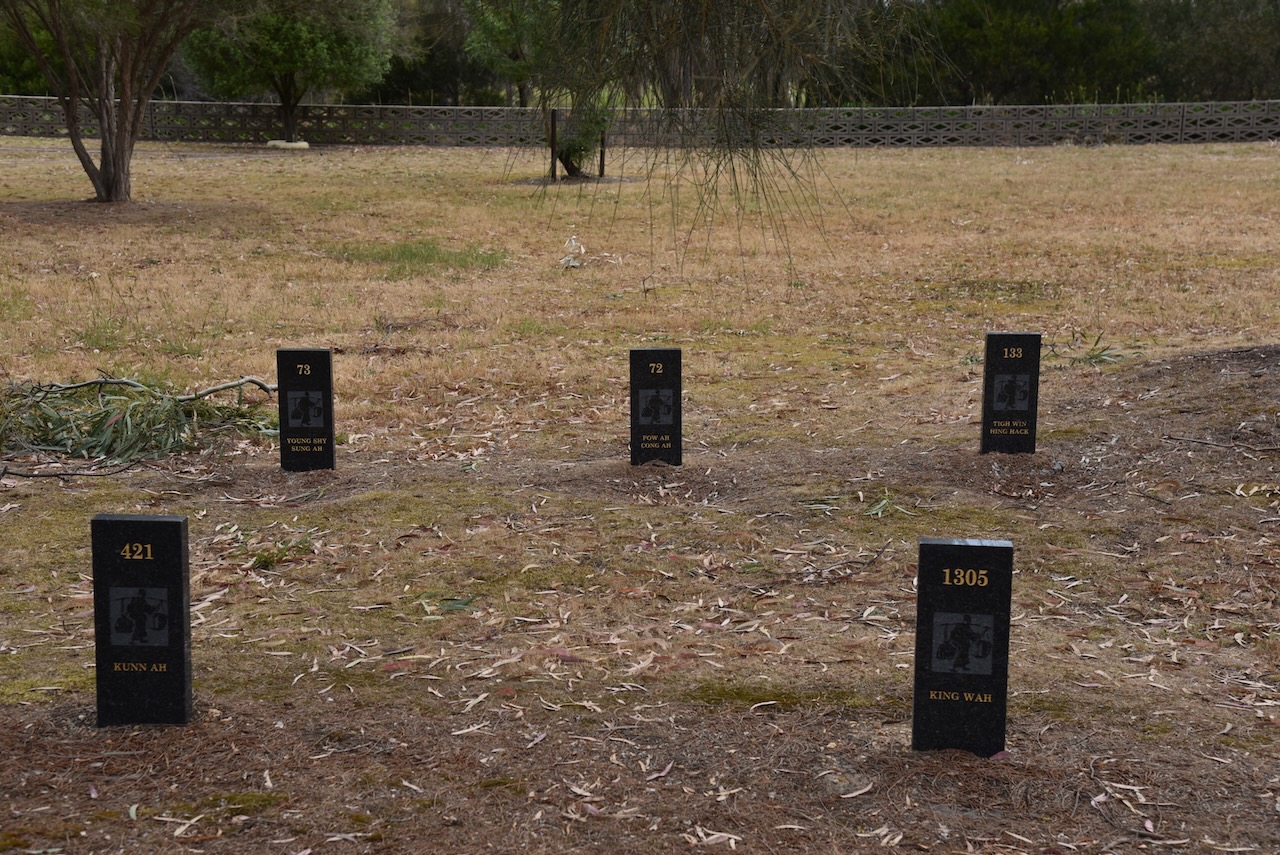
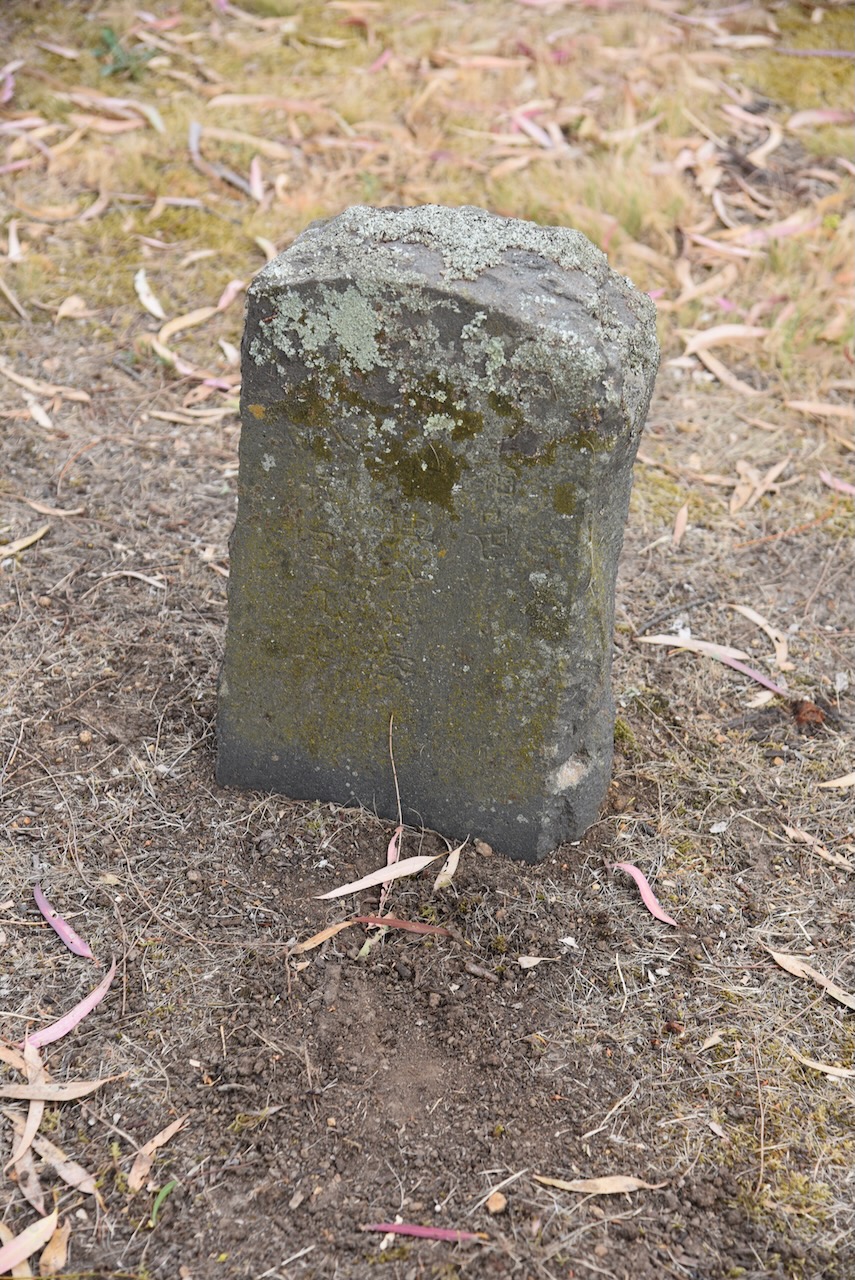
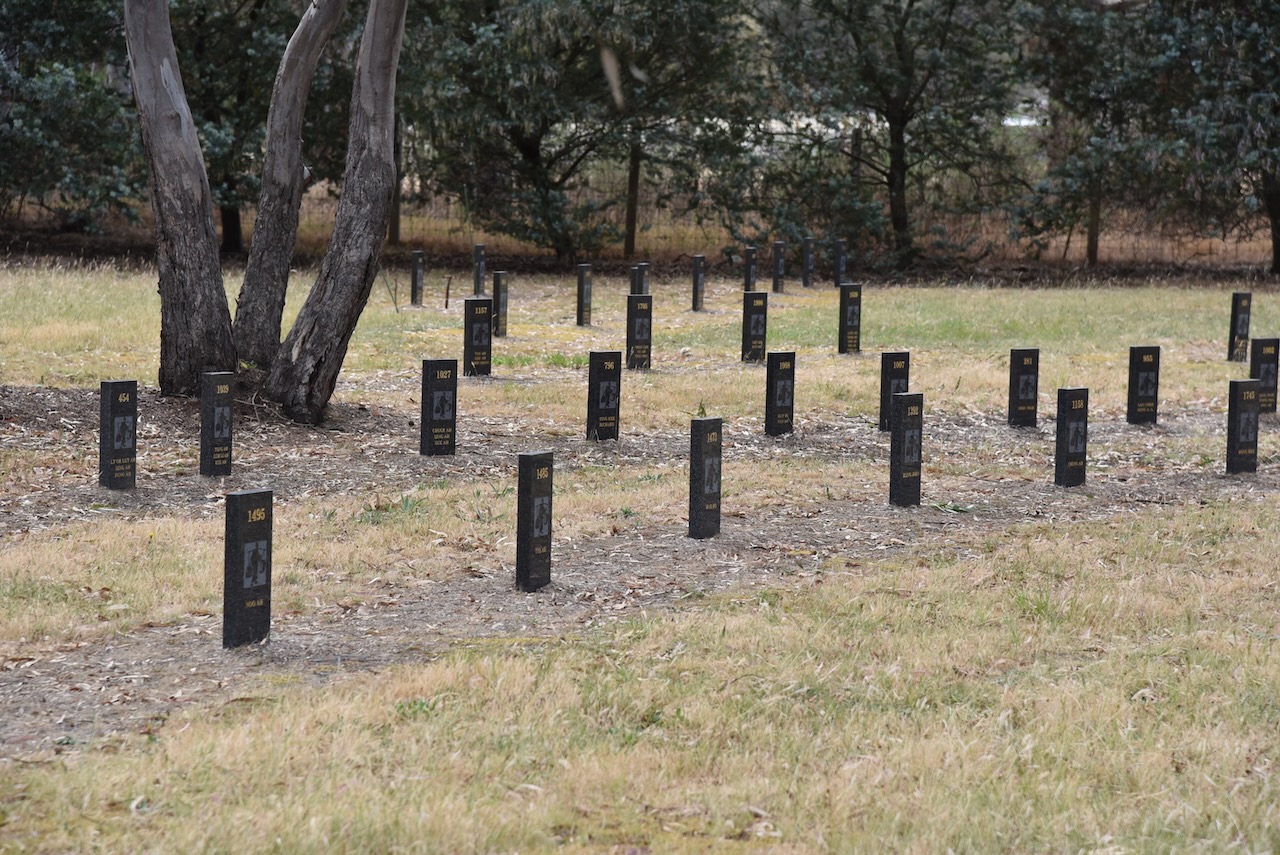
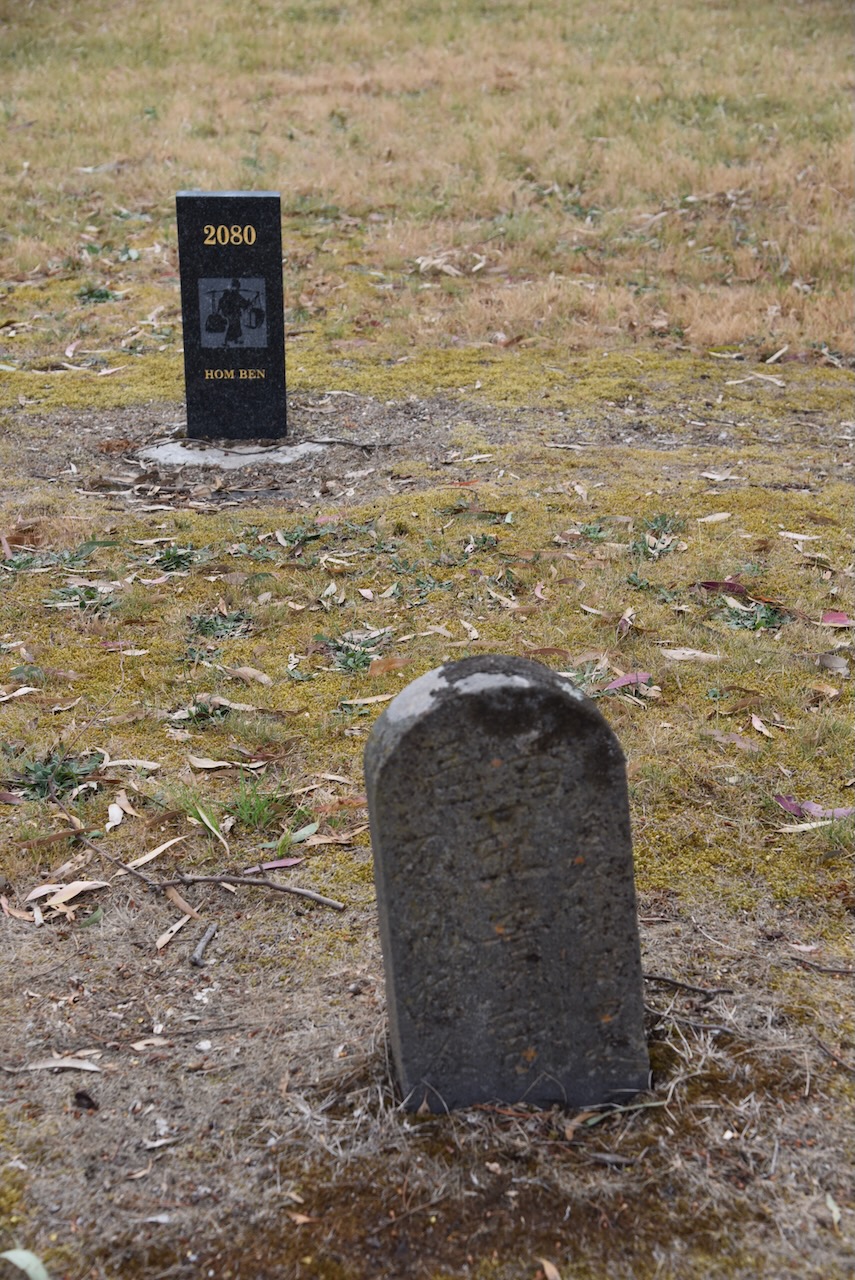
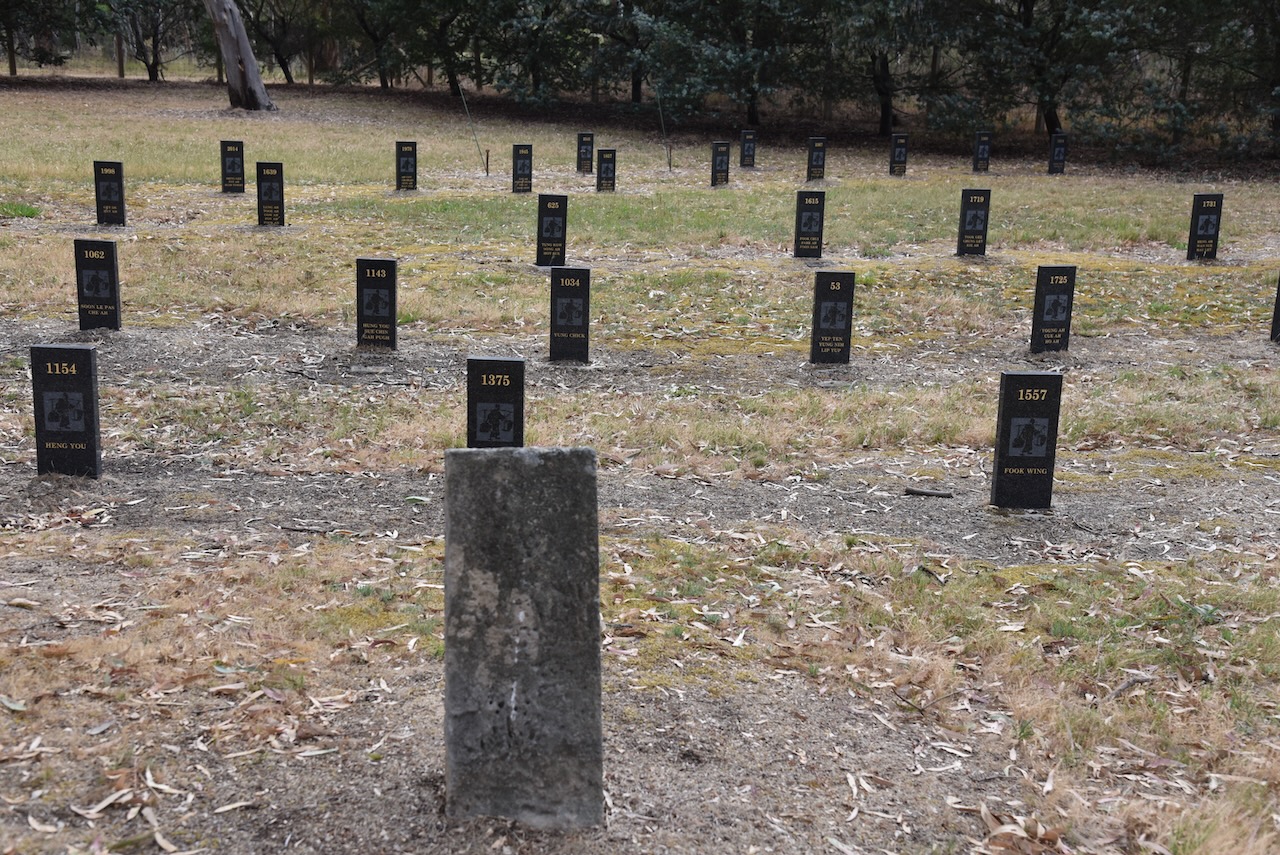
The Friends of Gum San Ararat Cemetery Project was commenced out of respect for the Chinese miners who died in the Ararat Goldfields in the mid to late 1800s. Chinese miners commonly had their names written in older of traditional Chinese script, which were then anglicised into pinyin when recorded, and in many cases, this resulted in their names being incorrectly written down by clerks.
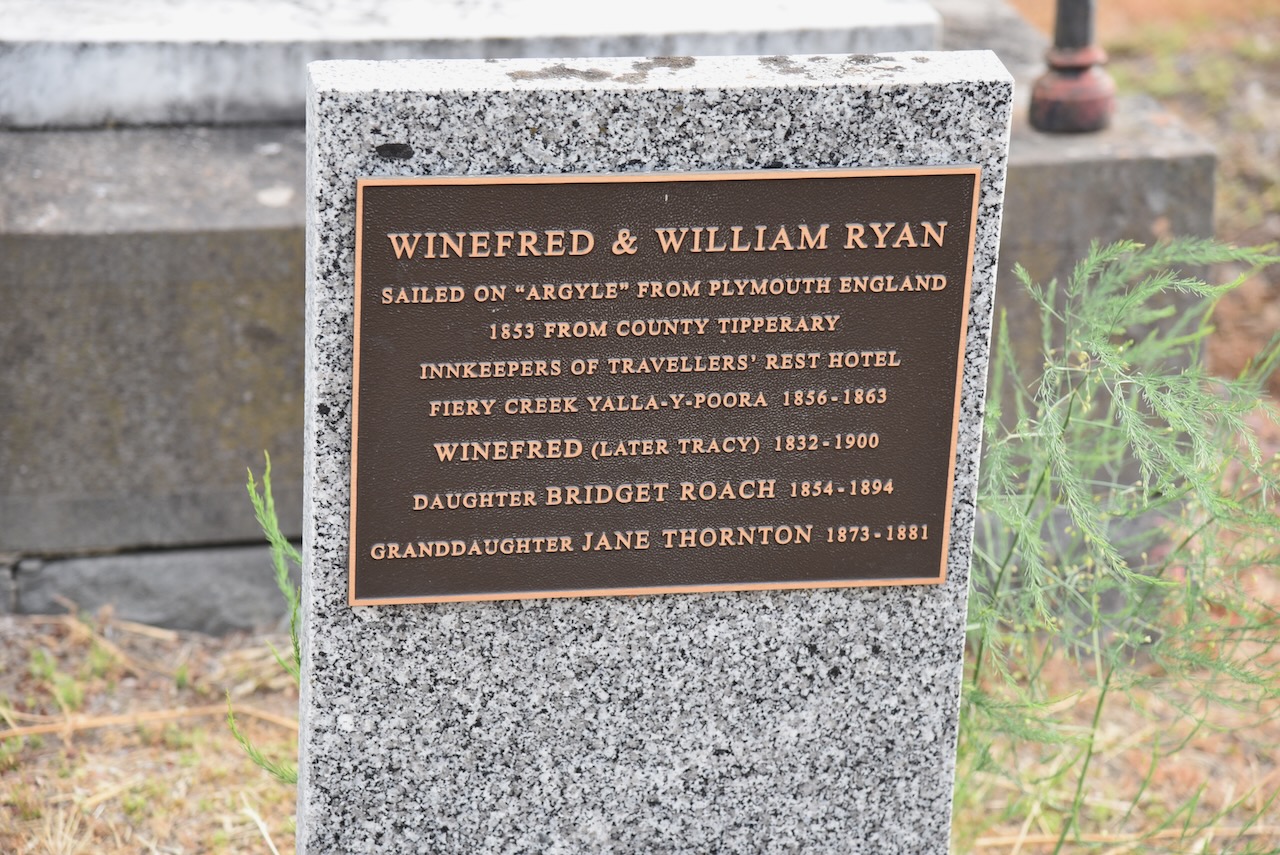
Winefred and William Ryan who sailed from Plymouth England in 1853 aboard the Argyle, leaving behind their homeland of County Tipperary, Ireland. They were innkeepers of Traveller’s Rest Hotel Fiery Creek.
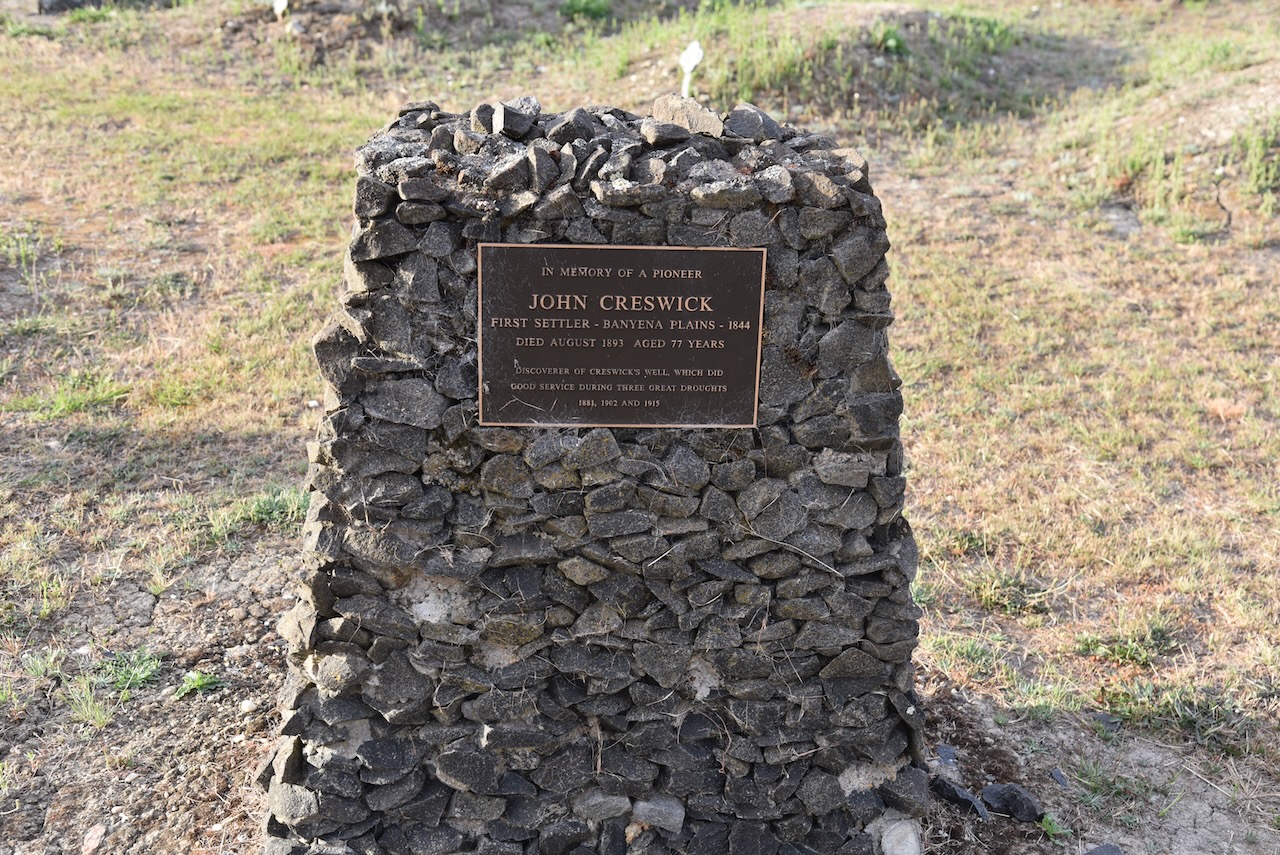
John Creswick was the first settler at Banyena Plains in 1844. He died in August 1893, aged 77 years. He was the discoverer of Creswick’s Well, which did good service during three great droughts 1881, 1902, & 1915.
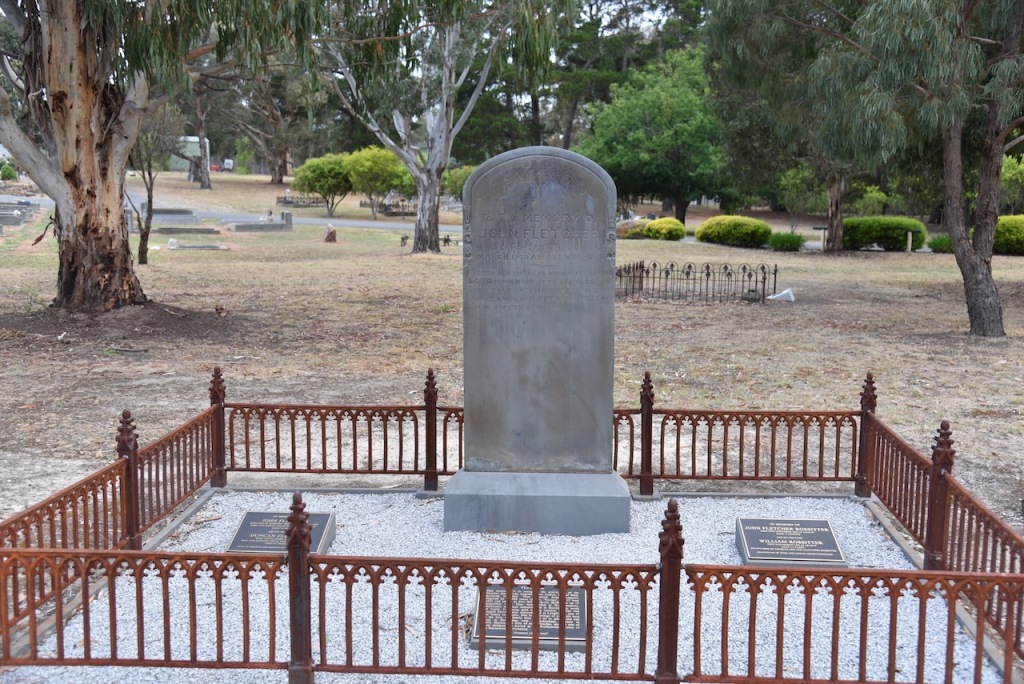
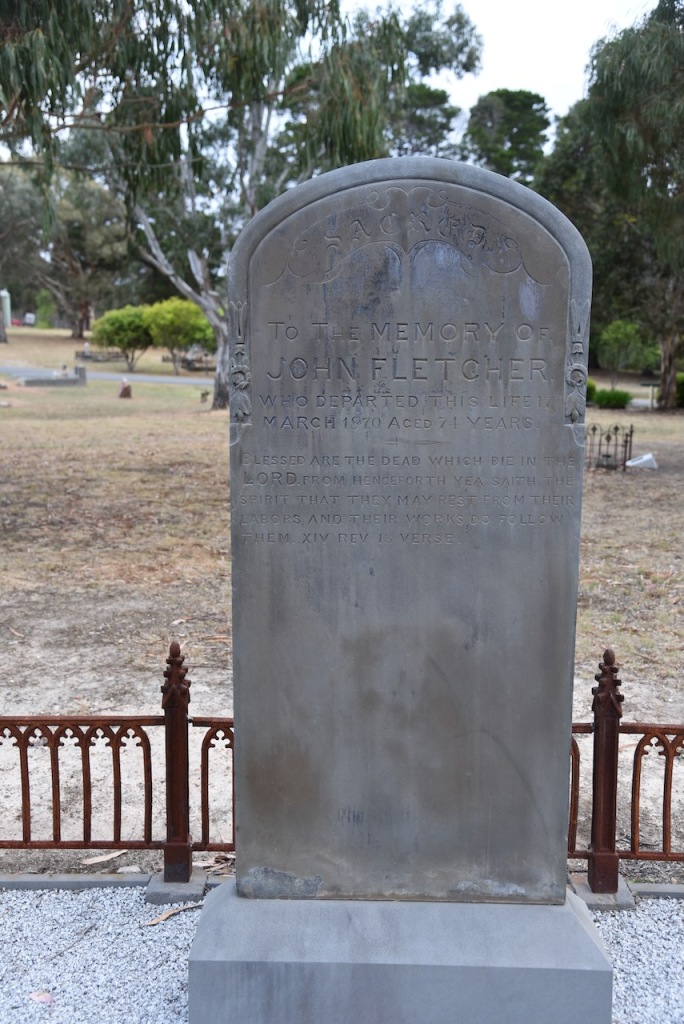
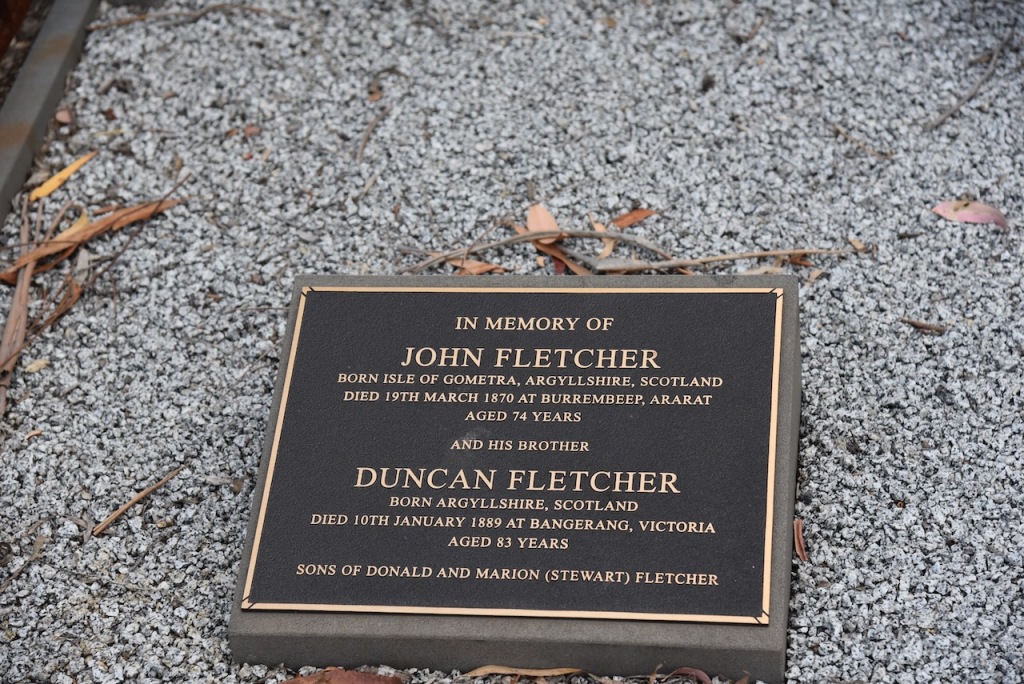
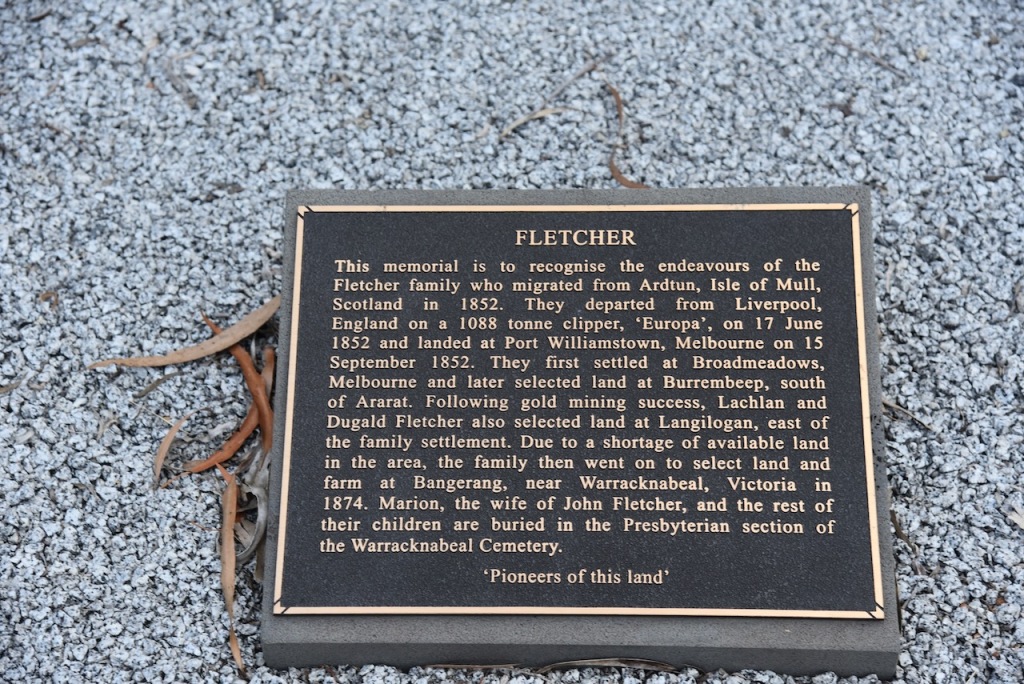
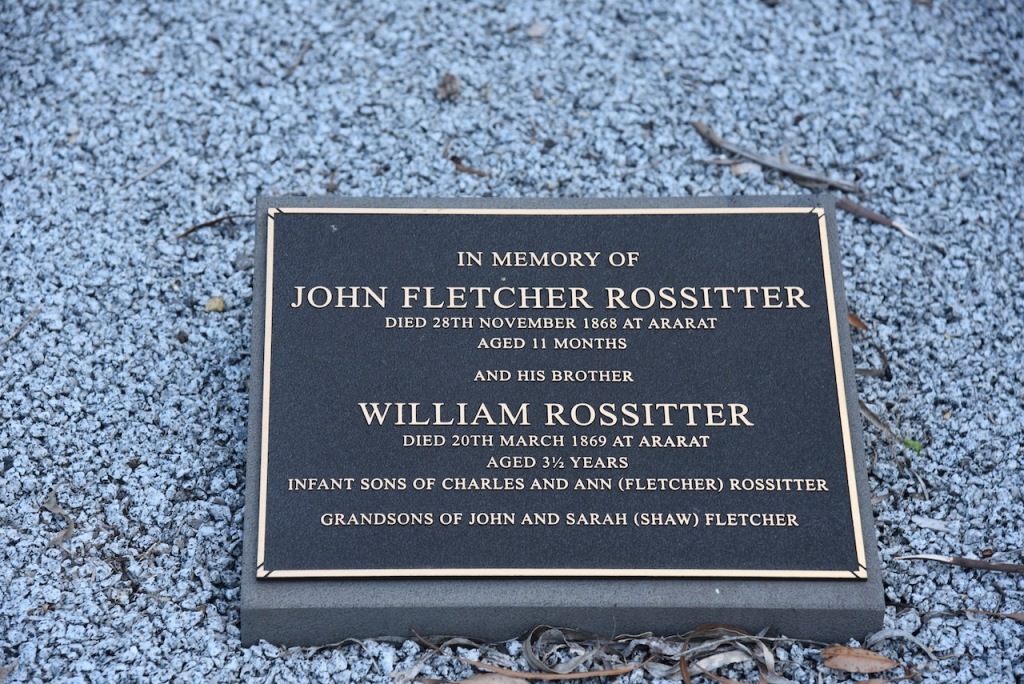
The Fletcher family plot contains several members of the Fletcher family who migrated from Adrtun, Isle of Mull, Scotland in 1852. They departed from Liverpool, England on 1 1088 tonne clipper ‘Europa’ on 17 June 1852 and landed at Port Williamstown, Melbourne on 15 September 1852. They first settled at Broadmeadows, Melbourne and later selected land at Burrembeep, south of Ararat. FOllowing gold mining success, Lachlan and Dugald Fletcher also selected land at Langilogan, east of the family settlement. Due to a shortage of available land in the area, the family then went on to select land and farm a Bangerang, near Awarracknabeal, Victoria in 1874. Marion, the wife of John Fletcher, and the rest of their children are buried in the Presbyterian section of the Warracknabeal cemetery.
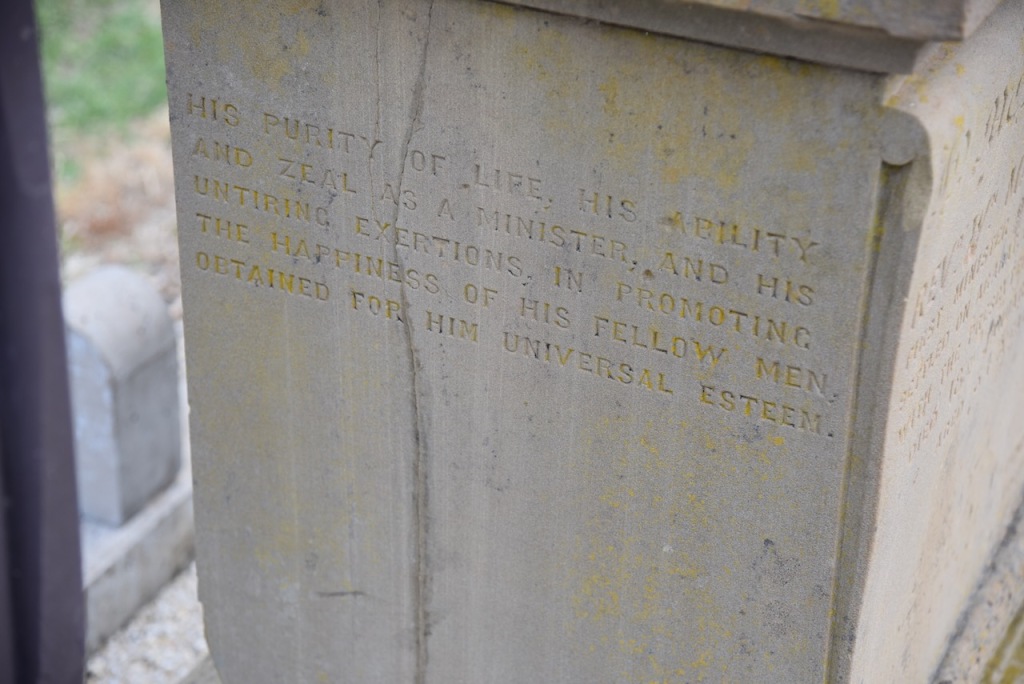
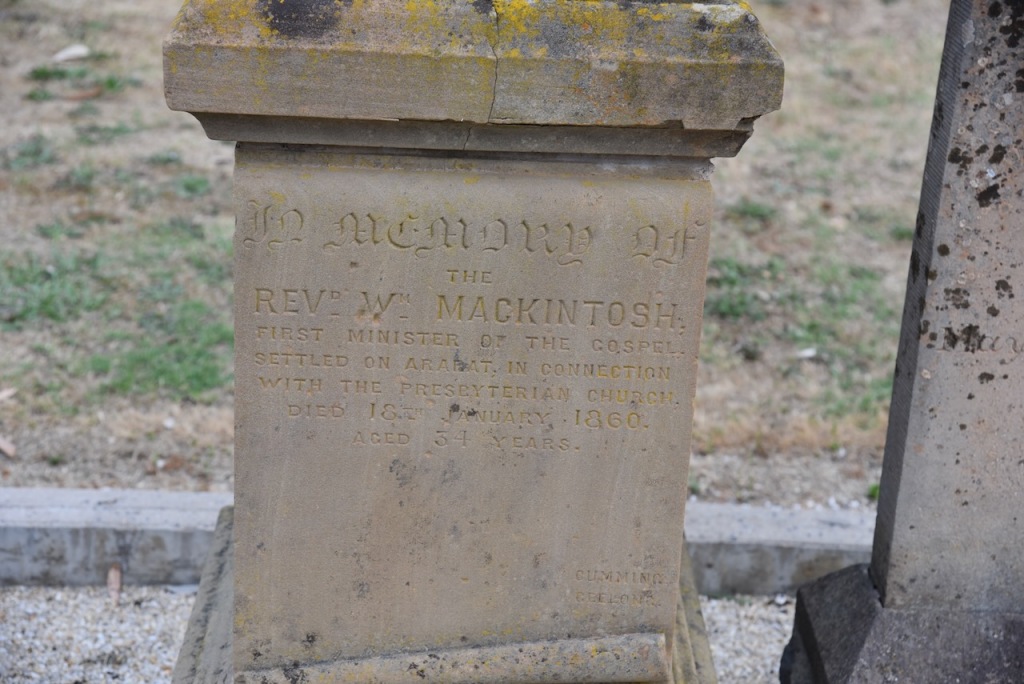
Reverand William Mackintosh was the first Minister of the Gospel who settled in Ararat in connection with the Presbyterian church. He died on the 18th day of January 1860, aged 54 years.
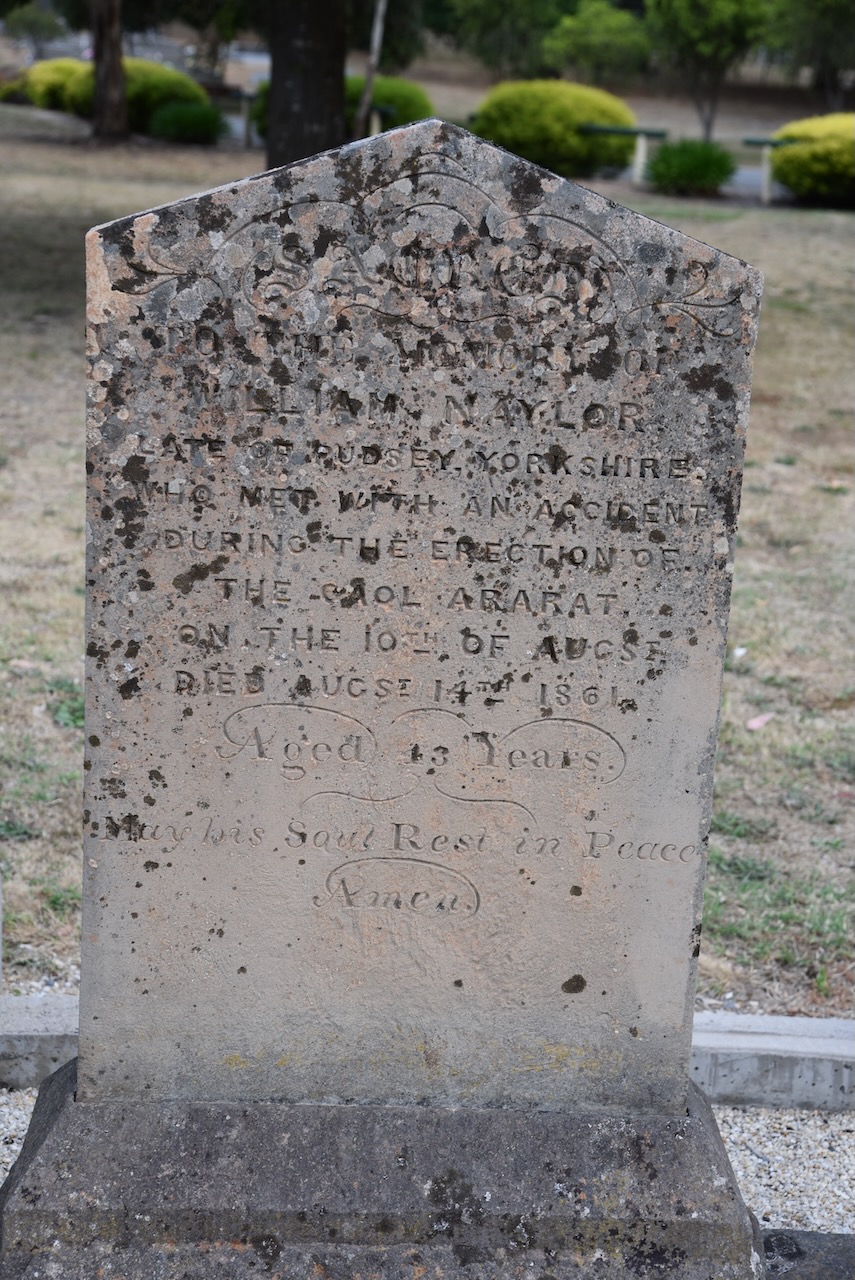
William Naylor, late of Rudsey Yorkshire, died as a result of an accident during the erection of the Ararat Gaol in August 1861. He was 43 years old.
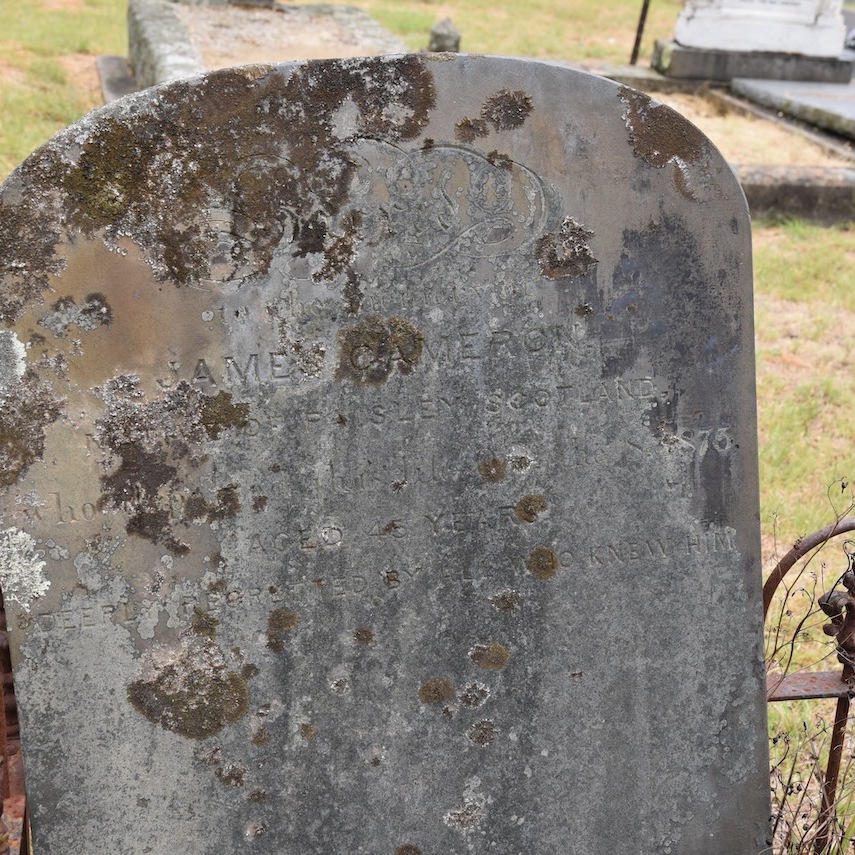
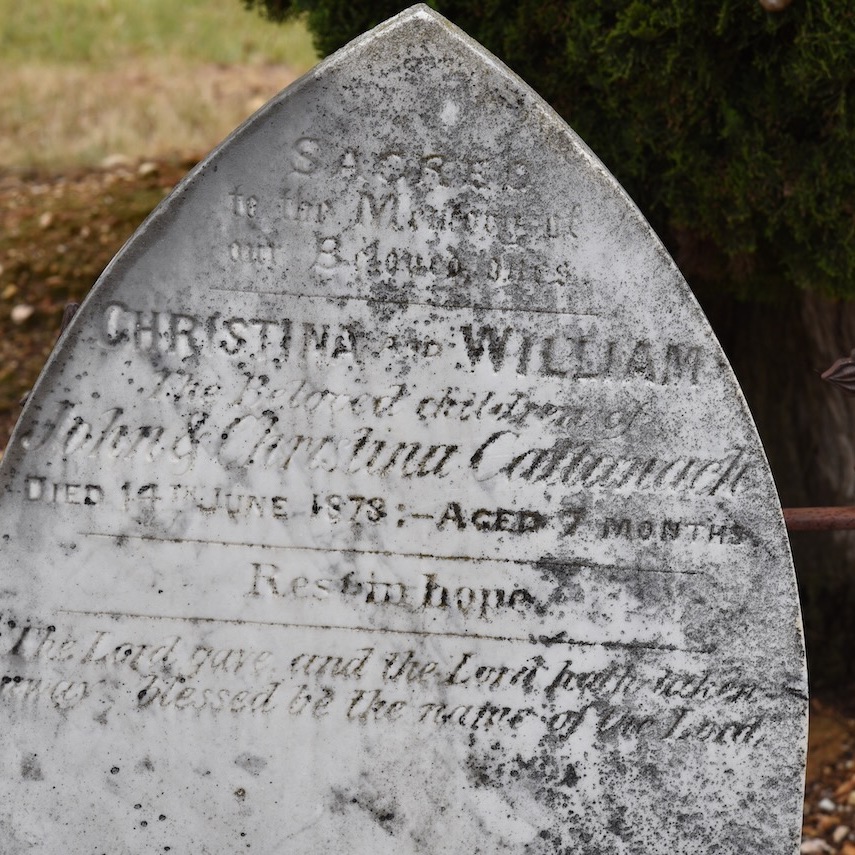
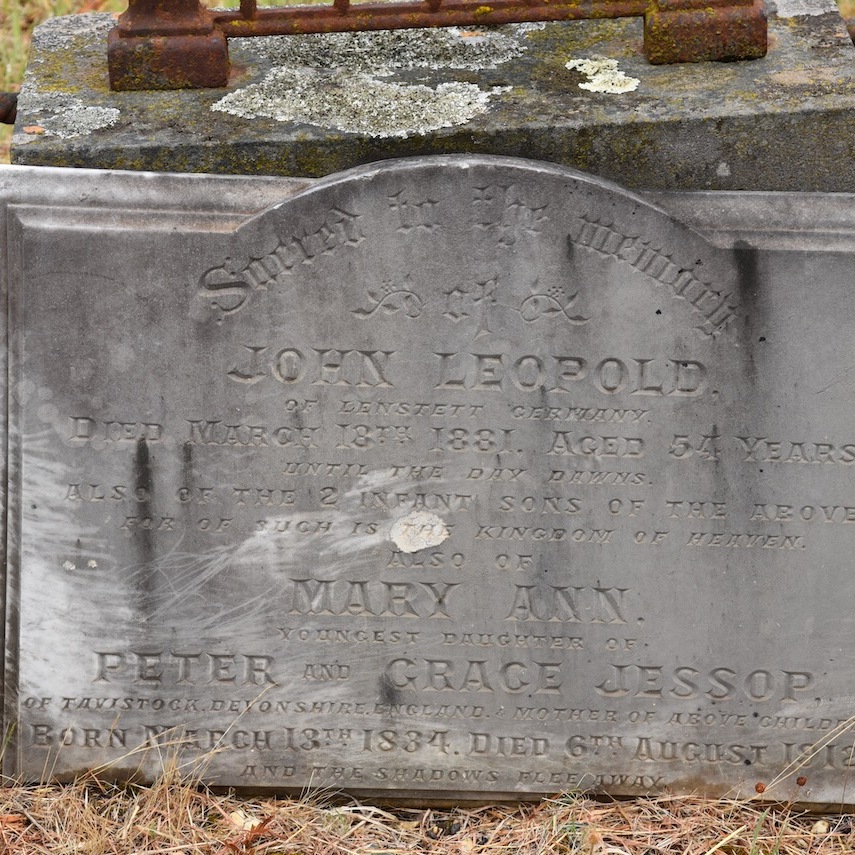
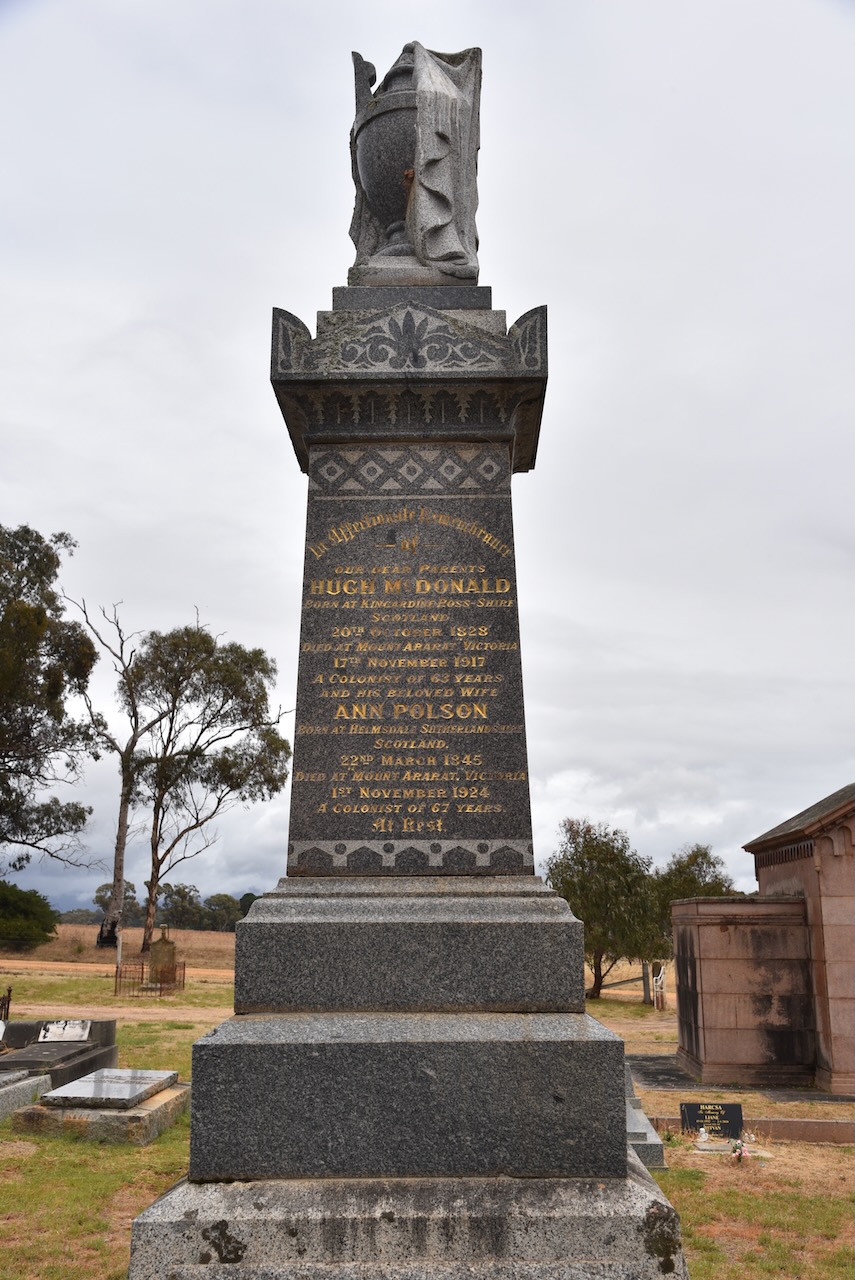
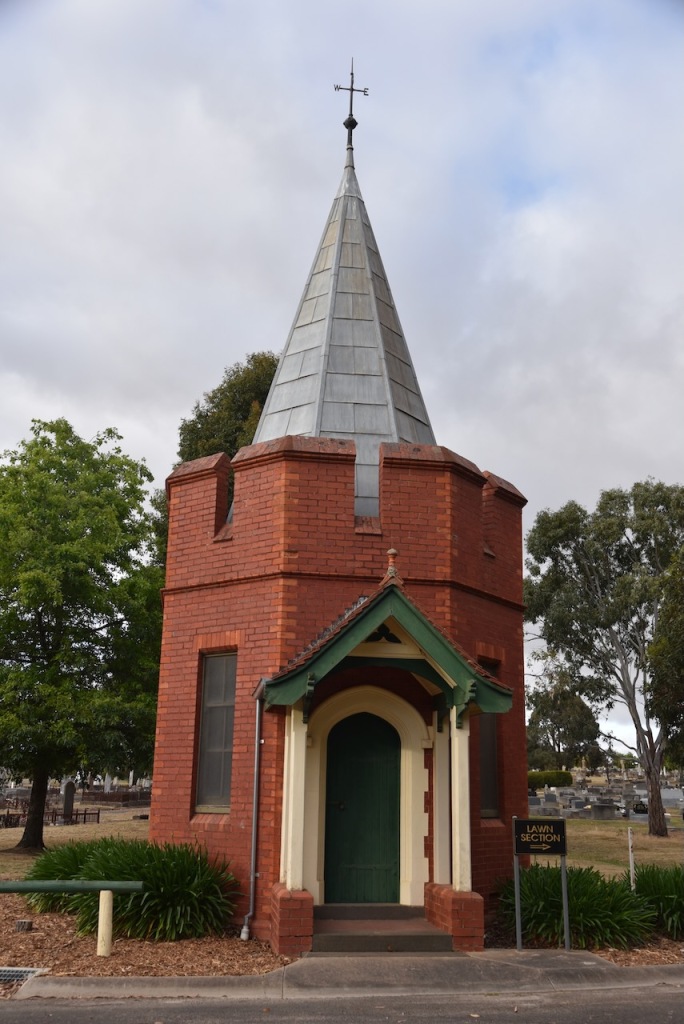
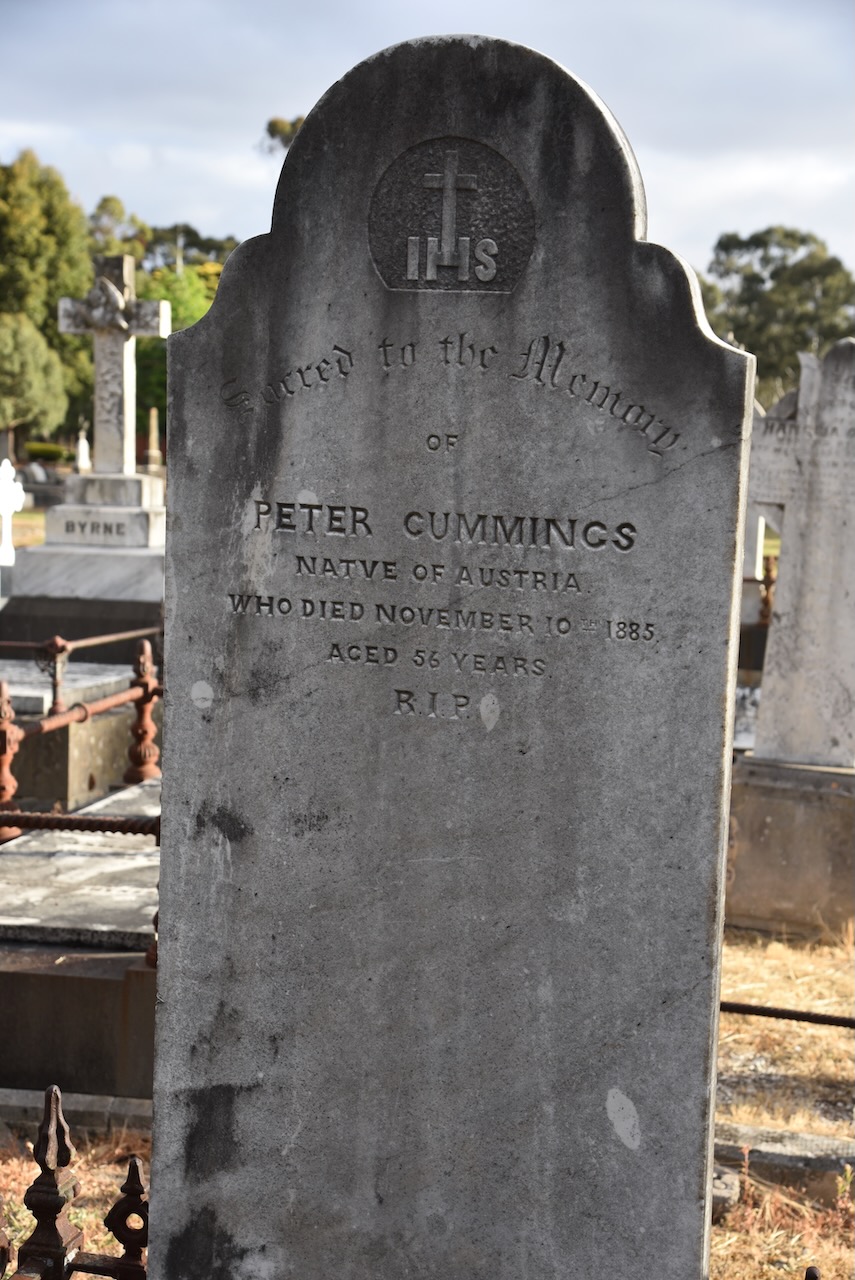
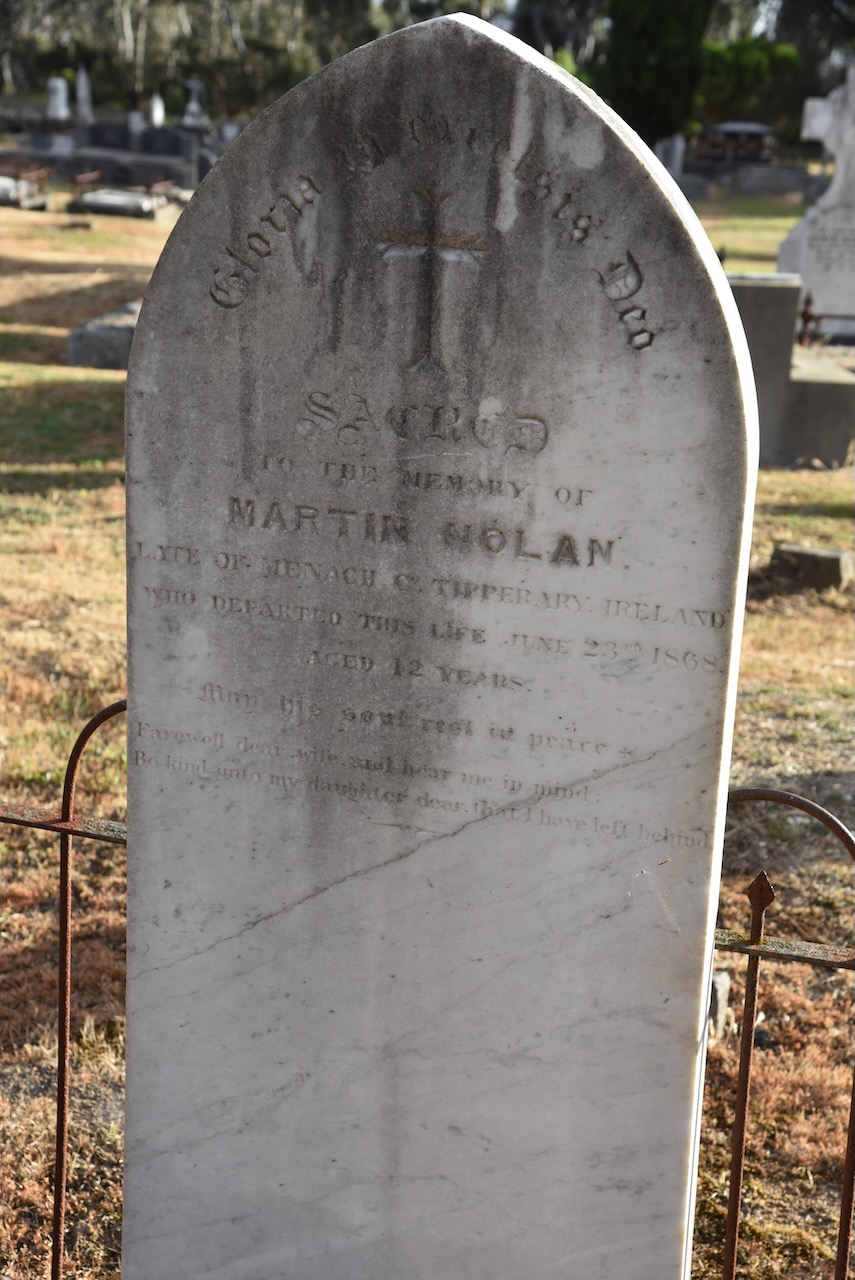
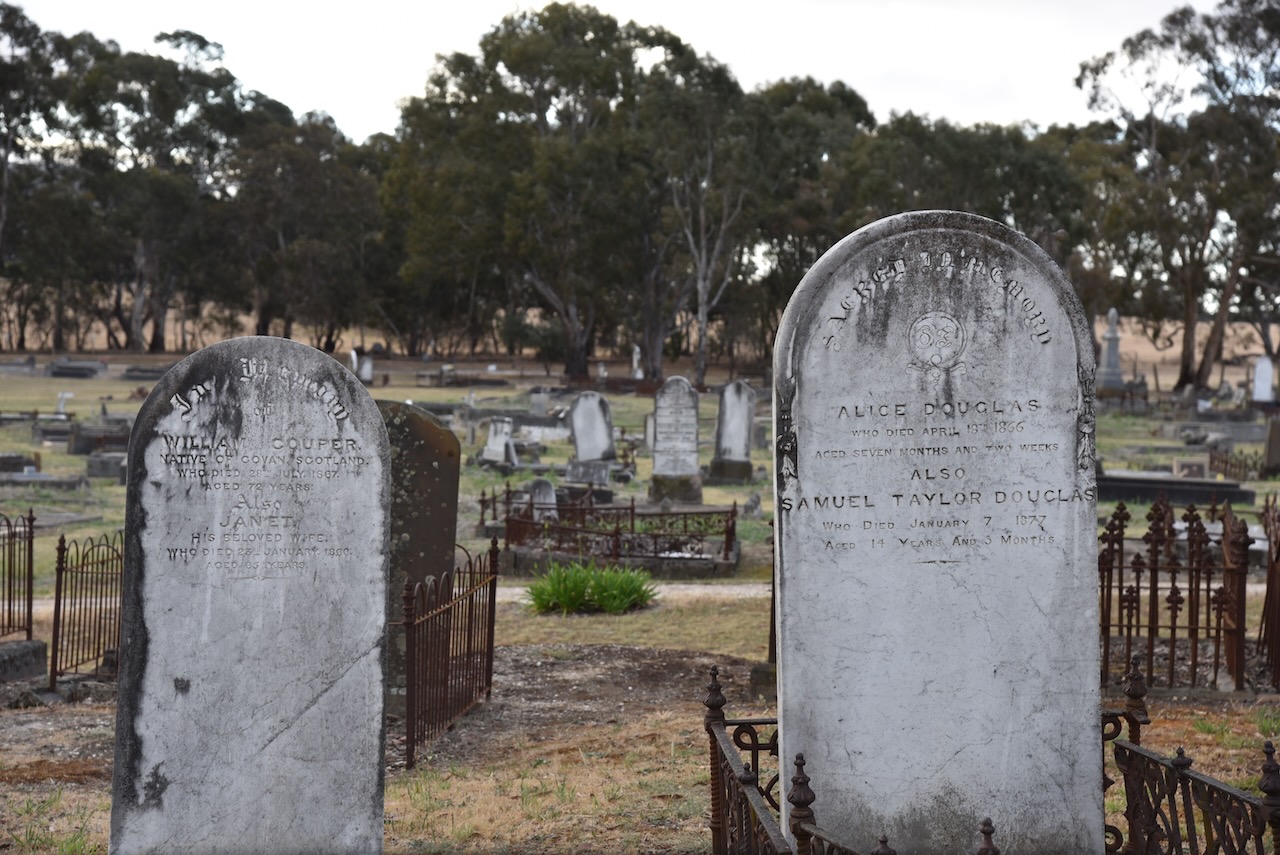
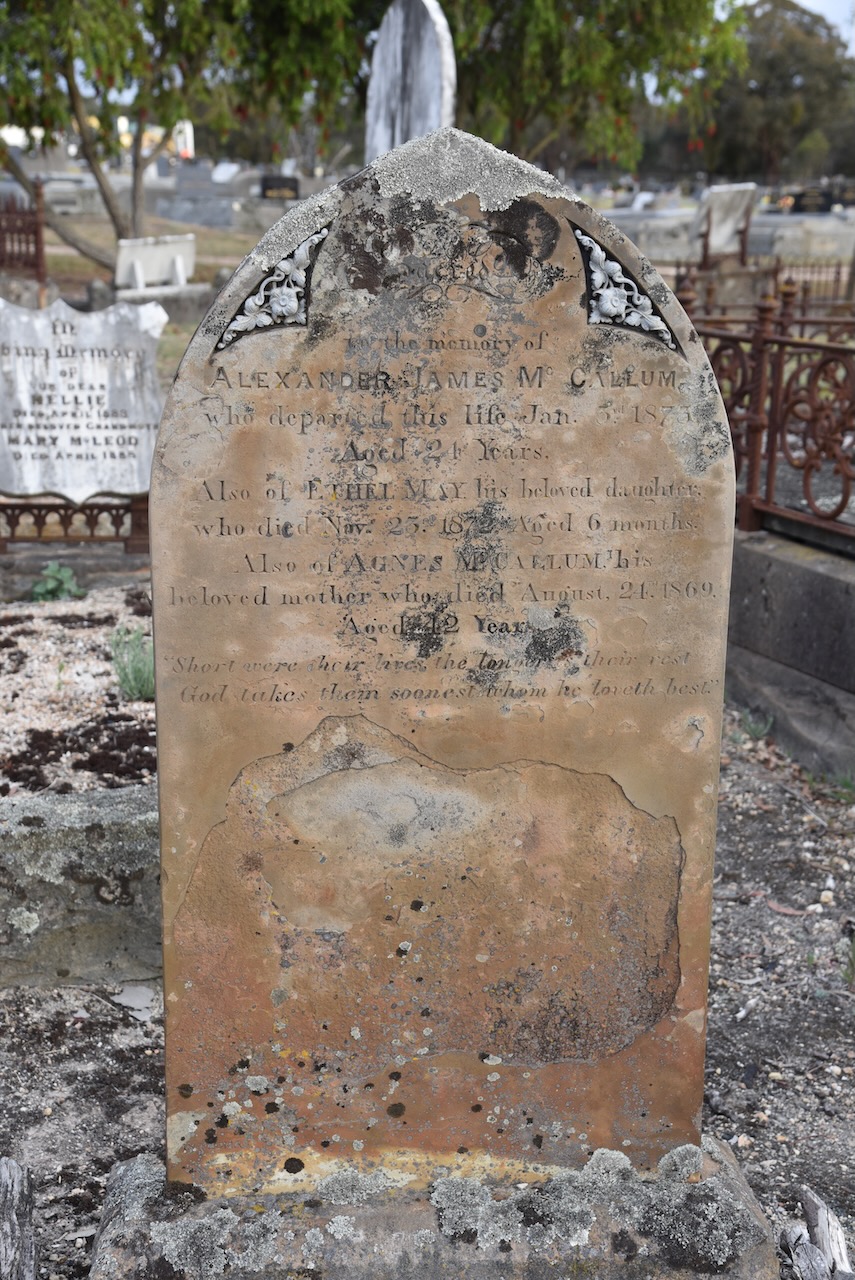
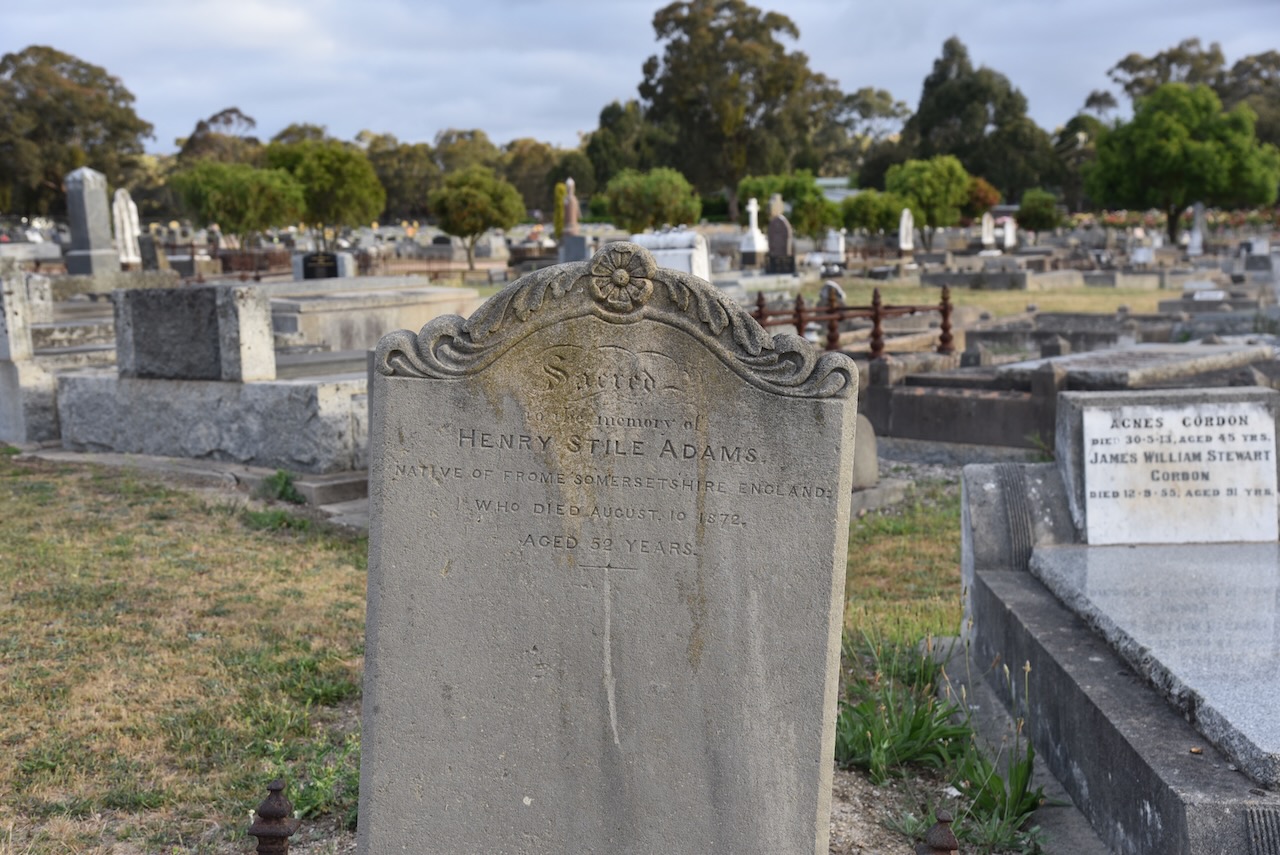
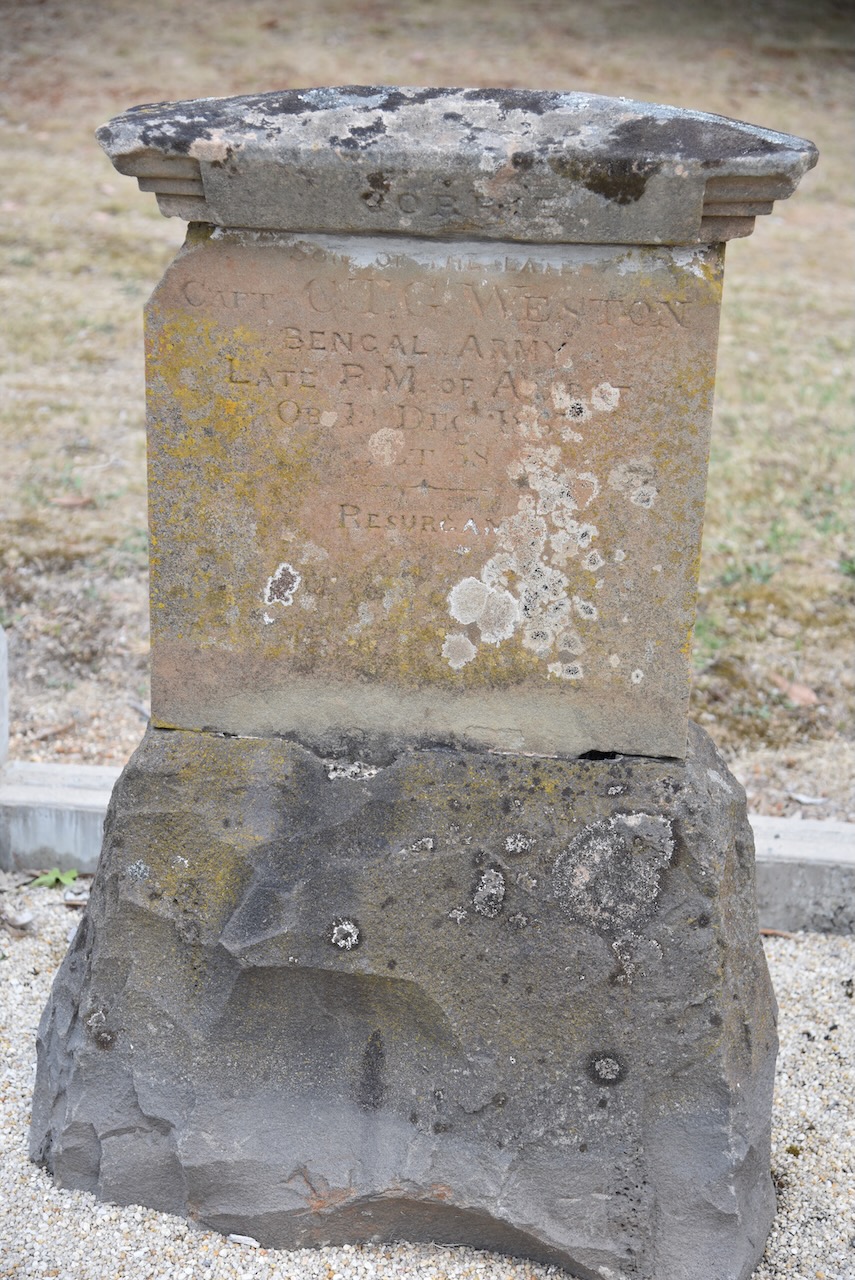
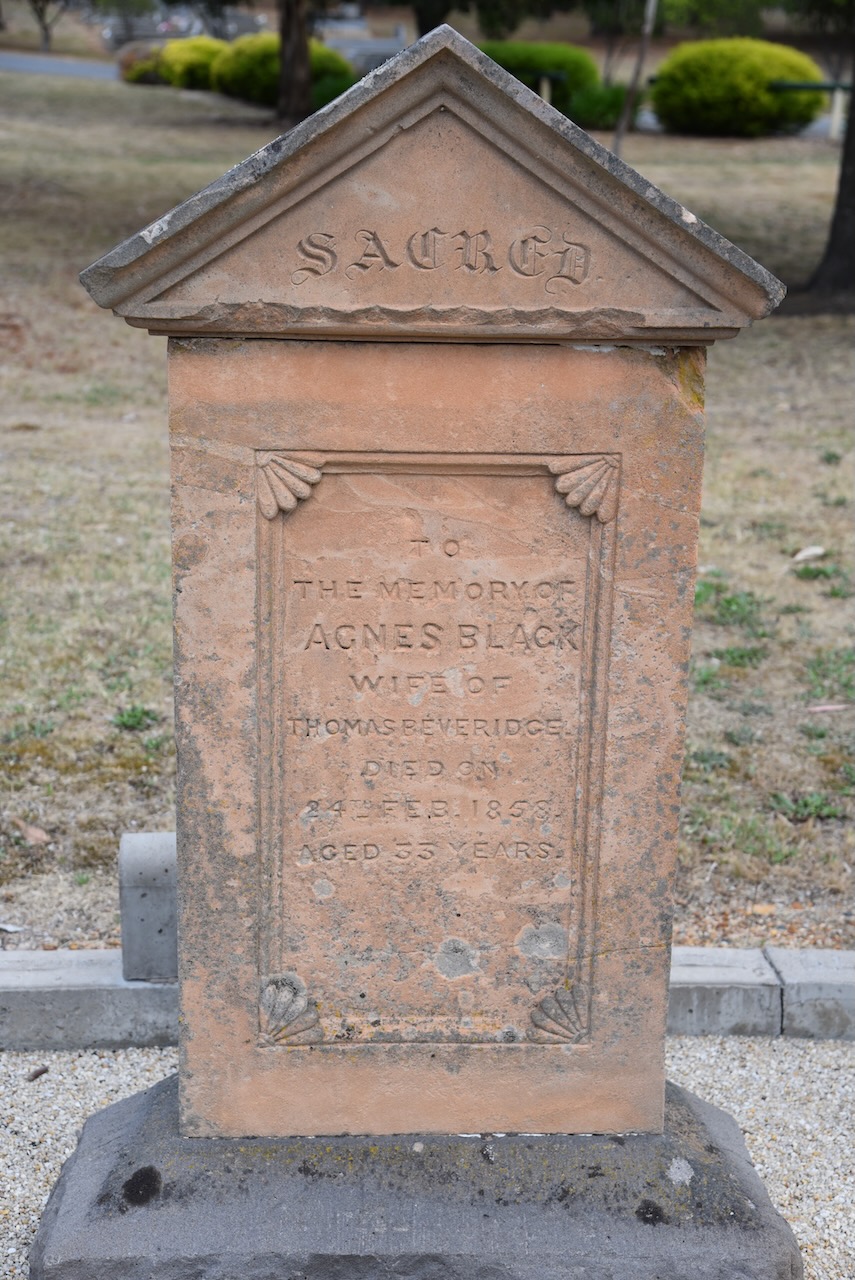
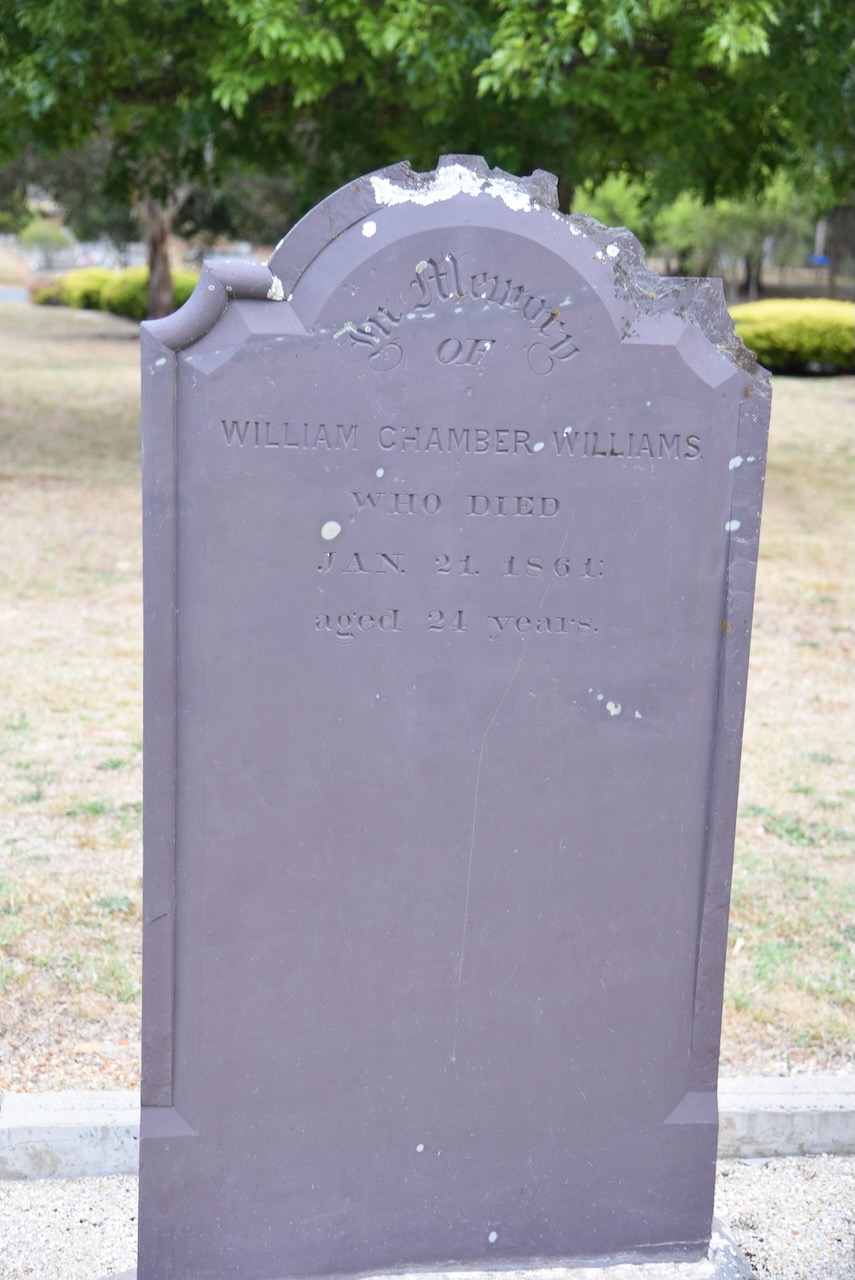
There are numerous historic headstones in the cemetery and you could easily spend half a day here wandering around learning about the history of Ararat.
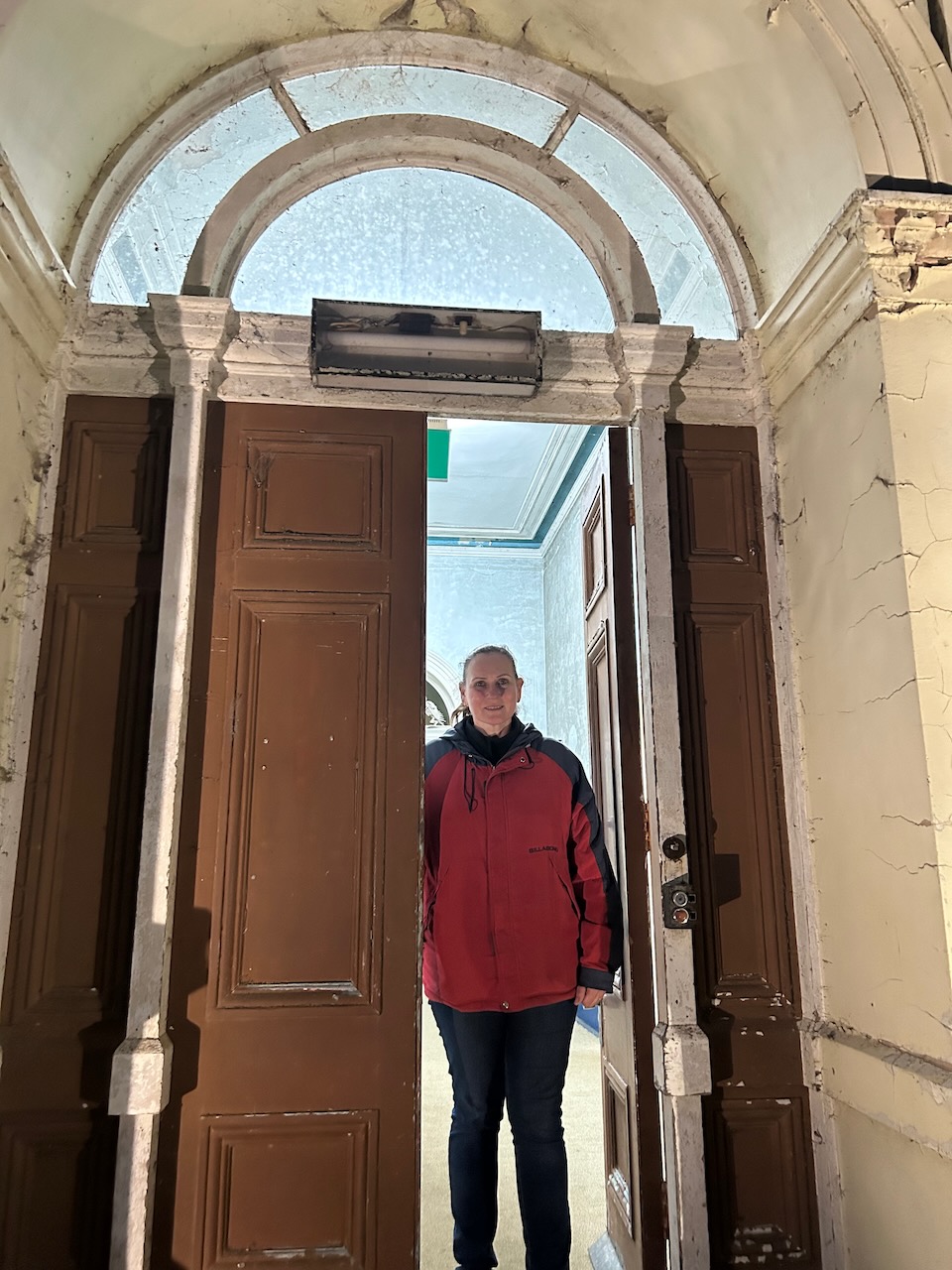
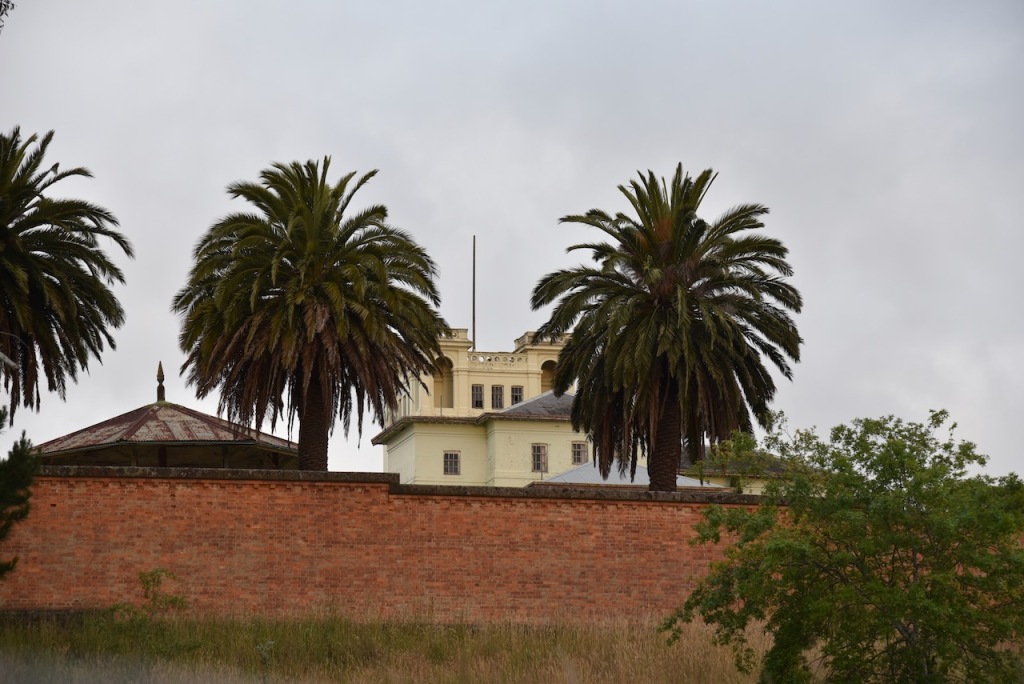
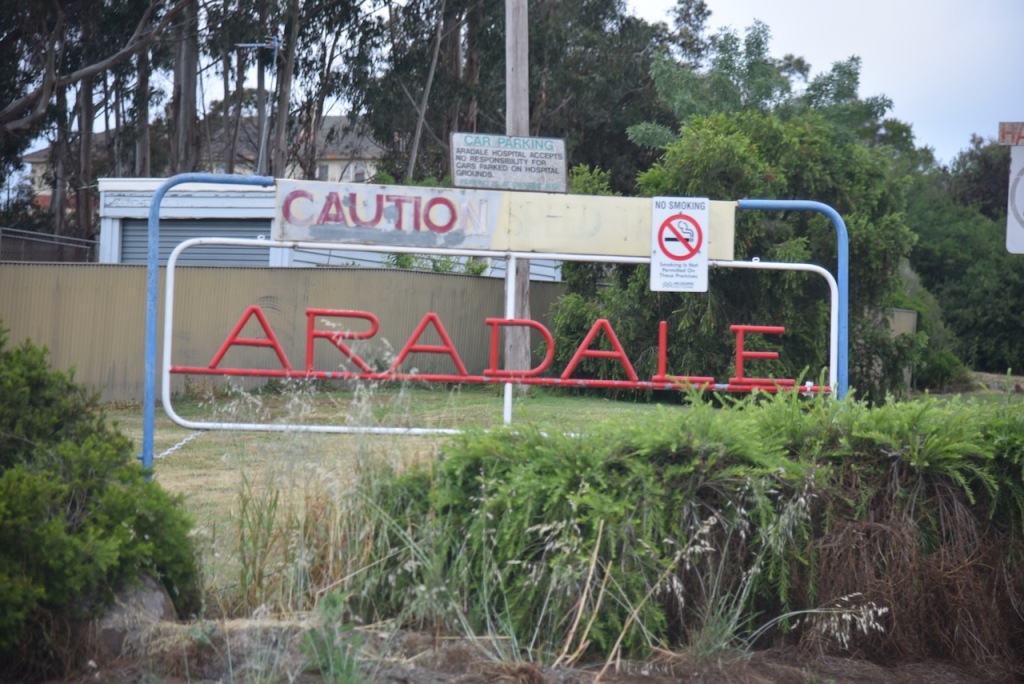
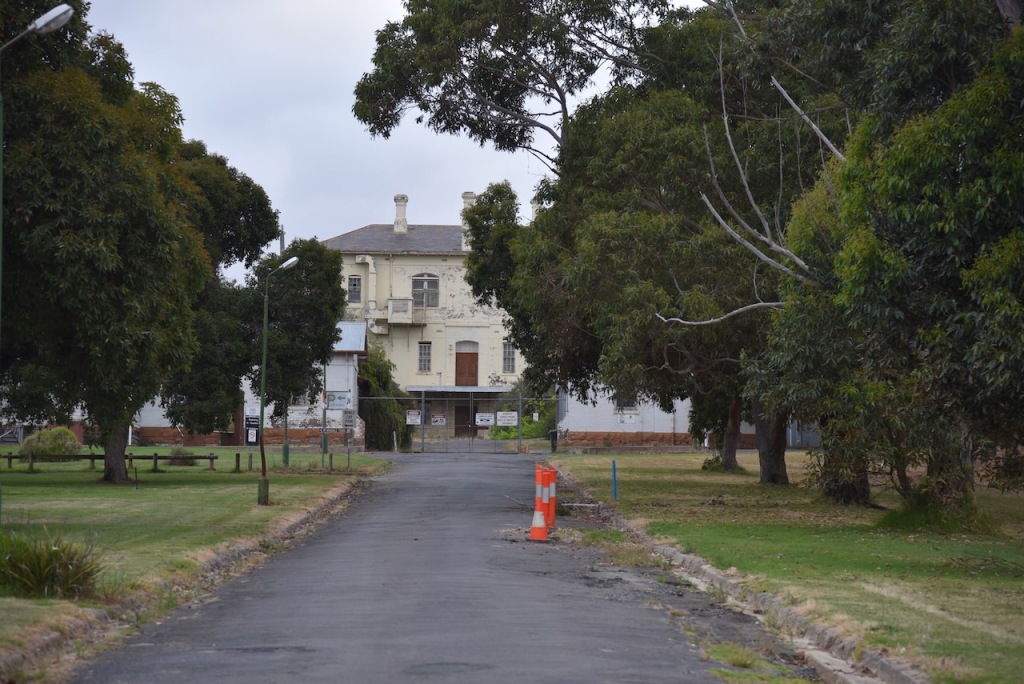
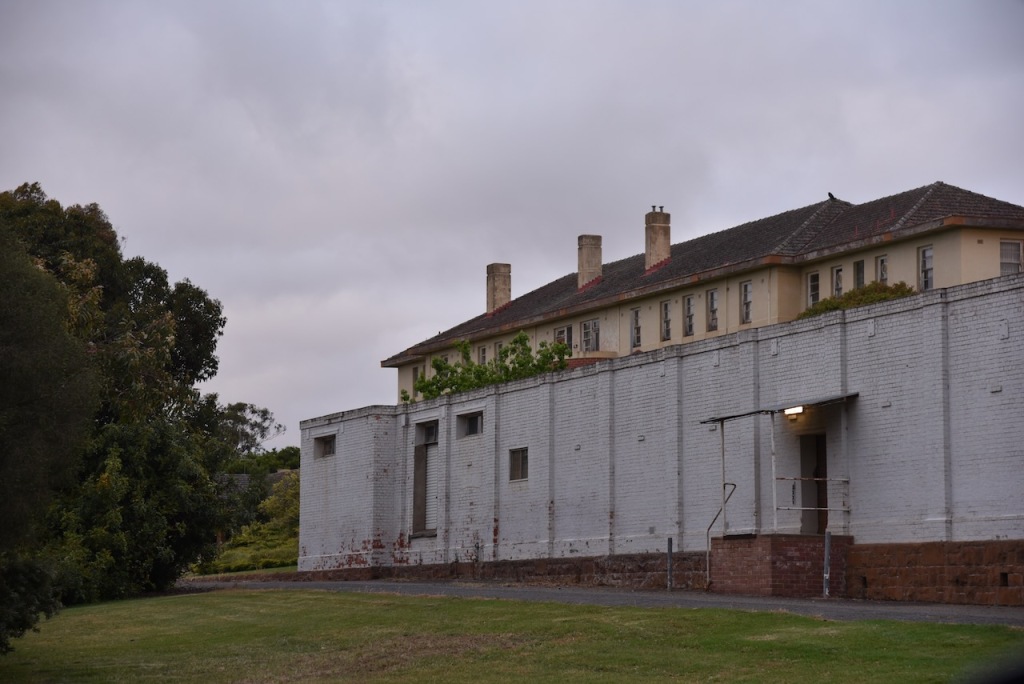
Marija and I then drove up to Aradale Lunatic Asylum. Marija and I had booked in for a night time ghost tour the following night. I’ll speak more about Aradale during that post.











































































 VK5PAS