Kinchina Conservation Park 5CP-277 and VKFF-1764

Today (Friday 5th July 2019) after work I headed to the Kinchina Conservation Park 5CP-277 & VKFF-1764 for a quick late afternoon activation.  I have activated and qualified Kinchina a number of times previously, so today’s activation for me would count towards the Boomerang Award.

The Kinchina Conservation Park is located just to the west of the town of Murray Bridge, about 75 km east of the city of Adelaide.

Screen Shot 2019-07-05 at 8.26.44 pm.png

Above:- Map showing the location of the Kinchina Conservation Park.  Map courtesy of Location SA Map Viewer.

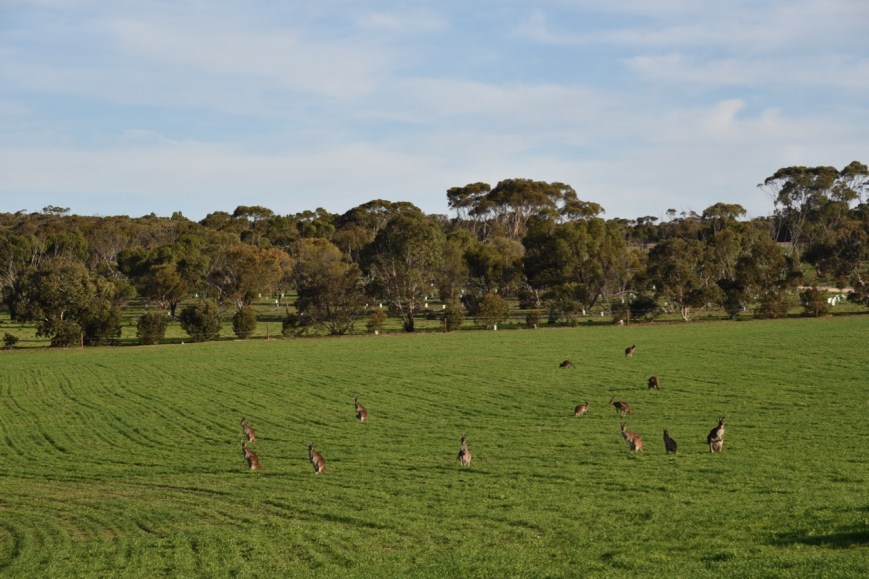
I drove east along the South Eastern Freeway and took the Monarto exit.  I then travelled east on the Old Princes Highway and then turned left onto Maurice Road.  This is good cropping land, and many of the crops were full of kangaroos.  Much to the farmer’s disgust, I suspect.
DSC_8406

I soon reached the western section of the Kinchina Conservation Park which is very well signposted.

DSC_8405

The Kinchina Conservation Park was established on the 22nd day of September 2016 and is 414 hectares in size.  It is located in the north of the Gifford Hill Range on the eastern flanks of Rocky Gully and White Hill, west of the town of Murray Bridge.  The Gifford Hill Range was named after South Australian pioneer John Gifford.

Screen Shot 2019-07-05 at 8.24.48 pm.png

Above:- An aerial shot of the Kinchina Conservation Park looking east.  The town of Murray Bridge and the mighty Murray River are located nearby.  Image courtesy of Google maps

During my visit to the park, it was alive with Western Grey Kangaroos.  The beautiful Diamond Firetail finch can be found in the park.  However, it wasn’t spotted by me during this visit.  I did, however, see a number of other bird species including Red Wattlebirds and Mulga parrots.

Walking SA has a number of great walks in this park listed on their website.

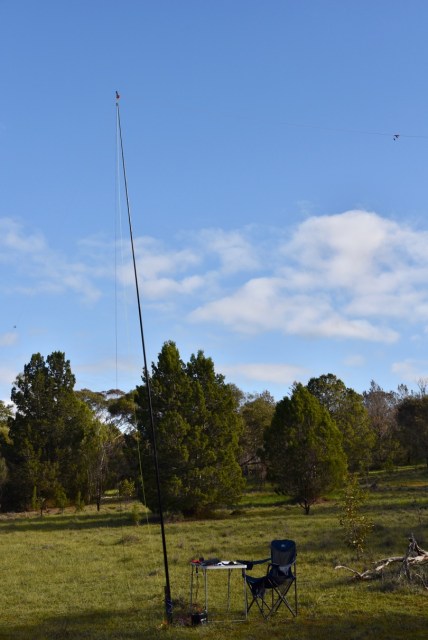
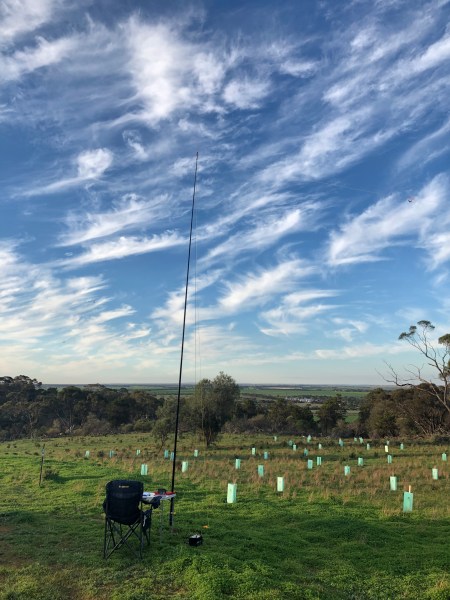
I parked my vehicle in the second carpark along Maurice Road, just above the Mobilong Prison.  I walked a short distance inside the park gate and set up my station consisting of the Yaesu FT-857d and the 20/40/80m linked dipole.  I ran about 30 watts for this activation.

I placed a self spot on parksnpeaks and started calling CQ on 7.144.  First in the log was Brett VK2VW with a big 5/9 plus signal, followed by John VK4TJ, Deryck VK4FDJL, and then Rick VK4RF.

I logged a total of 18 stations on 40m from VK1, VK2, VK4, VK7 and New Zealand.  Not a single station from Victoria or South Australia was logged.  It appeared that the close in propagation was not working resulting in no VK5’s.  I’ve also noted of recent times that the 40m band often shuts down into Victoria.  And today was no exception.

It was getting a bit late, about 0715 UTC, but I then headed off to the 20m band.  I called CQ on 14.310 and logged a total of 5 stations, all from Queensland.
IMG_2221

I then tried my luck on 80m.  For whatever reason, I had strength 7 noise on that band, which resulted in me missing a few callers.  However, I did log a total of 22 stations from VK2, VK3, VK4, VK5 and VK7.  This included a number of stations from Victoria and South Australia, but also as far afield as Queensland.

To complete the activation I went back to 40m hoping to log Stuie VK8NSB in Darwin who had posted on Facebook that he was keen for a contact and unable to hear me on 20m.  However, it was not to be.  I logged 5 stations from VK2, VK4, VK6, and Vanuatu.  It was a real pleasure to be called by Mike YJ0MB in Vanuatu who had a bit 5/9 signal.

IMG_2223.JPG

I was being eaten alive by the mosquitoes and it was time for me to pack up and head for home.  I had a total of 50 stations in the log.

I worked the following stations on 40m SSB:-

  1. VK2VW
  2. VK4TJ
  3. VK4/AC8WN
  4. VK4/VE6XT
  5. VK4FDJL
  6. VK4RF
  7. VK4HA
  8. VK4CZ
  9. VK4FARR
  10. VK1DI
  11. ZL1TM
  12. VK2MG
  13. VK2FSAV
  14. VK2NP
  15. VK2YK
  16. VK2DJP
  17. VK2JON
  18. VK7AN
  19. VK4HDY
  20. VK4SMA
  21. VK2MOR
  22. YJ0MB
  23. VK6EA

I worked the following stations on 20m SSB:-

  1. VK4NH
  2. VK4DXA
  3. ZL4TY/VK4
  4. VK4CZ
  5. VK4FE

I worked the following stations on 80m SSB:-

  1. VK5BJE
  2. VK3PF
  3. VK2NP
  4. VK3ARH
  5. VK5AYL
  6. VK5FANA
  7. VK4HNS
  8. VK5YX
  9. VK5CZ
  10. VK5LA
  11. VK7AN
  12. VK3FORD
  13. VK2YK
  14. VK5PTL
  15. VK3MCK
  16. VK3LAJ
  17. VK5JDS
  18. VK3AJA
  19. VK3MPR
  20. VK5SF
  21. VK3ZPF
  22. VK4JK


References.

Wikipedia, 2019, <https://en.wikipedia.org/wiki/Kinchina_Conservation_Park>, viewed 5th July 2019

Monarto Woodlands Conservation Park 5CP-276 and VKFF-1763

This afternoon (Tuesday 2nd July 2019) I headed out to the Monarto Woodlands Conservation Park 5CP-276 & VKFF-1763.  I have activated and qualified this park previously, so today’s activation was to go towards the VKFF Boomerang Award.  Another reason for heading out into the field today was to film a short introduction to another video for the VKFF YouTube channel.  I also intended taking a few photos to enter into the Birdlife Australia photographic competition.

Screen Shot 2019-07-02 at 8.24.38 pm.png

Above:- Map showing the location of the Monarto Woodlands Conservation Park east of Adelaide.  Map courtesy of Location SA Map Viewer.

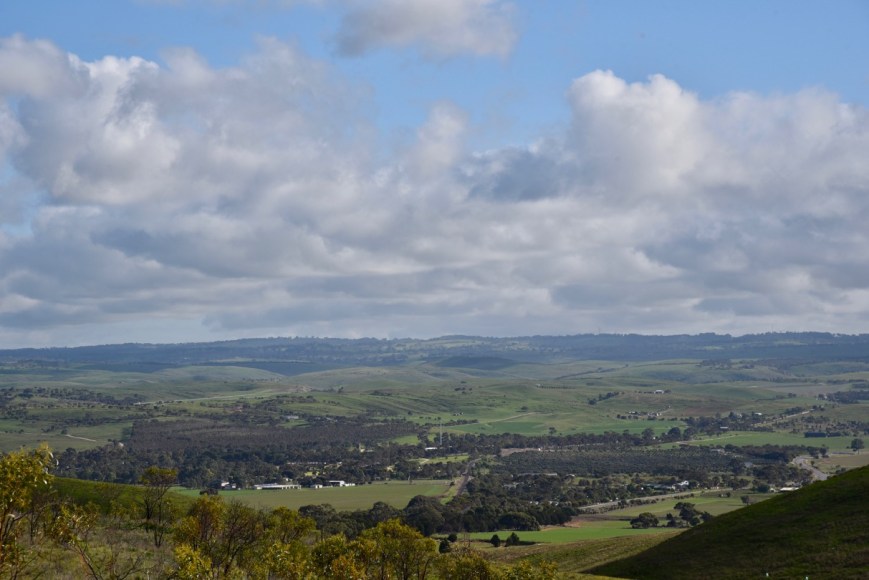
I headed out to Callington and headed up the hill out of Callington on the old Princes Highway.  There are some great views to be had here of the Bremer Valley.

DSC_8291

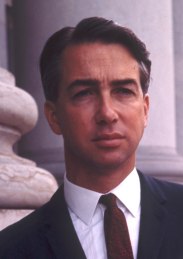
During the 1970s, plans were implemented by the Labor State Government under the leadership of Don Dunstan to establish a satellite city at Monarto, about 70 km east of Adelaide.  Concerns were held that the city of Adelaide would become overpopulated following rapid population growth.  Originally named ‘Murray New Town’, the proposed city was subsequently known as the ‘City of Monarto’.  Dunstan’s vision did not succeed.  In 1975 the Australian Federal Whitlam government was controversially dismissed which resulted in the “new cities programme” programme being shut down.

1920px-Don_Dunstan_1968_crop.jpg

ABove;- Don Dunstan.  Image courtesy of Wikipedia

The video below was produced by the South Australian Film Corporation in 1975.  It gives an interesting insight into the farmers of the area at the time, many of whom sold their land believing that the satellite city would go ahead.

As part of the Monarto development, substantial areas of cleared farming land were revegetated.  This was in an effort to beautify the environment, reduce dust and make the area more attractive for human habitation.  This has been the largest revegetation program conducted in South Australia, with some 600,000 plants established on 1850 ha of land.  A total of  250 species of trees and large shrubs were planted.

Screen Shot 2019-07-02 at 8.33.05 pm.png

Above:- Aerial shot of the Monarto Woodlands Conservation Park, looking west back towards Adelaide.  The blue marker is my home location.

The Monarto Woodlands Conservation Park is a relatively new park.  It was gazetted on the 22nd day of September 2016 and is 426 hectares in size.  Monarto takes its name from the Hundred of Monarto which was gazetted in 1847.  It was named after ‘Queen Monarto’ an aboriginal woman who lived in the area at the time.  In 1908 the town of Monarto was laid out.

During my visit to the park, I saw numerous Western Grey kangaroos, a number of whom had joeys in their pouches.

About 92 species of native birds have been recorded in the Monarto area including 40 species which are considered to be declining.  During my visit, I was hoping to spot a Diamond Firetail finch, but I wasn’t that lucky.  But I did spot many other birds, some of which feature in my photos below.

I ran the Yaesu FT-857d, 40 watts, and the 20/40/80m linked dipole for this activation.  The dipole is supported on a 7-metre telescopic squid pole and is inverted vee configuration.

After turning the transceiver on, I asked if the frequency was in use on 7.144.  Geoff VK3SQ and Peter VK3PF both came back to let me know it was clear.  Amazing how popular the WWFF program has become in Australia in recent years.  This happens regularly, in that, I don’t even need to call CQ.

After logging Geoff and Peter, Dennis VK2HHA then called, followed by Brett VK2VW, Peter VK2KNV mobile, and then Glenn VK4FARR.  Brett and Glenn kindly spotted me on parksnpeaks which resulted in a mini pile up, despite it being a weekday.

I logged 44 contacts in around 60 minutes with contacts into VK2, VK3, VK4, VK6, VK7 and New Zealand.  This included a Park to Park with Peter VK3TKK/p who was activating the Sydney Harbour National Park VKFF-0473.  I was also called by Tony VK7LTD/p and Angela VK7FAMP/p who were operating from SOTA summit VK7/ NE-034.

DSC_8293

I then headed to 14.310 on the 20m band and started calling CQ after putting up a self spot on parksnpeaks.  Rick VK4RF was first in the log on 20m, followed by Cliff VK2NP and then Ray VK4NH.  I logged a total of 9 stations on 20m including another Park to Park with Peter VK3TKK/2 on a second band from Sydney Harbour.

When callers slowed down I tuned across the band and heard a few North American stations at around strength 7-8.  The ANZA DX Net was running on 14.183 and was about to close, so I quickly booked in and was lucky enough to work Stan KE5EE with a strong 5/8 signal.  He gave me a 5/7 signal report.

I then moved down to 80m where I was hoping to log some of the local South Australian stations, as I had not logged a single VK5 on 40m.  I logged a total of 6 stations on 3.610.  Four of those were from VK5, while two were from VK3.

To conclude the activation I had one last go on 40m calling CQ on 7.144.  I logged a further 9 stations.

DSC_8298

It was now just before 4.30 p.m. local time and it was time for me to pack up and go for a walk through the park.  I had a total of 69 stations in the log.

I worked the following stations on 40m SSB:-

  1. VK3SQ
  2. VK3PF
  3. VK2HHA
  4. VK3AHR
  5. VK2VW
  6. VK2KNV/m
  7. VK4FARR
  8. VK4FDJL
  9. VK4NH
  10. VK4DXA
  11. ZL4TY/VK4
  12. VK4RF
  13. VK4HA
  14. VK4CPS
  15. VK4AAC/2
  16. VK2VH
  17. VK2FGJO
  18. VK7QP
  19. VK2NP
  20. VK2JON
  21. VK2HRX
  22. VK3DBP/2
  23. ZL1TM
  24. VK3LAJ
  25. VK2YMU
  26. VK4HNS
  27. VK3TKK/2 (Sydney Harbour National Park VKFF-0472)
  28. VK4TJ
  29. VK4/AC8WN
  30. VK4/VE6XT
  31. VK6EA
  32. VK3MCK
  33. VK4VXX/m
  34. VK3ZNK/m
  35. VK2UXO
  36. VK3ZMD
  37. VK3BBB/p
  38. VK7LTD/p (SOTA VK7/ NE-034)
  39. VK7FAMP/p (SOTA VK7/ NE-034)
  40. VK3UH
  41. VK4/AG7WB
  42. VK2KJJ
  43. VK3FMPC
  44. VK3CU
  45. VK7ROY
  46. VK1MA
  47. VK7FJFD
  48. VK3MPR
  49. VK3MKE
  50. VK2XSE
  51. VK1DI
  52. VK2HBO
  53. VK2LEE

I worked the following stations on 20m SSB:-

  1. VK4RF
  2. VK4HA
  3. VK2NP
  4. VK4NH
  5. VK4DXA
  6. ZL4TY/VK4
  7. VK4MWB
  8. VK6EA
  9. VK3TKK/2 (Sydney Harbour National Park VKFF-0472)
  10. KE5EE

I worked the following stations on 80m SSB:-

  1. VK5BJE
  2. VK3PF
  3. VK5FANA
  4. VK2IO/5
  5. VK3BBB
  6. VK5AYL


References.

Birds Australia, 2019, ‘The State of Australia’s Birds 2019’

Wikipedia, 2019, <https://en.wikipedia.org/wiki/Monarto,_South_Australia>, viewed 2nd July 2019

Morialta Conservation Park 5CP-142 and VKFF-0783

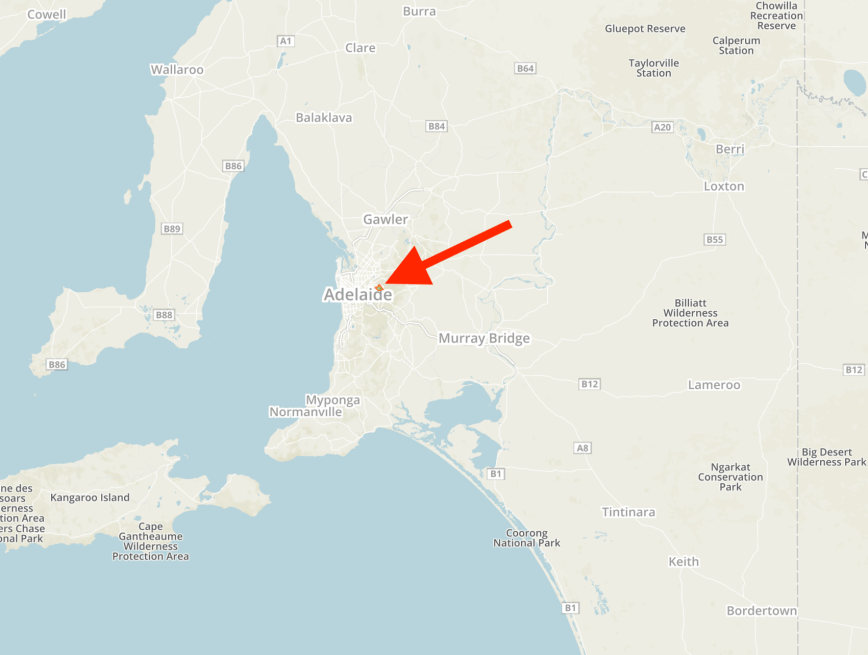
Today (Monday 1st July 2019) was the first of my 2 days off after working 7 shifts straight.  And as it was a fine day I packed the 4WD and headed to the Morialta Conservation Park 5CP-142 & VKFF-0783.  I have activated and qualified Morialta previously, so today’s activation was to go towards the Boomerang Award.  Morialta CP is located about 12 km east of the city of Adelaide.

Screen Shot 2019-07-01 at 8.08.52 pm.png

Above:- Map showing the location of the Morialta Conservation Park in the Adelaide Hills.  Map courtesy of Protected Planet.

To get to the park I headed west on the South Eastern Freeway and took the Bridgewater exit and into the town of Uraidla.  I then took the Lobethal Road into the town of Norton Summit and then travelled north on Colonial Drive.

This took me passed the Morialta Barns which were built in the late 1840s by John Baker who arrived in the colony of South Australia in 1838.  Baker built the mansion Morialta at Magill in 1847.

John_Baker_SA

Above:- John Baker.  Image courtesy of Wikipedia

The barns were part of the Morialta House Estate where a farm and orchard was established.  The stone buildings of Morialta Barns included two barns, a well house, a bakehouse, a dairy, stables, a stoned walled enclosure around the barns, the original stables and coach house, poultry shed, an old piggery, and a number of other small farm buildings.

DSC_8212

I continued along Colonial Drive and soon reached Morialta cottage.  This is often confused for the Morialta Homestead built by John Baker in 1847.

DSC_8214

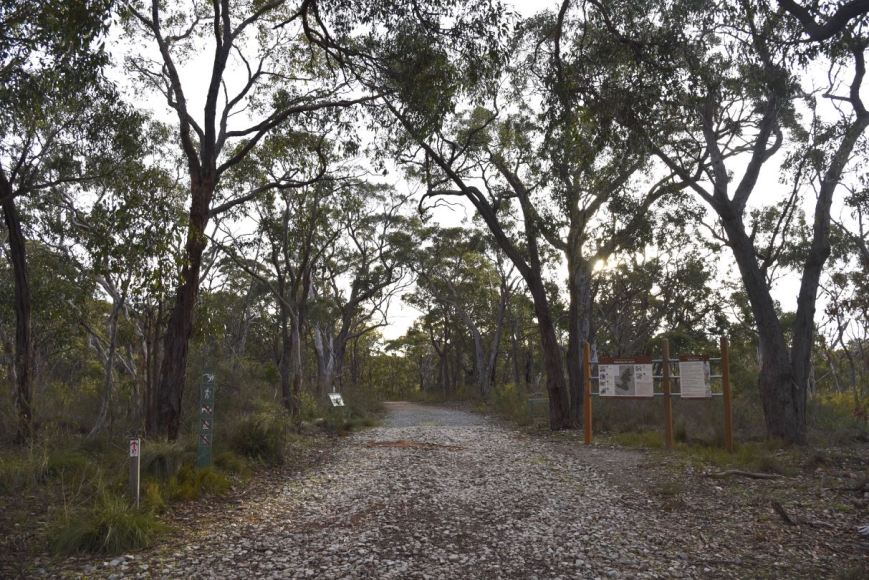
I turned up Moores Road and soon reached the eastern side of the park.  I continued along Moores Road and parked at the carpark at the end of Moores Road.  Although some maps may show that Moores Road continues, it does not.  There is a locked gate here and only foot traffic is allowed from this point on.

The Morialta Conservation Park is about in size and was established on the 15th day of July 1915.  The park consists of a narrow gorge with three waterfalls, bounded by steep ridges and cliffs.  Morialta is believed to be an aboriginal Karuna word moriatta meaning “ever flowing” or “running water”,

The park is bounded by Black Hill Conservation Park on the north, Norton Summit road on the south, the suburb of Rostrevor on the west, and by agricultural land on the east.  The park caters for a variety of activities, including bushwalking, picnics, rock climbing and bird watching

Screen Shot 2019-07-01 at 8.17.11 pm

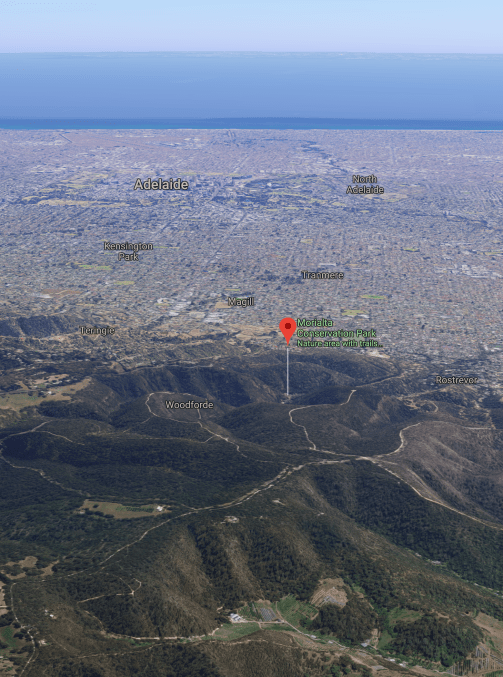
Above:- An aerial view of the Morialta Conservation Park looking west back towards the city of Adelaide.  Image courtesy of Google Maps.

John Smith Reid was a major landholder in the area.  In 1911, he offered to donate part of his land as a national reserve.  In 1913 Reid donated 218 hectares (540 acres), and in 1915 the area was declared a National Pleasure Resort.

Screen Shot 2019-07-01 at 9.08.09 pm.png

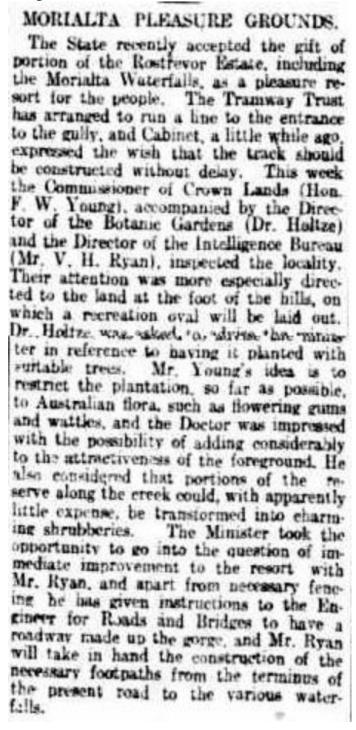
Above:- Newspaper article from the Adelaide Register, Fri 18th April 1913

Much of the construction work in the park was commenced in the 1920s and 1930s, although floods and bushfires have destroyed much of this original work.  In 1966 additional property to the east was added, and the park was declared a National park.  In 1972 the park was re-proclaimed as Morialta Conservation Park.

There are a number of walks in the park with all tracks being well signposted.  There are also a number of information boards.

Birds SA have recorded about 92 species of native bird in the park including Yellow-tailed Black Cockatoo, Adelaide Rosella, Rainbow Lorikeet, Superb Fairywren, New Holland Honeyeater, Striated Pardalote, Black-winged Currawong, Australian Magpie, Magpie-lark, Little Raven, Little Buttonquail, Shining Bronze-Cuckoo, Chestnut-rumped Heathwren, Yellow-rumped Thornbill, and Restless Flycatcher.

DSC_8250

The video below will give you a good idea on the beauty of this park.

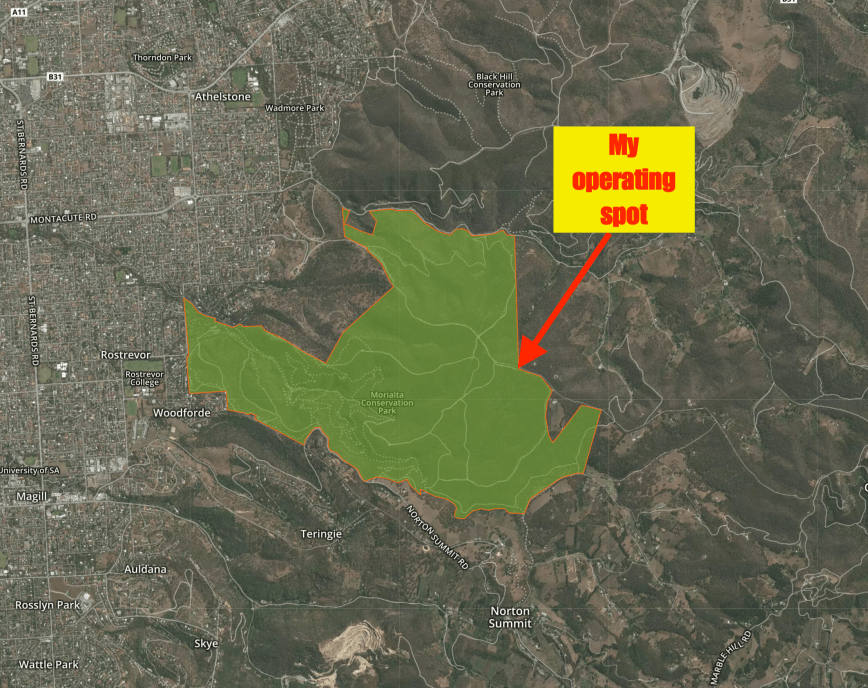
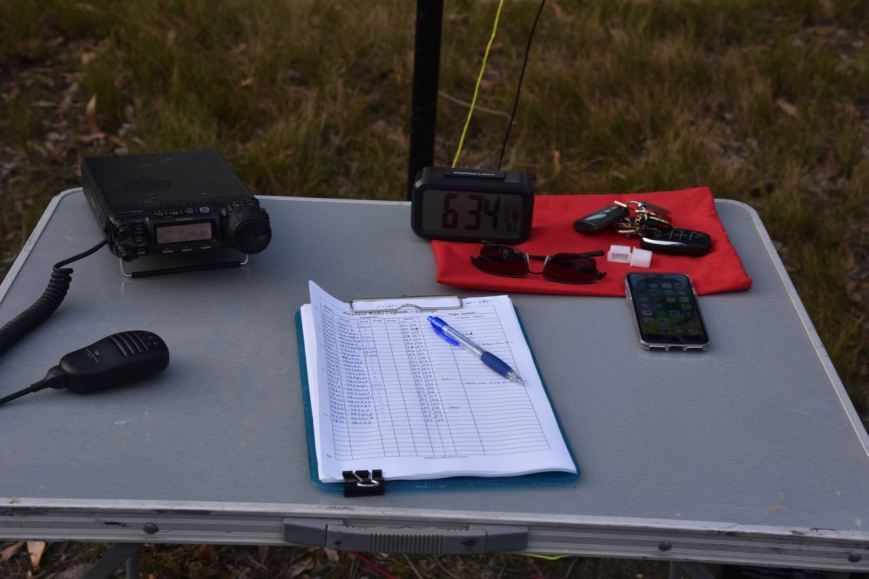
I set up on the edge of Third Falls Track.  It was just a short walk from the vehicle and there was plenty of room to string out the 20/40/80m linked dipole.

Screen Shot 2019-07-01 at 8.04.40 pm.png

Above:- Aerial shot of the Morialta Conservation Park showing my operating spot.  Image courtesy of Protected Planet.

I called CQ on 7.144 with Peter VK3PF being first in the log, followed by Deryck VK4FDJL, and then a Park to Park with Nik VK3ZNK/p who was in the Yarrawonga Regional Park VKFF-0981.  Despite it being a weekday, there was a steady flow of callers.  It is a testament as to how popular the WWFF program has become in Australia nowadays.  Within half an hour I had 33 stations in the log.

I moved down to the 80m band to 3.610 and asked if the frequency was in use.  John VK5BJE came back to advise he and others had been waiting for me.  I was then called by Hans VK5YX, Ian VK5CZ in the Clare Valley, and Tony VK5FBIC.

I then saw a spot pop up on parksnpeaks on 40m for Mike VK6MB/3 who was activating a park.  So I quickly lowered the squid pole and took out the links and headed to 7.144.  I logged Mike who was in the Tragowel Swamp Nature Conservation Reserve VKFF-2216.

After logging Mike I moved back down to 80m where I logged two stations, Keith VK3MKE and Nik VK3ZNK/p in the Yarrawonga Regional Park VKFF-0981 for a second band.

I then saw another spot pop up for Angela VK7FAMP.  So it was back to 40m where I spoke with Angela who was in the St Helens Conservation Area VKFF-1153.  This was my fourth Park to Park for the activation.

I then tried my luck on the 20m band but was to be sadly disappointed.  The 20m band has been incredibly poor of late and today was no exception.  I tried 14.310 the normal WWFF calling frequency in Australia, but I was being drowned out by the Over the Horizon Radar.  So I moved down to 20m and called CQ which was answered by Matt VK1MA.  Matt was 5/5 and gave me a 3/3.  About 5 minutes more of CQ calls yielded no callers on that band.

So it was back to 40m where I called CQ on 7.140.  Peter VK2UXO was the first to call with his normal big signal.  Next was Andrei ZL1TM in New Zealand who is a regular park hunter.  I logged a further 6 stations and whilst monitoring parksnpeaks I saw a spot for Gerard VK2IO/5 just below me.  I moved down to 7.135 and logged Gerard, Park to Park from the Granite Island Recreation Park VKFF-1711.

To conclude the activation I moved back up to 7.140 where I logged a further 9 stations.

DSC_8222

I had 60 contacts in the log and the temperature had now dropped to 9 deg C.  It was time for me to pack up and head off for a bush walk through the park.

I worked the following stations on 40m SSB:-

  1. VK3PF
  2. VK4FDJL
  3. VK3ZNK/p (Yarrawonga Regional Park VKFF-0981)
  4. VK5CZ
  5. VK5BJE
  6. VK3SQ
  7. VK3MPR
  8. VK2NP
  9. VK2VW
  10. VK3DBP/2
  11. VK4NH
  12. VK4DXA
  13. ZL4TY/VK4
  14. VK3ALA
  15. VK4MWB
  16. VK3PAT
  17. VK4RF
  18. VK4HA
  19. VK2DWP/m
  20. VK4HNS
  21. VK4FOMP
  22. VK4TJ
  23. VK4/AC8WN
  24. VK4/VE6XT
  25. VK5YX
  26. VK6KJ
  27. VK6EA
  28. VK5FBIC
  29. VK5SF
  30. VK2AD
  31. VK2YK
  32. VK7LG
  33. VK2MGM
  34. VK6MB/3 (Tragowel Swamp Nature Conservation Reserve VKFF-2216)
  35. VK7FAMP/p (St Helens Conservation Area VKFF-1153)
  36. VK2UXO
  37. ZL1TM
  38. VK4FARR
  39. VK1MA
  40. VK3ARH
  41. VK2LEE
  42. VK5KLD
  43. VK4FAJP
  44. VK2IO/5 (Granite Island Recreation Park VKFF-1711)
  45. VK7ALH
  46. VK7XDM
  47. VK3XDM/7
  48. VK7FRJG
  49. VK2PKT
  50. VK5HV
  51. VK2OQ/m
  52. VK3MCK
  53. VK3IO

I logged the following stations on 80m SSB:-

  1. VK5BJE
  2. VK5YX
  3. VK5CZ
  4. VK5FBIC
  5. VK3ZNK/p (Yarrawonga Regional Park VKFF-0981)
  6. VK3MKE

I worked the following station on 20m SSB:-

  1. VK1MA

I went for a stroll along Moores Track which is well signposted.

DSC_8227

Along the way, I enjoyed some fine views through the trees.

A bit further along the track, I came to a cleared area for power lines which assisted in a less obstructed view of the surrounding countryside.

I then walked back to the car and took a drive along Montacute Road, stopping every now and again to admire the views and take a few photographs.

I also stopped off to have a look at the historic St Pauls Church at Montacute which was consecrated on the 9th day of March 1886.

The church sits on the top of an impressive hill with some terrific views of the surrounding countryside.

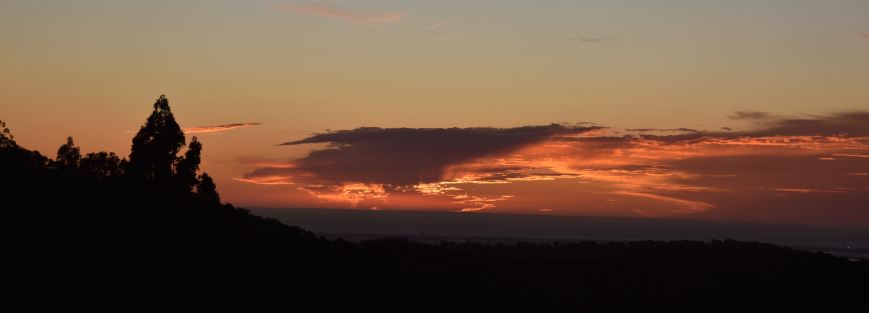
I was getting hungry and headed for home, enjoying a quite spectacular sunset.

DSC_8289


References.

Birds SA, 2019, <https://birdssa.asn.au/location/morialta-conservation-park/>, viewed 1st July 2019

The Heysen Trail, 2019, <https://heysentrail.asn.au/trailwalker/article/the-morialta-barns/>, viewed 1st July 2019

Wikipedia, 2019, <https://en.wikipedia.org/wiki/Morialta_Conservation_Park>, viewed 1st July 2019