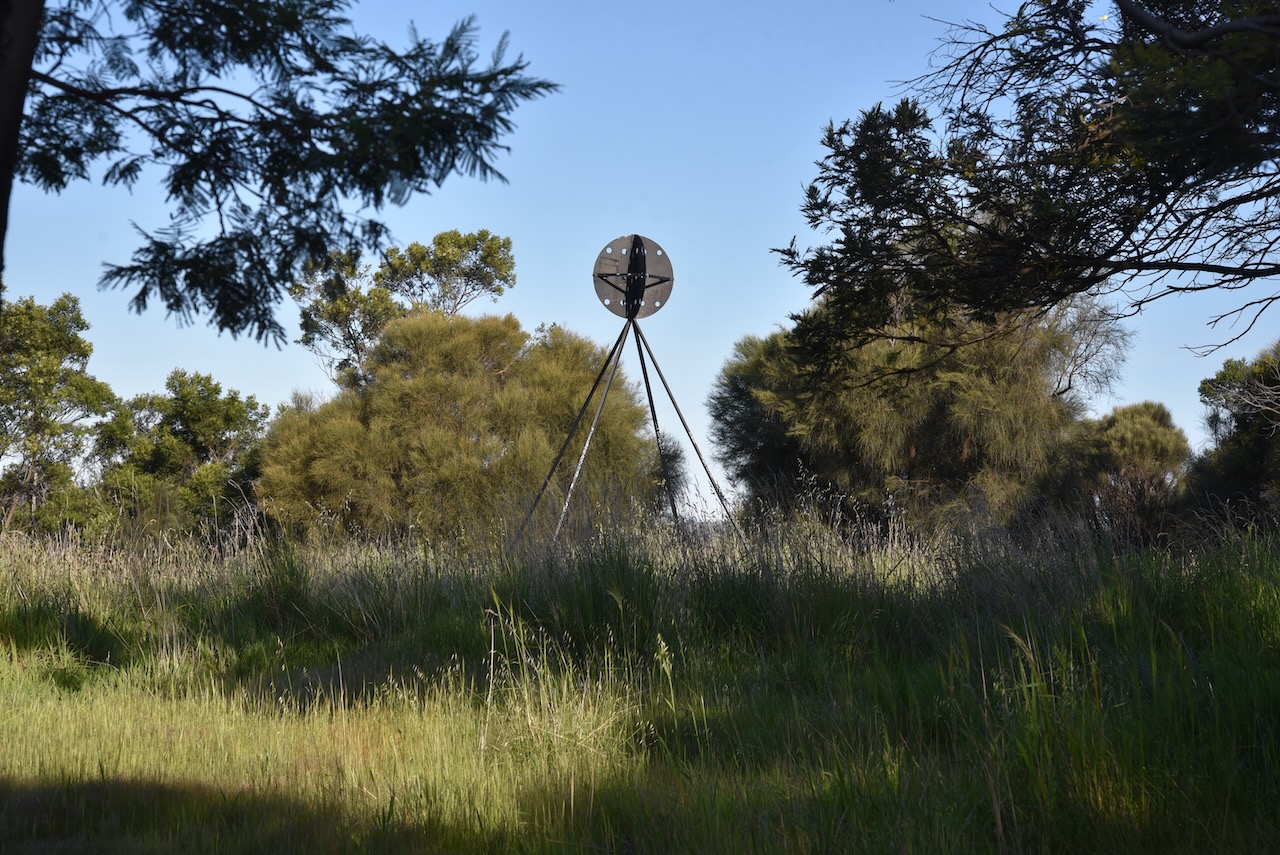
Mount Field National Park VKFF-0347

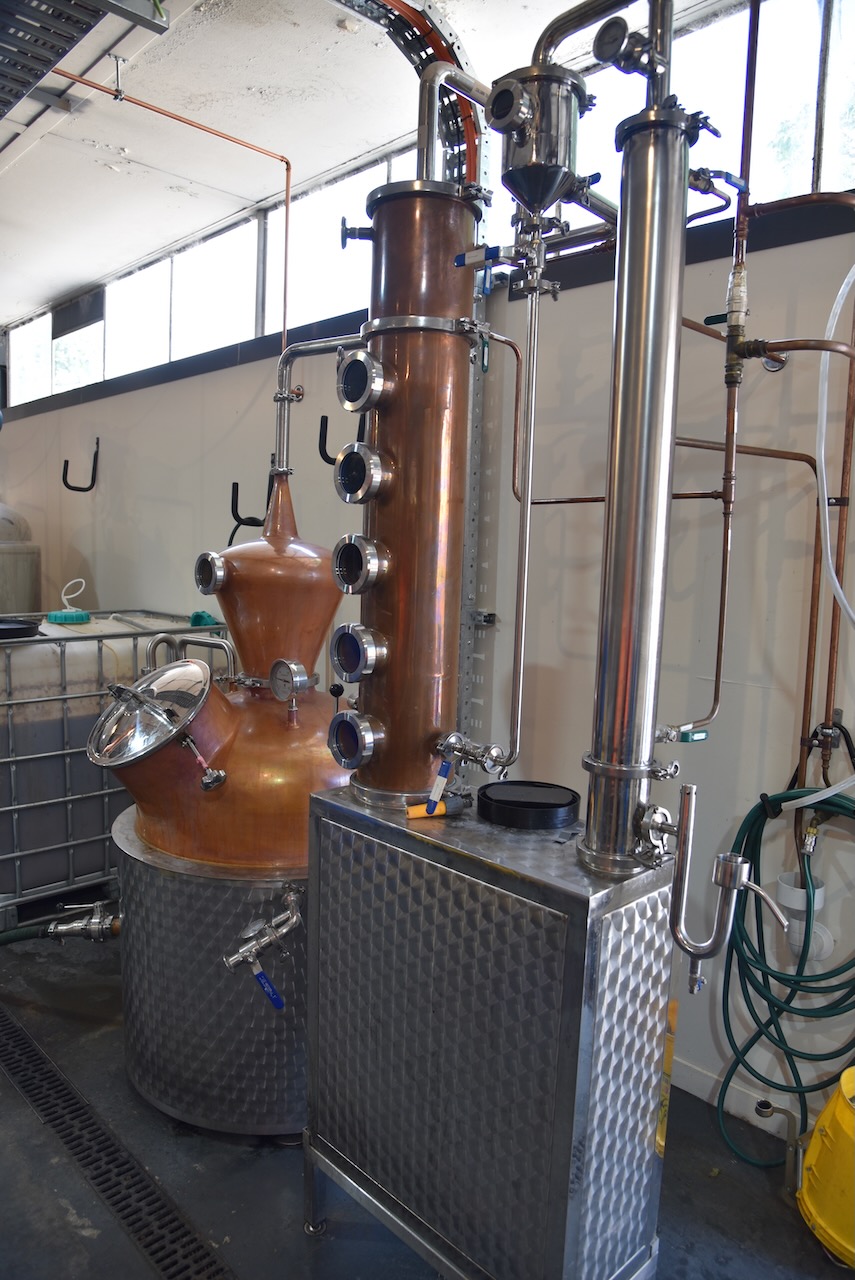
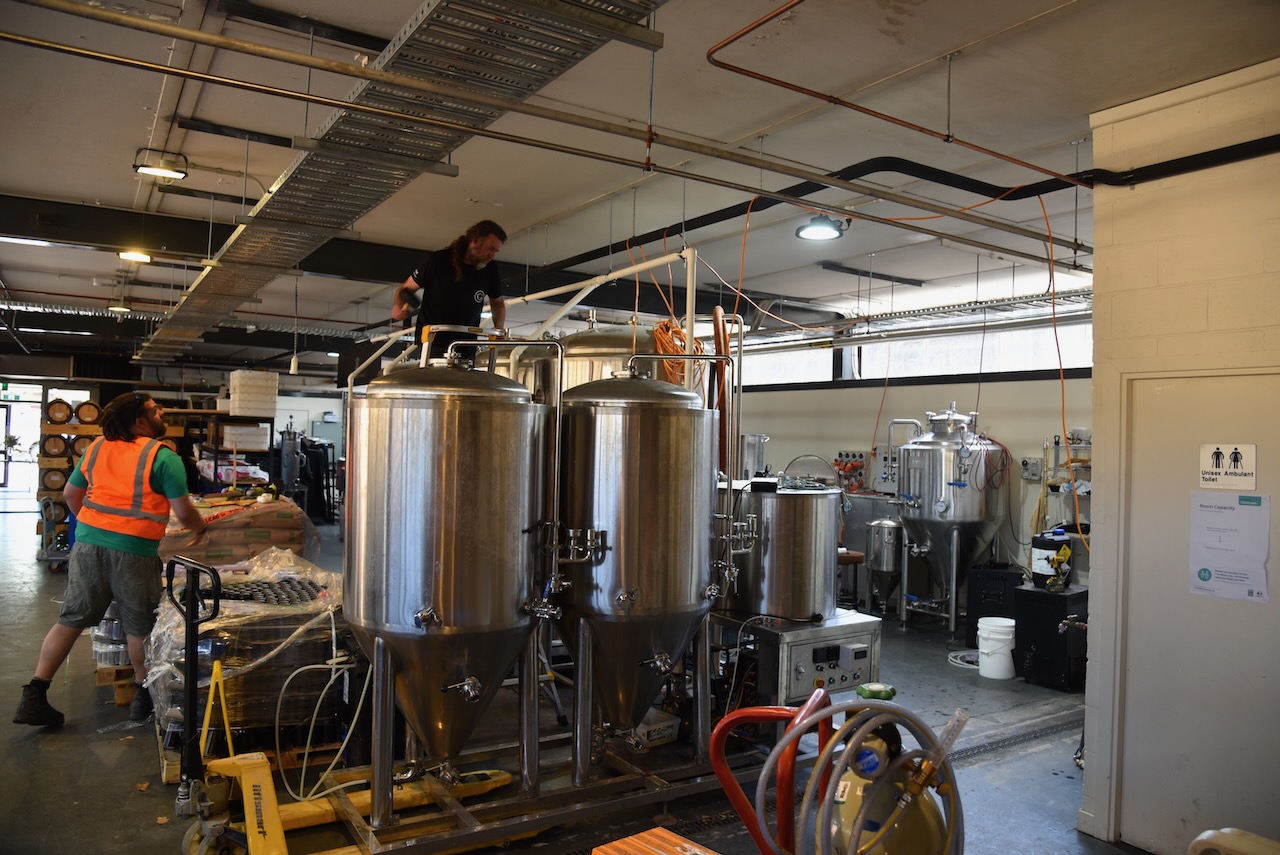
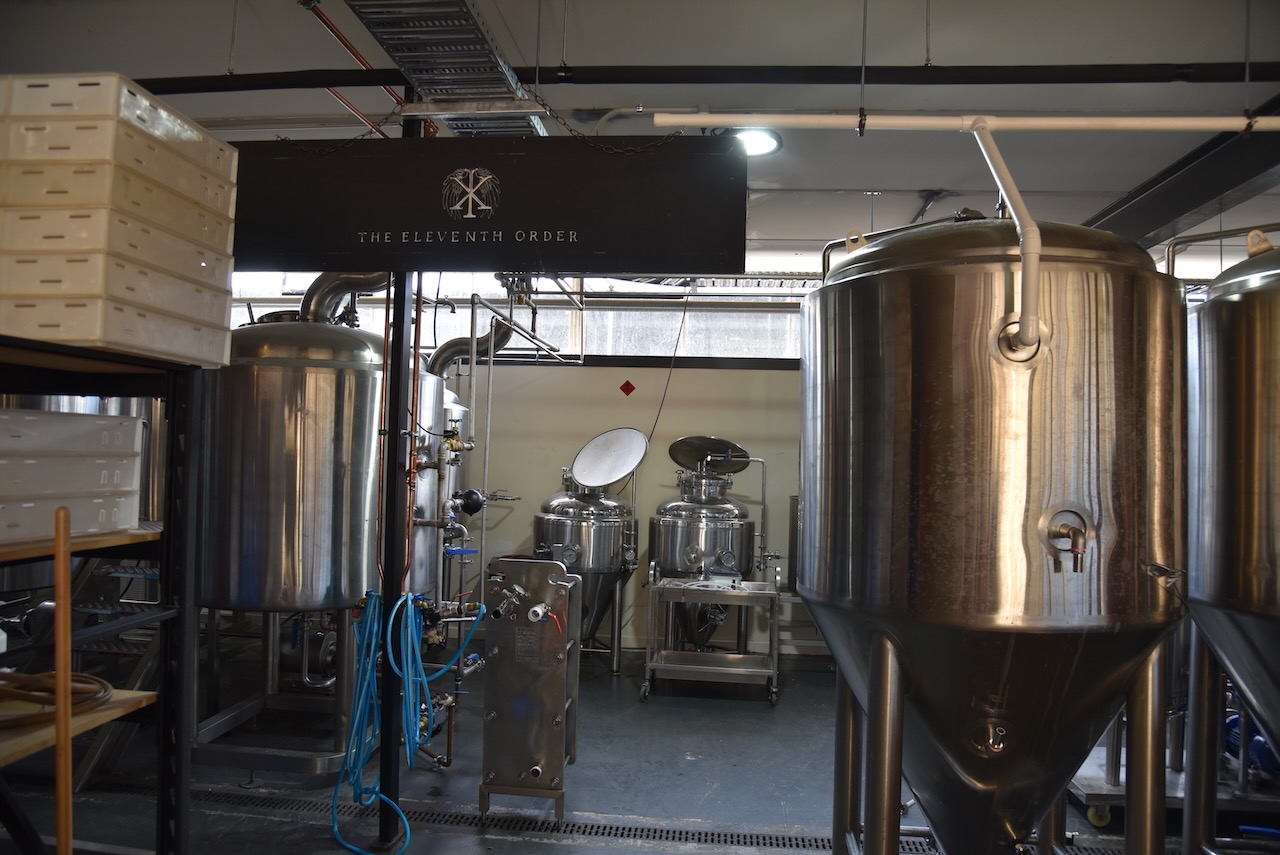
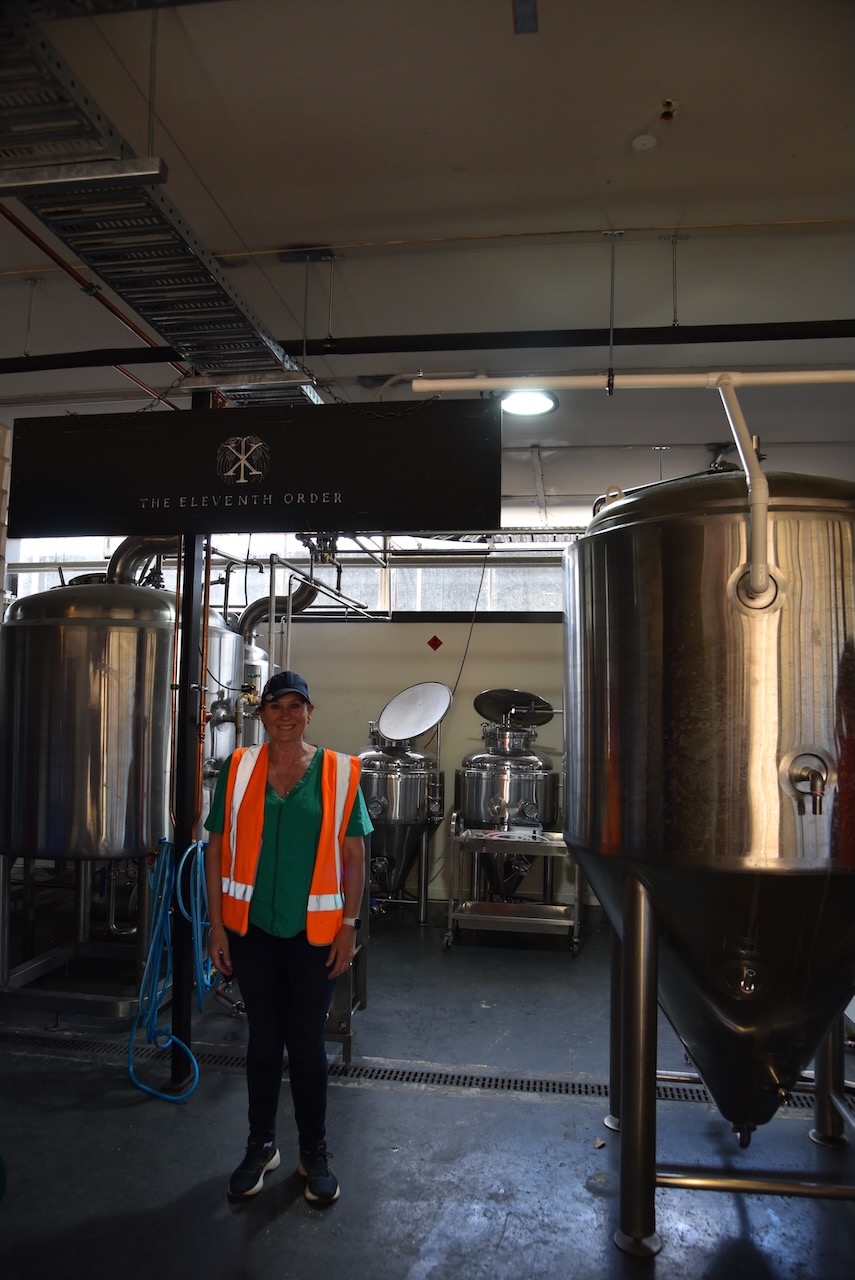
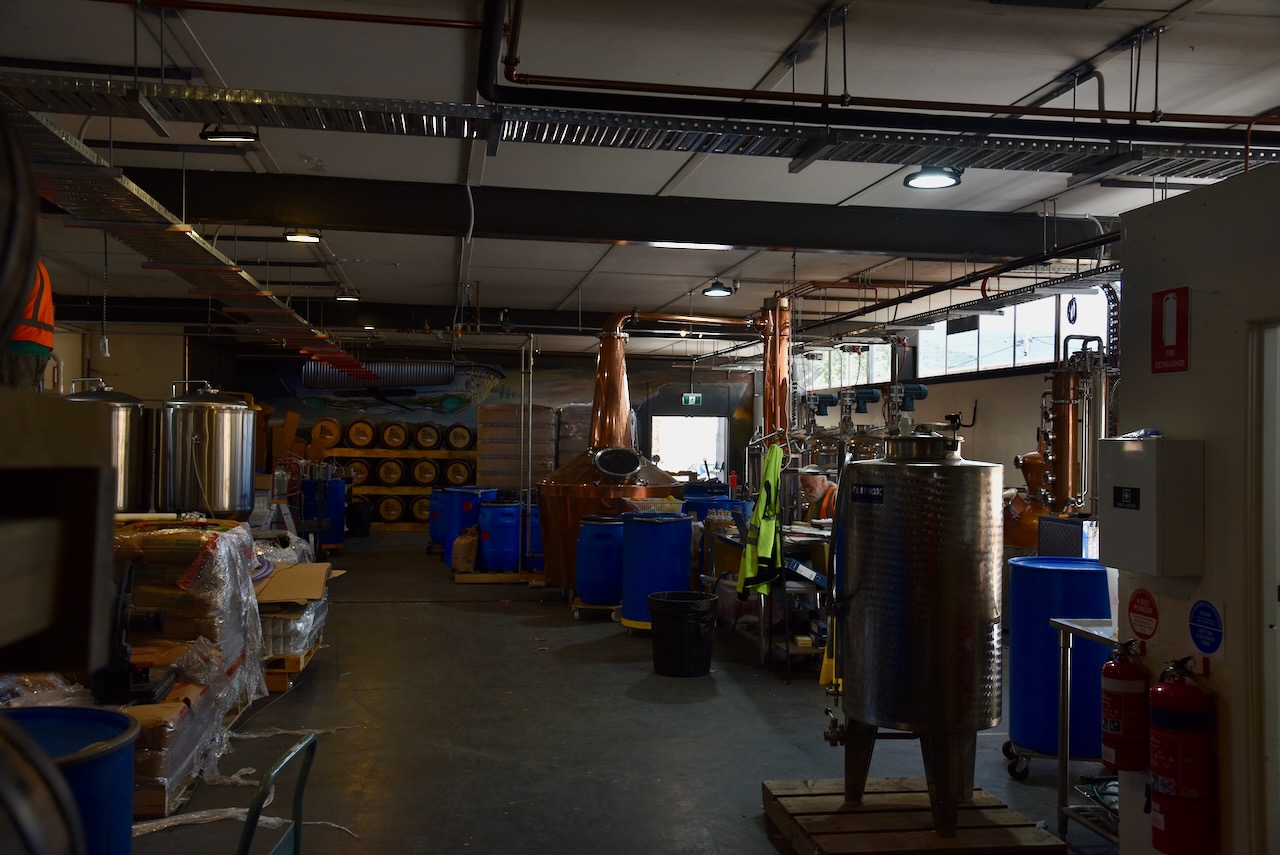
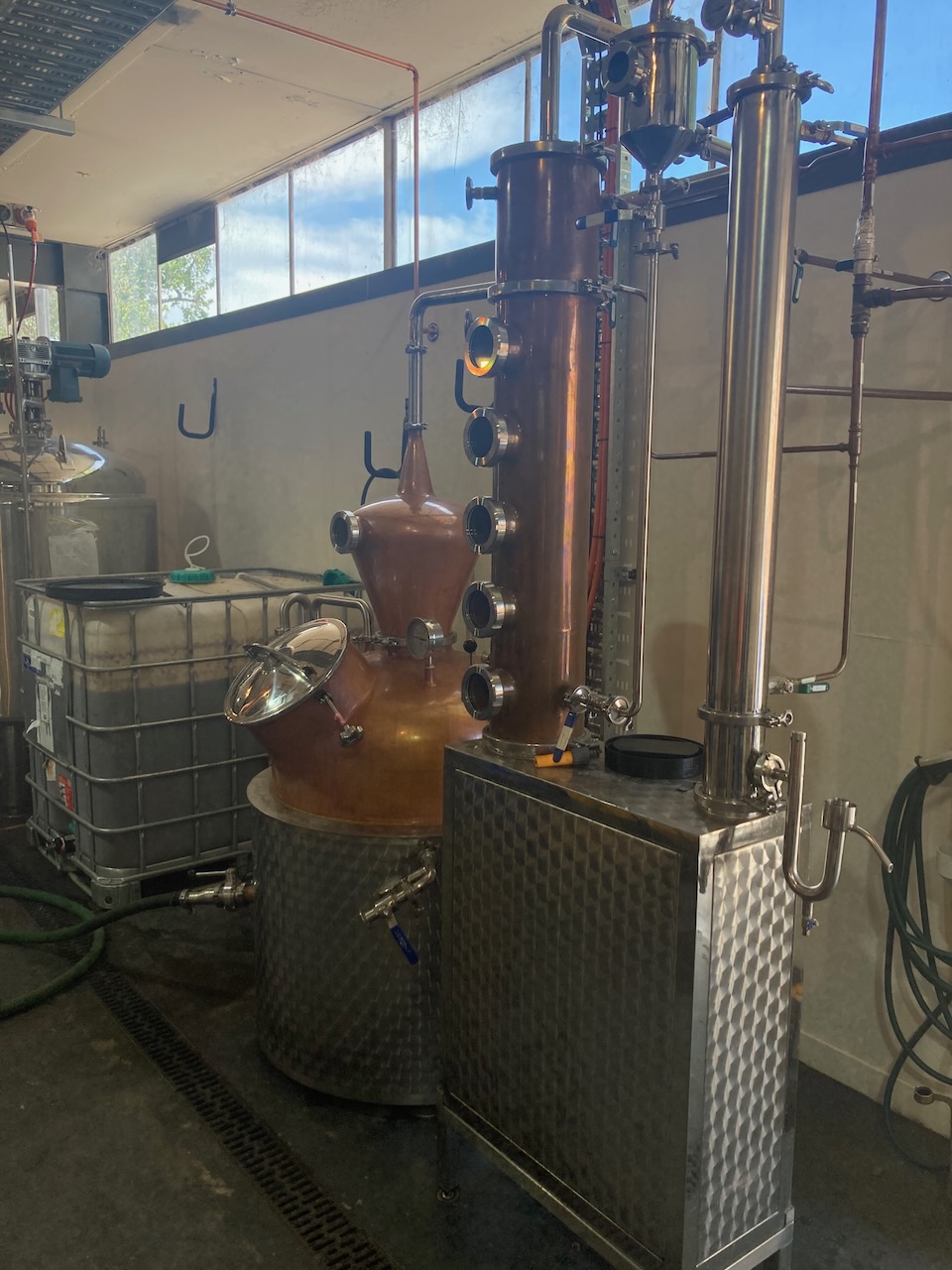
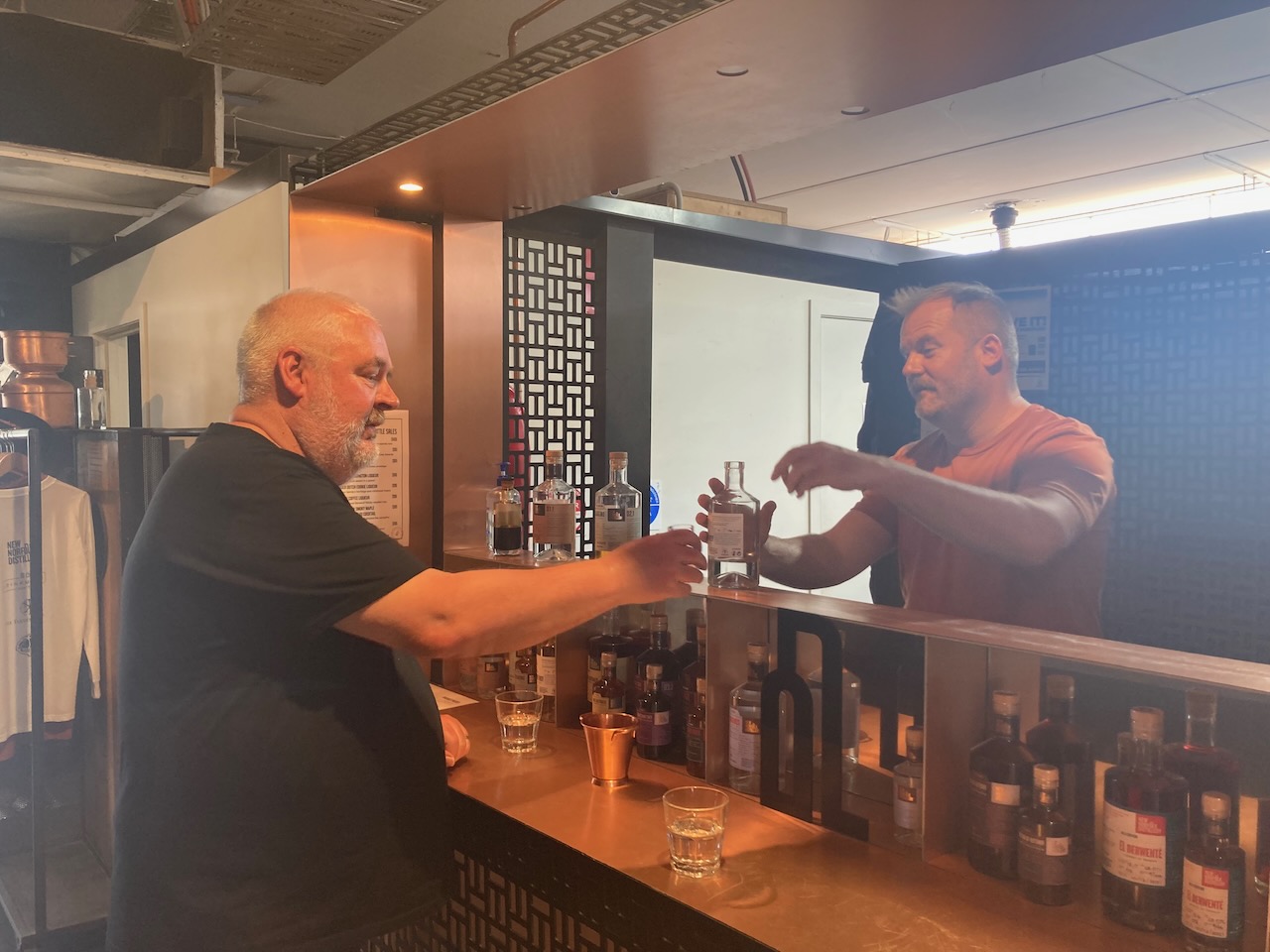
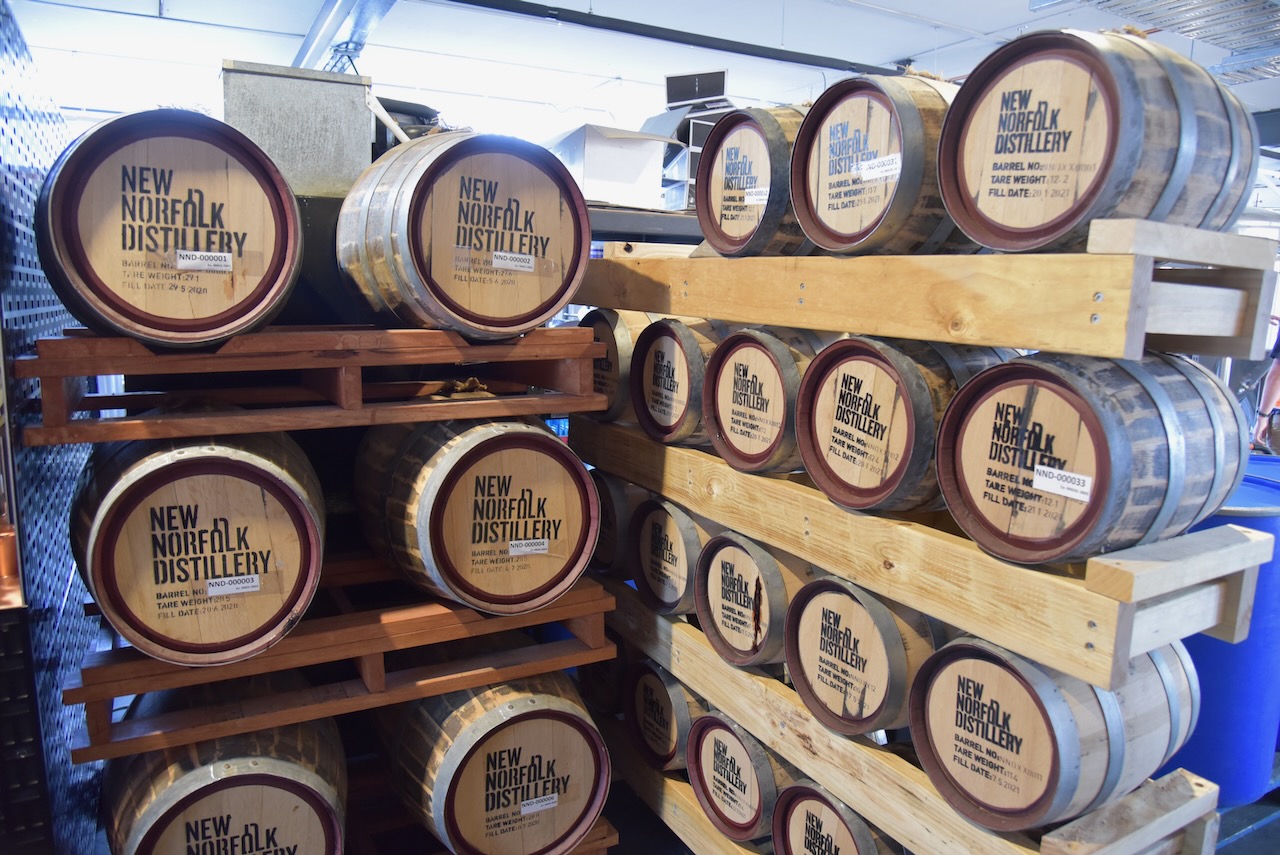
After packing up at the Derwent Cliffs State Reserve (10th November 2022) we visited the New Norfolk Distillery which is Tasmania’s only rum dedicated distillery. We undertook a short our which included some tastings at the end. I walked away with a nice bottle of rum and another bottle of liqueur.
After talking with our guide at the distillery, we decided to take a detour from our planned route and we drove out to Bushy Park, the hops capital of Tasmania.

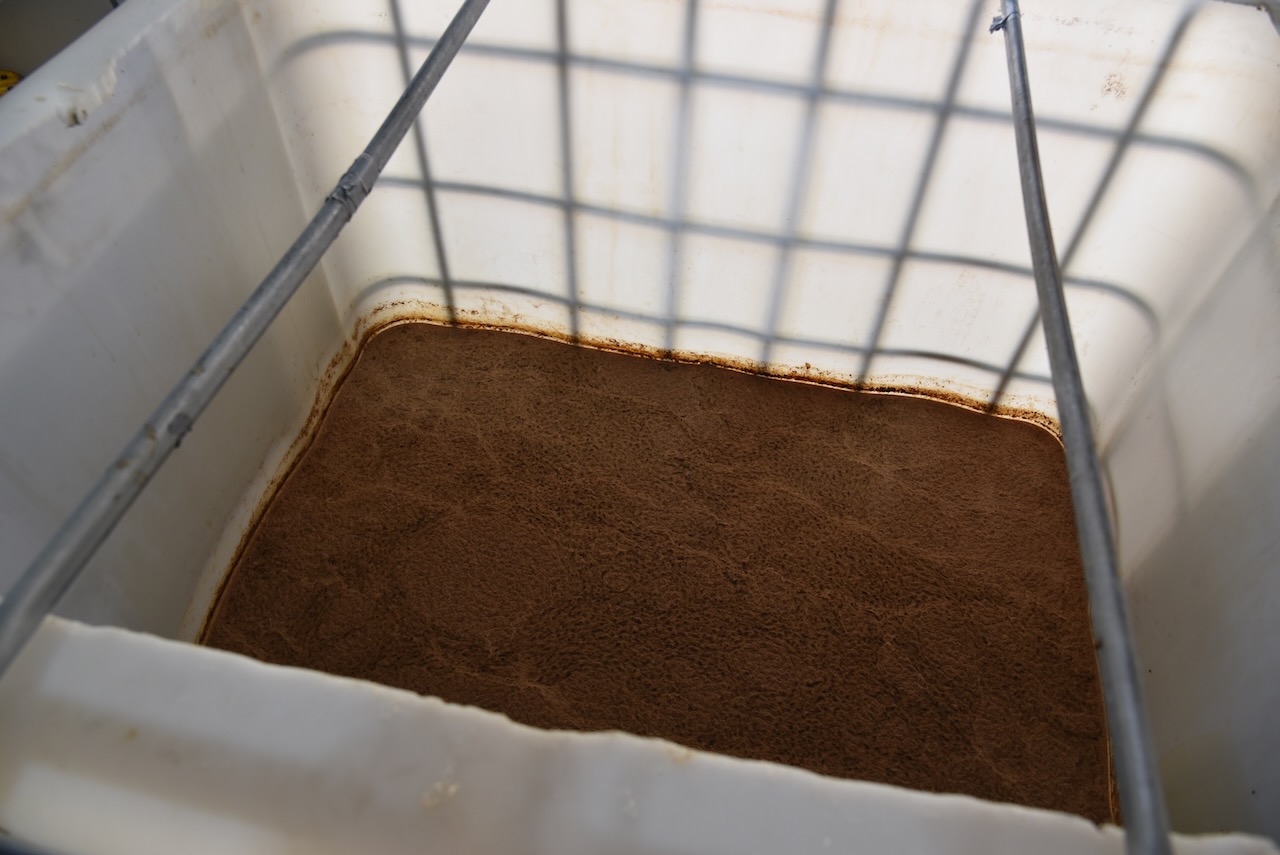
Hops are the green cone-shaped flowers of the Humulus lupulus plant which is the the source of bitterness, aroma, and flavor in beer.

The Bushy Park are was first called Humphreyyille after one of the first European settlers A.W.H. Humphrey who arrived in 1812. In about 1850 William Blyth, who had arrived in Hobart in 1835, bought out Humphrey. The name was changed to Bushy Park to honour the Blyth family estate near Hampton Court in England.
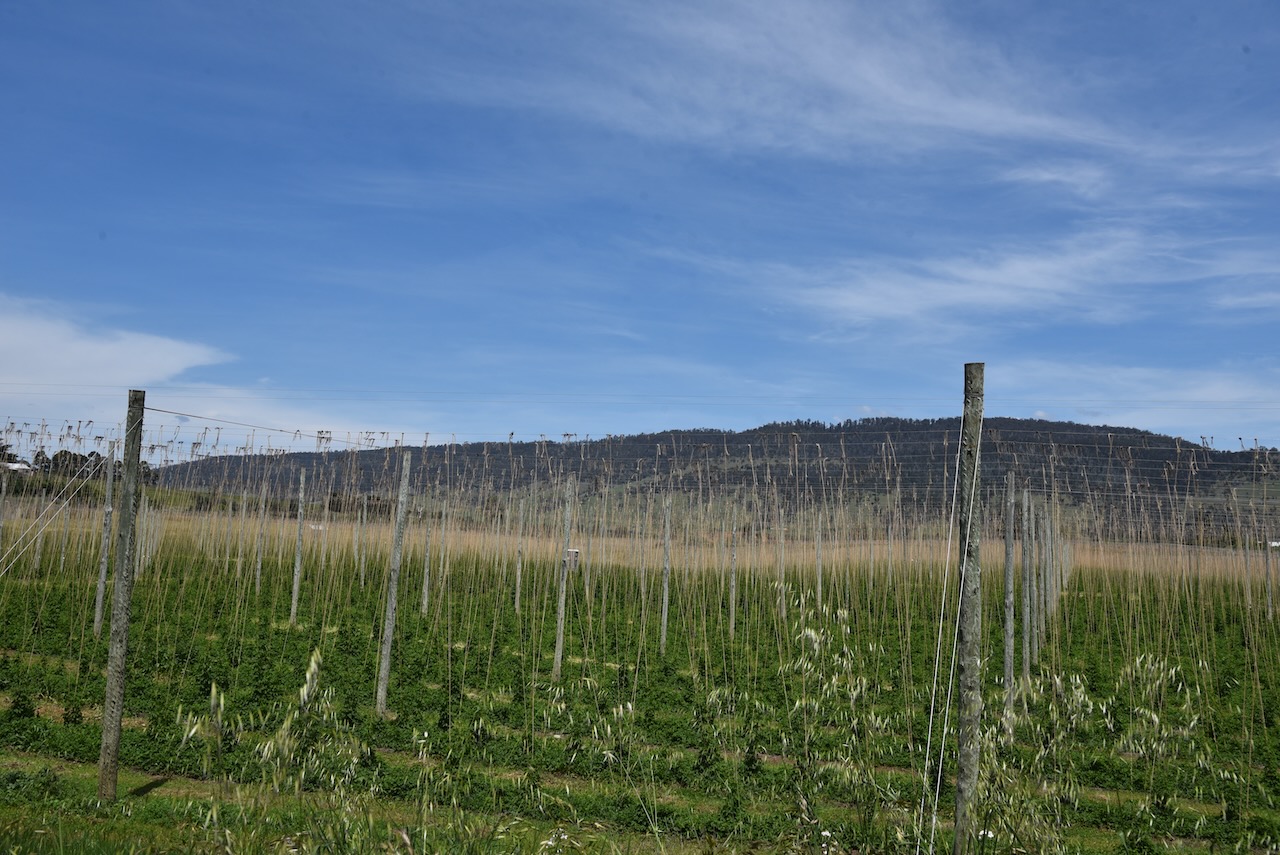
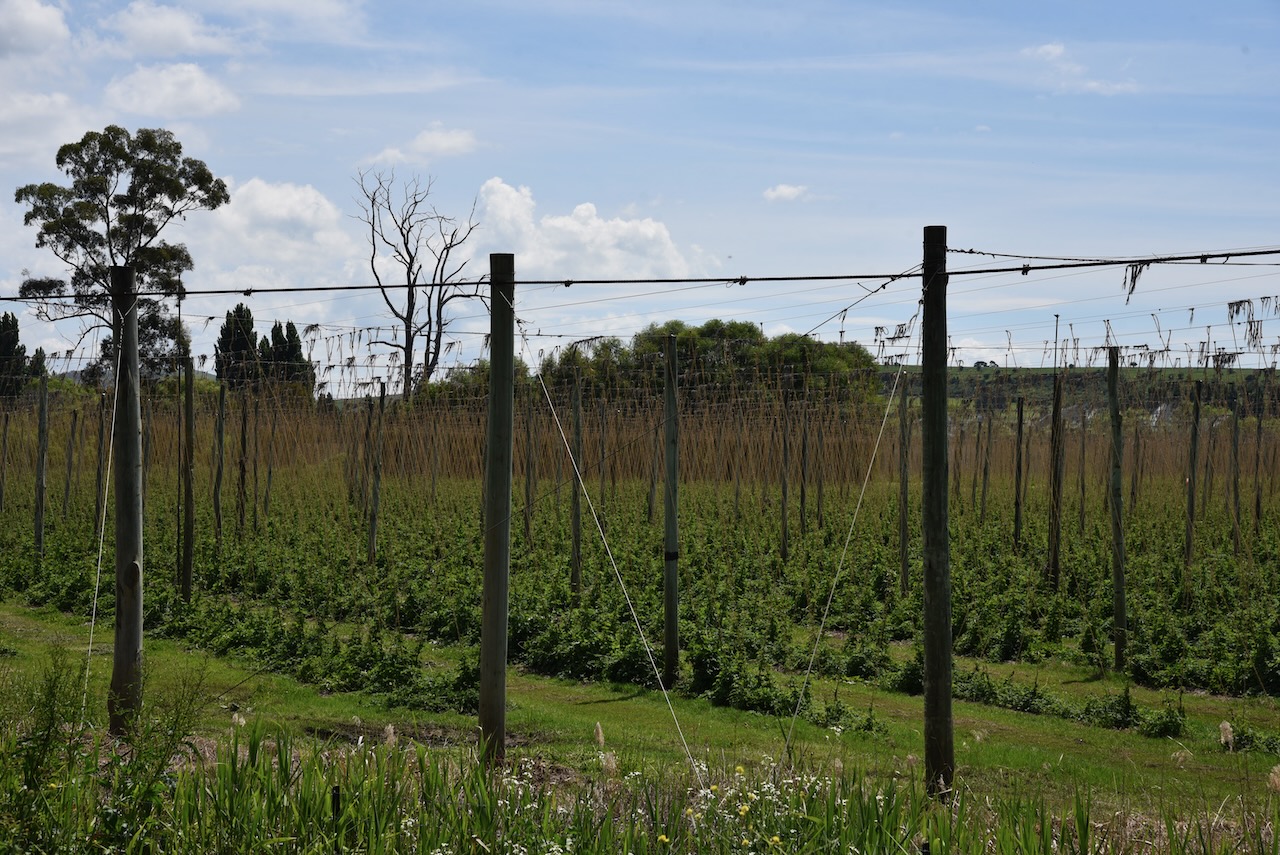
As were were now close to the Mount Field National Park VKFF-0347, we decided to detour out to the park for the park activation for the Wodl Wide Flora Fauna (WWFF) program
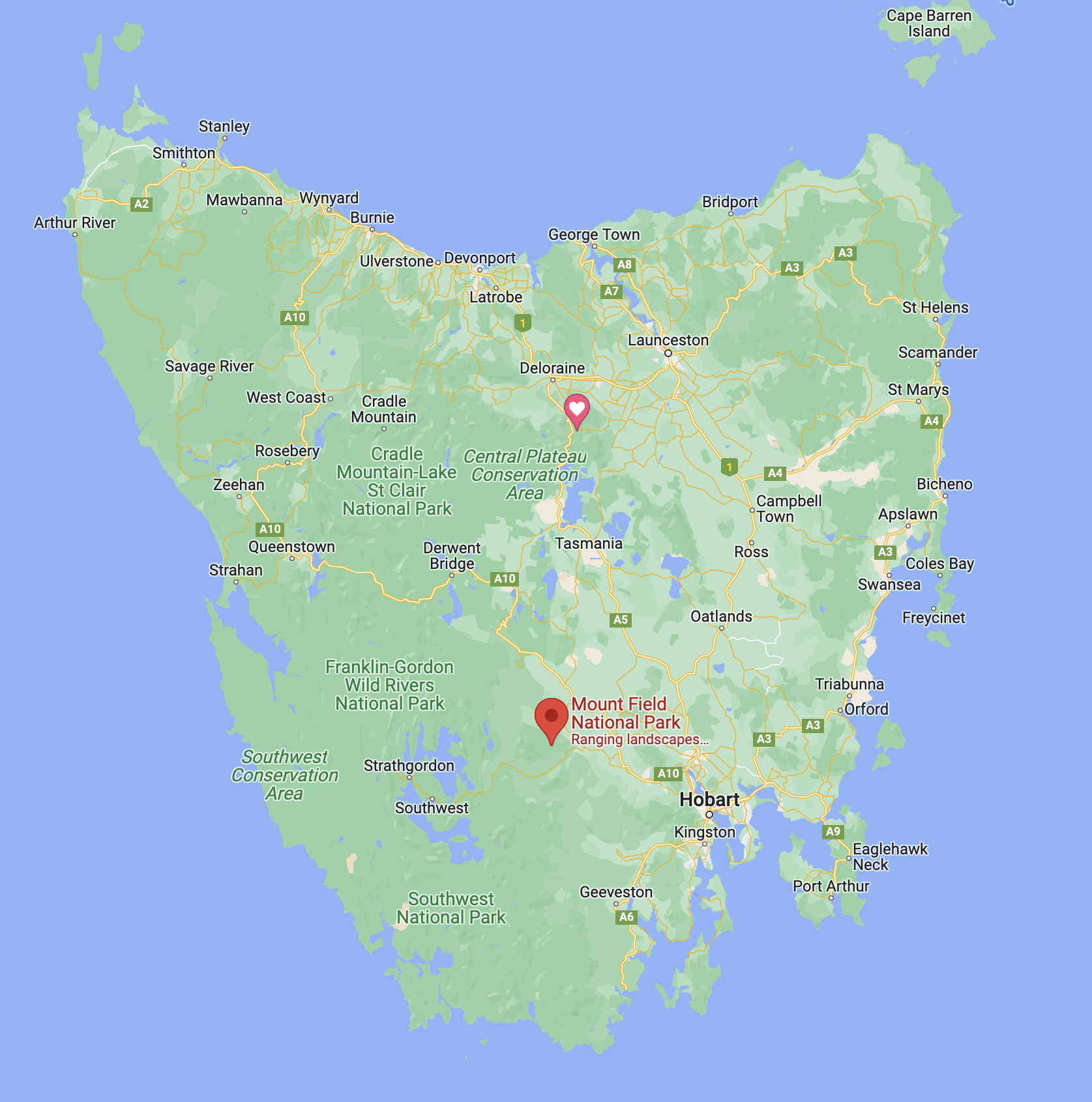
Above:- Map of Tasmania showing the location of the Mount Field National Park. Map c/o Google maps.

Mount Field National Park is located about 64 km northwest of Hobart. Its highest point is the summit of Mount Field West which is about 1,434 meters above sea level. The park is 162.65 km2 in size and was established in 1916.
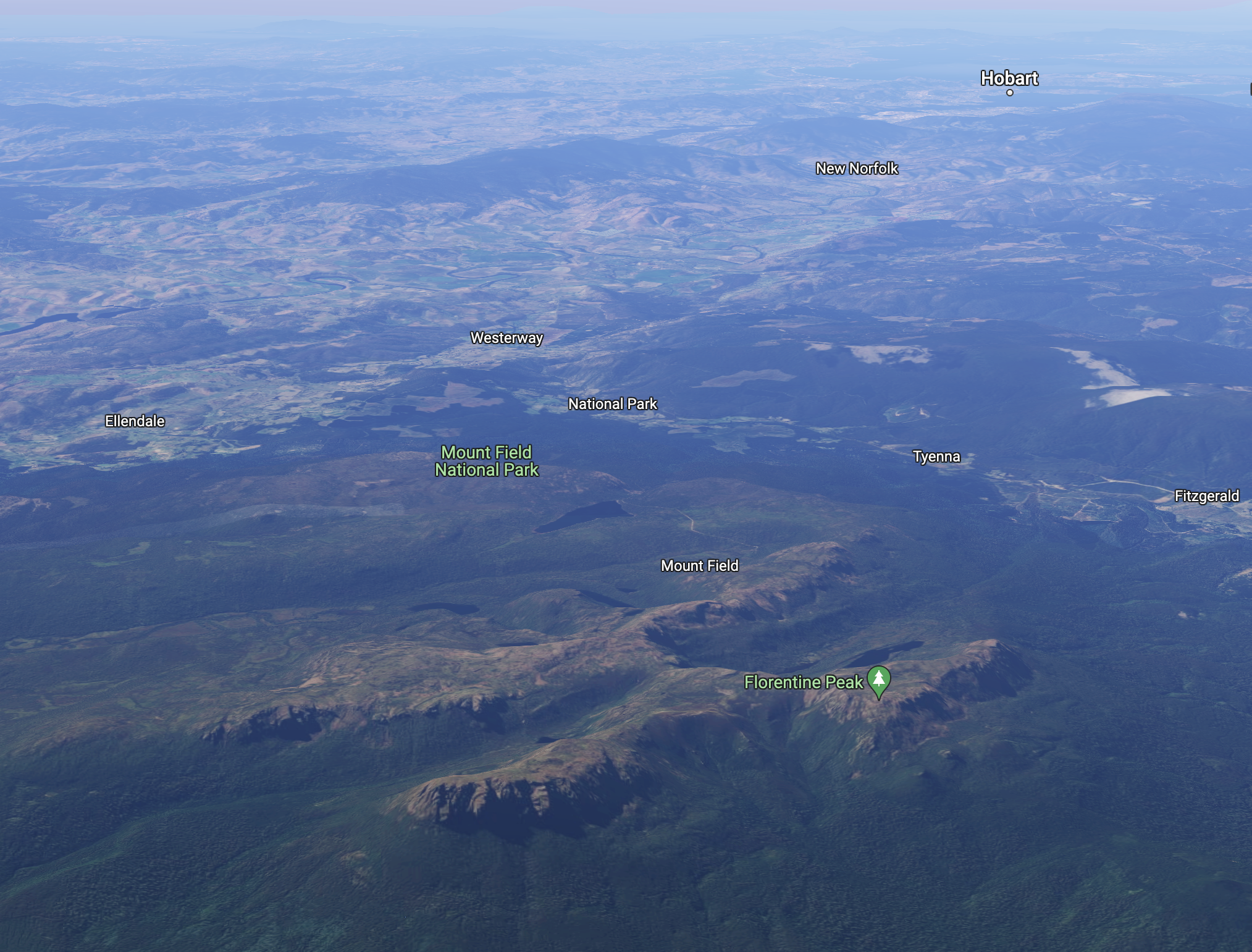
Above:- An aerial view of the Mount Field National Park. Image c/o Google maps.

Along with Freycinet National Park, Mount Field is Tasmania’s oldest National Park. Russell Falls which is located within the National Park has been protected for its natural beauty since 1885. At that time it was set aside as Tasmania’s very first nature reserve.
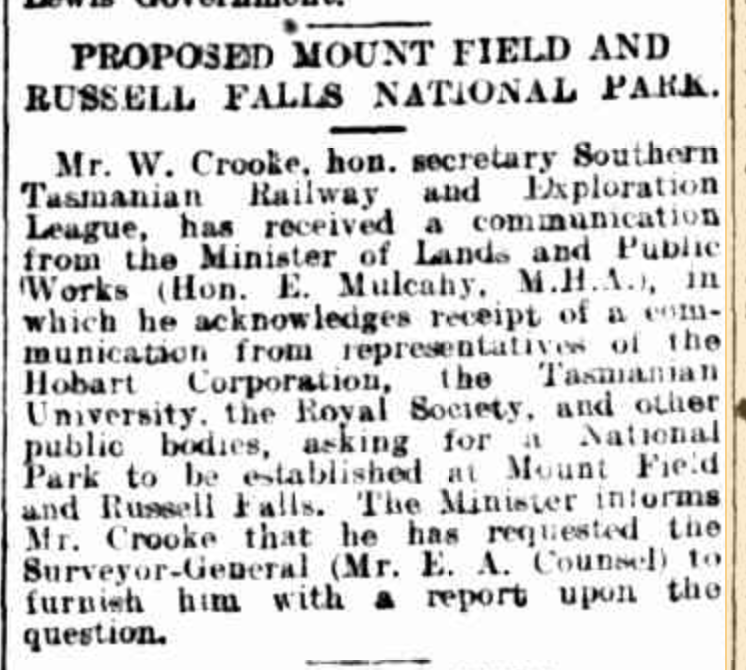
Above:- Article from The Mercury, Hobart, Mon 17 Nov 1913. c/o Trove.

The Mount Field National Park is named in honour of Judge Barron Field (b. 1796. d. 1846), an English born Australian judge and poet. He visited Van Dieman’s Land as an itinerant judge in 1819 and 1821.
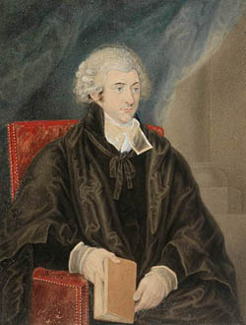
Above:- Barron Field. Image c/o Australian Dictionary of Biography.

In 1933, the last known wild Thylacine was captured in the vicinity of the Mount Field National Park.  The Thylacine, also known as the Tasmanian Tiger or an extinct carnivorous marsupial. Intensive hunting of the Thylacine encouraged by bounties brought about its extinction.
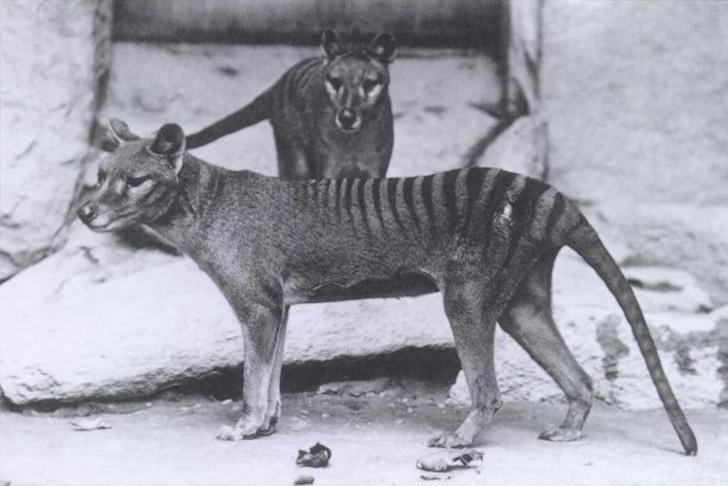
Above:- A Thylacine. Image c/o WIkipedia.

Native mammals that call the park home include wombats, platypus, eastern barred bandicoot, echidnas, and Tasmanian devil. Mount Field National Park is also home to an enormous diversity of fungi. The Fagus, a deciduous beech can be found in the park. It is one of only a handful of deciduous native trees in Australia.

During winter, the National Park is one of Tasmania’s two popular ski fields. The park is part of the Tasmanian Wilderness World Heritage Area.
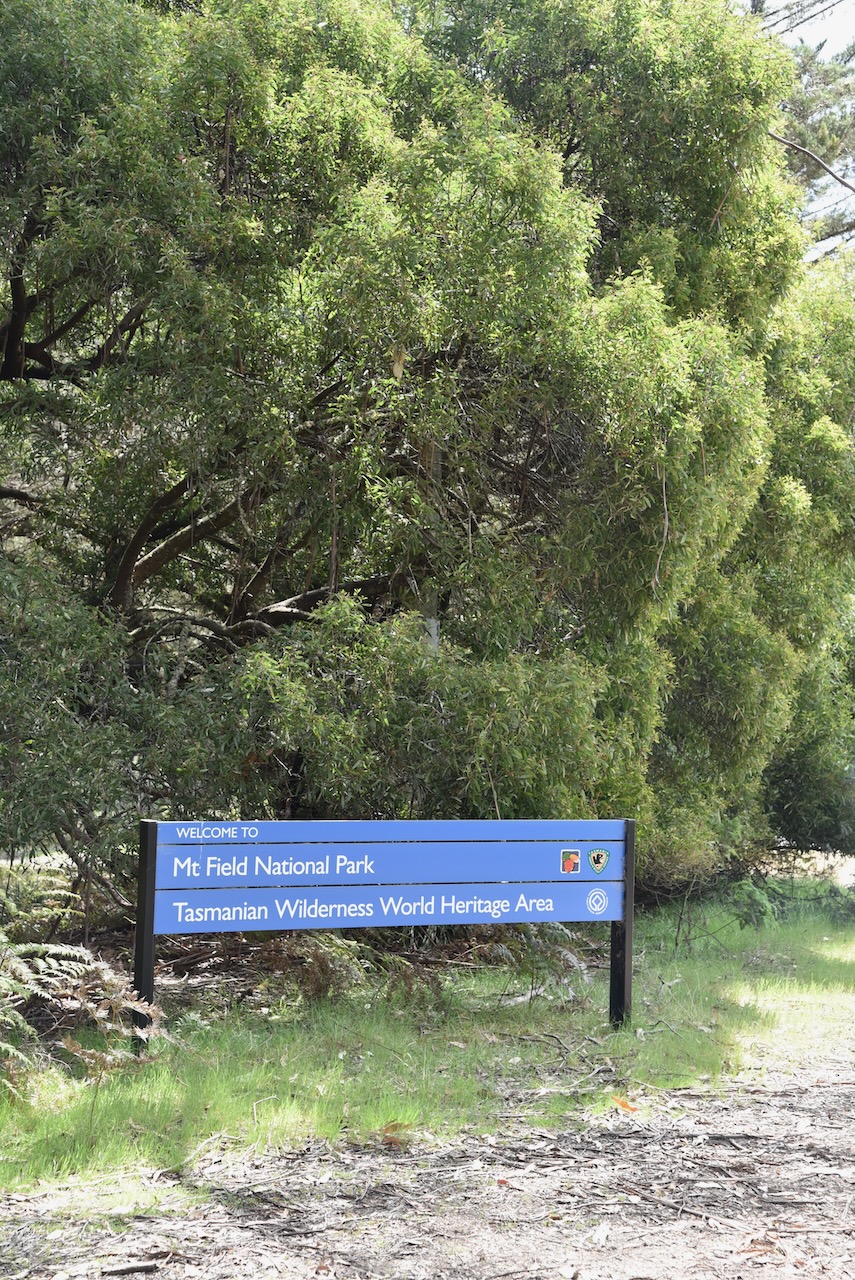
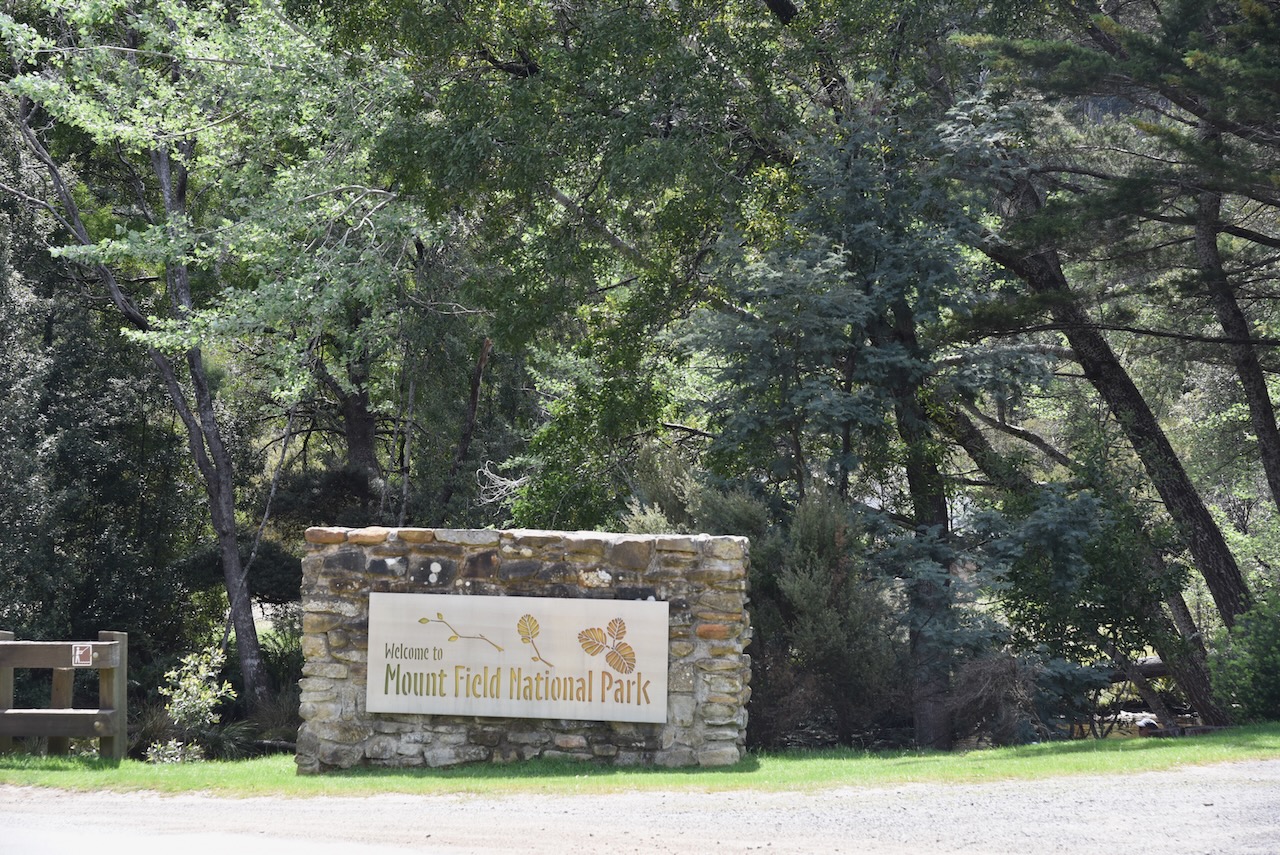
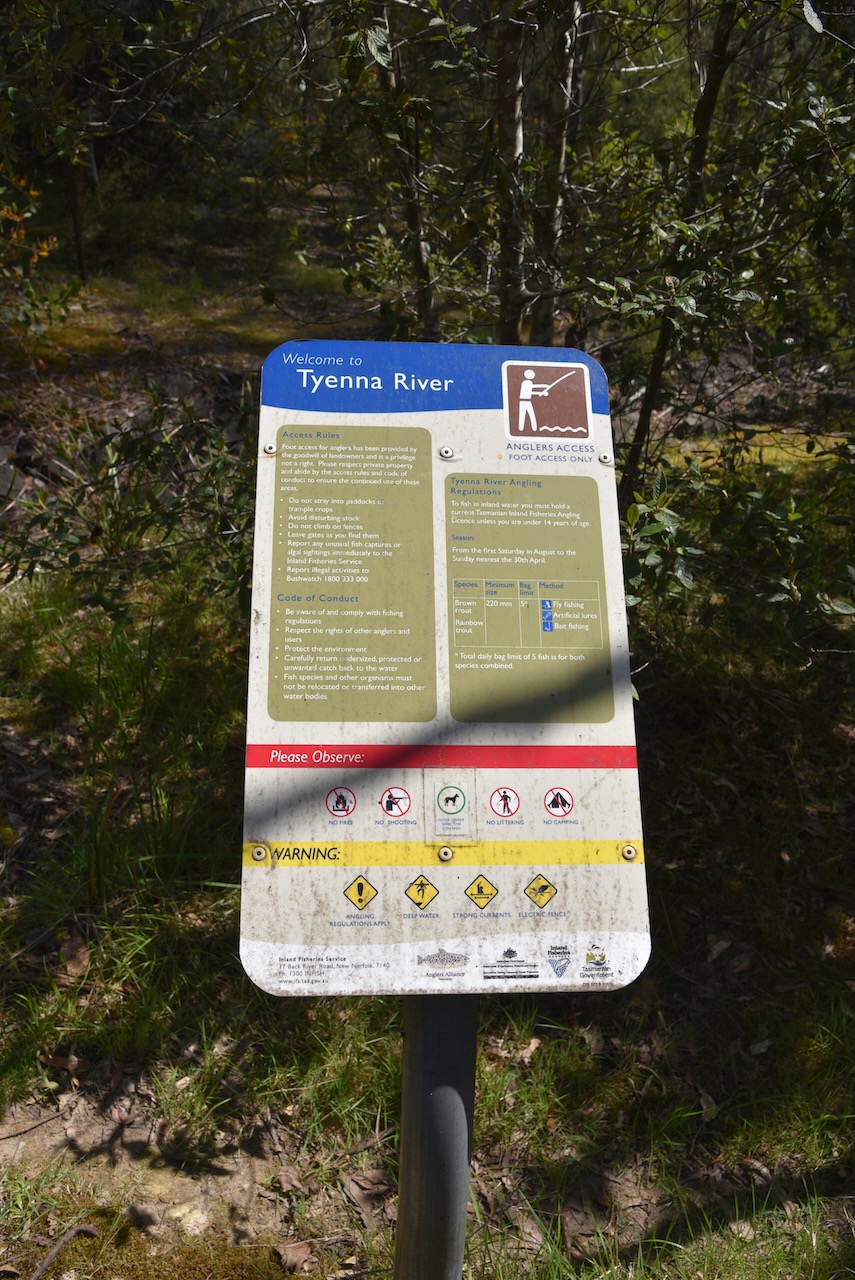
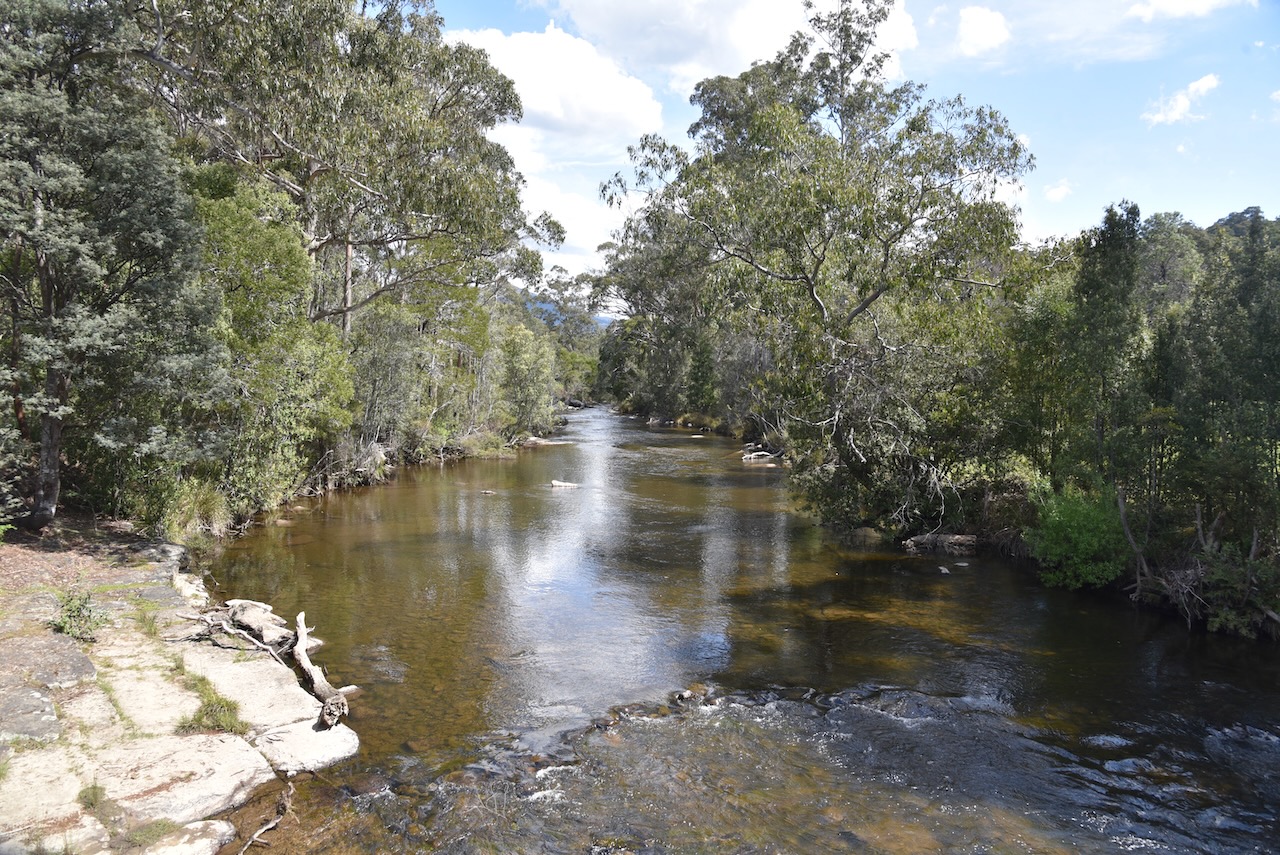
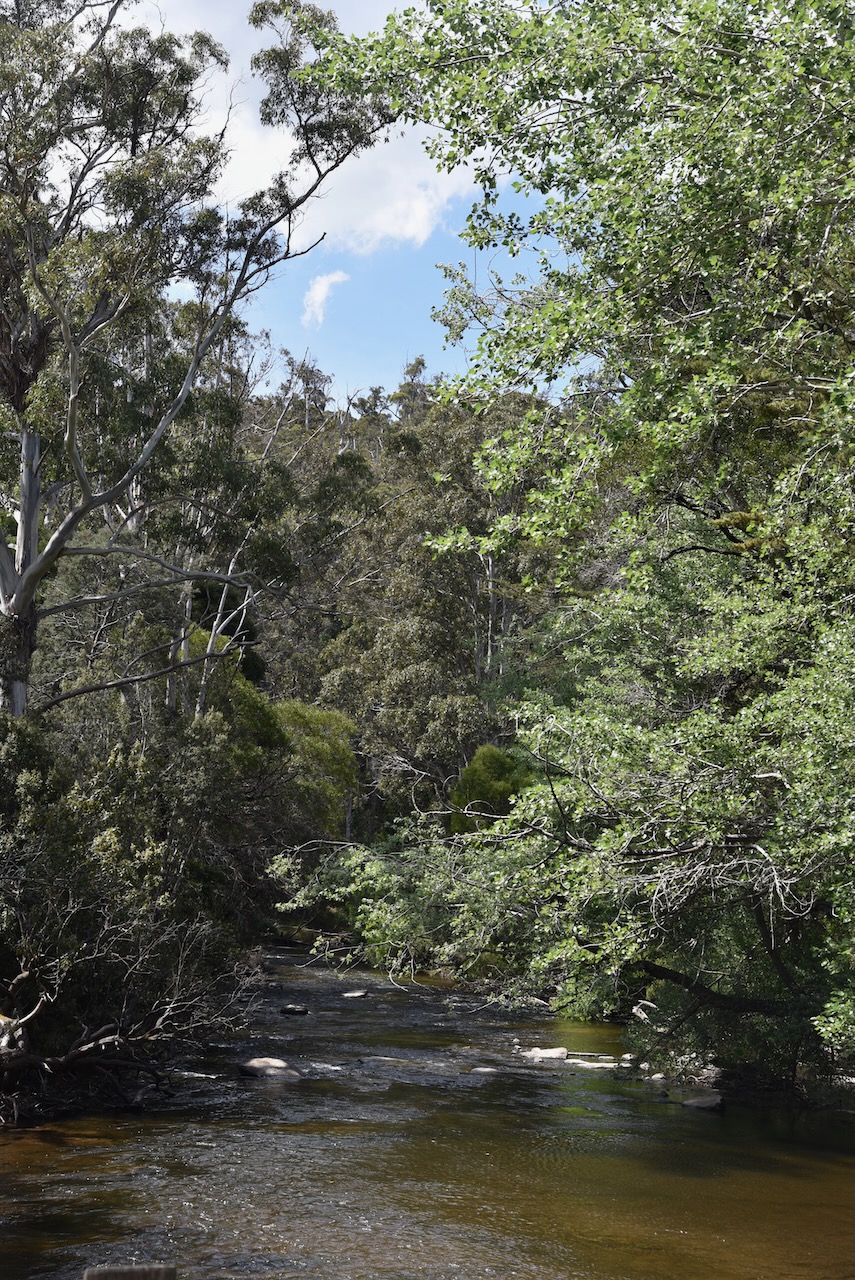
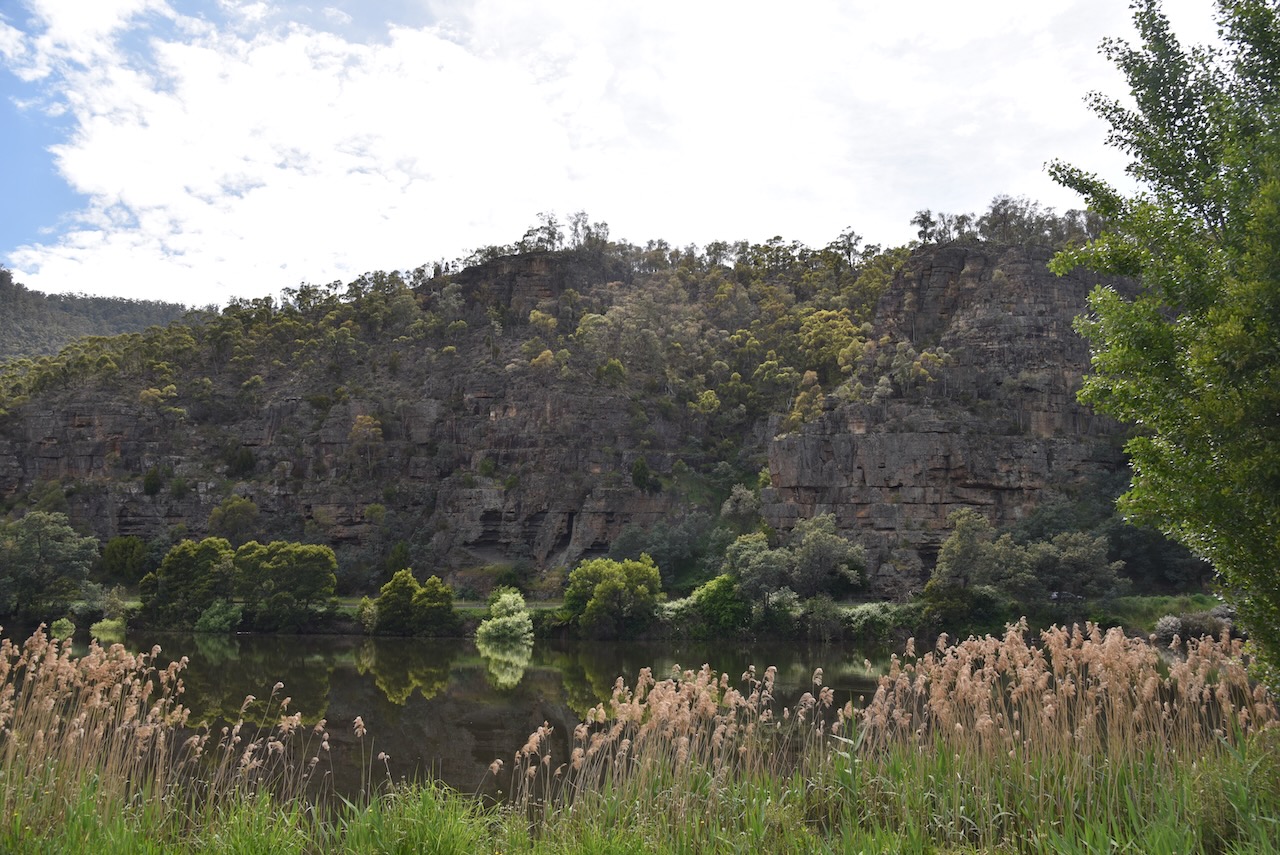
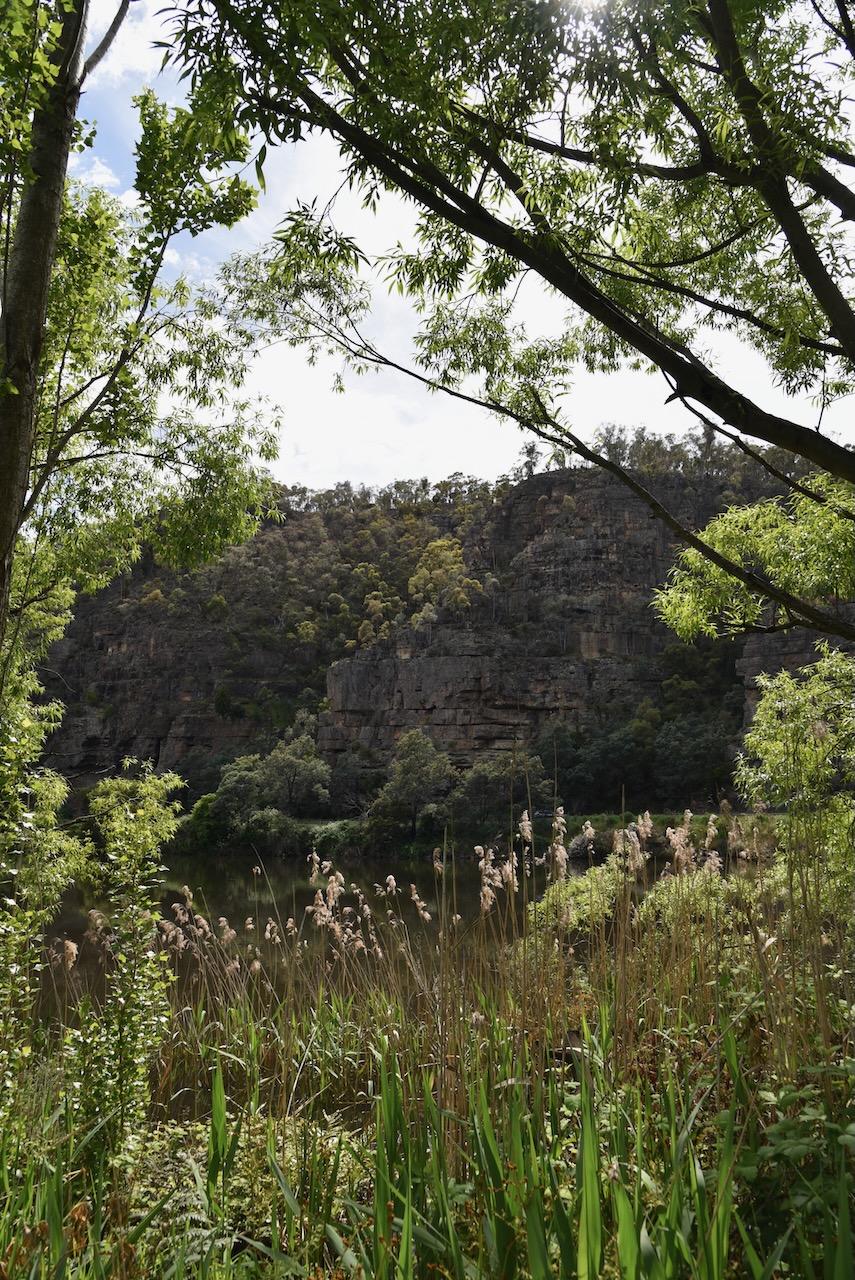
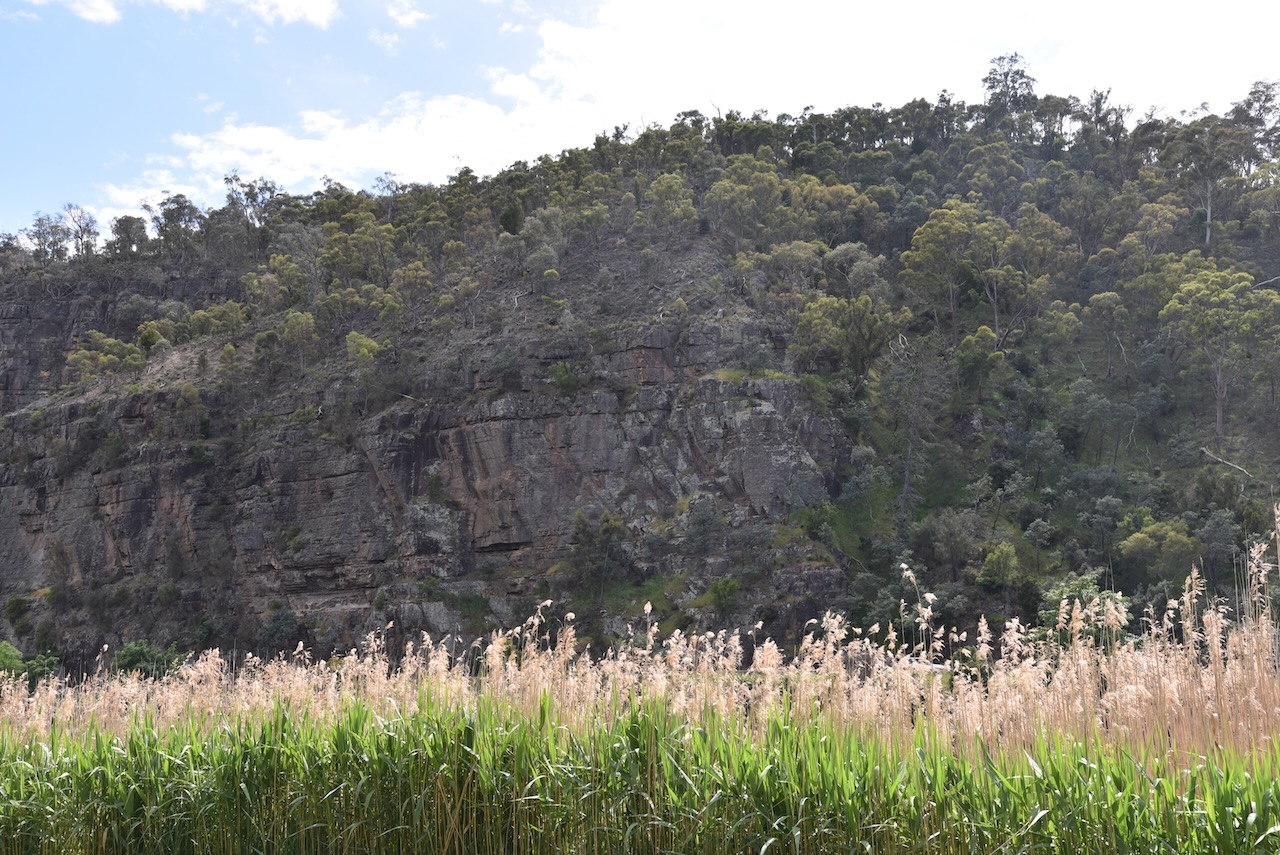
We set up in a car parking area alongside of the Tyenna River. Tyenna means bandicoot in aboriginal. It is one of the best trout fishing rivers in Tasmania.
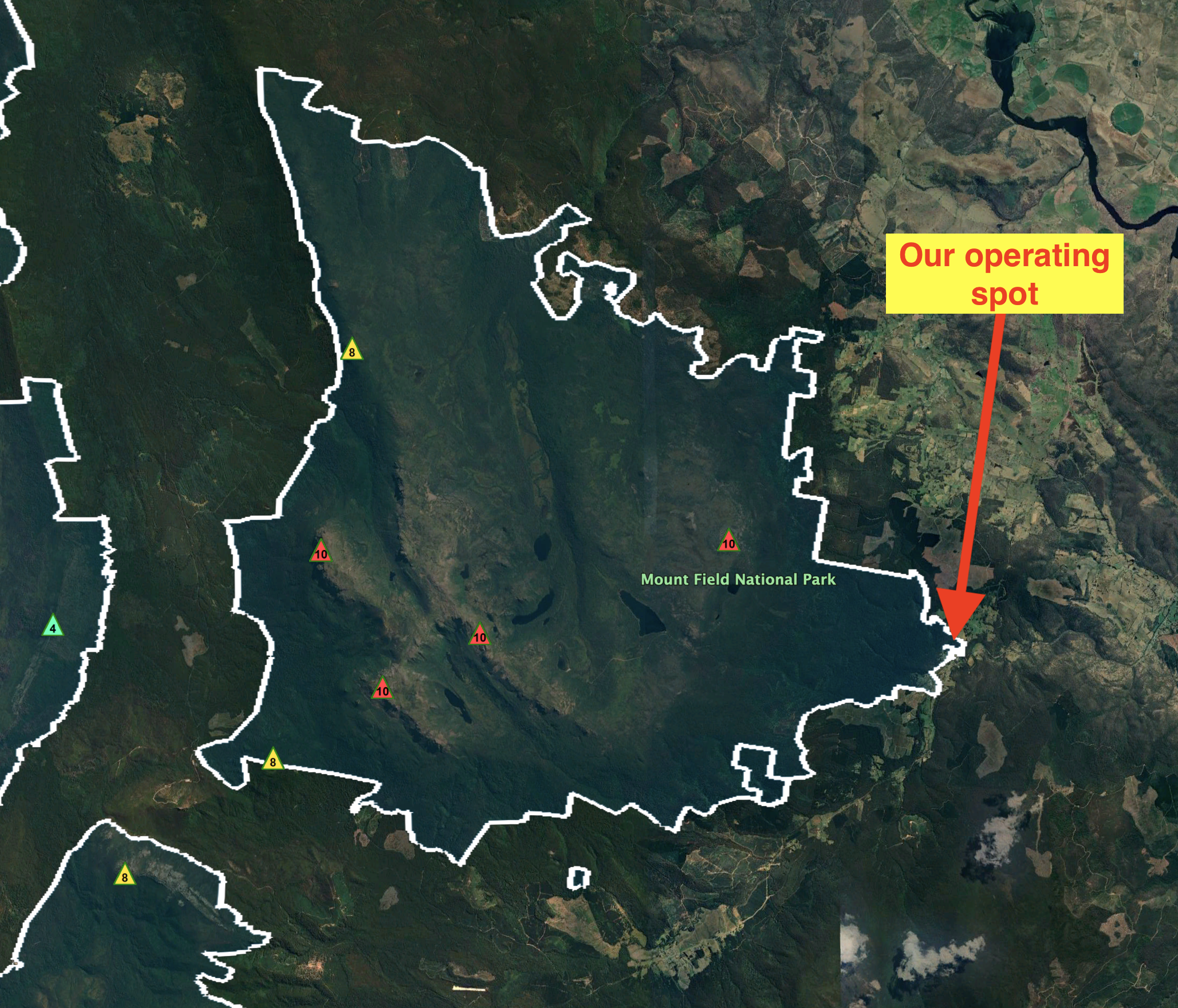
Above:- Map showing our operating spot in the park. Image c/o Google Earth.

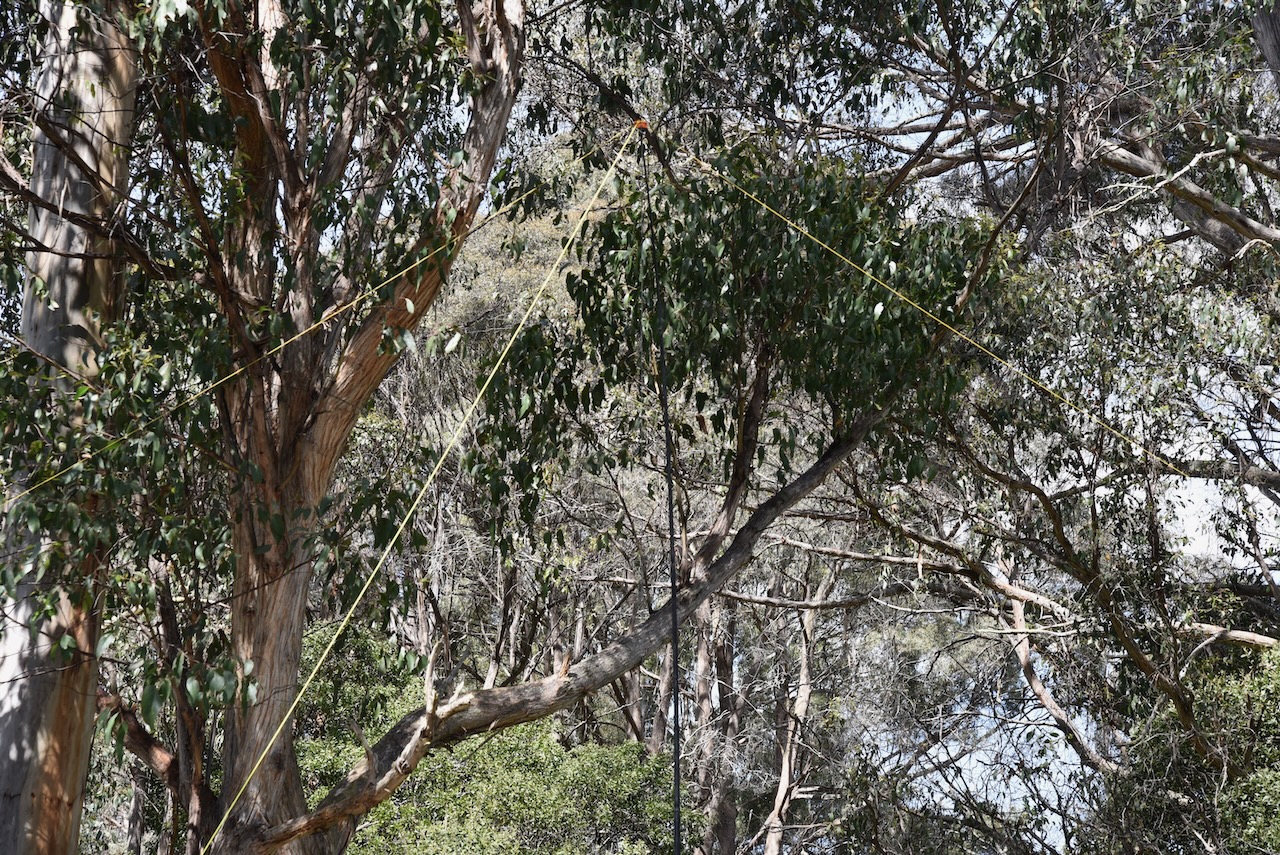
We ran the Yaesu FT857, 40 watts, and the 20/40/80m linked dipole for this activation.
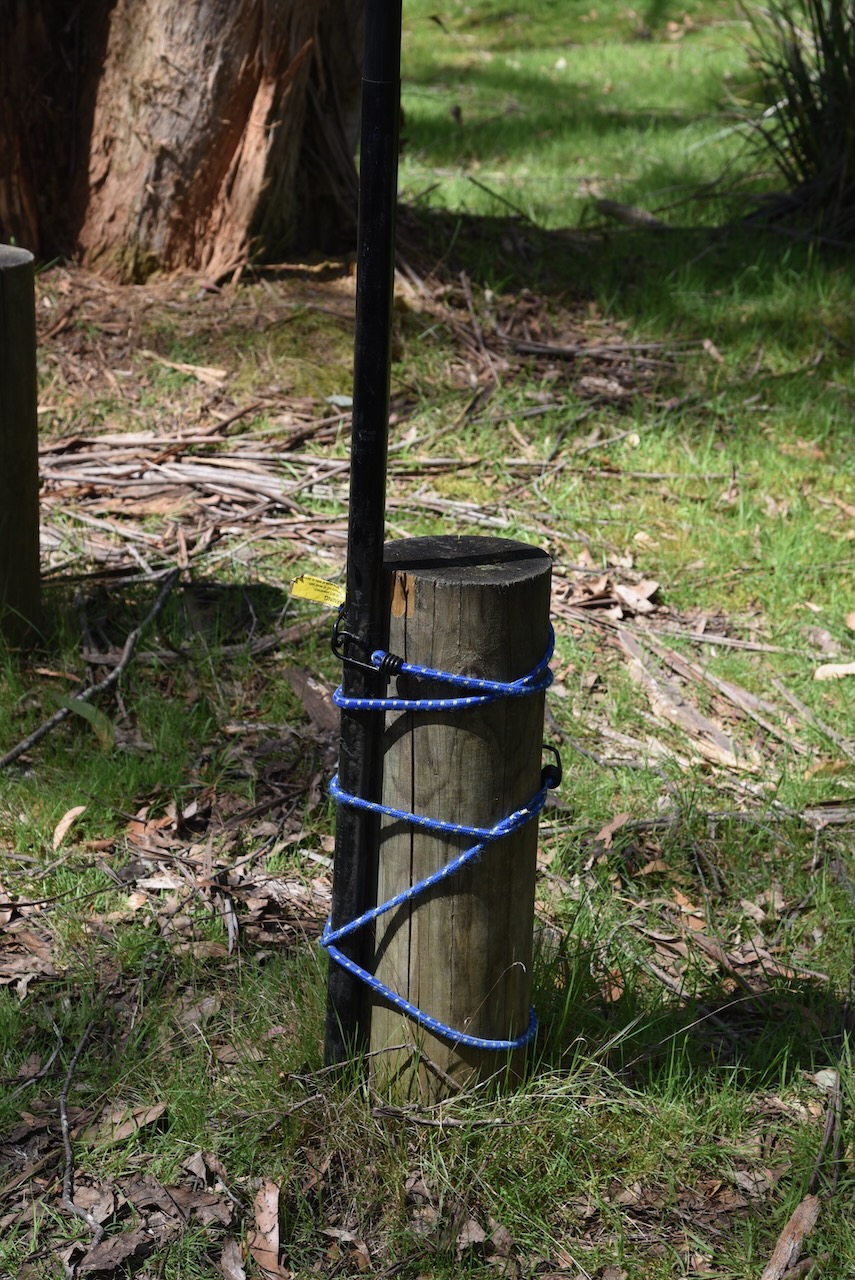
We found band conditions to be extremely poor and there were long stretches of calling CQ with no response. A tune across the 40m band found no other stations. We were the only ones calling CQ.

Marija made the following QSOs on 40m SSB:-

  1. VK3UAO
  2. VK2MET
  3. VK1AO
  4. VK3AFW
  5. VK3PF
  6. VK3KAI
  7. VK5DW
  8. VK3ZLP
  9. VK3VIN
  10. VK3PF/m
  11. VK3KAI/m

I made the following QSOs on 40m SSB:-

  1. VK3UAO
  2. VK2MET
  3. VK1AO
  4. VK3AFW
  5. VK3PF
  6. VK3KAI
  7. VK5DW
  8. VK3ZLP
  9. VK3VIN
  10. VK3PF/m
  11. VK3KAI/m

I made the following QSO on 20m SSB:-

  1. ZL1TM

We had both scraped in and qualified the park for the VKF program with more than 10 QSOs each.

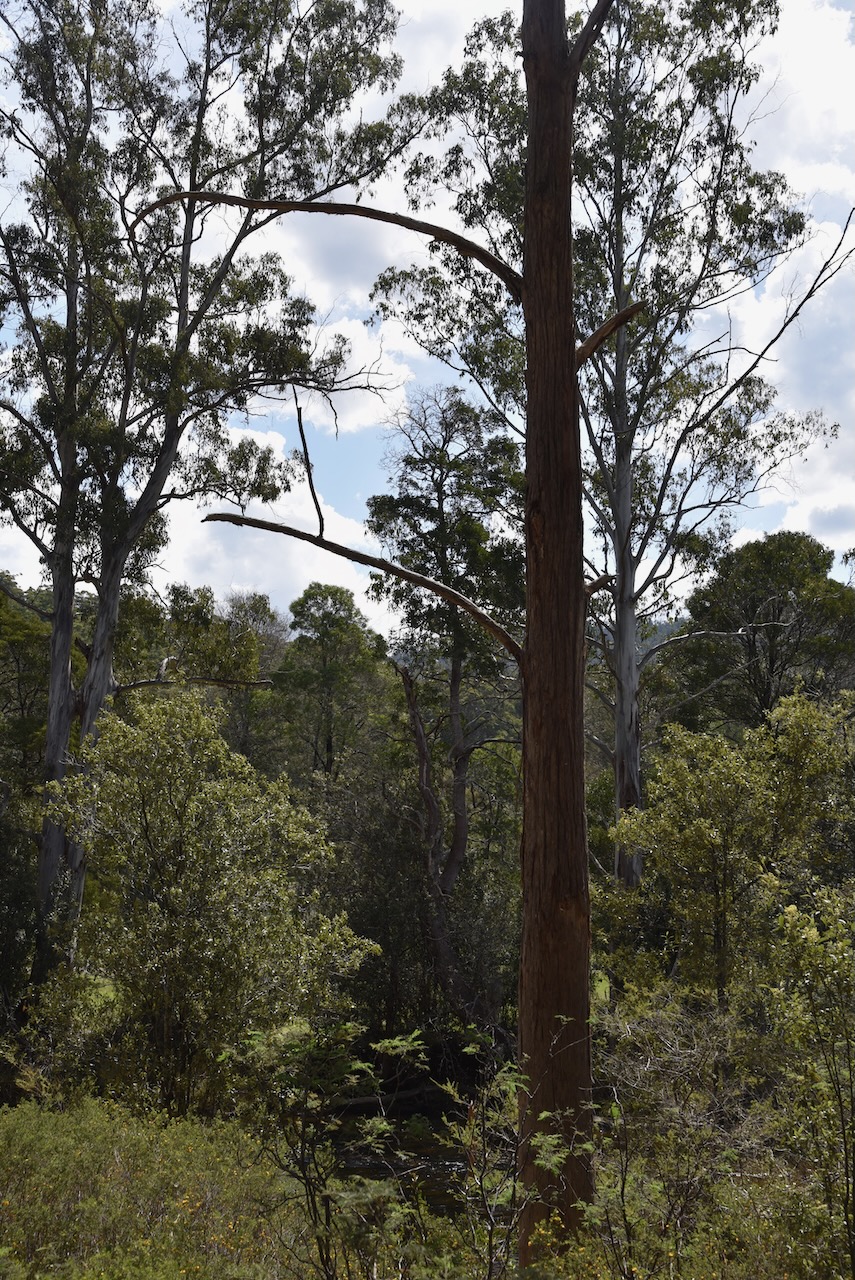
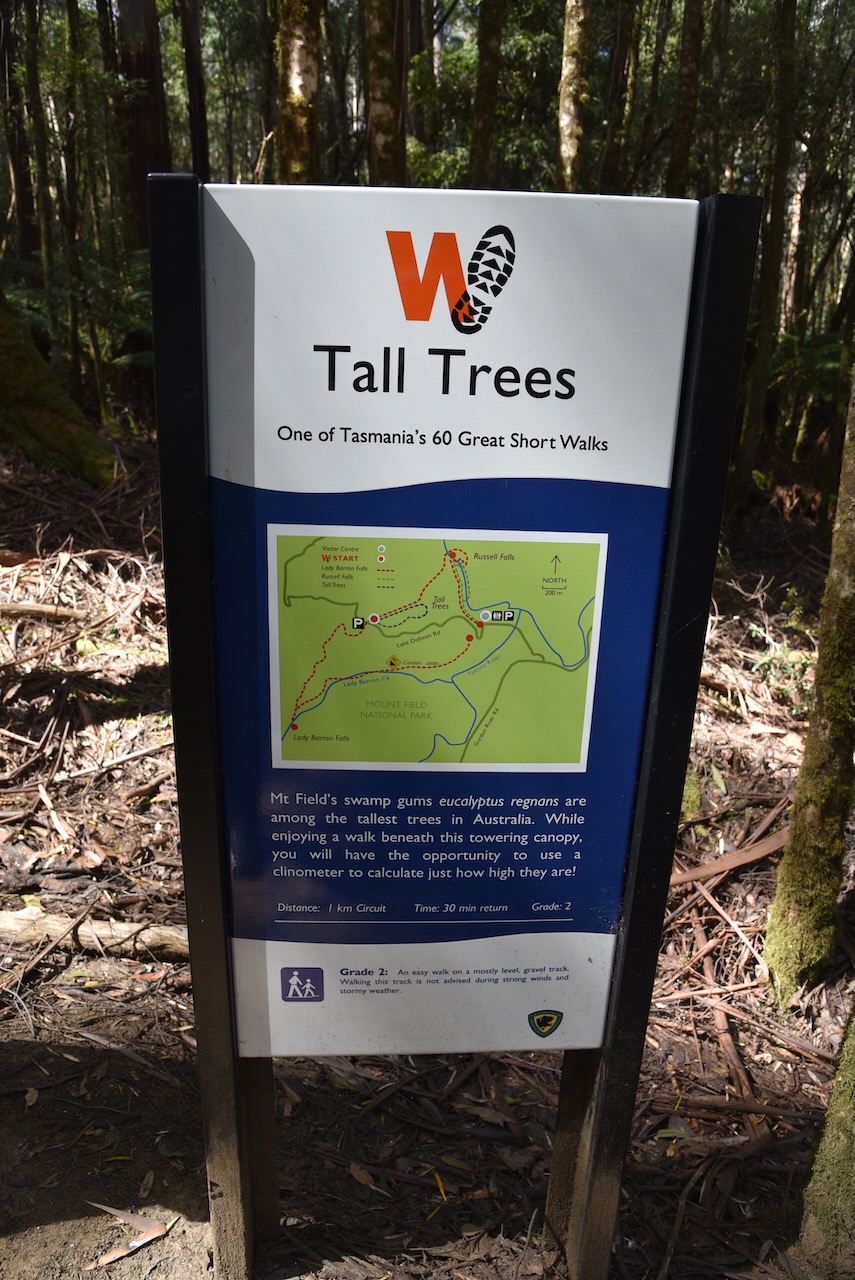
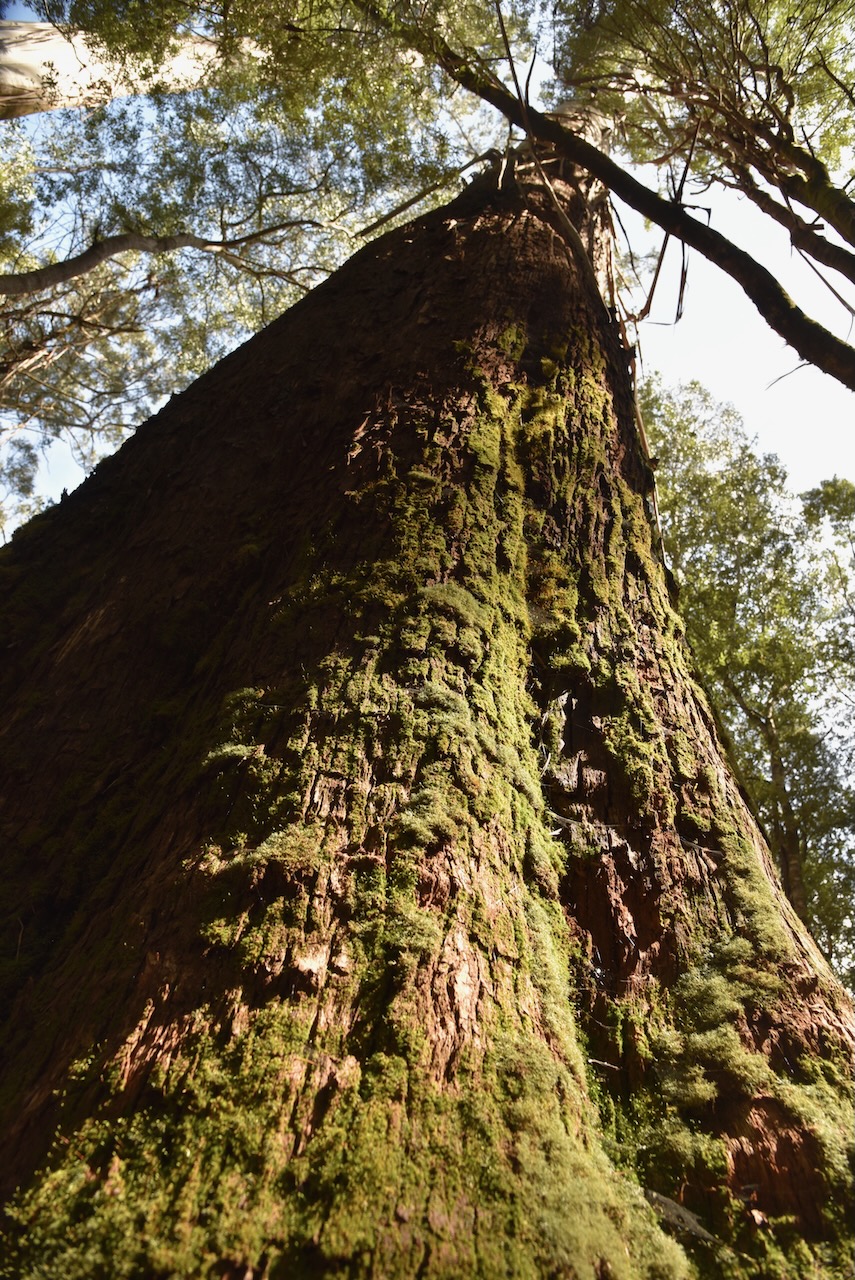
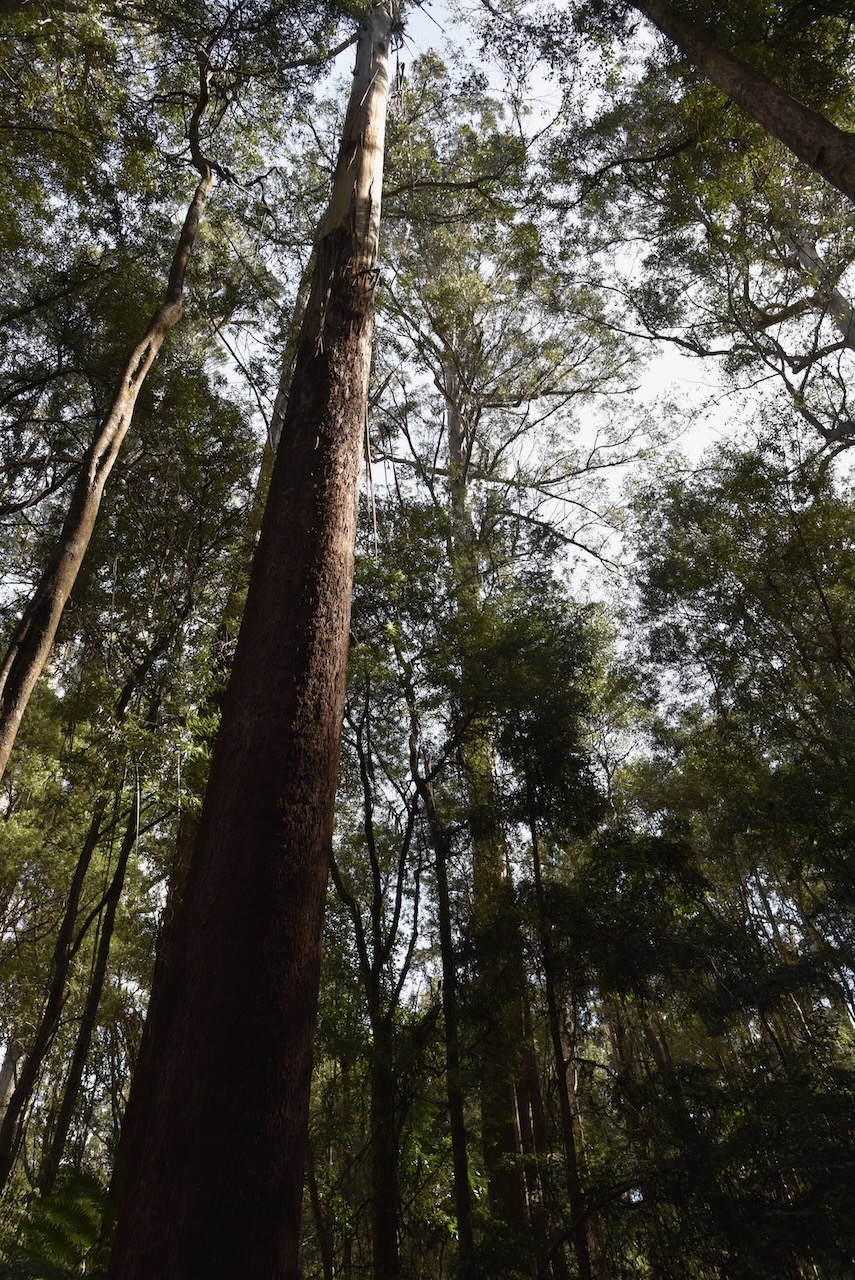
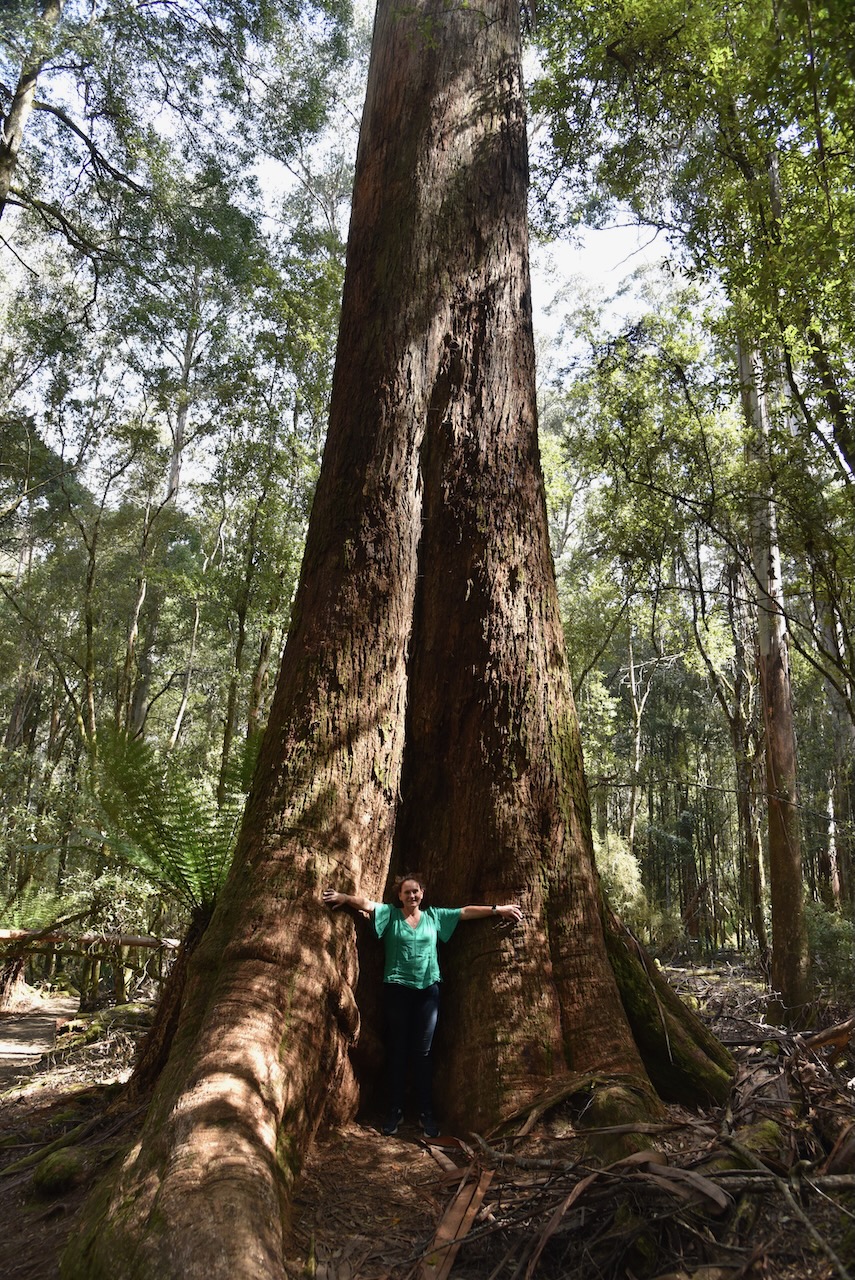
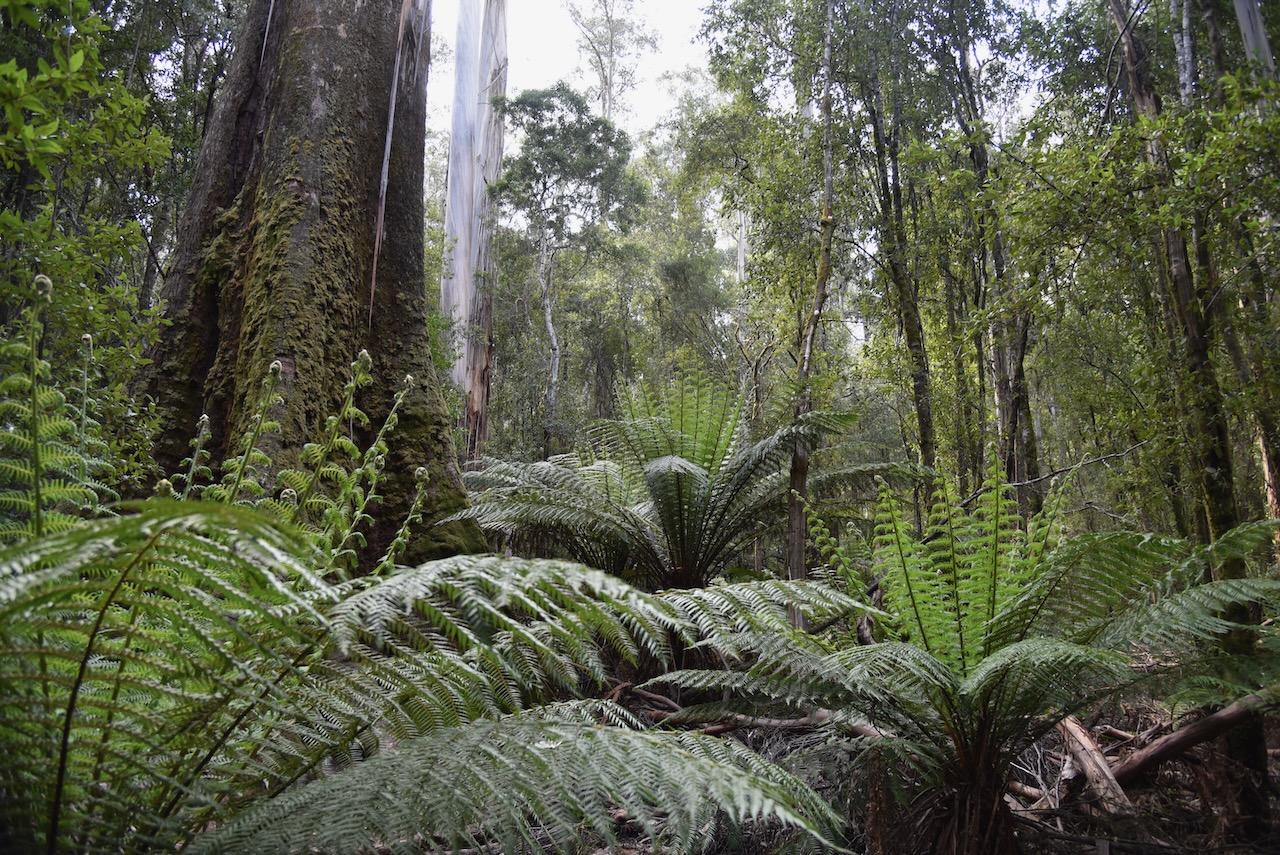
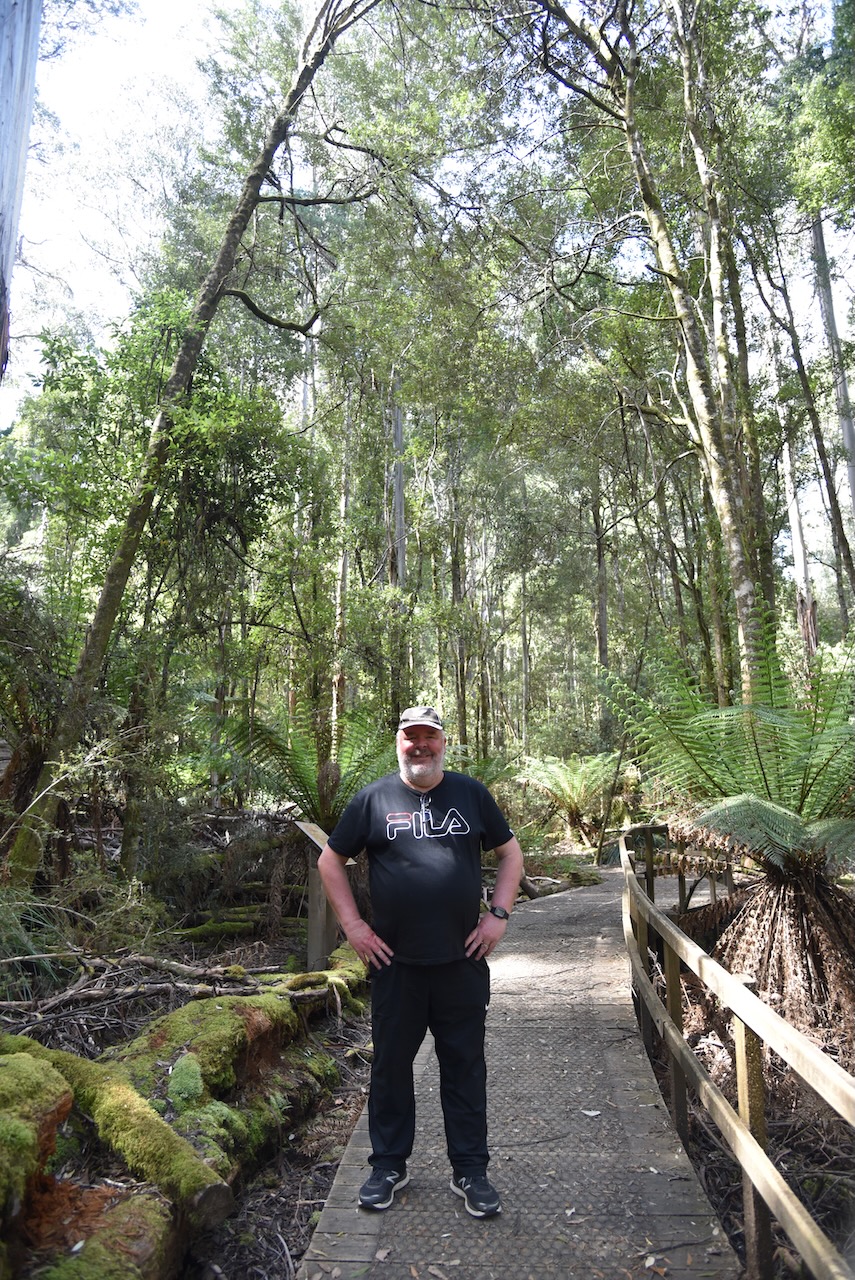
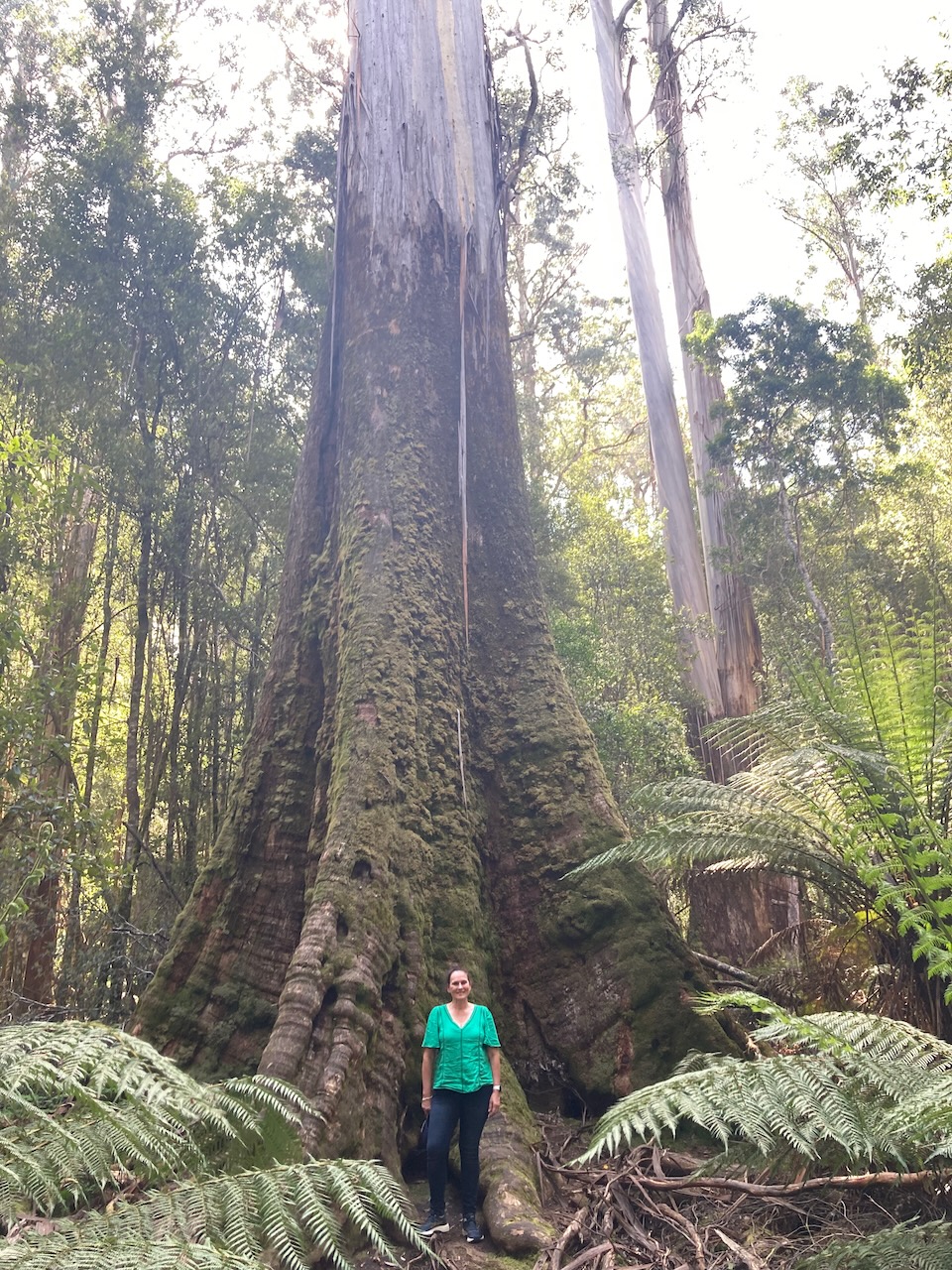
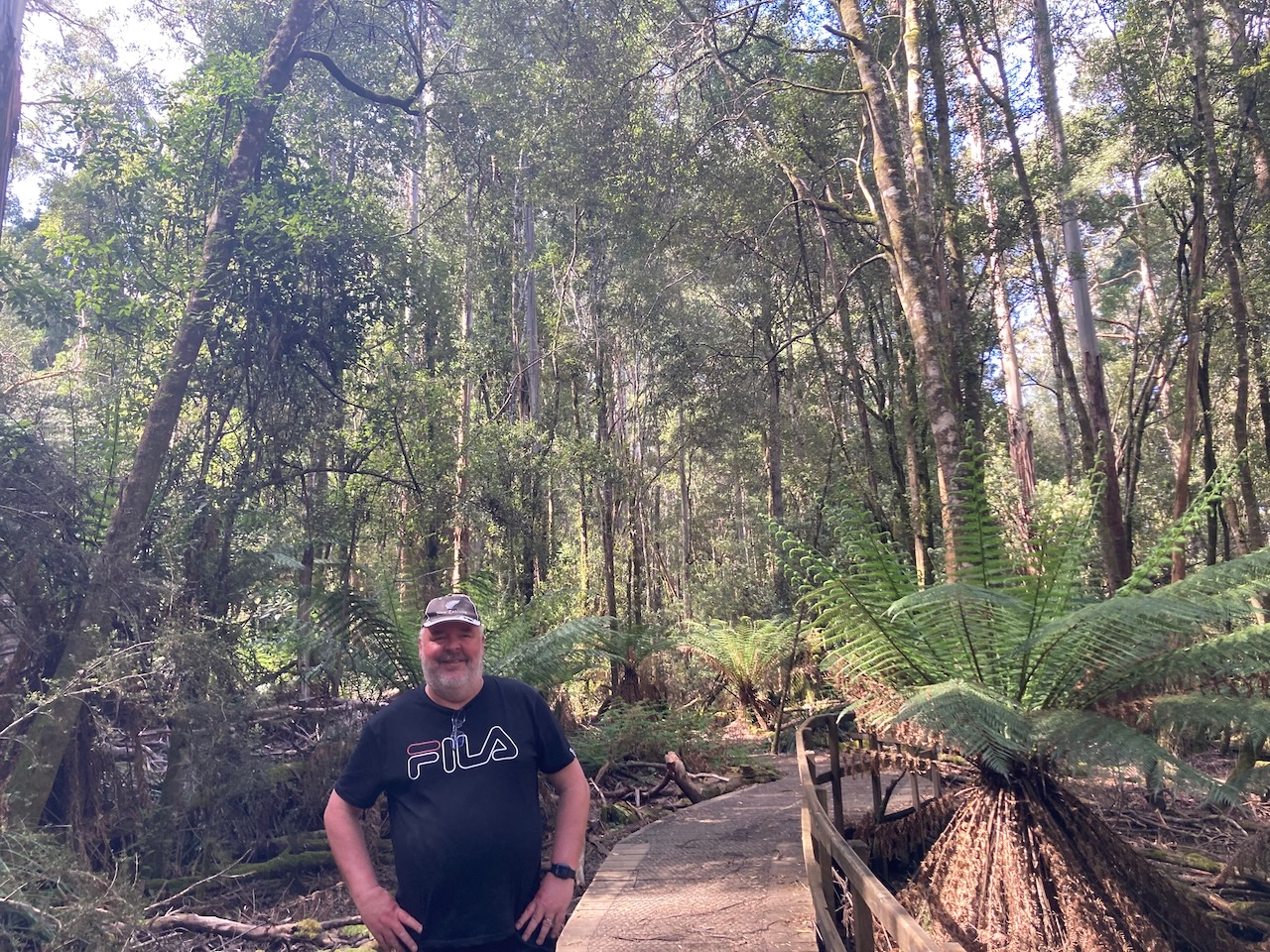
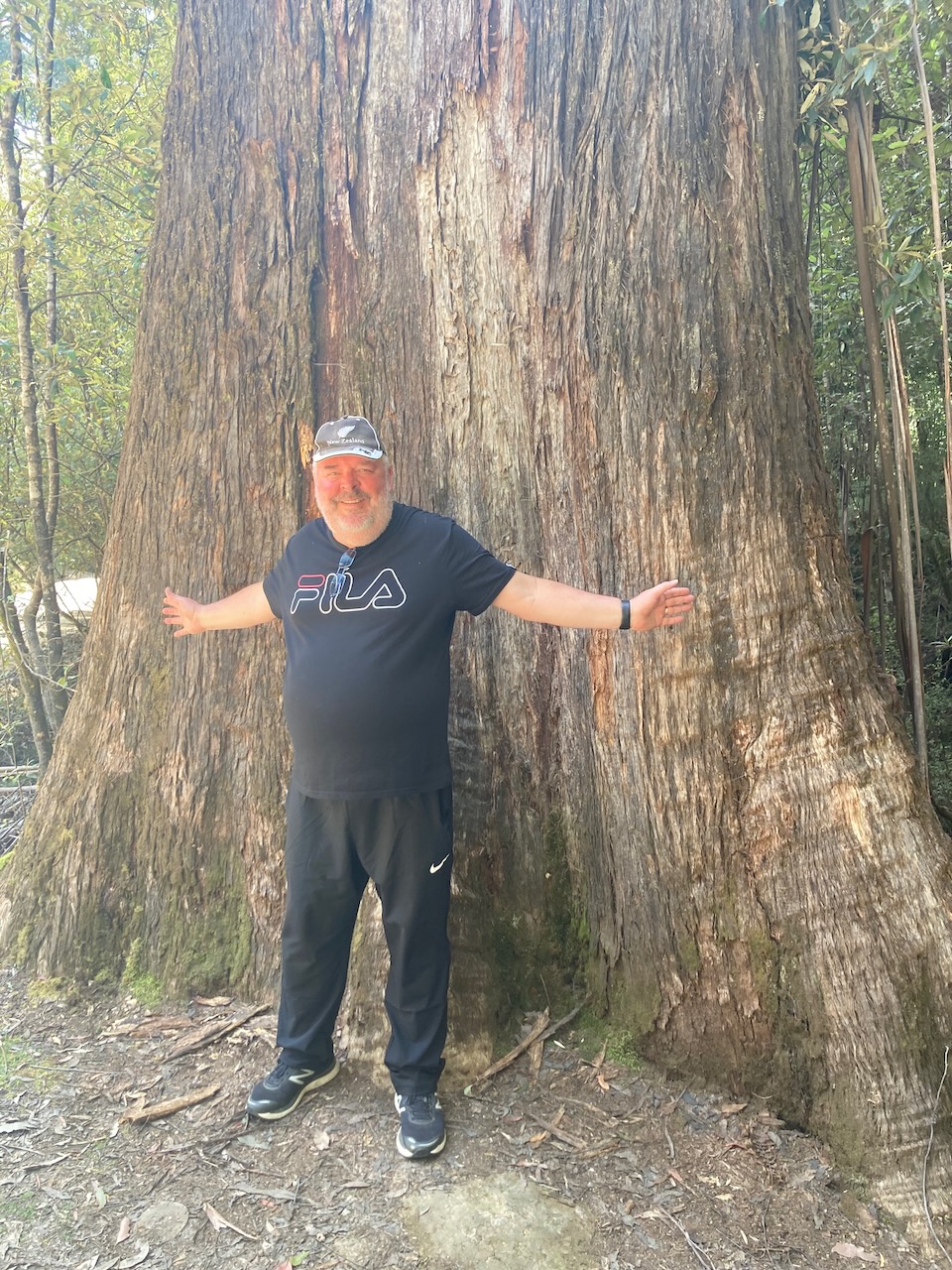
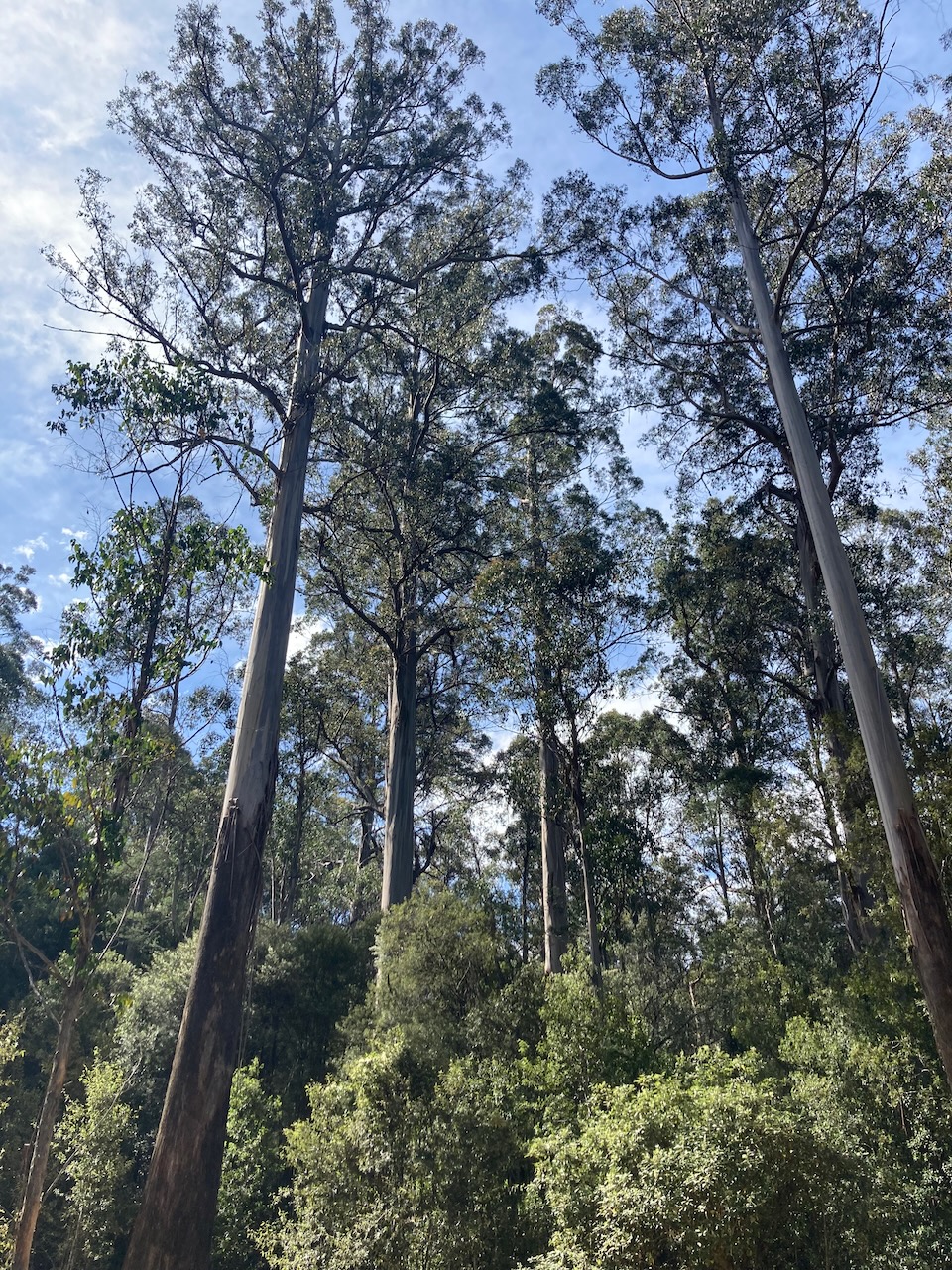
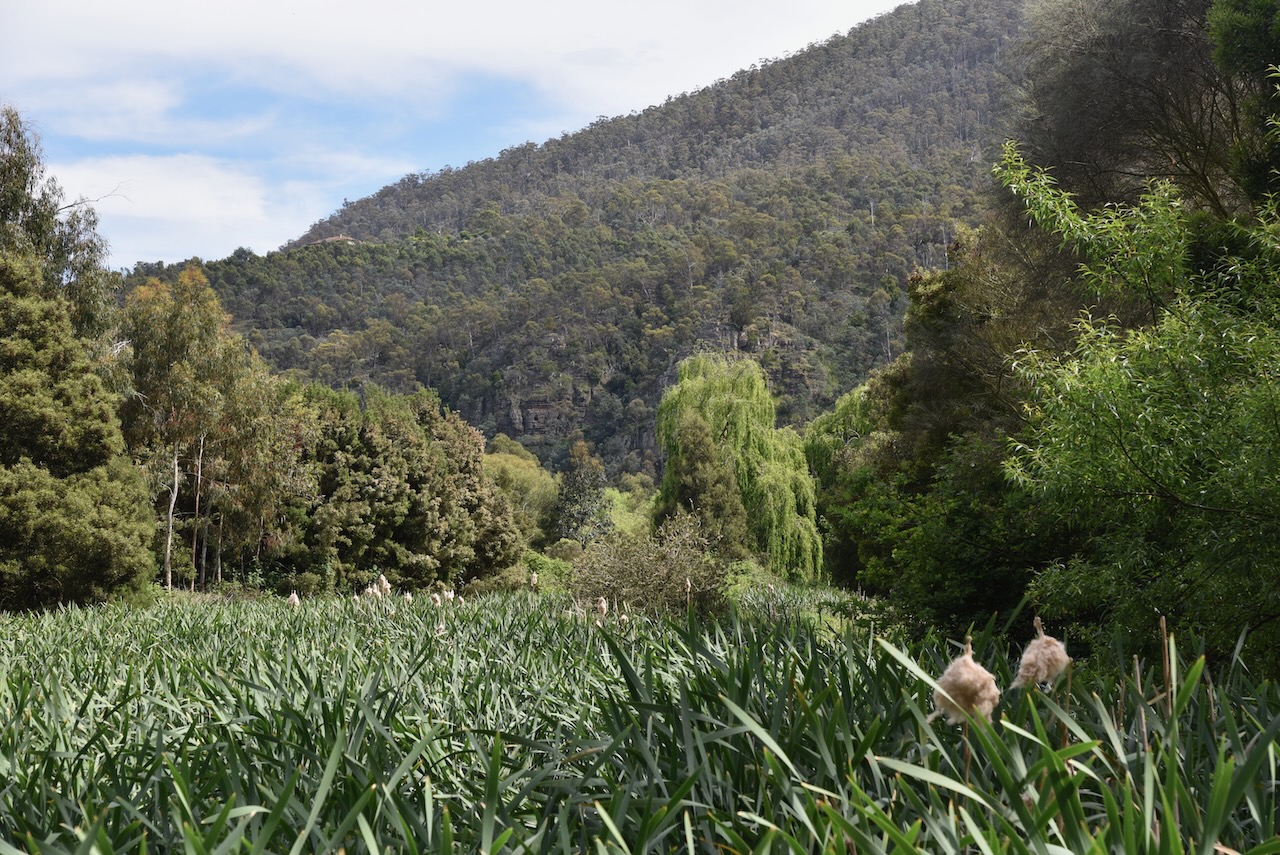
We packed up and drove further into the park and went for a walk at the Tall Trees trail. It is a 1 km loop which takes you passed the tallest flowering plants in the world, massive Eucalyptus regnans ‘Swamp Gum’. Some of the trees that you see here were growing when explorer Abel Tasman first sighted Tasmania in 1642. The trees can live for hundreds of years nad can reach over 100 metres in height.

We wished we had more time to explore this magnificent National Park. But it was time for us to continue along the Lyell Highway to our destination at Lake St Clair Lodge.

References.

  1. Aussie Towns, 2023, <https://www.aussietowns.com.au/town/bushy-park-tas>, viewed 2nd January 2023.
  2. Discoveer Tasmania, 2023, <https://www.discovertasmania.com.au/>, viewed 2nd January 2023.
  3. Tasmania Parks and Wildlife Service, 2023, <https://parks.tas.gov.au/explore-our-parks/mount-field-national-park/tall-trees>, viewed 2nd January 2023.
  4. Tyenna River Cottages, 2023, <https://tyennarivercottages.com.au/sights/>, viewed 2nd January 2023.
  5. Wikipedia, 2023, <https://en.wikipedia.org/wiki/Hops>, viewed 2nd January 2023.
  6. Wikipedia, 2023, <https://en.wikipedia.org/wiki/Mount_Field_National_Park>, viewed 2nd January 2023.
  7. Wikipedia, 2023, <https://en.wikipedia.org/wiki/Barron_Field_(author)>, viewed 2nd January 2023.

Day fifteen and Derwent Cliffs State Reserve VKFF-1794

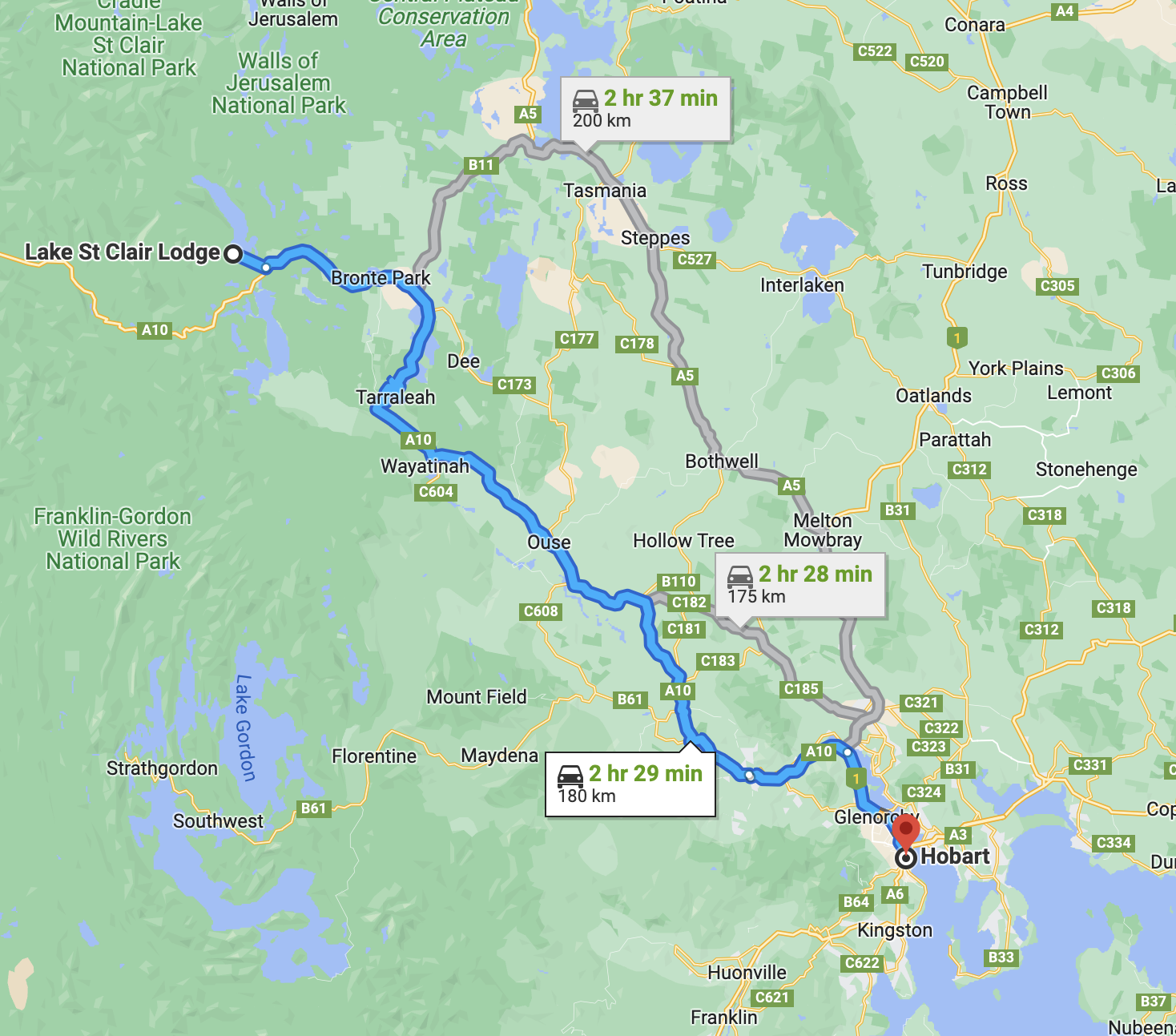
We were now over the half way mark of our holiday and it was day fifteen (Thursday 10th November 2022). Today we wee travelling from Hobart to Lake St Clair. We had spent six very enjoyable nights in Hobart.

Above:- Map showing our route from Hobart to Lake St Clair. Map c/o Google maps.

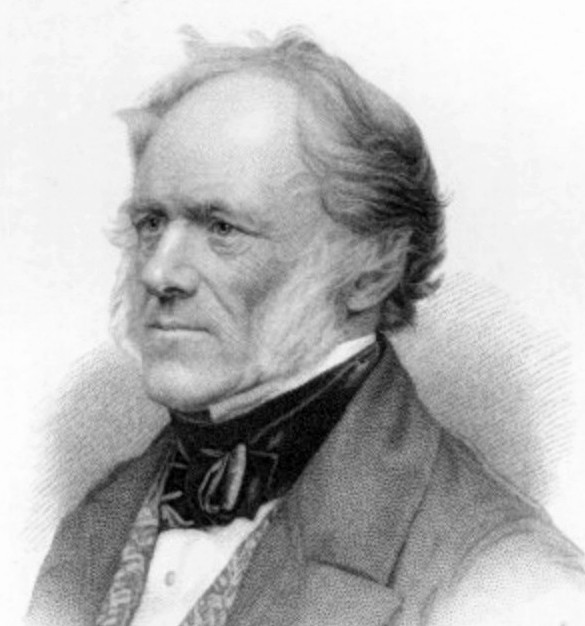
We headed north west out of Hobart on the Lyell Highway which takes its name from Mount Lyell where copper was found during the late 1800s. Mount Lyell was named by Tasmania’s first Geological Surveyor Charles Gould in 1863 in honour of geologist Charles Lyell.

Above:- Charles Lyell. Image c/o Wikipedia.

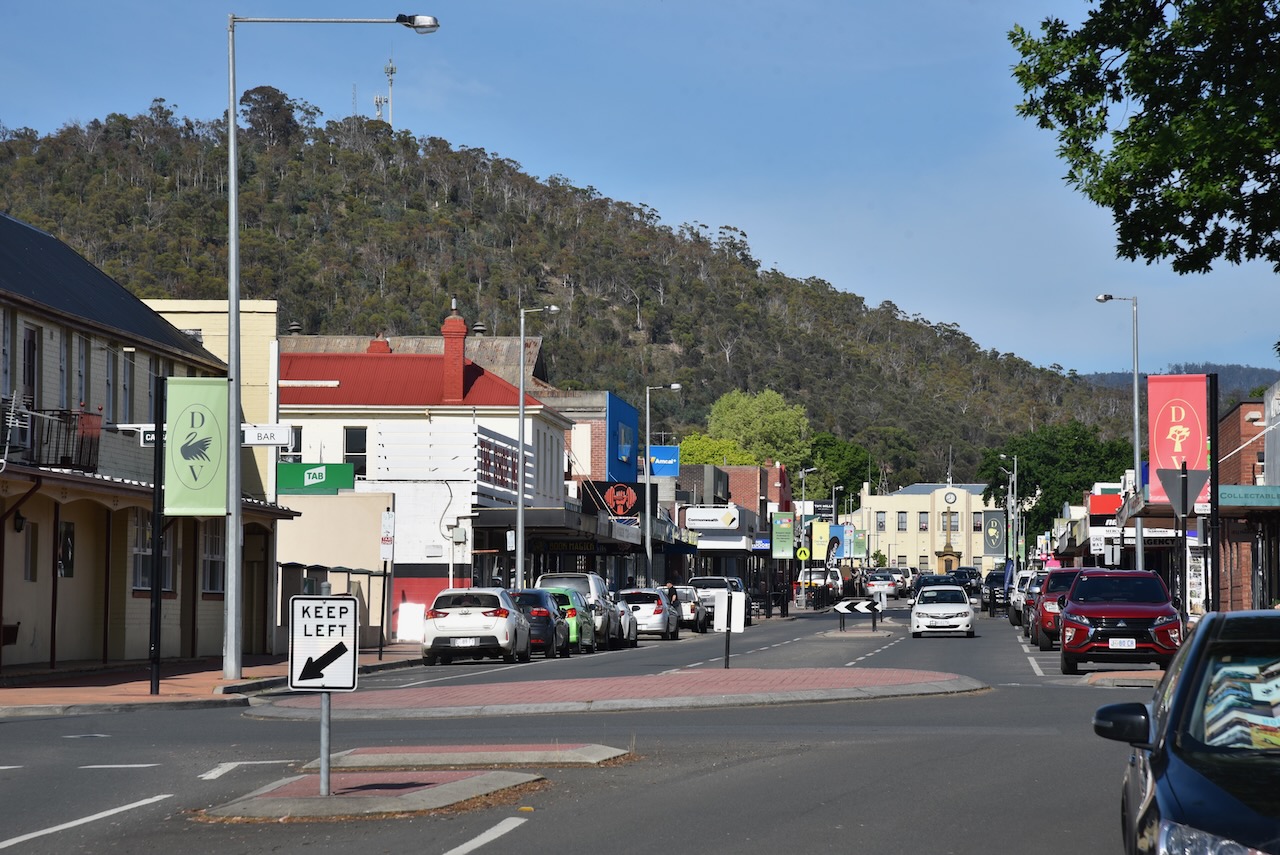
It wasn’t long before we reached the little town of New Norfolk, about 32 km north west of Hobart. When the Norfolk Island settlement was closed, 554 folk resettled in other parts of the colony of Australia. A total of 163 of those were settled around the current town of New Norfolk between November 1807 and October 1808. In 1825 the original name of the town, Elizabeth Town, was changed to New Norfolk to honour their former home of Norfolk Island.

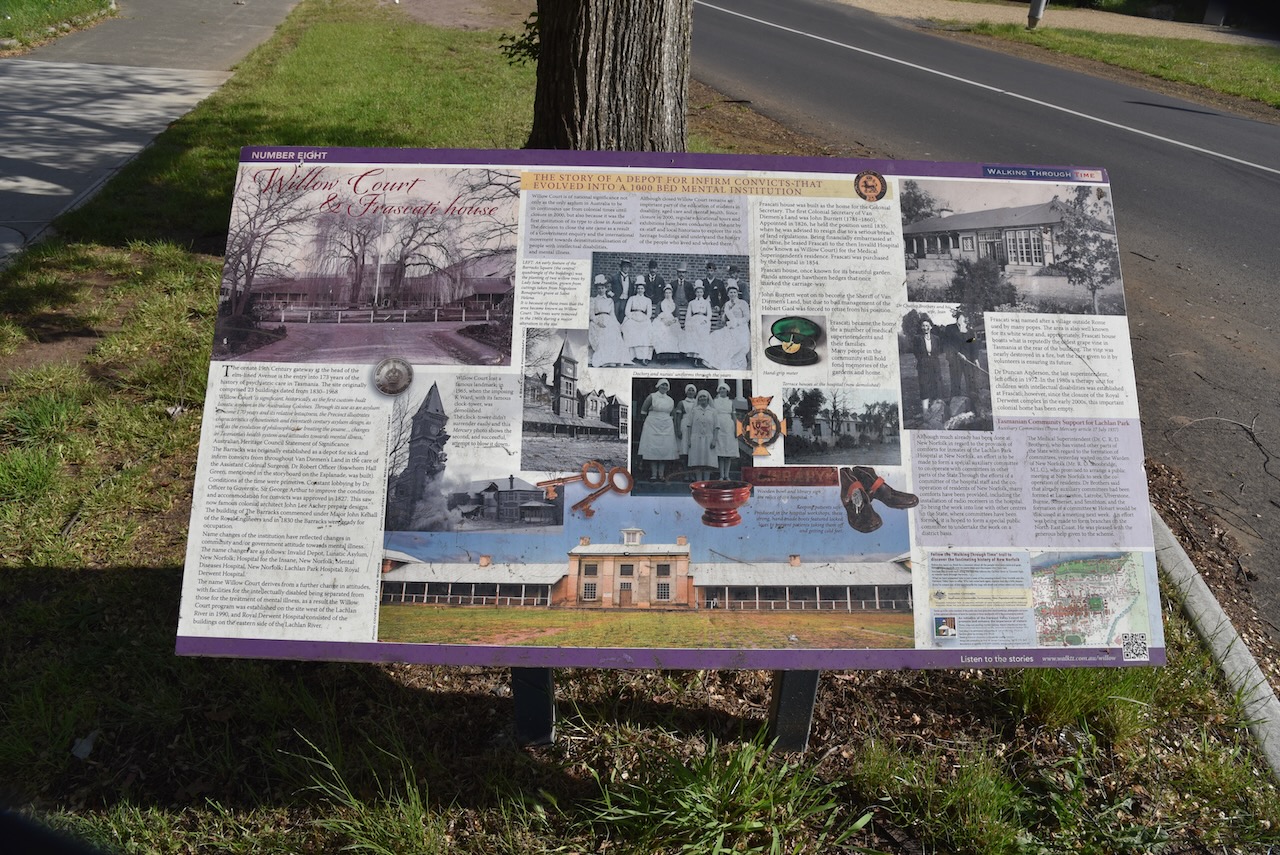
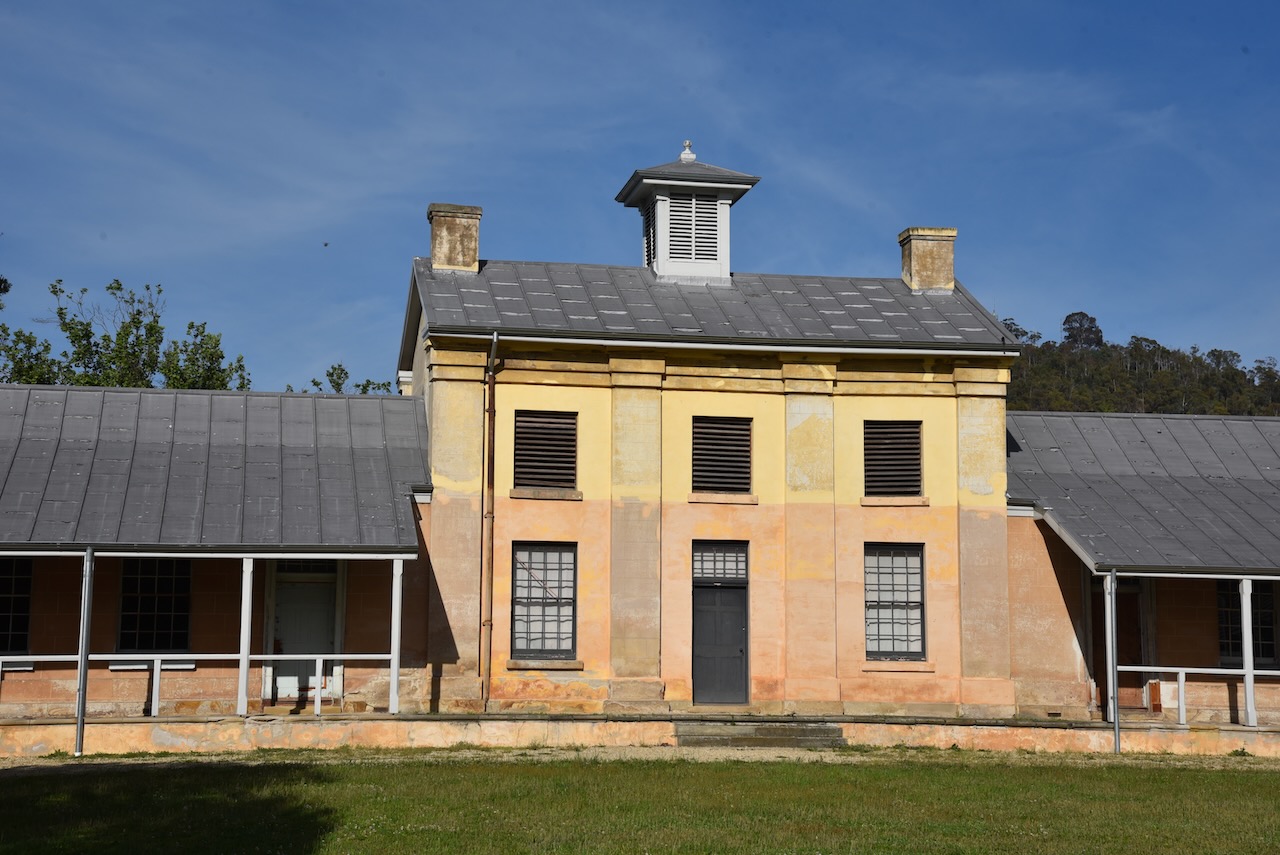
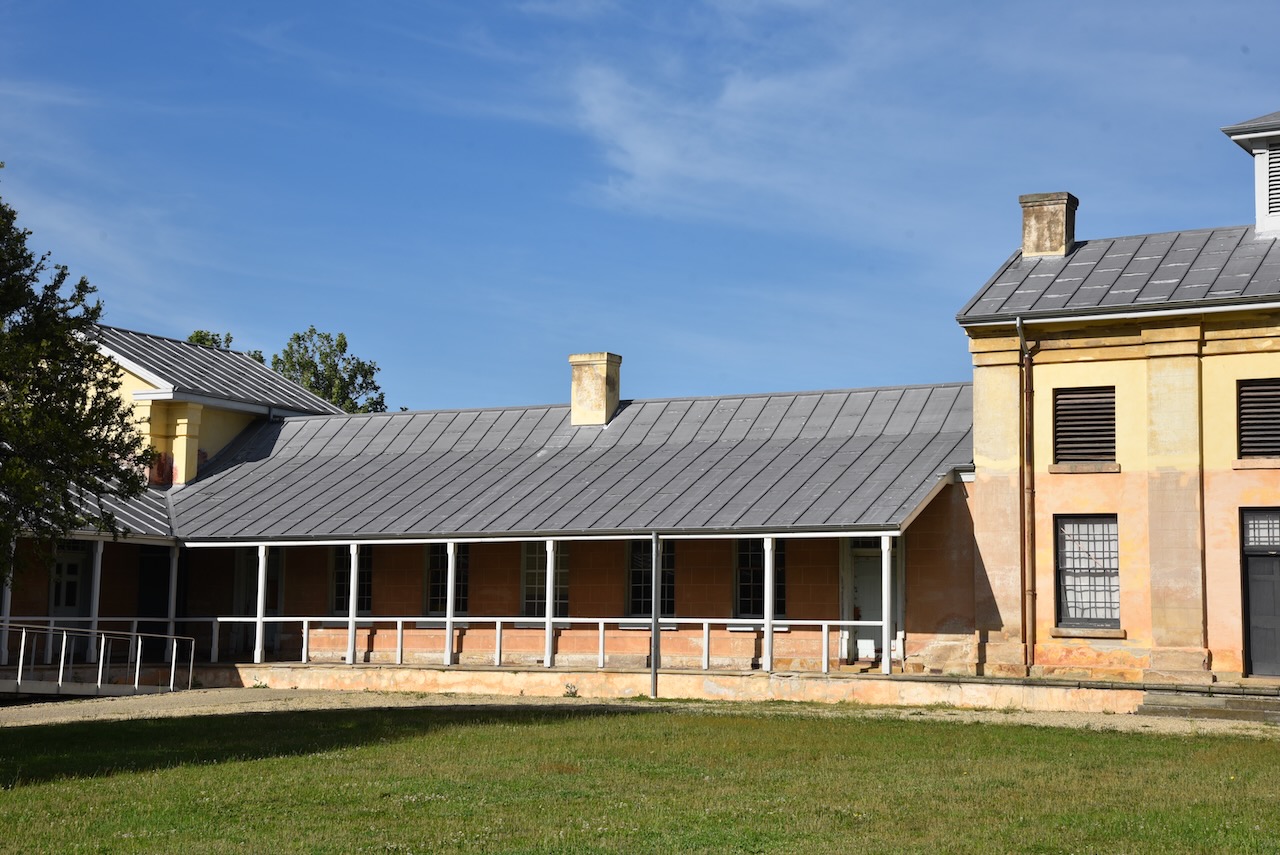
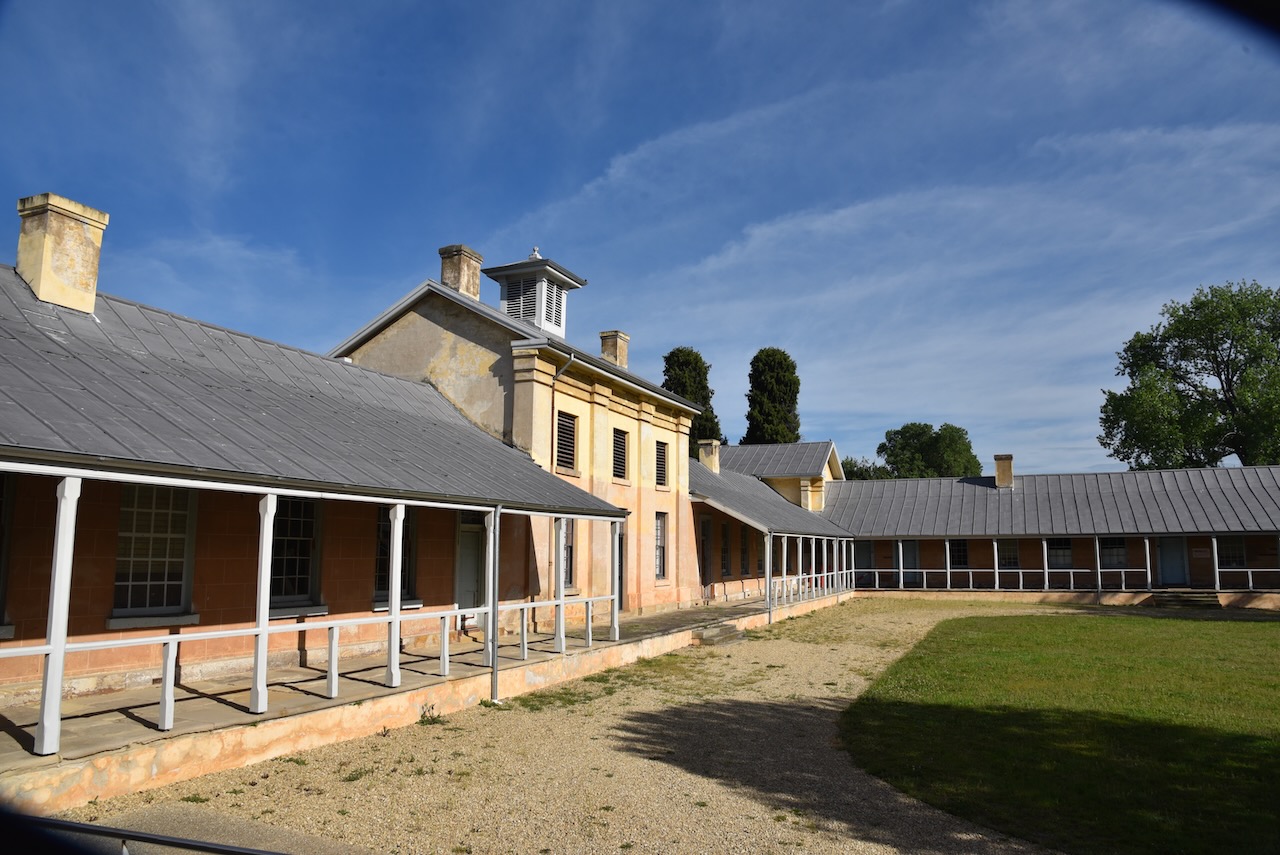
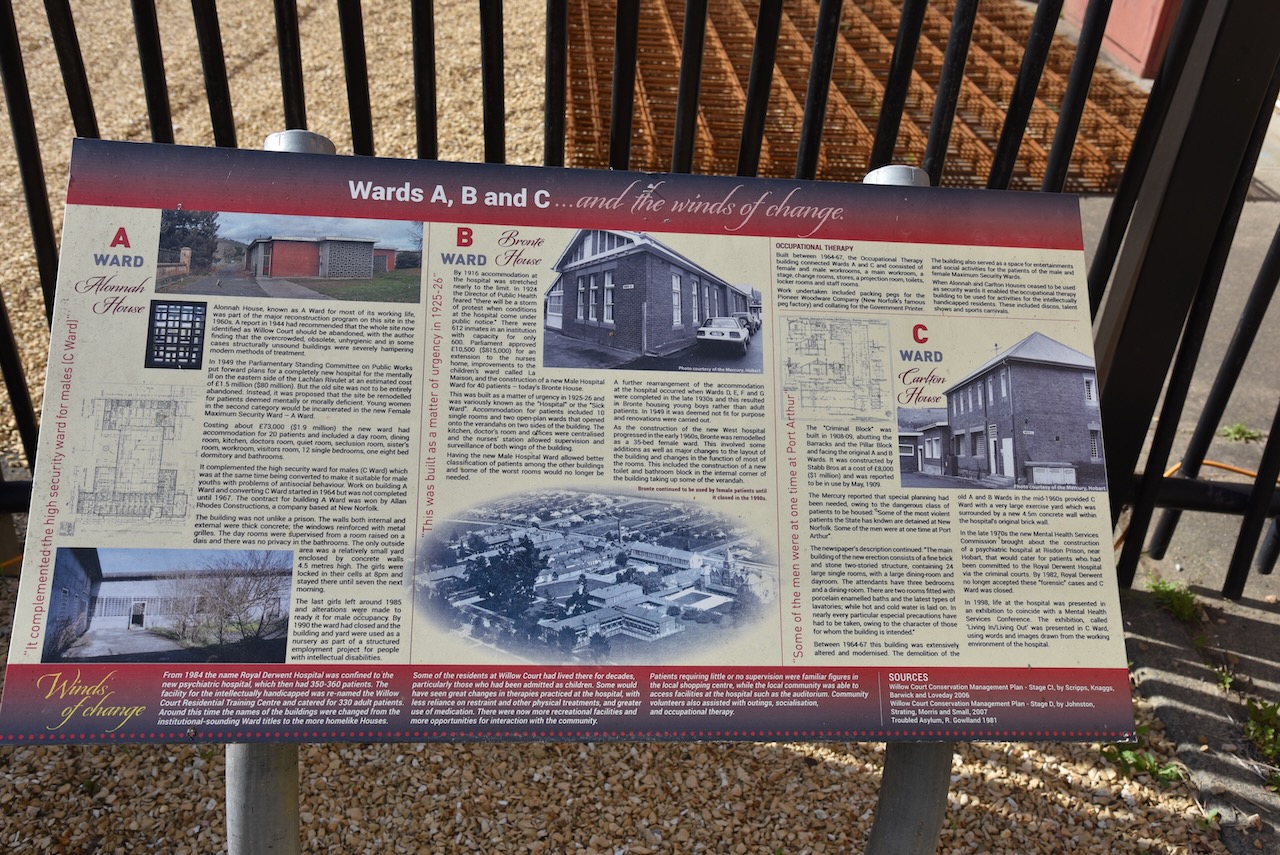
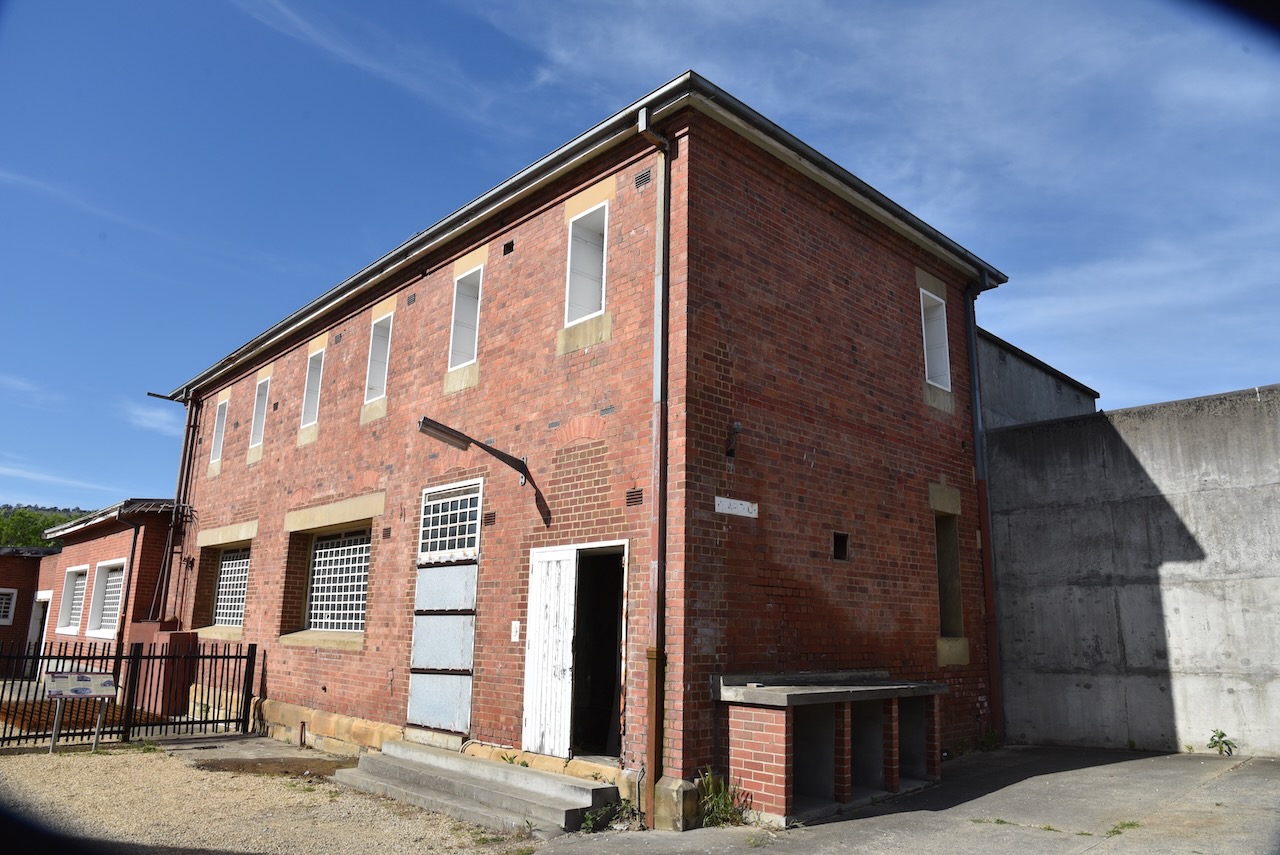
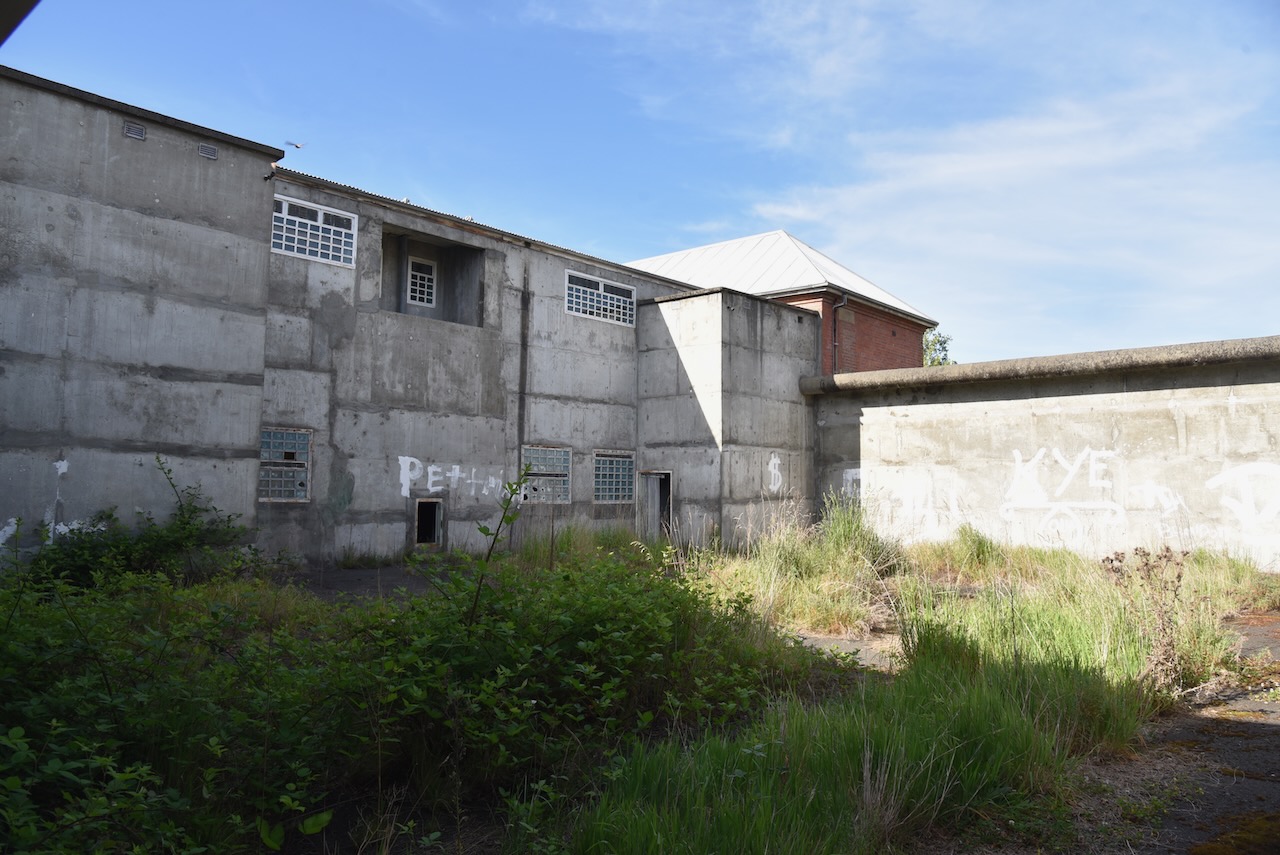
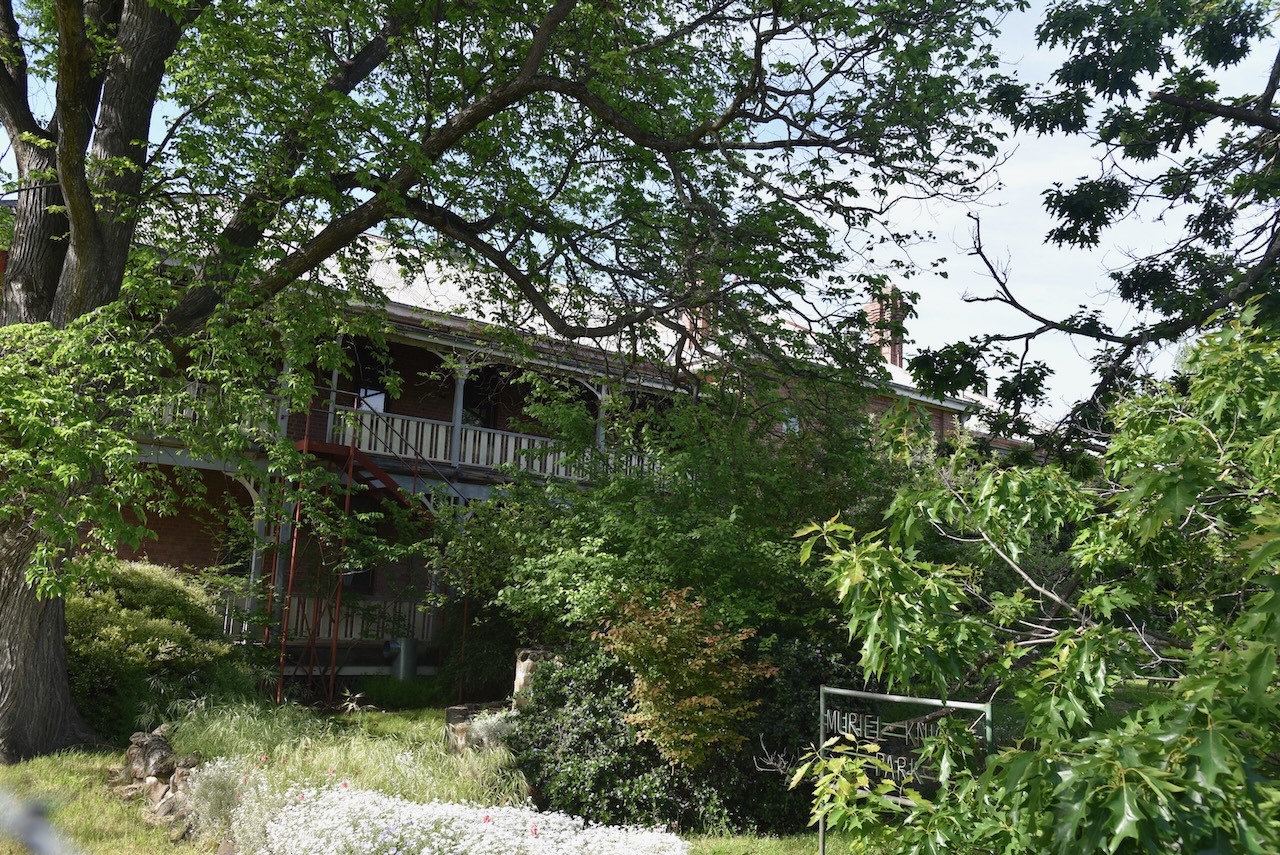
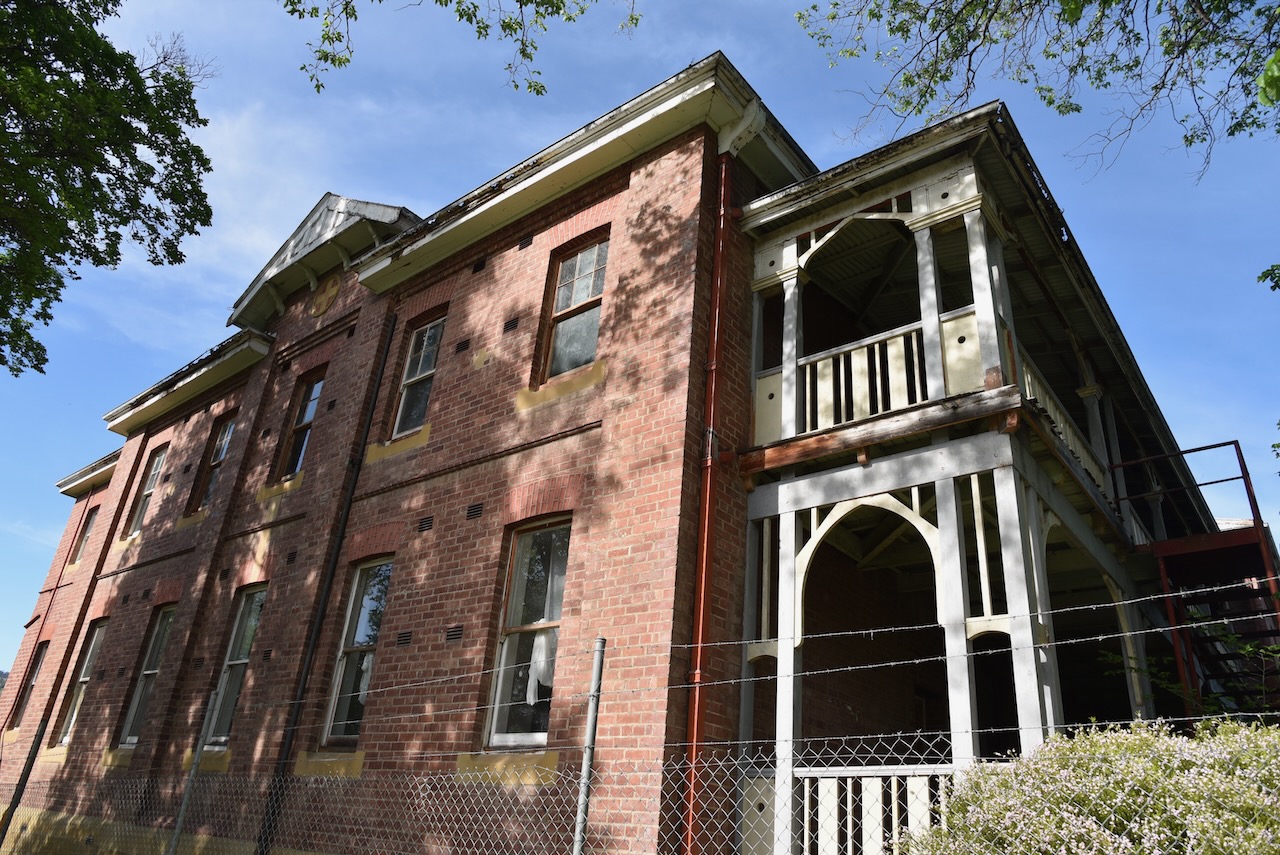
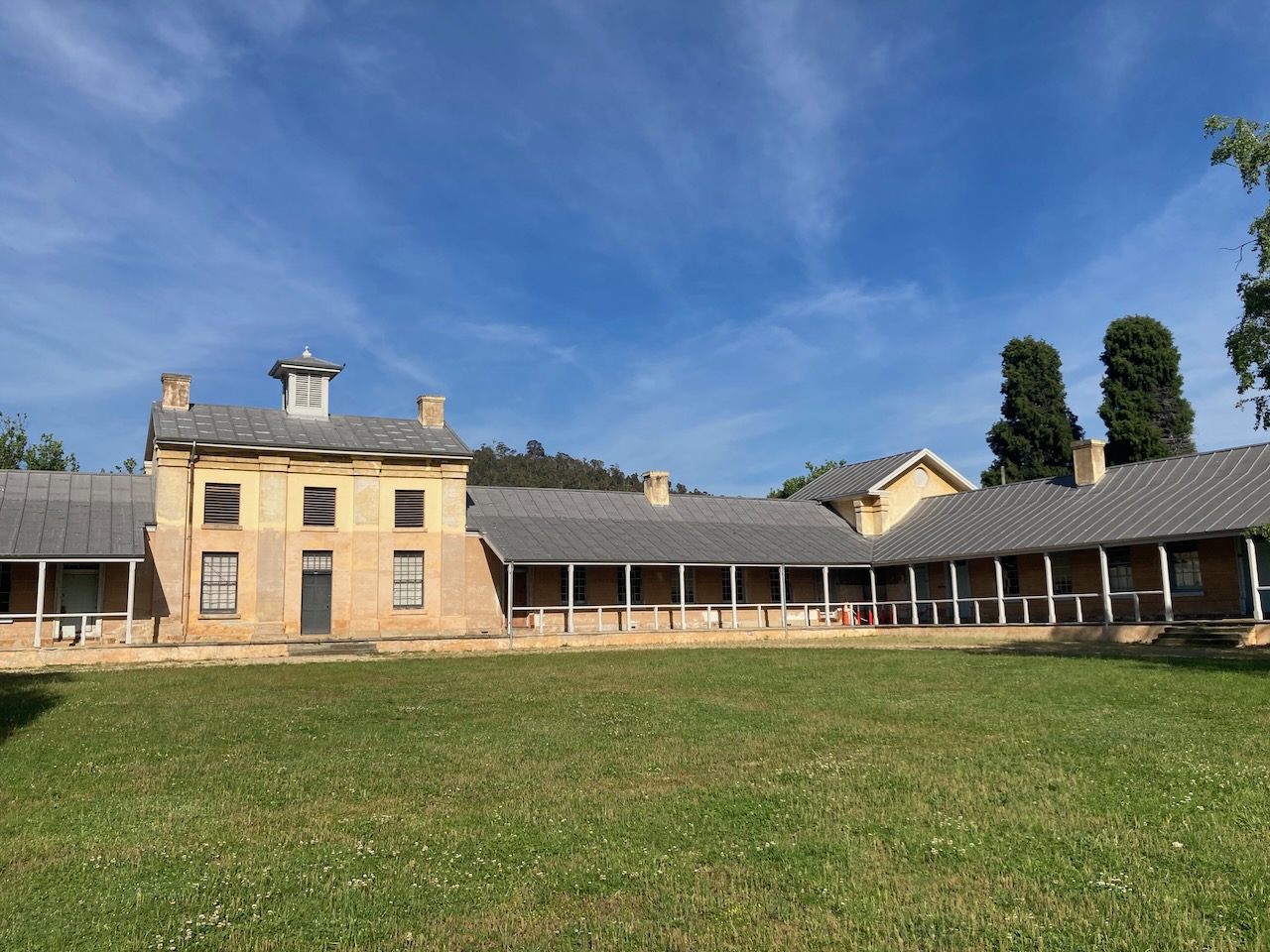
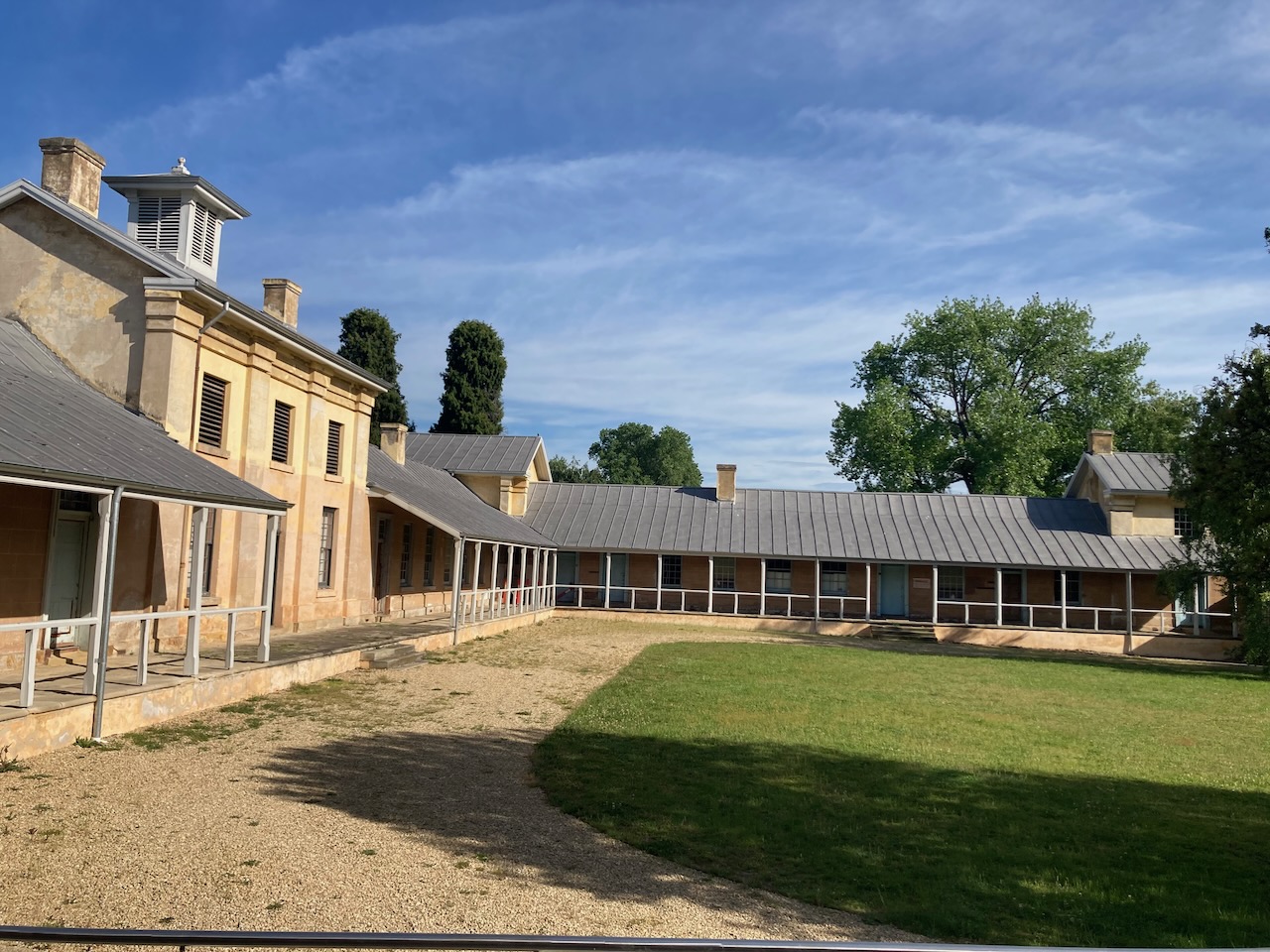
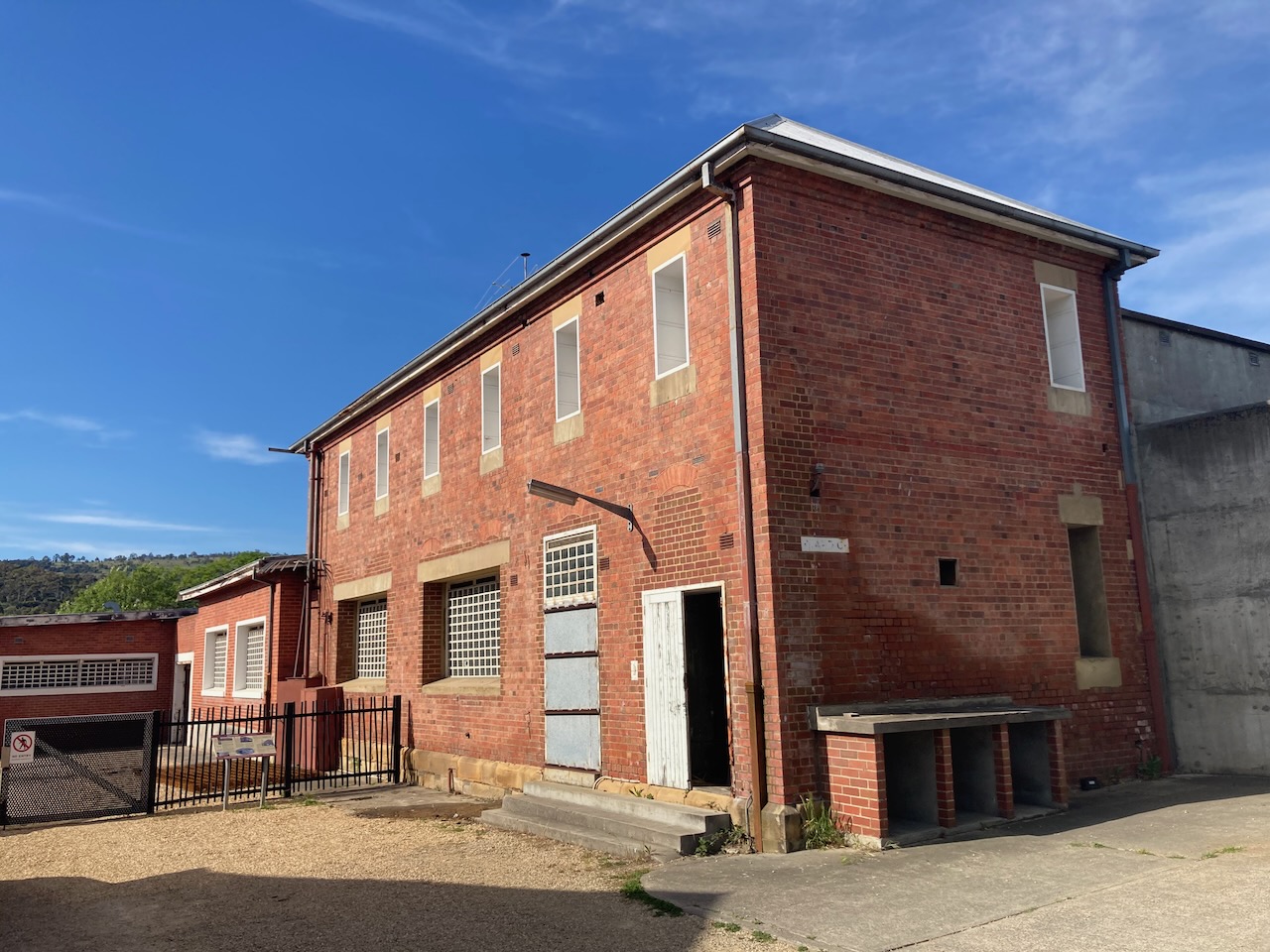
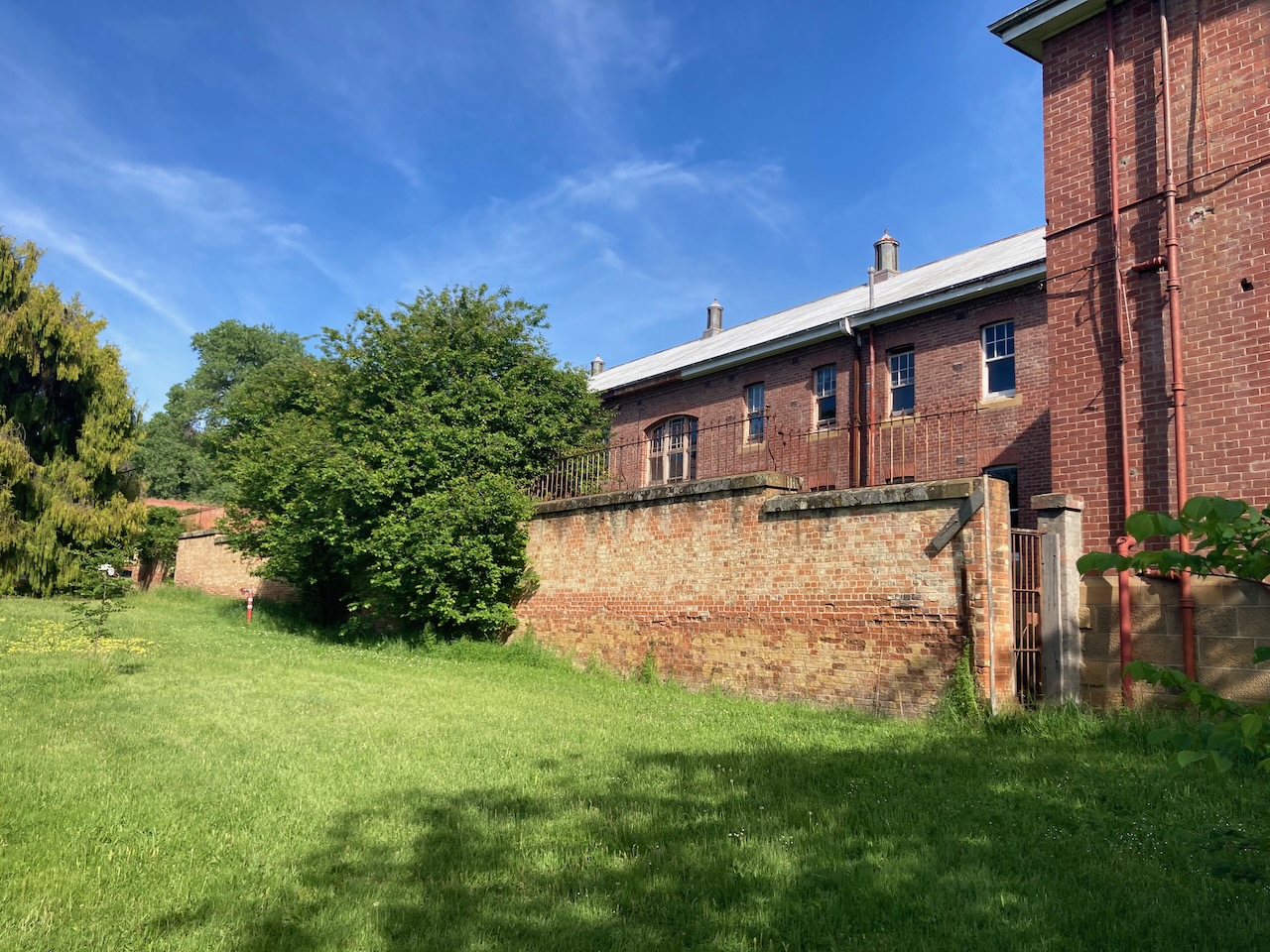
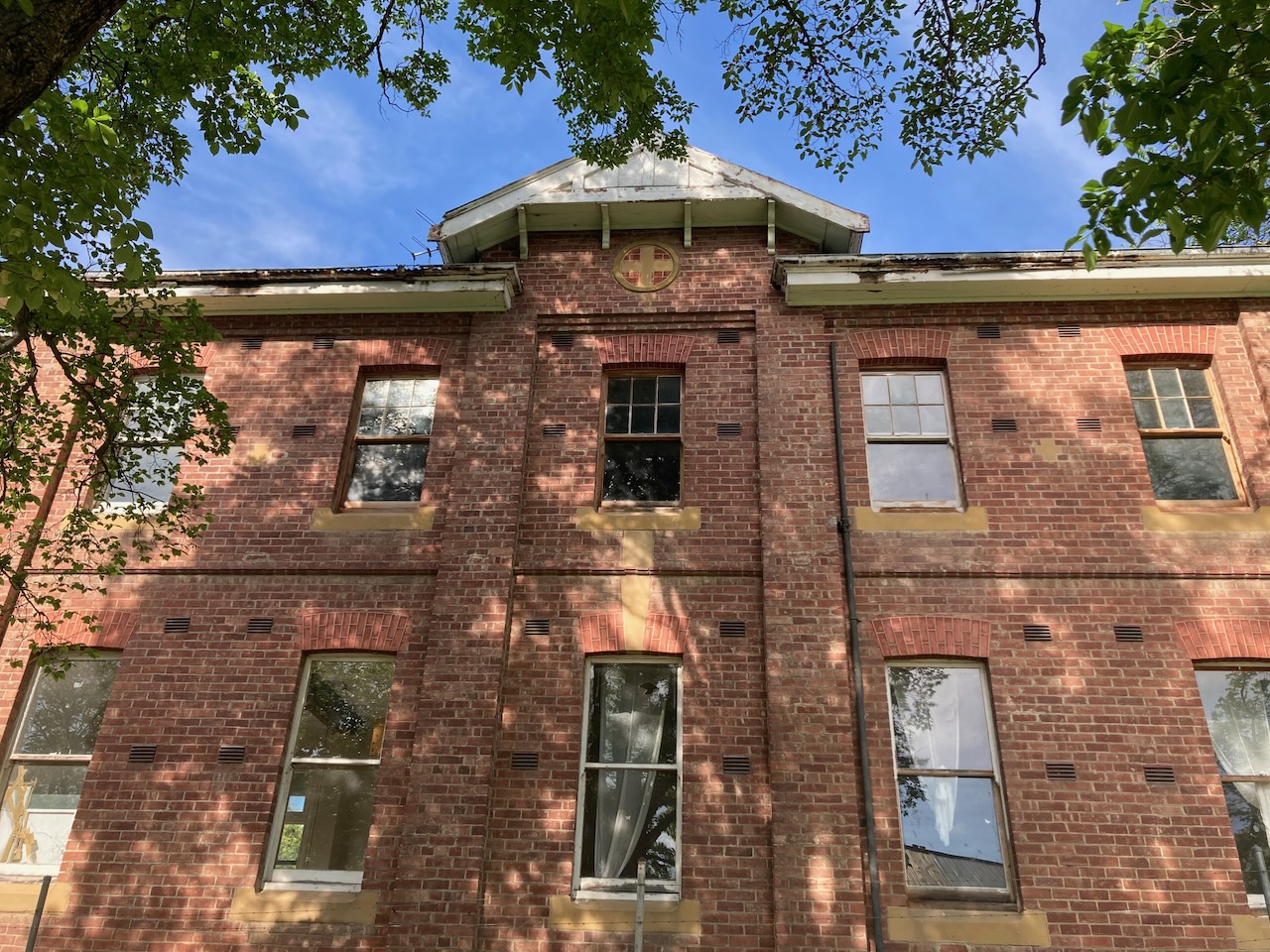
Our first stop was Willow Court, Tasmania’s oldest continually run asylum on the same site. Willow Court opened in 1827 and closed in 2001. It was named ‘Willow Court’ due to Lady Franklin planting a willow in the courtyard. It was originally established as a despot for sick and inform convicts.

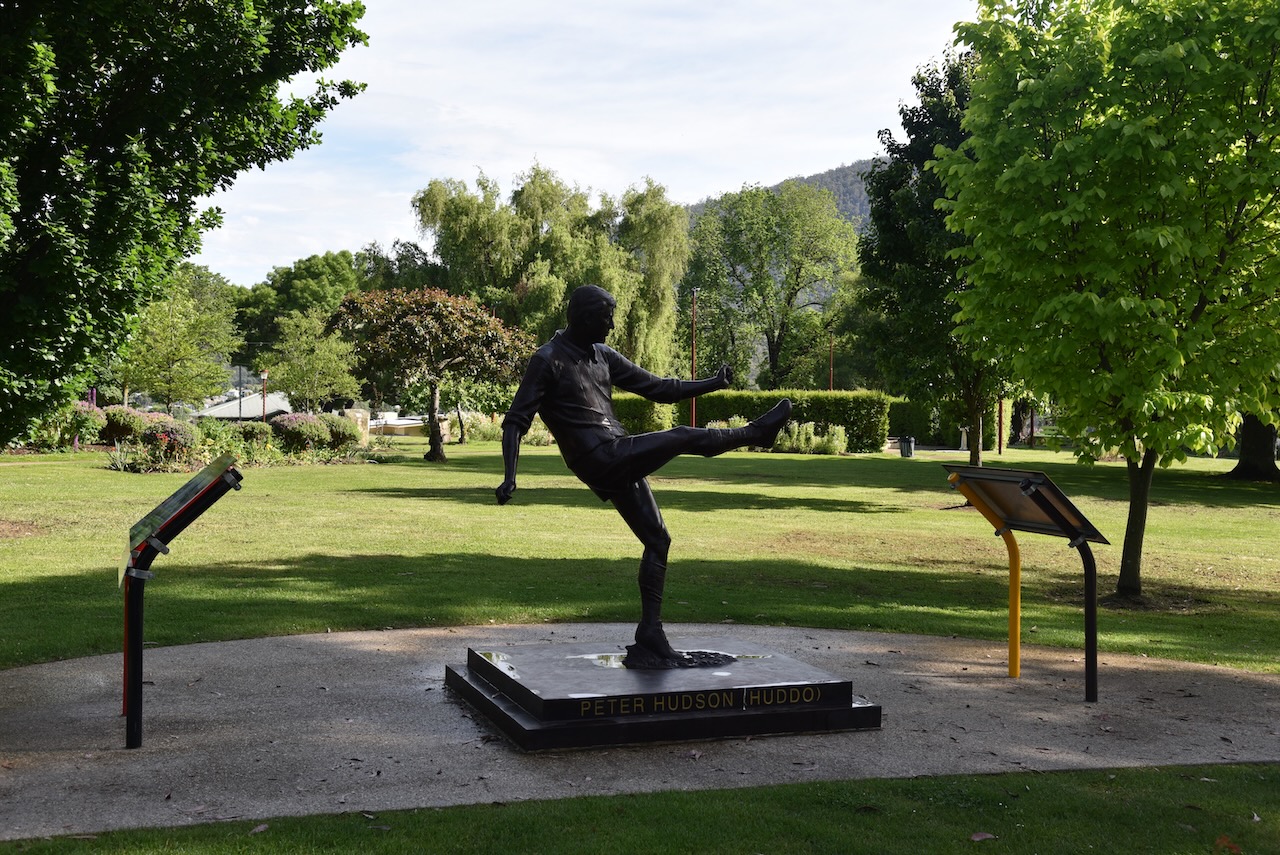
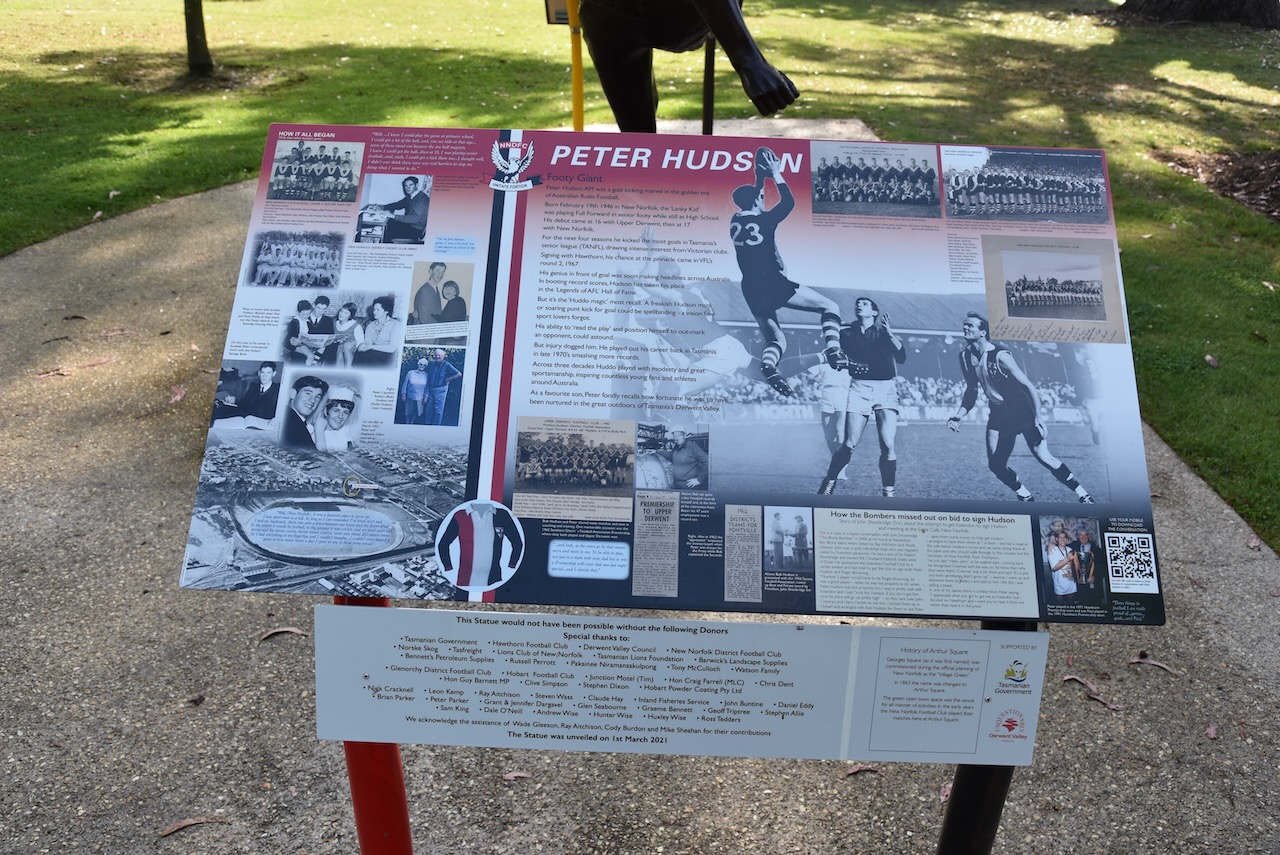
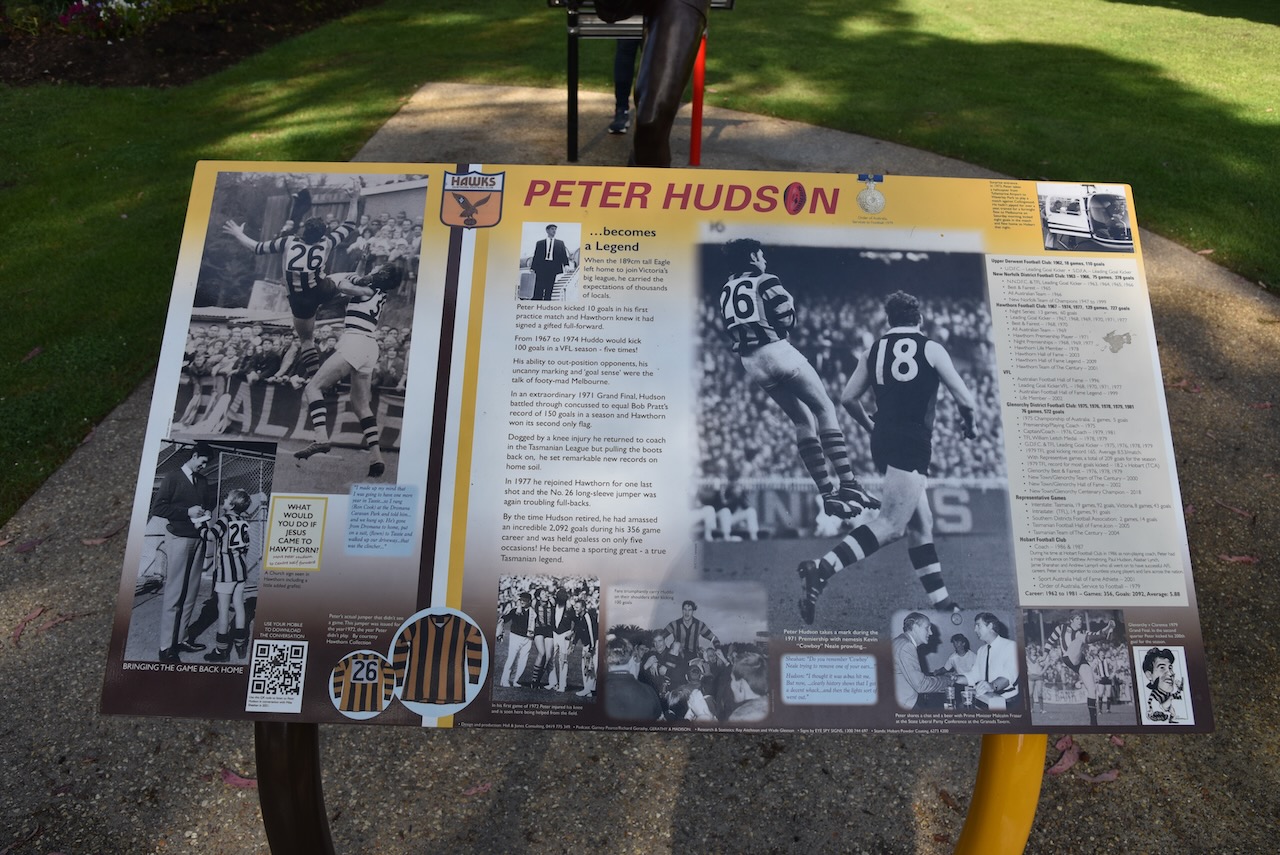
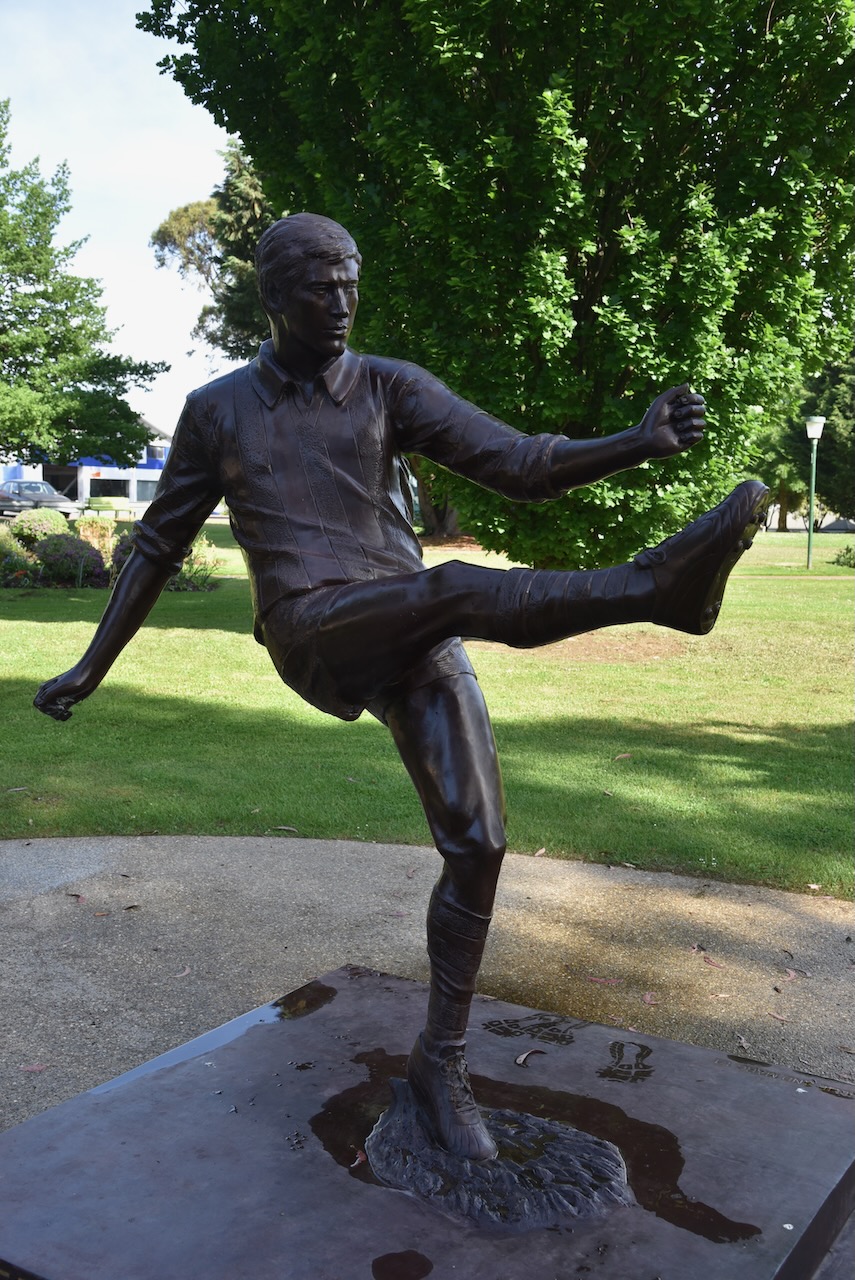
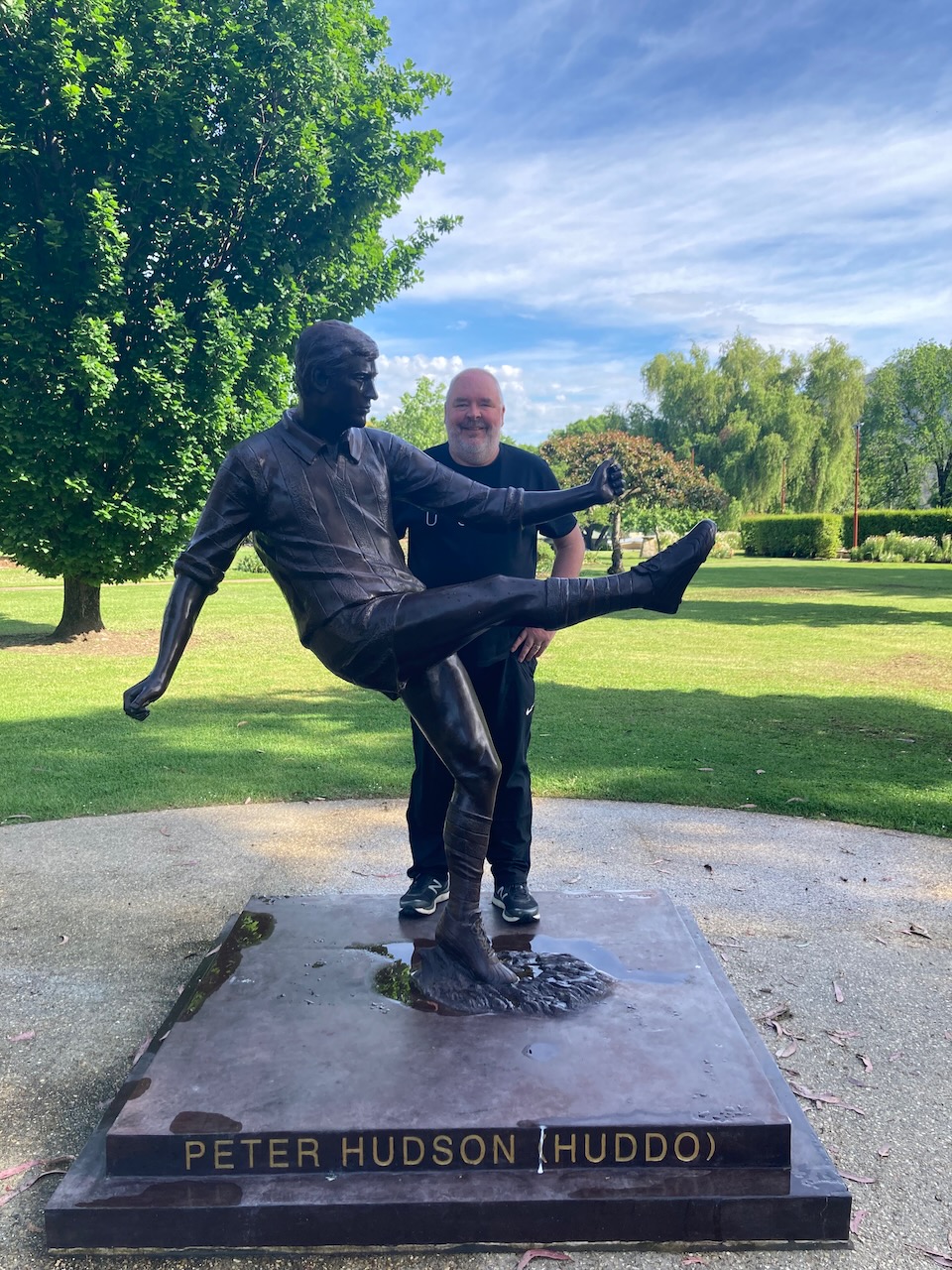
We then visited the Peter Hudson memorial in Arthur Square, New Norfolk. Peter John Hudson was born in 1946 in New Norfolk. He is a former Australian Rules footballer who played for the Hawthorn Football Club, the New Norfolk Football Club, and Glenorchy Football Club. He is a legend in the Australian Football Hall of Fame.

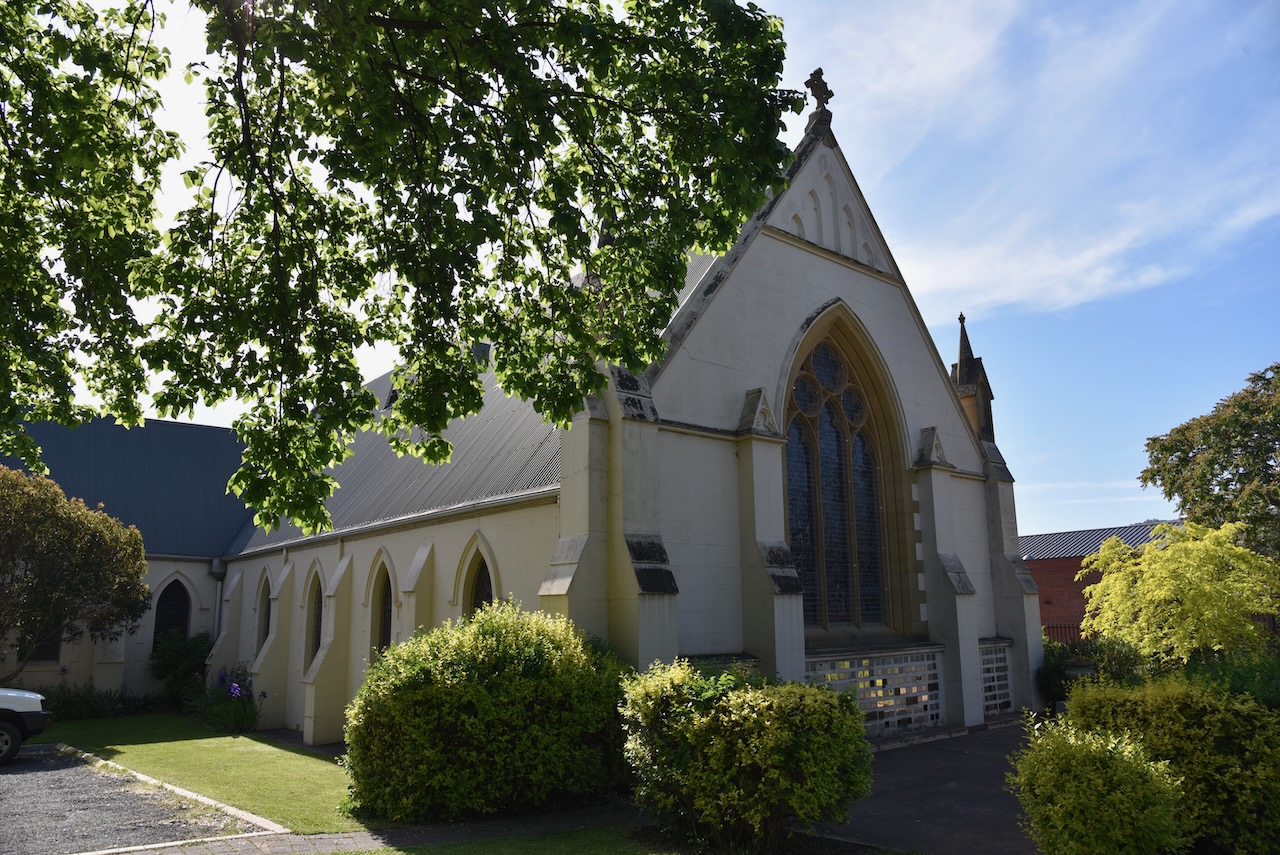
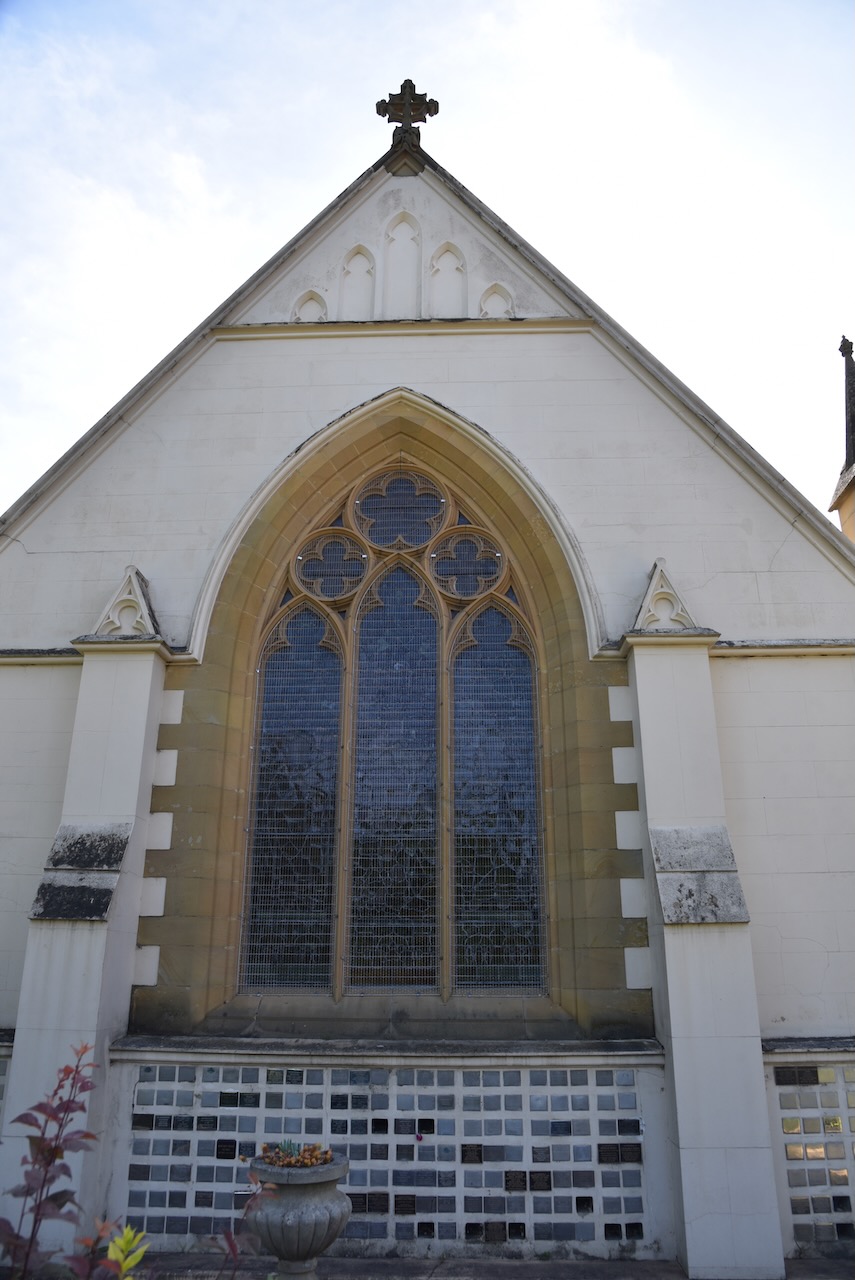
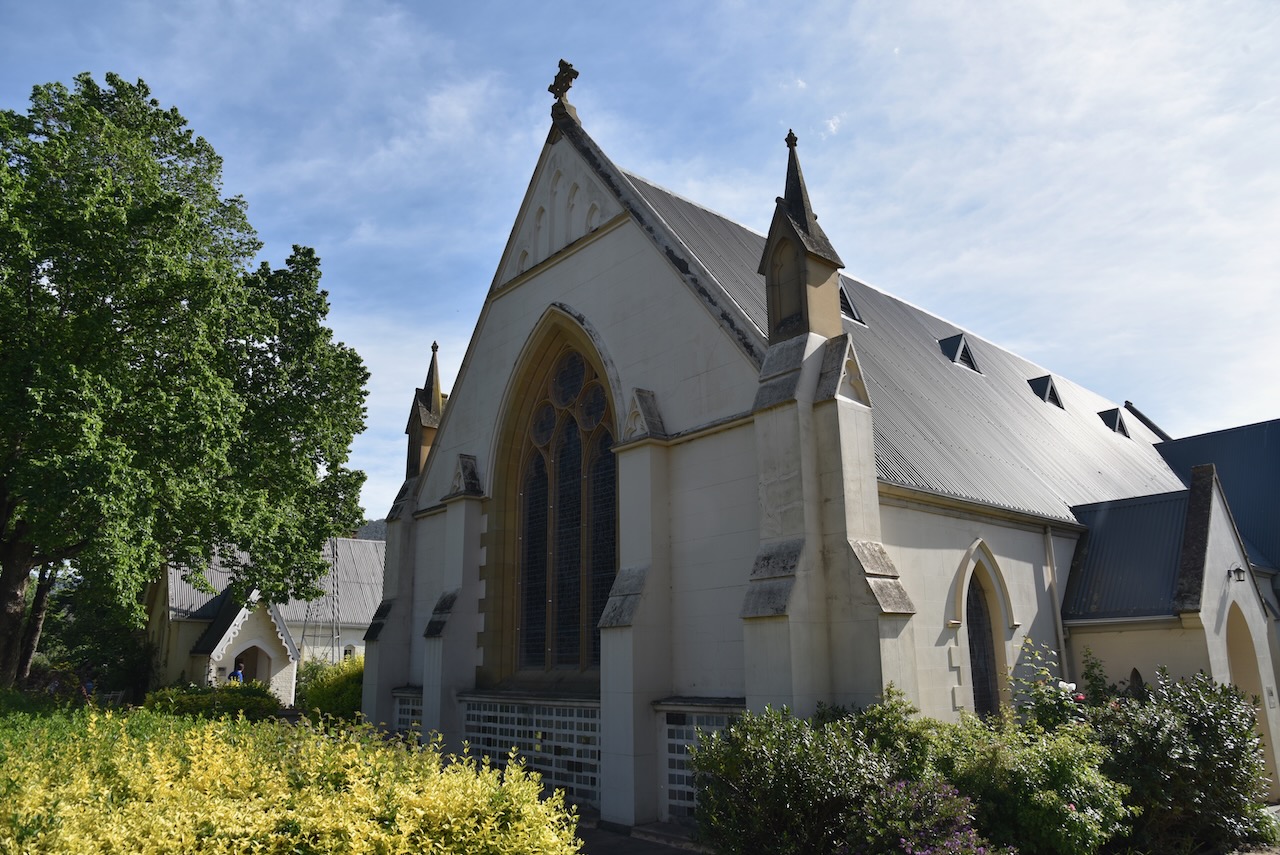
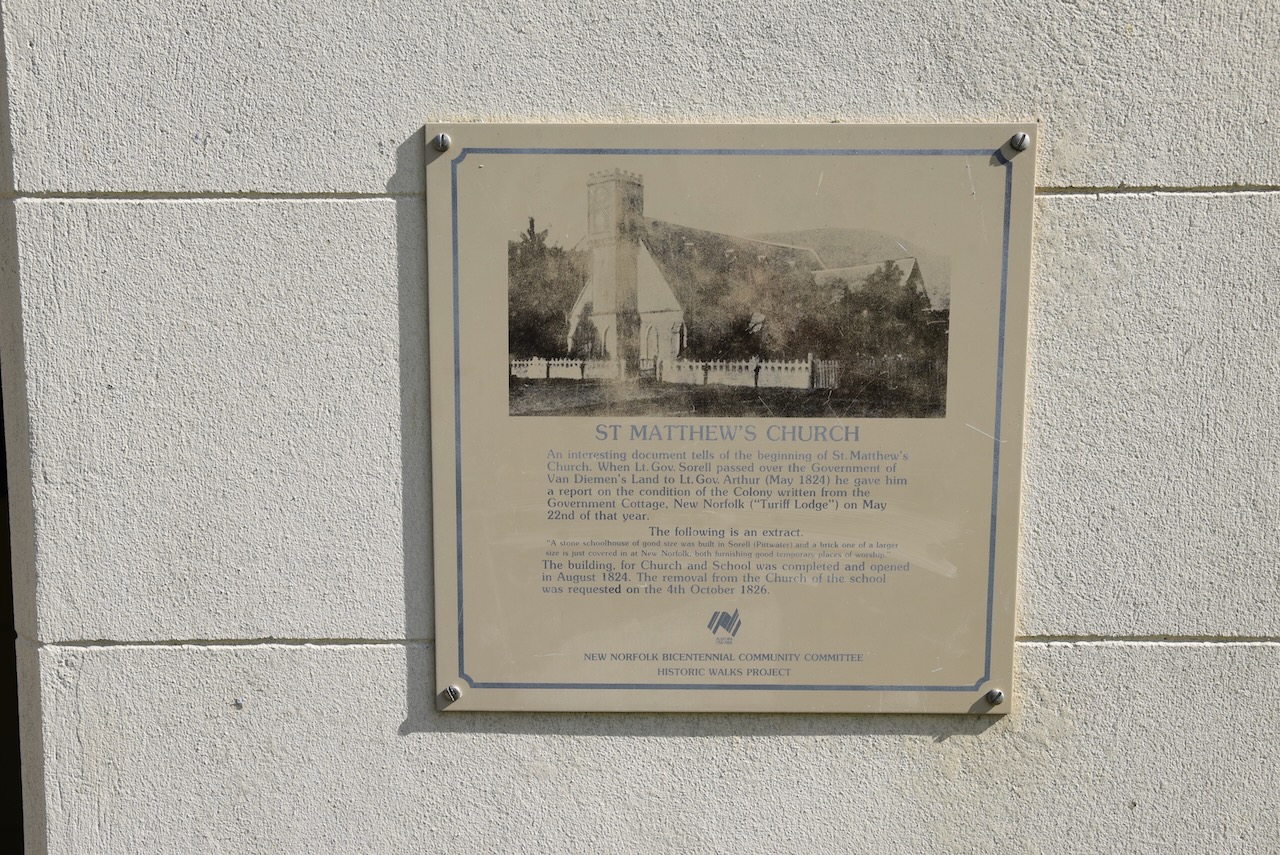
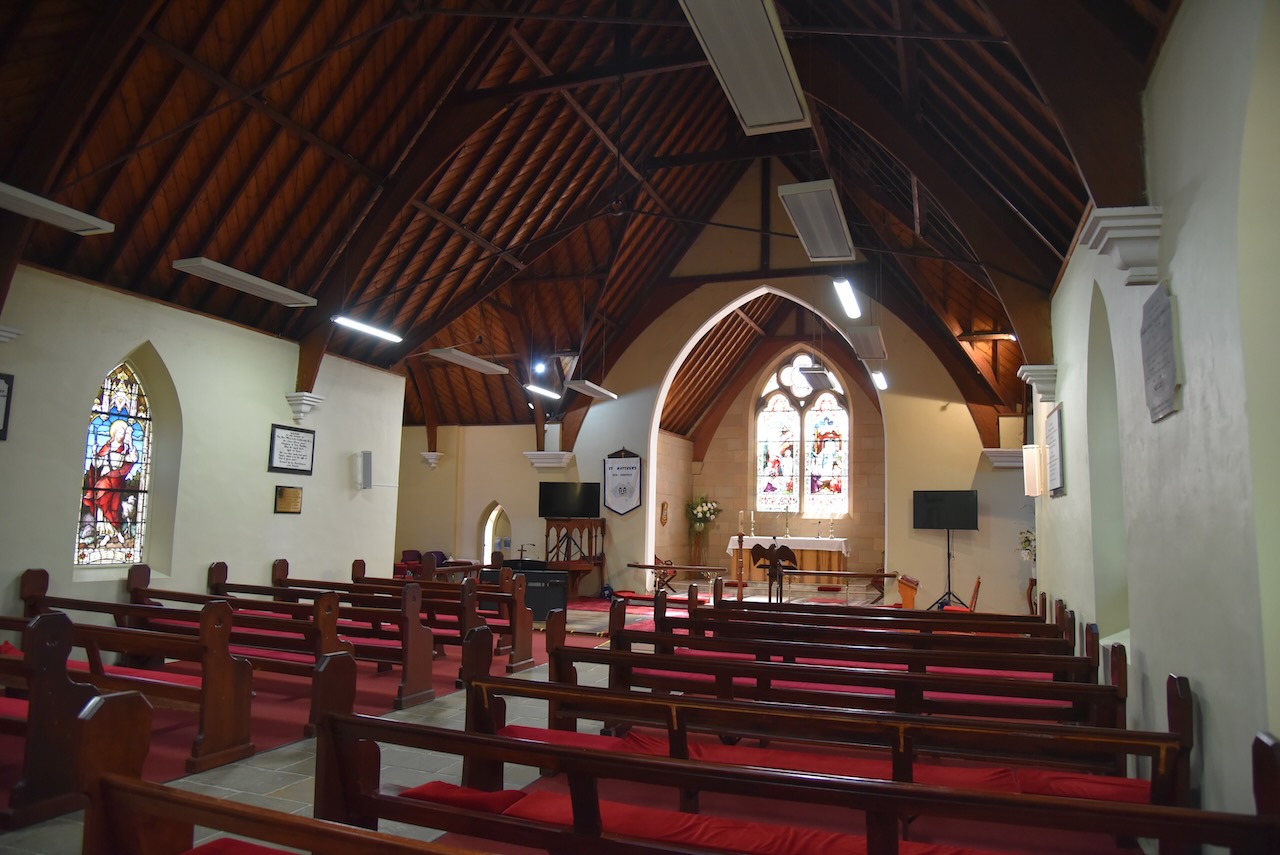
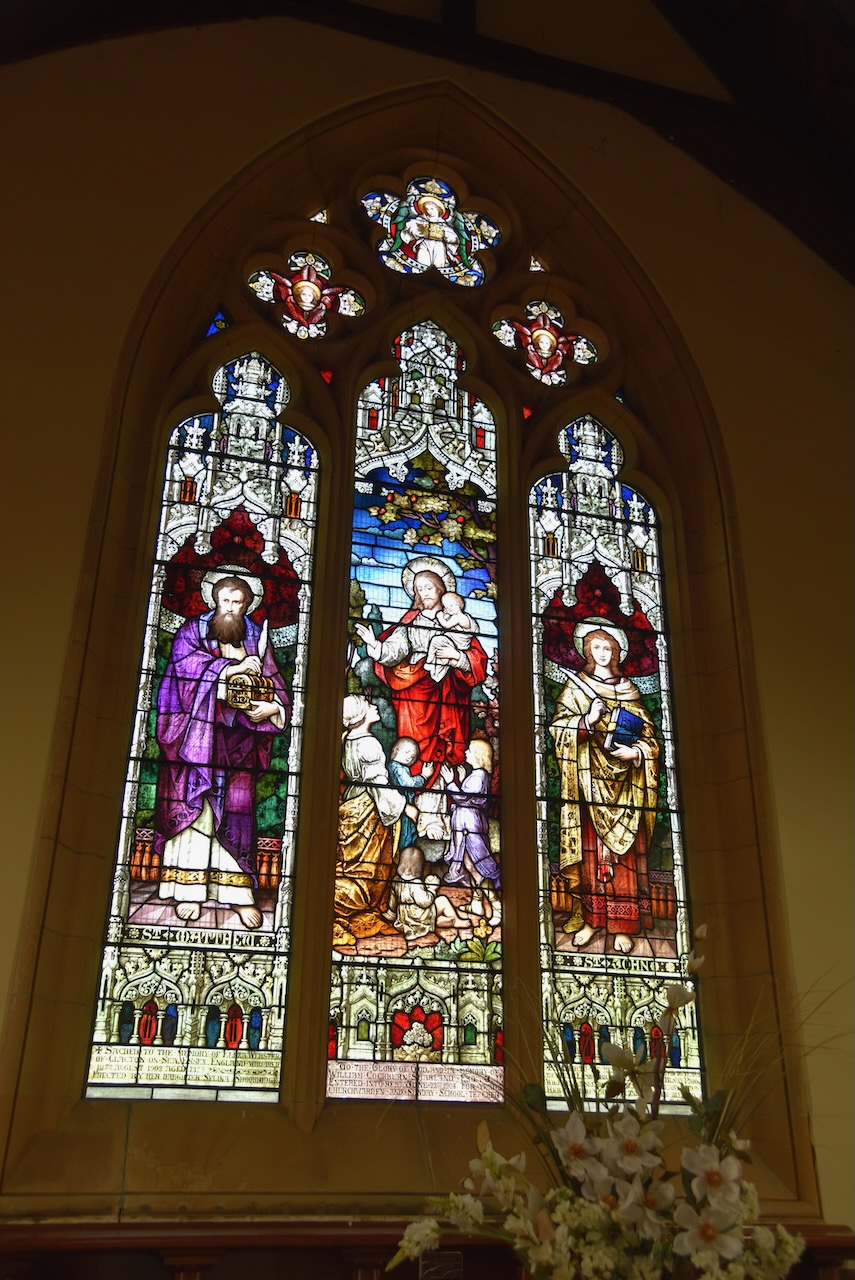
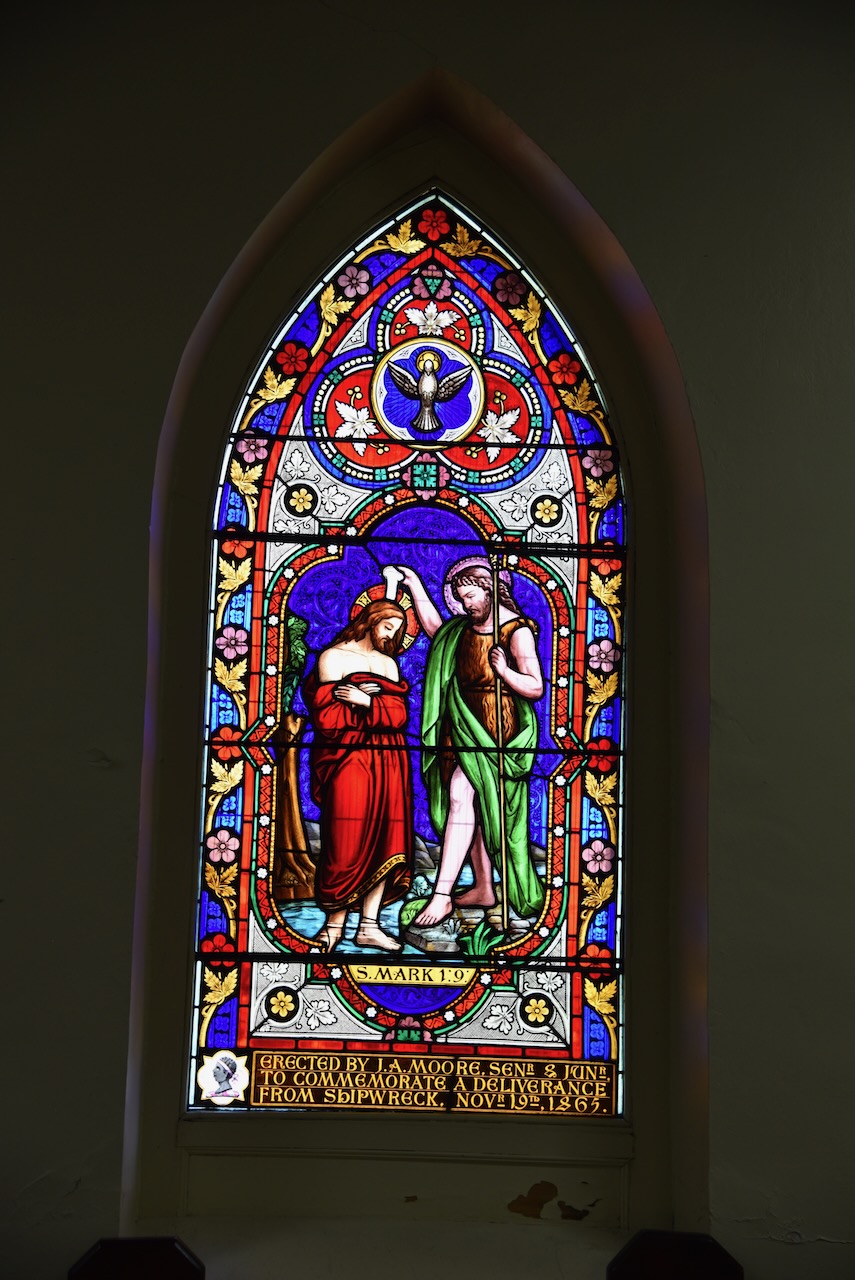
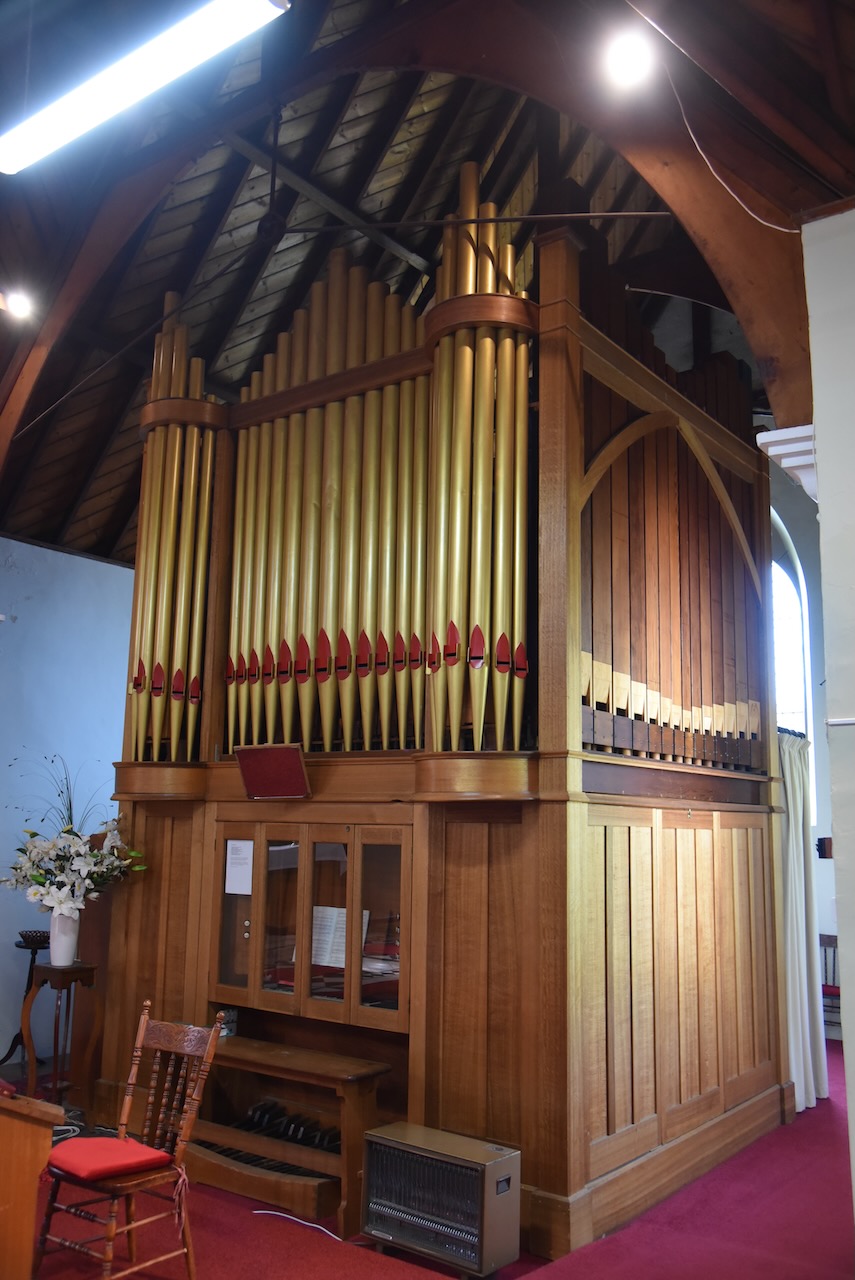
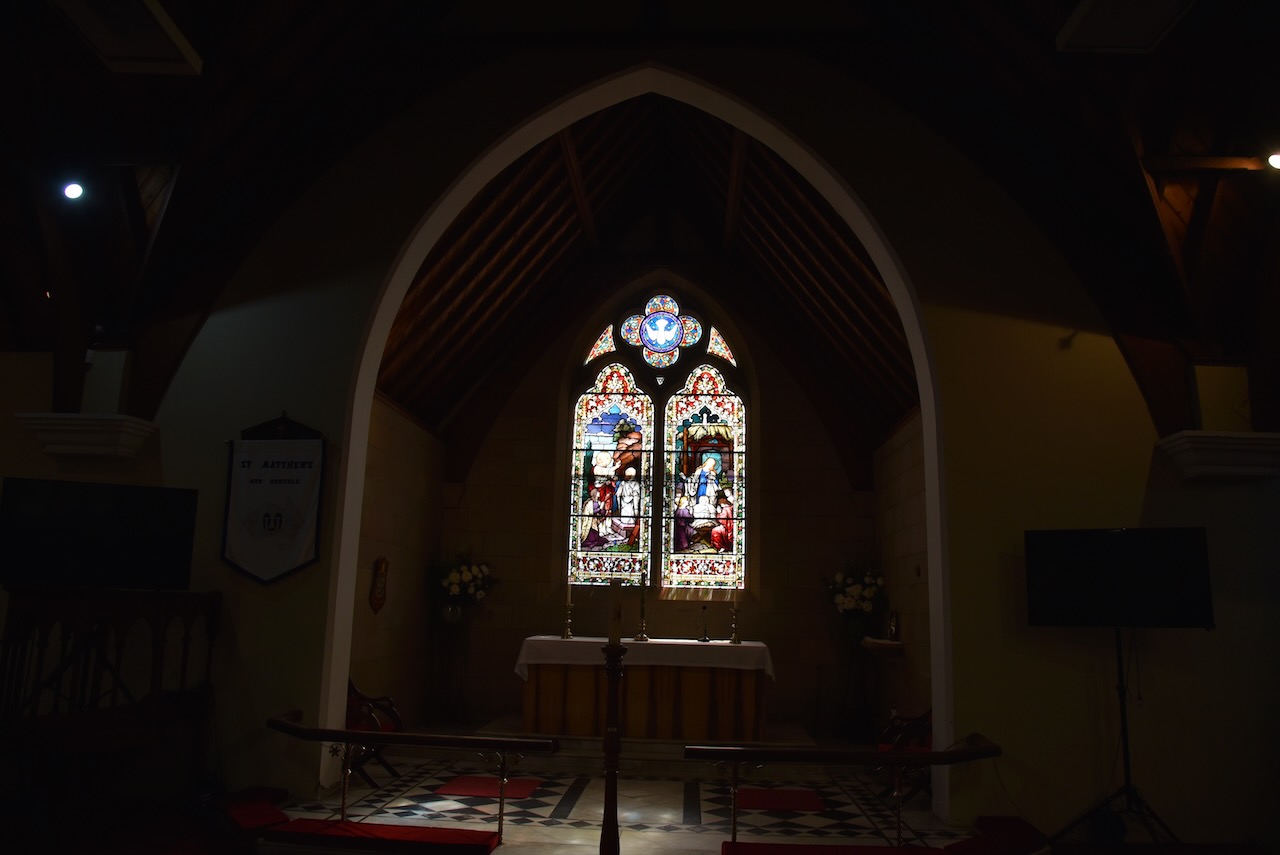
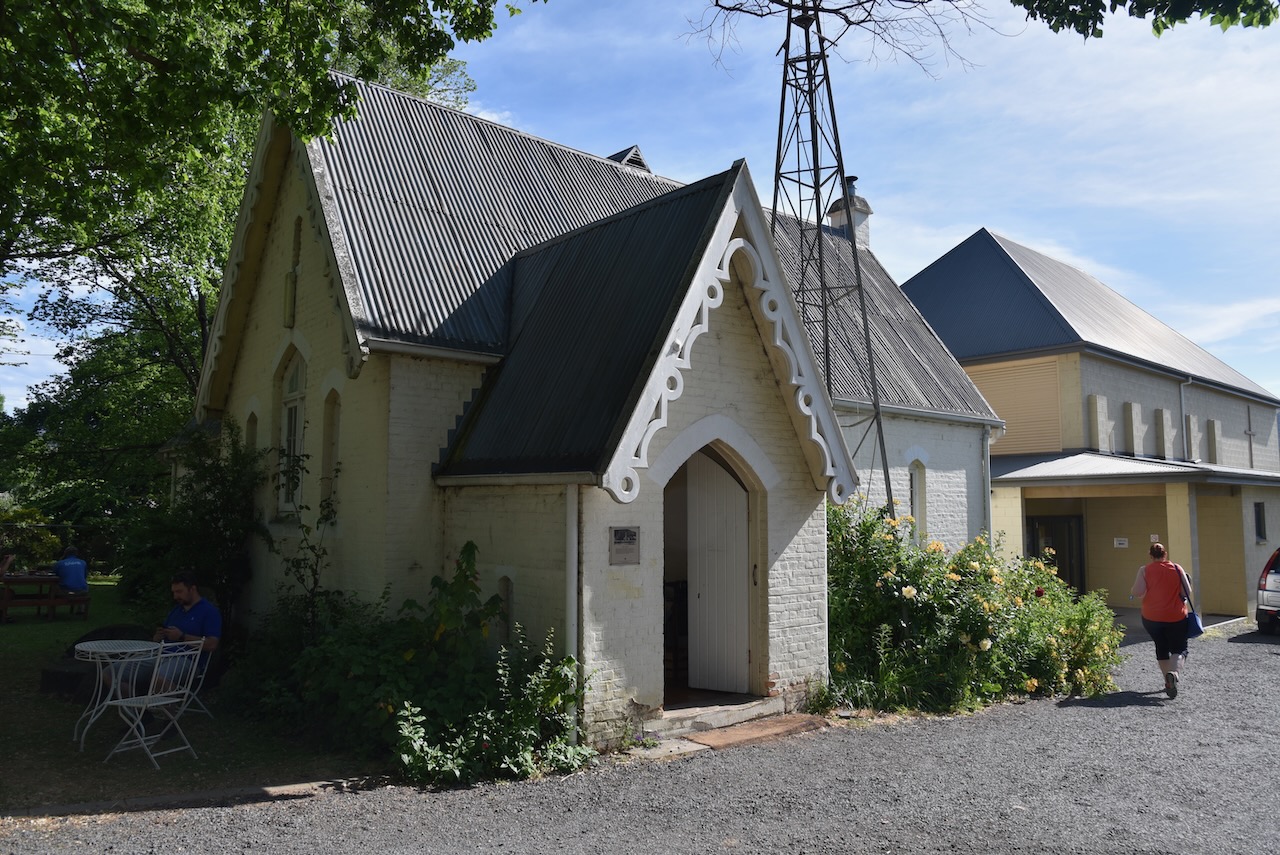
We then visited Tasmania’s oldest church, the Anglican Church of St Matthew in Bathurst Street opposite Arthur Square. The church was built in 1823 and was consecrated in 1828 by Archdeacon Scott from Sydney. The church has been significantly modified over the years. All that remains of the original church are the walls and flagged floor of the nave and part of the western transept.

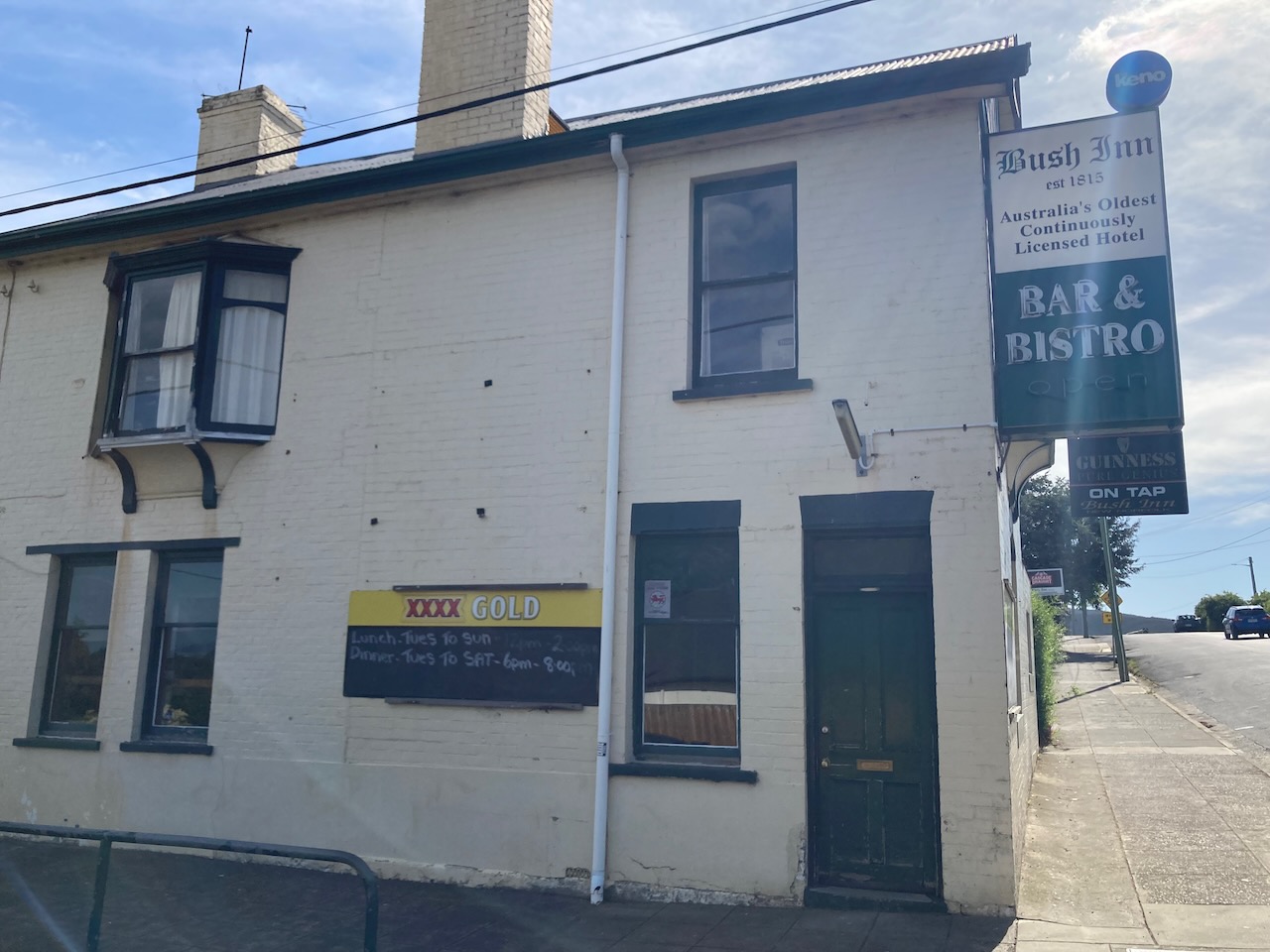
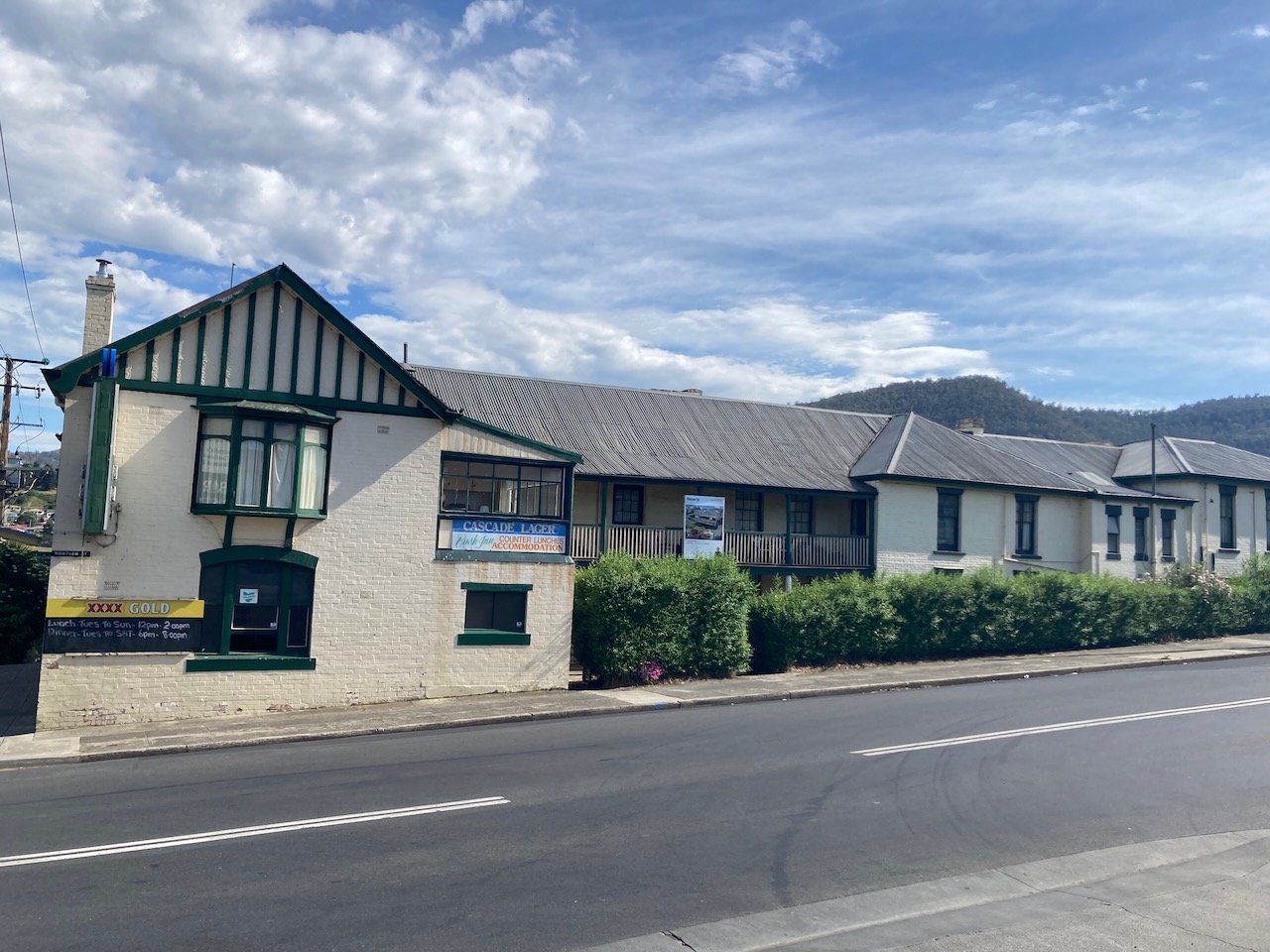
Our next stop was the Bush Inn, one of the oldest hotels in Australia, and believed to be the oldest continuously operating hotels in Australia. It was built in 1825.

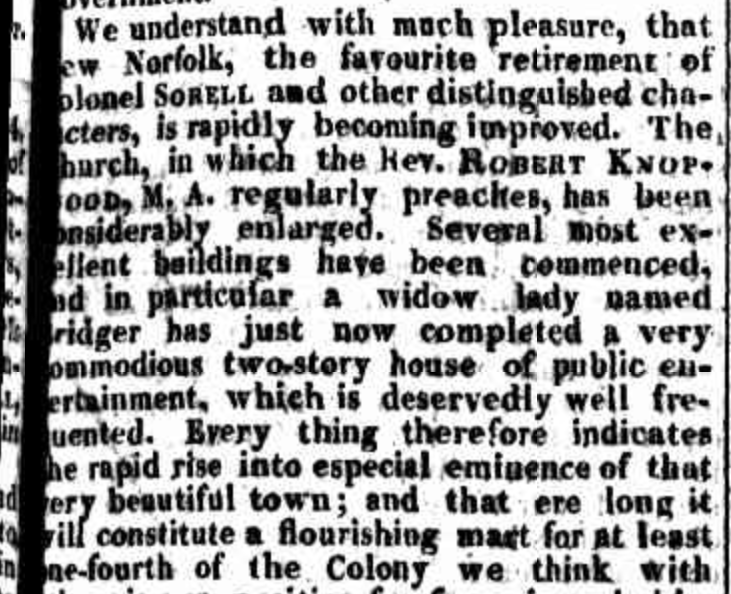
In April 1825 the Hobart Town Gazette and Van Dieman’s Land Advertiser reported that”‘a widow lady named Bridger has just now completed a very commodious two-storey house of public entertainment, which is deservedly well frequented”

In October 1825 Ann Bridger received a licence to sell spirits, wine and beer at the Bush Inn, New Norfolk.

Above:- Extract from an article in the Hobart Town Gazette and Van Dieman’s Land Advertiser, Fri 22 Apr 1825. Image c/o Trove.

Unfortunately the pub was closed otherwise we would have ventured inside for a drink.

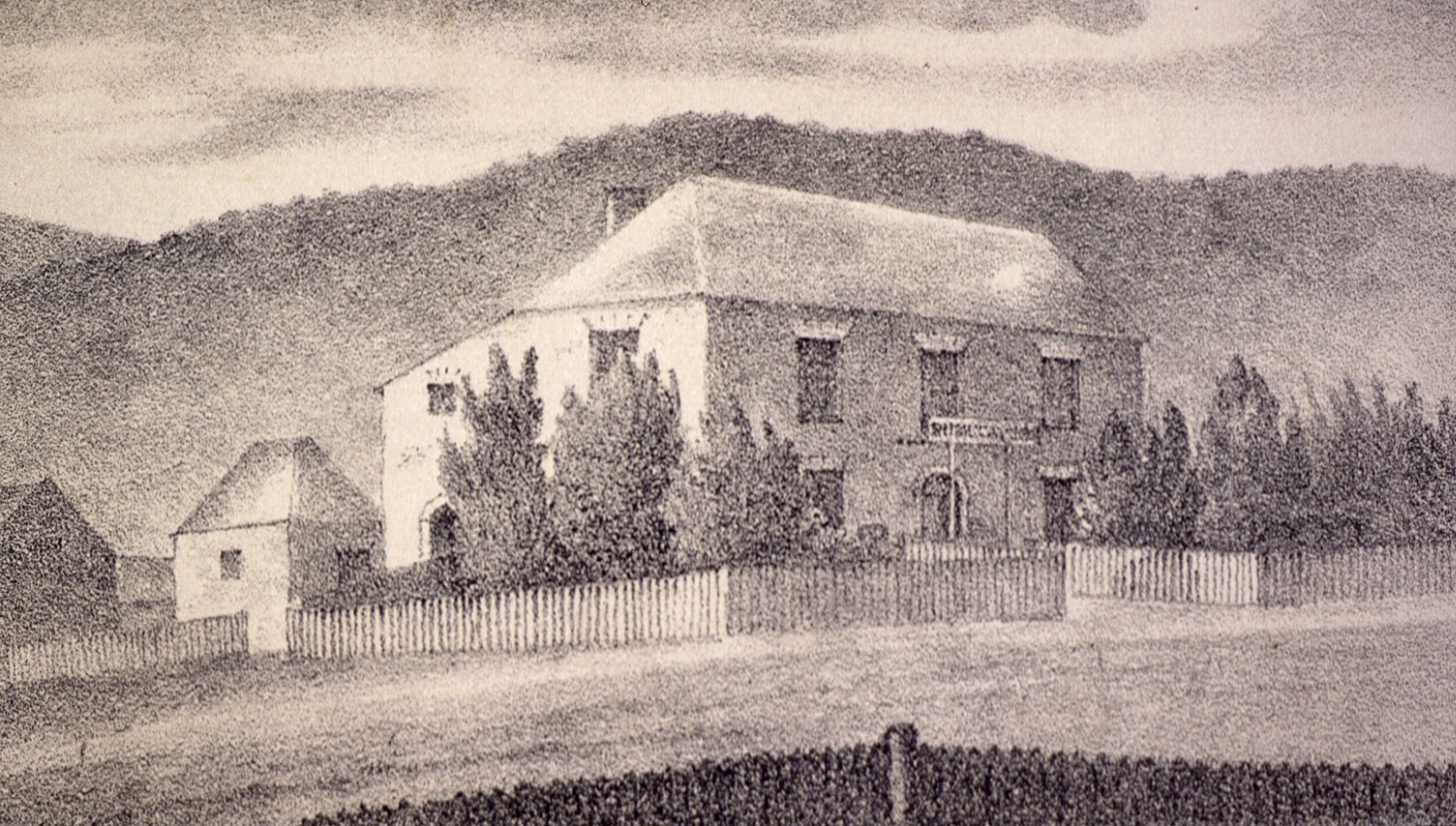
Above:- The Bush Inn, 1834. Image c/o Trove

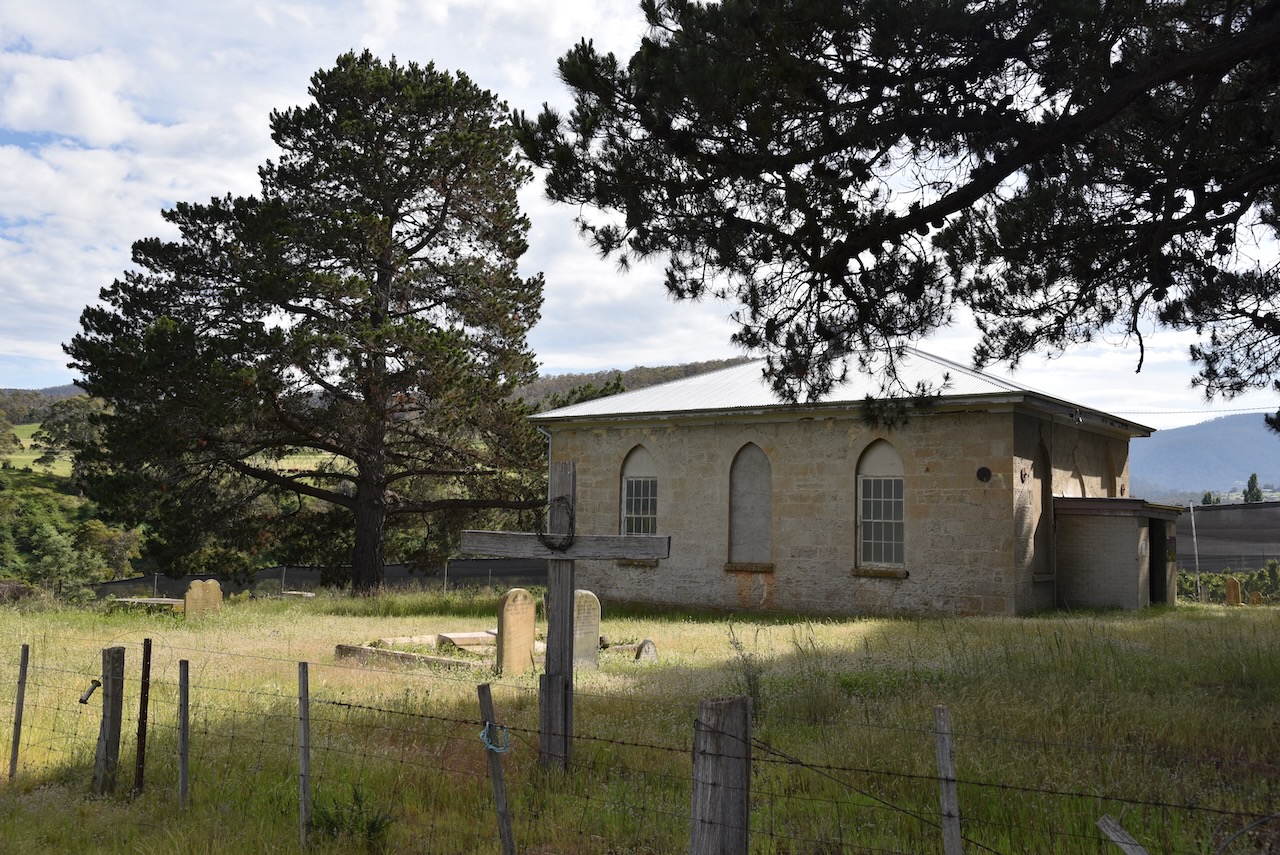
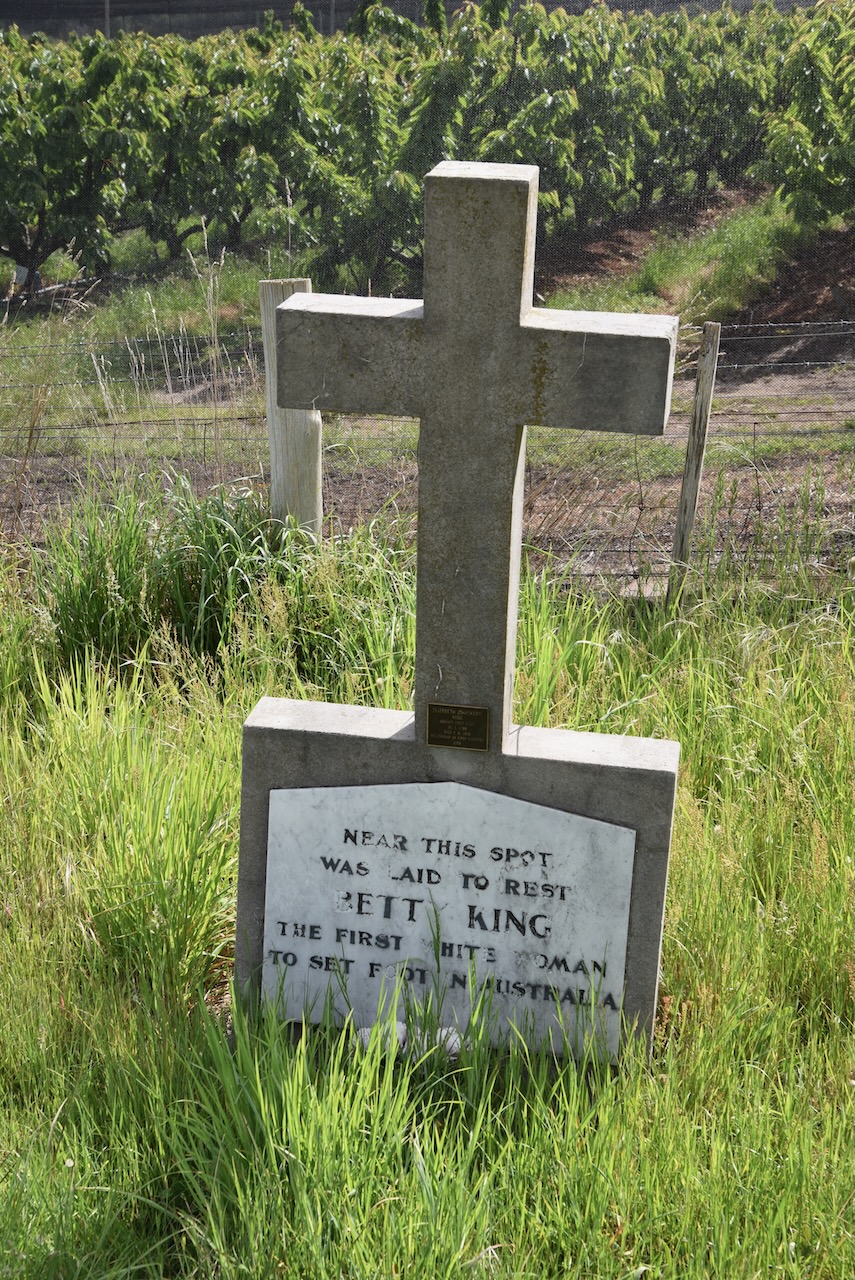
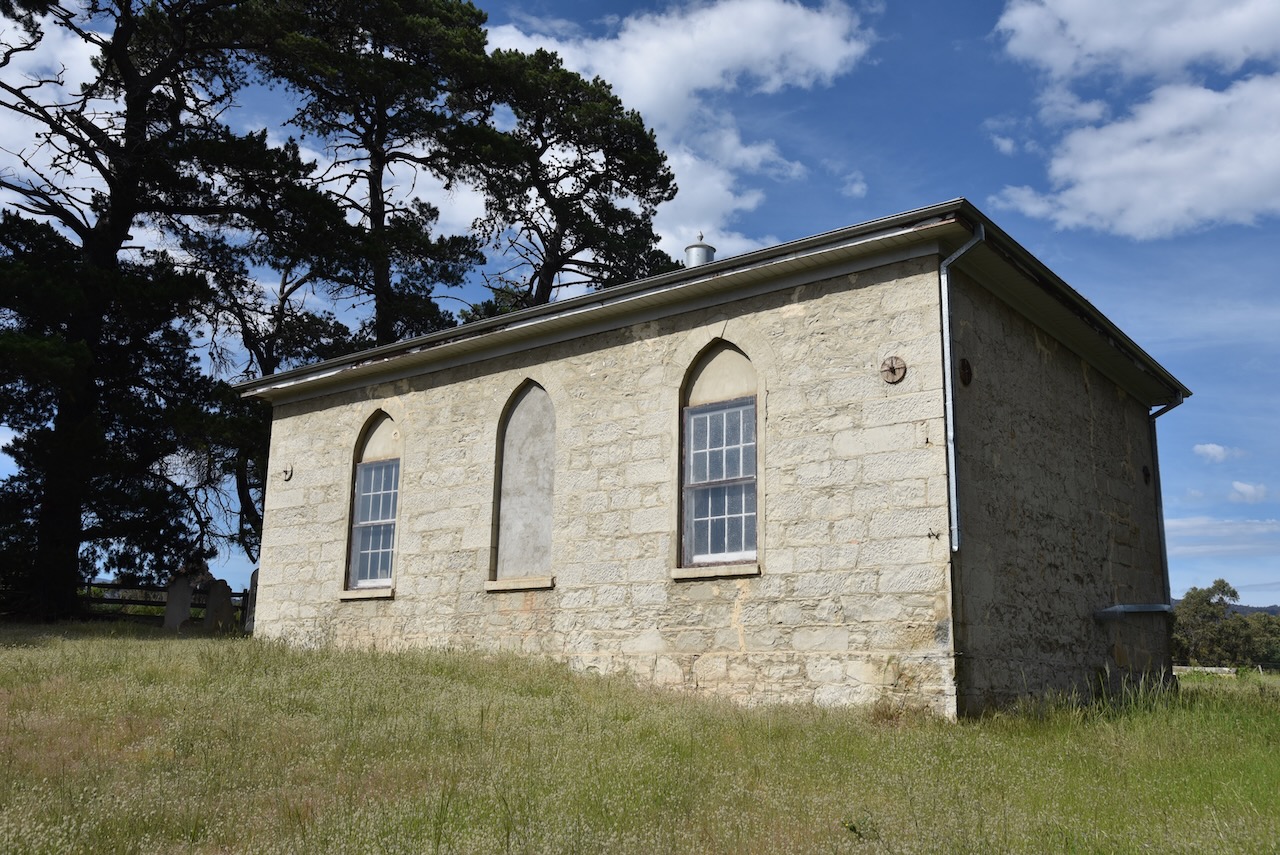
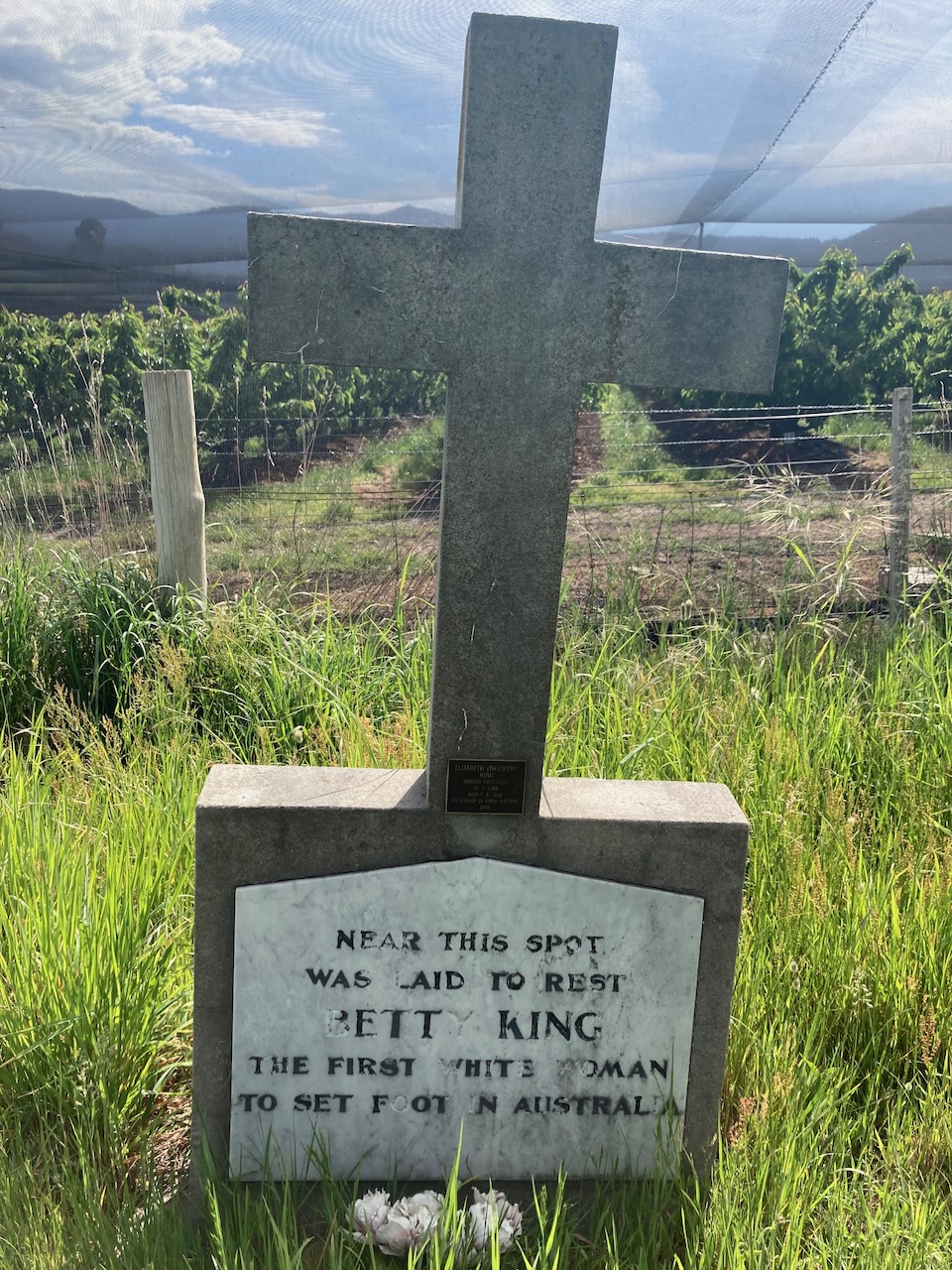
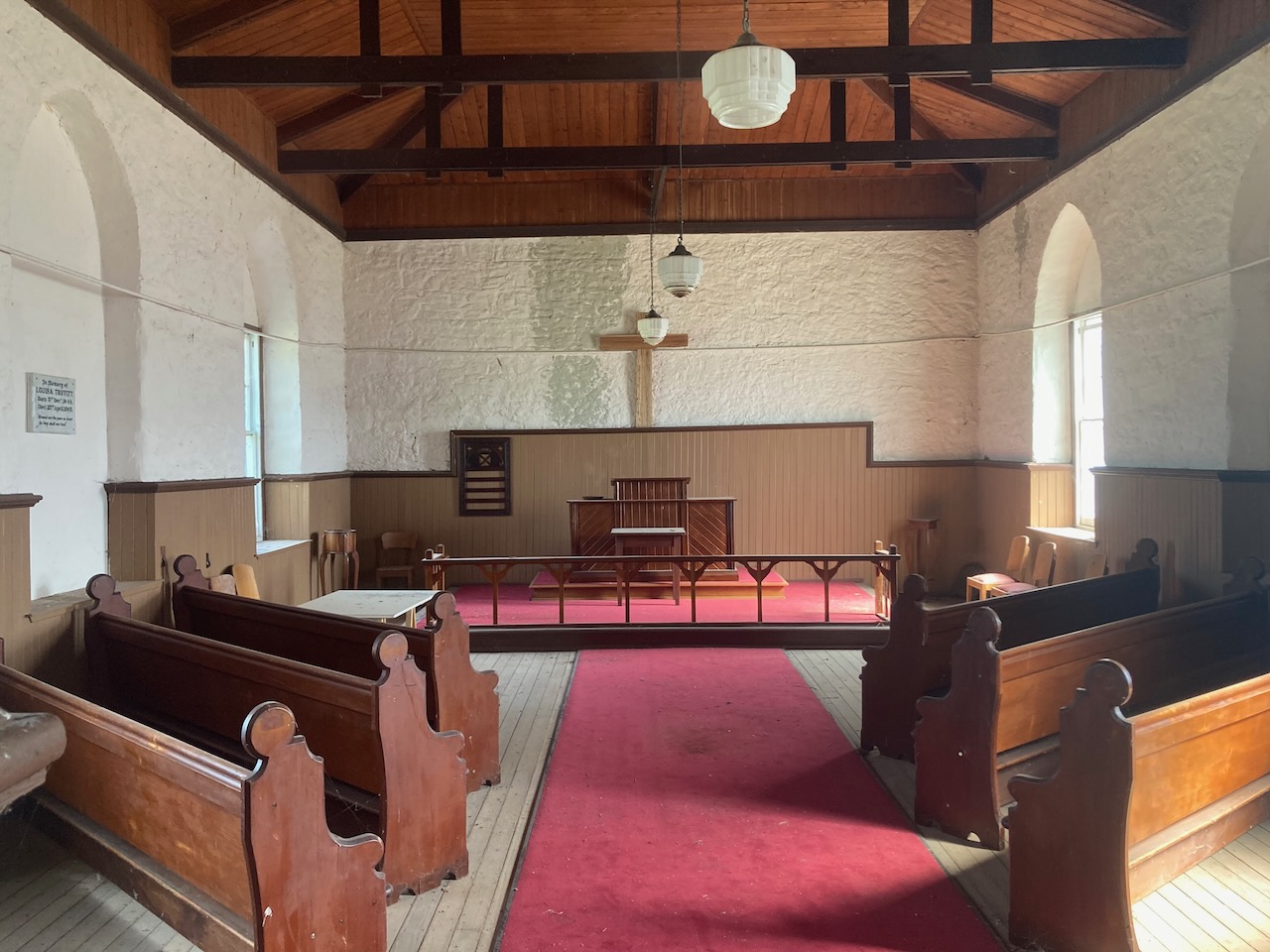
We then drove out to the old Methodist church on Lawitta Road, Magra, not far from New Norfolk. We wanted to visit the grave of reputedly the first white woman to set foot on Australia.

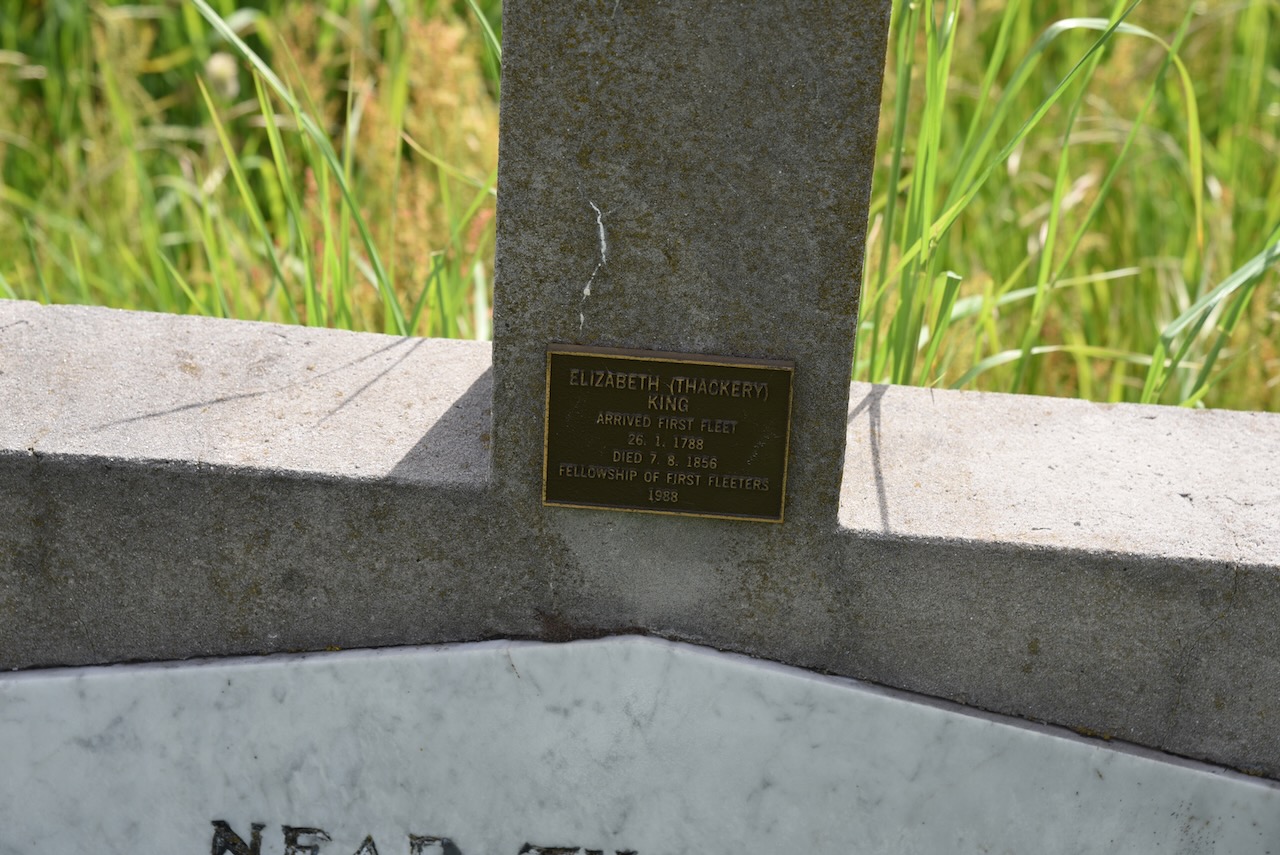
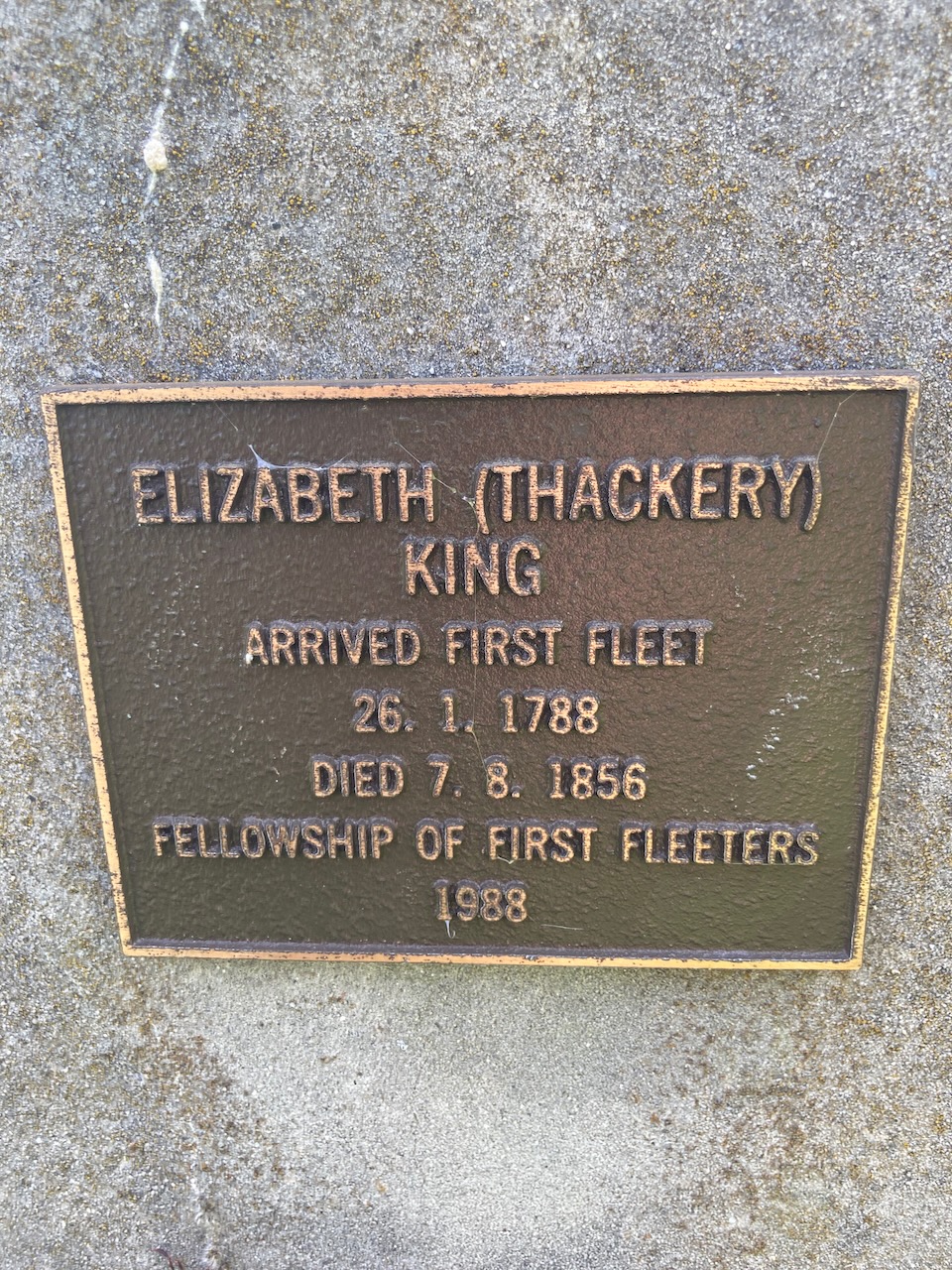
Elizabeth Thackery (b.1765. d. 1856) was a native of Manchester, Lancashire in English. At age 20, she was tried and convicted in May 1786 for the theft of five handkerchiefs valued at one shilling. She was sentenced to seven years transportation to the colony of Australia. Thackery is the last-known female survivor of the First Fleet, and she is also is reputed to have been the first ashore at Botany Bay upon her arrival aboard the Friendship on the 26th day of January 1788.

Prior to leaving for Australia Thackery spent a year as a prisoner aboard the prison hulk Dunkirk. She was then transported to Australia board the Friendship where it was reported that she was placed in irons on numerous occasions during the voyage.

She received 25 lashes in July 1791 following her arrival in Australia for “coming in from her settlement without permission”.

Thackery subsequently ventured to Van Dieman’s Land where she married and settled in the Dwerwent Valley. She died on August 1856 at the rope old age of 93 and was buried at the Methodist church cemetery at Magra.

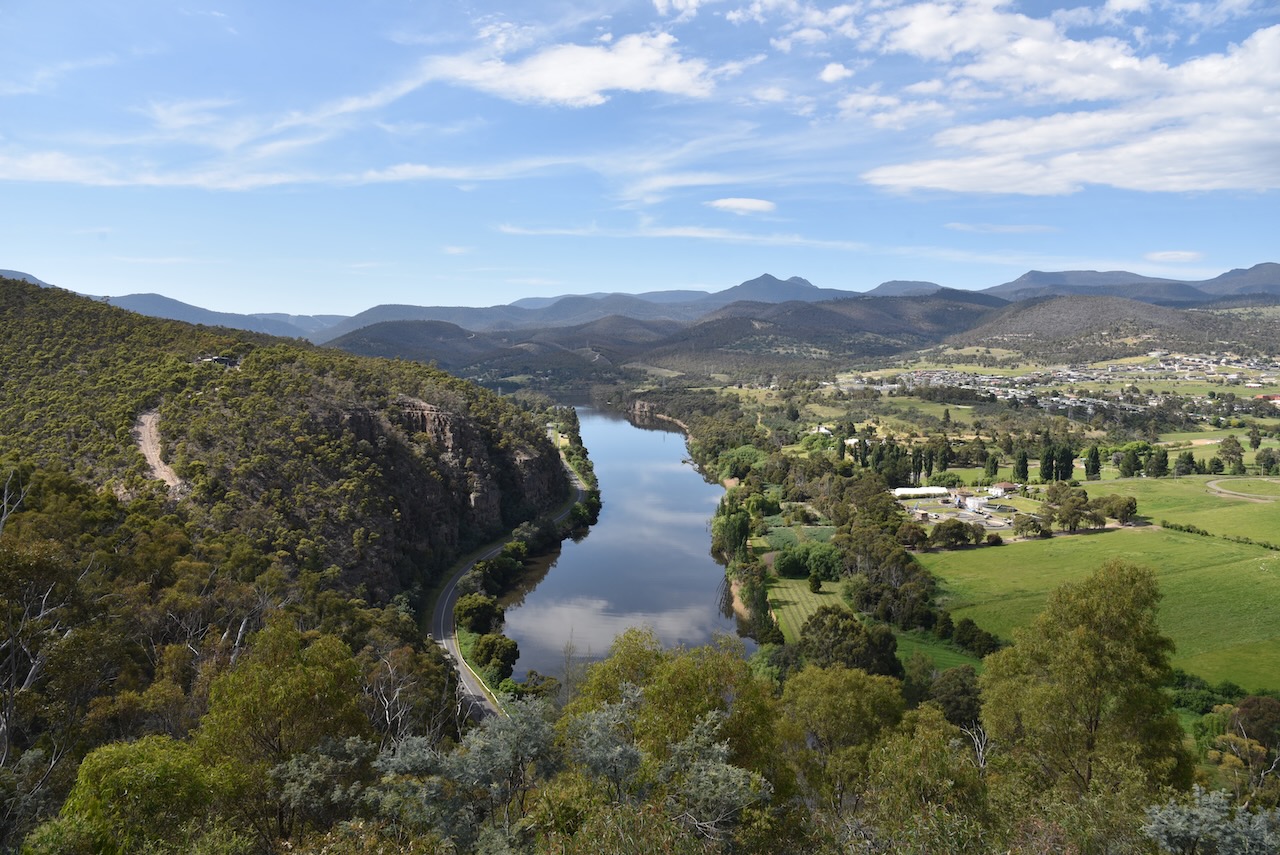
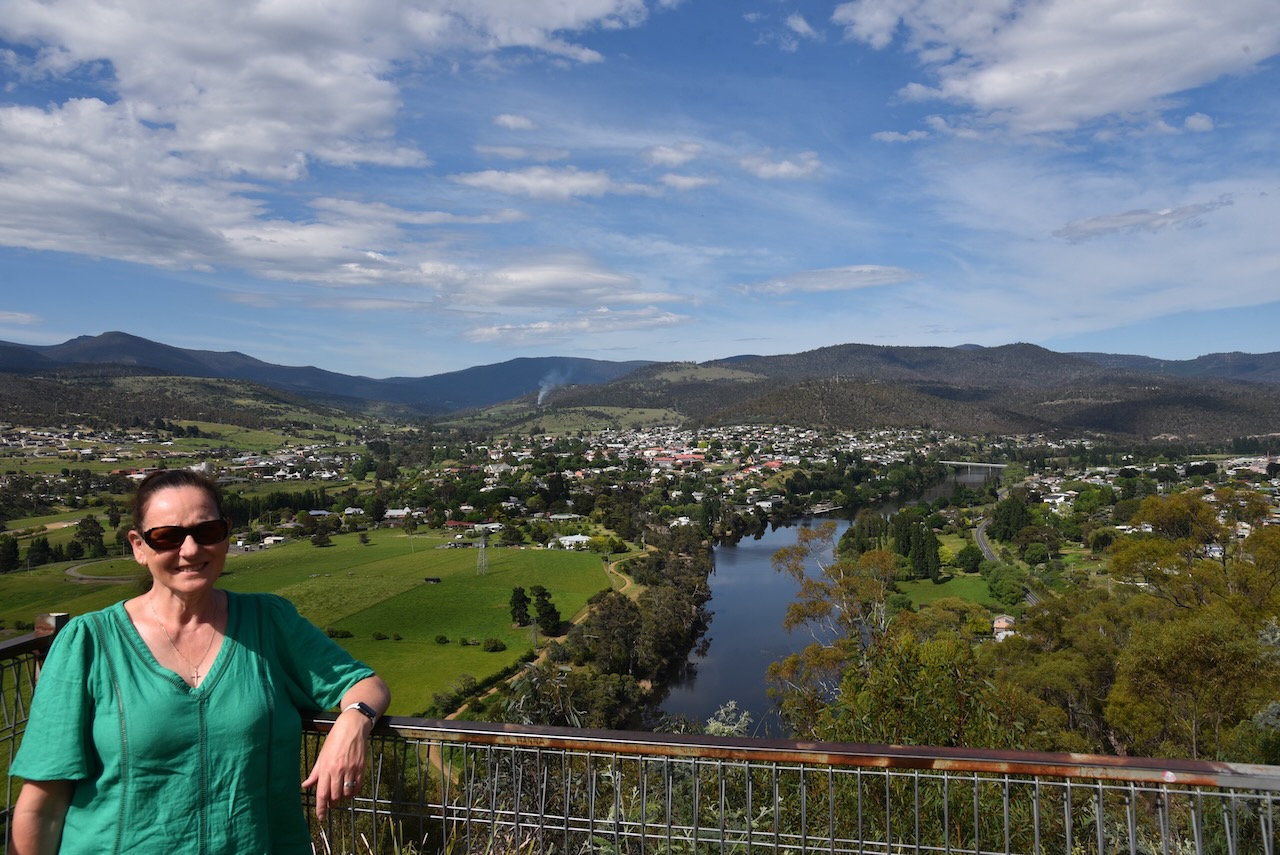
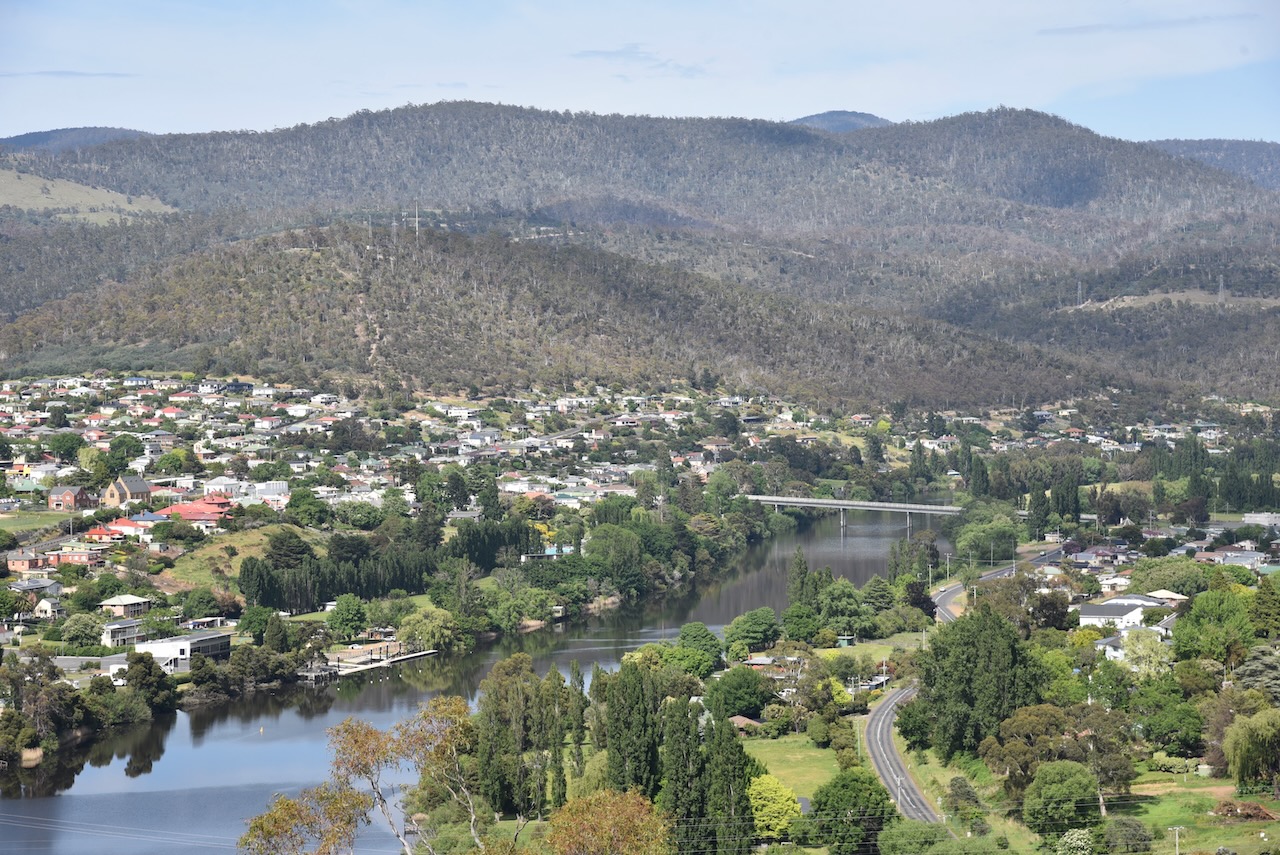
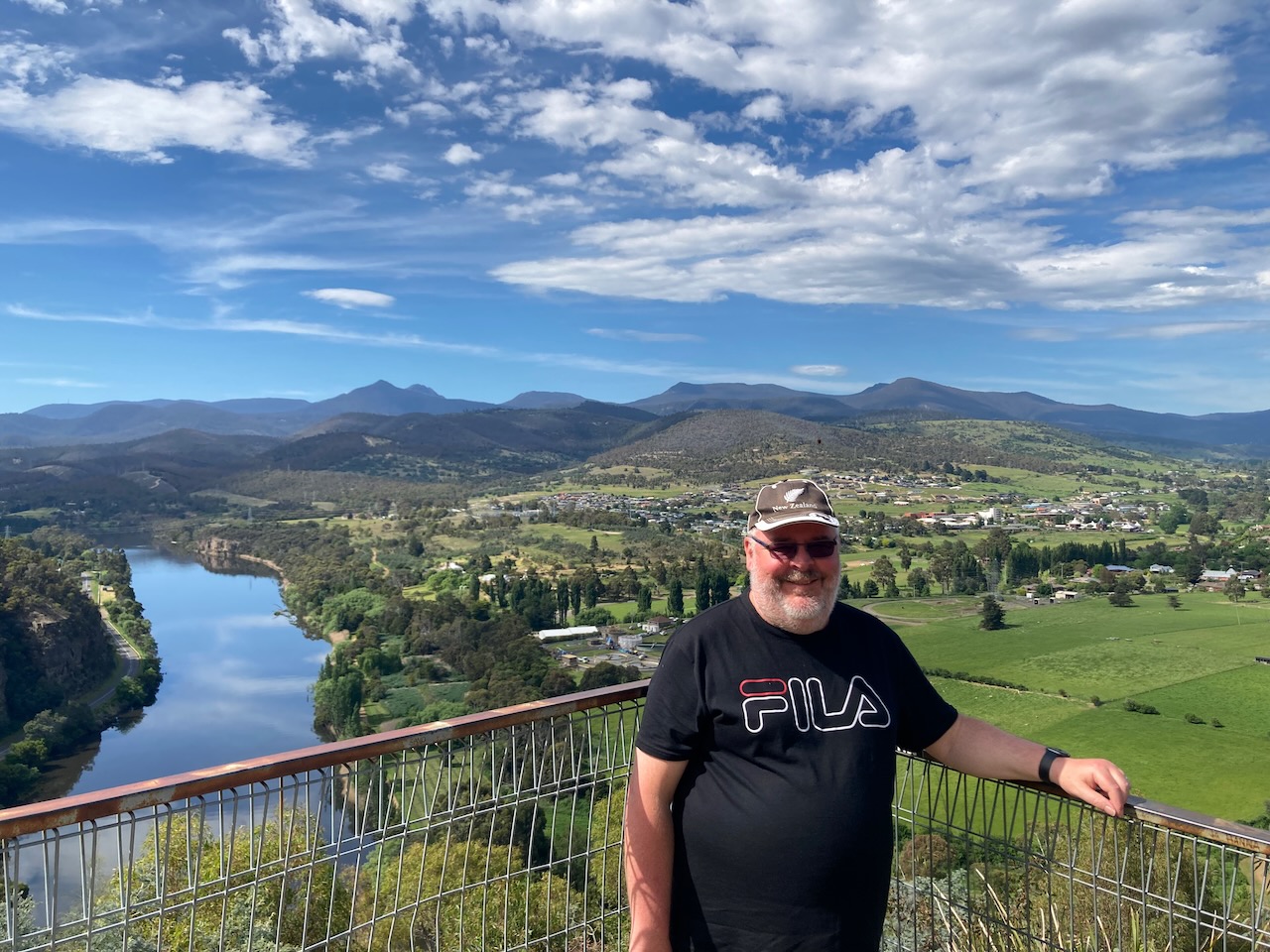
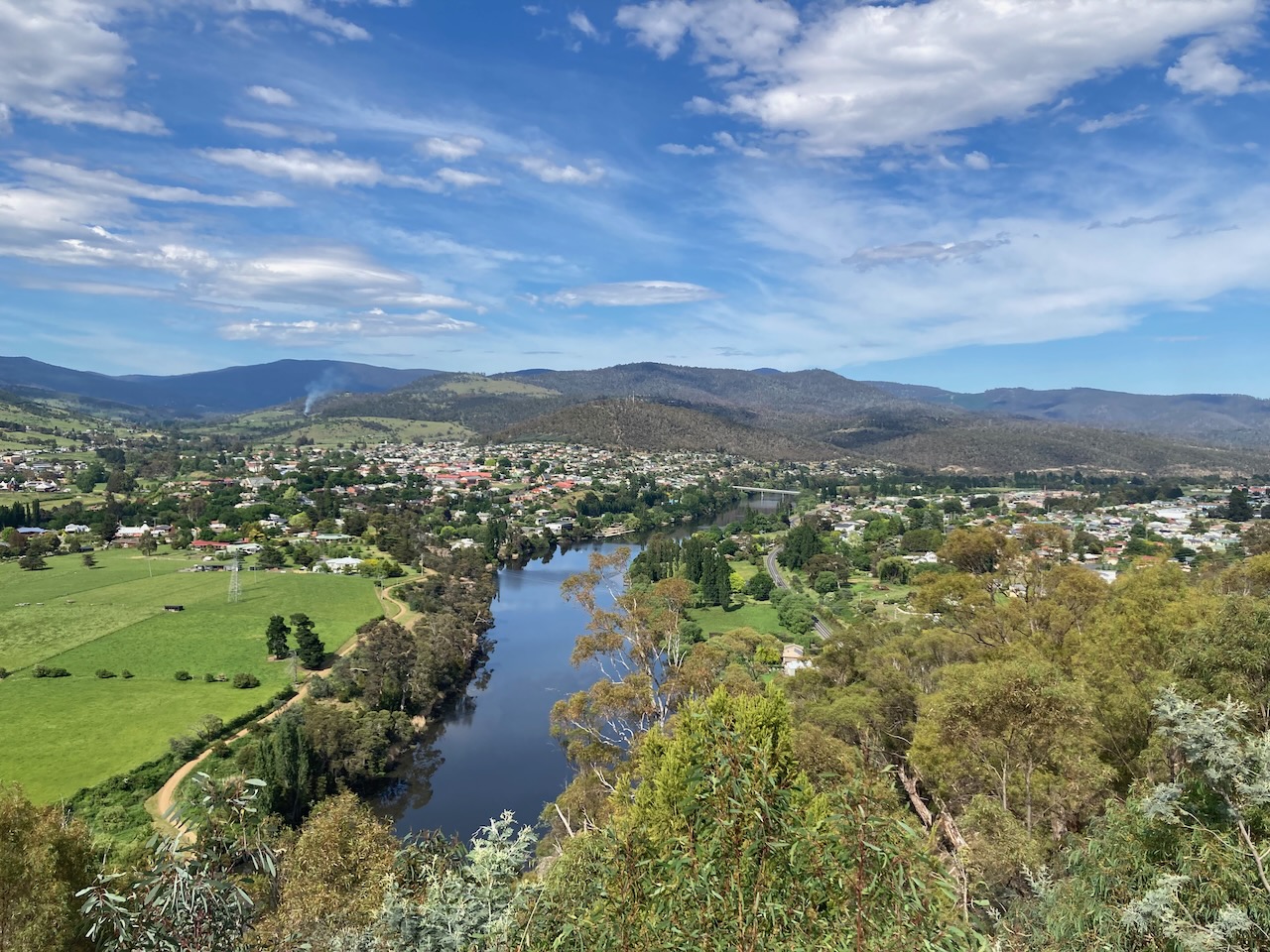
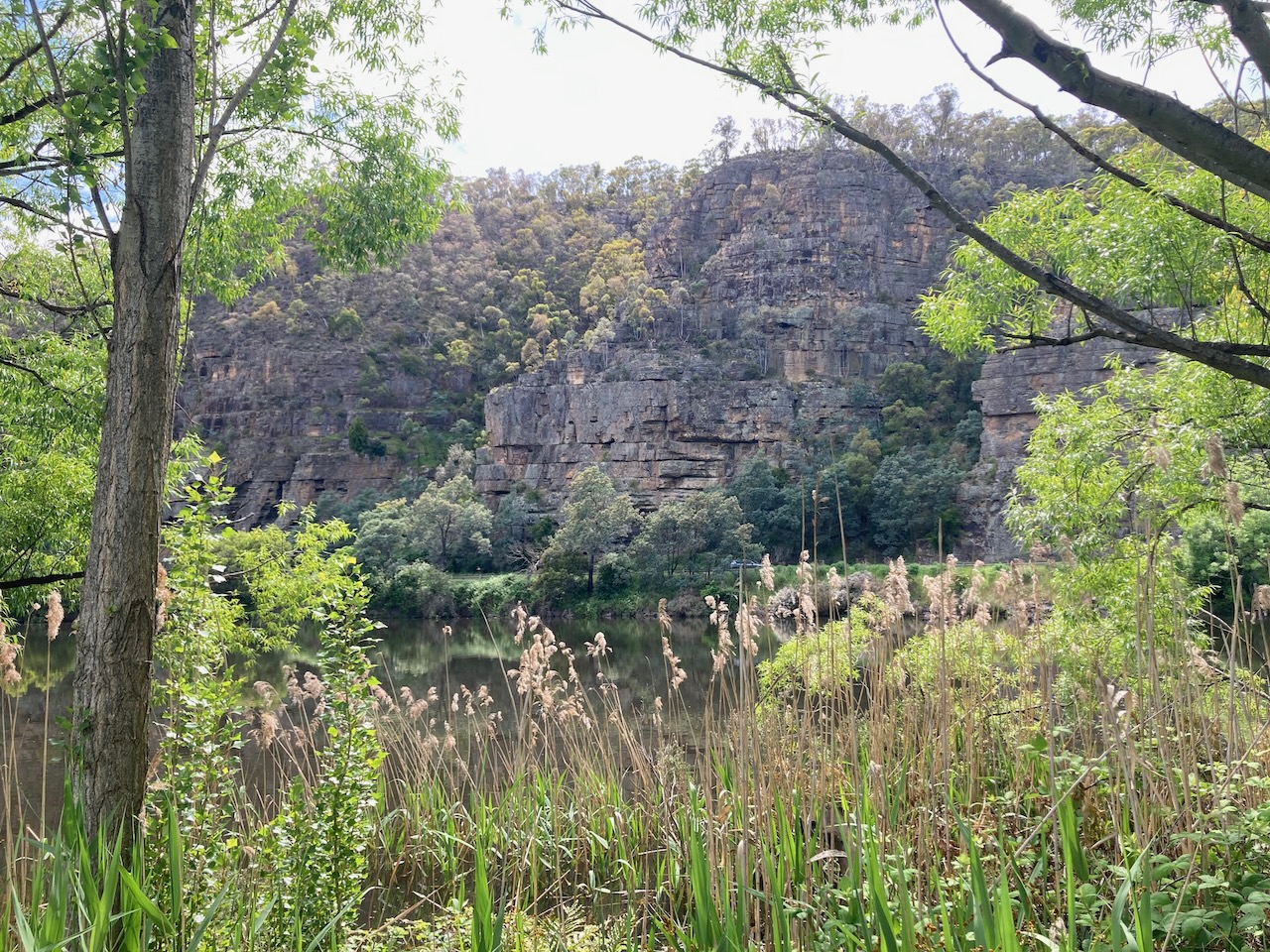
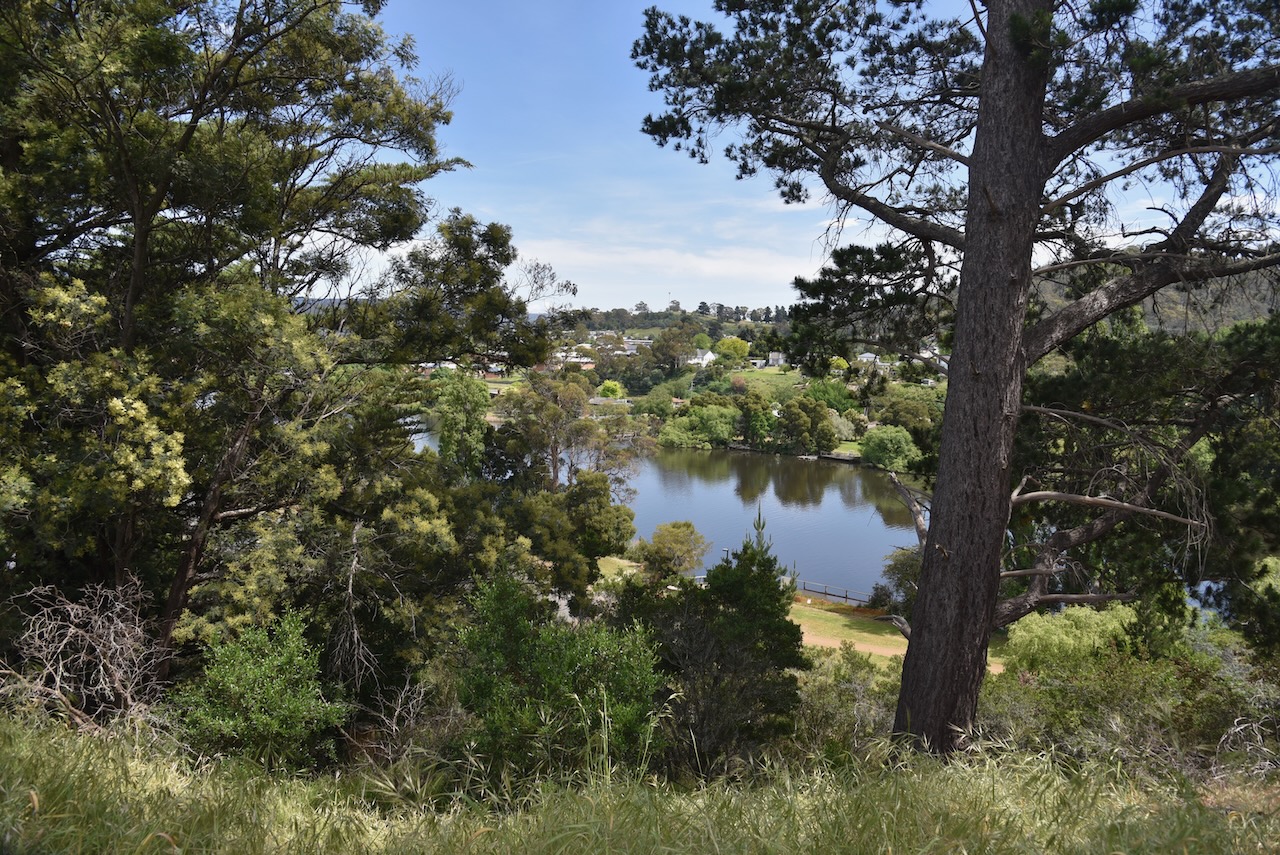
We then drove up to the Pulpit Rock lookout. Initially as we parked the car we did not think there was going to be much of a view. But after a short walk we were rewarded with some brilliant views of New Norfolk, the Derwent River, and the surrounding countryside.

We then decided to do a park activation and headed to the Derwent Cliffs State Reserve VKFF-1794, which is located at New Norfolk.

Above:- Map showing the location of the Derwent Cliffs State Reserve. Map c/o Google maps.

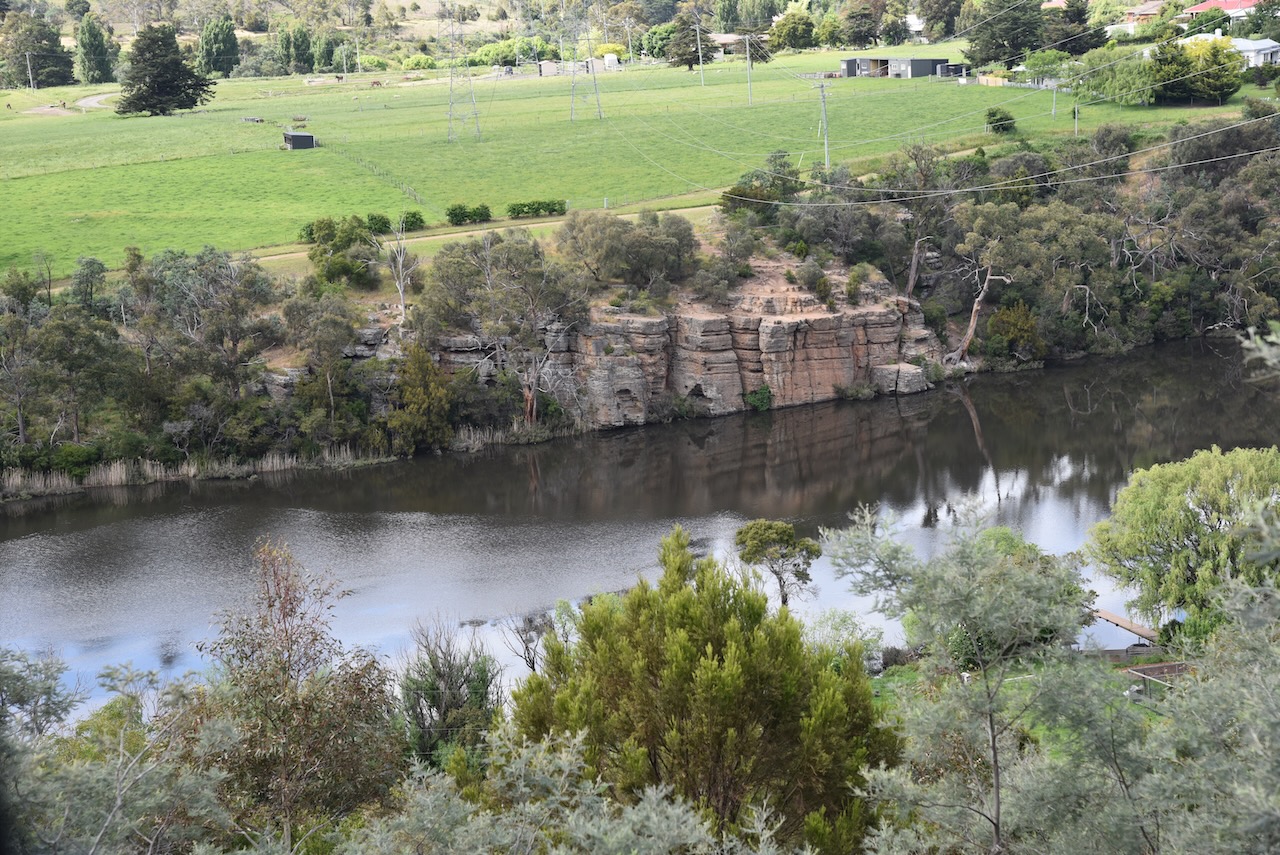
The Derwent Cliffs State Reserve is 3.72 hectares in size and is located on the southern side of the Derwent River. You can get some very good views of the park from the Pulpit Rock lookout.

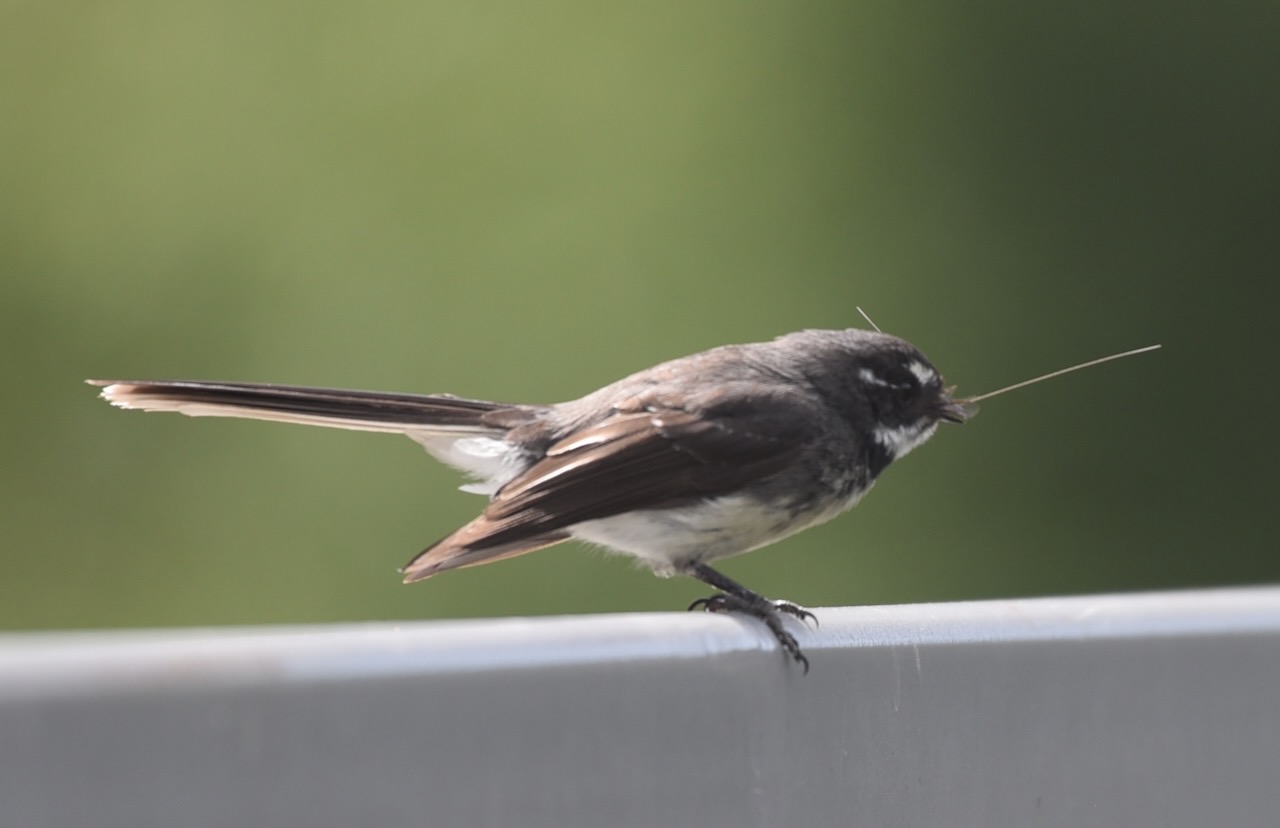
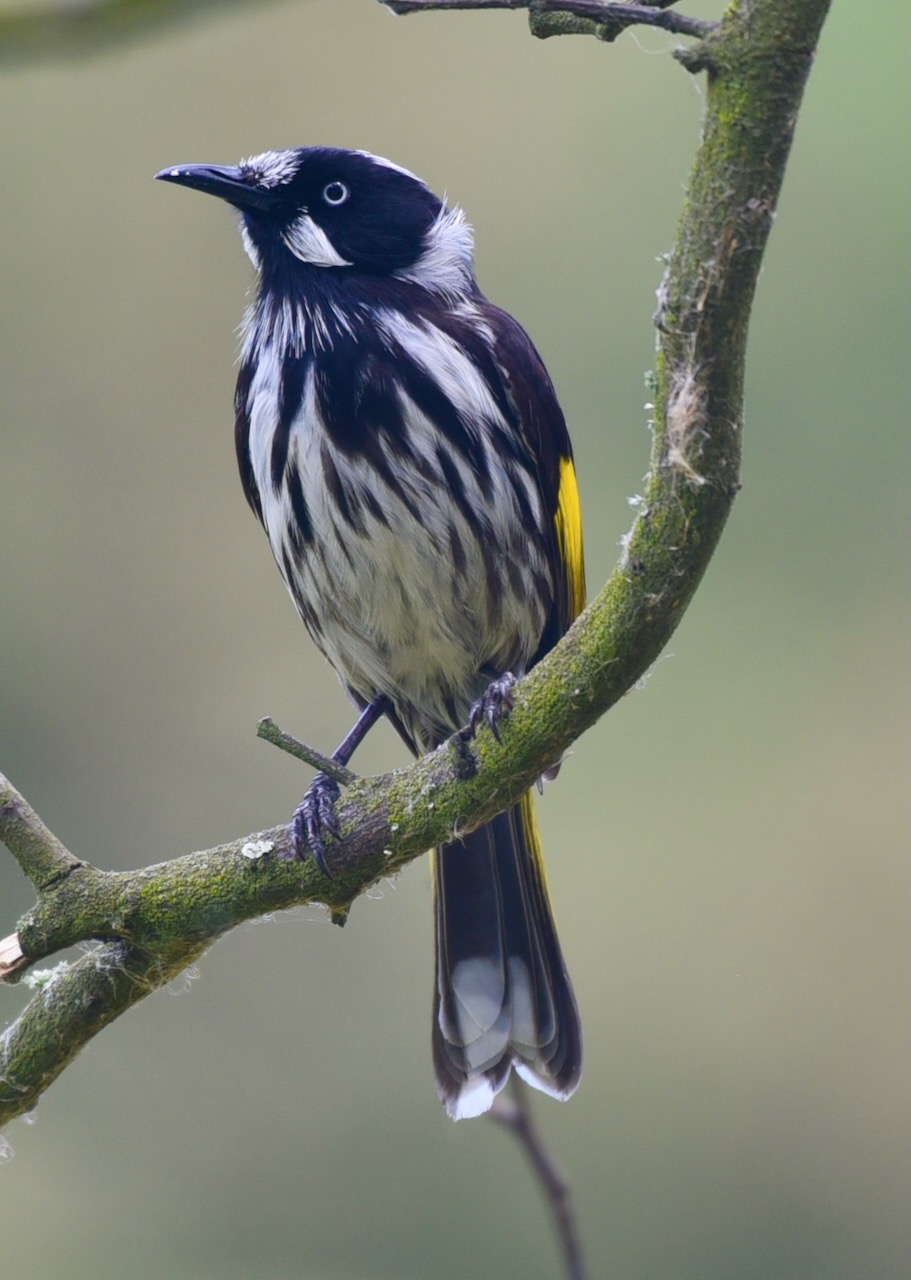
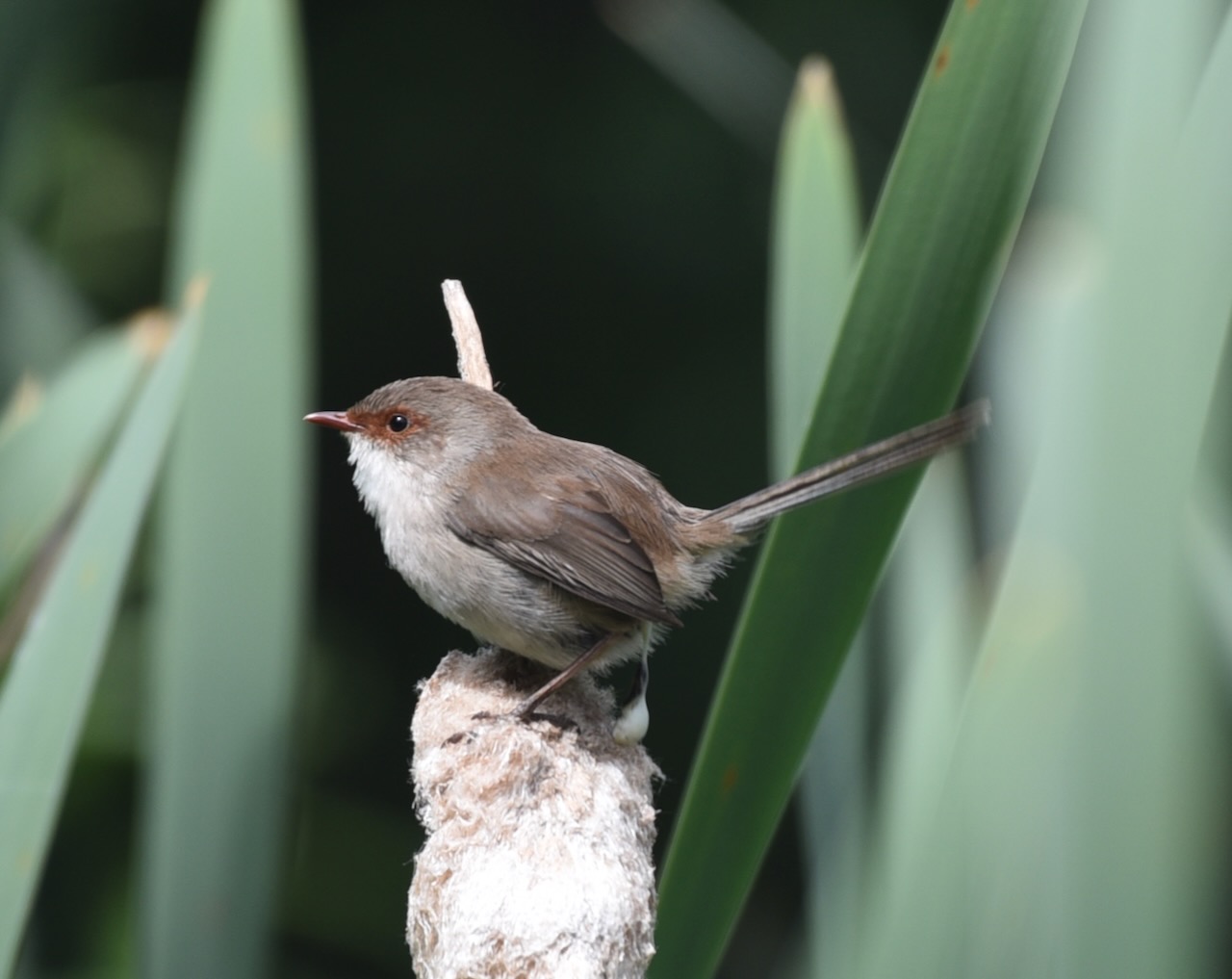
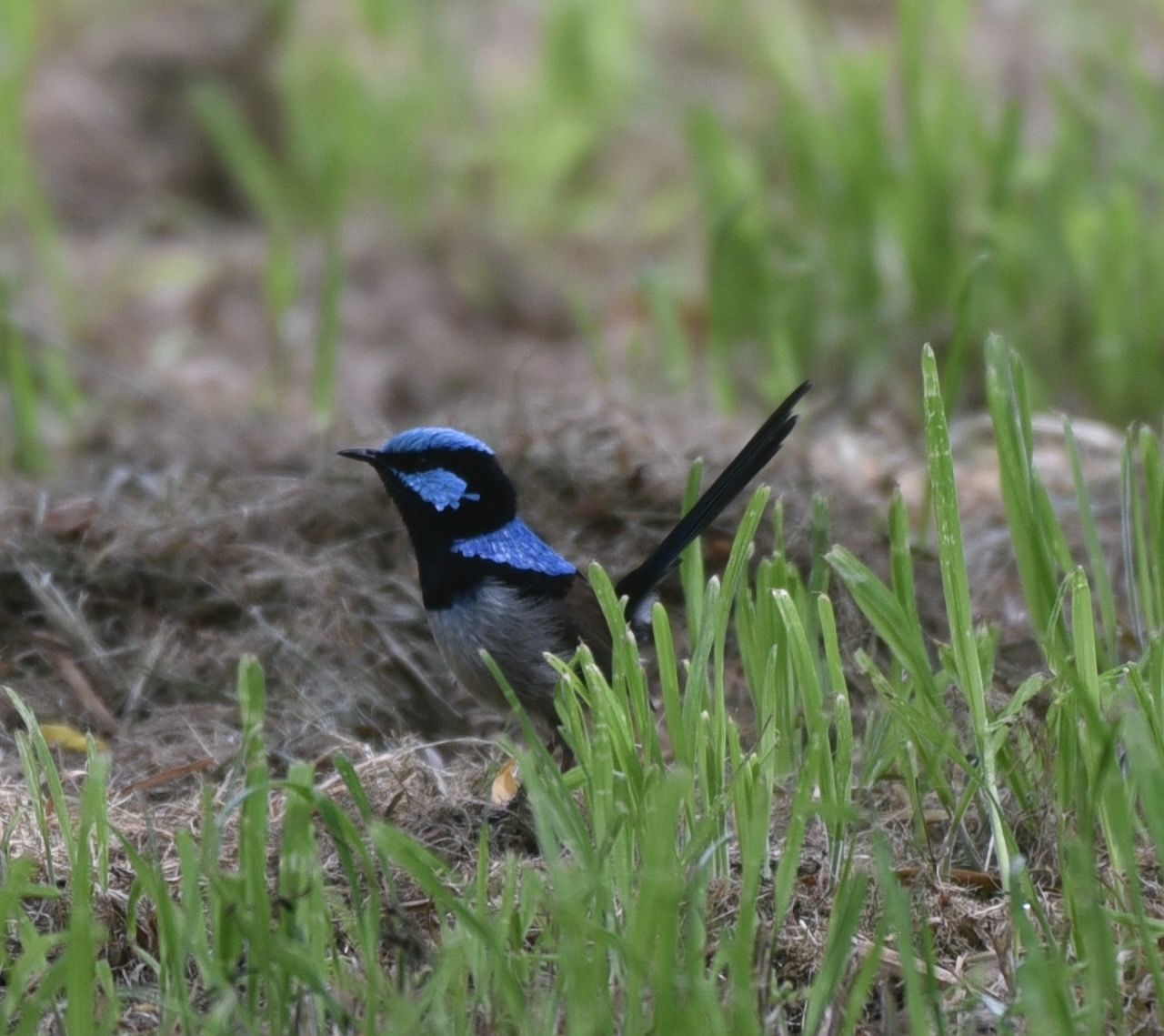
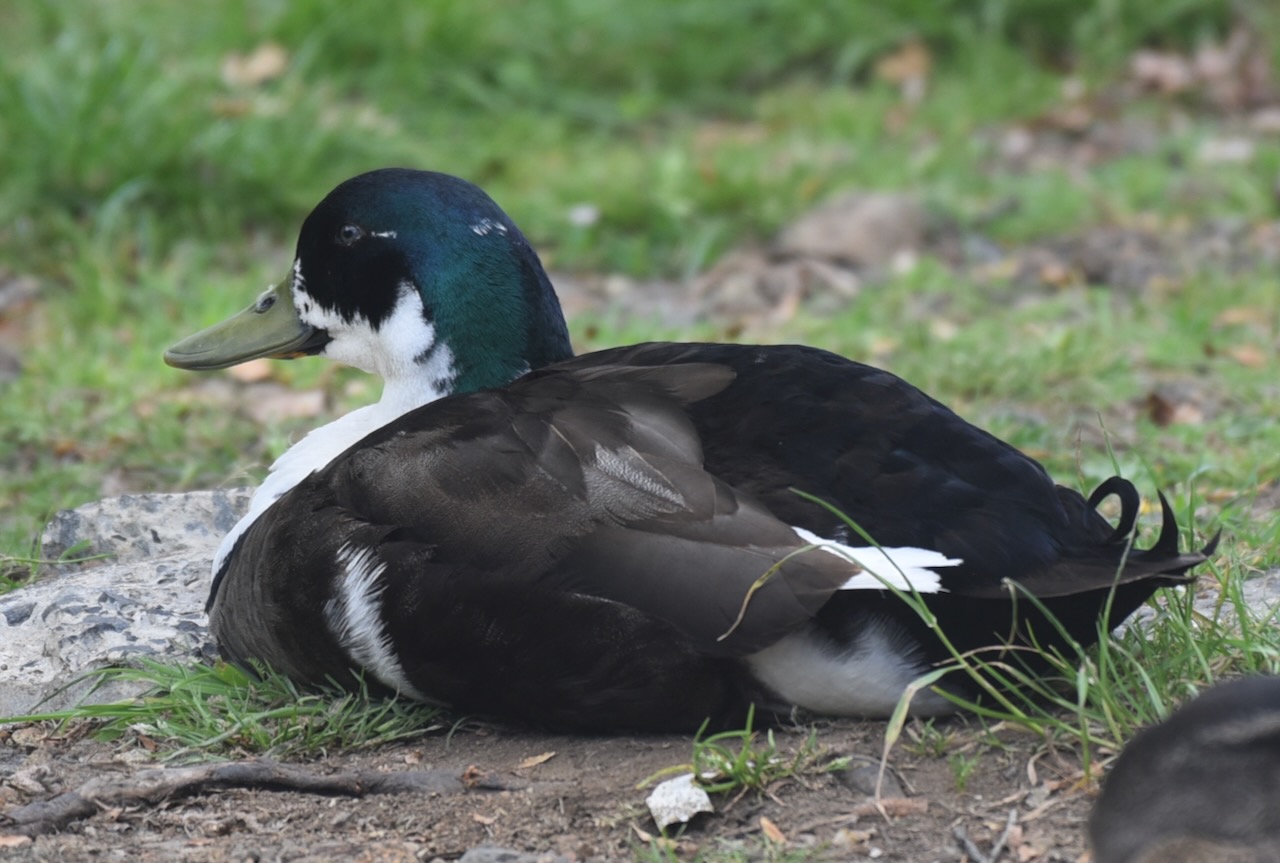
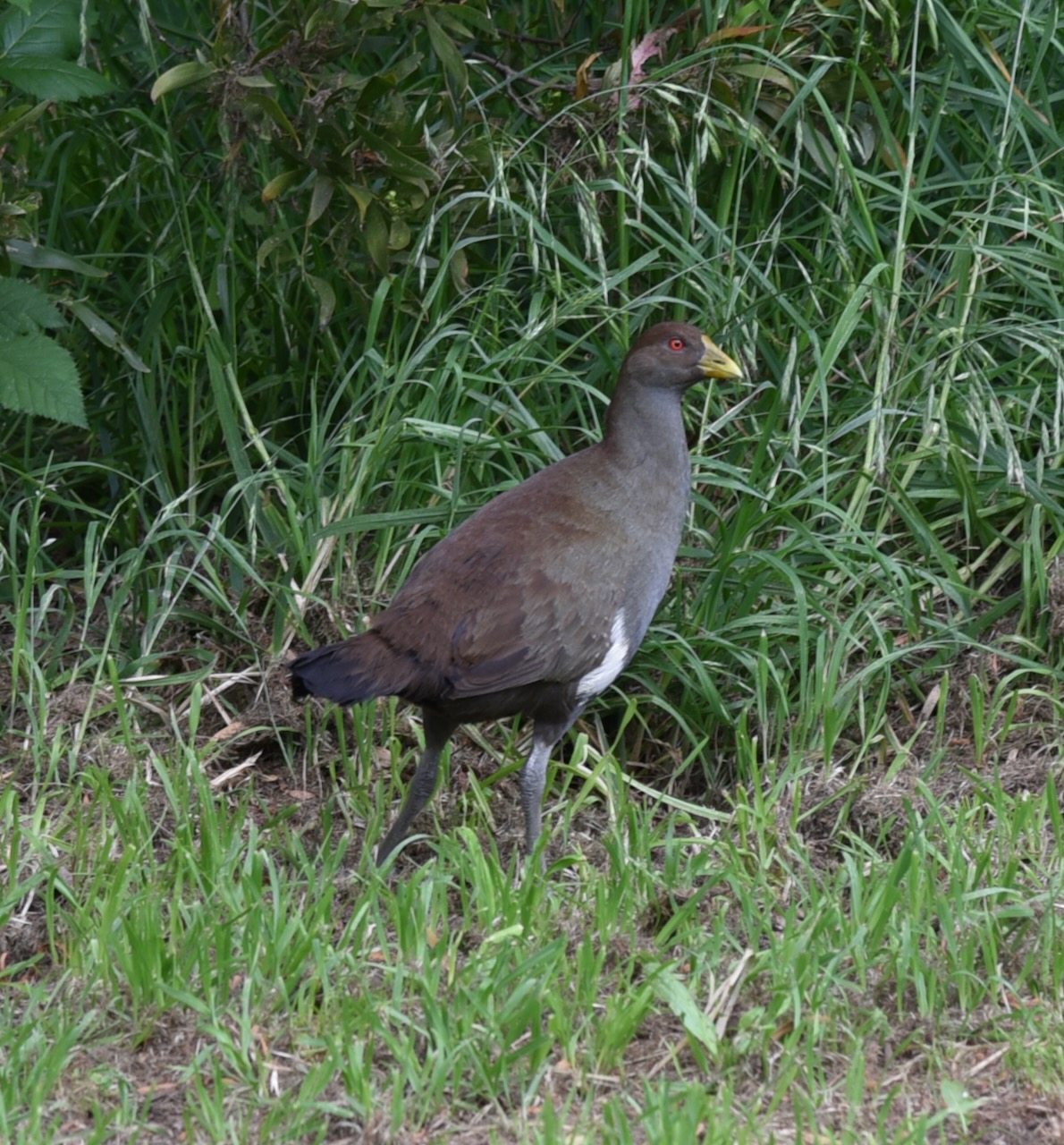
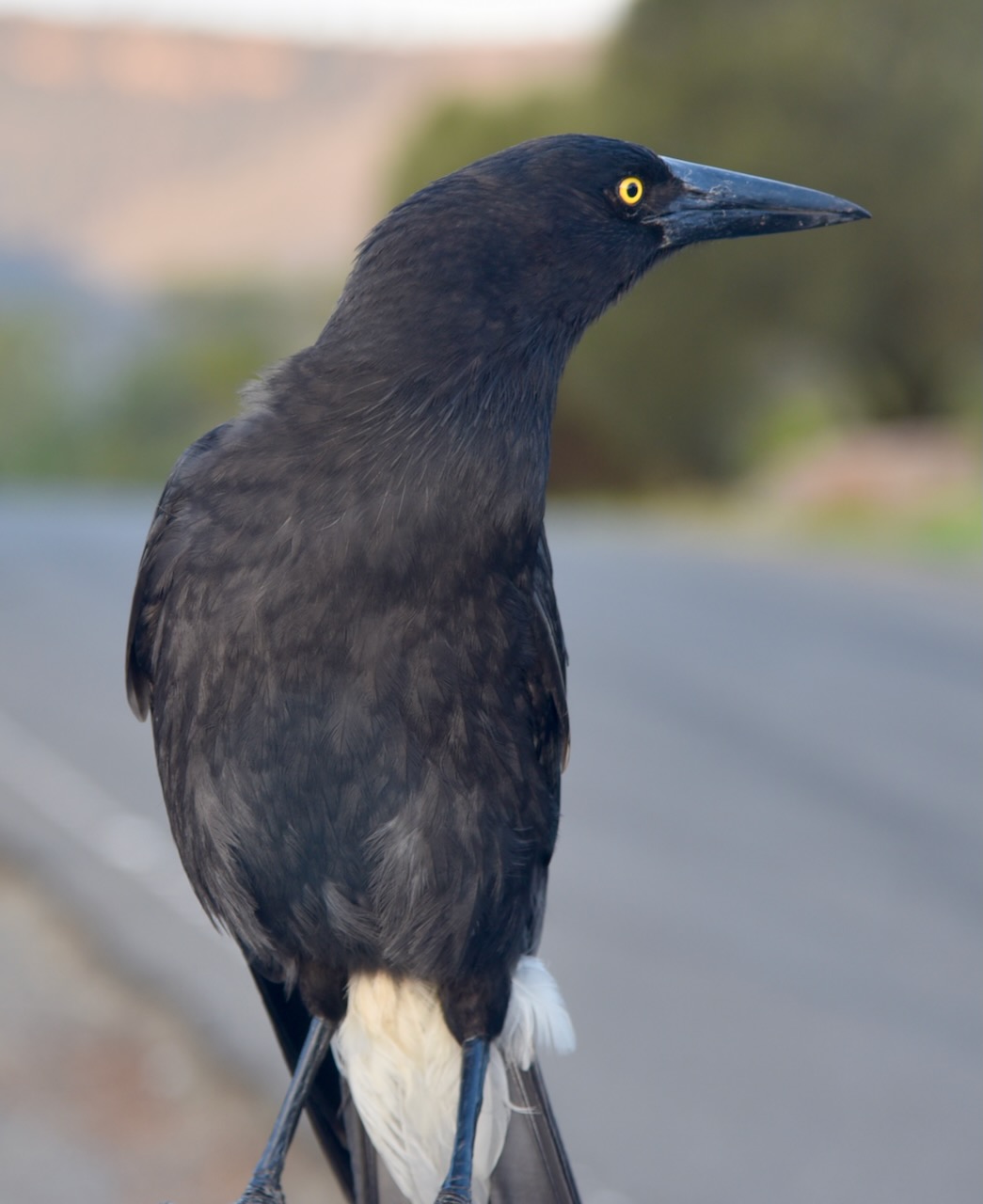
There was quite a bit of birdlife in the park during our visit, including both native species and introduced species such as Blackbirds.

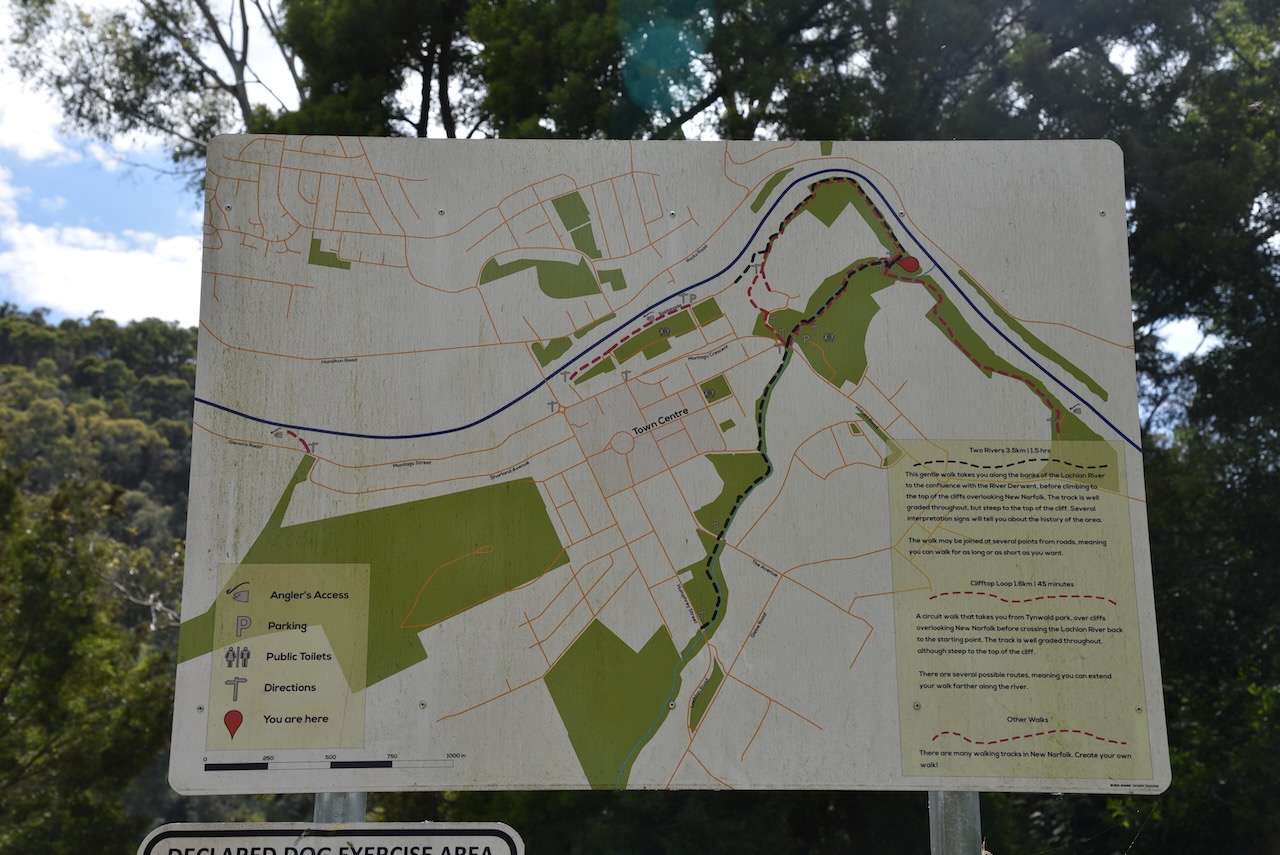
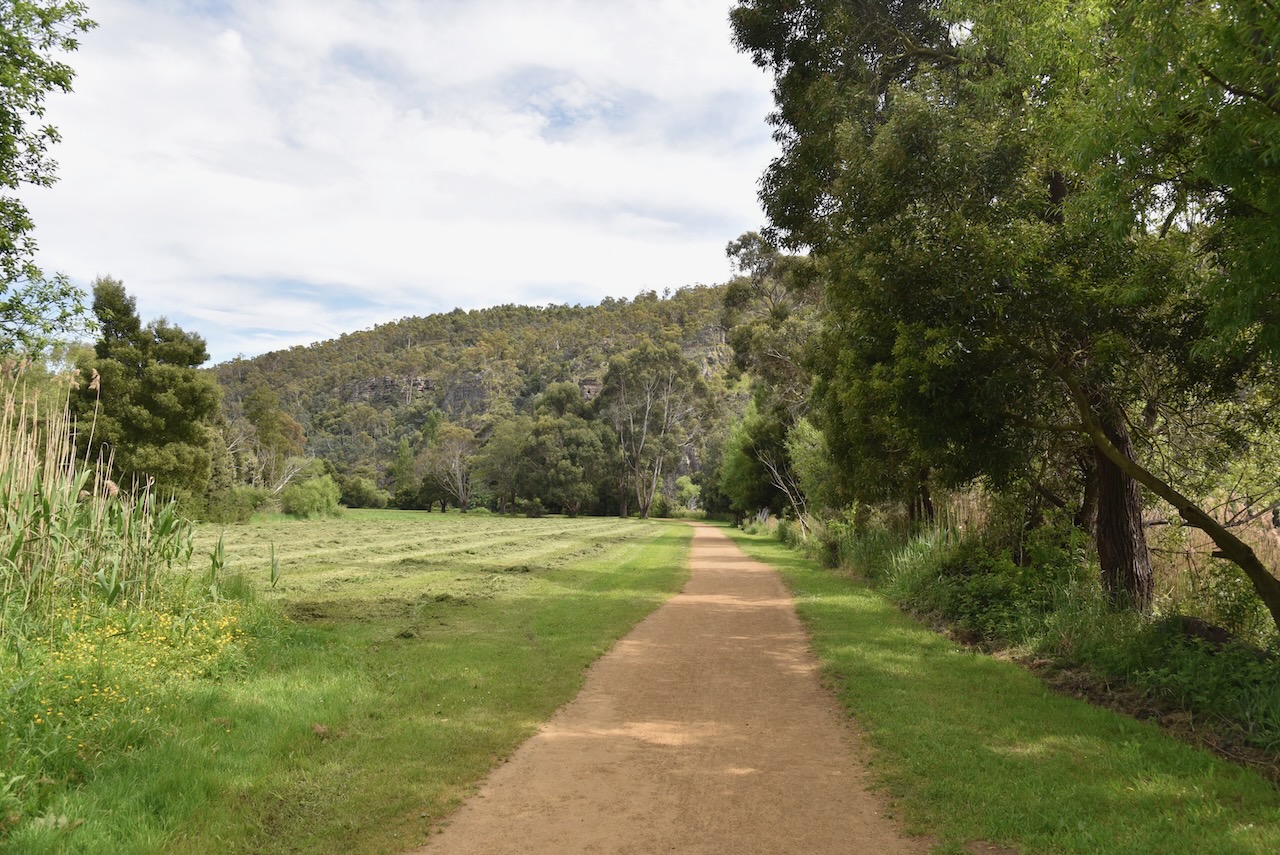
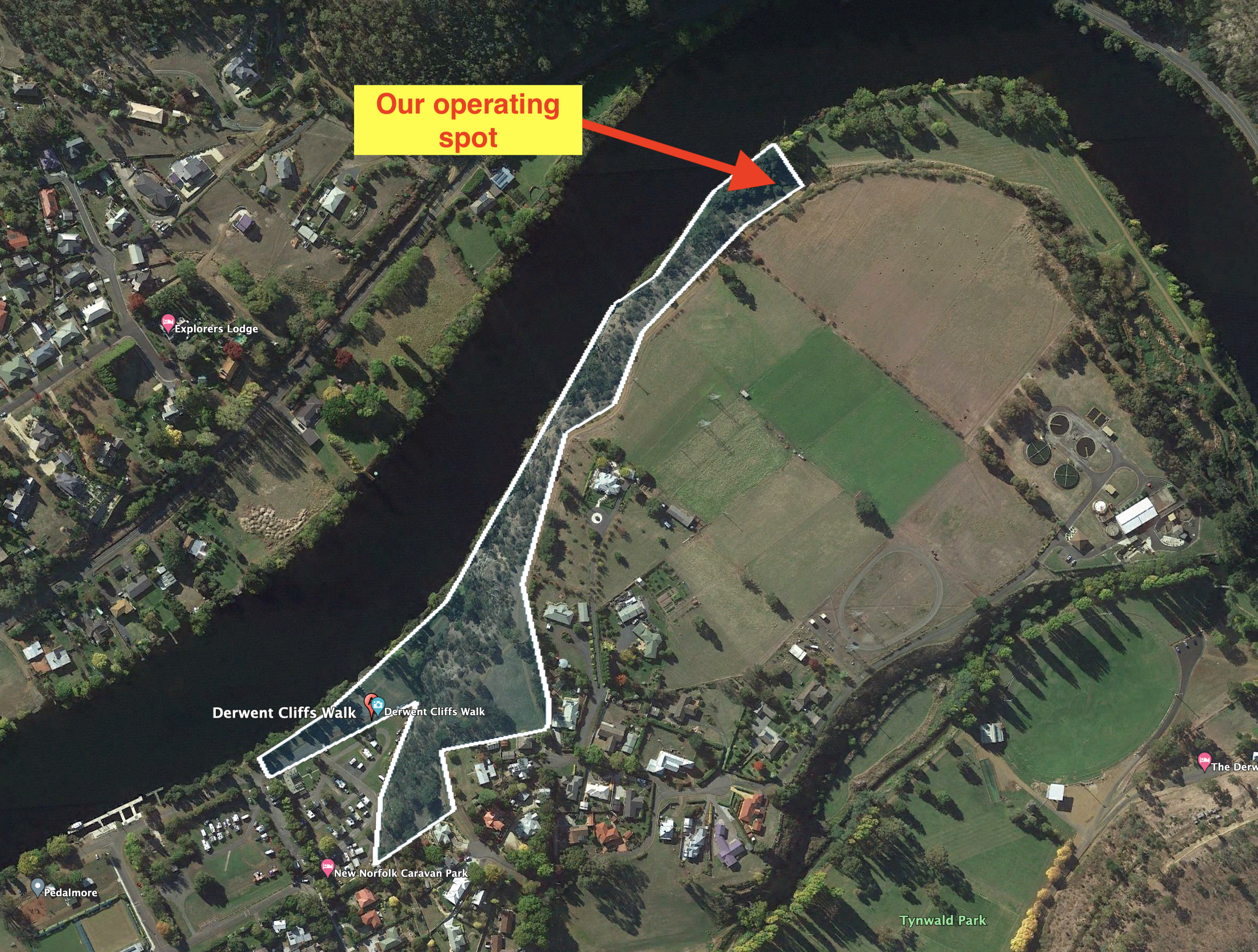
There was no where to drive into this park. We parked at Tynwald Oval and walked along the walkway adjacent to the Derwent River until we entered the park.

Above:- An aerial view of the park showing our operating spot. Image c/o Google Earth.

We found band conditions to be extremely challenging during this activation and we sturggled ober the line to get 10 contacts to qualify the park for the VKFF program.

Marija made the following QSOs on 40m SSB before the UTC rollover:-

  1. VK2HQ/p (Brundee Swamp Nature Reserve VKFF-2547)
  2. VK3PF
  3. VK3SQ
  4. VK3ZSC
  5. VK3UAO

Marija made the following QSOs on 40m SSB after the UTC rollover:-

  1. VK3UAO
  2. VK3PF
  3. VK3BEL
  4. VK2MET
  5. VK1AO

I made the following QSOs on 40m SSB before the UTC rollover:-

  1. VK2HQ/p (Brundee Swamp Nature Reserve VKFF-2547)
  2. VK3PF
  3. VK3SQ
  4. VK3ZSC
  5. VK5BJE
  6. VK3UAO

I made the following QSOS on 40m SSB after the UTC rollover:-

  1. VK3UAO
  2. VK3PF
  3. VK3BEL
  4. VK3NCR
  5. VK2MET
  6. VK1AO

References.

  1. New Norfolk, 2023, <http://www.newnorfolk.org/>, viewed 2nd December 2023.
  2. Wikipedia, 2023, <https://en.wikipedia.org/wiki/Lyell_Highway>, viewed 2nd Janury 2023.
  3. Wikipedia, 2023, <https://en.wikipedia.org/wiki/Mount_Lyell_(Tasmania)>, viewed 2nd January 2023.
  4. Wikipedia, 2023, <https://en.wikipedia.org/wiki/New_Norfolk>, viewed 2nd January 2023.
  5. Wikipedia, 2023, <https://en.wikipedia.org/wiki/Peter_Hudson>, viewed 2nd January 2023.
  6. Wikipedia, 2023, <https://en.wikipedia.org/wiki/The_Bush_Inn,_Tasmania>, viewed 2nd January 2023.
  7. Willow Court History Group, 2023, <https://www.willowcourttasmania.org/>, viewed 2nd January 2023.

Rosny Hill Nature Reserve VKFF-2928

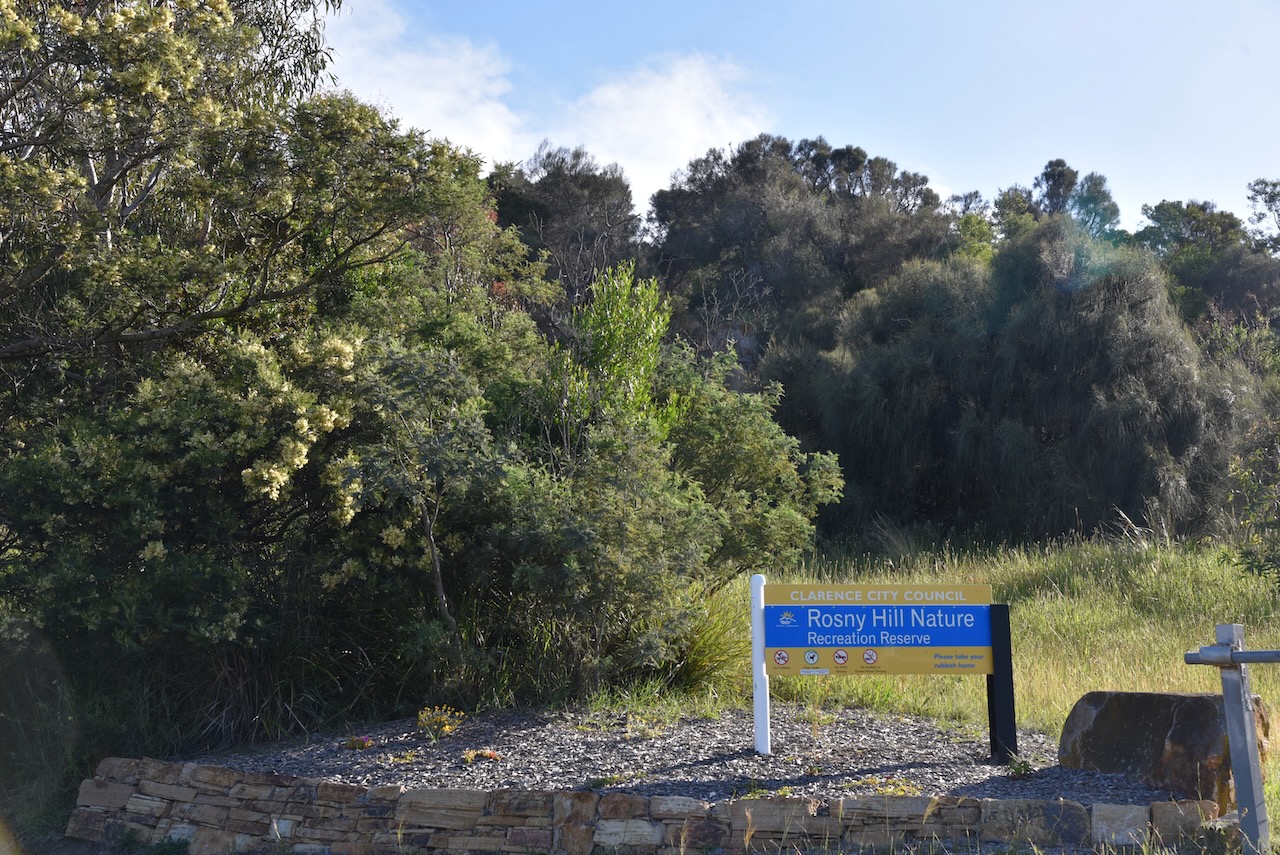
After packing up at East Risdon State Reserve (9th November 2022) we headed to our second park for the day, the Rosny Hill Nature Reserve VKFF-2928.

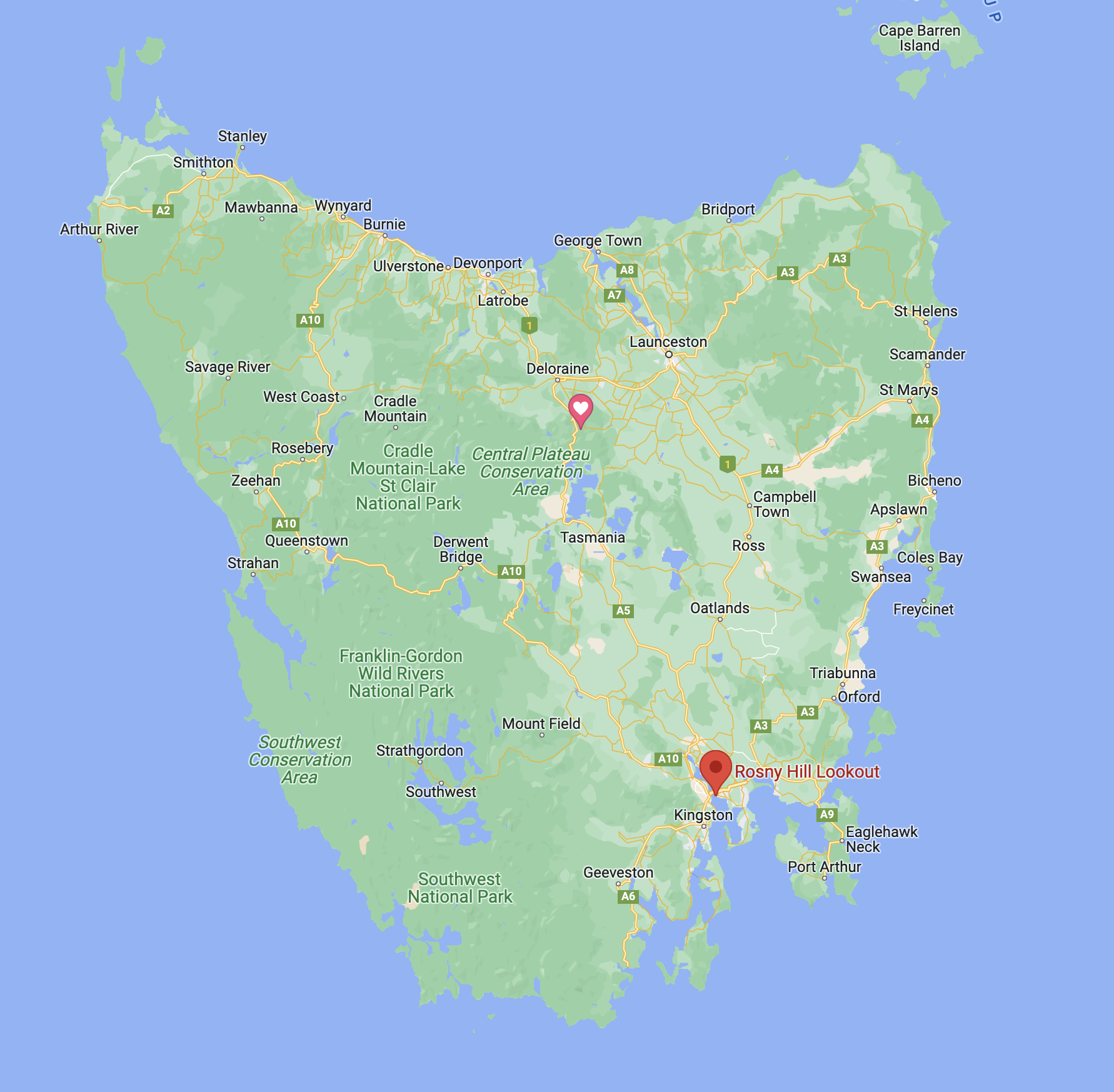
Above:- Map showing the location of the Rosny Hill Nature Reserve. Map c/o Google maps

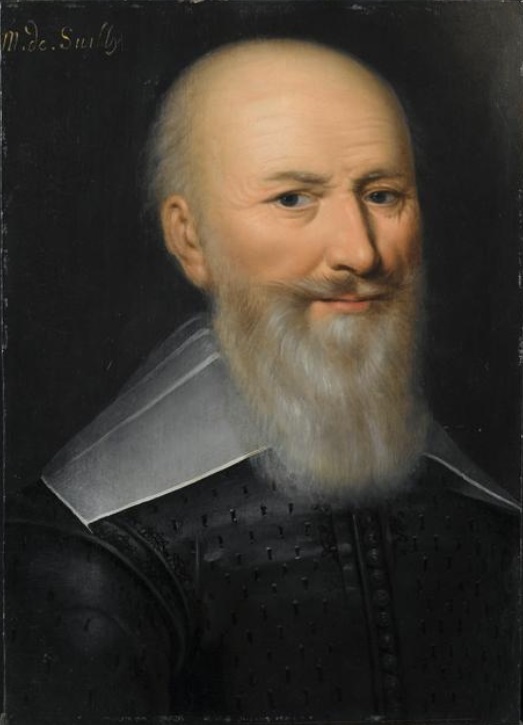
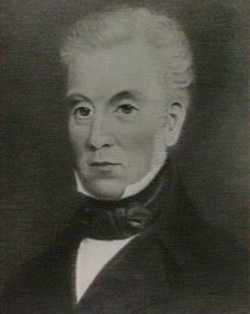
The park is located in the Hobart suburb of Rosny on the eastern banks of the River Derwent. Rosny was named by W.A. Bethune, the holder of the original grant on the point, in honour of his ancestor, the Duc de Maximilien de Bethune Sully, of Rosny-sur-Seine near Mantes in France.

Above:- Maximilien de Béthune. Image c/o Wikipedia.

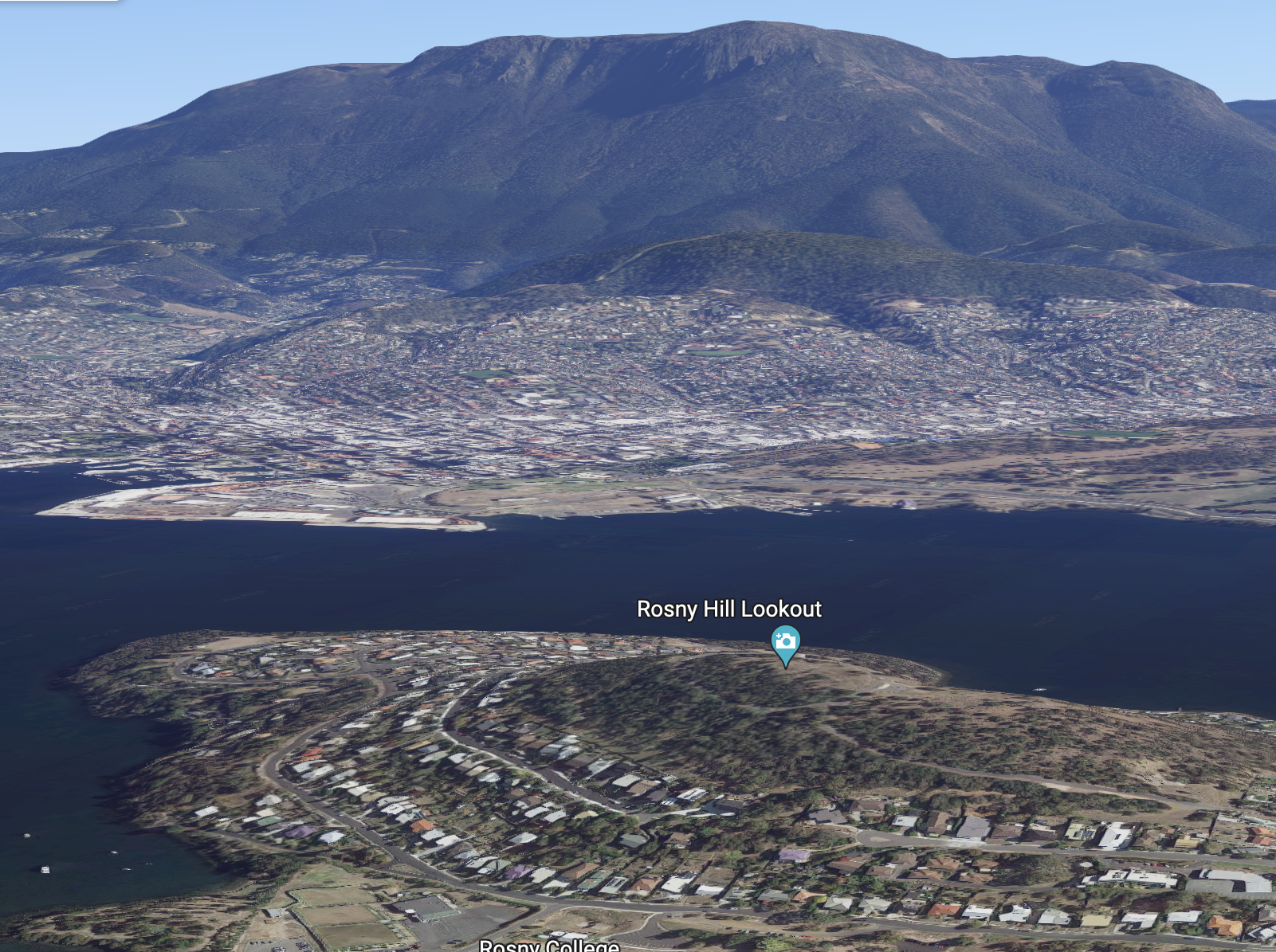
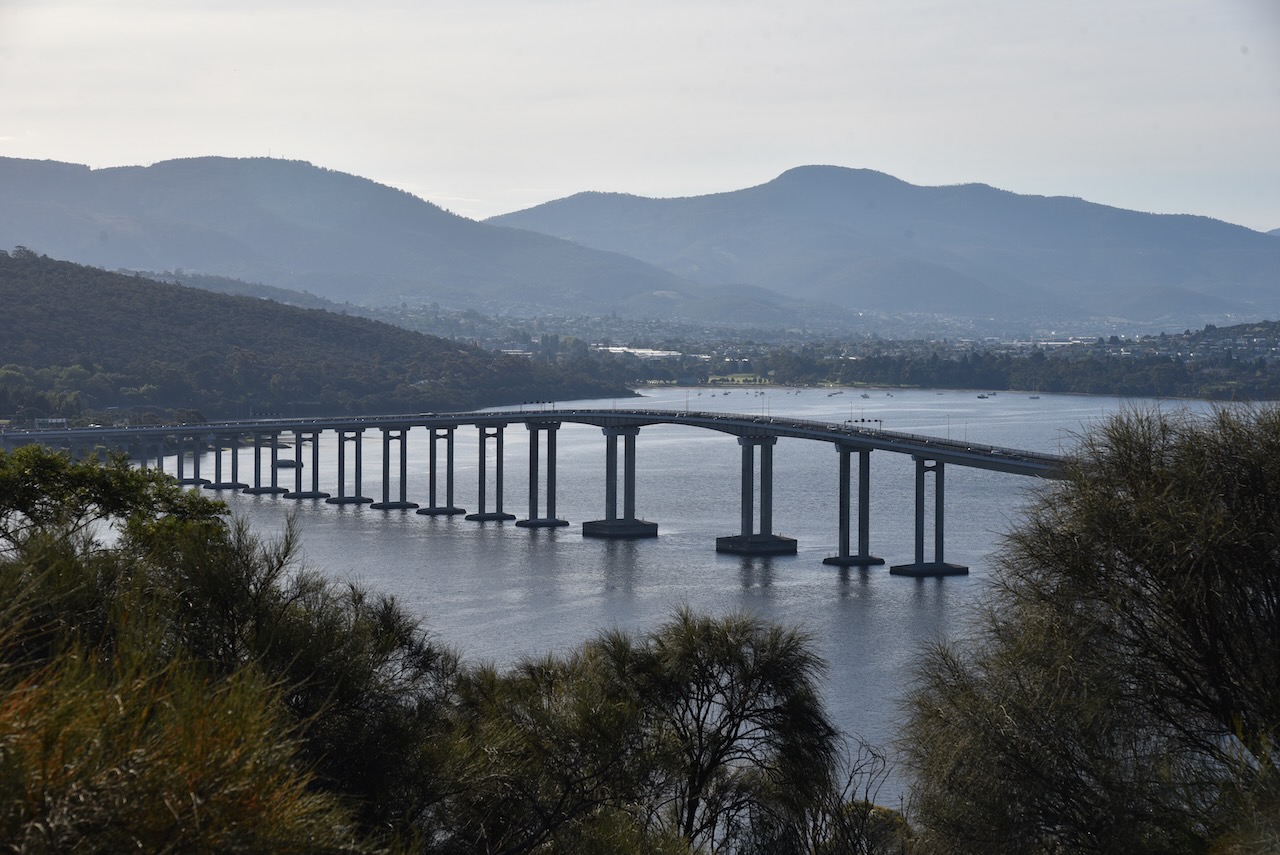
The Rosny Hill Nature Reserve is about 21.4 hectares in size. It encompassed the prominent wooded hill to the south of the Tasman Bridge. The park includes the Rosny Hill Lookout which is well known scenic vantage point. The park contains remnant vegetation which is entirely surrounded by residential subdivision.

The park is within the original homelands of the Oyster Bay people who were once the largest tribe in Tasmania. The band most closely associated with Rosny Hill were the Moomairremener people.

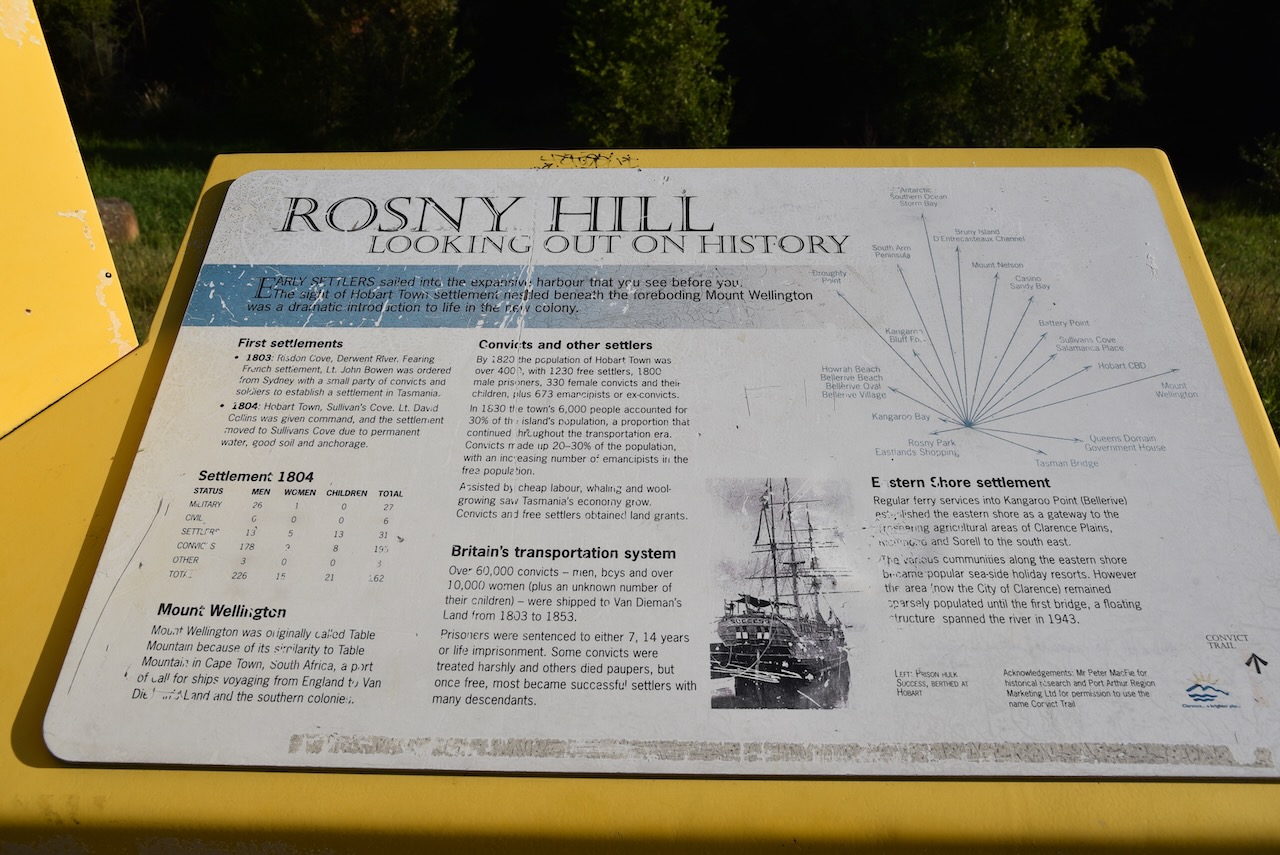
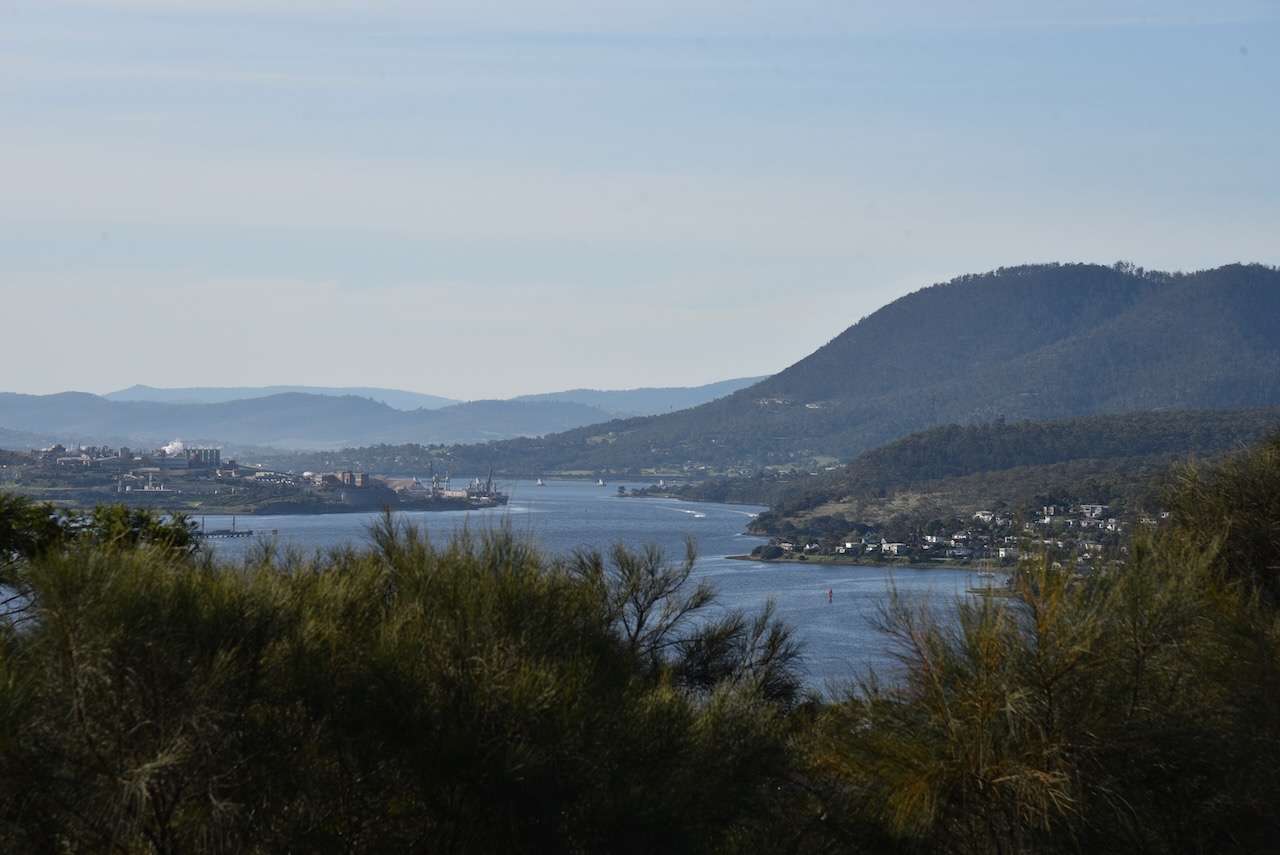
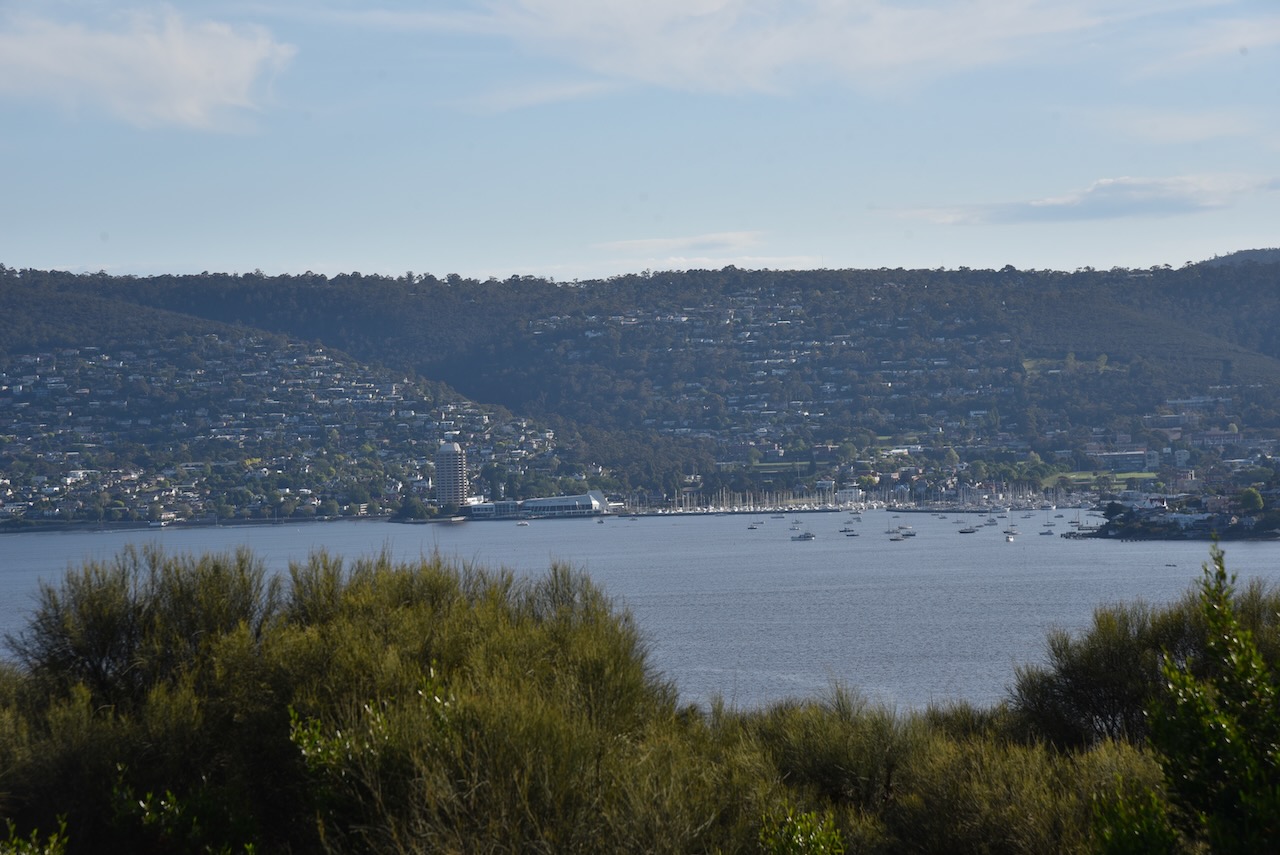
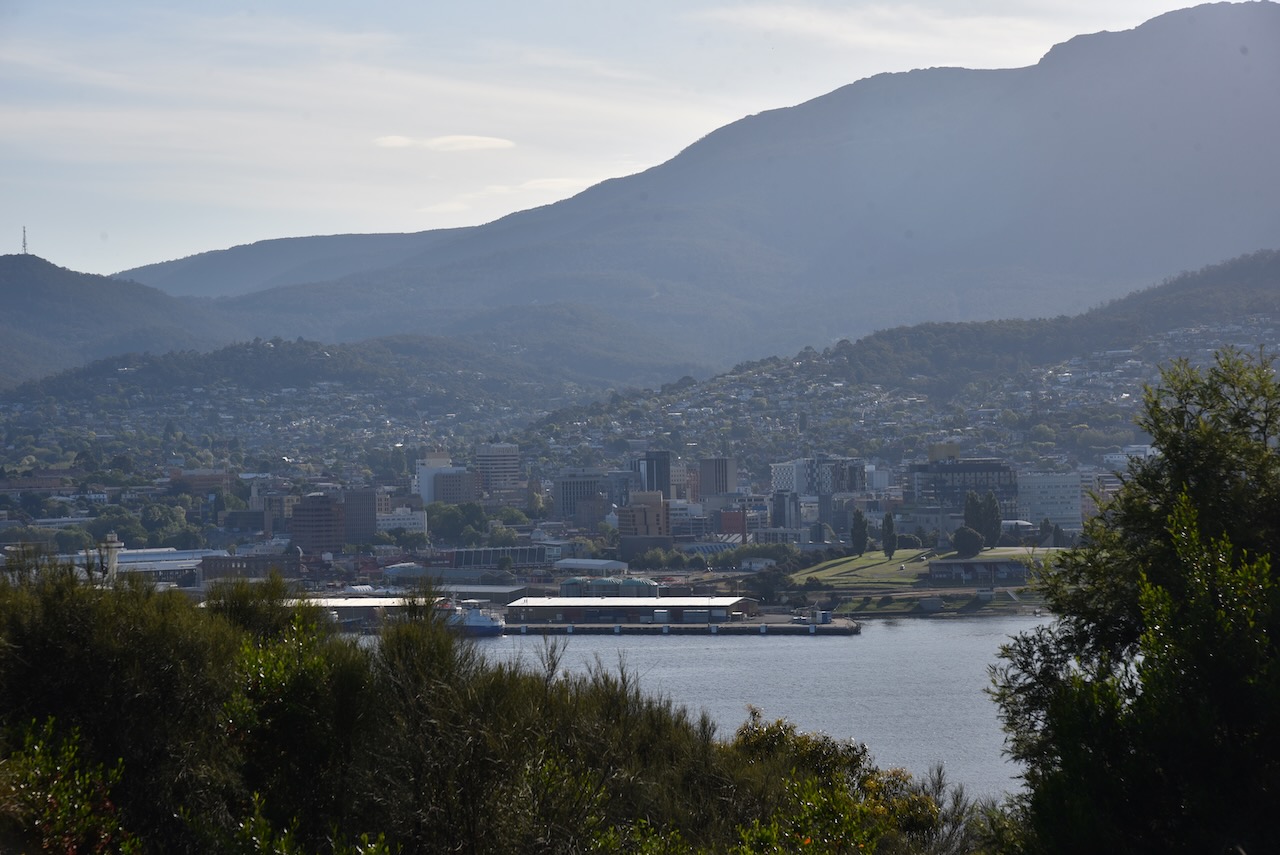
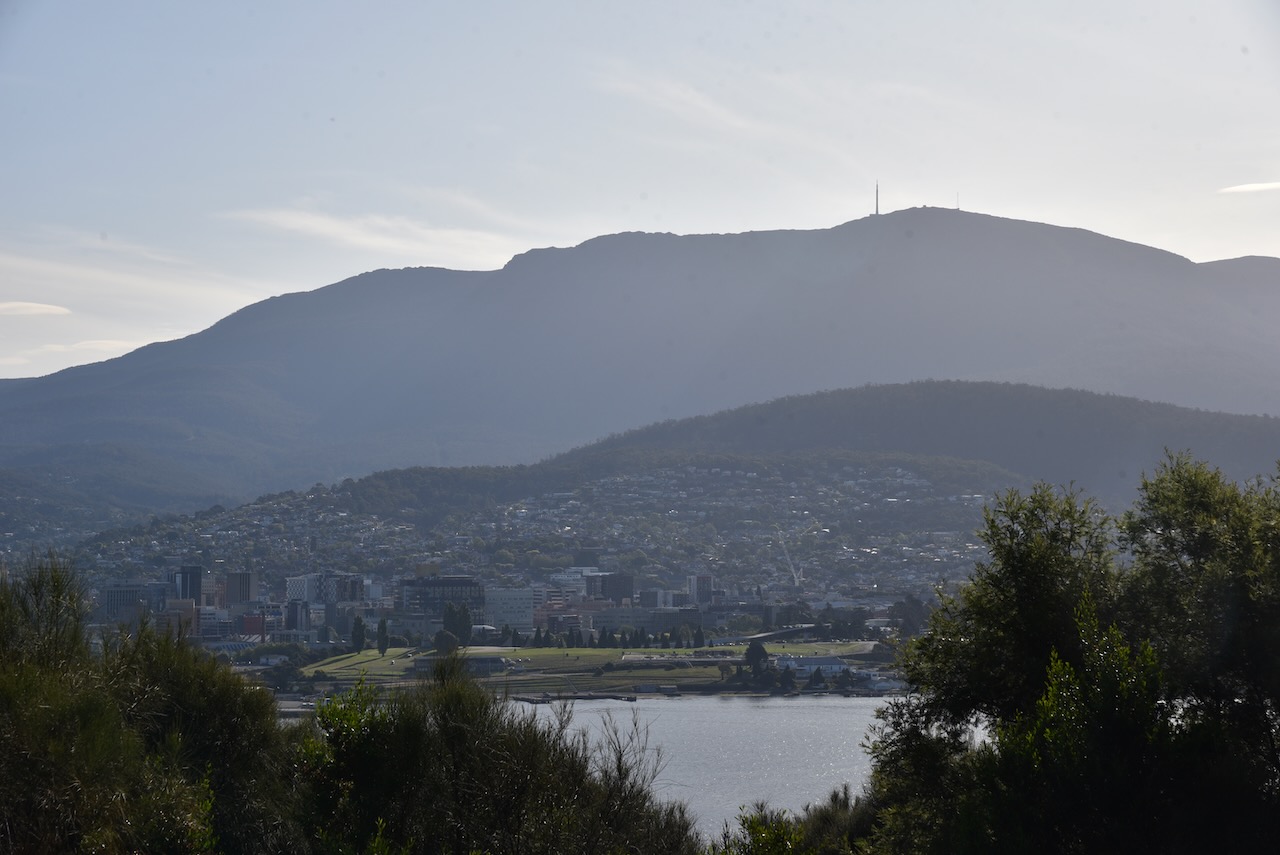
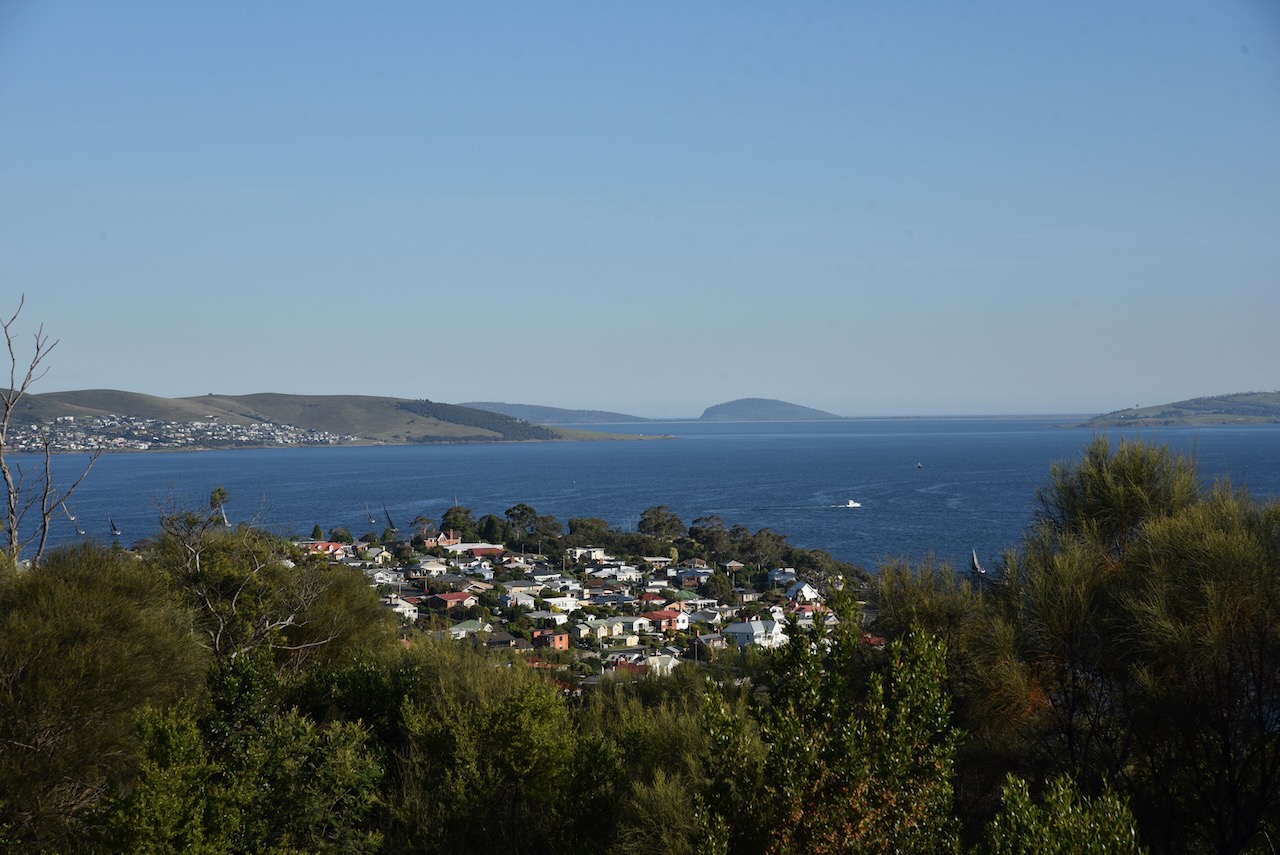
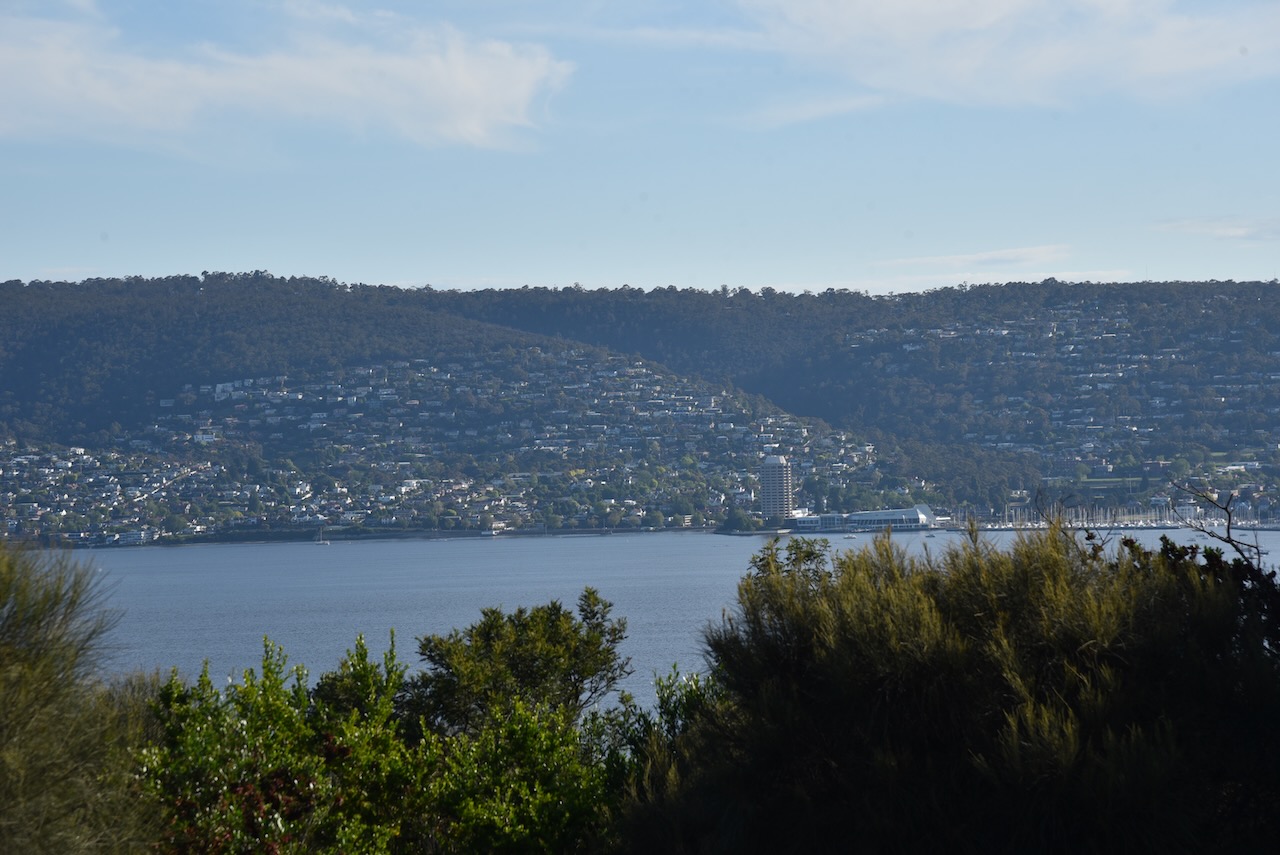
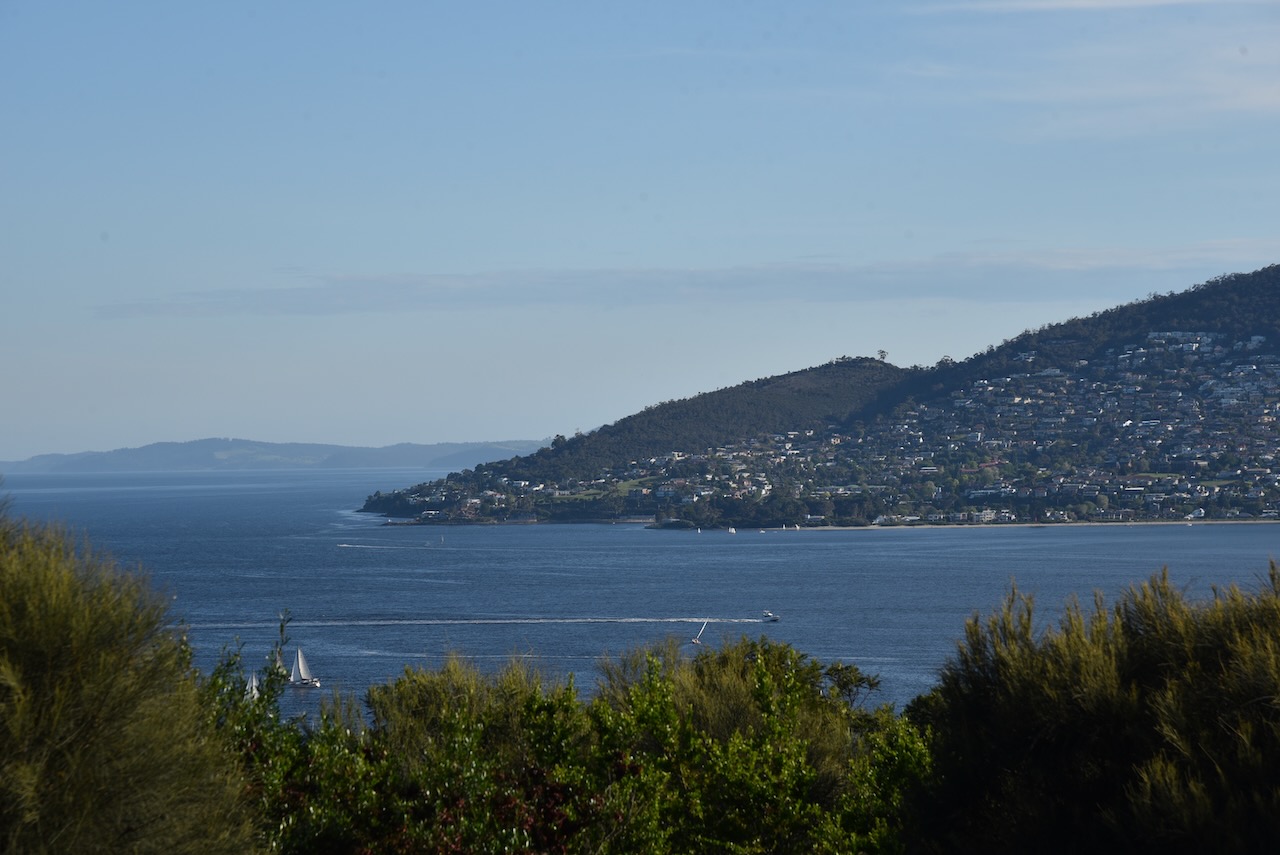
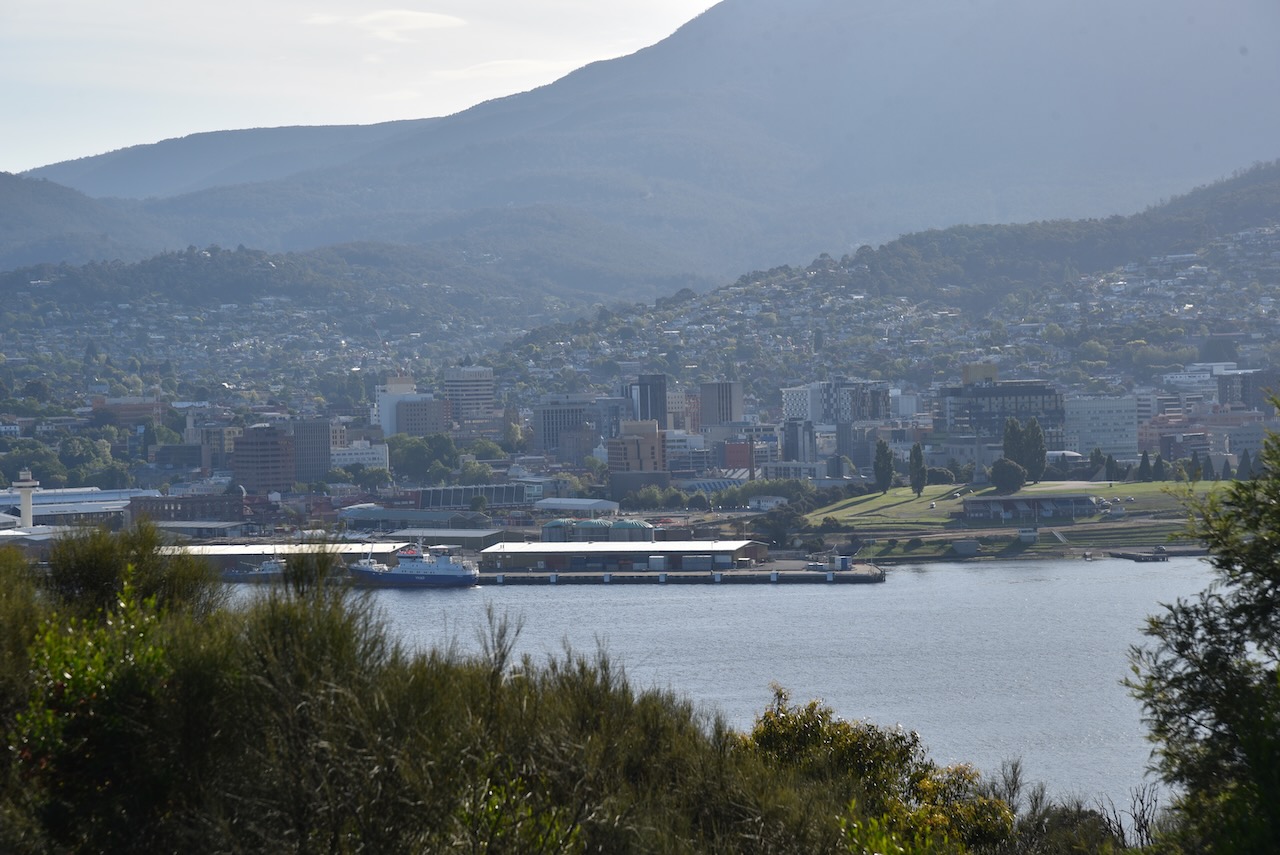
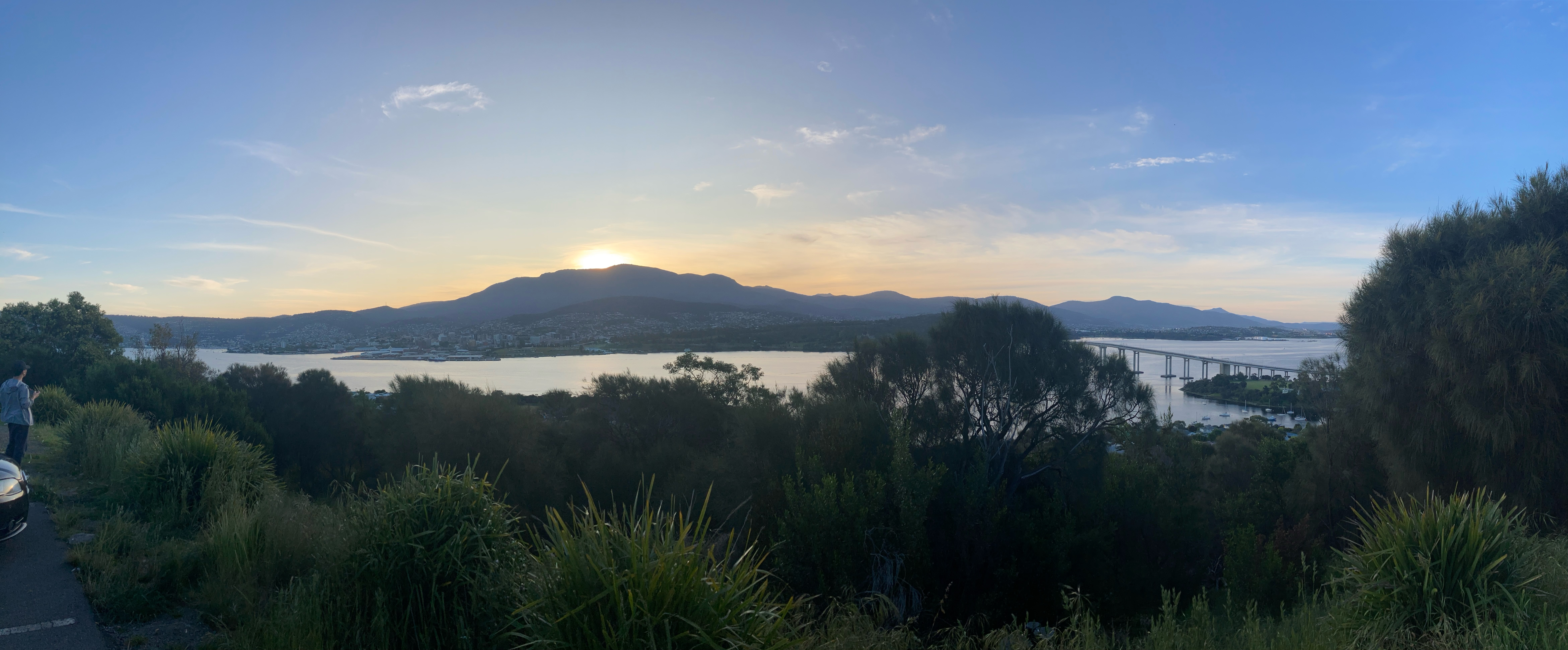
The lookout at Rosny Hill provides spectacular views of the city of Hobart, the Derwent River, Mount Wellington, and the Meehan Range. Residents of Hobart often use the lookout to view special events such as the Sydney to Hobart yacht race and New Years Eve fire works.

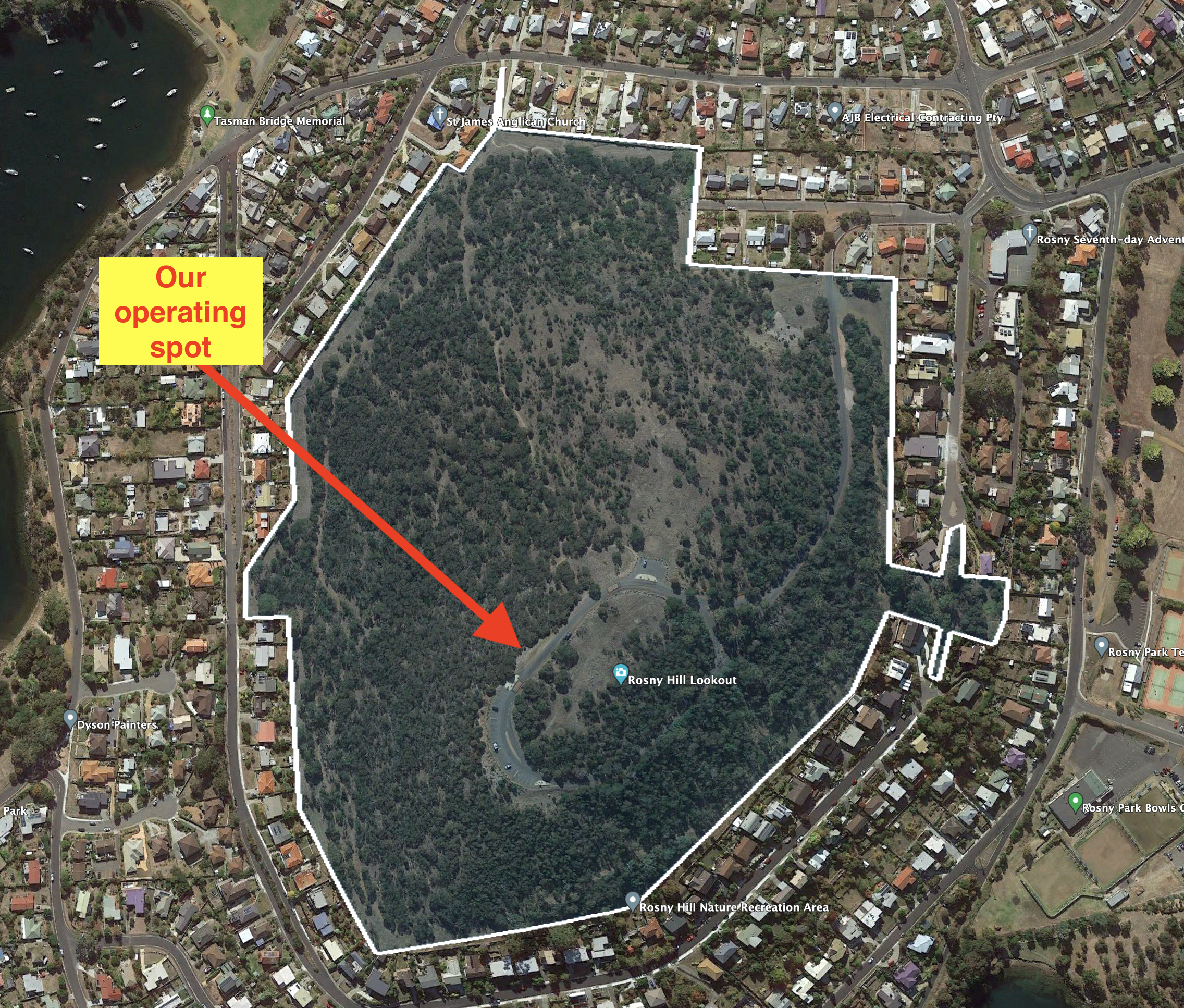
We operated from a clearing in the scrub hust down from the main lookout. We ran the Yaesu FT857, 40 watts, and the 20/40/80m linked dipole for this activation.
Above:- An aerial view of the park showing our operating spot. Image c/o Google maps.

We spent a little over an hour in the park and made a total of 66 QSOs. This included a bit of DX on 20m SSB into Italy, Slovak Republic, Marshall Islands, Finland, Switzerland, Belgium, and France. It was a great pleasure to work Danny ON4ON on both 40m SSB and 20m SSB.

Marija worked the following stations on 40m SSB:-

  1. VK3TWO/p
  2. VK2YAK
  3. VK4YAK
  4. VK3VIN
  5. Vk2HHA
  6. VK2MET
  7. VK1AO
  8. VK3PF
  9. VK3SQ
  10. VK5PL
  11. VK2IO
  12. VK3TWO/p (Pieman River State Reserve VKFF-1822)

I worked the following stations on 40m SSB:-

  1. VK3TWO/7
  2. VK2YAK
  3. VK4YAK
  4. VK3VIN
  5. VK2HHA
  6. VK2MET
  7. VK1AO
  8. VK3PF
  9. VK3SQ
  10. VK5PL
  11. VK2IO
  12. VK7FAMP
  13. VK3NDG/m
  14. VK4TJ
  15. VK4EW
  16. VK4BXX
  17. VK2YK
  18. VK5GA
  19. VK7MOO
  20. VK2EXA
  21. VK4SMA
  22. ZL3MR
  23. VK2LD
  24. VK3MCA
  25. VK3TWO/p (Pieman River State Reserve VKFF-1822)
  26. VK3HJW
  27. VK7AAE
  28. VK2VY
  29. VK7LTD
  30. VK4EMP
  31. VK5HAA
  32. VK3KKP
  33. VK3AMO
  34. VK3TR
  35. VK2WOG
  36. VK3ZPF
  37. ON4ON

I worked the following stations on 20m SSB:-

  1. IW2BNA
  2. IK4IDF
  3. VK7LTD
  4. OM5DP
  5. V73MS
  6. VK7HH
  7. ZL3MR
  8. ZL1TM
  9. IW2NXI
  10. OH1MM
  11. HB9BEV
  12. VK4SMA
  13. ON4ON
  14. F4ILH
  15. VK4MGL
  16. VK4EMP
  17. F1BLL

References.

  1. Rosny Hill Nature Recreation Area Management Strategy, August 2011.
  2. Wikipedia, 2022, <https://en.wikipedia.org/wiki/Rosny,_Tasmania>, viewed 1st January 2023.
Day fourteen and East Risdon State Reserve VKFF-1798

It was now day fourteen (Wednesday 9th November 2022) and we had planned on travelling to the historic little town of Richmond and specifically the old Richmond Gaol.

We headed north along the Tasman Highway and soon reached Richmond,about 27 km north of Hobart.

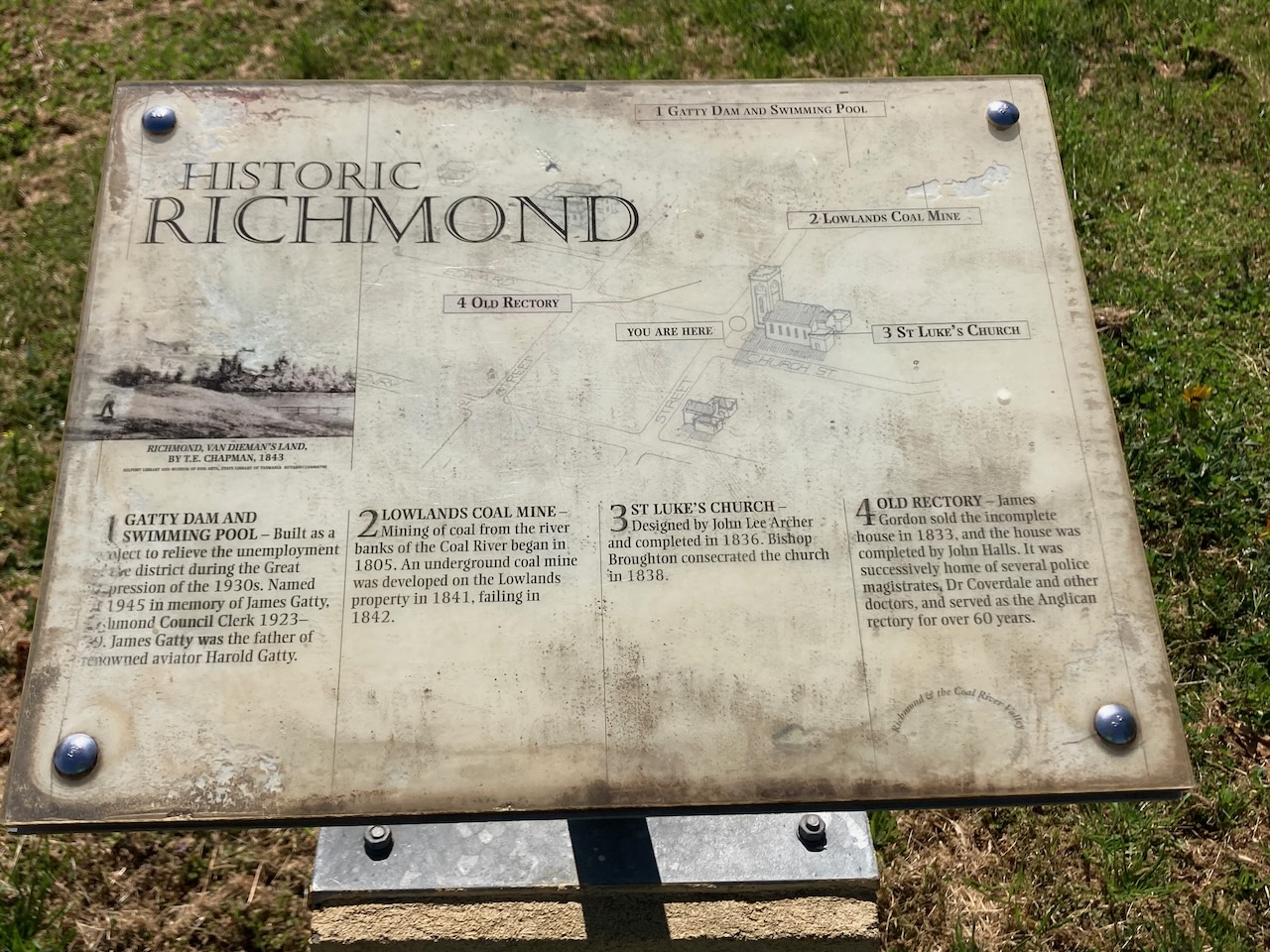
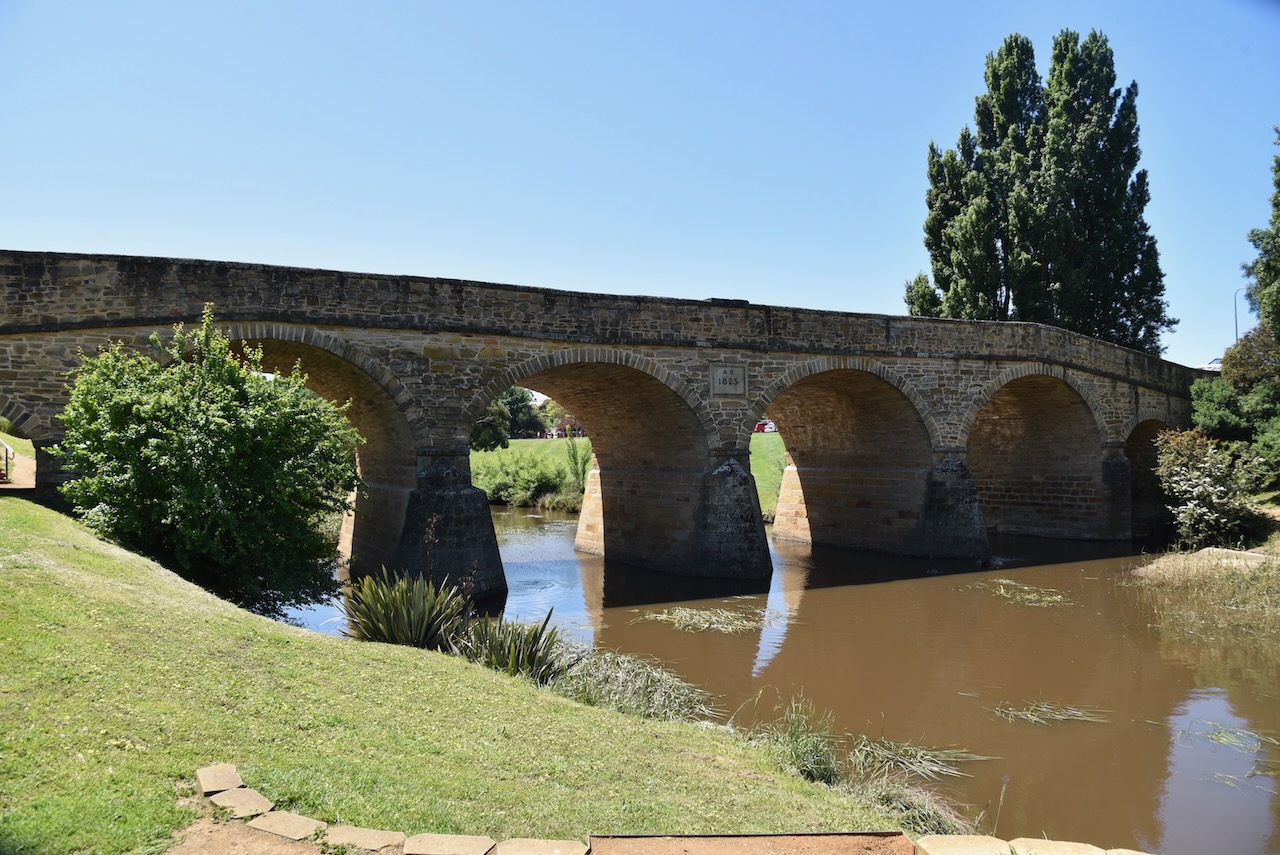
The Richmond area was originally inhabited by the Moomairremener people. The first European to explore the area was Surveyor James Meehan. He named the Coal River after the coal that he discovered there. From around 1808 land grants were given in the Richmond area and Richmond soon became a rich agricultural area. In 1825 the famous Richmond bridge was built over the Coal River and this resulted in travel to the east coast of Tasmania. The town of Richmond then grew.

In 1824, Lieutenant Governor William Sorell proclaimed the township of Richmond. It was named after the nearby property called Richmond Park which was owned by David Lord. Land from Lord’s site was used for the town.

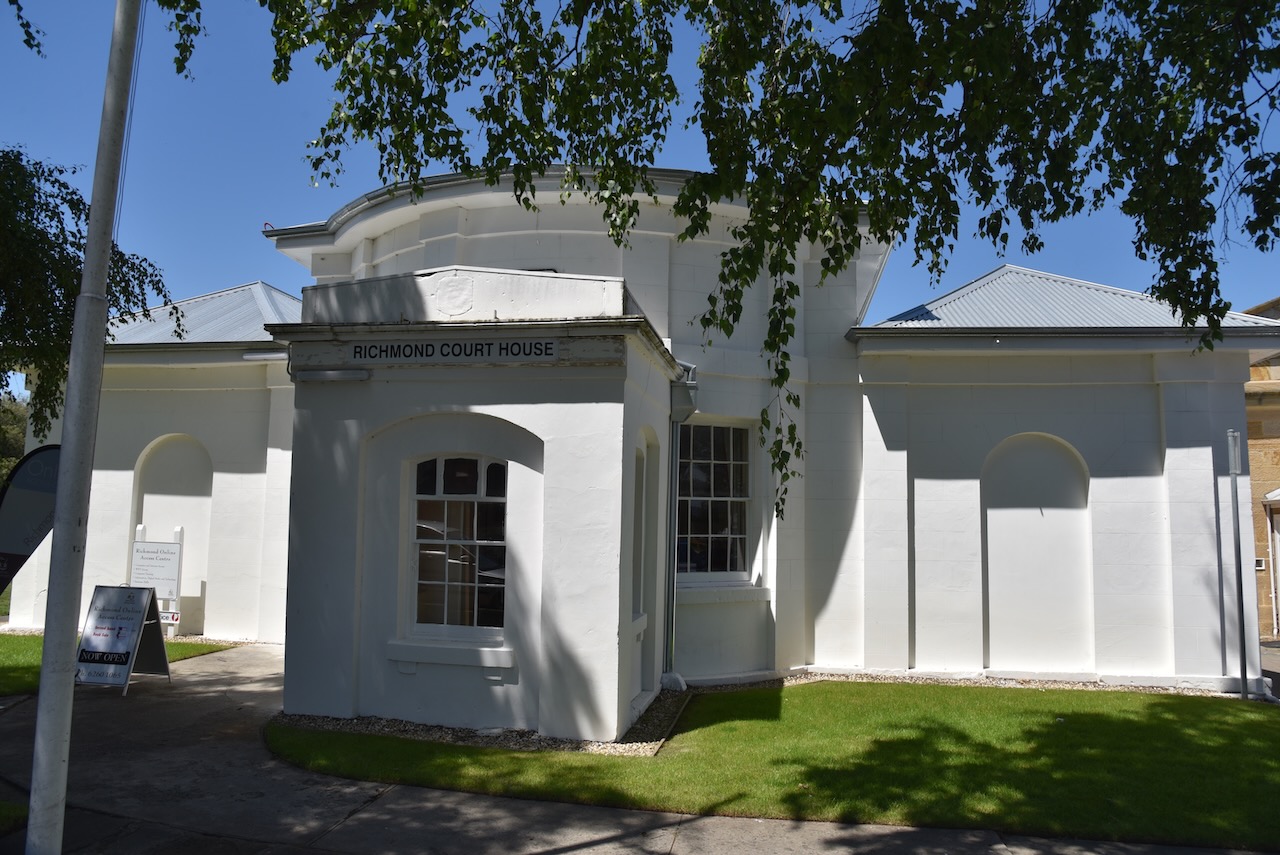
Richmond was developed as a police district for the surrounding area and by 1825 had a gaol, courthouse, barracks and watch house. By 1835 Richmond was the third largest district in Tasmania.

Above:- Lieutenant Governor William Sorell. Image c/o Wikipedia.

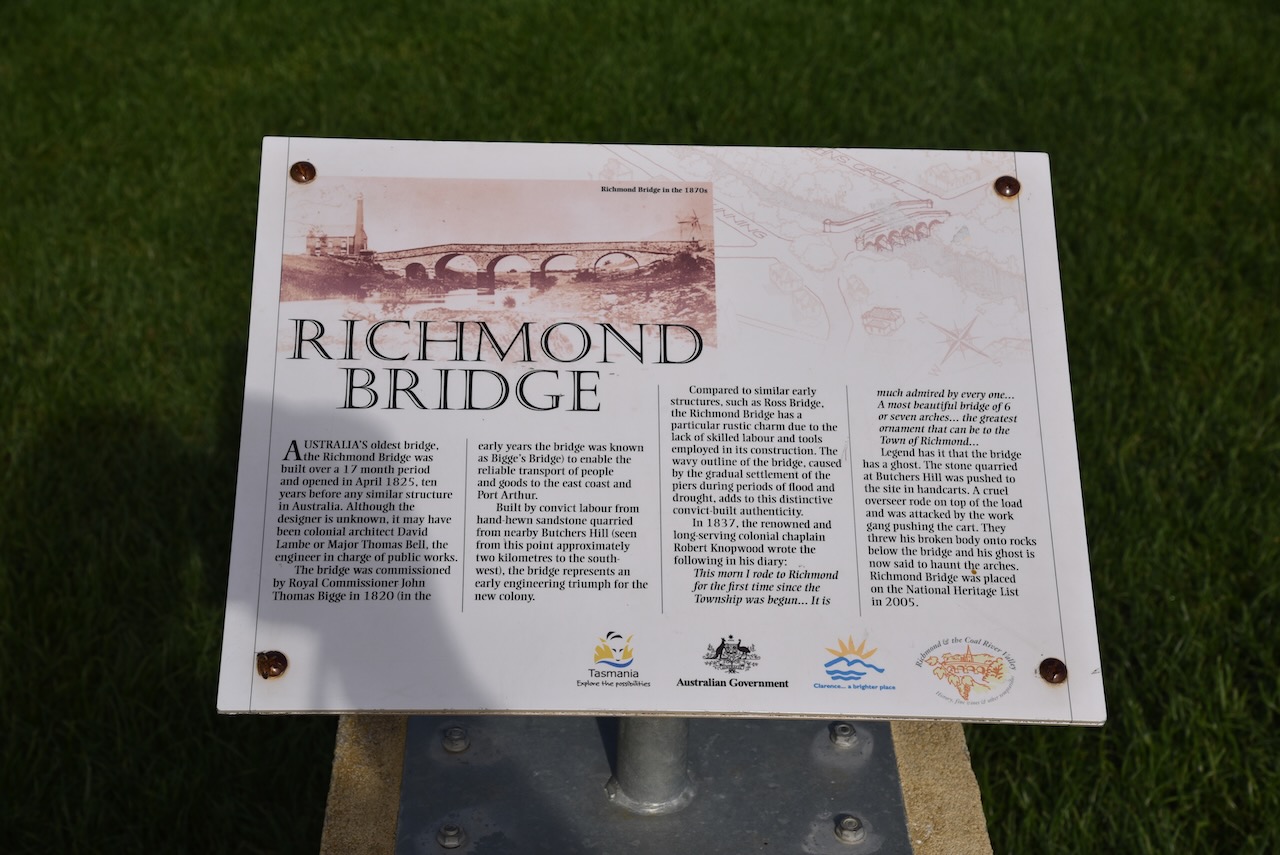
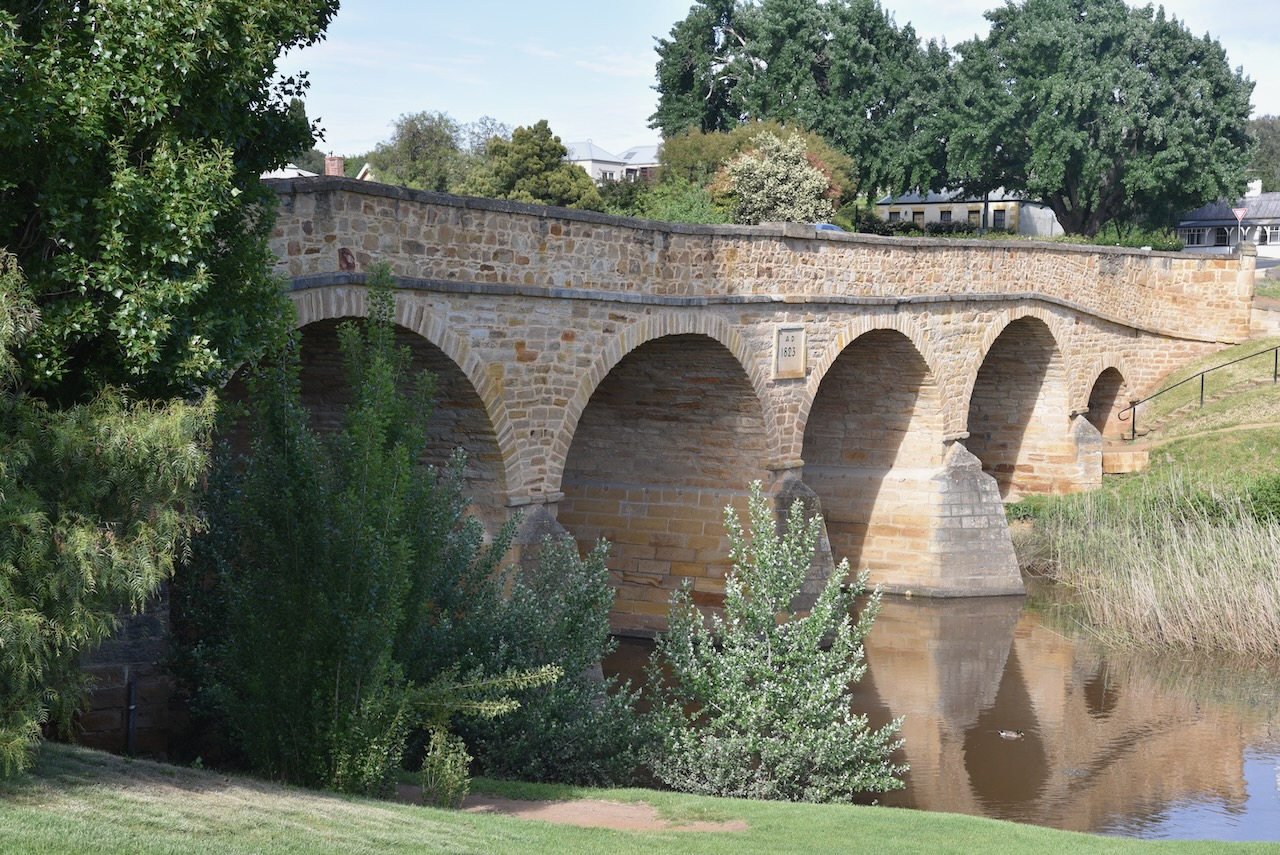
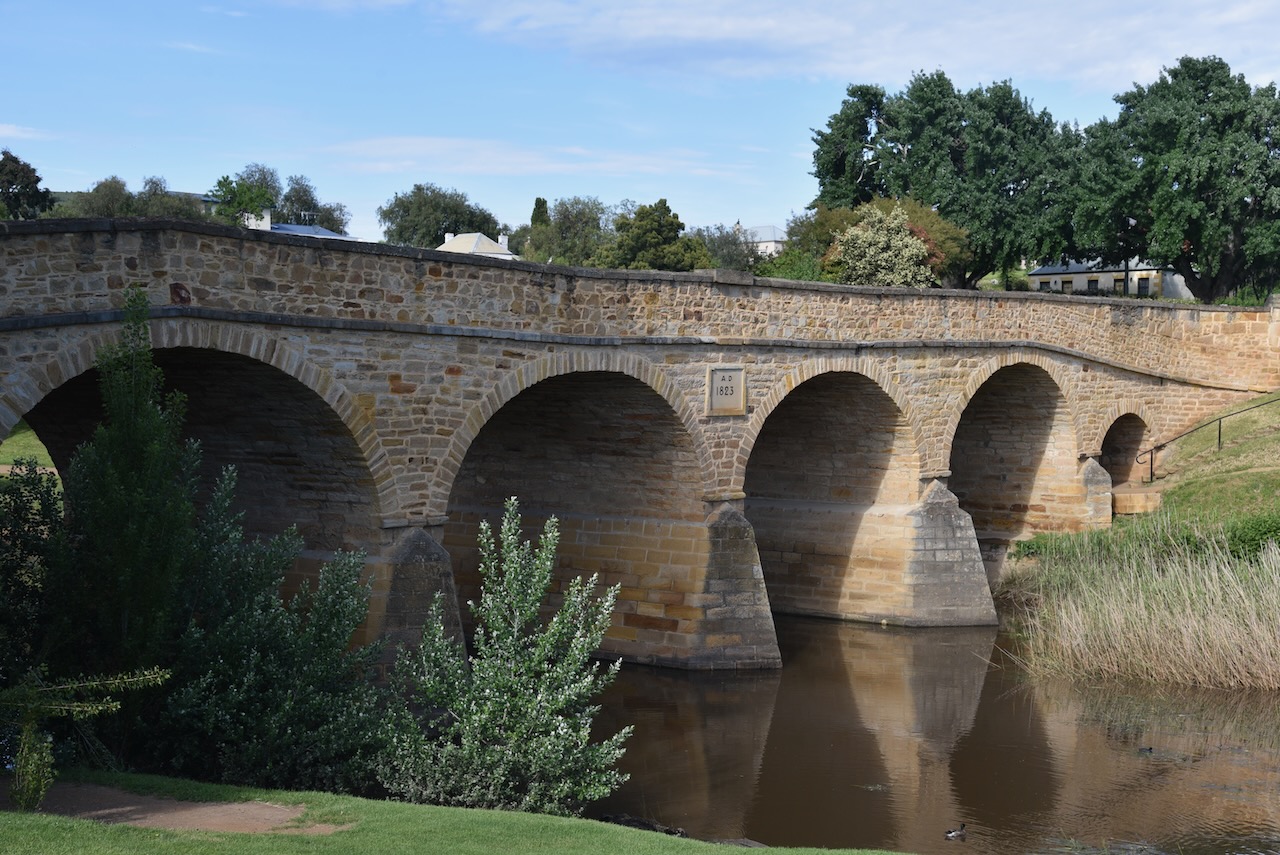
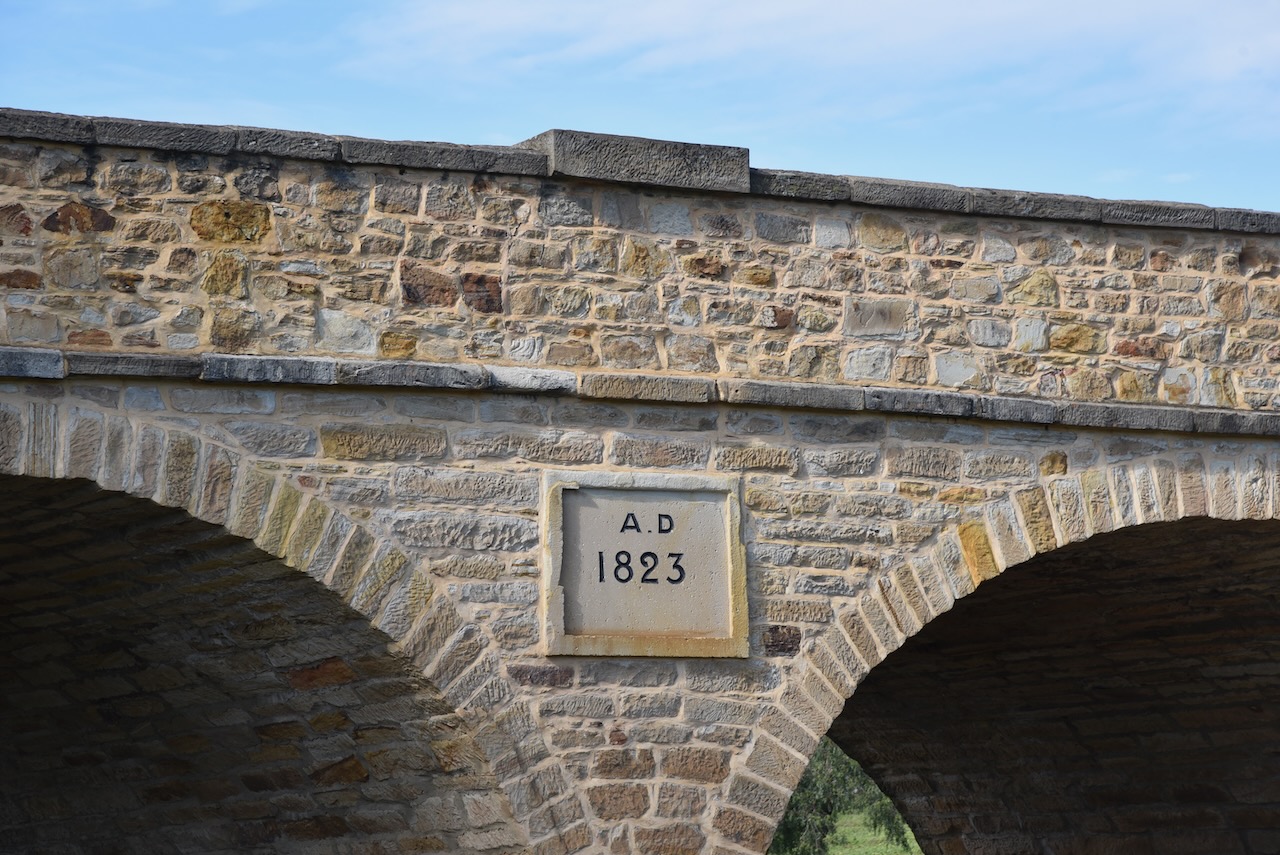
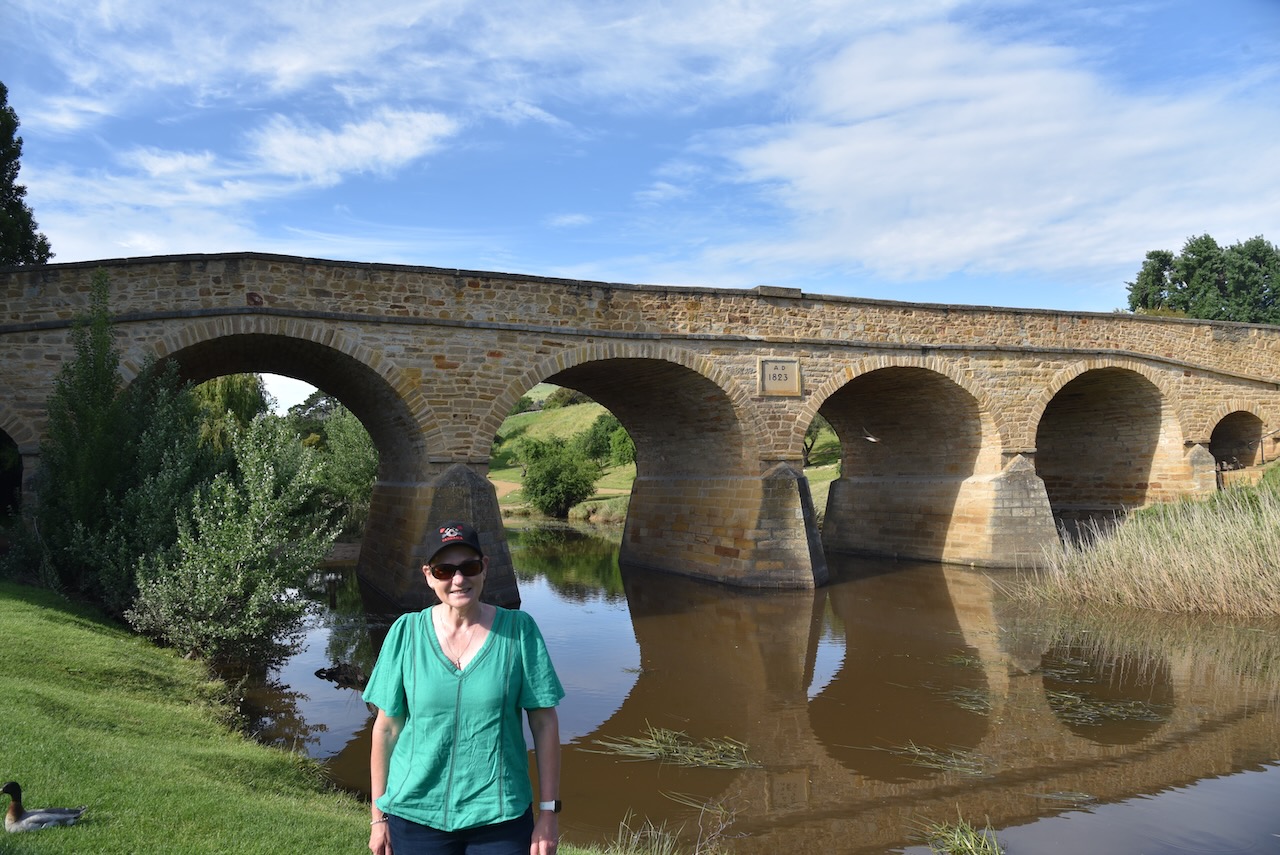
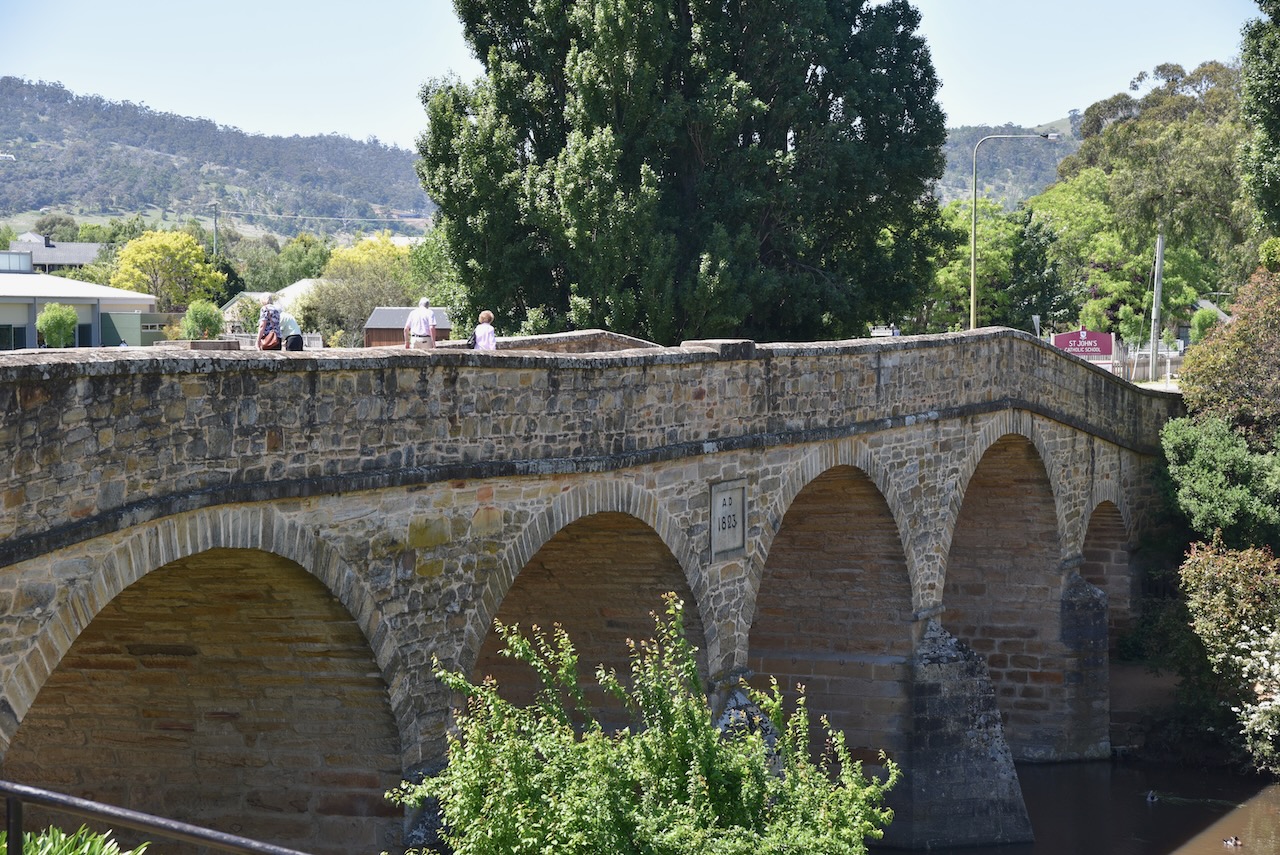
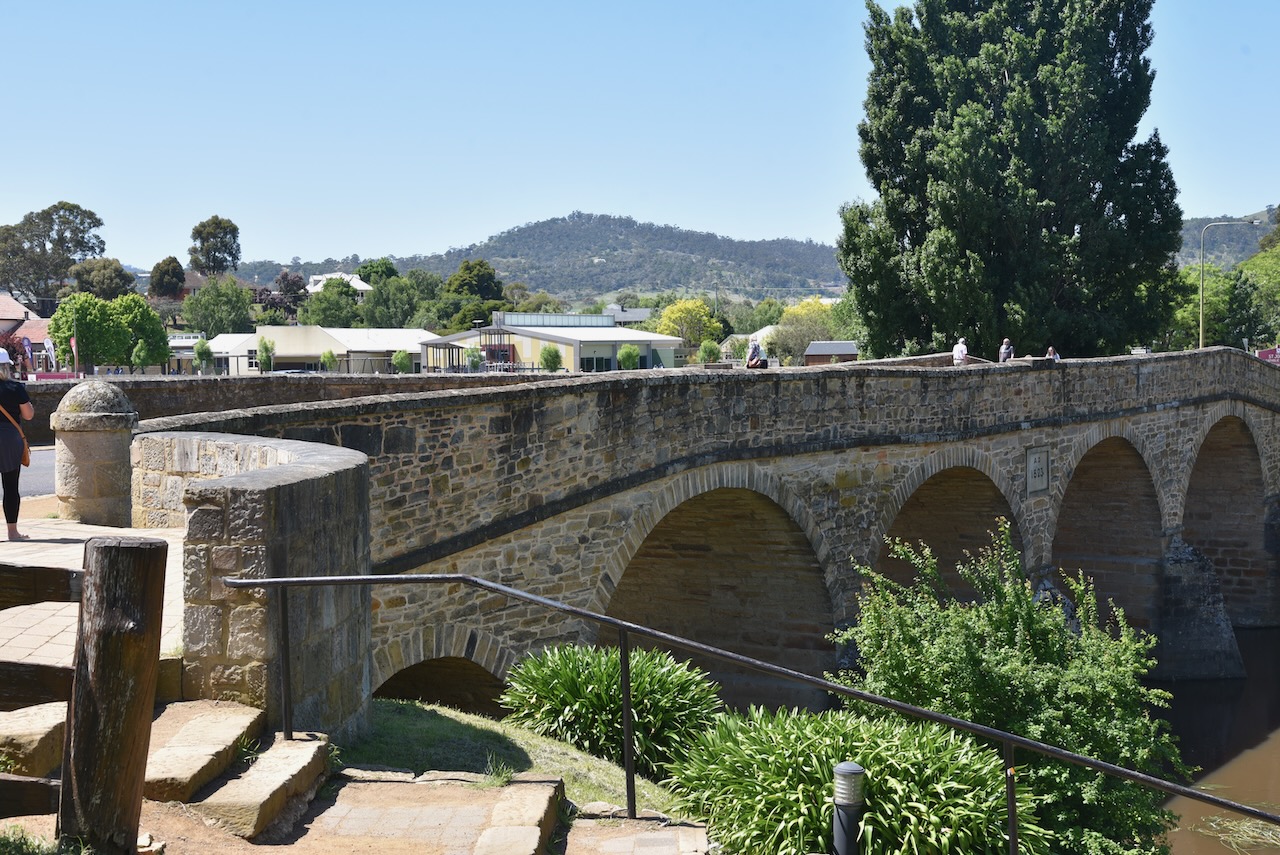
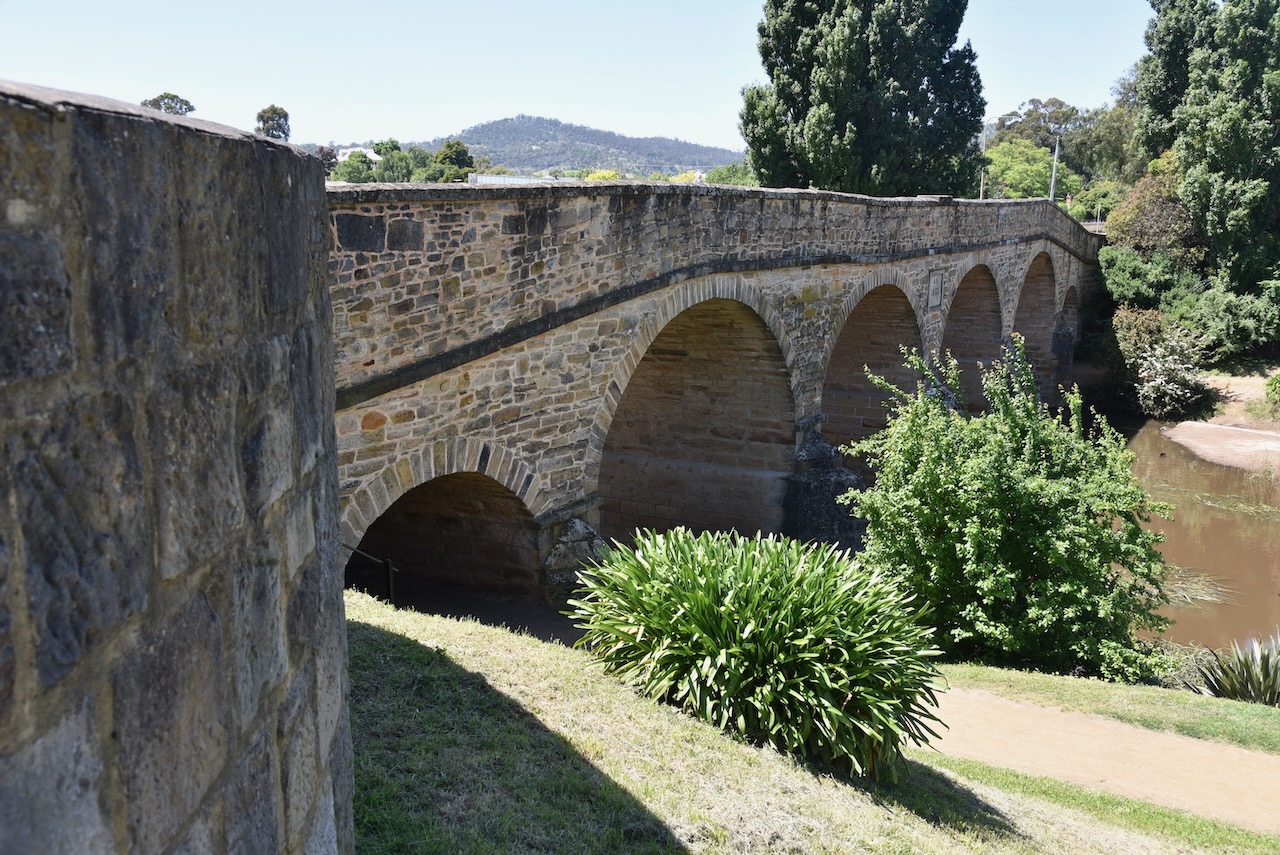
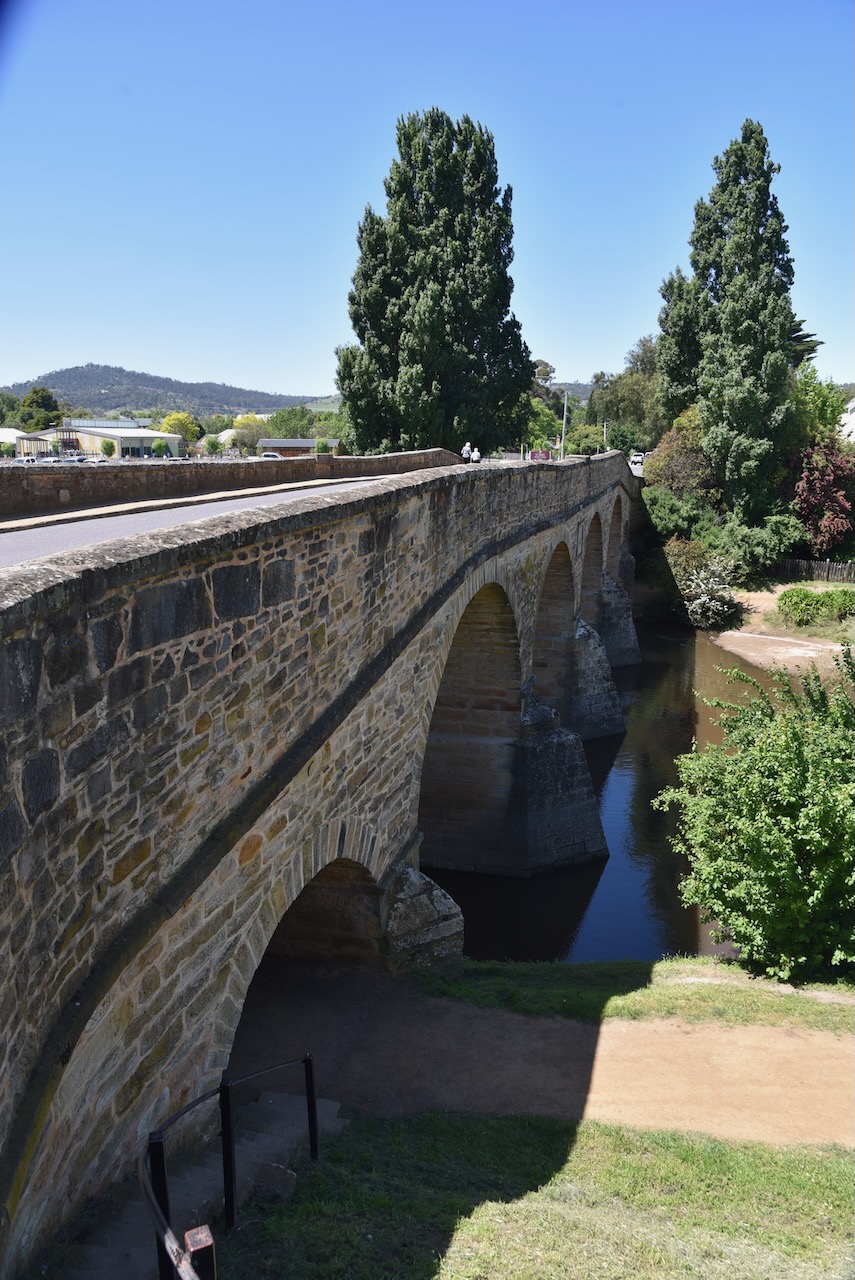
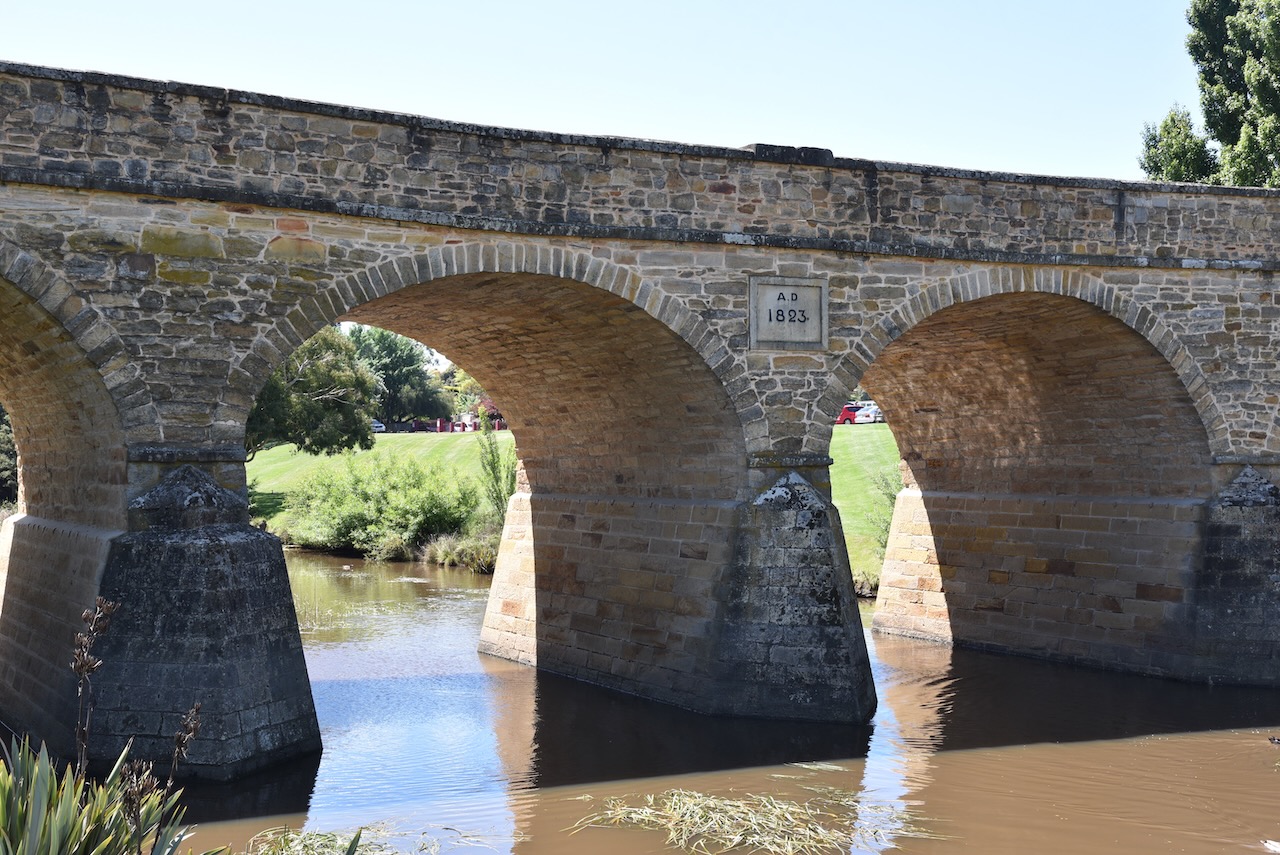
Known to be Richmond’s most famous landmark, the Richmond bridge, it was built between 1823 to 1825. It is Australia’s oldest bridge still in use. The bridge was opened in April 1825, ten years before any similar structure in Australia. It was built by convict labour from hand-hewn sandstone which was quarried from nearby Butchers Hill. The bridge was commissioned by Royal Commissioner John Thomas Biggs in 1820. In the early years the bridge was known as Bigg’s Bridge.

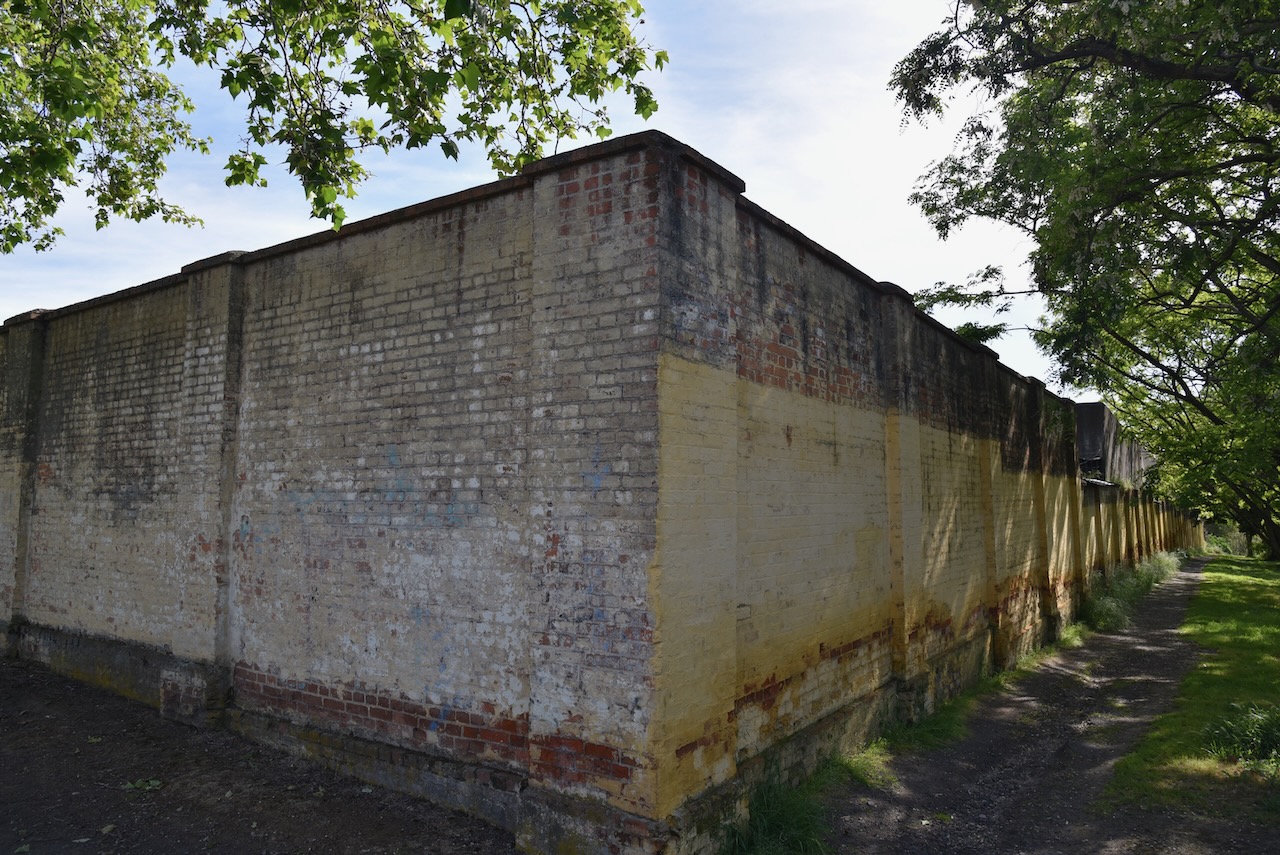
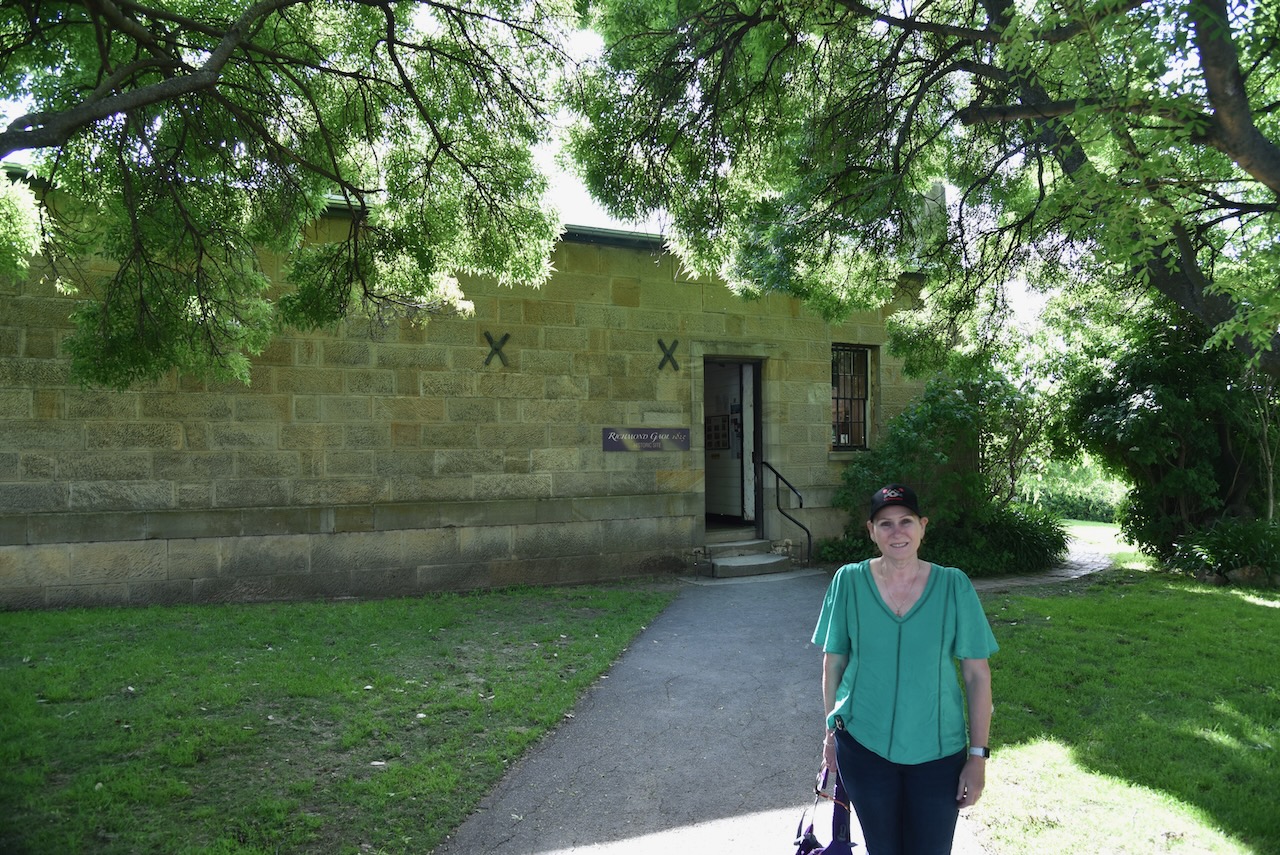
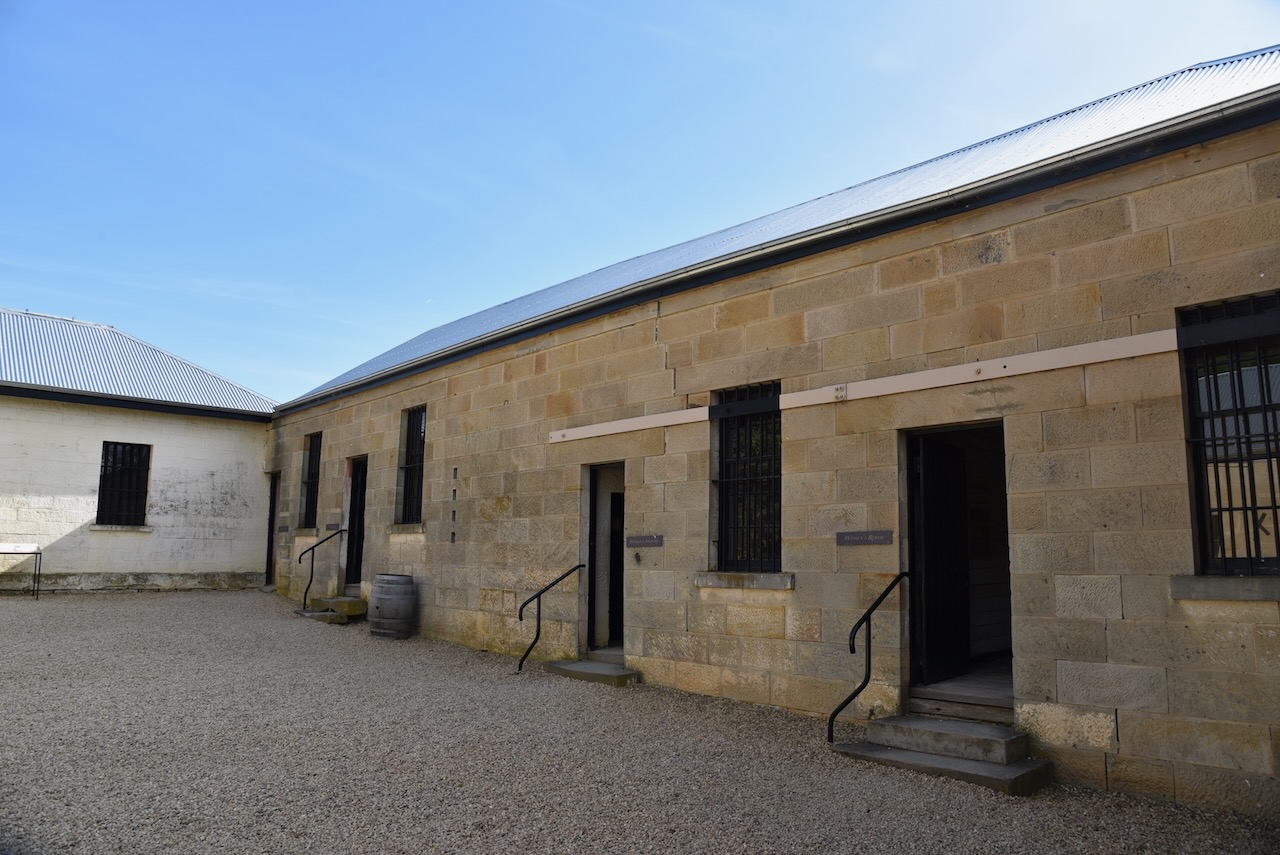
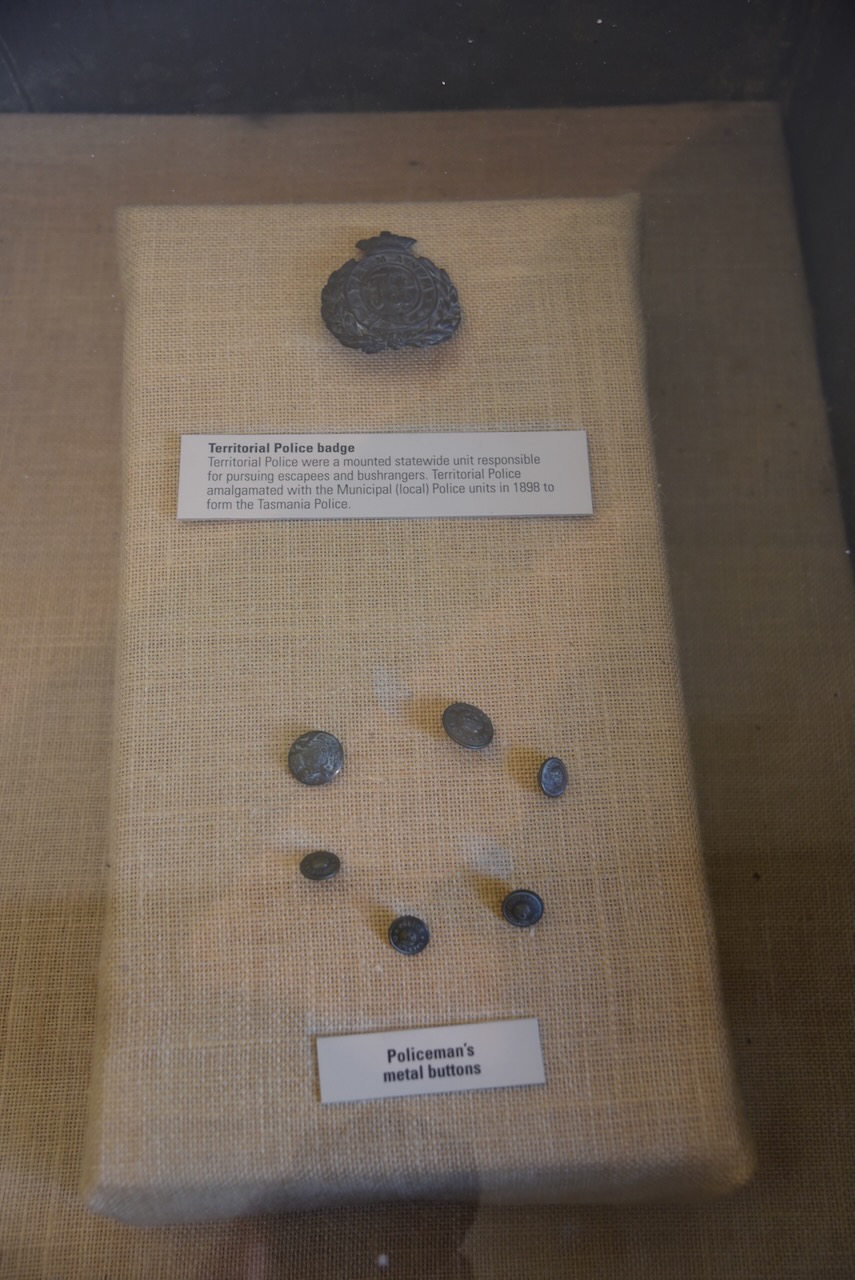
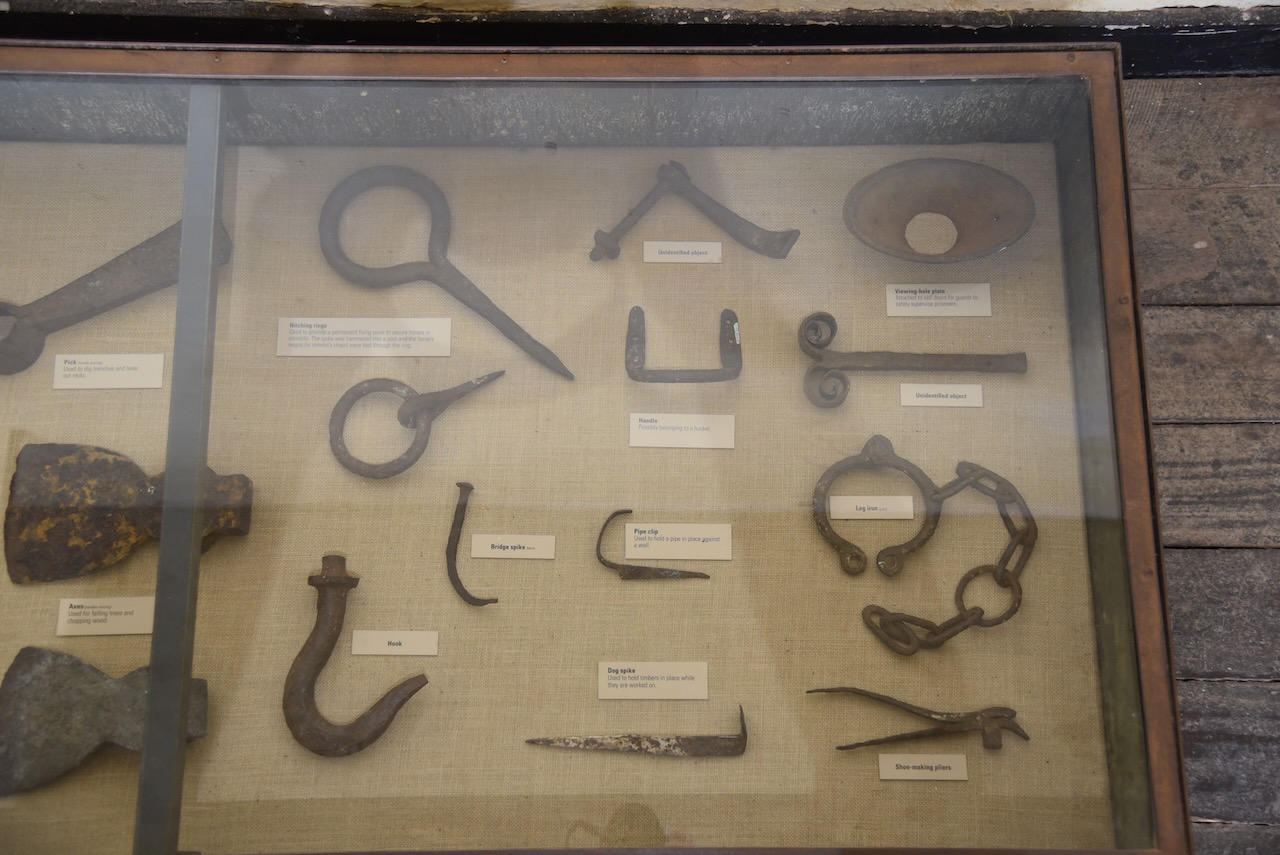
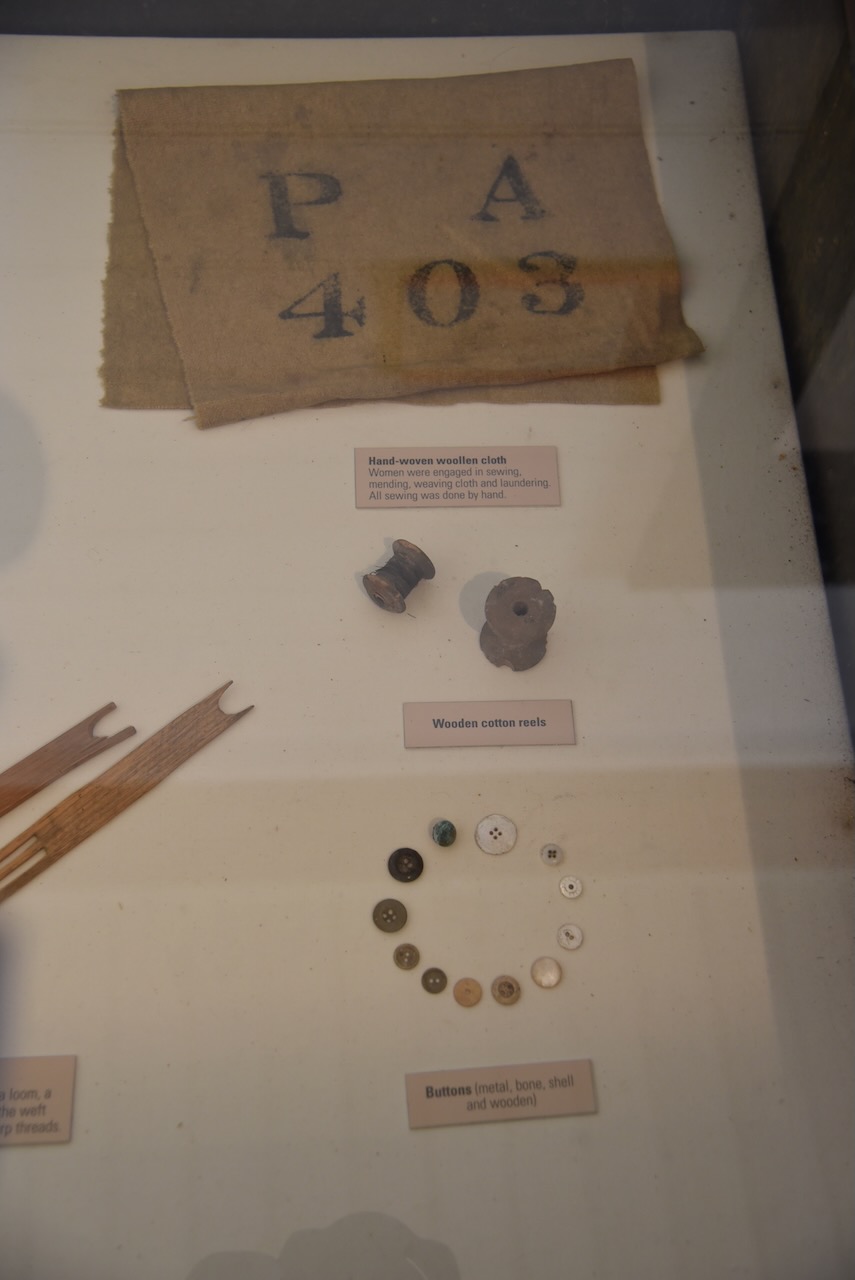
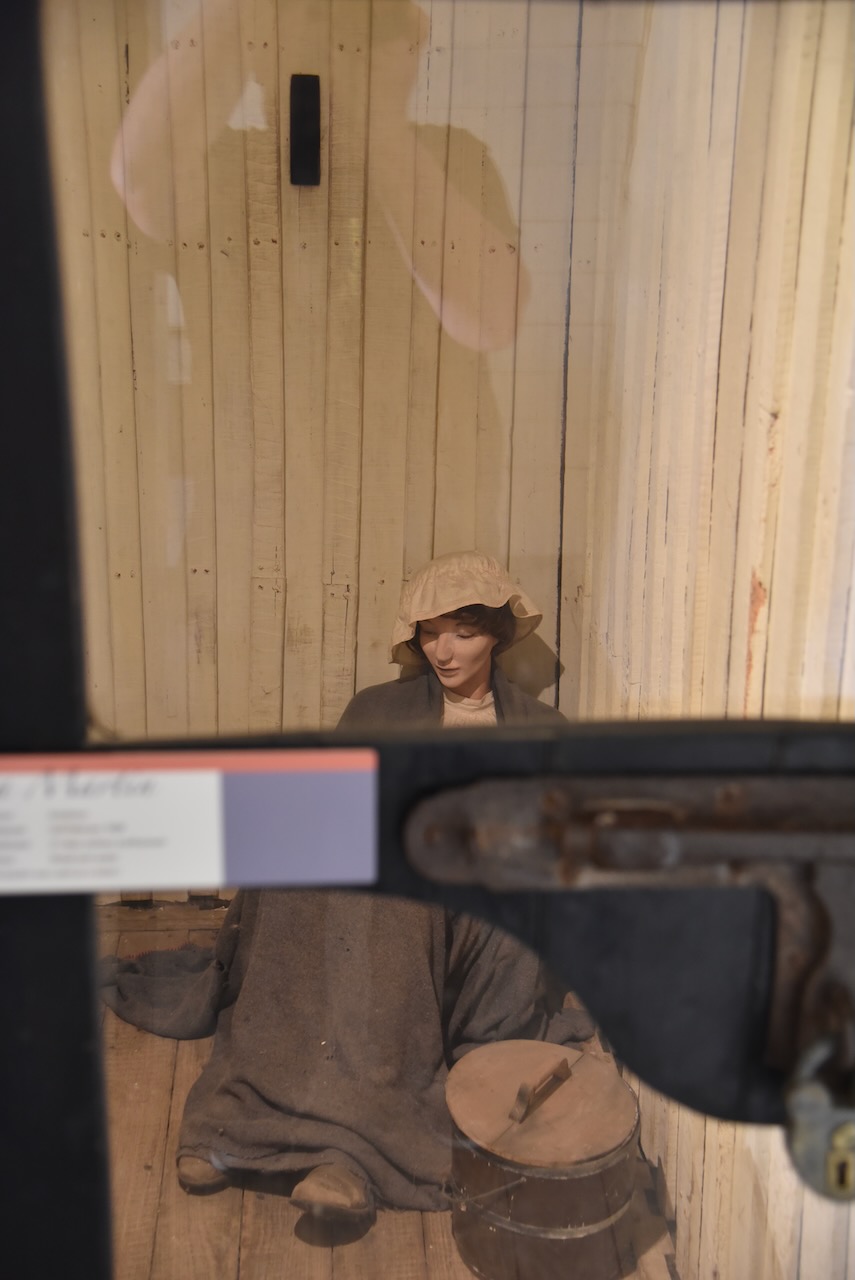
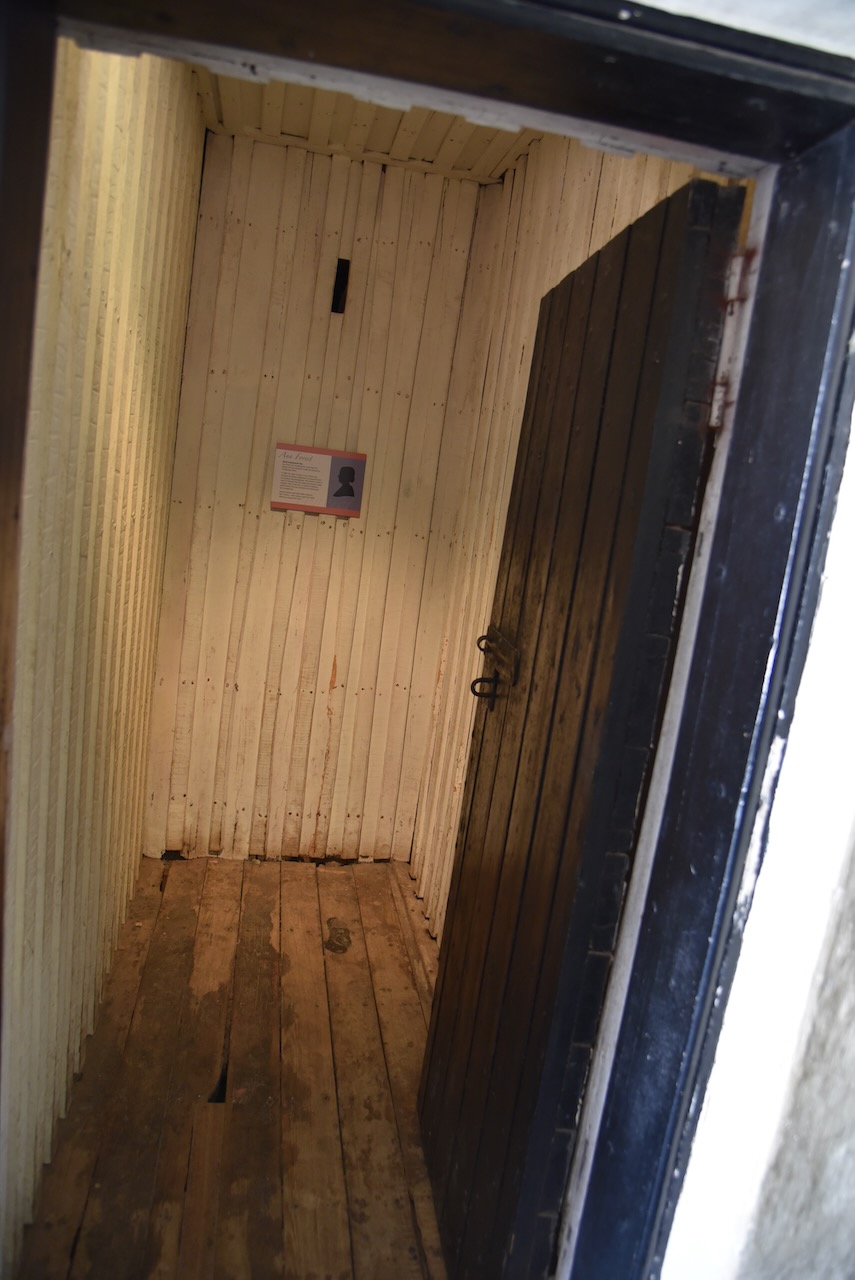
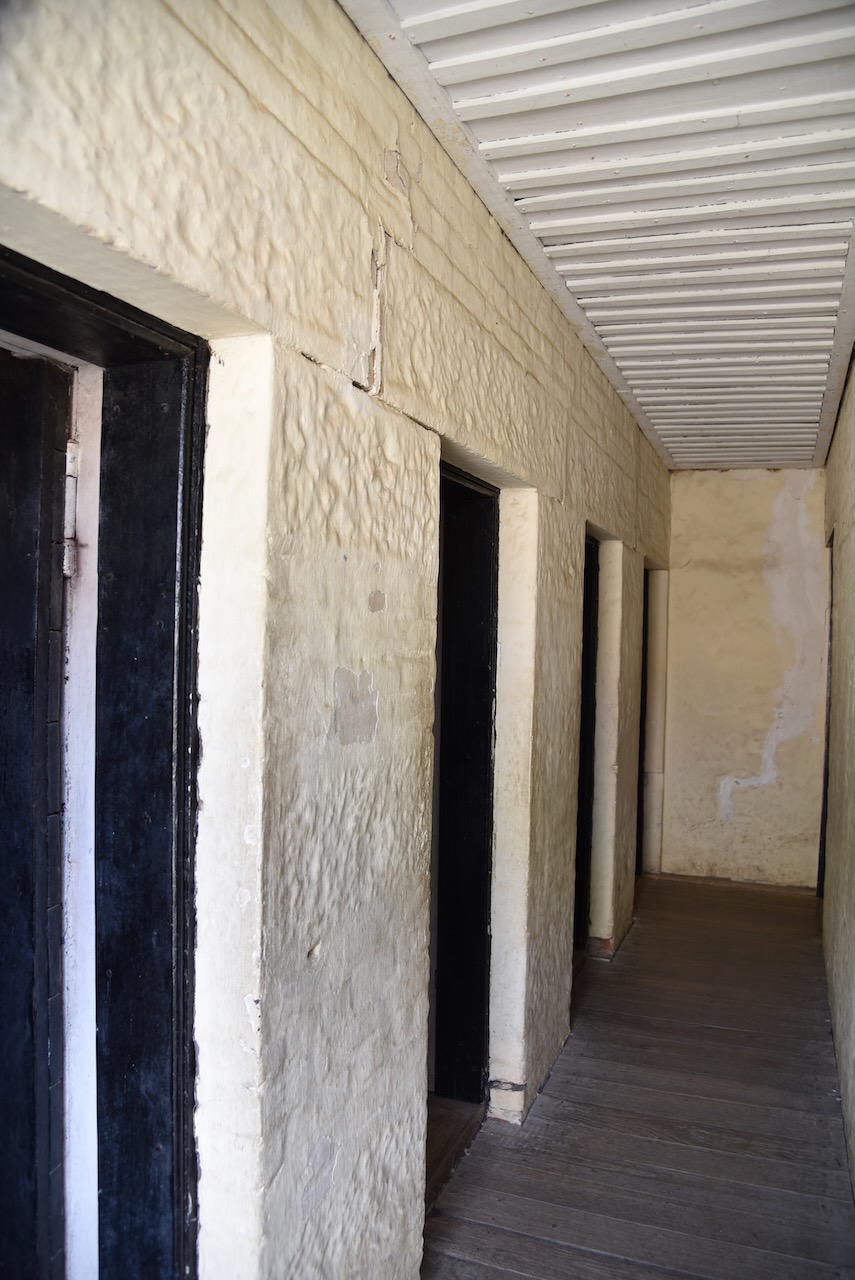
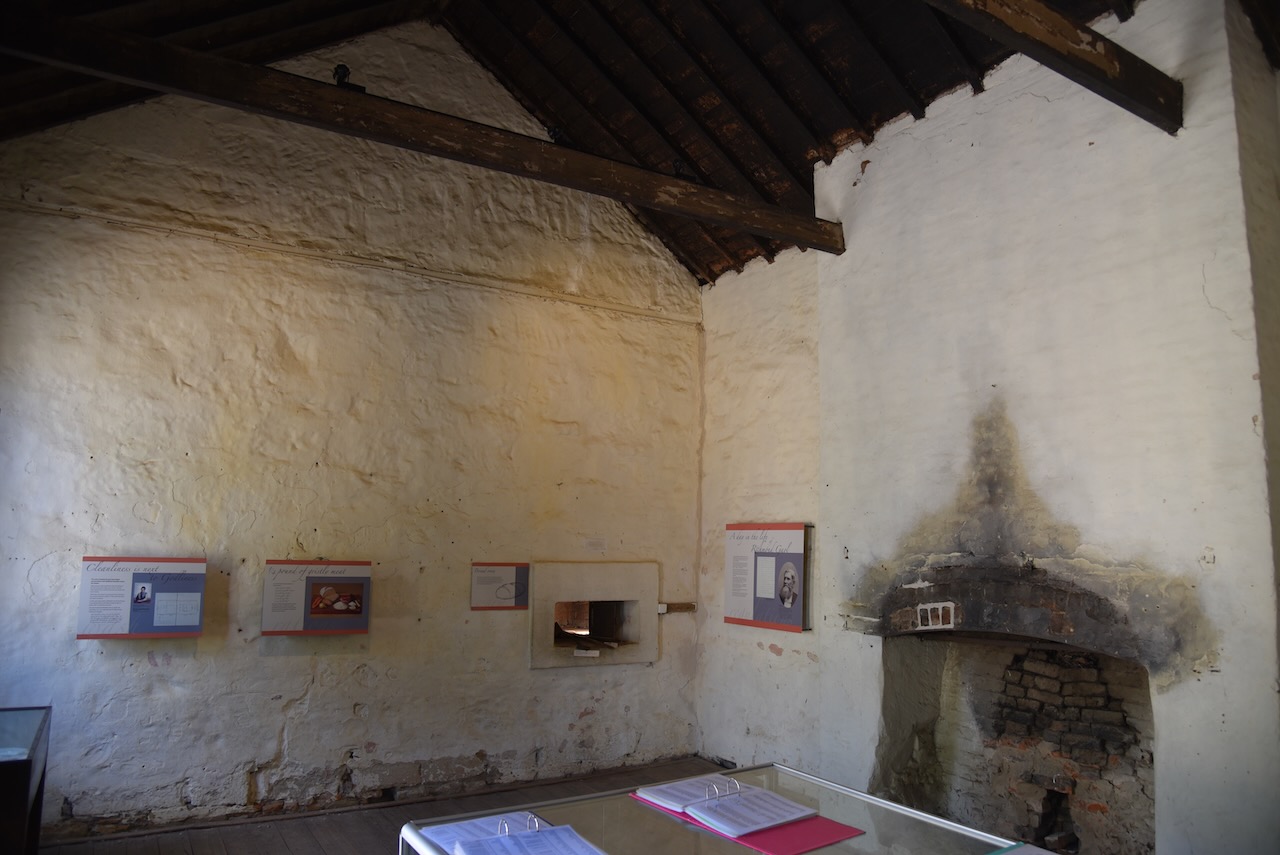
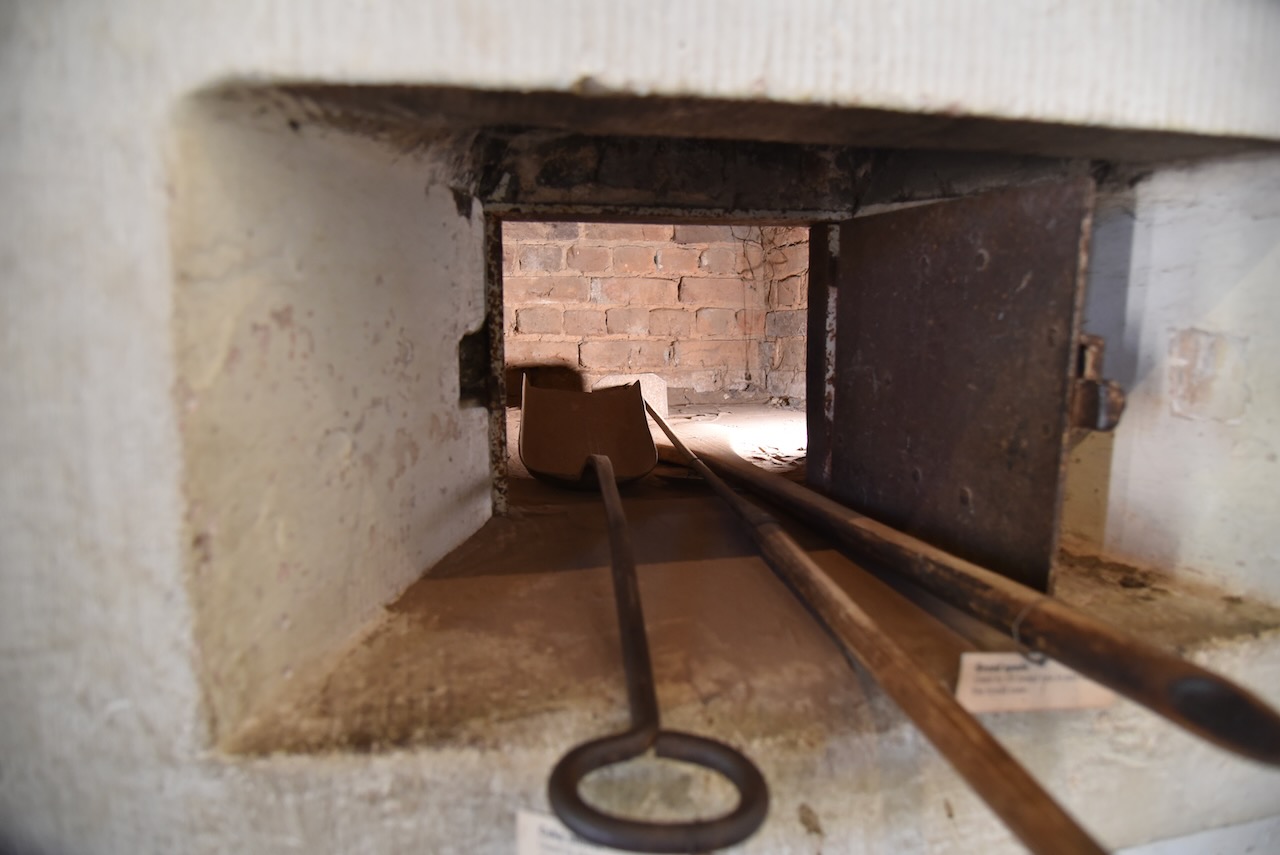
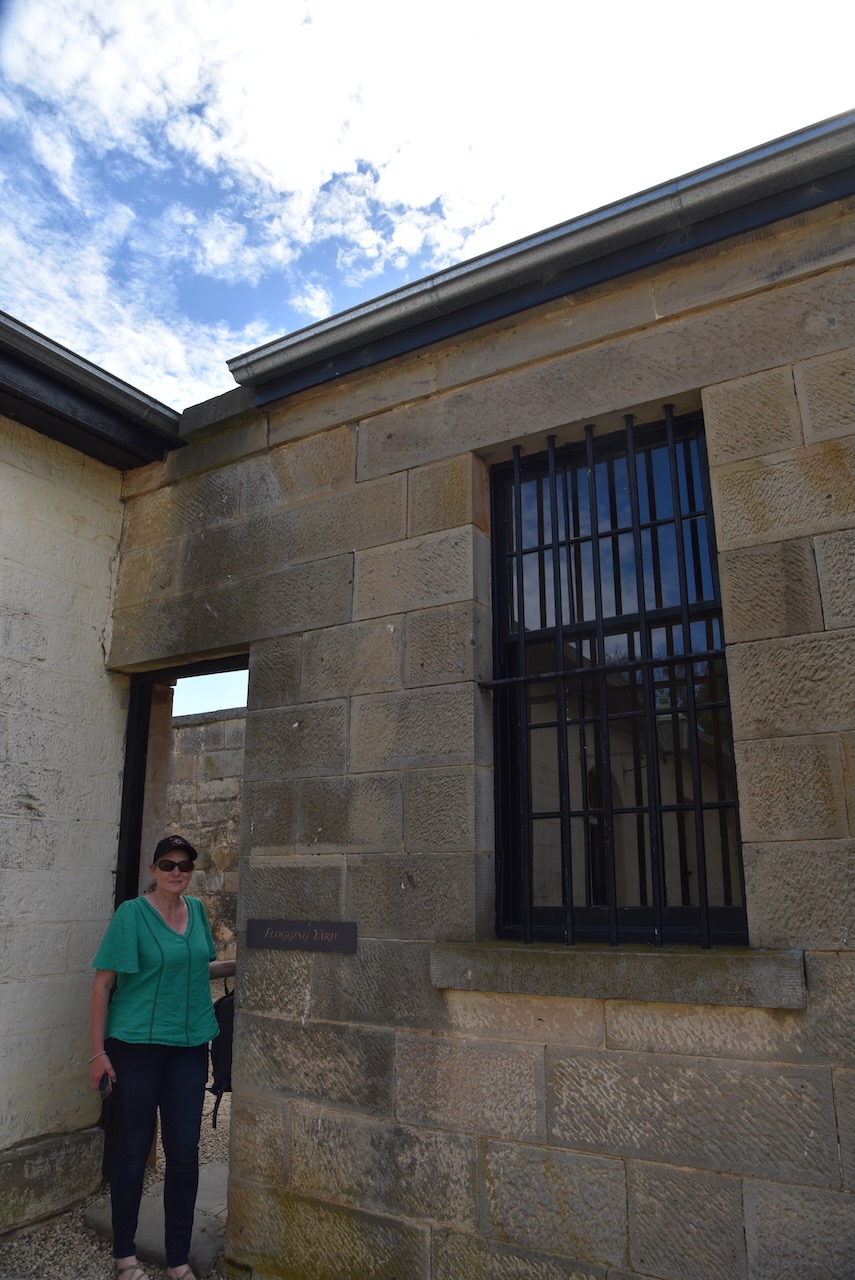
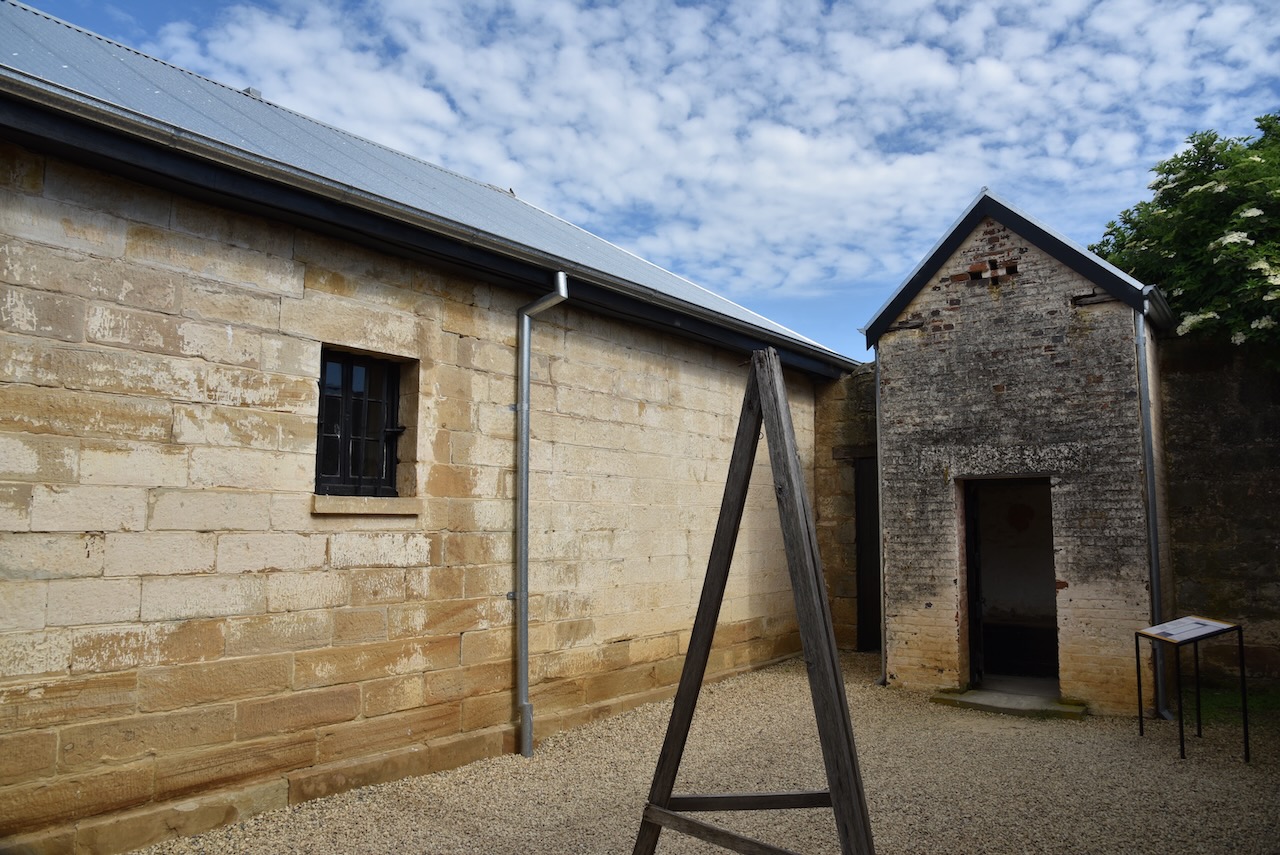
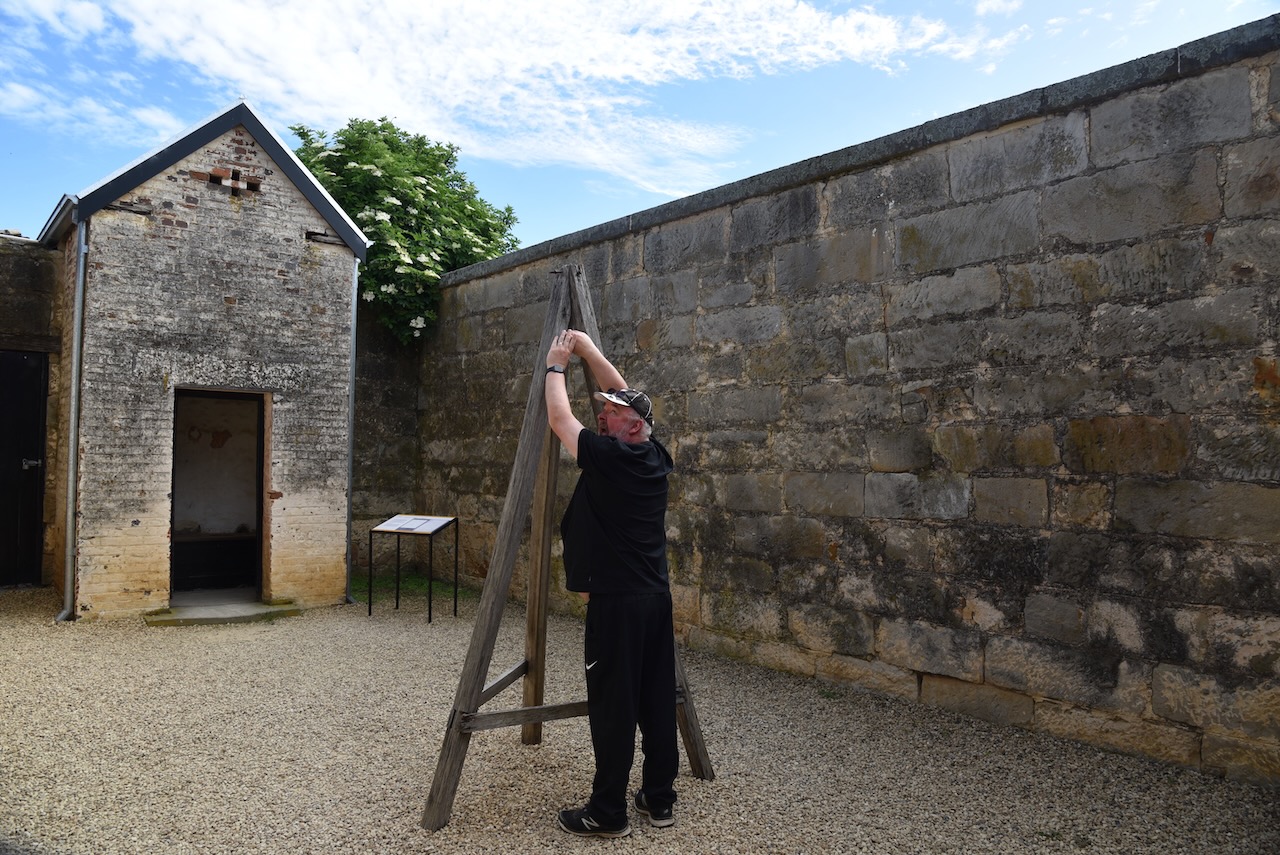
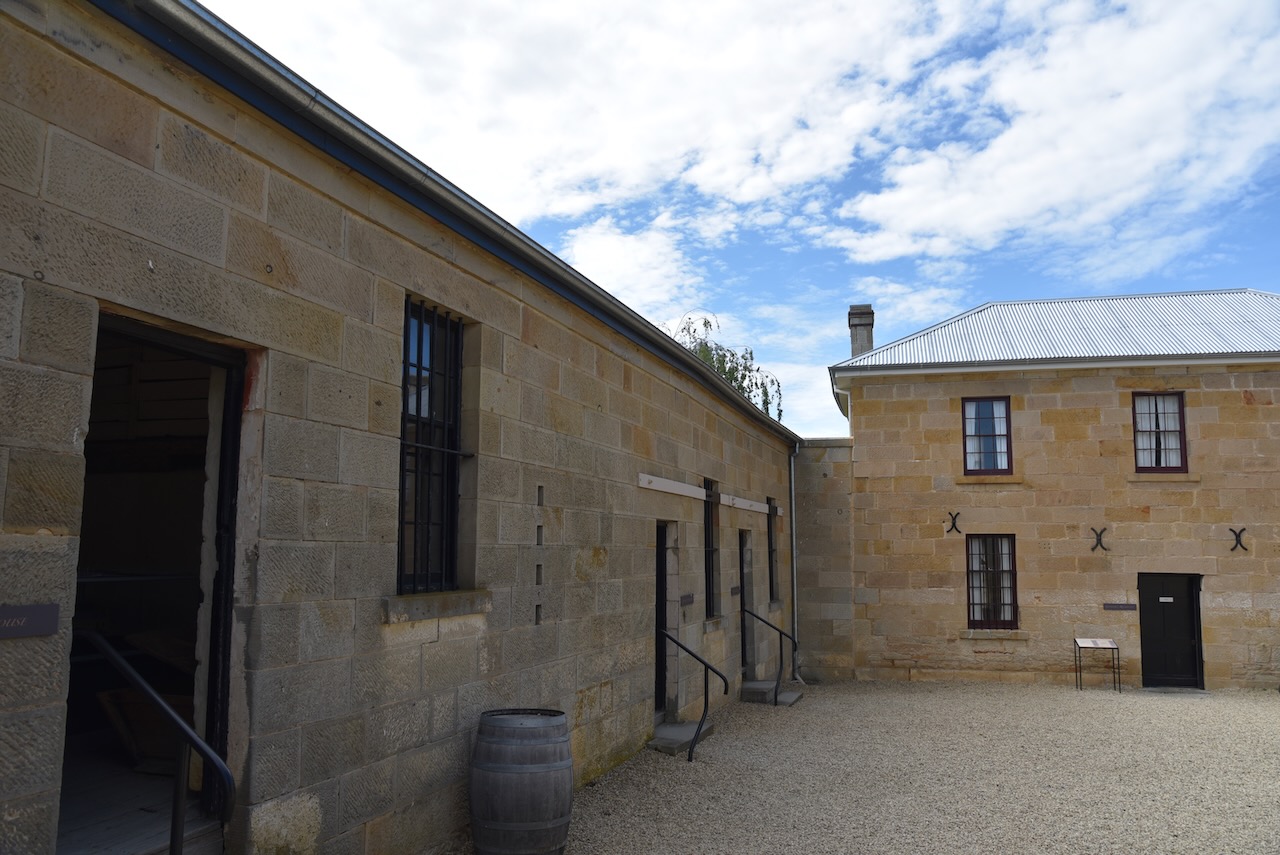
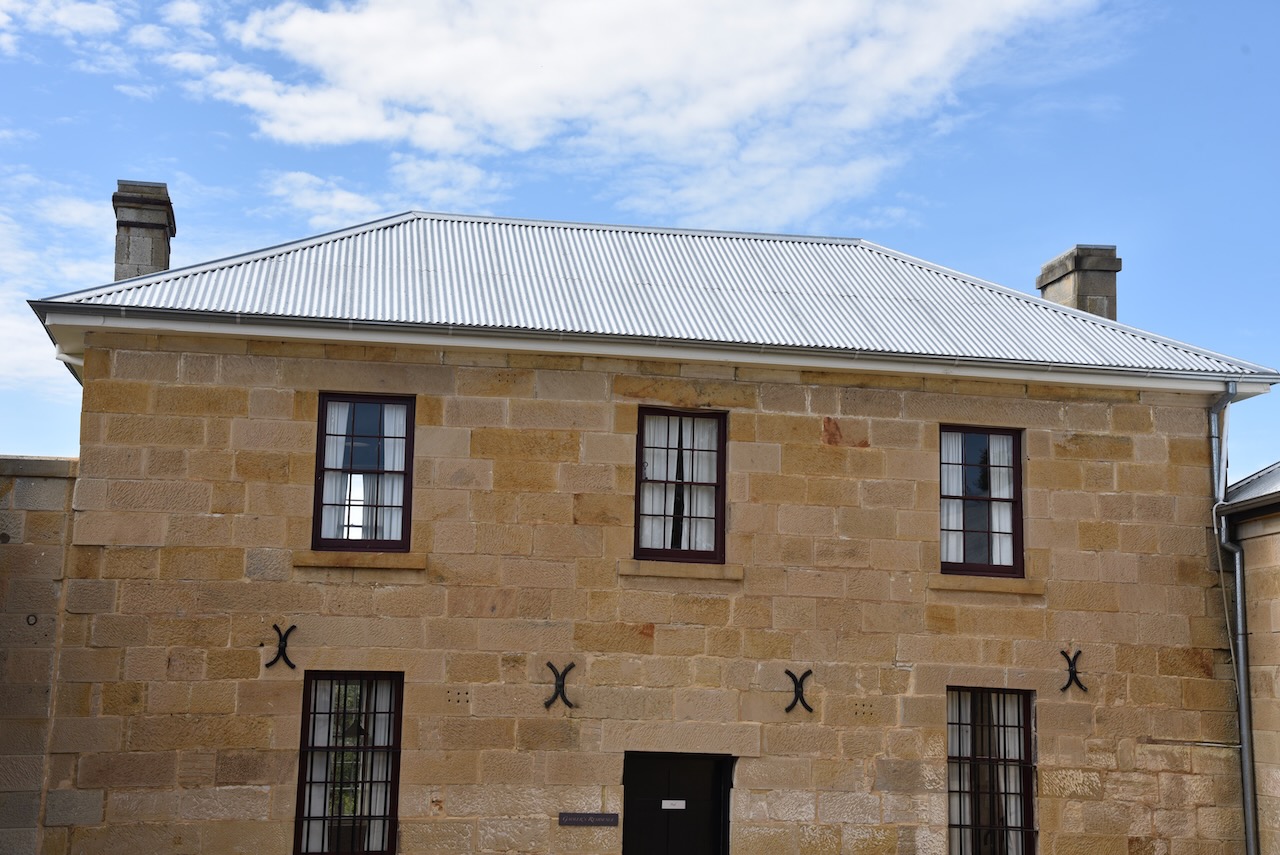
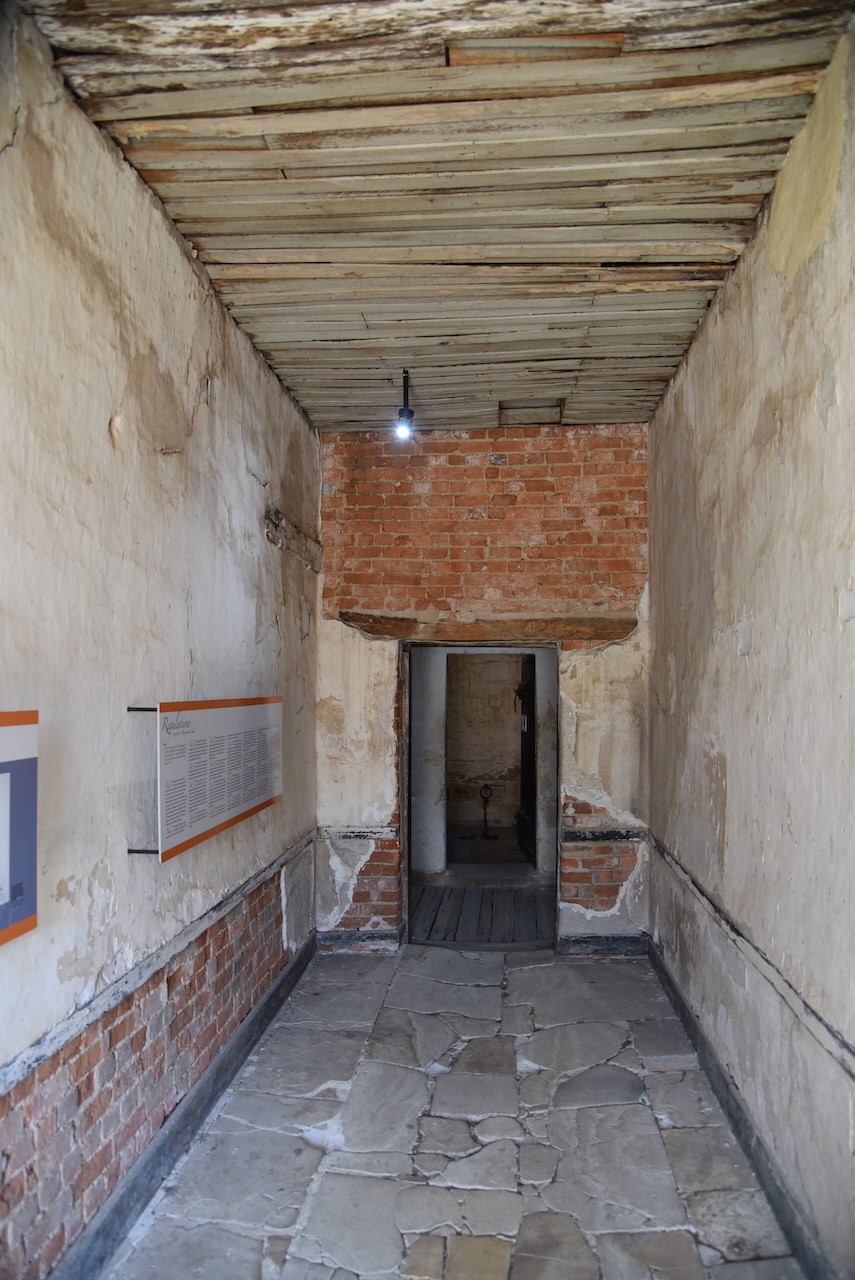
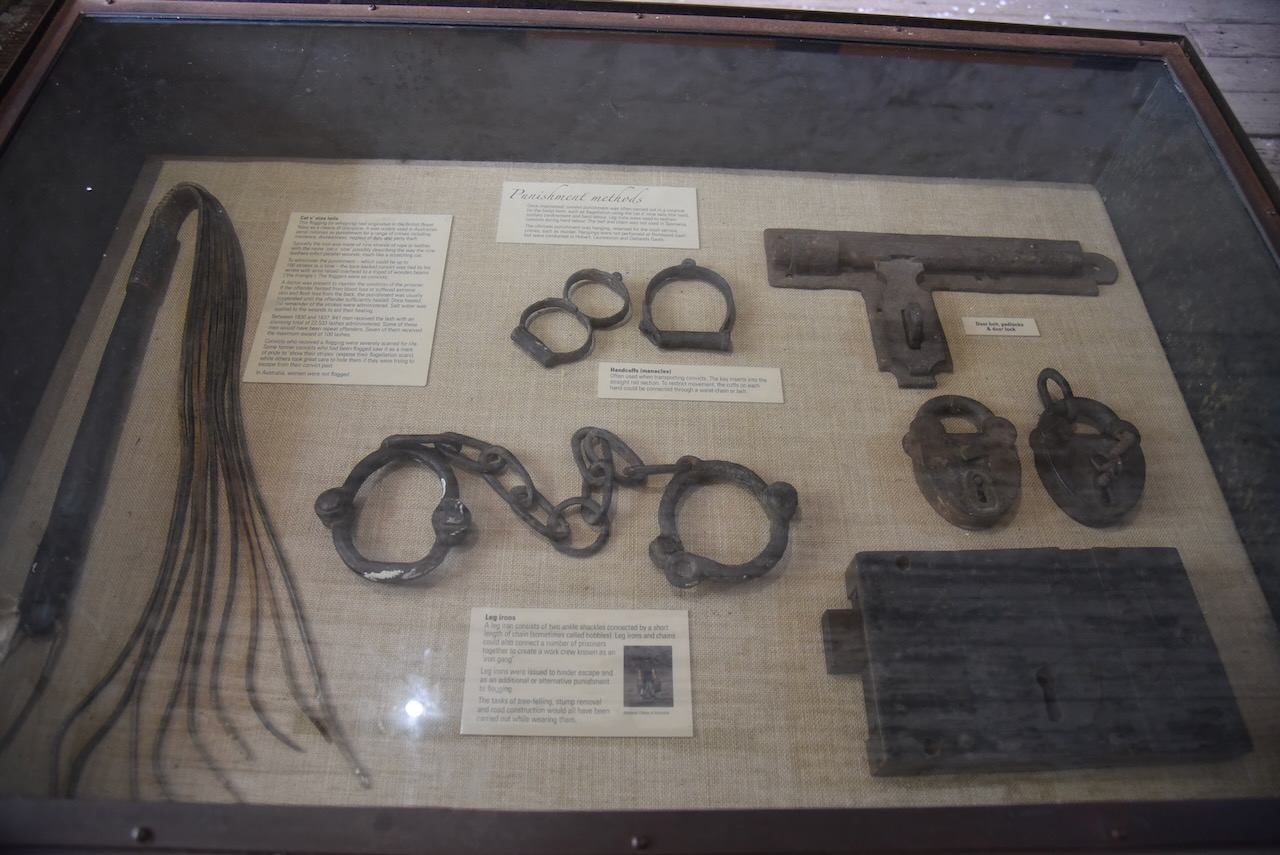
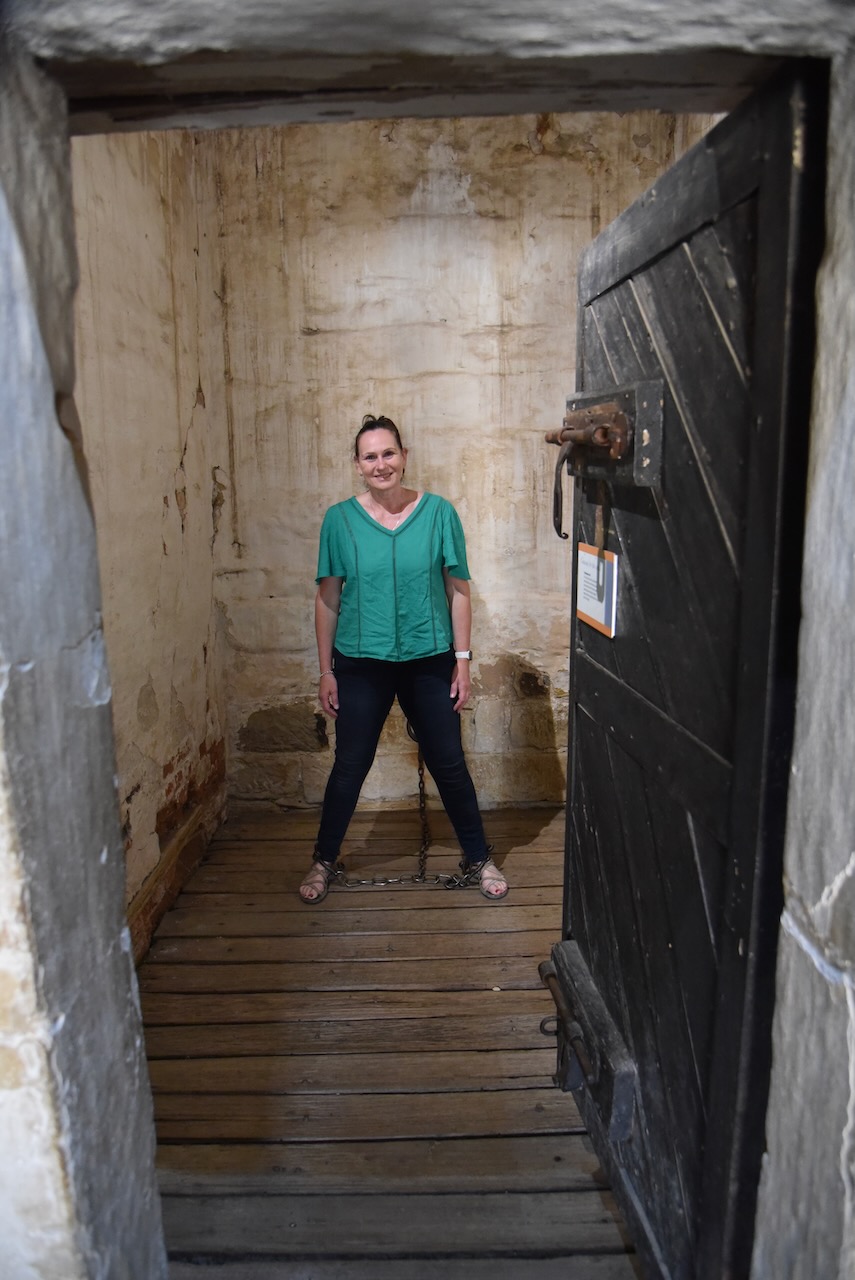
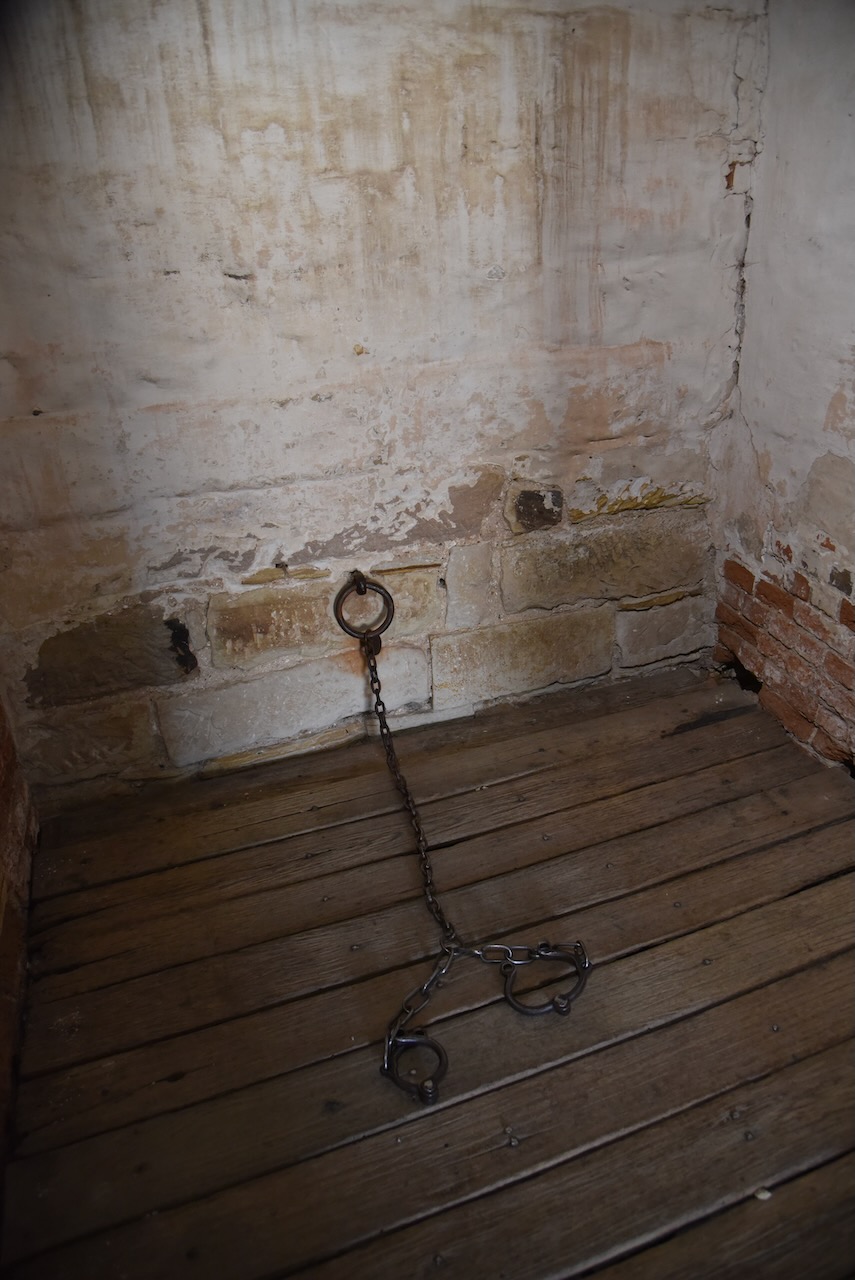
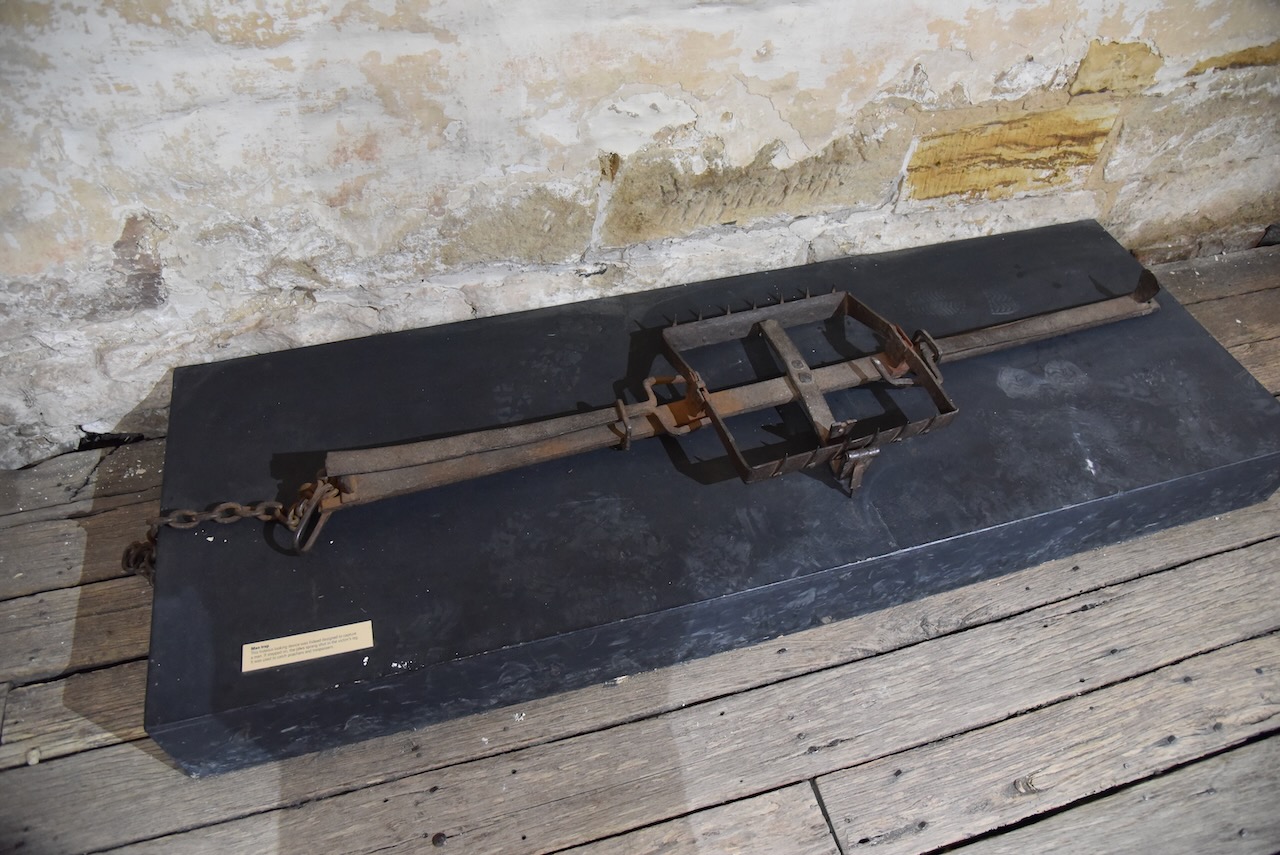
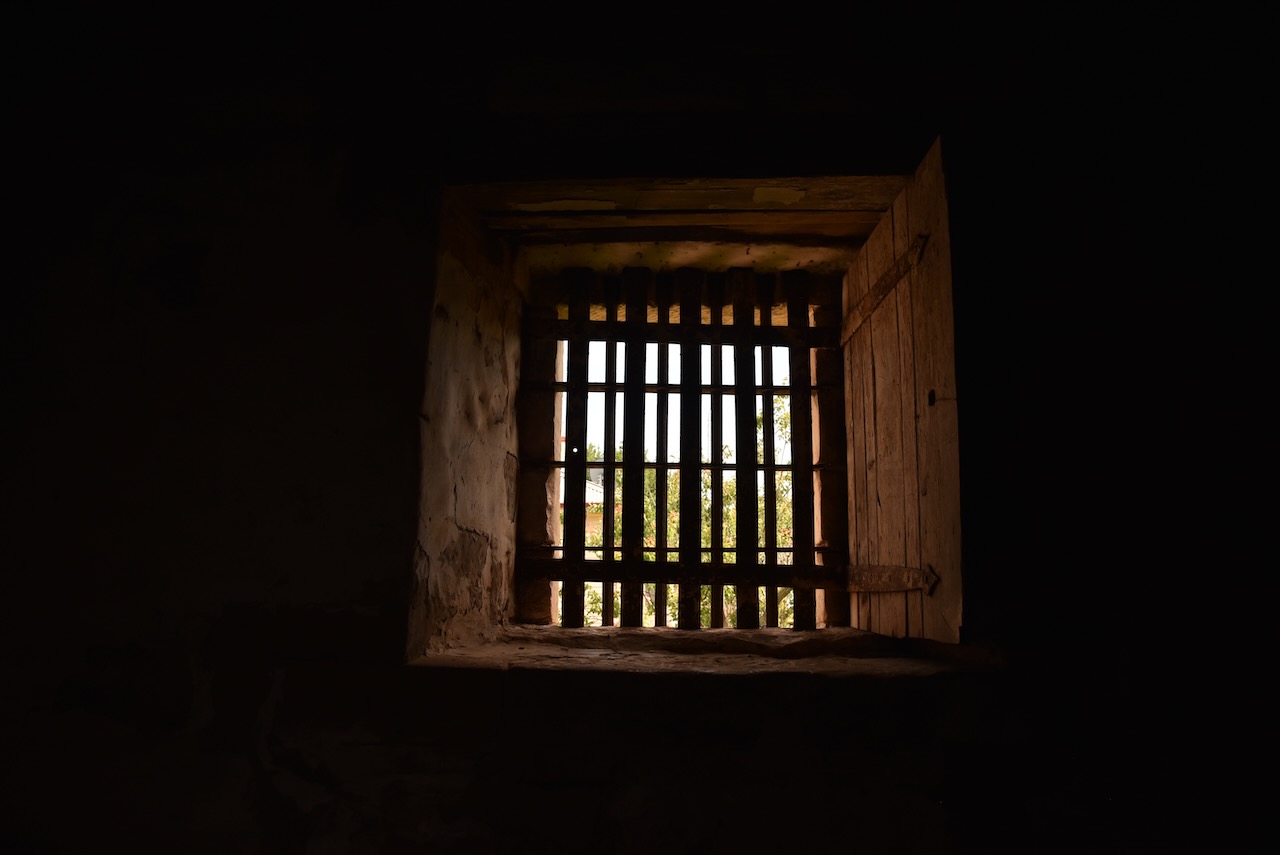
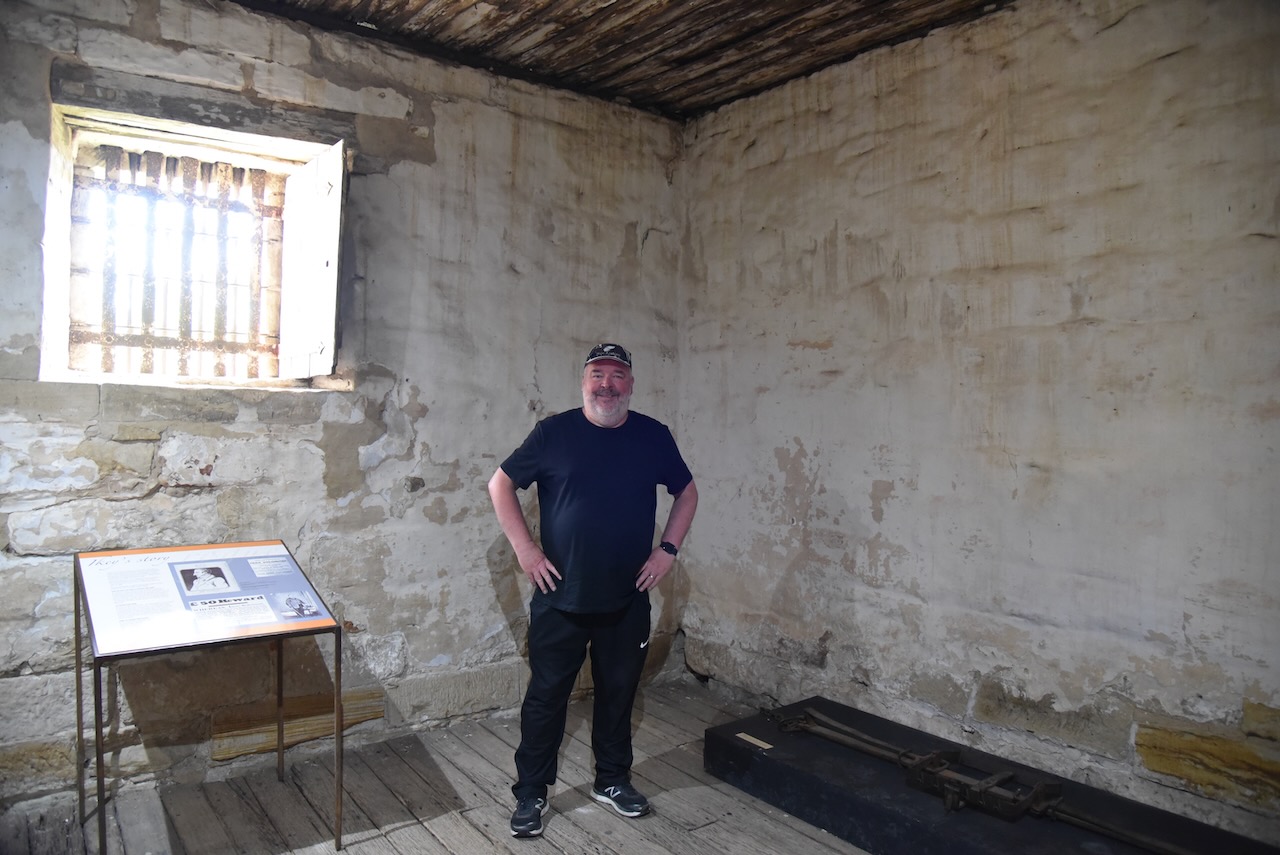
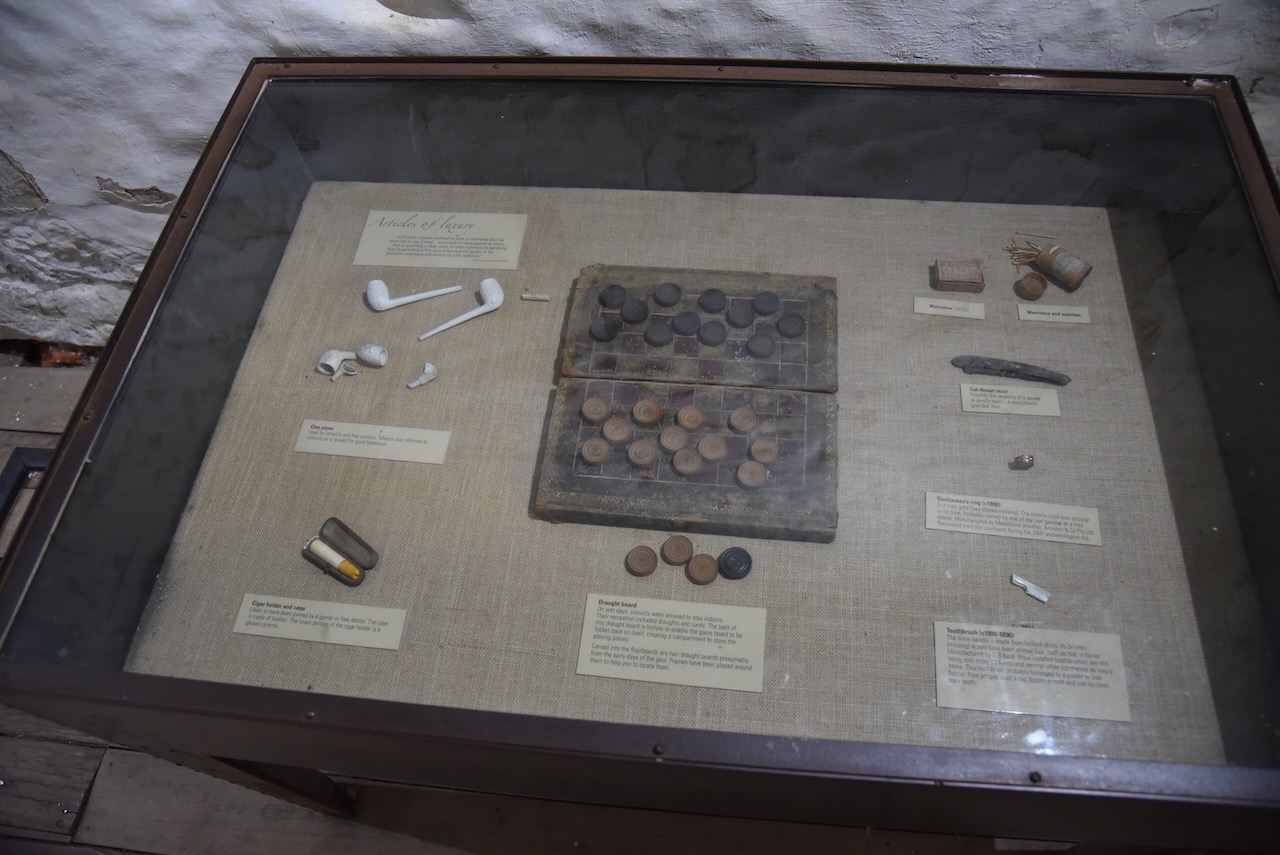
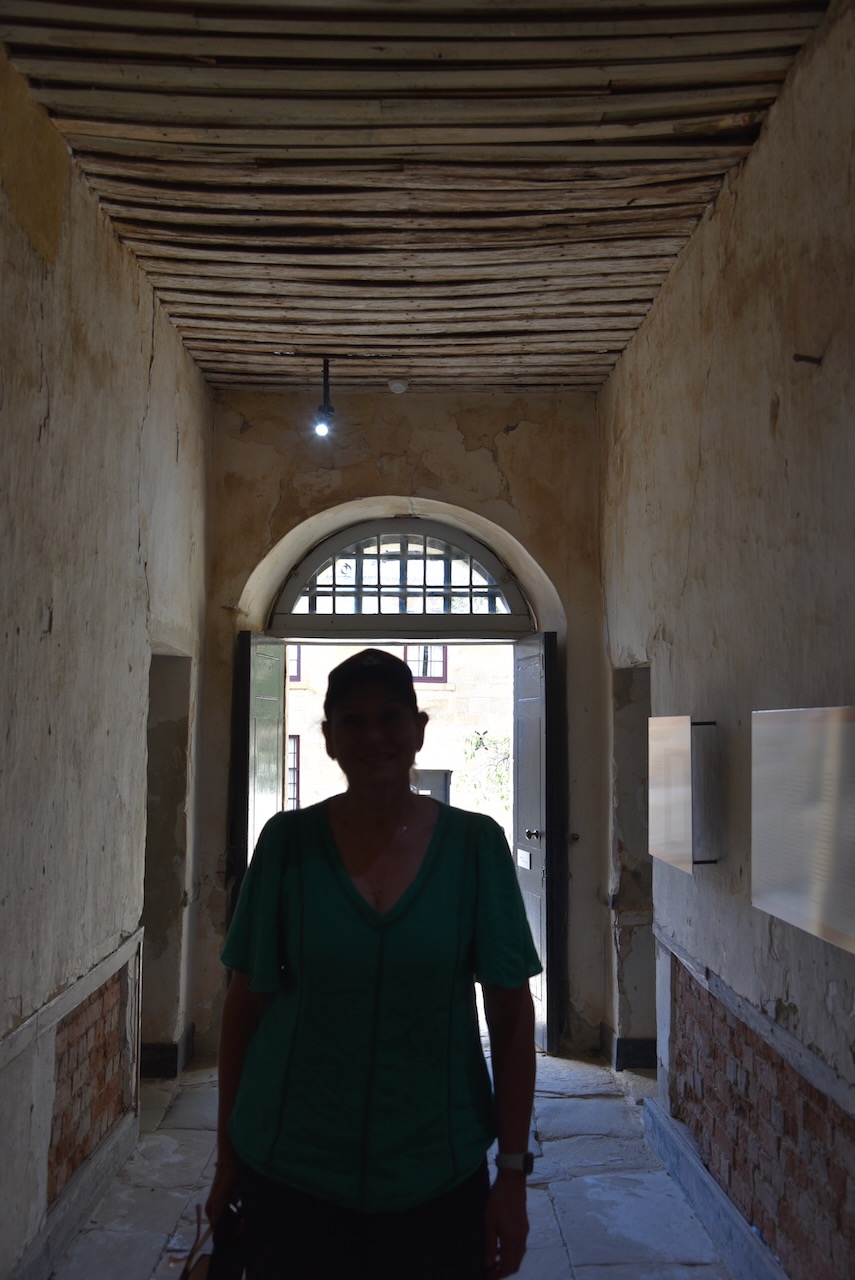
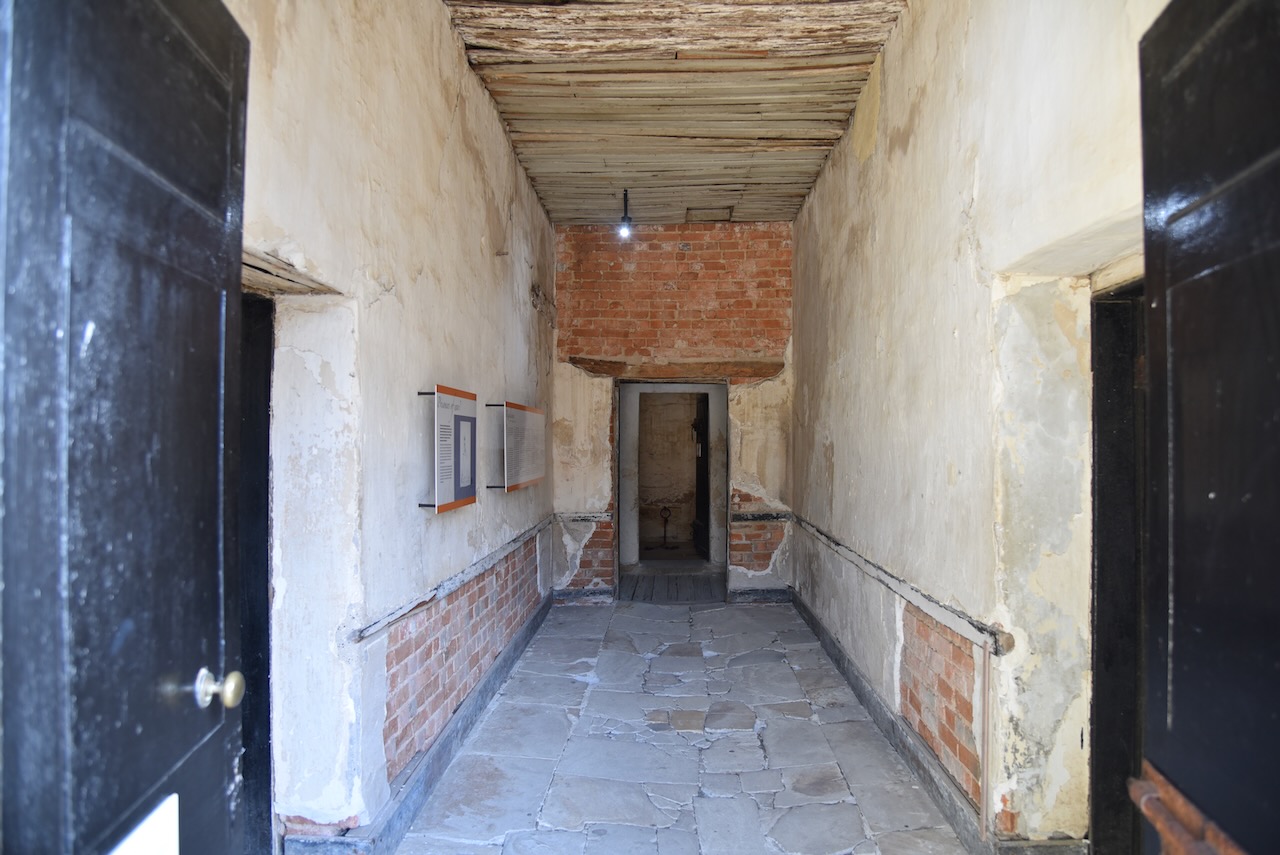
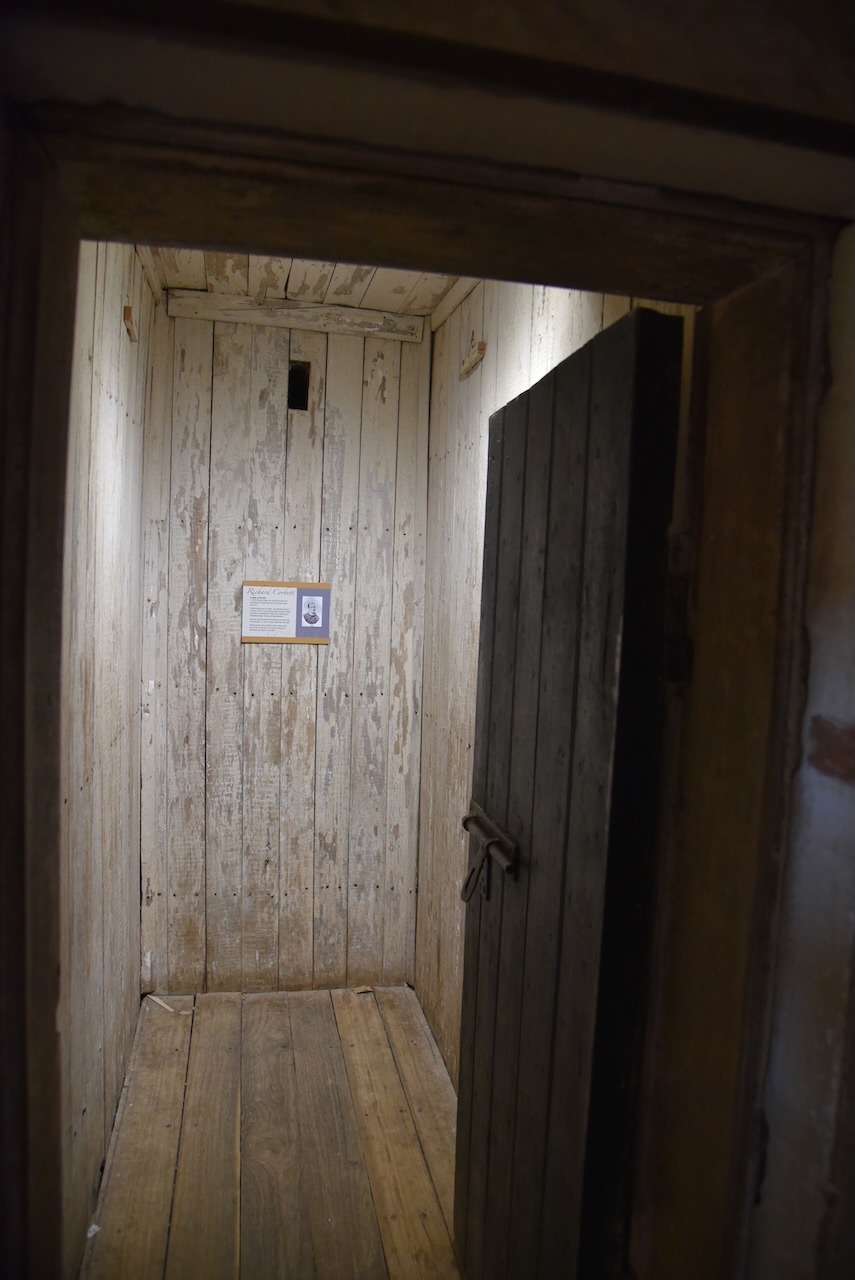
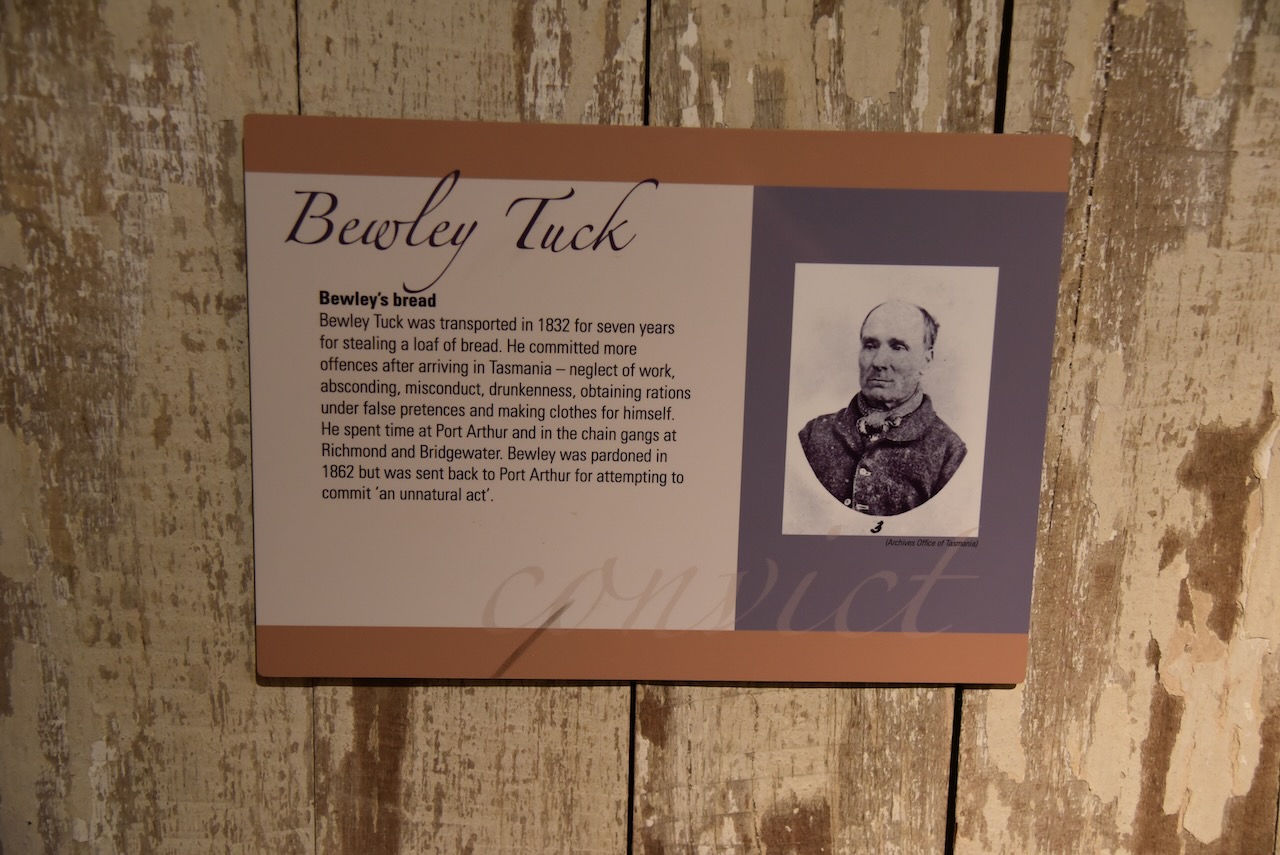
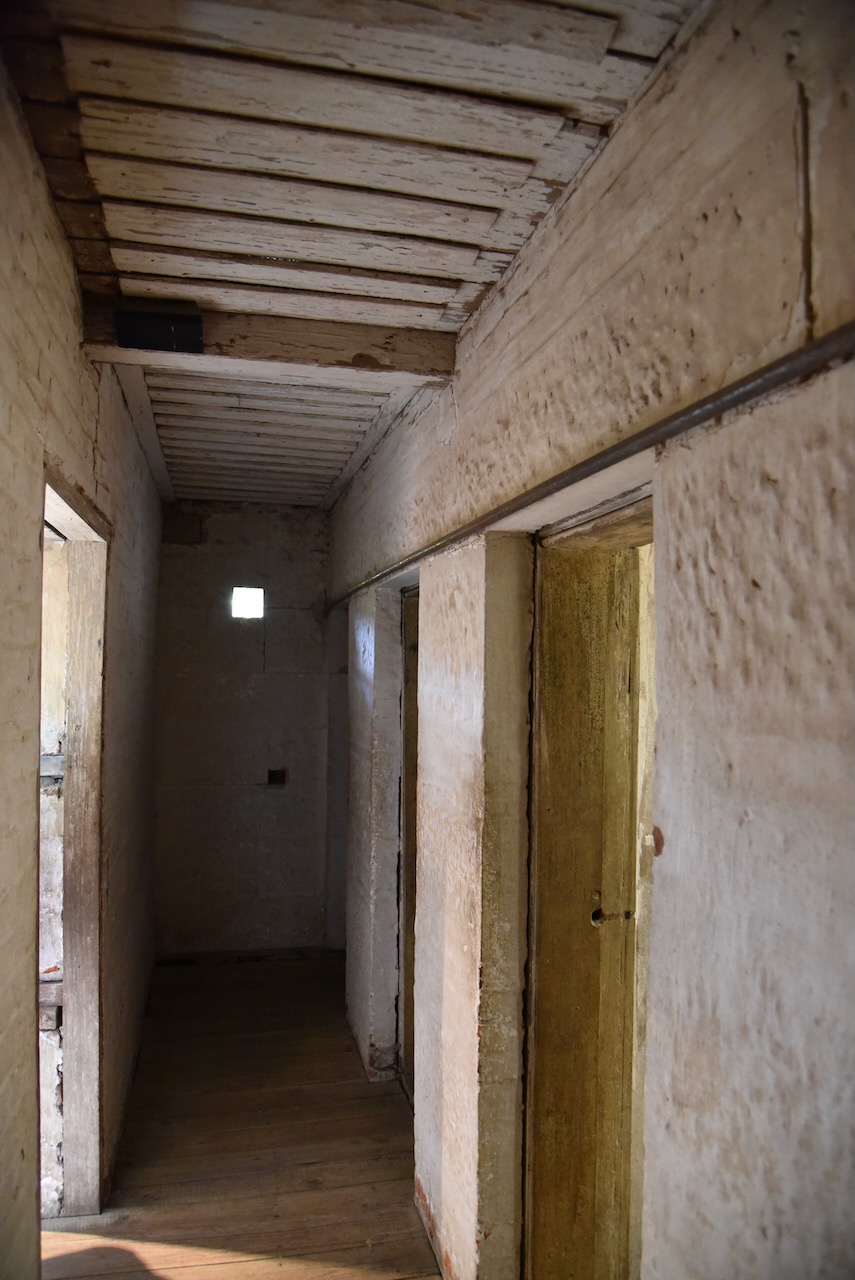
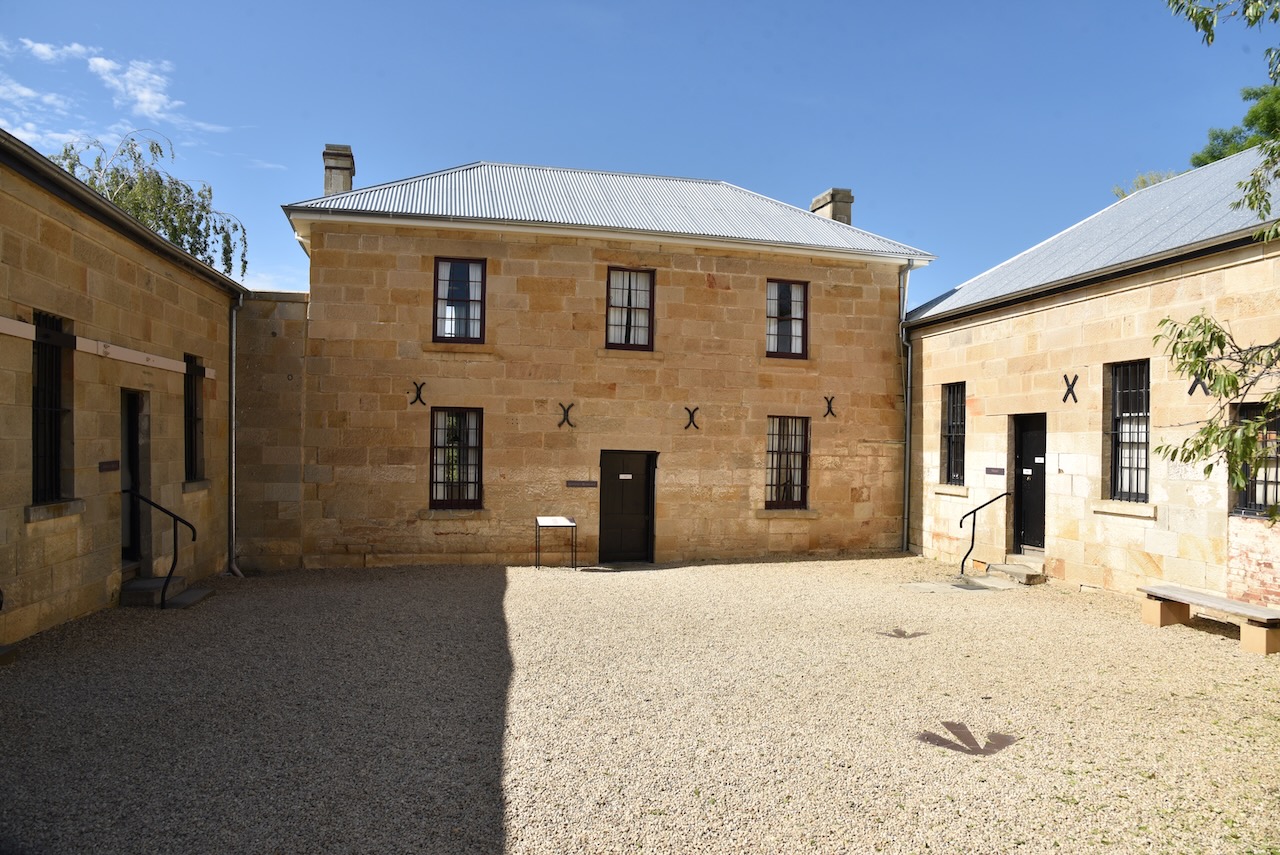
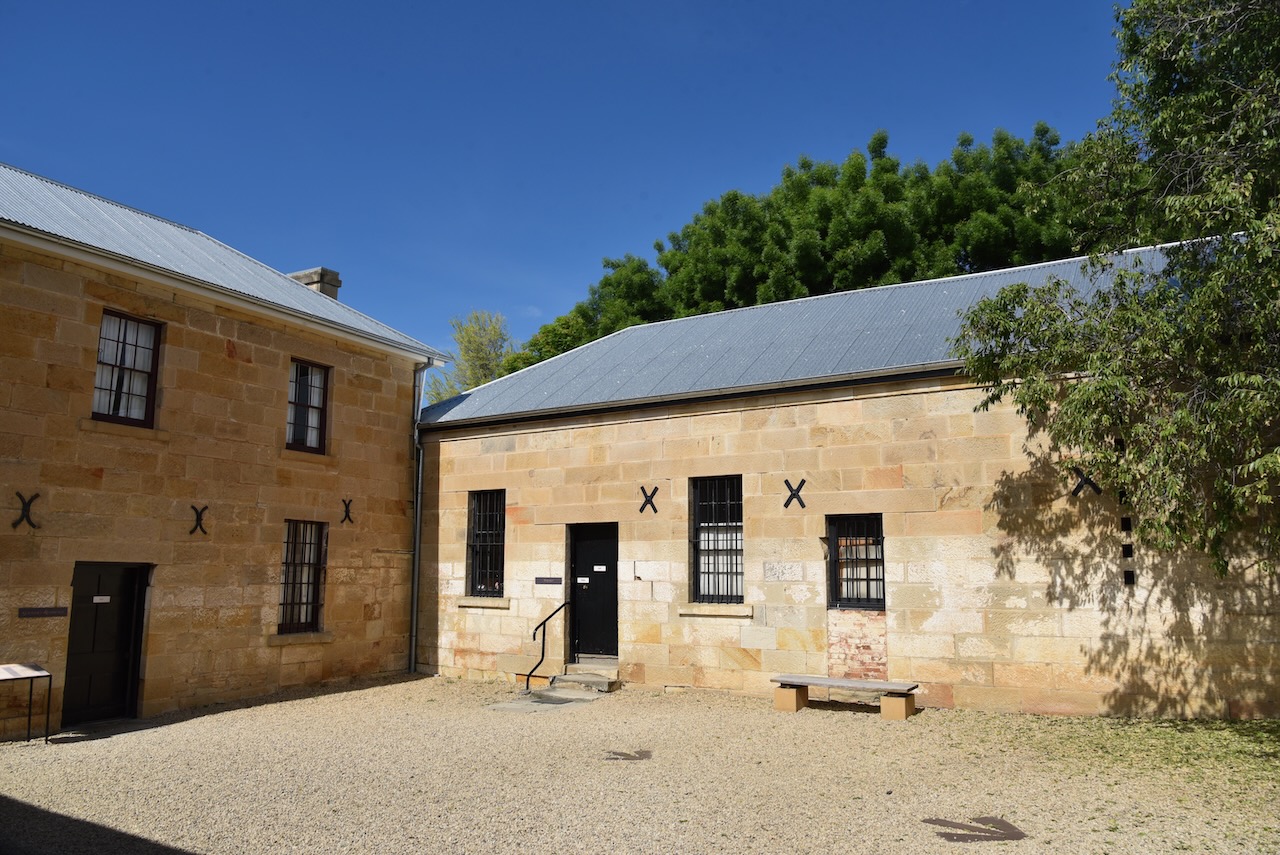
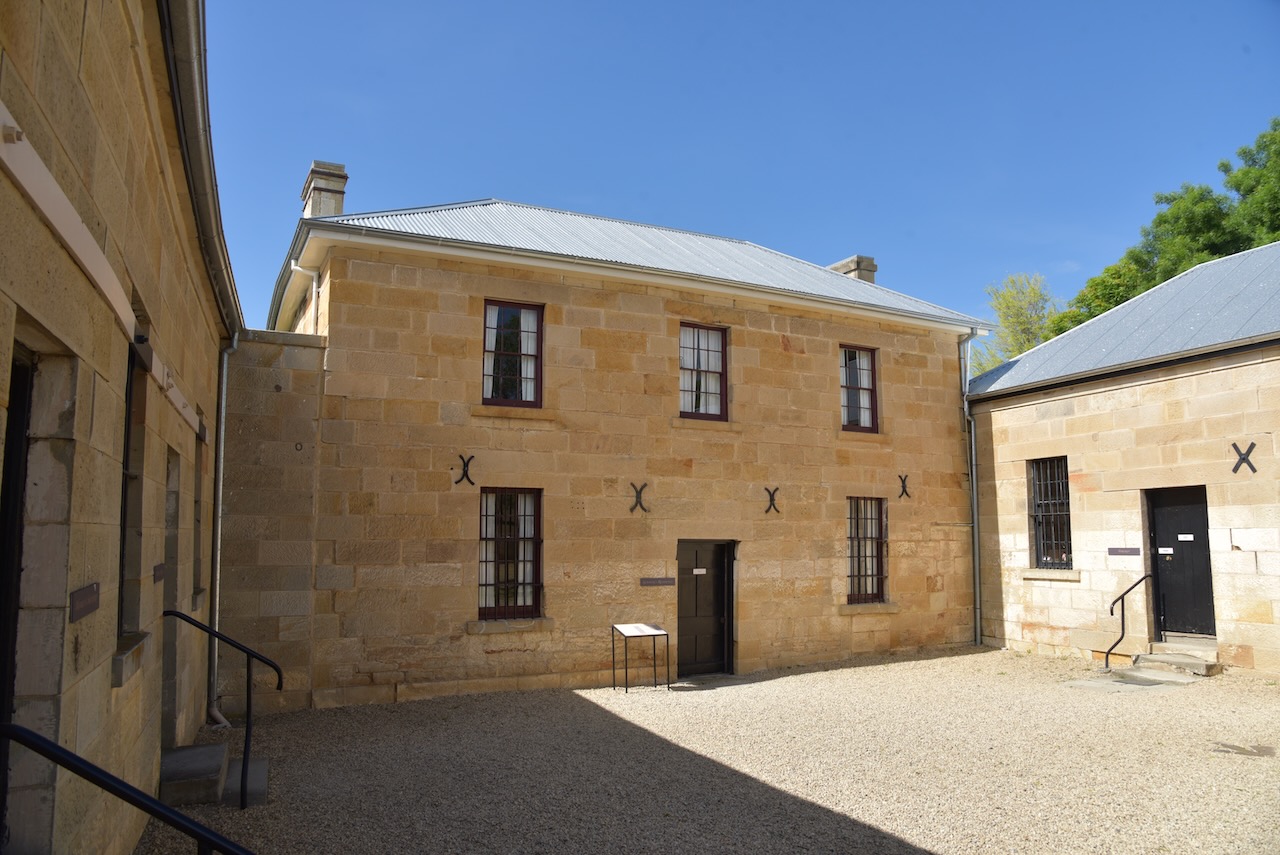
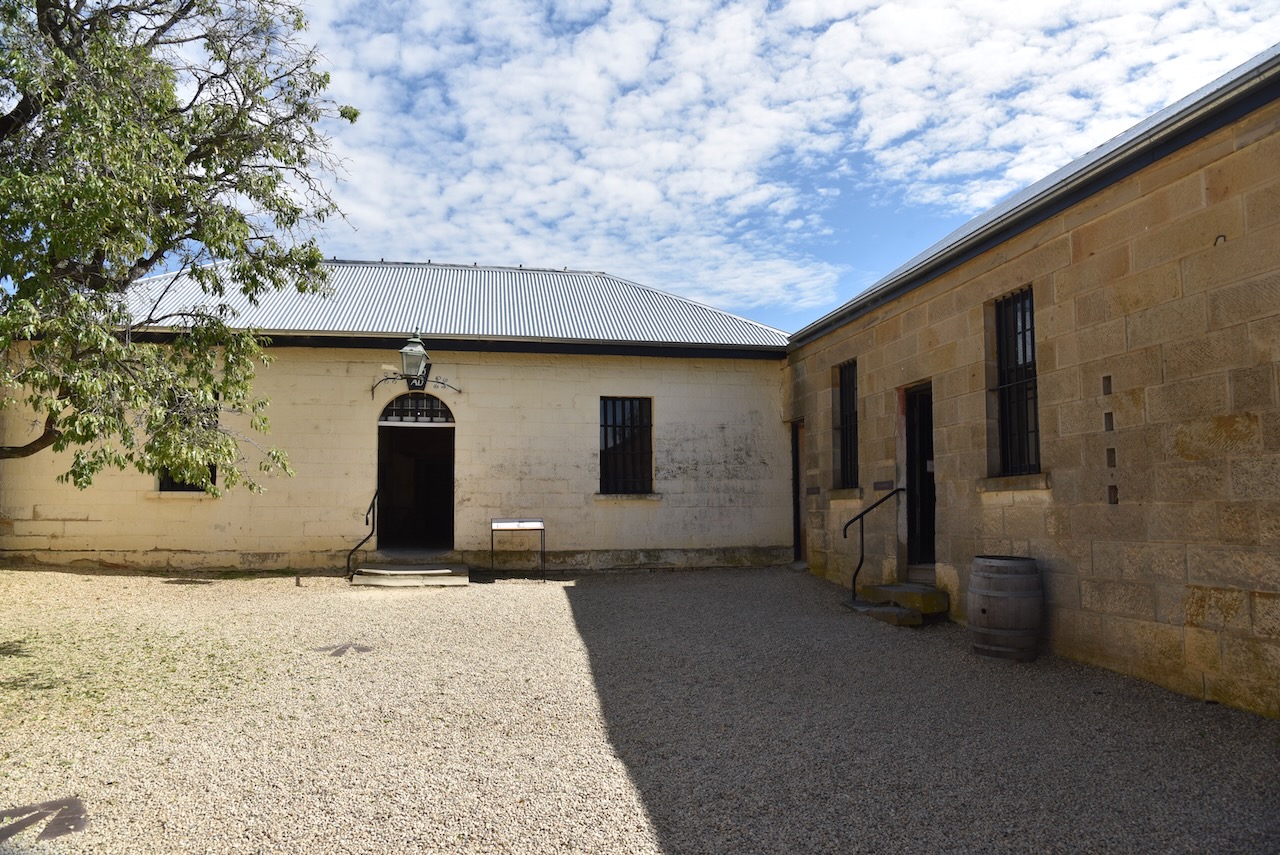
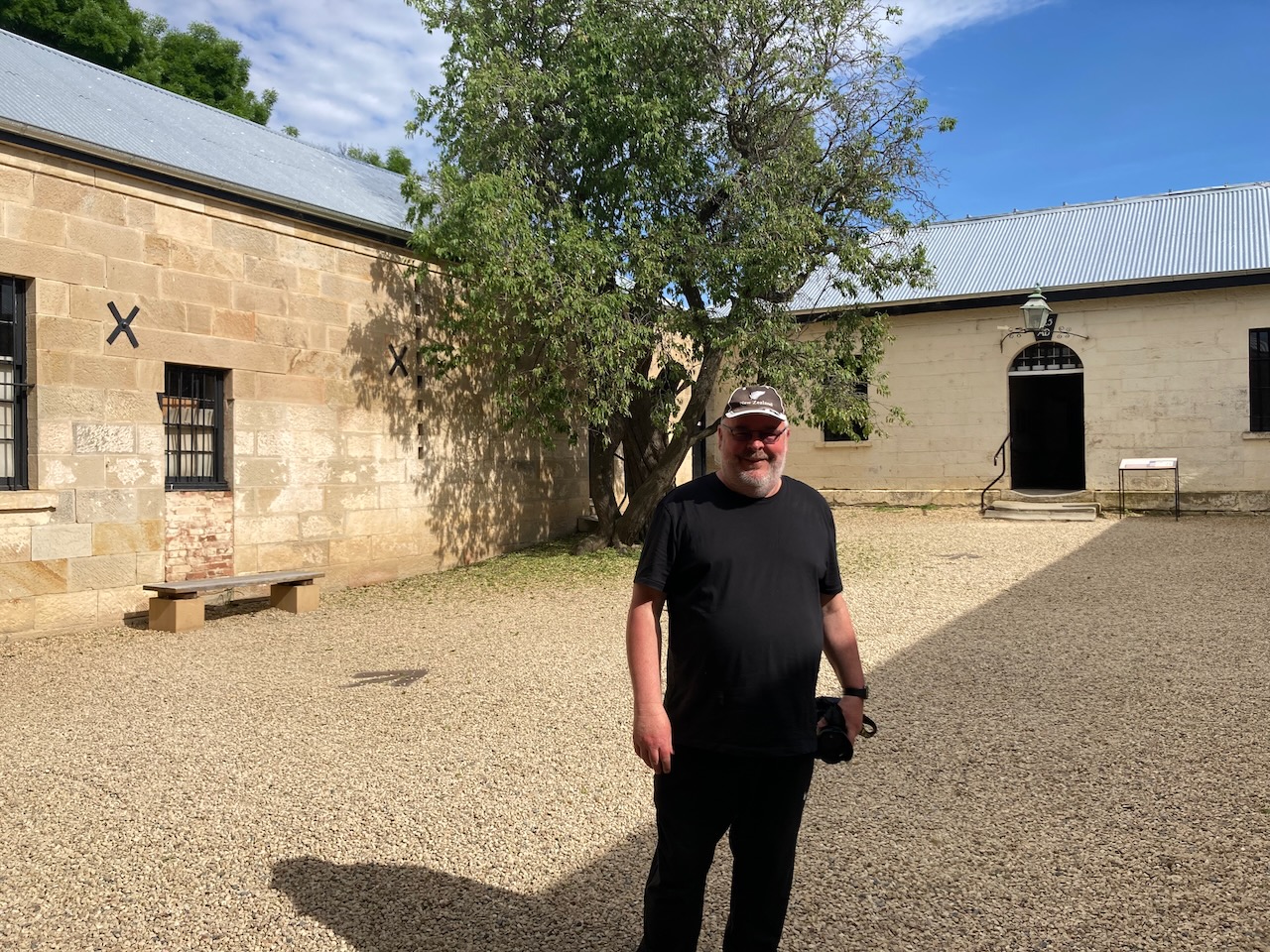
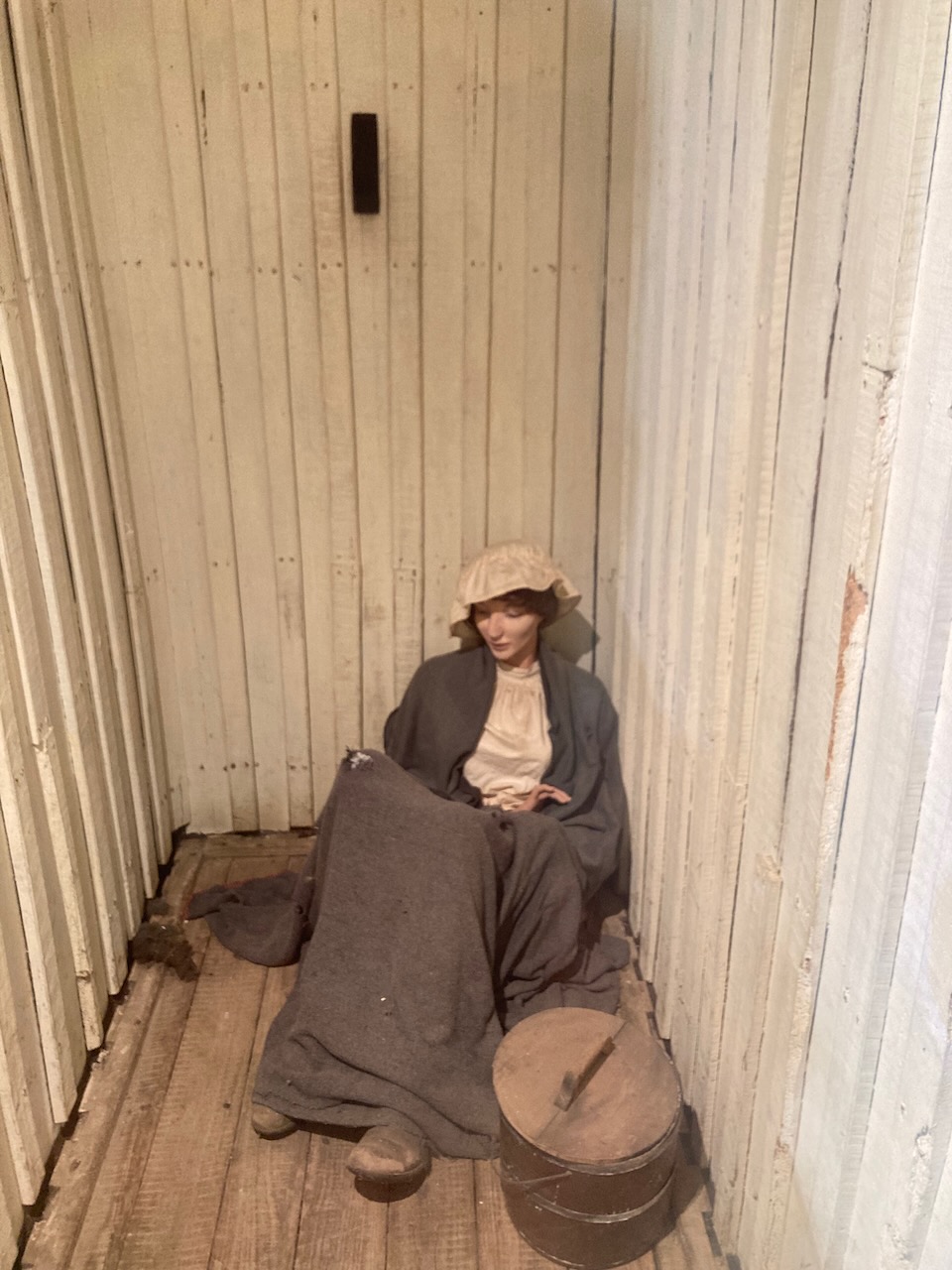
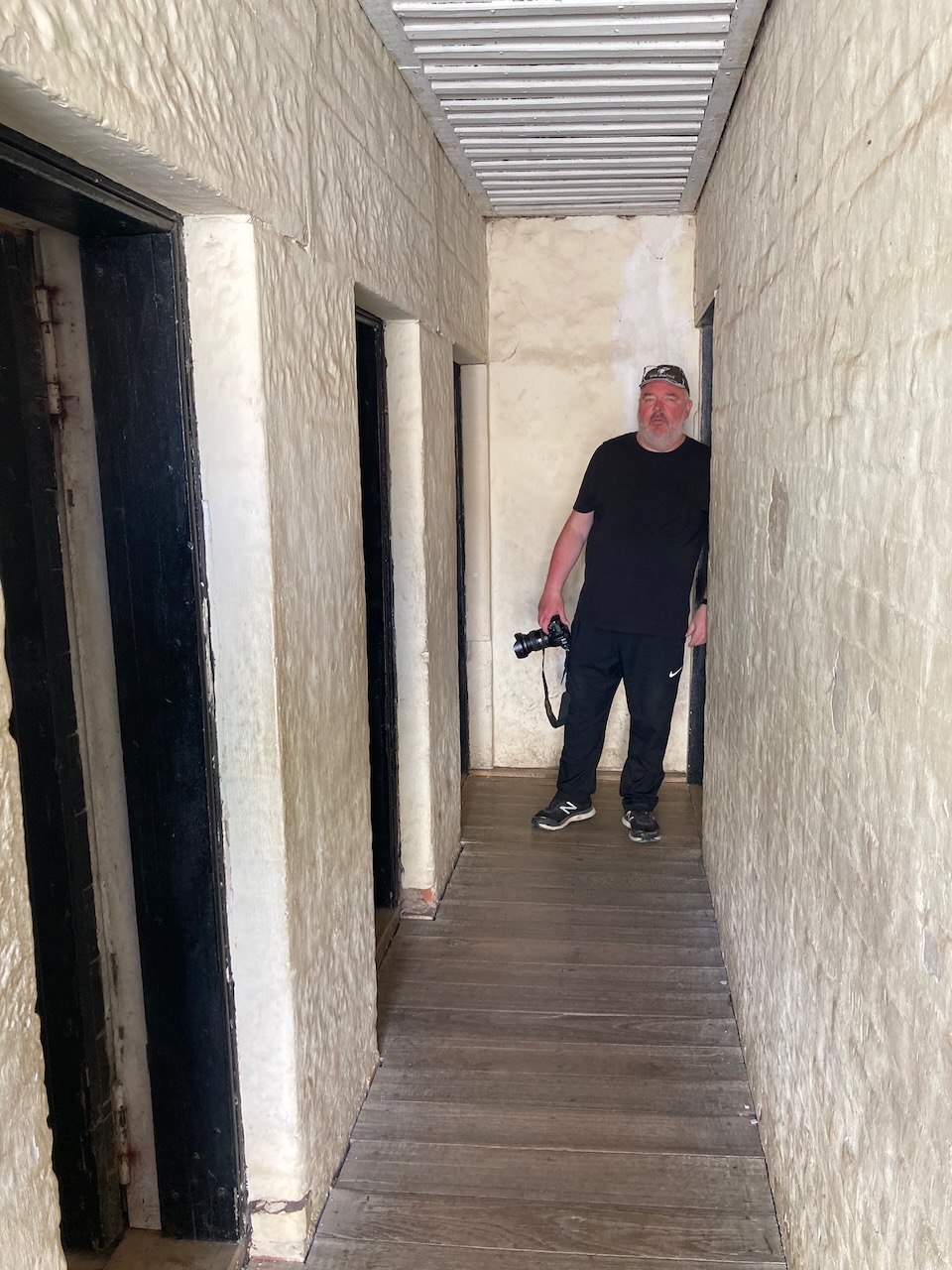
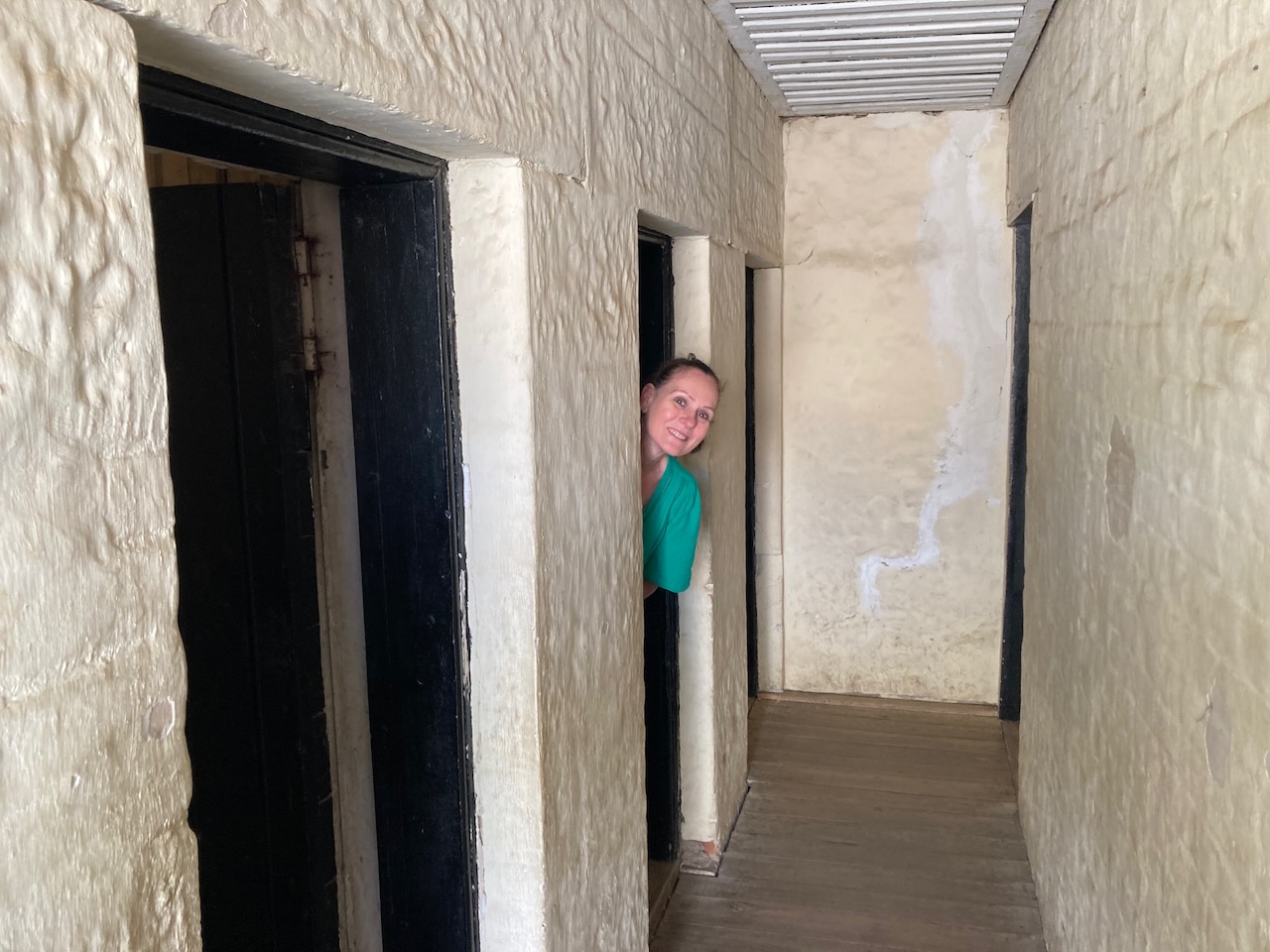
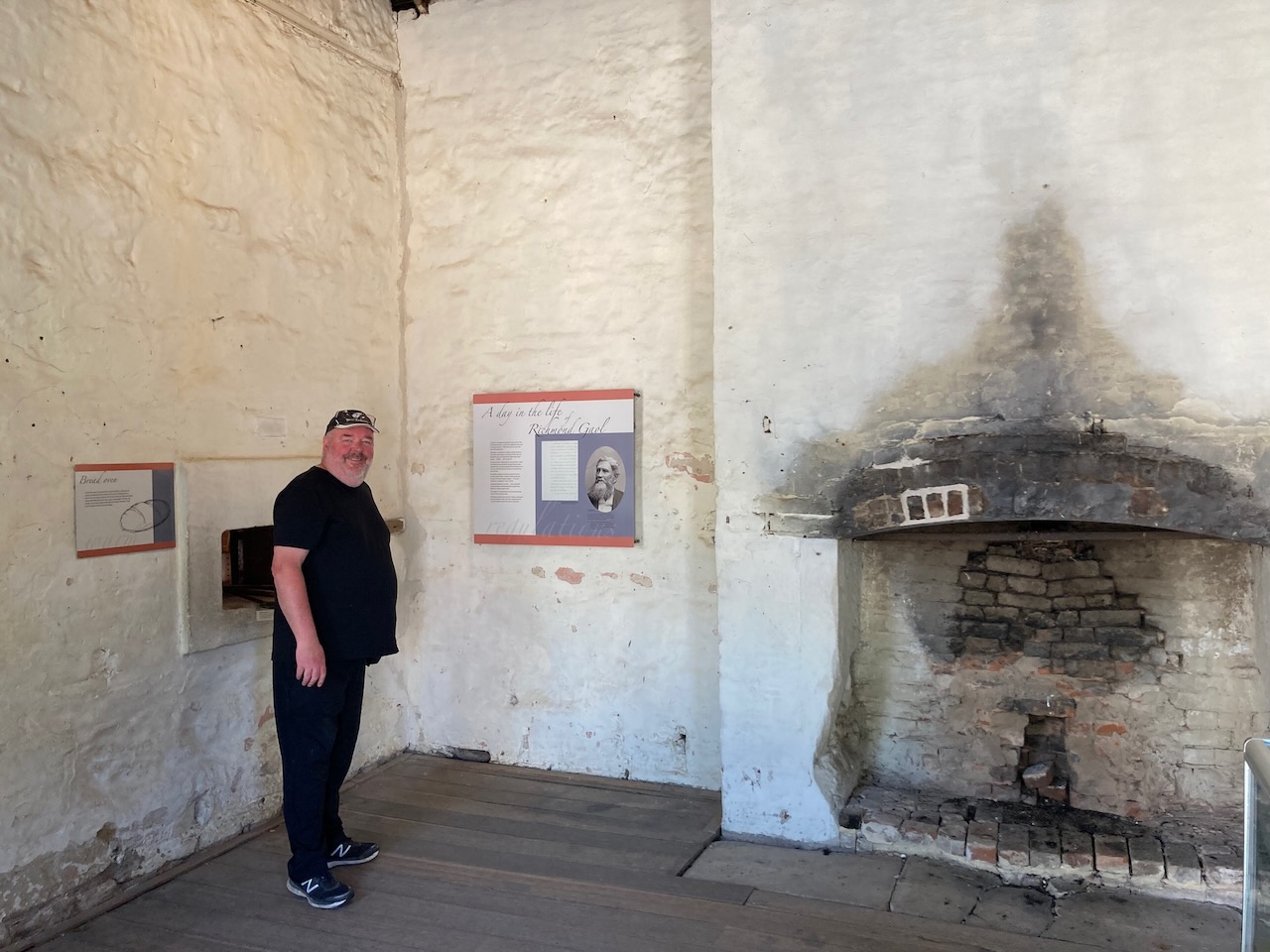
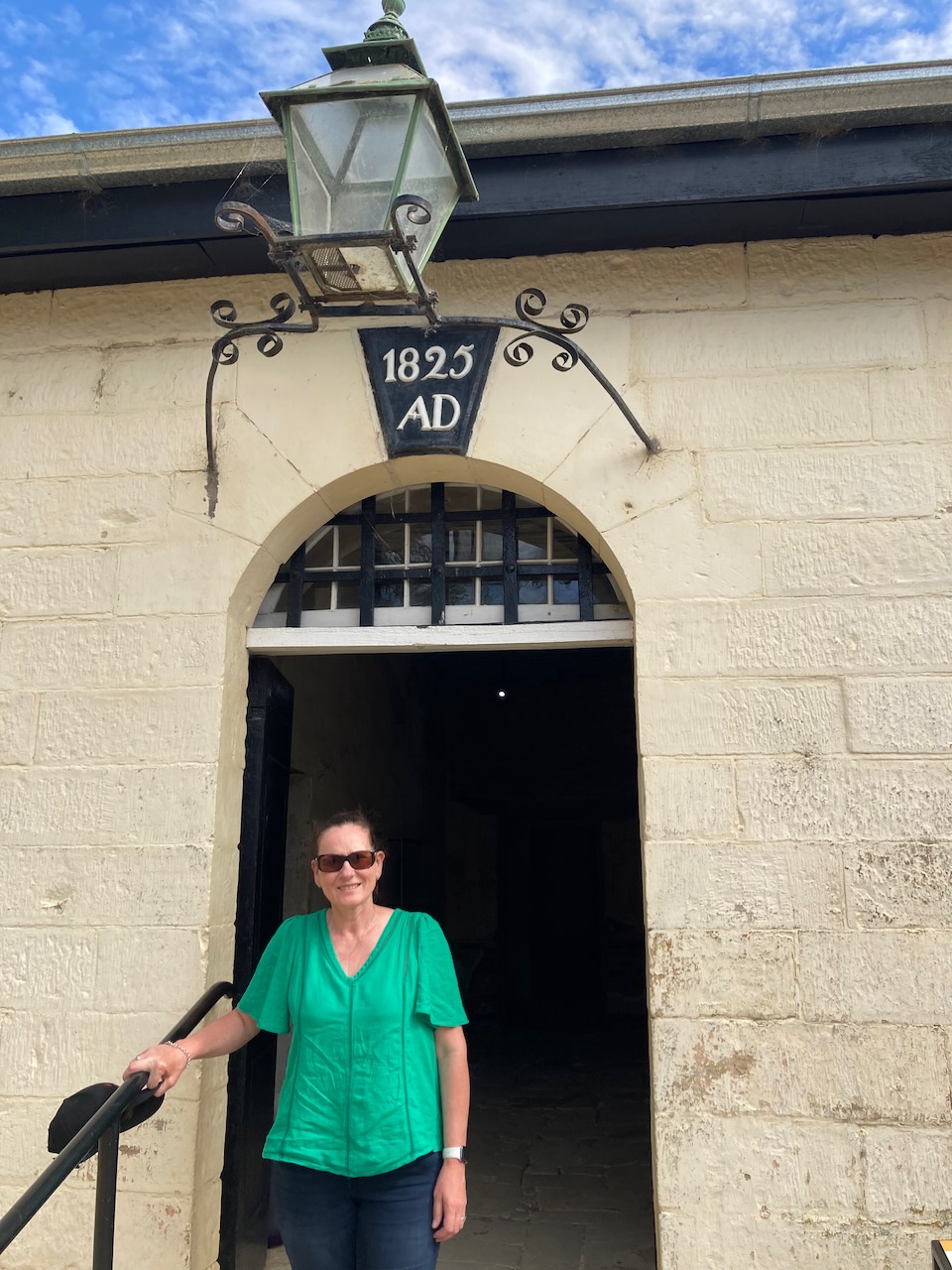
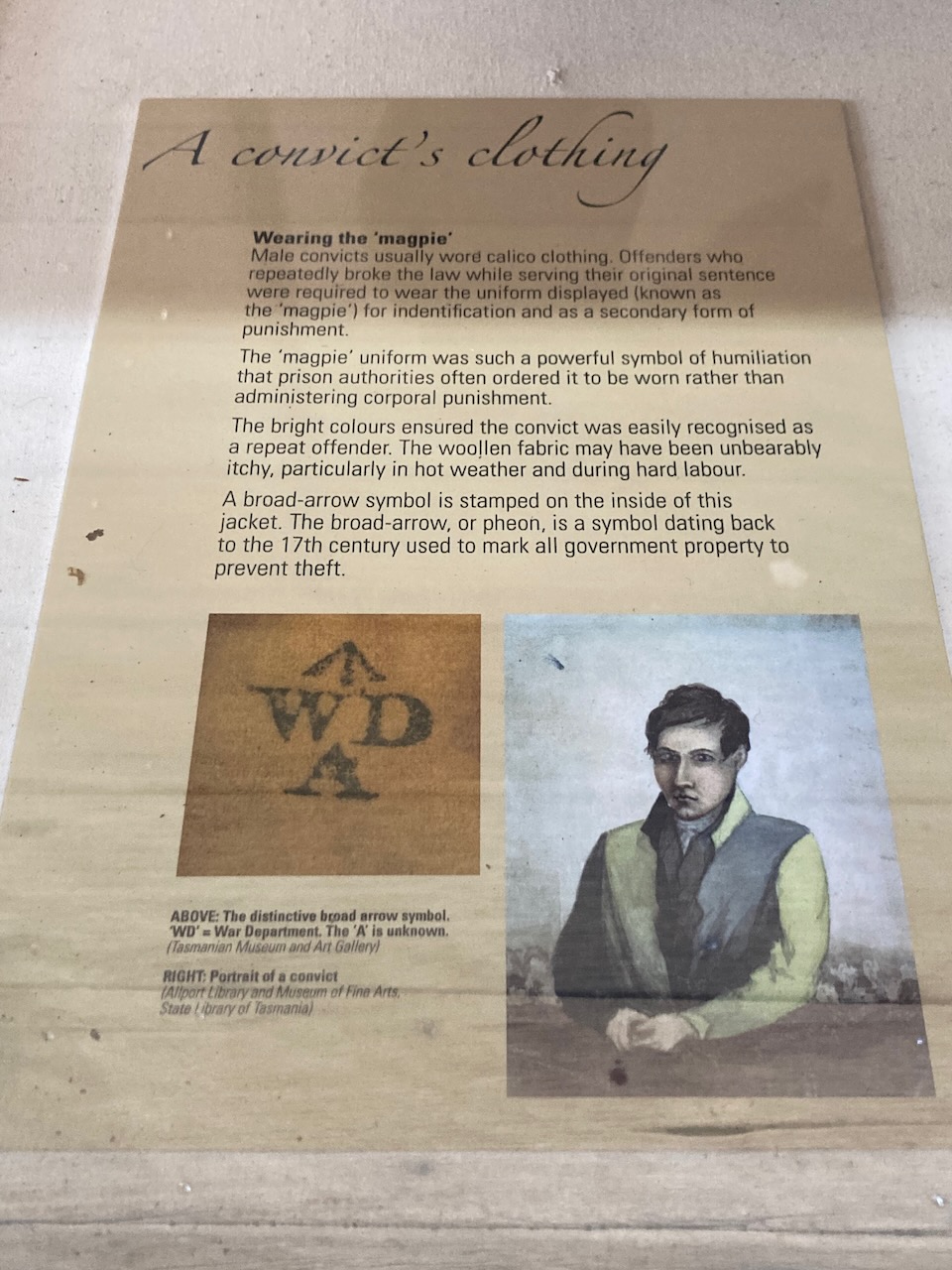
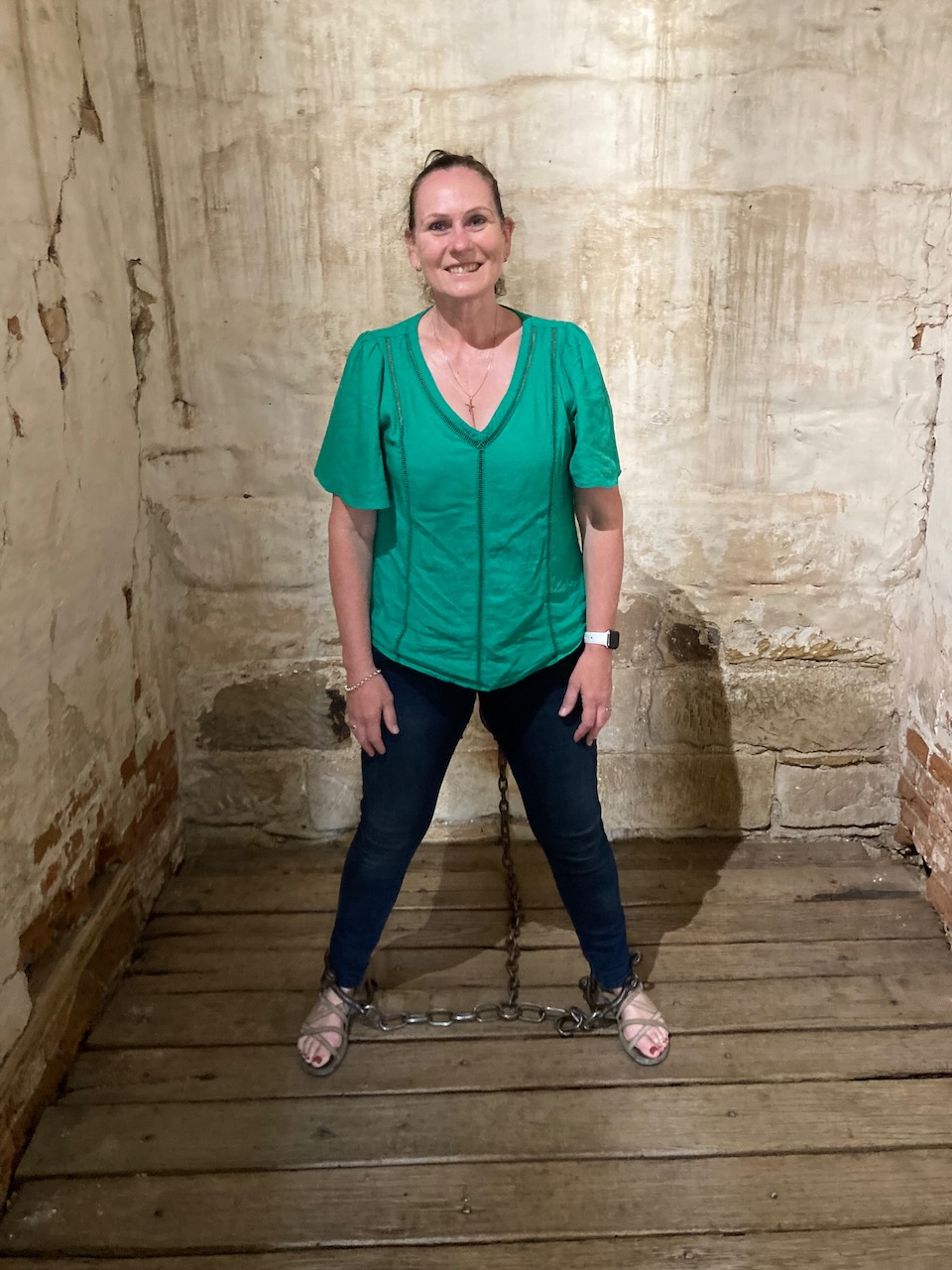
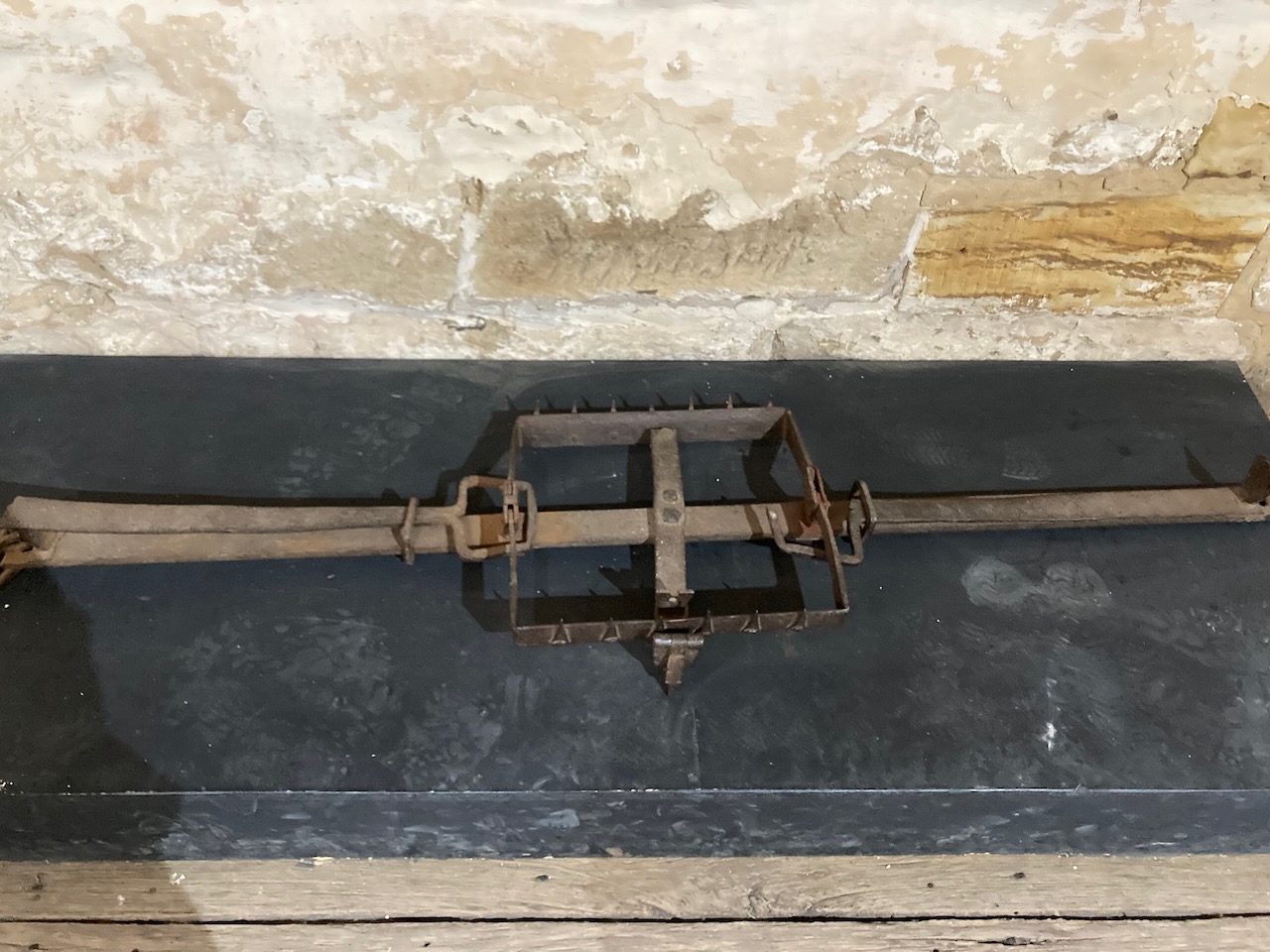
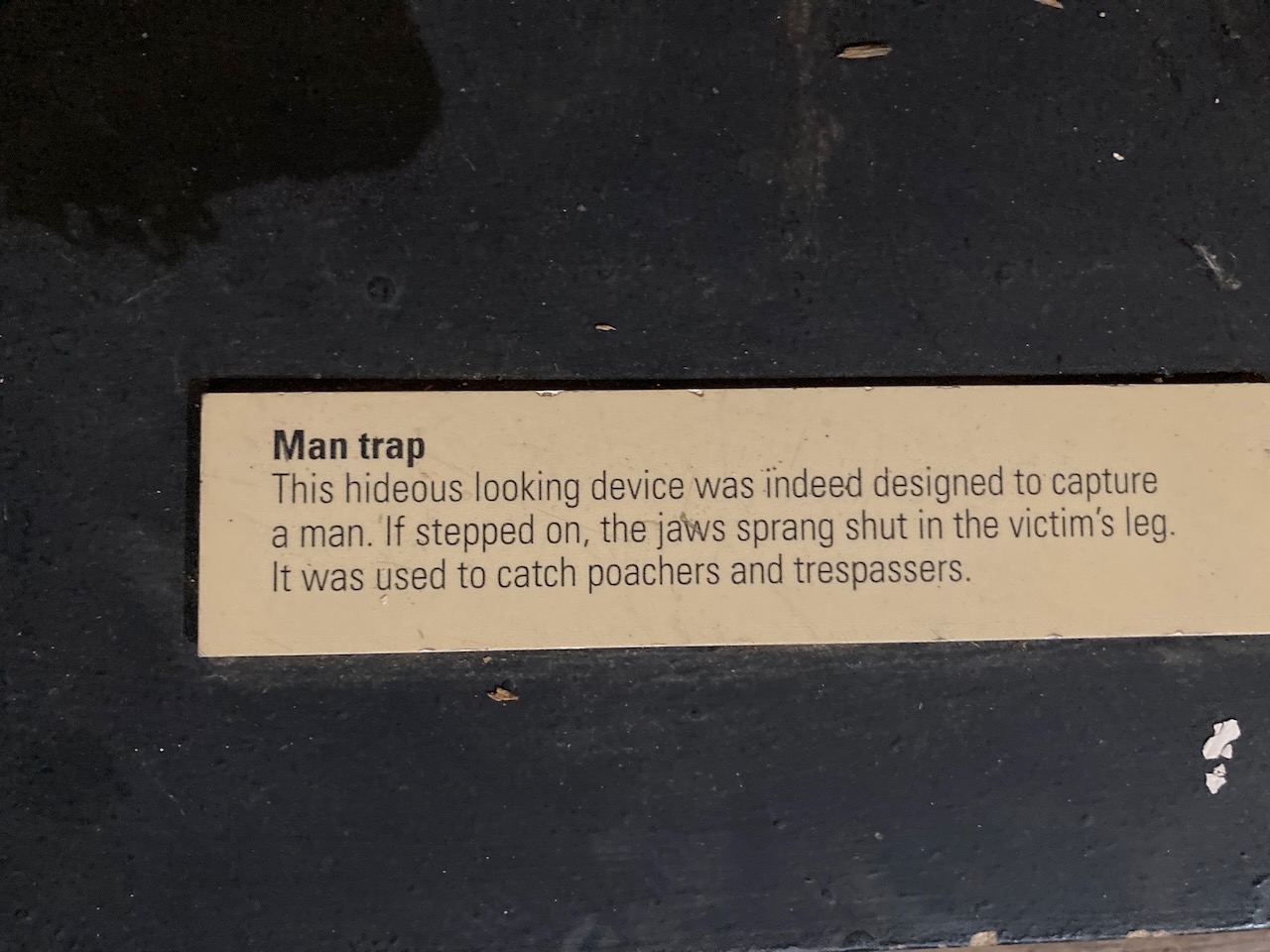
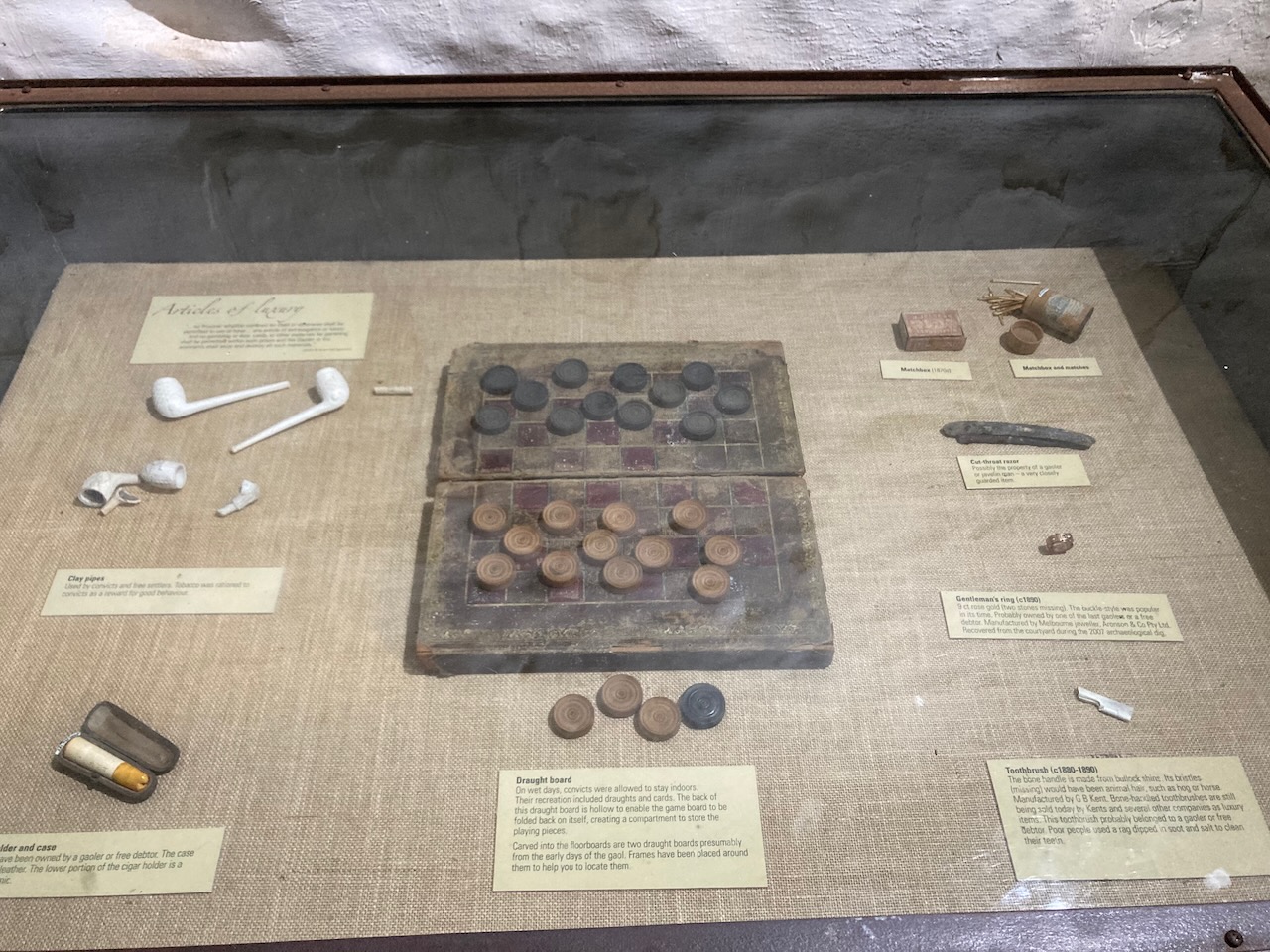
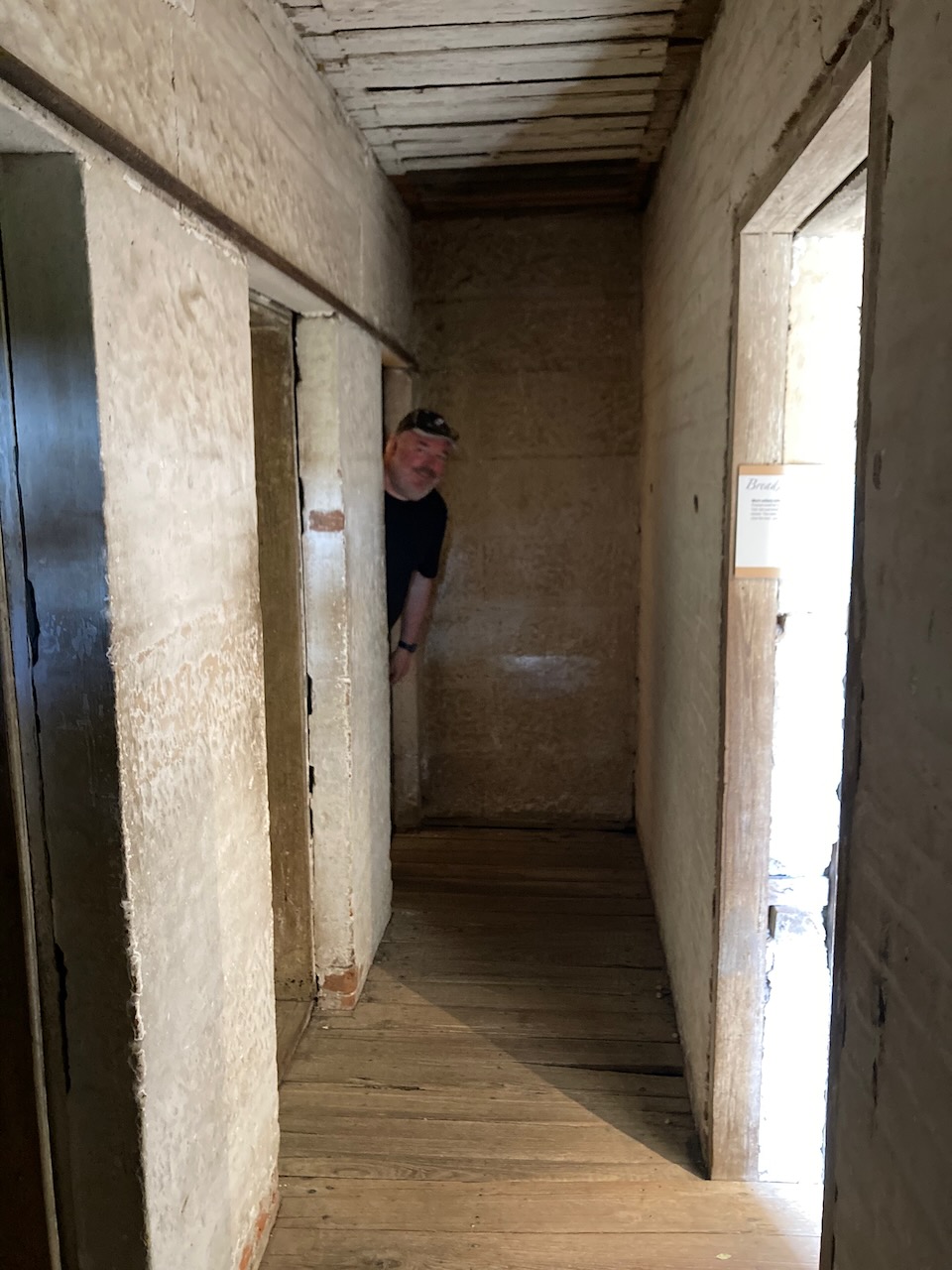
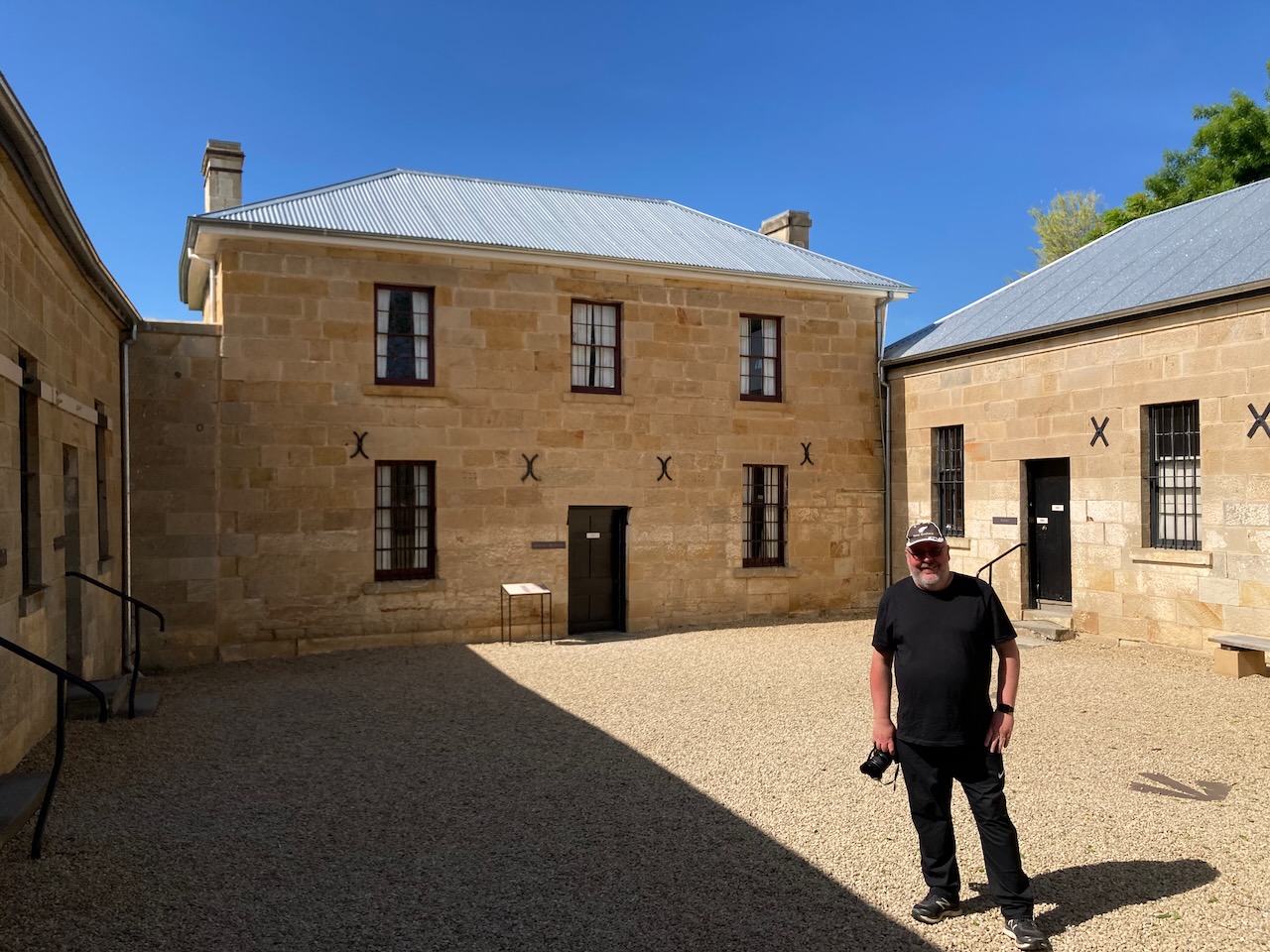
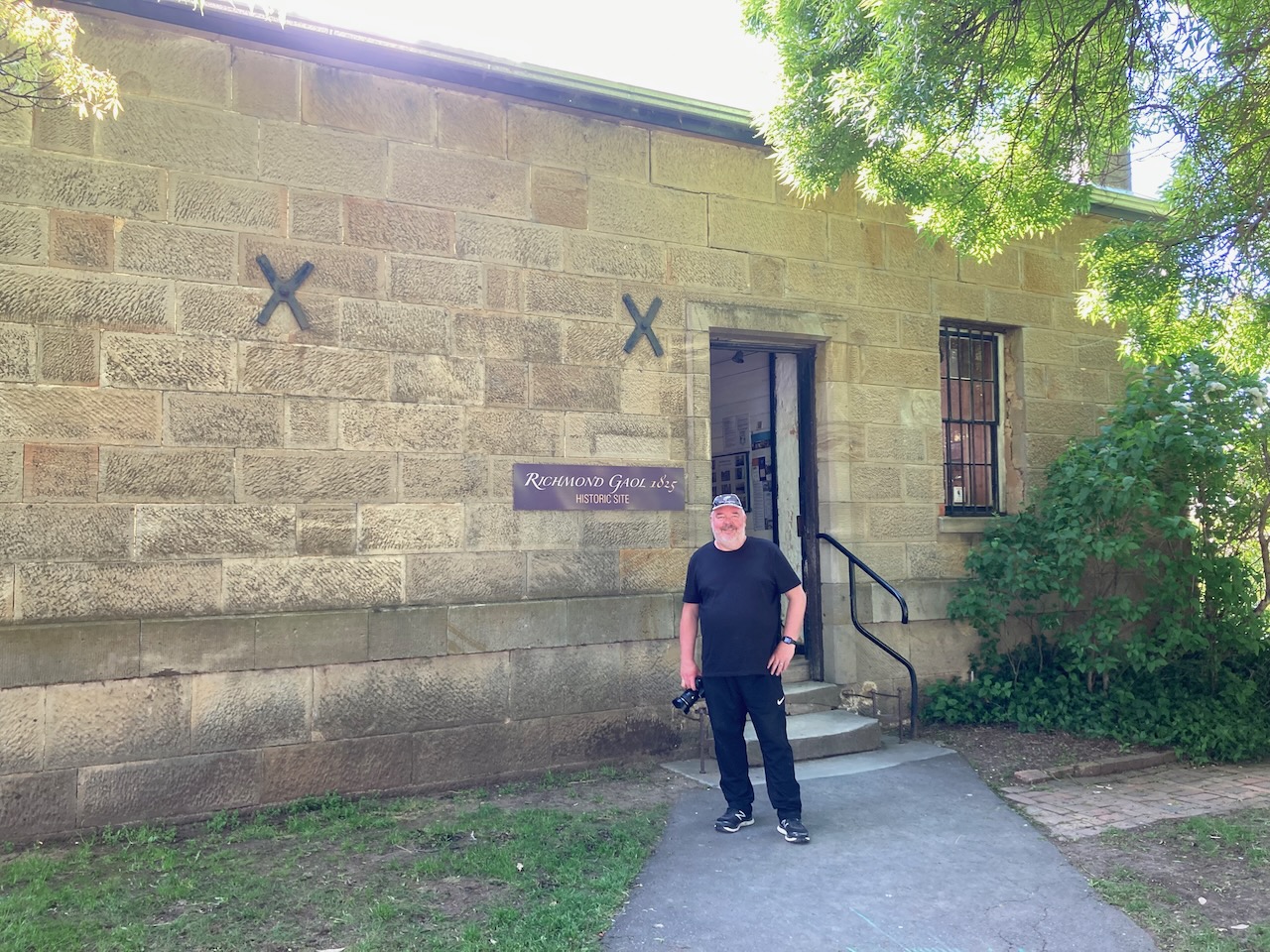
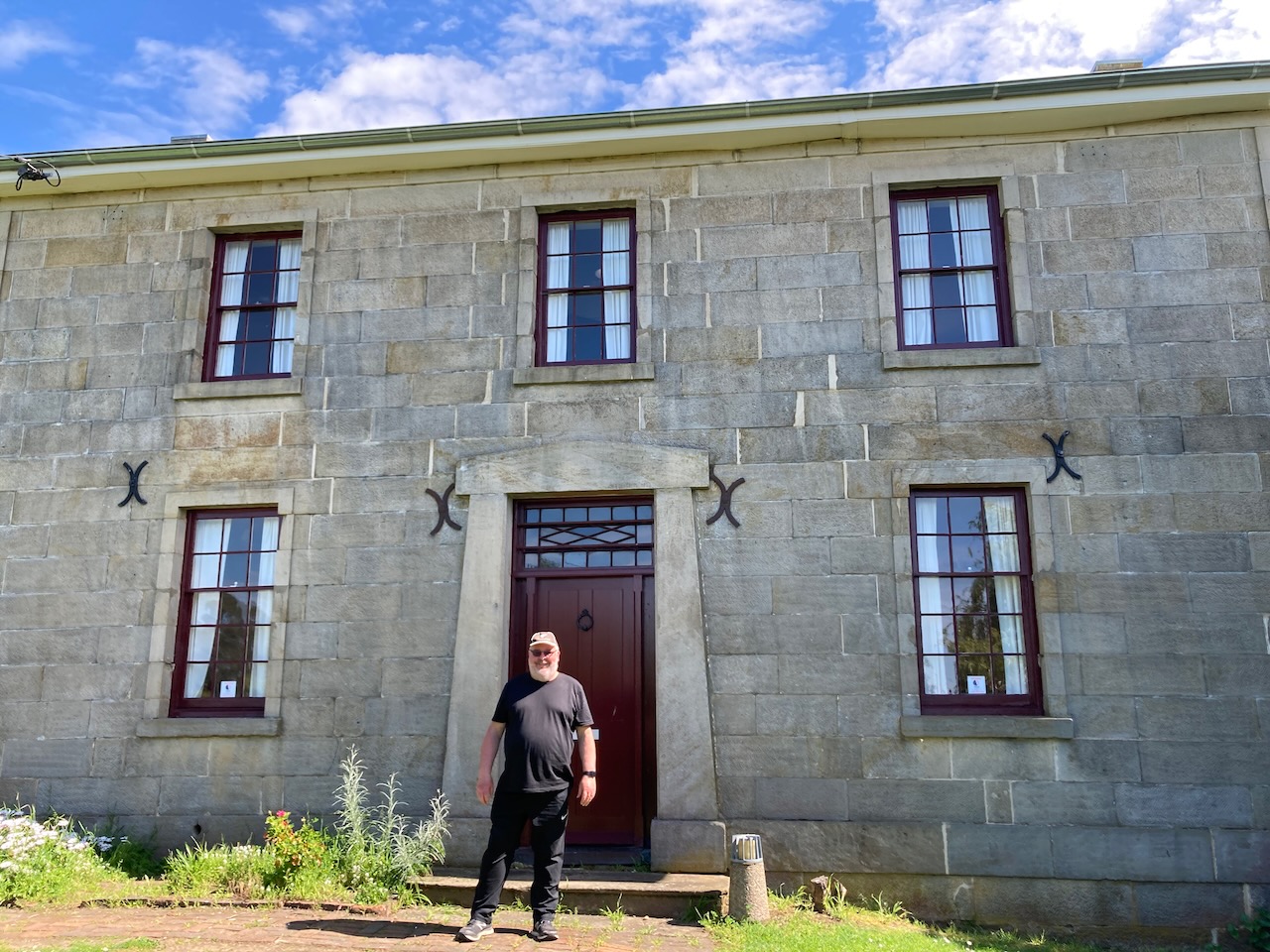
We then visited the historic Richmond Gaol which is the oldest intact gaol in Australia. Construction of the gaol commenced in 1825. This was eight years prior to the establishment of the Port Arthur penal settlement.

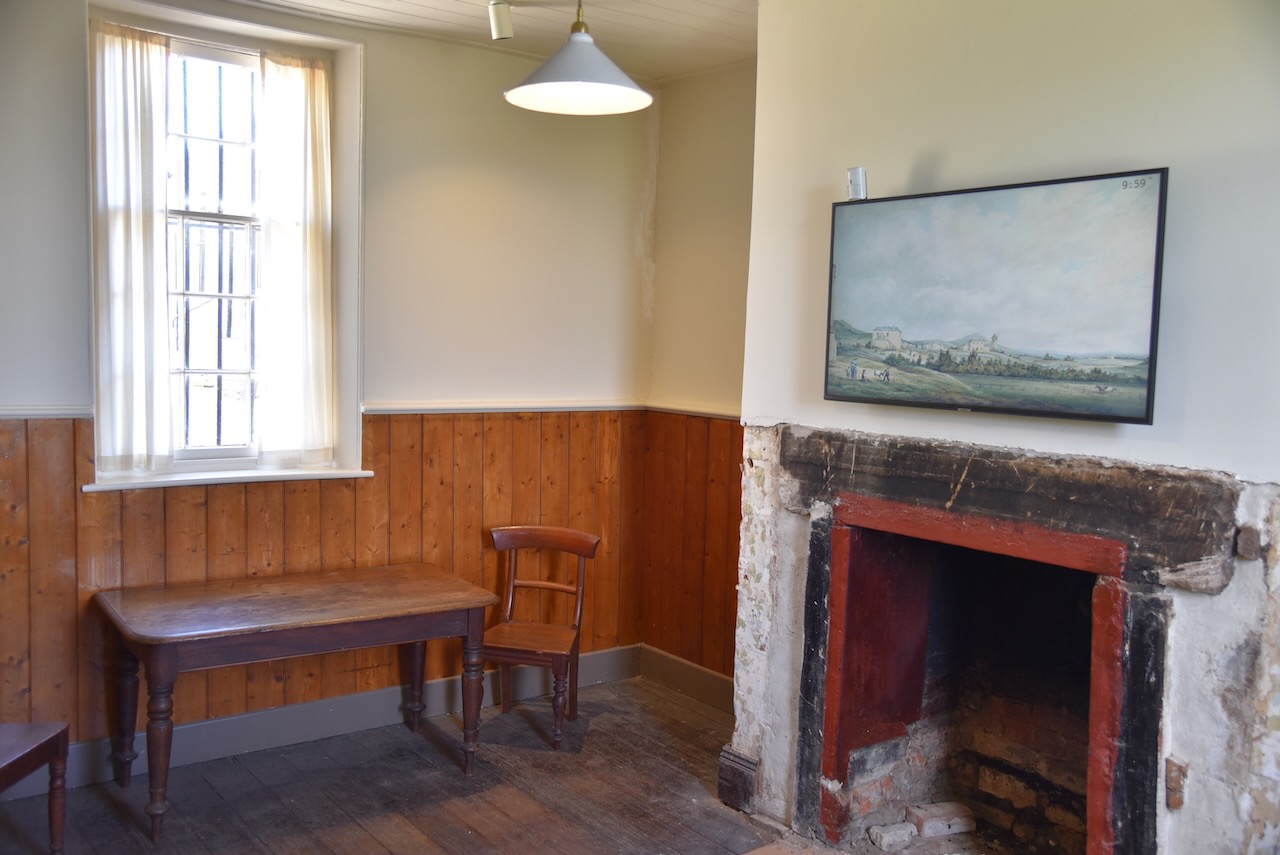
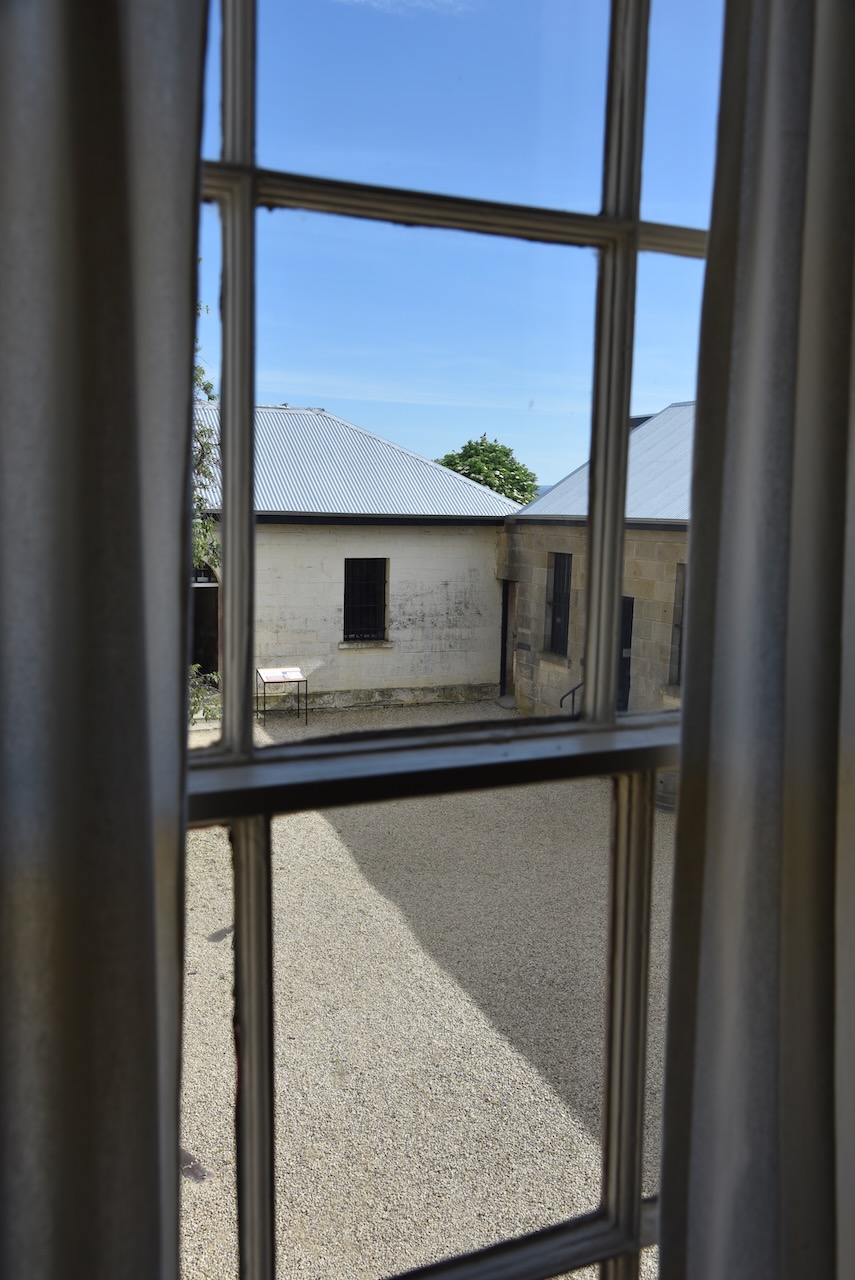
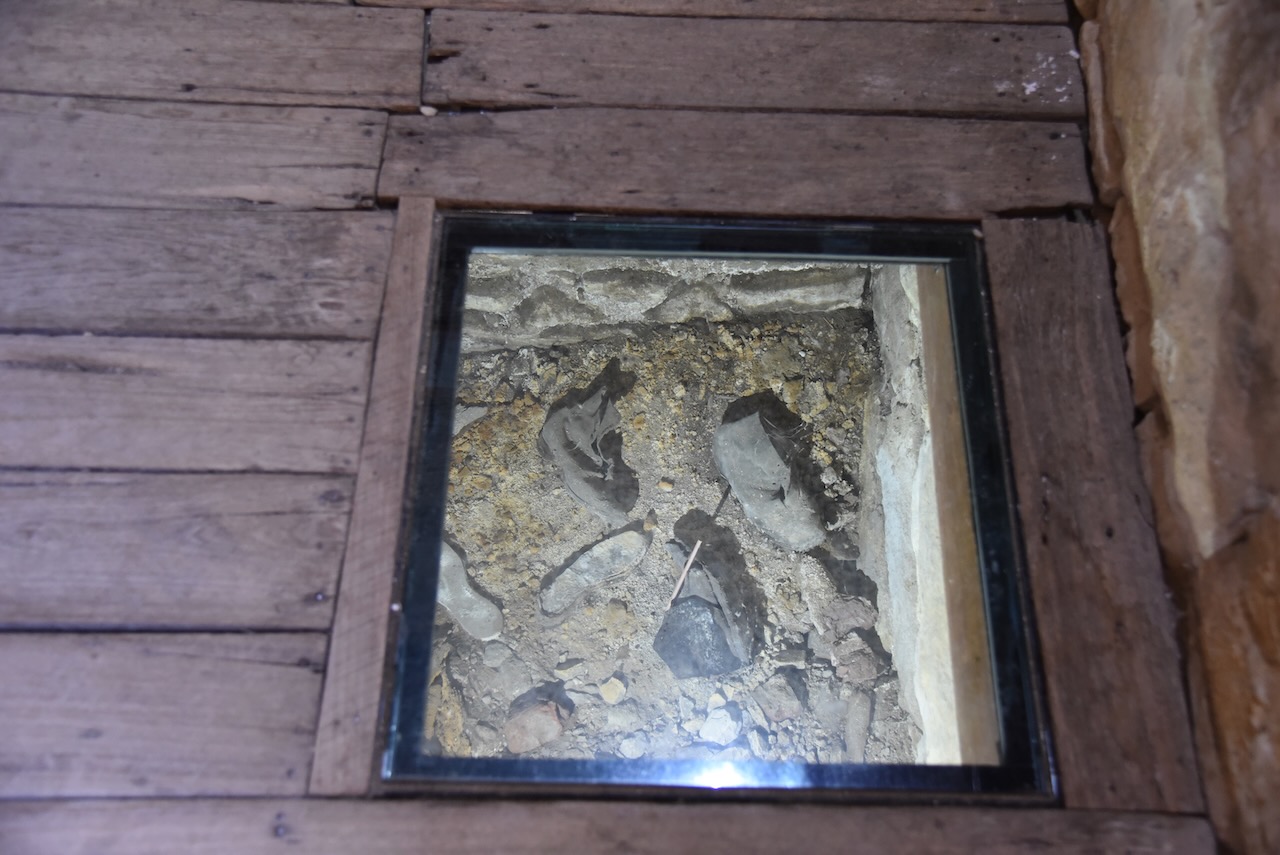
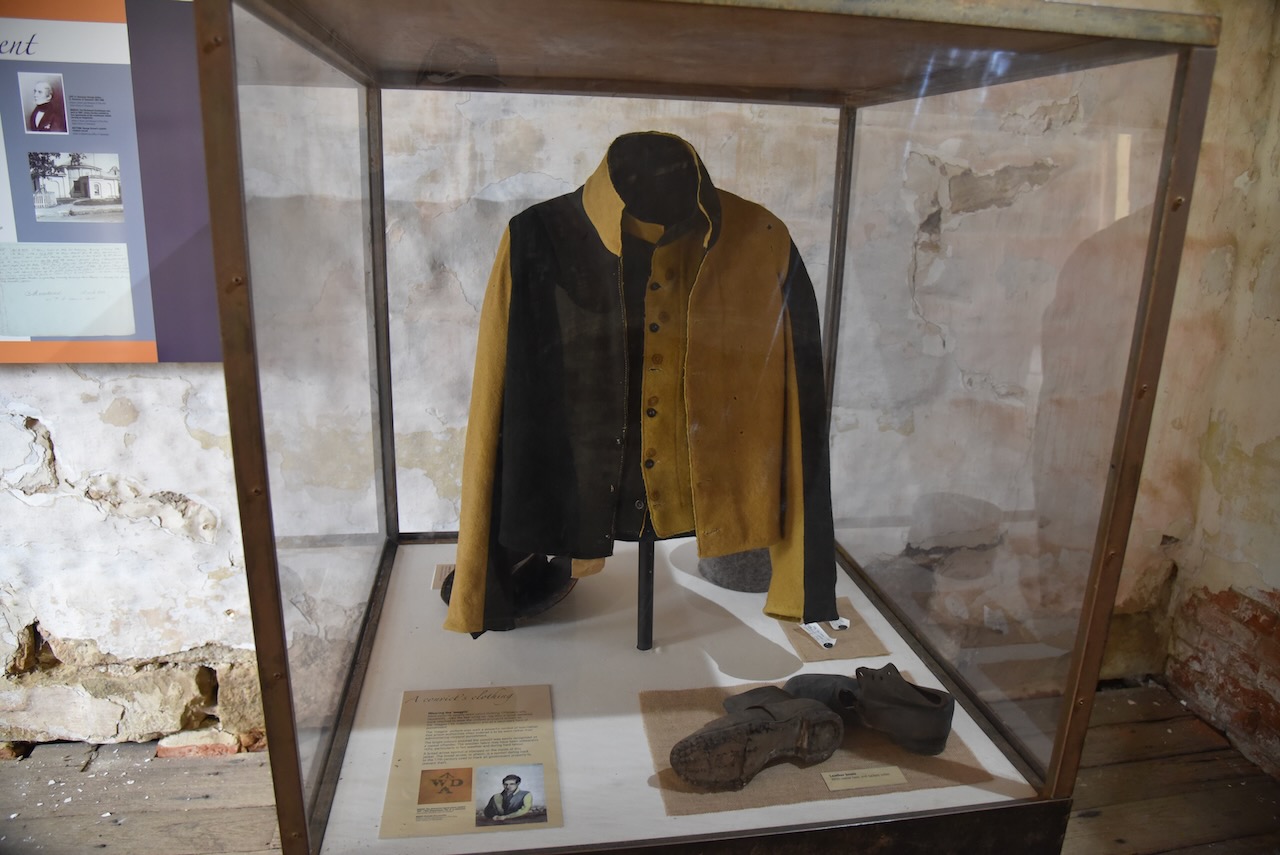
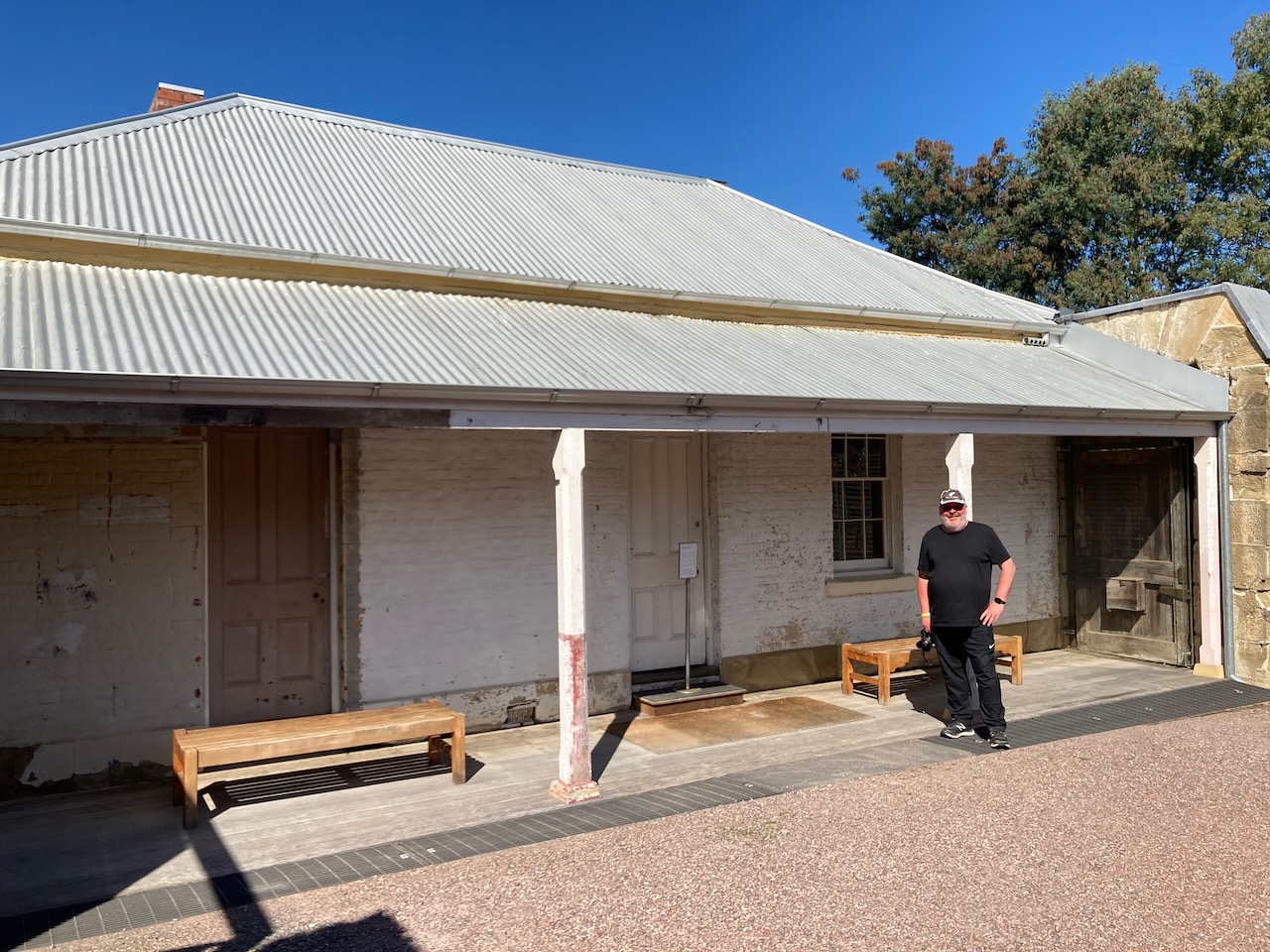
We spent a number of hours here as there is a lot to see, Most of the gaol buildings have not changed since the convict era.

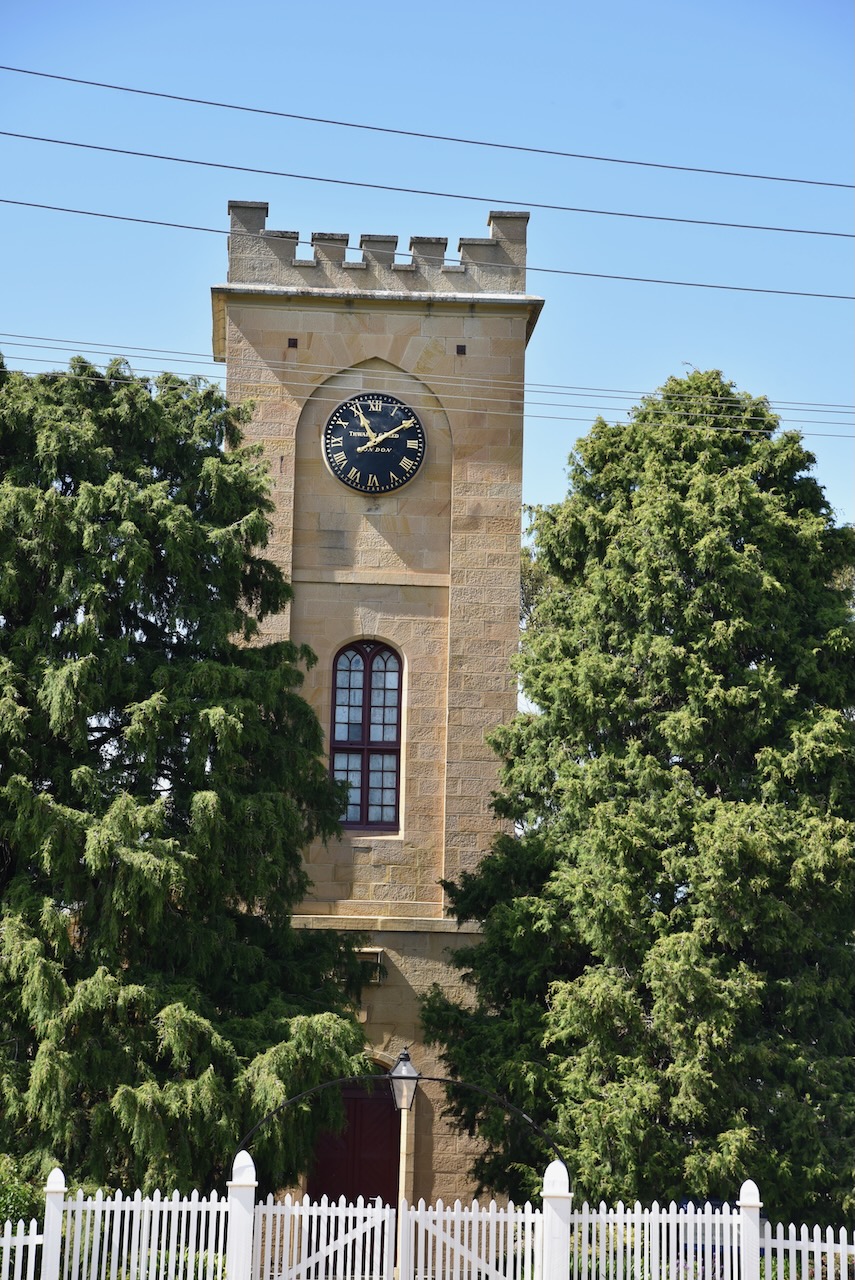
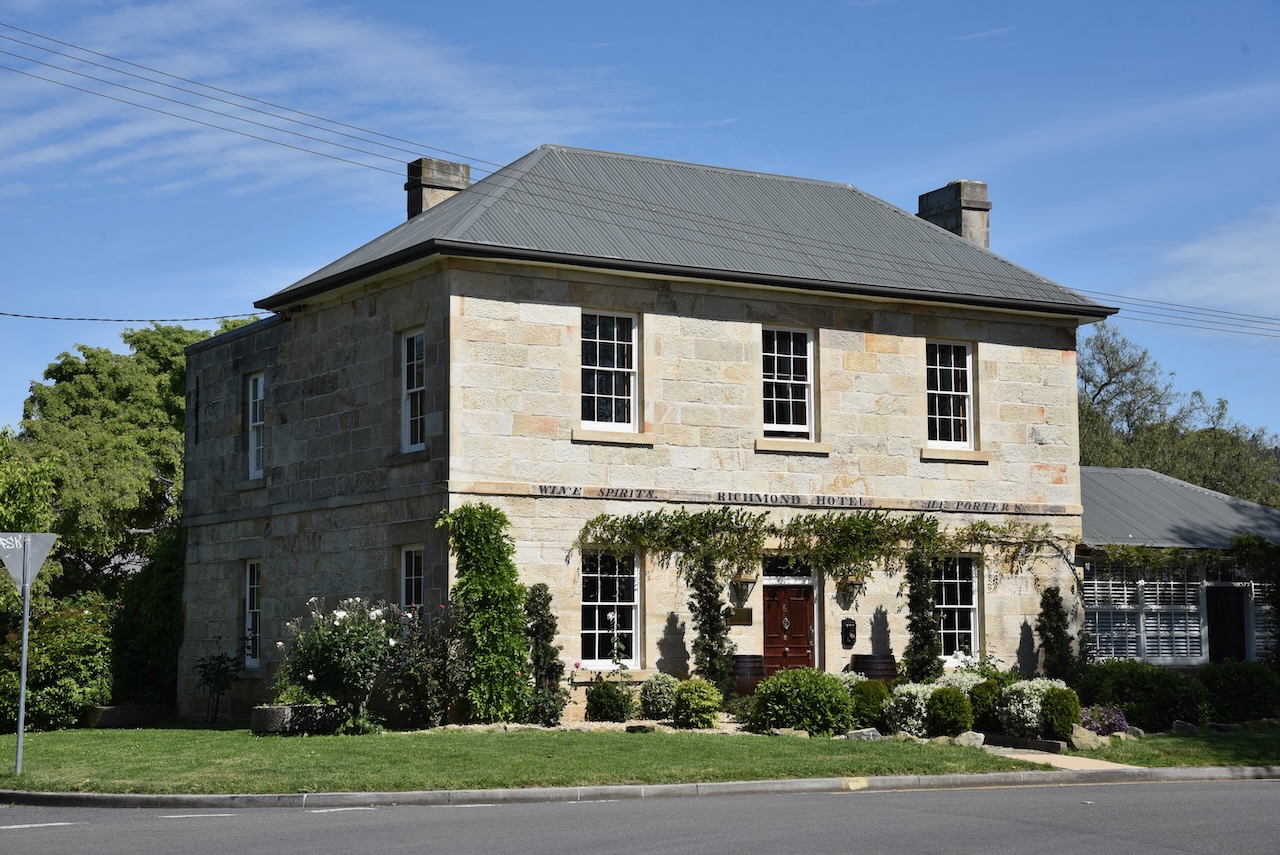
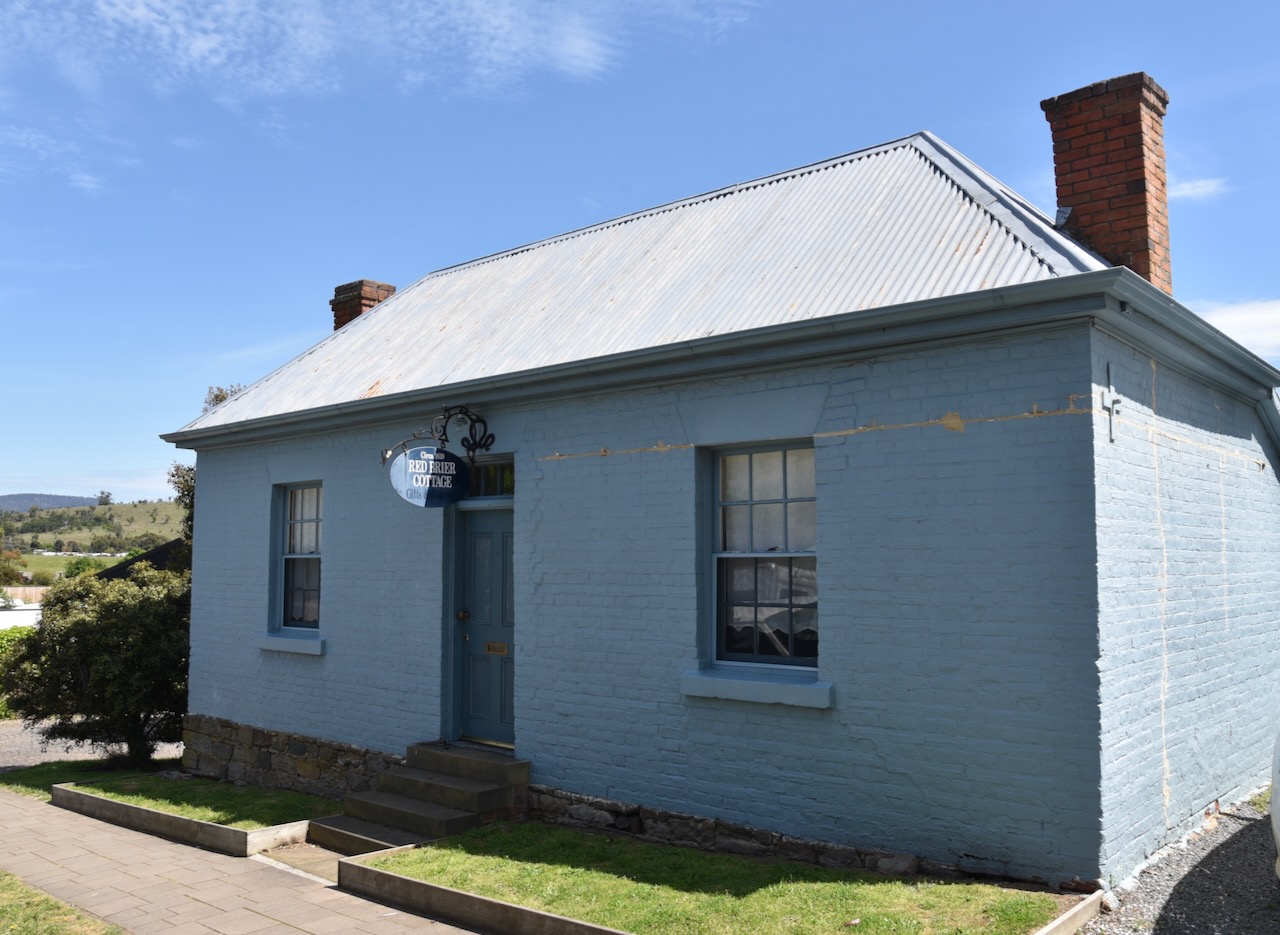
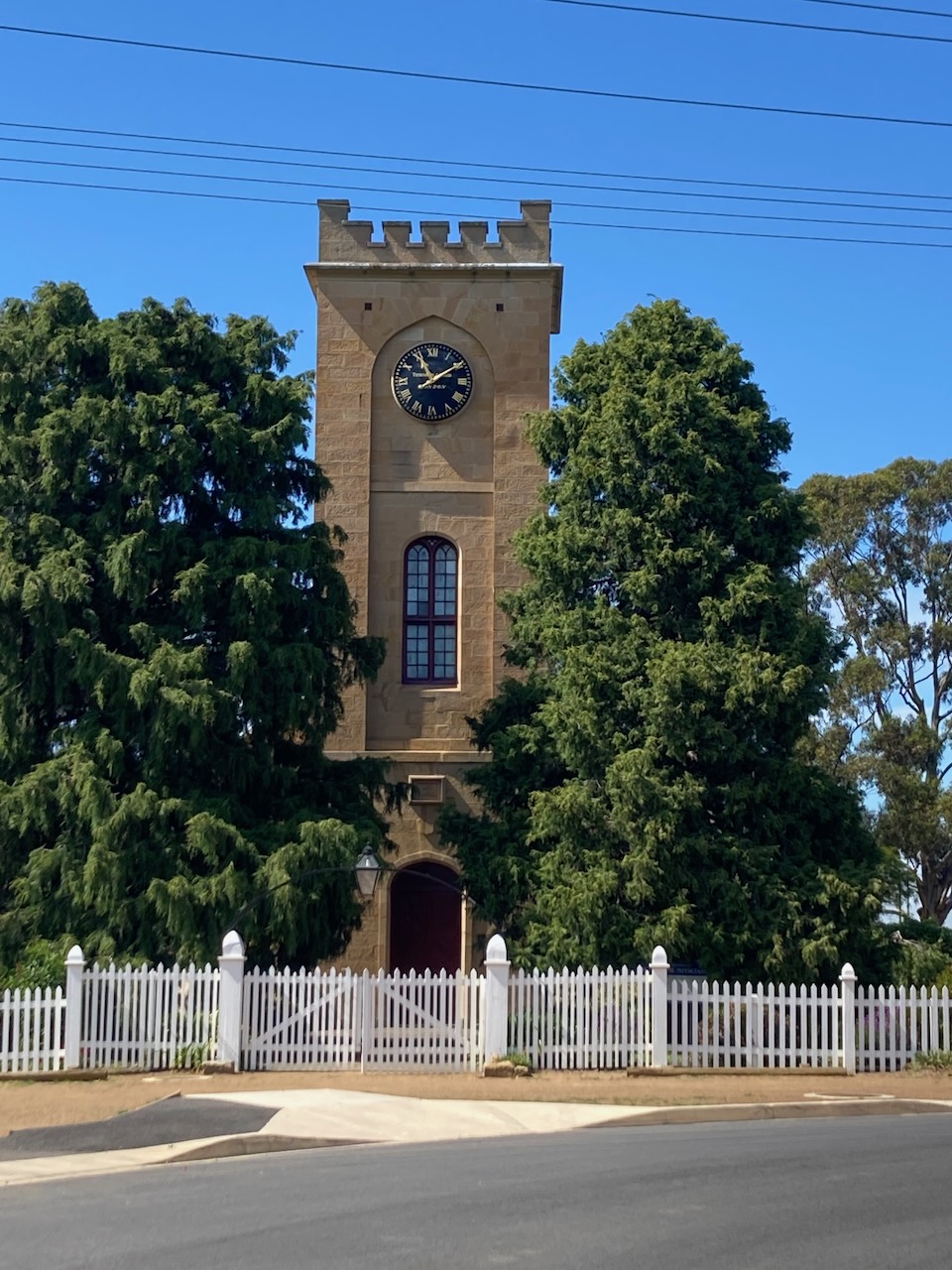
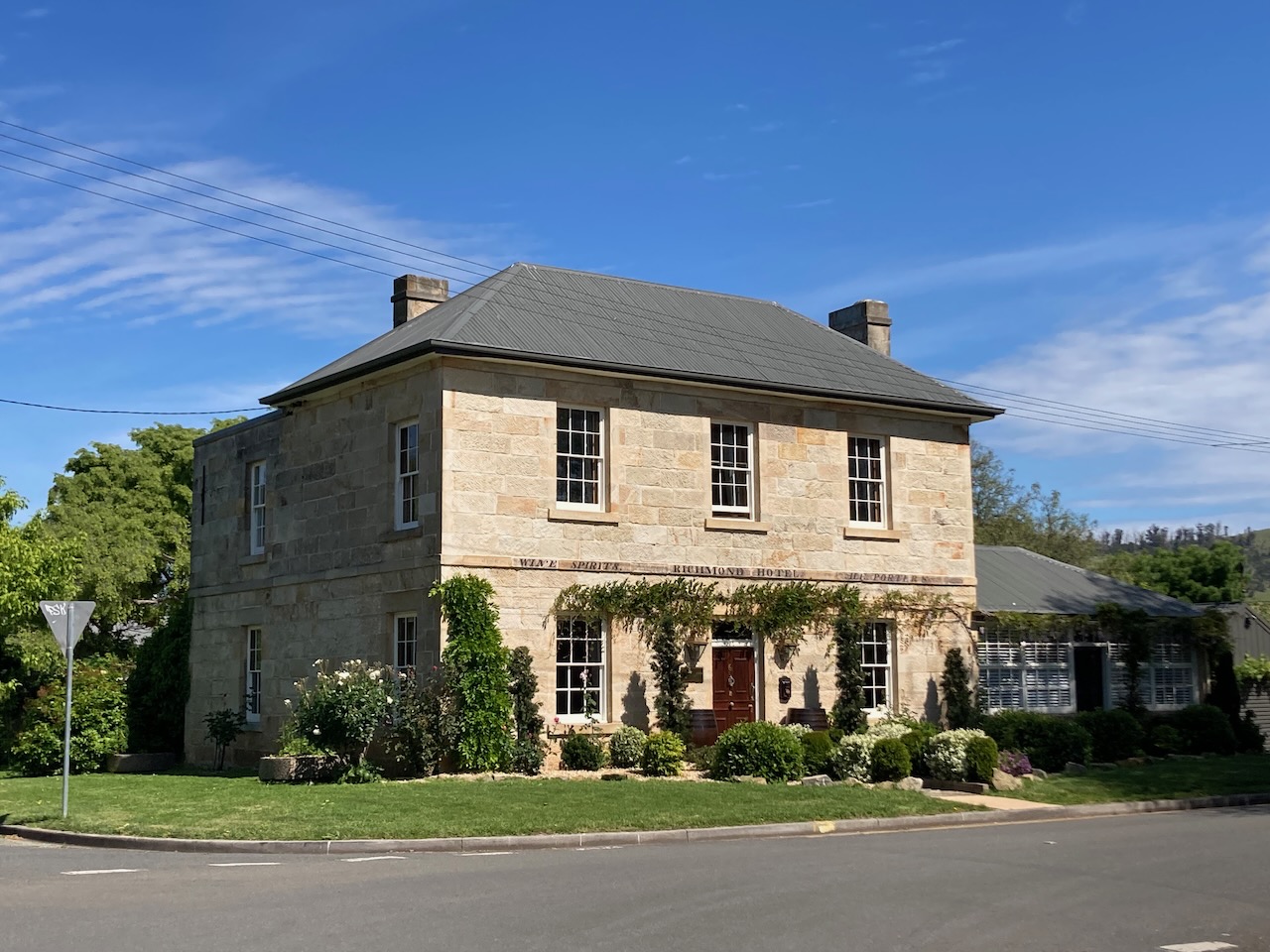
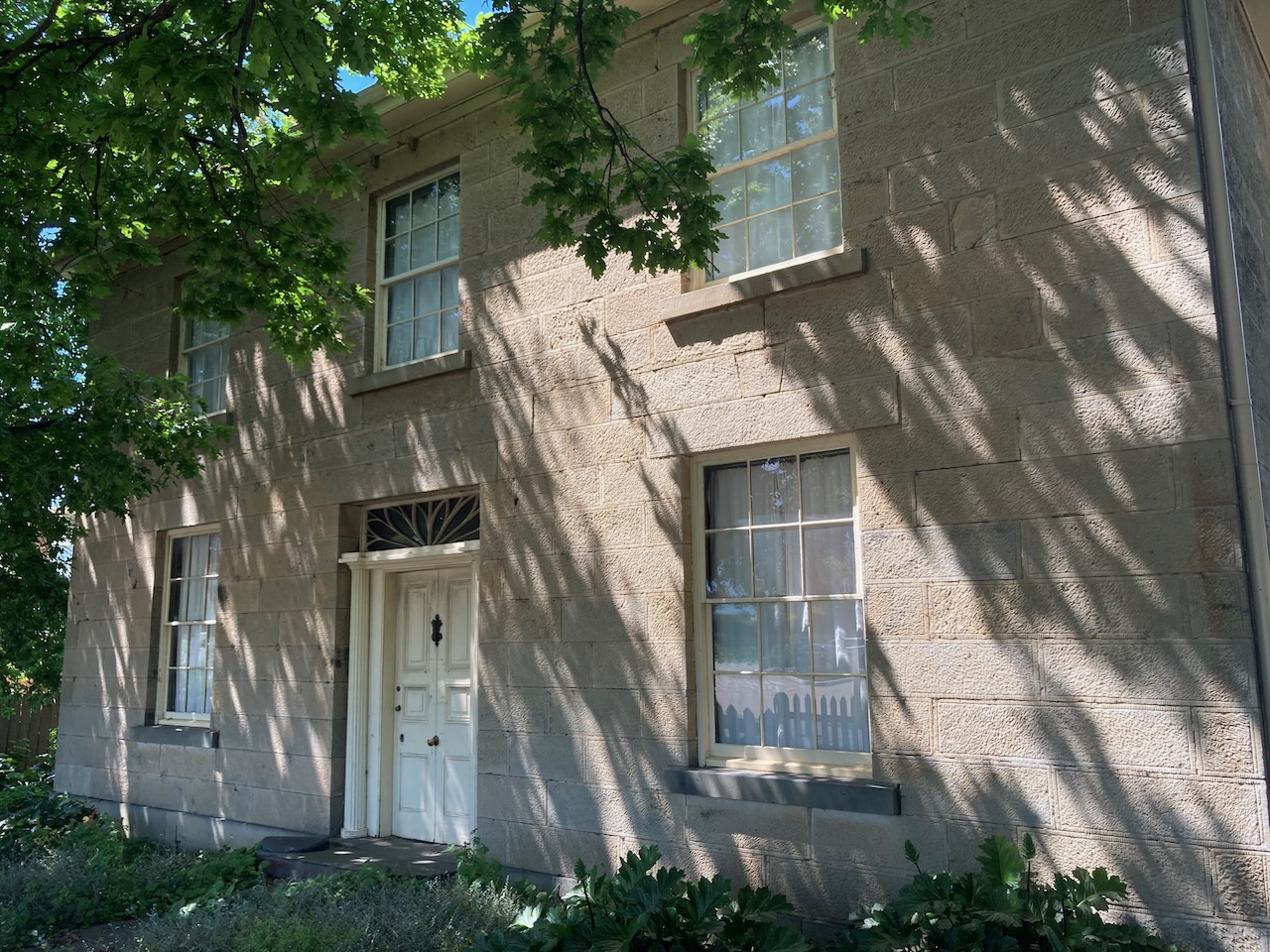
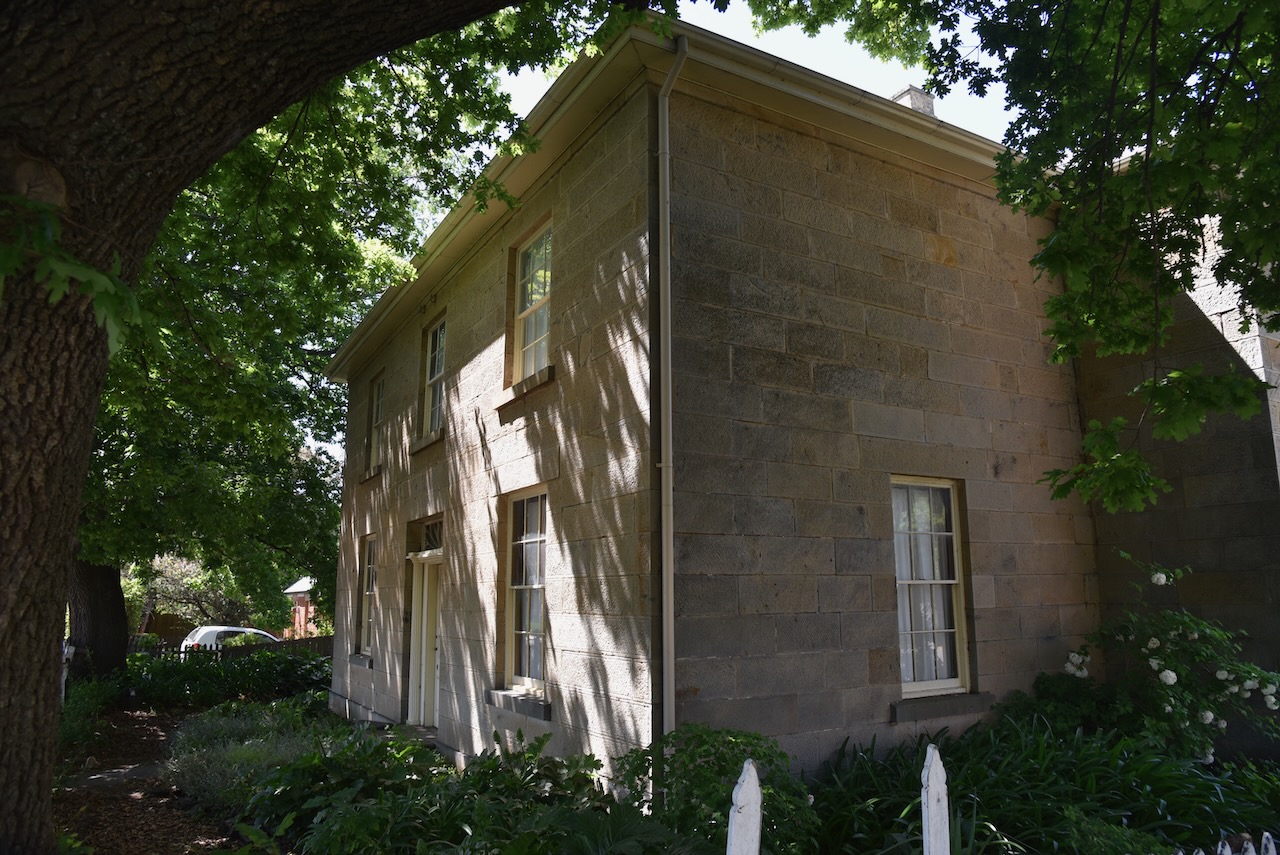
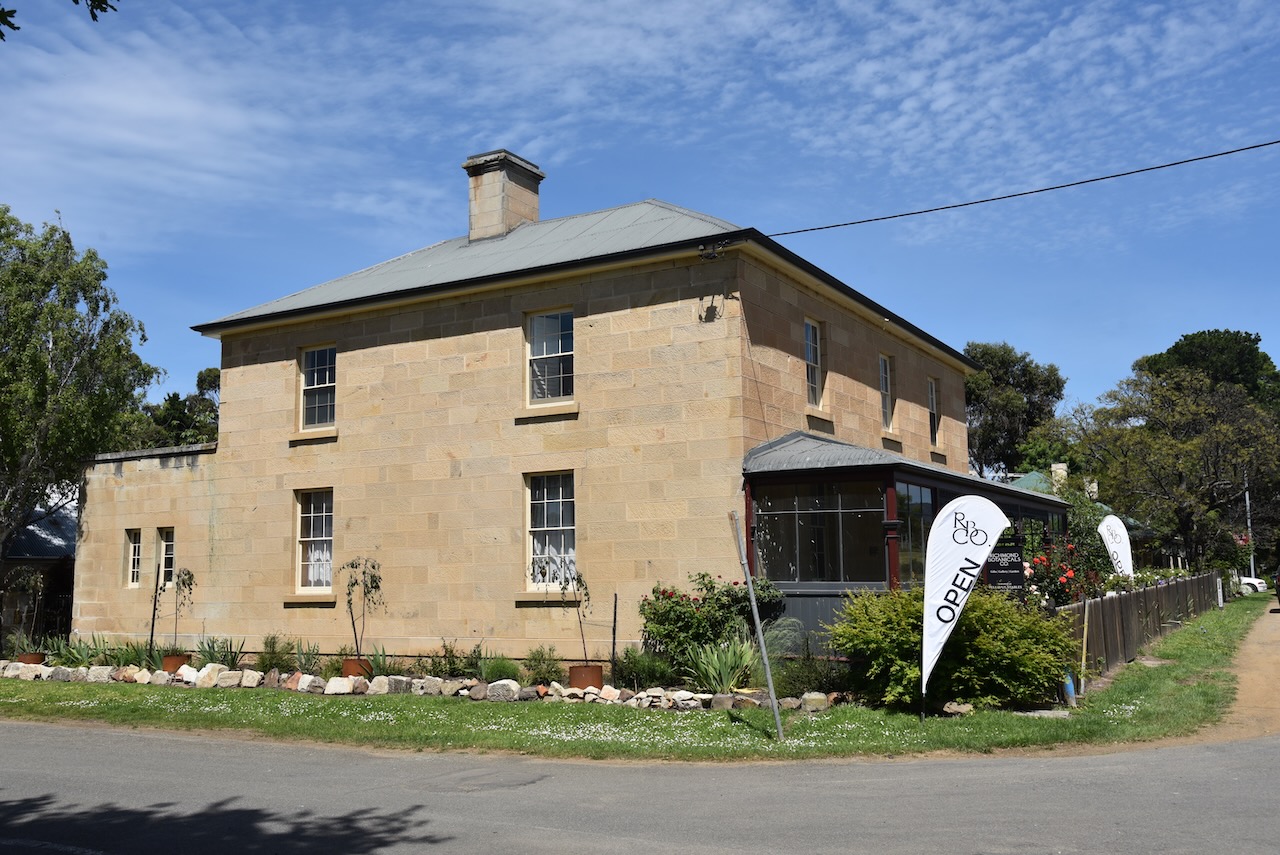
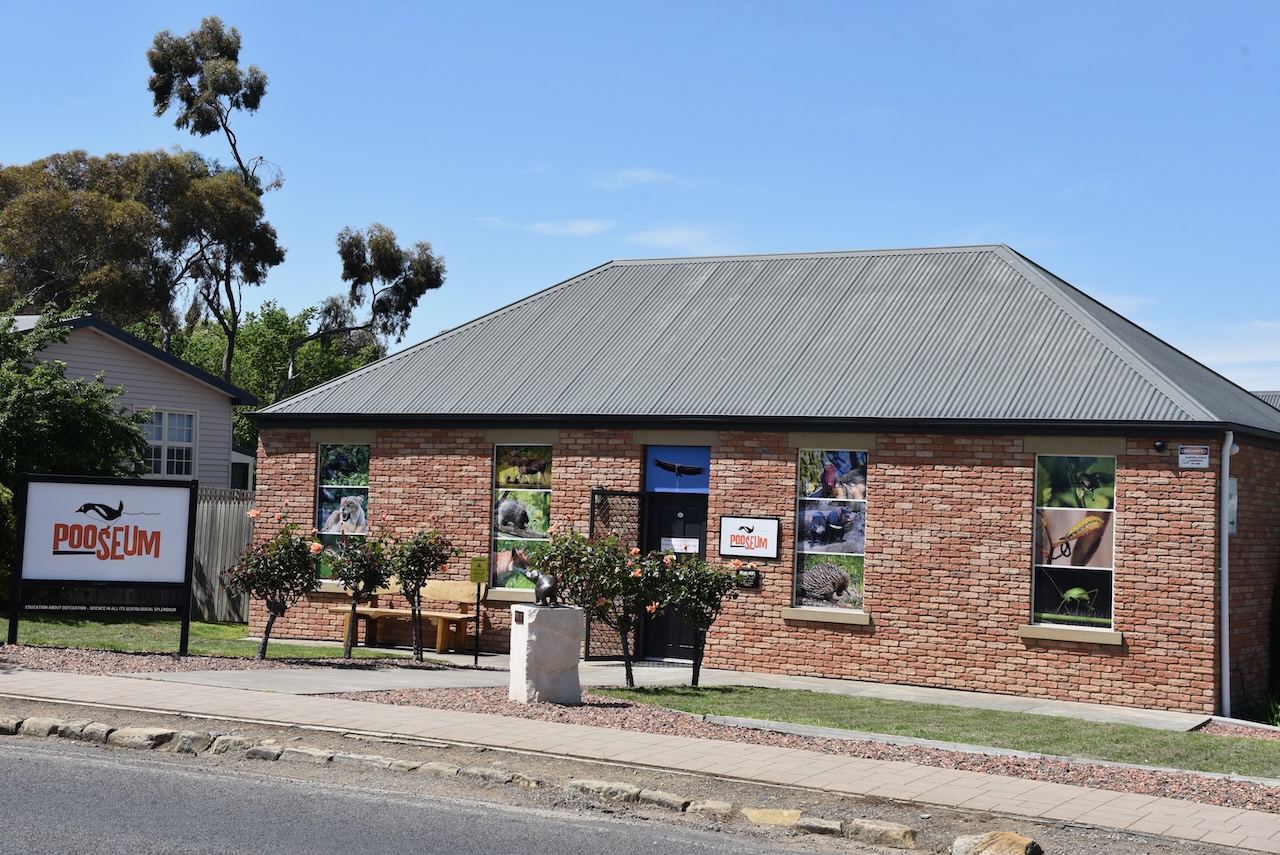
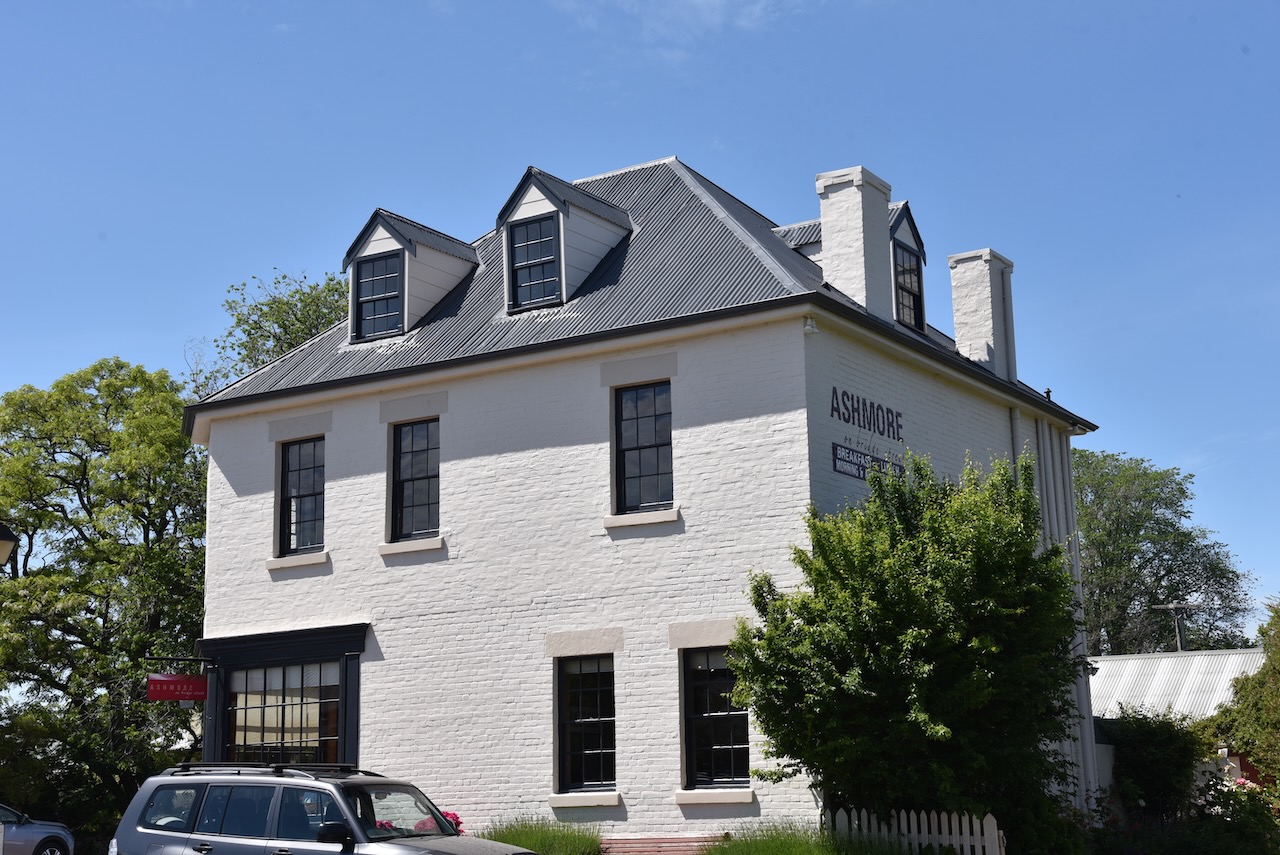
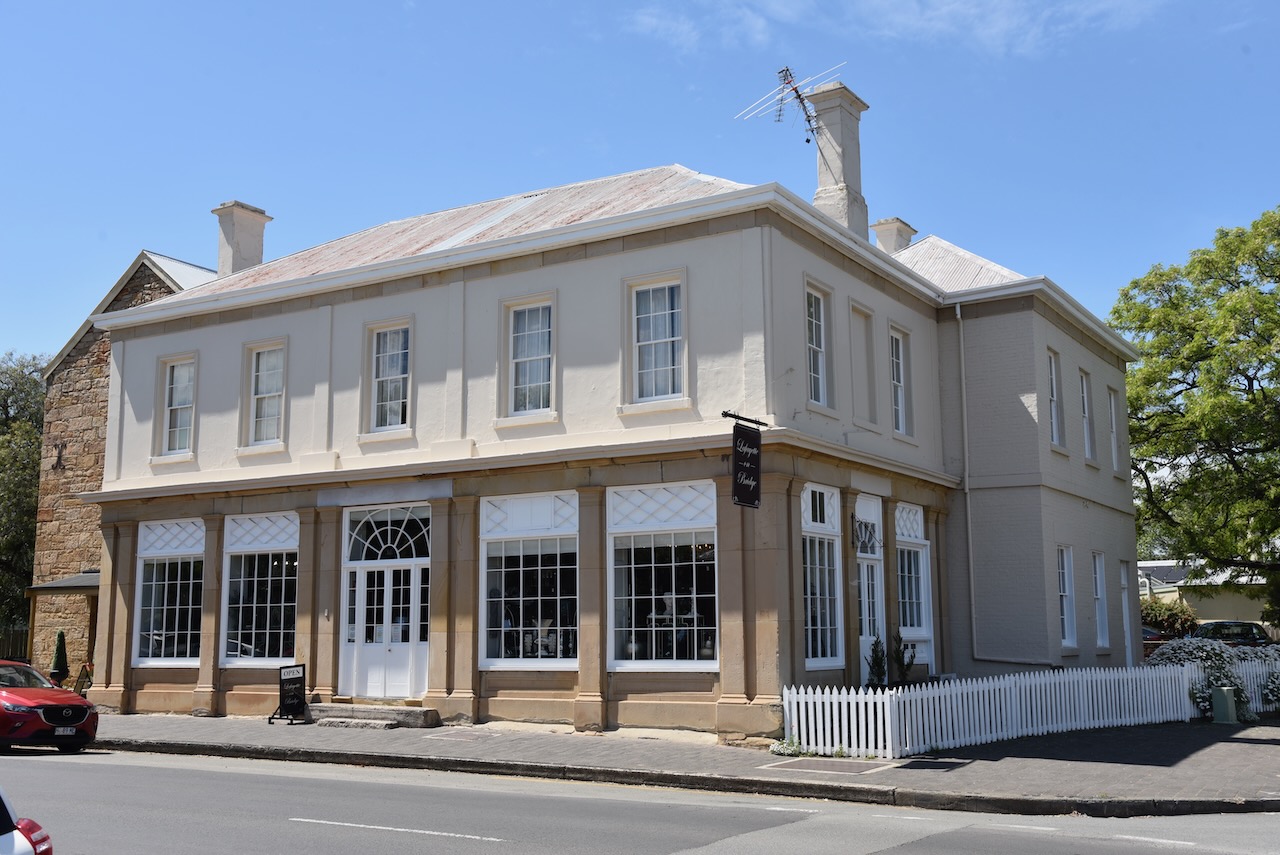
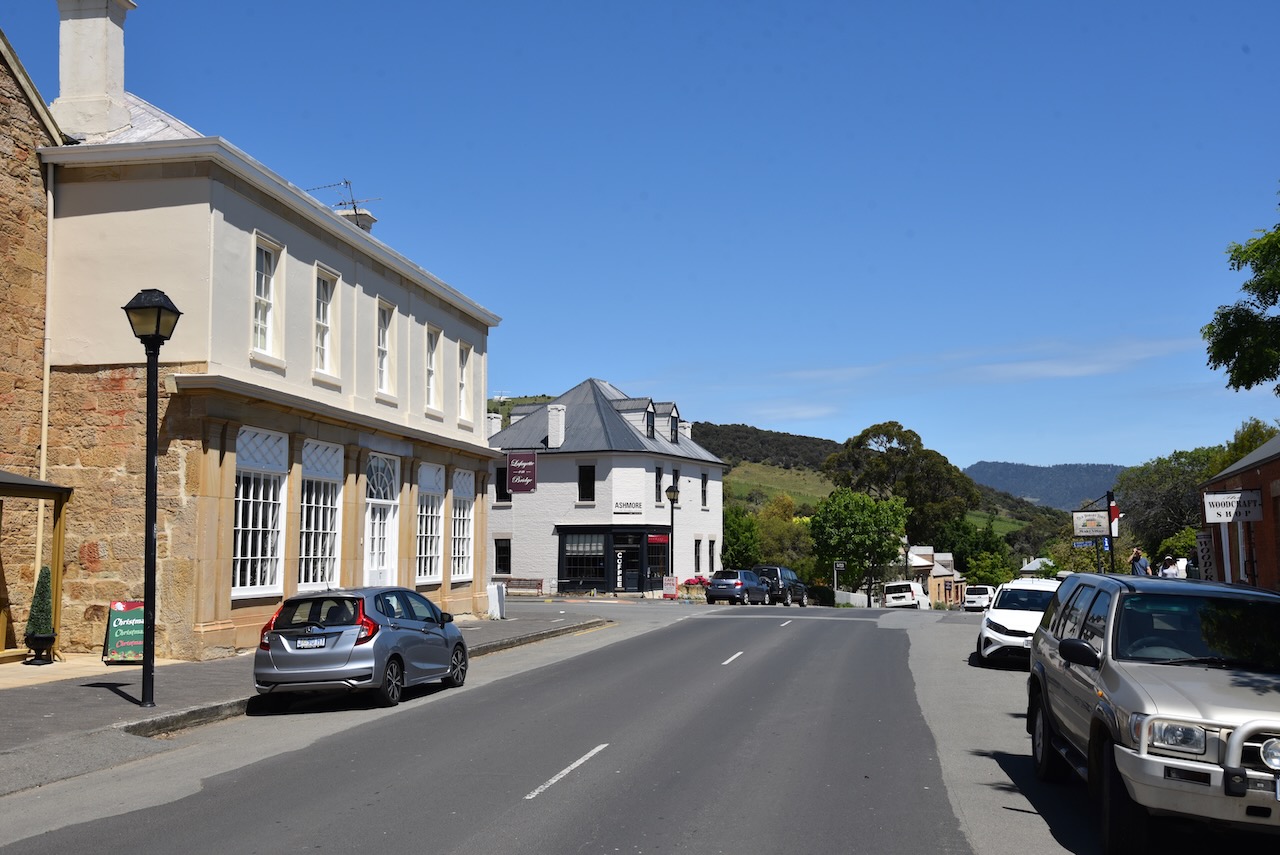
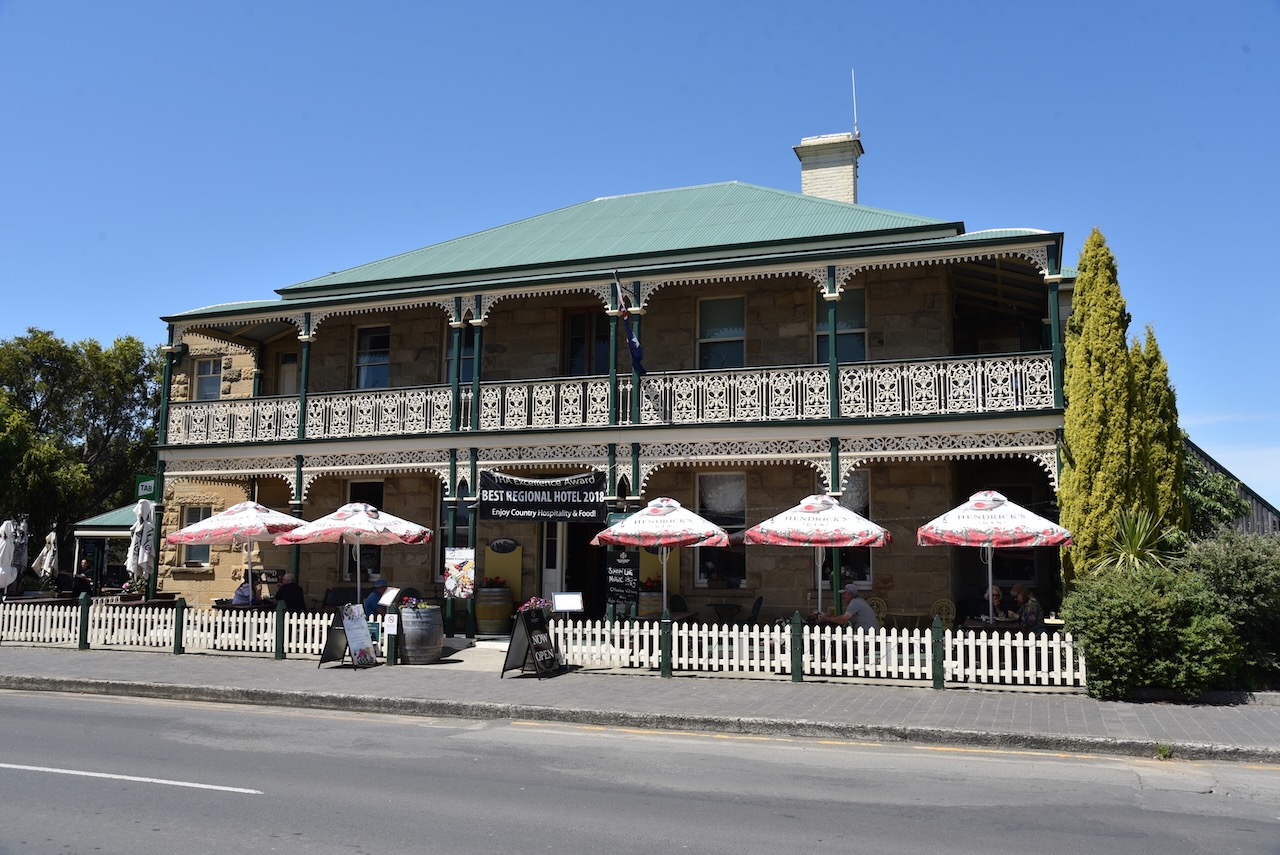
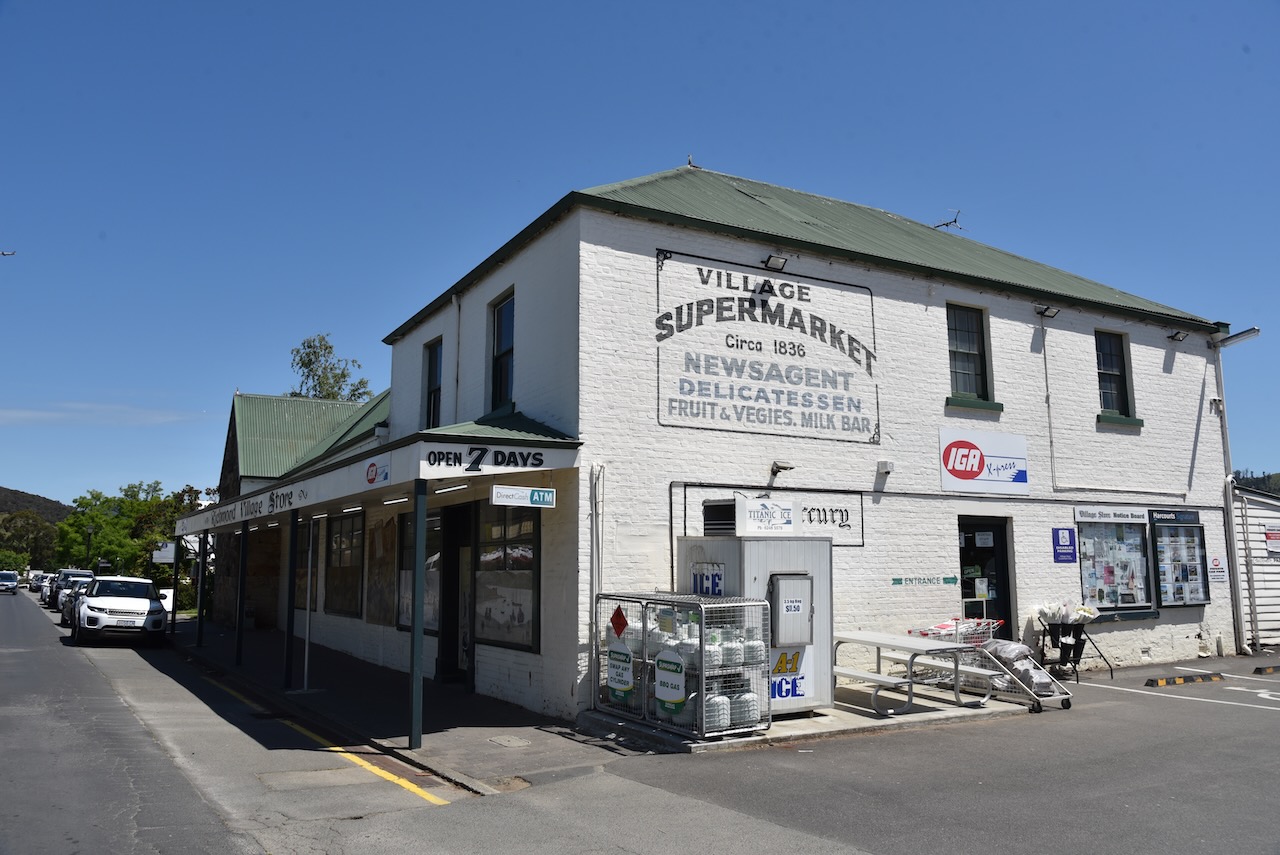
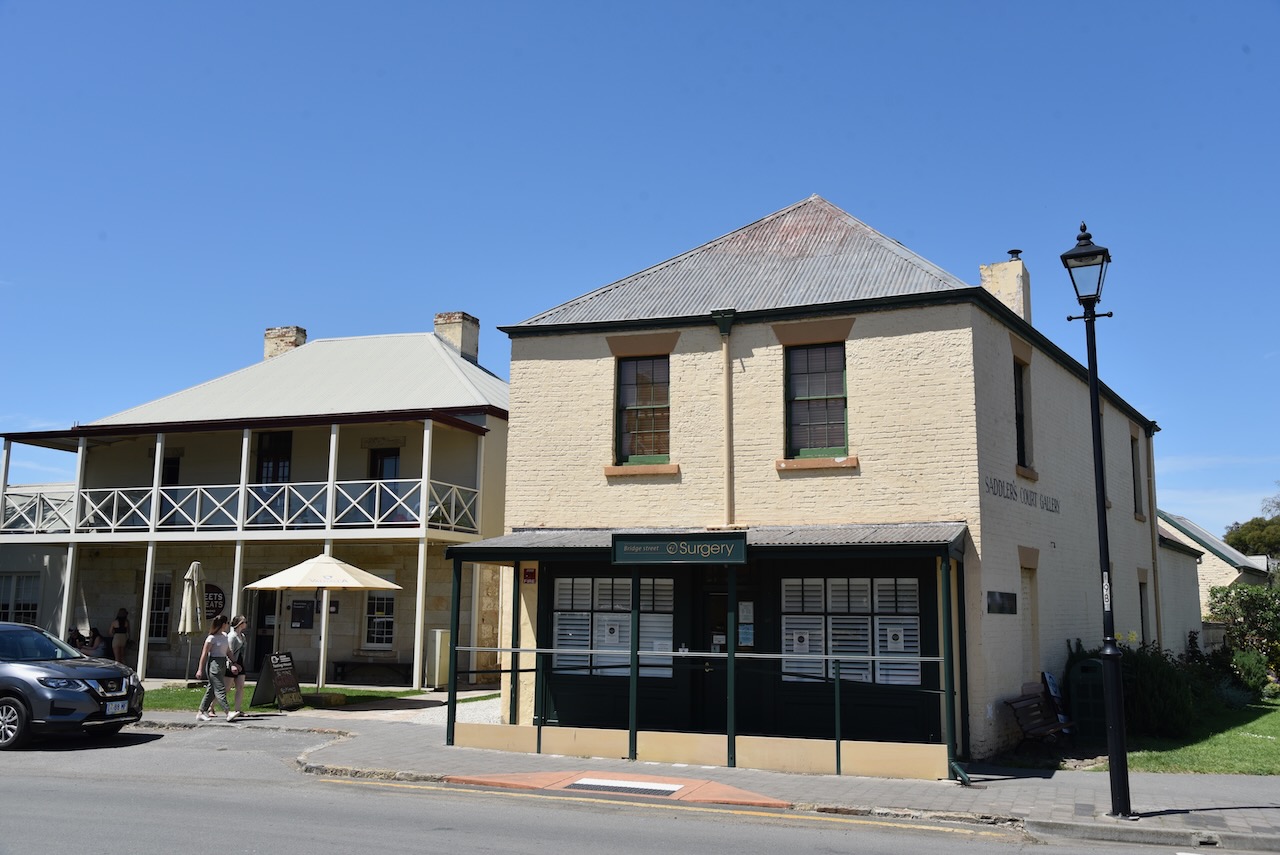
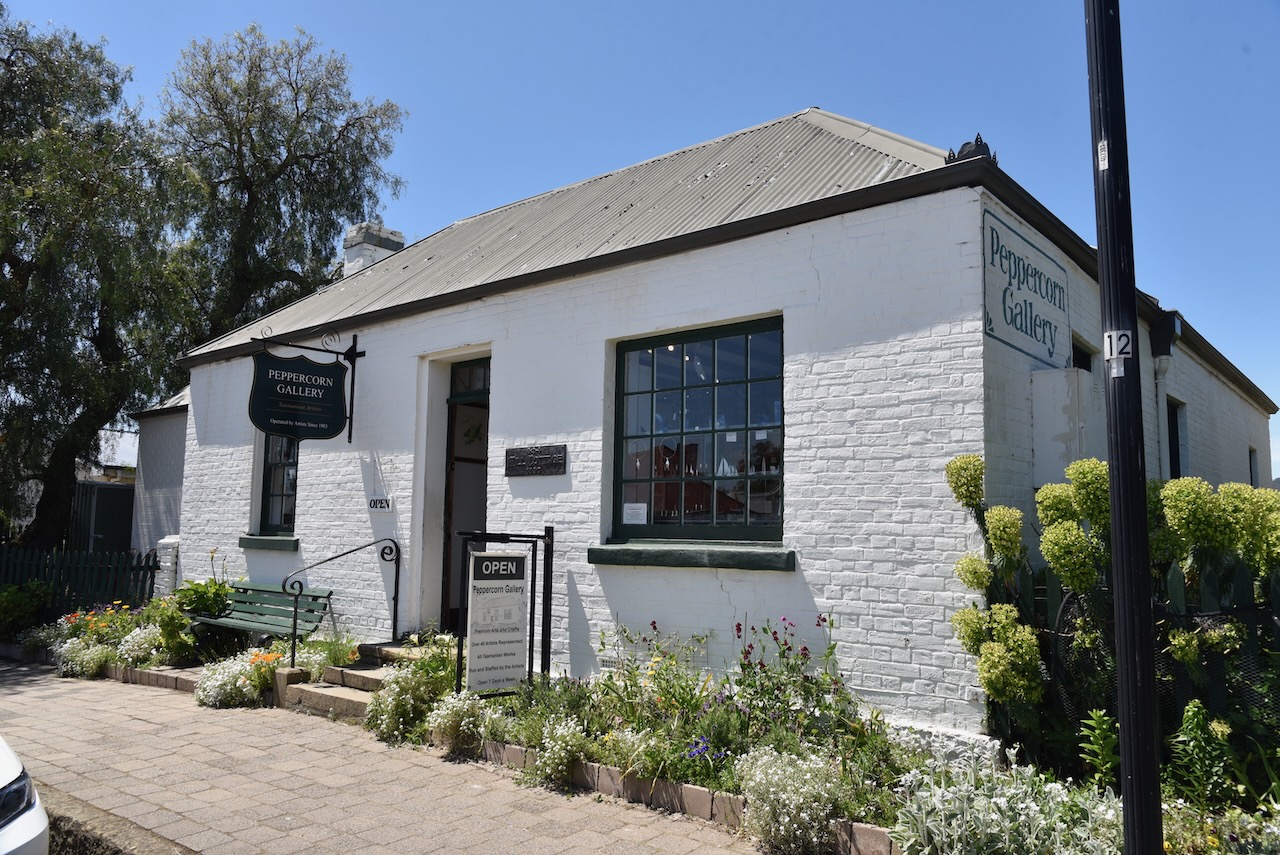
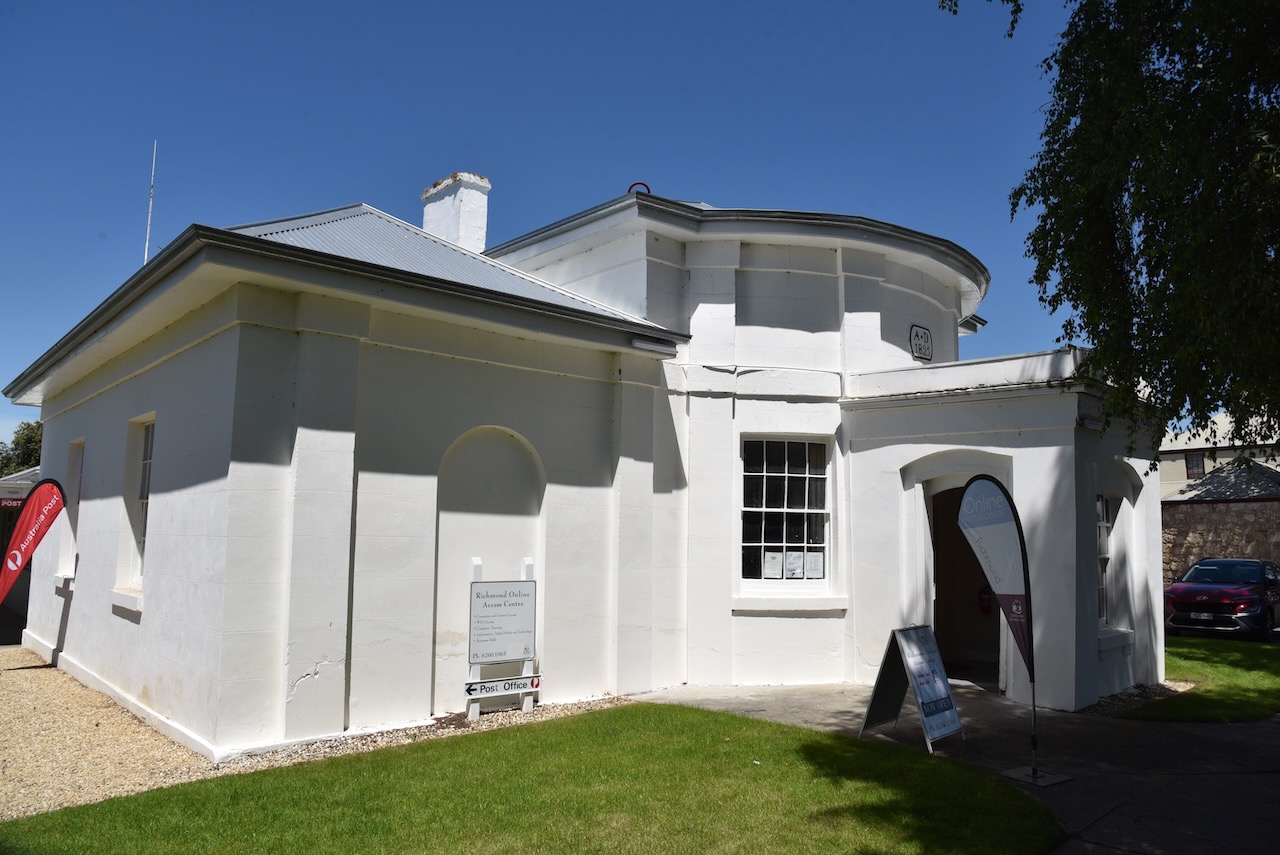
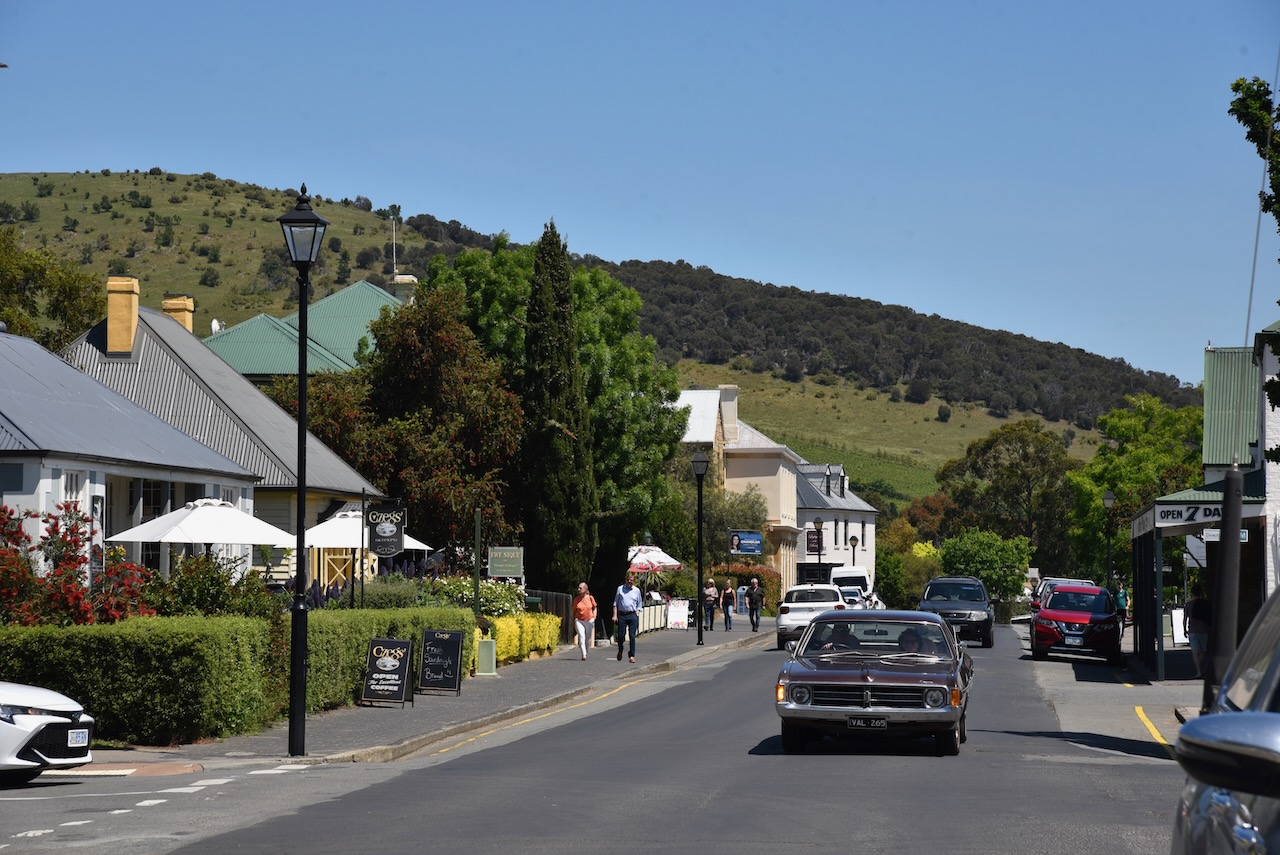
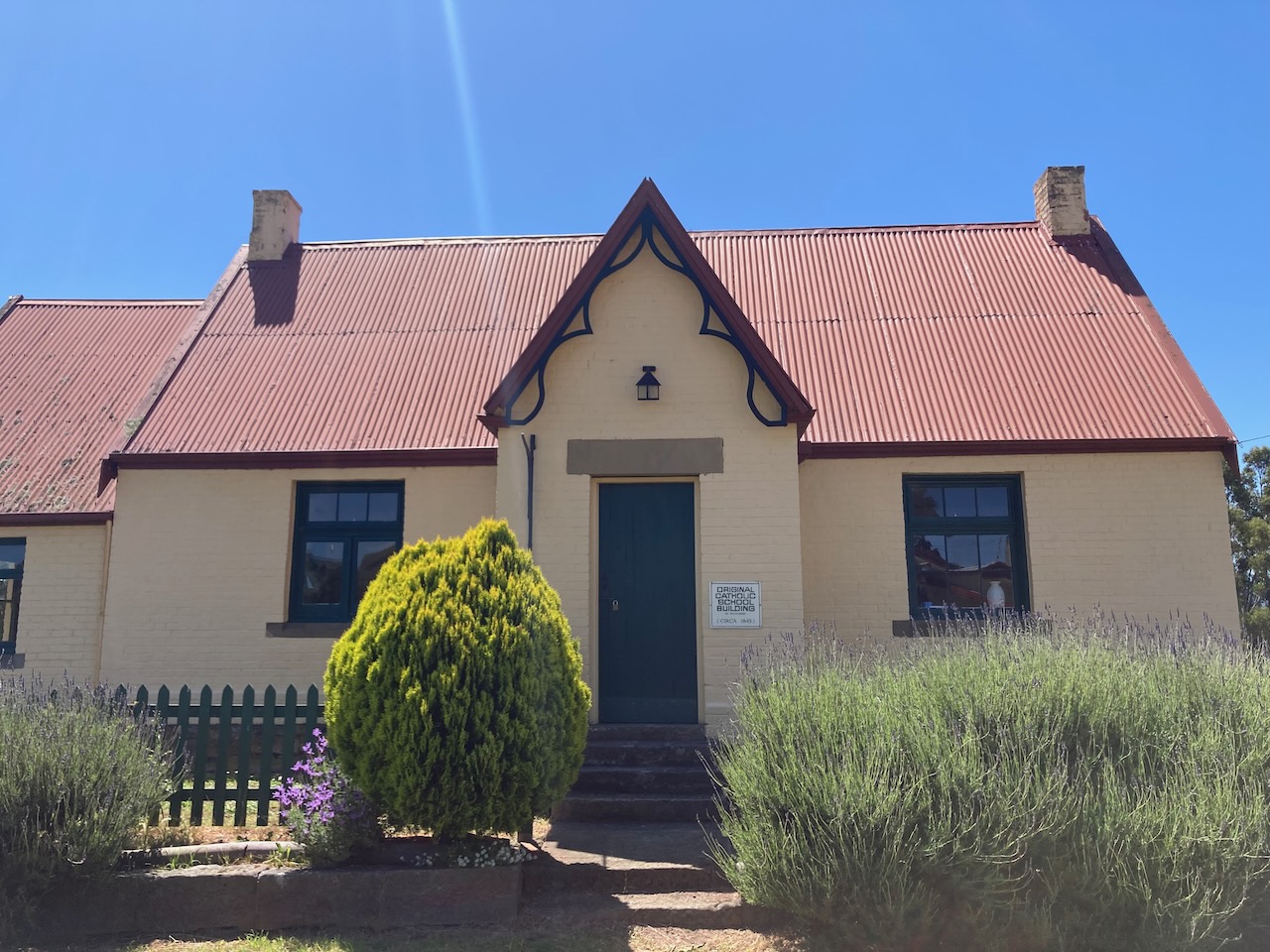
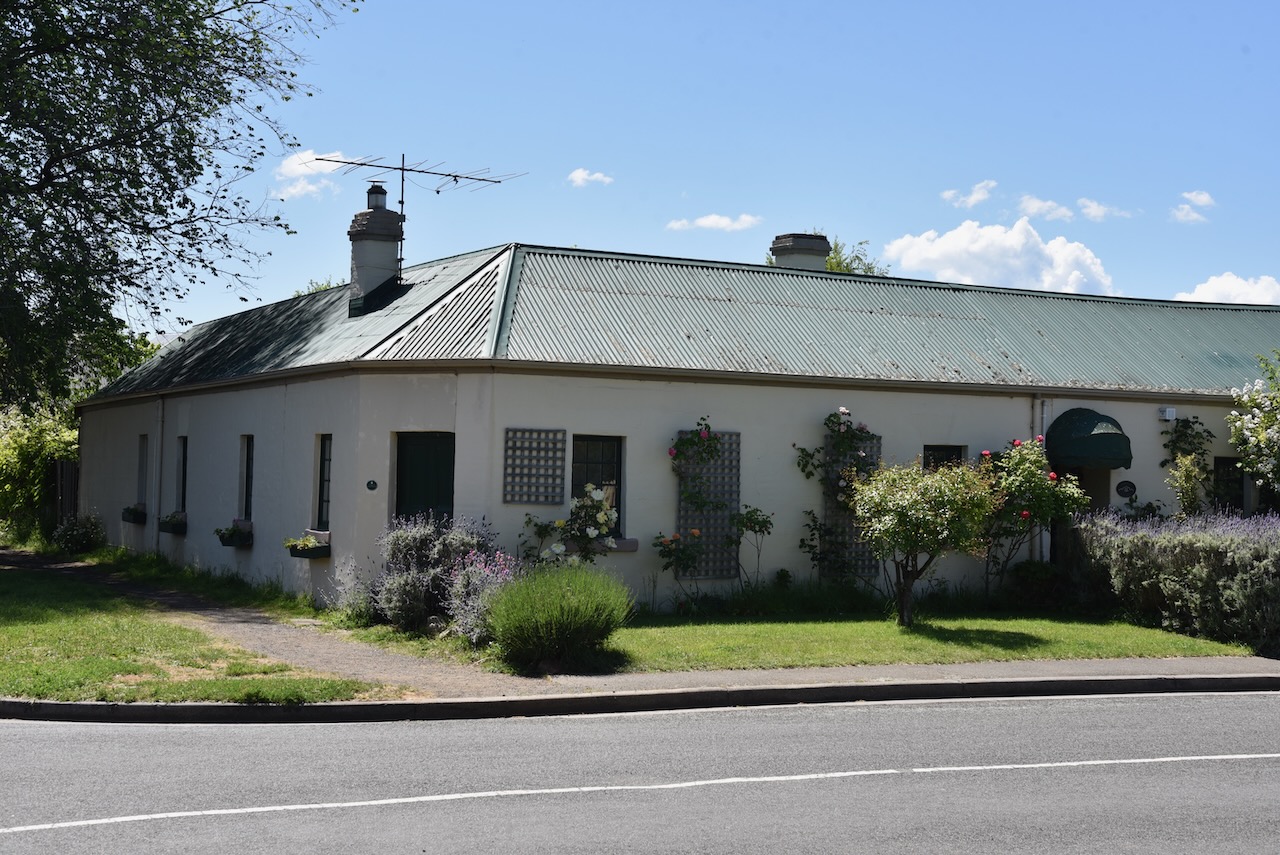
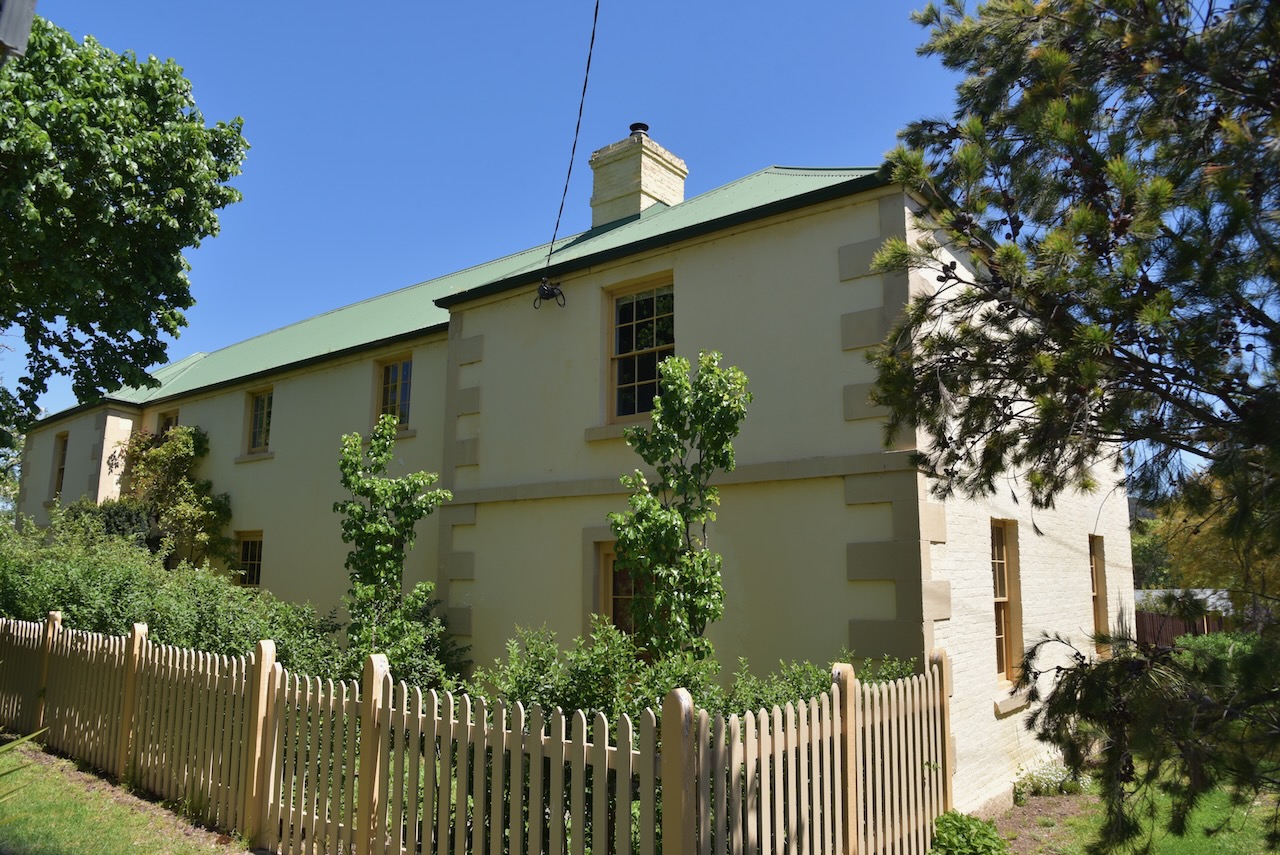
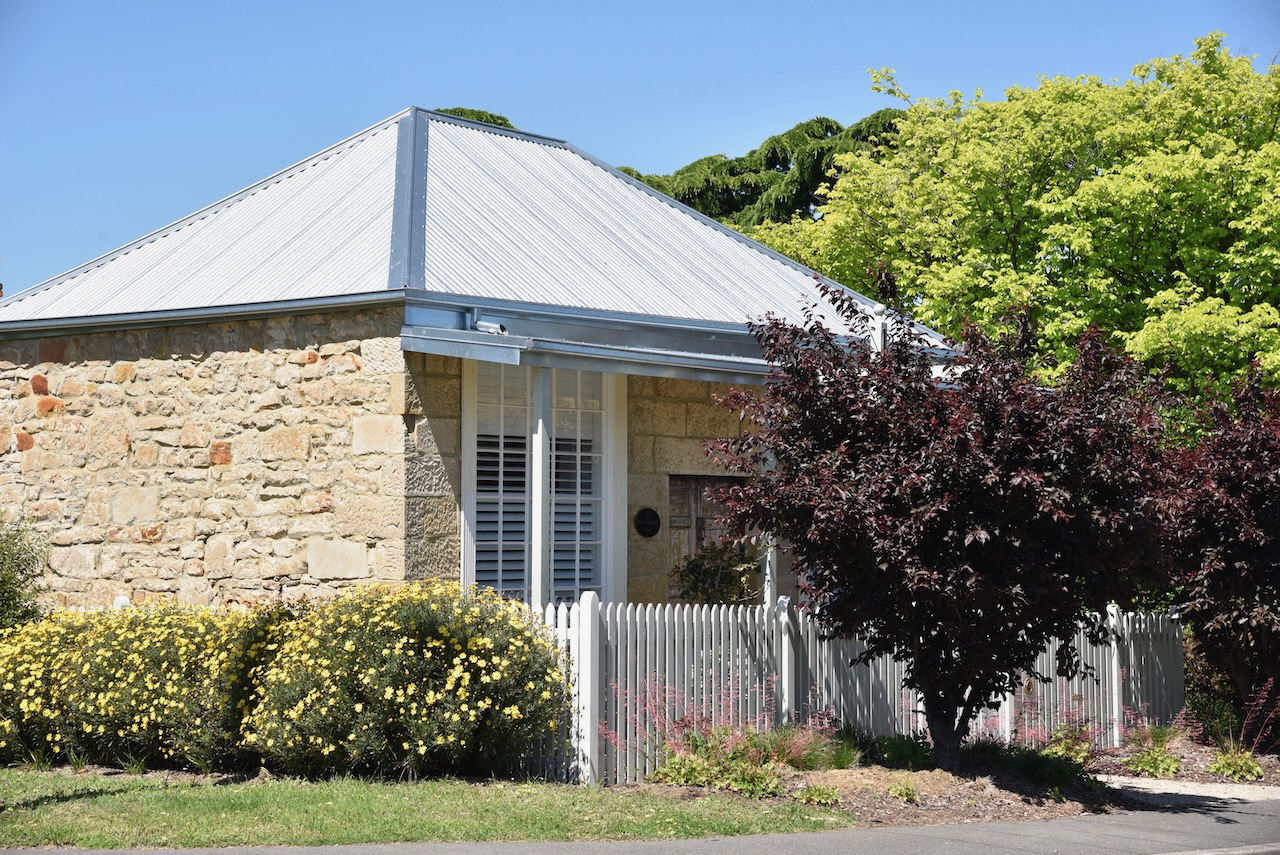
We then spent a number of hours admiring the many historic heritage listed buildings in the town of Richmond.

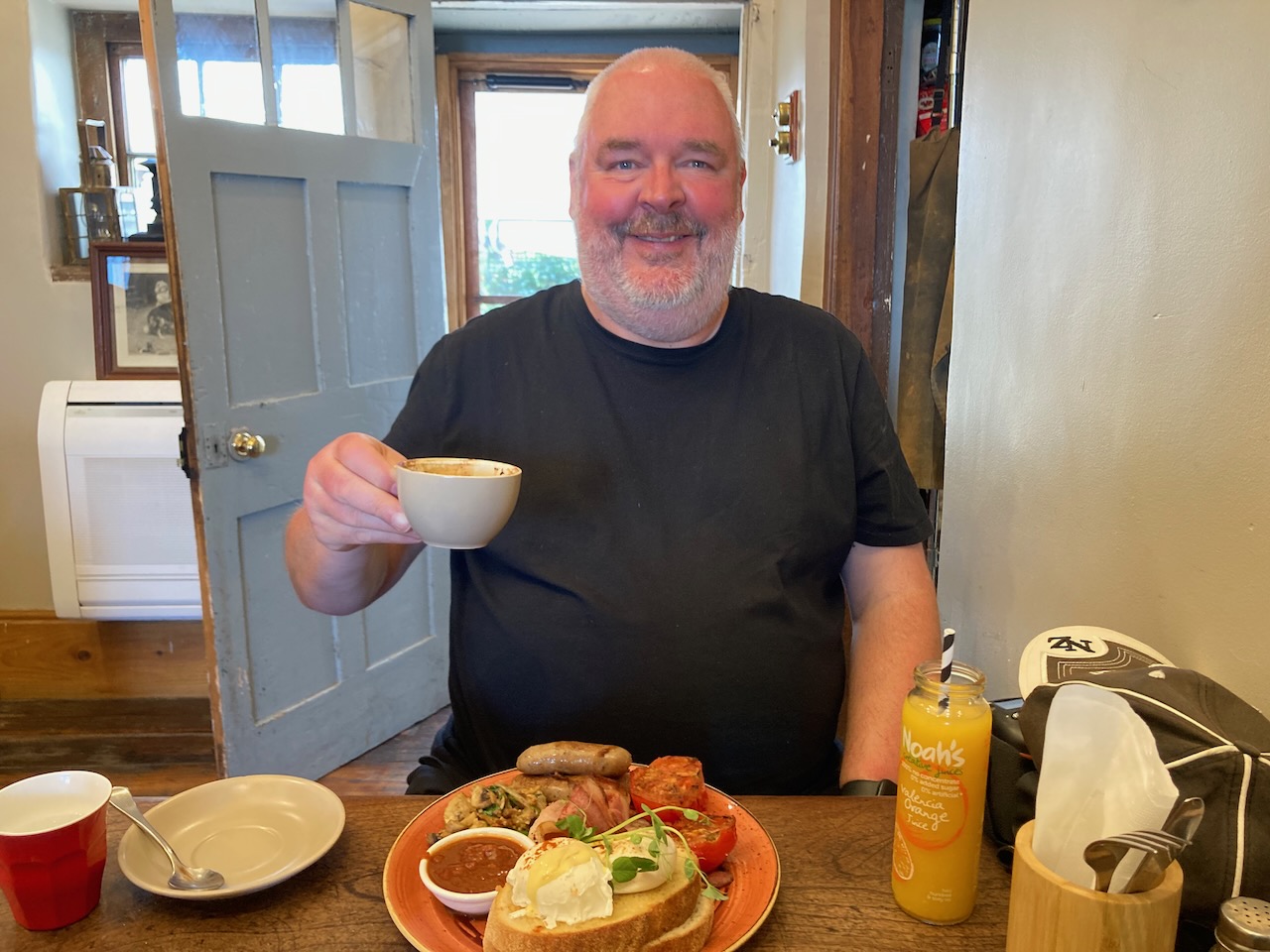
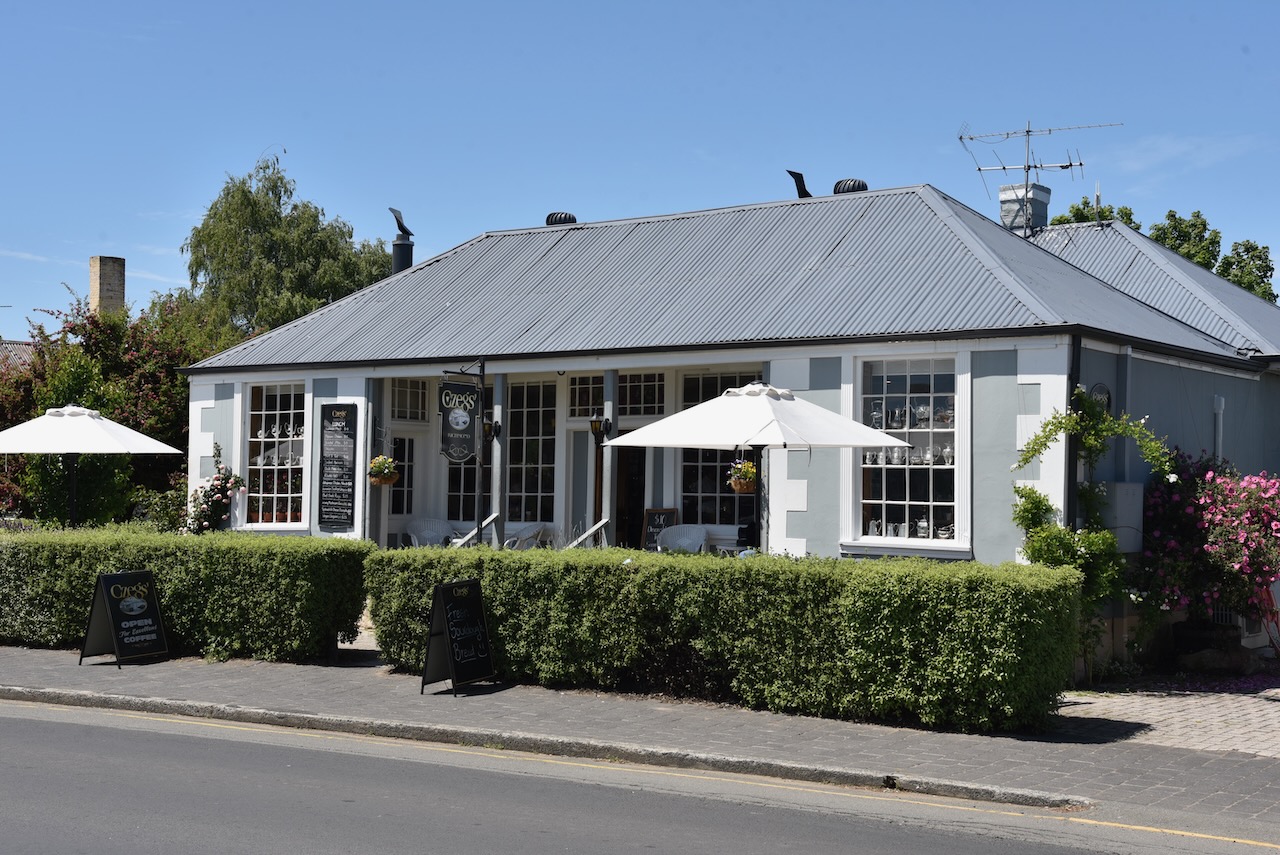
We then enjoyed a magnificent brunch at Czeg cafe in Richmond. We can highly recommend this place, the meal was sensational.

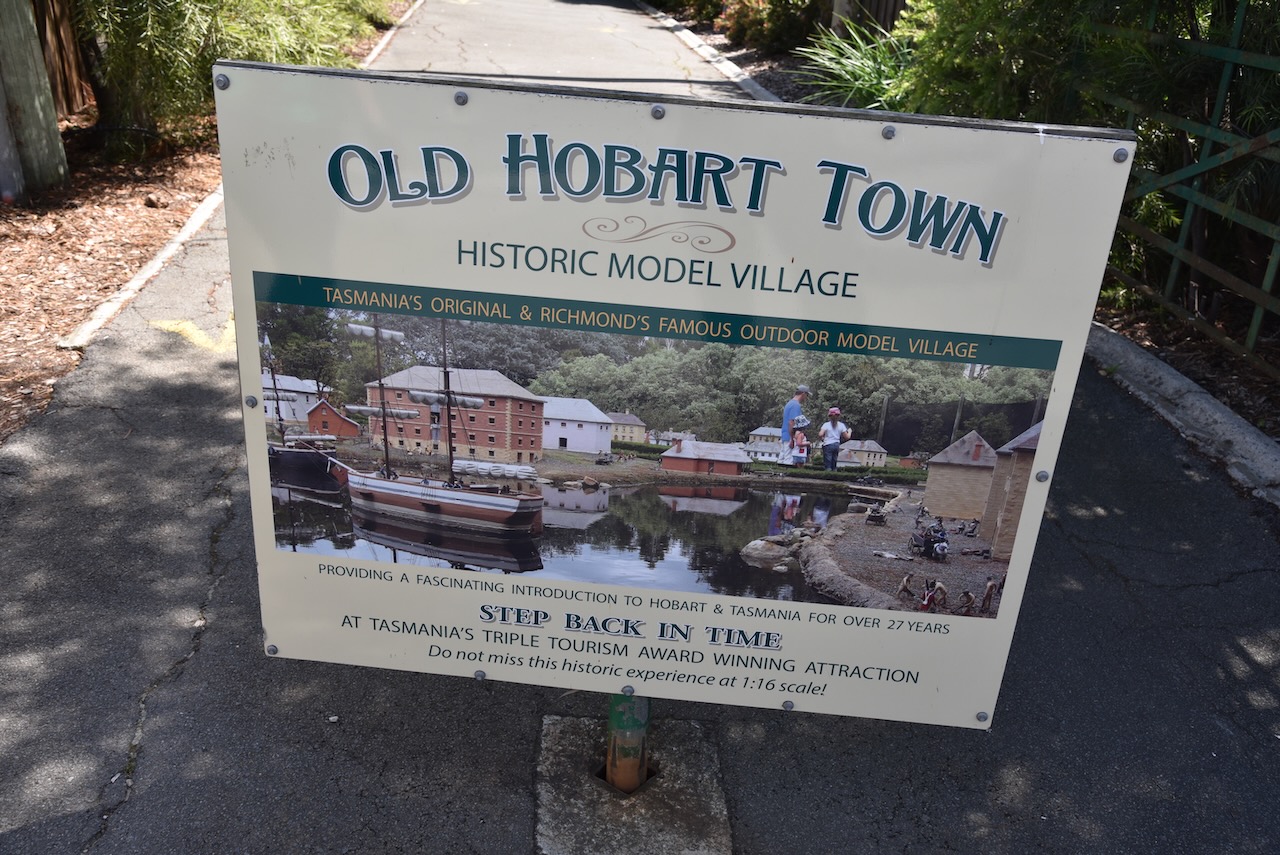
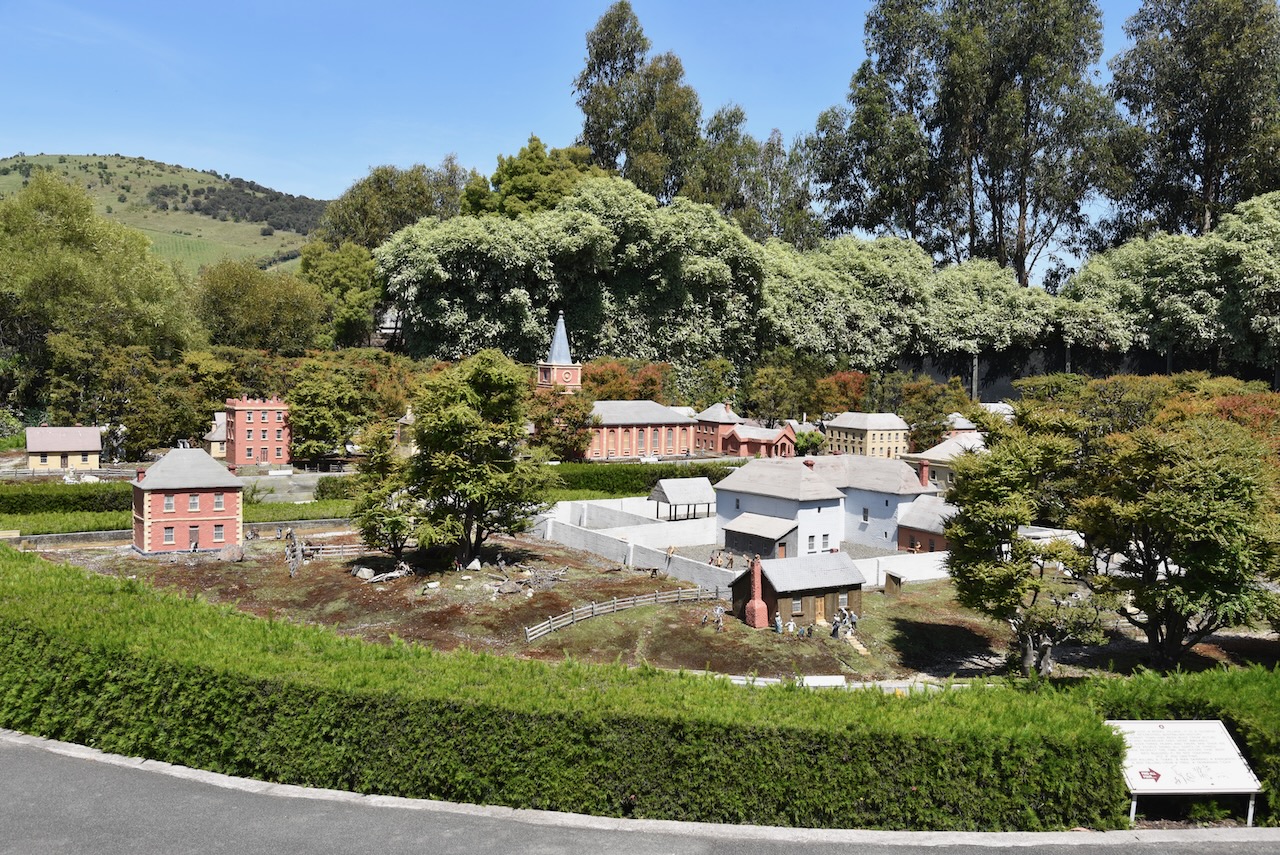
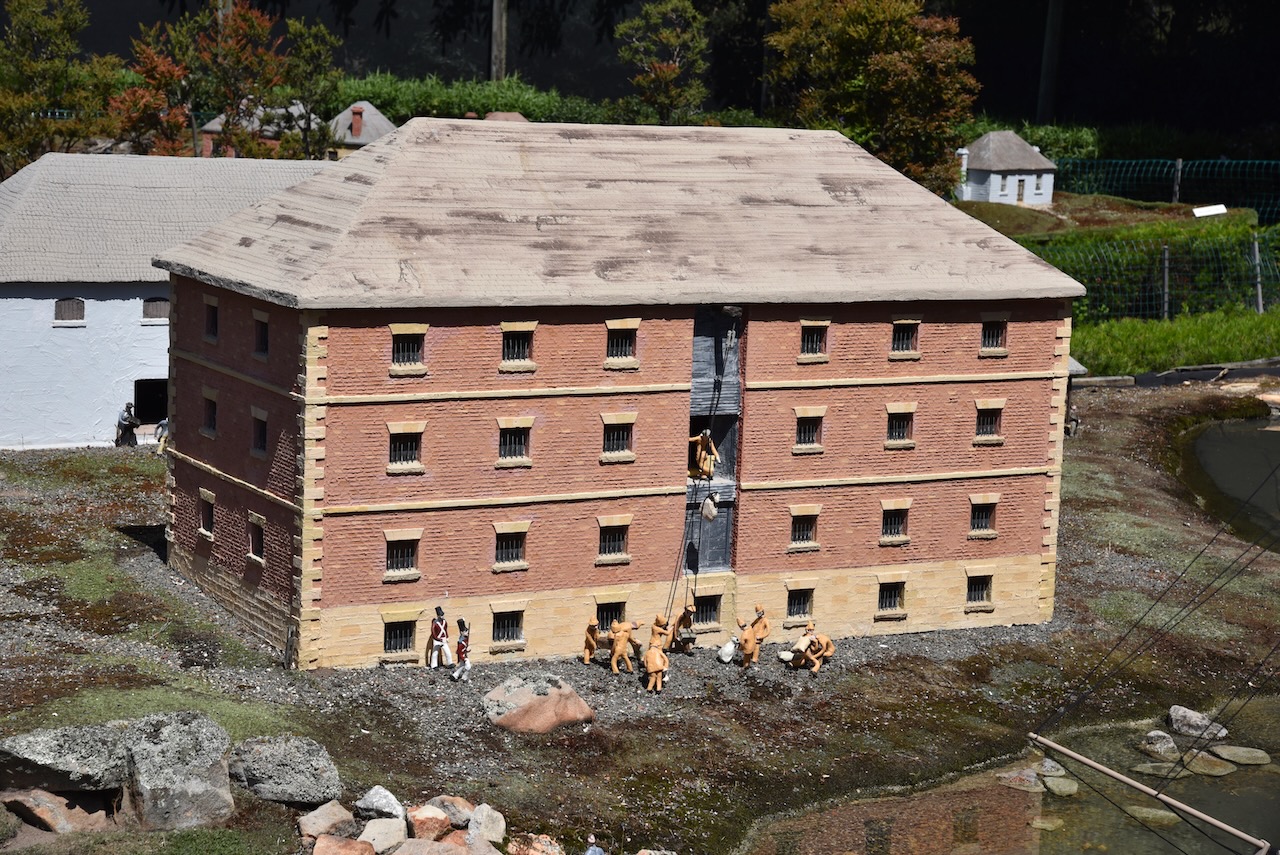
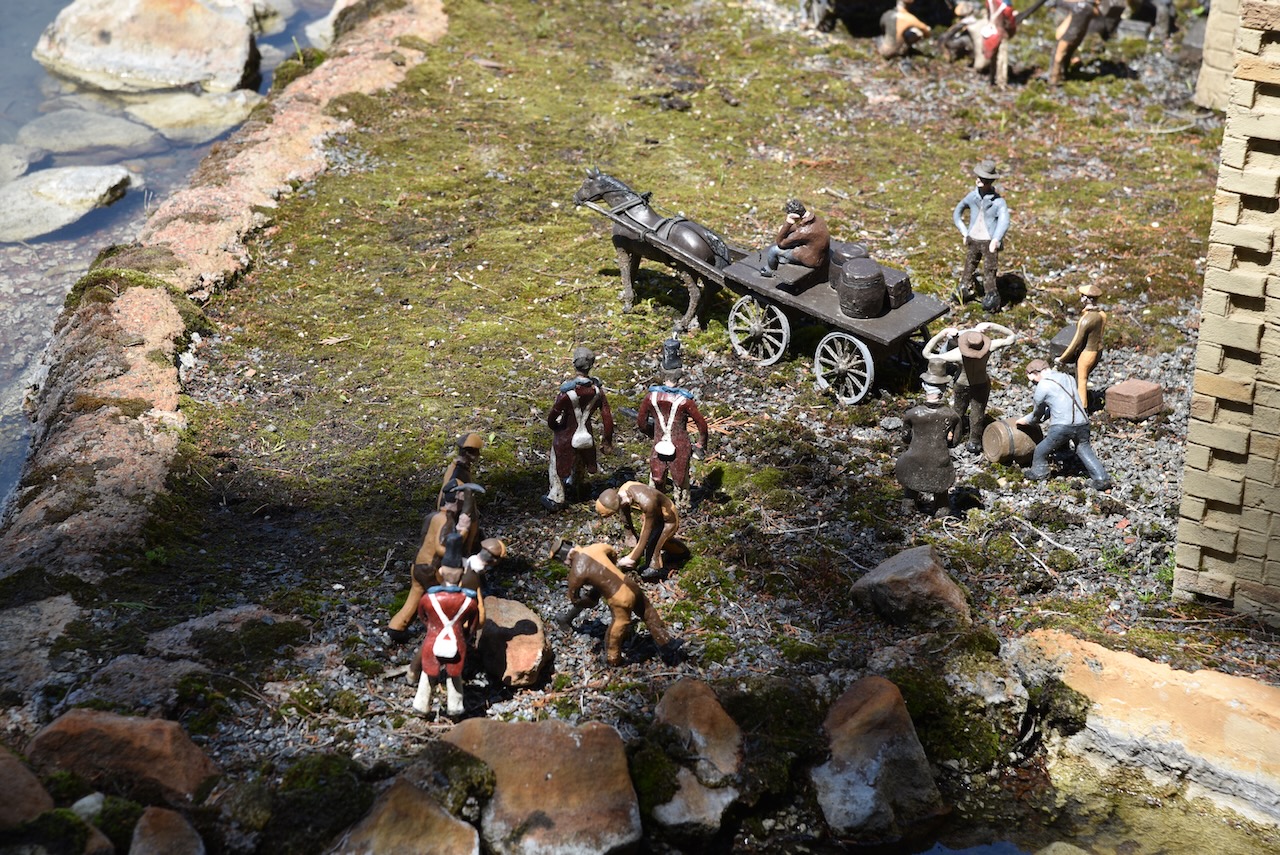
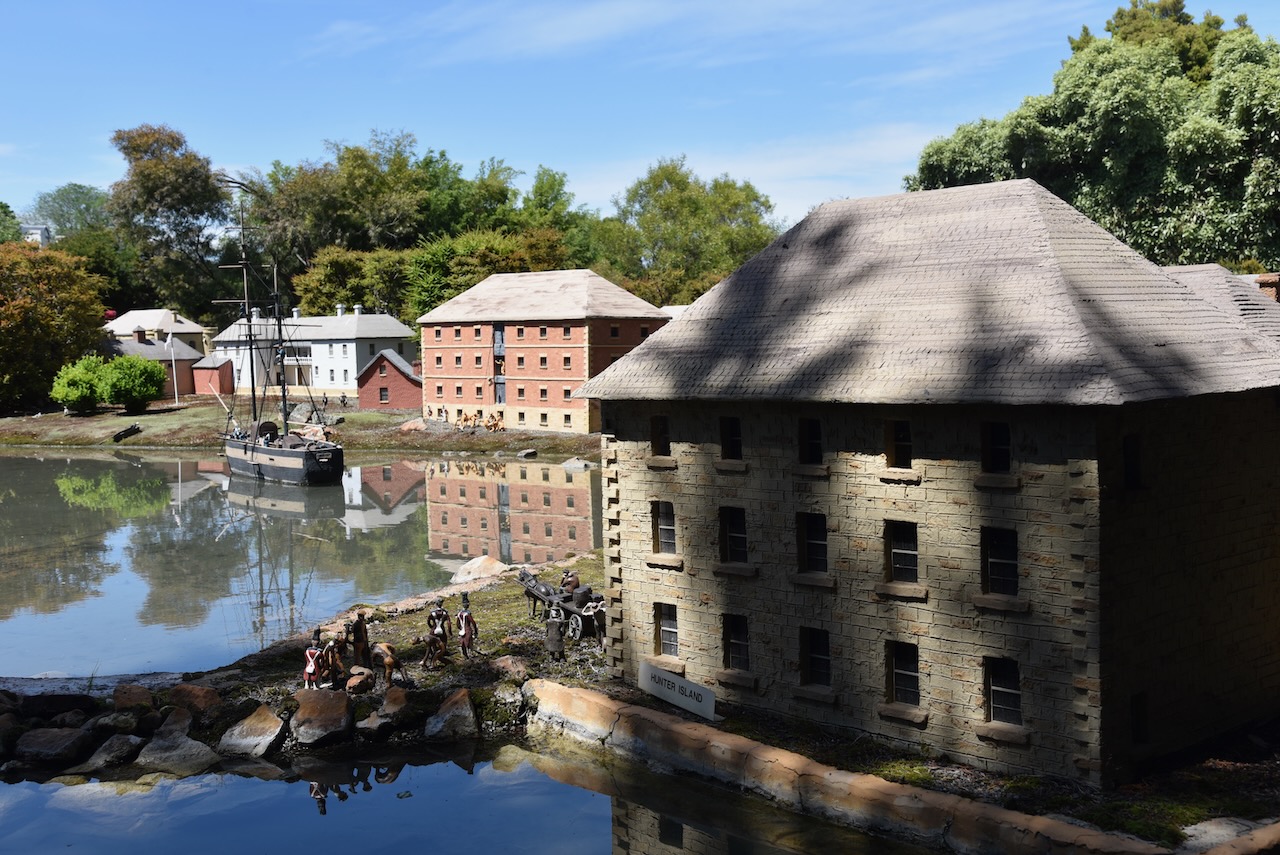
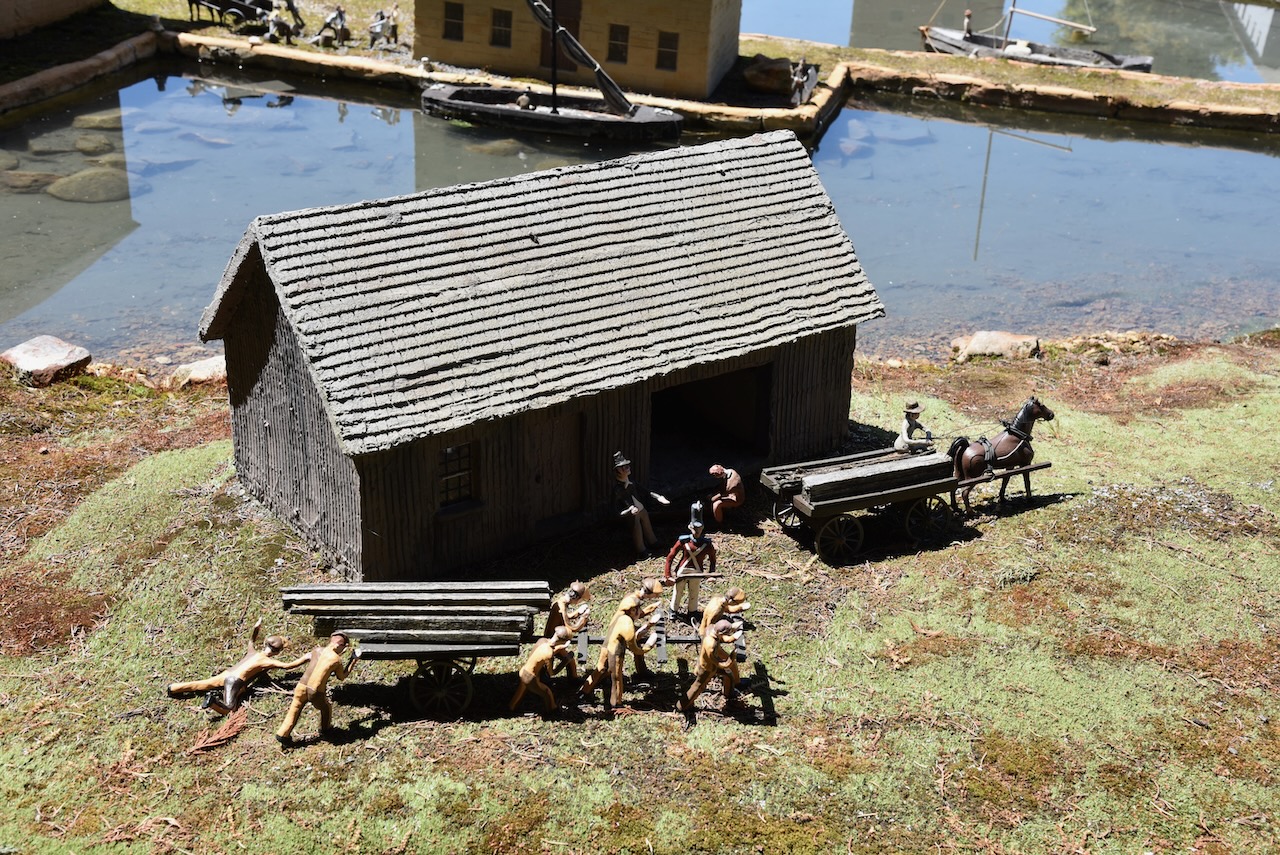
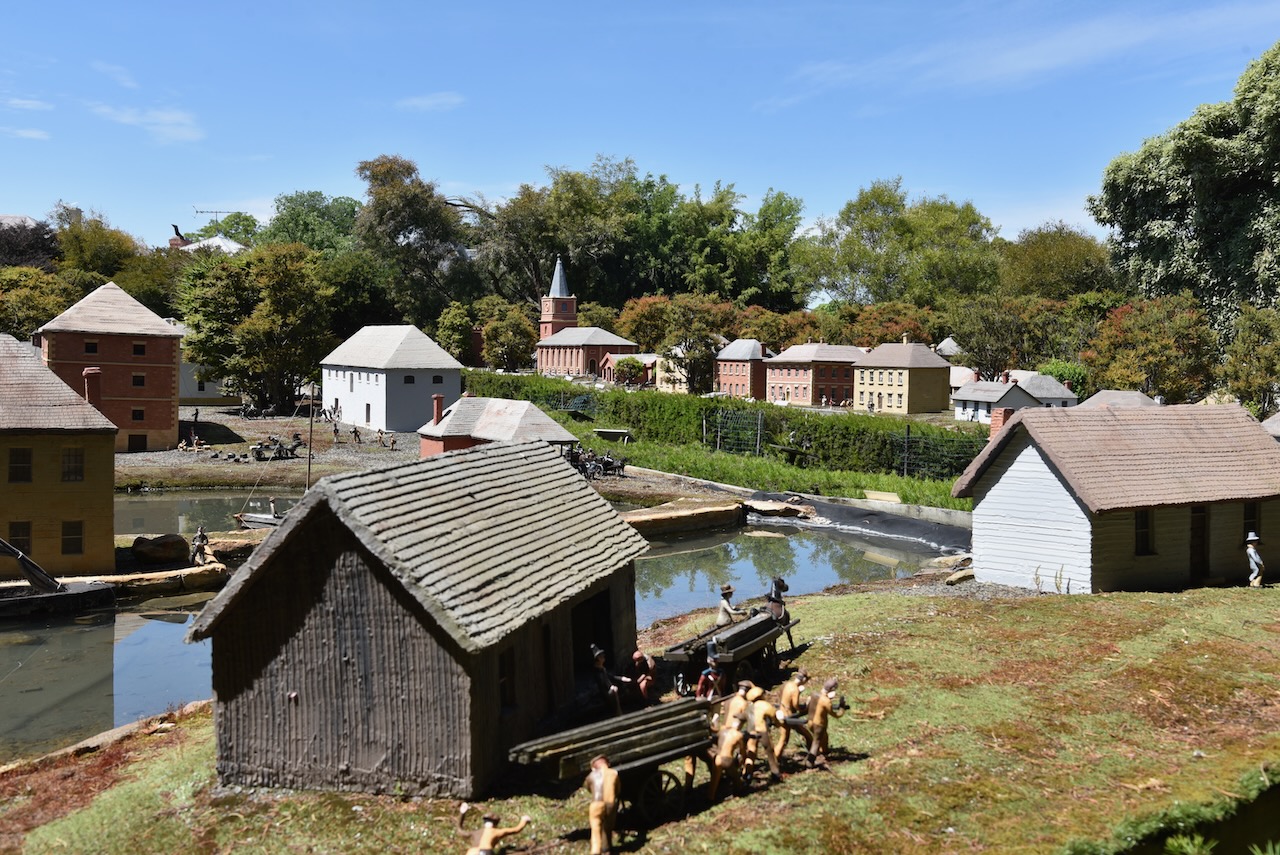
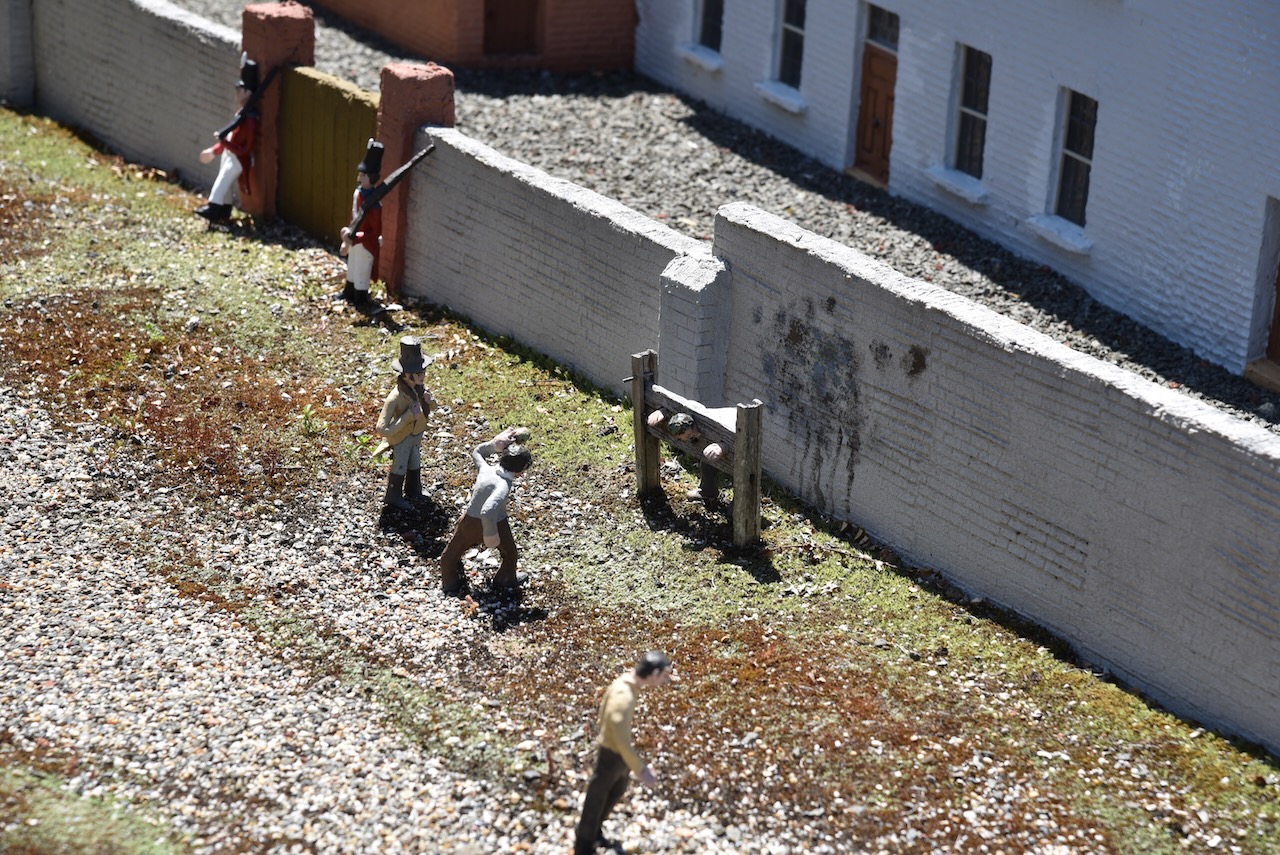
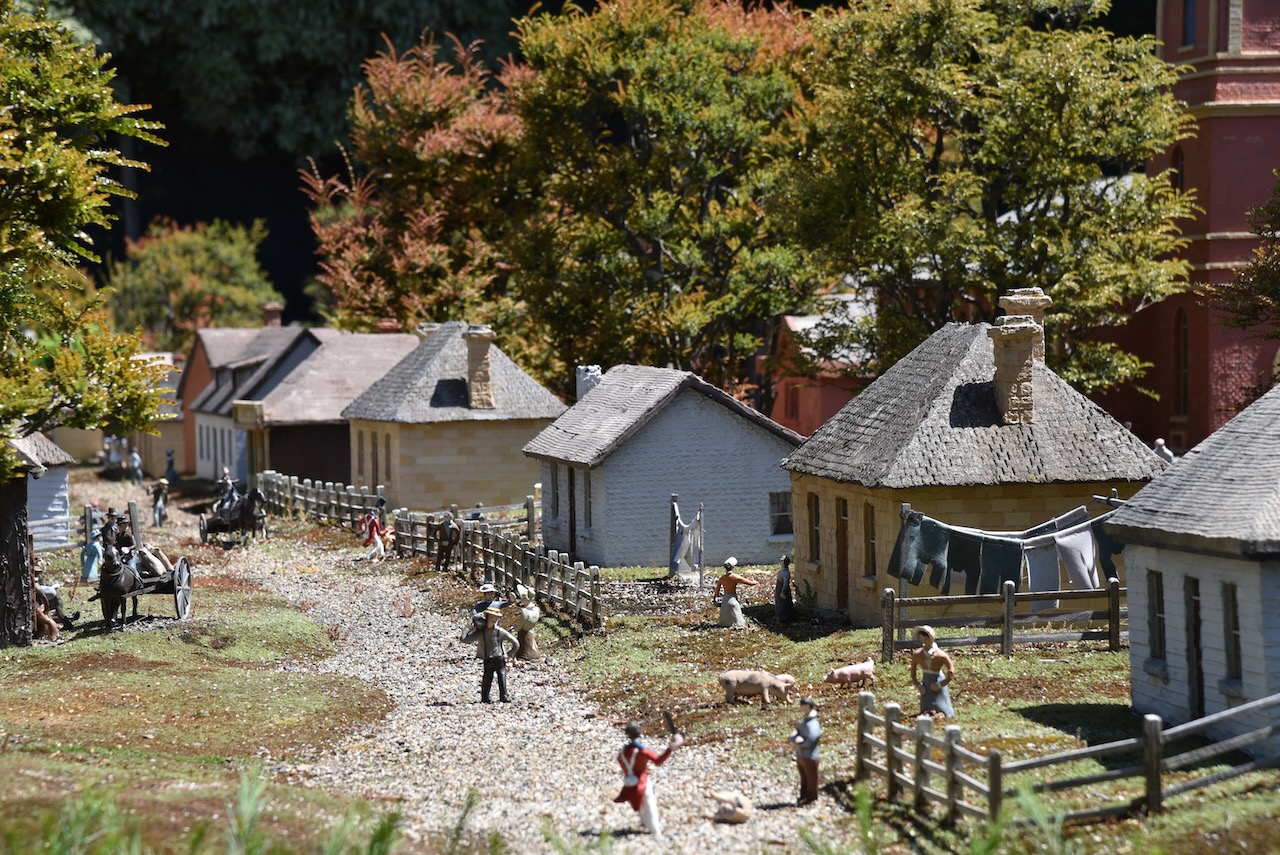
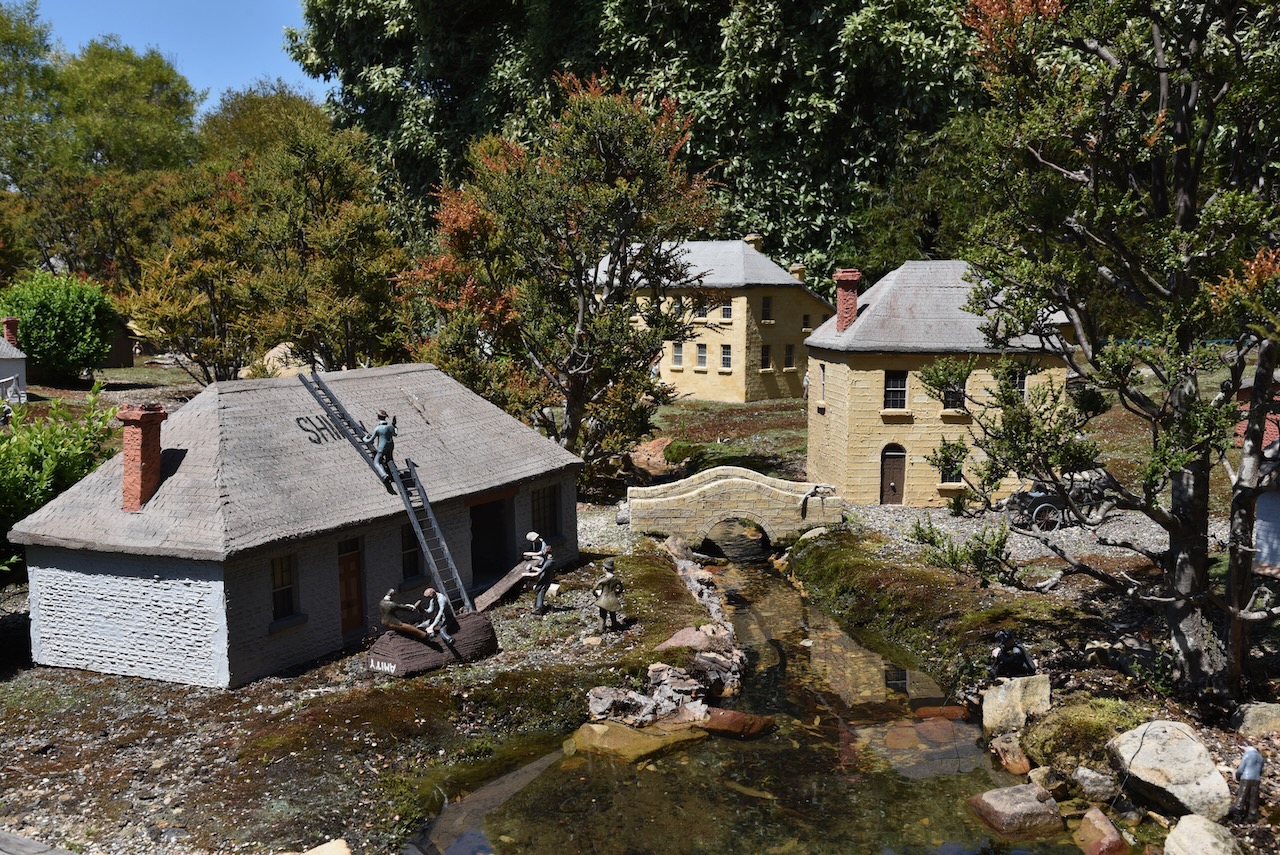
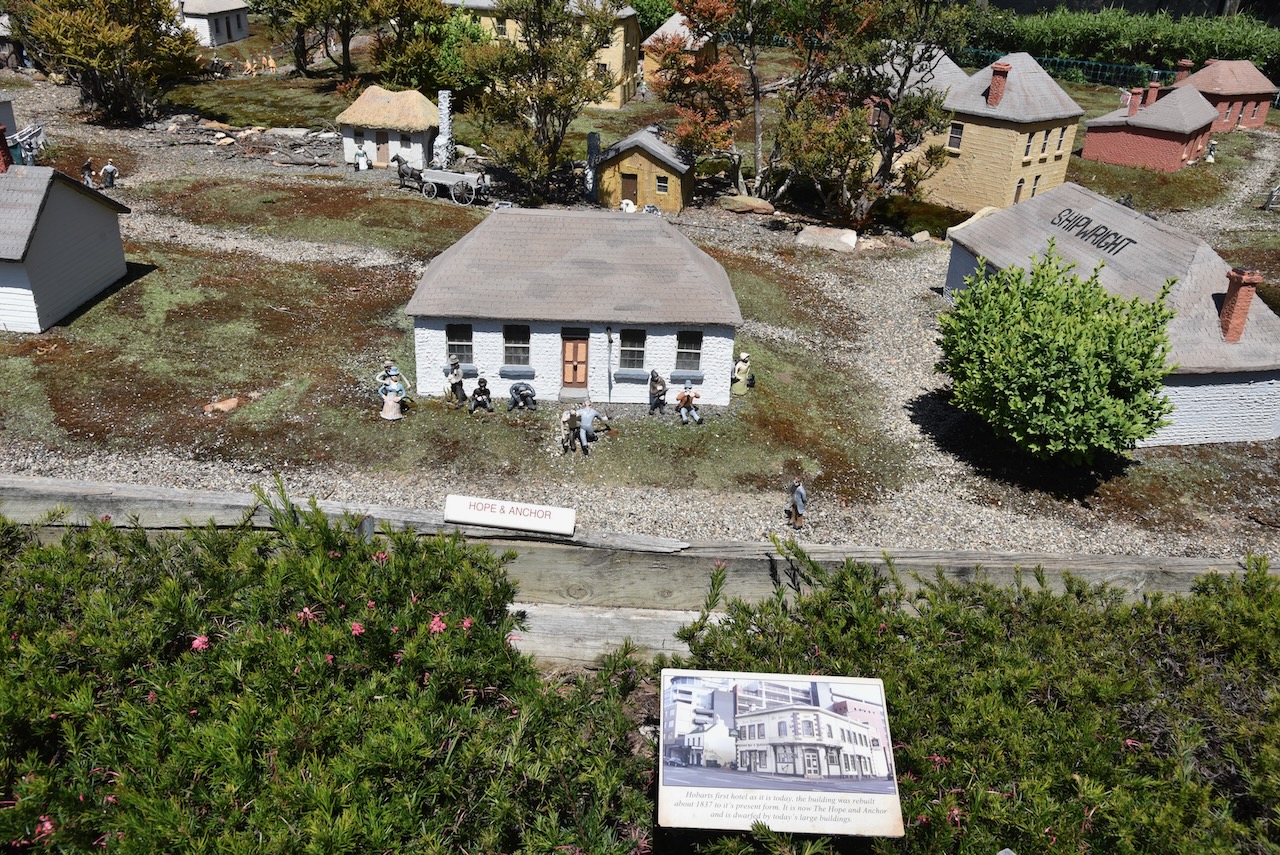
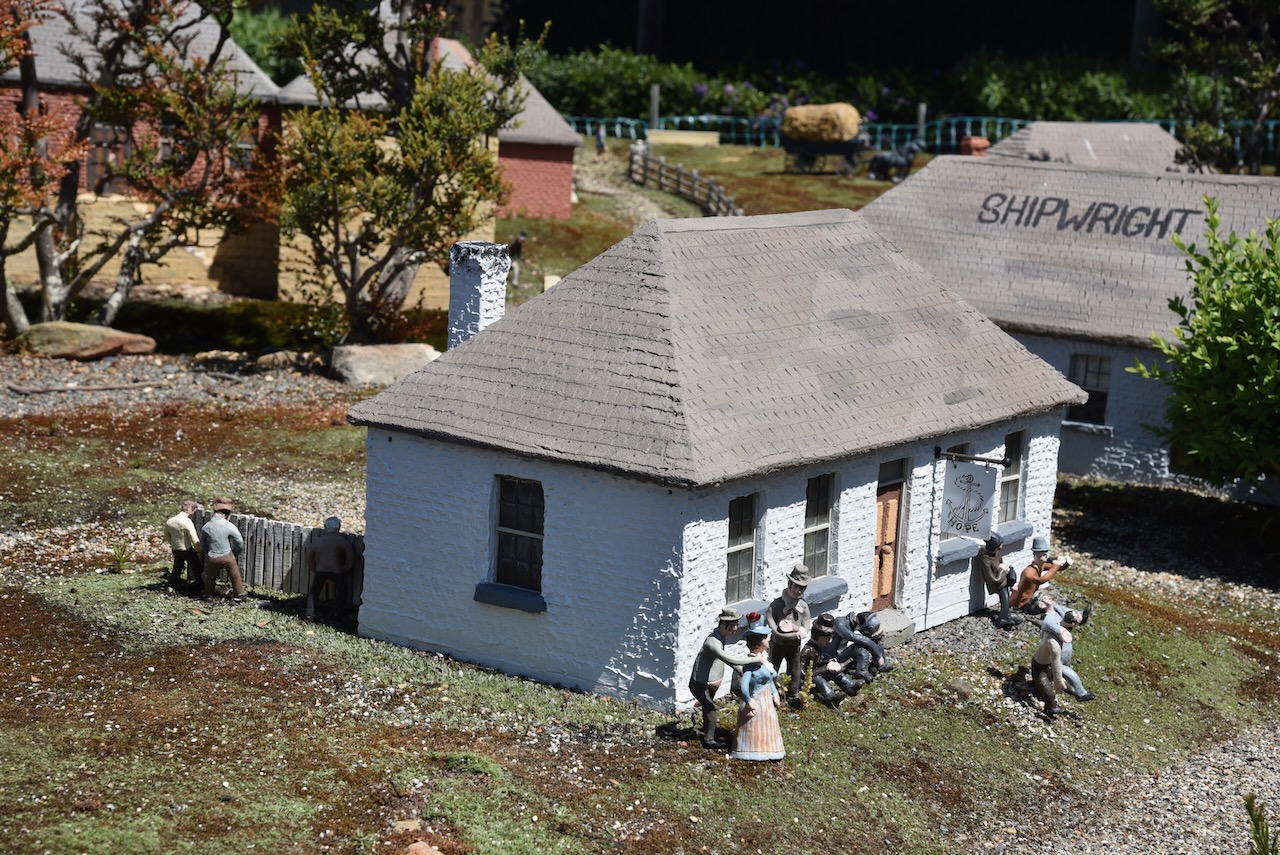
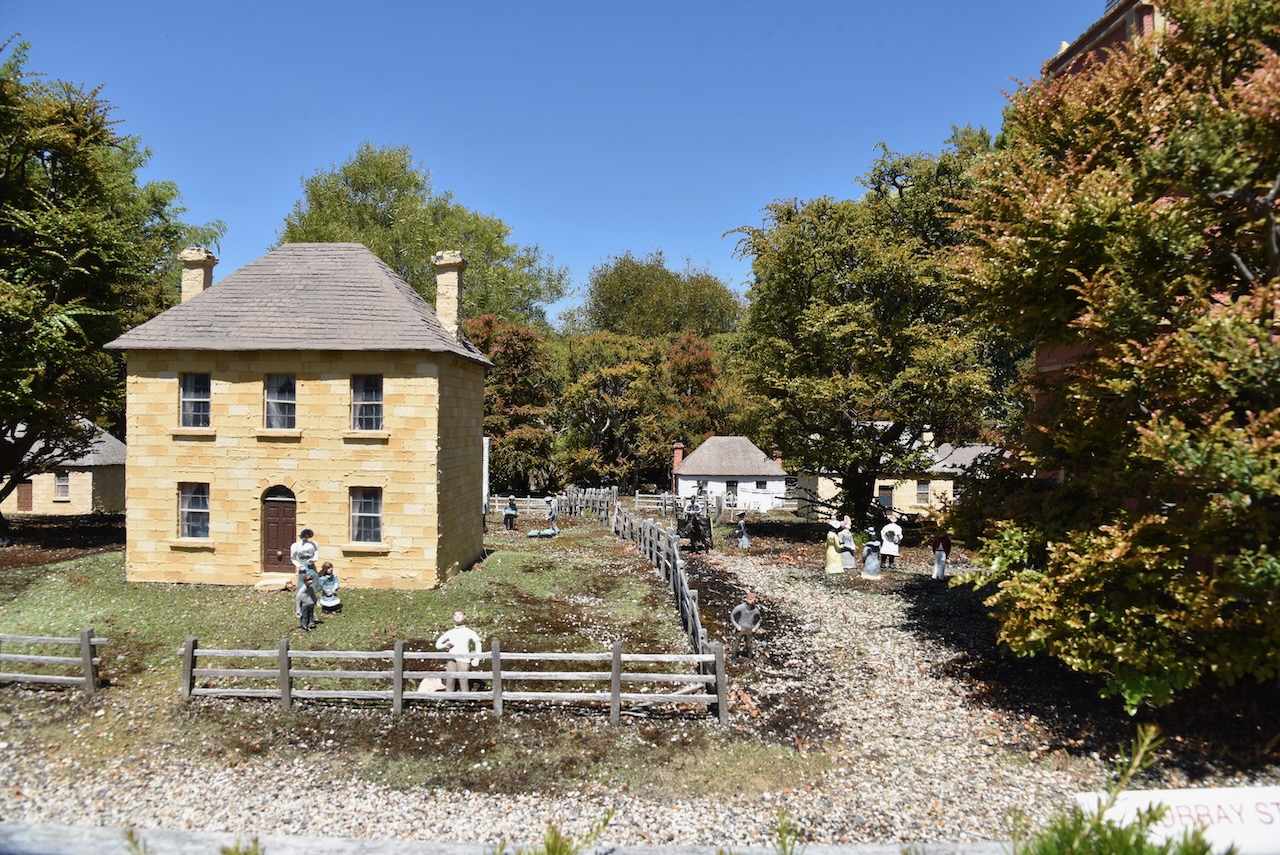
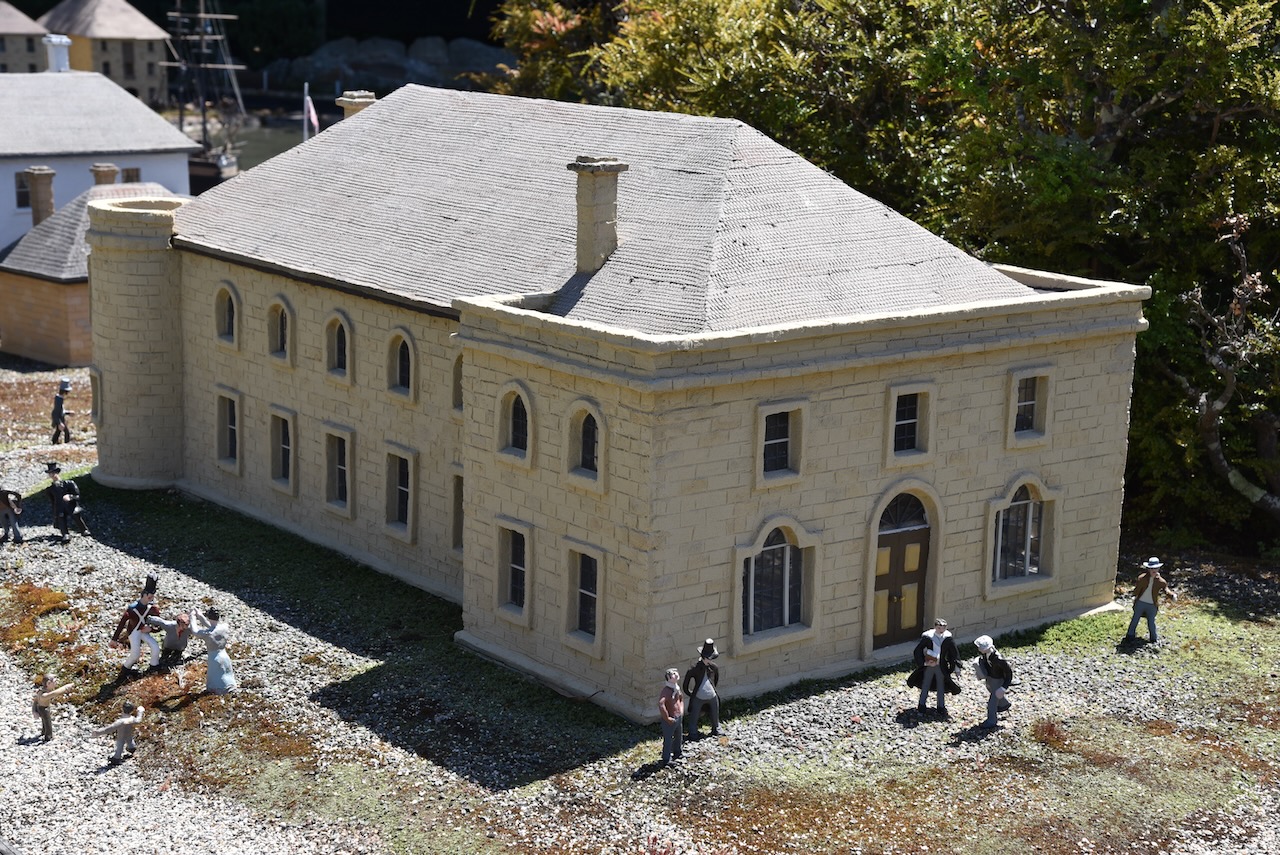
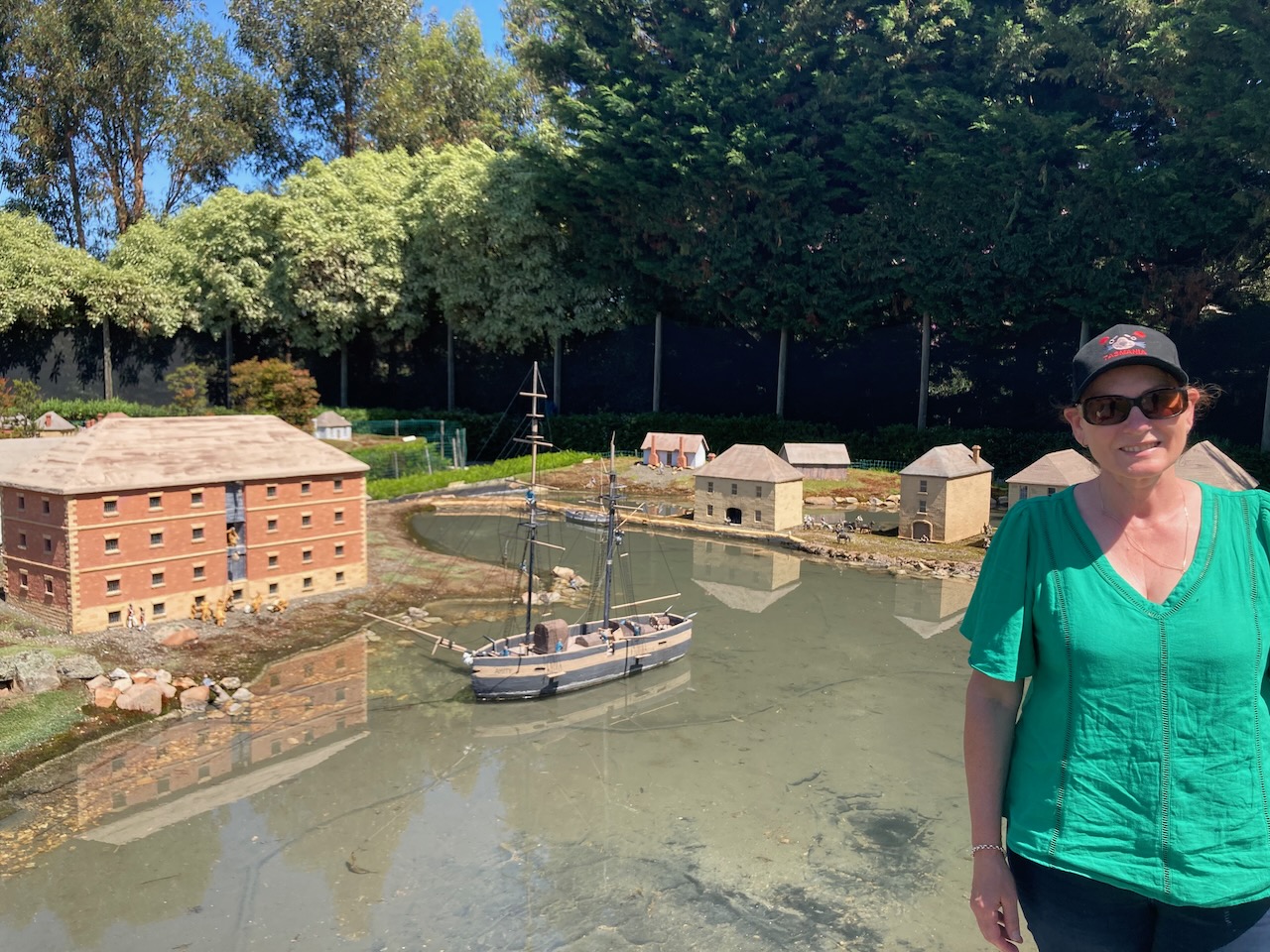
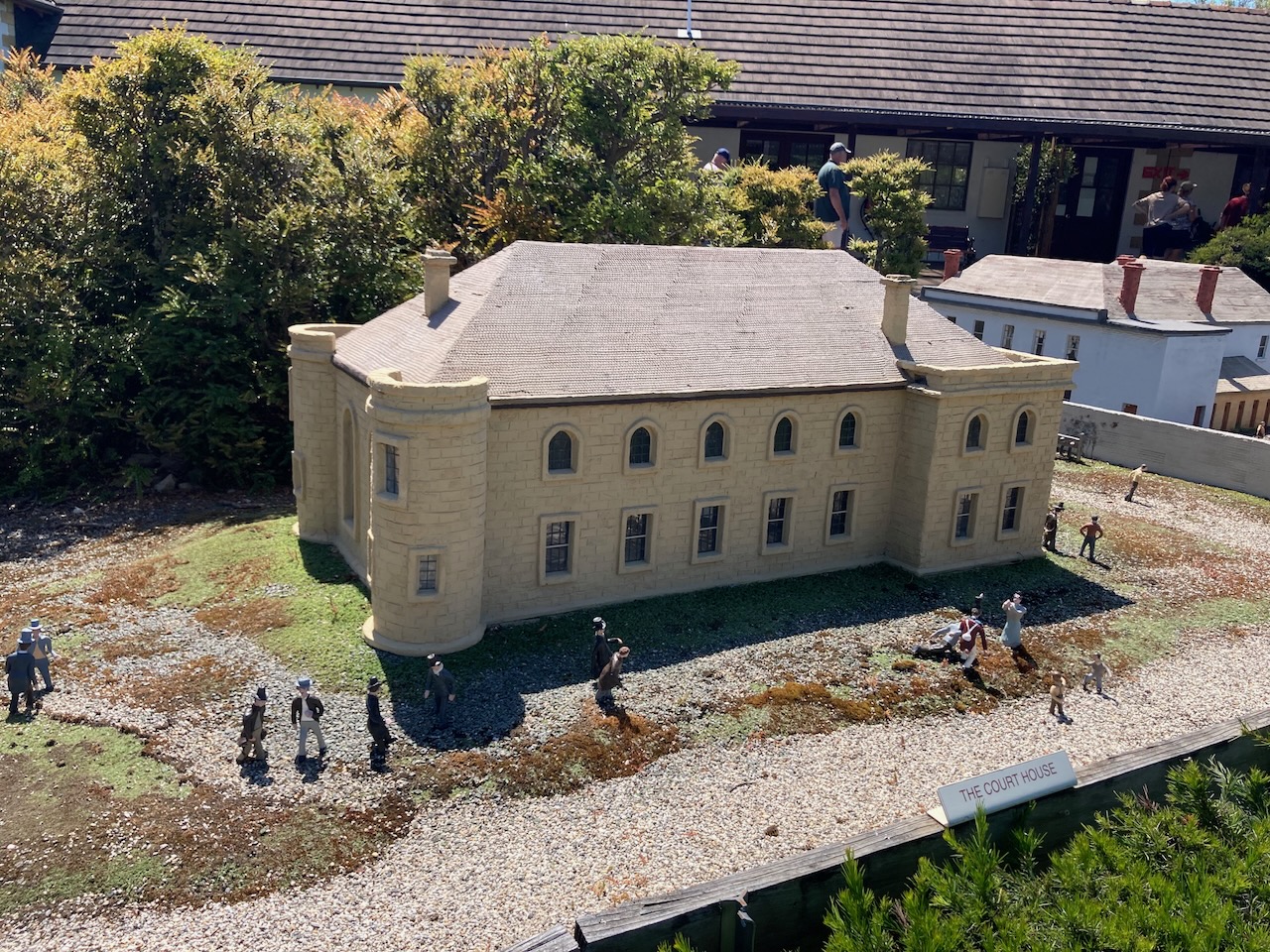
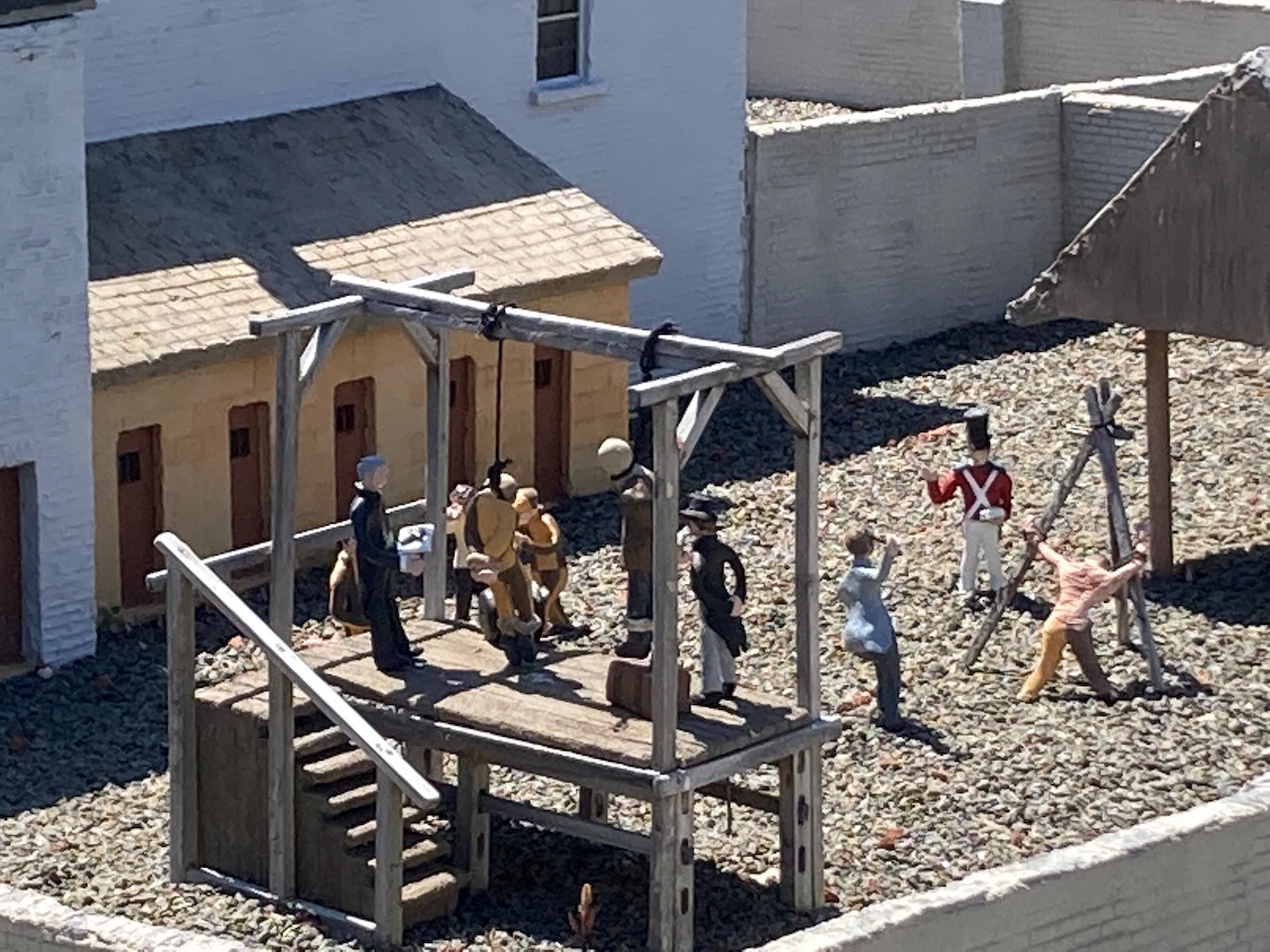
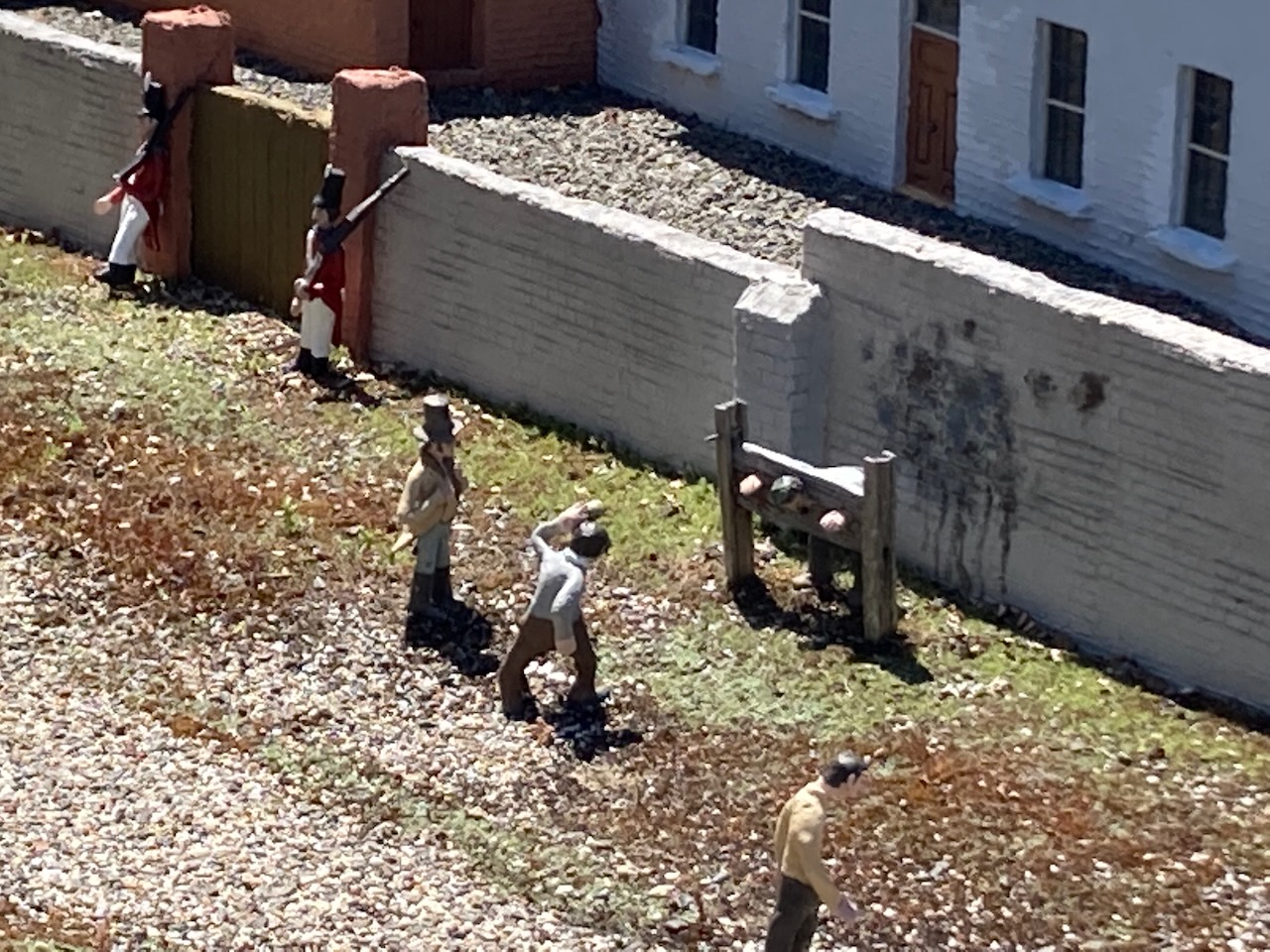
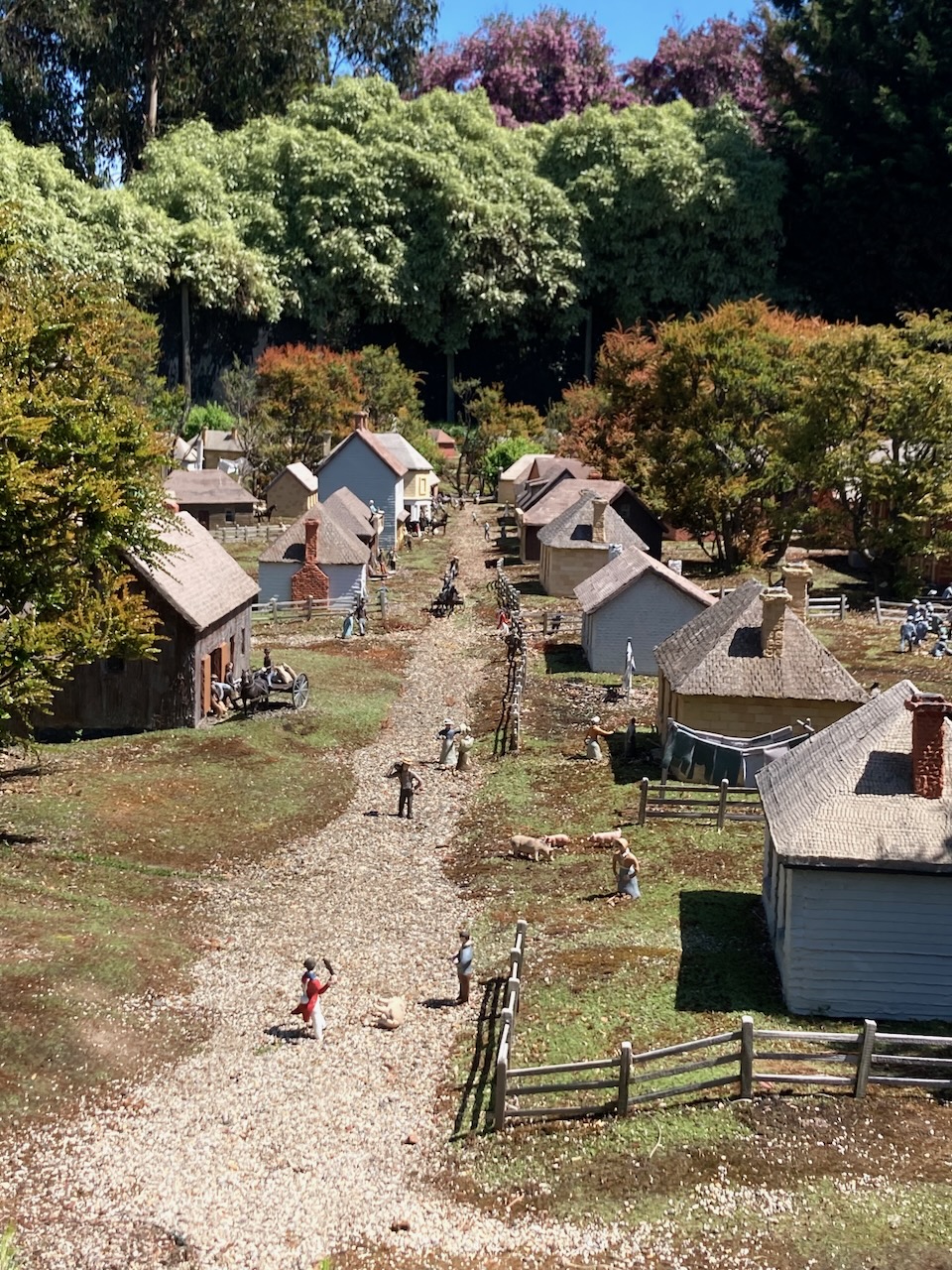
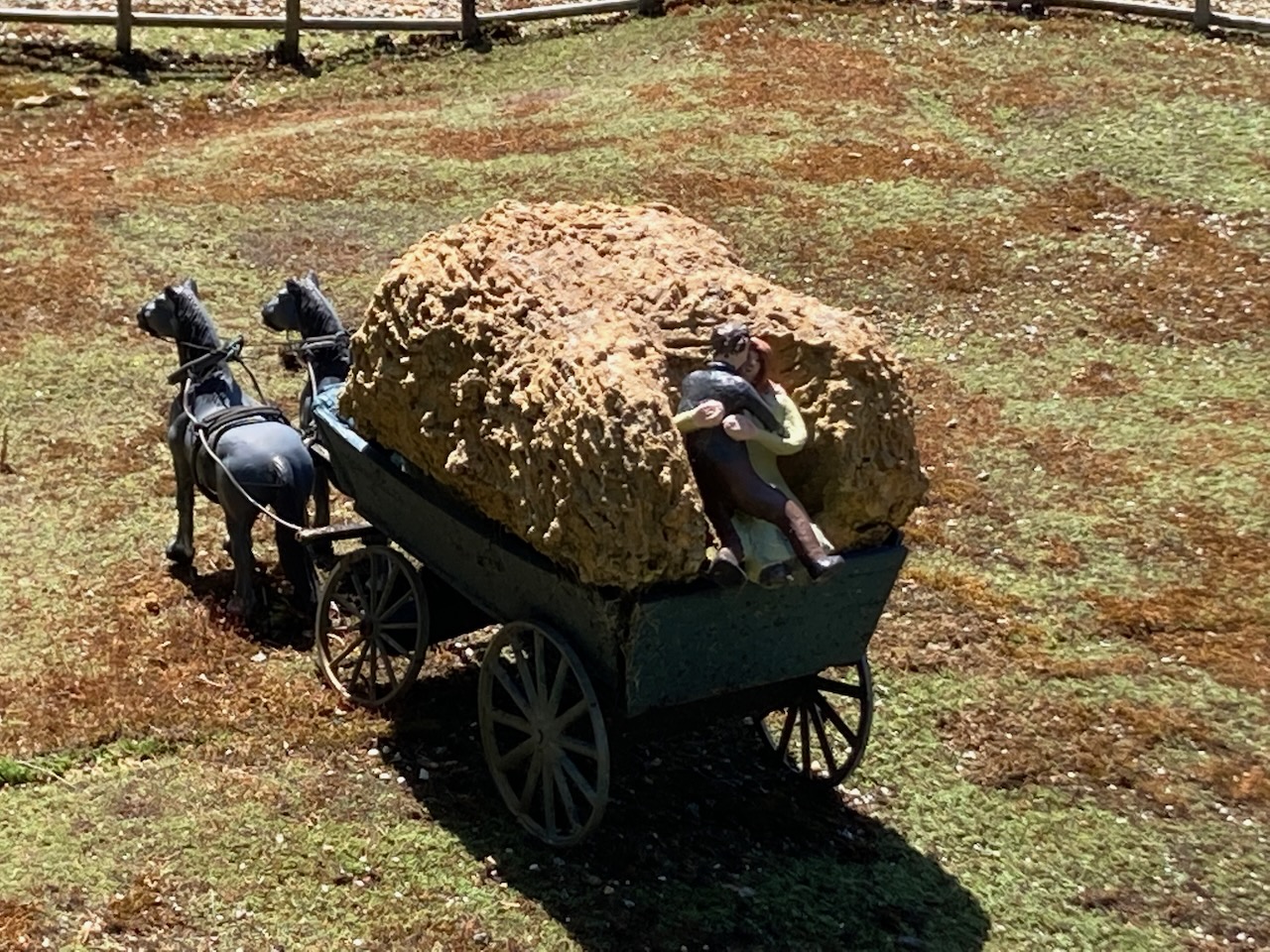
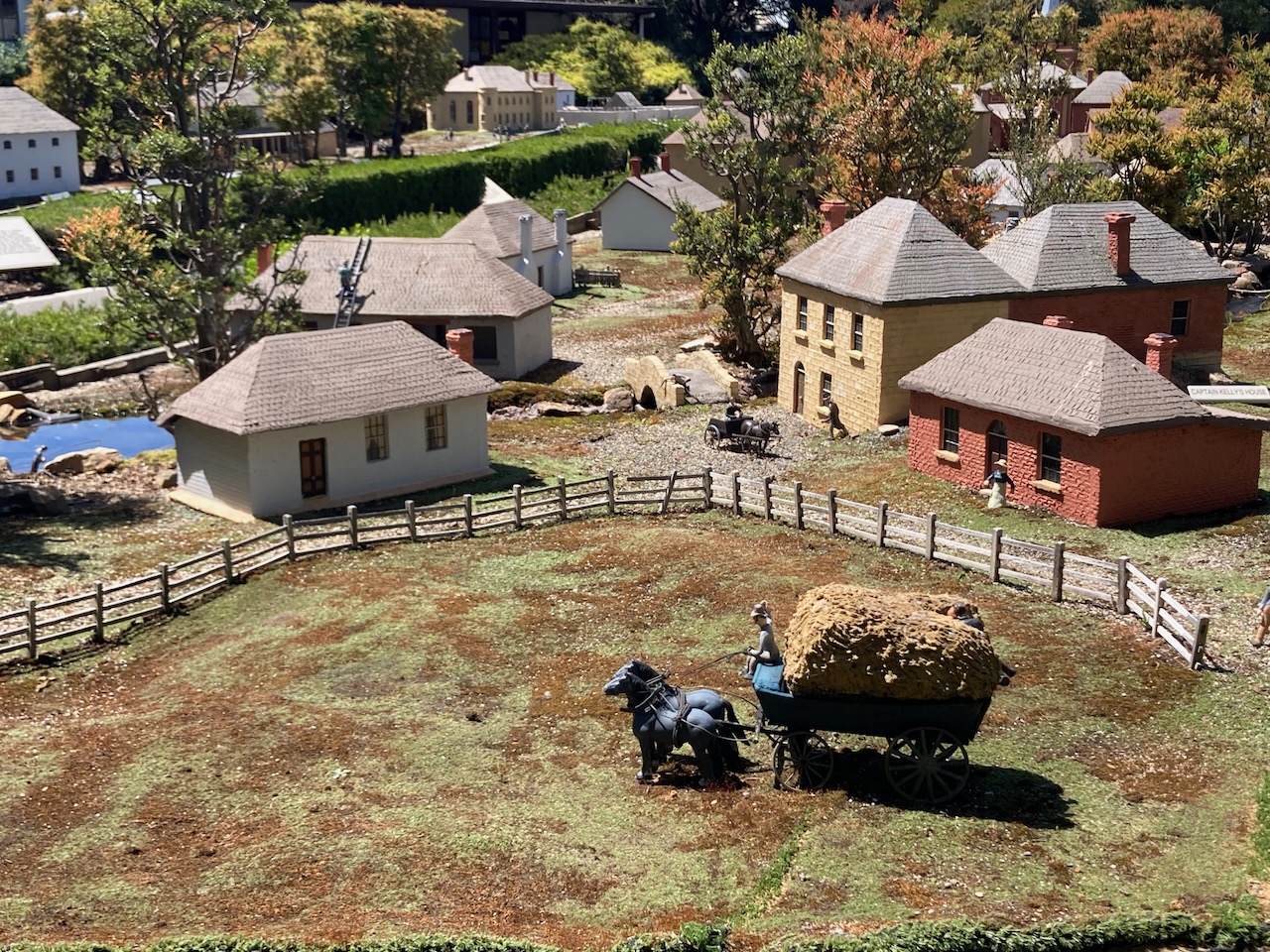
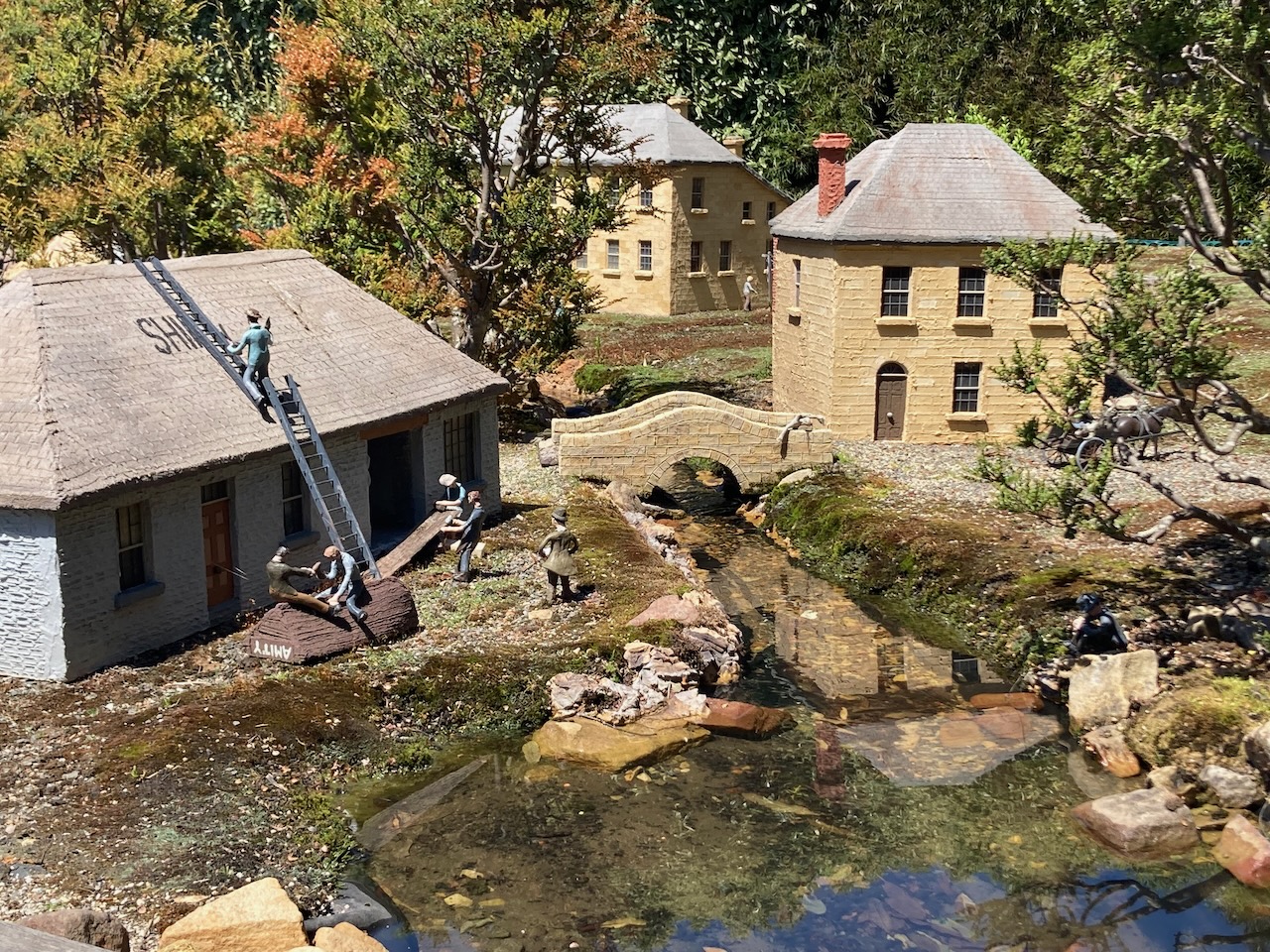
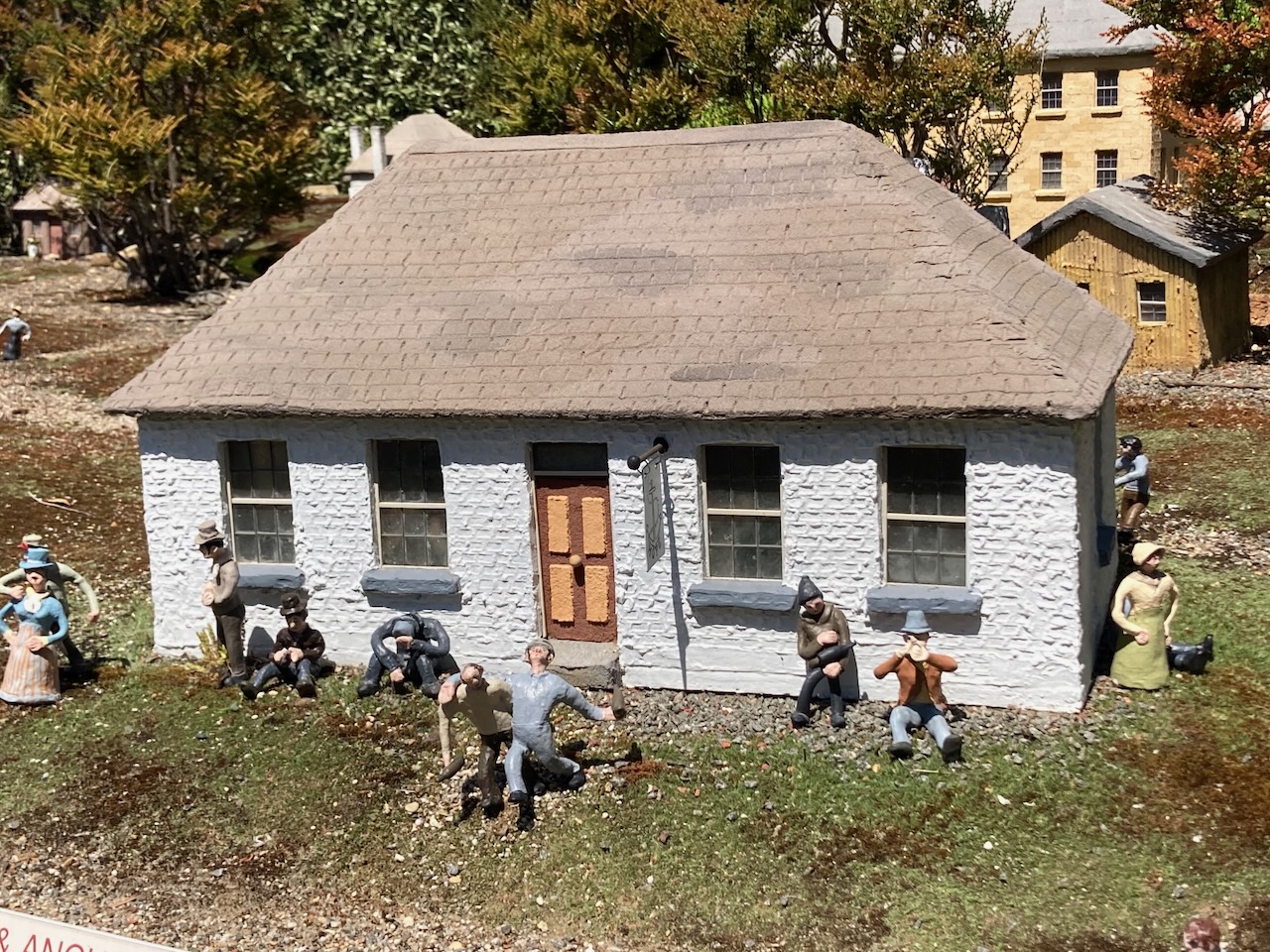
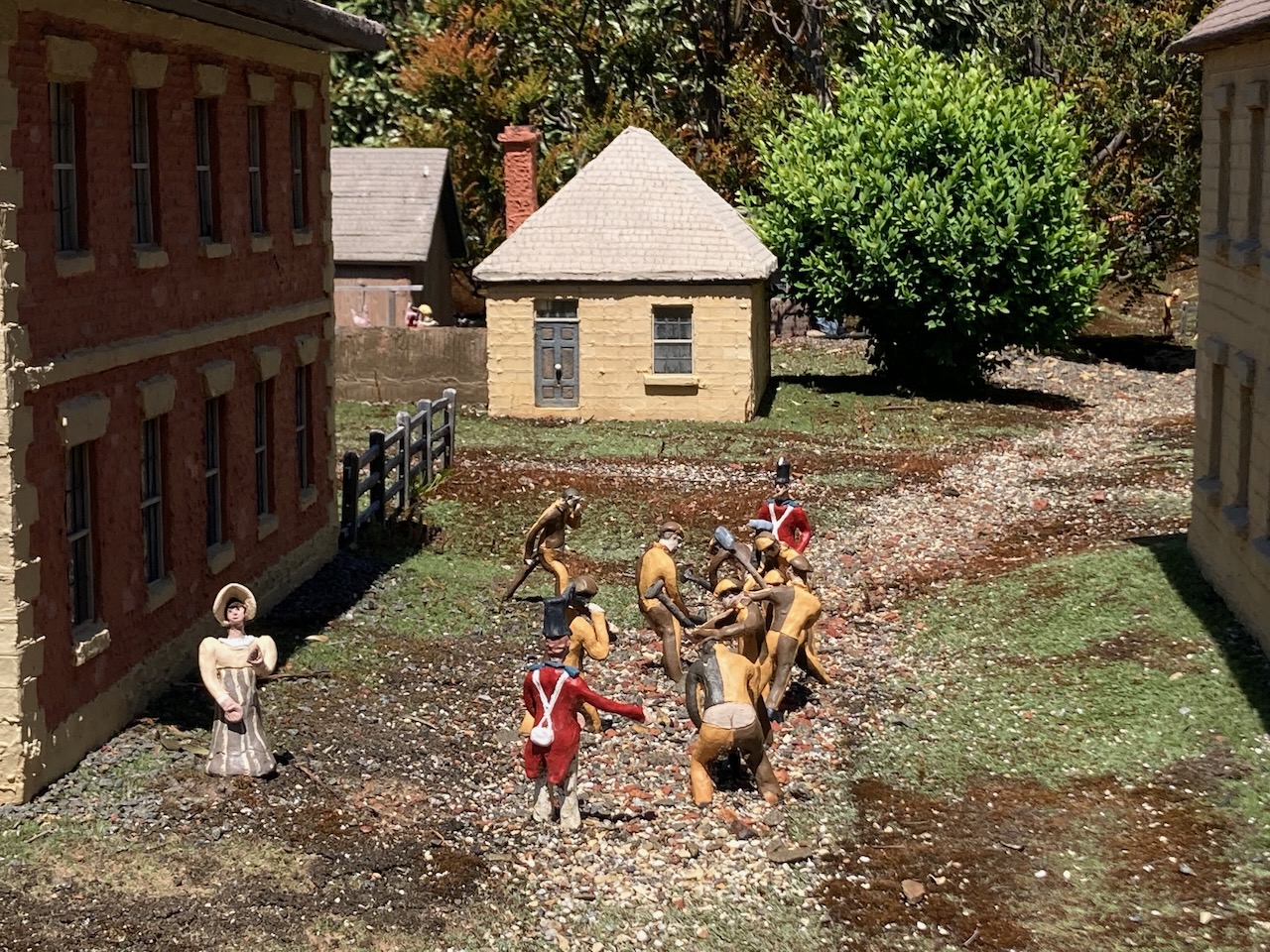
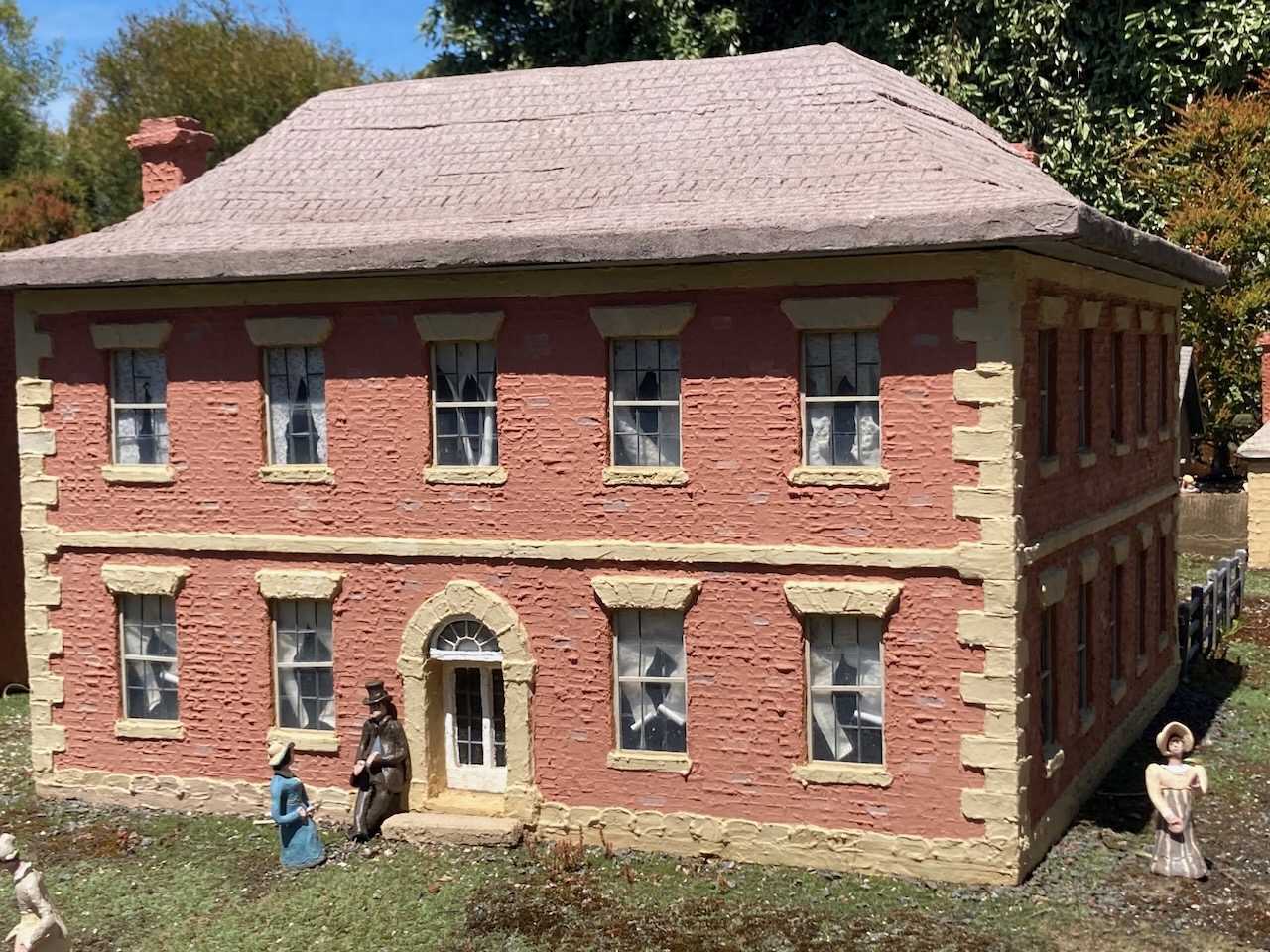
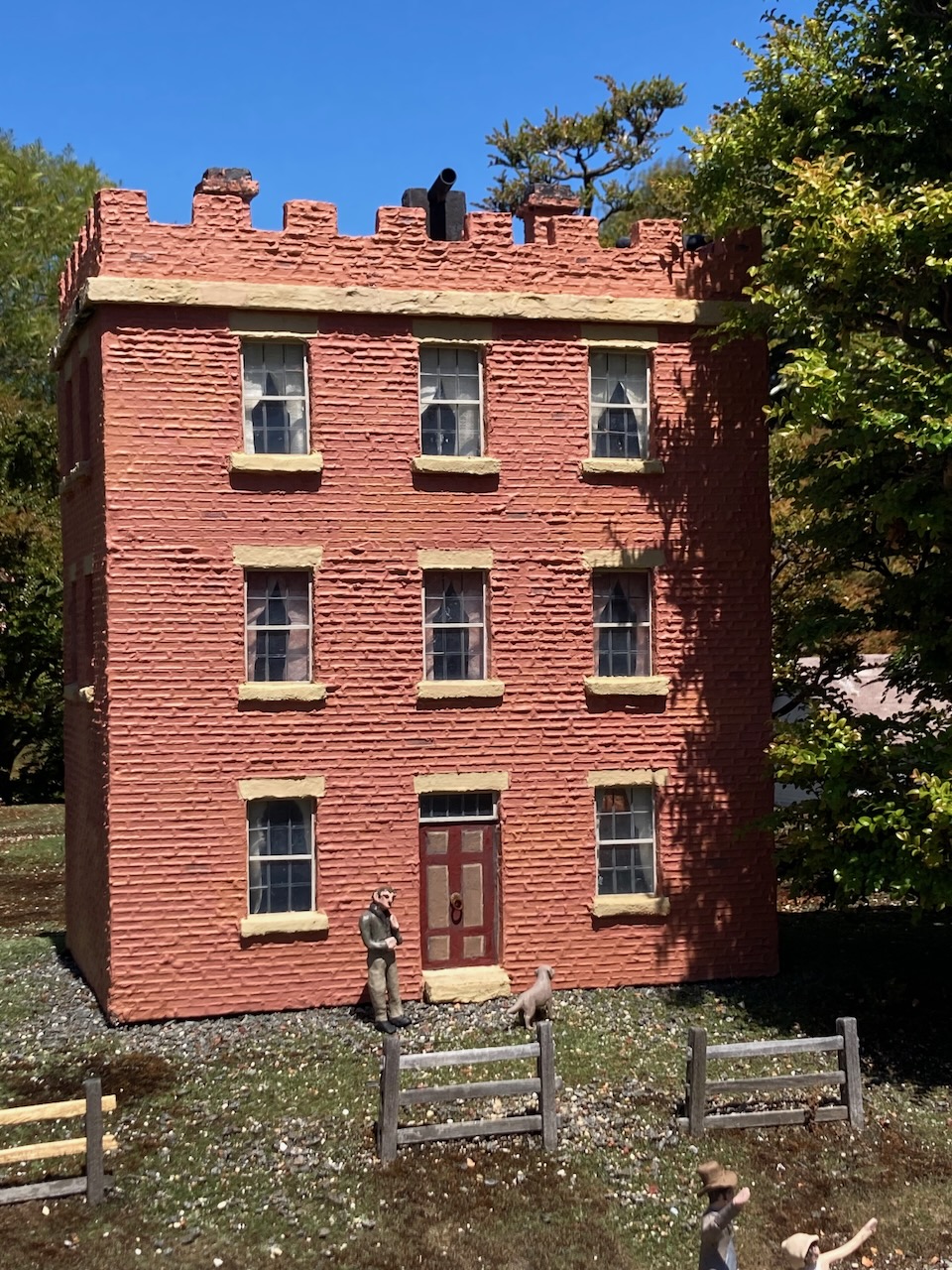
Following brunch we visited Old Hobart Town, Australia’s only, and Tasmania’s original historical model village which depicts life in Hobart Town during 1820. What an amazing job has been made to put this together. Absolutely brilliant. There are over 60 replica model buildings and about 600 period figurines including convicts, soldiers, ladies and gentlemen.

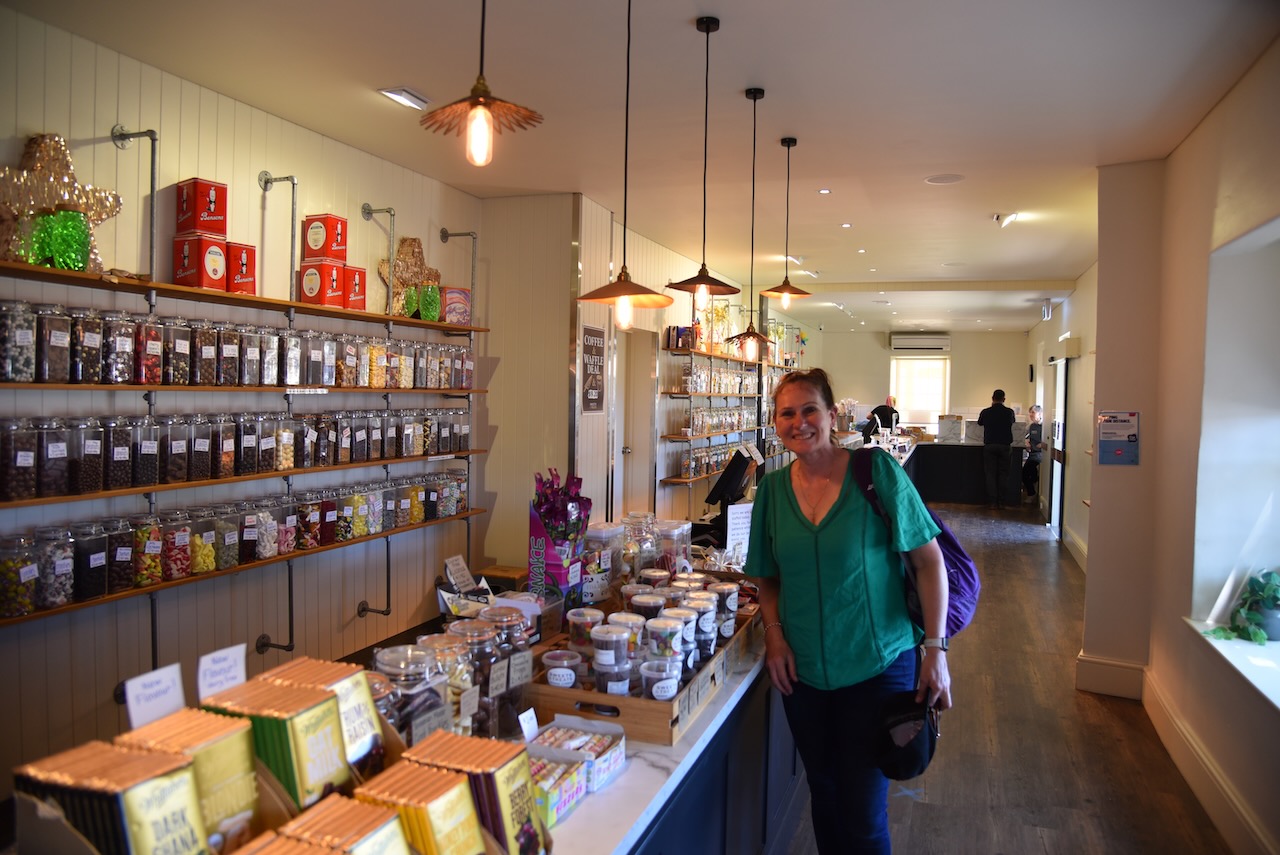
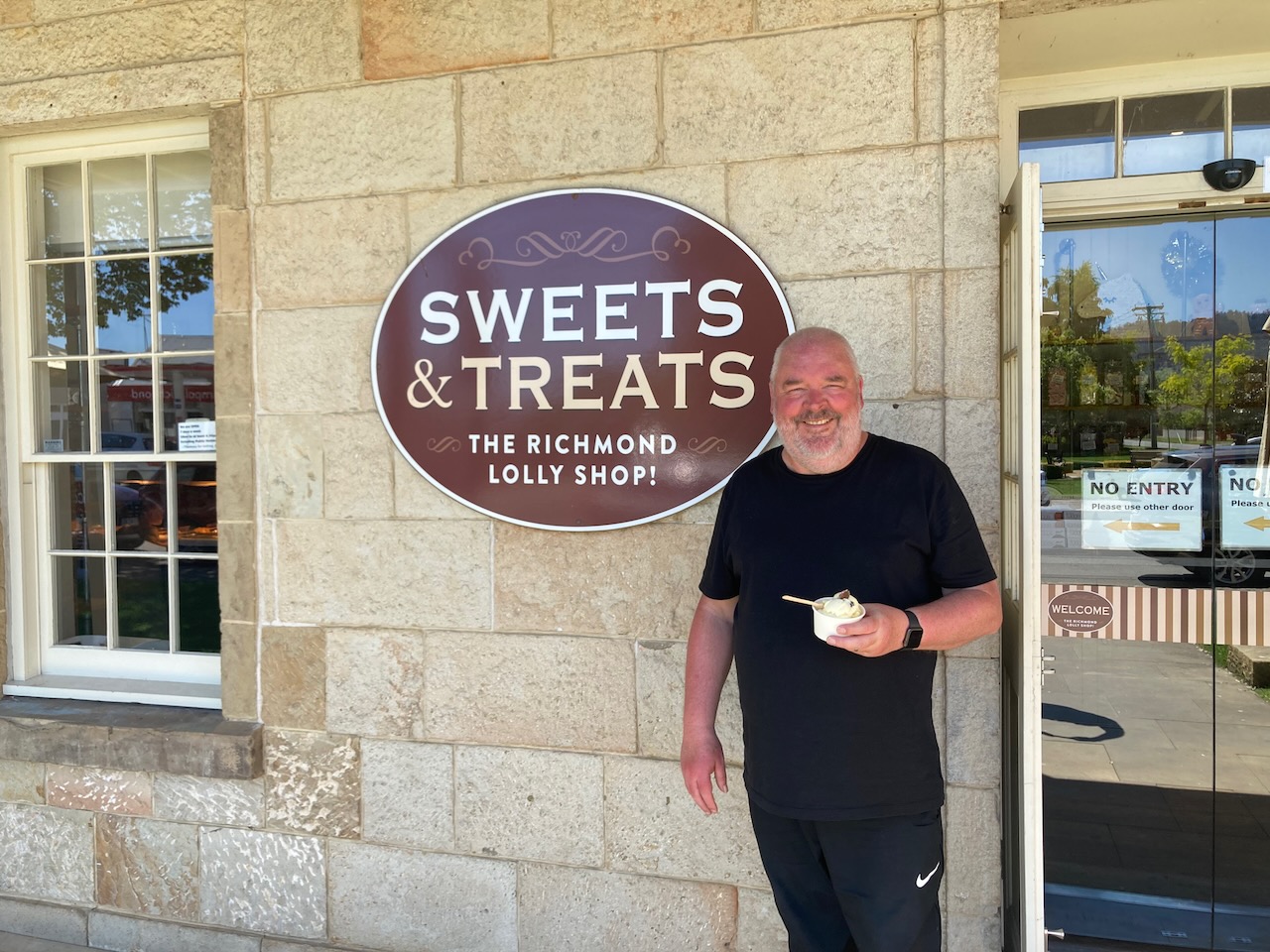
We then took another walk down Richmond’s main street which included a visit to Sweets and Treats of course, for some lollies and icecream.

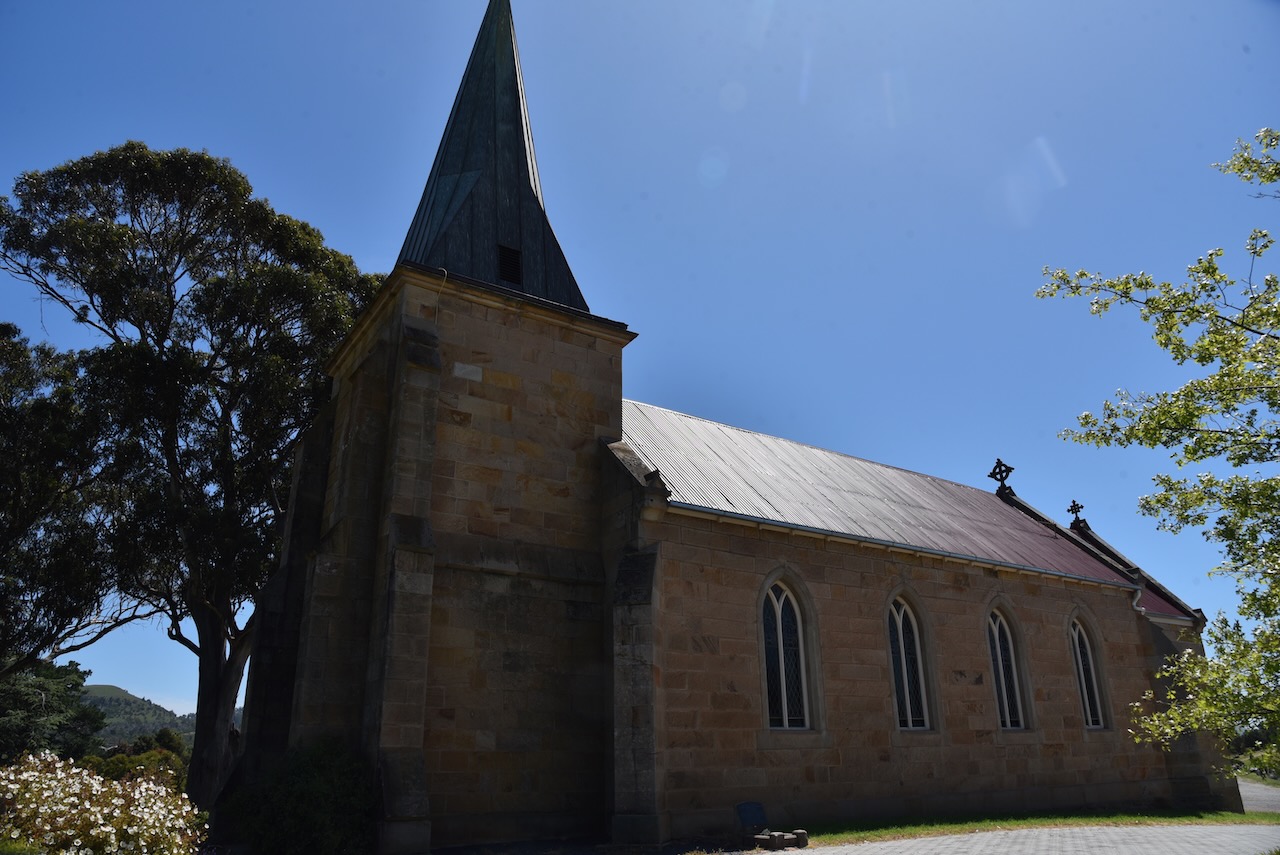
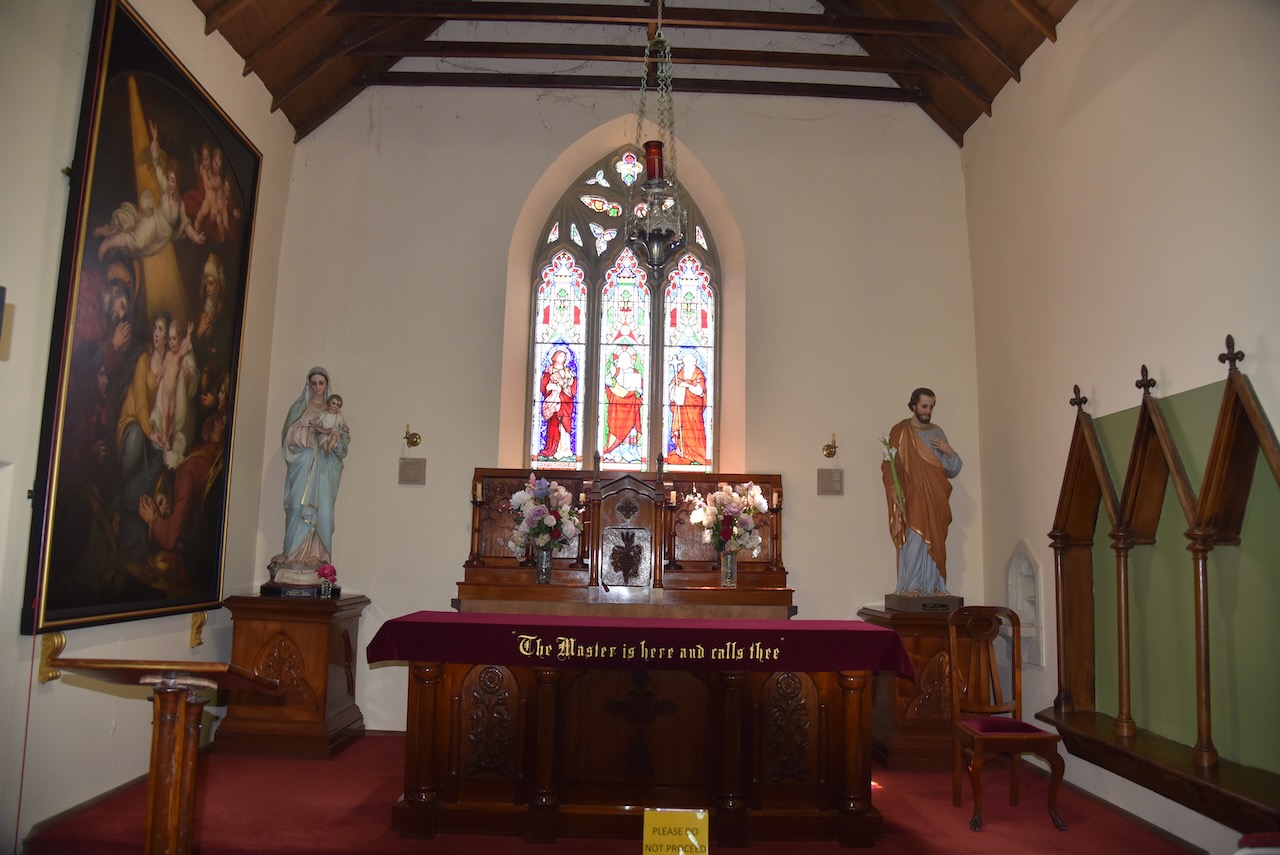
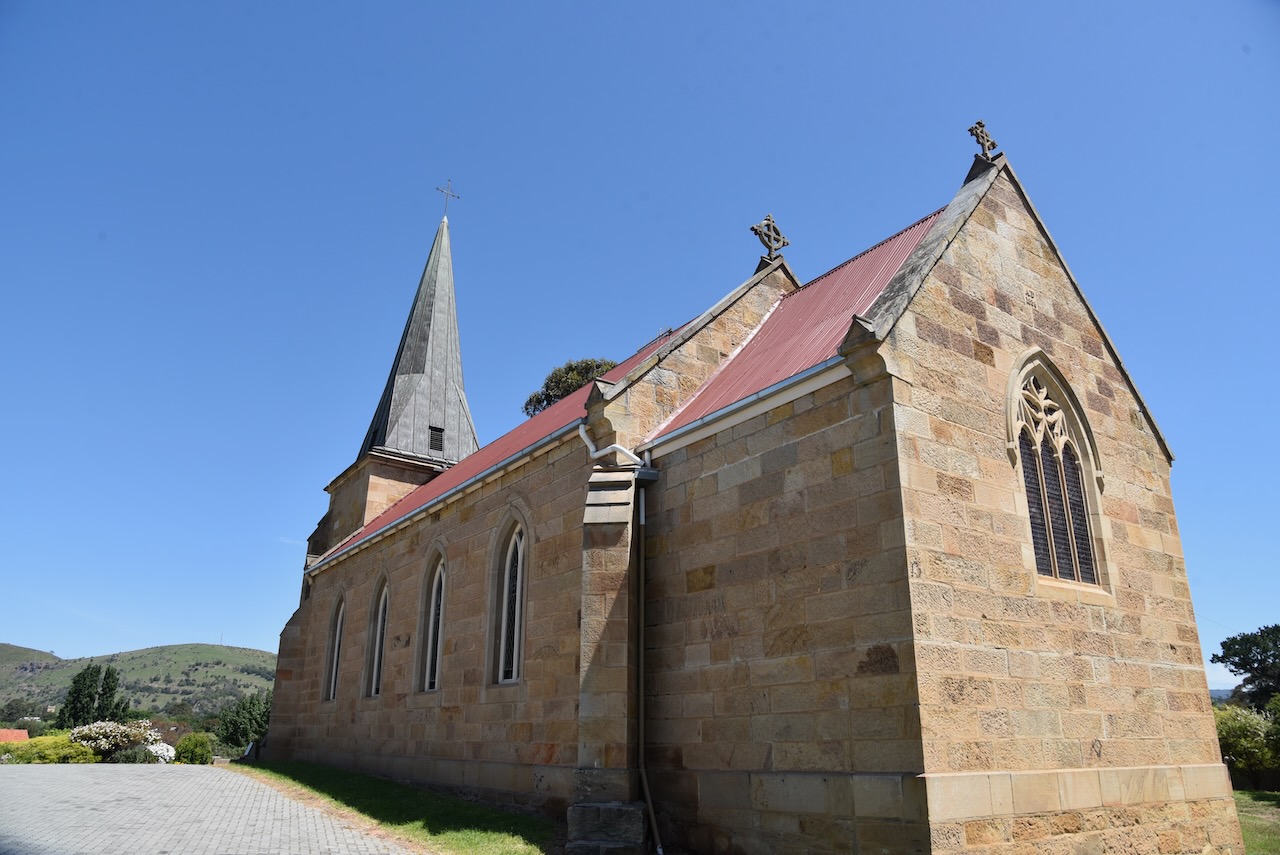
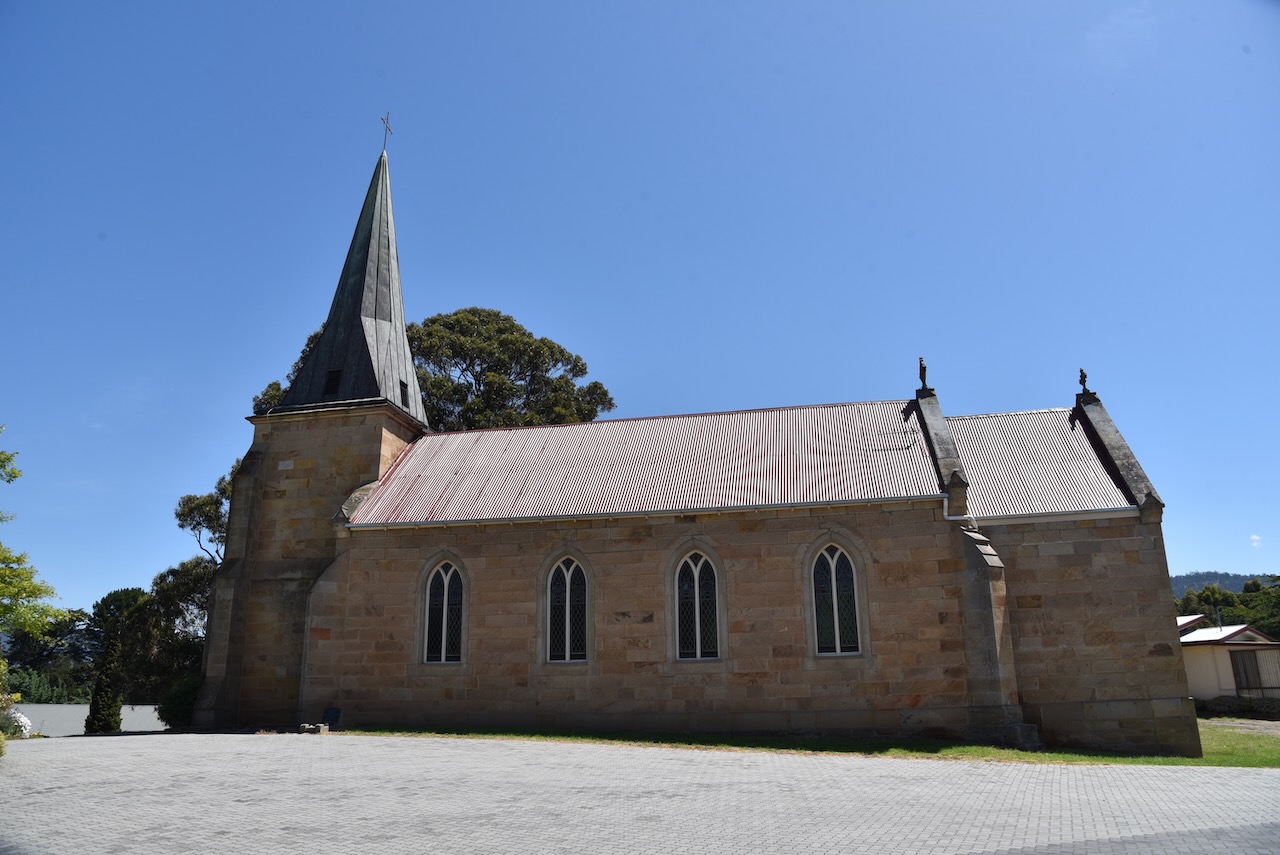
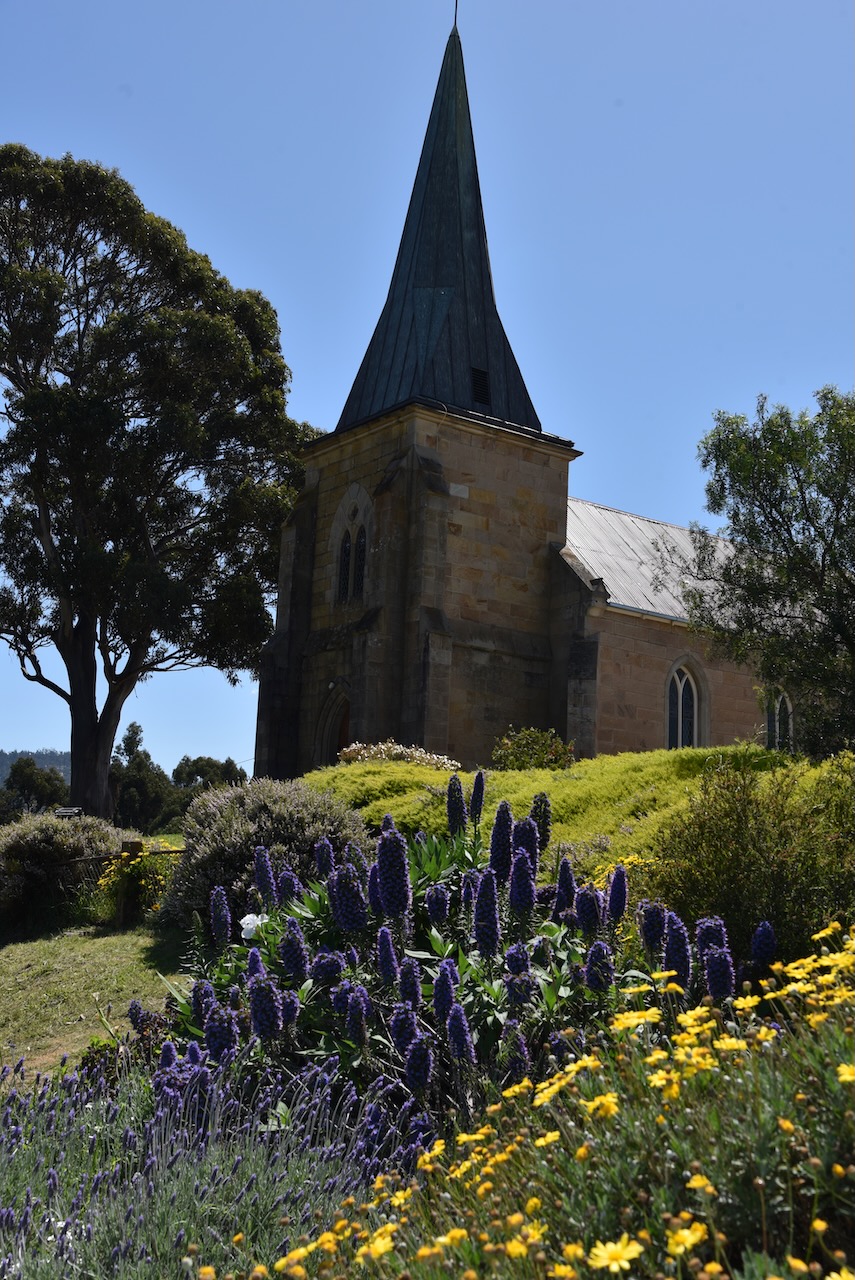
We then visited the St John’s Church Richmond, which is the oldest existing Catholic church in Australia. The foundation stone was laid in 1835.

We then paid one last visit to Richmond bridge and views a few more historic buildings in the town.

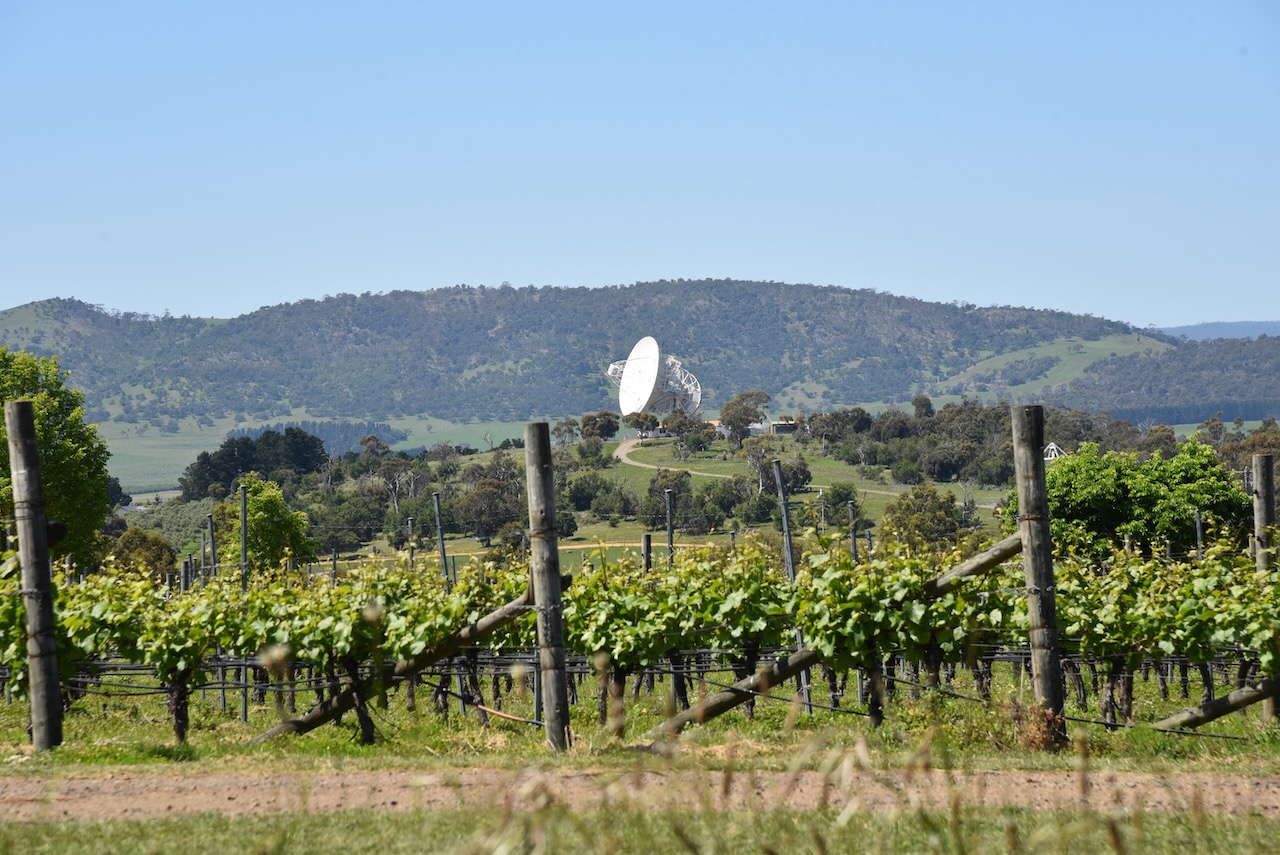
We then headed back to Hobart via the Richmond Road. We stopped briefly to view from the road, the Mount Pleasant Radio Astronomy Observatory and Grote Reber Museum. The radio observatory has been operational for about 20 years. There is also an astronomy museum which celebrates the life and work of Tasmanian radio astronomer, Grote Reber.

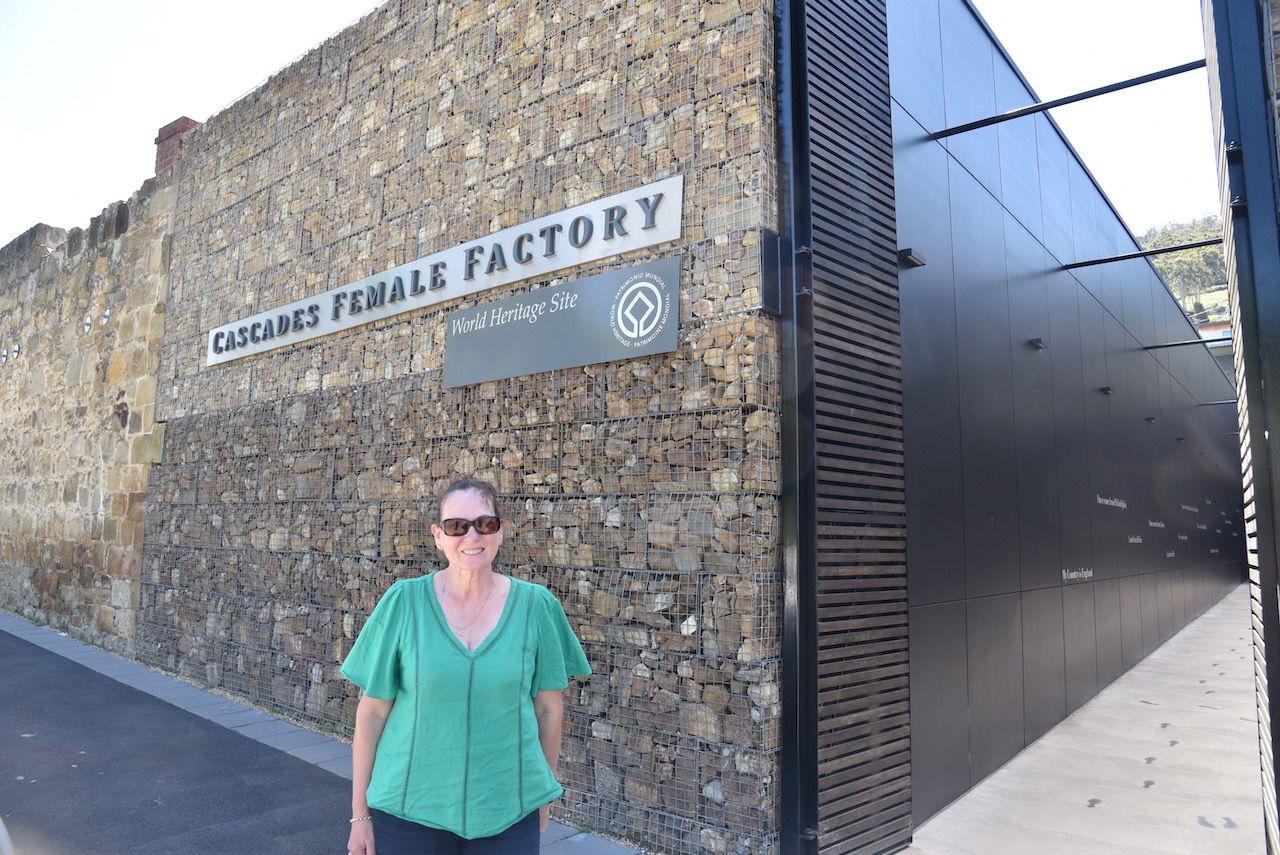
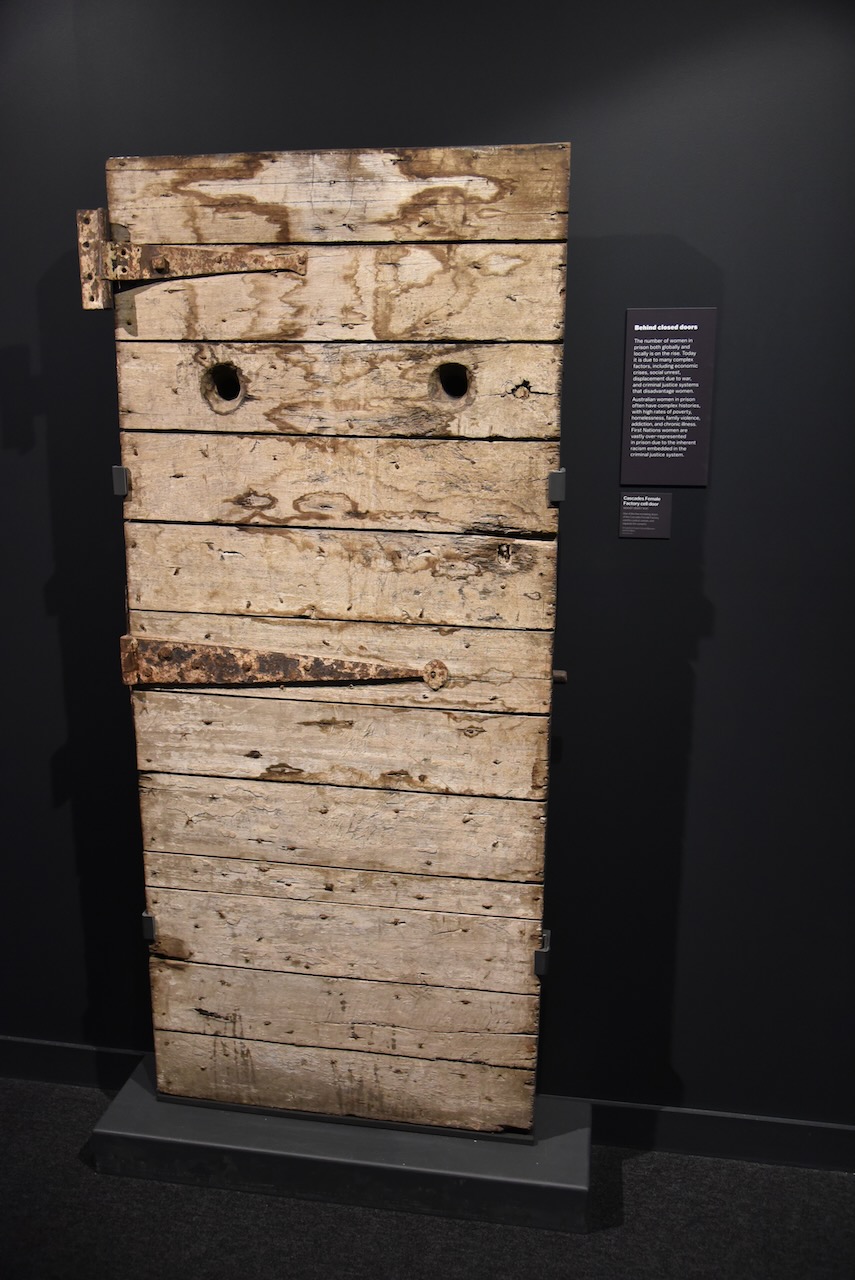
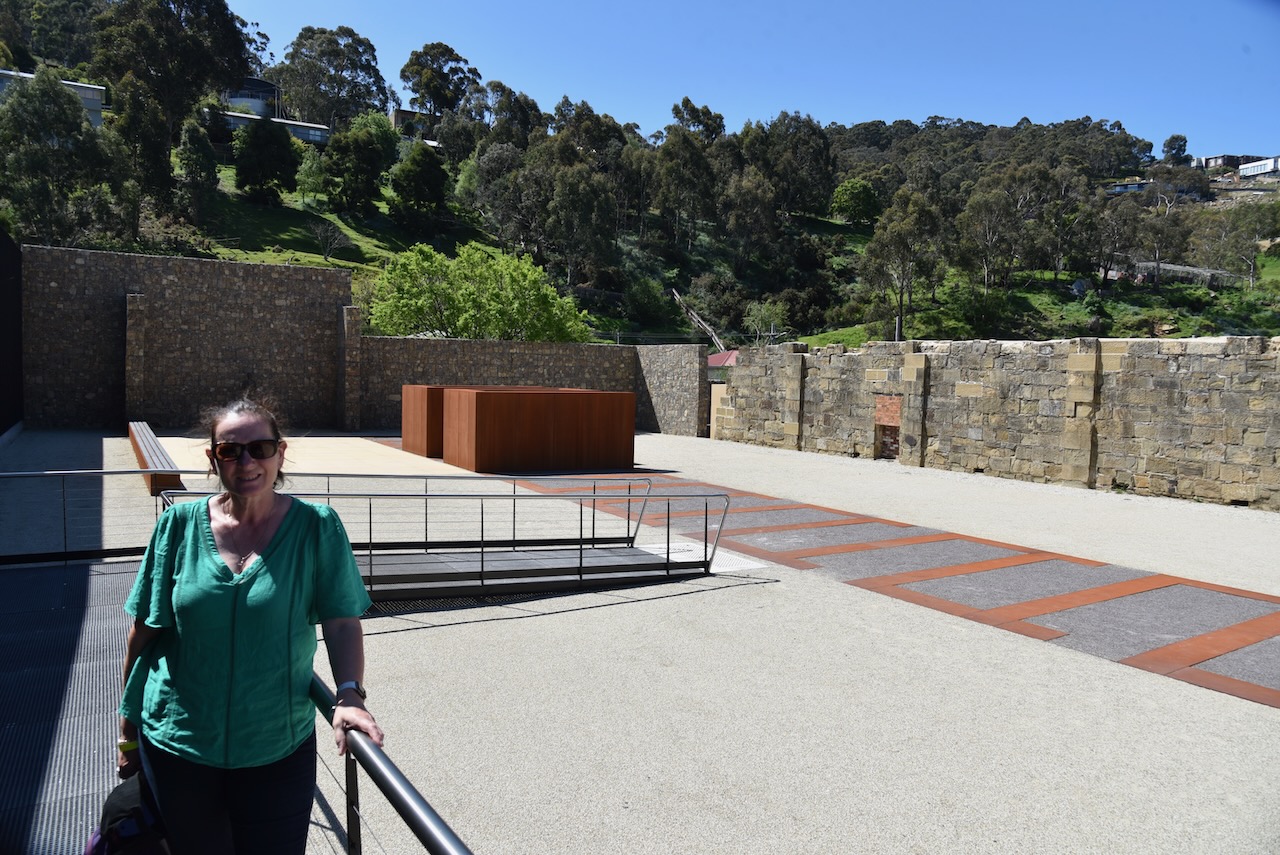
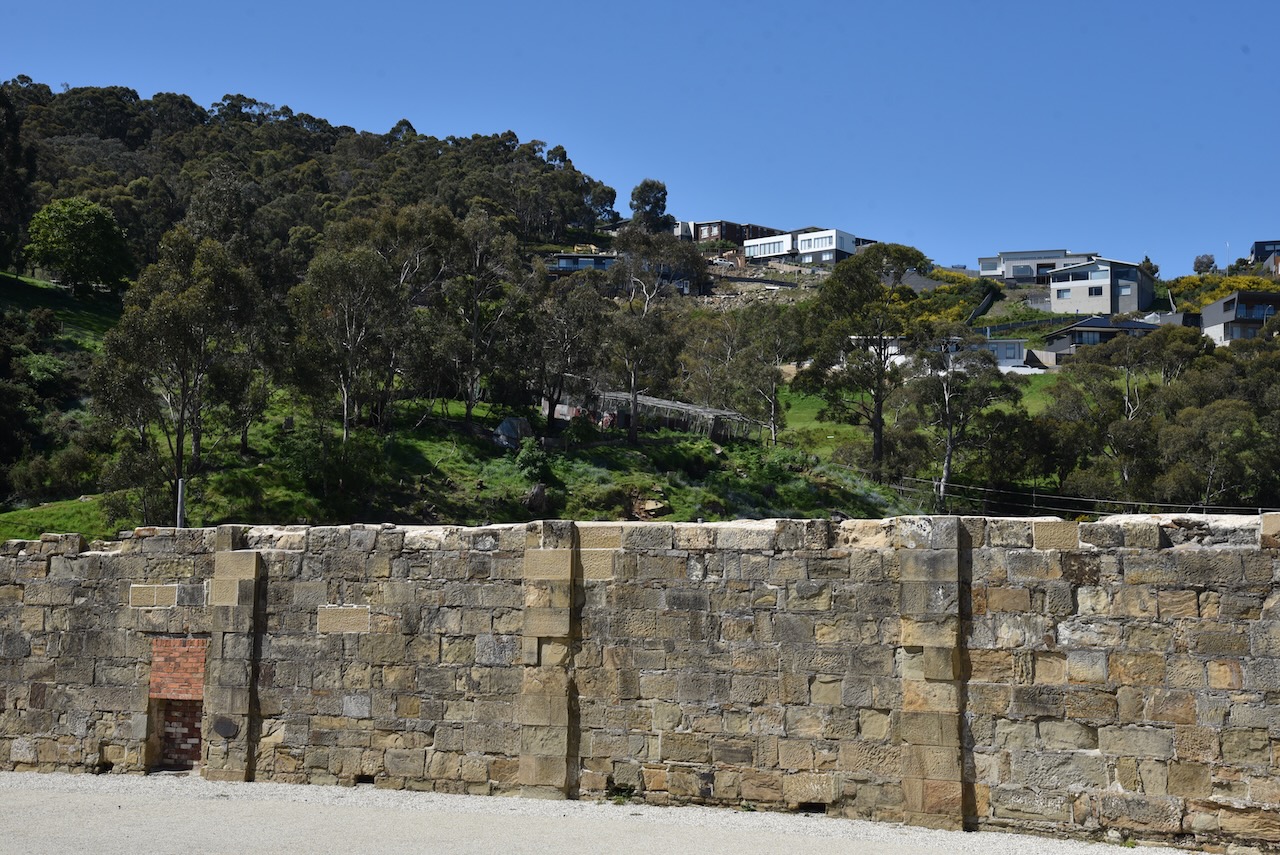
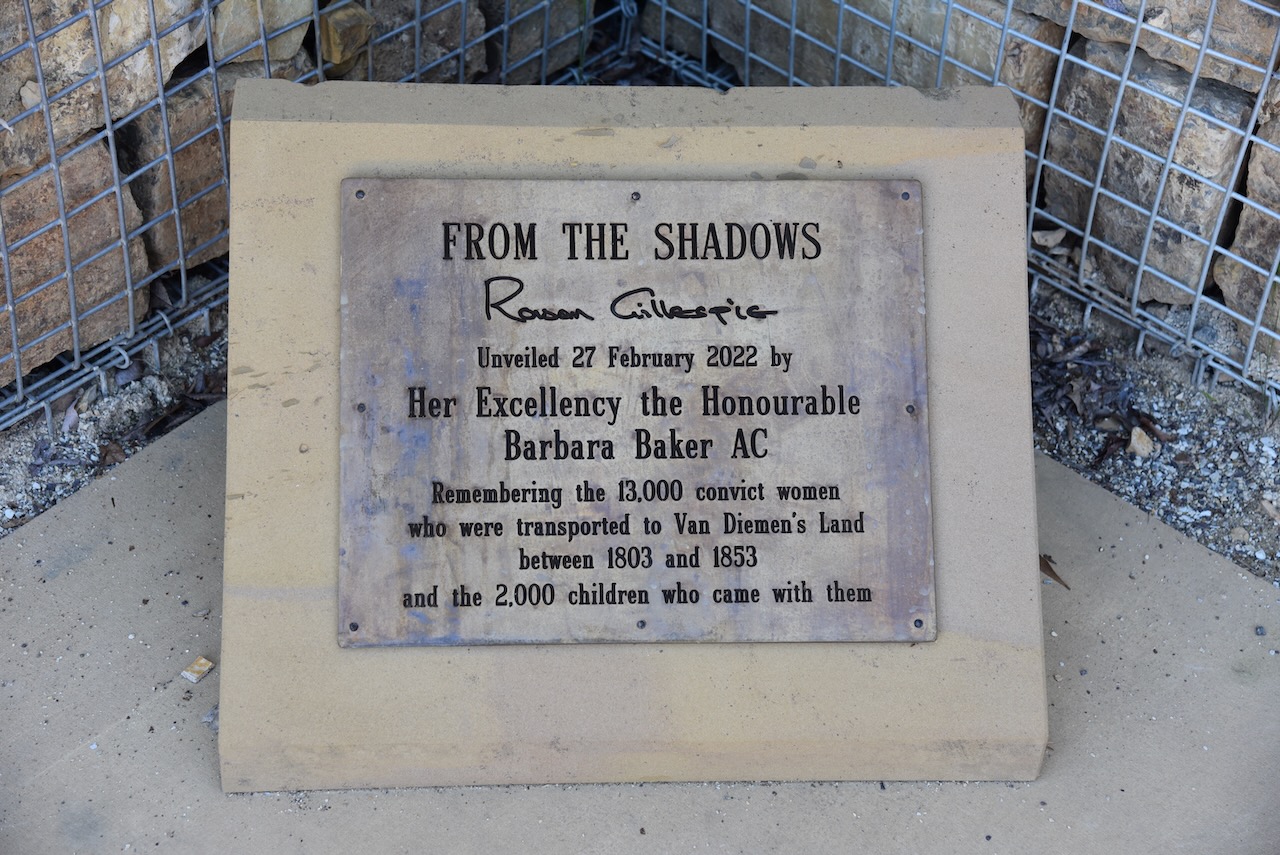
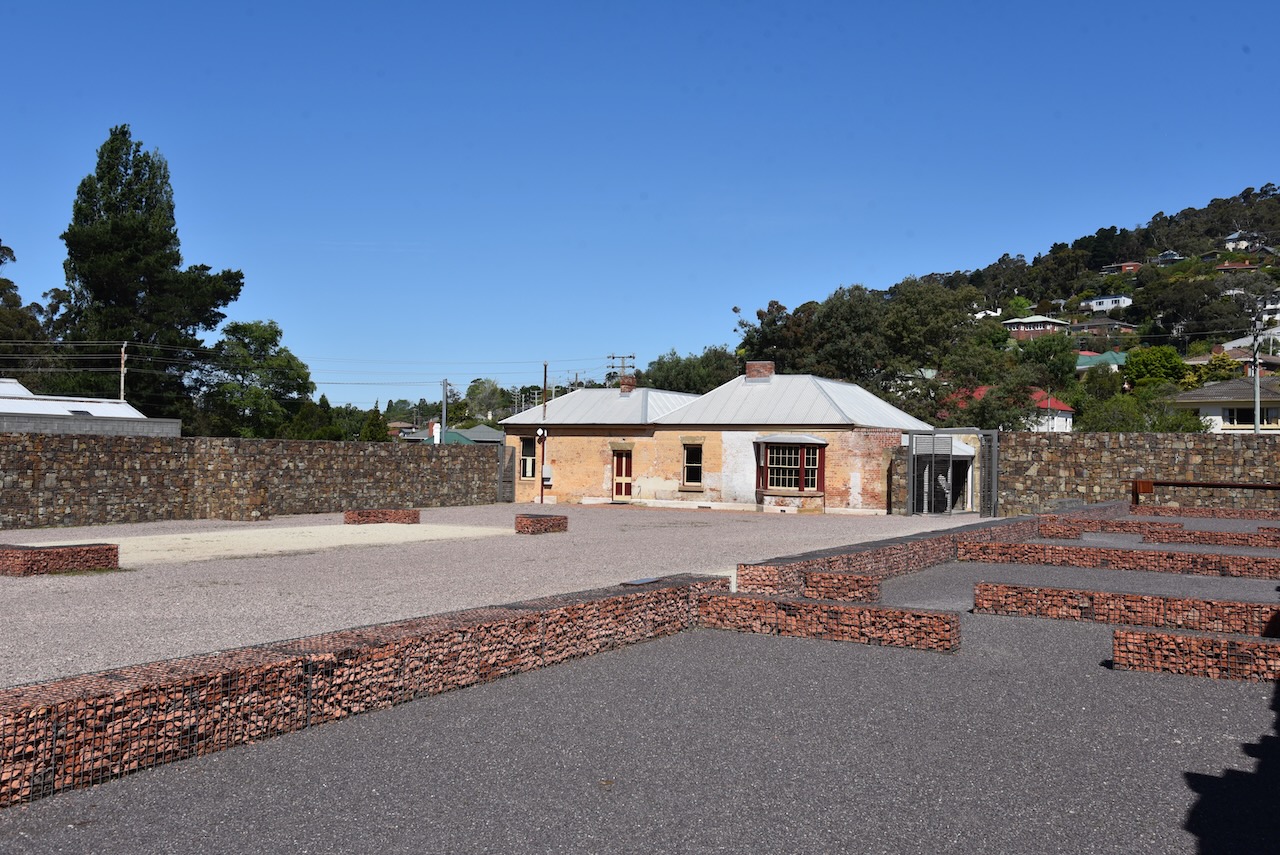
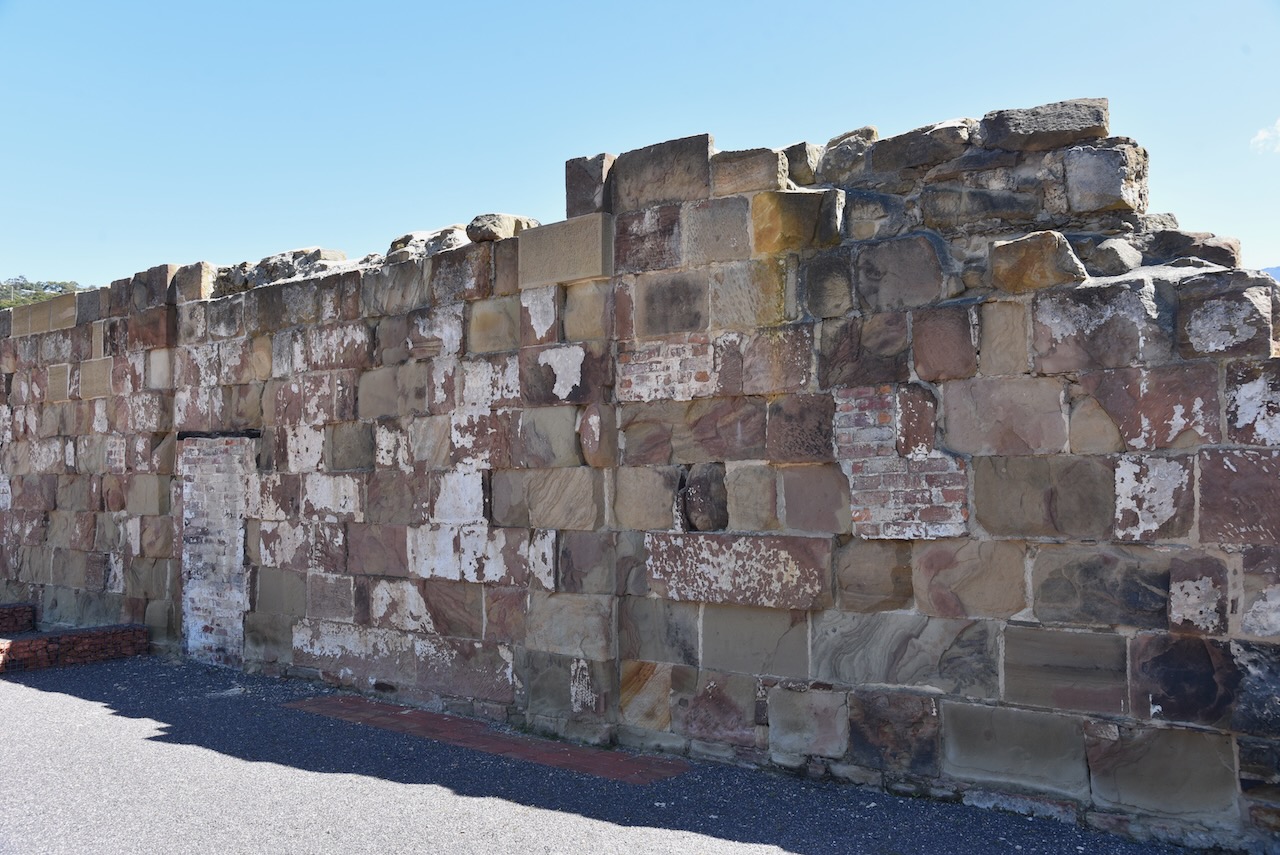
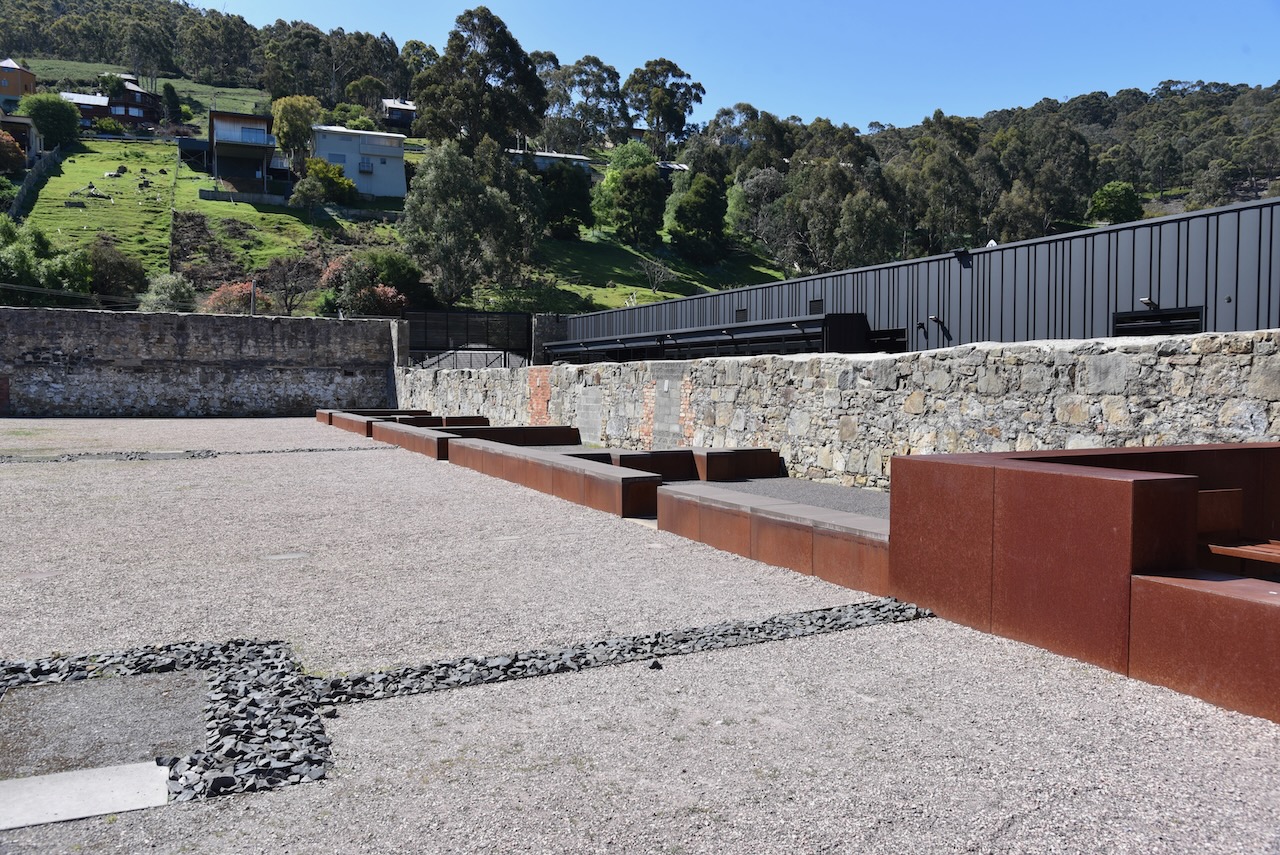
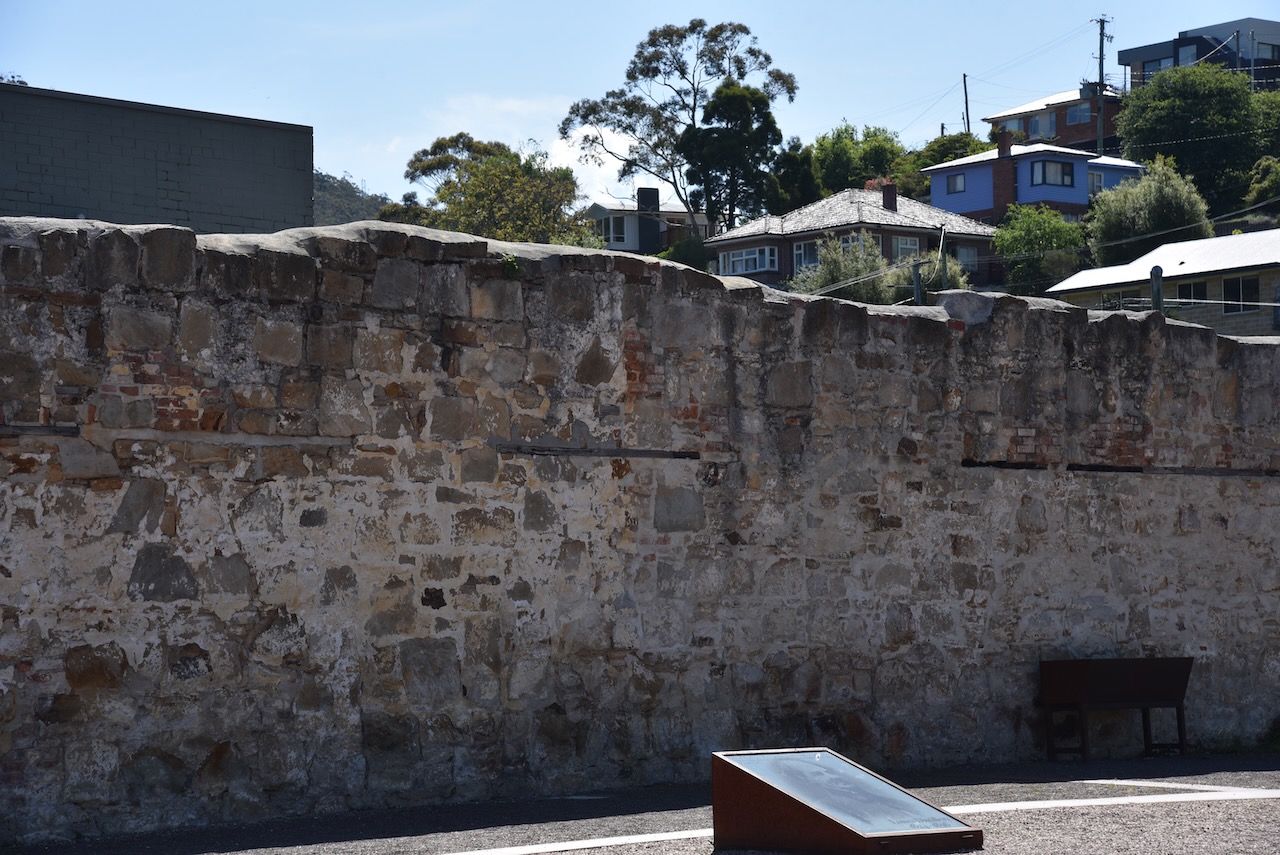
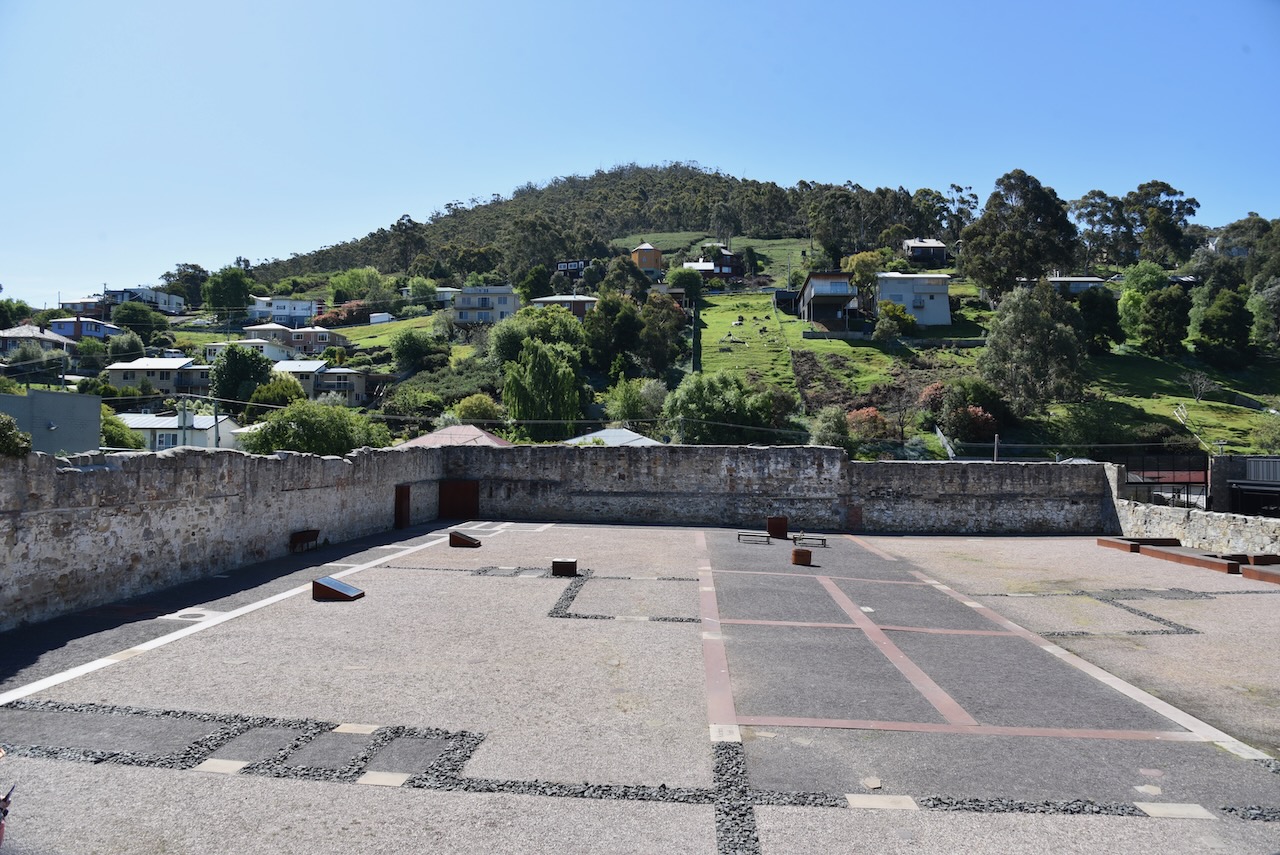
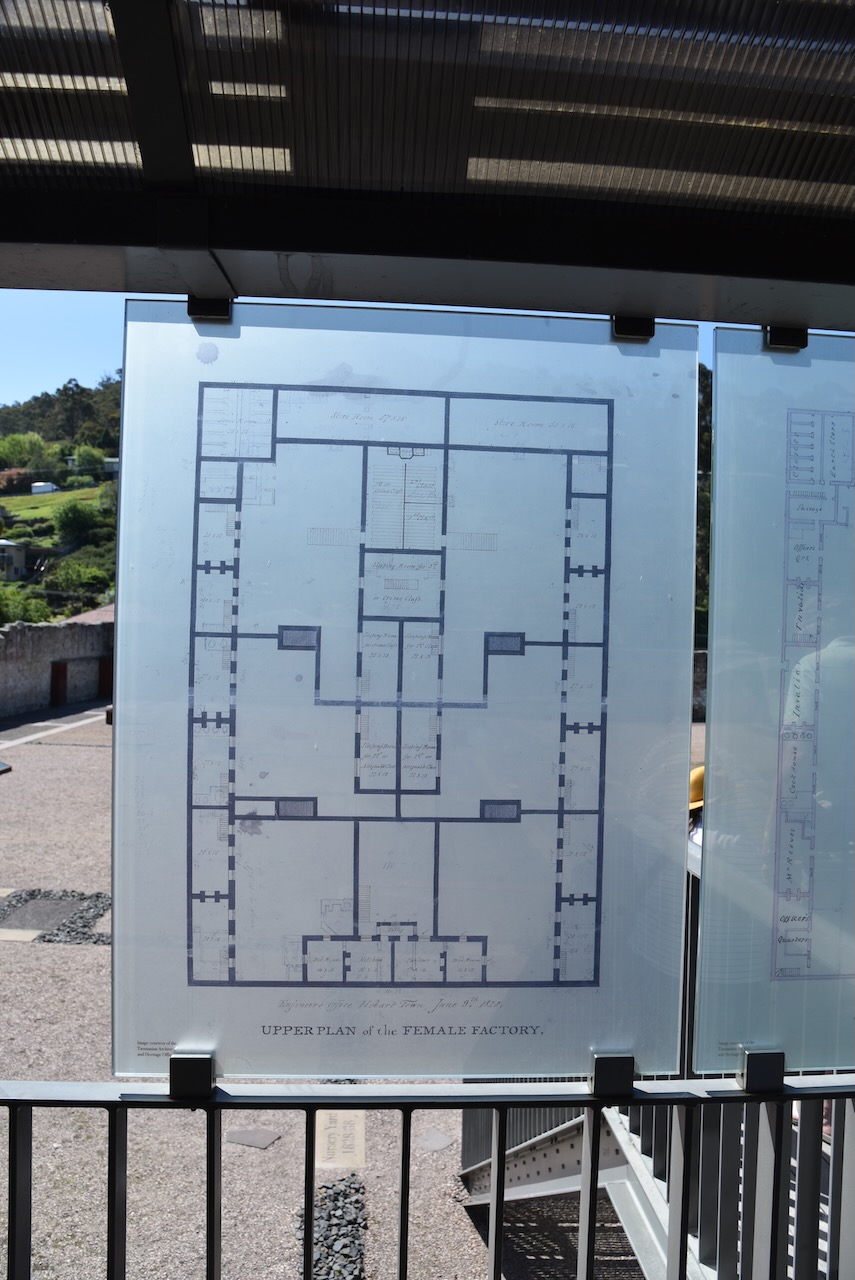
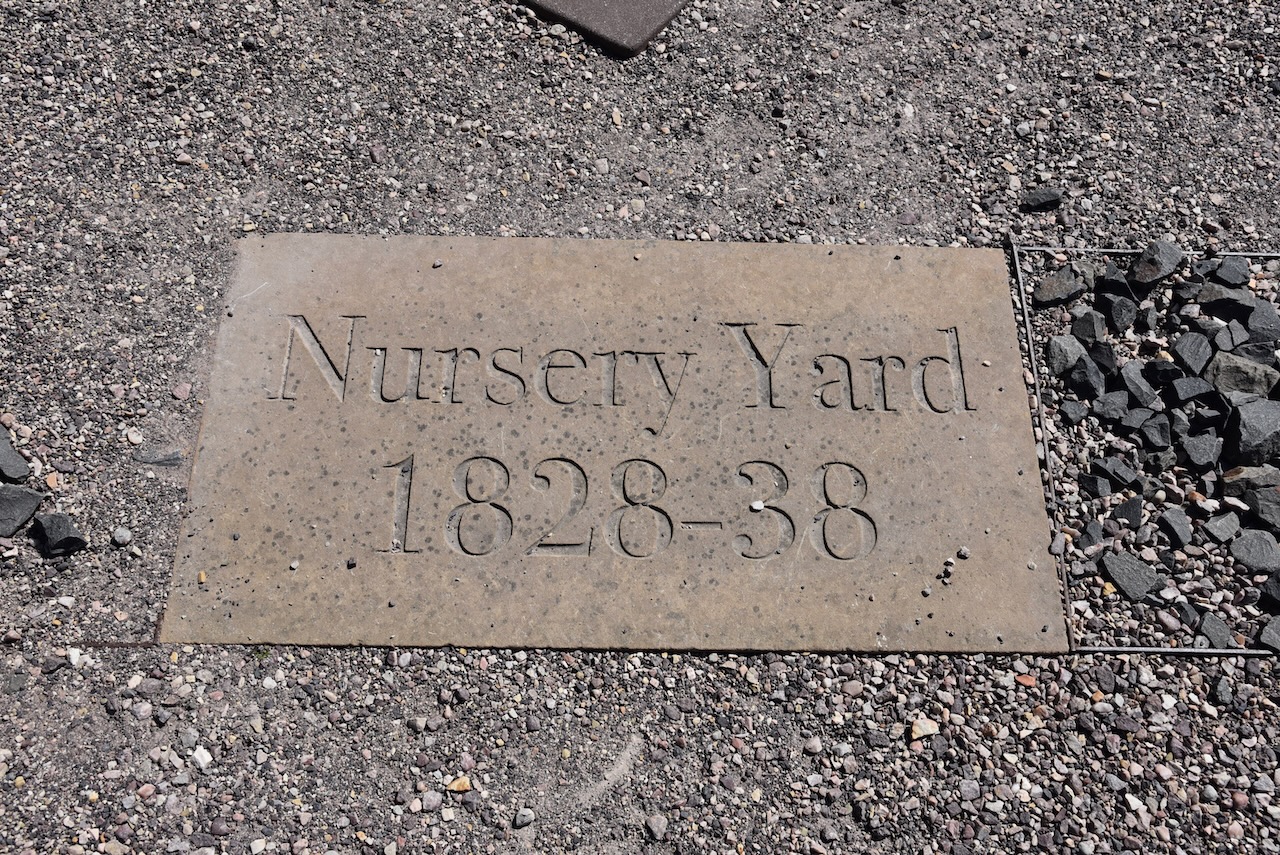
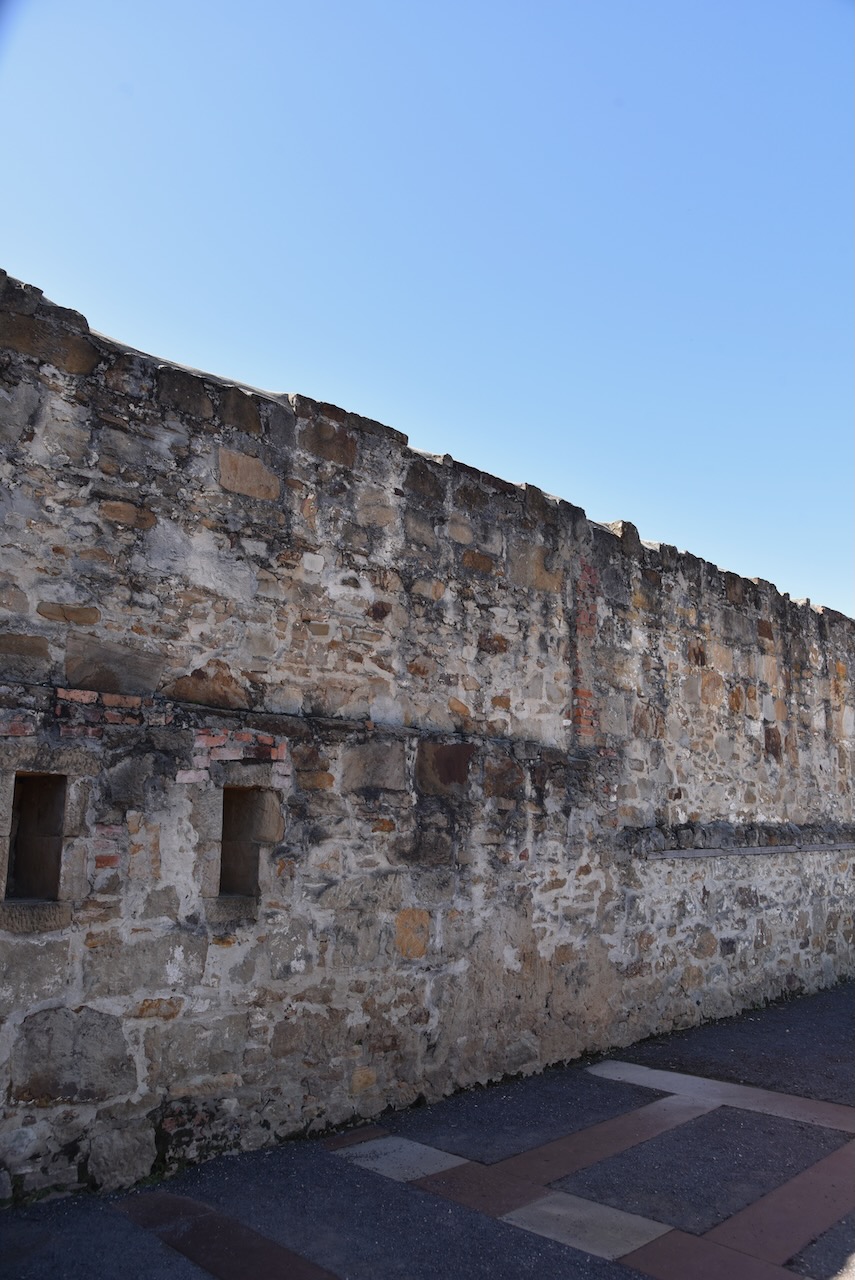
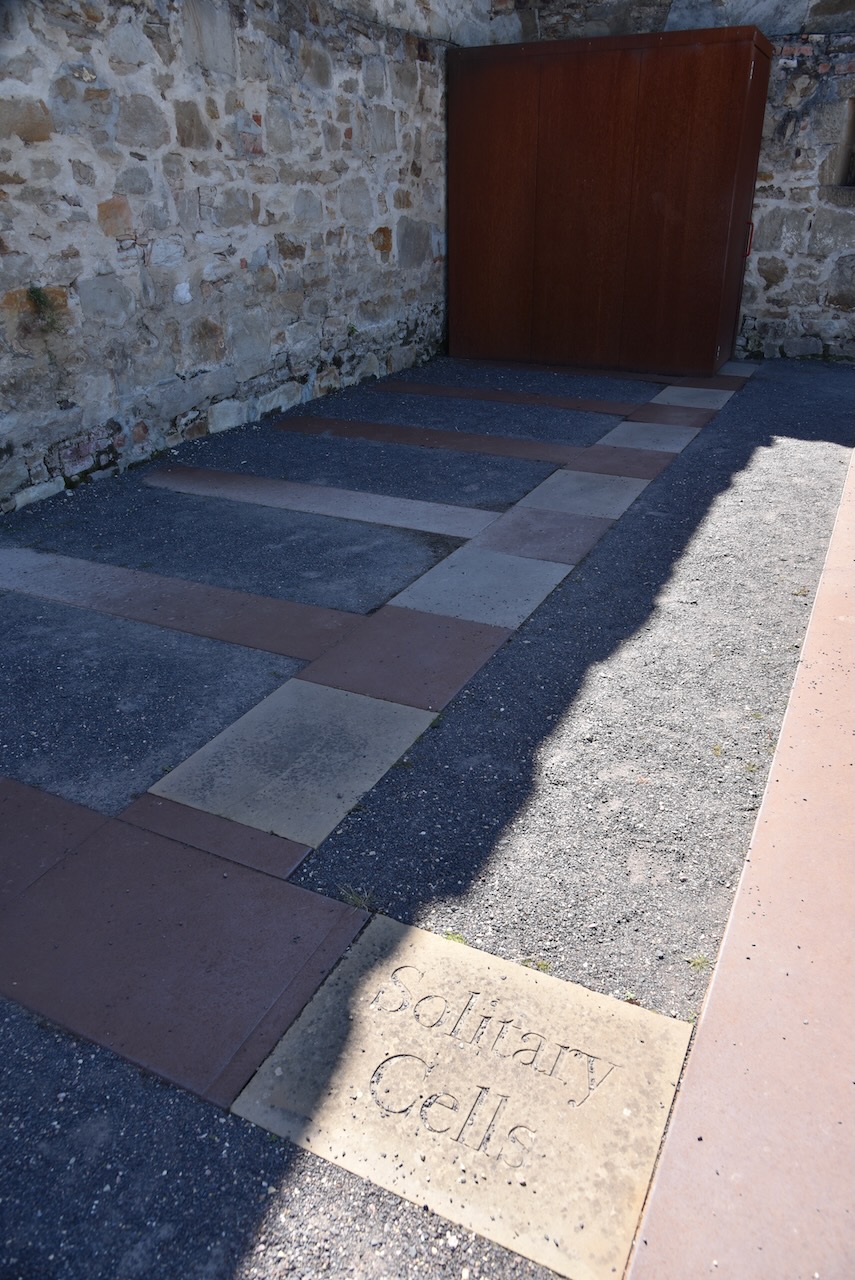
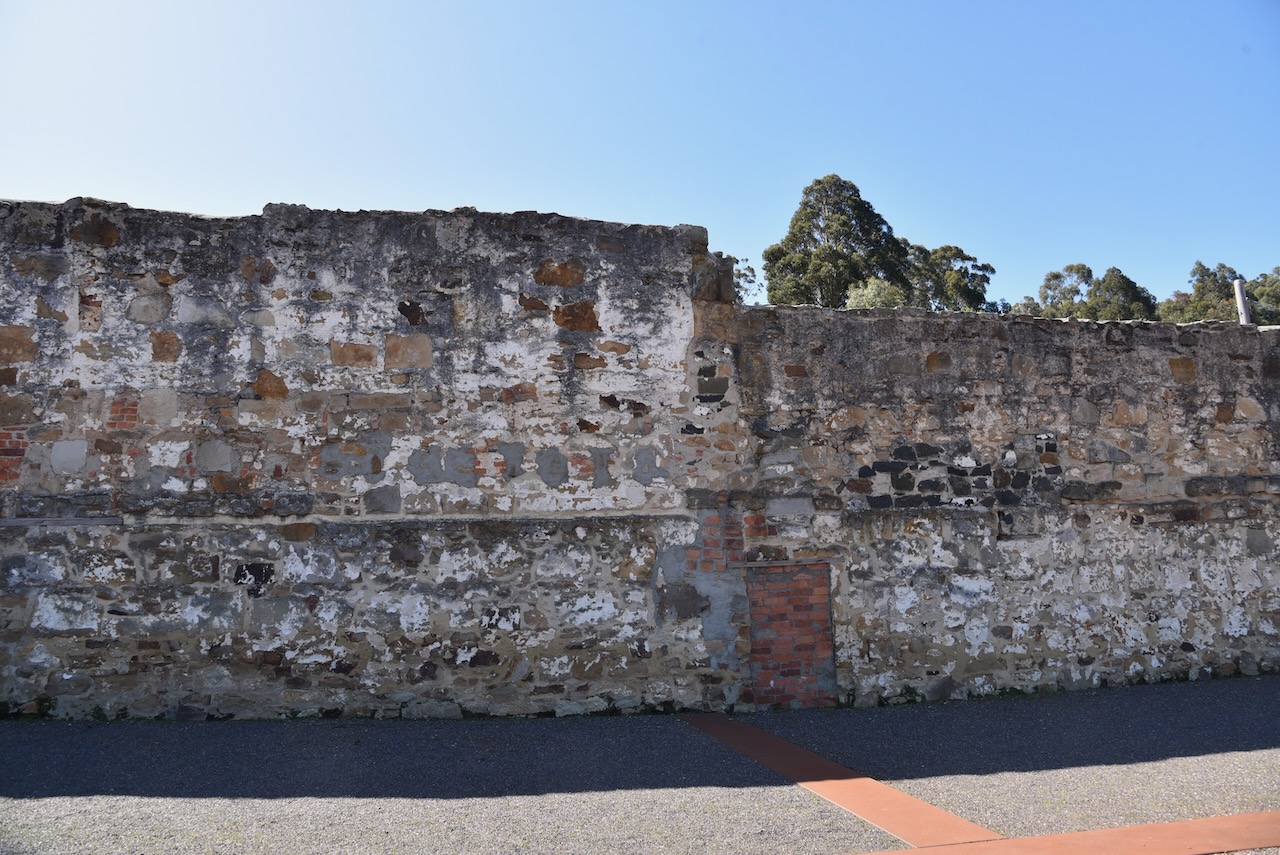
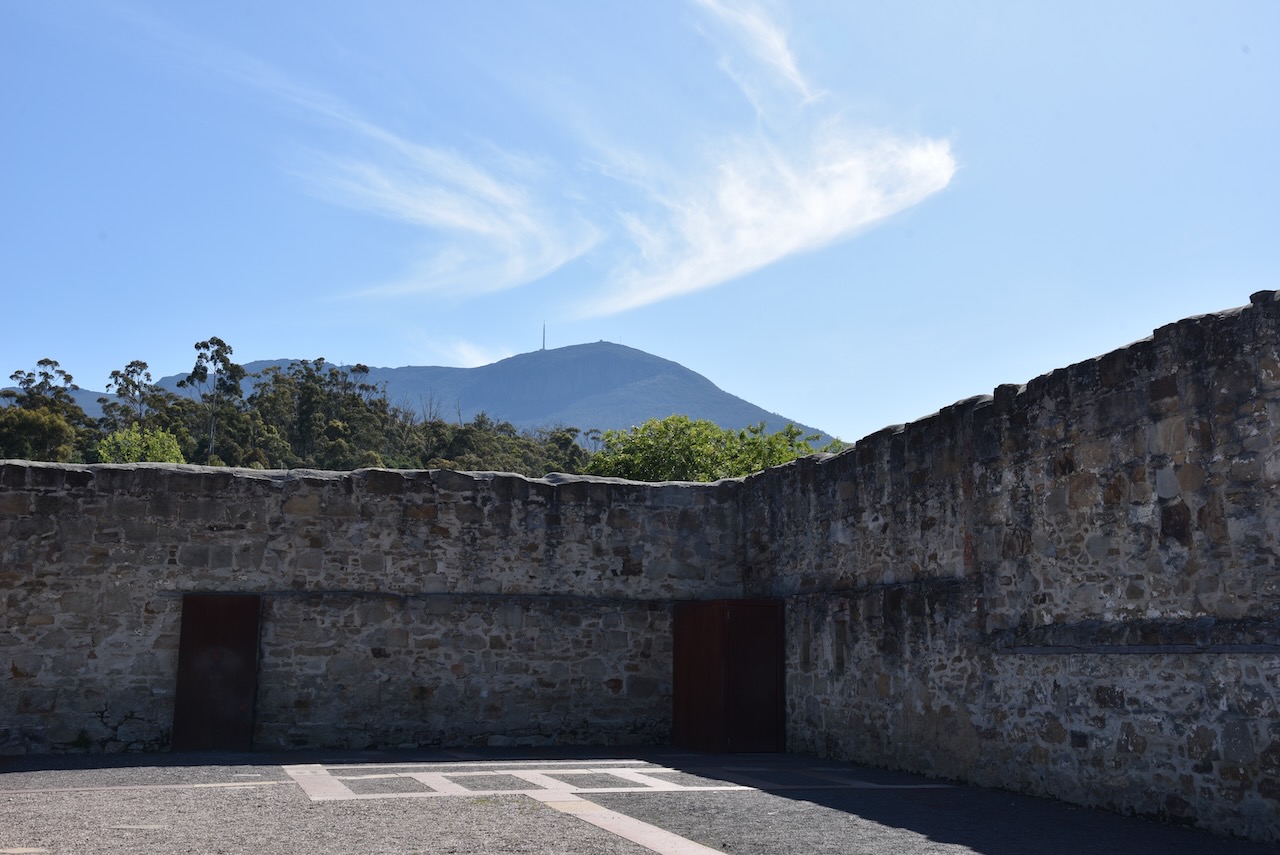
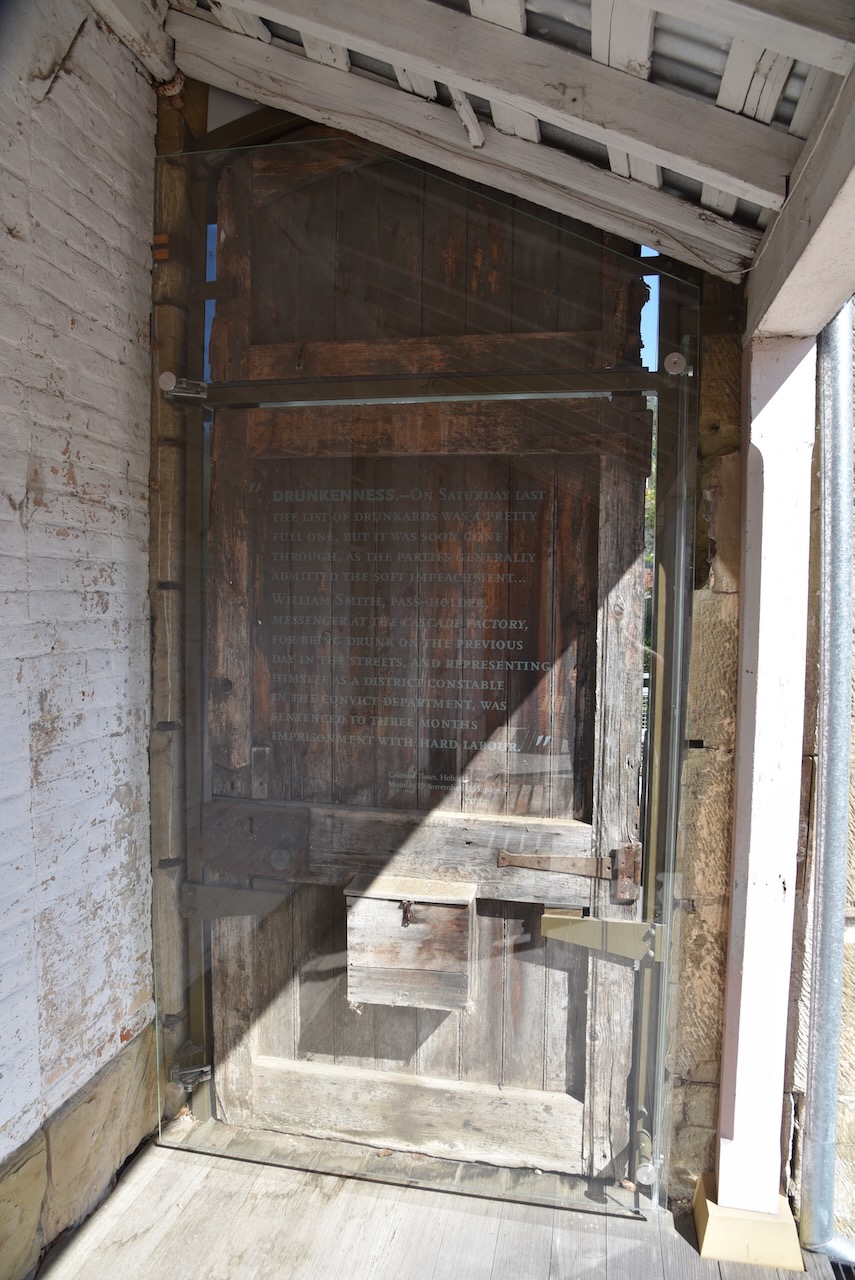
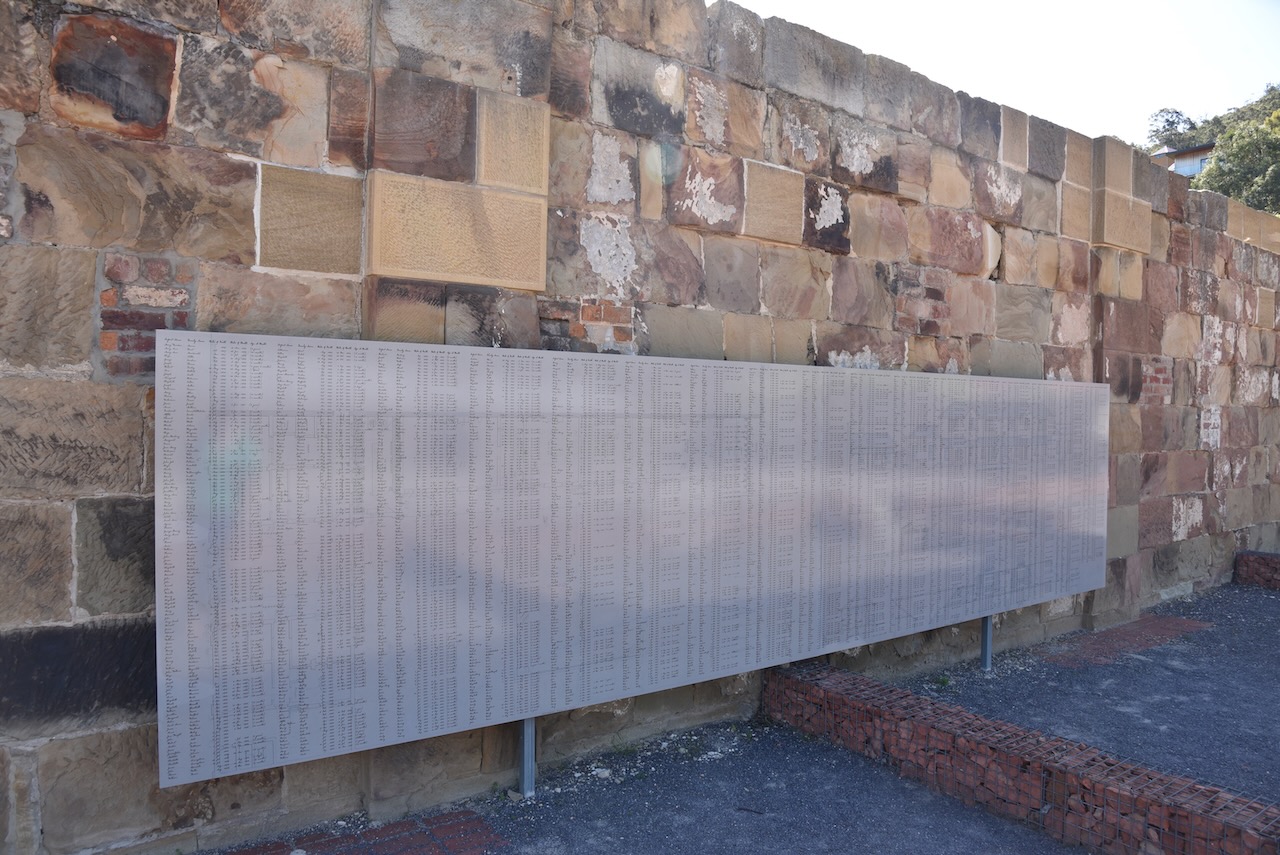
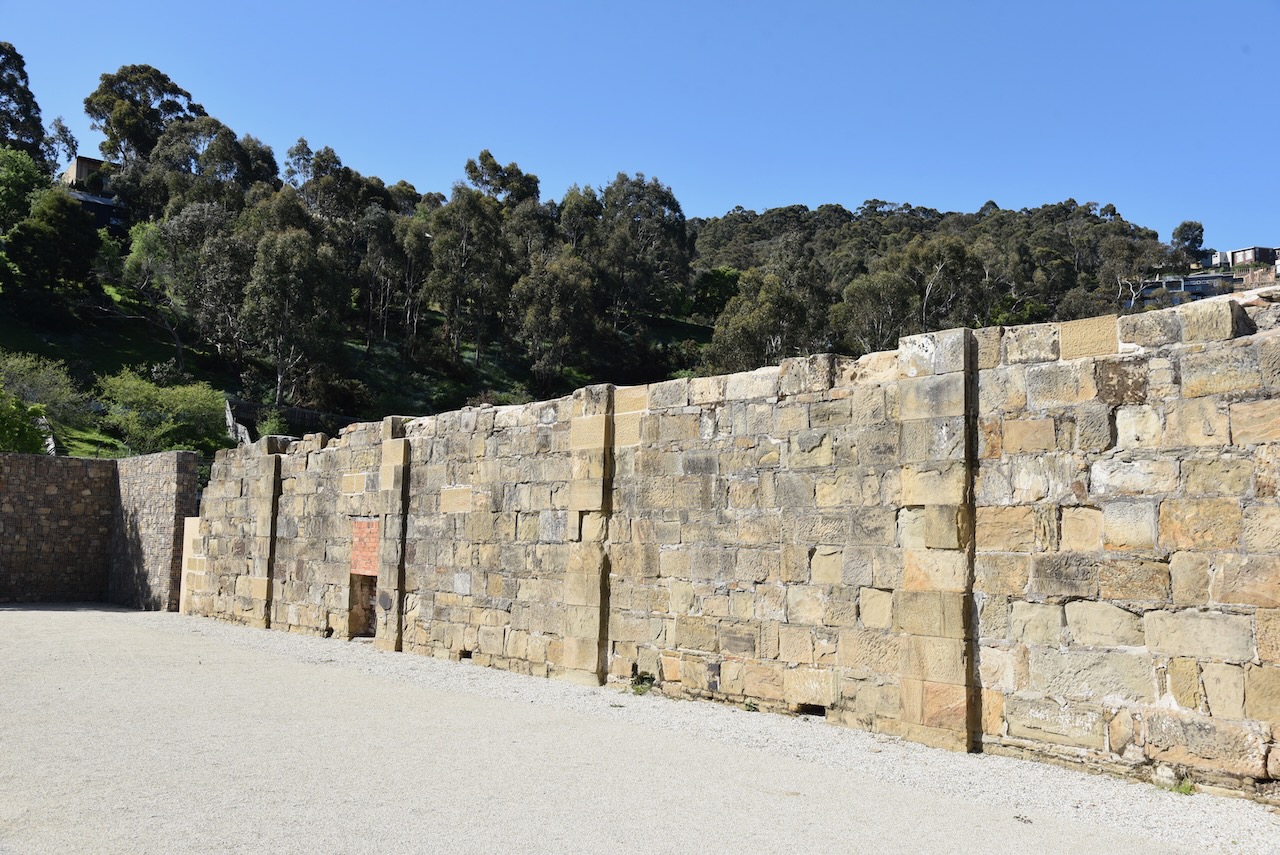
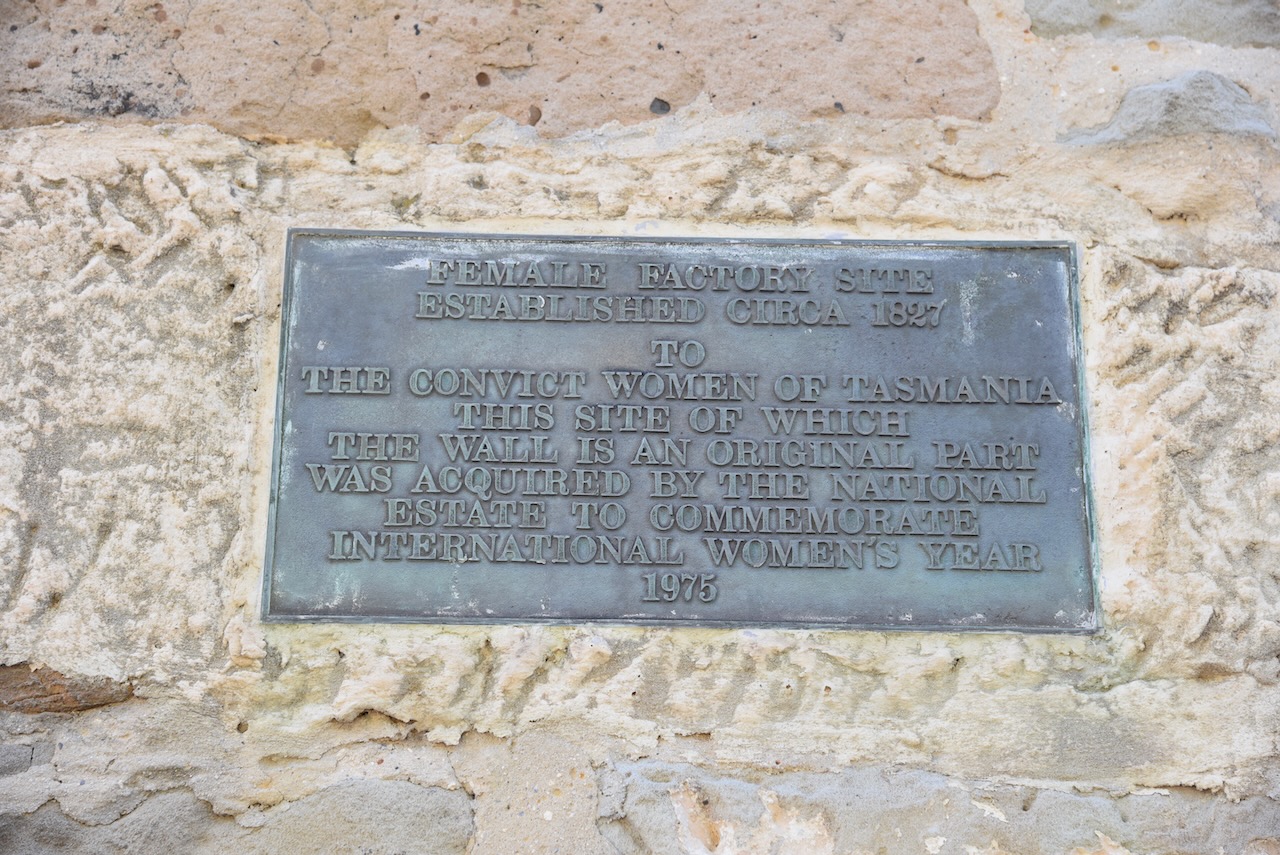
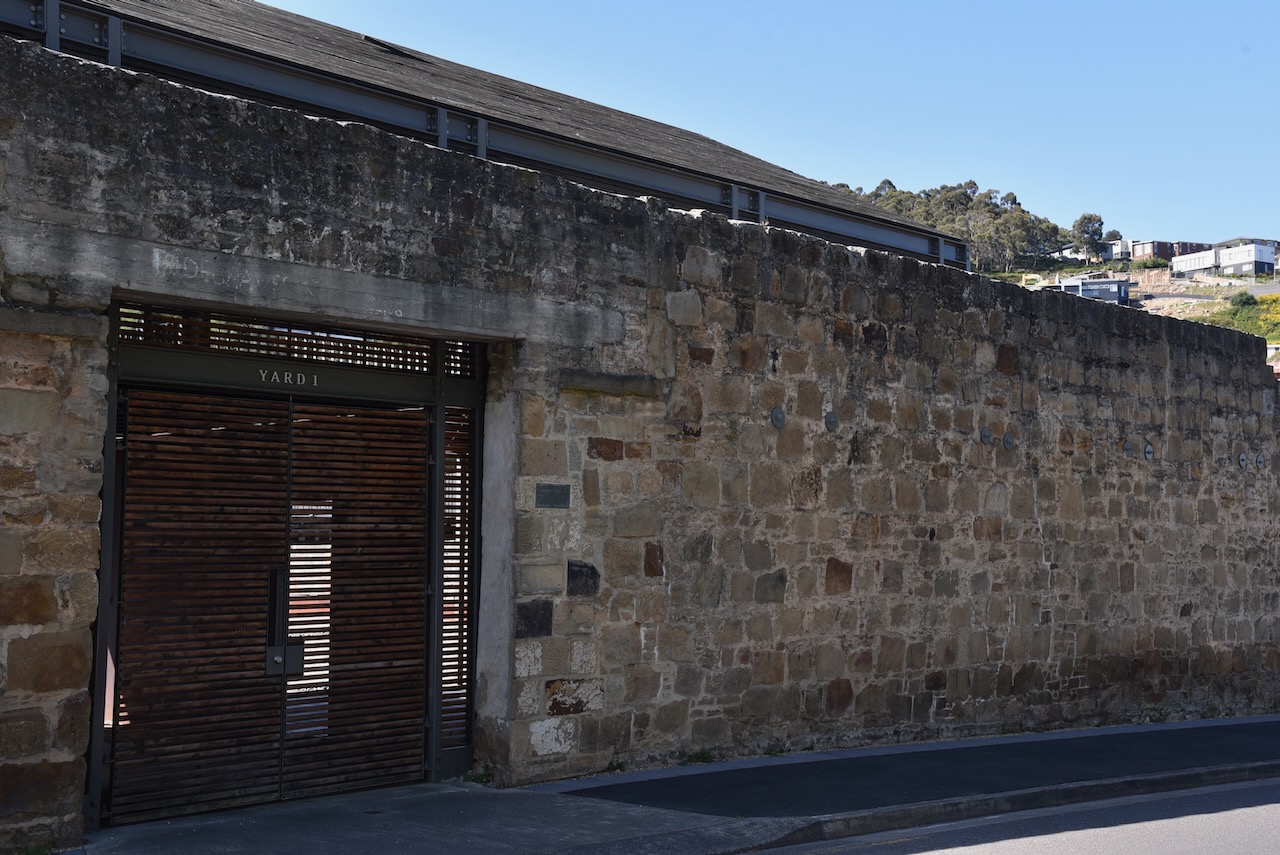
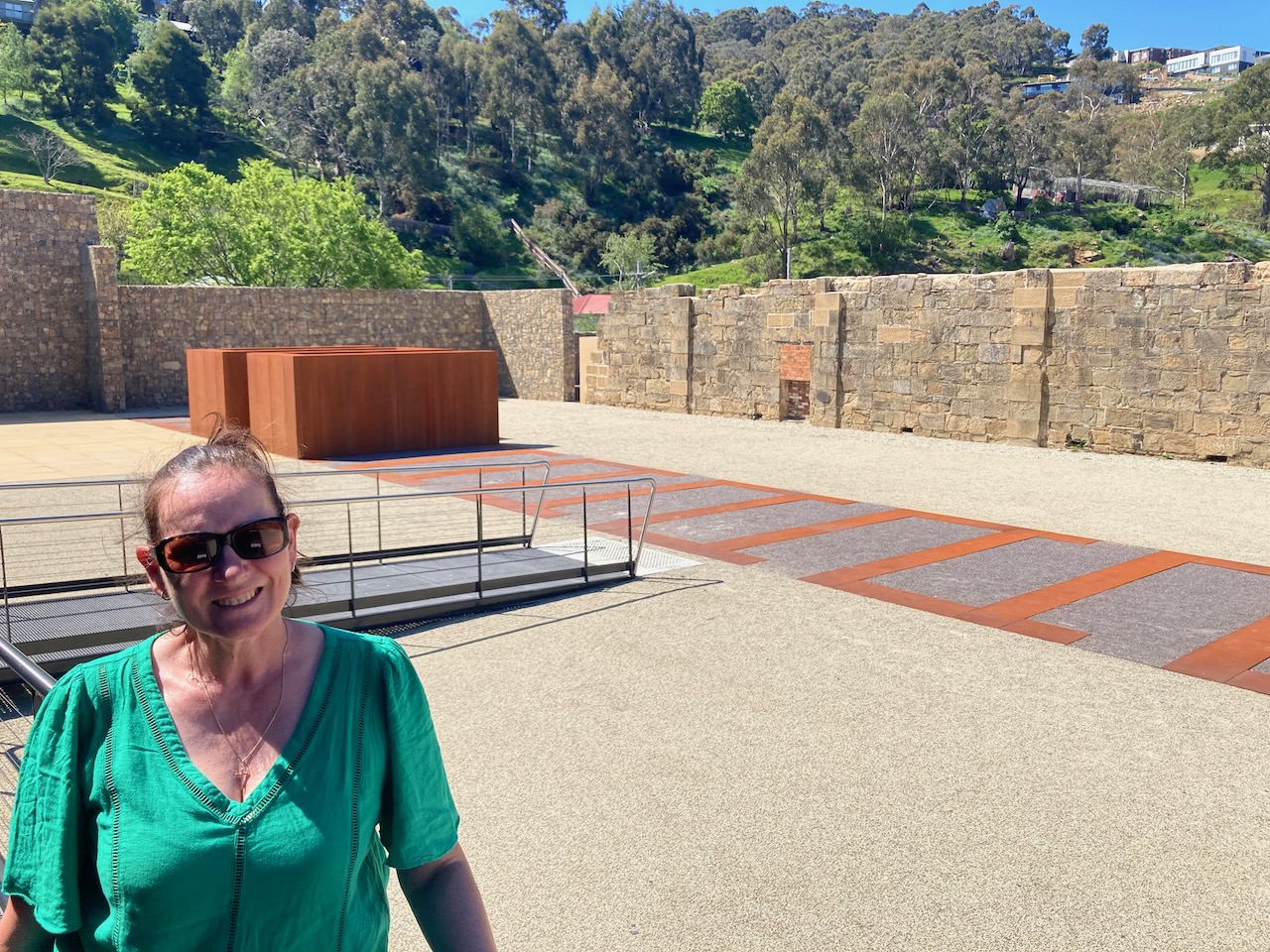
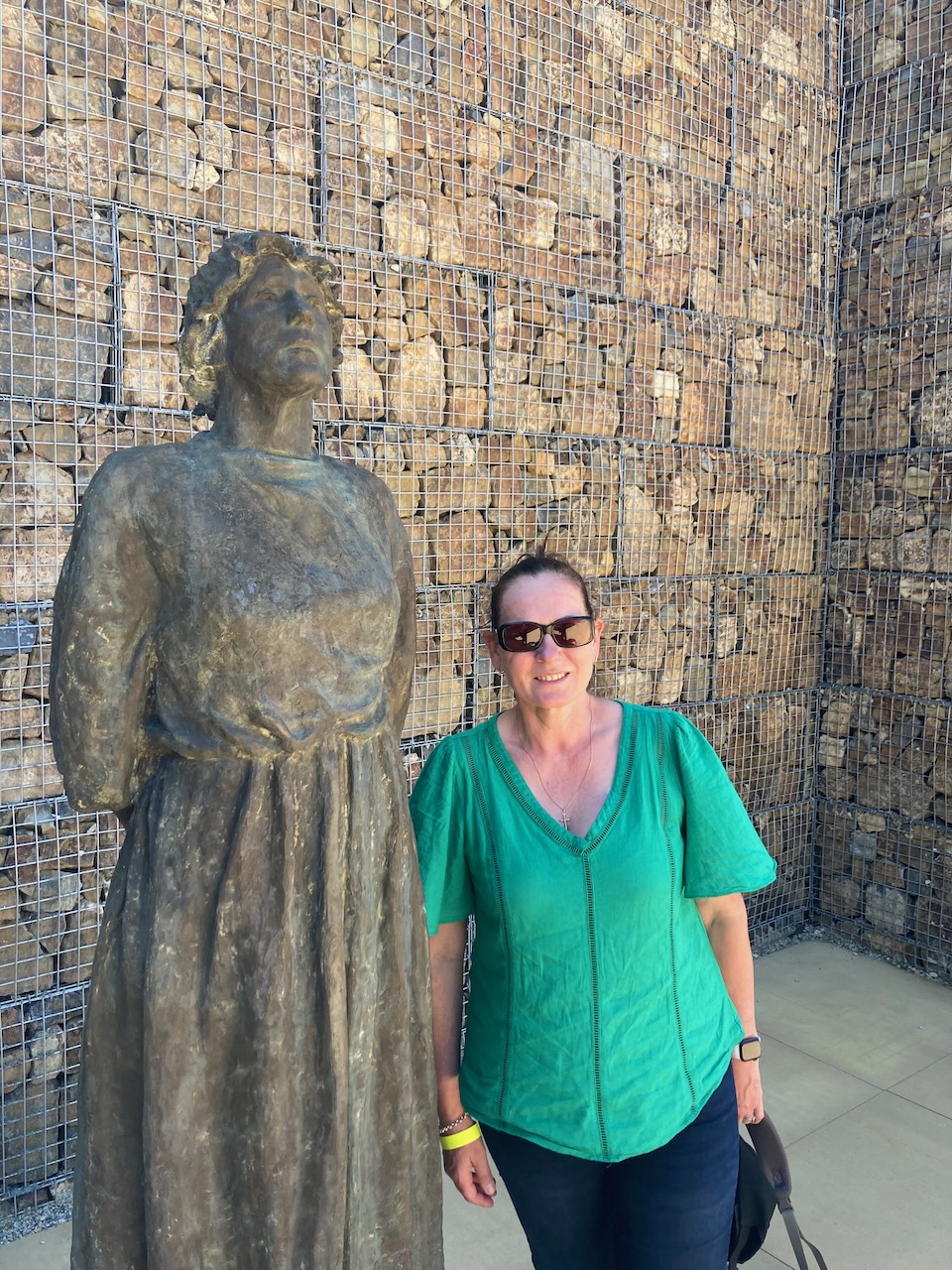
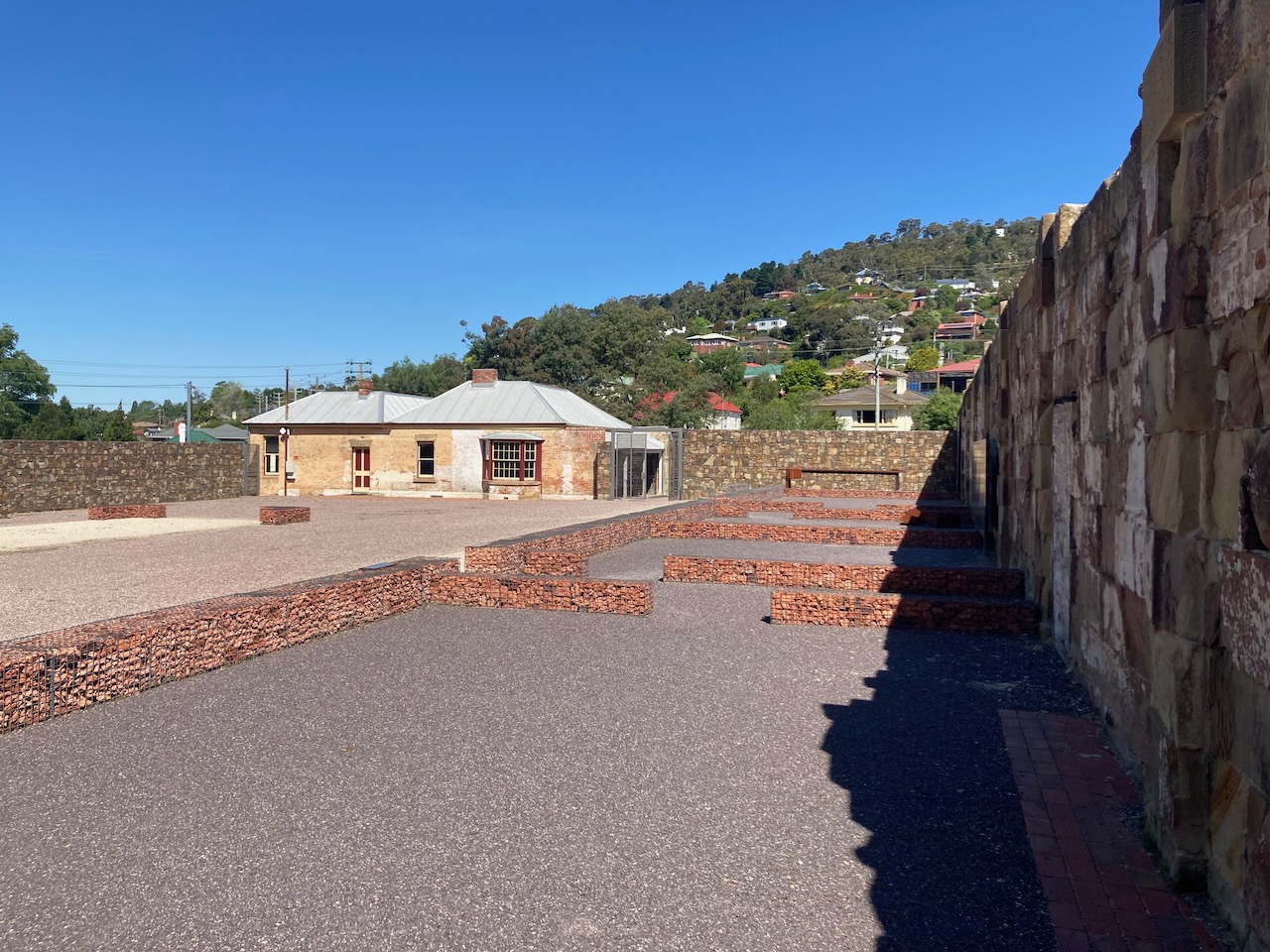
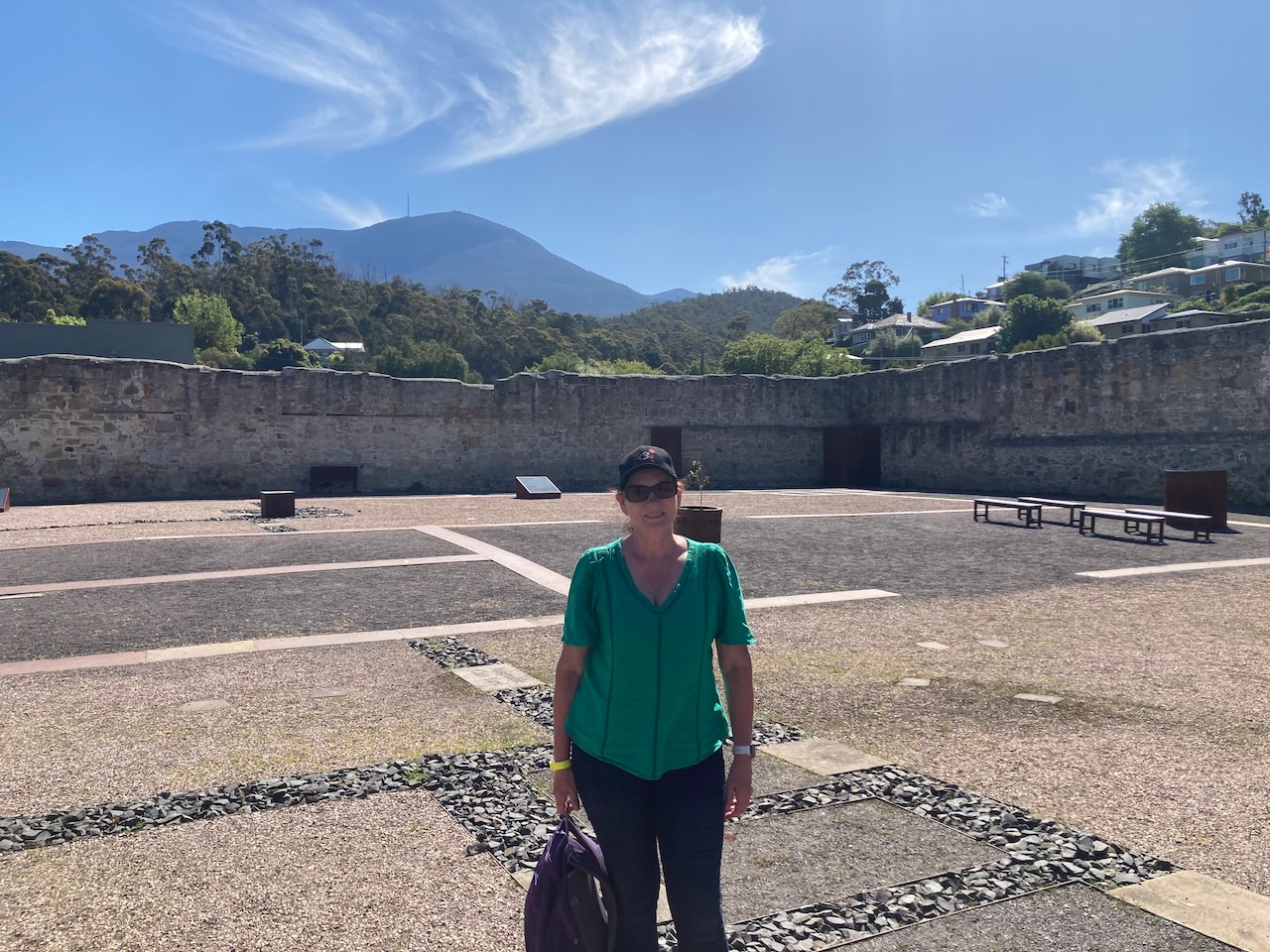
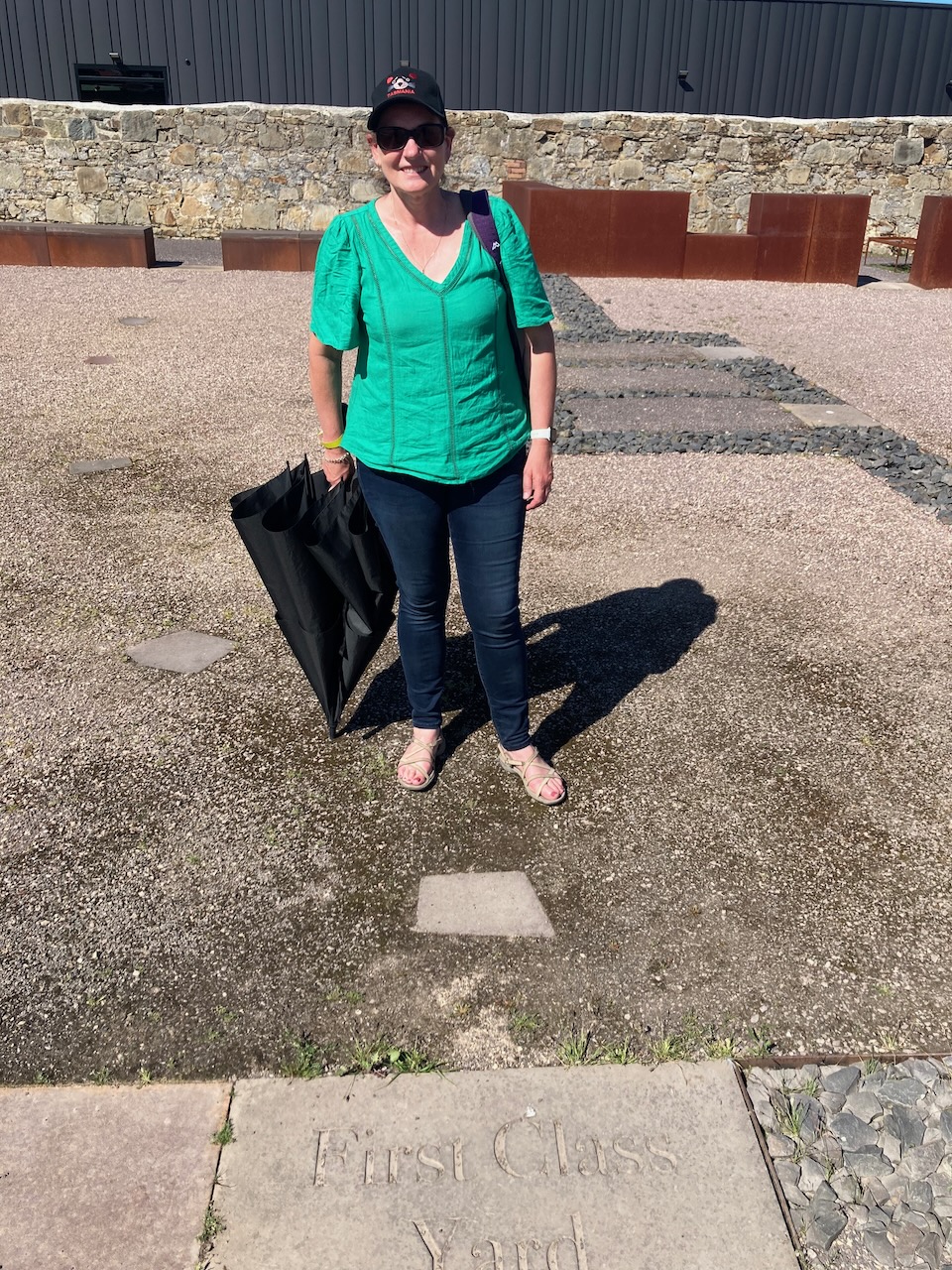
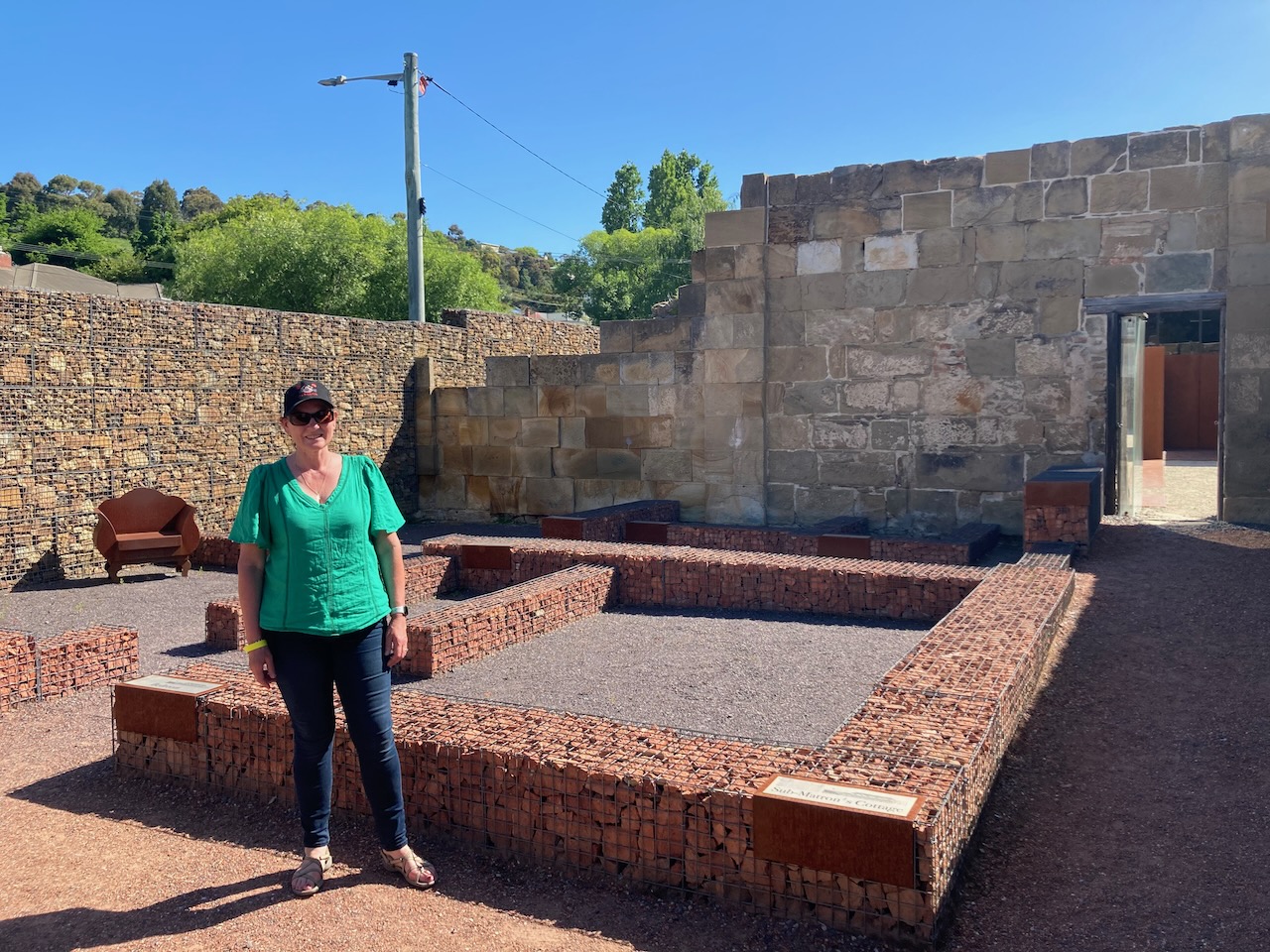
Once we got back into Hobart we visited the Cascades Female Factory which is  a former Australian workhouse for female convicts in the penal colony of Van Dieman’s Land. It is listed on the World Heritage List by UNESCO. The Female Factory opened in1828 and closed in 1856.

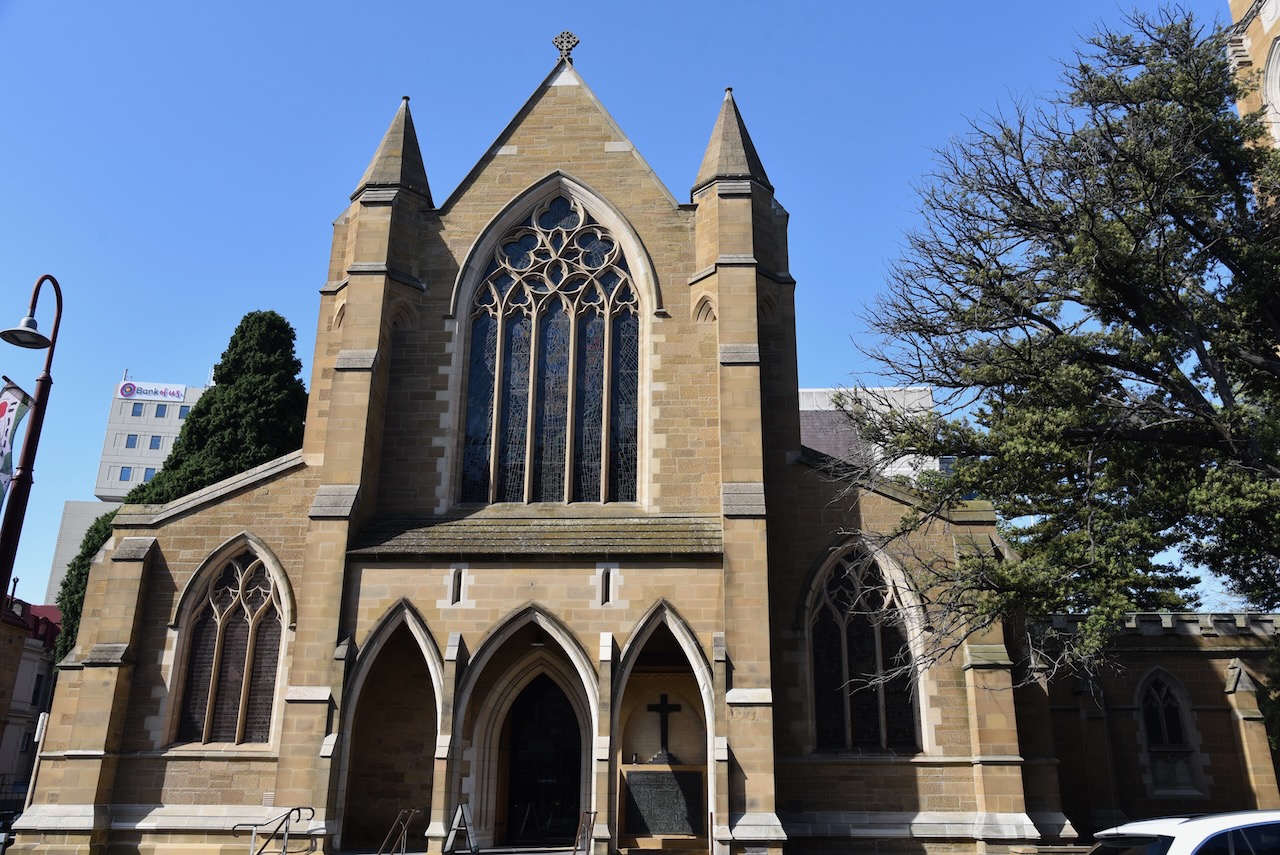
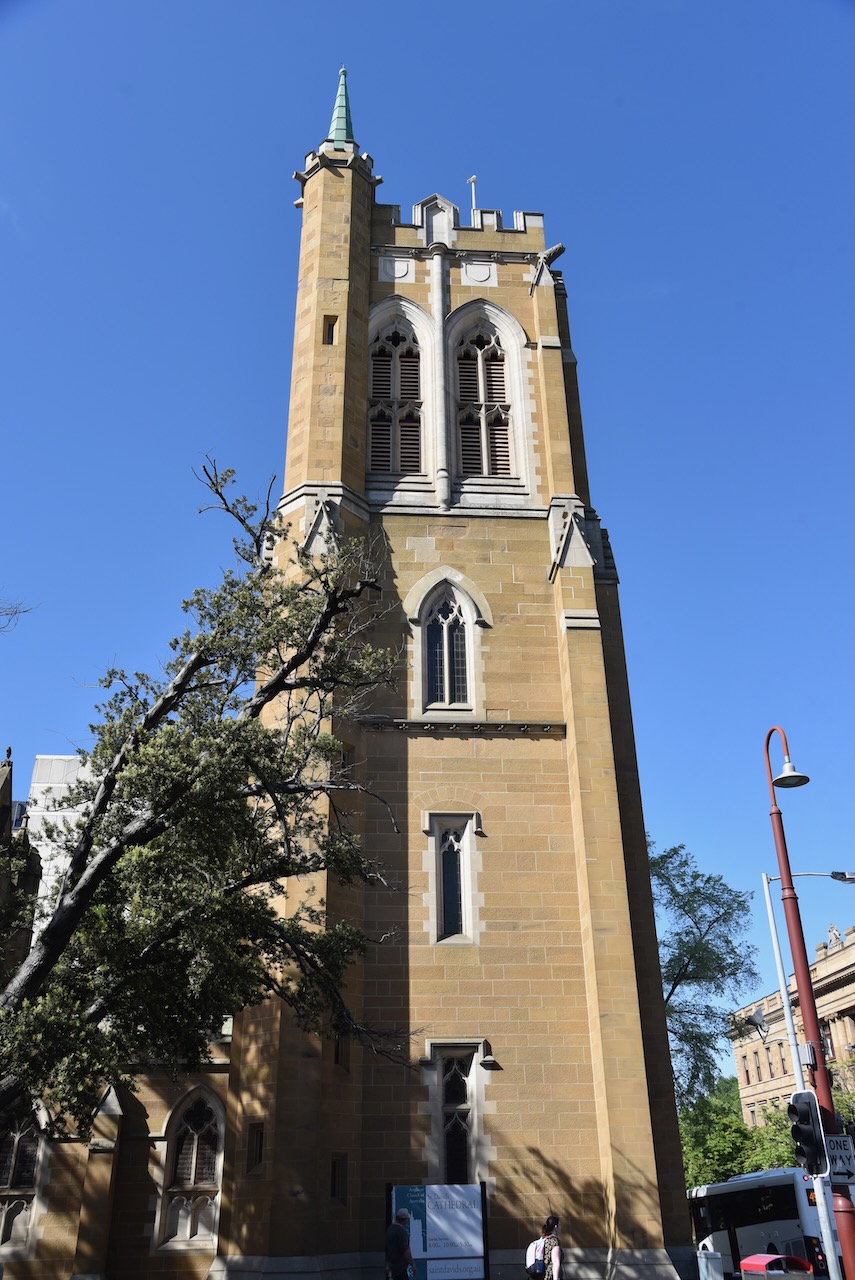
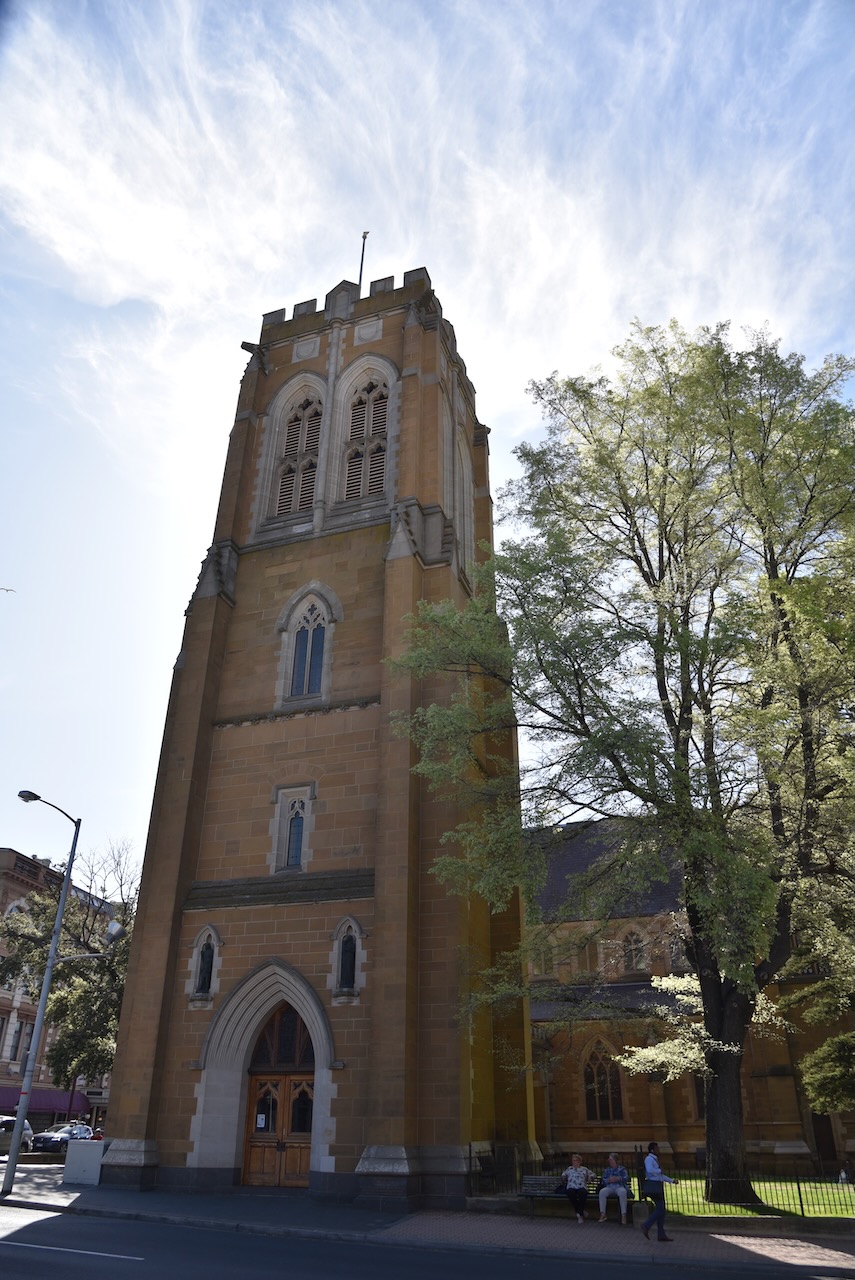
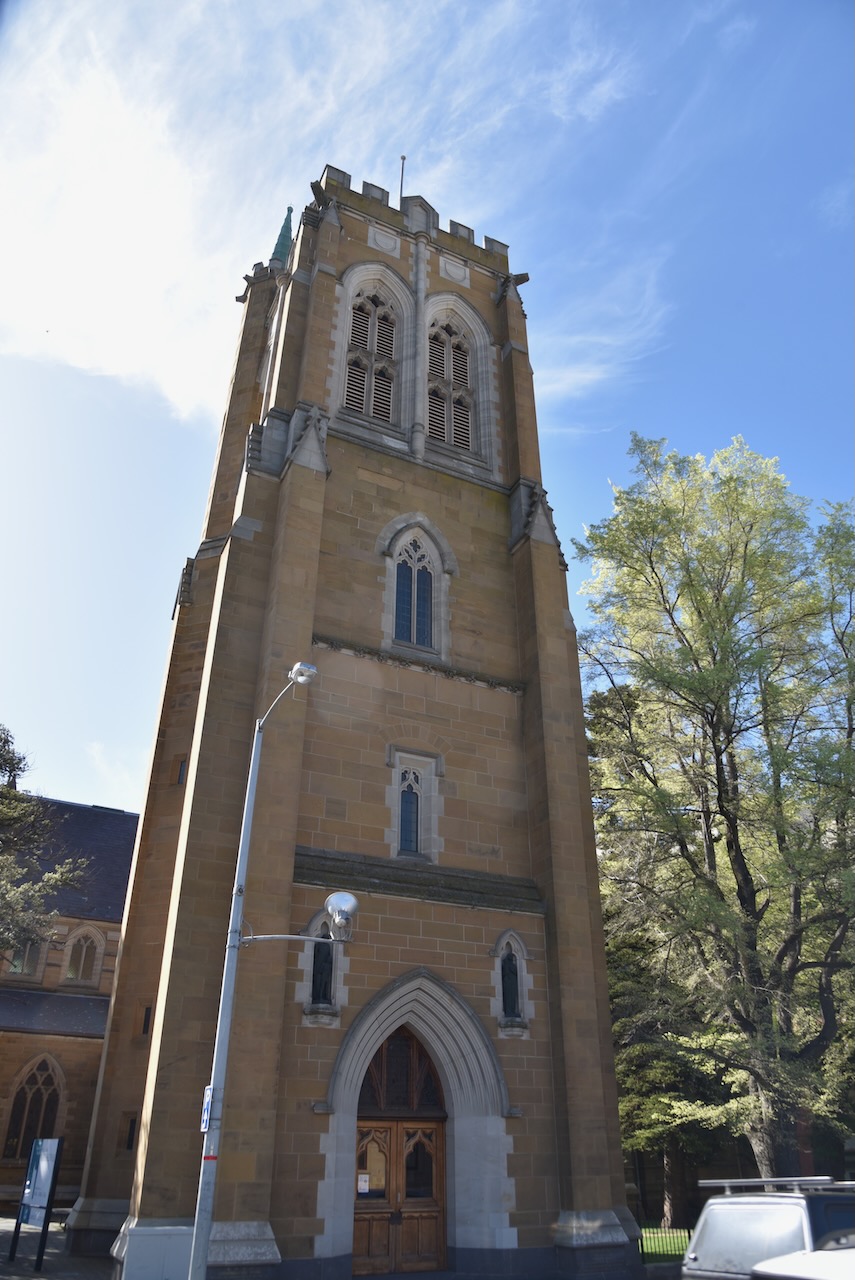
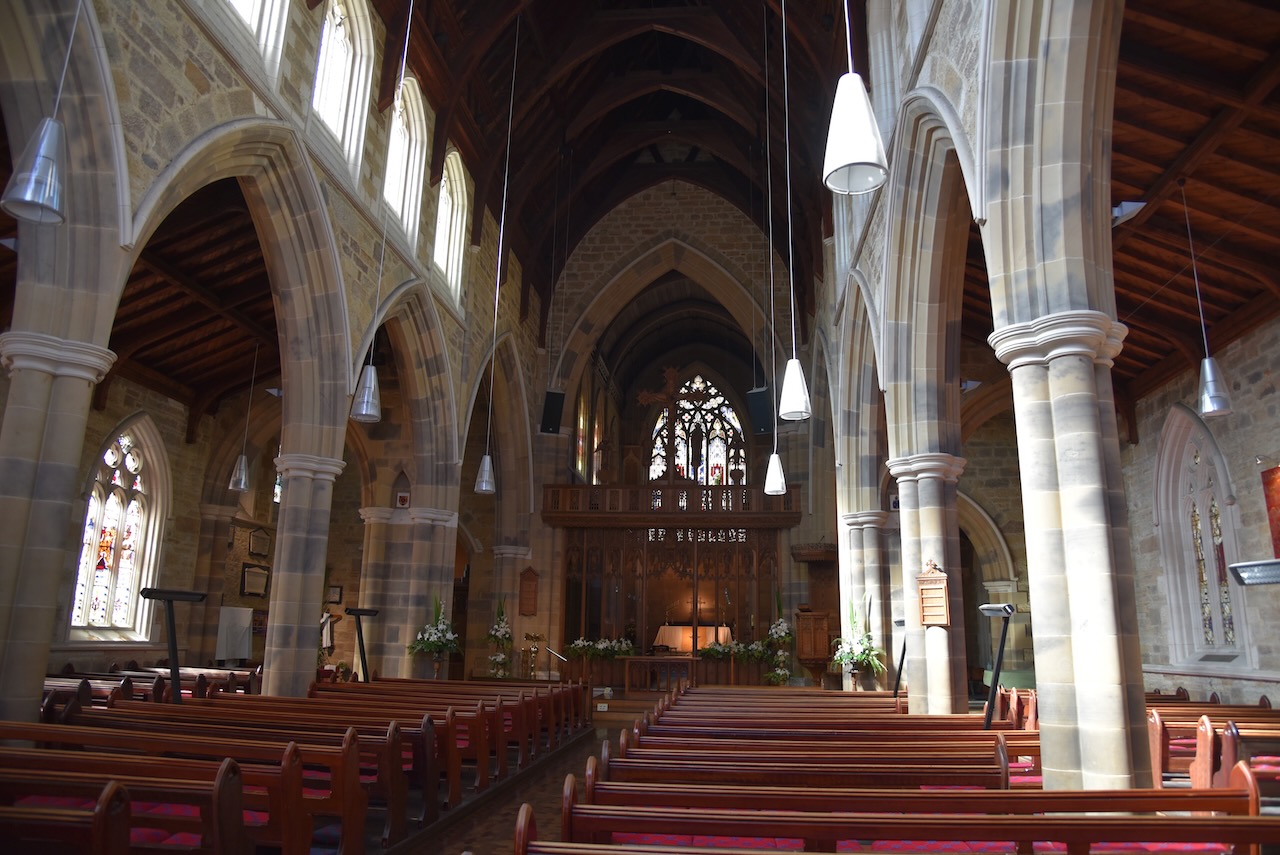
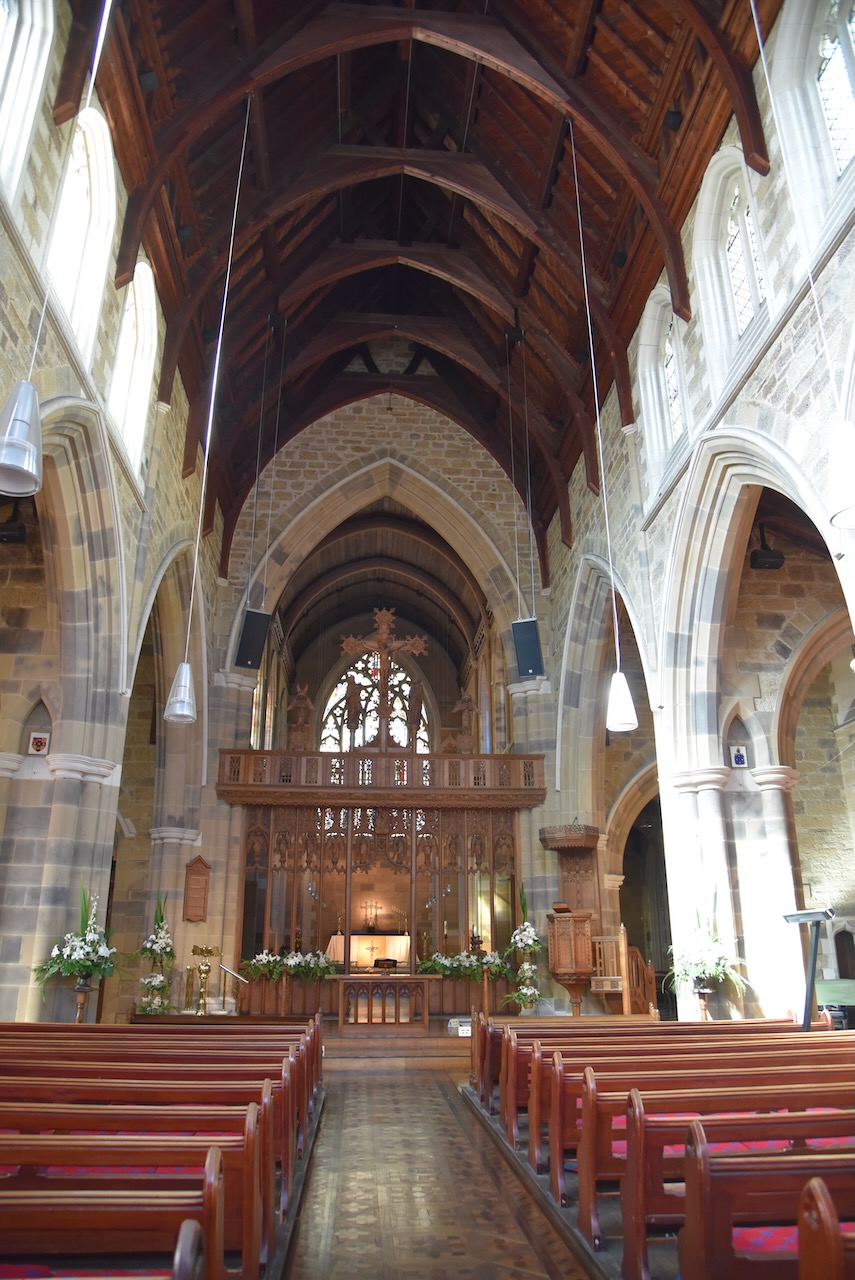
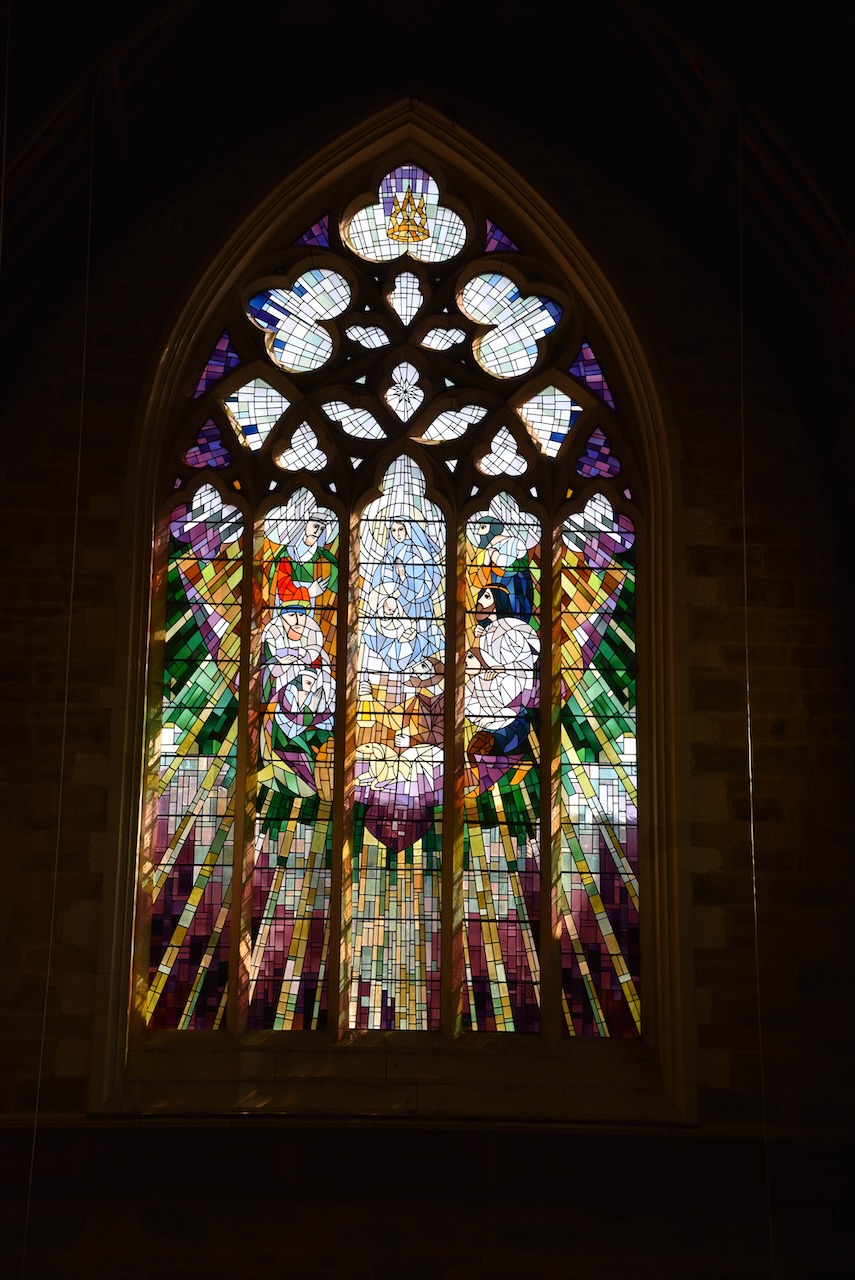
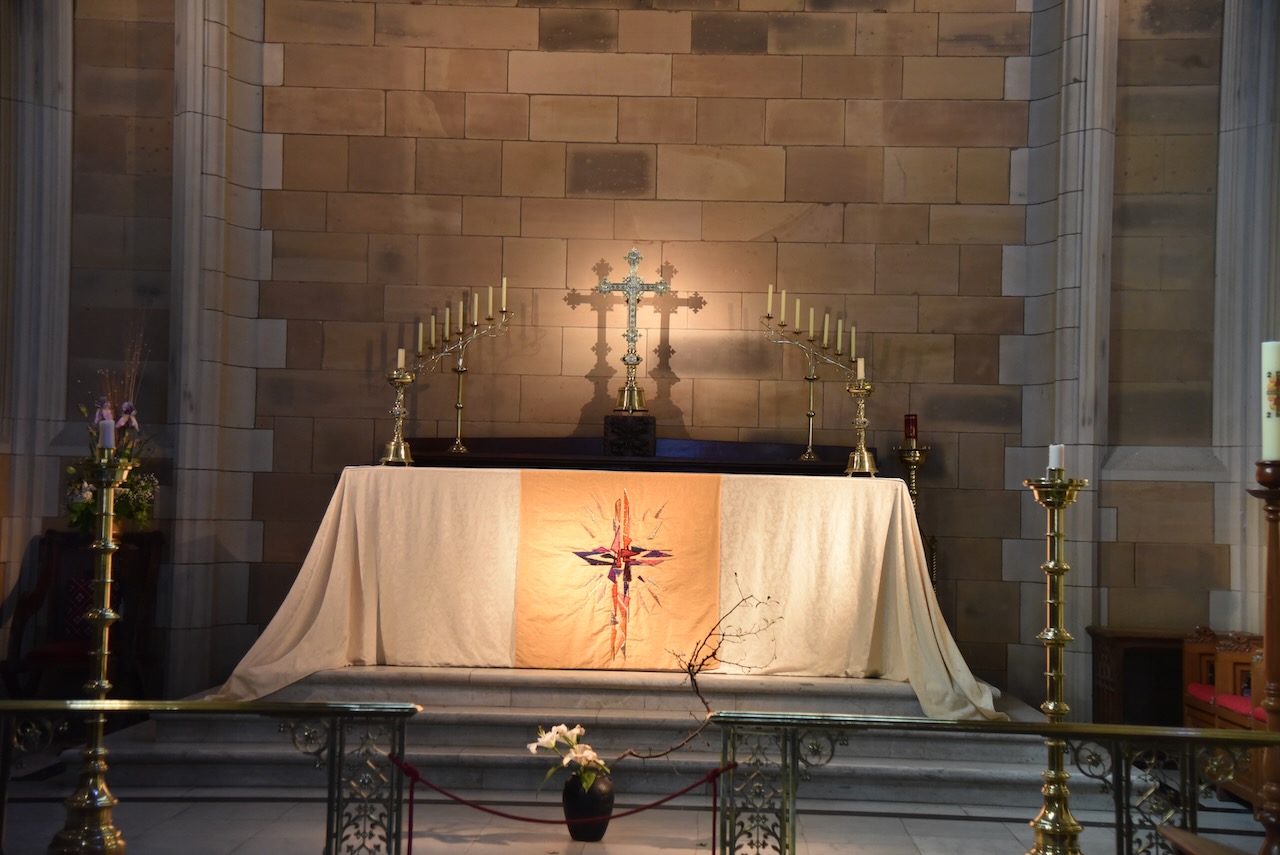
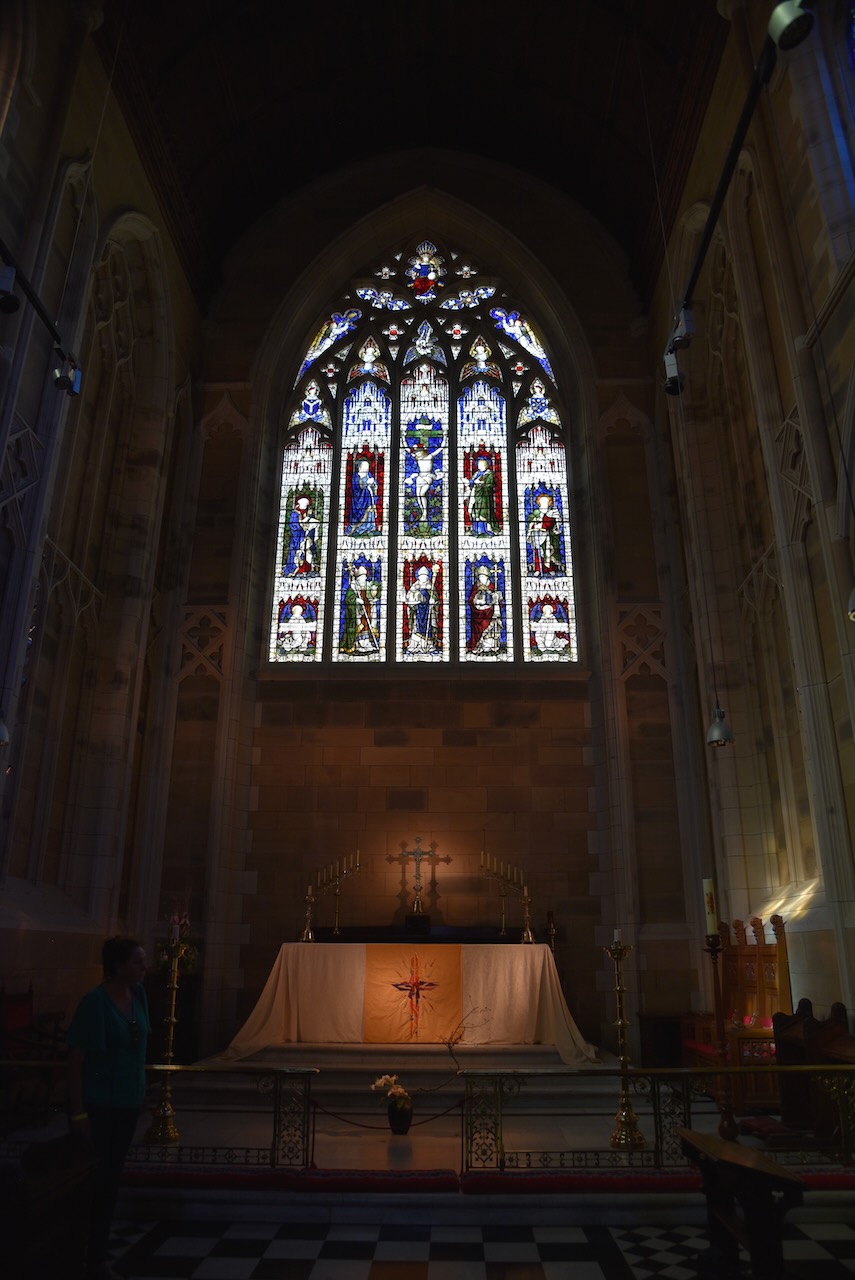
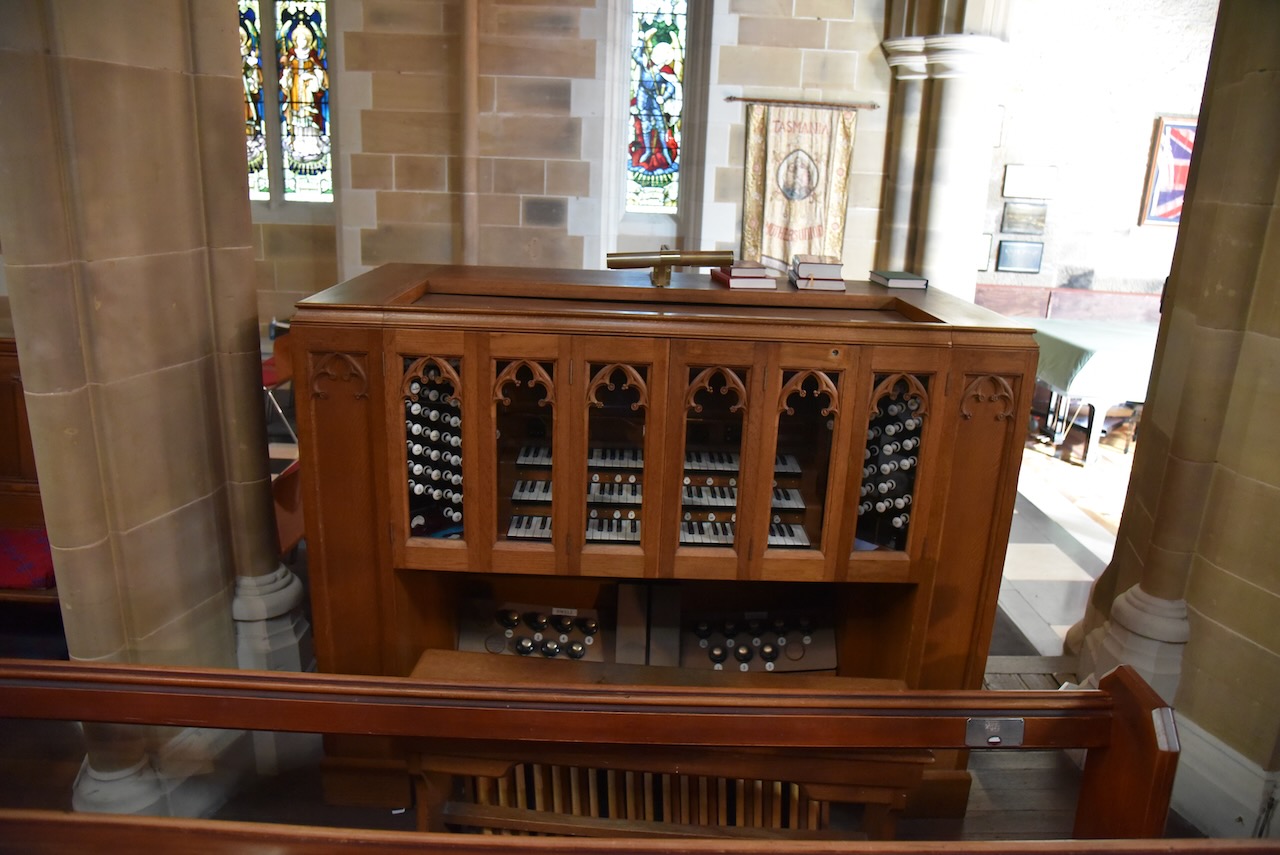
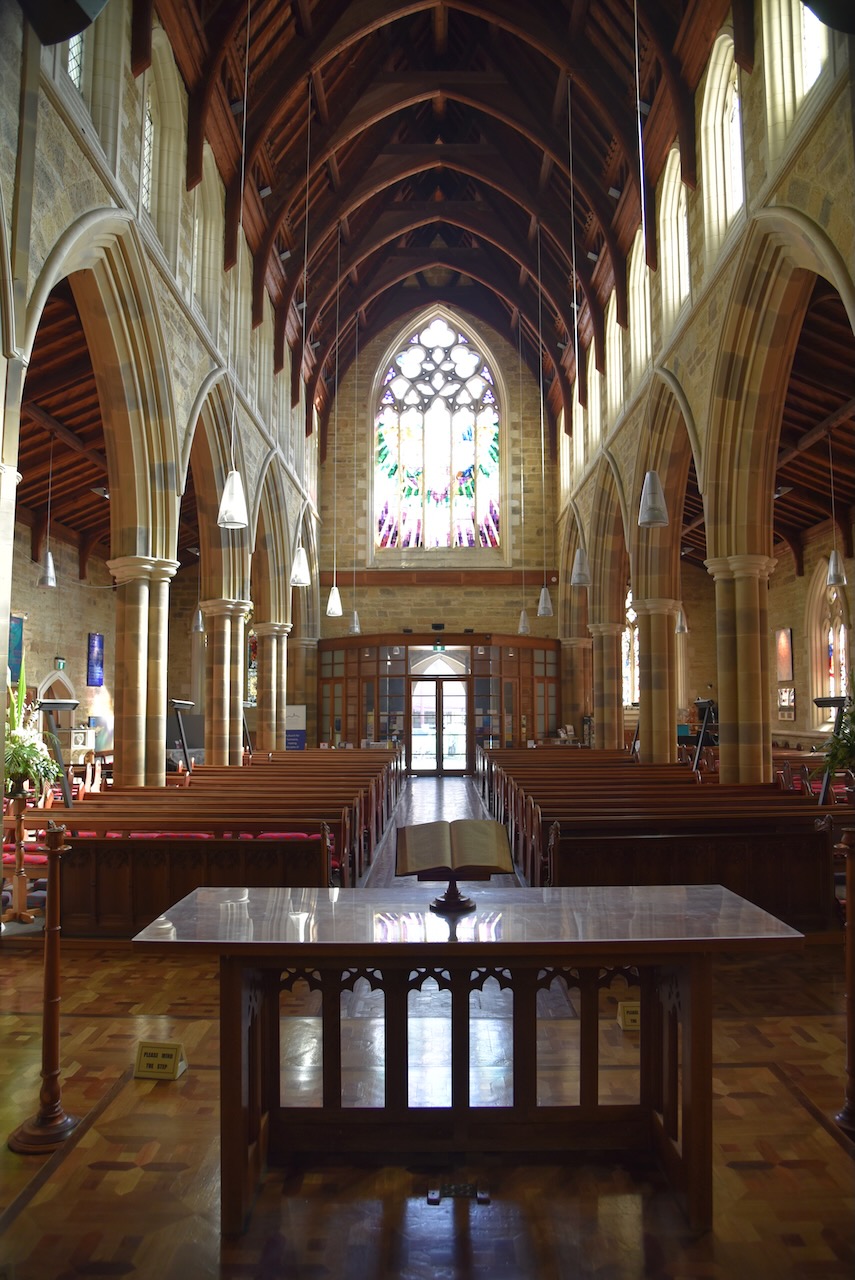
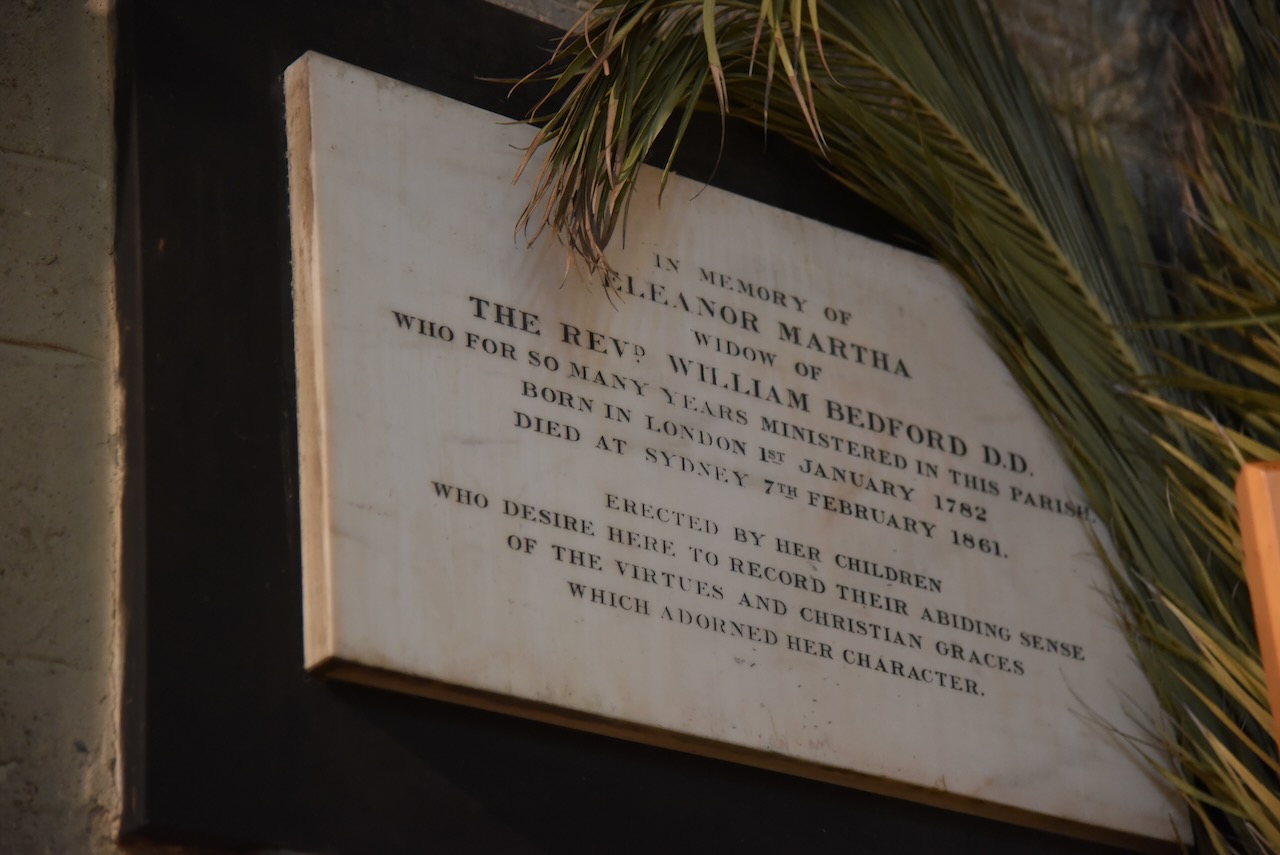
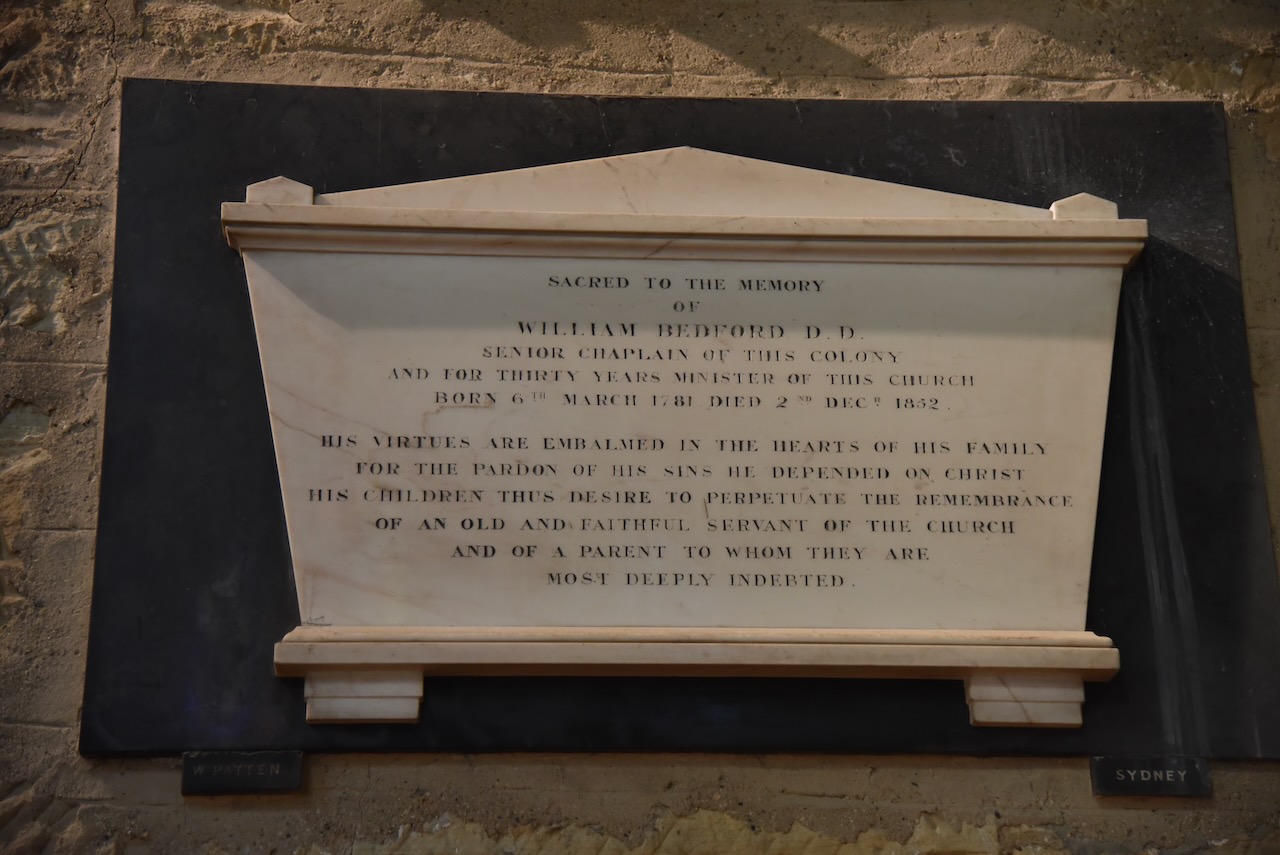
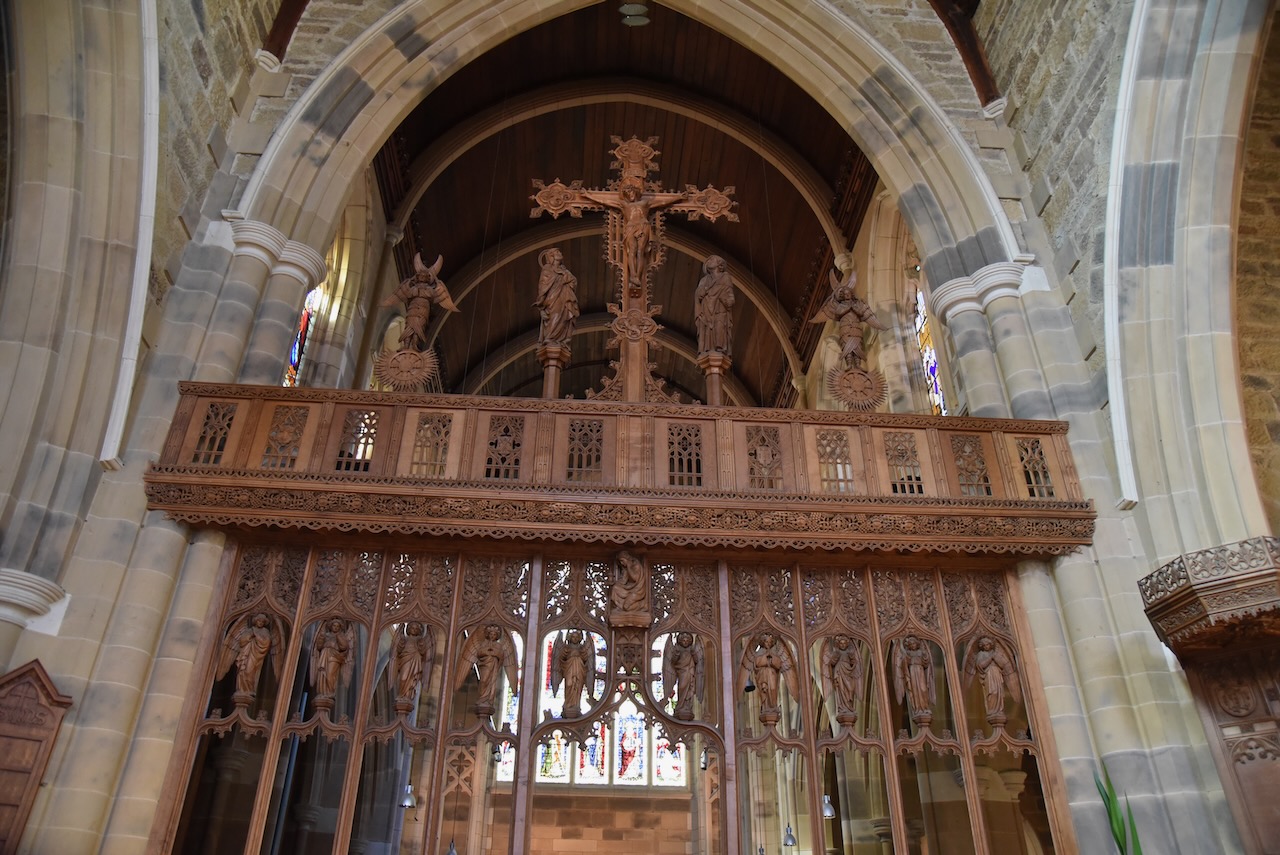
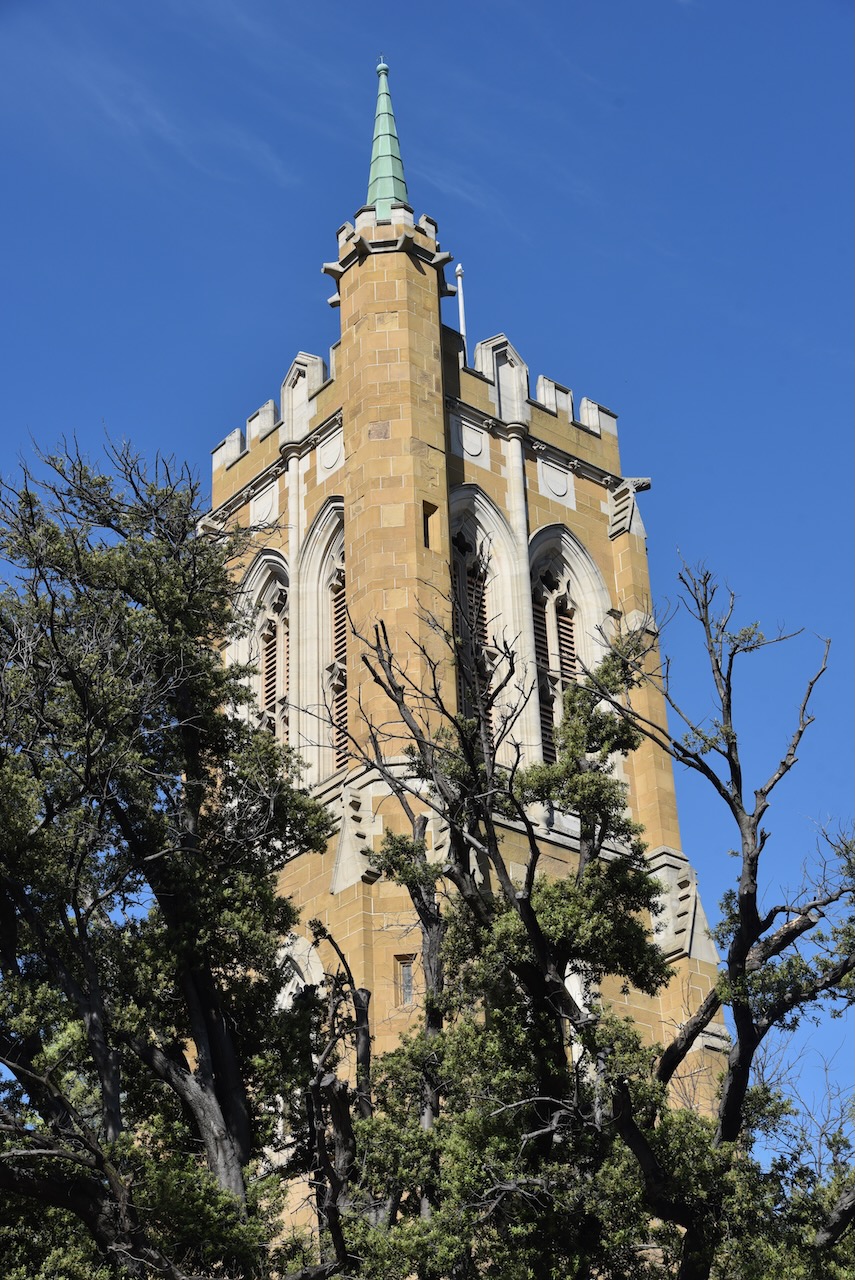
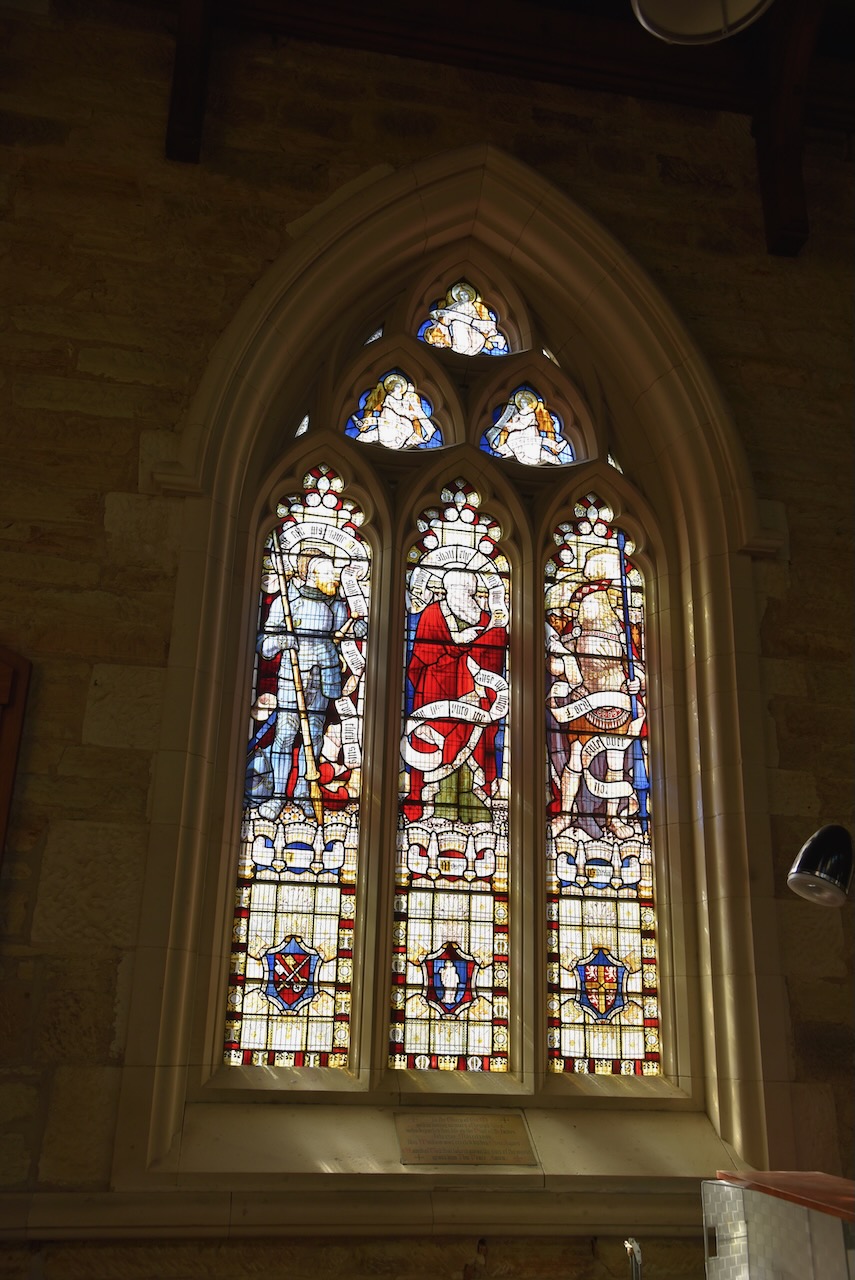
One of my hobbies includes Family history and I have a strong connection with Tasmania. My great great great grandparents were married in St David’s cathedral in Hobart, and I wanted to visit the church which is what we did next.

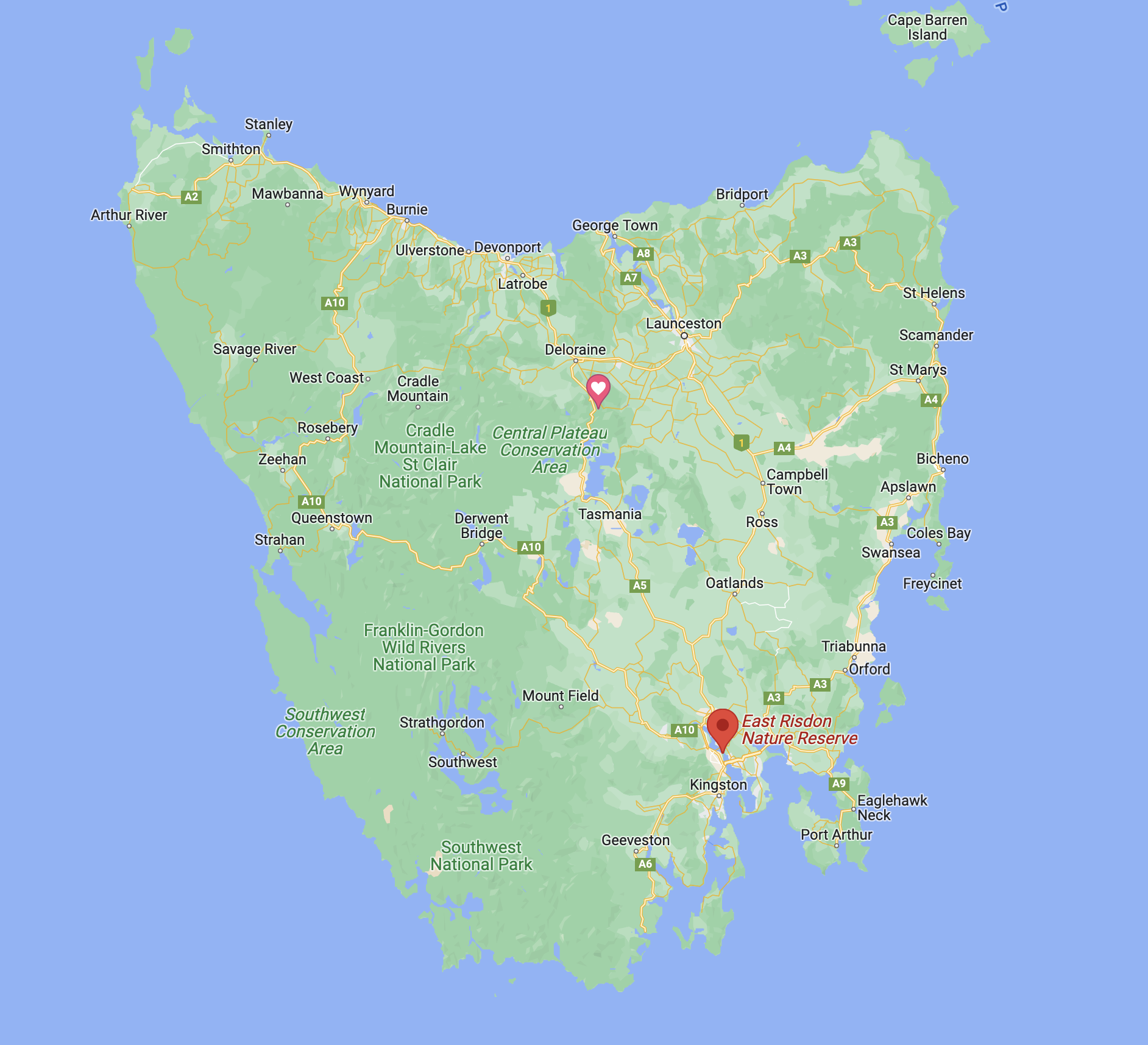
It was late afternoon and we decided to do a park activation. We had a few on our list, but we chose East Risdon State Reserve VKFF-1798.

Above:- Map showing the location of the East Risdon State Reserve. Map c/o Google maps.

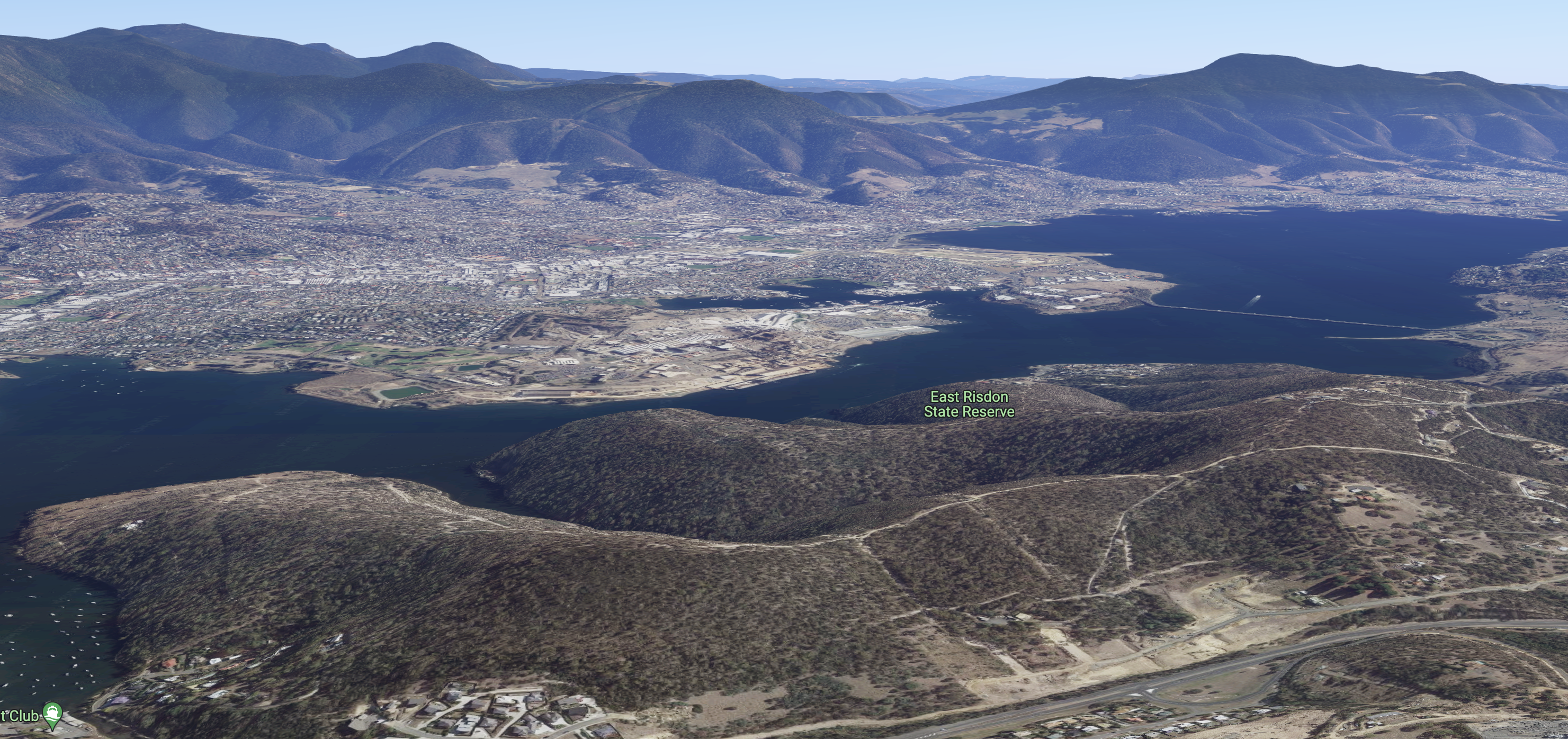
Risdon Cove State Reserve is 0.8788 km2  in size and was established on the 17th day of March 1971. It is located on the eastern shore of the Derwent River.

Risdon was named by Commodore Sir John Hayes in 1794, who mapped the Derwent River in the ship Duke of Clarence, after his second officer William Bellamy Risdon.

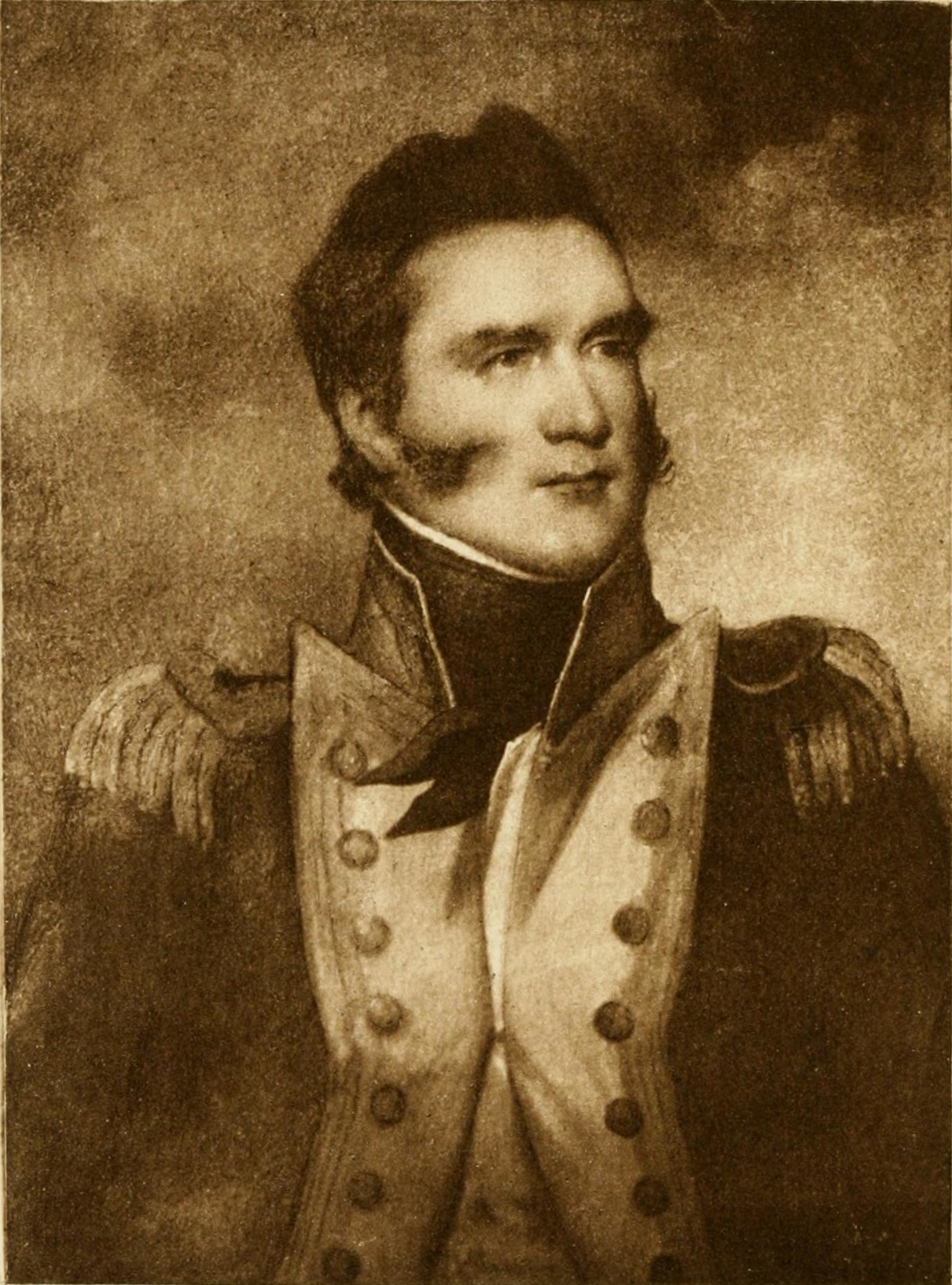
Above:- Commodore Sir John Hayes. Image c/o Wikipedia.

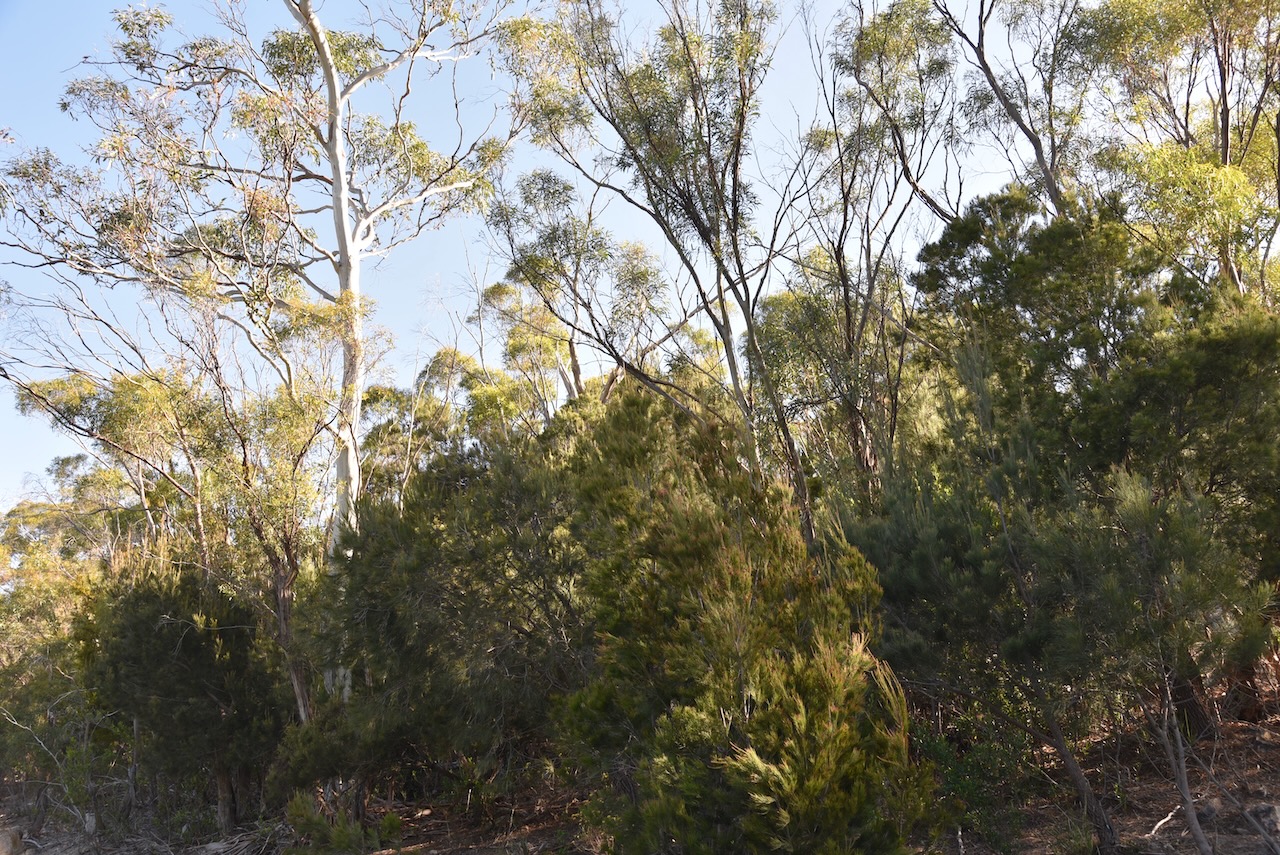
A number of rare and endangered plants can be found in the park including Eucalyptus risdonii and Eucalyptus morrisbyi. Also found in the park is Black peppermint, Prickly moses, Silver Wattle, Blackwood, Native daphne, Dolly bush, Common heath, Golden pea, Spreading wattle, Manna Gum or White Gum, and Blue gum.

This was not an easy park to access. We could not find a spot to drive into the park, so we parked the 4WD and walked a short distance along one of the trails until we reached the park.

Marija worked the following stations on 40m SSB:-

  1. VK3TWO/p
  2. VK3PF
  3. VK3AHR
  4. VK2HHA
  5. VK2EXA
  6. VK3MCA
  7. VK3AMO
  8. VK3BEZ/p (Gippsland Lakes Coastal Park VKFF-0747)
  9. VK7FAMP
  10. VK2IO
  11. VK3SMW
  12. VK2MET
  13. VK1AO

I worked the following stations on 40m SSB:-

  1. VK3TWO/7
  2. VK3PF
  3. VK3AHR
  4. VK2HHA
  5. VK2EXA
  6. VK3MCA
  7. VK3AMO
  8. VK3BEZ/p (Gippsland Lakes Coastal Park VKFF-0747)
  9. VK7FAMP
  10. VK2IO
  11. VK3SMW
  12. VK2MET
  13. VK1AO
  14. VK2YAK
  15. VK3SQ
  16. VK7LTD

References.

  1. Discover Tasmania, 2022, <https://www.discovertasmania.com.au/things-to-do/arts-and-culture/oldhobarttownmodelvillage/>, viewed 1st January 2023.
  2. Richmond Tasmania, 2022, <https://richmondtasmania.com.au/things-to-do/st-johns-church/>, viewed 1st January 2023.
  3. The Compantion to Tasmanian History, <https://www.utas.edu.au/library/companion_to_tasmanian_history/R/Richmond.htm#:~:text=Richmond&text=Originally%20inhabited%20by%20the%20Moomairremener,Tasmania’s%20major%20wheat%2Dproducing%20region.>, viewed 1st January 2023.
  4. Wikipedia, 2022, <https://en.wikipedia.org/wiki/Risdon,_Tasmania>, viewed 1st January 2023.
  5. Wikipedia, 2022, <https://en.wikipedia.org/wiki/East_Risdon_State_Reserve>, viewed 1st January 2023.
  6. Wikipedia, 2022, <https://en.wikipedia.org/wiki/Richmond,_Tasmania>, viewed 1st January 2023.
  7. Wikipedia, 2022, <https://en.wikipedia.org/wiki/Richmond_Gaol>, viewed 1st January 2023.
  8. Wikipedia, 2022, <https://en.wikipedia.org/wiki/Cascades_Female_Factory>, viewed 1st January 2023.
  9. Wikipedia, 2022, <https://en.wikipedia.org/wiki/St_David%27s_Cathedral,_Hobart>, viewed 1st January 2023.