
Our final activation for Saturday, 1st November 2025, was Wereboldera State Conservation Area (SCA) VKFF-1392. The reserve is located just to the south of Tumut in New South Wales.
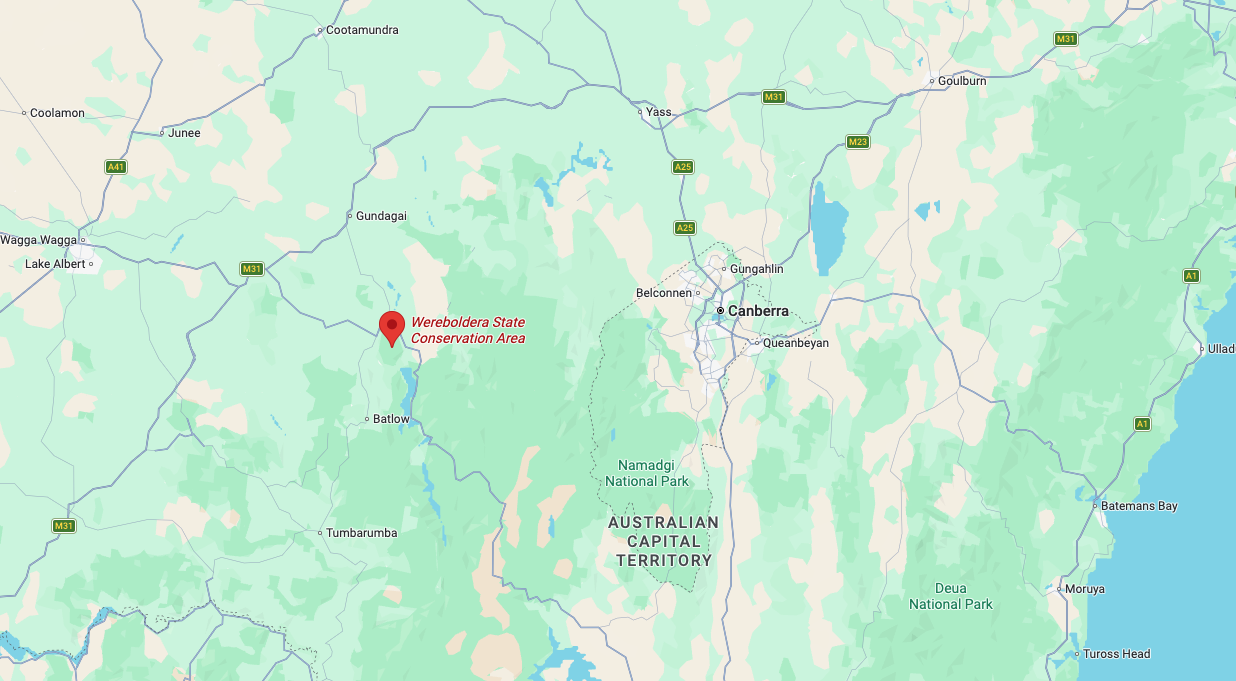
Above: Map showing the location of Wereboldera State Conservation Area. Map c/o Google Maps
The town of Tumut is located just to the north of the reserve. Its eastern boundary is close to the Snowy Mountains Highway, while its western boundary is close to E Gilmore Road. The reserve extends south down to Wereboldera and the Blowering Reservoir. The Tumut State Forest can be located to the north and west of the reserve.
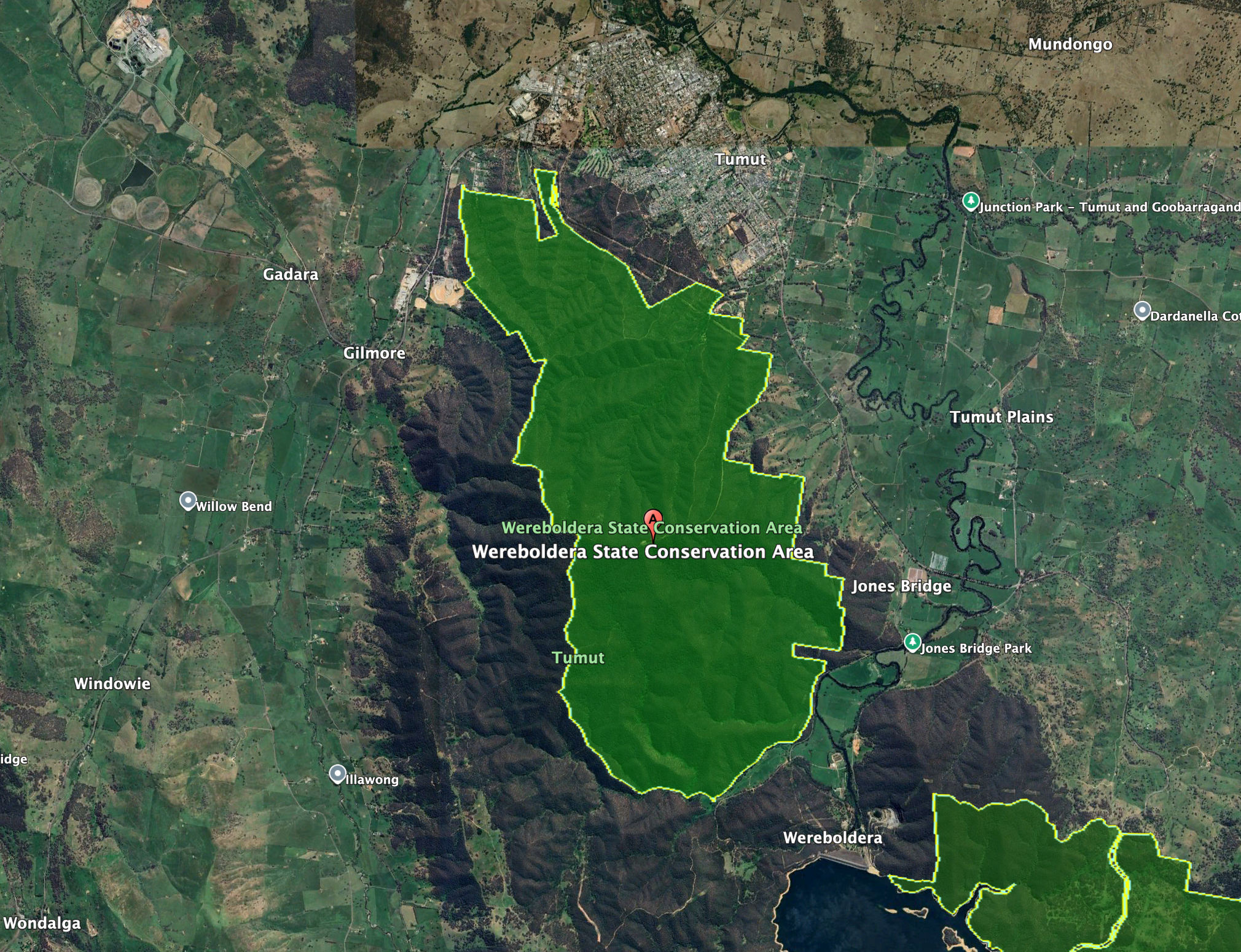
Above: the boundaries of Wereboldera SCA. Image c/o Google Earth
The Wereboldera State Conservation Area is about 2,550 hectares in size and was established in January 2003. It is located at the northern end of the Snubba Range. (NSW NPWS 2009) (NSW National Parks 2026)
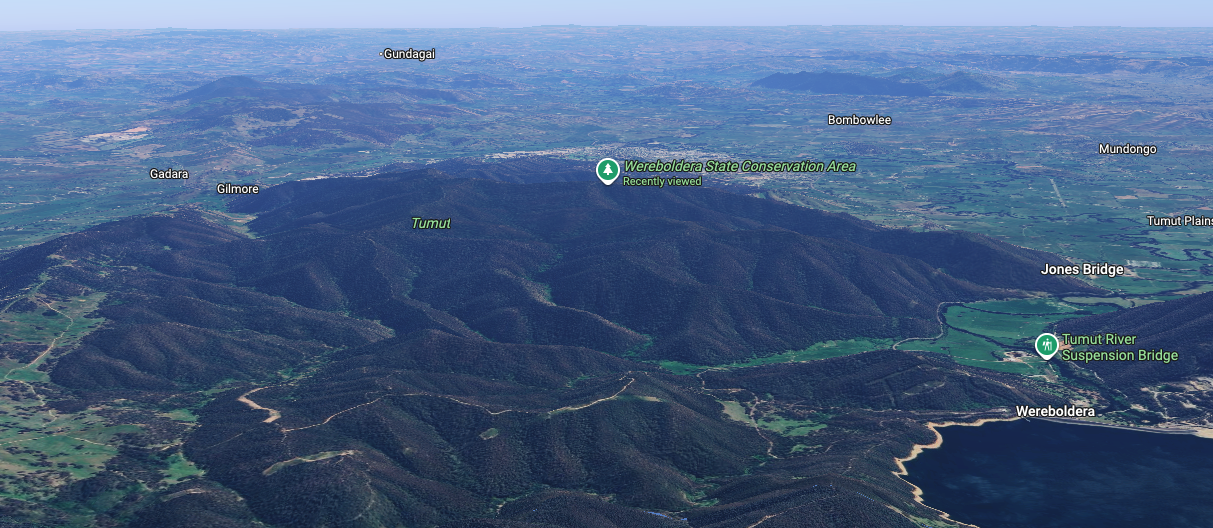
Above: an aerial view of Wereboldera SCA. Image c/o Google Maps
The majority of the reserve was previously managed by the then State Forests of New South Wales, as part of Tumut State Forest (No 798), which was gazetted in 1926. Other smaller sections of the reserve including Travelling Stock Reserves. (NSW NPWS 2009)
The reserve includes four distinct forest ecosystems: Narrow-leaved Peppermint moist forb forest; Apple Box-Norton’s Box moist grass forest; Brittle Gum-Broad-leaved Peppermint Pa grass forest; and Norton’s Box-Red Box open forest. (NSW NPWS 2009)
About 150 species of native birds have been recorded in the reserve. A total of 13 fauna species listed under the Threatened Species Conservation Act have also been recorded in the park. This includes Turquoise Parrot, Painted Honeyeater, Barking Owl, and Striped Legless Lizard. Native mammals that can be found in the reserve include Sugar Glider, Eastern Grey Kangaroo, Swamp Wallaby, Short-beaked Echidna, Large Forest Bat, and Chocolate Wattled Bat. (NSW NPWS 2009)
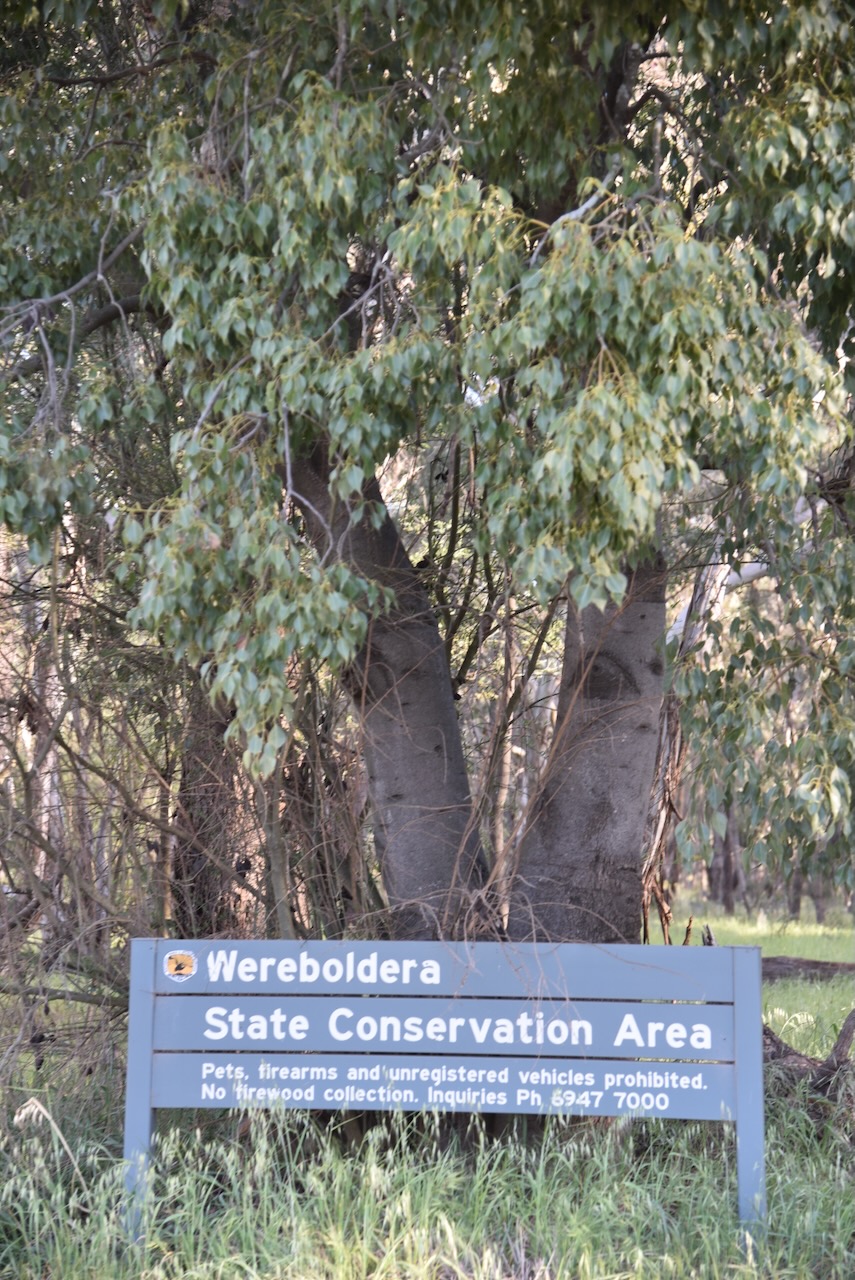
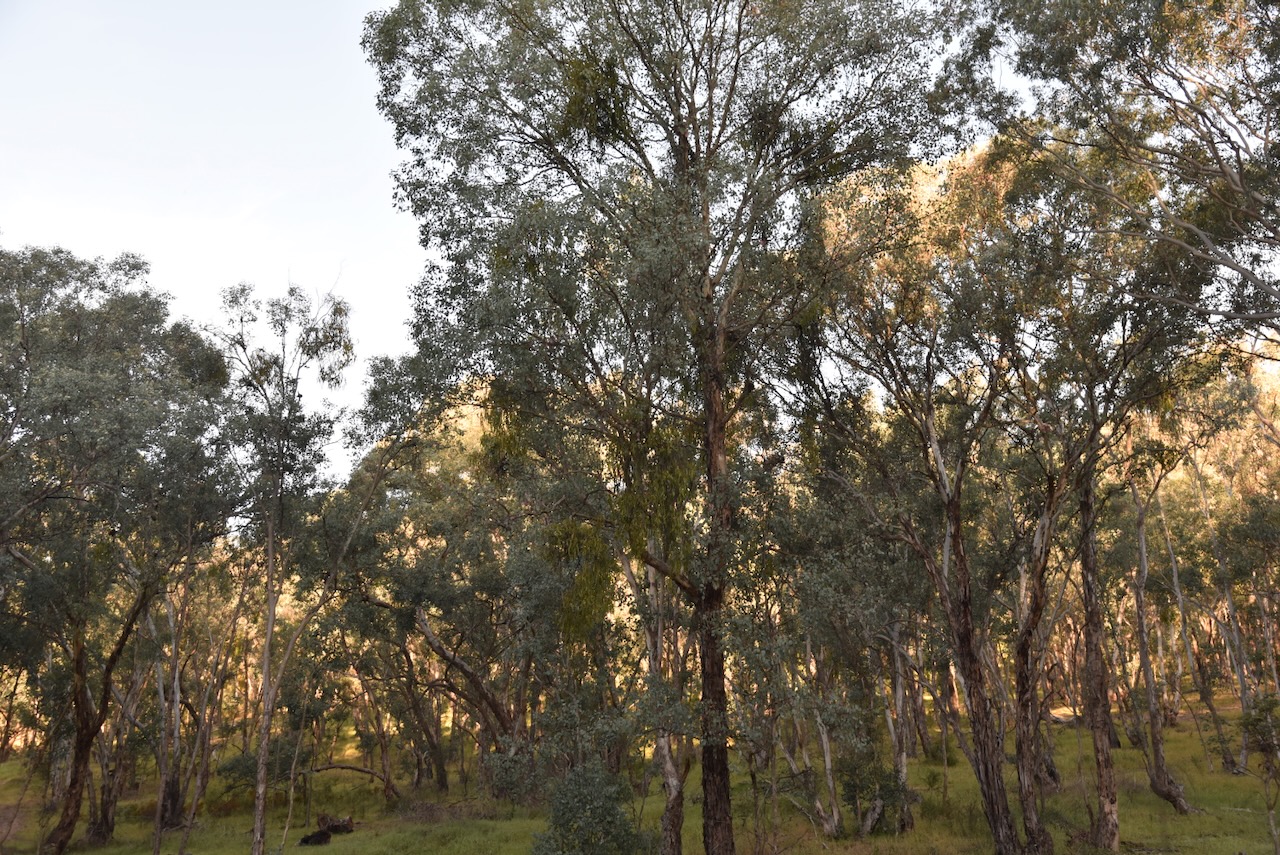
Marija and I ran the Yaesu FT857, 40 watts, and the 20/40/80m linked dipole for this activation. The band conditions were quite good, but we did experience strength 8 static crashes on the 40m band.
Marija worked the following stations on 40m SSB:-
- VK5LA
- VK5KAW
- VK1DI
- VK3ACZ
- VK3KRL
- VK3HJW
- VK3BCM
- VK2MG
- VK1AO
- VK2MET
- VK5DW
- VK2IO/P (VKFF-0858)
- VK2GEZ/P (VKFF-0858)
I worked the following stations on 40m SSB:-
- VK5LA
- VK5KAW
- VK1DI
- VK3ACZ
- VK3KRL
- VK3HJW
- VK3BCM
- VK2MG
- VK1AO
- VK2MET
- VK5DW
- VK3BDW
- VK4SMA
- VK1OX
- VK2OZI
- VK1PW
- VK2APW
- VK2LDJ
- VK3UH
- VK3OAK
- VK3TDX
- VK3KLI
- VK3GJG
- VK2ZRD
- VK2GWB
- VK2SHA
- VK1WB
- VK3AIW
- VK2NP
- F5PYI
- VK7PJM
- VK5FANA
- VK3ZPF
- VK3JW
- VK3PJF
- VK3APJ
- VK1CHW
- VK2CHW
- VK1TTY/5
- VK3CLD
- VK5QA
- VK2DBF
- VK3JV
- VK6ASK/M
- VK2ZR
- VK1JIM
- VK2TER
- VK2BM
- VK2QRP
- VK2NDZ
- VK3DJS
- VK3ABI
- VK2IO/P (VKFF-0858)
- VK2GEZ/P (VKFF-0858)
- VK5HS
- VK3TDK
- VK3NYC
- VK1AD
- VK1NAM
- VK5KFC
Marija and I then drove into the town of Tumut.
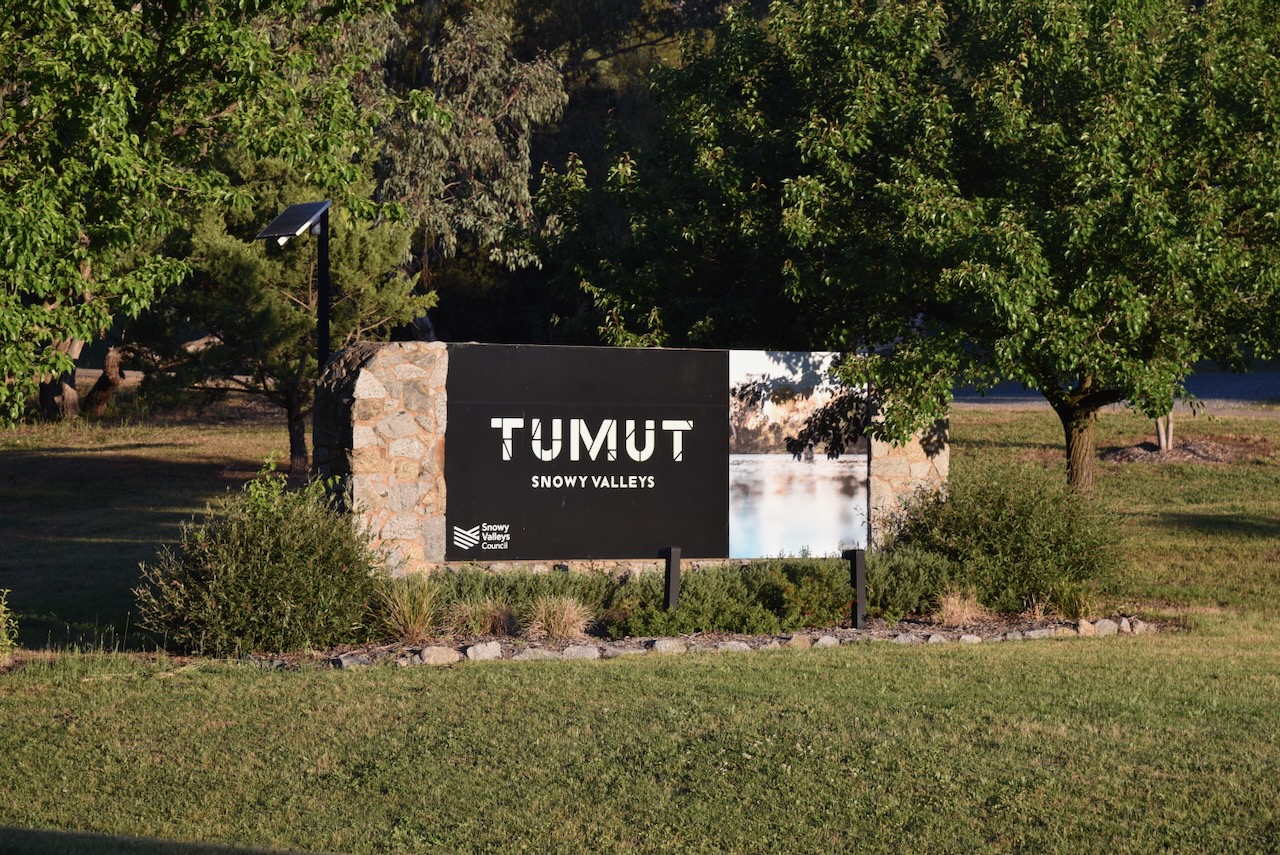
As we entered the town, we saw the Tumut Pioneer Cemetery, so we decided to have a bit of a wander. The Pioneer Cemetery was not the first cemetery in Tumut. The original cemetery was near the current showground/racecourse area, but this was subject to regular flooding, so the cemetery was relocated c. 1848. (Findagrave.com 2020)
During the 1890s, the Tumut Pioneer Cemetery became overcrowded, and as a result, burials commenced at the Tumut General Cemetery. By the 1960s, the Tumut Pioneer Cemetery had fallen into disrepair, with most of the headstones being consumed by perwinkle and elm suckers. A Restoration Committee was established, and the cemetery was restored. Well done to all those involved. (Findagrave.com 2020)
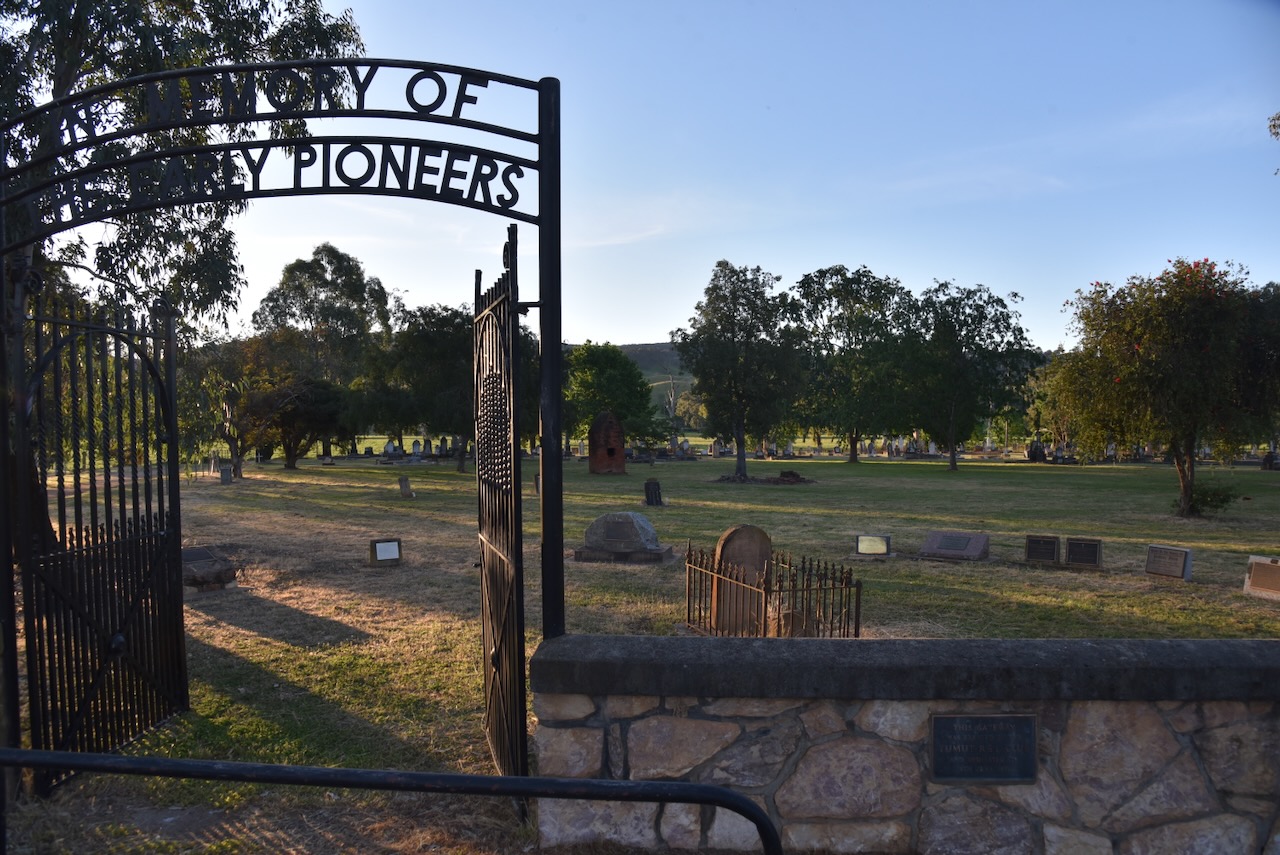
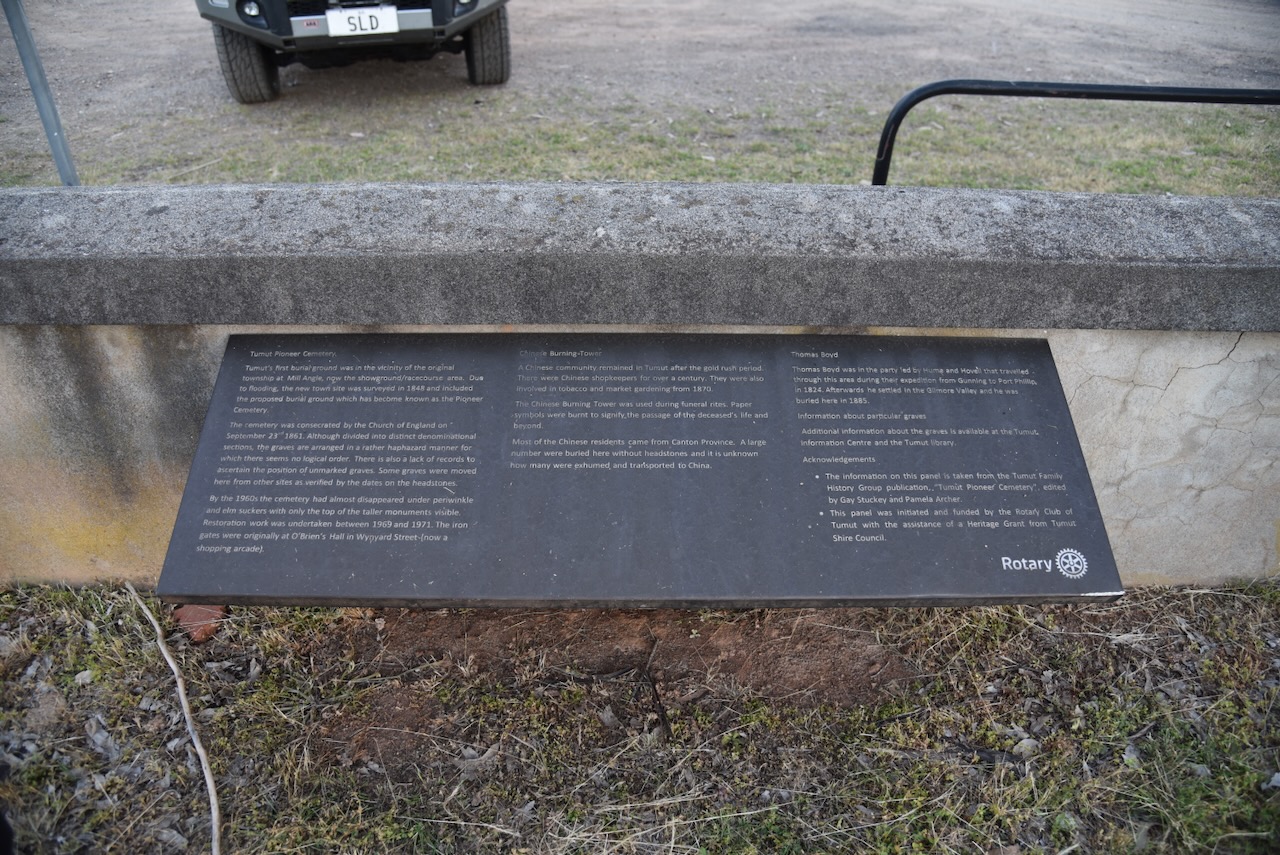
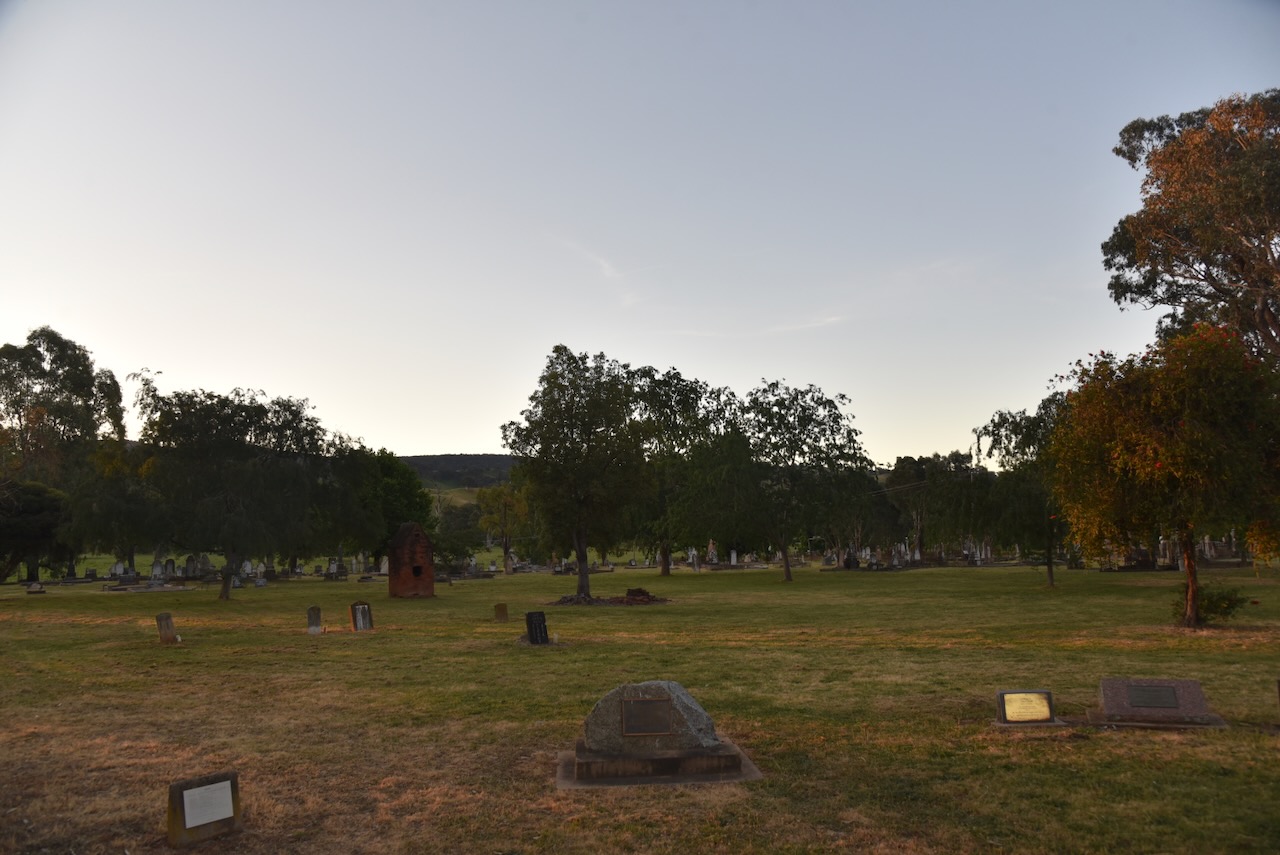
The Tumut district attracted a large Chinese population during the 1850s due to the discovery of gold. Following the gold rush, many Chinese people remained in the district. The Tumut Cemetery features several Chinese graves and a Chinese burning tower used for ritualised offerings.
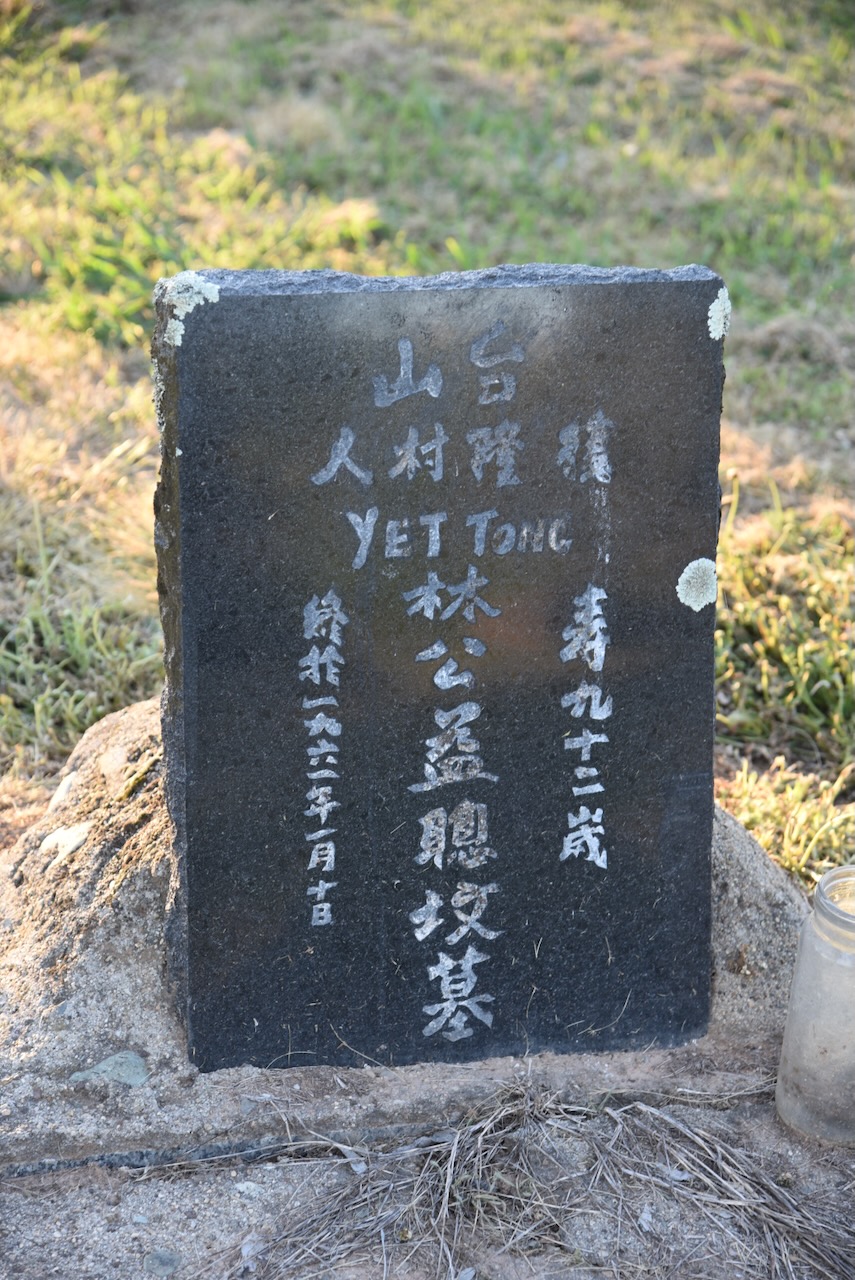
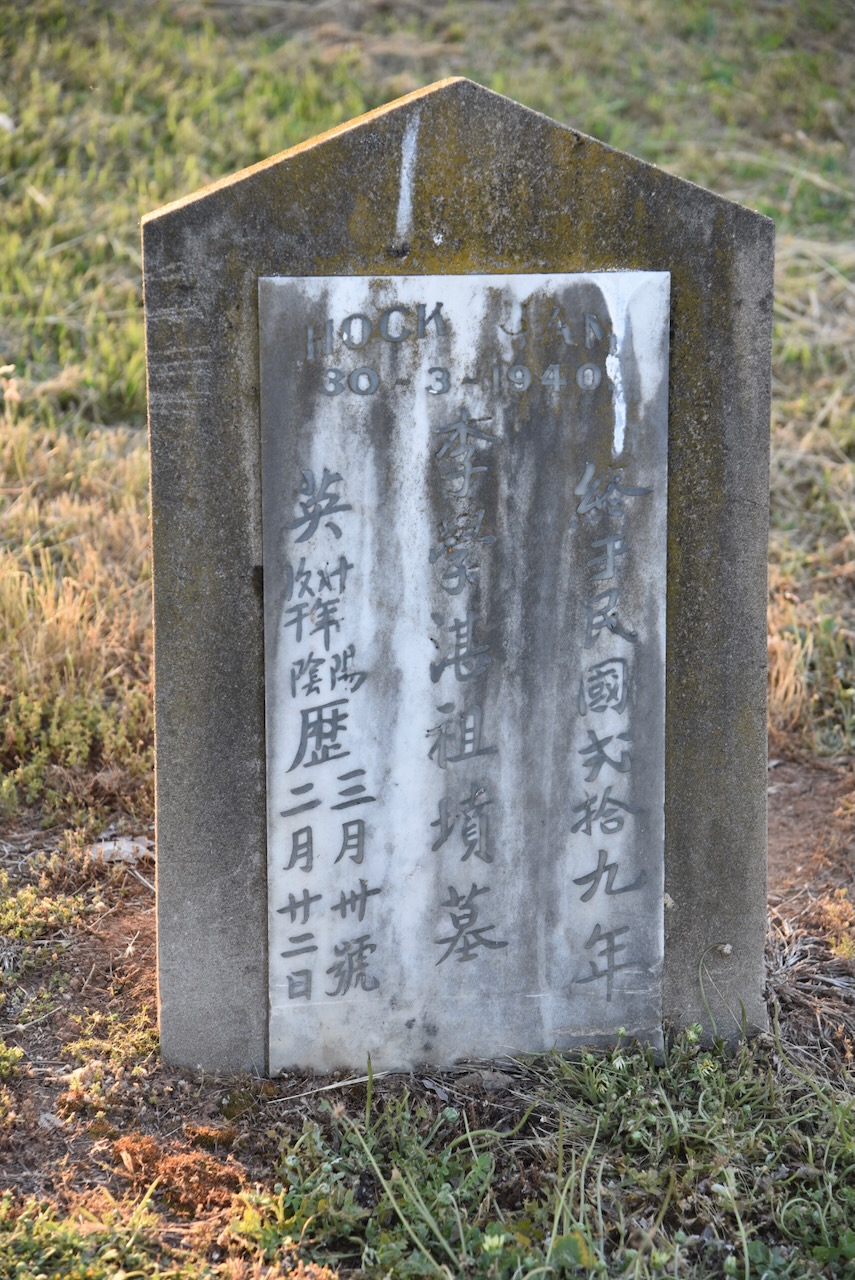
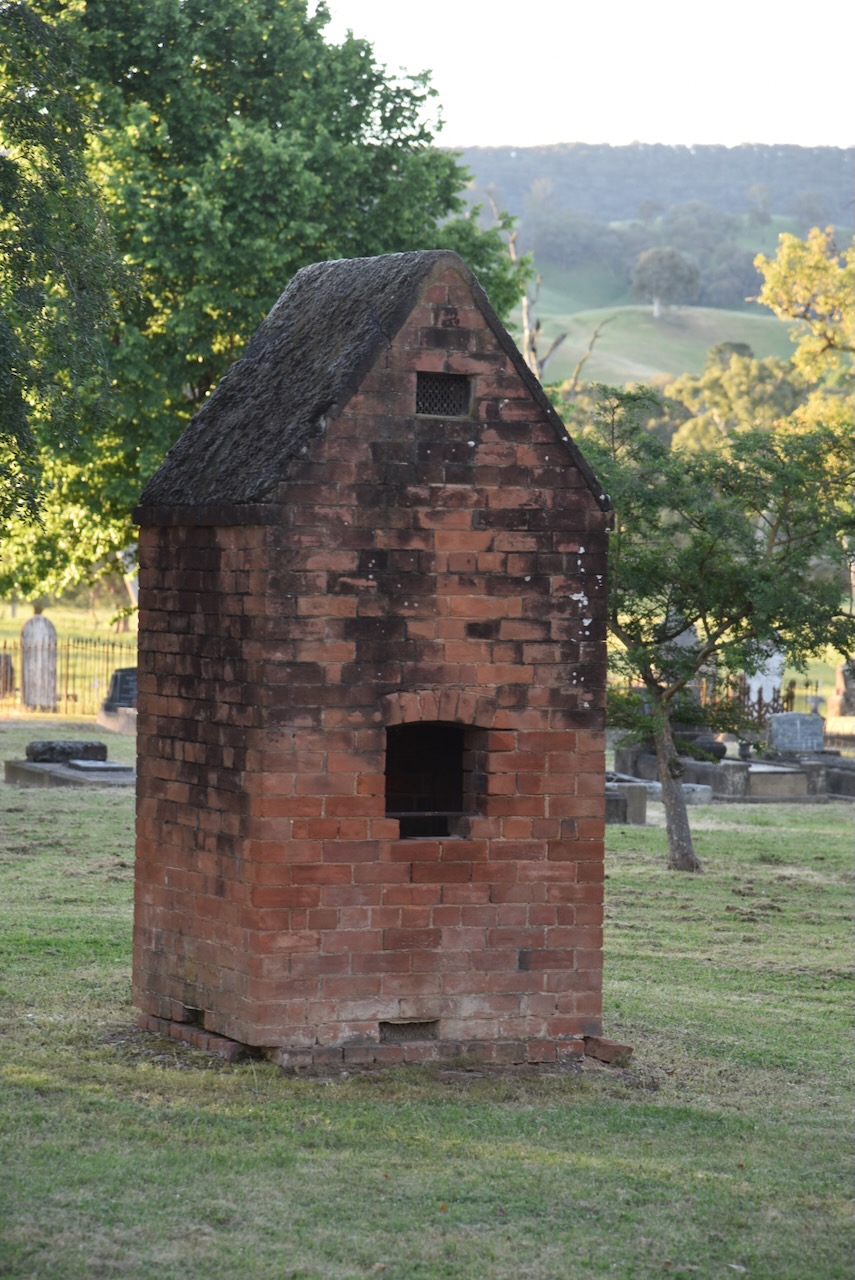
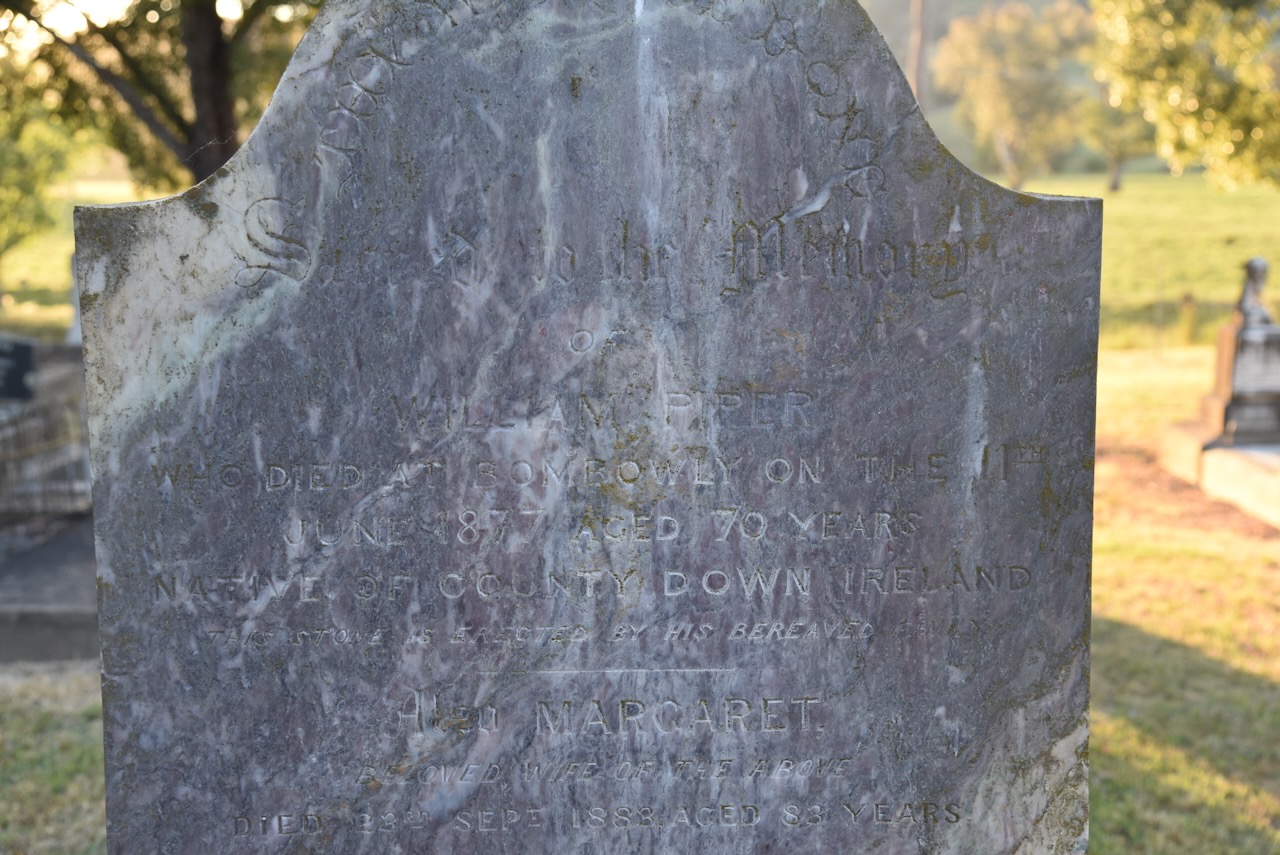
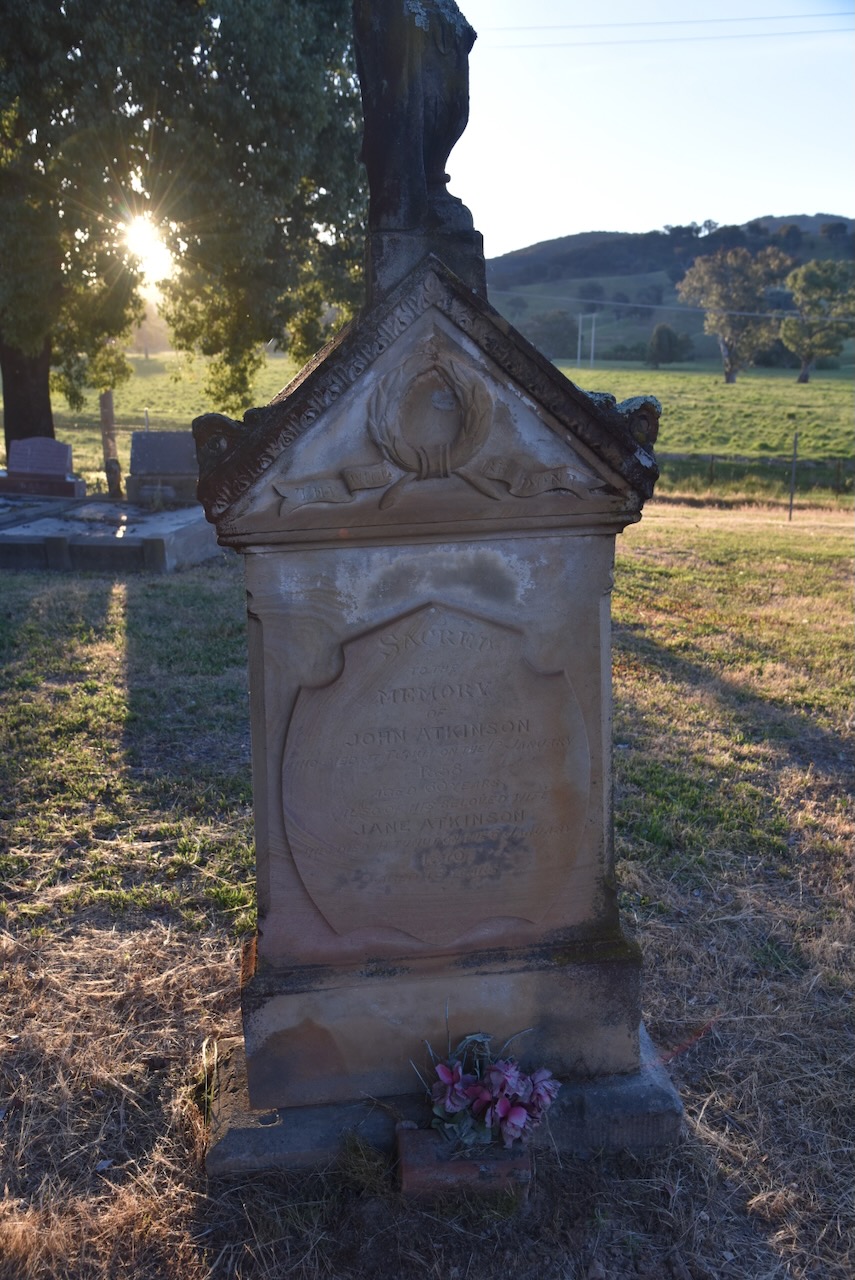
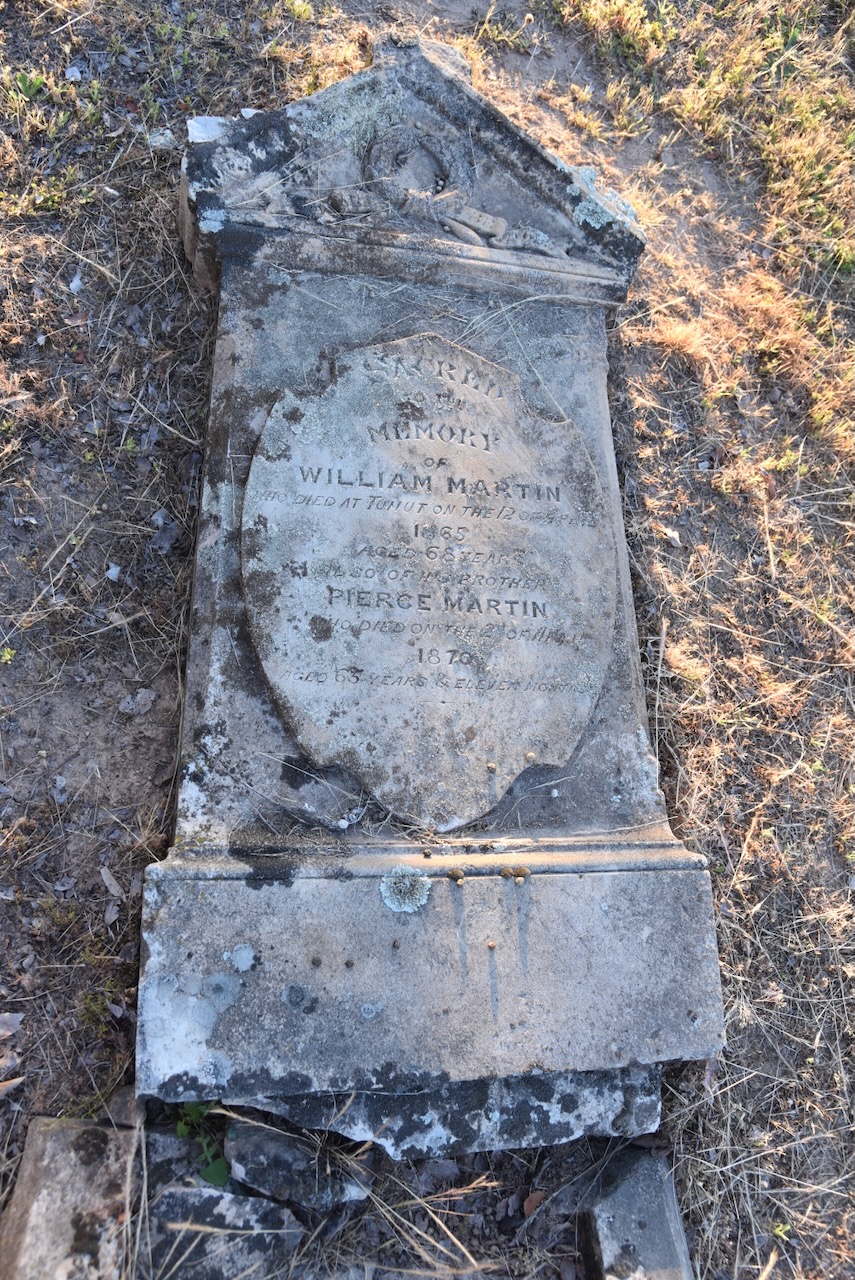
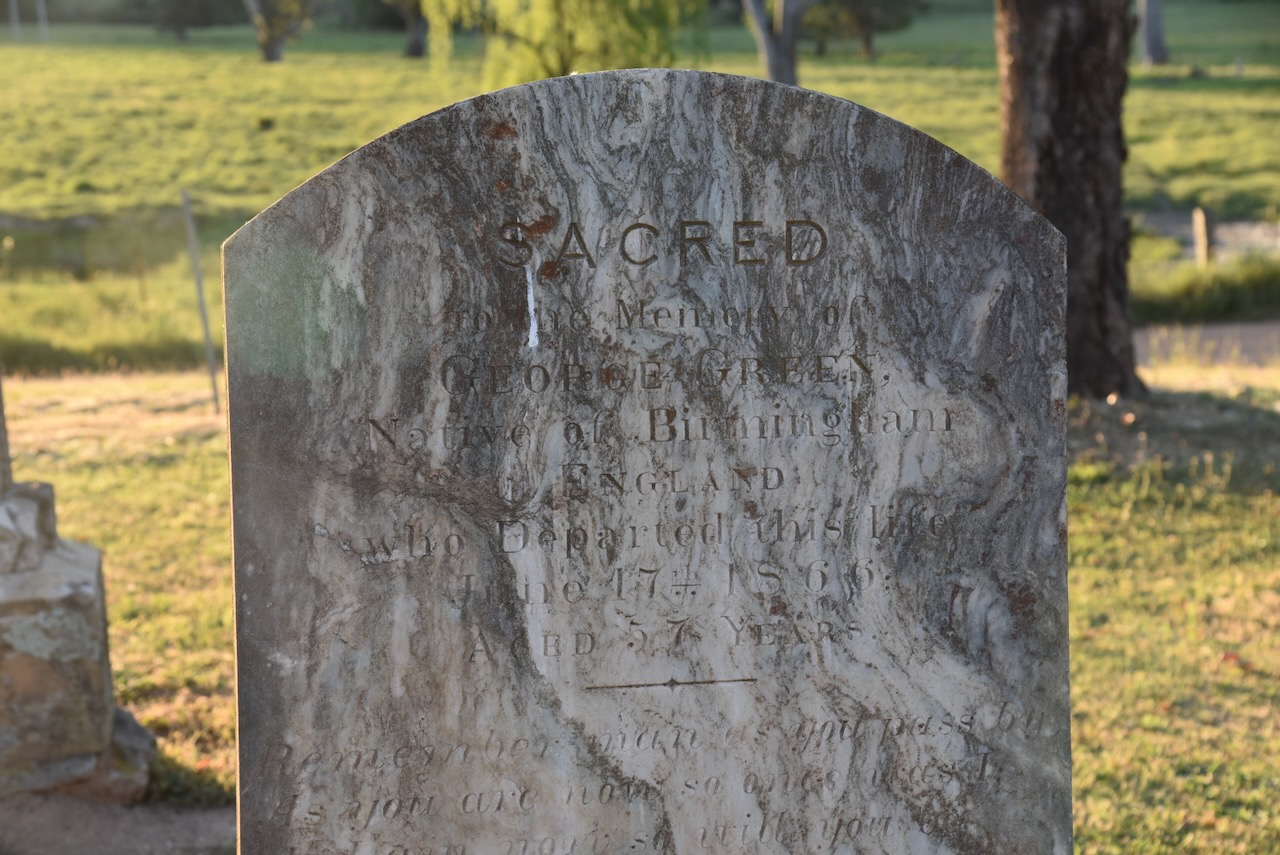
The cemetery has dozens of historic headstones which tell the story of the pioneers of Tumut and the surrounding district.
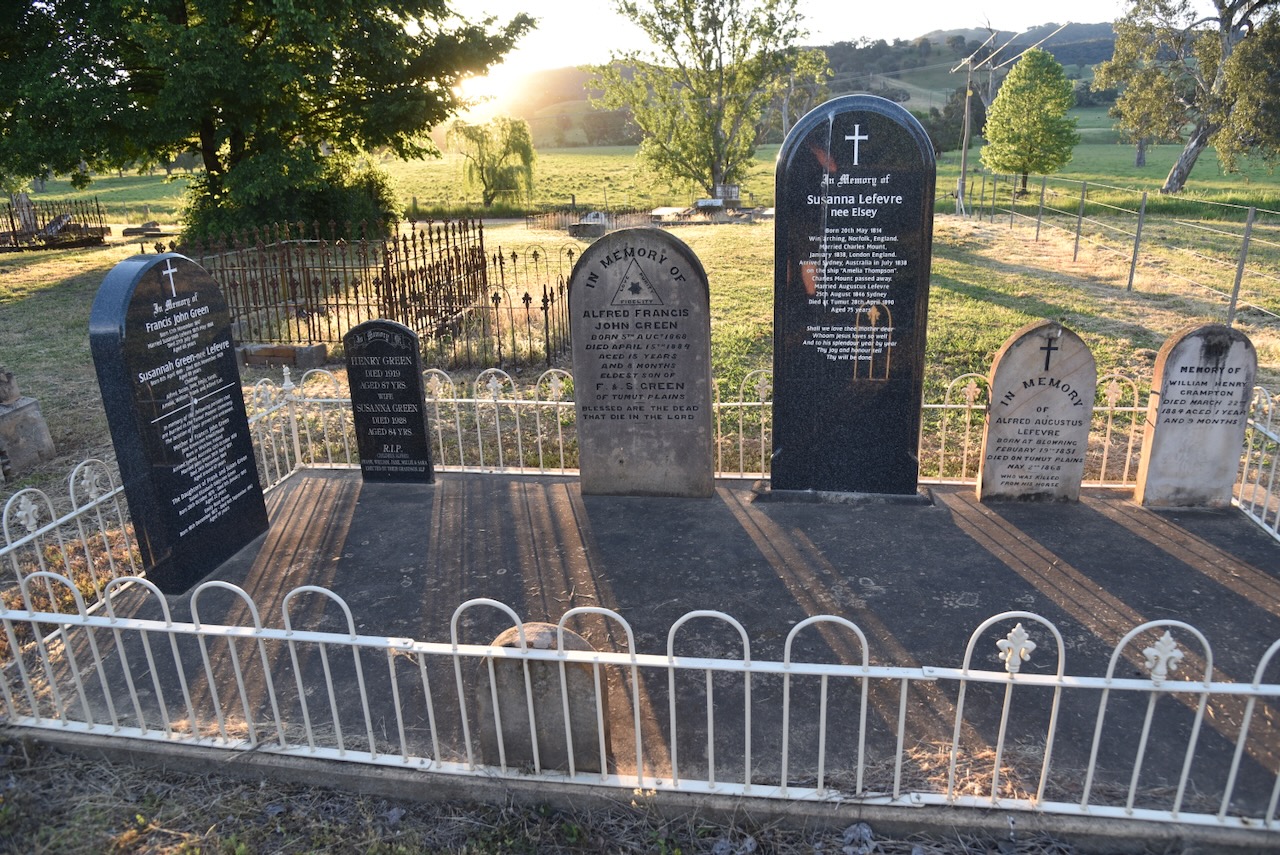
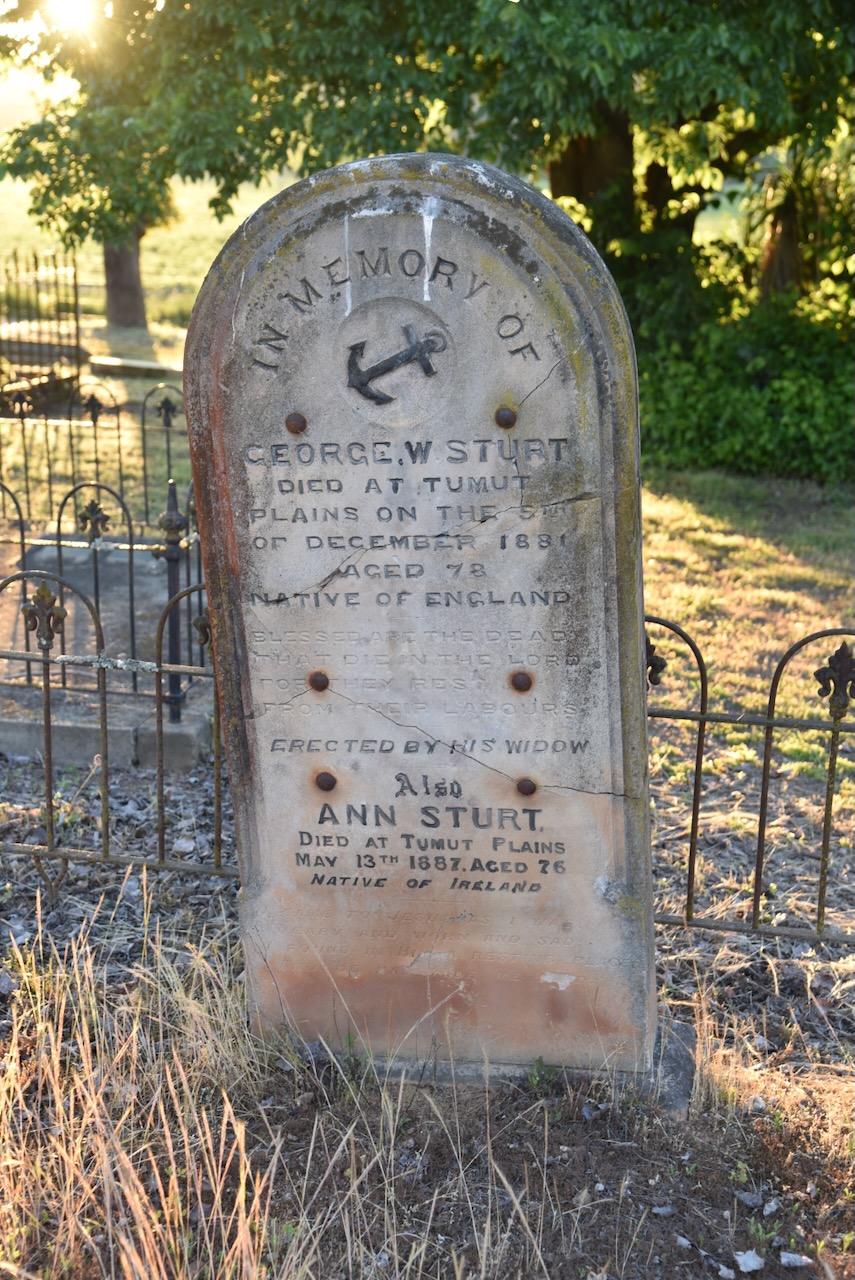
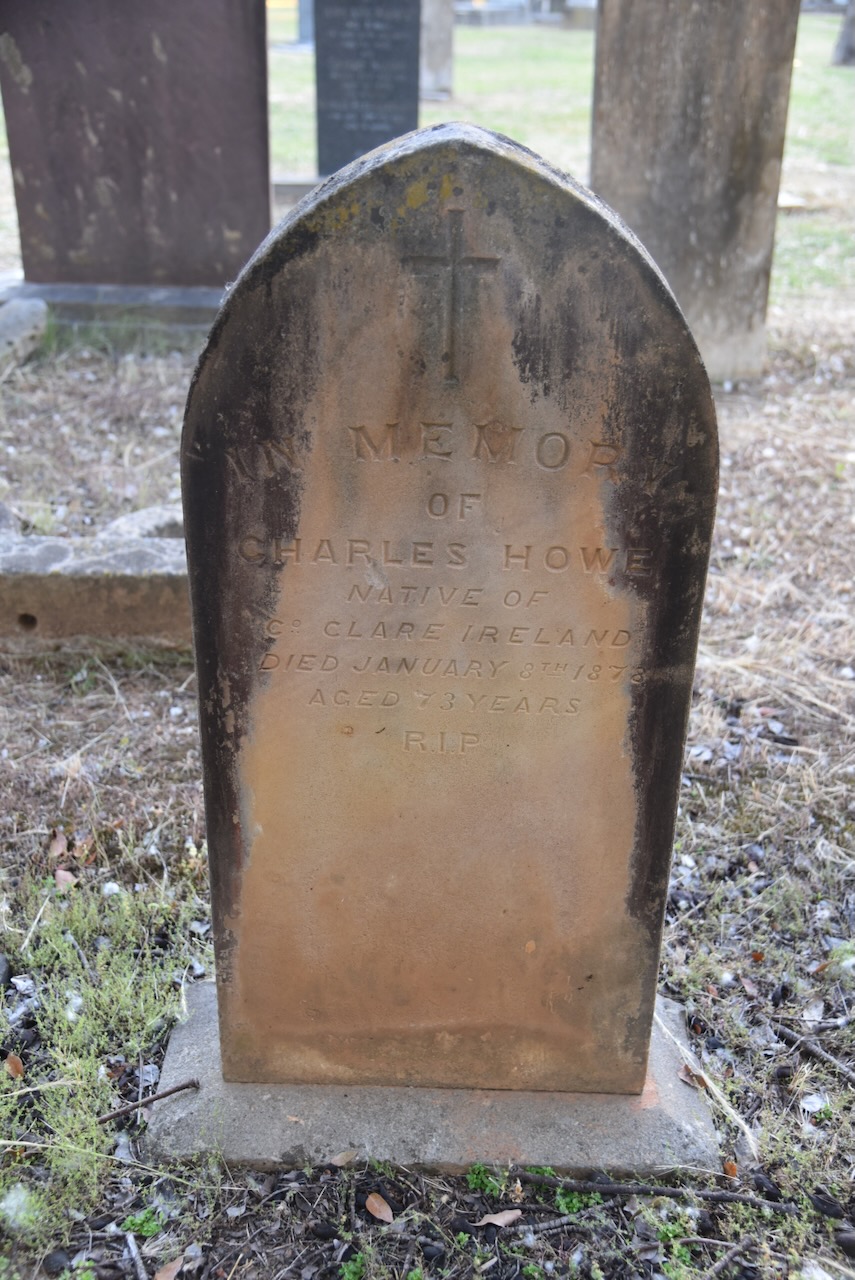
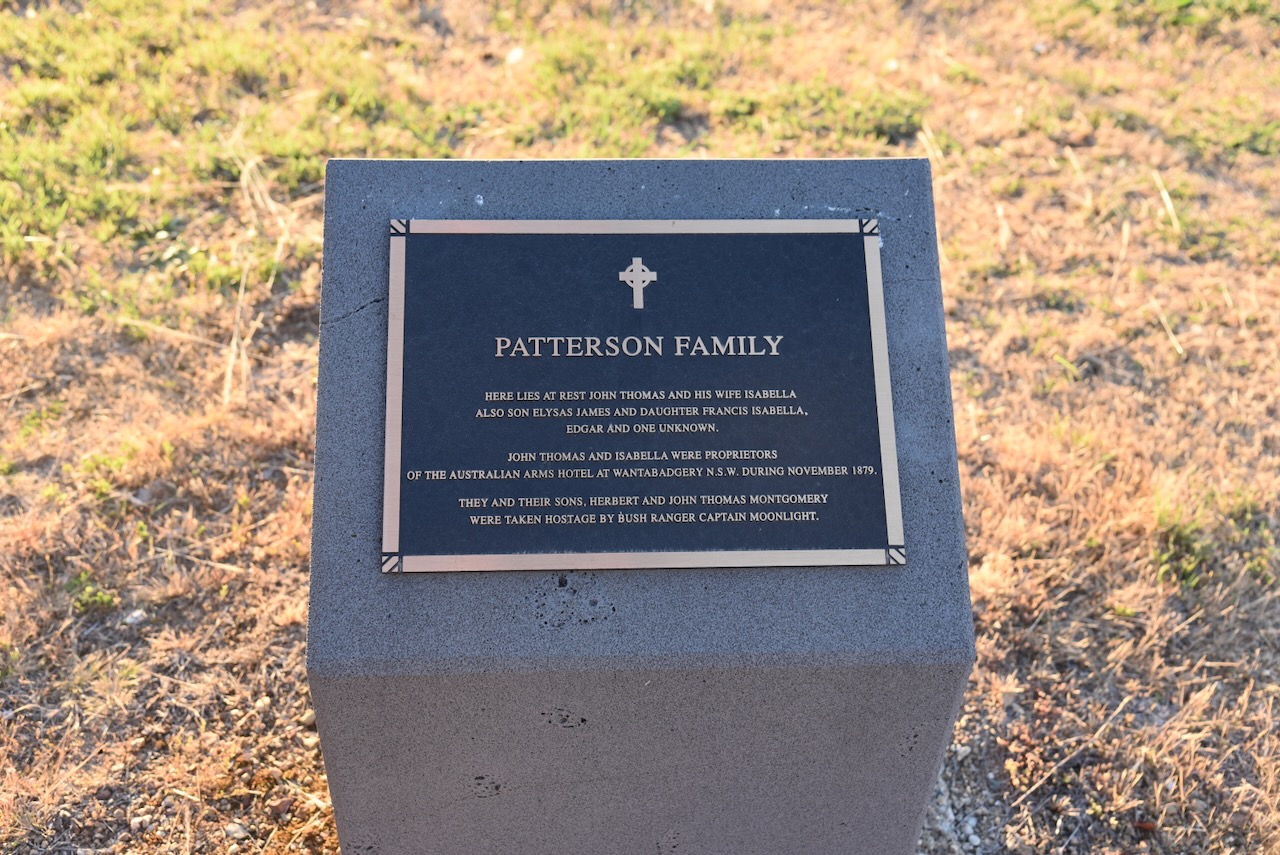
I have talked about the bushranger Captain Moonlight in my previous Mount Burra post, but I will touch a little bit here on his relationship to some people who are buried in the cemetery.
John and Isabella Thomas were proprietors of the Australian Arms Hotel at Wantabadgery, N.S.W., during November 1879. John and Isabella, and their sons Herbert and John, were taken hostage by Captain Moonlite.
Andrew George Scott @ Captain Moonlite, was born on the 5th day of July 1842 in Rathfriland, Ireland. He commenced a life of bushranging from c. 1879. His gang included James Nesbitt, Thomas Rogan 21, Thomas Williams 19, Gus Werneckie 15, and Graham Bennet 18.
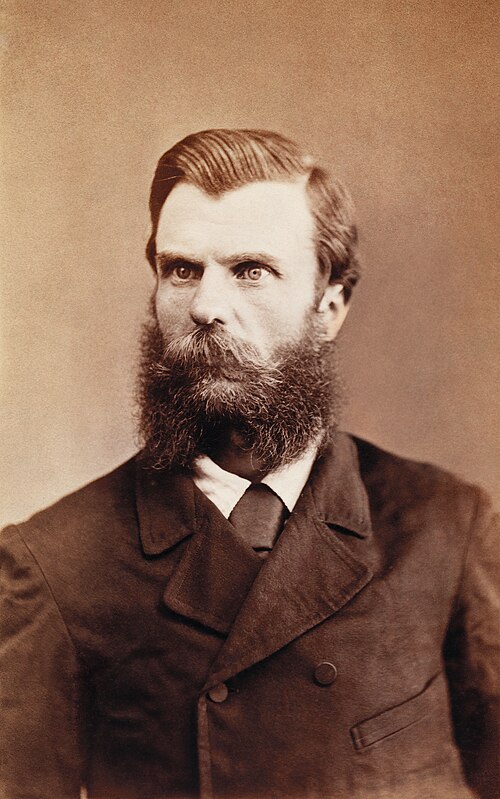
On the afternoon of Saturday the 15th day of November 1879, Scott’s gang held up Wantabadgery Station, about ’24 miles’ east of Wagga Wagga, and ’27 miles’ from Gundagai. The produced revolvers and threatened the station staff and forced them to break open the storeroom. Other people arrived at the property and they were taken hostage. (Wikipedia 2024)
Scott then took Claude McDonald in a horse & buggy to the Australian Arms Hotel on the Gundagai Road. The public and his wife were not present. Scott stole their rifle, raided the till stole some alcohol and took their 2 children hostage, returning to Wantabadgery. (Wikipedia 2024)
The licencee of the Australian Arms, James Patterson and his wife returned to find their hotel had been ransacked and their children missing. The police were notified. A small party of four mounted police troopers arrived at Wantabadgery that evening, and a gunfight ensued between the police and the bushrangers. Scott’s gang managed to capture the trooper’s horses and they fled. (Wikipedia 2024)
The gang then held up the property of Edmund McGlede. By this time, further police had been mobilised and they surrounded the property. One of Scott’s gang, Warneckie was shot as he ran to a fence to reach a better position. The police then entered the homestead and further shots were fired. As a result Constable Webb-Bowen was struck and fatally wounded. Nesbitt was shot and killed. (Wikipedia 2024)
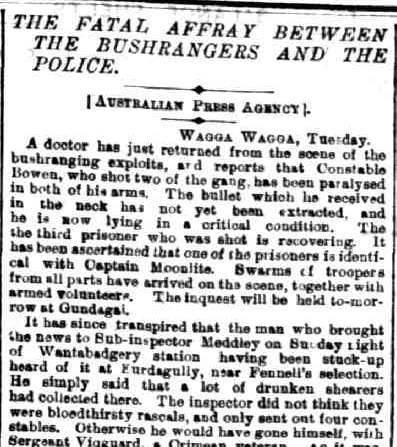
Above: part of an article from The Ballarat Courier, Wed 19 Nov 1879. Image c/o Trove
Below is an excellent video on the legend of Captain Moonlite.
George Thomas was born in August 1879. He died on the 7th day of October 1901 at Blowering, New South Wales, aged 22 years. (ancestry 2016)
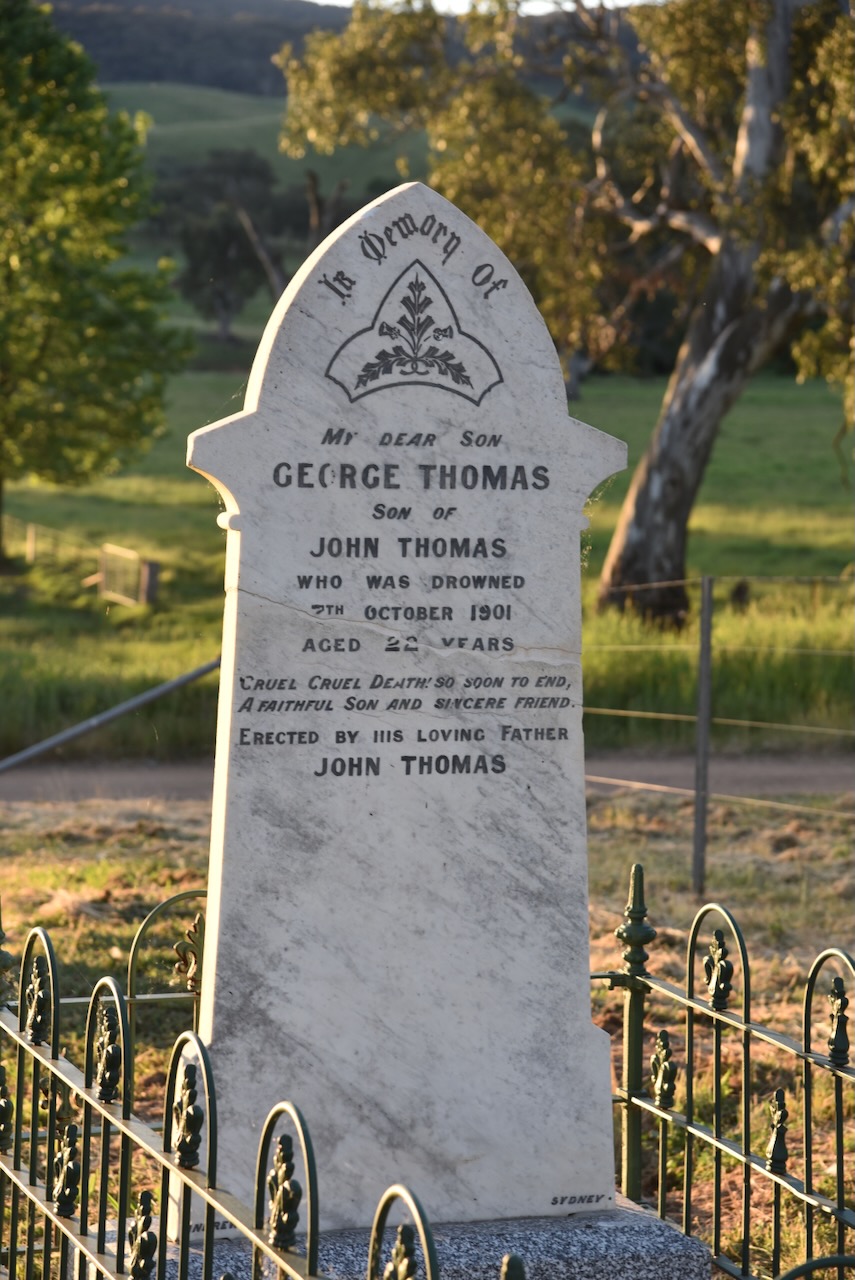
His body was recovered on Friday, 18th October 1901, about 2 miles down the Tumut River from where he attempted to cross the river on his horse. A significant search had been conducted. Newspaper articles make specific mention of the efforts of Constable Williams. (Trove 2026)
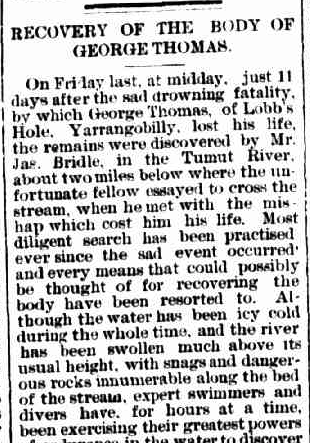
Above: part of an article from the Adelong Argus, Tue 22 Oct 1901. Image c/o Trove
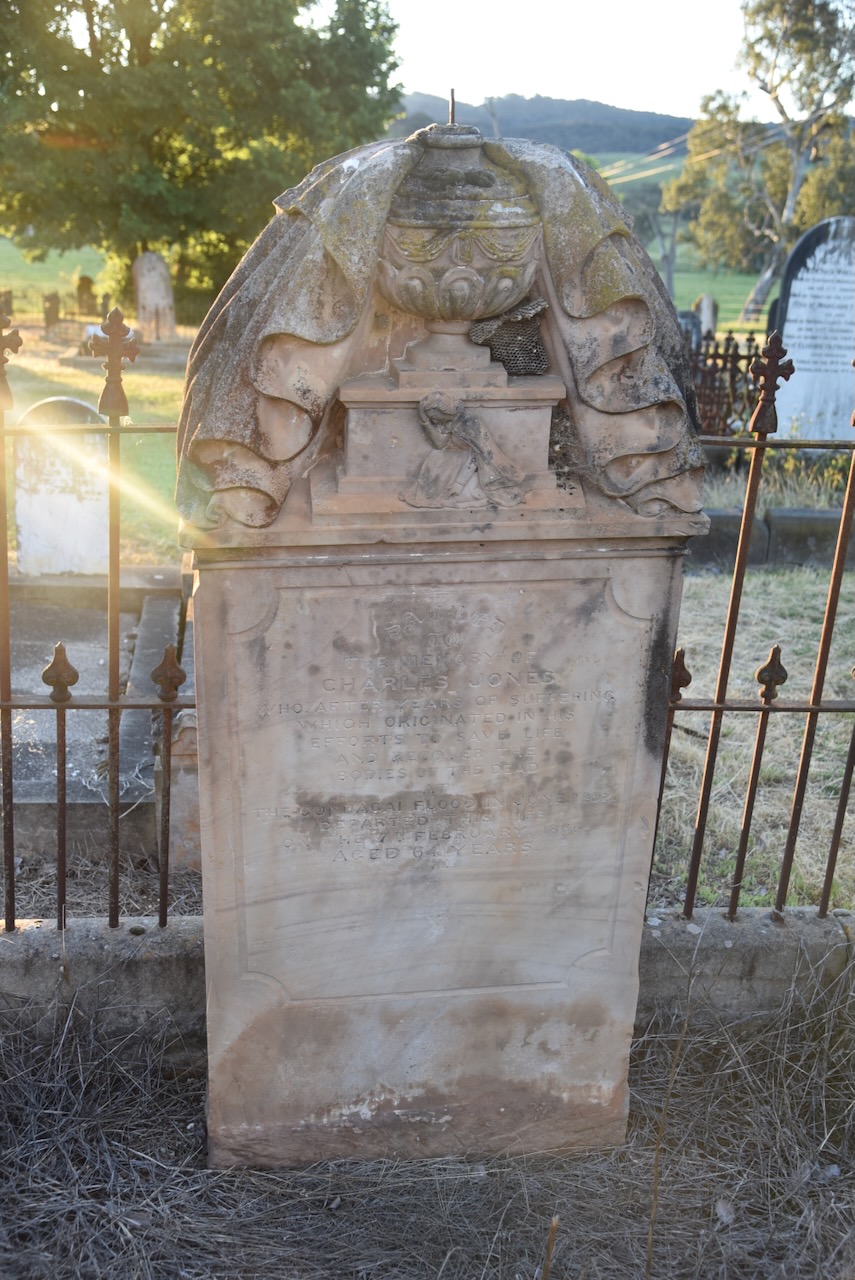
Charles Jones was born c. 1802. In 1849, he married Caroline Harriet Thatcher. He was responsible for the recovery of several of the dead from the Gundagai floods in 1852. Sadly, he took his life at the Rose Inn, Tumut, on the 7th day of February 1866, aged 64 years.
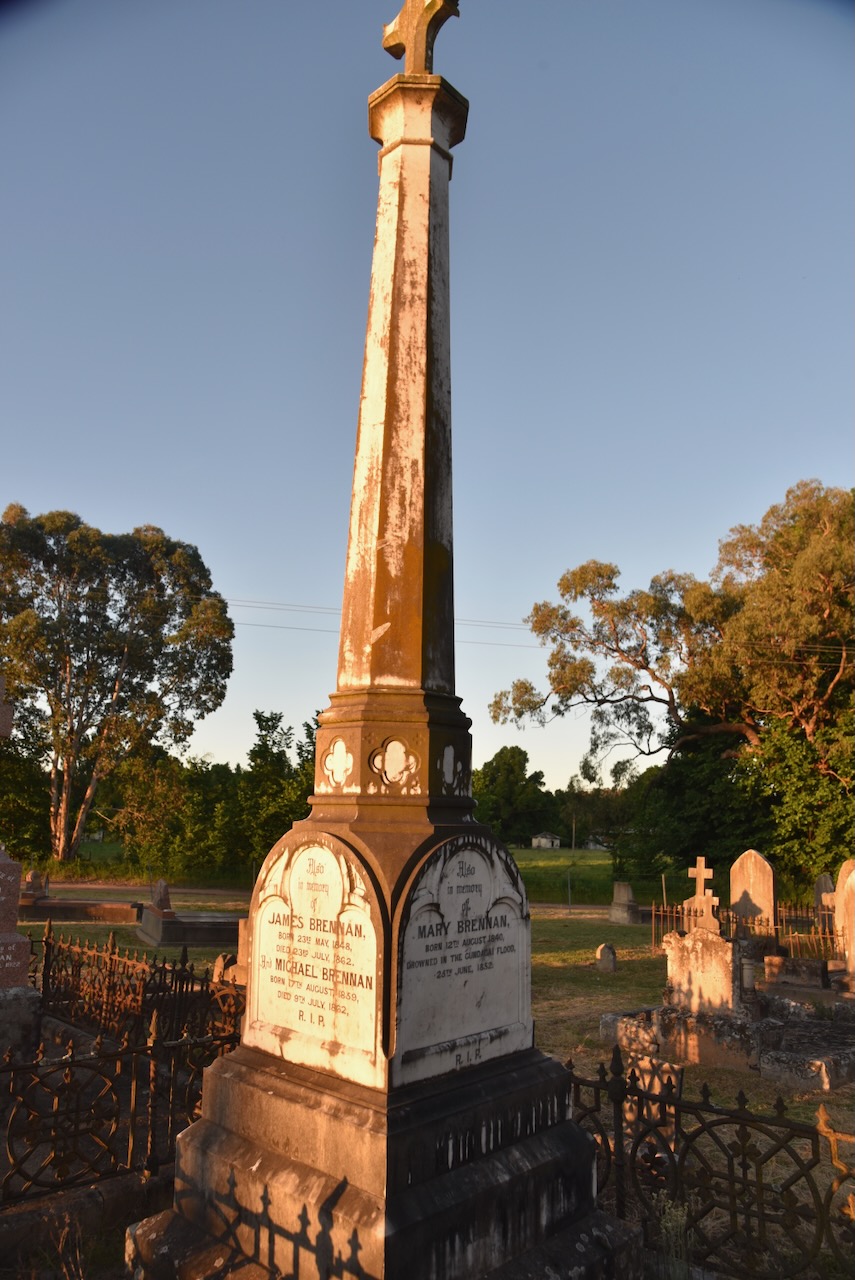
Mary Brennan was born in August 1840 in County Tipperary, Ireland. She drowned in the Gundagai flood in June 1852, aged 11 years. (ancestry 2016)
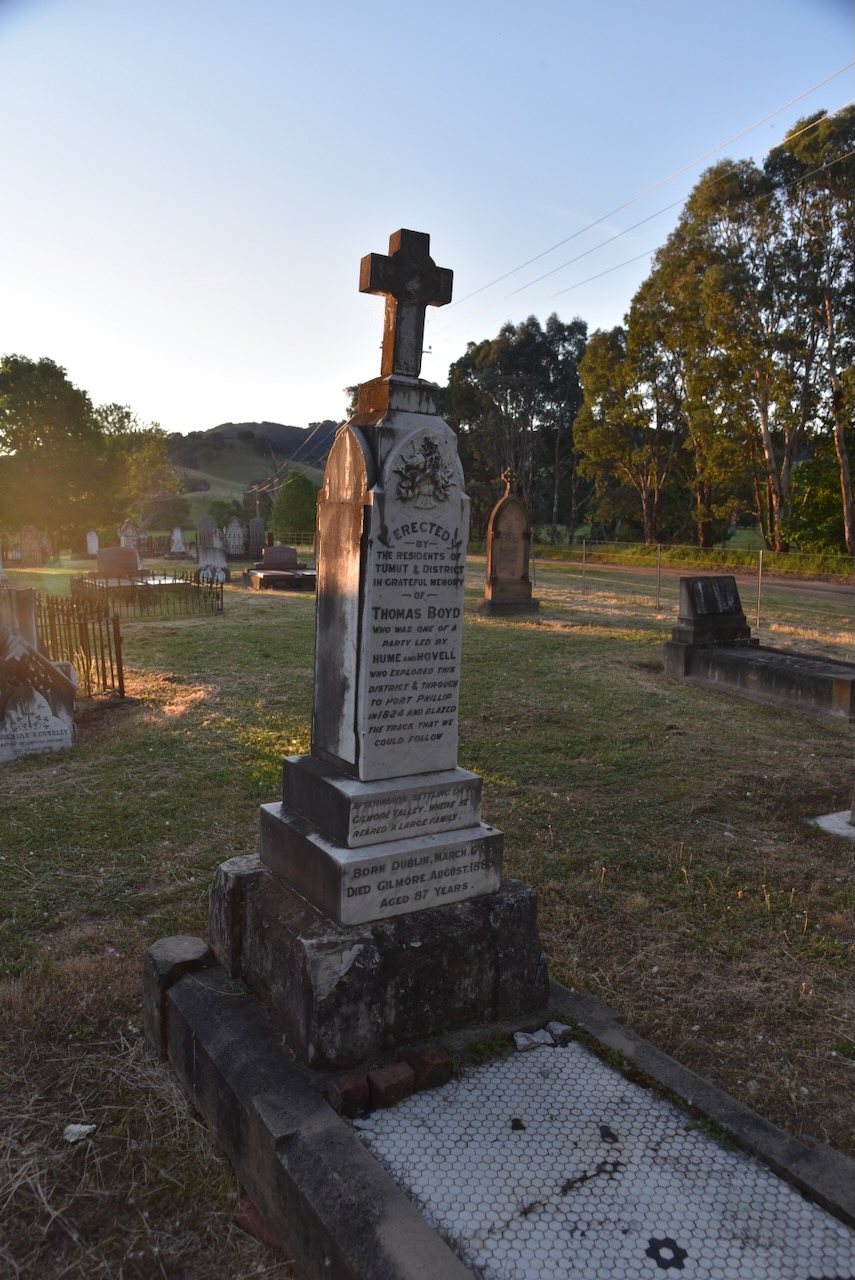
Thomas Boyd was born in 1798 in Dublin, Ireland. He was convicted of High Treason in Dublin City and was transported to Australia for life. He arrived in New South Wales in March 1822 aboard the Isabella. He took part in the Hume and Ovell expedition to Port Phillip Bay in 1824. He was described as one of the most valuable members of the expedition. It is widely accepted that he was the first European to swim across the Murray River onto Victorian soil. He swam across the river with a piece of rope between his teeth, which was then used to transport equipment across the river. He died in 1885, aged 86 years. (Convictrecords.com.au 2026) (UBC Web Design 2026)
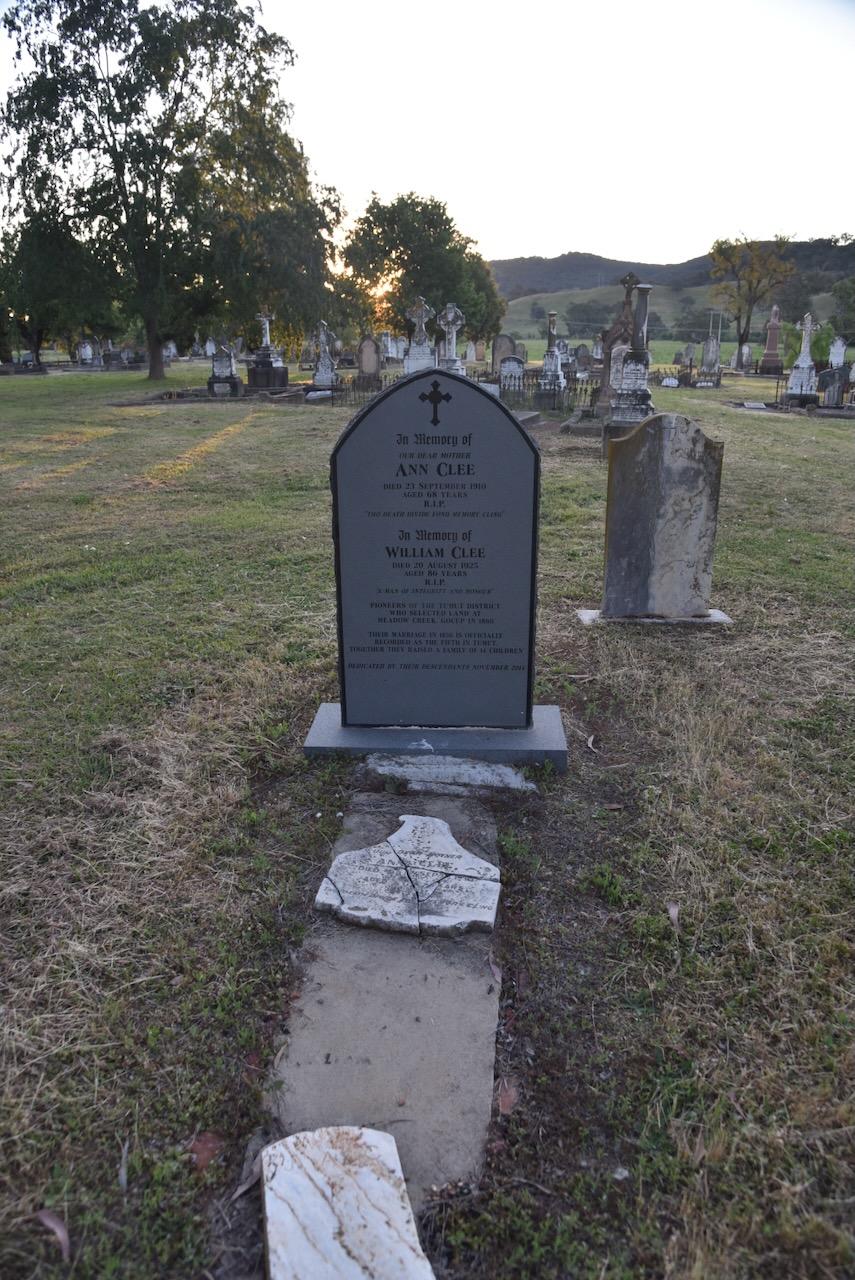
William Clee and his wife Ann were pioneers of the Tumut district who selected land at Meadow Creek, Gocup in 1860. Their marriage in 1856 is officially recorded as the fifth in Tumut. They raised a family of 14 children.
We left the cemetery and drove a few hundred metres along the Snowy Mountains Highway to the old Tumut Railway Station.
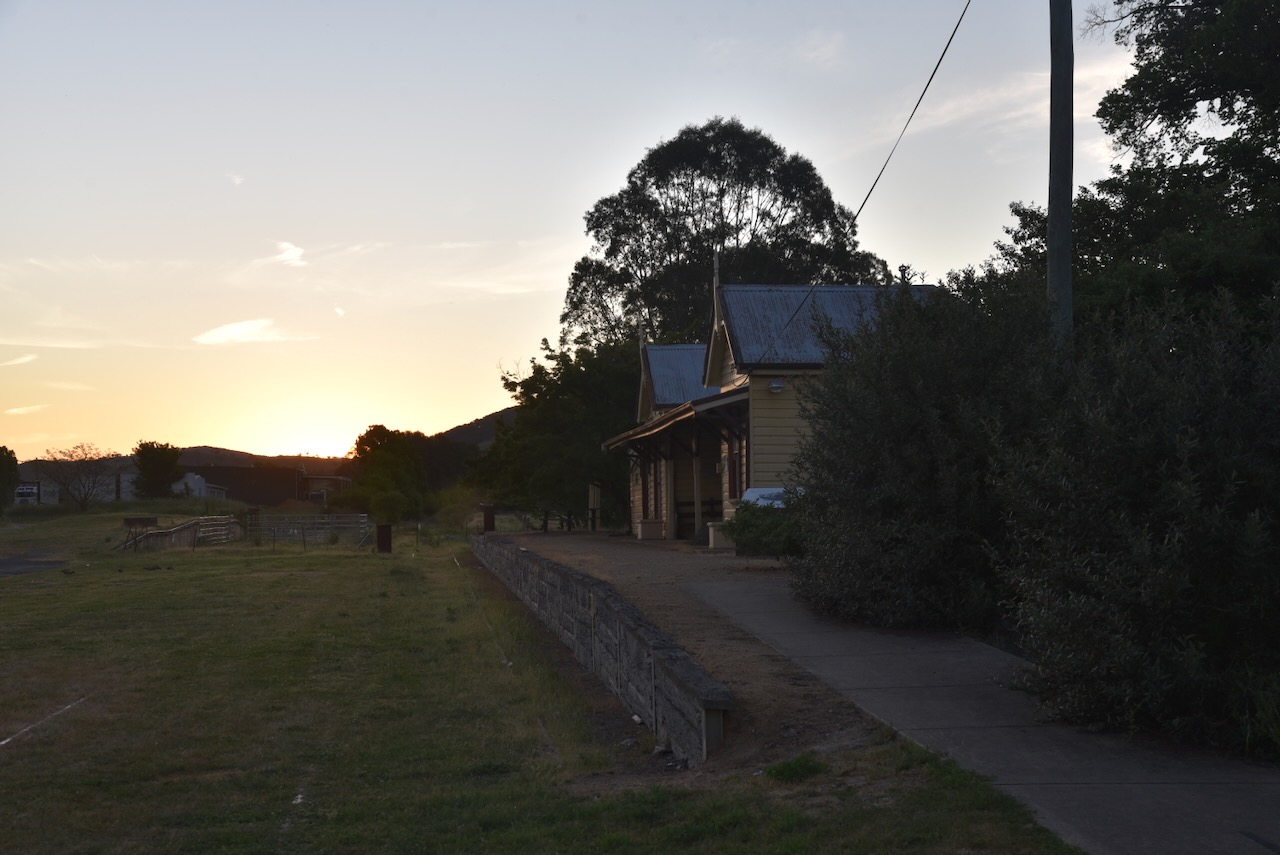
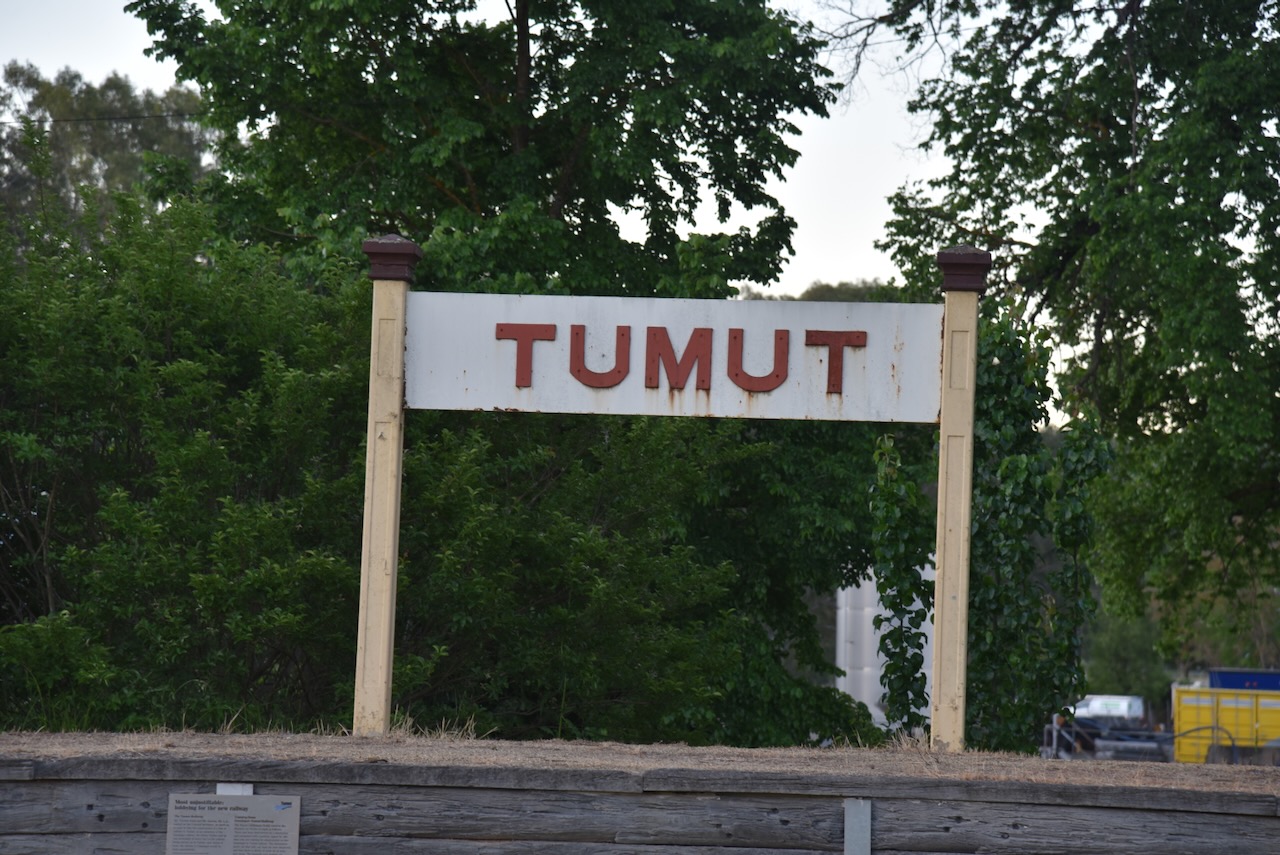
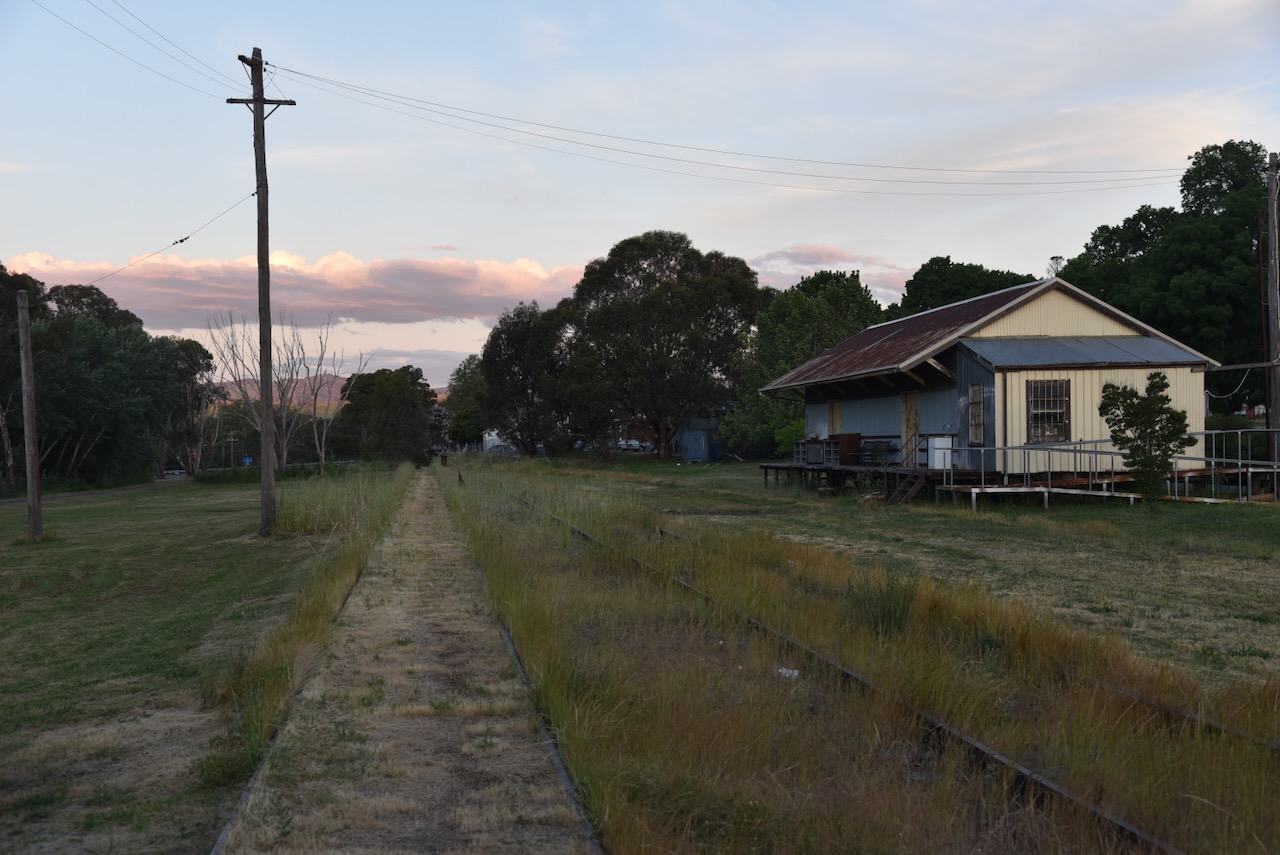
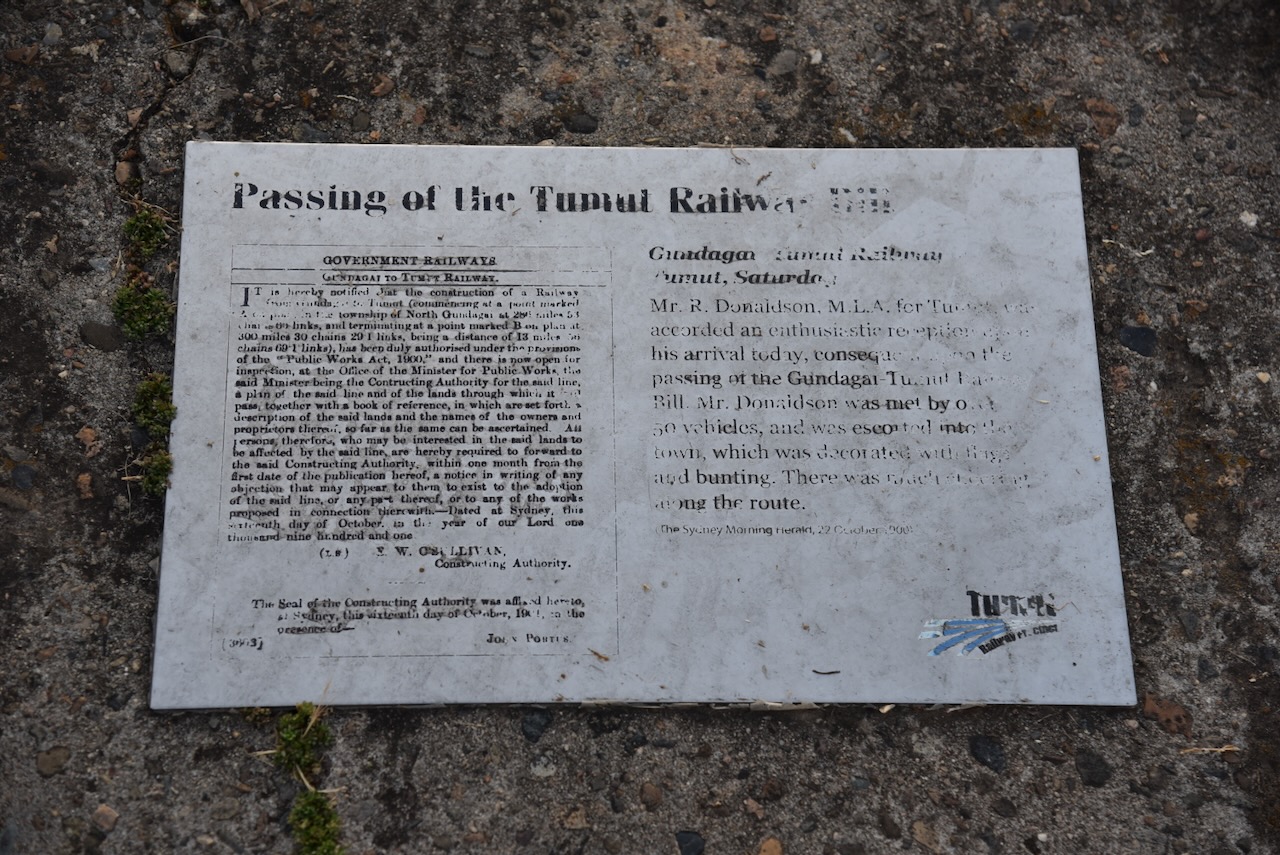
The Tumut railway had its official opening on Tuesday, the 13th day of October 1903. It was opened by the State Governor, Sir Harry Rawson and about 10,000 people were in attendance. (Trove 2026)
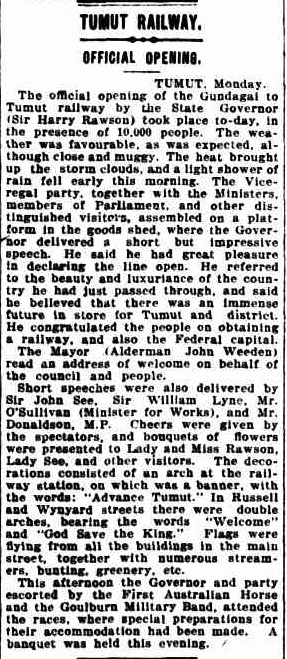
Above: article from the Newcastle Morning Herald, Tue 13 Oct 1903. Image c/o Trove
The railway station is listed on the New South Wales State Heritage Register. (Wikipedia 2025)
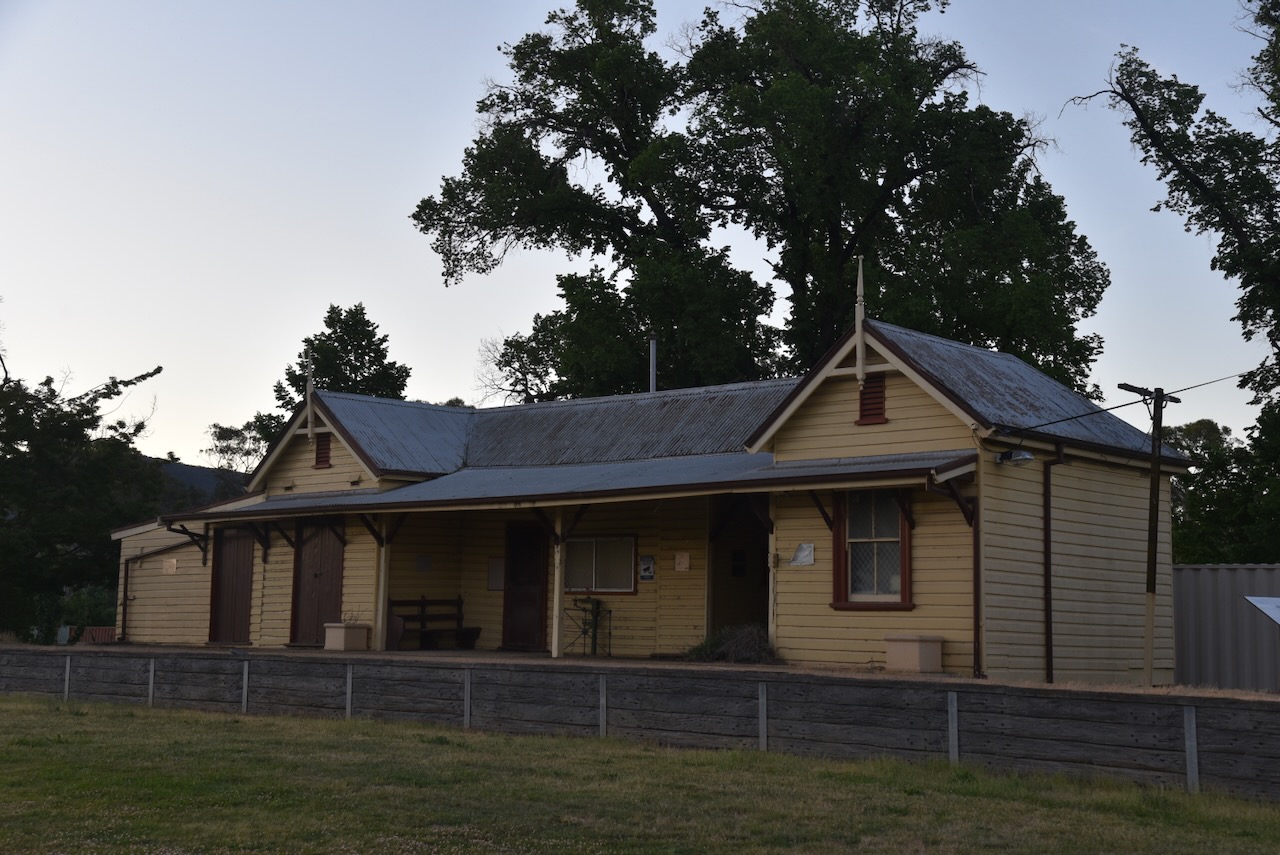
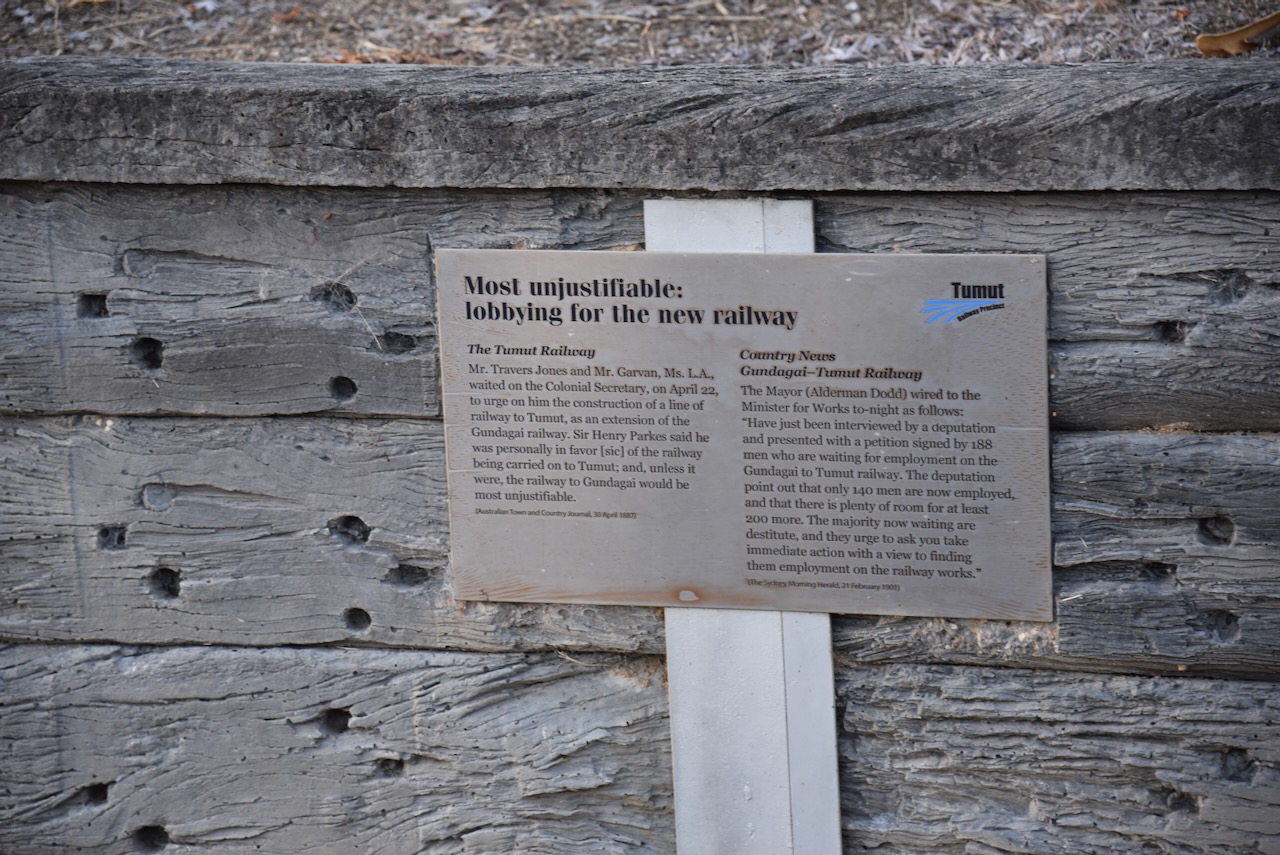
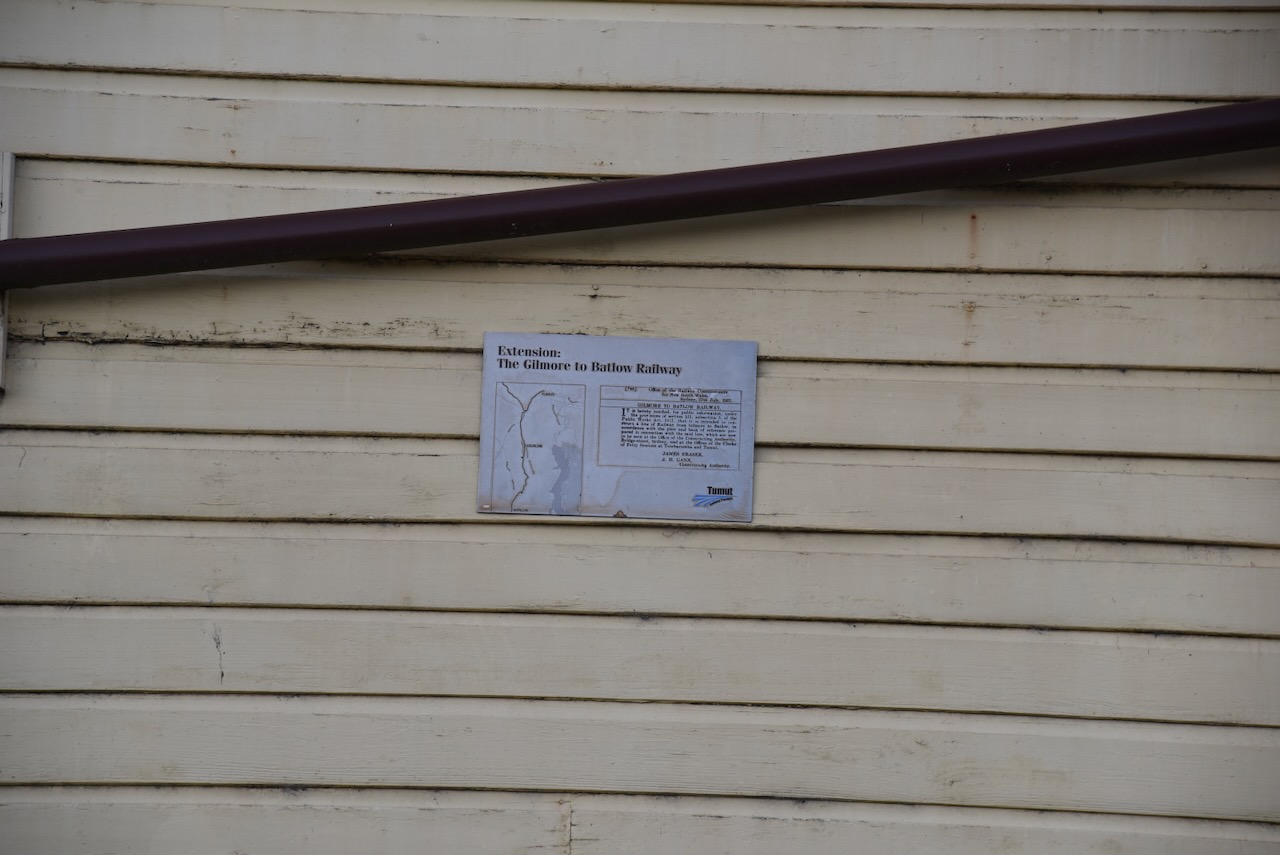
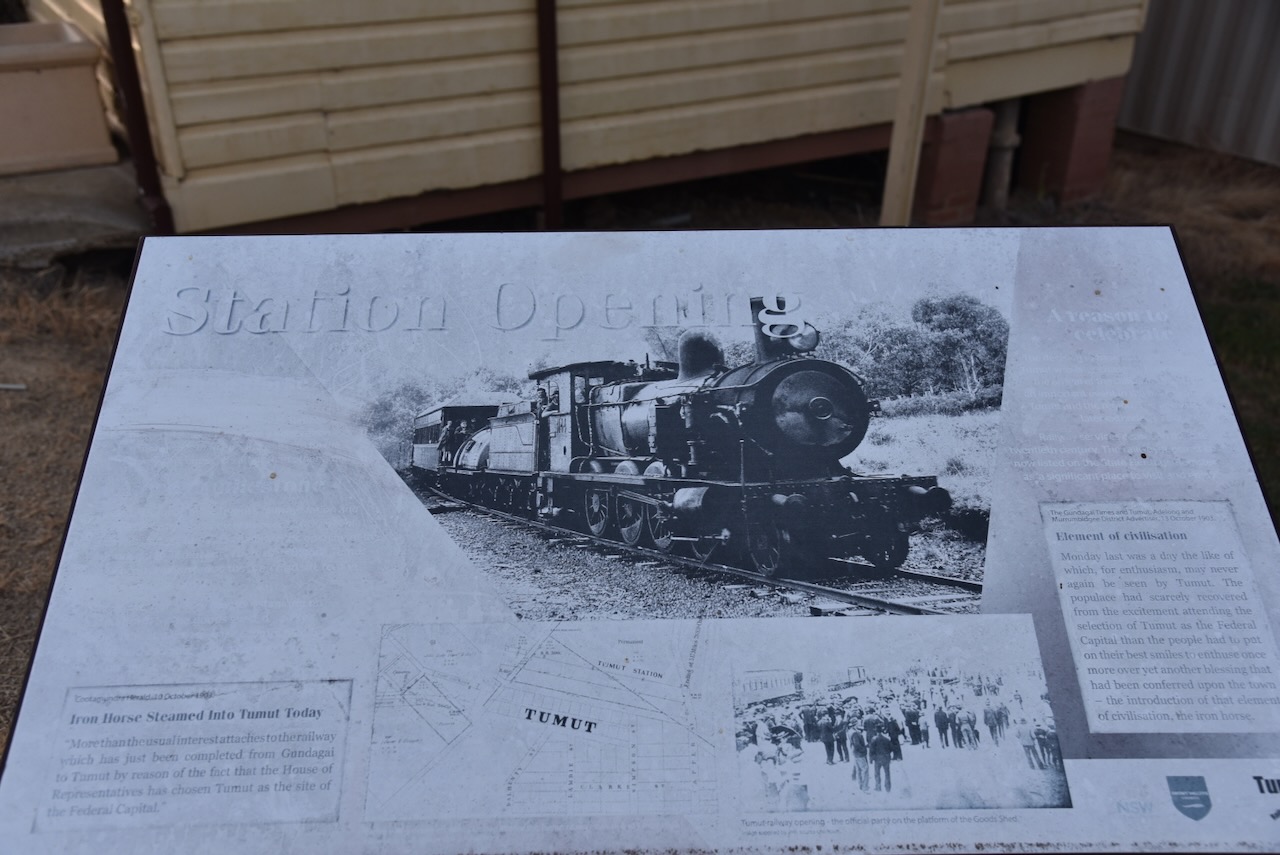
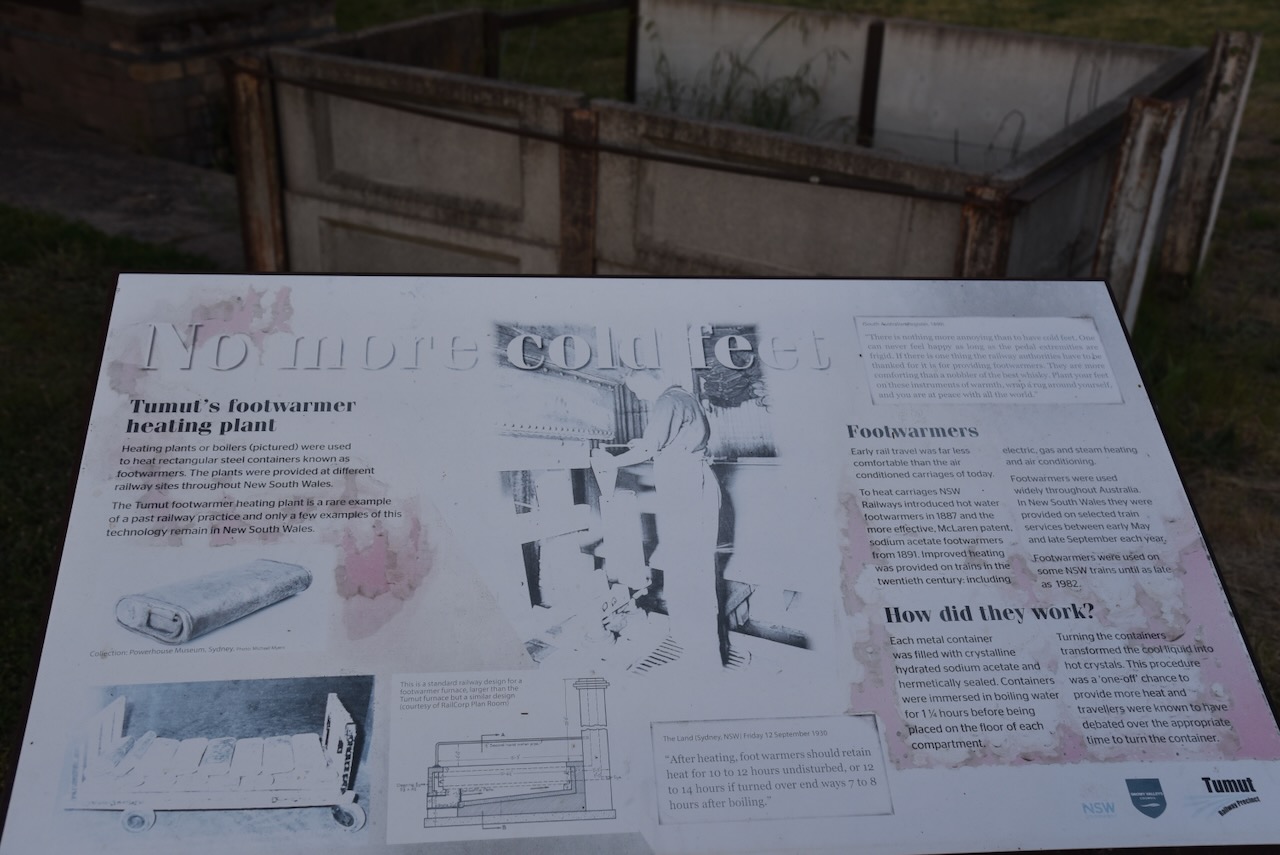
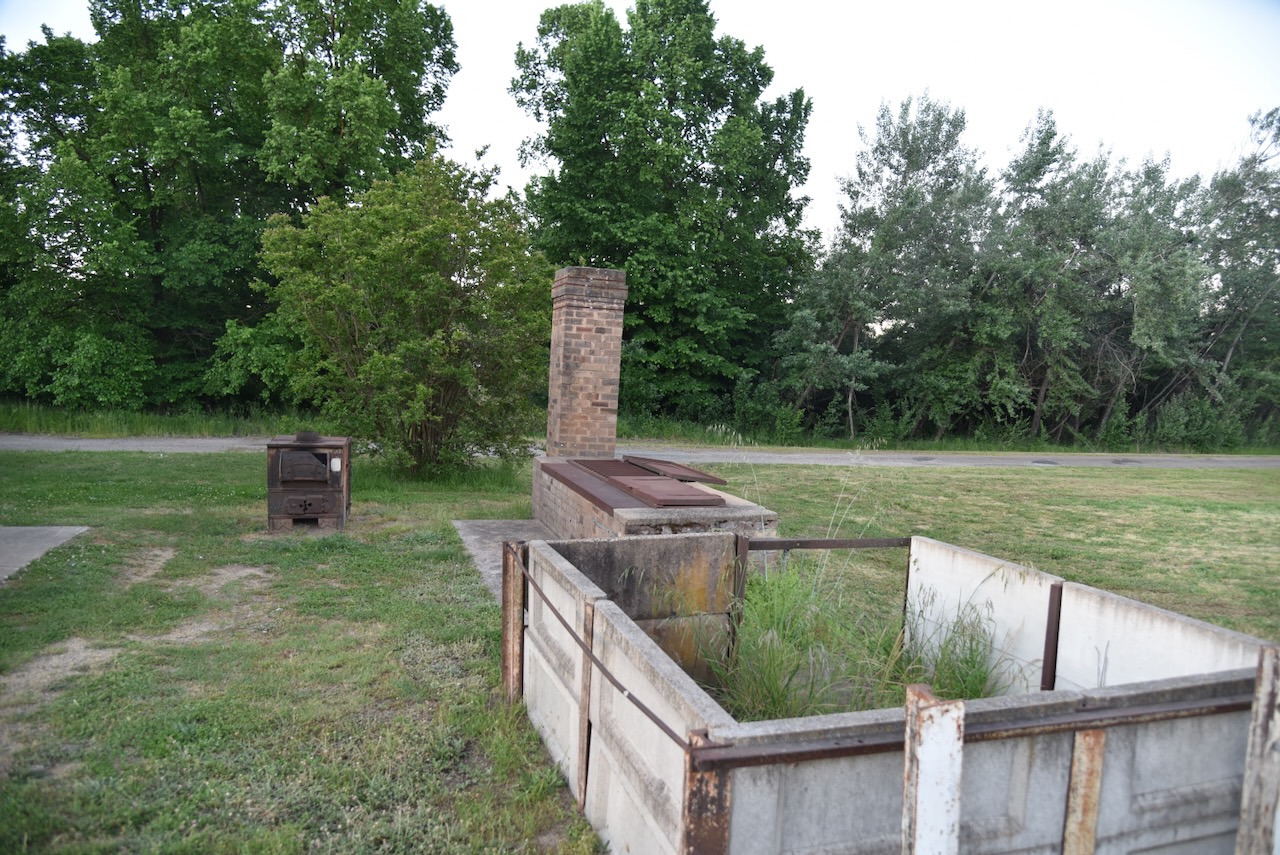
A piece of interesting history at the railway station is the footwarmer heating plant. It was used to heat rectangular steel containers known as footwarmers. Train travellers were given these to make their journey more comfortable.
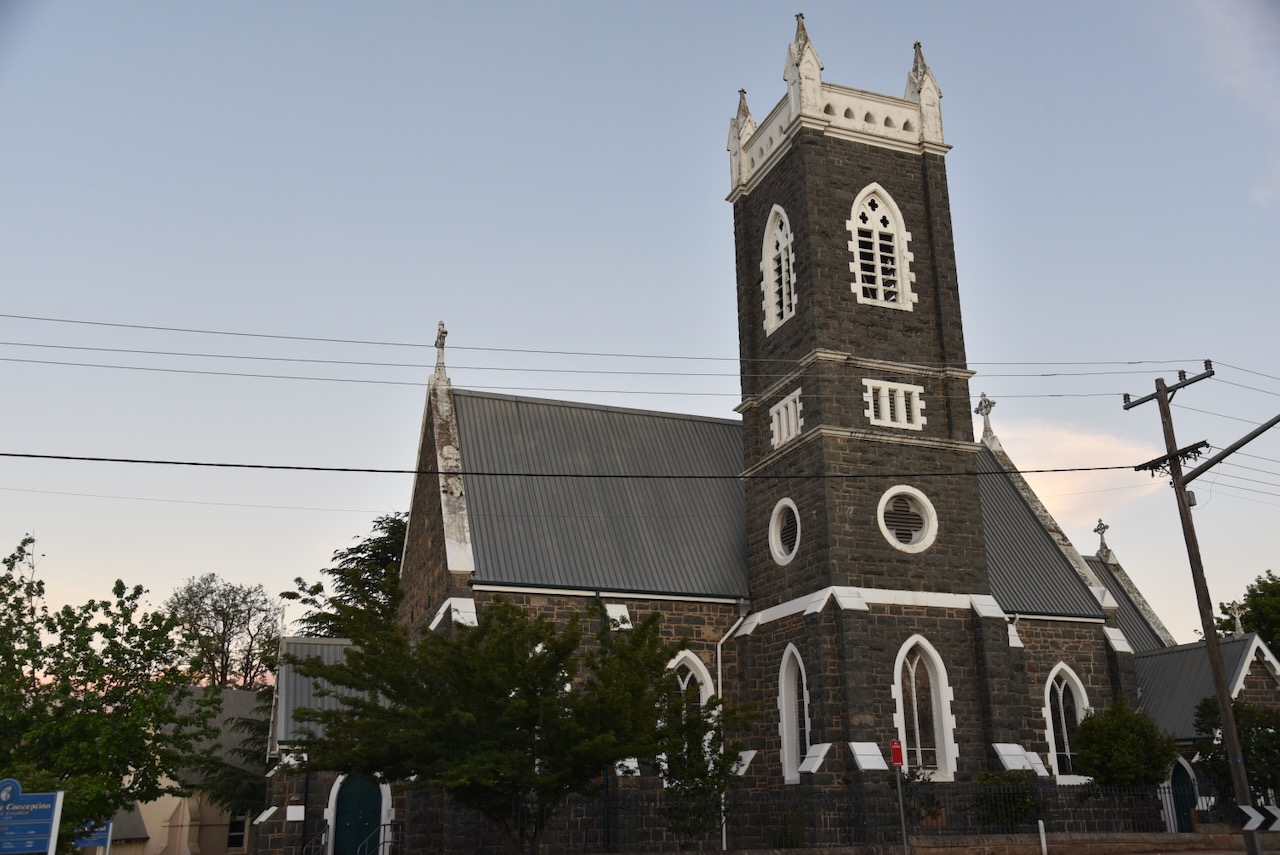
We had a quick drive around Tumut to admire some of the historic buildings. Sadly, we were really pressed for time, and Marija and I agreed that we would need to come back and stay in Tumut.
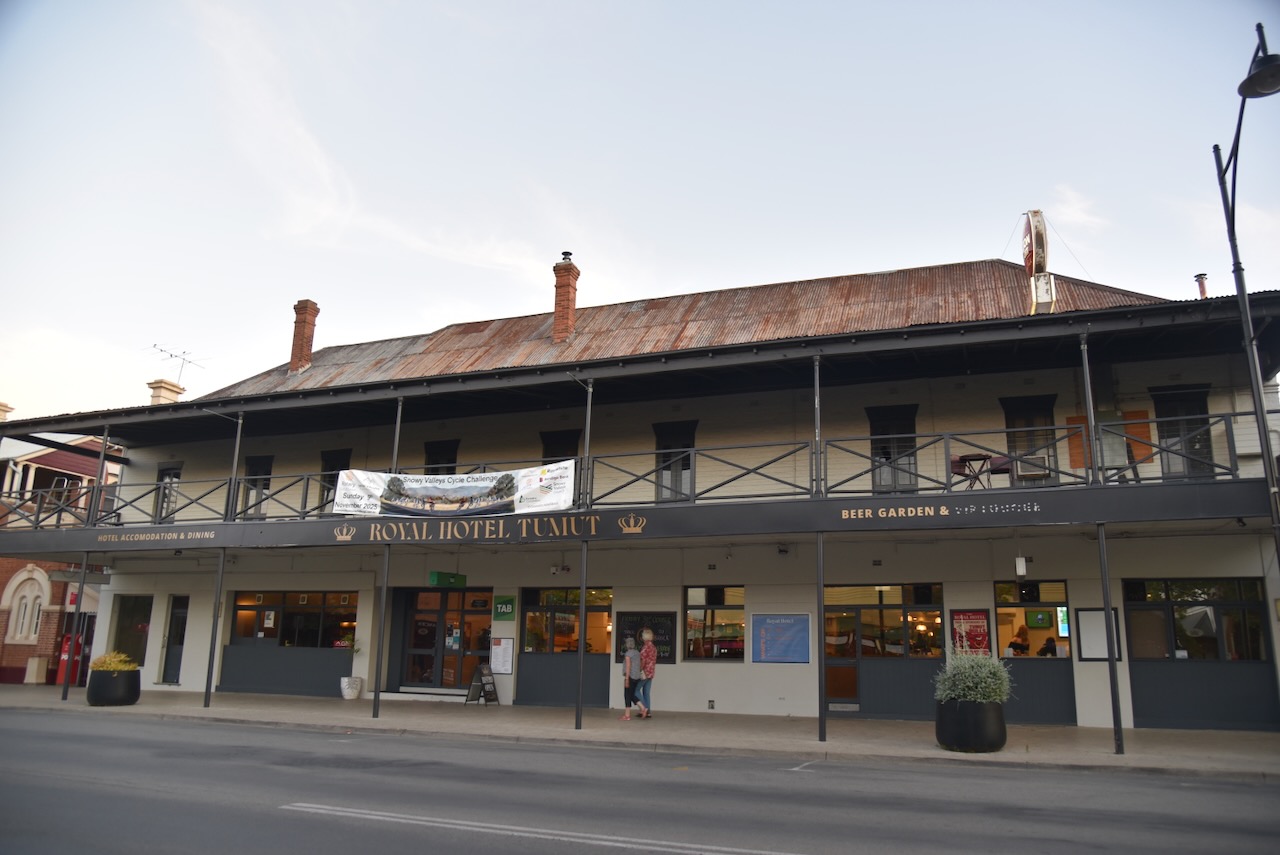
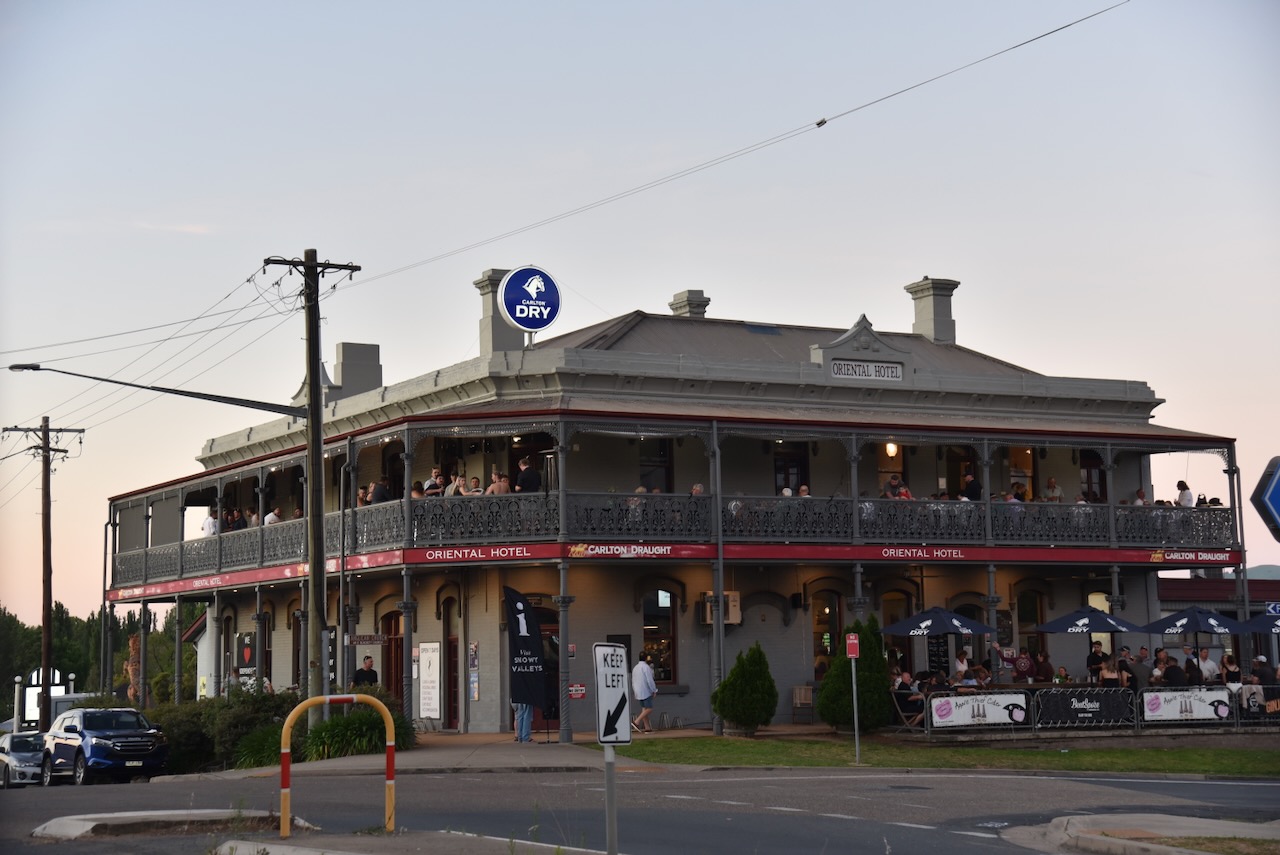
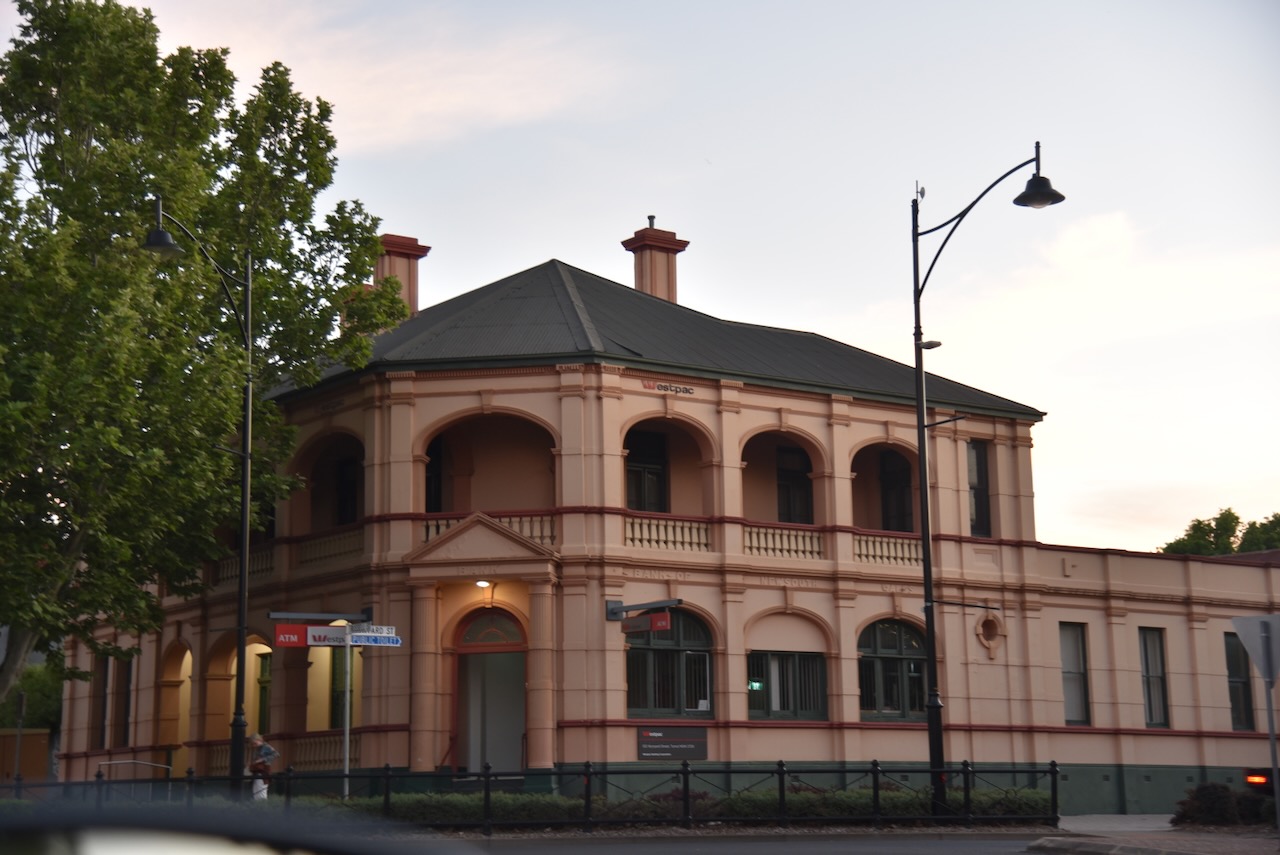
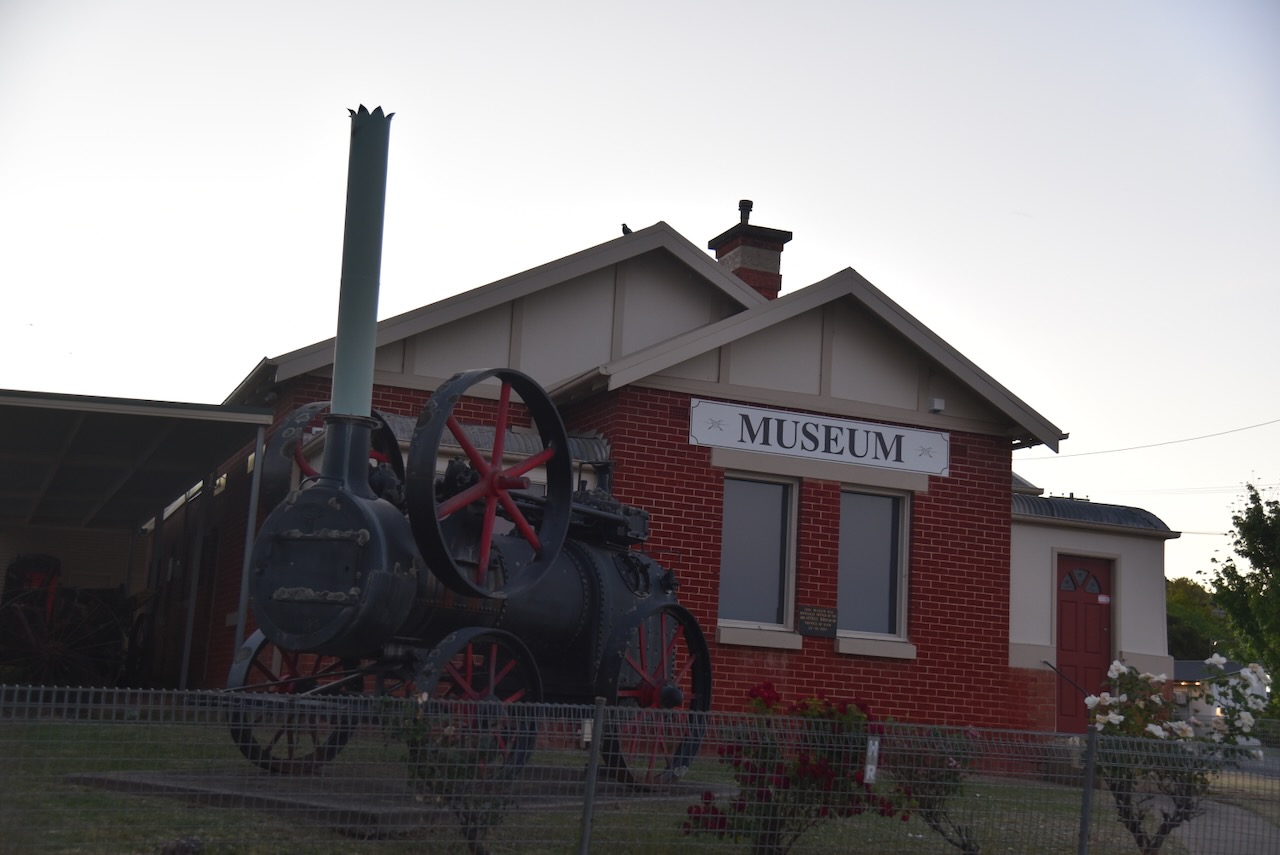
As we were keen to get back to Gundagai, we had a quick fast meal that evening at Kentucky Fried Chicken.
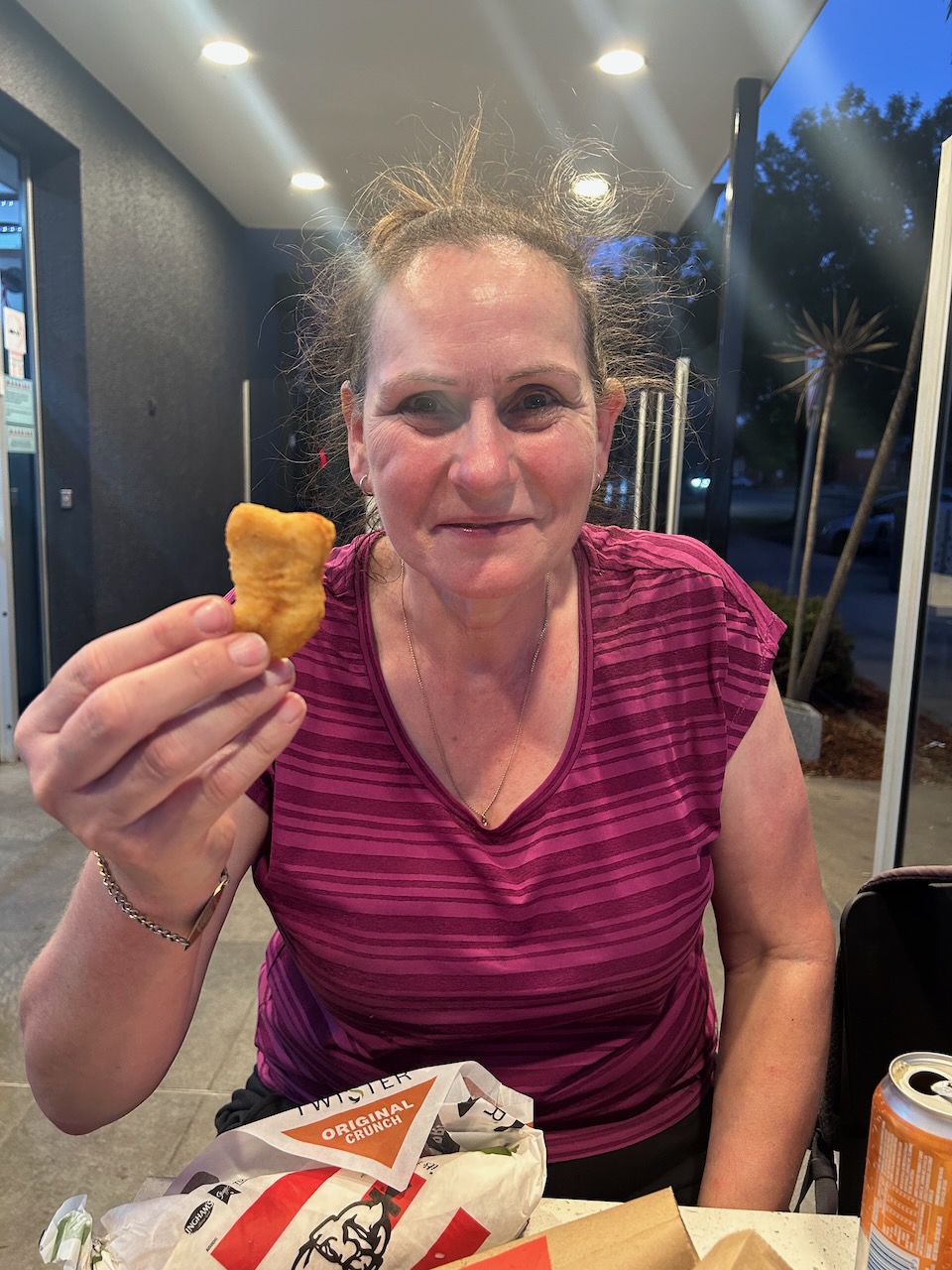
After dinner, we hit the road and travelled back to our motel in Gundagai.
References.
- ancestry (2016). Ancestry® | Genealogy, Family Trees & Family History Records. [online] Ancestry.com.au. Available at: https://www.ancestry.com.au/. [Accessed 15 Mar. 2026]
- Convictrecords.com.au. (2026). Available at: https://convictrecords.com.au/convicts/boyd/thomas/129032. [Accessed 15 Mar. 2026]
- NSW National Parks. (2026). Wereboldera State Conservation Area. [online] Available at: https://www.nationalparks.nsw.gov.au/visit-a-park/parks/wereboldera-state-conservation-area [Accessed 16 Mar. 2026].
- NSW National Parks and Wildlife Service, 2009, Wereboldera State Conservation Area Plan of Management
- Trove. (2026). Adelong Argus, Tumut and Gundagai Advertiser (NSW : 1899 – 1905; 1925) – 22 Oct 1901 – p2. [online] Available at: https://trove.nla.gov.au/newspaper/page/31858888?searchTerm=george%20thomas%20%2B%20drowned [Accessed 15 Mar. 2026].
- Trove. (2026). Newcastle Morning Herald and Miners’ Advocate (NSW : 1876 – 1954) – 13 Oct 1903 – p5. [online] Available at: https://trove.nla.gov.au/newspaper/page/15132928?searchTerm=tumut%20railway%20station%20open [Accessed 16 Mar. 2026].
- UBC Web Design (2026). Thomas Boyd | Monument Australia. [online] Monumentaustralia.org. Available at: https://www.monumentaustralia.org/themes/people/exploration/display/23530-thomas-boyd [Accessed 15 Mar. 2026].
- Wikipedia. (2024). Captain Moonlite. [online] Available at: https://en.wikipedia.org/wiki/Captain_Moonlite. [Accessed 15 Mar. 2026]
- Wikipedia Contributors (2025). Tumut railway station. Wikipedia.
 VK5PAS