
Our next stop on Monday, 3rd November 2025, was Coleambally in the Riverina region of New South Wales. Coleambally is about 658 km west of Sydney and about 31 km south of Darlington Point.
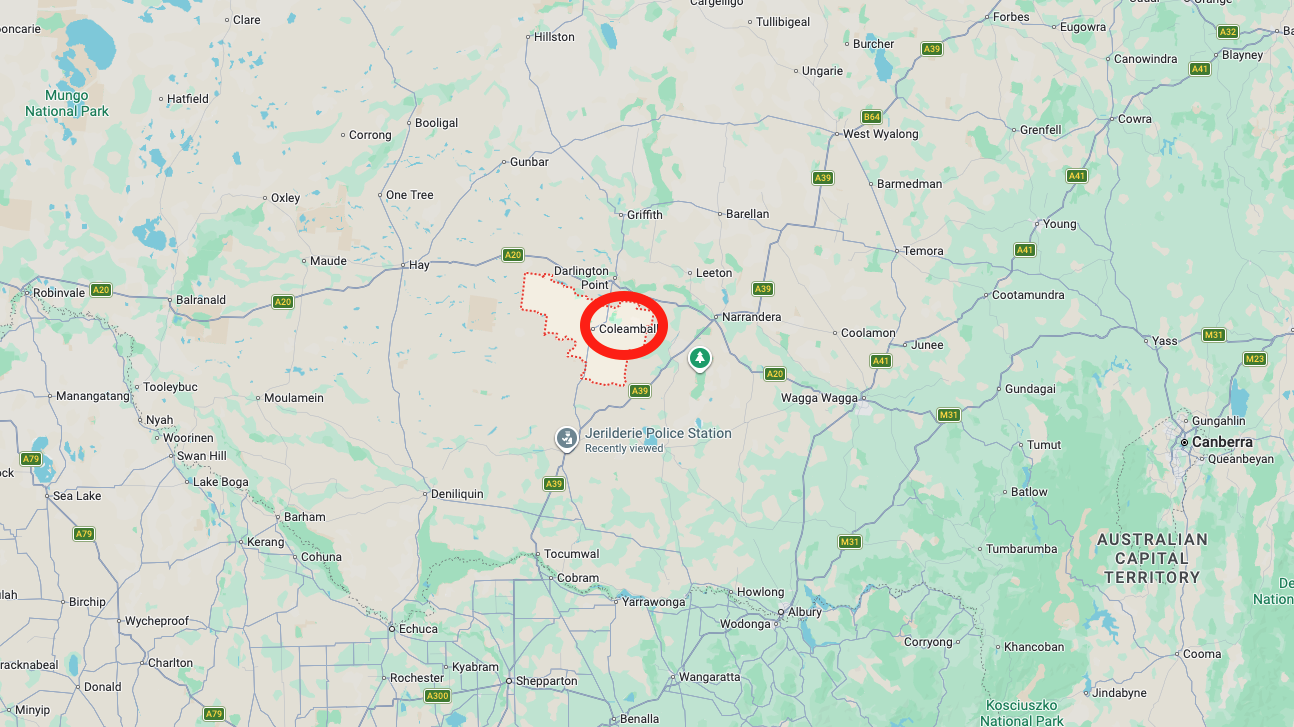
Above: Map showing the location of Coleambally, NSW. Map c/o Google Maps
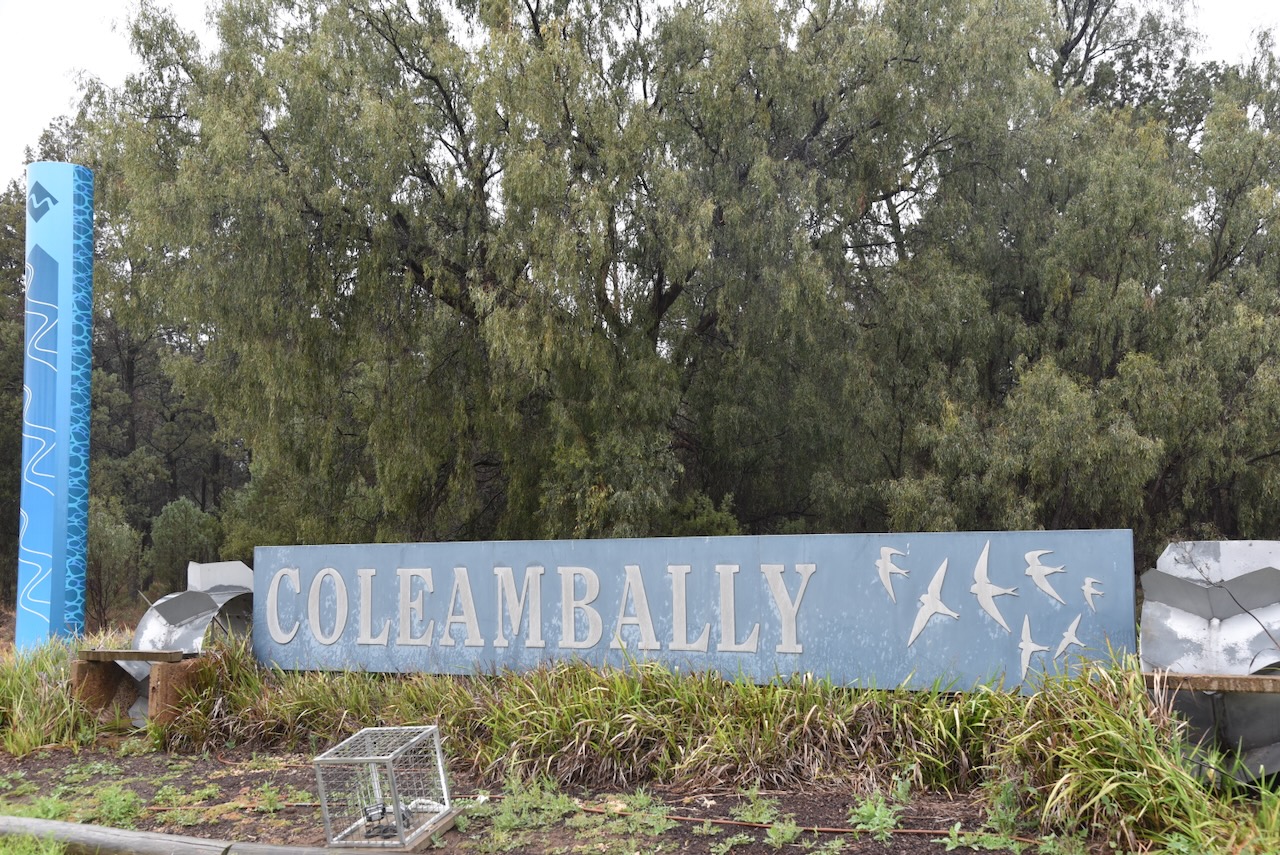
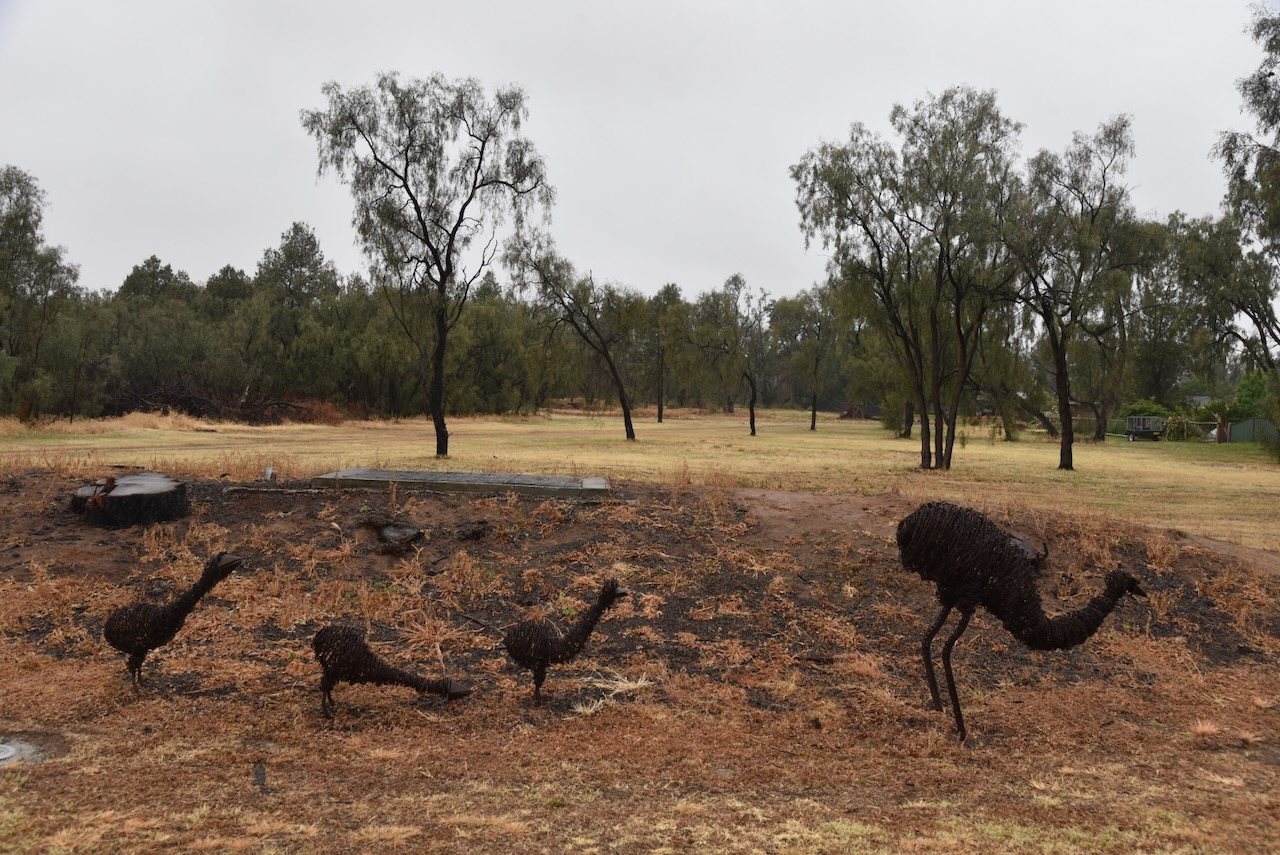
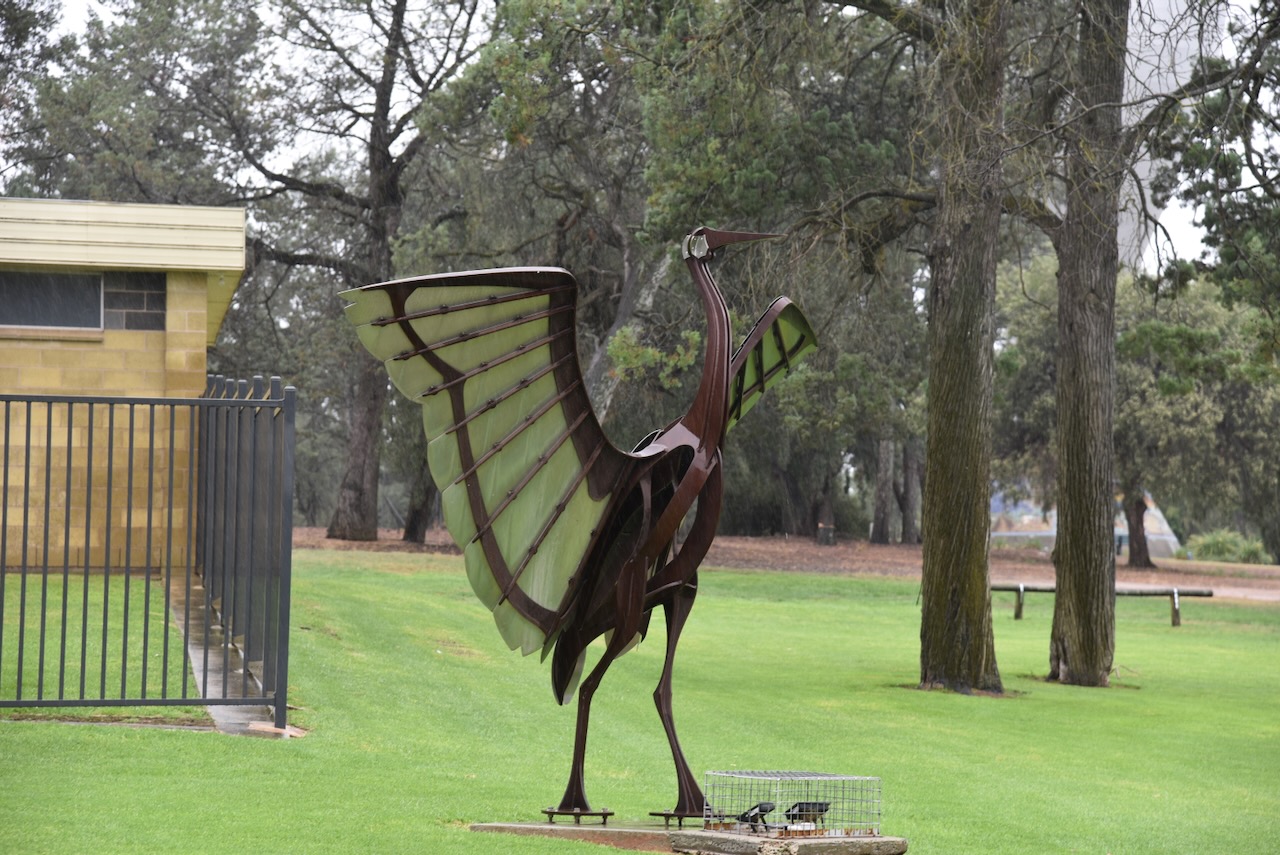
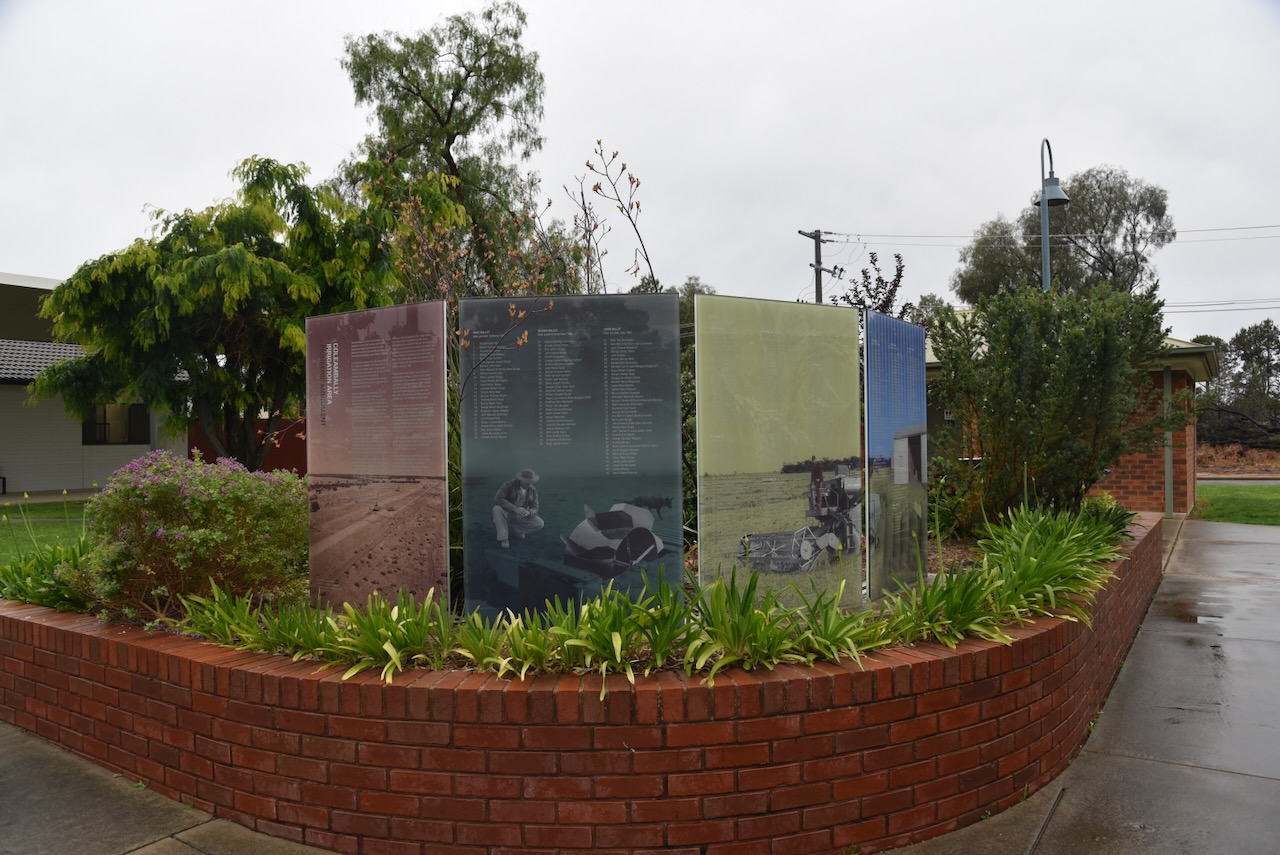
Coleambally is a new town, having been gazetted in June 1968. The Post Office opened 2 years later in April 1970. The town was designed to act as the centre for the surrounding Coleambally Irrigation Area. Coleambally is an Aboriginal word believed to mean ‘swift in flight.’ The spine-tailed swift can be found in the area and is one of the most powerful fliers known. The town features street names that are named after local birds. (Wikipedia 2025)
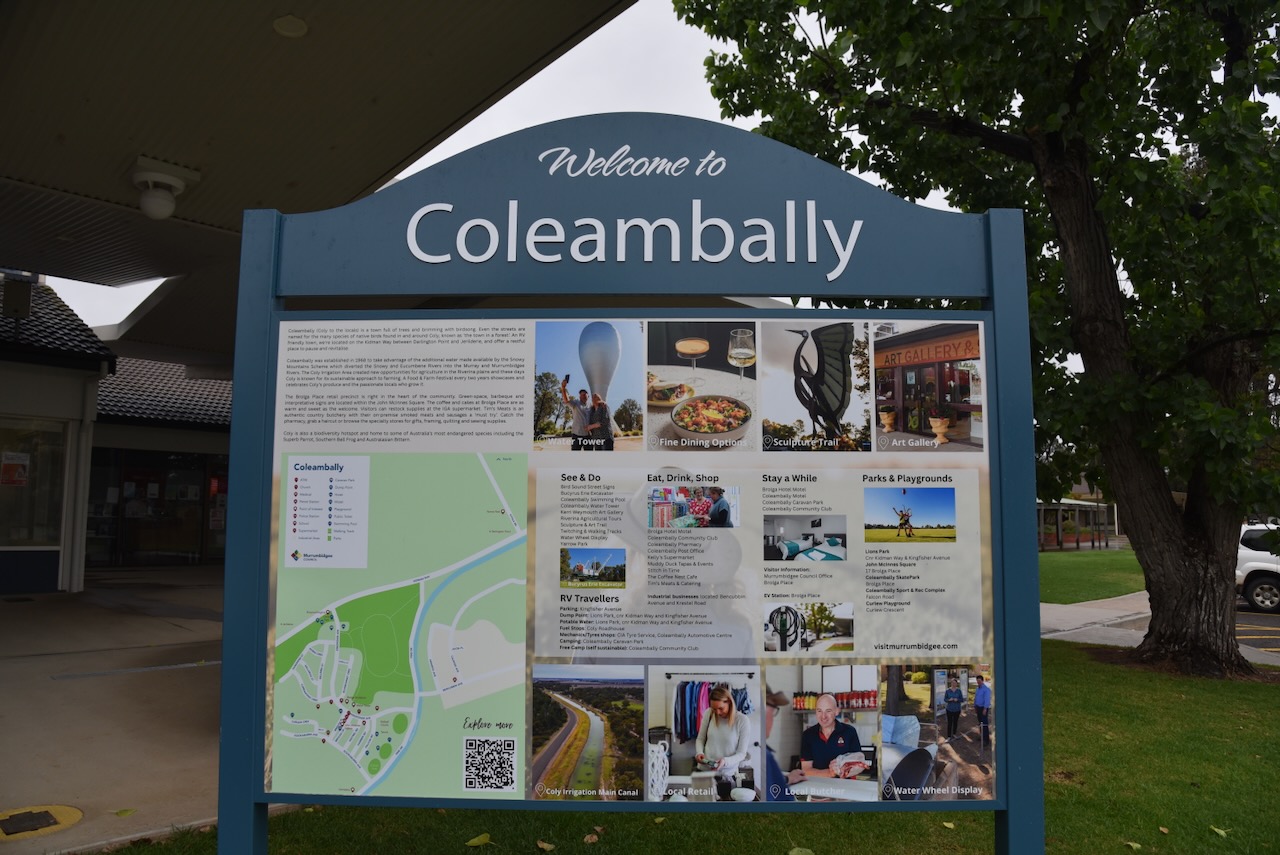
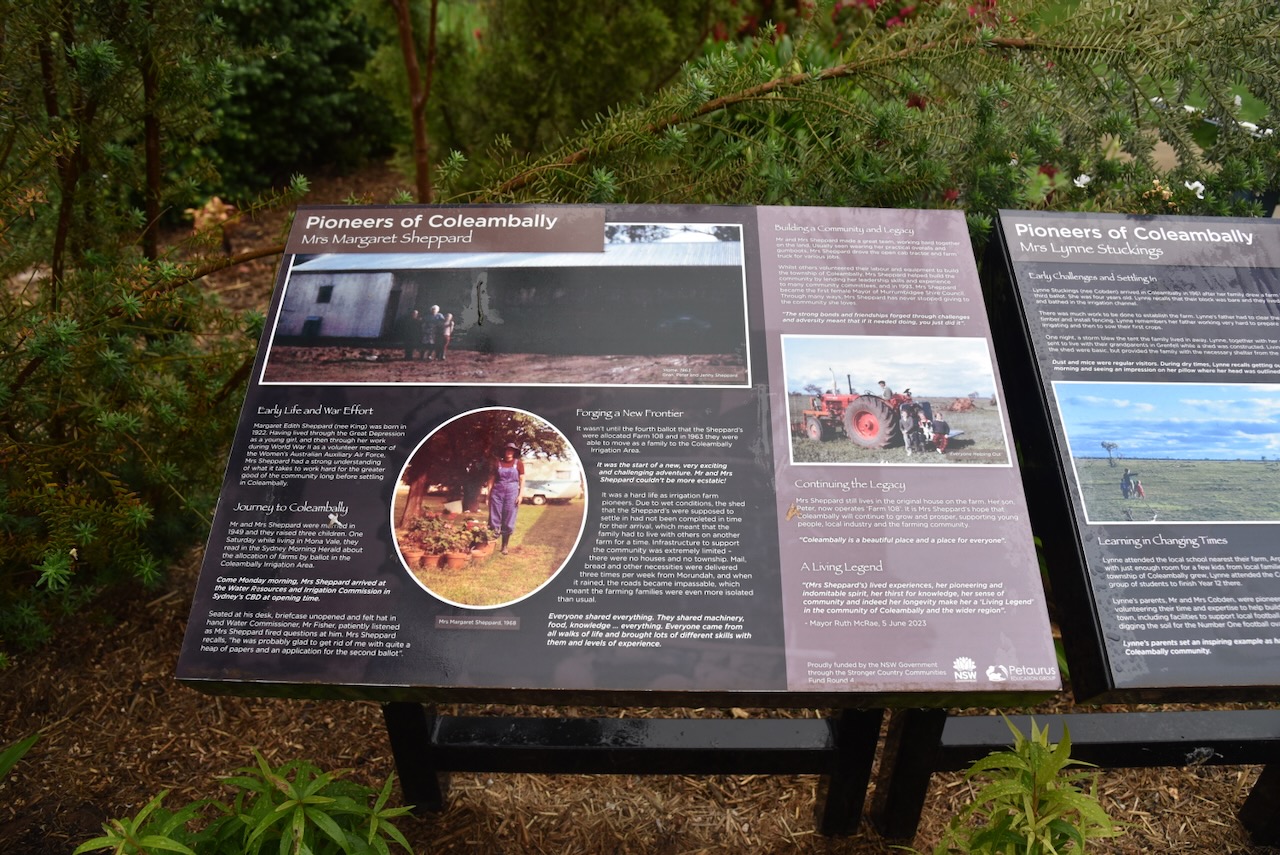
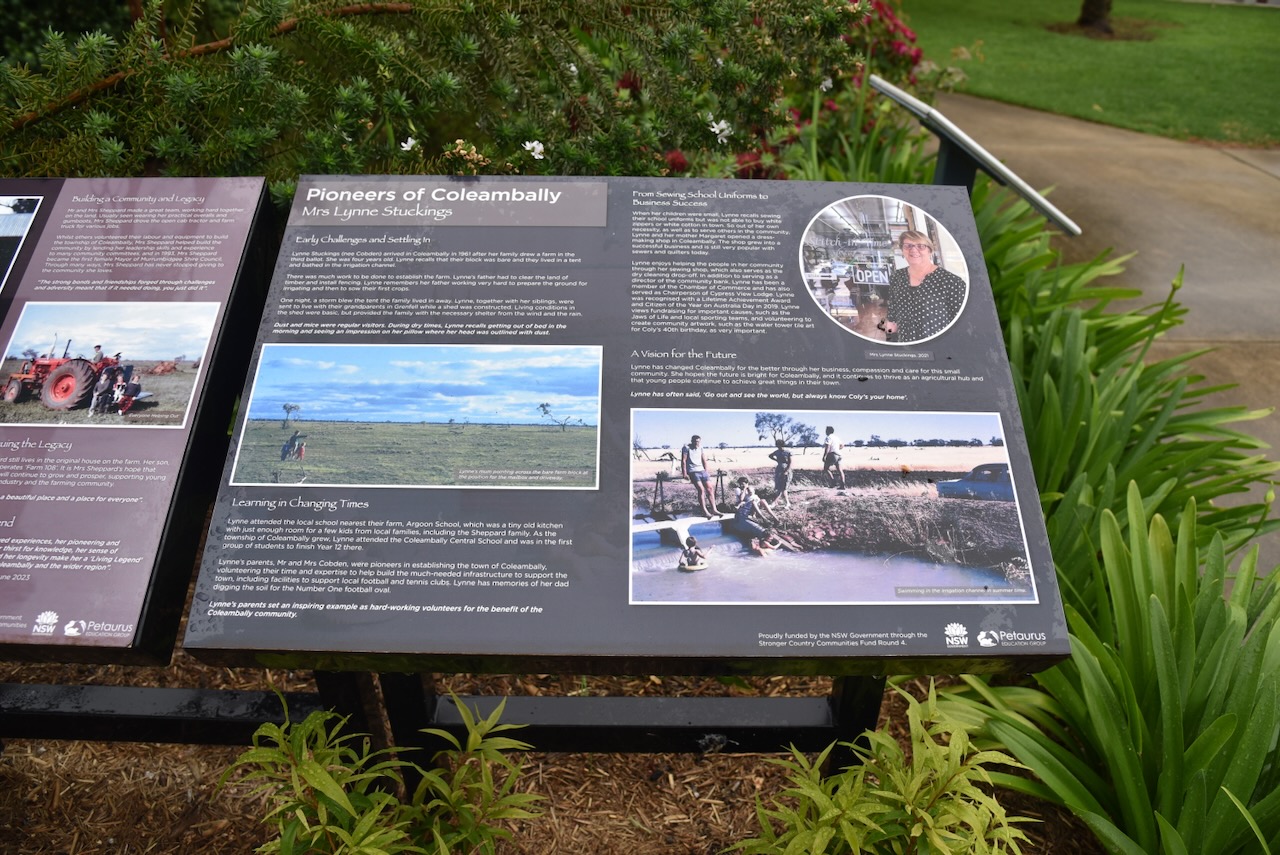
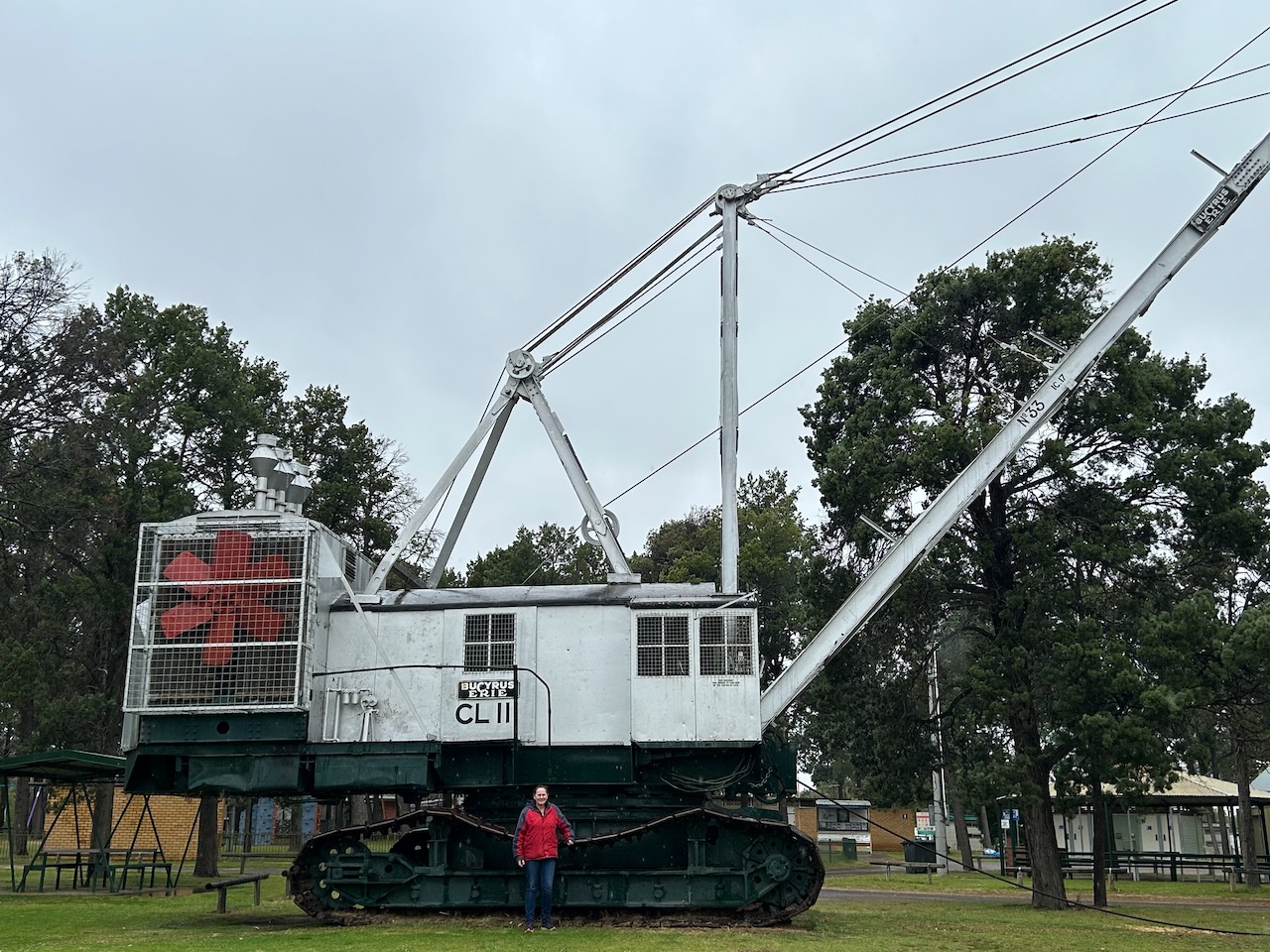
As you enter the town, you cannot miss the Bucyrus Class Dragline. It was one of four machines used to excavate the main irrigation channels in the district.
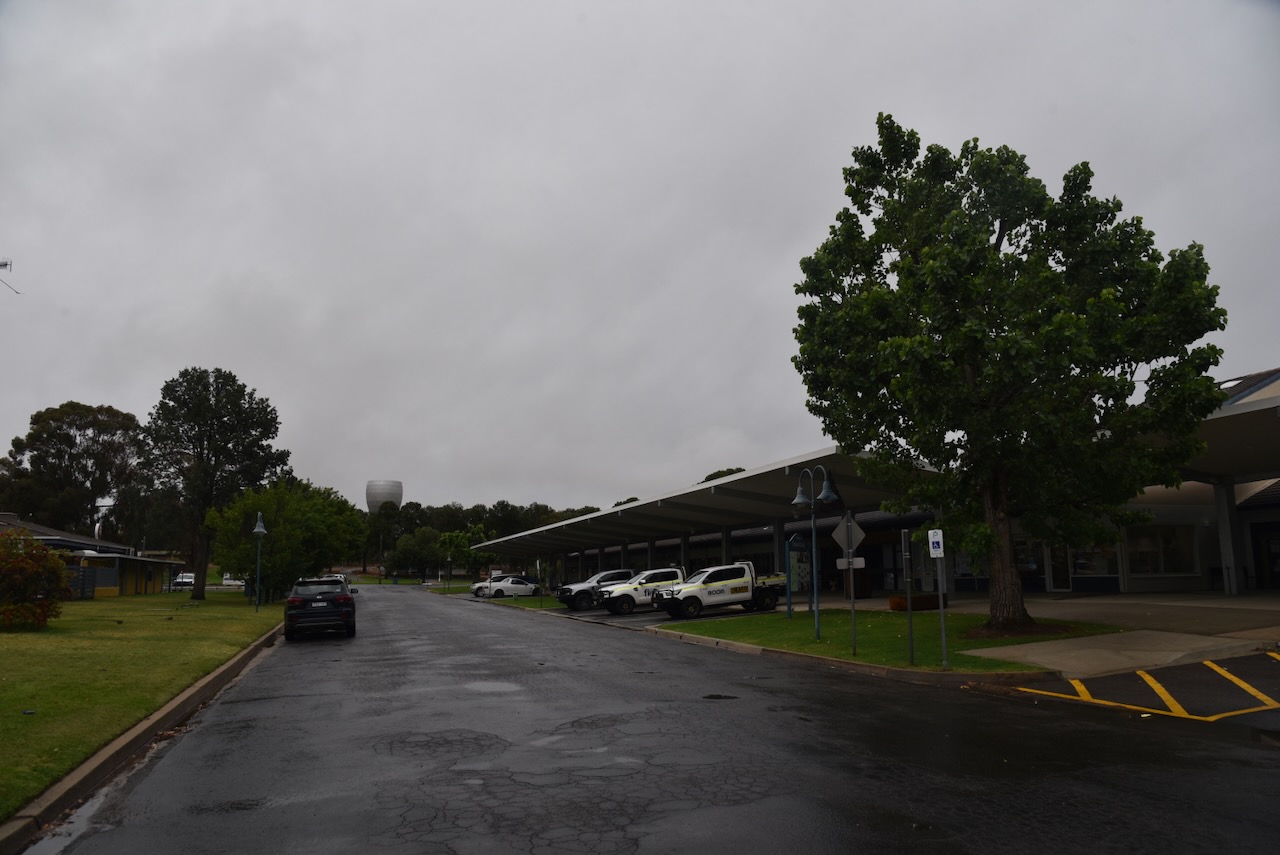
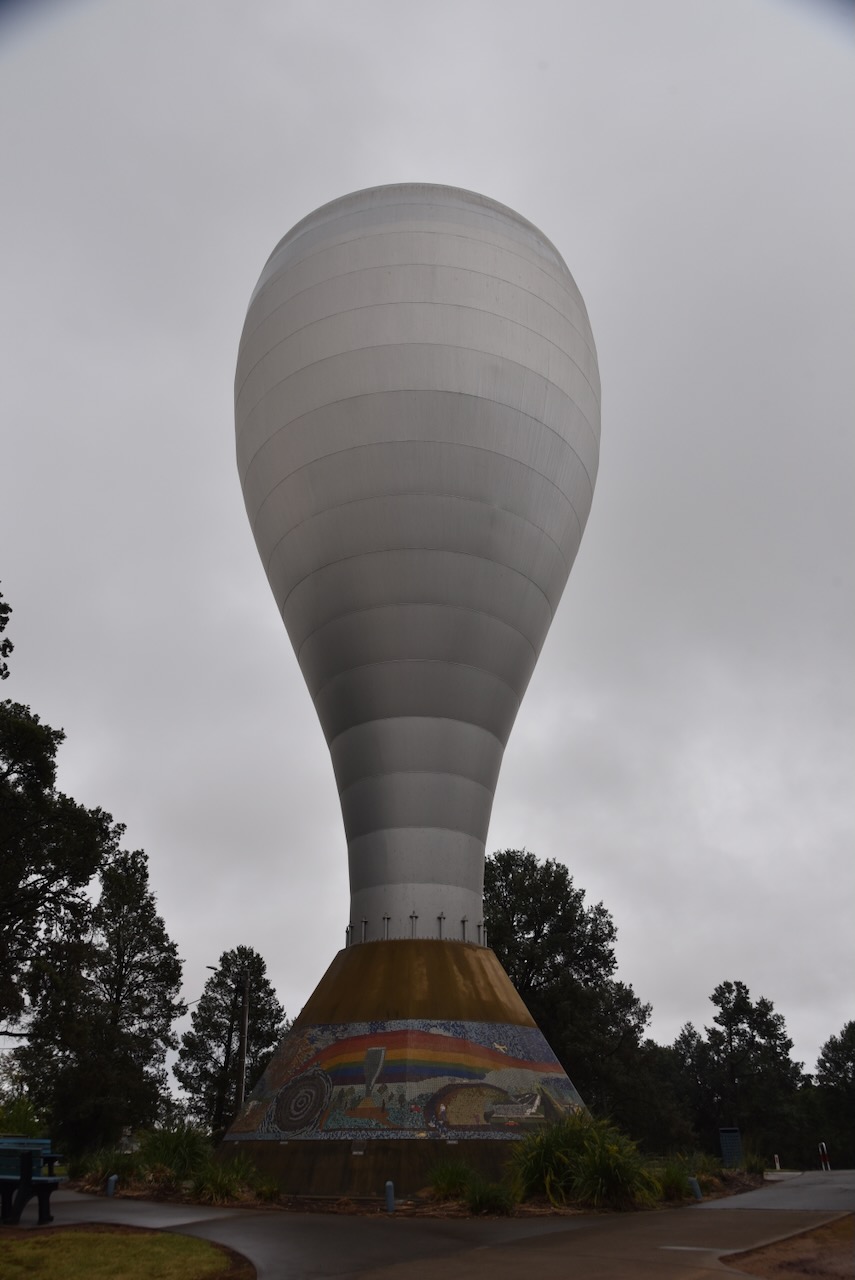
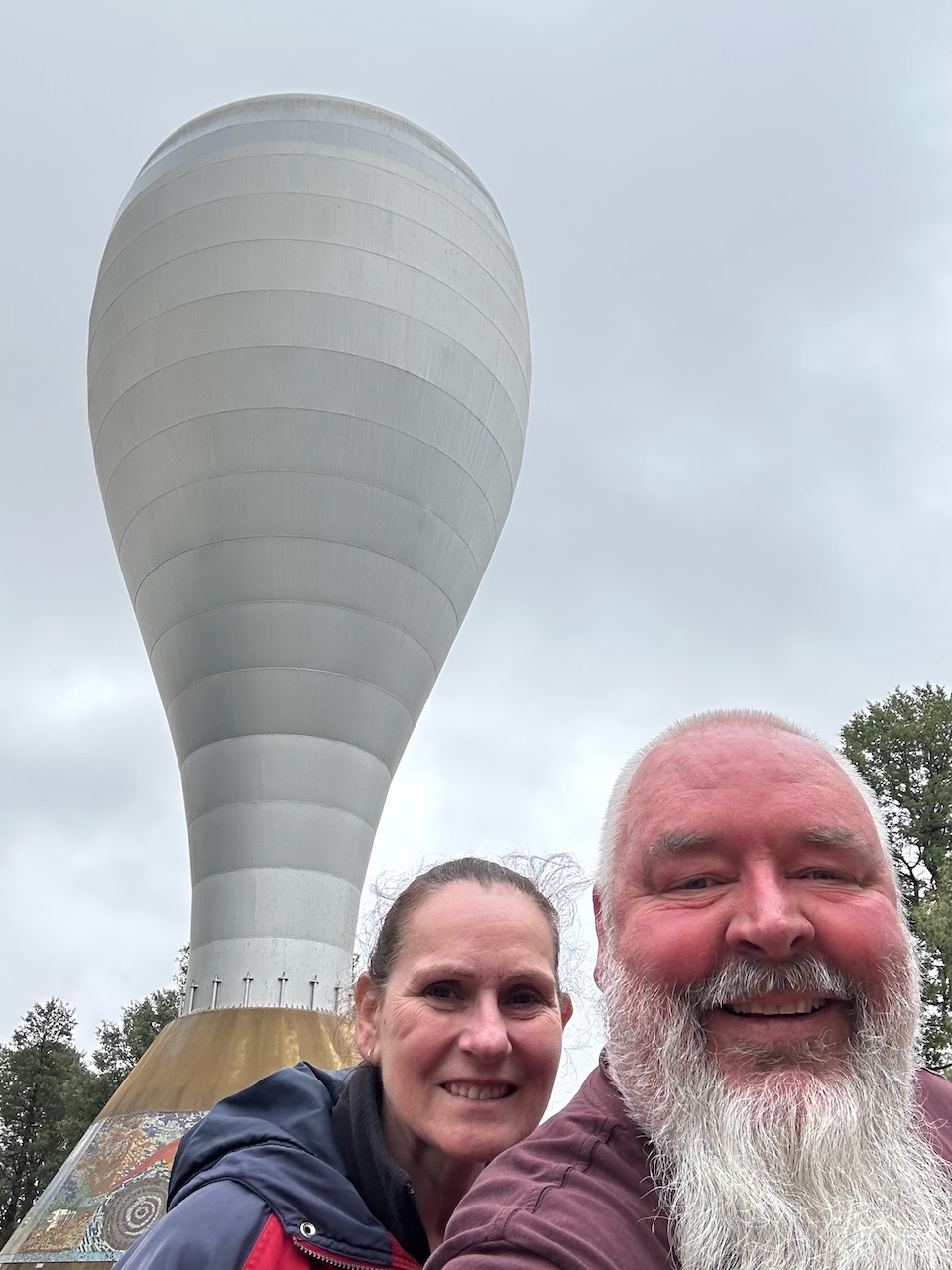
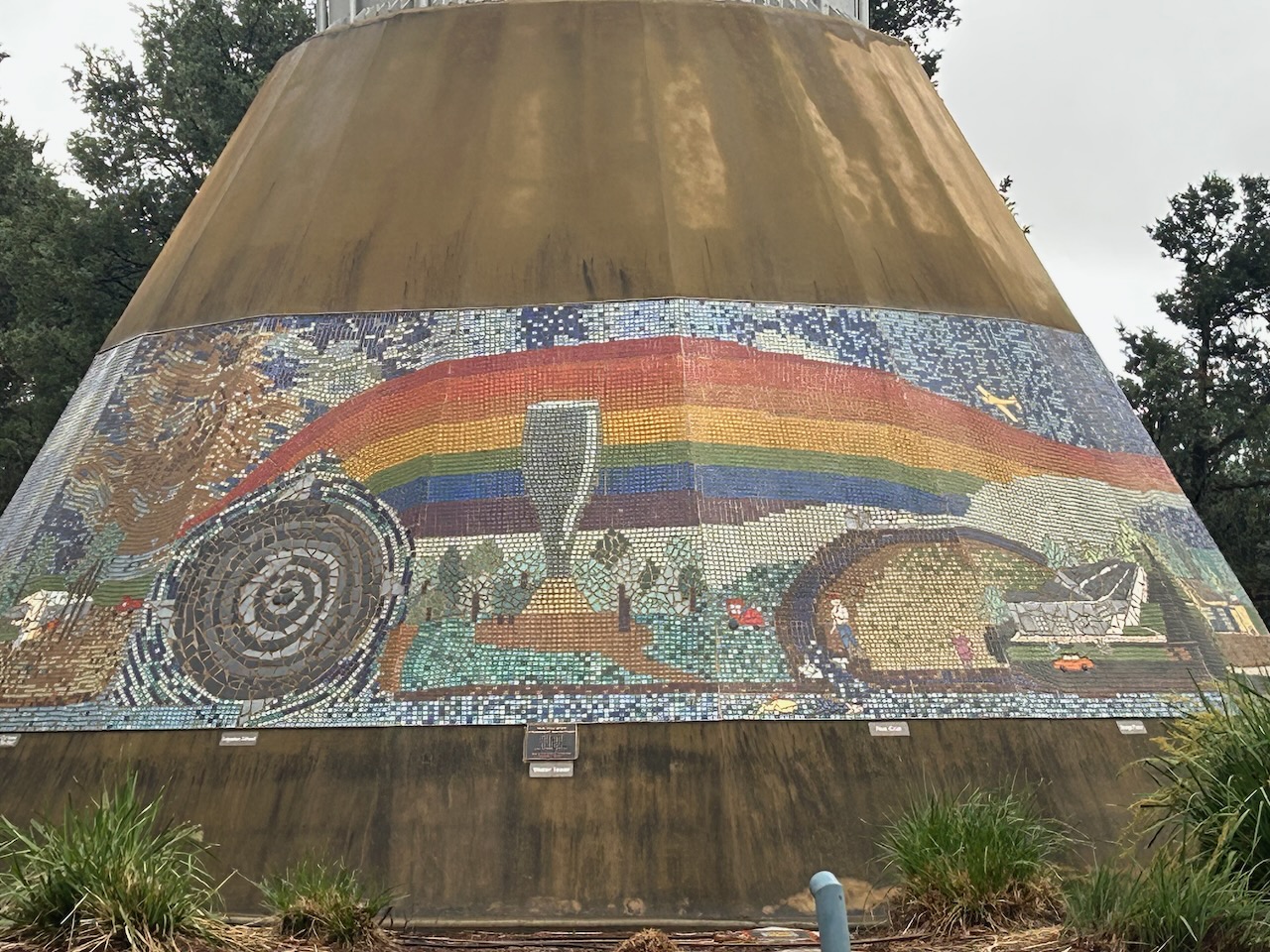
Another interesting attraction is the Coleambally water tower on Kingfisher Avenue. The base of the tower features a mosaic that depicts the history of the district. The tower is uniquely shaped and stands 24 metres tall. It had a capacity of over one million litres and is filled from two deep bores. (Service 2023)
Now this can be a little confusing as Coleambally has so many silos that are located in the industrial area.
Coleambally silo VK-CLY2 is located on Bencubbin Avenue. This site is run by AgConnex and takes speciality grains including maize in the Riverina region. (AgConnex 2025)
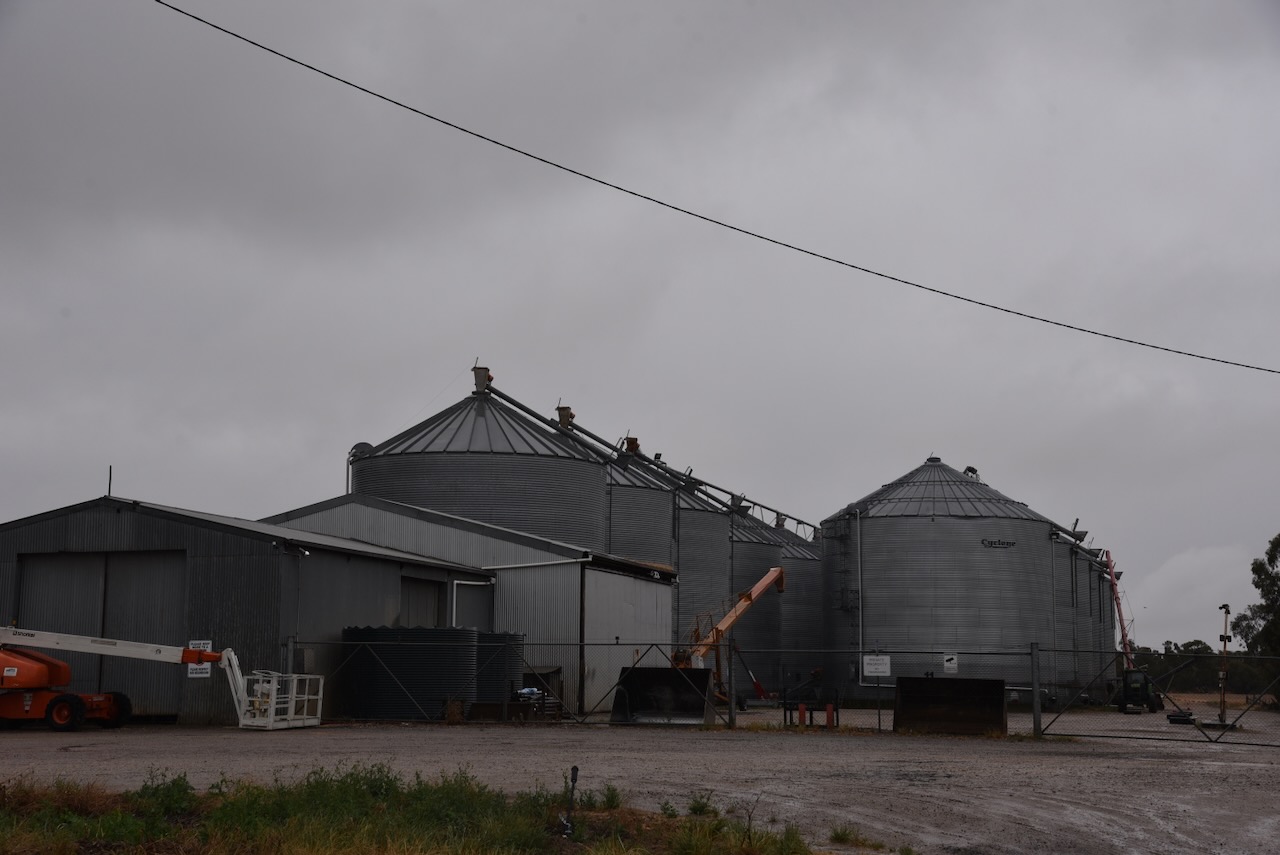
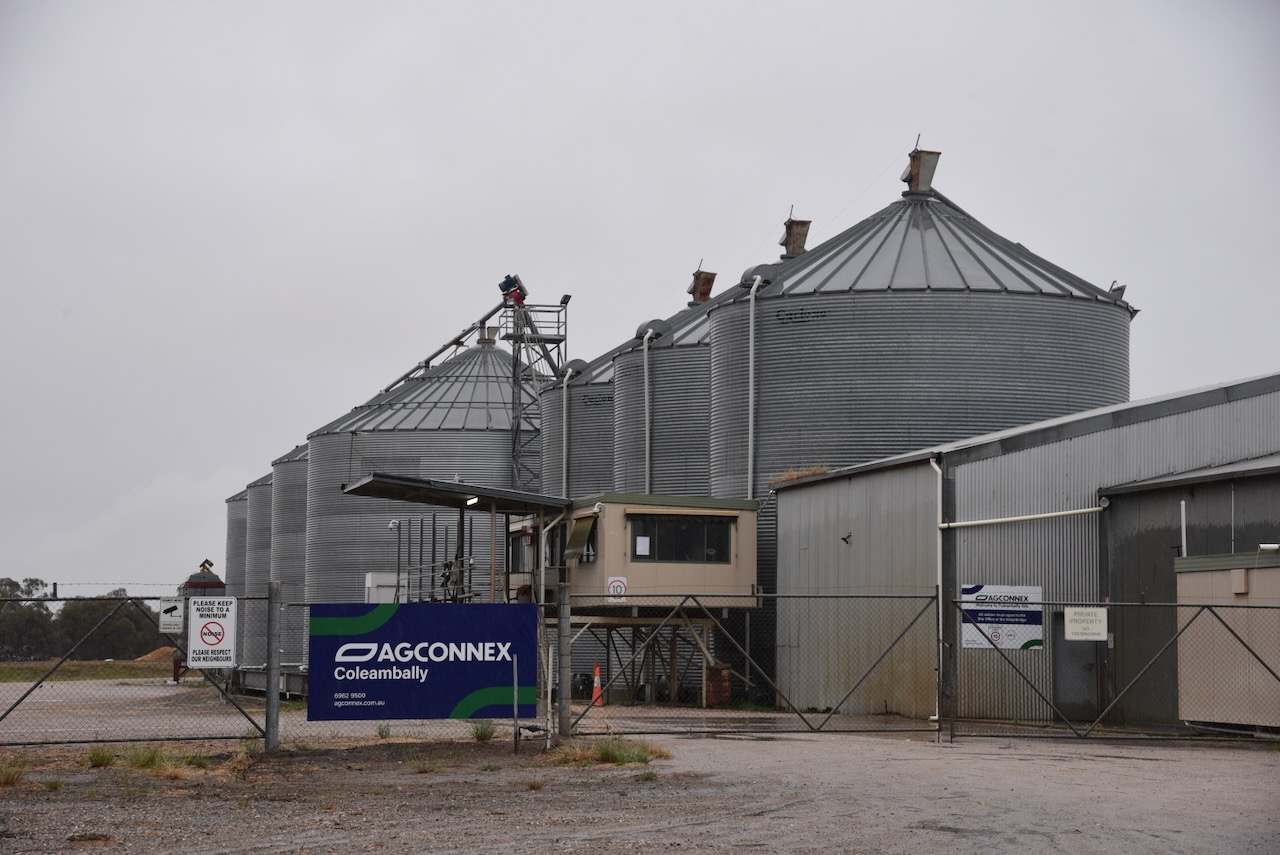
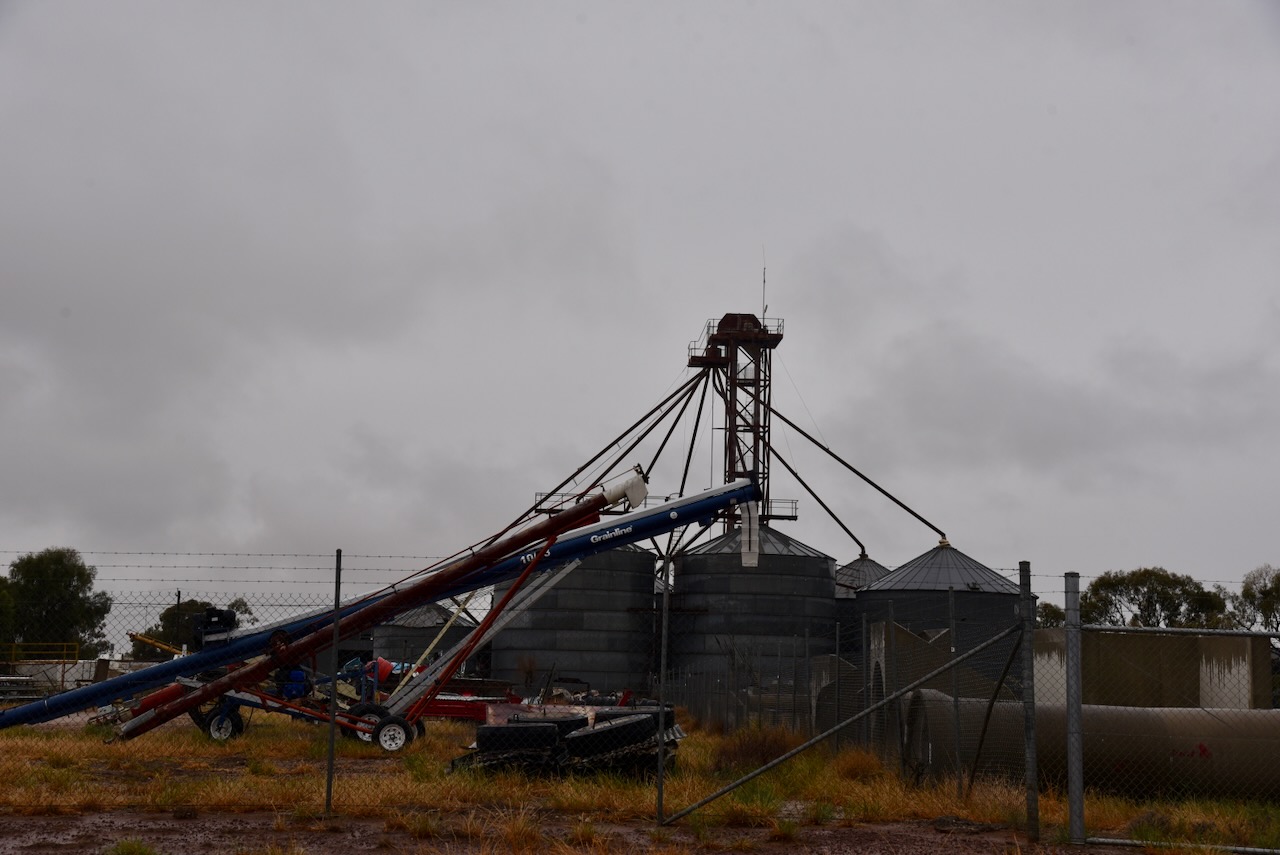
And Coleambally 2 silo VK-CLB2 is located on Jimmy Cull Road. Marija and I only saw one silo structure there. This is the Coprice facility which, according to the internet, was owned by SunRice and is now closed as of September 2025.
But, then there are other silos, including the YPG Coleambally site on Calrose Avenue and the Coleambally Graincorp silos further along Bencubbin Road. I am not sure why these are not included in the SiOTA program.
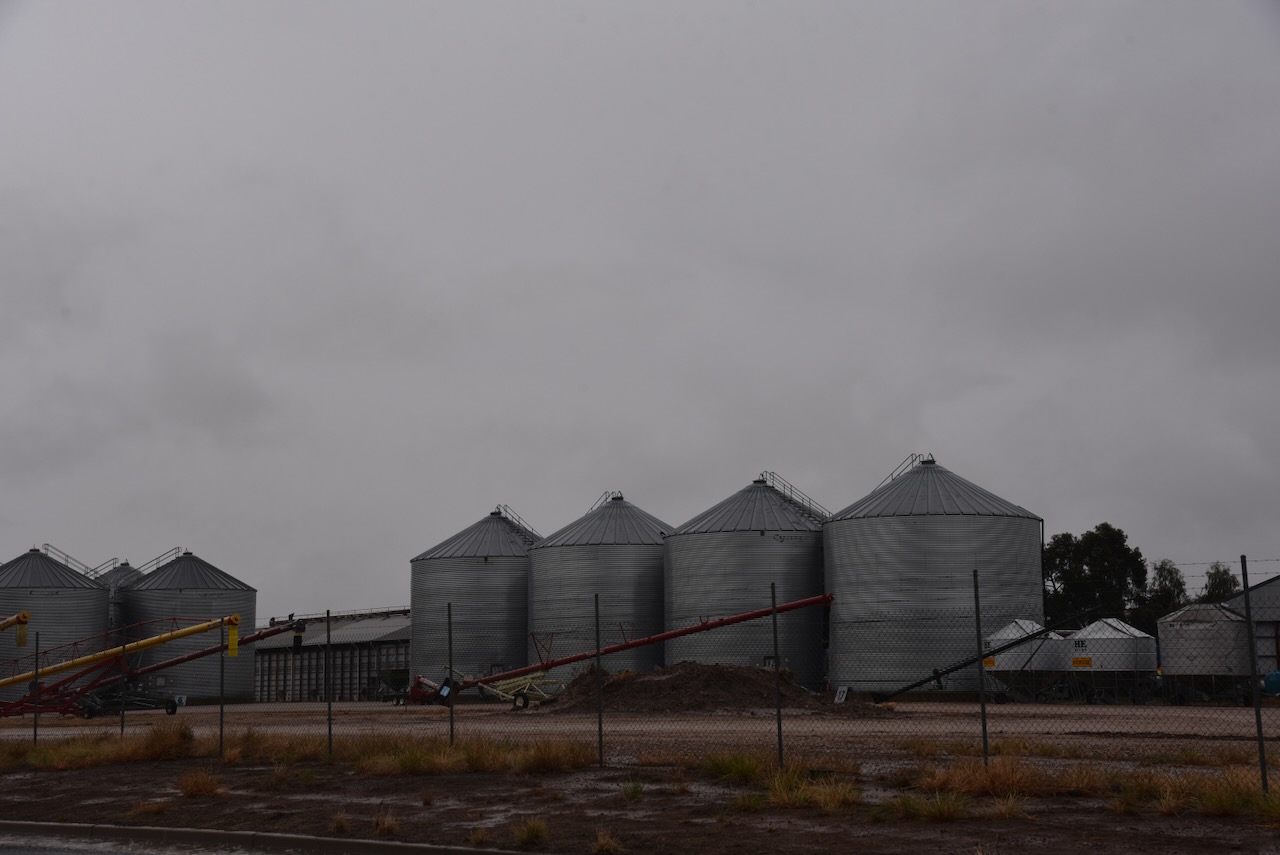
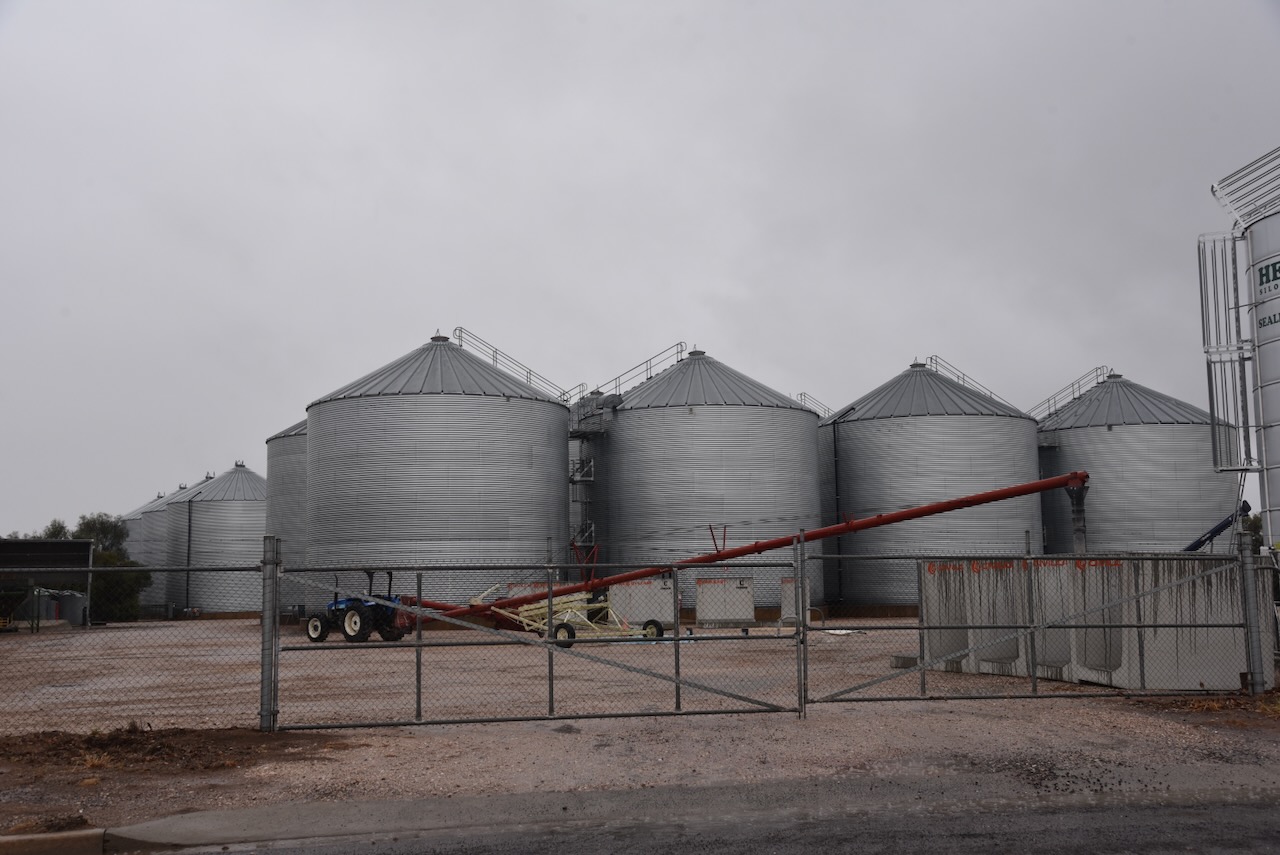
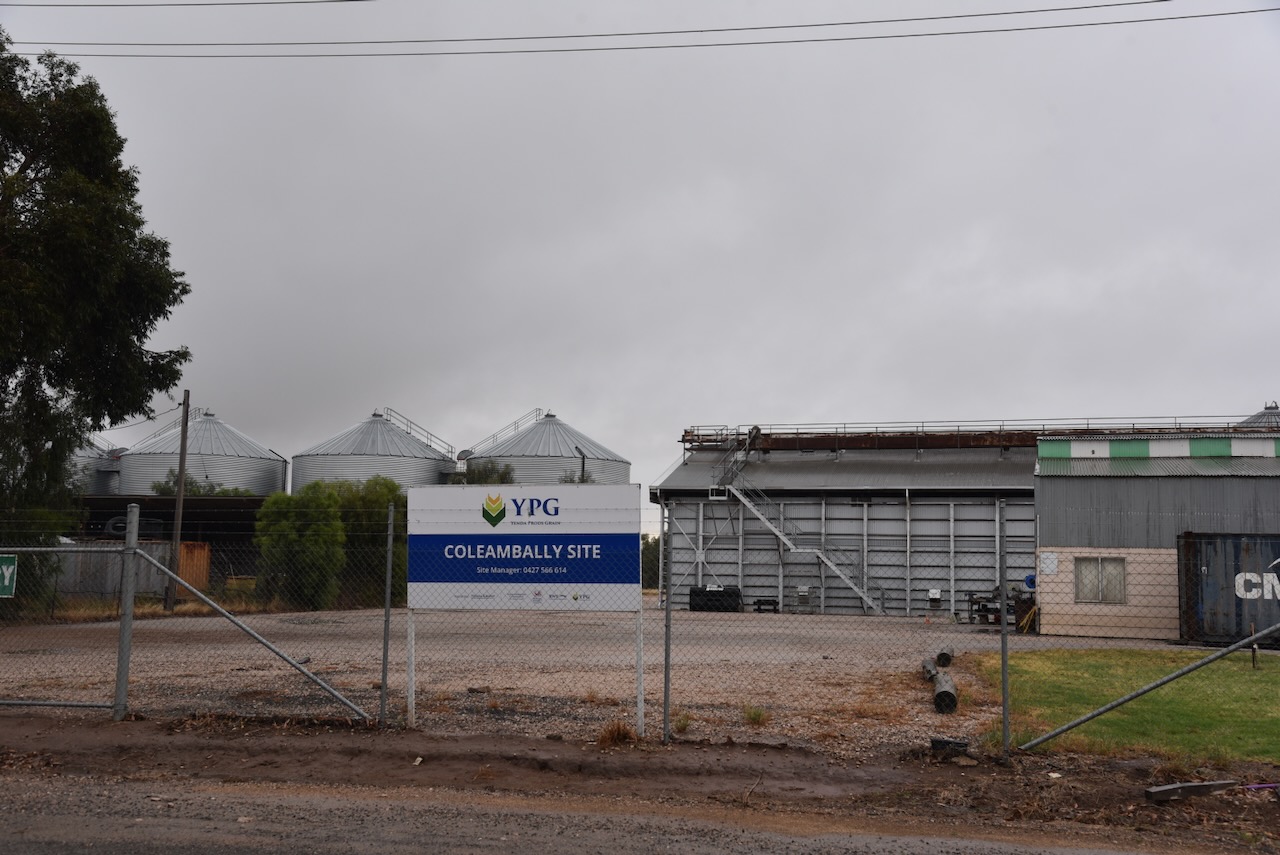
Marija and I parked on Calrose Avenue, in the activation zone of both silos. We operated from the 4WD, running the Icom IC-7000, 100 watts, and the Codan 9350 antenna with the 1.5 metre stainless steel whip.
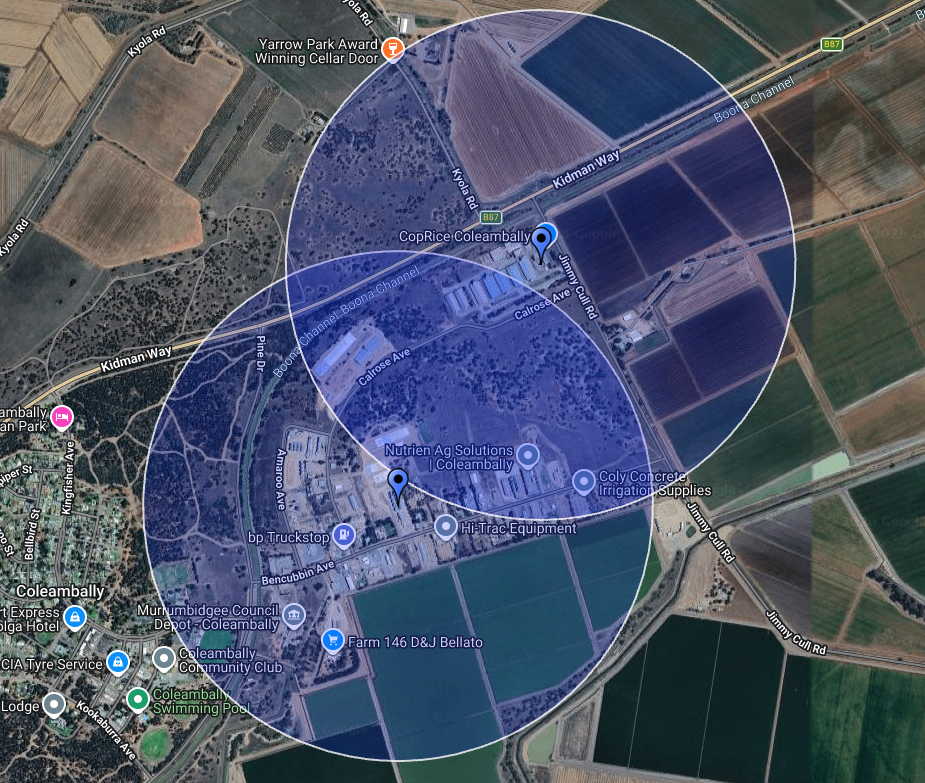
Above: the activation zone of the 2 silos at Coleambally, NSW. Image c/o SiOTA website
Marija worked the following stations on 40m SSB:-
- VK3KLI/p (VKFF-5032)
- VK2IO/P (VKFF-0985)
- VK5HS
- VK2YAK/P (VKFF-0196)
- VK4YAK/P (VKFF-0196)
- VK2ZR
- VK2AZR
I worked the following stations on 40m SSB:-
- VK3KLI/p (VKFF-5032)
- VK2IO/P (VKFF-0985)
- VK5HS
- VK2YAK/P (VKFF-0196)
- VK4YAK/P (VKFF-0196)
- VK2ZR
- VK2AZR
- VK2HAK
- VK1AO
- VK2MET
- VK2MOE
- VK1MO
- VK5AYL
References.
- AgConnex. (2025). Sites – AgConnex. [online] Available at: https://agconnex.com.au/sites/ [Accessed 24 Mar. 2026].
- Service, C. (2023). Coleambally Water Tower. [online] NSW Government. Available at: https://www.nsw.gov.au/visiting-and-exploring-nsw/locations-and-attractions/coleambally-water-tower [Accessed 24 Mar. 2026].
- Wikipedia Contributors (2025). Coleambally. Wikipedia.
 VK5PAS