In the last few days, I received a few QSL cards in the mail from Radio Free Asia.
9330 kHz – 29th June 2024.
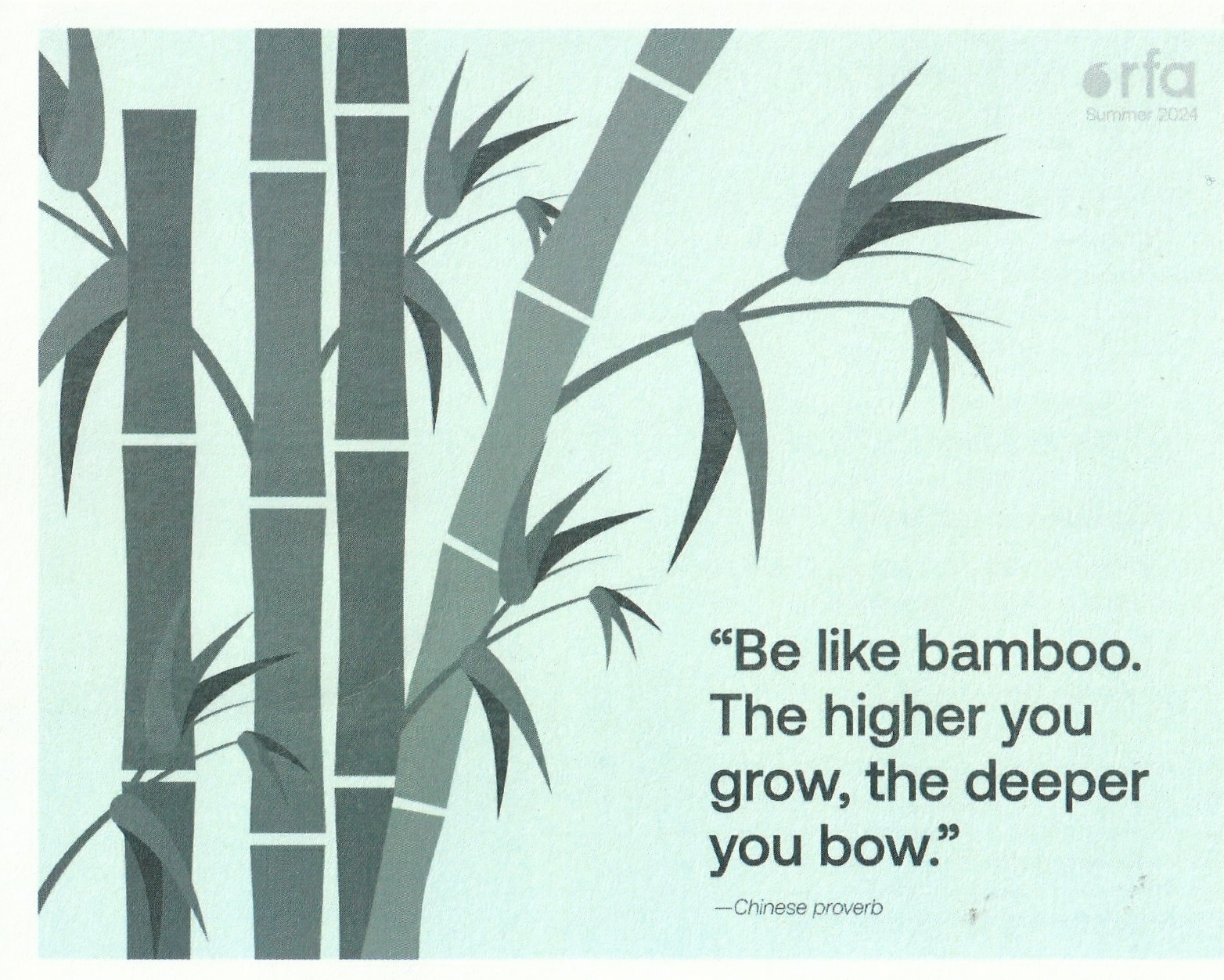

13580 kHz – 29th June 2024.

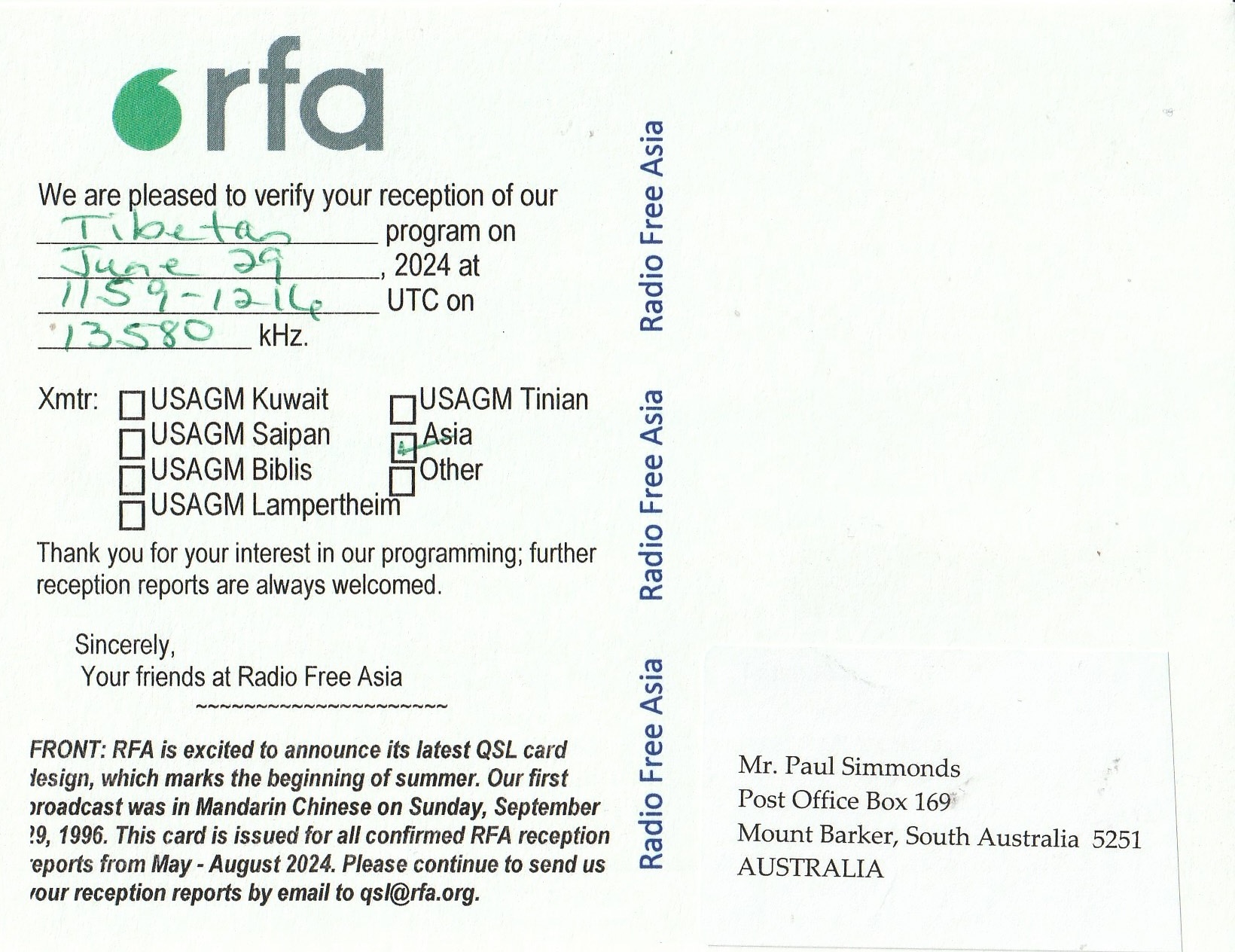

In the last few days, I received a few QSL cards in the mail from Radio Free Asia.
9330 kHz – 29th June 2024.
13580 kHz – 29th June 2024.
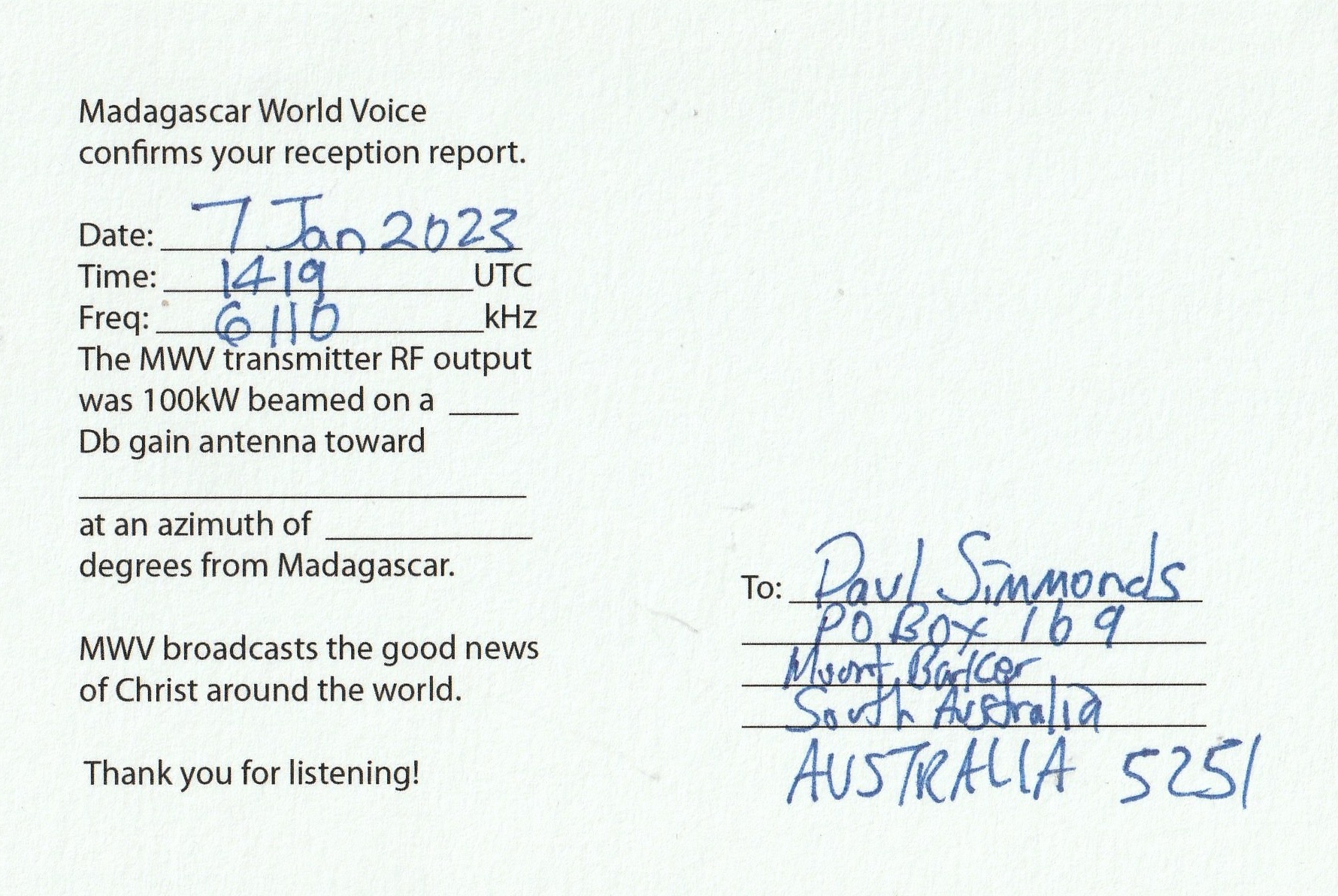
Yesterday I received a QSL card in the mail from KNLS in Alaska for my reception of their station on 6110 kHz on 7th January 2023.

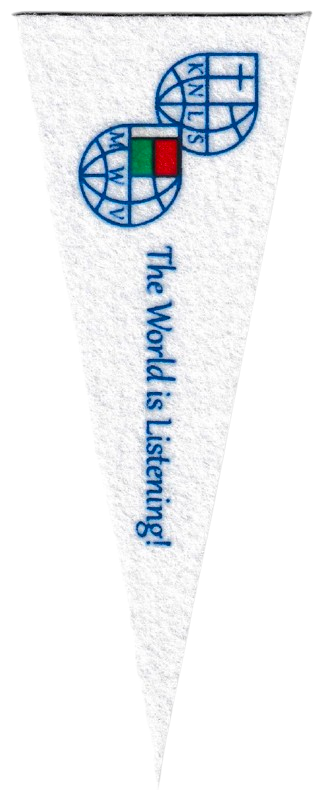
KNLS also forwarded me a KNLS pennant.
I left home bright and early on Saturday morning 17th August 2024, heading to Renmark in the Riverland region of South Australia. I had planned on staying one night at Renmark on my 7-night trip to the Riverland region of South Australia and northwest Victoria.
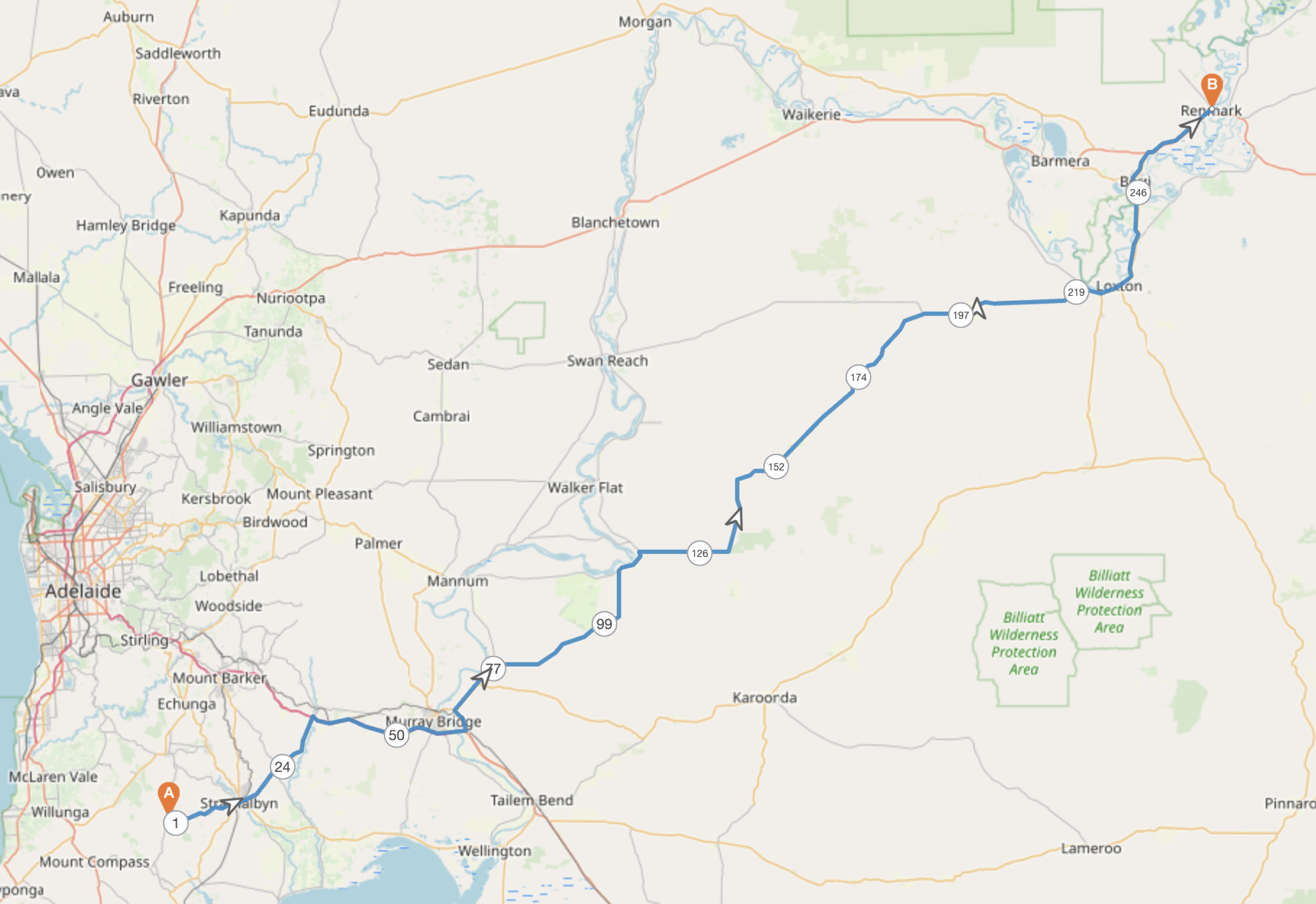
Above:- Map showing my approximate route for day 1. Map c/o plotaroute.
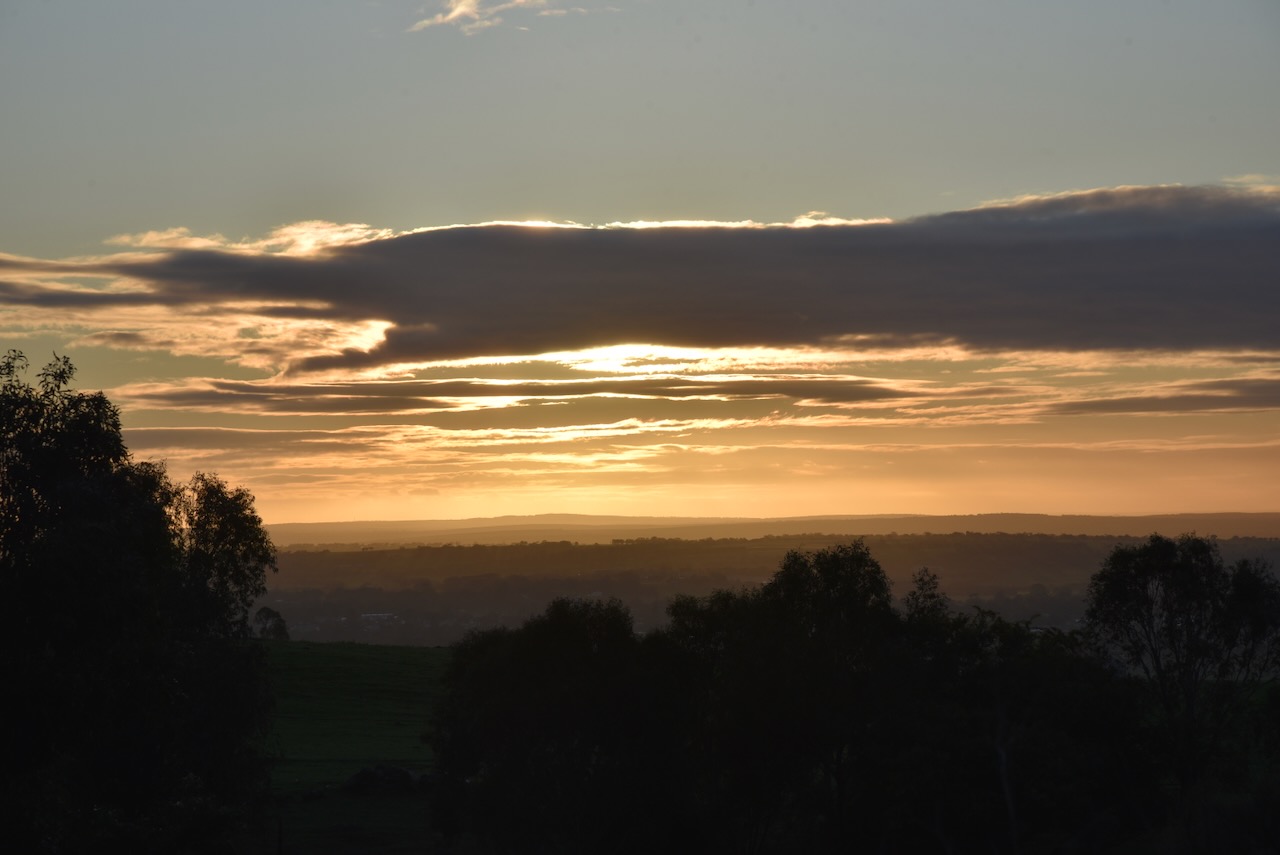
It was a beautiful morning and as I came down the hill from Ashbourne into Strathalbyn, I enjoyed a beautiful sunrise. My first stop was the Strathalbyn bakery to get a coffee and a bacon & egg roll.
After breakfast, I headed northeast and stopped at the Kulde school site on the Karoonda Highway. The Kulde school operated here from 1930 to 1940 before becoming part of South Australia’s first Area School at Karoonda in 1941.
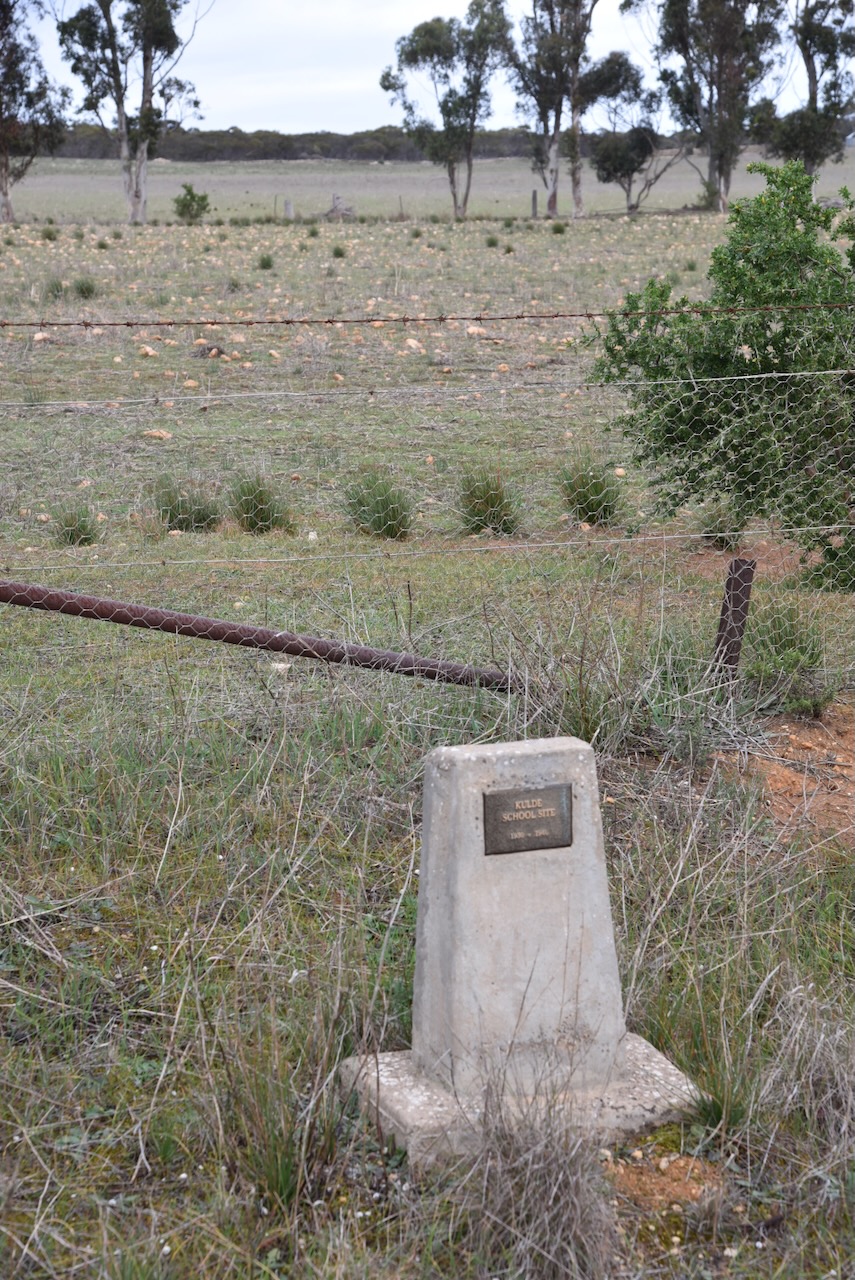
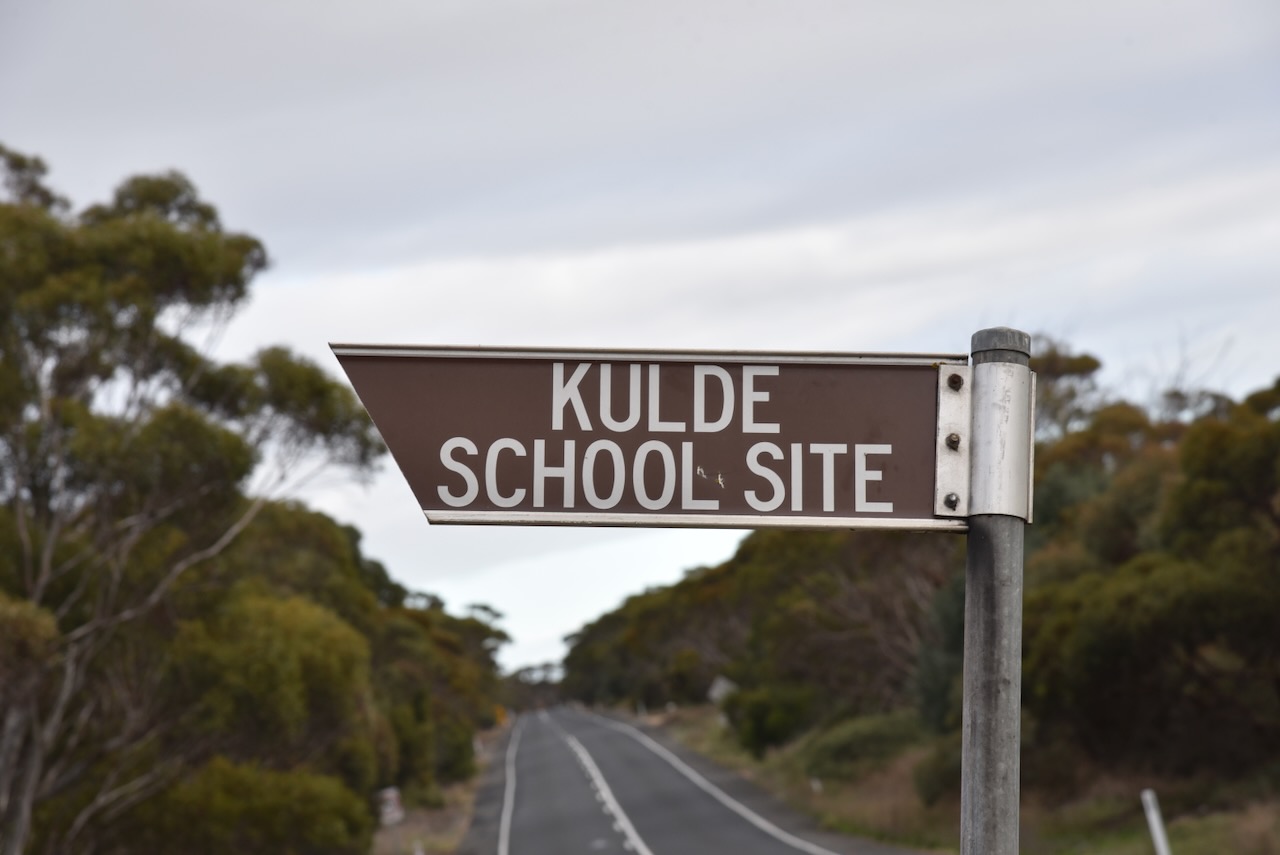
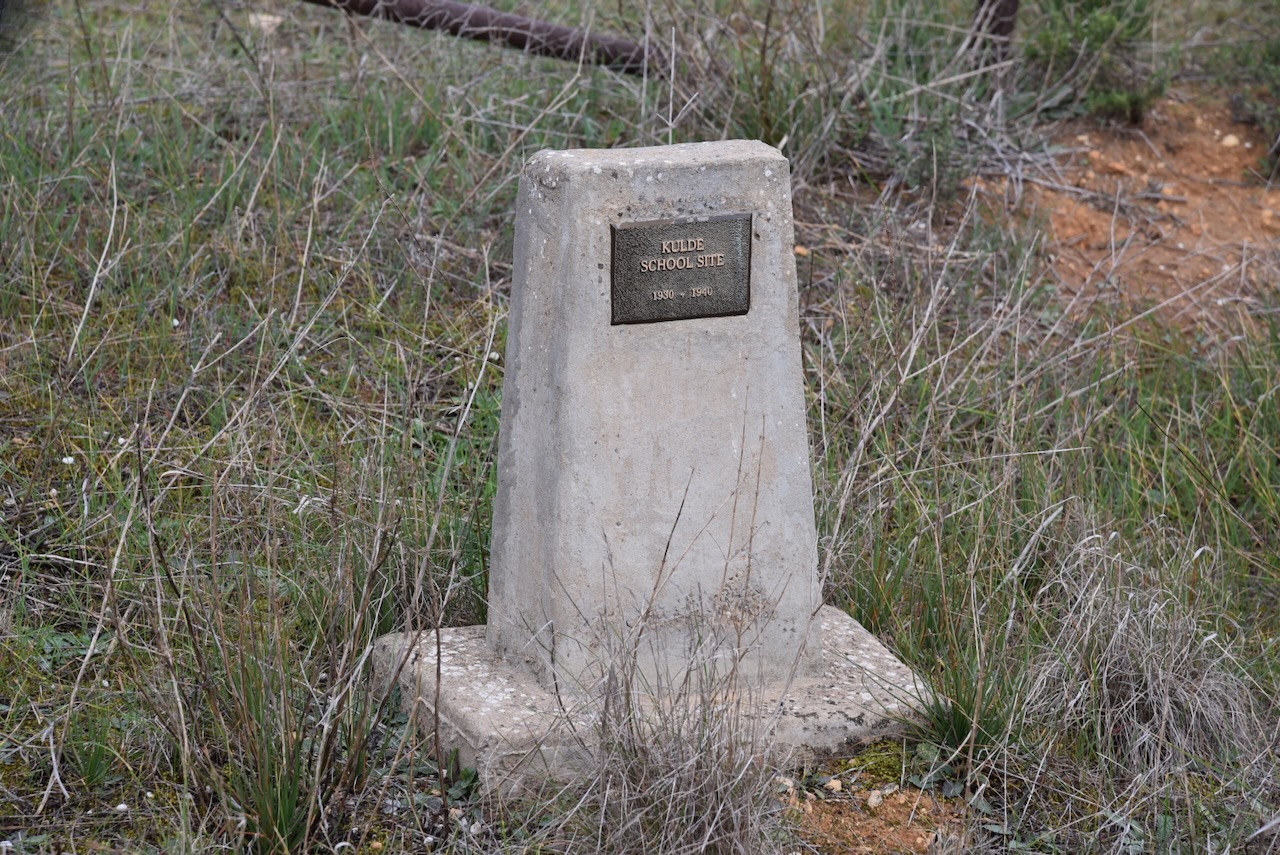
Kulde is an aboriginal word for ‘brothers’. Other than the school, Kulde once had a railway station and it was a thriving little community. (Place Names 2012)
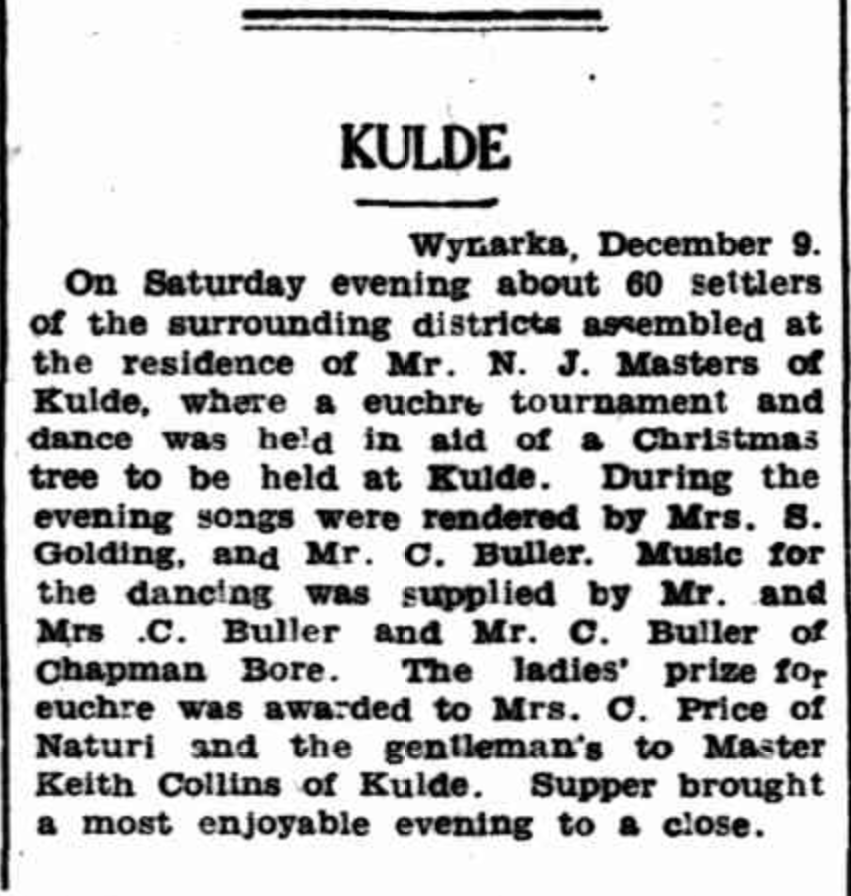
Above:- Article from the Murray Pioneer, Fri 11 Dec 1931. Image c/o Trove.
The South Australian Minister of Education approved the establishment of the Kulde School in January 1930. The Advertiser newspaper reported that 14 children would be attending the school.
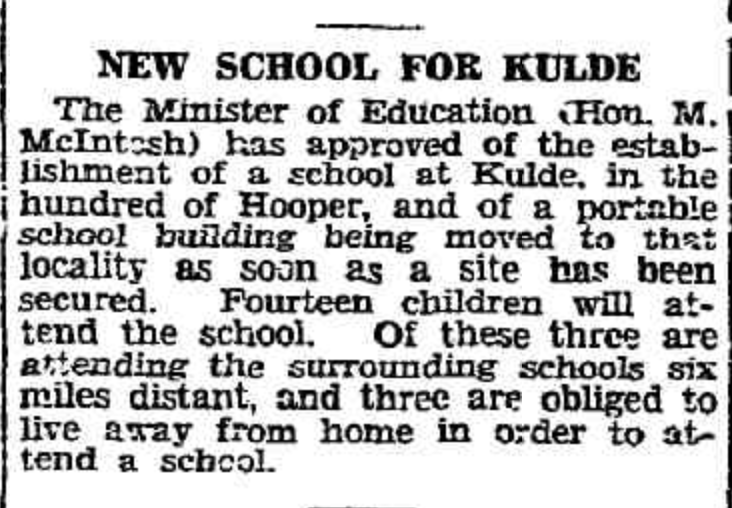
Above:- Article from The Advertiser, Wed 29 Jan 1930. Image c/o Trove.
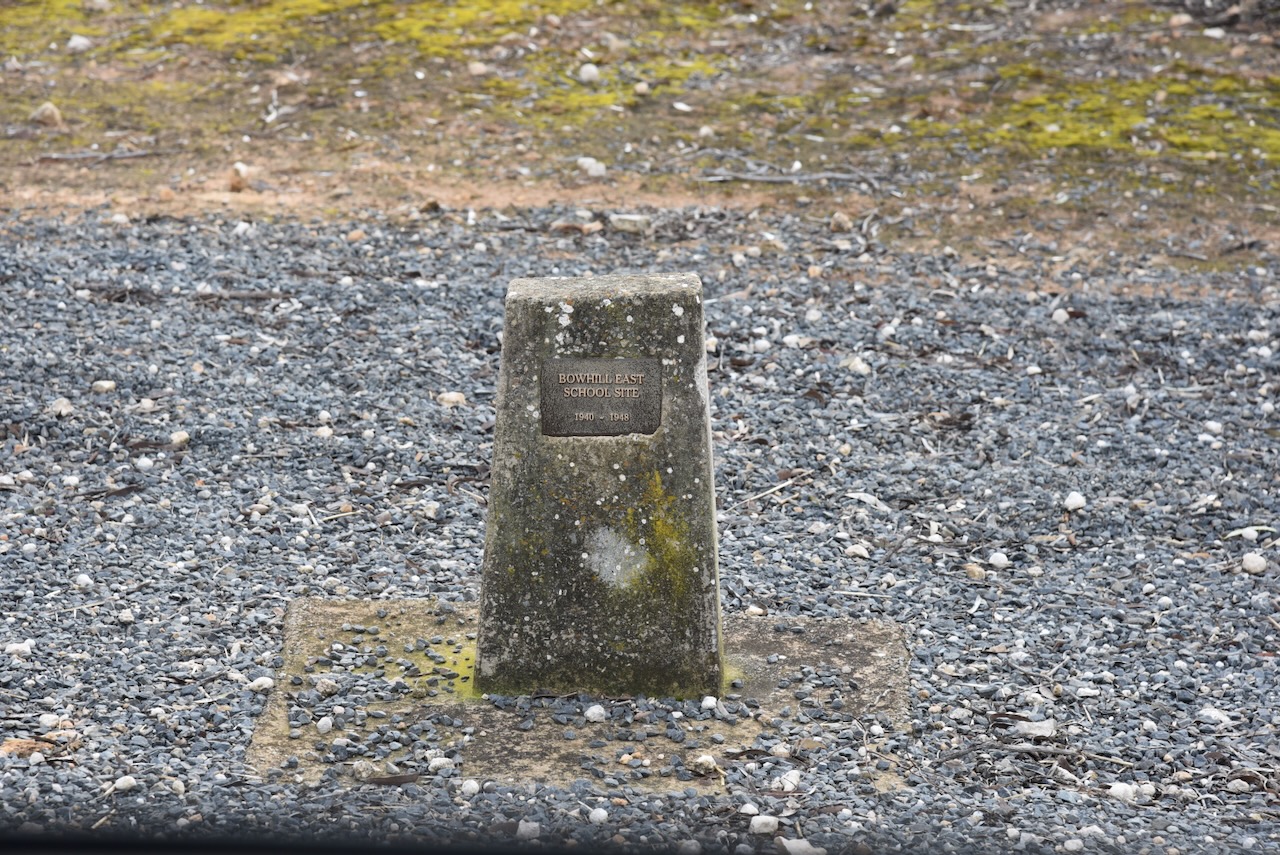
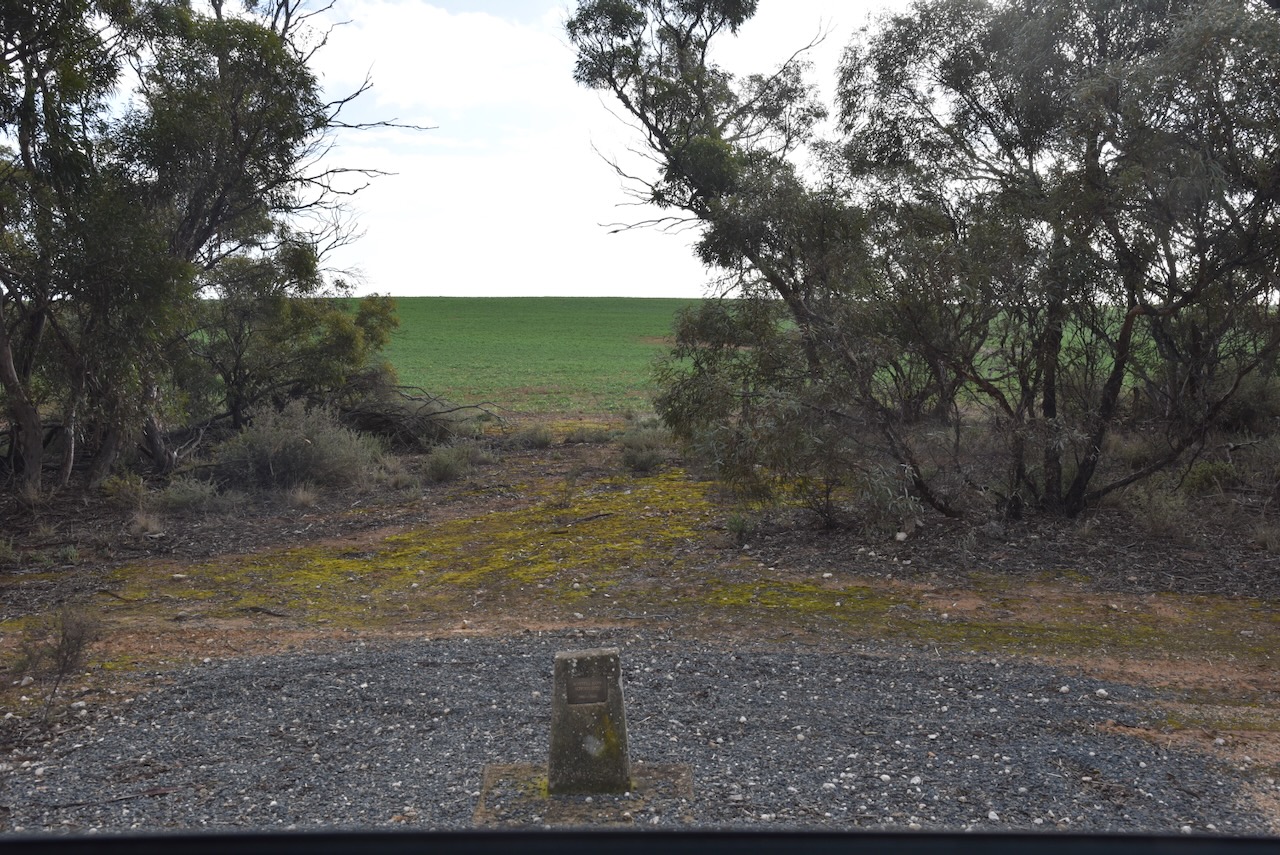
My next brief stop was the monument for the Bowhill East school site. The school operated from 1940 to 1948.
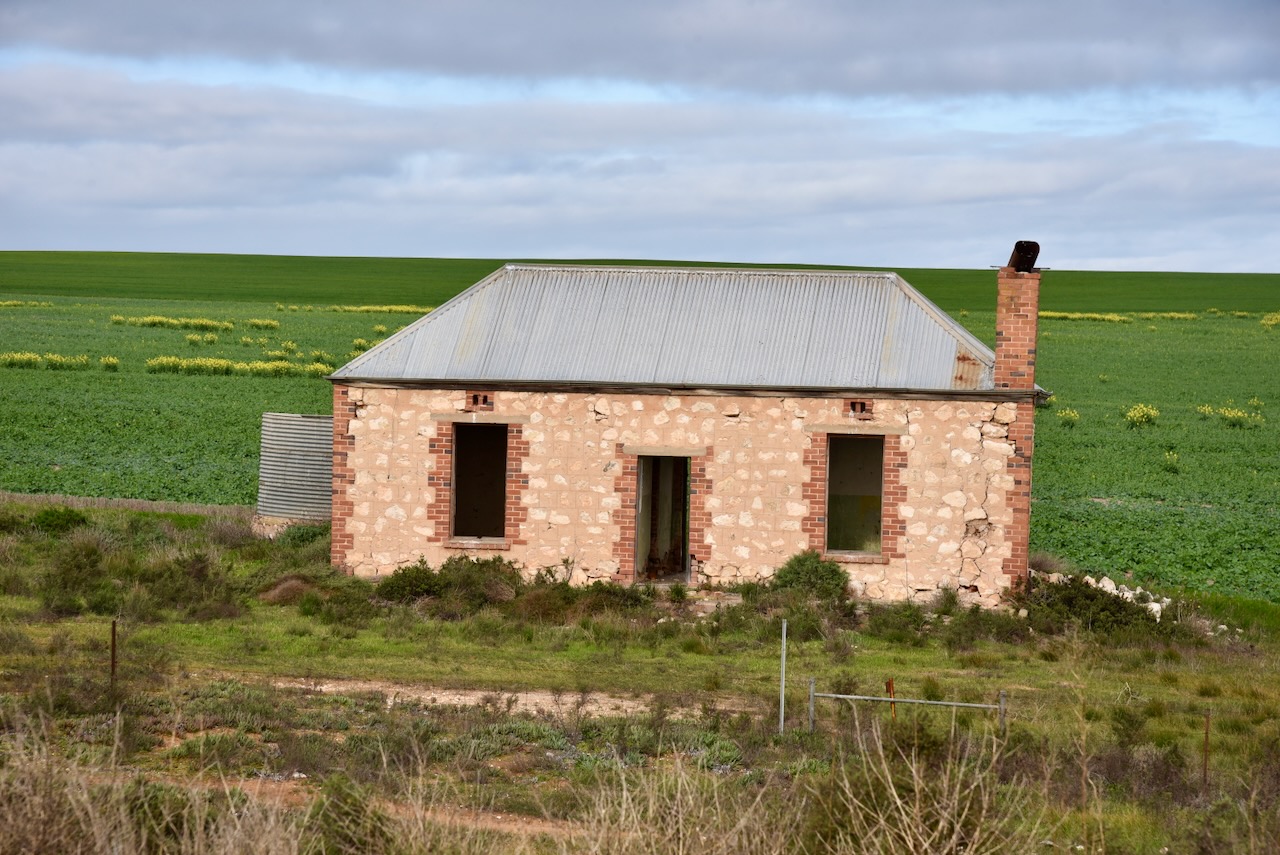
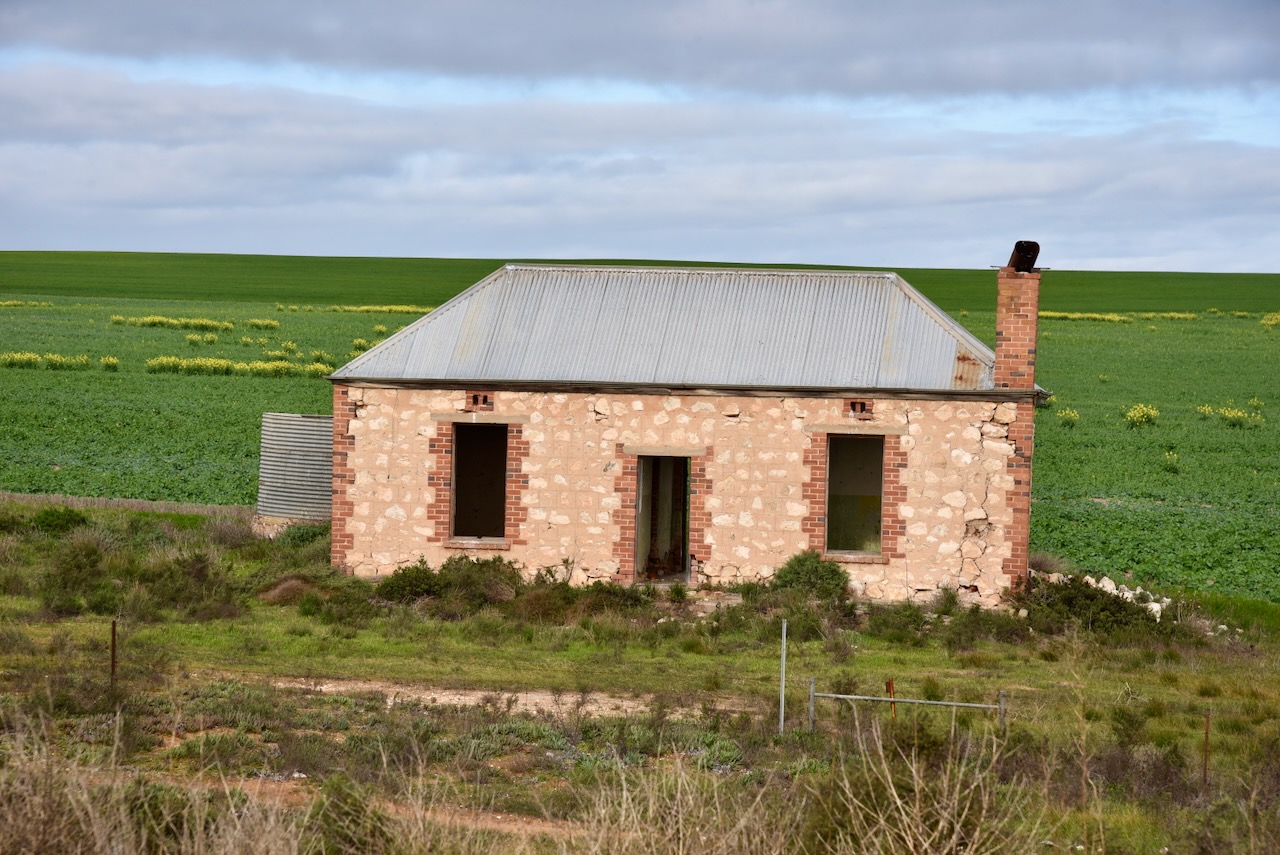
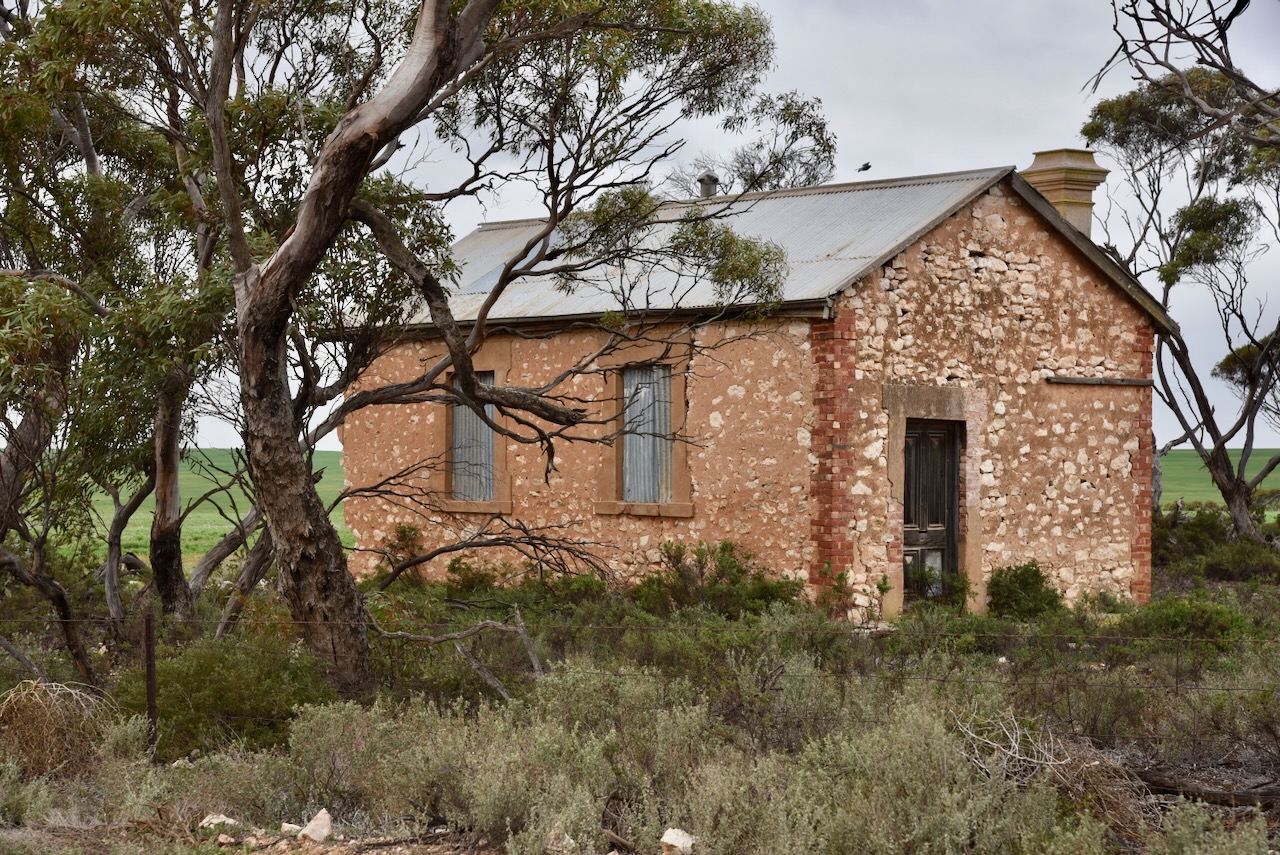
I came across this beautiful old stone home on my way to Bowhill. I pondered on the history of this home and those who previously lived in it.
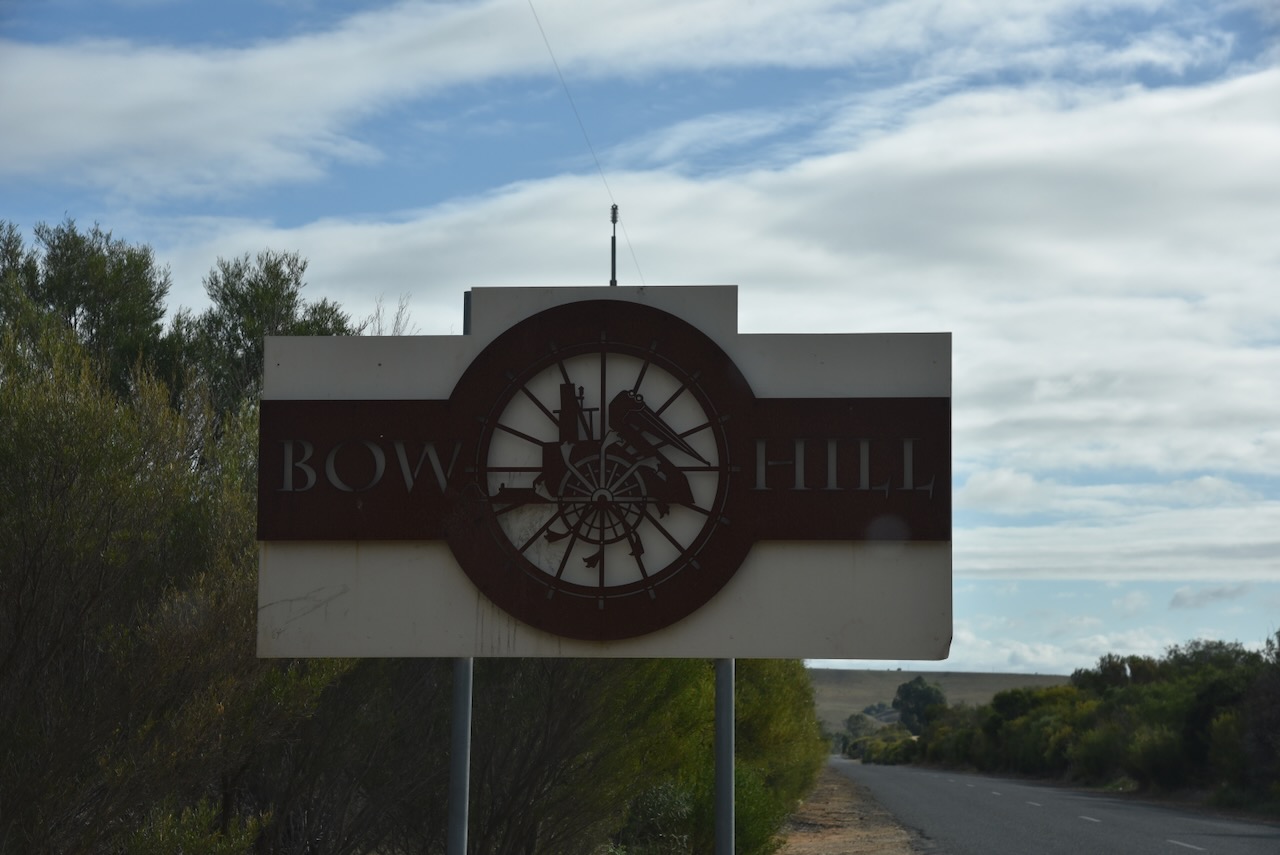
I then reached the little town of Bowhill, on the bank of the Murray River between Mannum and Swan Reach. The main industries in the area are cereal grain and sheep farming. (Wikipedia 2024)
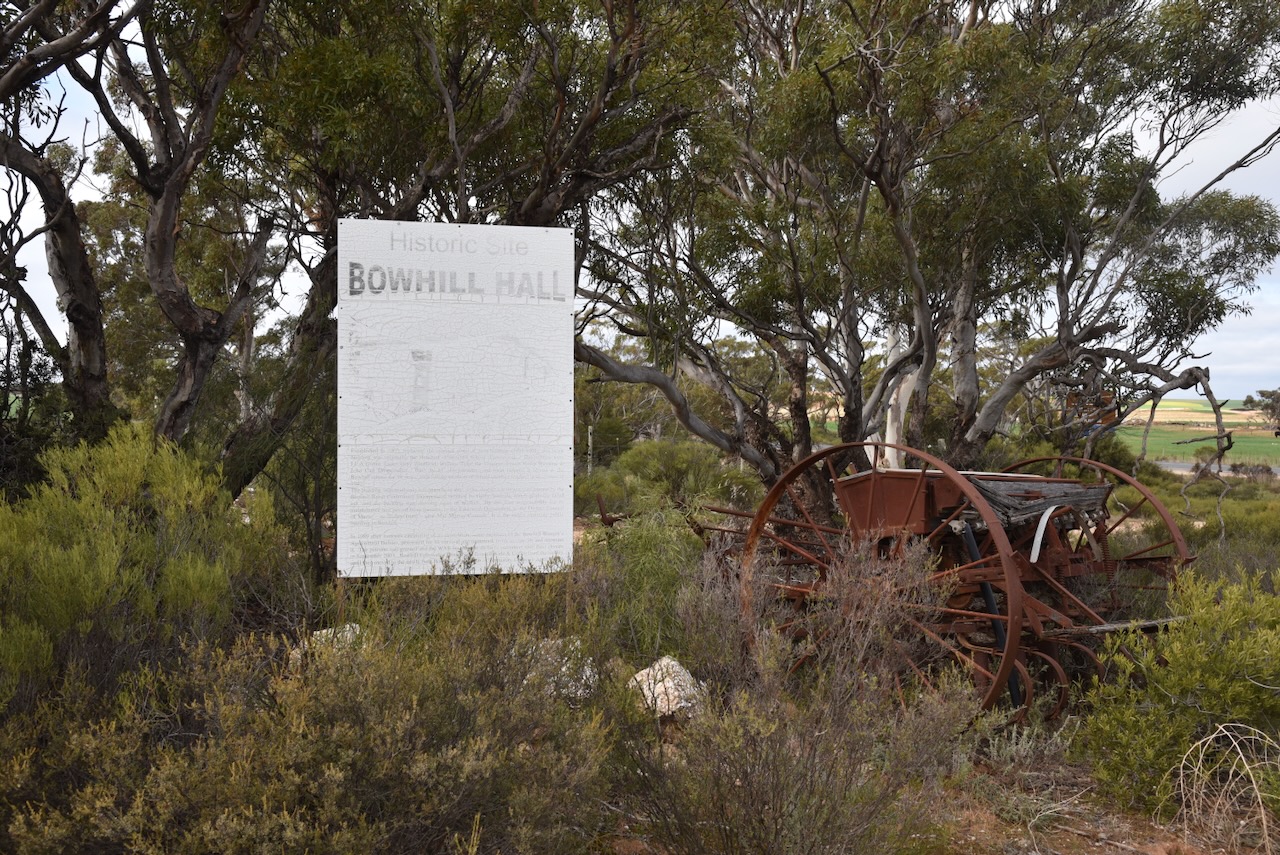
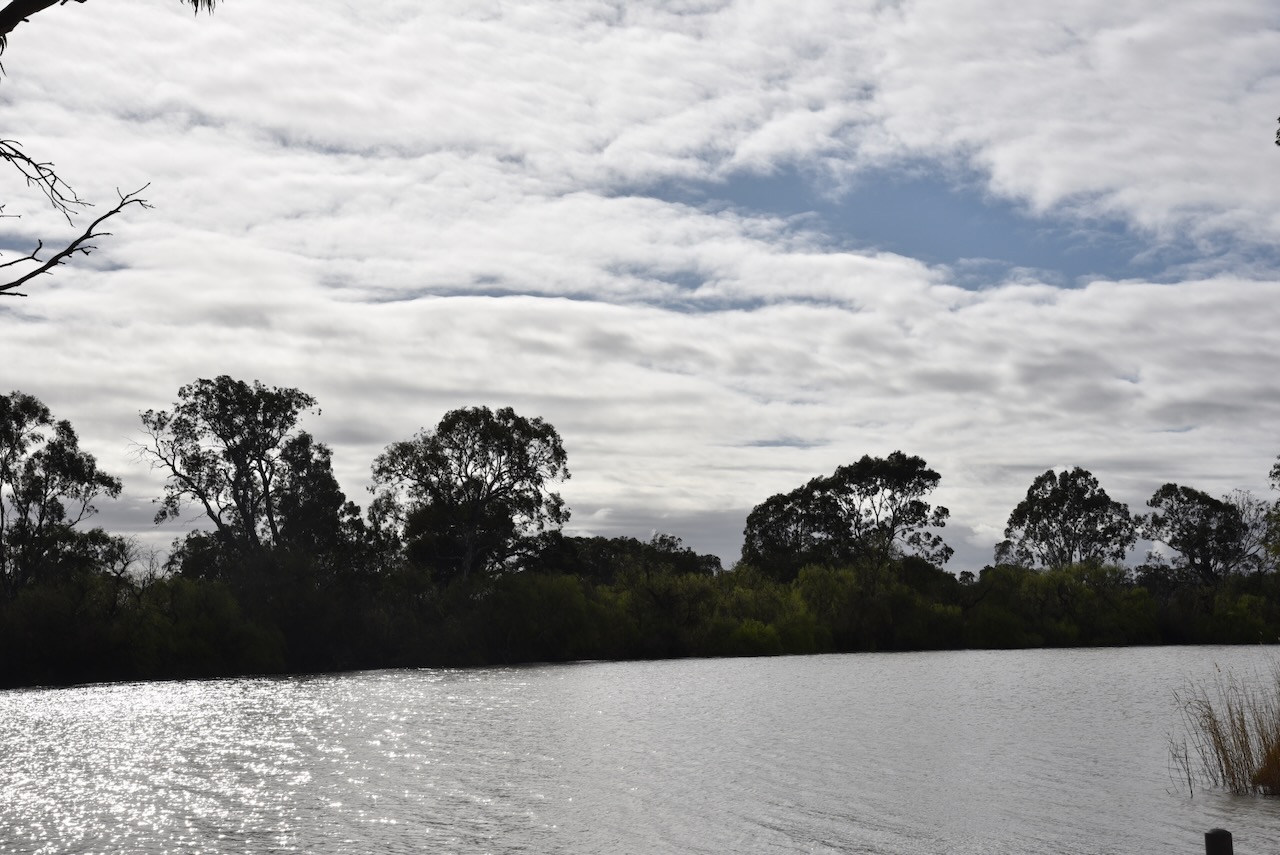
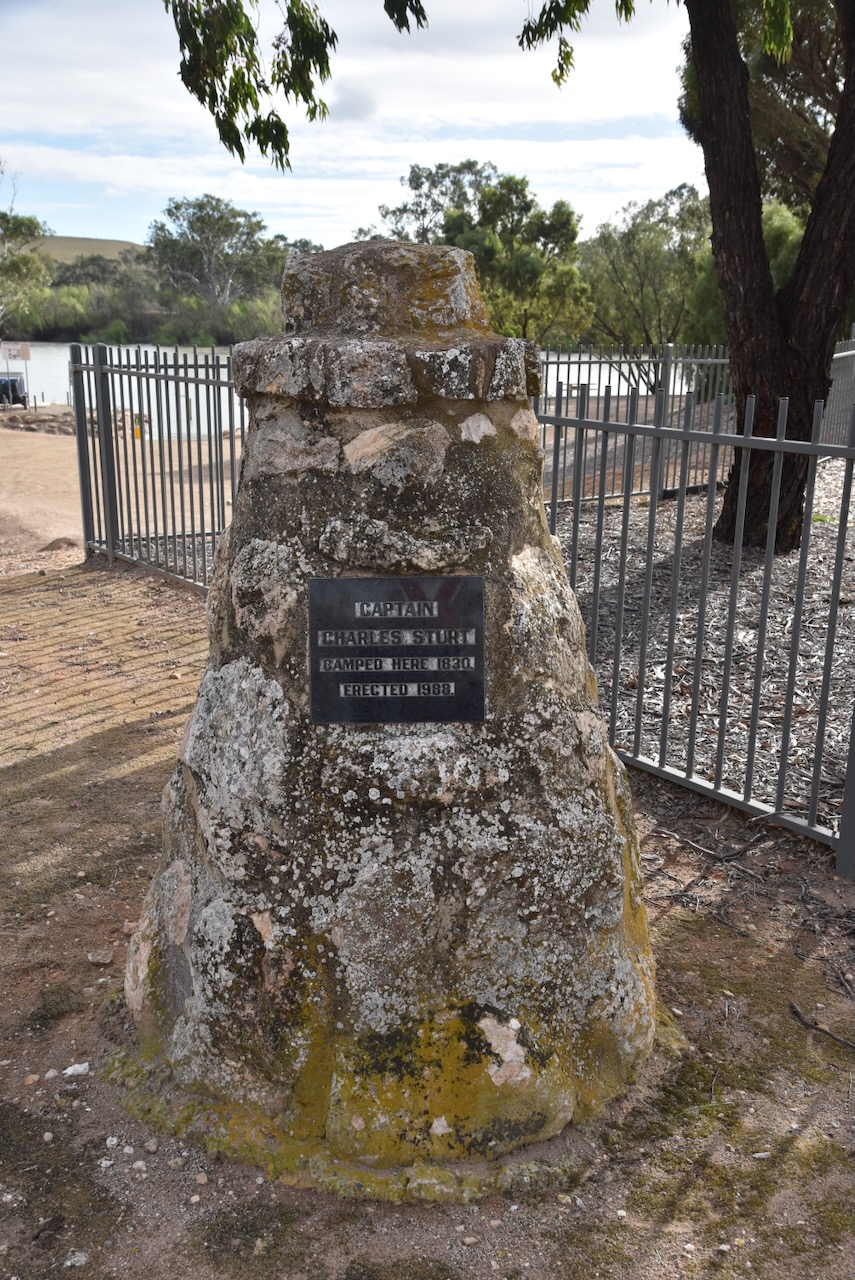
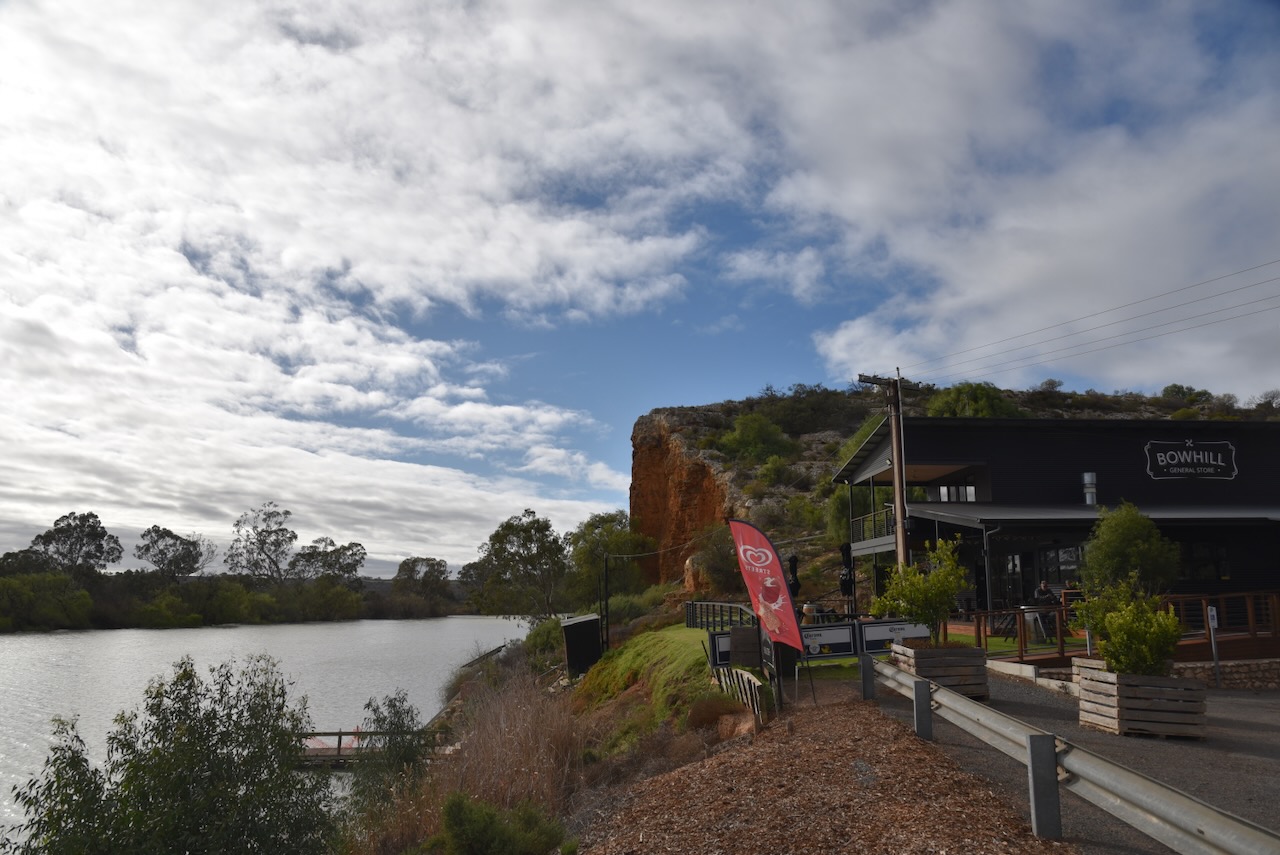
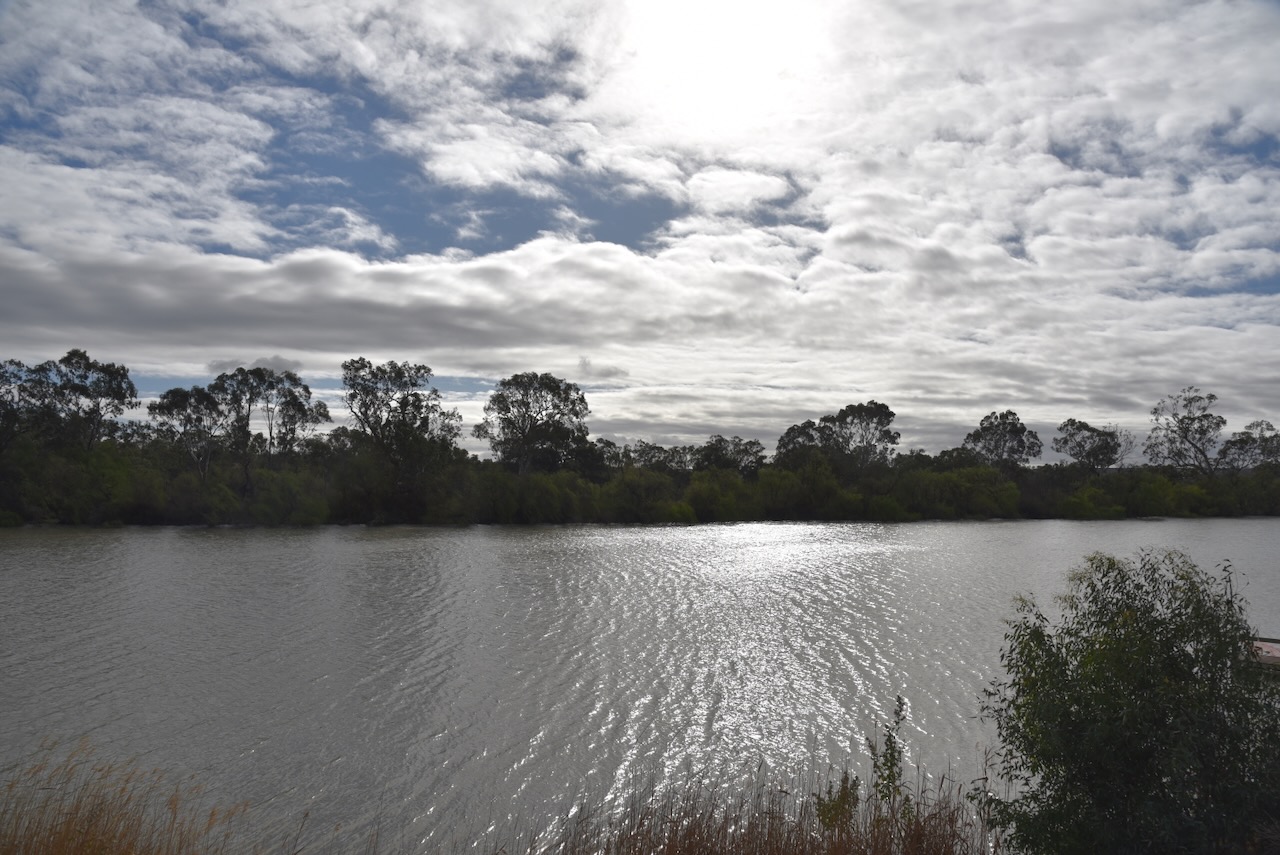
The Hundred of Bowhill in the County of Buccleuch was proclaimed in 1893 and was named in honour of the Duke of Buccleuch’s residence in Scotland which was built in 1708. (flickr 2024) (Wikipedia 2024)
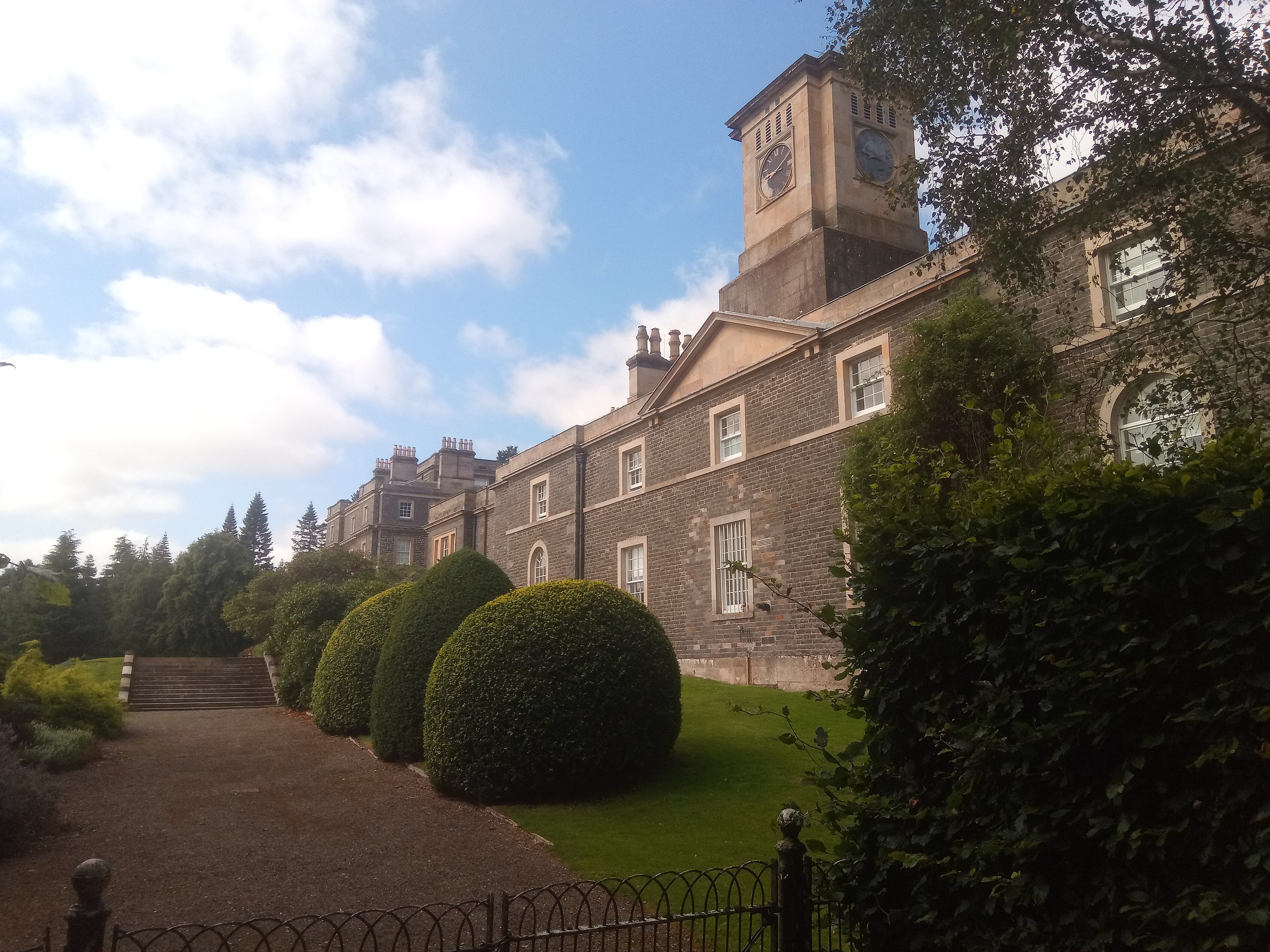
Above:- Bowhill House. Image c/o Bowhill House. (2024, March 7). In Wikipedia. https://en.wikipedia.org/wiki/Bowhill_House
The first known European settler in the area was William Wainwright who in 1848 ran the Chucka Bend pastoral station. When placed up for lease in 1888, Chucka Bend station covered an area of about 700 square miles. A local rumour was that Chucka Bend obtained its name from a horse owned by Walter Craven who leased the property during the 1880s. The horse was prone to ‘chucking’ Craven into the river. However this is not the real origin of the name as the property was known as Chucka Bend well prior to the 1880s. (flickr 2024) (Place Names 2012)
In 1893 land was surveyed in the area. This was followed by further surveys in 1897 and 1904. The land was sold as freehold or on perpetual lease to farmers. Many of these were of German descent. About 33% of the lands were considered arable, with most of the Hundred not being fully cleared for agriculture until 1920. (flickr 2024)
In 1891 the German settlers built the first Lutheran Church at Chucka Bend. In 1893 the local community petitioned the State Government for £75 to erect a school. Two years later in 1895 a tin and iron schoolroom was built. Helen Young was the first teacher. The school was also used as a public hall. In 1903 the building was replaced with a stone building. Mr. Dorgemuller was the builder. (flickr 2024)
In 1895 the first Post Office service commenced at Bowhill. The first Bowhill agricultural show was held in 1898. In 1899 the first Primitive Methodist Church service was held. (flickr 2024)
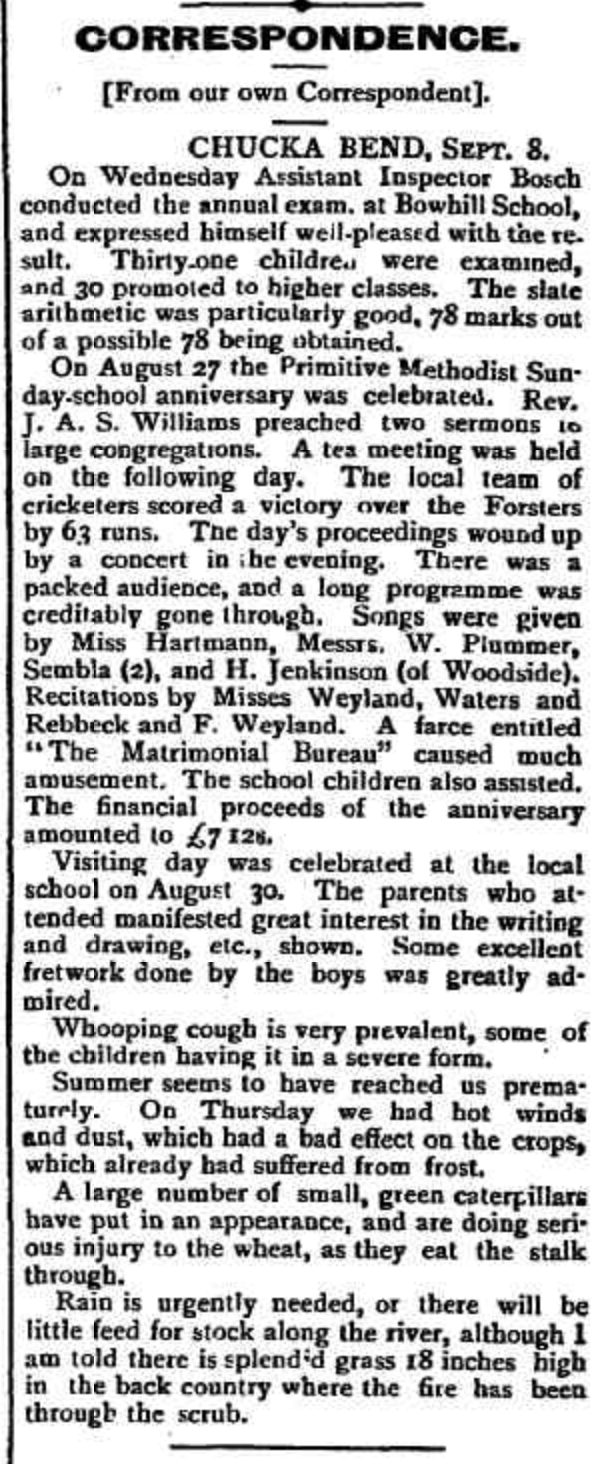
Above:- Article from the Burra Record, Wed 13 Sep 1899. Image c/o Trove.
In 1910 the town of Bowhill developed on the area once occupied by the station homestead. By this time it had a General Store, Post Office, and a banking agency. The wharf was busy with bagged wheat and baled wool being loaded onto paddle steamers to be sailed down the Murray to the rail head at Murray Bridge. (flickr 2024)
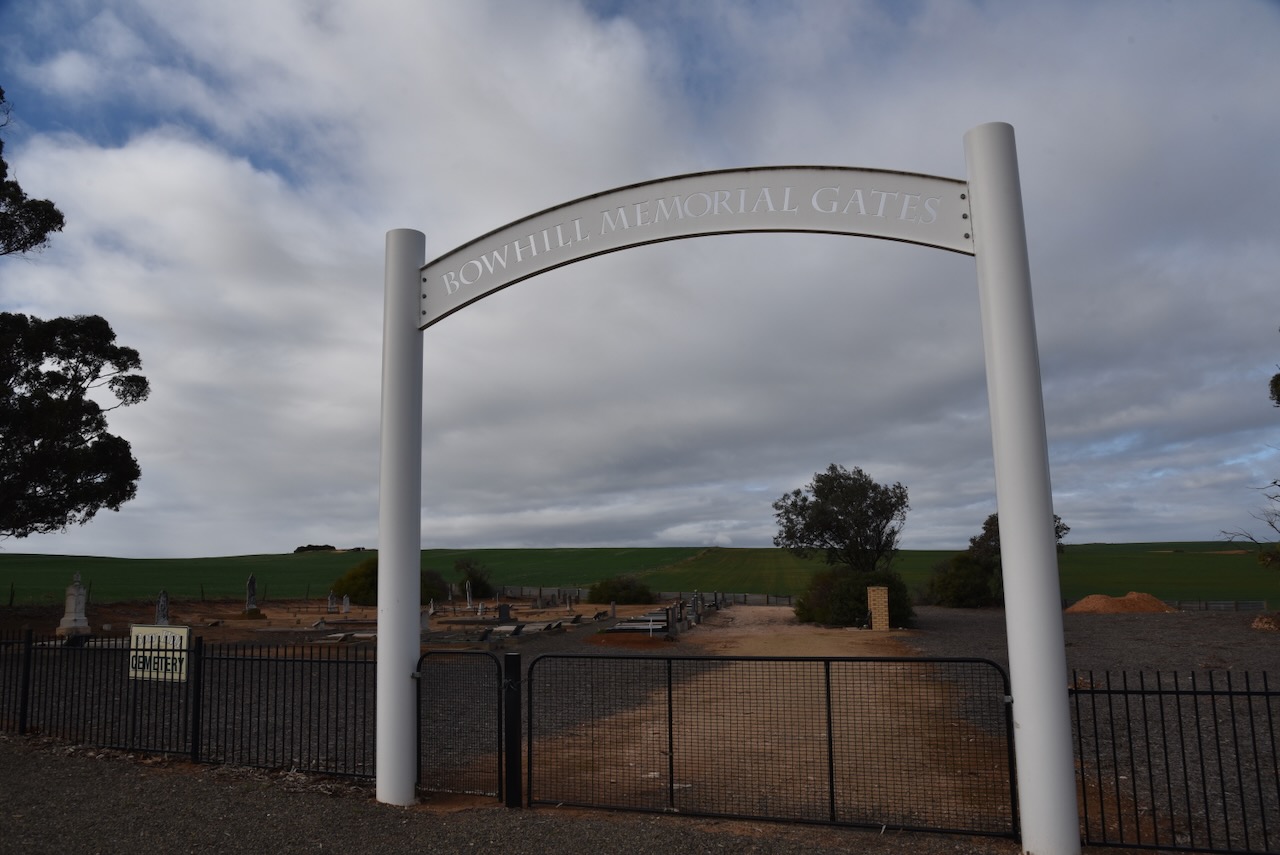
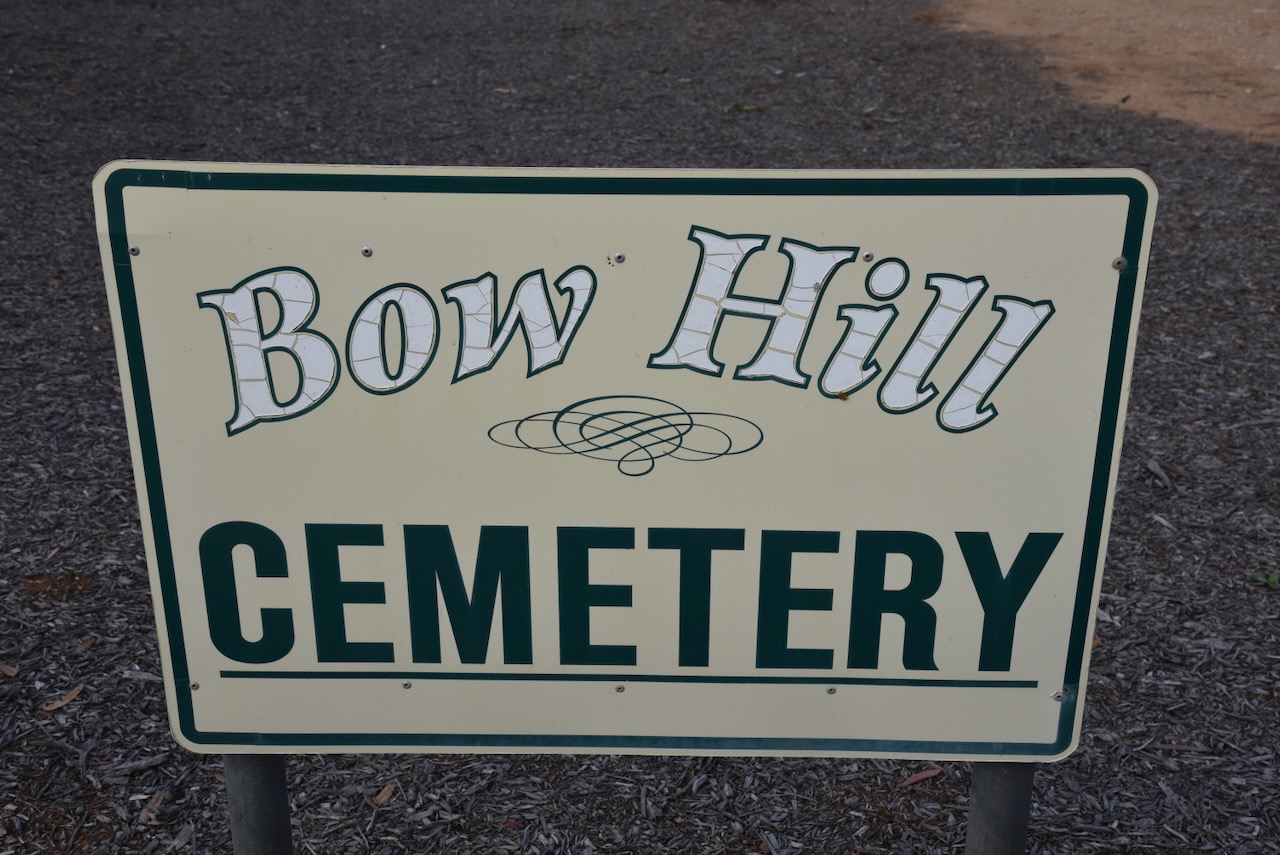
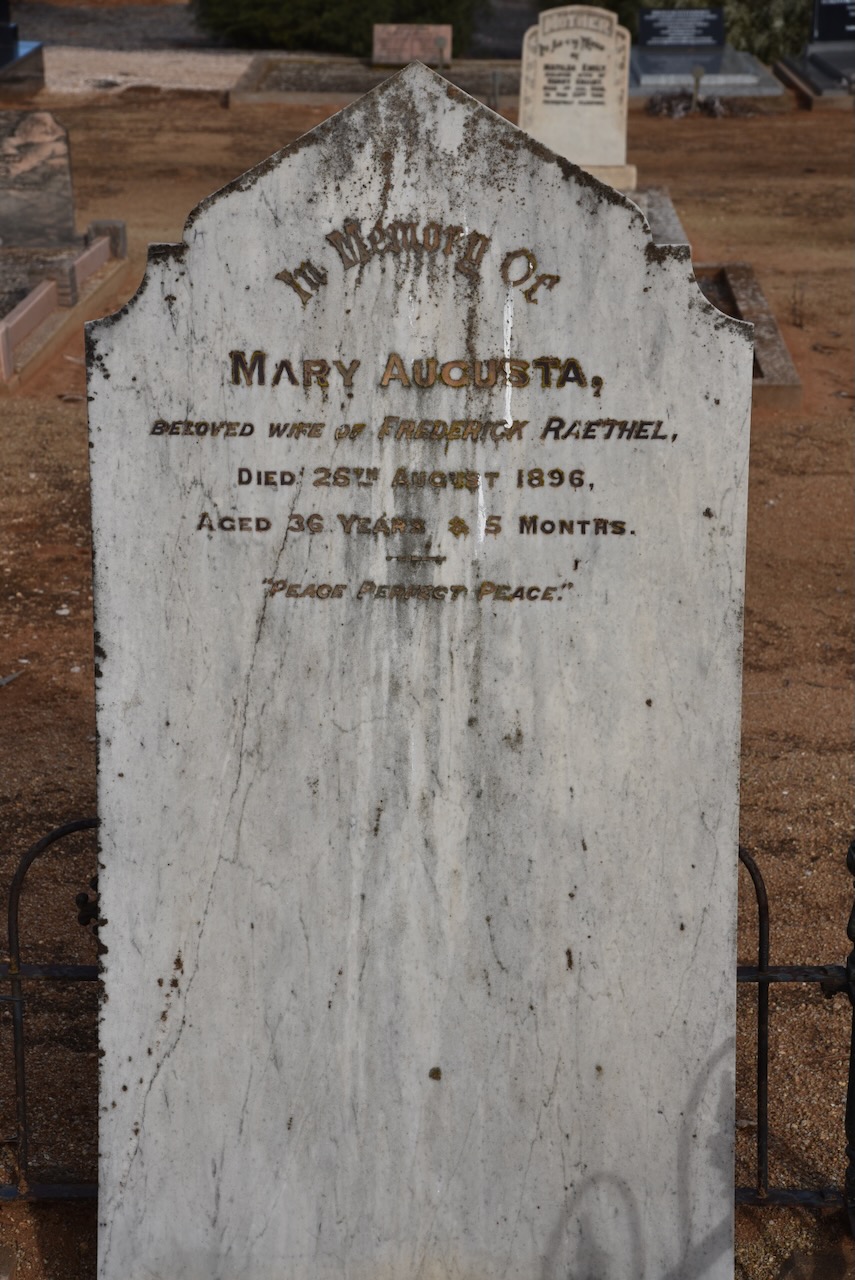
I paid a quick visit to the Bowhill cemetery which was established in 1897. Many of the headstones reflect the German history of the district.
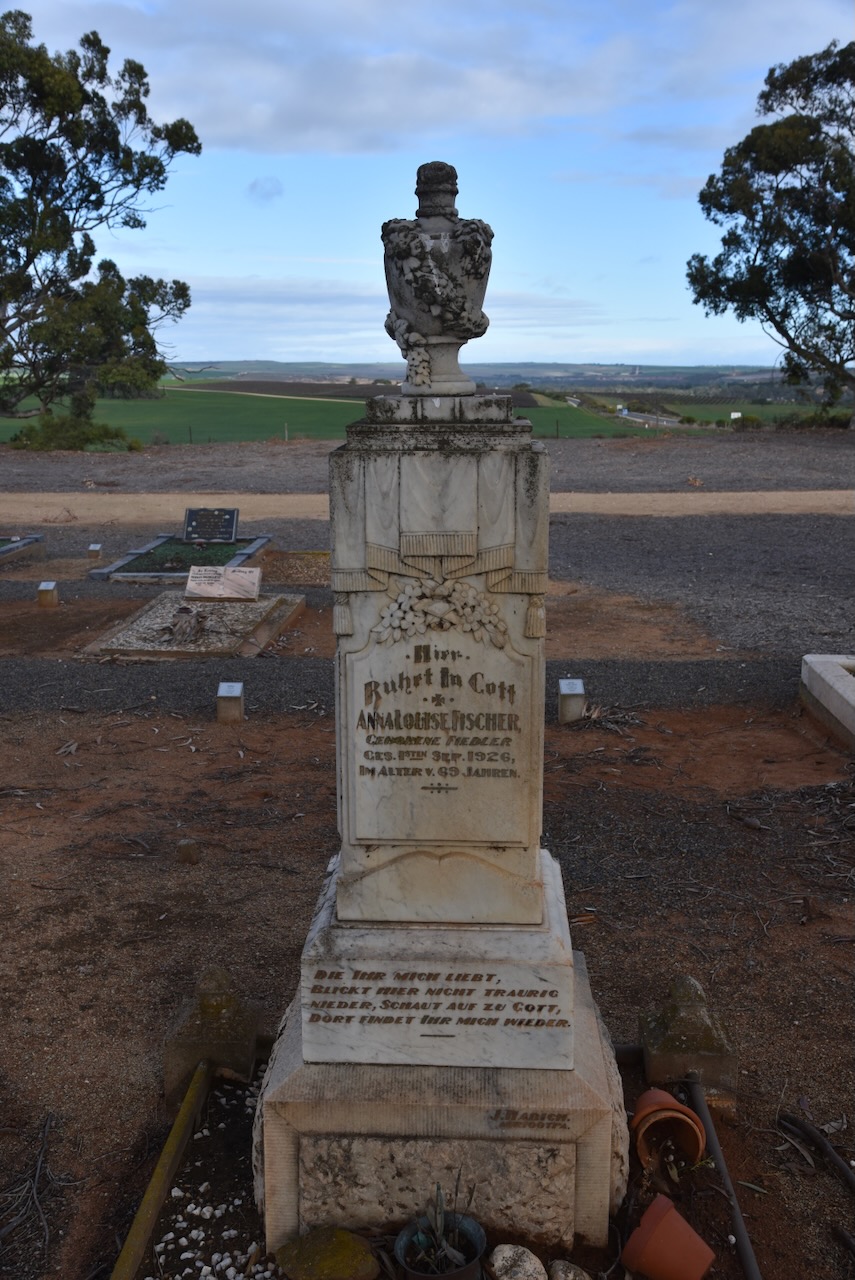
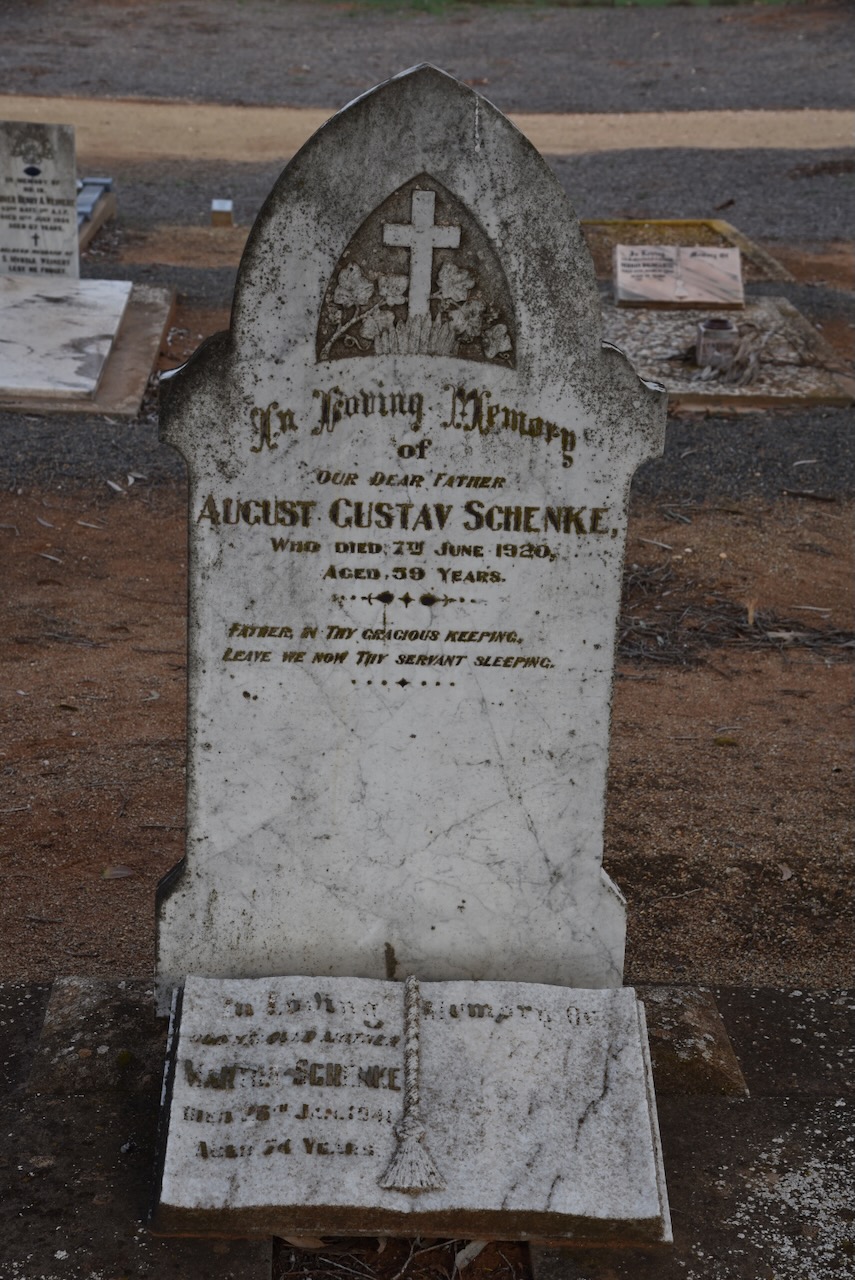
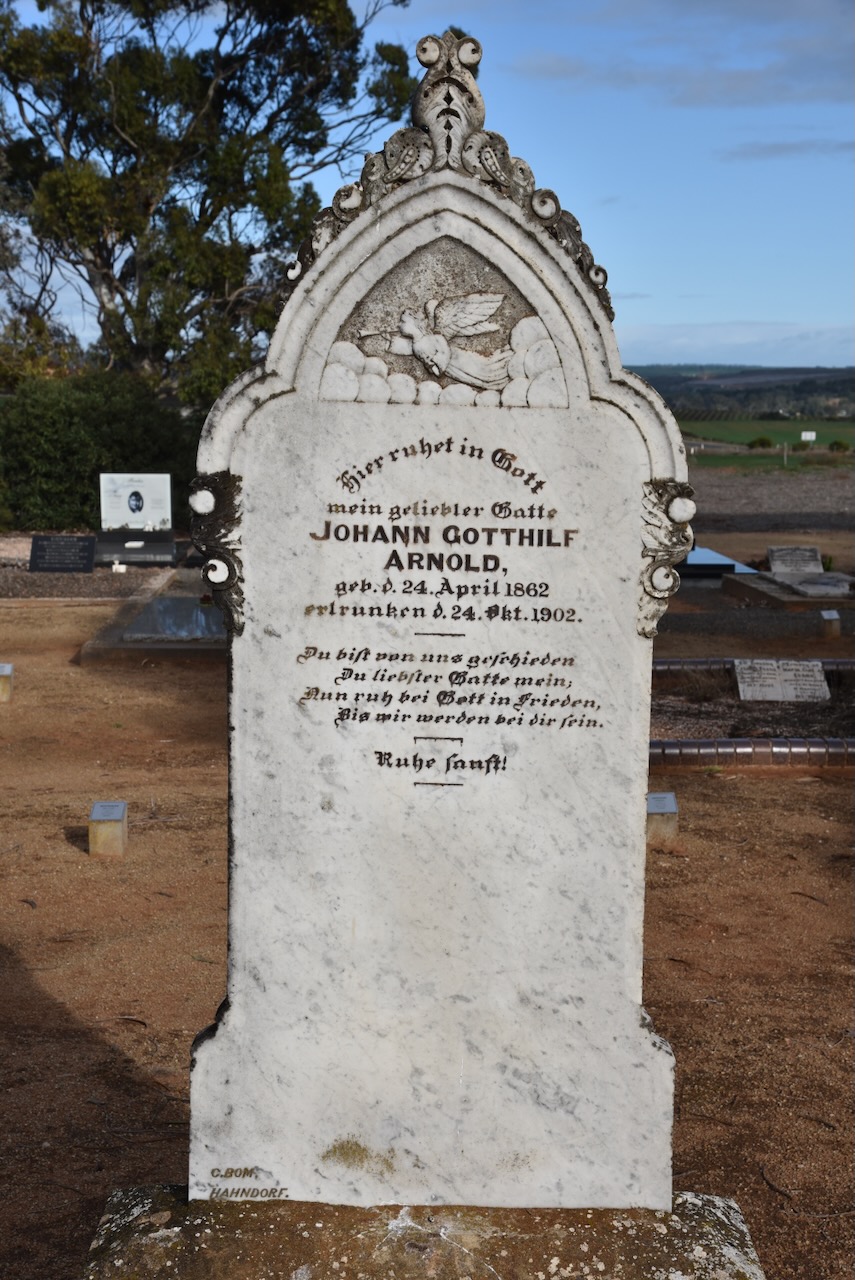
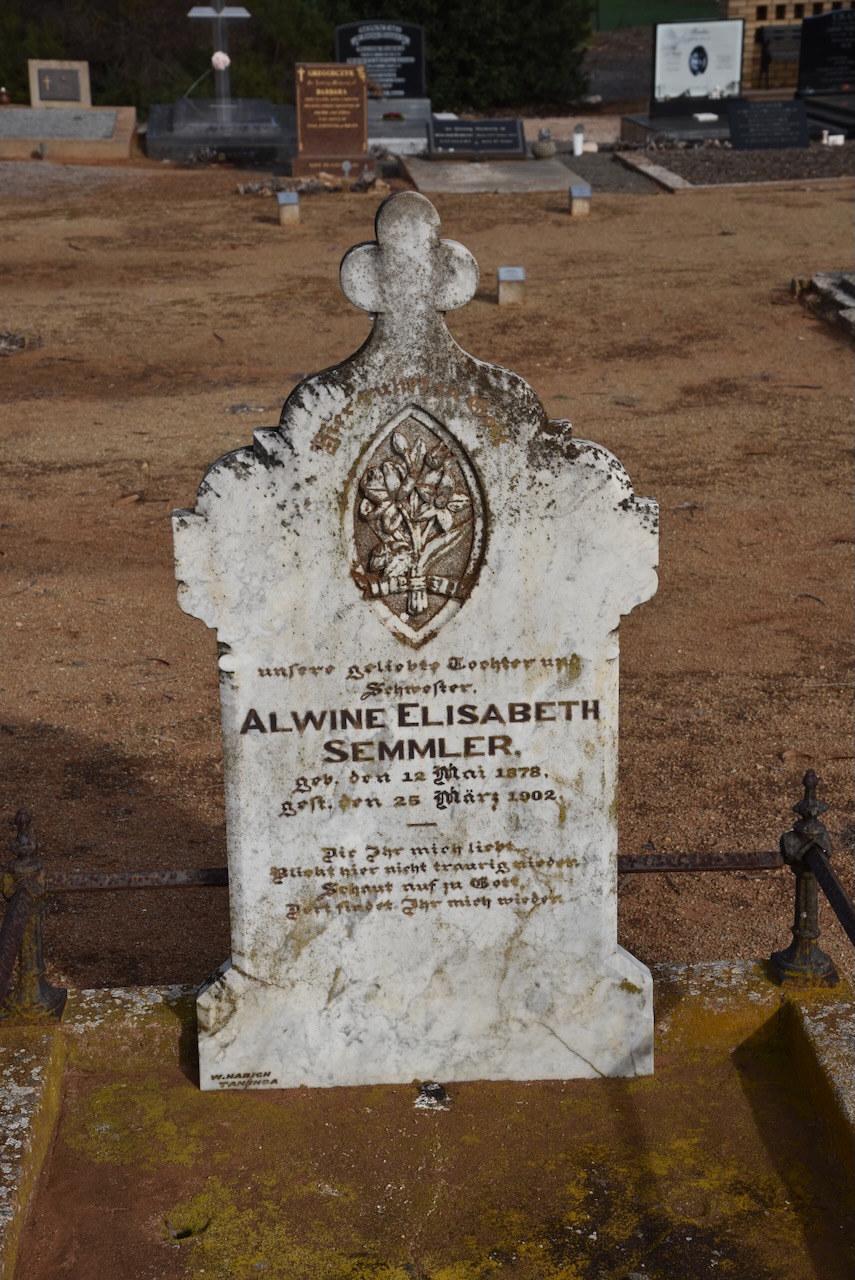
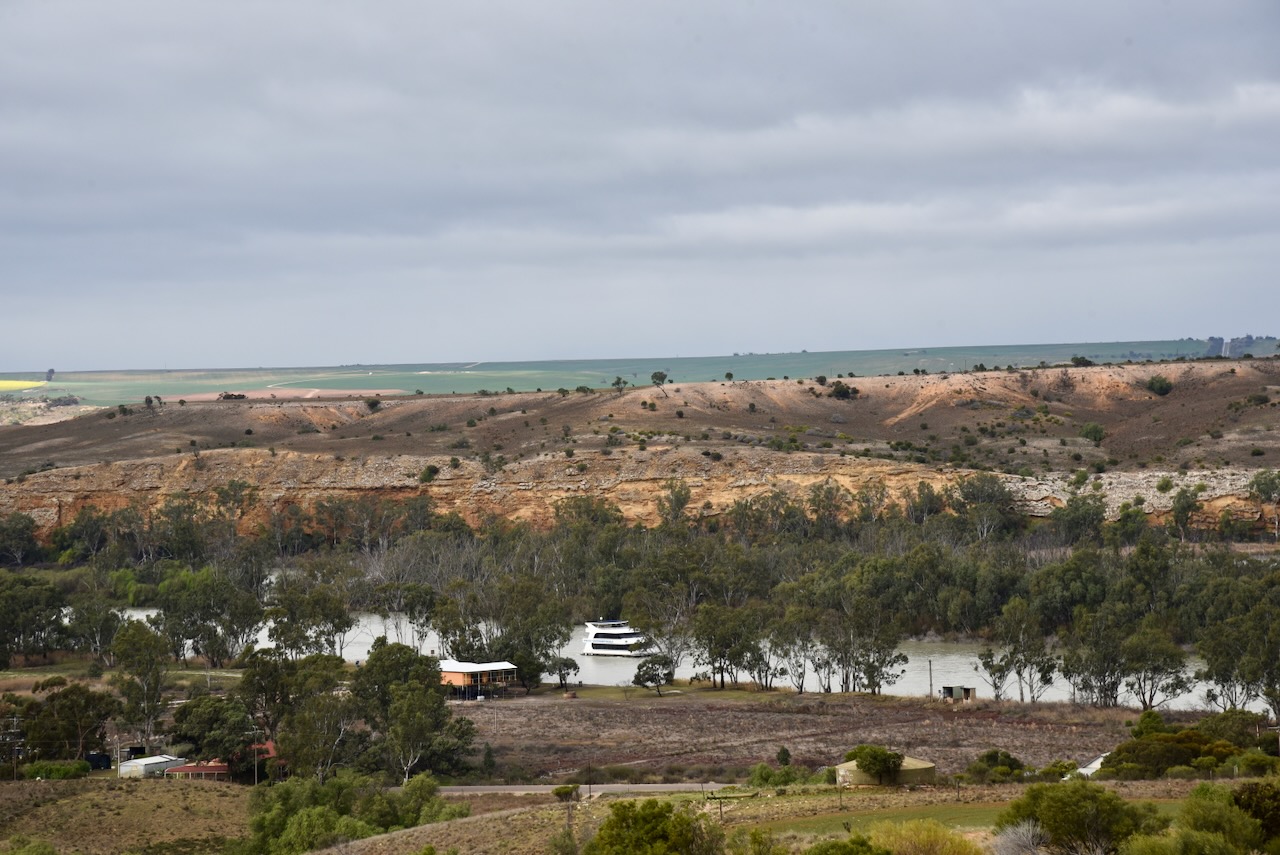
I left Bowhill and drove up to the top of the Purnong lookout which offers some great views of the Murray River.
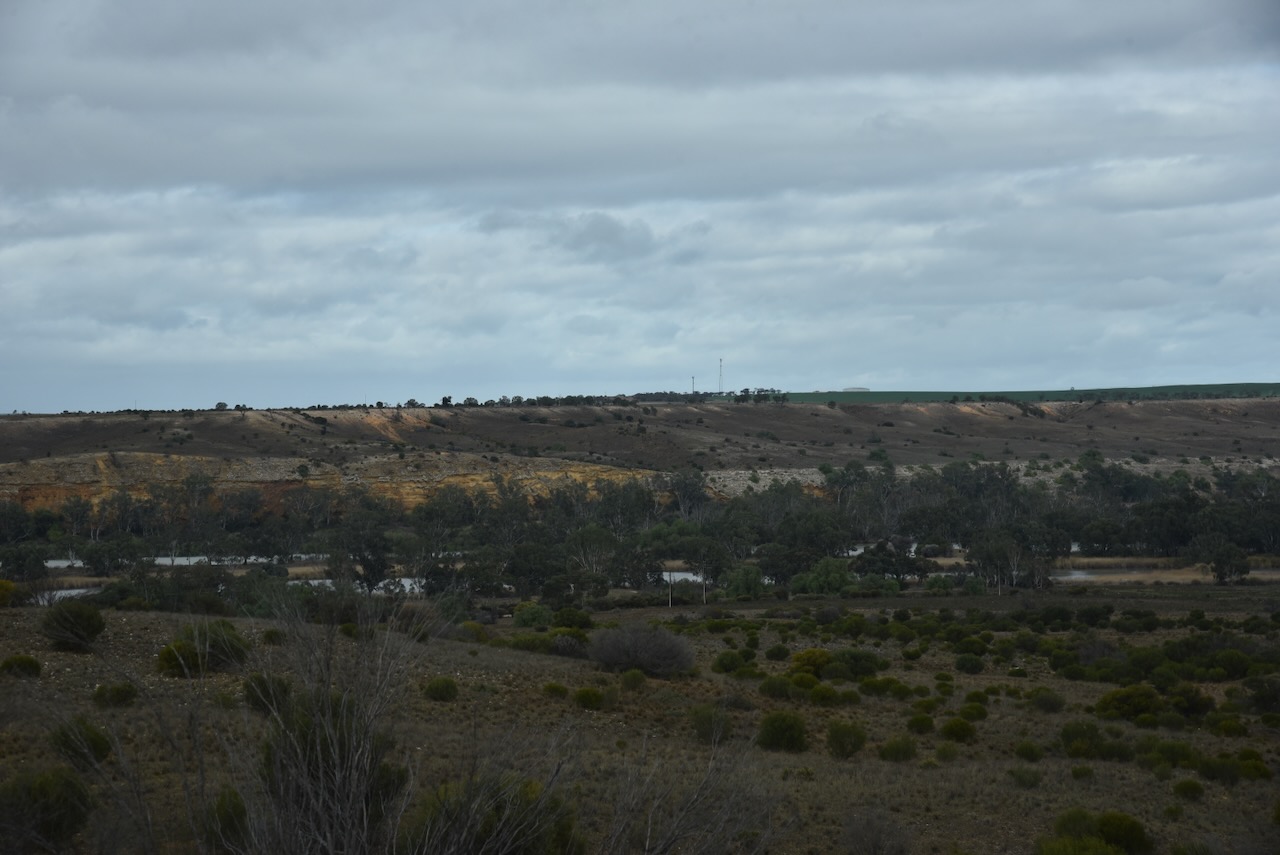
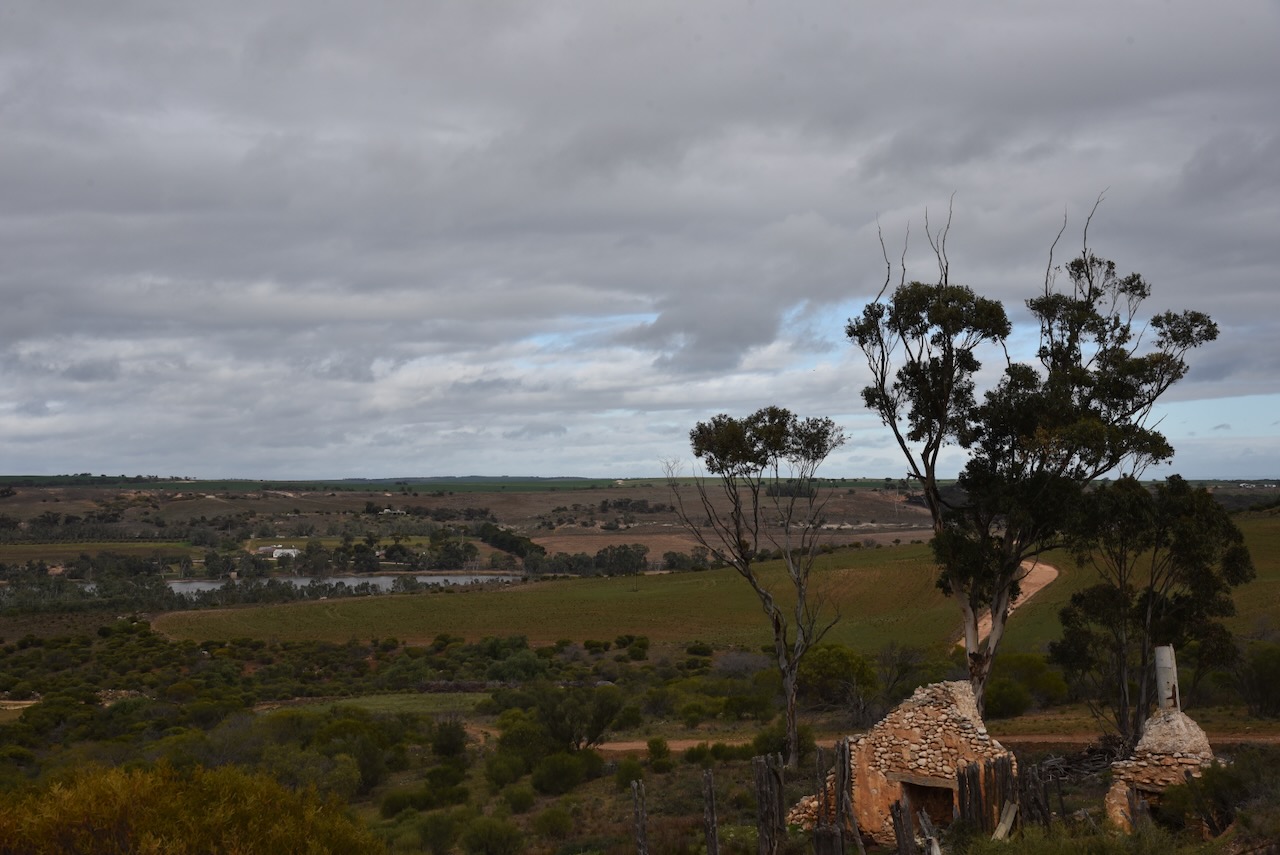
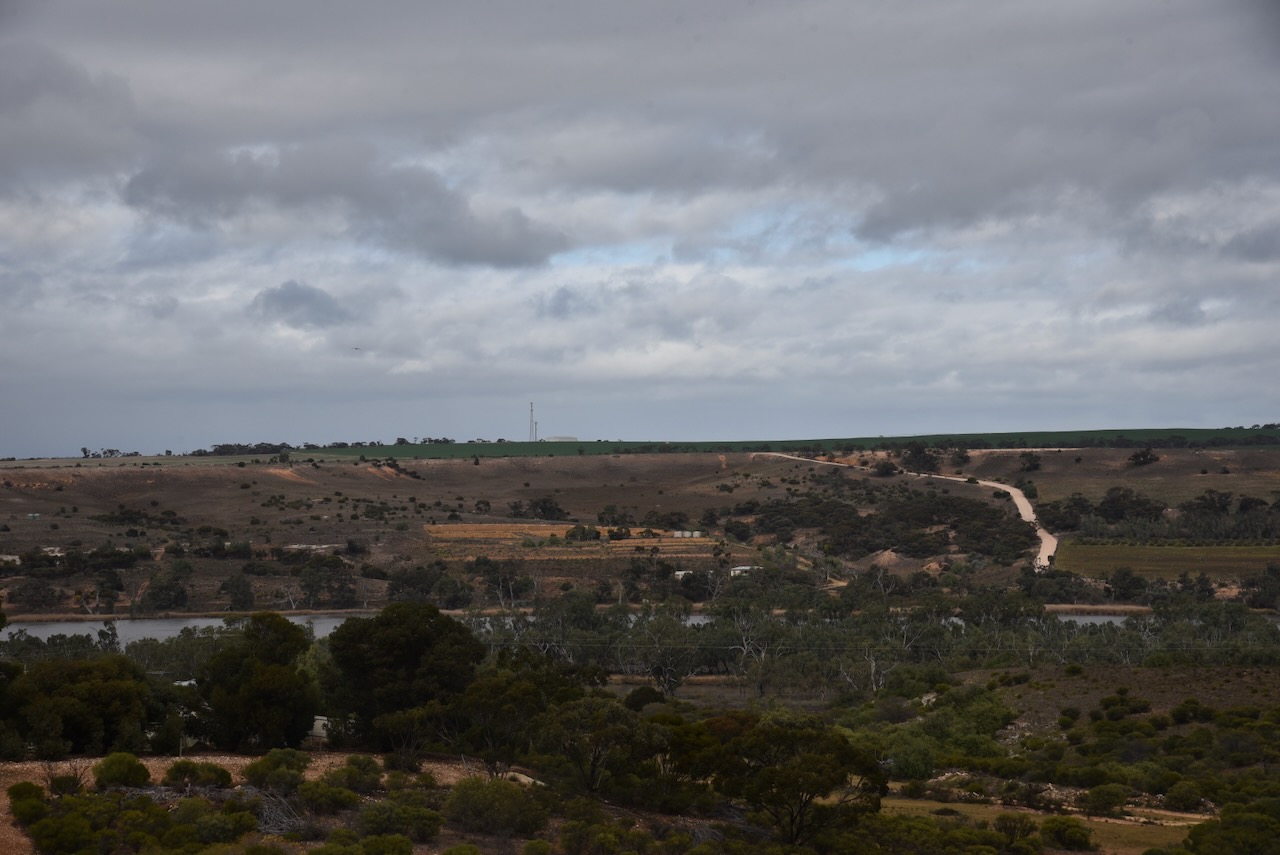
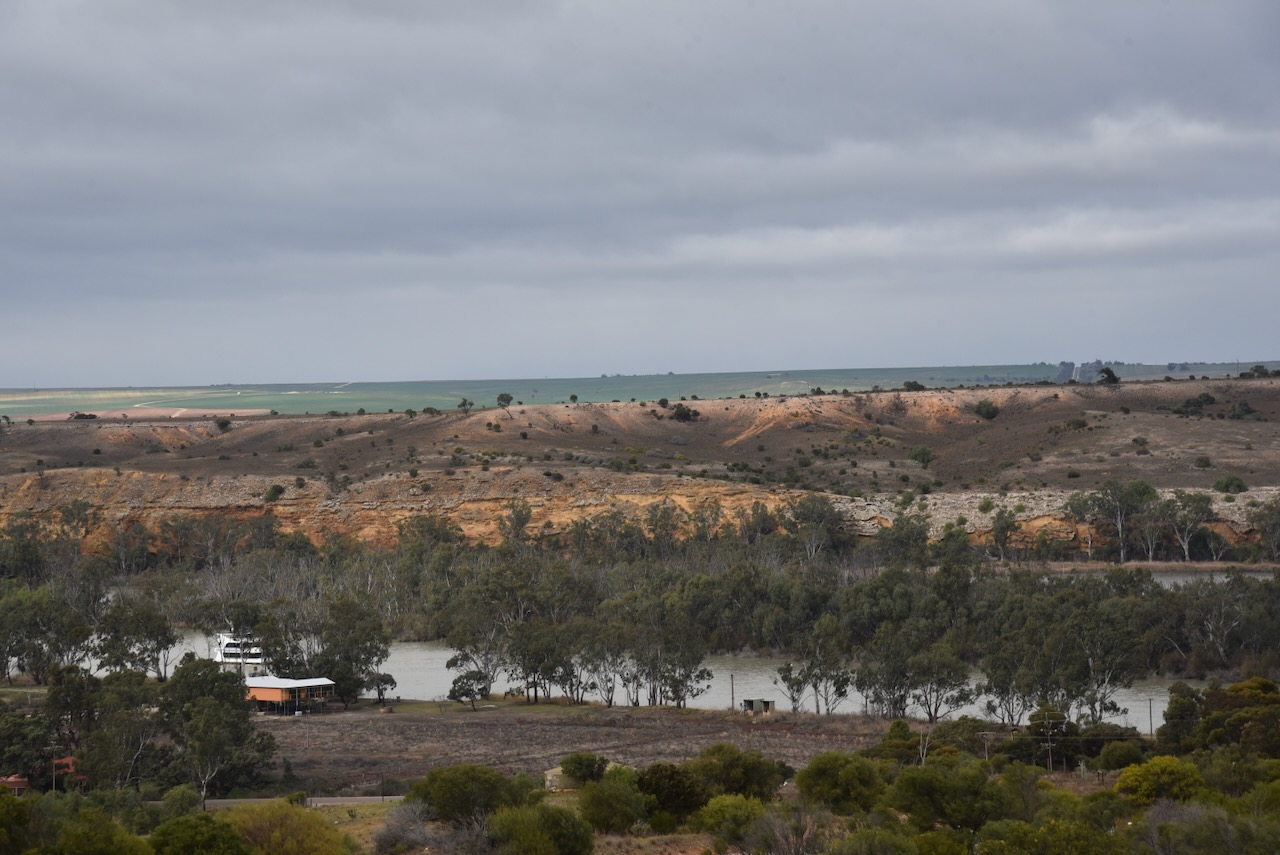
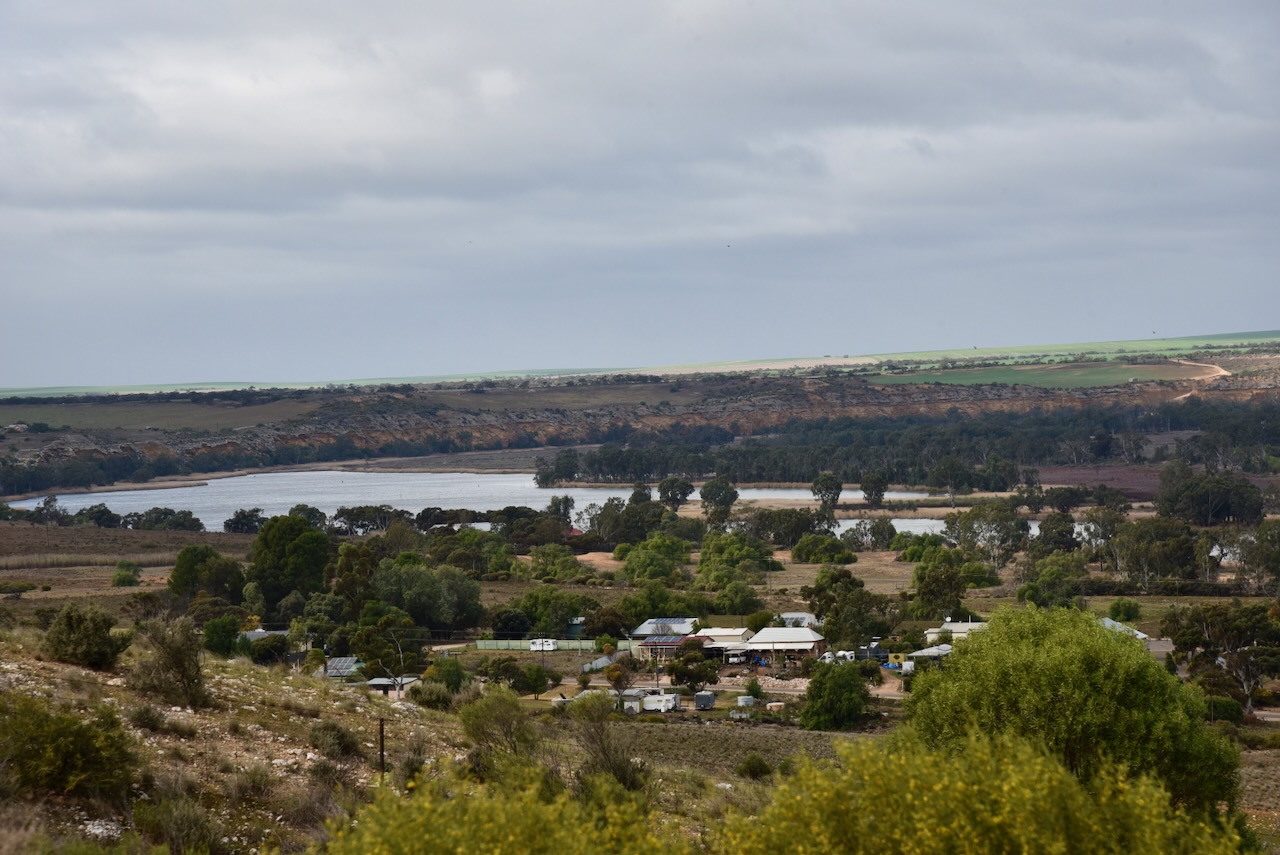
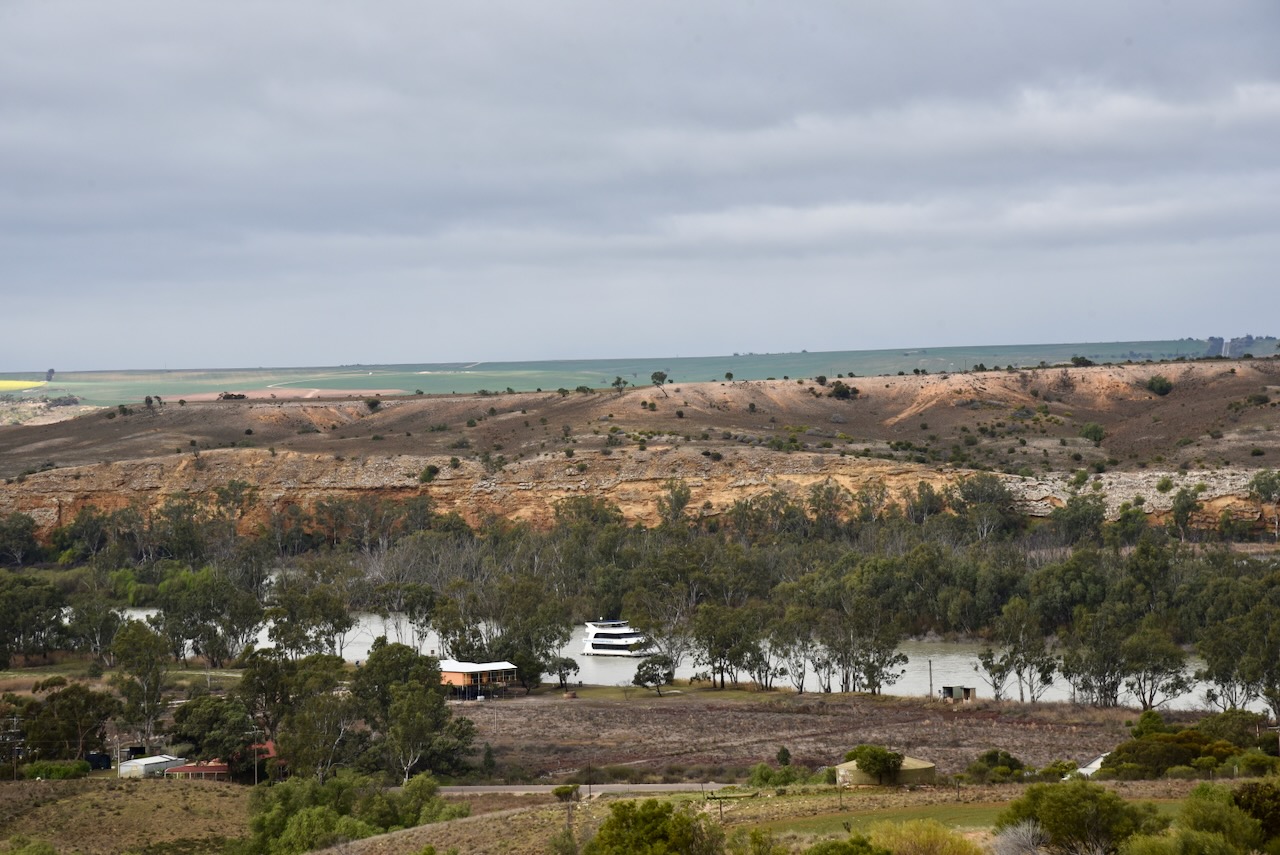
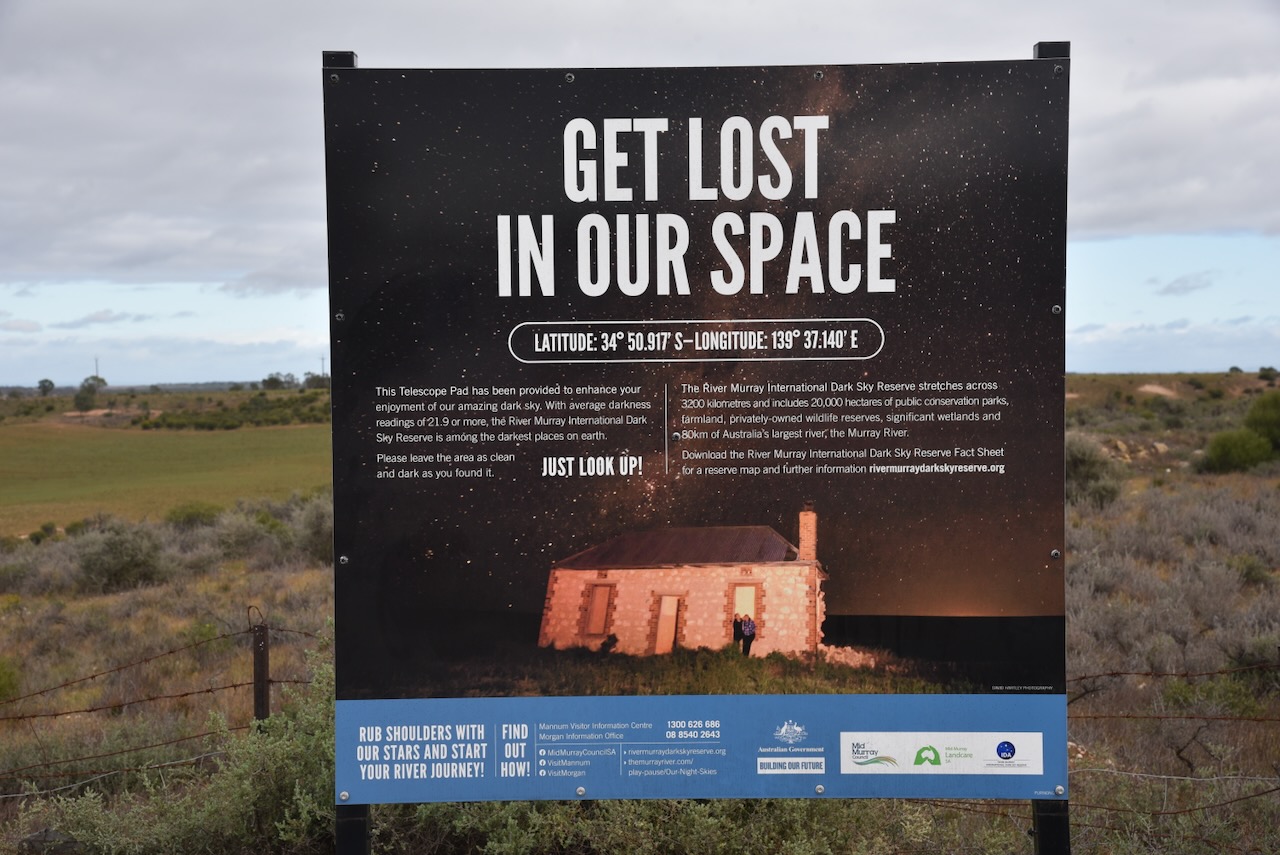
The lookout is part of the River Murray International Dark Sky Reserve. The reserve covers more than 3,200 square km and is known for its cloudless skies. (Dark Sky 2024)
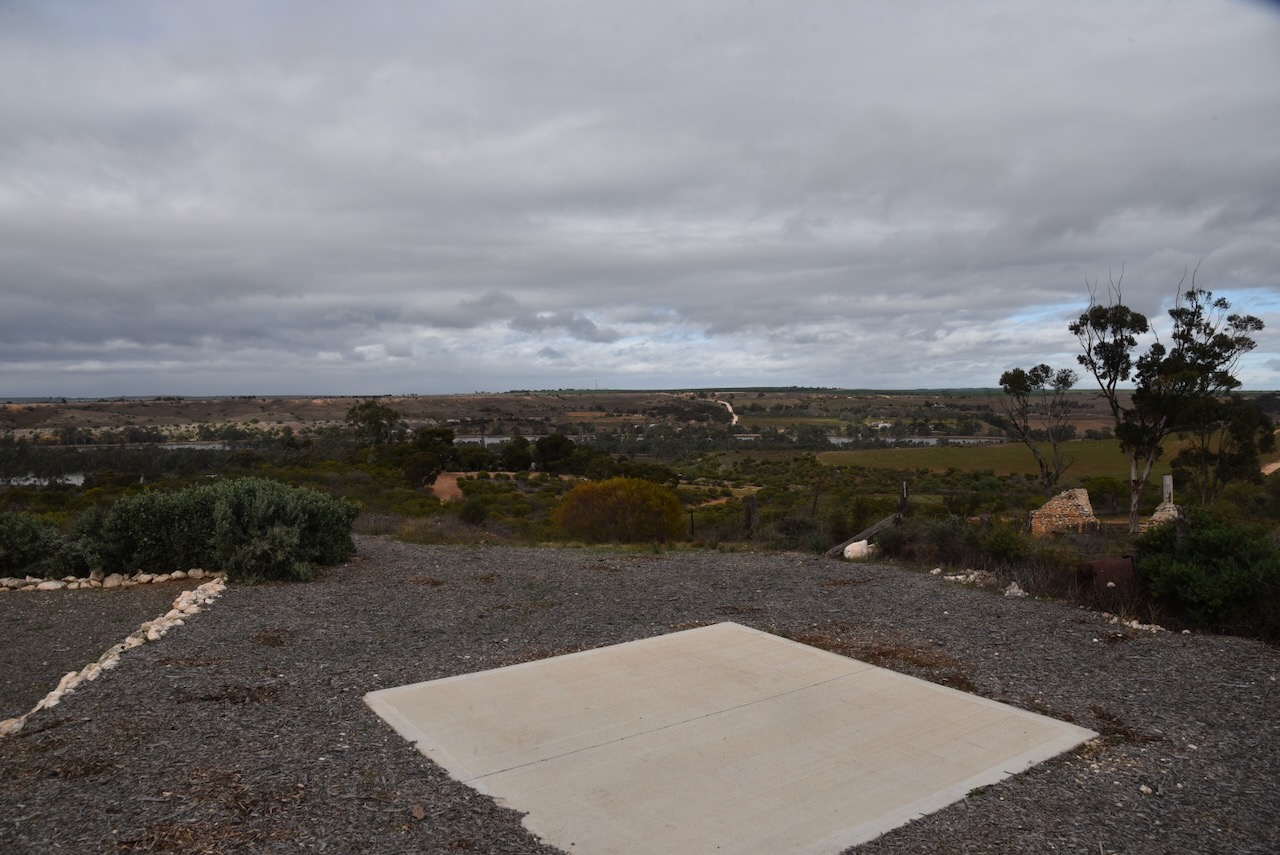
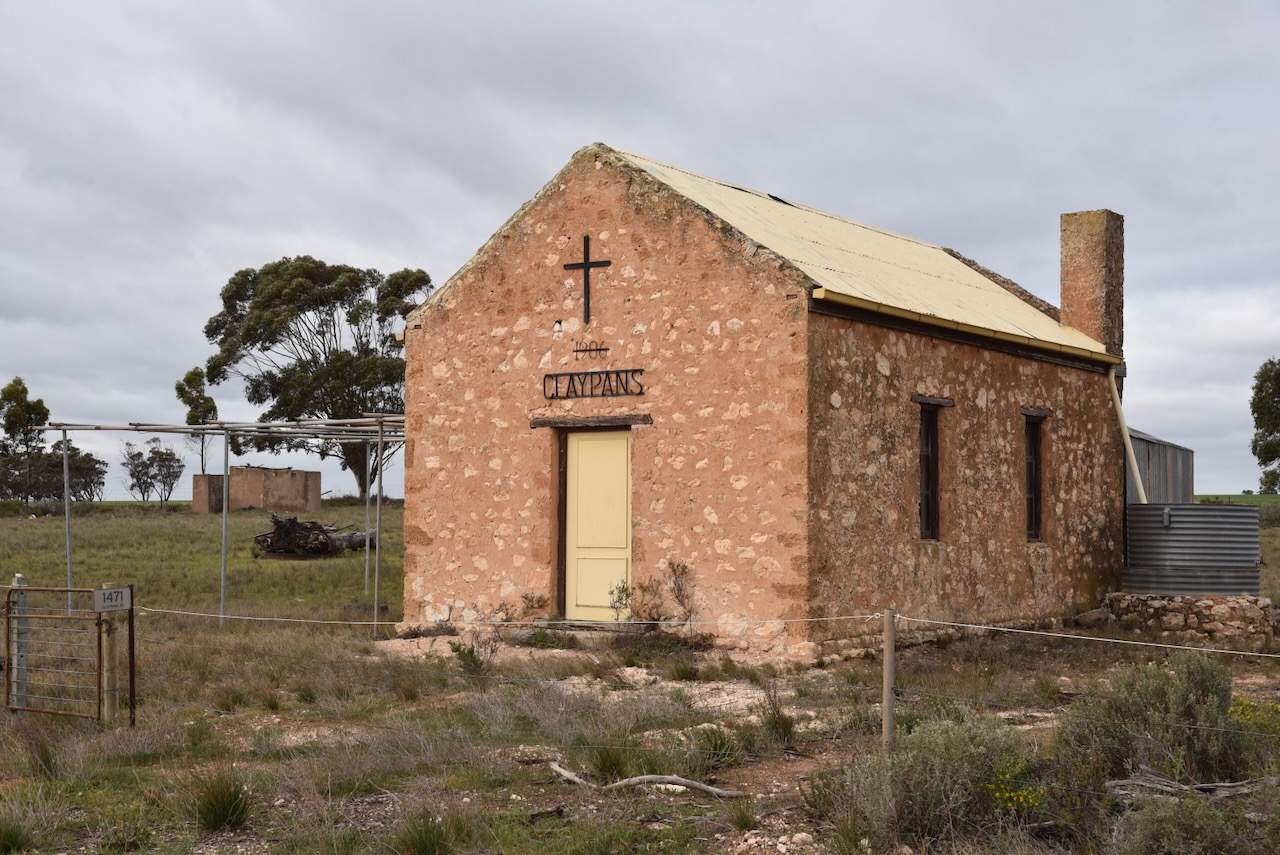
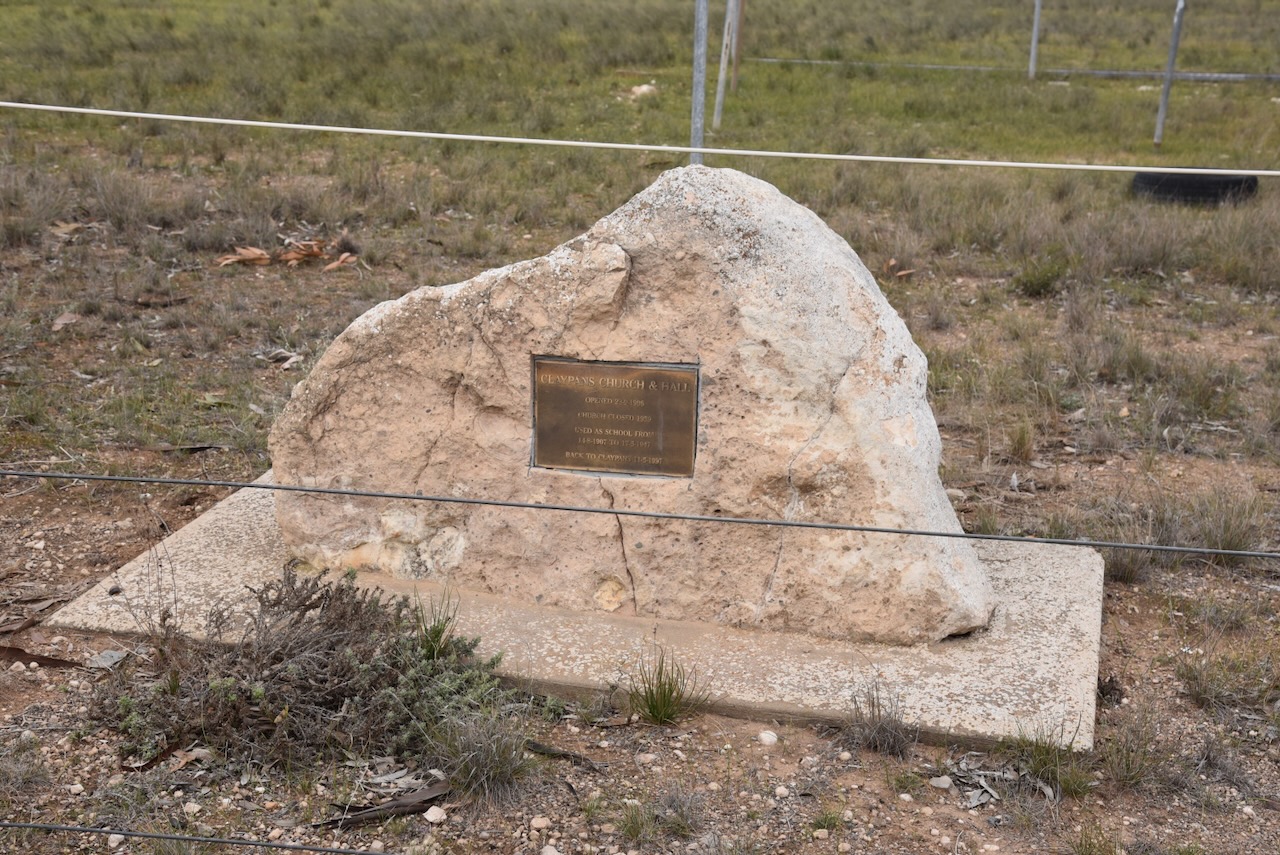
My next stop was the old Claypans Church and Hall. It was opened on the 23rd day of September 1906. The church closed in 1959. It was used as a school from 1907 to 1947.
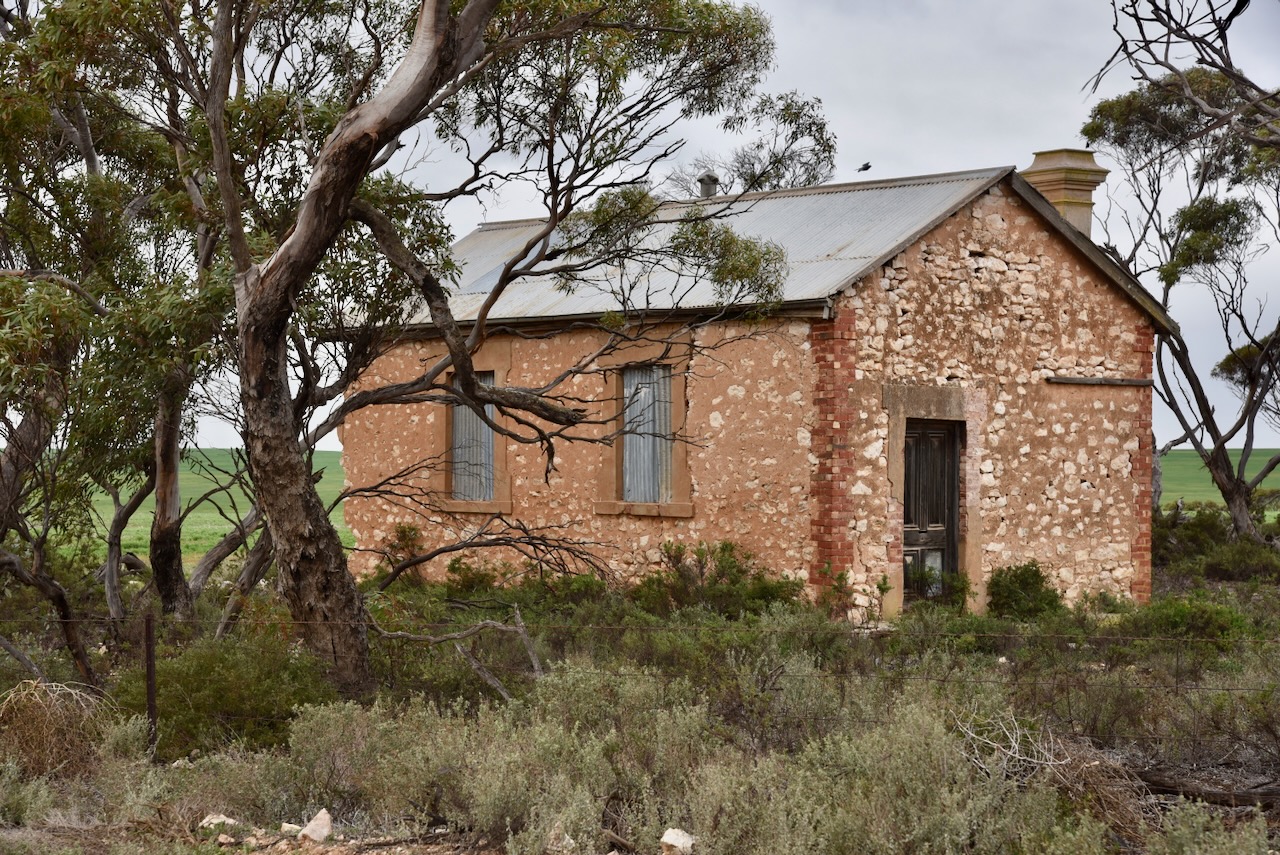
Next was the old Spurling Memorial Hall which was erected in 1920 in memory of Corporal William Alfred Spurling of Copeville. He was killed in action during WW1 in 1917.
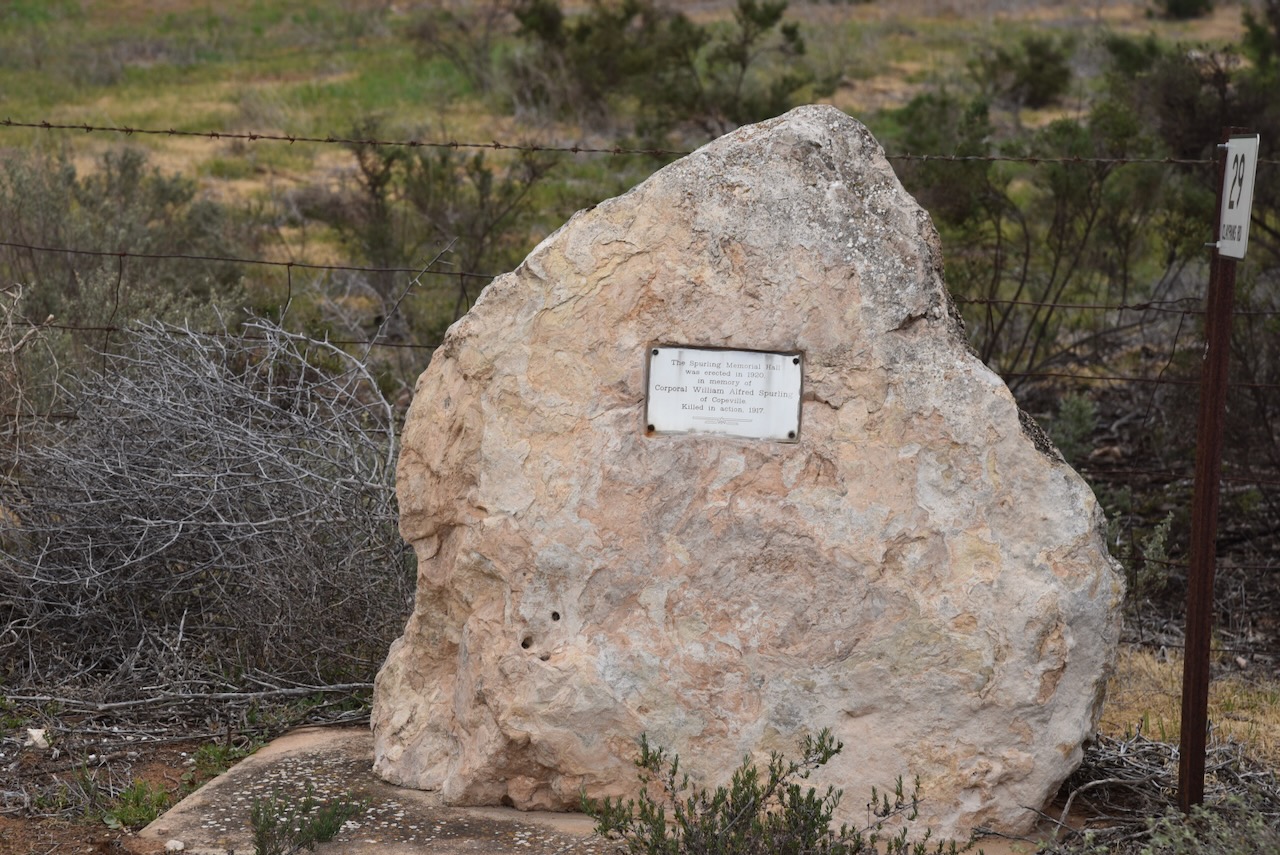
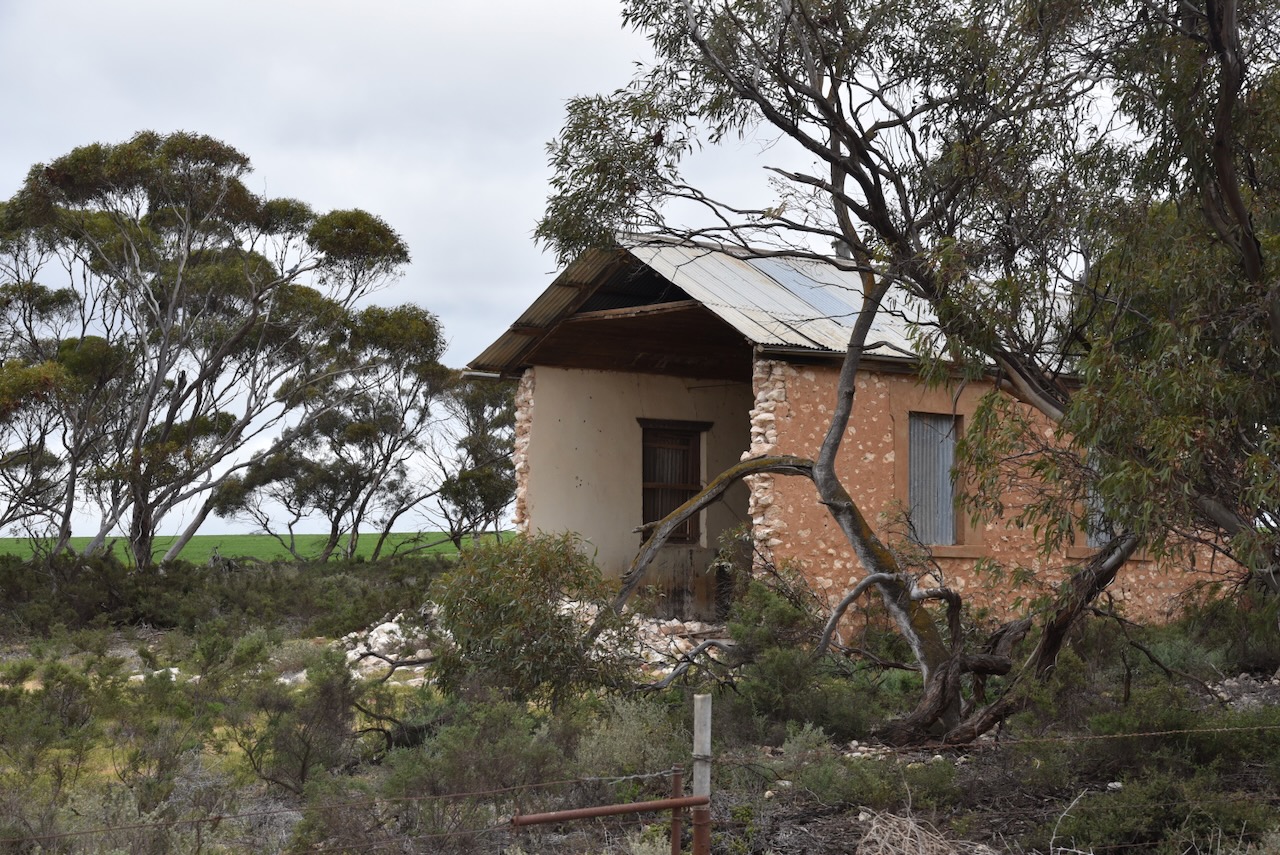
William Alfred Spurling was born in February 1893 in Warracknabeal, Victoria. He was killed in action in the UK on the 16th day of August 1917, aged just 24 years. He was a Corporal with the 50th Australian Infantry Battalion. (ancestry.com.au) (AWM 2024)
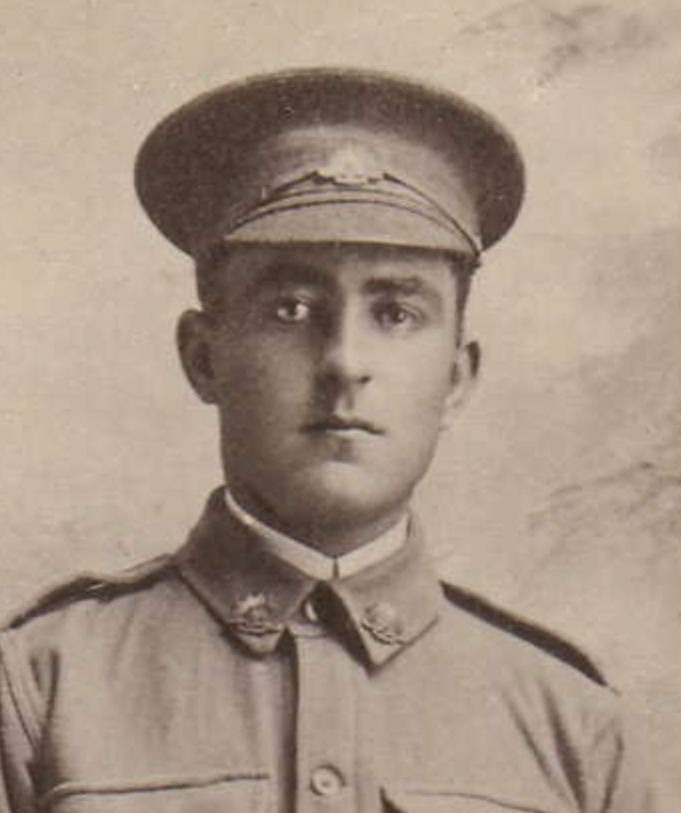
Above:- William Spurling. Image c/o ancestry.com.au
The town of Copeville was proclaimed on the 1st day of May 1919. It was named in honour of Henry Spencer Cope, an early settler in the district. Prior to its proclamation, it was known as ‘Glencope’. That name was given to a school which was opened in 1914. The Post Office opened as ‘Glencope Siding’ on the 29th day of September 1915. (Place Names 2012)
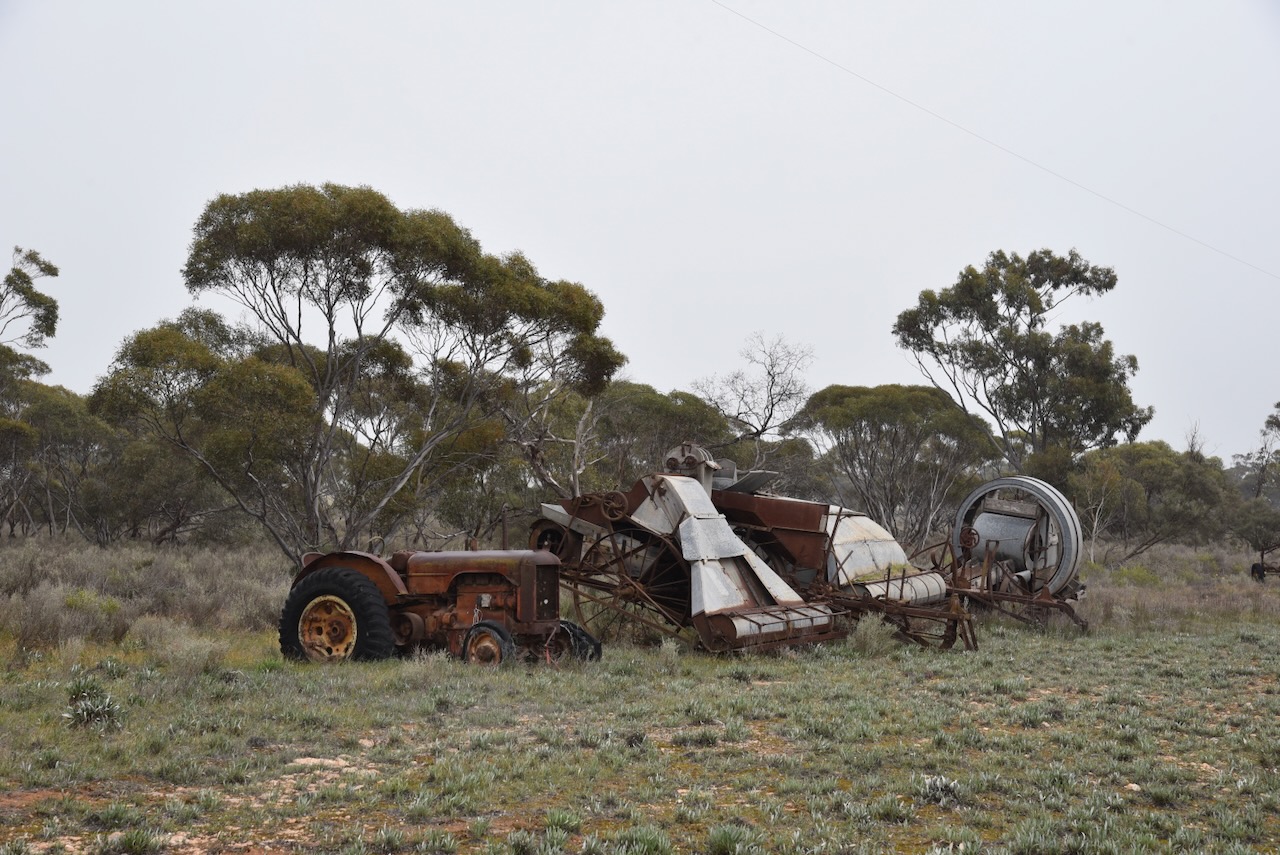
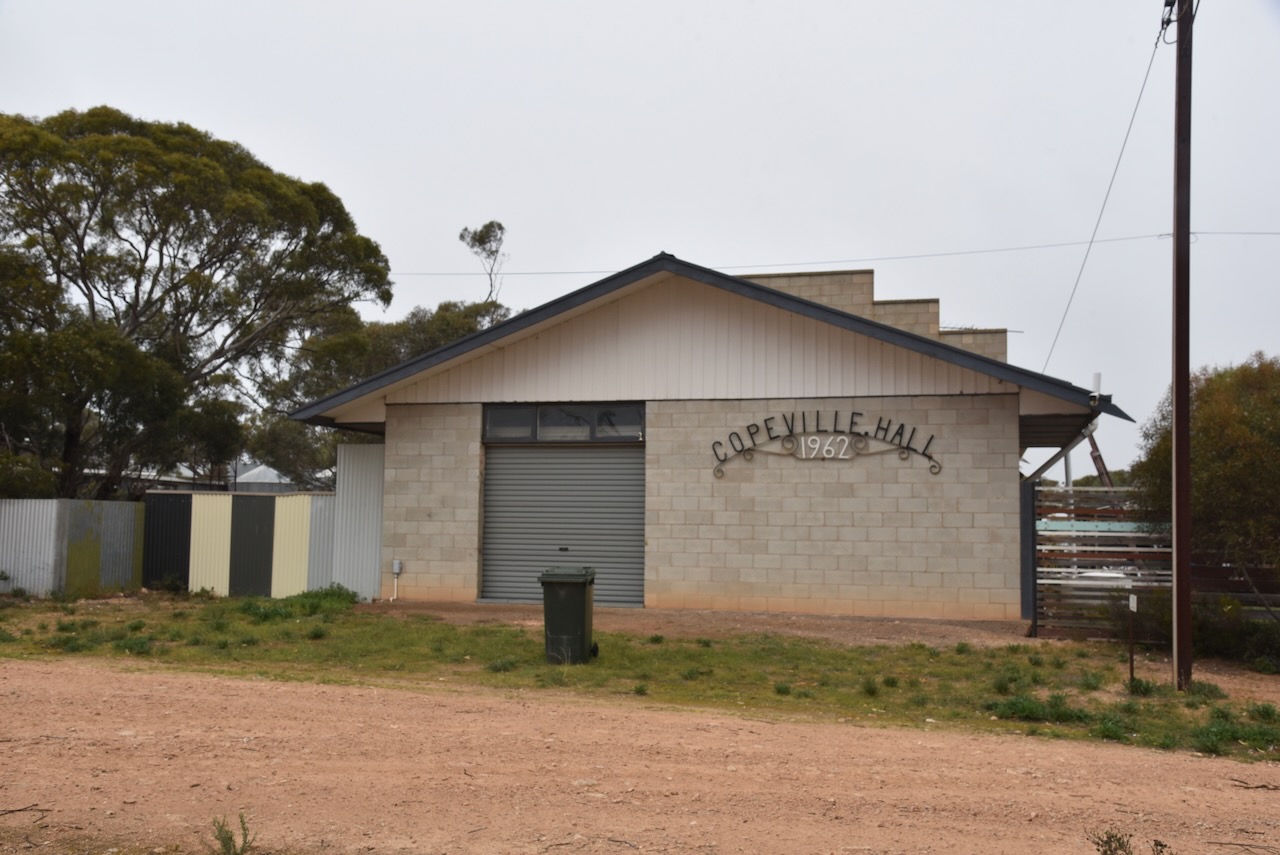
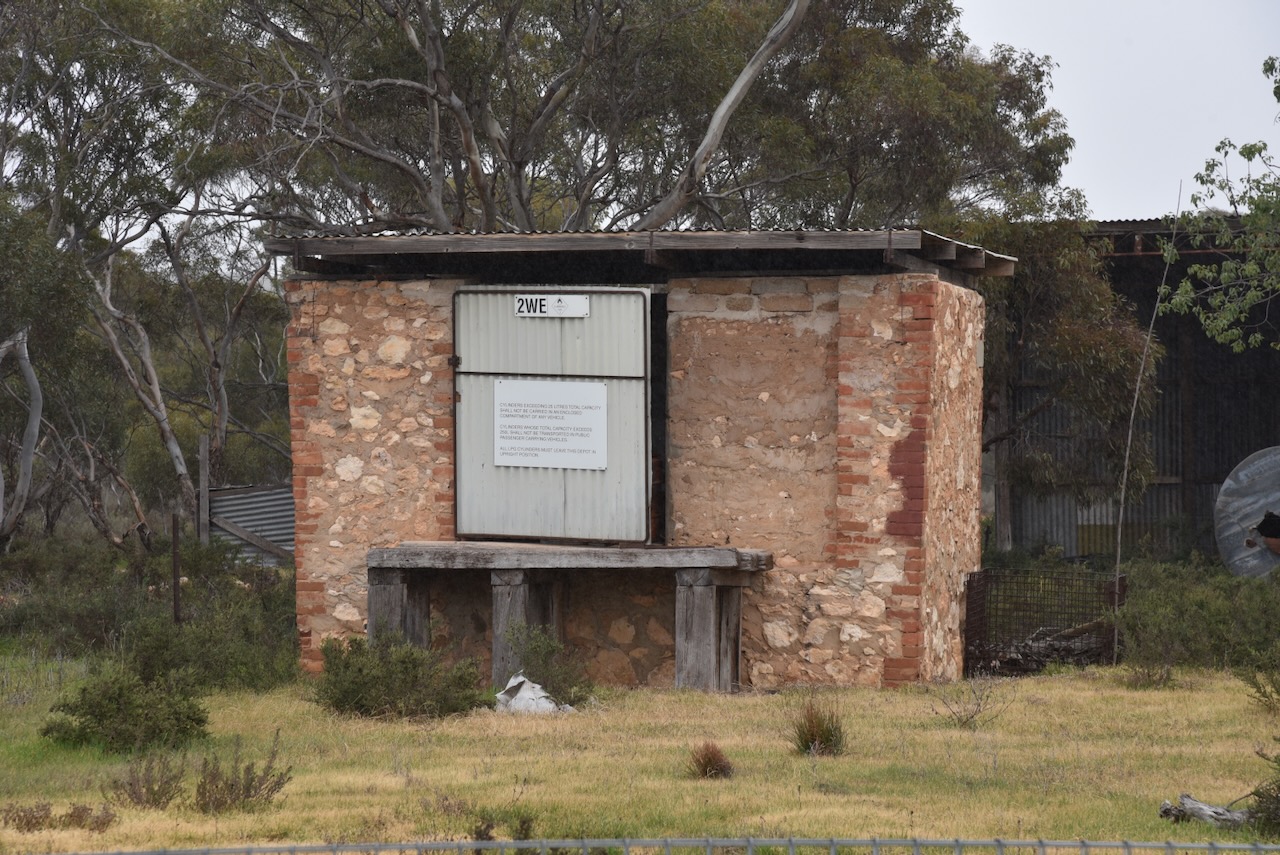
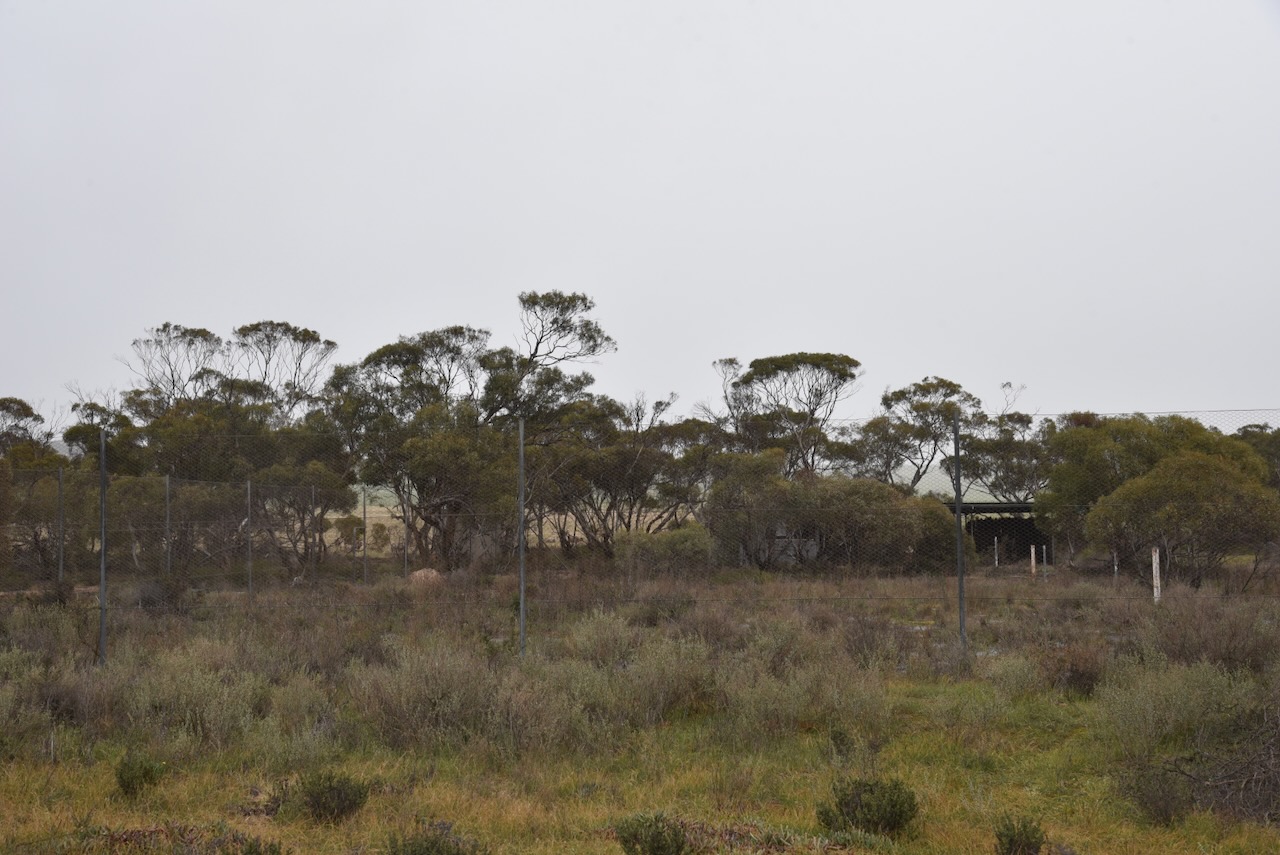
Not much remains today at Copeville. Below is a photograph of the old tennis courts, completely overgrown by weeds.
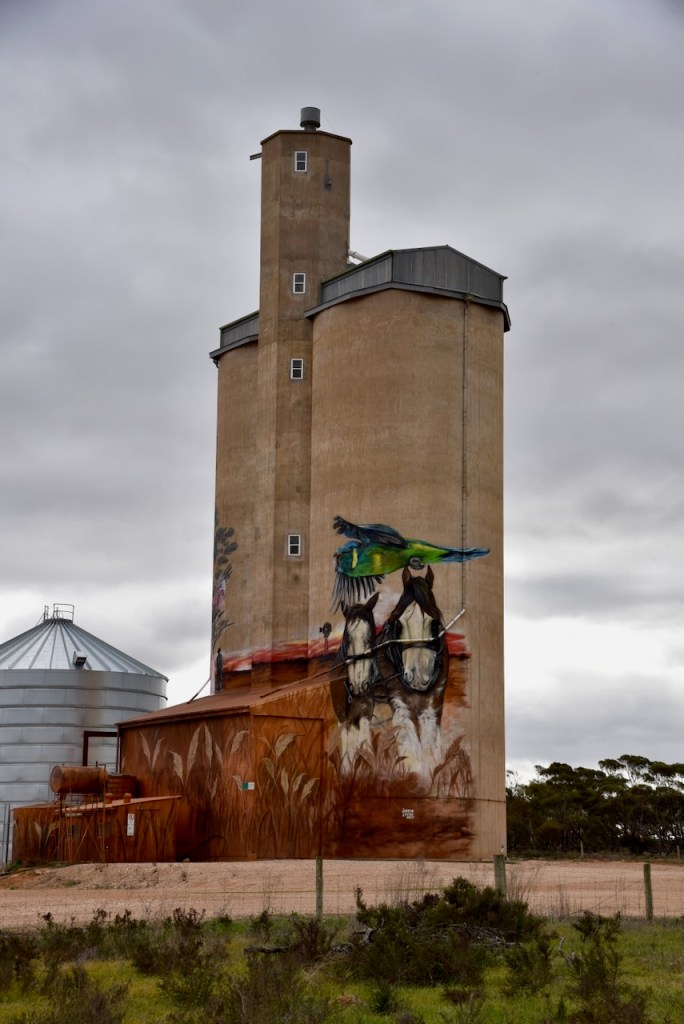
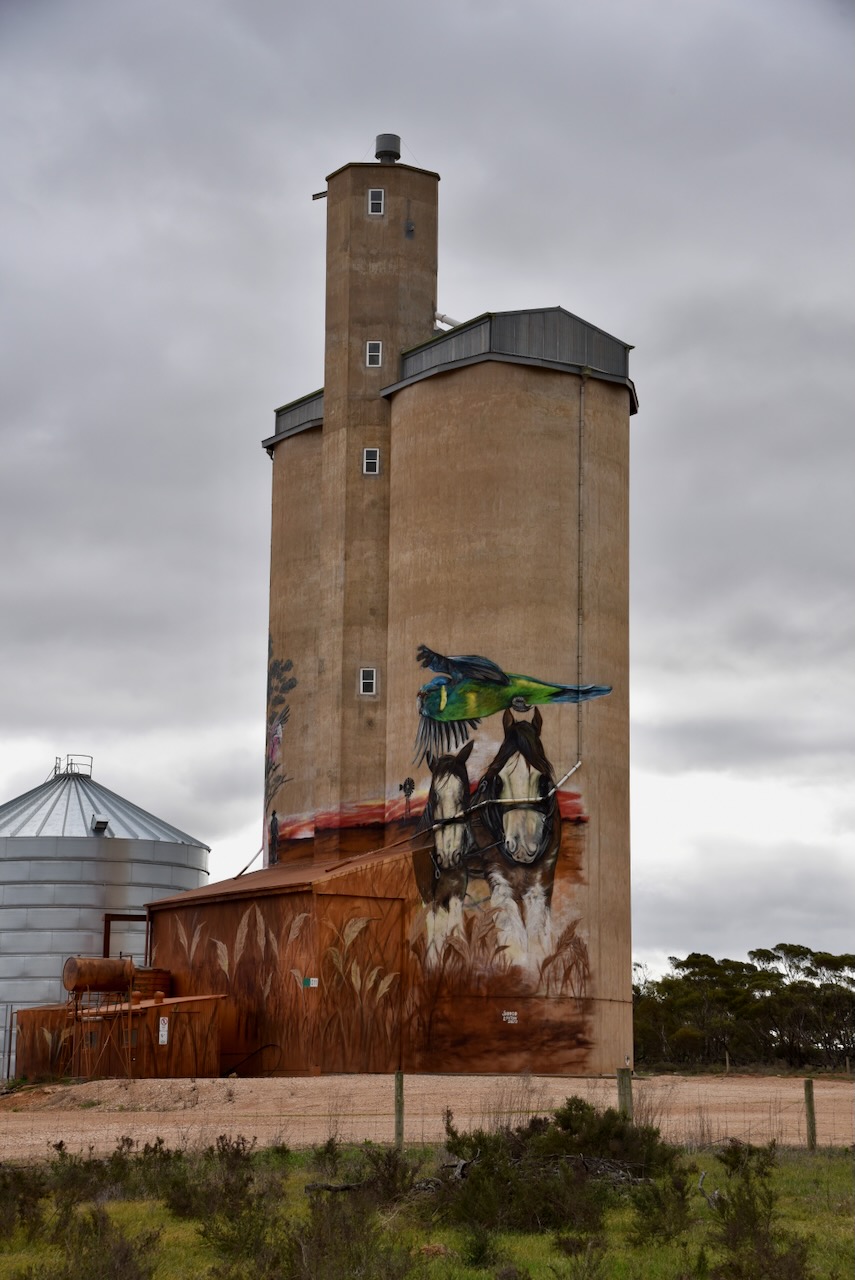
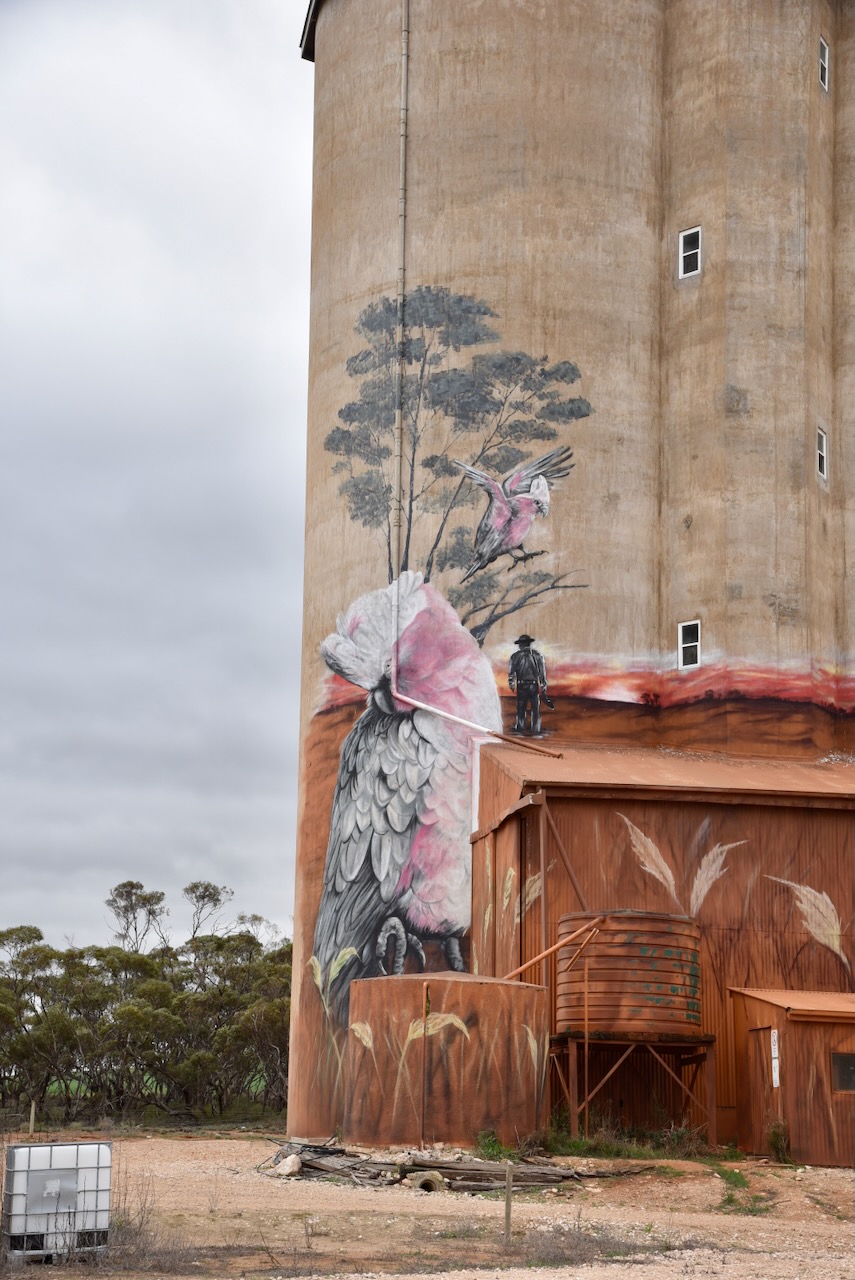
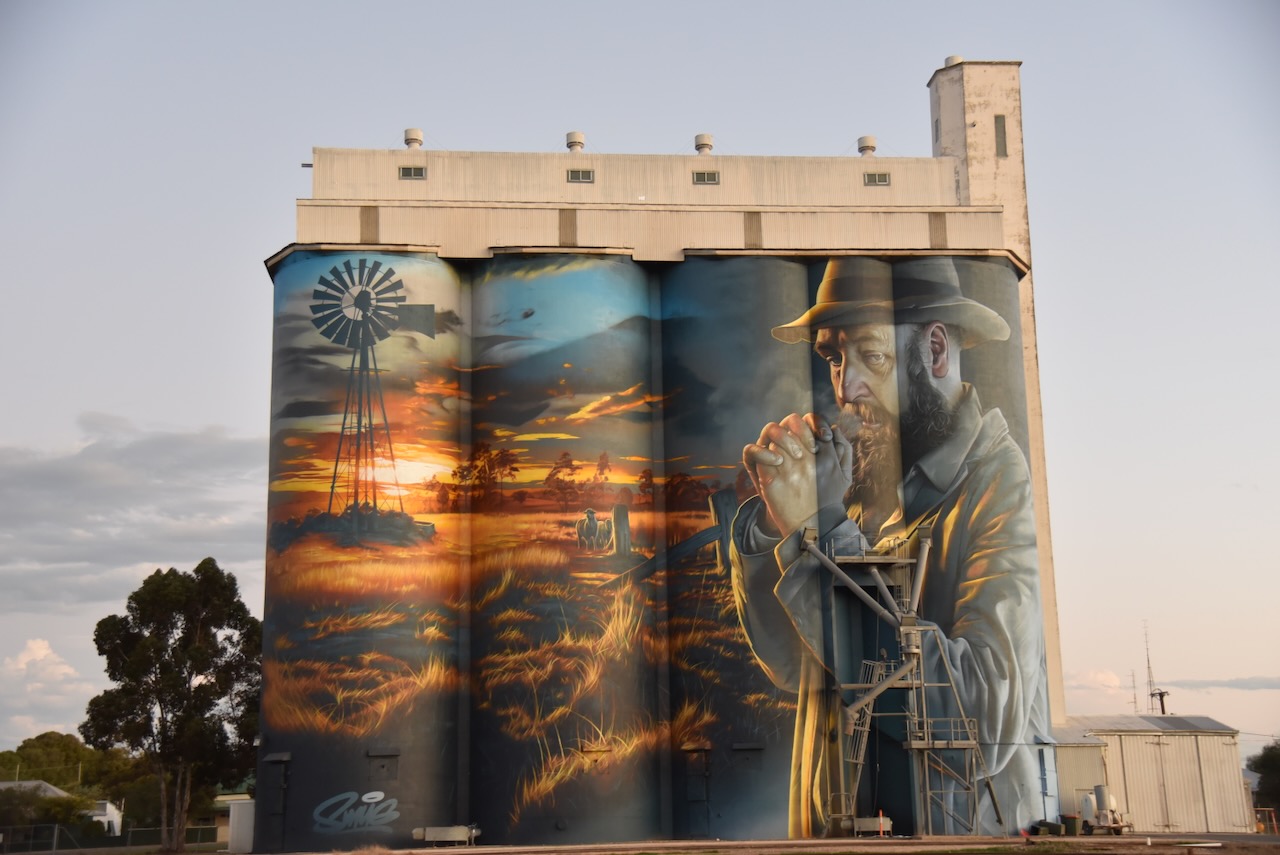
The town has been placed back on the map by the silo art on the local silos. The Copeville Silo was painted in October 2022 and is the work of artist Jarrod Loxton. The silo art features a Galah and a Clydesdale horse. (Silo Art 2024)
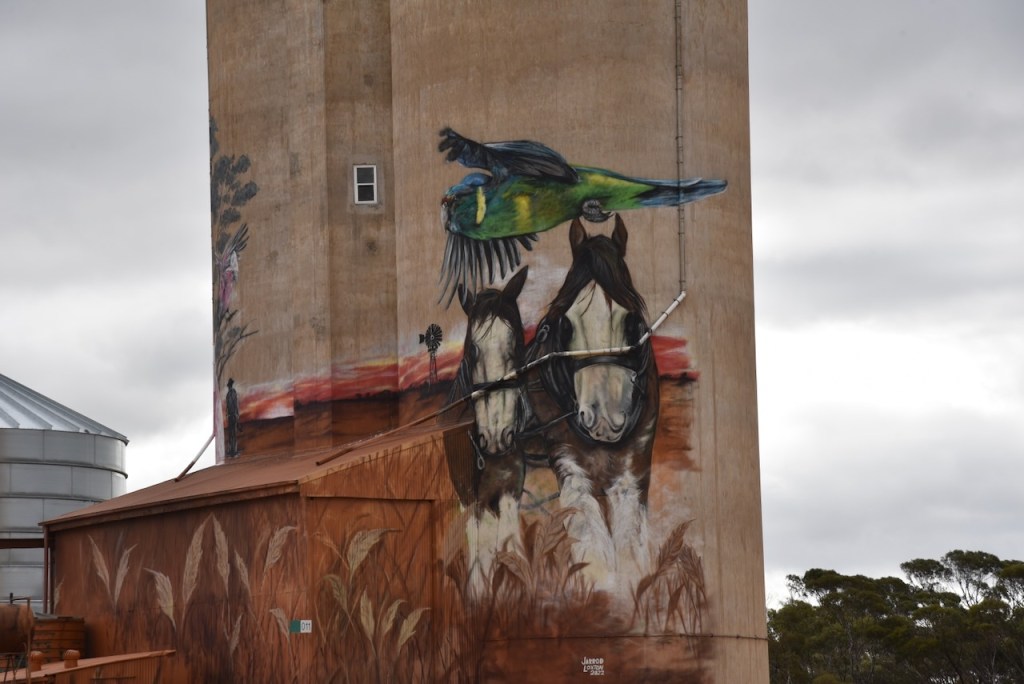
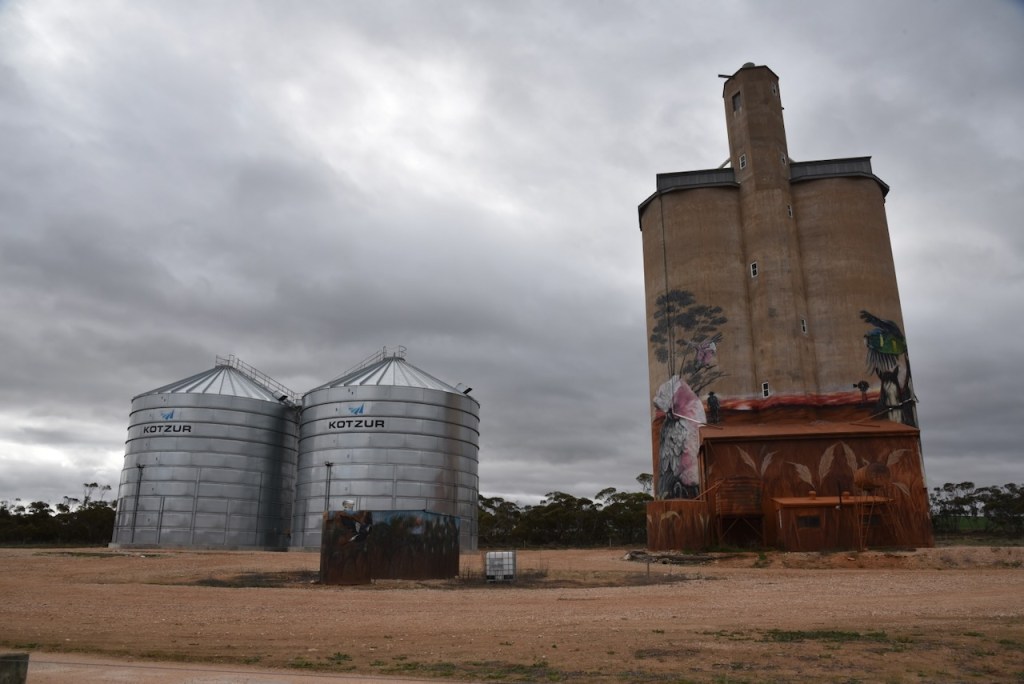
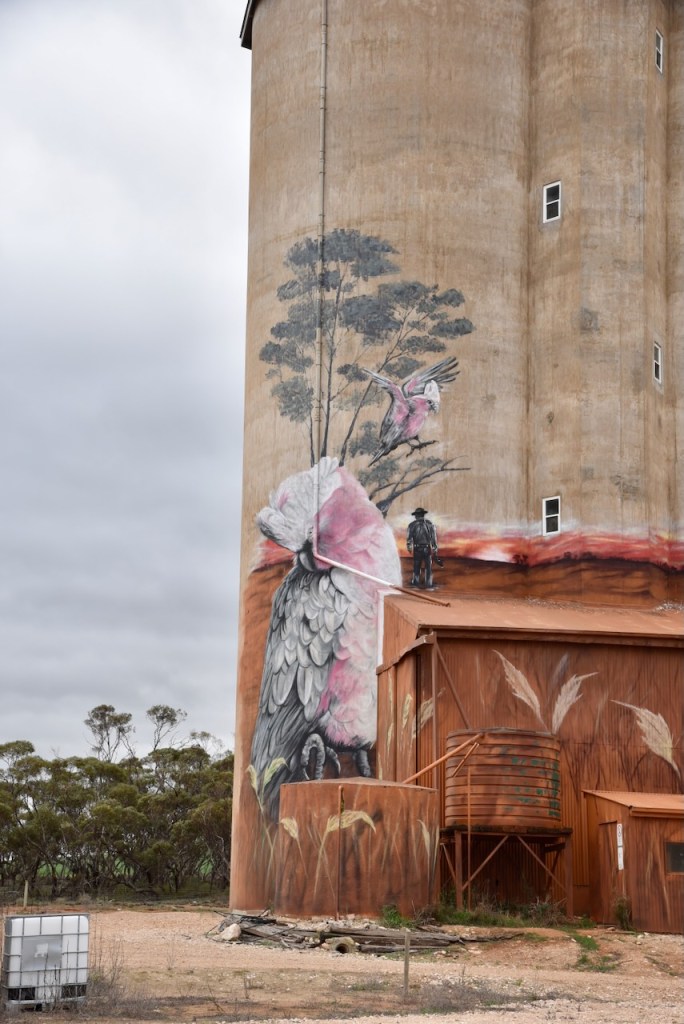
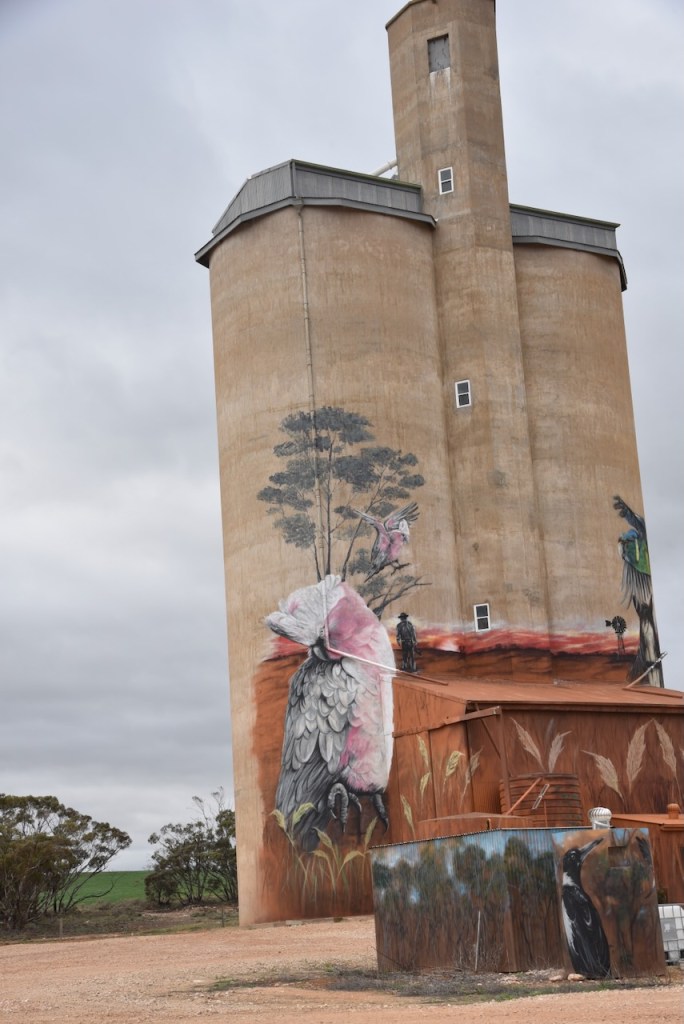
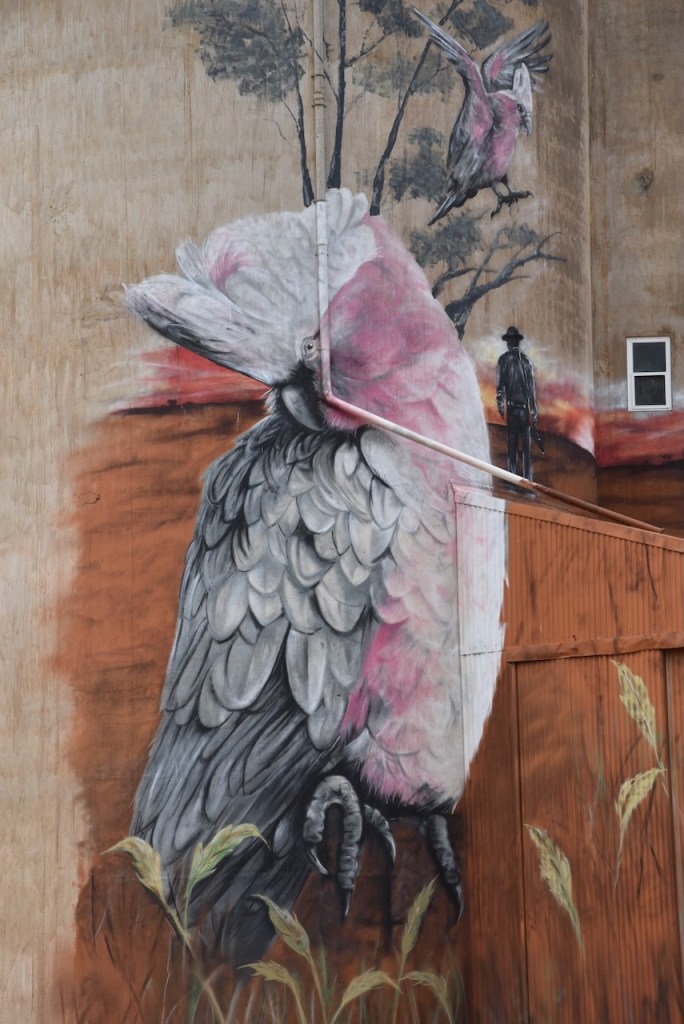
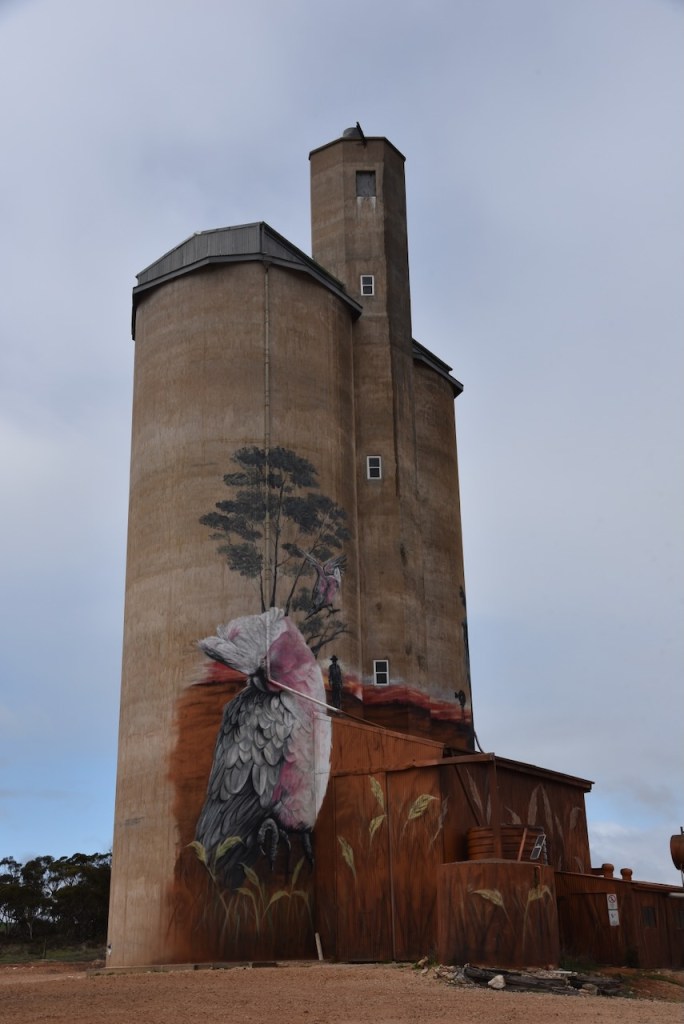
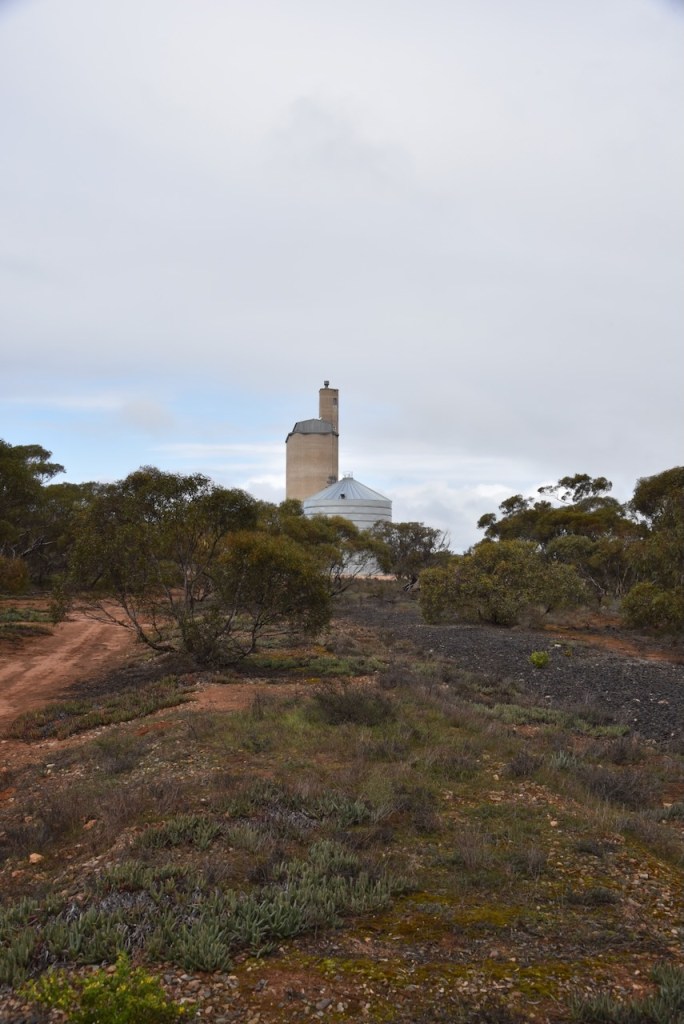
I parked on the dirt road running parallel to Perponda Road and operated from the 4WD. I ran the Yaesu FT857, 40 watts, and the 20/40/80m linked dipole.
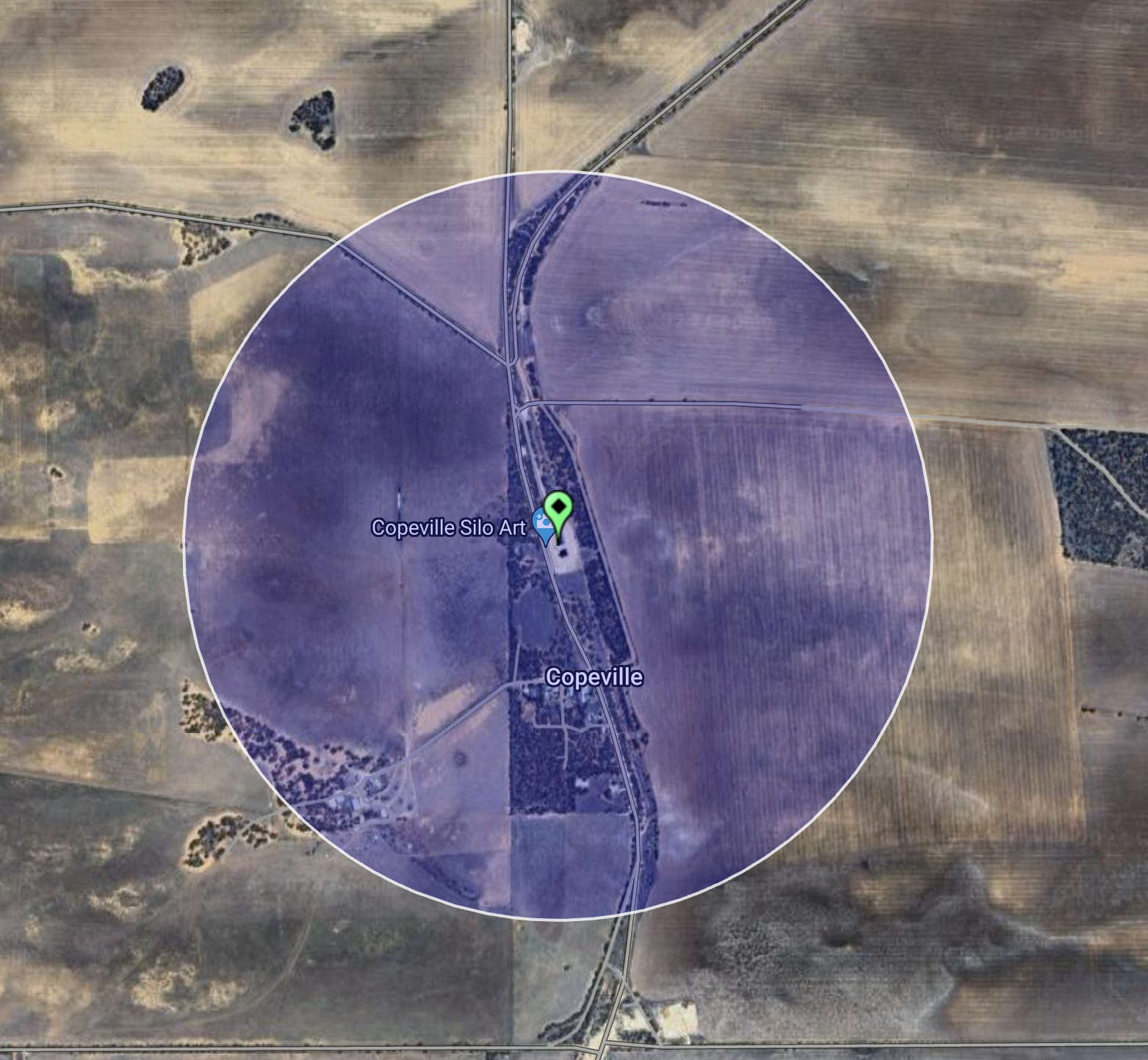
Above:- An aerial view showing the activation zone at the Copeville silo. Image c/o SiOTA website.
I logged a total of 44 stations for the Silos On The Air (SiOTA) program. This included several lighthouse stations that were activating for the International Lighthouse Lightship (ILLW) Weekend.
I worked the following stations on 40m SSB:-
I worked the following stations on 20m SSB:-
References.
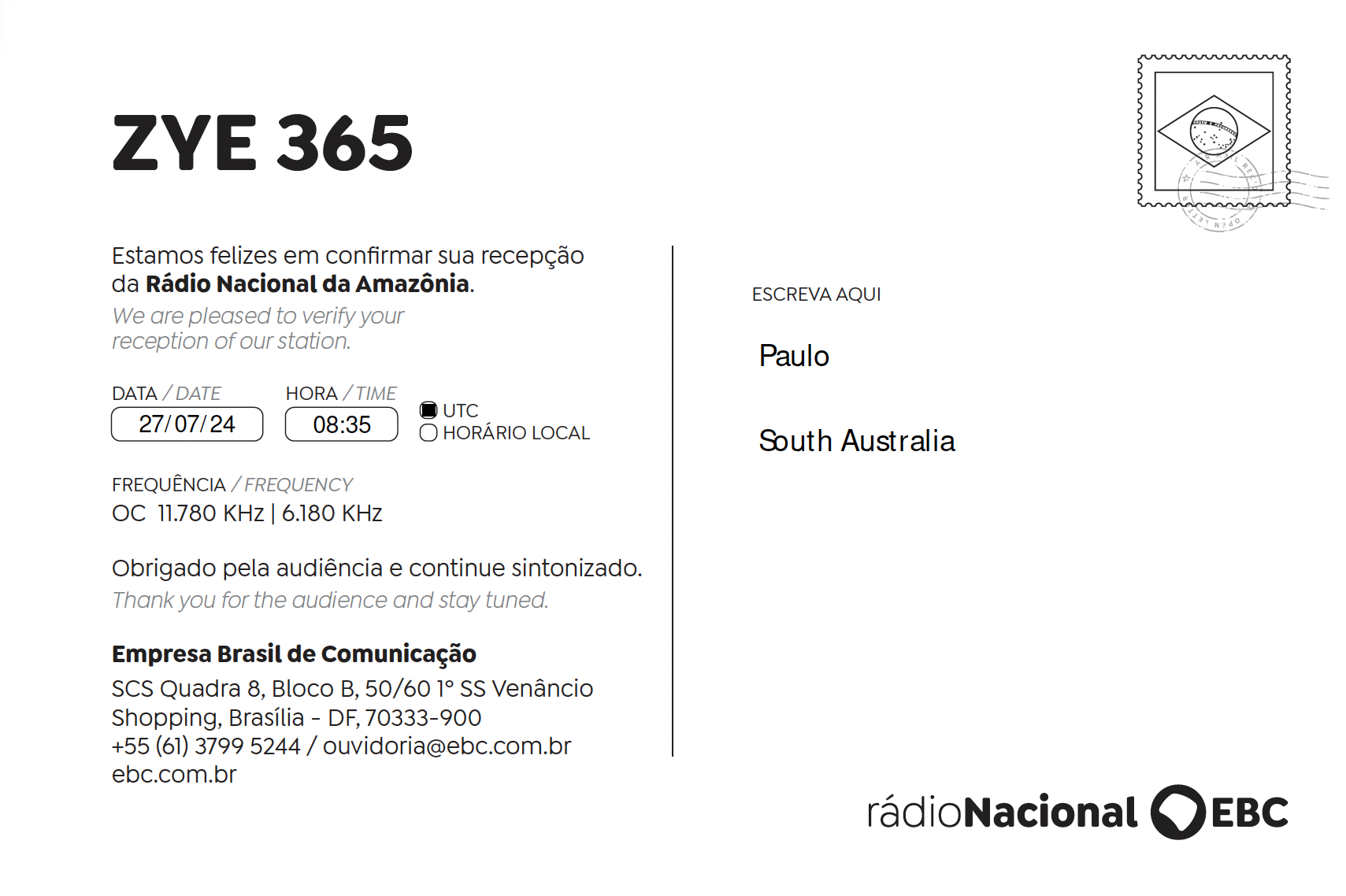
Last week whilst I was away I received via email the QSL card below from Radio Nacional da Amazonia in Brazil, for my reception of their station on 6180 kHz on 27th July 2024.
I am back from my Riverland SA & northwest Victoria trip. I was away for 7 days.
I had a very enjoyable Saturday evening dinner with Ivan VK5HS & Peter VK5PE.
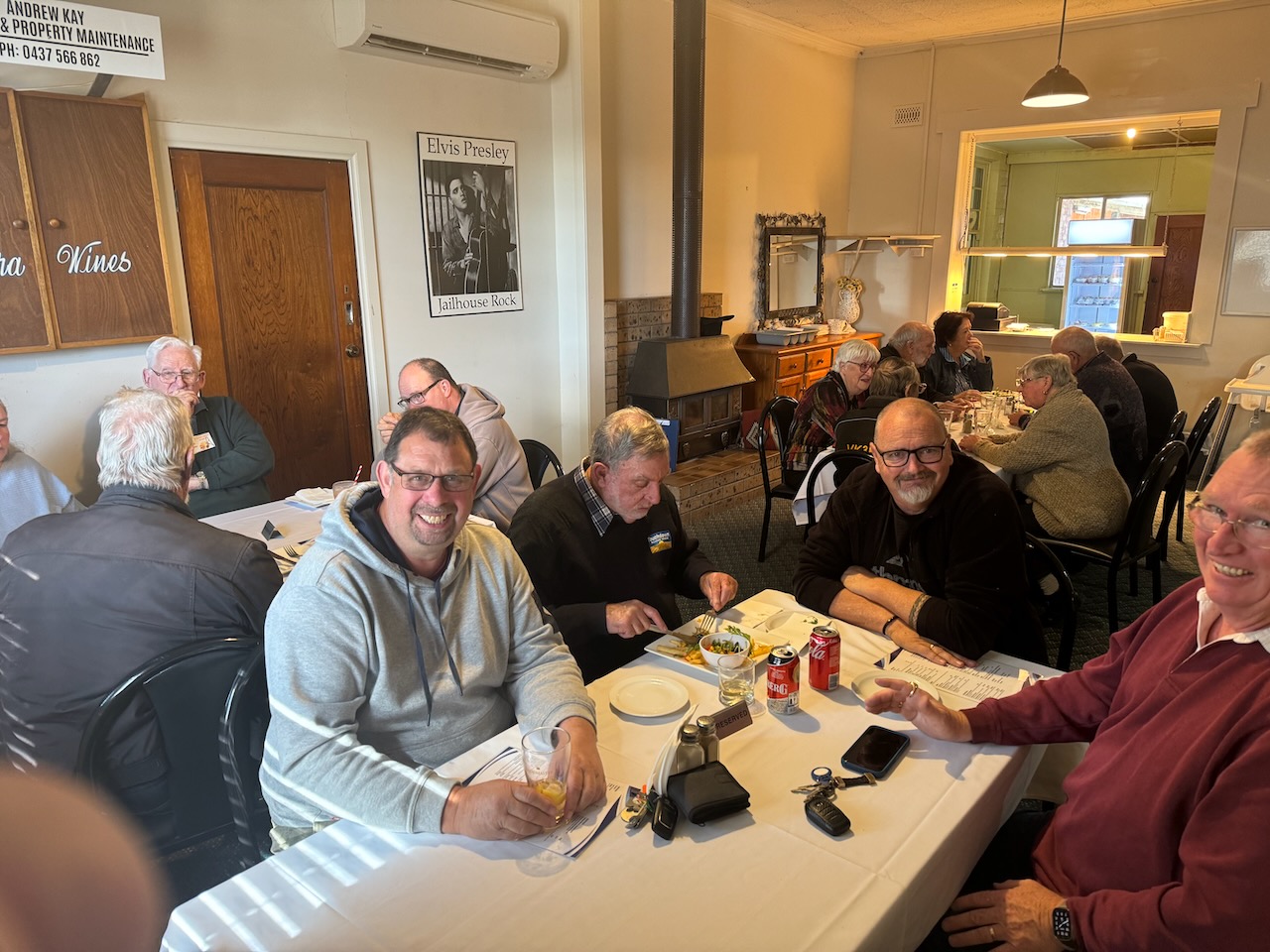
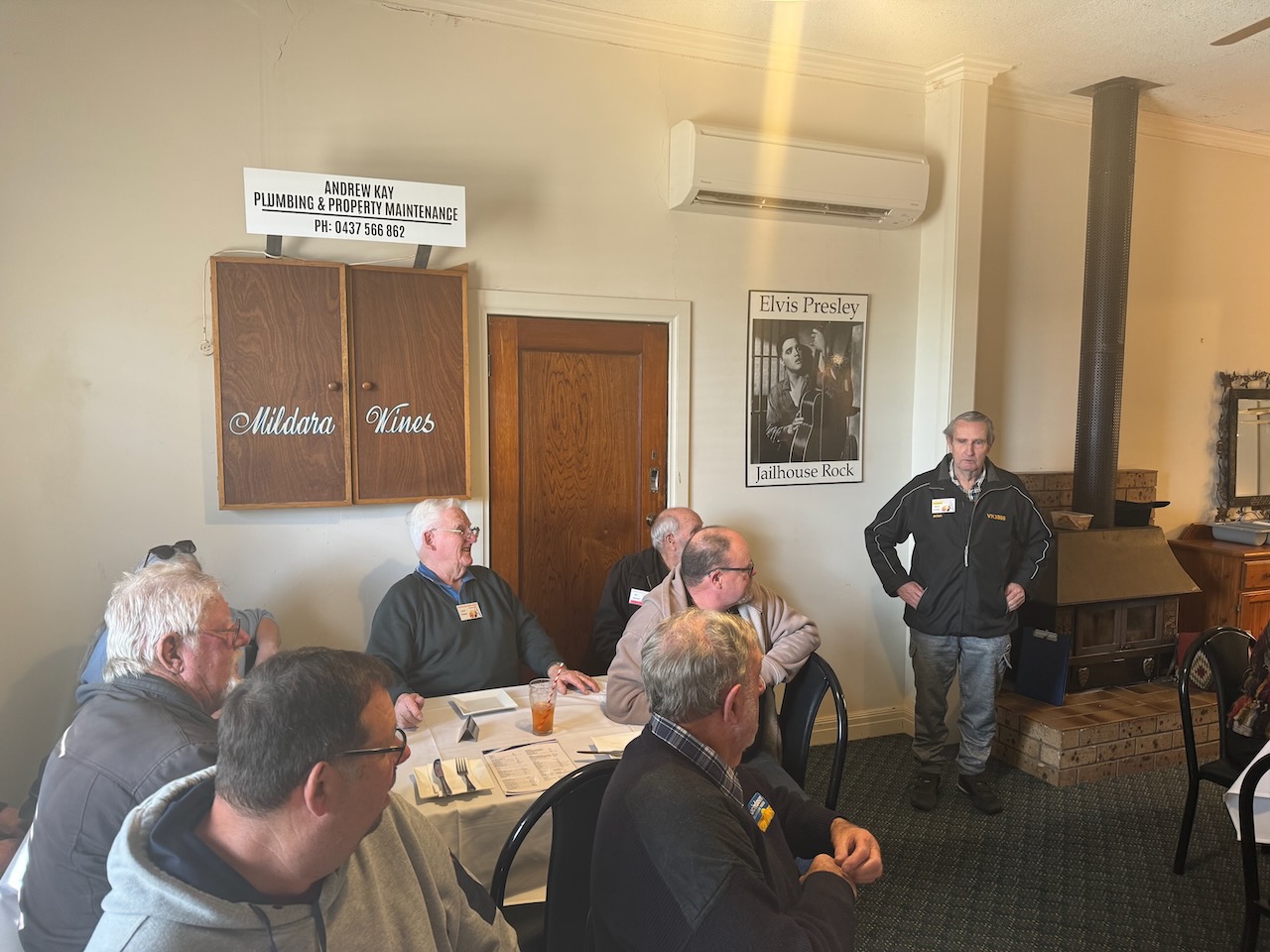
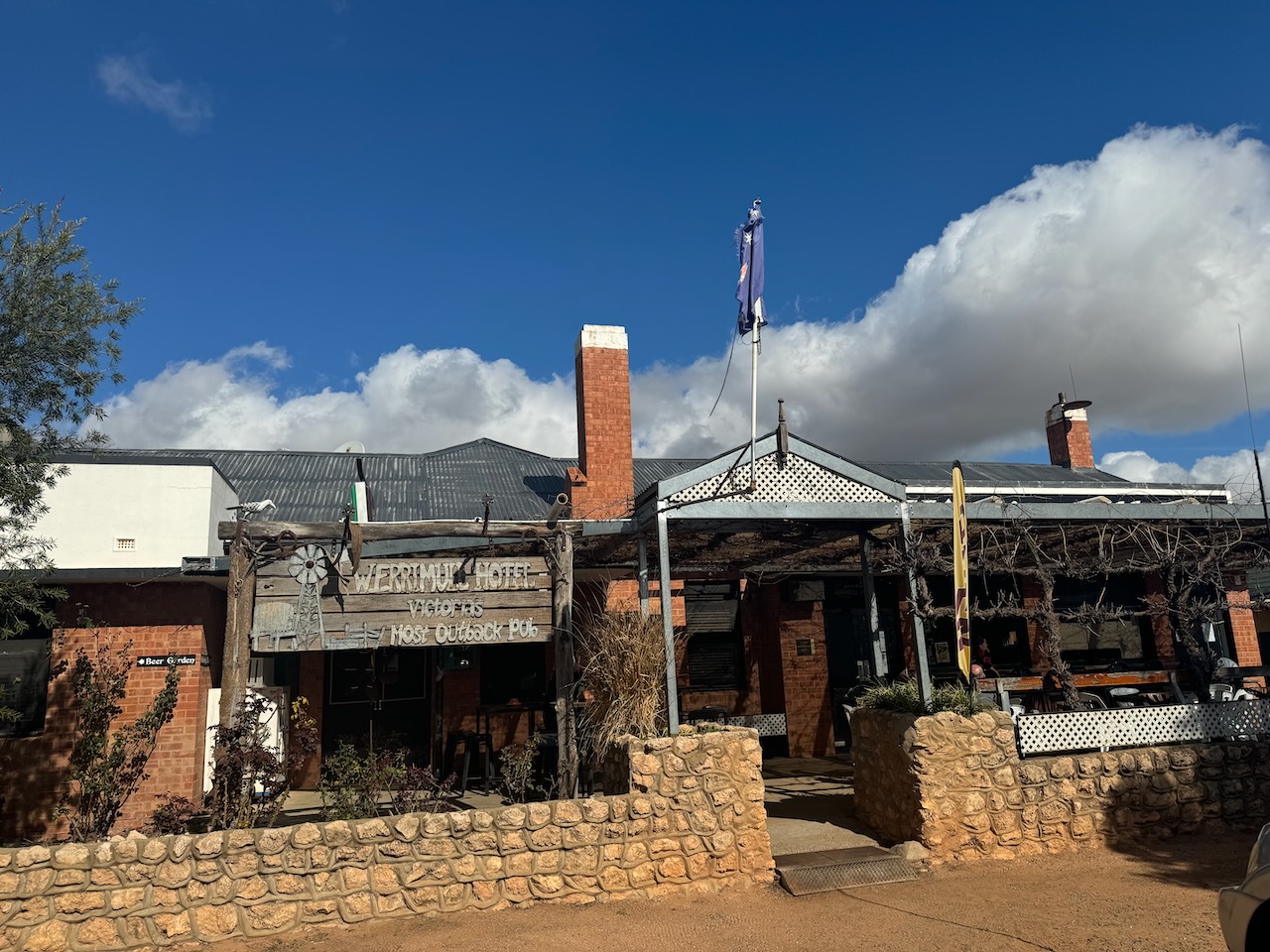
And on Sunday I attended the Werrimul Hotel for lunch to catch up with members of the Sunraysia Radio Group and the Riverland Radio Club. It was a great afternoon.
Whilst away I undertook 9 silo activations for the Silos On The Air (SiOTA) program and 39 park activations for the World Wide Flora Fauna (WWFF) program.
I made a total of 2,521 QSOs. This included 69 Park to Park contacts.
Thank you to everyone who called.
I will place more information & photographs about each activation here over the coming weeks.
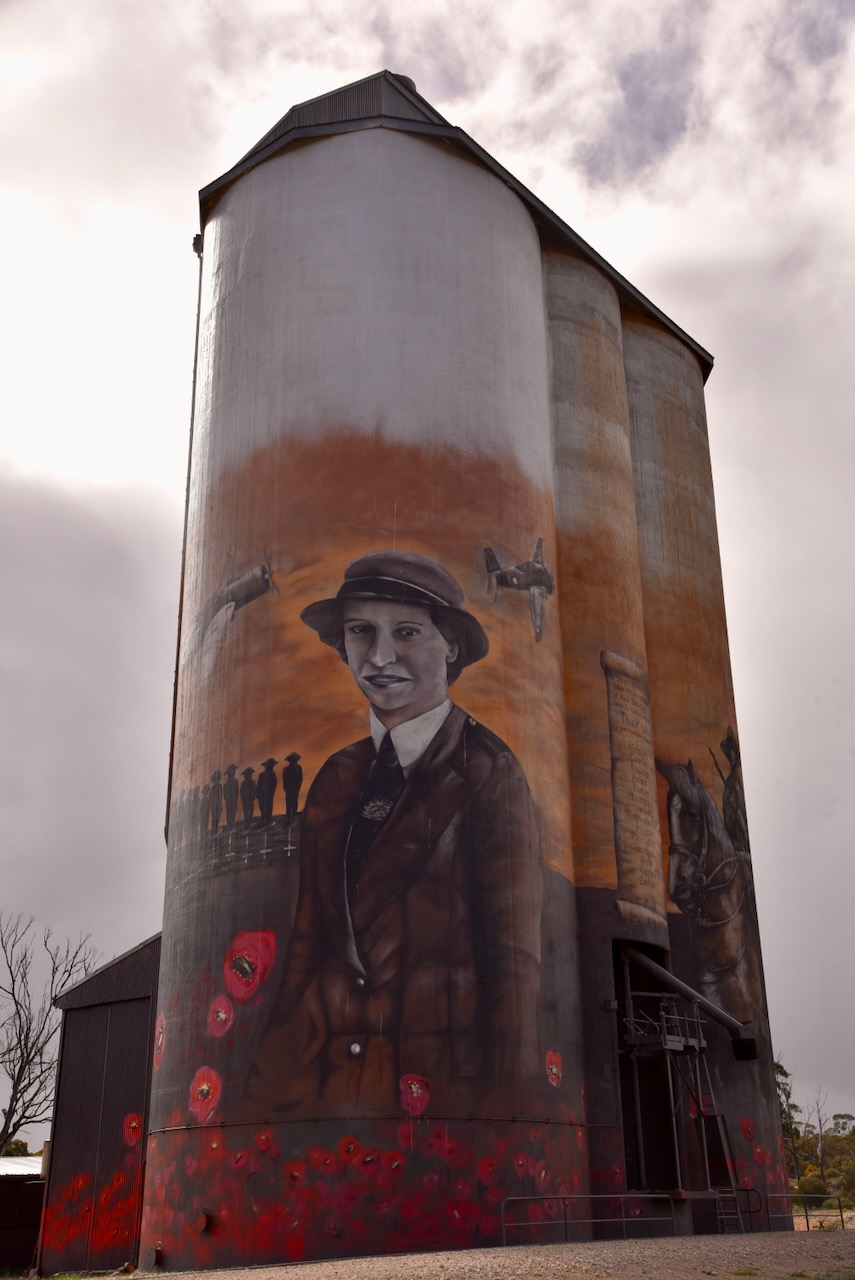
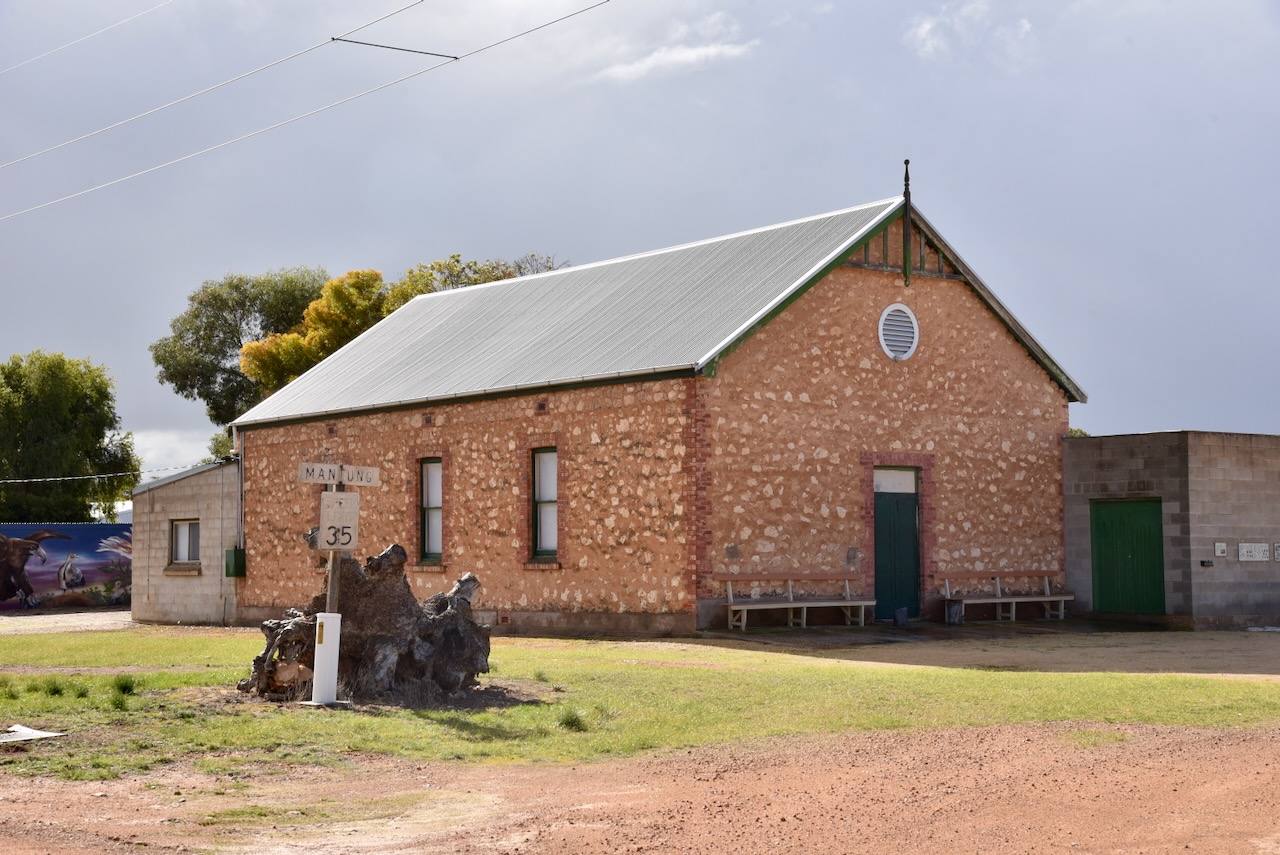
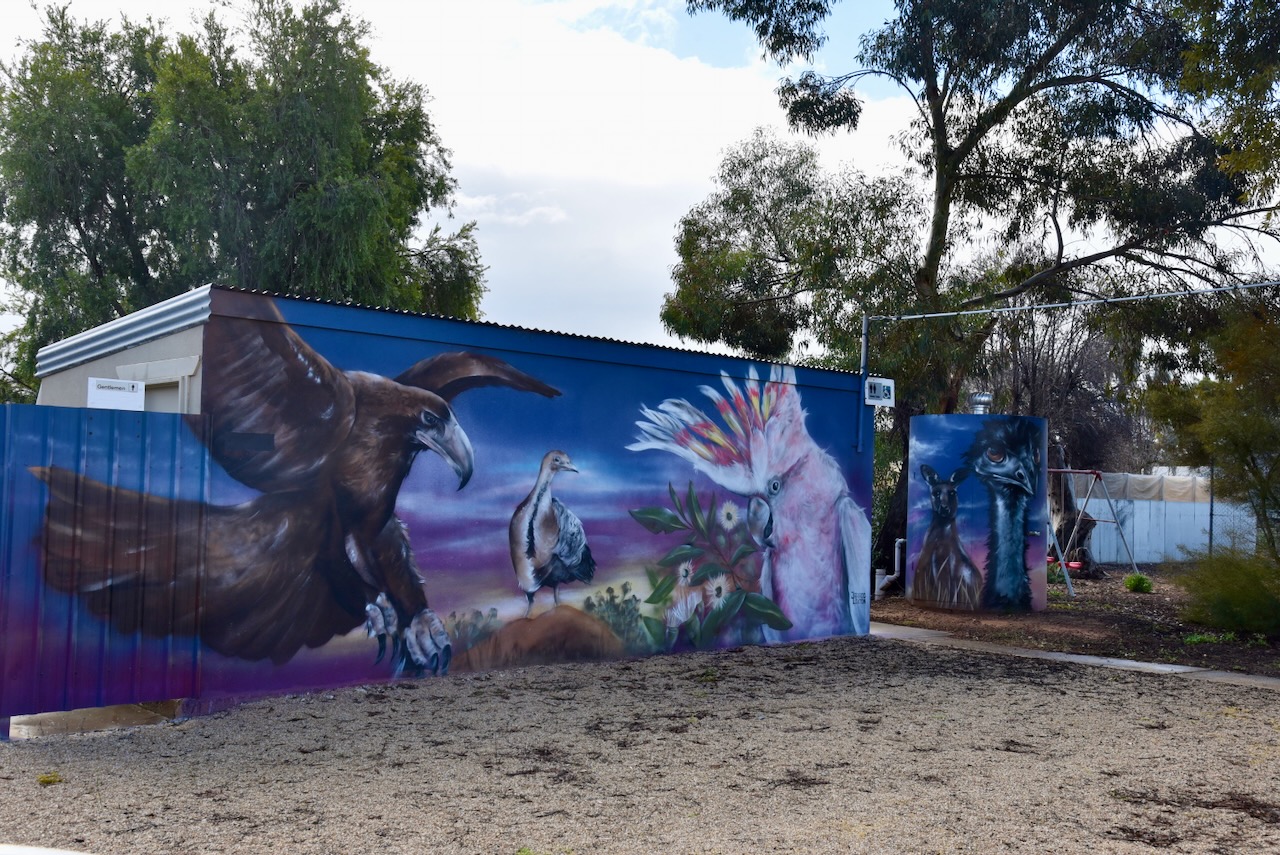
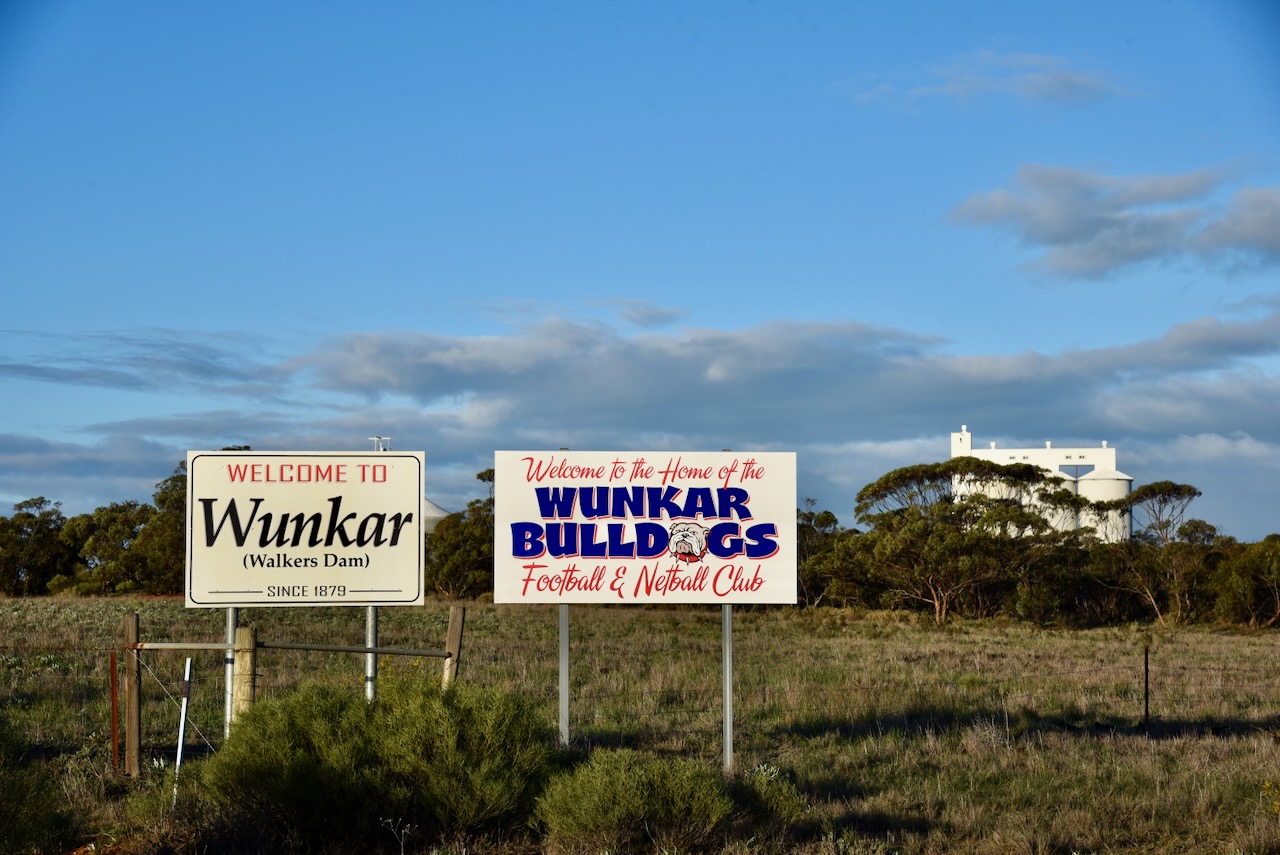
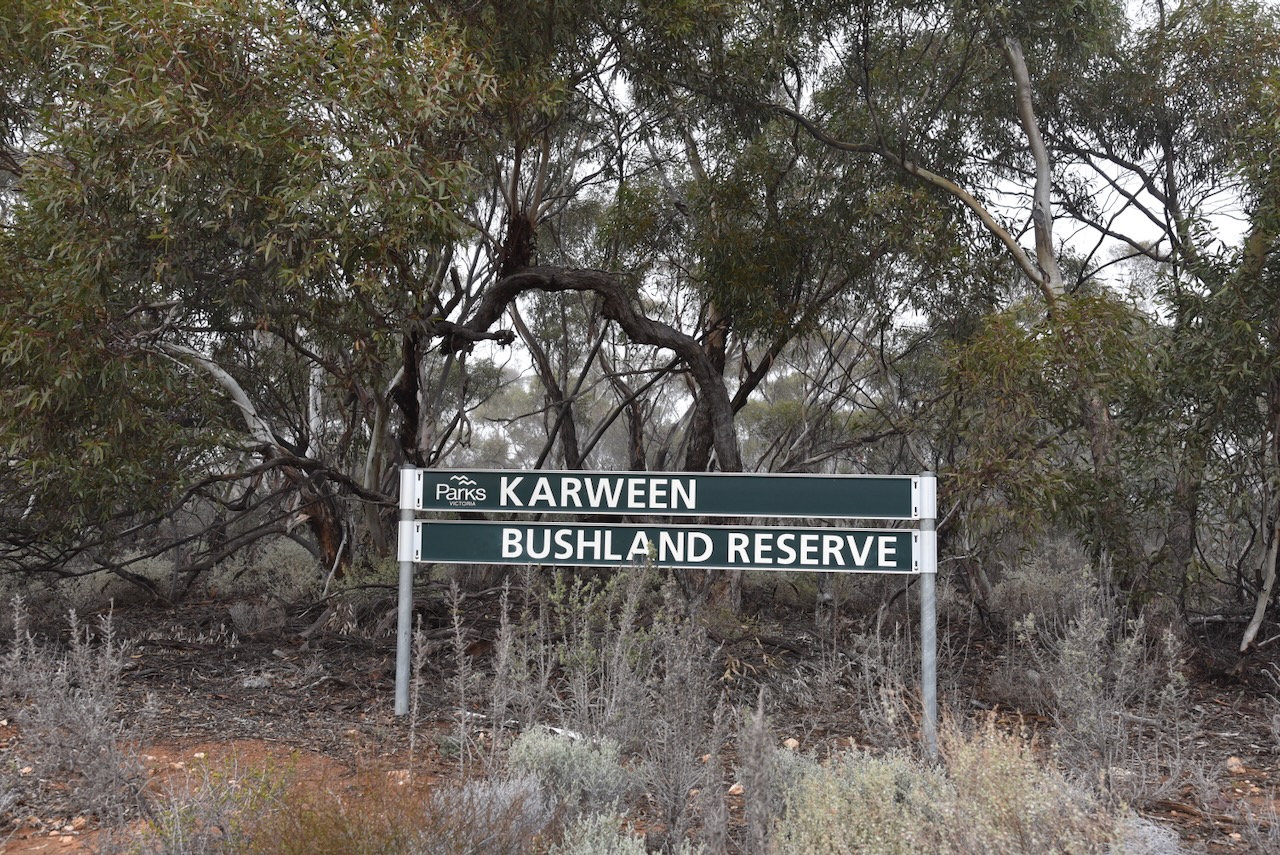
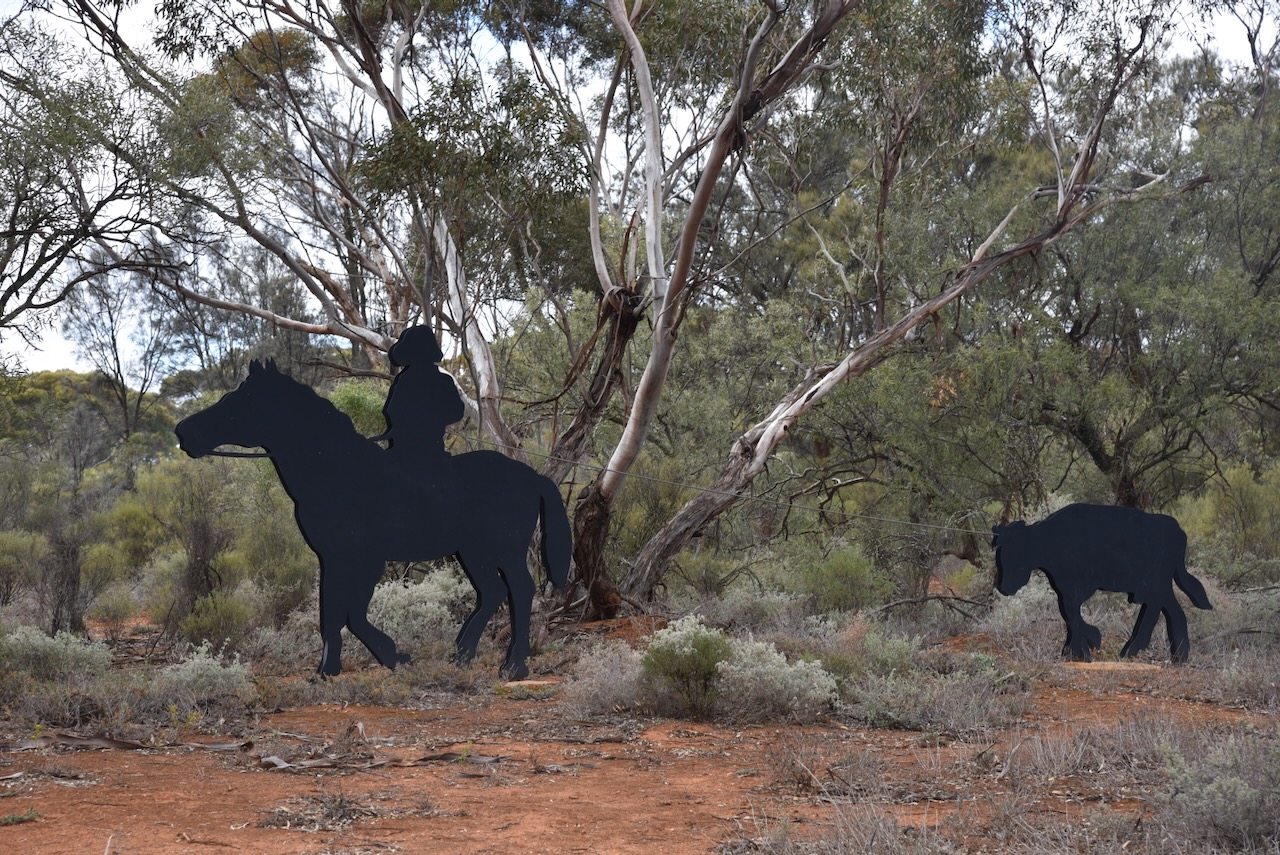
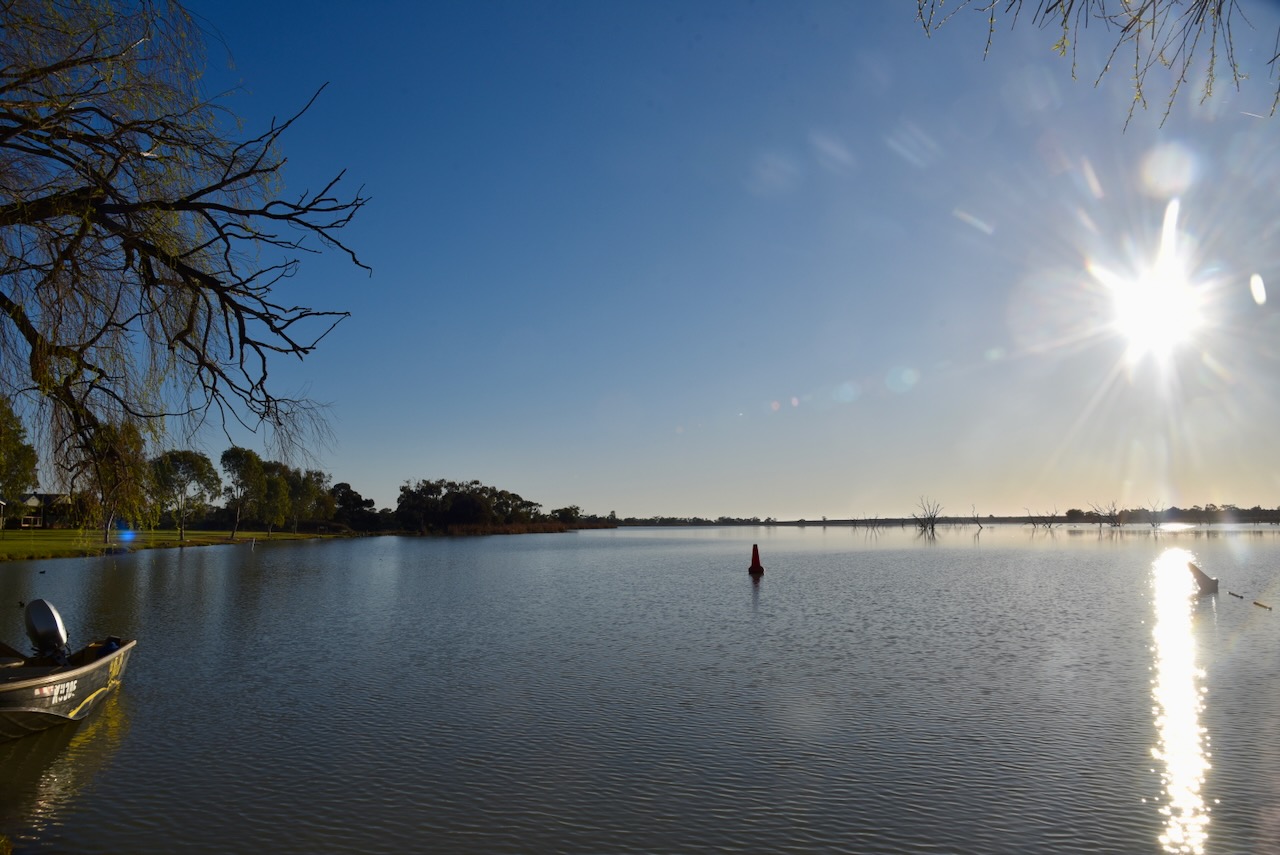
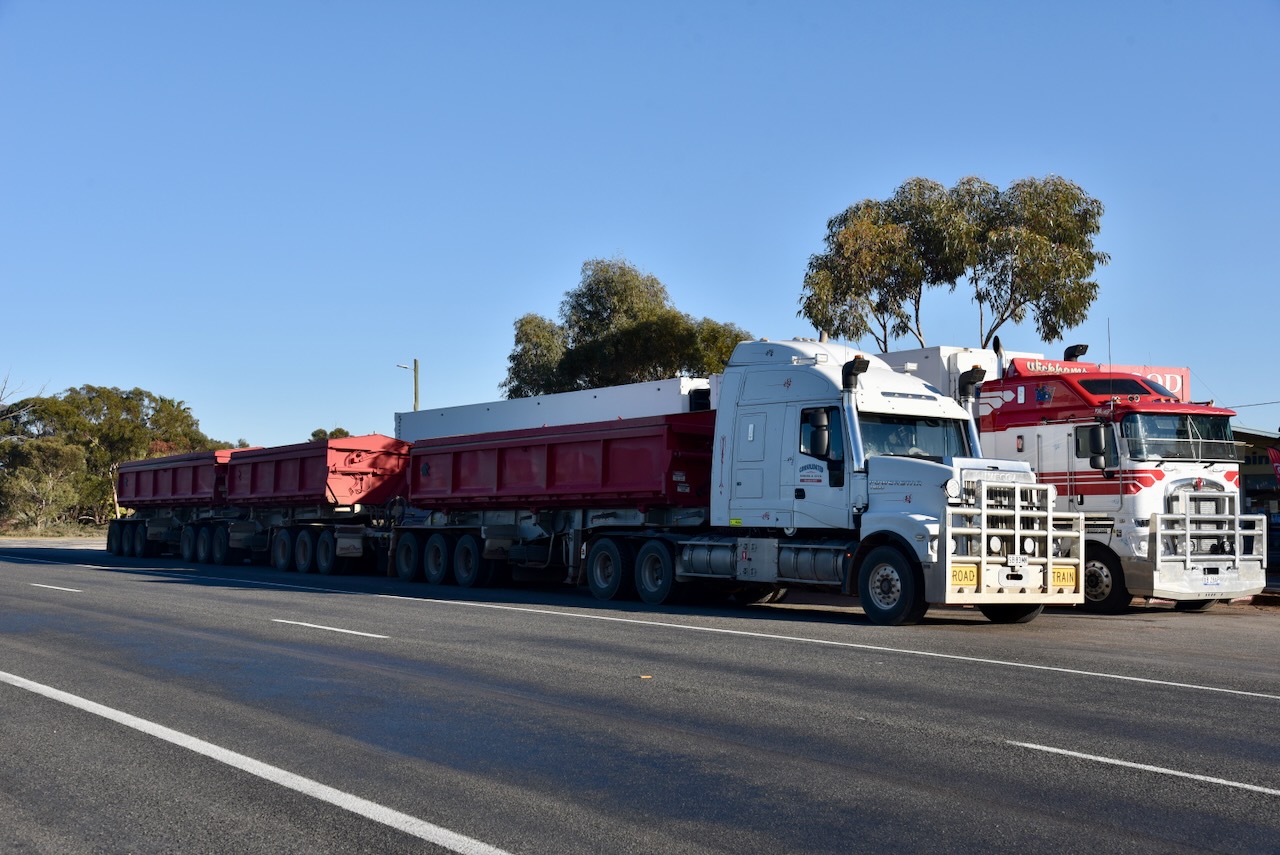
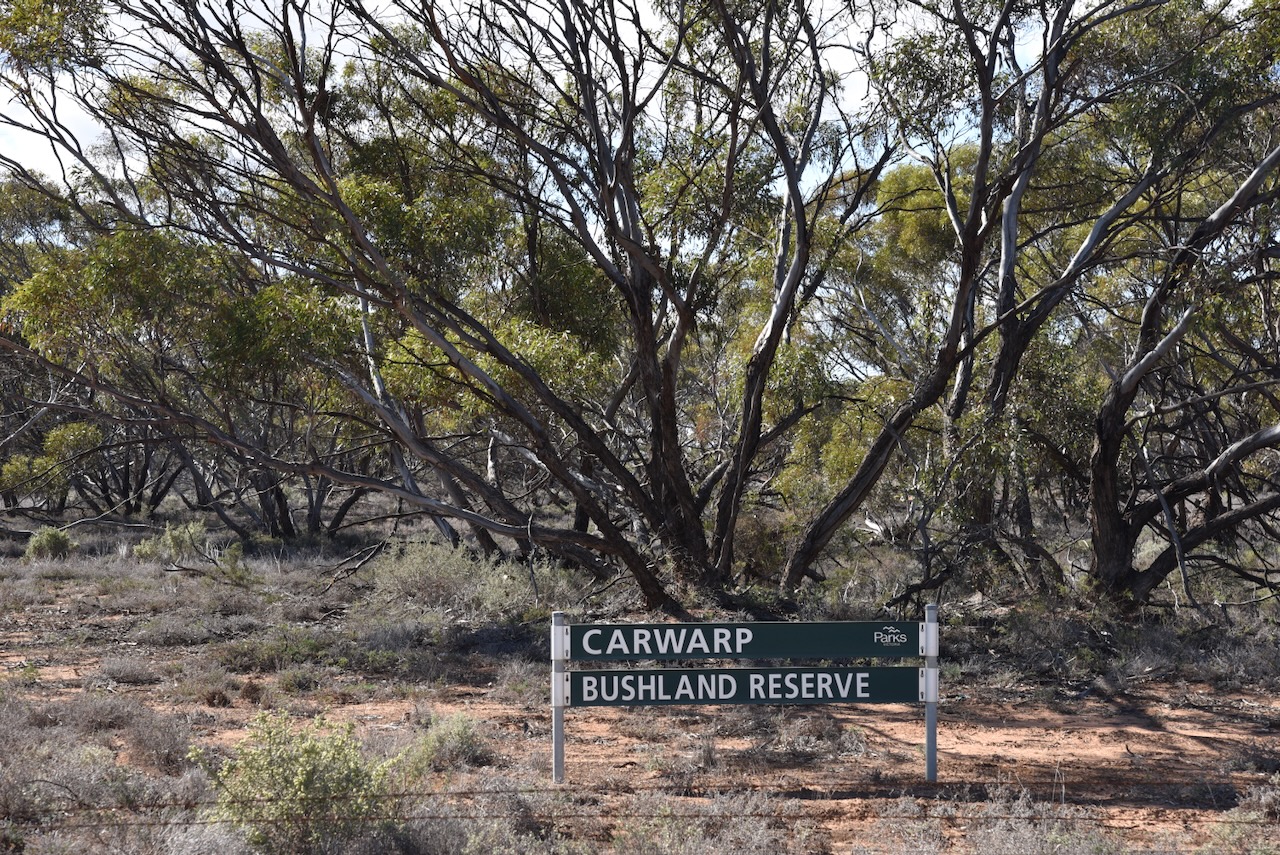
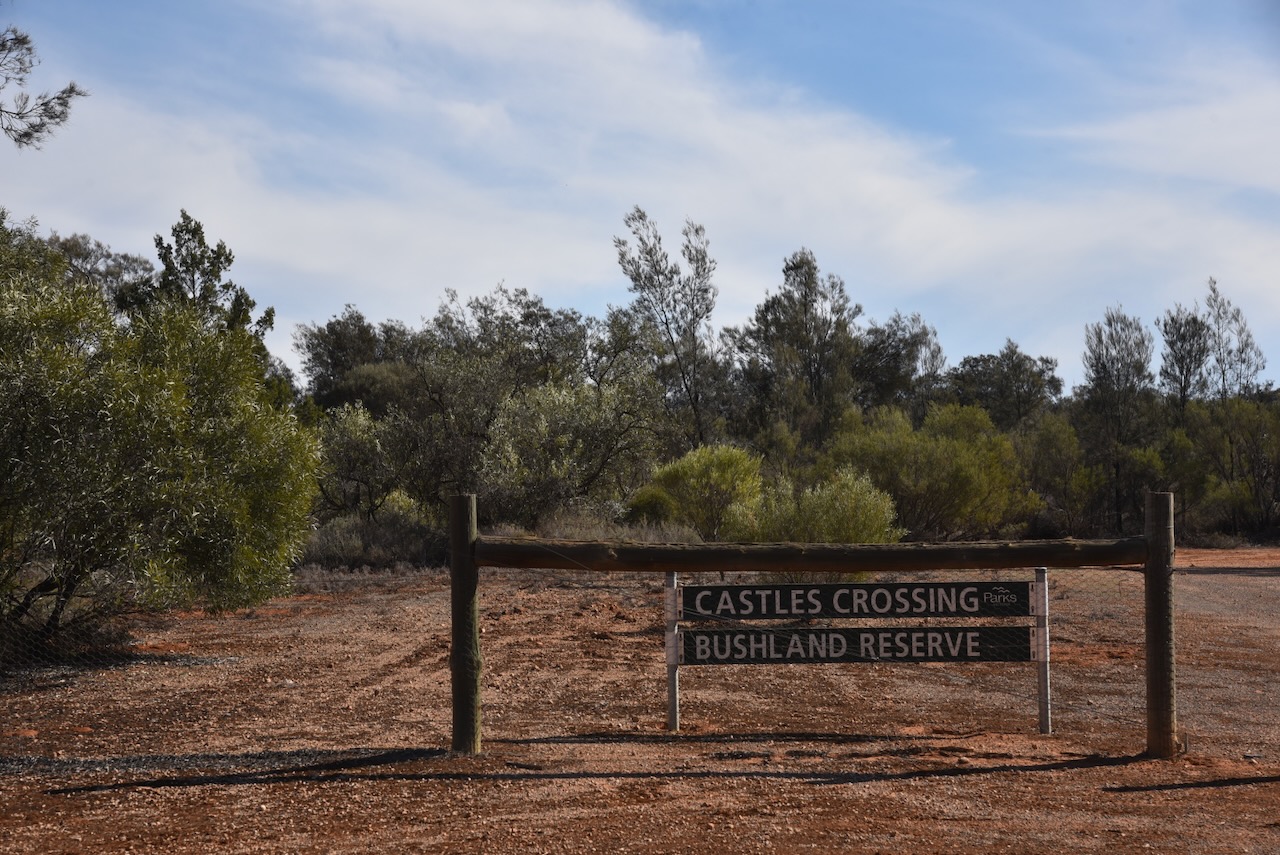
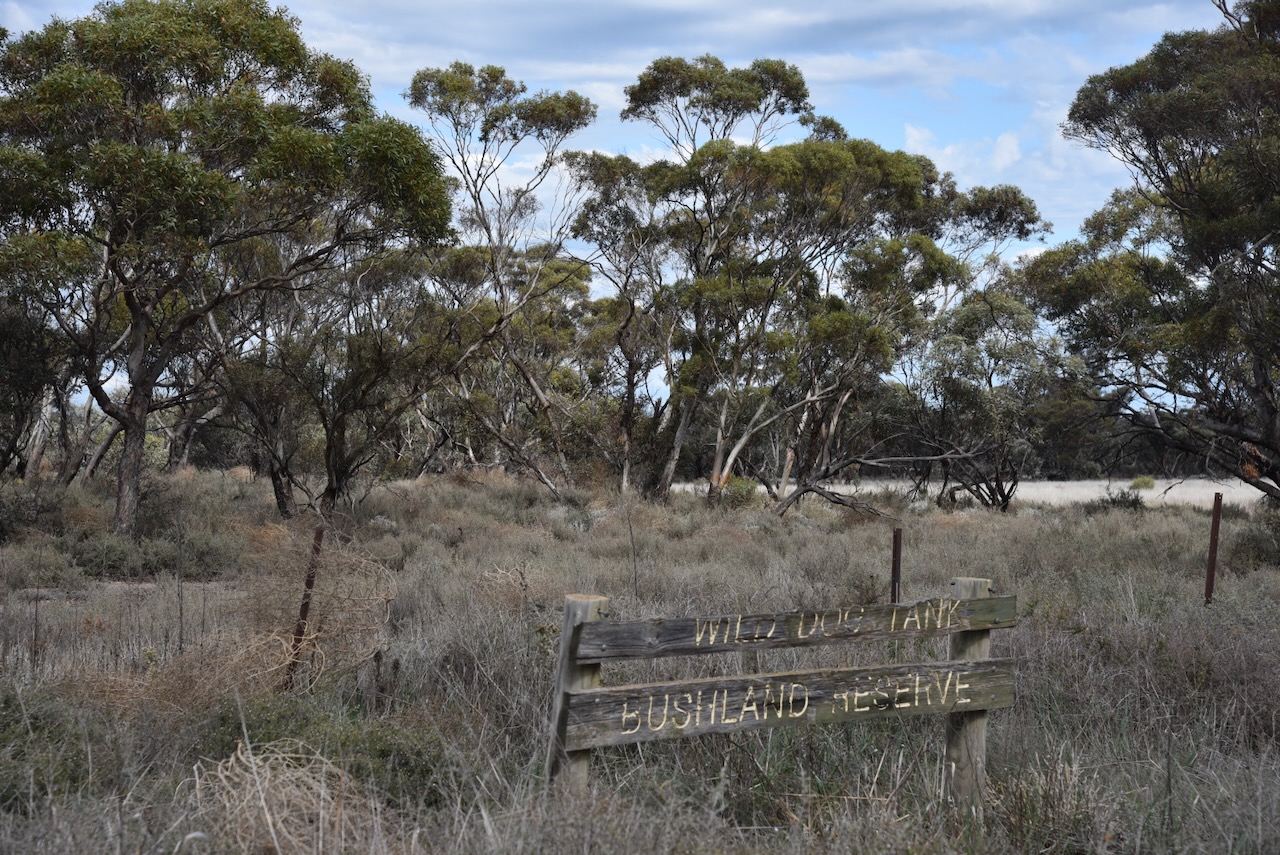
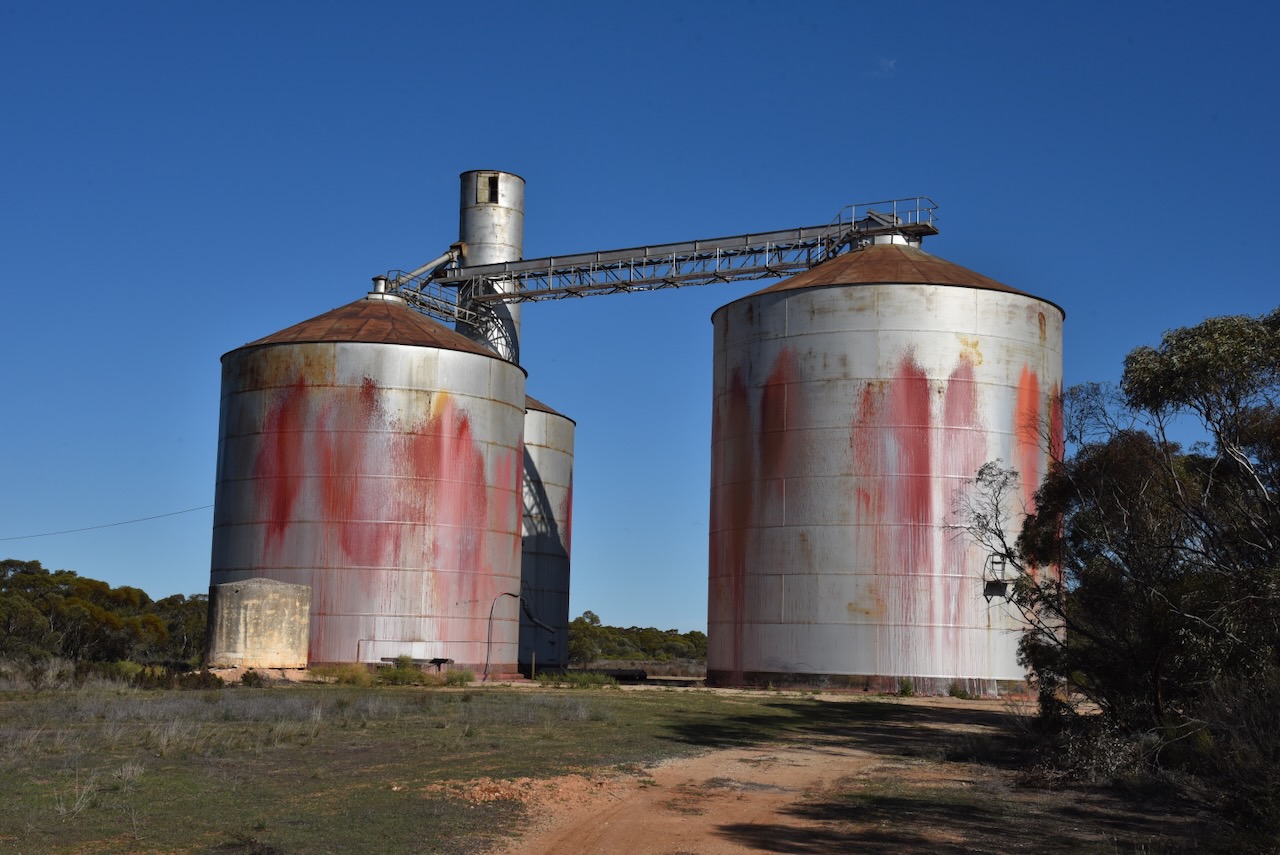
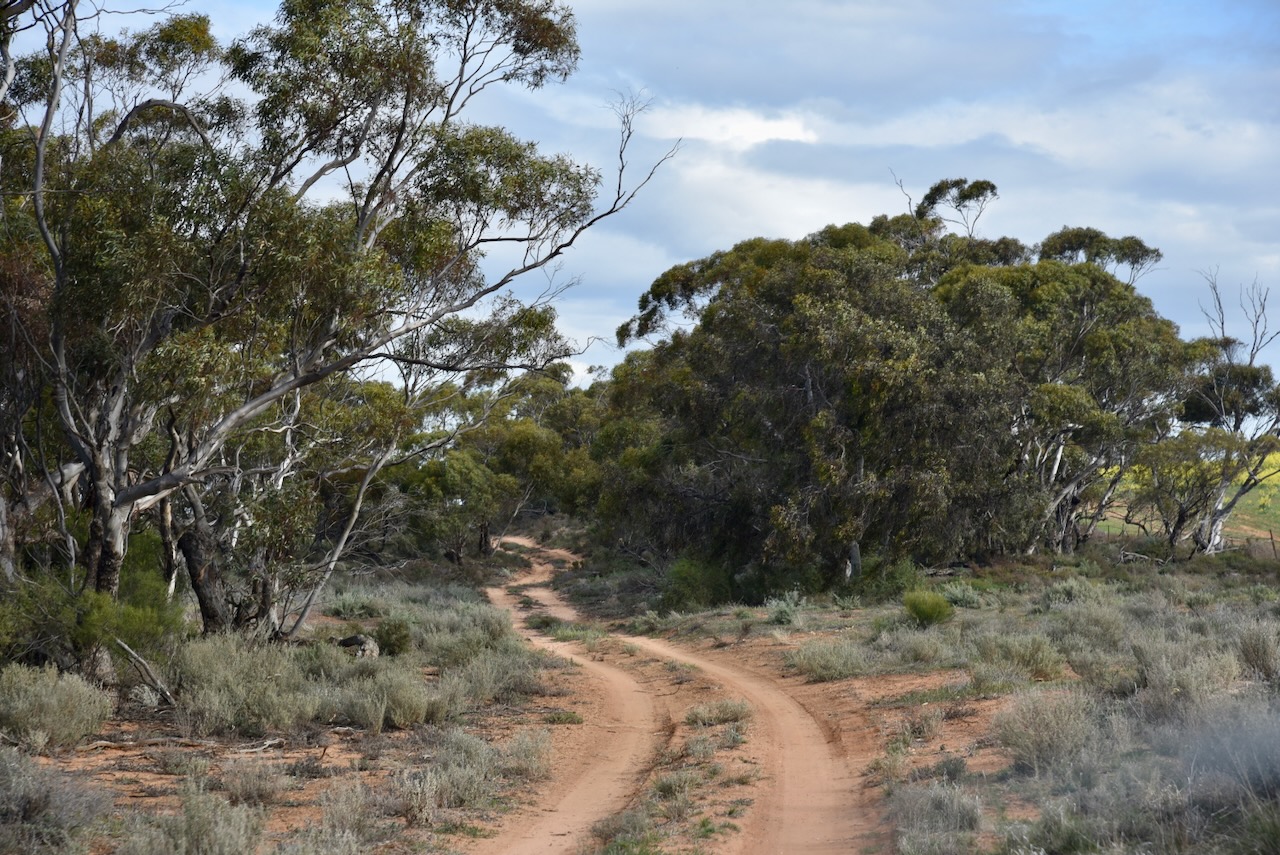
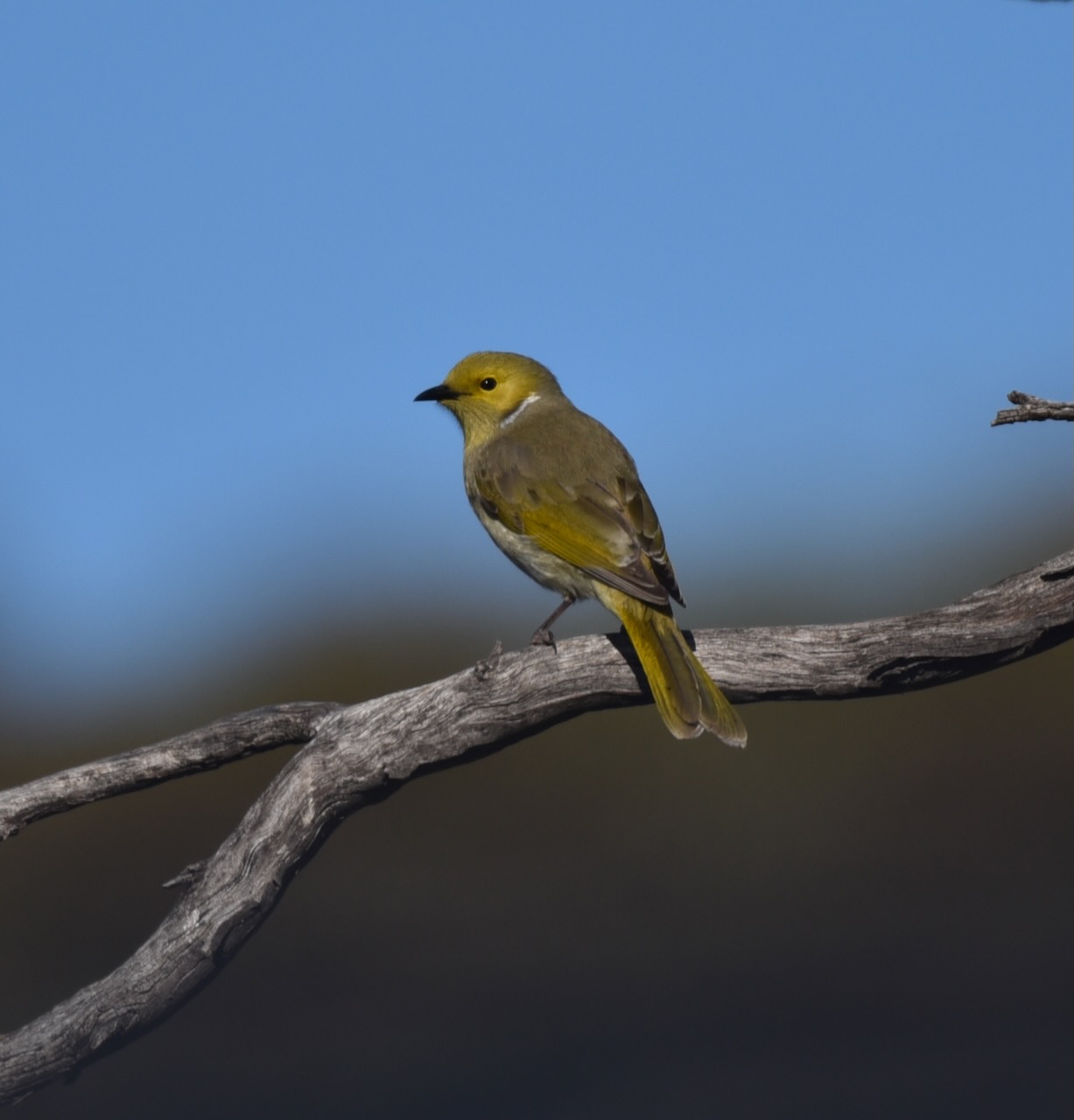
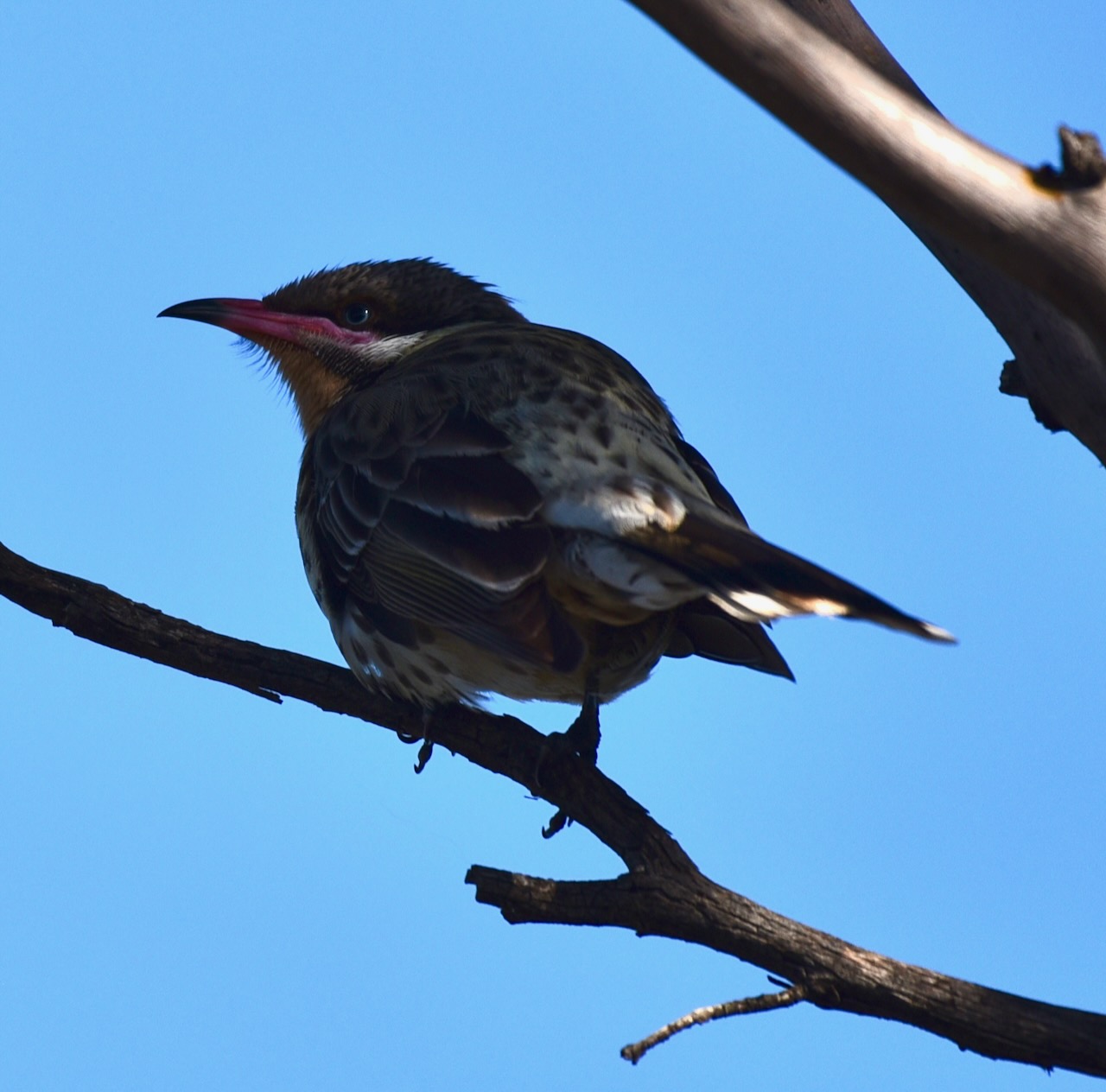
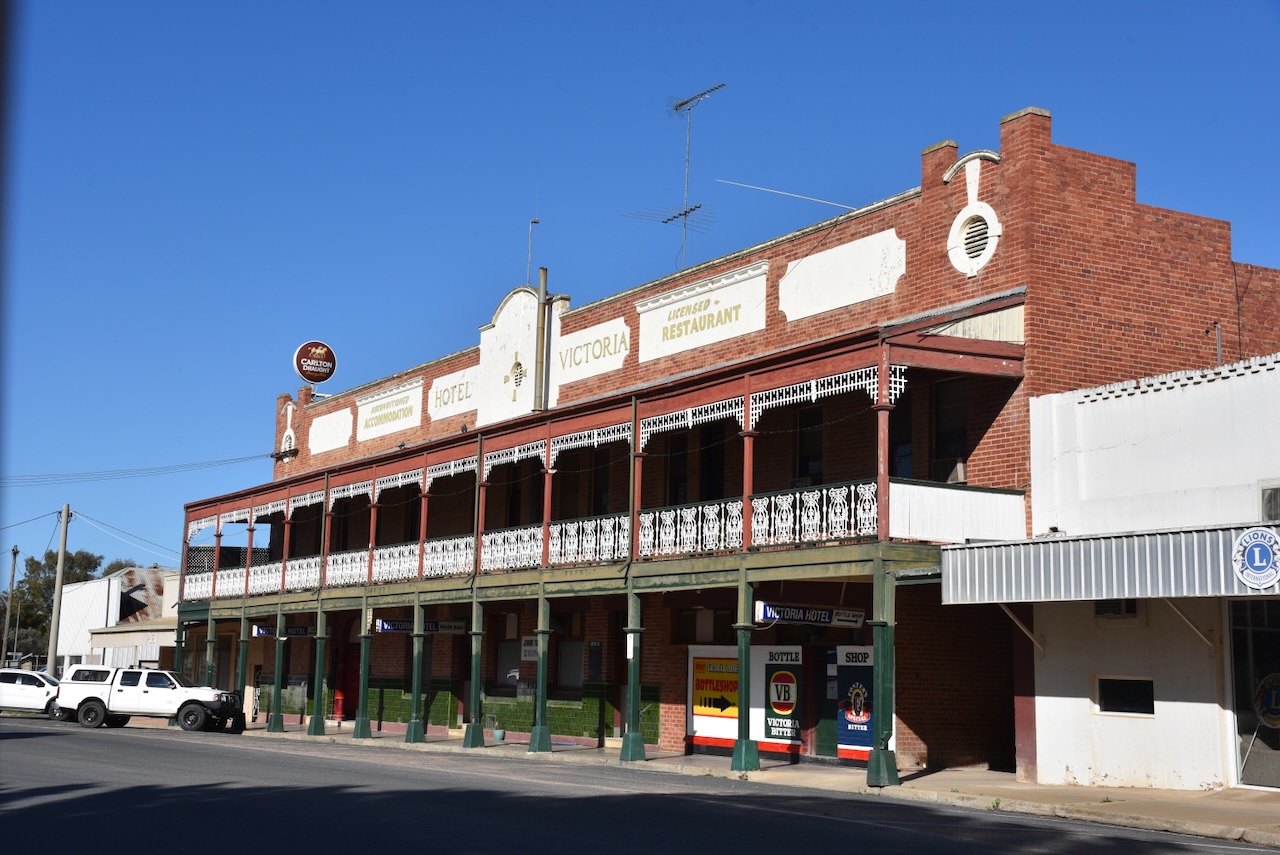
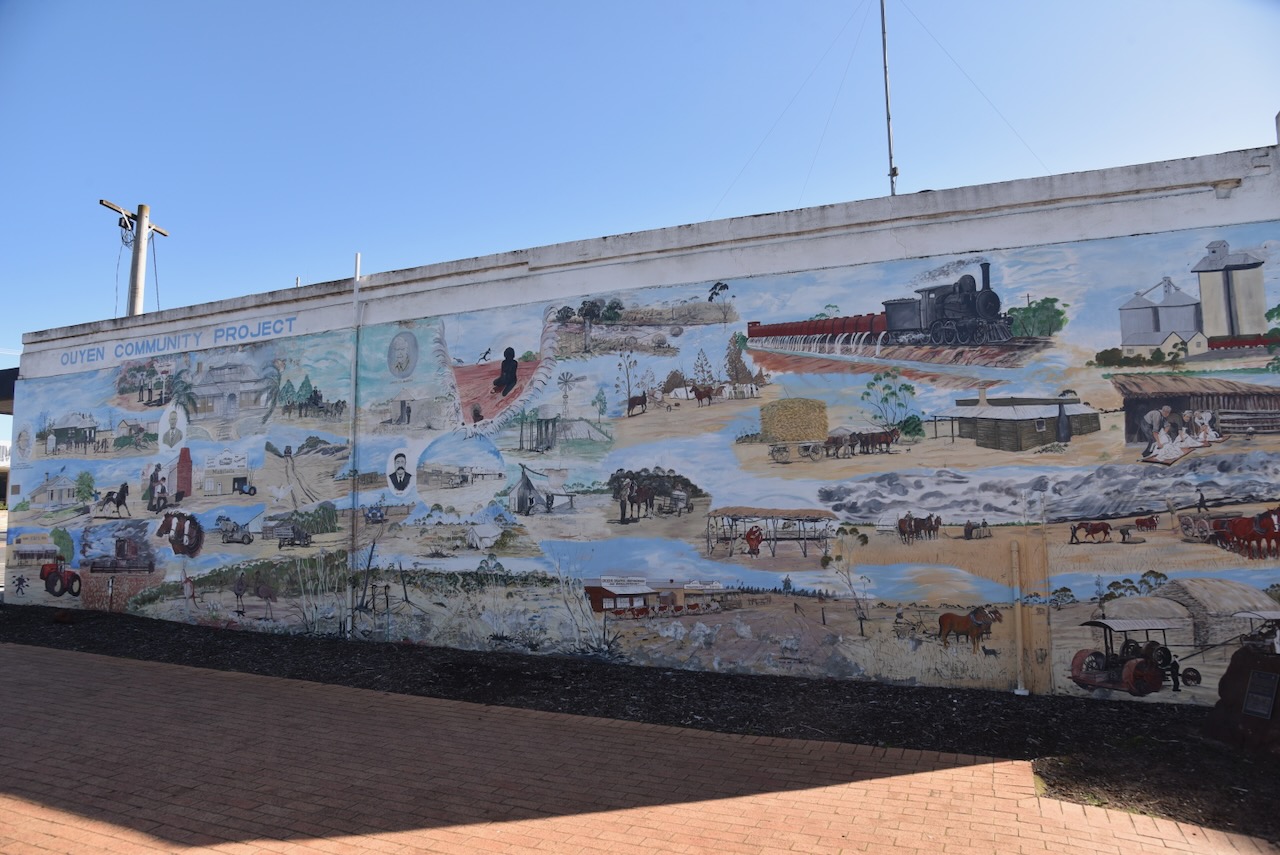
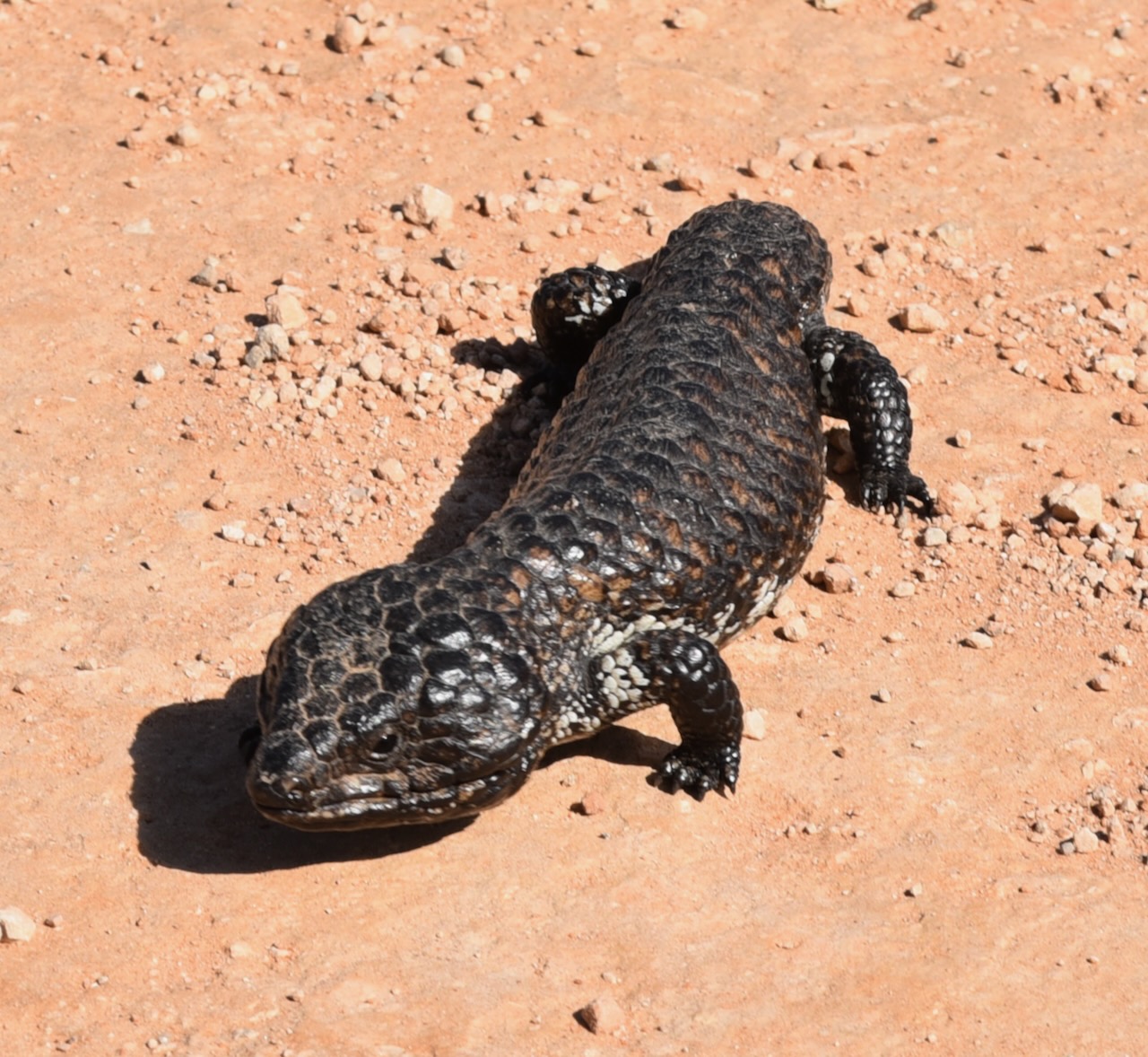
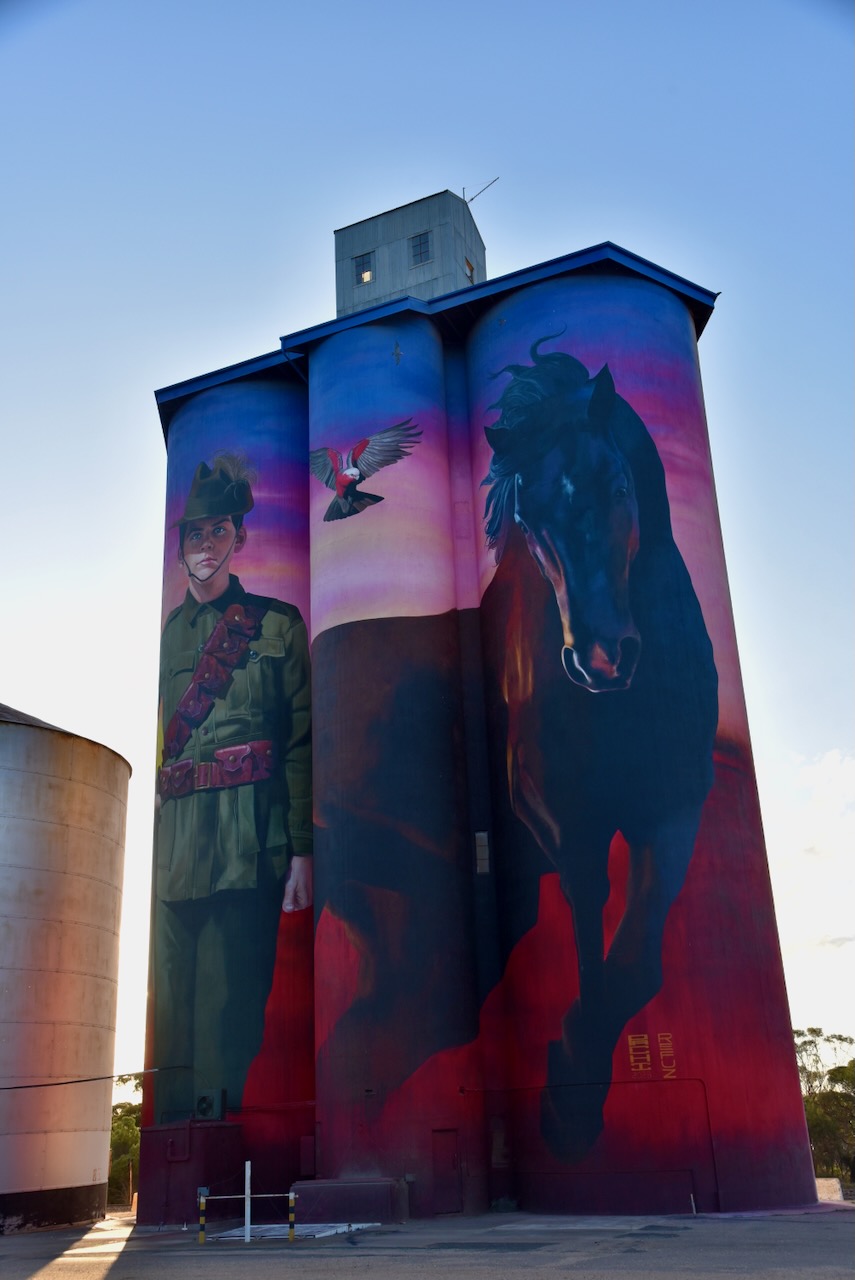
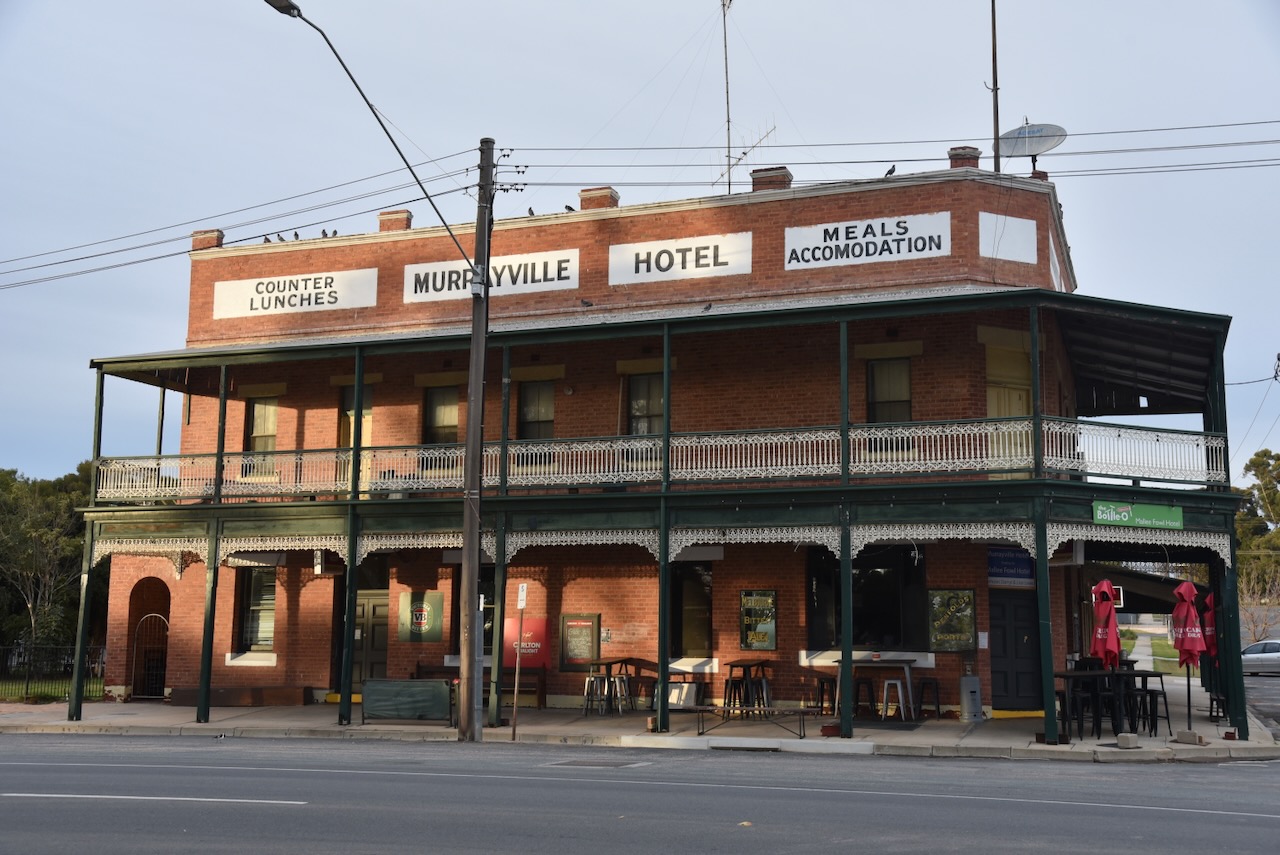
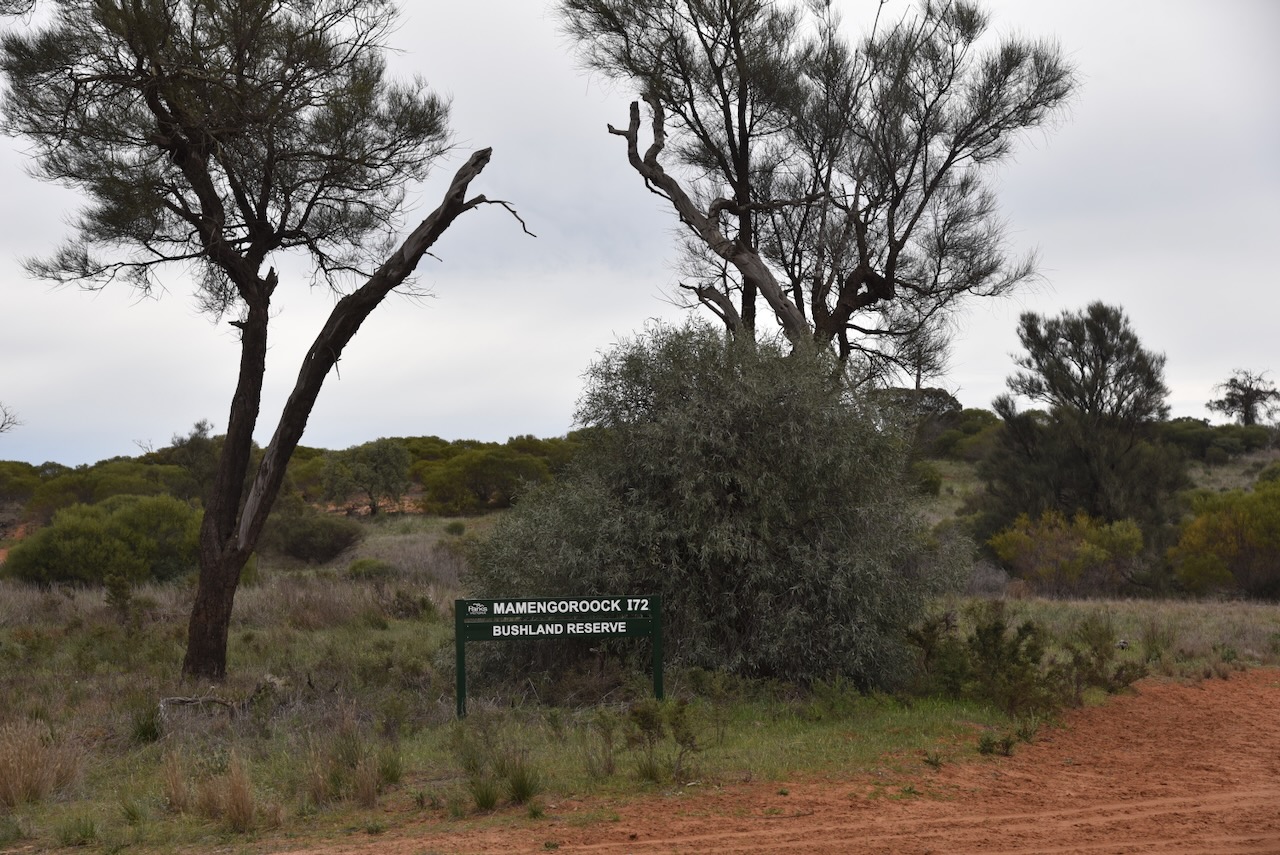
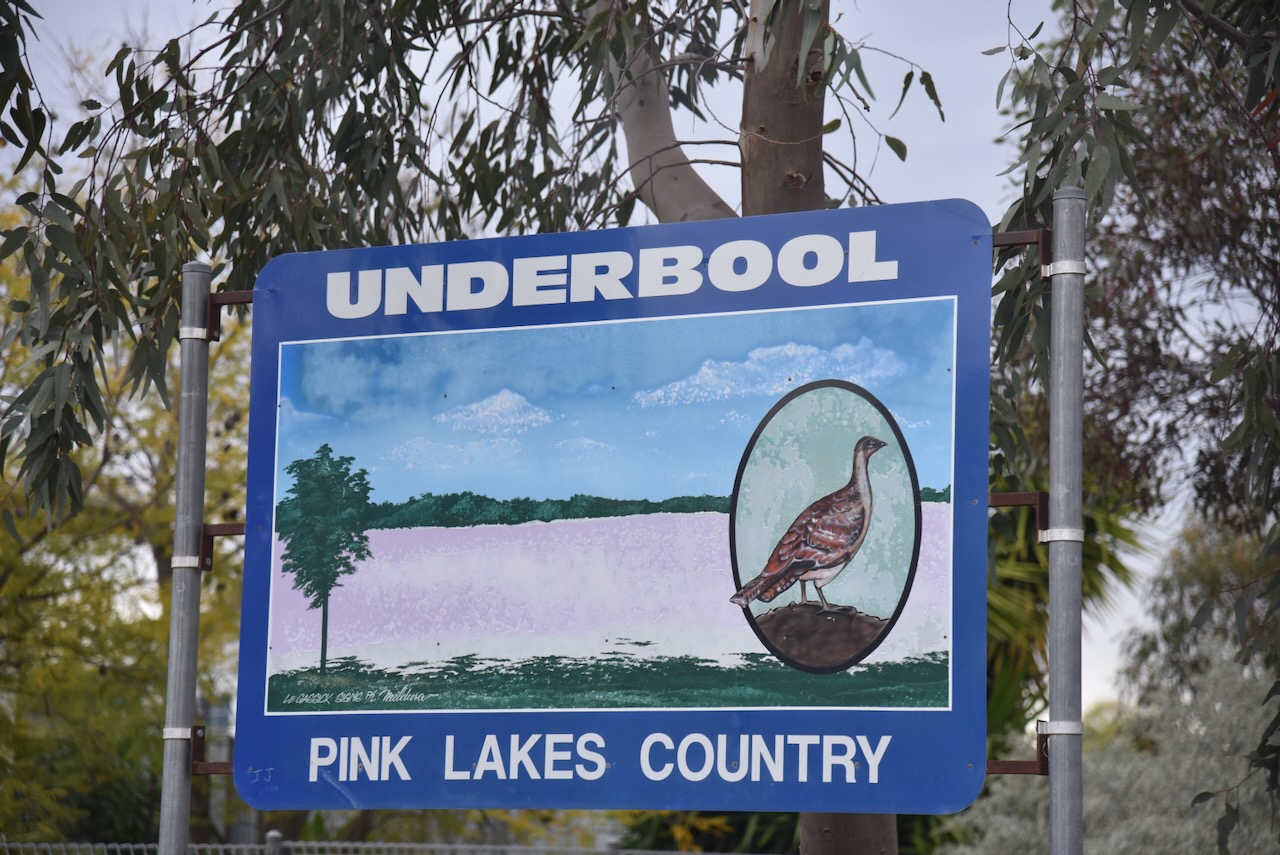
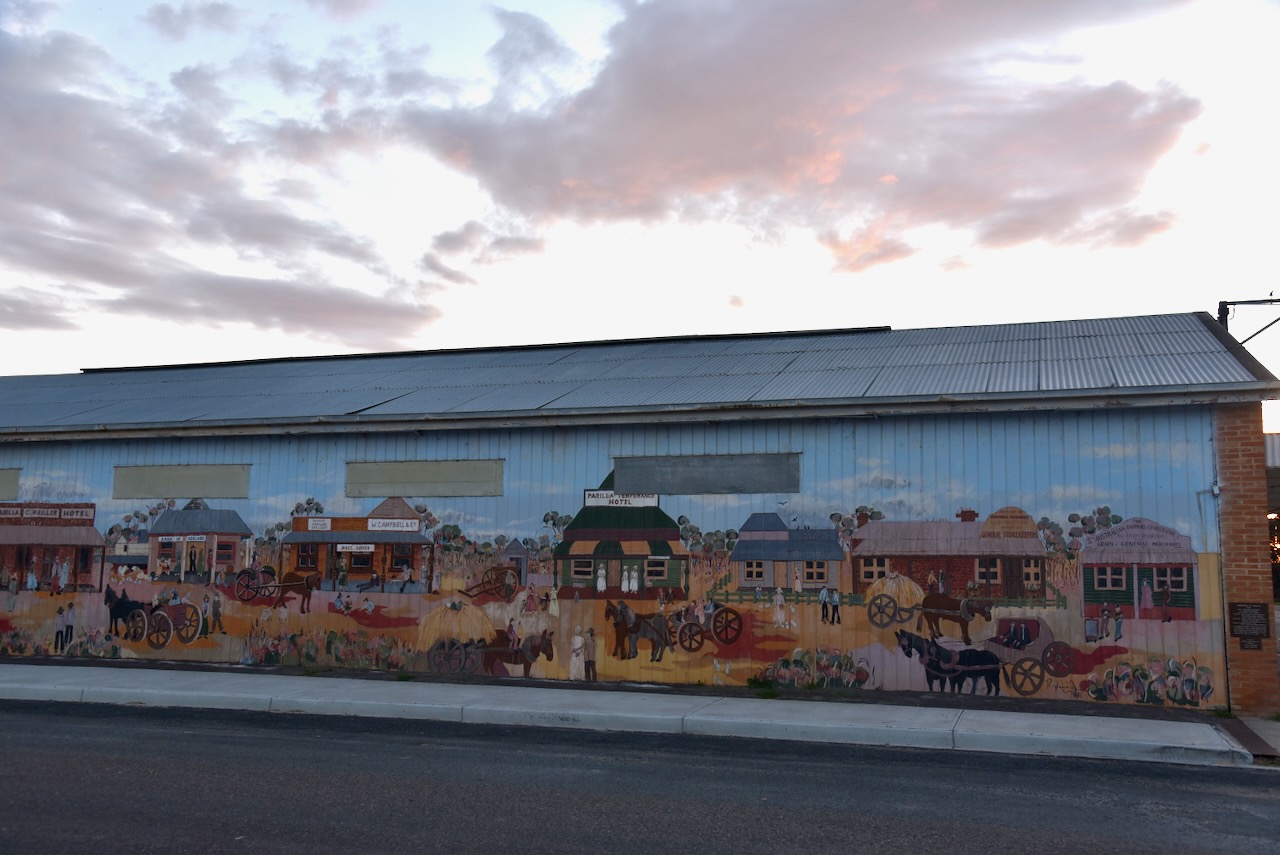
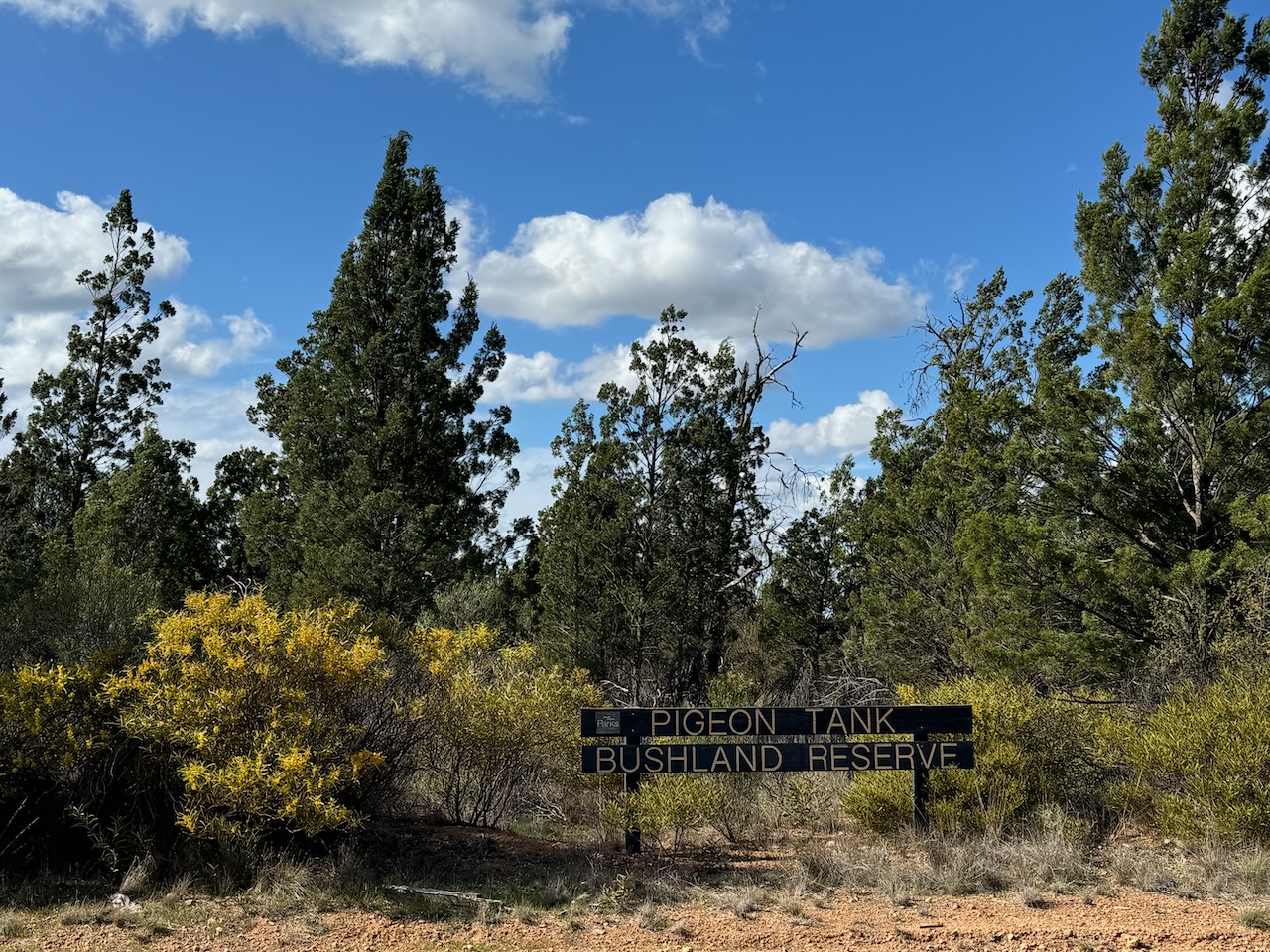
On Wednesday 31st July 2024, I activated the Manning Flora Reserve VKFF-4044 for World Ranger Day.
Each year on the 31st of July, World Ranger Day is held to commemorate Rangers who have been killed or injured in the line of duty and to celebrate all of the hard work undertaken by Rangers. A total of 140 Rangers from 37 countries have lost their lives whilst on duty. (IRF 2024)
It was a short 30-minute drive to the park. This was to be the first time that I had activated this park.
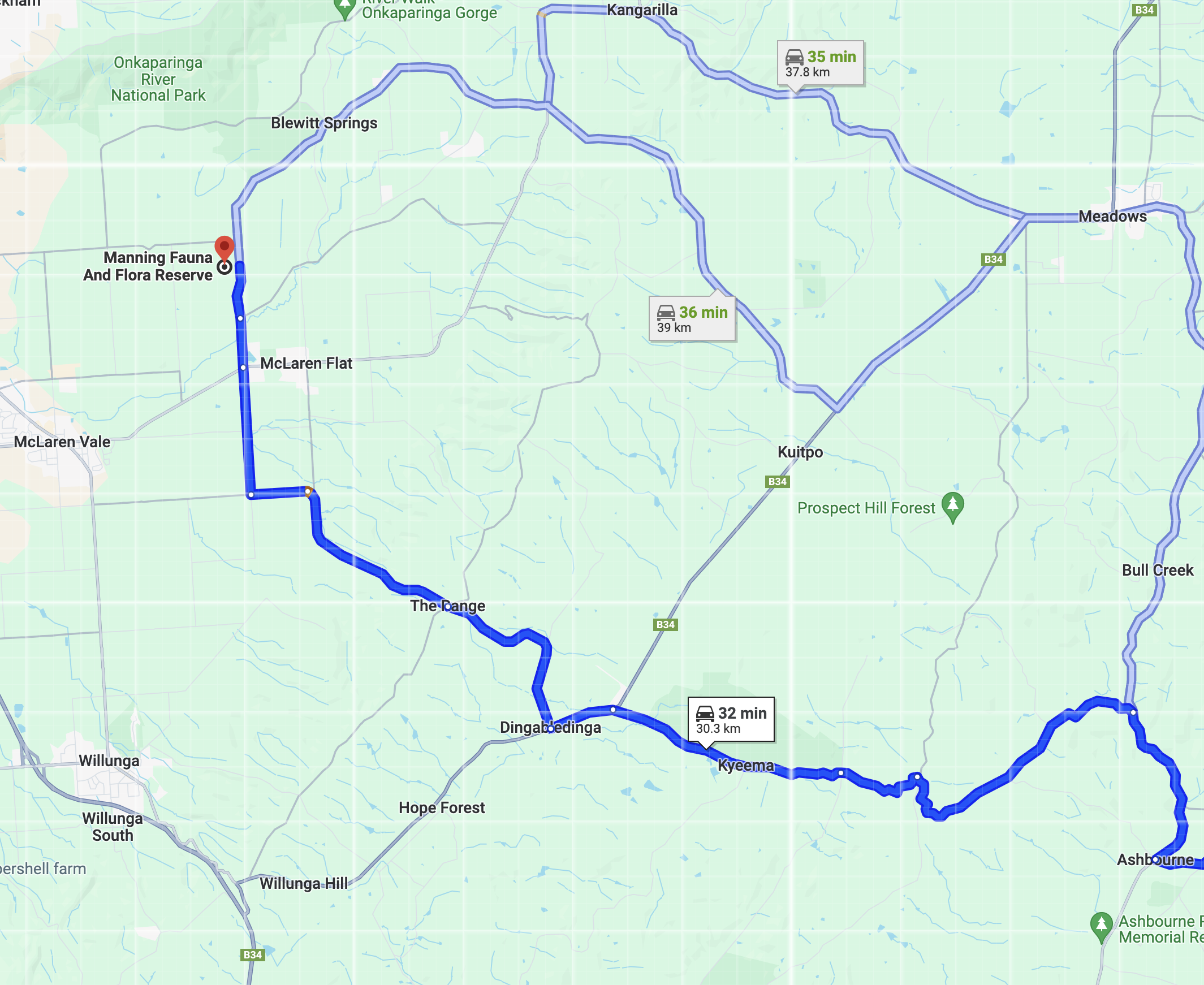
It was a beautiful drive to the park into the McLaren Flat wine-growing region.
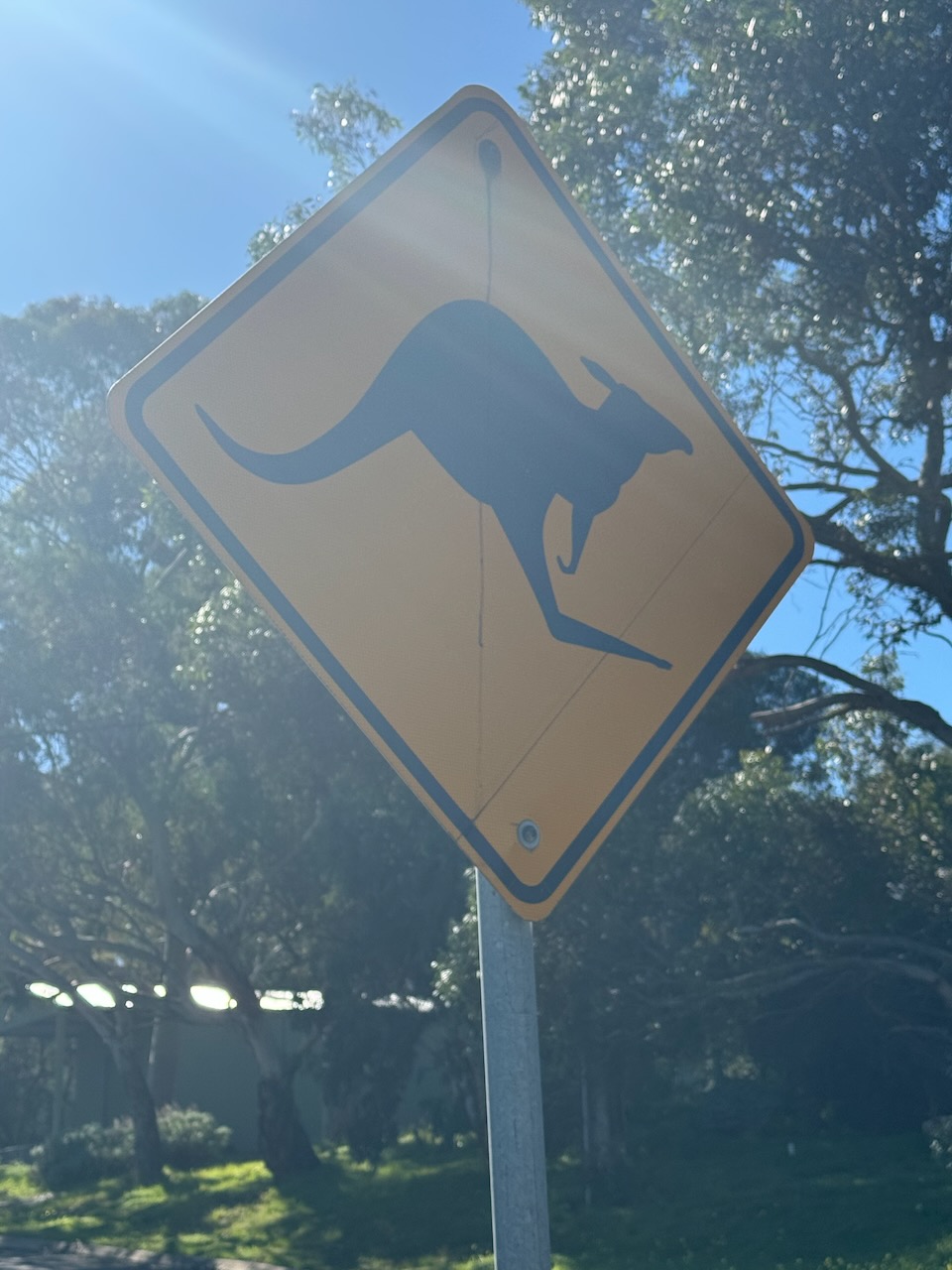
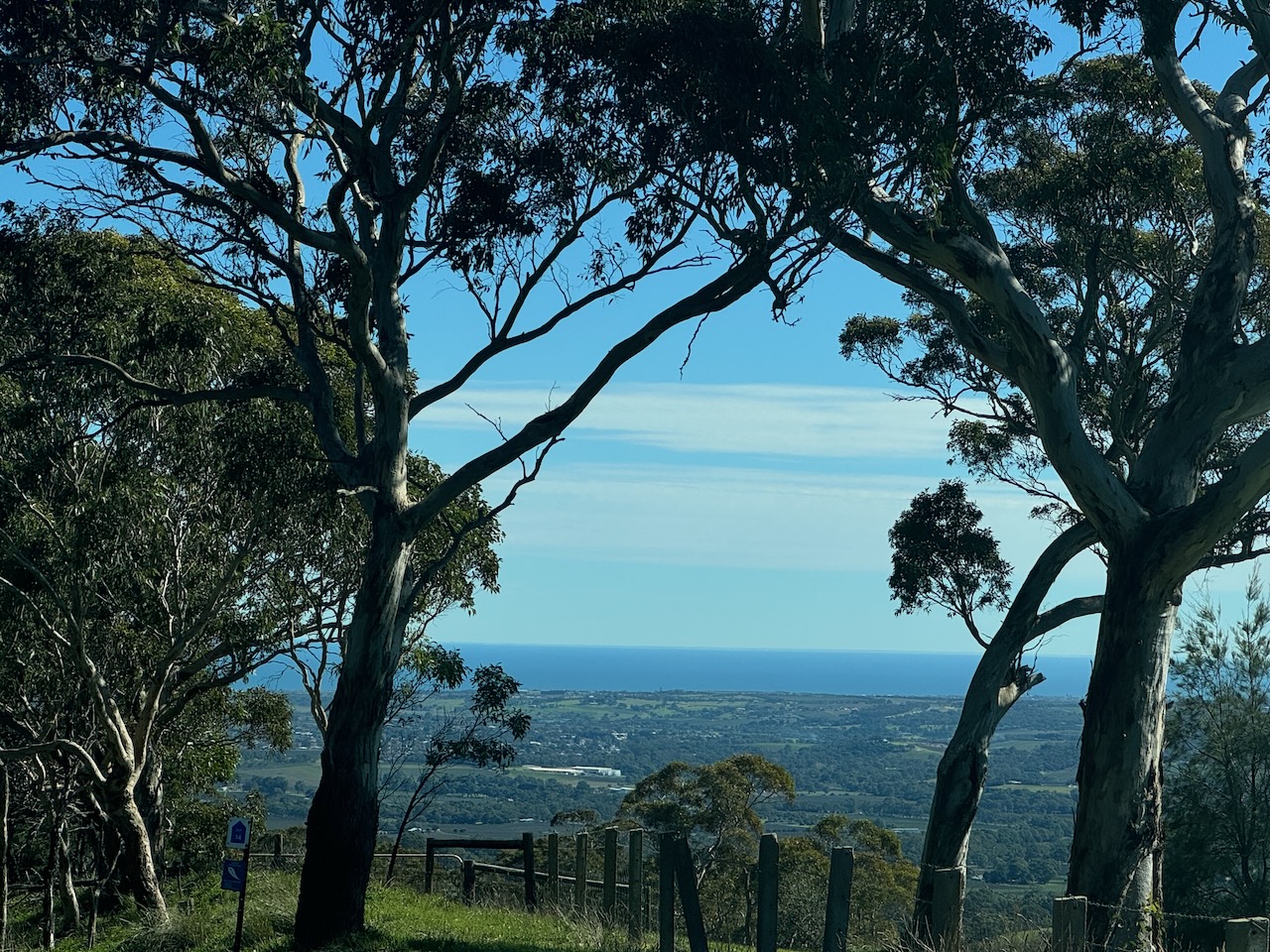
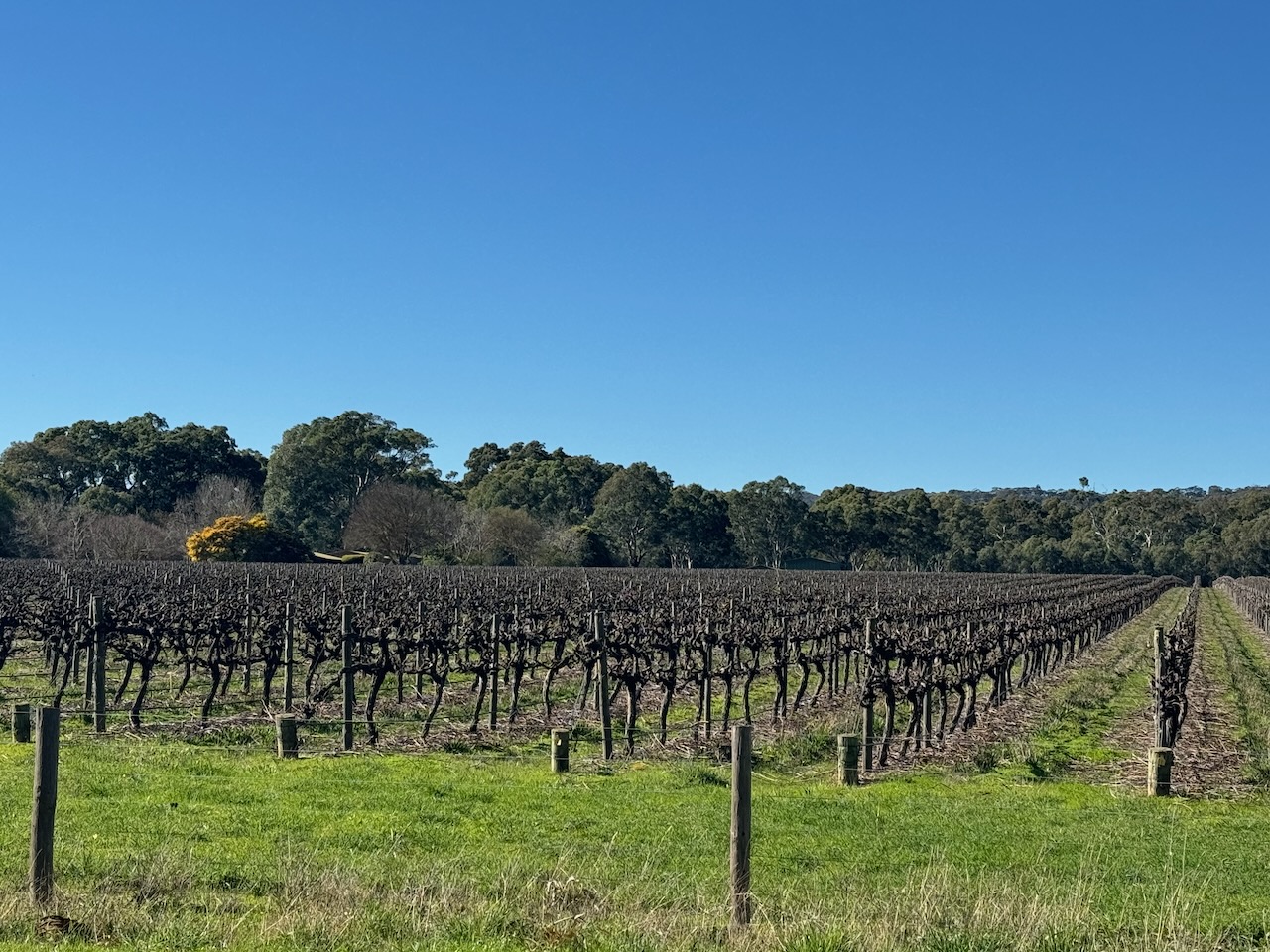
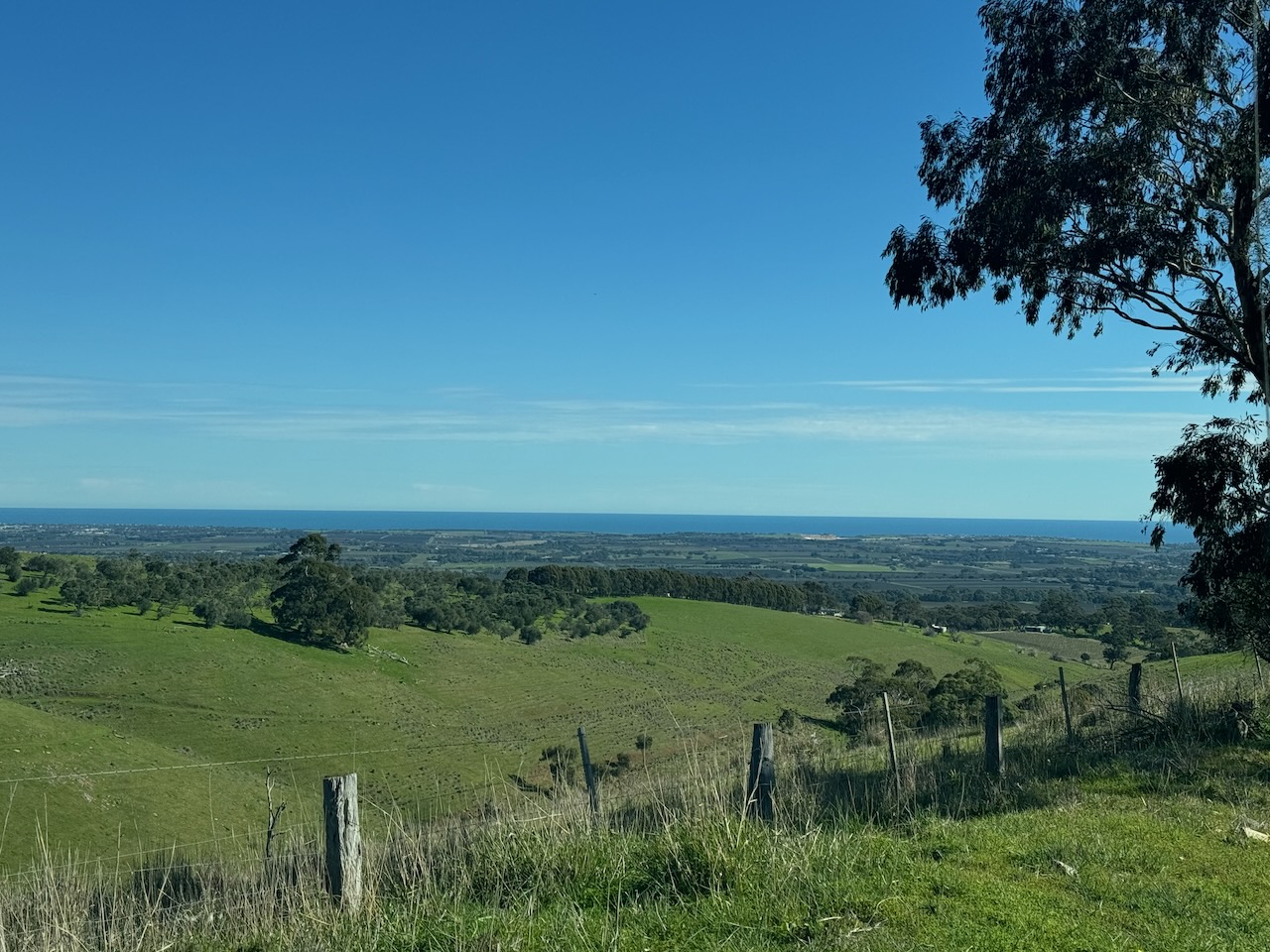
The park is located on the corner of Kays Road and Whitings Road.
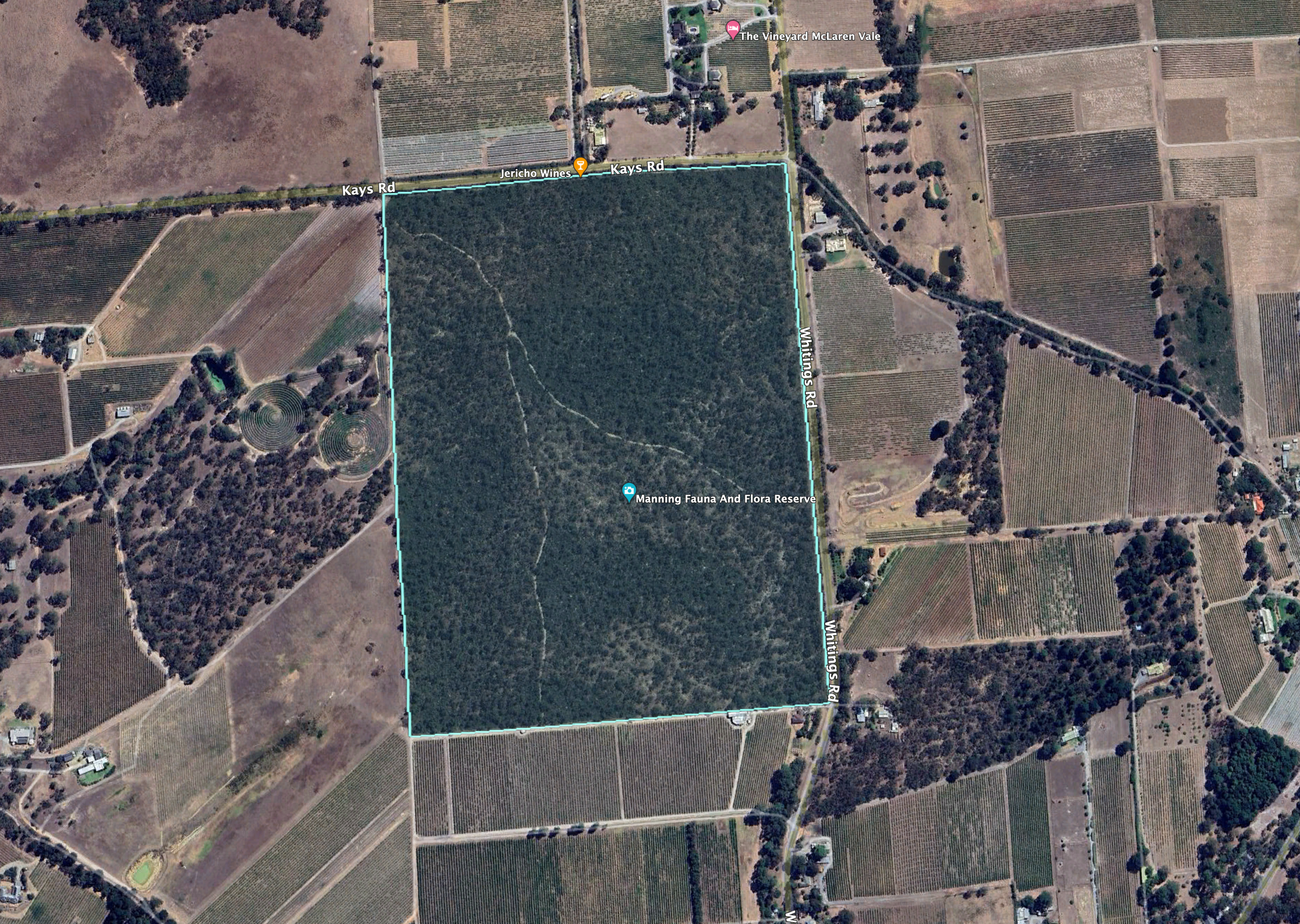
Above:- An aerial view of the park showing its boundaries. Image c/o Google Earth.
The reserve is owned by The Field Naturalists Society of South Australia Incorporated and is about 45 hectares in size. The reserve was bequeathed to the Society by Sydney Britton Henry Manning upon his death in December 1955. He was a keen bird watcher and very interested in natural history and astronomy. Due to his love of birds, the reserve was known as the “Bird Sanctuary”. (Birds SA 2024)
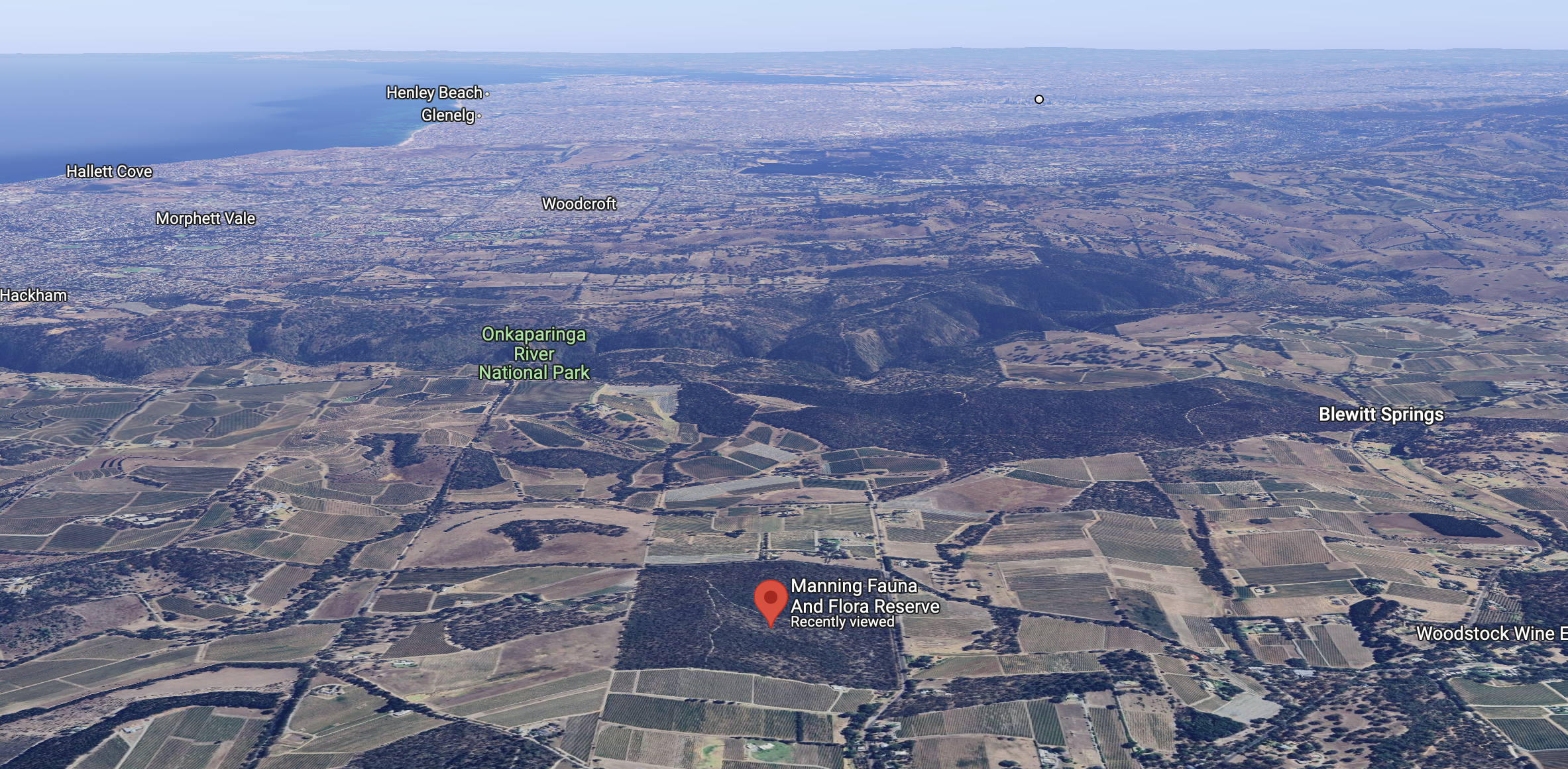
Above:- An aerial view of the park looking north towards the city of Adelaide. Image c/o Google Maps.
Birds SA have recorded about 97 species of native birds in the park including Adelaide Rosella, New Holland Honeyeater, Red Wattlebird, Yellow-faced Honeyeater, Spotted Pardalote, Striated Thornbill, Australian Magpie, Black-winged Currawong, Grey Fantail, Little Raven, Red-browed Finch, Silvereye. (Birds SA 2024)
The park is also home to Western Grey Kangaroos, Echidnas, and various reptiles.
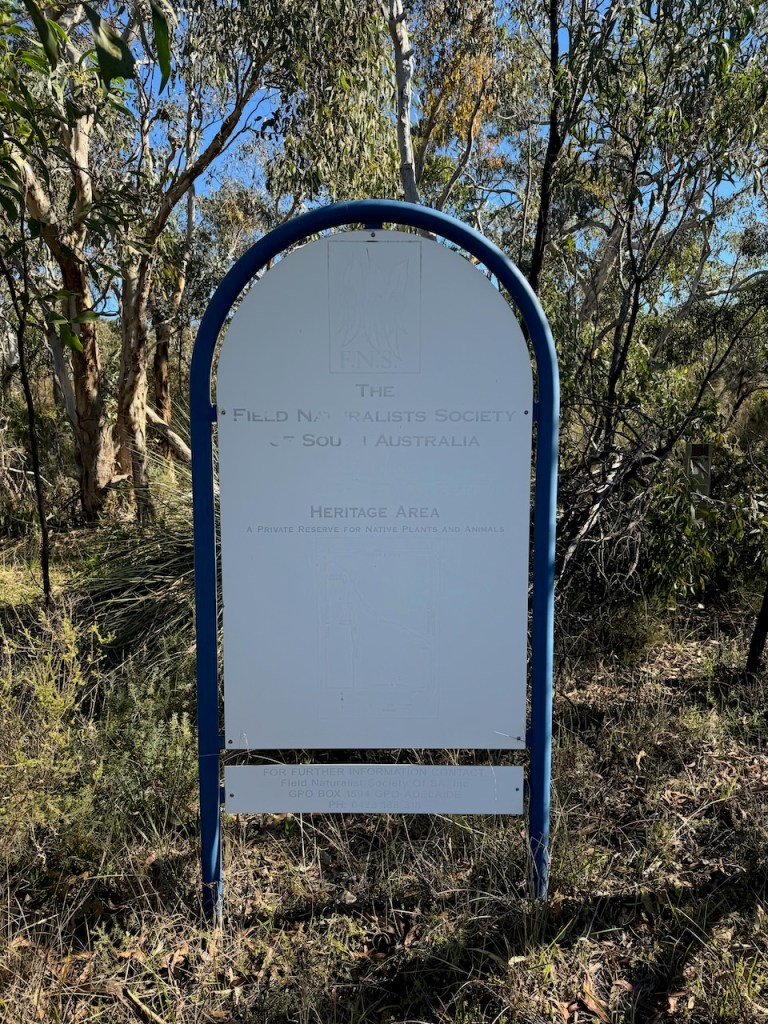
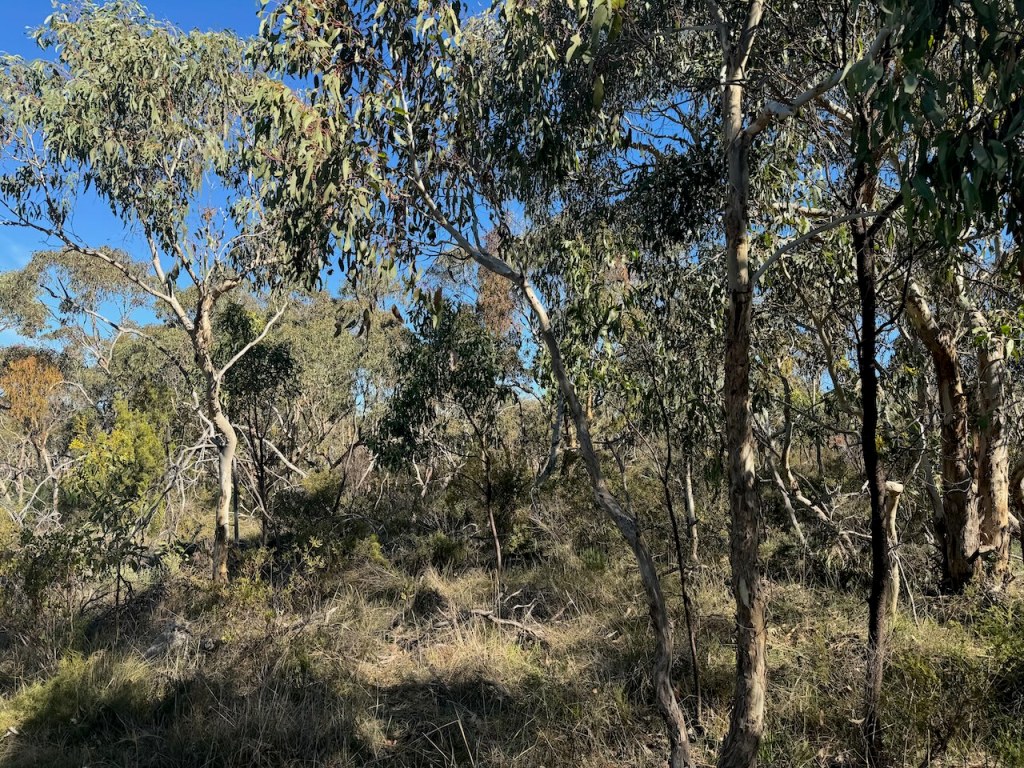
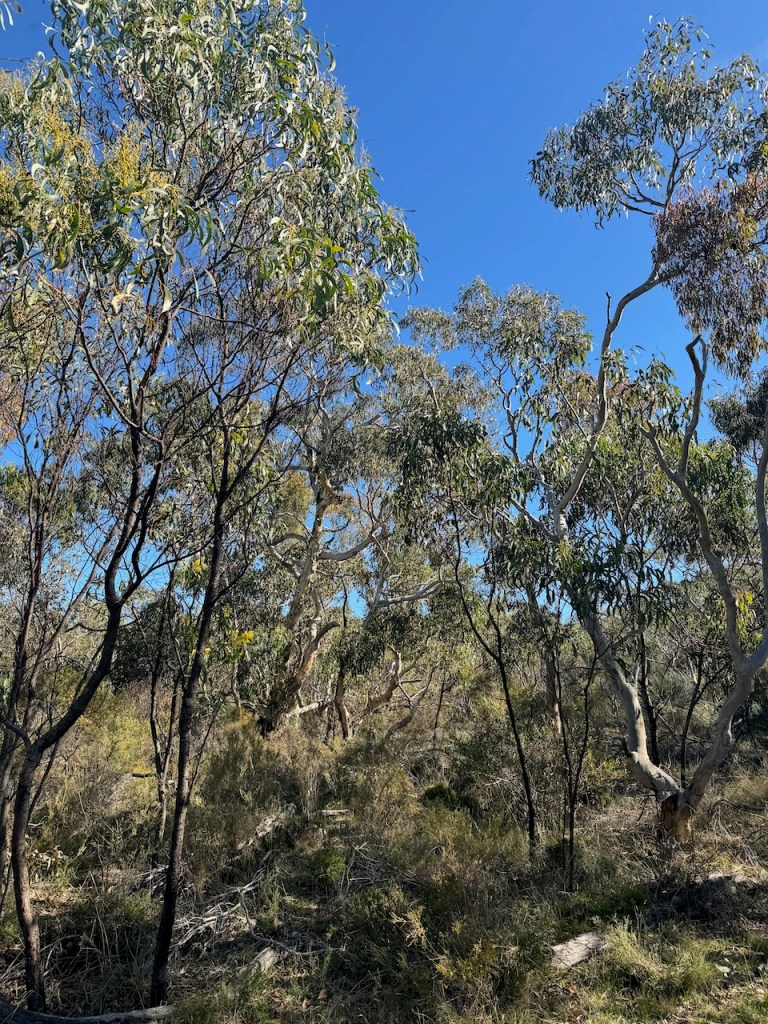
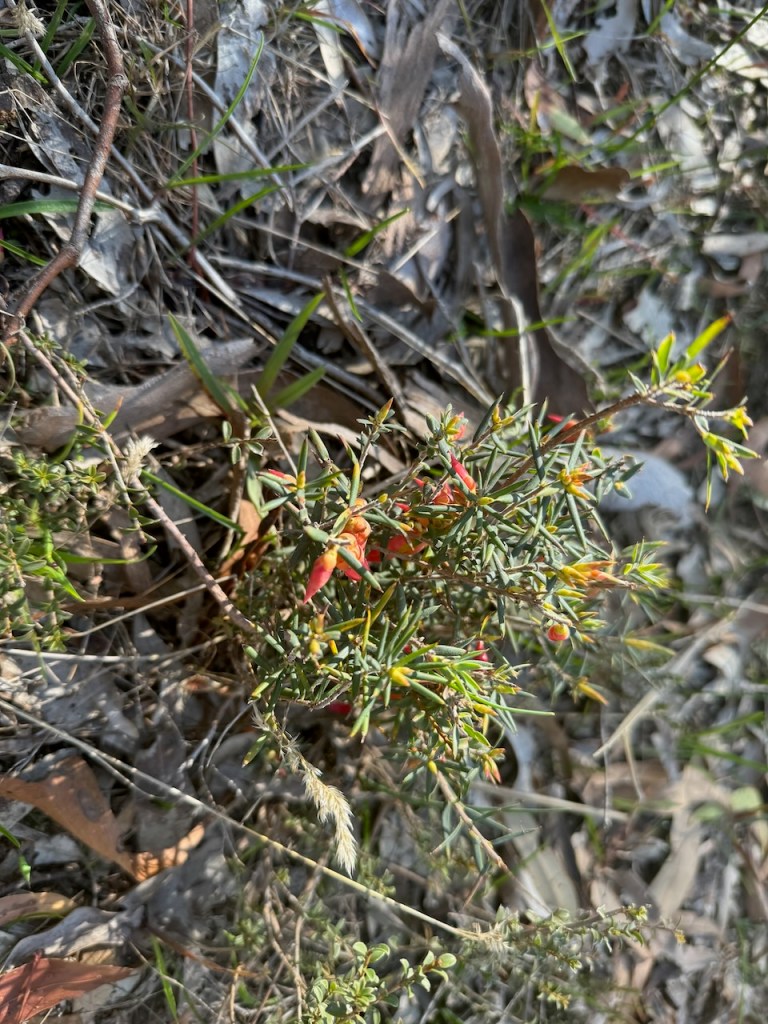
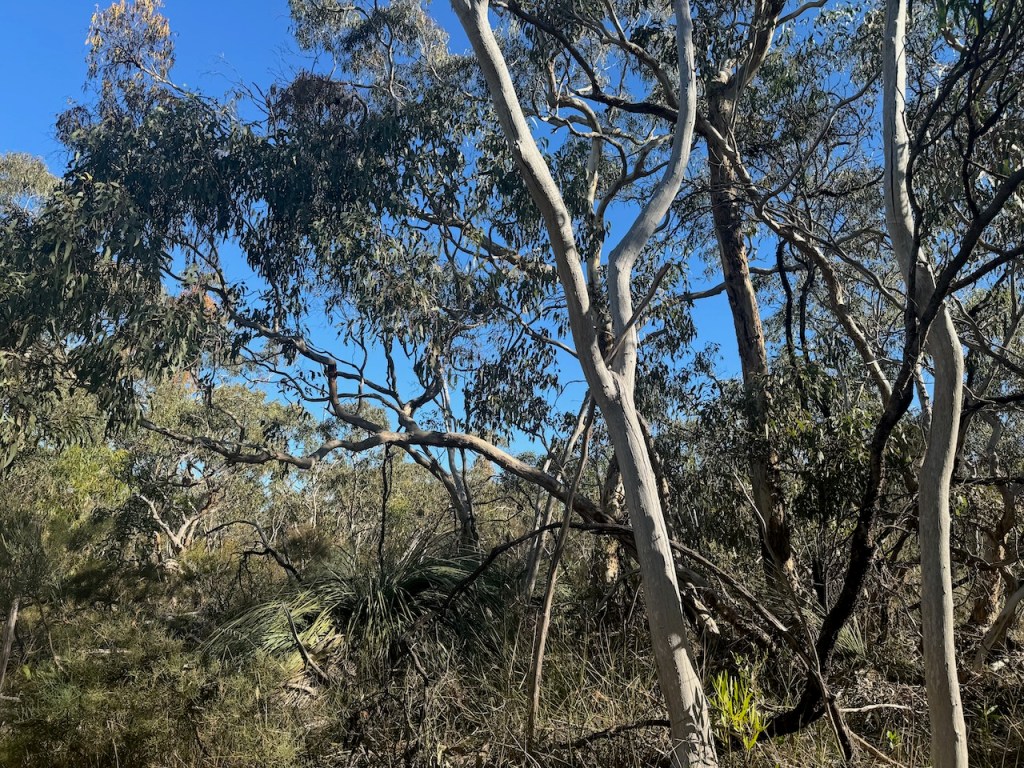
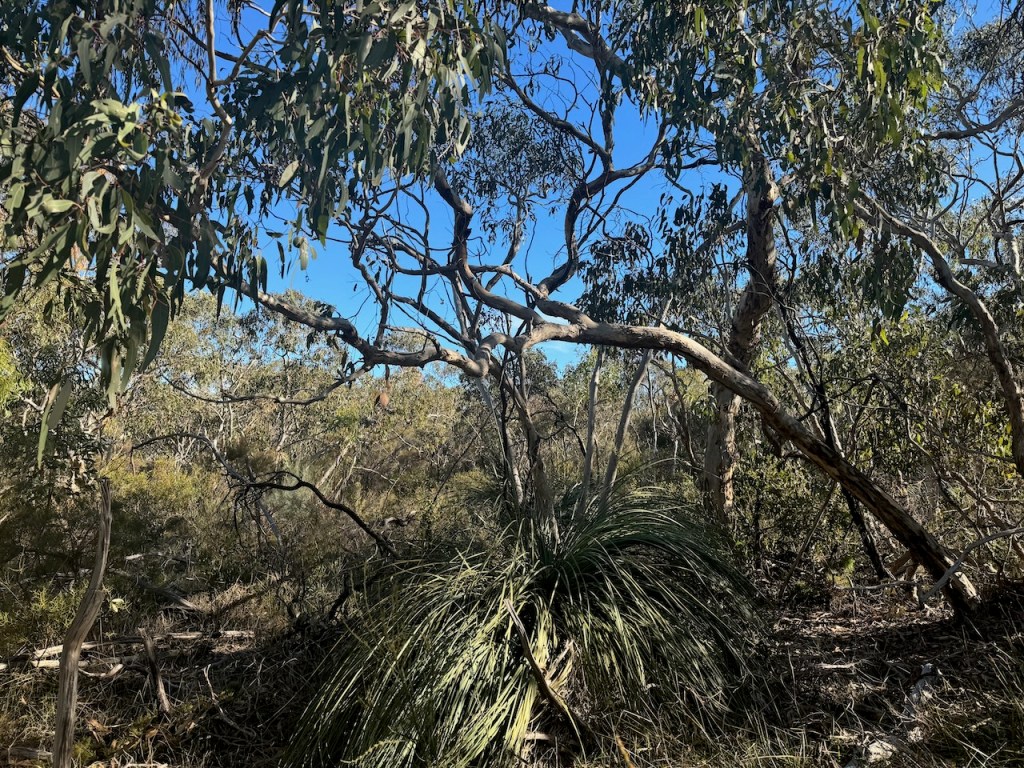
I set up along the walking trail off the Whitings Road entrance. I ran the Yaesu FT857, 40 watts, and the 20/40/80m linked dipole.
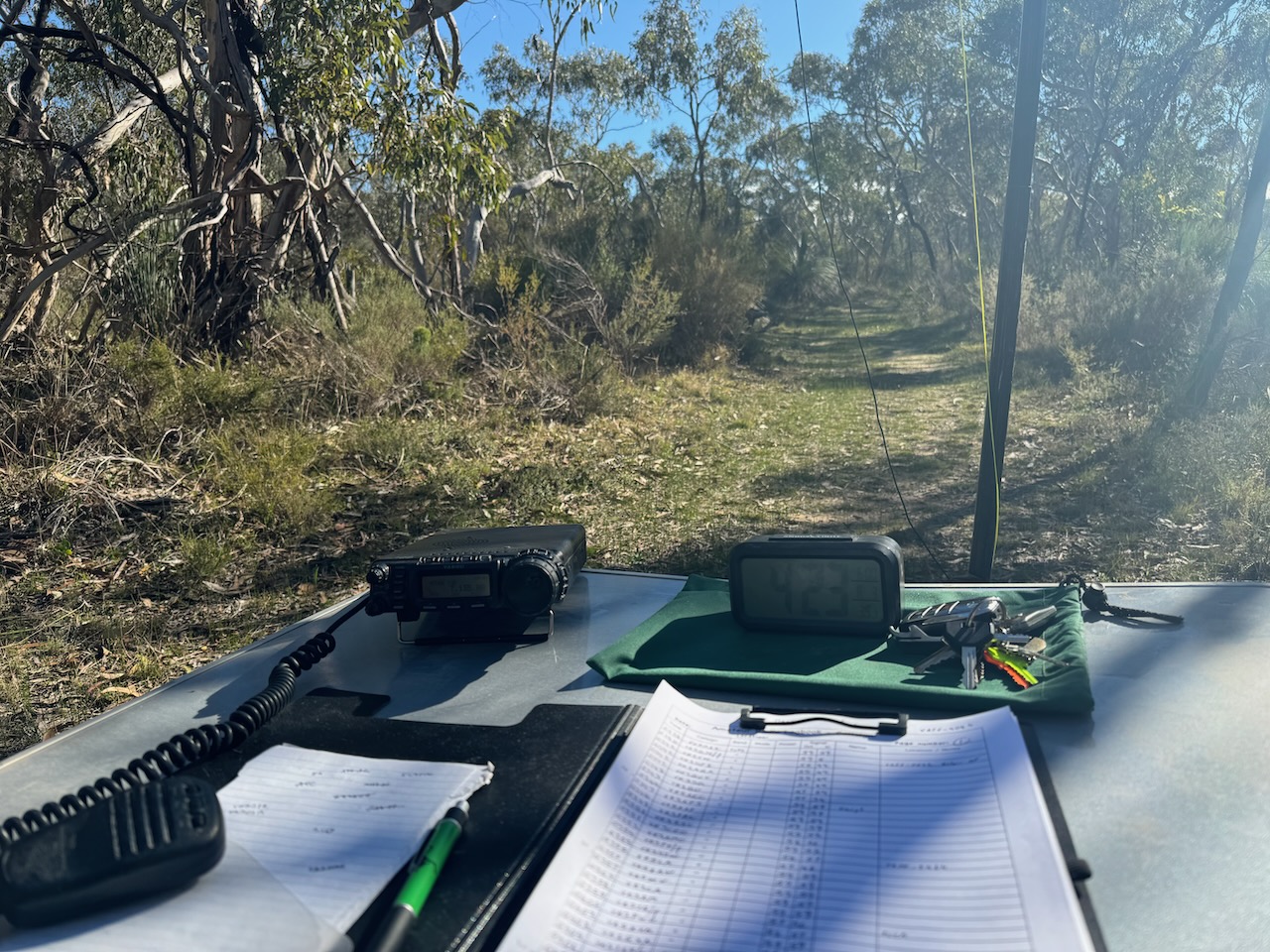
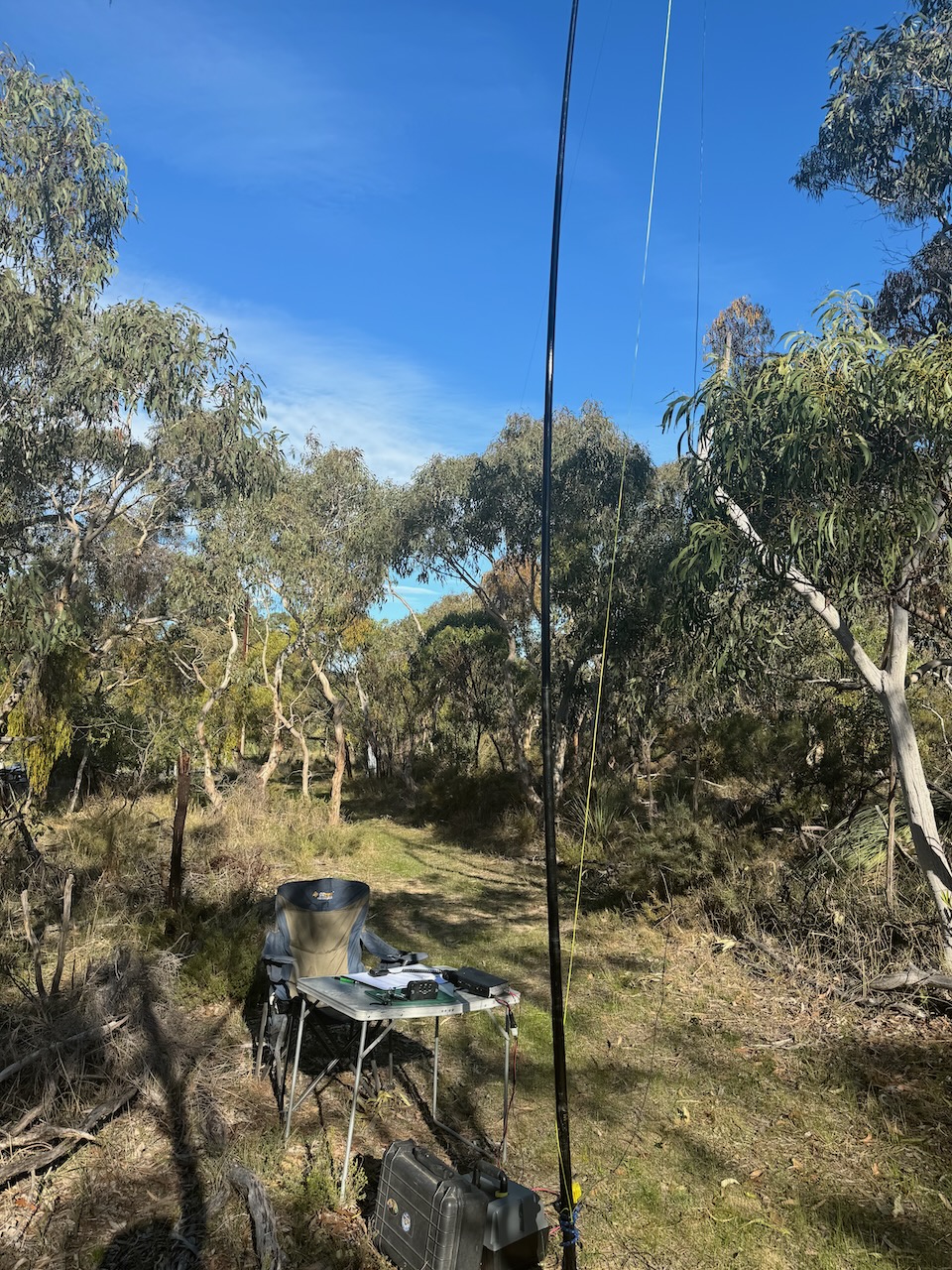
I ended up with 125 QSOs in the log, including 7 Park to Park contacts.
I worked the following stations on 40m SSB:-
I worked the following stations on 20m SSB:-
References.
I headed out into the field for National Tree Day on Sunday 28th July 2024 and activated Heritage Agreement (No. HA 1362) VKFF-4056. The Heritage Agreement is about 65 km (by road) south of Adelaide.
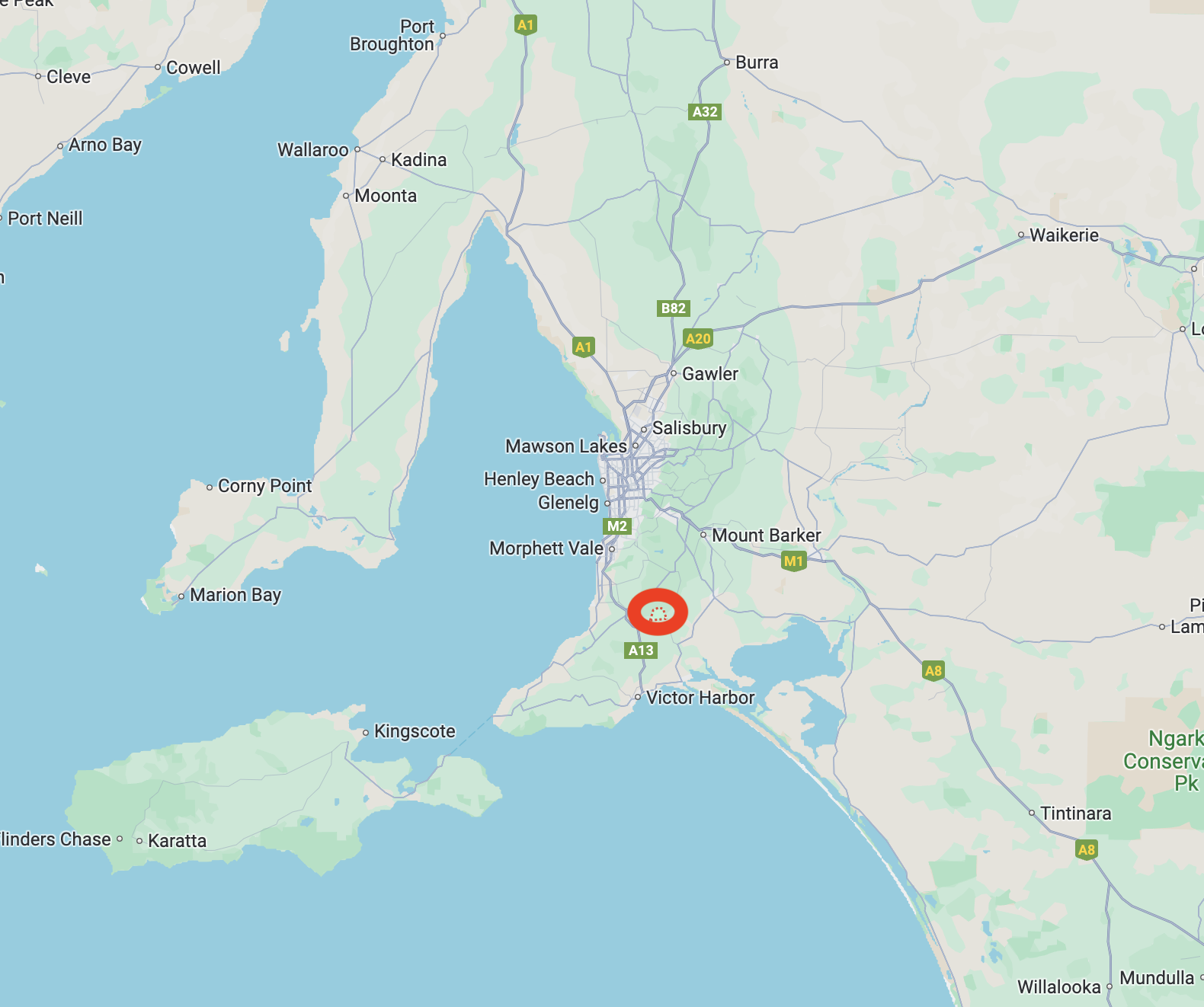
Above:- Map showing the location of the Heritage Agreement. Map c/o Google Maps.
The heritage agreement contains the Heysen Trail and that part of the park is accessible to the public. This beautiful piece of native scrub is located adjacent to the Mount Magnificent Conservation Park and is on the northwestern side of Blackfellows Road.
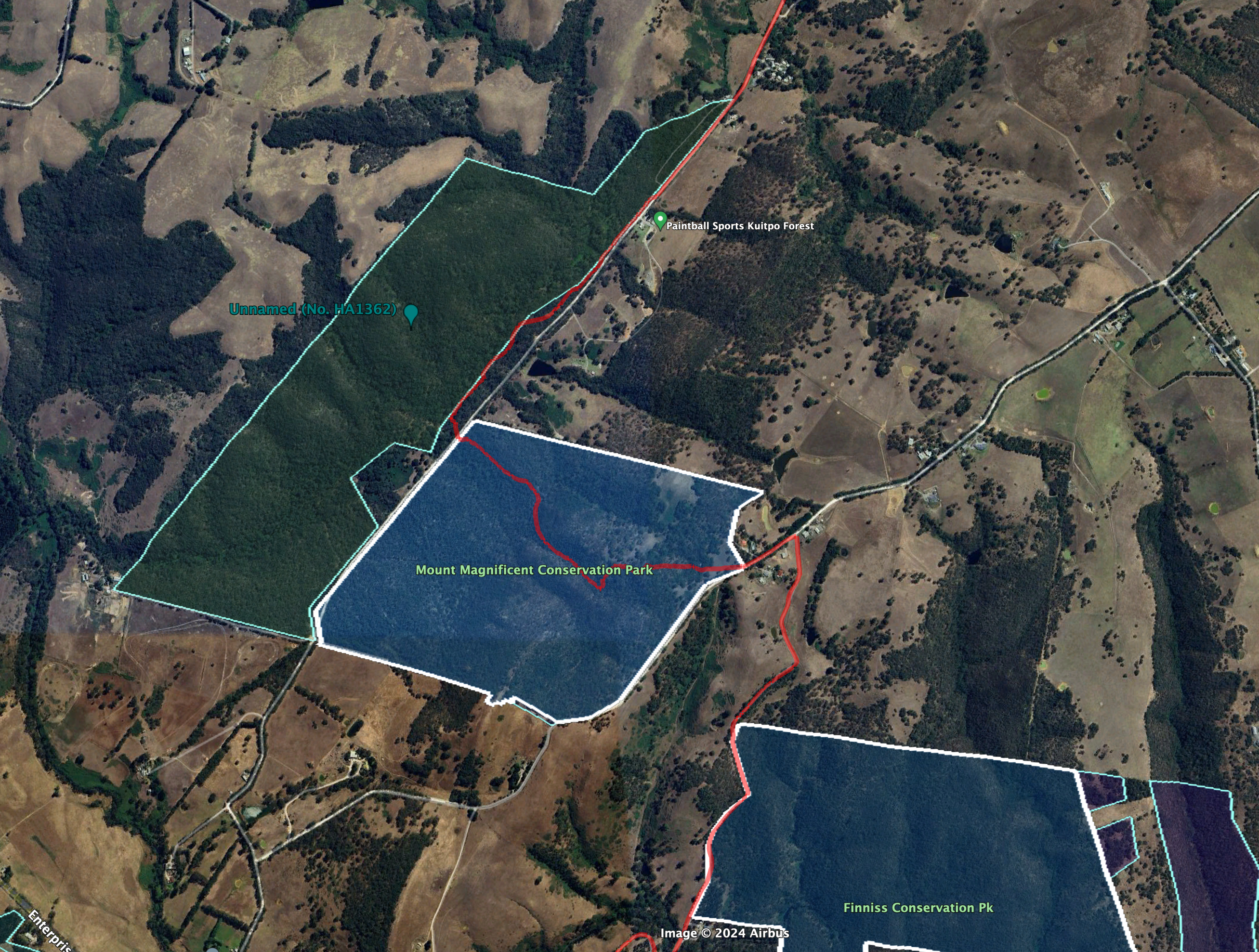
A Native Vegetation Heritage Agreement is a conservation area on private land, established between the landholder and the Minister for Climate, Environment and Water on the recommendation of the Native Vegetation Council (NVC), which contributes to protecting and/or restoring indigenous biodiversity. (Environment SA 2024)
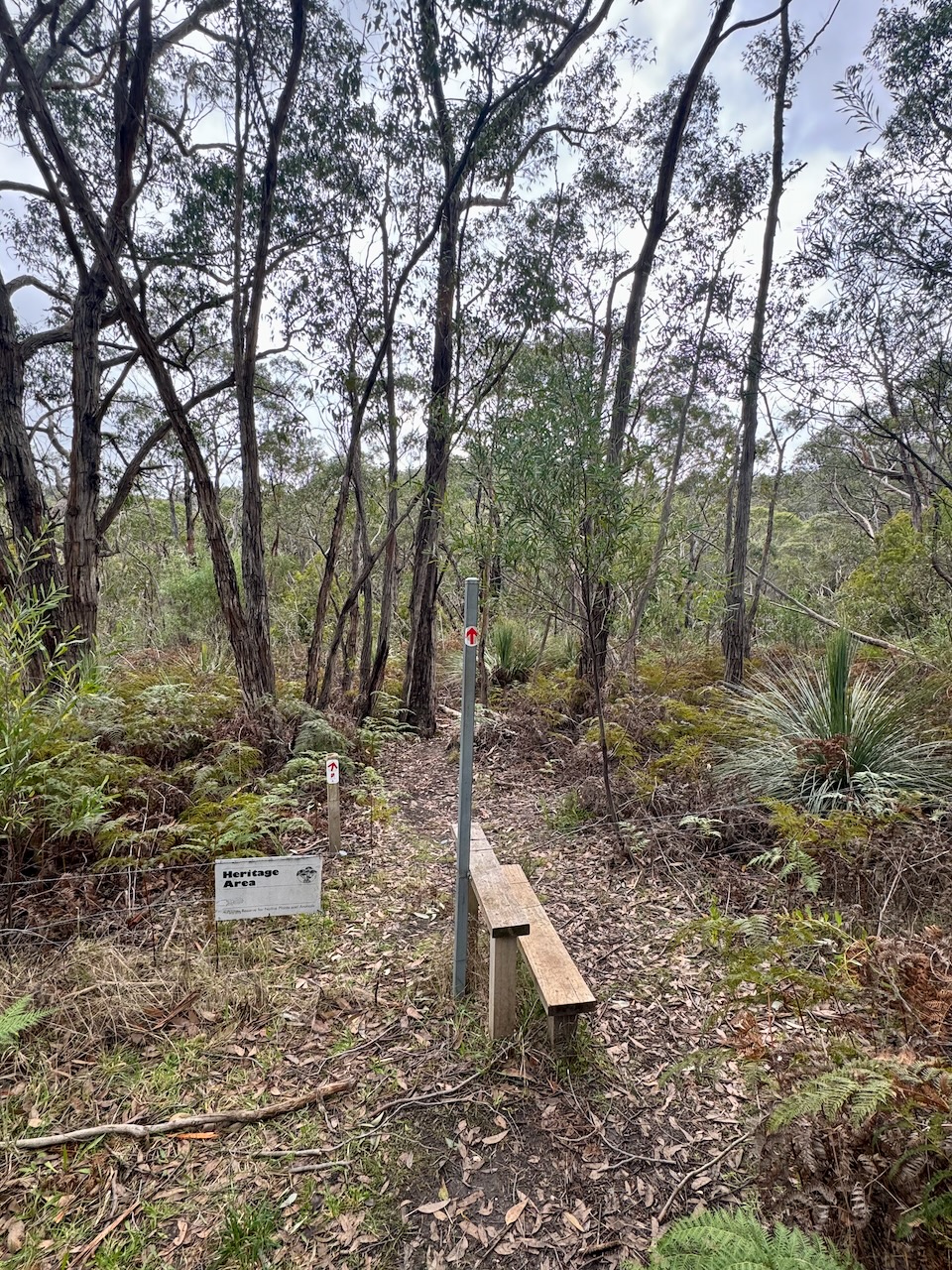
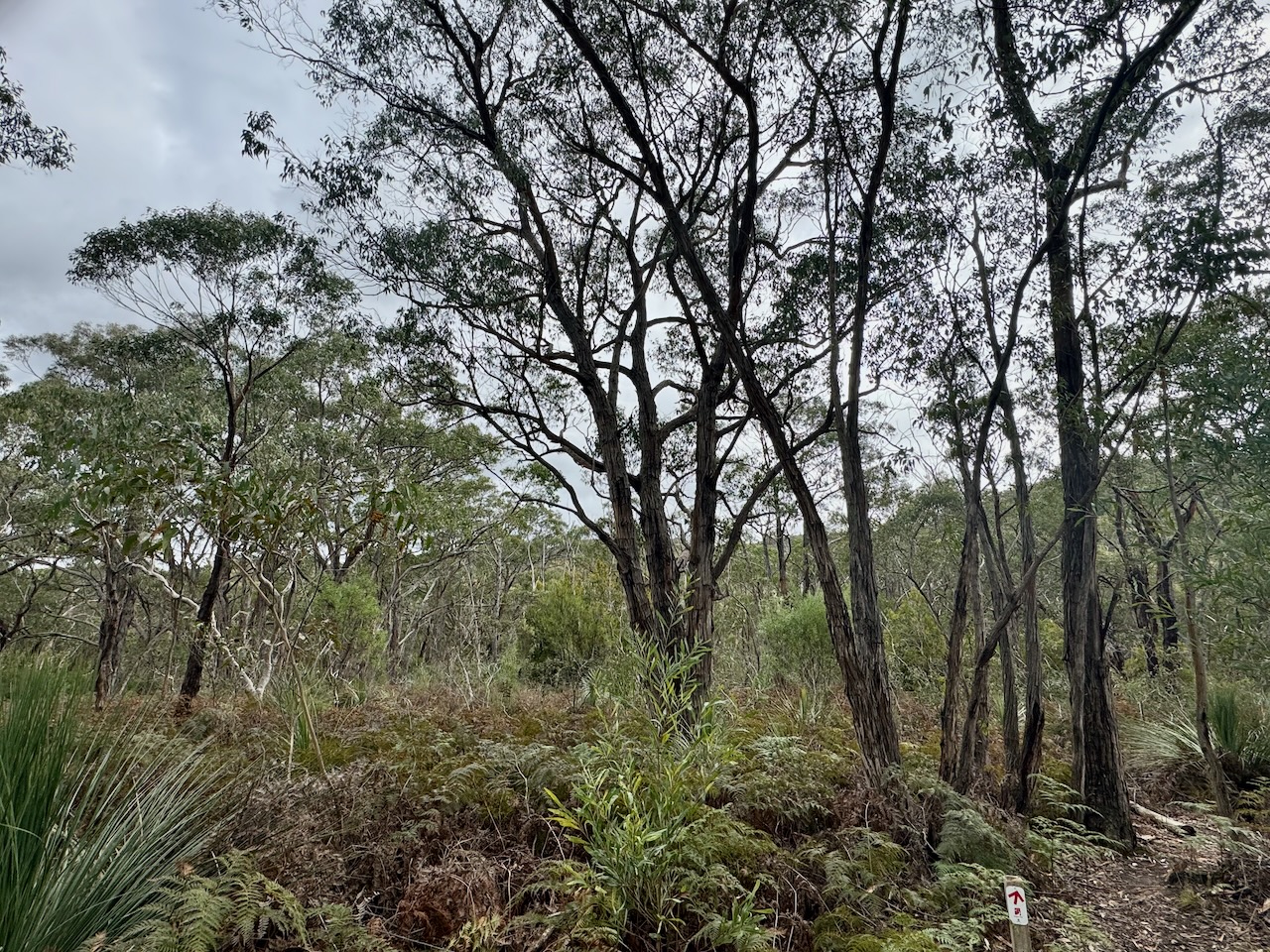
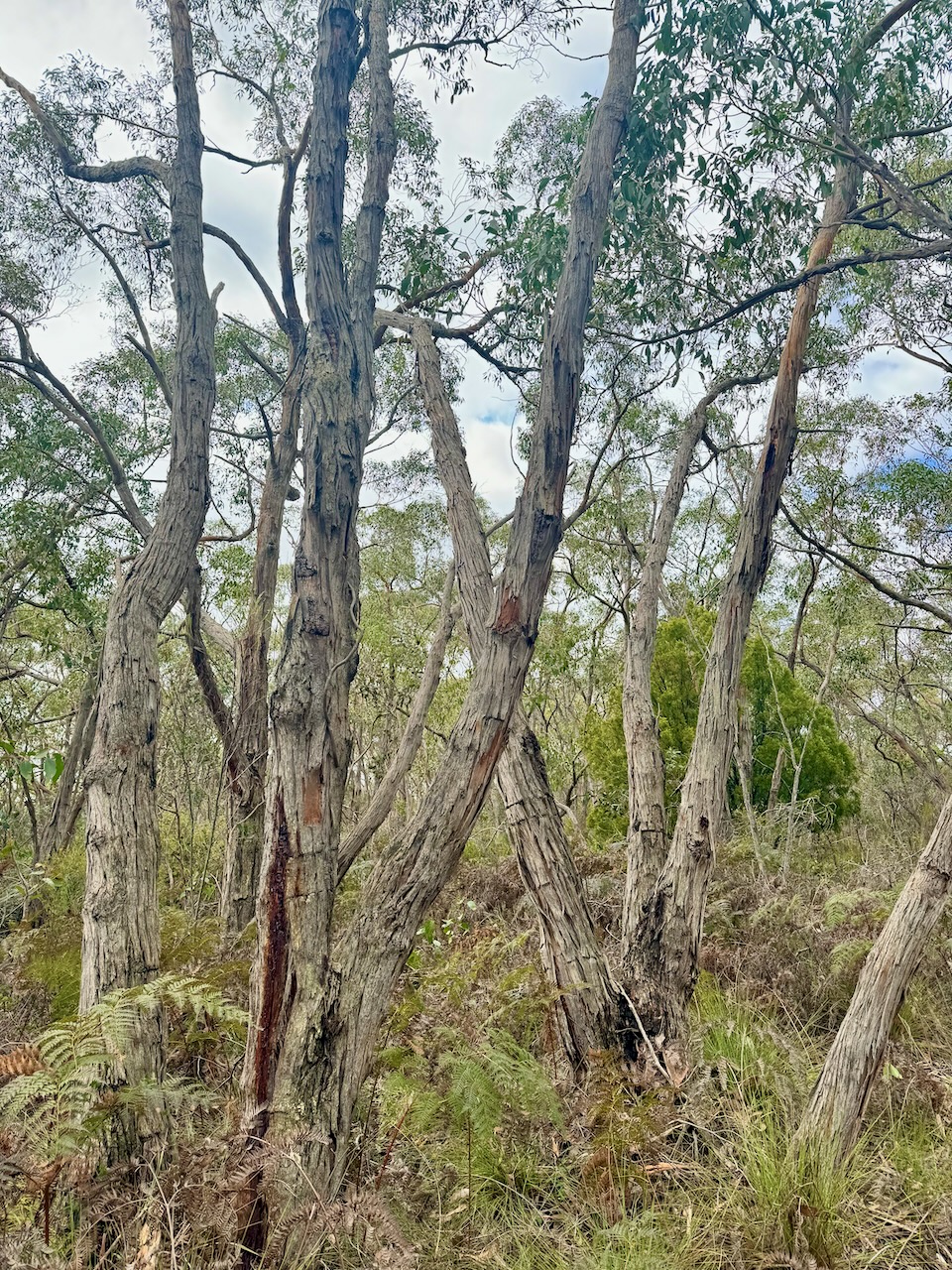
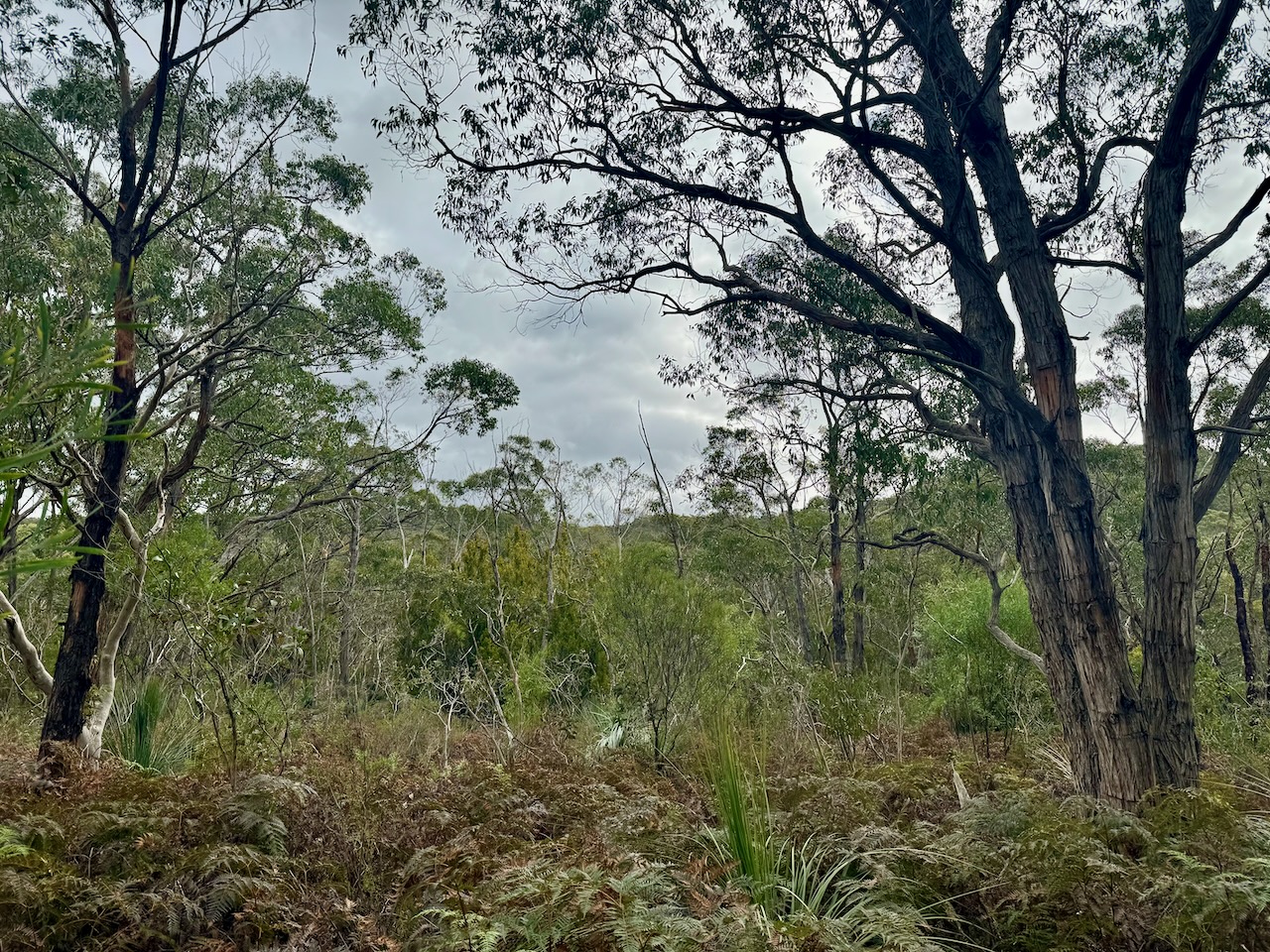
The Heysen Trail is about 1,200 km long and passes through some of South Australia’s most diverse and breathtaking landscapes, traversing coastal areas, native bushland, rugged gorges, pine forests and vineyards, as well as rich farmland and historic towns. (Heysen 2024)
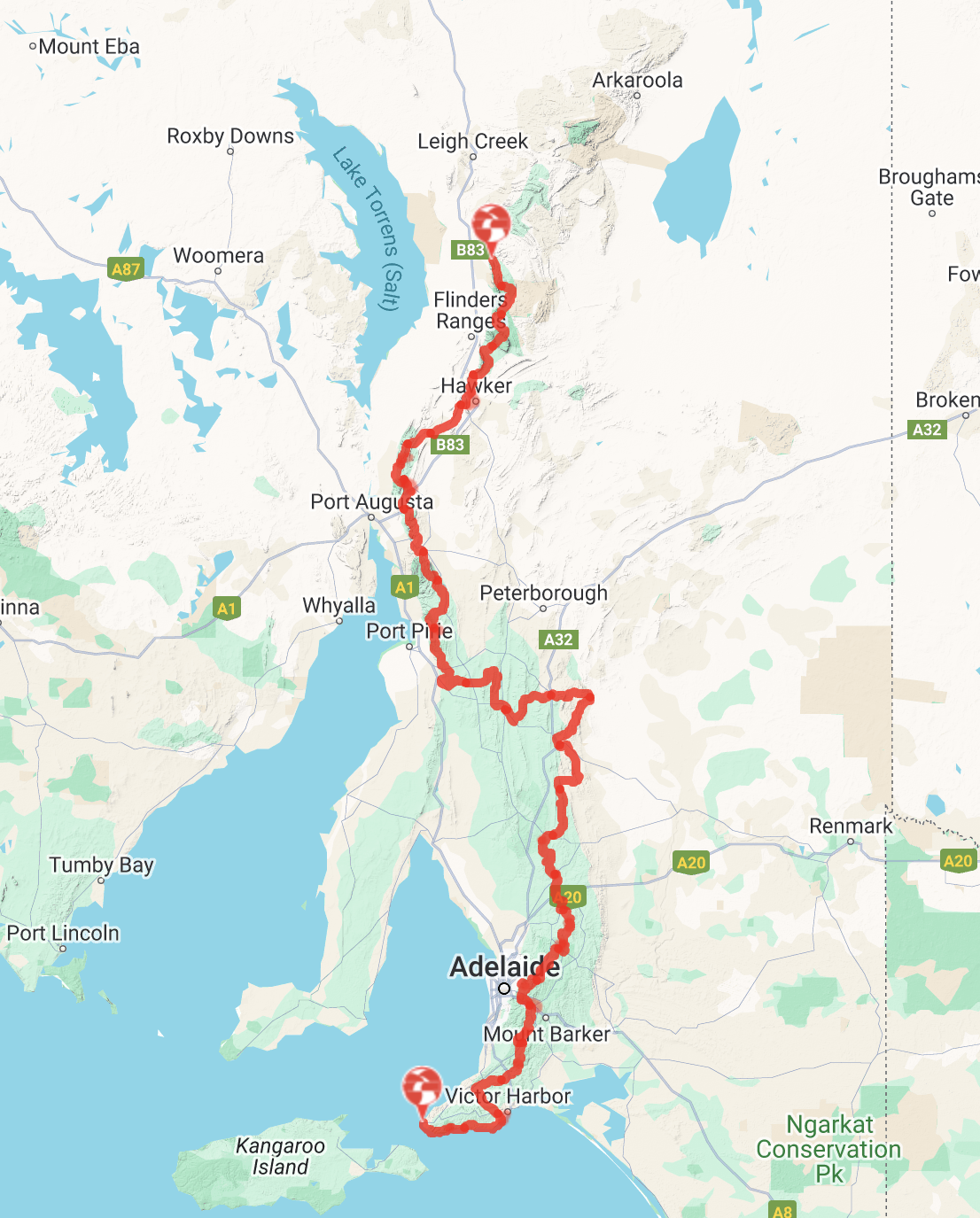
Above:- Map showing the Heysen Trail. Image c/o heysentrail.asn.au
The Heysen Trail was first proposed in 1969 by Charles Warren Bonython (b. 1916. d. 2012) an Australian conservationist, explorer, author and chemical engineer. The proposal was stalled due to politics and issues with private landowners. In 1978 the first 50 km of the trail was laid through the Mount Lofty Ranges. The trail was completed in 1992 with the main designer being Tery Lavender. (Wikipedia 2024)
The trail is named in honour of Sir Wilhelm Ernst ‘Hans’ Franz Heysen (b. 1877. d. 1968) an Australian artist. (Wikipedia 2024)
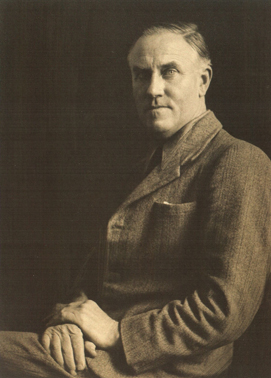
Above:- Sir Hans Heysen. Image c/o Wikipedia.
Operating spots are limited here. I set up on the edge of the trail, with the 20/40/80m linked dipole not being able to be completely stretched out. I ran the Yaesu FT857 and 40 watts.
I worked the following stations on 40m SSB:-
I worked the following stations on 20m SSB:-
References.
At about 1220 UTC on Thursday the 15th day of August 2024, I tuned in to Radio Ergo, broadcasting on 21595 kHz in the Somali language.
Radio Ergo produces and broadcasts humanitarian news and information across Somalia and the Somali-speaking region.

The signal was coming from the Al-Dhabbiya 250 kW transmitter in the United Arab Emirates. (Short Wave Schedule 2024)

Above:- Map showing the location of Al-Dhabbiya. Map c/o Google Maps.
The overall reception of Radio Ergo was good. The signal strength was good and there was no interference from other stations. There was only slight fading of the signal.
| S | I | N | P | O |
| 4 | 5 | 4 | 4 | 4 |
My equipment used:-
Below is a short video showing my reception of Radio Ergo.
References.
At about 1520 UTC on Wednesday the 14th day of August 2024, I tuned in to Radio Cairo, broadcasting on 9410 kHz in the Albanian language.
The signal was coming from the Abis 125 kW transmitter in Egypt. (Short Wave Info 2023)
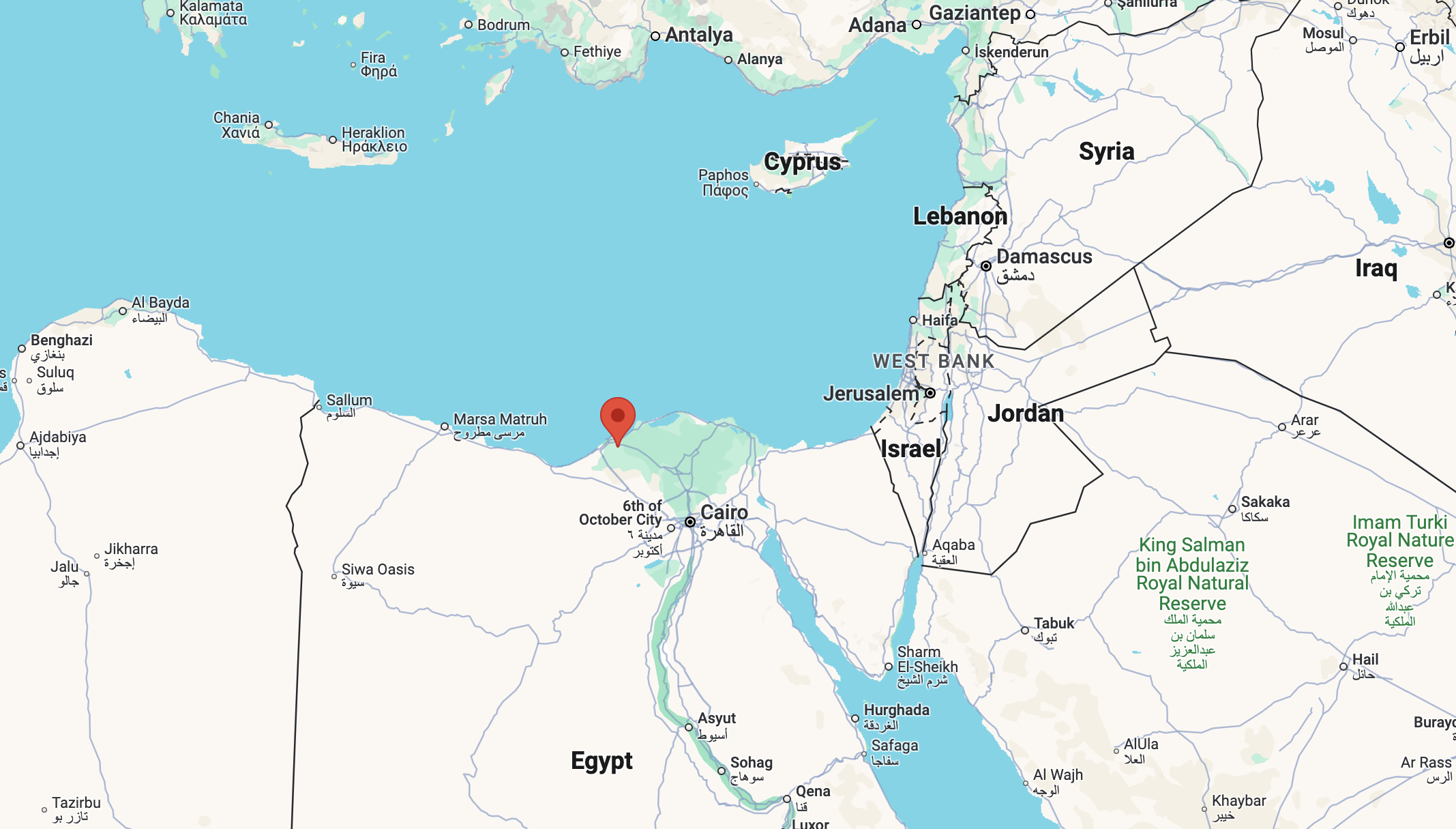
Above:- Map showing the location of Abis. Map c/o Google Maps.
The overall reception of Radio Cairo was fair. The signal strength was fair and there was moderate fading of the signal. There were moderate static crashes on the band.
| S | I | N | P | O |
| 3 | 3 | 3 | 3 | 3 |
My equipment:-
Below is a short video showing my reception of Radio Cairo.
References.
At about 1445 UTC on Wednesday the 14th day of August 2024, I tuned in to Voice of Wilderness, broadcasting on 9330 kHz in the Korean language.
The signal was coming from the Tashkent 100 kW transmitter in Uzbekistan. (Short Wave Info 2023)
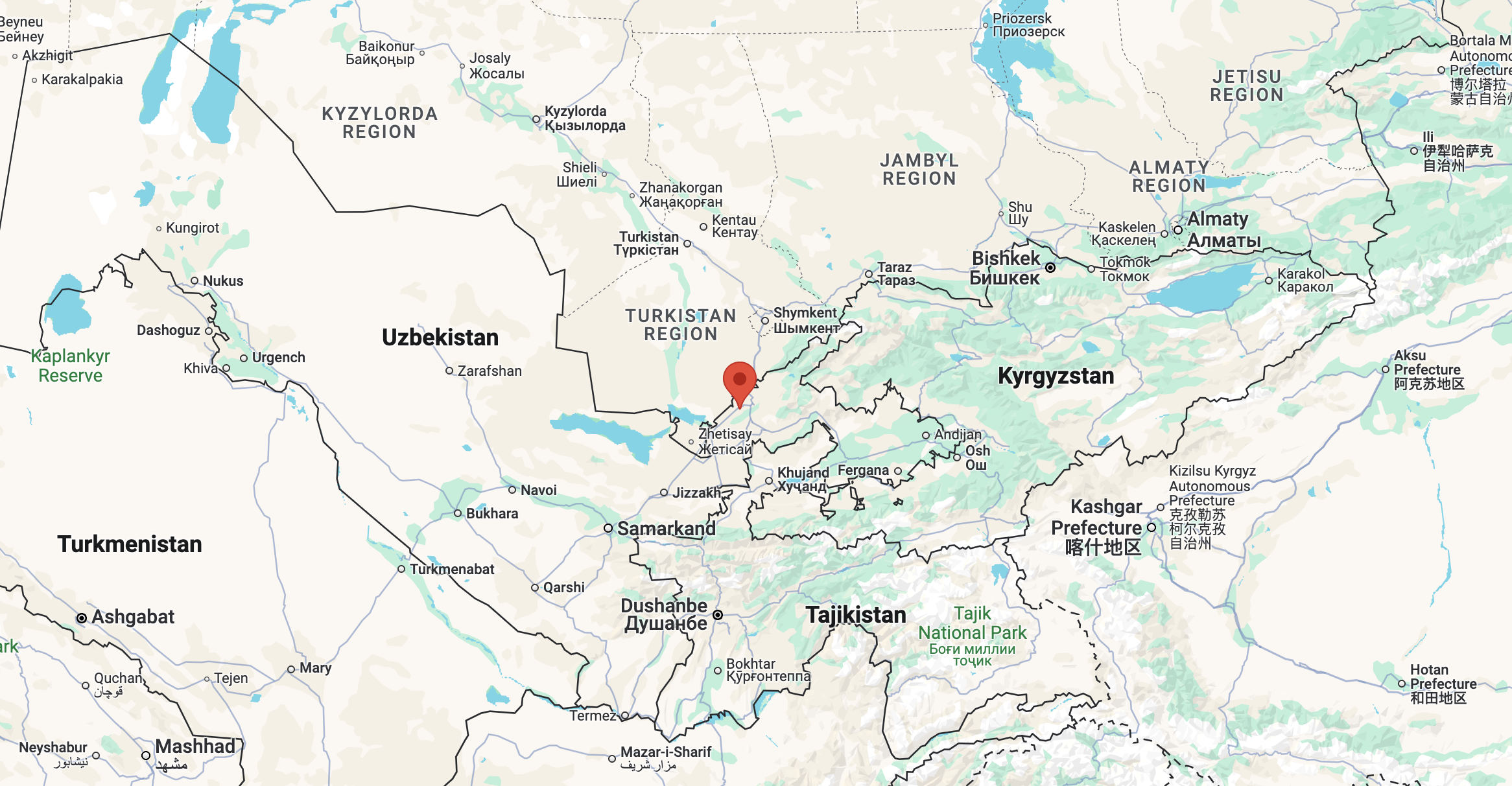
Above:- Map showing the location of Tashkent. Map c/o Google Maps.
The overall reception of Voice of Wilderness was fair. The signal strength was fair. There was no interference from other stations. There were static crashes on the band.
| S | I | N | P | O |
| 3 | 5 | 3 | 4 | 3 |
My equipment used:-
Below is a short video showing my reception of Voice of Wilderness.
References.
Amateur Radio, Short Wave Listening, travel and history
Amateur radio experiences with VK1DA
Brisbane - Australia
german amateur radio station
Summits On The Air
SOTA on the peaks, wilderness QRP and some bushwalking
A fine WordPress.com site
Amateur Radio Adventures
Summits on the Ai
Amateur radio station from Belgium
Radio craft, homebrew, QRP/SOTA, AM
Ego loqui ad viros super montes
My adventures with Amateur Radio and Geocaching!
The rantings of VK2GAZ on his SOTA experiences in Australia
A survivor, with minor cuts and abrasions.
The Art and Craft of Blogging
The latest news on WordPress.com and the WordPress community.
Blog of Justin Giles-Clark VK7TW's SOTA and amateur radio adventures.
Occasional SOTA & Microwave operation
 VK5PAS