Giles Conservation Park

My last park of the day was the Giles Conservation Park, which is literally just around the corner from the Horsnell Gully Conservation Park.

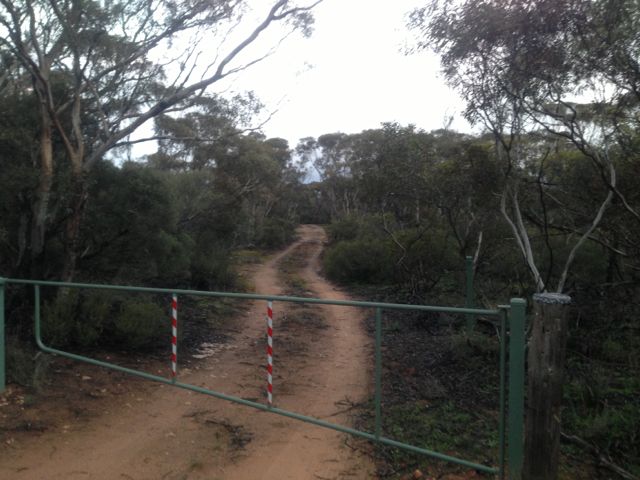
I drove back along Coach Road, the turned left onto Ridge Road, and then along Stony Rise Road towards Ashton.  I then turned left onto Woods Hill Road and found a gate on the left leading into the park.  There was a good parking spot outside of the gate, so I left my car there.

IMGA0030

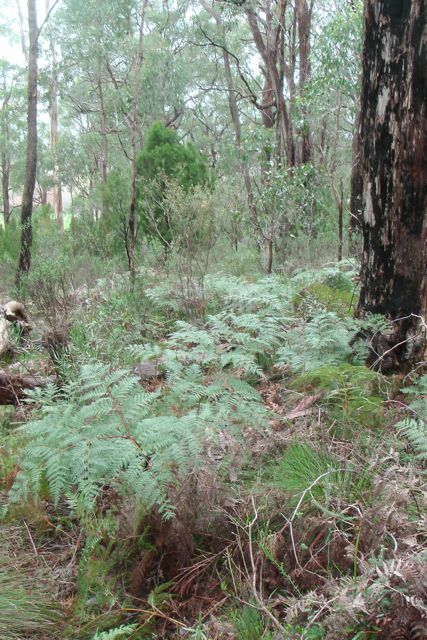
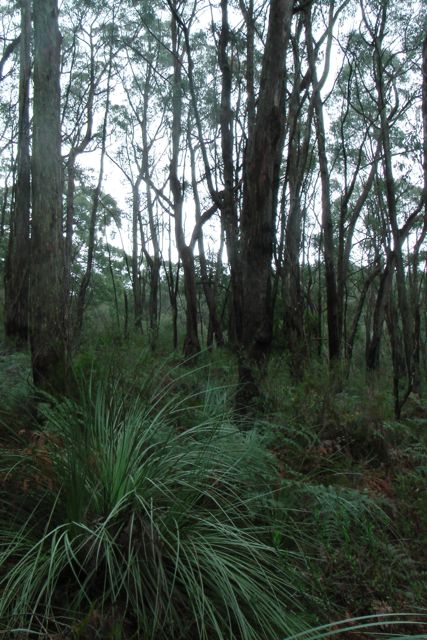
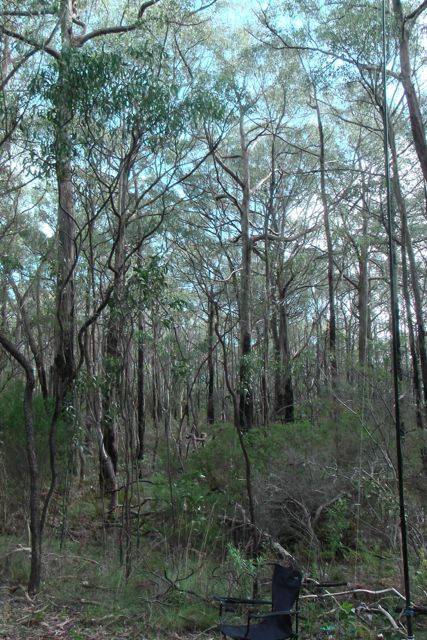
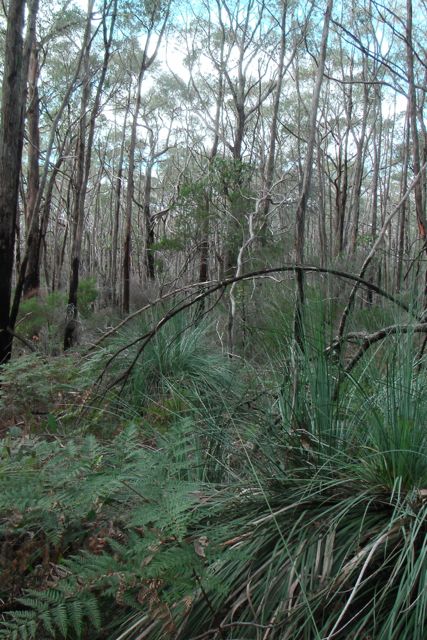
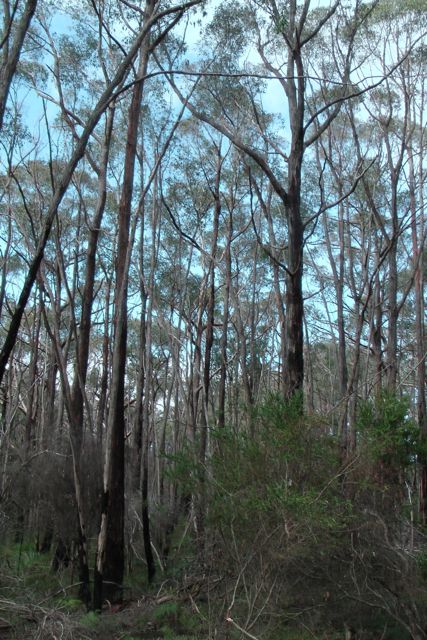
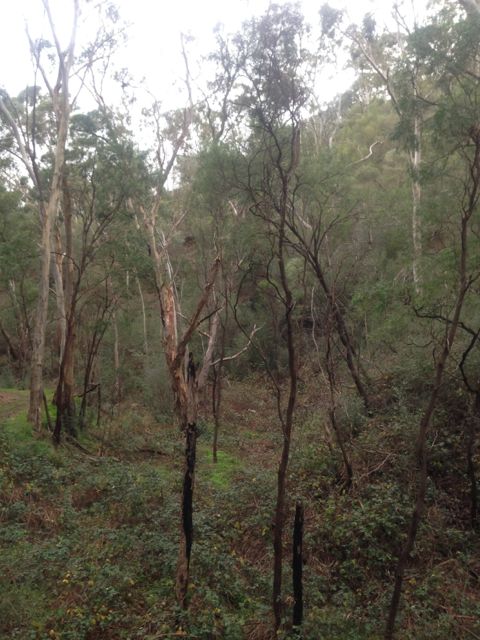
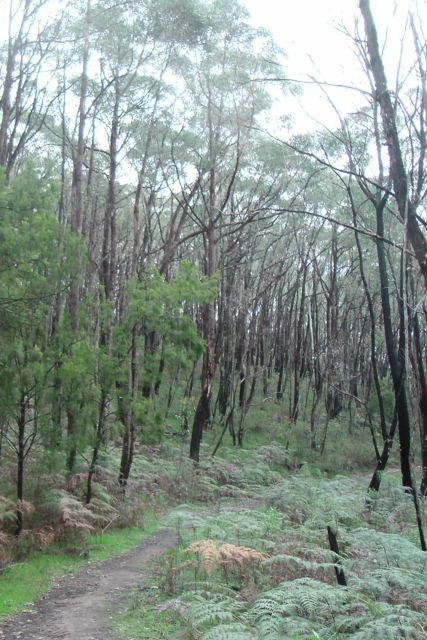
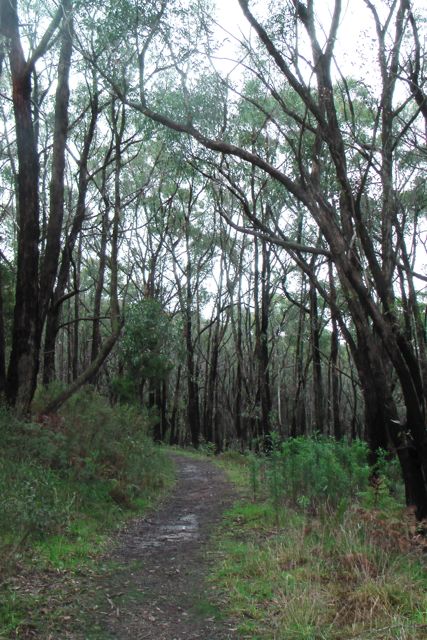
The park consists of heavily wooded eucalyptus forest through steep gullies of the Mount Lofty Ranges ‘Adelaide Hills’.  The Heysen trail passes through the park.  As does the Yurrebilla trail which is an interpretative bushwalking trail through the Adelaide Hills area that is currently being developed by the Department of Environment, Water and Natural Resources.  The trail traverses some of South Australia’s most spectacular and interesting landscapes and provides a link between national and conservation parks in the central Mount Lofty Ranges.  The trail was launched by the Hon. John Hill MP, Minister for Environment and Conservation on 2 September 2003.
IMGA0041     IMGA0037

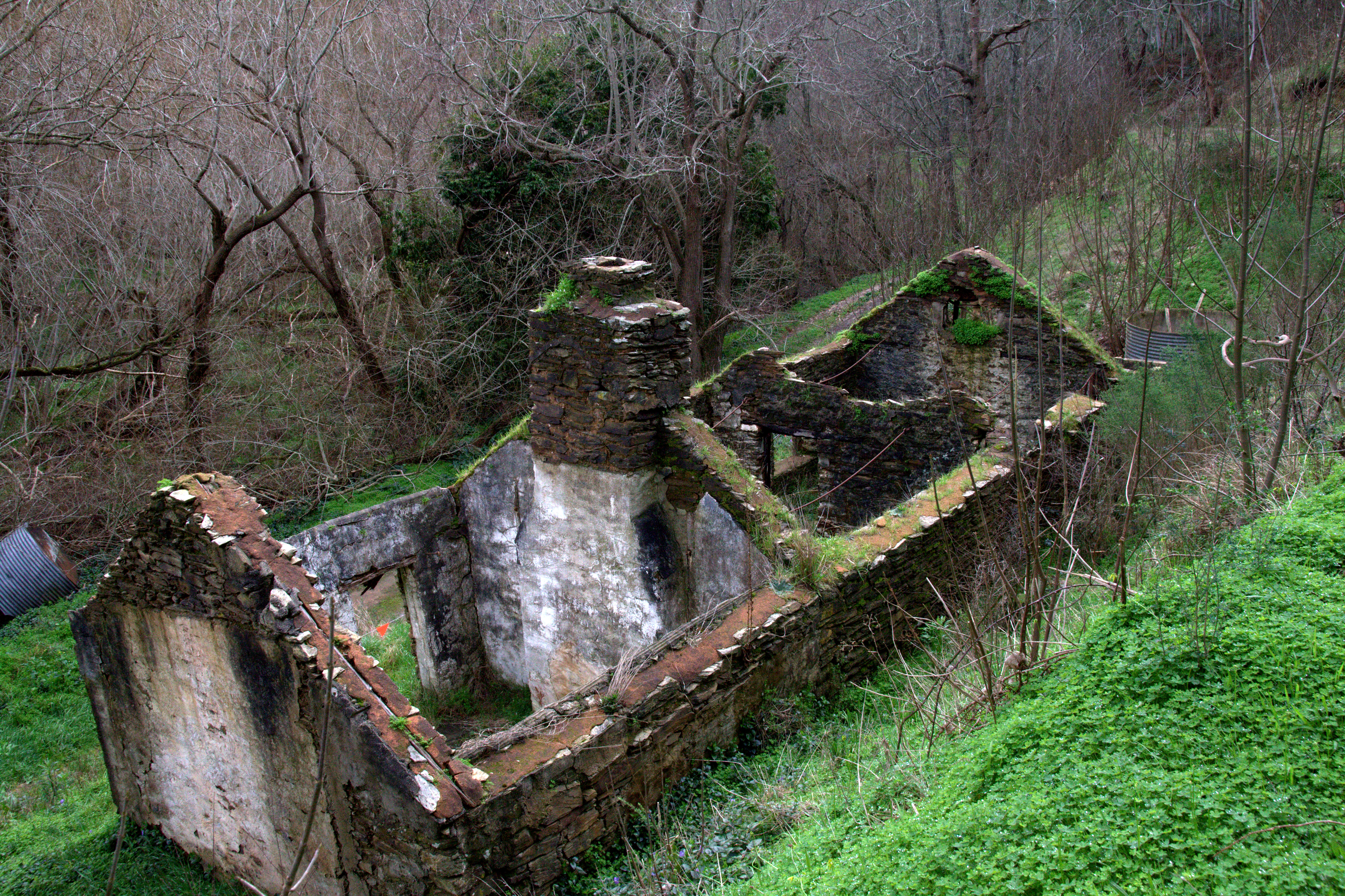
The Giles Conservation Park area was settled by Charles Giles, a pioneer of the horticultural and floricultural industry of South Australia.  He purchased the land while living at another property on South Road and walked to the Summit every Monday morning with his week’s provisions, returning home on Saturdays. There was no road up the valley of Third Creek at that time, and to reach his land the creek had to be crossed 21 times. Ruins of the workers’ accommodation huts, once part of an extensive nursery and orchard, can be seen.
img_8006-cr2

Horsnell Gully, including the Giles section, was set aside as a conservation park in 1964 to conserve vegetation associations of the Hills Face Zone, including a number of rare and endangered plants species.  In 2007, the eastern section of the park was renamed Giles Conservation Park to honor the Giles family’s historical connections to the park.
IMGA0032 IMGA0033

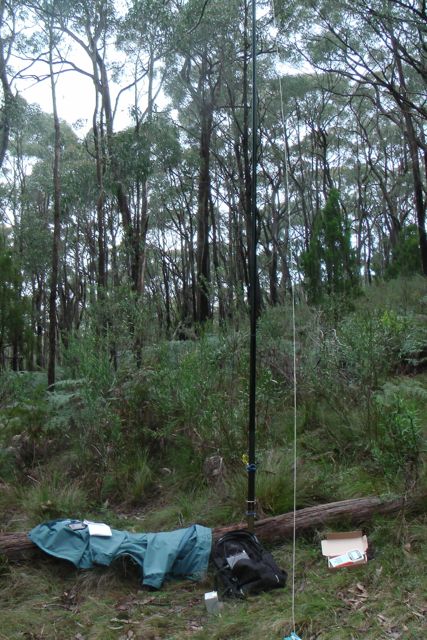
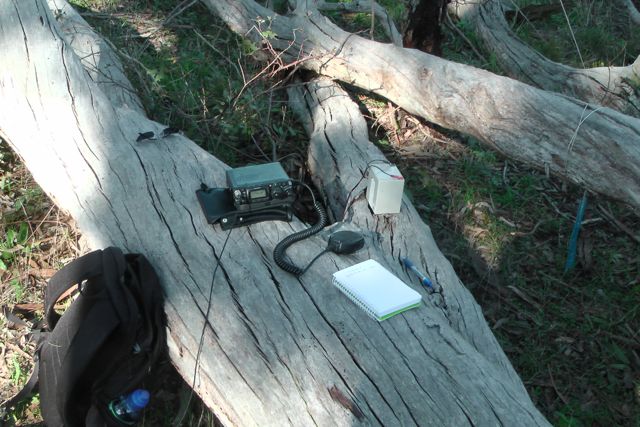
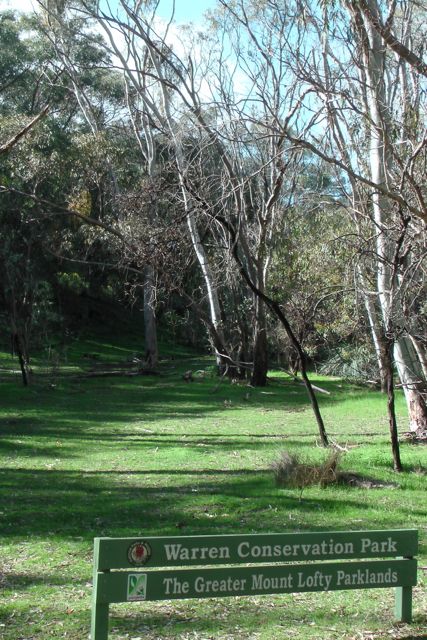
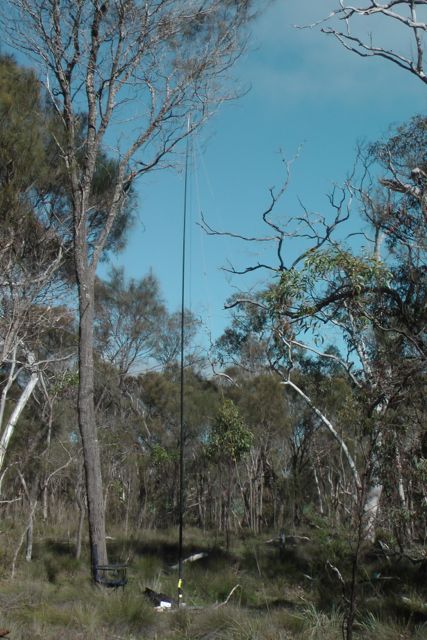
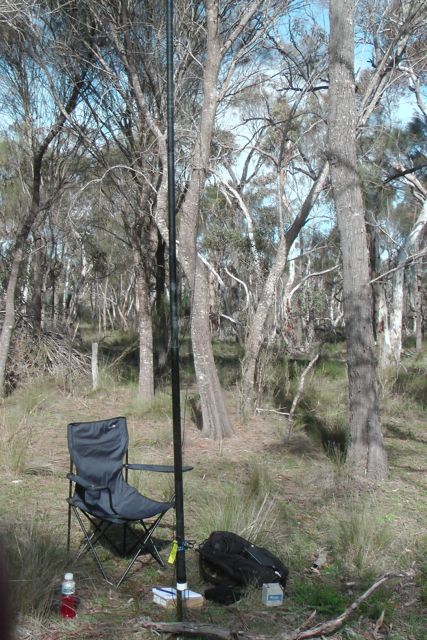
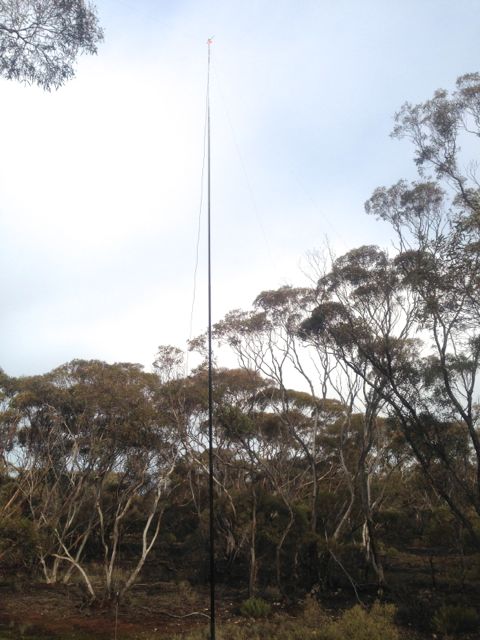
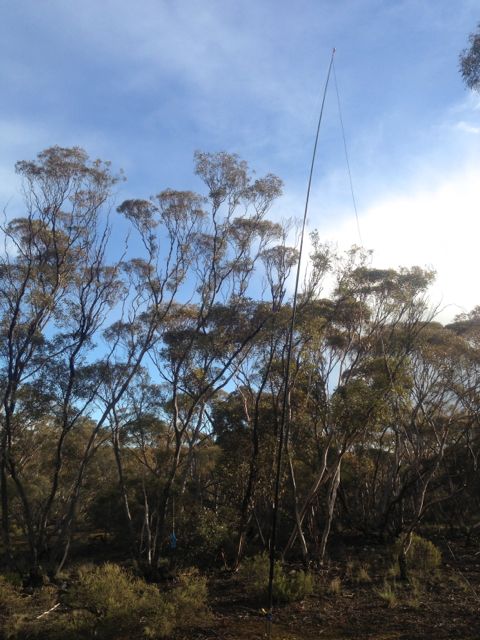
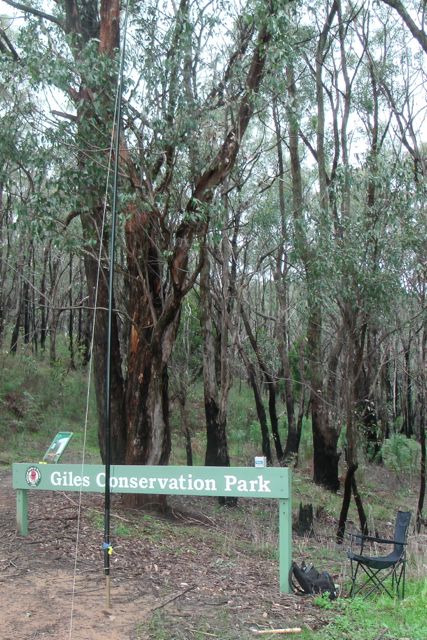
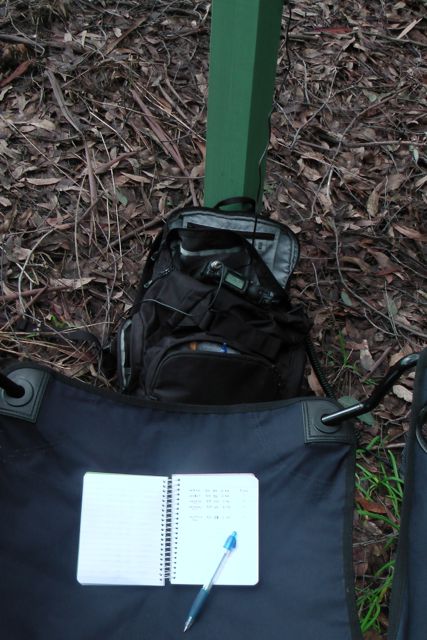
I set up my gear just inside the park boundary and used the Giles Conservation Park sign to rest the Yaesu Ft-817nd on.  After erecting the 40m dipole on the 7m squid pole, I sat back in the deck chair and jumped onto 7.100, asking if the frequency was in use.  Only to be greeted again by Col VK5HCF and Larry VK5LY.  This was followed by a steady call from regular ‘Hunters from VK5 & VK3.

I spoke again with John VK5BJE who was still in the Mount George Conservation Park.  So that was some more Park to Park points.

IMGA0034

I operated for about half an hour again on 40m SSB and ended up with 18 QSO’s.

The weather was starting to get absolutely freezing, even though it was not quite 3.oo o’clock in the afternoon.  I lowered the antenna and adjusted the alligator clips and had a listen on 20m for any possible DX.  But my hands were starting to stiffen up from the cold, and as much as I like working DX, I decided to pack up the gear as it was just too damn cold !

The following stations were worked:- Col VK5HCF/qrp; Larry VK5LY; Brian VK5FMID; Dave VK3VCE; Peter VK3PF; John VK5BJE/p; Nev VK5WG; Colin VK3UBY; Andy VK5LA; Tom VK5EE; Ian VK3FNBL; Brenton VK5BZ; Roy VK5NRG; Robin VK5TN; Graham VK5KGP; Mal VK3AZZ; Nick VK3ANL; and John VK5FTCT.

After activating the park, I went for a walk through the park, to warm up and to explore.  I walked along a track, that was once the principal road into Adelaide from the east during the 1870s and 1880s.  There was a coach gate located on the highest point of ‘Coach Hill’, which is known today as the suburb of Skye.  The driver blew a trumpet to tell the settlers that he had been through the gate and they had to climb up to close it.  Near the spot where the power lines cross Coach Road, there was a hut for a ‘team’s keeper’ who kept fresh horses for the coaches.  Looking around me at the scrub, you can’t help but admire our pioneering history.  It must have been an incredibly interesting, but very difficult life.

Headed home to watch the end of the footy.  I shouldn’t have rushed home….the Adelaide Crows got beaten by our arch rivals, Port power, by just 3 points !

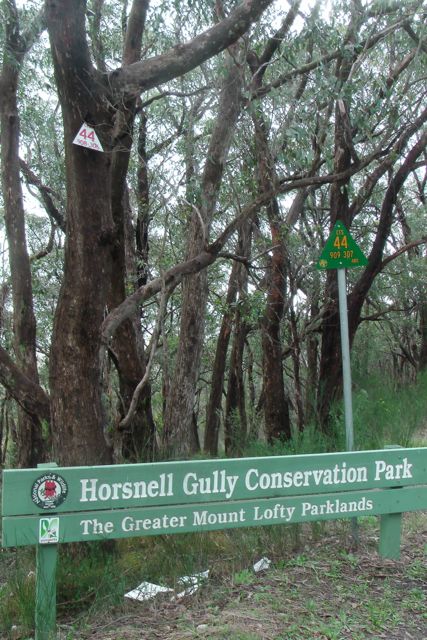
Horsnell Gully Conservation Park

My second park of the day was the Horsnell Gully Conservation Park, which is situated about 8 kms north west of my first activation at the Eurilla Conservation Park

From Eurilla CP, I drove through the Piccadilly Valley, which is a premium market gardening area.  And then into the little town of Summertown and then on towards Ashton.  The Ashton area is renowned for its fruit orchards including cherries, apples, pears, and lemons.  I turned left from Woods Hill Road, into Coach Road.

IMGA0028

The Horsnell Gully Conservation Park is located about 10 kilometres east of Adelaide in the rugged terrain of the Mount Lofty Ranges.  The 245-hectare area was once farmland owned by the Horsnell and Giles families, and ruins can be found throughout the park and the adjacent Giles Conservation Park.

Today, Horsnell Gully and Giles Conservation Parks are important links in the fragmented band of natural woodland along the Mount Lofty Ranges.  There are excellent opportunities for bushwalking, birdwatching, photography, painting, nature study, and mountain biking (as I found out).

Prior to European settlement, the Kaurna (Gar-na) people spent the winter months in locations such as Horsnell Gully and Giles, using the wood and bark from the woodlands for fire, warmth and shelter.  During summer they lived on the coast, taking advantage of cool, ocean breezes.

John Horsnell, once coachman to Governor Gawler, settled the gully in 1842, establishing market gardens and orchards of walnut, Osage orange and olive trees – remnants of which can still be seen today.  He established an English cottage garden that included roses, violets and agapanthus, and the first dairy in South Australia.

 JHorsnell

In 1860-61, a house of local sandstone was built and, at one time, housed 14 children. The house remains and a coach house, stable and milking shed can also be found nearby. These ruins are well-maintained and represent one of the earliest farms in the area.

Horsnell Gully, including the Giles section, was set aside as a conservation park in 1964 to conserve vegetation associations of the Hills Face Zone, including a number of rare and endangered plants species.  In 2007, the eastern section of the park was renamed Giles Conservation Park to honor the Giles family’s historical connections to the park.

IMGA0022     IMGA0021

There are a large array of animals that can be found in the park including common ringtail possums, brushtail possums, the elusive yellow-footed antechinus and bush rat, Western grey kangaroos, koalas, and short-beaked echidnas.  A variety of Bats are also found in the park.

A large variety of birds can also be found in the park including the crescent honeyeater, striated thornbill, brown thornbill, fan-tailed cuckoo, yellow-faced honeyeater, white-throated treecreeper and scarlet robin, brown treecreeper, restless flycatcher, New Holland honeyeater, striated pardalote, purple-crowned lorikeet, red-browed finch, and yellow-tailed black-cockatoos.

I parked the car at Gate 3, and set up the gear on a dirt track near the entrance gate.  Fortunately I didn’t have to walk too far, as the weather was turning ugly.  I could see a lot of black clouds out to the west as I looked down the gully towards Adelaide.

I set up the dipole and the deck chair and I jumped onto 7.100 and asked if the frequency was in use, only to get called straight away by Col VK5HCF, Brian VK5FMID, and Larry VK5LY.  These three fellas are dedicated ‘Hunters’ and always seem to feature in my log.

IMGA0019     IMGA0023

I had a good QSO with Greg VK2FGJW who was portable up in the Blue Mountains.  I also spoke with Ian VK3FNBL who was operating QRP with just 5 watts (5/6 sent and 5/8 received).  And Matt called in again, VK5MLB.  This time he was mobile west of Parndarna on Kangaroo Island.

I also managed a Park to Park contact with John, VK5BJE, who had indeed braved the elements, and was operating portable in the Mount George Conservation Park.  John was a good strong 5/8 signal and I received a 5/8 back from John.

Whilst in the park I had a chat with a few lads who were mountain biking.  They were making the journey up from Skye.  There was also a group of about 8 people who I think were ‘Friends of the Park’ or something similar.  One of them saw my squid pole and believe it or not asked me if I was catching birds.  I explained to him all about the hobby of amateur radio and he seemed ok then.

Again I operated in the park for about 40 minutes and managed 17 QSO’s into VK2, VK3, & VK5 on 40m SSB.

The following stations were worked:- Col VK5HCF; Brian VK5FMID; Larry VK5LY; Nev VK5WG; Tom VK5EE; Greg VK2FGJW/p; Colin VK3UBY; Rod VK5FTTC; Andy VK5LA; Peter VK3PF; Dave VK3VCE; Ian VK3FNBL/qrp; Nick VK3ANL; John VK5BJE/p; Robin VK5TN; Matt VK5MLB/m; and Graham VK5KGP.

Off to the next park, the Giles Conservation Park.

Eurilla Conservation Park

This morning at late notice I decided to head out and activate 3 Conservation Parks.  The weather was beautiful at Mount Barker….nice and sunny, and that was the forecast for the day.  But unfortunately that did not last long, and by the end of the day it was absolutely freezing.  But luckily no rain.

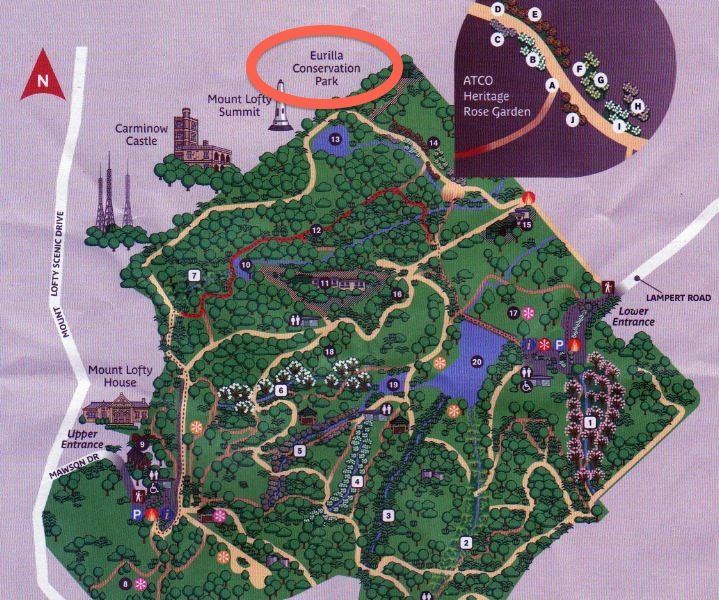
My first park of the day was the Eurilla Conservation Park.  I never knew until this morning when checking the internet, that this park even existed.  Eurilla CP is located about 16 kms south east of Adelaide.  It is located just off the eastern side of Summit Road, which leads to the Mount Lofty summit.  The park is situated on the northern border of the Mount Lofty Botanic Garden, and opposite the Cleland Conservation Park.

Eurelia

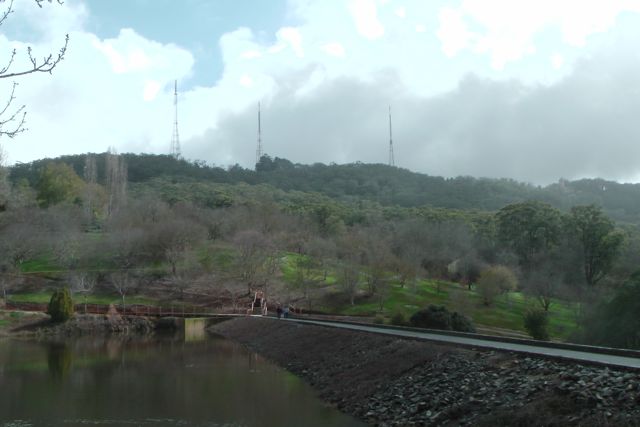
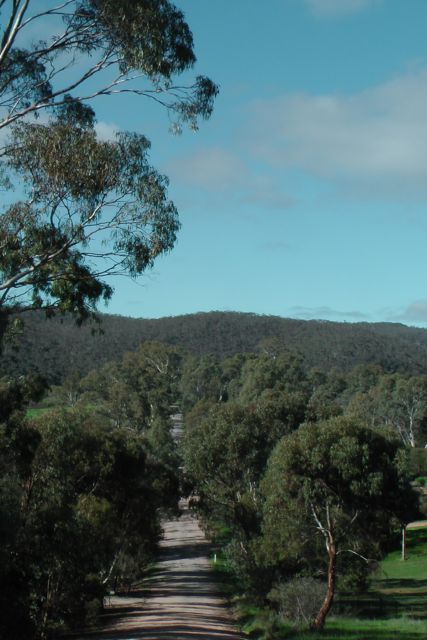
You cannot access the park via Summit Road, and there are no roads leading into the park.  I accessed the park via the Mount Lofty Botanic Garden.  I entered the Garden via the lower carpark off Lampert Road, and then walked about 4 kms through the garden, and into the park.  It took a bit of climbing and fence jumping, but I eventually got there.  Below is a photo looking through the Garden up towards the CP.  The three TV transmitter towers are in the background.

IMGA0017

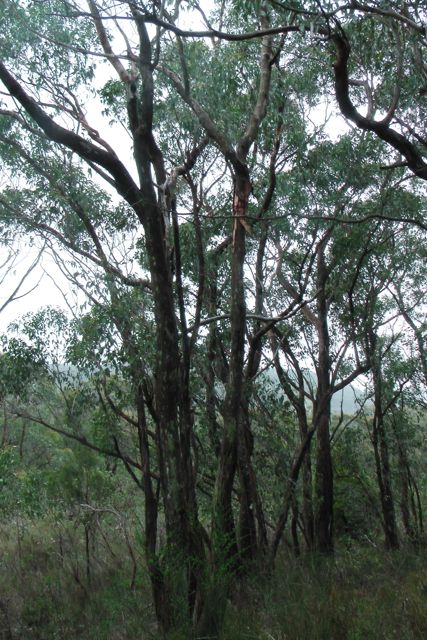
The Eurilla Conservation Park consists of thick eucalyptus forest.  However the main feature and the reason for the park being dedicated is an undisturbed bog consiting of a dense mat of the rare coral fern and a large colony of mature king fern, an endangered species in South Australia.  These specimens are amongst the finest in the State.

IMGA0005     IMGA0001

The park was named in honour of Warren Bonython, one of the members of the famous South Australian Bonython family.  They lived nearby in ‘Eurilla’ mansion, which was built in1884, but was burnt to the ground during the 1983 Ash Wednesday bushfires.

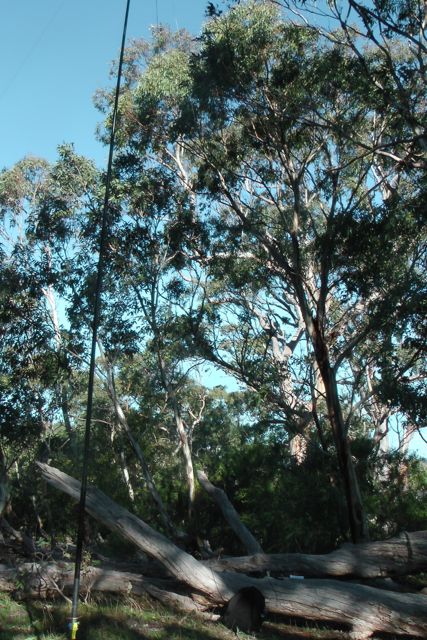
I found a fallen log and used this as a seat, and also to prop the 7 m squid pole against, and secured it with some octopus straps.  My i-phone was bleating at me from the SOTA Goat application, so I was keen to get the antenna up and get on air.  There were plenty of options in the park re stringing up the ends of the dipole.  Lots of tall gum trees.

IMGA0004

My first contact of the day was with Tony, VK3CAT who was portable on Mount Dandenong summit VK3/ VC-025.  This was Tony’s first SOTA activation, and he had a nice 5/7 signal and I received 5/8 back.  So that was a good start.  I then QSY’d up to 7.100 and put a call out and worked Larry VK5LY, Brian VK5FMID, and then John VK5BJE.  John advised that he was considering going out in the afternoon to activate the Mount George Conservation Park and possibly the Belair National Park.  So there were a few more Park to Park opportunities for me.

This was followed by a number of the regular ‘hunters’, all of whom had very good signals.

Matt, VK5MLB gave me a call from the Seddon Conservation Park on Kangaroo Island, and I got excited believing I had another Park to Park for my log.  But alas, Matt was working from his car, whilst in the Seddon CP, so it didn’t qualify.

But I did work John VK5FMJC who was portable in the Clements Gap Conservation Park, on his very first VK5 Parks activation.  John was using his little FT-817 and just 5 watts and was an excellent 5/9 signal into the Mt Lofty Ranges.  Congratulations John.

I also had 2 good QRP contacts.  The first being with Col VK5HCF who was using just 5 watts (5/8 signal), and Ian VK5IS who was using just 2 watts (5/8 signal).

After half an hour of sitting on a wet log, I had 18 QSO’s in the log on 40m SSB, into VK3 & VK5.

The following stations were worked:- Tony VK3CAT/p (SOTA); Larry VK5LY; Brian VK5FMID; John VK5BJE; Graham VK5KGP; Dave VK3VCE; Col Vk5HCF/qrp; Roy VK5NRG; Matt VK5MLB/m; Colin VK3UBY; Andy VK5LA; Nev VK5WG; Tom VK5EE; John VK5FMJC/p; Rod VK5FTTC; Peter VK3PF; Ian VK3FNBL; & Ian VK5IS/qrp.

Finniss Conservation Park

My second park of the day was the Finniss Conservation Park which is just a hop, skip and a jump from the Mt Magnificent Conservation Park.  It is only about 3 kms away, on the southern side of the Mt Magnificent Road.

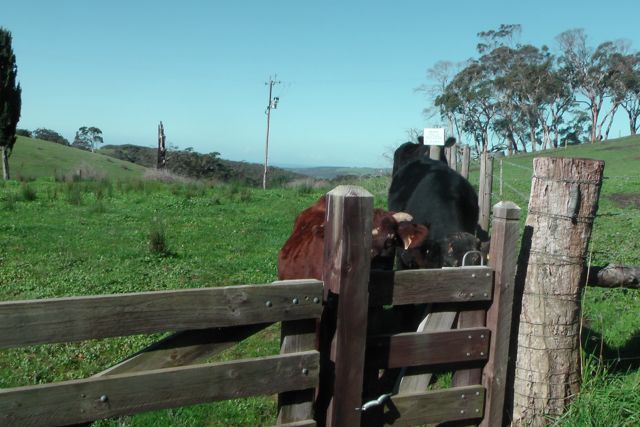
Access to the park is via a wooden gate on the southern side of the Mt Magnificent Road.  There is a Heysen trail sign on the fence, which is alongside an old stone homestead.  I parked the car at the gate, and walked through the paddocks, where there were cattle grazing.  It was about a 3 km walk from there to get to the park.  Under foot it was very wet, particularly in the paddocks, but a trail starts at the 2nd gate, which is a bit more pleasing to walk on.

IMGA0102     IMGA0084

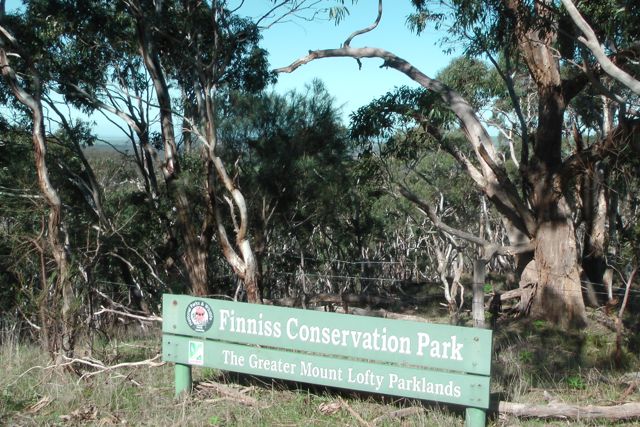
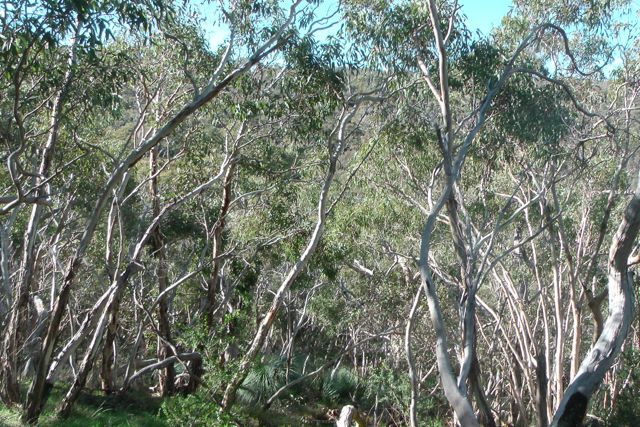
The Finniss Conservation Park is a small park of 108 hectares situated on the Fleurieu Peninsula, about 64 kms south of Adelaide.  The park was established in 1976 and offers views over the Finniss River and the surrounding landscape.  There is a high rocky plateau on the western side of the park which offers views over the Finniss Valley.  The scrub within the park is extremely thick.

 IMGA0093     IMGA0091

The Finniss River, which is about 50 kms in length, flows through the park.  The Finniss commences nearby at Yundi and flows into the Lower Lakes at Goolwa.

There are very panoramic views of the Fleurieu Peninsula, down to Victor Harbor, Goolwa, and Hindmarsh Island.

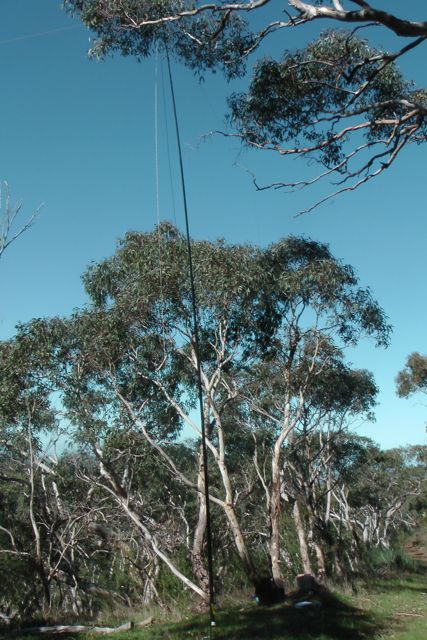
I set up my 7 m squid pole and the 40m dipole.  I used some large moss rocks to hold the squid pole up, and there was no shortage of options of trees to secure the ends of the dipole.

IMGA0089     IMGA0095

I used a tree stump as a back rest and tuned the radio to 40m.  My first contact was with John VK5BJE who was portable in the Pikes River CP.  I was also lucky enough to speak with Hans VK5YX who was portable in Queensland with his wife Lesley VK5LOL, at Coopers Creek Crossing.  Hans was using the mobile whip on his car and had a great 5/5 signal.  And to my surprise with my 5 watts and little dipole I received 5/5 back from Hans.

I also spoke with Larry VK5LY who was operating portable in the Morgan Conservation Park (5/9 both ways).

IMGA0088

Within 45 minutes I had accrued 14 QSO’s and I was ready to pack up and head home.  I needed to go and have some lunch and then head up to Clare to stay with Ian VK5CZ, and activate 4 SOTA peaks over the weekend.

The following stations were worked:- John VK5BJE/p; Andy VK5LA; Ian VK5HS/m; Hans VK5YX/4; Brian VK5FMID; Larry VK5LY/p; Trevor Vk5ATW; Nev VK5WG; Nick VK3ANL; Tom VK5EE; Bernard VK3AMB; Mal VK3AZZ; Peter VK5NAQ; and Charles VK5FBAC.

Finniss Conservation Park is a beautiful park and is well worth a visit.  Unless you did some homework on the internet, most people wouldn’t even know the park was there.

Mount Magnificent Conservation Park

On Friday morning, 26th July 2013, I headed south from home with the intention to activate another 2 parks as part of the VK5 National & Conservation Parks Award.

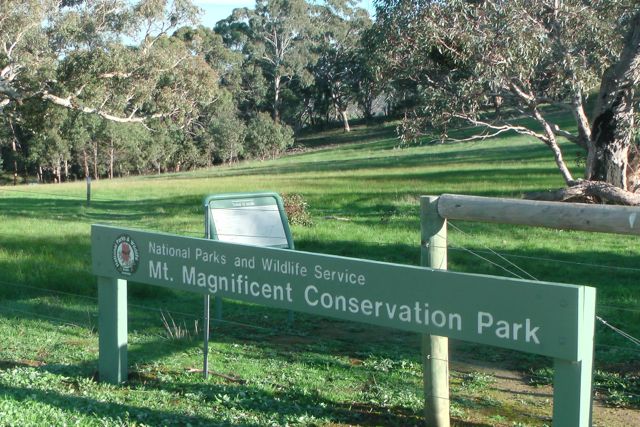
My first park was the Mount Magnificent Conservation Park, which is located on the Fleurieu Peninsula, about 60 kms south of Adelaide.  The park is about 90 hectares in size and was established 1972.  It preserves an area of remnant bushland.  The major feature of the park is the 380 metre high Mount Magnificent summit.

IMGA0076

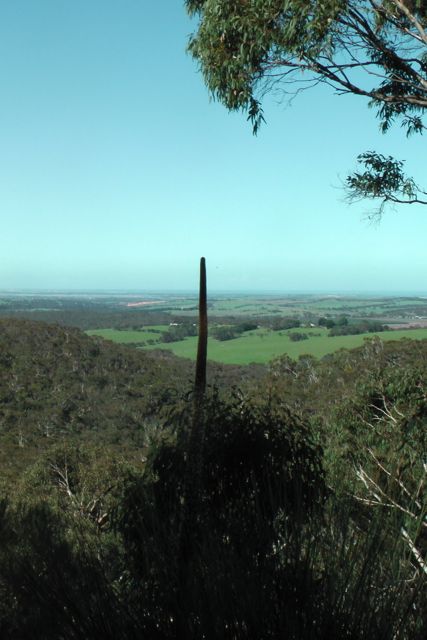
The Heysen Trail passes through this park which is situated on the eastern slopes of the Mount Lofty Ranges.  A spur trail through forest takes you to the Mount Magnificent trig point, where you will be graced with spectacular views of the surrounding countryside.  The Heysen trail links this park with the Finniss Conservation Park to the east 9my next activation), and the Kyeema Conservation Park to the northwest (which I have previously activated).

IMGA0081

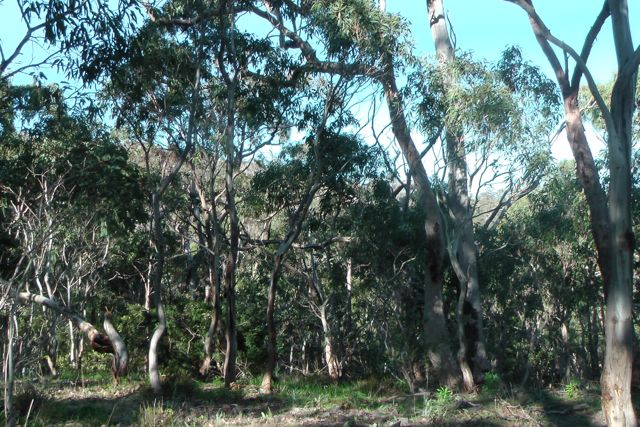
There is plenty of wildlife to be found in the park including a large number of Western Grey kangaroos, and echidnas.  There is also a large number of bird varieties.

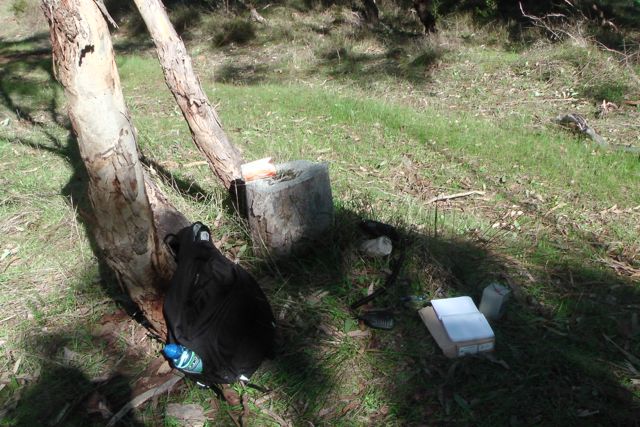
I parked my car on Mt Magnificent Road, and then walked about 2 kms down the Heysen trail, where I found a large fallen tree, which looked just perfect to use as a chair & desk.

So I set up the 40m dipole on the 7m squid pole, using some gum trees to tie off the ends, and tuned the radio to 7.100 and heard Larry VK5LY who was portable in the Pooginook Conservation Park up in the Riverland.  I called Larry who had a great 5/8 signal and I received 5/9 back from him.  This was a good start to get a Park to Park contact.

IMGA0080

I then moved down the band a bit and heard John VK5BJE on 7.095, who was also operating portable from a park.  John was also an excellent 5/8 signal from the Pikes River Conservation Park.  My second Park to Park contact for the day, which I was really happy with.

IMGA0079

I enjoy working QRP to QRP, and again I ahd a few good low power contacts. Bernard VK3AMB who was using just 4 watts was a terrific 5/8 signal.  As was Nev VK5WG from Crystal Brook who was 5/9.  Rik VK3KAN who was mobile was also QRP 5 watts and was 5/7.

I ended up with a total of 17 QSO’s on 40m SSB, which I was really pleased with, considering it was a week day.

The following stations were worked:- Larry VK5LY/p; John VK5BJE/p; Tom VK5EE; Ivan VK5HS; Nick VK3ANL; Mal VK3AZZ; Bernard VK3AMB; Brian VK5FMID; Peter VK3PF; Gary VK2DAK; Brian VK3MCD/m; Nev VK5WG; Angus VK2IET; Tony VK3CAT/m; Rik VK3KAN/pedestrian mobile; Tony VK3CTM; and Trevor VK5ATW.

Warren Conservation Park

My fourth and final park of the day was the Warren Conservation Park, located about 60 kms north of Adelaide, and about 5 kms south of Williamstown in the Mount Lofty Ranges.  I accessed the park via Watts Gully Road.

Warren Conservation Park is 353 hectares in size, and is characterised by steep country with views over forests, reservoirs, pastures and bushland above the spectacular Warren Gorge.  The park which was dedicated in 1966, is most colourful in spring when wattles, banksias, hakeas, heaths and eucalypts are in flower, but its native fauna and wild forests of stringybarks and long-leafed box are always worth a visit.  And today was no exception.  The sun was shining and it was a beautiful afternoon.

IMGA0063     IMGA0060

The park has four challenging walking trails, including a section of the long distance Heysen Trail.  The tracks are steep and difficult and should be used by experienced bushwalkers only.  An excellent walk starts at Watts Gully Road.  There is a boardwalk here at the commencement of the walk which bridges a wet area.

IMGA0066

The relatively untouched nature is a haven for some of Australia’s rarest animals and provides ideal opportunities for naturalists, birdwatchers and photographers.  Over 50 species of birs can be found in the park.  There is a wide variety of native animals including Western Grey kangaroos, koalas, Southern Brown bandicoots, and echidnas.  There were certainly plenty of kangaroos who were either sunning themselves or feeding out in some of the open areas on nearby hills.

IMGA0070

After 40m had slowed down I QSY’d over to 20m.  And although it was overly busy, there was still some good signals coming in from Europe.  I called quite a few stations but on the majority of occasions I got drowned out by other VK’s & USA stations using a lot more than my measly 5 watts.

But I did manage to get through to Slavko S573DX in Slovenia.  He was 5/9 and I got a respectable 5/7 back from him.  I then spoke with Jason ZL3JAS in Christchurch.  I also received a 5/7 signal report from Jason.  Next I spoke with Marcos CT1EHO who was booming in.  I received a 5/4 signal report from Marcos.  My last DX contact of the day was with Theo OT4A.  Theo was a strong 5/9 and I received a 5/7 from Teho.  Really quite amazing what you can do with just 5 watts and a simple dipole.

I ended up with a total of 19 QSO’s on 40m SSB & 20m SSB.

The following stations were worked:- Larry VK5LY; Nev VK5WG; Tom VK5EE; Col VK5HCF; Brian VK5FMID; Bernard VK3AMB; Errol VK5FEKH/p; Terry VK3UP;  Kevin VK2VKB; Ian VK3FD; Peter VK5ZPG; Doug VK3FJAE; Jim VK2FADV; Paul VK7CC; Don VK5NFB; Slavko S573DX; Jason ZL3JAS; Marcos CT1EHI; and Theo OT4A.

This was the end of a very enjoyable day.

Cromer Conservation Park

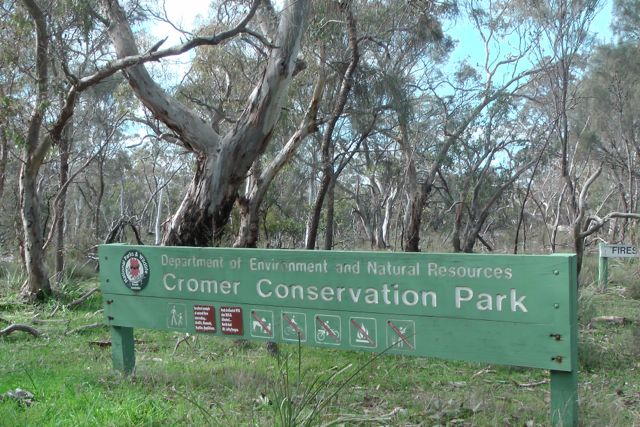
The third park of the day was the Cromer Conservation Park, which is situated on Cromer Road, north of Birdwood, which is the home of the National Motor Museum.

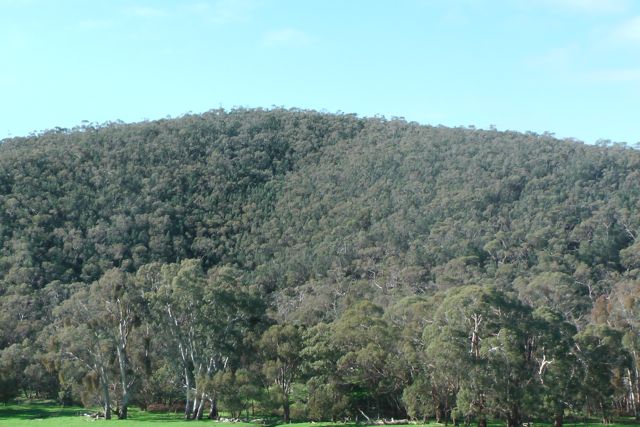
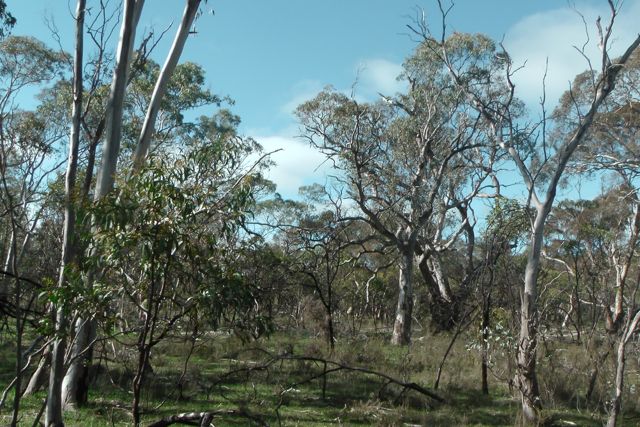
Cromer Conservation Park, which was proclaimed in 1976, is about 50 hectares in size.  Access to the park is via Cromer Road.  The park is surrounded on two sides by farming land, while Mt Crawford Forest (Radiata pine) is situated on the the other two sides.  The park consists of an open-forest formation of long-leafed box with Pink Gum and an open woodland formation of Red Gum.

IMGA0041      IMGA0046

Mining for yellow ochre occurred in the park during the 1800s. There are no formal walking trails or visitor facilities.

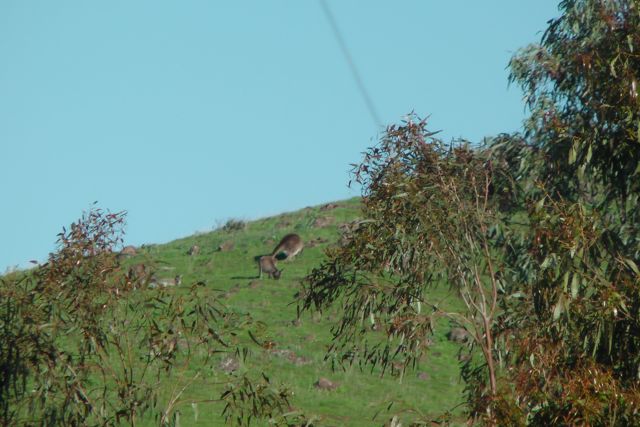
Kangaroos abound in the park.  Over 47 species of birds have been observed in the park including the endangered Yellow Tailed Black cockatoo.

I arrived at the park a little earlier than my scheduled activation time, so I set up the antenna and sat back on my deck chair and enjoyed my lunch.  The sun had come out by this stage and it was a really beautiful afternoon, despite it still being a little chilly.

IMGA0047     IMGA0050

After lunch and a quick walk through the park I turned the radio on to 7.100 and found Larry VK5LY waited there for me.  This was followed by a few of the regular ‘Hunters’ including Brian VK5FMID, Andy VK5LA, Nev VK5WG, Tom VK5EE, and Col VK5HCF.  Terry VK3UP and Bernard VK3AMB called in again, and they appear to becoming regular ‘Hunters’ now, which is great.

I had 2 other enjoyable QSO’s with Ian VK3FD who was QRP, using just 2.5 watts from Melbourne, and Ken VK3HKV who was mobile on the Mornington Peninsula.

The following stations were worked:- Larry VK5LY; Brian VK5FMID; Andy VK5LA; Bernard VK3AMB; Nev VK5WG; Brian VK3BD; Tom VK5EE; Col VK5HCF; Terry VK3UP; Ian VK3FD; and Ken VK3HKV/m.

Porter Scrub Conservation Park

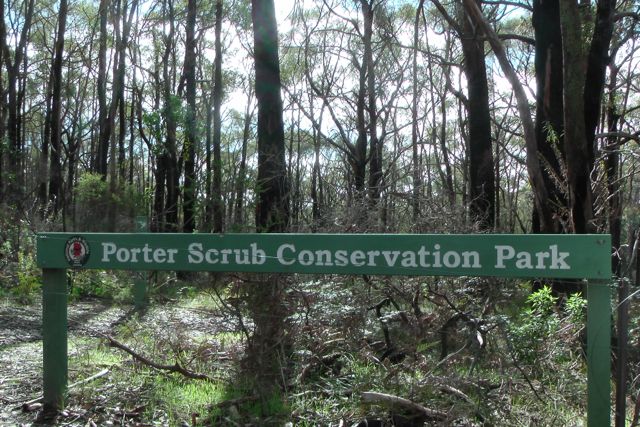
The second park of the day was Porter Scrub Conservation Park, which is located at Kenton Valley in the Central Mount Lofty Ranges ‘Adelaide Hills’, about 30 kms north-east of Adelaide.  It was just a short 10 minute drive from the Charleston Conservation Park.  Access to the park is via Maidment Road, west of the town of Mount Torrens.

After purchase from the estate of the late J. J. Porter, the park was proclaimed on 20 October 2005 under the National Parks and Wildlife Act 1972 to protect a significant area of remnant forest and woodland habitat.

IMGA0030

Conserved within the 104 hectare park are areas of Candlebark Gum open forest, which is considered endangered in South Australia, and Pink Gum low woodland and River Red Gum woodland, both of which are considered vulnerable at a state level.

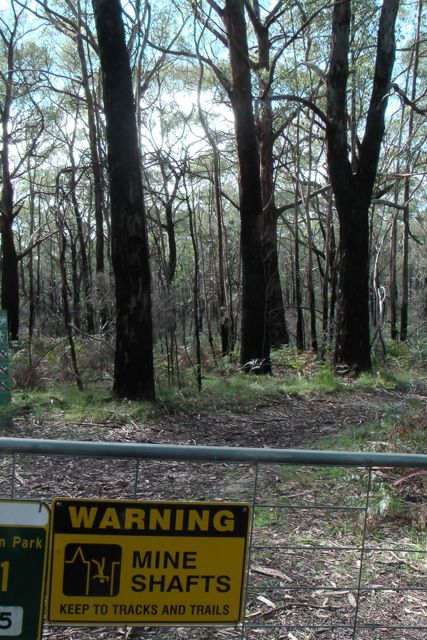
The land comprising Porter Scrub Conservation Park is traditionally associated with the Peramangk people of the Mount Barker Area.  Following colonial settlement, the park was used for grazing and timber extraction, while talc mining was a large operation until around 1970.  The presence of old mine shafts and large tree stumps in the park today are testament to this era.

IMGA0040  IMGA0032

The park terrain is undulating to hilly, flanking a central valley along Howard Creek. It includes areas of Messmate Stringybark woodland and state endangered Candlebark Gum open forest, which is also sometimes referred to as Mountain Gum.  Pink Gum low woodland and River Red Gum woodland are found in the park and are also of conservation significance, with both rated as vulnerable at a state level. The park also supports grassy woodlands of Messmate Stringybark and Manna Gum & South Australian Blue Gum.

IMGA0037     IMGA0035

At least 46 bird species occur in Porter Scrub Conservation Park, 14 of which are considered to be of conservation significance.  There have been 11 bird species of conservation significance observed at Porter Scrub Conservation Park, including the Yellow-tailed Black-cockatoo, which is rated as vulnerable in South Australia.  When these birds are around there is no mistaking them, as they have a high pitched schreek.

Western Grey Kangaroos are regularly seen in Porter Scrub Conservation Park, as are Echidnas and a few species of insectivorous bats.  Koalas can also be found in the park.  While they are a native species, they were originally restricted to the Lower South East of South Australia and have been introduced to the Mount Lofty Ranges. The habitat conserved by the park is also suitable for a number of other threatened fauna species.  These include the nationally endangered Southern Brown Bandicoot and the Spotted Quail-thrush, which is endangered in South Australia and the Mount Lofty Ranges region.

Land uses in the surrounding region include grazing, cropping, horticulture and rural living. Rural grazing properties and vineyards bound the park, while land occupied by the Kenton Valley Pistol and Shooting Club adjoins the park on the south-west.

It was quiet mid morning in this park, with just 7 QSO’s on 40m SSB.  Many of the regular ‘Hunters’ kept me in business.

The following stations were worked:- Andy VK5LA; Larry VK5LY; Nev VK5WG; Terry VK3UP; Brian VK5FMID; Tom VK5EE; and Bernard VK3AMB.

Lowan Conservation Park

I arrived home just after lunch time today from my daughter’s netball match, only to find the power off.  And when I rang the electricity fault line there was a recorded message to say that the power was going to be out until 8.00 p.m.  So even though it was freezing cold outside (7 degrees C), I decided to head out and activate a park, and listen to the footy on the radio on the way. I chose to go to the north east as the weather looked a little kinder in that direction.  There were predictions today for hail and possible snow in the Adelaide Hills where I live.  I chose the Lowan Conservation Park, which is about 130 kms north east of Adelaide, near the town of Bow Hill.  This is about an hours drive from my home. I entered the park via Gribble Bore Road, which runs off the Bow Hill Road.  I found a gate and a track on the southern side of Gribble Bore Road, and drove about 200 metres into the park, and parked the car amongst the mallee.

IMG_3278      IMG_3287

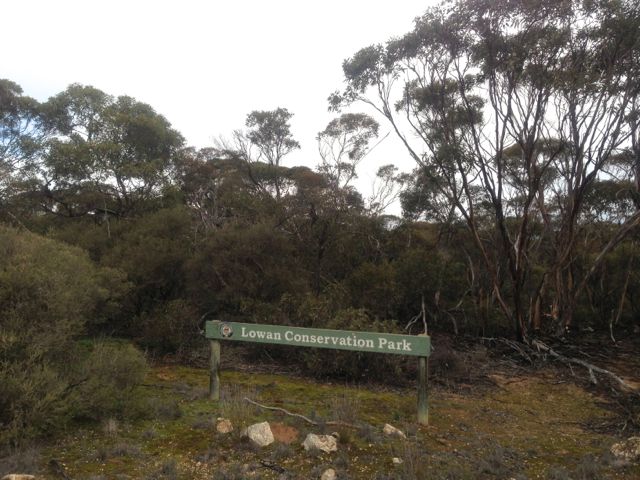
The Lowan Conservation Park is about 660 hectares in size and is located about 15 kms south of Bow Hill, a little town situated on the Murray River.  Lowan Conservation Park is a reserve of remnant mallee scrub in the midst of wheat and sheep farms. The park consists of thick mallee scrub and areas of native pine and open grassland.  Numerous bird species can be found in the park, including the Malleefowl, which is an endangered species.  Malleefowl are also known as Lowan, and the park derives its name from the bird.  Western grey kangaroos are also common and it is a good place to see short-beaked Echidnas, and fat tailed dunnarts if you are lucky.  There are no marked tracks in the park and the mallee is very thick in parts, so a compass or GPS device is definitely needed.  There are no facilities and no marked campground. I set up the dipole supported by the squid pole in a clearing amongst the mallee.  The soil was very sandy so I was able to hammer in the squid pole holder and secure the squid pole to it with an octopus strap.  There was no shortage of trees here to tie off the legs of the dipole.

IMG_3279     IMG_3281

I turned the radio on to 7.100 and asked if the frequency was in use, only to be answered by Brian VK5FMID who was my first contact of the day down in Mount Gambier. I also spoke with Phil VK3BHR who was activating his first SOTA peak, on Mount Tarrengower, VK3/ VN-023.  Phil had a good strong signal of 5/8. I managed one DX contact into New Zealand on 40m with Lamont ZL2ALK.  Lamont was an excellent 5/9 + and I received a 5/4 back and was very happy with that. I stayed until the sun started to go down.  ,The minute the sun started to set behind the gum trees, it was getting absoultely freezing.  My thermometer was showing 4 degrees C.

IMG_3285

I ended the day with 29 QSO’s into VK1, VK2, VK3, VK5, & ZL, all on 40m SSB The following stations were worked:- Brian VK5FMID; Ian VK5CZ; Col VK5HCF; Ron VK3AFW/m; Paul VK5PH; Nev VK5WG; John VK5FMJC; Robin VK5TN; Graham VK5GH; Brenton VK5FBJD; Tom VK5EE; Dale VK5DC; Greg VK3GRW; Allen VK3HRA; John VK5FTCT; Bill VK5MBD; Frank VK3GFS; Phil VK3BHR/p (SOTA); Matt VK1MA; Ron VK3AFW; Mal VK3AZZ; Roy VK5NRG; Colin VK3UBY; Brian VK3MCD/m; Bill VK3LY; Gerald VK2HBG; Urey VK3ATA; Lamont ZL2ALK; & Pete VK2QG. Luckily the power had come back on by the time I got home and I enjoyed a nice hot bath and a few glasses of red.

Montacute Conservation Park

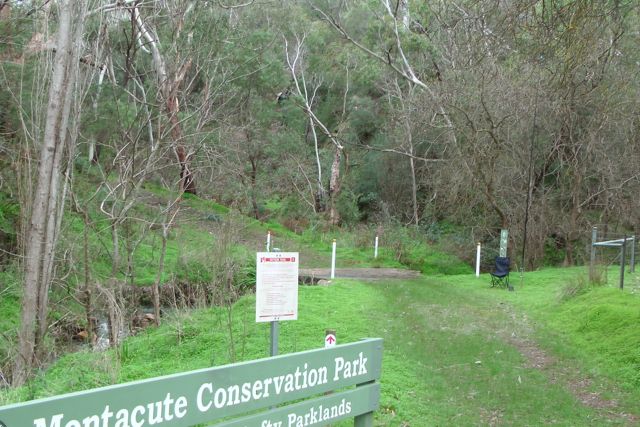
Following my activation of Cudlee Creek Conservation Park, I drove to the Montacute Conservation Park, which is situated about 12 kms south west of Cudlee Creek.

The park, which was established in 1971, is situated about 17 kms north east of Adelaide, in the Mount Lofty Ranges ‘Adelaide Hills’.

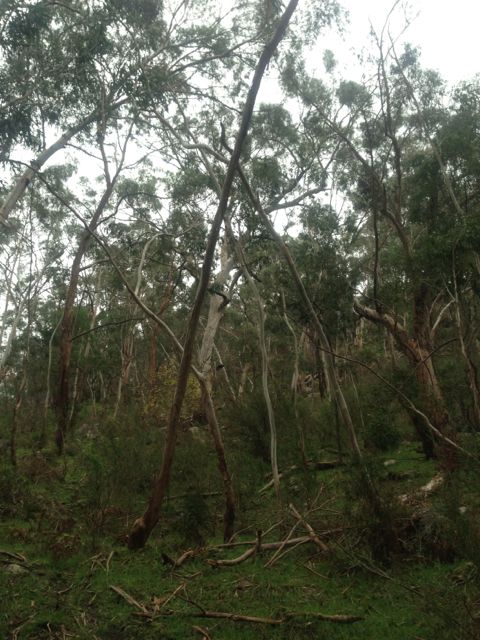
Set in very rugged hill country, Montacute Conservation Park’s 200 hectares of remnant bushland is separated by several small creeks, and is home to an abundant array of birdlife.  Vegetation in the park varies greatly from the lower to higher slopes. The creek line is dominated by river red gums with a low understorey of grasses and exotic plants. The higher slopes support stringybarks and blue gums.

Two challenging walking trails wind their way through the park’s native vegetation to the higher slopes and offer excellent views of the surrounding area.  Along the walking trails you may discover outcrops of Precambrian dolomite rocks more than 570 million years old, or on the eastern side of the park, an outcrop of Stonyfell quartzite.

IMGA0011

I accessed the park via Corkscrew Road and then Valley Road.  Valley Road is a very narrow dirt road with lots of properties running off it, so be a bit careful as you travel to the park.  It can be tricky in spots if there is a car coming in the opposite direction.

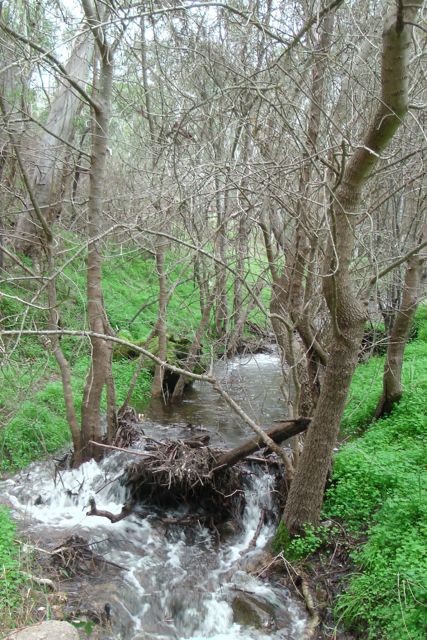
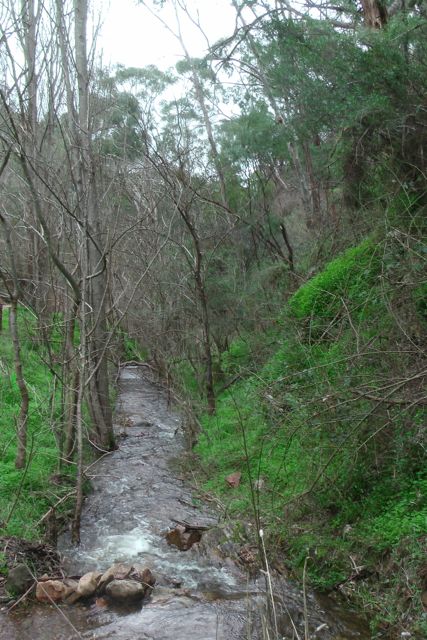
I set up my gear alongside the small creek at the end of Valley Road.  Valley Road is a no through road, and there is a small parking area at the entrance to the park.  The creek was flowing really well after very heavy rain up here in the hills last night.  But fortunately the weather was holding off and there was no rain.

IMGA0014      IMGA0015

After turning the radio on I had to double check the antenna, as the noise floor was non existent, and I couldn’t hear any activity at all across the 40m band.  So I tuned to 7.100 and put out a call, only to get a call back from Larry VK5LY who just about knocked me off my deck chair.

This was followed by 11 QSO’s into VK2, VK3, & VK5.

I had a few good QRP contacts whilst in the park.  This included a QSO with Owen VK5HOS from Mount Gambier, who initially called me using his 100 watts and he was a solid 5/9 signal.  Owen lowered his power to 5 watts and he was still an excellent 5/8.  So I decided to drop my power down to half a watt.  Owen could hear me but his noise floor in Mount Gambier was a bit high.  Whilst speak with Owen, Colin VK3UBY called in and gave me a 5/9 on my .5 watt from Mildura.  When I turned the wick up to 2.5 watts I was 5/4 with Owen VK5HOS and 5/9 with Owen.

IMG_3266      IMG_3267

My last QSO of the day was with Tom VK2KF who initially called me on high power and was 5/9.  When he dropped his power down to just 5 watts Tom was still a good 5/7 signal.

The following stations were worked:- Larry VK5LY; John VK5BJE; John VK5DJ; Robin VK5TN; Rod VK2NWM/m; John VK5FTCT; Ron VK3AFW; Tom VK5EE; Maitland VK5AO; Colin VK3UBY; Owen VK5HOS; and Tom VK2KF.

An enjoyable activation and a beautiful spot.  And I had a laugh as well.  I had 3 young lads walk passed me who were out bushwalking.  They saw my squid pole set up alongside my deck chair alongside the fast flowing creek, and they asked ‘catching anything?’  I replied ‘I’m actually not fishing’.  The 3 of them must have though ‘okay, what is this oddball doing then ?’.  I then explained to them that I was activating the park as part of the amateur radio hobby, and they seemed very interested.