Yesterday (28/3/2022) Marija VK5MAZ and I had the use of the VK80LAN callsign again for the afternoon and the evening.
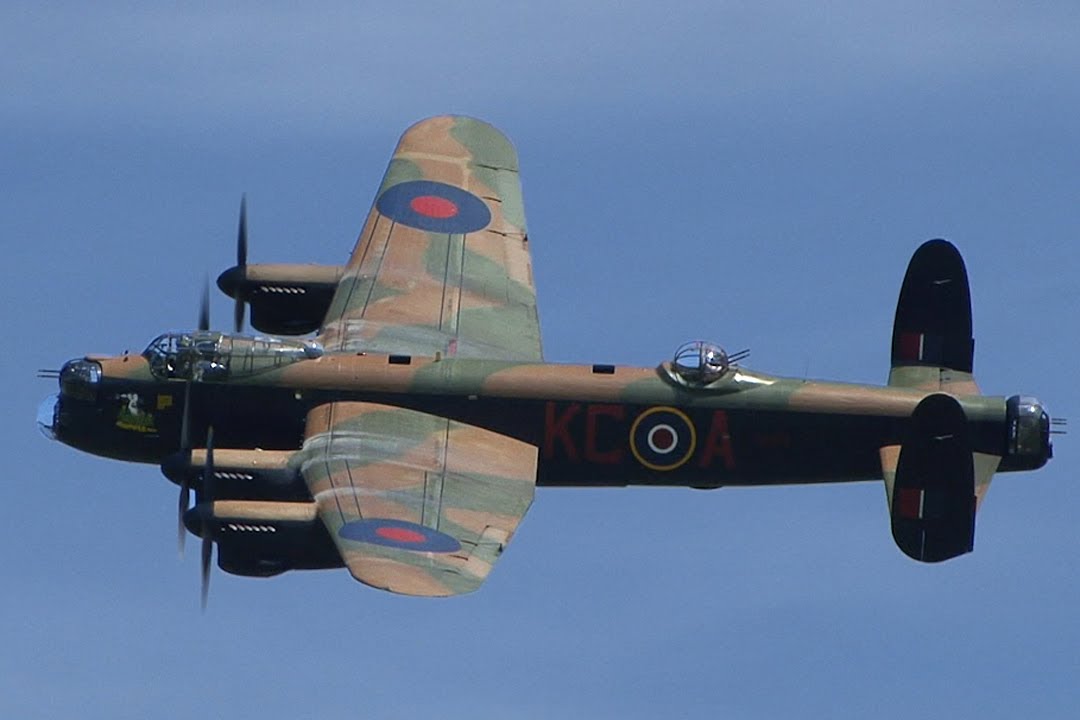
The special event callsign VK80LAN is celebrating 80 years of the Avro Lancaster aircraft.
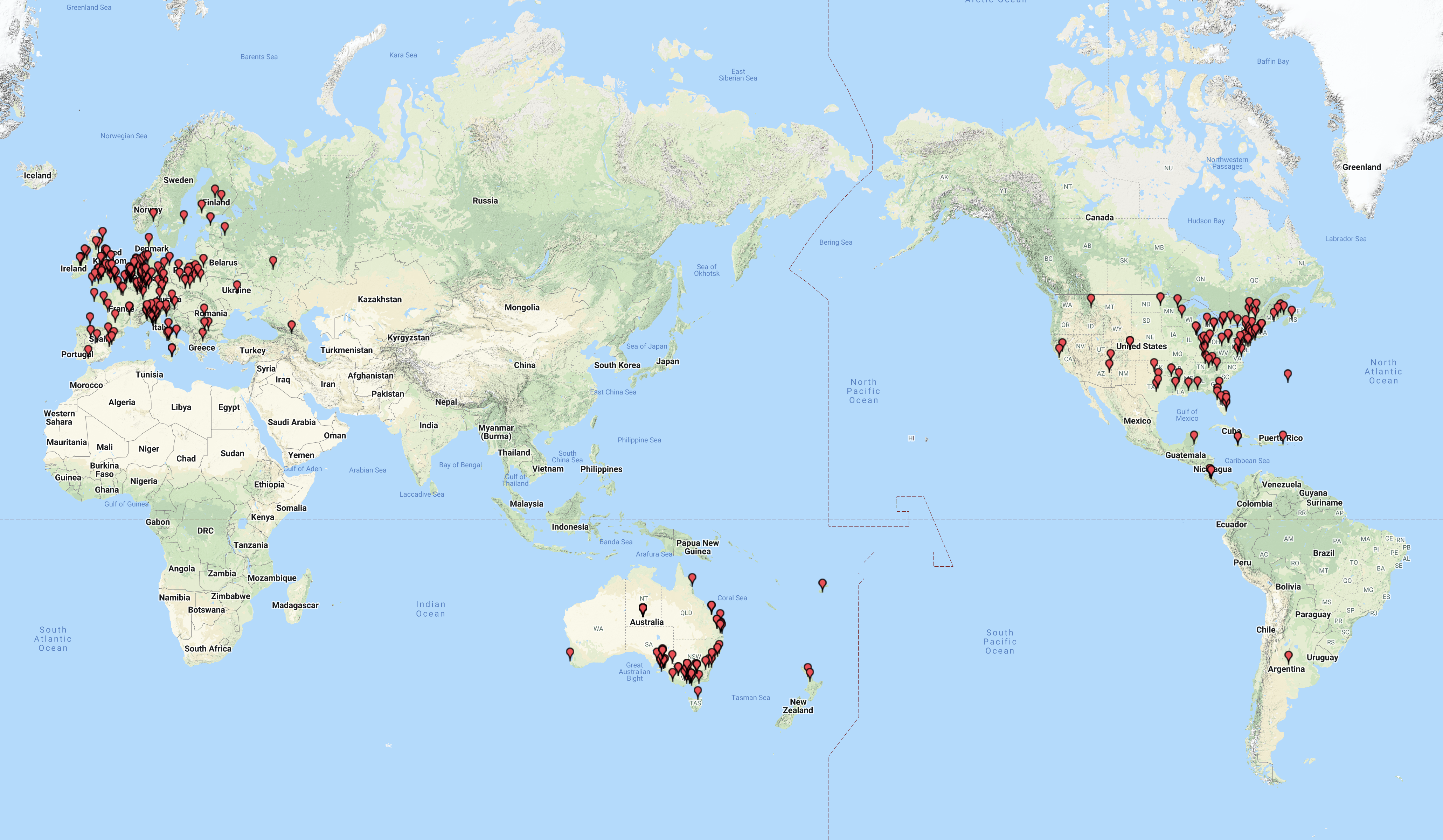
From about 2.30 in the afternoon, we made a total of 320 QSOs into 39 different DXCC entities on 20, 40 & 80m SSB.
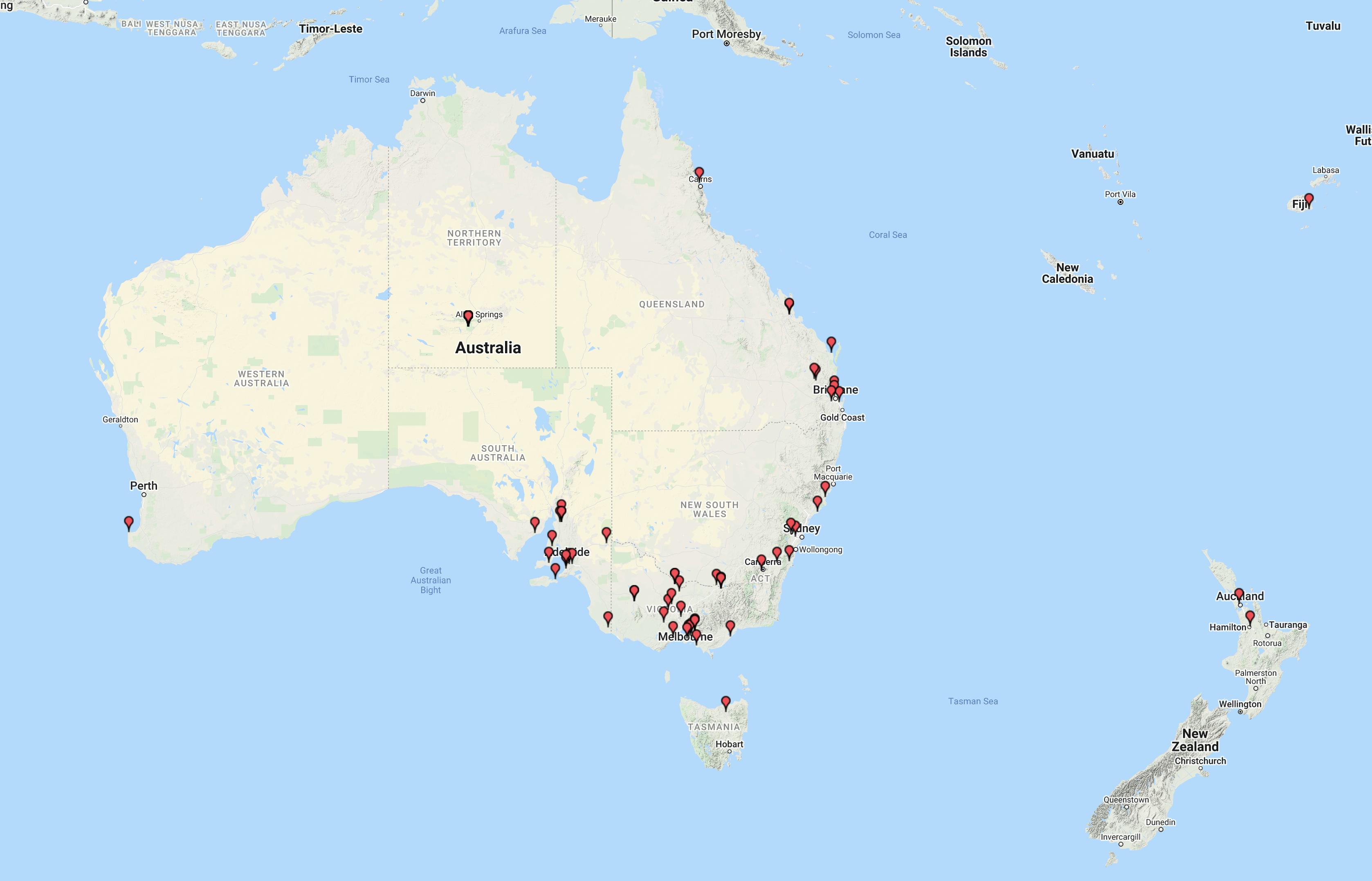
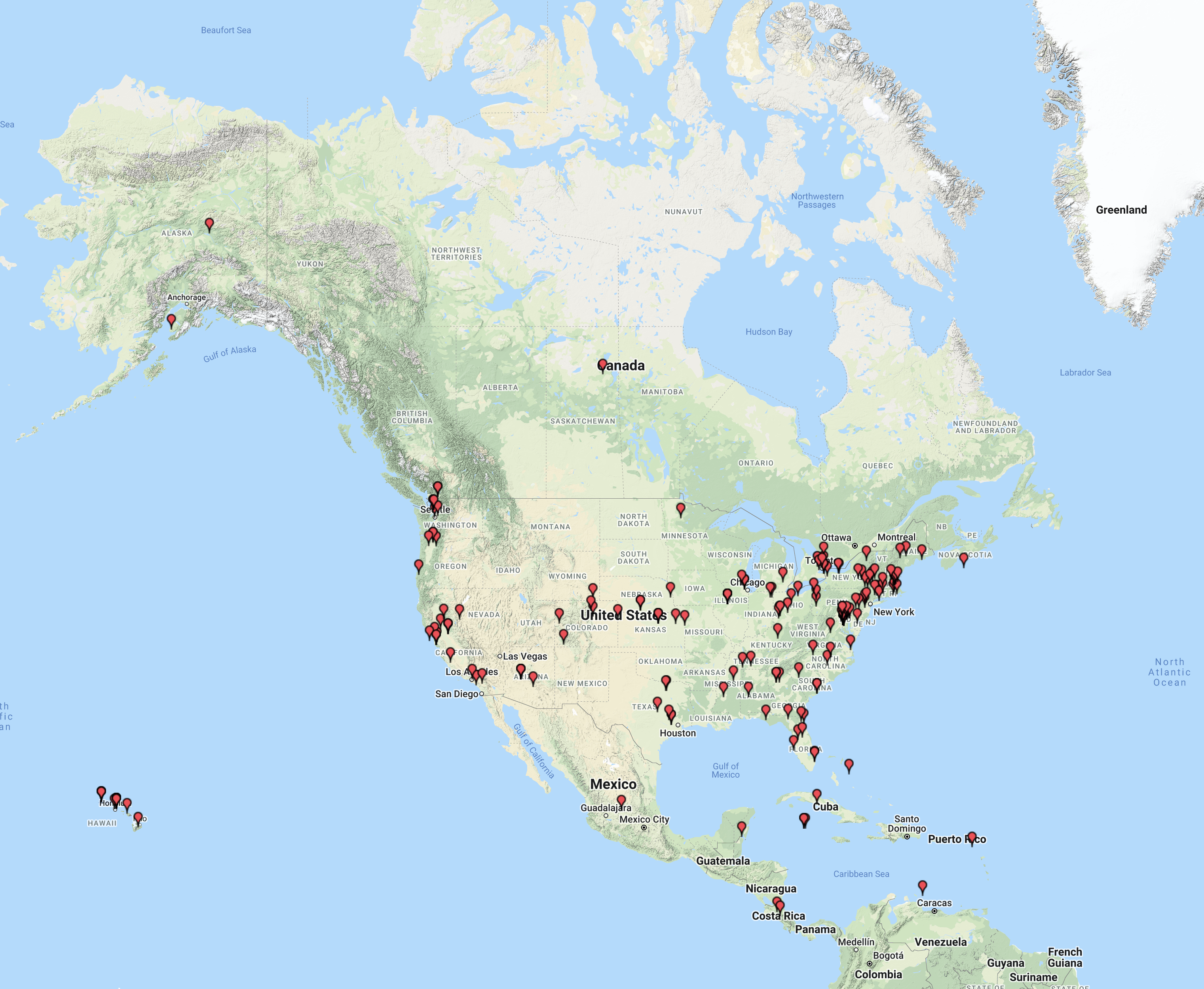
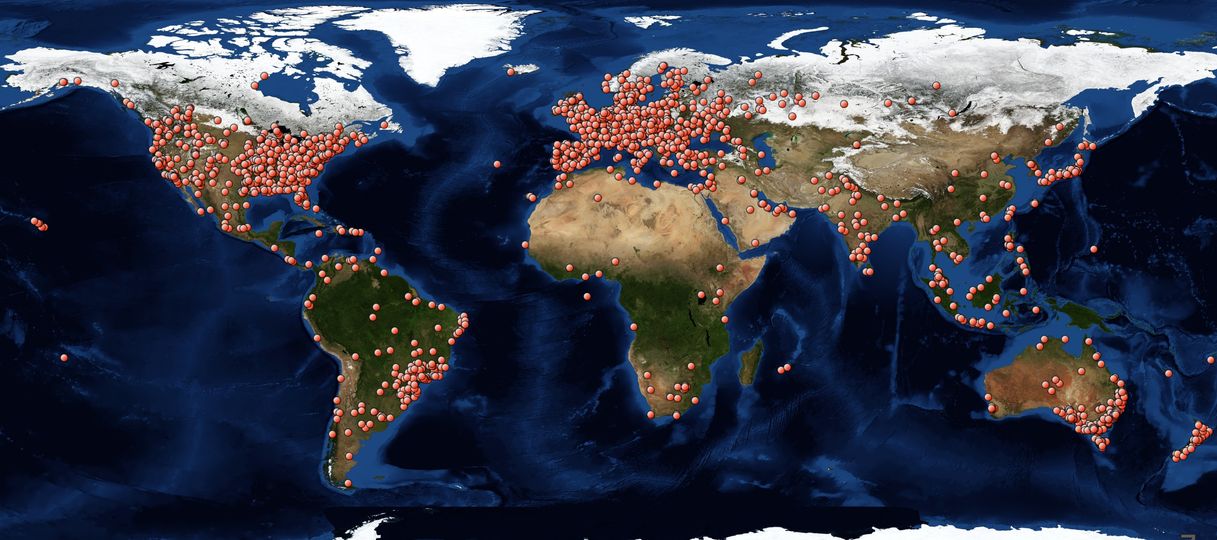
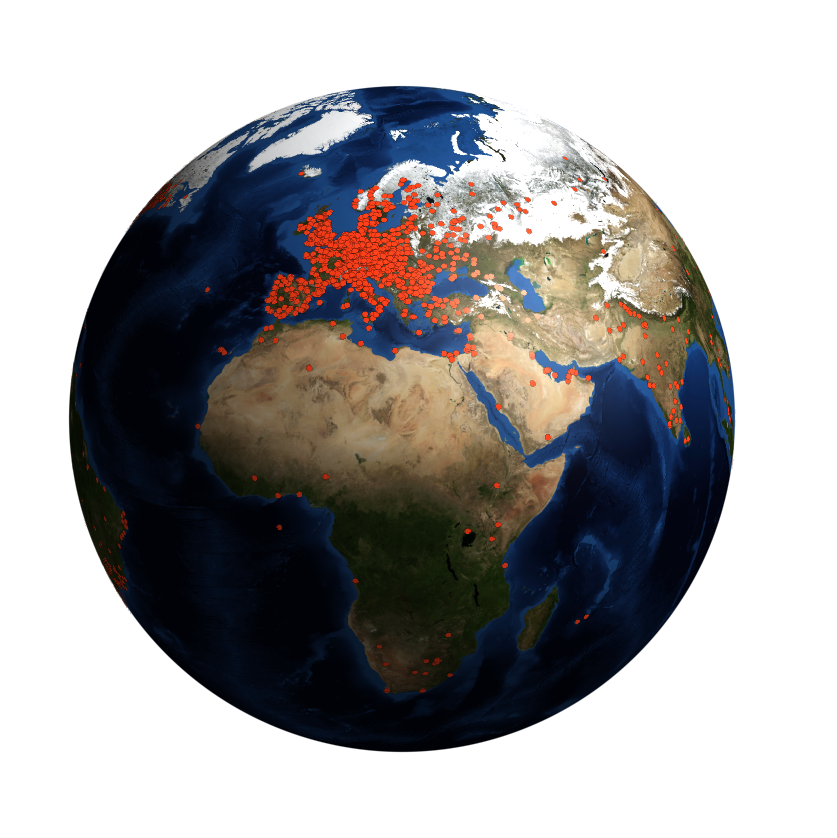
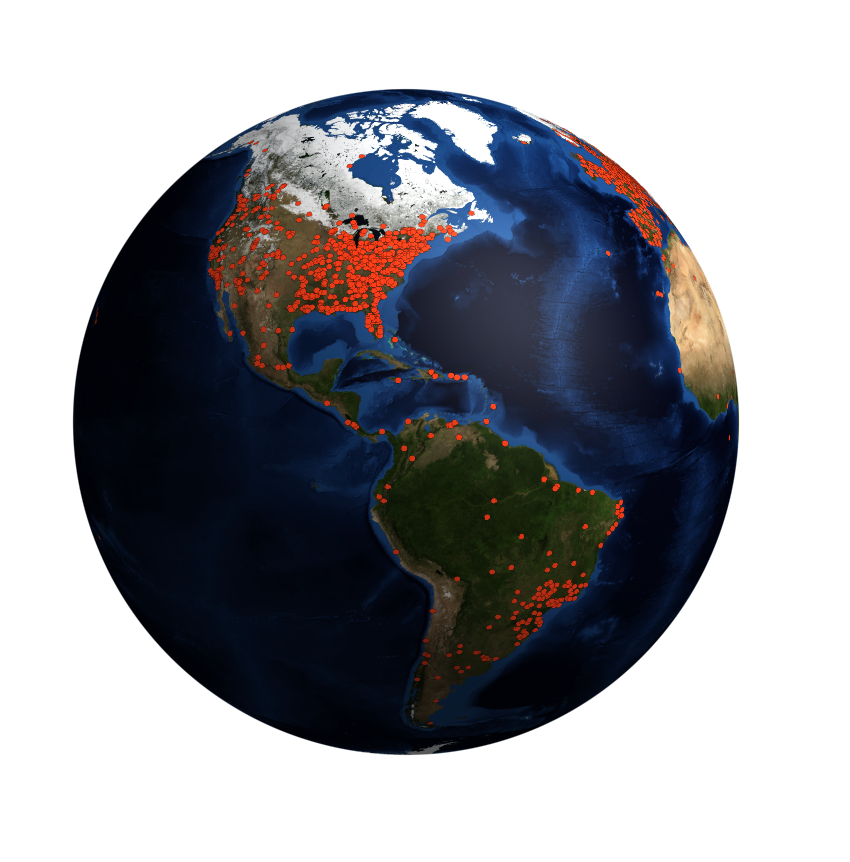
The map below shows our contacts.
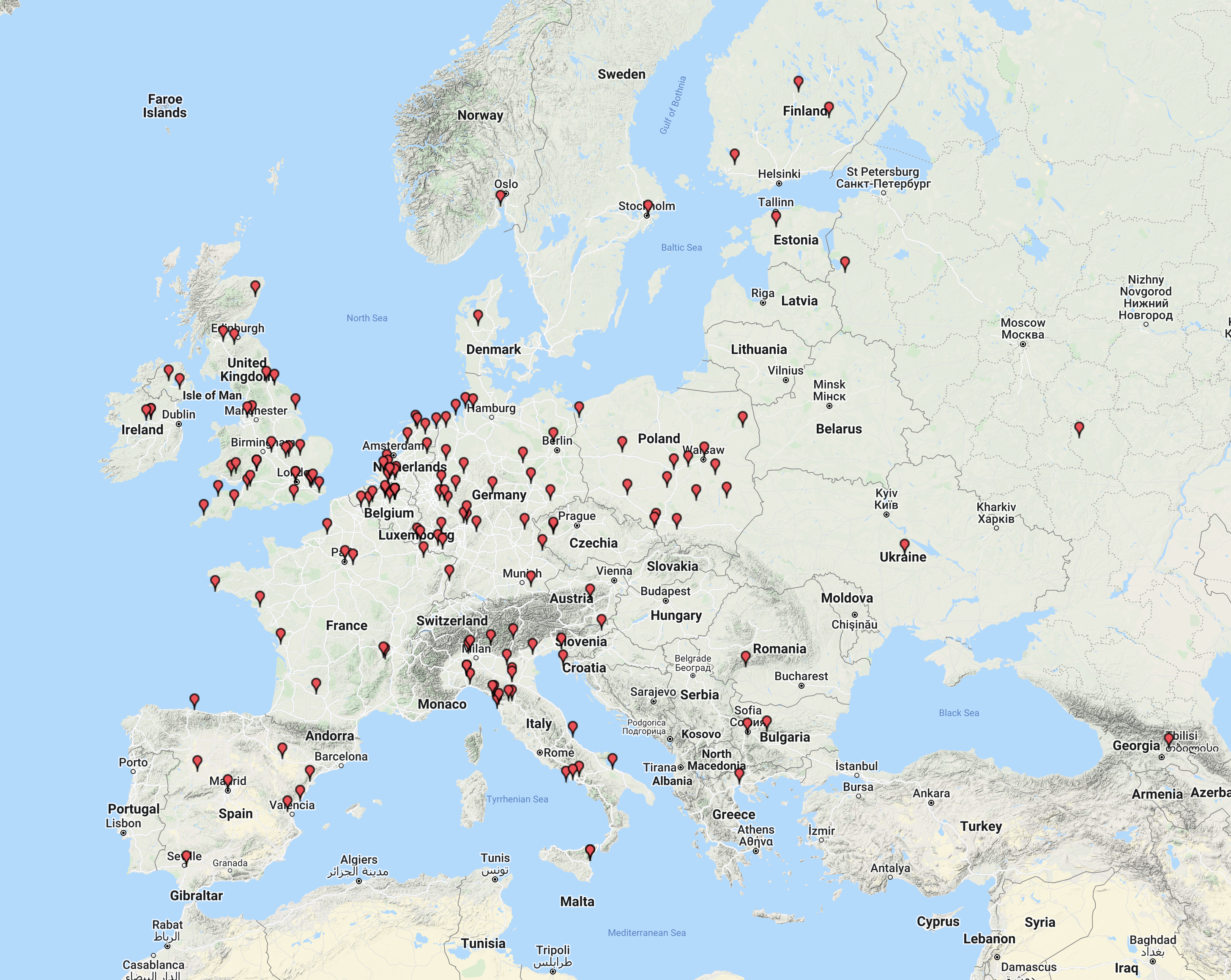
The long path into Europe was once again very good. The map below shows our contacts into Europe and the UK.
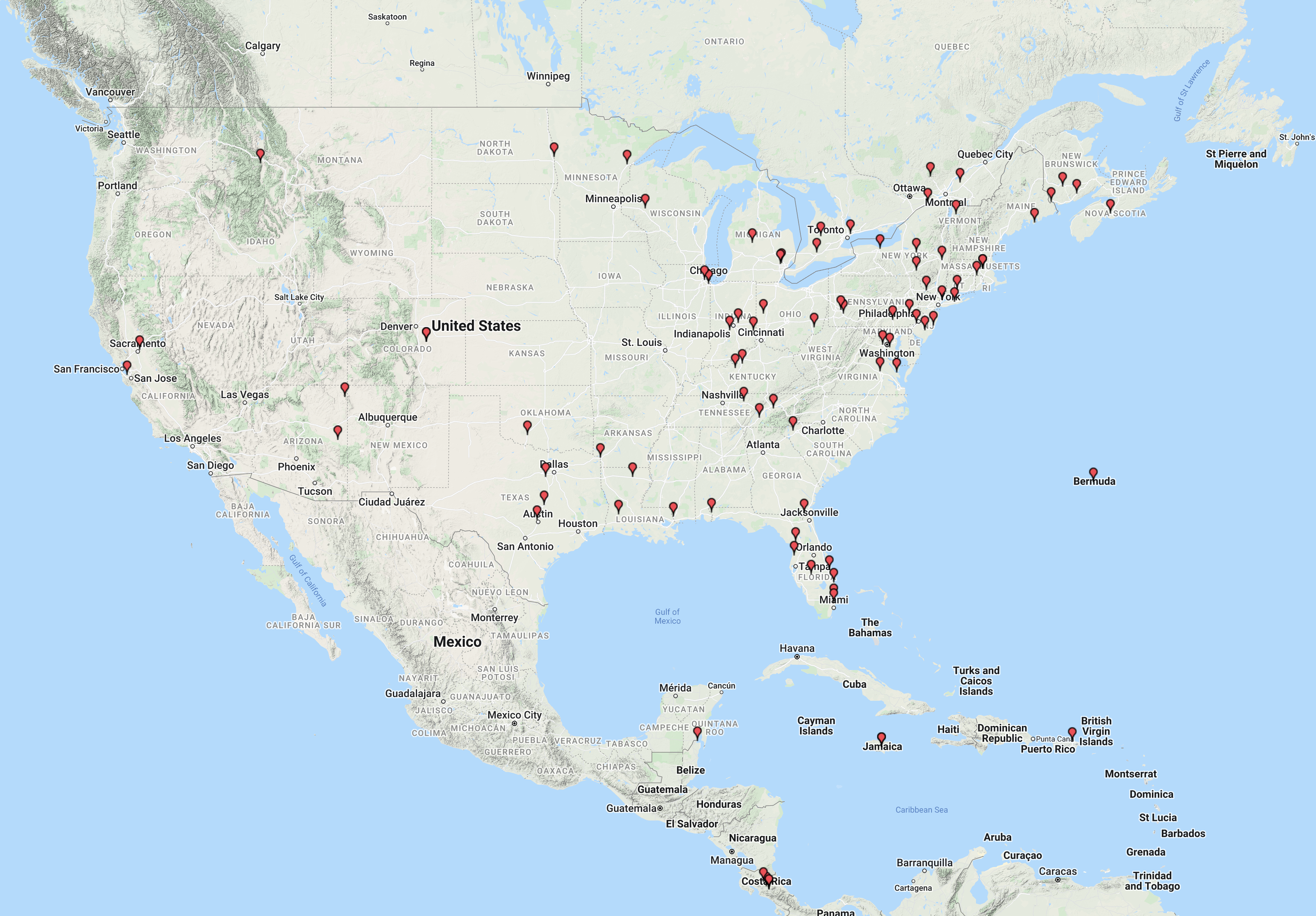
The short path into the USA, Canada, the Caribbean, and Central America was very good during the evening. We worked 29 of the 50 USA States. The map below shows our contacts into that part of the world.
We did not get a huge chance to do anything on 40m for the VKs this time around due to a late start in the shack and then the 20m pile-up, but did work a handful of VKs, and a few dozen VKs on 80m.
We would like to thank everyone who called, and we would like to thank the WA VHF Group for allowing us to use the callsign again, to celebrate 80 years of the Avro Lancaster aircraft.
Over the weekend of Saturday 26th and Sunday 27th March 2022, the 2022 CQ WW WPX Contest was held.
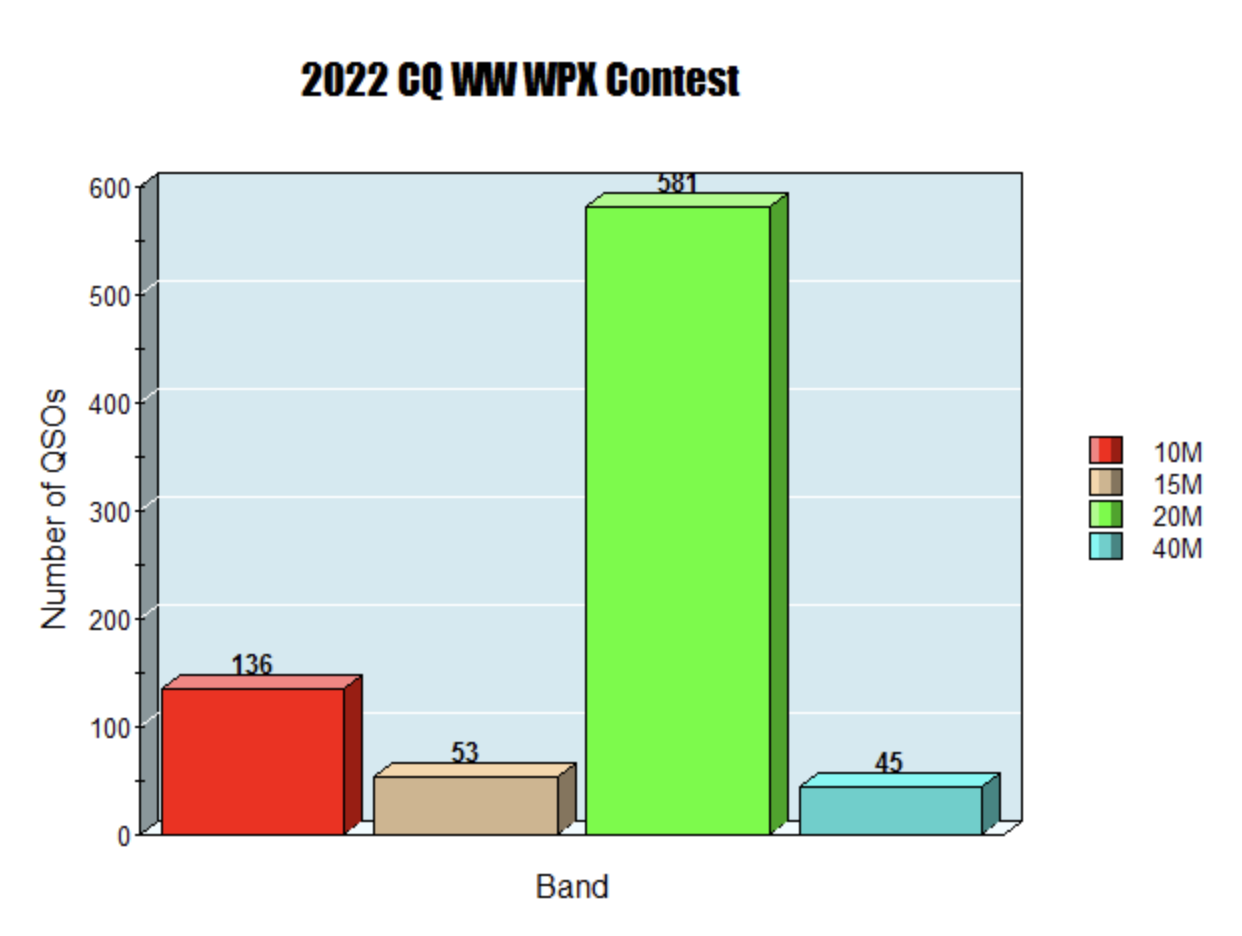
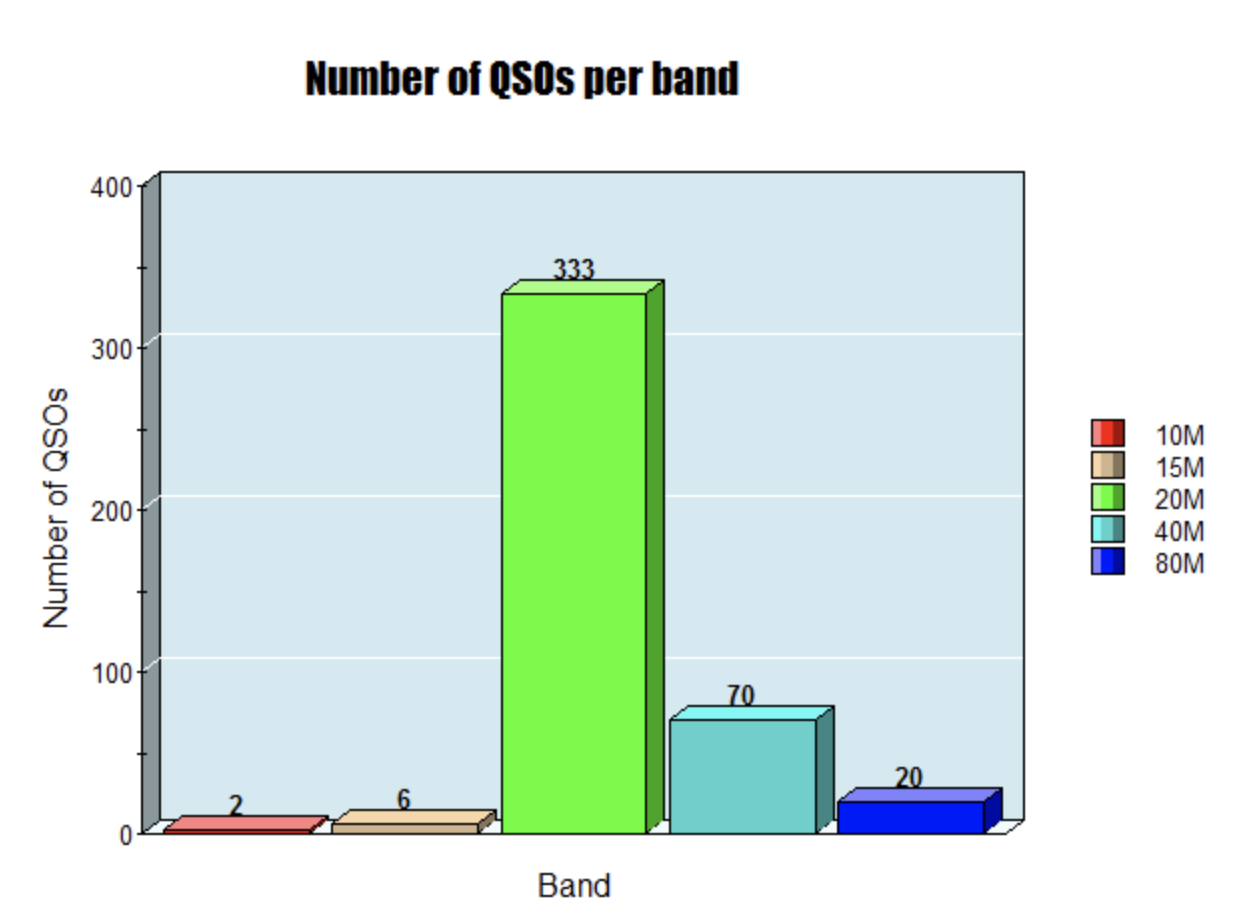
I worked a total of 815 QSOs on 10, 15, 20, & 40m SSB.
This included 83 different countries.
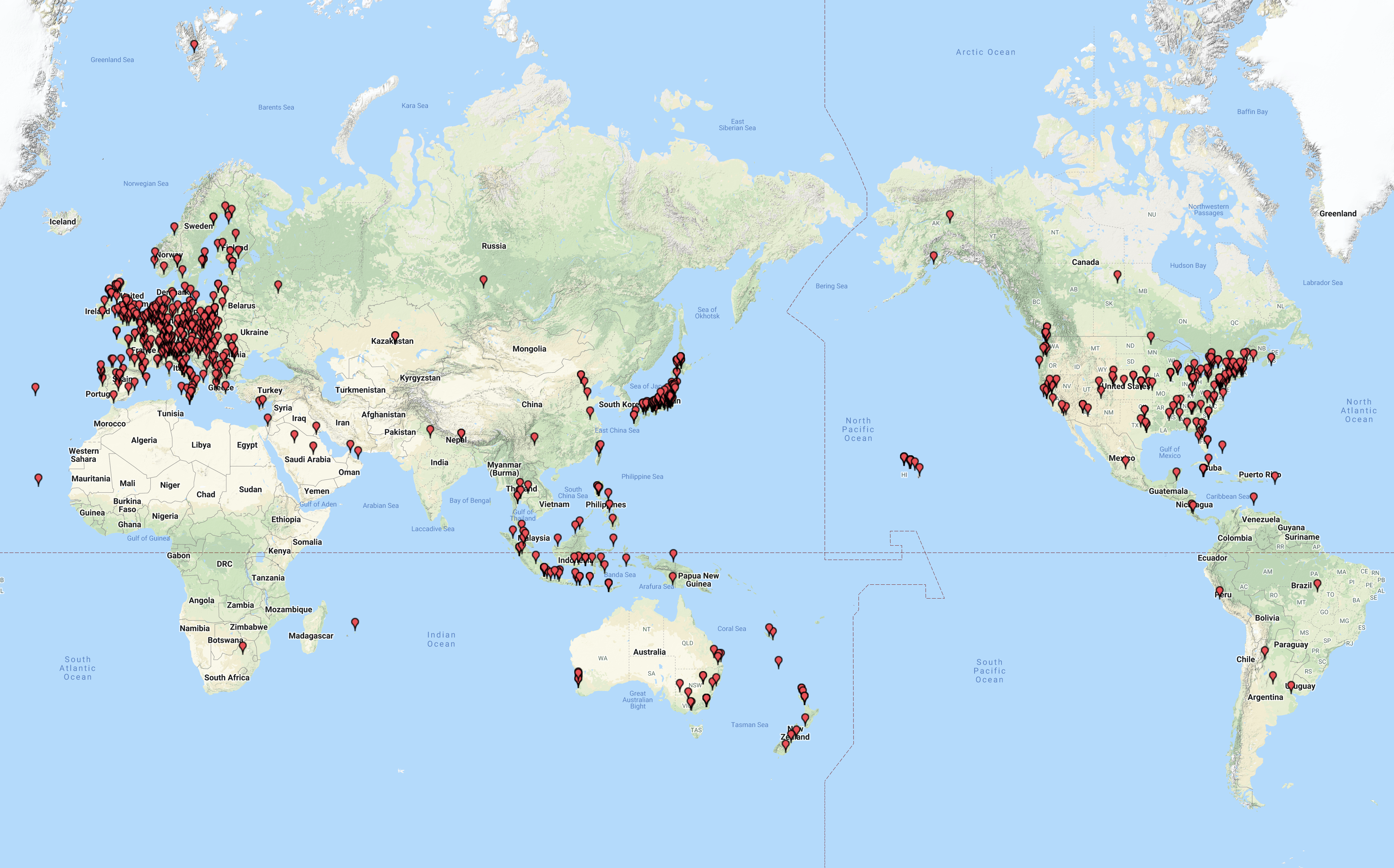
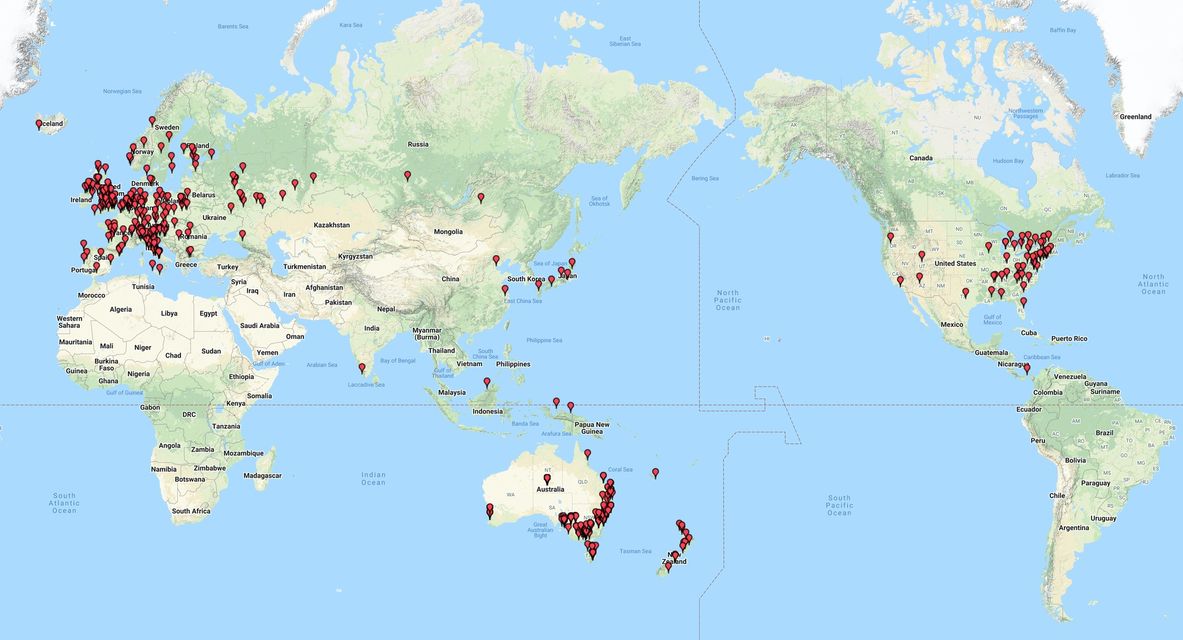
The map below shows my contacts during the contest.
Countries worked:-
Alaska
Argentina
Australia
Austria
Azores
Bahamas
Balearic Islands
Belgium
Belize
Bonaire
Bosnia-Herzegovina
Brazil
Brunei Darussalam
Bulgaria
Canada
Cape Verde
Cayman Islands
China
Corsica
Costa Rica
Croatia
Cuba
Cyprus
Czech Republic
Democratic Peoples Republic of Korea
Denmark
East Malaysia
England
Estonia
European Russia
Federal Republic of Germany
Finland
France
Greece
Hawaii
Hungary
India
Indonesia
Ireland
Isle of Man
Israel
Italy
Japan
Kazakhstan
Kuwait
Liechtenstein
Lithuania
Luxembourg
Malta
Mauritius
Mexico
Montenegro
Nepal
Netherlands
New Caledonia
New Zealand
Norfolk Island
North Macedonia
Northern Ireland
Norway
Oman
Peru
Philippines
Poland
Portugal
Romania
Saint Kitts and Nevis
Saudi Arabia
Scotland
Serbia
Slovak Republic
Slovenia
South Africa
Spain
Svalbard
Sweden
Switzerland
Taiwan
Thailand
United Arab Emirates
United States
Virgin Islands
Wales
West Malaysia
The majority of my contacts were on the 20m band. Below is a graph showing my contacts per band. The long path on 20m each day was very good, whilst I found the short path to be quite average. The 10m band was average, with just a few European stations logged.
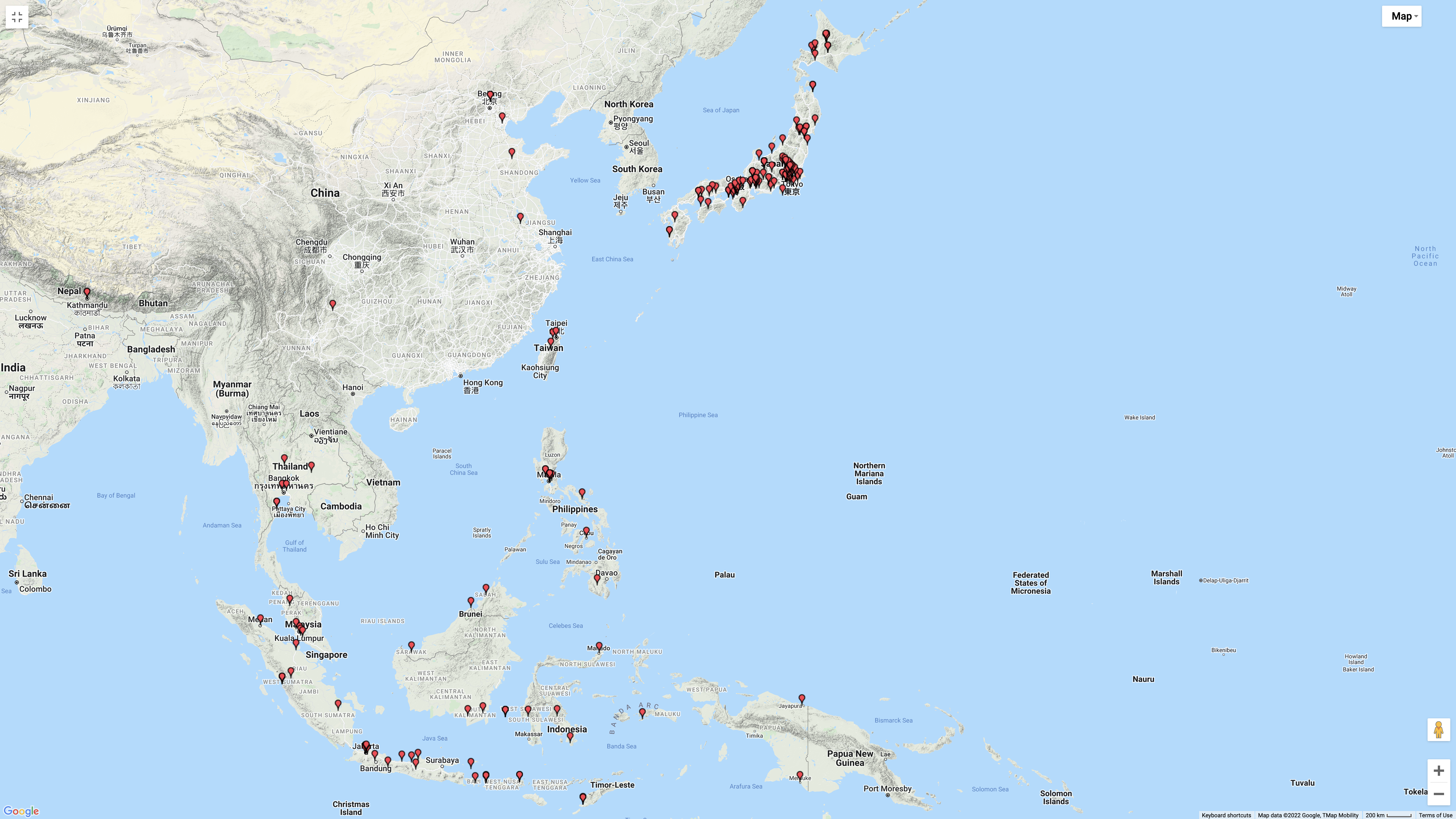
My best DX worked on 10m was D4Z at Cape Verde. The majority of my contacts on 10m were into Japan (90 QSOs)
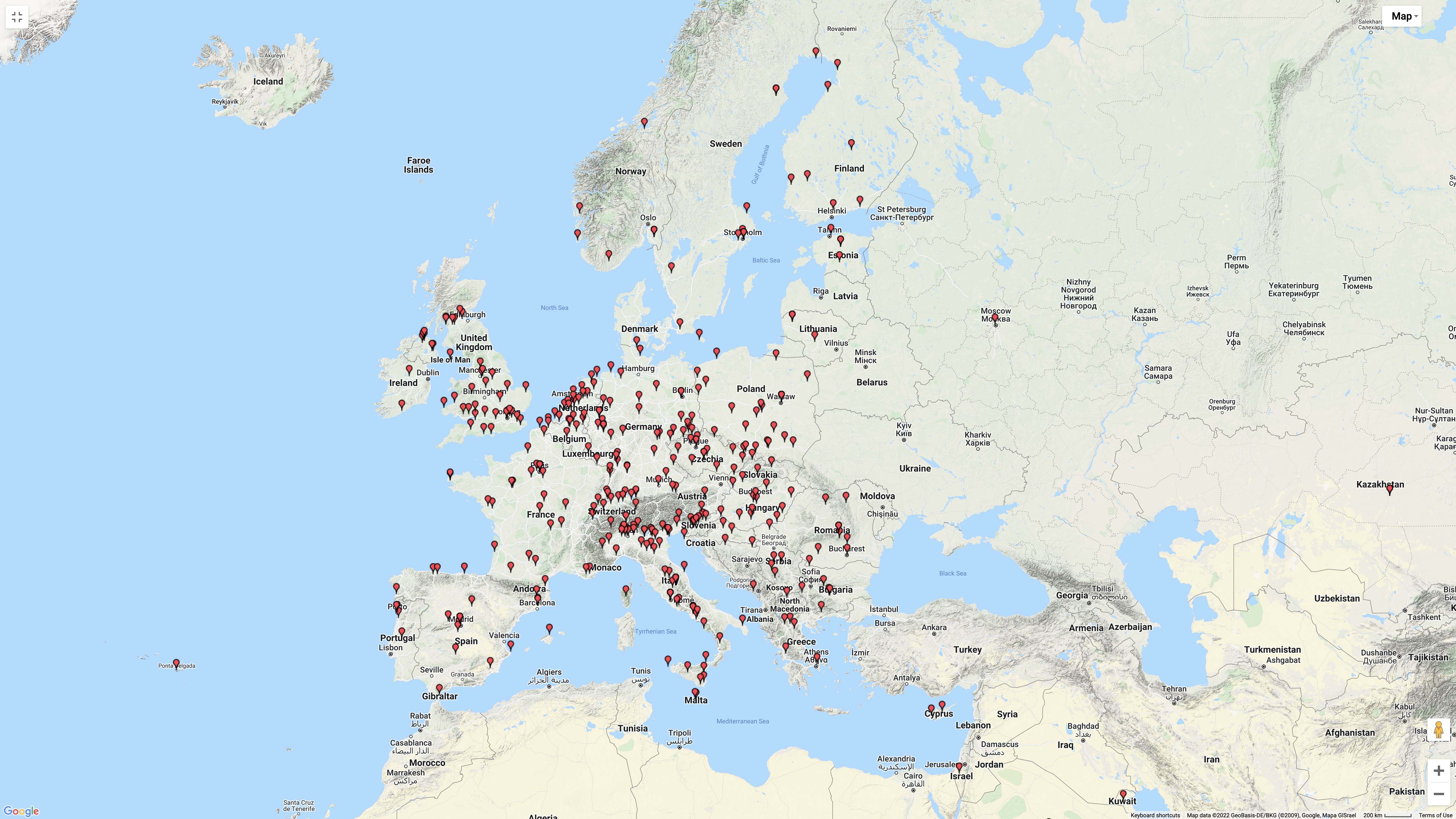
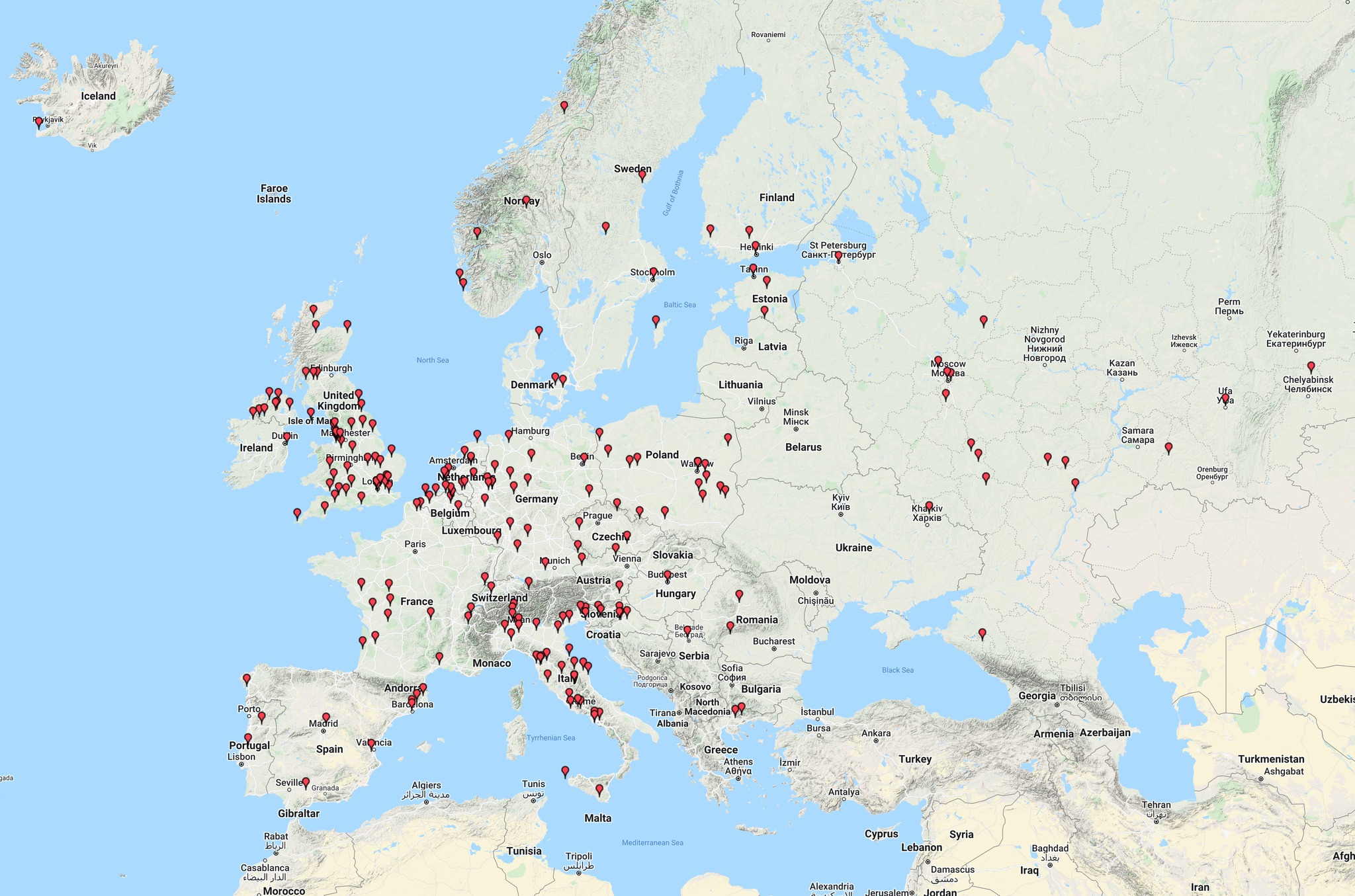
The map below shows my contacts into Europe, both on the long path and the short path.
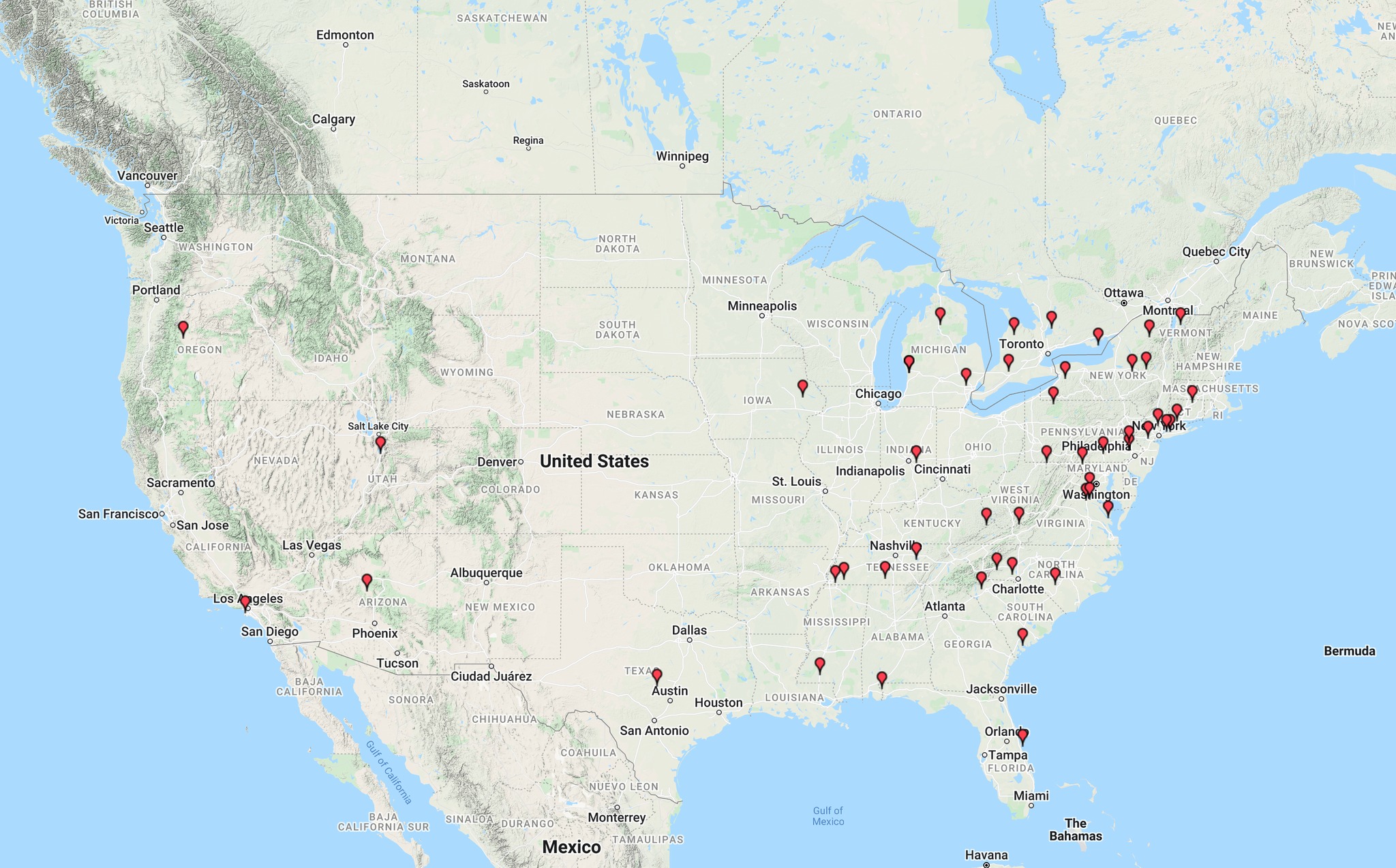
The map below shows my contacts into the USA and Canada and the Carribean.
The map below shows my contacts into Asia.
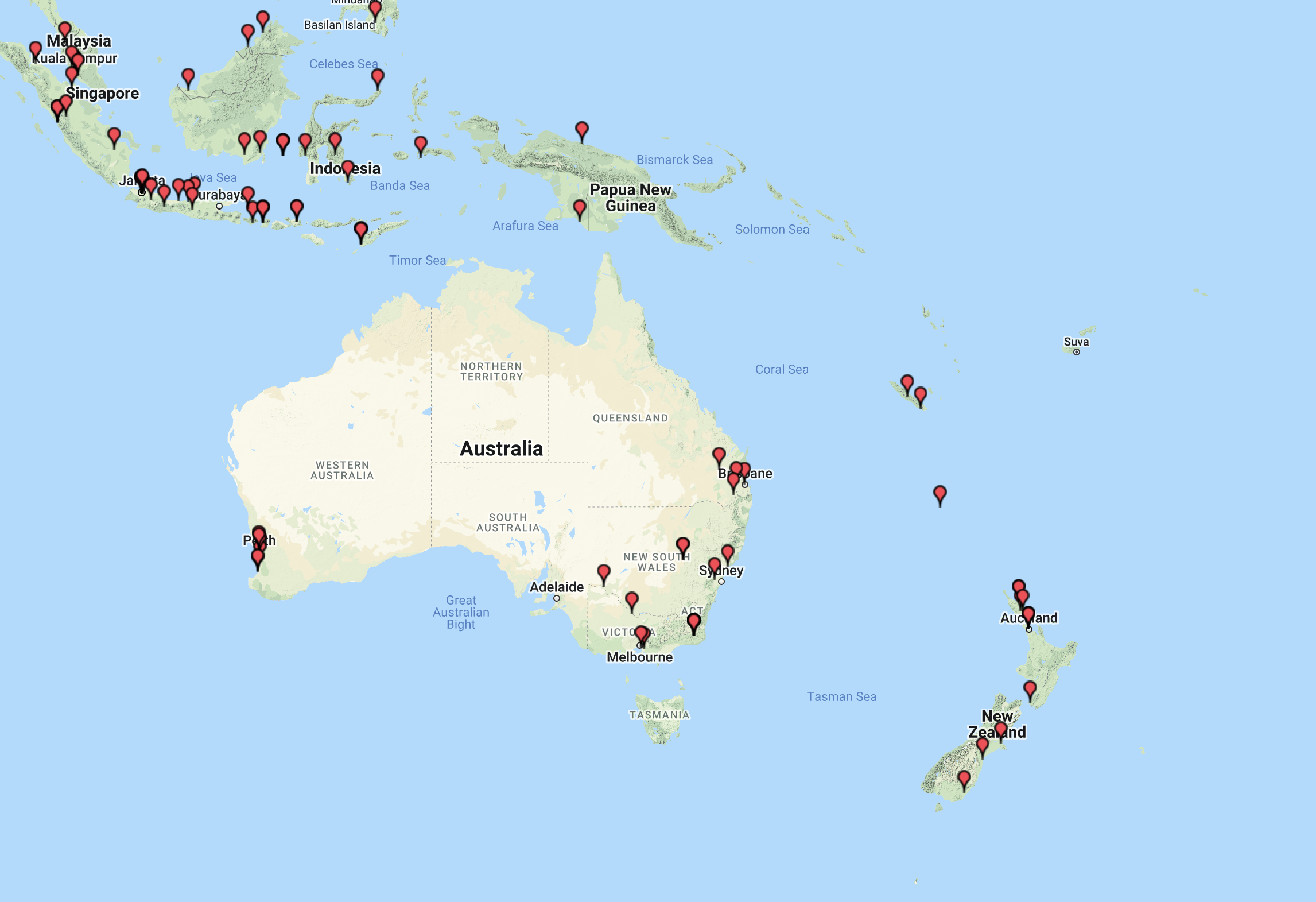
I did not hear a huge amount of VKs or Kiwis calling CQ Contest. The map below shows my contacts around VK and ZL.
THANK YOU to everyone who called. Although I am a long long way off the leaders, I had a lot of fun.
On 22nd March 2022, I was very fortunate to use the special event callsign of VK80LAN, celebrating 80 years of the Avro Lancaster aircraft.
The Lancaster was manufactured by British aircraft manufacturer Avro. It is a four-engined heavy bomber adopted by UK’s Royal Air Force (RAF) during the Second World War.
Lancaster aircraft first saw war service 80 years ago in 1942 for the Royal Air Force (RAF) and squadrons from other Commonwealth nations, such as Royal Australian Air Force (RAAF), Royal Canadian Air Force (RCAF) and European countries serving with the RAF.
The special event callsign was organised by the West Australian VHF Group.
Today, 17 Lancasters survive around the world, but only two are in flying condition. We are lucky enough to have only two in Australia. One in the National War Memorial in Canberra, and one in the RAAF Museum in Perth.
“G for George” is the Lancaster in Canberra which I have had the privilege to see.
I made a total of 431 QSOs during the day and this included 43 different DXCC entities. The map below shows my contacts around the world.
I operated on 10, 15, 20, 40, & 80m SSB. The vast majority of my contacts were on the 20m band.
The long path in the afternoon to Europe and UK was brilliant. The short path in the evening to Europe/UK was not so good.
But short path across the Pacific to North America that night was very good.
Countries worked:-
Asiatic Russia
Australia
Austria
Belgium
Brunei Darussalam
Canada
China
Croatia
Czech Republic
Denmark
England
Estonia
European Russia
Federal Republic of Germany
Finland
France
Greece
Hungary
Iceland
India
Indonesia
Ireland
Isle of Man
Italy
Japan
Latvia
Netherlands
New Caledonia
New Zealand
Northern Ireland
Norway
Panama
Poland
Portugal
Romania
Scotland
Serbia
Slovenia
Spain
Sweden
Switzerland
United States
Wales
I was lucky enough to work the Canadian Lancaster special call of VE80LAN on 20m. But did not hear the GB80LAN callsign.
Below is a short video of me operating on 20m.
Below are some videos of this amazing aircraft.
THANK YOU to everyone who called and thanks to the WA VHF Group for the opportunity of using the call.
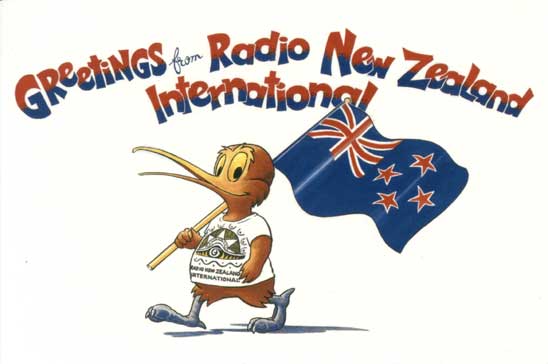
At about 1453 UTC on 13th March 2022, I tuned in to the Radio New Zealand International broadcasting in the English language on 7390 kHz.
The broadcast was coming from the Rangitaiki 50 kW transmitter in New Zealand.
The overall reception of Radio New Zealand International was good – excellent. There was bleed over interference from CNR5 China on 7385 kHz and China Radio International on 7395 kHz.
S
I
N
P
O
5
4
5
5
5
Below is a short video showing my reception of Radio New Zealand International.
At about 1355 UTC on 13th March 2022, I tuned in to the Radyo Denge Welat broadcasting in the Kurdish language on 11540 kHz.
The overall reception of Radyo Denge Welat was fair. The signal strength was good, but there was an another station broadcasting on the same frequency causing interference.
S
I
N
P
O
4
2
4
4
3
Below is a short video showing my reception of Radyo Denge Welat.
At about 1044 UTC on 13th March 2022, I tuned in to the Radio Taiwan International broadcasting in the Korean language on 7200 kHz.
The broadcast was coming from the Tamsui District 100 kW transmitter in Taiwan.
The overall reception of Radio Taiwan International was good. The signal strength was very strong, but there was an apparent jamming signal on the frequency, and also static crashes.
S
I
N
P
O
5
3
4
5
4
Below is a short video showing my reception of Radio Taiwan International.







 VK5PAS