I was a ‘late starter’ to the FT8 mode. I only made my first FT8 contact on the 13th day of January this year (2023).
Since then I have made a total of (as I type this blog) 2,064 QSOs into 108 different DXCC entities.
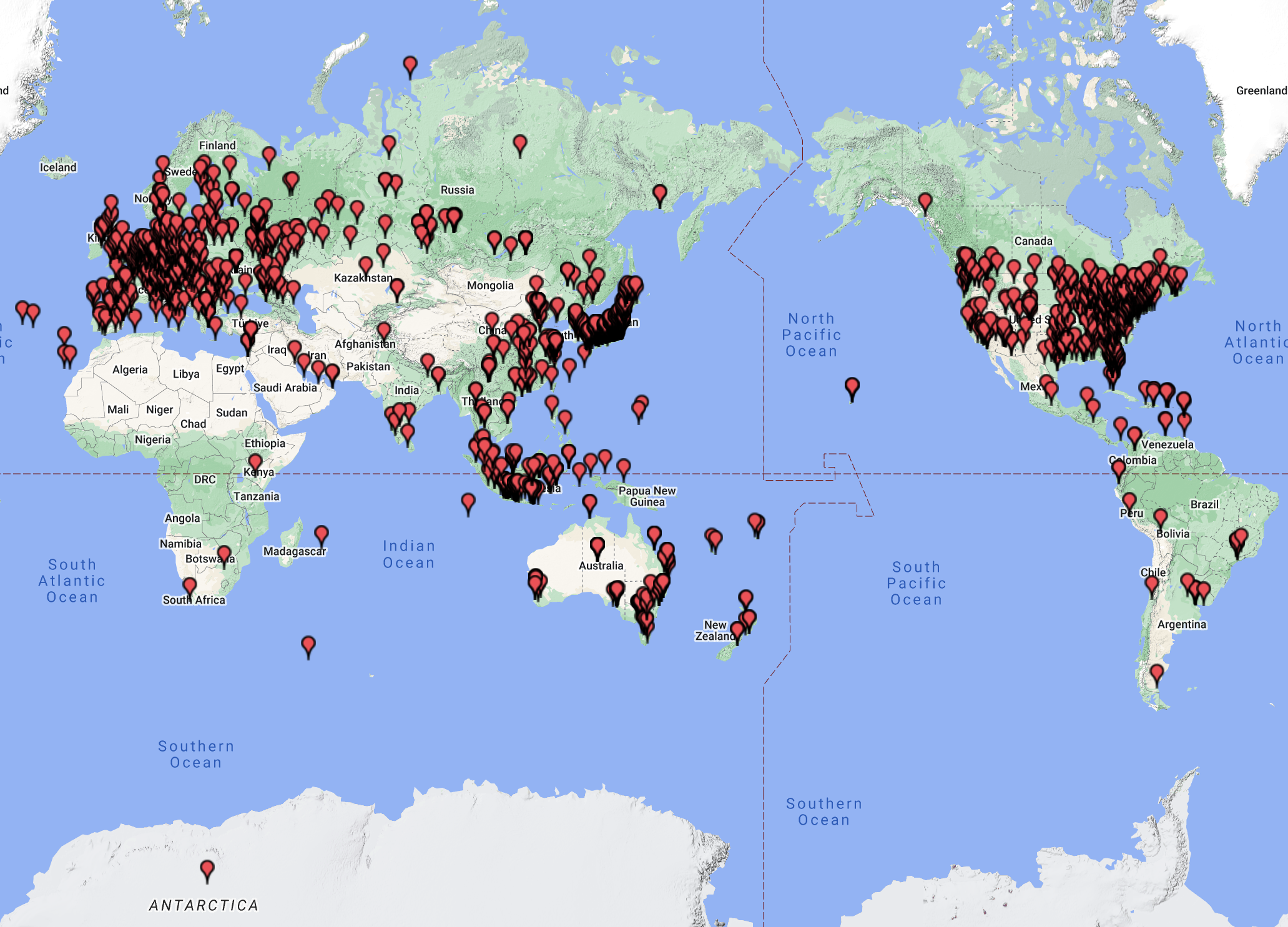
The map below shows my FT8 contacts around the world.
DXCC worked on FT8
Below is a list of the DXCC entities I have worked on FT8
Algeria
Andorra
Antarctica
Argentina
Asiatic Russia
Australia
Austria
Azores
Bahrain
Belarus
Belgium
Belize
Bolivia
Bosnia-Herzegovina
Brazil
Bulgaria
Canada
Canary Islands
Chile
China
Cocos Keeling Islands
Colombia
Corsica
Crete
Croatia
Crozet Island
Cuba
Czech Republic
Denmark
Dominica
Dominican Republic
East Malaysia
Ecuador
England
Estonia
European Russia
Federal Republic of Germany
Fiji
Finland
France
Gibraltar
Greece
Guadeloupe
Guam
Guernsey
Haiti
Hawaii
Honduras
Hong Kong
Hungary
India
Indonesia
Ireland
Israel
Italy
Japan
Jersey
Kaliningrad
Kazakhstan
Kenya
Kuwait
Latvia
Lebanon
Lithuania
Luxumbourg
Madeira Islands
Mexico
Moldova
Motenegro
Netherlands
New Caledonia
New Zealand
Northern Ireland
Norway
Oman
Pakistan
Panama
Peru
Philippines
Poland
Portugal
Puerto Rico
Republic of Korea
Reunion Island
Romania
Sardinia
Scotland
Serbia
Singapore
Slovak Republic
Slovenia
South Africa
Spain
Sri Lanka
Sweden
Switzerland
Taiwan
Thailand
Trinidad & Tobago
Turkey
Ukraine
United Arab Emirates
United States of America
Uruguay
Venezuela
Vietnam
Wales
West Malaysia
Bands worked on FT8.
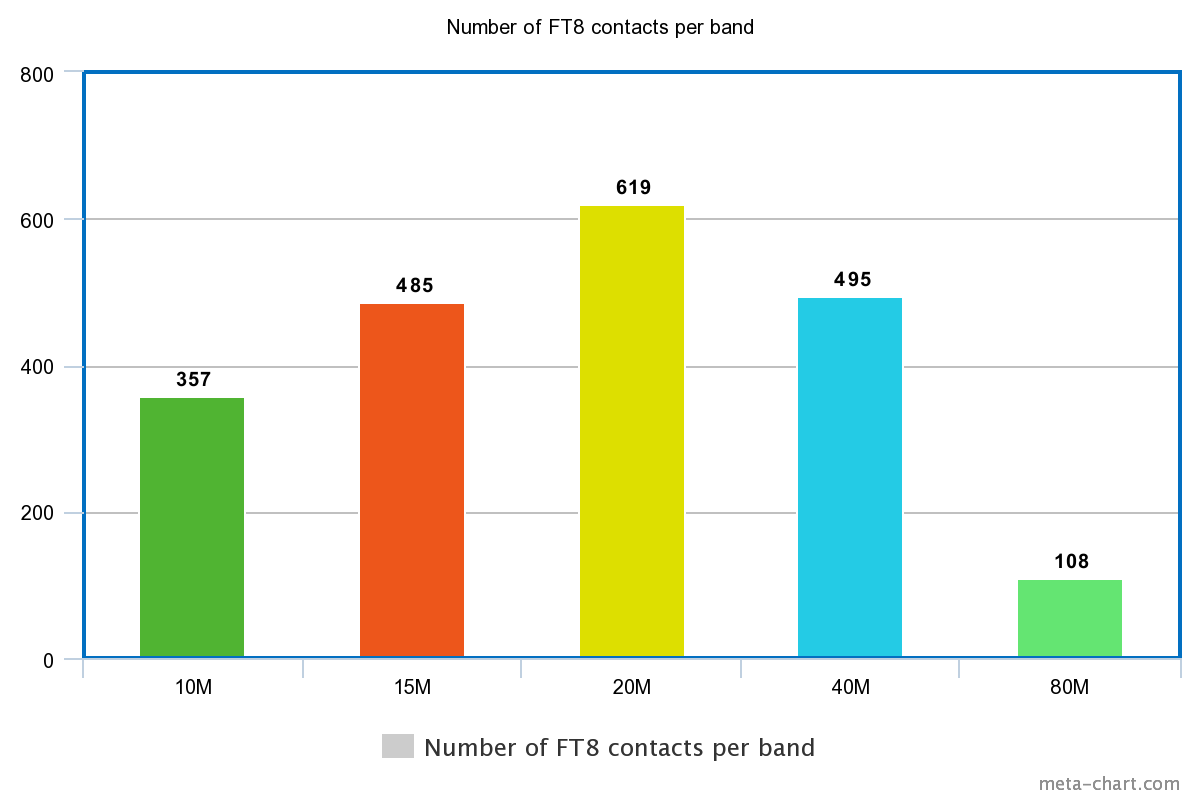
The majority of my contacts have been on the 20m band (619), followed by 40m (495) and closely following in third position is 15m (485). The graph below shows the number of FT8 contacts I have made per band.
Top 10 DXCC worked.
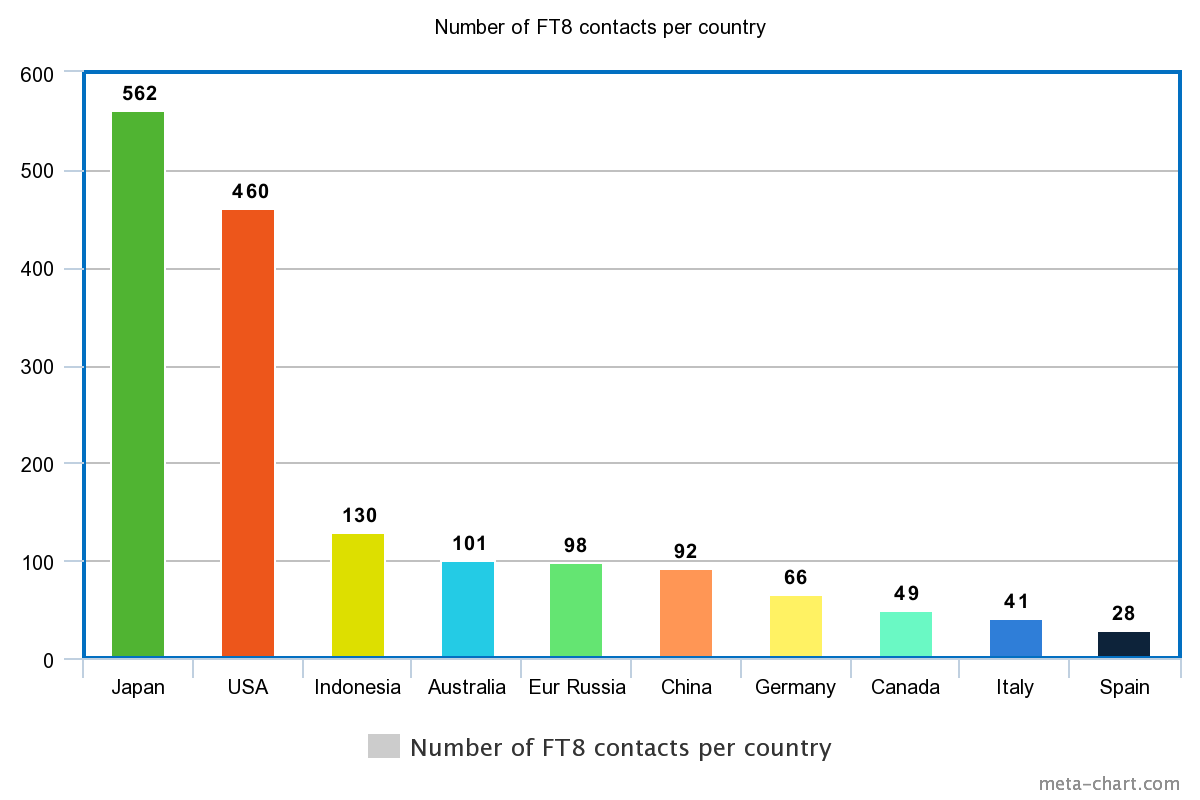
As far as countries (DXCC) worked, the majority has been with Japan (562), followed by USA (460), and then Indonesia _130). The graph below shows the Top 10 countries worked and the number of QSOs made into that country
Thank you.
I am having a lot of fun on FT8.
I would like to thank the following people who have either help me set up FT8, or have provided assistance re Ultimate AAC (software) re FT8 awards:
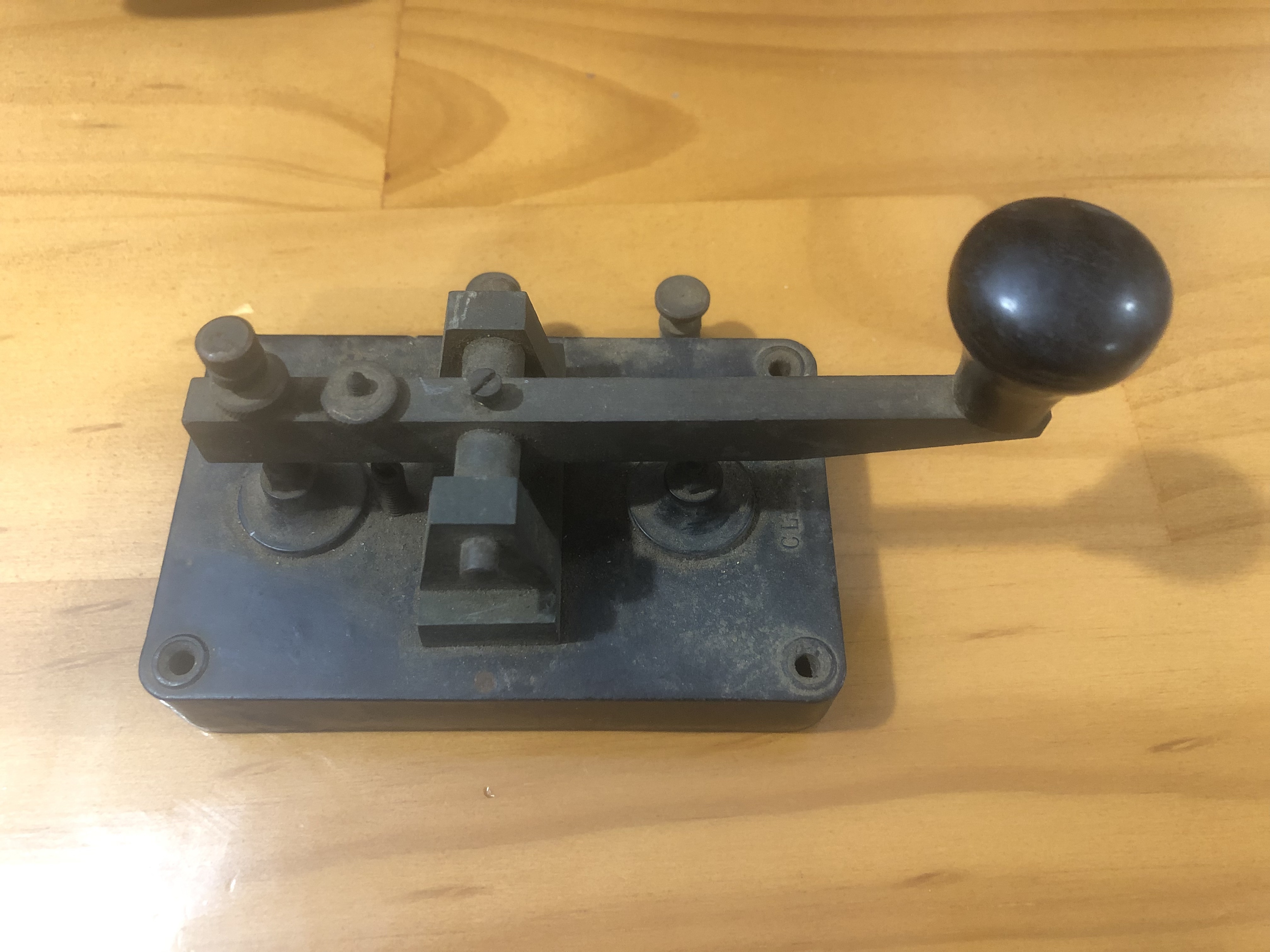
Last week I was the successful bidder for the Clipsal CW key below in a local online auction.
The key was made in c. 1944 by Gerard & Goodman Ltd of Adelaide. Clipsal Morse Keys, as they were known. were manufactured during World War II for the Defence Forces. The manufacture of the keys continued after the war and they became popular with amateur radio operators.
Below is a great video about the key.
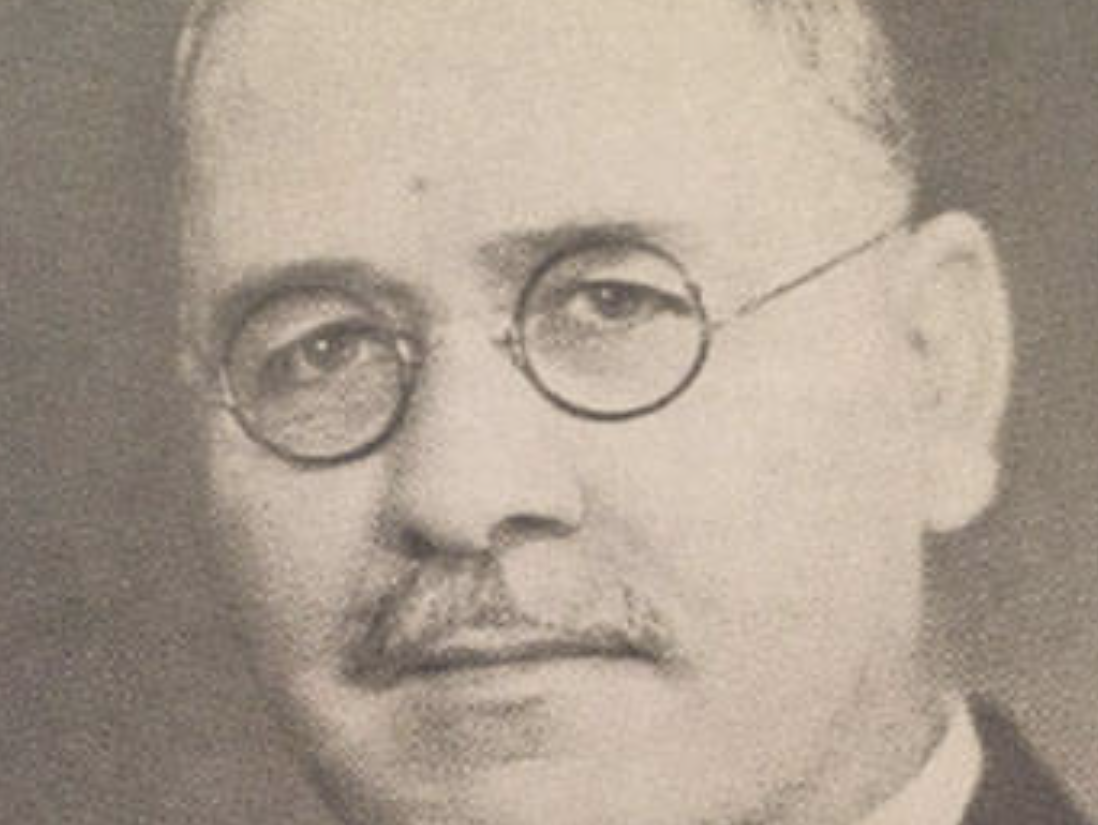
Alfred Edward Gerard was born in 1877 in Aberdeen, Burra, South Australia. After completing his education in Burra, he commenced employment with a local coach builder. Gerard then worked for Edwin Davey and Sons, who were flour millers. He was employed there as an engineer and manager of the company’s electric lighting plant.
In 1902 Gerard married Elsie Goodman.
Above:- Alfred Edward Gerard. Image c/o SA Museum.
In 1907 Gerard obtained a £100 from his father-in-law William Goodman and he established a contracting business from his rented home at Prospect. His business soon employed five people and he moved the business from his home to the basement of Super Elliott’s bicycle shop at 200 Rundle Street East, Adelaide. On the 3rd day of August 1908 the company name ‘Gerard & Goodman’ was registered.
In 1909 Gerard founded the South Australian Electrical Importers & Suppliers Association, which was later known as the Electrical Wholesalers Association.
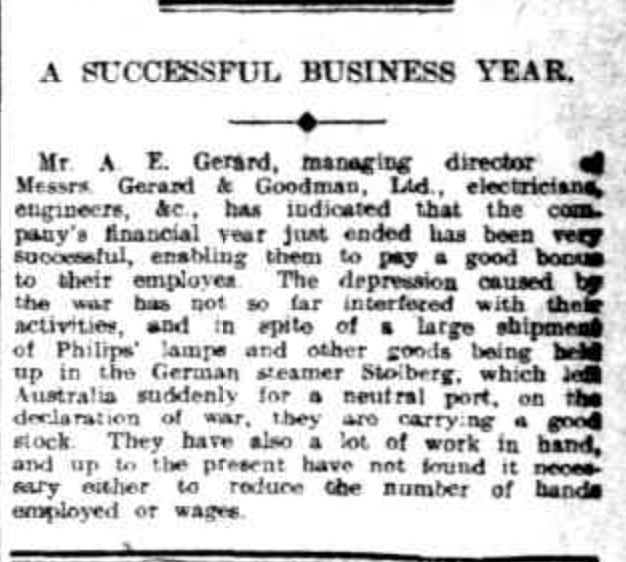
In 1910 the business moved to rented premises in Twin Street, Adelaide. Soon after the business moved to 100 Pirie Street, Adelaide, and then expanded to the shop next door at 102 Pirie Street.
Above:- Article from the Daily Herald, Adelaide, Tues 15 Sep 1914. Image c/o Trove.
In 1920 Gerard & Goodman commenced making a clip-on metal conduit fitting which was abbreviated to ‘Clipsal’ due to the product’s ability to ‘clip to all sizes’. The name Clipsal has now become a household South Australian name.
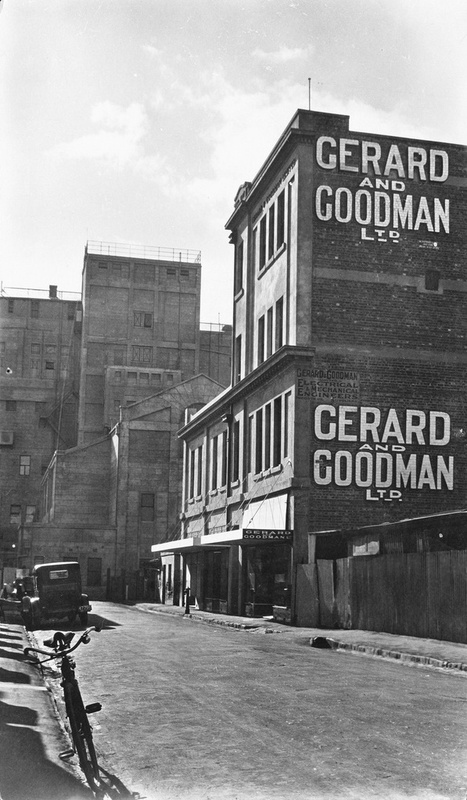
In 1921 Gerard purchased land in Synagogue Place, Adelaide which was the company’s first freehold property. Showrooms, offices and a factory were built on the site. It commenced as a two-storey building and was extended many times. The main entrance was in Synagogue Place, while access to the bulk store was at the rear entrance in Tavistock Street.
Above:- The Gerard and Goodman Ltd premises at Synagogue Place, c. 1928. Image c/o State Library SA.
I found the video below which is a walk-through of the old Synagogue Place premise.
The business continued to grow, and Gerard purchased a shop at 132 Rundle Street, Adelaide as an electrical and radio and retail business.
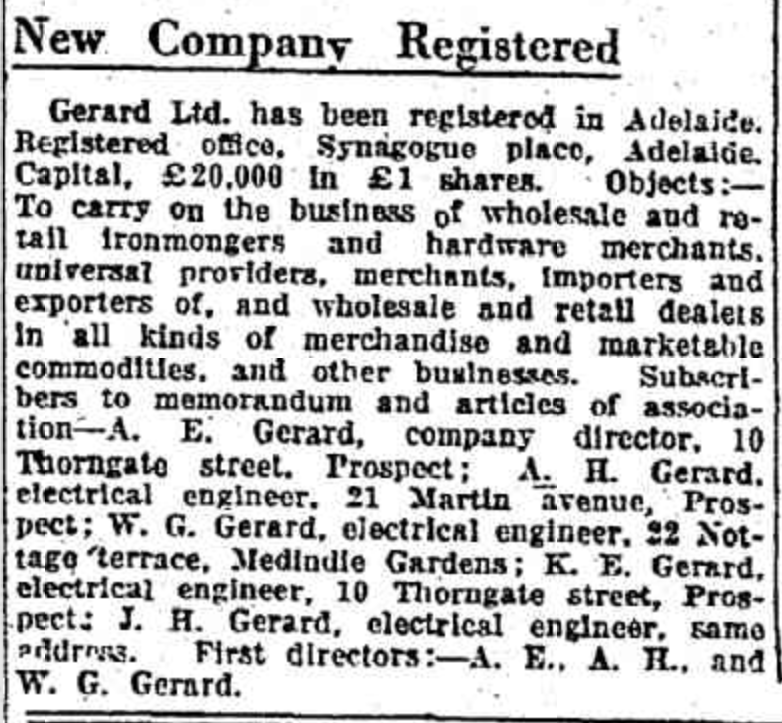
In 1932 the company Gerard Ltd was registered.
Above:- Article from The News, Adelaide, Sat 8 Oct 1932. Image c/o Trove.
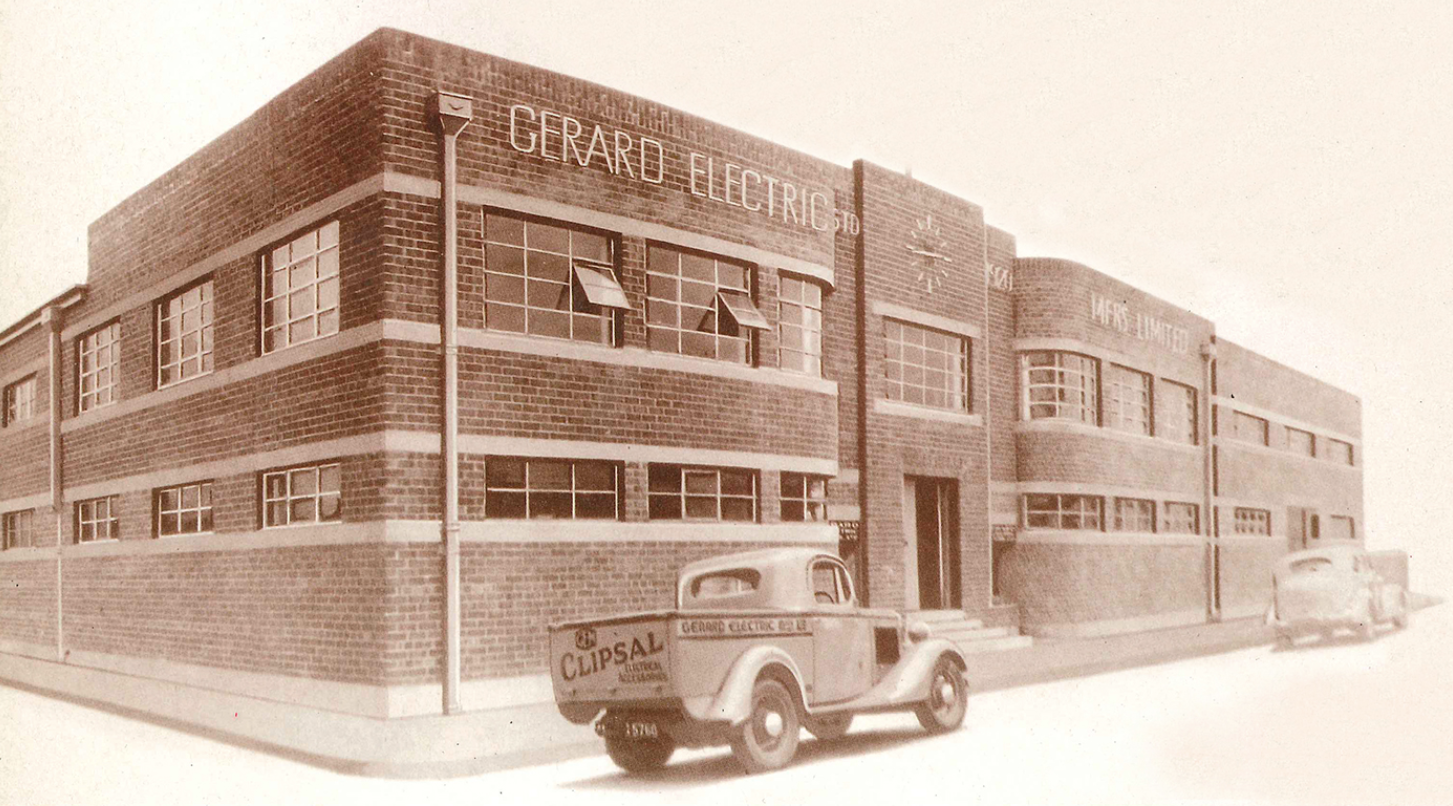
In 1936, Gerard & Goodman moved its operations to Bowden.
Above:- Gerard Electric premises at Bowden. Image c/o Clipsal.com
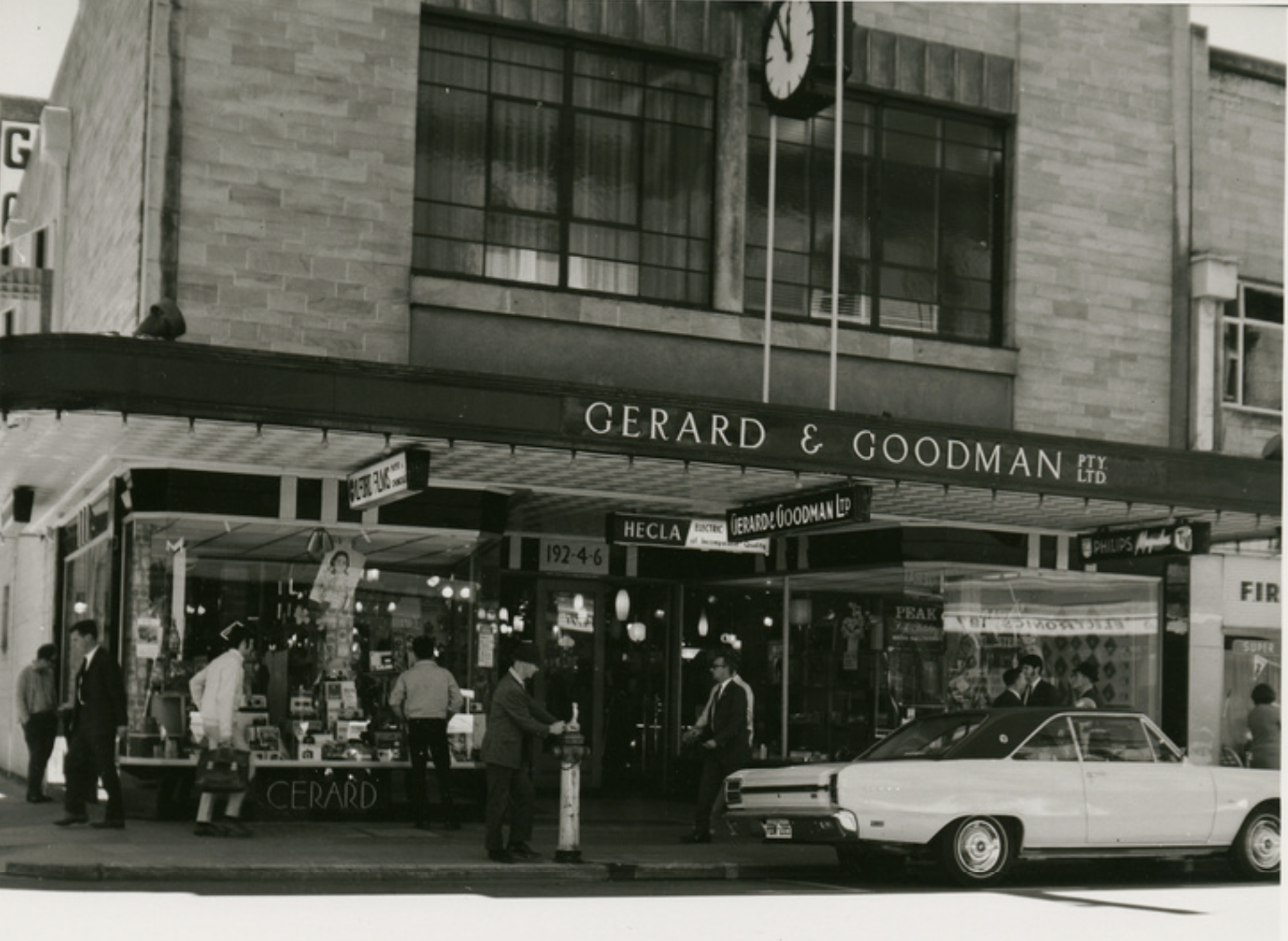
In March 1938, CH Martin Ltd, Adelaide, was contracted to build a sop and offices for Gerard and Goodman at 192-196 Rundle Street, Adelaide. The building had an internal connection to the warehouse in Synagogue Place, which it abuts.
Television was first displayed in South Australia in the Gerard & Goodman shopfront window in Rundle Street between the 30th day of May 1949 to the 2nd day of June 1949. It is reported that this drew large crowds. It would not be until a further ten years that permanent TV broadcasting was brought to Adelaide.
Above:- the Gerard & Goodman store in Rundle Street, 1969. Image c/o State Library SA.
Other than his running of the electrical business, Gerard was also devoted to the welfare of aboriginal children. In 1929, he established the United Aborigines Mission (UAM). He was also a lay preacher and a member of the Prospect Masonic Lodge. He authored a book entitled Ears of Corn.
In 1945 Gerard financed the purchase of a 5,800-acre property at Winkie in the Riverland region of South Australia. It is now known as the Gerard Aboriginal Community in his honour.
Gerard died on the 13th day of October 1950, aged 73 years, at his home at Prospect. He is buried at the Payneham cemetery.
Gerard & Goodman continued to trade in Rundle Street until the 1970s.
In 2003 the Gerard family sold its interest in the Clipsal business to Schneider Electric.
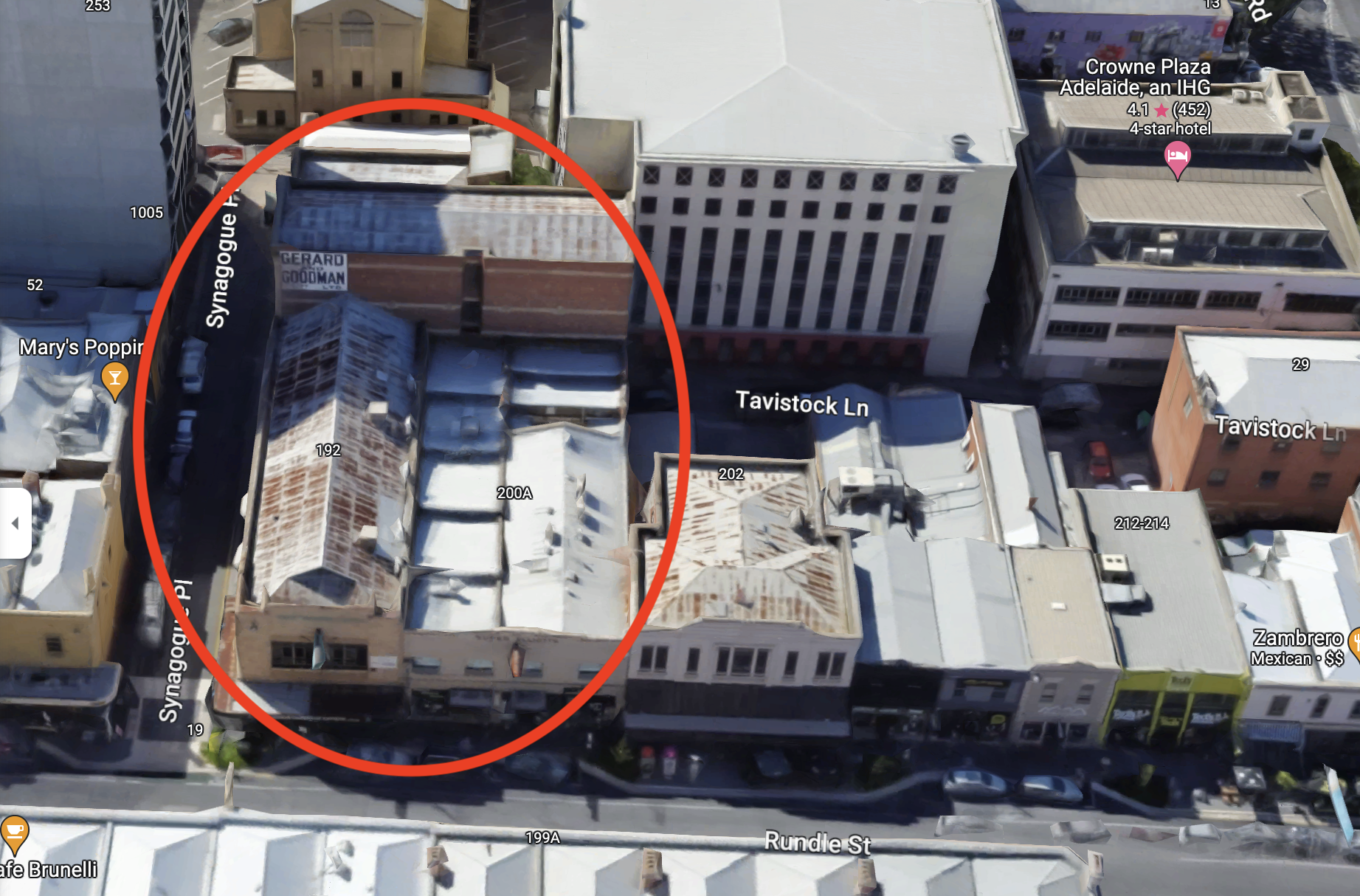
In March 2017, the Gerard & Goodman building in Synagogue Place was demolished and replaced with new student accommodation.
Above:- An aerial view showing the old Gerard & Goodman building in Rundle St & the warehouse in Synagogue Place. Image c/o Google maps.
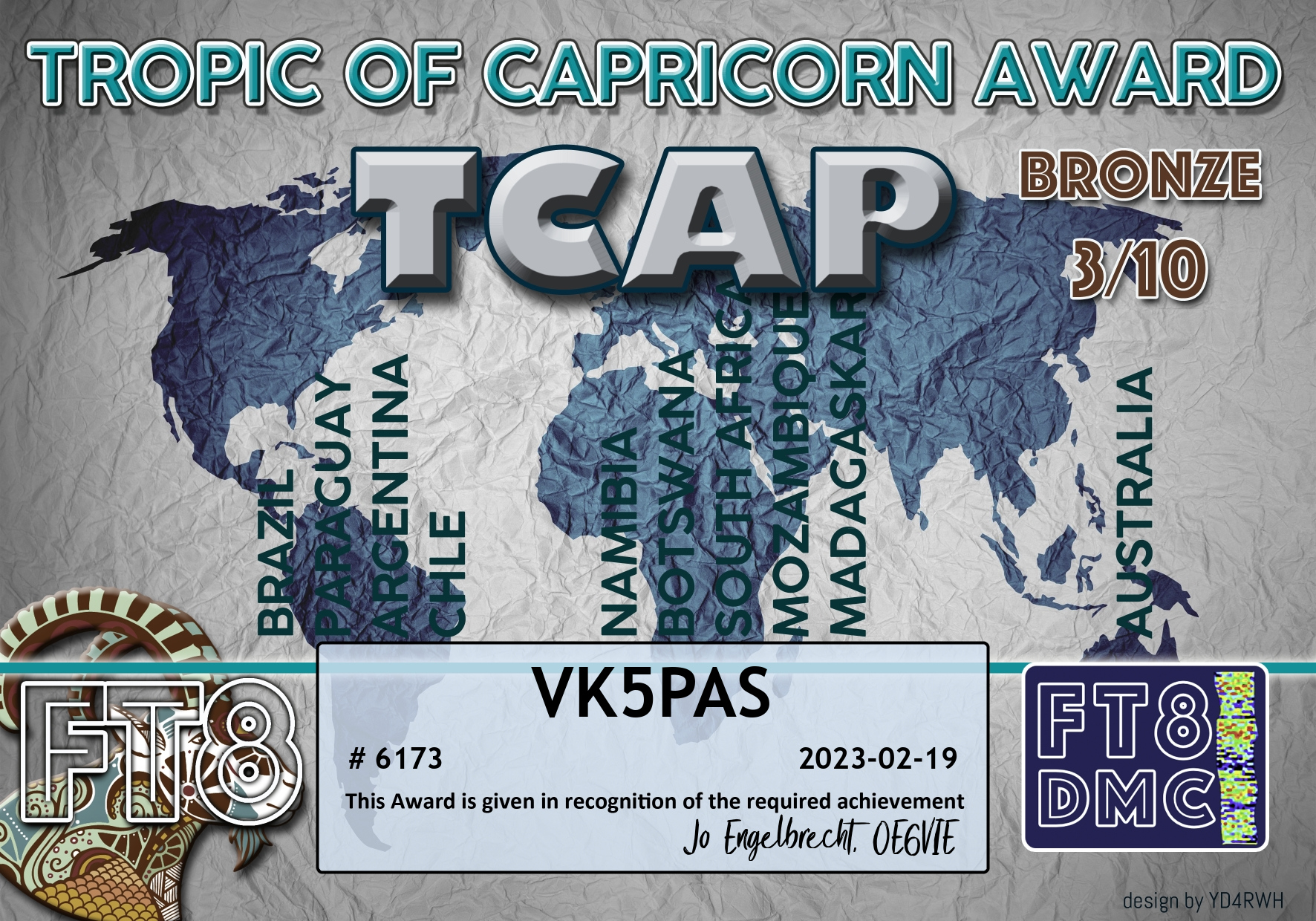
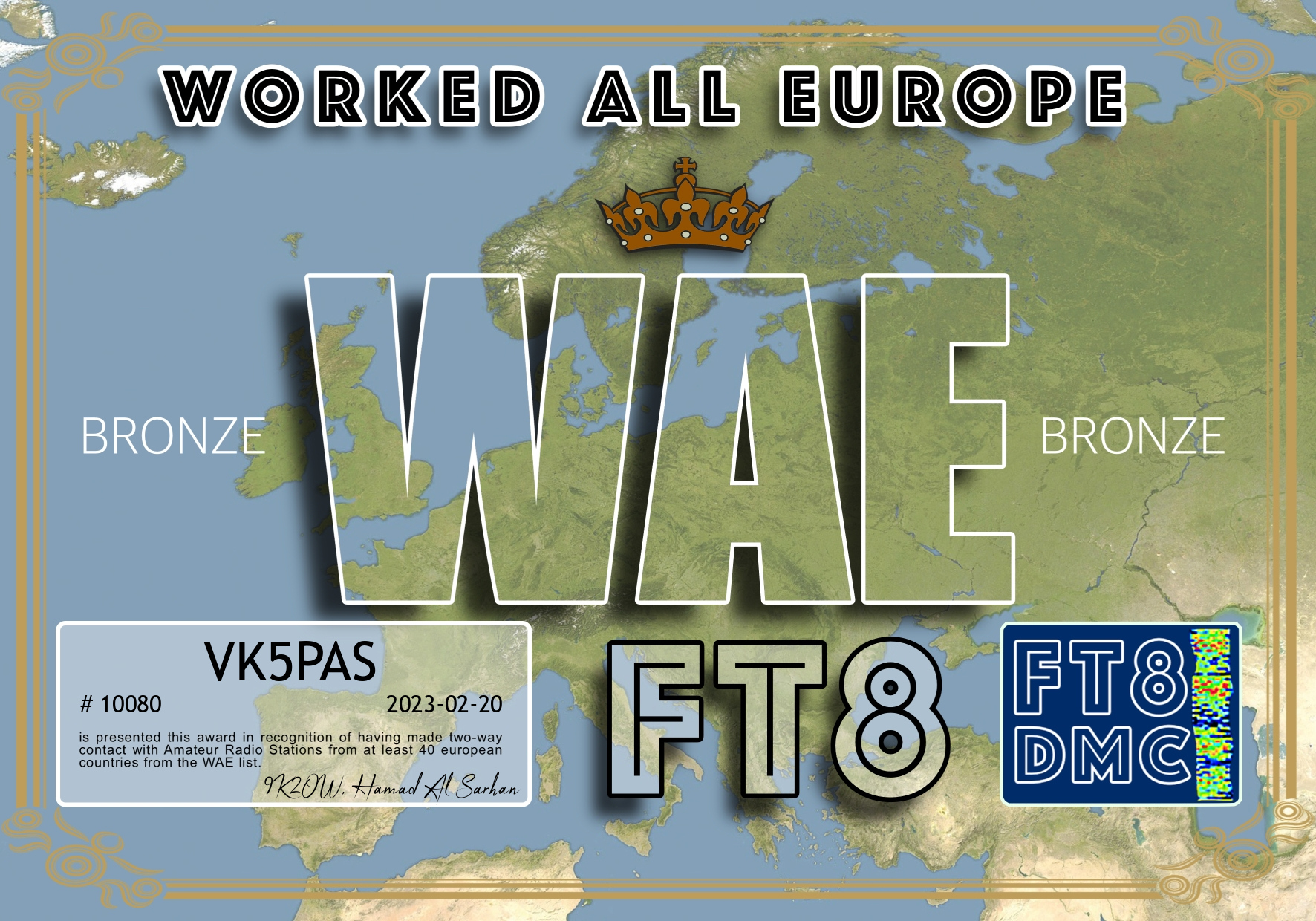
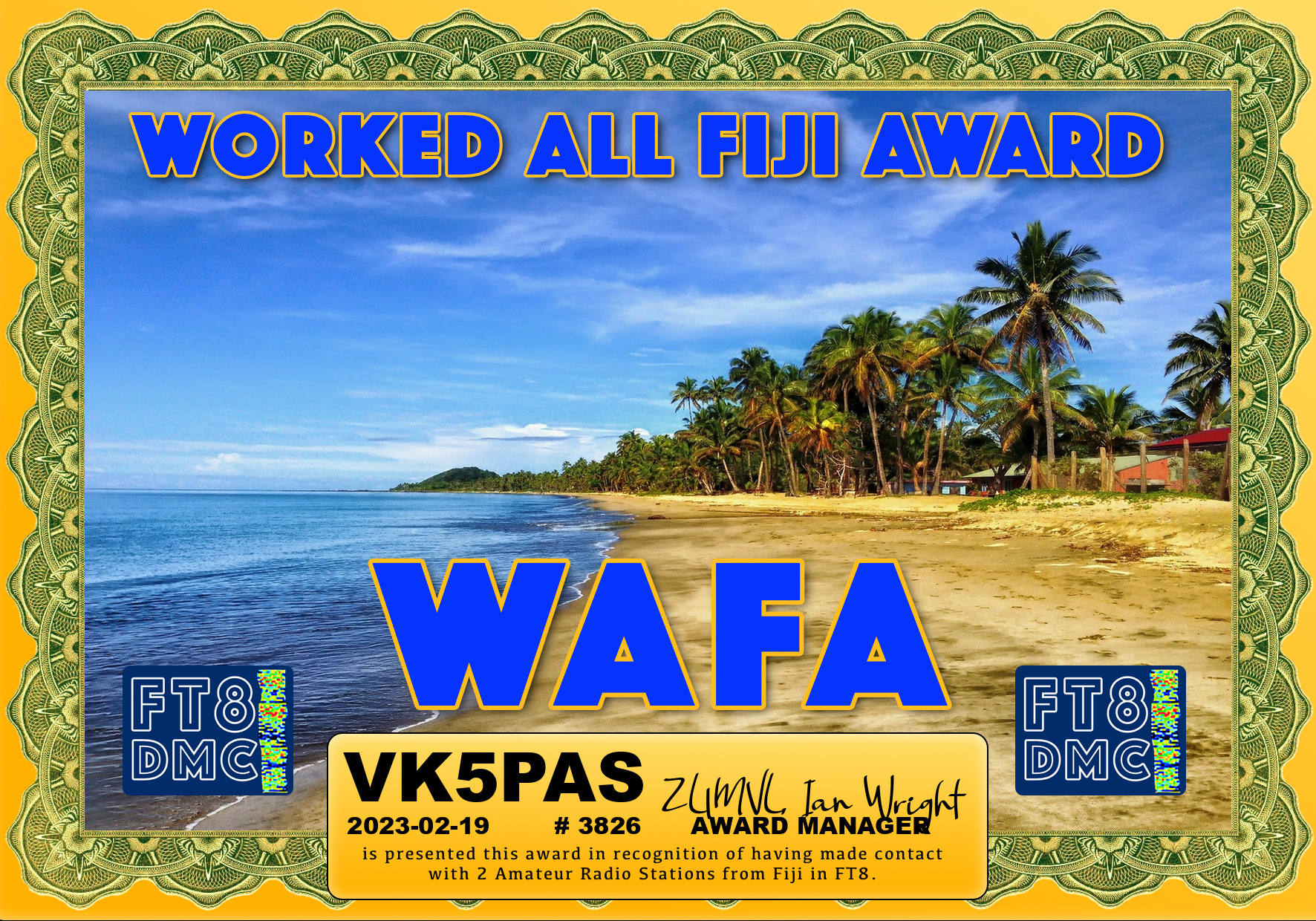
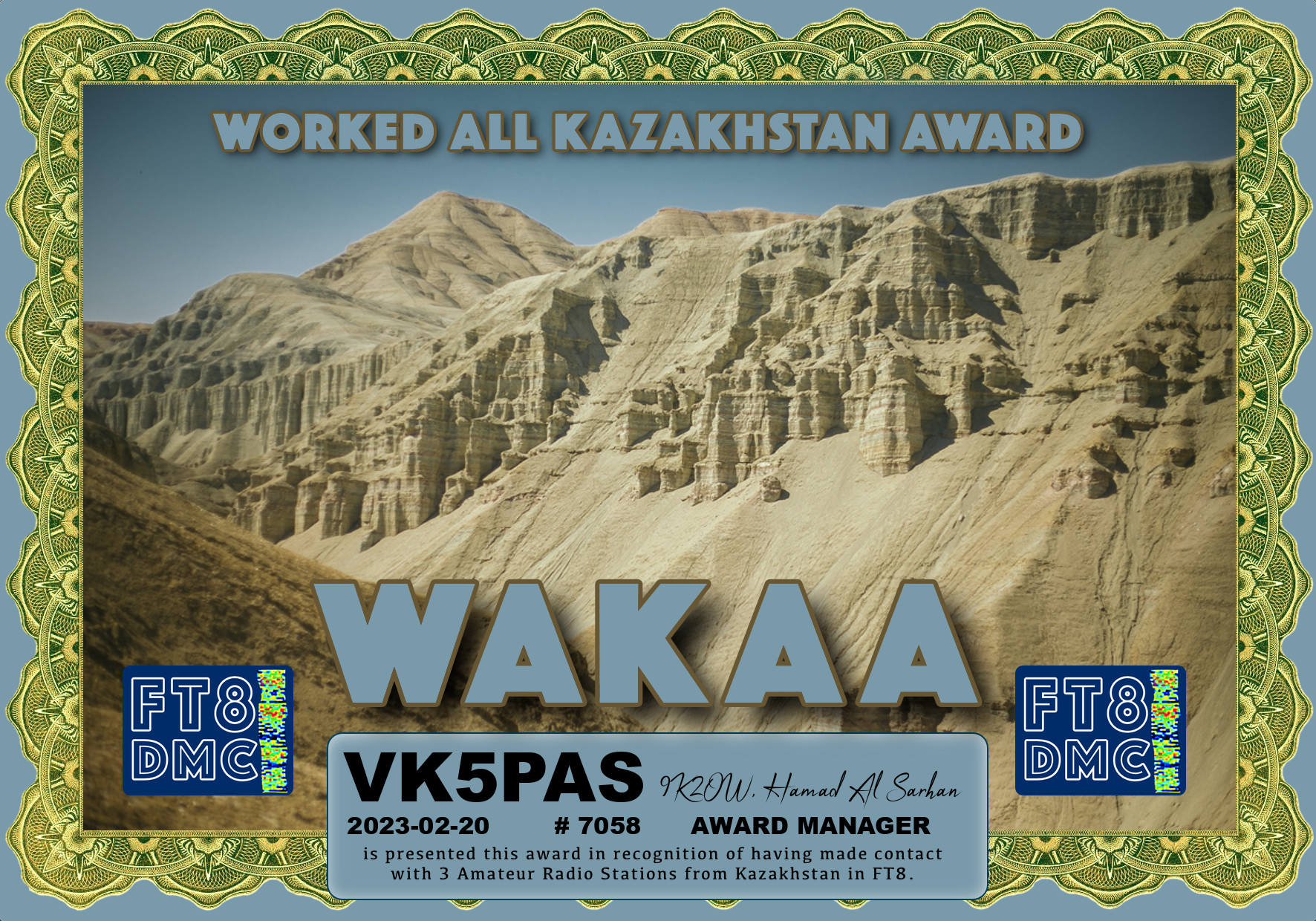
About 5 weeks ago I became set up for the digital mode FT8. Thanks to John VK5BJE for his assistance.
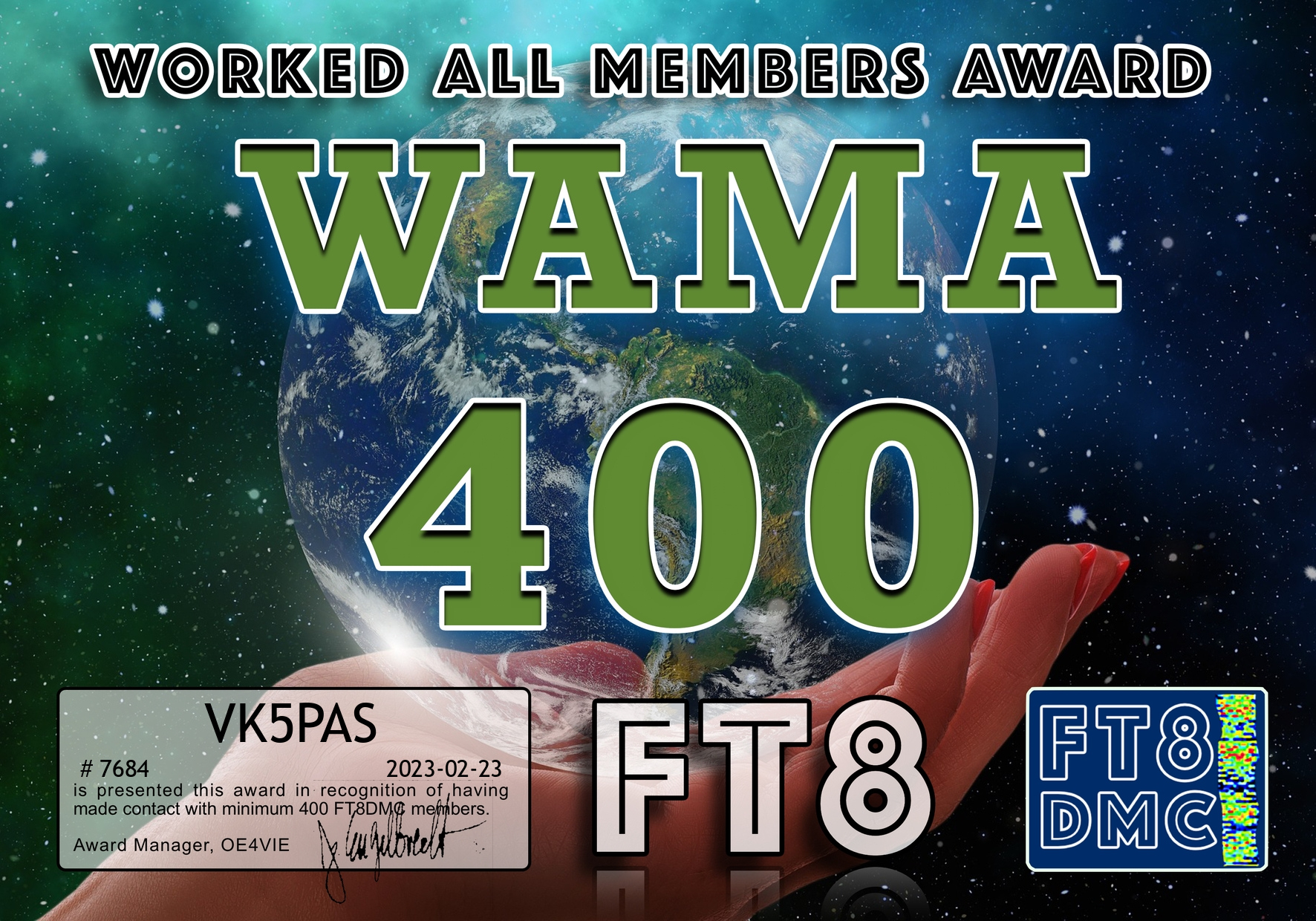
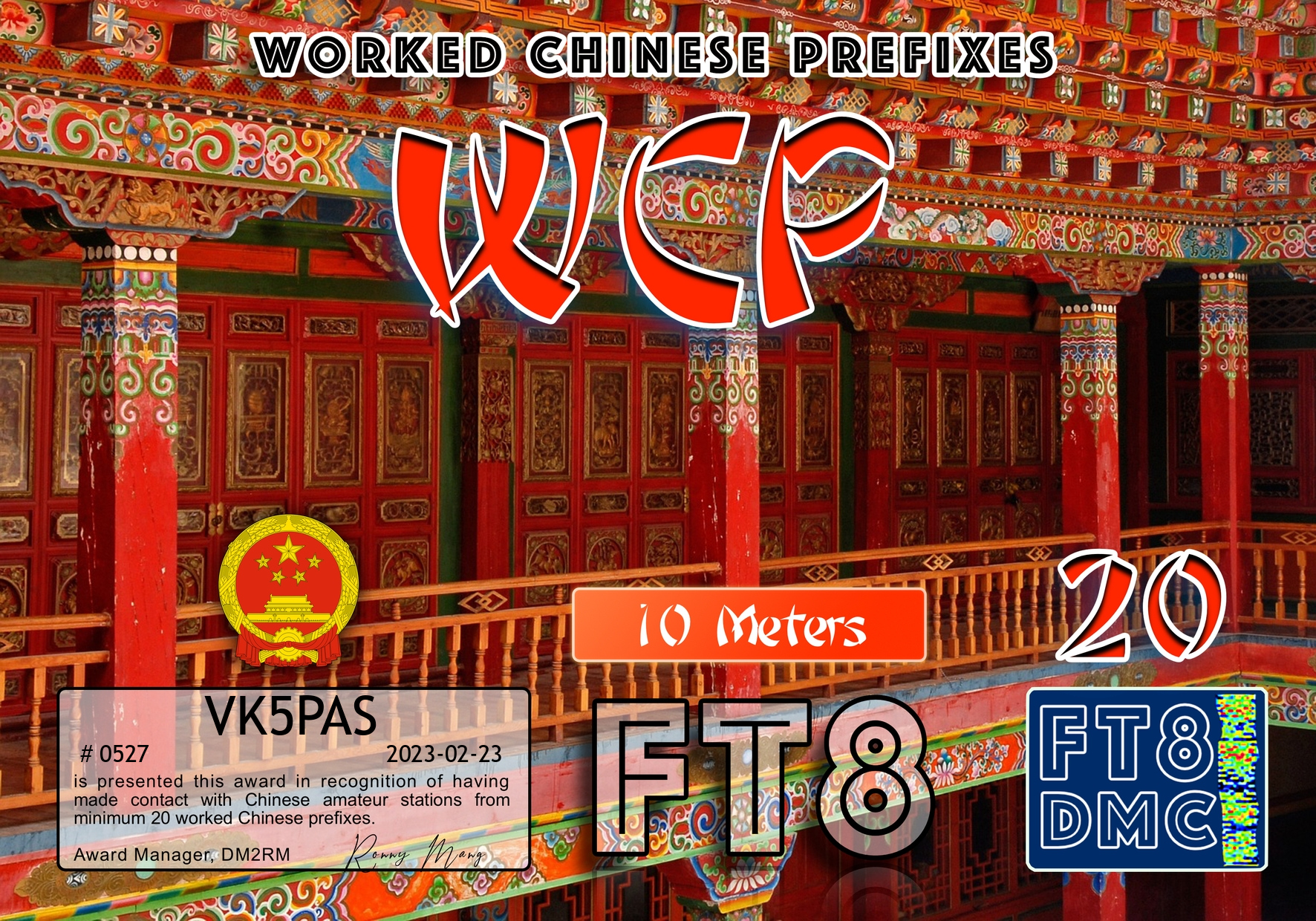
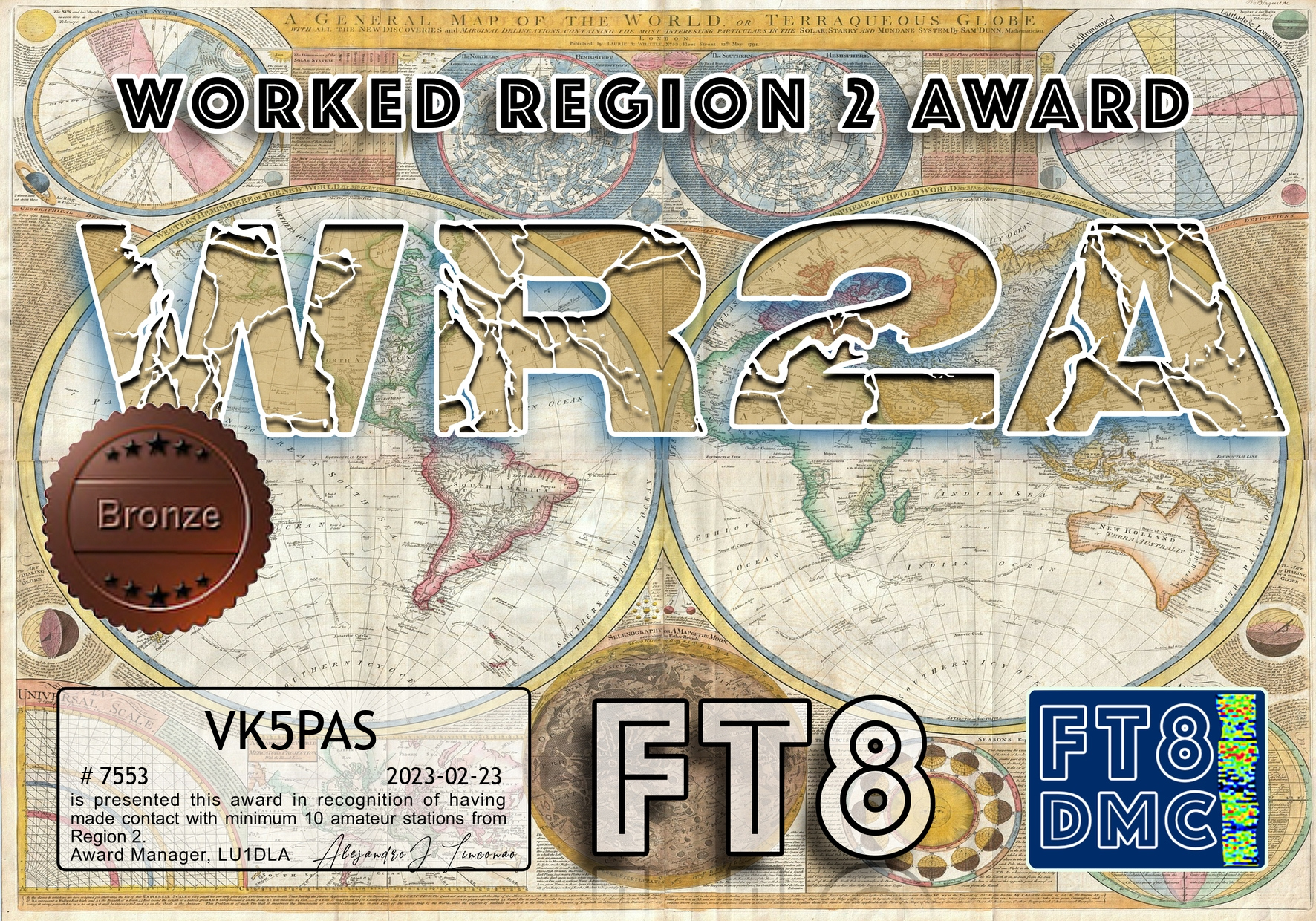
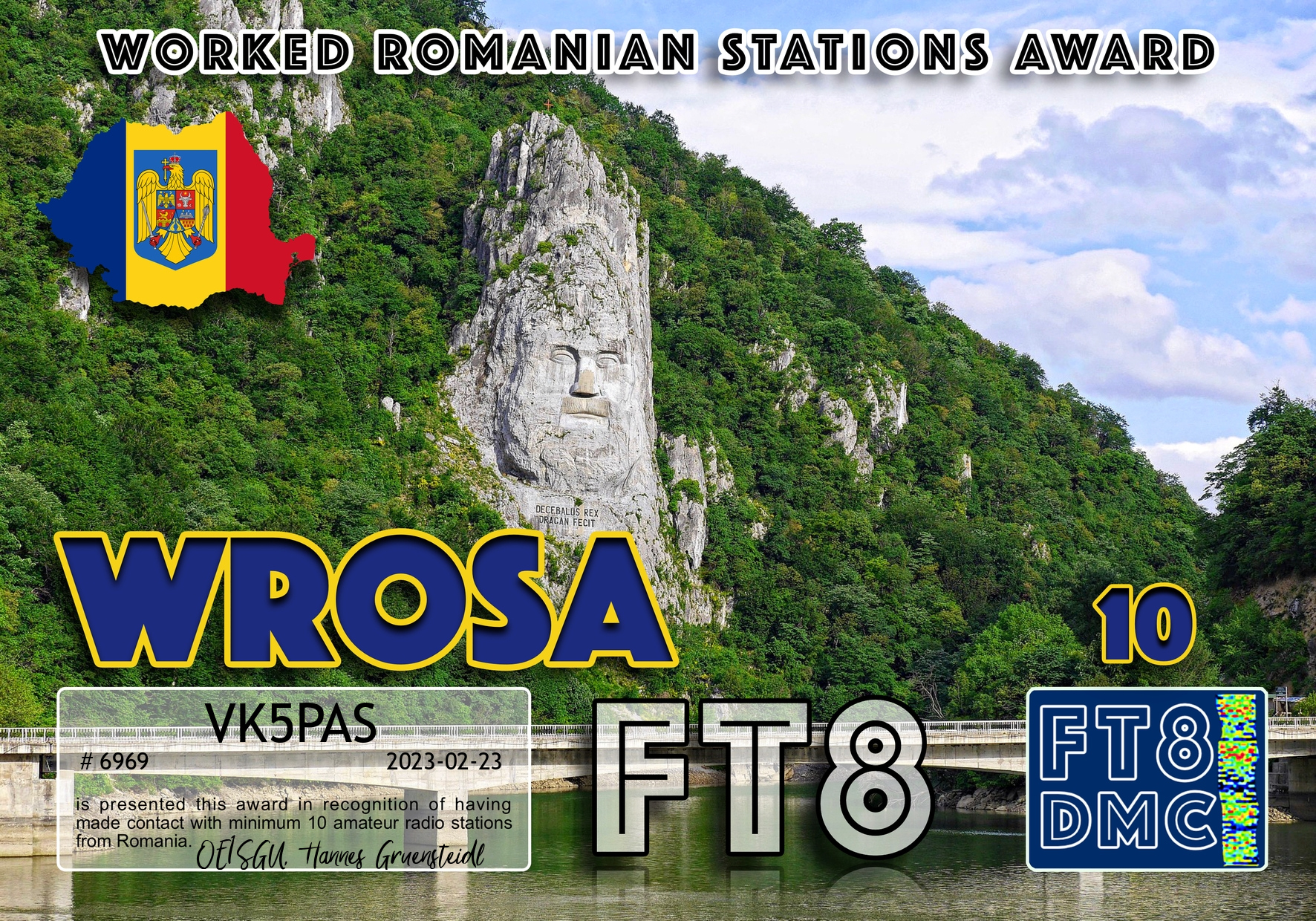
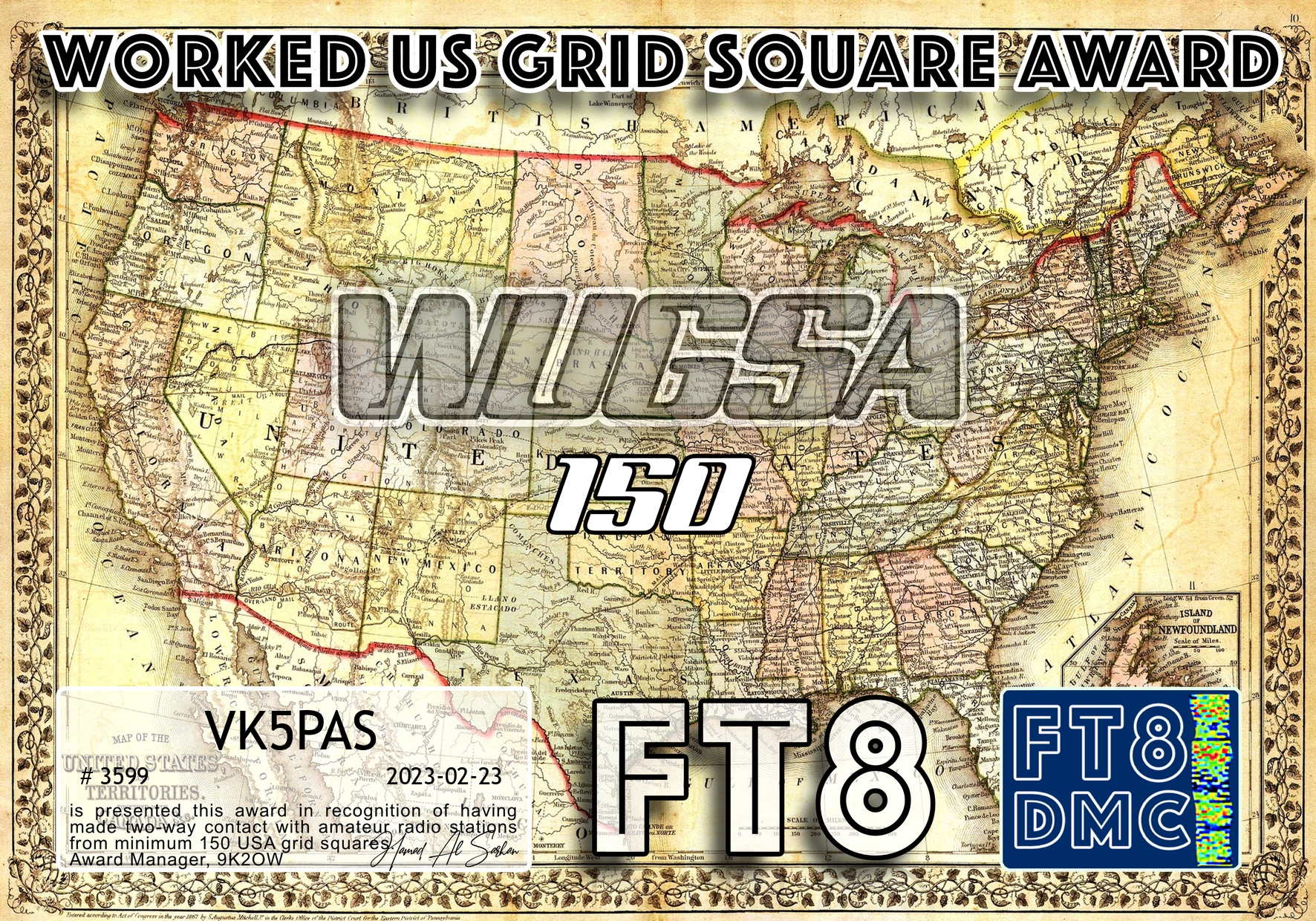
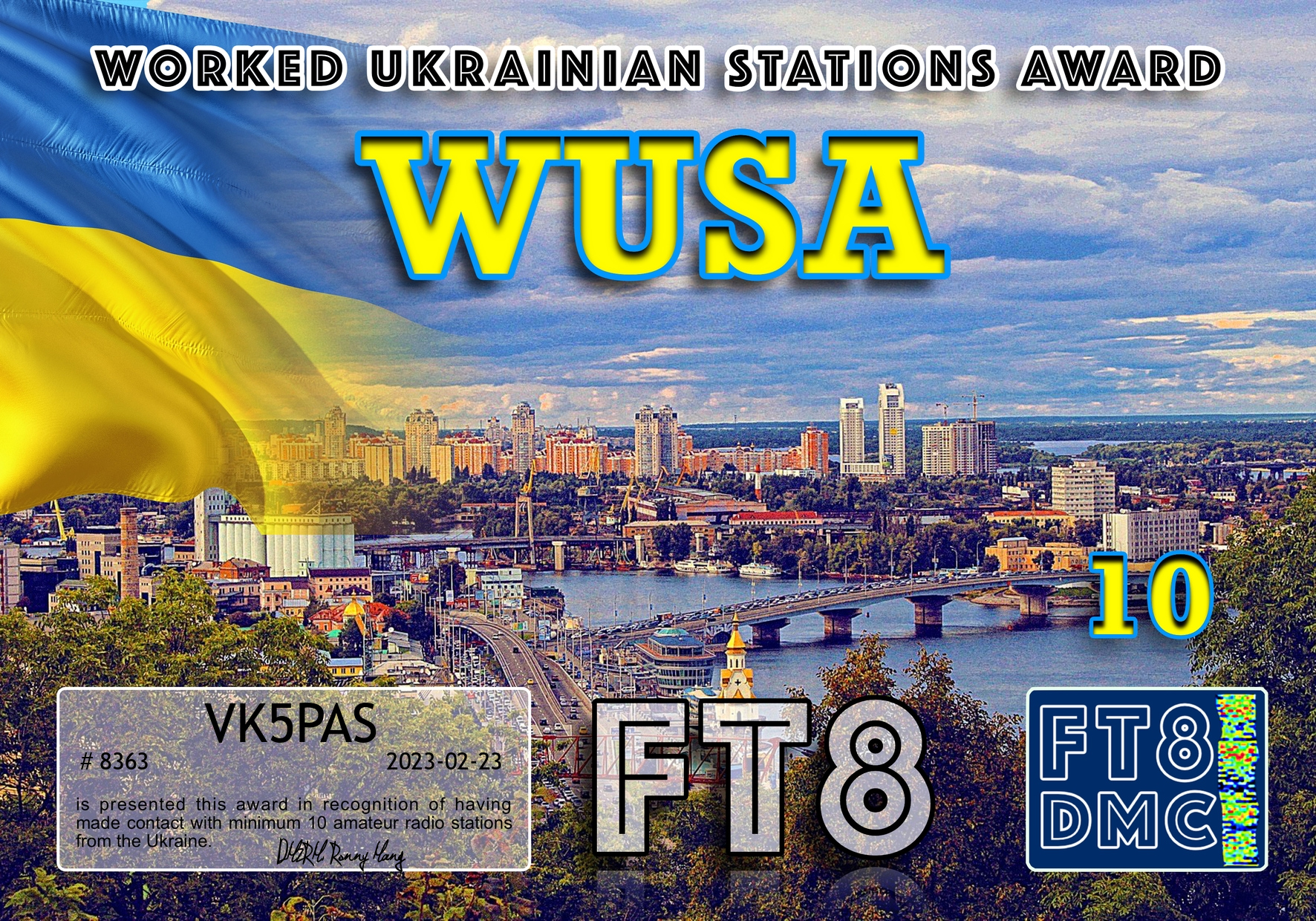
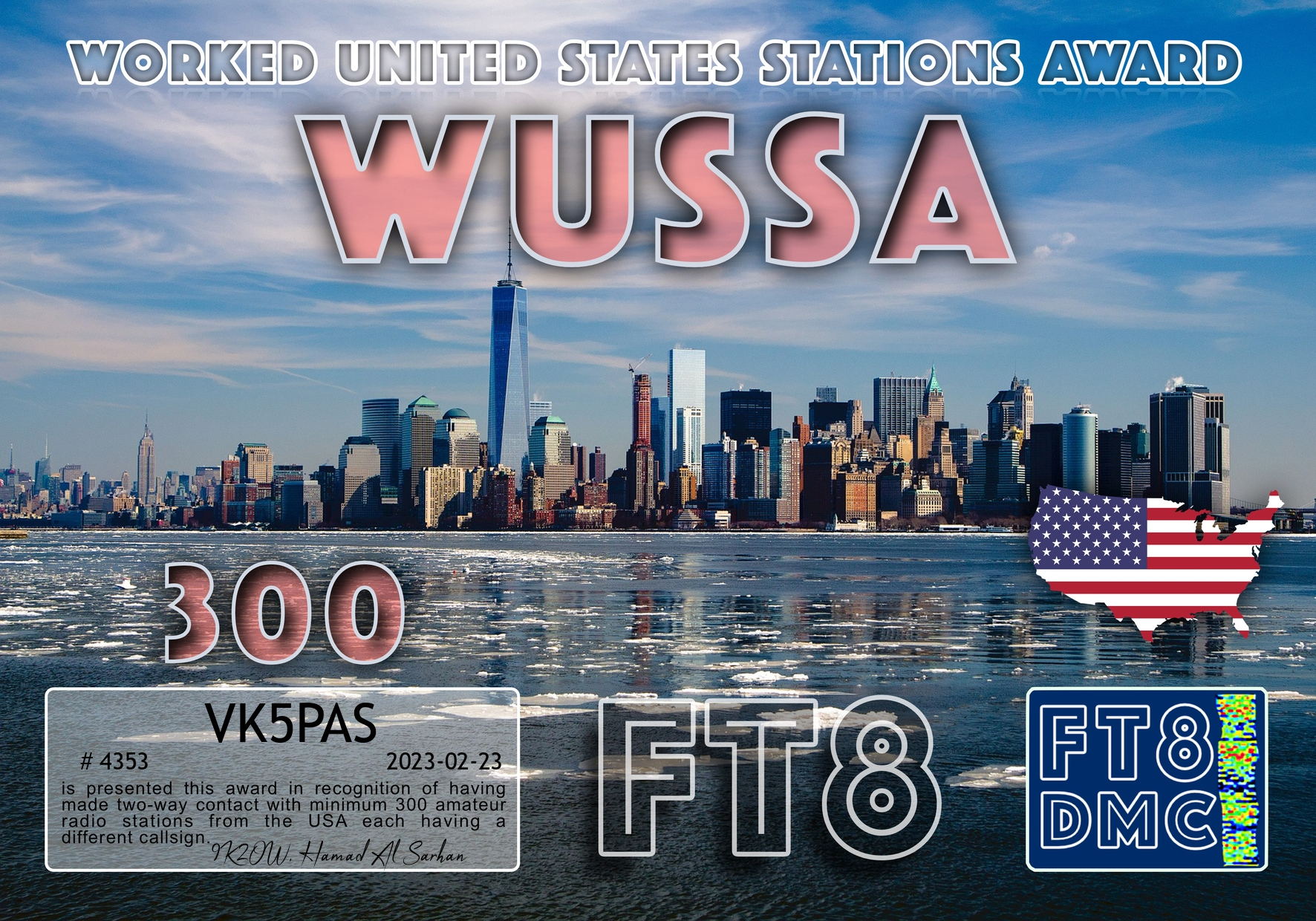
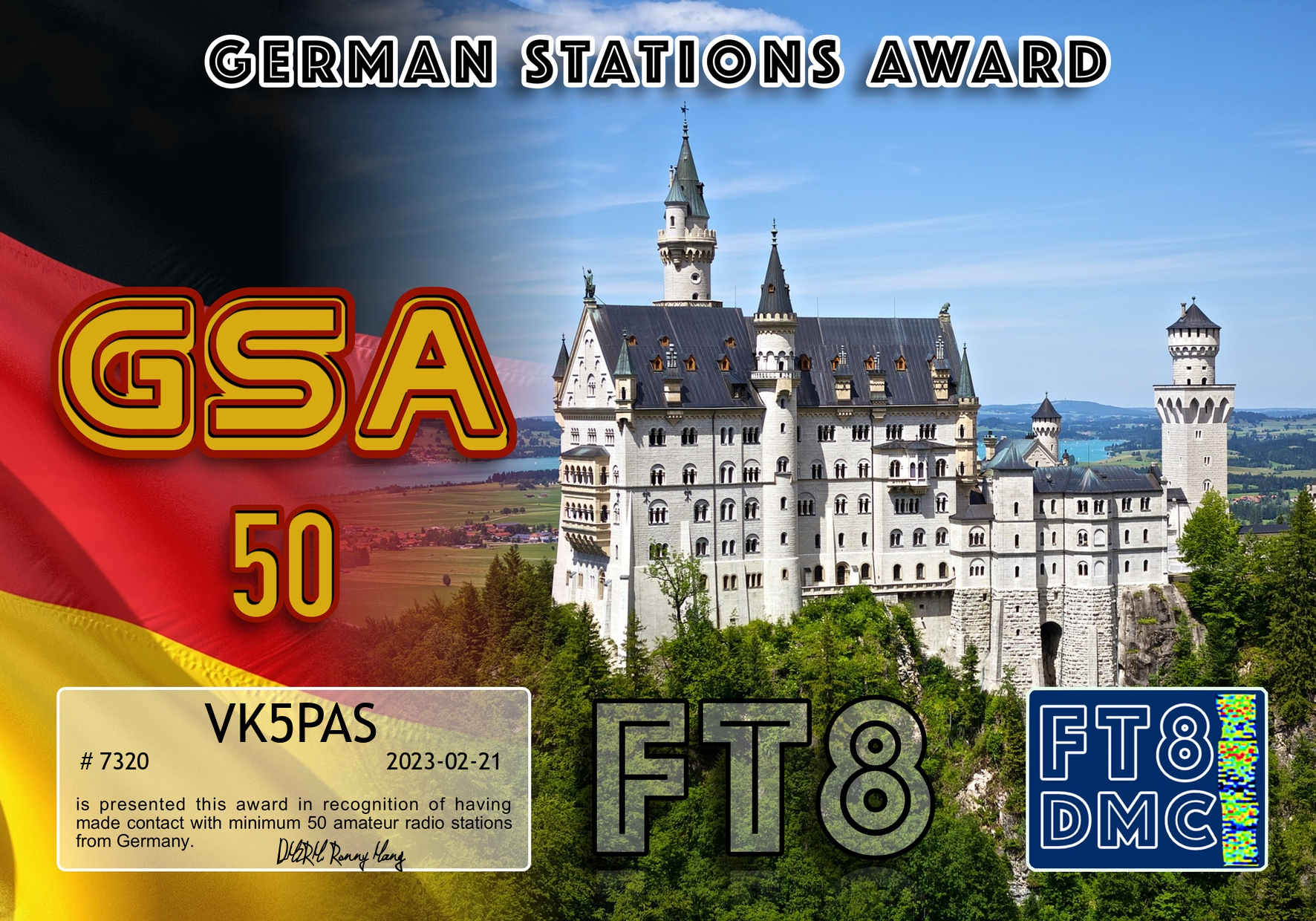
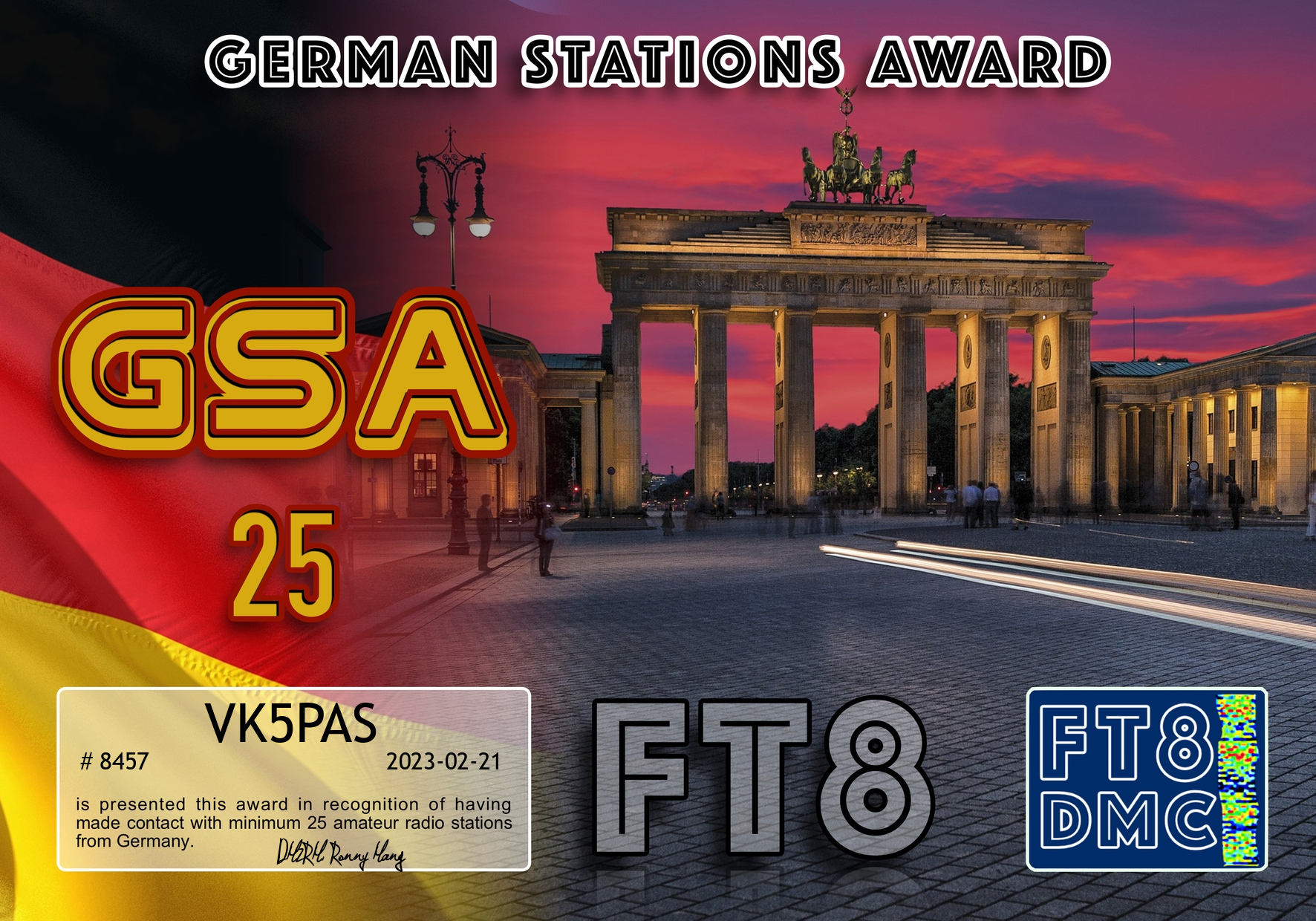
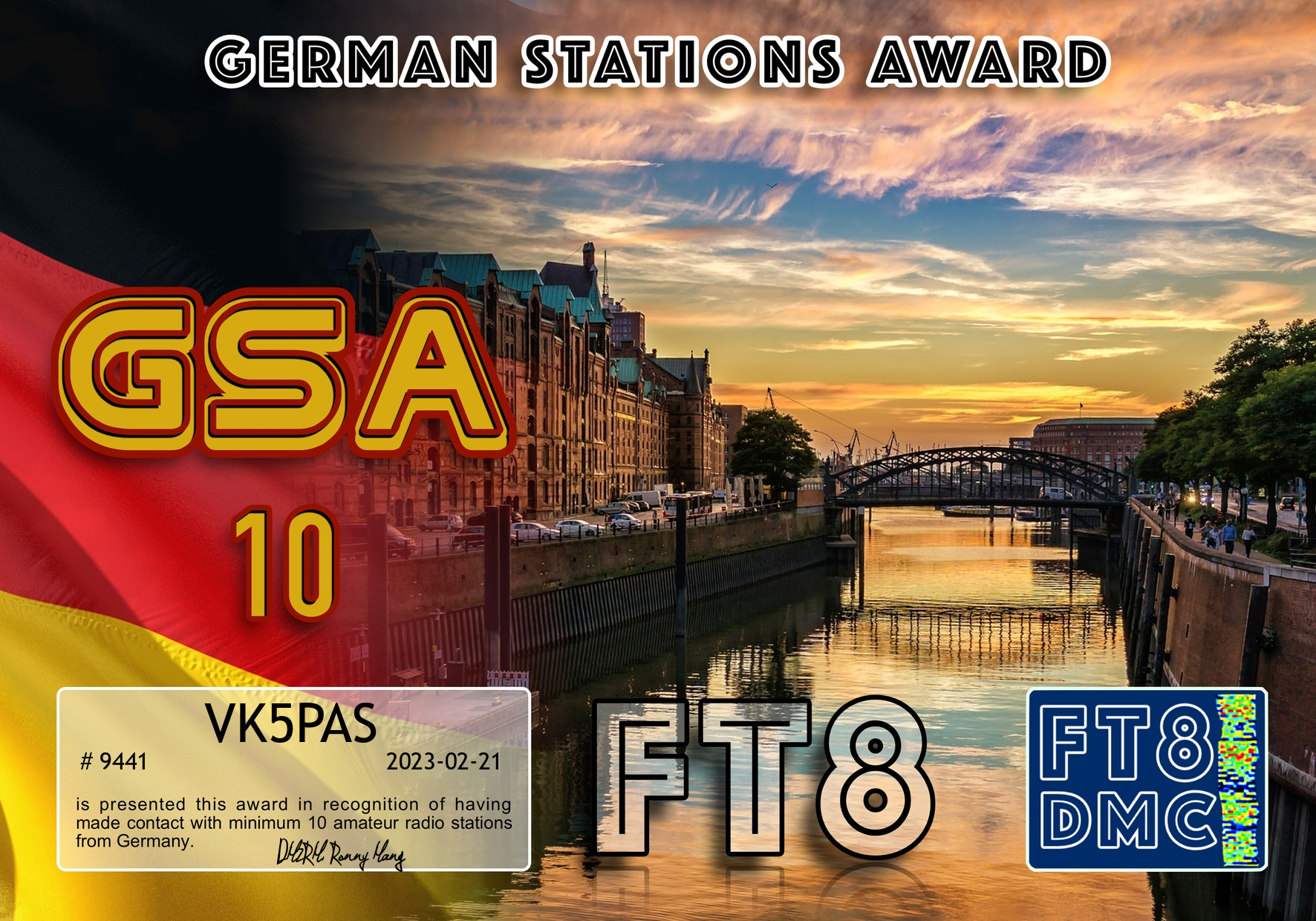
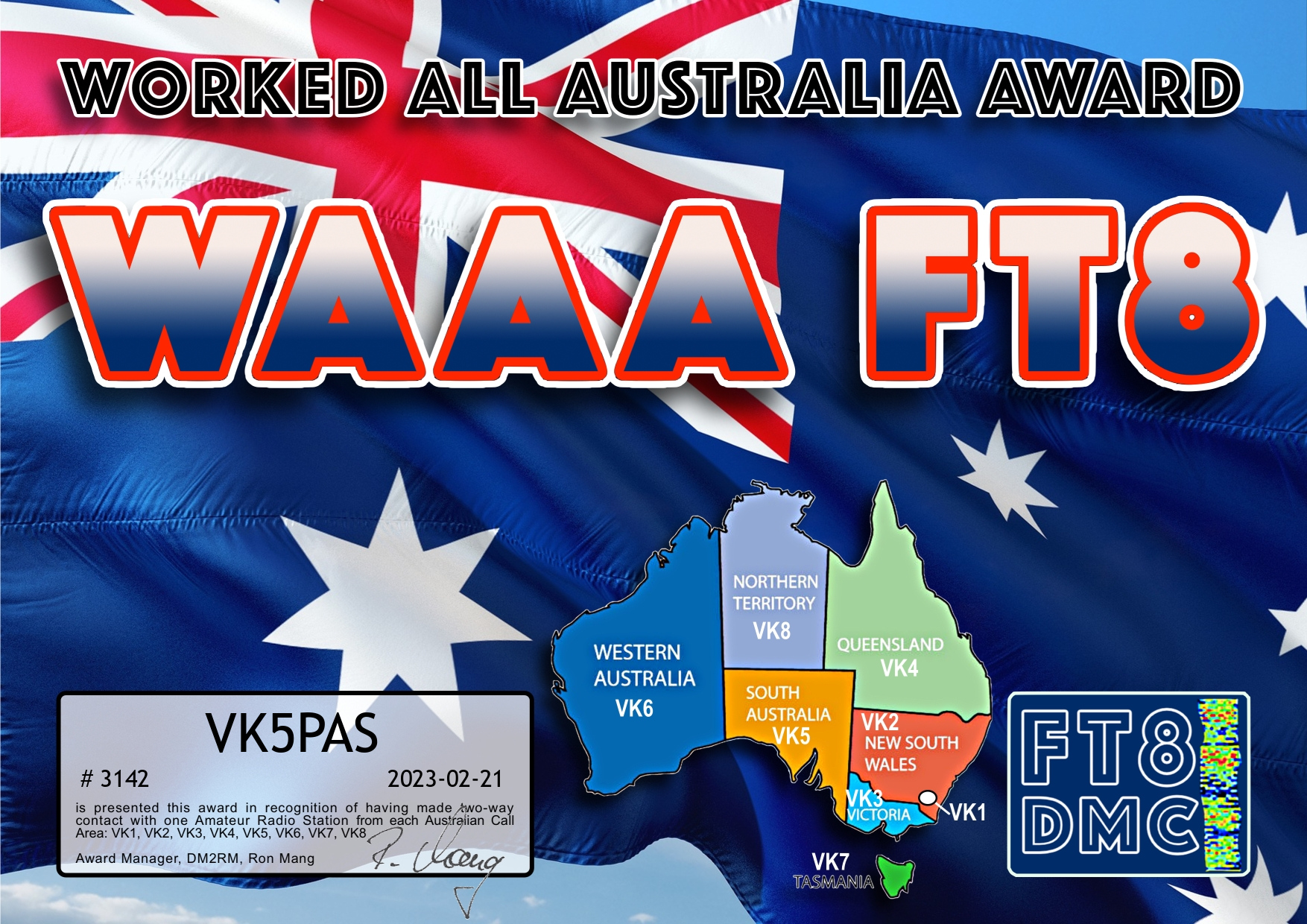
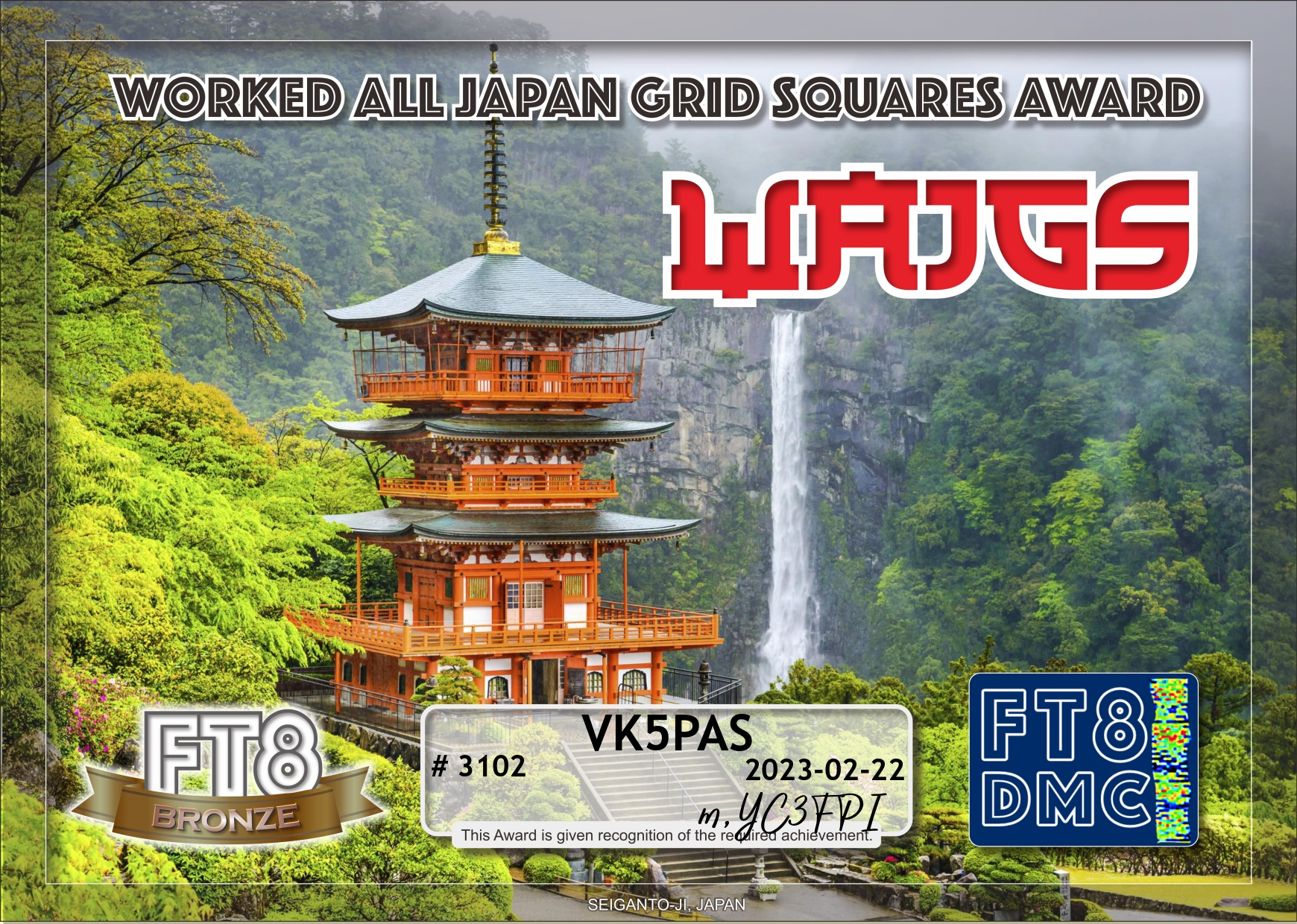
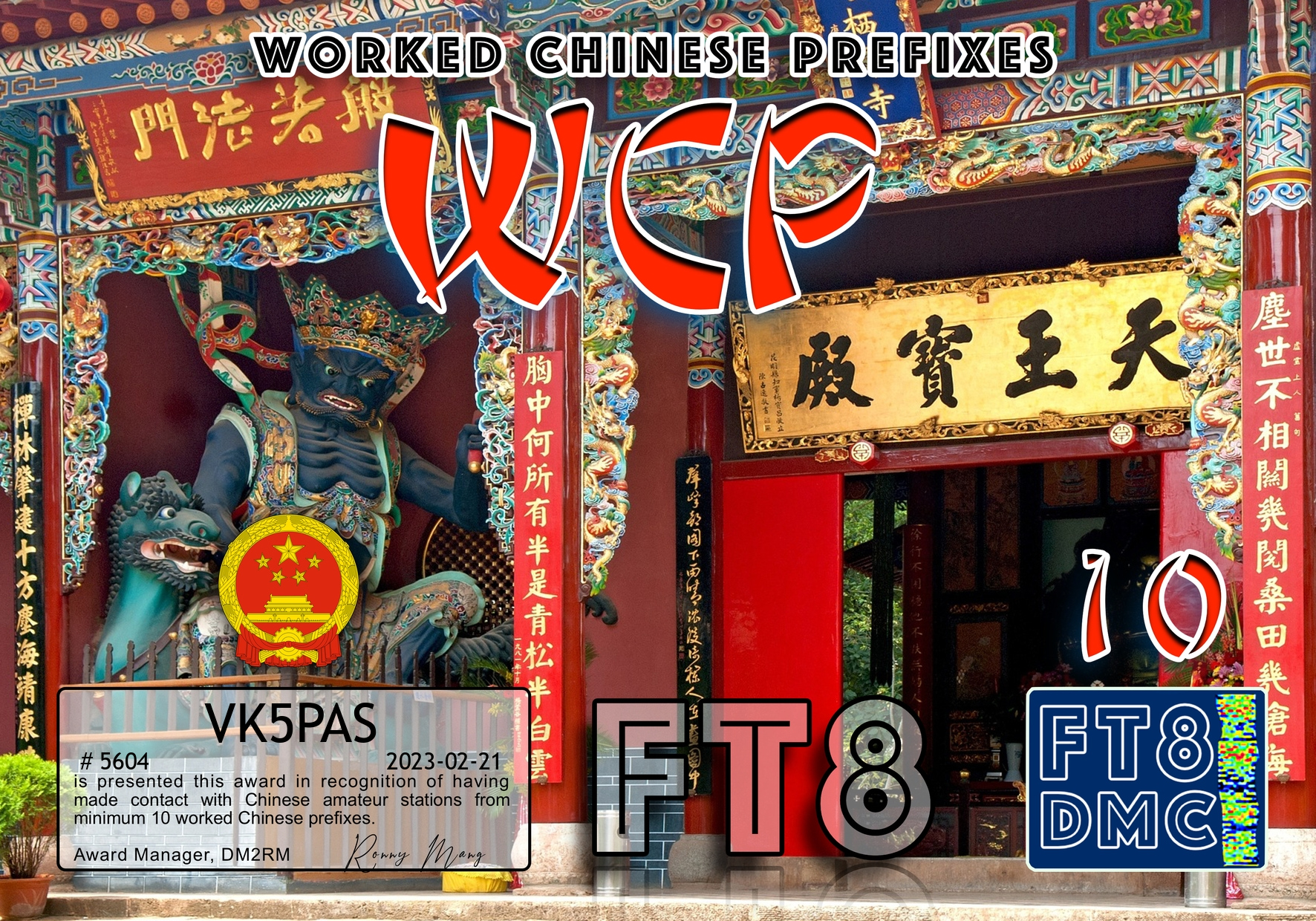
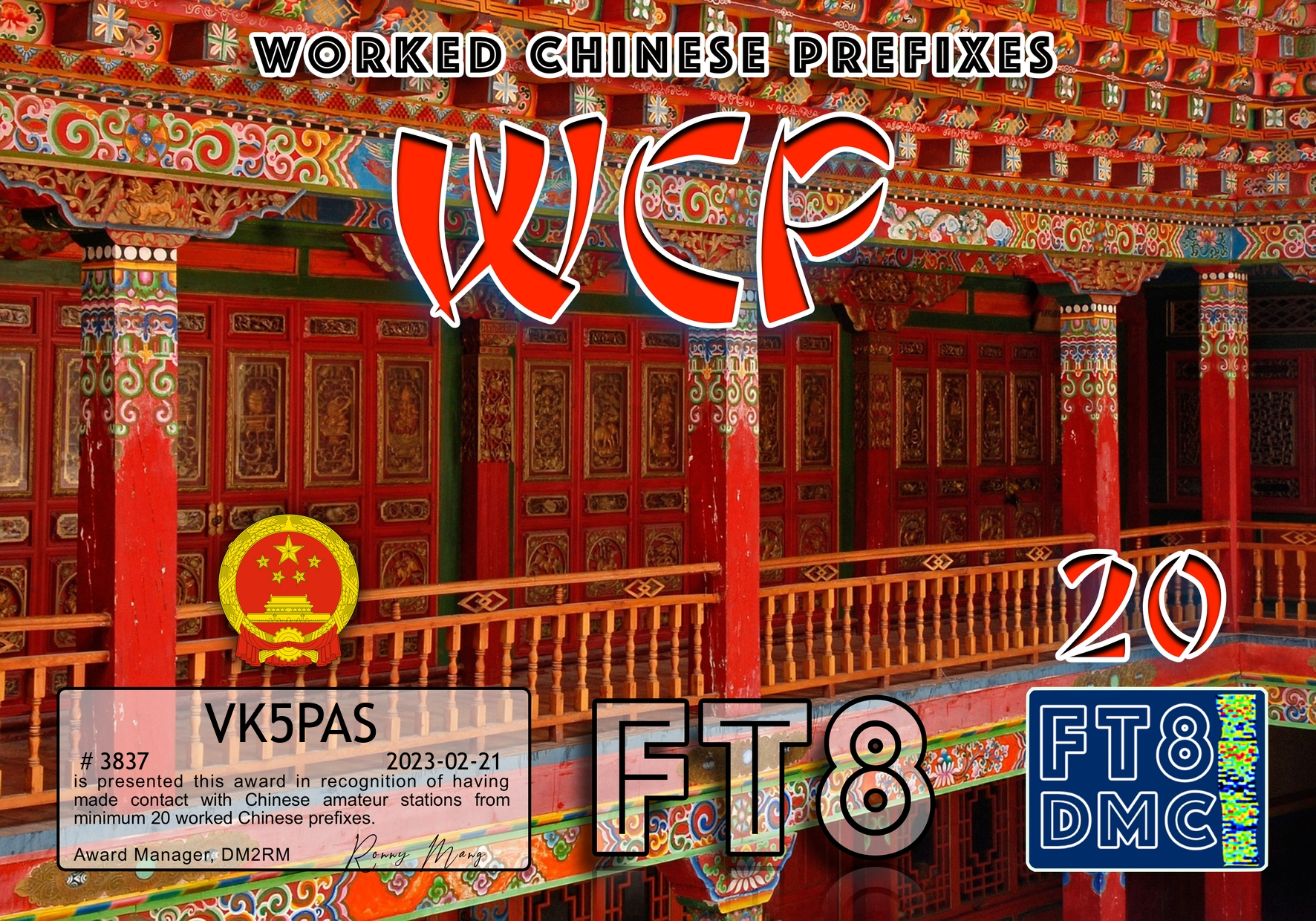
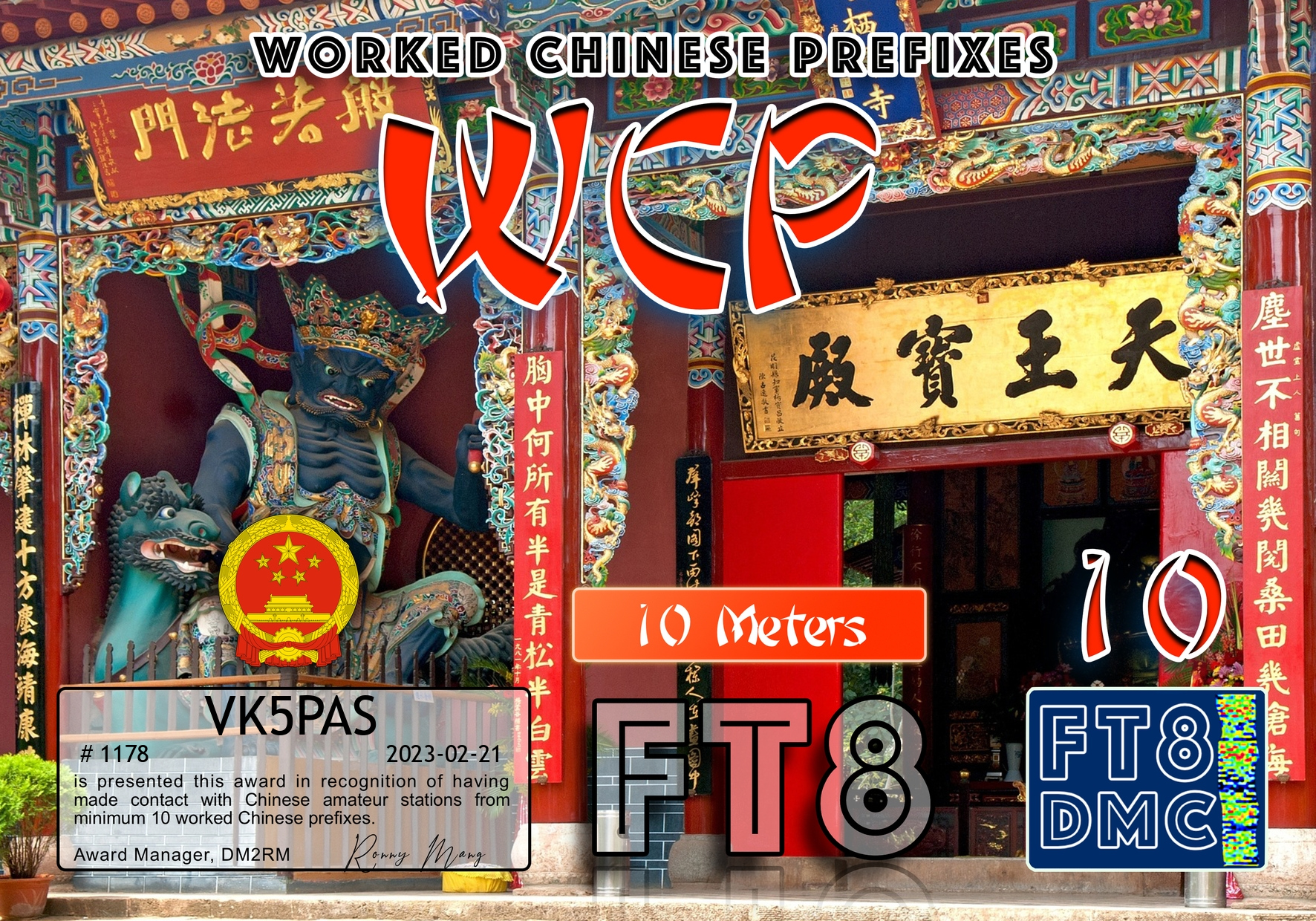
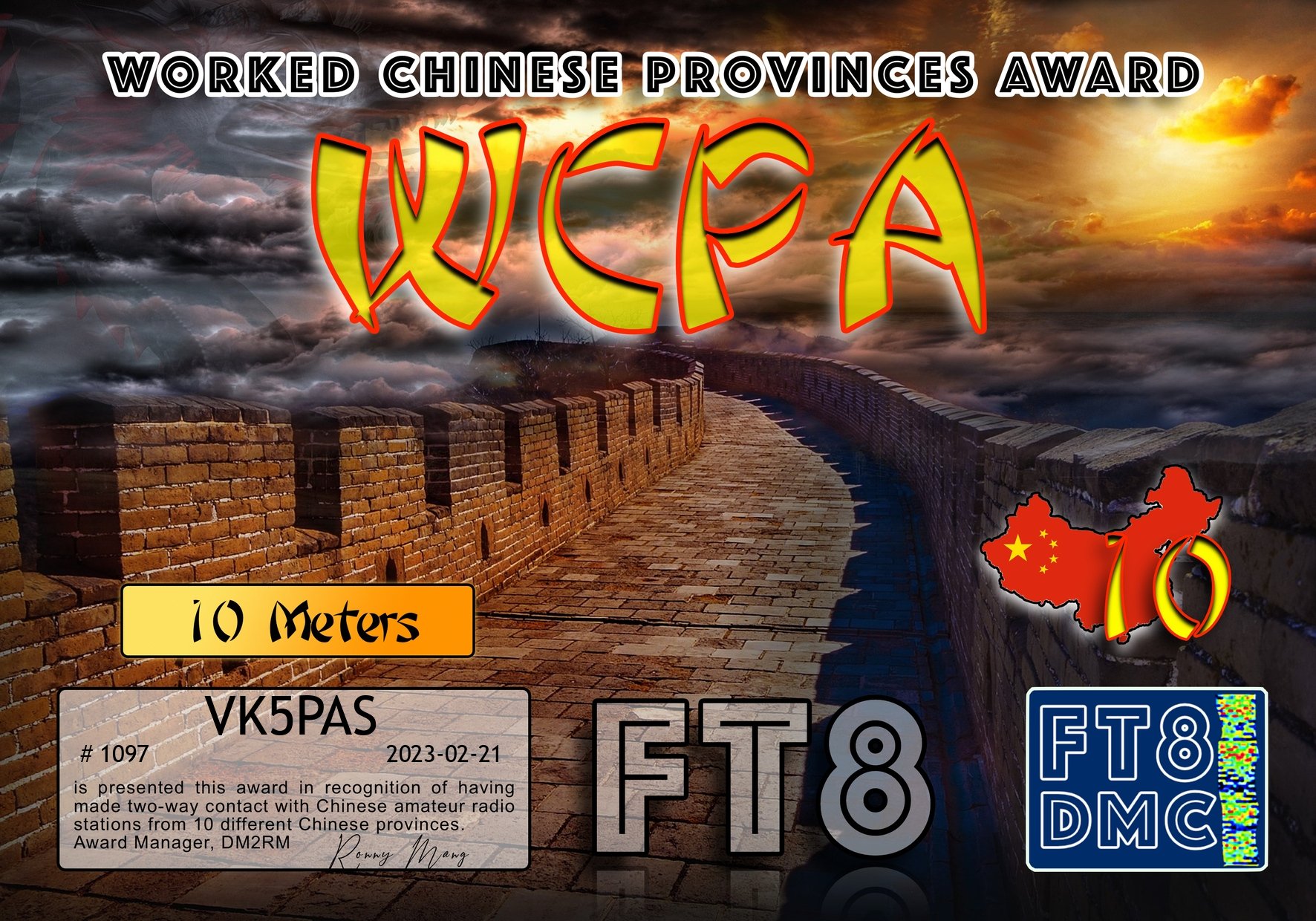
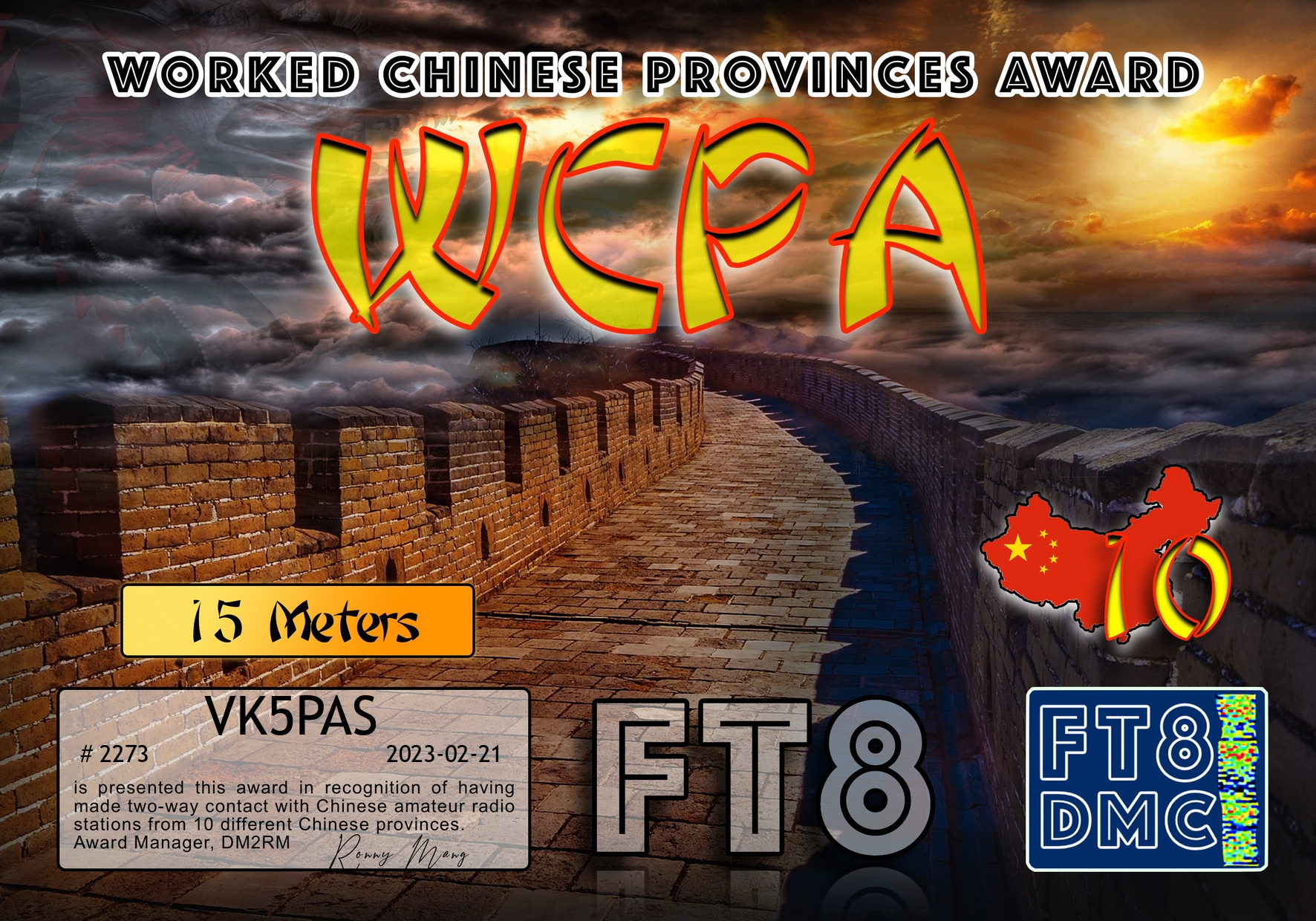
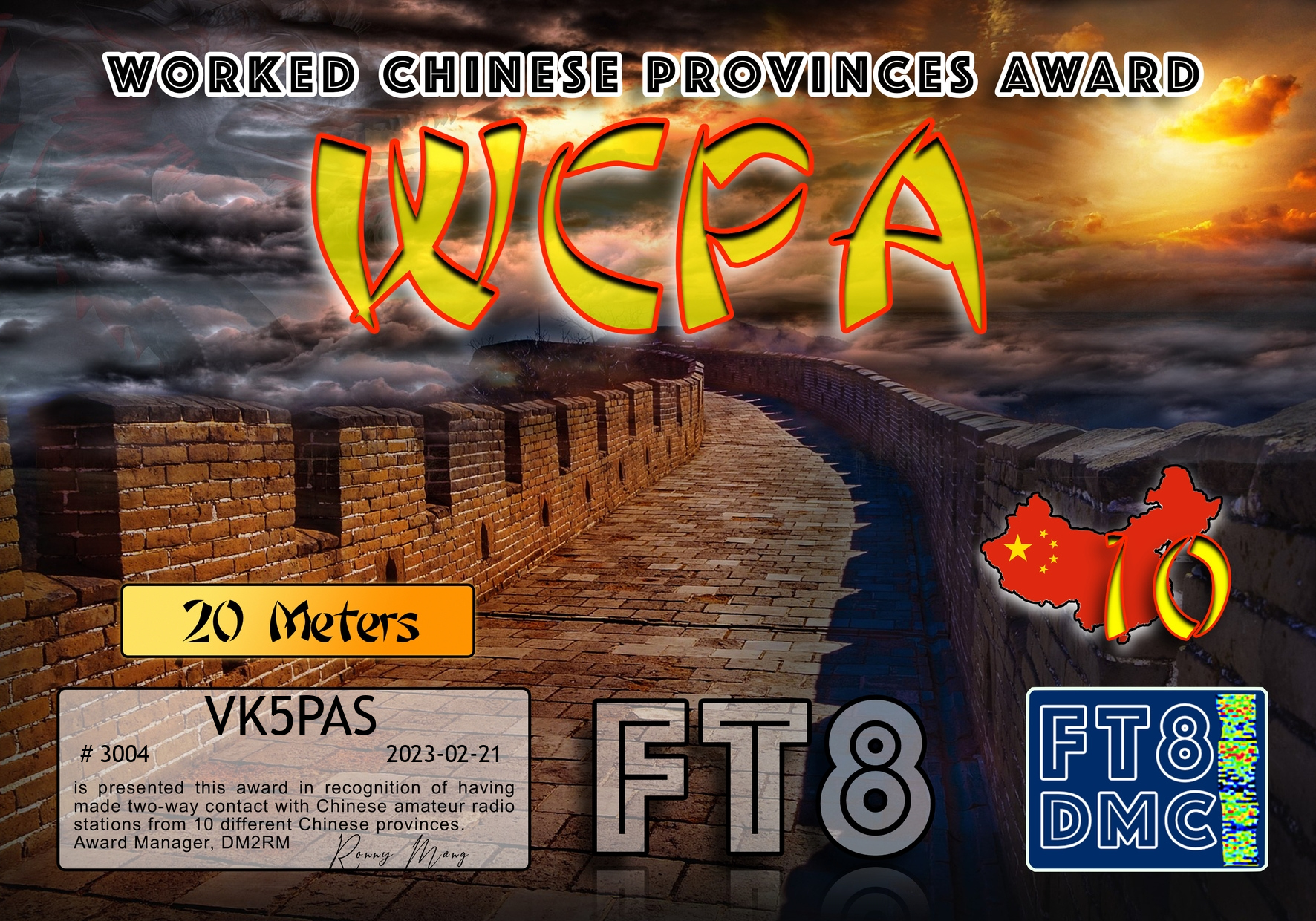
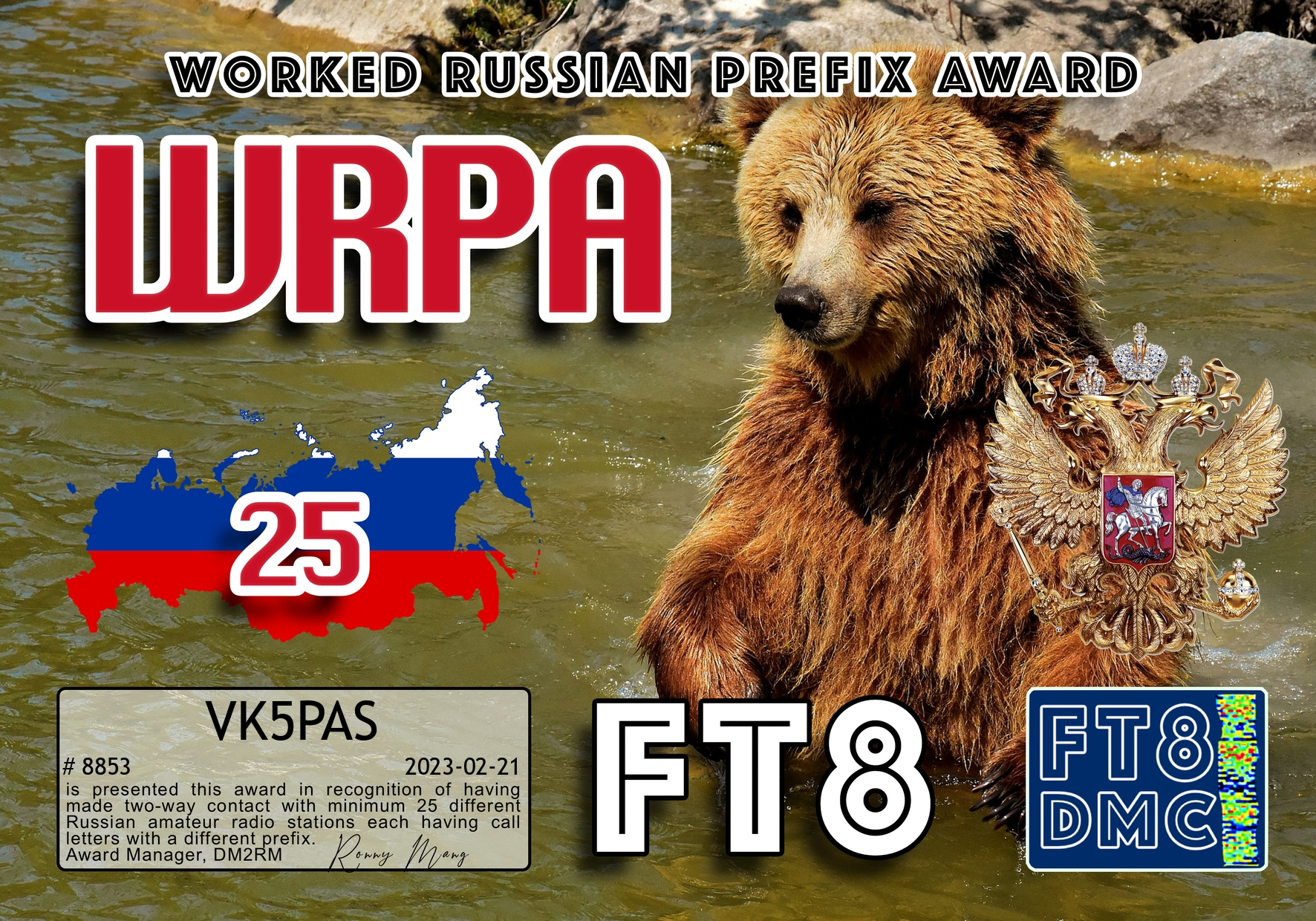
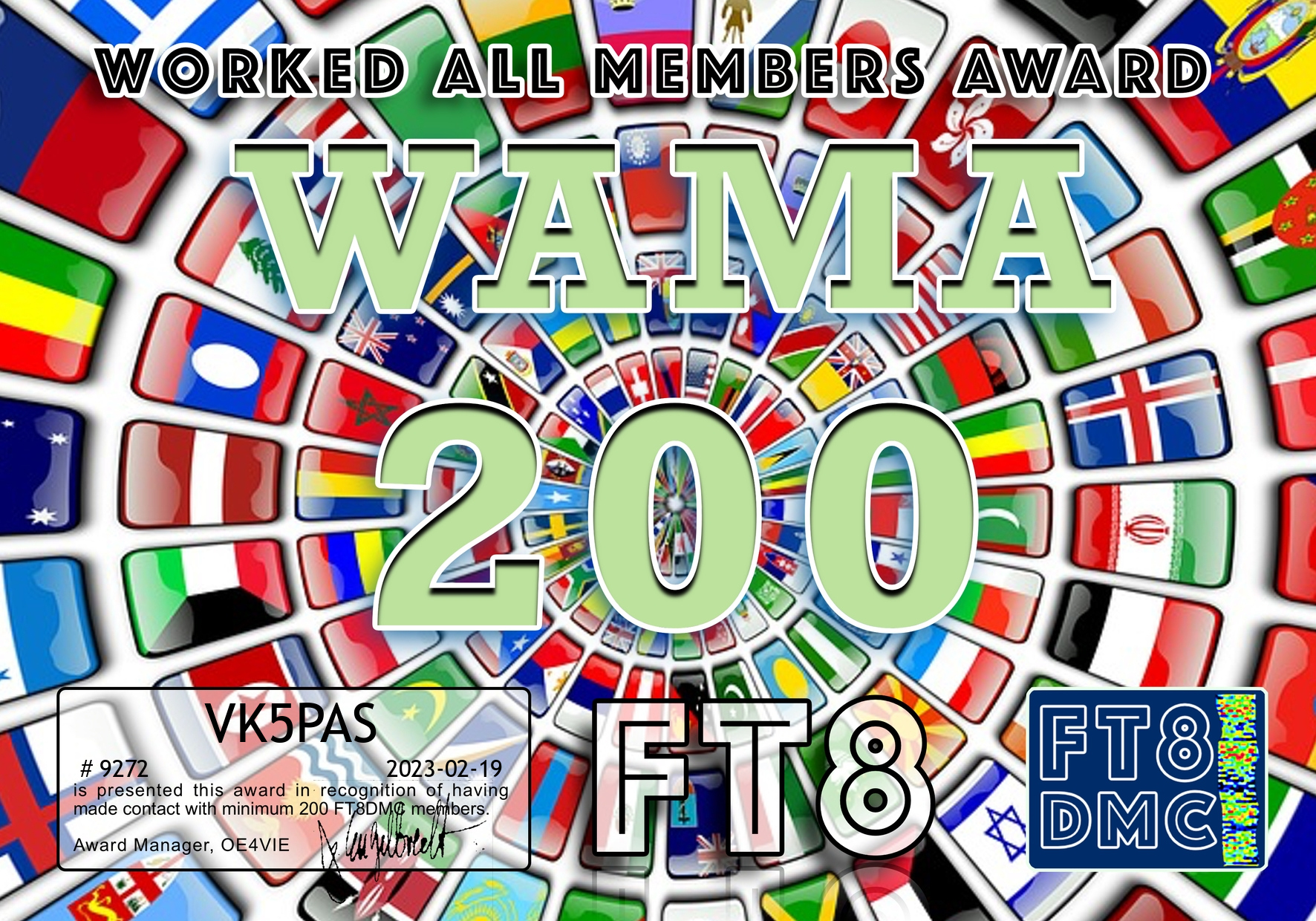
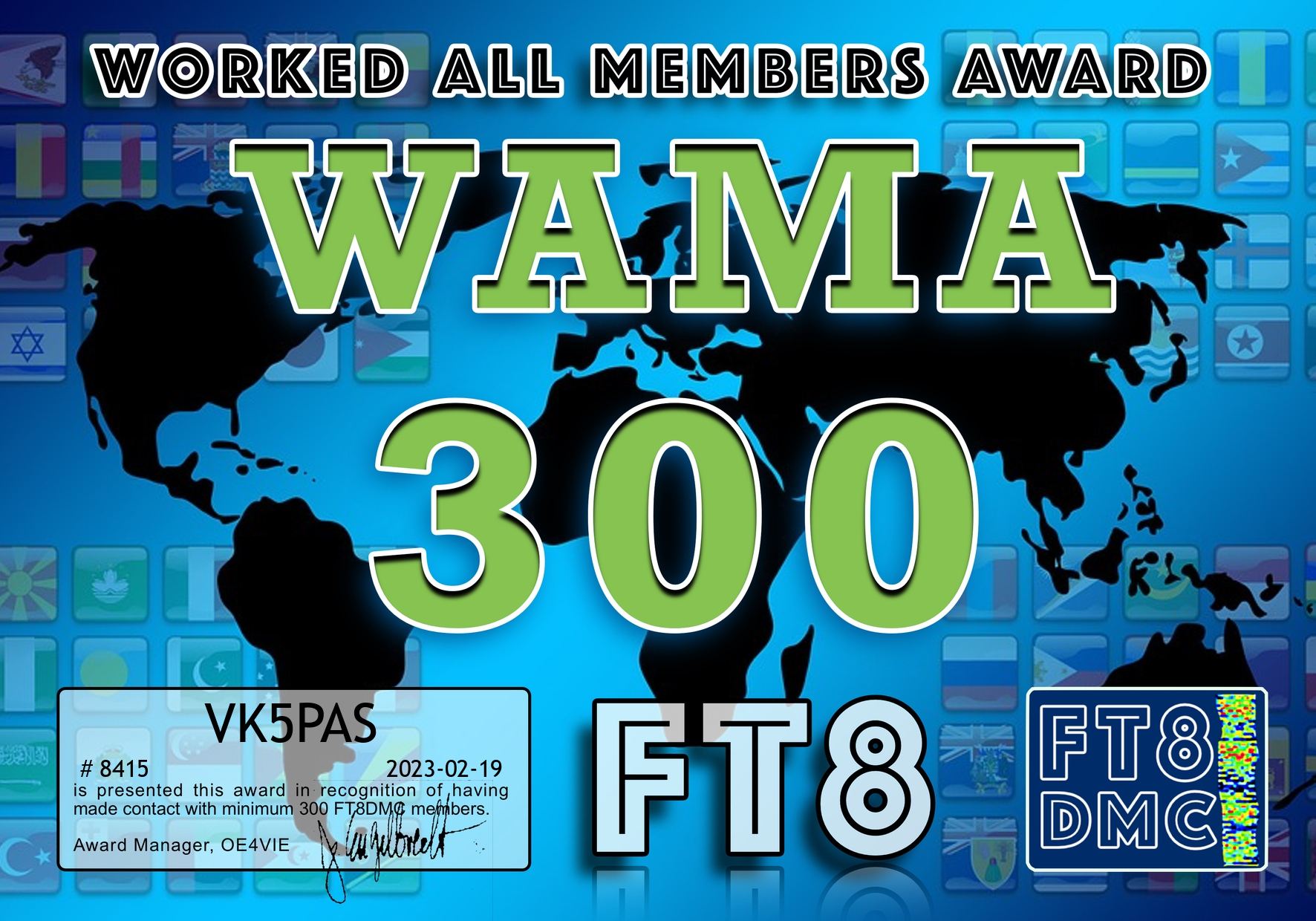
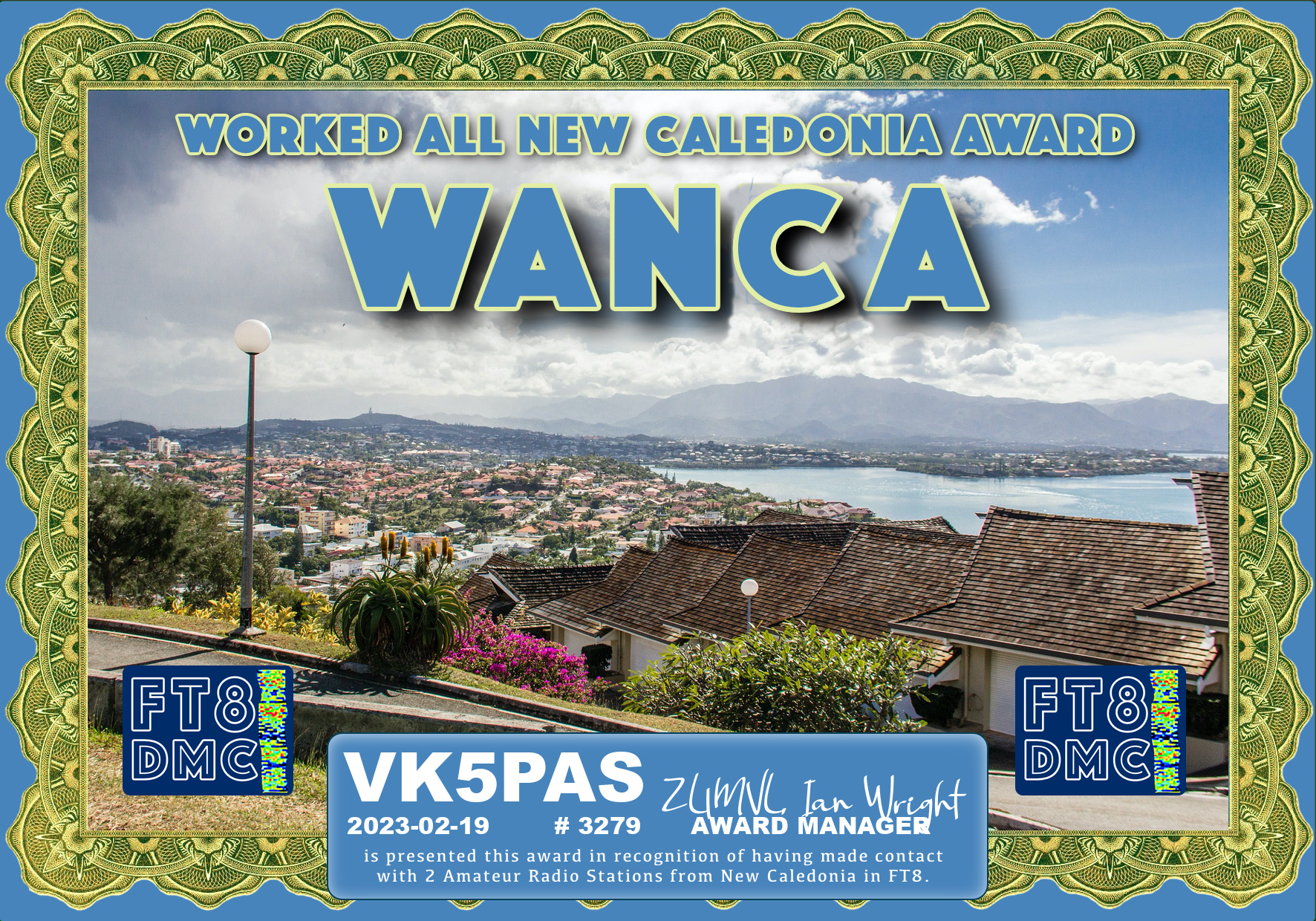
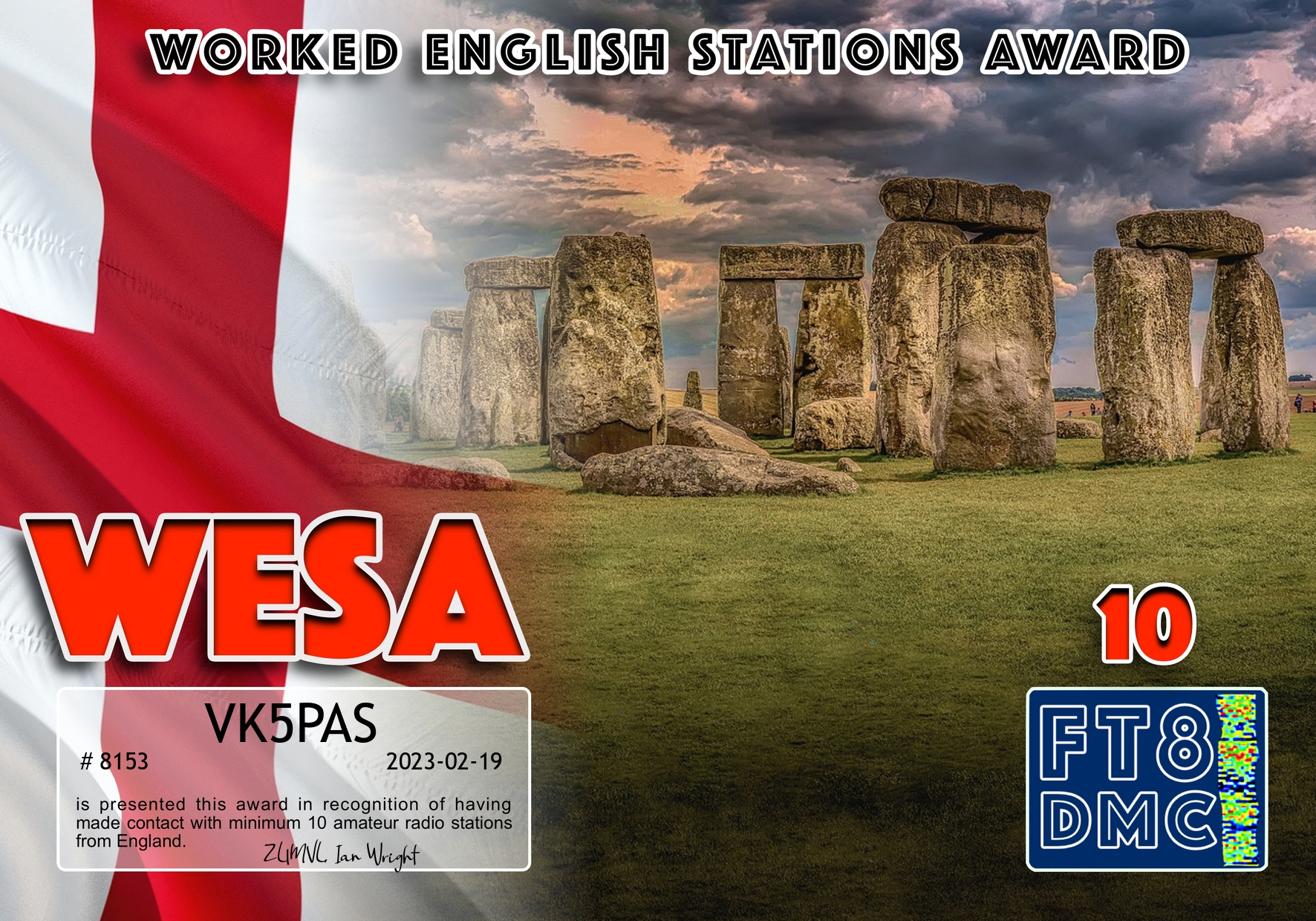
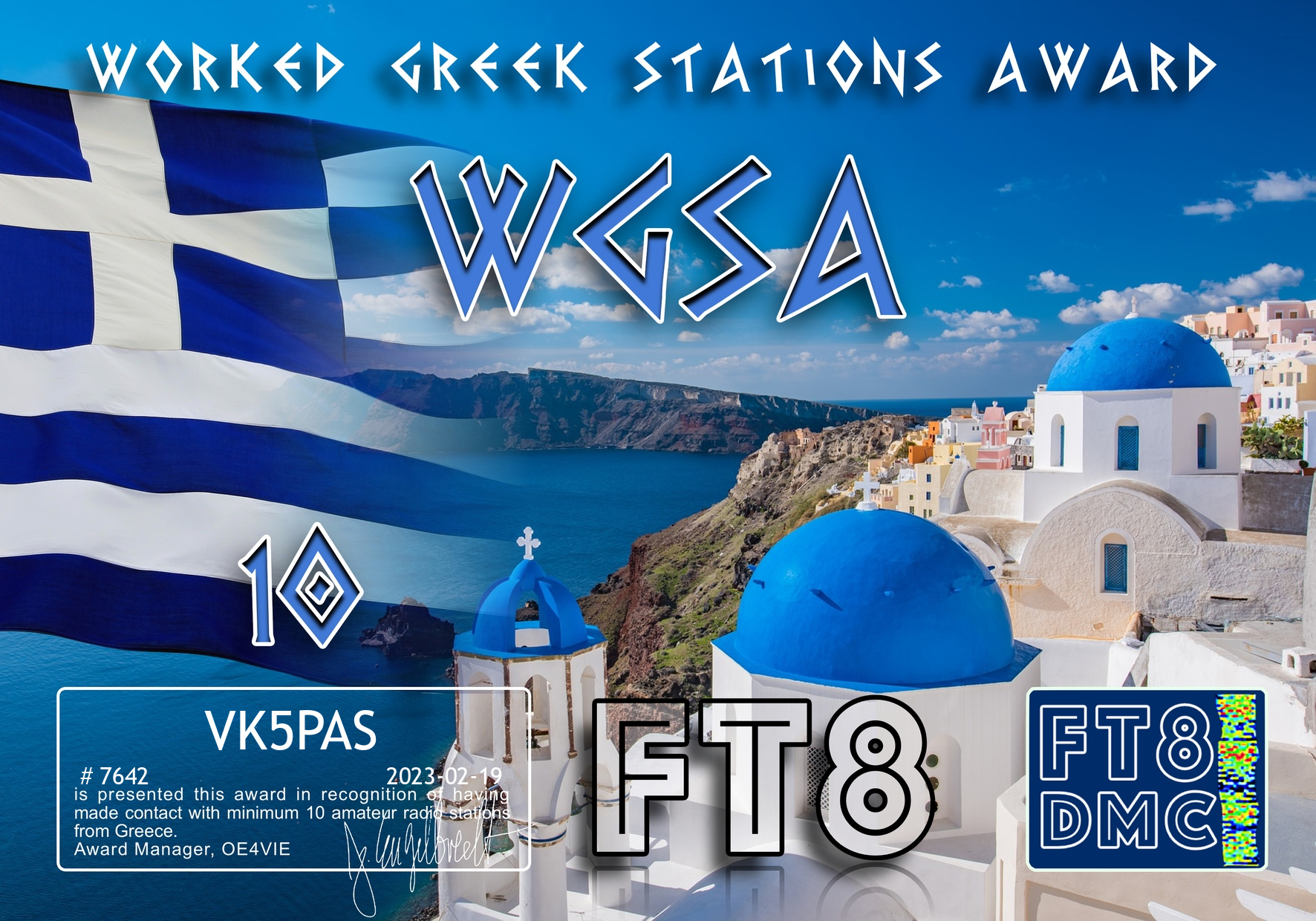
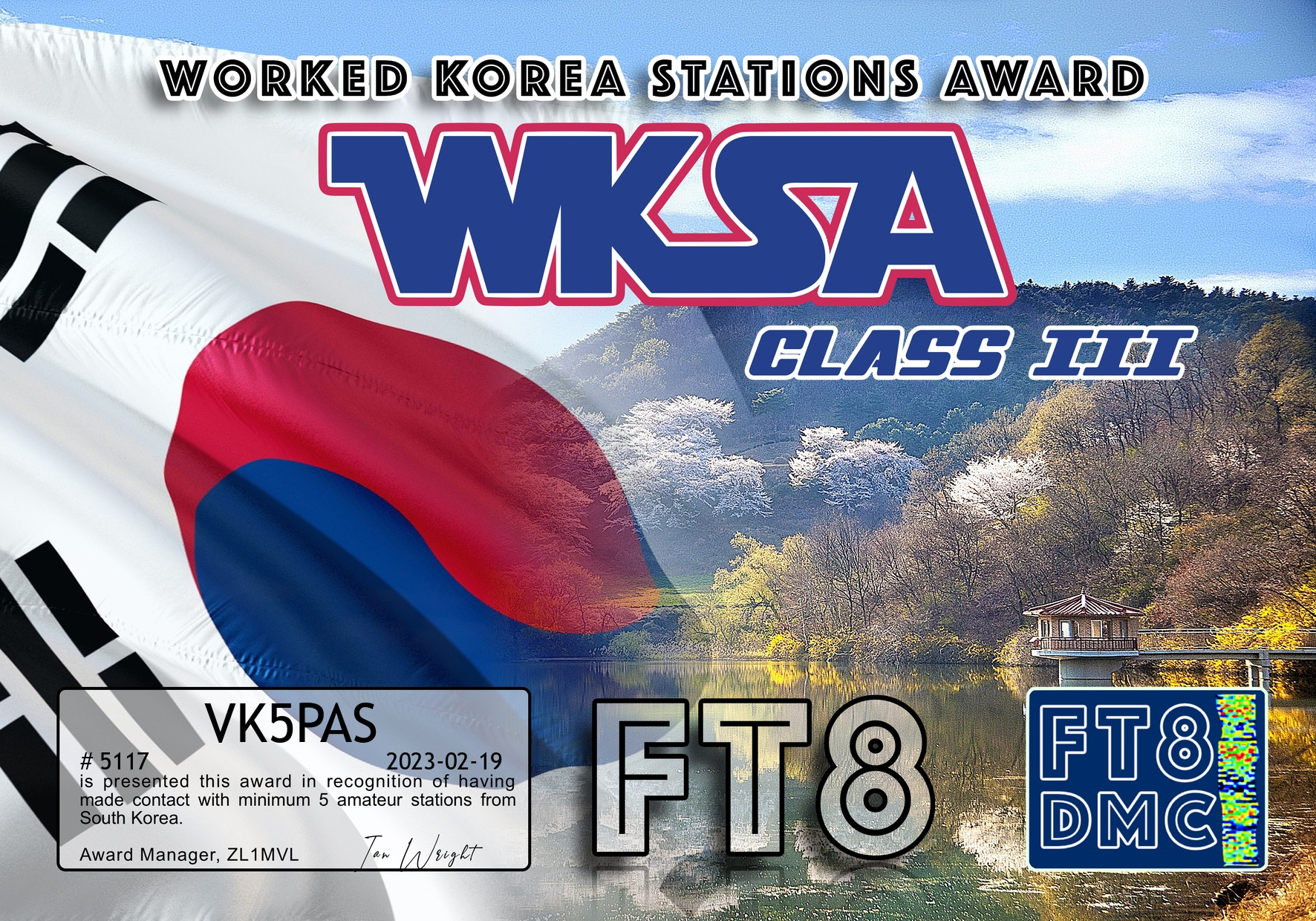
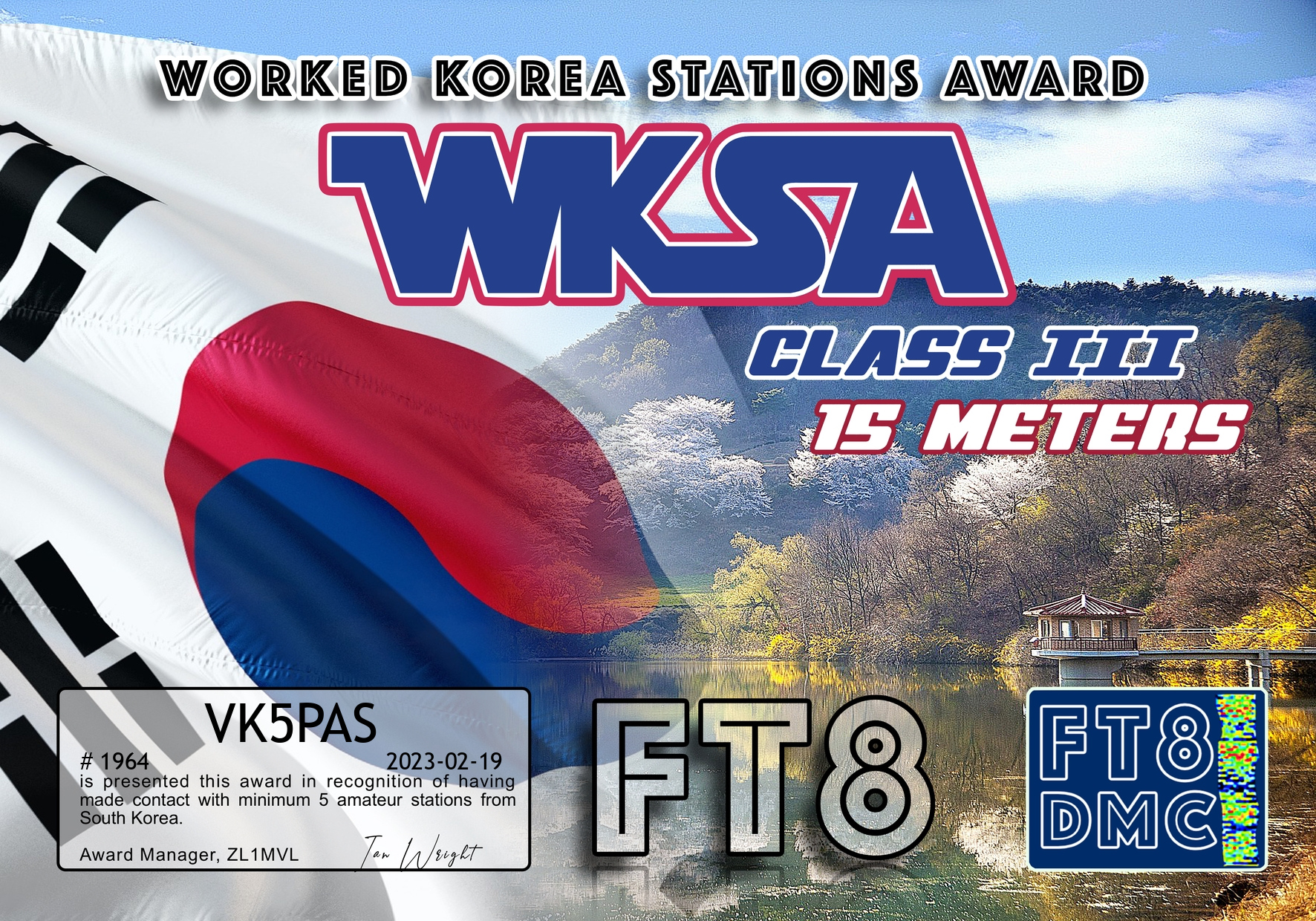
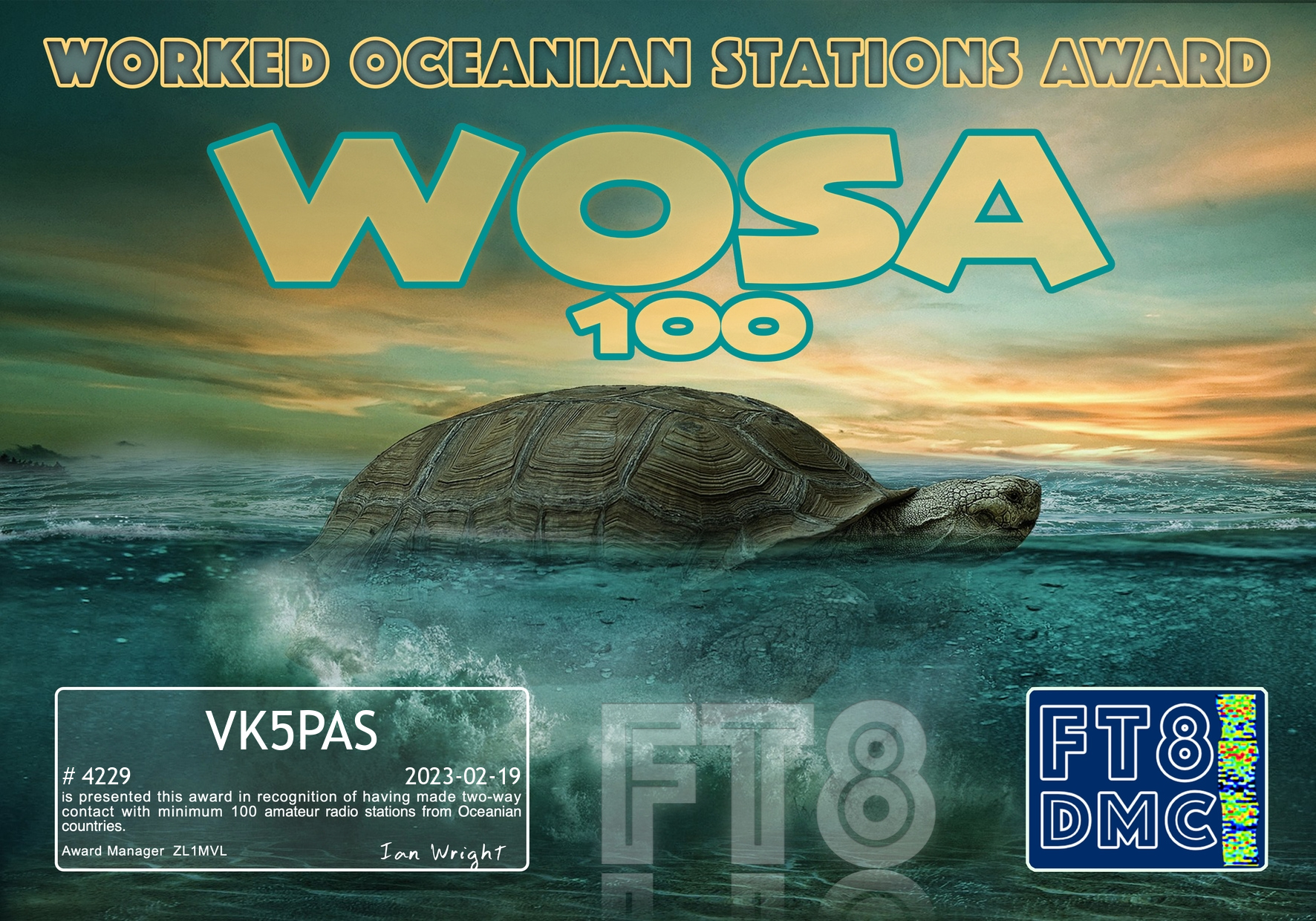
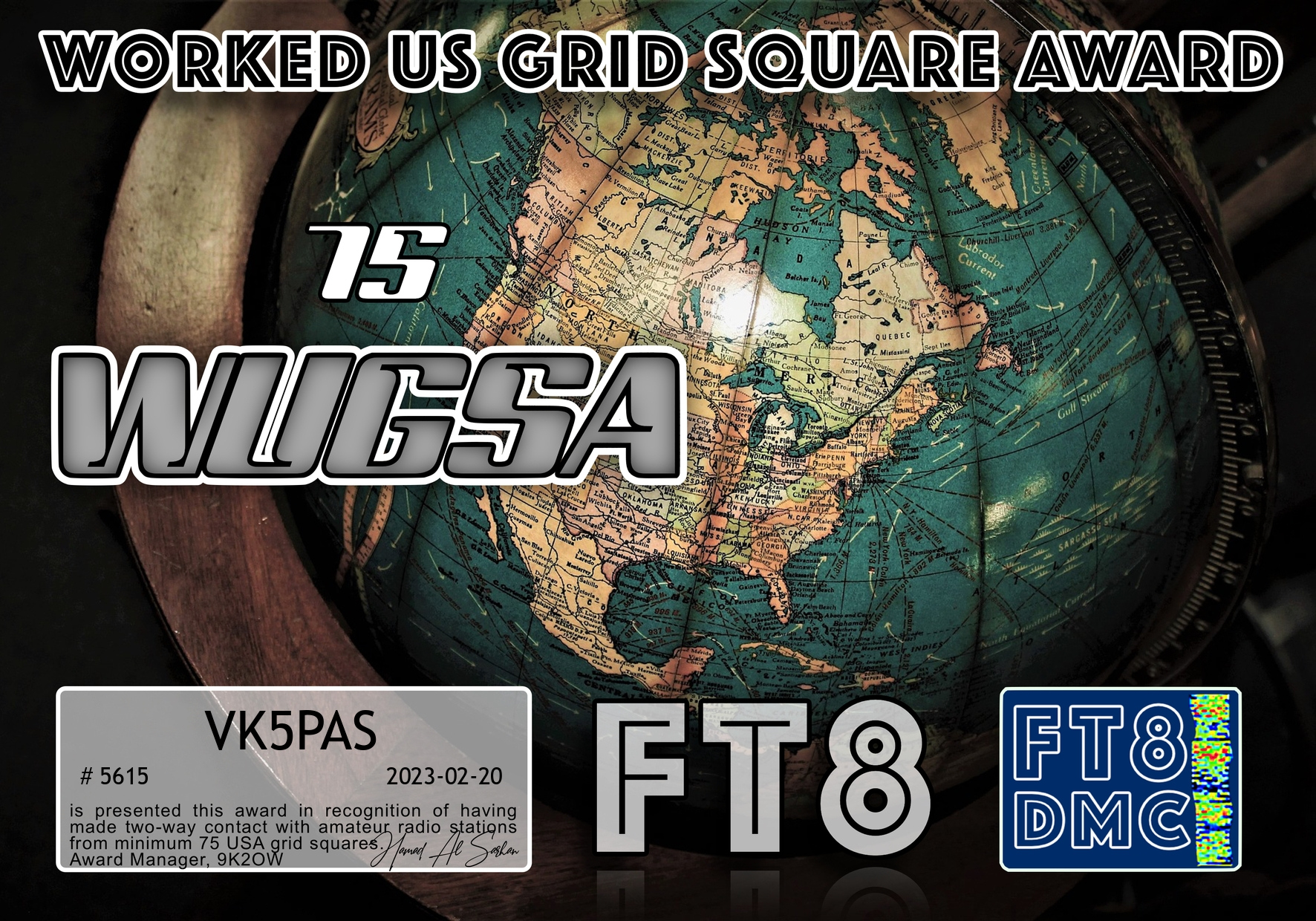
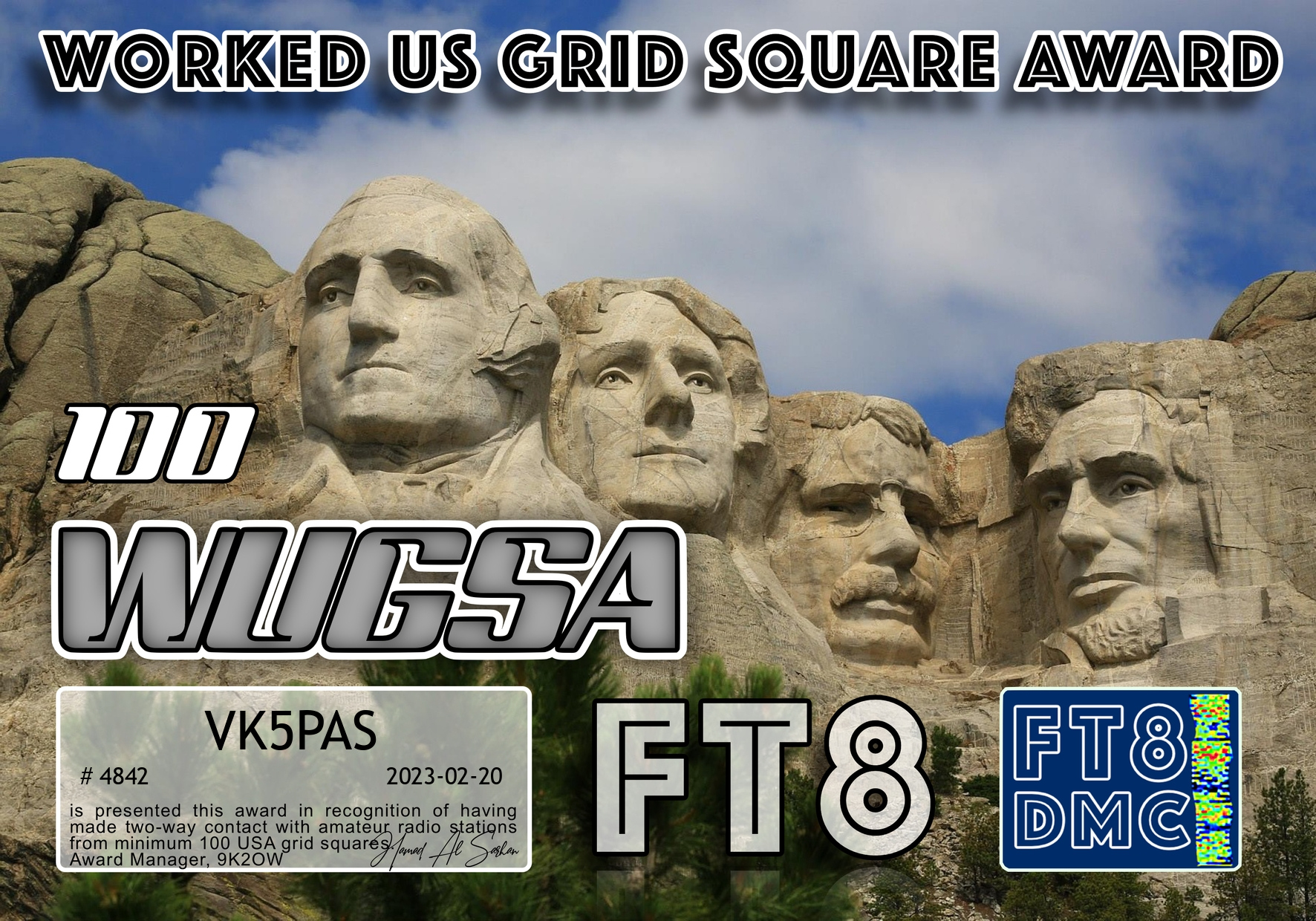
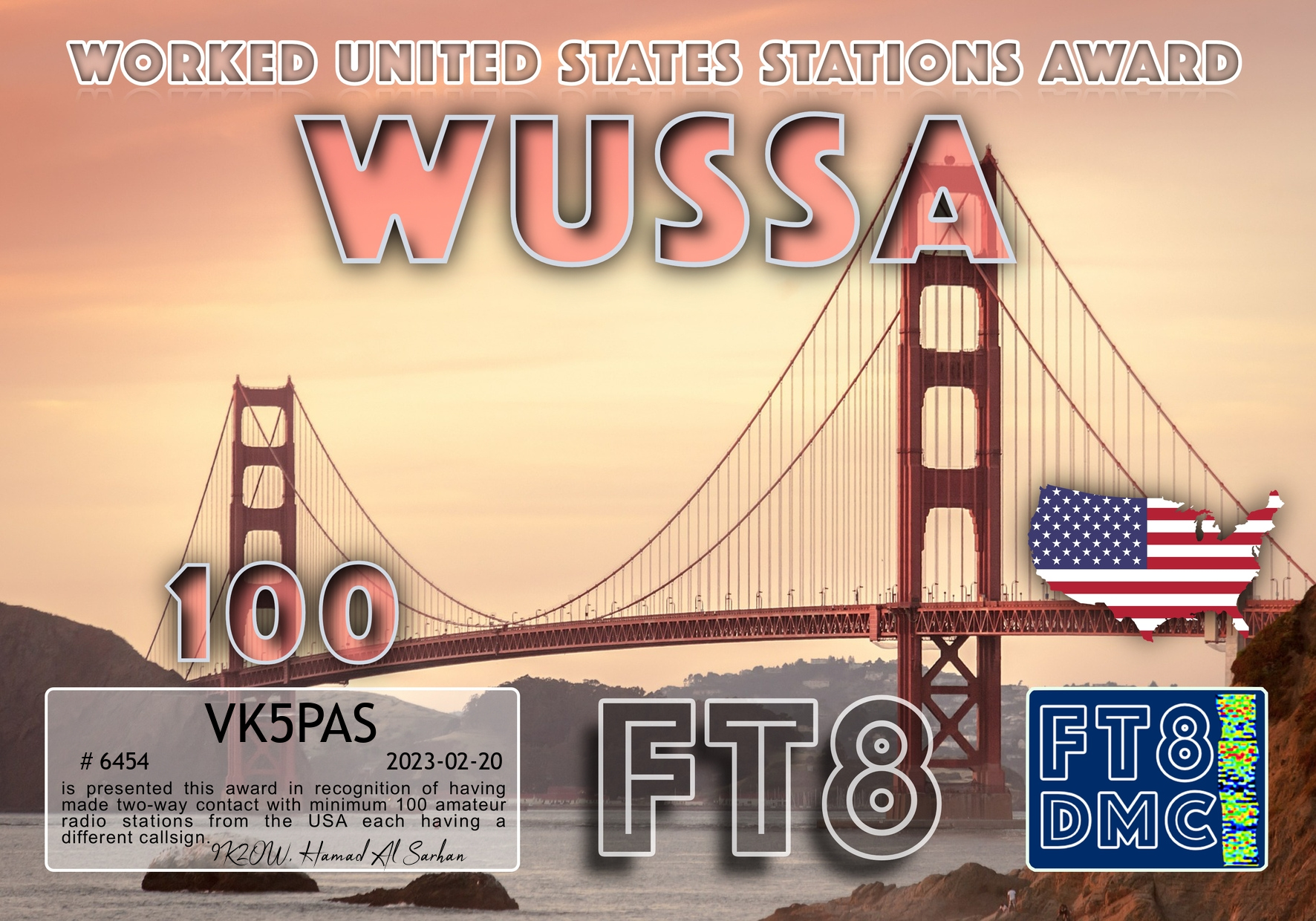
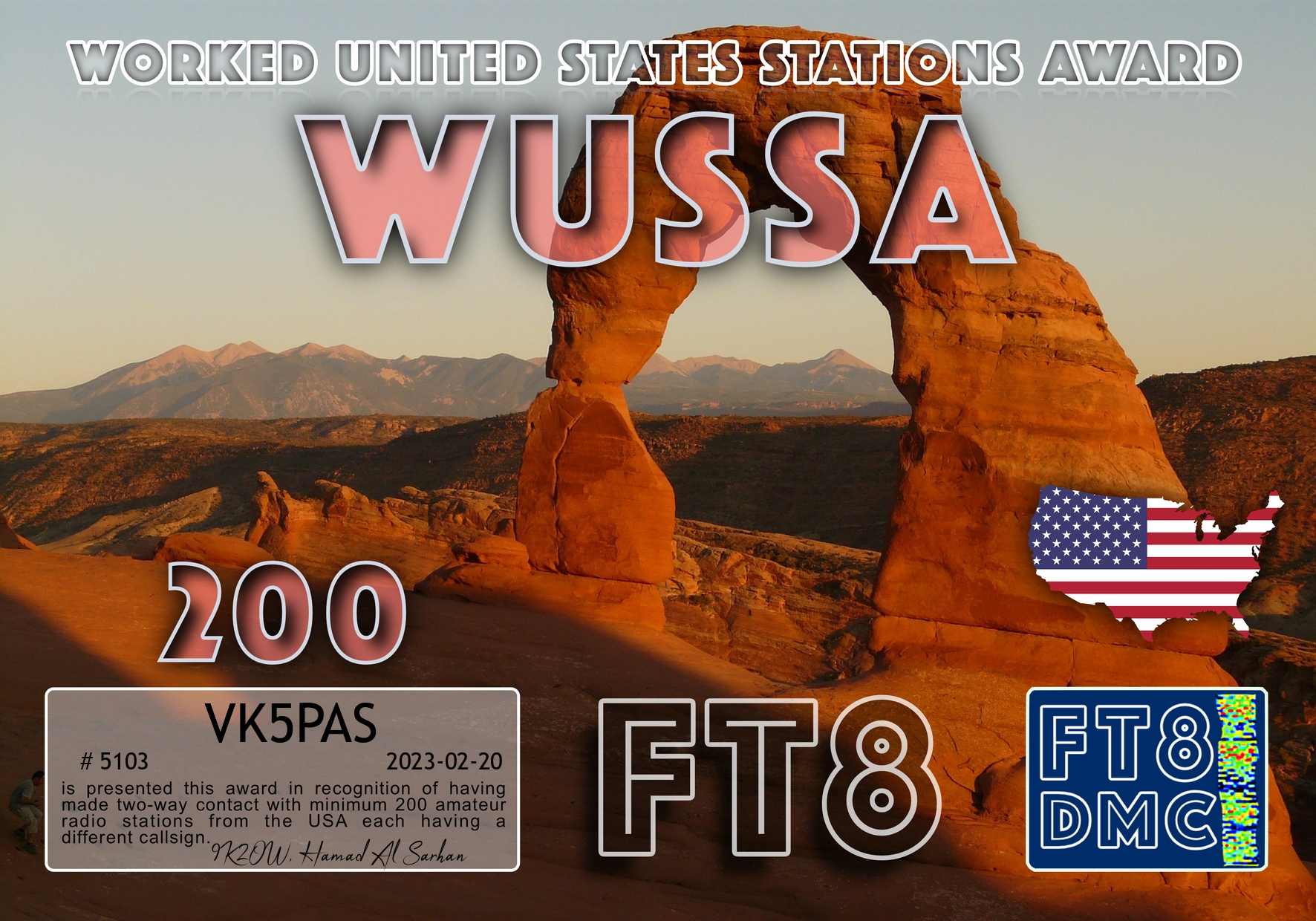
I joined the FT8 Digital Modes Club and I uploaded my log to Ultimate AAC, and I could not believe the number of award certificates that were sitting there waiting for me.
Thanks to Ian VK1DI and Keith VK2PKT for their guidance regarding UAAC.
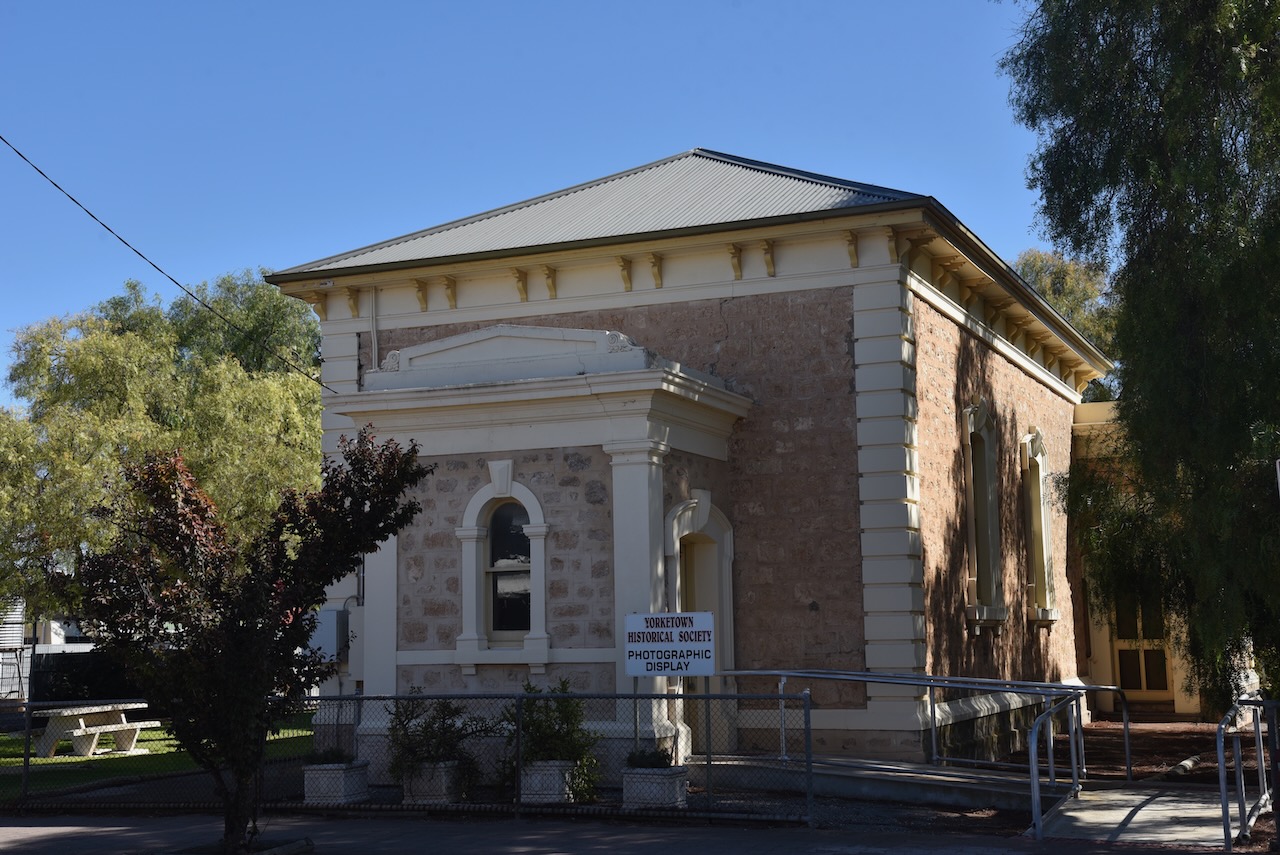
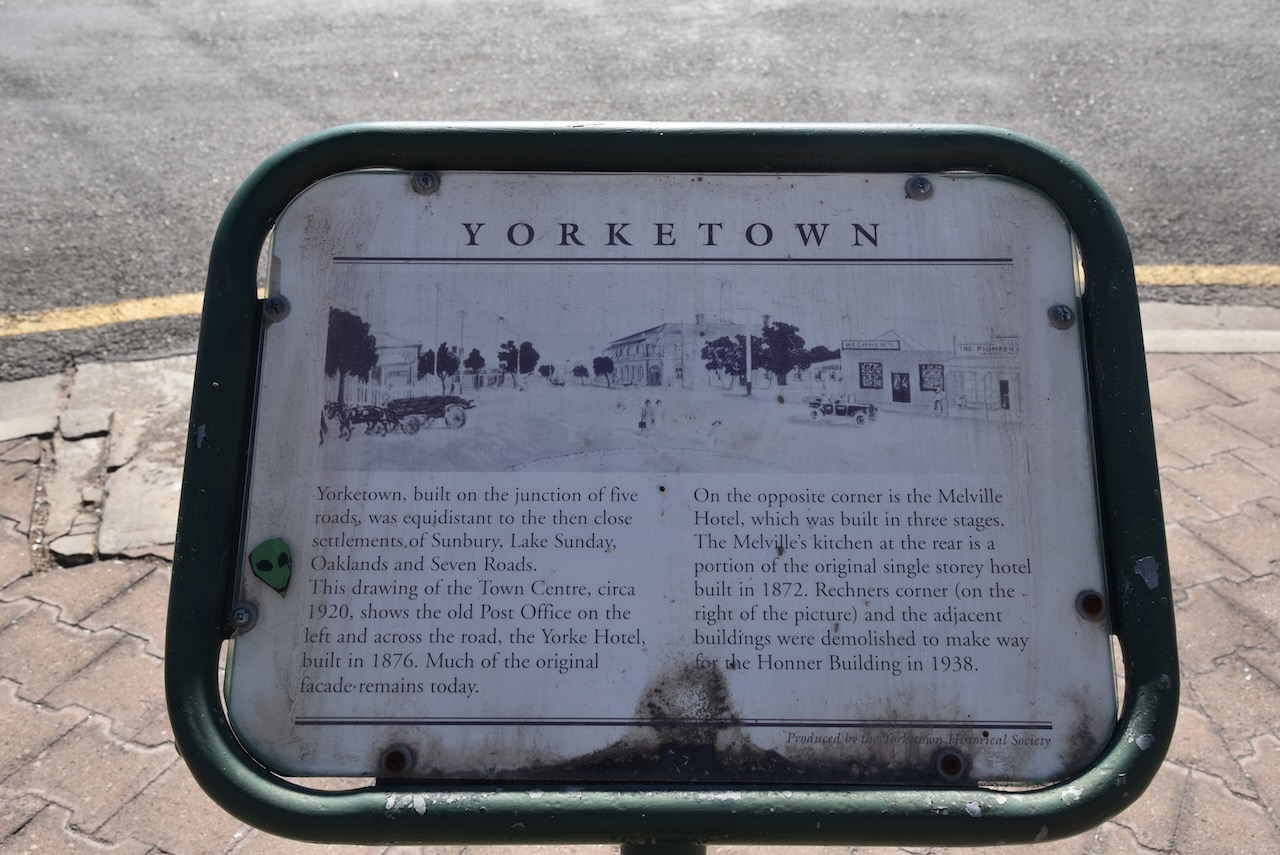
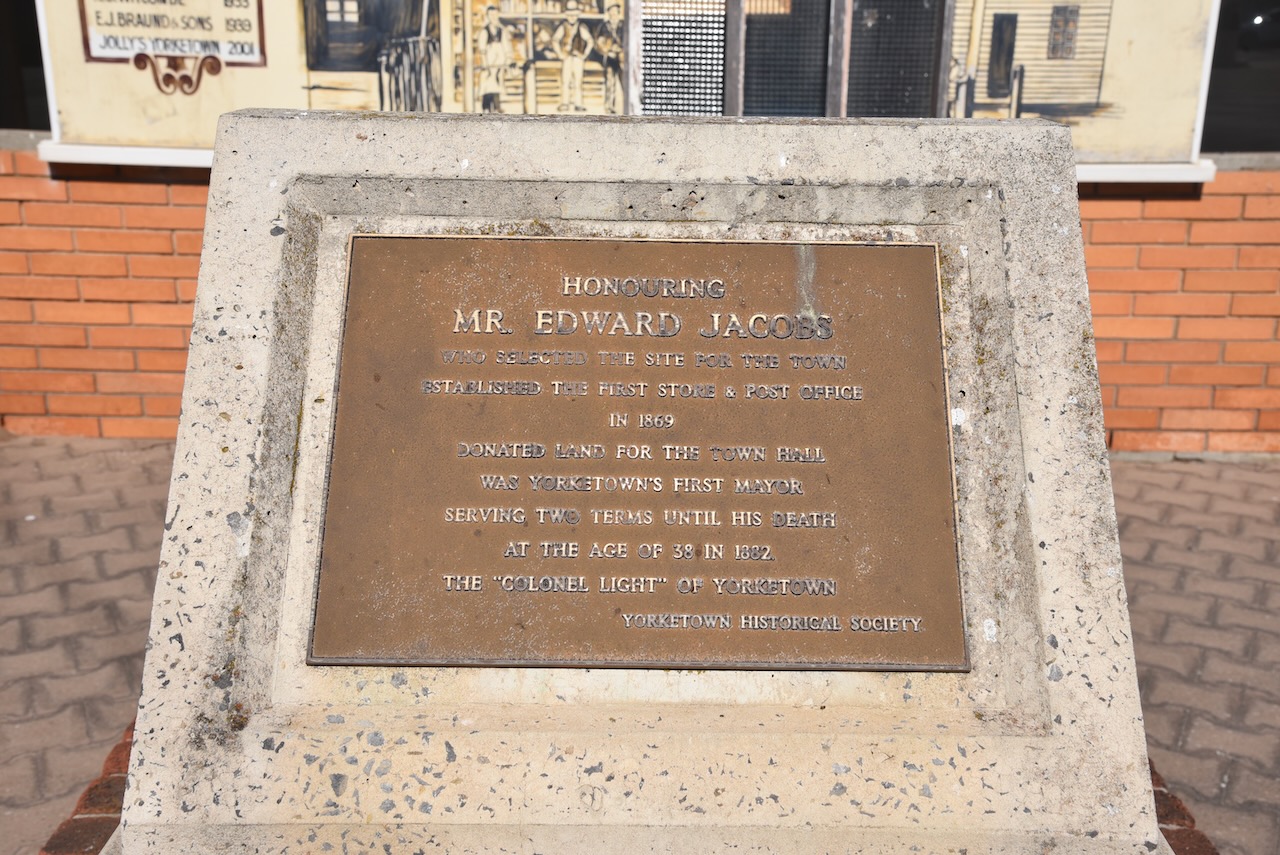
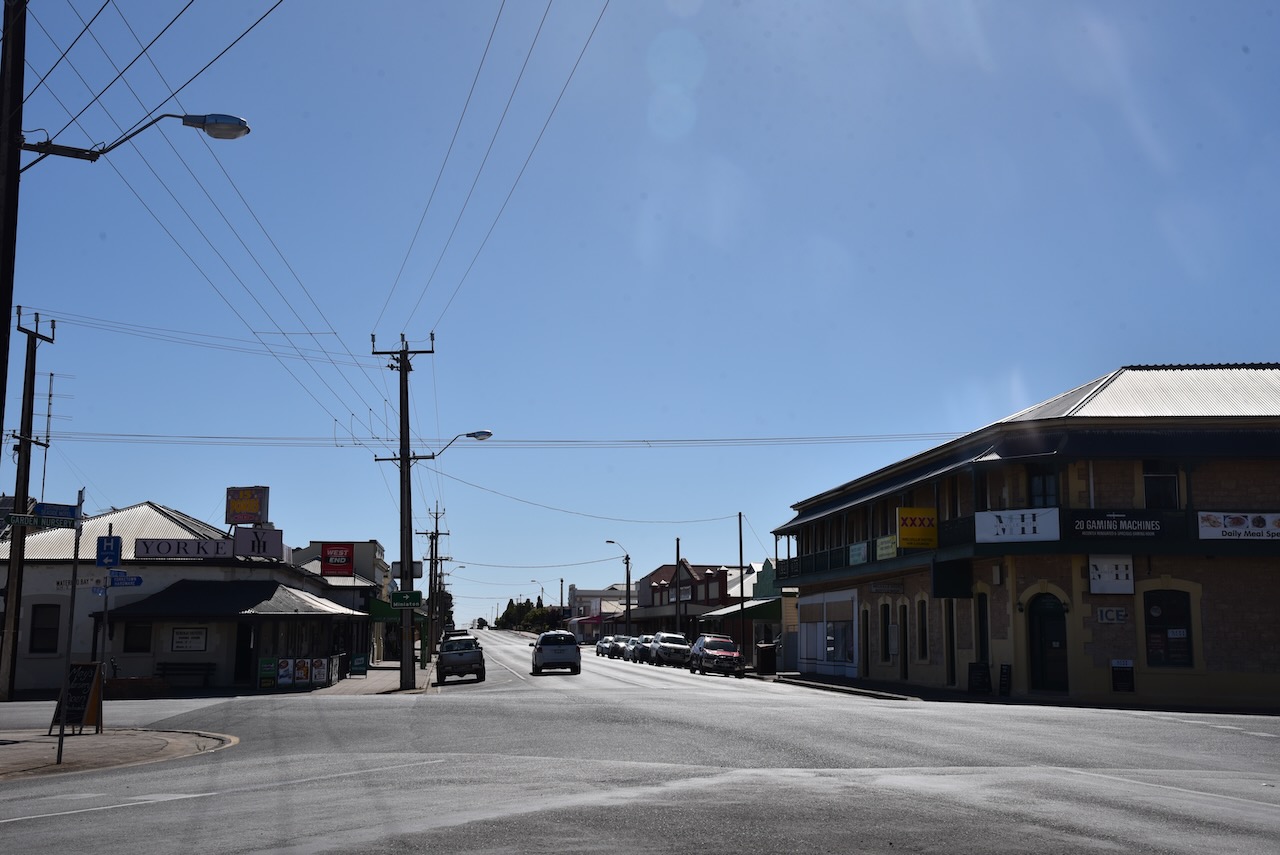
After leaving the Minlacowie Conservation Park (Monday 6th February 2023), we drove down to the town of Yorketown. We need to purchase some bottles of red wine for our trip to Troubridge Island.
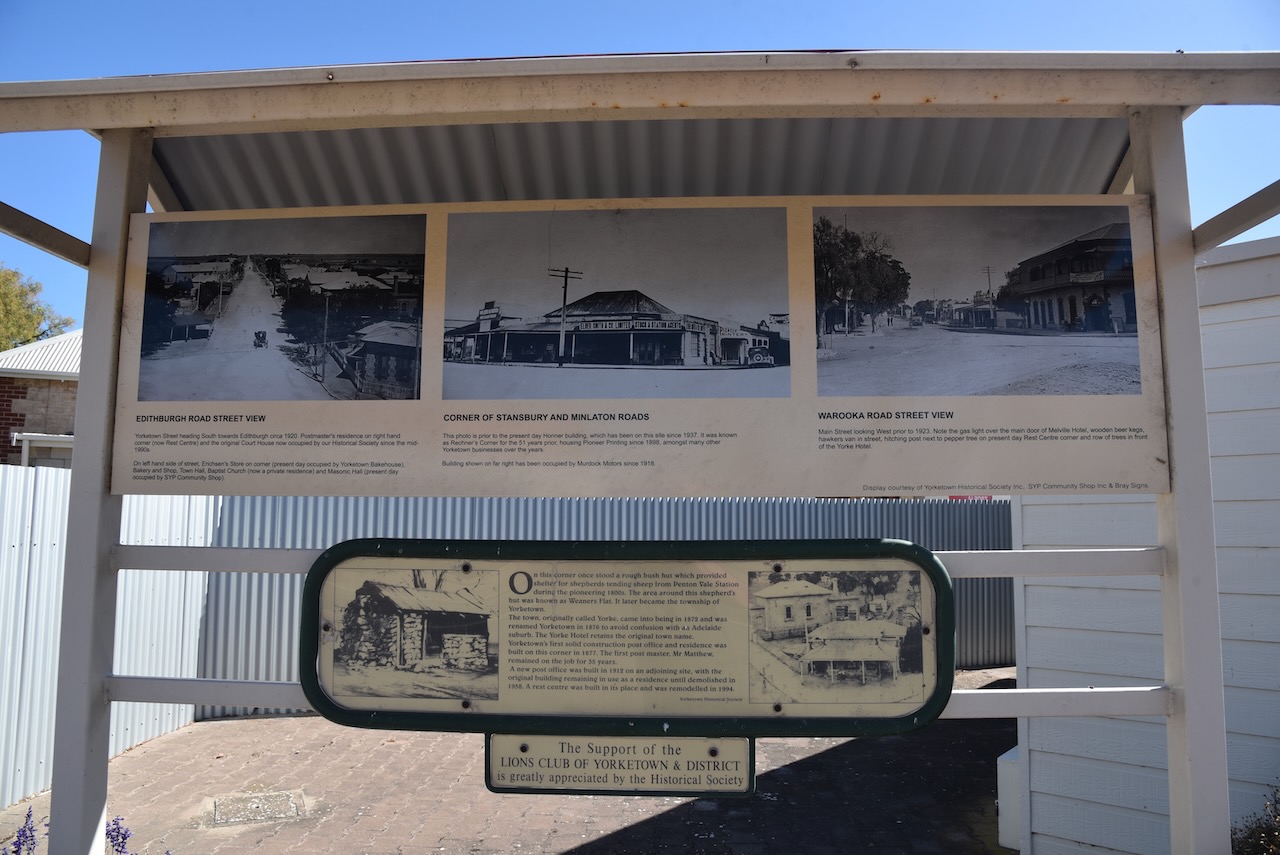
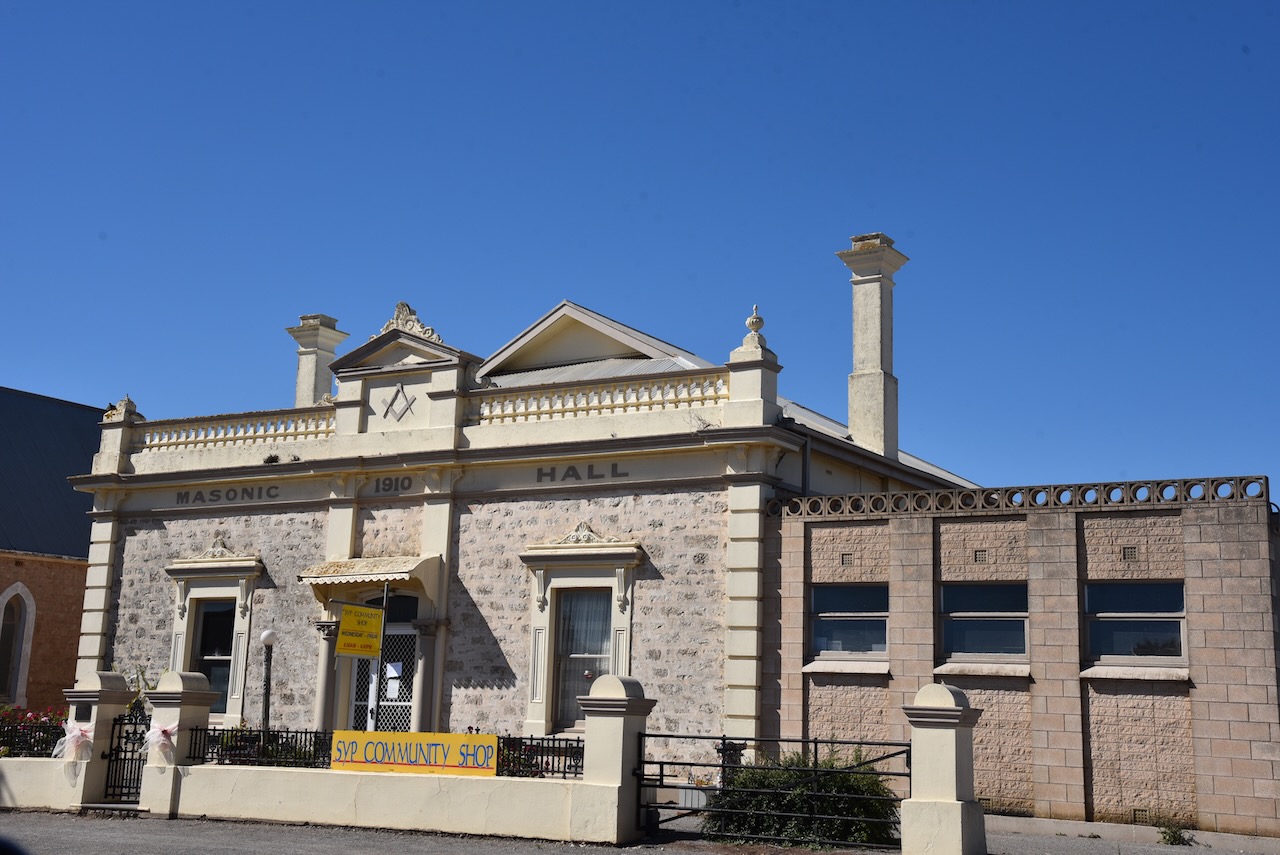
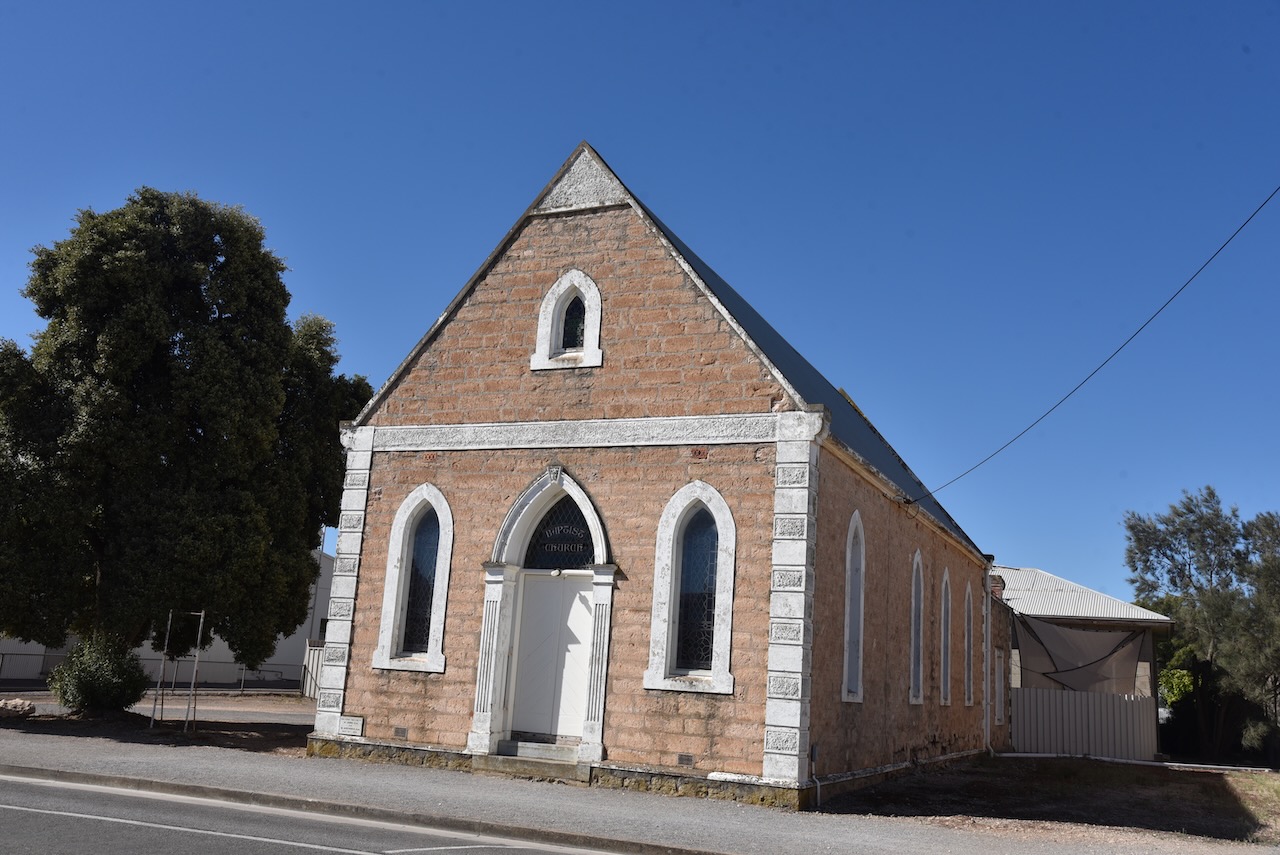
Prior to European settlement, the aboriginal people called the area around Yorketown, karinja – kari meaning ‘emu’ and nja – ‘place’. The original plan of the town shows Yorke Town, but it was advertised as ‘The Town of Yorke’, taking its name from Yorke Peninsula.
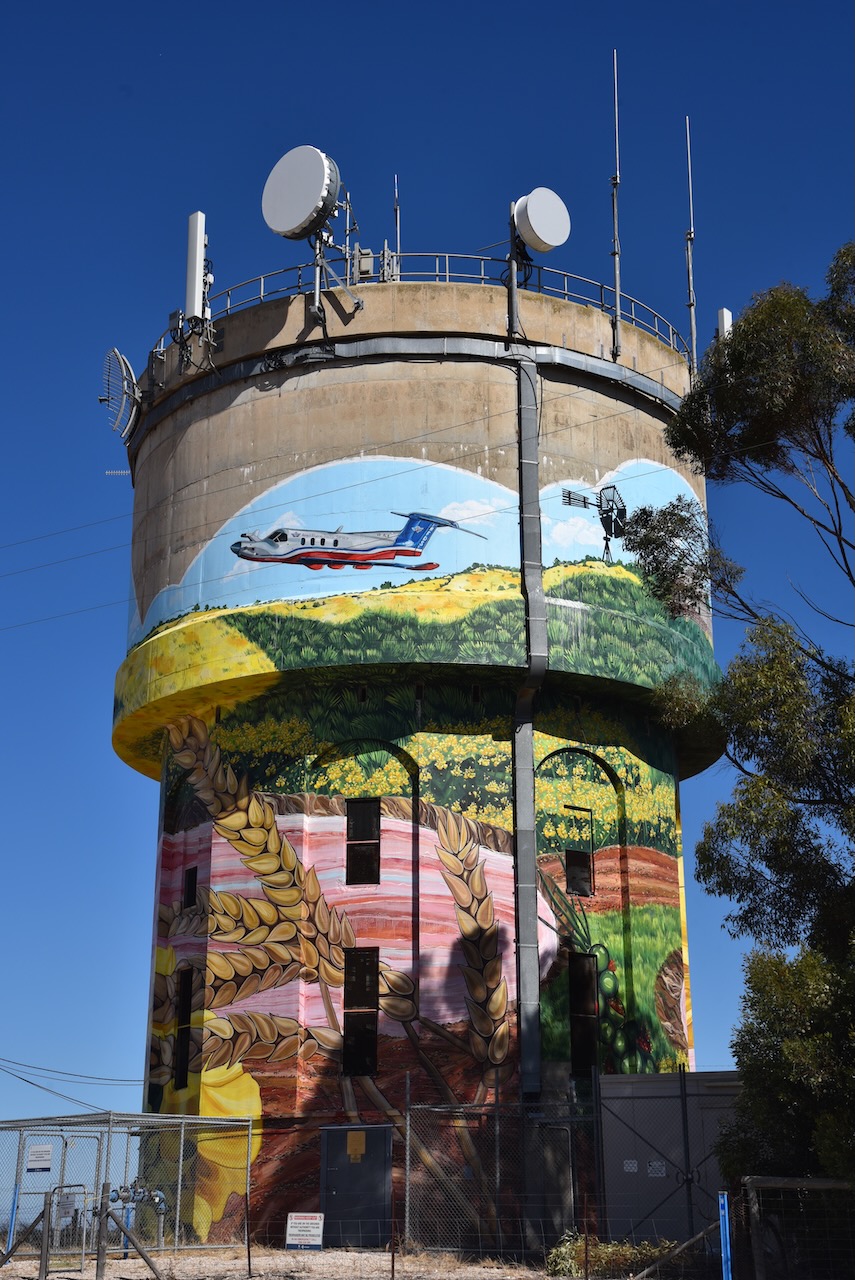
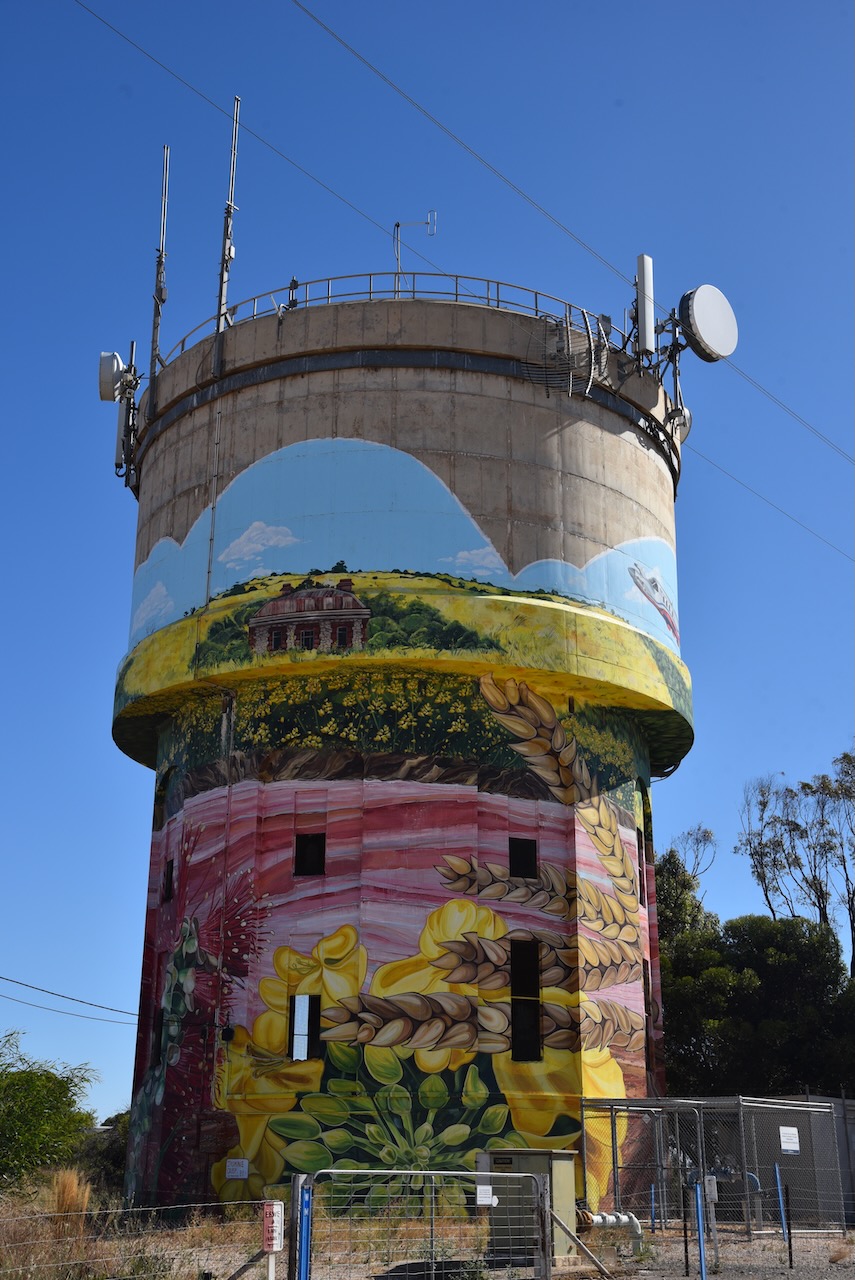
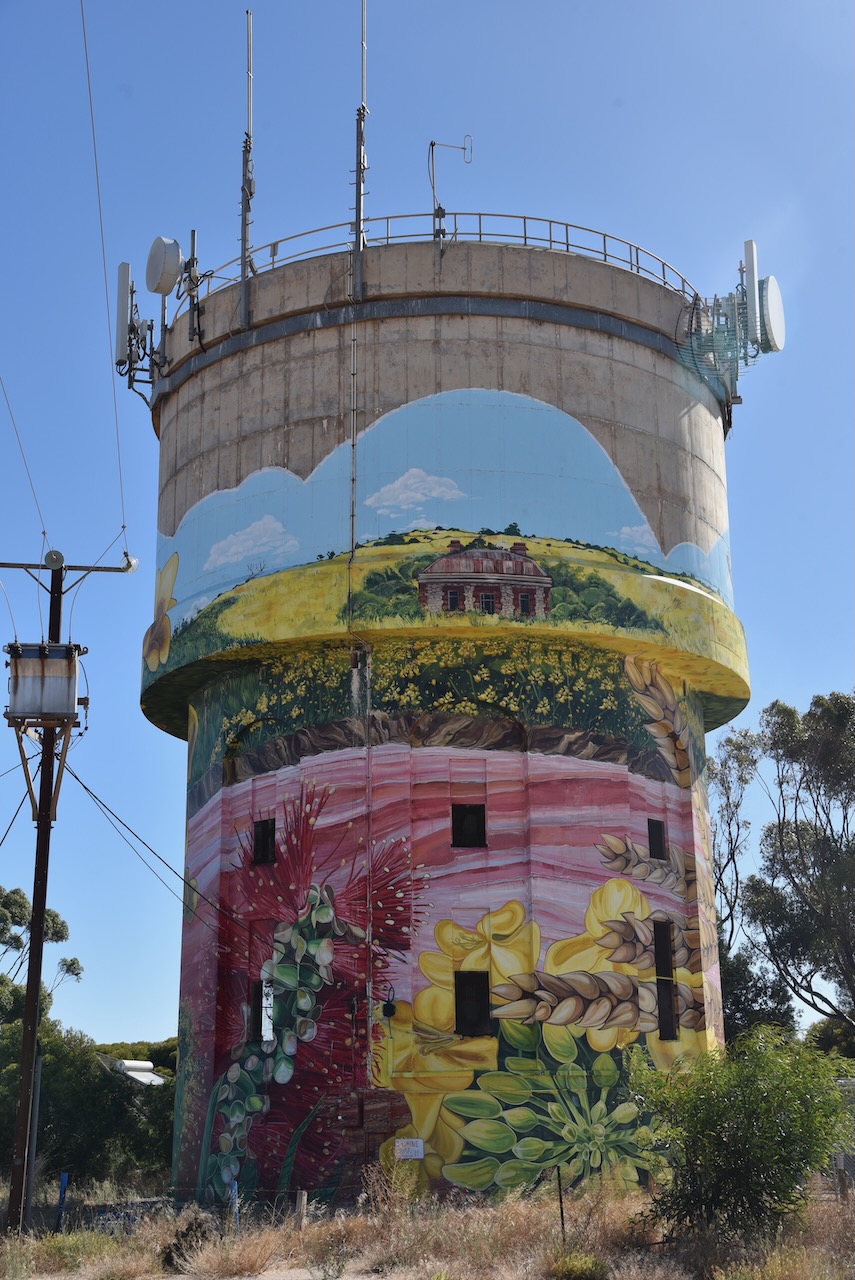
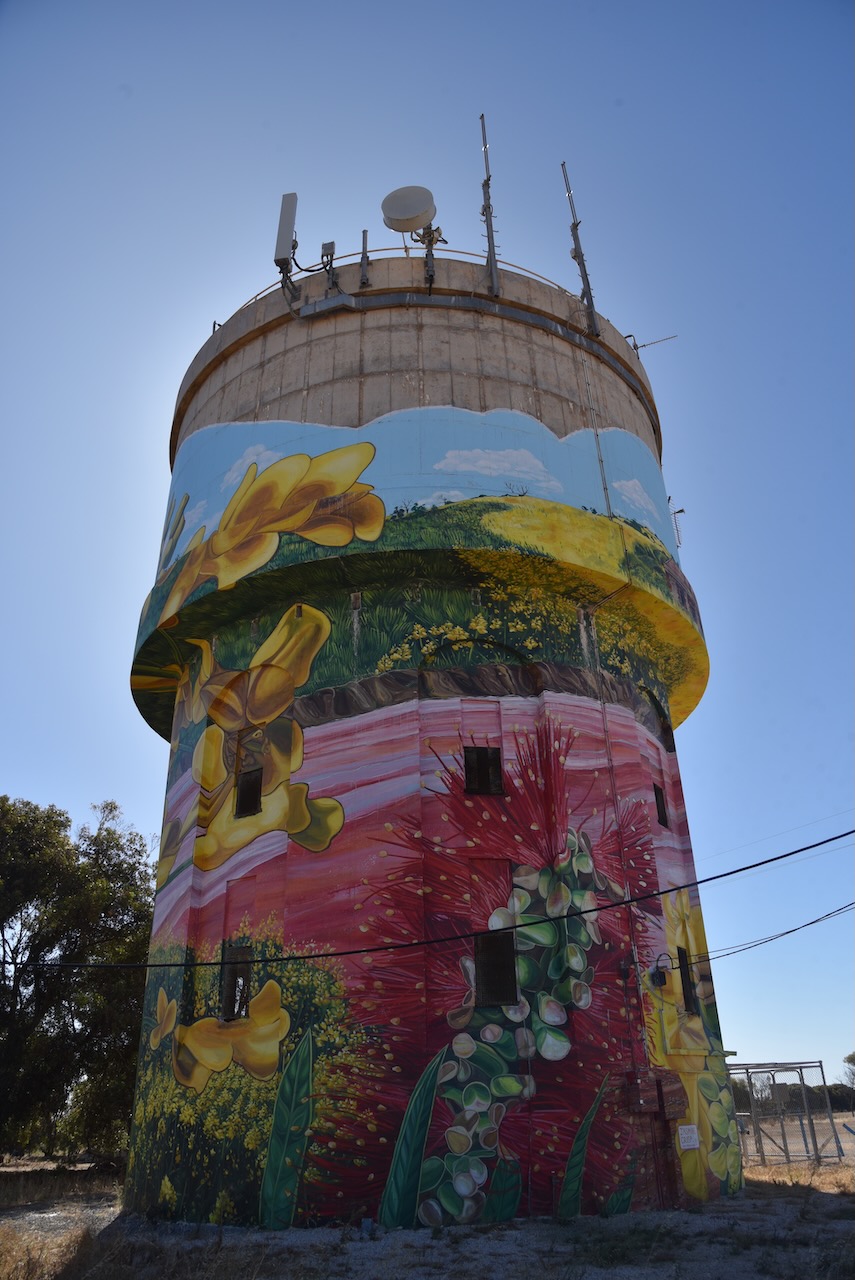
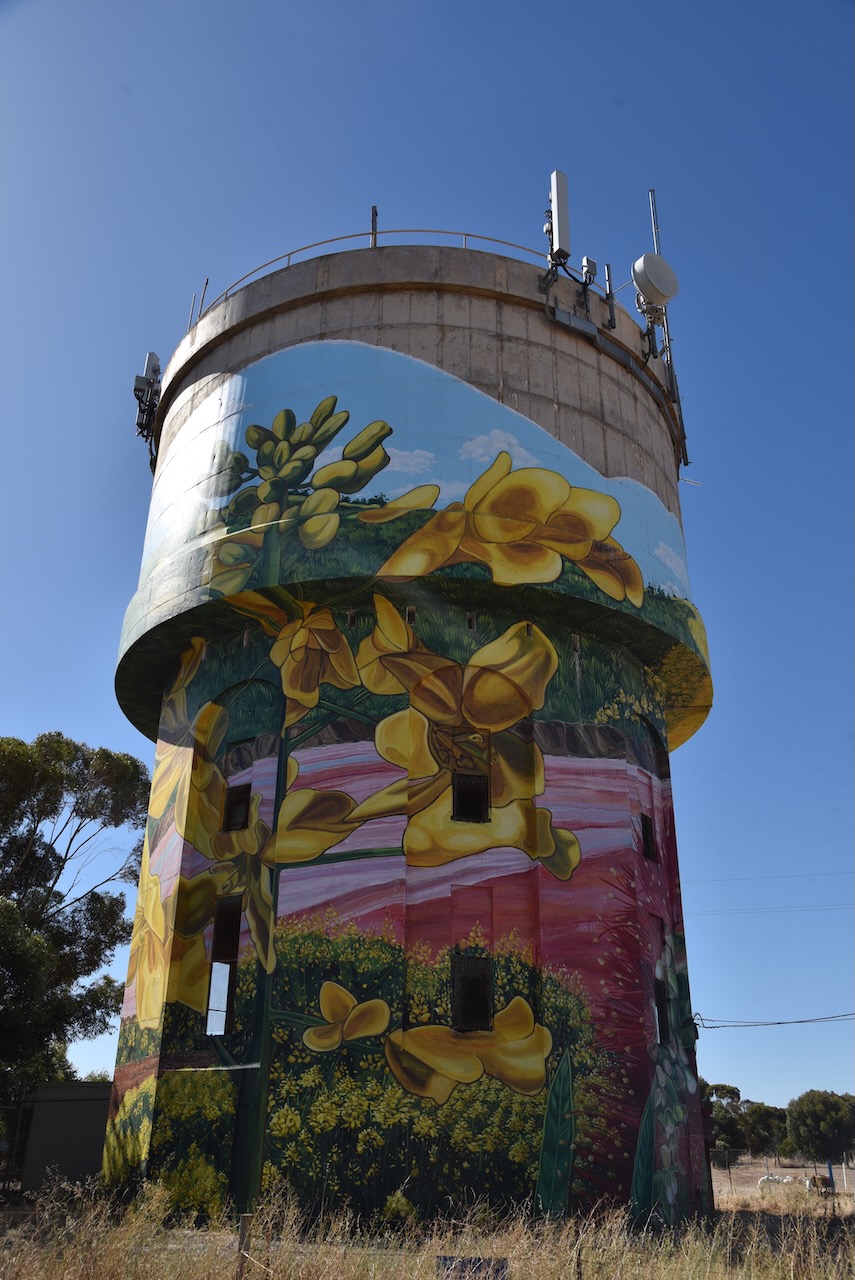
Whilst in Yorketown we visited the water tower mural which was painted by Jasmine Crisp in March 2021. The work took Crip a total of 37 days to complete. The mural includes the Royal Flying Doctor Service, canola crops, the pink lake and historic buildings.
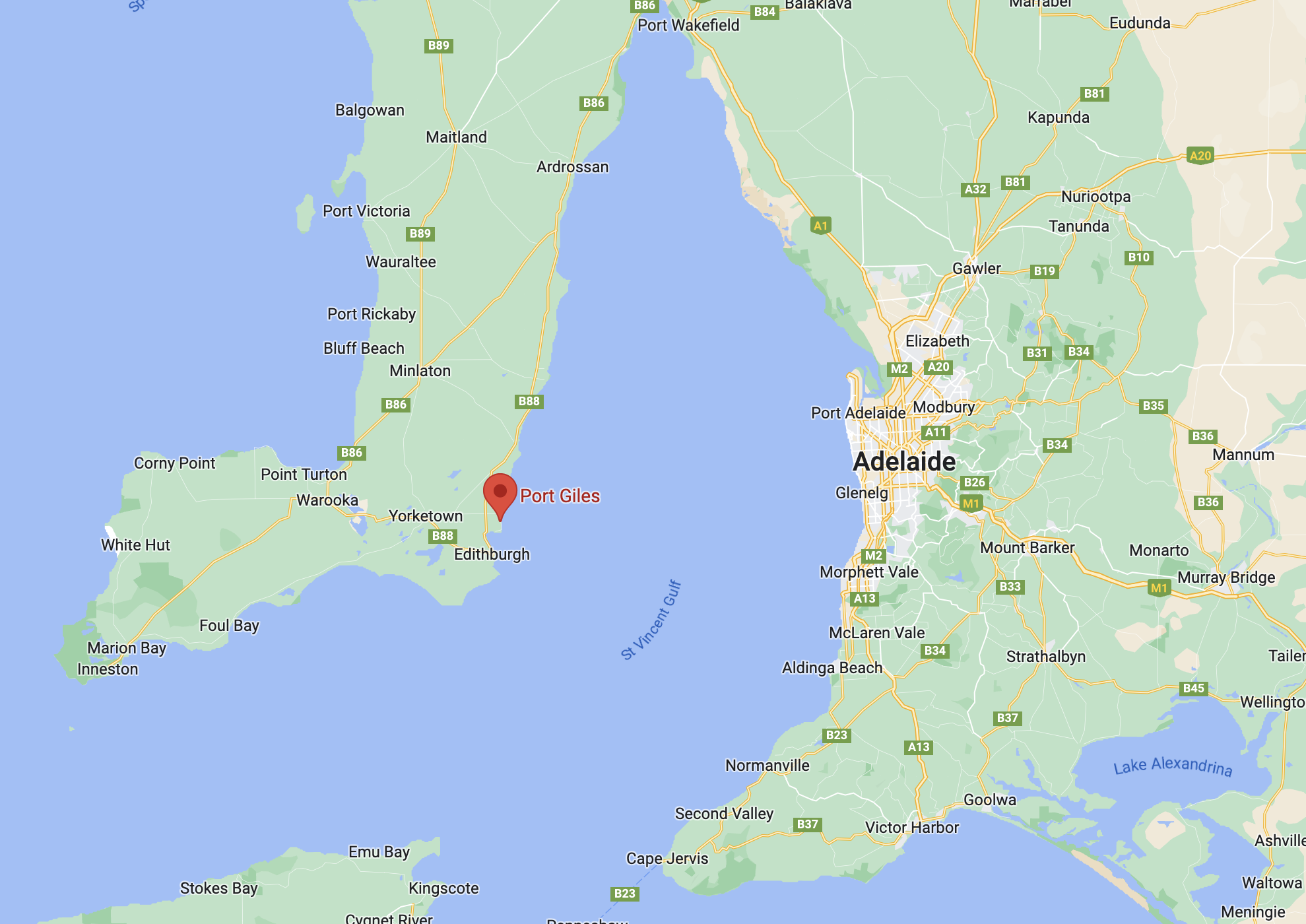
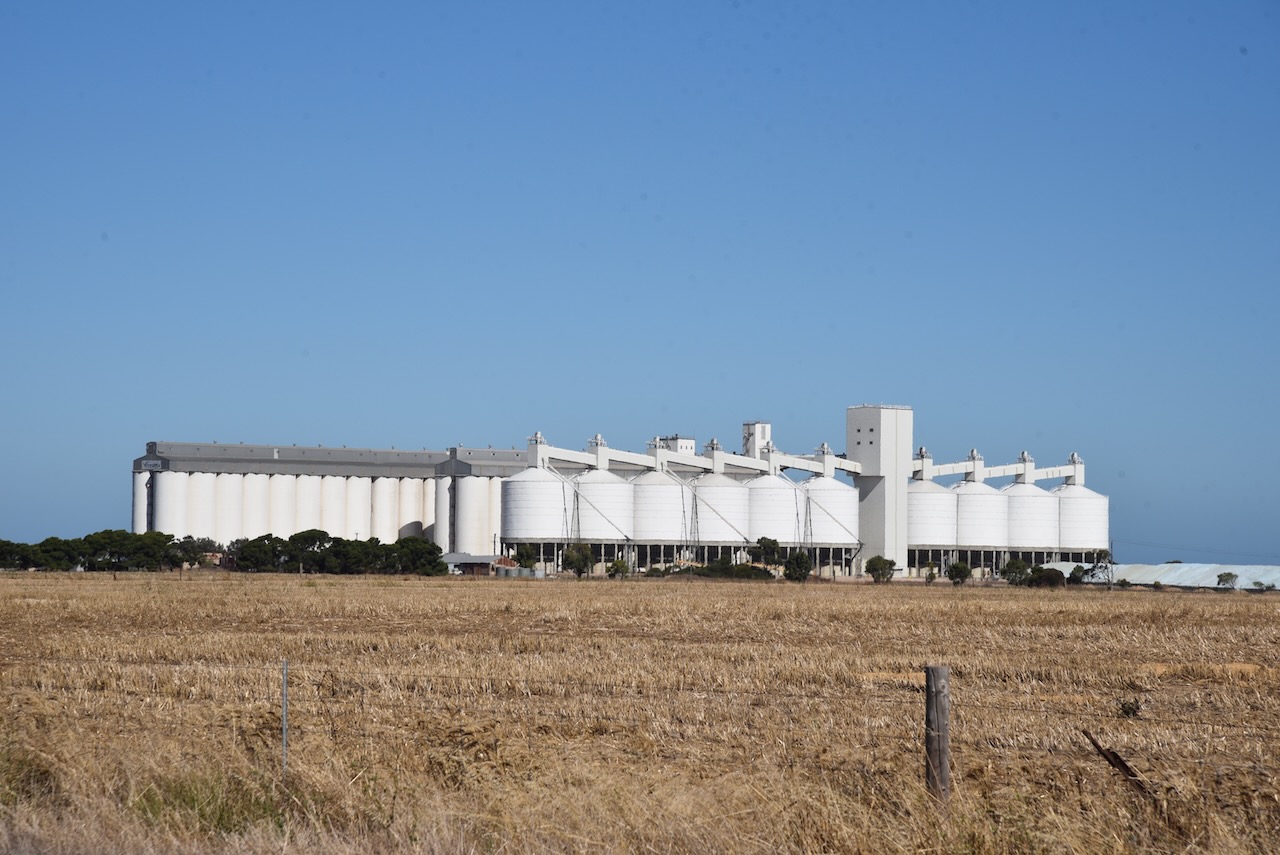
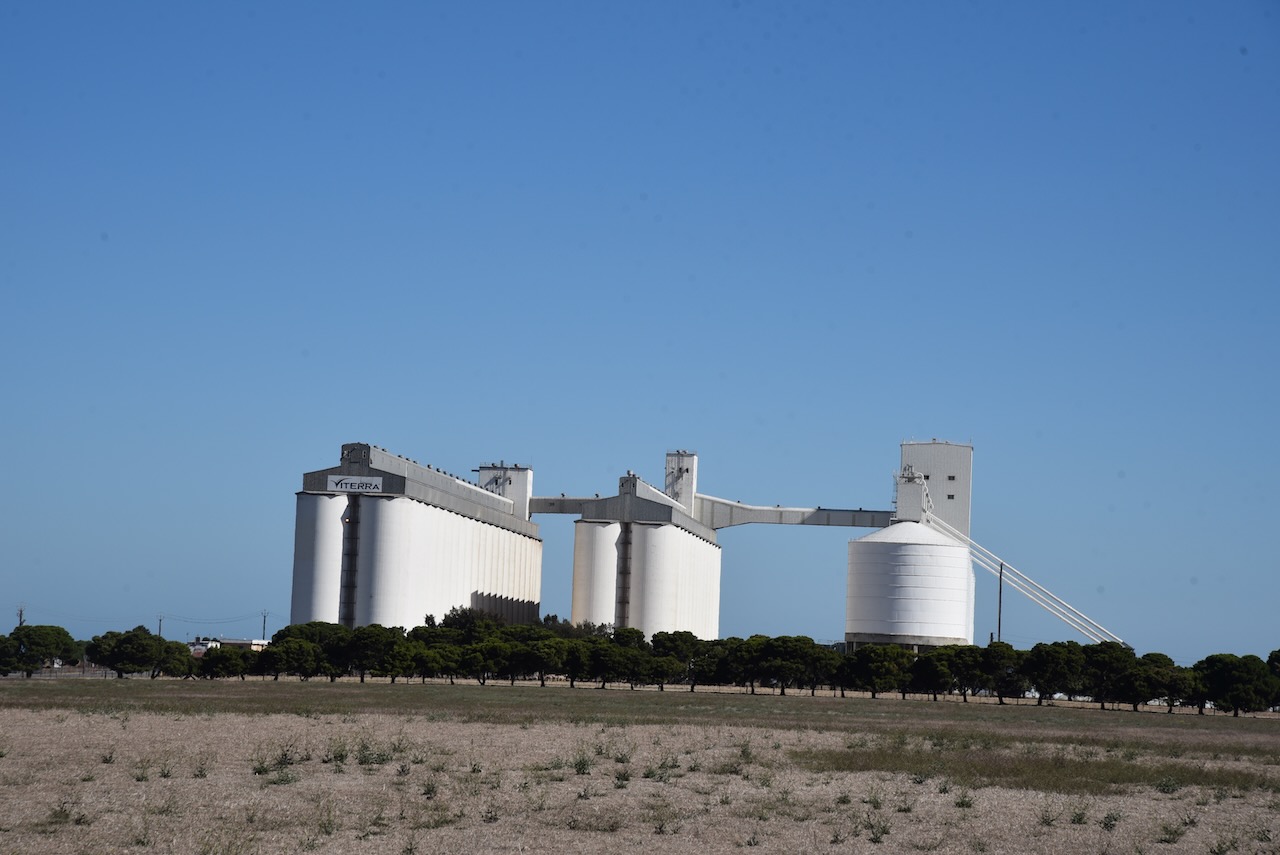
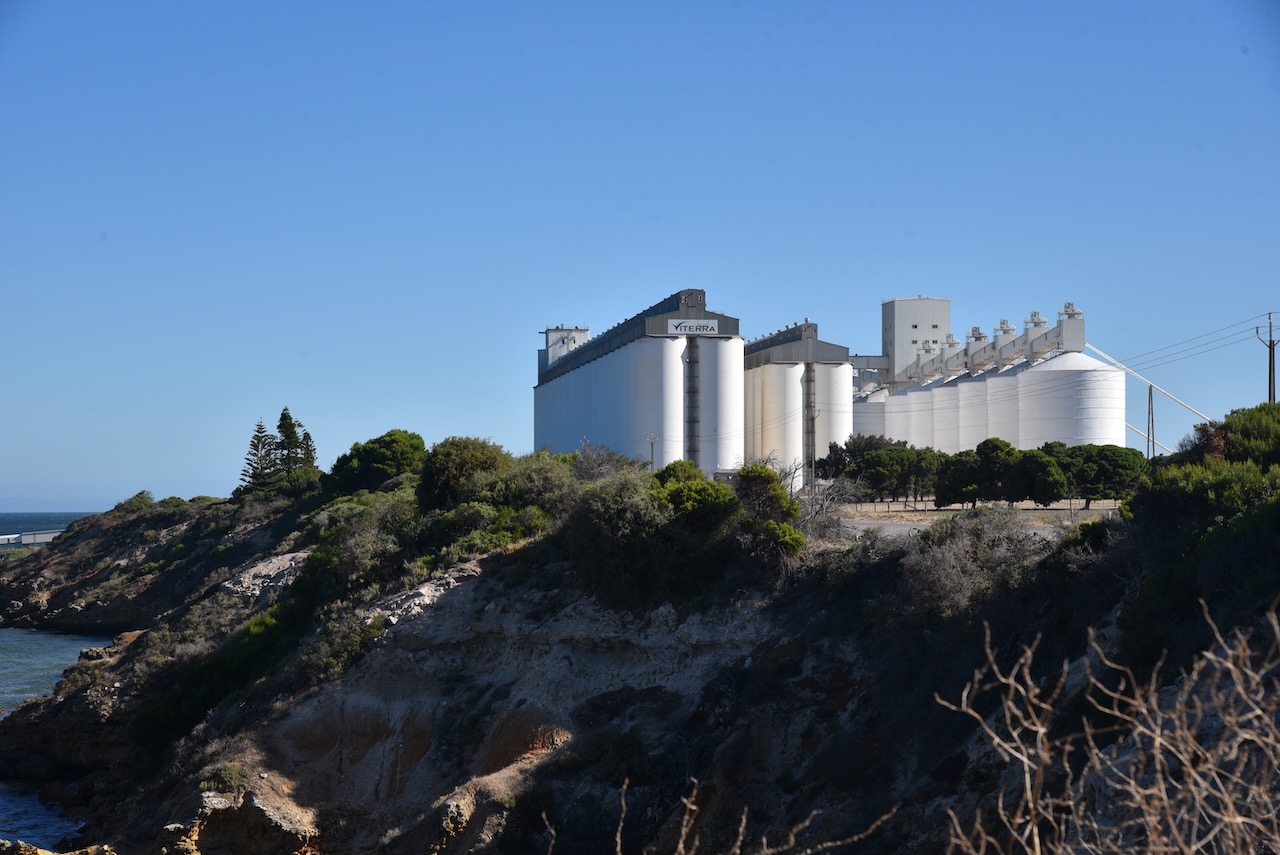
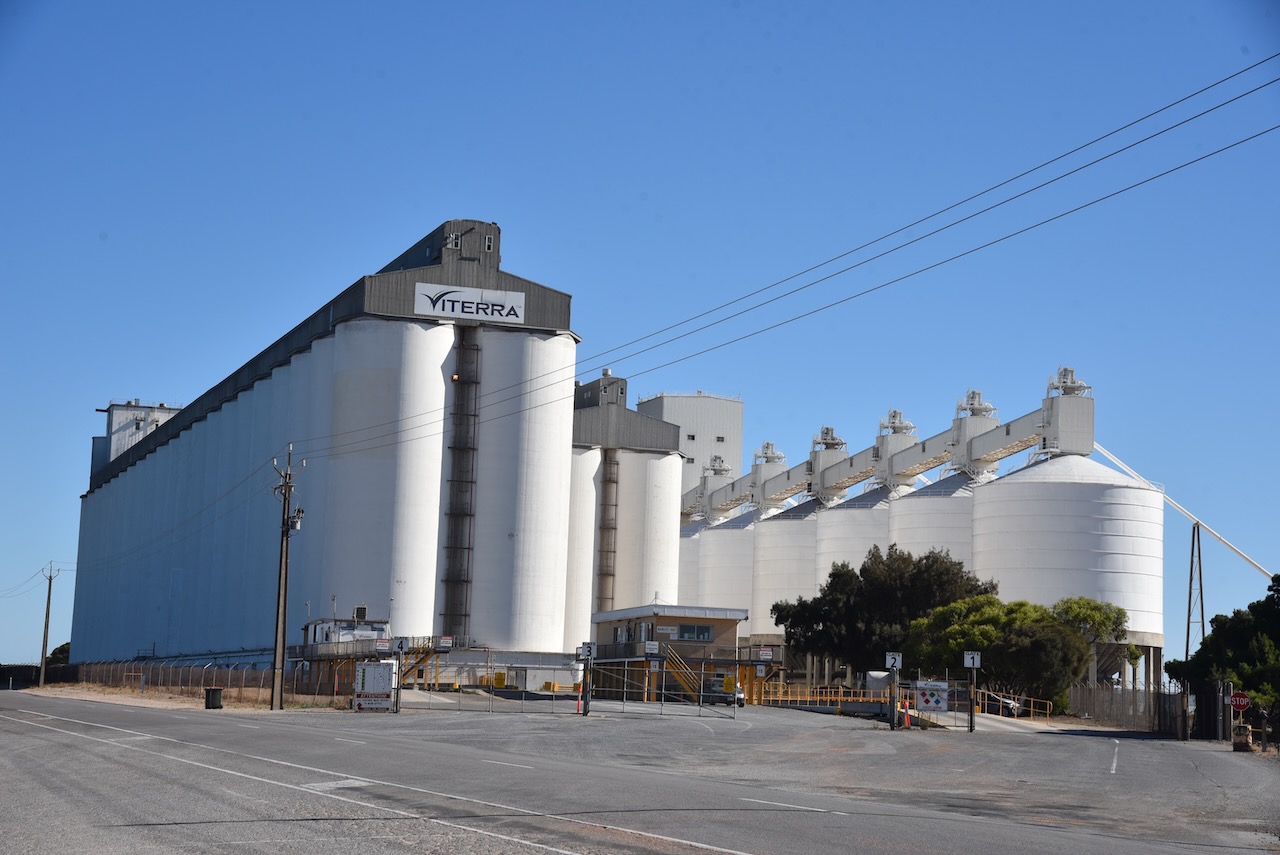
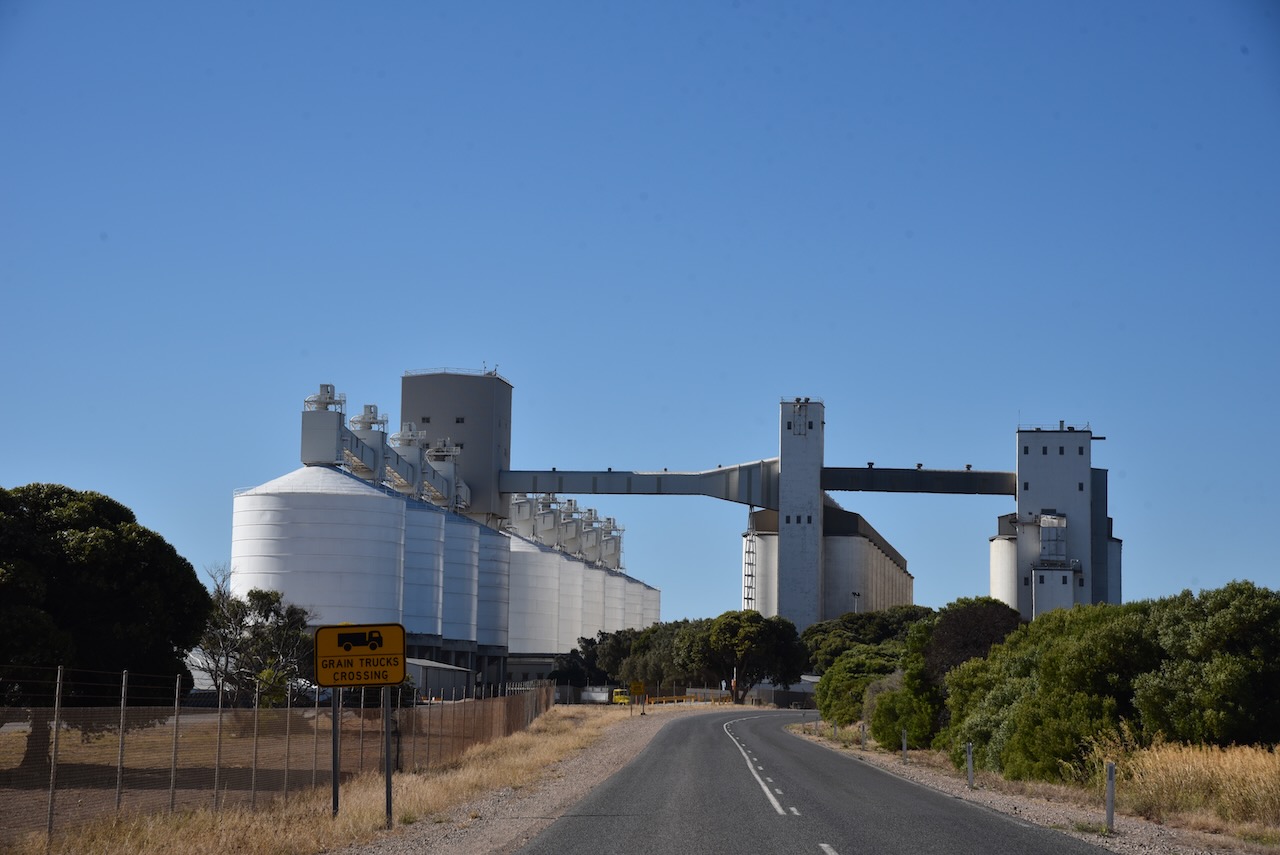
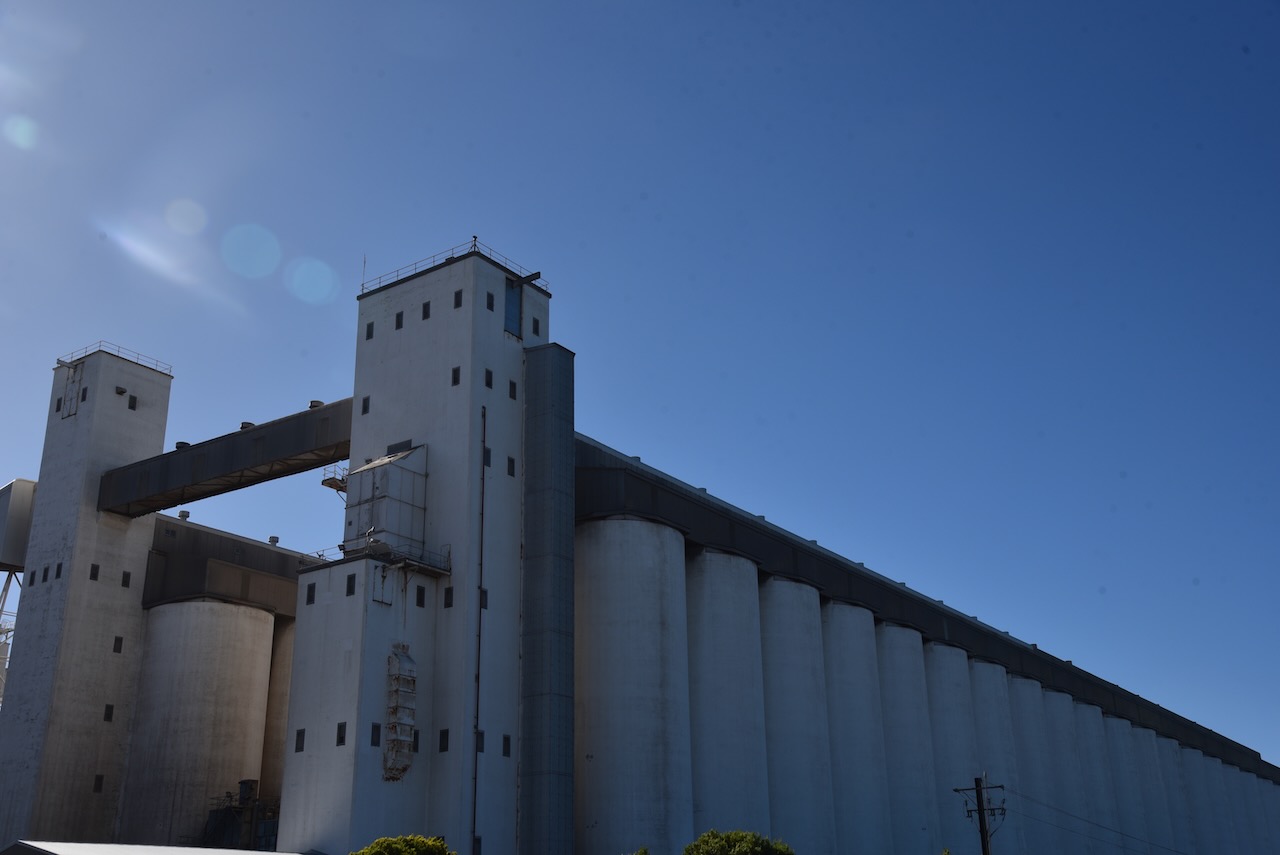
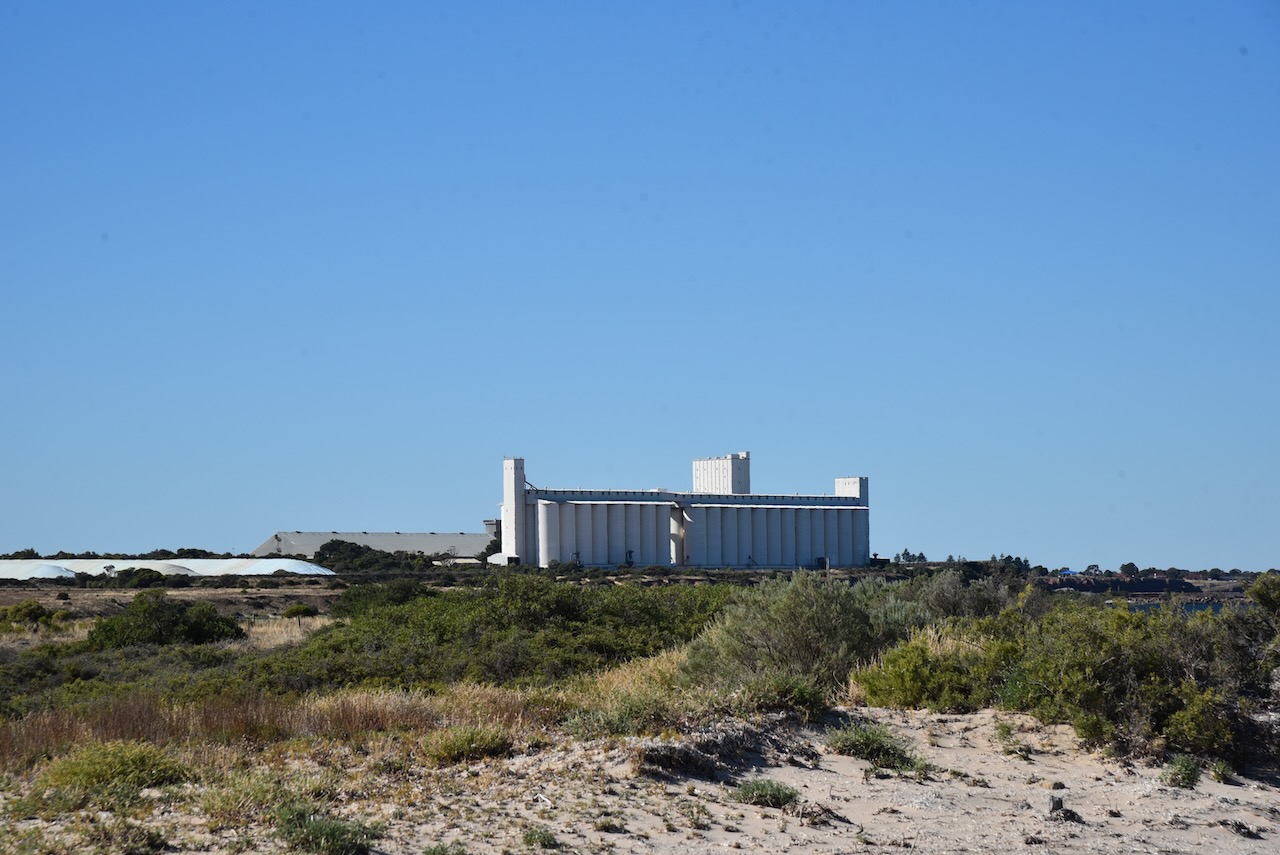
We then headed for Port Giles to activate the silo for the Silos On The Air (SiOTA) program.
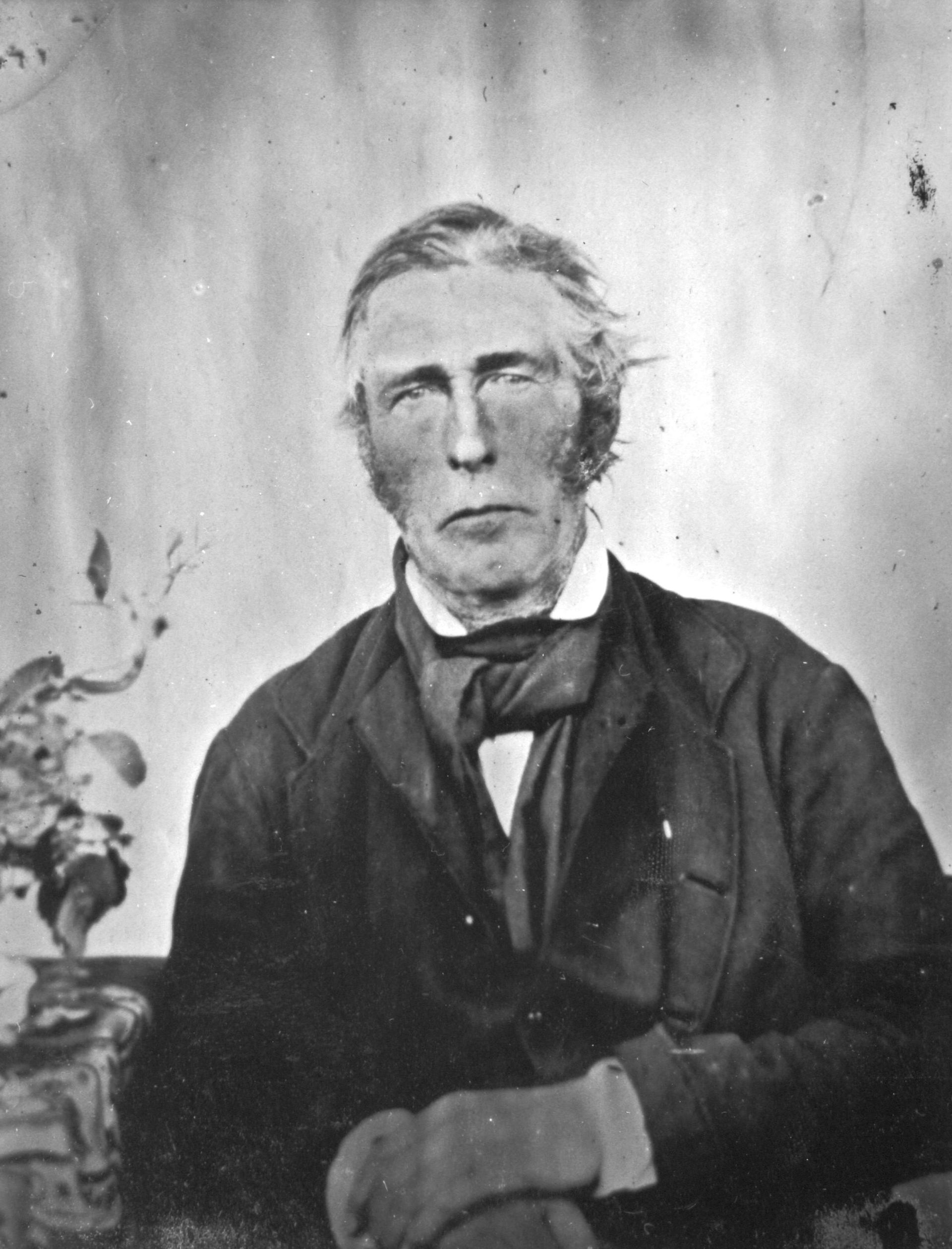
Port Giles was named after Thomas Giles (b. 1820. d. 1899), a partner with George Anstey in the Penton Vale sheep station. Giles was the third of 15 sons and 6 daughters of William Giles, the Colonial Manager of the South Australian Company.
Above:- Thomas Giles. Image c/o Wikipedia.
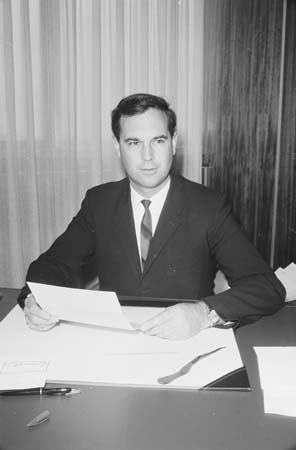
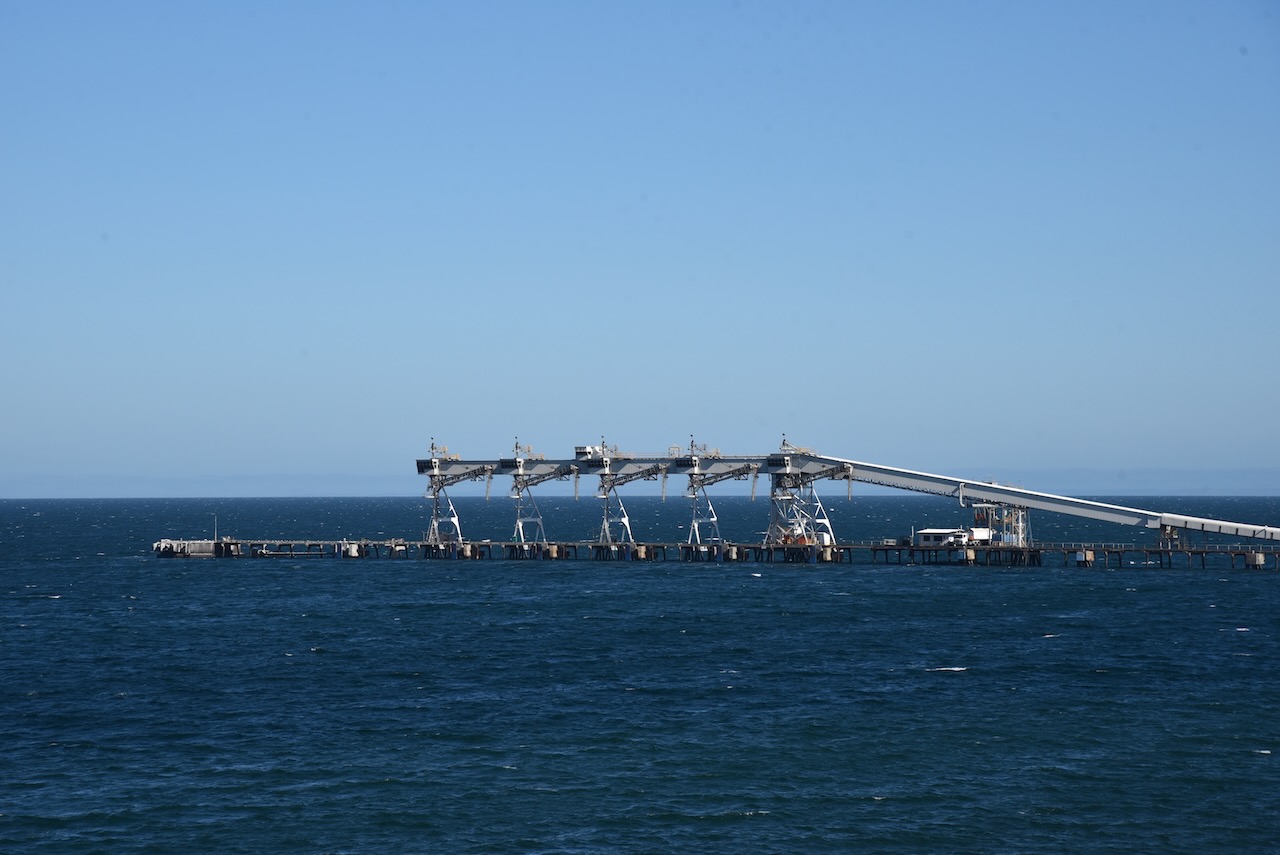
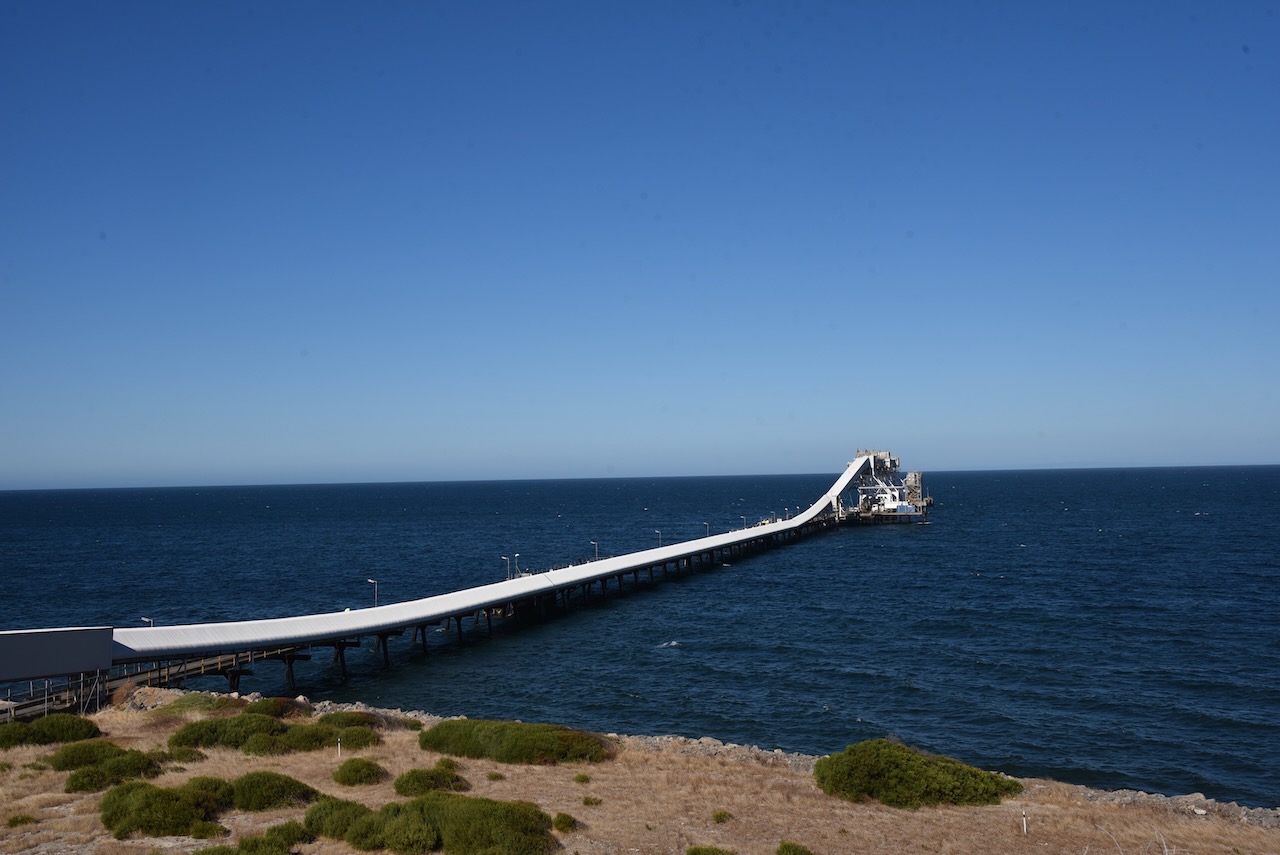
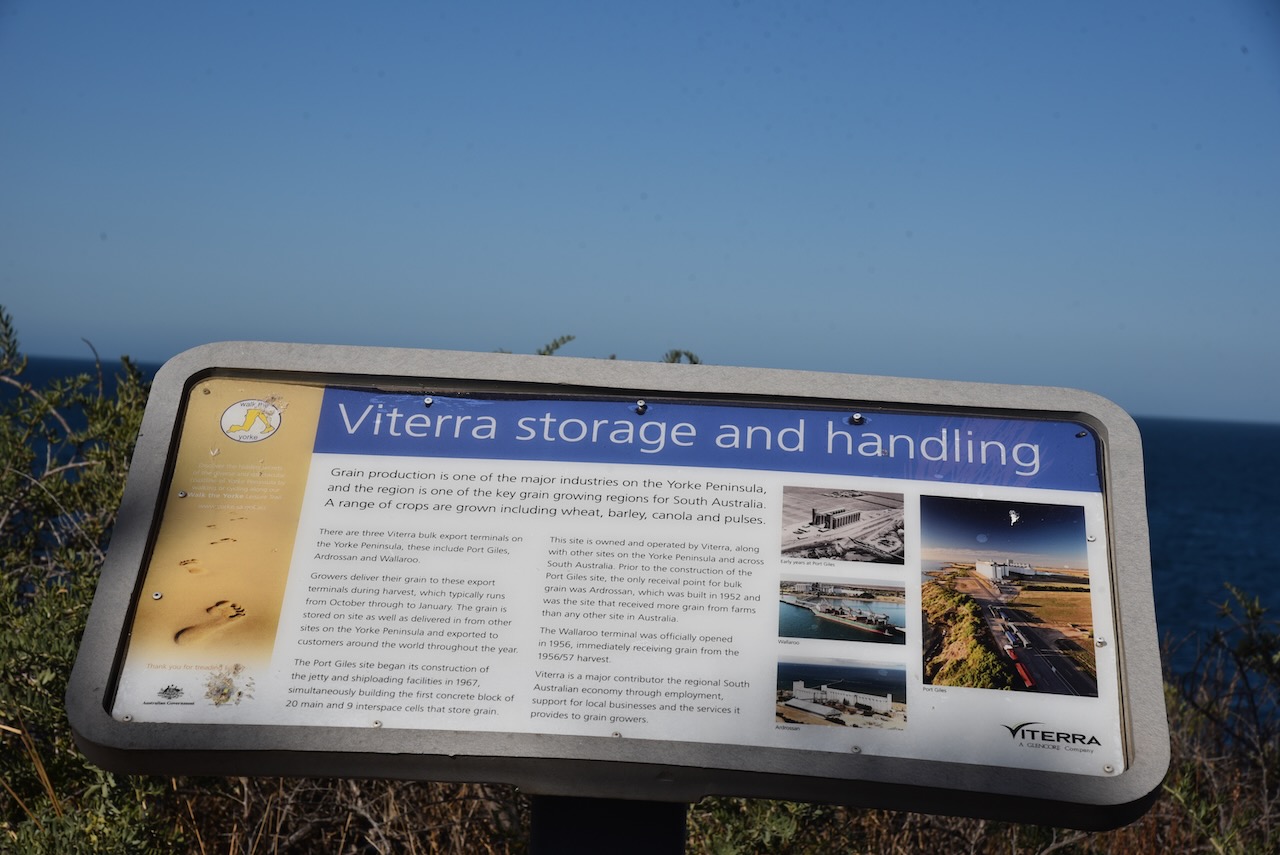
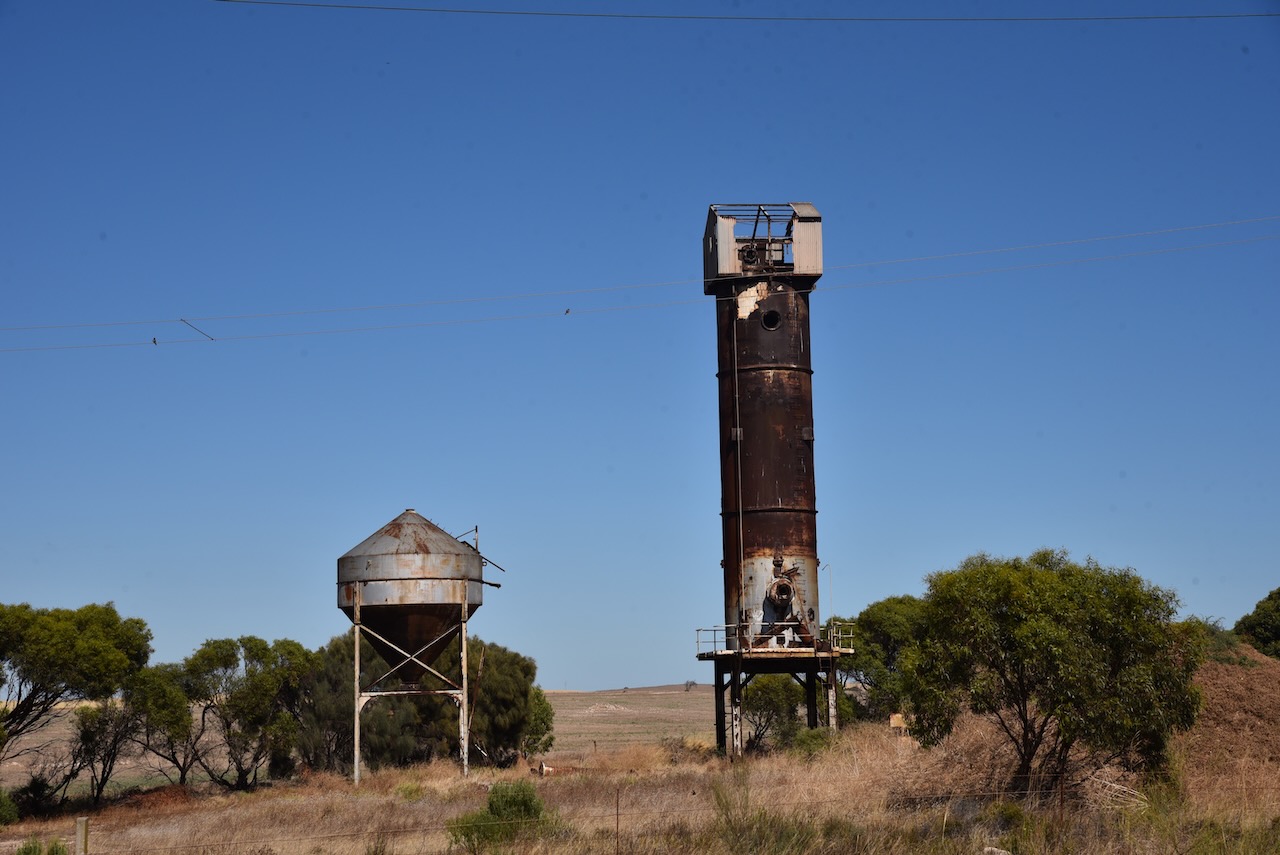
In 1967, construction of a deep sea jetty commenced at Port Giles and on the 23rd day of May 1970 was opened by the South Australian Premier, Hon. Steele Hall. The opening of the jetty and the large grains storage facility led to the closure of many of the smaller ports on the Yorke Peninsula.
Above:- Former SA Premier Steele Hall. Image c/o Wikipedia.
Port Giles was specifically constructed to be able to handle bulk grain and load it onto larger modern ships. Port Giles can handle Panamax-size ships or larger. Panamax is a term for the size limit of ships travelling through the Panama Canal. Many of the other Yorke Peninsula ports were not deep enough for larger ships, and they could only be serviced by small sketches and coastal steamships and could only handle grain in bags and not in bulk.
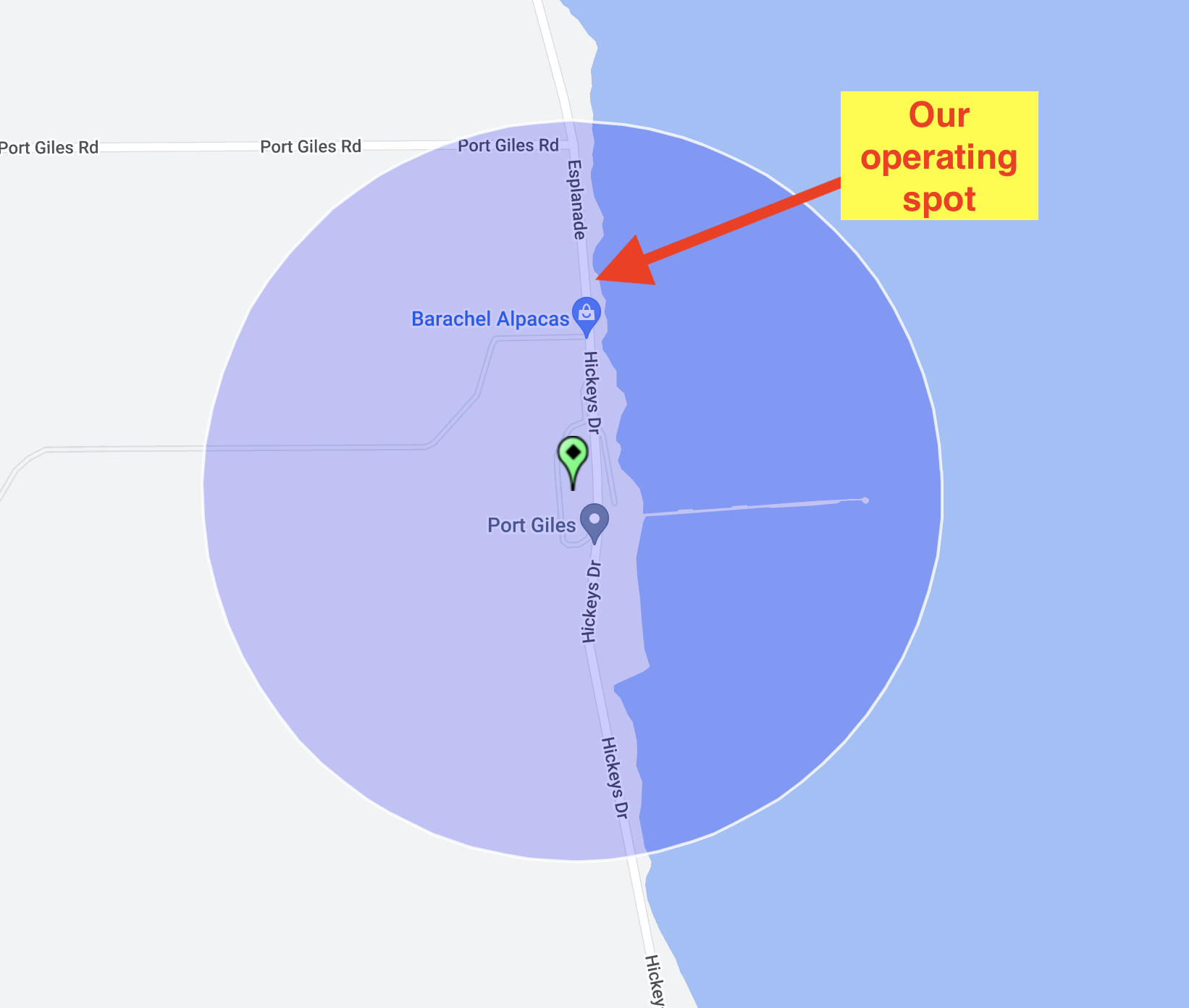
We operated from the 4WD on Hickey Drive, a short distance from the silos. We ran the Icom IC-7000, 100 watts, and the Codan antenna for this activation.
Marija worked the following stations on 40m SSB:-
VK1CHW/p (Black Mountain Nature Reserve VKFF-0834 & SOTA VK1/ AC-042)
VK5MOS
VK3PF
VK5FANA
VK5BJE
I worked the following stations on 40m SSB:-
VK1CHW/p (Black Mountain Nature Reserve VKFF-0834 & SOTA VK1/ AC-042)
VK5MOS
VK3PF
VK5FANA
VK5BJE
VK5HS
VK5FR
VK2YK
VK5GA
VK5LA
VK3LVH
VK2RO
VK5CZ
VK2NP
VK5GY
VK3GJG
VK5TN
VK3SMW
VK2IO
It was time for us to head back to Stansbury, where that night we met up with Ivan VK5HS, Andy VK5LA, Adam VK2YK, and Chris VK5TR, our other team members of VK5TIL and the Troubridge Island trip. We had a great night out and a meal at the Stansbury Hotel.
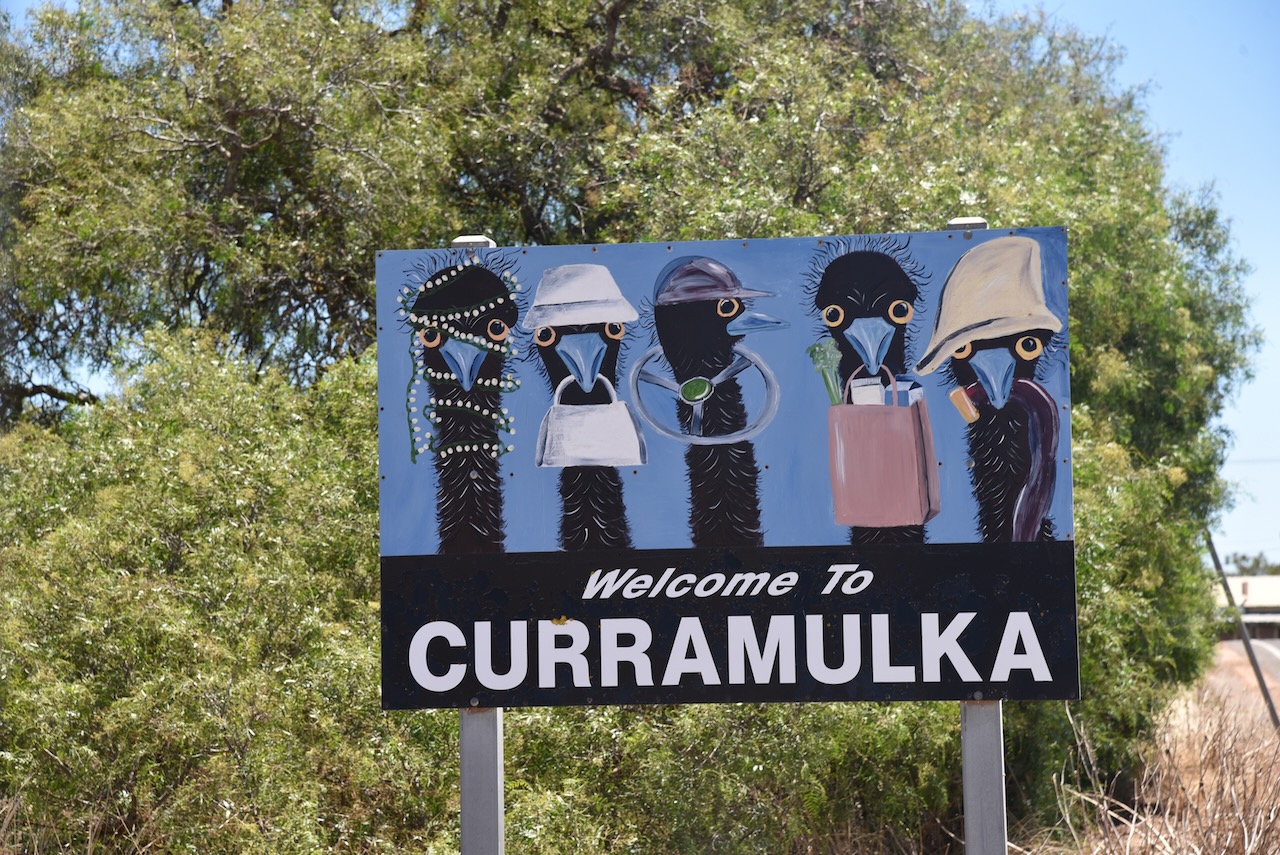
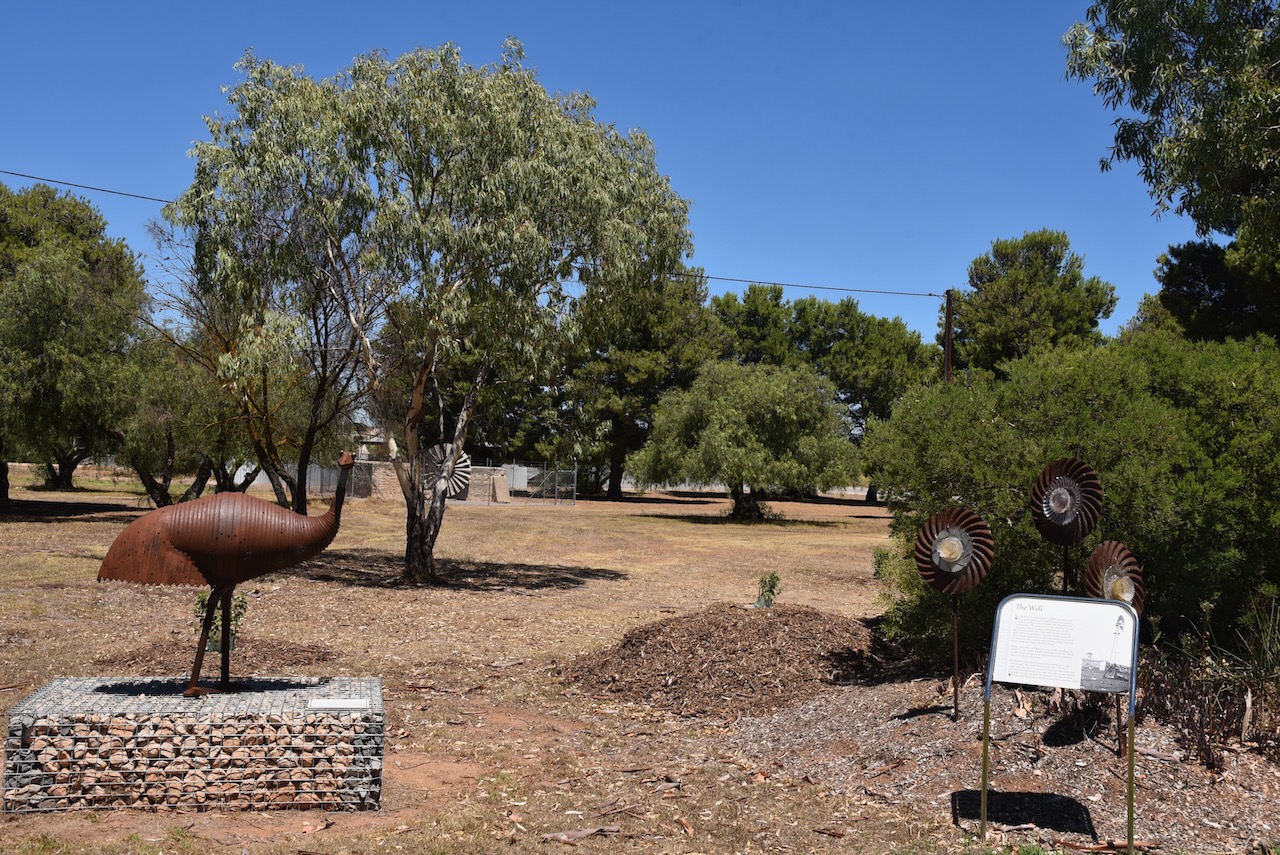
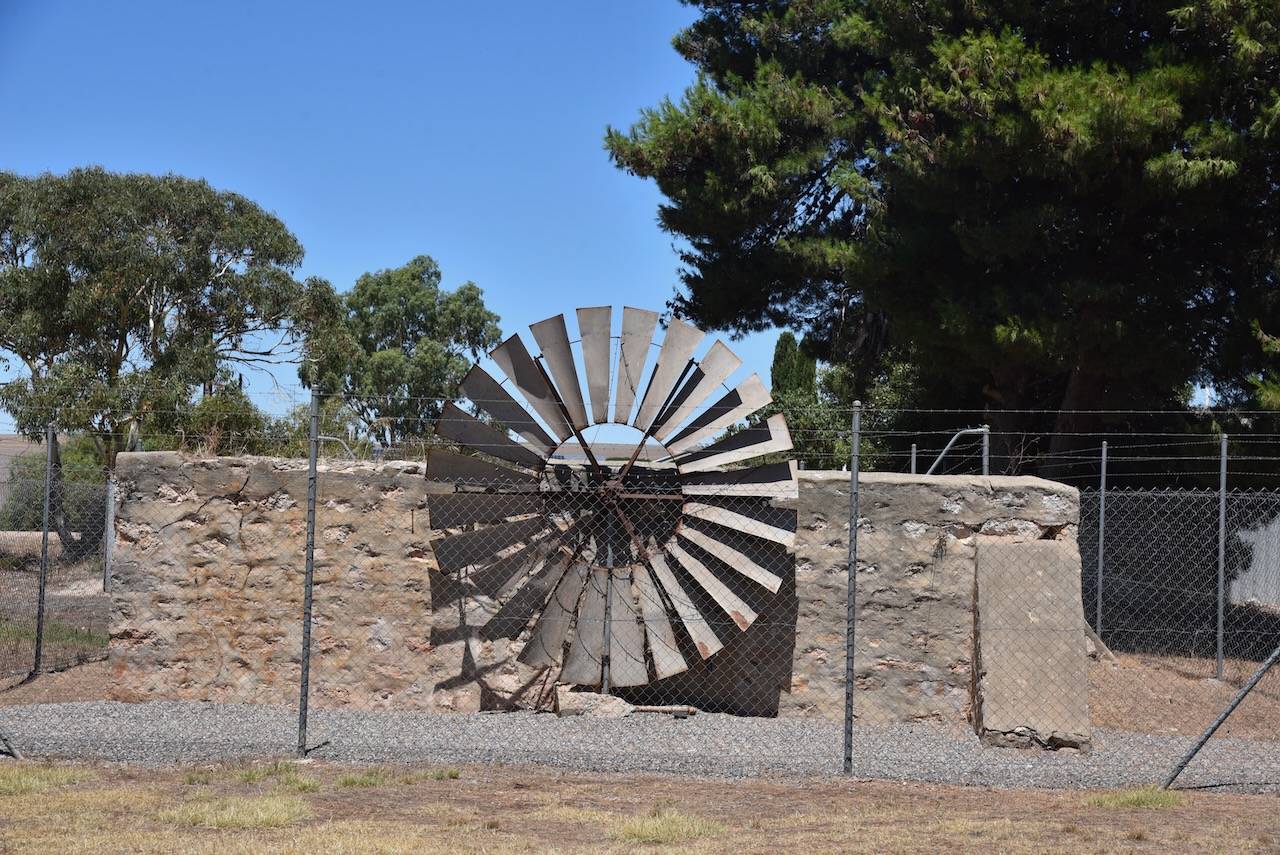
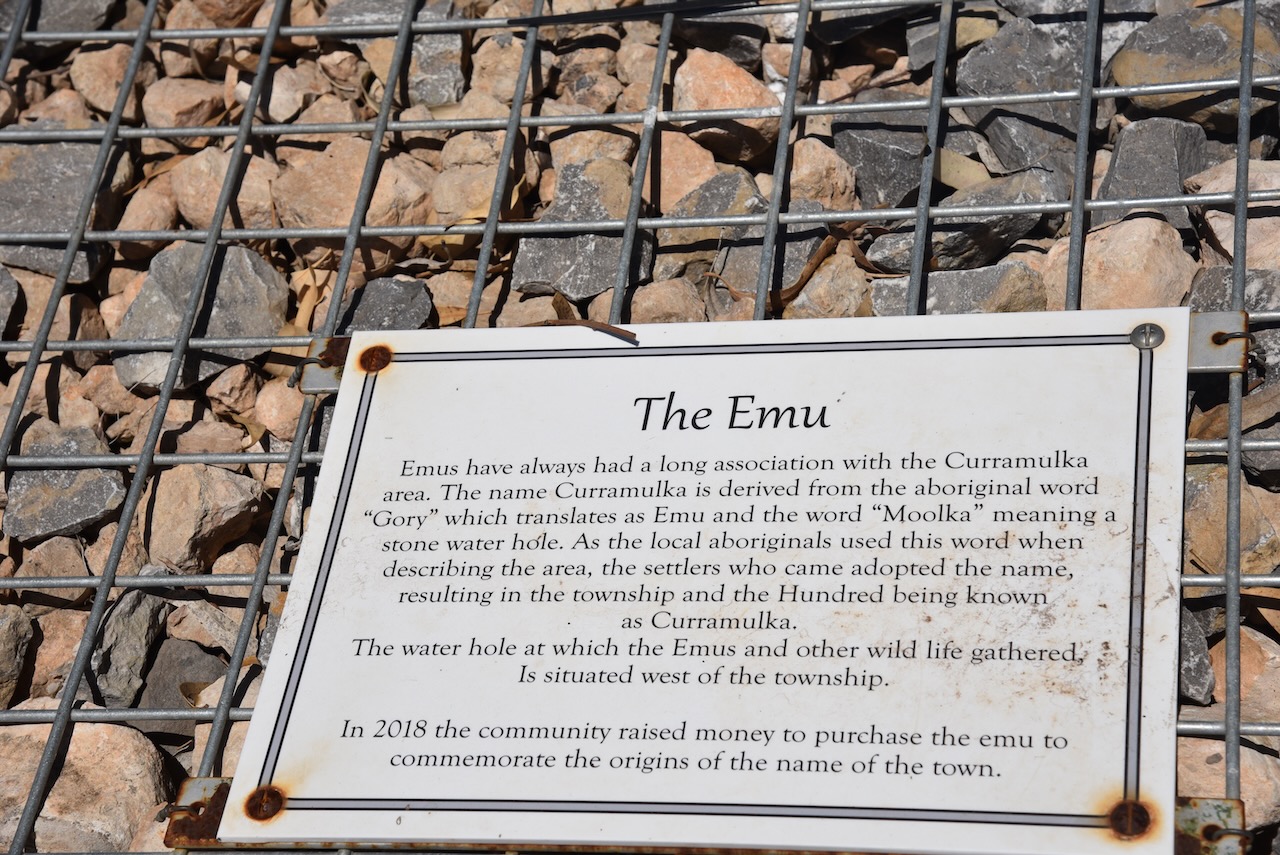
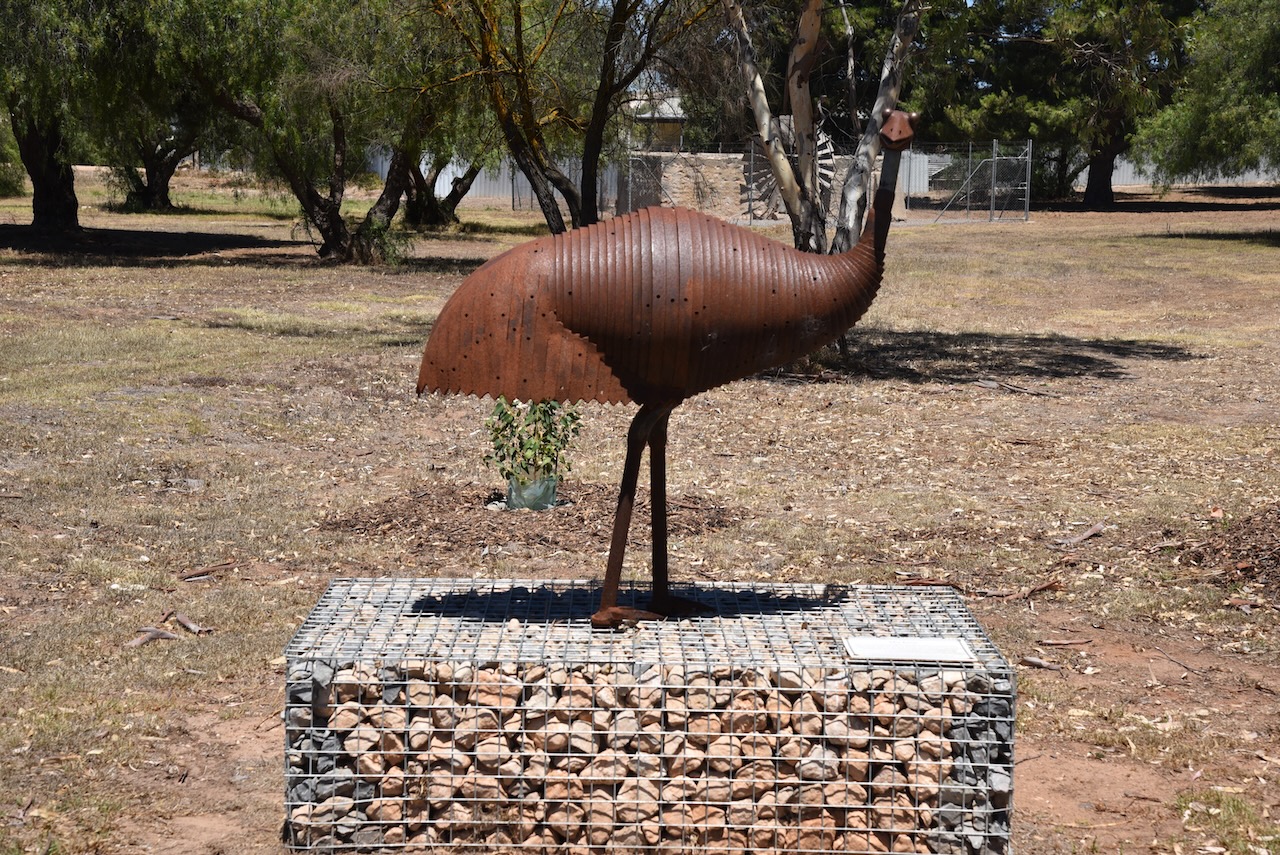
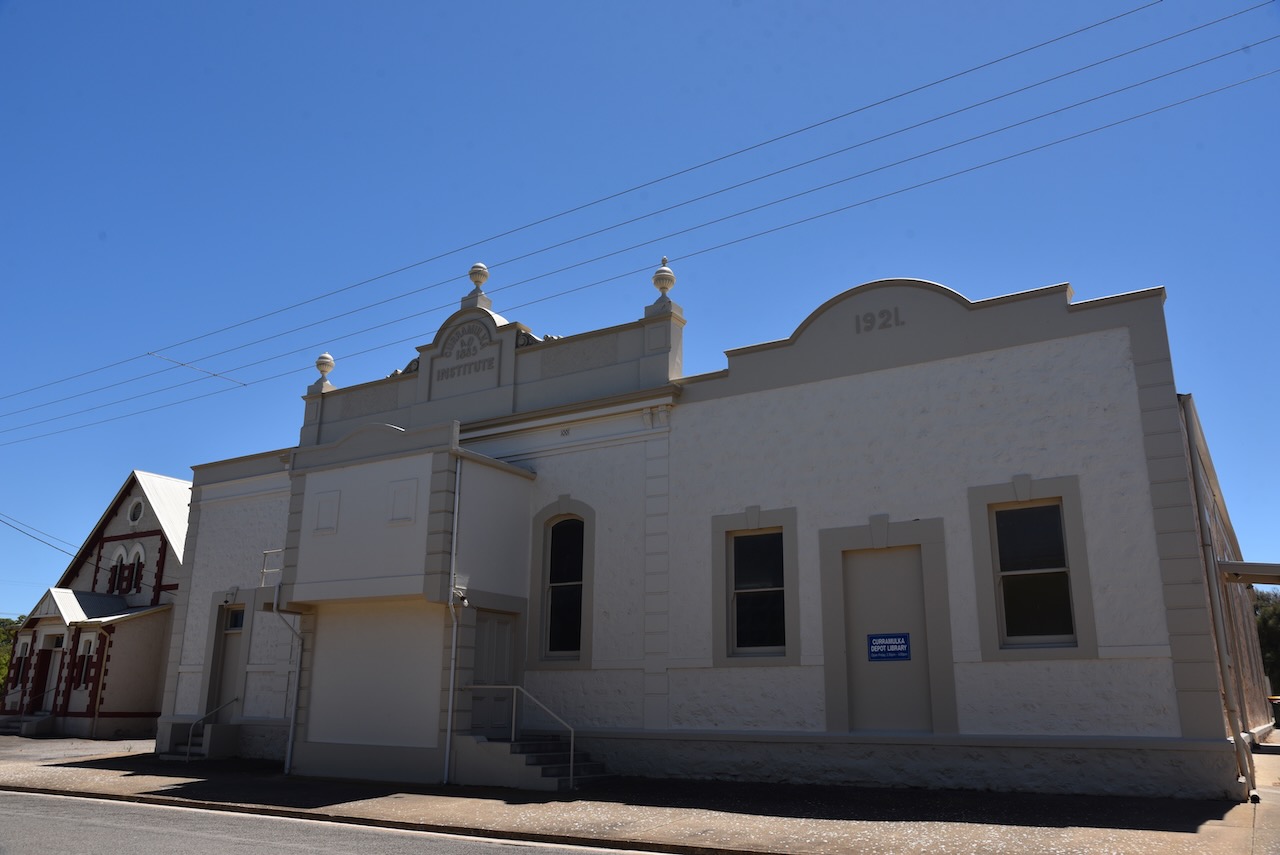
We left the Ramsay Way Conservation Park and drove north to the little town of Curramulka, one of the oldest towns on the Yorke Peninsula. The name Curramulkaka is derived from the Aboriginal word ‘curre’ meaning emu and ‘mulka’ meaning deep water. Emus drank in the area and this resulted in the name.
Close to Curramulka is an extensive chain of limestone caves that were first explored in 1850. A significant number of major extensions were discovered in 1984.
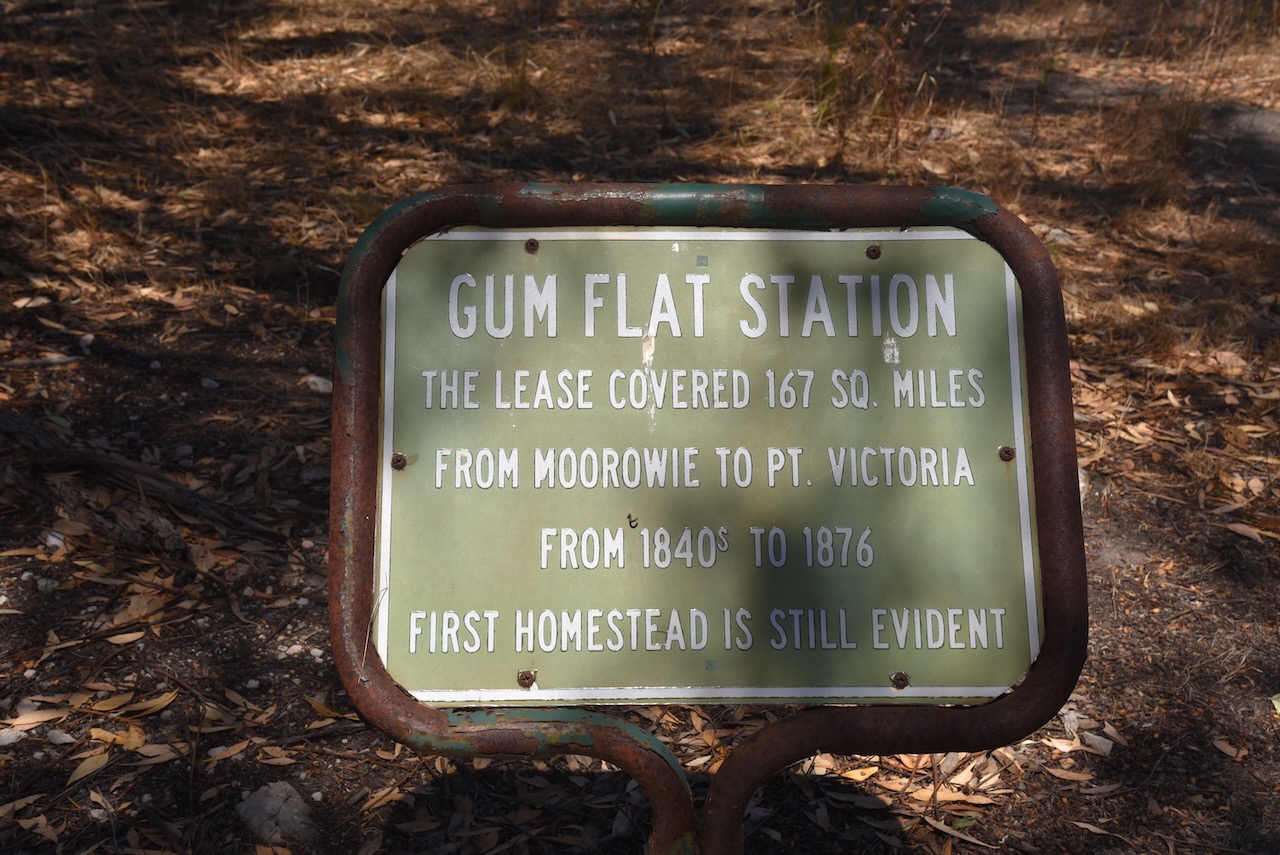
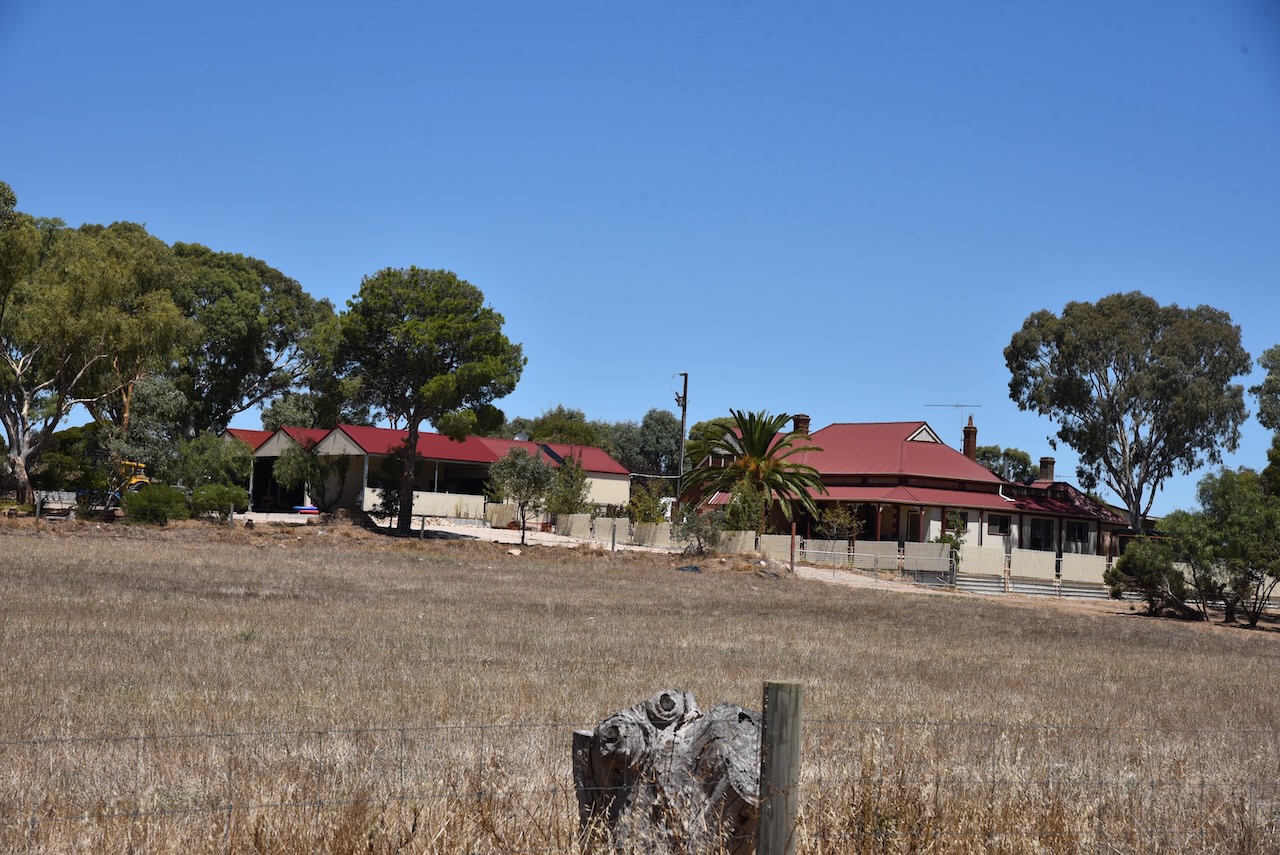
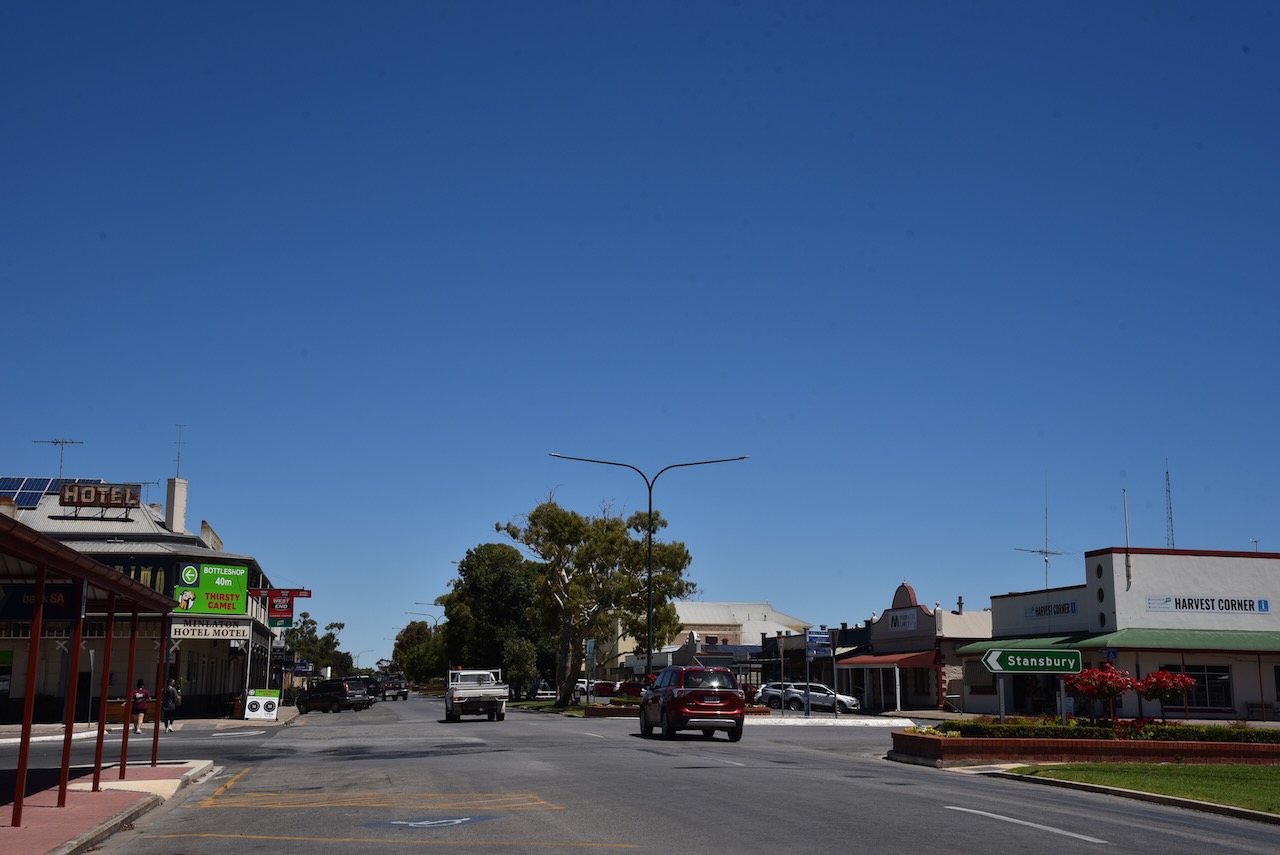
We then drove south on the Yorke Highway and into the town of Minlaton. The name is derived from the first syllable of Minlacowie and the Middle English word ton, meaning ‘town’. Land in the Minlaton area was first taken up by Thomas Giles in 1847 at ‘Gum Flat’, sometimes referred to as ‘Mount Rat’.
On the 3rd day of December 1874, J.W. Jones, surveyor, reported to the Surveyor-General:
‘Knowing the ground to be high enough and the almost certainty of finding fresh water on every allotment, I think the site suggested by Mr Cadet Surveyor Elder is as good, if not the best that could be found…’
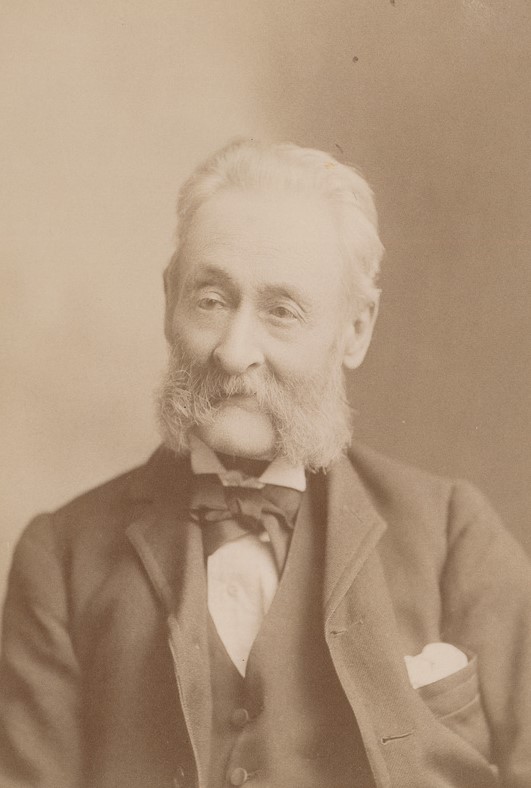
The site was approved, and was surveyed by Giles Edward Strangways (b. 1819. d. 1906), and was proclaimed on the 15th day of June 1876.
Above:- Giles E. Strangways. Image c/o Wikipedia.
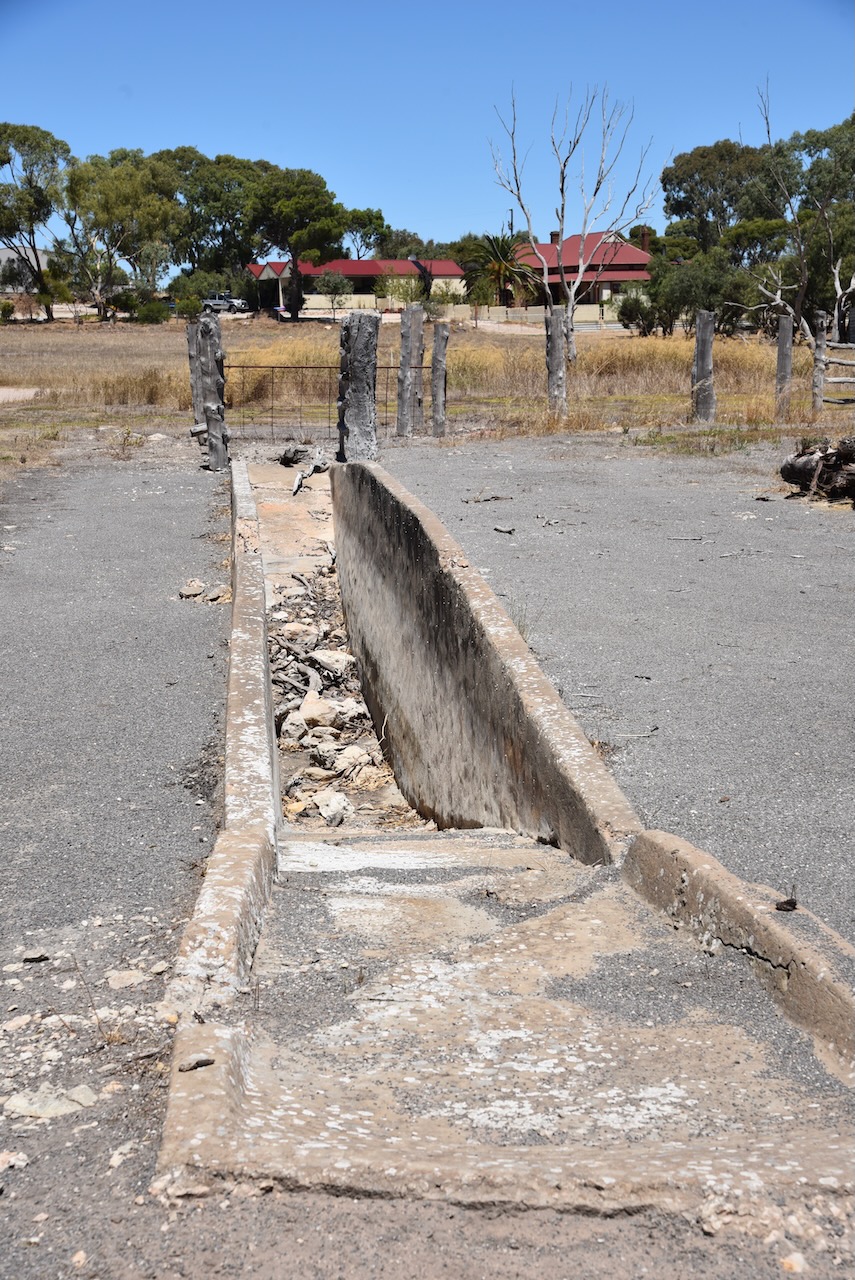
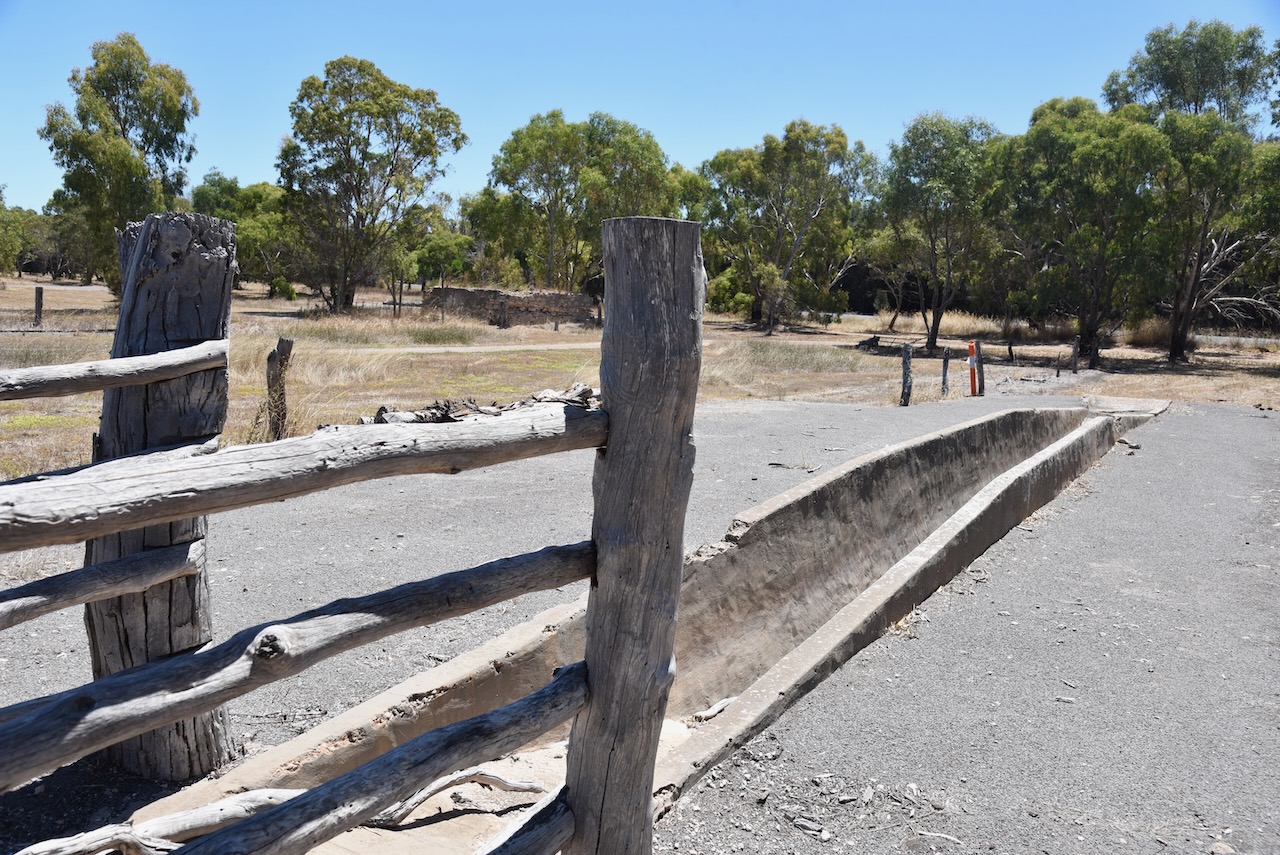
The old Gum Flat Station and a historic horse dip can be found on the outskirts of Minlaton.
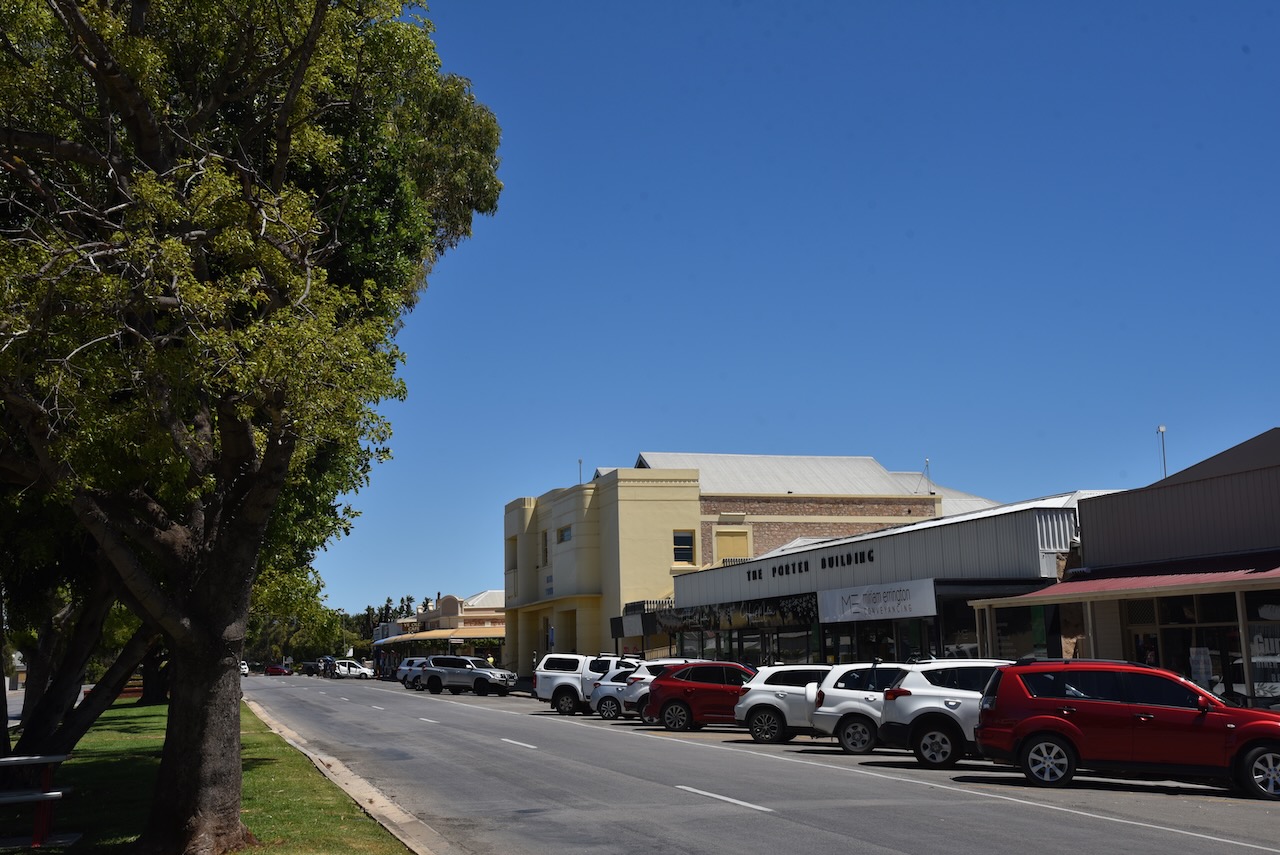
We stopped to get something to eat and a cup of coffee at Minlaton.
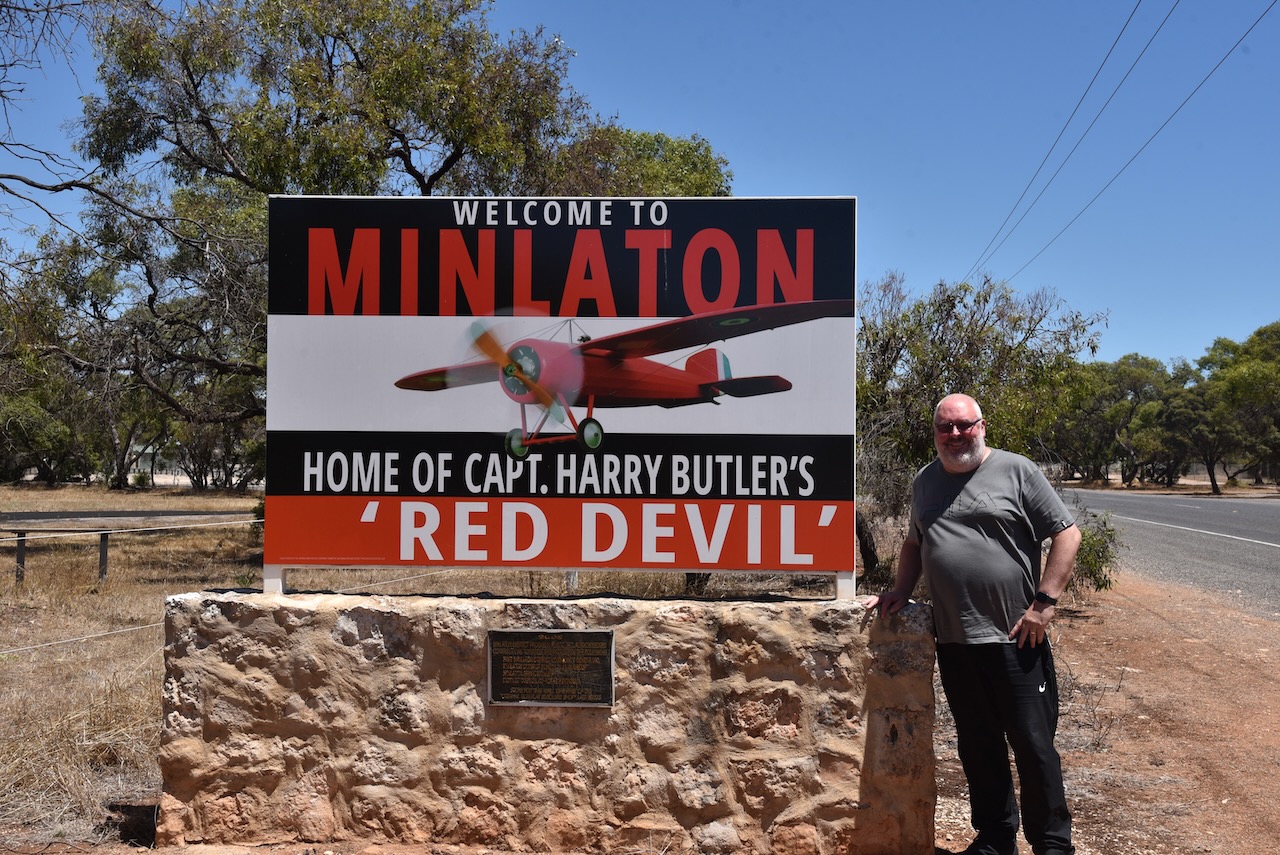
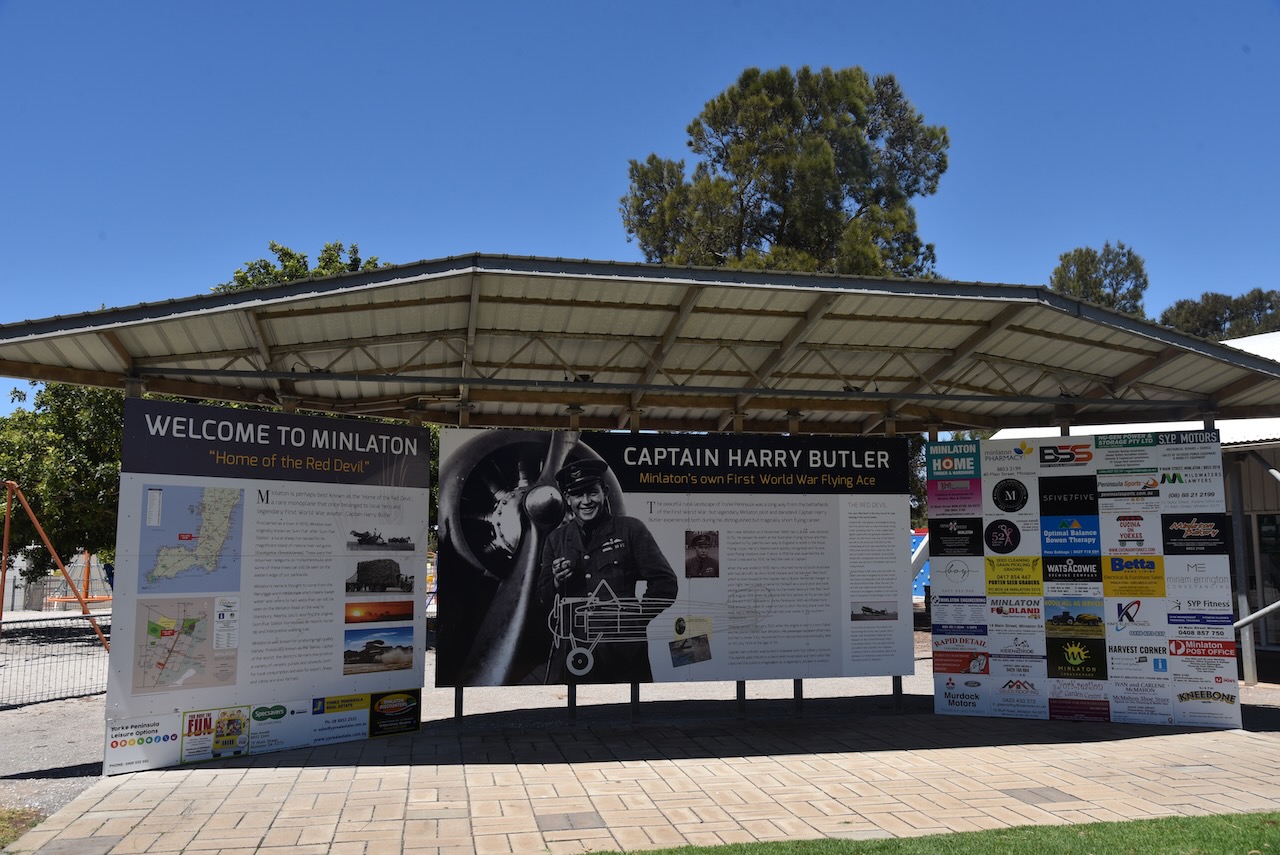
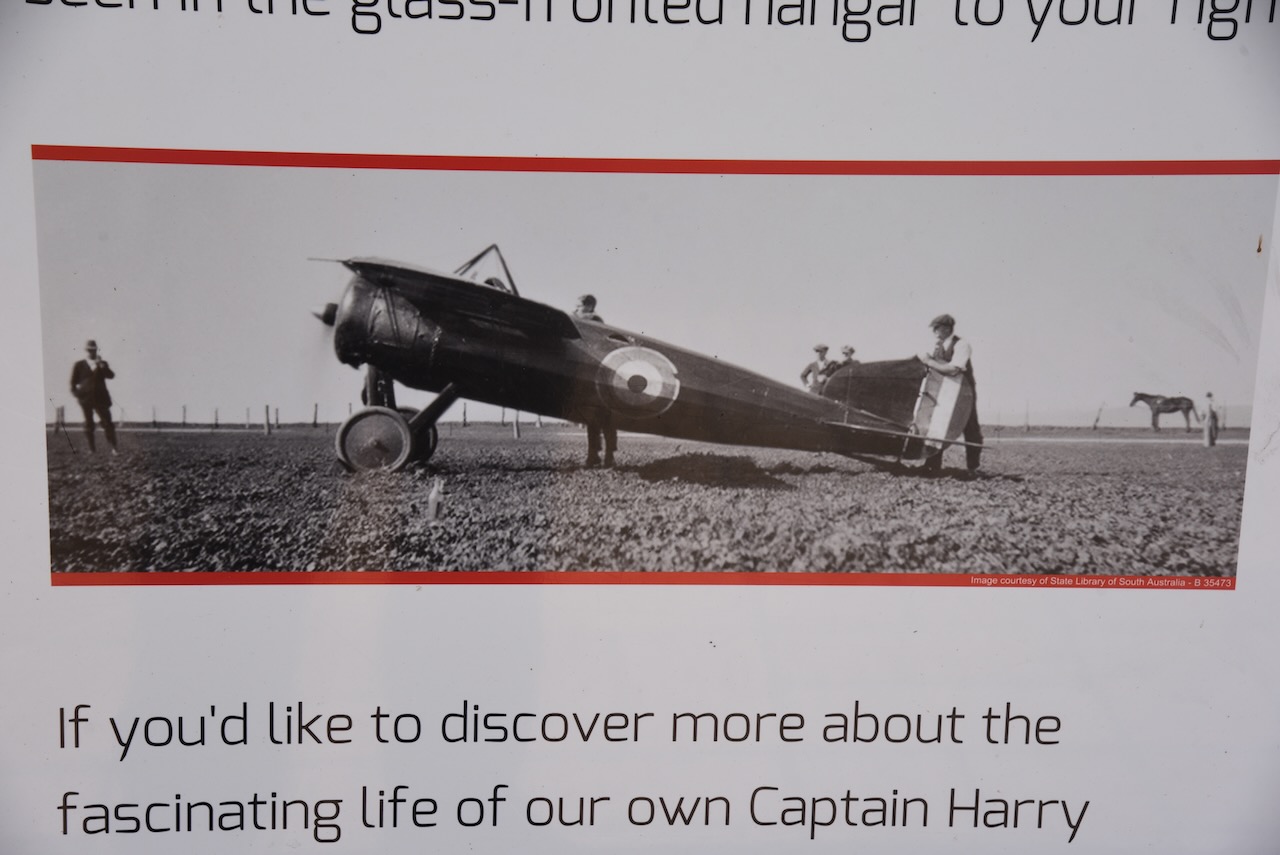
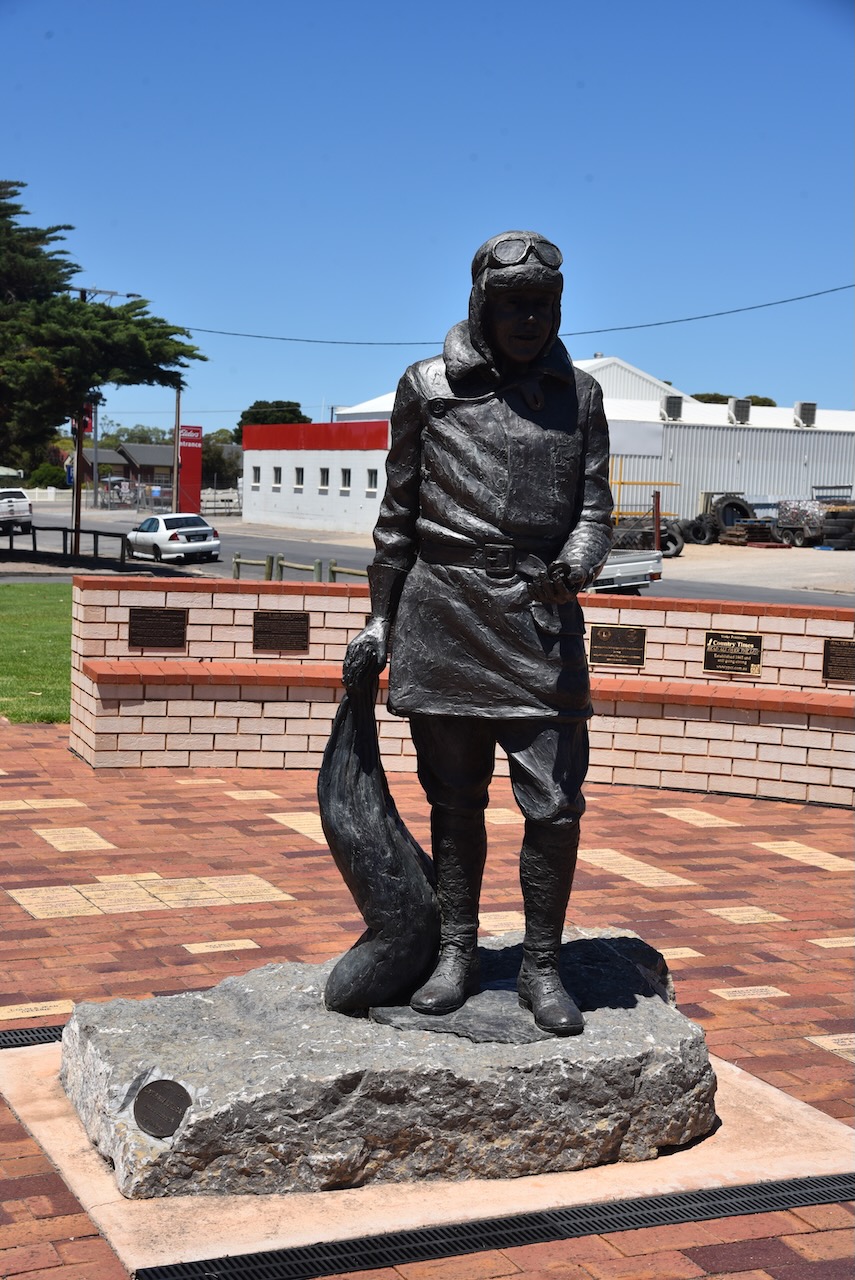
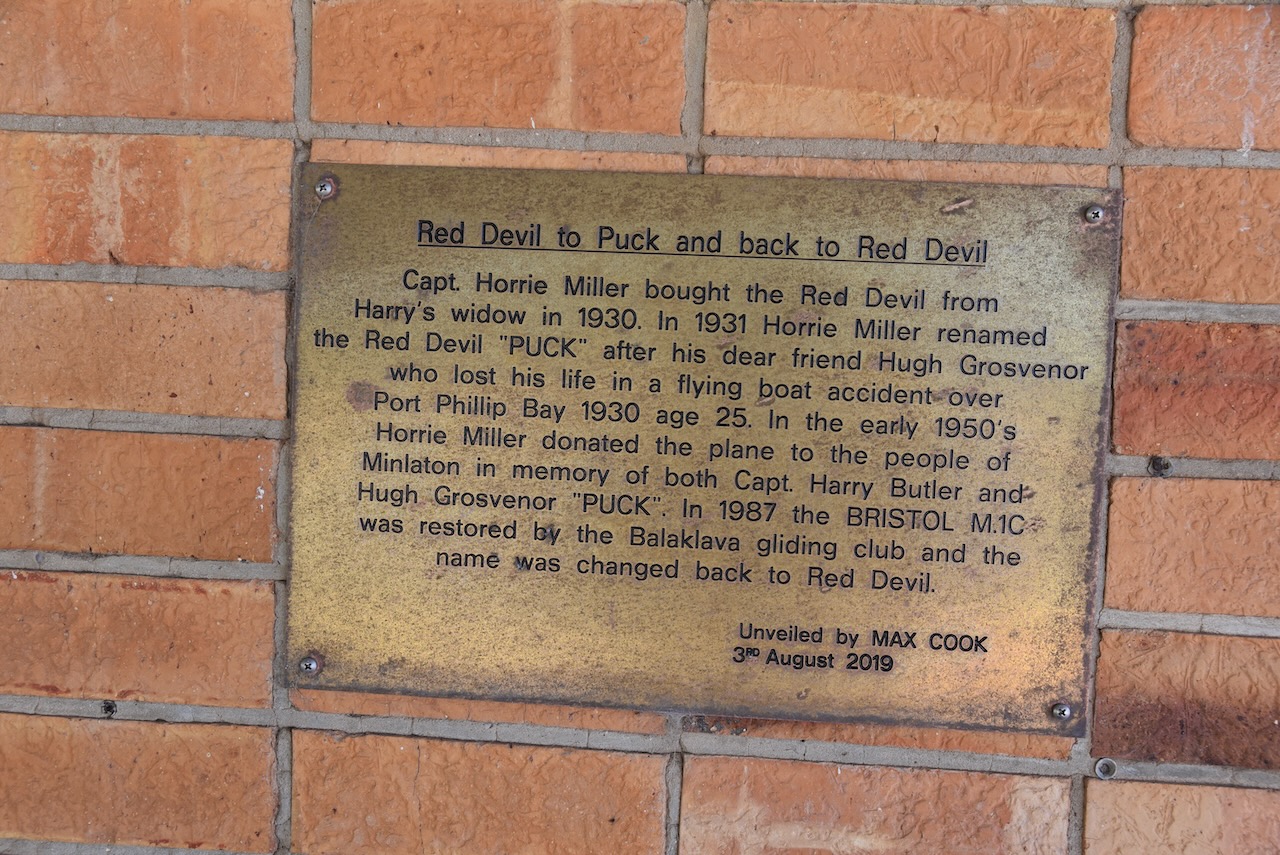
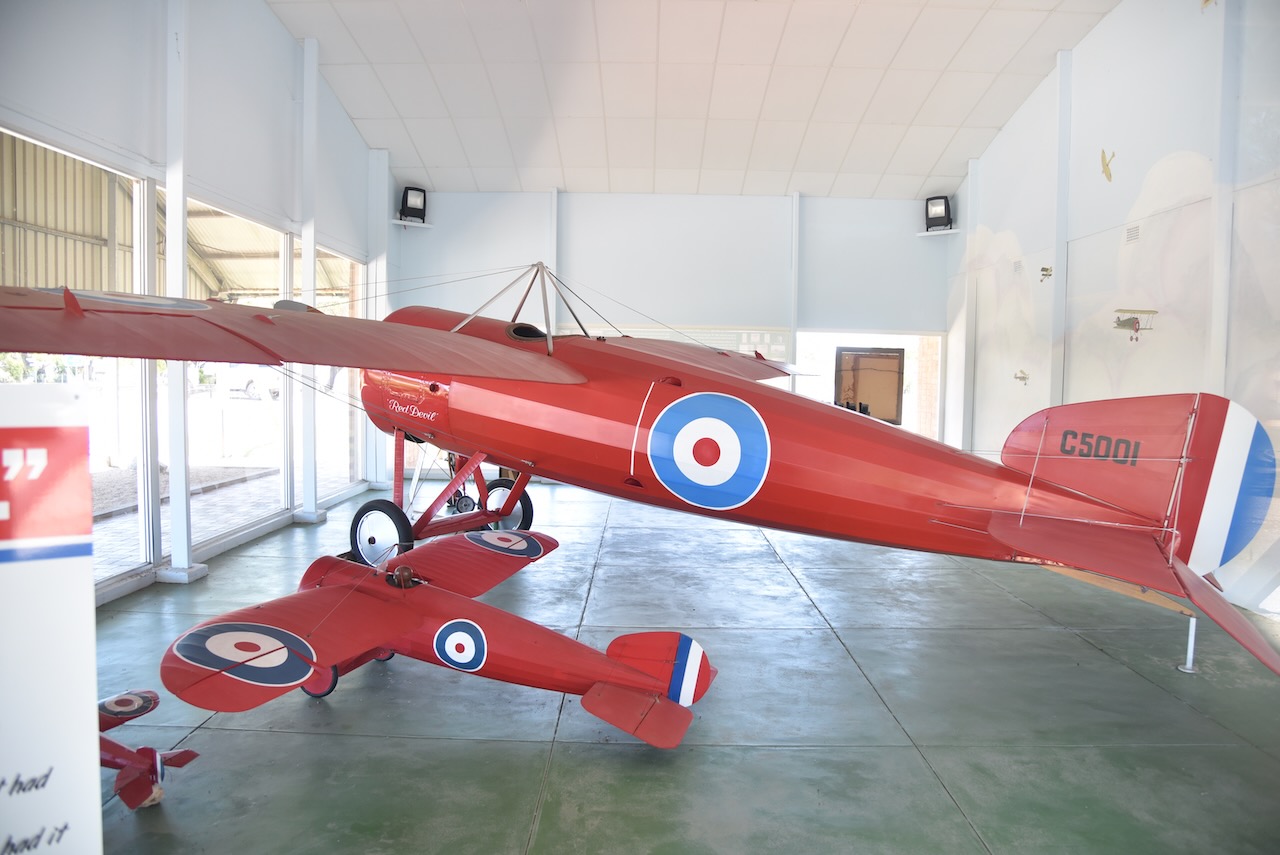
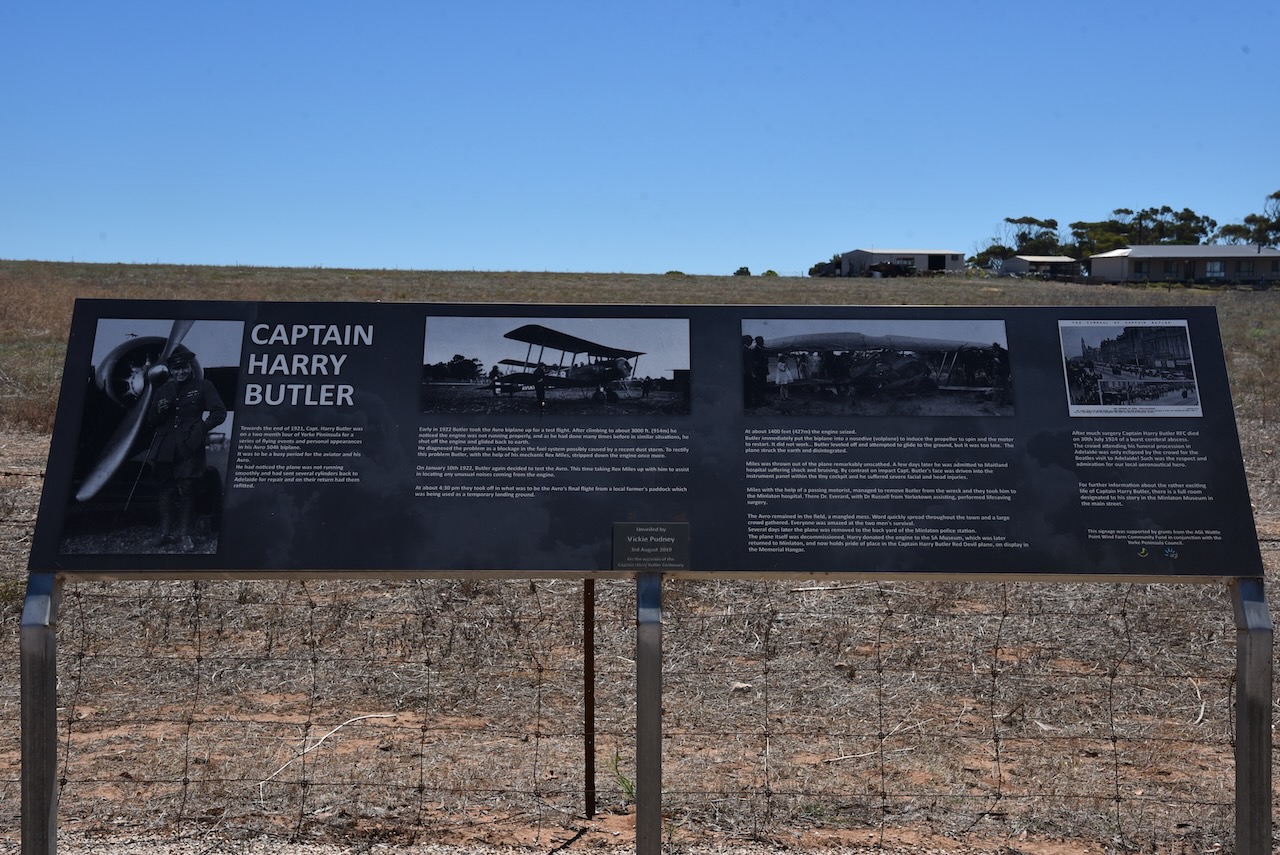
Minlaton is famous for Captain Harry Butler and his ‘Red Devil’ aircraft.
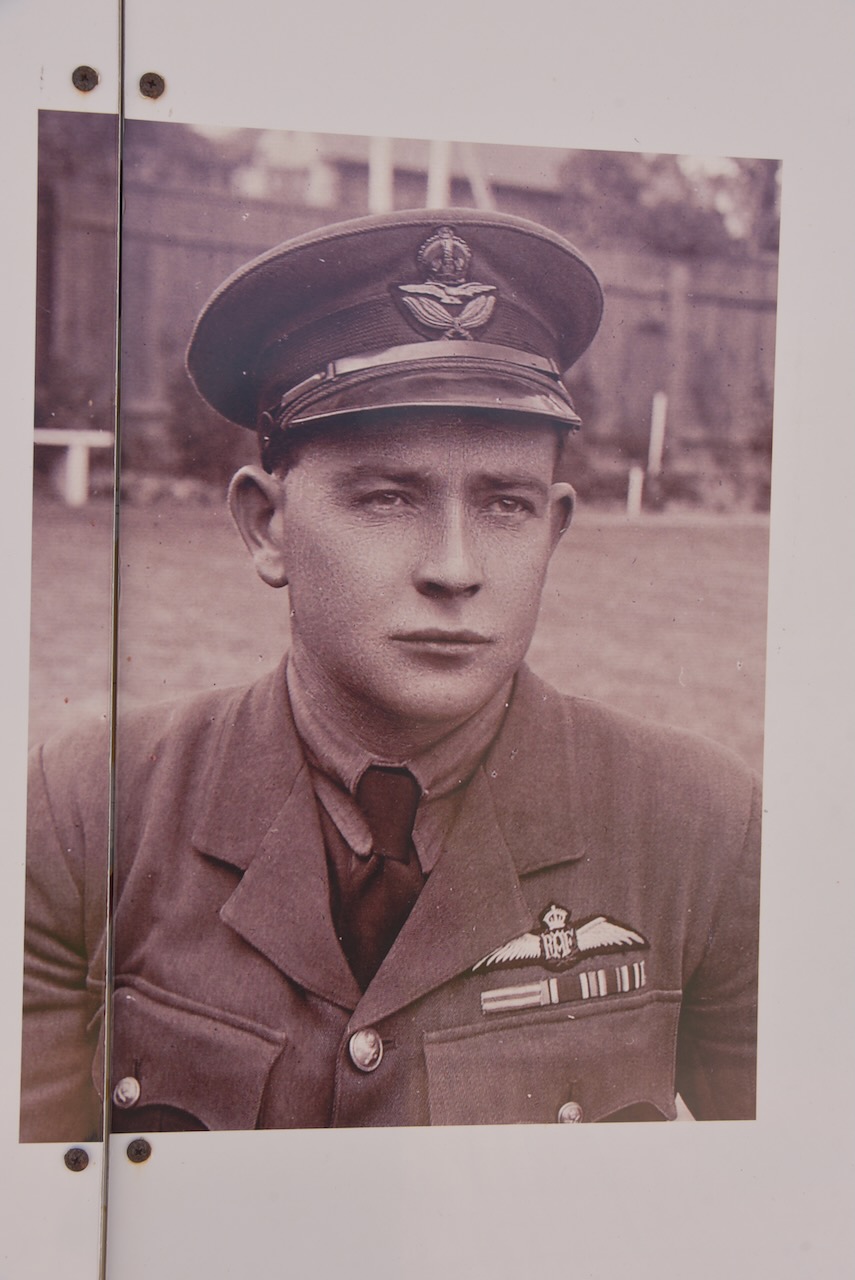
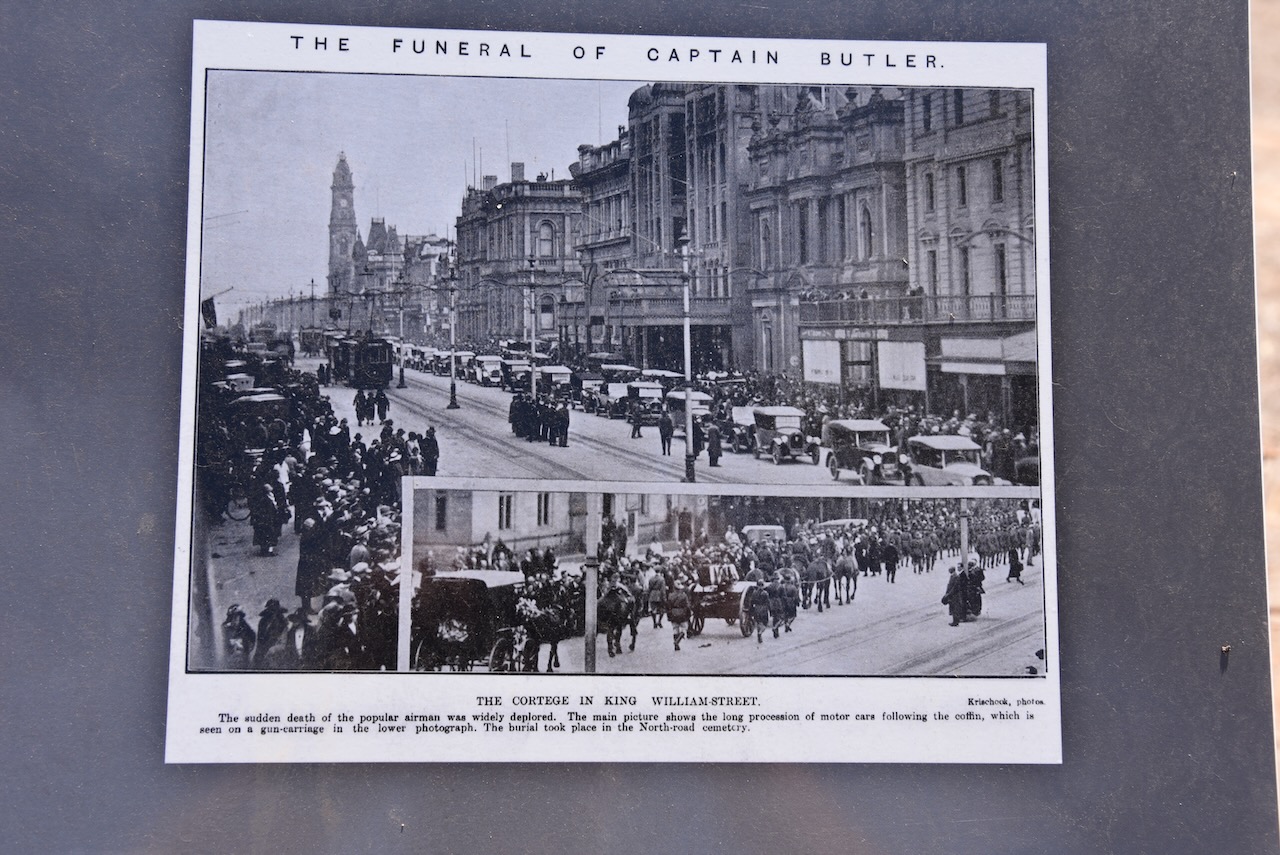
Henry John ‘Harry’ Butler (b. 1889. d. 1924) was a pioneer Australian aviator, and Captain and Chief Fight Instructor in the Royal Flying Corps during World War I. On the 6th day of August 1919, he flew an air mail run from Adelaide across Gulf St Vincent to Minlaton. This was the first over-water flight in the Southern Hemisphere carrying air mail and the first flight over a major body of water in the southern hemisphere.
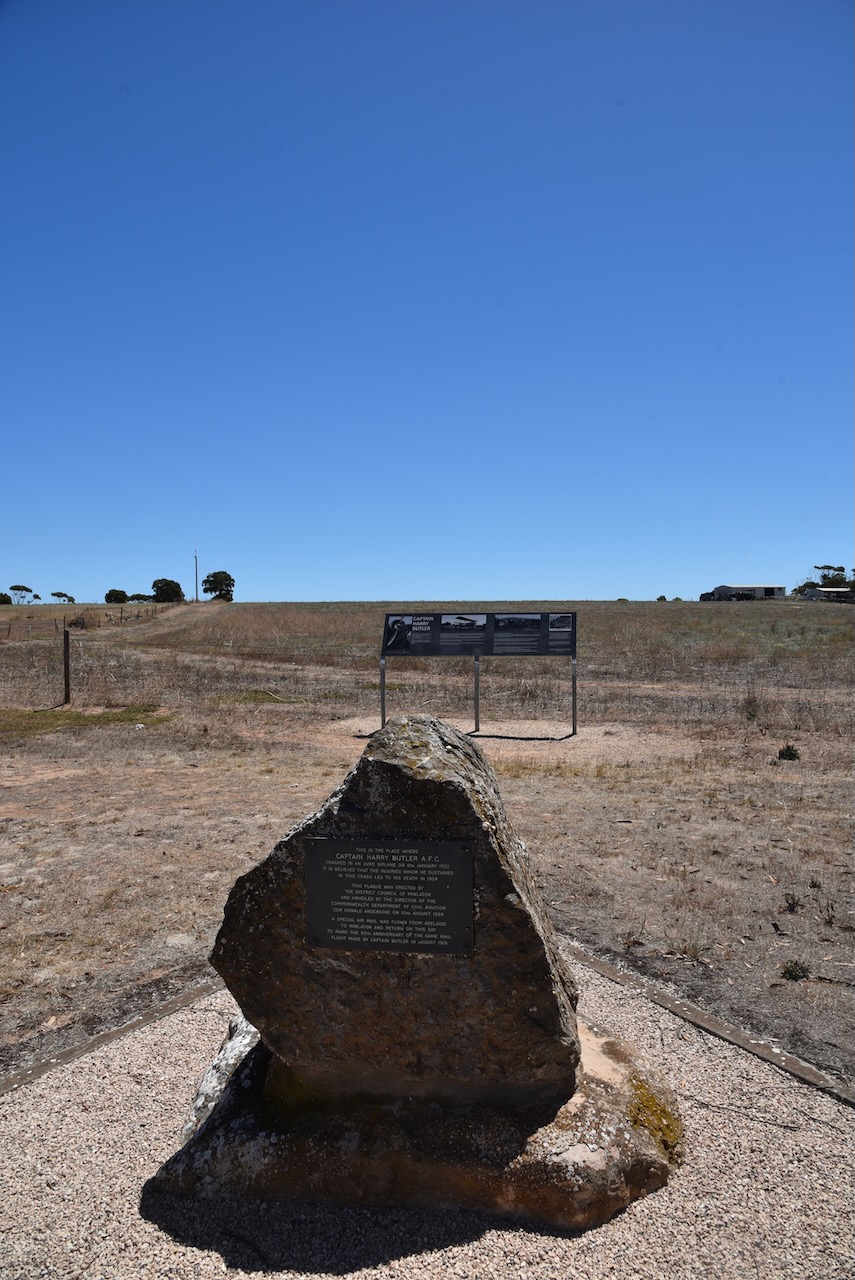
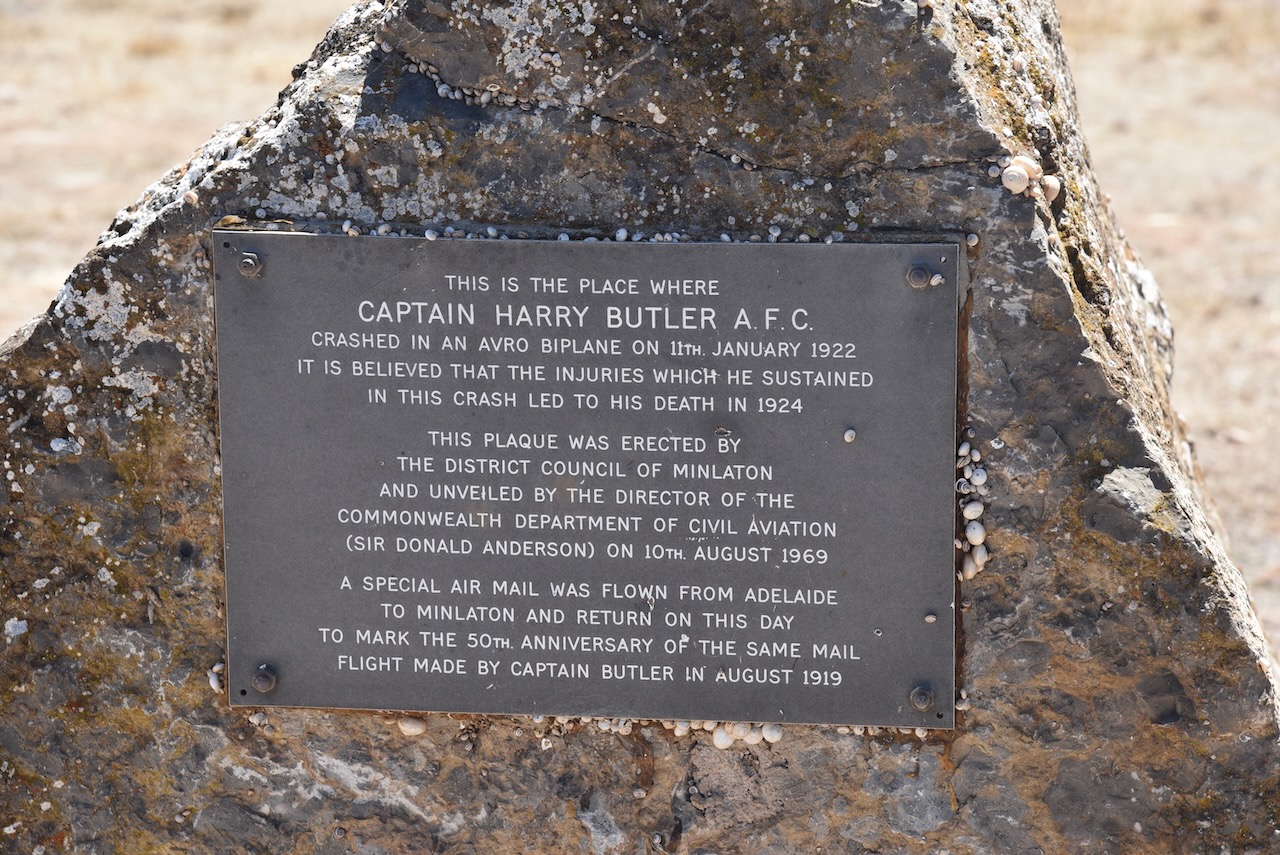
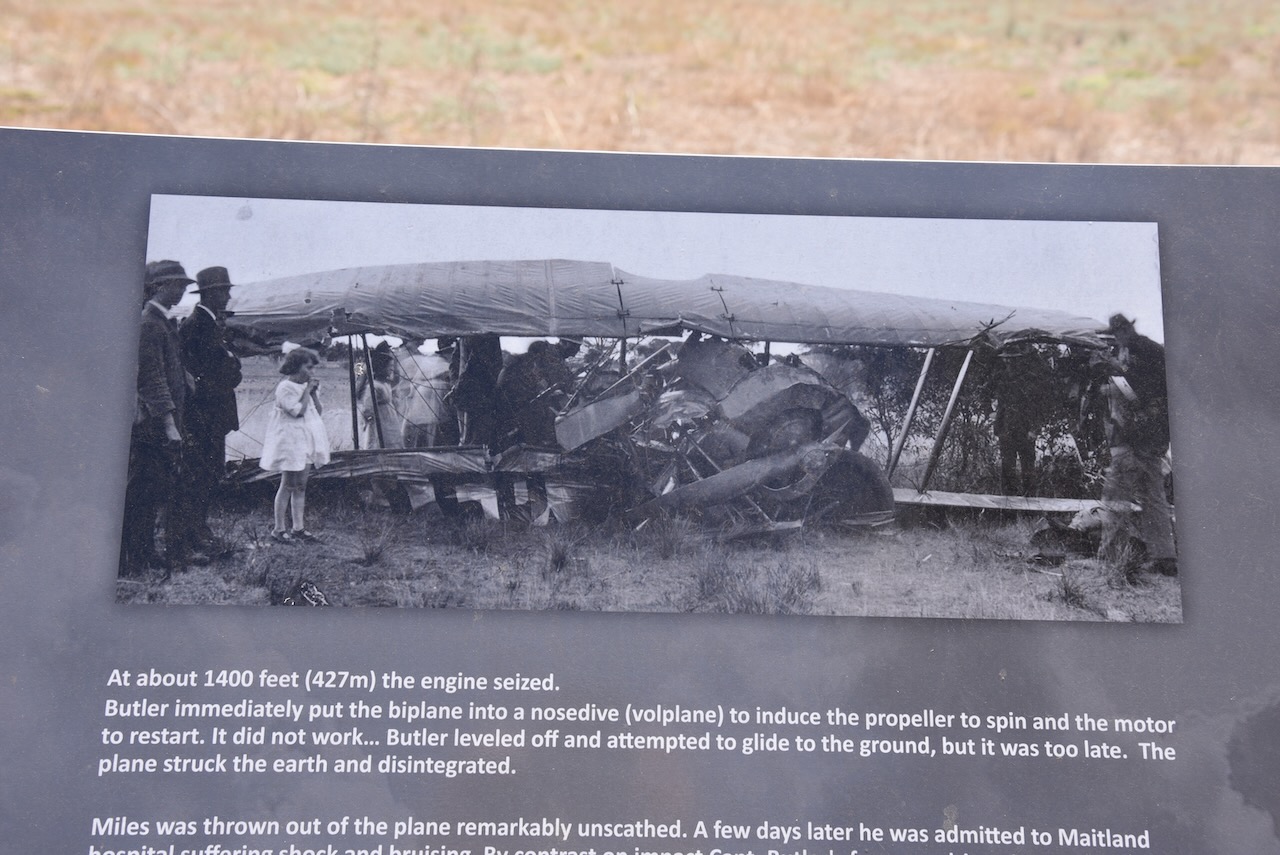
On the 11th day of January 1922, Harry Butler was seriously injured following the crash of his Avro biplane near Minlaton. Sadly, Butler died on the 30th day of July 1924 of an unexpected cerebral abscess which was believed to be related to the 1922 crash. On the outskirts of Minlaton, there is a memorial at the crash site.
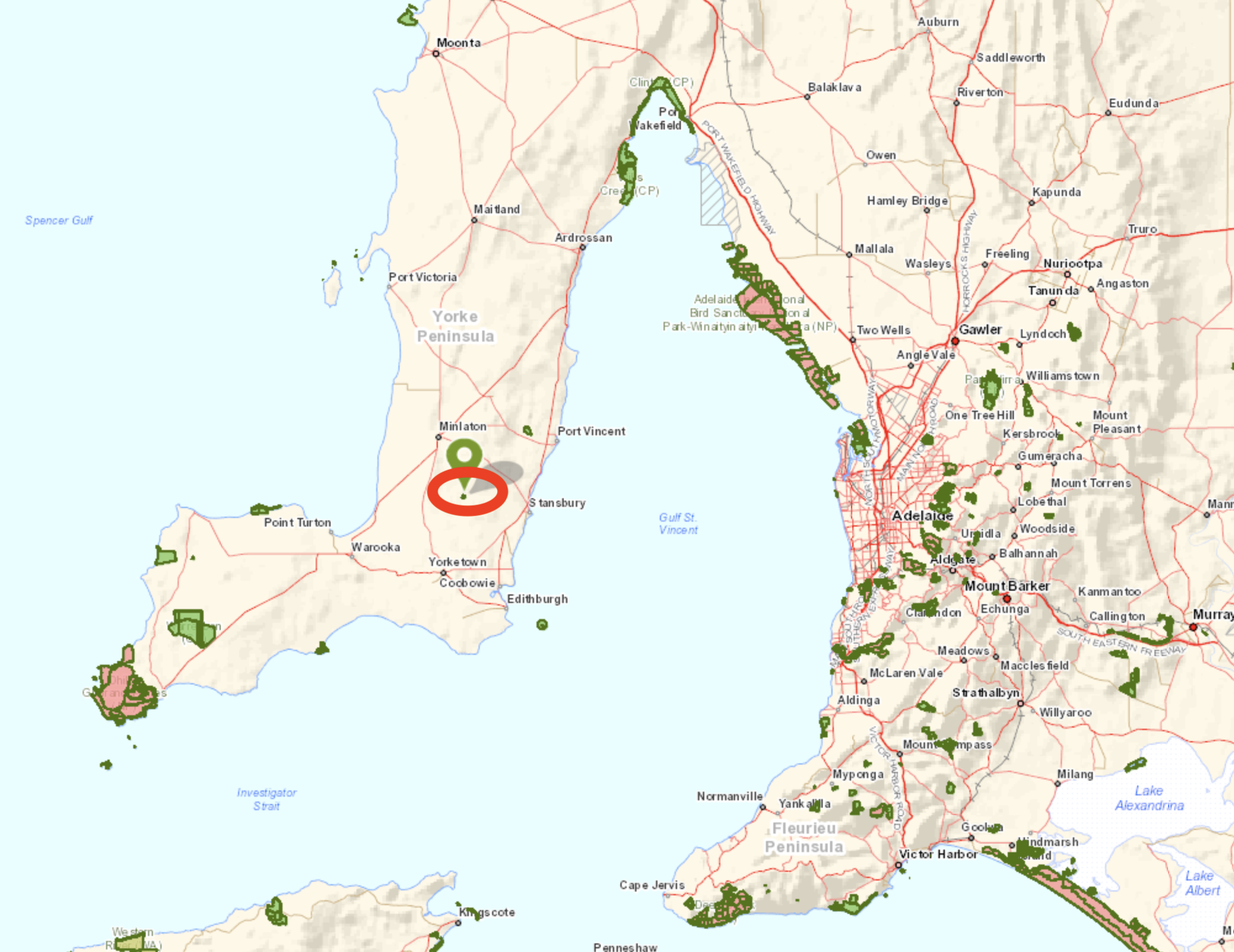
We left Minlaton and drove to our final park activation, the Minlacowie Conservation Park VKFF-0909. The park is about 20 km (by road) to the west of the town of Stansbury.
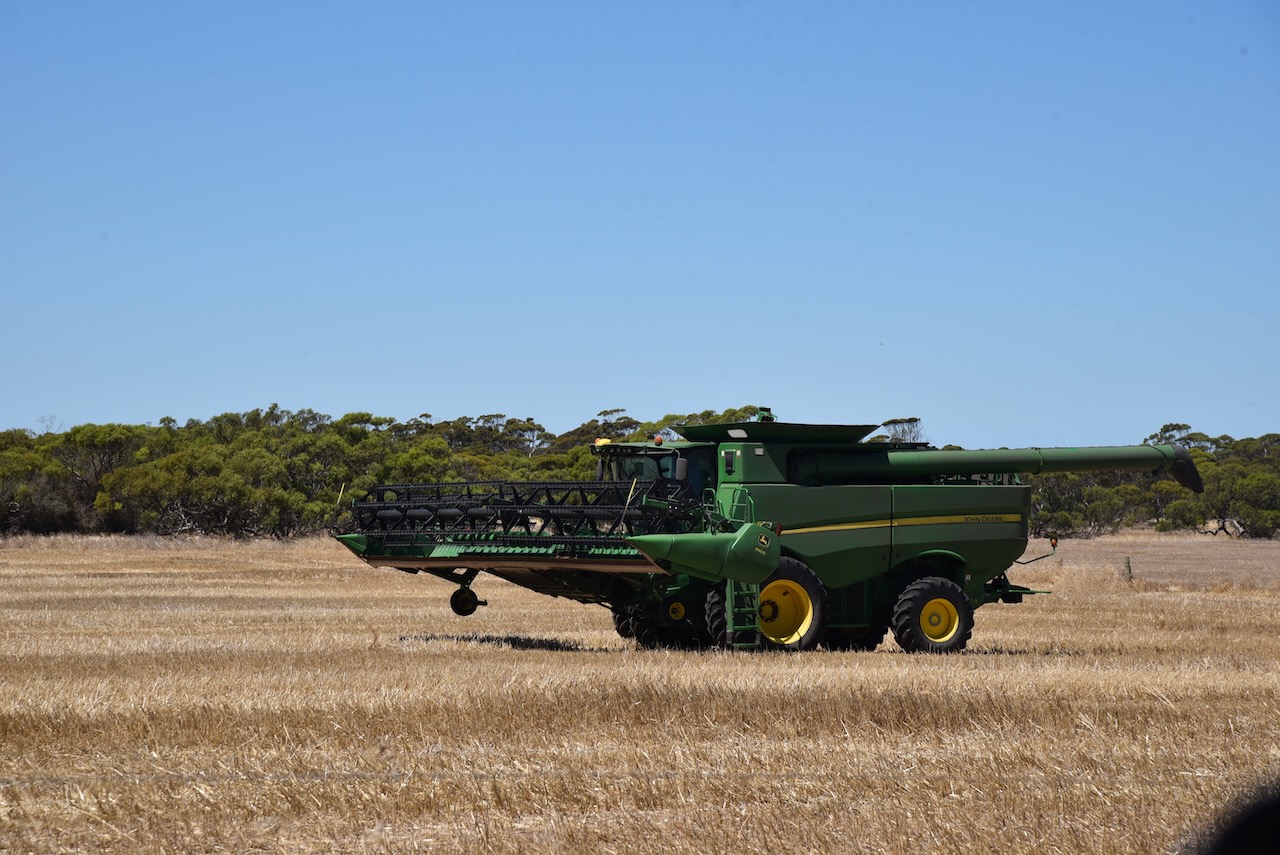
We took Cutline Road off Harry Butler Road and headed towards the park. This is wheat growing country and there were a number of farmers active in their paddocks.
Minlacowie is aboriginal for ‘two waters’. It is derived from either minala meaning ‘two’ and kawi meaning ‘water’ or minla-kawi meaning ‘freshwater well’.
On the 26th day of March 1874 the Hundred of Minlacowie, County of Fergusson, was proclaimed. On the 23rd day of November 1874, E.J. Elder, whilst surveying the area, reported to the Surveyor-General that he had selected ‘the best site and the nearest to good fresh water for the proposed new town of Gum Flat.’
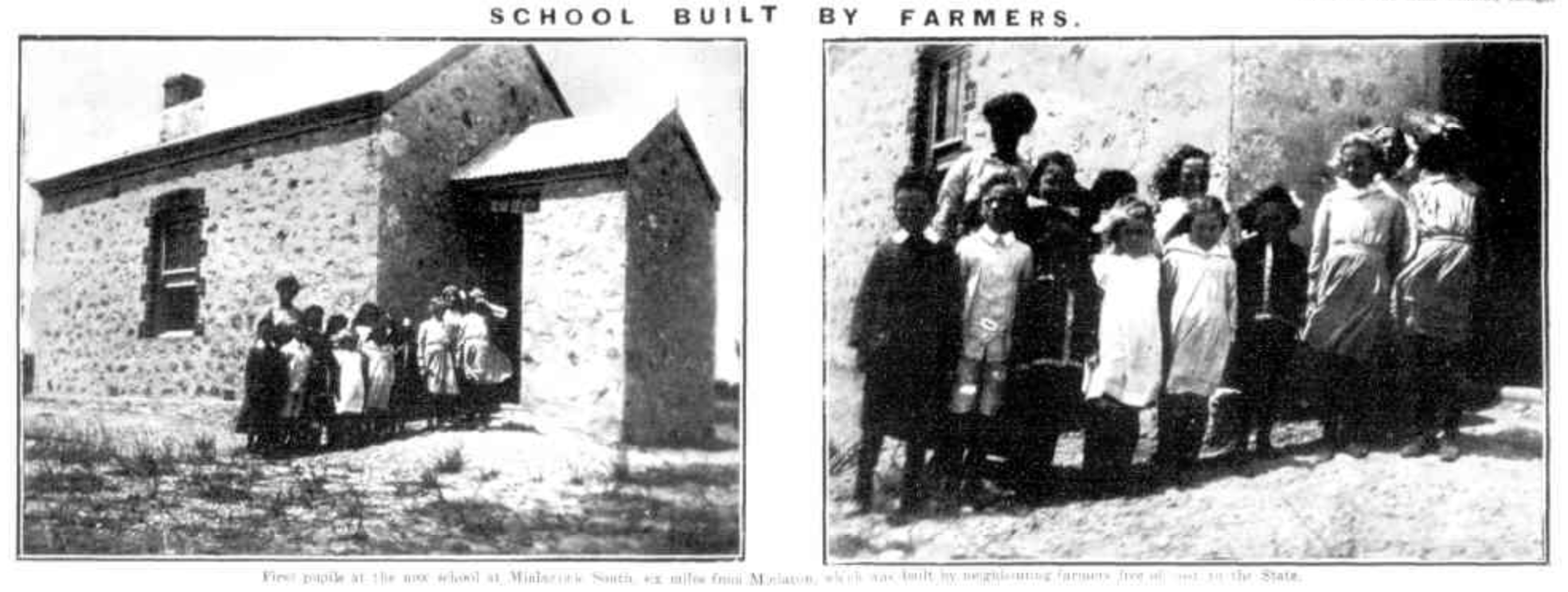
In 1875 the Minlacowie Post office opened. The Minlacowie School opened in 1877 and in 1922 it was renamed ‘Rocky Beach’. The Minlacowie South School was built by local farmers and was opened in 1901 and closed in 1941.
Above:- Article from the Observer, Sat 15 Feb 1913. Article c/o Trove.
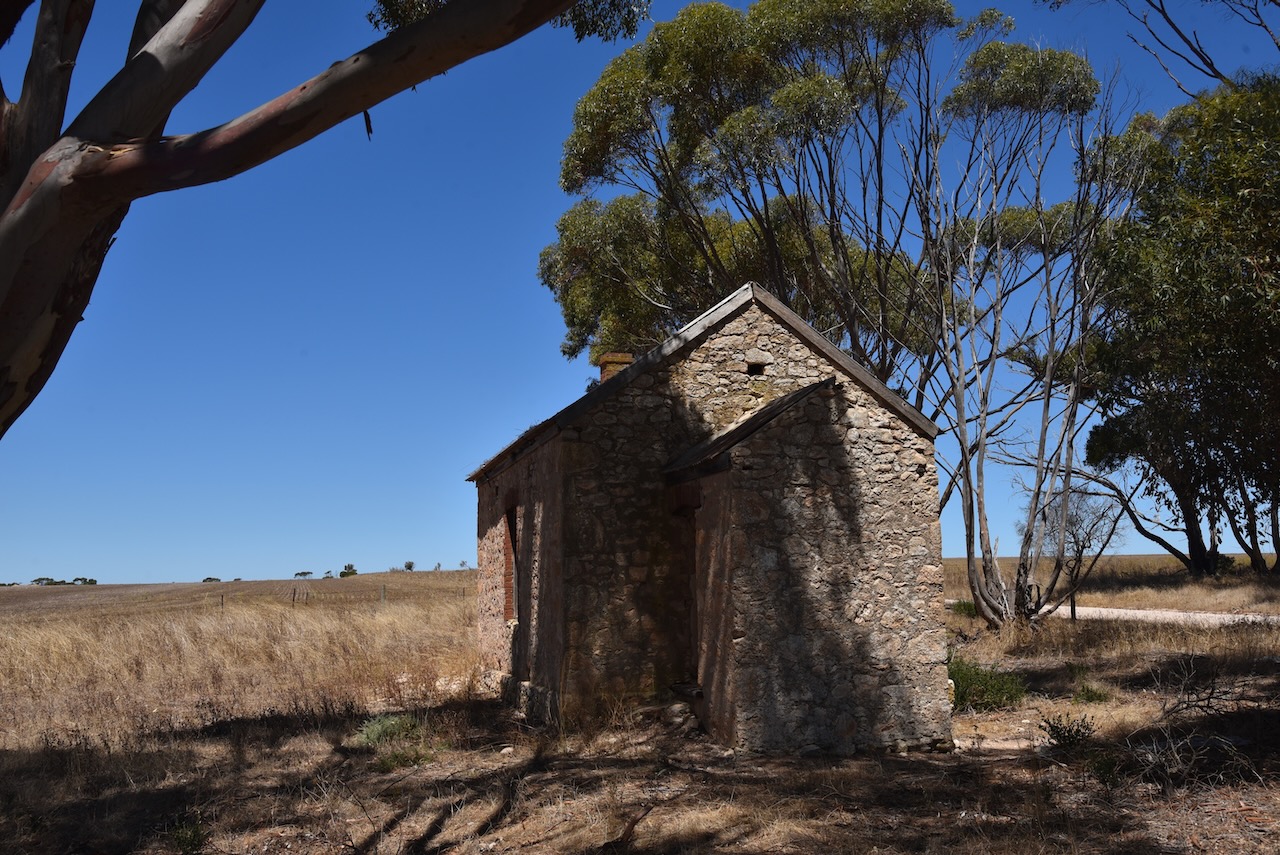
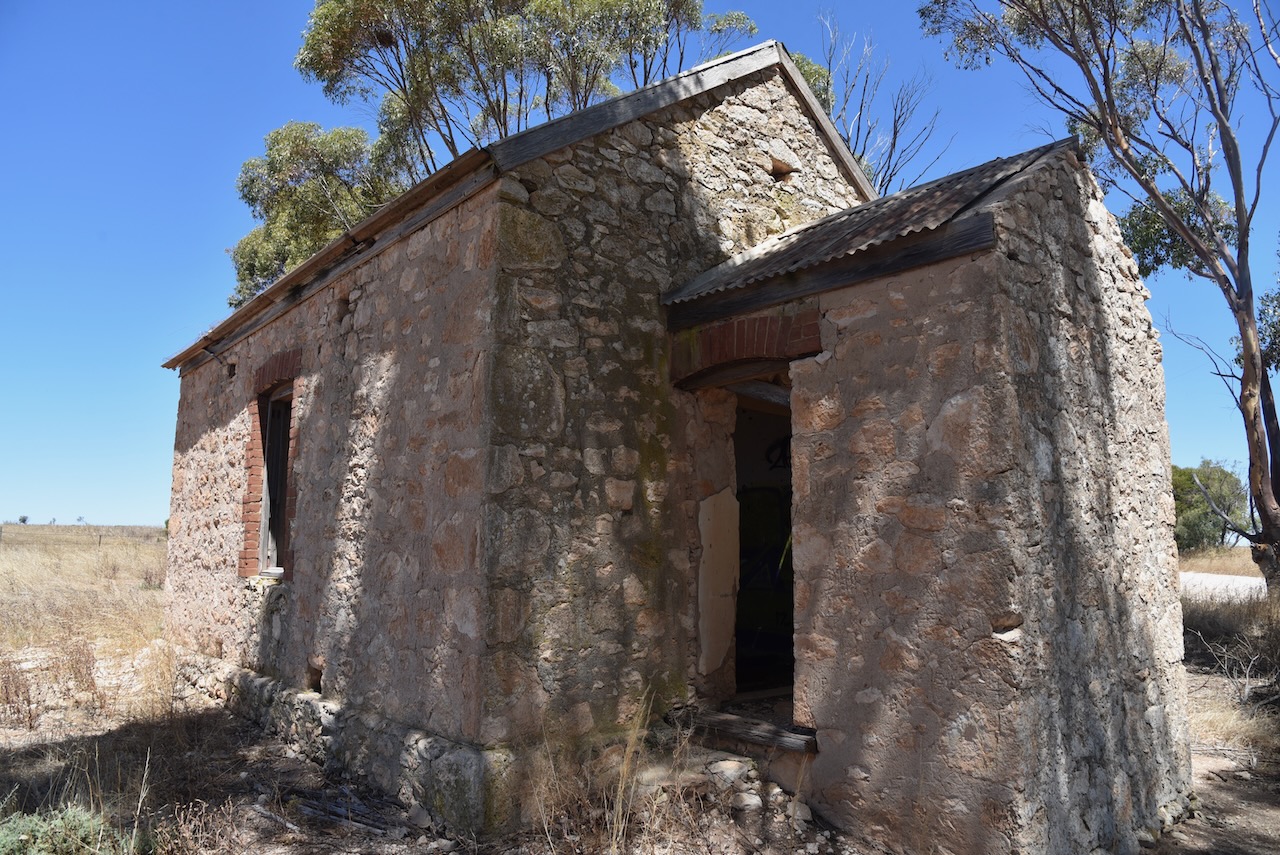
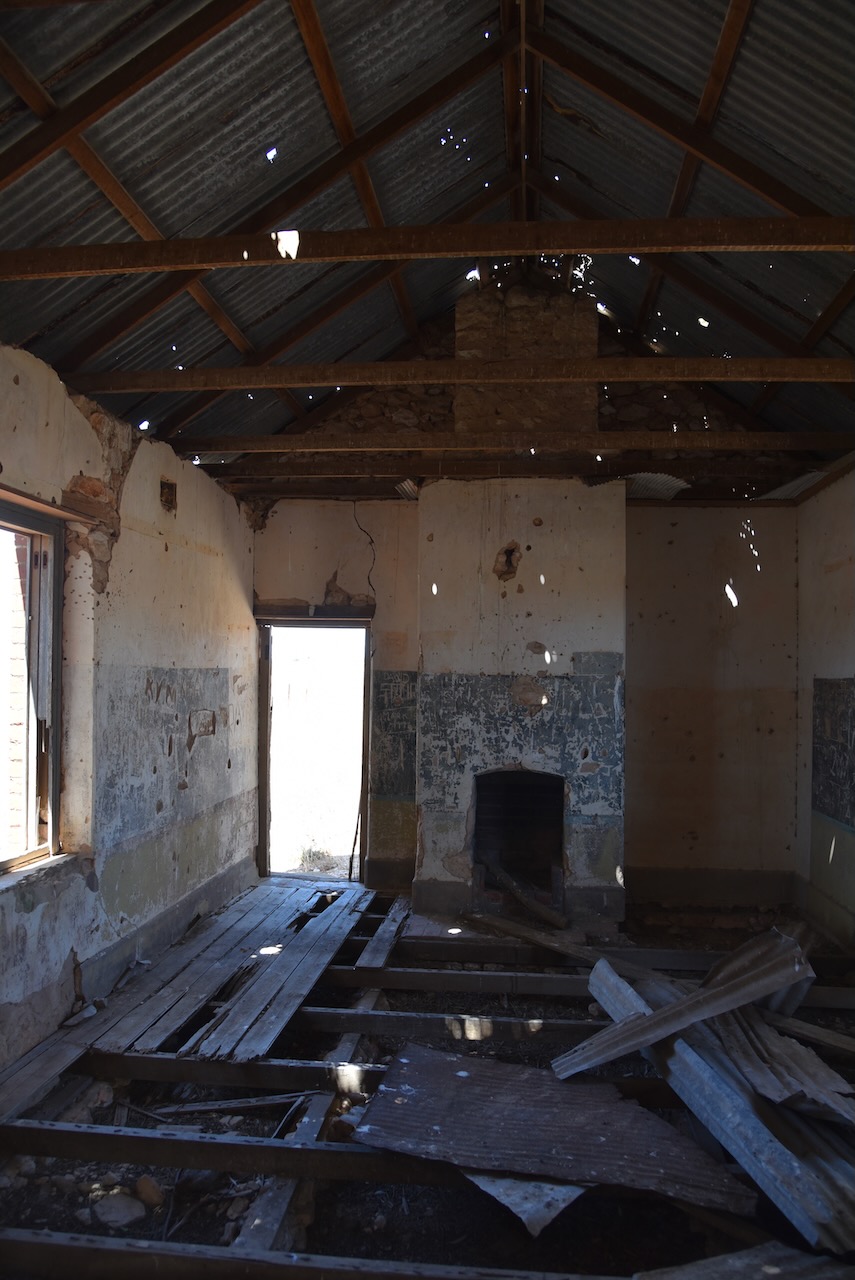
The ruins of the Minlacowie South School can be found at the crossroads of Harry Butler Road, Jacka Road, Rogers Road, and Bublacowie Road is the old Minlacowie school. Sadly it is neglected and in a state of disrepair.
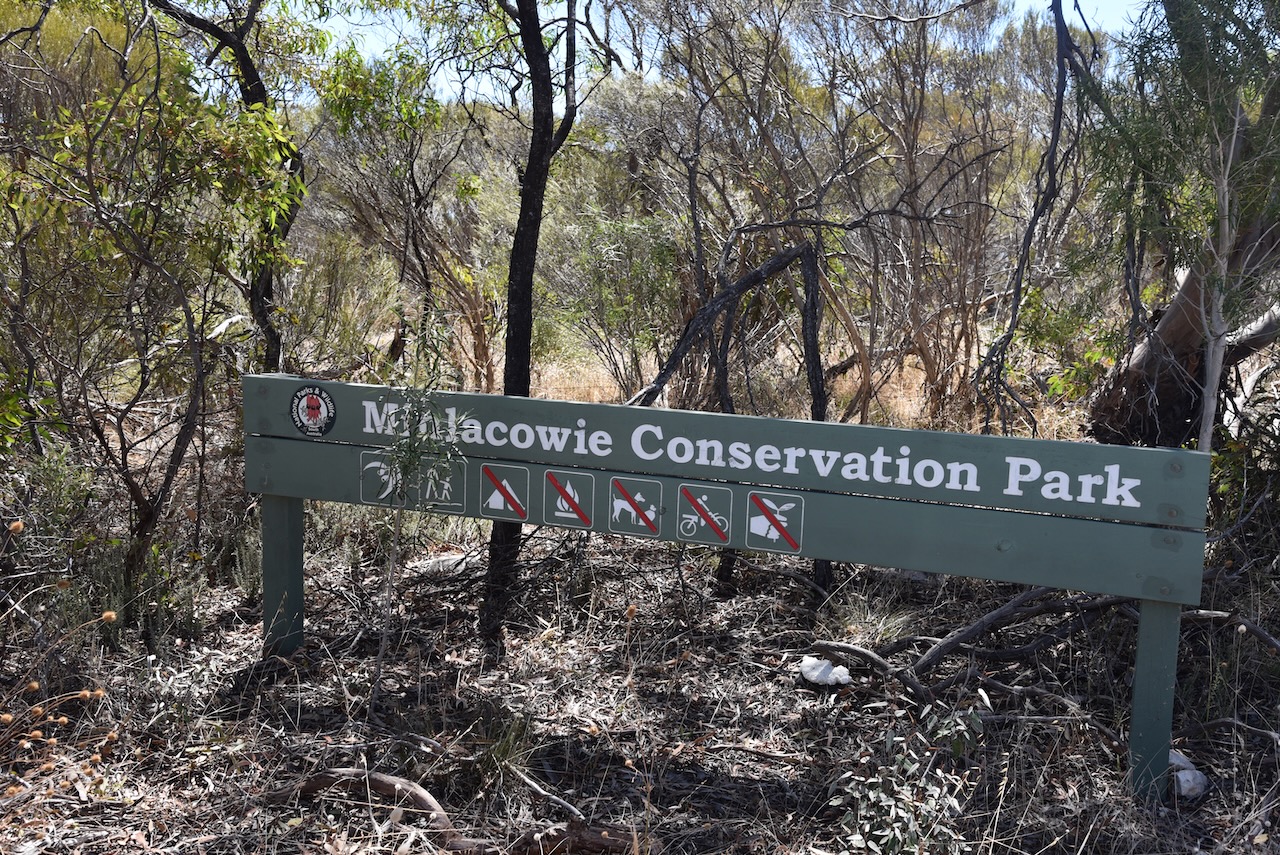
The Minlacowie Conservation Park is about 28 hectares in size and is located on the southwestern corner of Rogers Road and Savage Hut Road. It was gazetted on the 14 the day of February 2008.
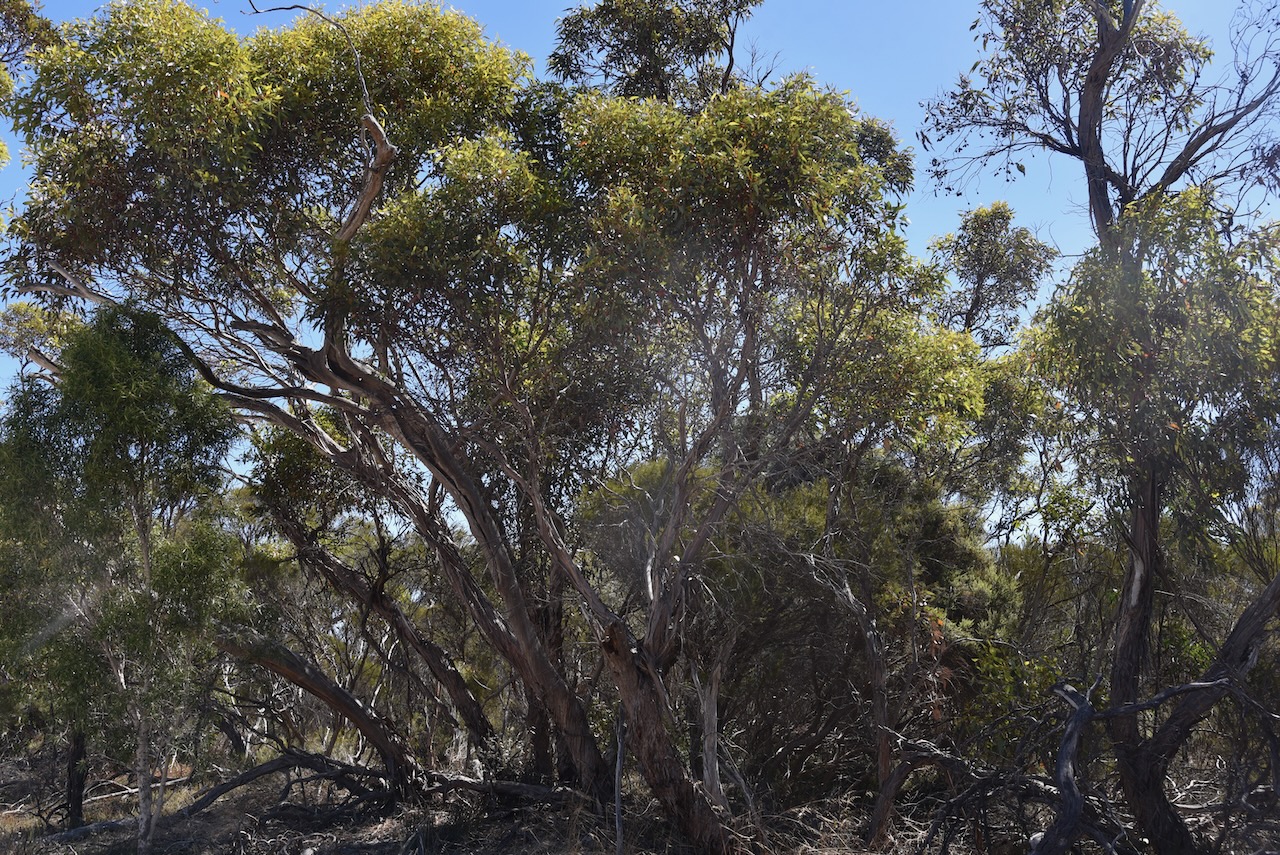
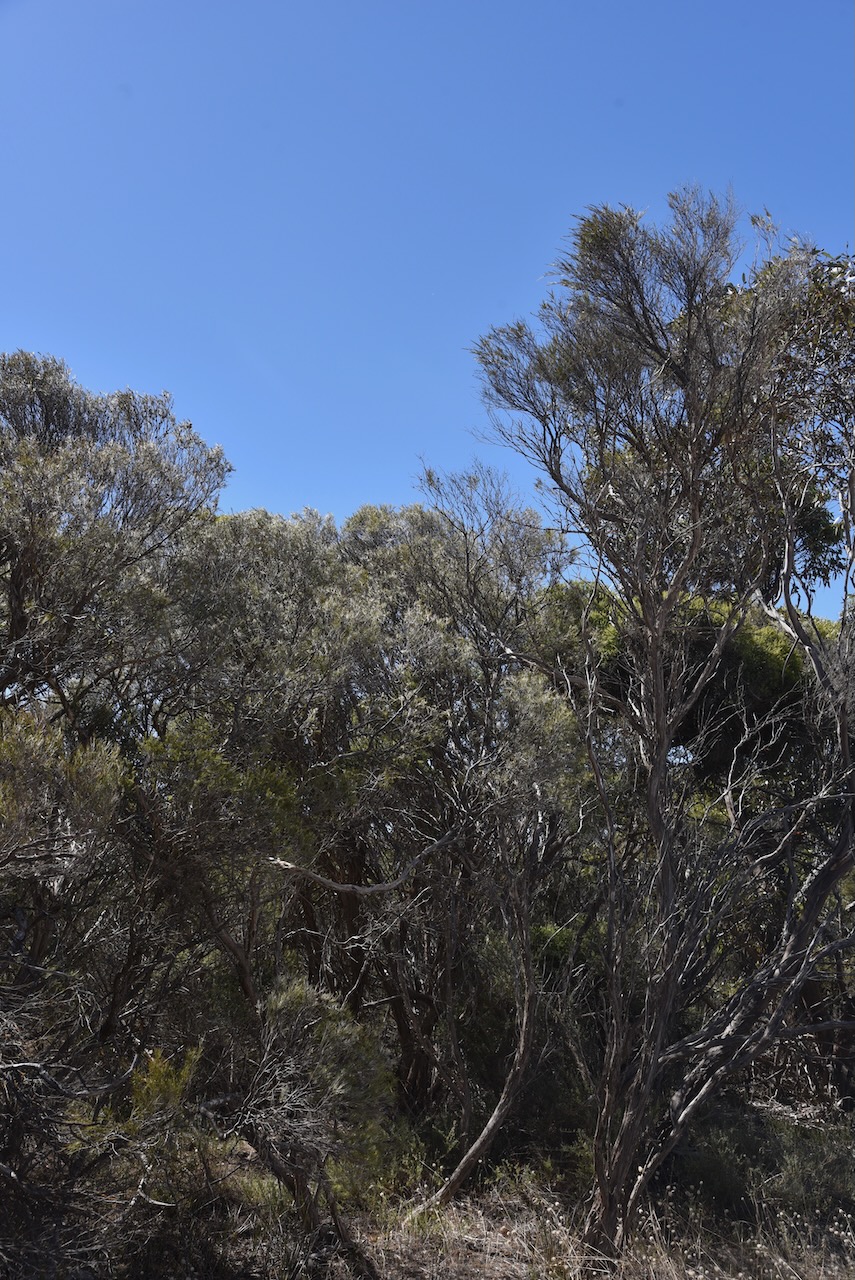
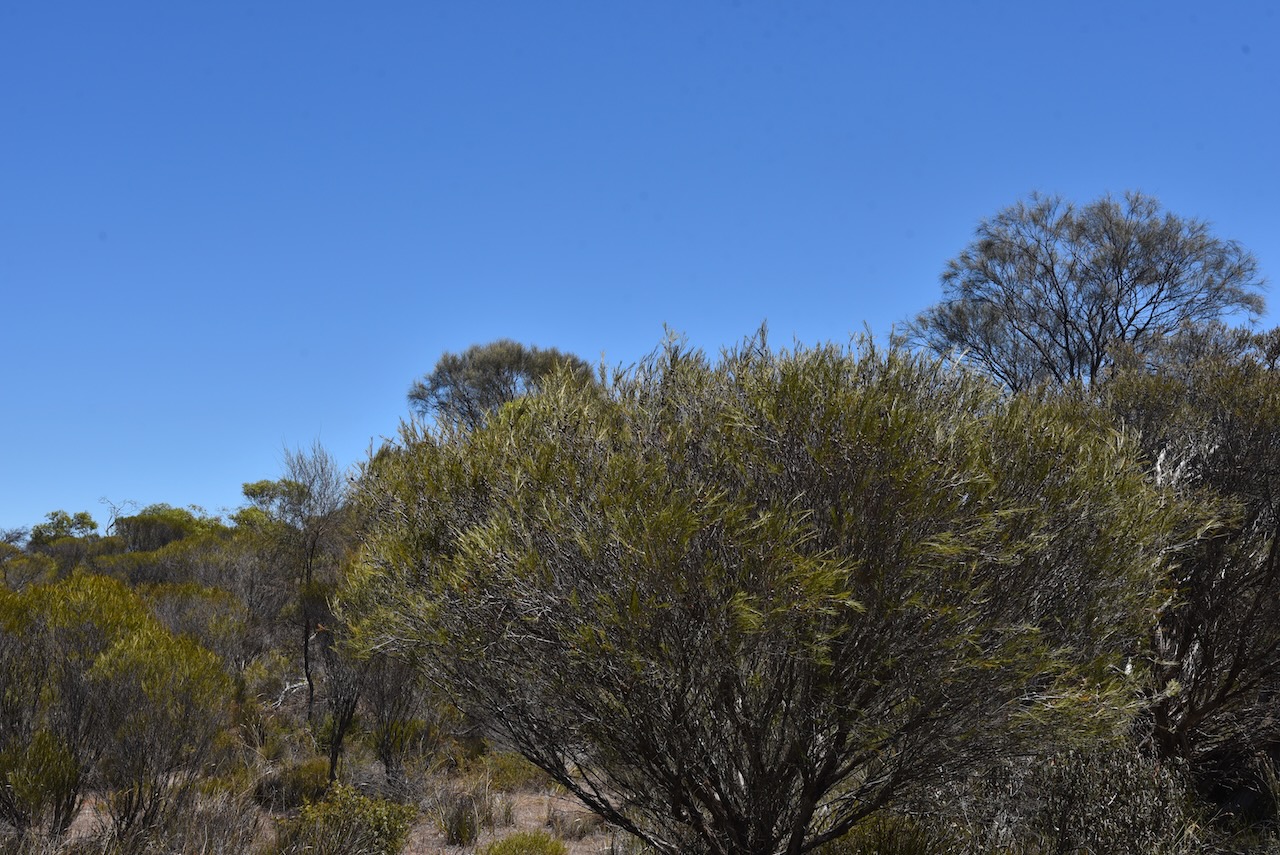
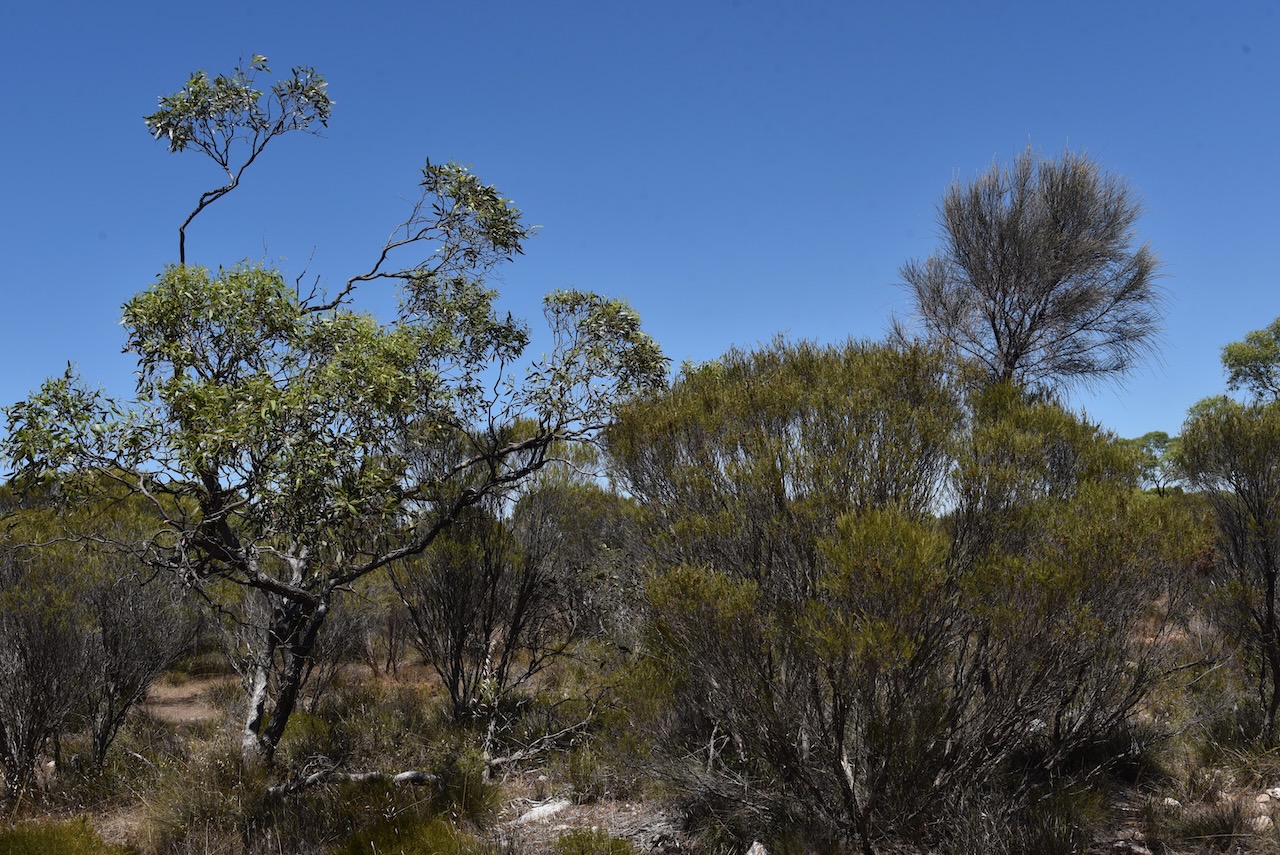
The park consists of a small piece of remnant mallee/broombush vegetation and conserves a number of significant plant species including the nationally and state-vulnerable Winter Spider orchid.
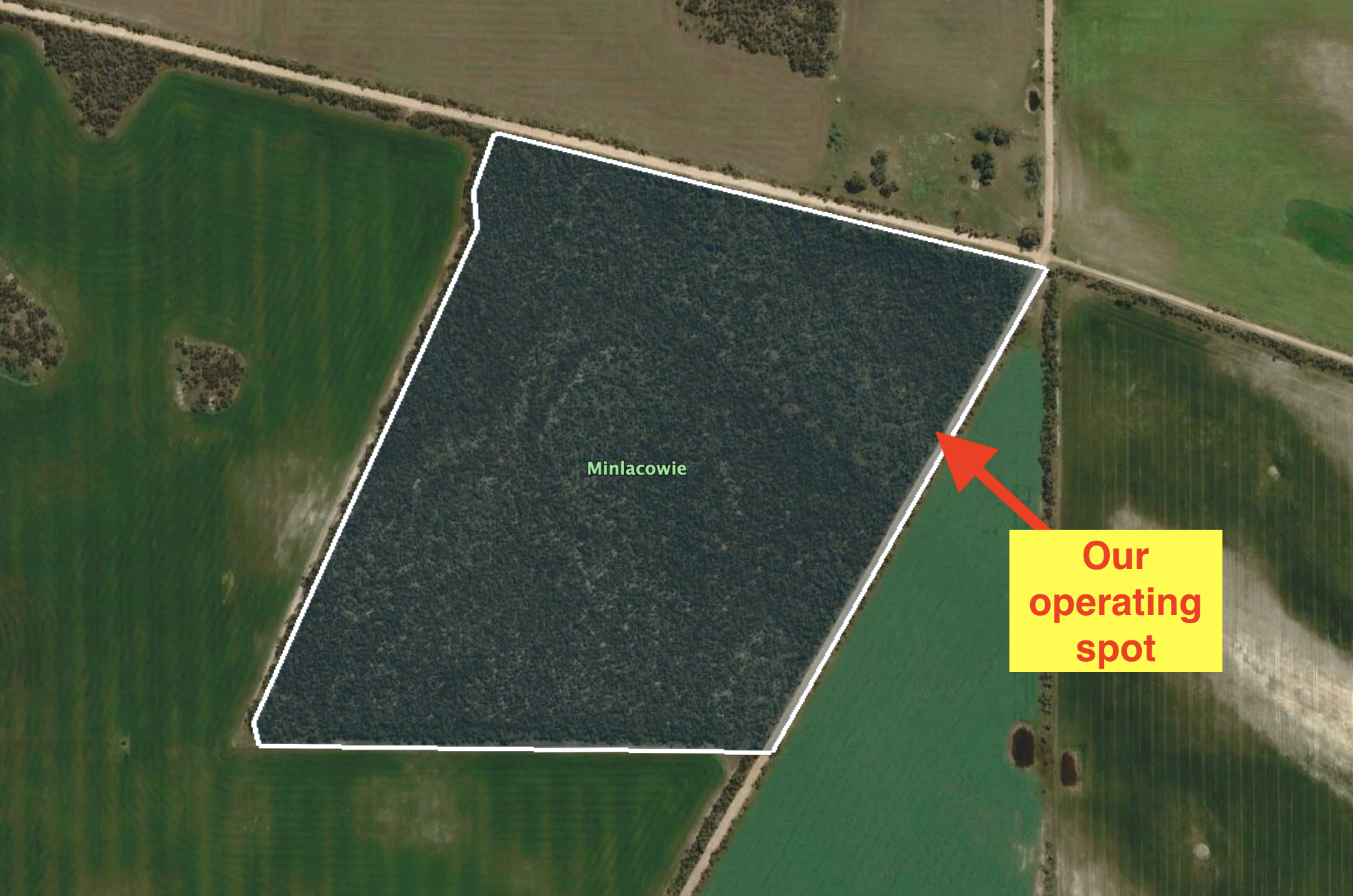
There are no walking trails and no 4WD tracks in this park. The scrub is also very thick. So we had no option but to pull into a small clearing in the scrub on Savage Hut Road and operate from the 4WD. We ran the Icom IC-7000, 100 watts, and the Codan antenna mounted on the rear of the 4WD
Above:- An aerial view of the park showing our operating spot.
After leaving Port Vincent, Marija and I headed to the Ramsay Way Conservation Park VKFF-0815. I have previously activated this park.
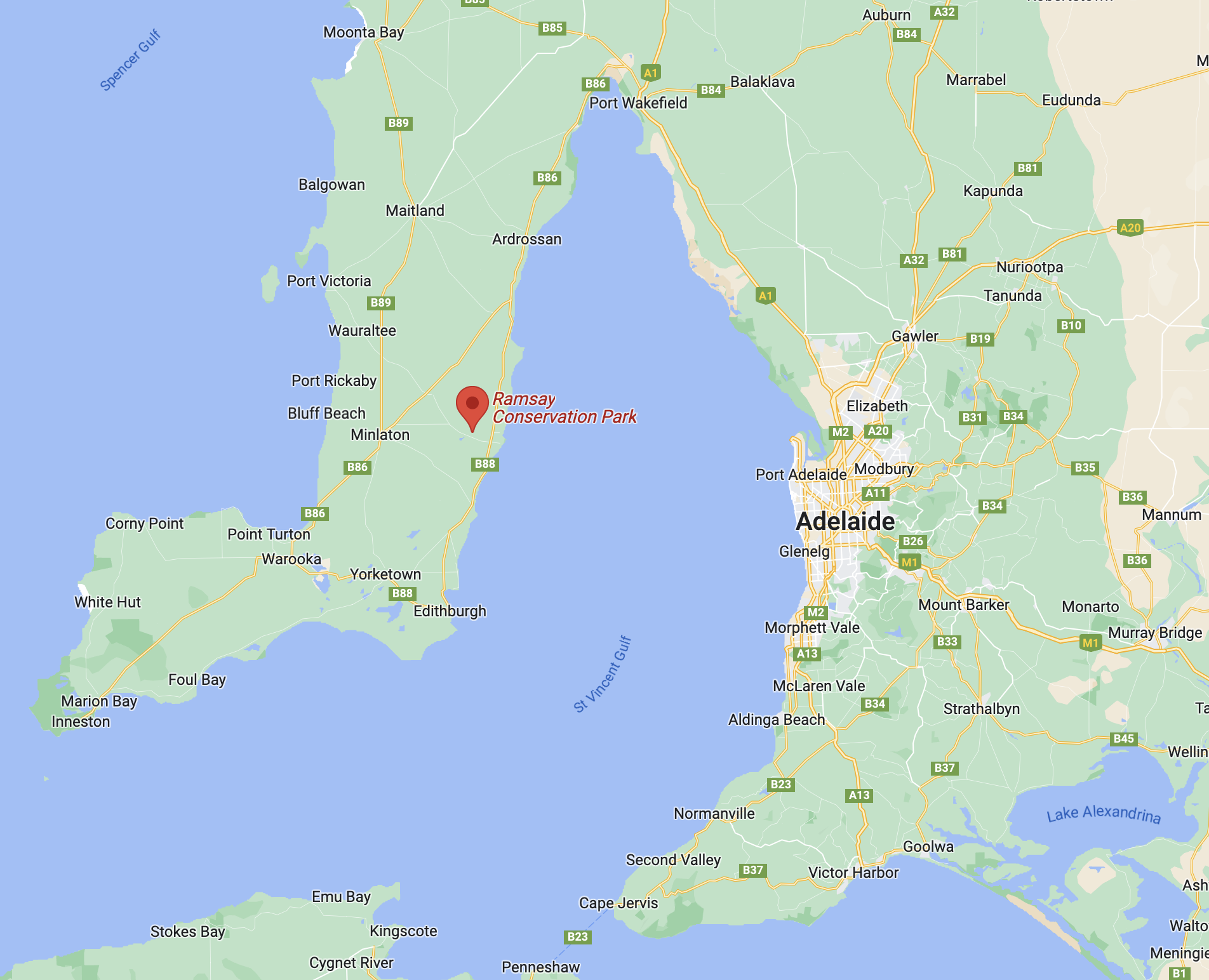
Above:- Map showing the location of the Ramsay Way CP. Map c/o Google maps.
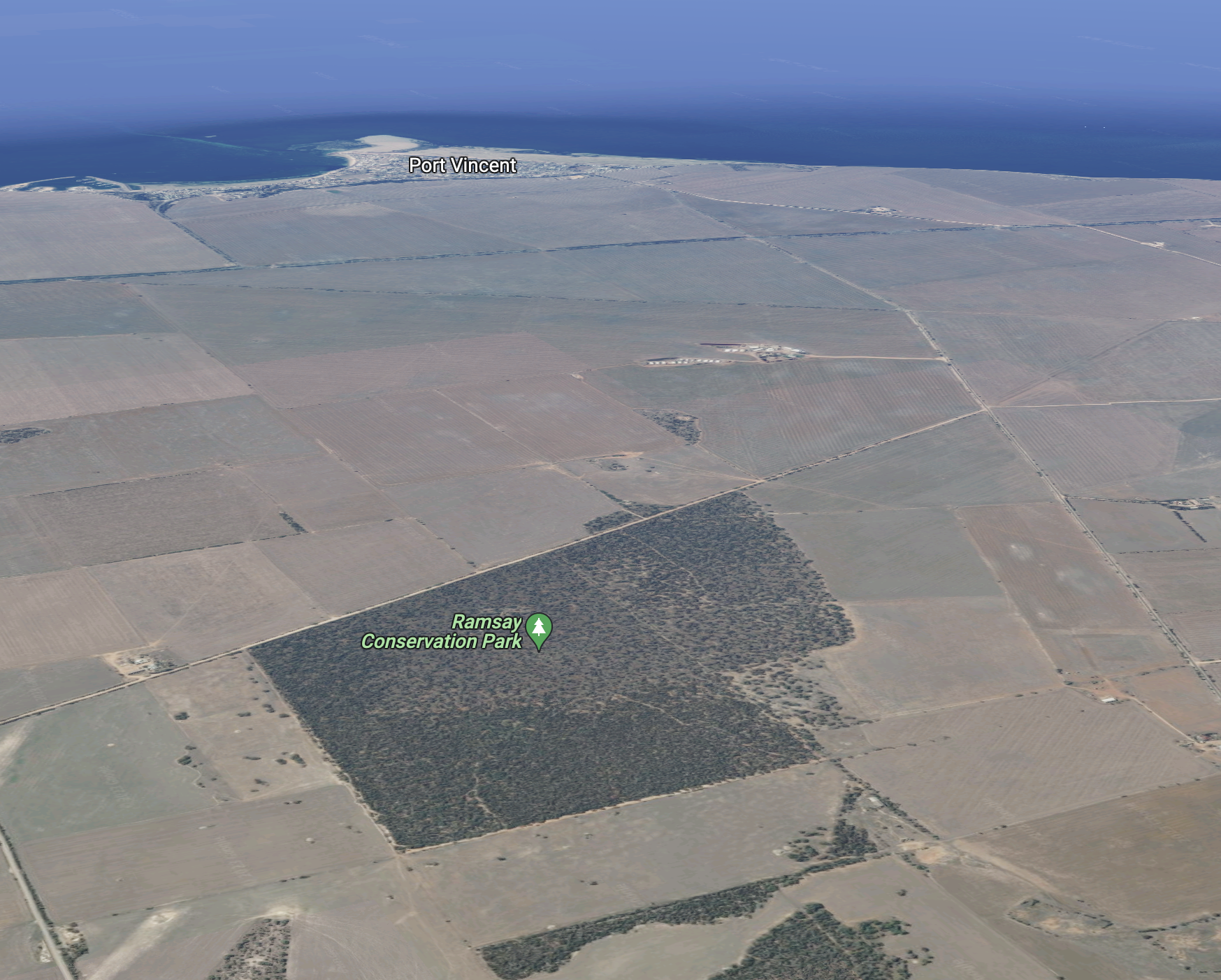
The Ramsay Way Conservation Park (often just referred to as Ramsay Conservation Park) is about 147 hectares in size. It is located on the western side of Power Line Road, about 7 km west of the town of Port Vincent.
Above:- An aerial view of the Ramsay Way CP looking west towards Port Vincent. Image c/o google maps.
The park was proclaimed on the 14th day of February 2008 and is located in the Minlaton Curramulka Threatened Habitat Area. The primary vegetation in the park is sheoak and mallee, with very low woodlands and a grassy understorey. The nationally and State endangered Jumping-Jack Wattle can be found in the park. This plant is not located in any other park on the Yorke Peninsula.
eBird has recorded a total of 60 species of bird in the park including Common Bronzewing, Yellow-plumed honeyeater, Striated Pardalote, and Wedge-tailed eagle.
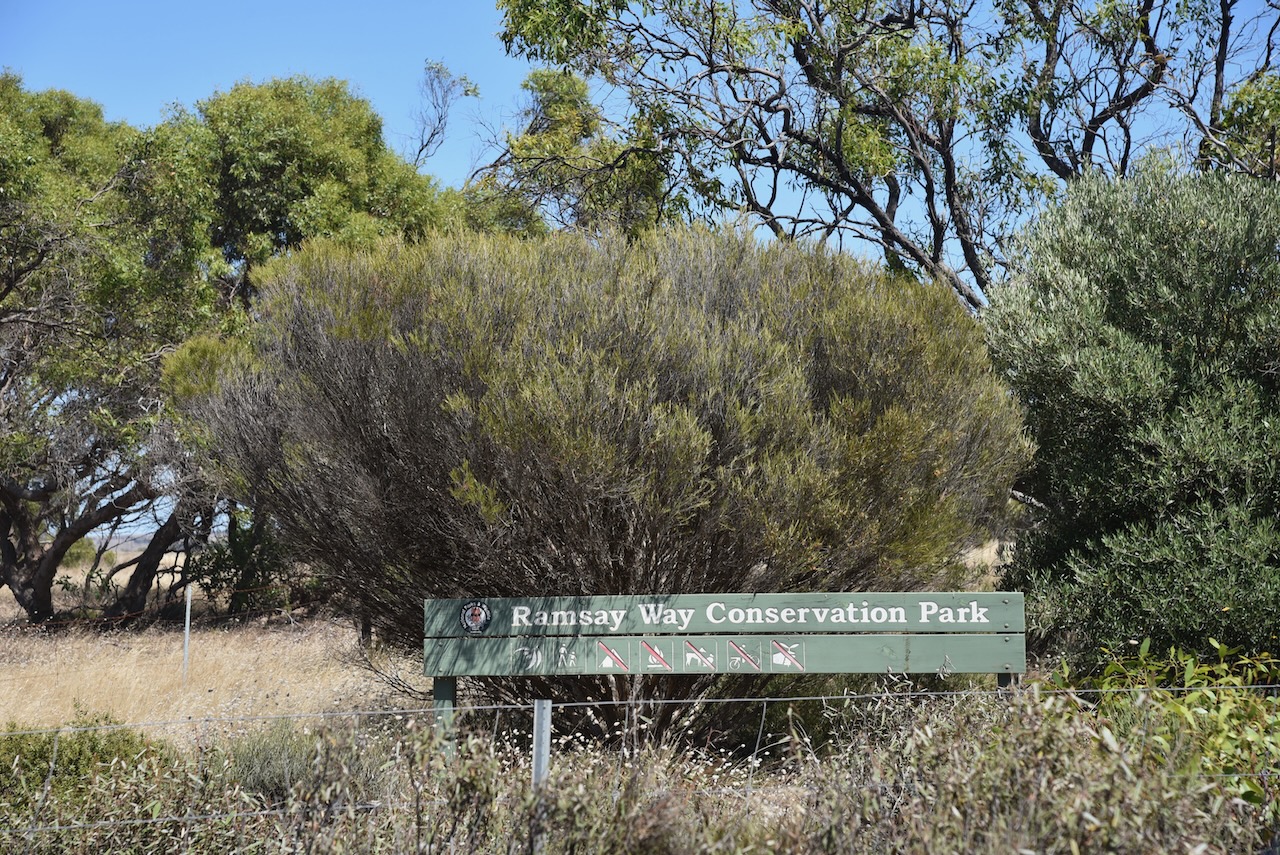
Marija and I found an unlocked gate on Power Line Road and we drove a short distance into the park as there were no defined tracks. We operated from the vehicle running the Icom IC-7000, 100 watts, and the Codan 9350 antenna mounted on the rear of the 4WD. Despite the power lines running along the aptly named Power Line Road, we had no noise.
Unfortunately, I fell 4 contacts short of the 44 required to qualify the park for the global World Wide Flora Fauna Program.
Marija worked the following stations on 4m SSB:-
VK5TRM
VK5IS
VK5FANA
VK5BJE
VK5GY
VK3PF
VK5WRJ
VK2YK
VK5GA
VK5FR/m
I worked the following stations on 40m SSB:-
VK5TRM
VK5IS
VK5FANA
VK5BJE
VK5GY
VK3PF
VK5WRJ
VK2YK
VK5GA
VK5FR/m
Vk3TBR
I worked the following stations on 20m SSB:-
VK4TJ
VK4HAT
VK1AO
VK2MET
VK2IO
VK3SQ
I worked the following stations on 15m SSB:-
VK1AO
VK2MET
VK4TJ
VK8DNT
VK2NP
VK3PF
VKL2LEE
VK3UH
VK2VW
Vk2HFI
VK2IO
I worked the following stations on 10m SSB:-
VK4TJ
VK2IO
VK1AO
VK2MET
VK2FADV
VK2LEE
VK2NP
VK5KHZ
VK5LA/m
VK5HS/m
VK5ZSA
VK5KVA
References.
Department for Environment and Heritage, 2009, Mainland Conservation Parks of Yorke Peninsula
It was now Monday 6th February 2023, and Marija had planned some sightseeing and some park and silo activations during the day.
After breakfast, we headed to our first activation of the day, the Lower Yorke Peninsula Marine Park VKFF-1726.
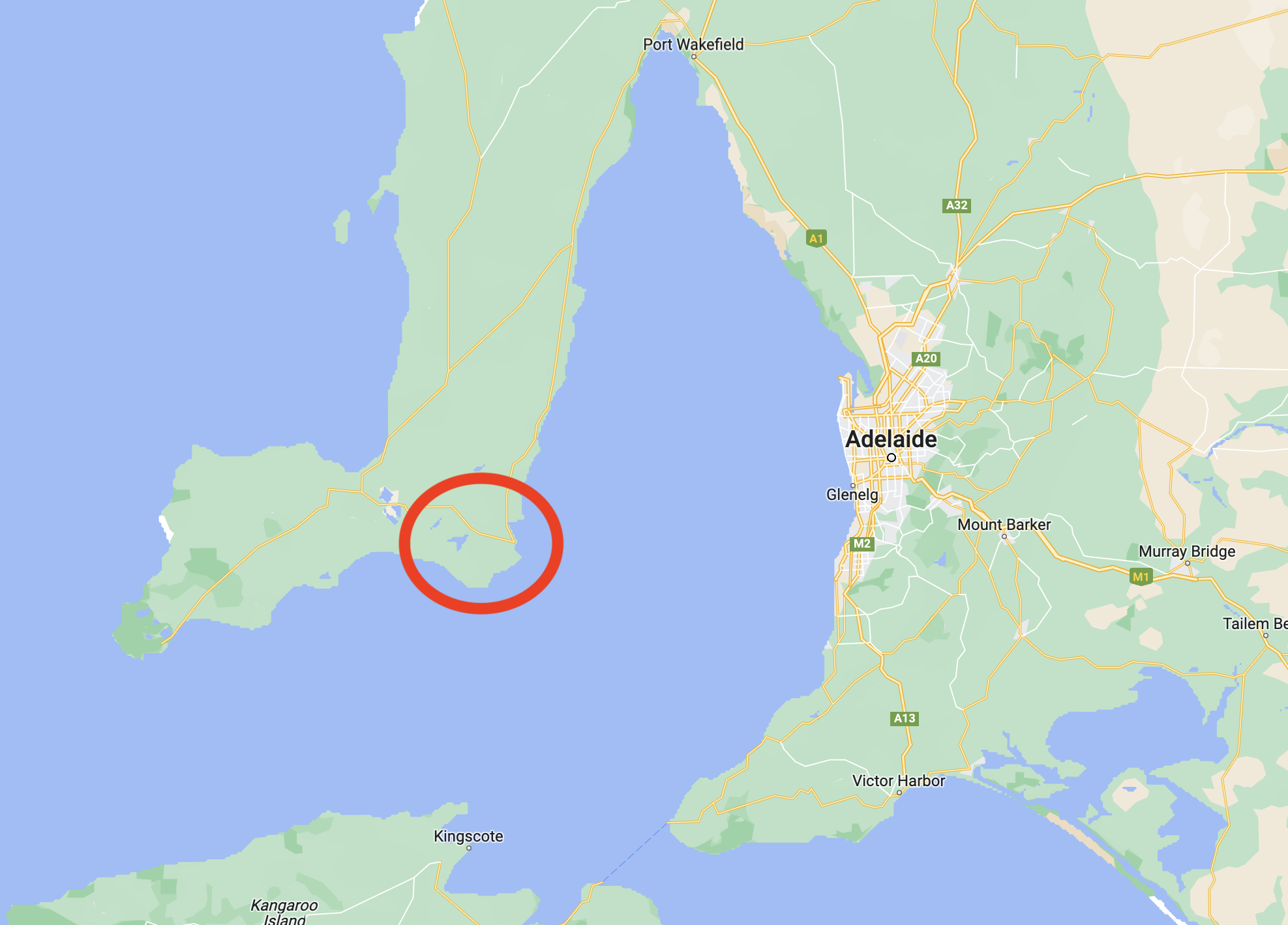
Above:- Map of the Yorke Peninsula, showing the location of the Marine Park. Map c/o Google maps.
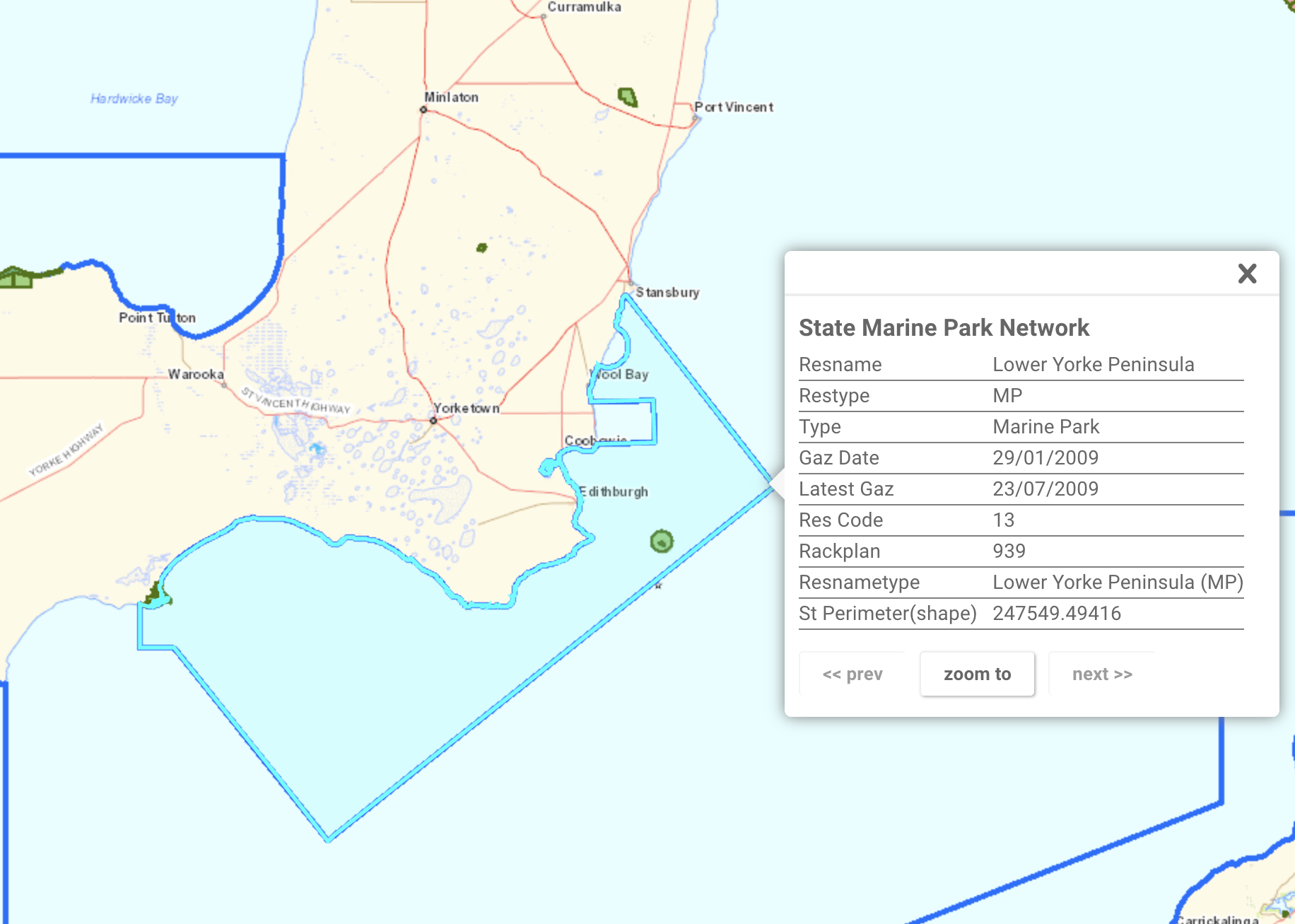
The park stretches from just south of Stansbury around the heel of the Yorke Peninsula to the Point Davenport Conservation Park. The park includes Troubridge Island Conservation Park and the surrounding shoals. It excludes an area around Klein Point and also Port Giles. The park covers an area of about 850 km2.
Above:- Map of the Lower Yorke Peninsula MP. Image c/o Location SA Map Viewer.
The Marine Park contains the only two estuaries where freshwater meets the open ocean on the Yorke Peninsula: Salt Creek and the nationally-listed wetland, Point Davenport. Both of these areas provide nursery areas for numerous fish species including King George Whiting and Yellow-eyed mullet.
The Marine Park’s coastline consists of sandy beaches and sections of cliff, and rocky coast.
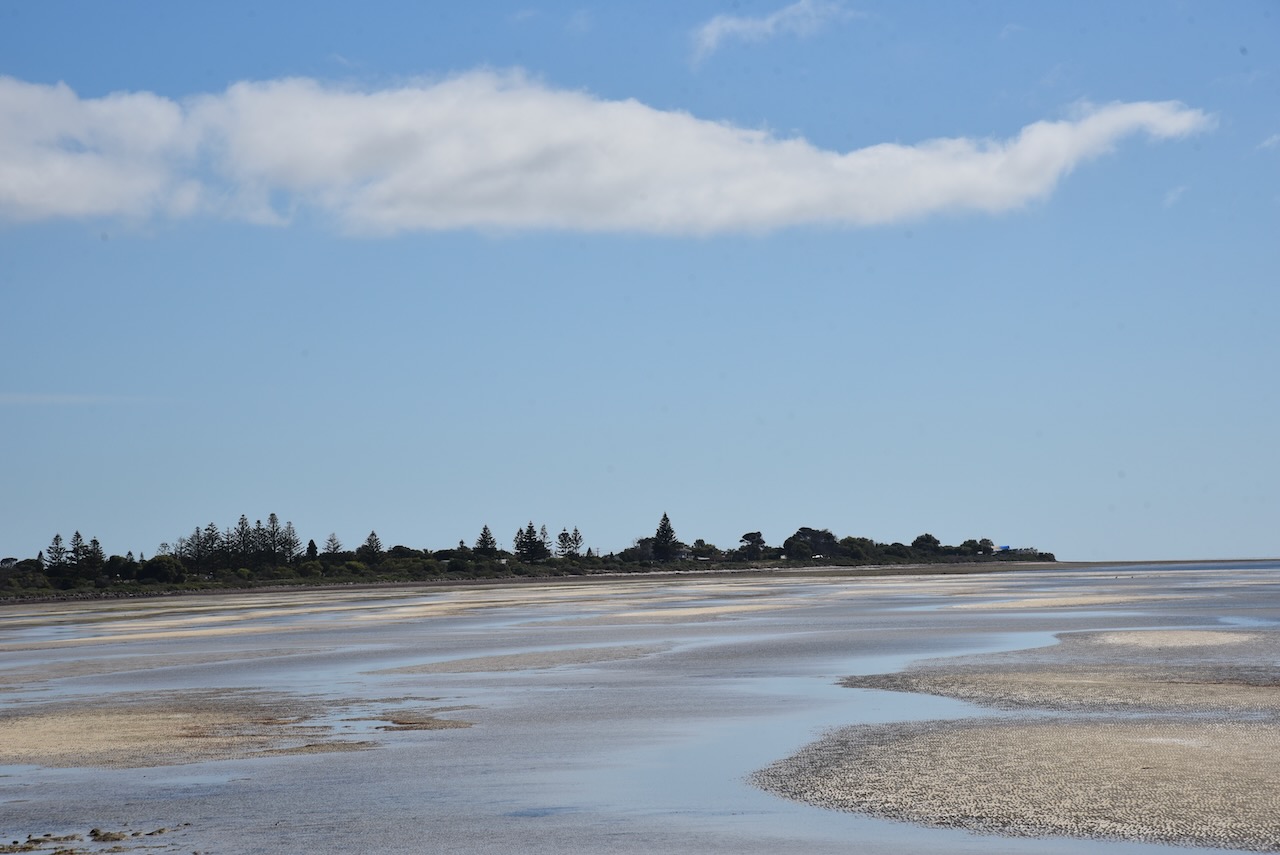
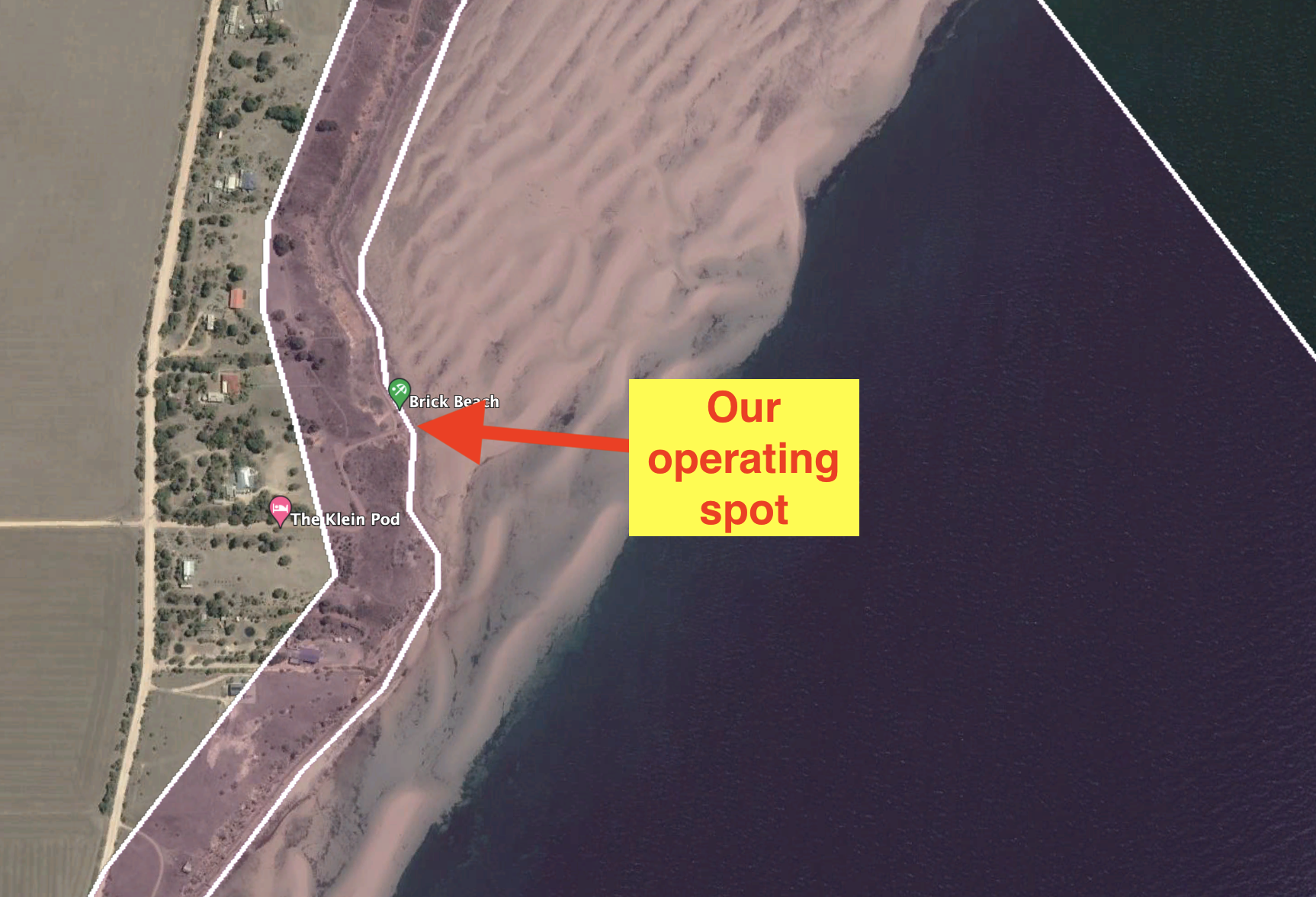
Marija and I drove to Brick Beach, off Klein Point Road. We operated from the 4WD for this activation, running the Icom IC-7000, 100 watts, and the Codan 930 antenna mounted on the rear of the 4WD.
After packing up we headed north to Port Vincent. Marija had been told not to miss the donoughts at the Port Vincent Cafe.
On the way, we stopped to have a look at the old Continuos shaft kiln on the side of the Yorke Highway. If you did not know what this was, you would just drive straight passed it. The kiln was lined with firebricks and commenced operations in 1963. The kiln was capable of burning lime to almost any quality.
Port Vincent is a beautiful little town and is very popular with holidaymakers.
Port Vincent takes its name from the ‘Port Vincent Special Survey’ of 1839. In 1839, the Adelaide Survey Association organized the surveying of two towns on the Yorke Peninsula: Port Vincent and Port Victoria. Unfortunately, neither survey resulted in any land being taken up. Numerous large sheep runs were subsequently established including Gum Flat Station operated by George Anstey and Thomas Giles, and Stephen Goldsworthy’s run which ran from Black Point to Port Vincent Bay.
The point on which Port Vincent stands was originally known as Surveyors Point. The town was named by the South Australian Government Auctioneer Robert Cock (b. 1801 d. 1871).
Above:- Robert Cock. Image c/o Wikipedia.
It was a beautiful sunny and warm afternoon and there was lots of activity on the water, including sailing and kayaking.
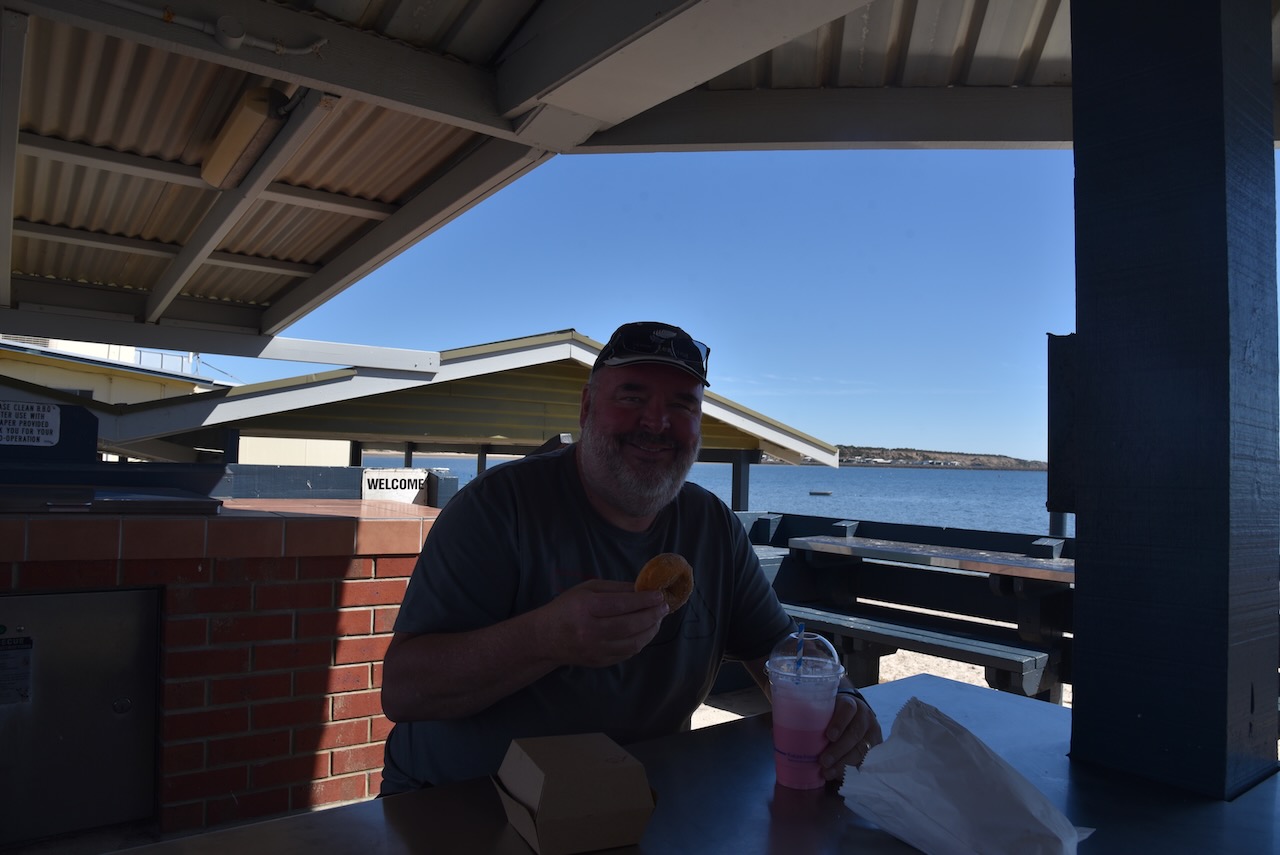
The Port Vincent Kiosk lived us to its reputation. I had a steak sandwich and some donoughts and a milkshake. It was all absolutely delicious.
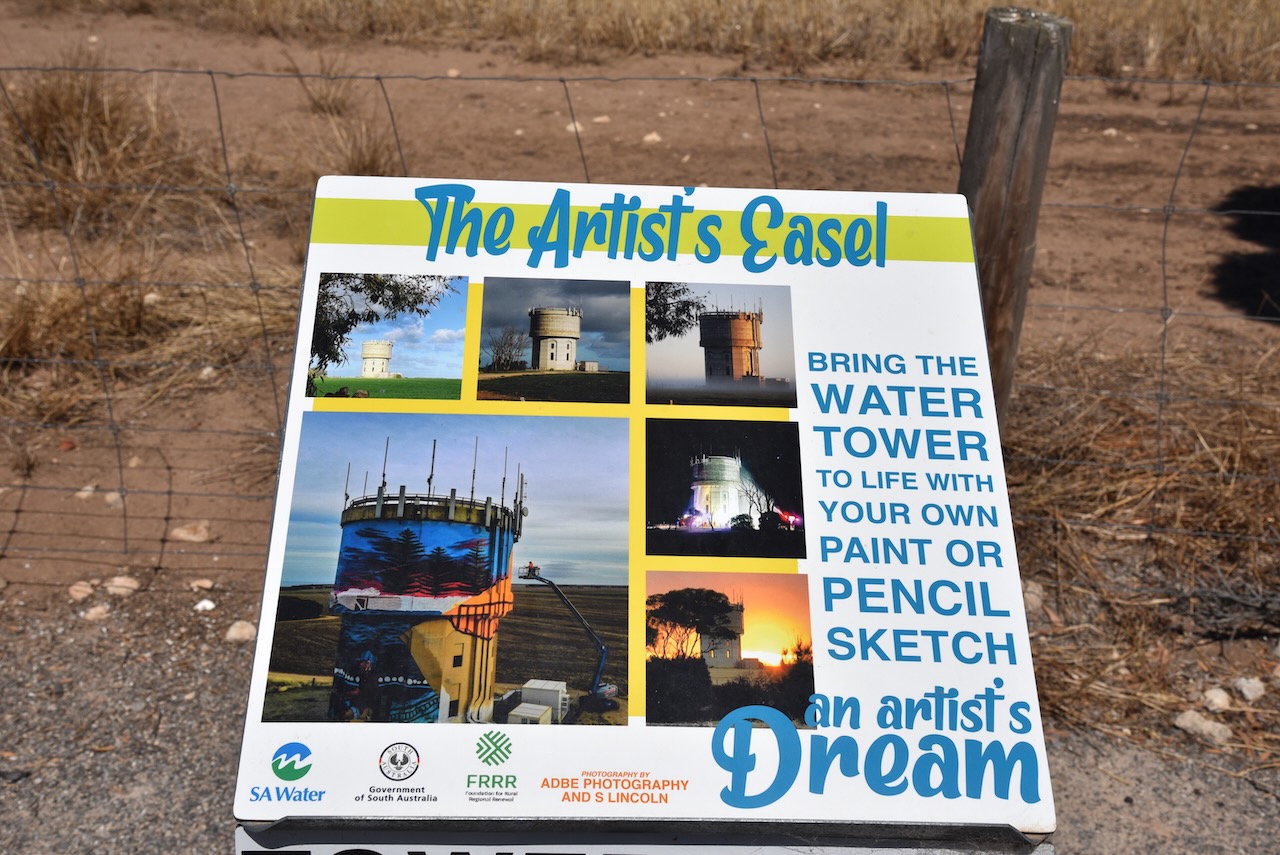
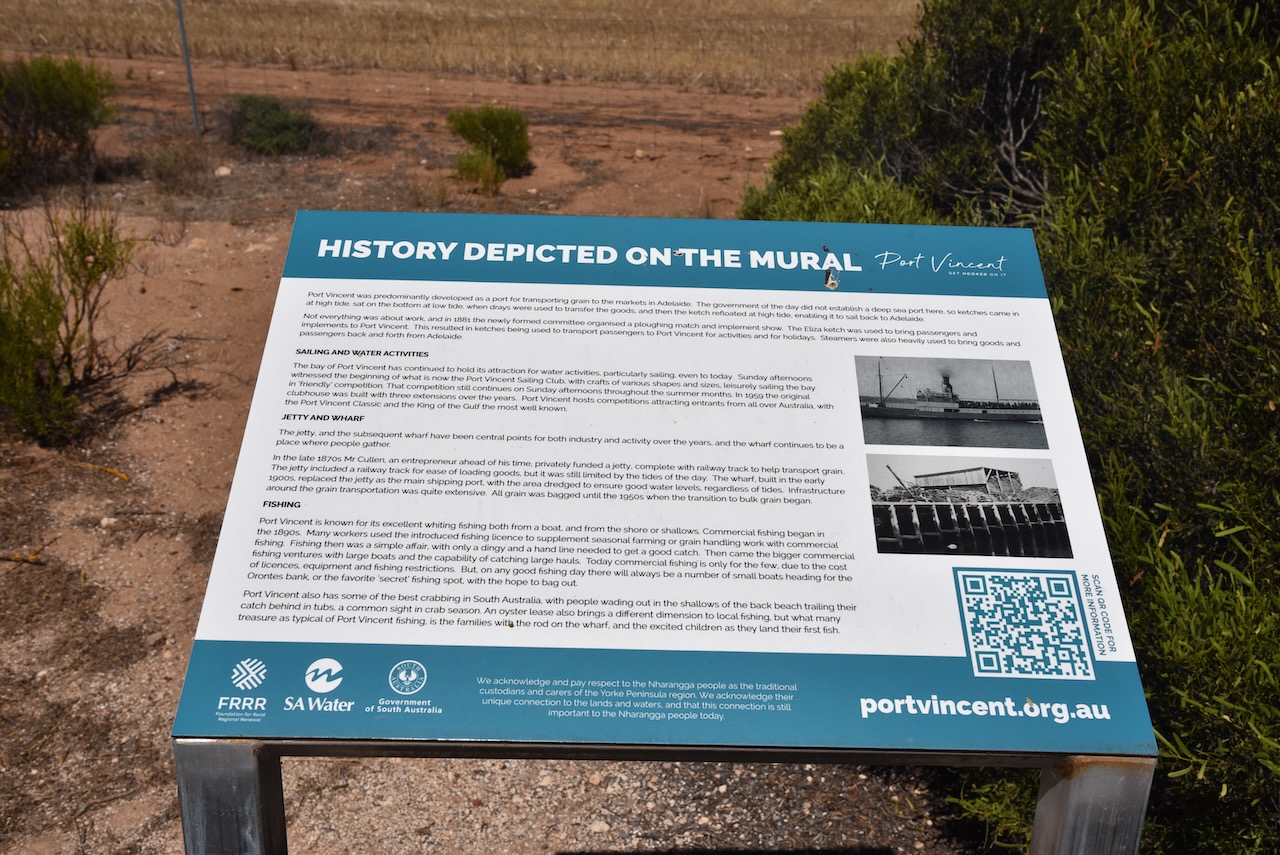
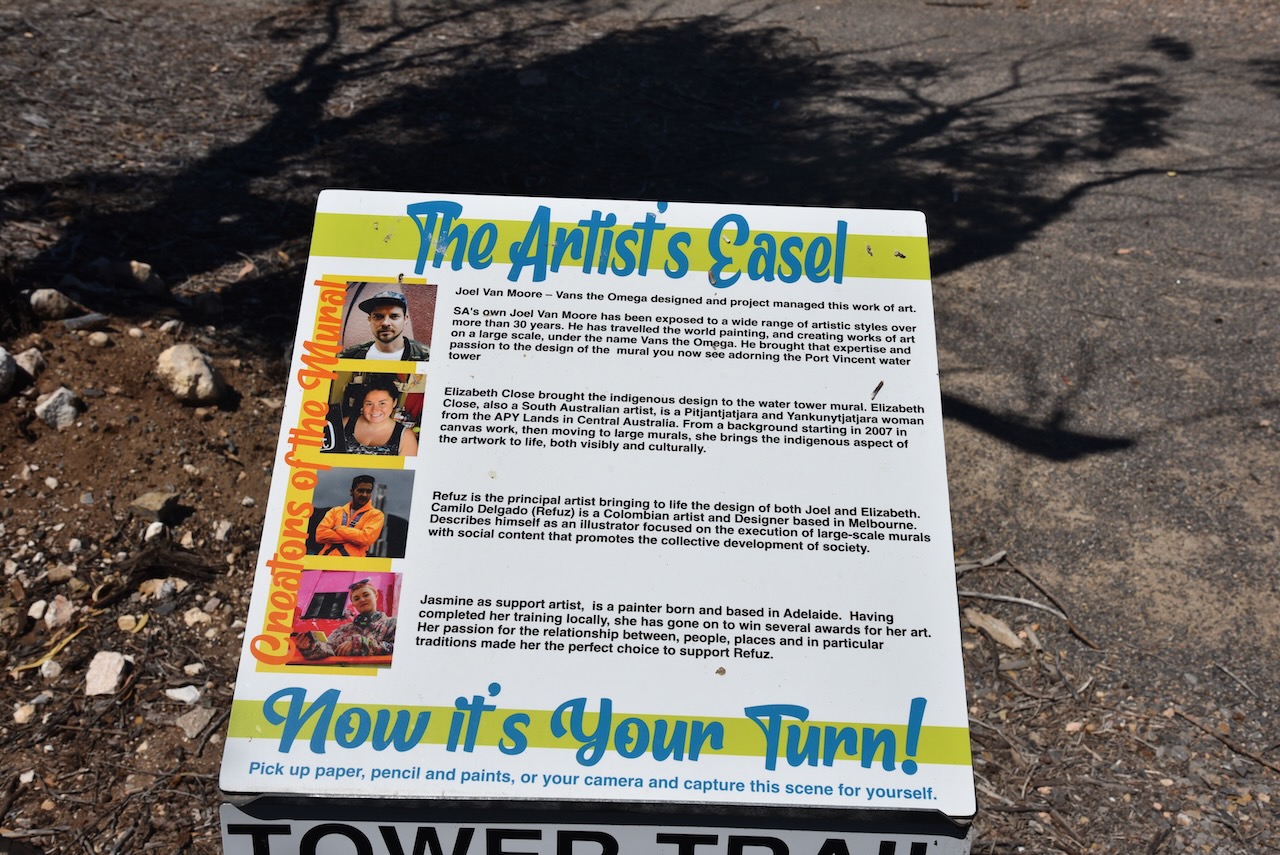
We then headed out to the Port Vincent silo which is part of the Southern Yorke Peninsula Water Tower Mural Trail. The old water tower was painted by Camilo Delgardo & Jasmine Crisp. It took them about 300 litres of paint and was completed on the 17th day of May 2021. The mural includes sailing boats, snapper, and a fisherperson.
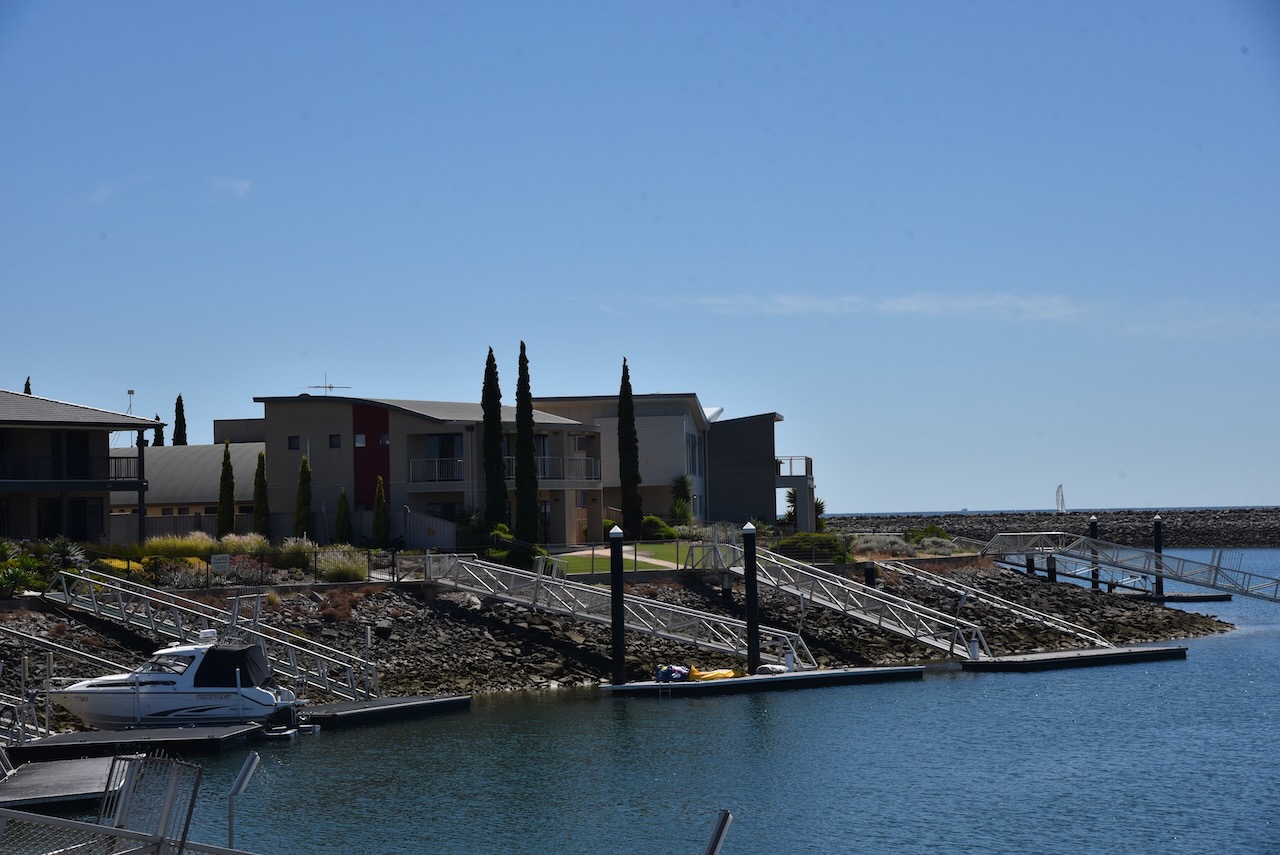
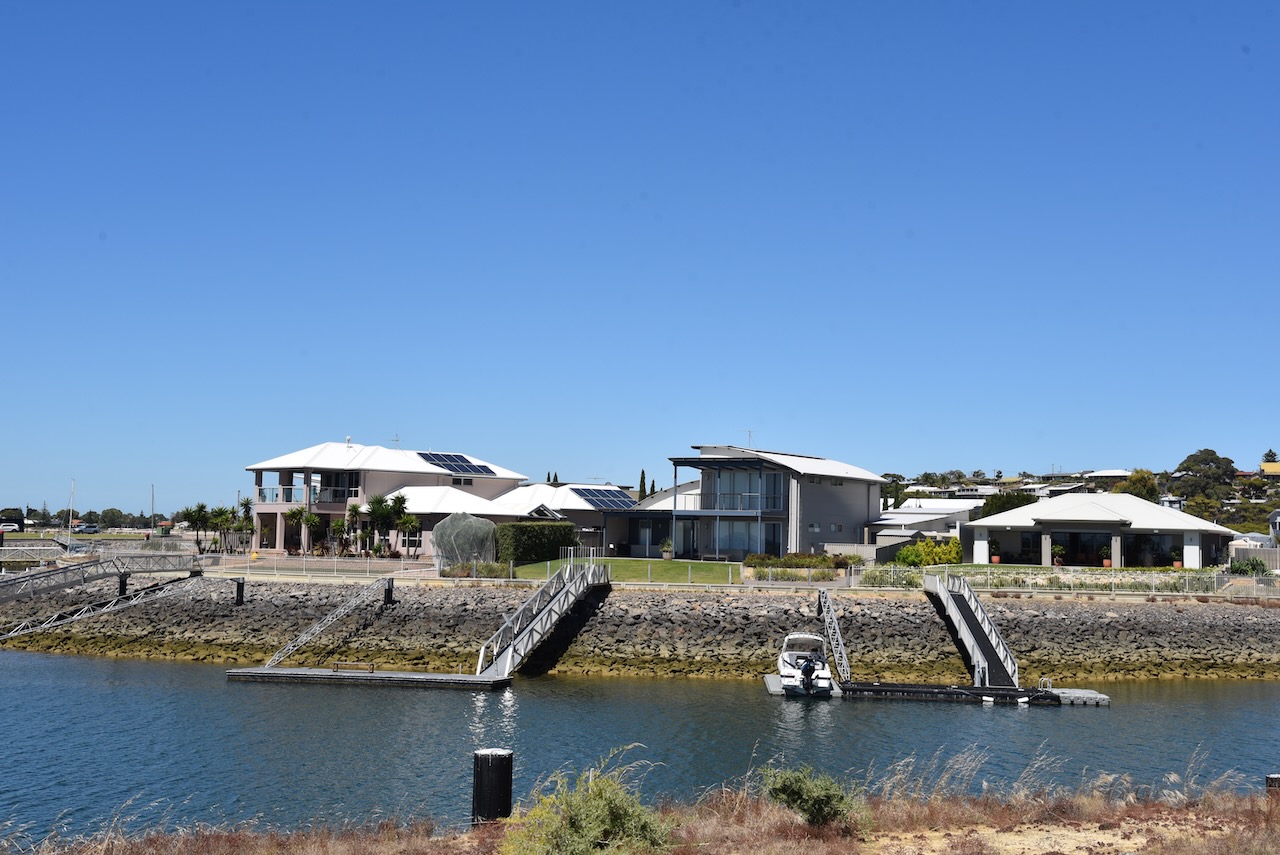
We then drove out to the Port Vincent Marina and new housing development to admire some of the very large houses.
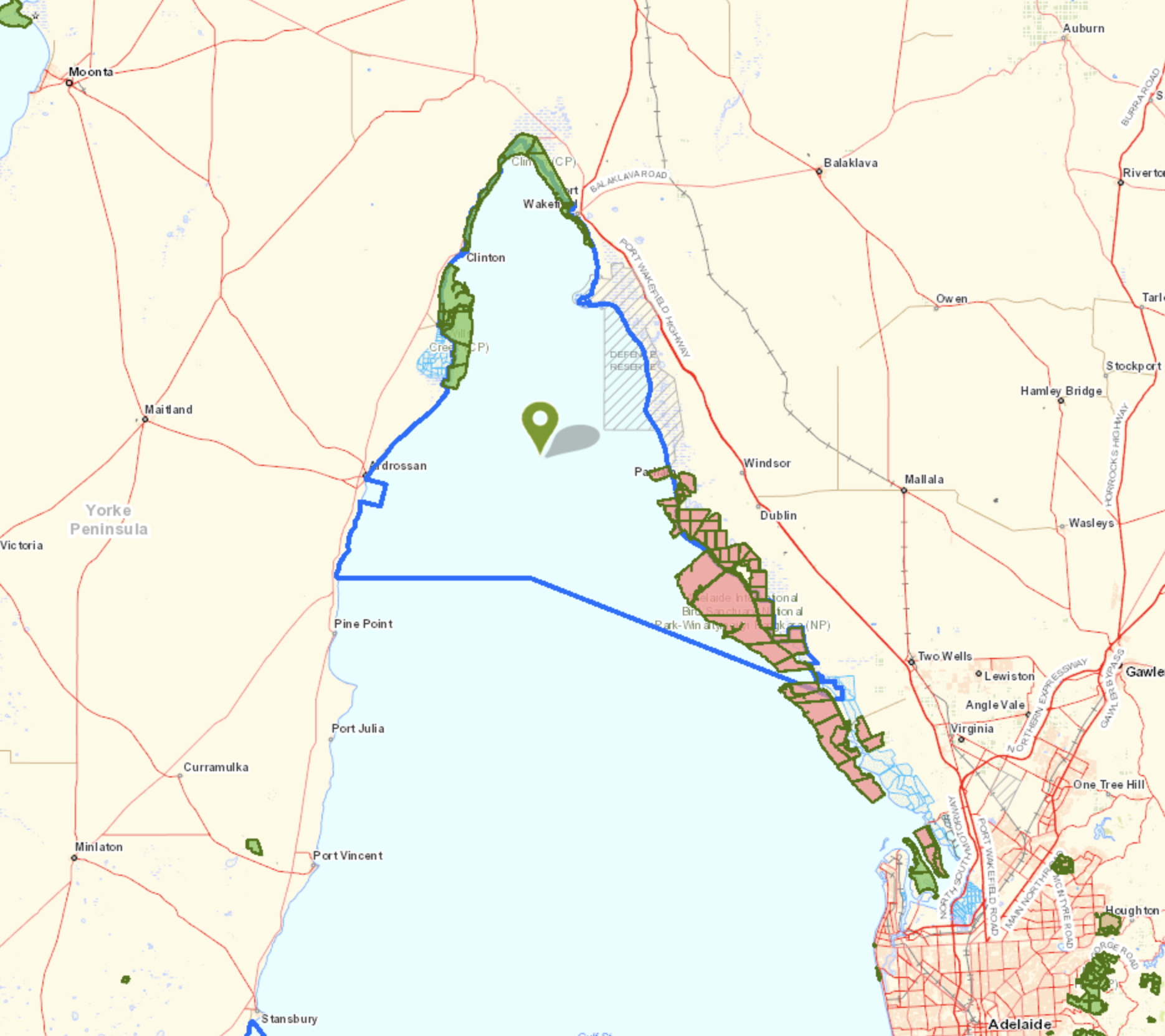
Marija and I drove a short distance from Ardrossan to our next park activation of the day (5th February 2023), the Upper Gulf St Vincent Marine Park VKFF-1755.
As the name suggests, the park encompasses the upper section of Gulf St Vincent. On the eastern side of the gulf, the park commences from near Middle Beach and then across to the south of Ardrossan.
Above:- Map showing the location of the Upper Gulf St Vincent Marine Park. Map c/o Location SA Map Viewer.
The Upper Gulf St Vincent Marine Park features wetlands that are of national importance. This includes the Light River DElta which is considered one of the most ecologically-intact mangrove and saltmarsh systems in South Australia. The park overlays Wills Creek Conservation Park and Clinton Conservation Park. The port of Ardrossan is excluded from the park.
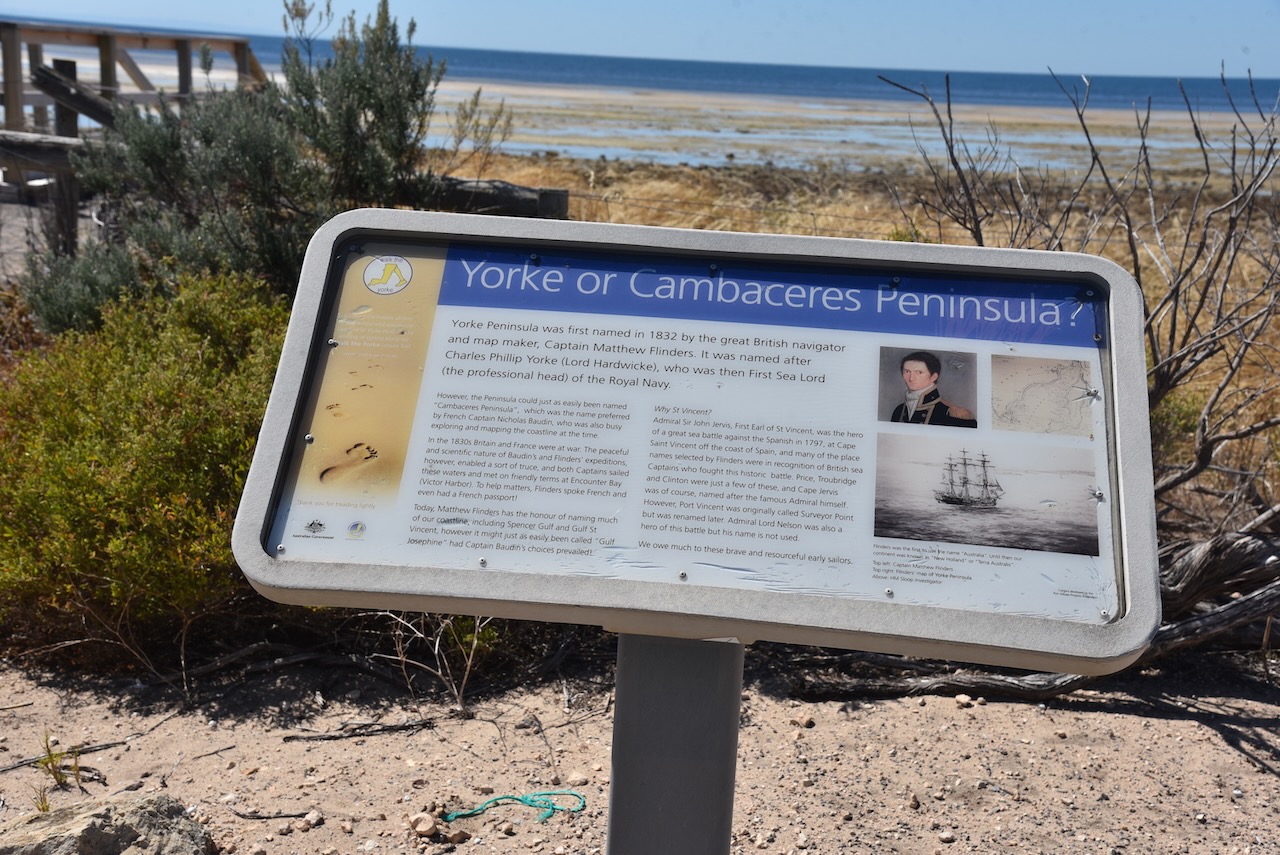
Gulf St Vincent was named Gulph of St Vincent by explorer Matthew Flinders on the 30th day of March 1802. The gulf was named in honour of Admiral John Jervis, 1st Earl of St Vincent who was victorious in a naval battle off Cape St Vincent in Portugal.
On the 8th day of April 1802, following his meeting with Matthew Flinders at Encounter Bay, French explorer Nicholas Baudin mapped the gulf and named it Golfe de la Mauvaise or Golfe de la Misanthrophie. In 1803 he renamed it Golphe Josephine in honour of Josephine Bonaparte.
Above:- John Jervis, 1st Earl of St Vincent. Image c/o Wikipedia.
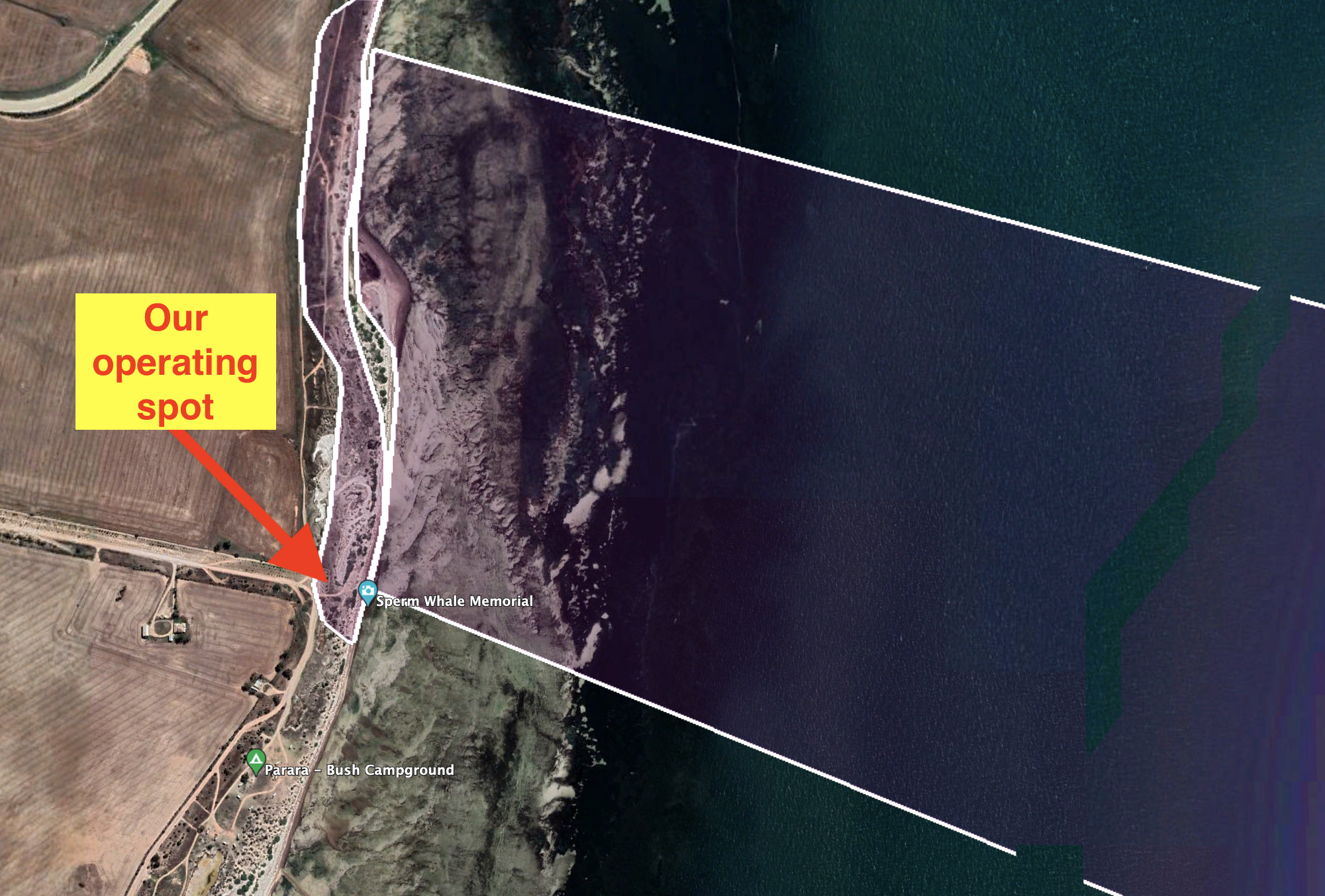
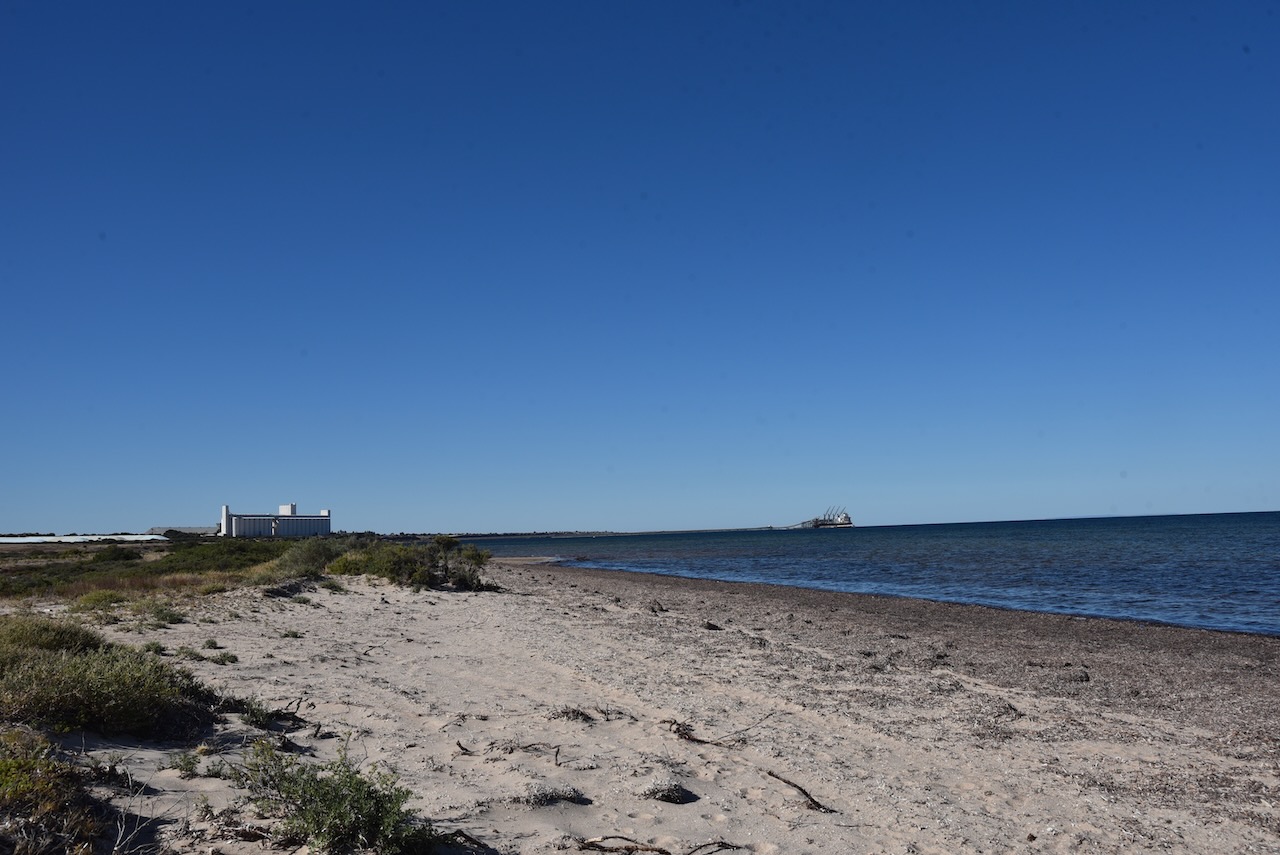
Marija and I set up at the end of Parara Road near the Sperm Whale Memorial. This is at the southernmost point of the park on the western side of the park.
Above:- Aerial view showing our operating spot at the end of Parara Road. Image c/o Google Earth.
We operated from the vehicle for this activation using the Icom IC-7000, 100 watts, and the Codan 930 self tuning antenna.
Marija worked the following stations on 40m SSB:-
VK5WU
VK3VIN
VK4FW
VK8MM
VK2YK
VK5HS
VK3GJG
VK2IO
VK3ZPF
VK3OAK
VK5FANA
I worked the following stations on 40m SSB:-
VK5WU
VK3VIN
VK4FW
VK8MM
VK2YK
VK5HS
VK3GJG
VK2IO
VK3ZPF
VK3OAK
VK5FANA
VK2MOE/m
VK3YAR
VK5MOS
VK3MTT
VK1CHW
VK3CBP
VK2NP
VK7PSJ
VK5YX
VK2EXA
VK2RO
VK3BBB
VK2CCP
VK5NM
VK2LEE
I worked the following stations on 20m SSB:-
VK2IJS
VK3OAK
VK2NP
VK4TJ
VK3ZPF
VK2IO
VK4SMA
VK6NU
VK3JW
VK3SQ
VK3UH
VK3GJG
VK6NTE
ZL3MR
I worked the following stations on 15m SSB:-
VK2NP
VK4SMA
VK1IO
VK1CHW
VK4FDJL
VK4WAB
VK4TJ
JH1OLB
VK4KTW
VK5HS
I worked the following stations on 10m SSB:-
VK4FDJL
VK4WAB
VK4KTW
VK4SMA
VK4TJ
VK4HTE
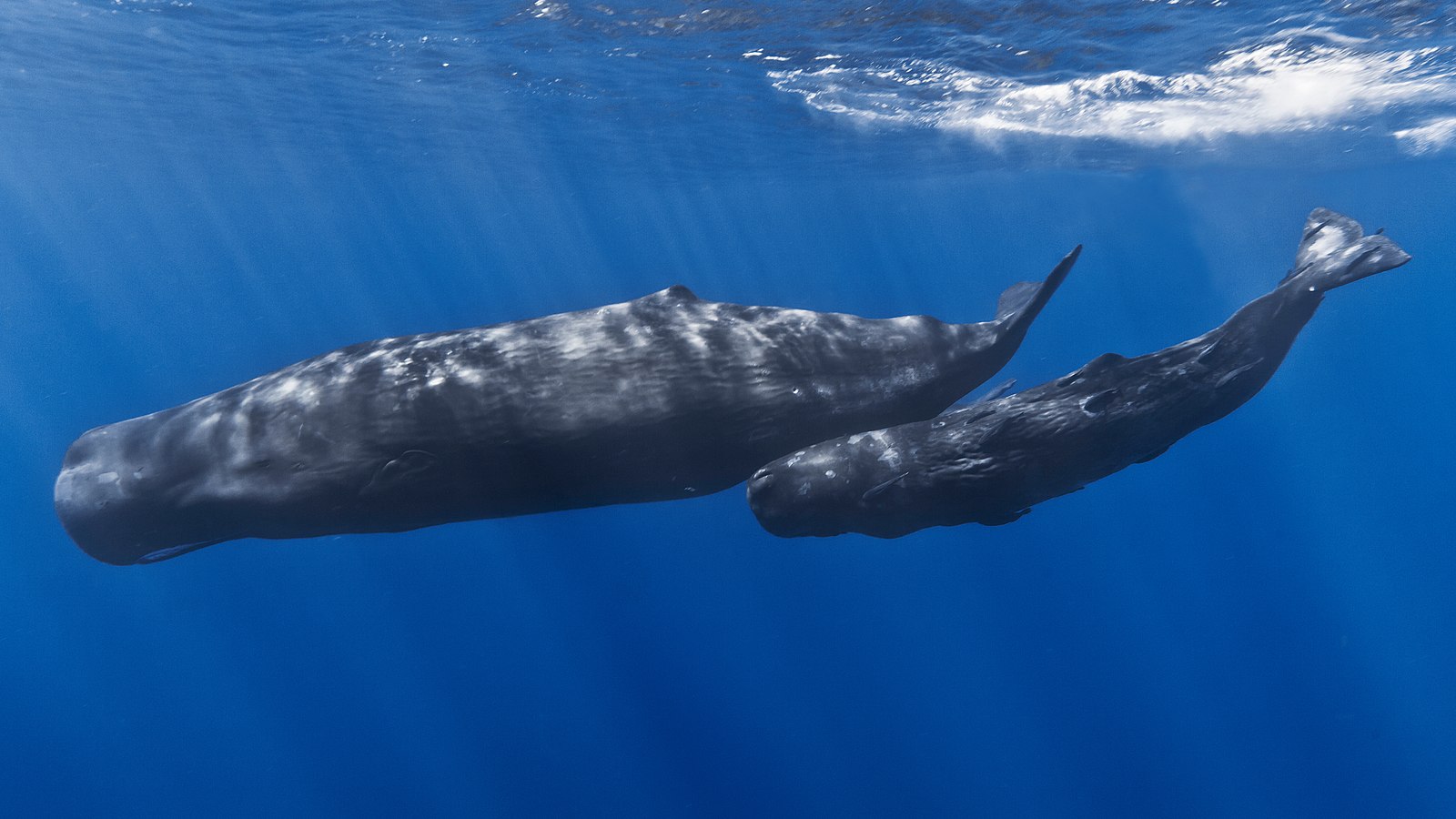
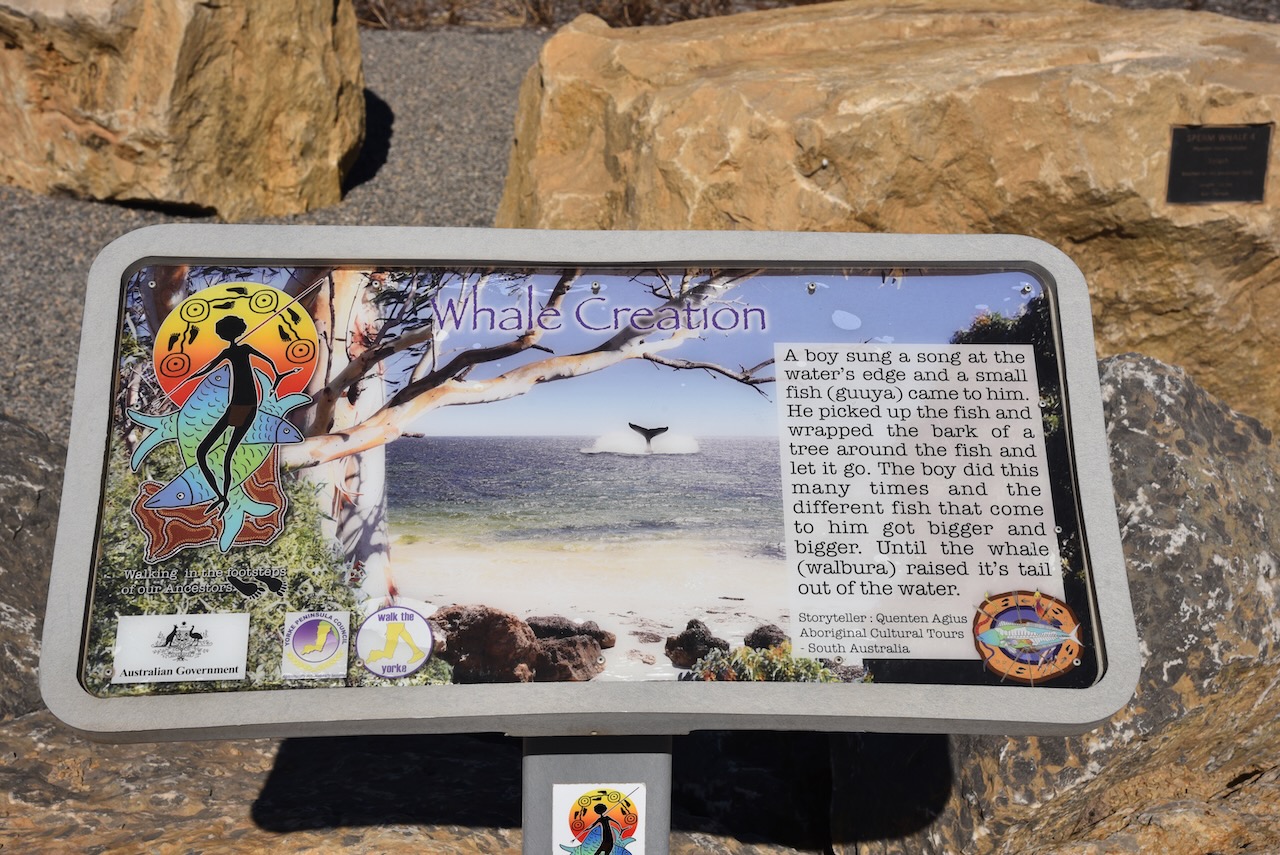
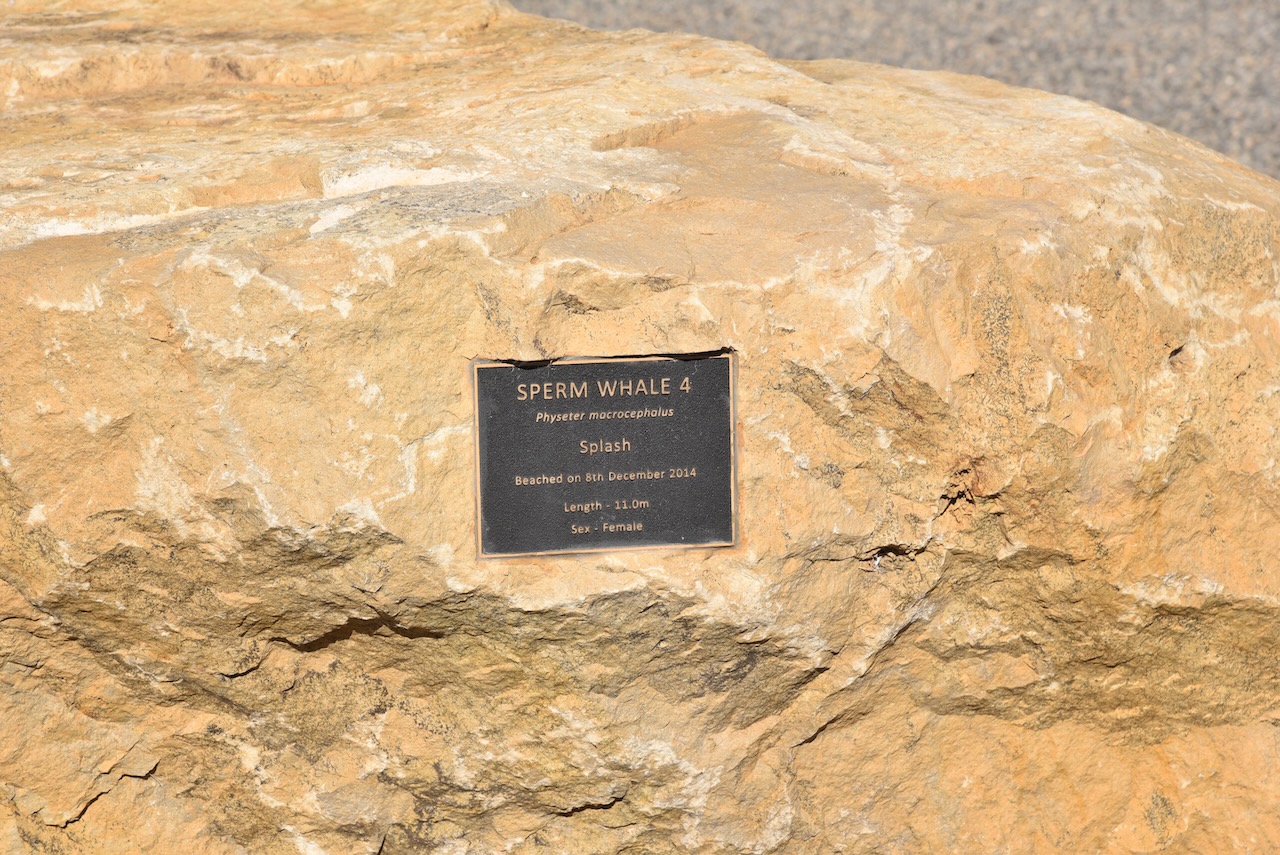
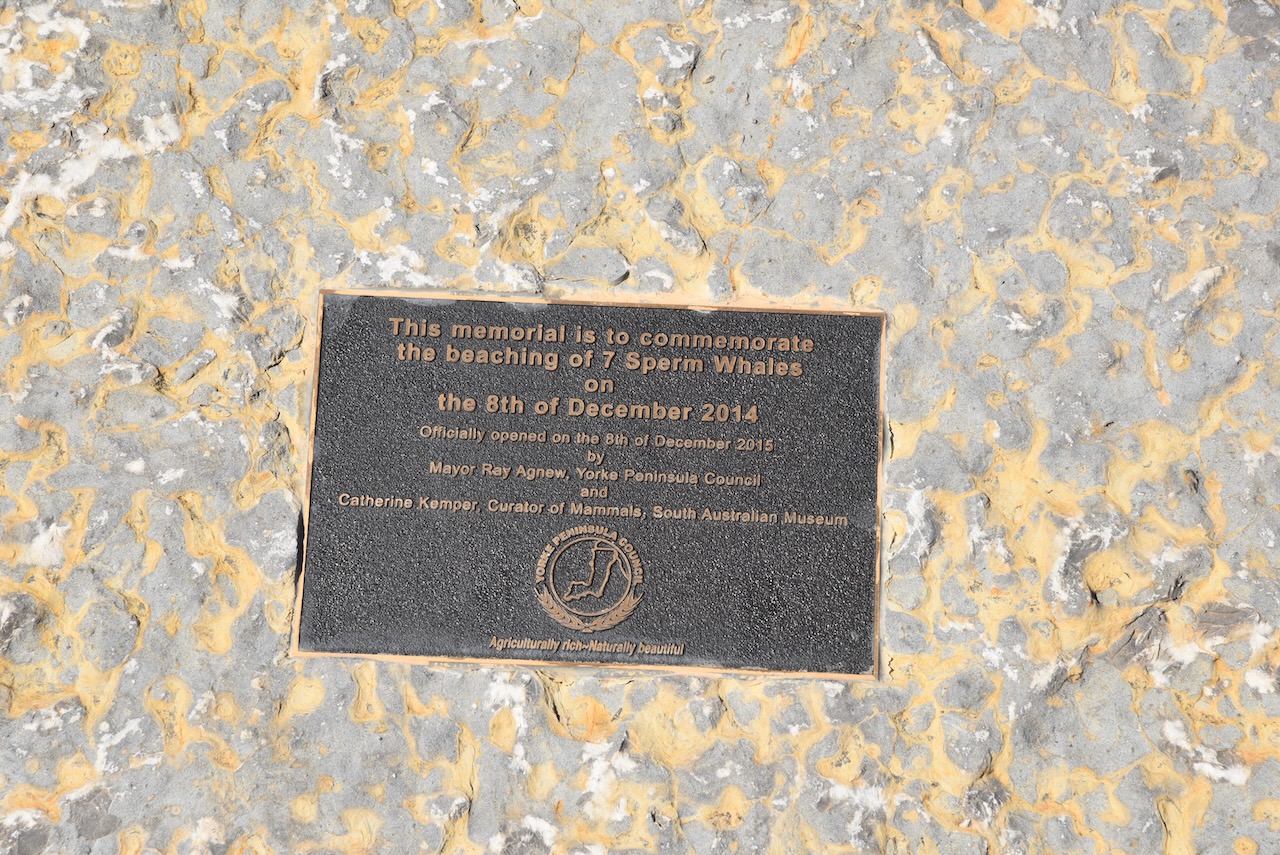
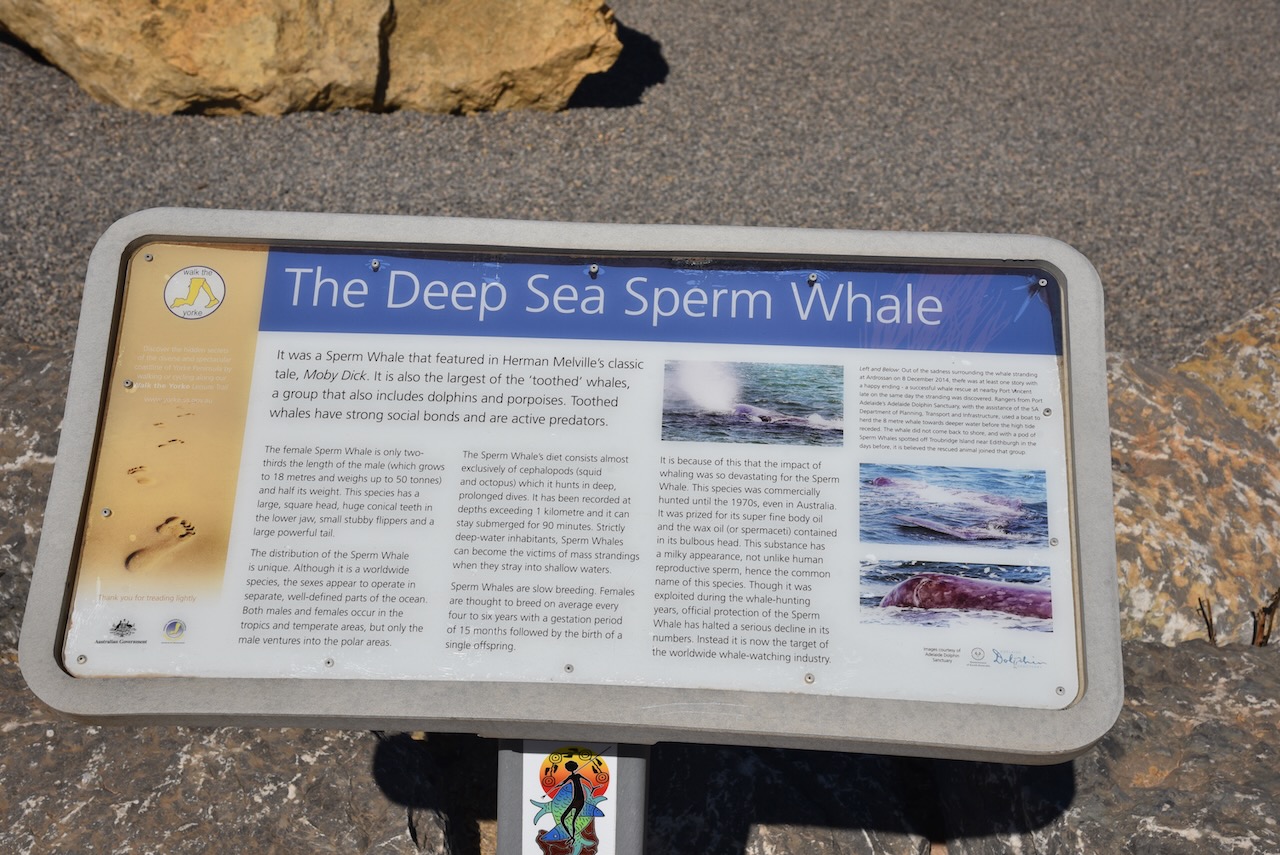
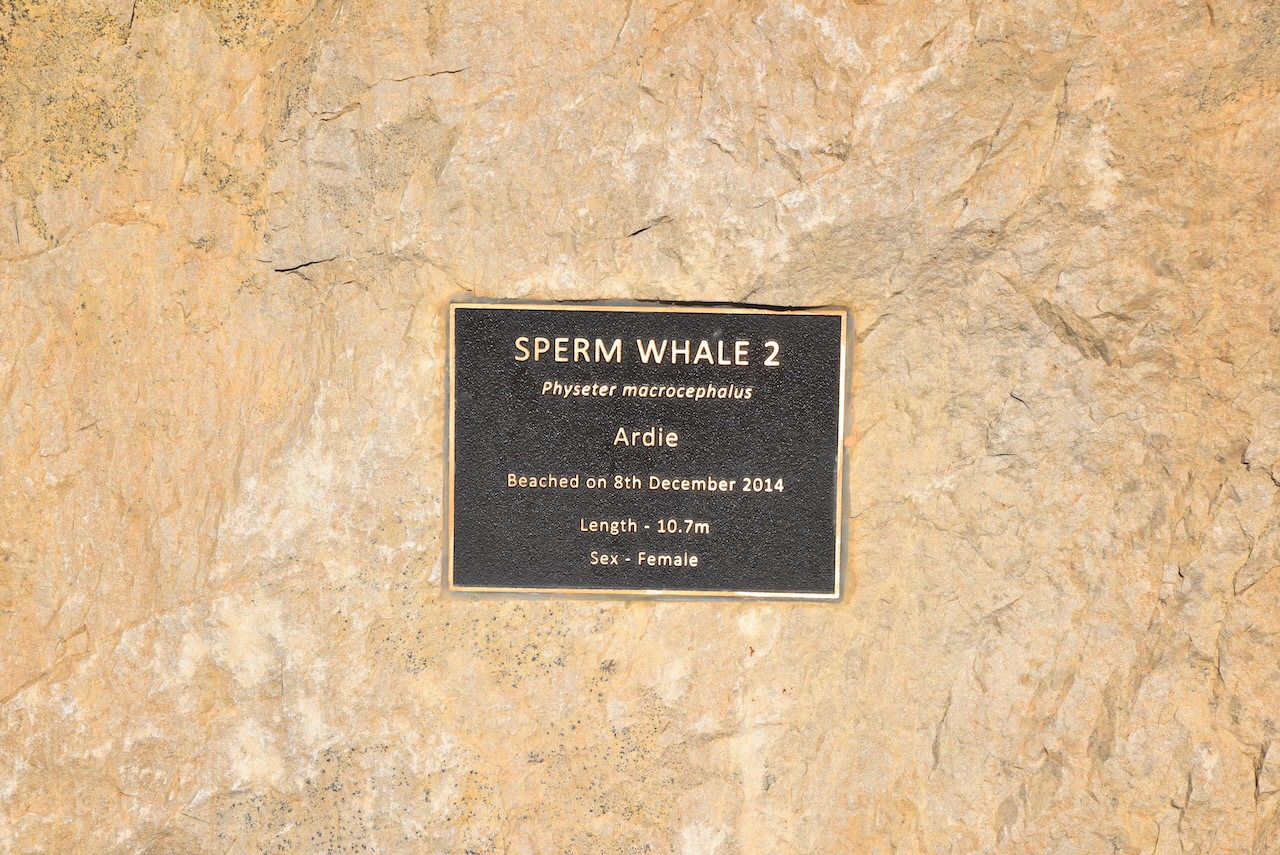
After packing up we had a look at the Sperm whale Memorial which commemorates the beaching of seven sperm whales on the 8th day of December 2014.
The Sperm whale is the largest of the toothed whales and is the largest toothed predator. Its conservation significance is listed as vulnerable. Mature males average 16 metres (52 ft) in length, with the head representing up to one-third of the animal’s length.
The memorial consists of a series of dolomite boulders which were donated by Arrium Mining, The boulders are placed in the pattern in which the whales were stranded.
The remains of the old Parara school can be seen opposite the whale memorial.
Also located nearby is the old Parara homestead which was one of the numerous properties owned by the pioneering Bowman brothers.
Marija and I then continued north on the Yorke Highway and soon reached the little town of Pine Point which overlooks the bay of Port Alfred.
The name of the town comes from the aboriginal word narnuworti meaning ‘pine point’. Resin from the trees called narnujako was used by the local aboriginal people for shafting their stone knives.
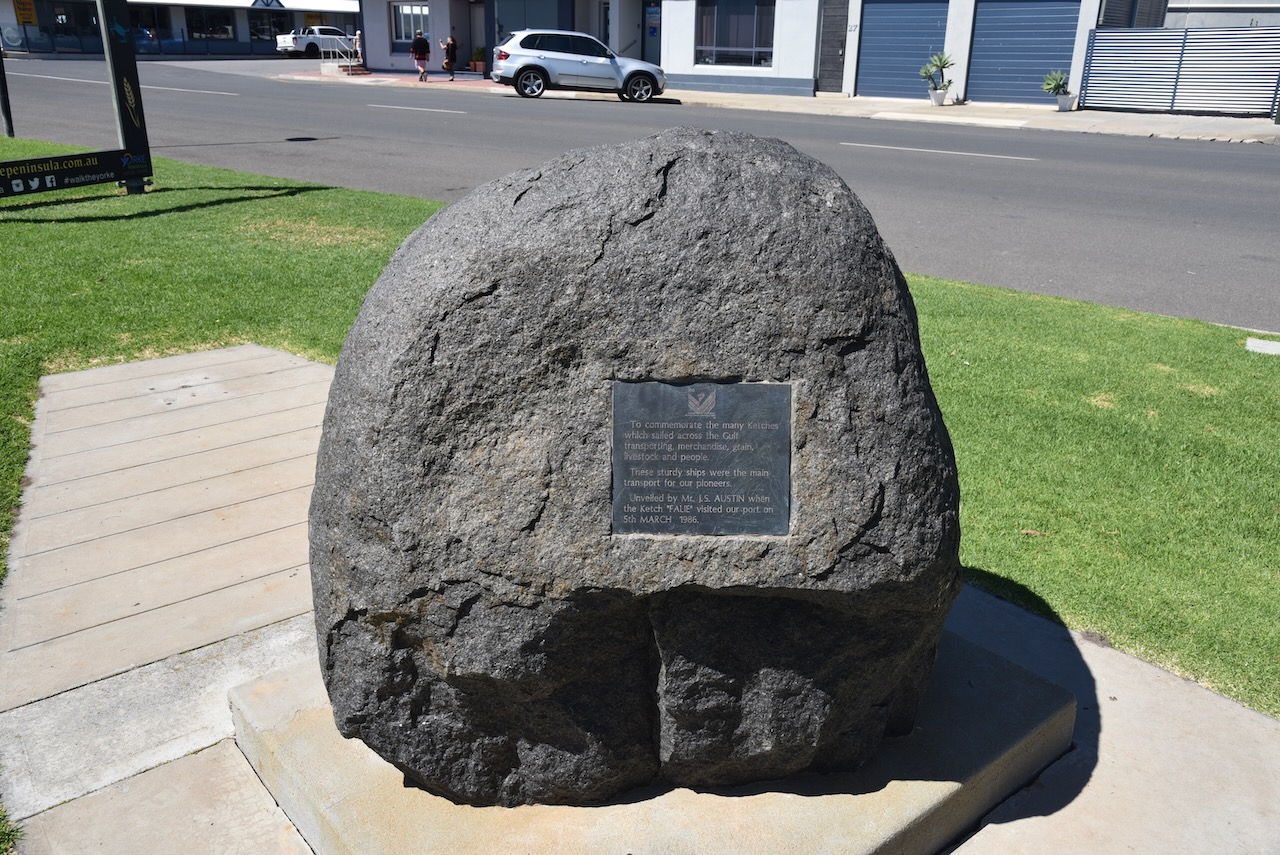
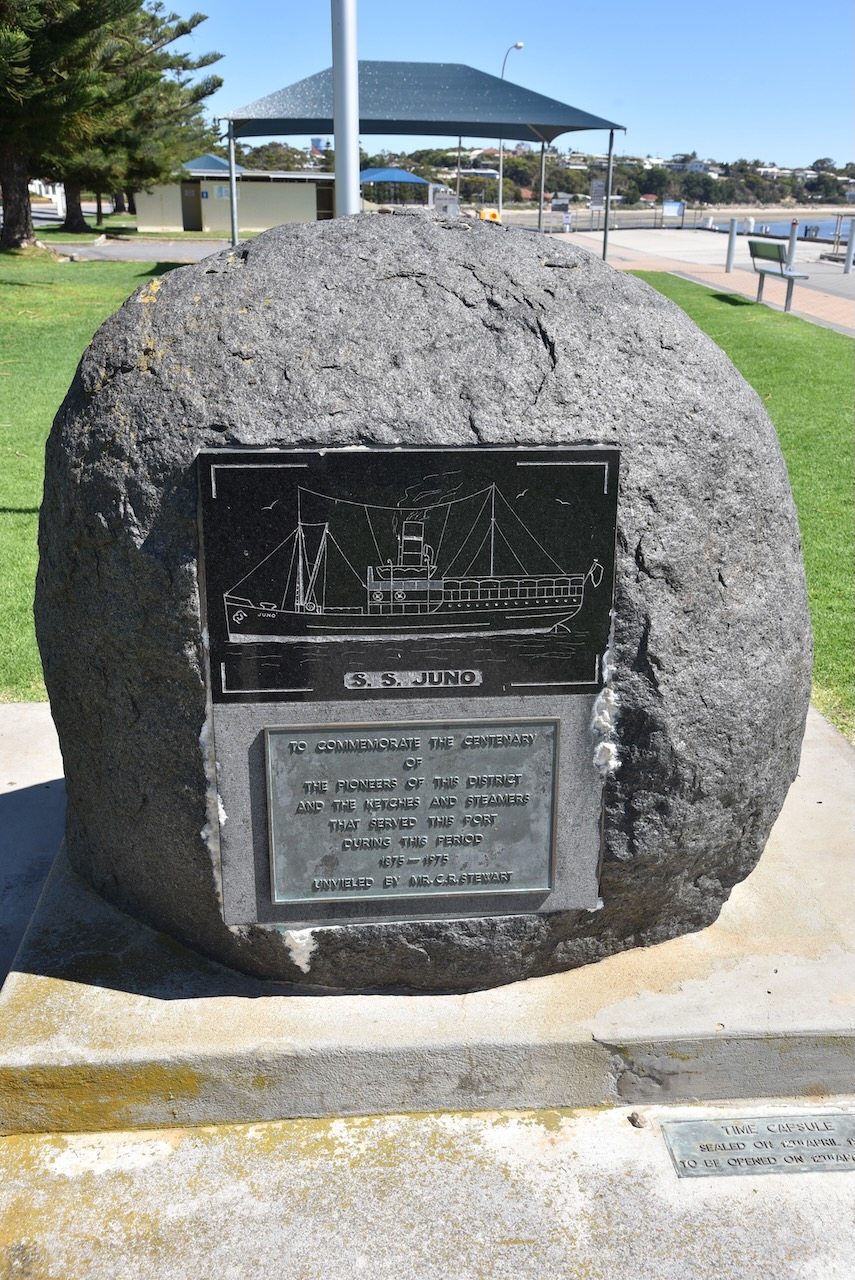
Pine Point was once one of the numerous small ports on the Yorke Peninsula where sketches would be loaded directly from drays. A small wharf was subsequently built at Pine Point and this enabled the sketches to remain in deeper water. In 1927 a chute was installed which assisted in the loading of the sketches. In October 1967 the ketch Yongala, conveyed the last cargo of grain from Pine Point to Port Adelaide. The bulk grain facilities at Ardrossan, Wallaroo and Port Giles had replaced the use of the ketches.
Above:- a ketch at Pine Point waiting to be loaded with grain, c. 1927. Image c/o State Library SA.
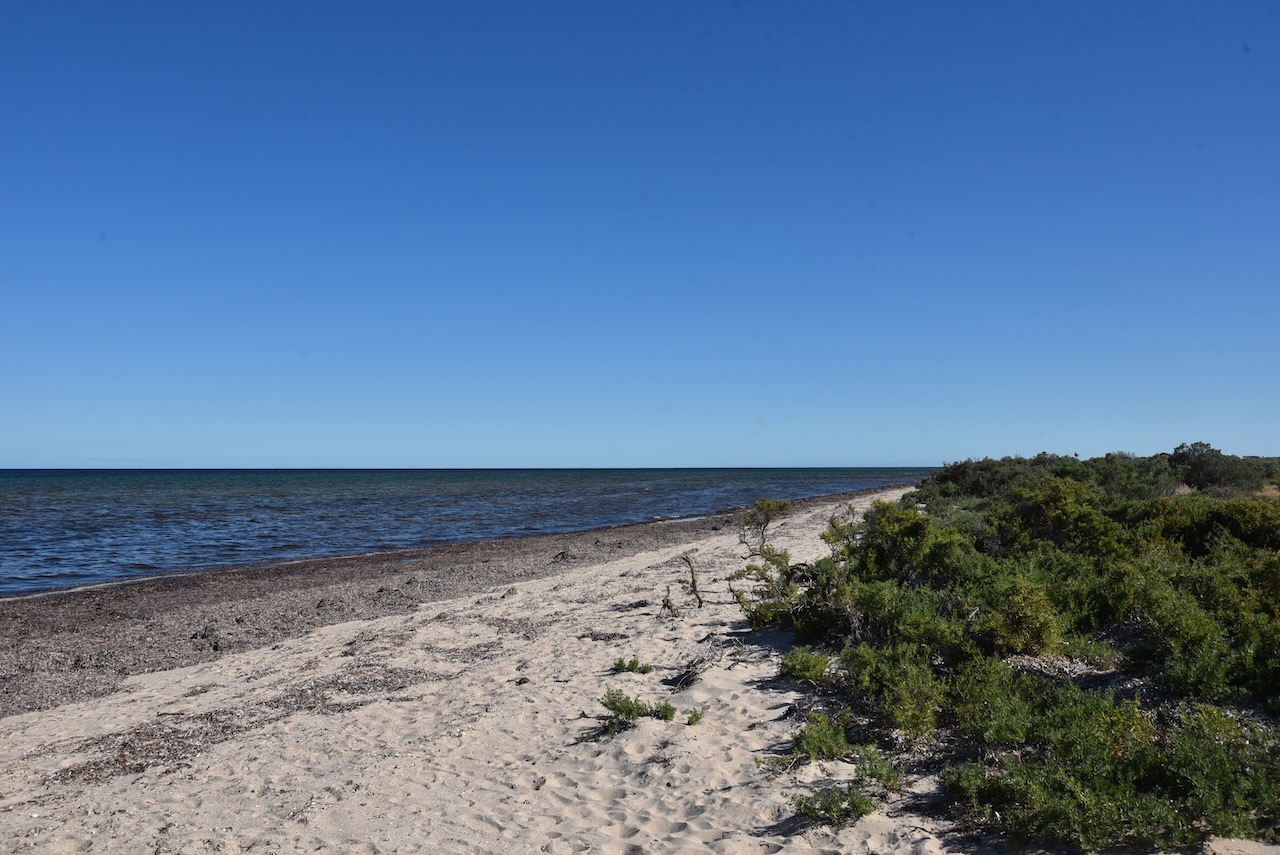
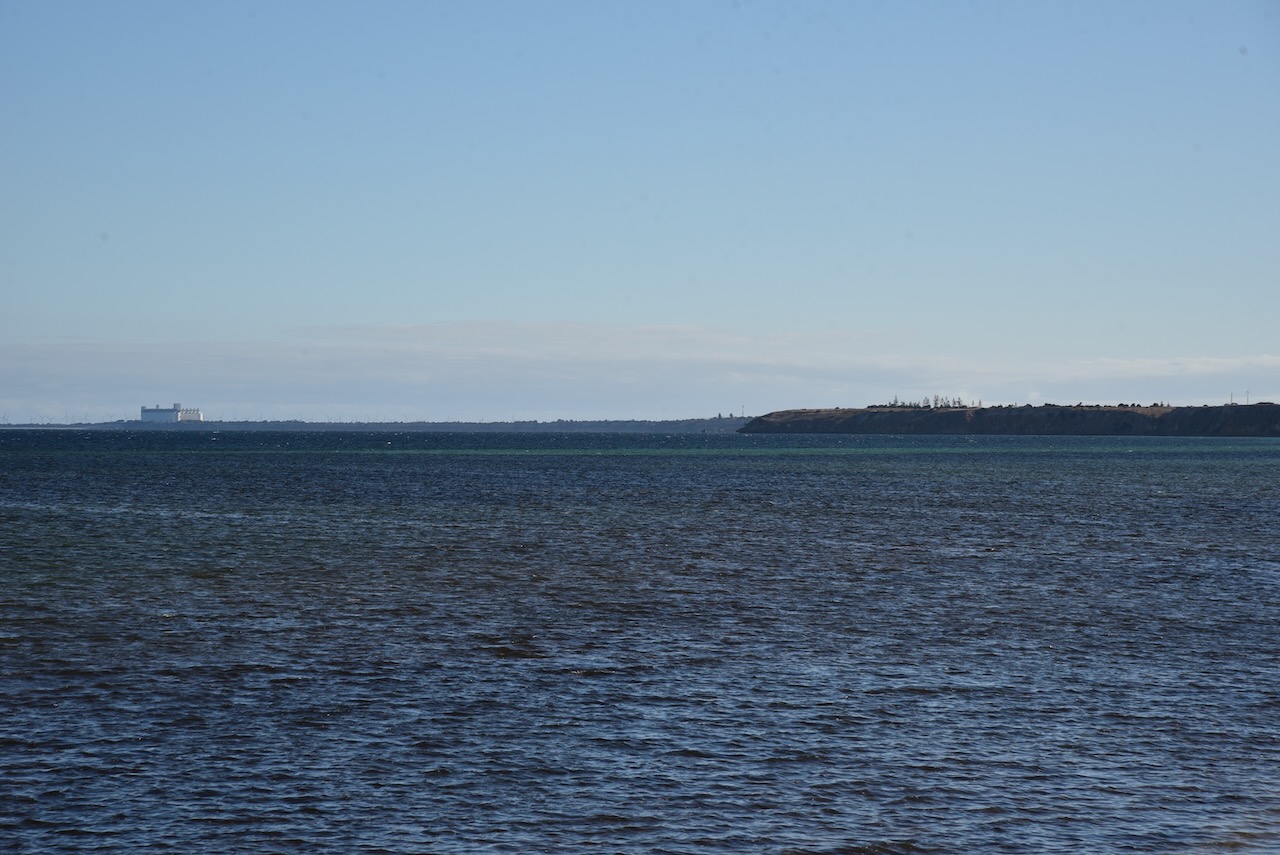
We continued on to Stansbury where we had booked into the Stansbury Caravan Park in a self-contained cabin. Below are some views of the cabin and the ocean which was directly behind our cabin.
After booking in and unpacking, Marija and I headed to the local hotel where we enjoyed a very nice meal.
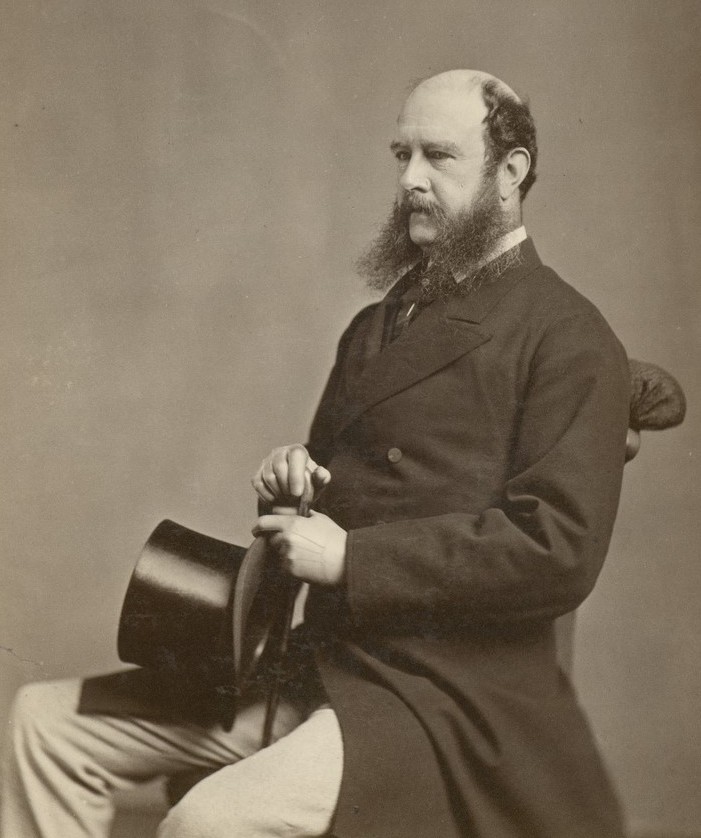
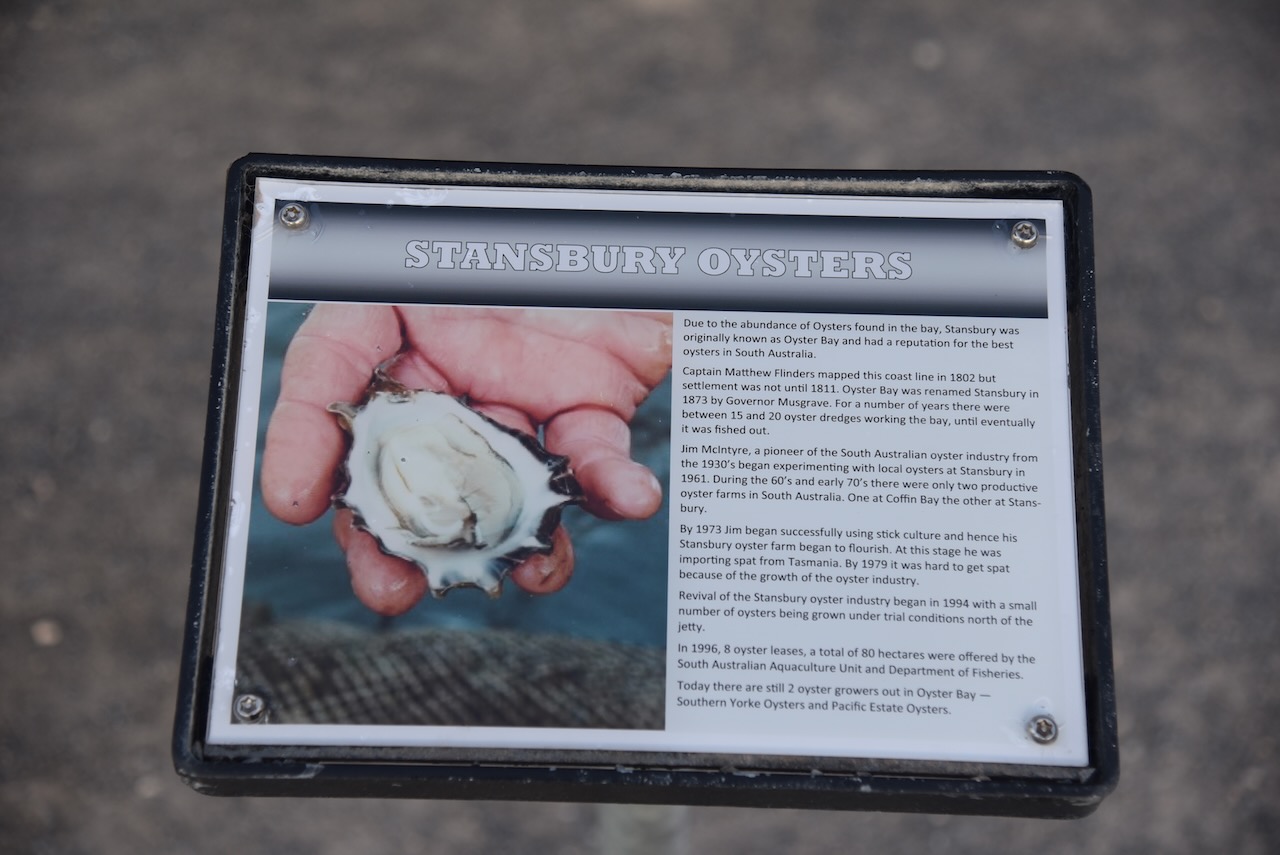
The area which is now known as Stansbury was originally known as Oyster Bay from around 1846. The town was proclaimed on the 31st day of July 1873 and was named Stansbury by South Australian Governor Anthony Musgrave (b. 1828. d. 1888) in honour of a friend. In October 1877 the foundation stone for the Stansbury Public School was laid.
Above:- Governor Anthony Musgrave. Image c/o Wikipedia.
Following dinner, we decided to have a look around Stansbury as it was such a beautiful warm evening.
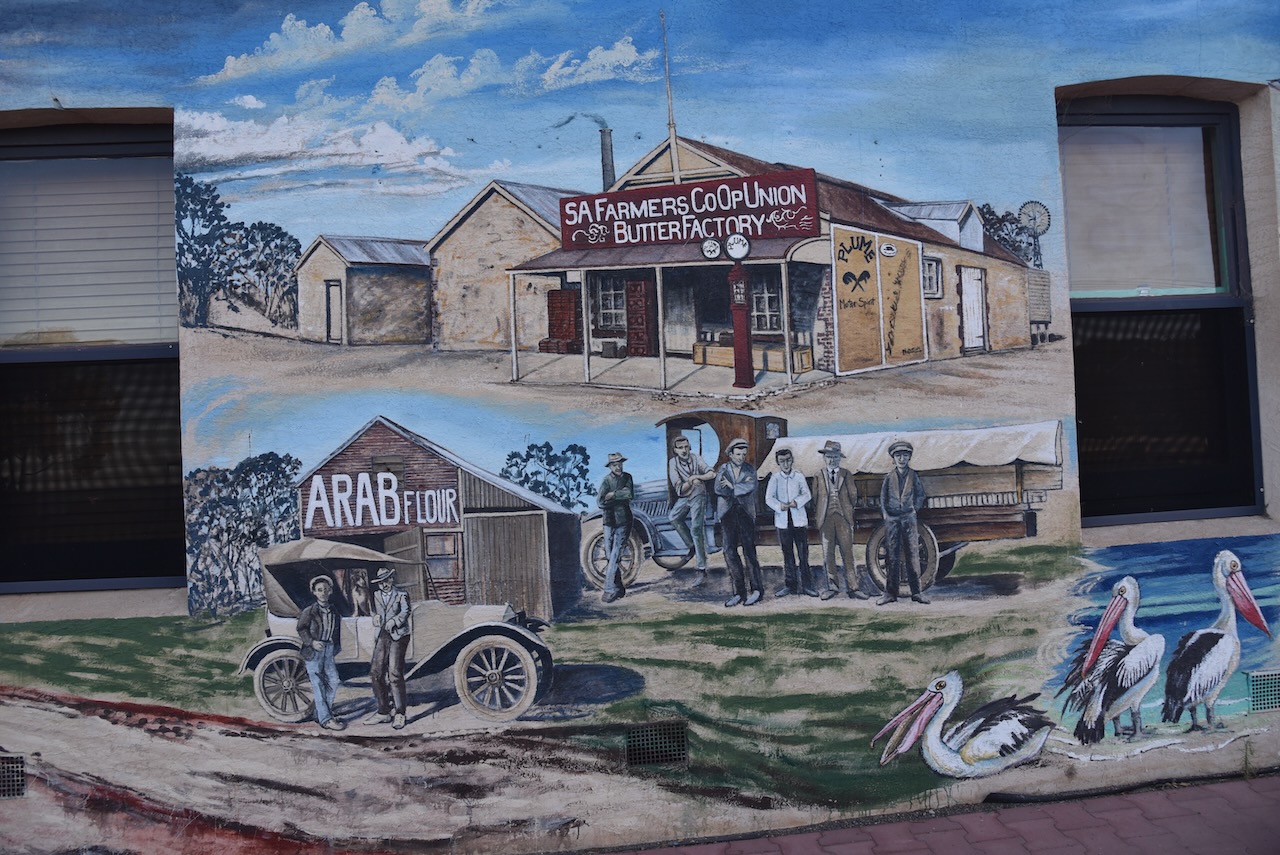
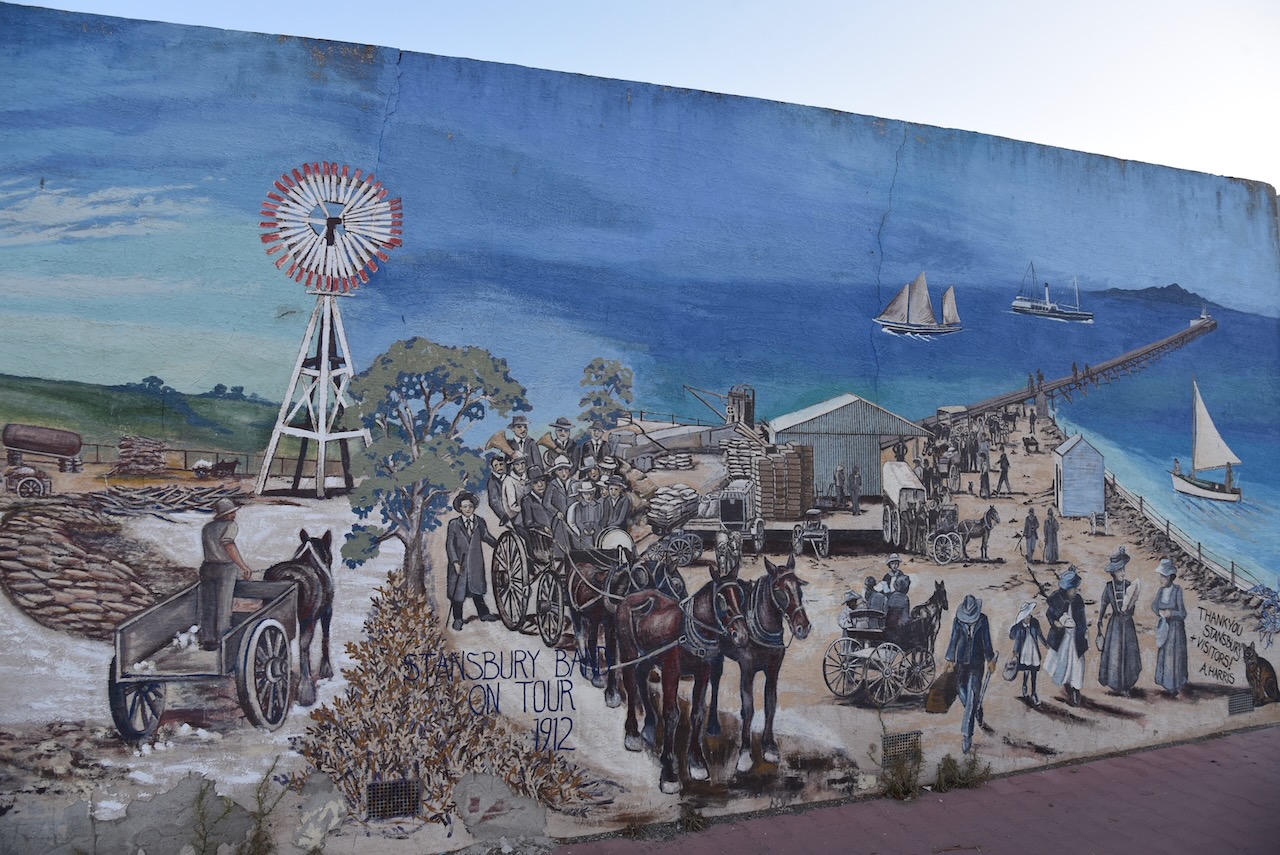
On the corner of St Vincent Street and Anzac Parade (the Blue Lime Cafe), there is a brilliant mural painted on the building. It is the work of local artist Anne Harris. It depicts the historical use of building and Stansbury life.
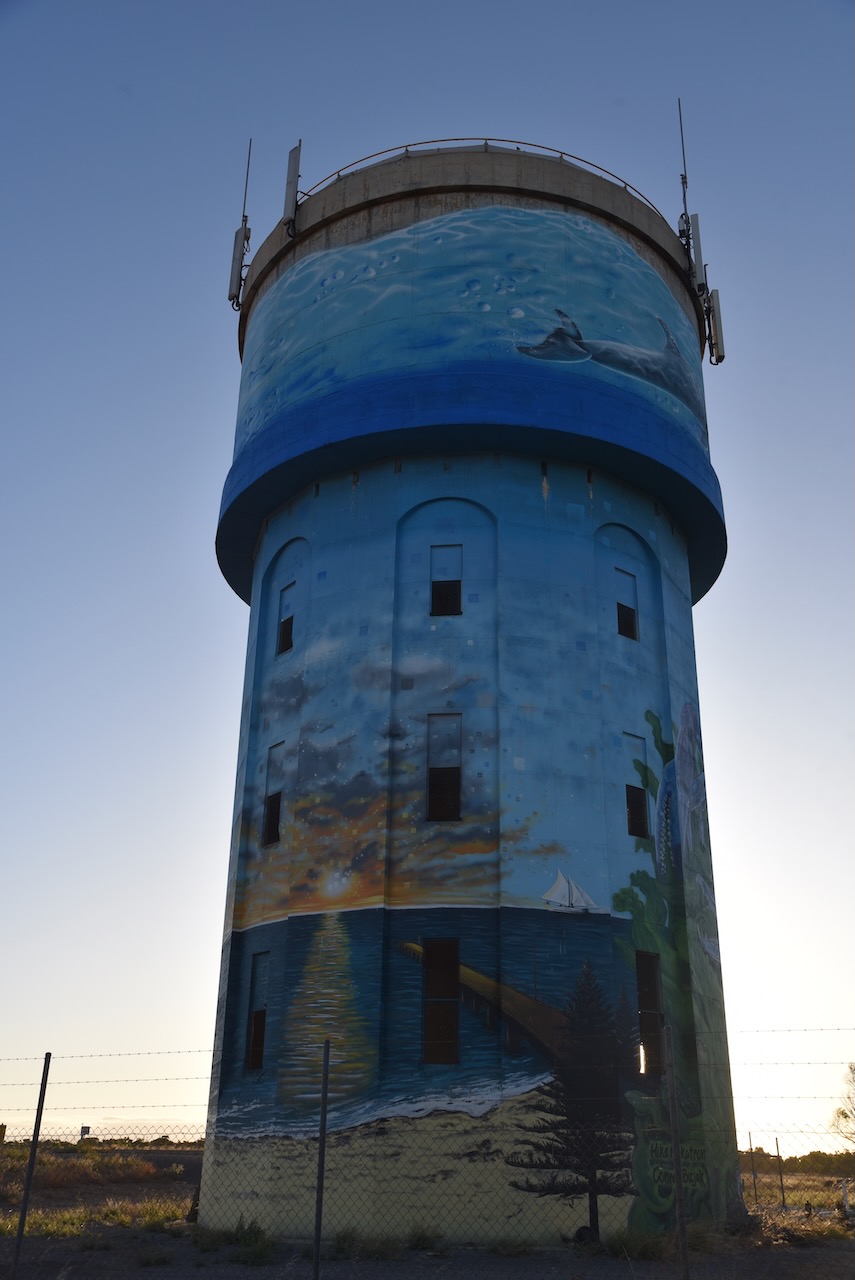
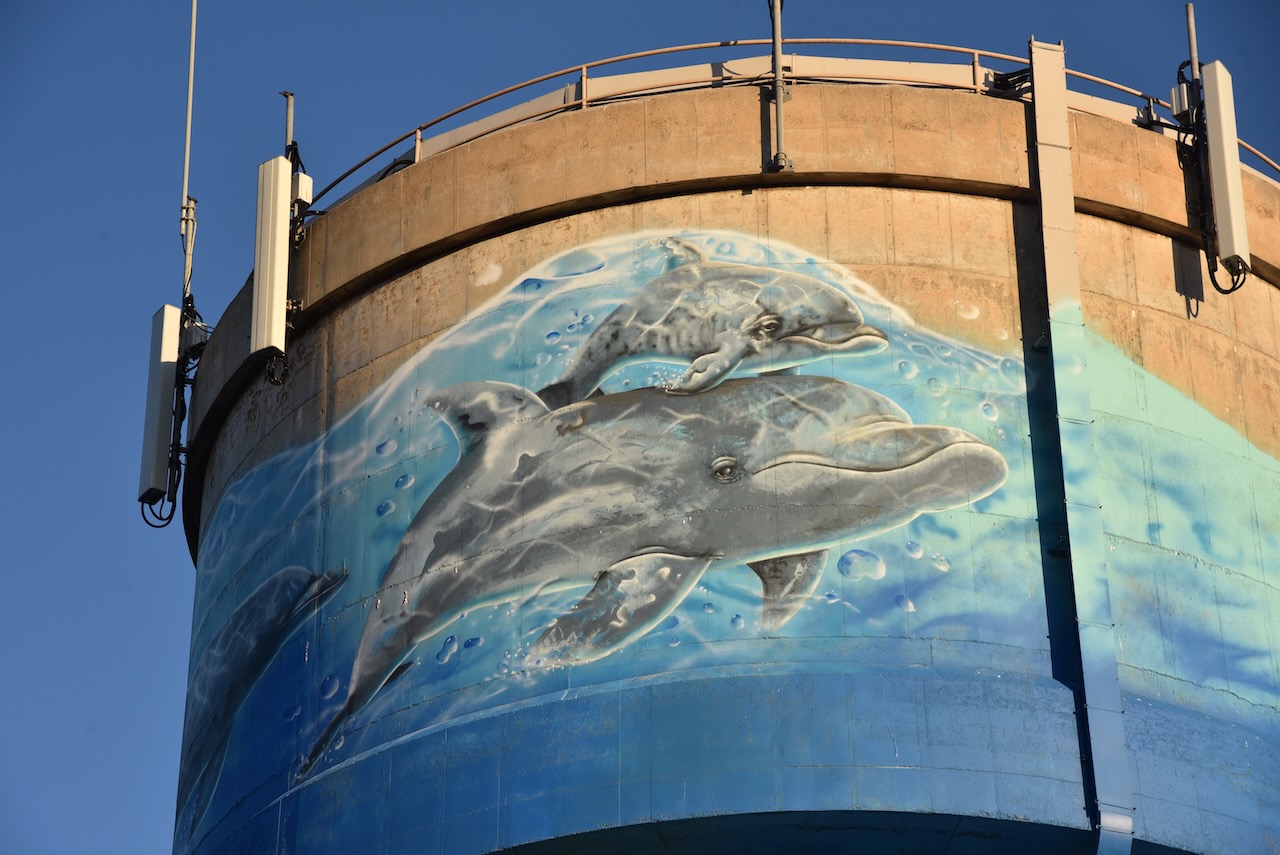
We then drove out to the Stansbury water tower mural. In 2020 the Yorke Peninsula Council in partnership with various Progress Associations gained funding that allowed the Southern Yorke Peninsula Water Tower/Tank Mural Trail. The Stansbury water tower was completed on the 29th day of May 2021. It was the work of Mike Makatron and Conrad Bizjak and took 13 days to complete. It consists of a mixture of spray guns and hand painting. It features notable fauna and the natural landscape of Stansbury, including Blue Swimmer crabs, Pelican, Dolphins, Norfolk Island Trees, jetty, coastline, and Ribbon Seaweed and Oysters.
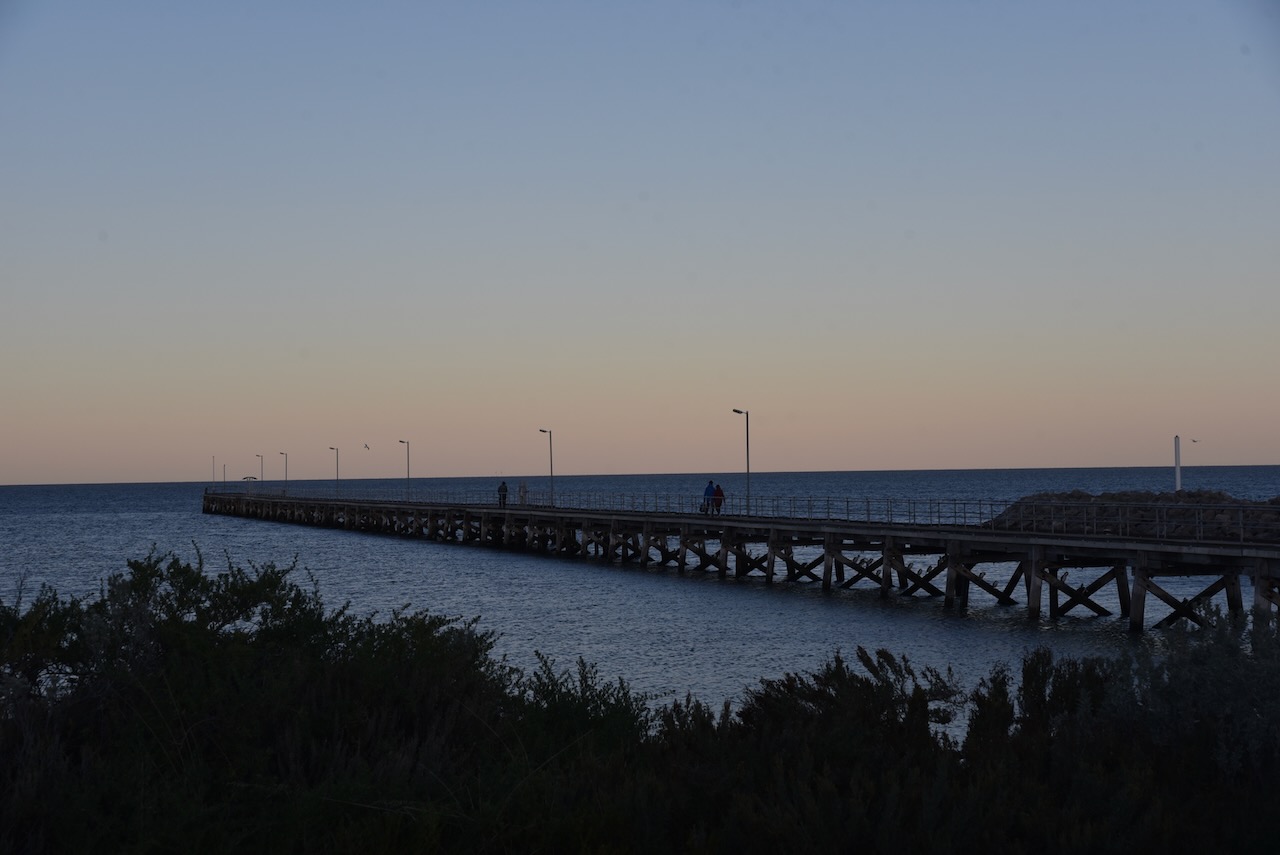
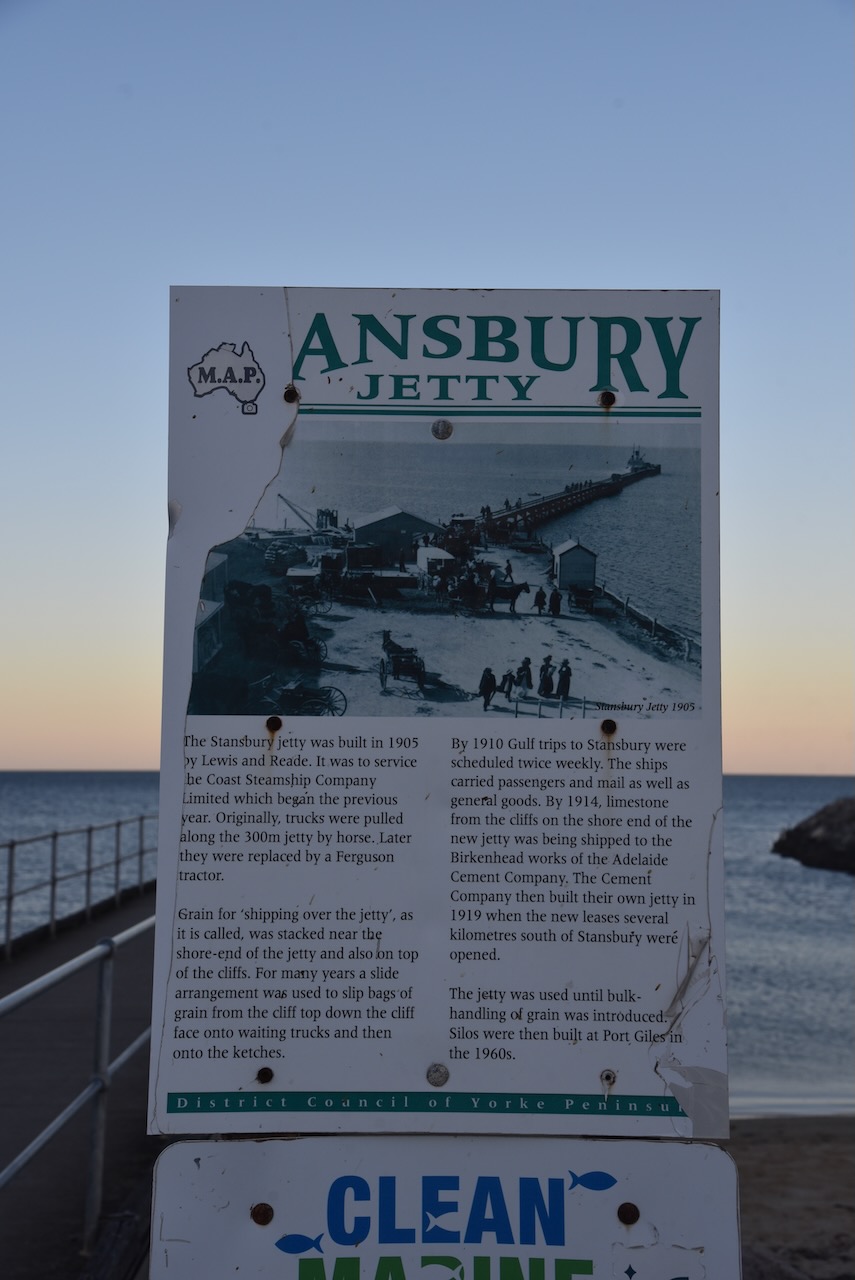
We then had a look at the Stansbury jetty and harbour.
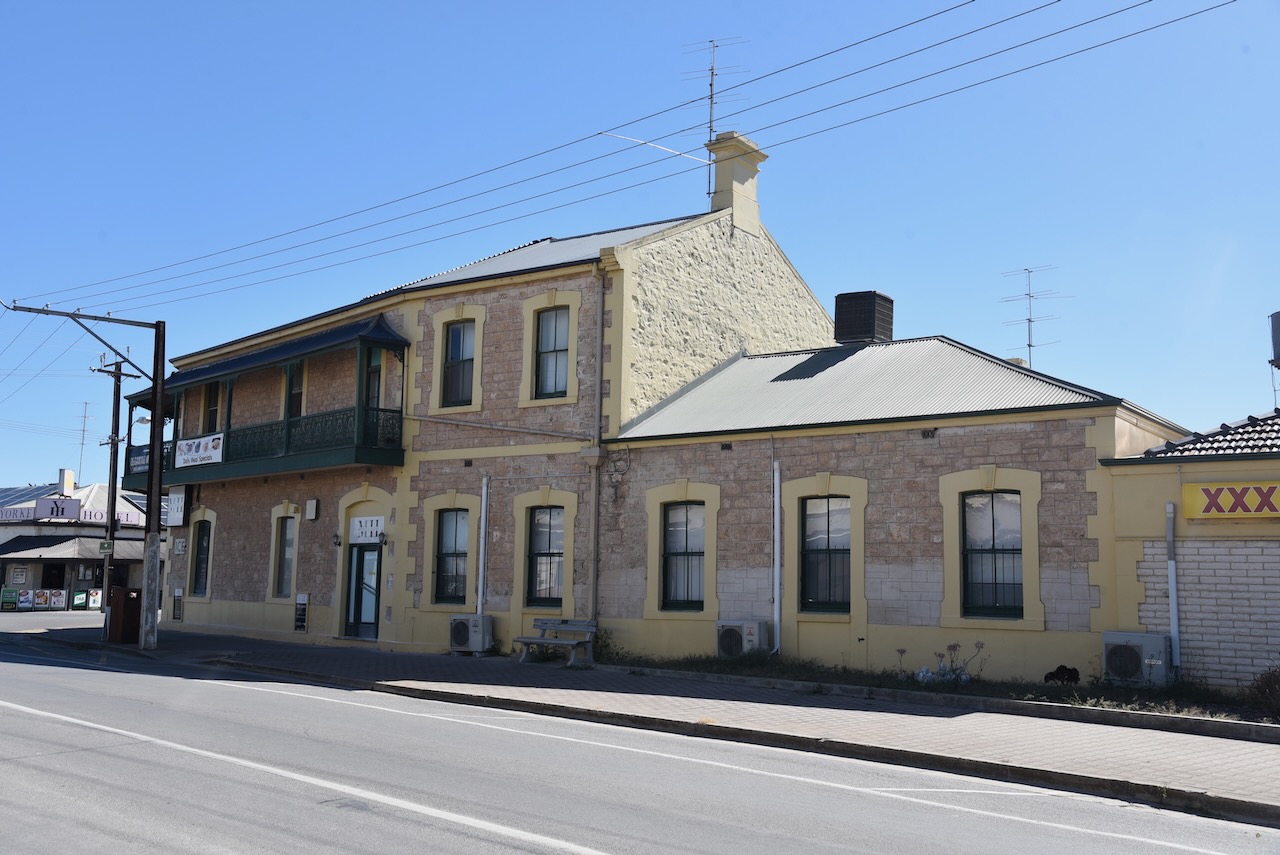
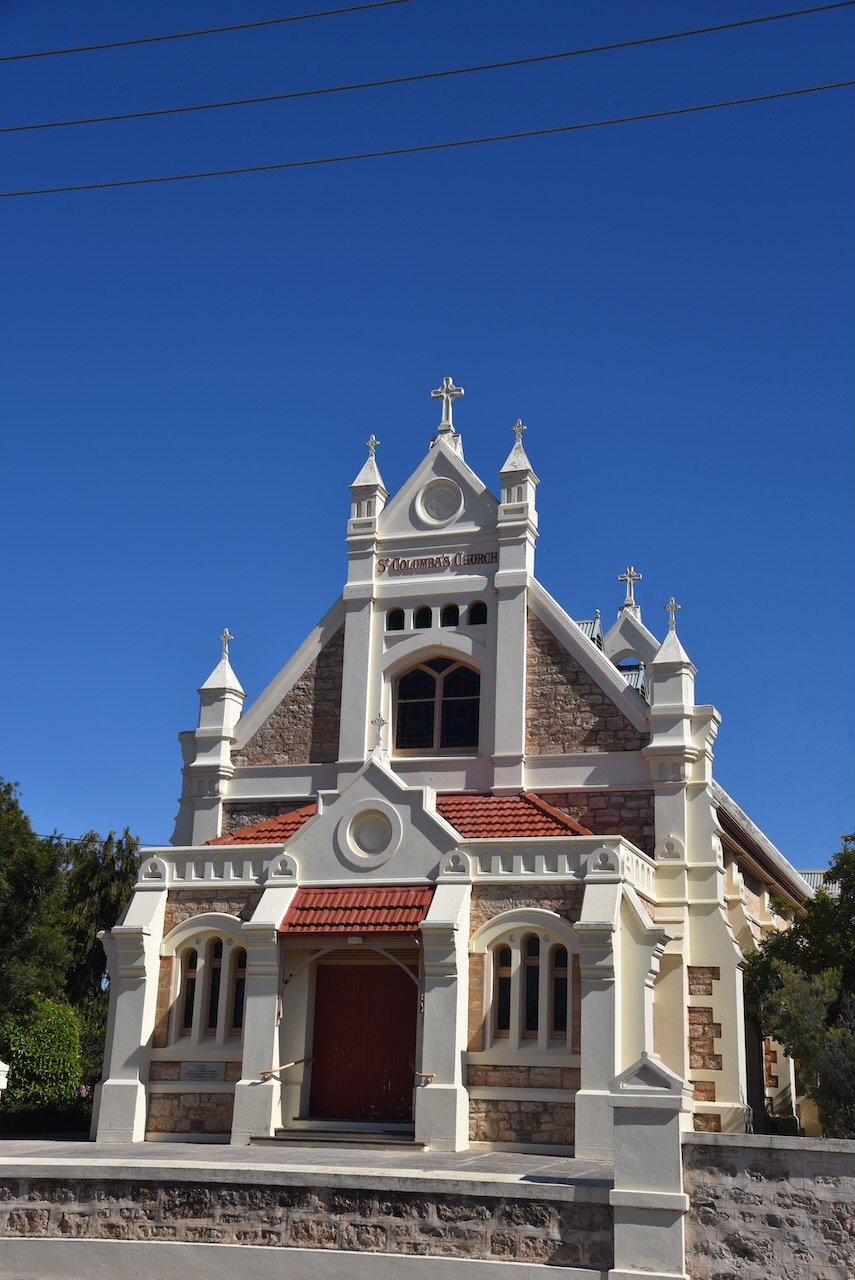
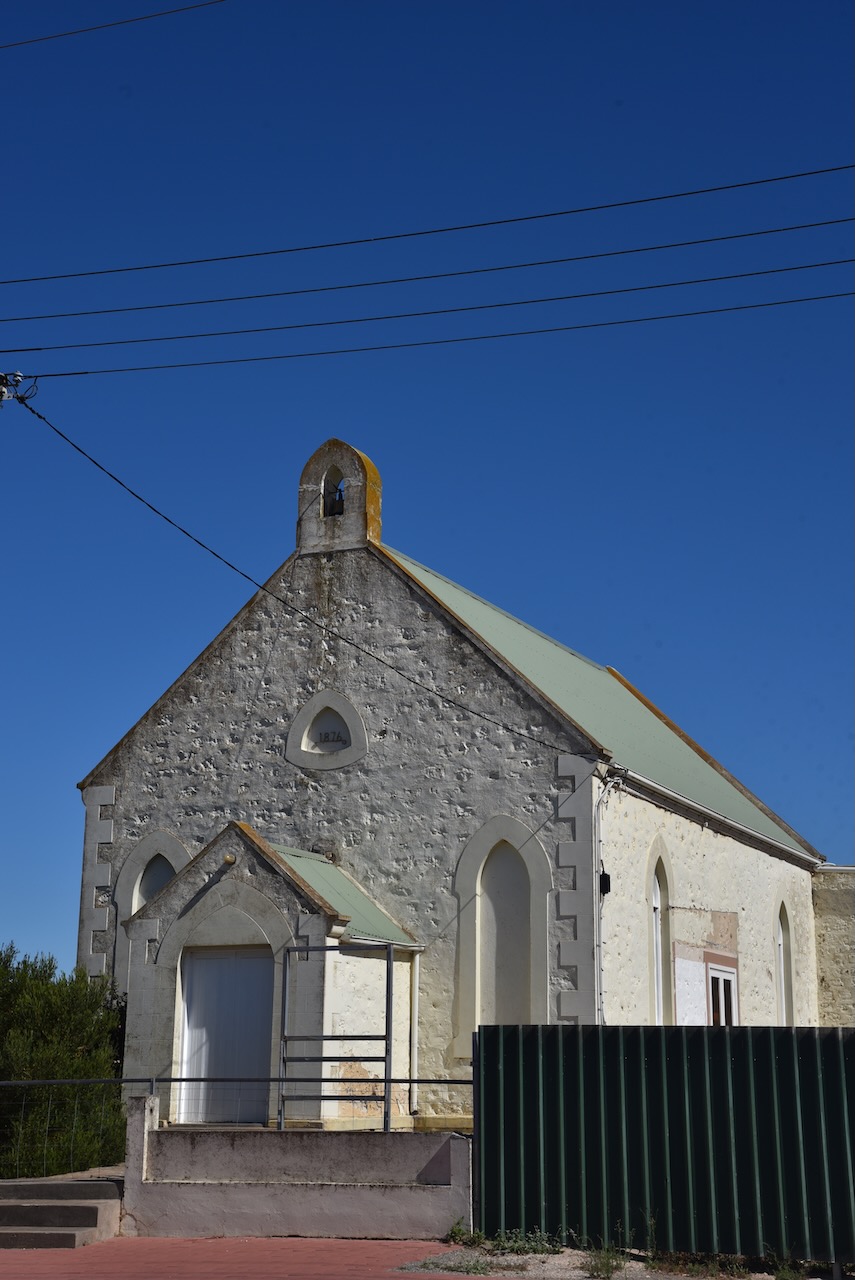
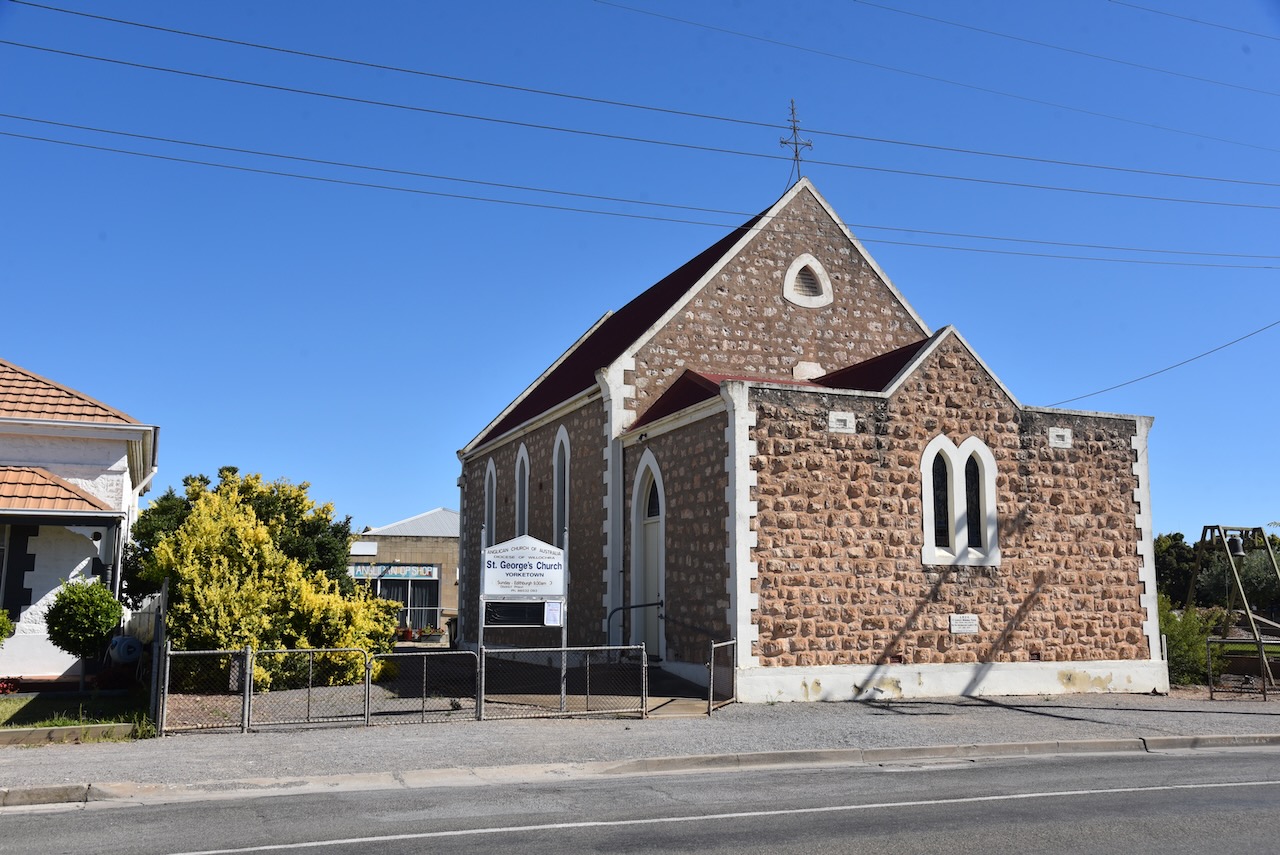
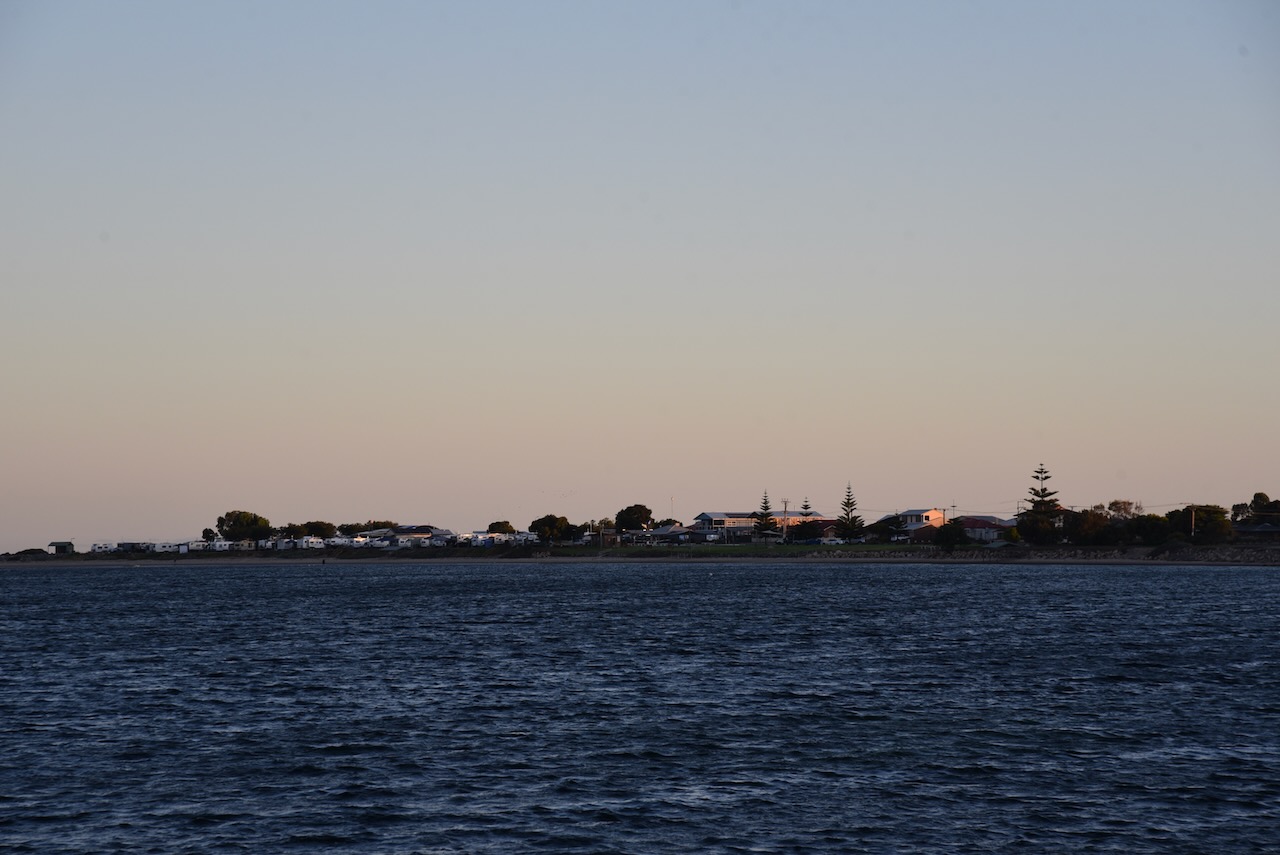
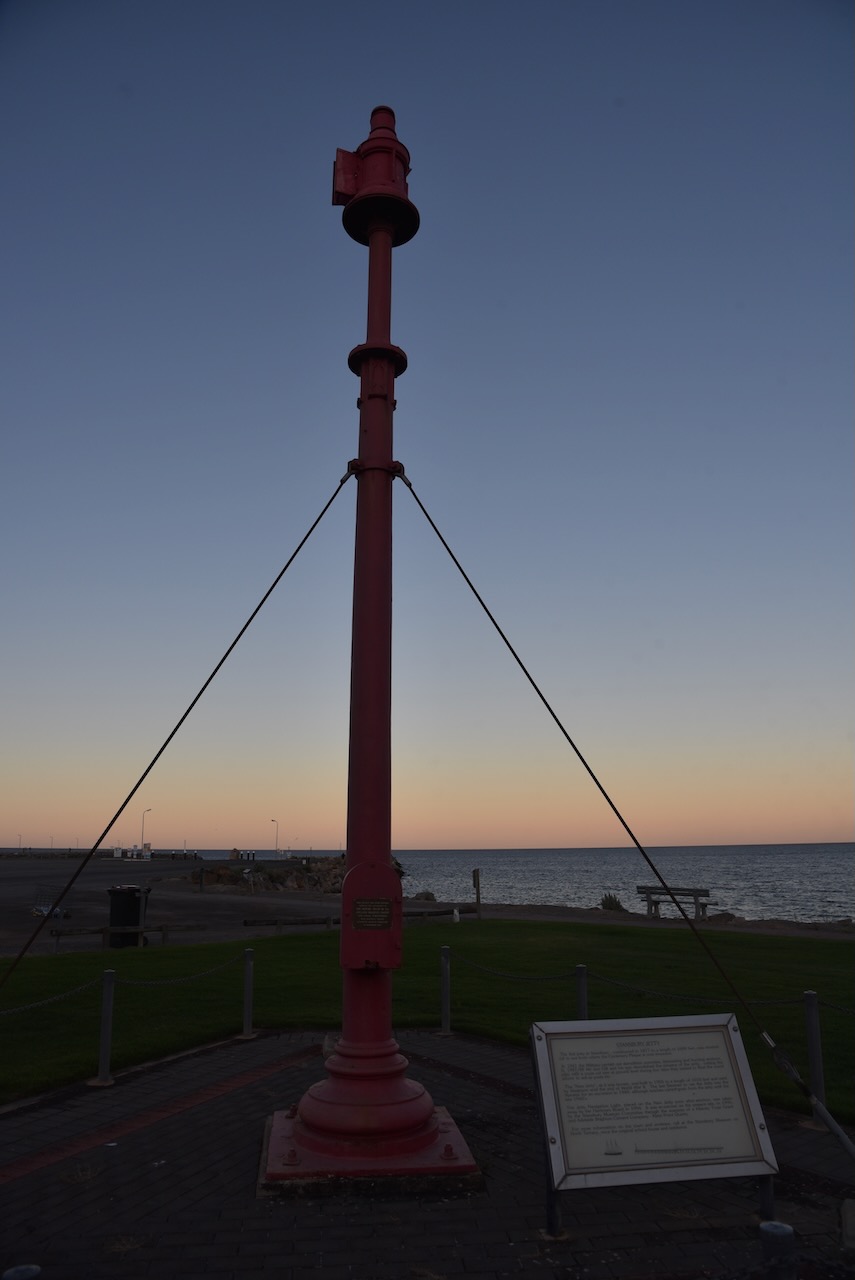
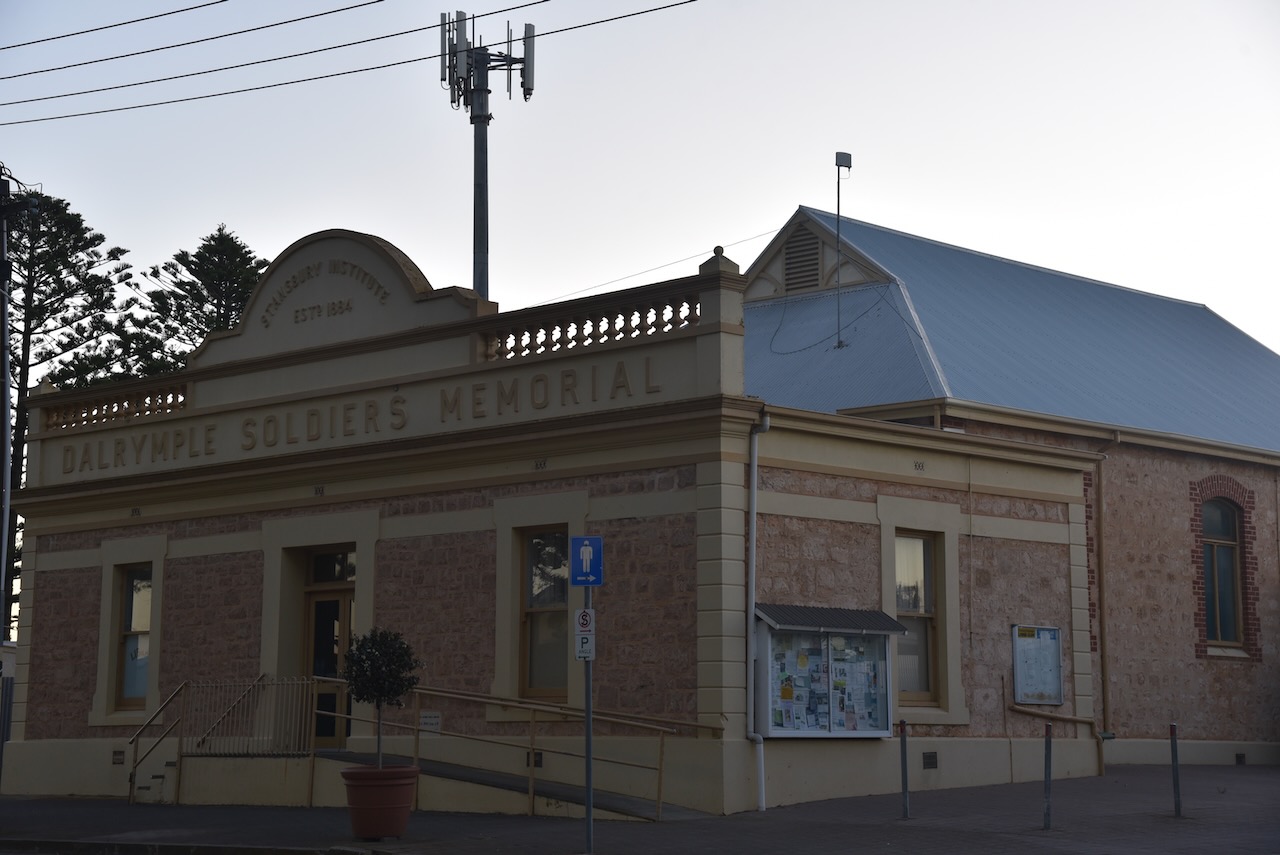
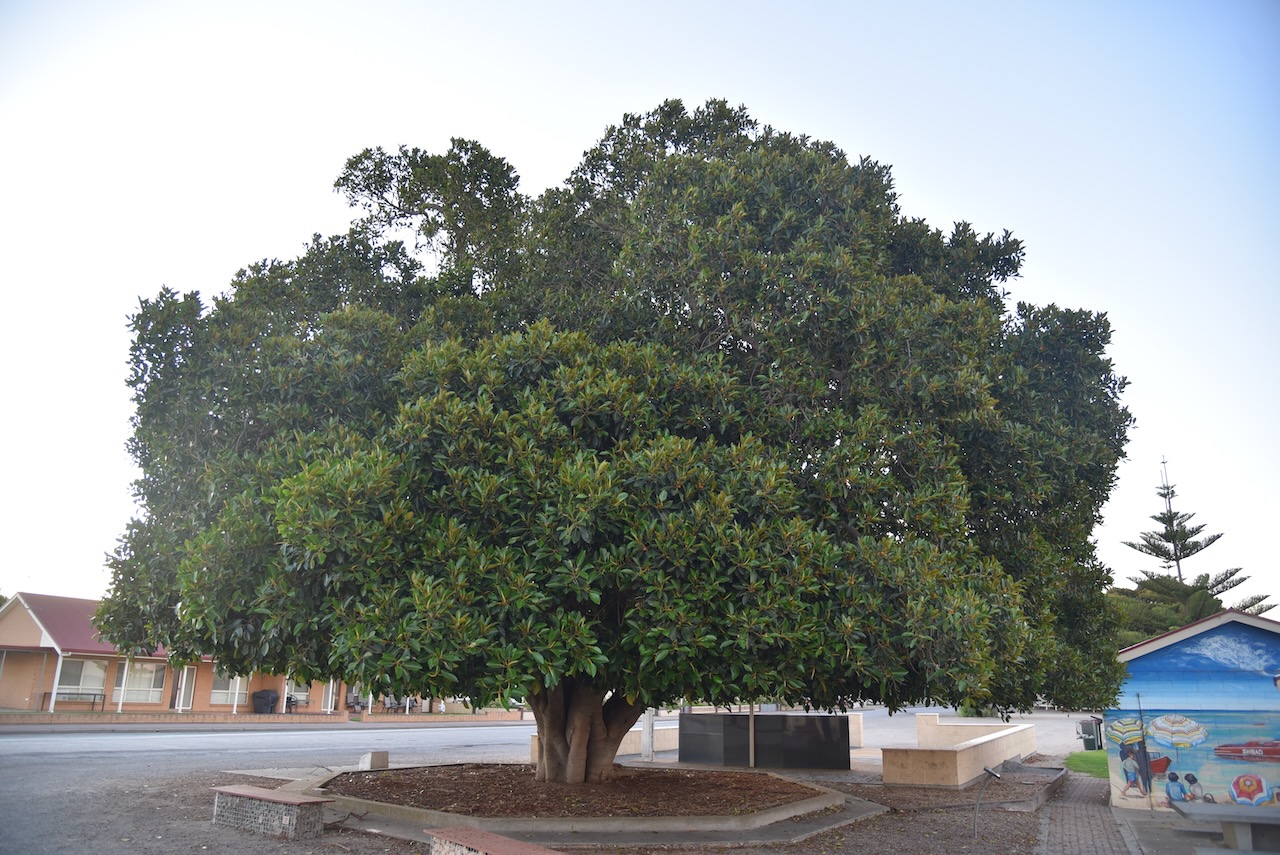
And on our way back to the caravan park we had a look at some of the historic buildings in Stansbury and the murals on the foreshore. In 2014 the Stansbury Progress Association commissioned Anne Harris, a local artist, to paint three murals on the foreshore changerooms.
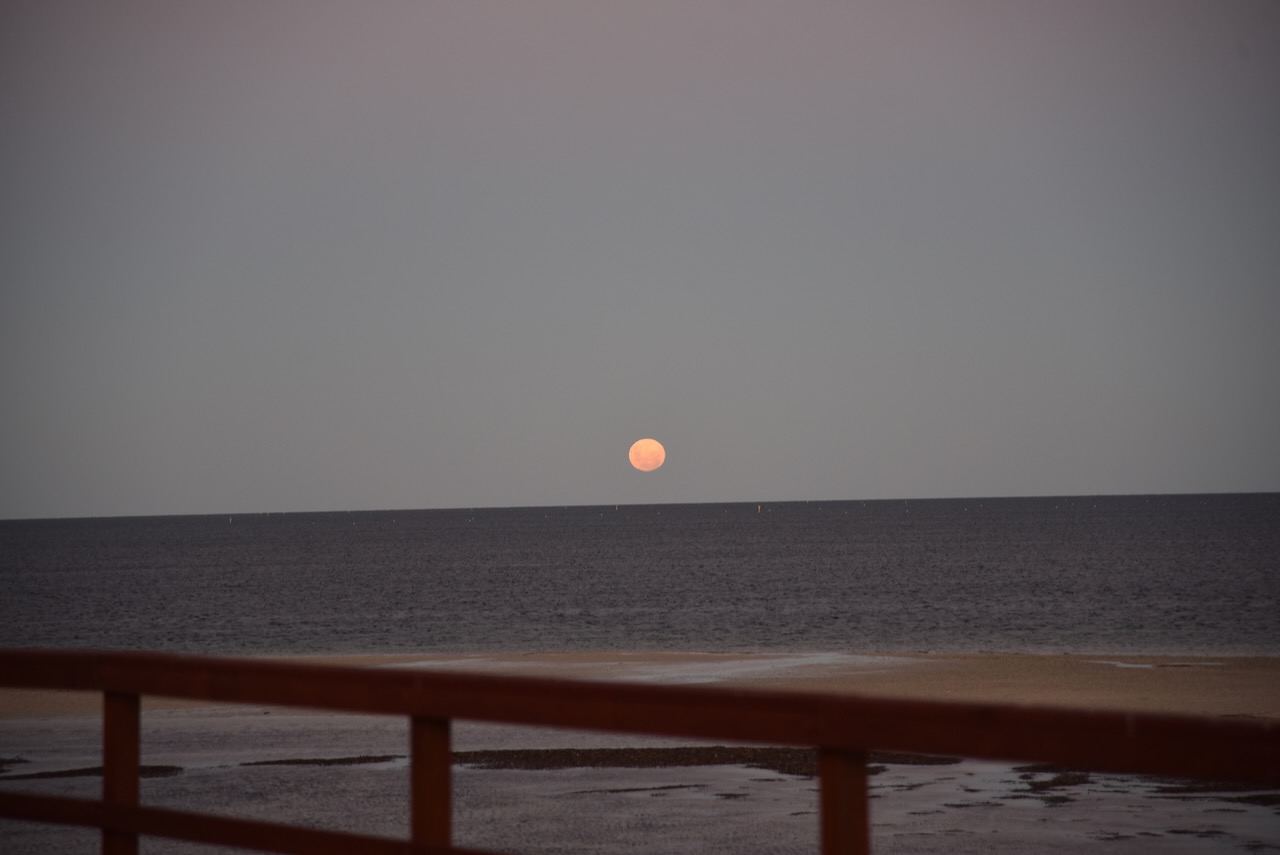
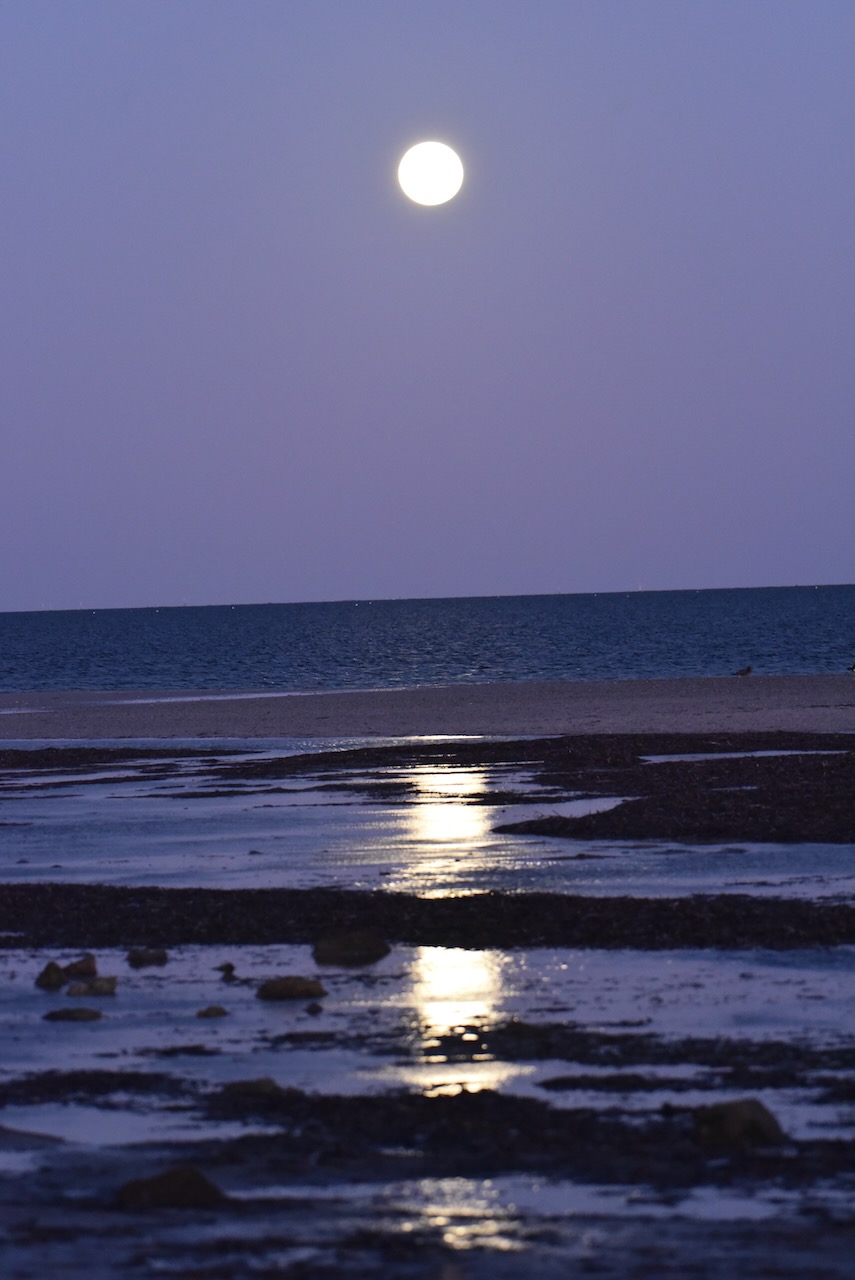
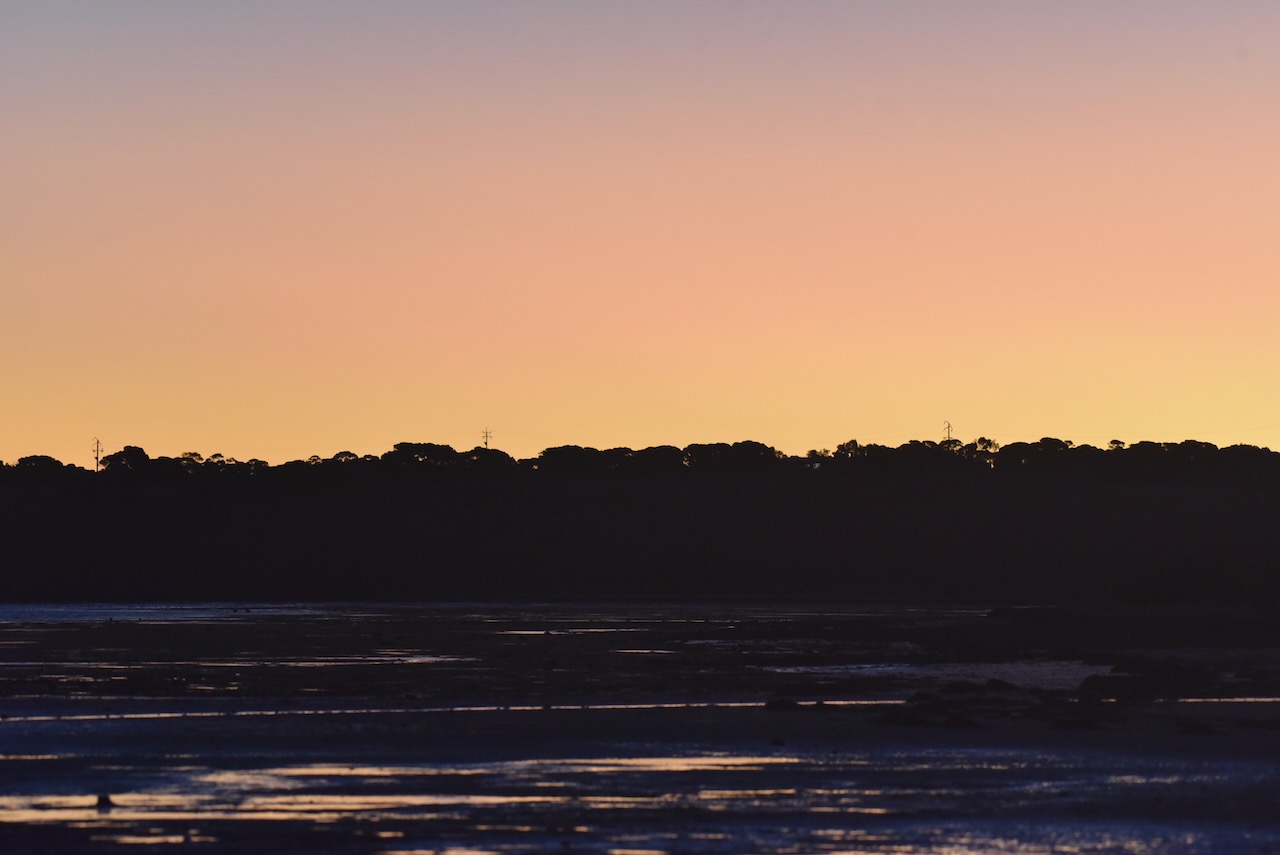
We returned to our cabin where we enjoyed a magnificent sunset and the moon glistening across the water.










































 VK5PAS