Yesterday in the mail I received a QSL card from Radio Prague International. I tuned in to Radio Prague on 8th November 2021.
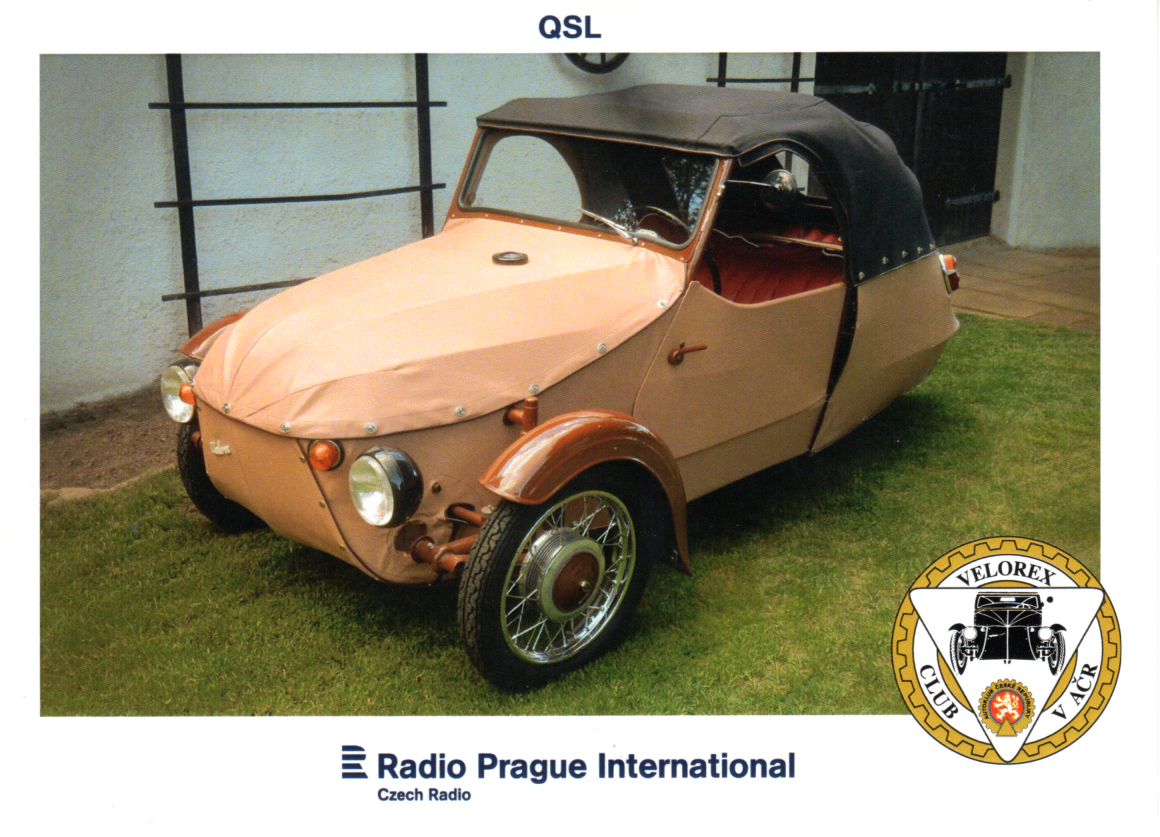
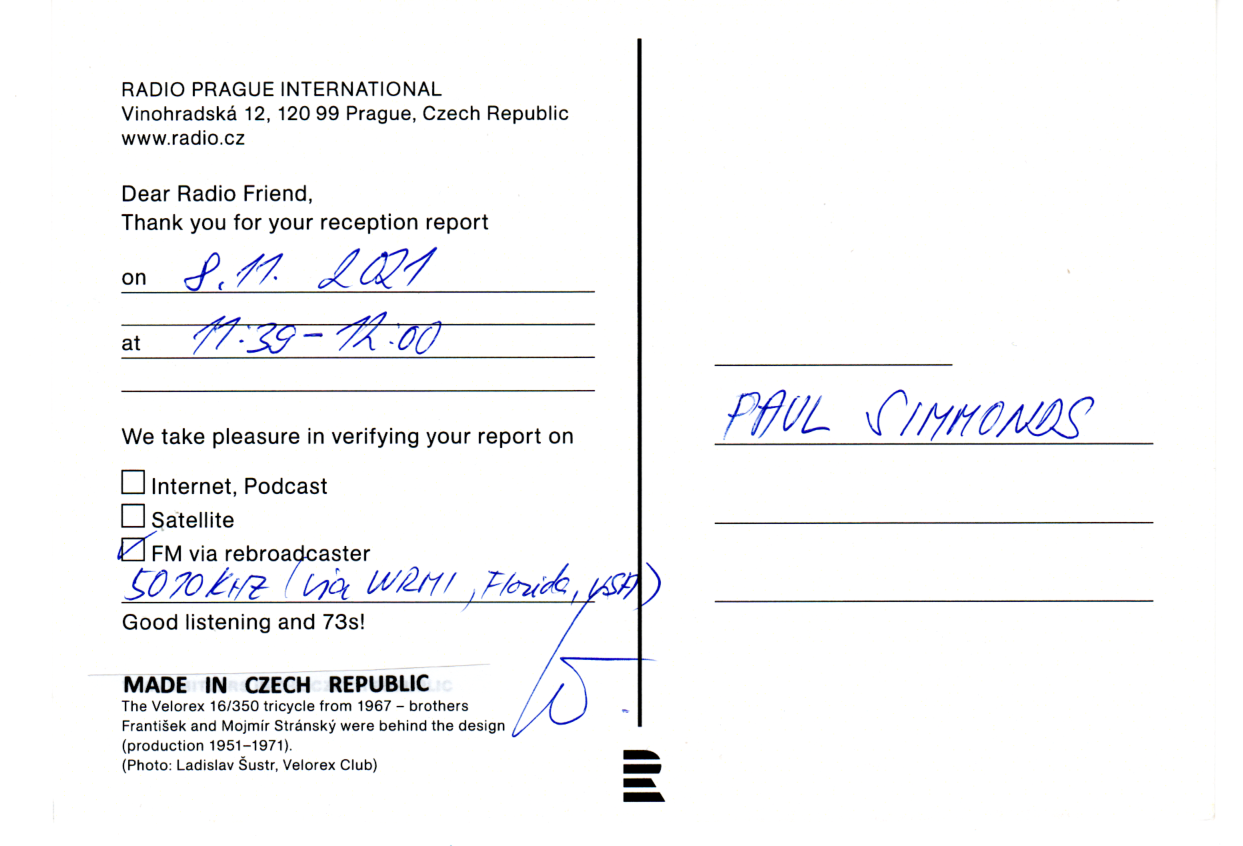


Yesterday in the mail I received a QSL card from Radio Prague International. I tuned in to Radio Prague on 8th November 2021.
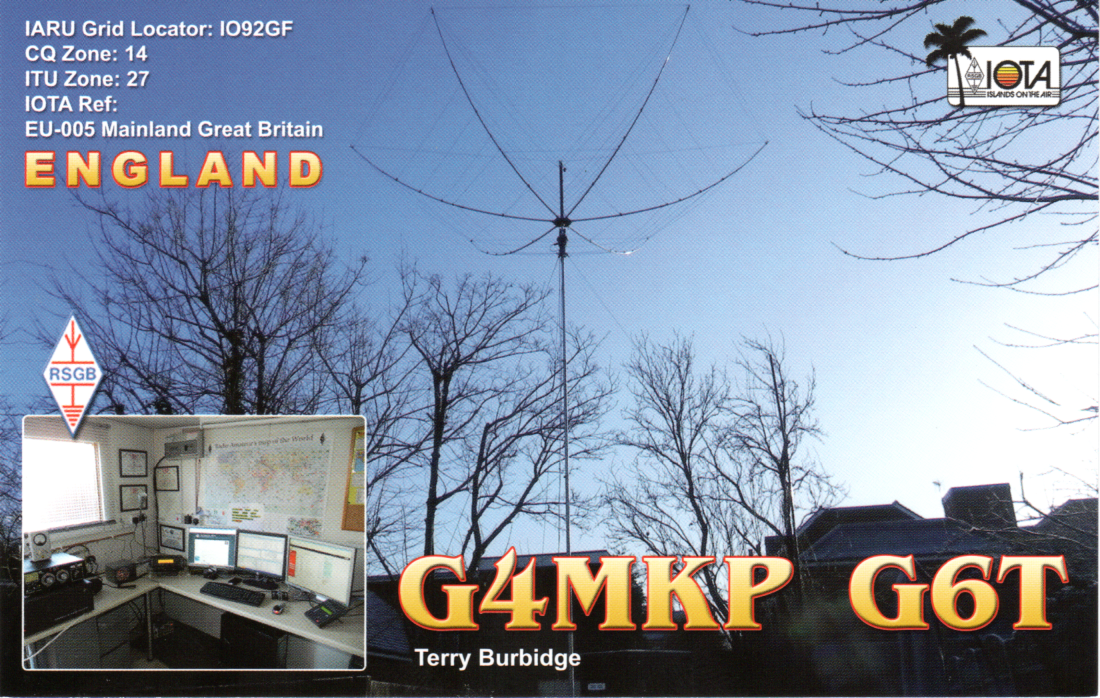
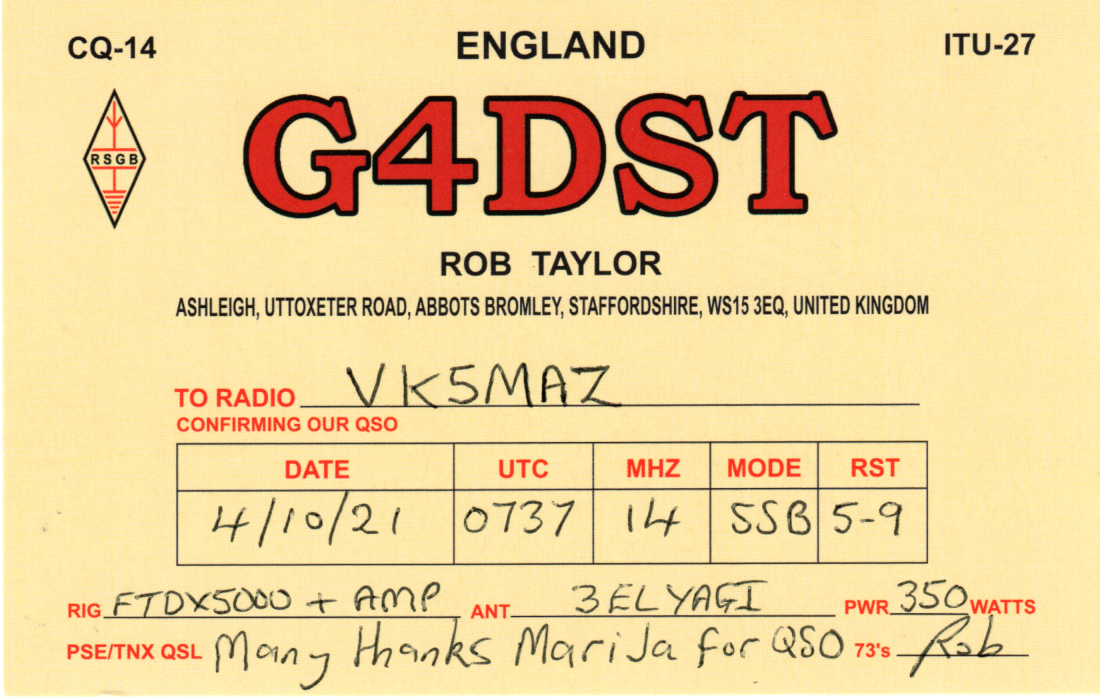
Here is a selection of QSL cards received here over the past few weeks.
VK5PAS
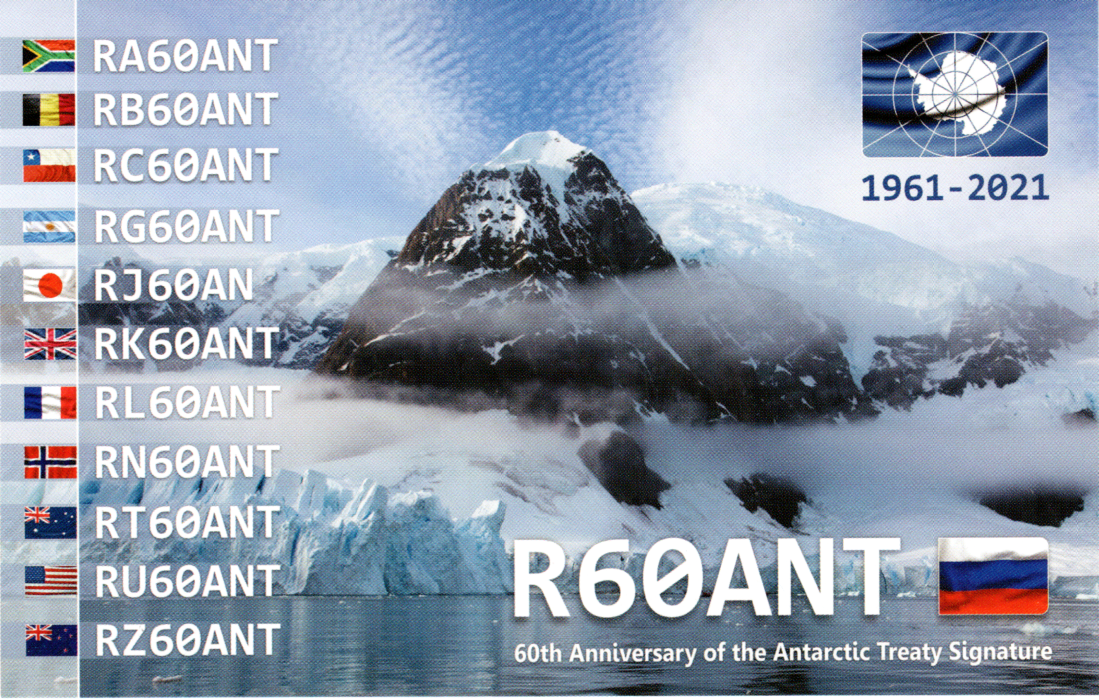
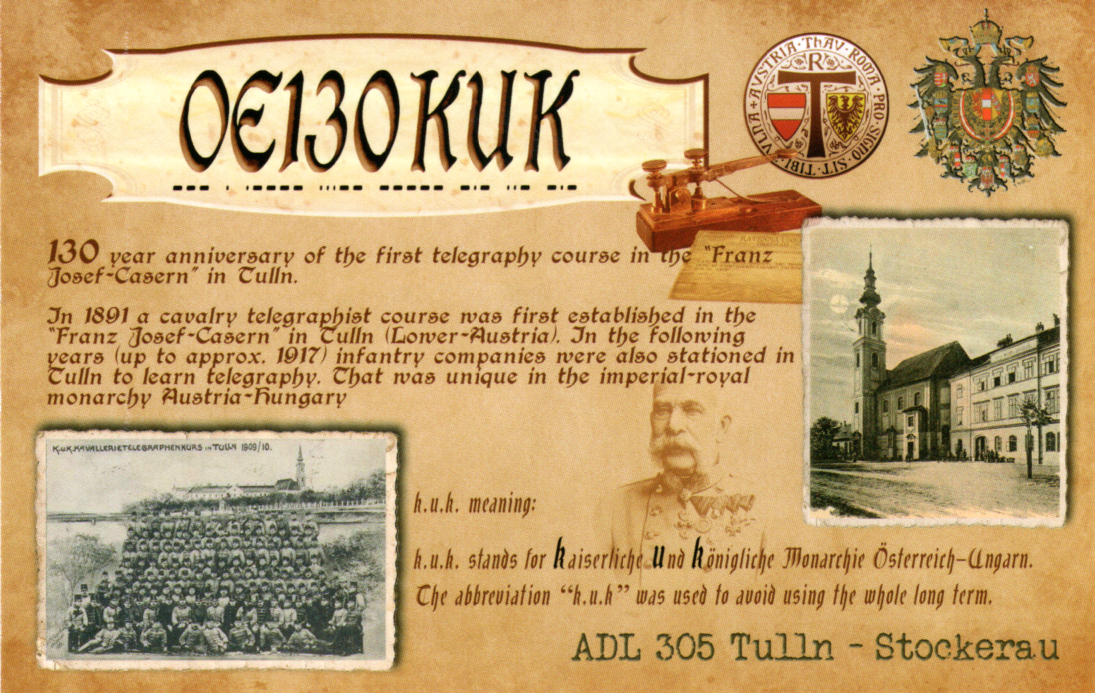
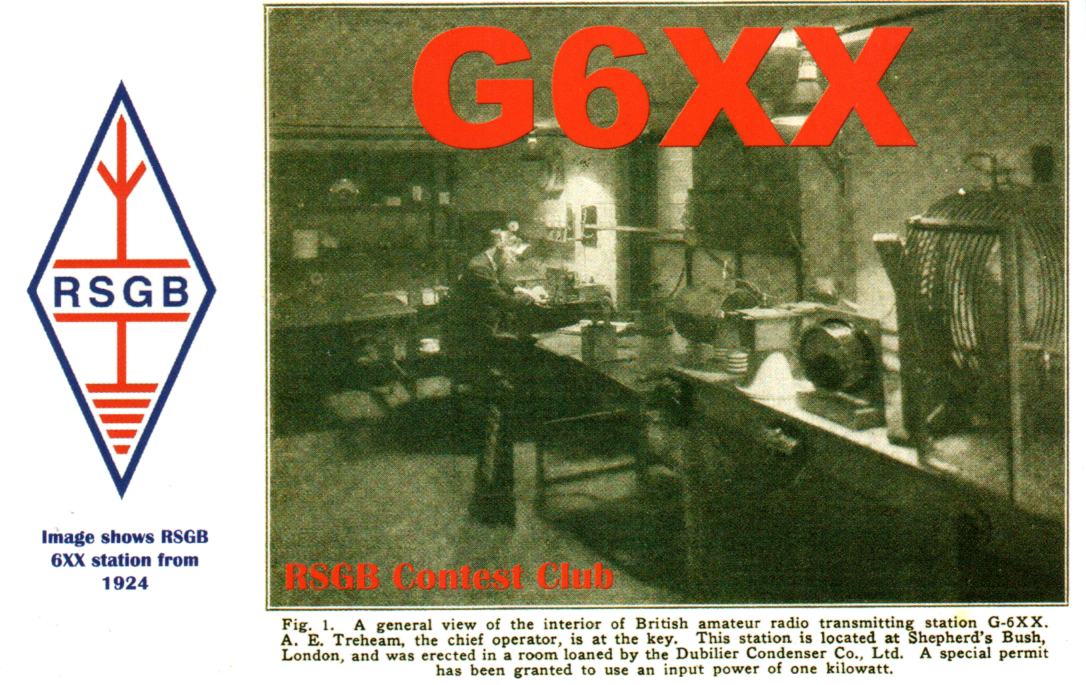
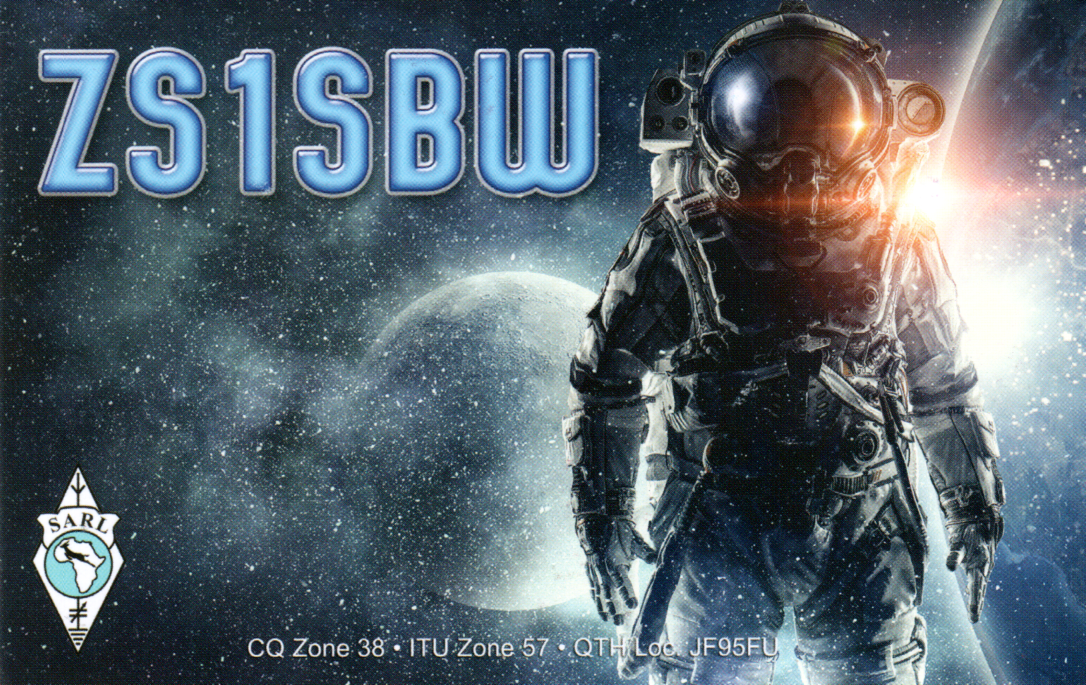
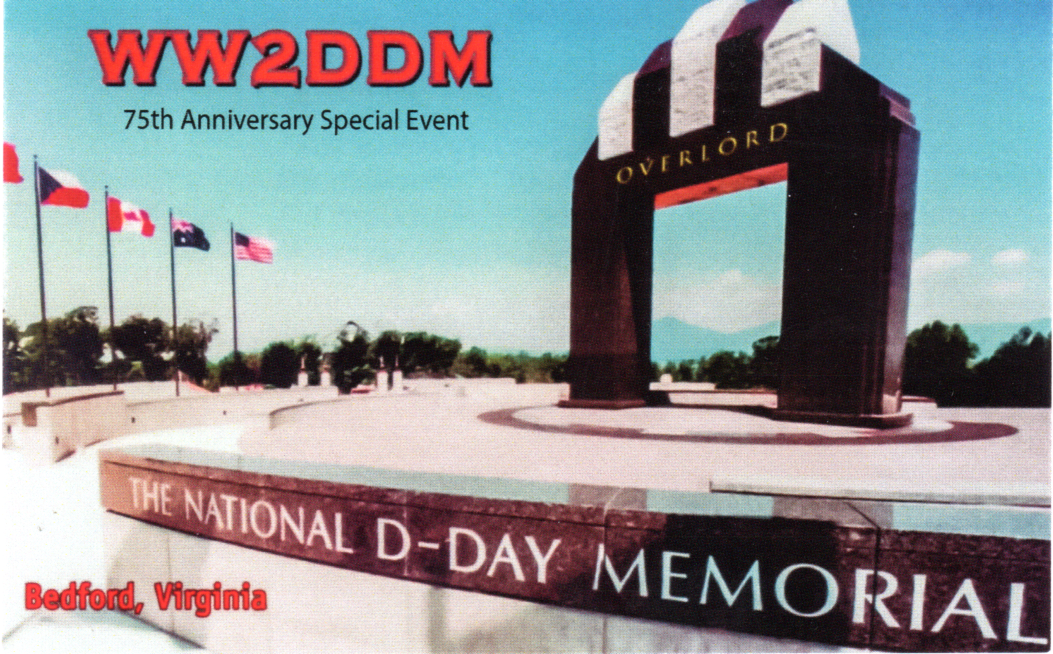
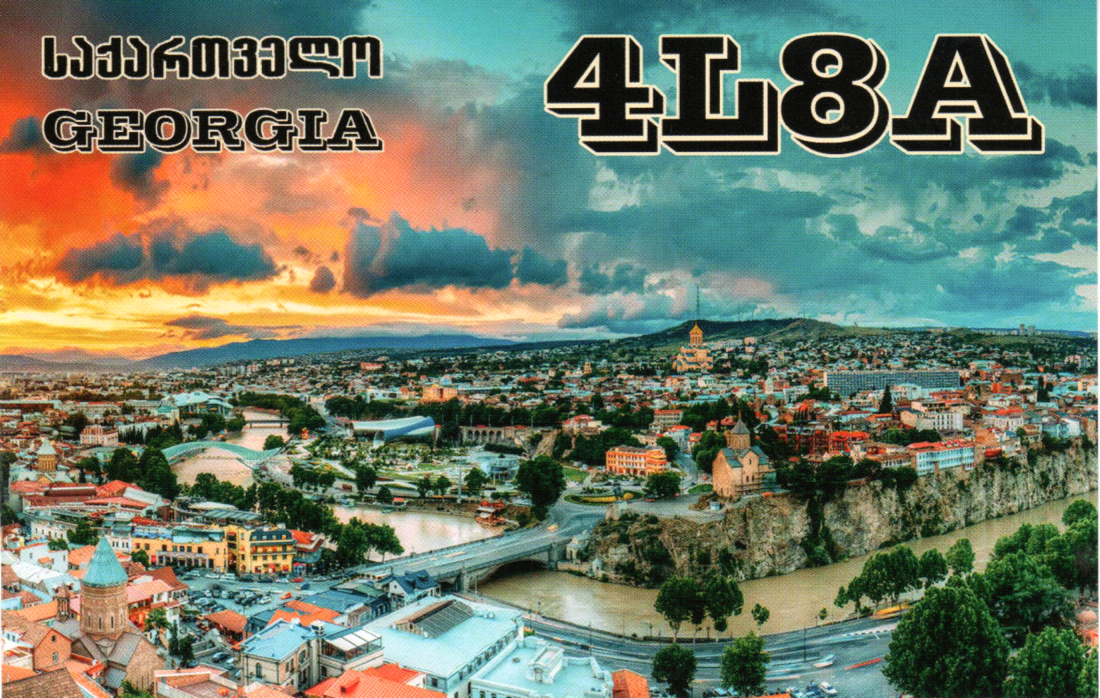
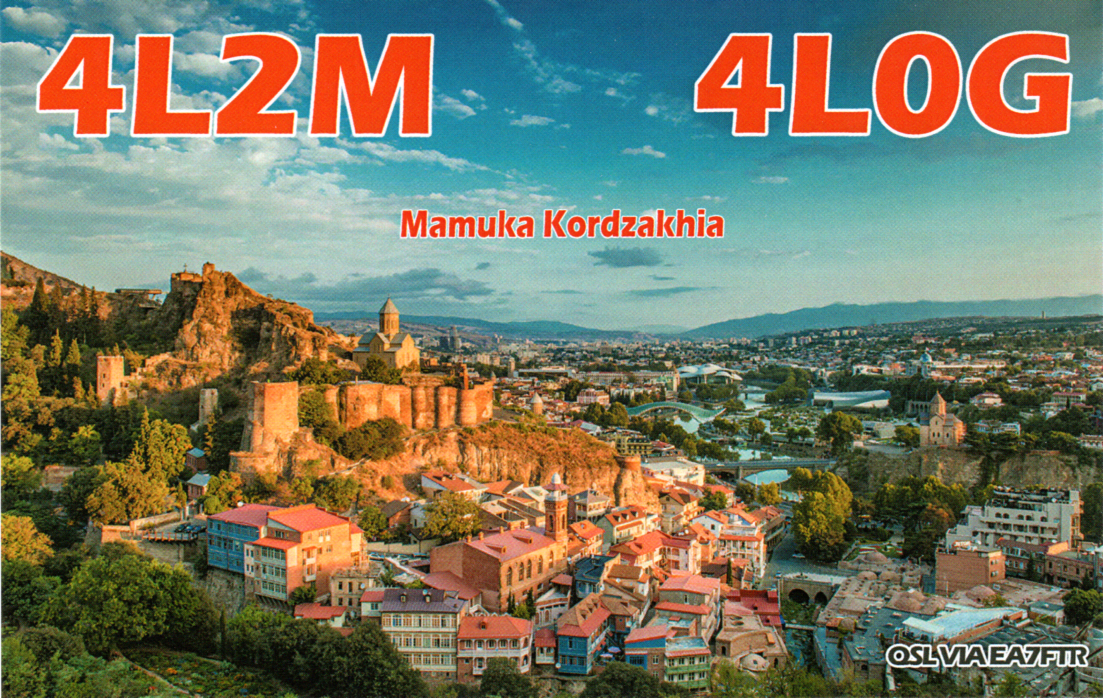

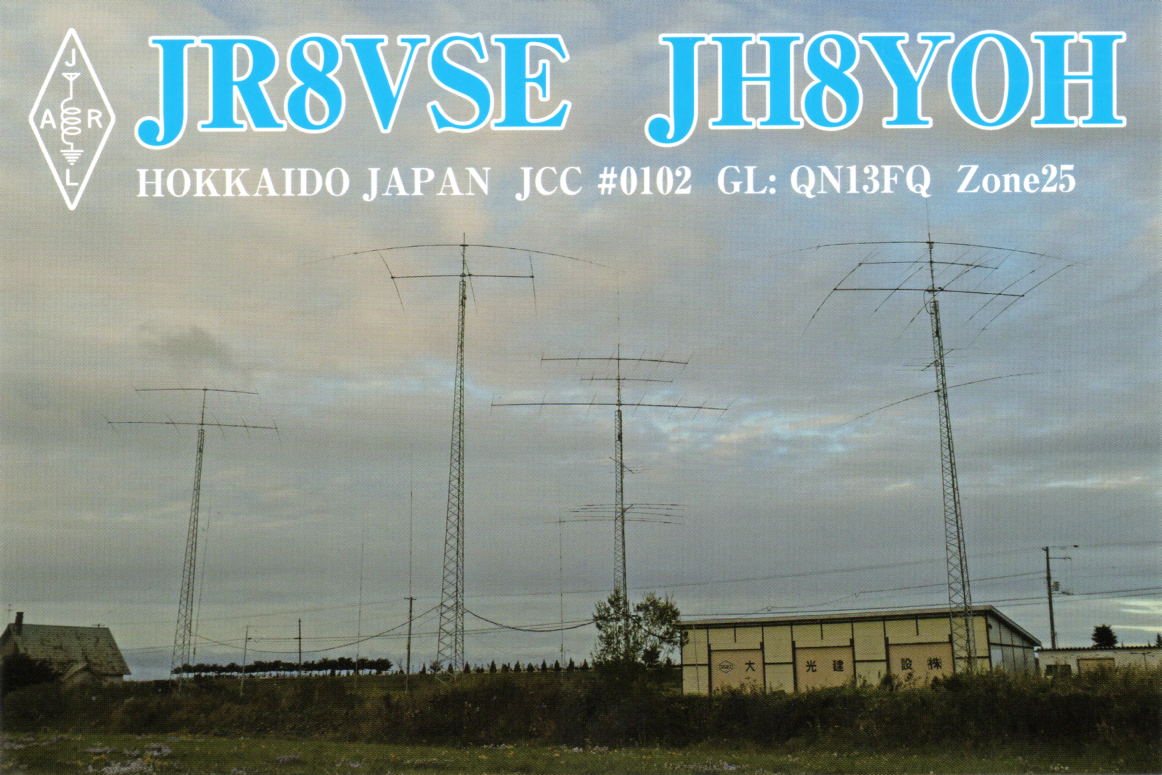
VK5PAS portable.
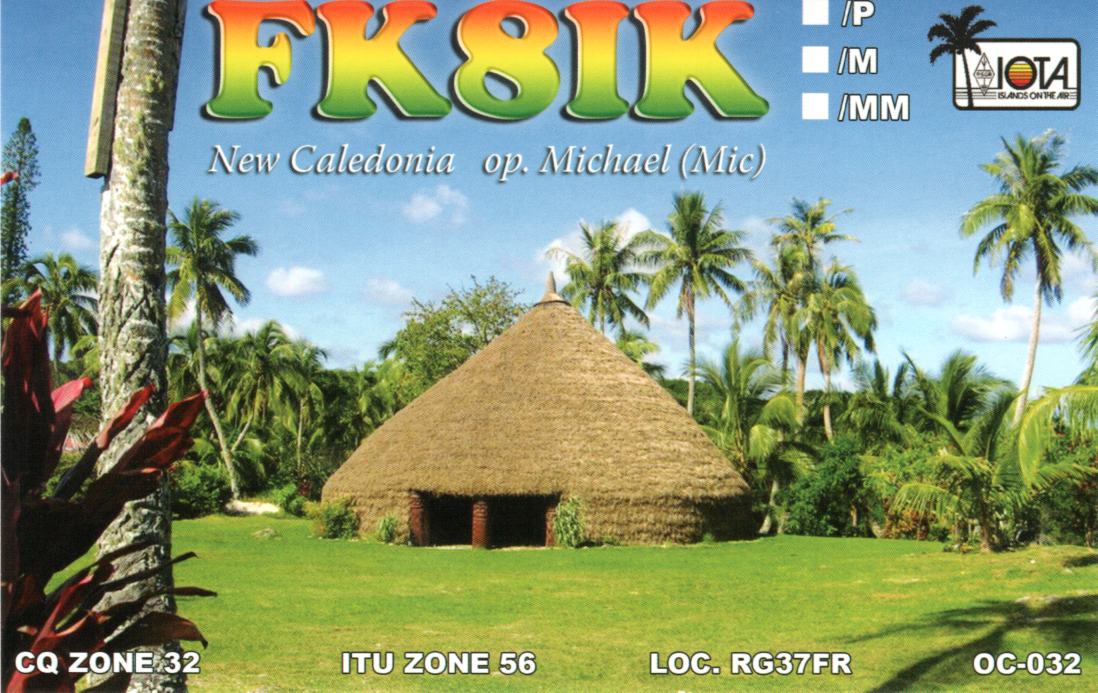
VK5PAS mobile.
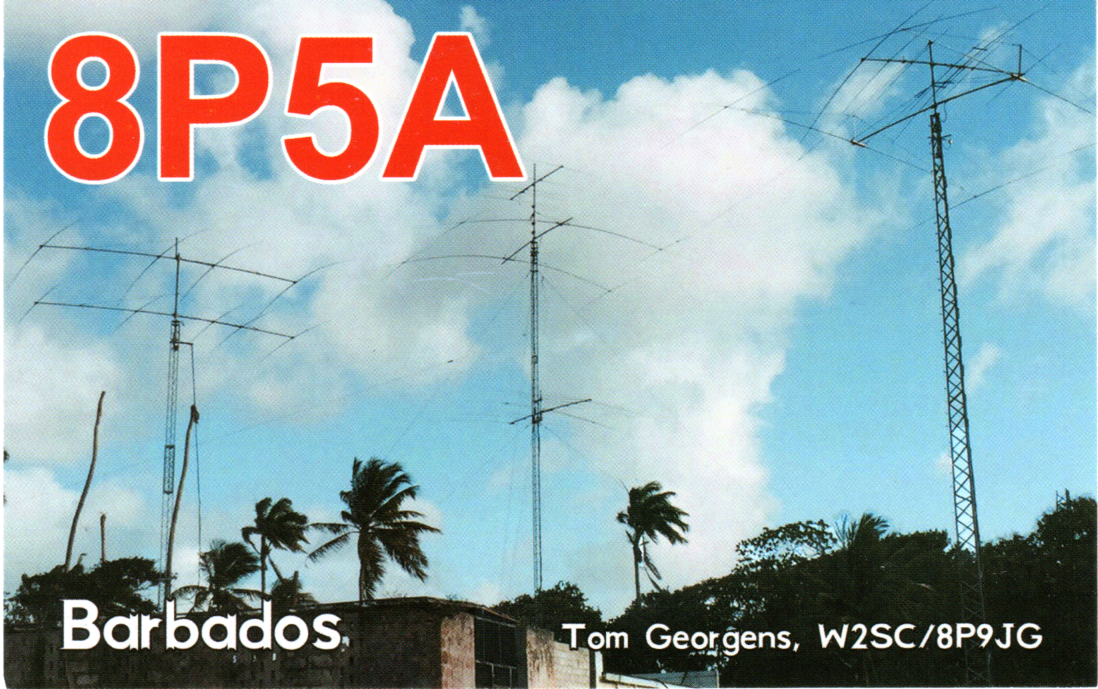
VK5MAZ.
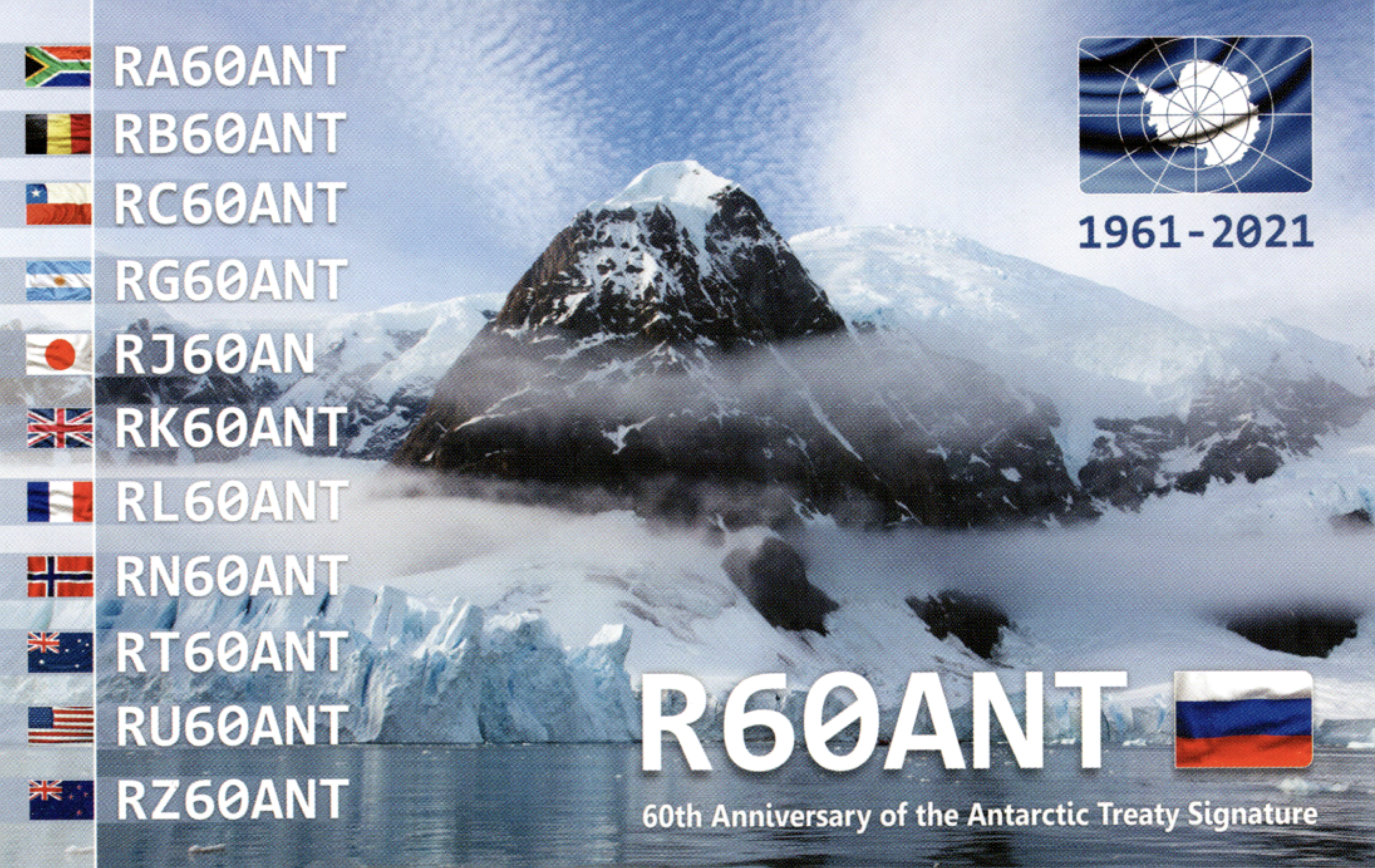
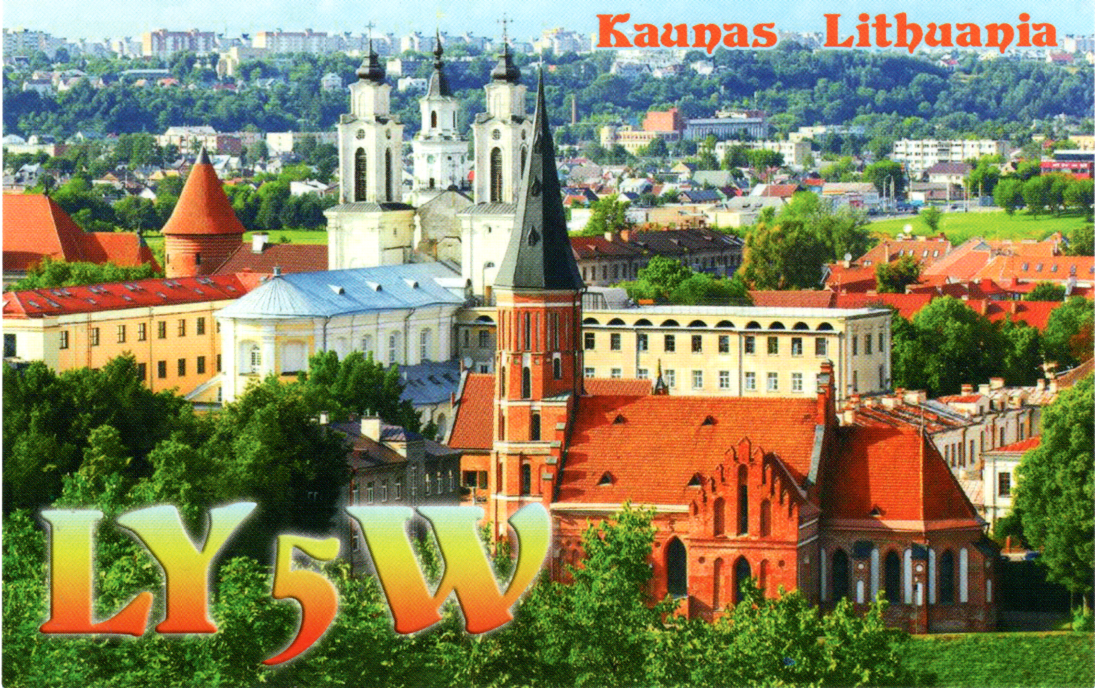
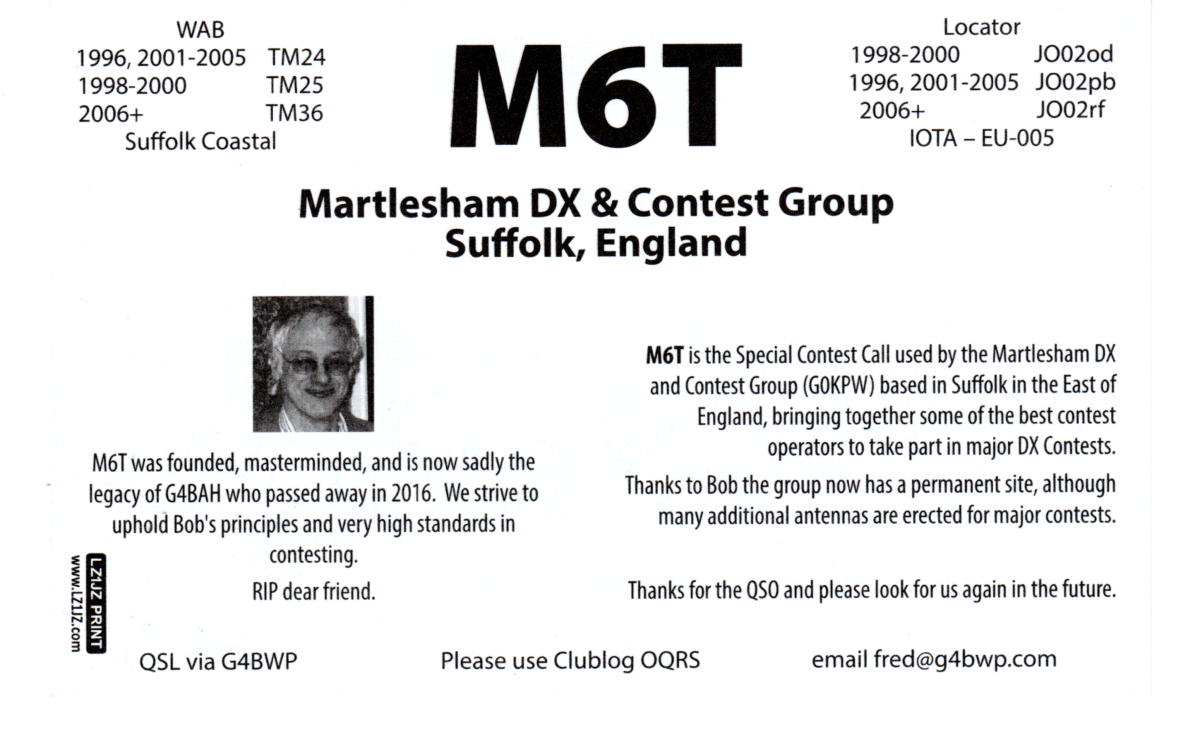
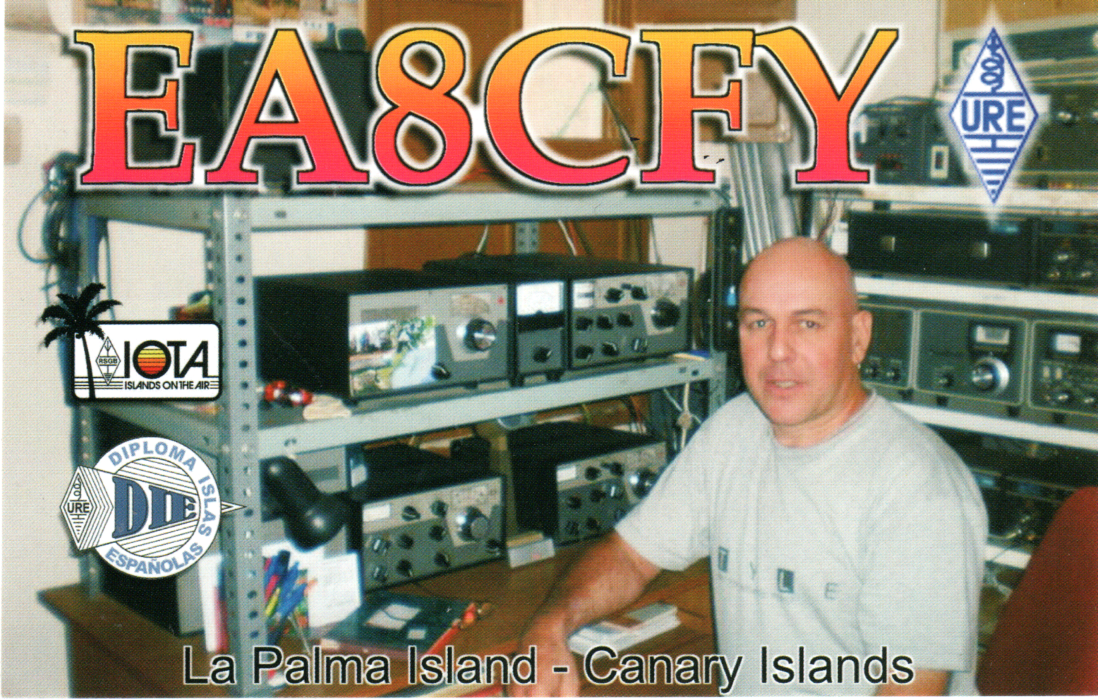
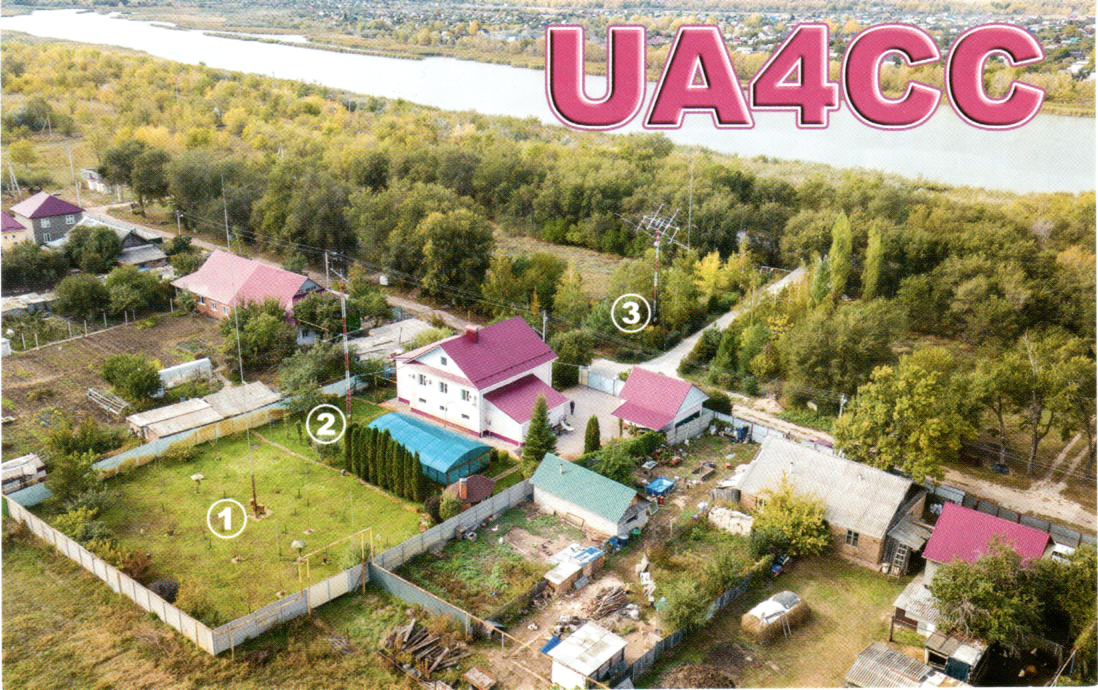
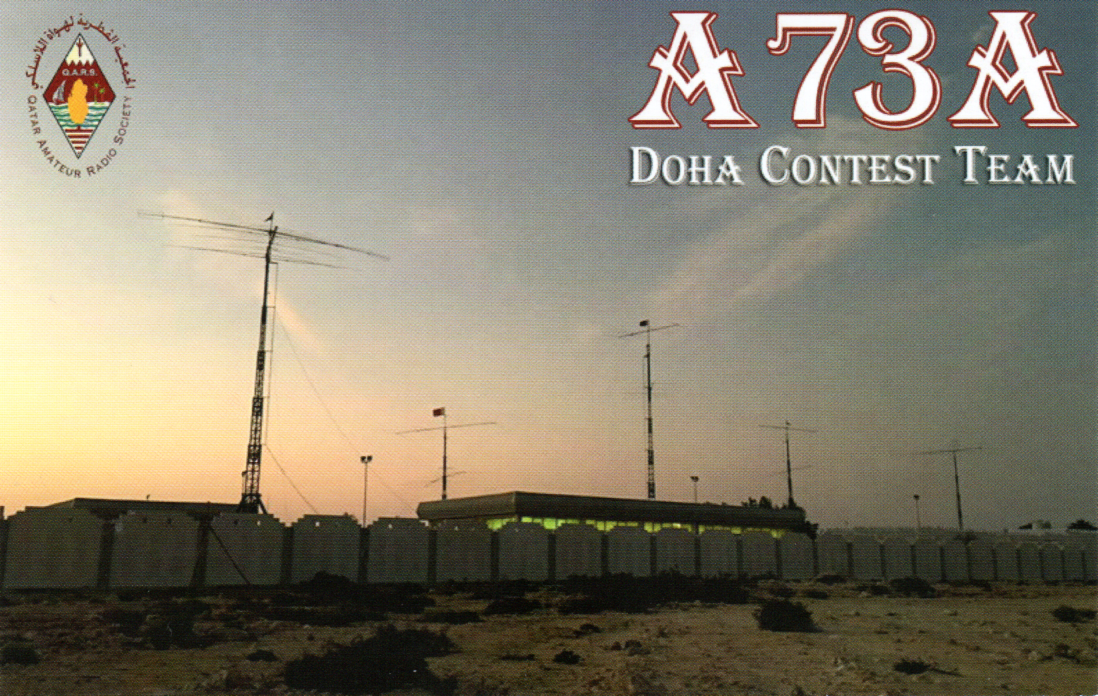
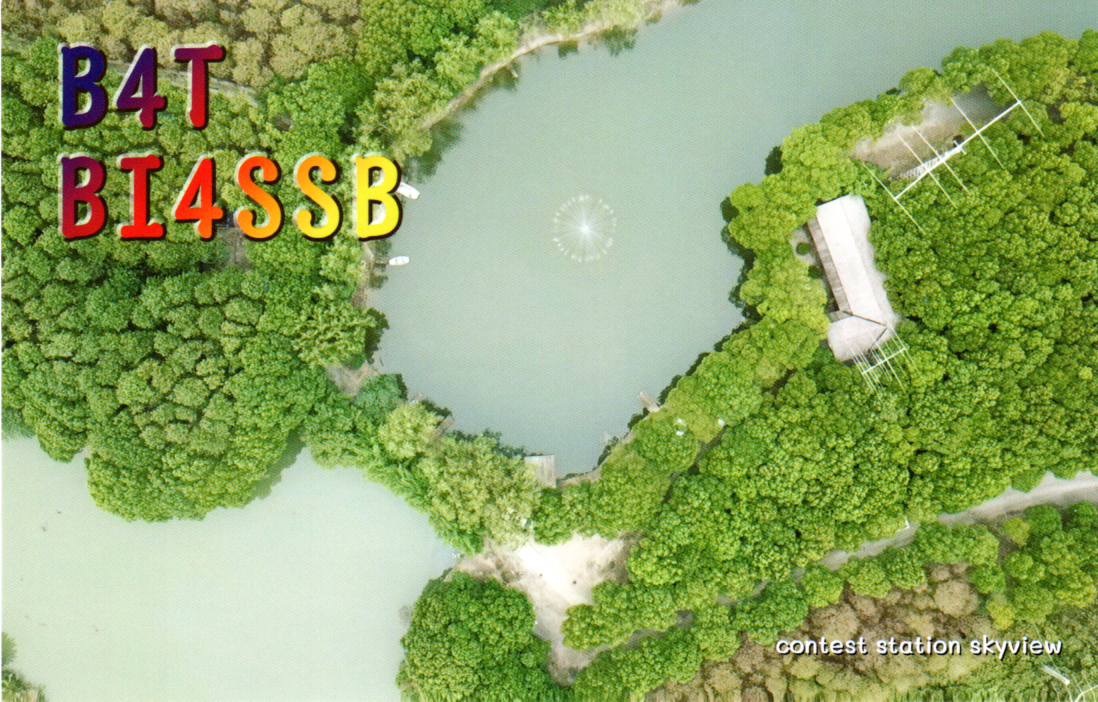

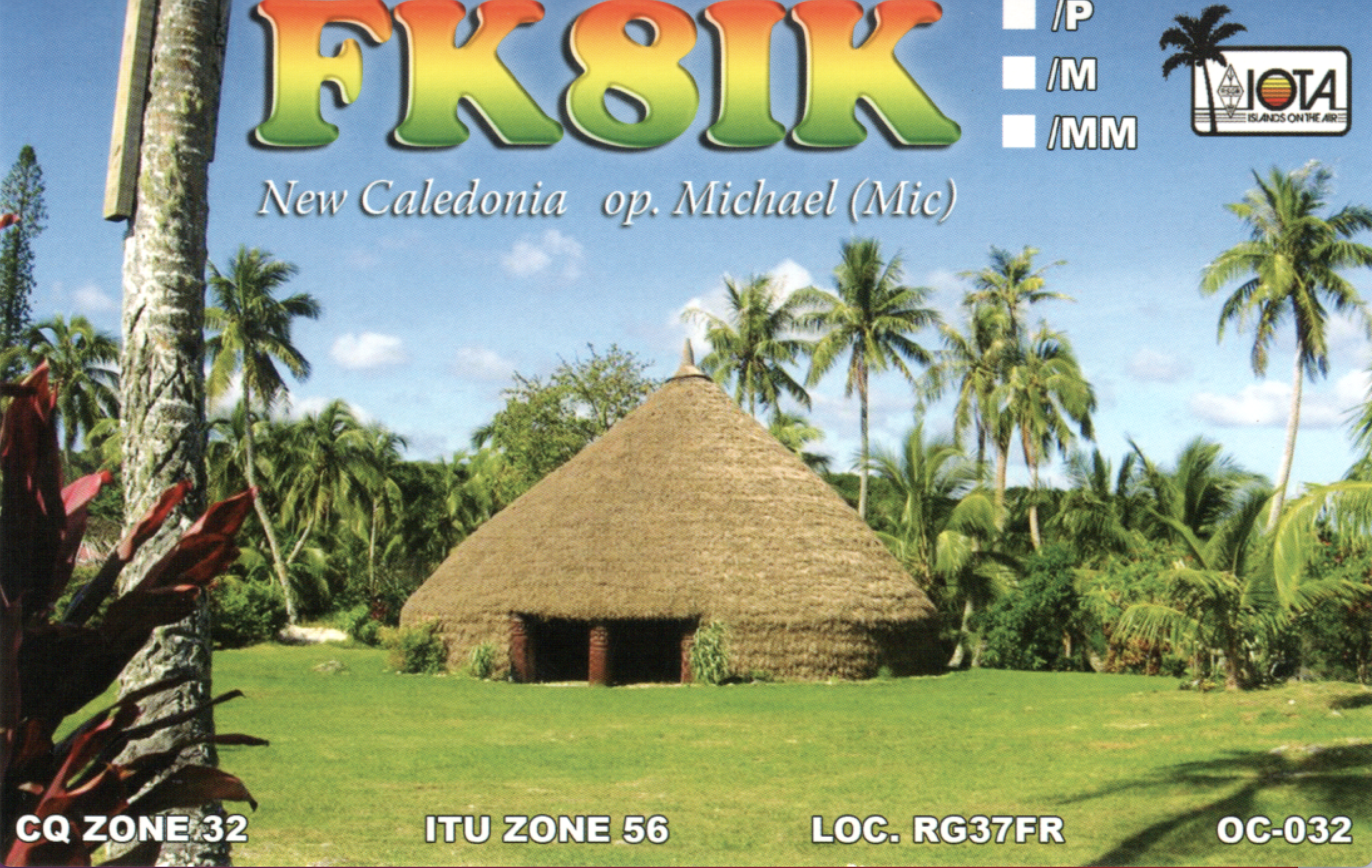
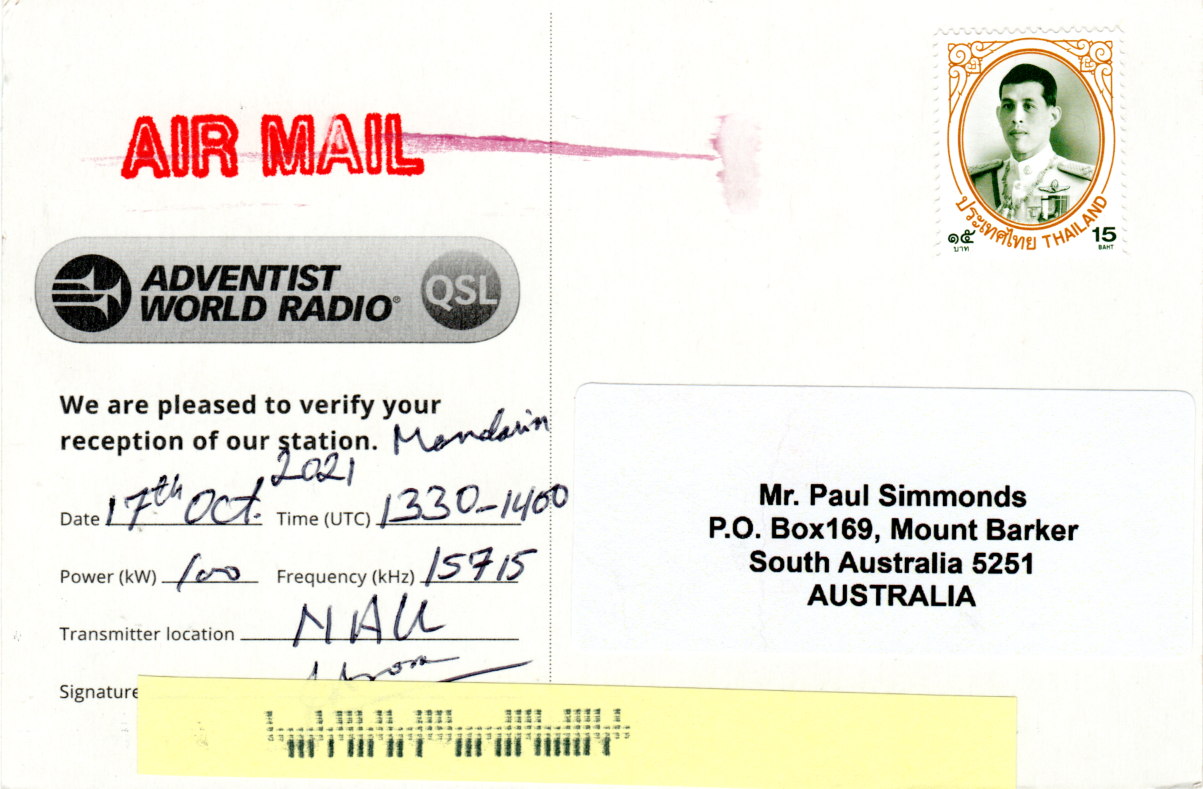
About a week ago I received a QSL card from Adventist World Radio – The Voice of Hope. I tuned in to the Voice of Hope on 17th October 2021 on 15715 kHz.

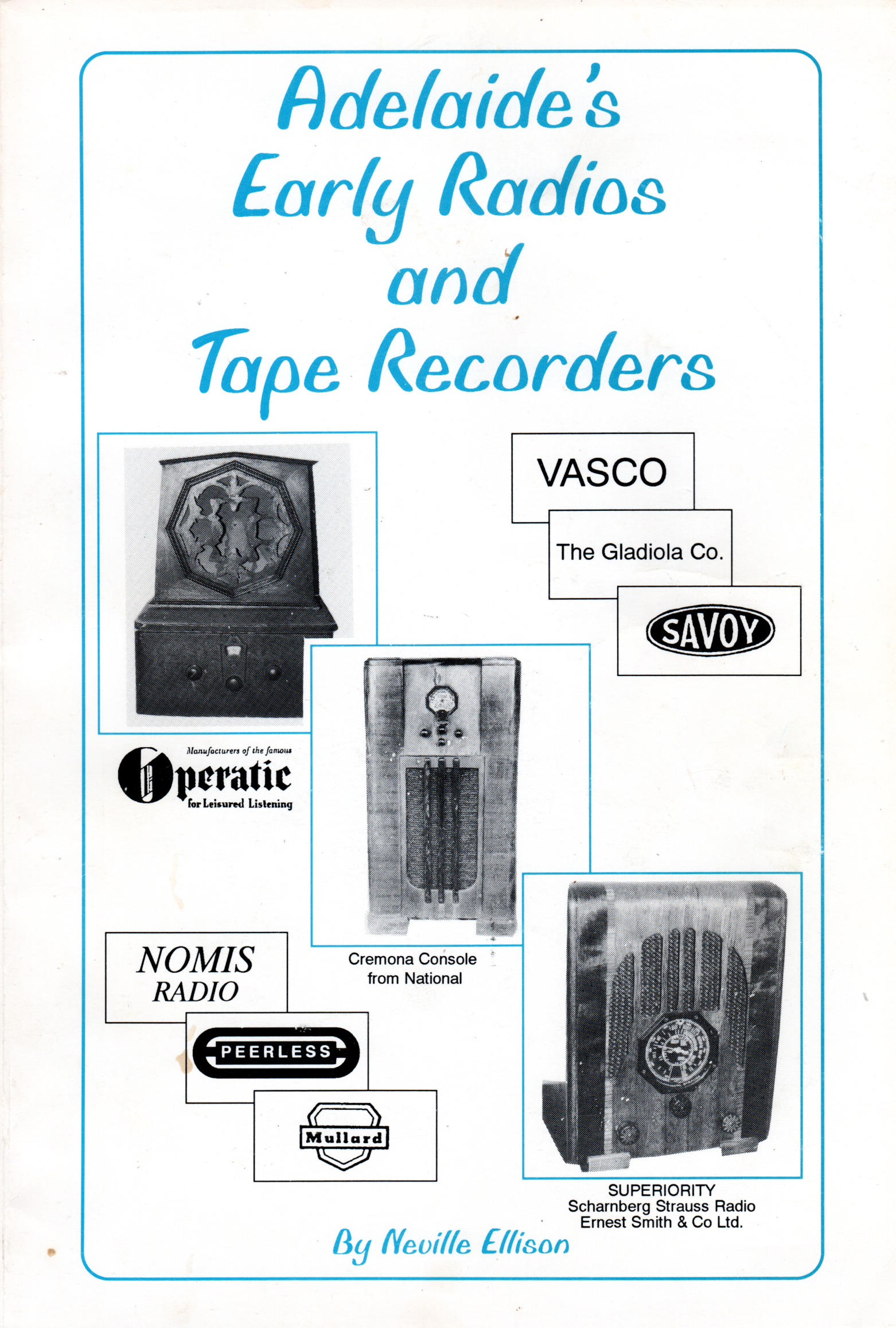
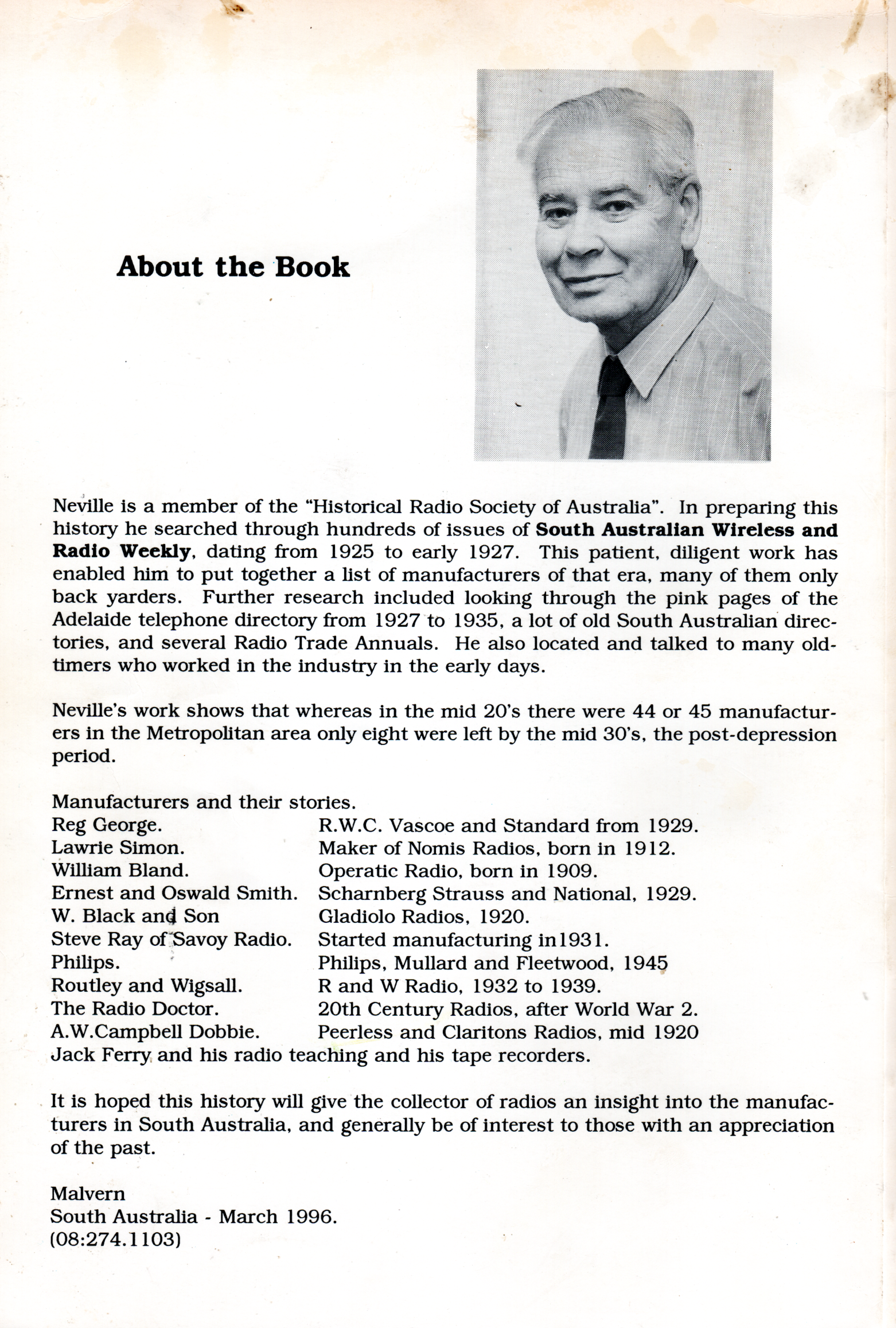
A few weeks ago I ordered a new book on the internet, entitled ‘Adelaide’s Early Radios and Tape Recorders‘ written by Neville Ellison. What a brilliant read. It details the history of radio manufacturers in South Australia.
In the last day, I have finalised the results for the 2021 VKFF Activation Weekend which was held on Saturday 27th and Sunday 28th November 2021.
It was the biggest VKFF Activation Weekend ever.
Below you can find the Summary I have prepared for the weekend.
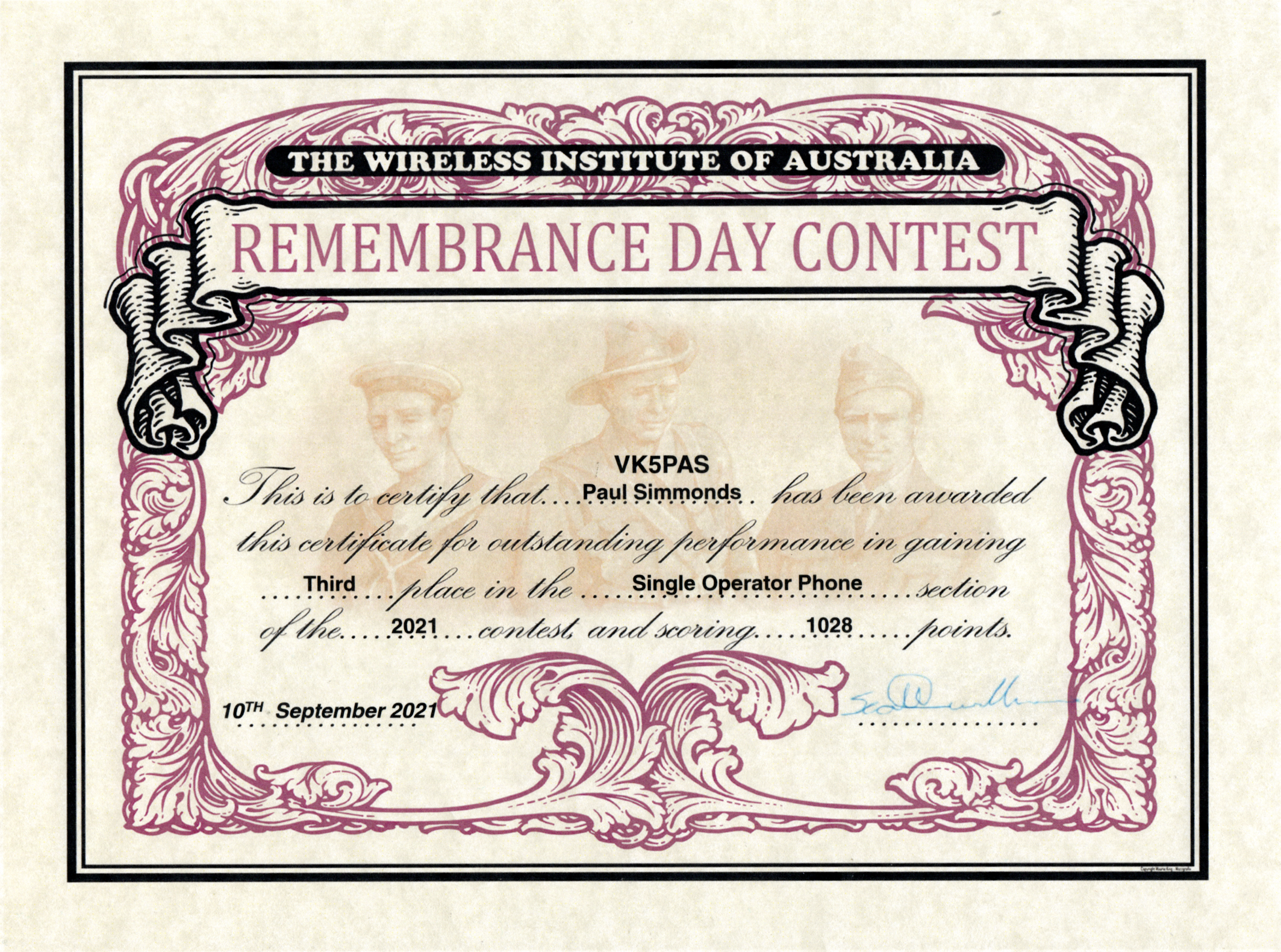
Received my Remembrance Day (RD) Contest certificate in the past few days.
Third place in the Single Operator Phone section.
Thanks to all who called me during the RD and thanks to the Awards Manager.
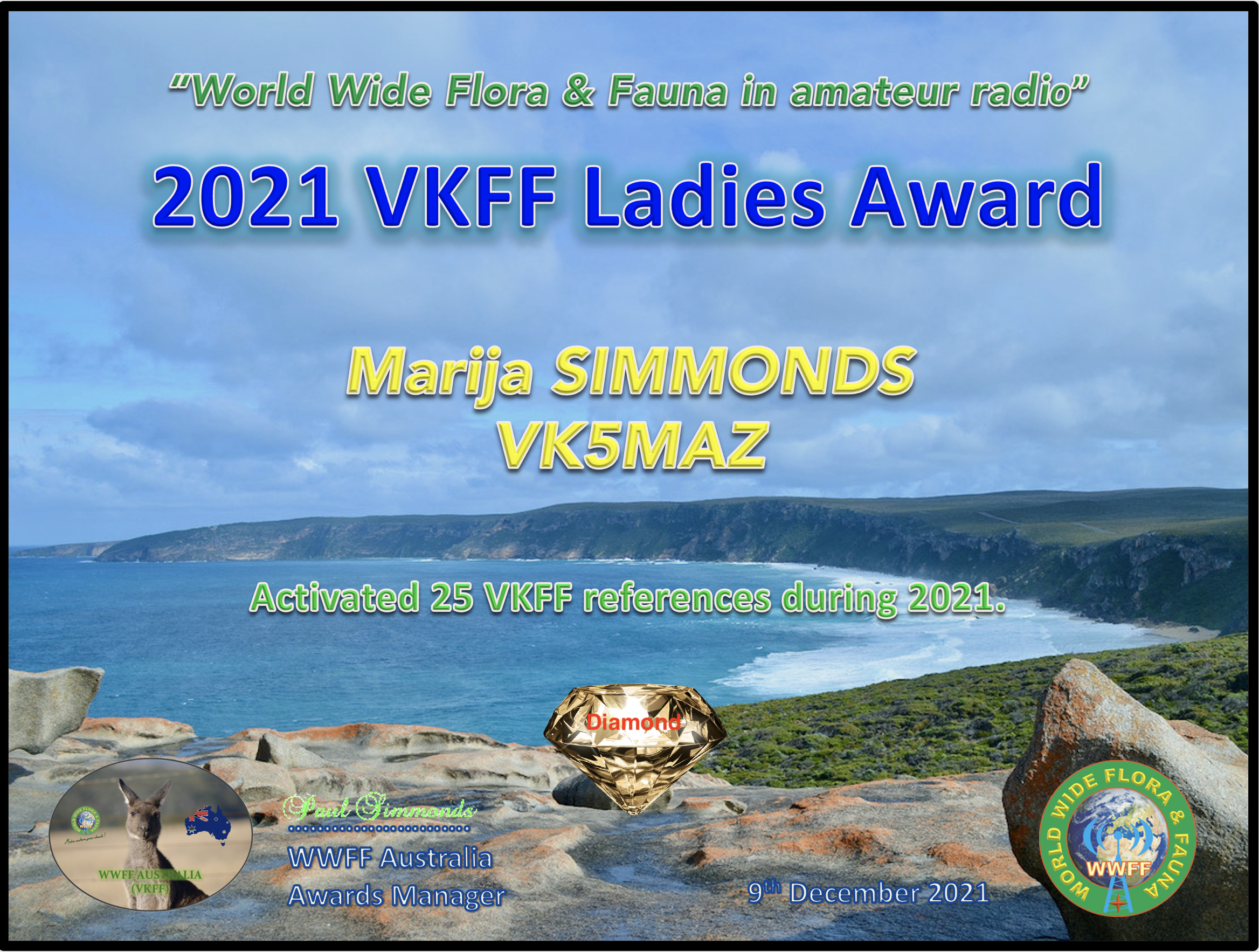
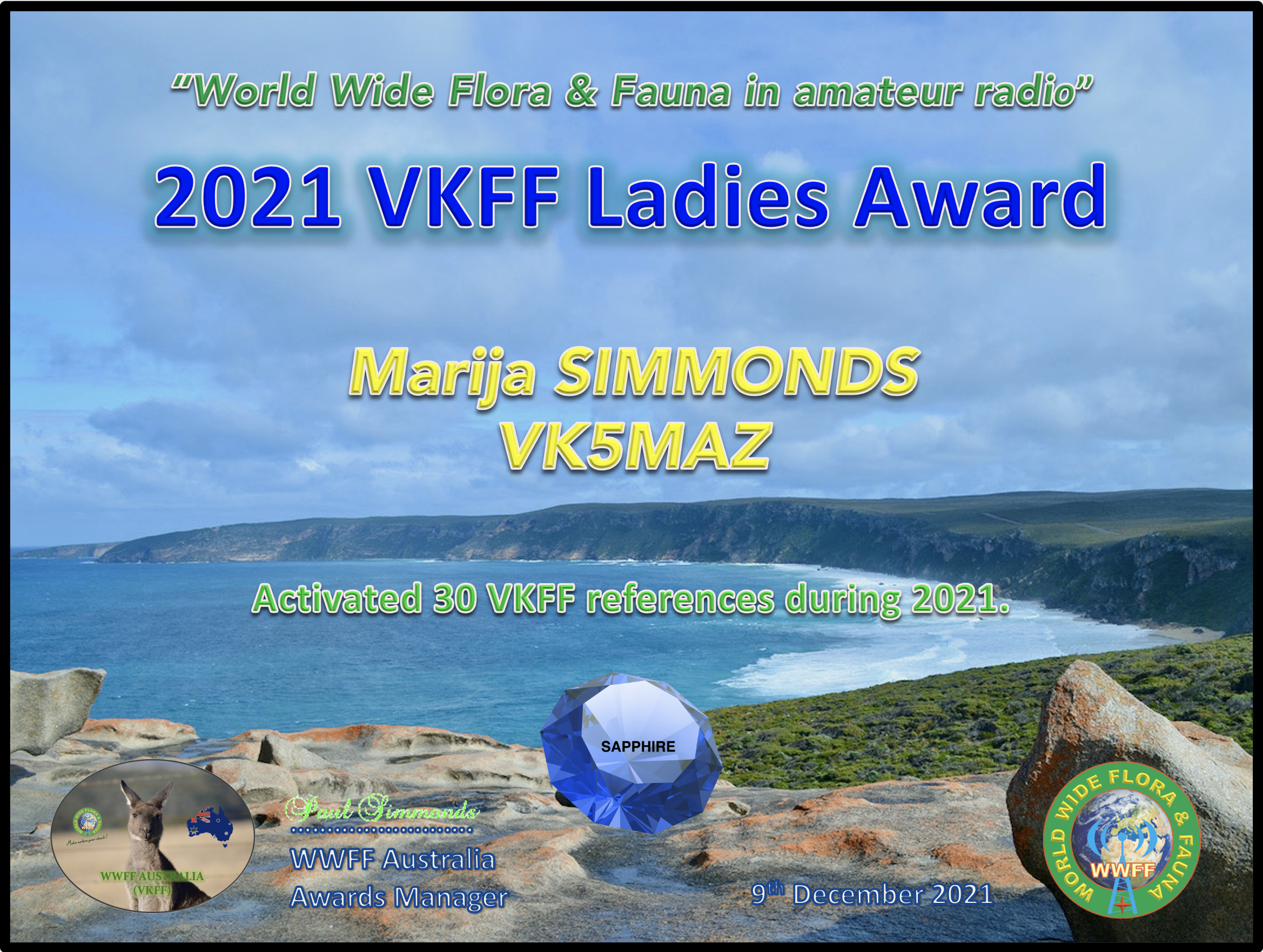
In 2021 I launched a special award for the Australian chapter of the World Wide Flora Fauna (WWFF) program, the 2021 VKFF Ladies Award. The award is open to both activators and hunters. More information on the award can be found at…….
https://www.wwffaustralia.com/2021-vkff-ladies-award.html
My wife Marija VK5MAZ has now qualified for the Diamond and Sapphire Activator certificates.
And I have qualified for the Bronze, Silver, and Gold Hunter certificates.
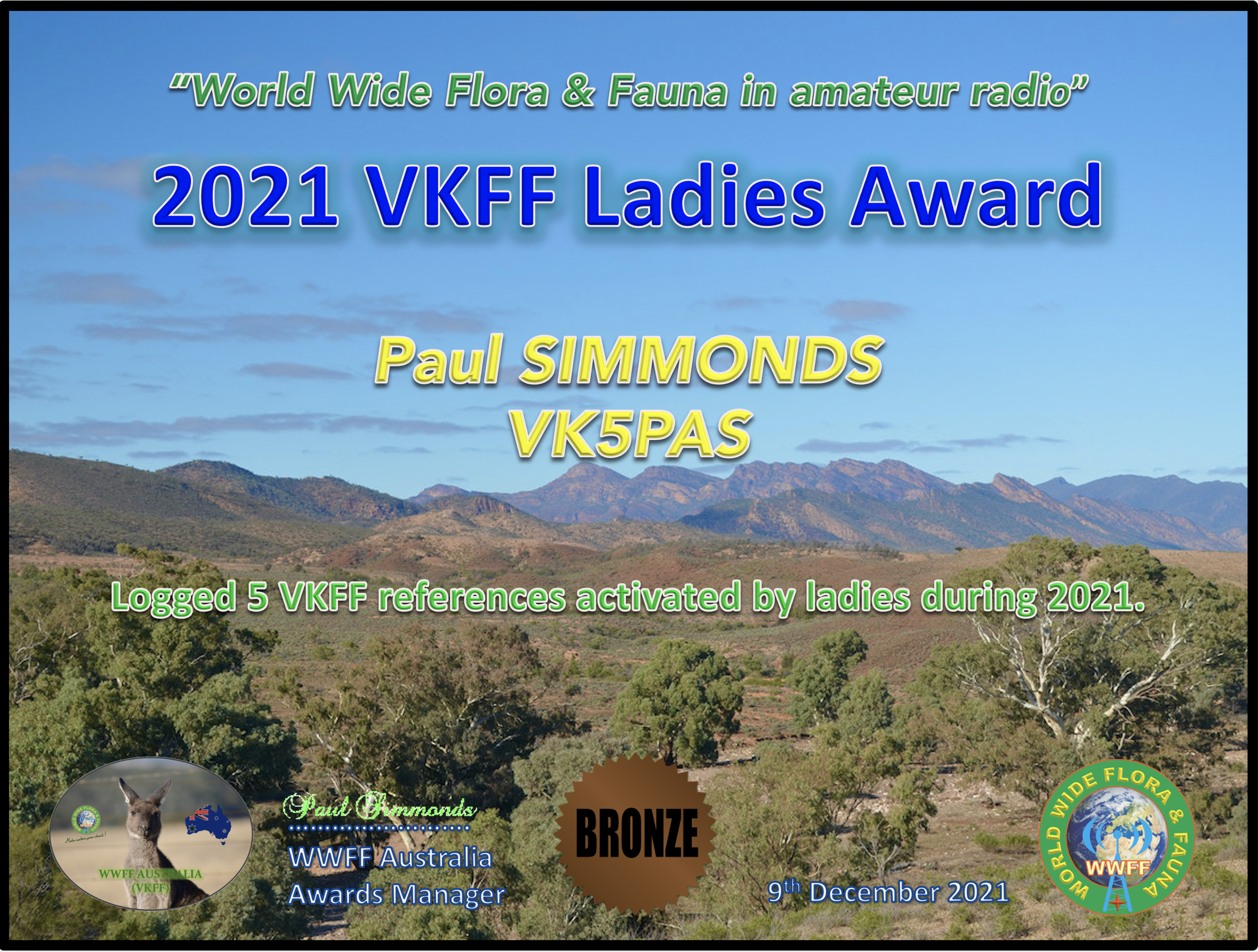

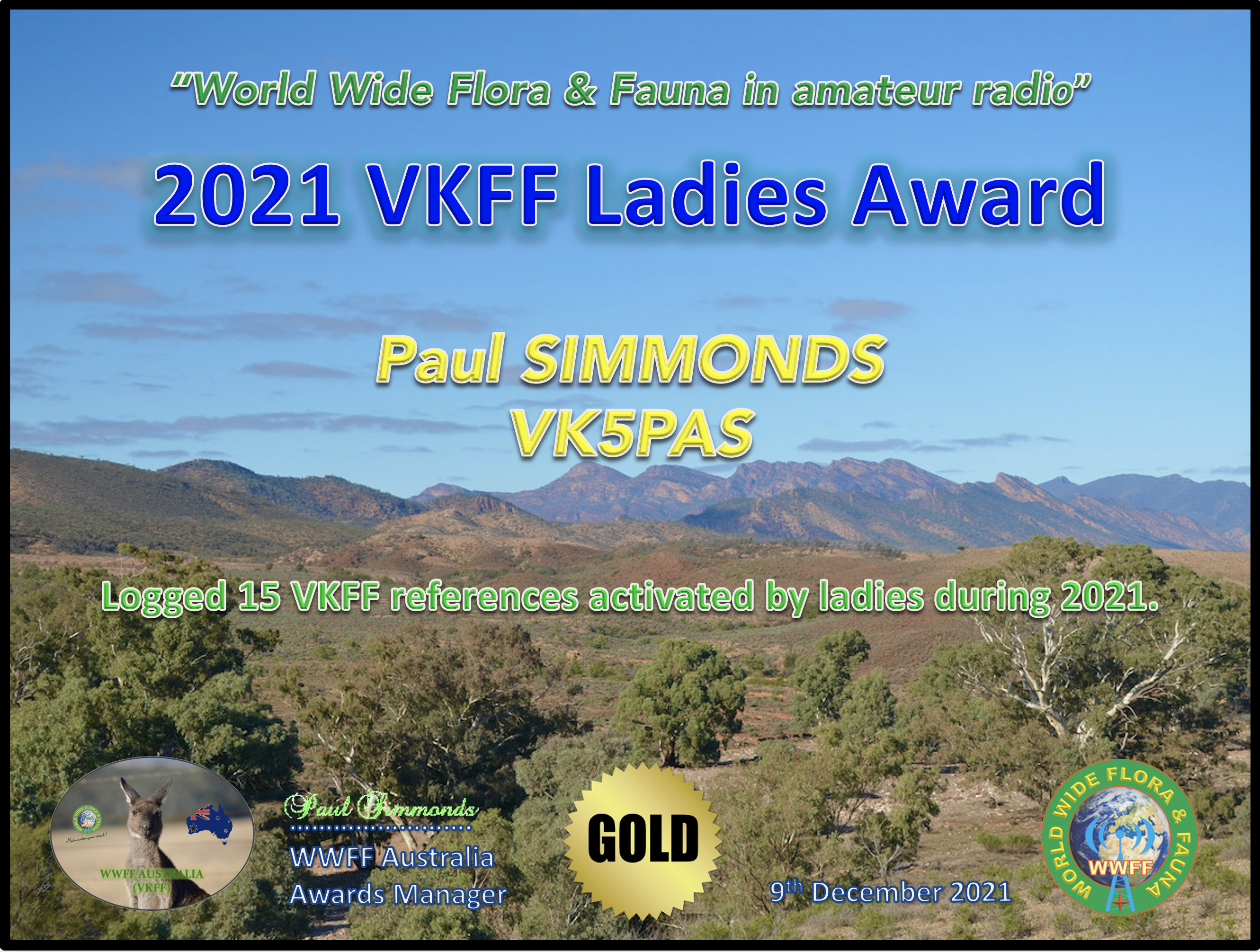
THANK YOU to all of the ladies in the VKFF program who get out there and activate.
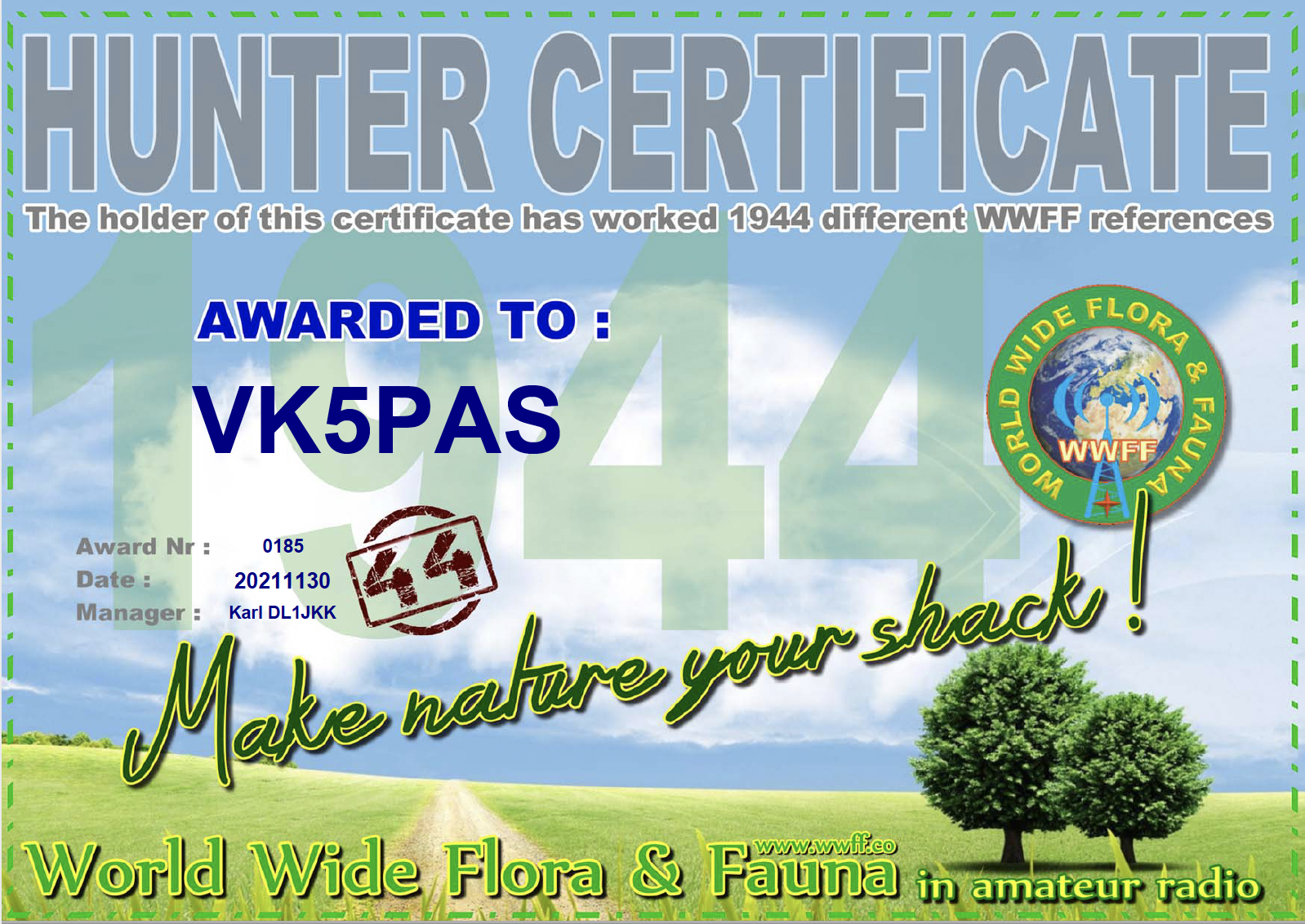
About a week or so ago I received my latest WWFF global Hunter certificate.
It is issued for having worked 1,944 different WWFF references.
Thank you to all of the activators and thank you to Karl DL1JKK the Awards Manager.
In the past week, I received my latest World Wide Flora Fauna (WWFF) Park to Park award, issued for having made 1,344 Park to Park contacts.
I’ve actually made 1,663 Park to Park contacts, but there are a significant number of mismatches in Logsearch. One day when I get time I will have a look.
Thanks to all of the VKFF Activators, and thanks to Swa ON5SWA, the P2P Awards Manager.

After leaving the Bordertown East silo we headed to Clayton Farm at Bordertown.
The first Undred of Tatiara was opened for land selection in 1872. One of the first settlers were August and Carl Wiese who took up blocks in the area. August settled on three blocks just to the south of Bordertown and called his farm Clayton.
Clayton Farm features a recently restored and refurbished homestead and a magnificent display of vintage farm machinery, tractors, and vehicles. There are various historic buildings including the silage, pigsty, and the woolshed which is the largest thatched roof woolshed in the southern hemisphere. We had a terrific guide who showed us around the property which took about 3 hours.
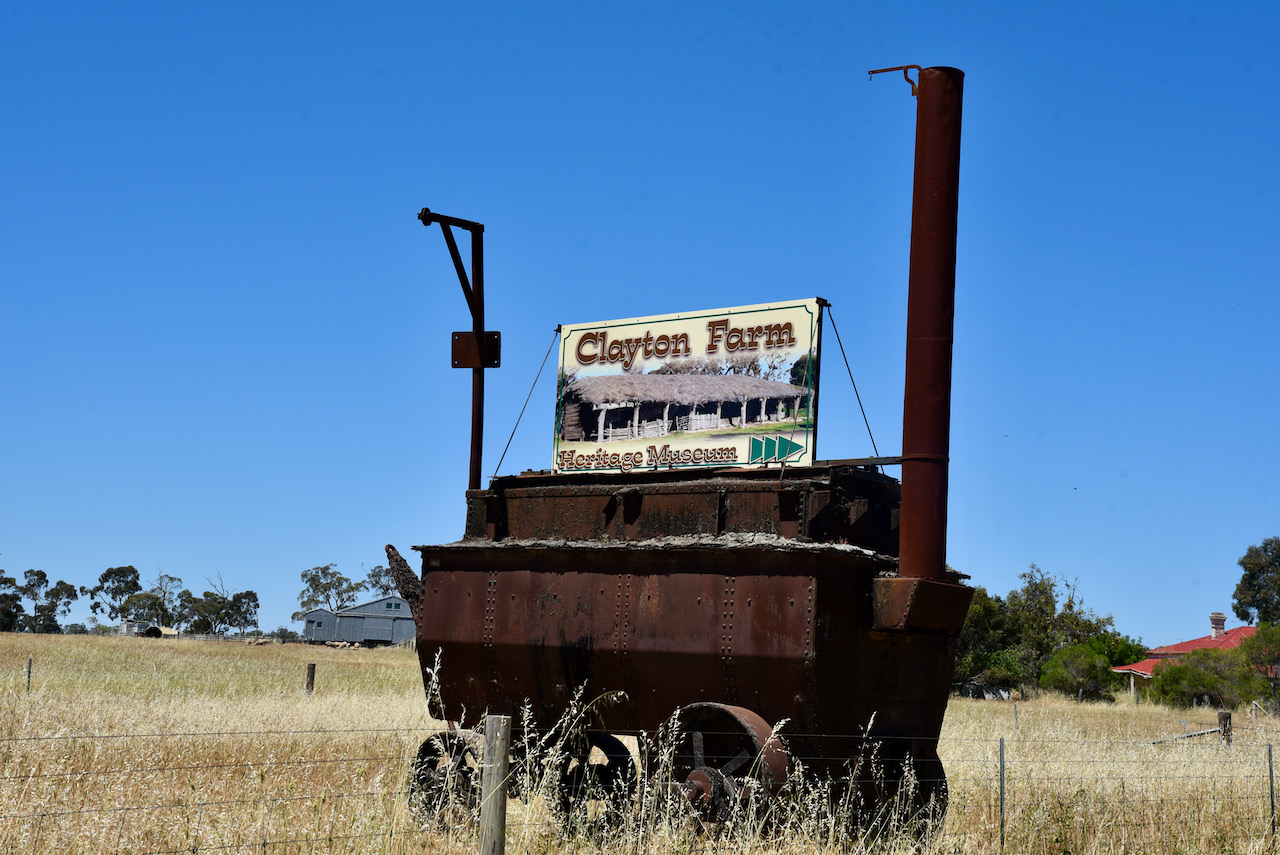
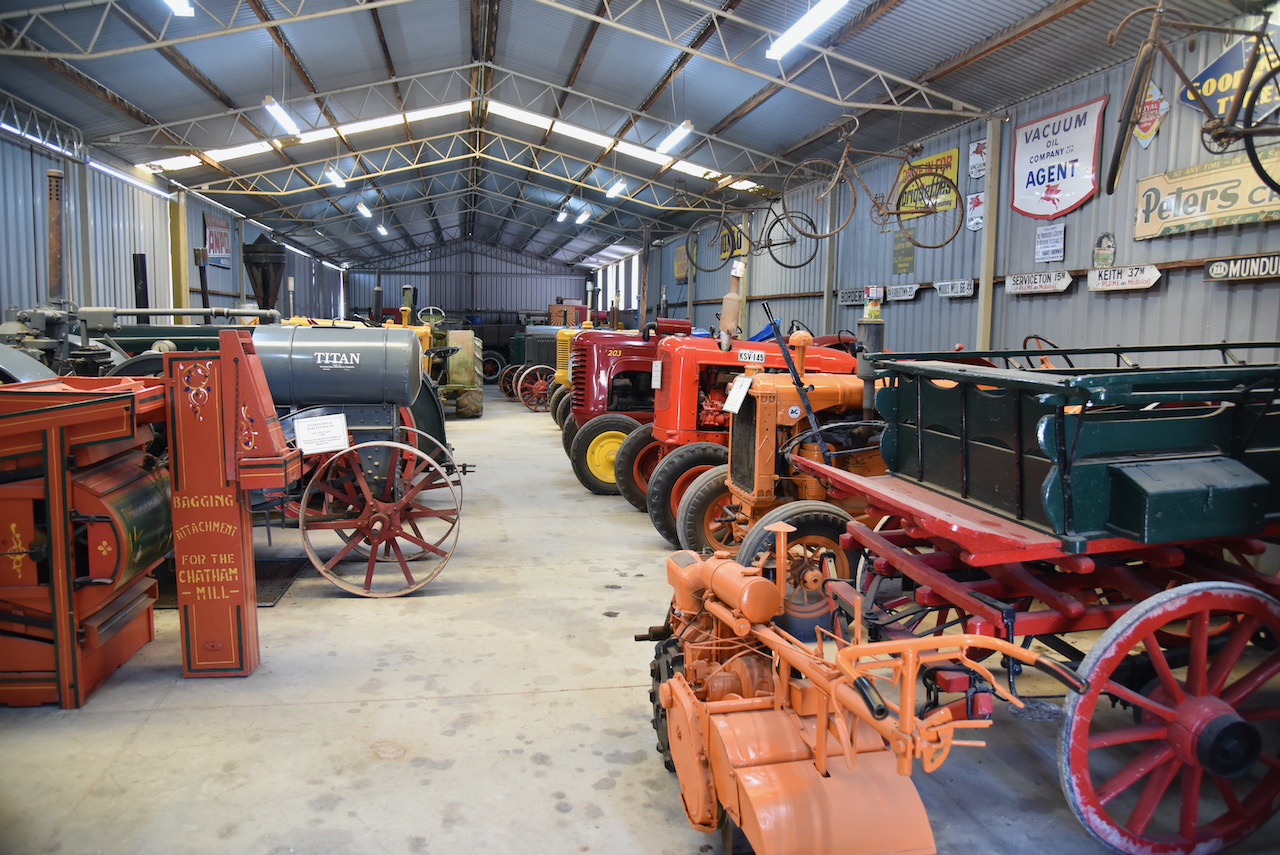
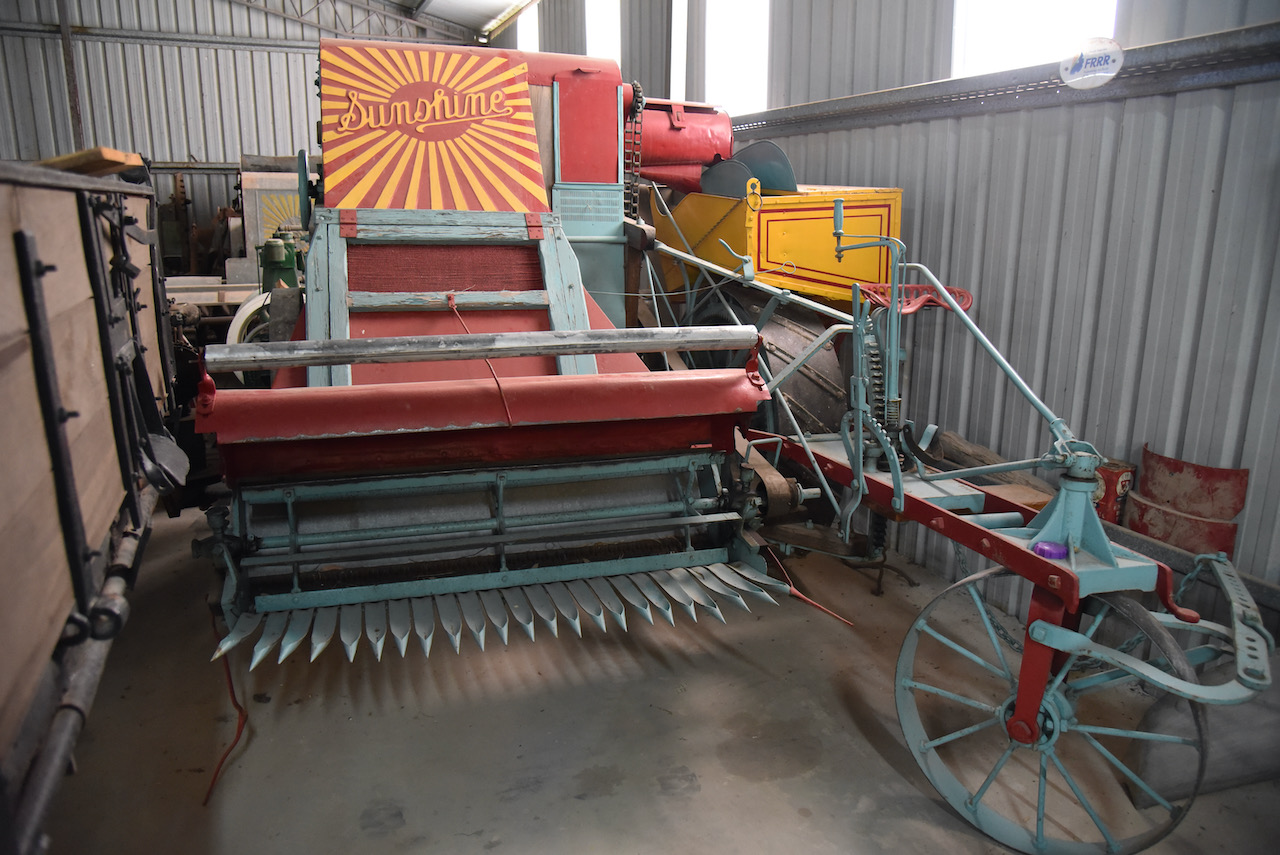
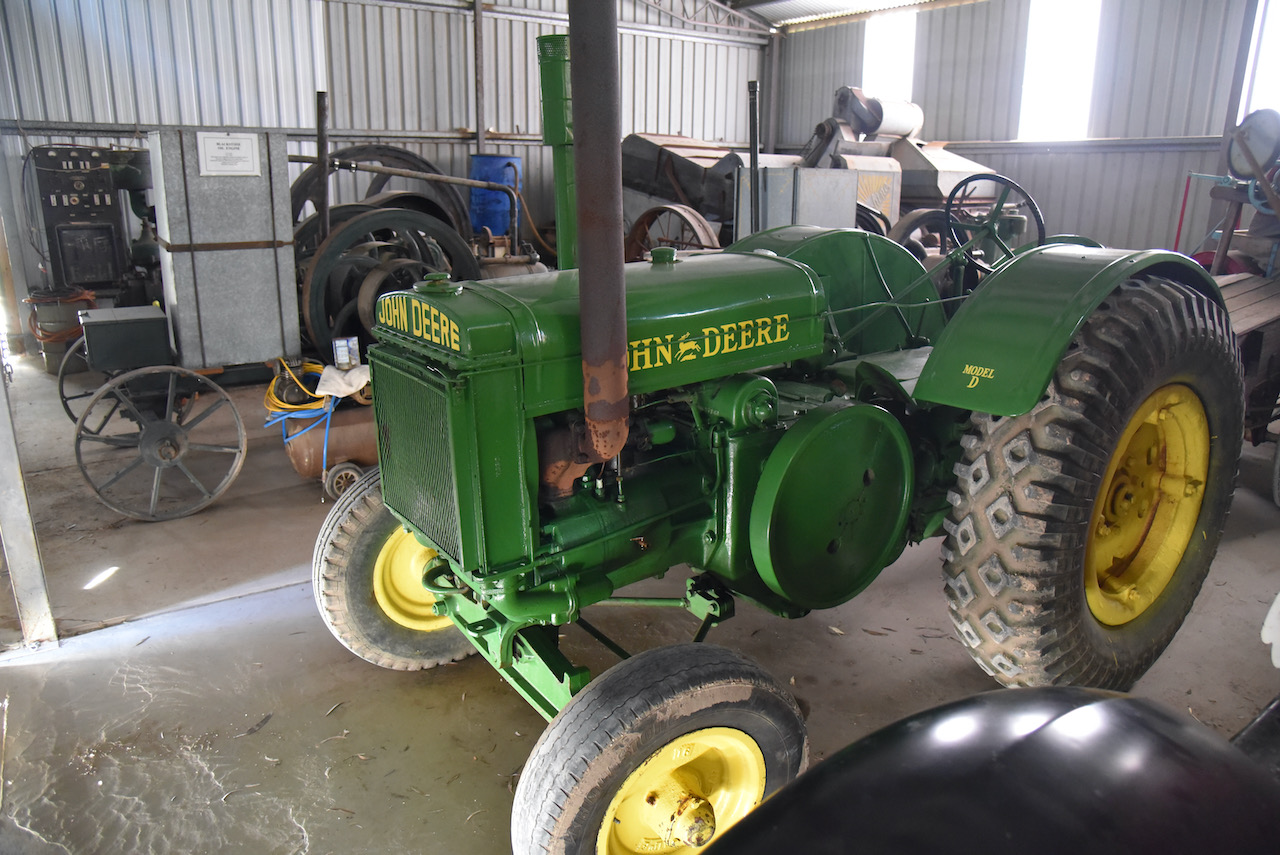

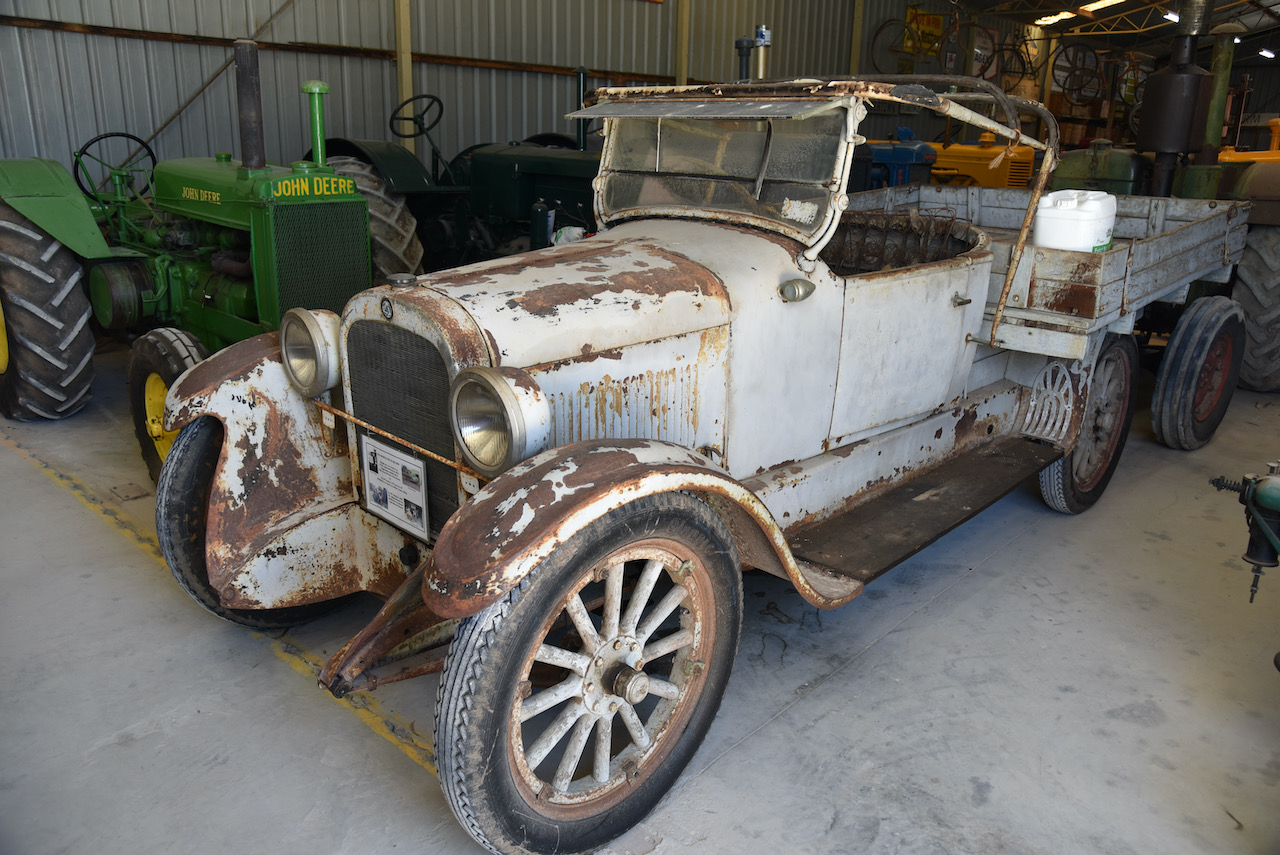
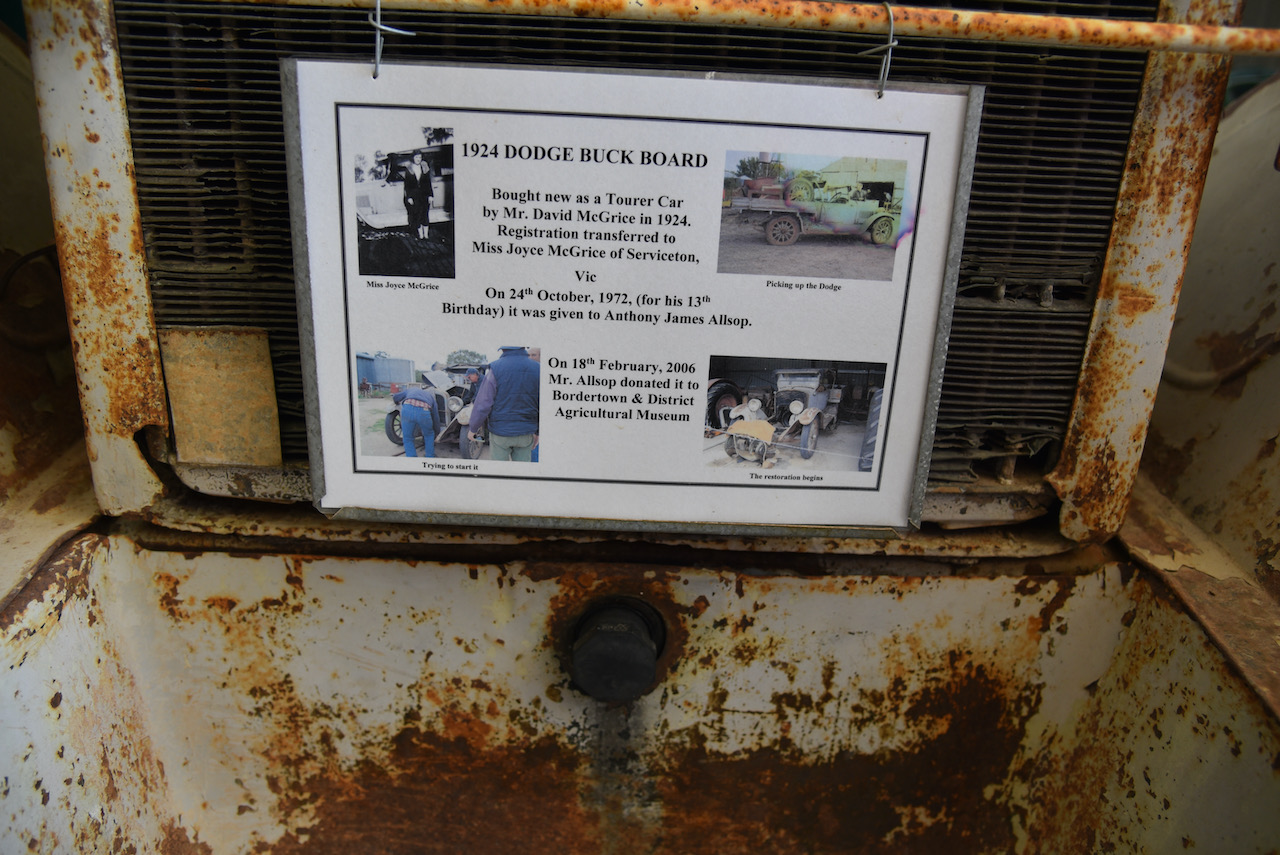
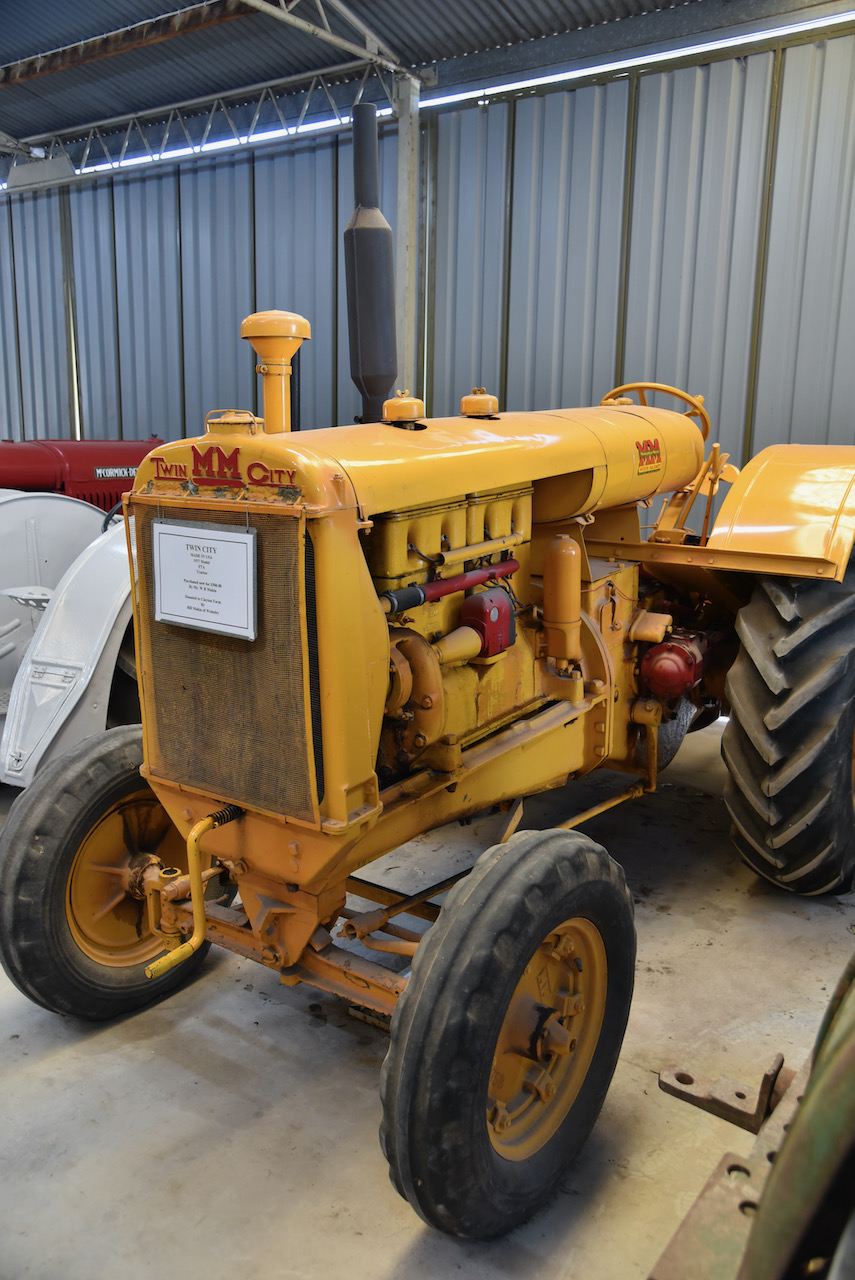
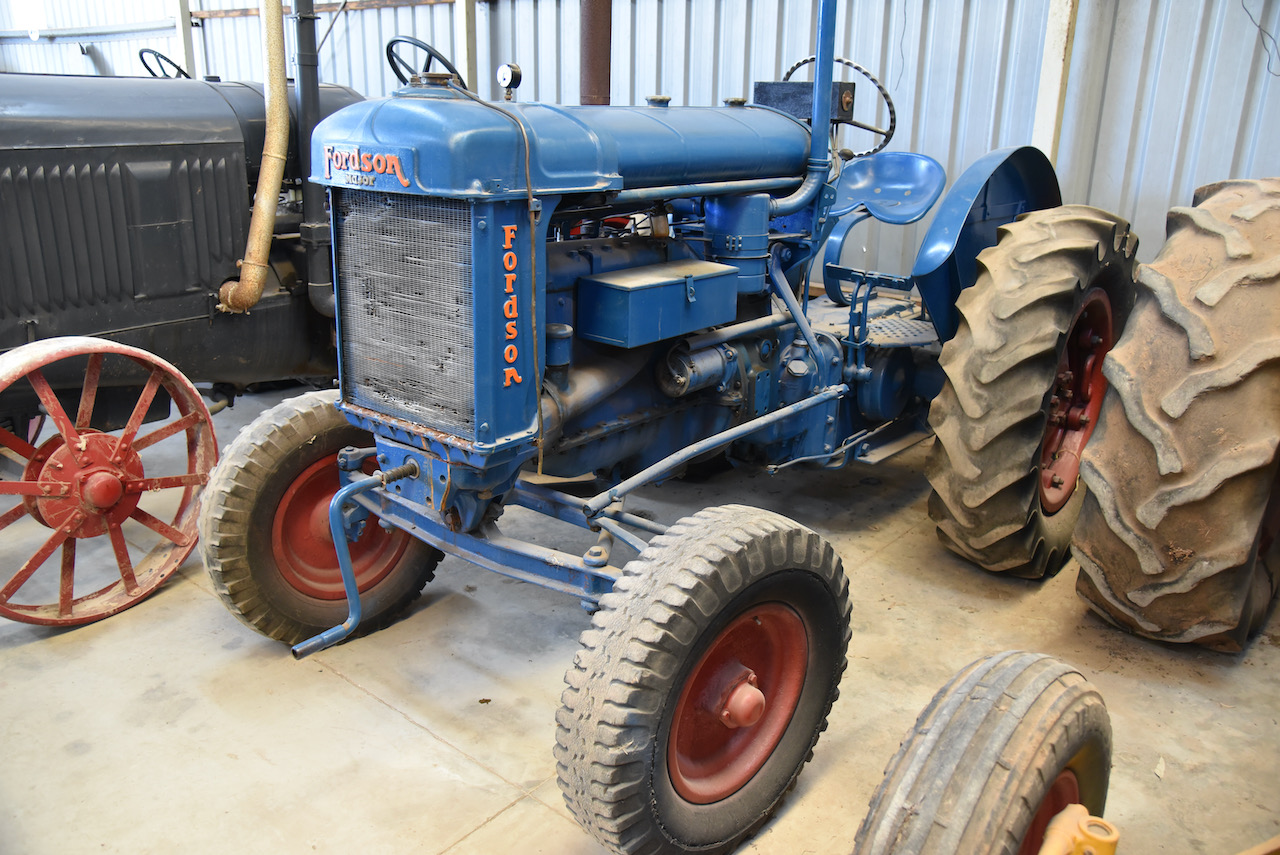

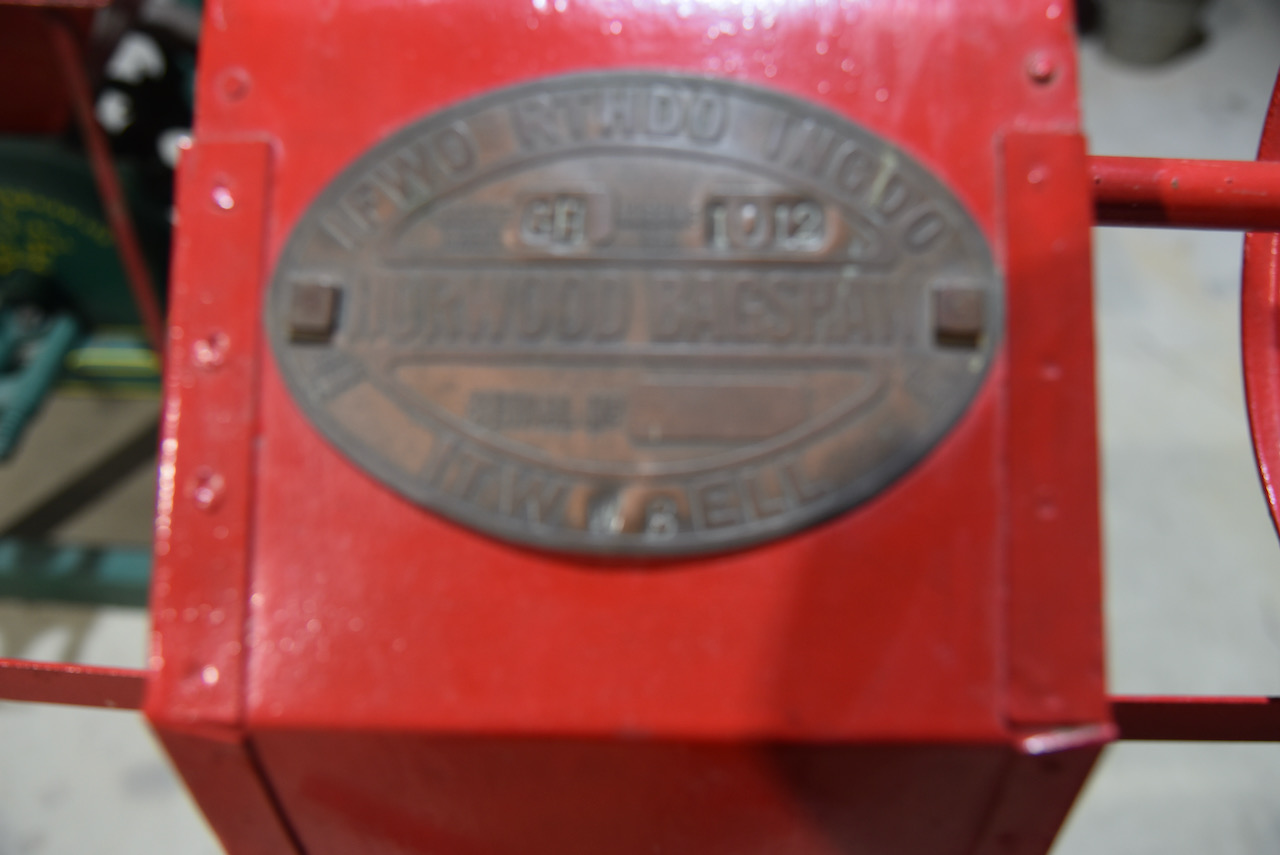
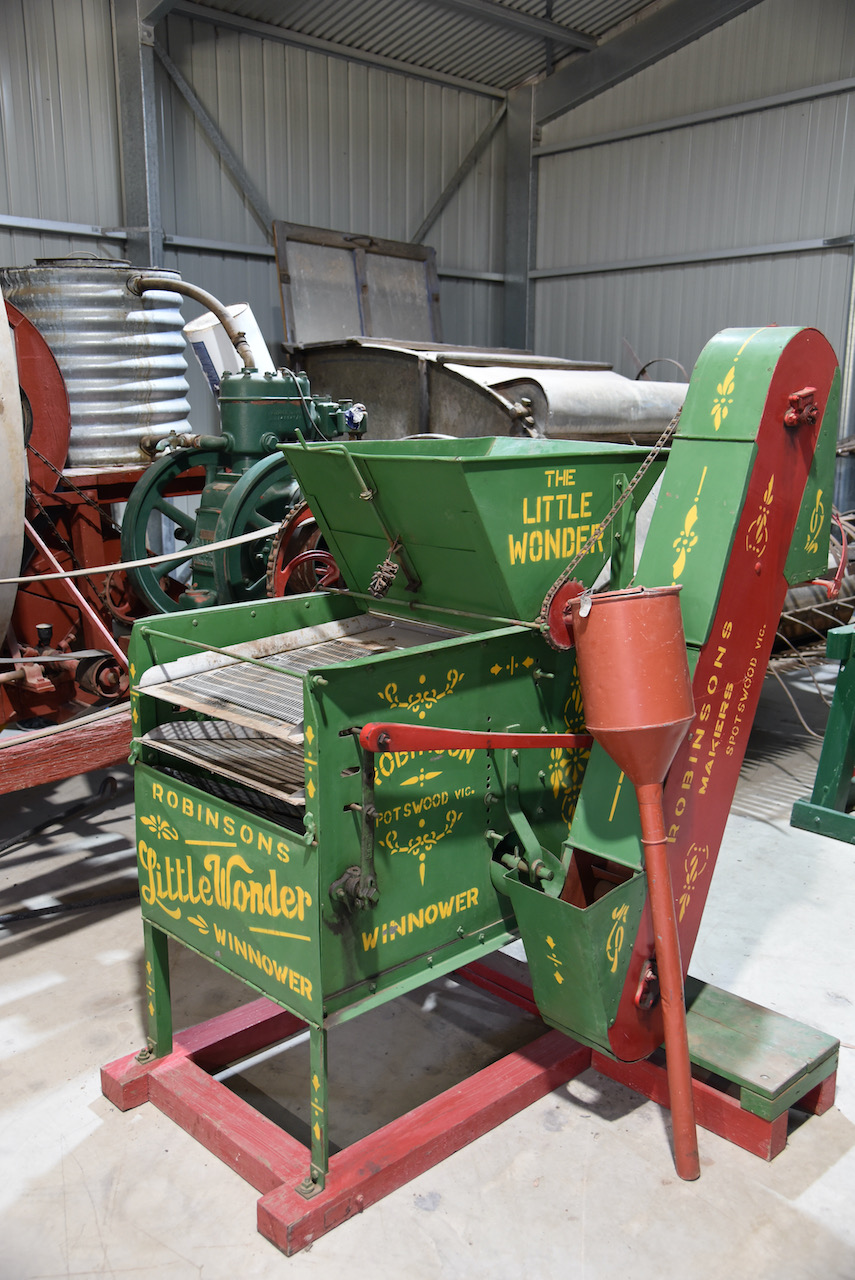
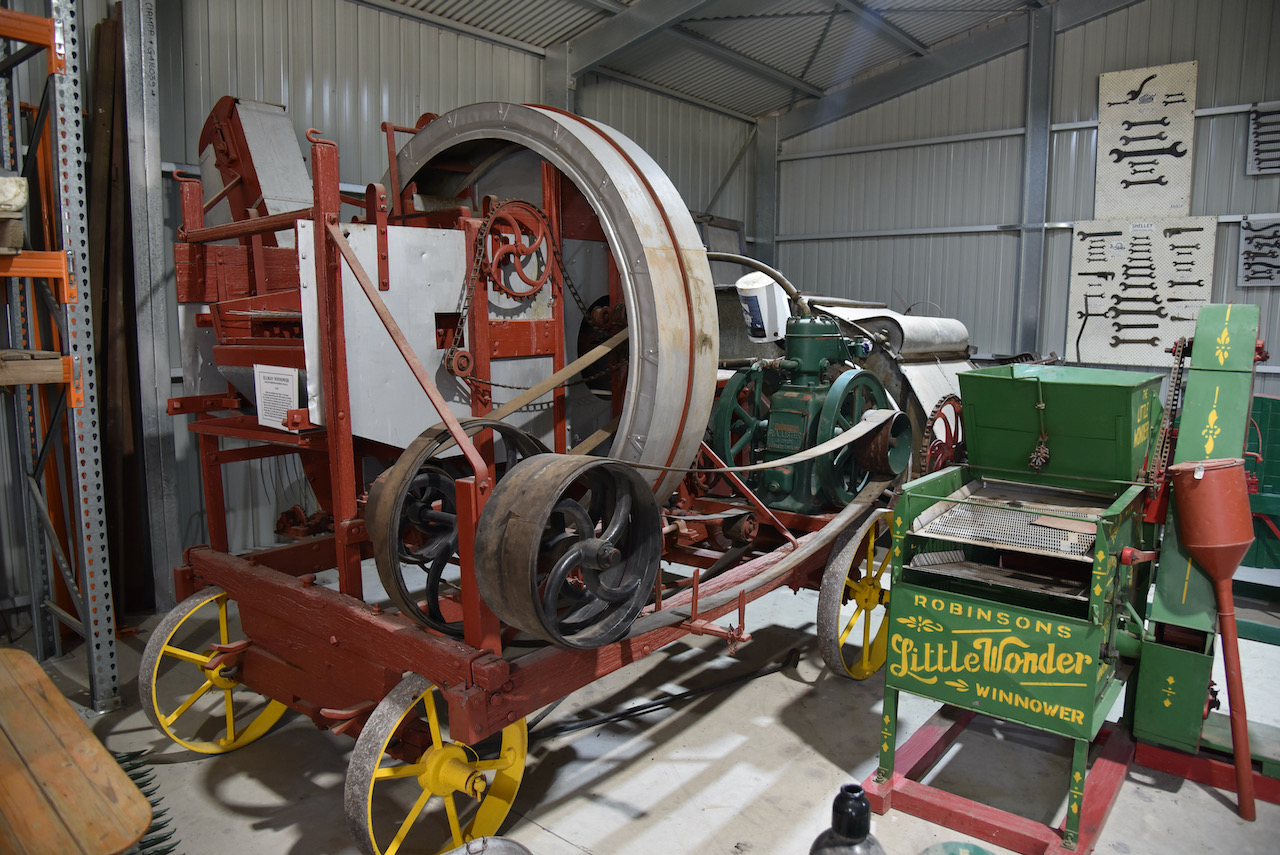
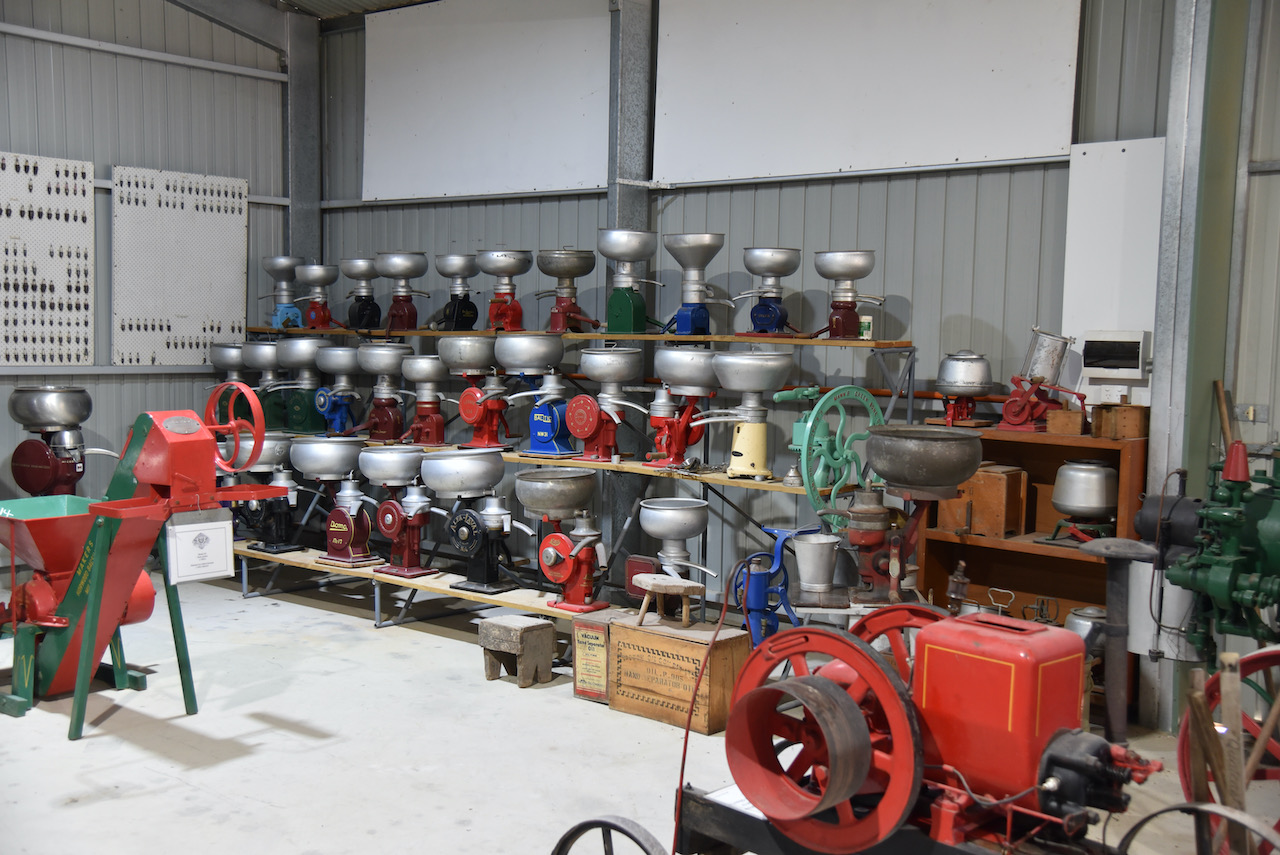
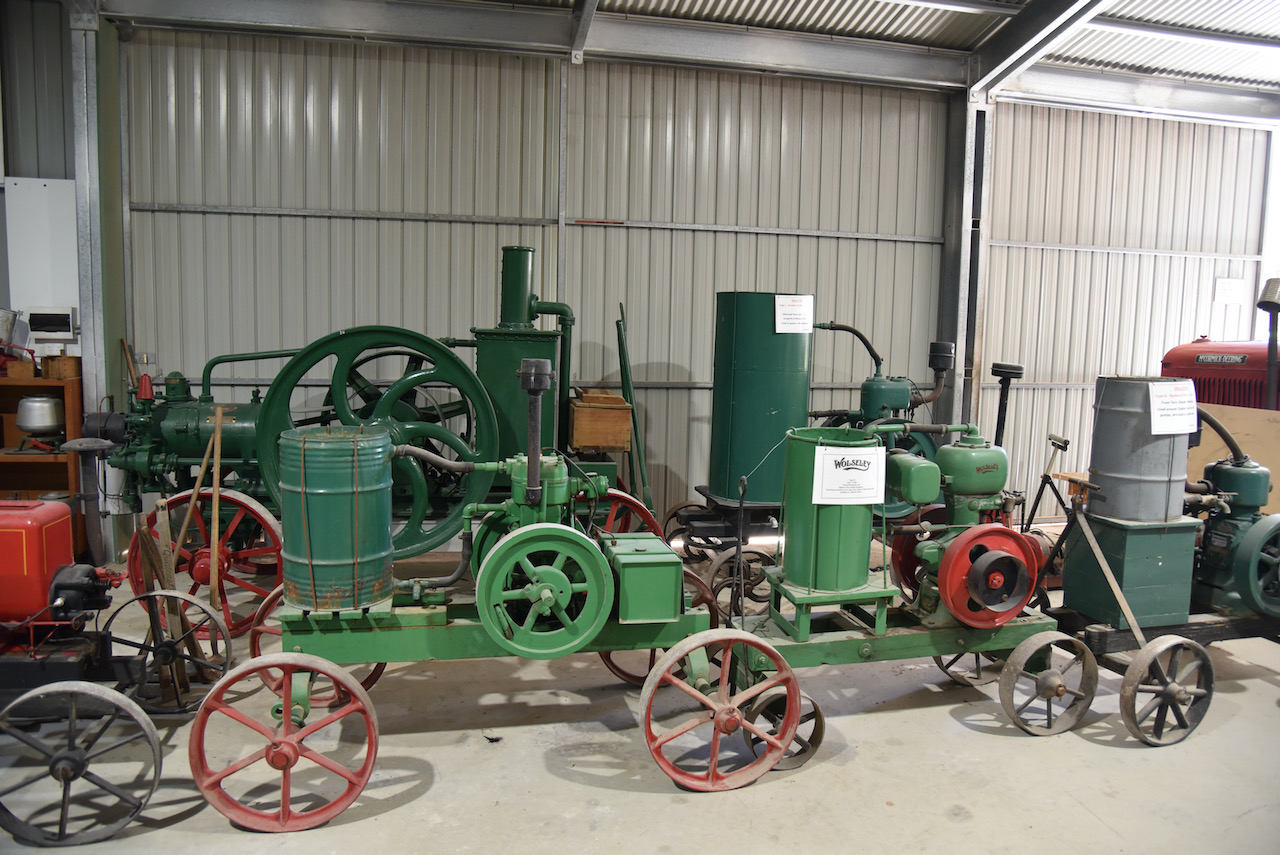
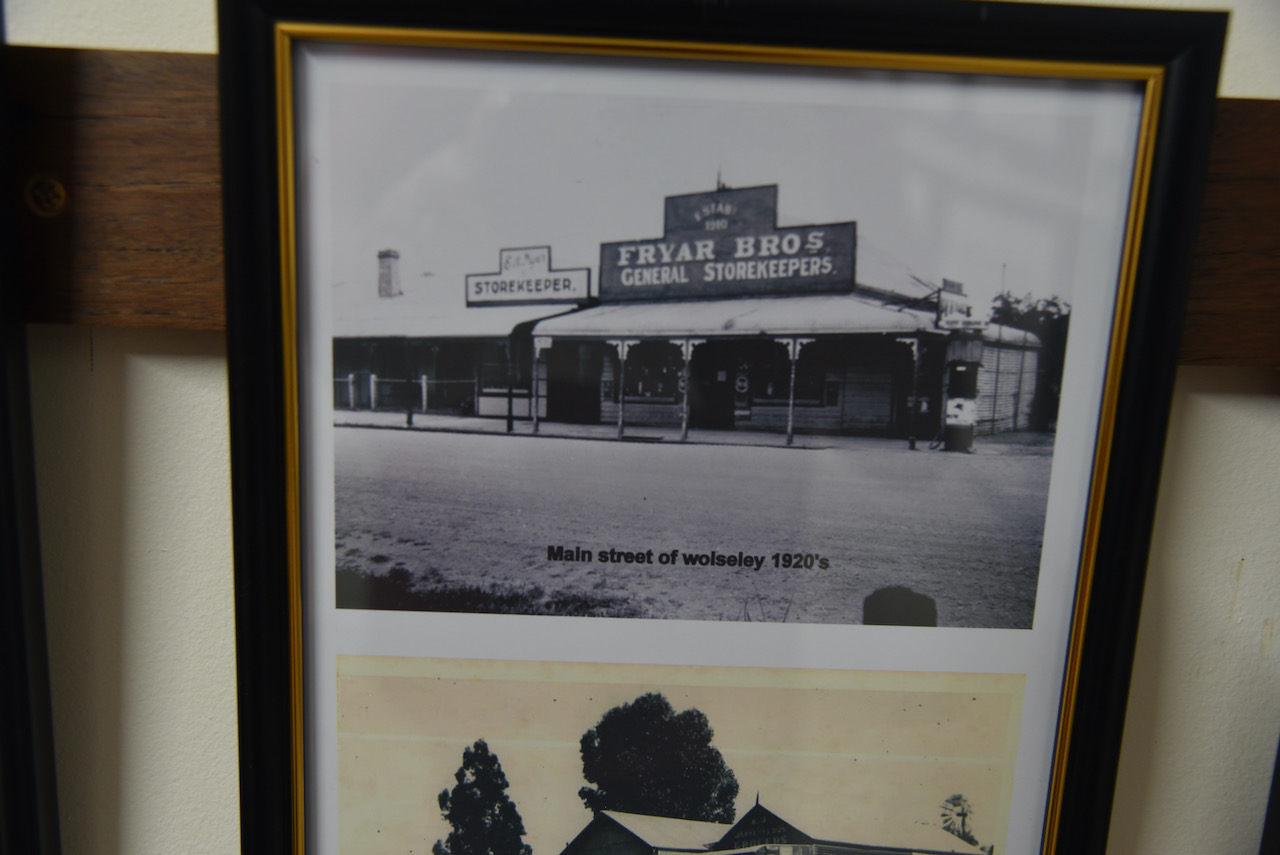

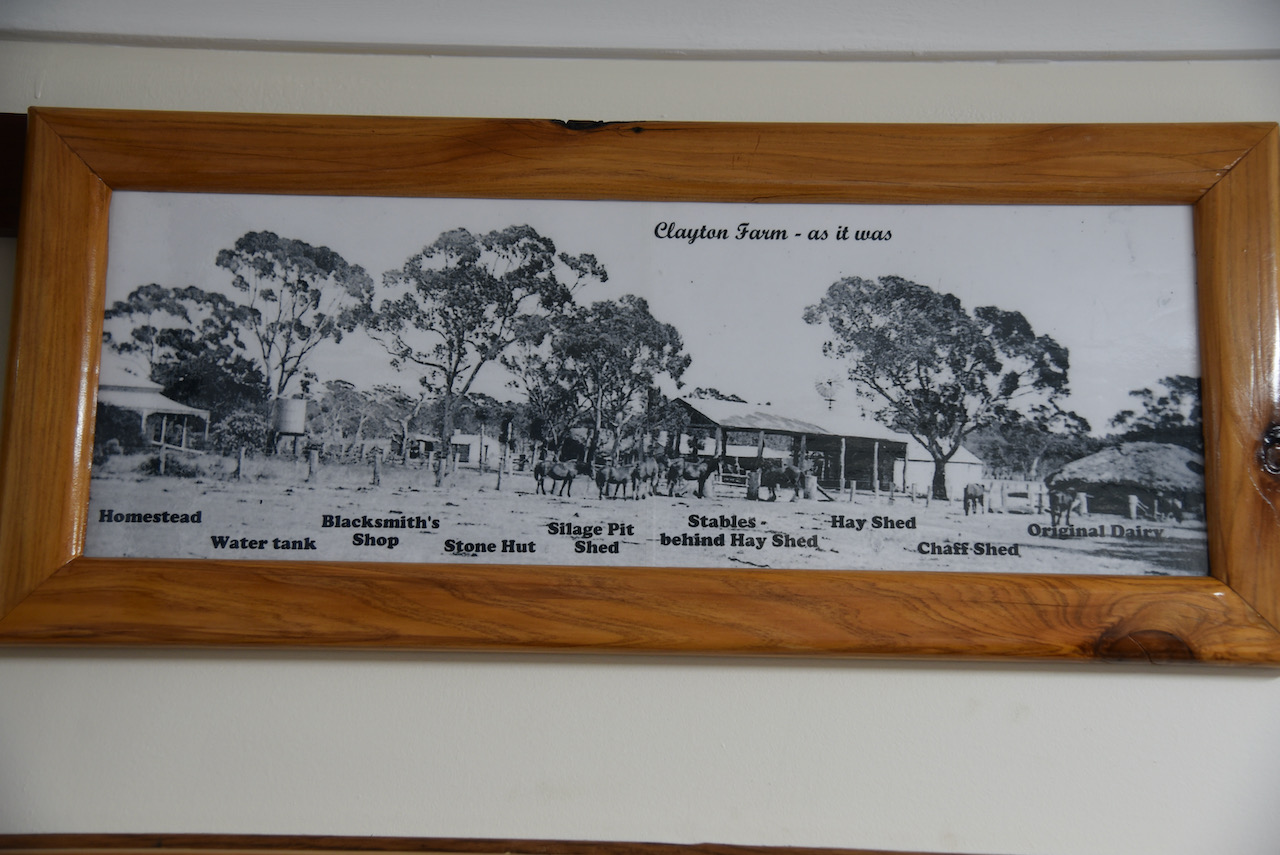
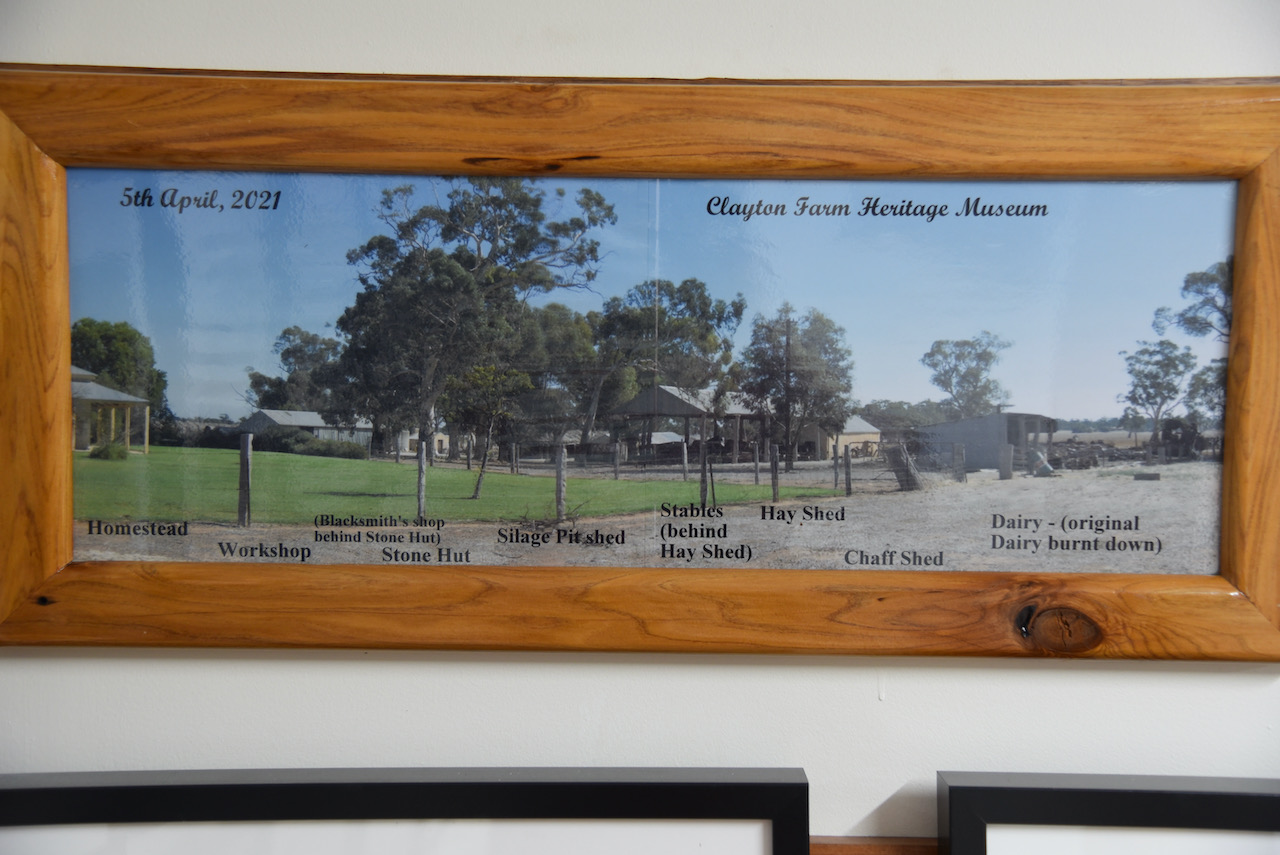
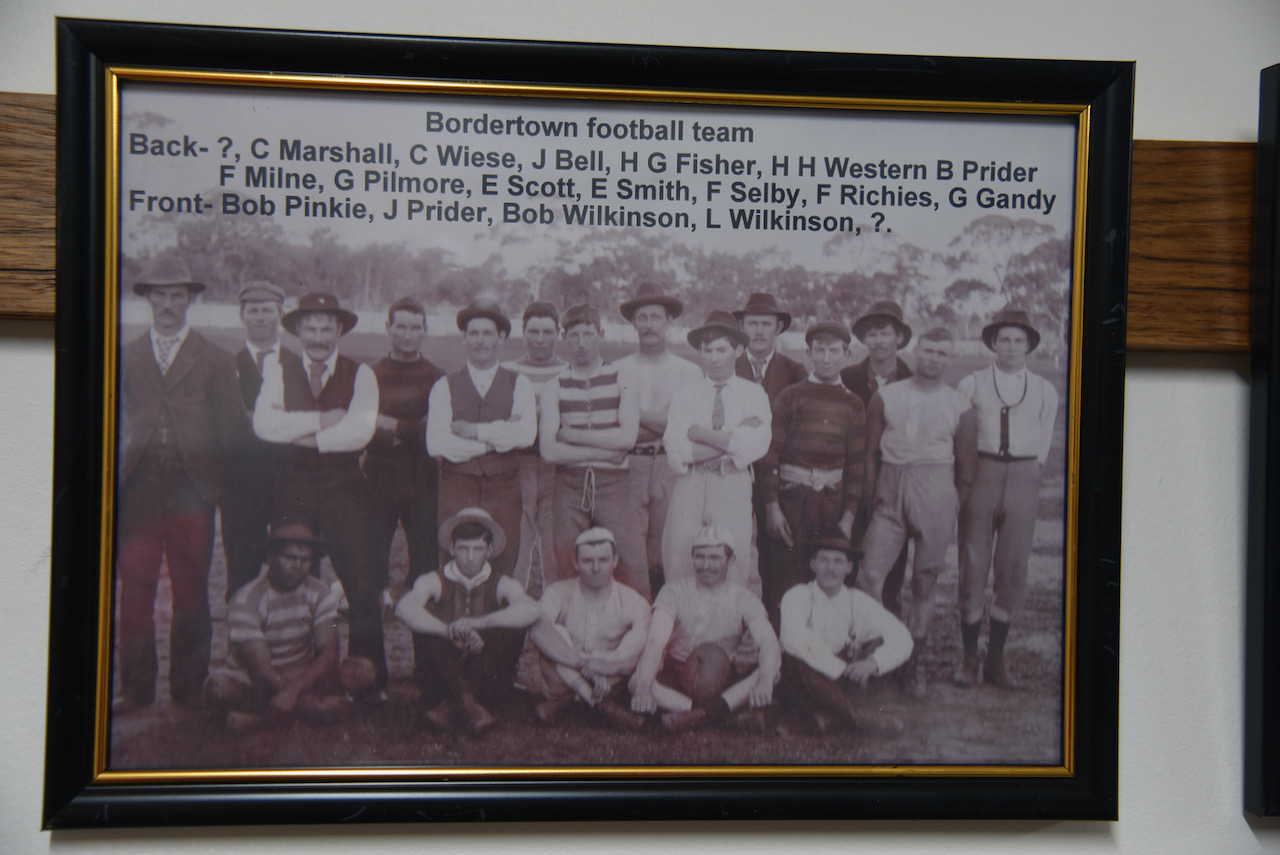

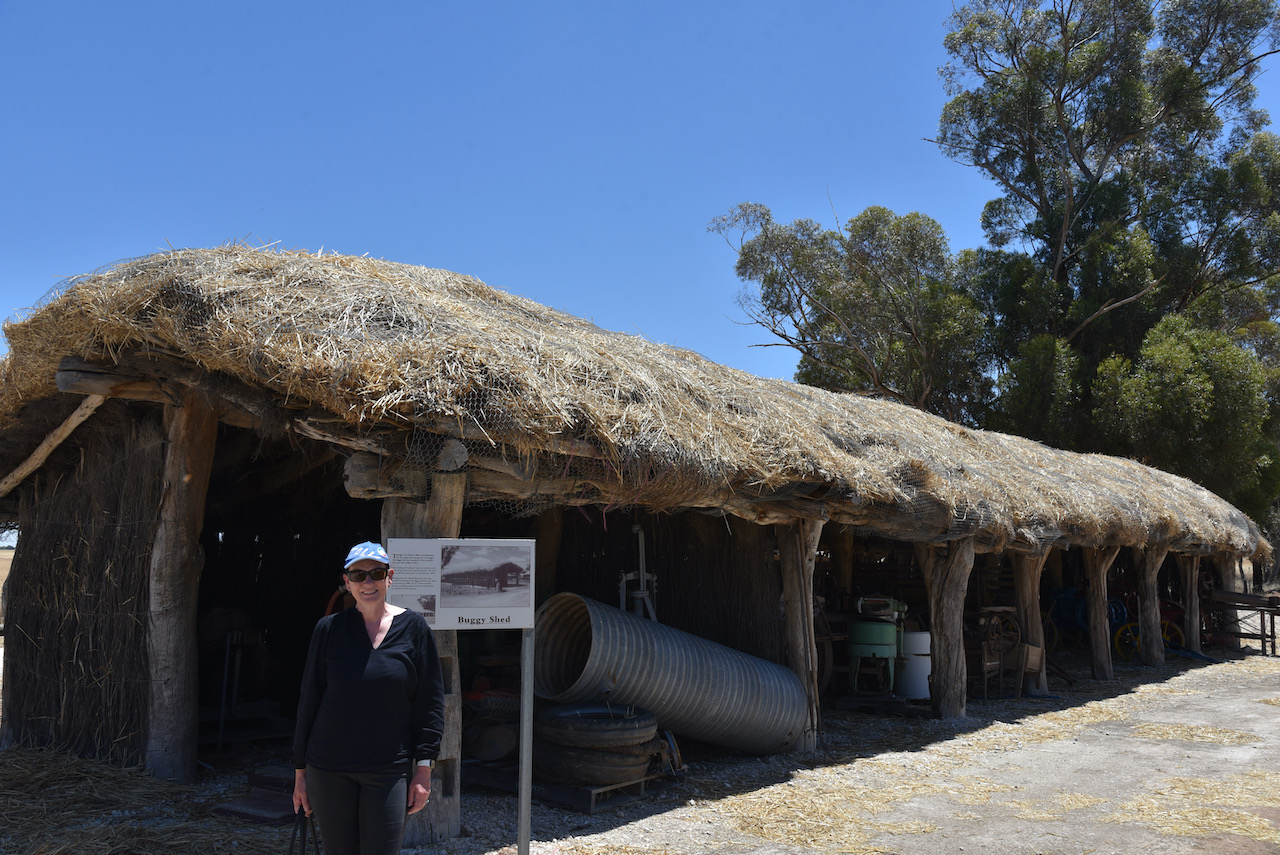
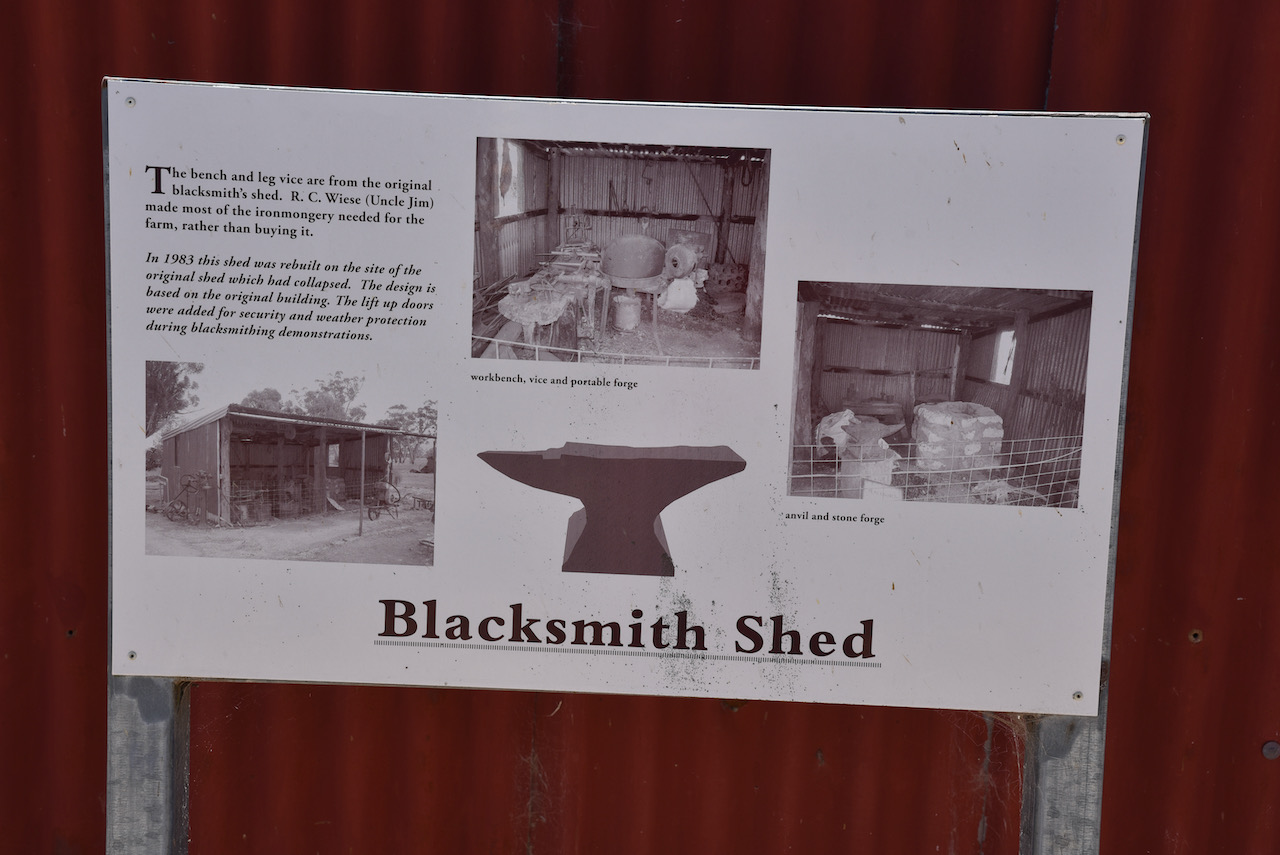

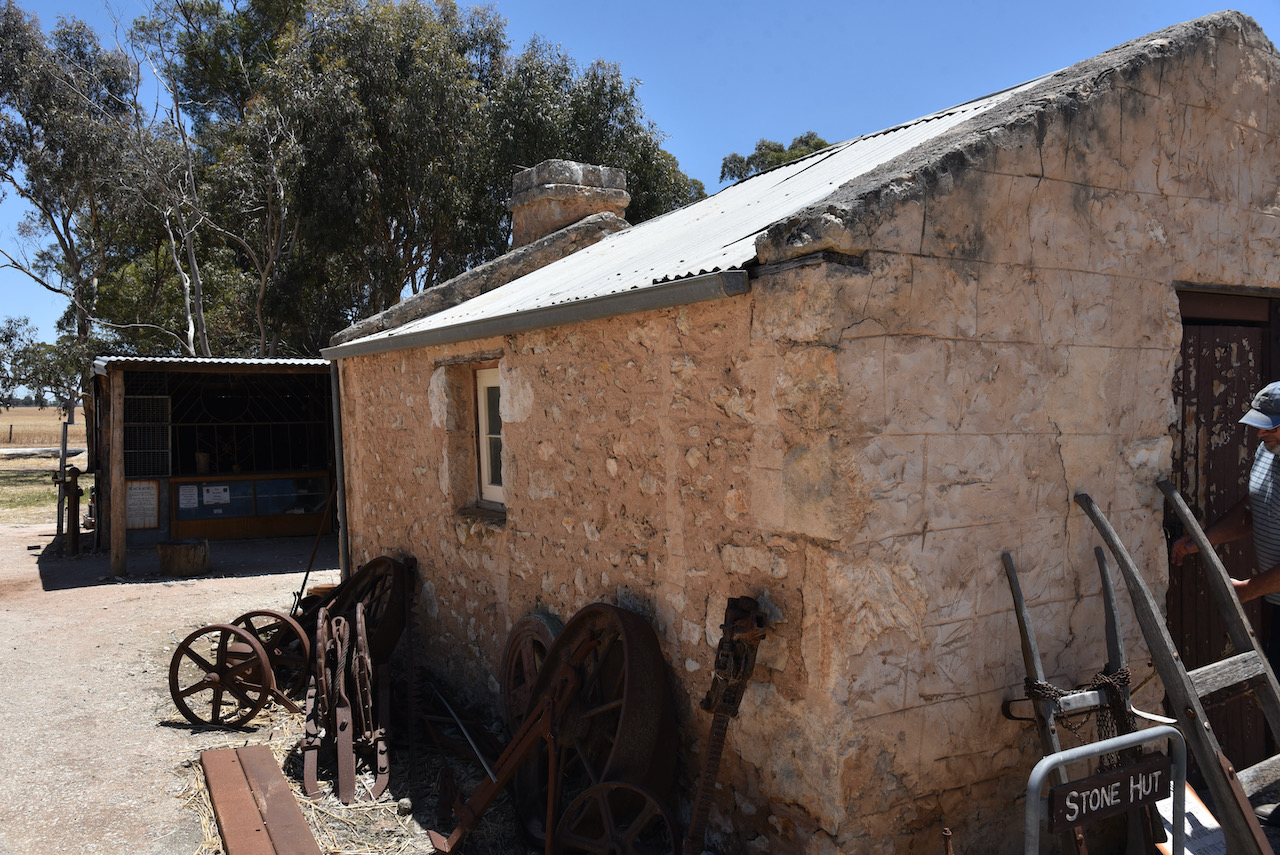
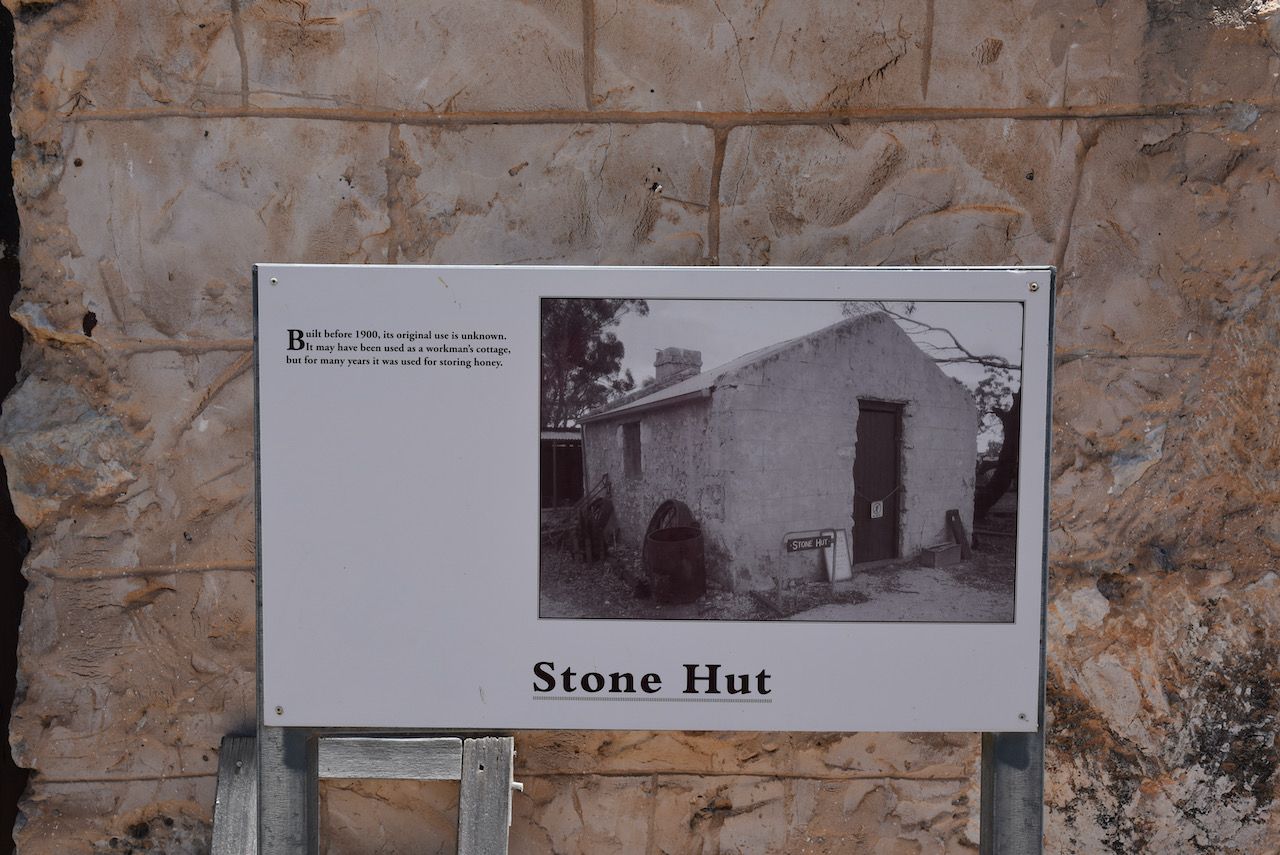


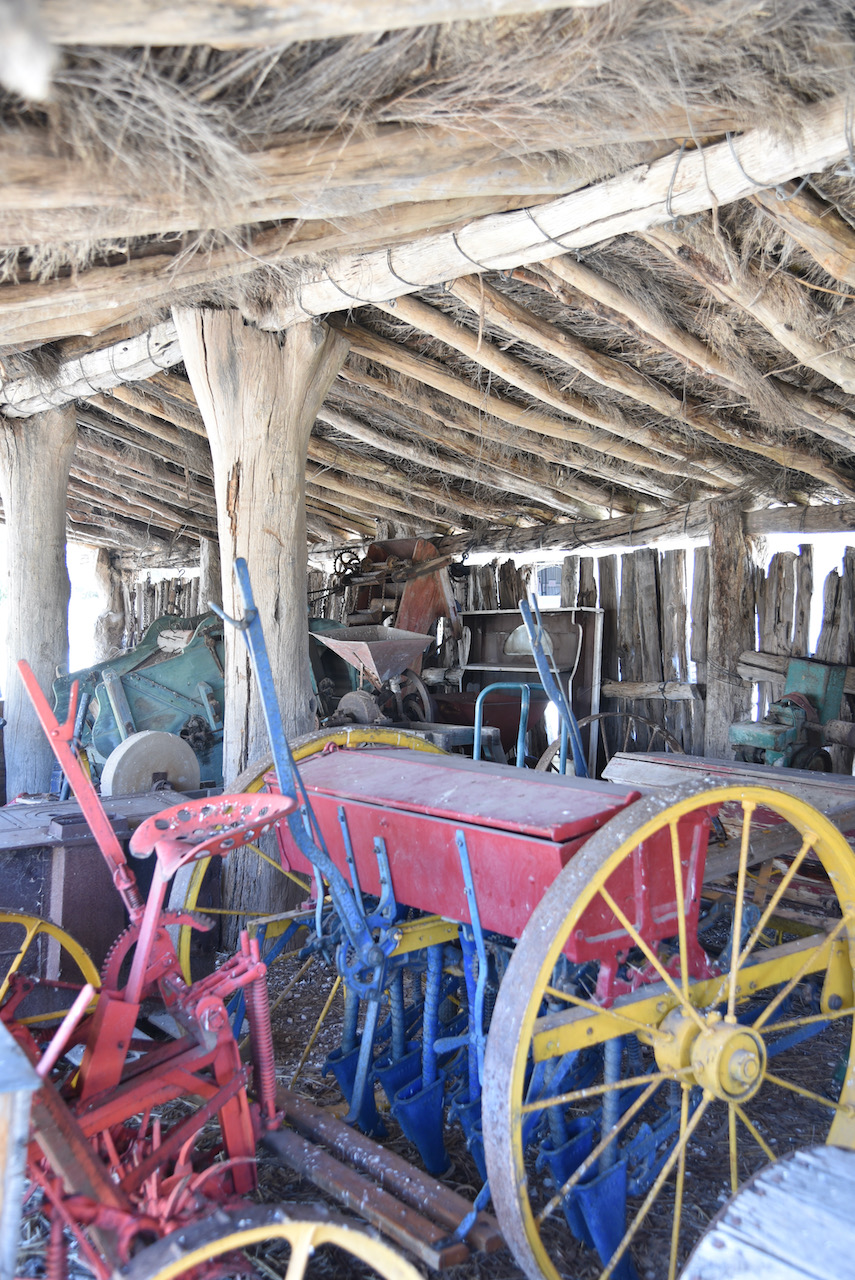
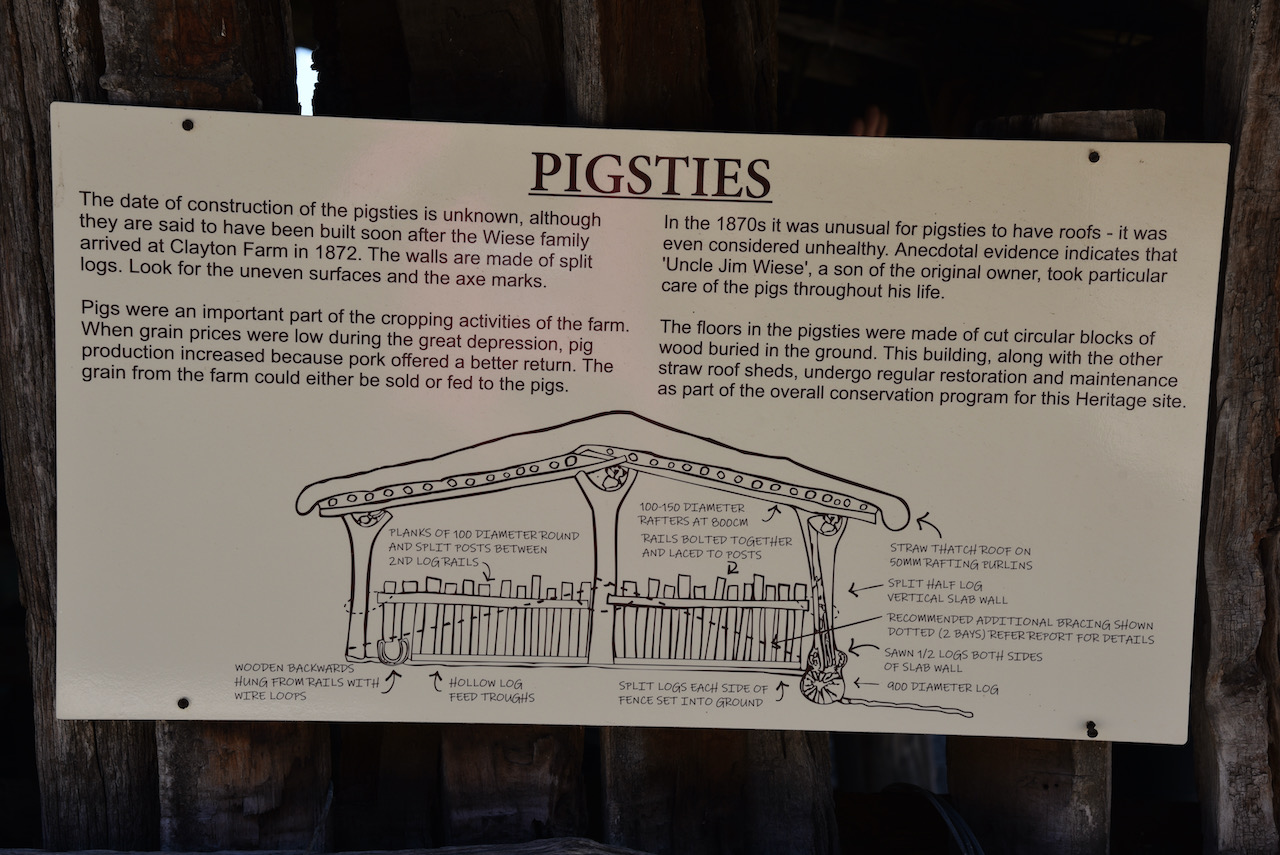
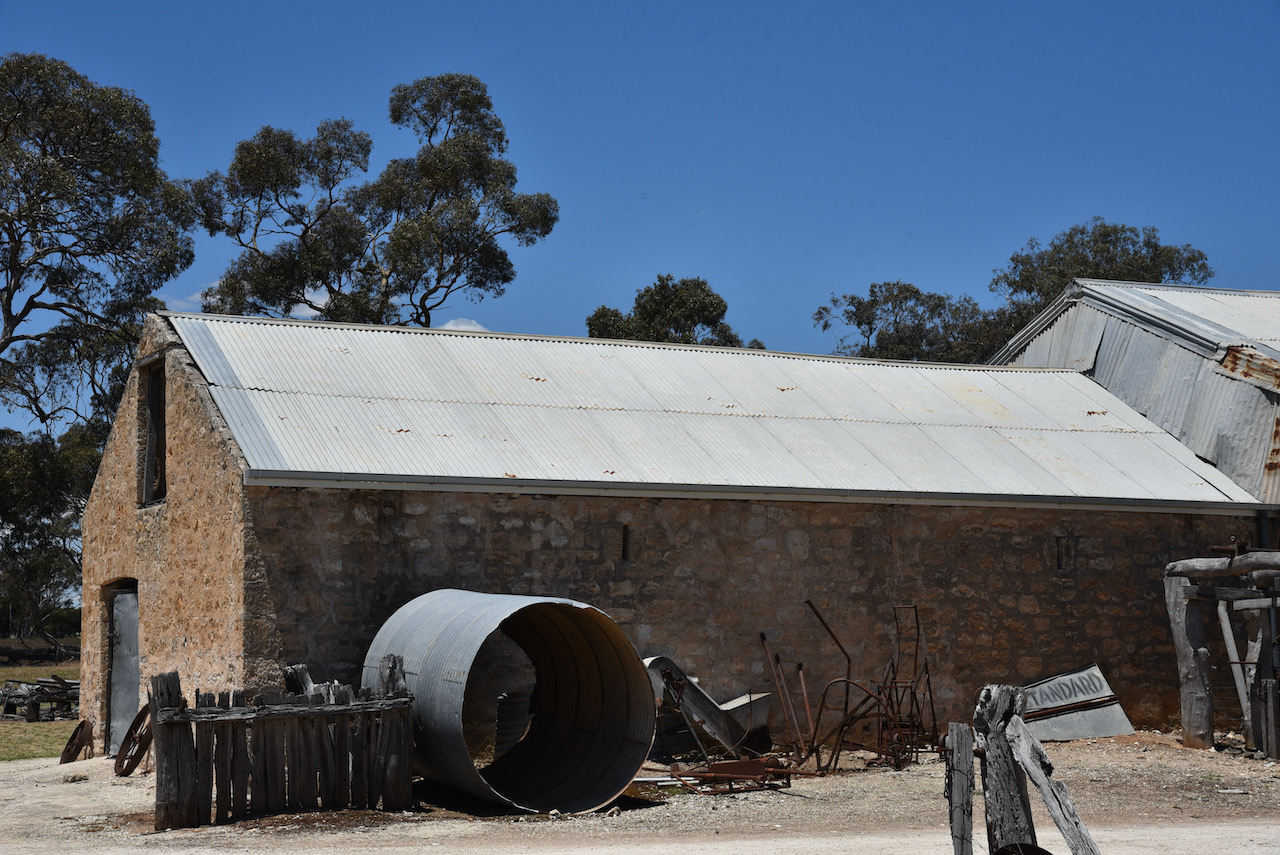

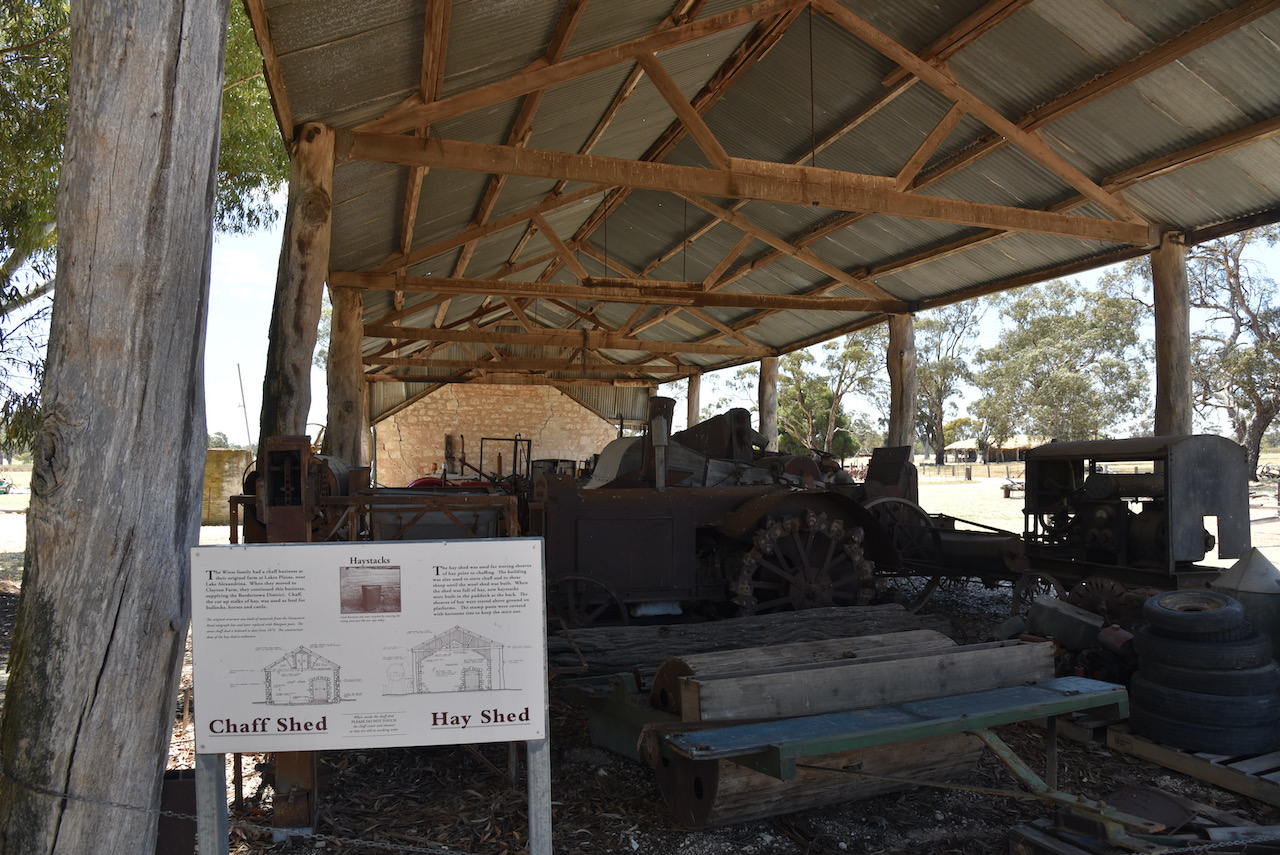
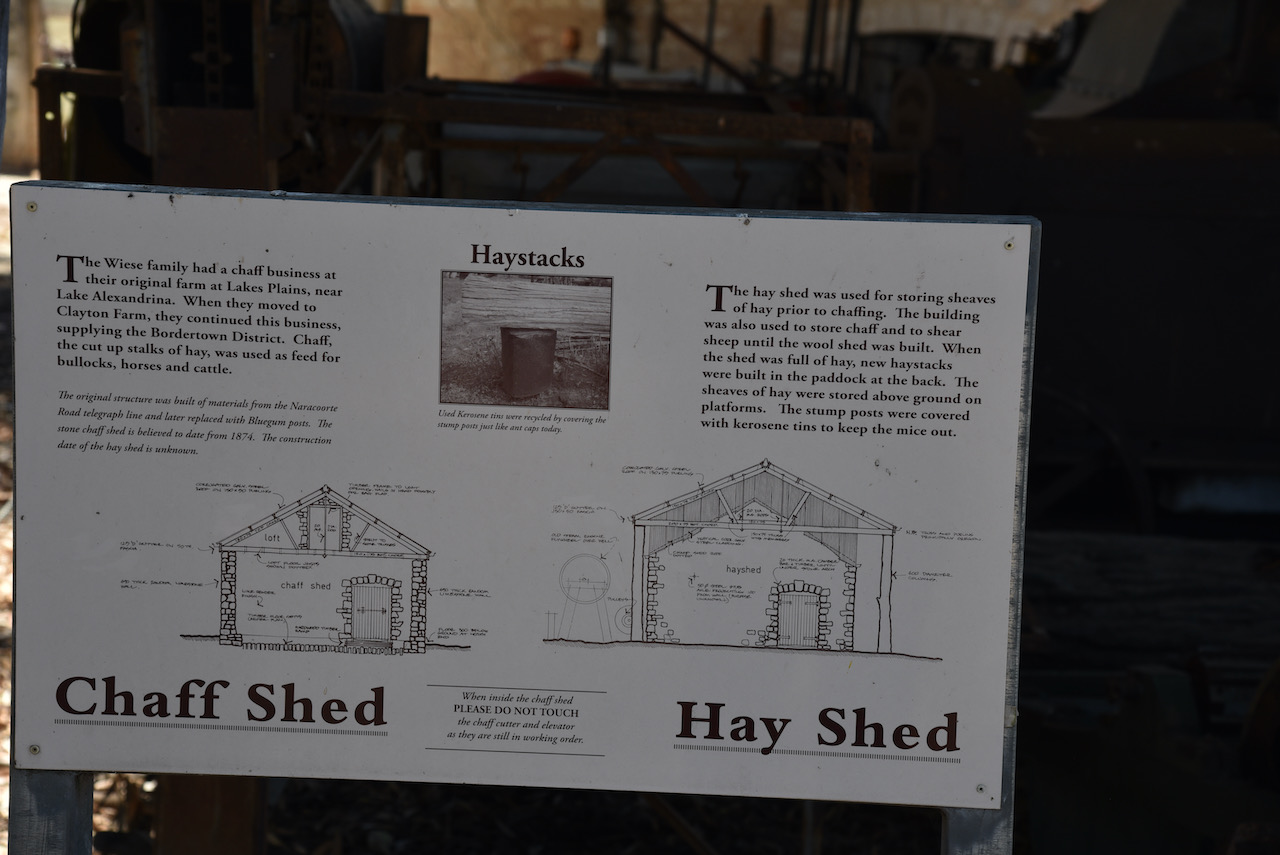
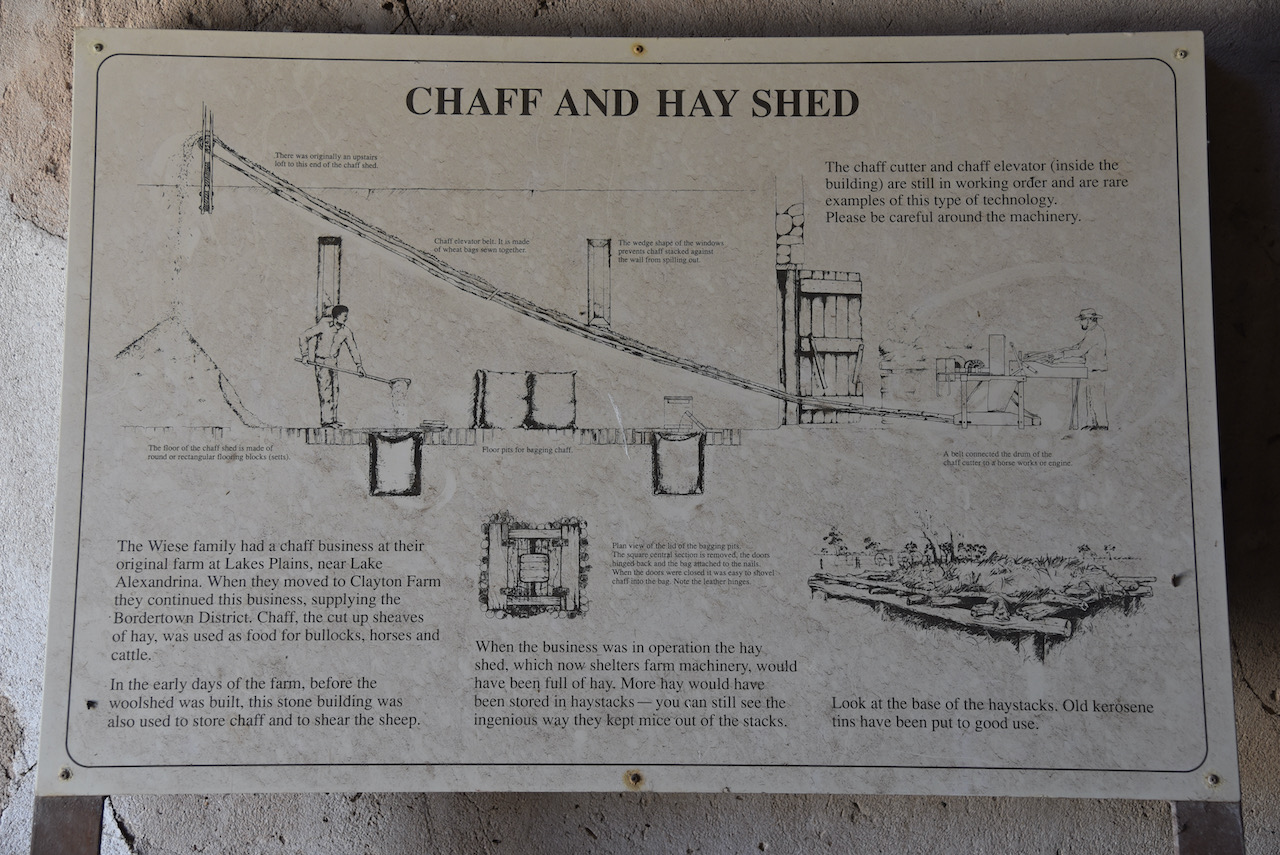
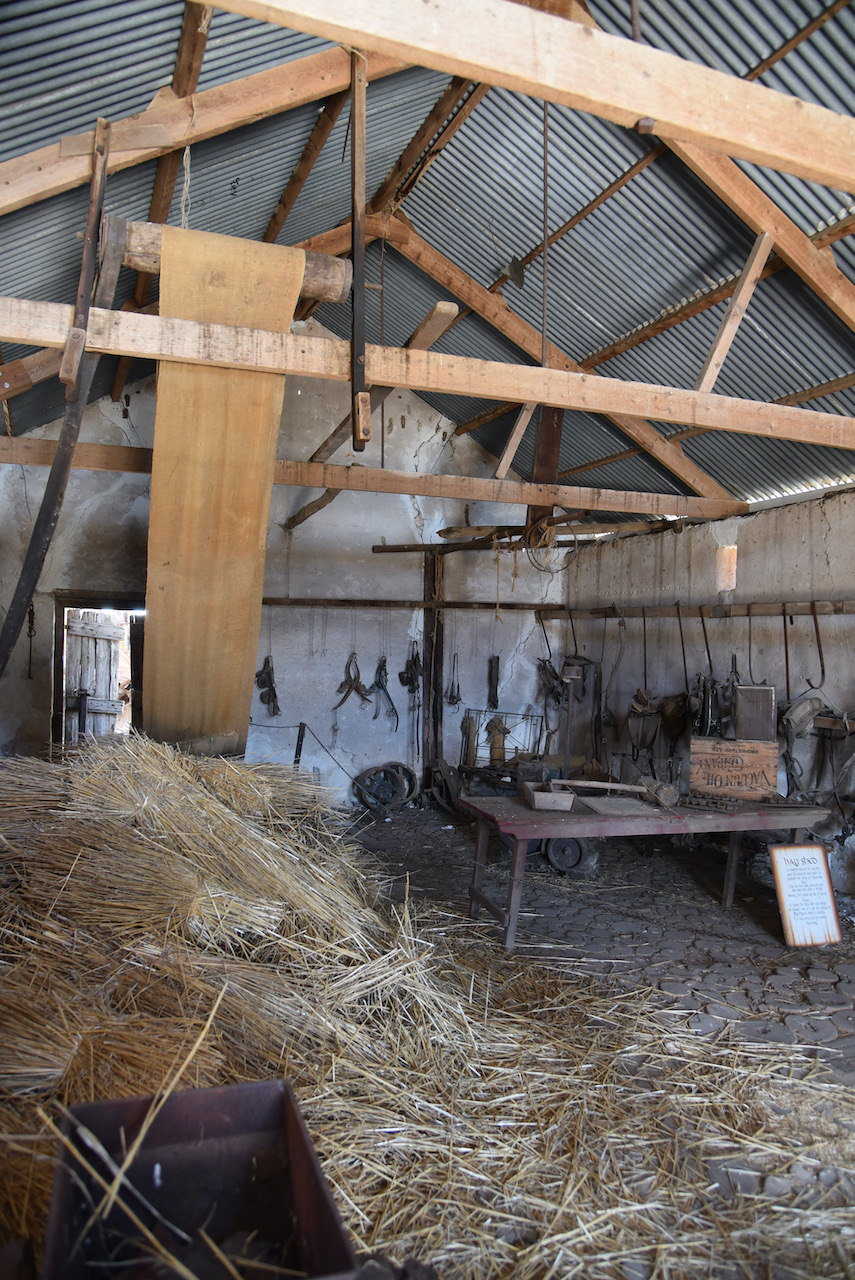

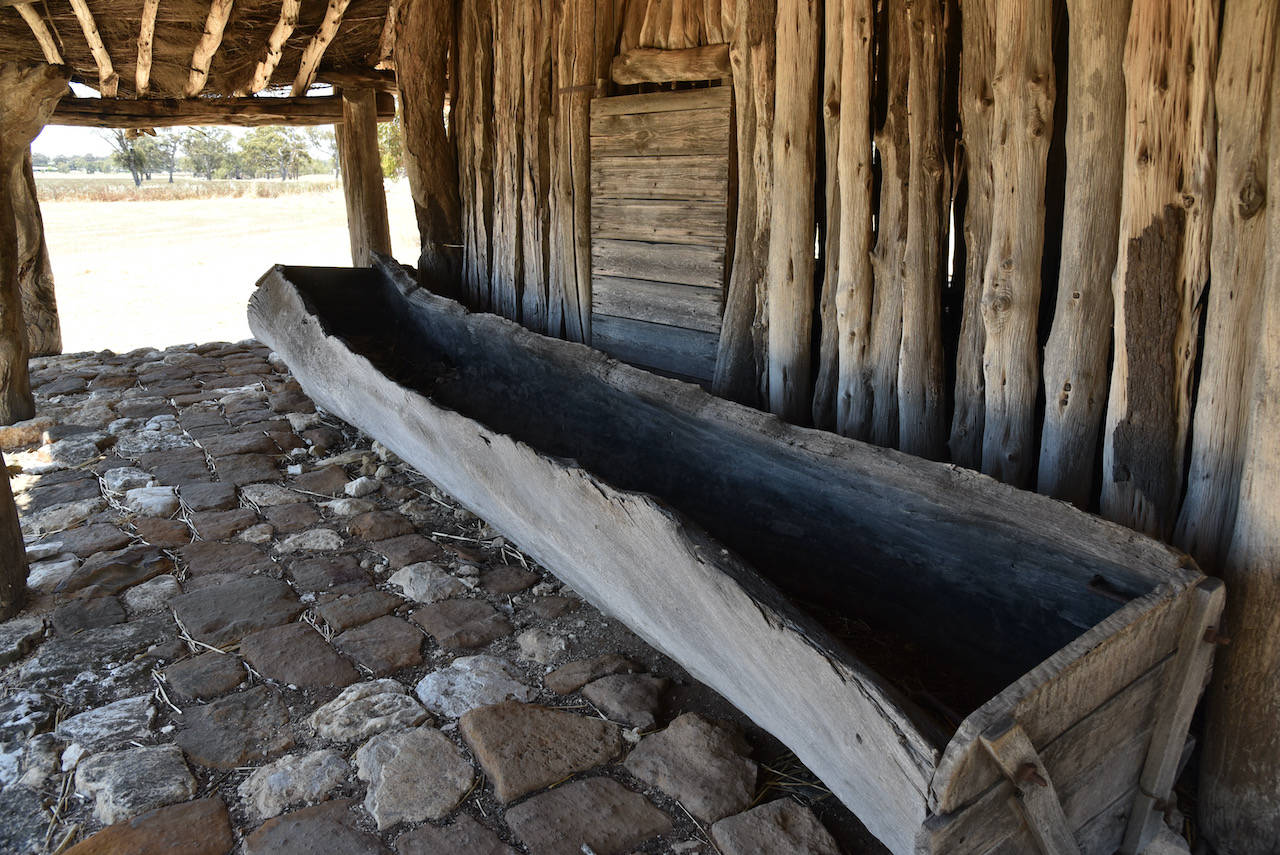

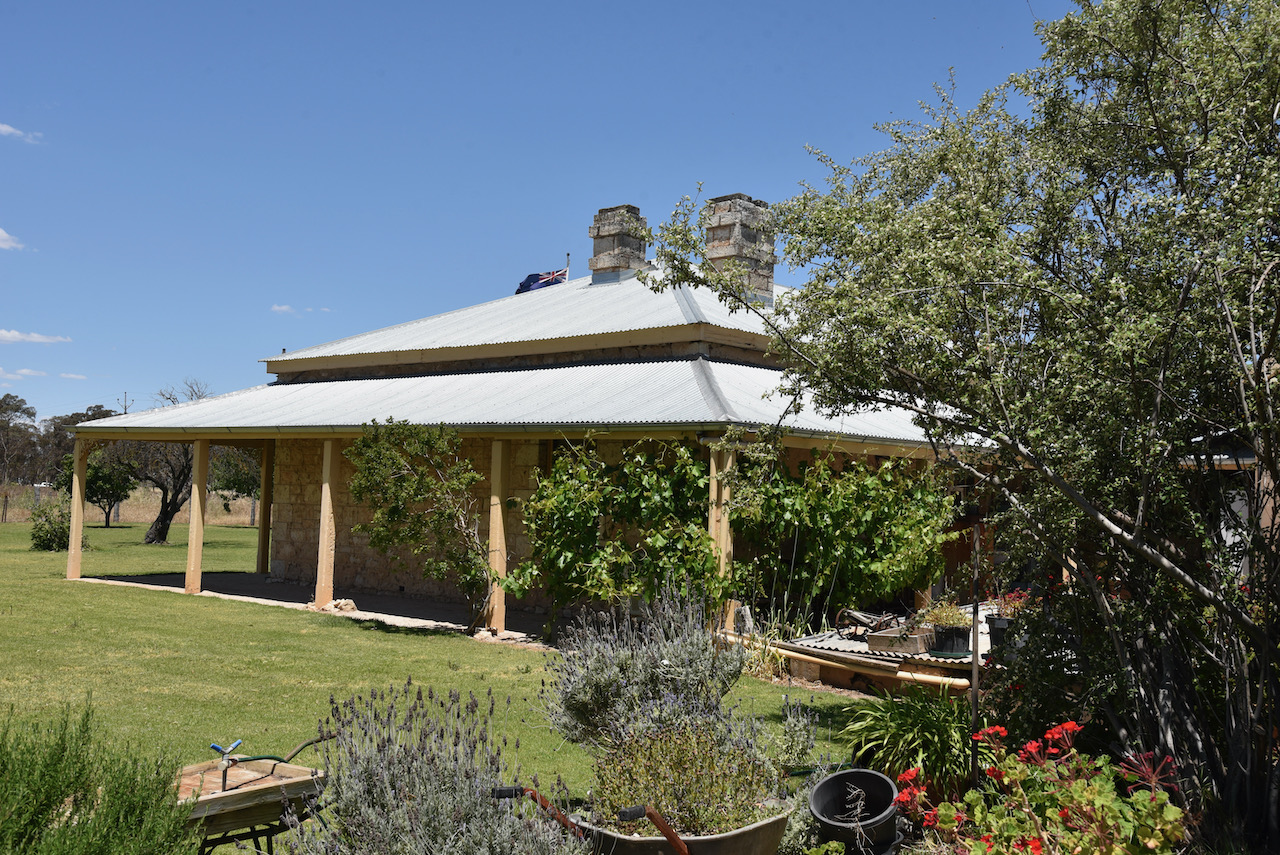
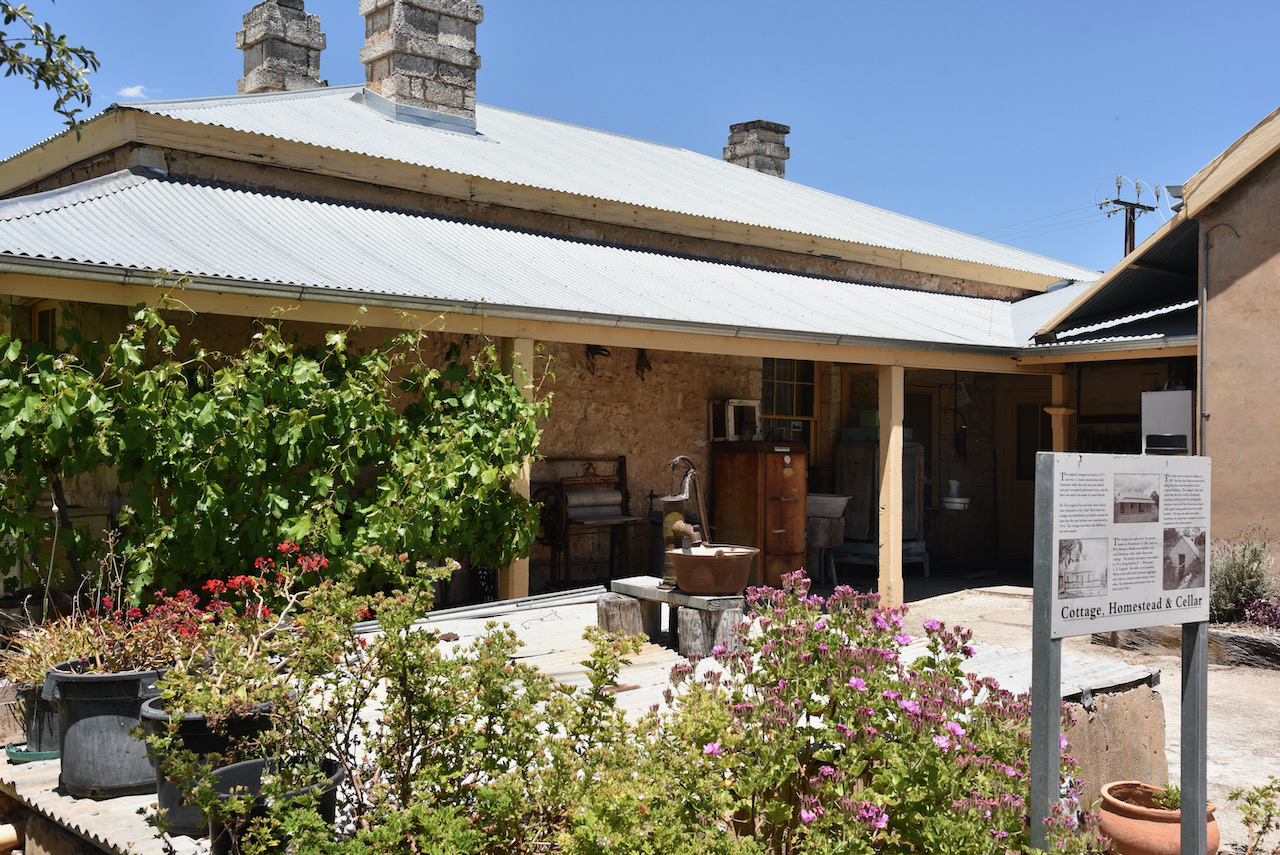
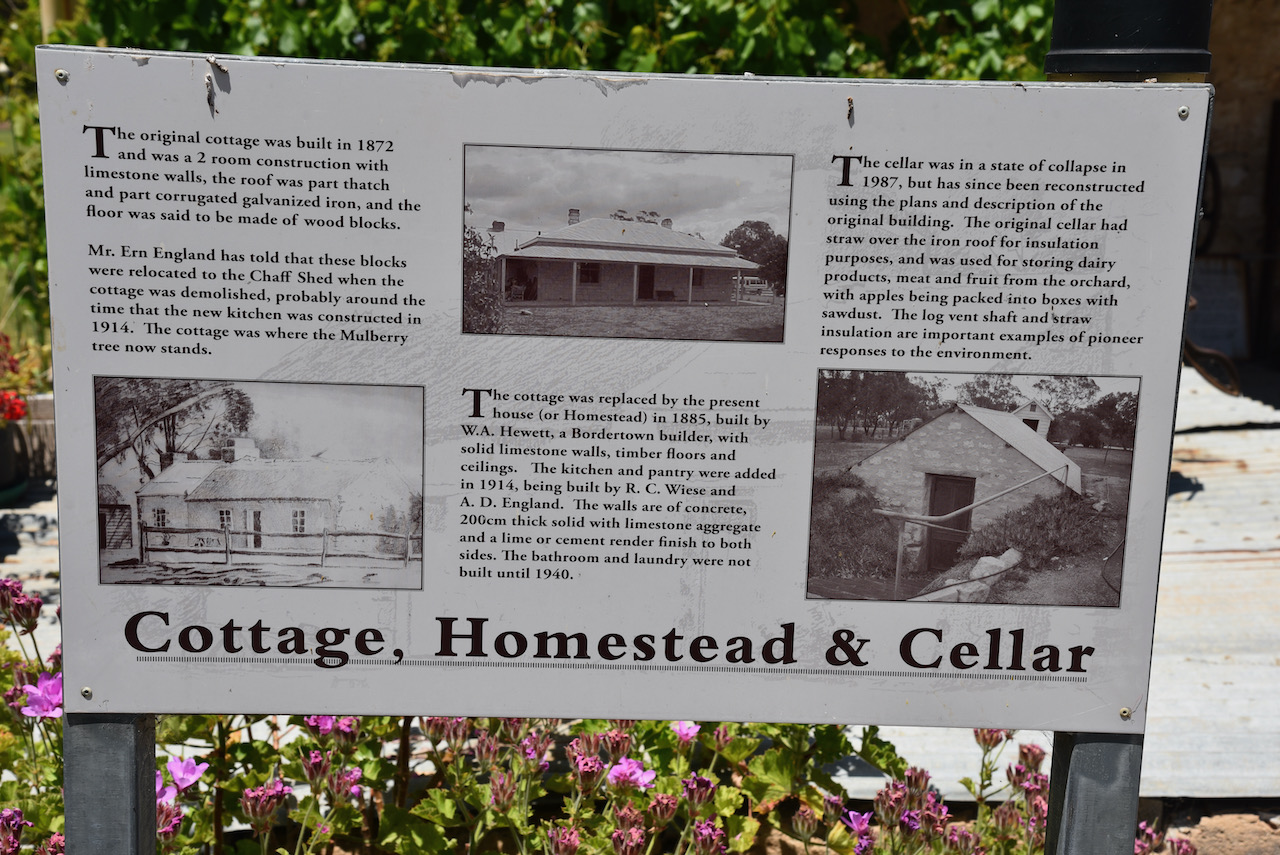
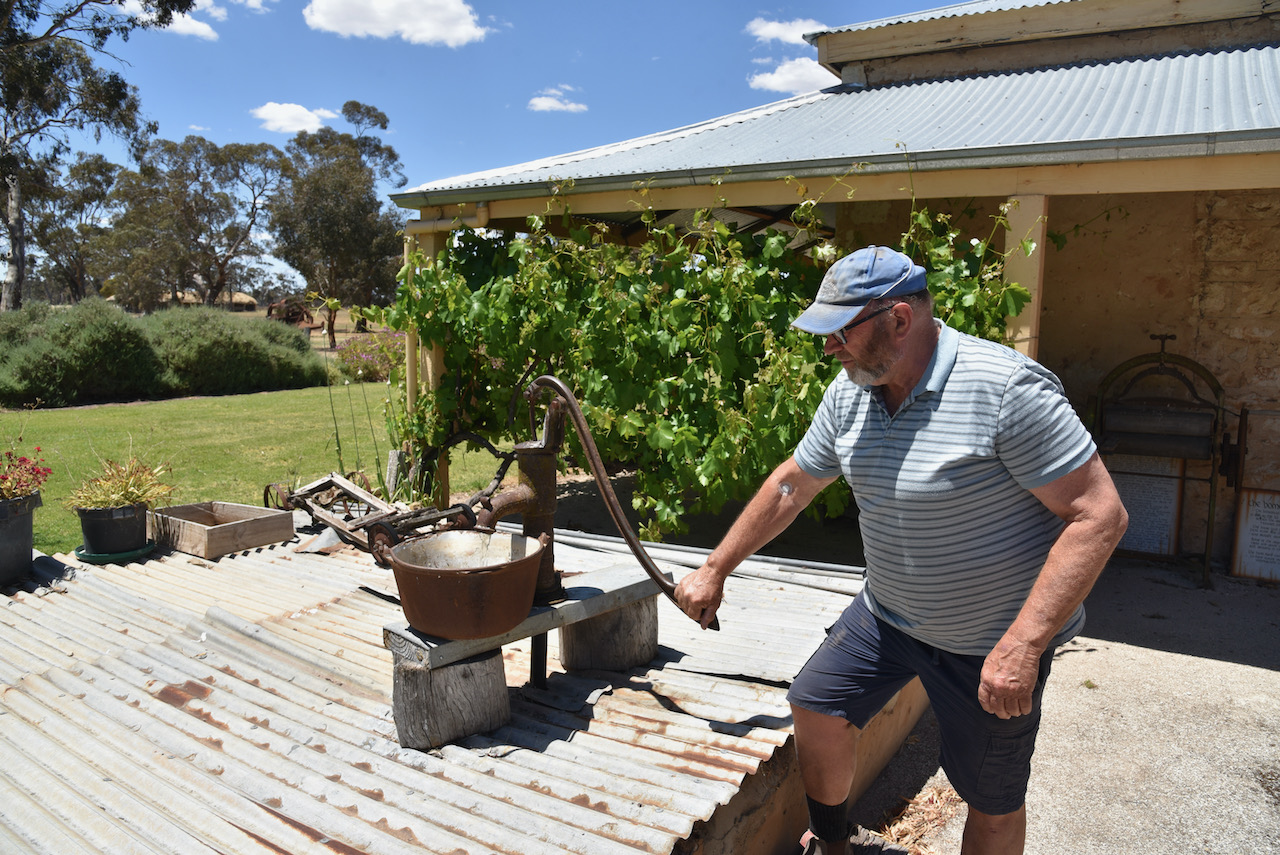

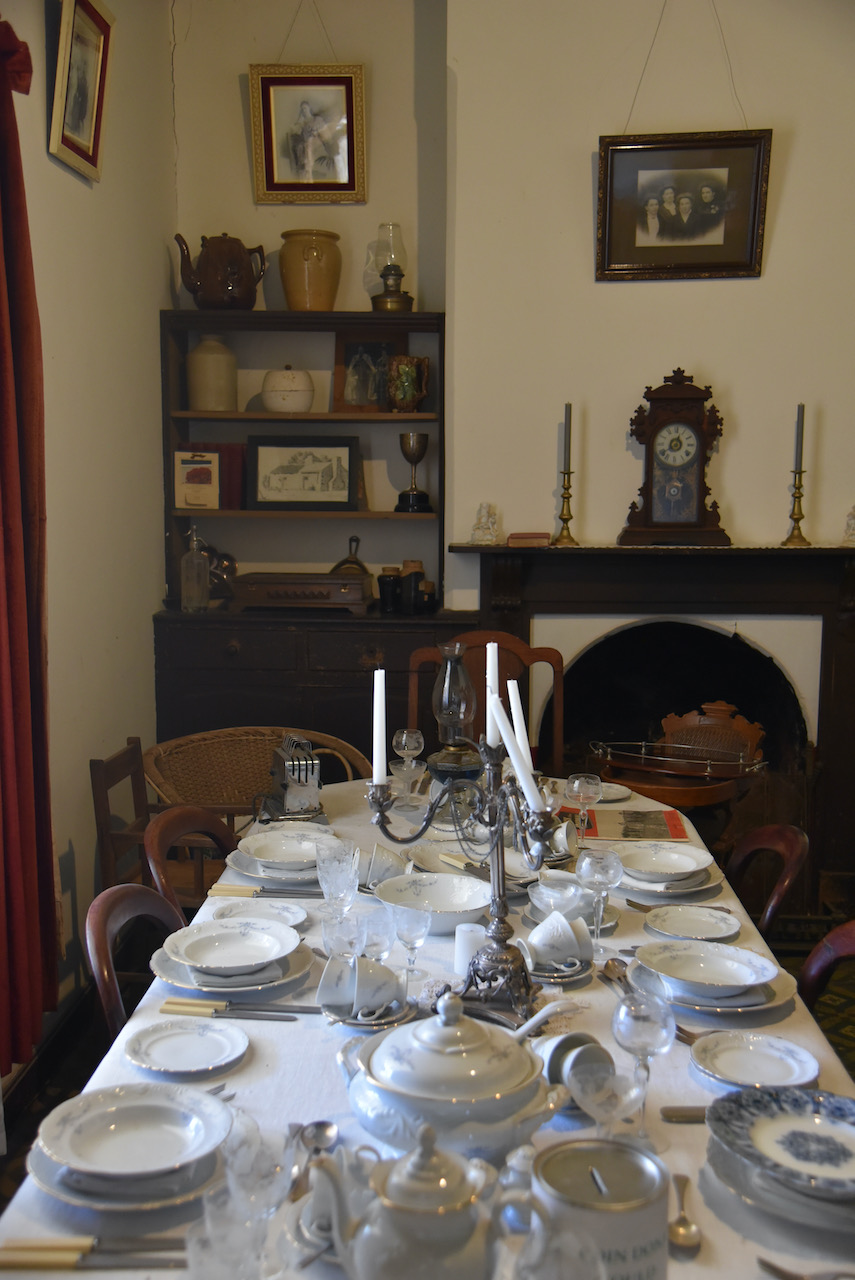
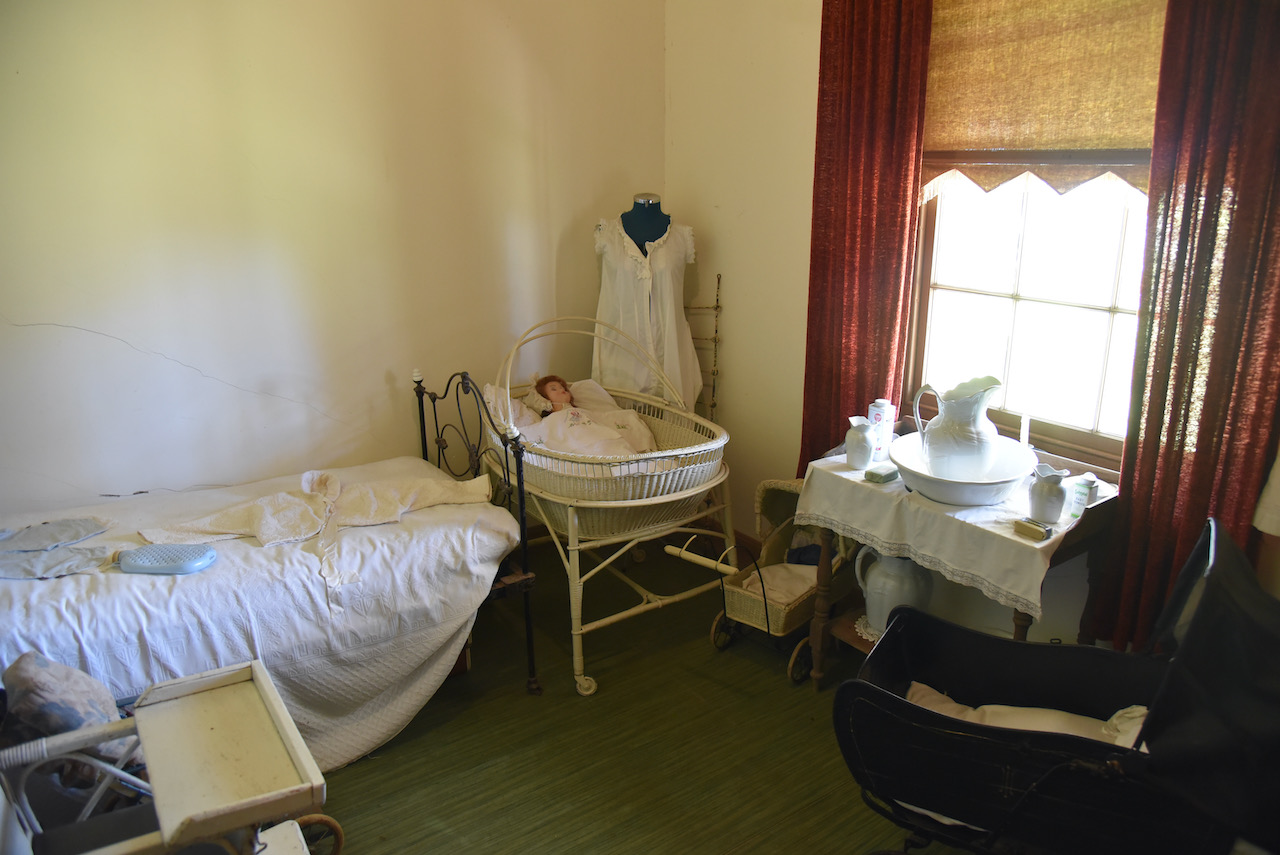
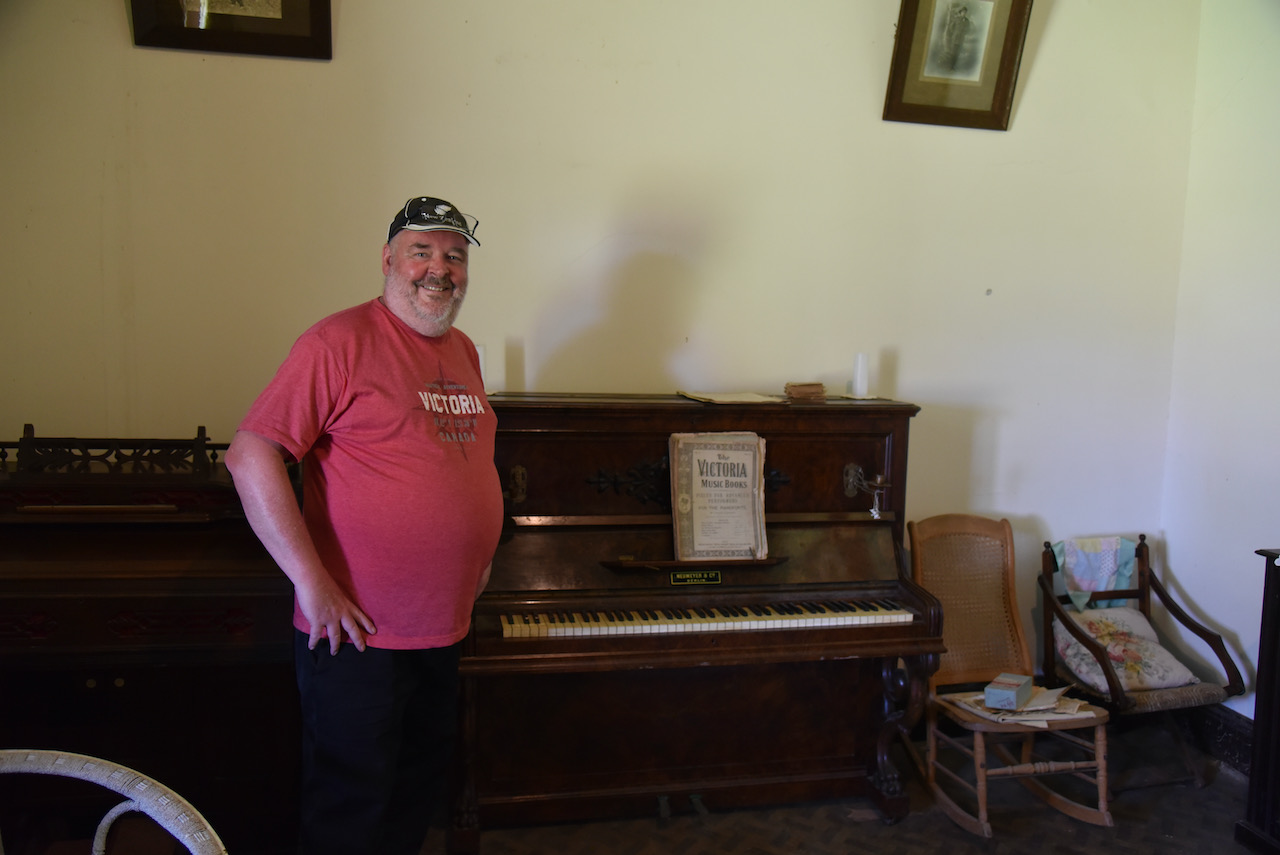

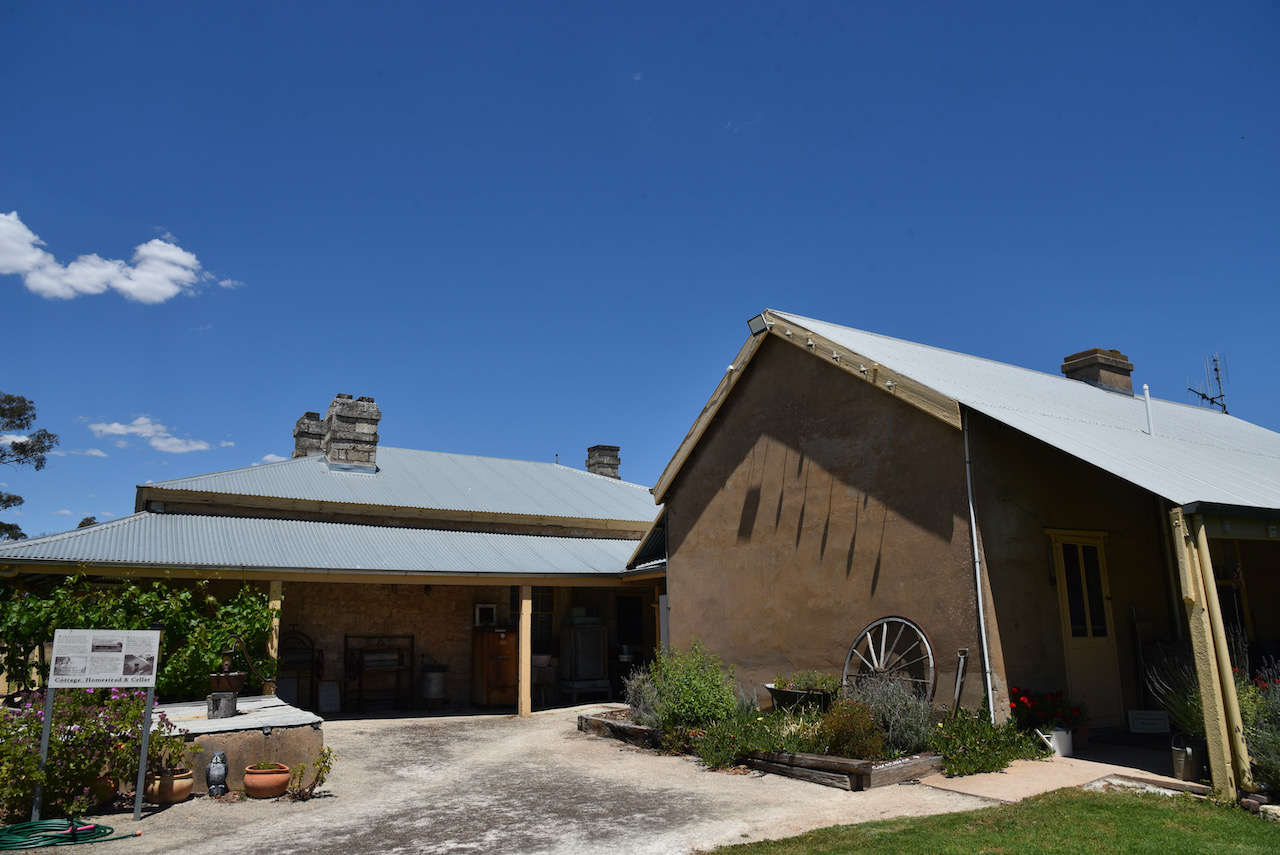
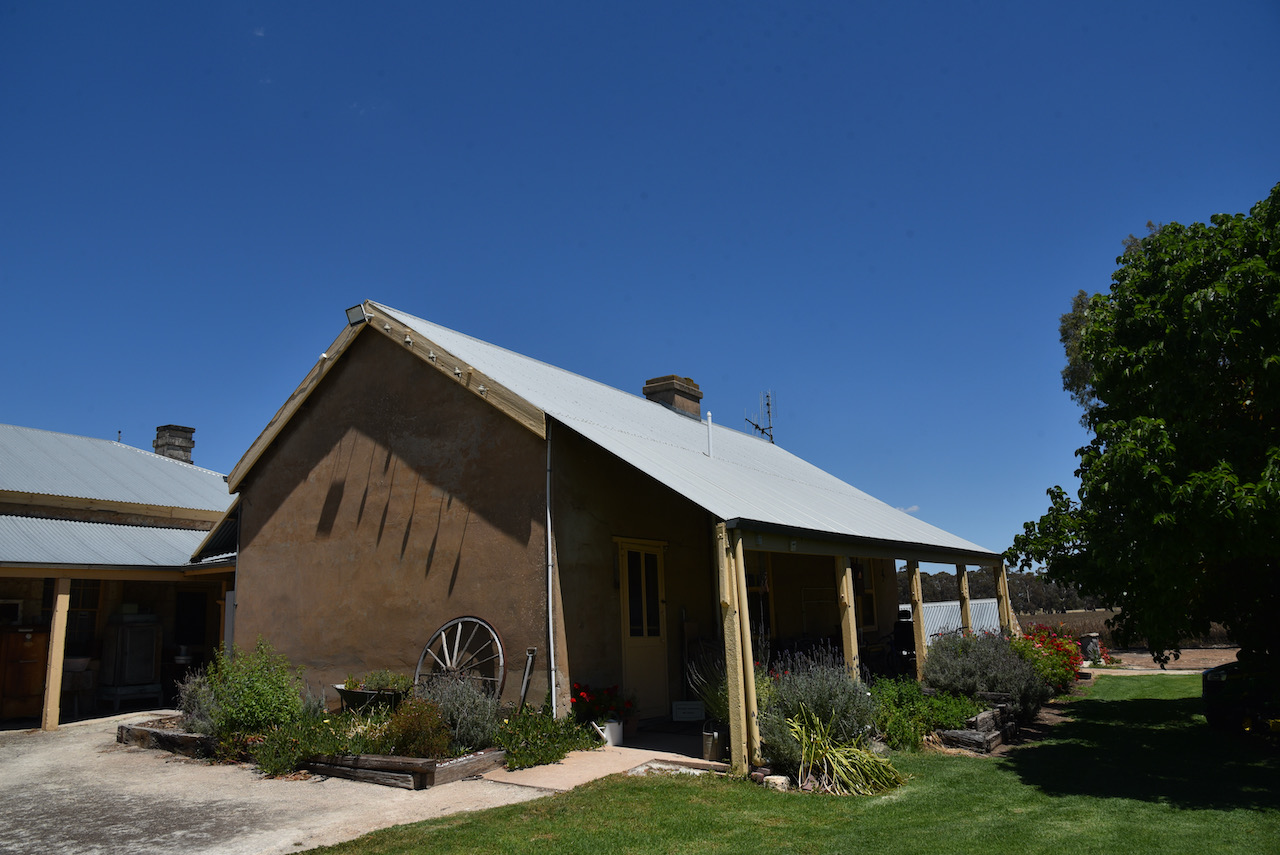
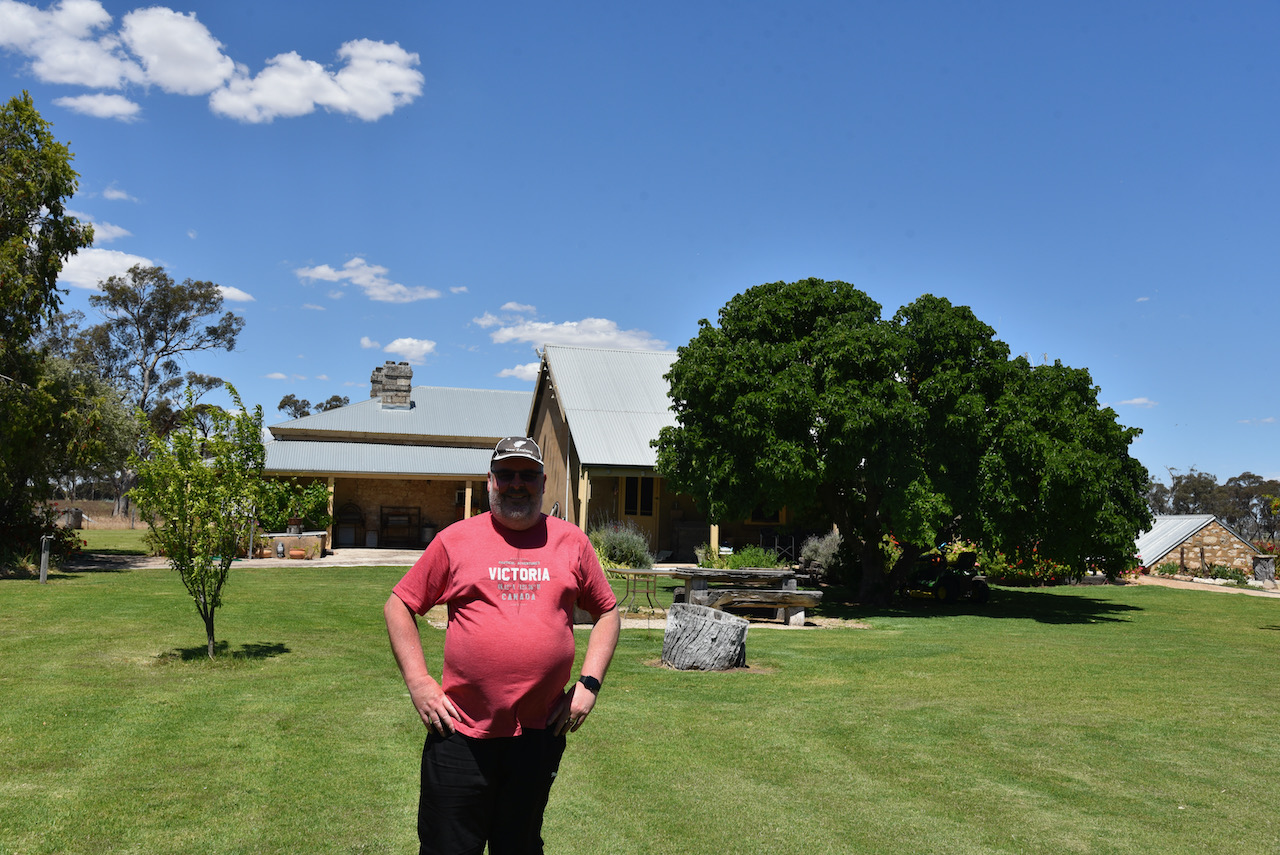
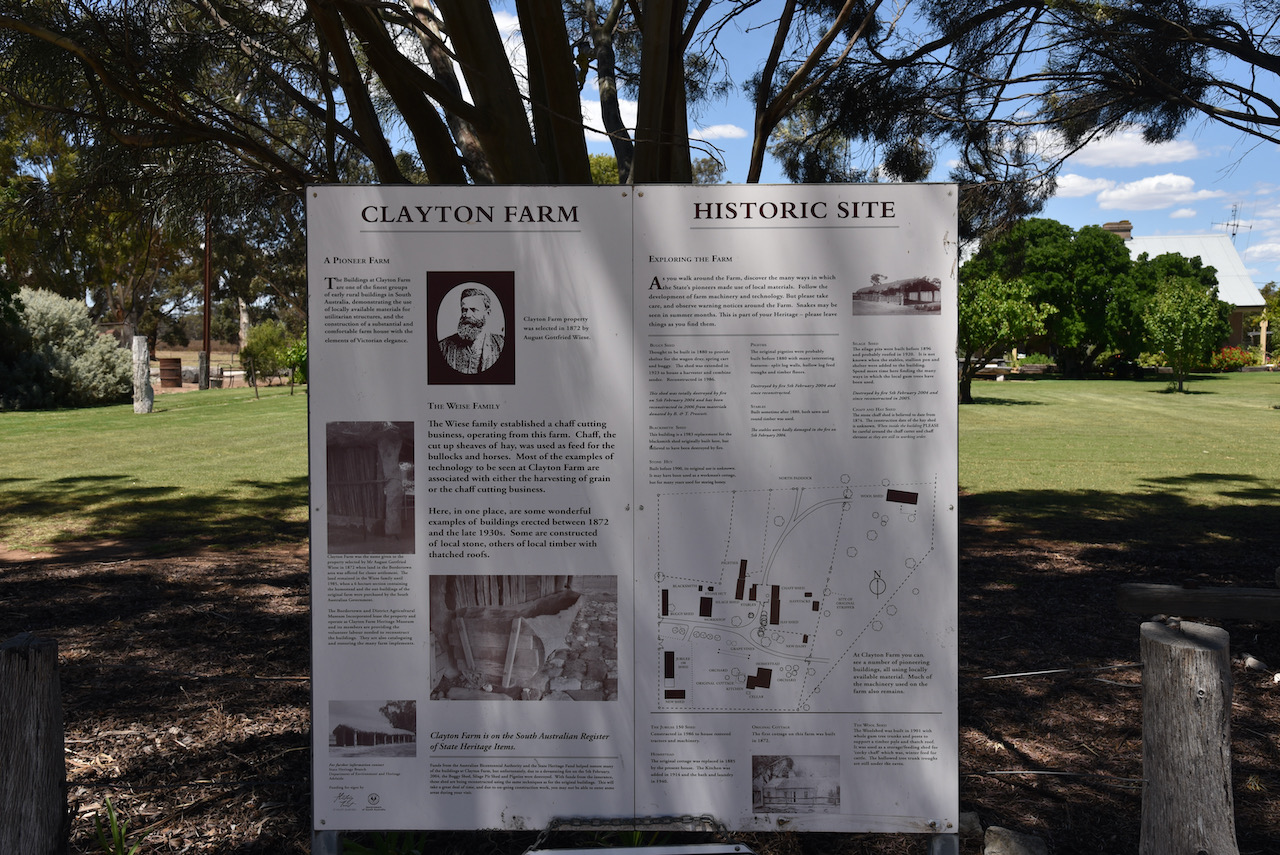
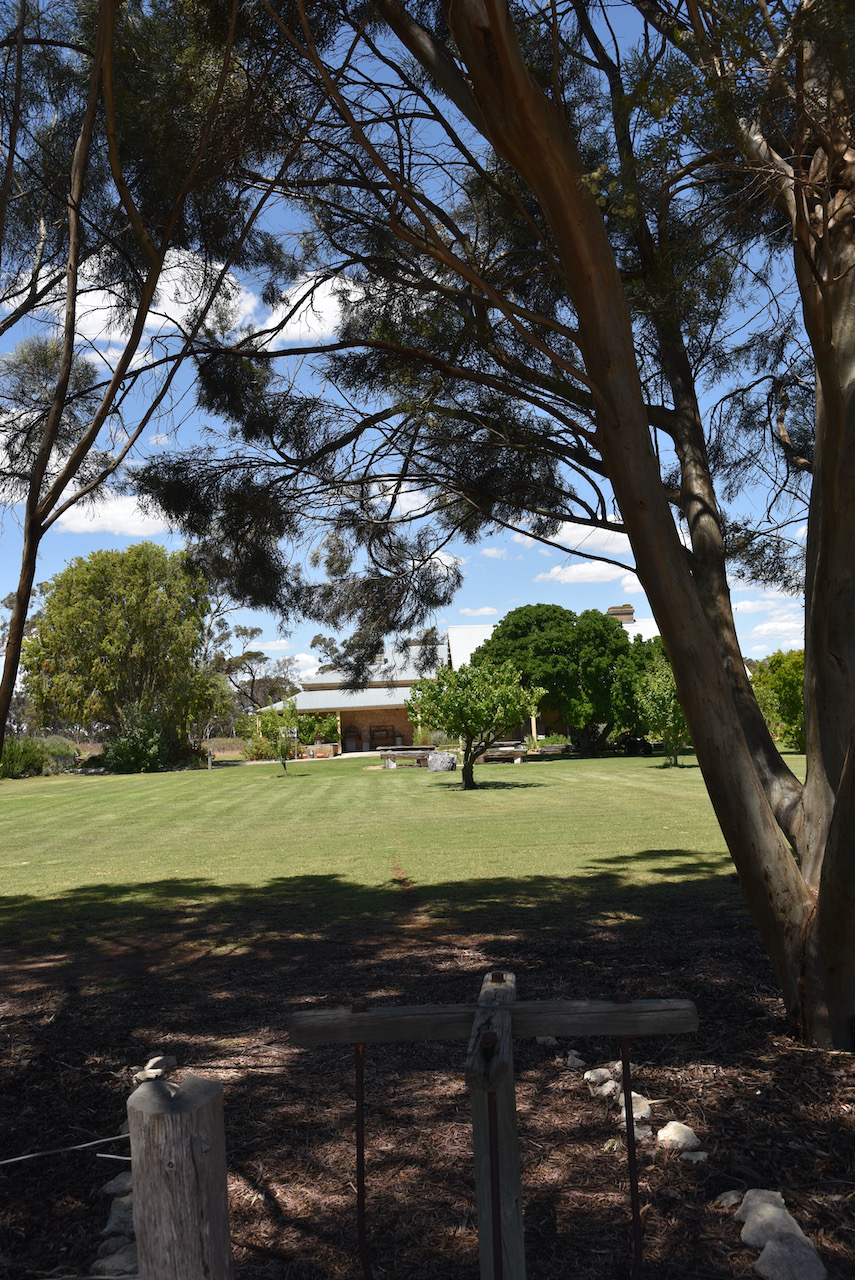
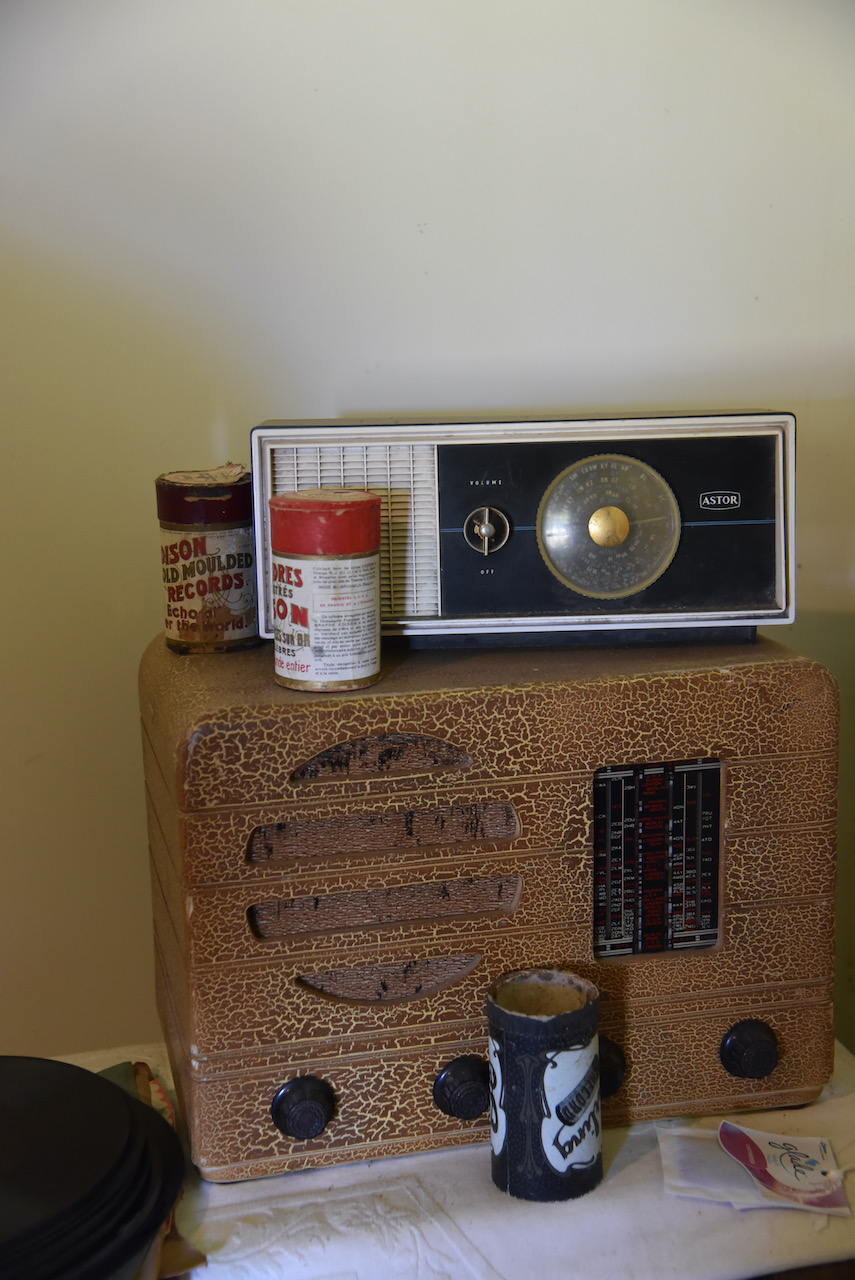
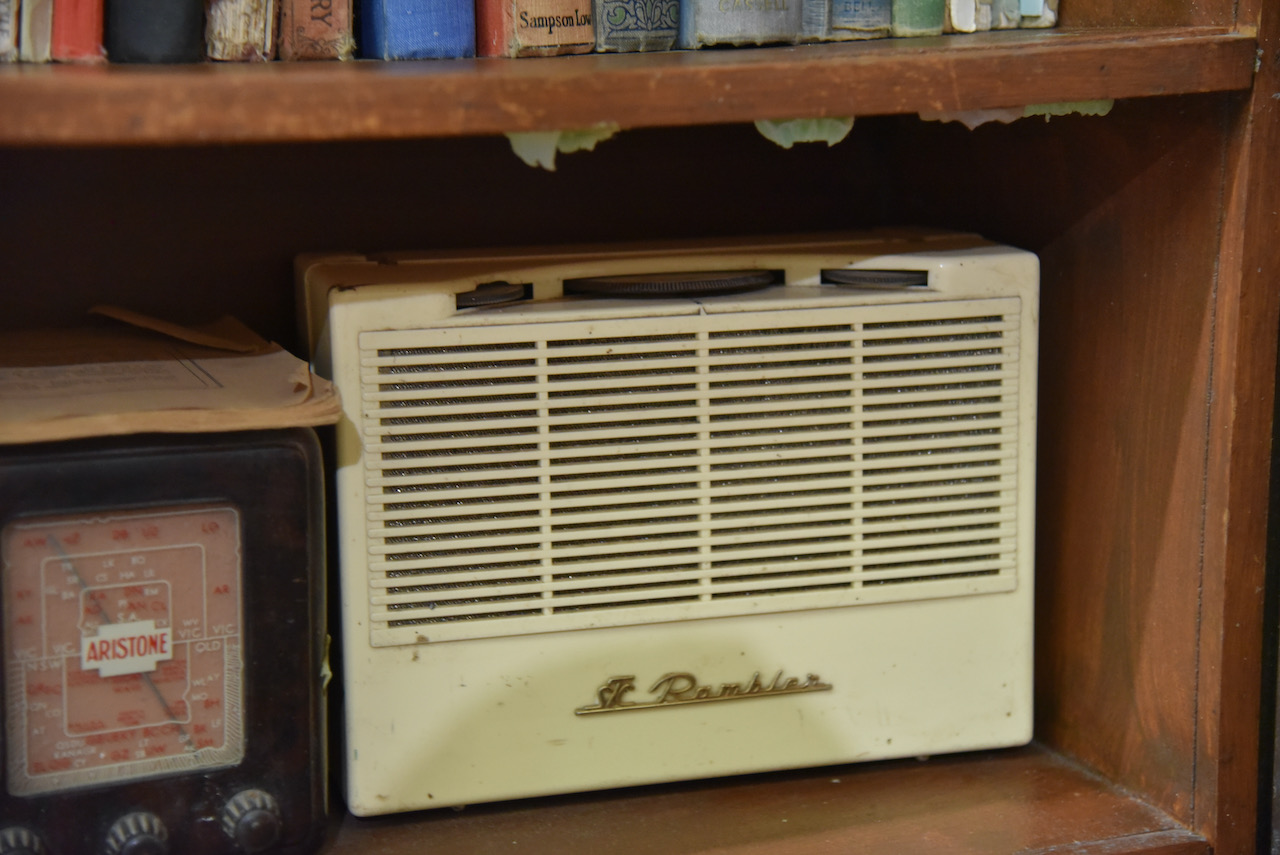
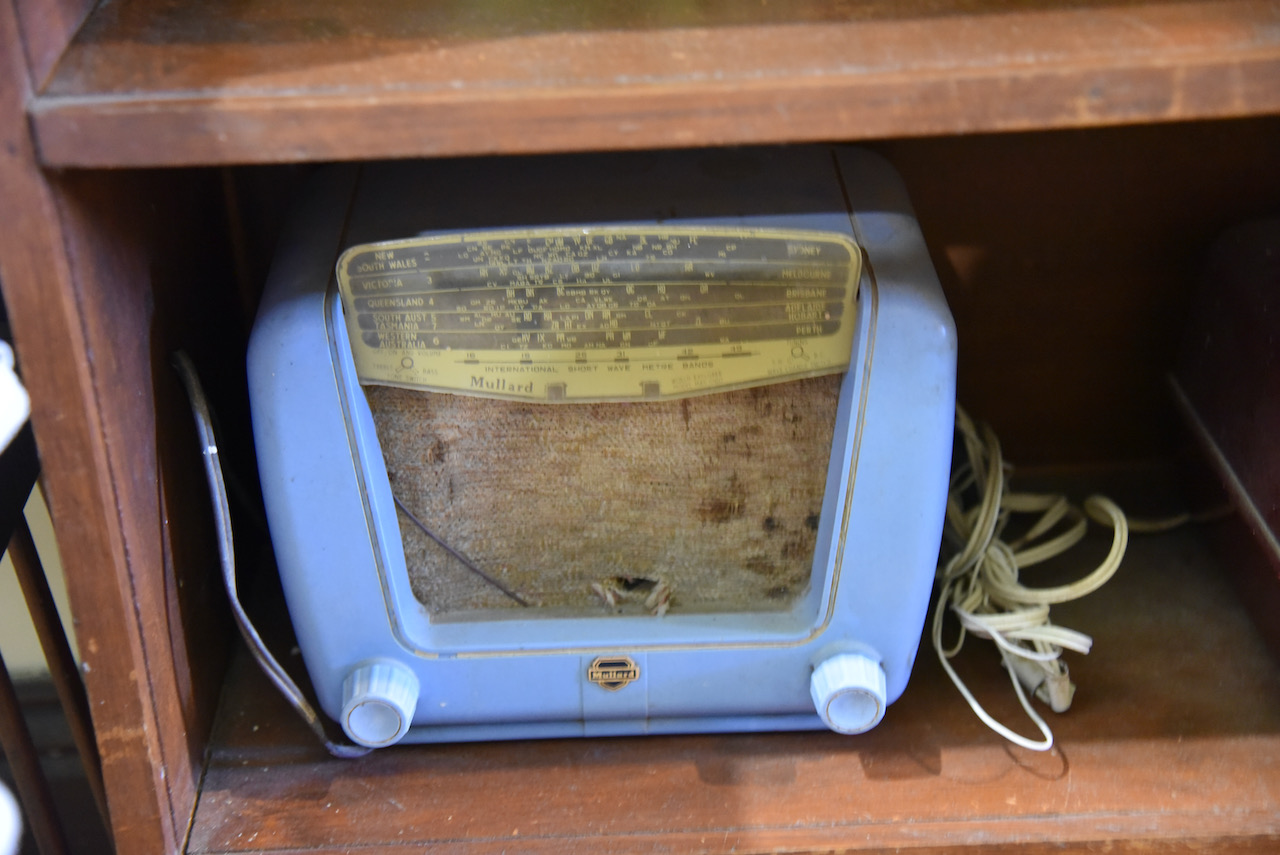
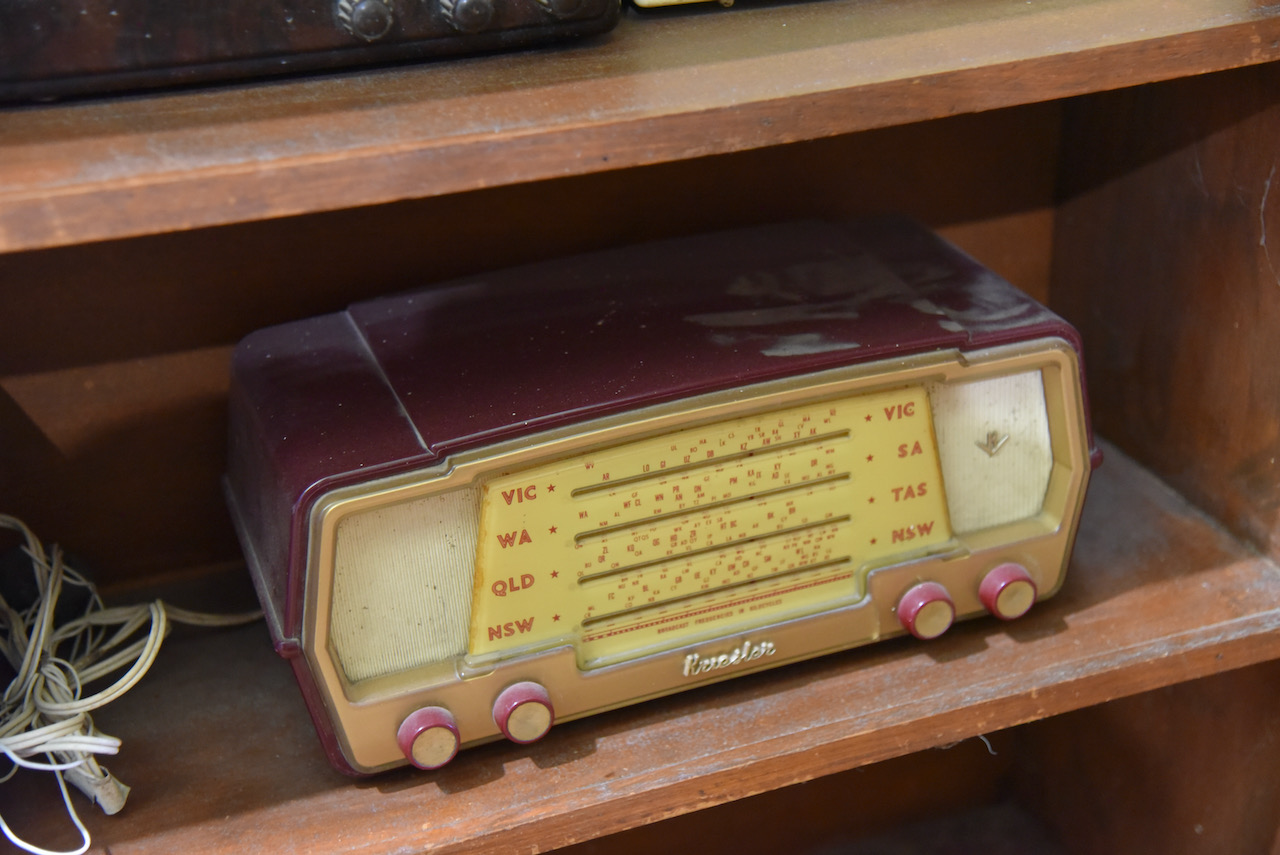
I even found some old radios in our travels at Clayton Farm.

We then headed to Wolseley for another silo activation for the Silos On The Air program. This time, the Wolseley silo VK-WLY5.
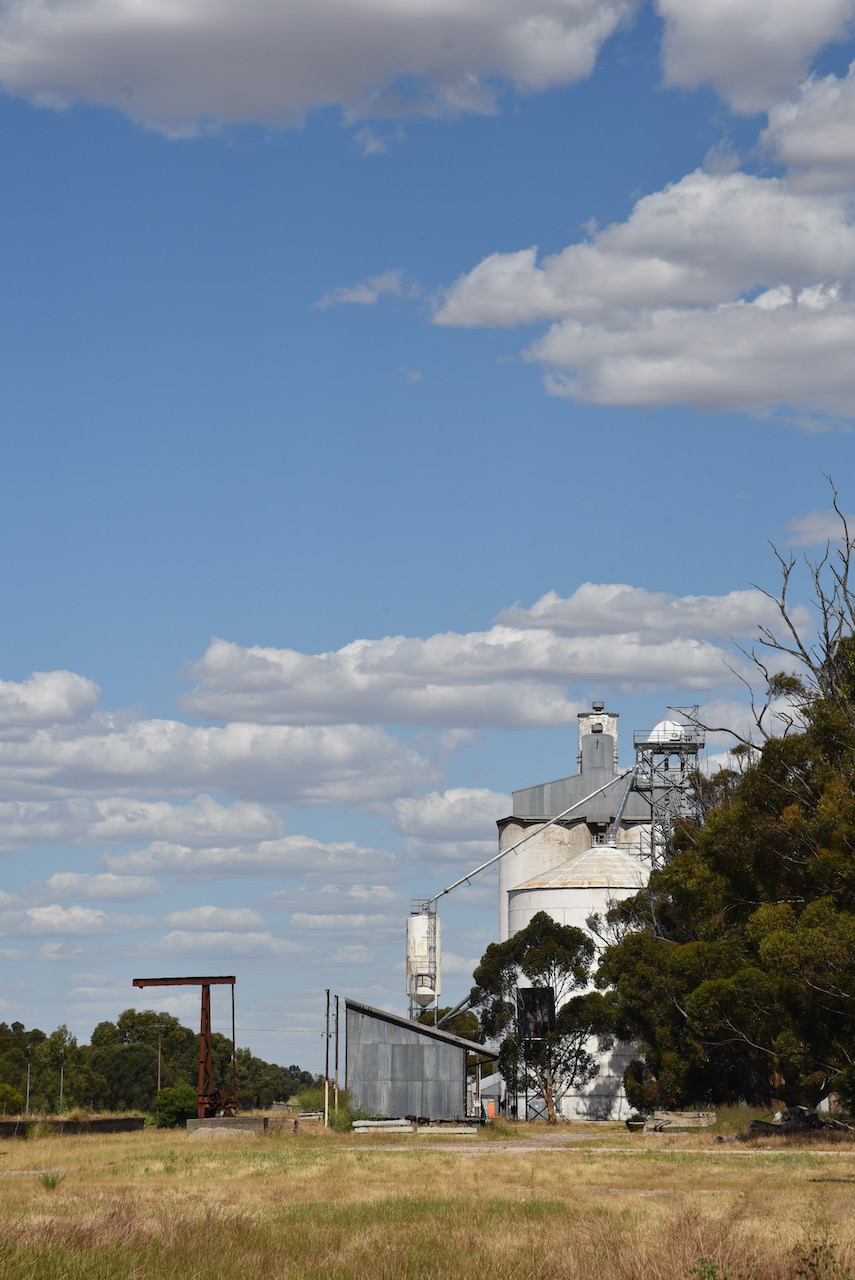
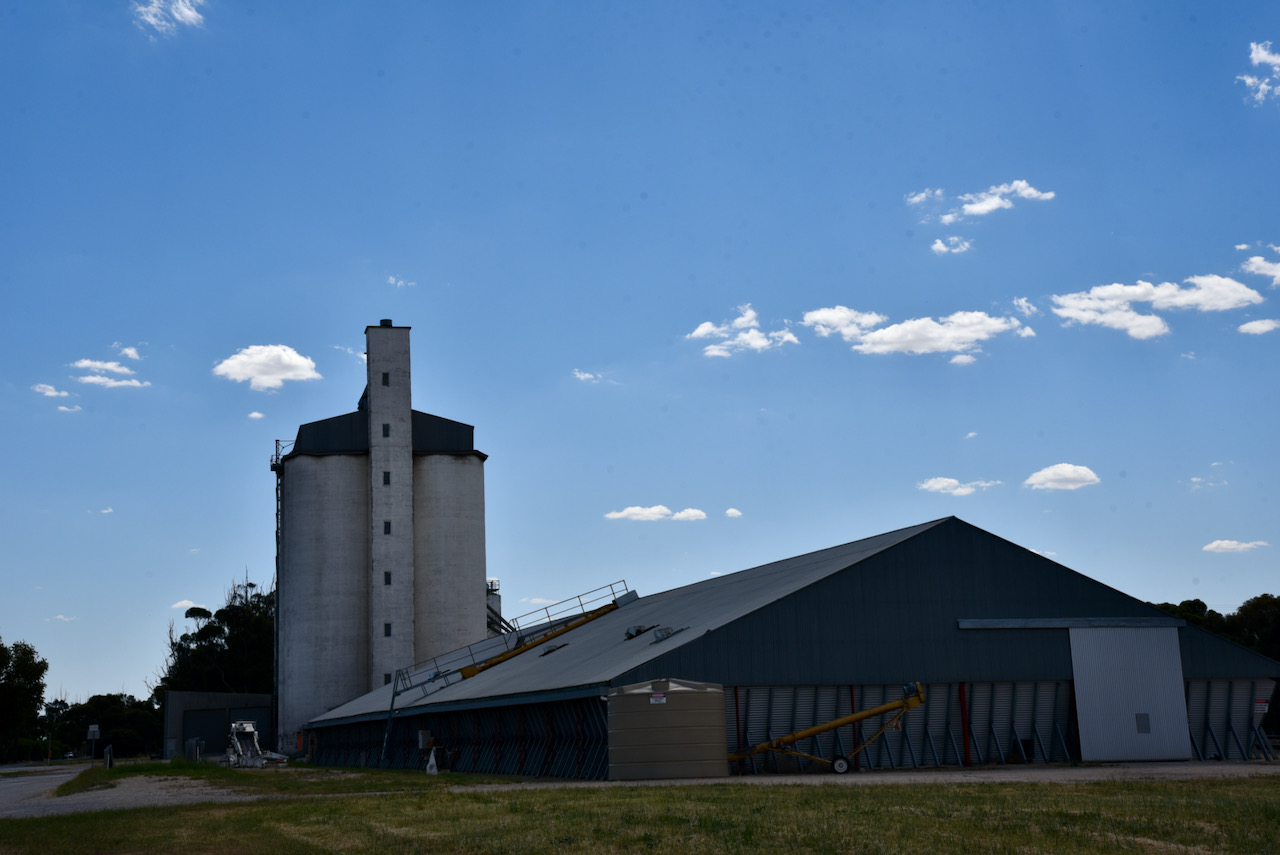
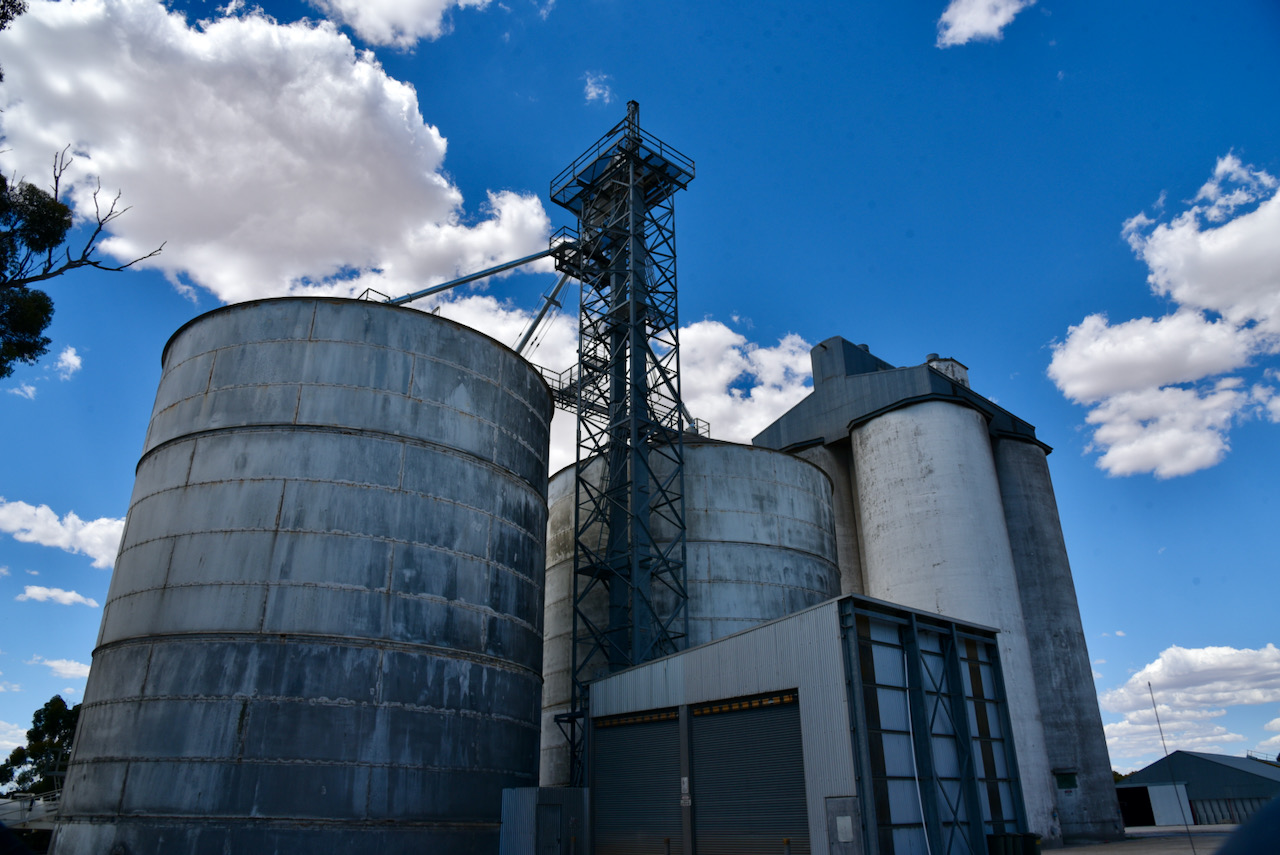
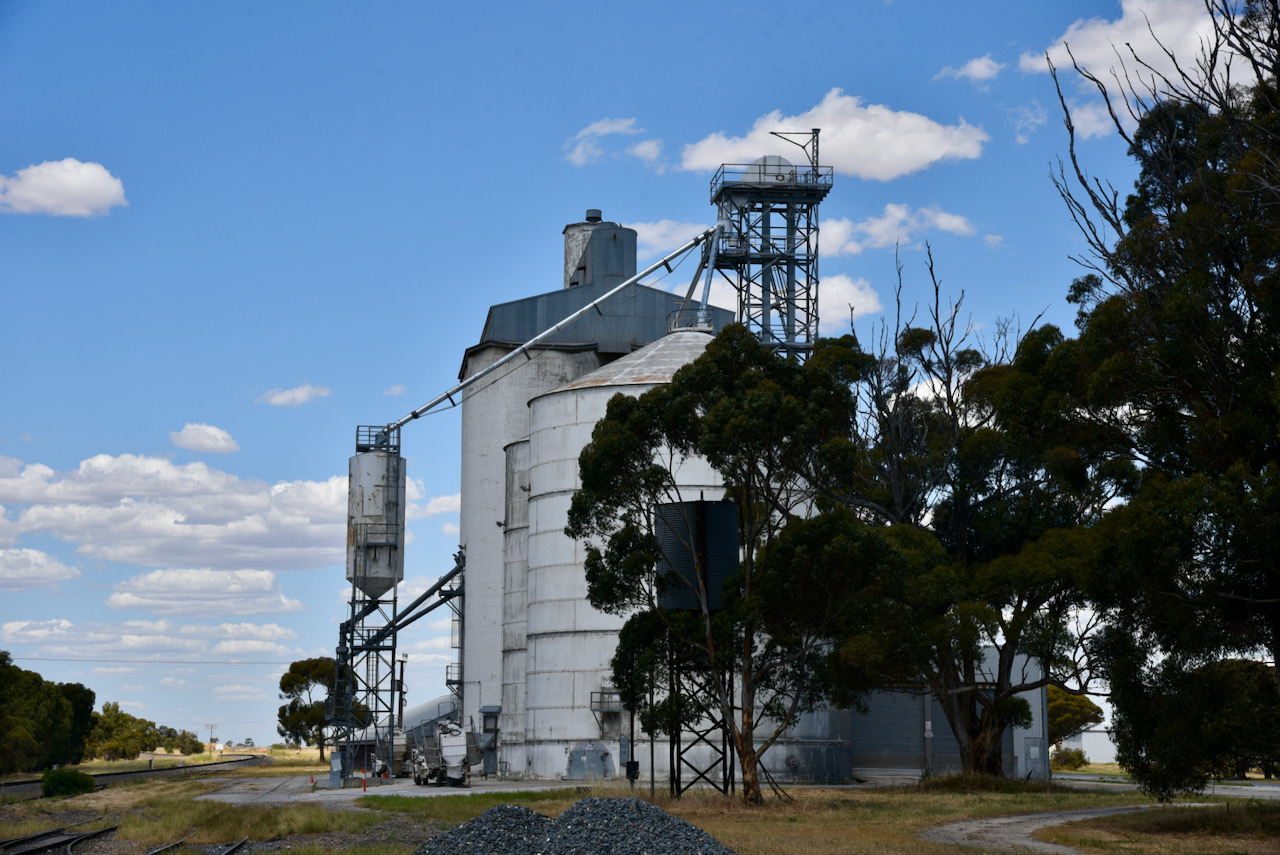


We struggled to find a quiet RF location near the silo so we drove to the end of Railway Terrace and entered the Wolseley Common Conservation Park, which we had activated on Saturday for the 2021 VKFF Activation Weekend. It was much quieter on the bands to operate from here.
In the SiOTA program, the activation zone is 1 km of the silo, so we were well and truly inside that.
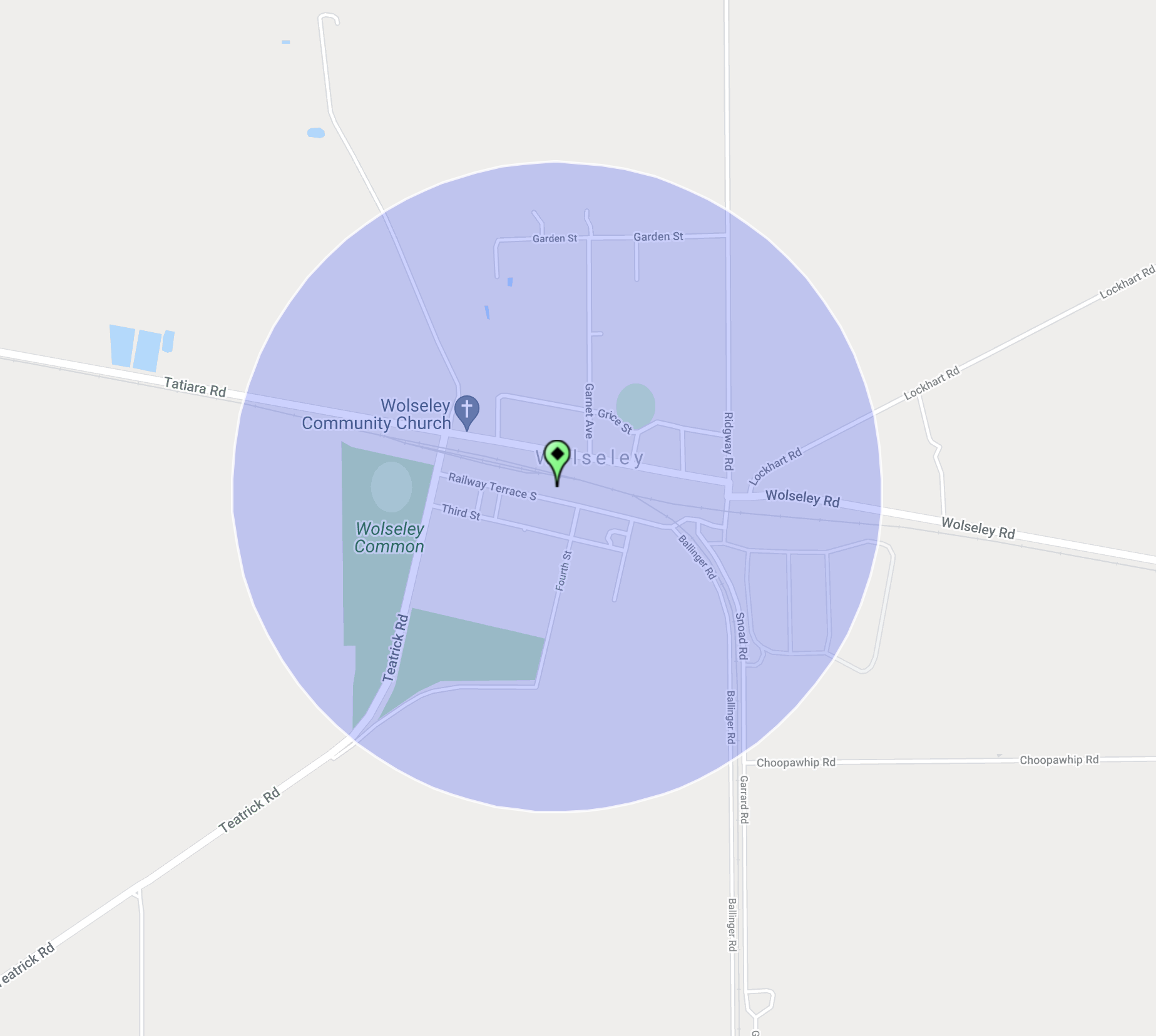
It was a ‘double-whammy, a silo activation and a park activation.

We spent about 45 minutes at the silo/park and made a total of 34 QSOs on 40m SSB. We had run out of time to try 20m and 80m.
Marija made the following QSOs on 40m SSB;-
I made the following QSOs on 40m SSB:-
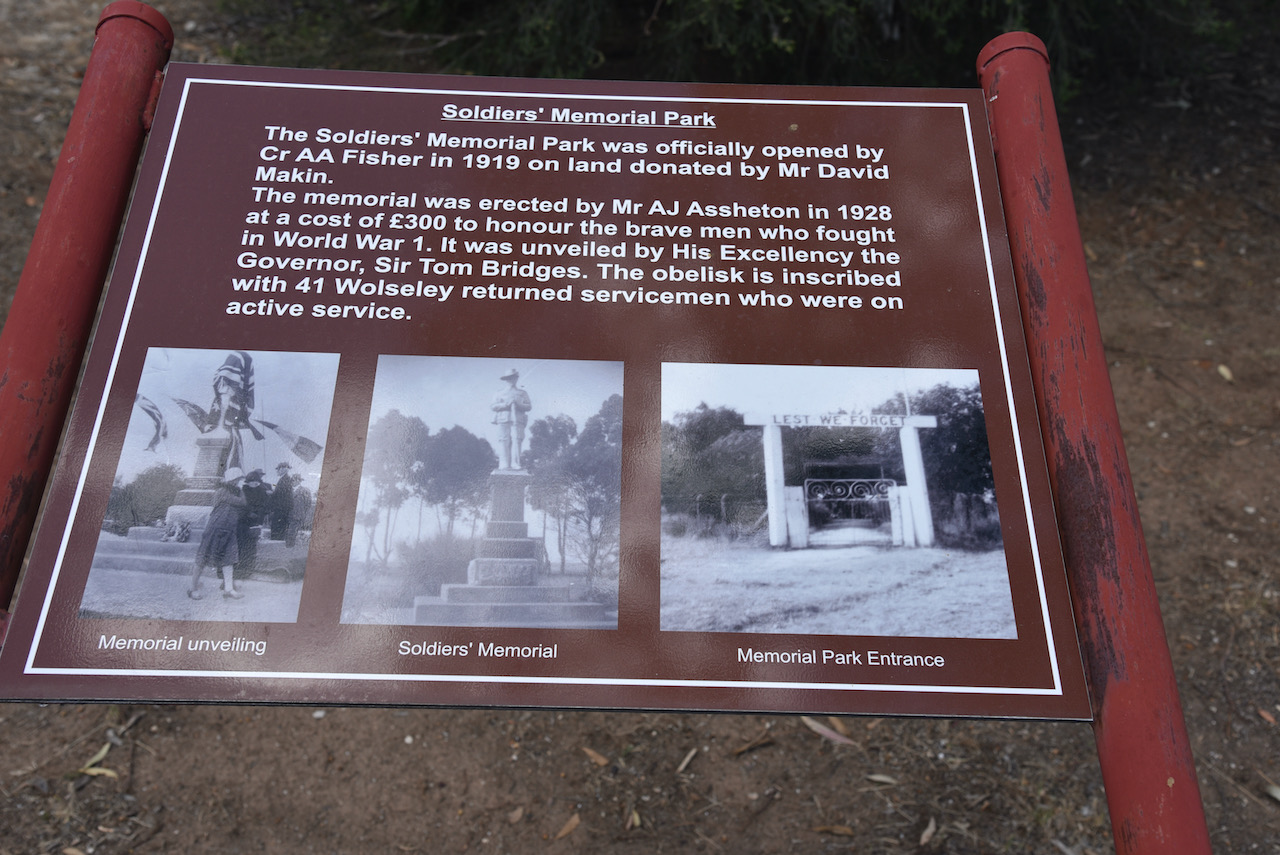
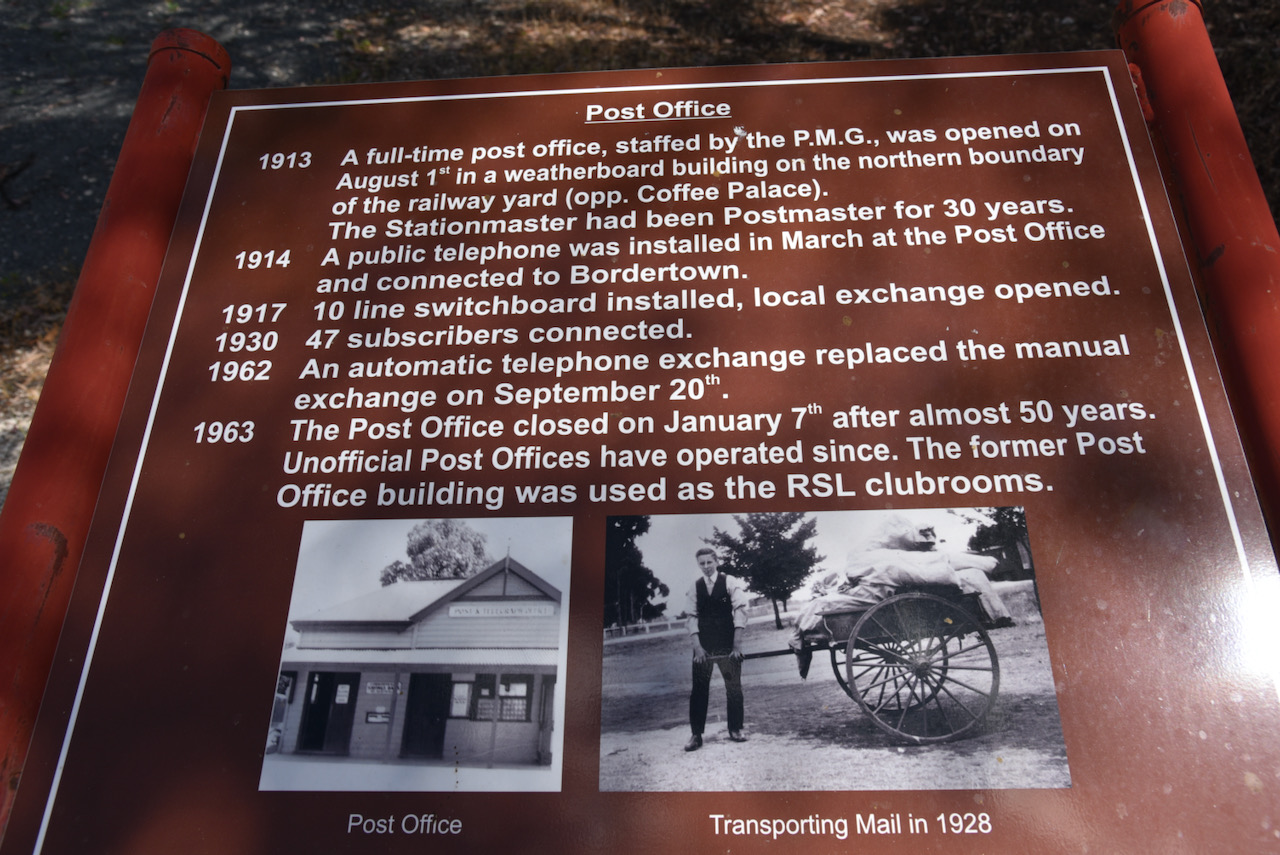
We then packed up and headed back into the town of Wolseley. Although we had looked around the town on Saturday, there were still some interesting things to have a look at in this very historic little town.
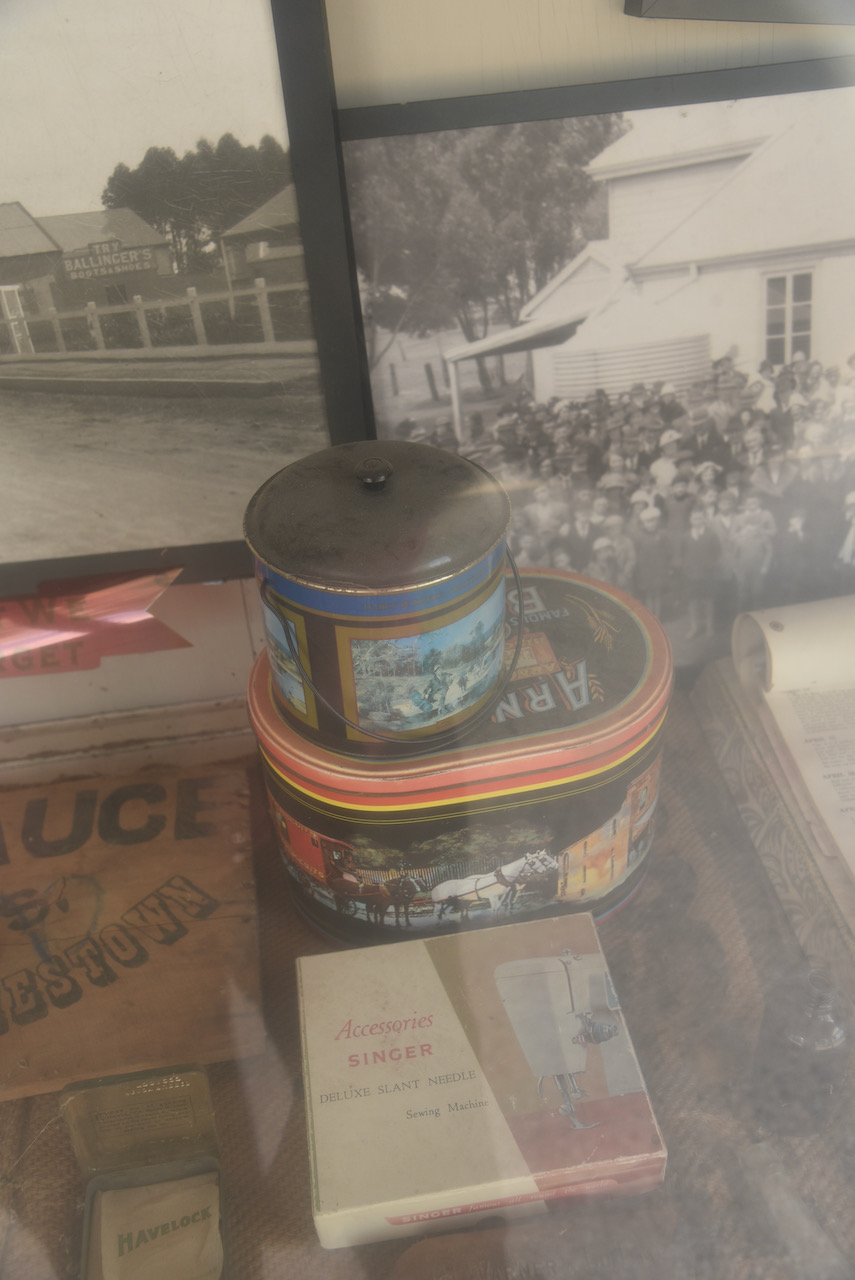

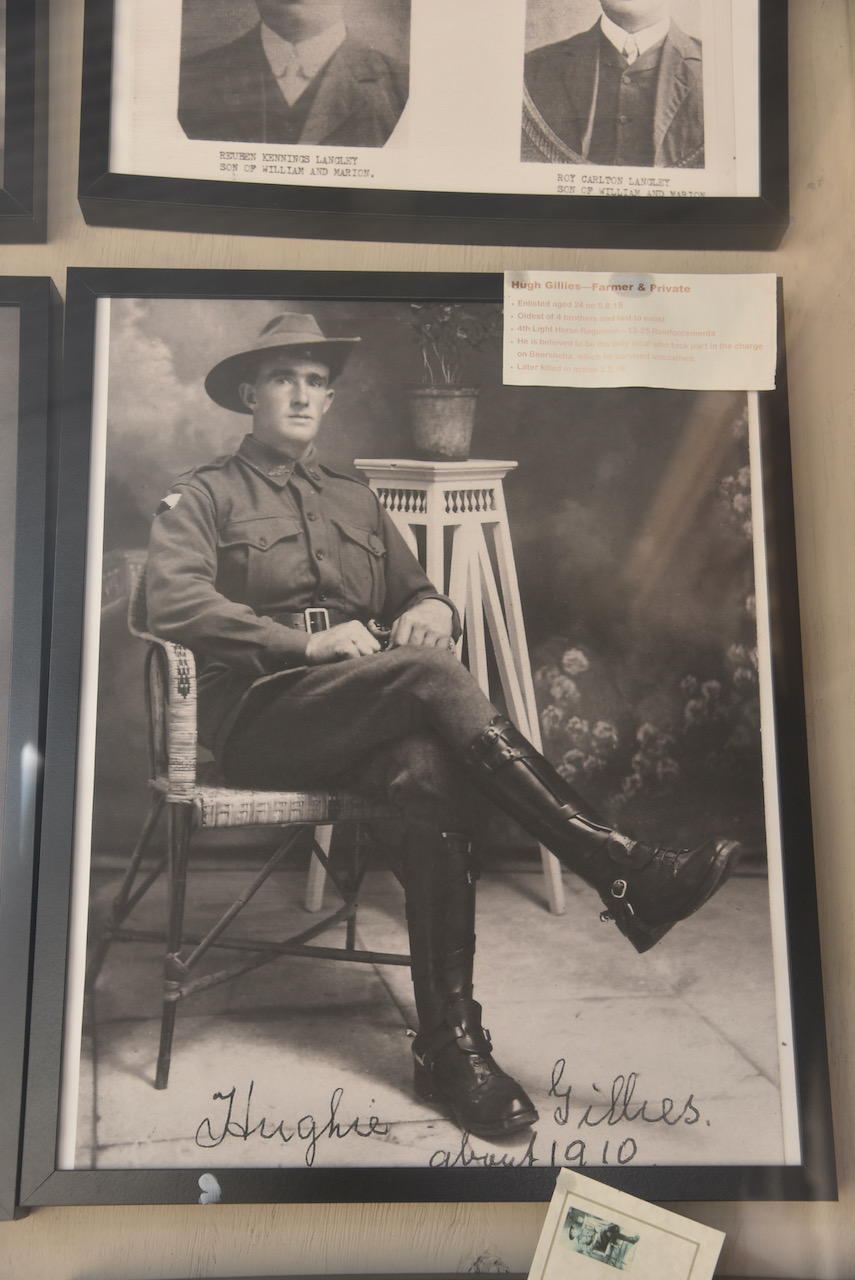
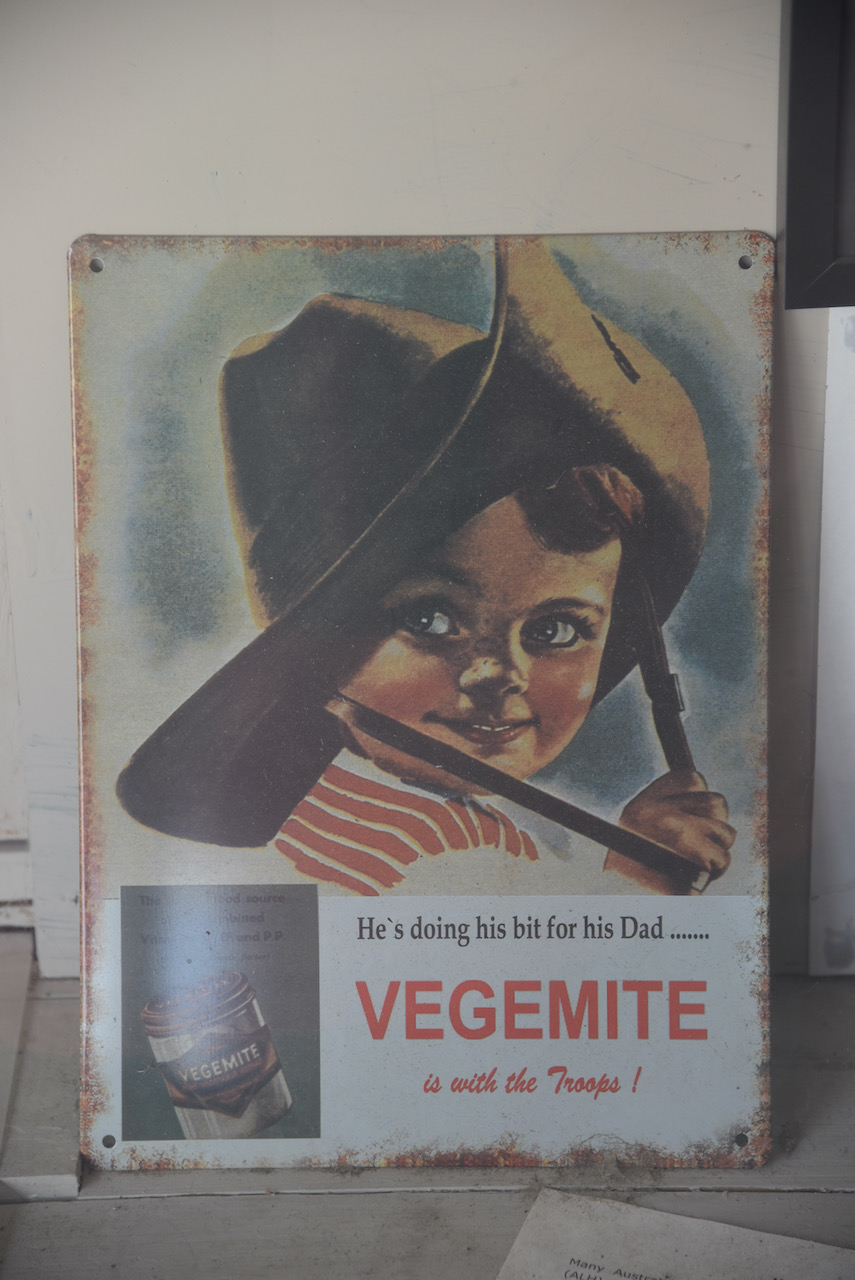
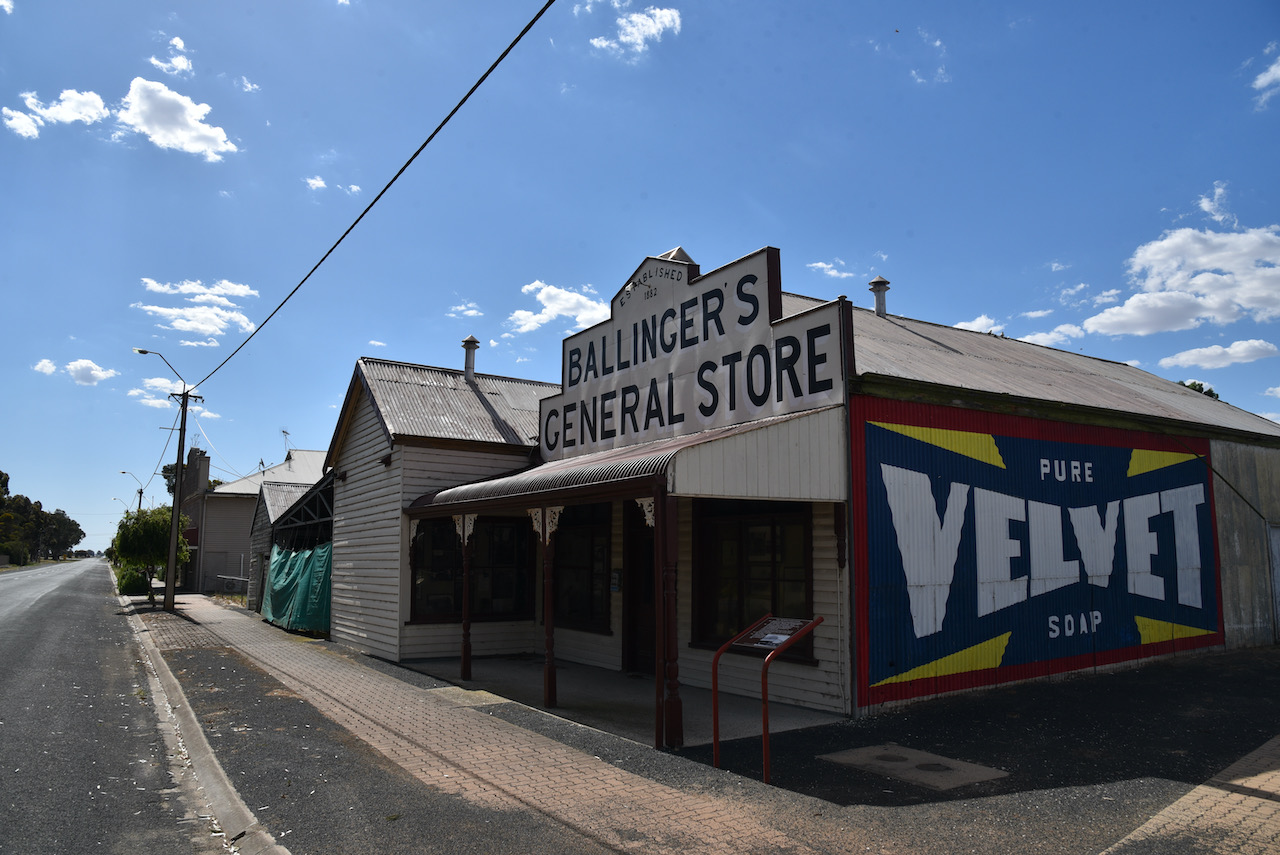
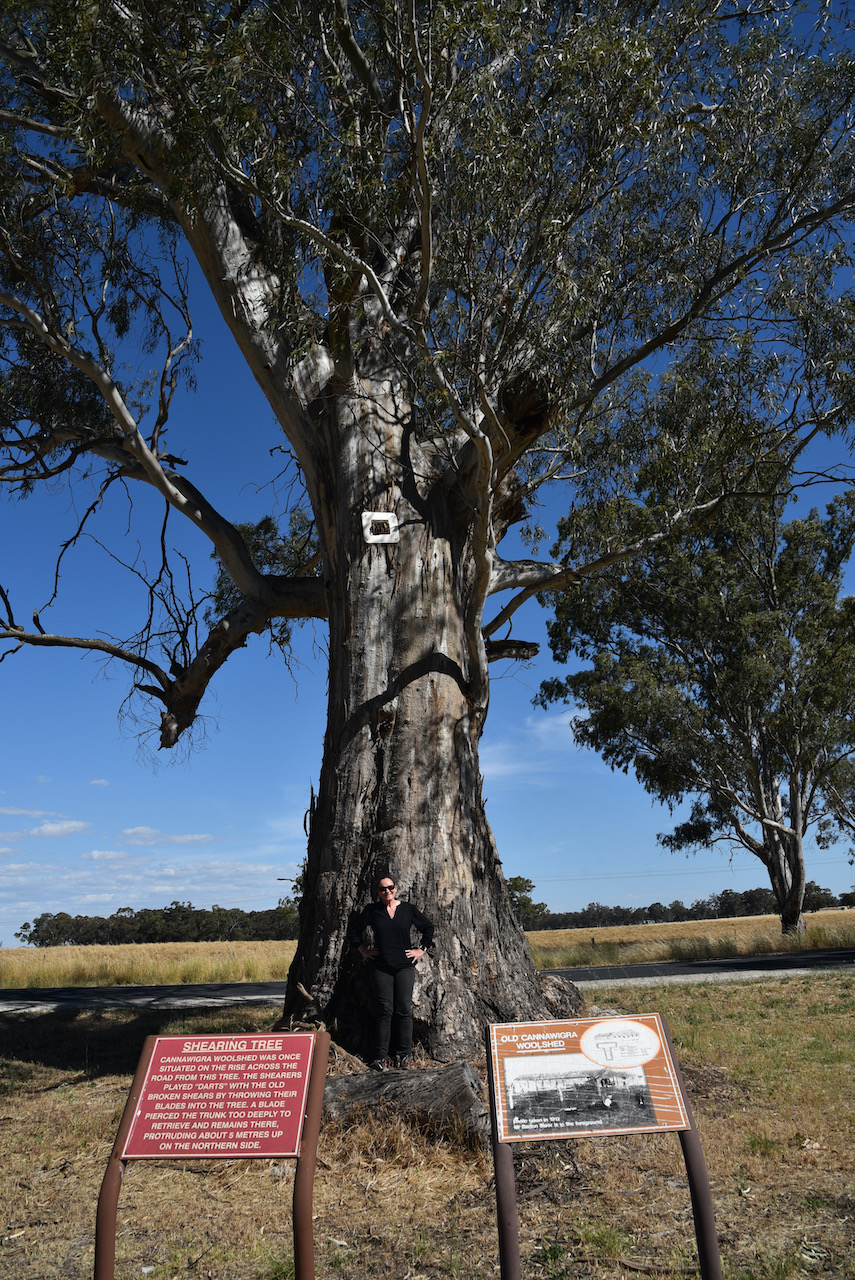
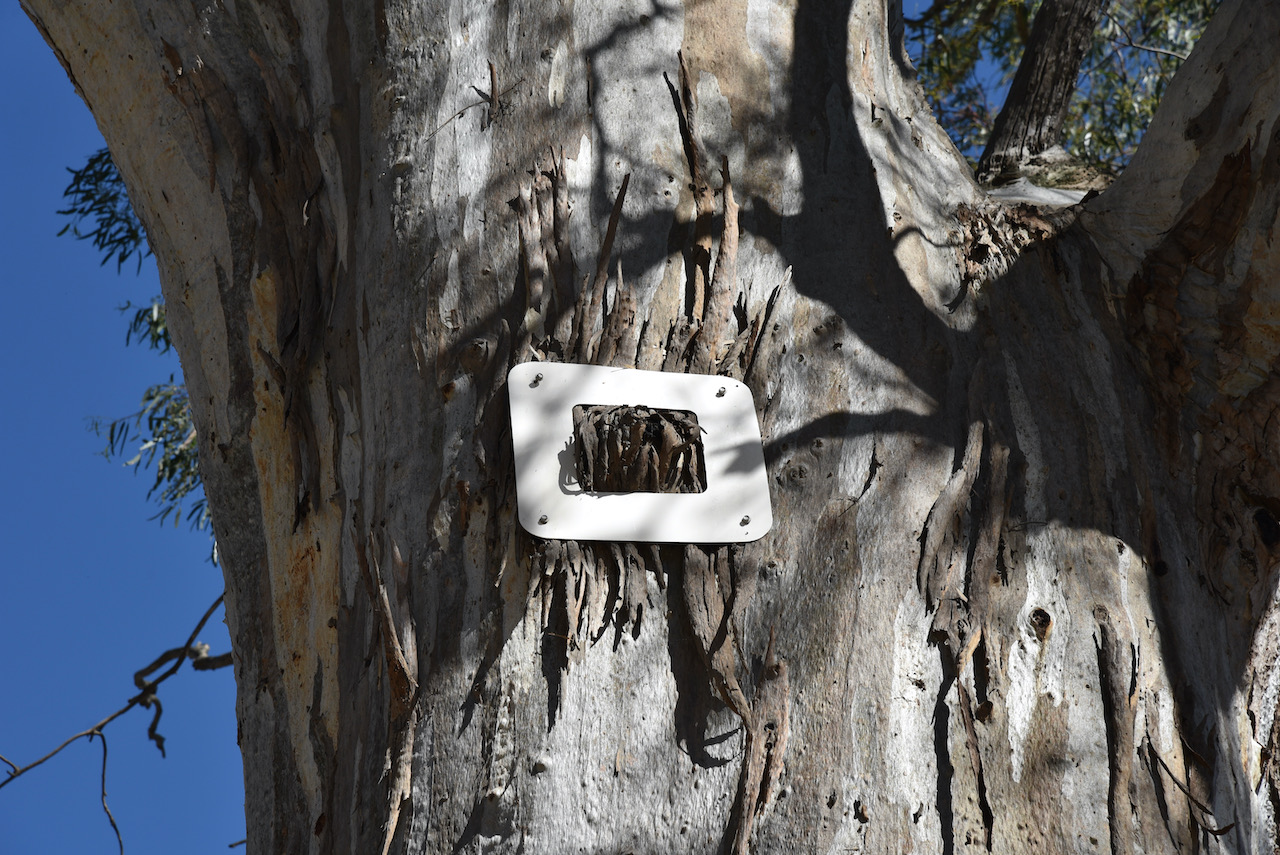
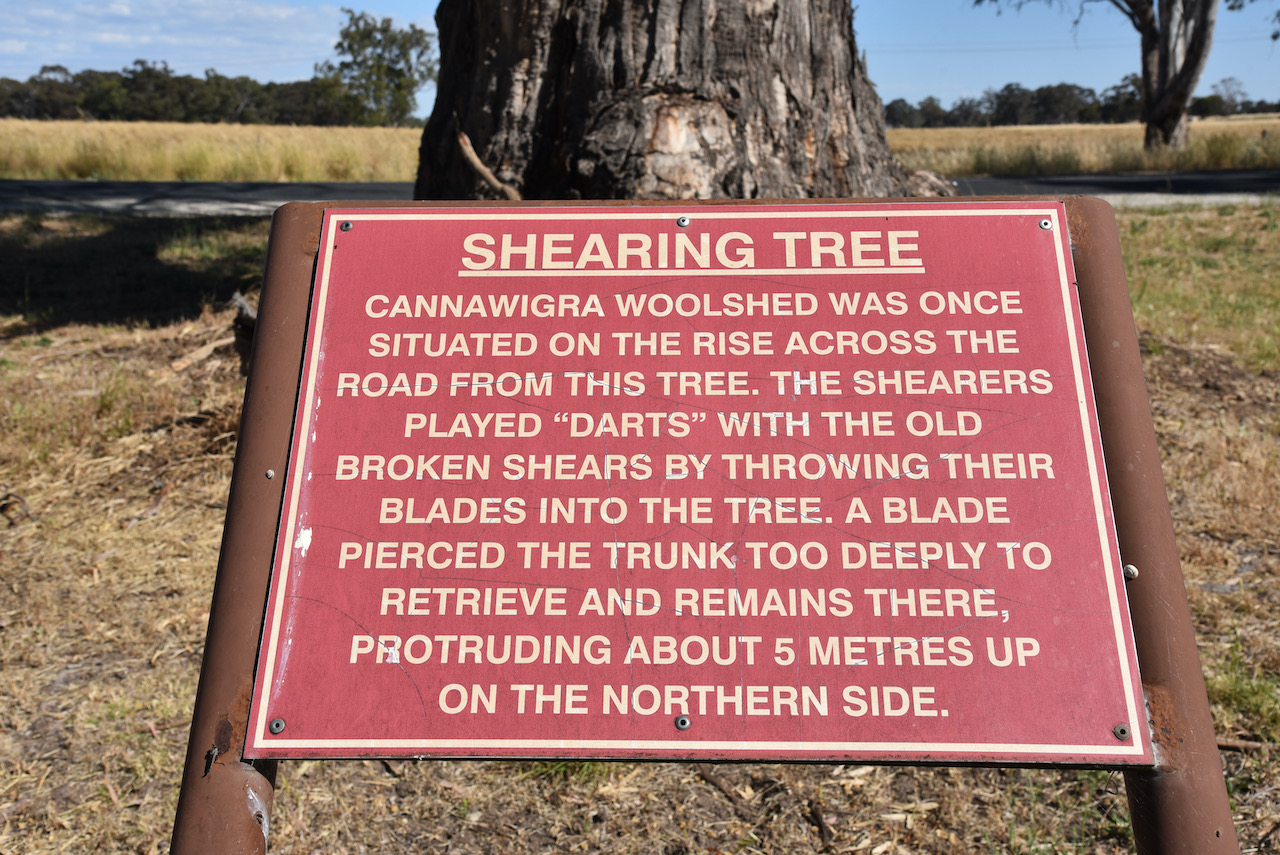
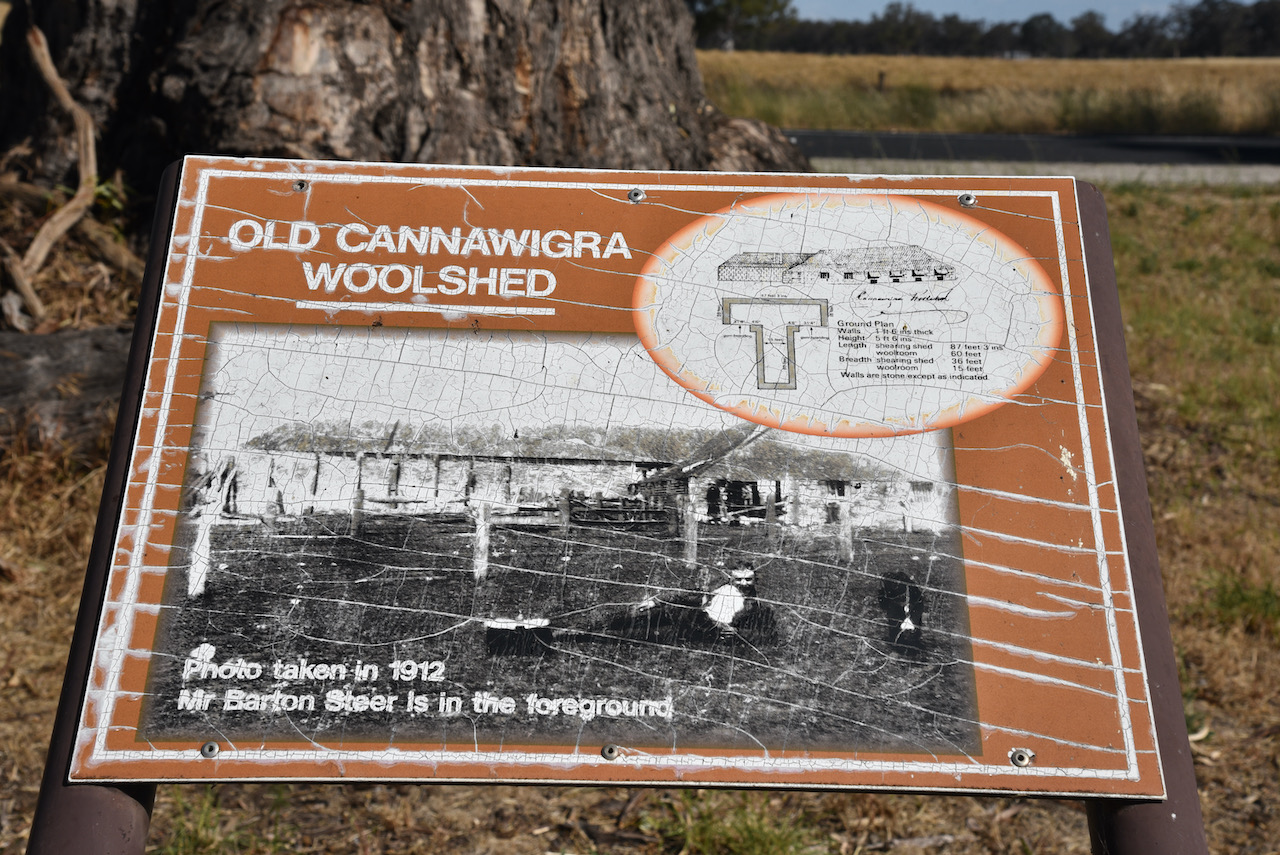
As we had not found the Shearing Tree over the weekend, we headed back into Bordertown and drove out on the Tatiara Historic Drive. We soon found the tree. The Canawiga Woolshed once stood on the rise across the road from the tree. The shearers would play ‘darts’ with old broken shears by throwing the blades into the tree. A blade pierced the trunk too deeply and it was unable to be retrieved. It remains embedded in the tree today.
We then started our journey home, stopping briefly on the Dukes Highway to view the monument for the ‘Conquest of the Ninety Mile Desert’.
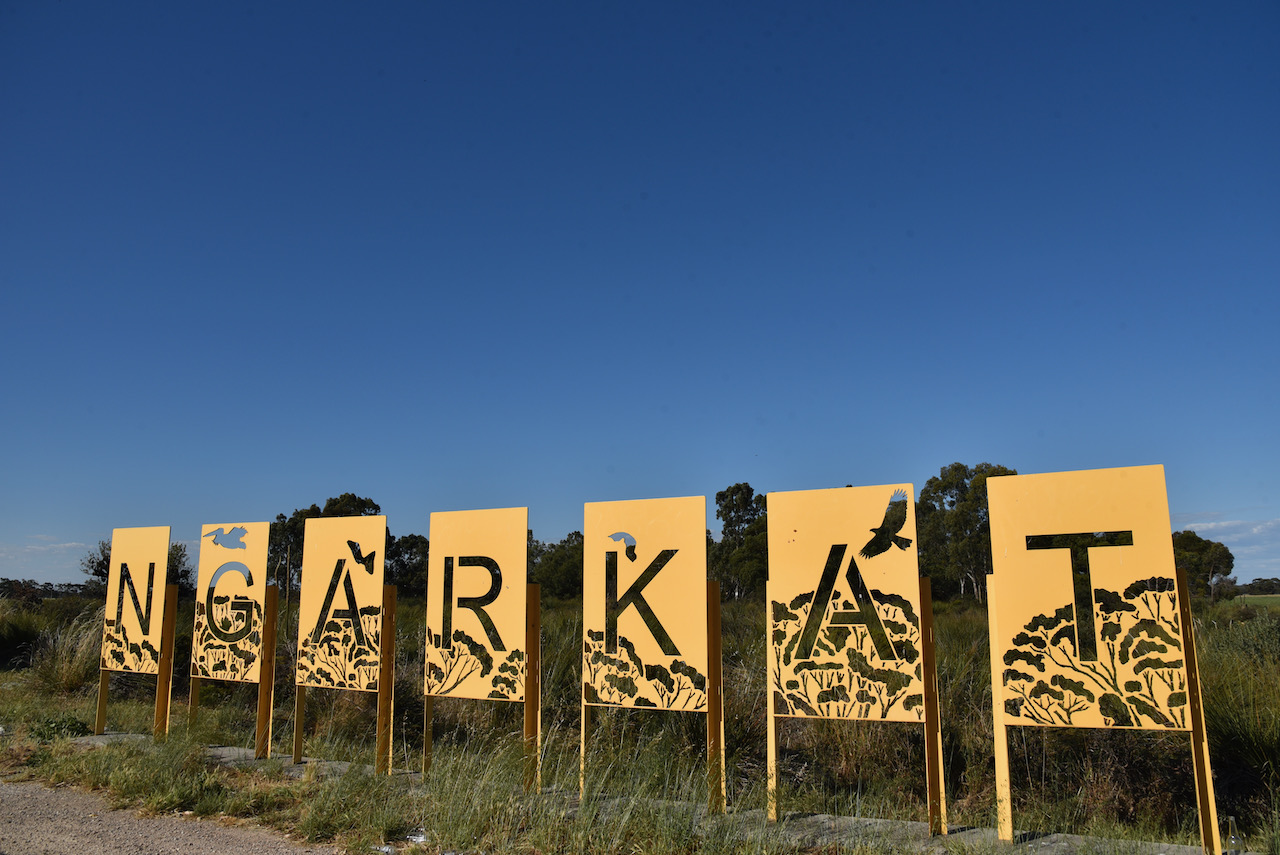
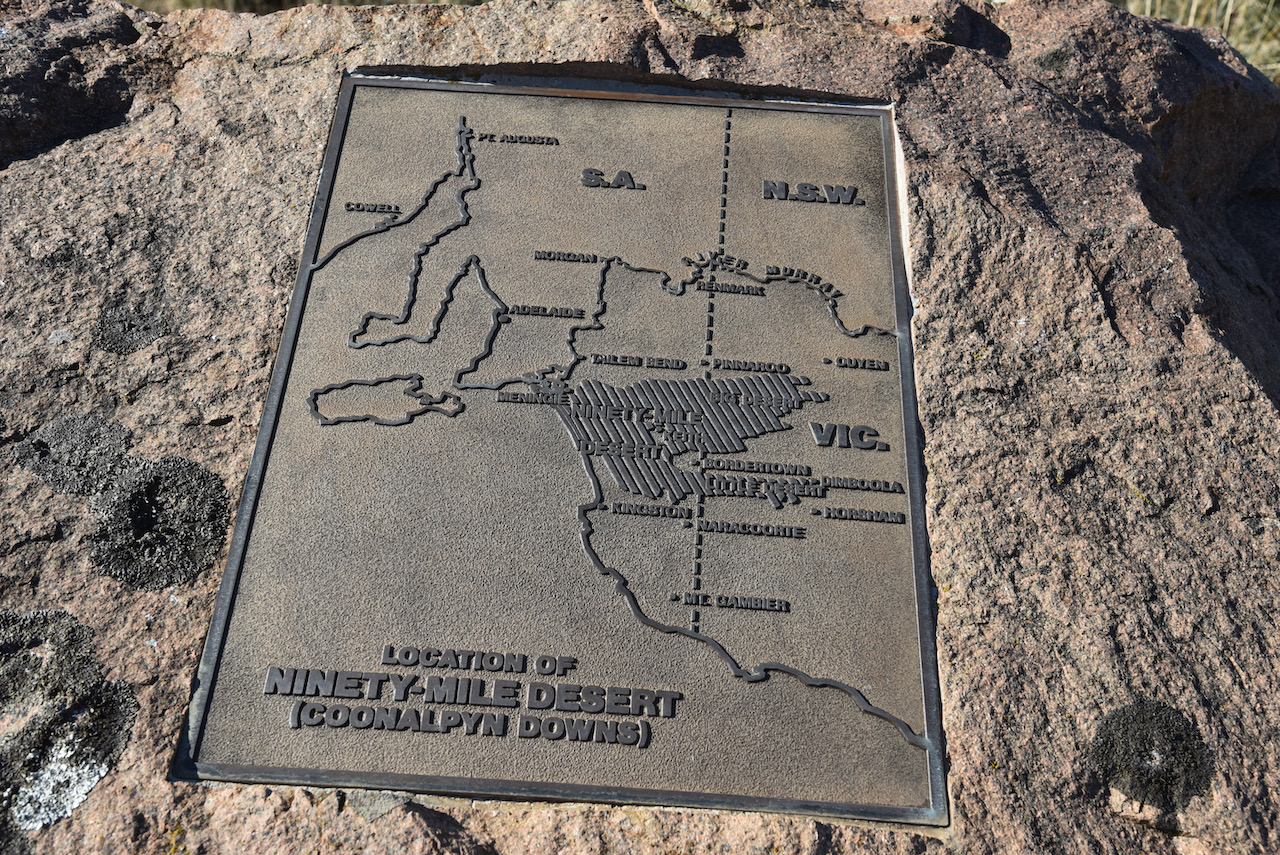
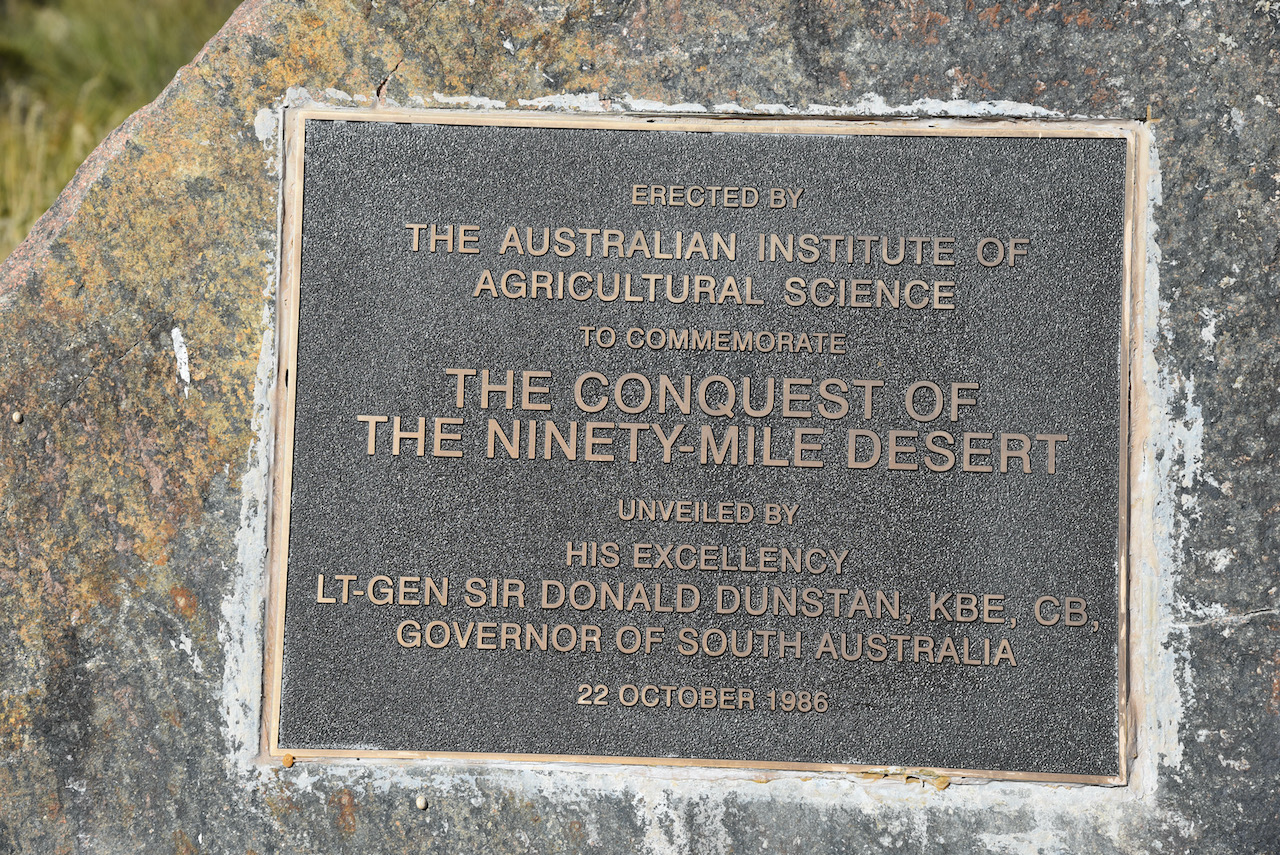
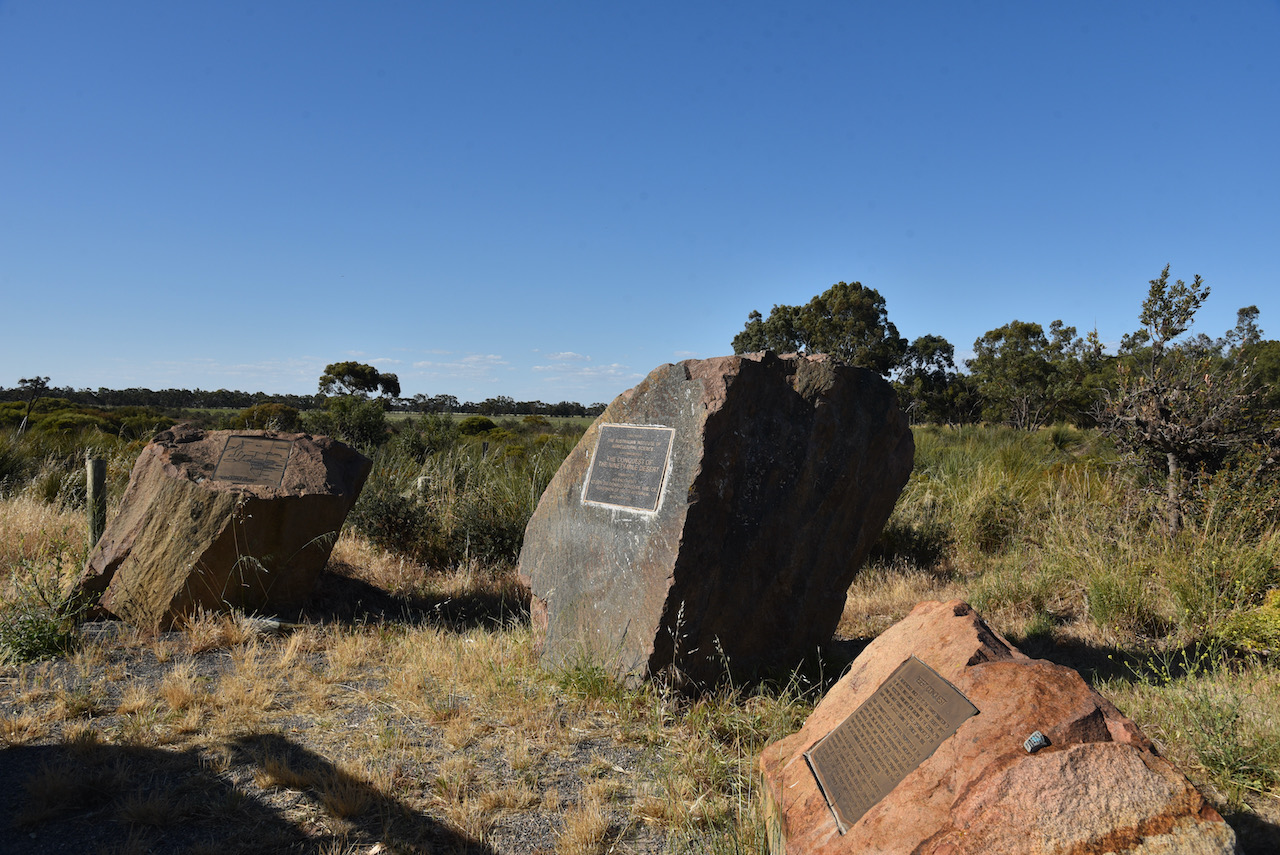
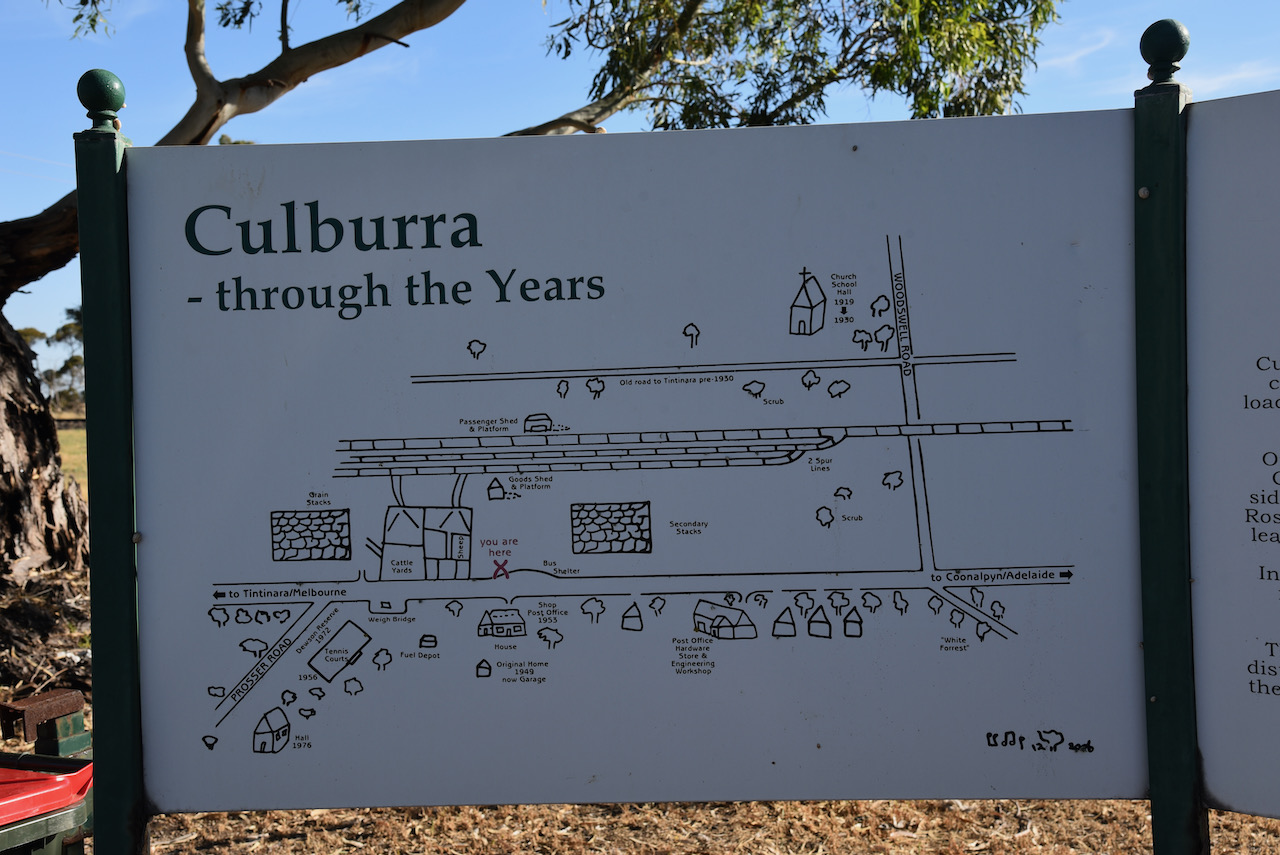
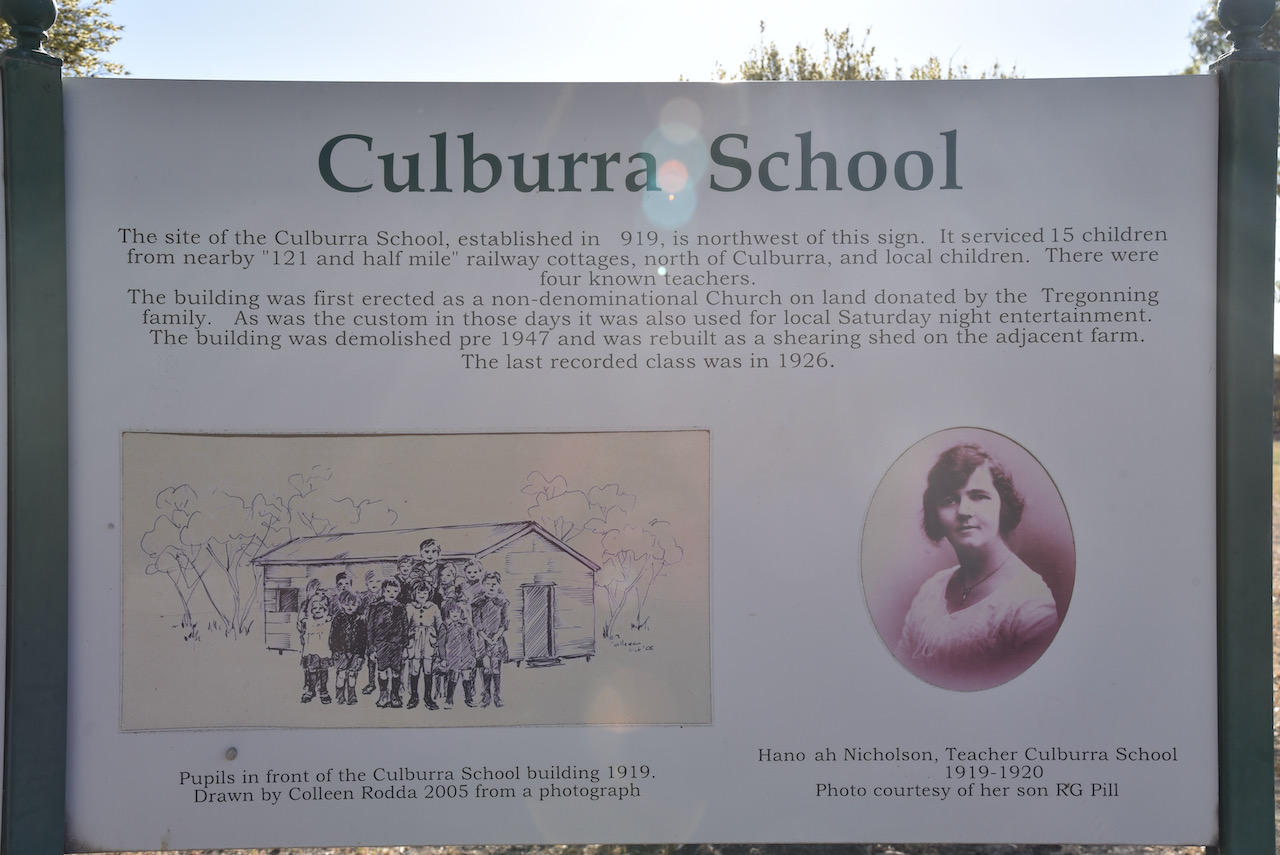
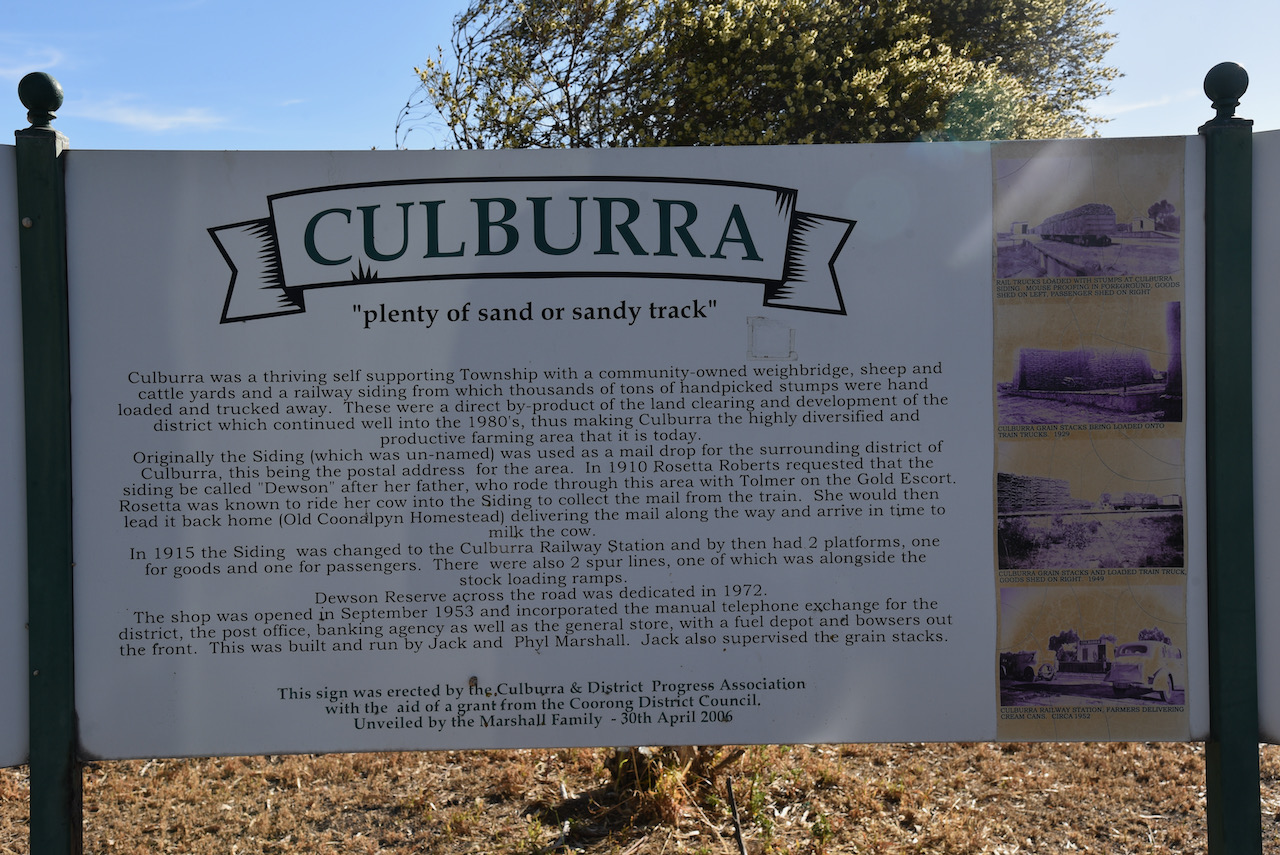
We then stopped at the little town of Culburra, which is an aboriginal word meaning ‘plenty of sand’. The town was once a thriving township with a church, school, railway siding, goods shed and platform, shop, post office, hardware store, engineering workshop, cattle yards. In 1908, 16 petitioners requested that the Commissioner of Railways, create a railway siding at Culburra, as the nearest railway siding was ’18 miles’ away.
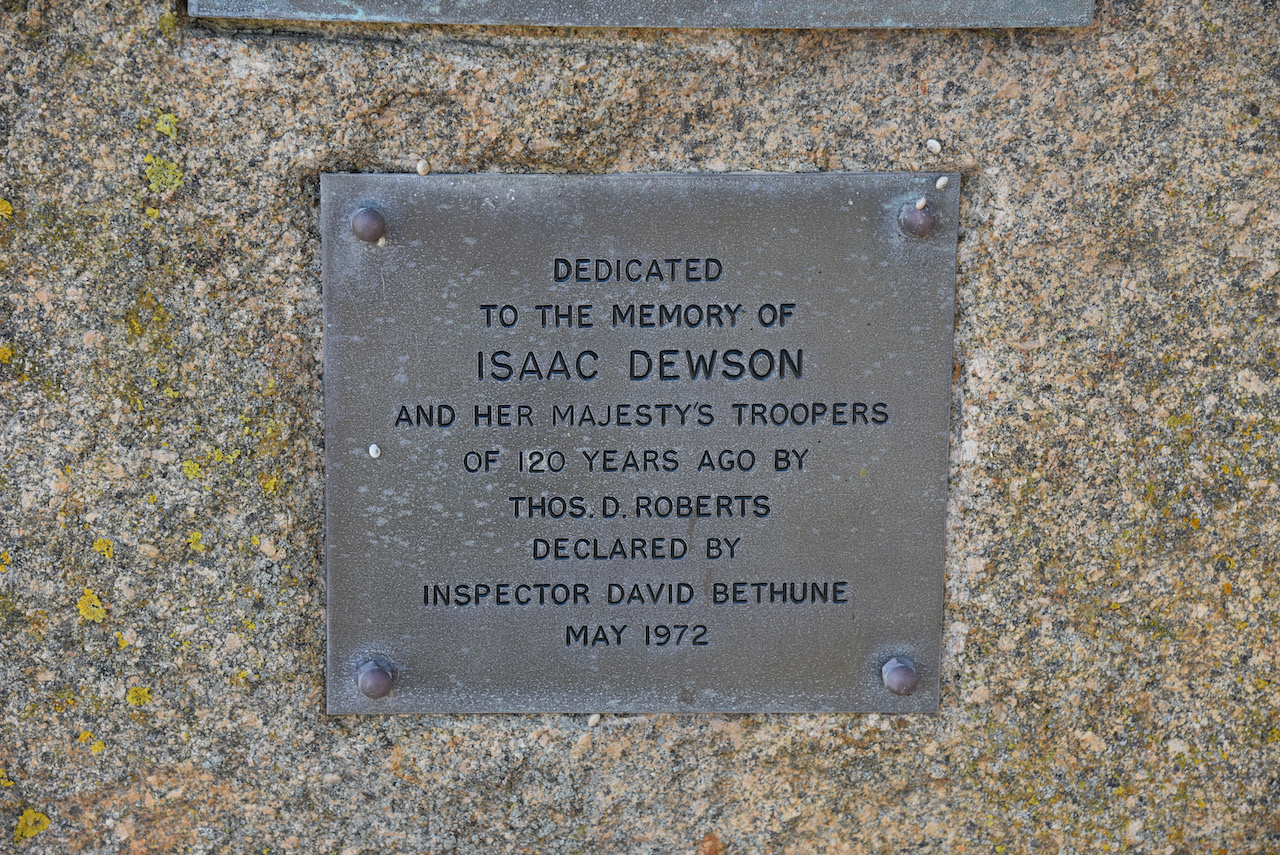
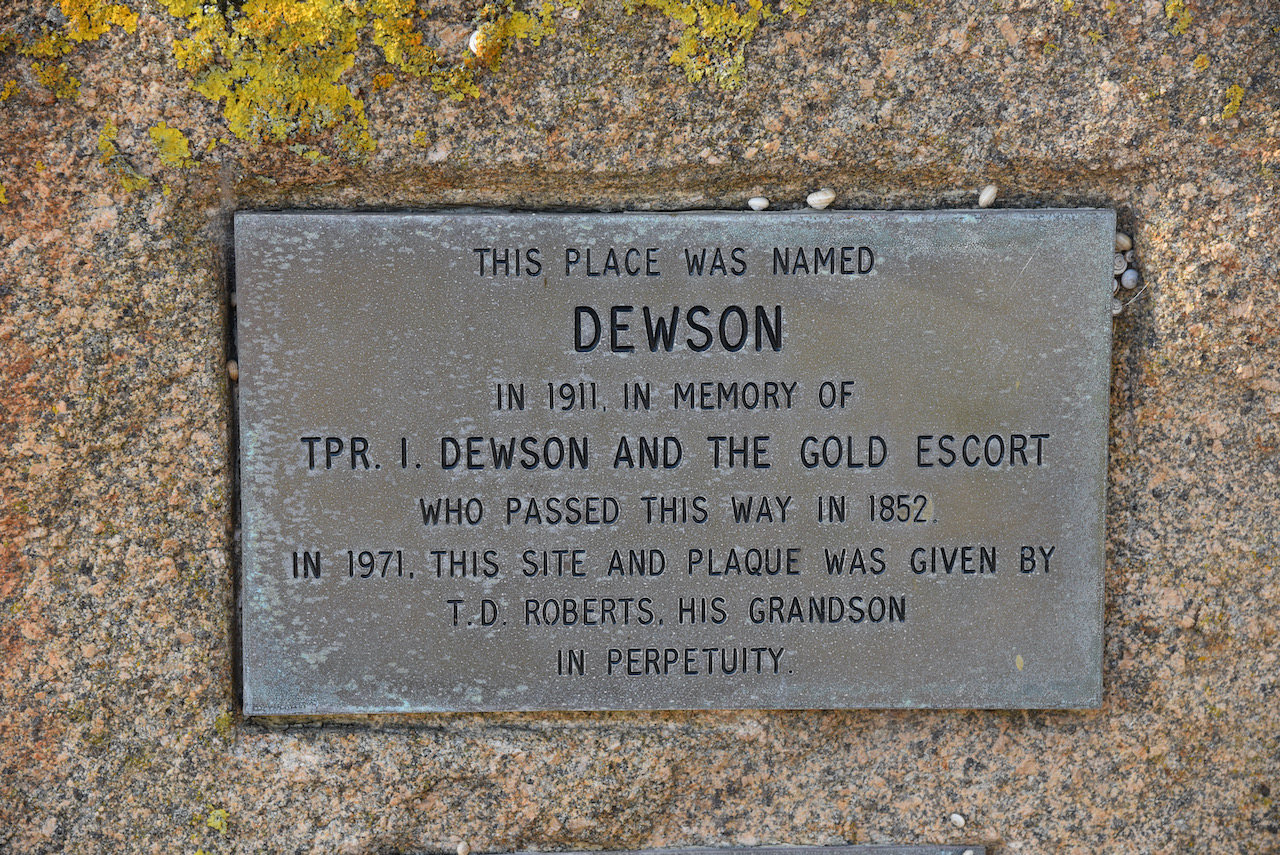
In 1910 the railway siding was constructed and was named Dewson. In 1911 the name was changed to avoid confusion with Dawson near Peterborough.
In 1914 the town of Culburra was laid out by Thomas Roberts into 17 allotments.
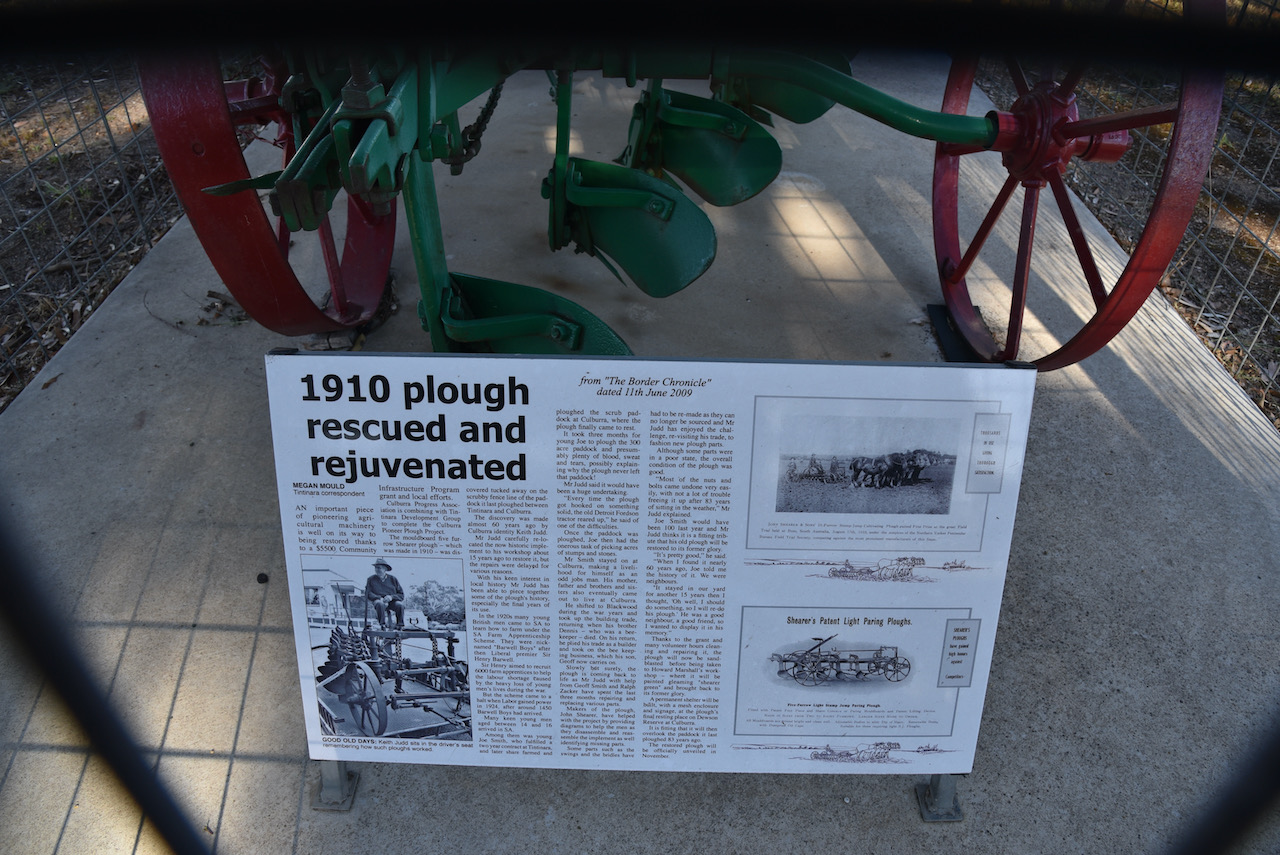
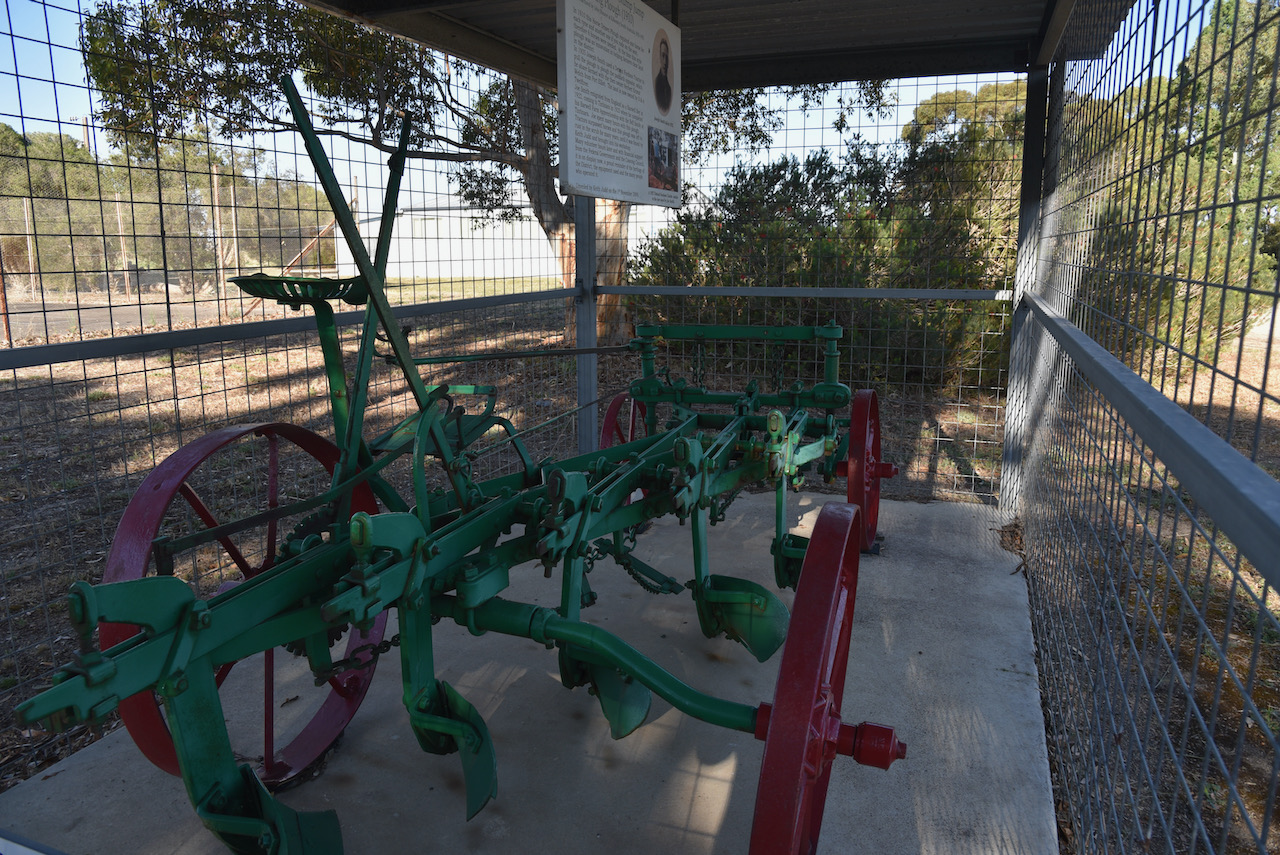
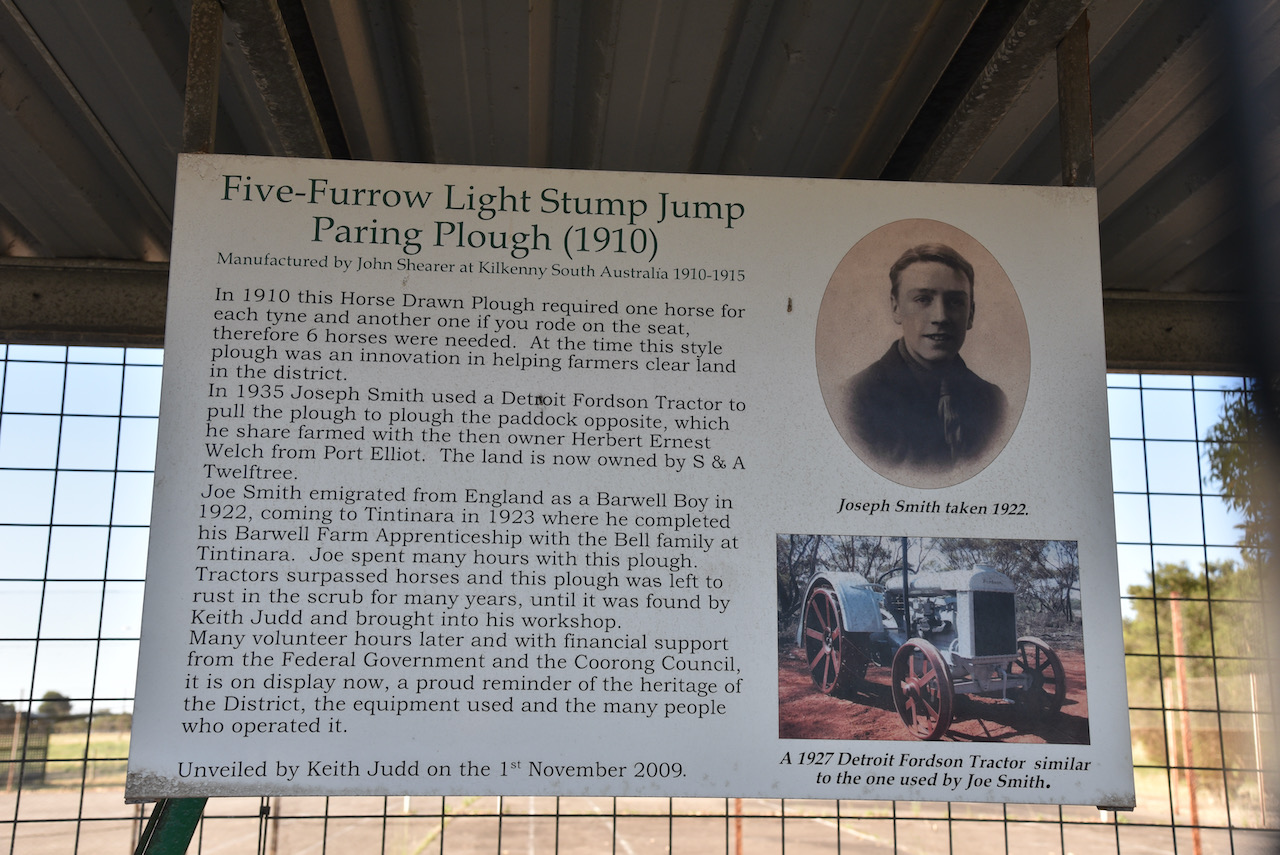
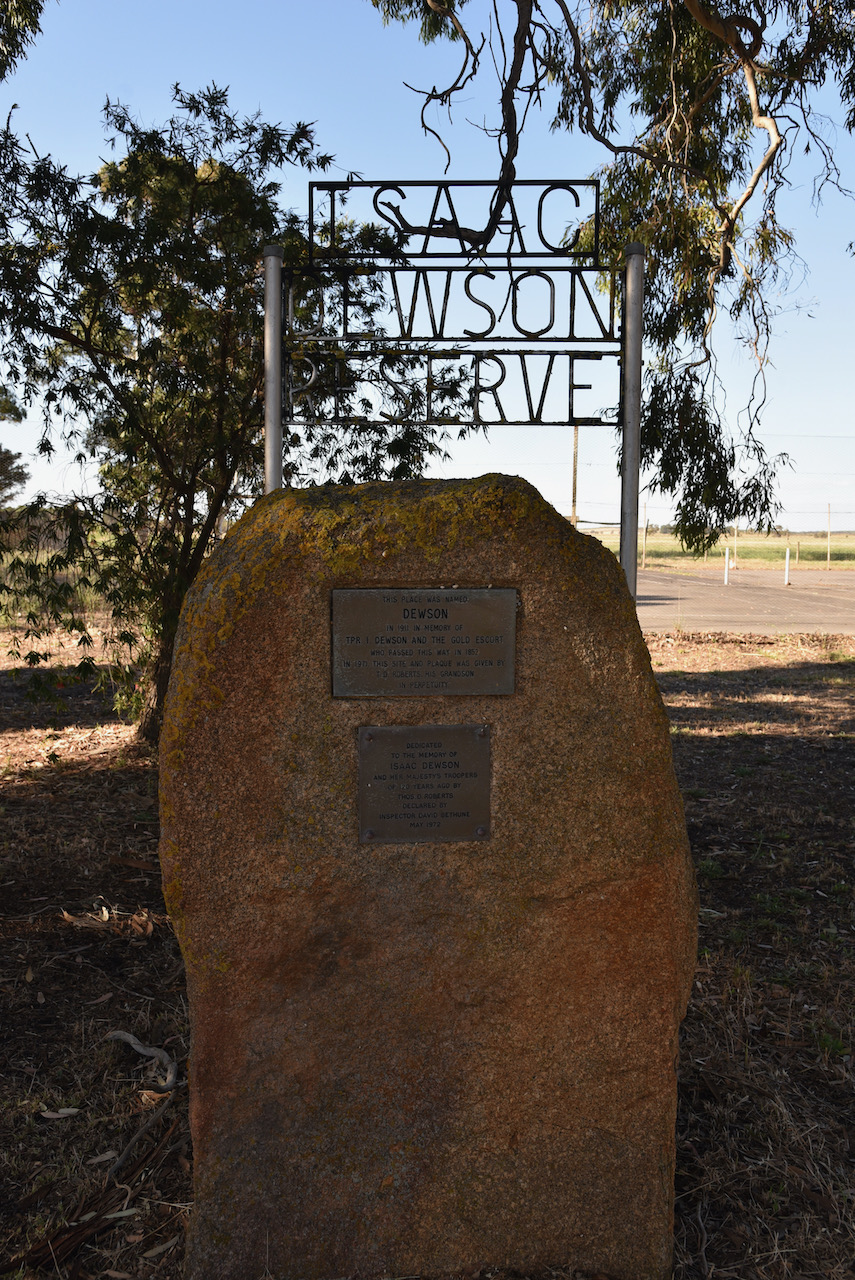
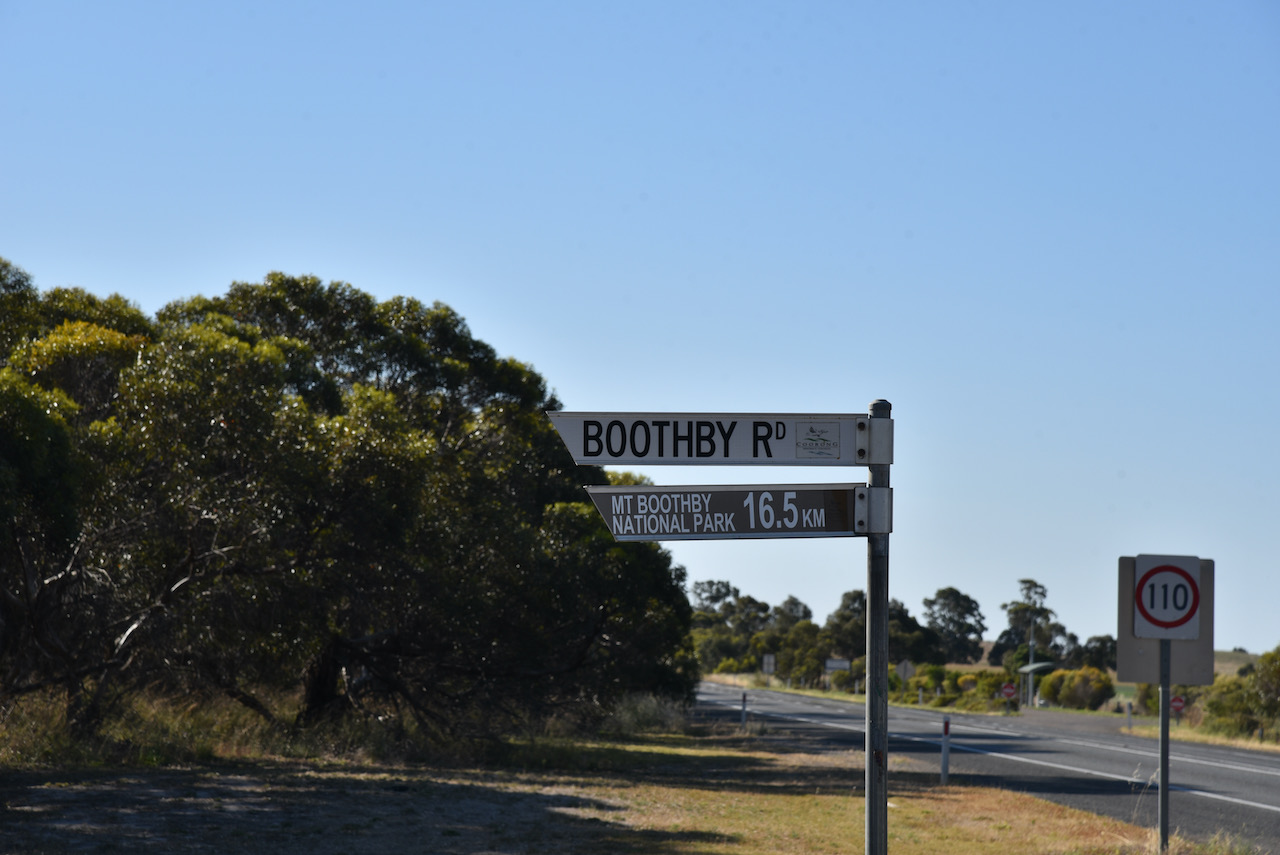
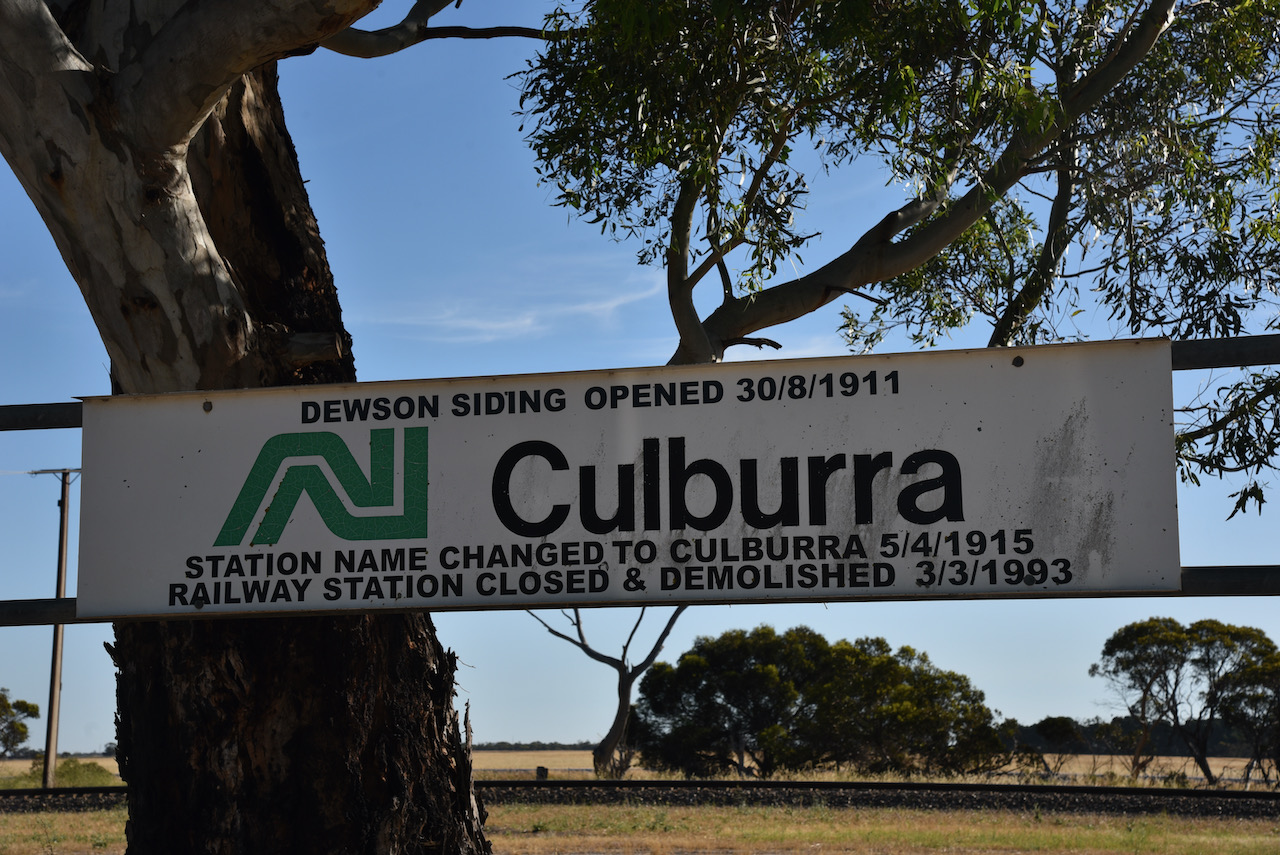
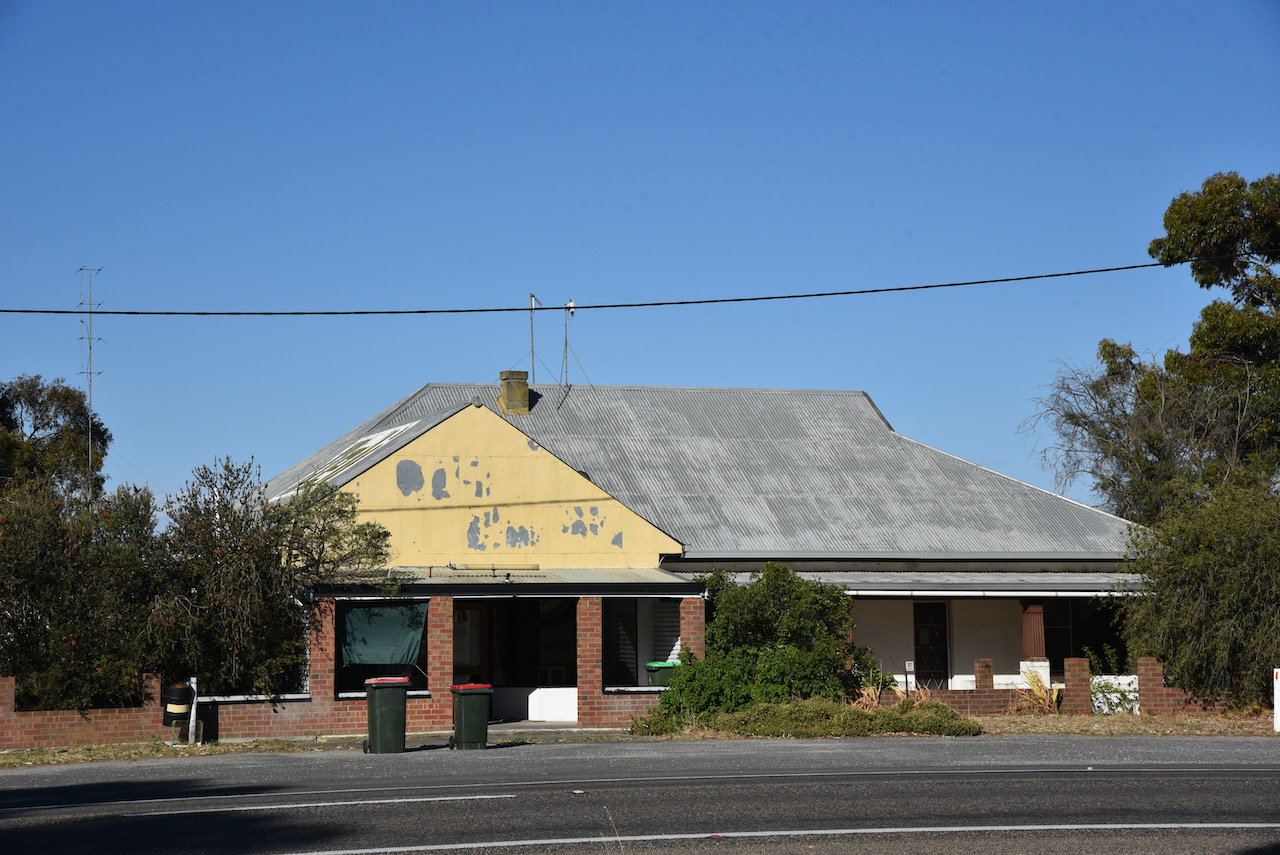
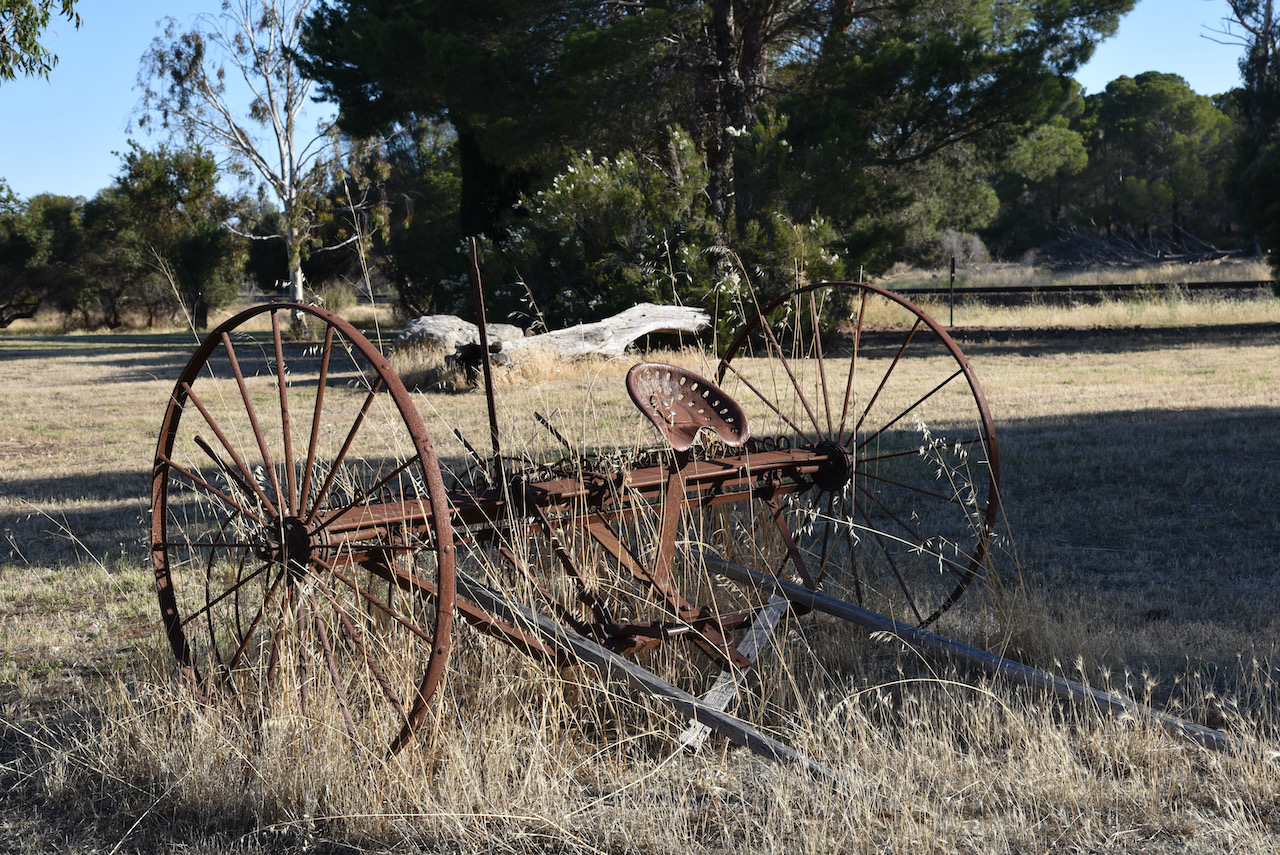
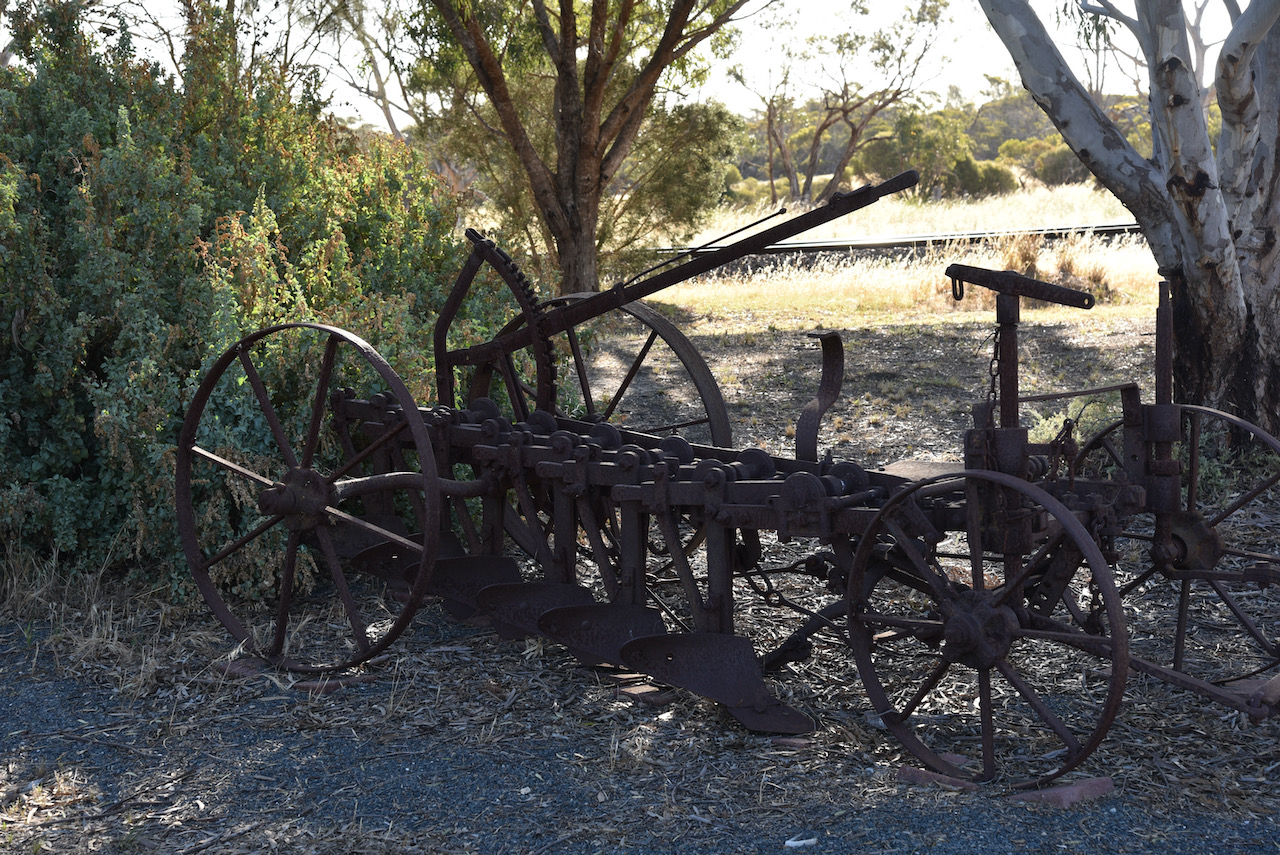
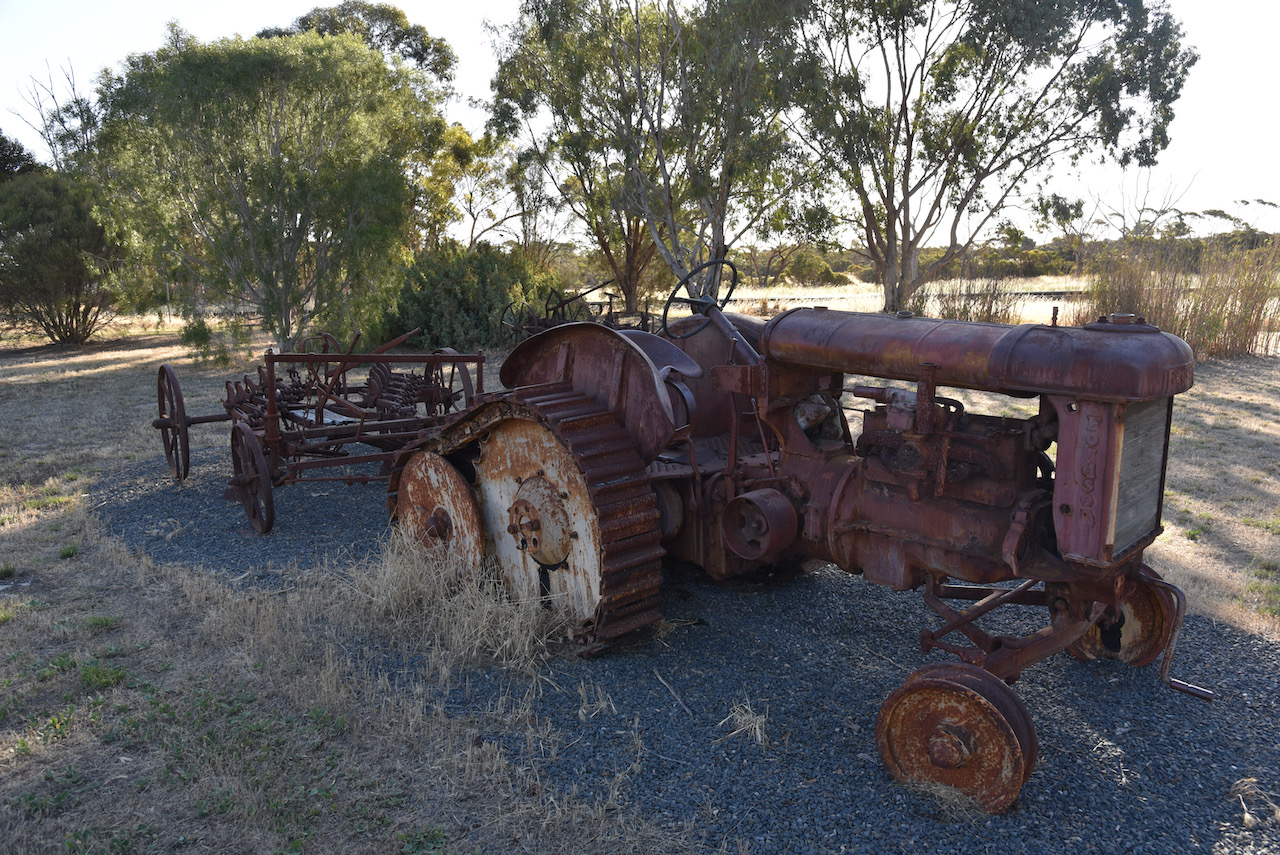
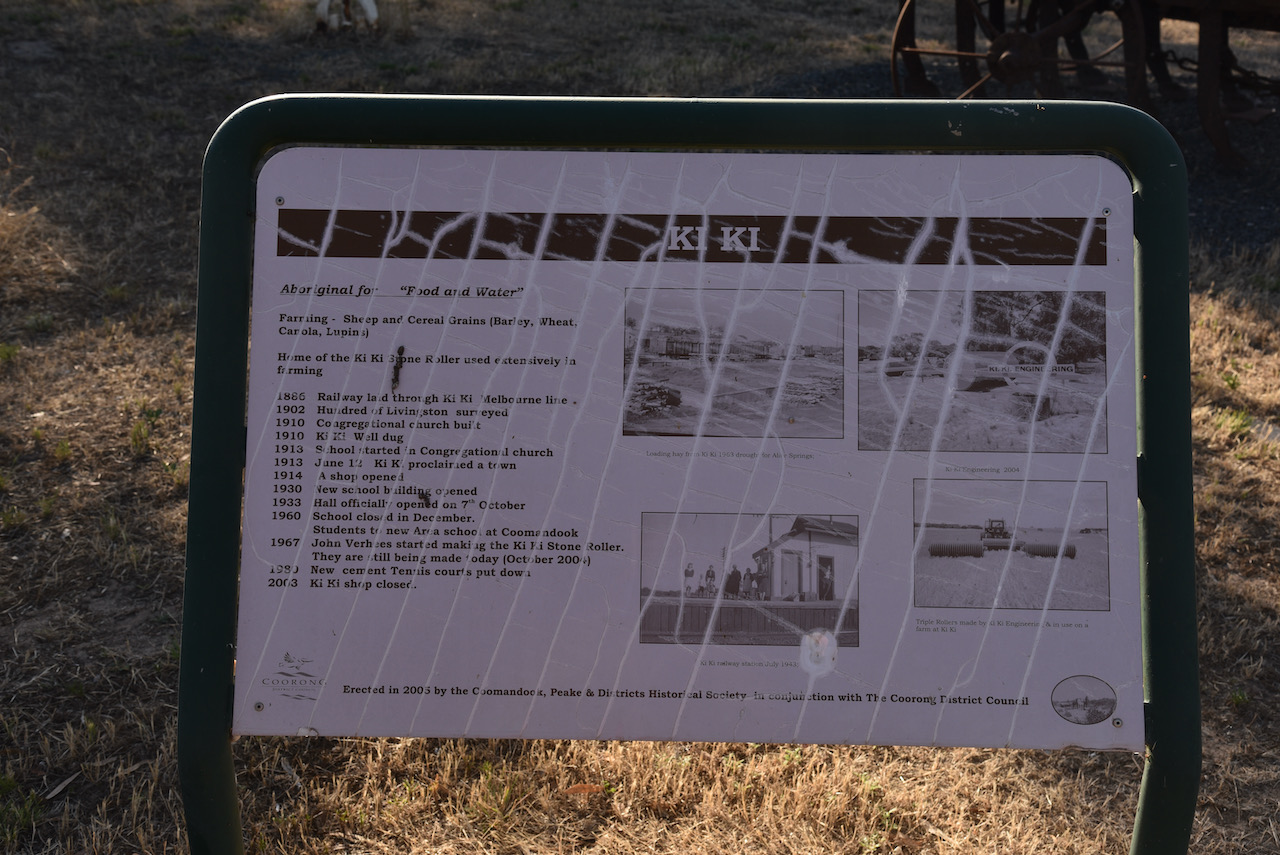
We then stopped at the tiny town of Ki Ki which is aboriginal for ‘food and water’. The town is best known as the home of the Ki Ki Stone Roller which was used extensively in farming. The Congregational church was built in 1910. In the same year, the Ki Ki Well was dug. The Ki Ki Post office opened in January 1912 and the Ki Ki School in 1913. In 1914 a shop was opened. The school closed in December 1960, with students attending the new Area School at Coomandook.
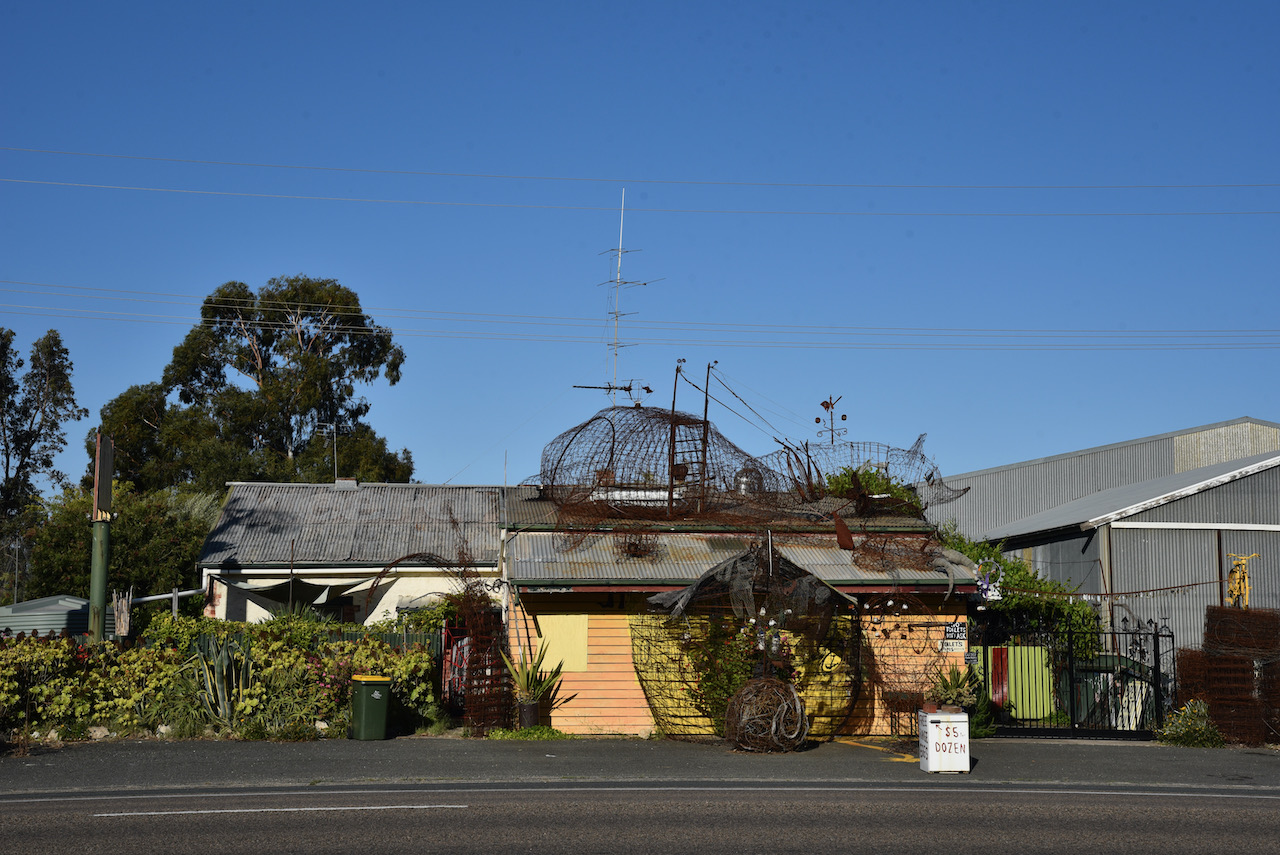
Our final stop for the trip was Tailem Bend.
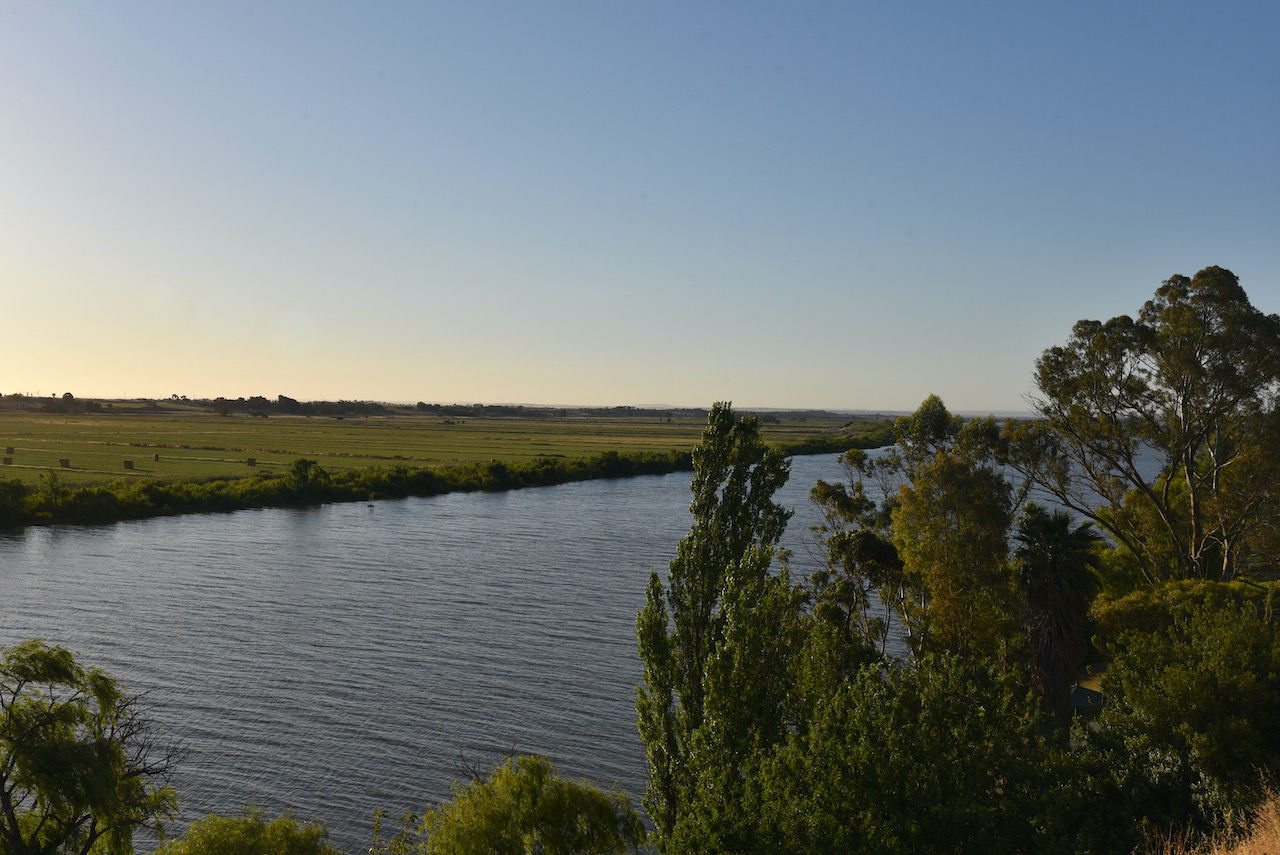

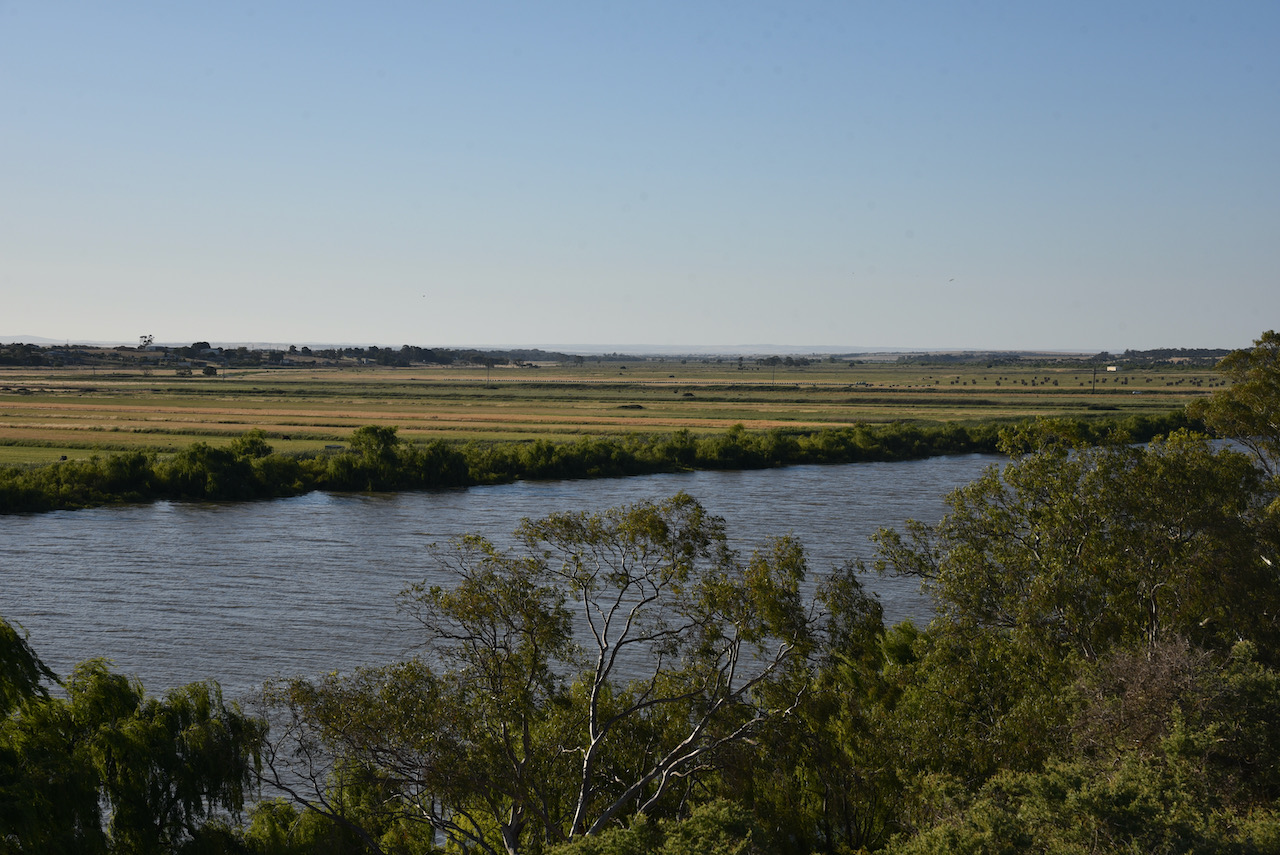
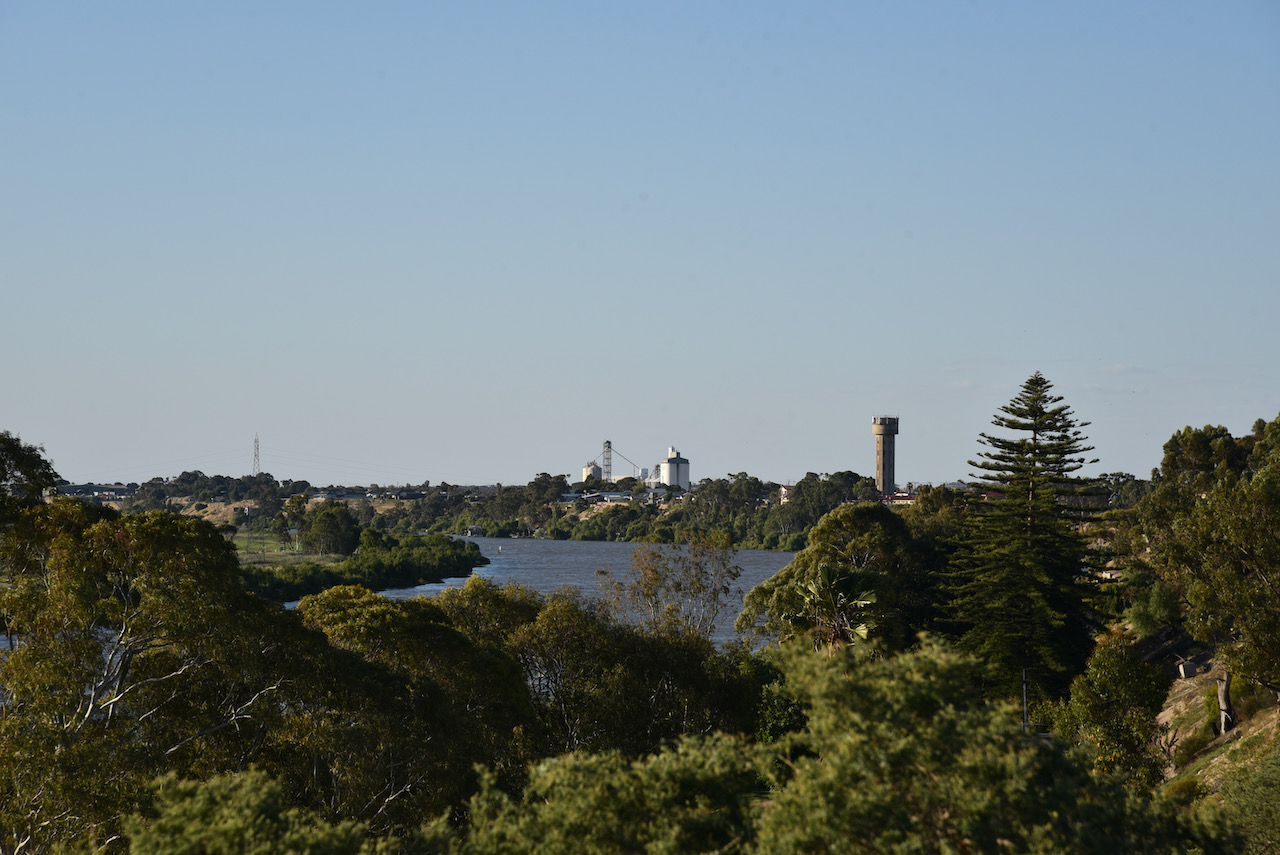

We went out for tea at the Riverside Hotel at Tailem Bend, one of our favourite country pubs. And the meal this time did not disapoint.
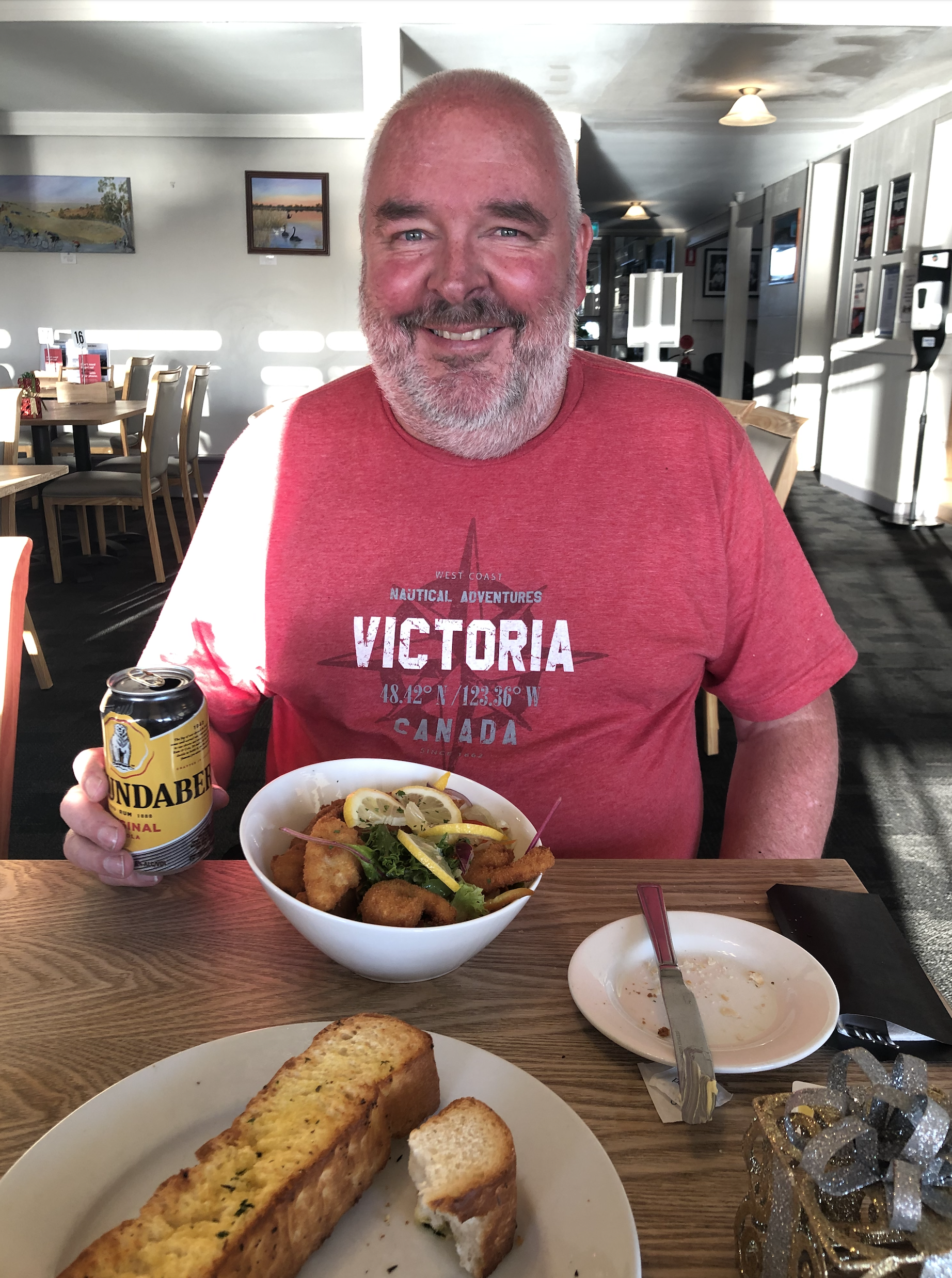
THANKYOU to everyone who called us whilst we were away for the 4 days. We had a terrific time of amateur radio and sightseeing.
References.
Amateur Radio, Short Wave Listening, travel and history
Amateur radio experiences with VK1DA
Brisbane - Australia
german amateur radio station
Summits On The Air
SOTA on the peaks, wilderness QRP and some bushwalking
A fine WordPress.com site
Amateur Radio Adventures
Summits on the Ai
Amateur radio station from Belgium
Radio craft, homebrew, QRP/SOTA, AM
Ego loqui ad viros super montes
My adventures with Amateur Radio and Geocaching!
The rantings of VK2GAZ on his SOTA experiences in Australia
A survivor, with minor cuts and abrasions.
The Art and Craft of Blogging
The latest news on WordPress.com and the WordPress community.
Blog of Justin Giles-Clark VK7TW's SOTA and amateur radio adventures.
Occasional SOTA & Microwave operation
 VK5PAS