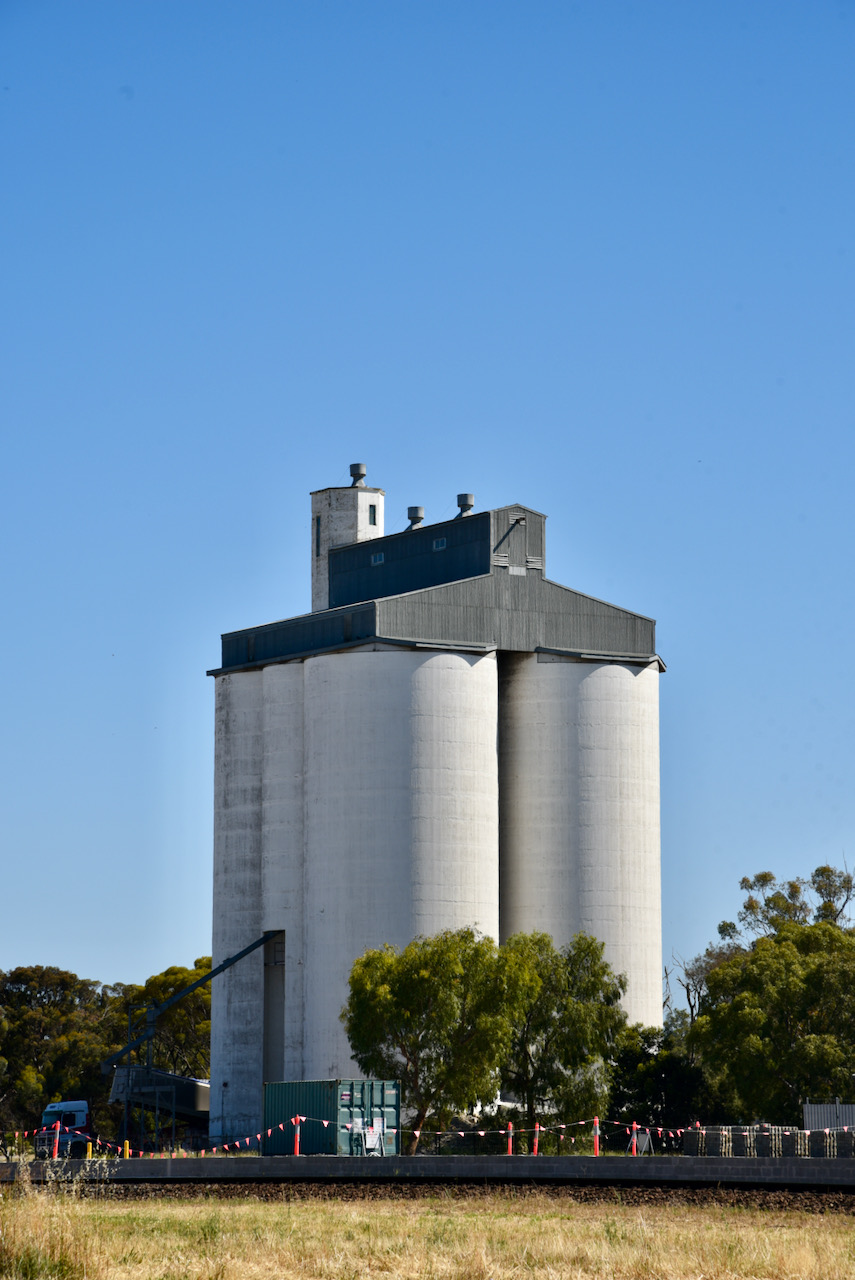
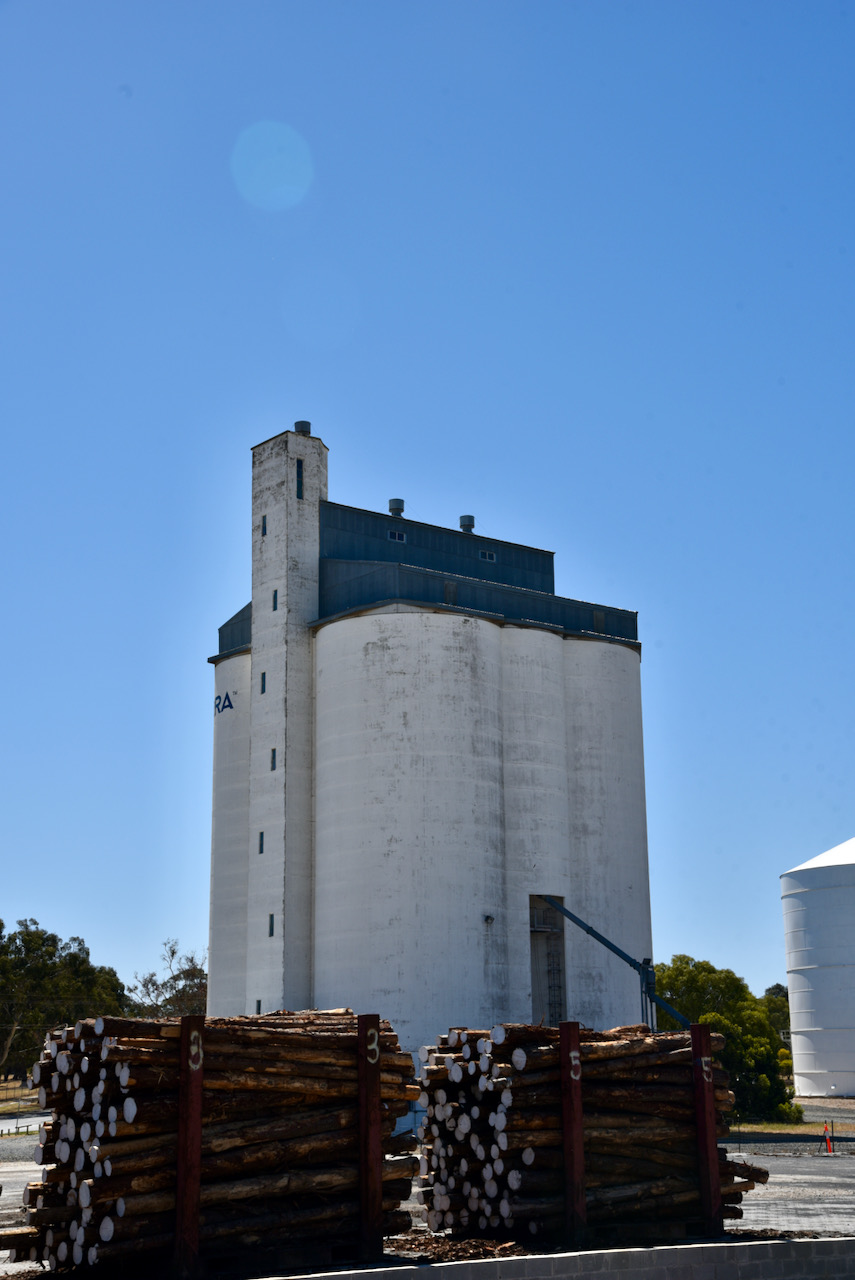
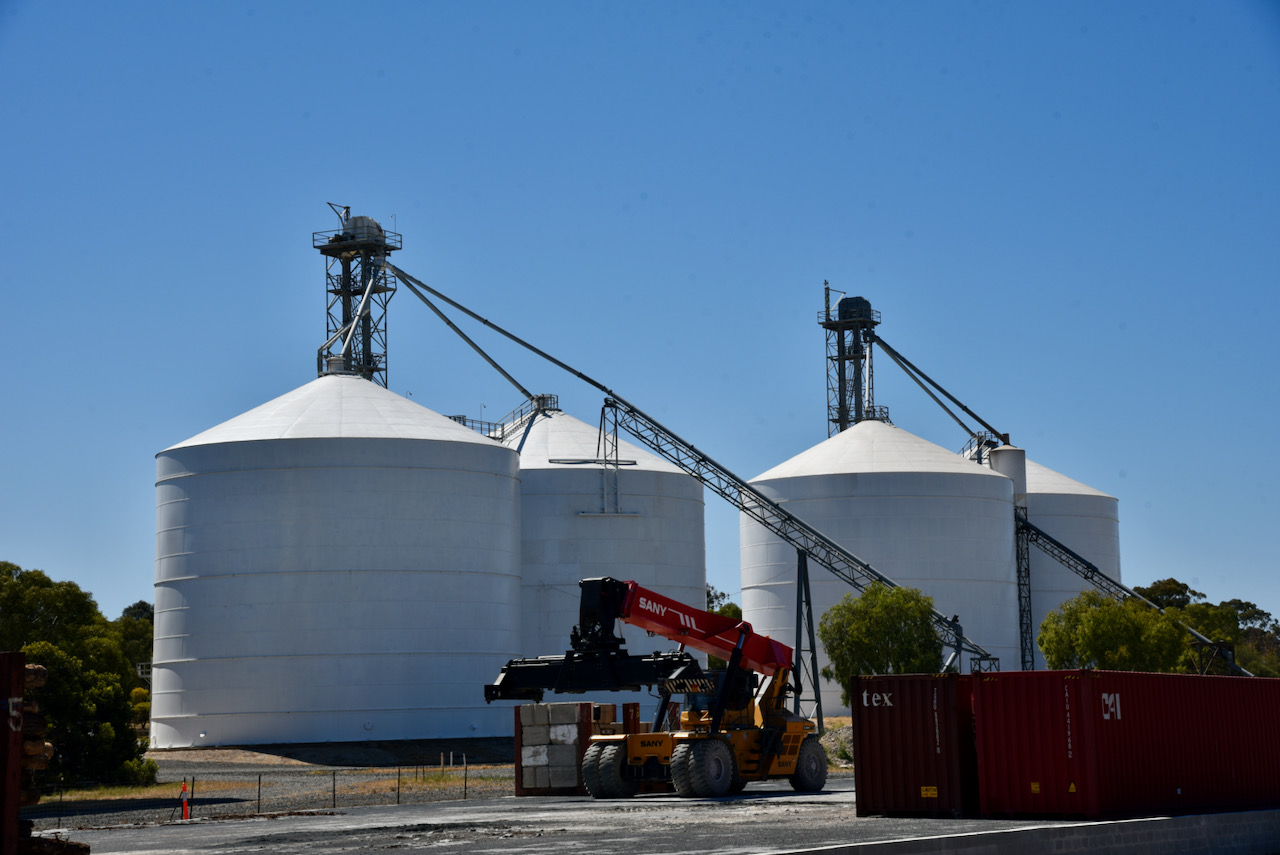
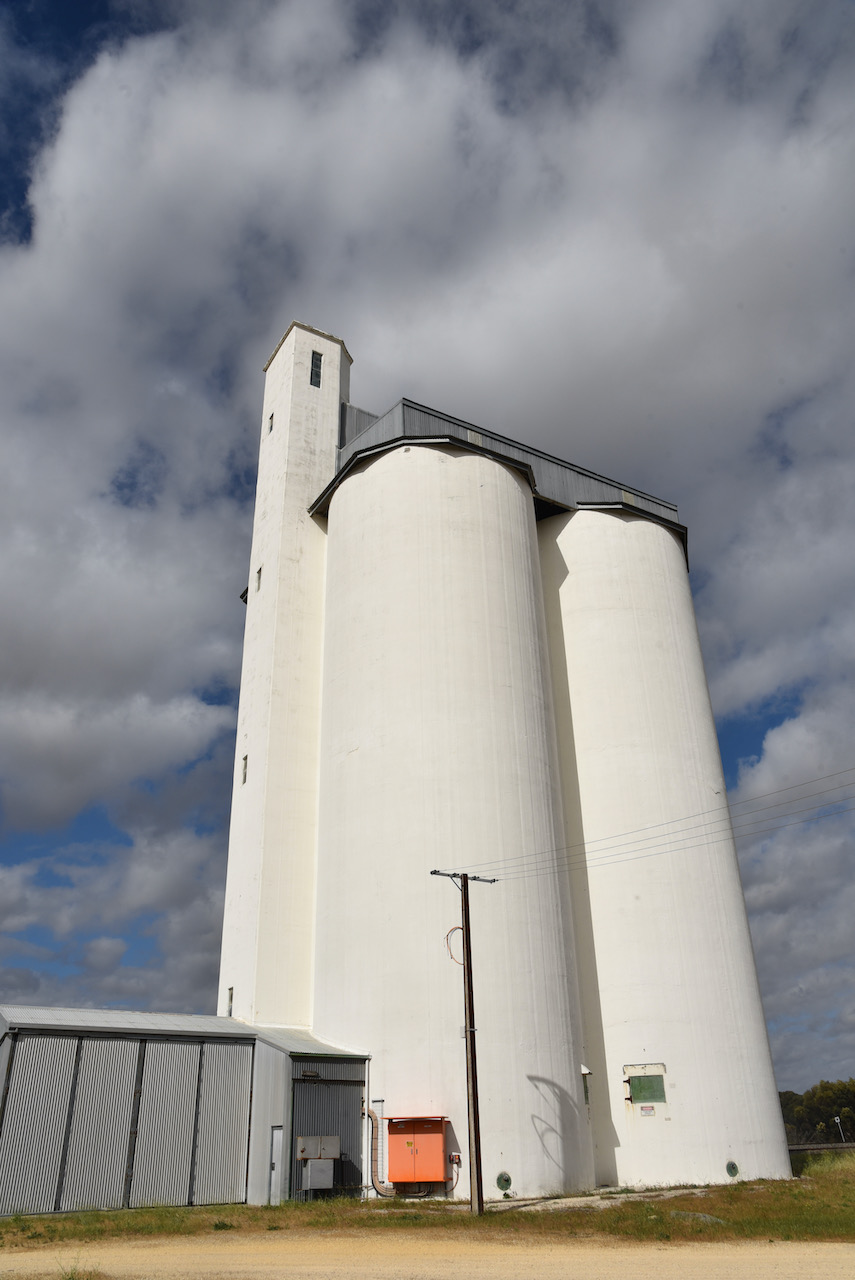
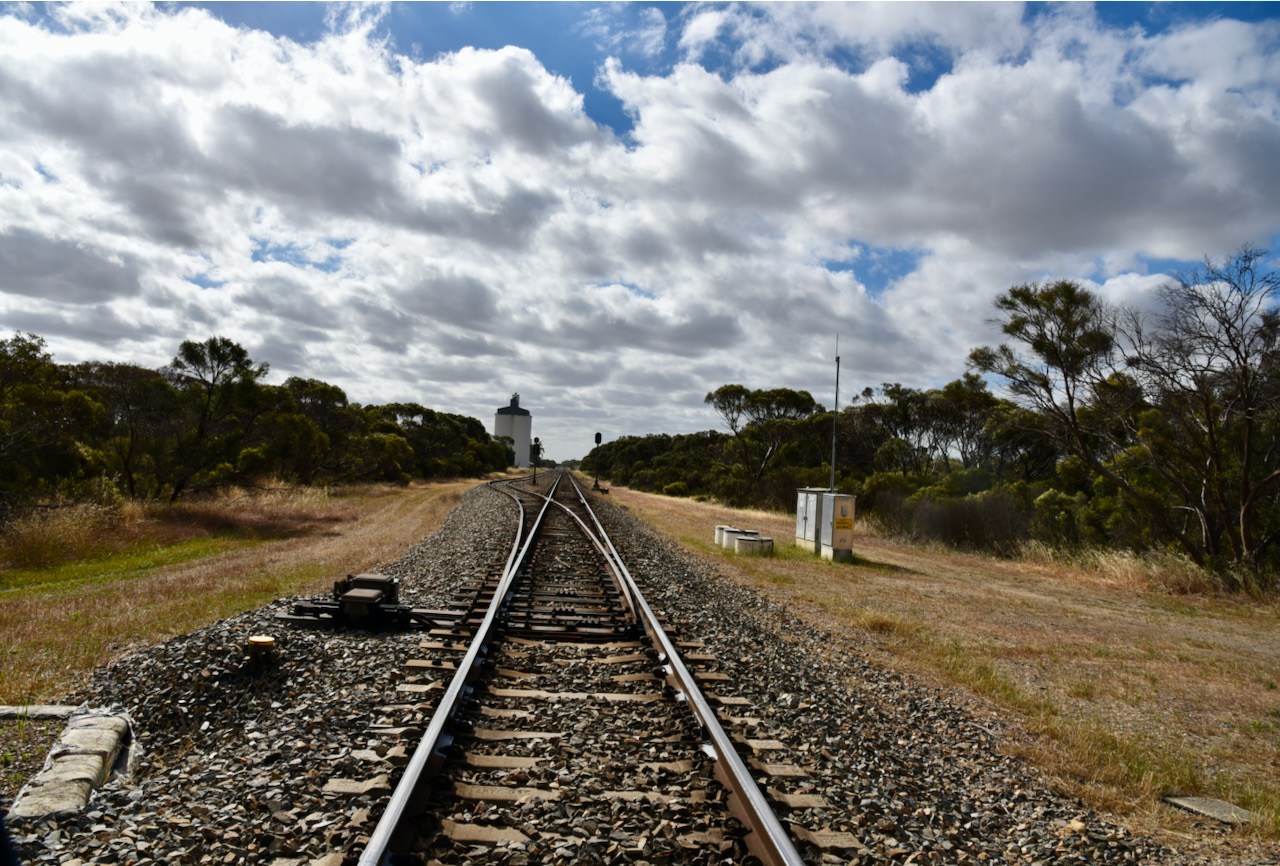
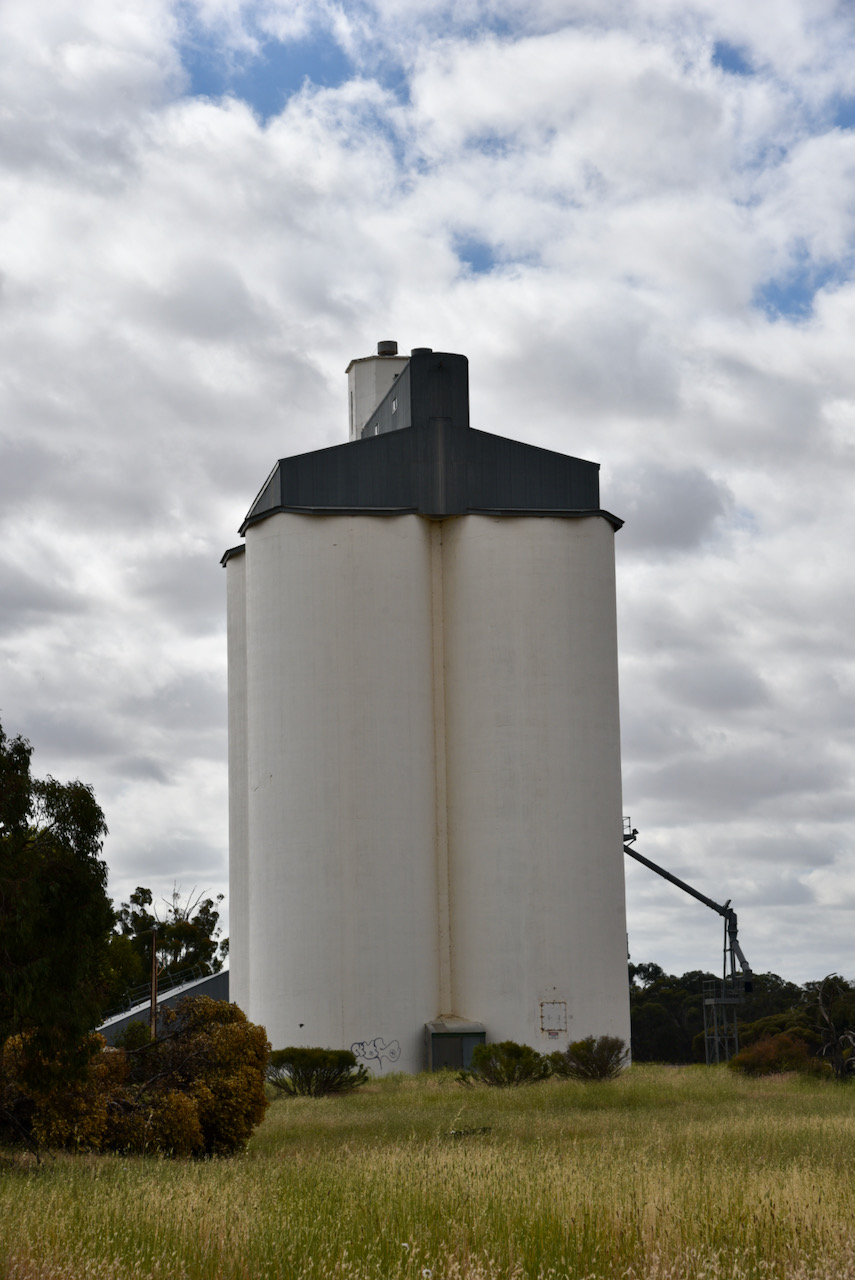
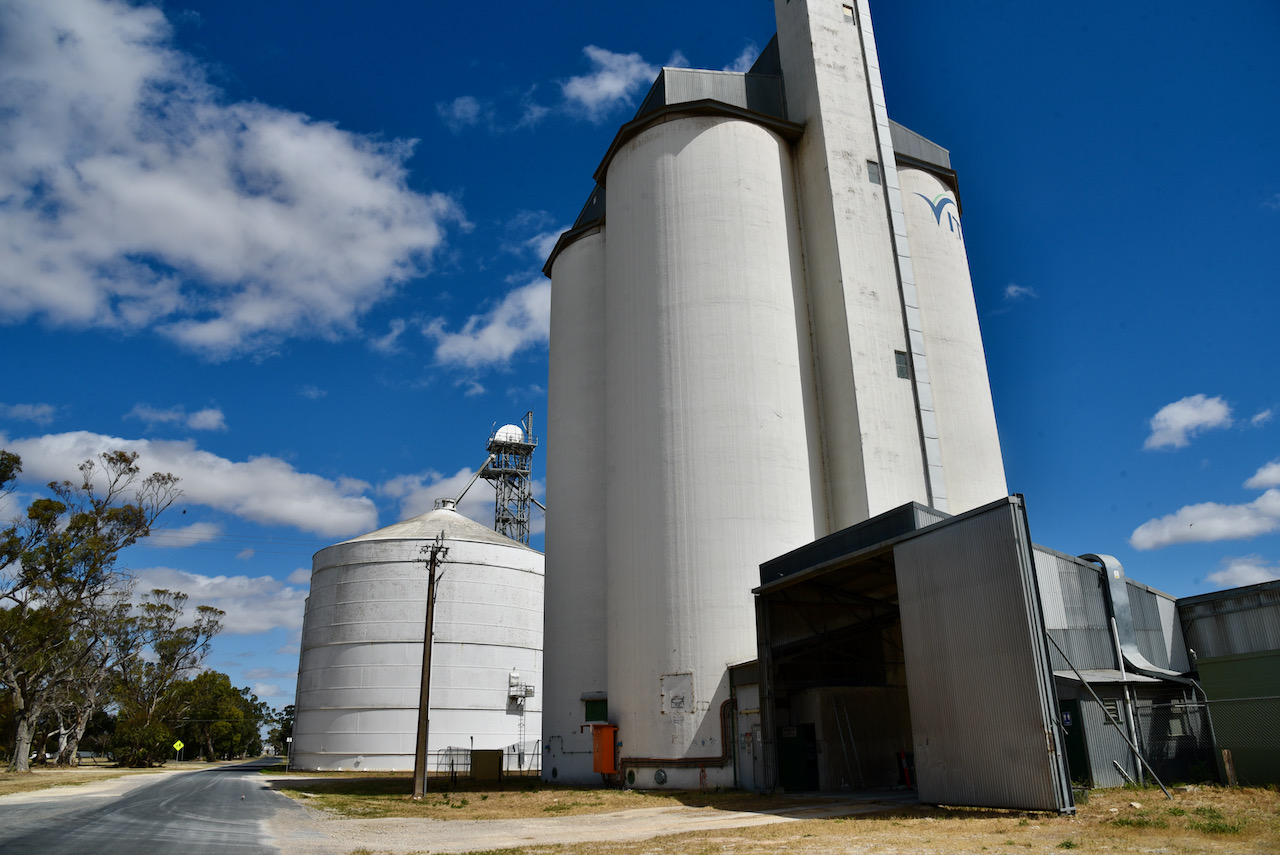
Our second silo activation on Monday 29th December 2021 was the Bordertown East silo VK-BRT5.
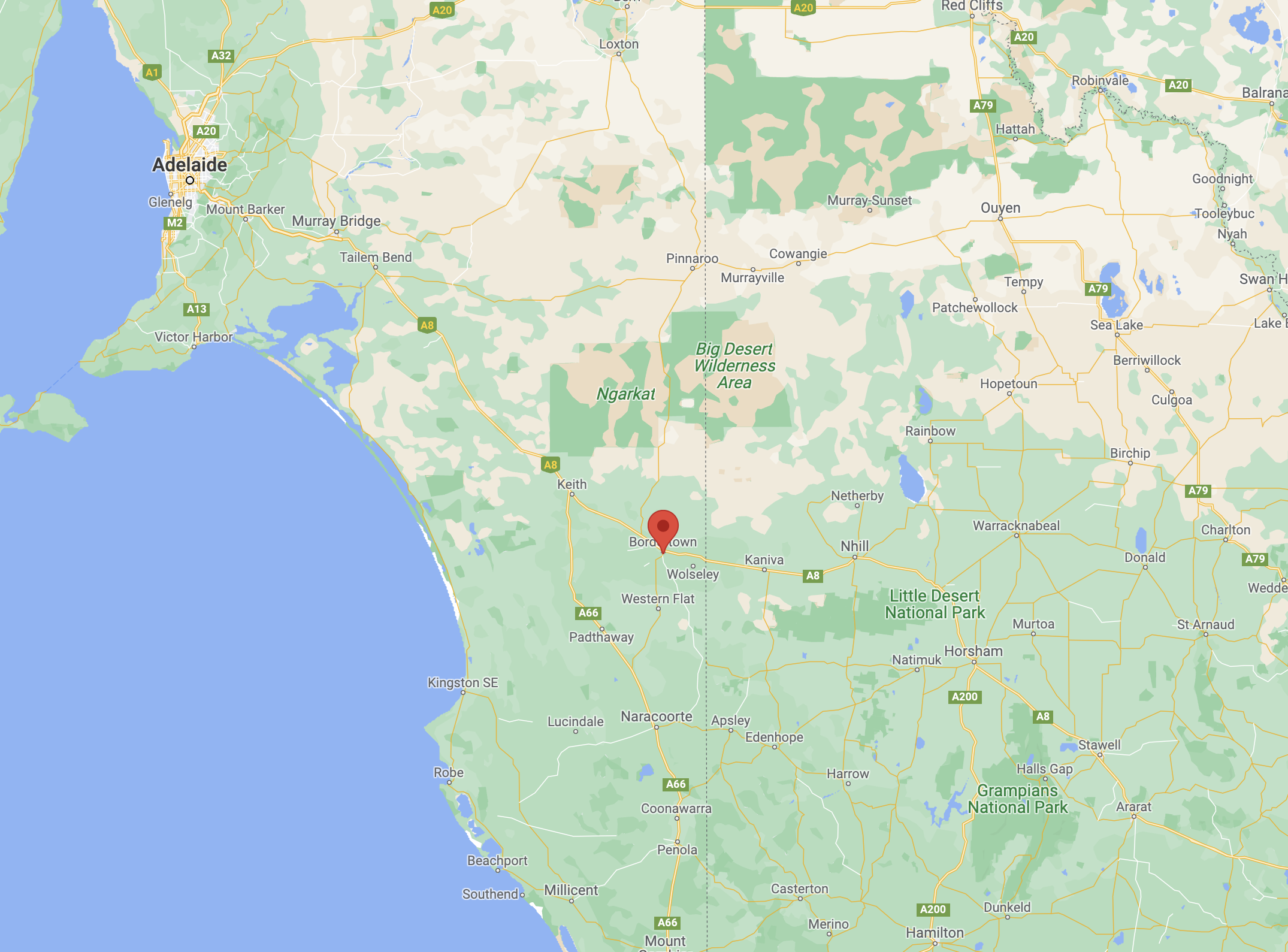
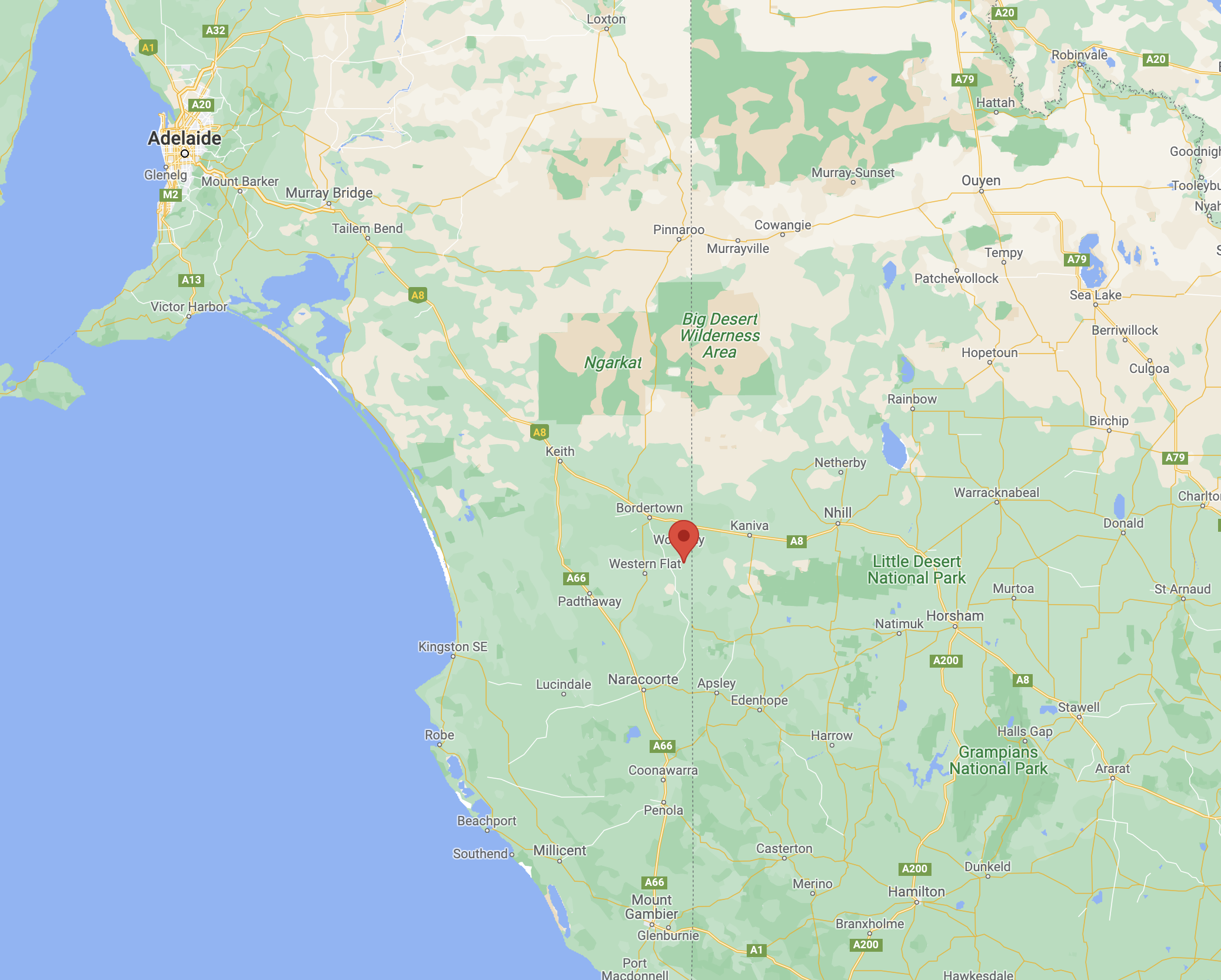
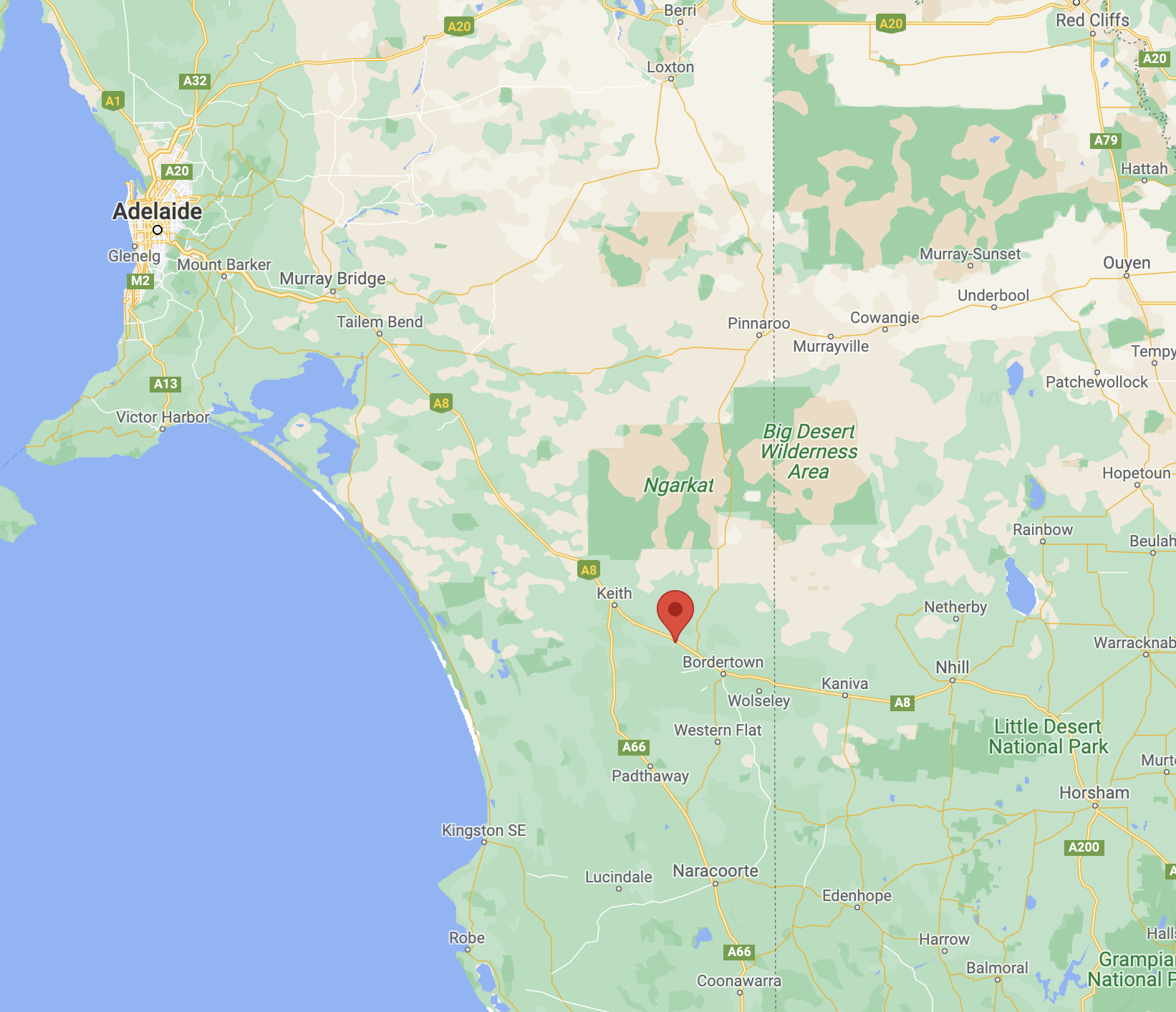
Above:- Map showing the location of Bordertown. Map c/o Google maps
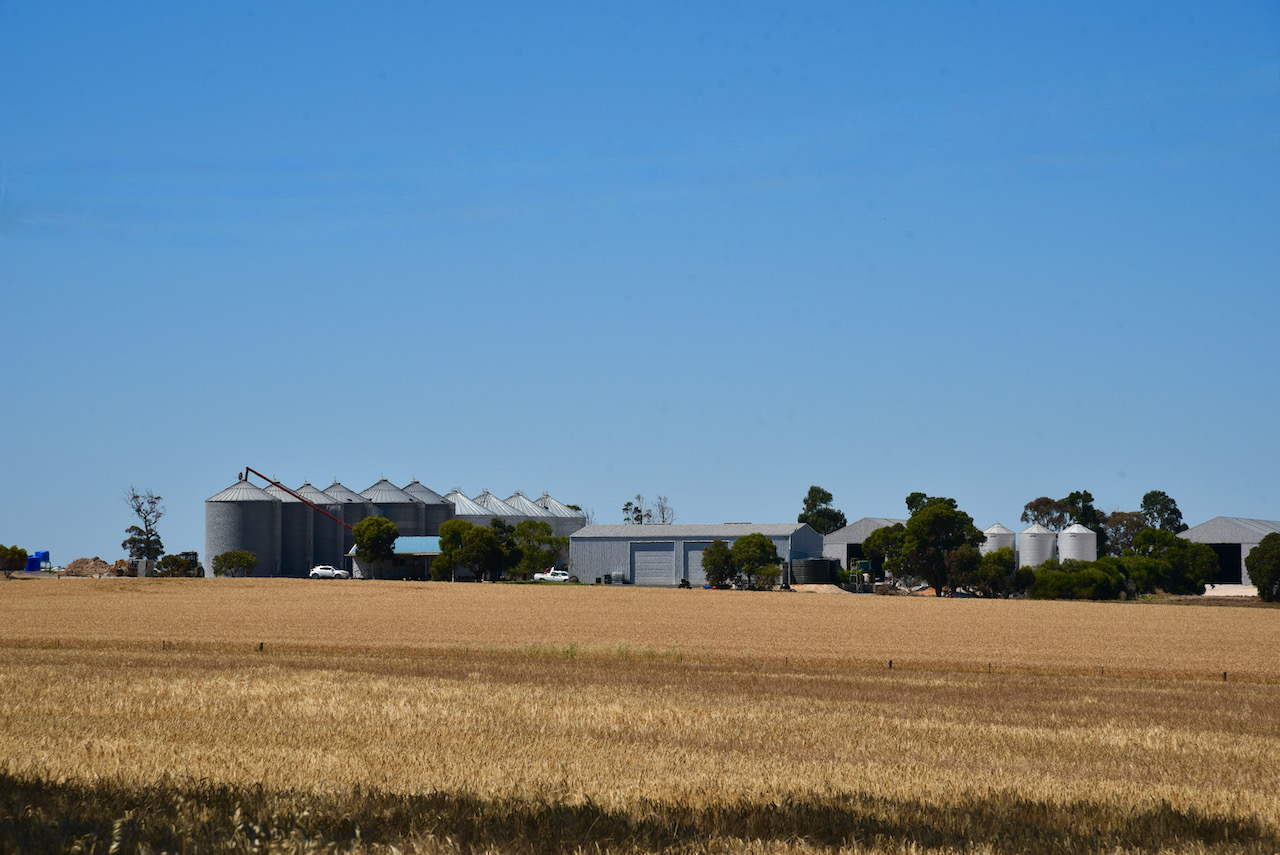
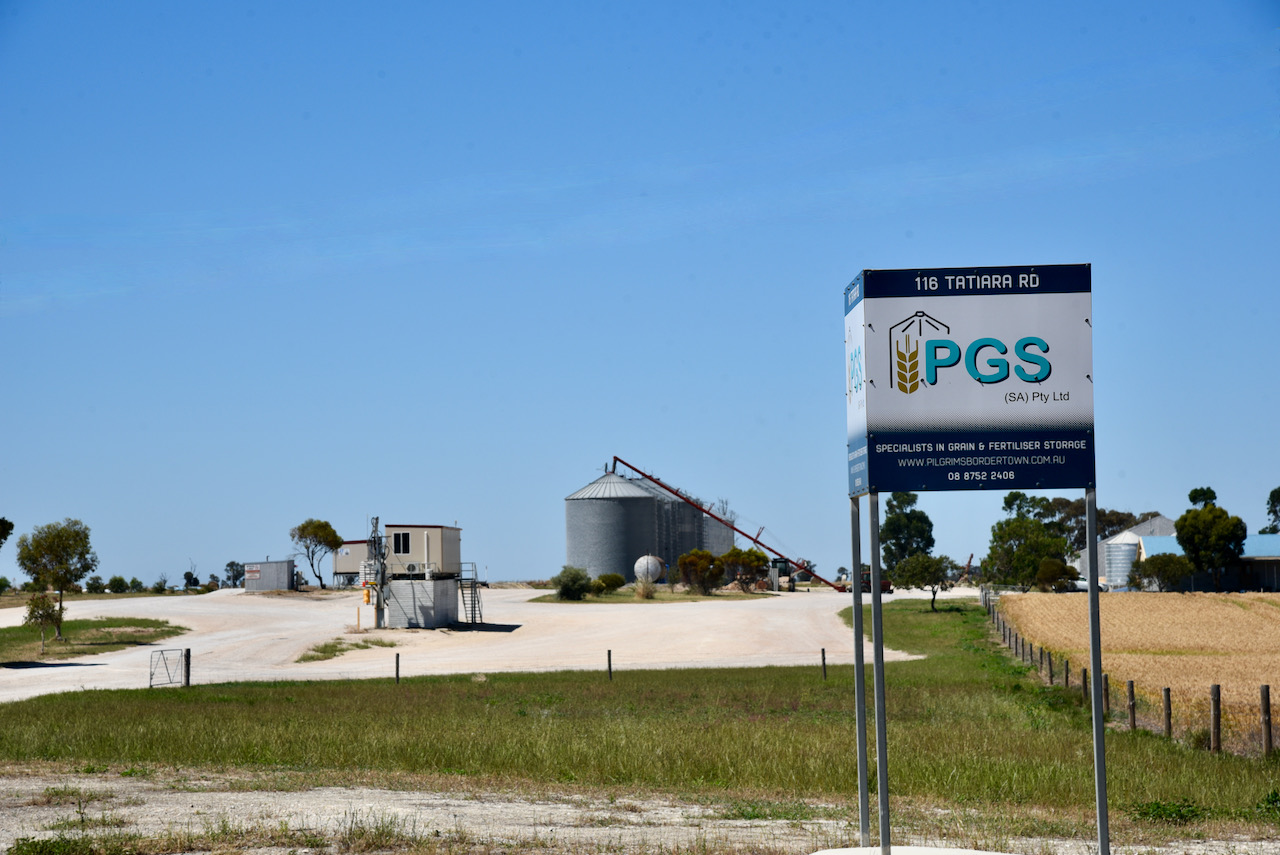
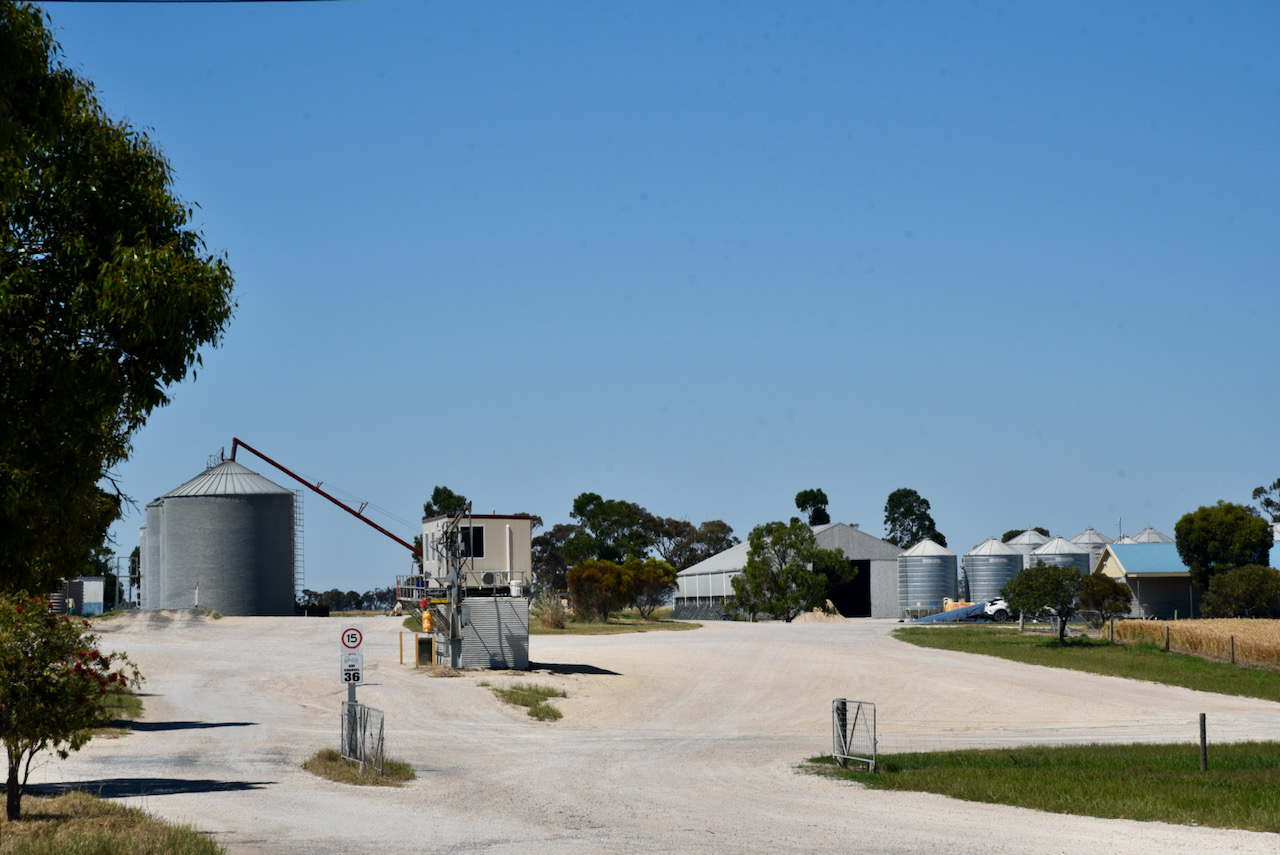
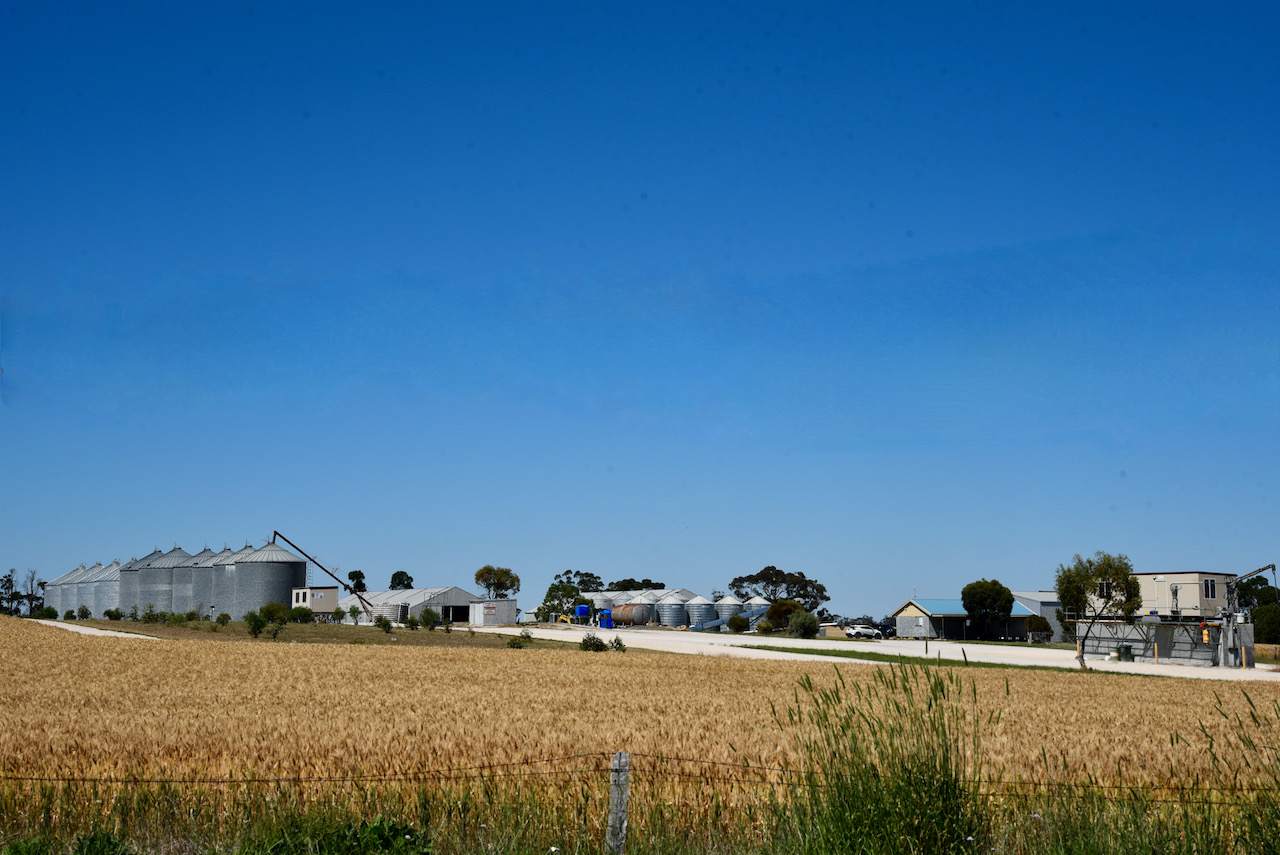
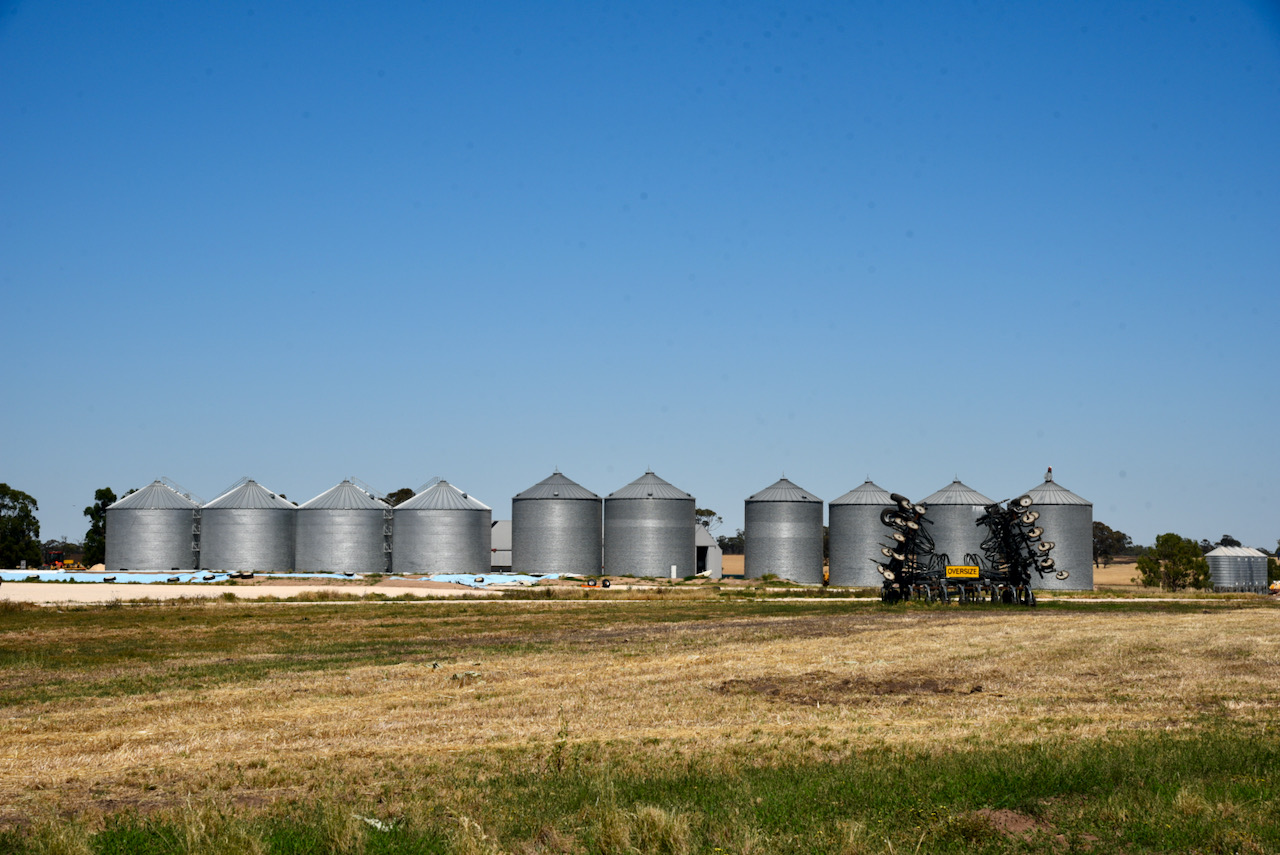
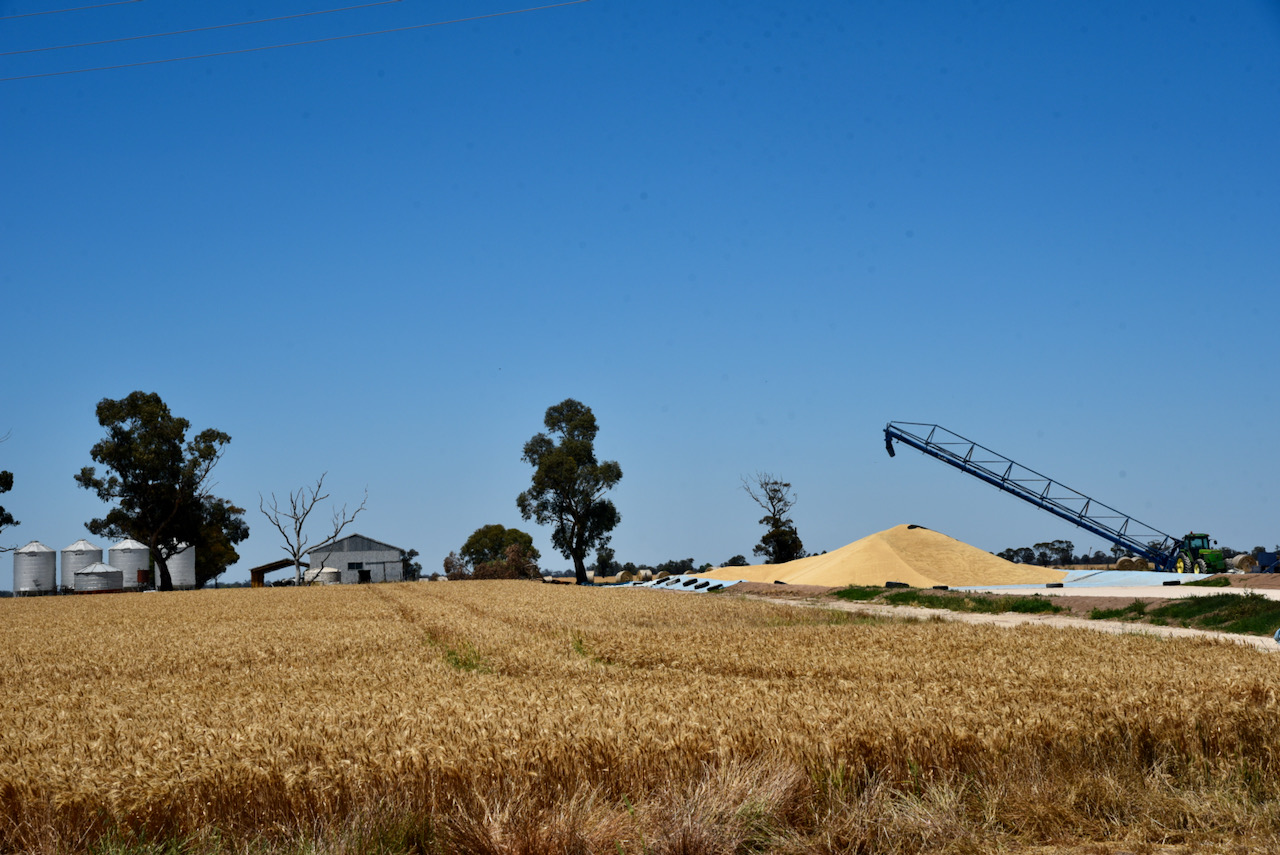
The silo is located on Tatitara Road, just a short distance out of the town of Bordertown. It is run by the company Pilgrim Grain Storage – PGS (SA) Pty Ltd. Pilgrims specialise in the storage of grains including wheat, barley, oats, canola, and beans.
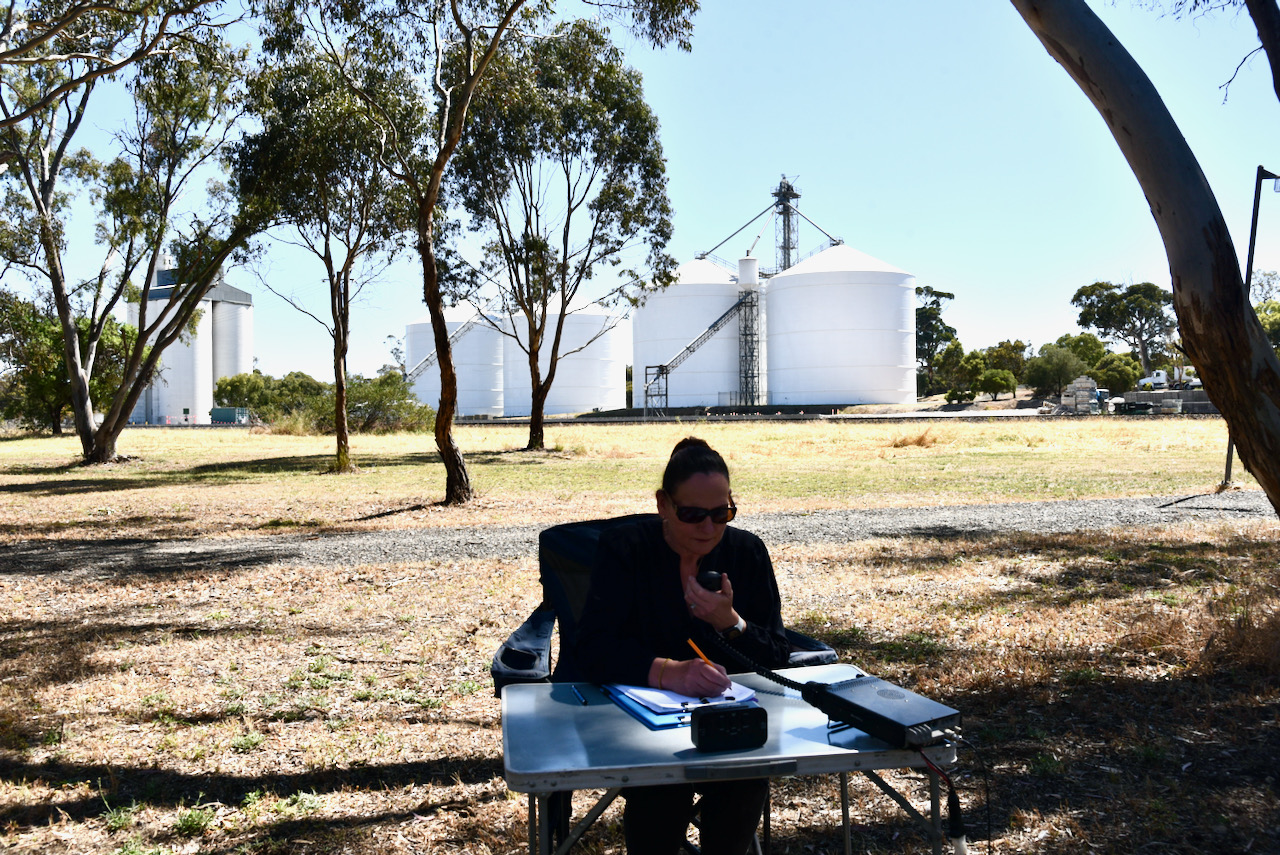
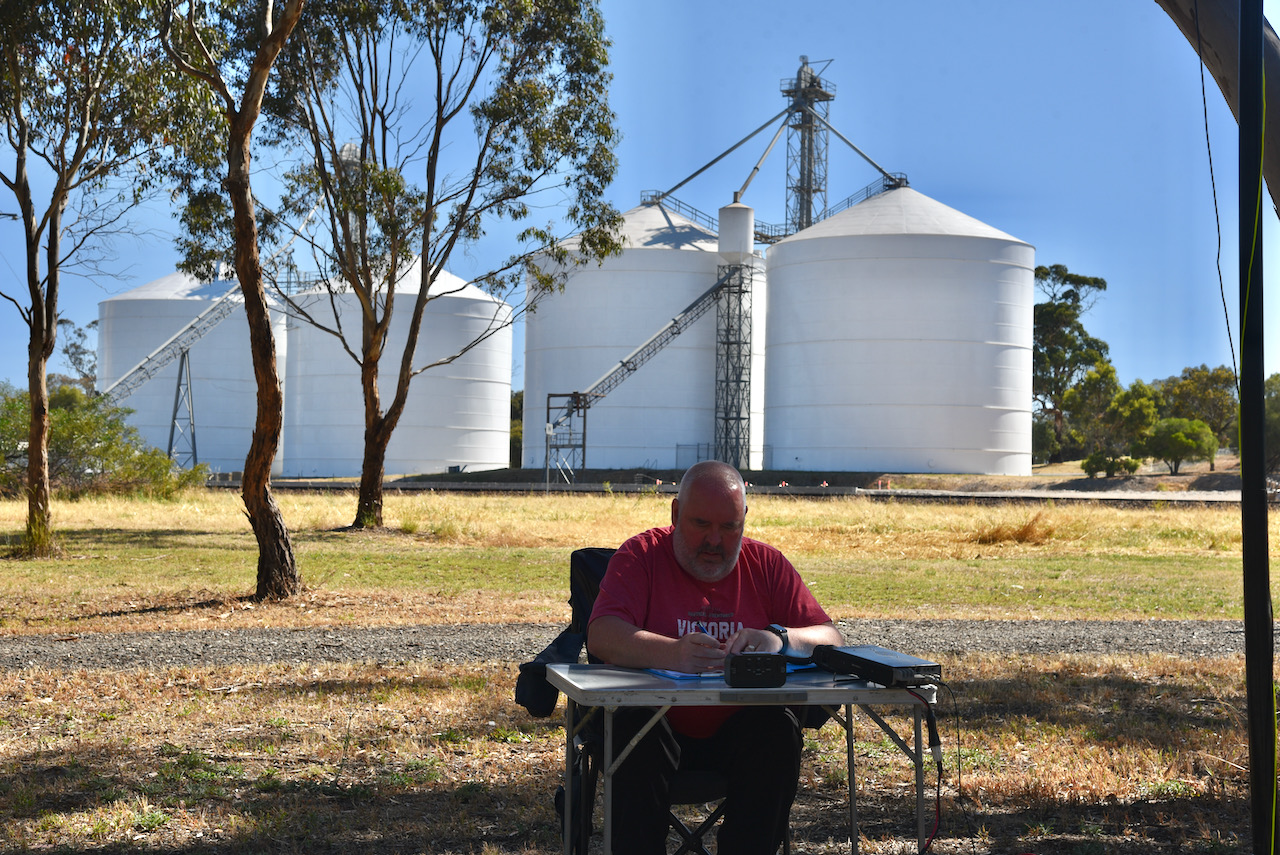
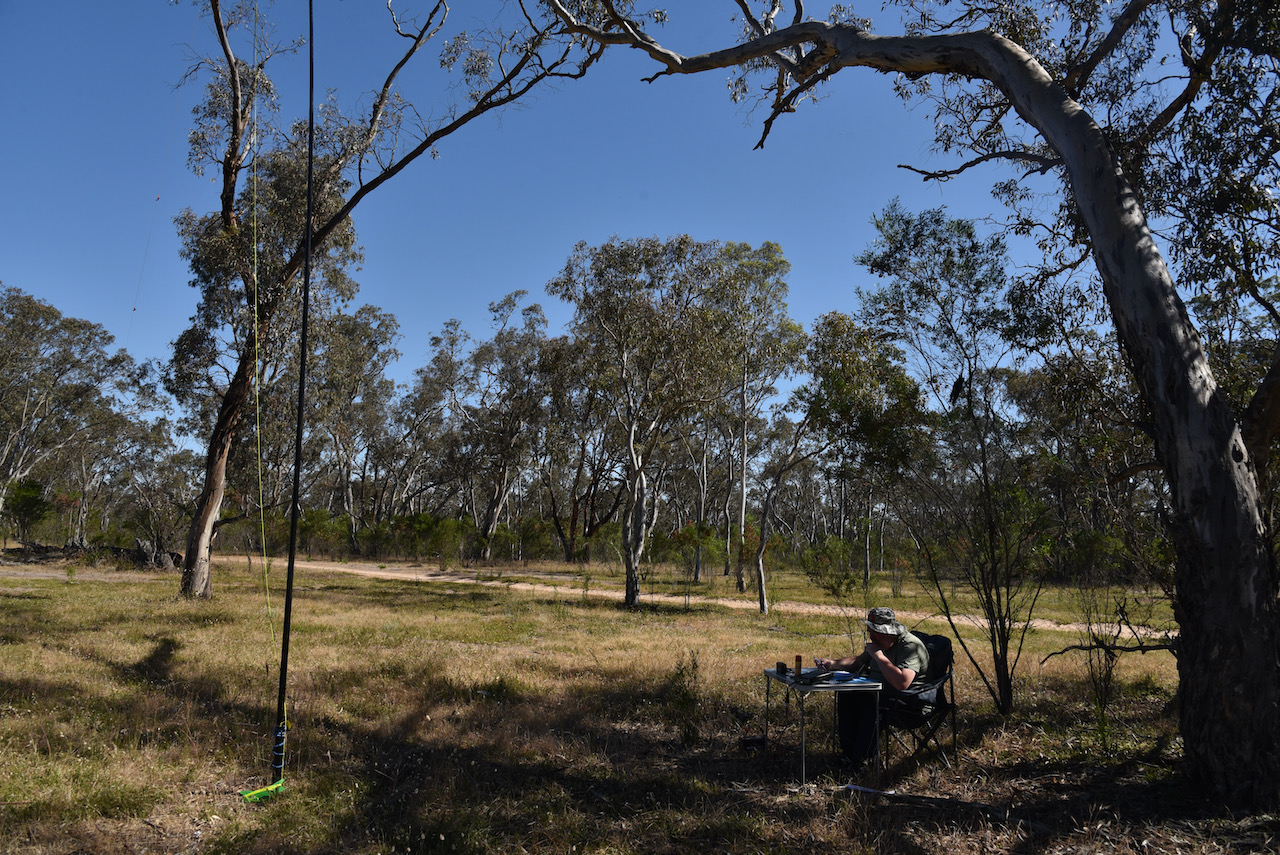
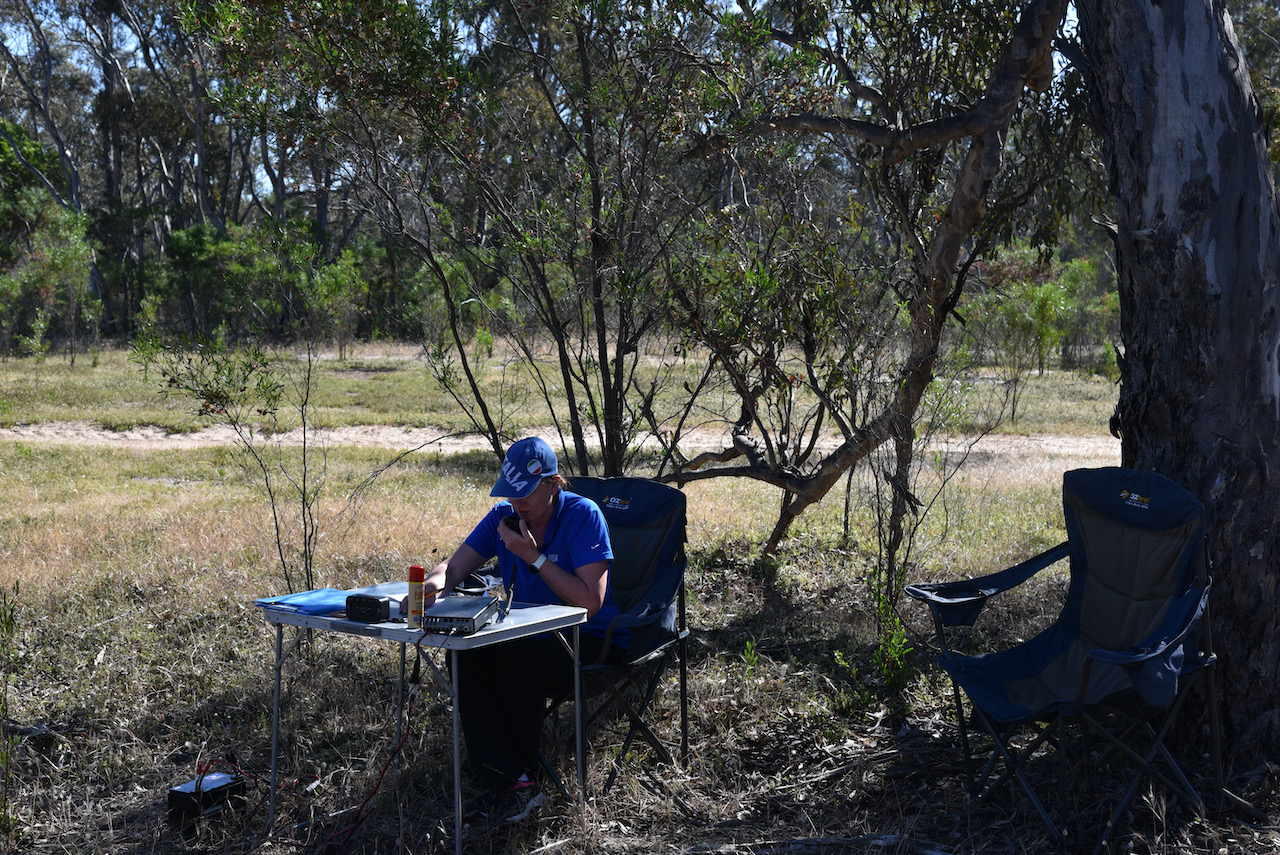
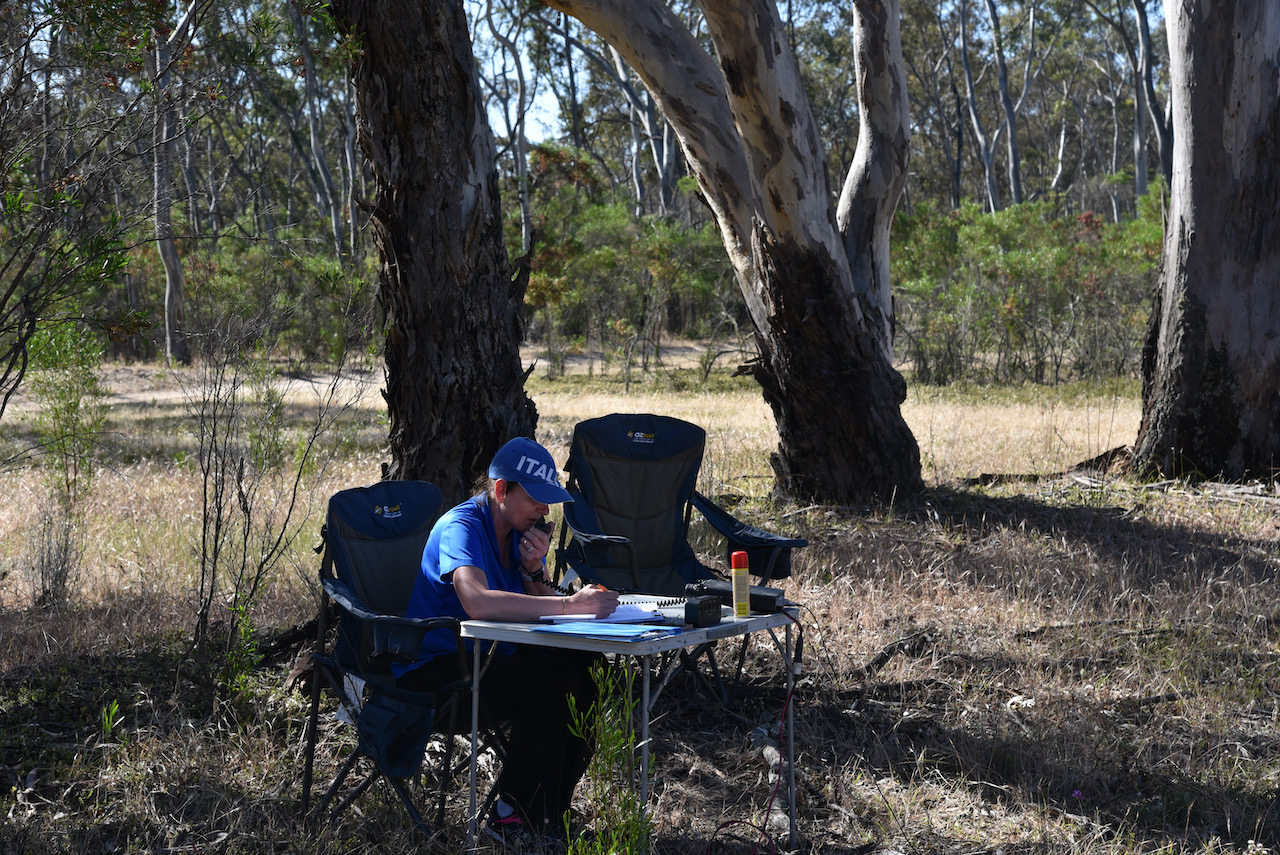
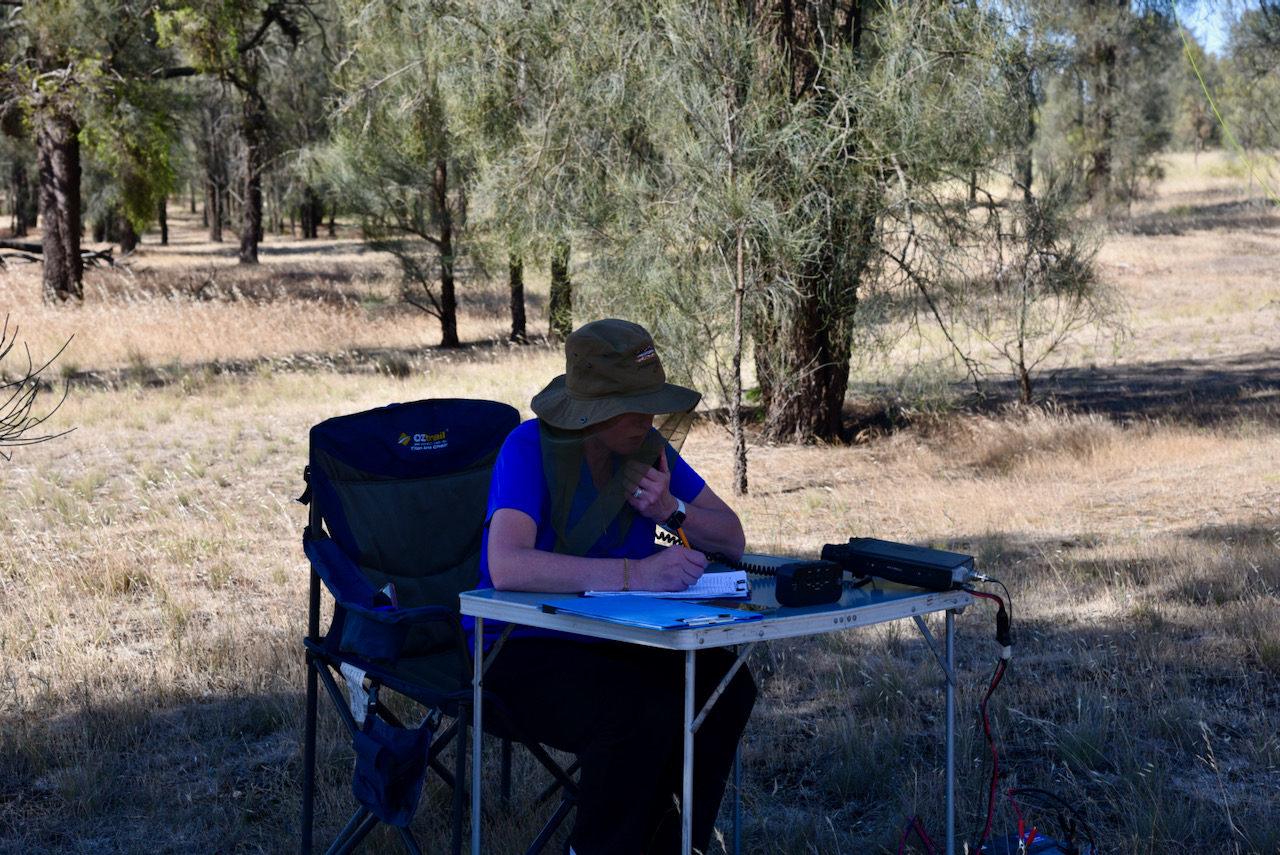
Marija and I spent 45 minutes at the silo and made a total of 31 QSOs. We operated from the vehicle for this activation and ran the Icom IC-7000 and the Codan 9350 self-tuning antenna mounted on the tailgate of the Toyota Hi-Lux.
Our contacts were into VK1, VK2, VK3, VK4, VK5, and VK7.
Marija worked the following stations on 40m SSB:-
VK5FANA
VK3OHM
VK5WG
VK3NFS
VK3PF
VK2DG
VK4NH
VK5IS
VK2BYF/p (Burragorang State Conservation Area VKFF-1292)
I worked the following stations on 40m SSB:-
VK3SQ
VK5WG
VK3OHM
VK5FANA
VK5IS
VK2DG
VK4NH
VK7DM
VK2VW
VK2HFI
VK3IK/m
VK3VIN
VK3EJ
VK3DJC
VK3PF
VK2BYF/p (Burragorang State Conservation Area VKFF-1292)
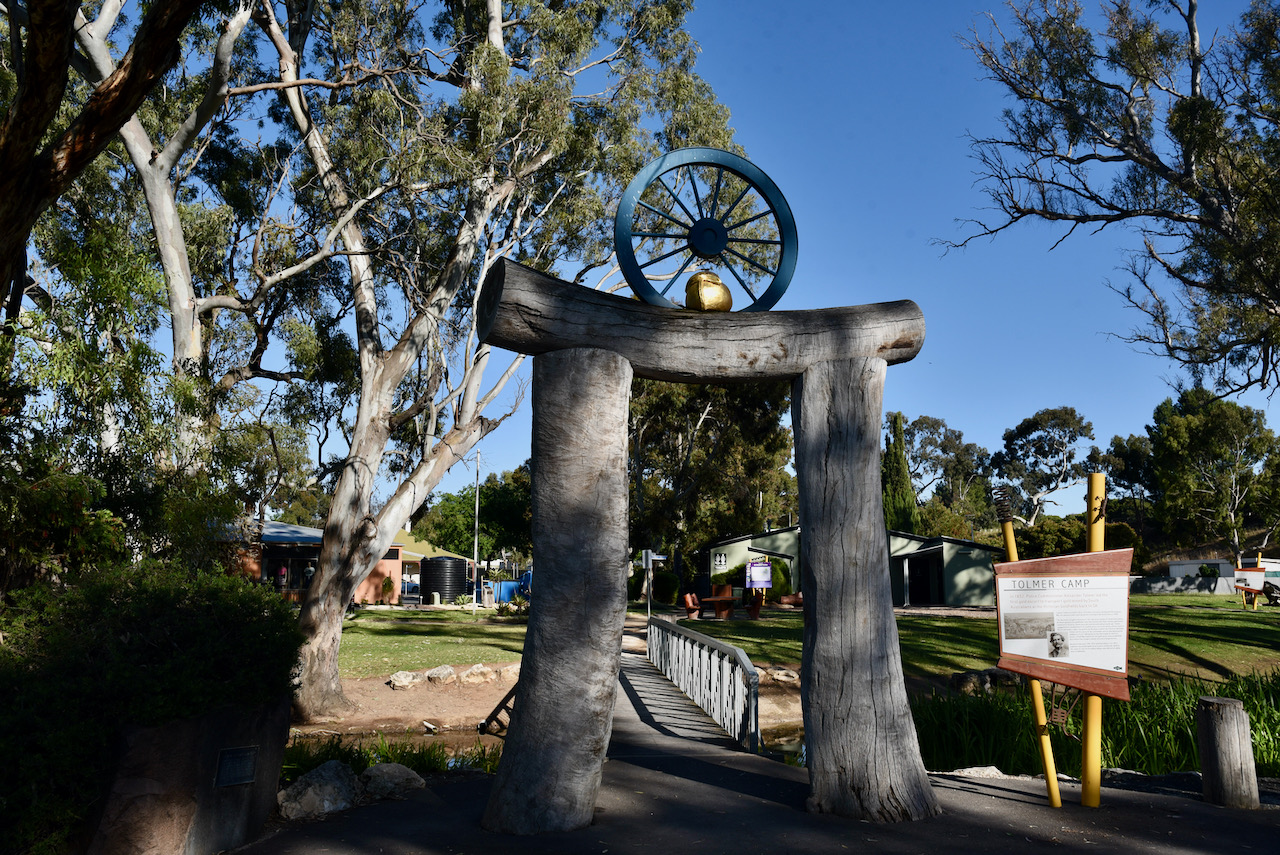
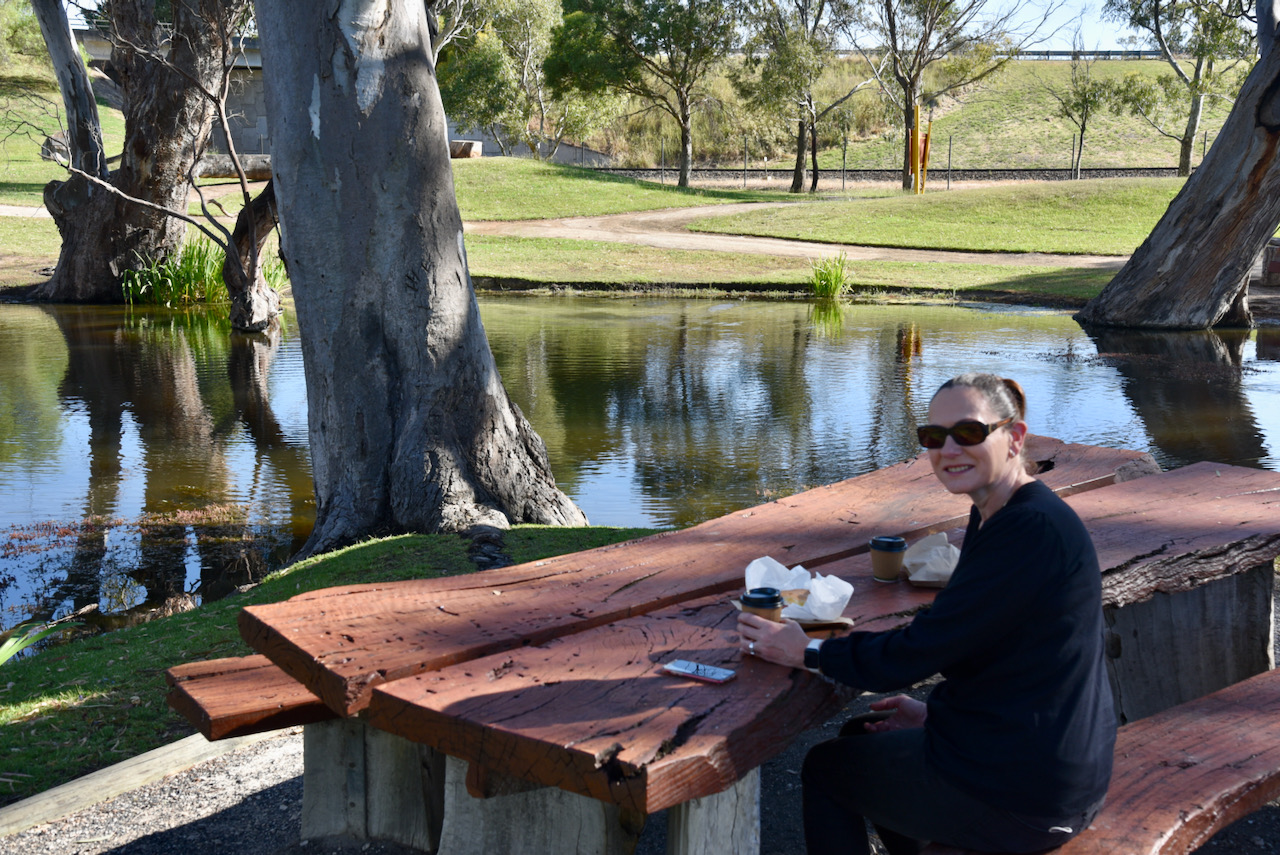
It was now Monday 29th November 2021 and Marija and I headed to the Bordertown Bakery for some coffee and some egg & bacon rolls. It was a beautiful morning, so we sat in Tolmer Park opposite the bakery and enjoyed our breakfast.
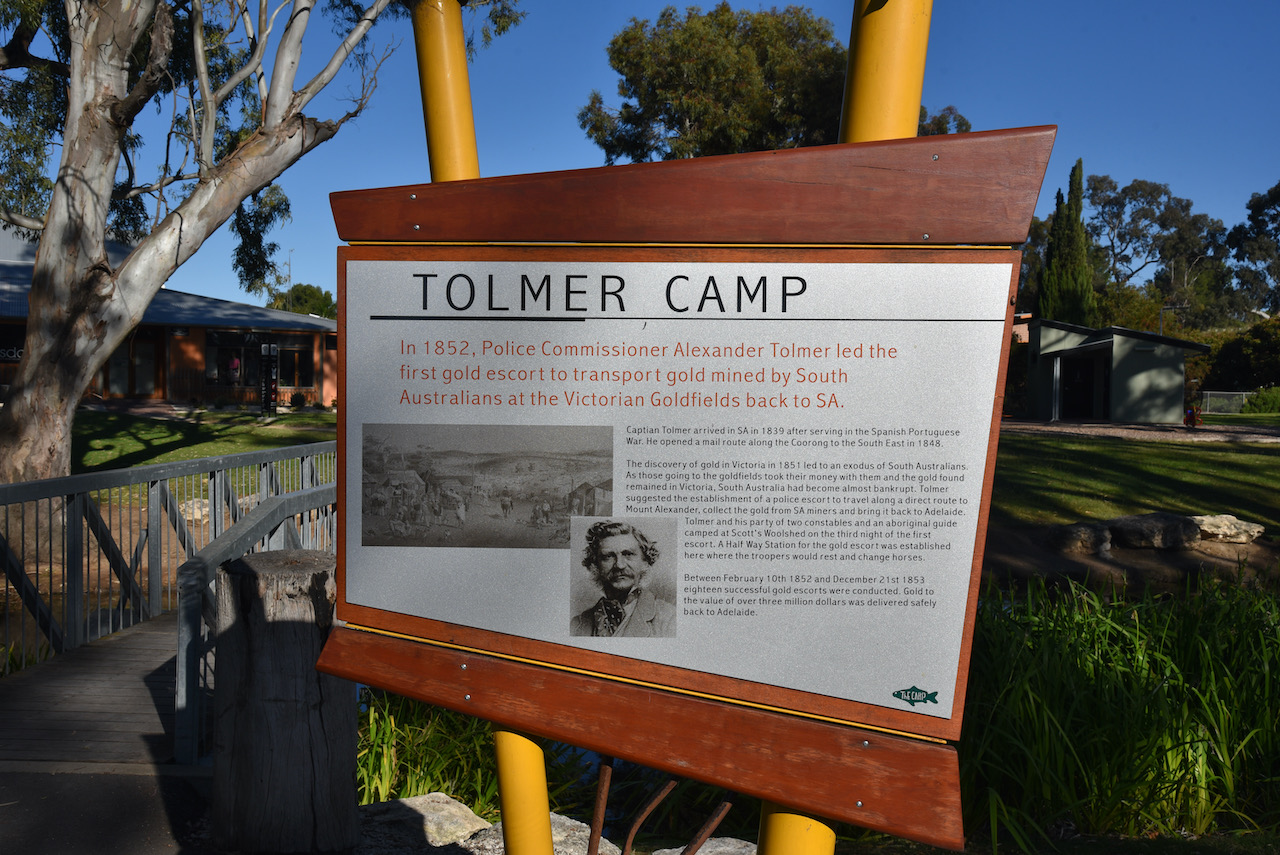
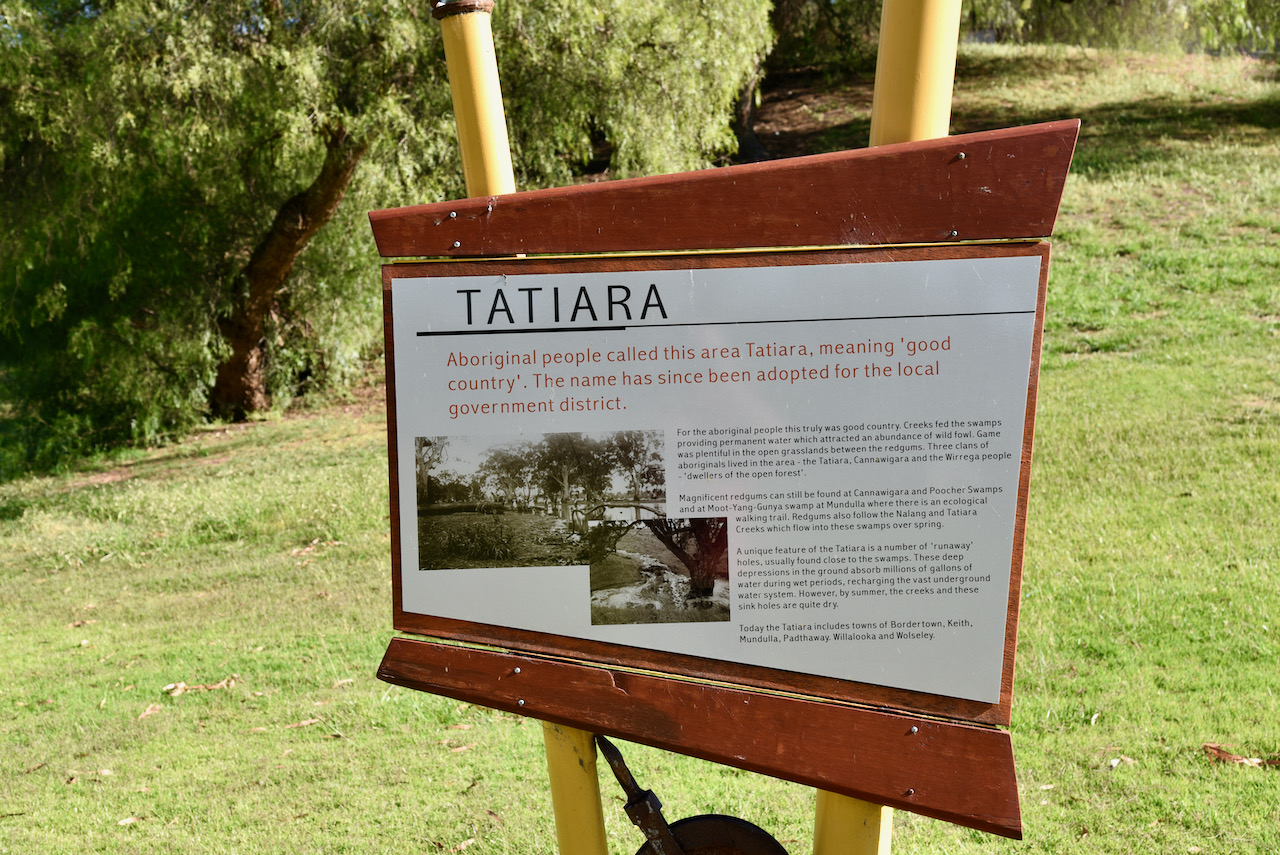
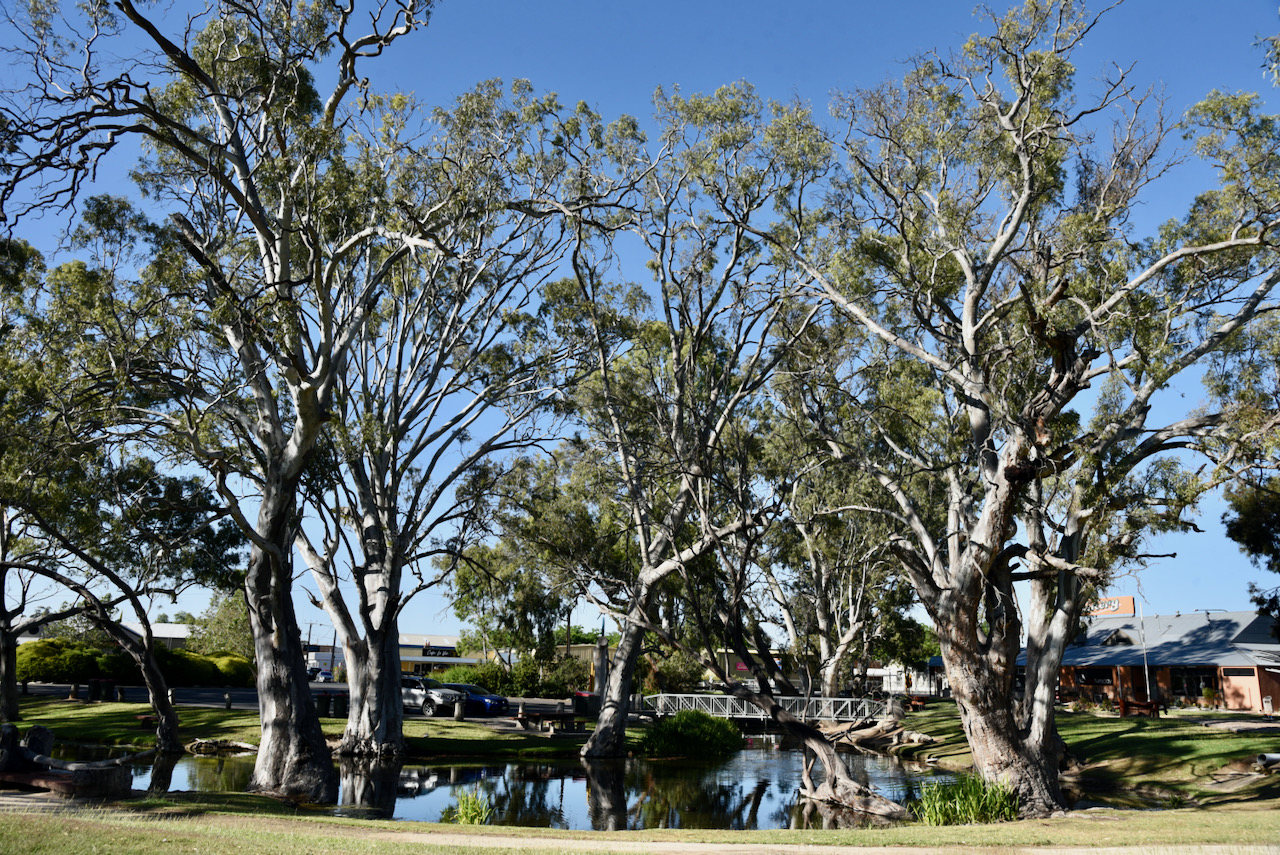
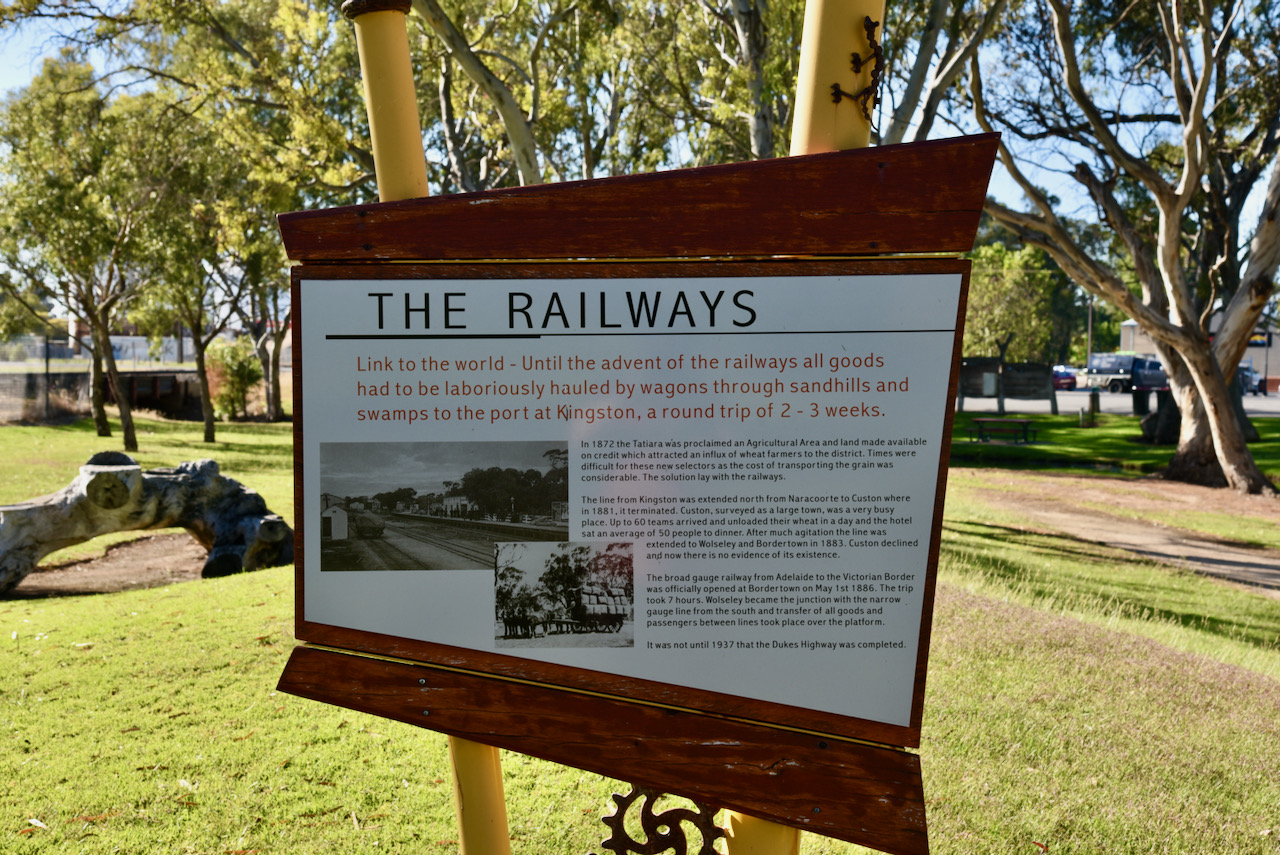
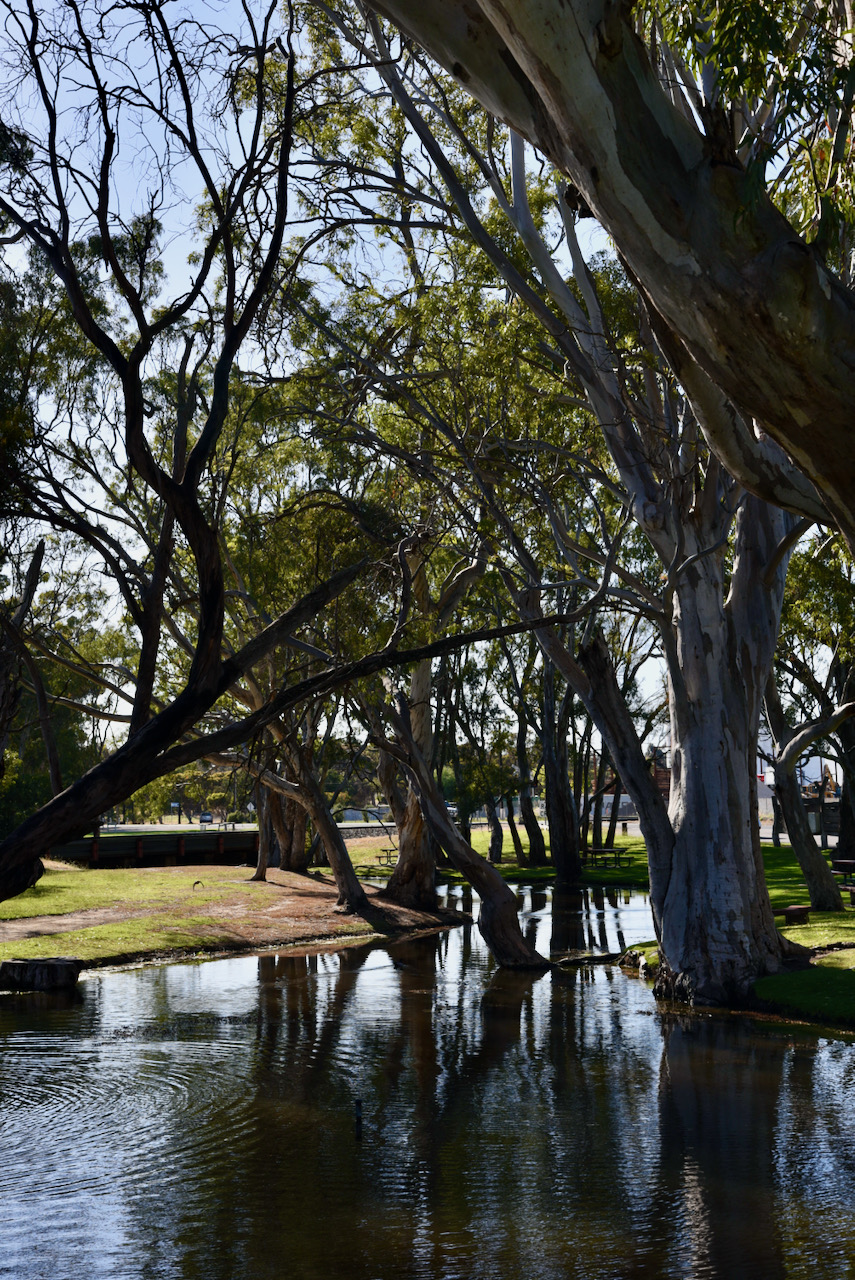
Tolmer Park takes its name from Alexander Tolmer, a South Australian Police Officer who led numerous Gold Escorts along the Gold Escort Route from Victoria to Adelaide. Tolmer used this spot as a stopover on the gold escort route due to the permanent water supply. The creek in the park has been widened and filled. There are a number of interpretive signs in the park.
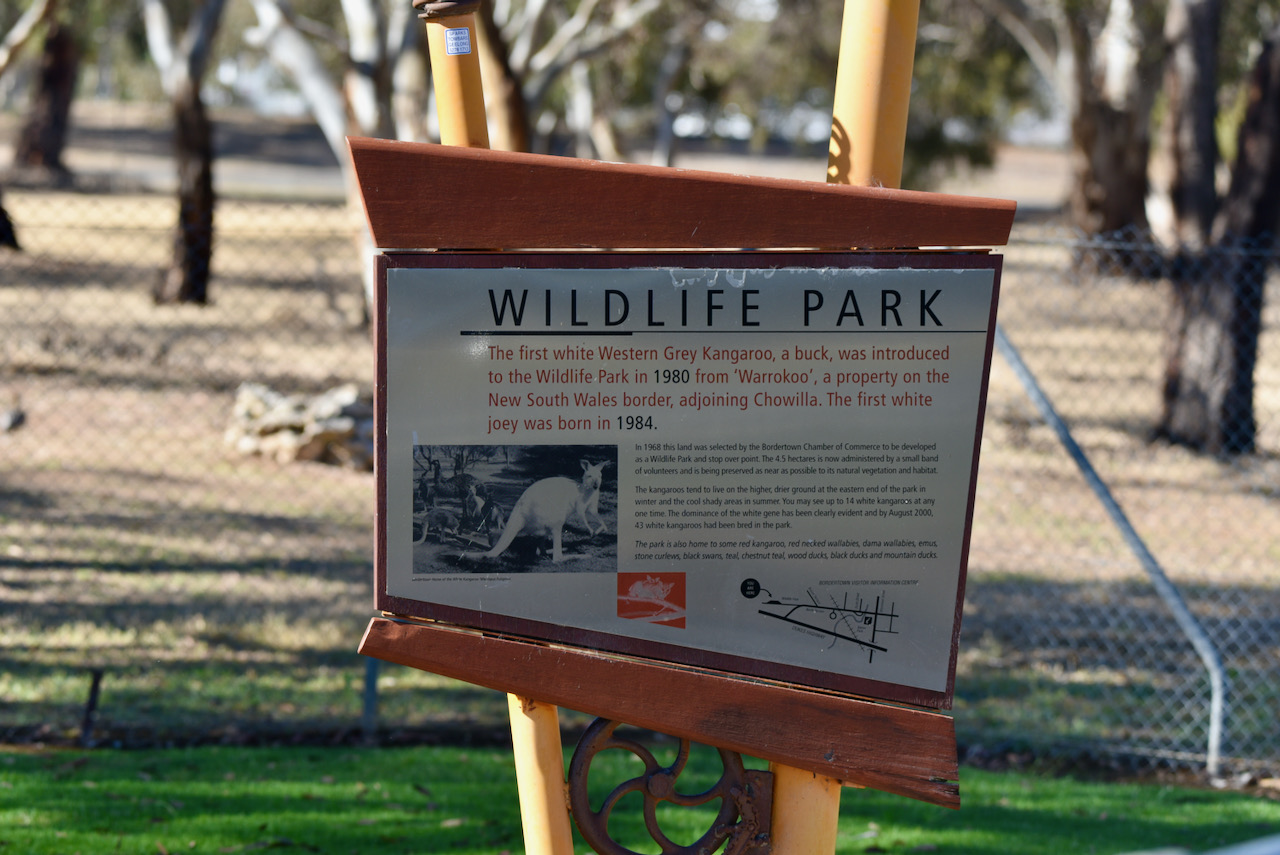
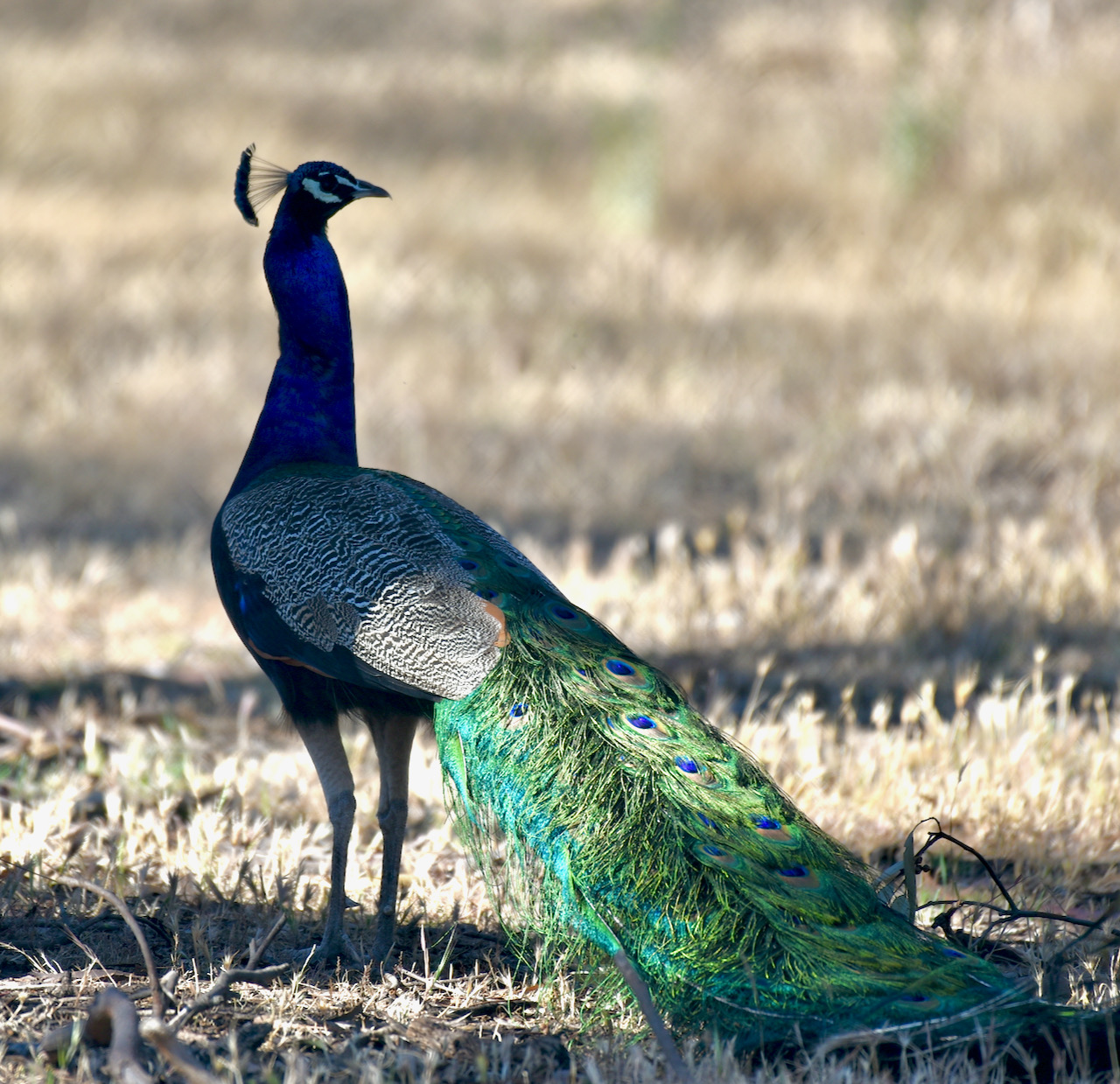
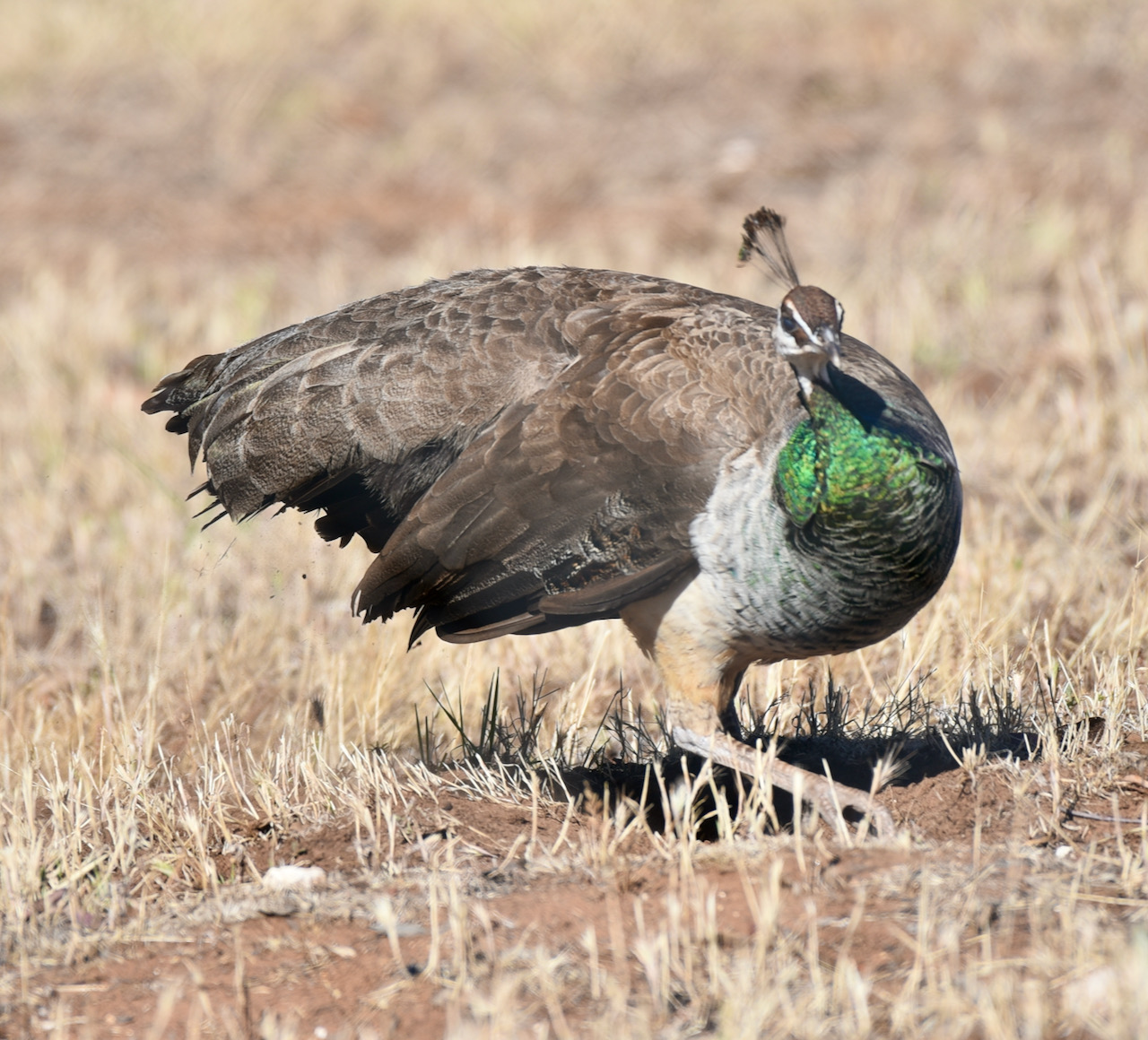
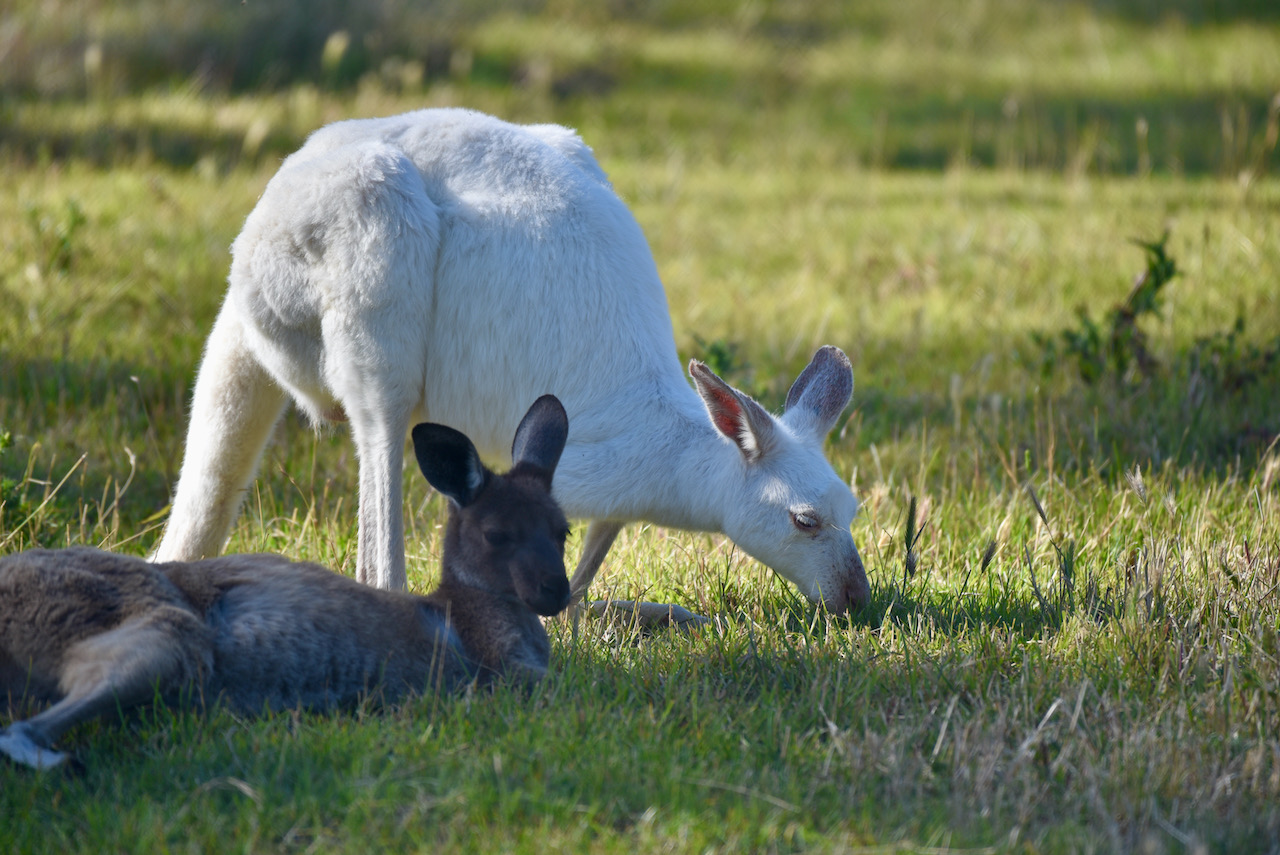
We then headed to the Bordertown Wildlife Park which was established in 1968. You can find Bordertown’s famous White Kangaroos in the park. They were first introduced in 1980. Various other wildlife can be found in the park including wallabies, Bush Stone Curlews, Emus, Black Swans, Peacocks, and ducks.
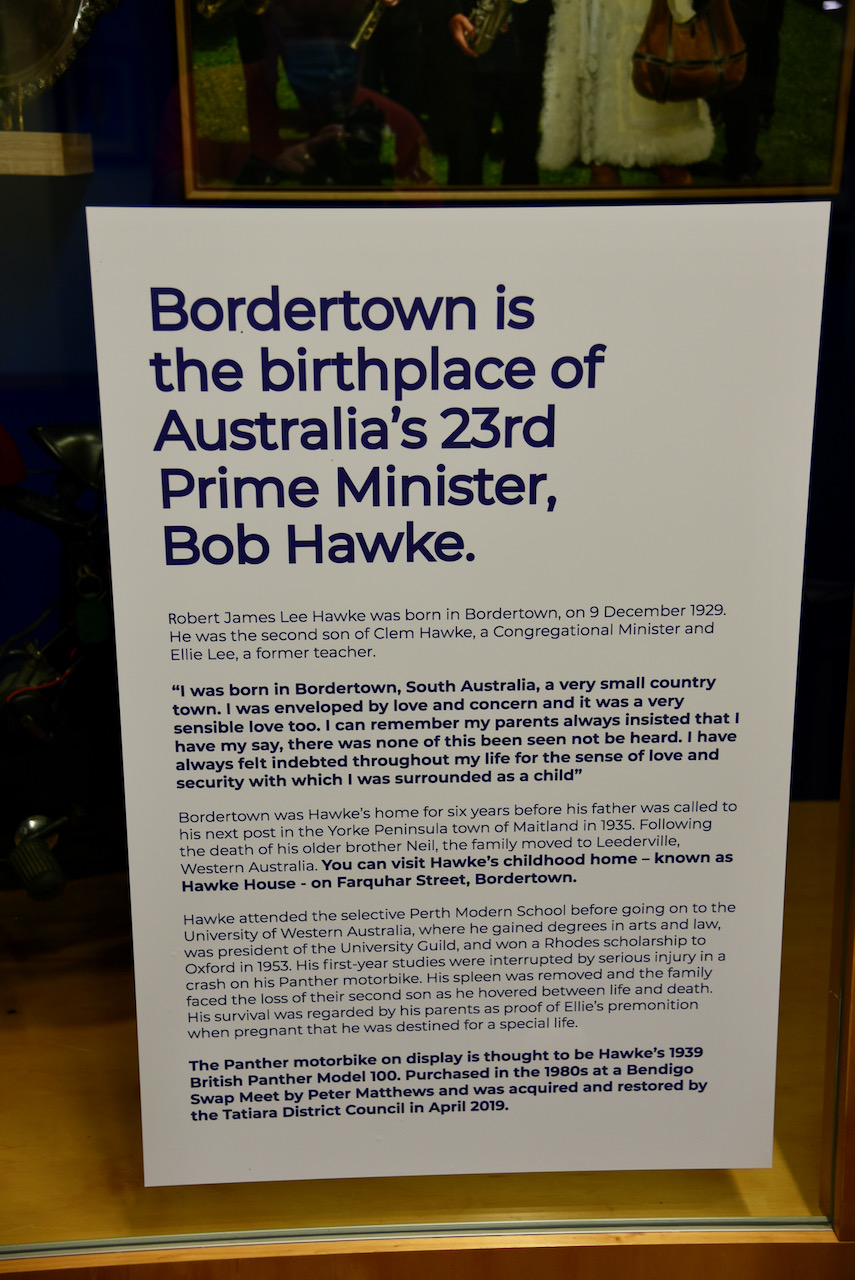
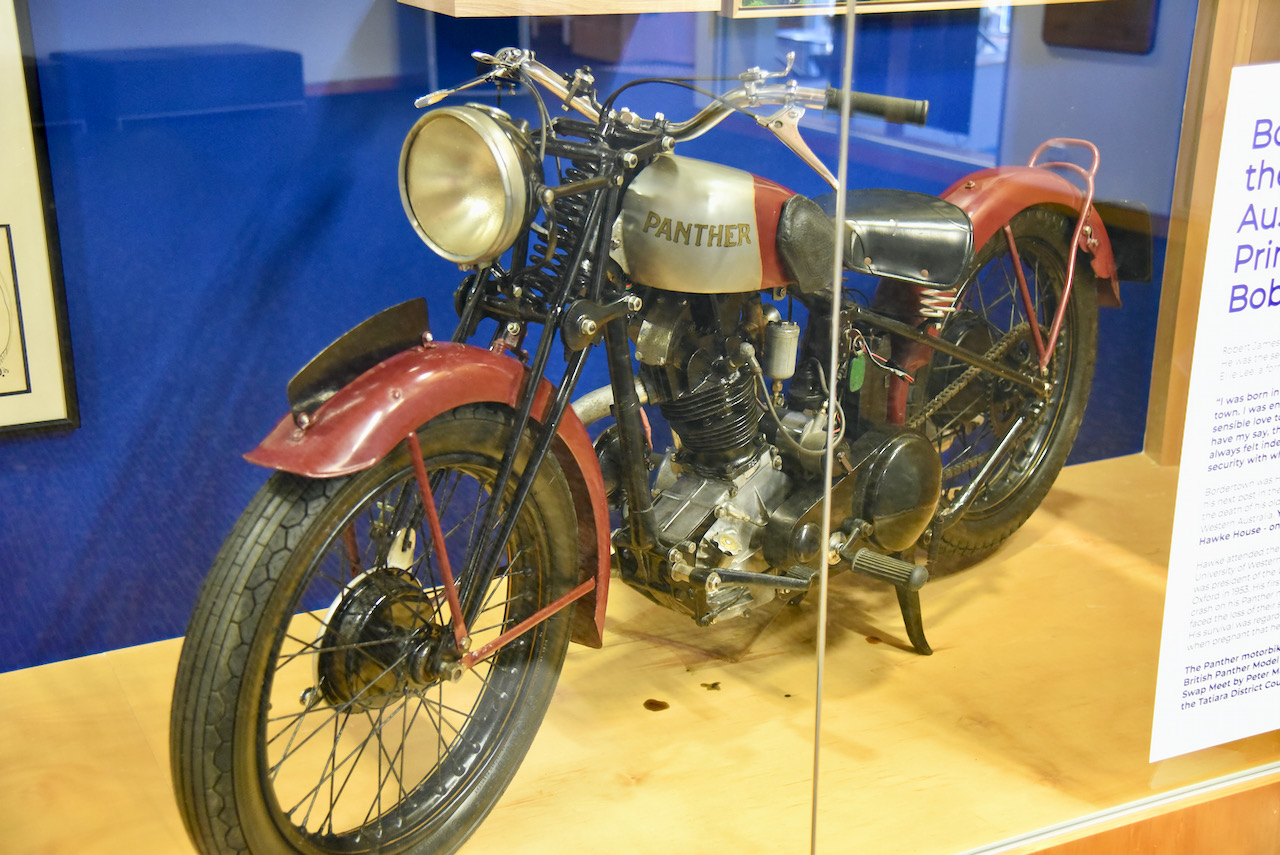
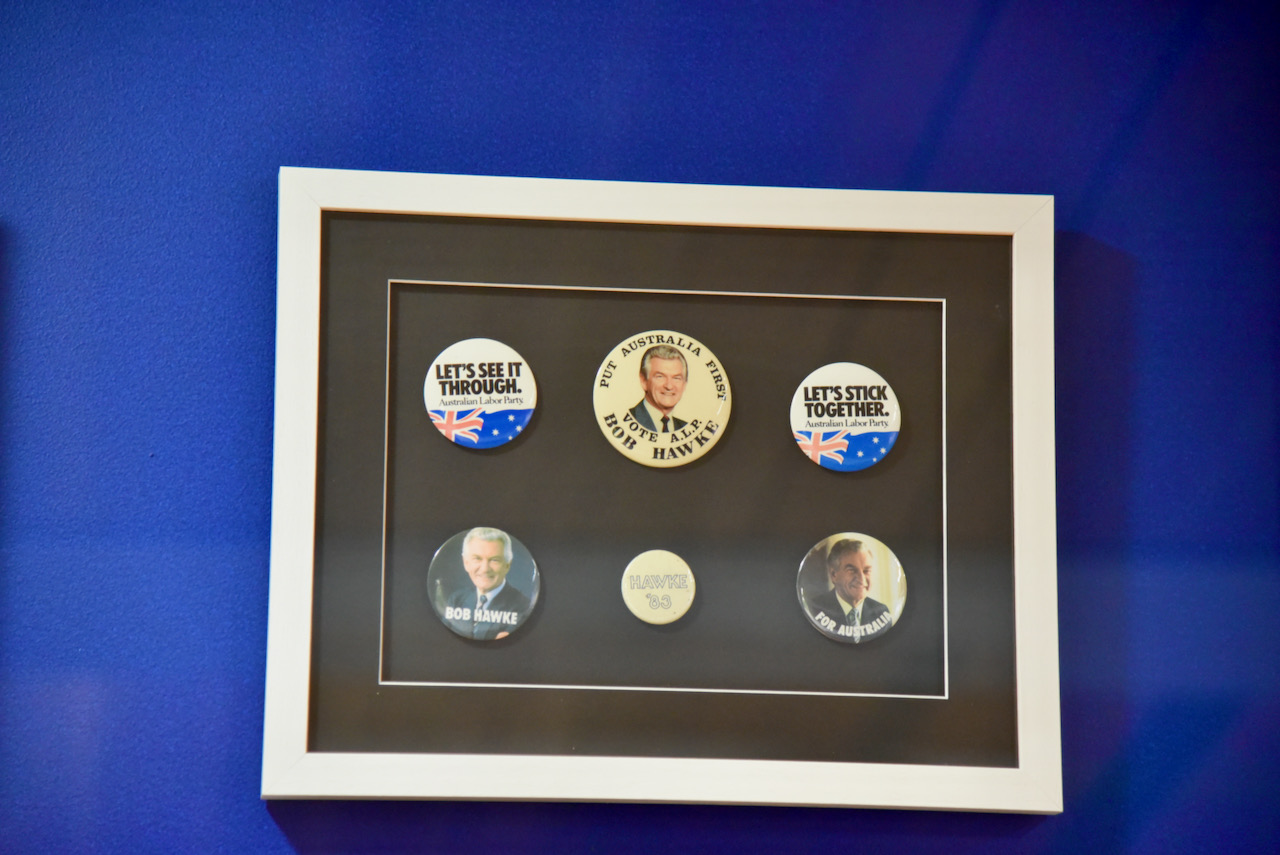
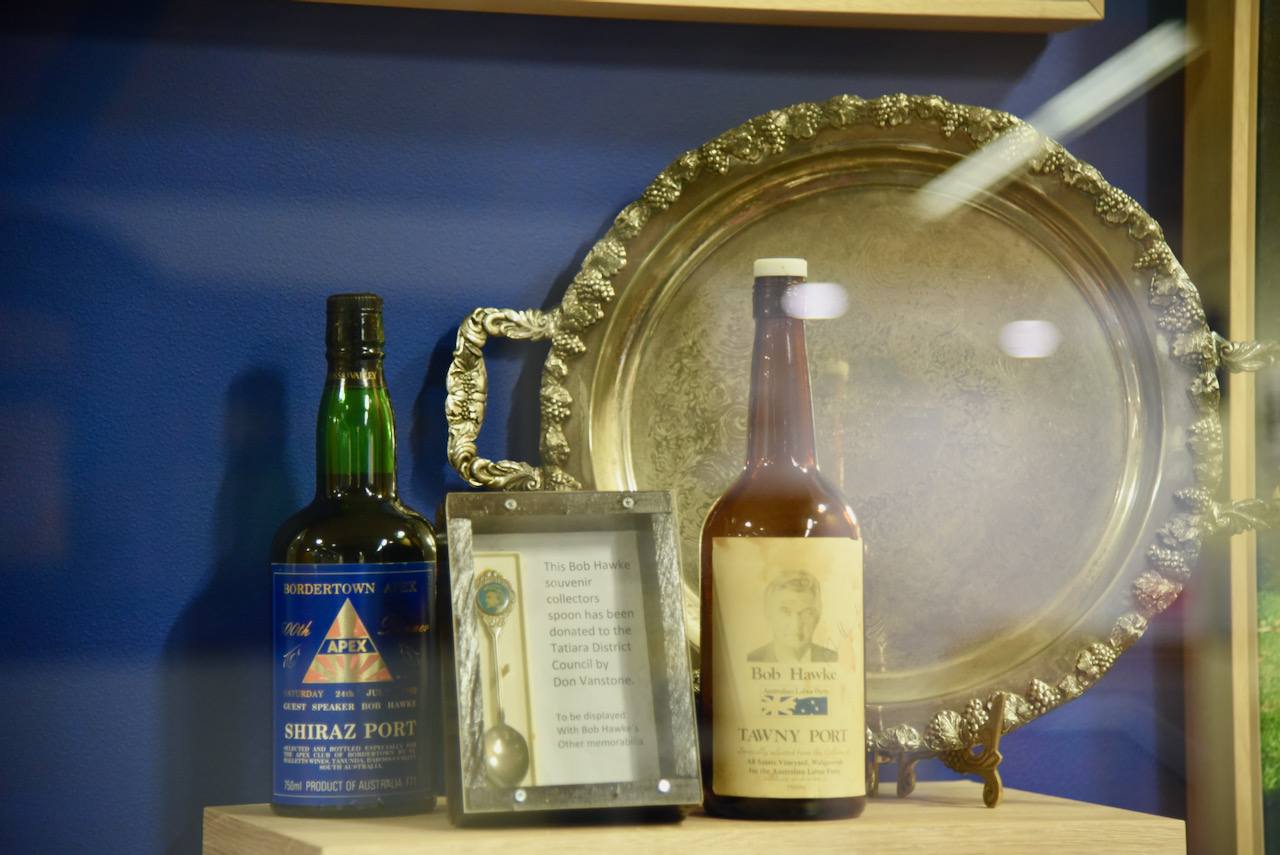
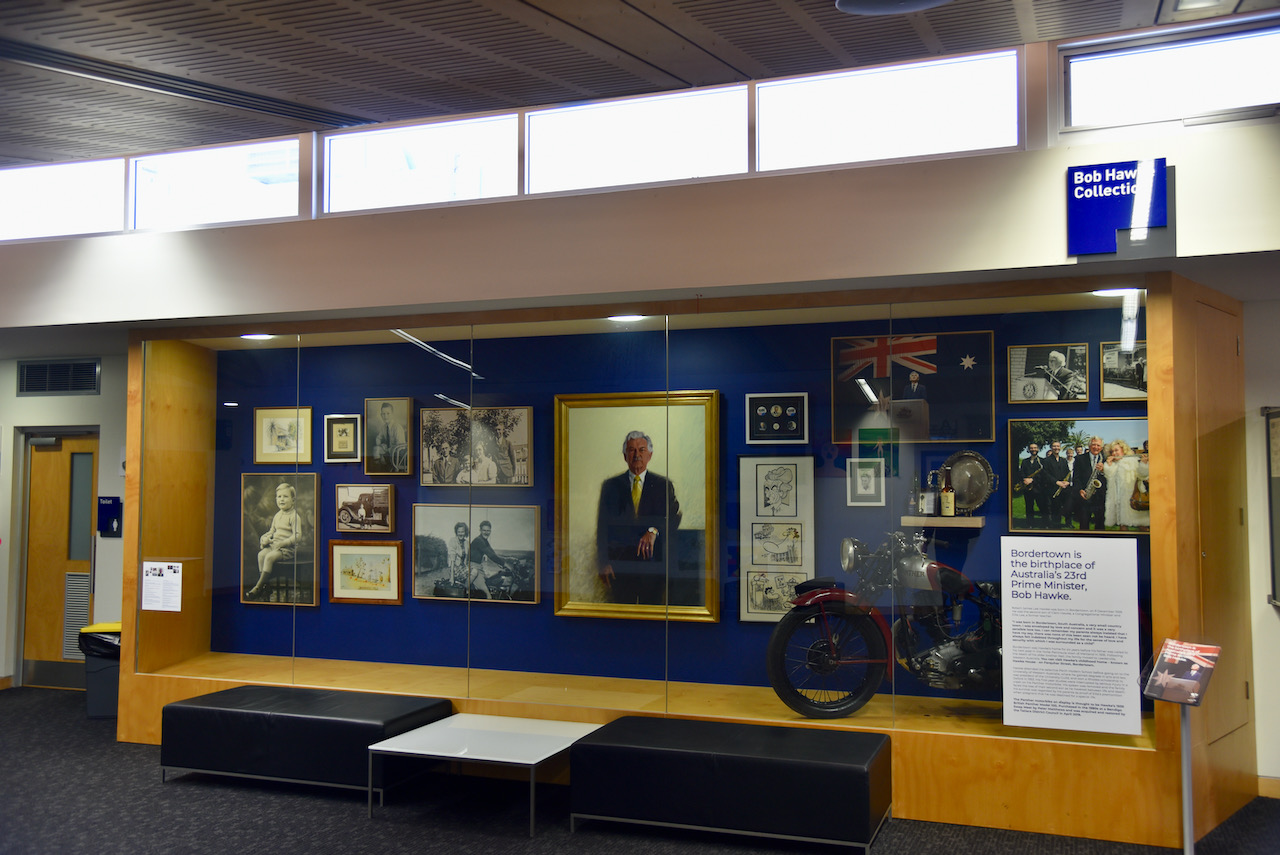
Our next stop was the Tatiara Visitor Centre and the Bob Hawke Gallery. Bordertown is the birthplace of Australia’s 23rd Prime Minister, Robert ‘Bob’ James Lee Hawke. Unfortunately, the famous gold jacket which he wore during the America’s Cup win in 1983 was on loan to the Adelaide University. We did get to see a collection of photographs, news clippings, cartoons, paintings and various other memorabilia. This included a Panther motorcycle which is believed to be Hawke’s 1939 British Panther.
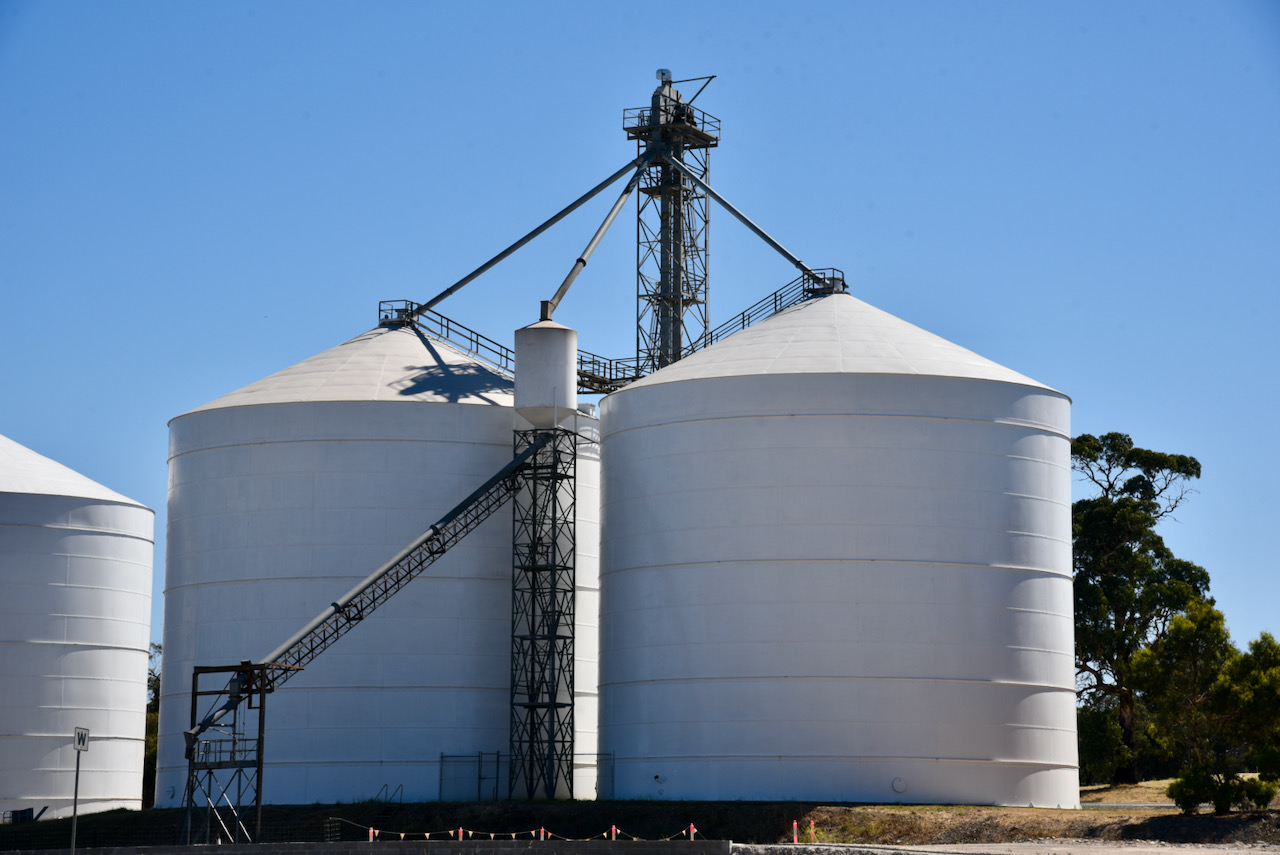
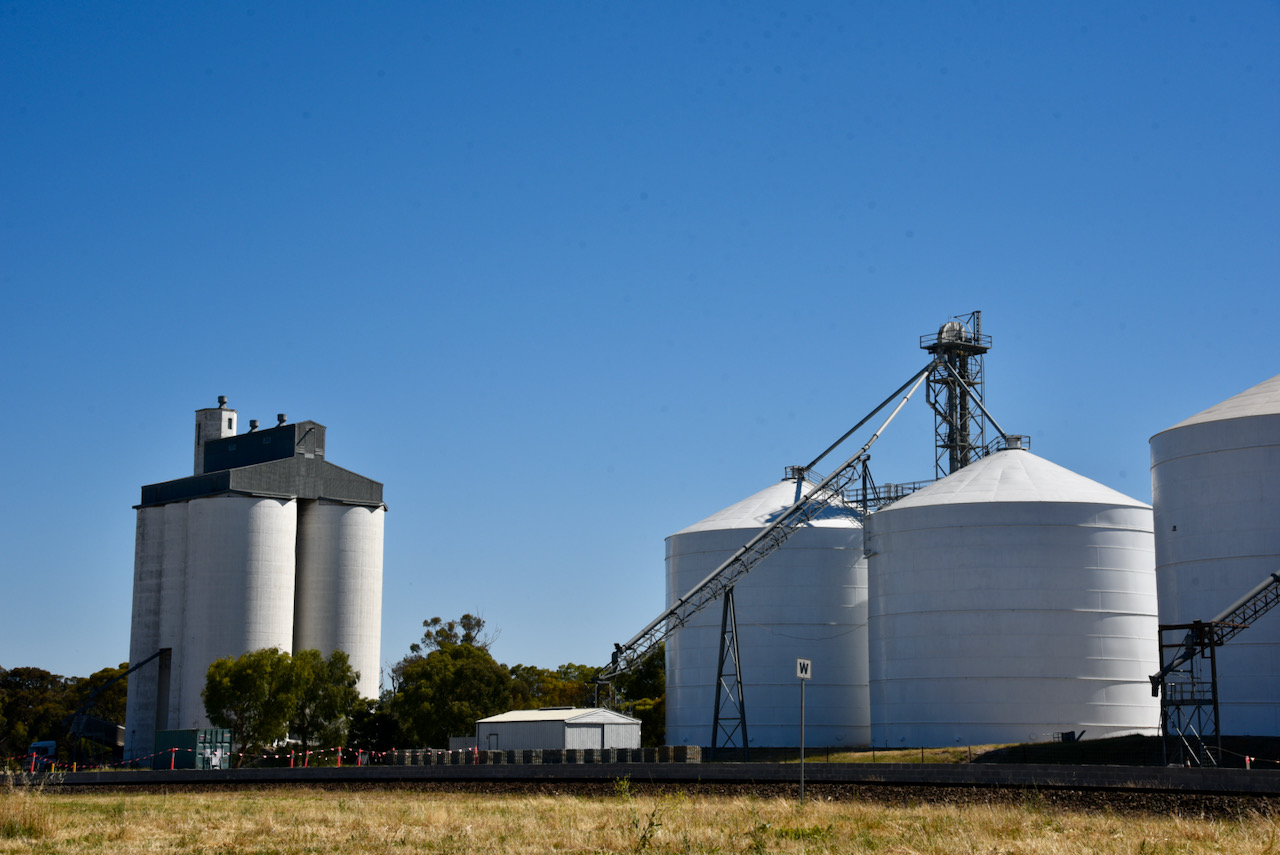
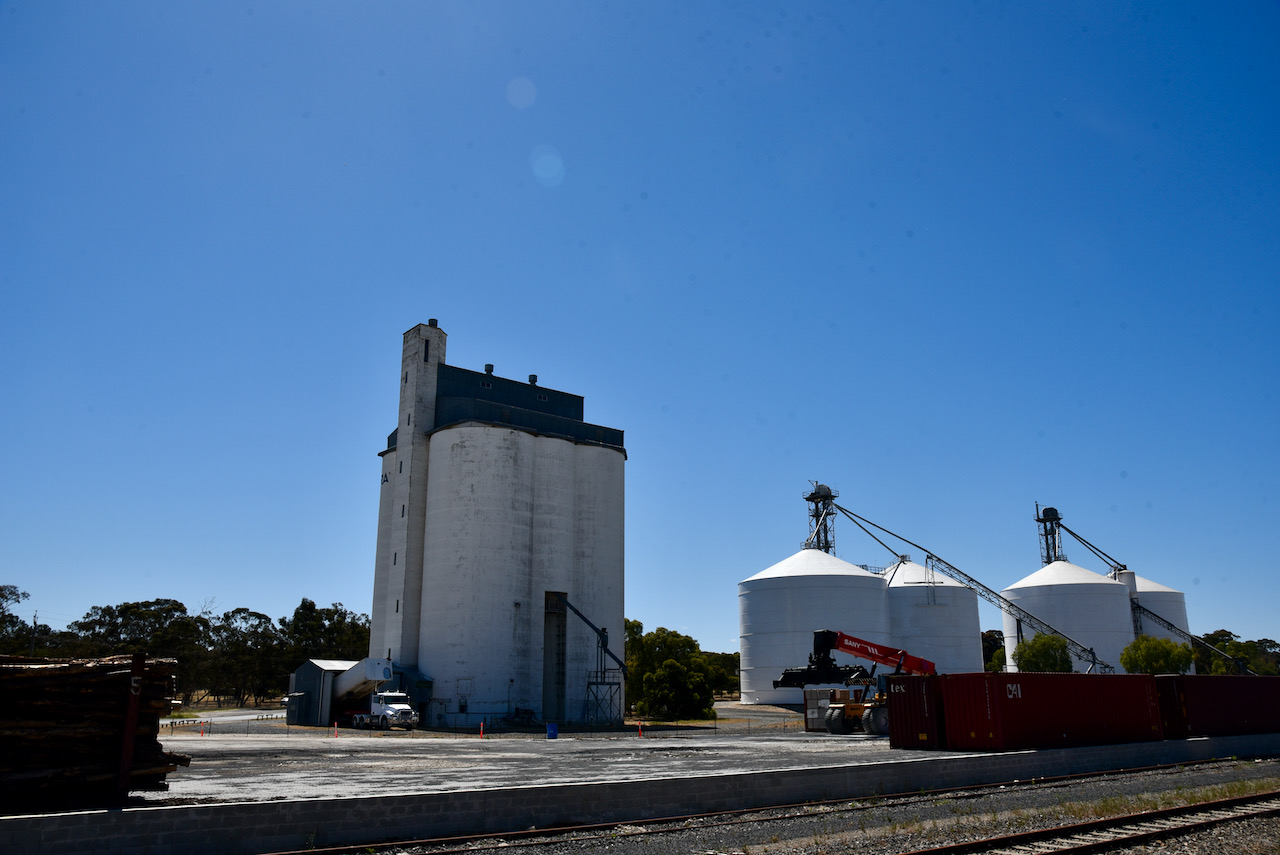
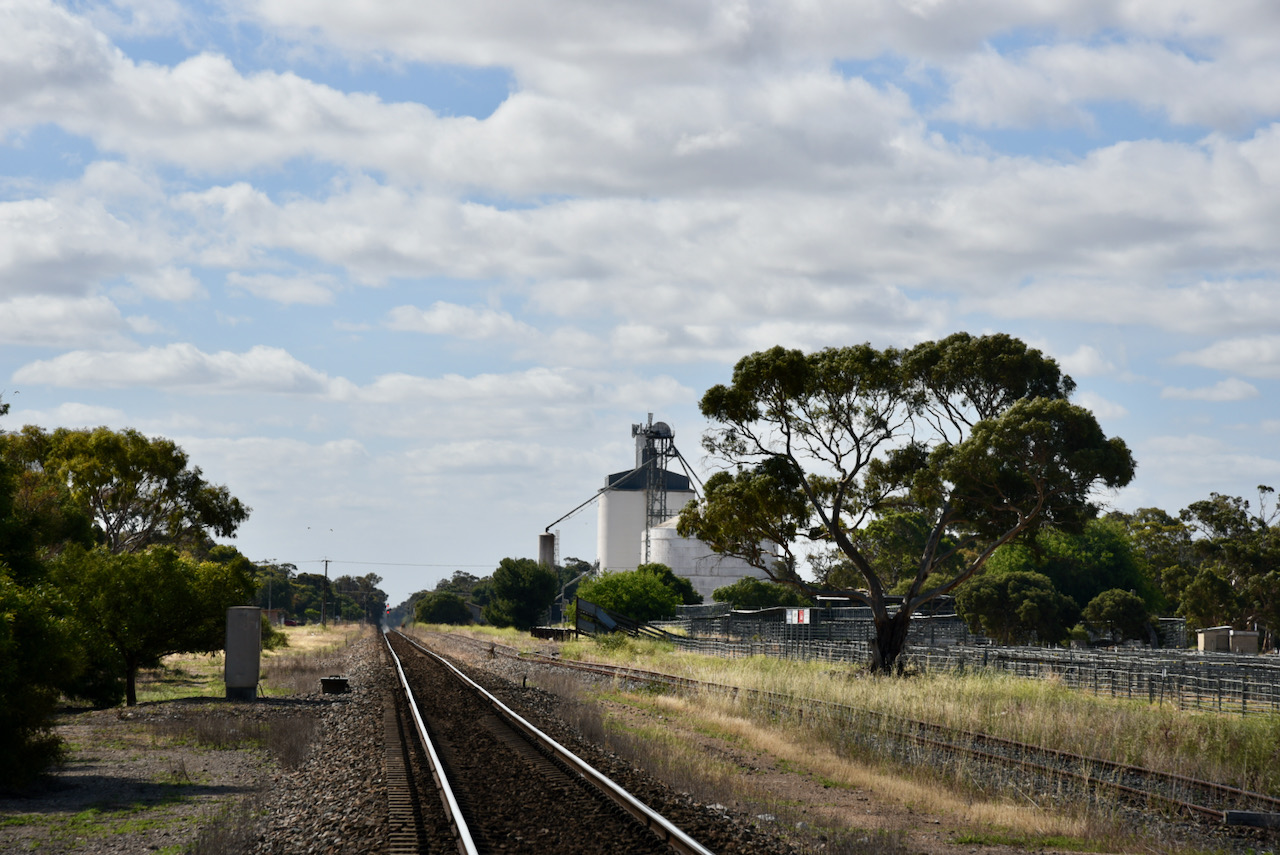
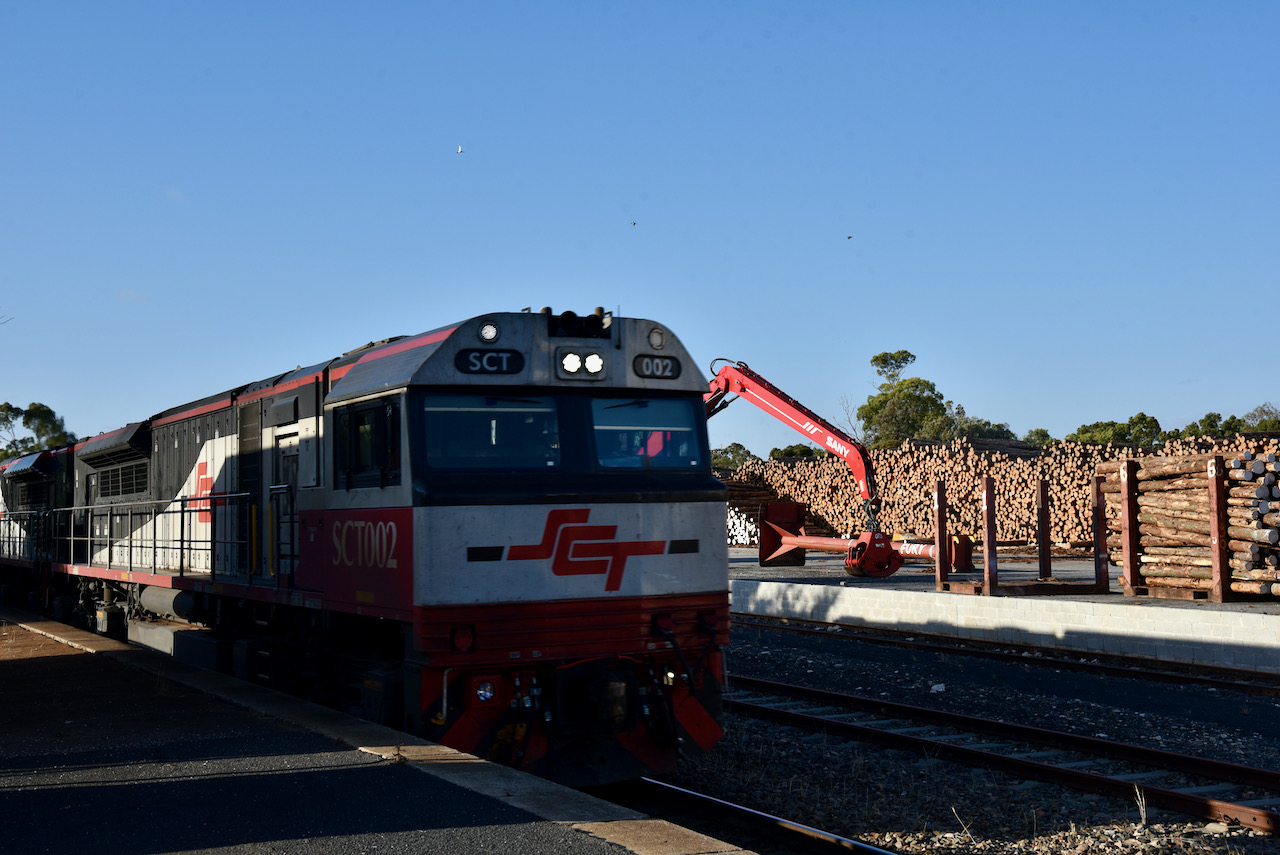
We then headed to the Bordertown silos VK-BRN5 for an activation for the Silos On The Air (SiOTA) program. The silos are located in Brown Terrace and are alongside the Bordertown-Wolseley railway line (Melbourne-Adelaide railway). The silos are operated by the company Viterra.
We set up in Possum Park on Power House Road, in close proximity to the silos. We were very pleased that there was no man-made noise at all at this location on the 40m band. Unfortunately, we did experience strength 6 noise on the 80m band. There was no noise on 20m, but the Over The Horizon Radar was present on 20m once again.
Marija and I spent about 50 minutes at the silo and we made a total of 23 QSOs to VK2, VK3, VK4, VK5, and VK7.
We had at least one very interested onlooker during our activation. Marija took the time to chat with the lady concerned and explained to her the hobby of amateur radio and the SiOTA program.
Marija worked the following stations on 40m SSB:-
VK2BYF/p (Thirmlere Lakes National Park VKFF-0486)
VK4NH
VK5FANA
VK5HS
VK3PF
VK3OHM
VK7JFD
I worked the following stations on 40m SSB:-
VK2BYF/p (Thirmlere Lakes National Park VKFF-0486)
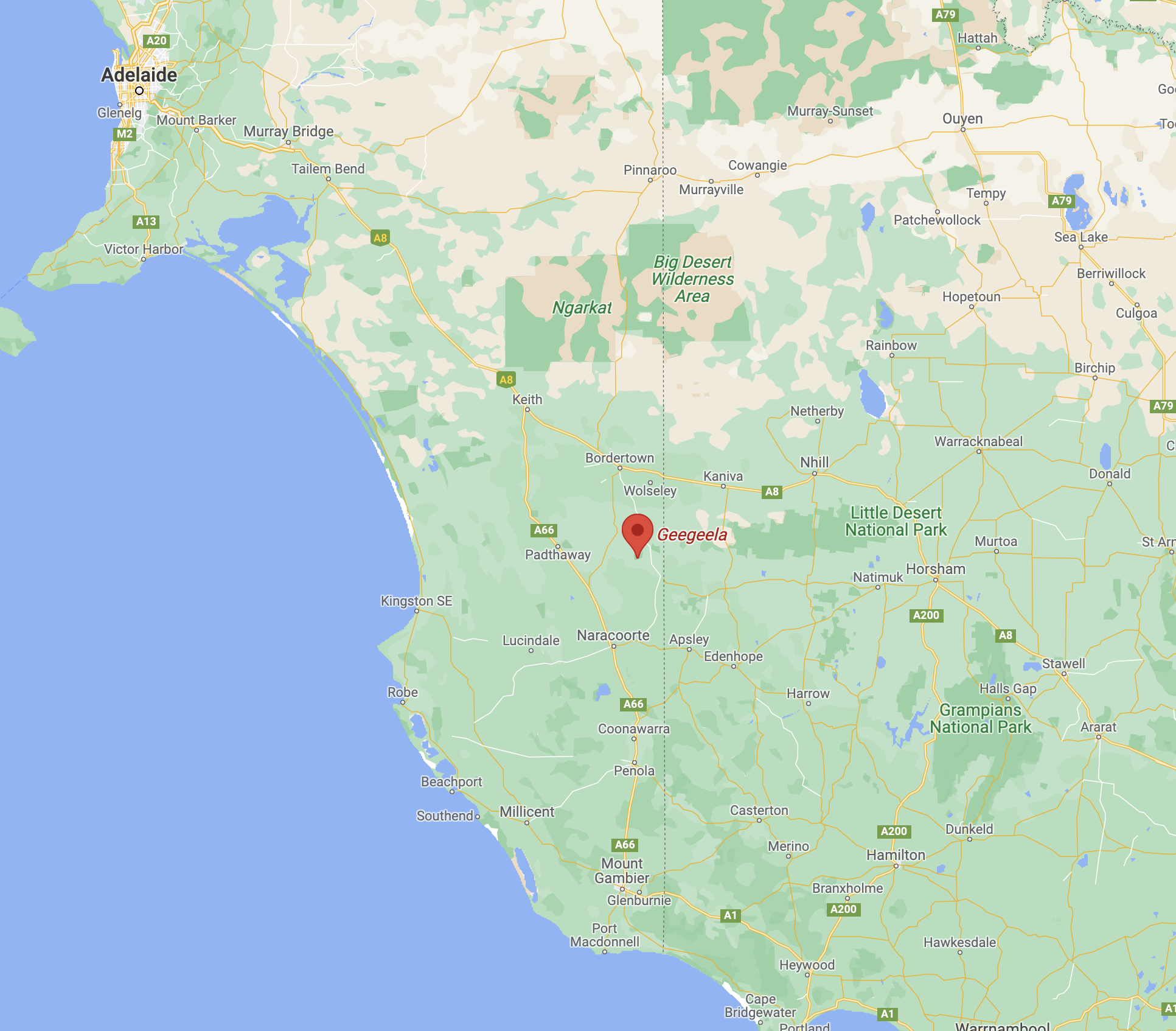
Our final park for Sunday 28th November 2021 and day two of the 2021 VKFF Activation Weekend was the Geegeela Conservation Park VKFF-0883. The park is located about 313 km southeast of the city of Adelaide, and about 42 km south of the town of Bordertown.
Above:- Map showing the location of Geegeela. Map c/o Google maps
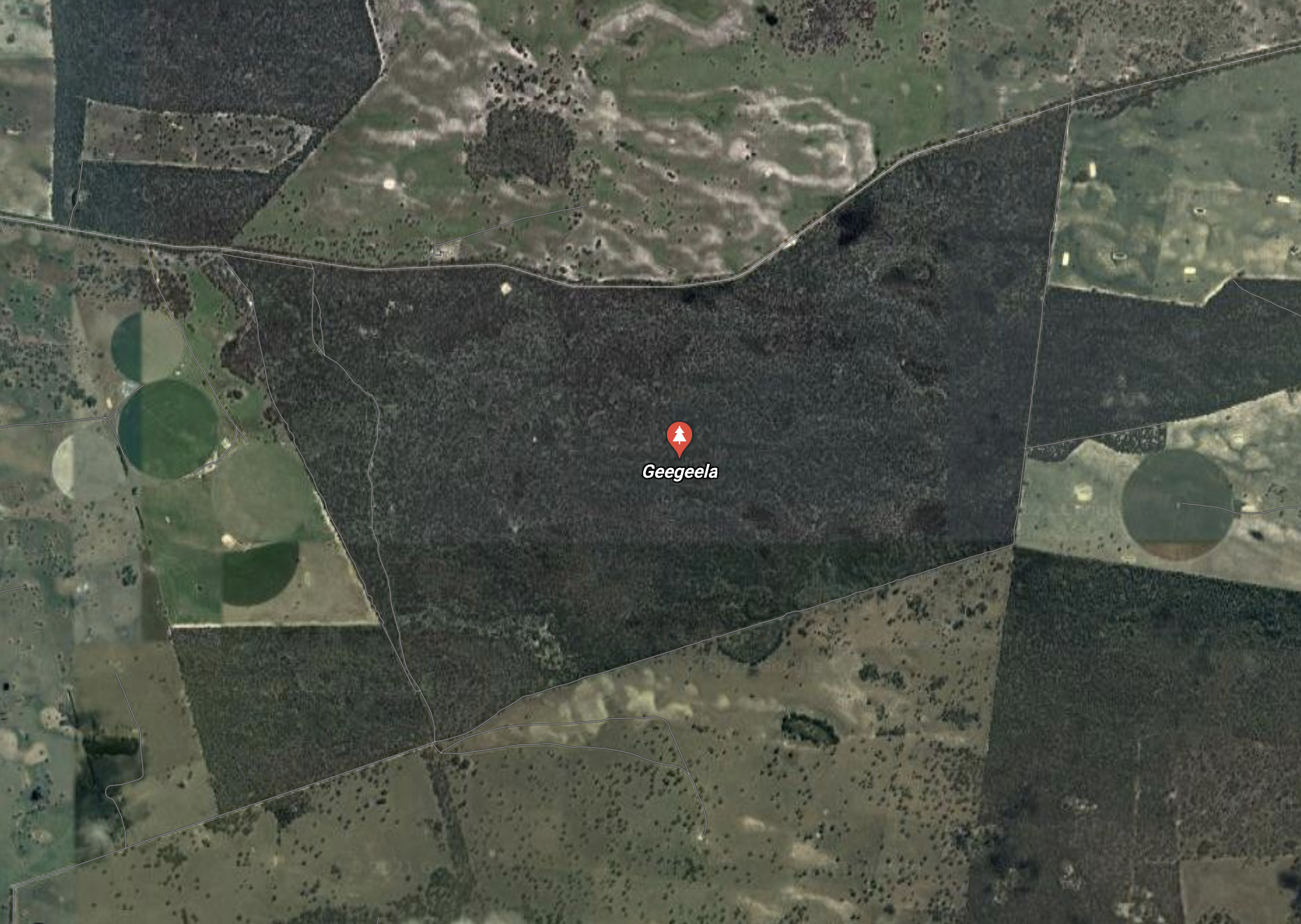
The Geegeela Conservation Park is about 858 hectares in size and was established on the 21st day of July 2005. It can be accessed via My Mi Mi Road. The land was purchased with the assistance of the Australian Government’s Natural Heritage Trust.
Above:- An aerial view of Geegeela. Image c/o Google maps
The land occupied by the Conservation Park was previously used for agricultural and conservation purposes. About 200 hectares (490 acres) of land which is in the conservation park’s southwestern corner was cleared in 1960 and established as a pasture of native grasses which was grazed for many years. In 1970 a total of 70 hectares (170 acres) was also cleared with limited grazing success. Agricultural activity in the area subsequently ceased and the cleared pasture land was able to regenerate.
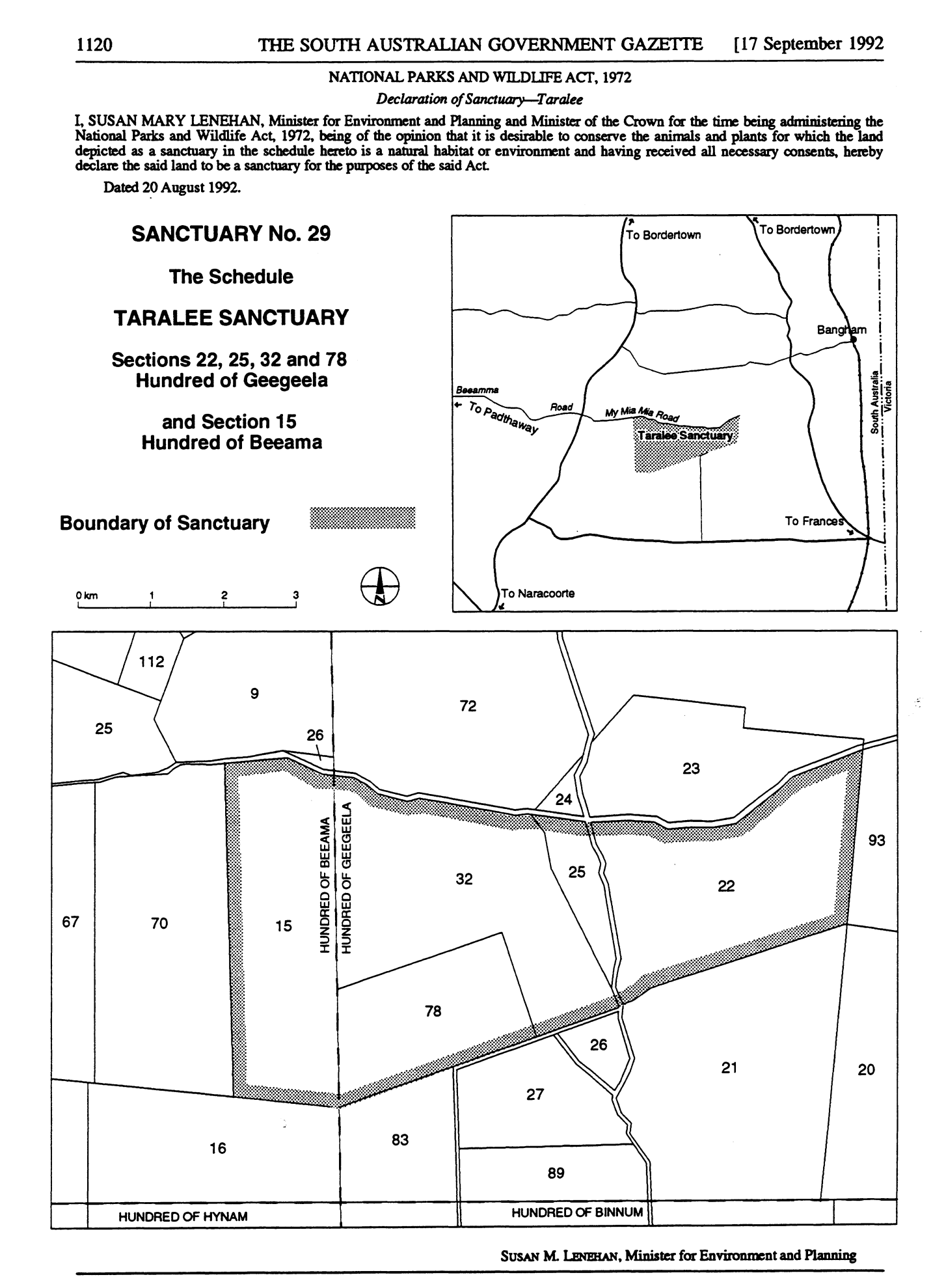
In 1986 the land was acquired as a Private Heritage Agreement Area. In the early 1990s ownership of the land changed, but fortunately, the new owners decided to retain the land as a ‘private conservation area’. In 1992, a parcel of land was proclaimed as a ‘sanctuary as was known as Taralee Sanctuary.
Above:- SA Govt Gazette reference to Taralee Sanctuary. Image c/o Wikipedia
The park takes its name from the Hundred of Geegeela which was proclaimed on the 28th day of October 1907. The name is believed to be derived from the Aboriginal word tjitjila meaning ‘wallaby’. The name ‘Geegeela Paddock’ appears on early pastoral lease maps and G. Smith applied the name to his lease no. 5009 in 1880.
The park consists of Desert Banksia Heath, Blue Gum/Pink Gum open woodlands, and open woodlands and wetlands of Brown Stringybark. There are also small patches of woodland dominated by Rough-barked Manna Gum, River Red Gum and Buloke. Over 240 different plants species have been recorded in the park.
The park is home to numerous rare and endangered plant and animal species.
Five mammal species of South Australian state conservation significance can be found in the park. This includes the Eastern Grey Kangaroo, Sugar Glider, Western Pygmy-possum, Red-necked Wallaby, and the Common Wombat.
About 90 species of bird have been recorded in the park, including 17 threatened species in South Australia, and 29 which have an identified conservation rating in the southeastern region of South Australia. Endangered and vulnerable bird species include Red-tailed black cockatoo, Swift Parrot, Brown Quail, Little Lorikeet, Brolga, Blue-winged parrot, Rare Shining bronze-cuckoo, Blue-faced honeyeater, and Flame Robin.
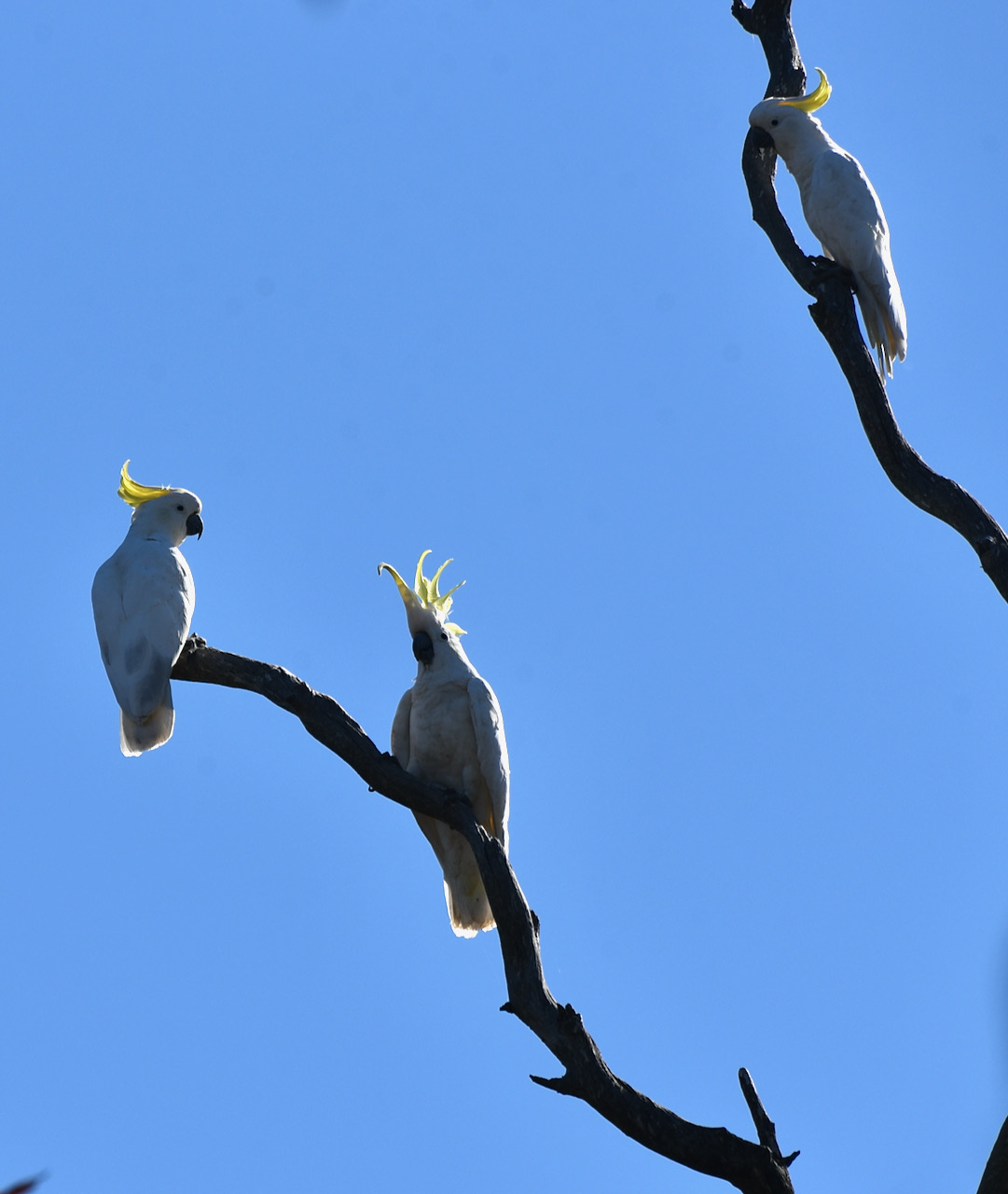
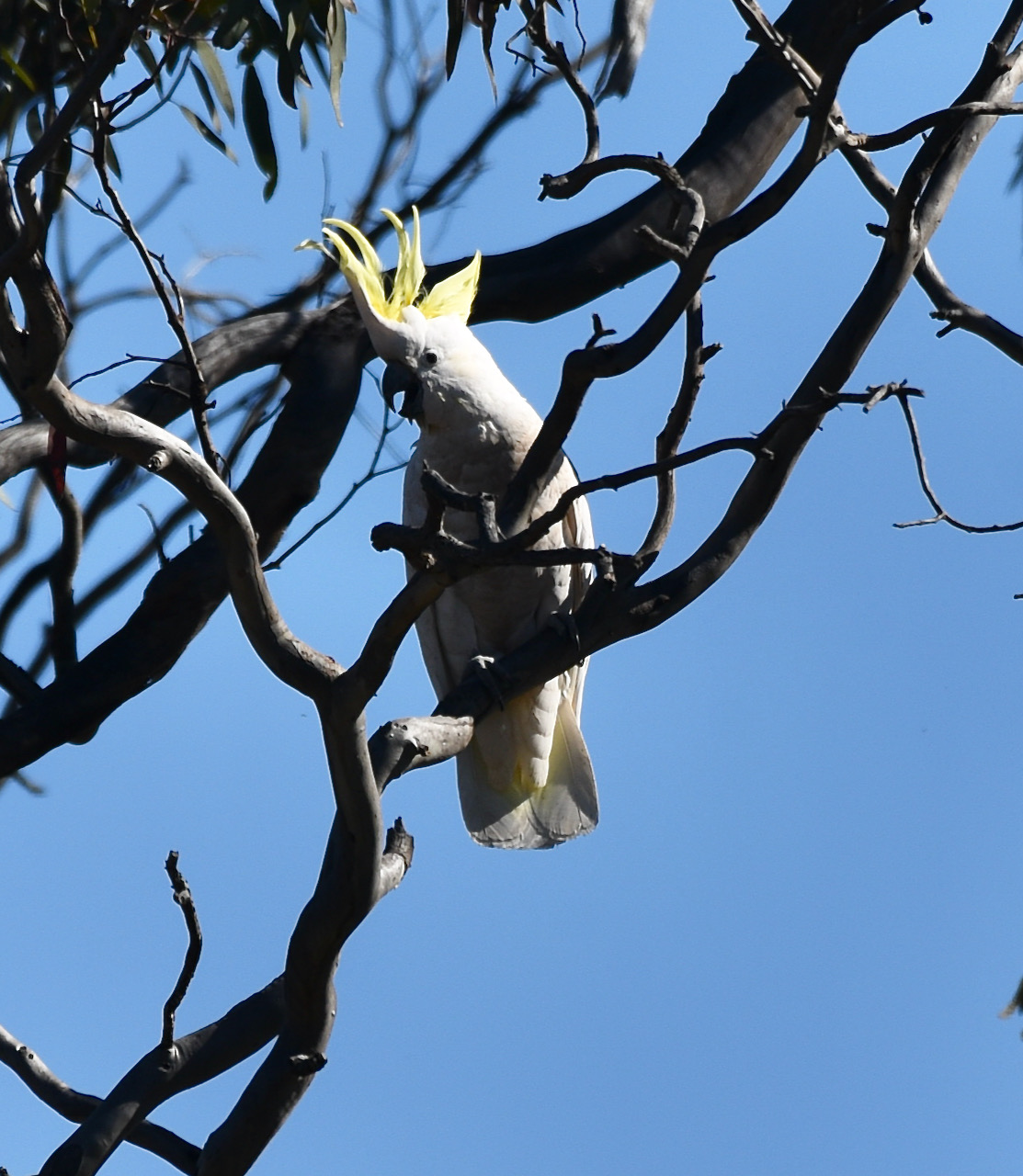
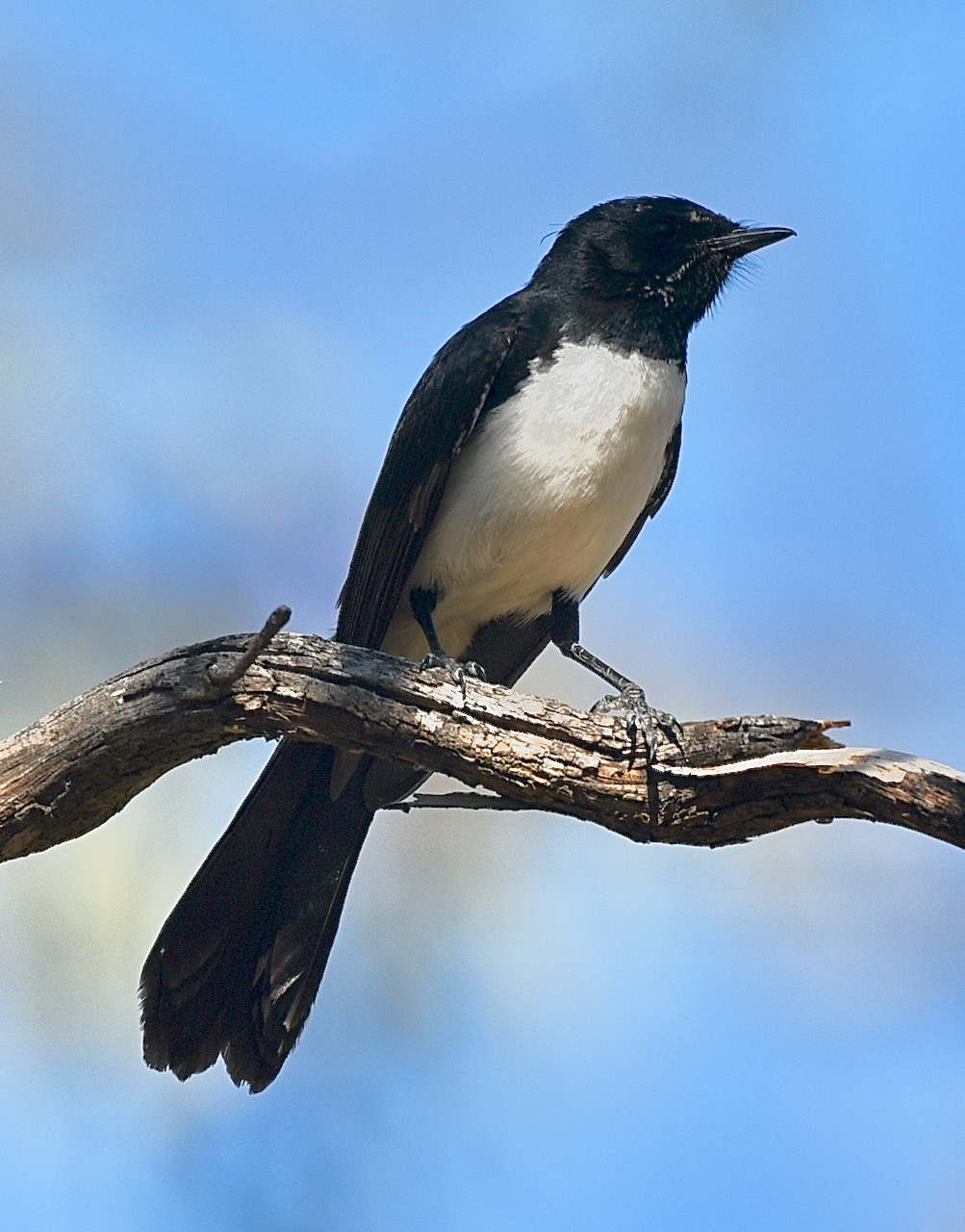
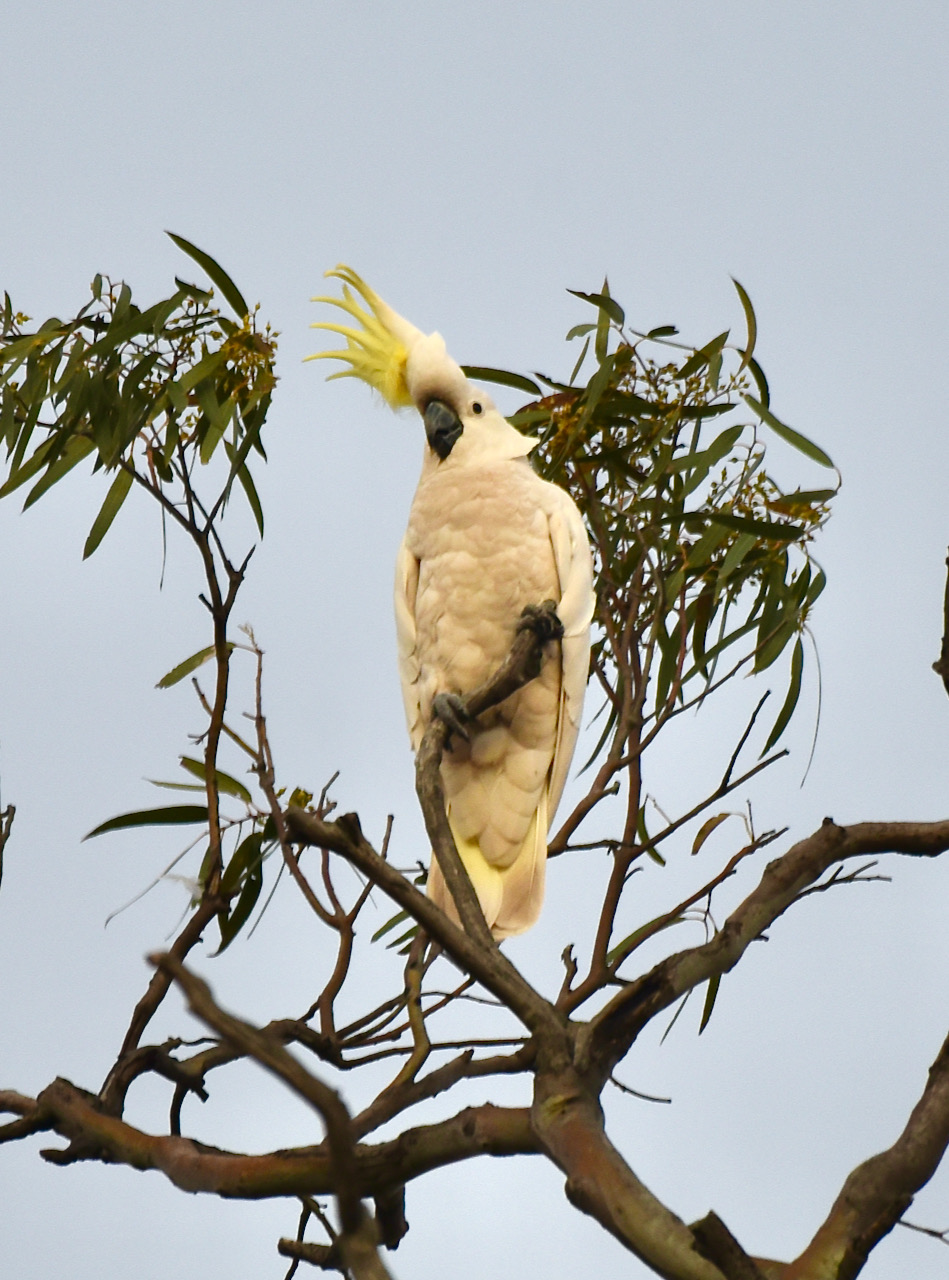
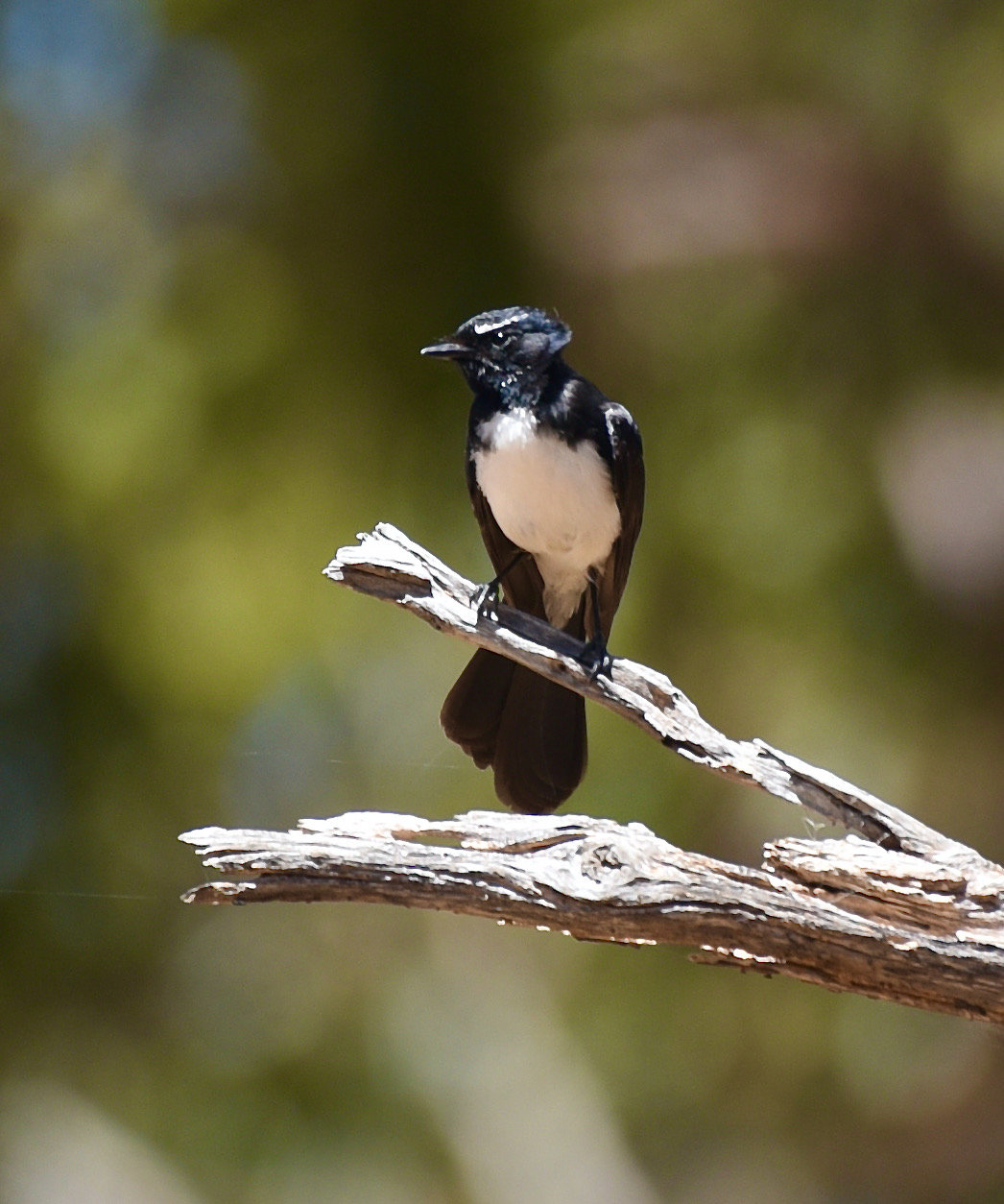
During our visit to the park, I did a little bit of bird watching, but only spotted some Sulphur Crested Cockatoos and Willie Wagtails.
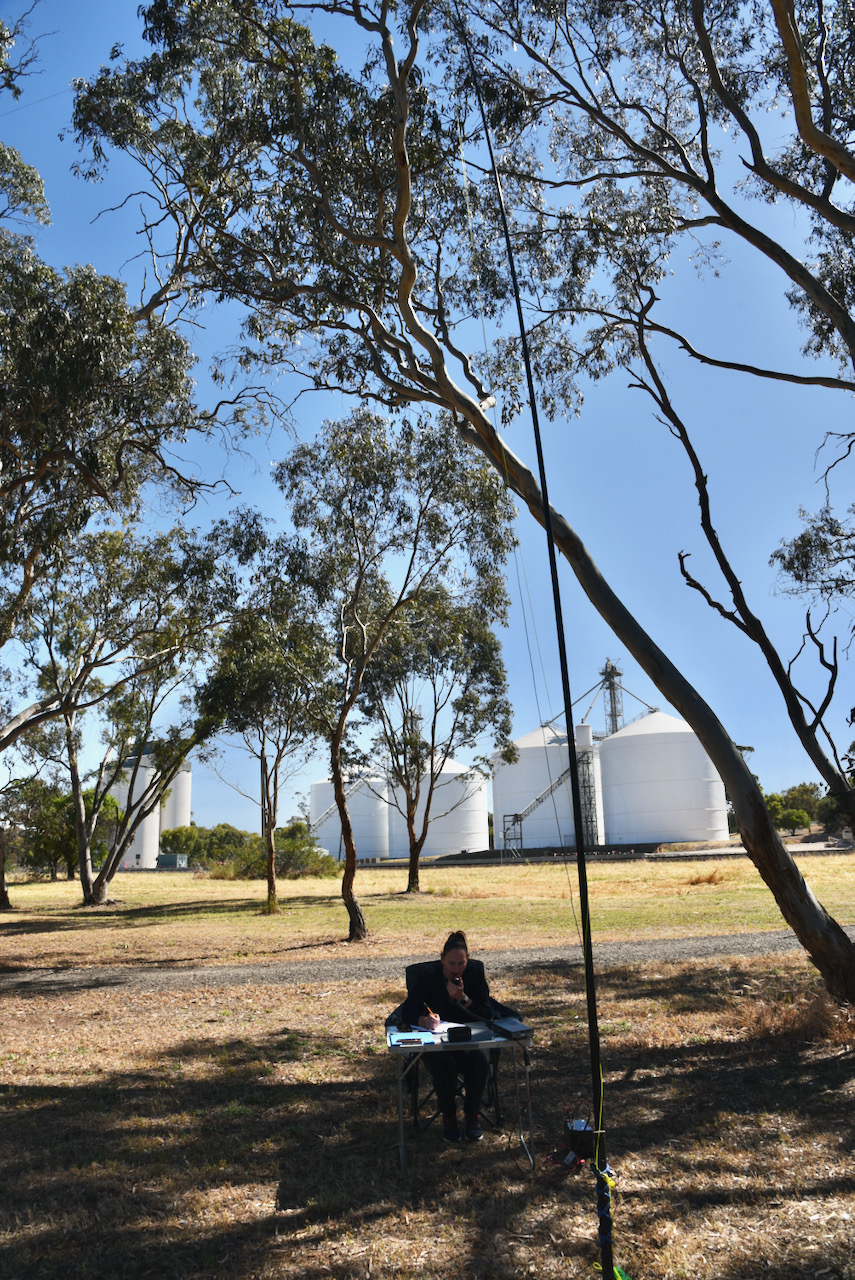
Marija and I spent a little under 2 hours at Geegeela and operated on the 40 & 20m bands. We ran our normal station consisting of the Yaesu FT-857d, 40 watts, and the 20/40/80m linked dipole.
We made a total of 102 QSOs and 37 Park to Park contacts. We did not operate on 80m as the afternoon was getting away from us and we wanted to head to the Mundulla pub for a meal.
A real surprise during this activation was to log Stuie VK8NSB up in Darwin.
Marija worked the following stations on 40m SSB:-
VK3PF/p (Gormandale Flora Reserve VKFF-2325)
VK3CWF/p (Brisbane Ranges National Park VKFF-0055)
VK5AV/p (Gower Conservation Park VKFF-0798)
VK3TKK/p (Gisborne Flora Reserve VKFF-2322)
VK3ZPF/p (Kurth Kiln Regional Park VKFF-0971)
VK2YK/p (Warren Conservation Park VKFF-0941)
VK2IO/p (Sydney Harbour National Park VKFF-0473)
VK3DAC/p (Mornington Peninsula National Park VKFF-0333)
VK4MGL/p (Esk National Park VKFF-0677)
VK3MCA/p (Mount Charlie Flora Reserve VKFF-2396)
VK3LF/p (Kurth Kiln Regional Park VKFF-0971)
VK3PF/p (Callignee Wildlife Reserve VKFF-2287)
VK4FABN/p (Main Range National ParkVKFF-0300)
VK3YV/p (Sweetwater Creek Nature Conservation Reserve VKFF-2200)
VK5CZ/p (Wills Creek Conservation Park VKFF-0819)
VK3FIMD
VK3CJN
VK7HOB
VK1DI
Vk3AHR
VK3MPR
VK3AAV
VK7RM
VK3PF/p (Traralgon South Flora & Fauna Reserve VKFF-2464)
VK2KNV/m
VK2XSE/m
VK3RU
VK2HRX
VK7MOO
VK2YW
VK4SMA
VK3ZK/p (Echuca Regional Park VKFF-0966)
VK6XN/p (McLarty Nature Reserve VKFF-2826)
VK3EY
Marija worked the following stations on 20m SSB:-
VK6XN/p (McLarty Nature Reserve VKFF-2826)
VK4GSF
VK2VW
VK2HFI
VK6NTE
VK4MWL
VK2MG/p (Munmorah State Conservation Area VKFF-1361)
VK4KC
VK4MAD
VK4DOG
VK2LEE
VK8NSB
I worked the following stations on 40m SSB:-
VK3PF/p (Gormandale Flora Reserve VKFF-2325)
VK3CWF/p (Brisbane Ranges National Park VKFF-0055)
VK5AV/p (Gower Conservation Park VKFF-0798)
VK3TKK/p (Gisborne Flora Reserve VKFF-2322)
VK3ZPF/p (Kurth Kiln Regional Park VKFF-0971)
VK5FANA
VK2YK/p (Warren Conservation Park VKFF-0941)
VK2IO/p (Sydney Harbour National Park VKFF-0473)
VK3UCD
VK3DAC/p (Mornington Peninsula National Park VKFF-0333)
VK4MGL/p (Esk National Park VKFF-0677)
VK3MCA/p (Mount Charlie Flora Reserve VKFF-2396)
VK3LF/p (Kurth Kiln Regional Park VKFF-0971)
VK5BMC
VK2LEE
VK3SQ
VK5PET
VK3KXR
VK3FIMD
VK5CZ/m
VK2NP
VK3PF/p (Callignee Wildlife Reserve VKFF-2287)
VK4KLA
VK3MKE
VK3CJN
VK4FABN/p (Main Range National ParkVKFF-0300)
VK5KVA
VK2VW
VK2HFI
VK3MPR
VK3AAV
VK5IS
VK3HQZ
VK2FSLC
VK1DA
VK5KLV
VK3SKT
VK4KC
VK4MAD
VK4DOG
VK2YW
VK5HAA
VK3YV/p (Sweetwater Creek Nature Conservation Reserve VKFF-2200)
VK3BFH/m
VK3DWL/m
VK5CZ/p (Wills Creek Conservation Park VKFF-0819)
I worked the following stations on 20m SSB:-
VK6XN/p (McLarty Nature Reserve VKFF-2826)
VK2MG/p (Munmorah State Conservation Area VKFF-1361)
VK8NSB
VK4AJR
VK6JK
VK2LEE
VK2VW
VK2HFI
VK4KUS
VK6NTE
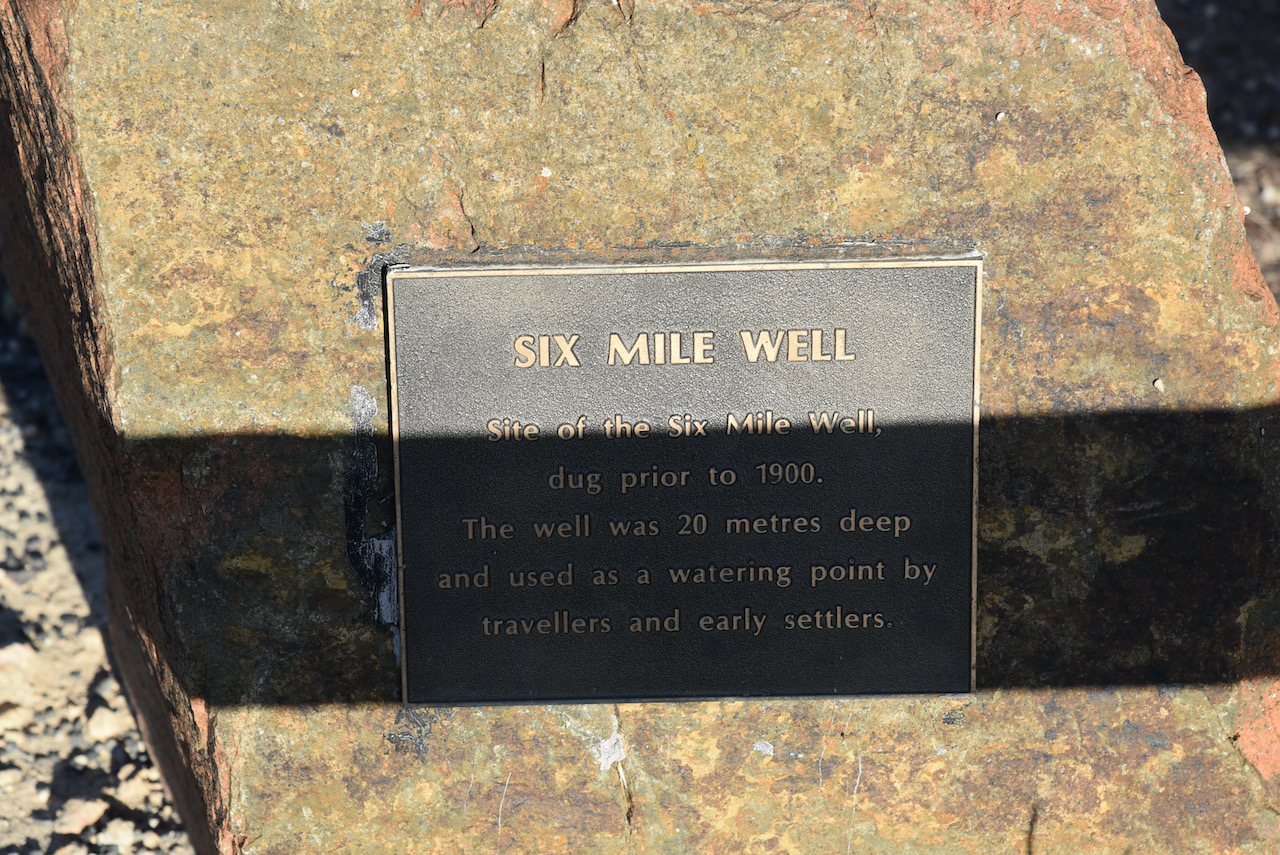
After packing up we started heading towards the town of Mundulla. We stopped briefly to have a look at Six Mile Well, which was dug prior to 1900. The well which was 20 metres deep was used as a watering point by travellers and early settlers.
We soon reached the small town of Mundulla. The town was proclaimed on the 3rd day of April 1873. The name is derived from the aboriginal word ‘mantala’ meaning place of thunder. This originated from the ground which is undermined with caves that rumbled when trampled upon. It was believed that evil spirits frequented such places.
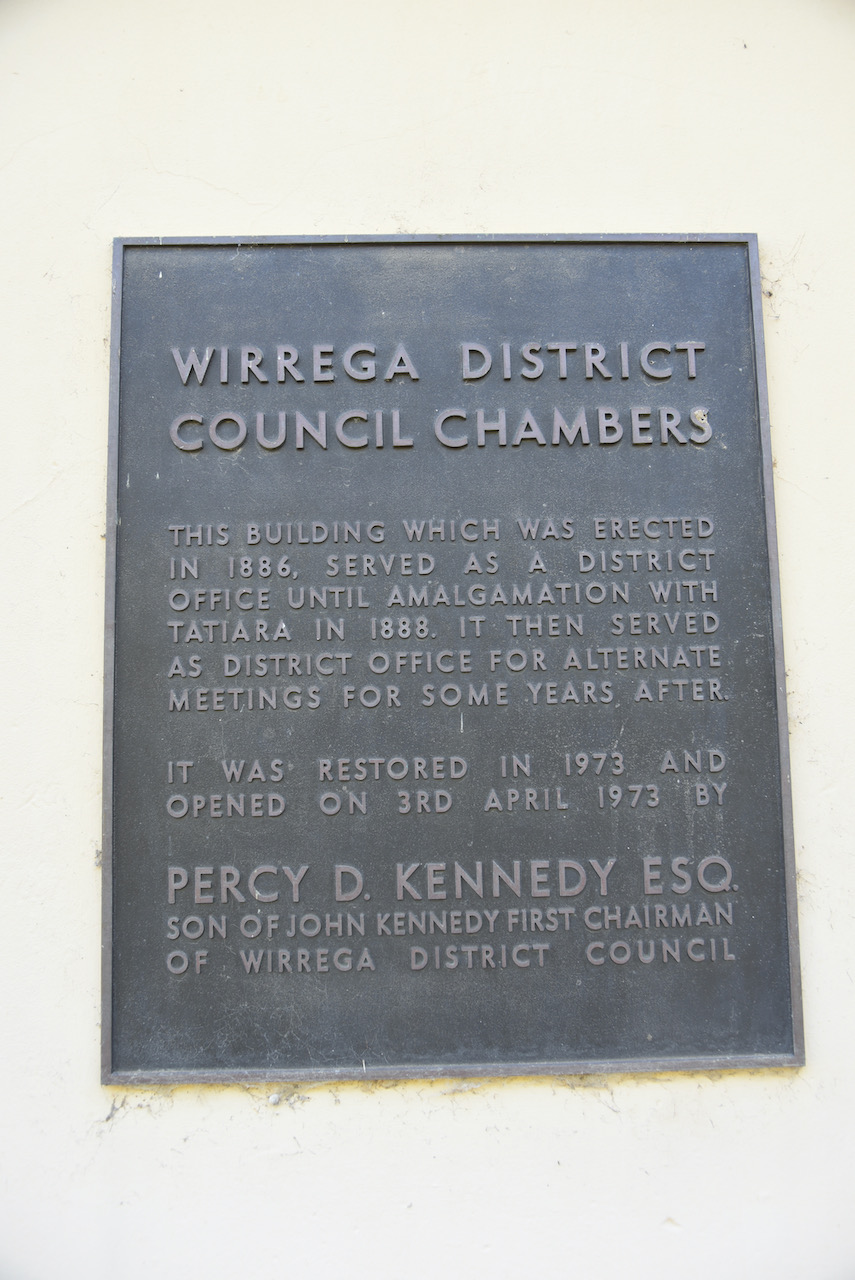
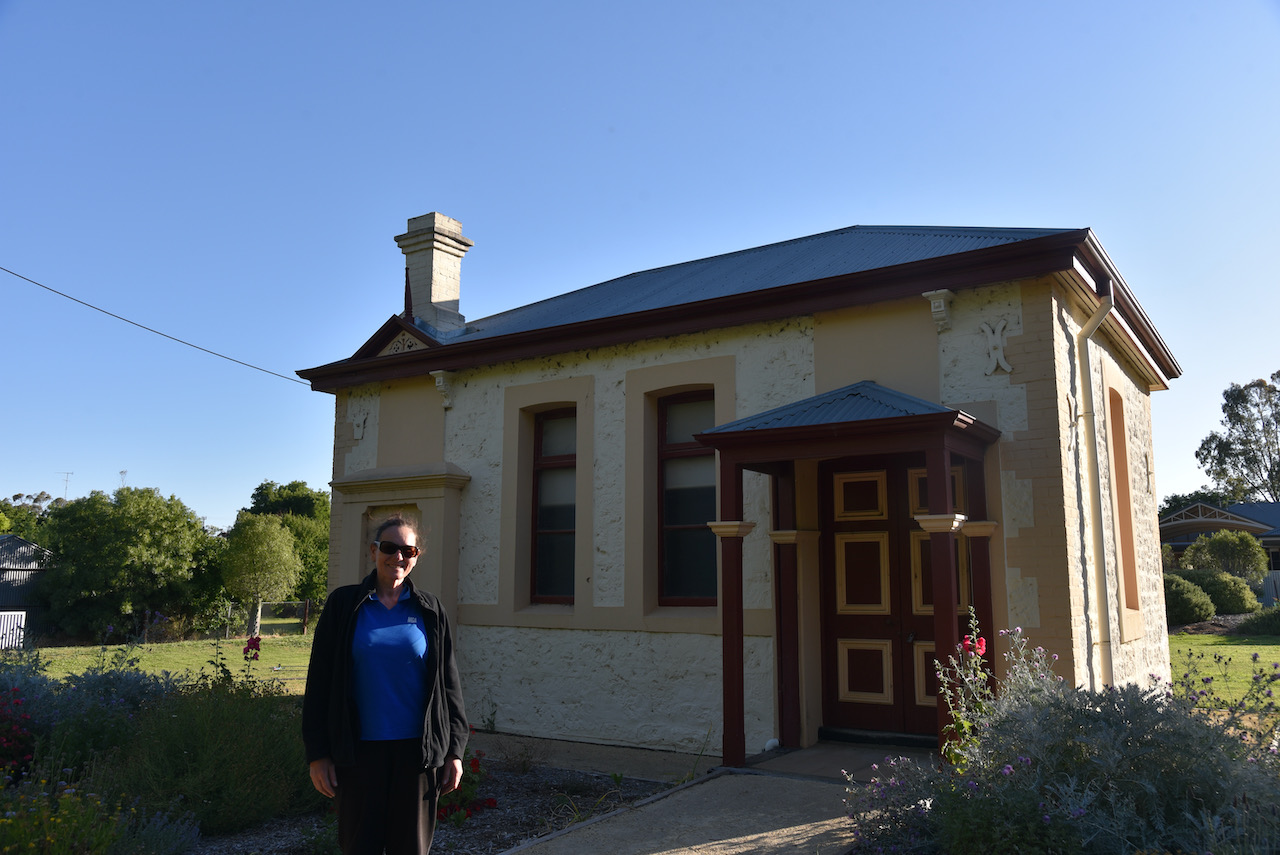
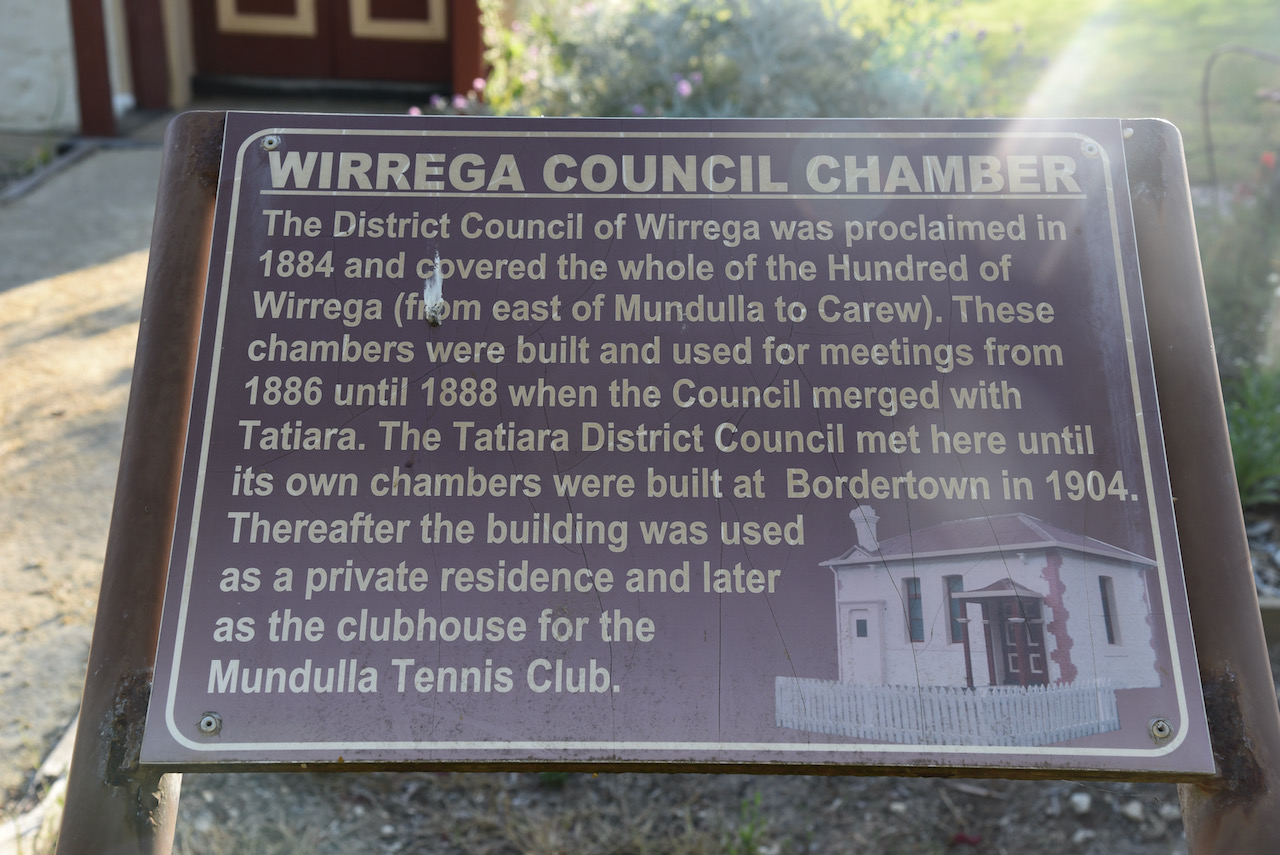
Our first stop was to have a look at the historic old Wirrega District Council Chambers. The building was built in 1886 and served as a District Office until amalgamated with Tatiara in 1888. The building was then used as a District office for alternate meetings some years after that. The building waas restored in 1973.
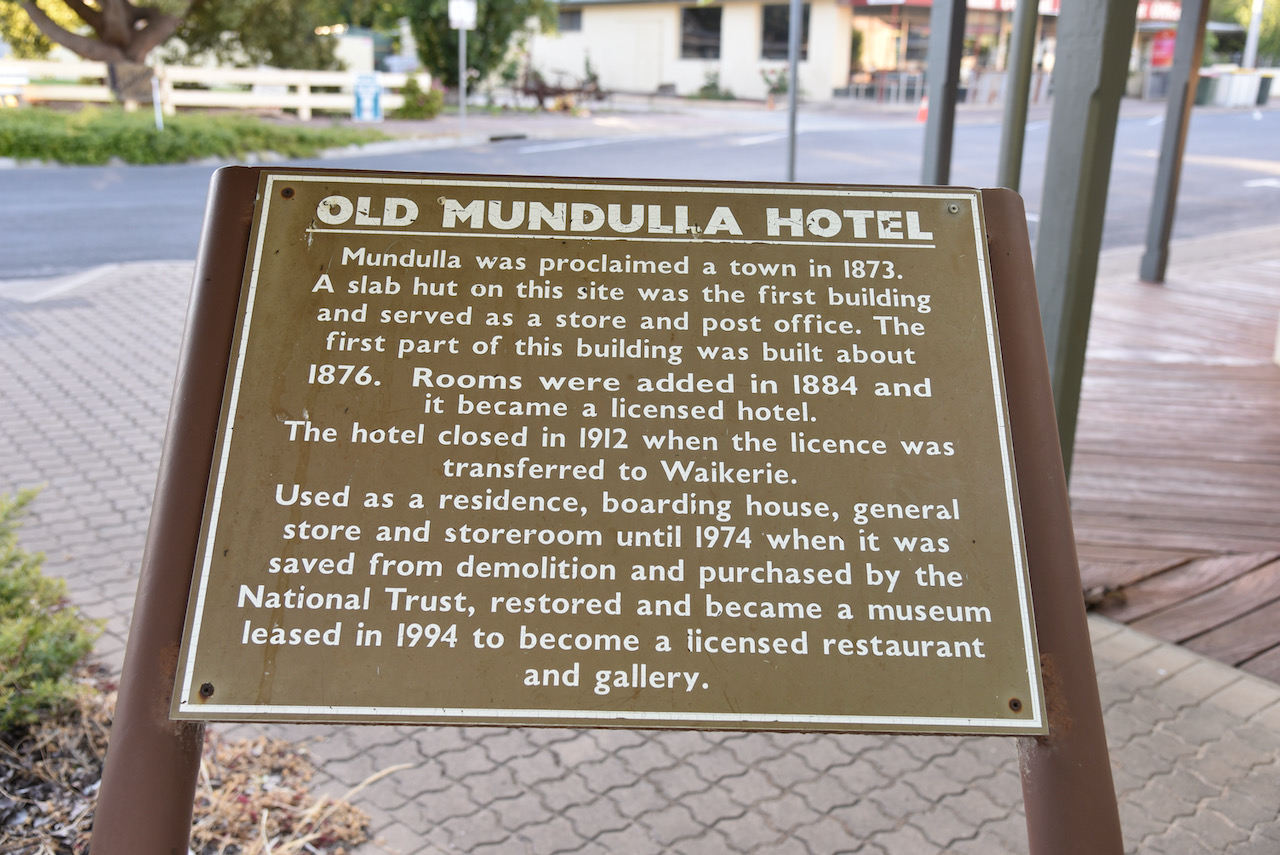
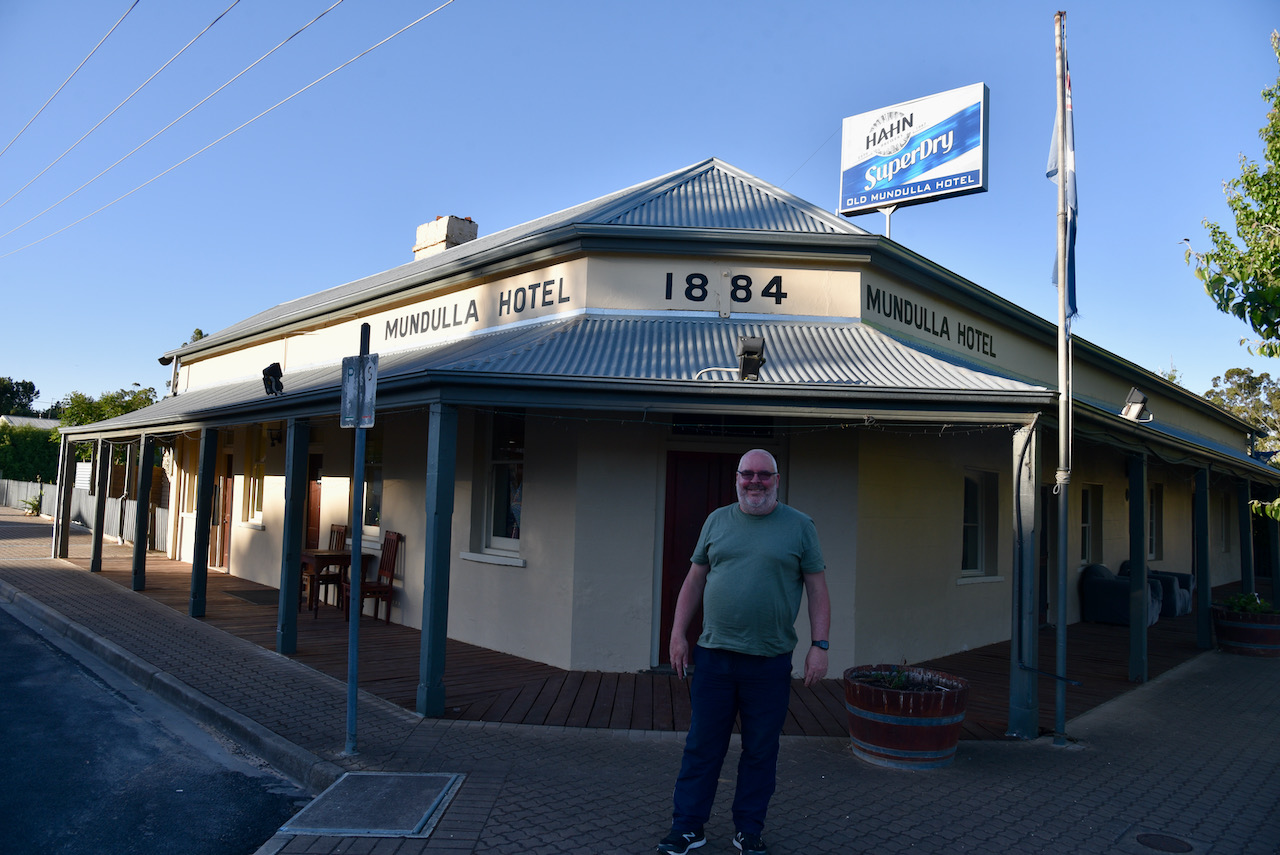
The first section of the Mundulla Hotel was built in about 1876. In 1884 rooms were added and it became a licenced hotel. In 1912 the hotel closed when the licence was transferred to Waikerie in the Riverland region of South Australia. It was then used as a residence, boarding house, general store and storeroom until 1974 when it was saved from demolition and was purchased by the National Trust. It then became a museum and subsequently leased as a licenced restaurant and gallery.
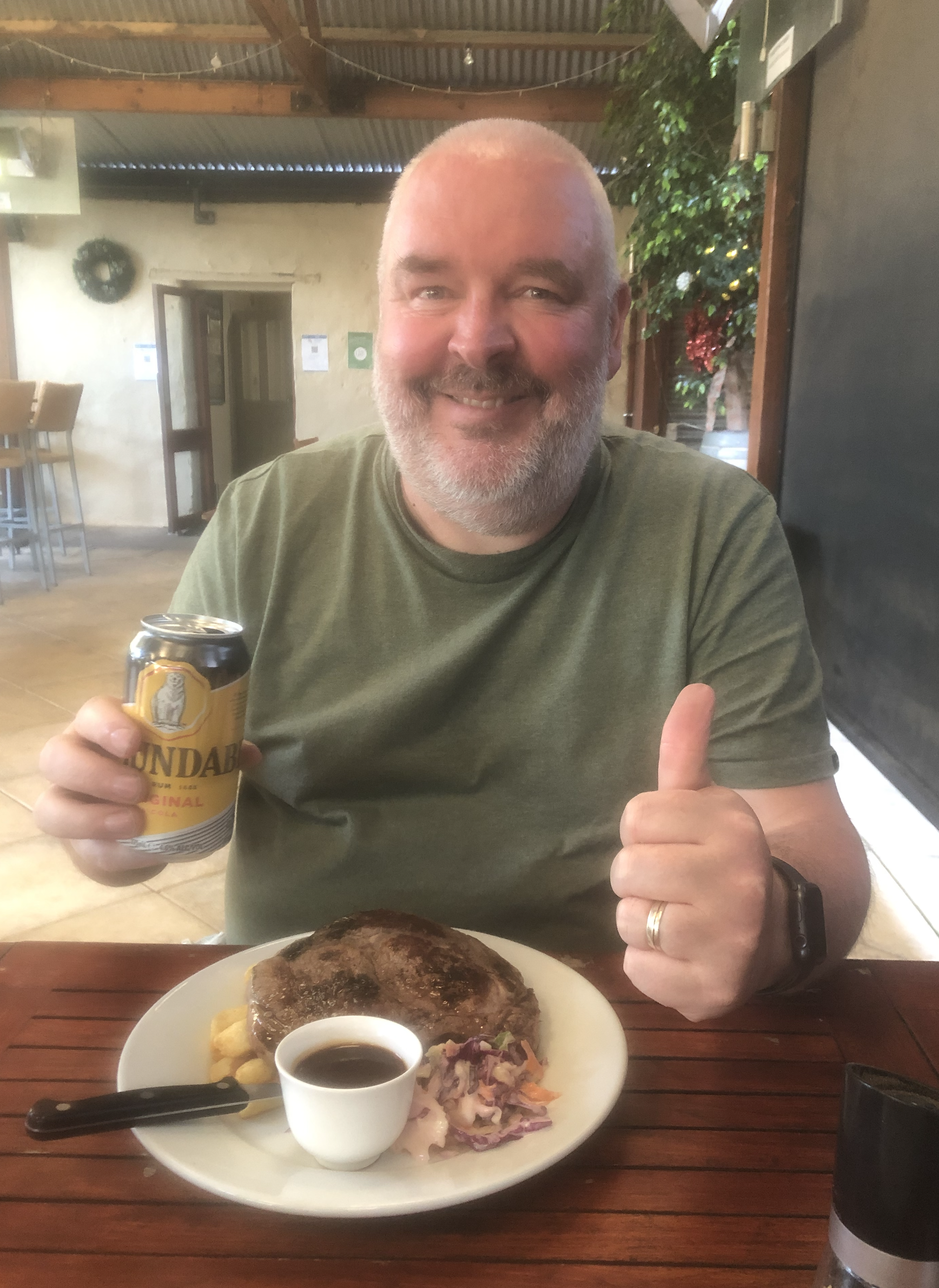
We enjoyed a really nice meal at the hotel.
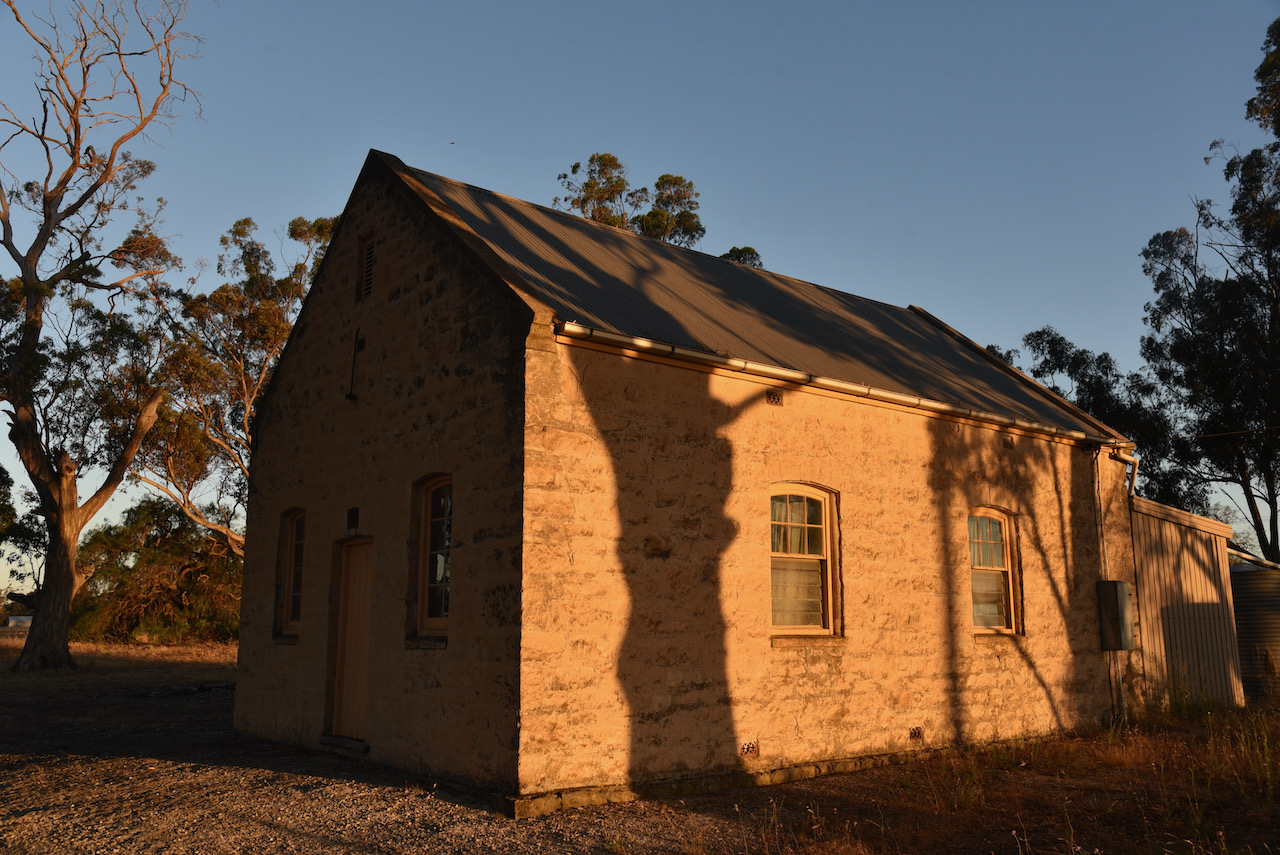
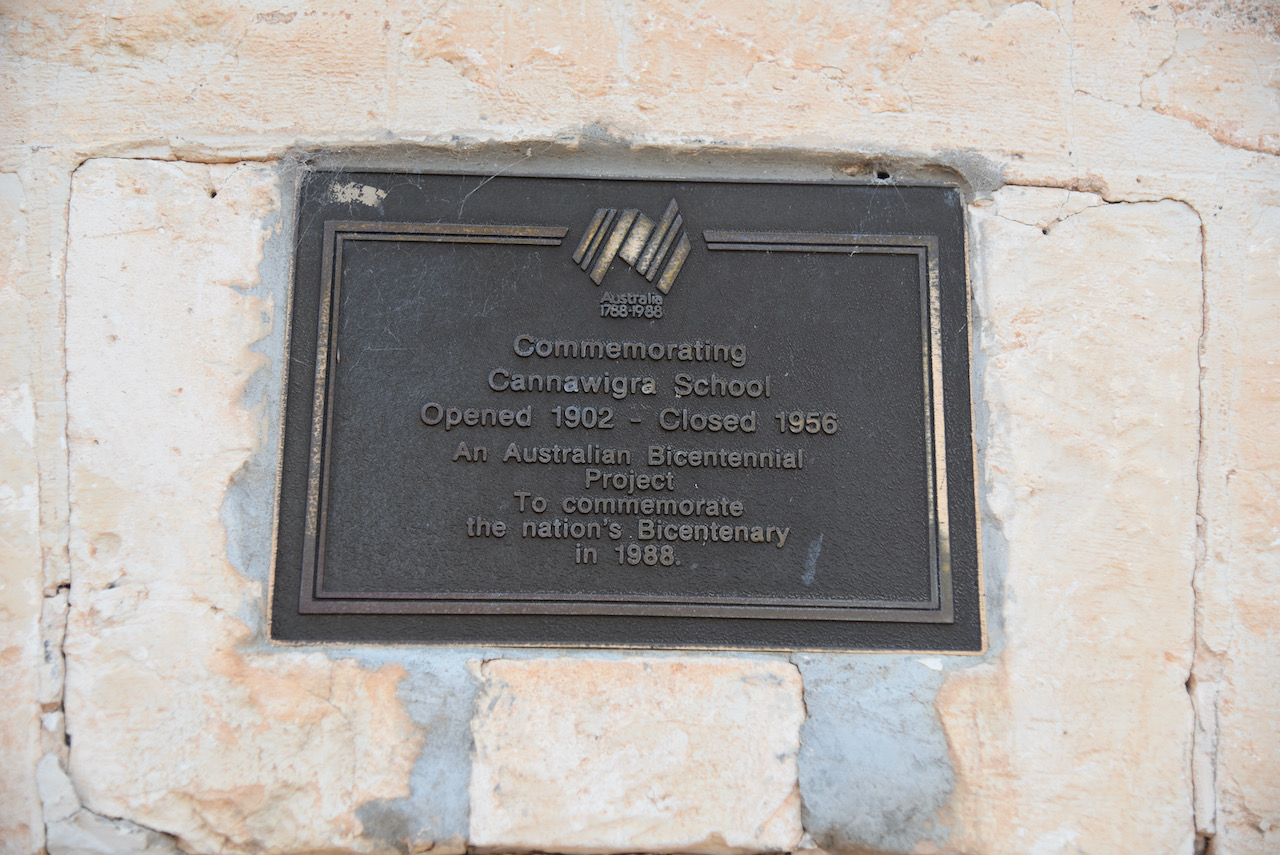
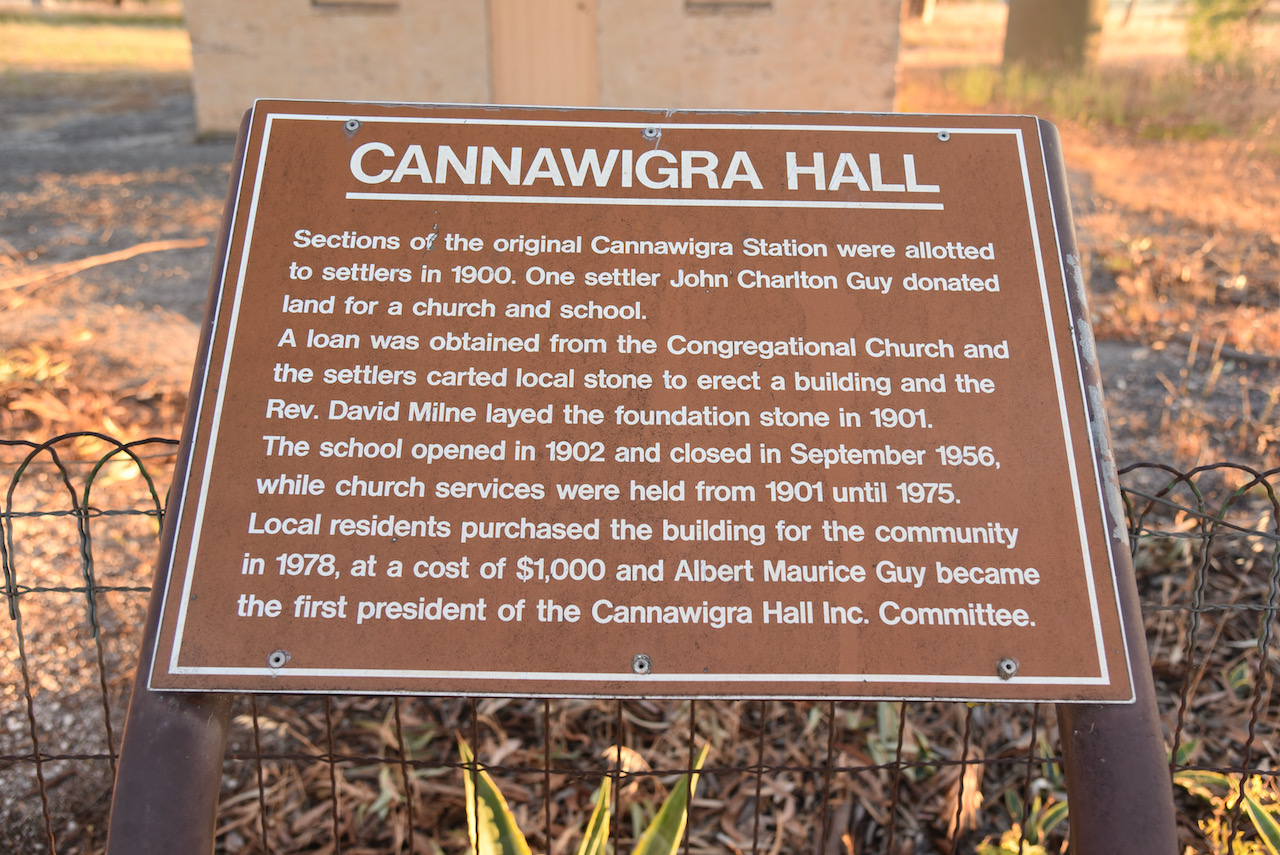
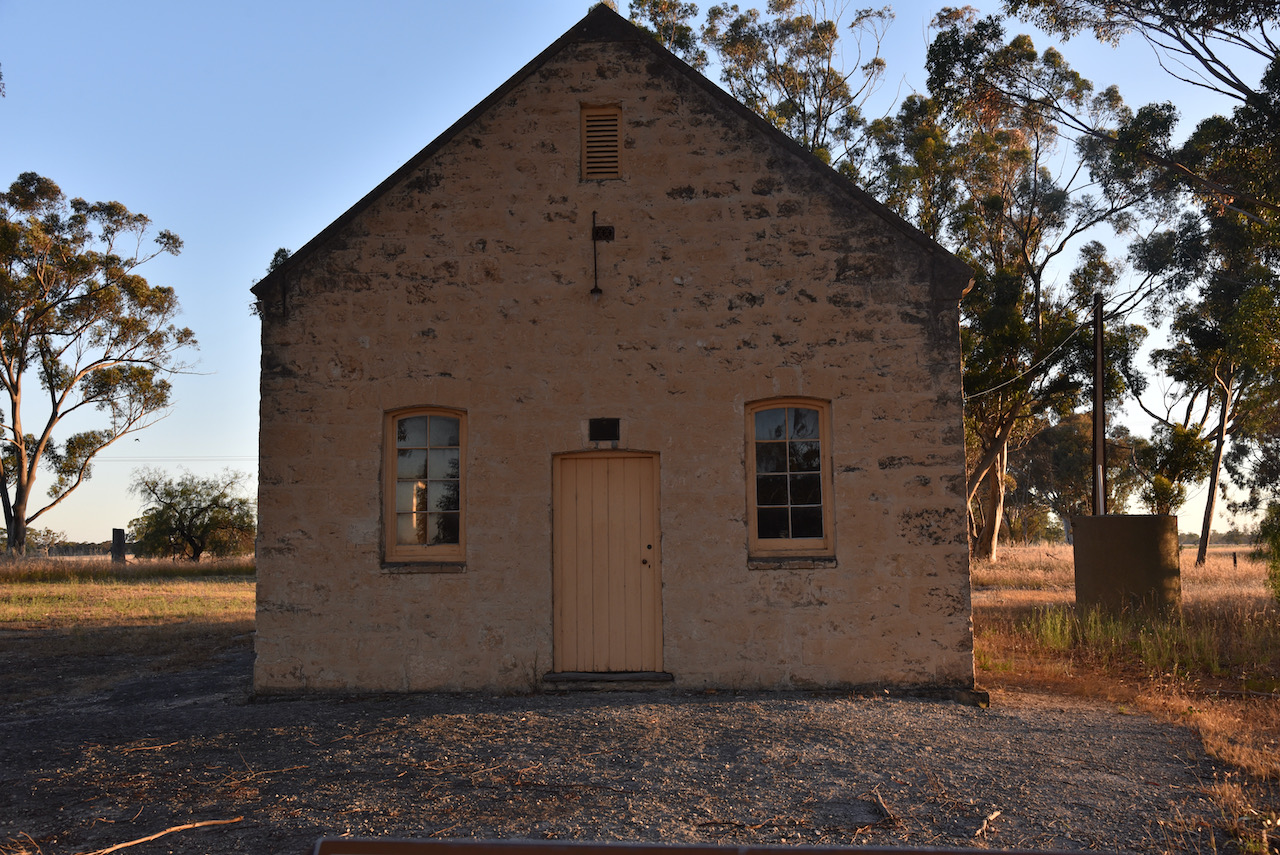
We then headed out to the old Cannawigra Hall. In 1900 sections of the original Cannawigra Station were allotted to settlers. John Charlton Guy, one of the settlers, donated land for a church and a school. A loan was obtained from the Congregational Church and the settlers of the district carted local stone to erect the building. Reverend David Milne laid the foundation stone in 1901. In 1902 the school opened. It closed in September 1956. Church services took place from 1901 until 1975. In 1978 local residents purchased the building for the community at a cost of $1,000 and a Cannawigra Hall Inc. Committee was formed.
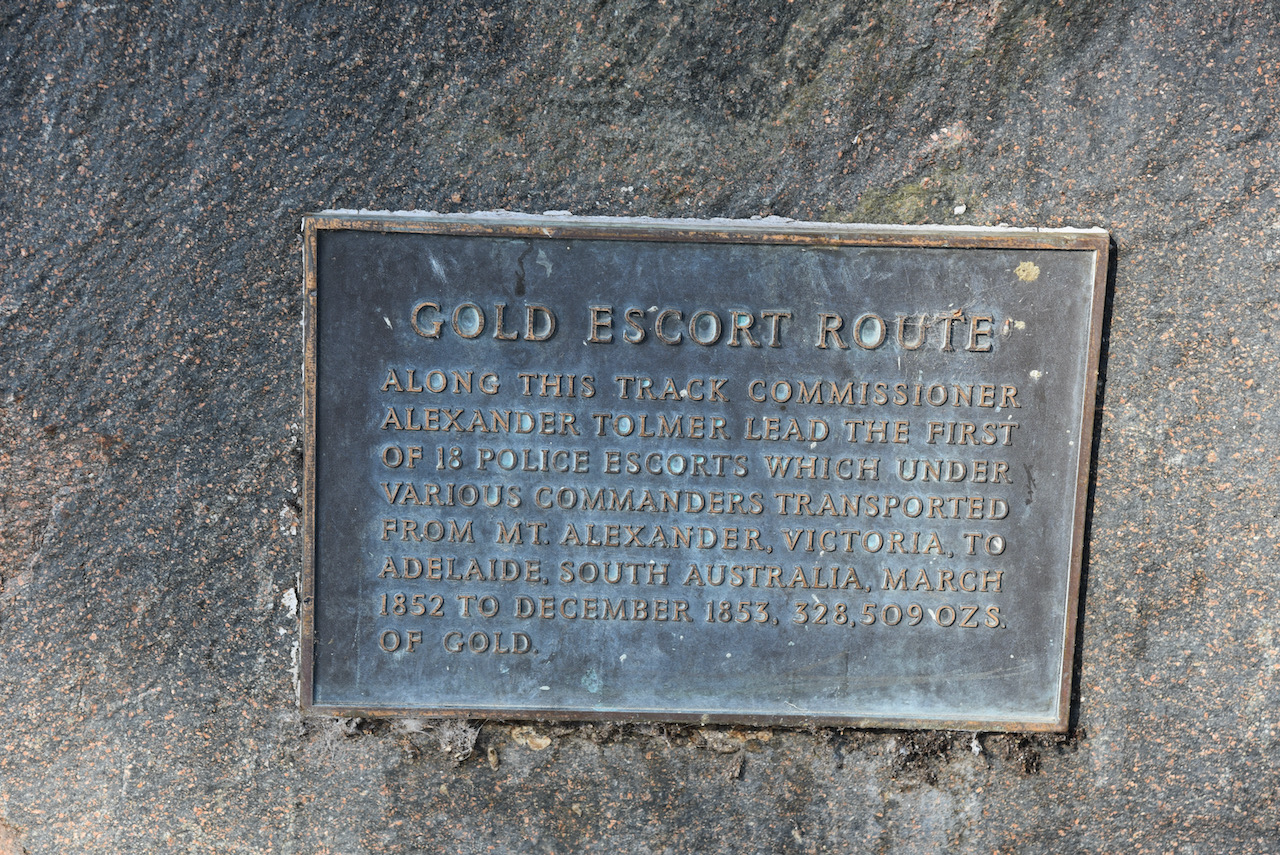
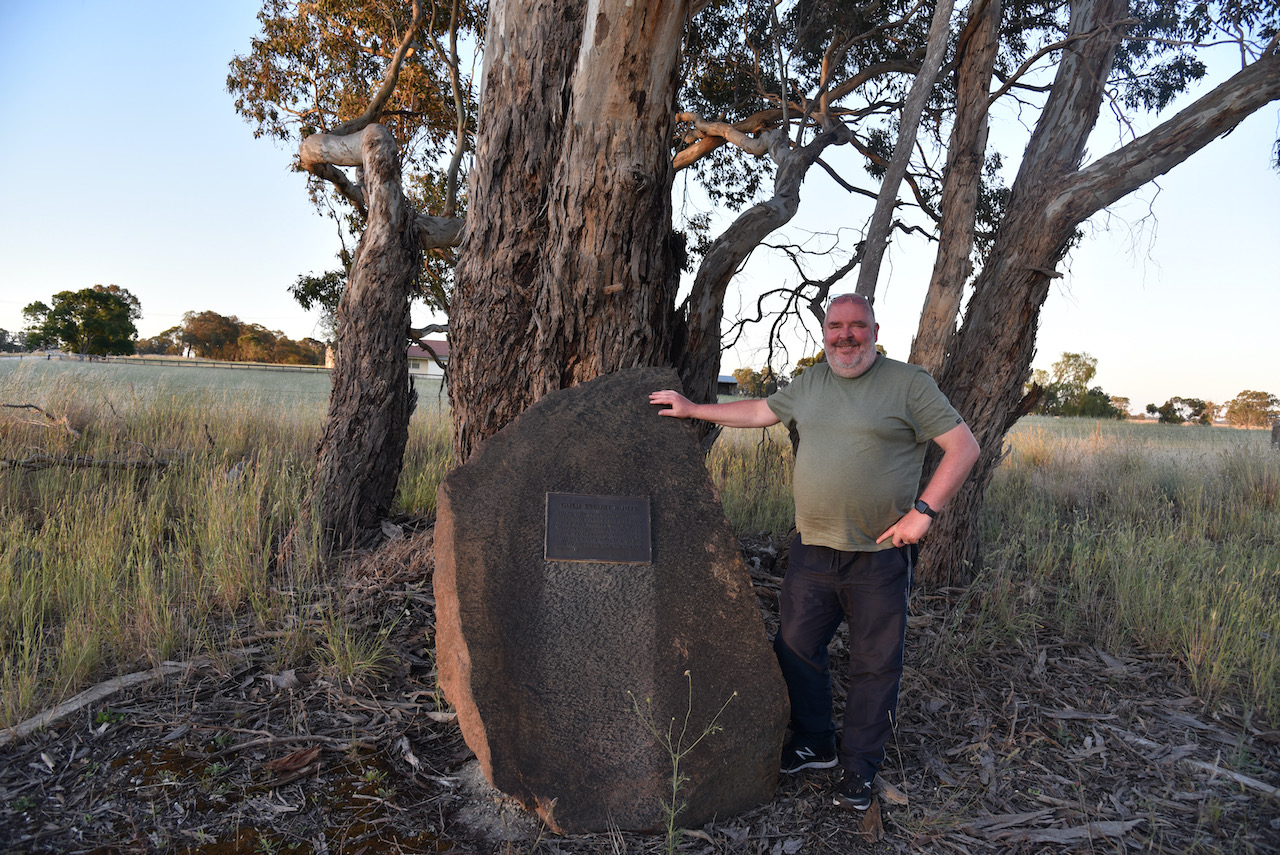
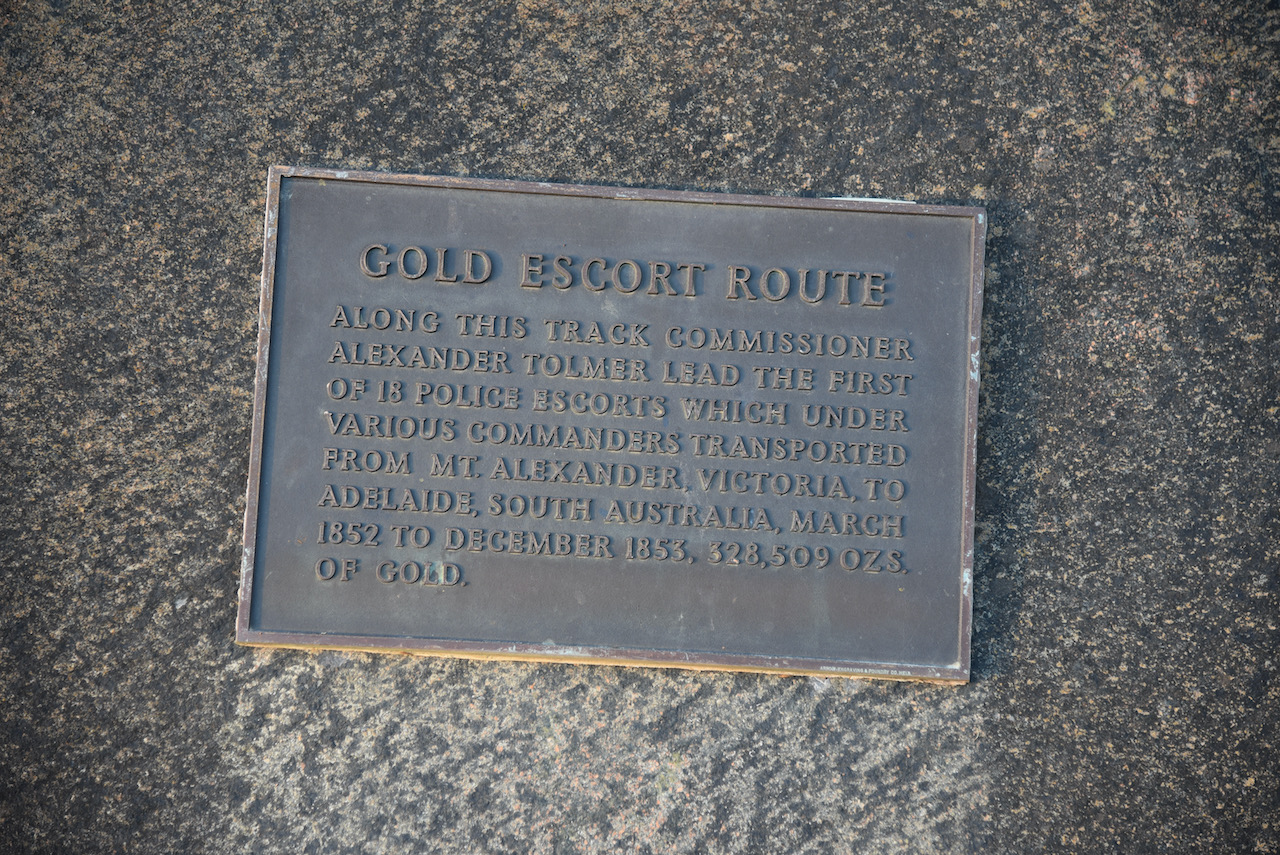
A short distance away is a cairn to commemorate the Gold Escort Route.
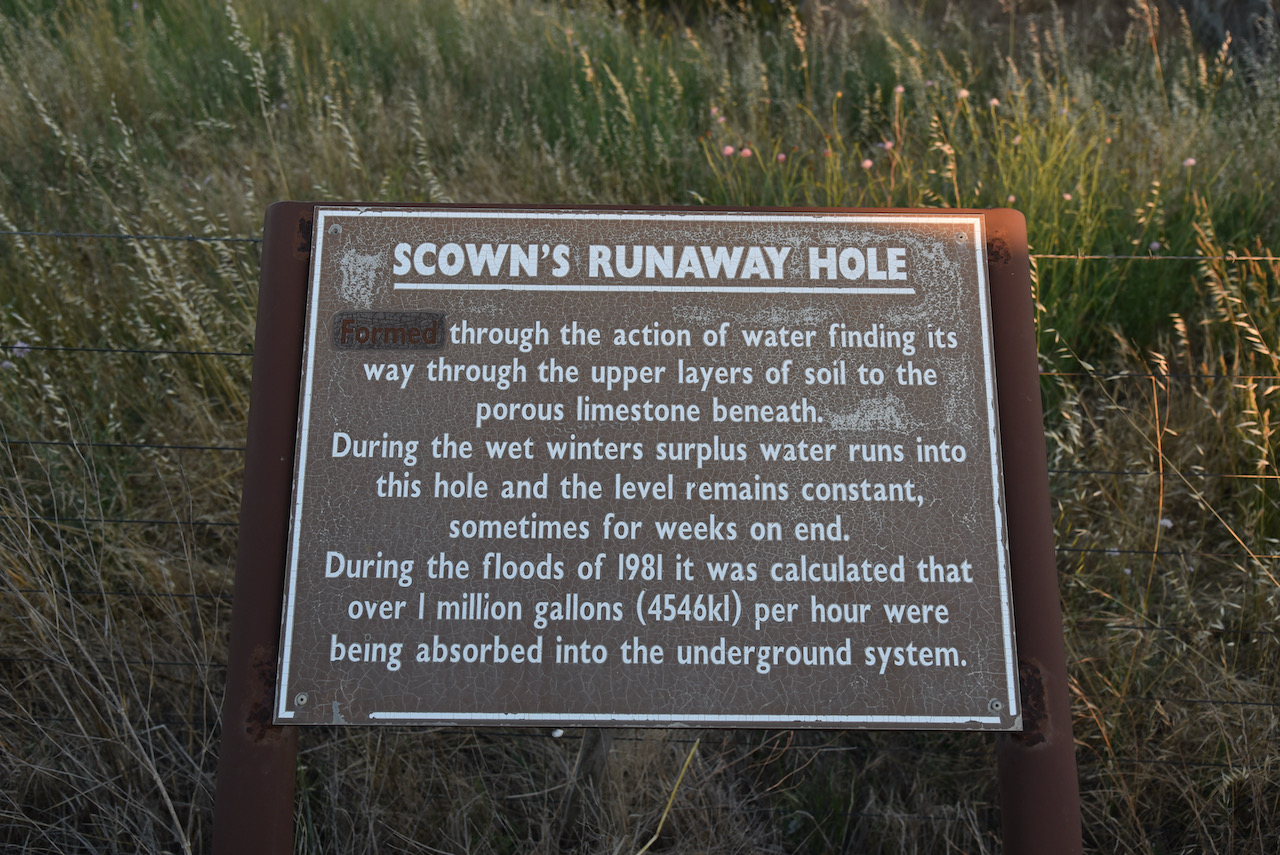
We also stopped to have a look at Scowns Runaway Hole. It was formed through the action of water finding its way through the upper layers of soil to the porous limestone beneath.
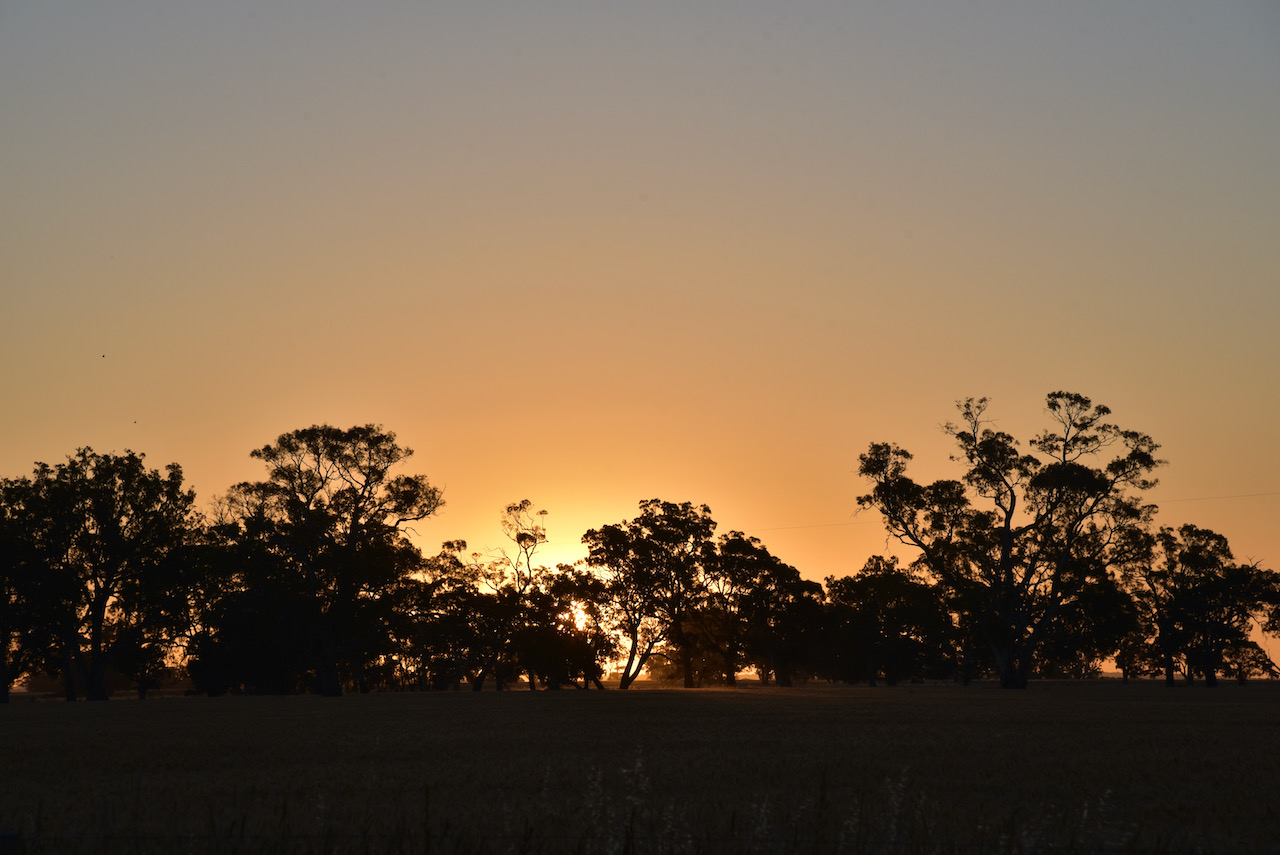
The sun was started to set and we enjoyed a beautiful sunset.
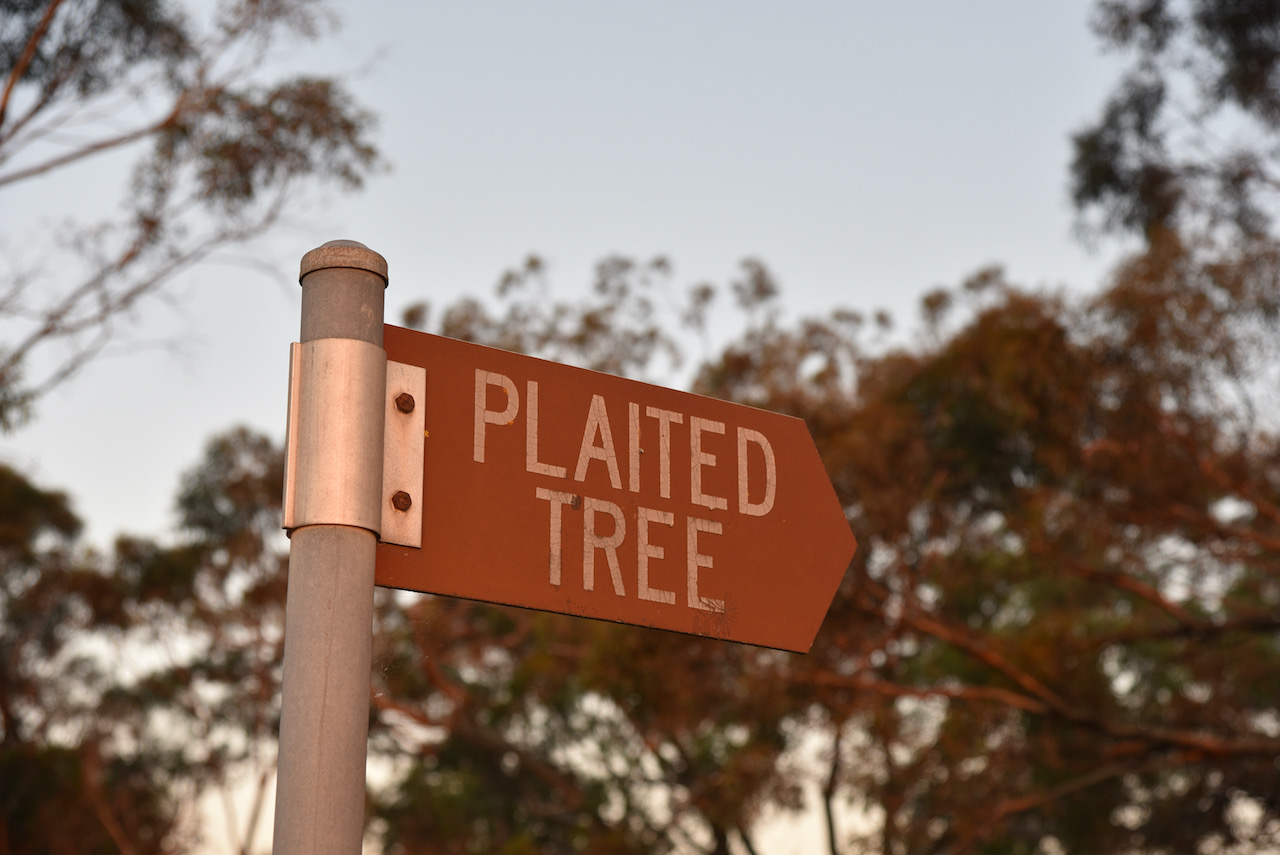
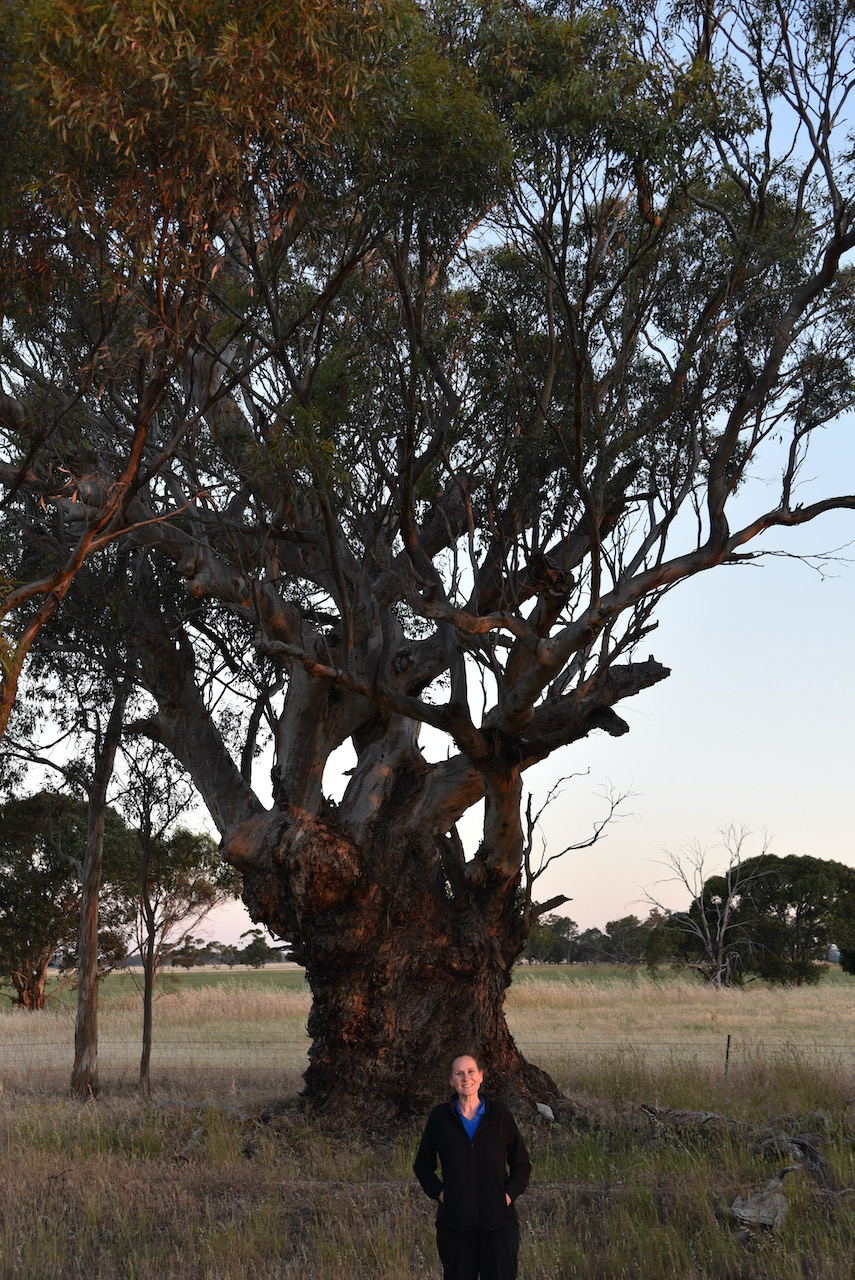
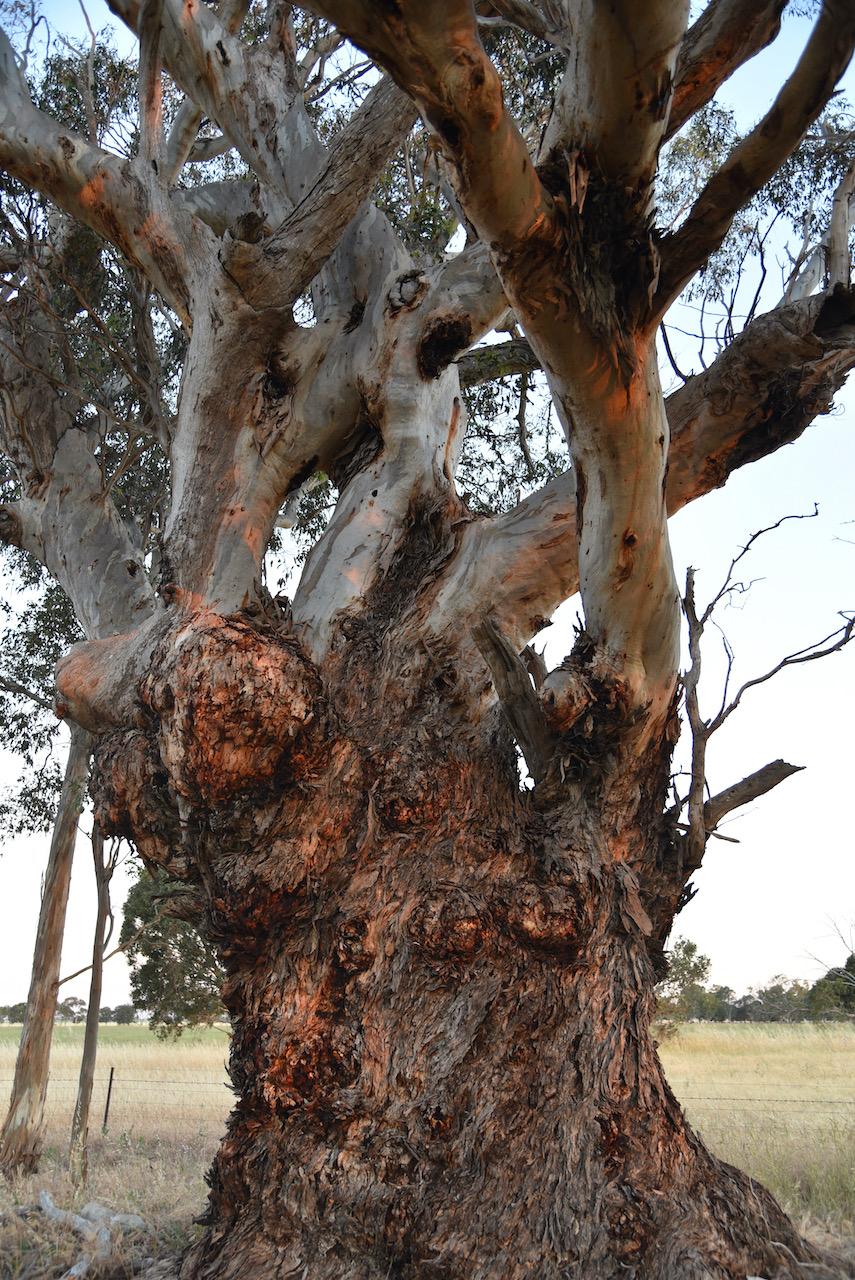
Our next stop was the Plaited Tree. The branches of the tree, which is estimated to be 400 years old, are plaited (or cross over each other). This was an aboriginal meeting point.
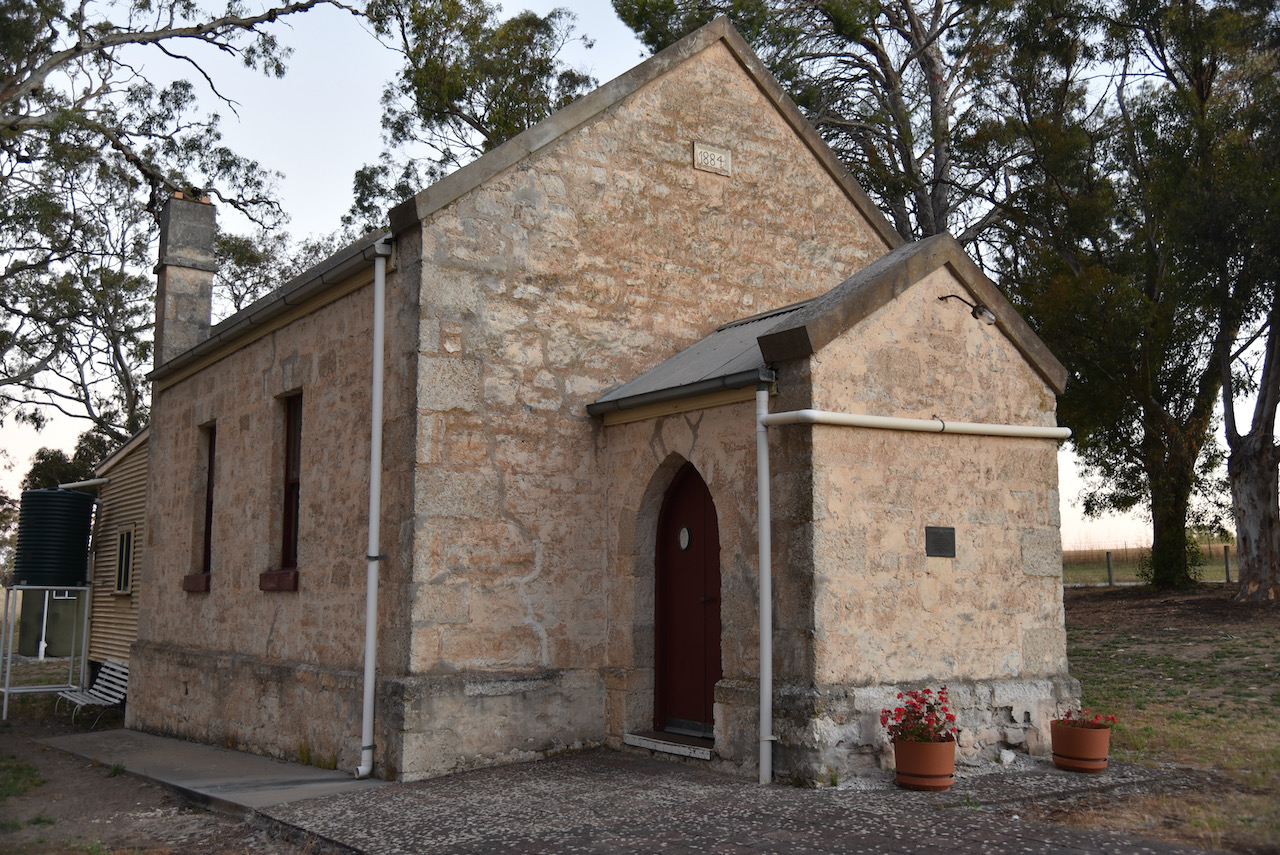
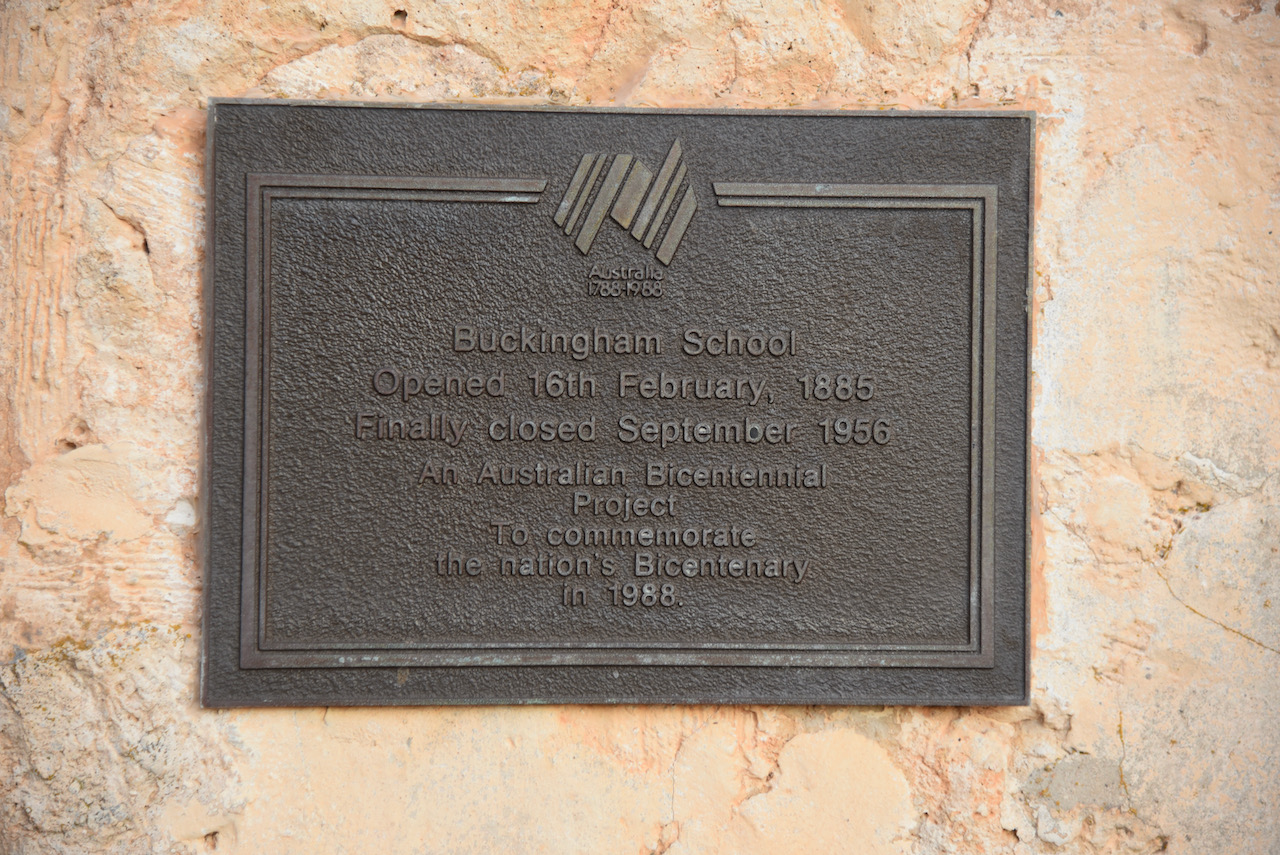
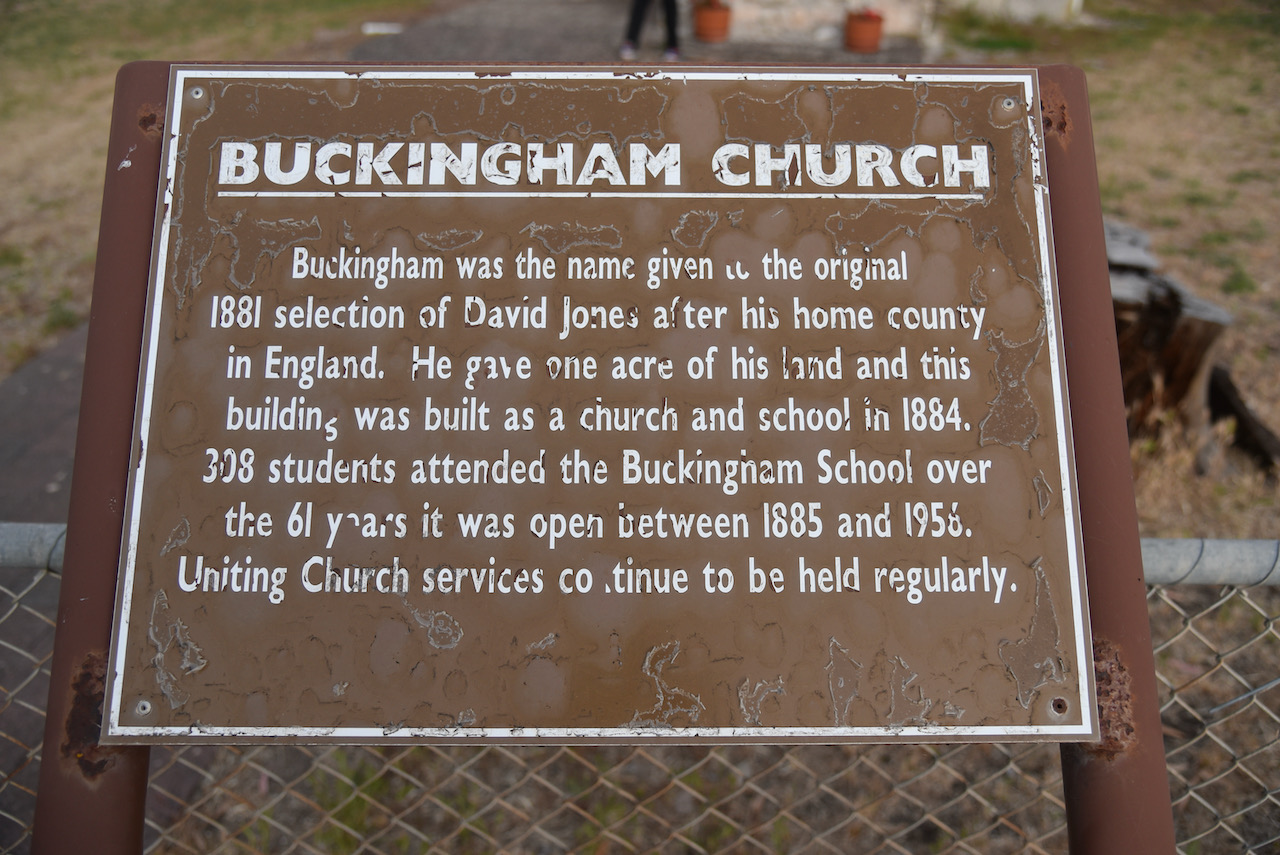
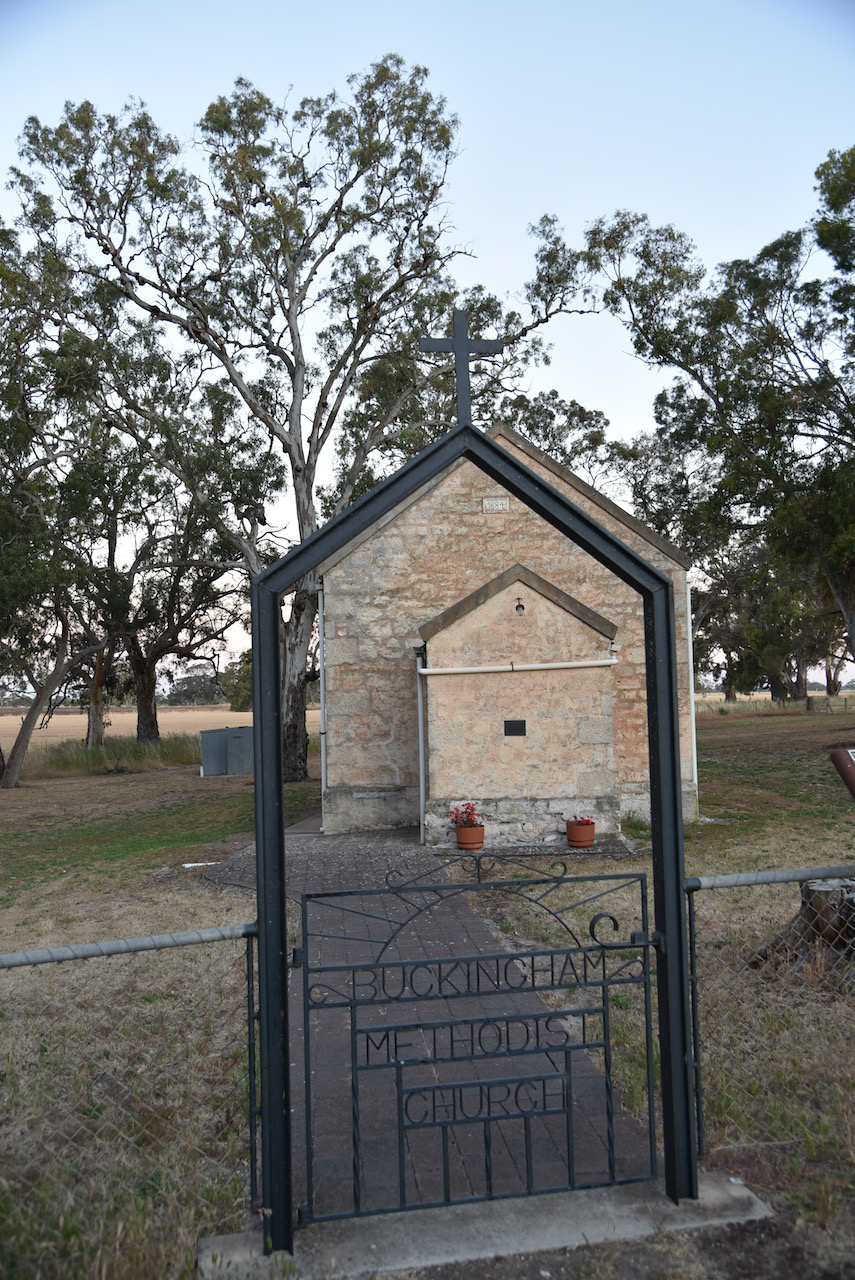
Our final stop was the Buckingham Church and School. Buckingham was the name of the original farm of Mr David Jones, named after his home country of Buckinghamshire in England. In 1884 he gave one acre of land for the building of a church and school. In 1885 the school opened and operated until 1956 when children of the district were taken to school by bus at Mundulla. In its lifetime a total of 338 students attended the school. Uniting Church services continue to be held at the school.
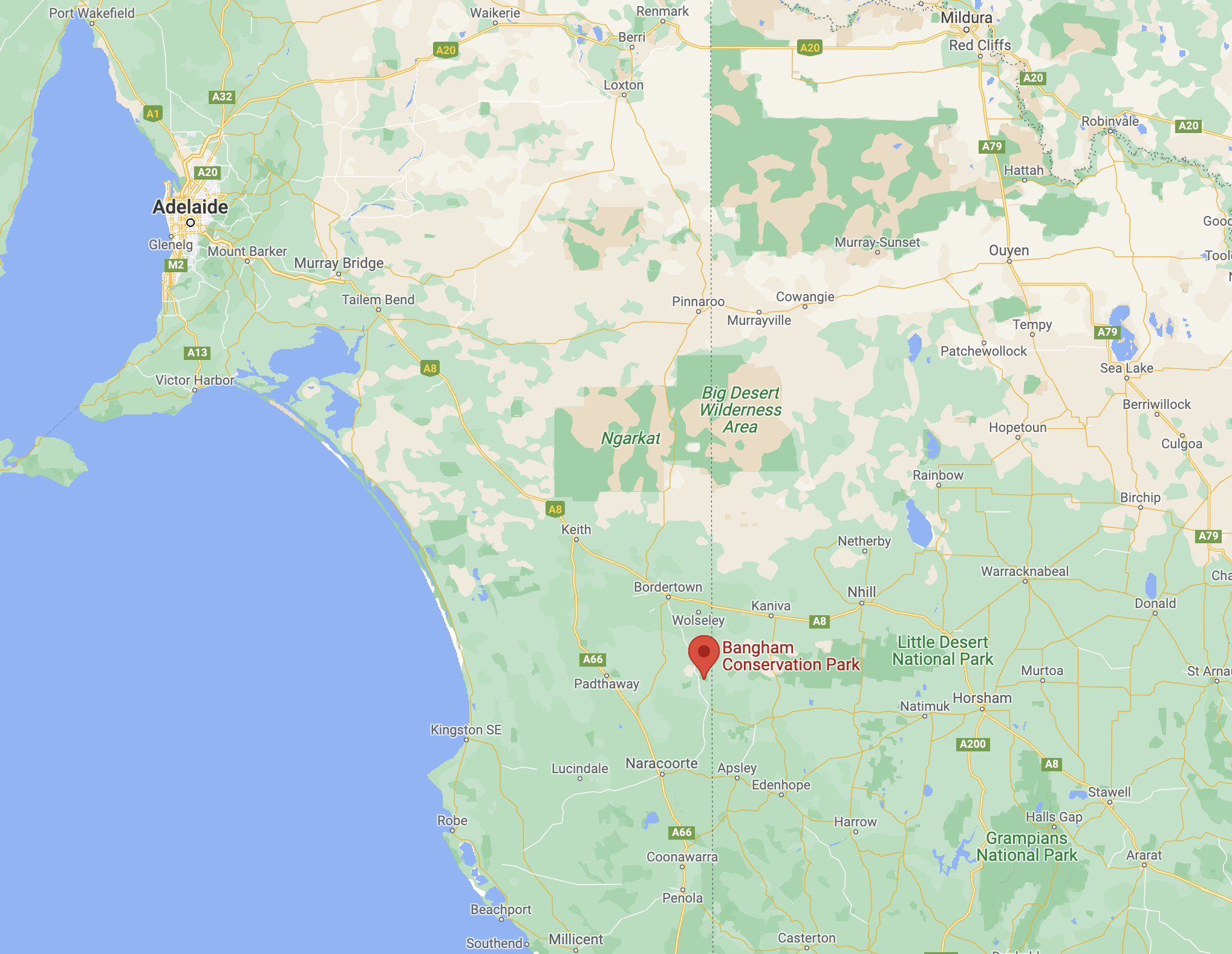
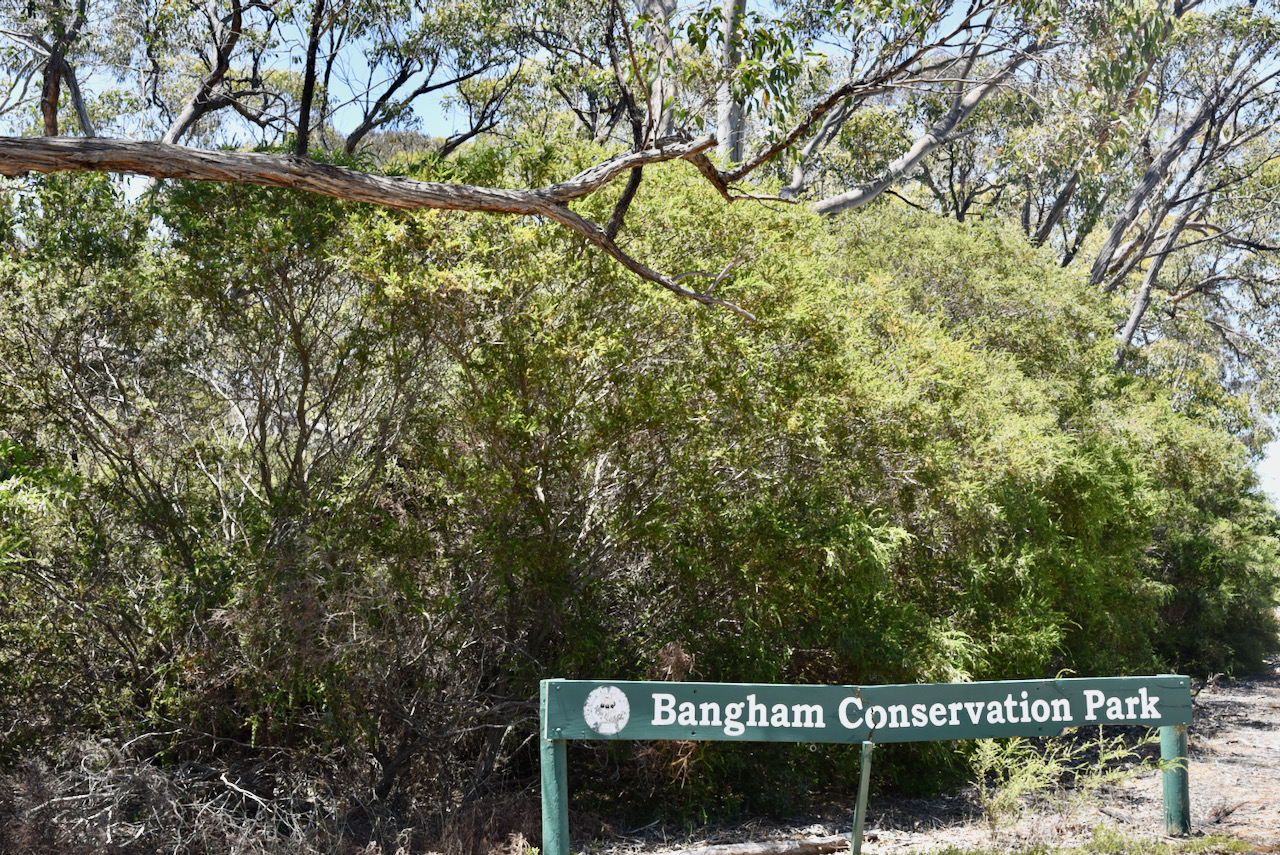
Our second park for Sunday 28th December 2021 was the Bangham Conservation Park VKFF-0869, which is located about 312 km southeast of Adelaide, and about 41 km south of the town of Bordertown.
Above:- Map showing the location of the Bangham CP. Map c/o Google maps
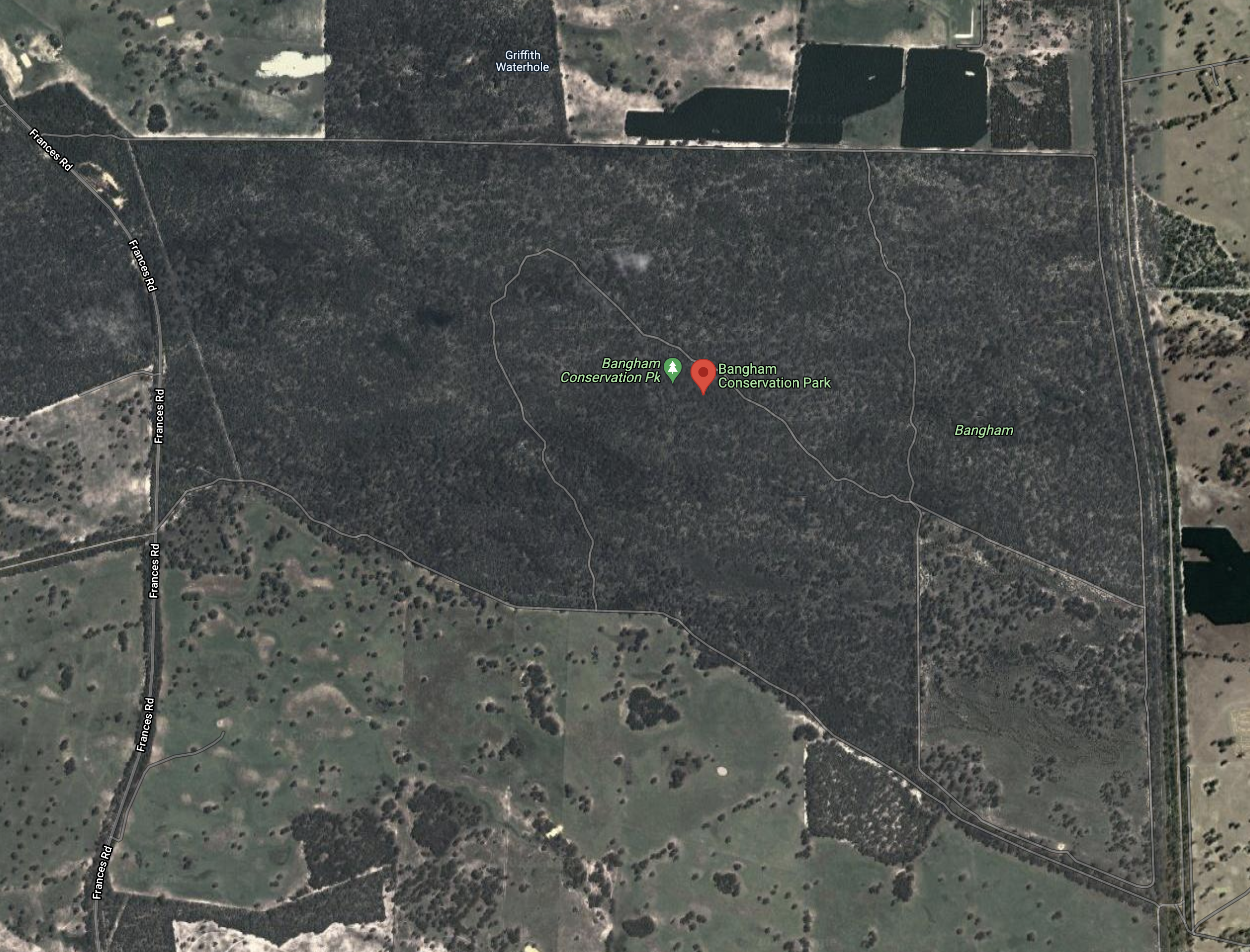
The Bangham Conservation Park is about 869 hectares in size and was established on the 22nd day of November 1973. A total of 675.8 hectares of native scrub and 125 hectares of cleared land was offered for conservation purposes. In 1982 an experimental plot of 1000m2 of native trees was established adjacent to the northern fence line of the cleared area. This area was fenced and Eucalypt branches containing fruits and seeds were laid across the area. However, the vegetation was destroyed by drought. Further land was added to the park on the 18th day of February 2010.
Above:- An aerial view of the park. Image c/o Google maps
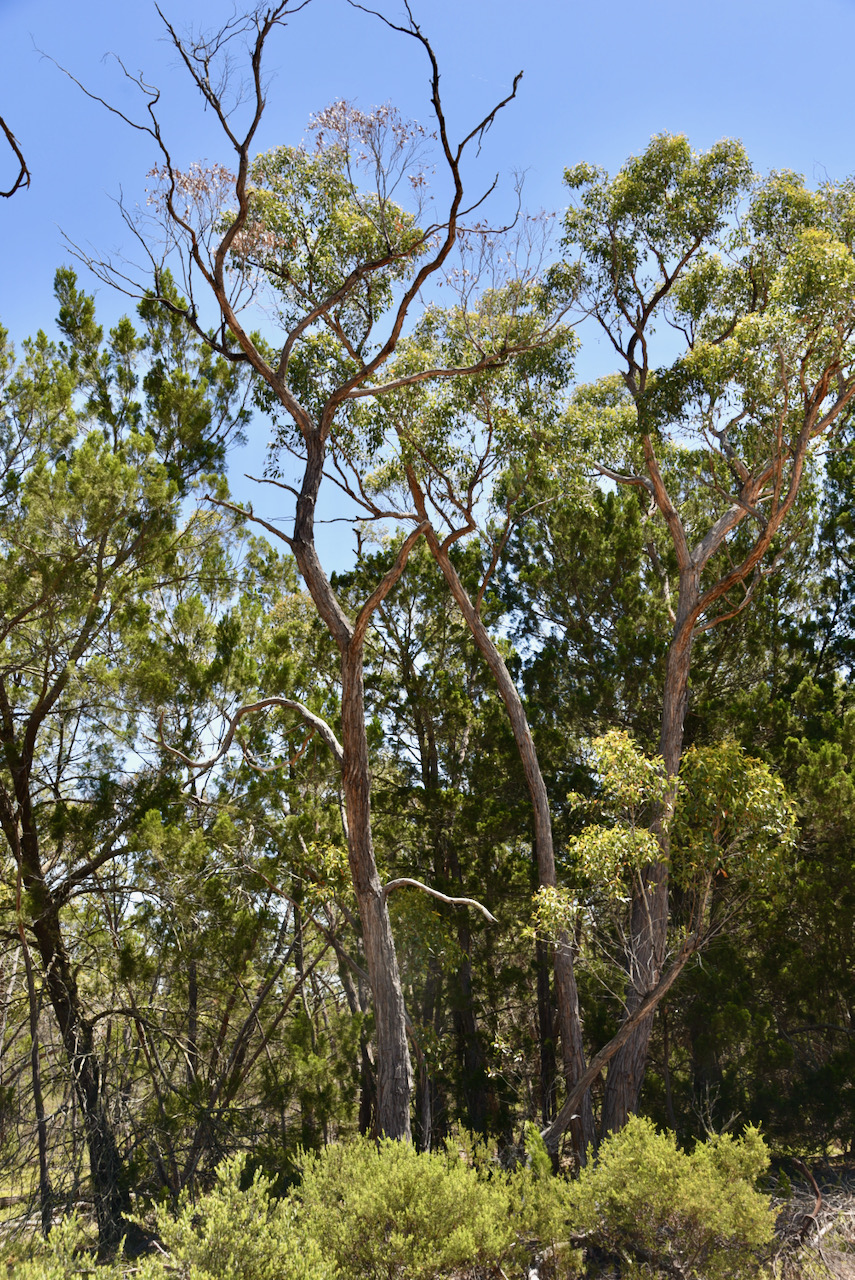
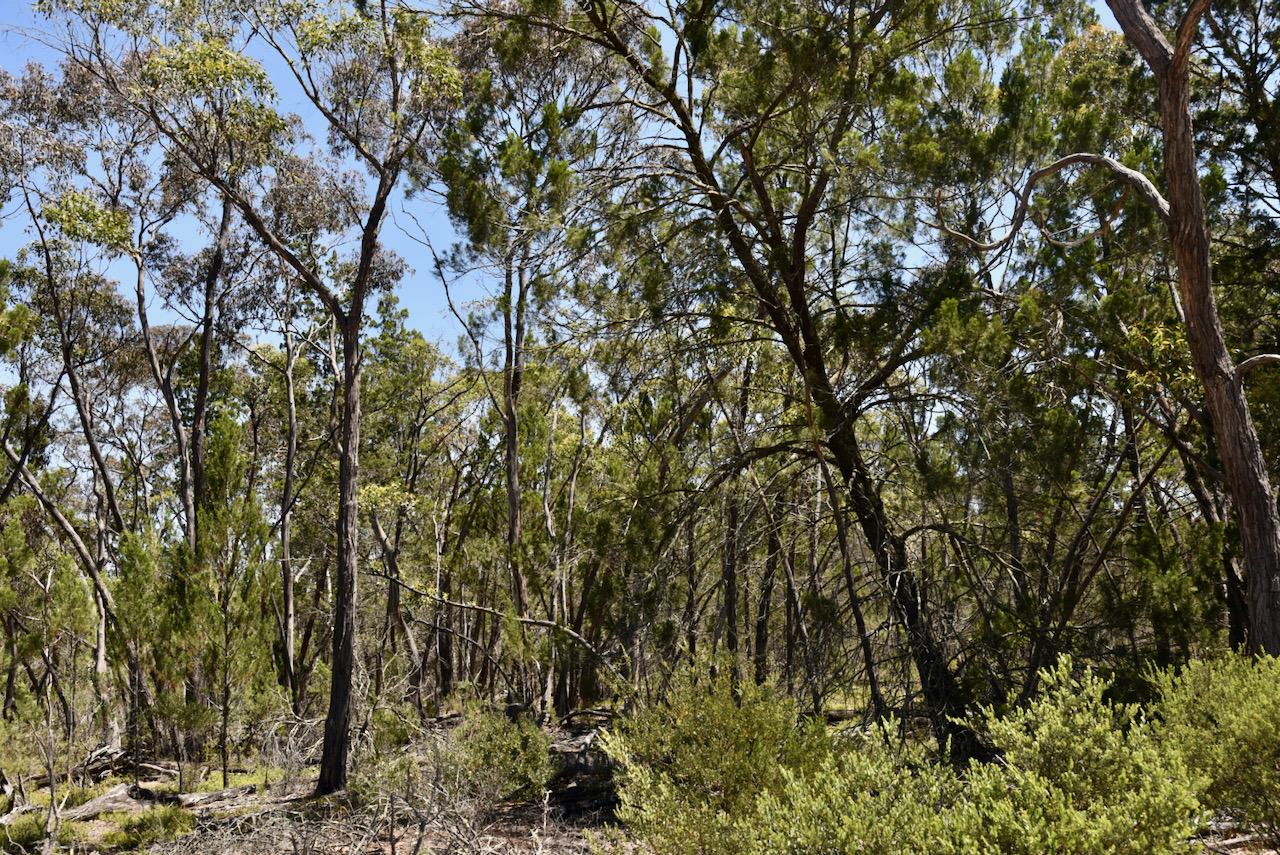
The park comprises South Australian Blue Gum open forest-woodland, River Red Gum, and Brown Stringybark open forest-low open forest.
Birds SA have recorded about 135 species of bird in the park including Sulphur-crested Cockatoo, Crimson Rosella, White-throated Treecreeper, Brown Treecreeper, Superb Fairywren, Tawny-crowned Honeyeater, Red Wattlebird, and Black-chinned Honeyeater.
The park takes its name from the area of Bangham. Edward Bangham held land under occupation licence during the 1840s. He subsequently sold the land in 1846 to Mr. McLean. From 1851 Bryan Cussen held the land under pastoral lease number 154.
In 1908 a Government survey described the area as follows:-
“greater part undulating white sand, with stringybark, buck honeysuckle, heath, yacca with a few pines and supporting a little grass considered to be inferior pasture”.
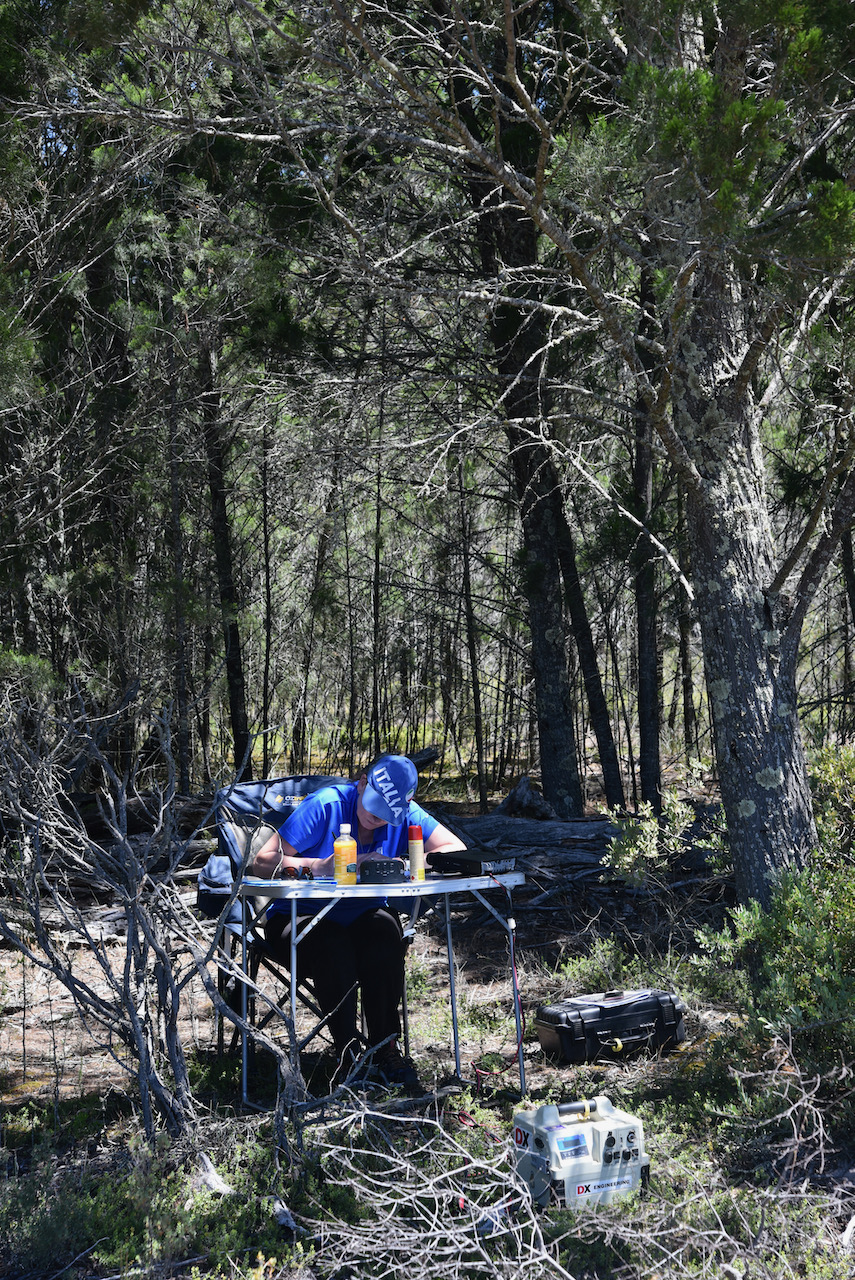
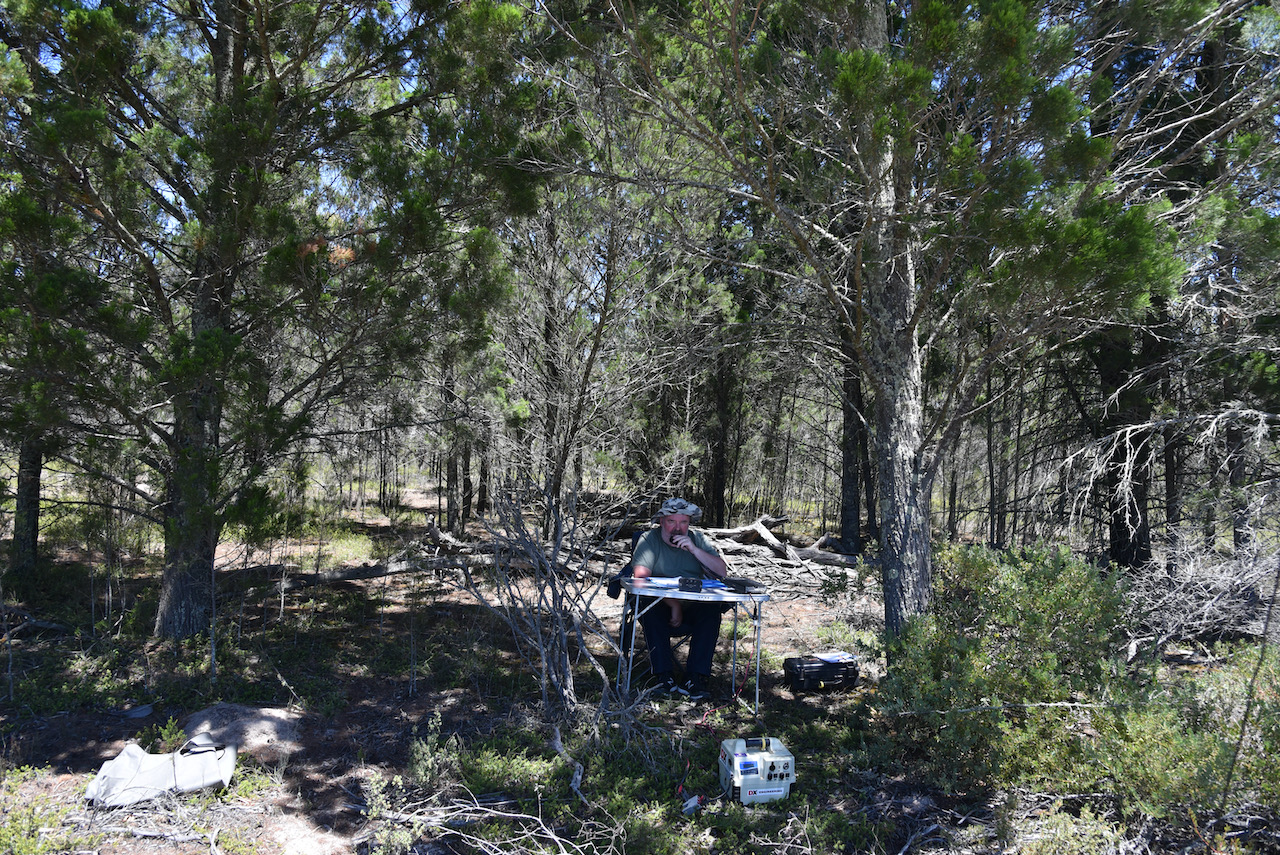
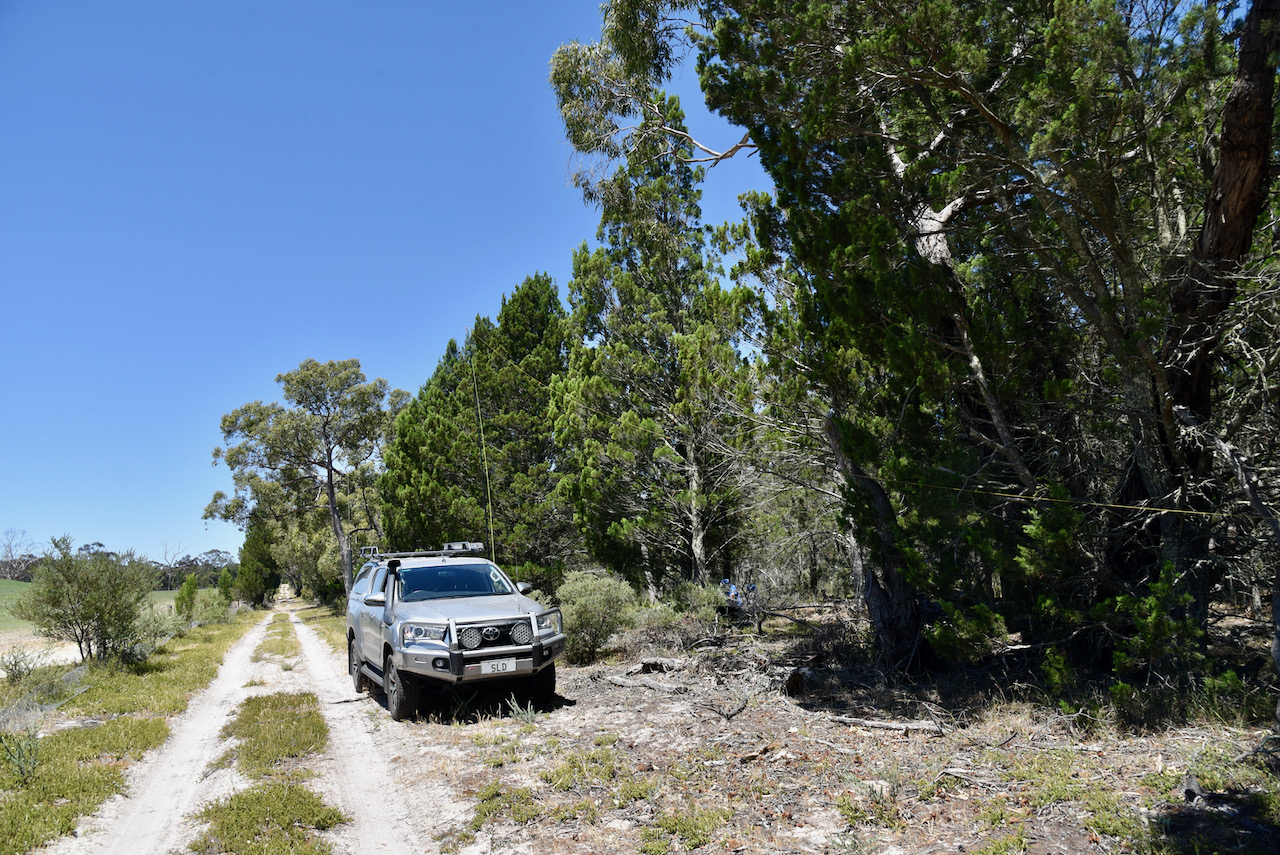
Marija and I drove along a sandy 4WD track that lead off Frances Road and then followed the northern boundary of the park. The park is very heavily wooded and we were seeking some shade as it was a hot afternoon. We eventually found a spot where we could pull the Toyota Hi-Lux off the track and get in under some shade under some trees.
Marija and I spent 2 hours in the park and made a total of 124 QSOs, including 56 Park to Park contacts. Out QSOs were on the 40m and 20m band. We did try 80m but we had very little, if any internet coverage in the park, so we were unable to post a spot.
It was now day two of the 2021 VKFF Activation Weekend, Sunday 28th November 2021. Marija and I had three parks to activate.
To kick off the morning we headed to Subway for some coffee and some Bacon & Egg rolls.
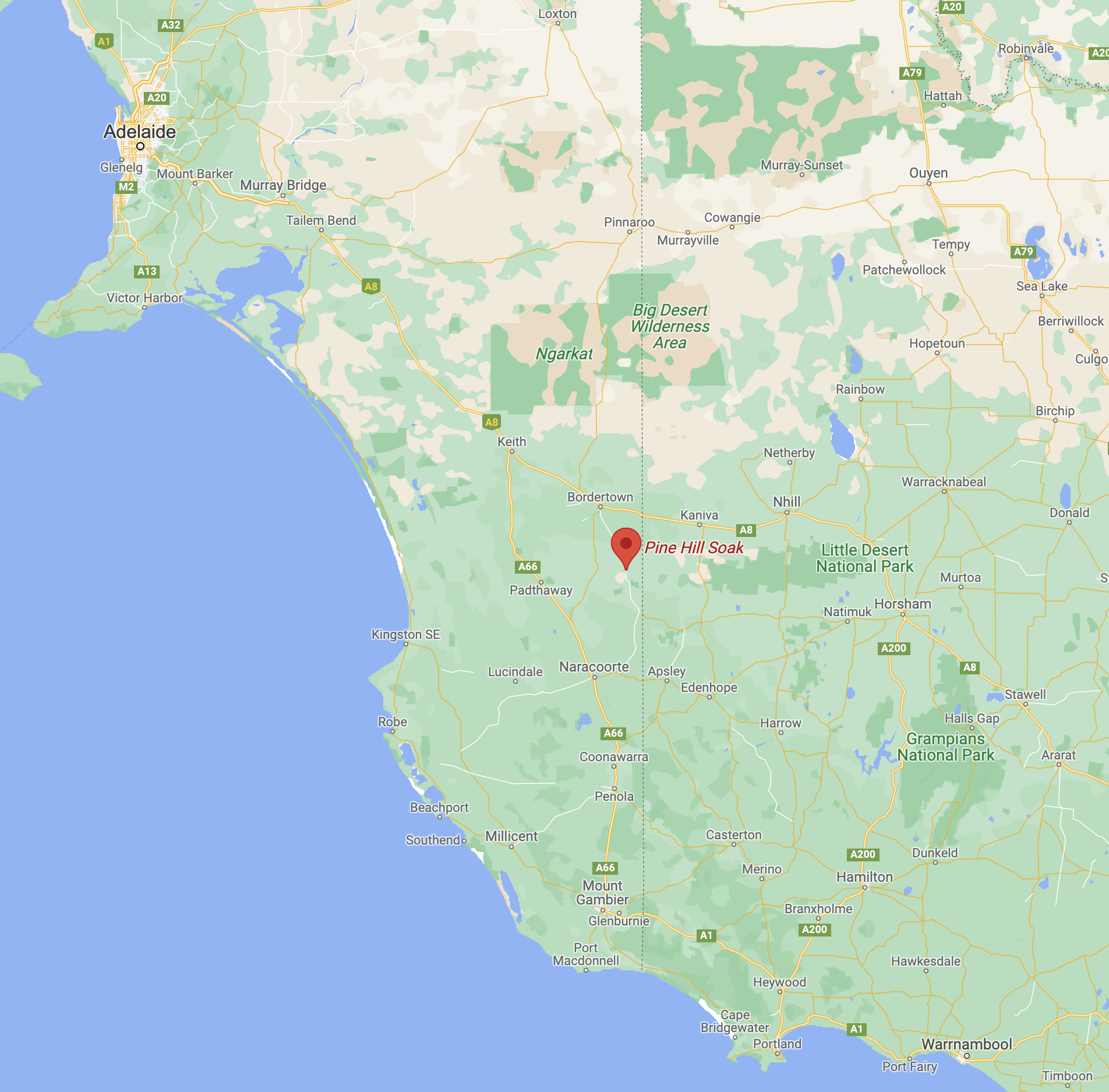
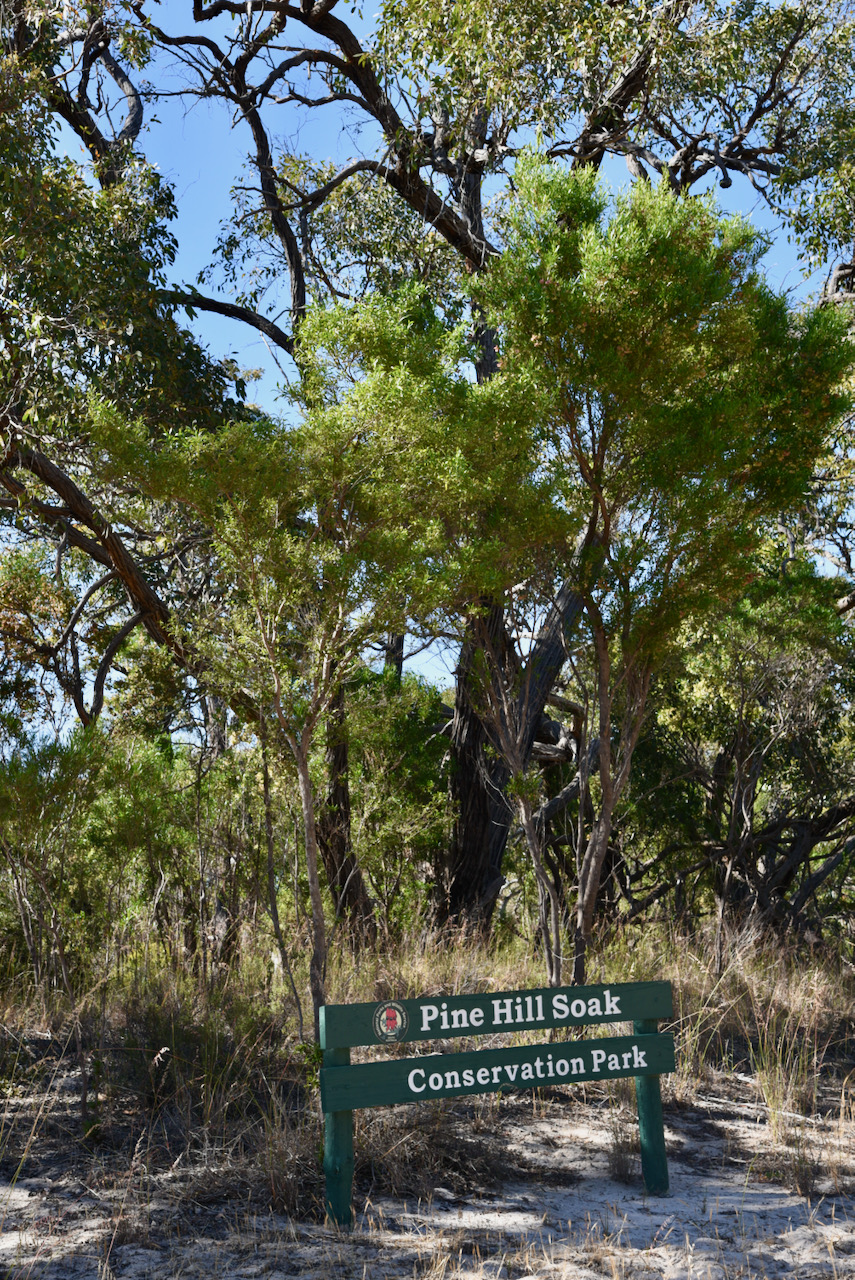
We then headed southeast out of Bordertown to our first park of the day, the Pine Hill Soak Conservation Park VKFF-1078. The park is located about 301 km south-east of Adelaide, and about 30 km south of the town of Bordertown.
Above:- Map showing the location of the Pine Hill Soak CP. Map c/o Google maps
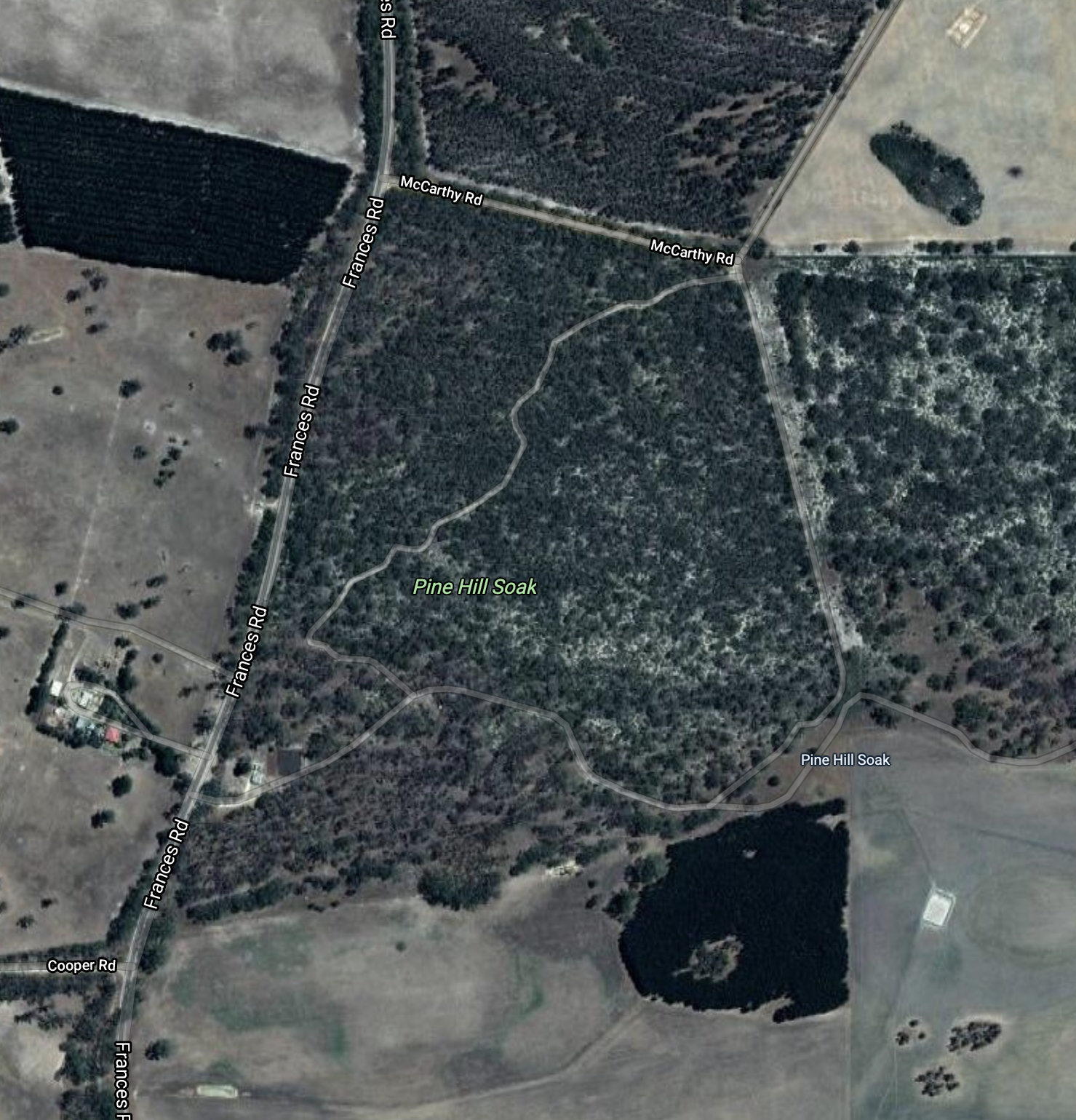
The park is located at the intersection of Frances Road and McCarthy Road. There is scrub to the north and east of the park, but this is not part of Pine Hill Soak Conservation Park.
Above:- An aerial shot of the park. Image c/o Google maps
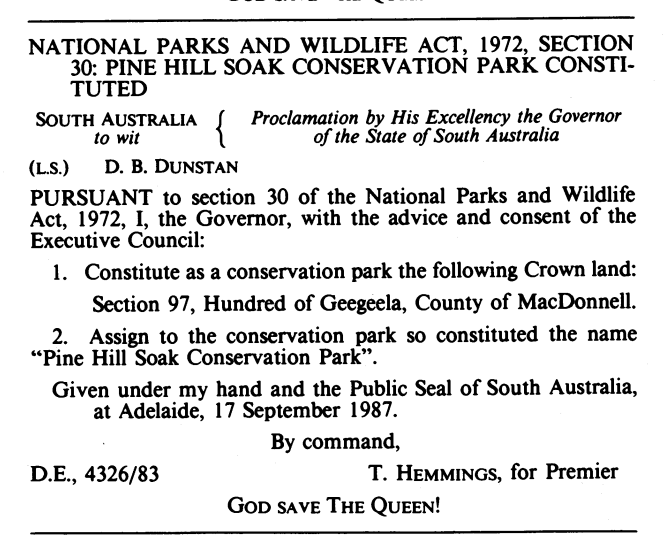
The Pine Hill Soak Conservation Park is about 51 hectares (130 acres) in size and was established on the 17th day of September 1987.
Above:- SA Govt Gazette re Pine Hill Soak CP.
The park’s name is derived from a soak known as Pine Hill Soak which is located near the southern boundary of the park. A soak or soakage, is a source of water and is so called because the water generally seeps into the and, and is stored below, sometimes as part of an ephemeral river or creek.
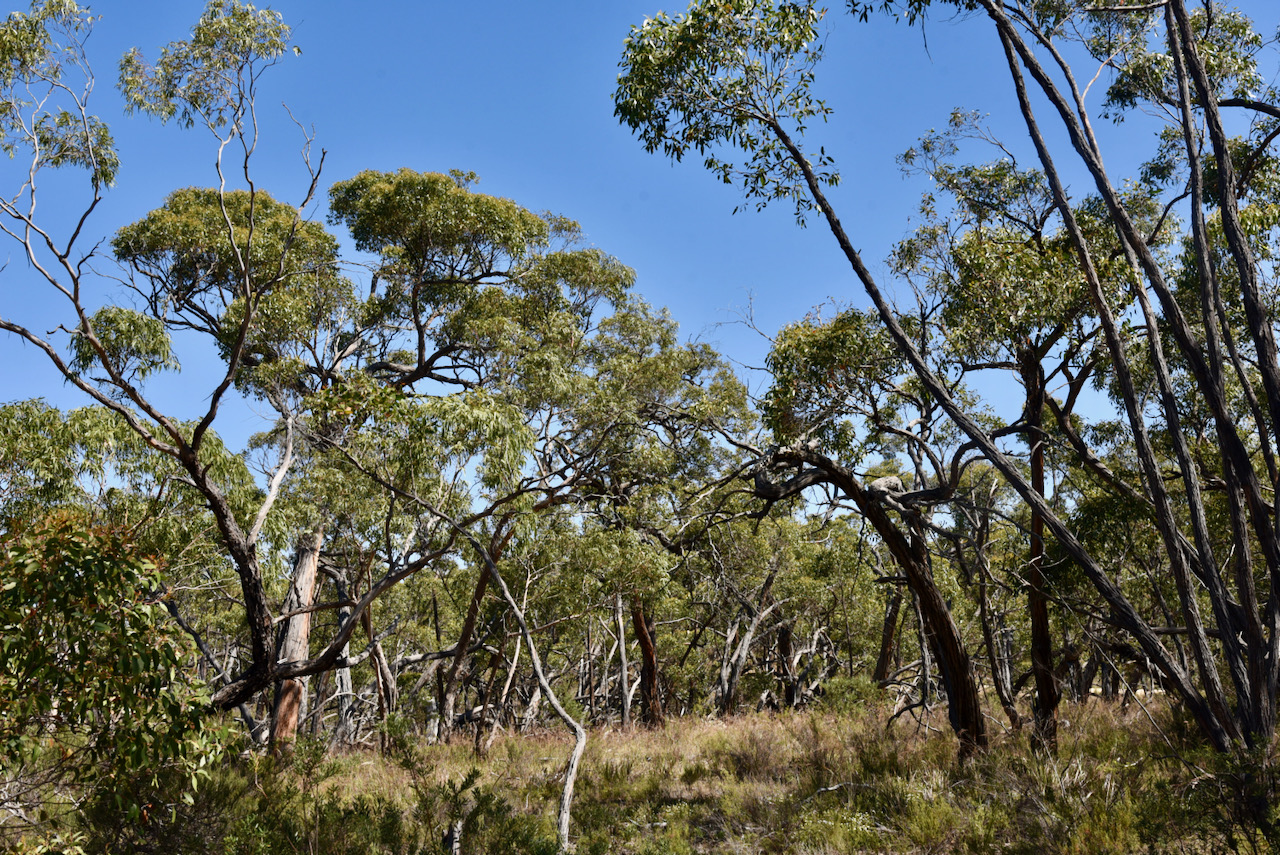
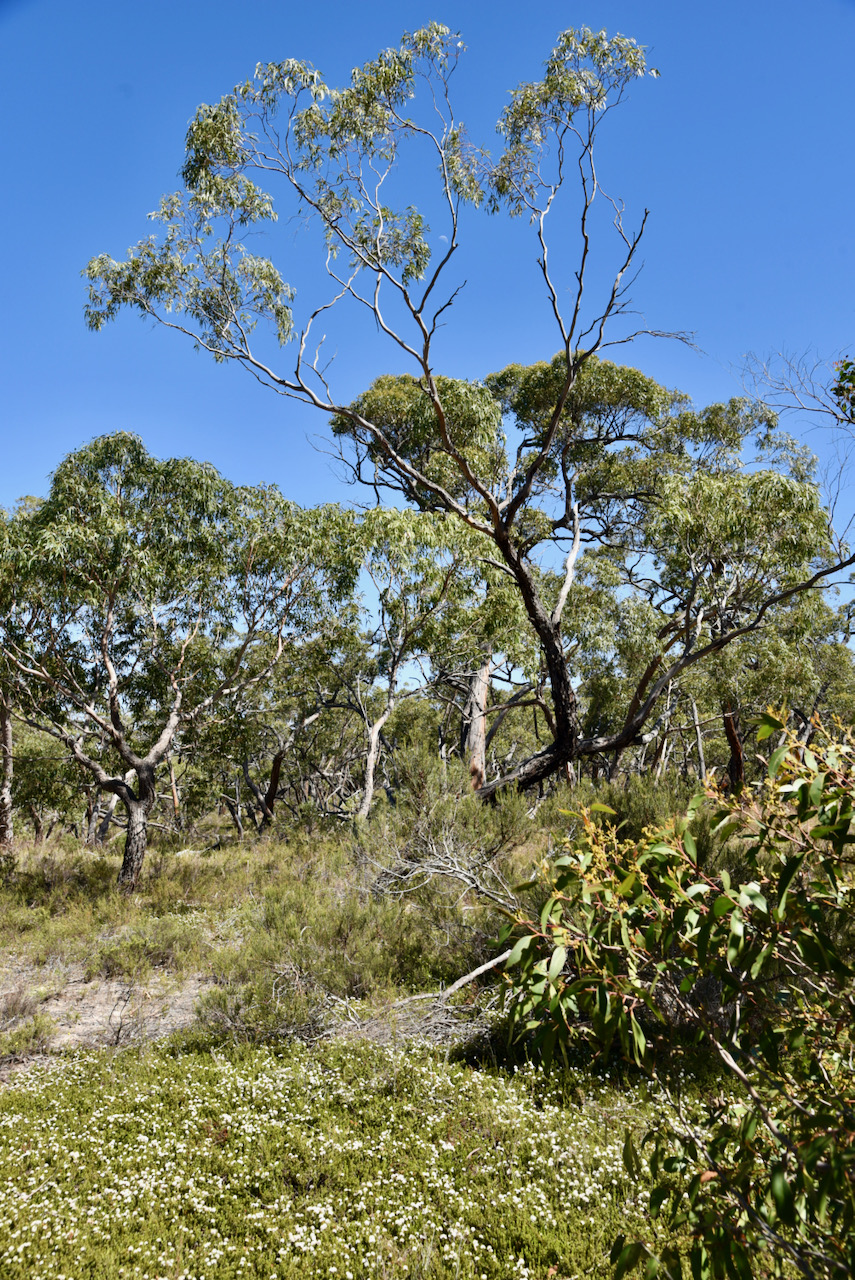
The park consists of Brown Stringybark open forest with desert Banksia with some River Red Gum and South Australian Blue Gum. The park also contains Native Pine.
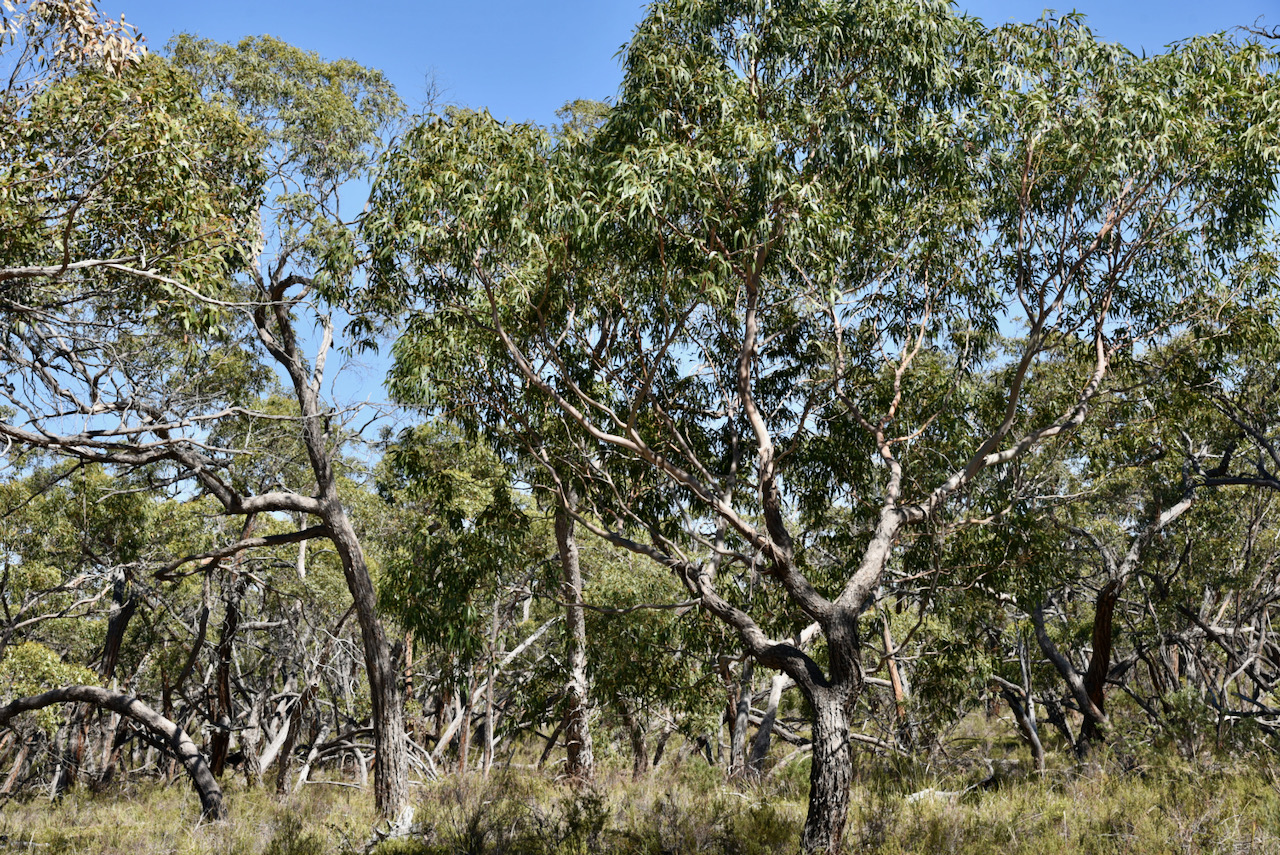
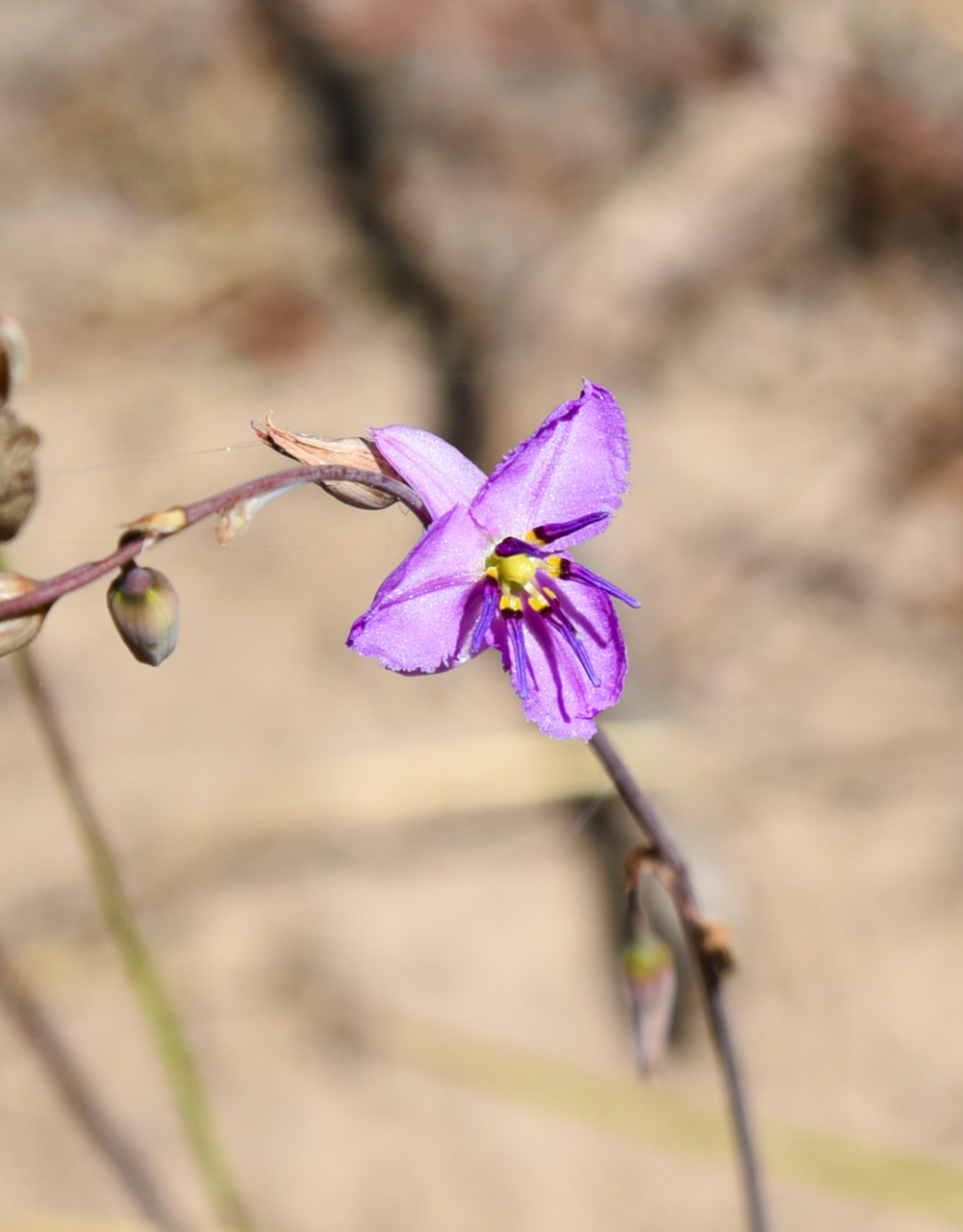
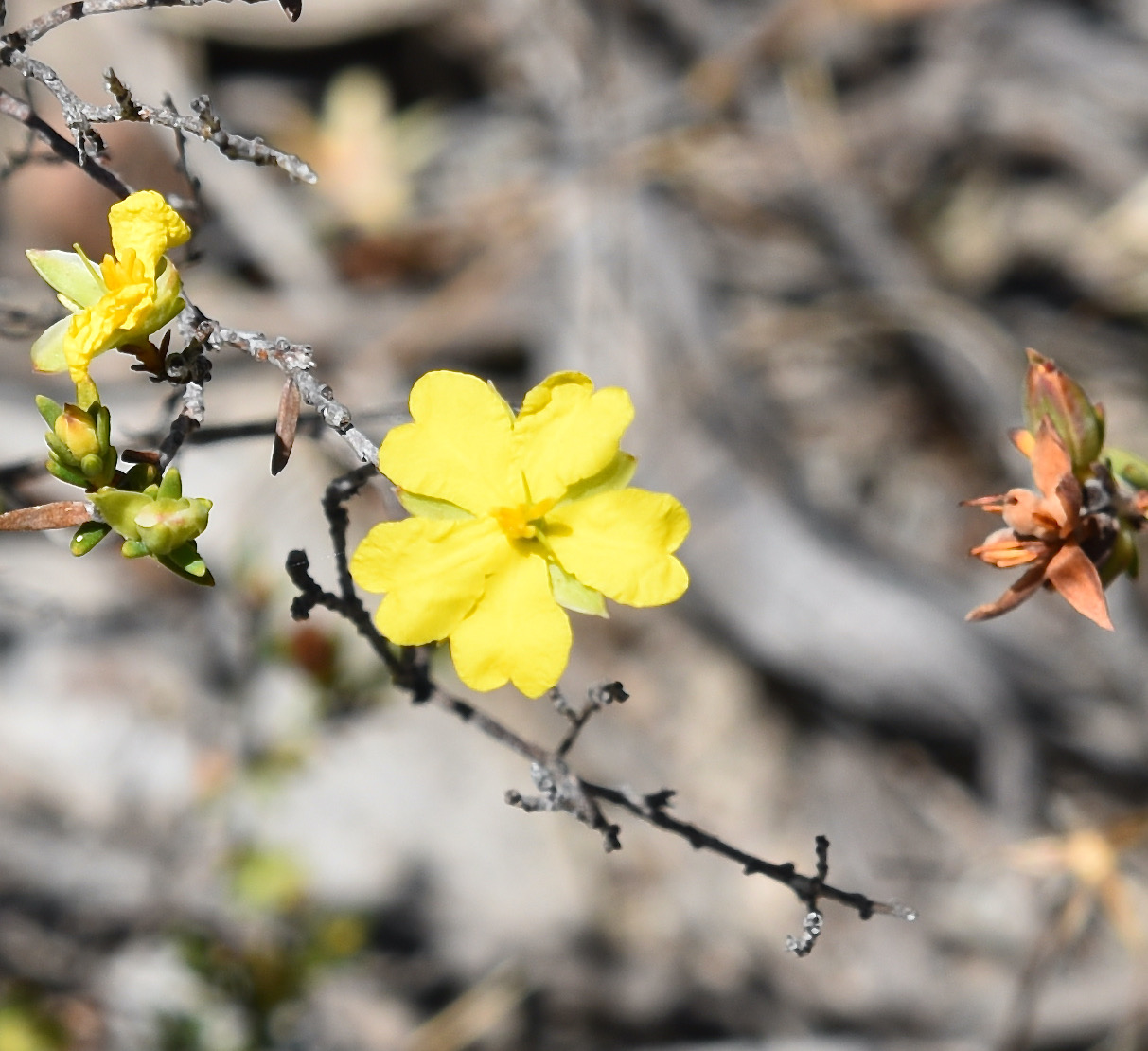
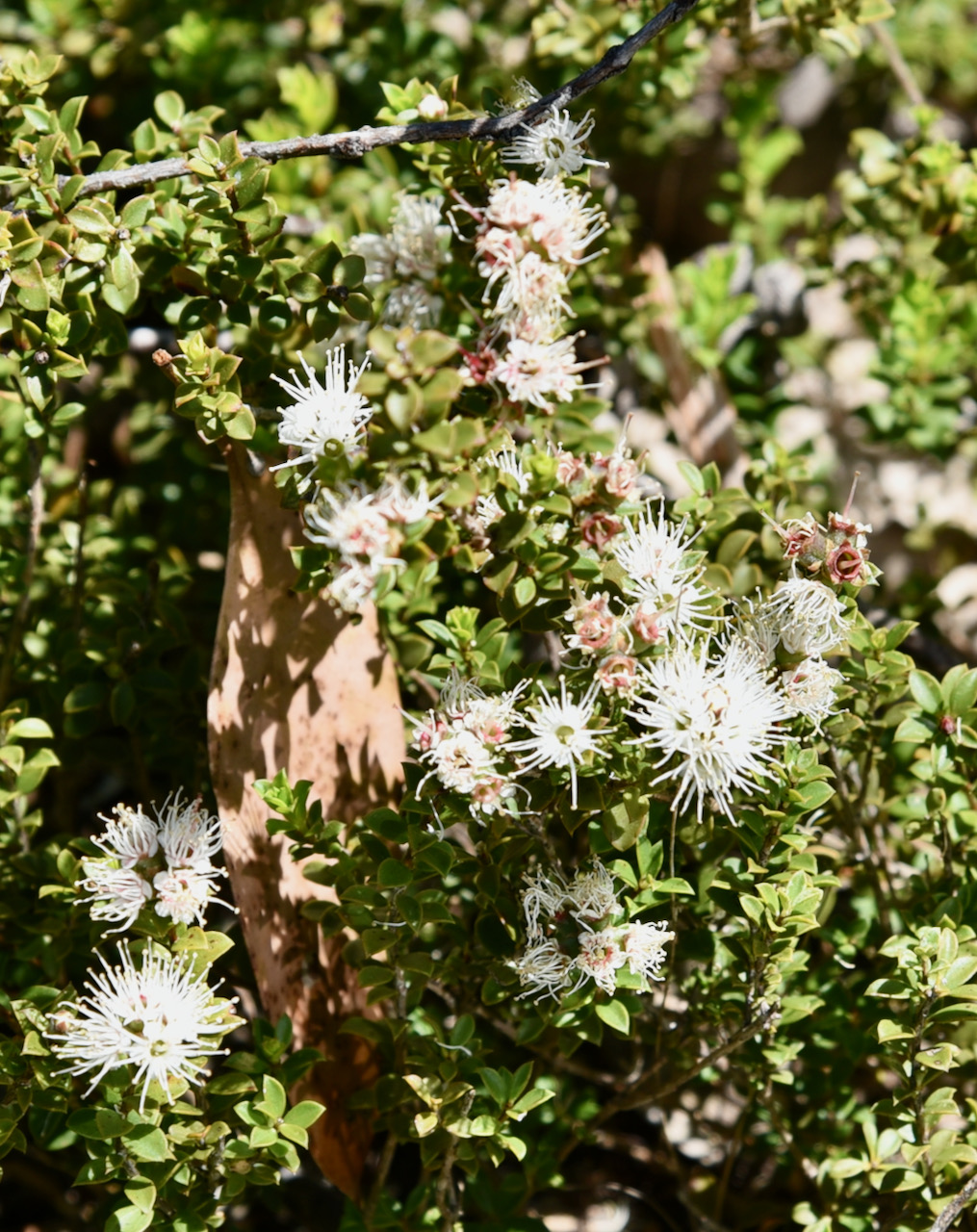
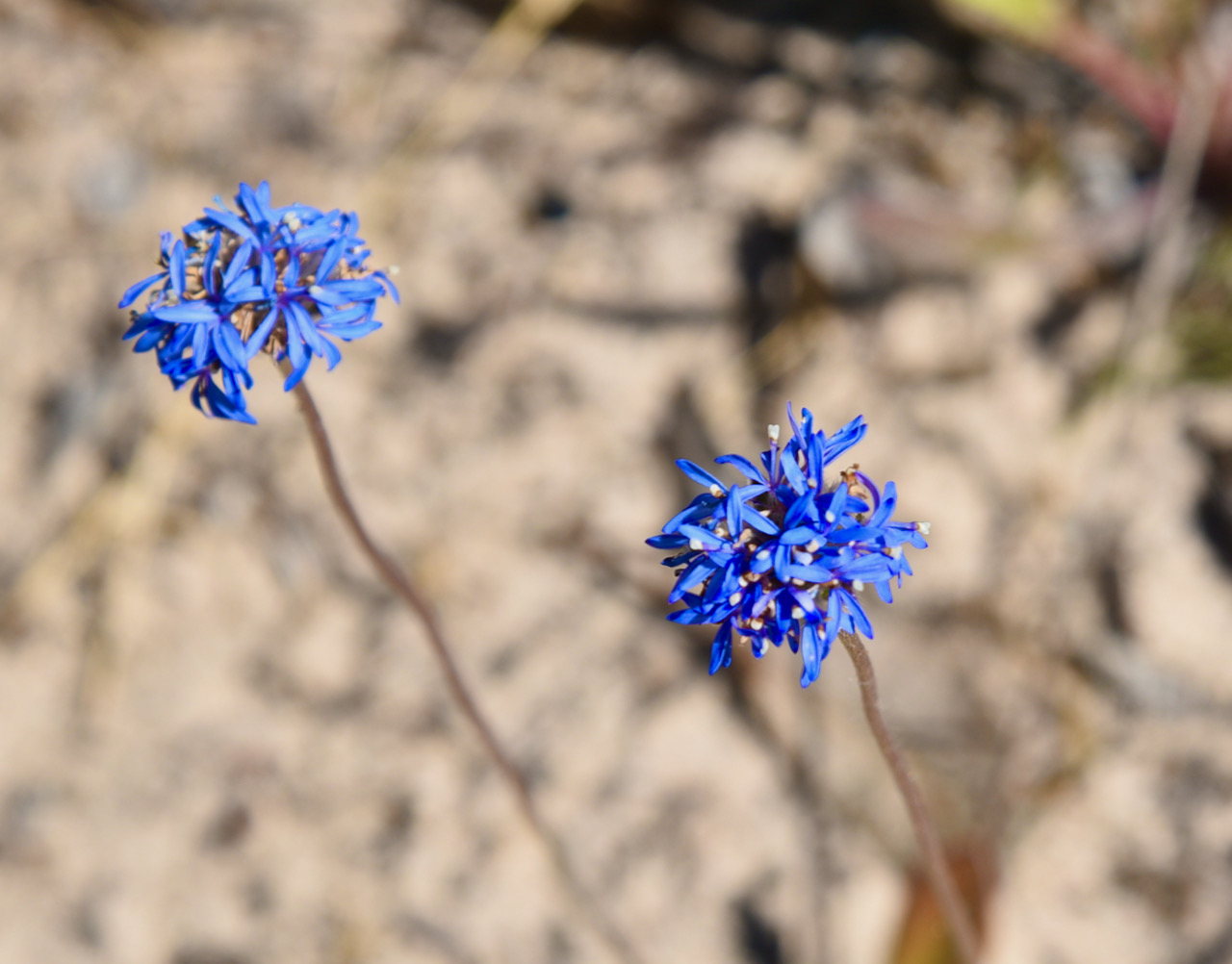
During our visit to the park, there were a number of plants in flower.
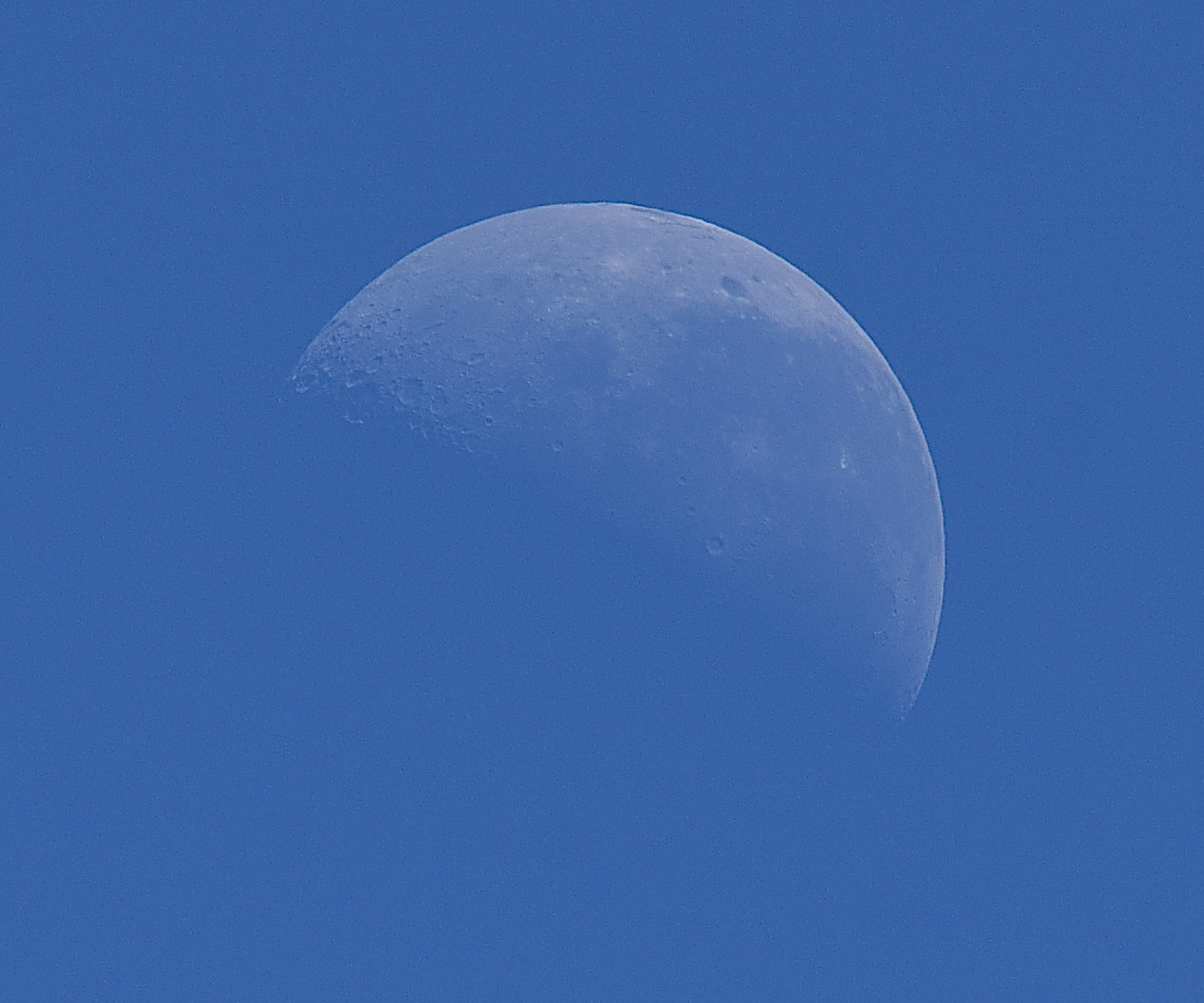
It was a beautiful warm morning, with not a cloud in the sky. The moon was out in all its glory.
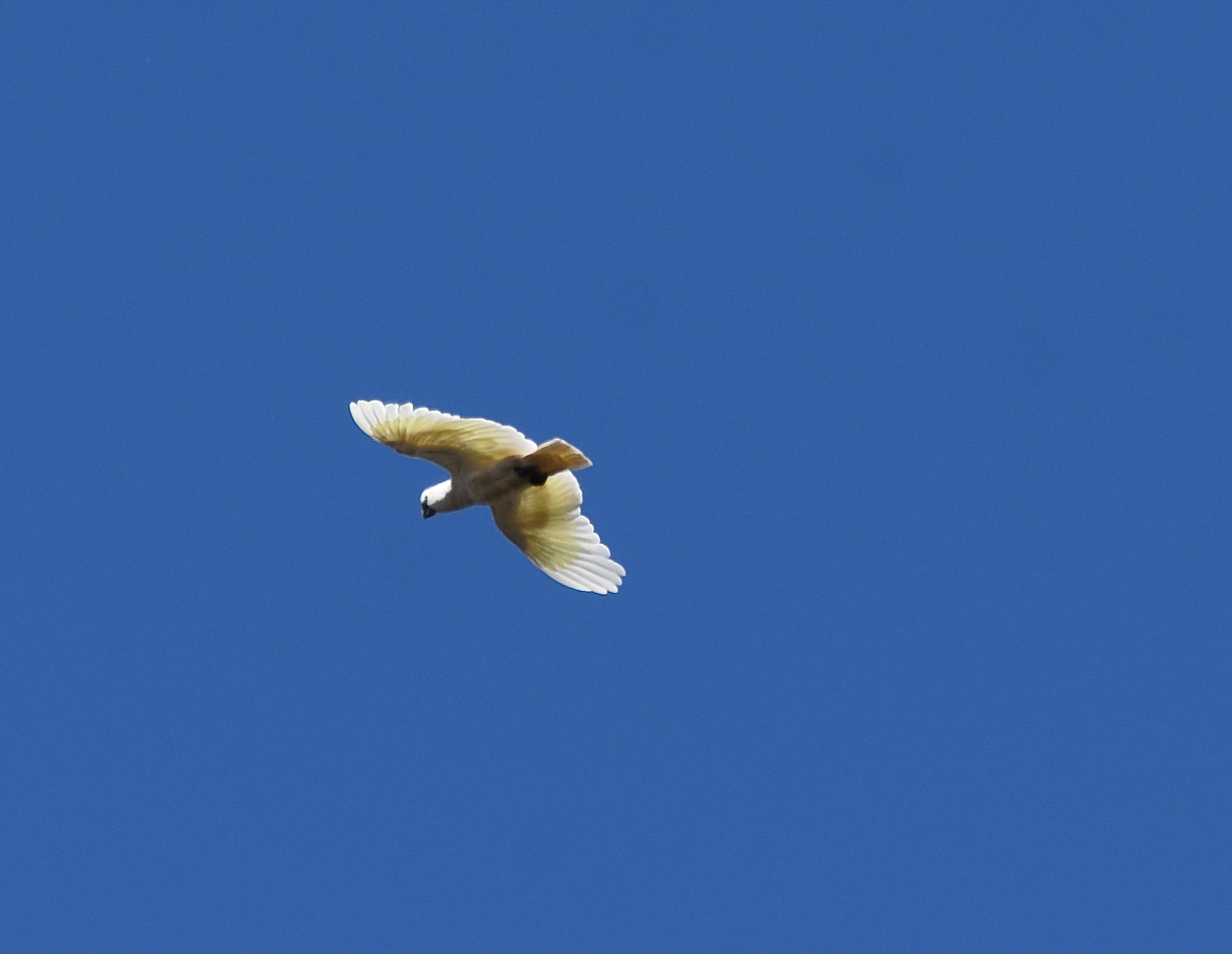
It was incredibly quiet in the park except for the occasional screech of a Sulphur Crested Cockatoo flying overhead.
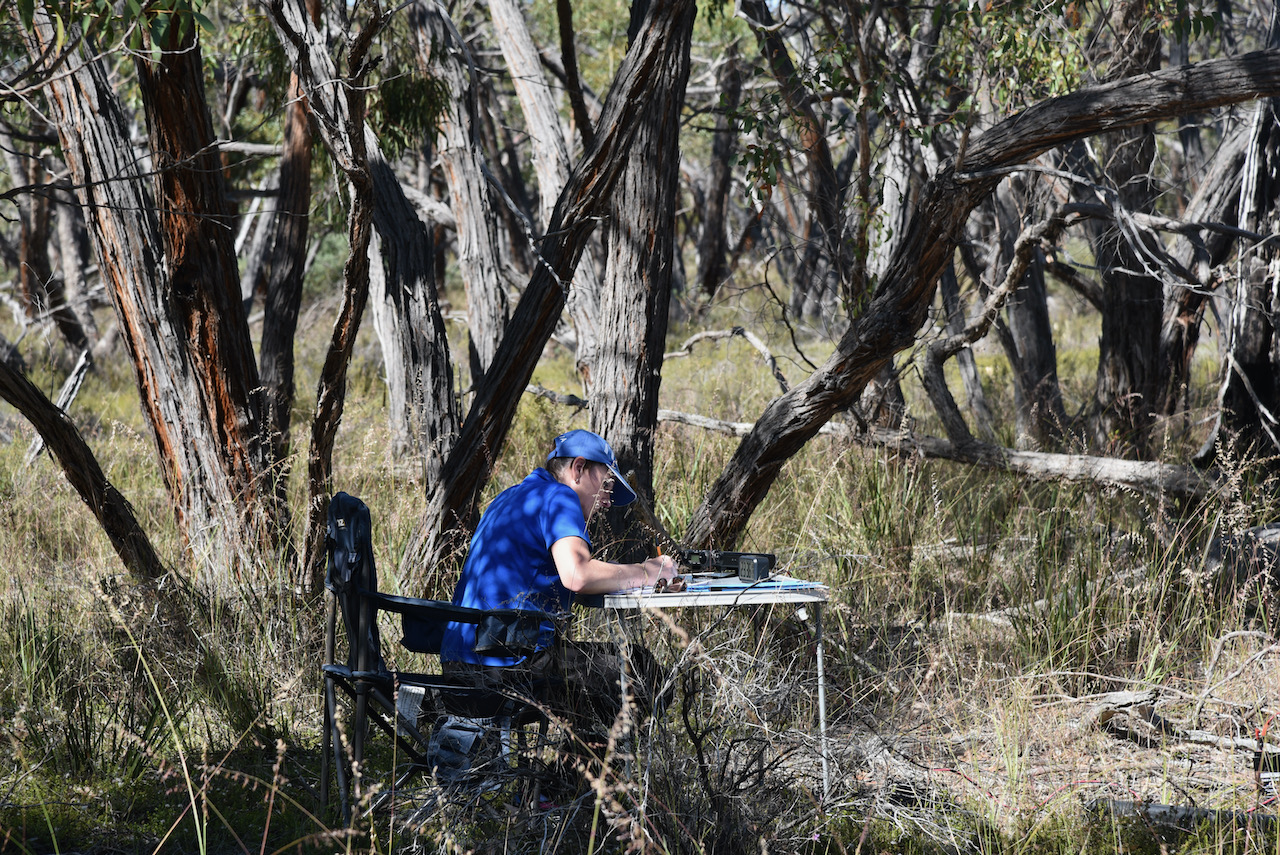
Marija and I were set up and ready to go in the park by about 9.30 a.m. South Australian local time. We spent hours in the park and operated on 20, 40, & 80m SSB using the Yaesu FT857d, 40 watts, and the 20/40/80m linked dipole.
We made a total of 116 QSOs, which included 52 Park to Park contacts.
Band conditions on 40m were much better compared to Saturday.
Marija worked the following stations on 40m SSB before the UTC rollover:-
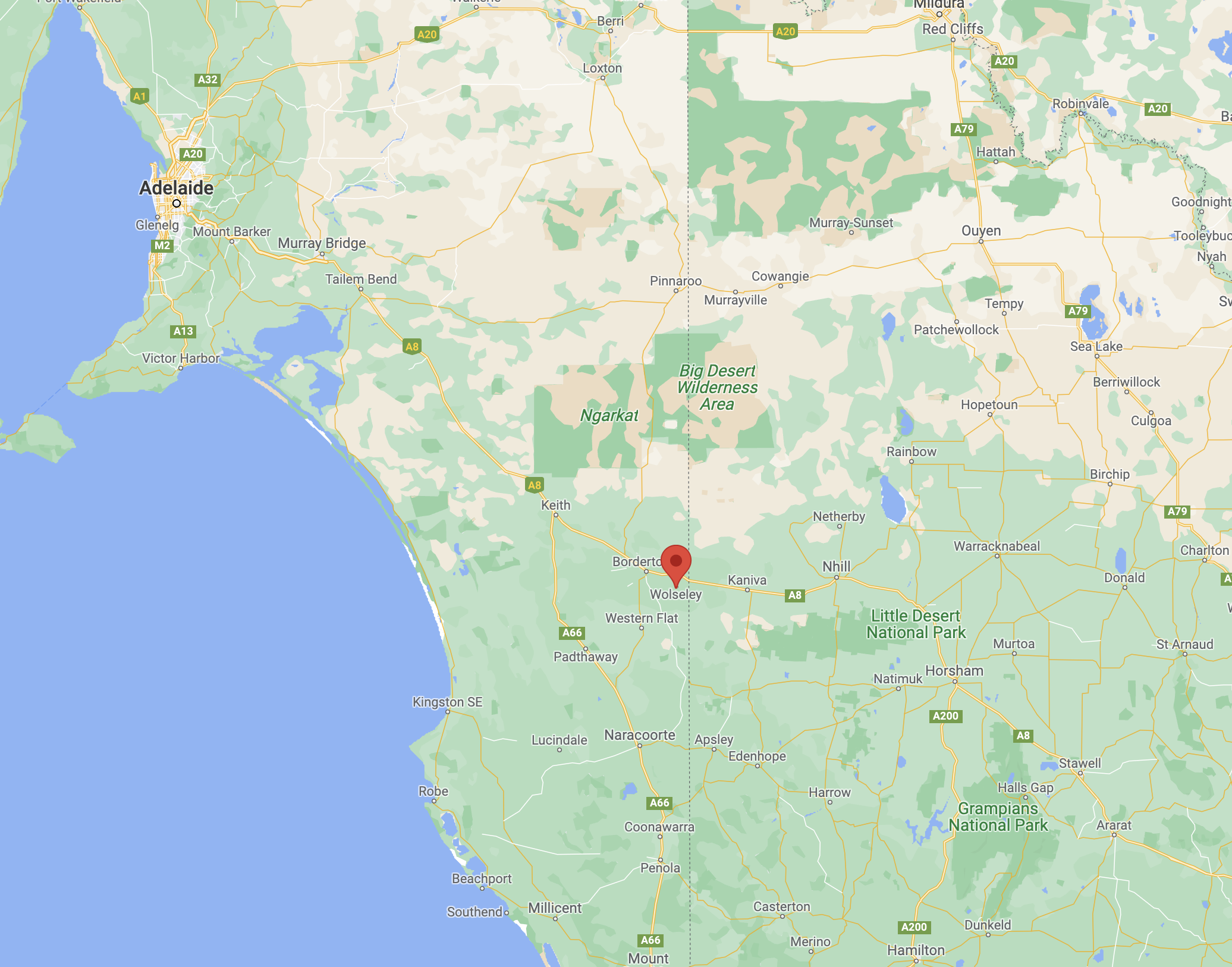
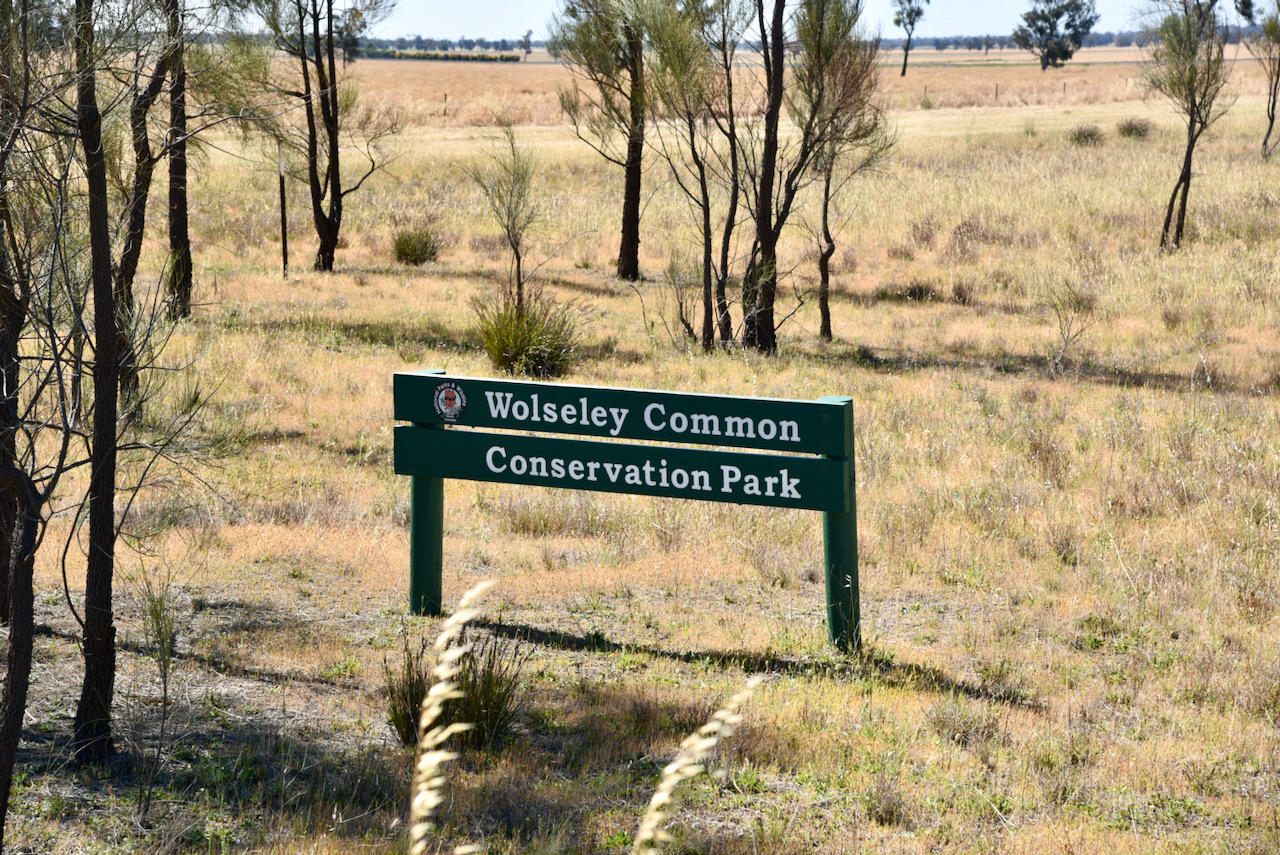
We packed up at Custon and headed to our third and final park for Saturday 27th November 2021 and Day One of the 2021 VKFF Activation Weekend. Our last park was Wolseley Common Conservation Park VKFF-1125, which is located about 285 km southeast of Adelaide, and about 14 km east of Bordertown.
Above:- Map showing the location of Wolseley. Map c/o Google maps
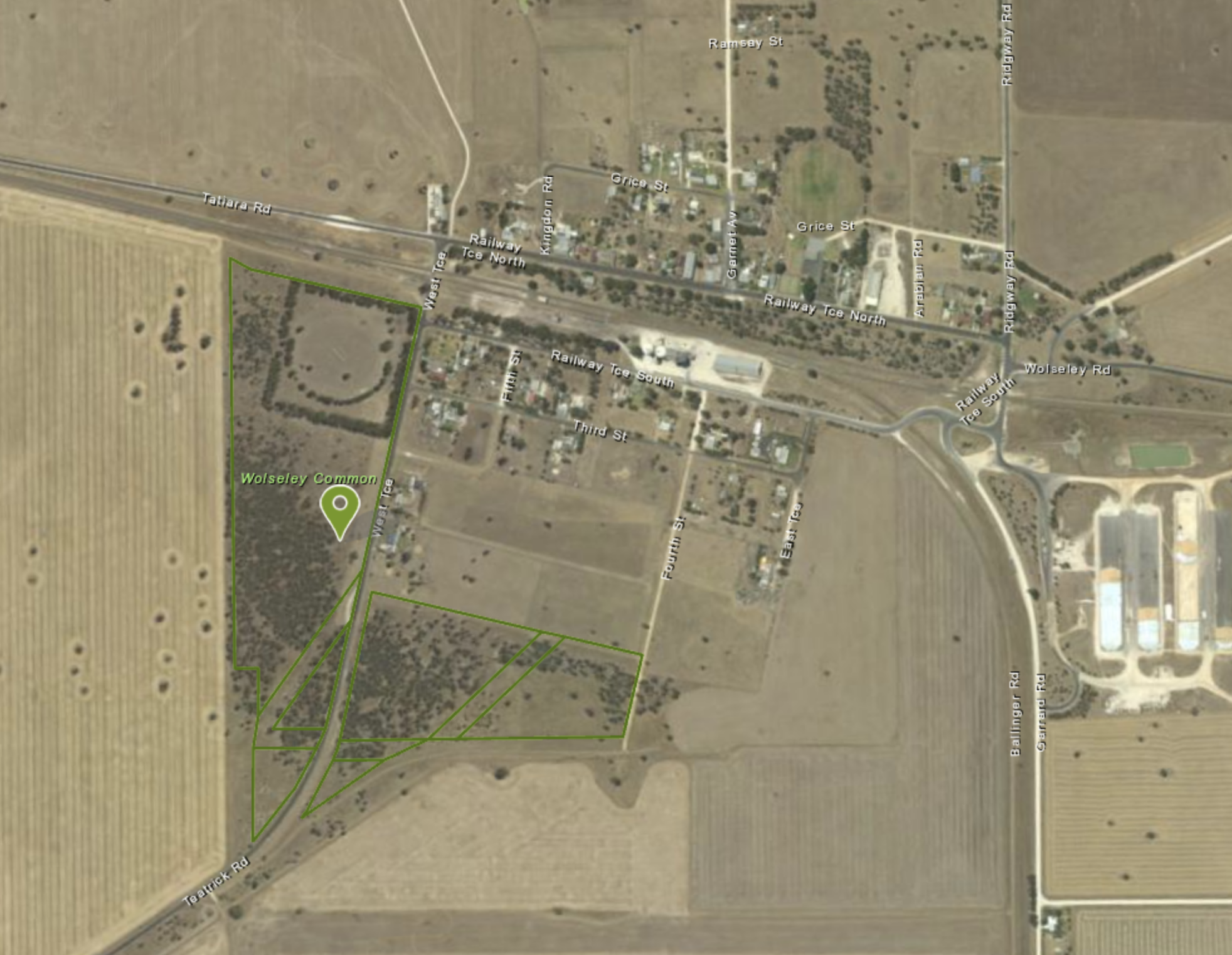
The Wolseley Common Conservation Park is located on the south-western side of the town of Wolseley.
Above:- An aerial view of the town of Wolseley and the park. Image c/o Location SA Map Viewer.
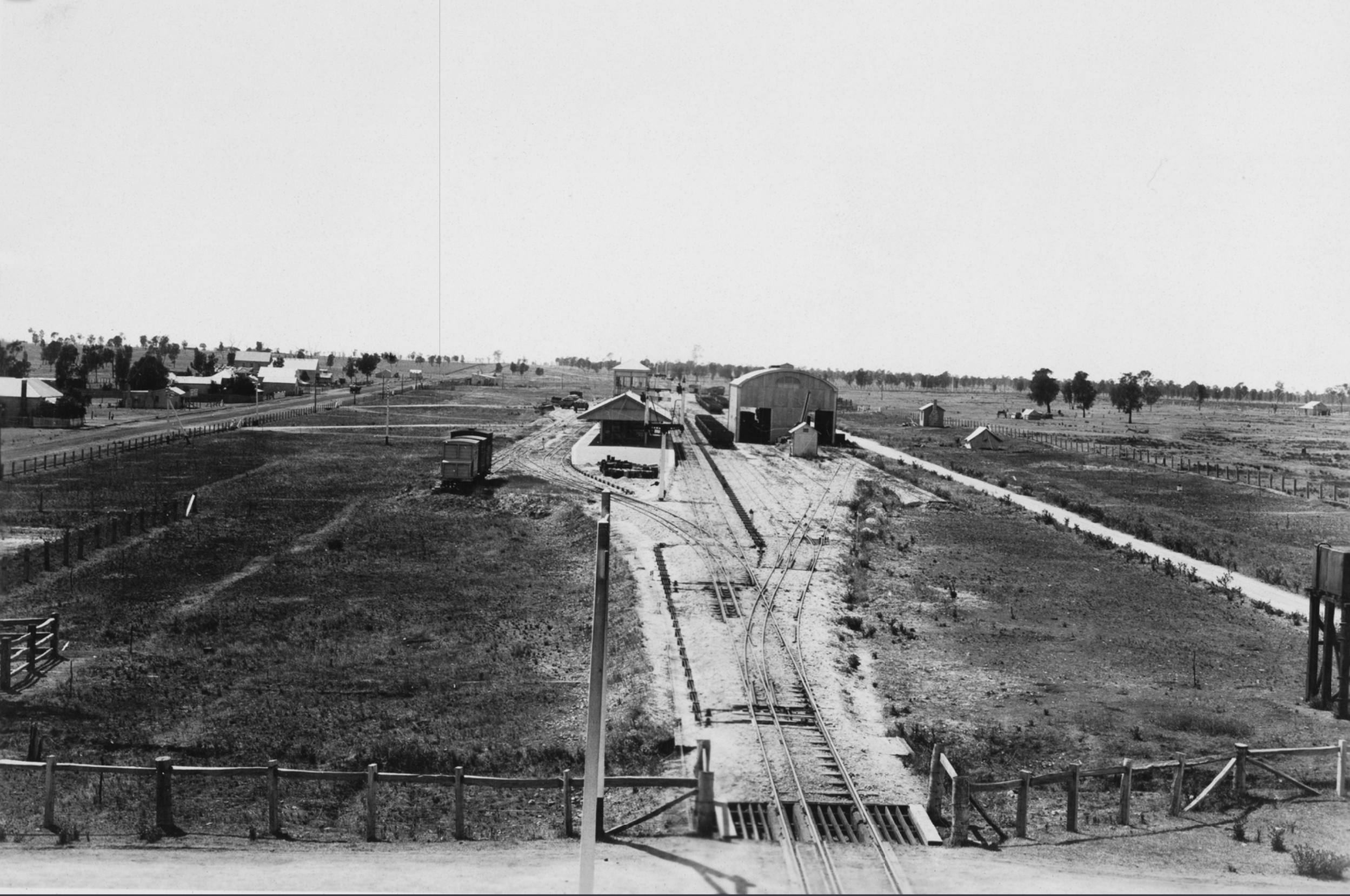
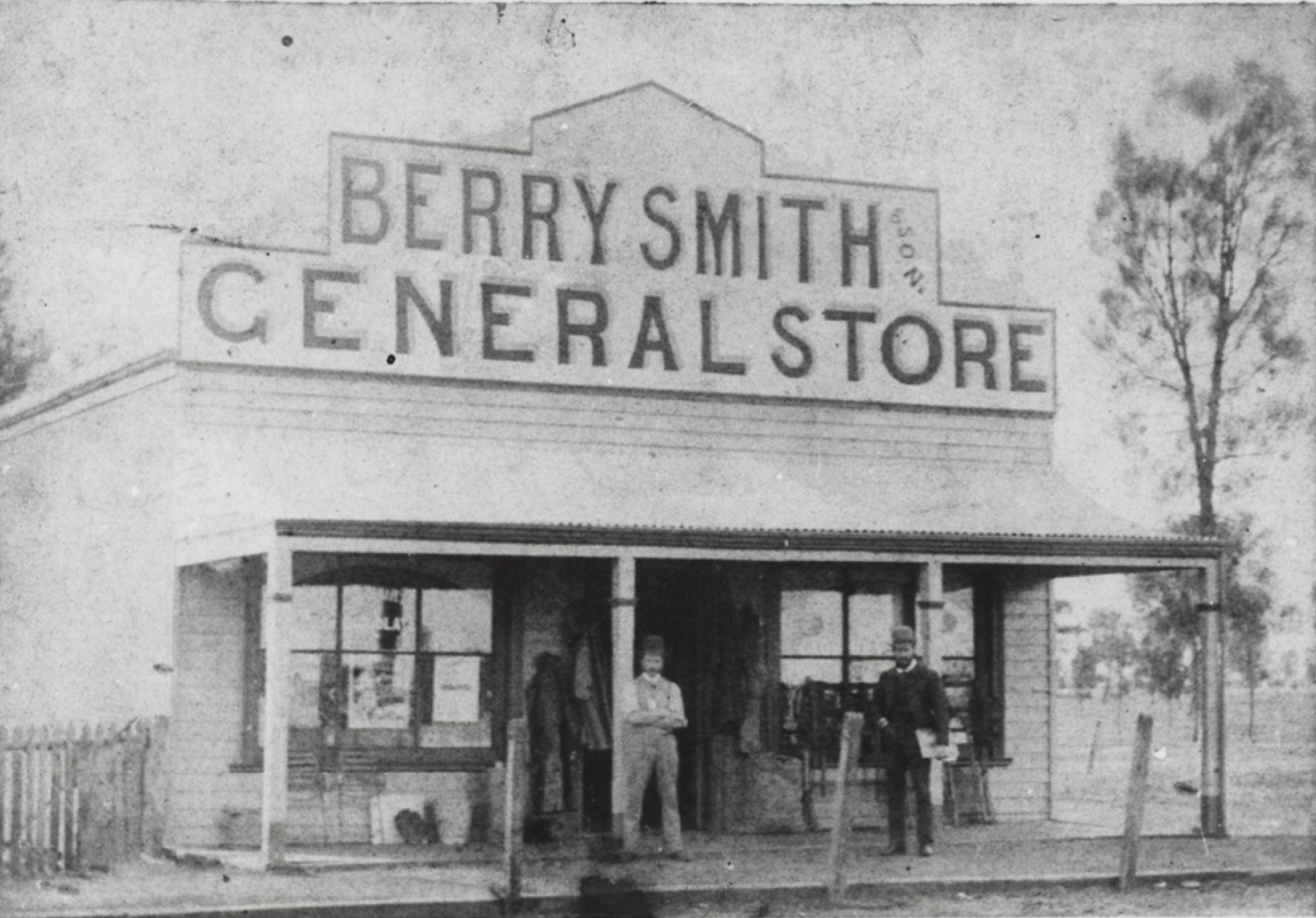
The park takes its name from the town of Wolseley. In August 1882, a general store was opened on a leased portion of land opposite to what was to become the Wolseley Railway Station. By 1883, the Messrs. Grice and Paterson subdivided a section north of the railway yard into allotments.
In 1884 the area was advertised as follows:-
“in the centre of the great wheat-producing districts of Wimmera and Tatiara being larger than the whole of the Northern areas and infinitely more fertile. Nearly all the wheat and wool must come to Wolseley”.
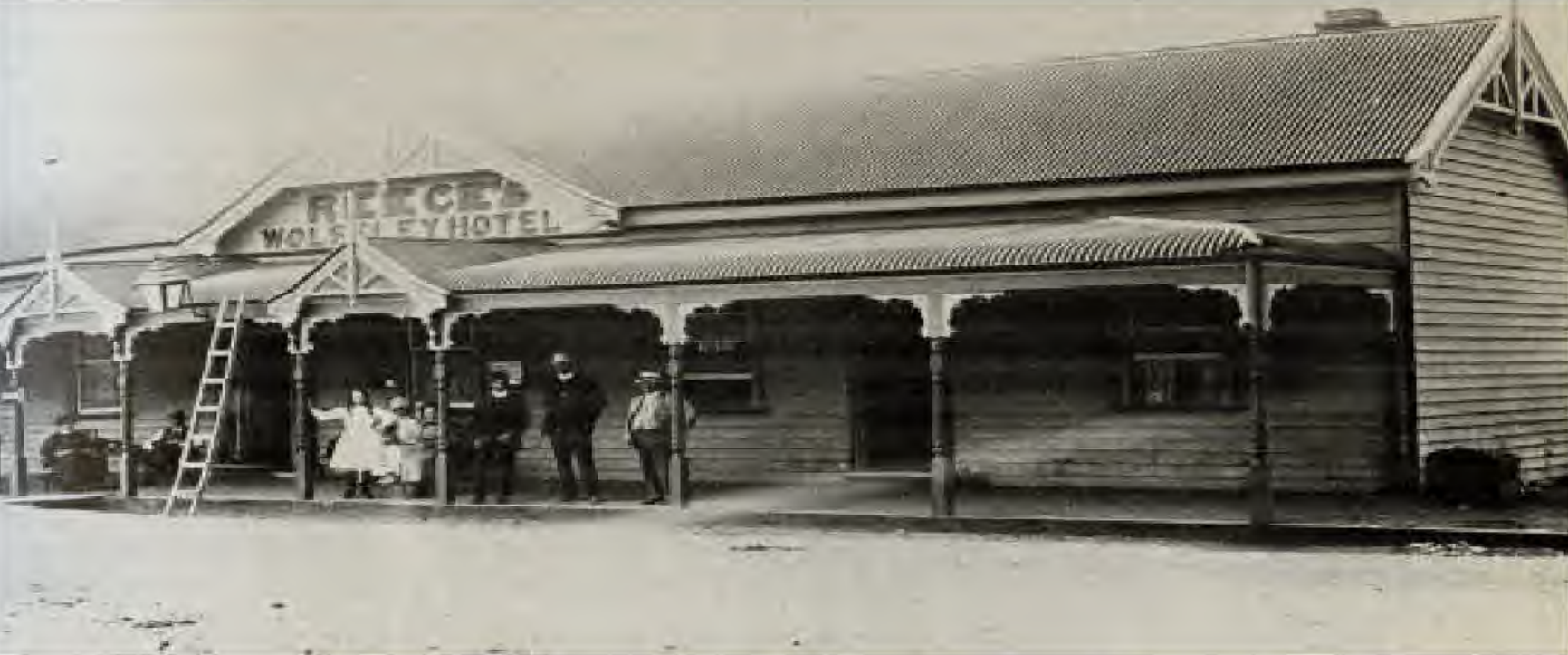
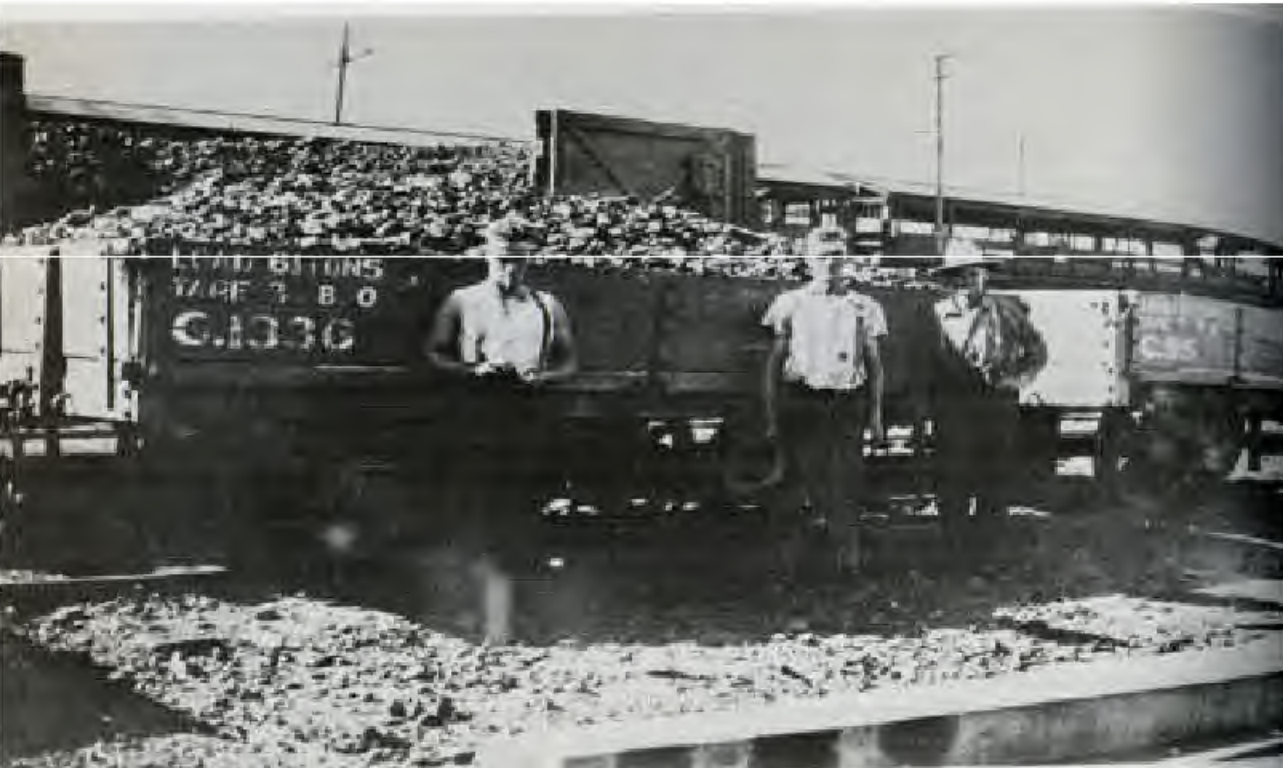
Above:- Images c/o State Library SA.
In 1884, the Government town of Tatiara was surveyed into 168 allotments, south of the Wolseley railway station. It was proclaimed on the 8th day of May 1884. A school was opened in the same year. On 20th February 1941 the name was changed to Wolseley to conform with the name of the railway station
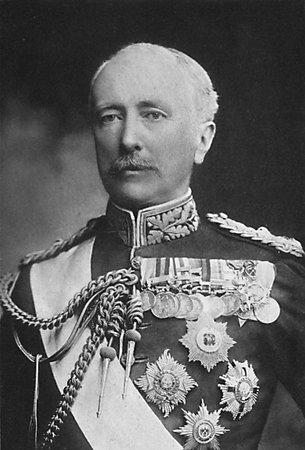
The town was named after Sir. Garnet Joseph Wolseley (1833-1913), also known as Baron Wolseley, who was the Commander-in-Chief of the British Army.
Above:- Sir Garnet Wolseley. Image c/o Wikipedia
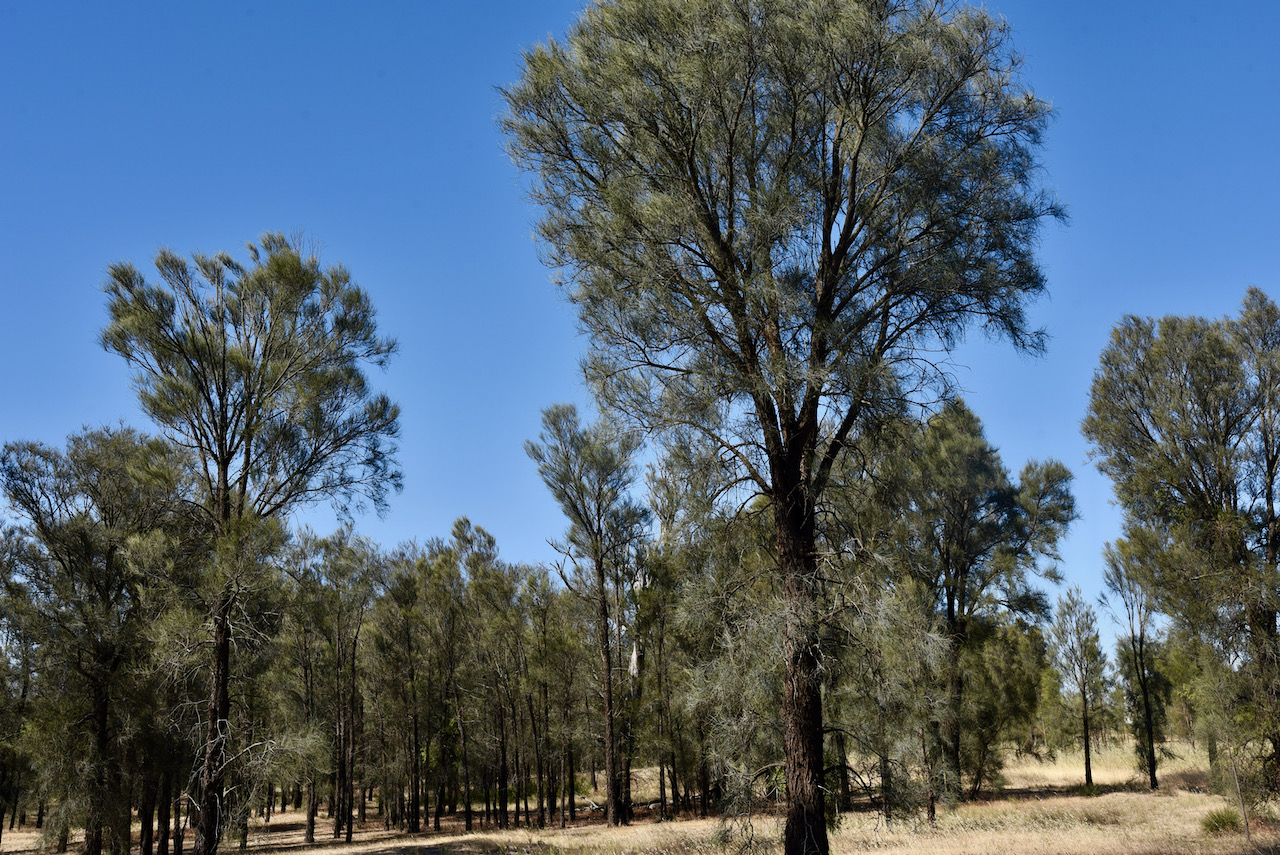
The Wolseley Conservation Park is about 24 hectares (59 acres) in size and was established on the 29th day of November 2001. It was established to protect the nationally threatened Buloke Woodland which is one the last remaining in South Australia.
At least 30 species of bird have been recorded in the park including Yellow Thornbill, White-winged Chough, Red-capped Robin, and Collared Sparrowhawk. The park has 68 native plant species of which 11 are listed as threatened.
The land which is now the Conservation Park was part of the parklands around the town of Wolseley but had a reputation for depasturing animals, the gathering of firewood and the dumping of rubbish. During the Second World War, part of the land on the western side was cleared to create a sports oval.
By the 1960s the land was reported to be bare ground with only a few scattered Buloke trees. The decline of Wolseley as a railway town reduced further impact on the land which is now the park.
Above:- Cleared farming land alongside of the park.
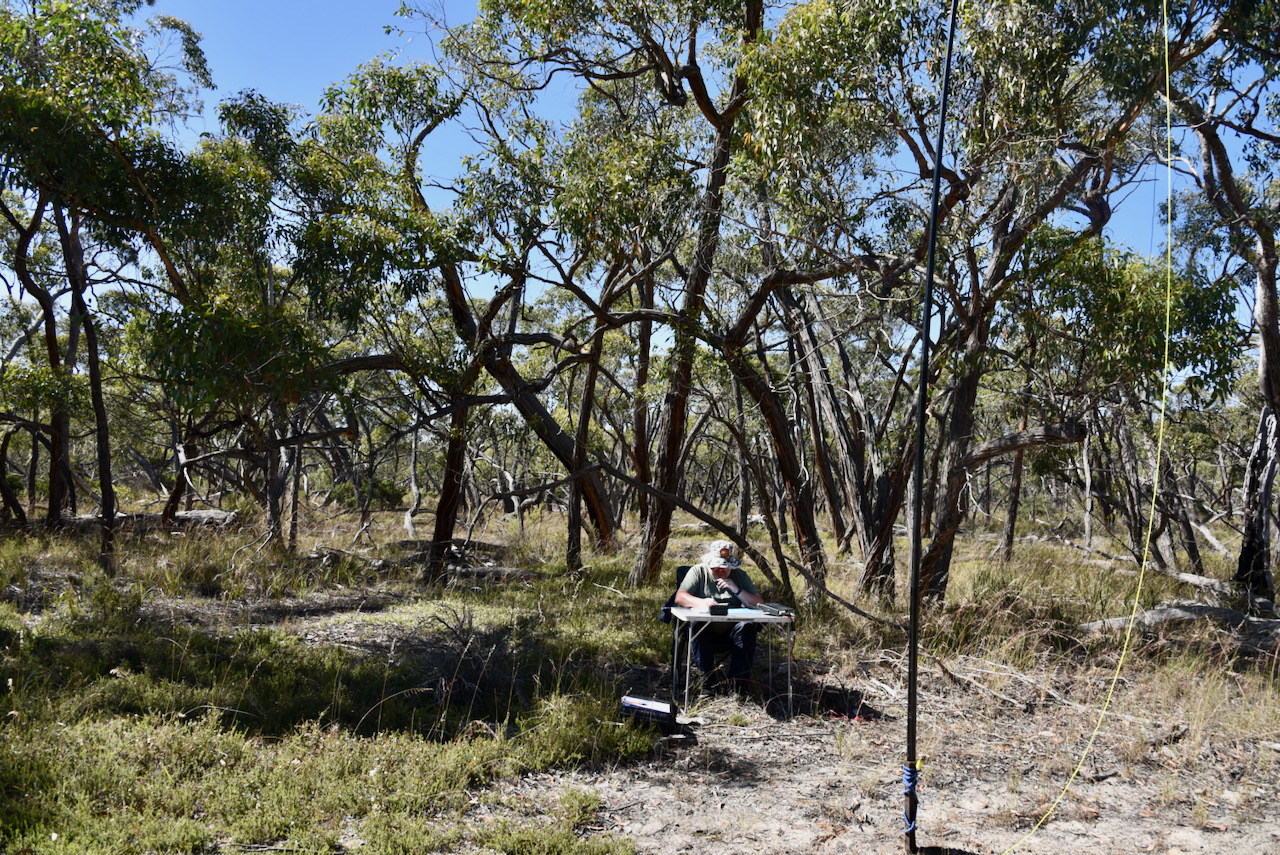
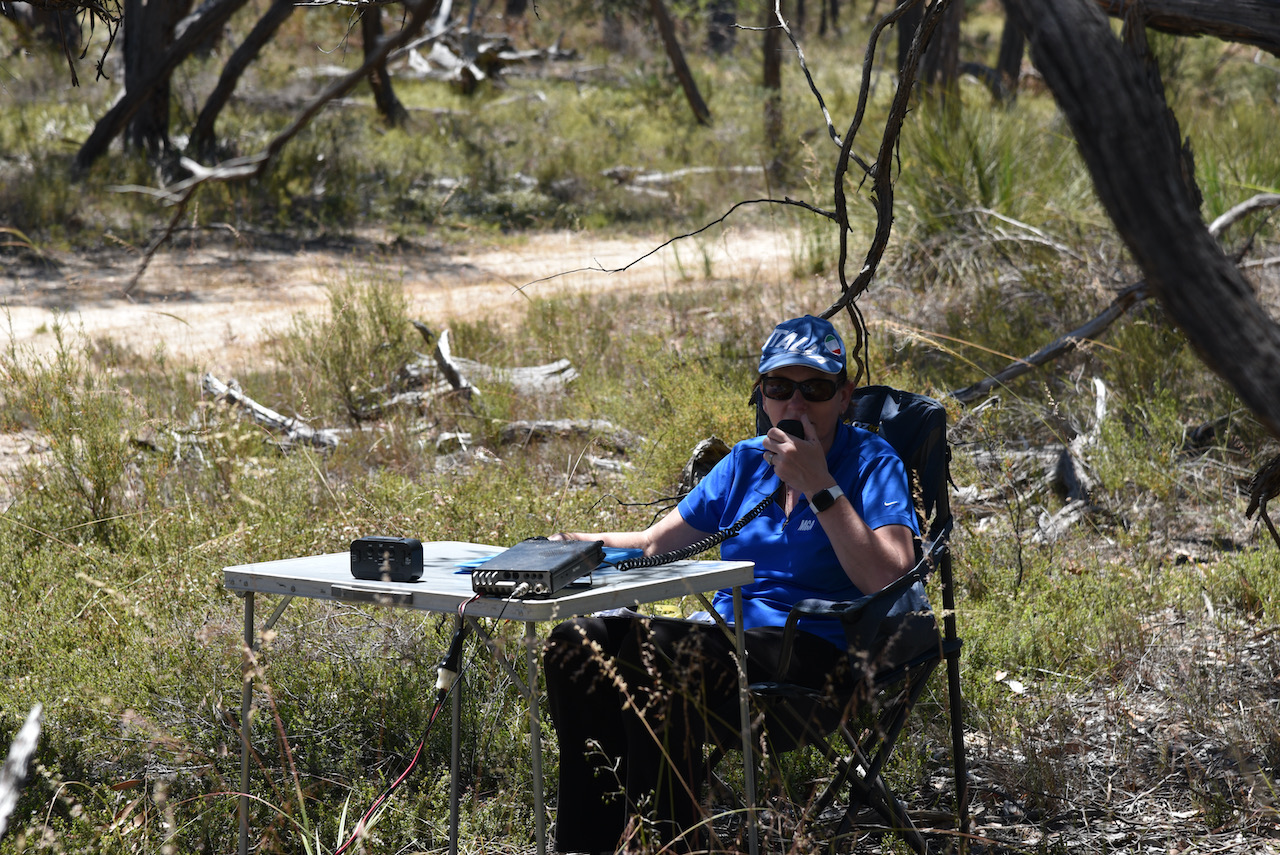
Marija and I drove into the park and found a nice shady spot under some trees. It was a warm day with the temperature in the high twenties.
We operated from Wolseley Common for about 2 hours and made a total of 92 QSOs, including 32 Park to Park contacts.
QSOs were made around Australia and into Japan and New Zealand.
Marija worked the following stations on 40m SSB:-
VK3YV/p (Sweetwater Creek Nature Conservation Reserve VKFF-2200)
VK5KLV/p (Whyalla Conservation Park VKFF-0808)
VK3LF/p (The Lakes National Park VKFF-0484)
VK4MGL/p (Ravensbourne National Park VKFF-0427)
VK2IO/p (Rouse Hill Regional Park VKFF-2784)
VK5FANA
VK7DW
VK3UH
VK2BYF
VK1CT/p (McQuoids Hill Nature Reserve VKFF-0849)
VK2VW
VK2HFI
Vk2YW
VK2NP
Vk7JFD
Vk2PKT
VK3NFS
VK3ACZ
VK3MKE
VK2KA
VK4SMA
VK5CZ/p (Carribie Conservation Park VKFF-0876)
VK3MFU
VK3KXR/p (Swan Bay-Edwards Point Wildlife Reserve VKFF-2444)
VK2EMA
VK3TKK/p (Holden Flora Reserve VKFF-2333)
VK4PRO
VK3FRC
VK3ZPF
VK3PF/p (SOTA VK3/ VC-037 & Bunyip State Park VKFF-0753)
VK4HMI
VK3KXR/p (Port Phillip Heads Marine National Park VKFF-0954)
VK3ZK/p (Echuca Regional Park VKFF-0966)
VK3ANL
Marija worked the following stations on 20m SSB:-
ZL4NVW
JF7RJM
VK6JK
ZL1TM
VK6JKP
VK6ADF/p (Dookanooka Nature Reserve VKFF-2962)
Marija worked the following stations on 80m SSB:-
VK5PE
VK5HS
VK3PF/p (SOTA VK3/ VC-037 & Bunyip State Park VKFF-0753)
VK5FANA
VK5LA
VK5CZ/p (Carribie Conservation Park VKFF-0876)
VK3KXR/p (Port Phillip Heads Marine National Park VKFF-0954)
I worked the following stations on 40m SSB:-
VK3YV/p (Sweetwater Creek Nature Conservation Reserve VKFF-2200)
VK2LBL
Vk2BYF
VK5KLV/p (Whyalla Conservation Park VKFF-0808)
VK3LF/p (The Lakes National Park VKFF-0484)
VK4MGL/p (Ravensbourne National Park VKFF-0427)
VK2IO/p (Rouse Hill Regional Park VKFF-2784)
VK3UH
VK2PKT
VK2NP
VK1CT/p (McQuoids Hill Nature Reserve VKFF-0849)
VK5CZ/p (Carribie Conservation Park VKFF-0876)
VK3KXR/p (Swan Bay-Edwards Point Wildlife Reserve VKFF-2444)
VK3TKK/p (Holden Flora Reserve VKFF-2333)
VK3FRC
VK7JFD
VK2KA
VK4BXX
VK3MPR
VK4PRO
VK3AMO
VK3ZPF
VK3PF/p (SOTA VK3/ VC-037 & Bunyip State Park VKFF-0753)
Vk4HMI
VK3KXR/p (Port Phillip Heads Marine National Park VKFF-0954)
VK3ZK/p (Echuca Regional Park VKFF-0966)
VK3ANL
I worked the following stations on 20m SSB:-
ZL4NVW
JF7RJM
VK6JK
ZL1TM
VK6JKP
VK6ADF/p (Dookanooka Nature Reserve VKFF-2962)
I worked the following stations on 80m SSB:-
VK5HS
VK5PE
VK3PF/p (SOTA VK3/ VC-037 & Bunyip State Park VKFF-0753)
VK5FANA
VK5LA
VK5CZ/p (Carribie Conservation Park VKFF-0876)
VK5IS
VK3ADX
VK3KXR/p (Port Phillip Heads Marine National Park VKFF-0954)
VK5WU
VK3GTV
VK3UFO
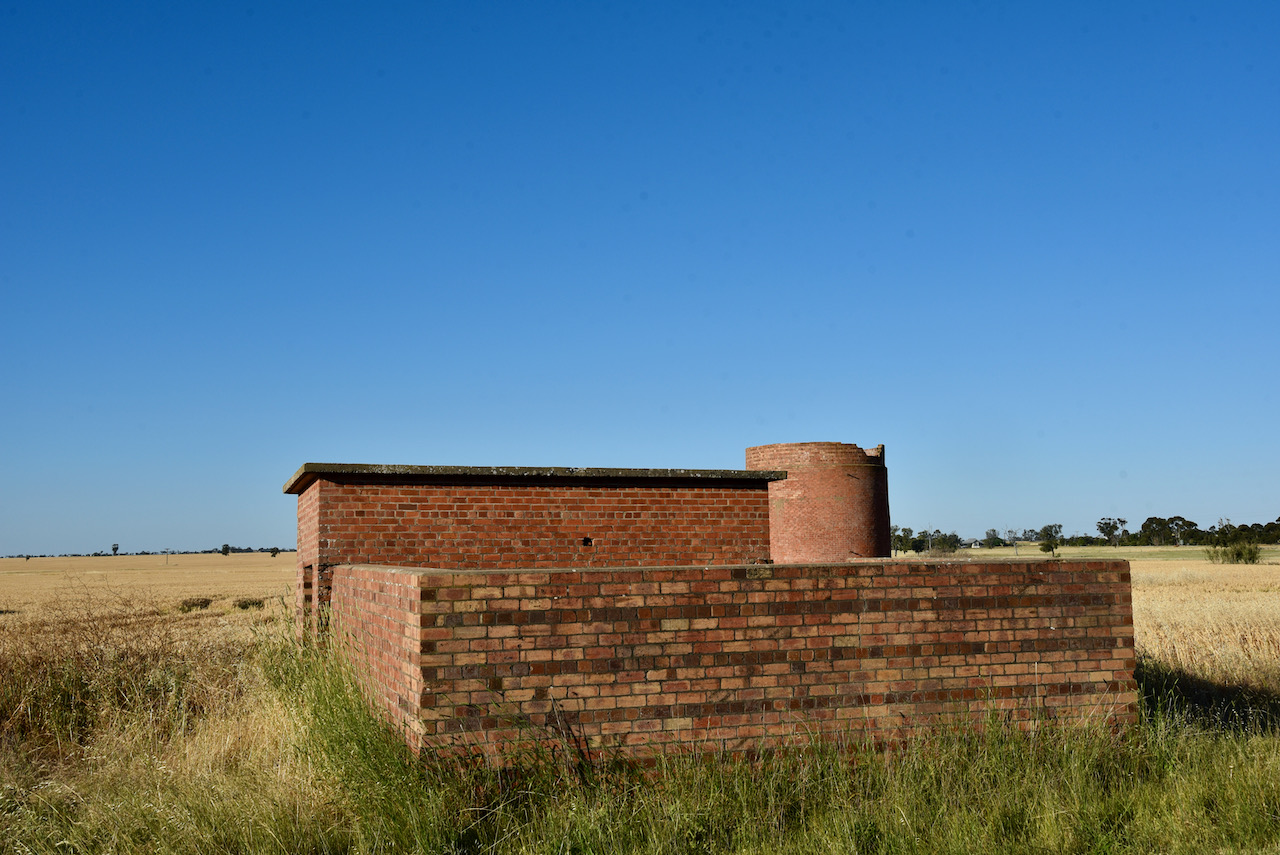
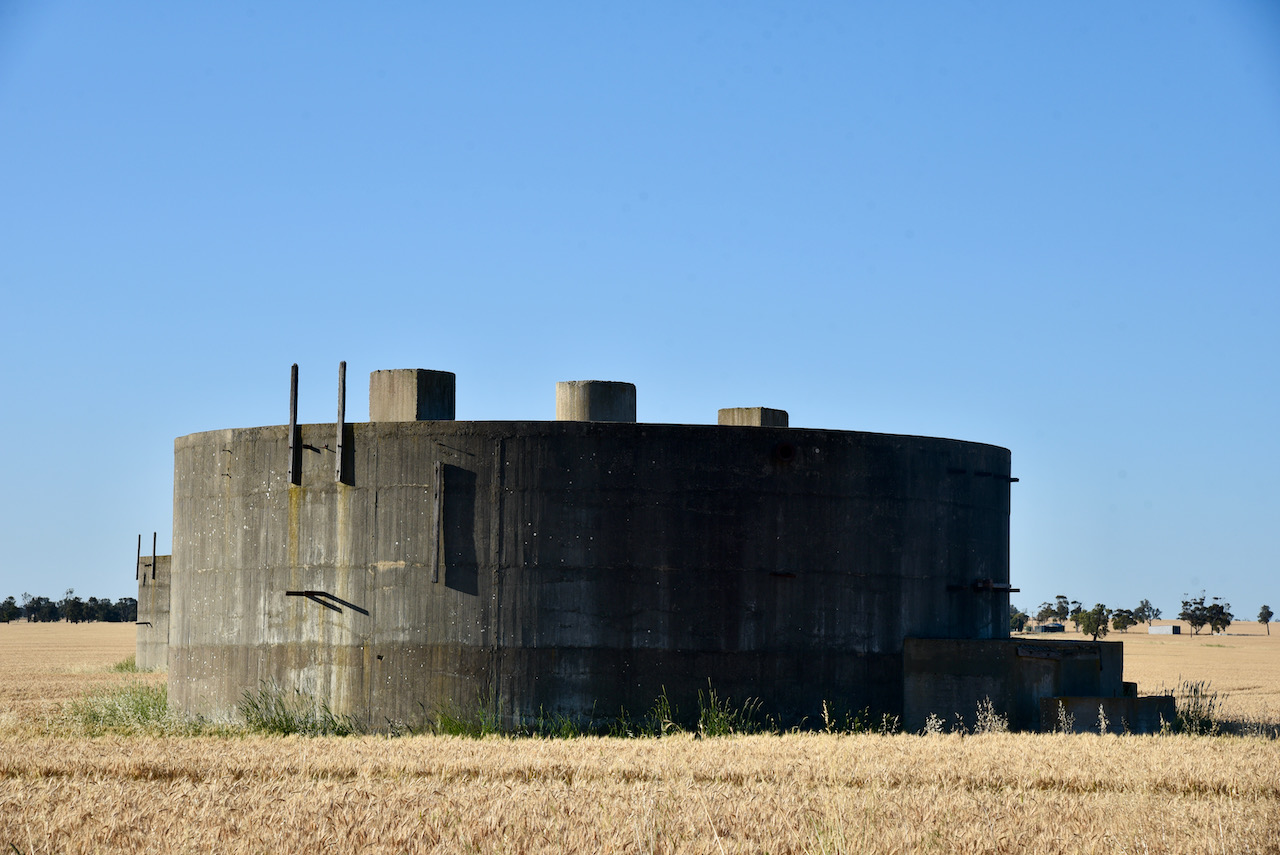
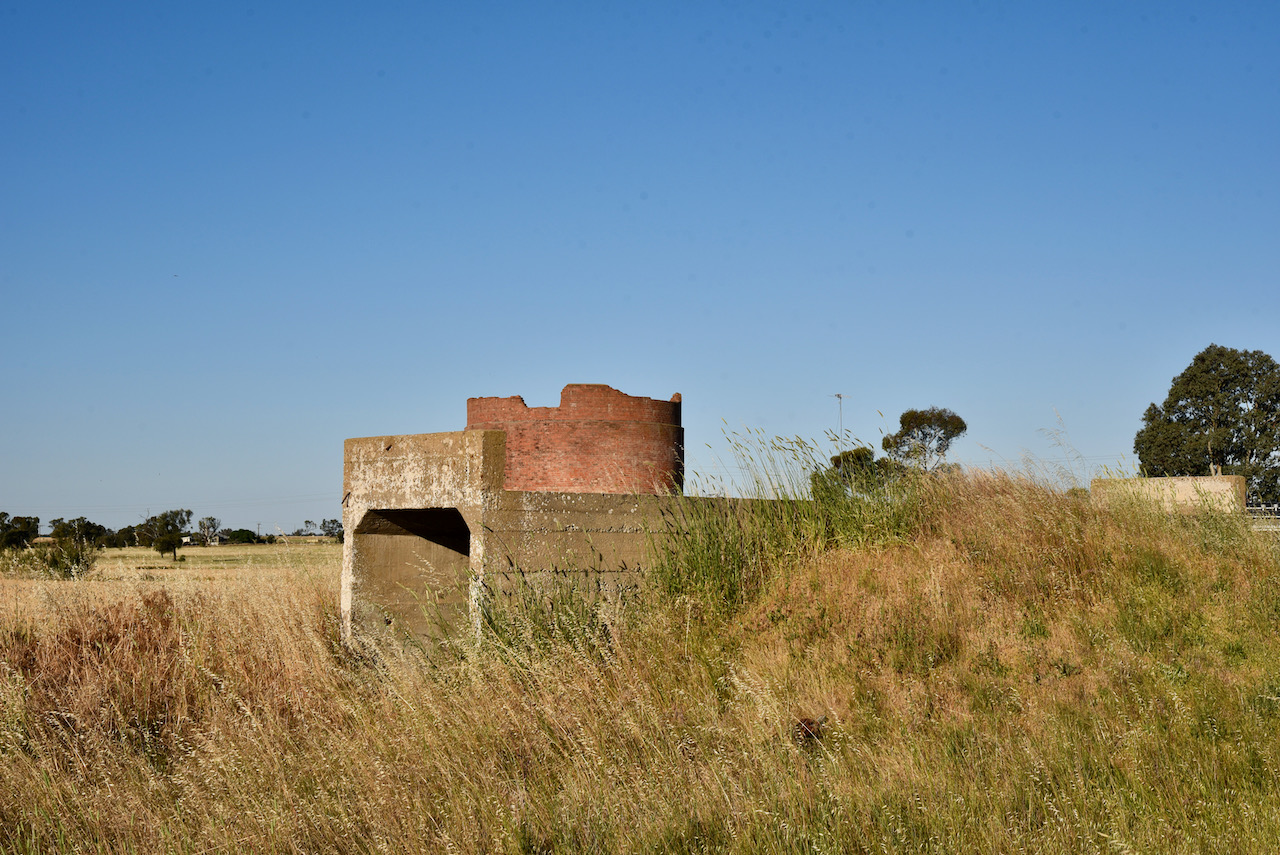
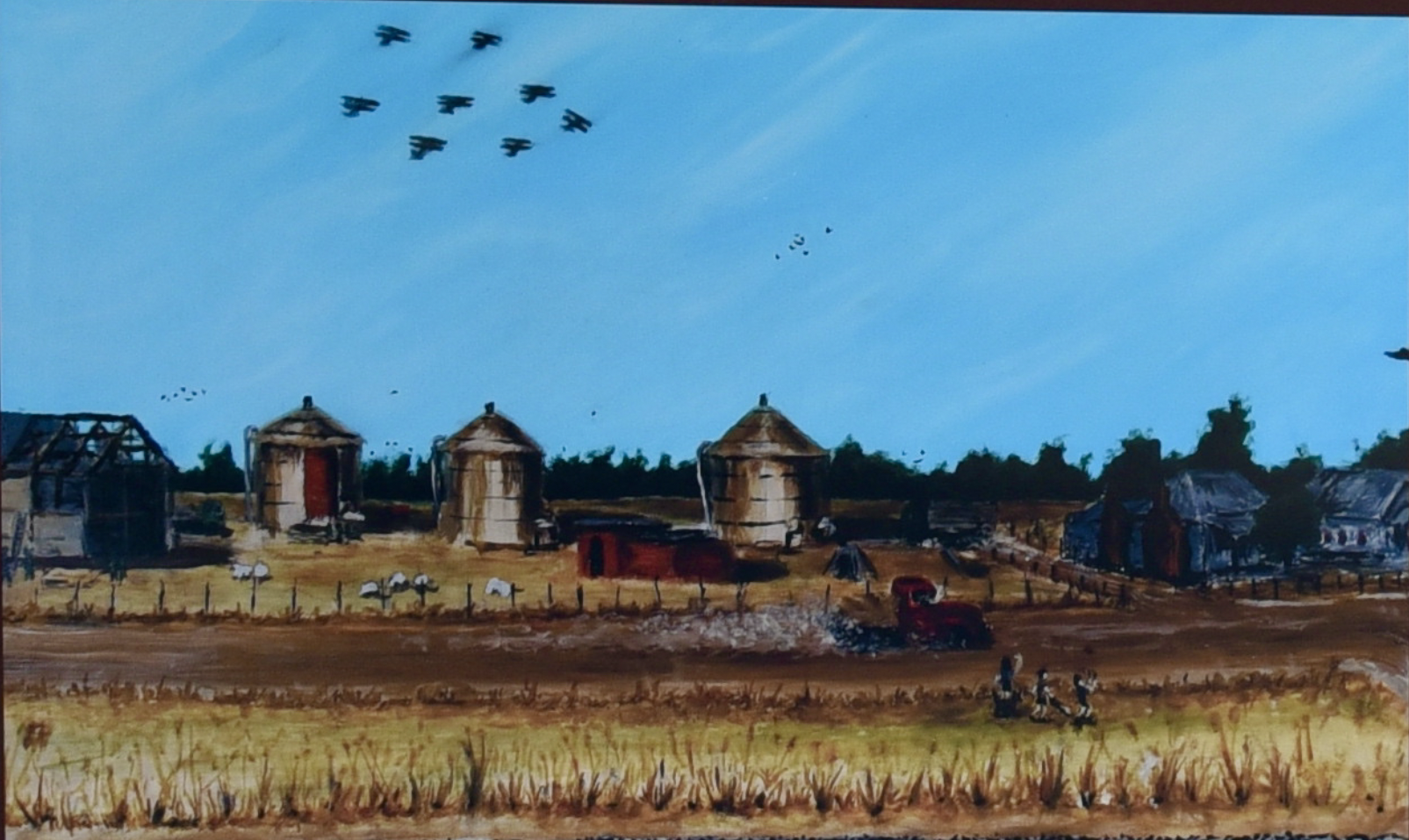
After packing up we stopped to have a look at the old World War Two Wolseley fuel tanks. The site was constructed during the early phase of WW2 with two 120,000 gallon tanks, one 40,000 gallon tank and a barracks. The fuel tanks and barracks were camouflaged to look like farm buildings. Three additional tanks were subsequently added, with the site being disbanded on the 14th day of June 1944.
There are no known surviving photographs taken during the war years of the site. Below is an artists impression of how the area may have looked.
Above:- Image from the Information Board at Wolseley. Painter – Robert ‘Bear’ Cameron.
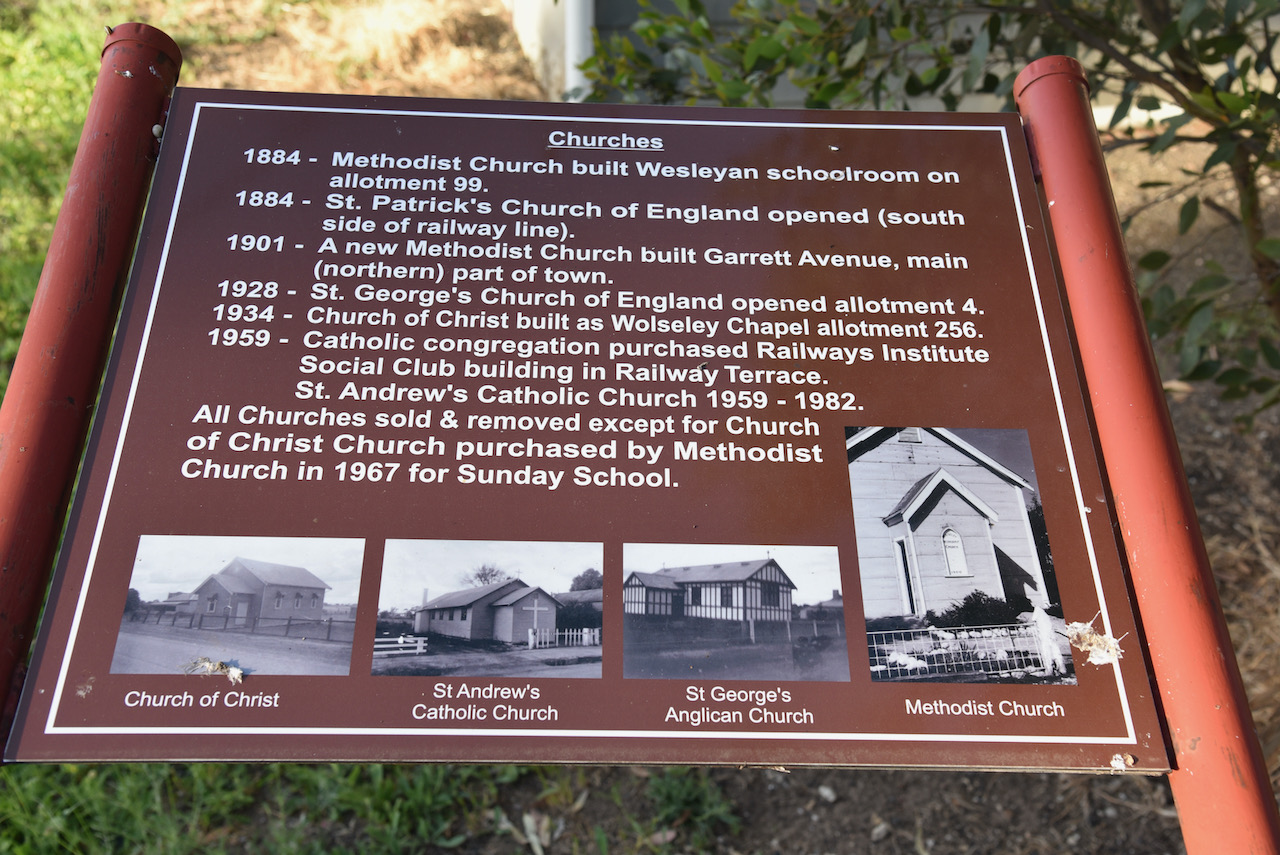
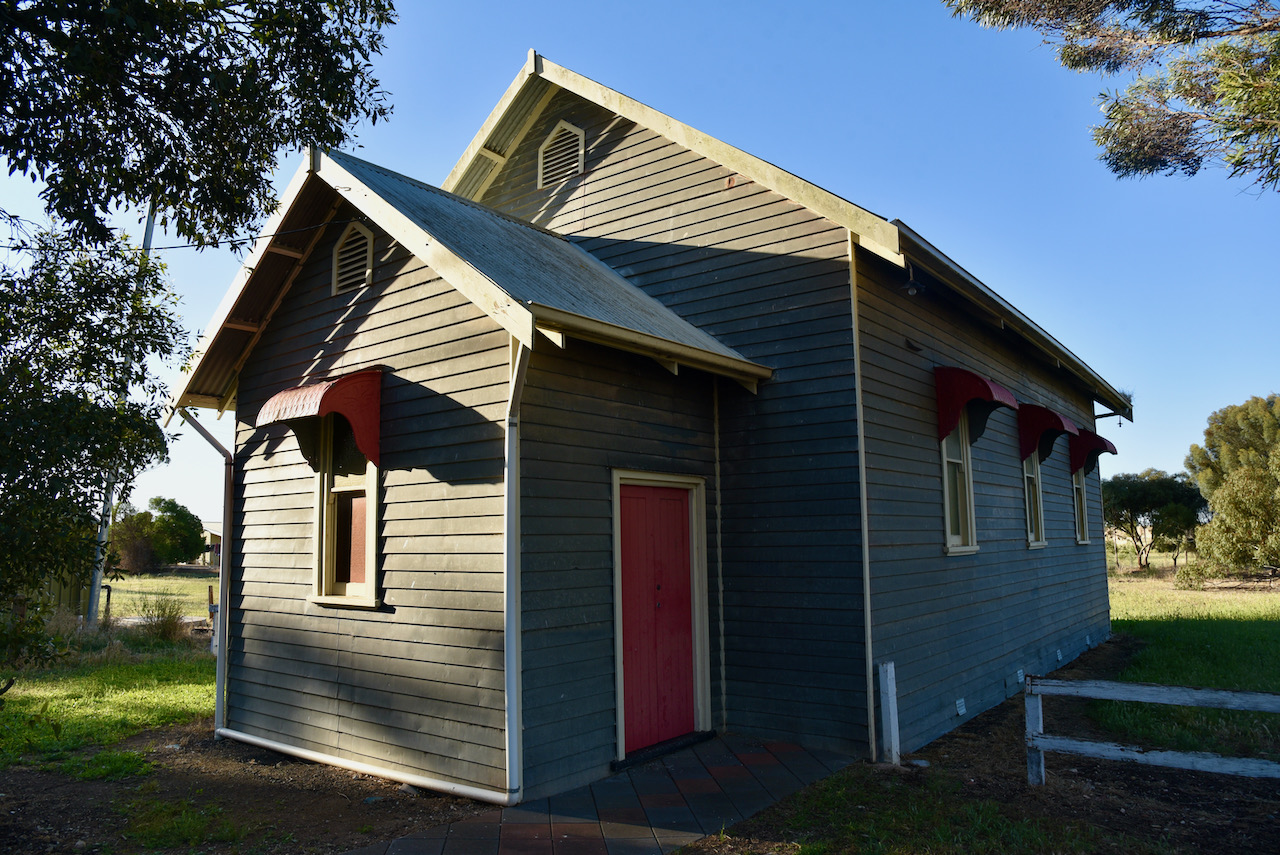
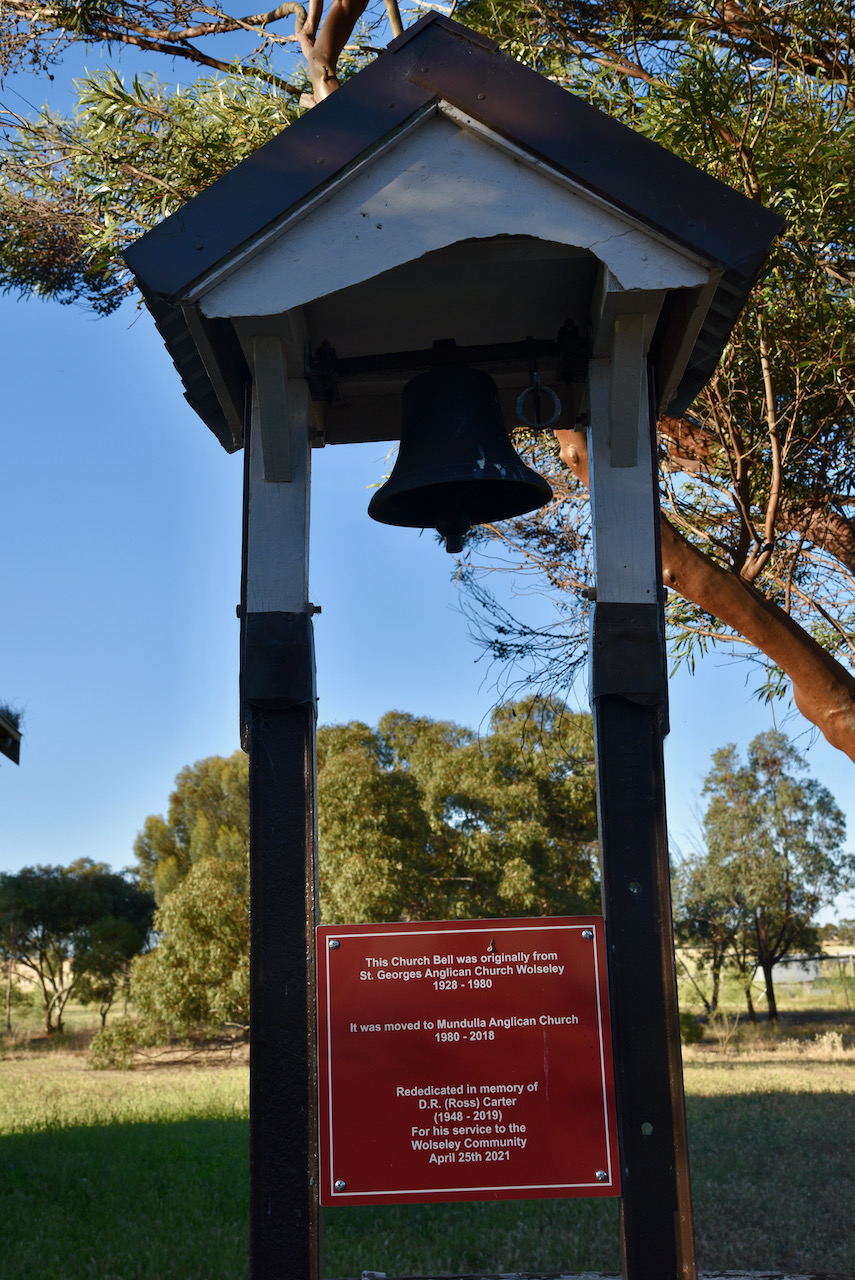
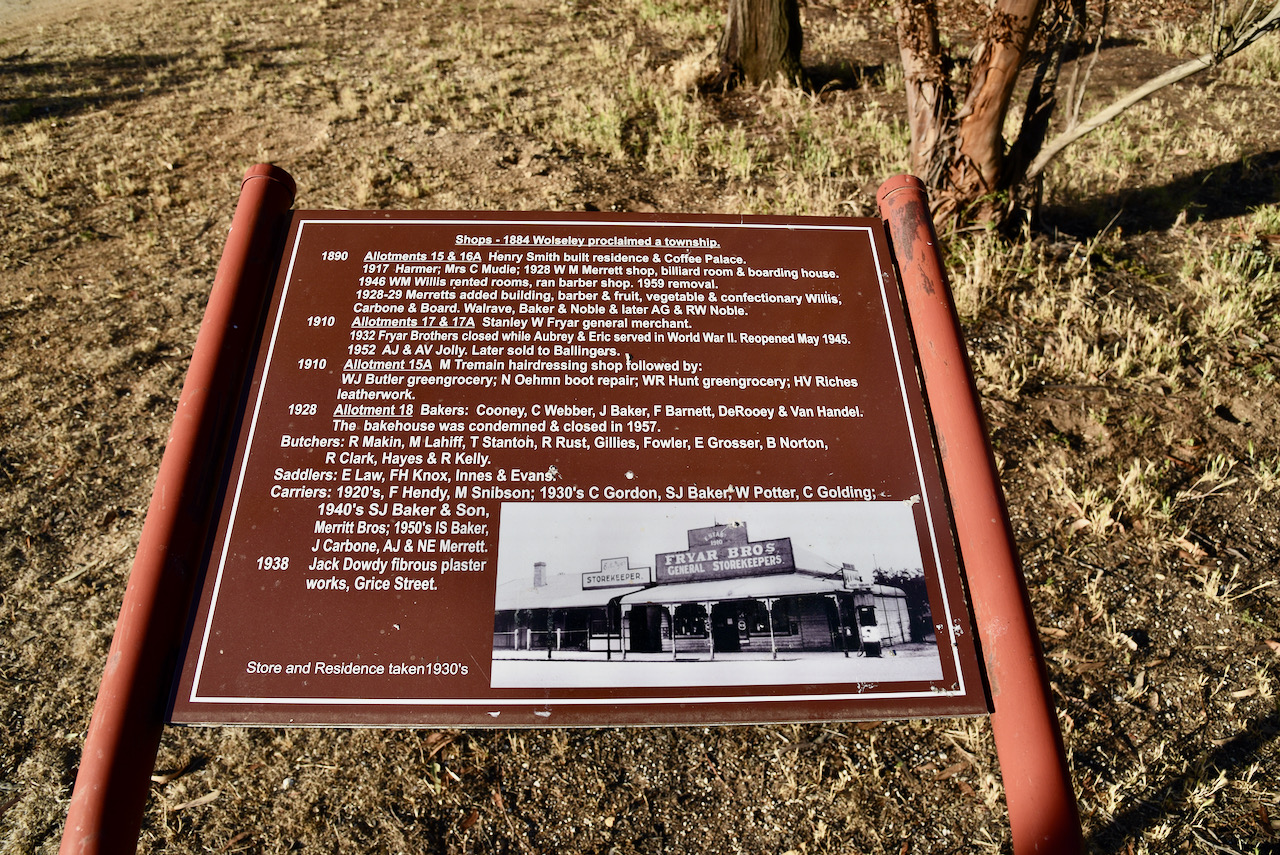
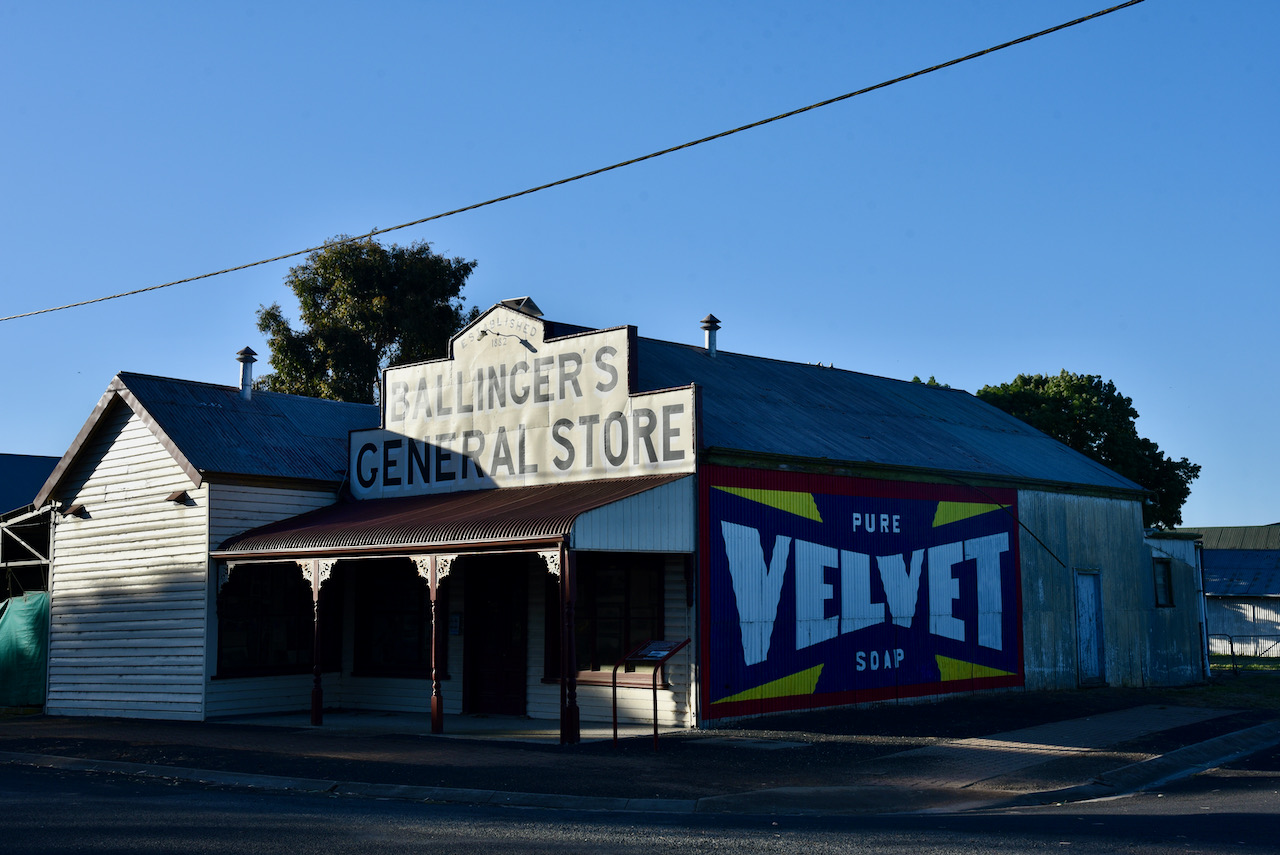
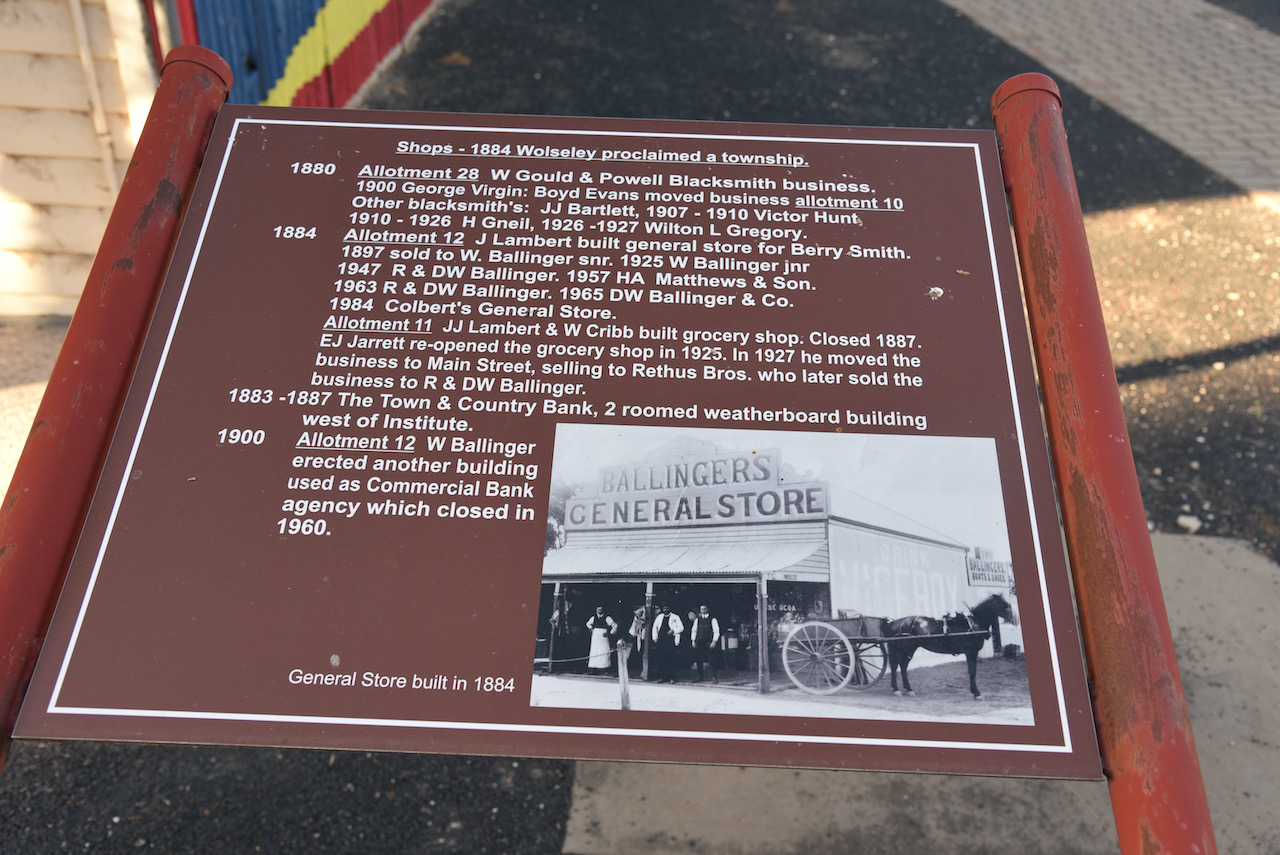
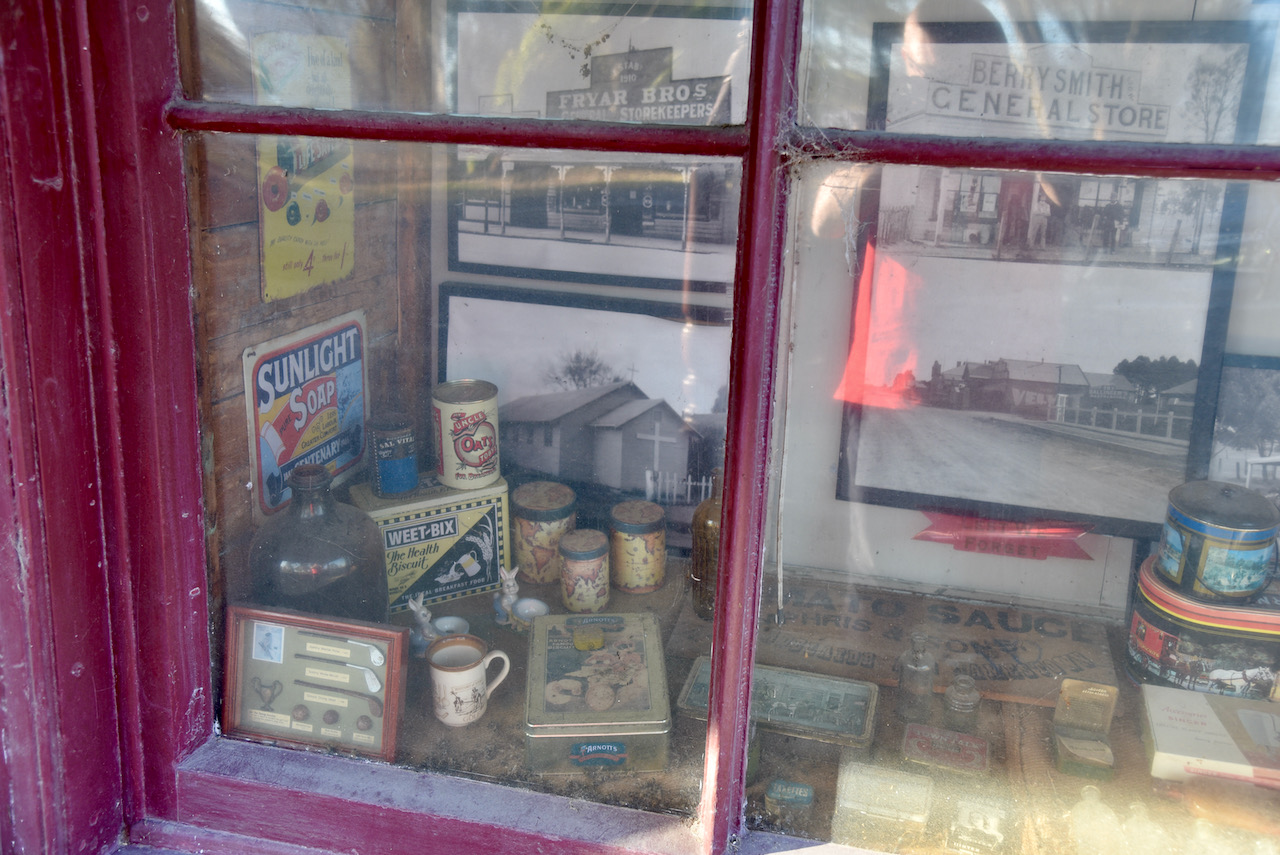
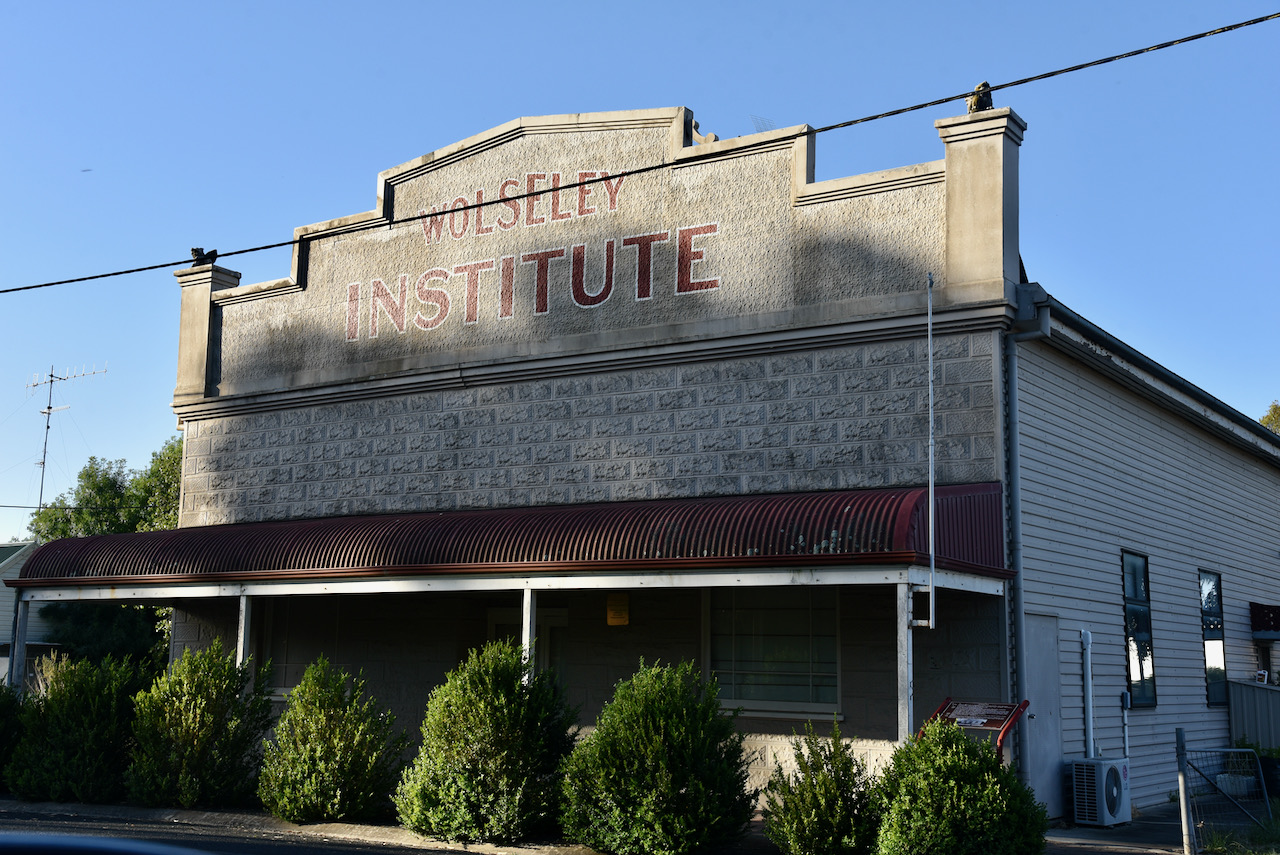
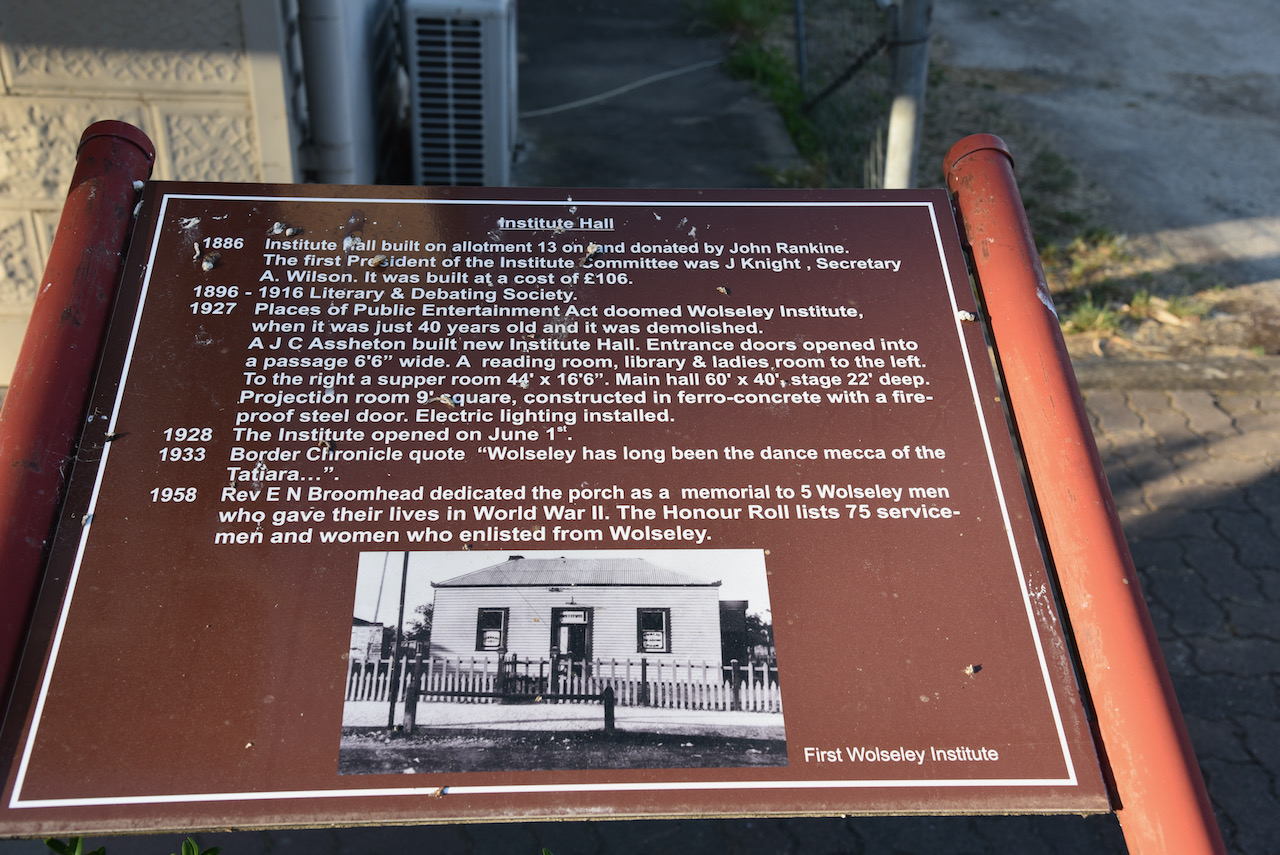
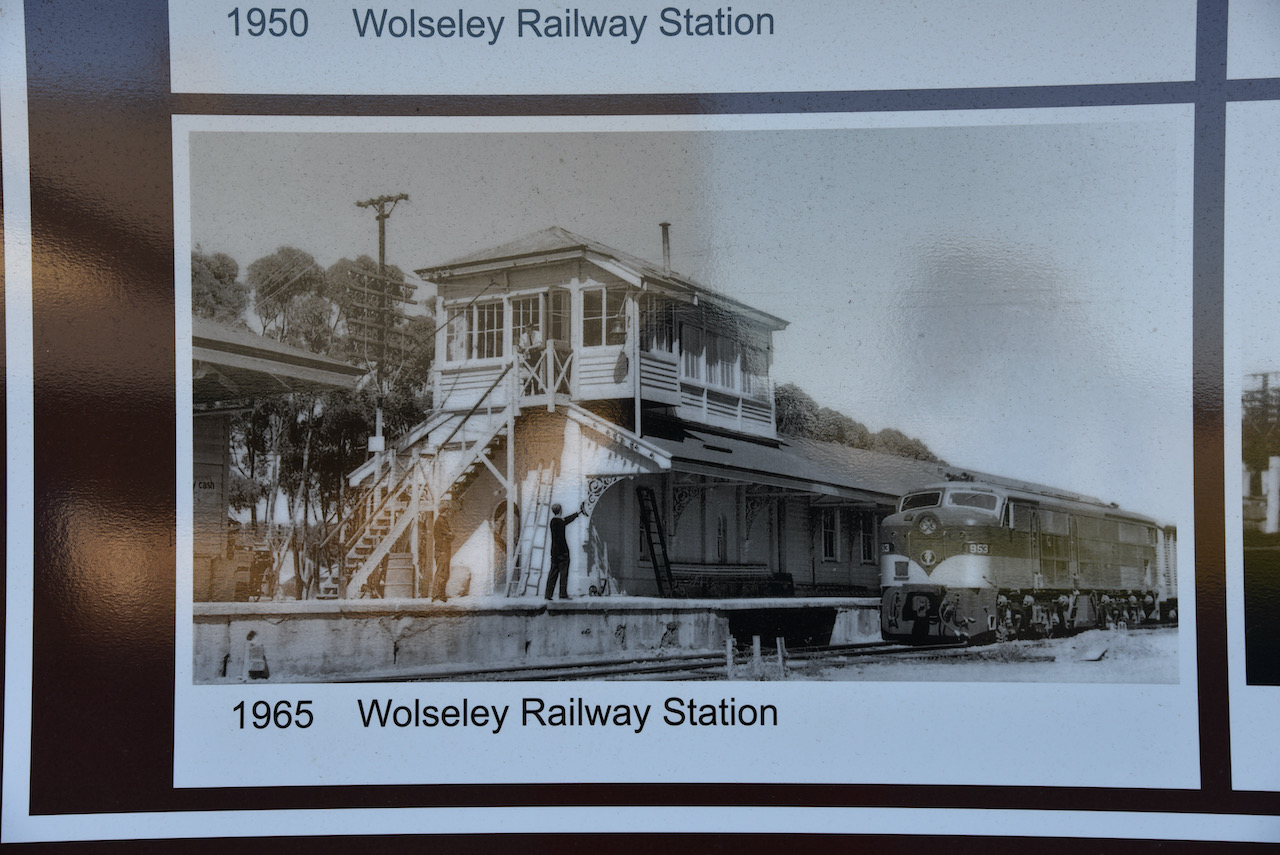
We also had a look through the town of Wolseley which has a number of interesting information boards all about the history of the buildings in the town.
There is a Wolseley Historical Walk brochure which can be obtained from the Bordertown Visitor Information Centre. I have attached a copy below.
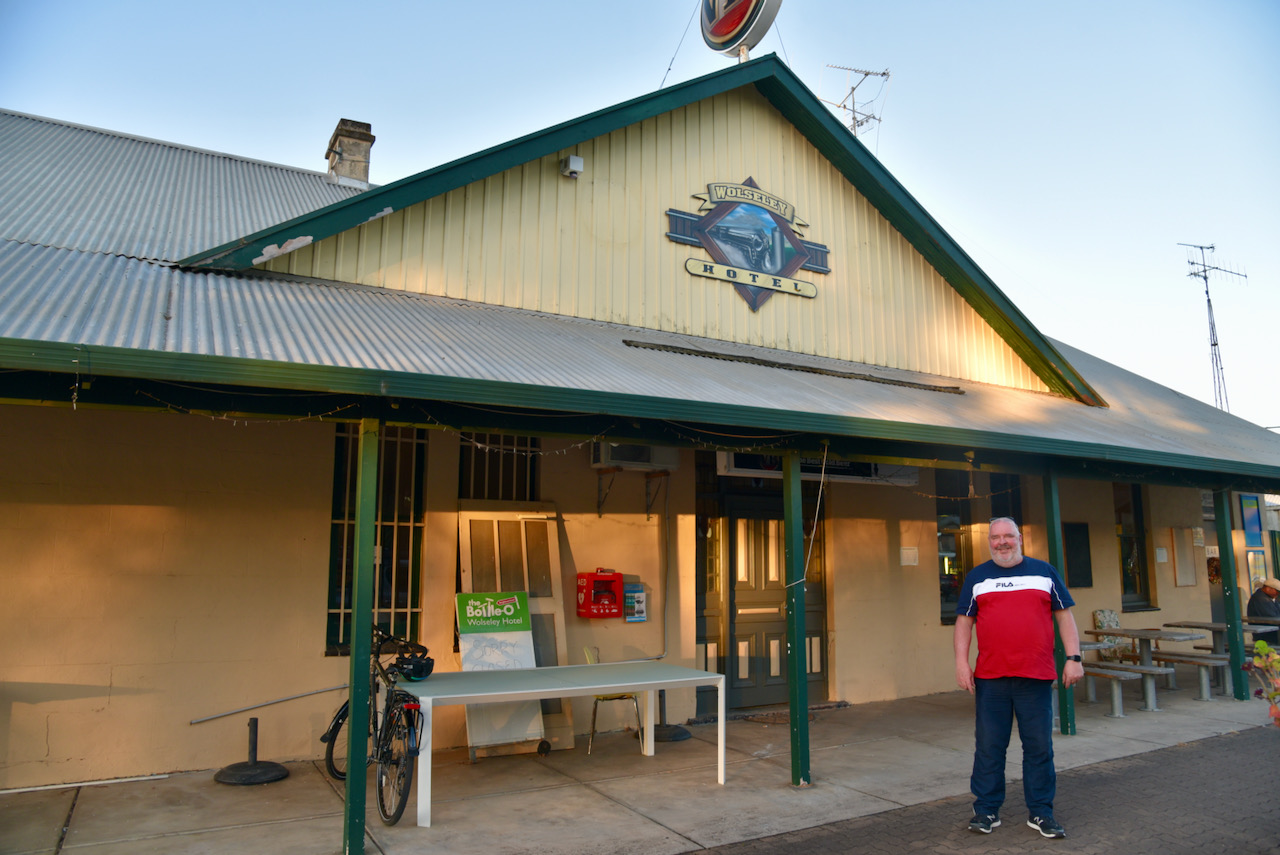
We then decided it was time for a bite to eat, so we called into the Wolseley Hotel. And I am glad we did. It was one of the best pub schnitzels I have had in a long time.
We then drove out to Mundulla and the Mundulla Common hoping to see or hear an endangered Bush Stone Curlew. They are apparently more active on moonlit nights and are more often heard then seen. Sadly we did not see any, but certainly did see and hear plenty of noisy Sulphur Crested Cockatoos.
We then headed back to our motel room. It had been an absolutely brilliant day. Plenty of radio, some sightseeing, and a nice meal.
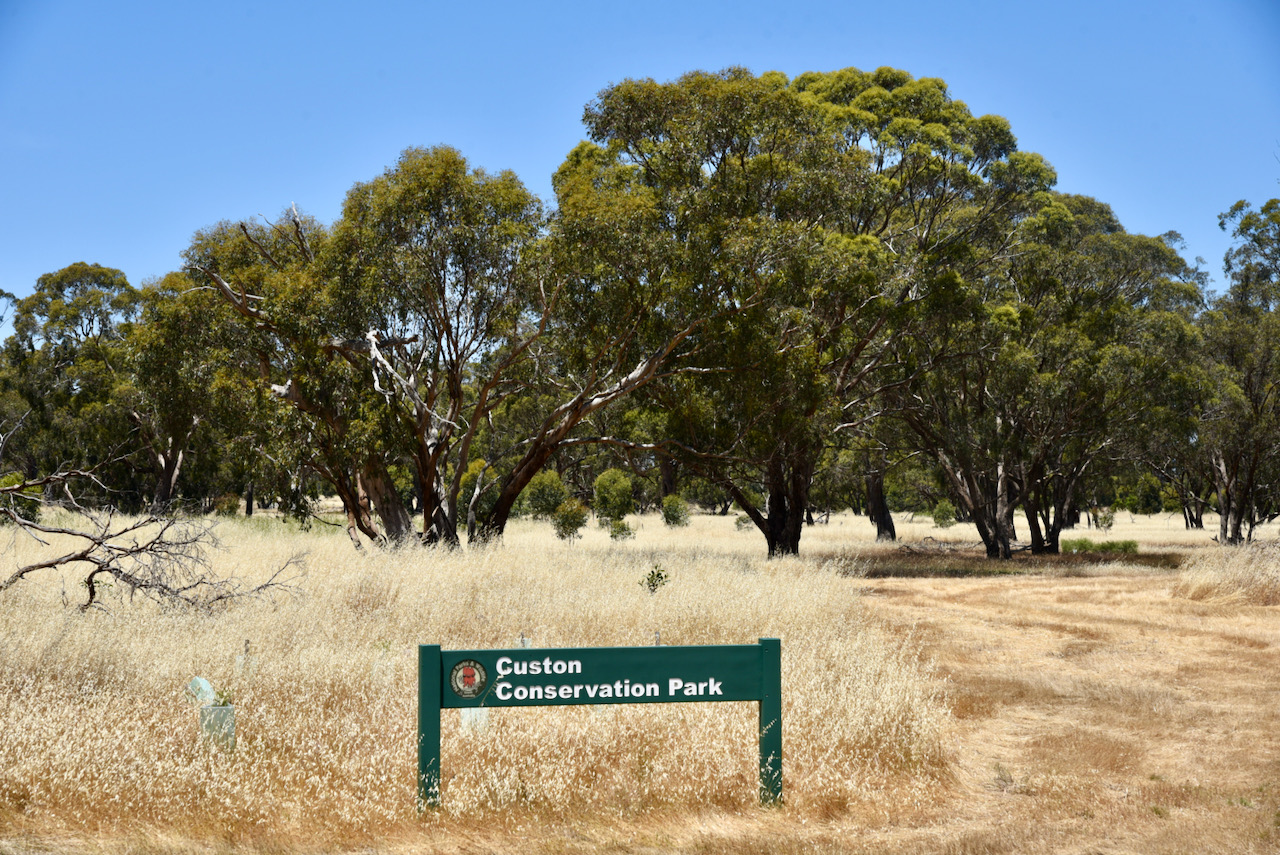
After packing up at Poocher Swamp, Marija and I headed to our second park of the day, the Custon Conservation Park VKFF-1024. The park is located about 298 km southeast of Adelaide and about 27 km southeast of the town of Bordertown.
Above:- Map showing the location of the Custon CP. Map c/o Google maps
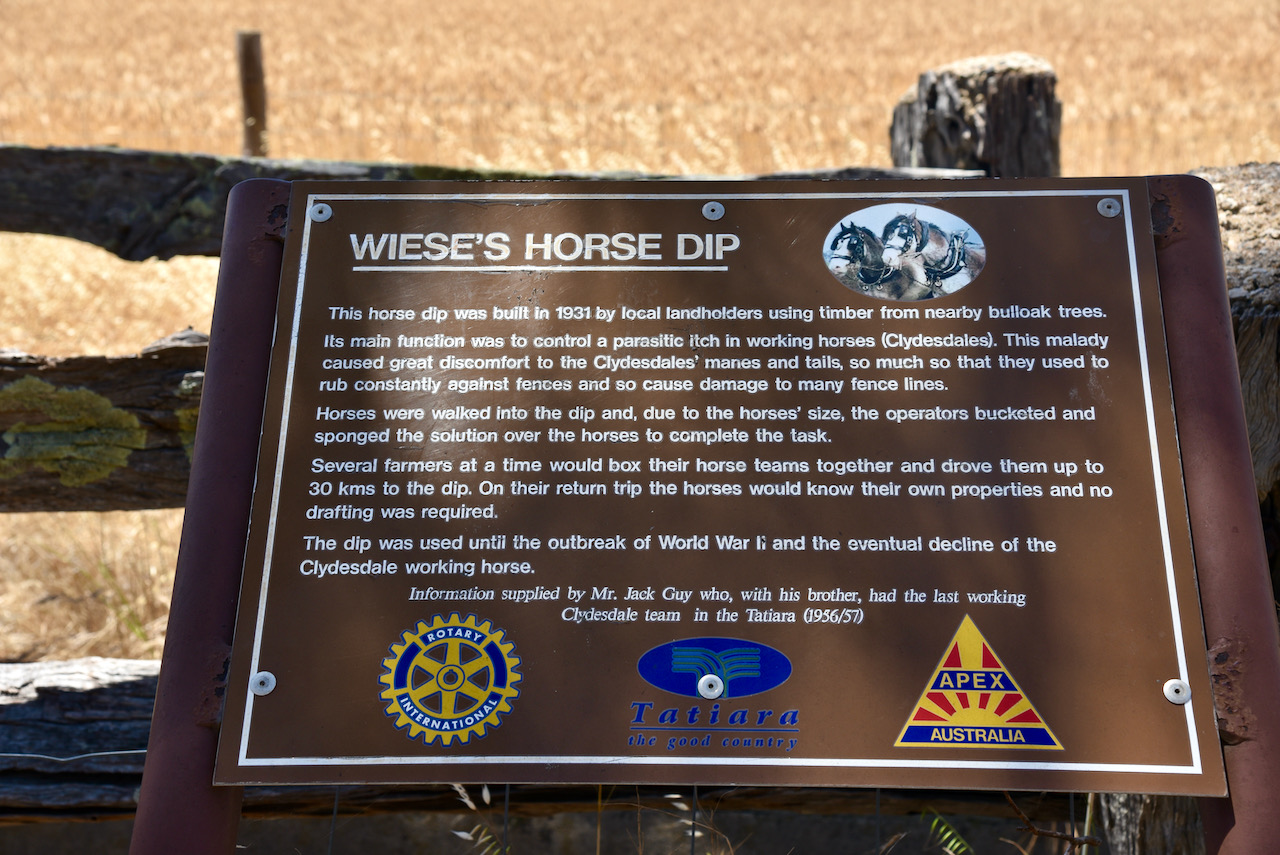
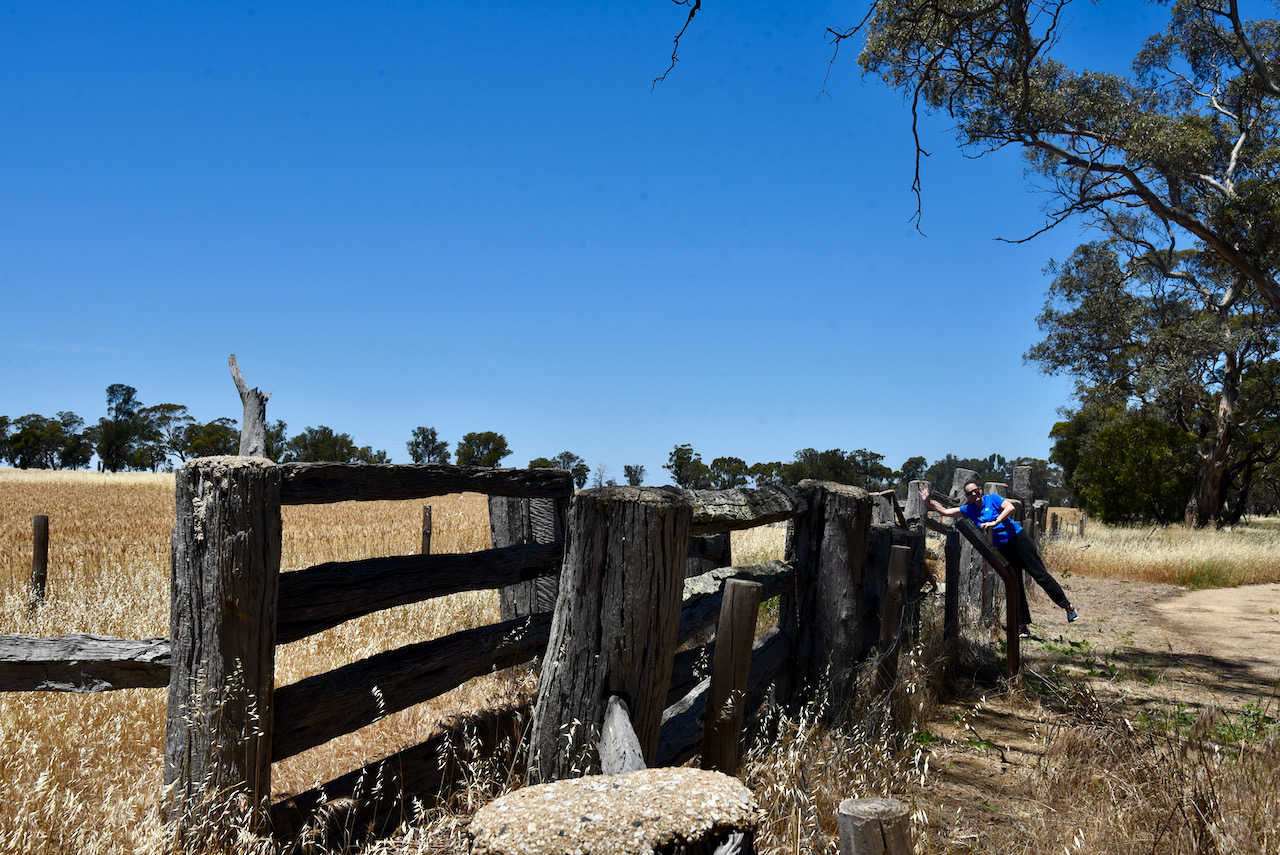
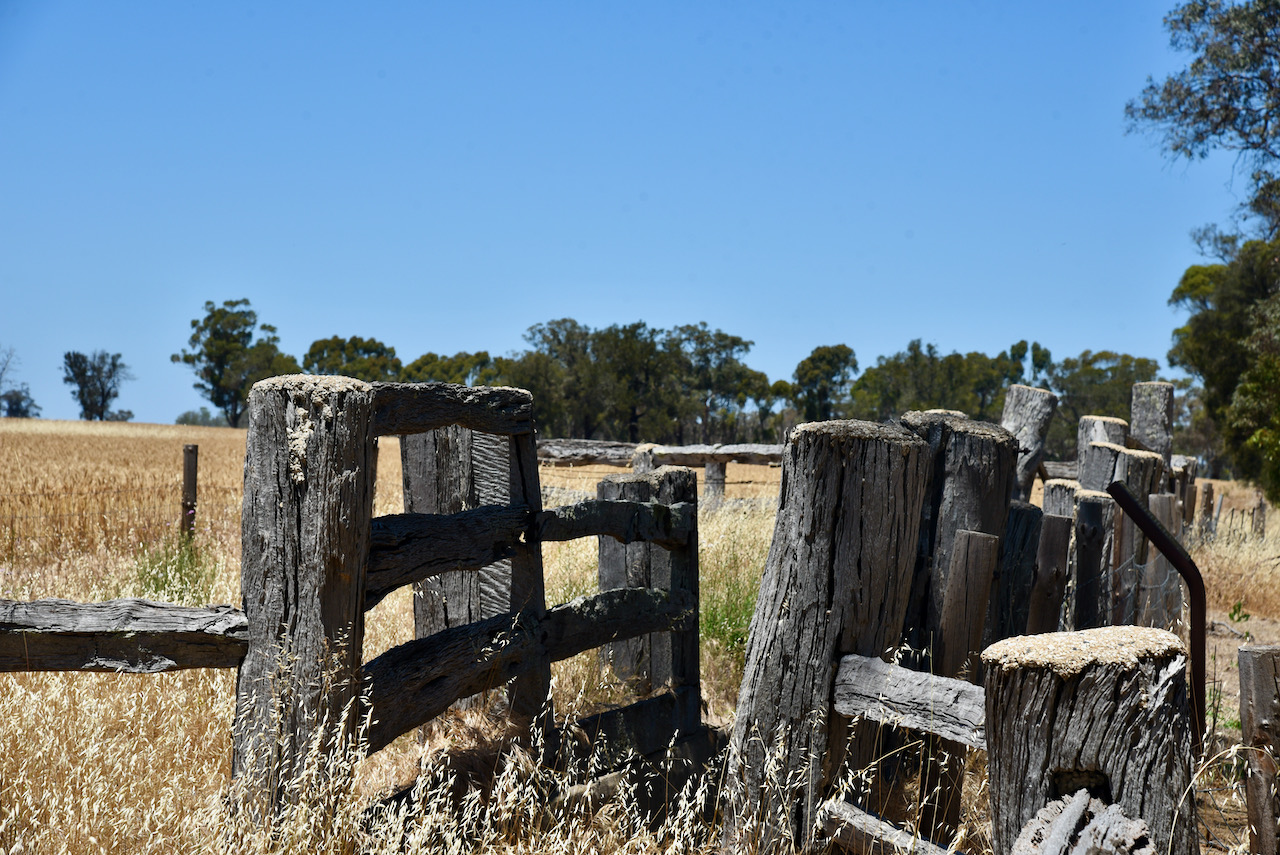
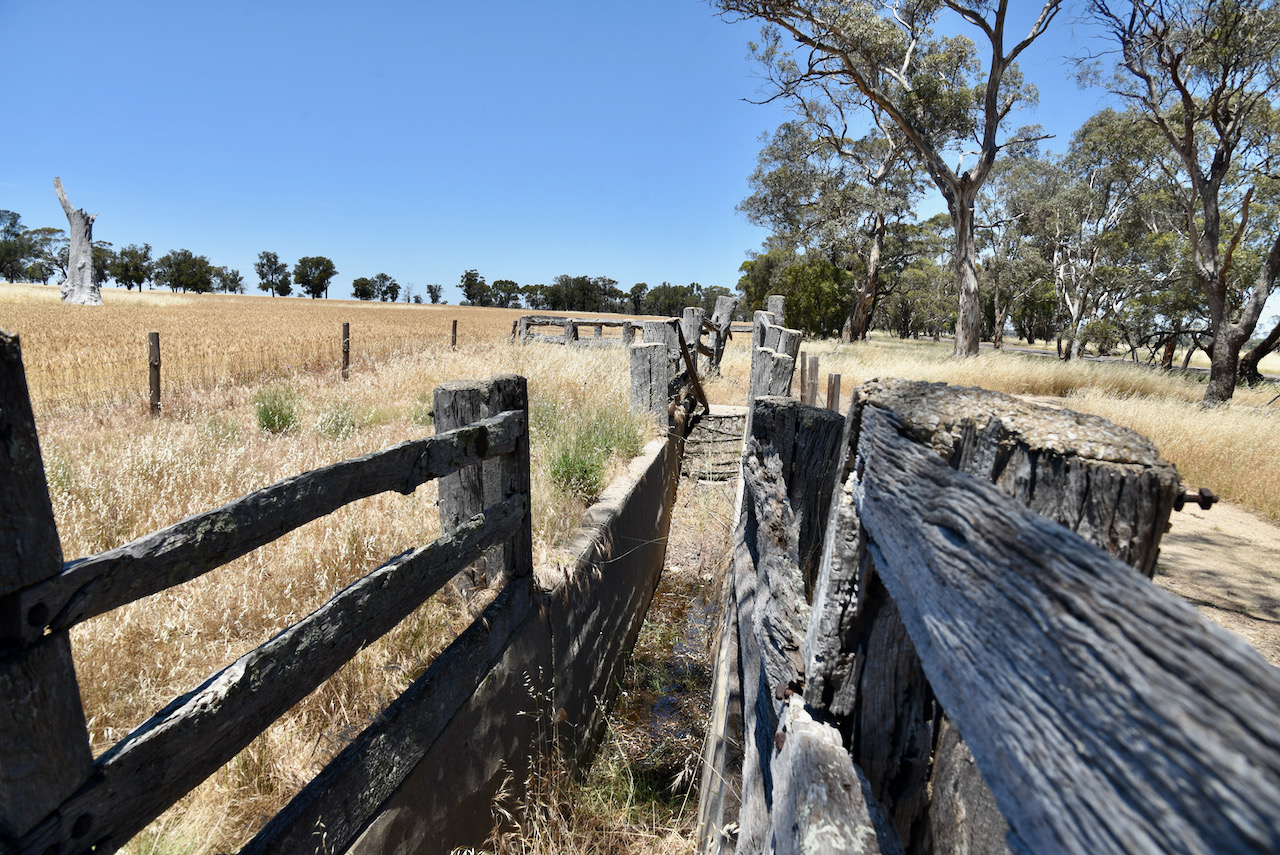
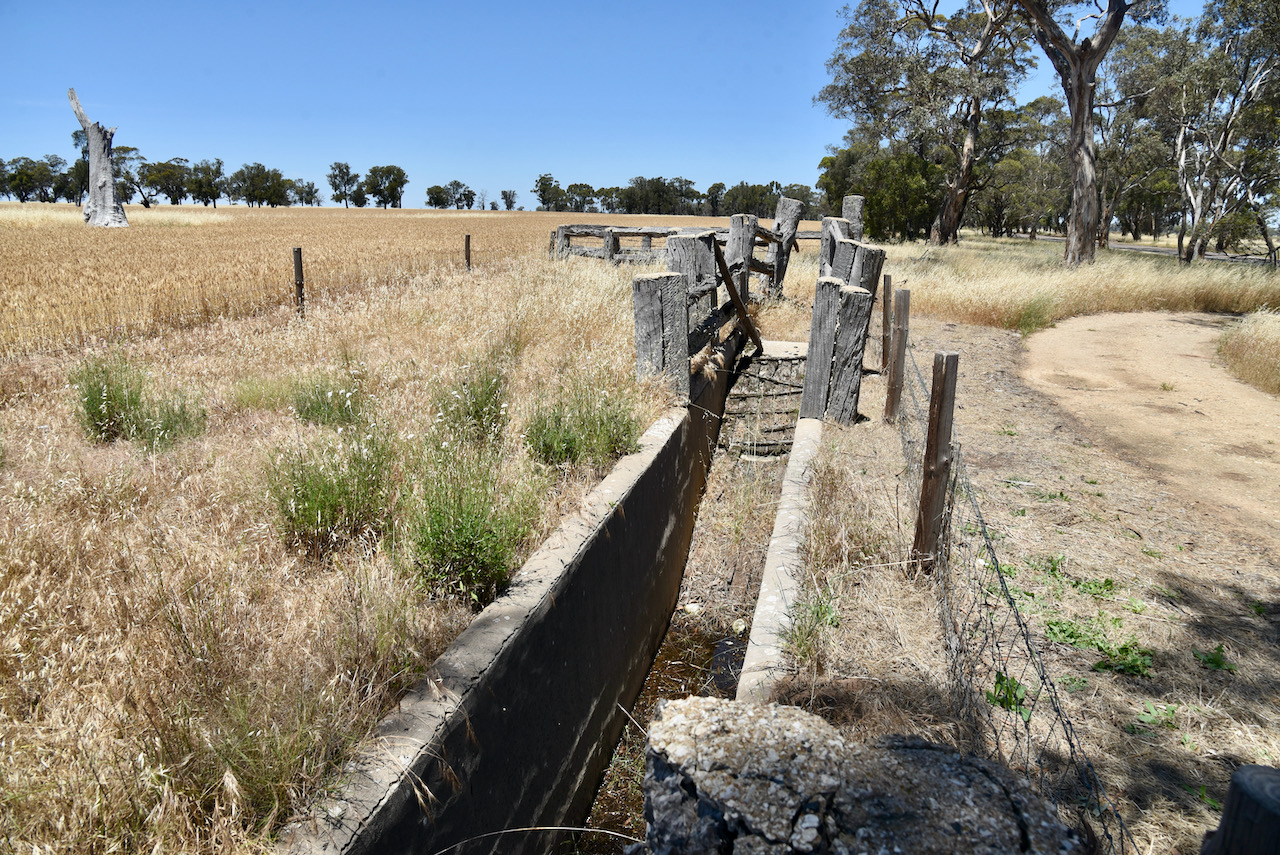
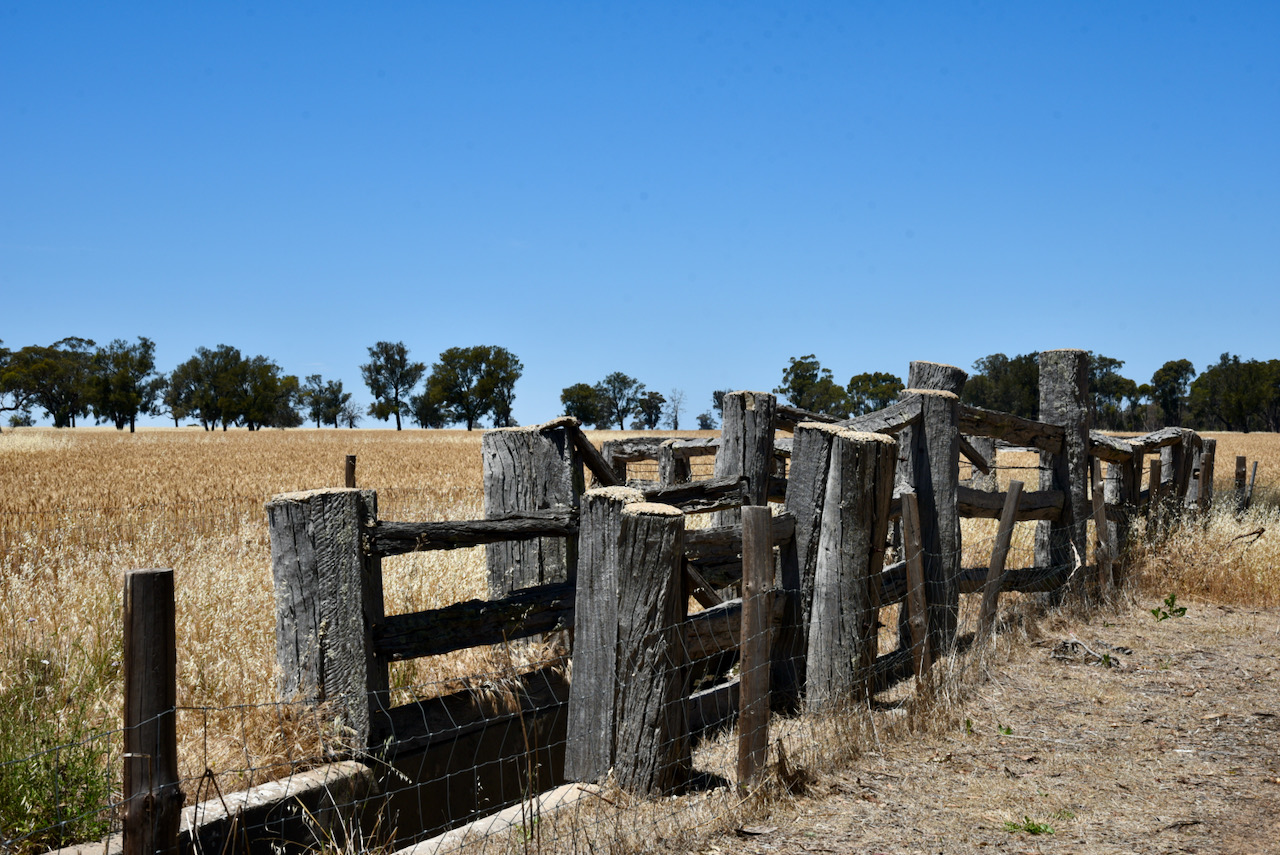
Along the way, we stopped to have a look at Wiese’s Horse Dip which was constructed in 1931 by local landholders utilising local timber from bulloak trees. The purpose of the Dip was to control a parasitic itch experienced by the working farm horses, the Clydesdales. The parasitic itch caused great discomfort for the horse’s manes and tails which resulted in them rubbing against fences and thus causing damage.
As a result, the Dip was constructed. Horses were walked into the dip and due to the size of the Clydesdales, the farmers would bucket and sponge a solution over the horses. The Dip was used until the outbreak of the Second World War, and the eventual decline of the use of the Clydesdales.
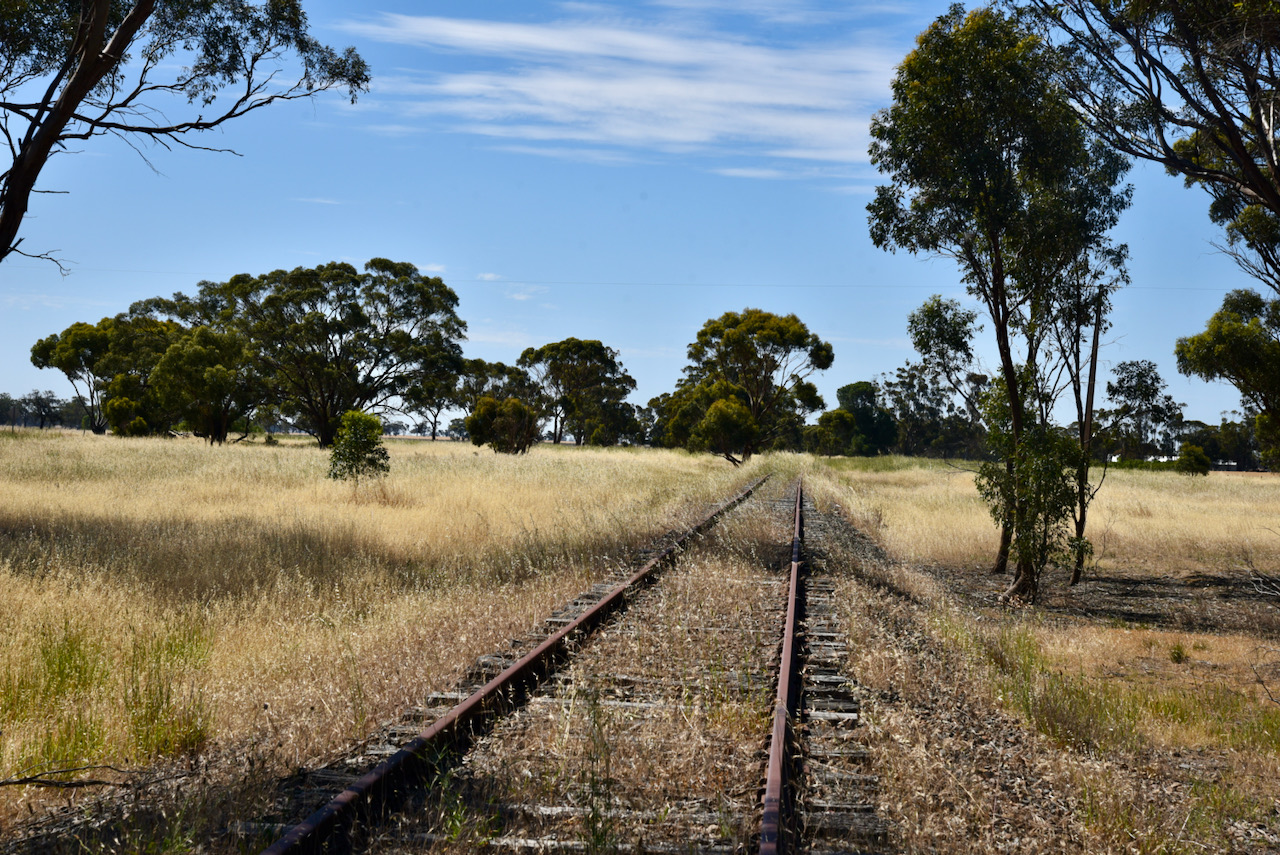
We drove along Custon Road and crossed over the now disused railway line and we soon reached the park.
Custon Conservation Park is about 64 hectares in size (160 acres) and was established on the 8th day of March 2007. The land originally gained protected area status in 2007, when crown land in section 903 was gazetted as the Custon Conservation Park and was enlarged in 2016 by the addition of additional crown land.
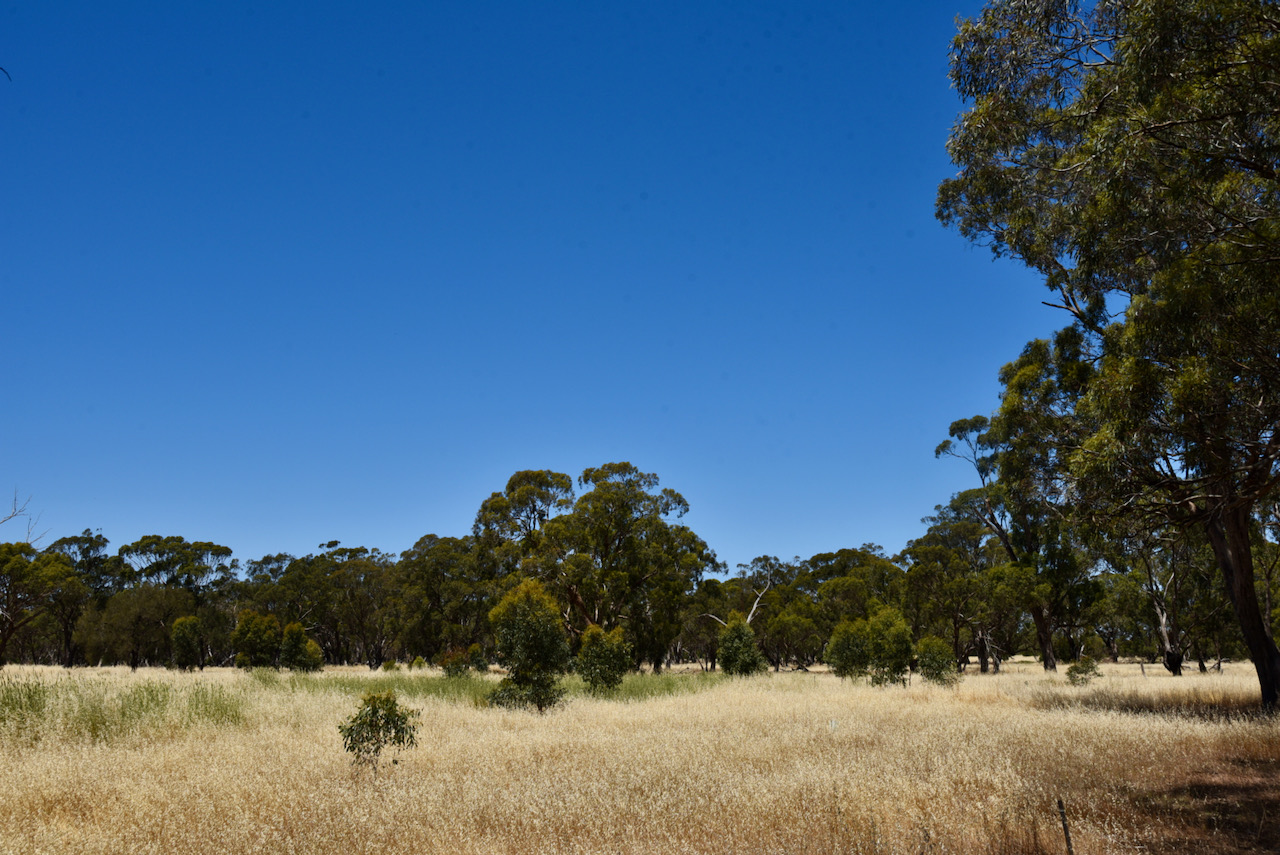
The park consists of grassy woodland of grey box which is listed as ‘endangered in South Australia, with buloke being a co-dominant tree species.
The park takes its name from the town of Custon, which is located about 8 km south of Wolseley, and was proclaimed on the 8th day of December 1881. It was named by Governor Jervois after Reverend William Arthur Purey-Cust (b. 1855. d. 1938).
Prior to the proclamation of the town of Custon, the local railway station was known as ‘University Blocks’. The Custon School opened in 1919 and closed in 1956.
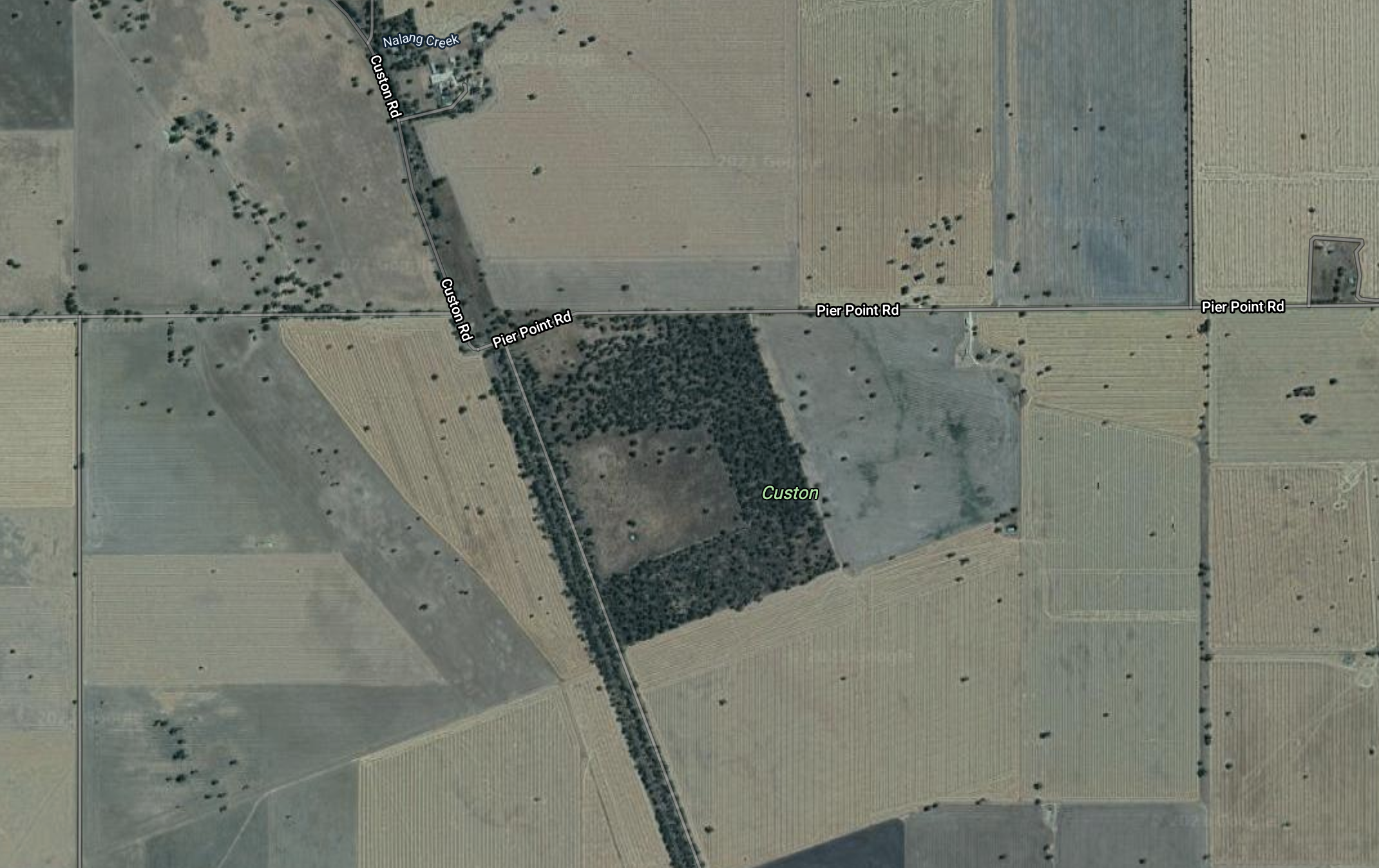
Above:- An aerial view of the Custon Conservation Park. Image c/o Google maps.
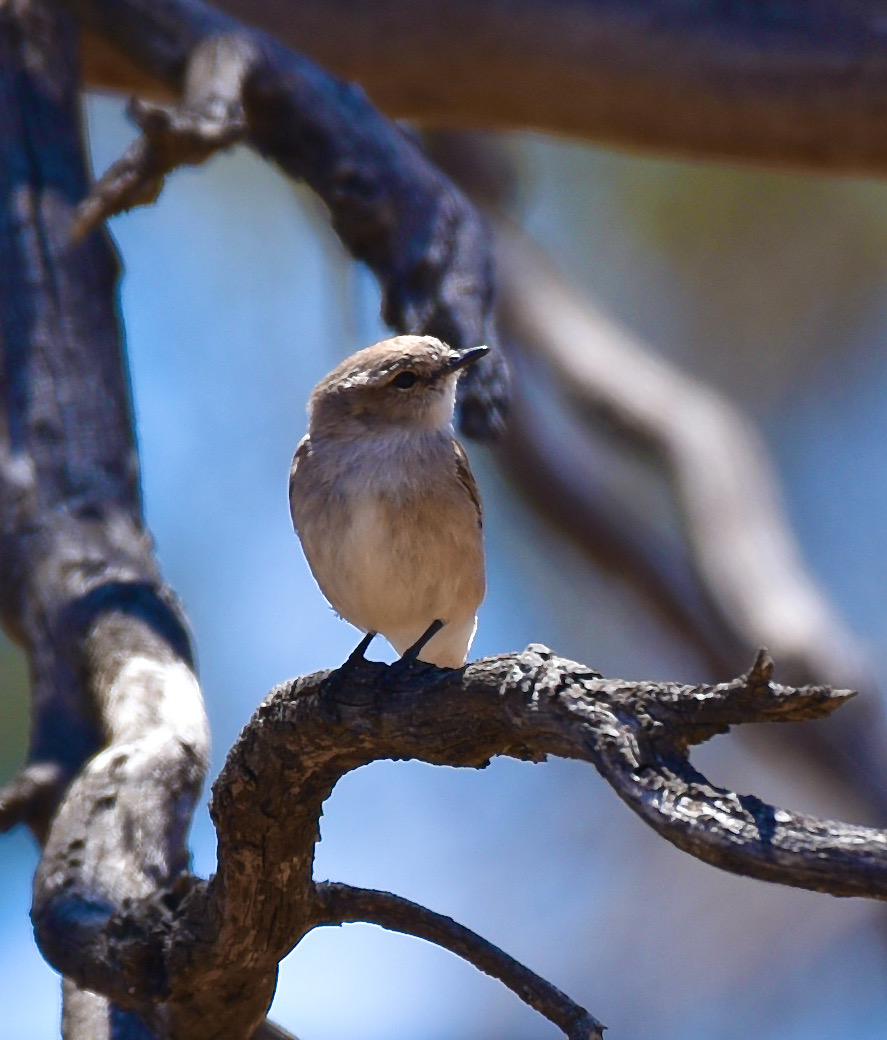
I did a little bit of birdwatching and photography from Custon, but I wasn’t overly successful.
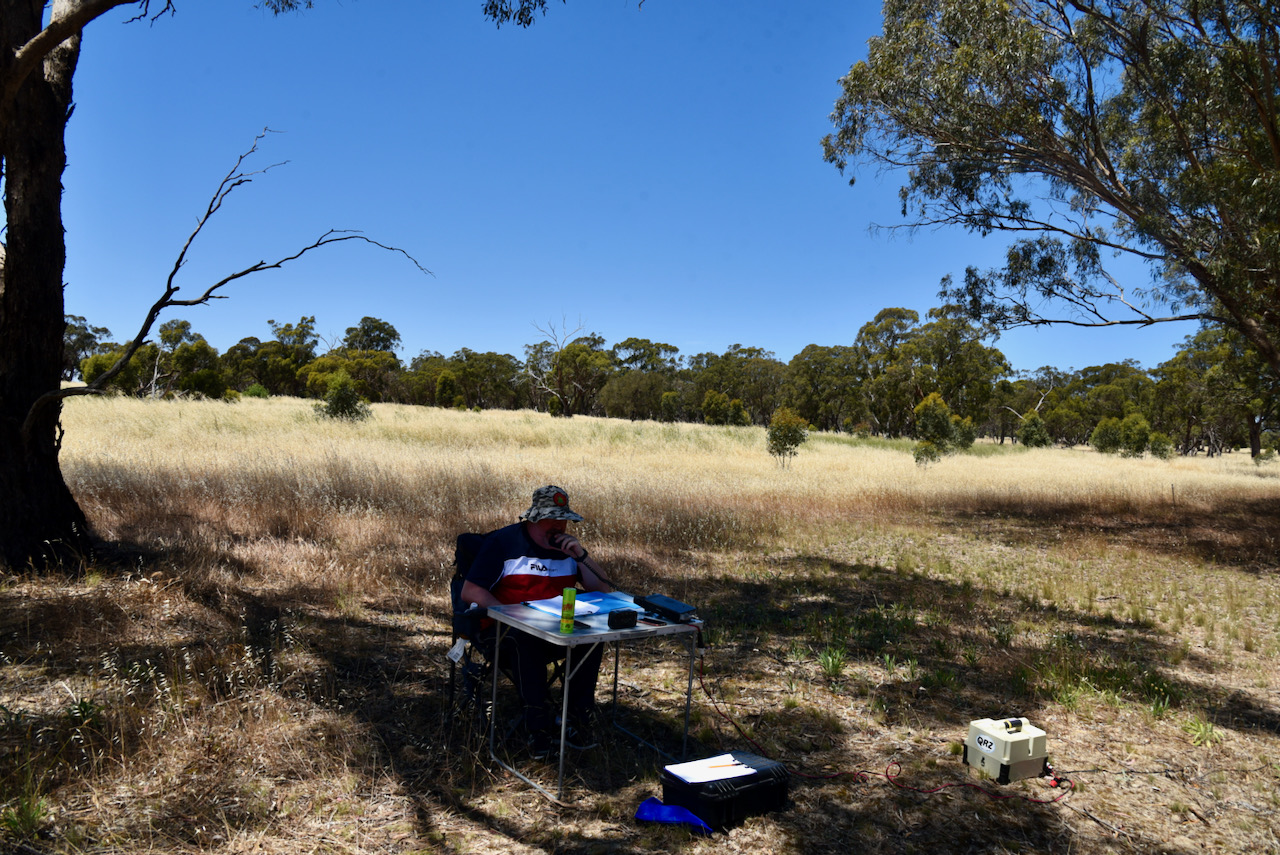
Marija and I operated from Custon for about 2 hours and made a total of 94 QSOs including 29 Park to Park contacts.
We operated on the 20, 40, & 80m bands and ran the Yaesu FT857d, 40 watts, and the 20/40/80m linked dipole, inverted vee, supported on the 7-metre telescopic squid pole.
It was now Saturday morning (27th November 2021) and the first day of the 2021 VKFF Activation Weekend. After a shower in the motel room, Marija and I headed to one of the local service stations for some breakfast.
After breakfast, we headed to the first of three parks we intended to activate during the day, the Poocher Swamp Game Reserve VKFF-1741. I had activated this park previously, but this was to be a first-time activation for Marija.
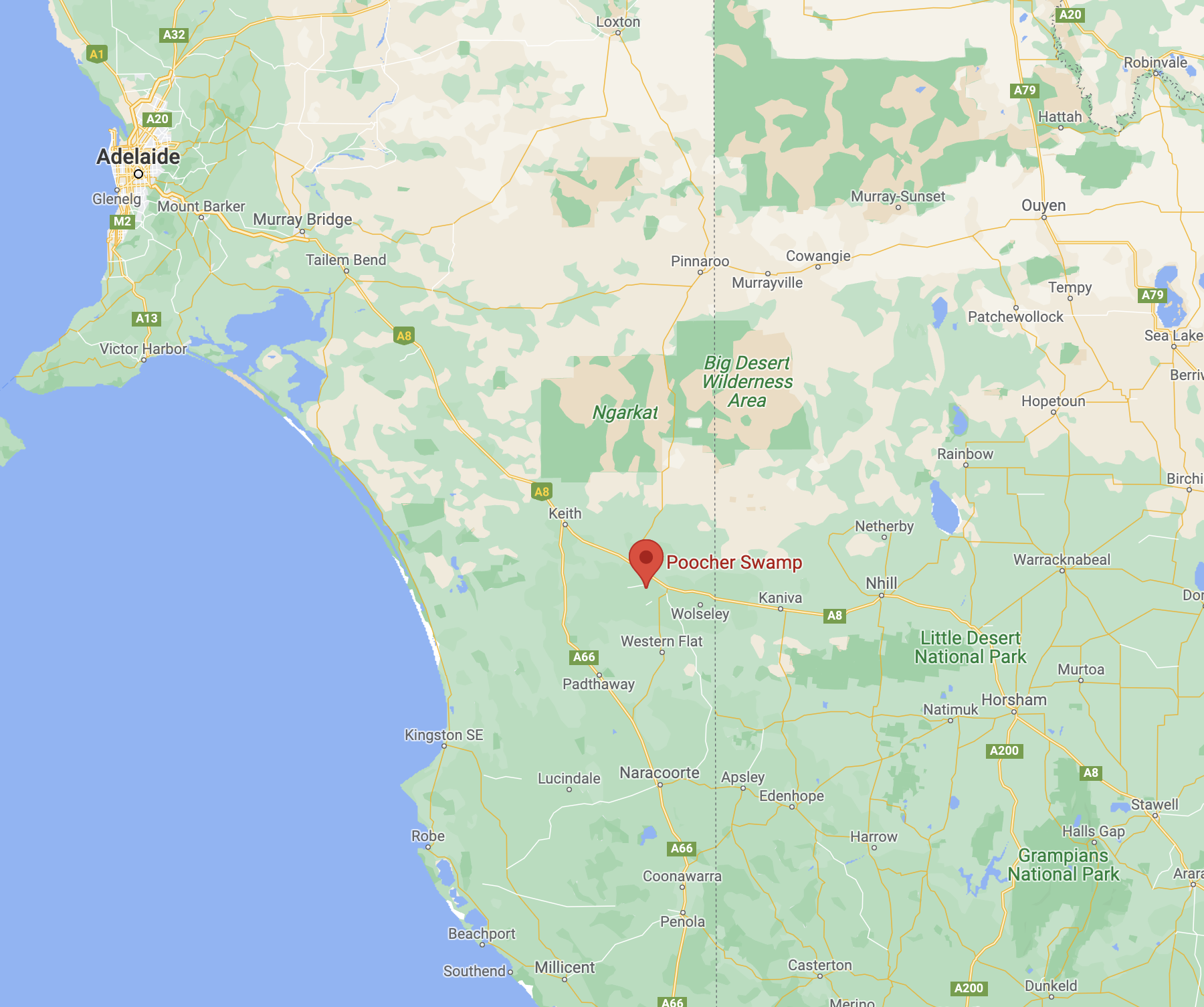
Poocher Swamp is located about 270 km southeast of Adelaide, and about 9 km west of the town of Bordertown, in the southeast of South Australia, not far from the South Australia/Victoria State border.
Above:- Map showing the location of Poocher Swamp. Map c/o Google maps
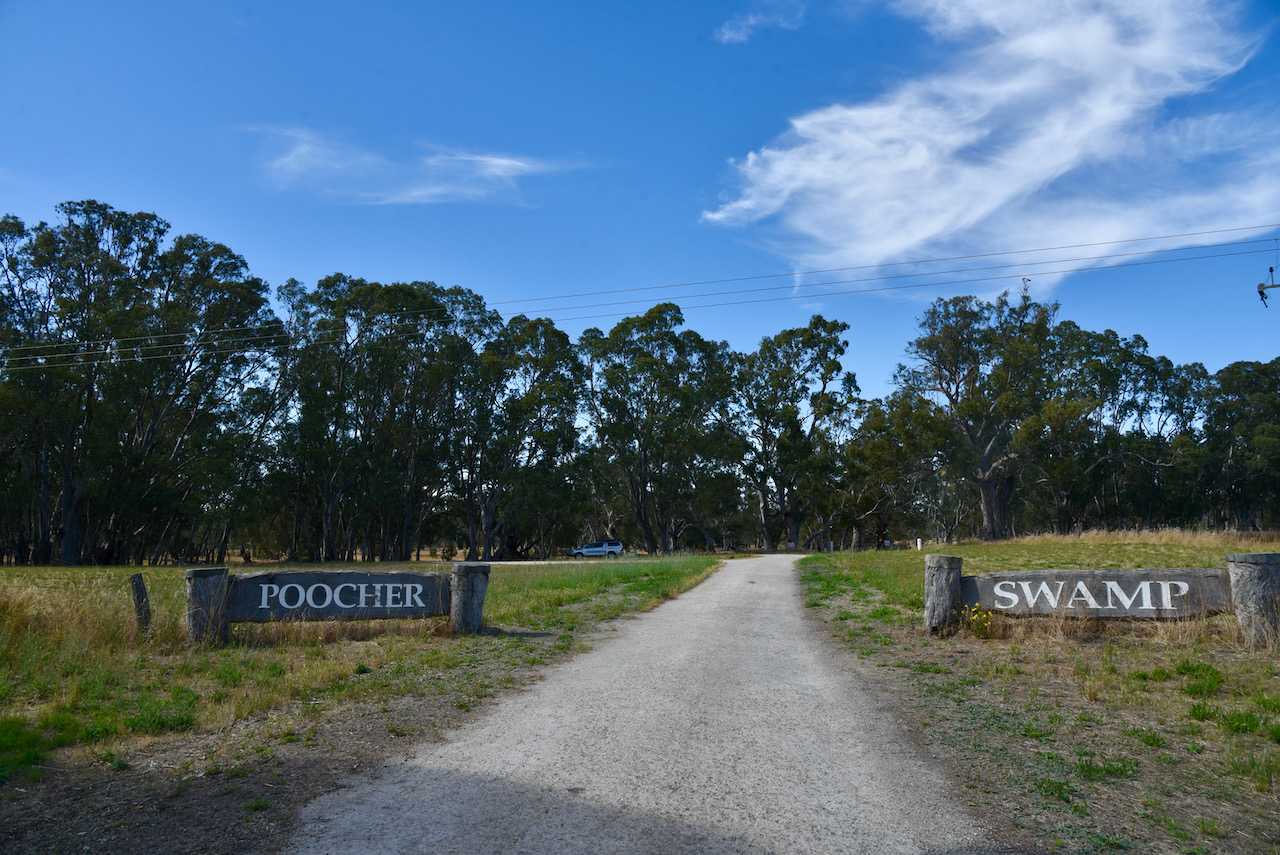
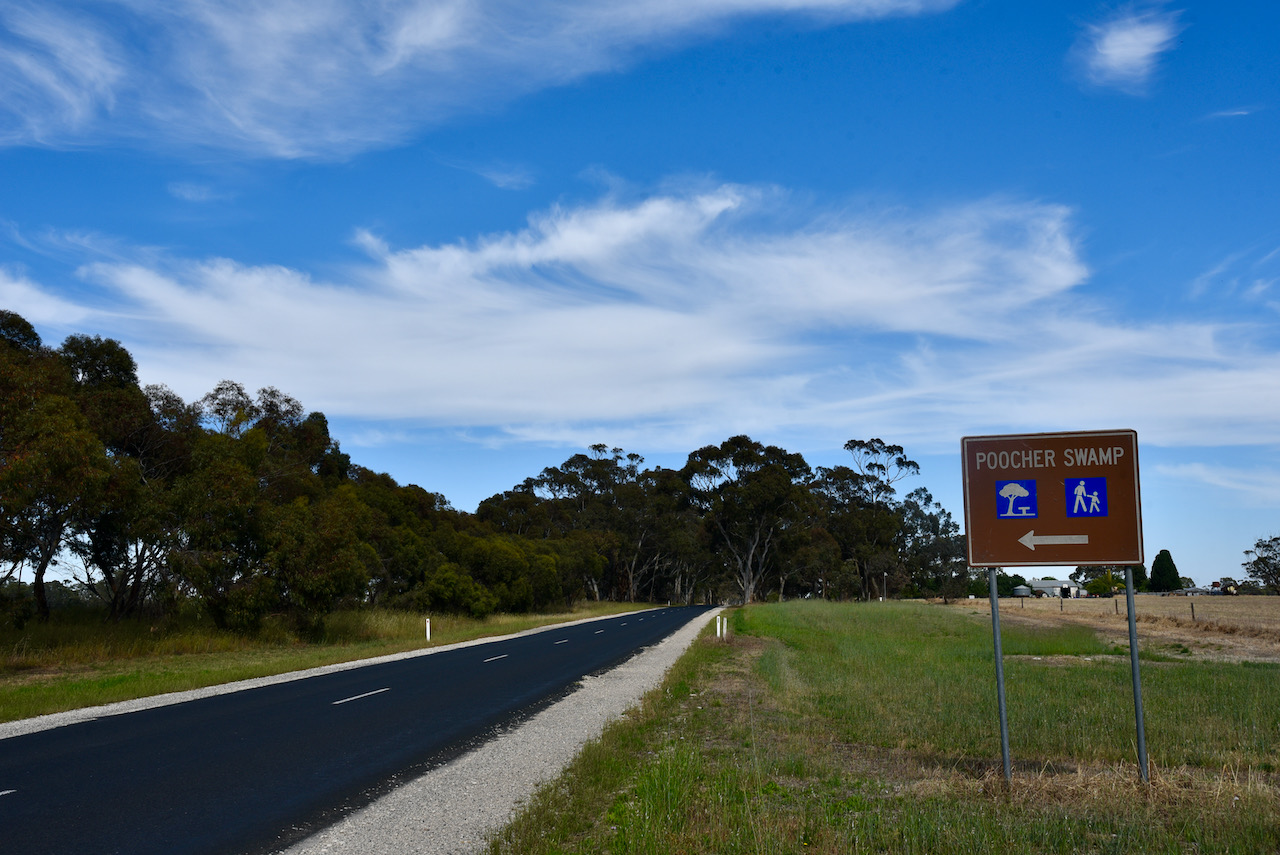
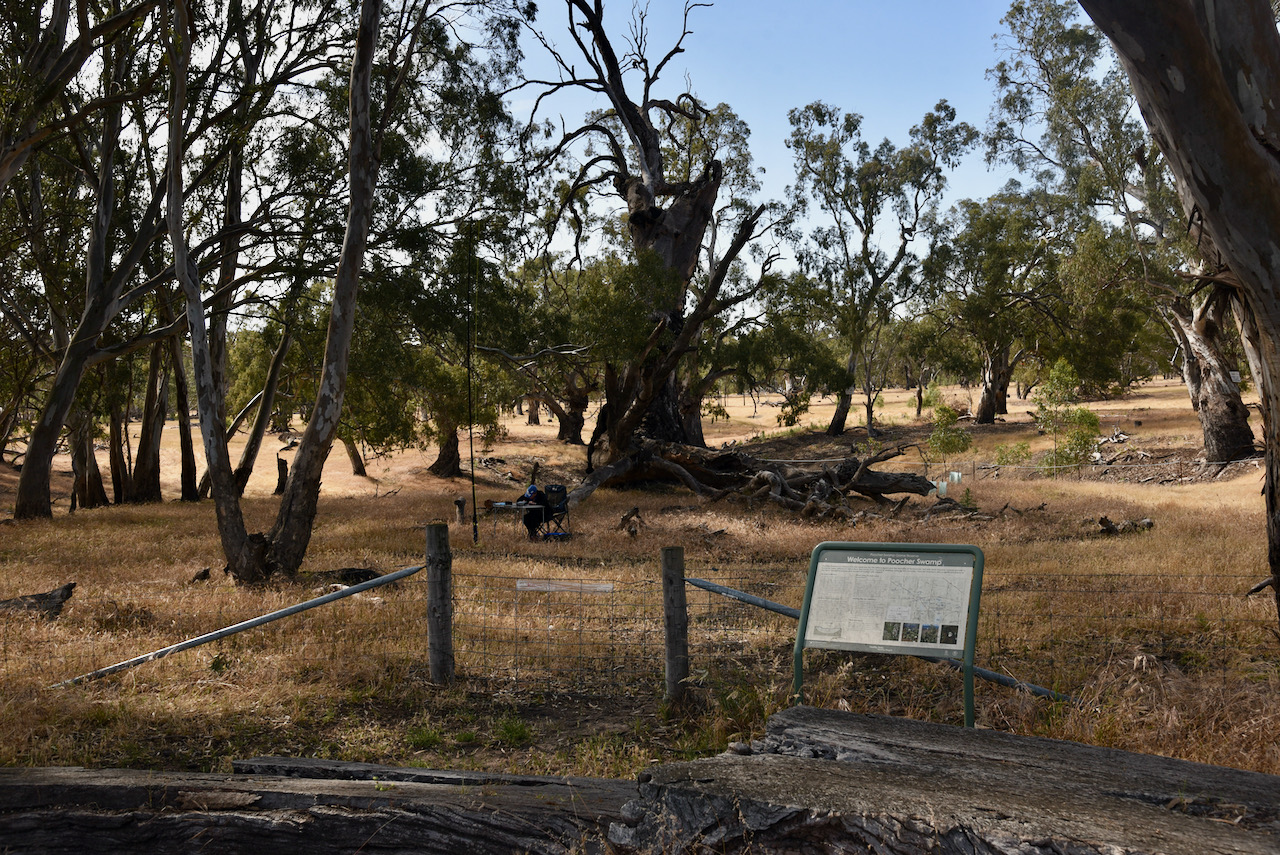
The park can be accessed via Cannawigara Road. The park is well signposted and there is a large car parking area at the park.
Poocher Swamp Game Reserve is about 77 hectares in size and was proclaimed on the 14th day of November 1985.
Declaration of Poocher Swamp from the SA Govt Gazette.
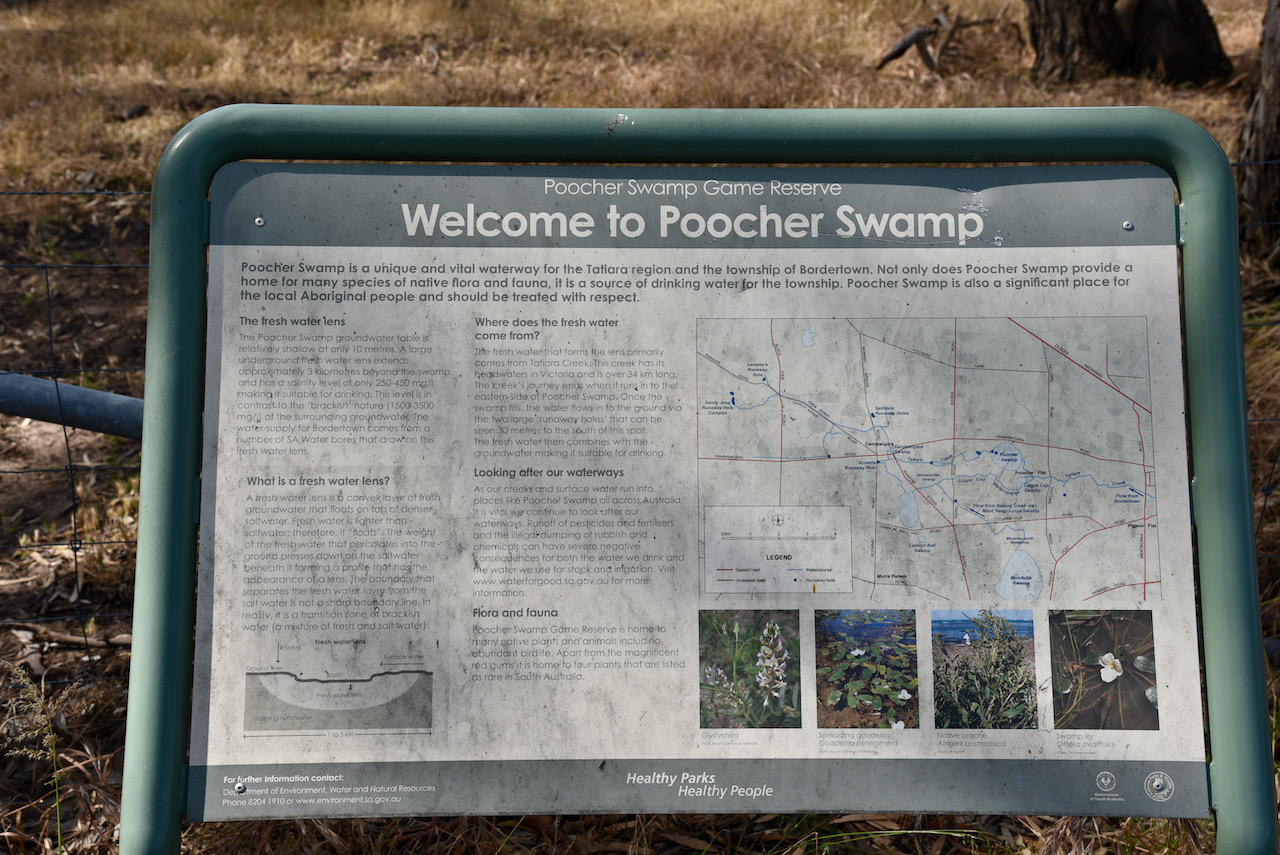
The town of Bordertown relies on a groundwater supply that is refilled by water draining through the two major runaway holes at Poocher Swamp. The water flows through a hidden underground network of limestone cavities leading to an aquifer.
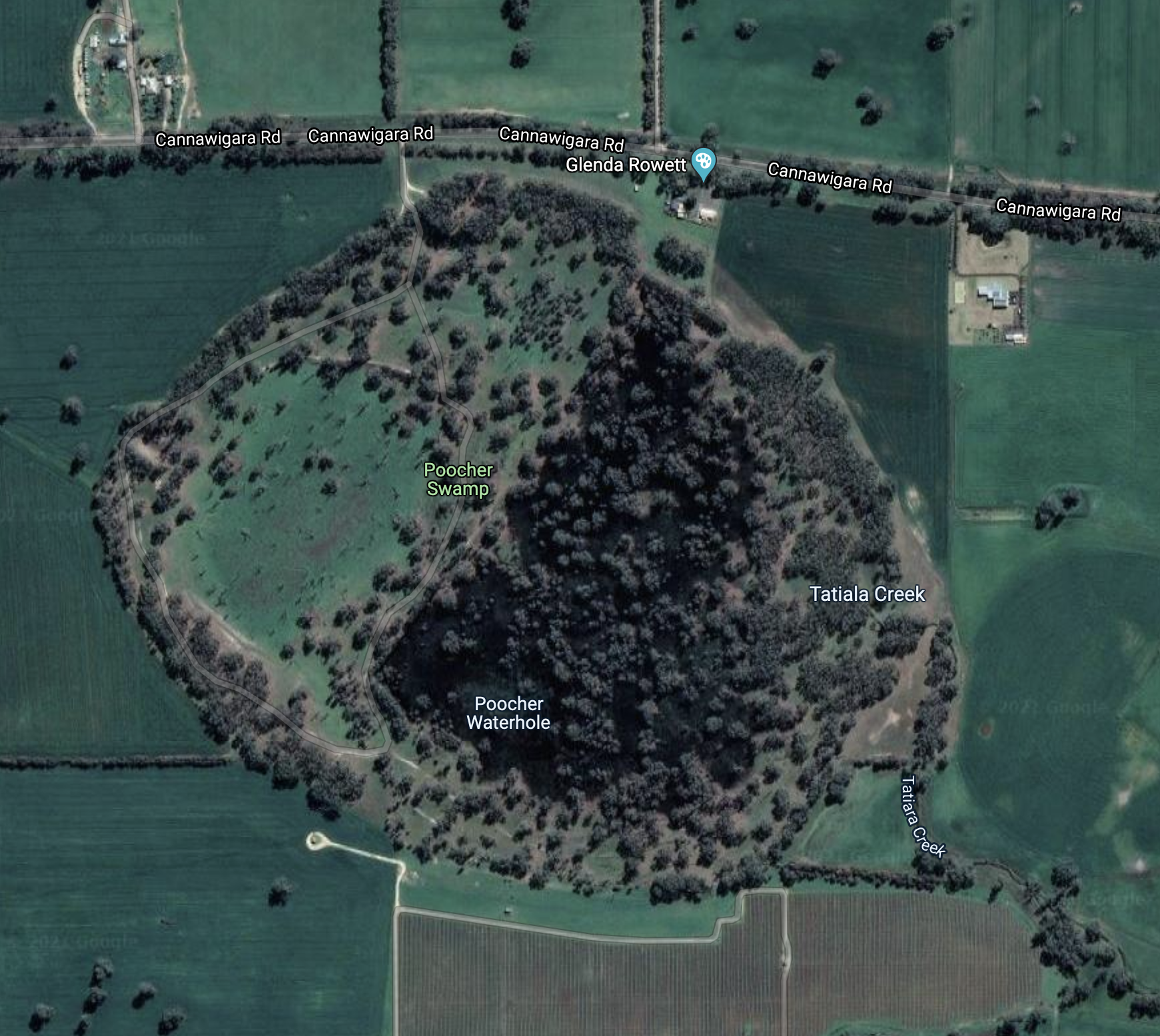
Above:- An aerial view of Poocher Swamp. Image c/o Google maps.
Birds SA have recorded a total of 85 species of bird at Poocher Swamp including Grey Teal, Pacific Black Duck, Black-tailed Nativehen, Galah, Red-rumped Parrot, Australian Magpie, White-plumed Honeyeater, and Magpielark.
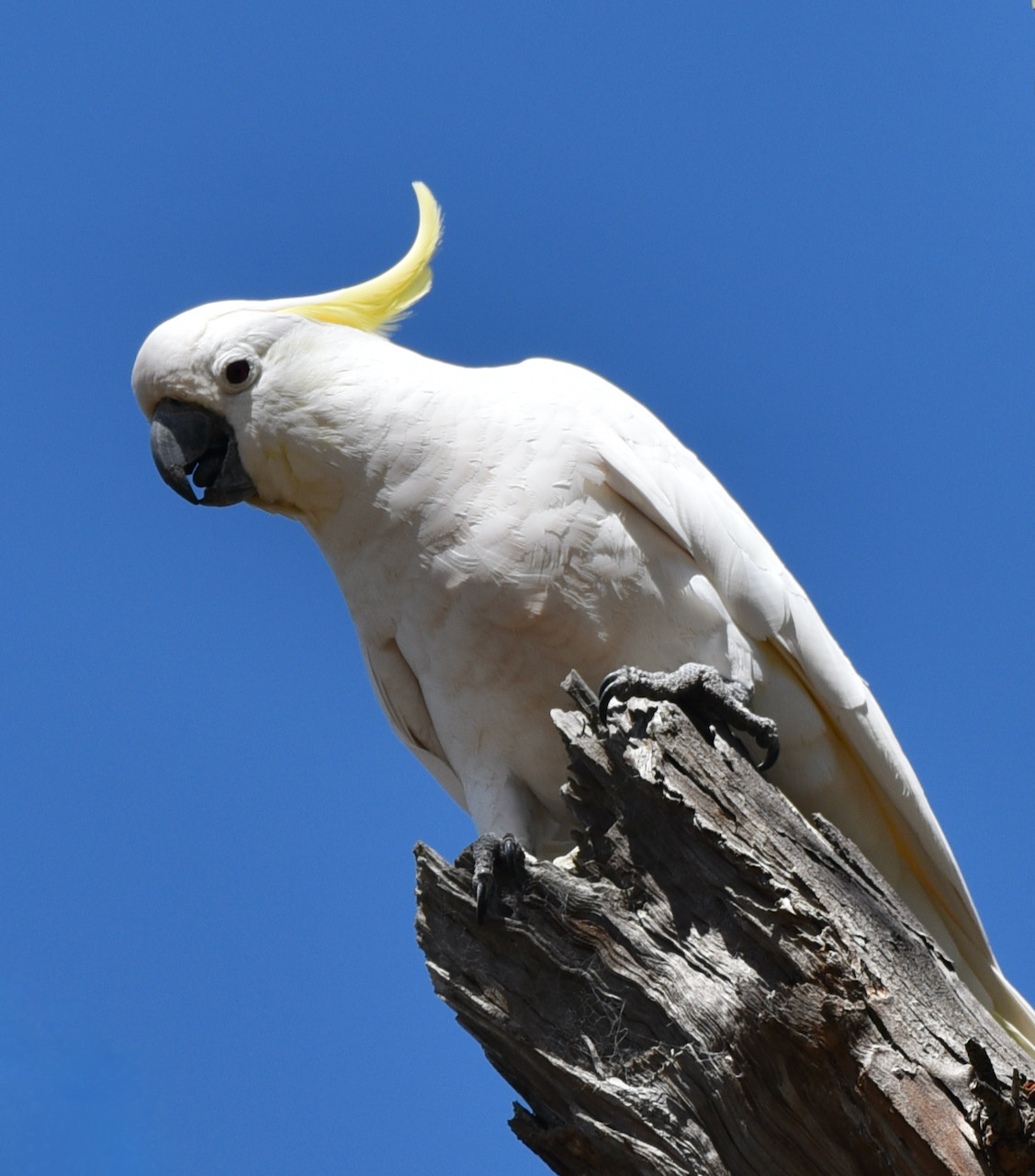
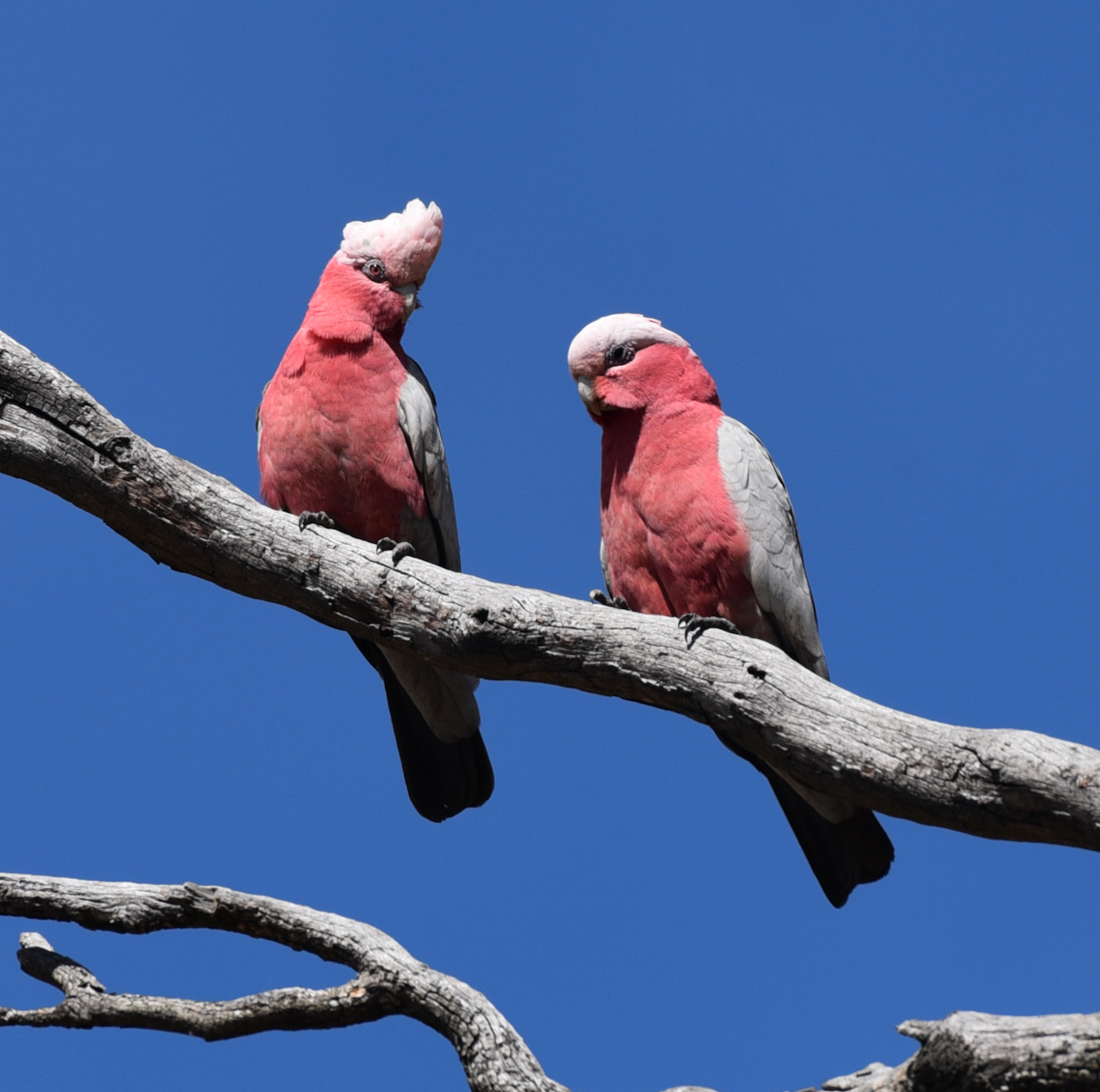
During our visit to the park, we observed numerous Sulphur Crested Cockatoos and Galahs.
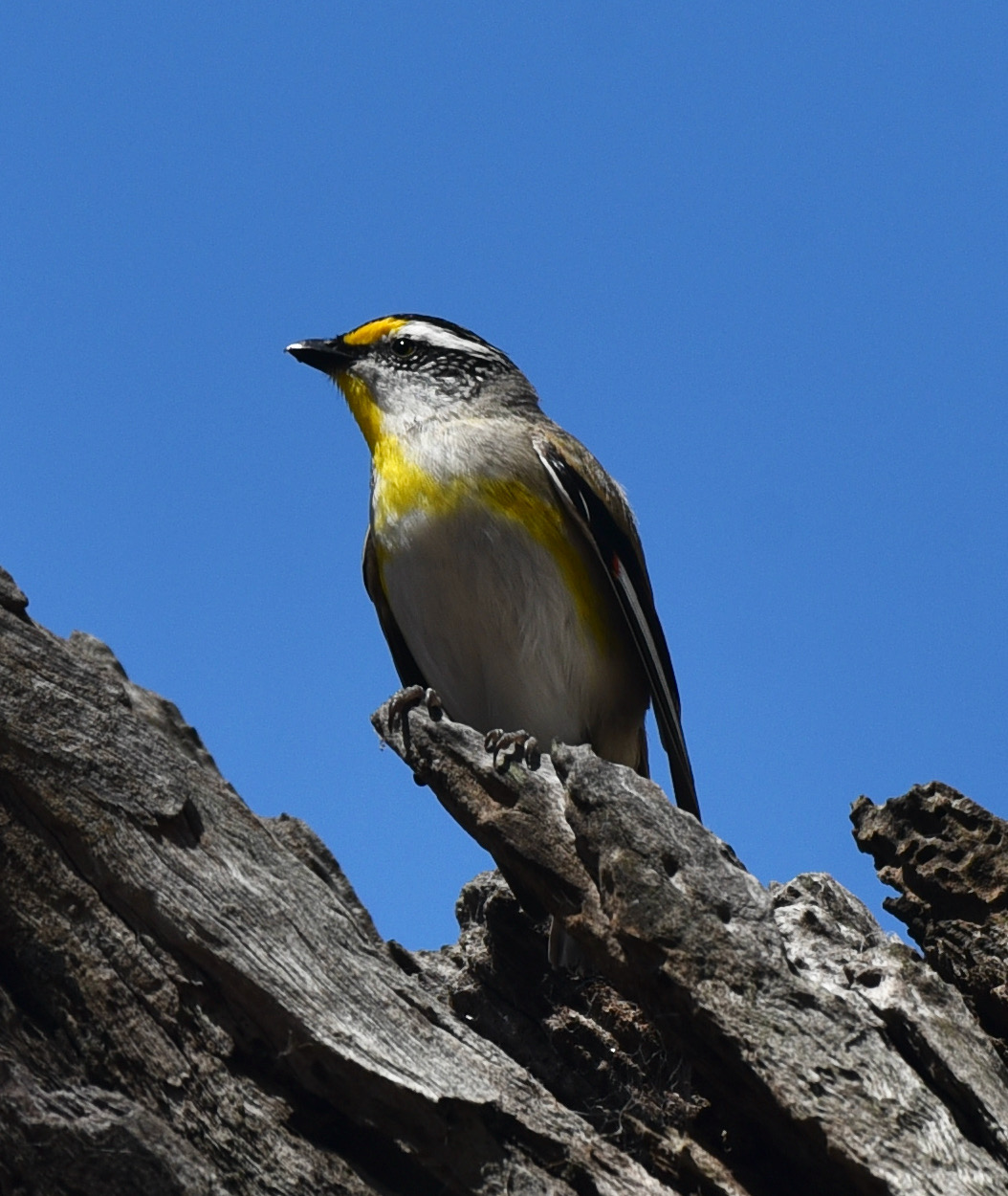
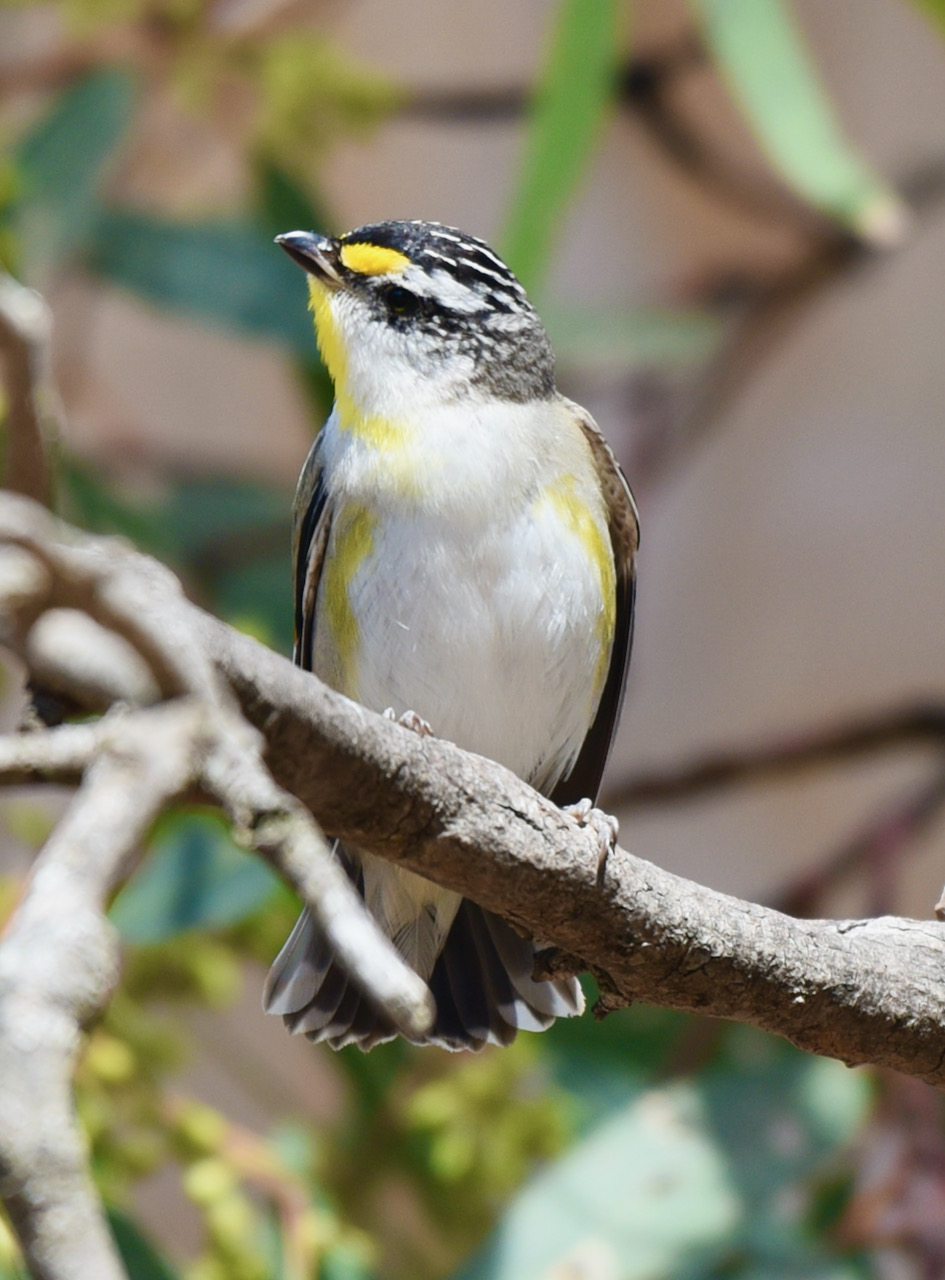
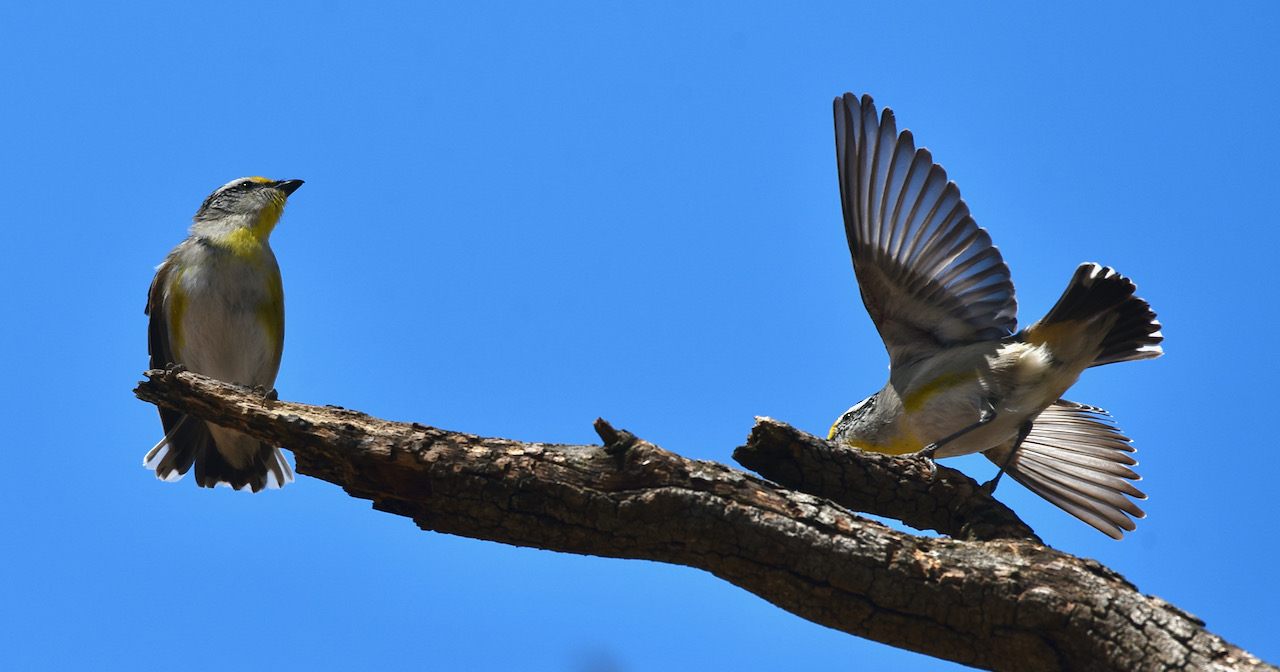
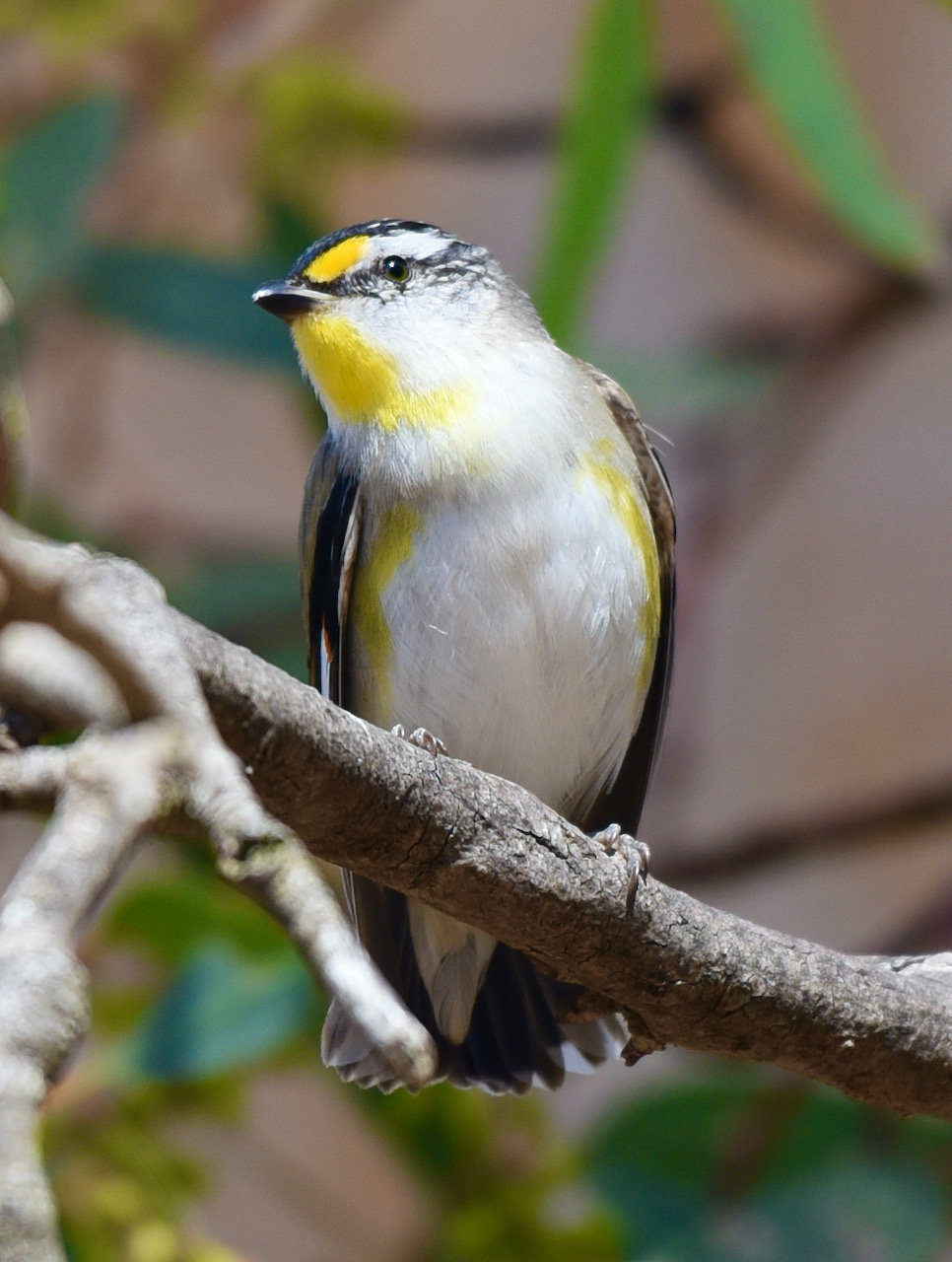
There was also a large population of Striated Pardalotes. They are beautiful little birds with a white eyebrow with a yellow spot in front of the eye. They have a black crown which has fine white stripes.
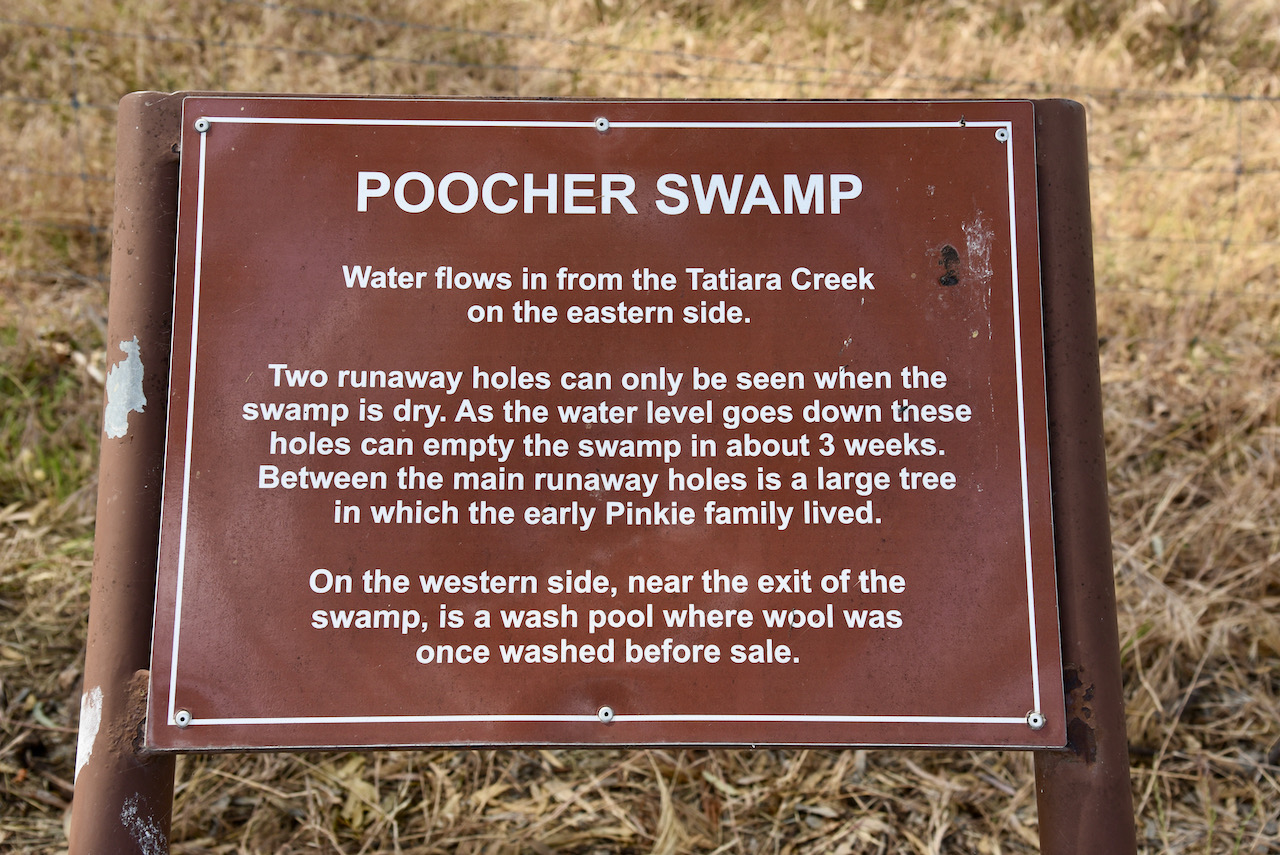
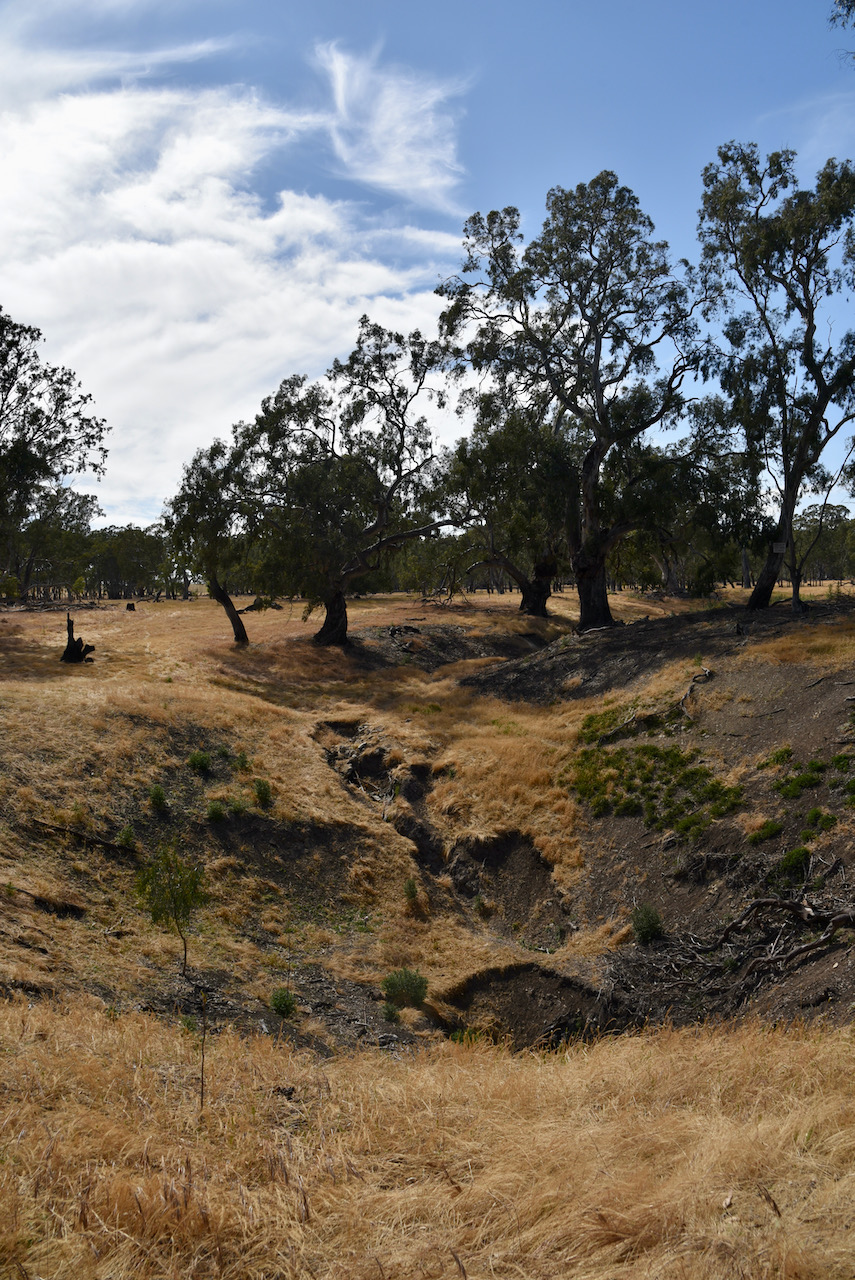
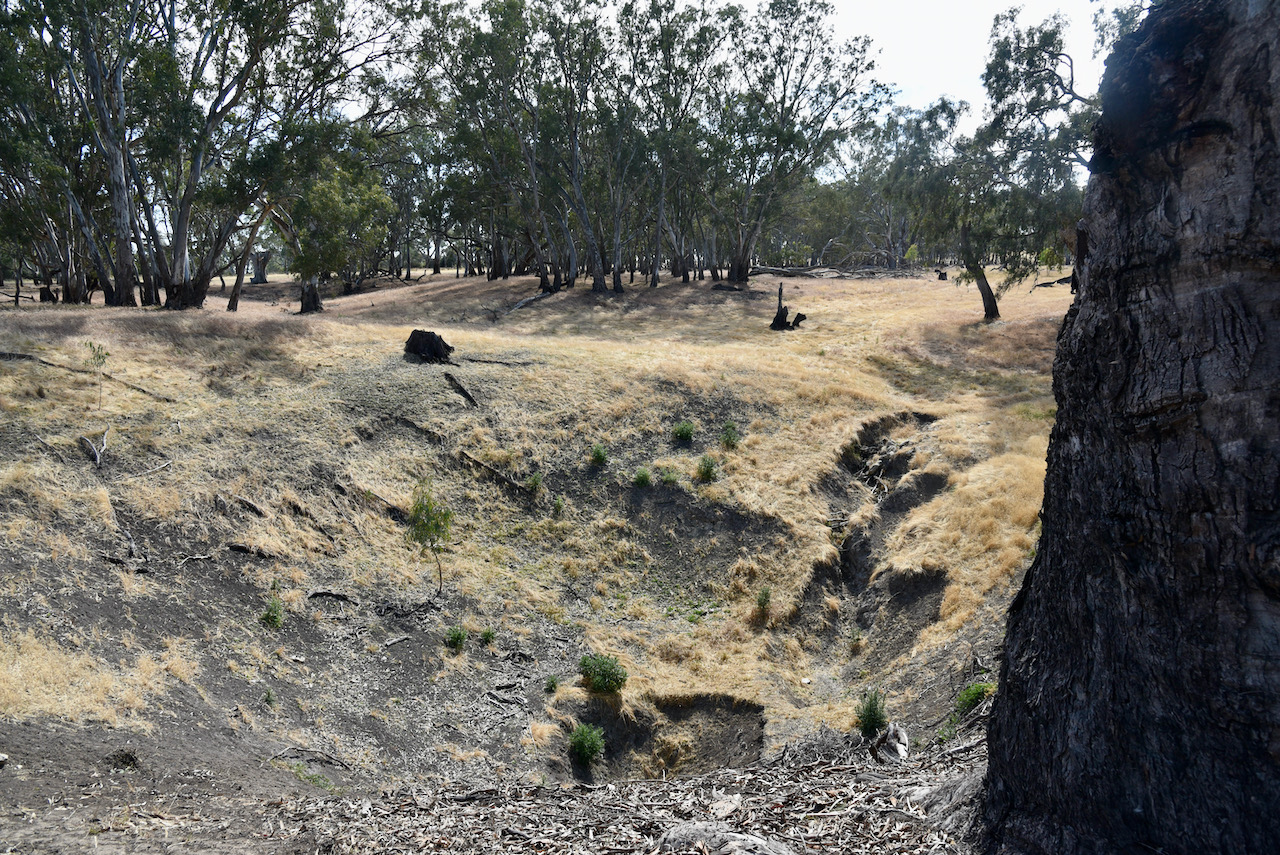
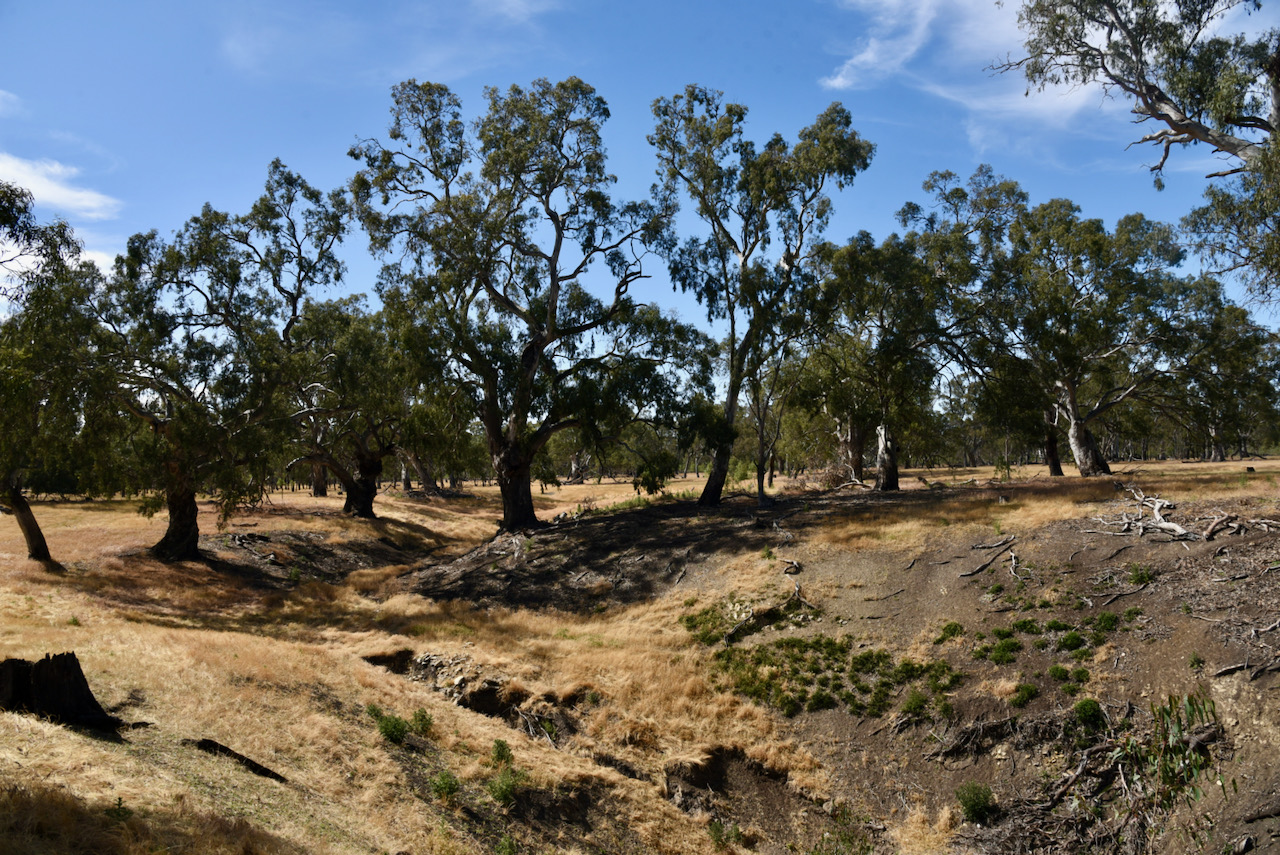
As it was summer, the two runaways were bone dry during our visit. During the 1950s, numerous levee banks were created in Poocher Swamp to impound water and attract birdlife. The swamp fills from Tatiara Creek.
The overflow from Poocher Swamp flows westwards and a series of runaway holes which includes Scotwn’s Runaway Hole.
The video below shows Poocher Swamp when full of water.
Poocher Swamp is home to numerous native plants and animals. Apart from the magnificent Red Gums, the park is home to four plants that are listed as rare in South Australia.
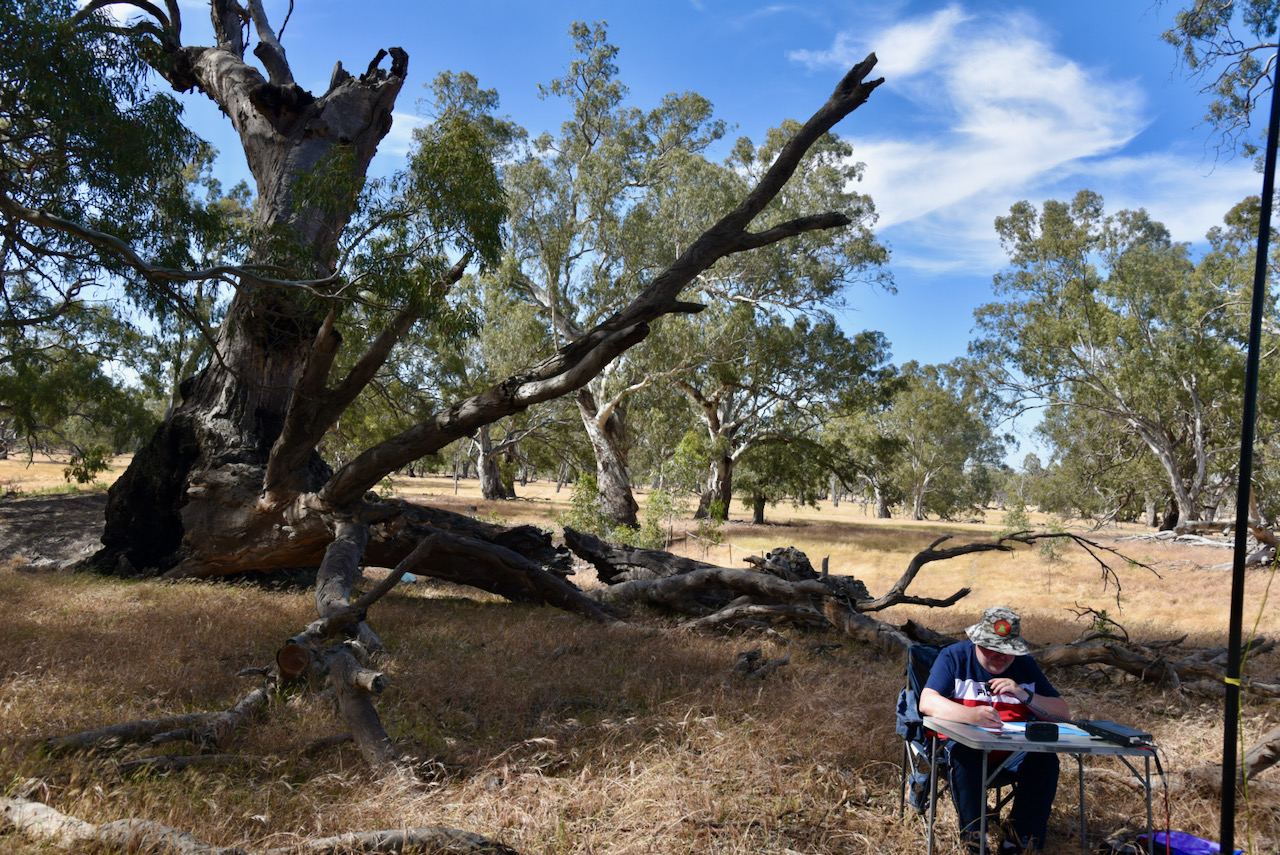
Also located in the park is a large tree, which has now partially collapsed. Known as the Pinkie tree, it was used as a shelter.
You can also view the ‘washpool’ where aboriginal women washed wool in the various pools near station shearing sheds.
The video below includes information on Poocher Swamp and the surrounding area.
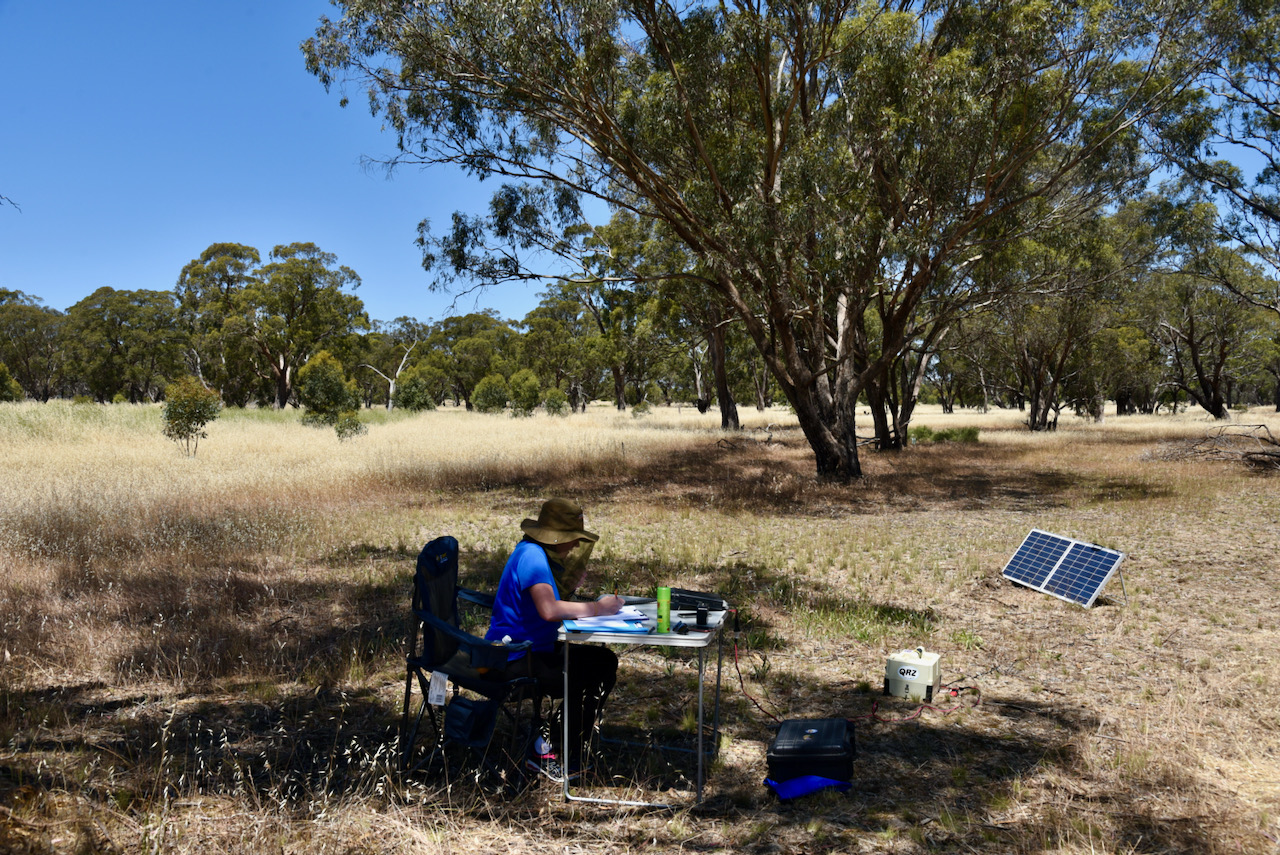
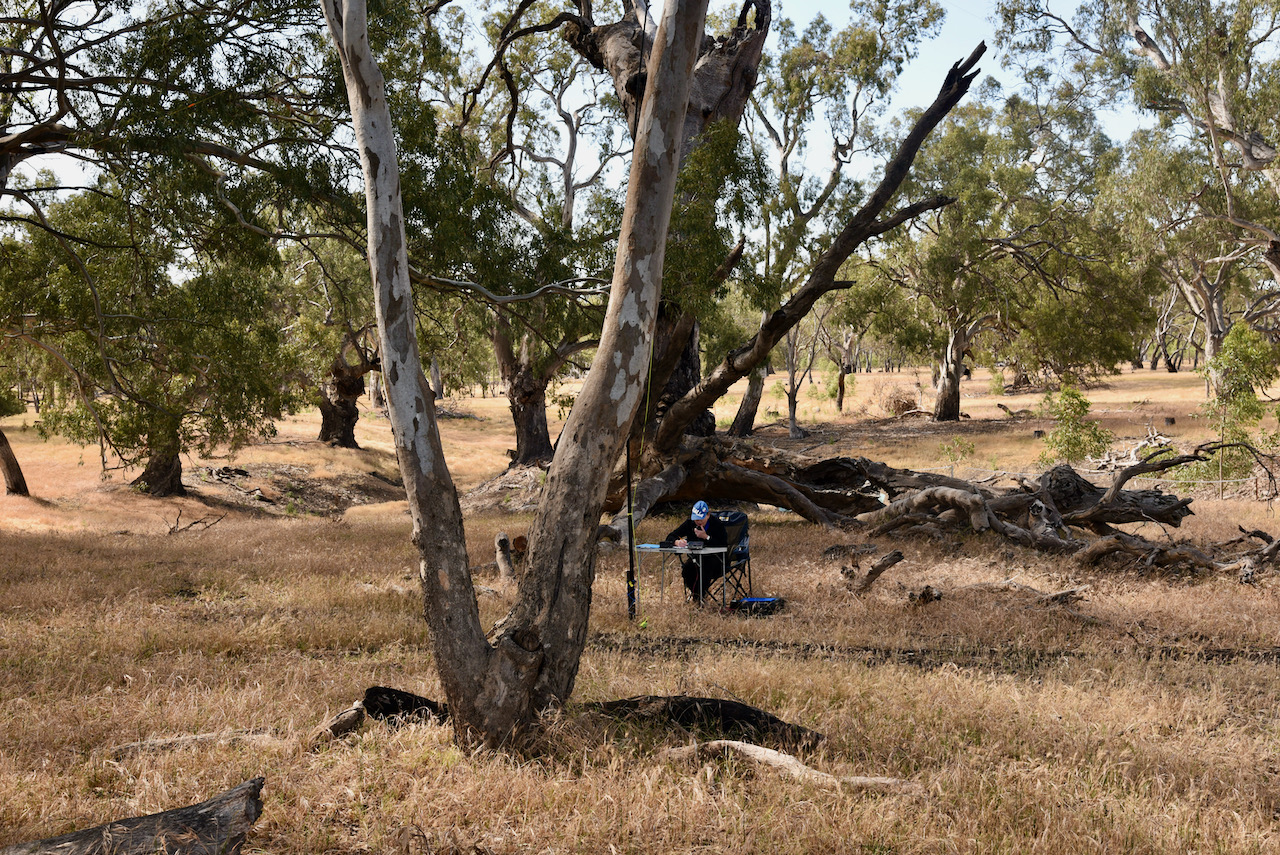
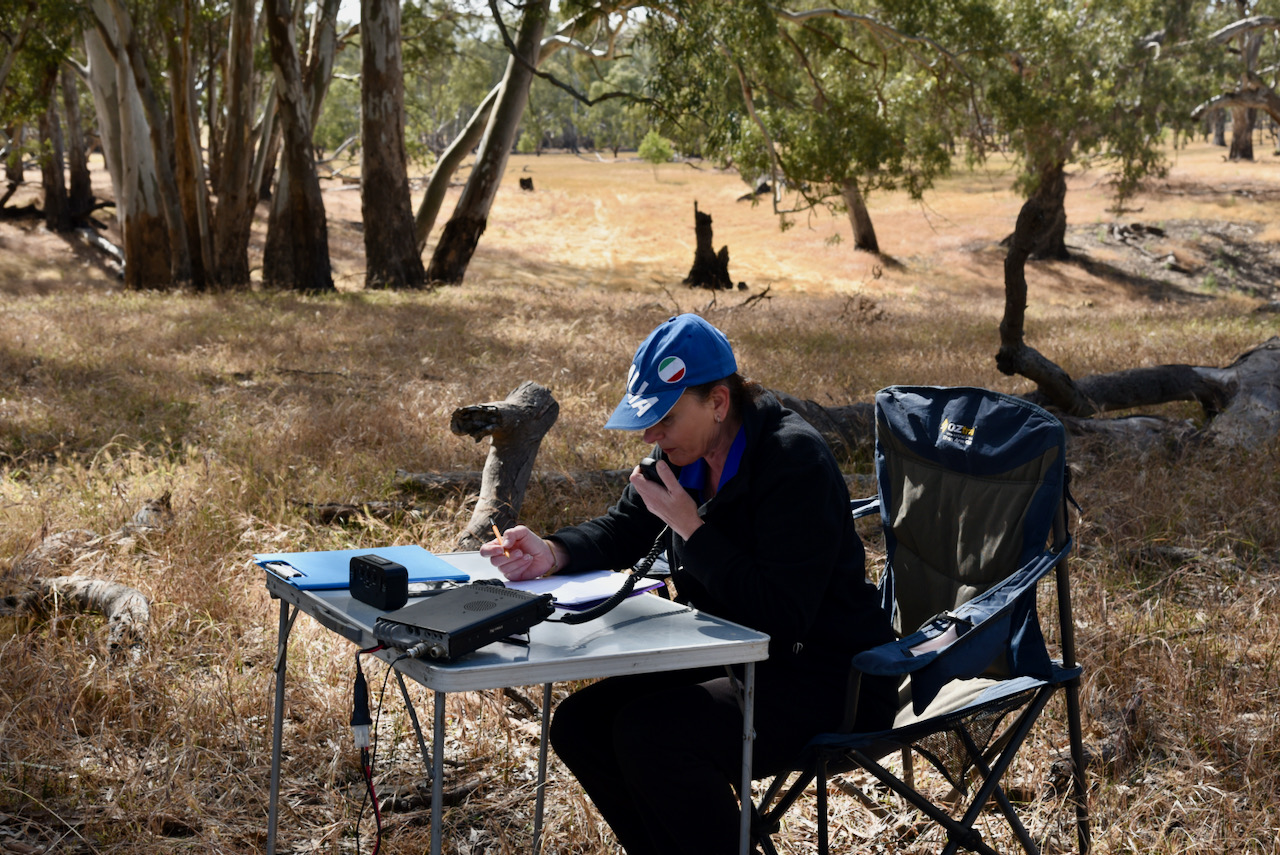
We set up just inside the gate at the park. We ran the Yaesu FT-857d , 40 watts, and the 20/40/80m linked dipole for this activation.
Marija and I spent about 3 hours on air at Poocher Swamp. All up we made a total of 122 QSOs and this included 60 Park to Park contacts.
The majority of our contacts were on the 40m band, although we did make some contacts on 80m and 20m. Contacts were made into VK2, VK3, VK4, VK5, VK6, VK7, and New Zealand.
Marija worked the following stations on 40m SSB before the UTC rollover:-
Our final silo of the day (Friday 26th November 2021) was the Wirrega silo VK-WRG5 in the tiny town of Wirrega, about 252 km southeast of Adelaide. We had hoped to activate some more silos but we had run out of time.
Above:- Map showing the location of Wirrega. Map /co Google maps
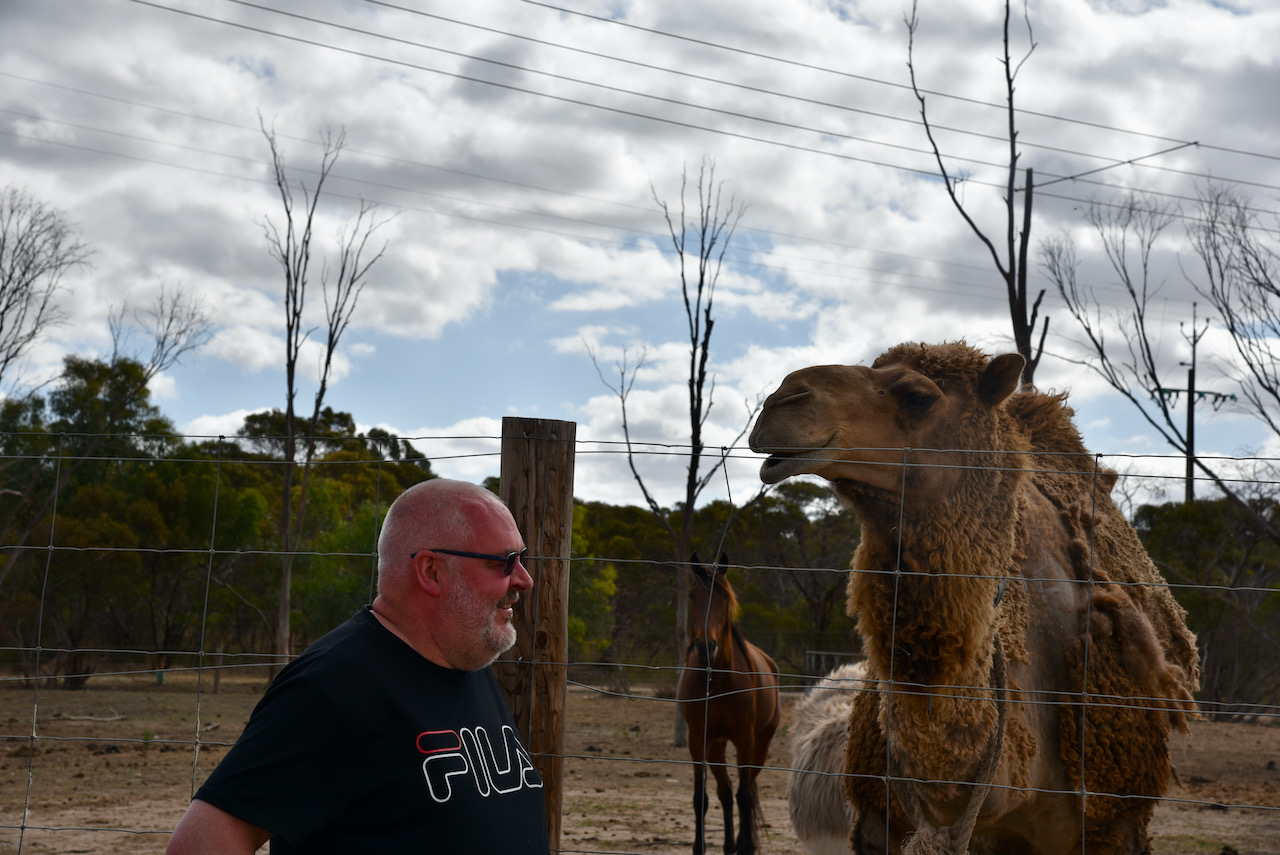
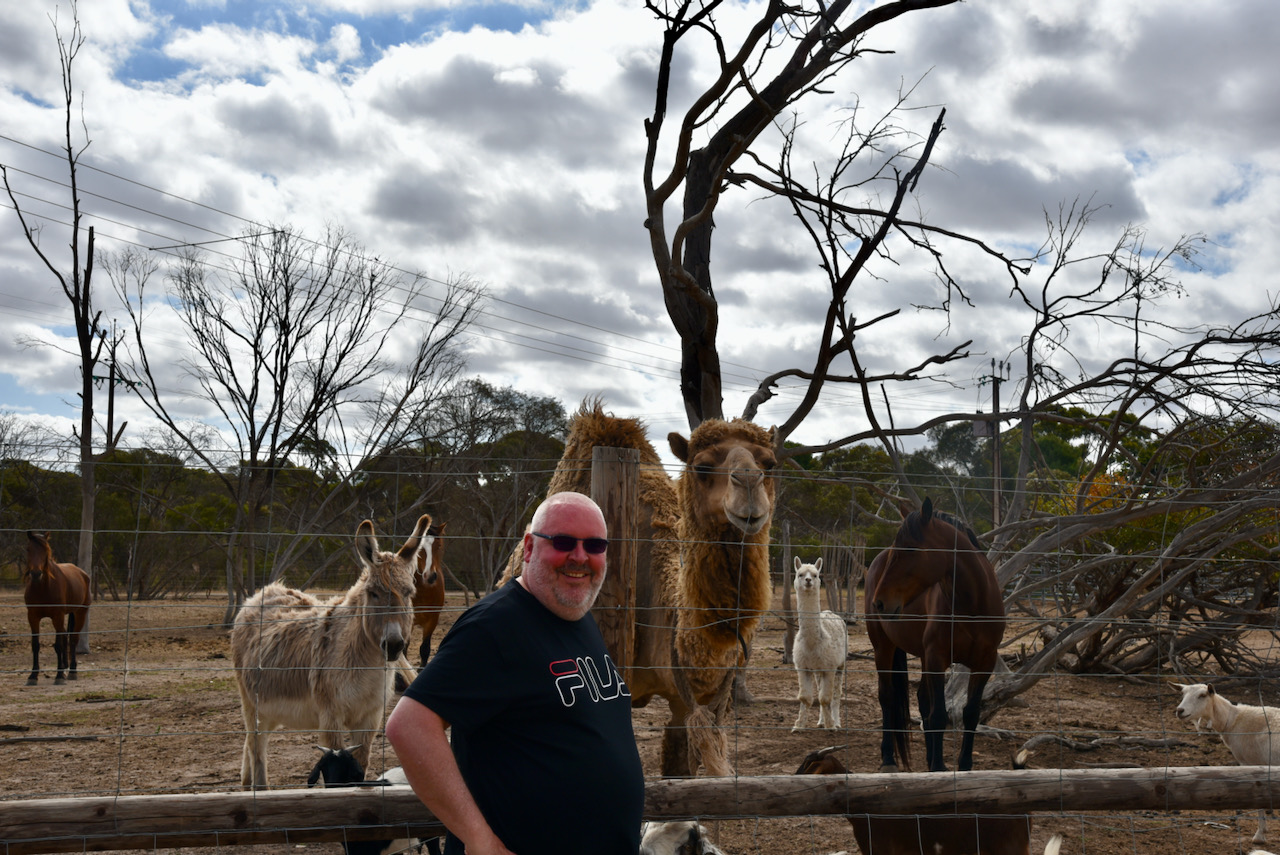
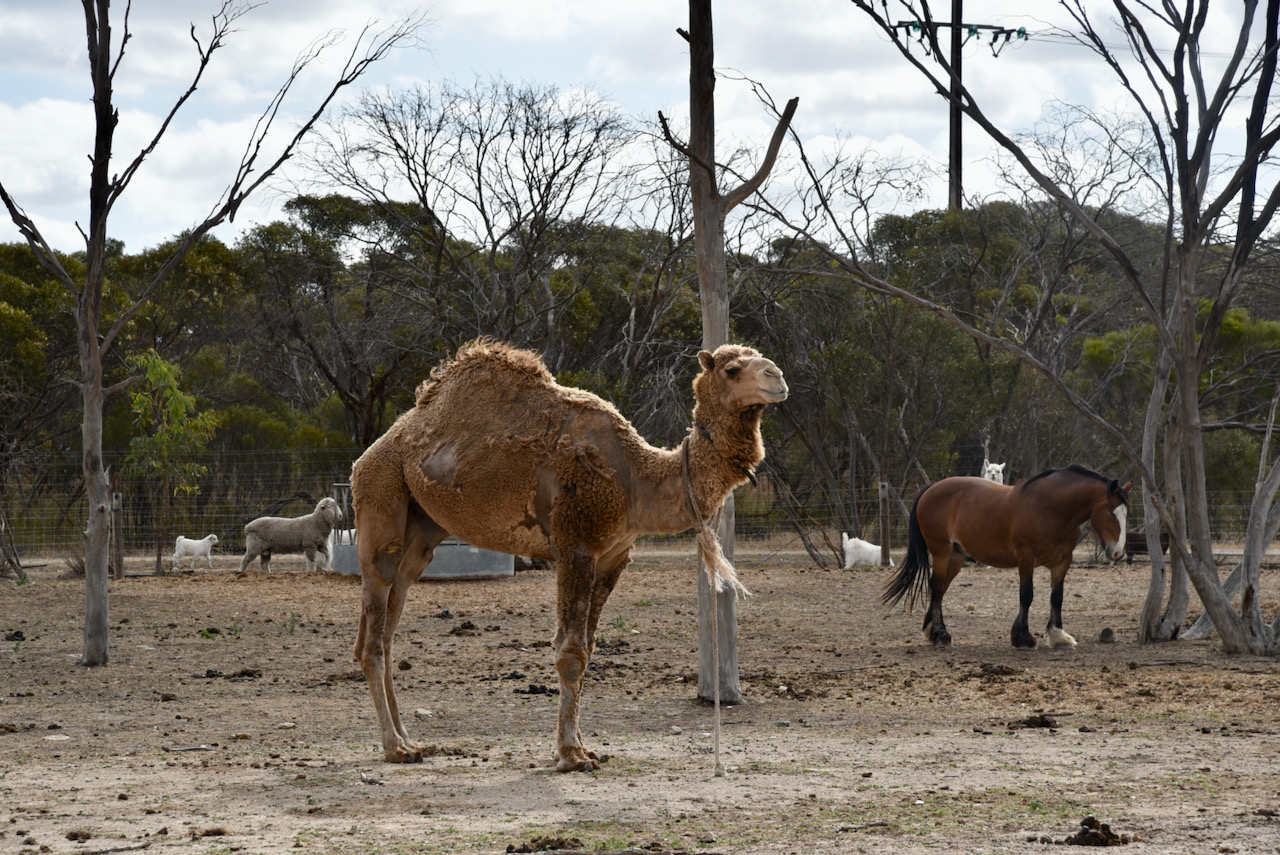
We turned off the Dukes Highway and travelled along Anderson Road towards the silo. We came across a paddock with a menagerie of animals including a camel.
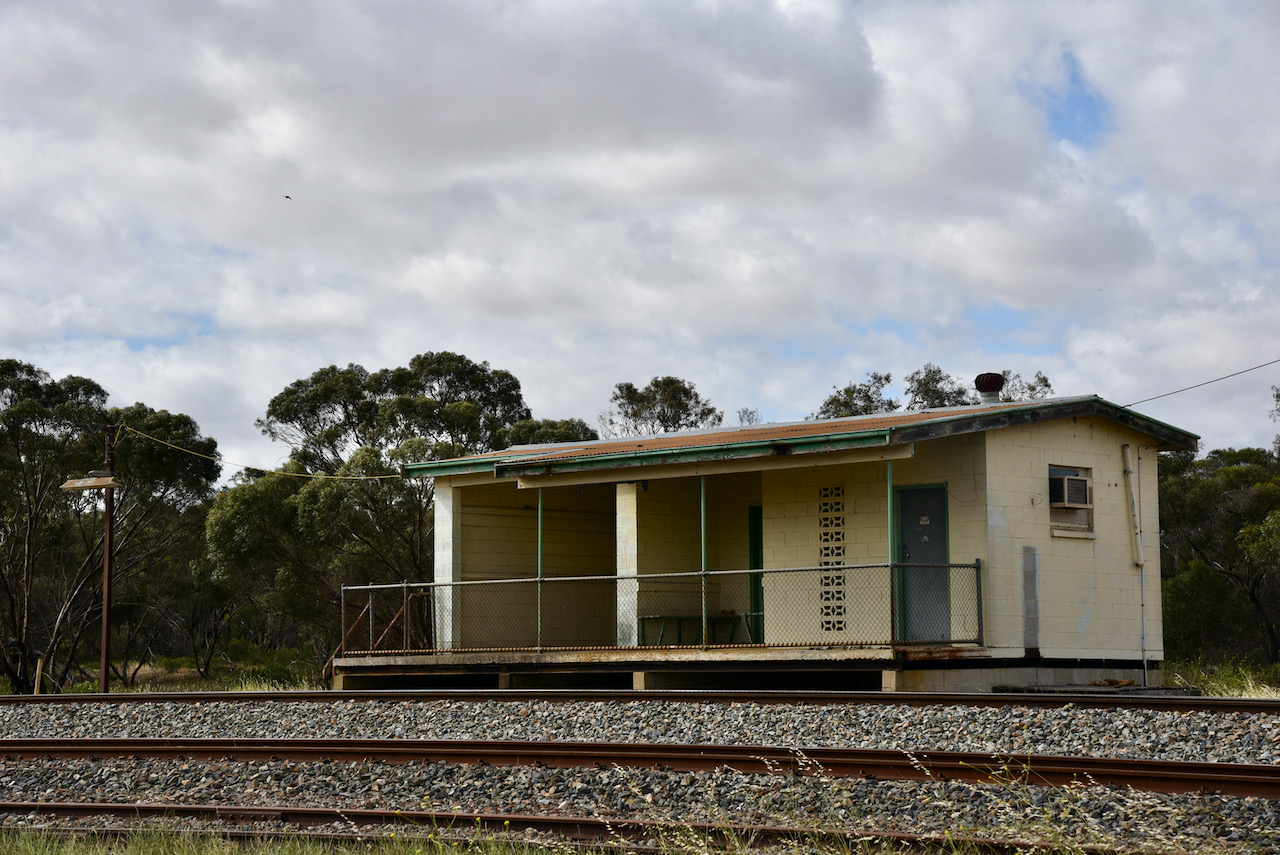
The Wirrega silos are located on Anderson Road and run alongside the Adelaide-Melbourne railway line.
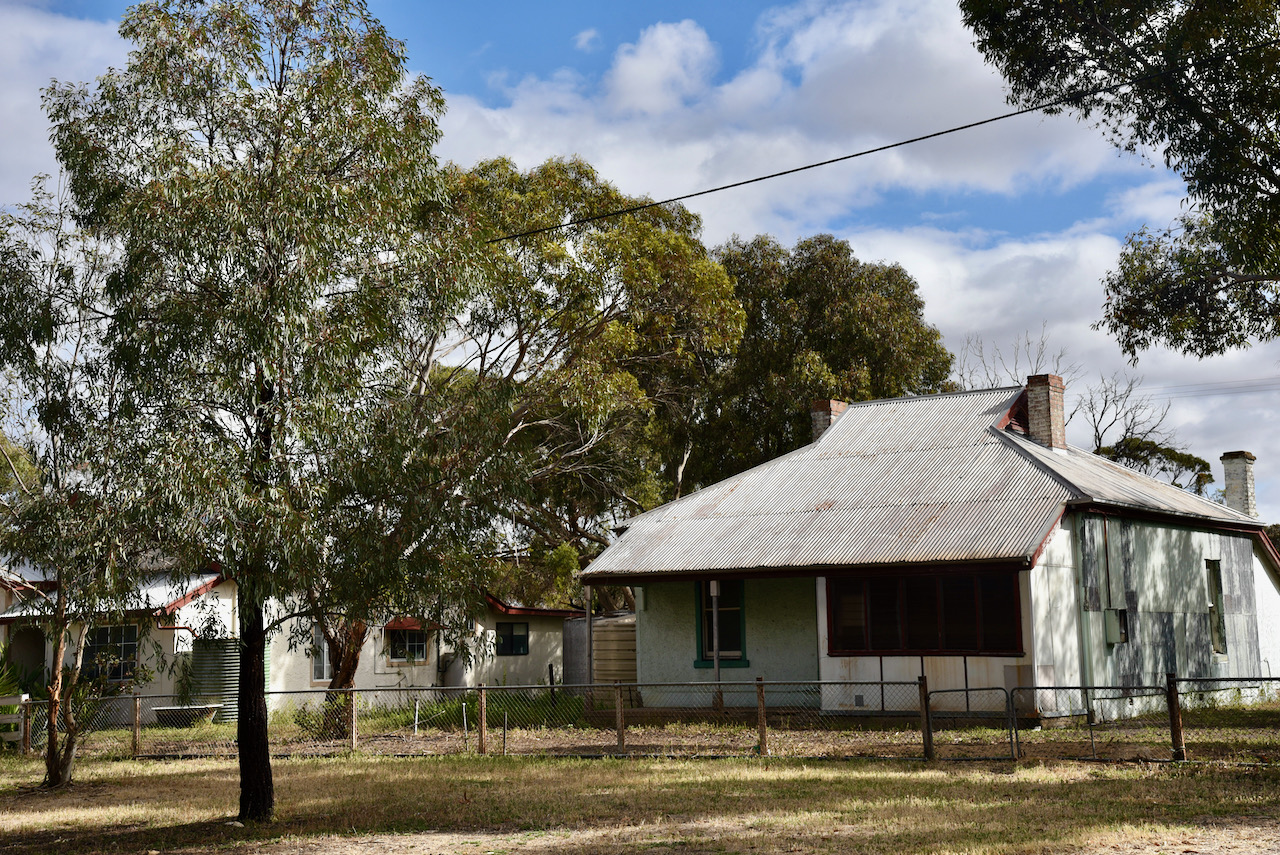
There isn’t much at Wirrega. Blink and you will miss it. Just a few old houses remain.
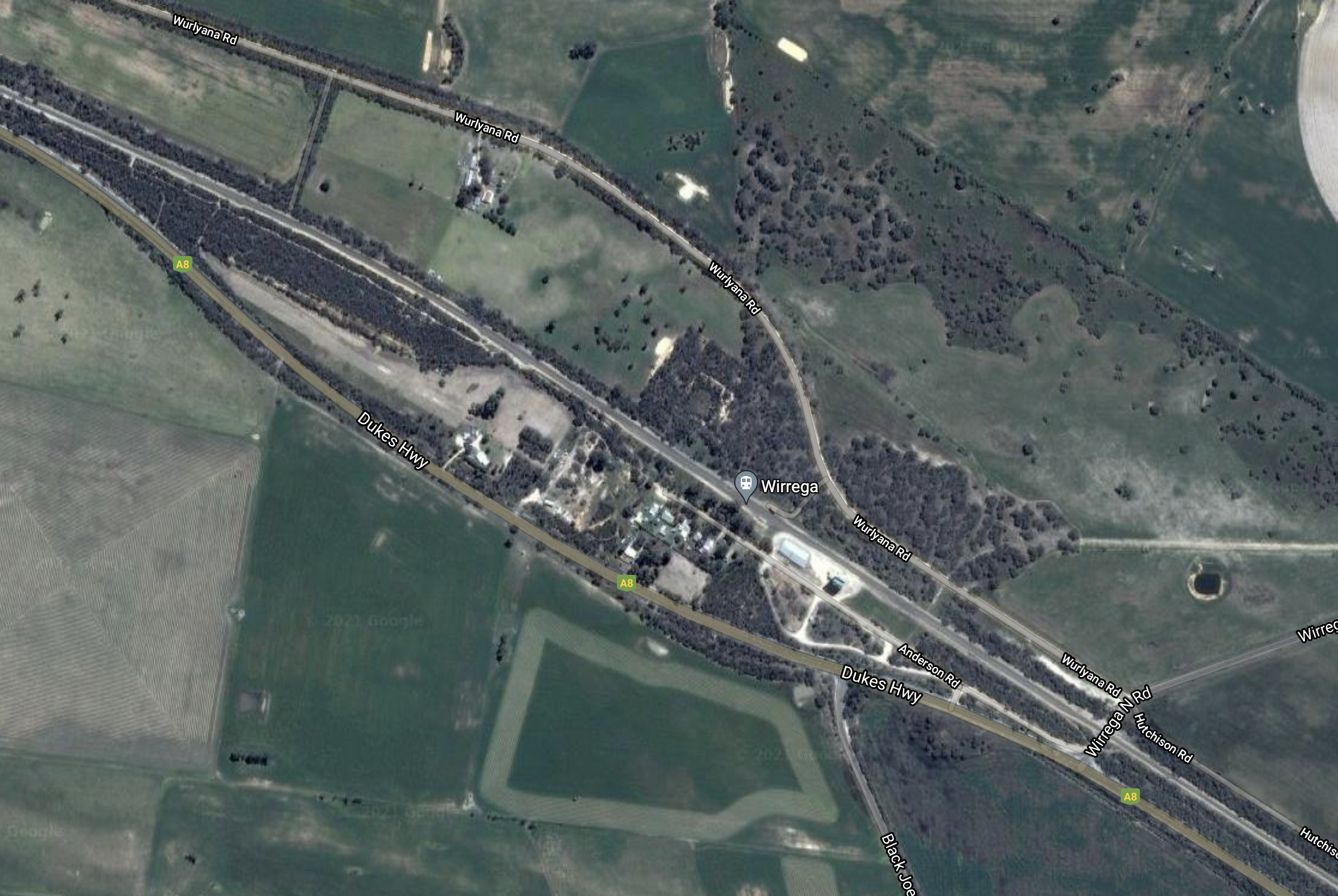
Above:- An aerial view of Wirrega. Image c/o Google maps.
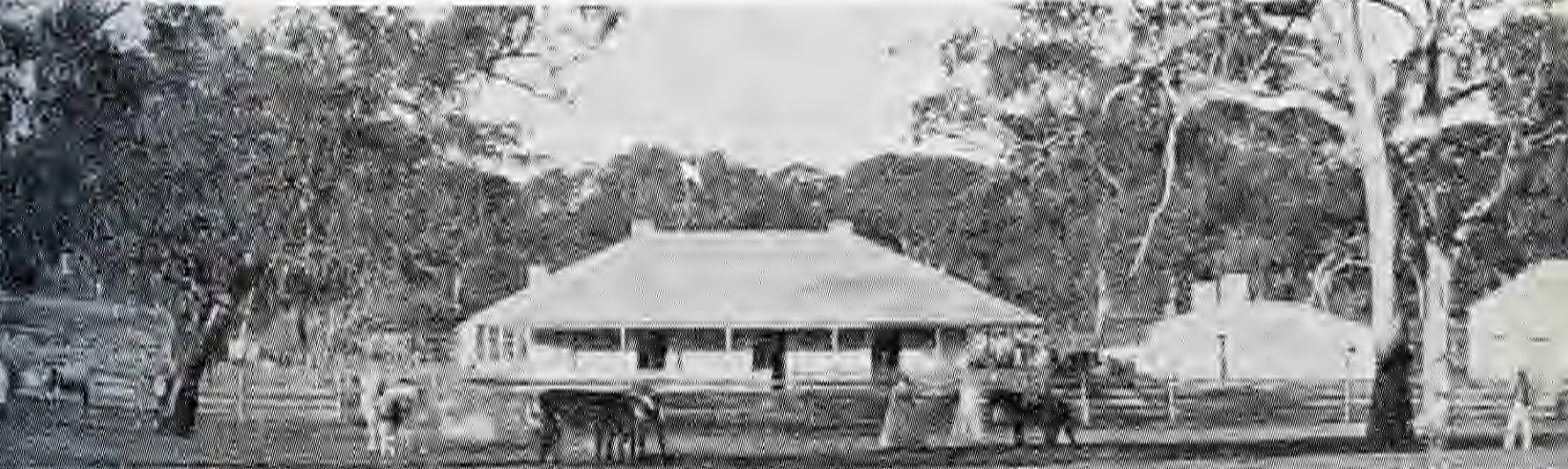
Wirrega takes its name from Wirrega pastoral run which was established on the 26th February 1846. Wirrega is an aboriginal name said to mean ‘dwellers in the open forest’.
Above:- Wirrega Homestead. Image c/o SA State Library
The Wirrega Post office opened in 1911. The Wirrega school opened in 1925 and closed in 1946.
Marija and I drove to the other side of railway line to Wurlyana Road and set up our station there. Once again we ran the Yaesu FT857, 40 watts, and the 20/40/80m linked dipole.
I called CQ and first in the log was Peter VK2DHN, followed by Peter VK3PF, and Brett VK2VW. I logged a total of 7 stations on 40m from VK2 and VK3, before swapping over with Marija.
Marija’s first contact was with Peter Vk3ZPF, followed by Gerard VK2IO, and then Lee VK2LEE. Marija had qualified the silo. Marija went on to log a total of 13 stations on 40m from VK2, VK3, VK4, and New Zealand.
I then called CQ on 14.310 and logged a total of 5 stations from VK2, VK4, and New Zealand.
And finally, to complete the activation, I called CQ on 80m where I logged 7 stations from VK1, VK2, VK3, and VK5. There was zero noise floor on 80m. It was a very quiet location to operate from.
Marija worked the following stations on 40m SSB:-
VK3ZPF
VK2IO
VK2LEE
VK2YAK
VK4YAK
Vk4NH
VK2PBC
VK2YW
VK4SMA
ZL4NVW
VK2VW
VK2HFI
VK3AAV
I worked the following stations on 40m SSB:-
VK2DHN
VK3PF
VK2VW
Vk2HFI
VK2YW
VK2YAK
VK4YAK
VK3ZPF
I worked the following stations on 20m SSB:-
VK2VW
VK2HFI
ZL4NVW
VK4NJ
VK2IO
I worked the following stations on 80m SSB:-
VK5FANA
VK5WG
VK5IS
VK5CZ
VK3OHM
VK1DA
VK2UH
With a total of 32 stations in the log, it was time for us to head to Bordertown.
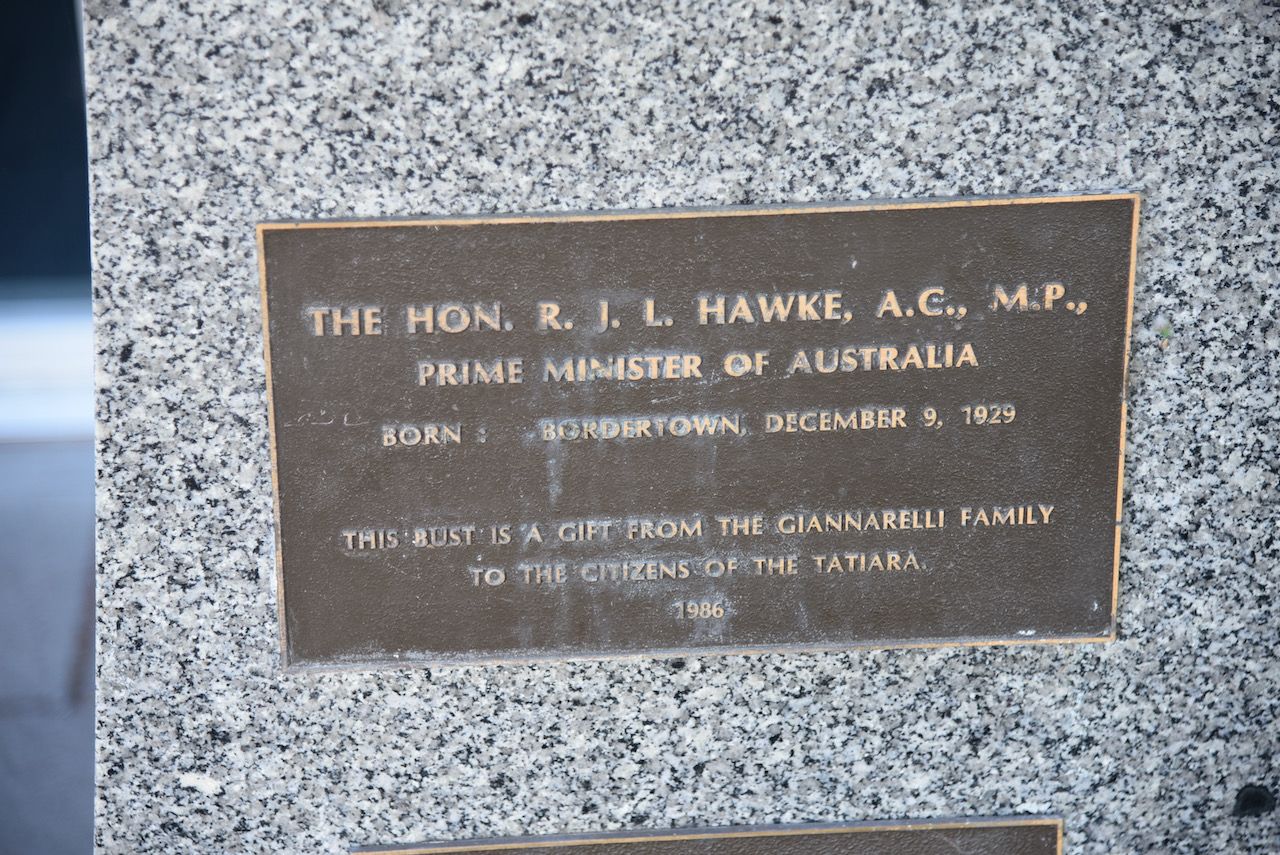
After leaving Wirrega, we drove into Bordertown and booked into our motel. As there was still some daylight we had a quick look around Bordertown. Our first stop was the bronze bust of former Australian Prime Minister Robert ‘Bob’ James Lee Hawke which is located outside of the Council Chambers. He was born in Bordertown on the 9th day of December 1929.
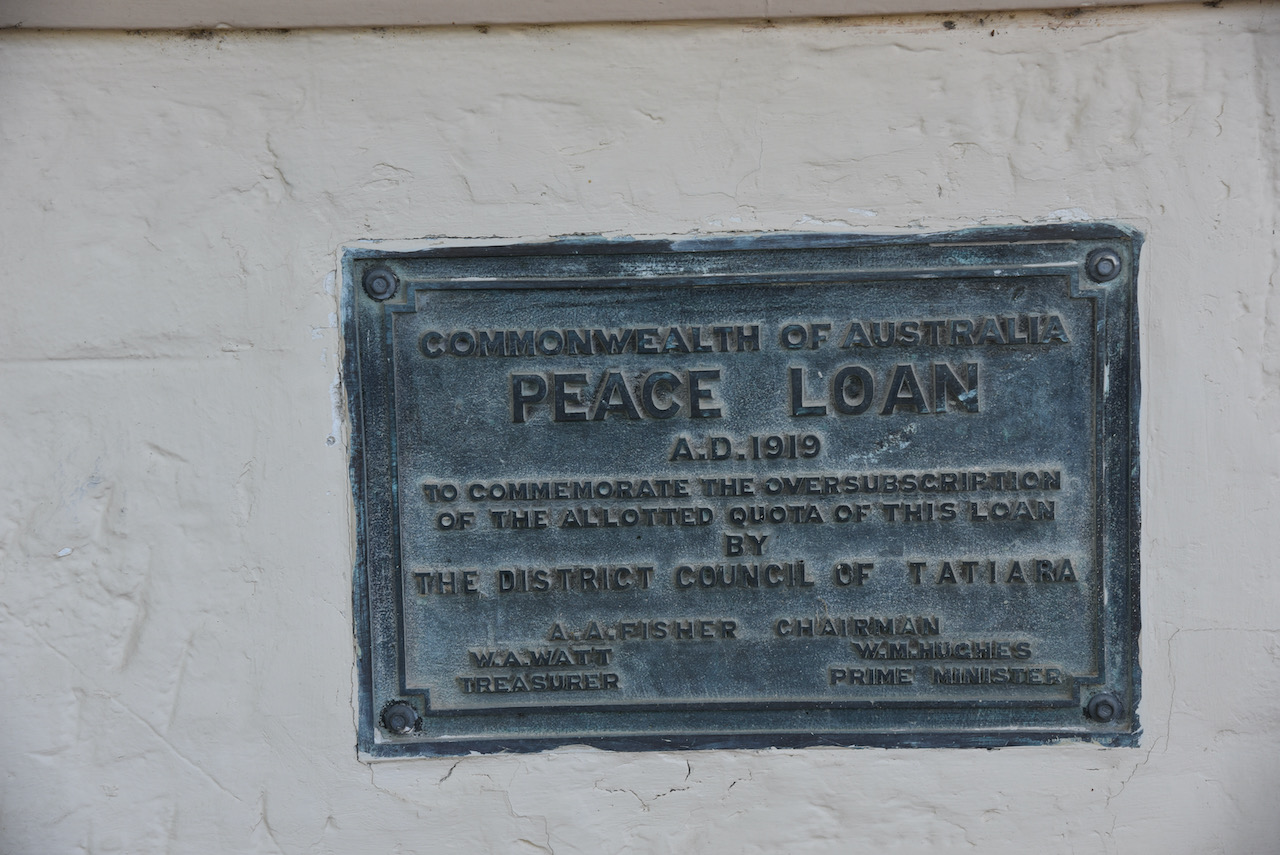
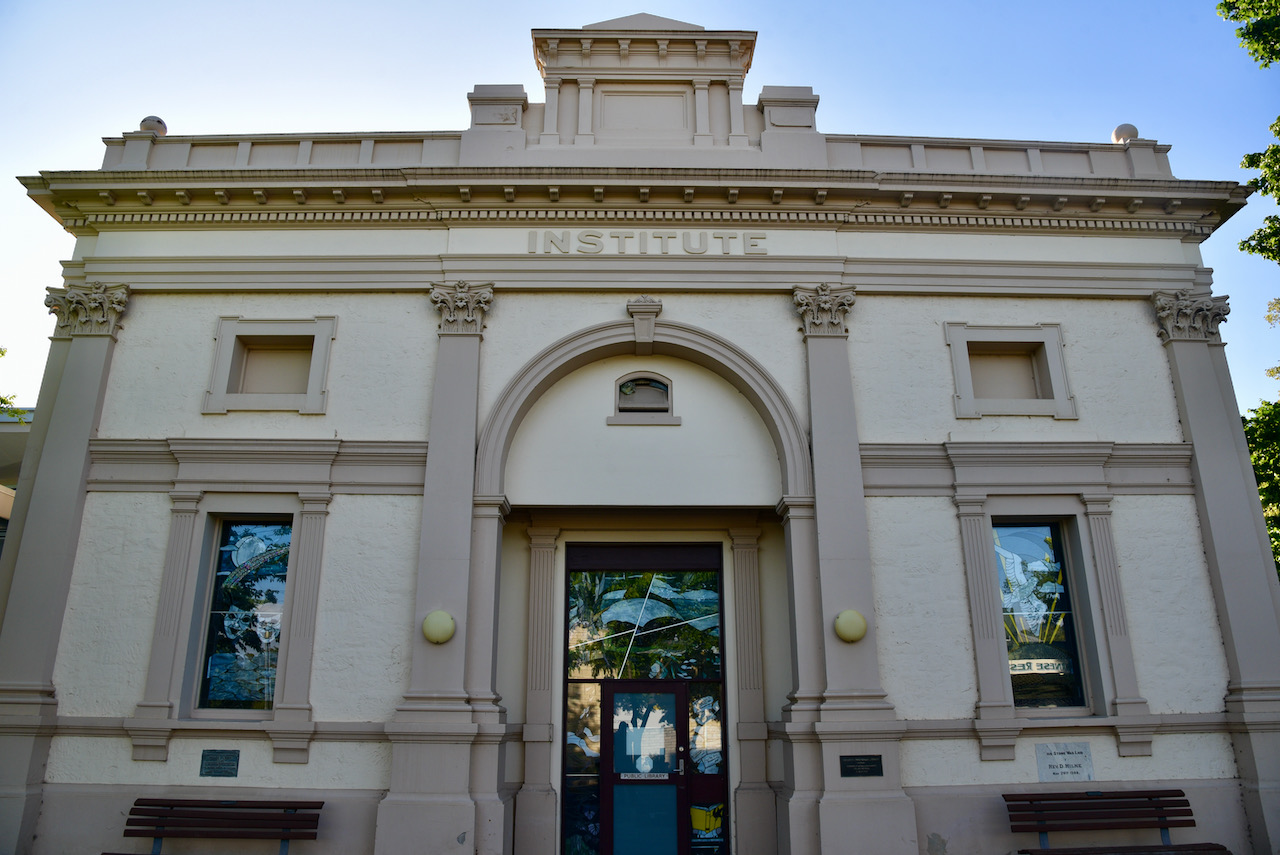
The Bordertown Institute is a beautiful building that is directly alongside the Council Chambers. The Institute was built and opened in 1909 and is a Neo-Classical design. It was built to the plans of Architects Davies & Rutt of Adelaide. It operated as a cinema from the 1920s. Known as the Plaza Theatre prior to 1951, it continued to operate as a cinema until about 1957.
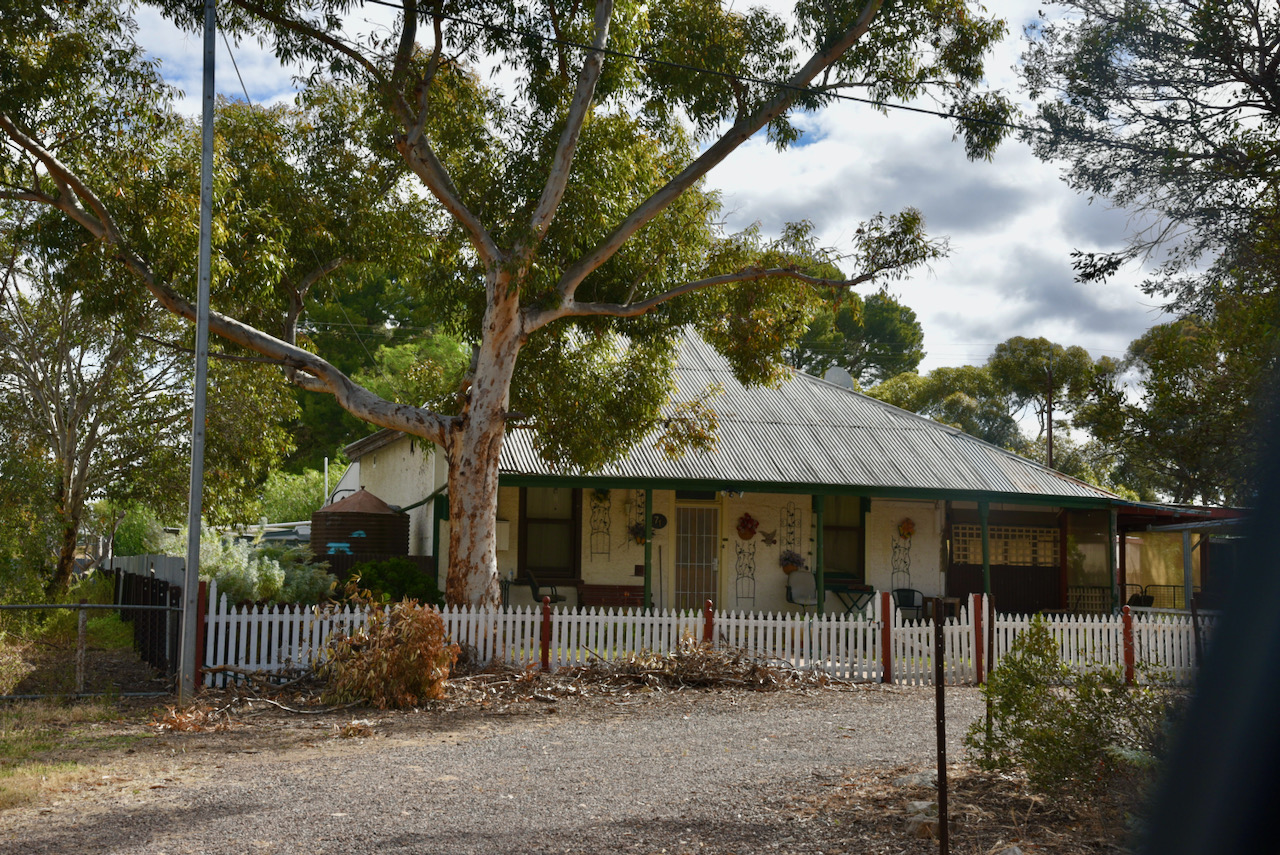
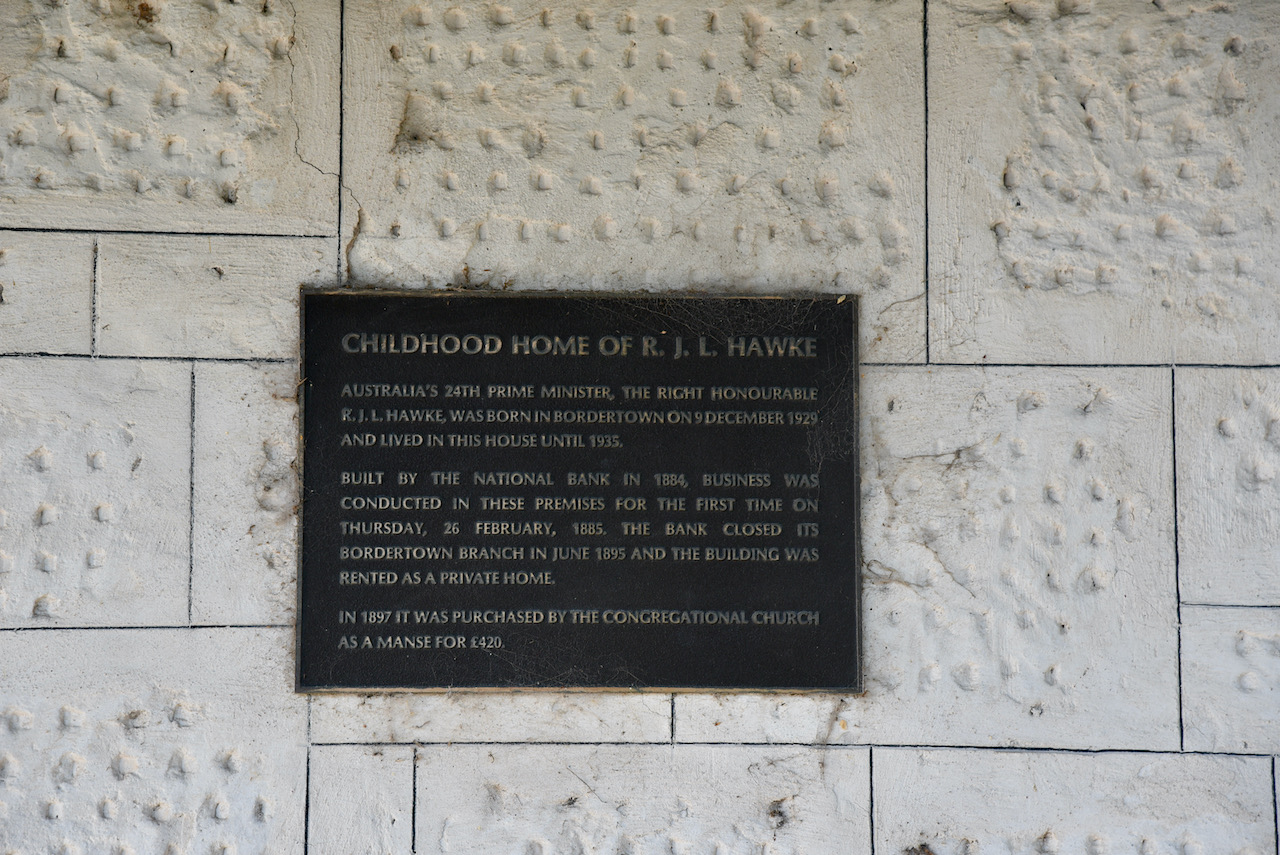
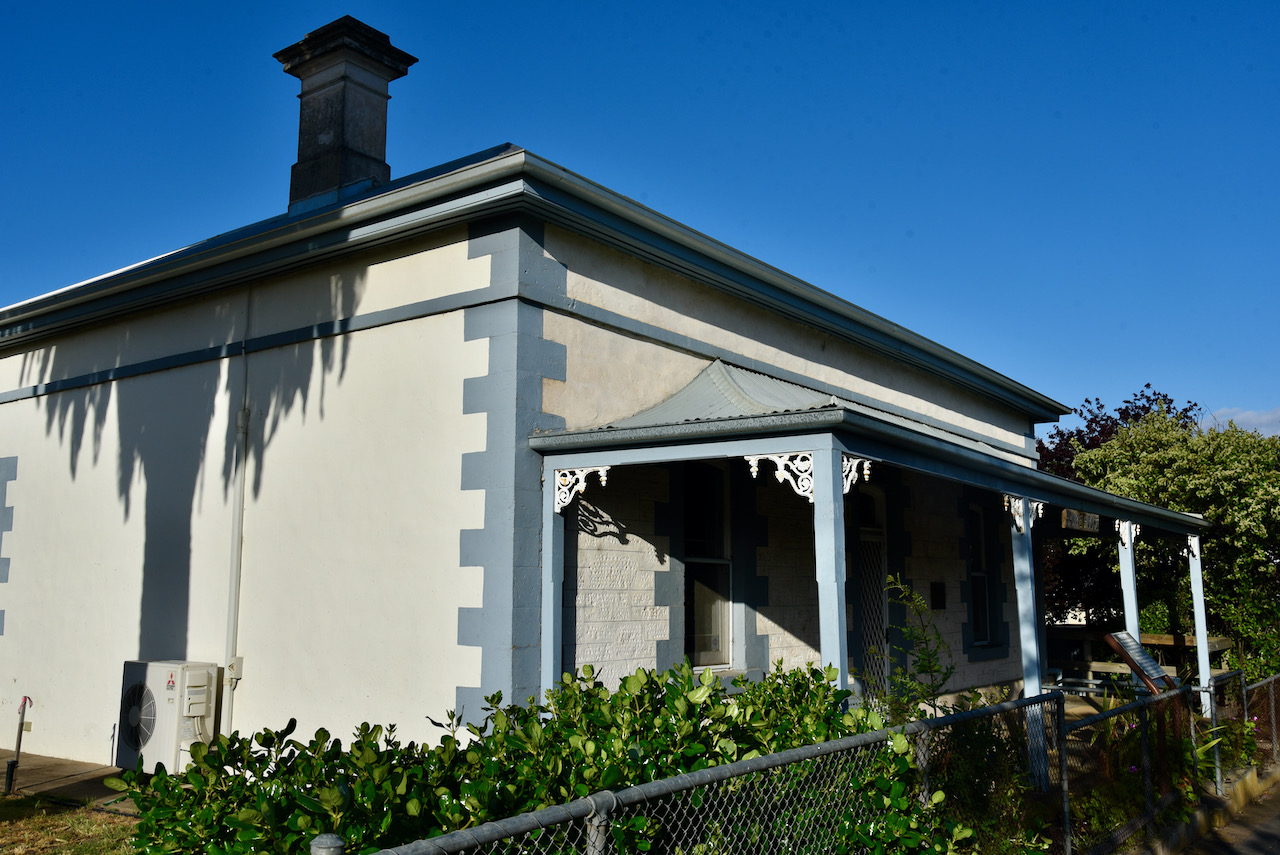
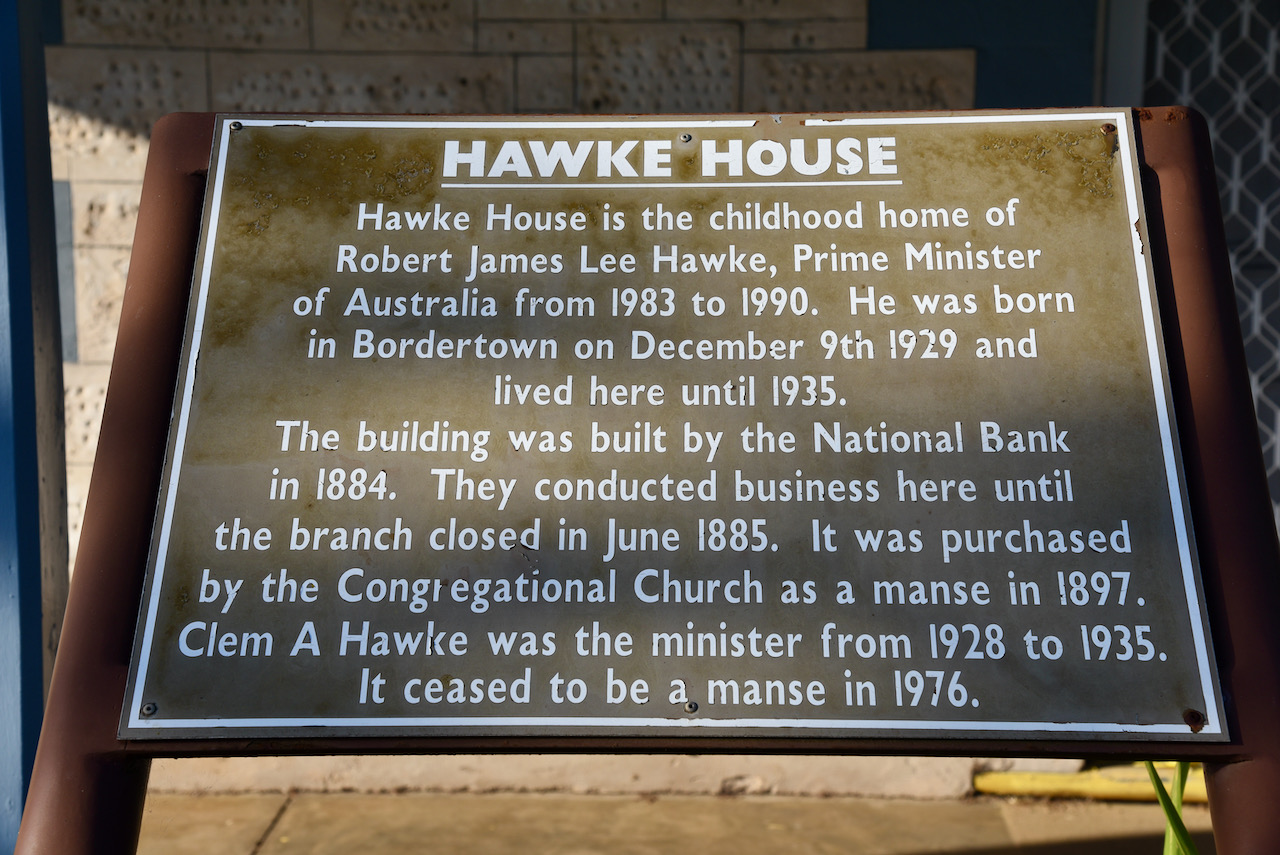
We then strolled a short distance to view the childhood home of Bob Hawke. He lived in the home until 1935. The building was built by the National Bank in 1884 and they conducted business there until the branch closed in June 1885. It was then purchased by the Congregational Church as a manse in 1897. Clem A Hawke was the Minister from 1928 to 1935. It ceased to be a manse in 1976.
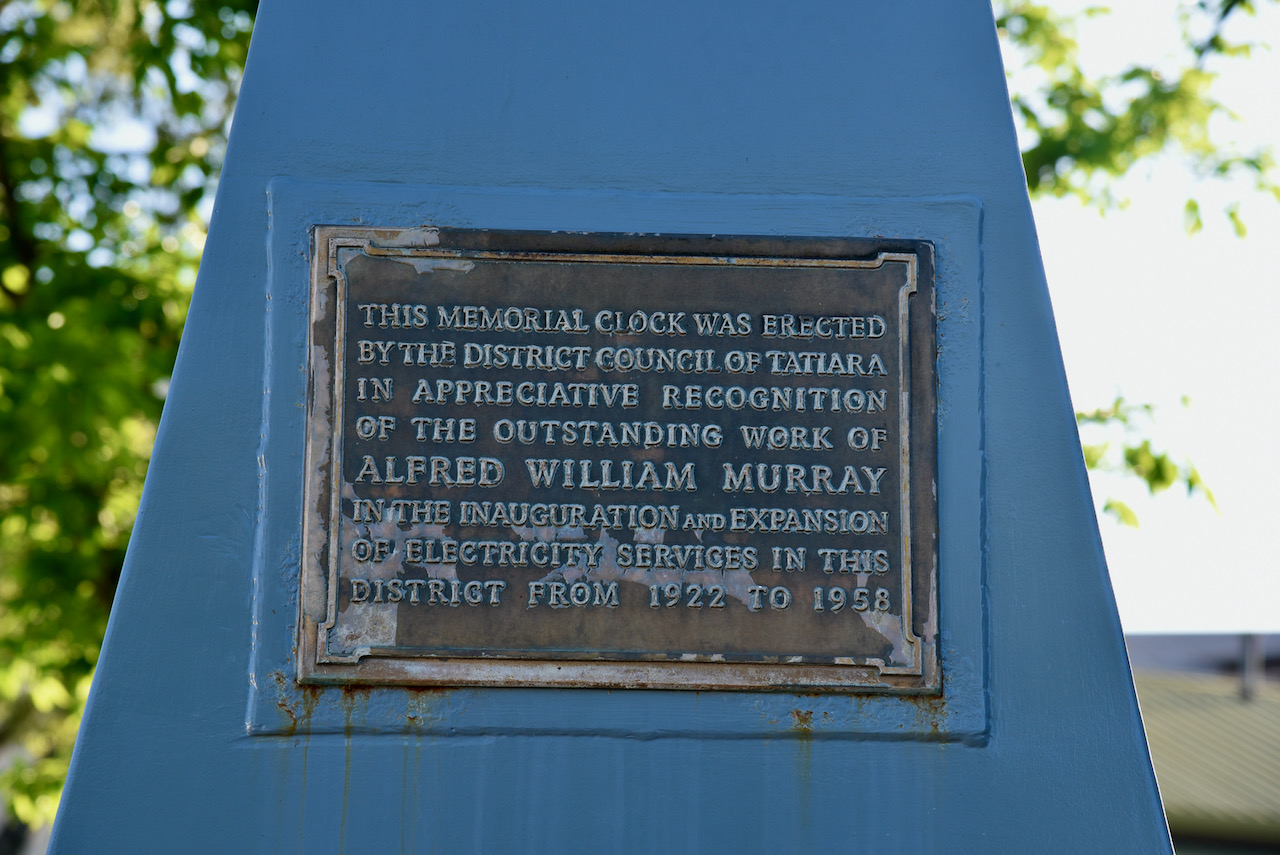
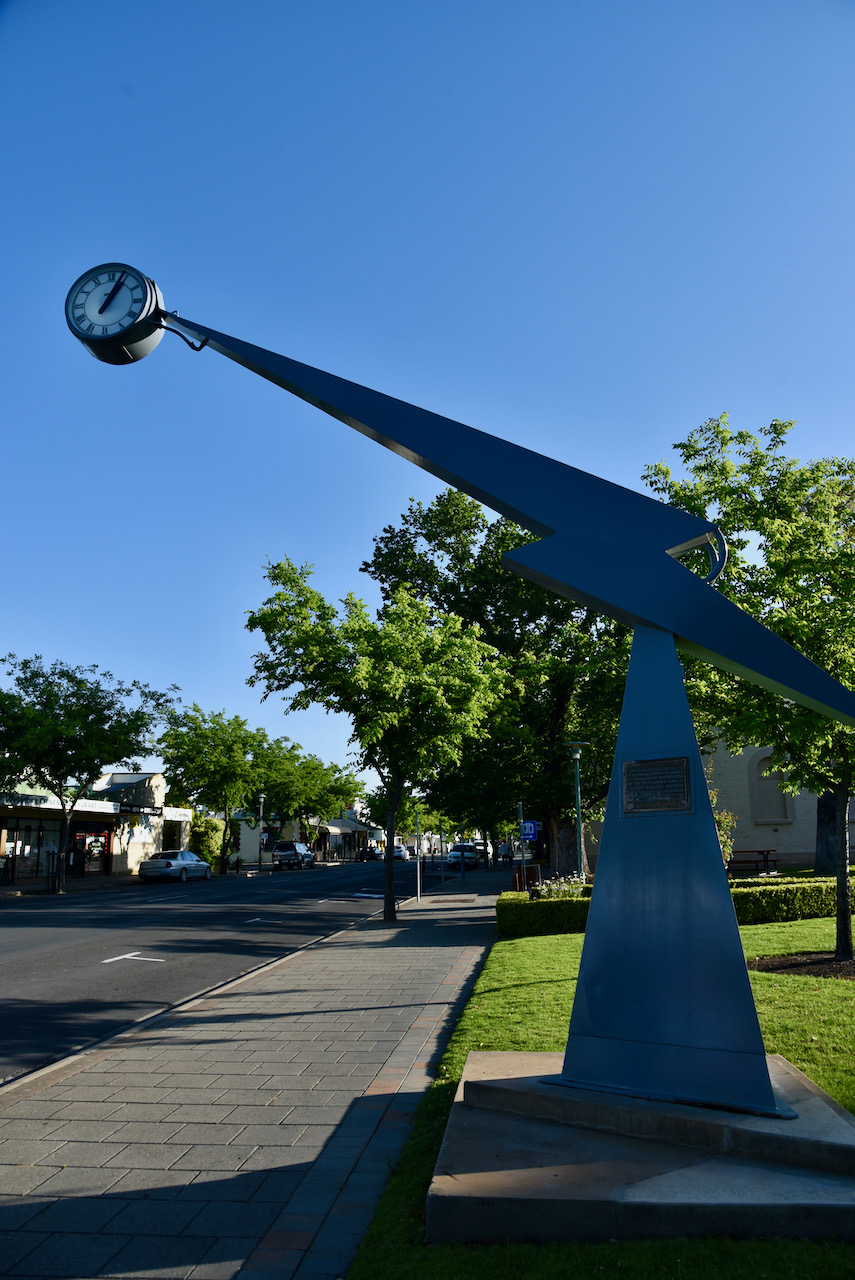
We also had a look at the Memorial clock which was erected by the District Council of Tatiara in ‘appreciative recognition of the outstanding work of Alfred William Murray in the inauguration and expansion of electricity services in this district from 1922 to 1958’.
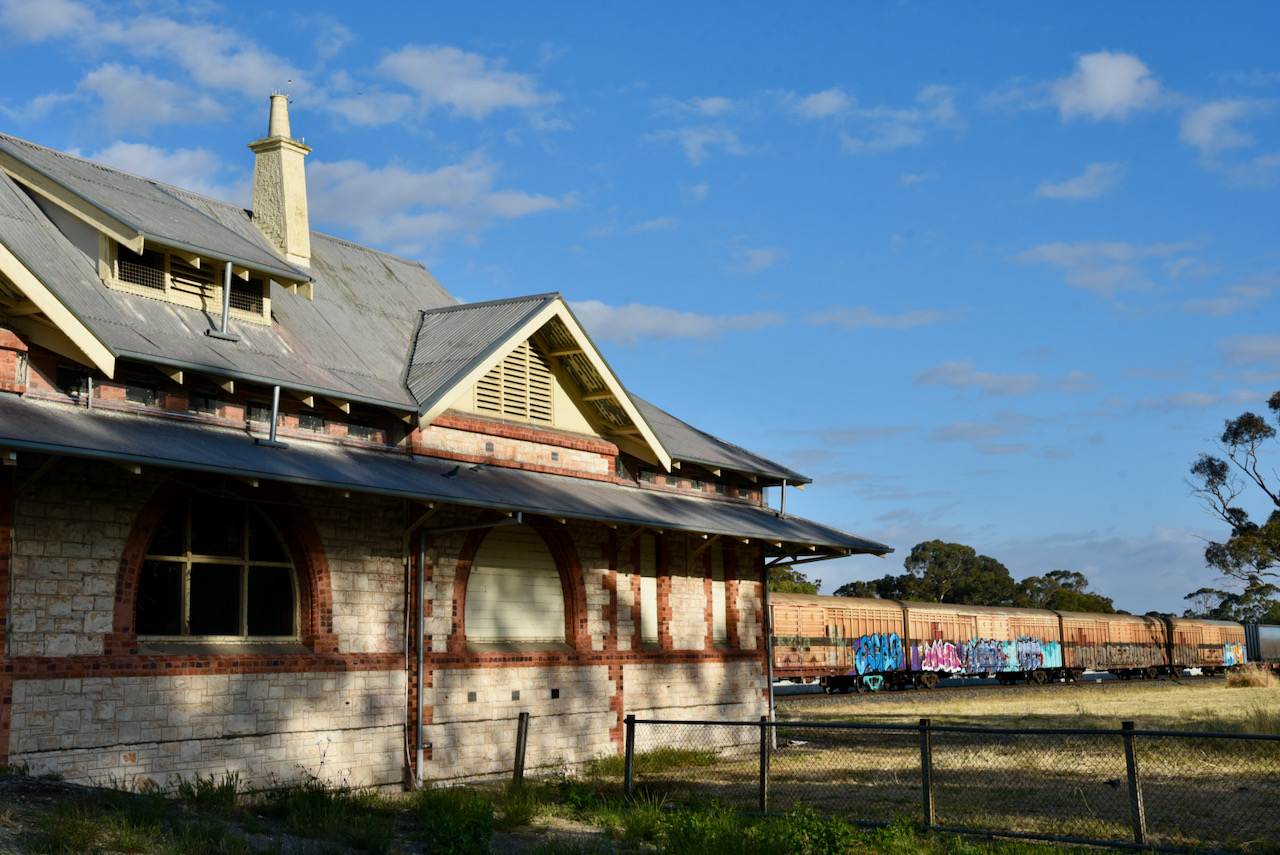
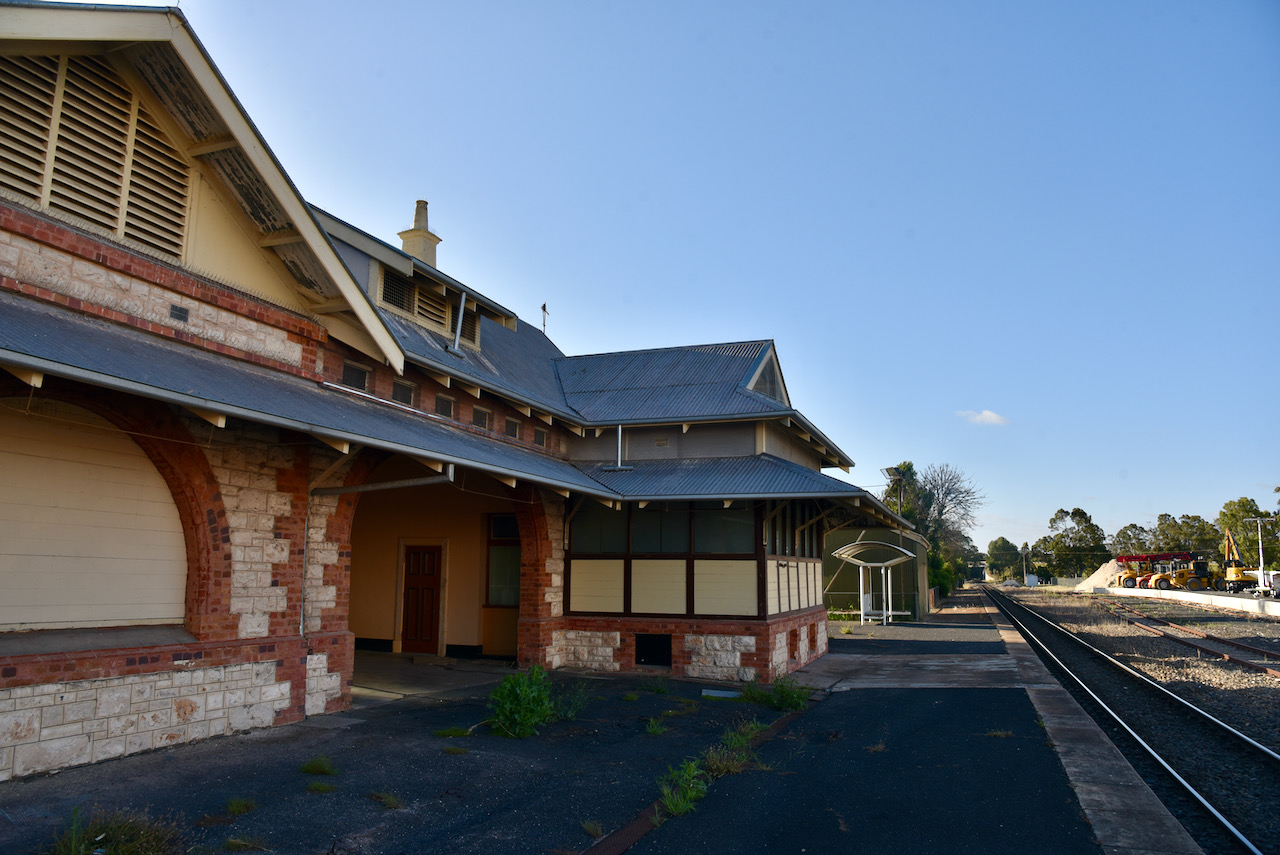
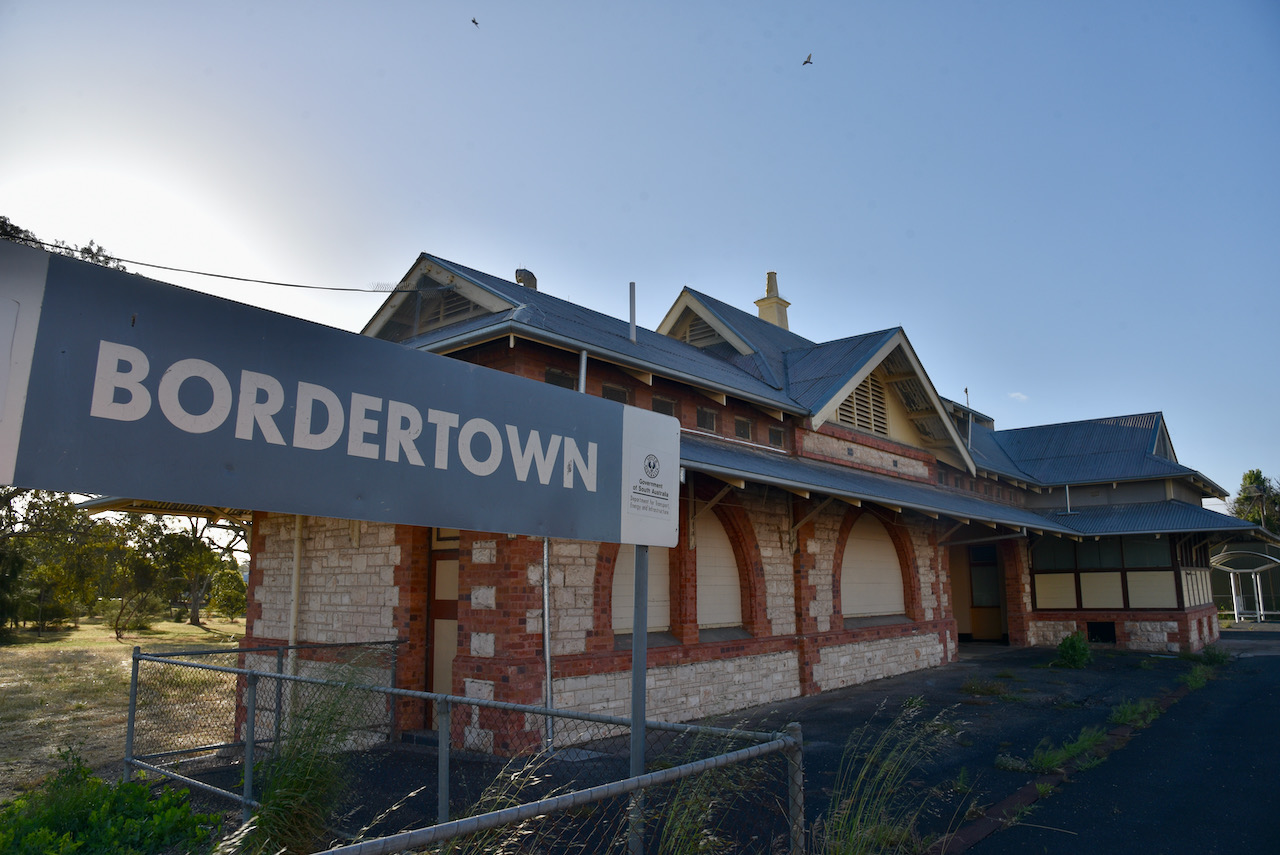
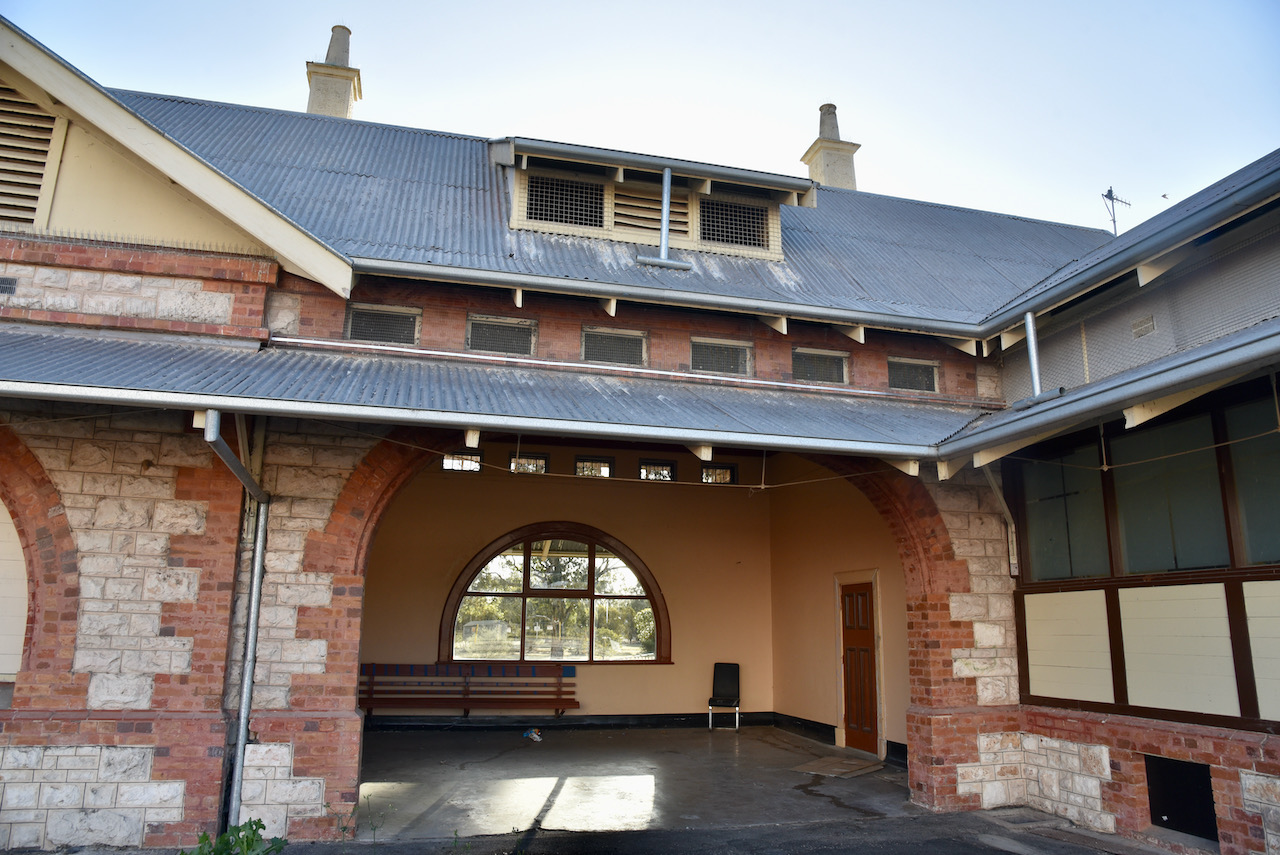
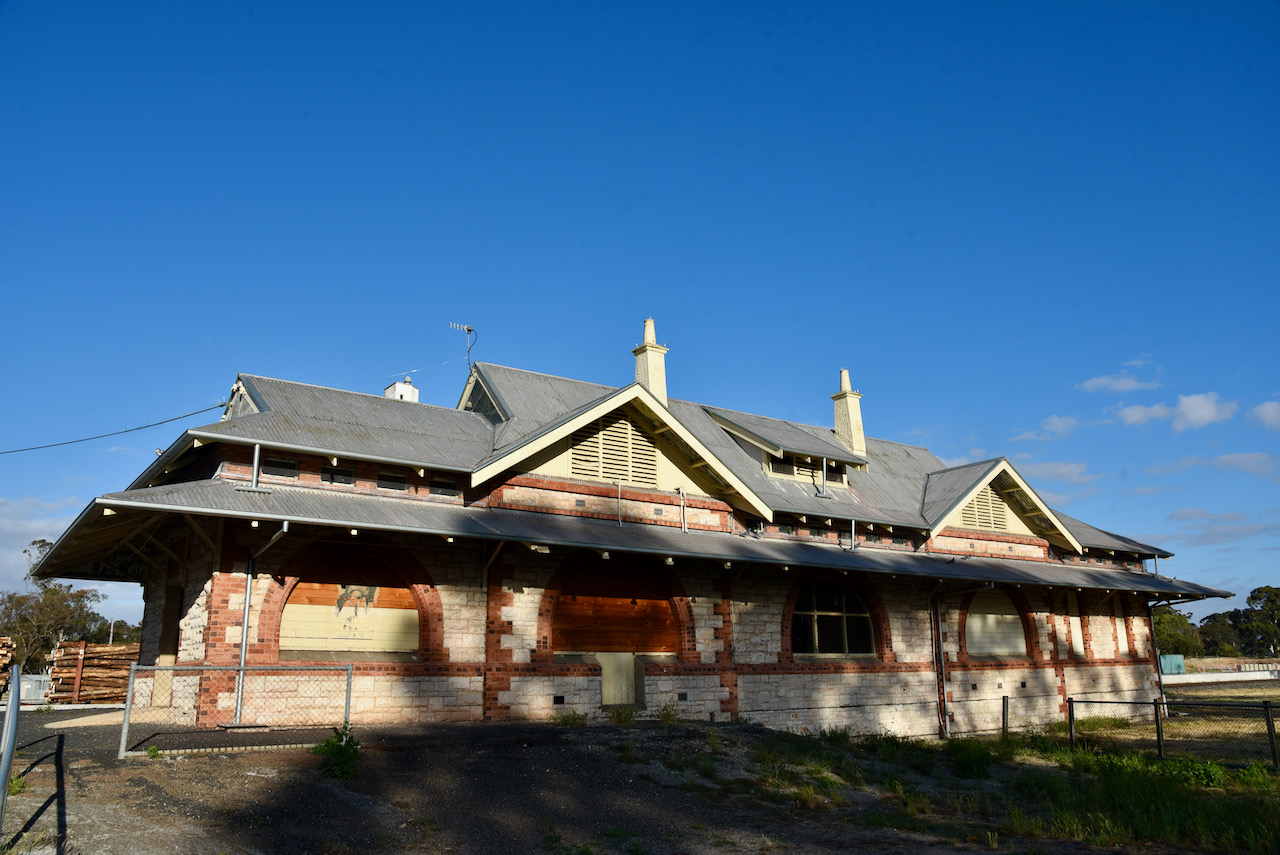
We also stopped to have a look at the old Bordertown railway station. The station was built in 1914 with stone which was railed from the property of Jim Watson at Cannawigra. Sadly this majestic old building sits idle and is unused.
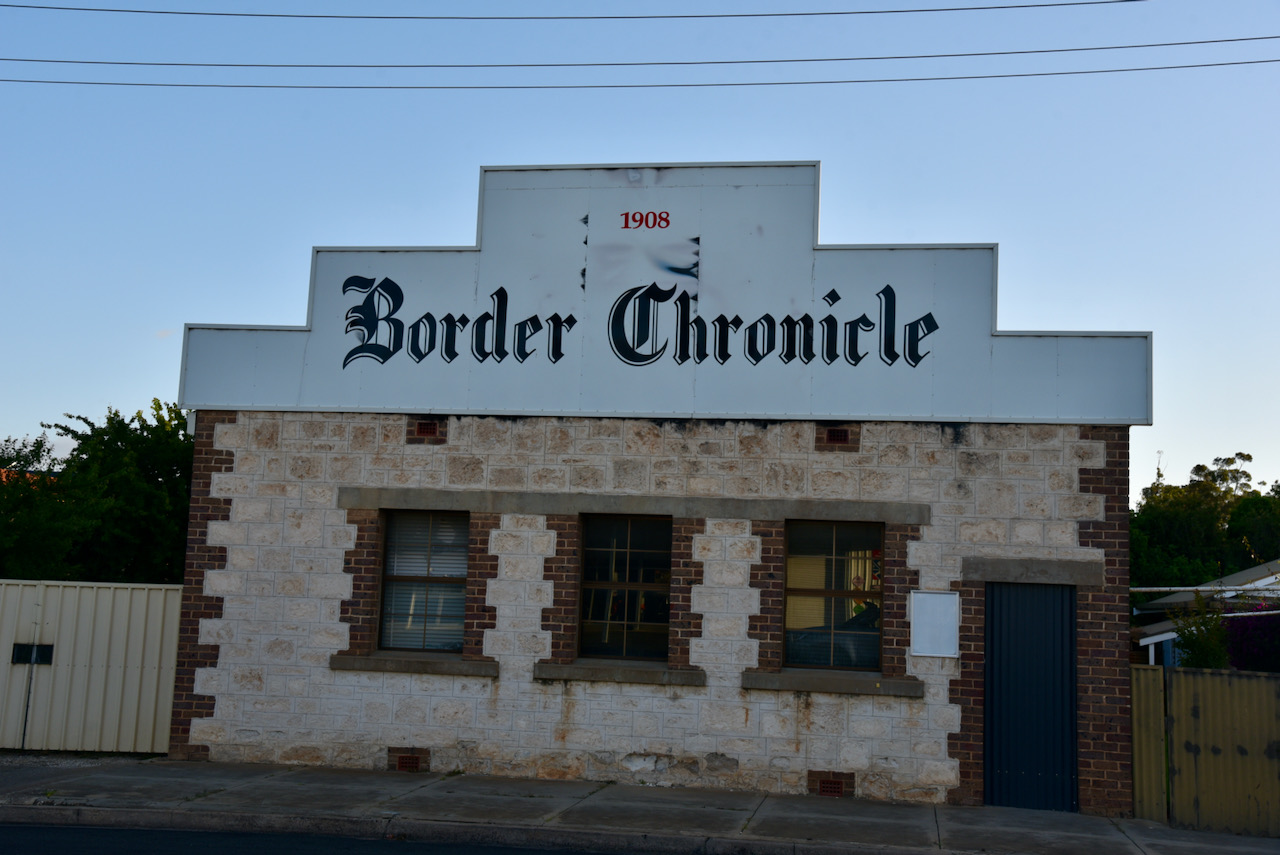
The Border Chronicle building in Bordertown was built in 1908.
We then headed back to the motel and enjoyed our Chinese takeaway meal. I sat back and watched the movie Independence Day (for about the 5th time) which even mentions “ham radio operators from new York and Japan are participating in an effort to launch a counter-attack”.
Our fourth silo for the day was in the town of Keith, about 225 km southeast of Adelaide.
Above:- Map showing the location of Keith. Map c/o Google maps
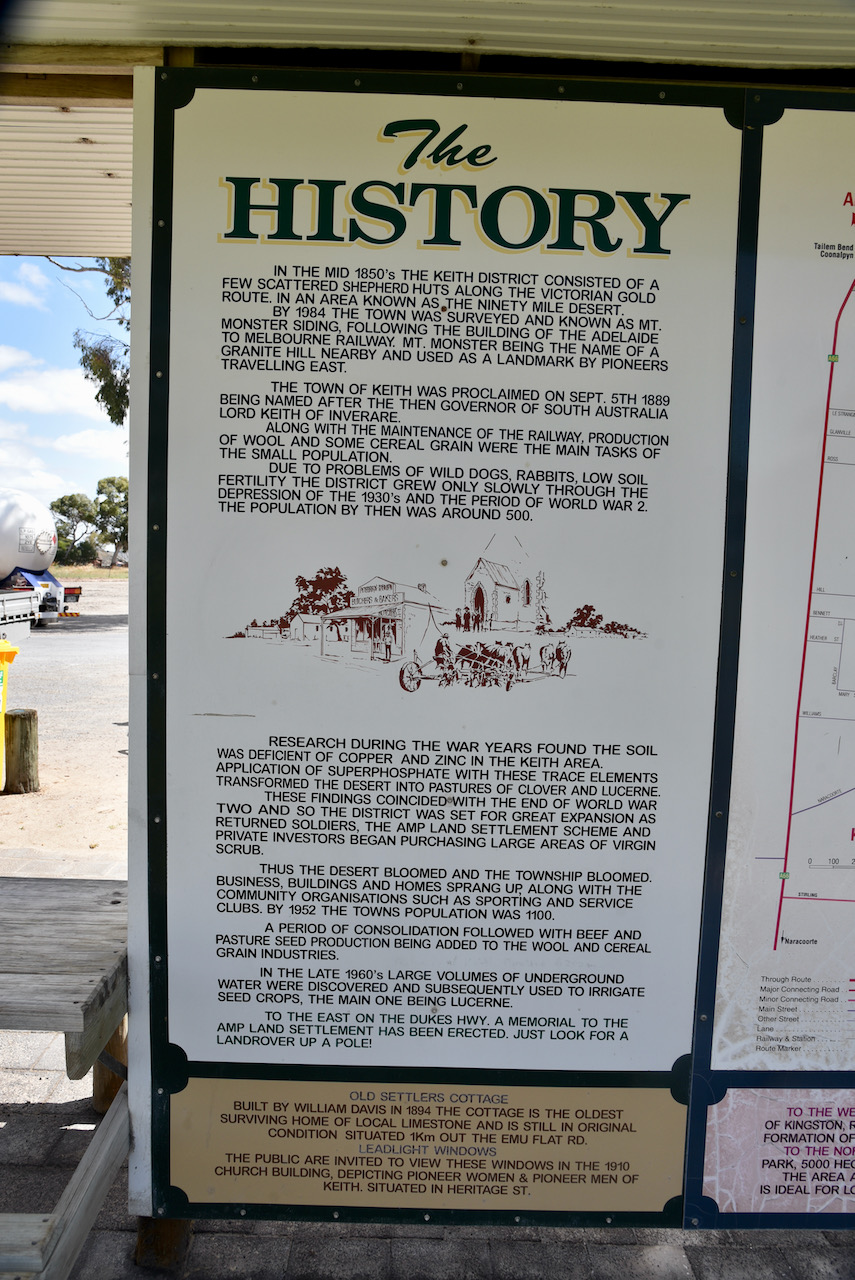
The area which is now Keith was known as the Ninety Mile Desert. During the mid-1850s, the Keith district consisted of a few scattered shepherd huts along the Victorian goldfield route. James Allen and Patrick Kelly were amongst the first settlers who took up land in July 1851 near Mount Monster on pastoral lease no. 224.
By 1884 the town had been surveyed and was known as Mount Monster Siding, following the construction of the Adelaide to Melbourne railway. It took its name from Mount Monster, a granite hill nearby which was used as a landmark by pioneers travelling east (this is now a Conservation Park).
The town of Keith was proclaimed on the 5th day of September 1889.
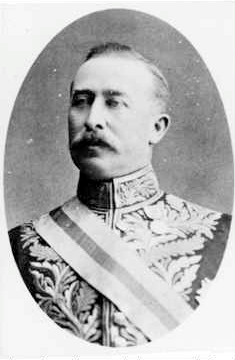
The origin of the name is a little unclear to me. Some sources state that Keith was named after the then Governor of South Australia, Algernon Keith-Falconer, Lord Kintore, or Earl of Kintore. His home in Aberdeenshire in Scotland was called Keith Hall. Lord Kintore, the Governor of South Australia.
Above:- Algernon Keith-Falconer. Image c/o Wikipedia
The information board as you come into Keith refers to Lord Keith of Inverare.
The Compendium of the Place Names of South Australia states the town was named Keith after Keith Stirling, the eldest son of Sir Lancelot Stirling who was a local grazier.
When I searched Trove I saw that various articles referred to it as both Kieth and Keith.
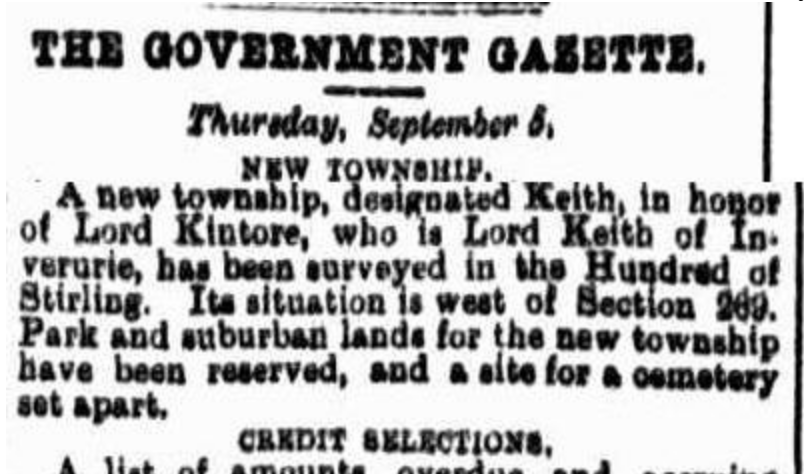
I then found this article on Trove from the Border Watch, Mount Gambier, dated Wednesday 11th September 1889, which appears to verify the origin of the name.
Above:- from the Border Watch, Sept 1889. Image c/o Trove
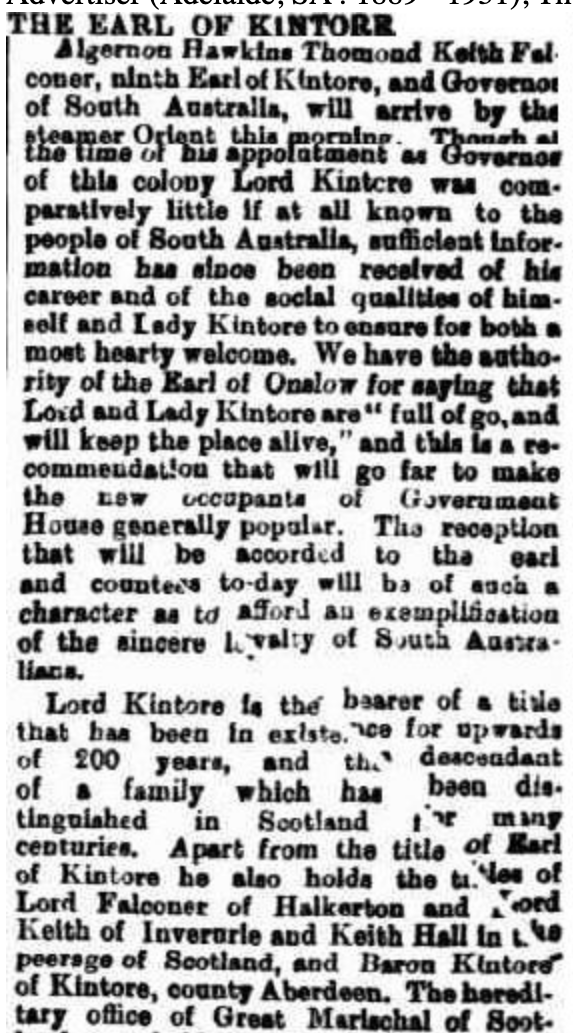
I then found another article on Trove from the Advertiser Adelaide, dated 11th April 1889. It refers to Alergnon Hawkins Thomond Keith Falconer, Ninth Earl of Kintore, and Governor of South Australia. The article states that he is also known as Lord Kintore and holds the titles of Lord Falconer of Halkerton and Lord Keith of Inverurie and Keith Hall in the peerage of Scotland, and Baron Kintore of Kintore, county Aberdeen. Part of the article can be found below.
From the Advertiser, 11th April 1889. Image c/o Trove
The townsfolk of Keith were involved in the maintenance of the railway, and also the production of wool and some cereal grain. However, the problems of wild dogs, rabbits, low soil fertility, contributed to the district growing at a slow rate through the depression of the 1930s and the period of the Second World War. The population of Keith at this time was about 500 people.
Research conducted during the Second World War found that the soil around Keith was deficient in copper and zinc. Application of superphosphate with those trace elements subsequently transformed the desert into pastures of clover and lucerne.
This coincided with the conclusion of World War Two and the return of Australian soldiers to Australian soil. The AMP Land Settlement Scheme was established and private investors commenced purchasing large areas of scrub. As a result, the township of Keith bloomed, with businesses, buildings and homes being established along with sporting and service clubs. By 1952 the population of Keith was 1,100 people.
Above:- Clearing land at Keith. Image c/o State Library SA
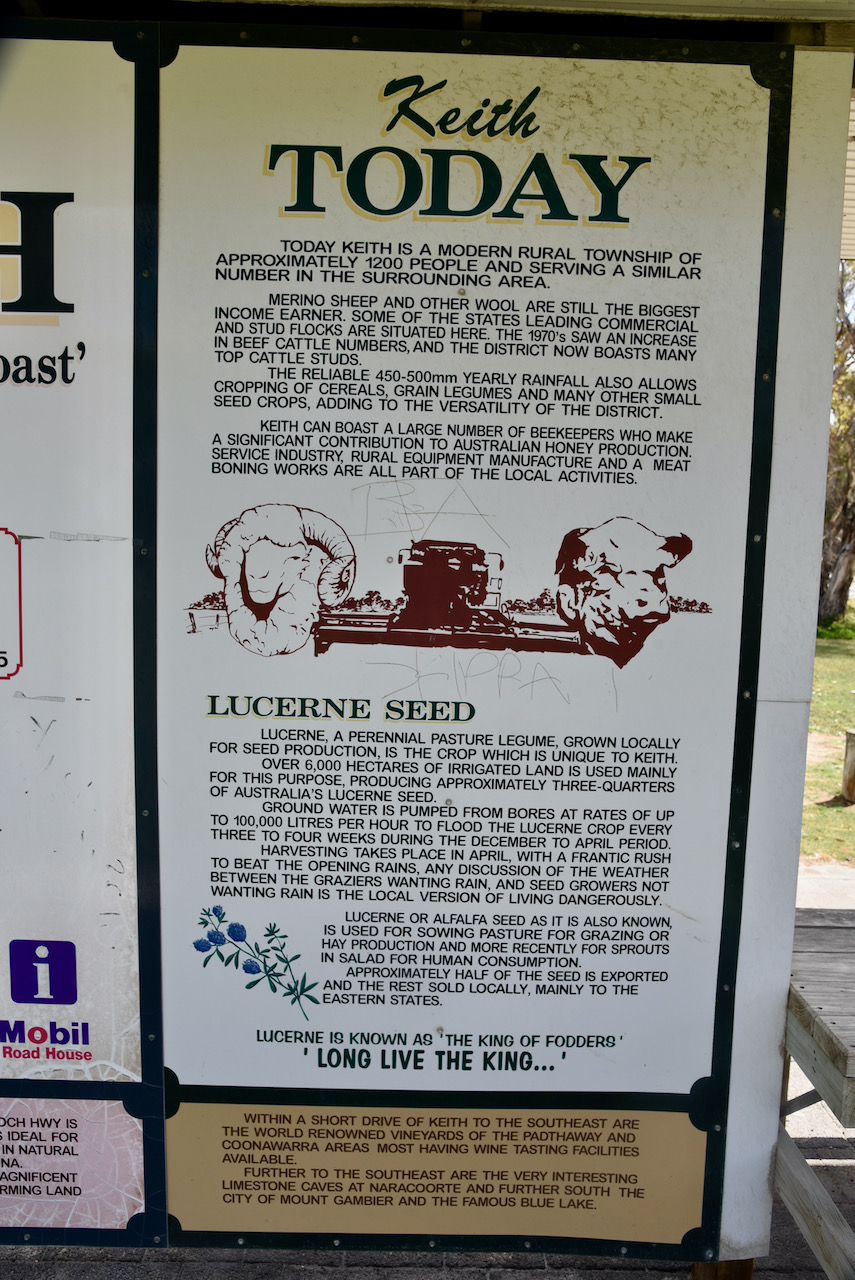
As you come into the town from the west there is an information board with details on the history of Keith, and all about Keith today.
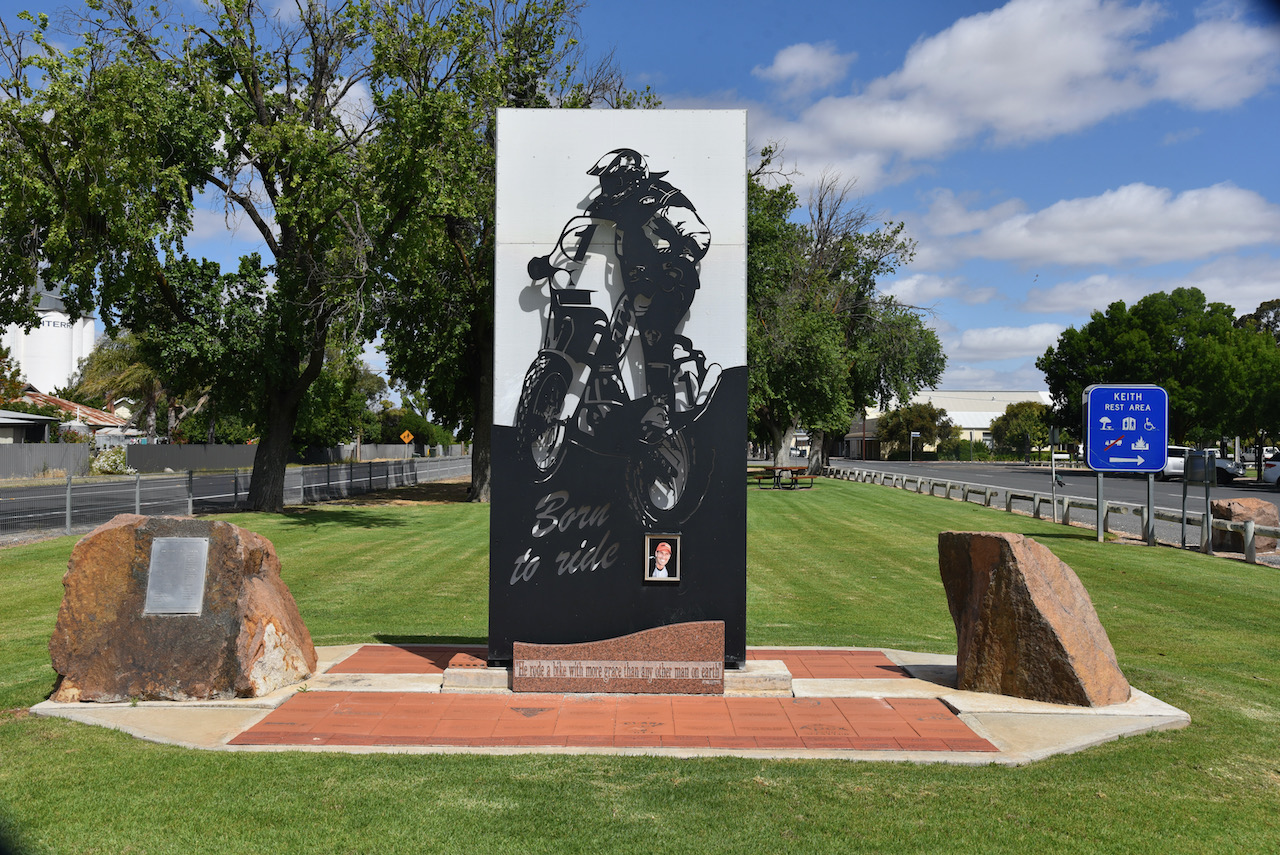
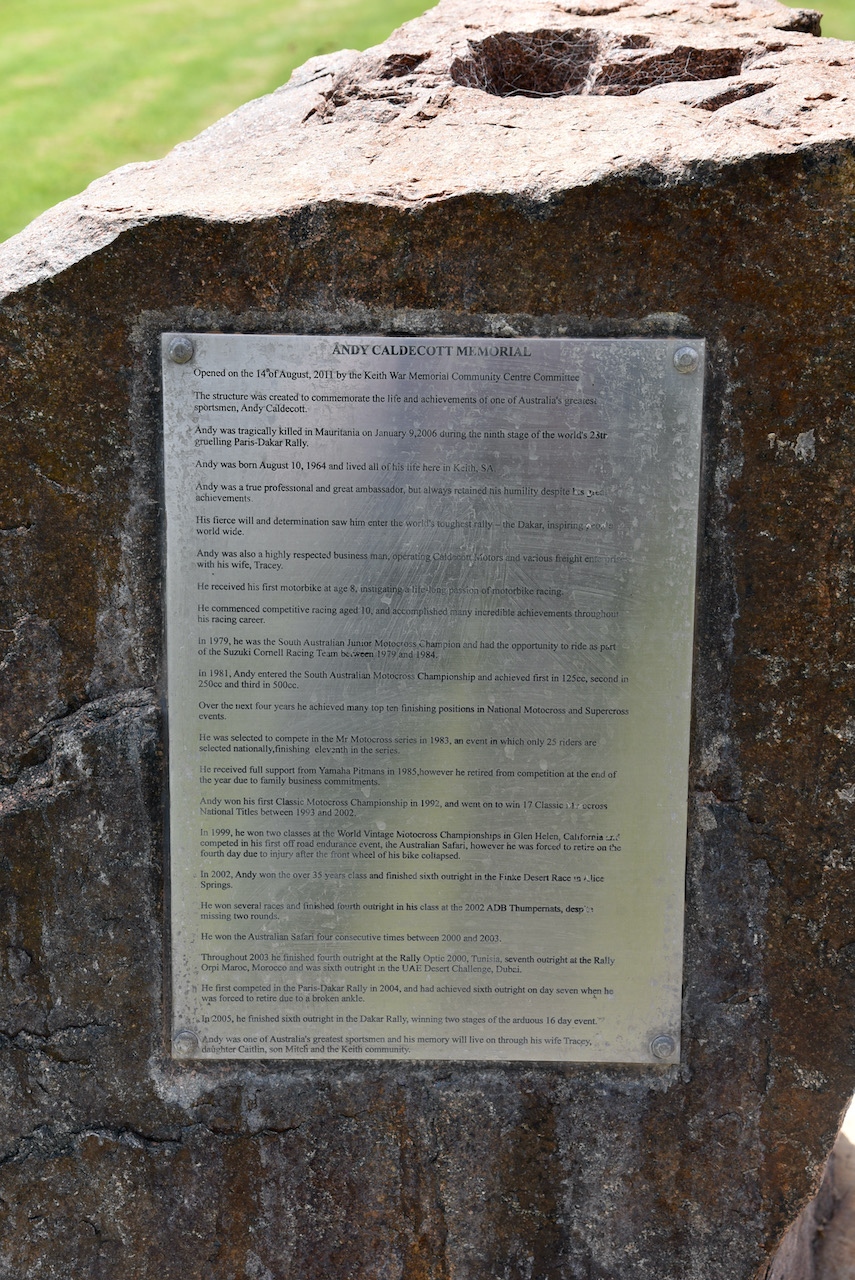
We stopped off at the Andy Caldecott Memorial in Keith which was erected ion 2011 to commemorate the life and achievements of one of Australia’s greatest sportsmen. Caldecott was tragically killed in Mauritania in January 2006 during the ninth stage of the world’s 28th gruelling Paris-Dakar Rally. He was born in August 1964 and lived all of his life in Keith.
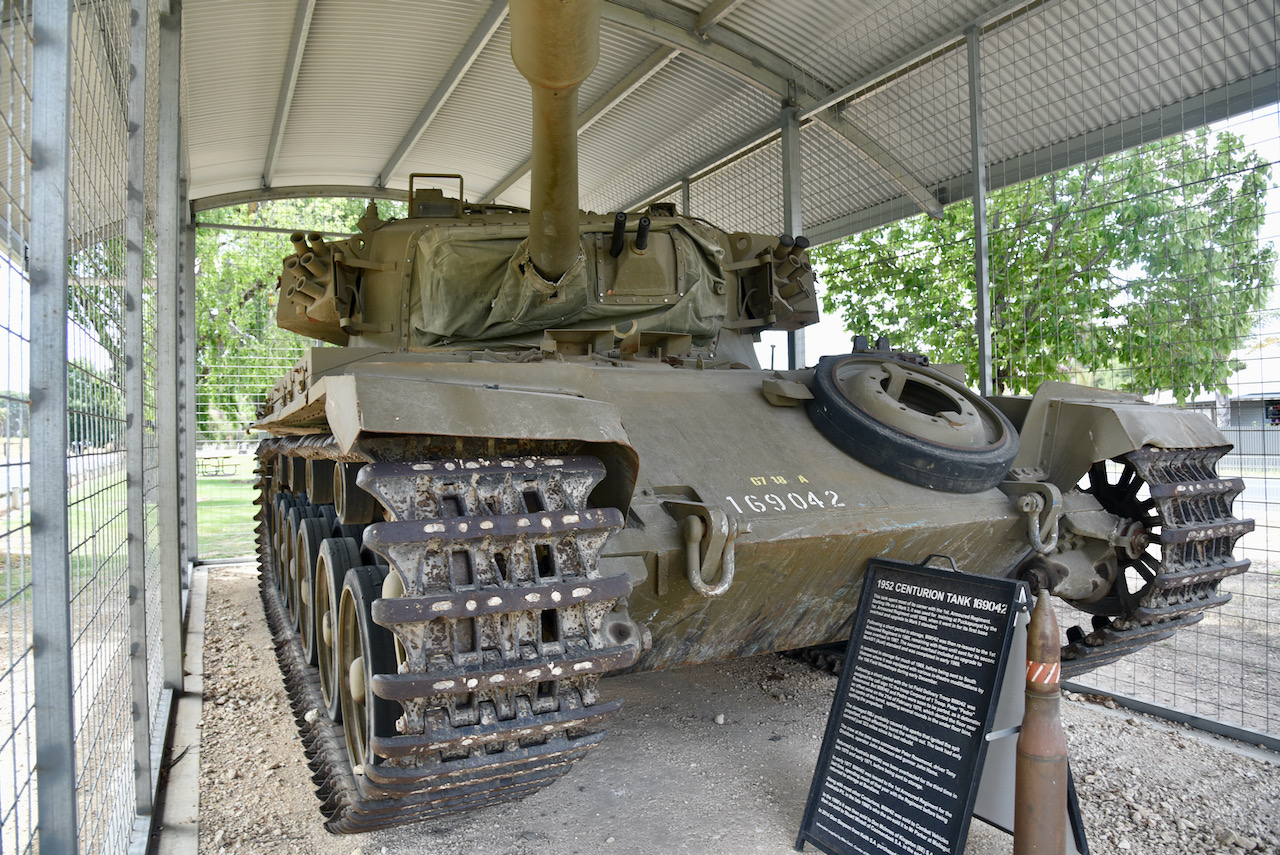
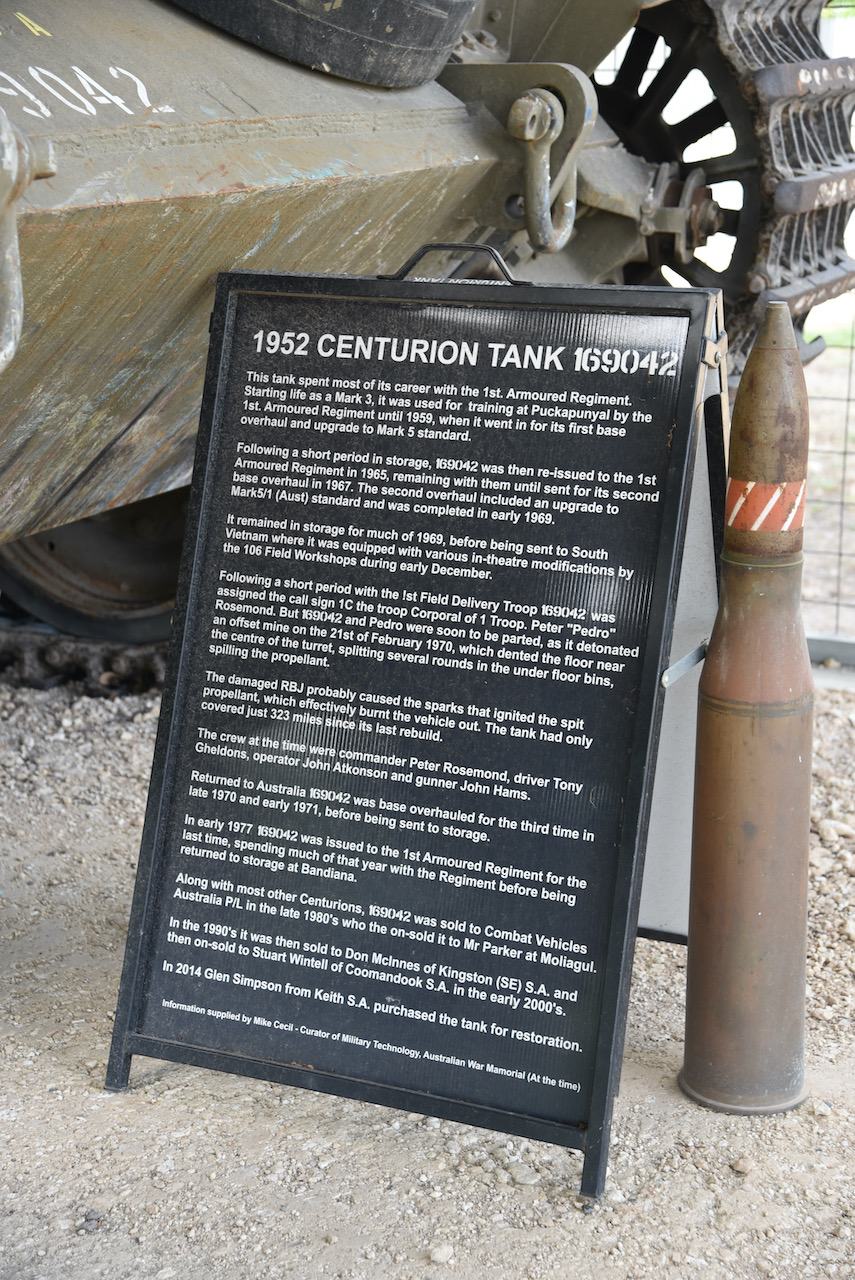
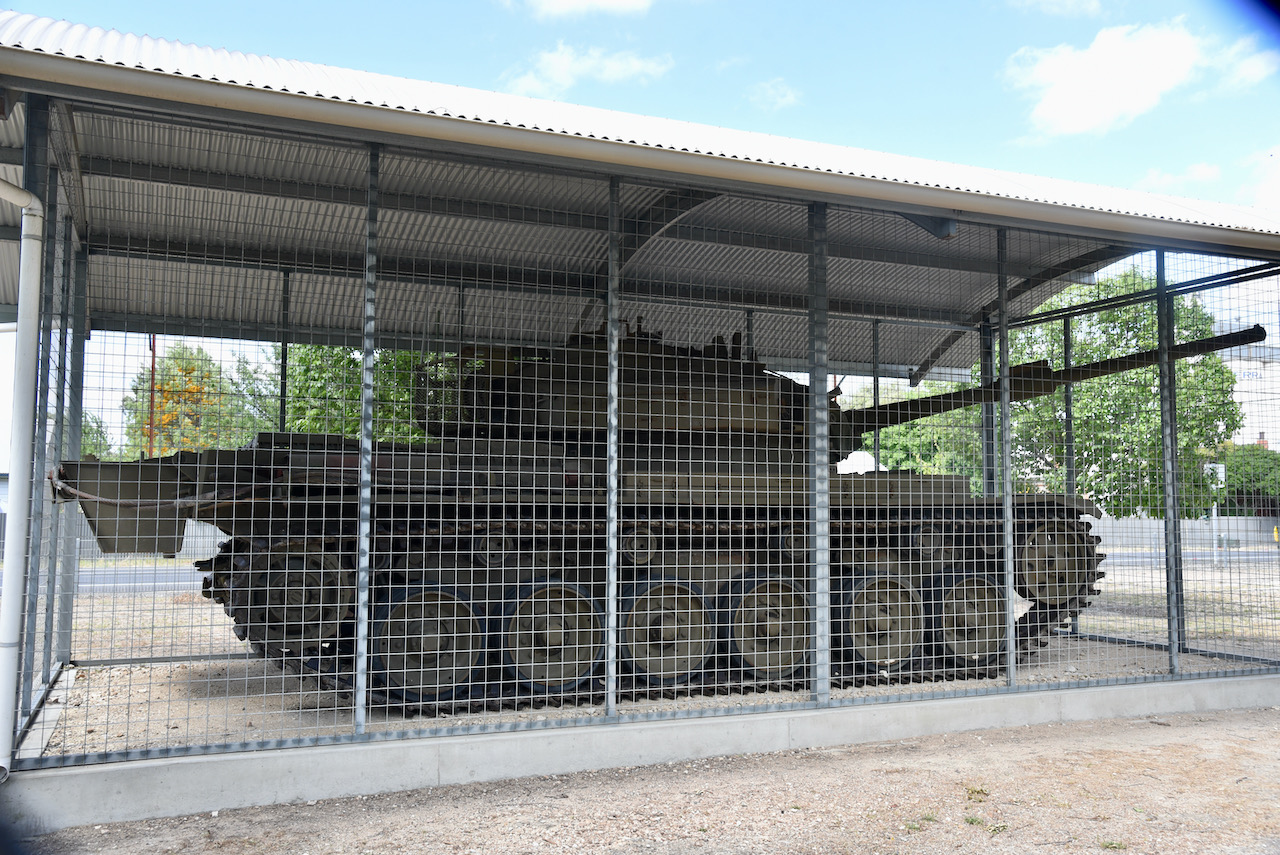
In close proximity is a 1952 Centurion Tank which was purchased by Glen Simpson from Keith for restoration. The tank spent most of its career with the 1st Armoured Regiment.
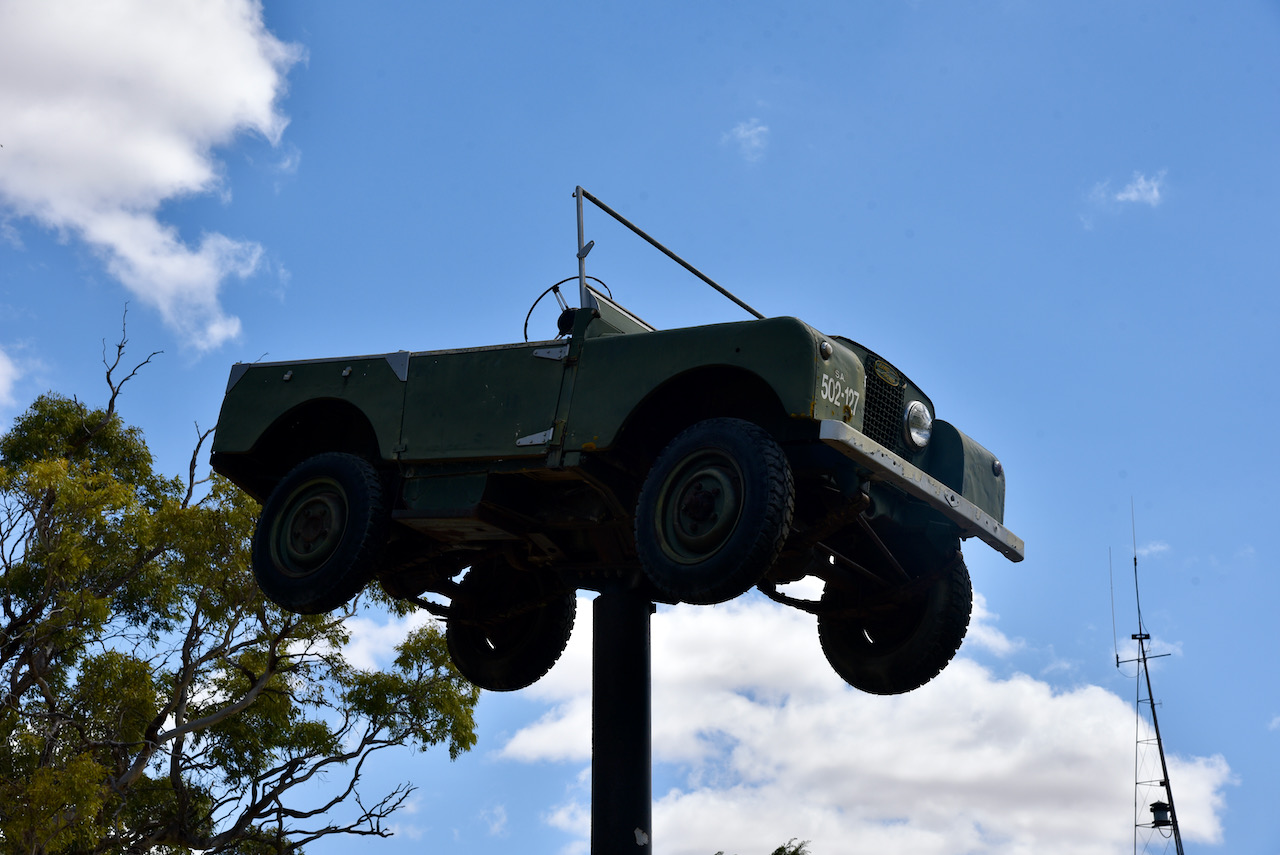
A not to miss in Keith is the Landrover on a Pole. During the 1940s when the AMP Society was purchasing land in the Keith district, the Landrover was a regular source of transport in the area known as the Ninety Mile Desert.
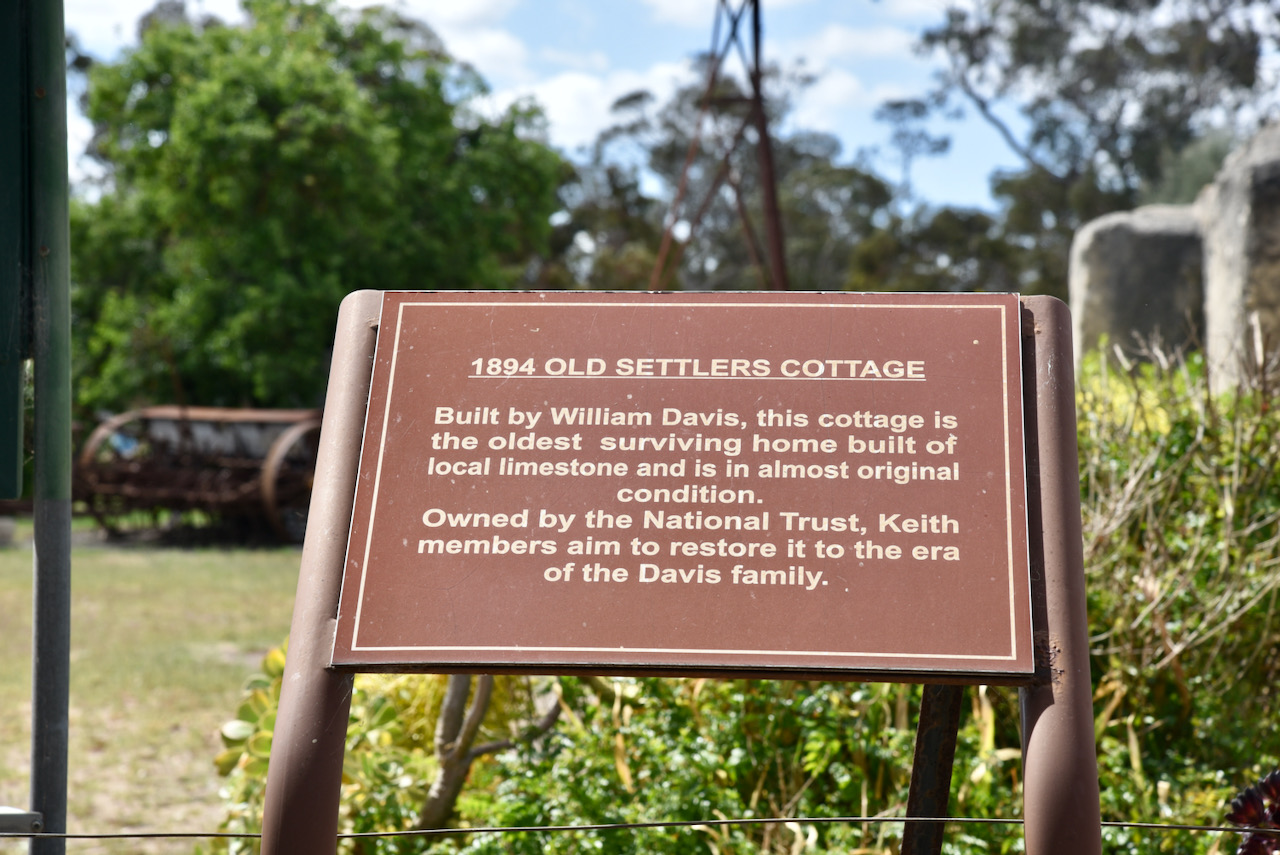
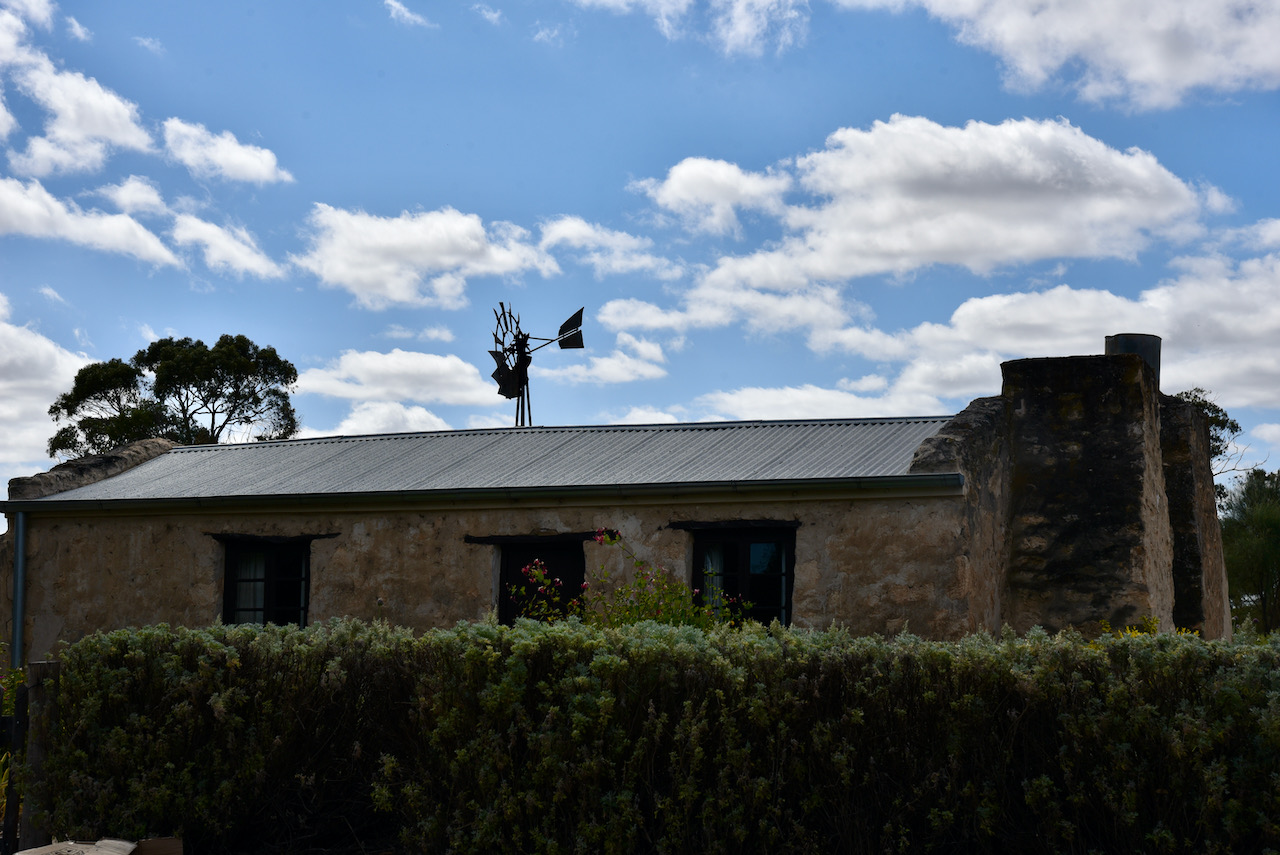
Also worth a visit if you are in Keith is the old settlers cottage which is believed to be one of the oldest buildings in Keith. It was built by William Davies in 1894, and is located on Emu Flat Road. It is constructed of local limestone and consists of our small rooms.
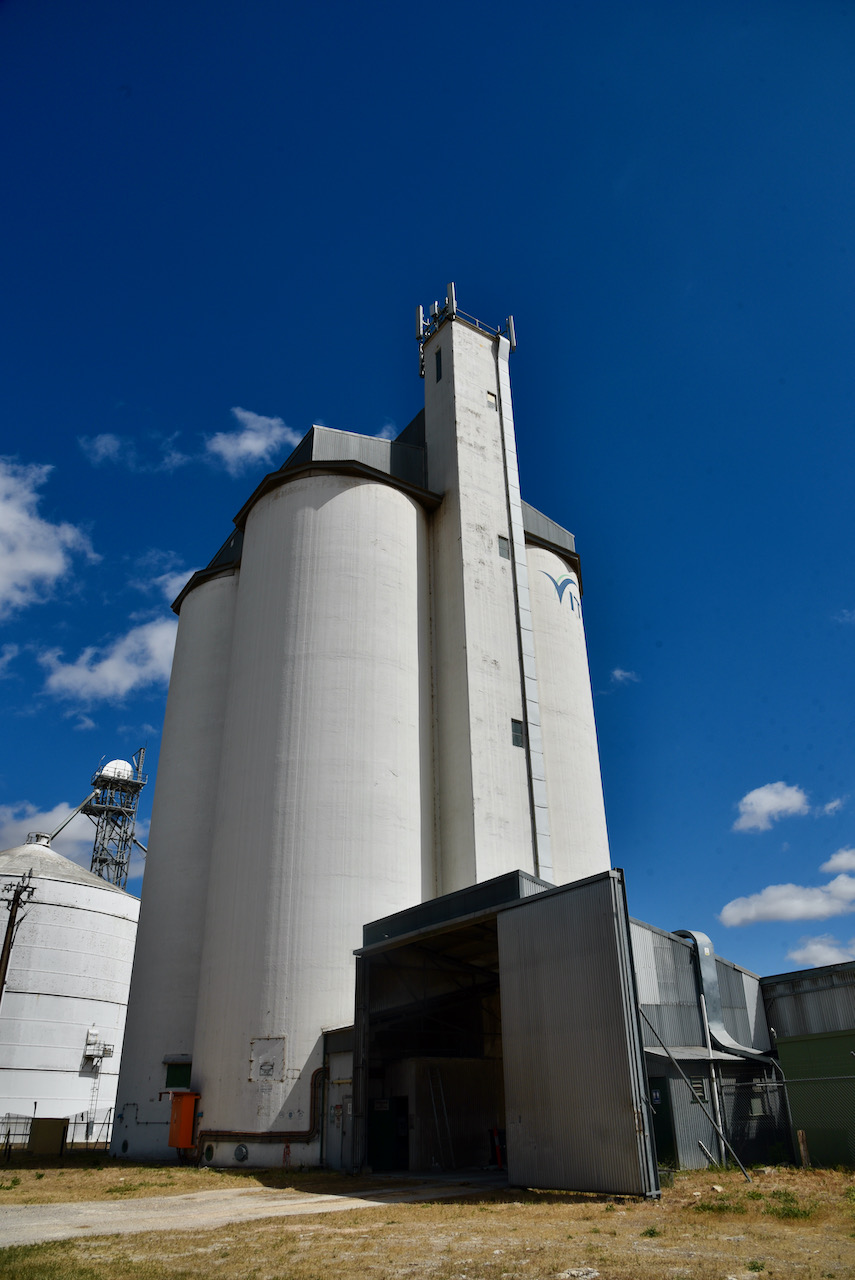
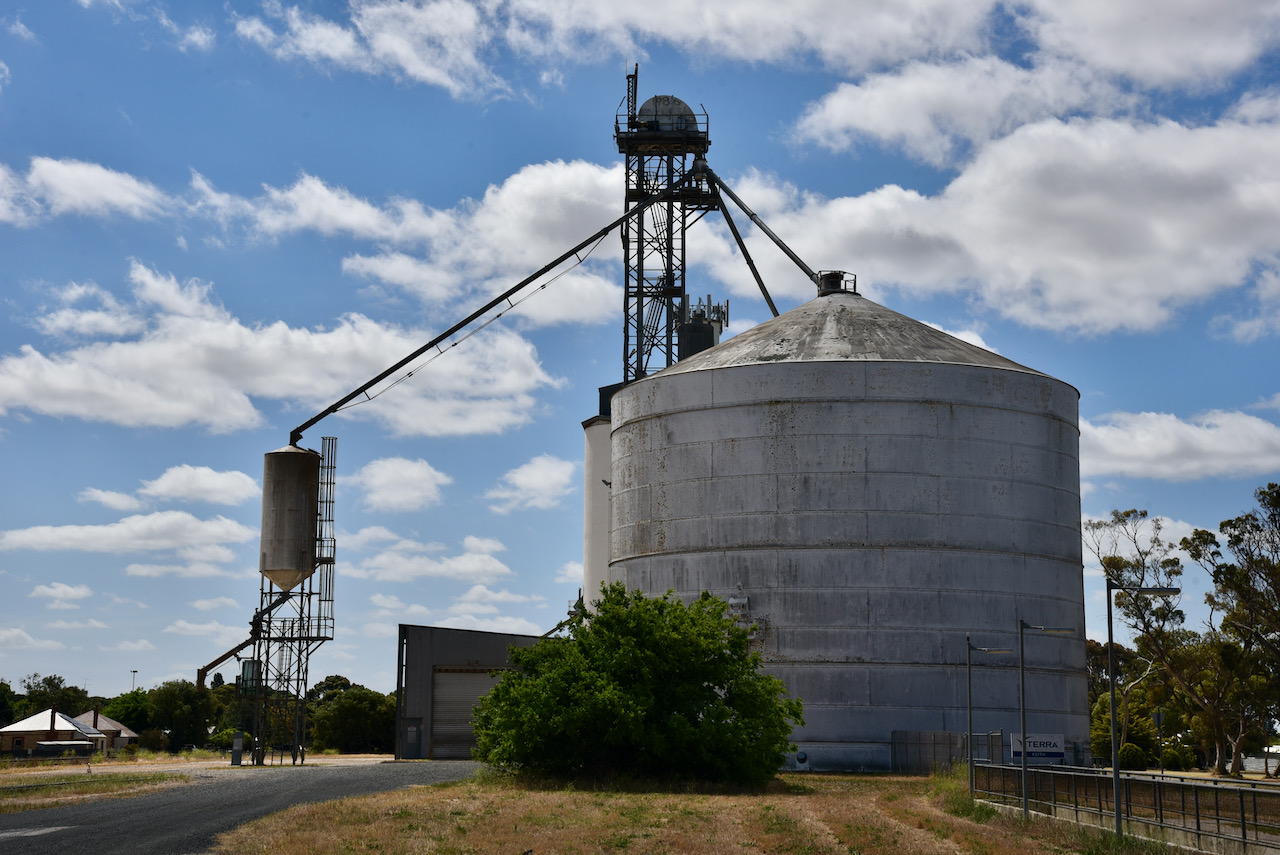
We then headed to the silos which are located on Railway Terrace. As this was right in the centre of town and it was very noisy on the bands, we headed to Densley Road and operated from the Keith showgrounds where the noise floor on the bands was much lower.
After Marija had placed a spot for me on parksnpeaks I started calling CQ on 7.150. This was answered by Peter VK3PF, followed by John VK2YW, and then Nev VK5WG. I had my three contacts in the log and I had qualified the silo. I logged a further 4 stations before swapping over with Marija.
Marija’s first contact was with Peter VK3PF, followed by Ray VK4NH, and then Brett VK2VW. Marija logged a further 3 stations before callers dried up.
We then headed to 20m where I logged a total of 5 stations from VK1, VK2, VK4 and New Zealand.
I then moved to the 80m band where I found that we had strength 7-8 noise. I logged just the one station, Ian VK5CZ in the Clare Valley.
With a total of 18 stations in the log, we packed up and headed to our next silo at Wirrega.
































 VK5PAS